

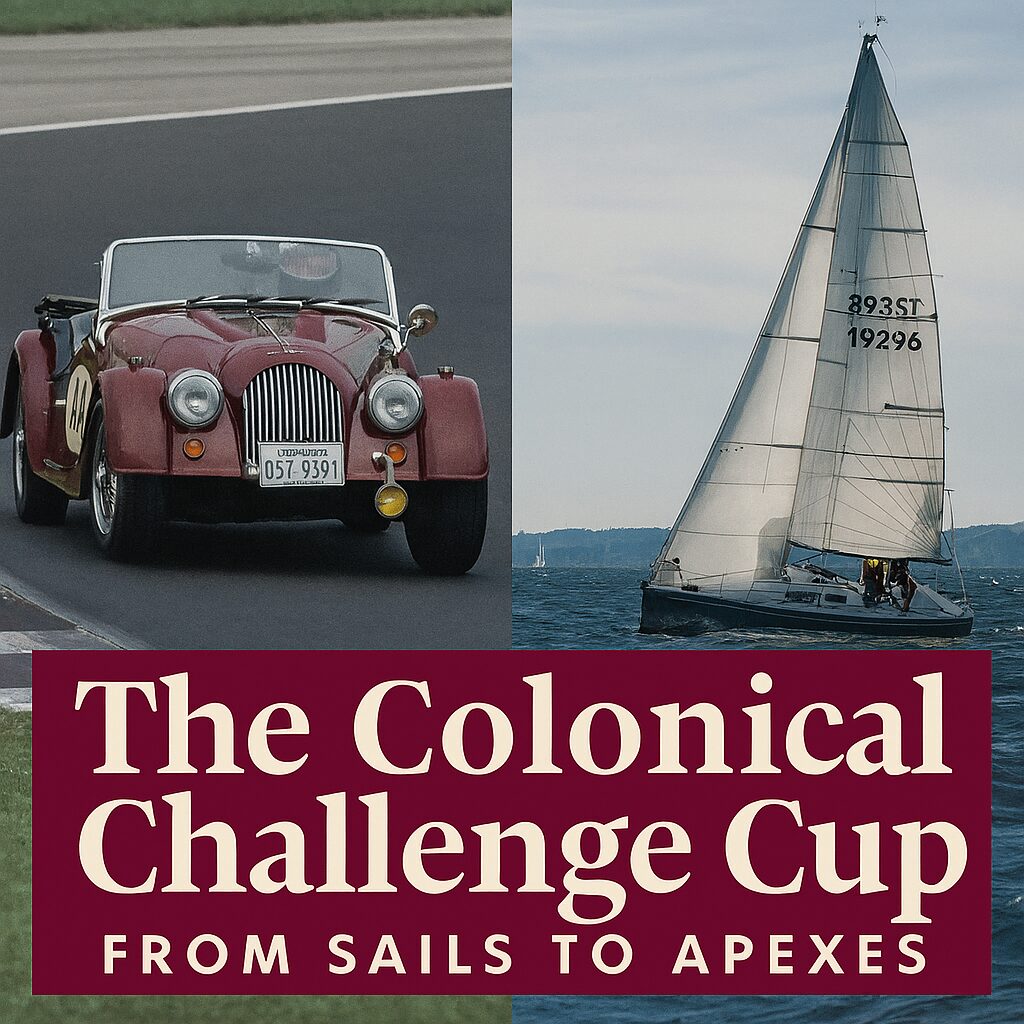
What do a wooden sailboat, a Mazda RX-7, and a Morgan 4/4 have in common? At first glance, not much—unless you’re Crispin Etherington, co-founder of the Annapolis Trust and mastermind behind the Colonial Challenge Cup (CCC), a unique event that blends motorsport, mentorship, and meaningful change.
In the latest episode of the Break/Fix Podcast, hosts Eric and Mountain Man Dan sit down with Crispin and Leslie Prewitt, Director of Marketing and Logistics, to explore how a weekend sailing regatta on the Chesapeake Bay evolved into a decades-long tradition of track days, community building, and educational empowerment.
Tune in everywhere you stream, download or listen!



The CCC began in 1986 as a sailing event among friends – developers, sailors, and enthusiasts – who saw an opportunity to give back. What started as a casual regatta soon became a fundraiser for the Boys & Girls Clubs of Annapolis and Anne Arundel County. But as Crispin recounts, the funds often disappeared into a general pot, leaving donors unsure of their impact.
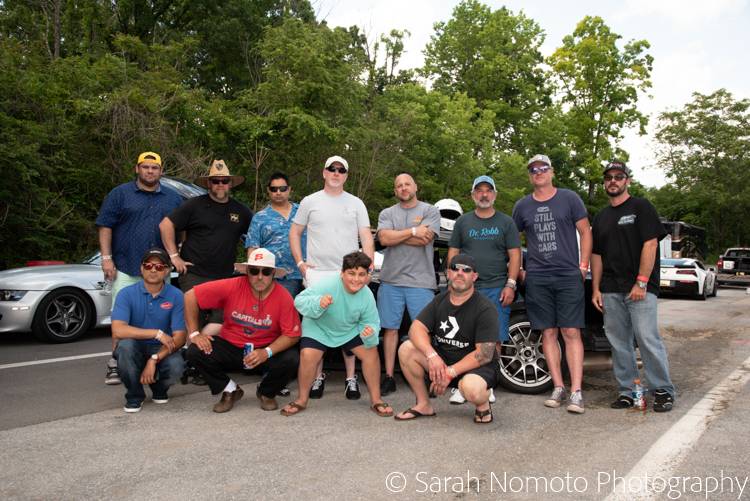
That uncertainty sparked the creation of the Annapolis Trust, a scholarship fund with a clear mission: to support underserved students in their pursuit of higher education and career development. With the Trust in place, the CCC could ensure every dollar raised had a direct, measurable effect.
Spotlight
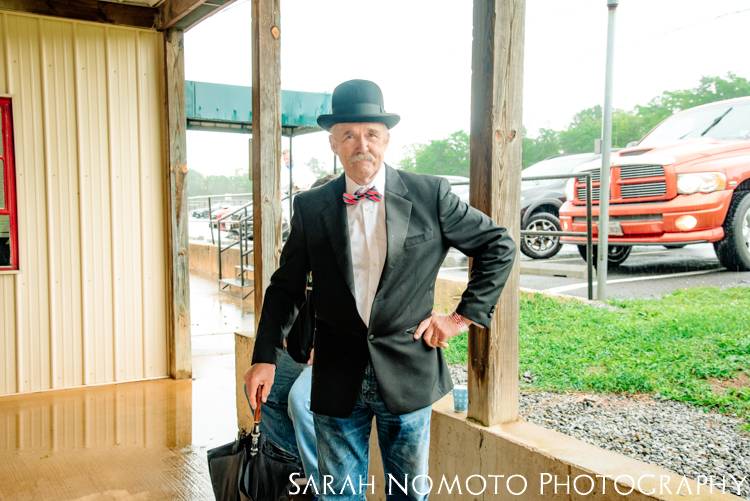
Crispin Etherington - Co-Founder for The Colonial Challenge Cup (CCC)
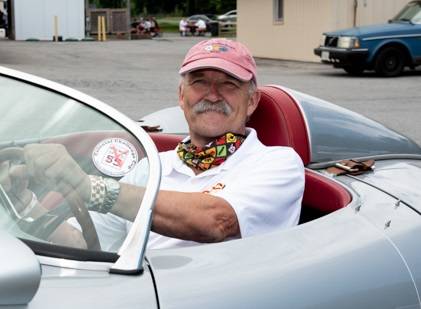
Crispin Etherington along with Reggie Broddie, CEO of the Annapolis Trust work together to ensure that the trust continues to expand its activities to include programs for elementary school students, high school students and graduates through the fundraising at the CCC trackday and regatta events.
Contact: Crispin Etherington at Visit Online!



Notes
- How do you go from Sailing to Track Days? Origin of the CCC.
- The scholarship, who is it designed for, how do people qualify, etc. How does the scholarship payout? Is it applicable to any school?
- The CCC Track Day event structure, how does the day/weekend work?
- How does someone sign up for this event? What does it cost, what are the pre-requisites and expectations.
- Most memorable experiences in CCC thus far, and what does the next 25 years look like for the CCC?
Transcript
Crew Chief Brad: [00:00:00] Break Fix podcast is all about capturing the living history of people from all over the autos sphere, from wrench, turners, and racers to artists, authors, designers, and everything in between. Our goal is to inspire a new generation of Petrolhead that wonder. How did they get that job or become that person?
The road to success is paved by all of us because everyone has a story.
Crew Chief Eric: 28 years of supporting education, the Colonial Challenge Cup. Also known as the C. C. C has been raising funds for education by holding an annual sailing regatta on the Chesapeake Bay since 1986. Fast forward to 2006 and a track day was added to the CCC calendar.
Obviously this is the polar opposite to the regal sport of sailing. What it has done is provide motoring, enthusiasts and sailors a chance to experience the fun and exhilaration of learning how to drive their everyday car [00:01:00] in a controlled environment on some of the best road courses, and with us tonight to tell us about the nearly three decade long tradition of the Colonial Challenge Cup is Leslie Pruitt, director of Marketing and Logistics, as well as Crispin Etherington, who, as Leslie puts it, is the mastermind of the CC, c and co-founder of the Annapolis.
Scholarship trust. So we welcome them both to break fix. And joining me tonight is my co-host Mountain Man. Dan, let’s get into it. What is the origin of the Colonial Challenge Cup? Tell me about the who, the why, the when, and the where of, how it all got started.
Crispin Etherington: As you just mentioned, Eric, many, many years ago, we did the sail regatta on the Chesapeake Bay, where we went down and essentially messed around on very old sailboats for a long weekend.
On the back of that, being in the property development business, we saw an opportunity to potentially raise money for a non-profit. We had a number of boats. We would sail around for the [00:02:00] weekend and we potentially persuaded some of the participants to throw a few shackles towards a nonprofit, which at that time was the Boys and Girls Clubs of Annapolis and Anne Arundel County.
The money that we contributed helped the kids study in college, trade School University after they graduated from high school. And the boys and girls clubs certainly provided a wonderful service and continue to do so. For the kids during elementary, middle, and high school. But once they graduated, they were pretty much on their own.
And we did did this for a number of years, and then we found that the money went into some amorphous pot and we weren’t quite sure where the money went. So we decided to set up a scholarship trust, specifically being able to dictate where the money went. So the Colonial Challenge Cup, the CCC provided the funds to support.
Kids from, at that time, the boys and Girls clubs attend college. What happened thereafter? Being a bit of an aficionado of the [00:03:00] motor sports world and spending a, a small time of my career with SCCA racing and having gone through the skit barber school. I decided that we ought to expand the CC, C from just sailing, but also to a track day.
And having been up to summit points on many occasions, we decided to try our luck at having a track day bringing some of the sailors who love cars plus others. Friends to participate in a track day, and what transpired was that we were able to raise money for the Annapolis Trust from both the sailing Regatta plus the funds that we raised from the track day.
Crew Chief Eric: Kristen, let me ask you this. So you mentioned you were part of SECA and things like that, so tell us a little bit about your motor sport pass. Obviously there’s a sailing pass there. But what kind of cars were you driving? What kind of racing were you doing? Oh, was it just for fun? Competitive.
Crispin Etherington: My MO in life has always been to do something, put it on your bucket list to maybe move on and do something else.
I’ve been a Formula One follower for many, [00:04:00] many years, and I’m dropping names, but I’ve been to Monte Carlo a couple of times. We did all the races in Indie. I’ve loved motor sports from the early age, and I was introduced to racing probably 30 years ago and went up to Summit Point. We did some track days, and then I had the opportunity to partake in the Skip Barber Open Car racing school.
I got my SCCA license. I did, uh, a few races up at Summit Point. What car the first time was in, I, I couldn’t even tell you which class it was, but it was in a completely, I’ll be careful what I say here. Basic RX seven, Mazda RX seven, which when you go around corners, the fuel slops from one side to the other.
So it’s a motion car. When you go to the corner, you know you’re gonna slow down, not because of your inability to put your foot on the pedal, but because there’s fuel starvation. Um, and then I remember one time I was going through the S’S at Summit points and I was bumped by somebody who clearly was practicing for nascar, and I couldn’t believe that he would actually try and push me off.
So I [00:05:00] decided I’d progressed to a slightly better class of car where chances of being pushed into the woods were minimized. So I ended up, I think it was RS. I-R-S-I-R-T, I forget now. And I raced A-A-B-M-W three 20, which was owned by a friend of mine. I enjoyed it. Middle of the pack, when you’re driving somebody else’s car, you don’t wanna go and wreck it.
And I felt that I’ve been there, done that. Now let’s do something else. So I can say that in my bucket list. I got my license, raced cars, and at that time decided that we would start something where it would provide the opportunity for everybody else who aspired to be a racing car driver who had little ability like myself.
But to go out and drive around a car, around a track. And so we started the C, C, C and in 2006, I think was the first time and we did it on the up at Summit Point, on the Shenandoah Track, which was a lot of concrete and it went from there. But that’s my background. So it’s more a want to be, love to be a racing car driver, no ability to do so, but enough to actually drive [00:06:00] around a track and survive on a few occasions and live to tell the town.
So that was the Genesis 2008. The world sort of collapsed with the, the Depression, and shortly thereafter, the sailing regata, which was a lot more involved and more expensive, we put on hiatus. And then a little bit later we did the same with the track day, I think about what, four years ago, Leslie, we decided to bring the track day back.
Since then, we have run it two occasions each year. One in spring, one in the fall. We are unique. We have a very good following. We have I think 700 people who at various times have turned up.
Leslie Prewitt: You forgot a big detail here about your Morgan. I
Crew Chief Eric: was gonna ask if he had a proper British car as
Crispin Etherington: well. I’ve owned a lot of cars over the year.
I’m associated with one particular brand called the Morgan, and I’ve owned a couple of Morgans. In fact, the first Morgan I bought was a 64 4 4 competition. I had it rebuilt in England, brought it to America. Then I sold it in [00:07:00] 1995 to a delightful chap. And then last summer he called me up and said that he was of an age.
He didn’t, he couldn’t get into it anymore and would I like to buy it back? At that time, my youngest son said he would like to buy it, so he then bought the car back, which I had built for me in 1964. And so that particular Morgan now sits in our garage. We will take it up to the track in April, so the car will be taken up, we’ll drive around.
I’ve always had an affinity to that particular car, uh, Handbuilt three months to build the car, and the, the company’s been in the family for a hundred years, so that’s my relationship with cars of a different era and a different type, but I’ve always had that affinity to cars.
Crew Chief Eric: Is that where we start the similarity between sailing and cars?
Is the wooden frames on the Morgan or is there more to it?
Crispin Etherington: Sailing was when I lived in New Jersey. My neighbors would go down to the Chesapeake Bay and I was working in New York and, and of course at that time never wasn’t aware of the Chesapeake Bay. Baltimore was a tunnel on the way to Washington and they said, why don’t you [00:08:00] come to down sailing for the weekend?
So we went down to a place called Trap off the Chop Tank River. We rented these archaic wooden boats with sails made out of something from the early 19th century. And we had fun. And then I thought, well, maybe we can make something out of it. Went back to all my friends, they decided they’d like to come the following year, so we had two boats and we decided we need to call it something.
So we figured since we were in the colonies and we had a few Americans, we had a few Brits and, and some Irish people, we decided to call it the Colonial Challenge Cup. Came up with the name. Being in the construction business, we were grateful to accept voluntary, um, donations from subcontractors. We had some gear and then we got some money and raised the money and gave it to the, the Annapolis trust.
Crew Chief Eric: Oh, I meant more than that. In that, we talk often on this show about how there’s multiple disciplines of motorsport out there, and so motorsport is a broad term. There’s a, an engine to propel something, in a way to pilot it. It could be a plane, it could be a boat, it could be a car, it could be a [00:09:00] motorcycle and so on down the line.
But we often talk about how the disciplines either overlap. Or they bring something to one another. So I guess I have to rephrase my question and ask, is there a parallel or something that you can bring from sailing into racing cars or are they two just totally different animals?
Mountain Man Dan: I have very minimal experience with boating, but one thing I’ve learned from a little bit of experience I do have with boating is you have to think well in advance of where you wanna place the boat.
Because a boat responds much later than like a vehicle would. Do you think that helps you anticipate like an upcoming turn on a track?
Crispin Etherington: Absolutely. I mean, I’ve, I’ve said to, um, my youngest son, when I taught him to drive, I said, don’t just look at the person in front of you. Look at the person in front of the front of you.
In other words, don’t just look at the person who’s driving 13 meters up the road or 20 meters up the road from you. Look at the, what the person’s doing in. Front of that person because they’re going to influence what the car in front of you does, and then you are going to be the recipient of whatever that particular action is.
Always [00:10:00] look at the other person. In the same respect, sailing is, anticipate the problem, look at the buoy. Long before you get to the buoy, keep an eye on the other people when you’re racing. Sailing. But anticipate, and that’s absolutely true of driving. Don’t just look at the person in front of you. Look at the person who’s going to take the corner before the car in front of you.
Hence, the old expression when you are racing is, don’t look where you don’t want to go. Which invariably, if you say that to a student, they immediately look where they don’t want to go. Which begs the question, why did you say it in the first place? Anticipate, and that’s something that we tell all the students.
Our chief instructor will sit down before every particular event and spend 20 minutes explaining about the art of driving and what to do and what not to do. From the connection it’s going to be sailing use your common sense. Survival is key. Driving is listen to your instructor, do what they tell you to do.
Try not to be a cowboy. Driving [00:11:00] in a straight line is something anybody can do. Taking corners is something you can’t do and you need to listen to somebody who can do it. So I think there are probably parallels, but I think one of the point I want to make is I think about going to a track day. And it’s not just the c, c, c Track day teaches you the art of.
Cornering the art of breaking the art of anticipation in my daily driver, whether I’m going teaching or whether I’m driving down to the store to buy something. You look at a corner as an apex, you learn how to take that corner. You anticipate what’s going to happen. I’d be the last person to say that I don’t have fun driving with somebody behind me.
Because if you get to the corner and the person was in the wrong lane, the wrong side, the wrong speed, he braked incorrectly. And in my little Subaru, I left him in the dirt just driving normally, because when you go to a track day and certainly a c, c, C track day, they teach you how to drive, how to anticipate, how to corner, how [00:12:00] to stop.
It’s worth its weight in gold because it helps in your daily driver. That’s something that we really, really emphasize, that when you leave the CCC, we hope that you listen to the advice you’re given and you become a better driver for it.
Crew Chief Eric: Sage advice. So let’s talk about the event structure.
Crispin Etherington: How does the day.
Or weekend work re regularly. Probably have about a hundred to 120 people sign up. The cars vary from everything from Ferraris to Volvo Station wagons. We have lots of side shows. Mix is somewhat unique. We plagiarize top gear. We have a wonderful barbecue. Over the years, we’ve had every possible sideshow event you could think about, go-karting, riding bicycles around the paddock.
We have a wonderful cause. We have fun. Everybody gets kit, as we say in England, they get a T-shirt or a hat. We give out silly rewards. Rewards can be things like, think about another sport off-road [00:13:00] experience. This year, I haven’t even told, uh, Leslie. We have a, a broken tennis racket. Last year we gave a, a tennis racket mounted on a podium to somebody who should consider another.
Sport other than driving this year, we’re going to give that a broken tennis racket to the same person saying that obviously that sport didn’t work out.
Crew Chief Eric: We call that OSB, other sports Beckon. Yes, that’s right. When,
Crispin Etherington: and then we also at the the event where other than the barbecue, we have the CCC musicians and we have.
A wonderful chap who plays the, um, not the flute. What do you call it? What do you call that thing? Leslie? Help me here.
Leslie Prewitt: He, he plays the saxophone.
Crispin Etherington: Saxophone. There we are. And we have somebody who plays the guitar, and this year we’ll probably have someone who can sing or try to sing. But the whole thing thing, you’ll have the full band, right?
You just get him one piece of guitar. Hopefully every year we come up with different ideas and it’s. For whatever reason, which goes back to sailing, they call me the Commodore. So this cry goes out. What’s Etherington? AKA The Commodore going to come up with this year [00:14:00] and we’ll come up with something fun.
But it, it’s unique and it’s fun and uh, it’s not just people going out there enjoying their cars, driving, learning how to drive with professional instructors, but also raising money. For a good cause. We’re very appreciative to our supporters and, um, and it’s a good cause. And, and long may it continue. So we
Crew Chief Eric: should probably talk about the fundraising side of this, the scholarship side of the CC, C.
So let’s. Switch to Leslie for a moment to address that and tell us about who is the scholarship designed for? How do people qualify, how does it pay out? What types of schools is it applicable to? You know, all those kinds of things. So why don’t you fill us in on those details.
Leslie Prewitt: I will tell you about the fundraising side.
From a C, C, C perspective, I’m going to hand it back to Crispin because I only manage it for, for our event. He and the board of directors of the scholarship trust actually decide on the schools. [00:15:00] But I will tell you in general. The money that is raised is used for the underserved students in Anne Arundel County while they’re in high school.
And actually, I think the programs are now developing for the middle school as they’re preparing for high school, so that you’re actually creating that pathway to higher education for the students. The scholarships support different types of trainings for them. We have mentors for the students so that they, you know, some of the students do not have mentors are really, have had backgrounds where people understand education can really help them navigate education.
Are career development, are career choices. So our mentors help the students in that decision making and setting the career goals once they are in college. Then we have mentors who also continue and work with them through college because while we think that it’s okay, once you get to college, you’re doing great, [00:16:00] but that’s actually when you probably need the most mentorship and guidance and direction for your career development.
So the money is, is used to send kids to college. We have. Sent, I think over 70 kids over the past 20 years to college, raised over $340,000 with all the combined efforts. One of the things though, we, we talk a lot about the c, c, the track time, et cetera. I go in every time when we have our class at each event and say, wait a second guys, just so you know, we know that.
You are here to get on the track, but the real purpose behind this event is really to fundraise and really help those who really probably haven’t had the opportunities you have had, and you’re helping us support them and helping them get the education and the training so that they can really launch meaningful, long-term, successful careers.
[00:17:00] So we really are focusing on that, and I think. The outcome is to really inform your listeners about what we’re doing. ’cause it is really exciting, it’s really unique, but the bottom line of what we’re doing is really helping those who really wouldn’t have the opportunity. That’s what I really wanna stress more than anything.
And. We’ll be giving you our website so that you can hit that Donate Now button because $10, $20, $50, a hundred, a thousand, every little bit counts to help send these kids to school. And the more money we raise, the more kids we can support. We do have a lot of. Programs that the trust is working on and that I will give back to Crispin because he’s on the board and he works closely with Reggie Brody, who is the CEO and has been very ambitious in developing the programs to really help give the skills, the background to really start moving forward with higher [00:18:00] education.
So Chrisman, if you can talk about some of the programming that you are doing, I think that would be beneficial.
Crispin Etherington: Yeah, Reggie’s background was, I think I mentioned before, he was Chief Professional Officer of the Boys and Girls Clubs in Anne Ronald County in Maryland, 25 years. The programs, the trust support, since we started it in 2020, have included first in family, kids going to college.
We have, I think a 75, 80% graduation rate, which is way more than, than is typical for this particular group of kids. Come from a challenge background.
Leslie Prewitt: What we call them in workforce development is called Opportunity Youth. Those kids who wouldn’t normally have the opportunity to go to college and learn right
Crispin Etherington: in very simple English, they come from families where the parents may not have been to college, and these are the first generation kids who go to college.
They come from families that haven’t got the money to support them to go to college. What we do is provide them with a scholarship in association [00:19:00] with a PEG grant that enables them to go to college. If it wasn’t for us, they probably wouldn’t be able to do that. As well as going to college as, as Leslie mentioned, we provide them with a mentor.
A lot of kids, they’re very smart, they get a grant, they go to college, and they can’t handle it because it’s the first time they’ve been away from home. Our kids, I think in the large part, survive because we give them a mentor. They’ve got someone they can go and call up. That’s one thing that we do.
Another thing that we’re doing now is we are providing opportunities for kids to participate in programs and one program we do with. The Osgood Center in Washington is the UN program where kids can go on and discuss hypothetical situations with the United Nations. It’s a program that we’ve been sending kids now for, I think for three years.
For 15 years, we’ve been sending kids to Scotland to summer camp at the Gordons Stone International Summer School, where they spend three weeks in Scotland and they learn everything from computer science to repelling, to sports, to sailing. [00:20:00] Anything you can think about. And they meet from kids all over the world and they have, uh, developed everlasting friendships.
And these are kids in some cases, they’ve never been on a plane before. And we fly them to London and they go from London up to a place called Aberdeen in Scotland, and they spend three weeks there. We’ve recently started a program now based upon the Fox TB program, Lego Masters. We have a virtual program now for kids from six to, I think 12 years old, where they go online and they participate in a six week course making things out of Lego.
It teaches the kids to work together to combine their talents, and it’s run by the trust in association with Lego International, and we give them all Lego. Kits and it’s been wonderful and we’ve done three seasons. We’re starting the four season this year and we’ve now got kids from all over the east coast signing up.
We’ve got school systems who want to send their kids to this program. ’cause it’s not just making something out of Lego, it’s teaching these kids to [00:21:00] work with each other and given these challenging times. It’s a wonderful way of breaking that monotony of online learning. We’re no longer just supporting first in family kids to go to college.
We’re now helping kids from middle school, from elementary school kids study abroad and association with another company. We are now going to work on student exchange programs. We’re helping kids who go to HBCUs. Study abroad. So it’s expanded a long way from our initial program. It’s not all dependent upon the CC, C, but the C.
C. C has been, I would say, inspirational in bringing to the attention of a far wider audience, not the need but the opportunity. To provide kids who don’t have the ability financially, or maybe from the stability of a background to actually take advantage of their innate skills that they can do, they can achieve something in a very small way.
The CCC has helped not just fund some of these programs, but also [00:22:00] bring to light the opportunities from kids from all walks of life. But certainly the focus has been on perhaps as, as Leslie would say, those who don’t have the advantage. That mainstream kids have, we’re not sort of sponsoring them to do everything for them.
The whole goal is that we’re giving you a, a leg up, but it’s up to you to succeed. We’re not guaranteeing anything. We’re not writing a check so that you are going to be successful. We’re pushing you out of the door. We’re giving you the opportunity. Once you’re outta the door, it’s up to you to succeed.
Leslie Prewitt: What I would add there, it’s the foundation, it’s the soft skills. It’s some of the hard skills, but I mean really going back the soft skills, because teamwork in the workplace is because employers today are looking for those soft. And they would rather hire someone with strong, soft skills than someone with strong, hard skills.
So that’s been the benefit of what a lot of these programs have added to the, uh, scholarship trust and the kids that we [00:23:00] support, because we’re really helping give them that foundation to really advance in their lives. Because a lot of times they don’t have that, necessarily, that mentorship at home to understand.
What the workplace expectations are with these types of trainings. They’re able to go through school, middle and high school, and then go into college with the basic skillset of what the real world will be when they get enter the workplace.
Mountain Man Dan: Real quick question with. The scholarship itself. I noticed you guys were mentioning some STEM sort of related stuff with the Legos and things like that.
Yep. Do you guys have your scholarships set up in a direction towards a certain sort of goal of college, or is it wide open to where the children can determine their path of what fits them and choose something? Or are you kind of trying to aim for a certain goal for them? I would say no, they, it’s entirely up to them
Crispin Etherington: and they hear about the trust.
Through friend family alumni [00:24:00] or the school, and they will make the application and they have to hit certain levels. They have to have a 2.5 GPA. They have to commit to a maybe two year trade school, but four year university. They have to provide updates on what they’re achieving or what they’re doing during that particular course.
What degree course they decide to take is entirely up to them. We don’t prescribe that. The education Committee will determine, and I will emphasize that it’s not me, it’s Reggie Brody, who is the CEO, who we think will demonstrate the determination and ability to actually succeed at what they aspire to do.
Probably the one of the reasons for the success is that you pick the right kids. You don’t just pick somebody who thinks so I can get a free scholarship and do something for three or four months, or whatever. In other words, the secret is. Finding the student who has that determination to succeed, and it’s less about what they’re going to do at college, which course they’re going to take.
Crew Chief Eric: It reminds me quite a bit of a program that was around [00:25:00] when Dan and I were coming up through school. Marilyn used to have something known as The Hope Scholarship. I don’t know if it exists anymore, but I’ve heard of it.
Crispin Etherington: I’m not familiar with it. Yeah, the way
Crew Chief Eric: you outlined it is very, very similar and so that’s quite good.
It’s quite unique as well, so that’s great to have that flexibility.
Mountain Man Dan: I’m really glad you guys also lean towards not just college. Mentioned like trade school is an option as well. A lot of different tuition assistance, well as scholarships are only for your four year degrees for trade school type stuff or even colleges.
Do you guys have any sort of relationships with any out there right now to help the students from being
Crispin Etherington: in the property development business? We obviously have contacts with contractors and I know a lot of subcontractors and then there is a a given demand, which we all know from reading newspapers.
There’s a shortage for the trades. The challenge is that when you go to high schools and you talk to kids about the trades, it’s perceived to be blue collar. It’s perceived to be, why do I want to go and be a carpenter? I’d rather be a techie. There’s a [00:26:00] program I was a director of for a while called the ACE Mentoring Program.
Which is a national program where they go into schools and teach kids about the professions. I remember talking to some of the kids in a particular high school in Anne Arundel County and saying to these kids, have you thought about becoming a plumber or an electrician? And all you could see was this.
Why would I want to do that? So I posed to them, how many of you know an out work plumber? How many of you know an out work electrician? And I did this the other day in my elementary school and one of the kids put his hand up and said, my dad’s an electrician. And he’s always busy. These were 9-year-old, 10 year olds.
Listen to this particular kid. His dad runs an elec electrical construction subcontracting company. When you grow up, think about being an electrician. If you don’t want to go to college, you don’t wanna be a techie. So think about being a plumber. Think about being a carpenter. Think about being an electrician.
It’s a wonderful business to do.
Crew Chief Eric: Just have to add mechanic to your list of [00:27:00] trades. That’s all.
Crispin Etherington: Yeah, we can do that. Yeah, I mean, you can be whatever. I haven’t thought about mechanic I’ve, I’ve usually focused on, because of being in the construction business. Sort of carpenters, electricians, and plumbers, mainly because if you need one, you pay a fortune getting one to the house.
But all of those trades need that vehicle
Mountain Man Dan: to get to said jobs. Uh, that is very true. That is very true. Like for your guys donations, ’cause I’m assuming it’s majority all donations that support scholarship. And if so, what sort of like goals do you guys have for annual donations into it?
Leslie Prewitt: Most of my emphasis is on the event.
We have never really set a goal as far as. Okay, we have to make $20,000. It really has been dependent on each event and within the past couple of years. What I have observed is that as we really are starting to say, yes, you’re getting on the track. But really this is a fundraiser and really making the drivers aware that, you know, this is a privileged sport and what we’re really trying to do is raise money for people, for [00:28:00] the students who really don’t have such opportunity, but we’re launching.
Potentially the opportunity for them to come join us and be able to enjoy this type of life. As we increase the awareness, we are going to be able to increase the fundraising. I think that what we’ve seen as reignited the track day program since 2017, as we push the thought of, yes, you’re getting on the track.
But you’re really helping us raise money for this targeted population of students. That’s why we’re emphasizing what you’re doing is, yeah, you’re getting on the track and we’re giving them the hook. ’cause some of the folks at our beginner class last summer, definitely were hooked. They’re now going to all sorts of different track days and they definitely will be on in our advanced class.
So that’s why we are very upfront when we have our classes, when we get the group together at our award ceremony, we’re really emphasizing this is a fundraising event. And one of the things that [00:29:00] we haven’t said yet tonight, and Crispin can probably give you more examples, but I always love the story of one of the students that we supported through this program who now is going off and getting a PhD.
I mean, this is someone who never thought that they would ever get their education and they’re getting a PhD, but then they’re going to be doing research and really adding to the community of knowledge. So it’s pretty remarkable of what the power of the program. You’re taking people who are creative, but they never knew that they could.
Be a graphic designer and work in a biotech company as a graphic designer, but it’s just being able to give them the opportunity to see what’s out there as career options and being able to support them without any judgment. All with a very caring, understanding, nurturing environment to really make sure they succeed.
And so we don’t necessarily have the goals yet, and [00:30:00] that’s really because we continue to build that momentum of understanding that we’re having fun, but let’s also give back.
Crispin Etherington: Although there may be no direct link between motor sports and these kids going to college, there is a link from the standpoint that we provide them with financial incentive and there is a link from the standpoint that they know that there are people who are watching them, uh, interested in what they’re doing.
We try and give each of the sponsors a kid so that rather than money just going into some amorphous pot, Adam Smith knows that X, Y, Z is the company that’s providing him with the money to go to college and you better write a letter to Mr. X, Y, Z and tell him what you’re doing. So, although they may not be car guys.
They know that money’s coming from somewhere. And again, we have Reggie Brody, who is the CEO, who is the, the glue in, in the trust, that he’s the connector between raising the money, the kids, what they’re doing, [00:31:00] and the successes and, and recounting to the kids what they do. And again, if you go to the Annapolis Trust website, you can.
The C, CC is one of the supporters and, and, and so on and so forth. So there’s a, a direct connection from a monetary standpoint, inspirational mentoring. I’d be misleading UFOs to say that all the kids who receive funding from the CCC are, uh, motorheads. They’re not. But we’re not expecting them to be.
Mountain Man Dan: One thing that you’ve mentioned quite a bit through this is the mentors that’s drawn me in a lot because I’ve been fortunate in my life to have some mentors in my life to guide me in the right direction, and I think that is a huge thing to help out people that are younger and not sure where to what they’re doing and things like that.
So with y’all’s mentor program, is it all people who are members of the CCC that are the mentors? Or do you guys have
Crispin Etherington: No, no. Reggie takes. Care of this. Every student gets a mentor, and the mentors are all managed by the trust and they include [00:32:00] former teachers, people in from education, they include people from social work, they can be professional people.
They’re all people that have a passion towards helping that particular. Child, student succeed. So what we found over the 20 years is that you’ve got students to go to college and they’re not happy because they haven’t been away from home. They may come from a one parent family and they don’t want to ring up their mom or their dad and say, look, I’m not very happy, because all of a sudden it’s as though they’re letting the side down, but they can feel comfortable ringing up the mentor.
Saying, listen, I’m struggling from such and such, and what we do, we send a format to every single student at the end of the semester. One of the questions is, what are the challenges you’ve had? And that form has to come back before they get funded. I don’t see all the forms, but Reggie reviews everything.
But the forms that I’ve seen, the majority. The struggles are oddly enough, living with other students in their particular room or their facility. [00:33:00] The distractions of trying to study and work with somebody else, stress comes up. Mental stress, which is something you may or may not be aware of, which I am more aware of now as a teacher, and also because we’re involved in other businesses, mental stress is a massive impact on students.
I certainly being in the business world was unaware of in the past it’s been brushed under the carpet, but now far more and more people are aware of it and it’s something that has to be dealt with. And certainly the mentors that we have in the trust are aware of mental stress and they are qualified to deal with it or certainly to help the student deal with it.
It is interesting being on the outside, looking in, looking at some of the papers that are submitted. So mentors, it’s, it’s a really important part. Of supporting any kid going to college. And that doesn’t matter whether they are first in family or whether they come from well established, middle of the road, normal, you know, whatever family with all ticks, all the [00:34:00] boxes, they can still have problems.
No one is immune from this particular challenge that we face. And we live in a society that has a lot more problems than maybe a hundred years ago, but they need someone they can talk to. And so that’s something unique about the trust that every single kid. Has somebody, they can ring up and say, Mr.
Etherington, Mr. Brody, Ms. Pruitt, Ms. Whoever it is, I have a problem and I can’t speak to my mom, can’t speak to my dad because they won’t understand, but can you help me do something,
Leslie Prewitt: Kristen? Let me add. It’s not just that we’re doing it at the beginning of a college, but we follow them through college because all the way through.
It’s all the way through, and even if they need it, once they’ve launched into a career, so they basically have the sup, a support system to really help them to gain success.
Mountain Man Dan: I’m sure having that definitely builds confidence in them, and that’s a huge thing that at that age, our youth need that confidence because it all it can take is lack of confidence for a kid to drop outta school.
That simple little bit of support of a mentor being there I [00:35:00] think is tremendous by the rate you guys said you guys. Graduation rate is very high compared to many out there.
Crispin Etherington: We urge you to go to the Annapolis Trust website and you can see some of the stats and see what we’re doing, and you can get a profile of Reggie and the programs.
A lot of it’s got, it’s got nothing to do with the CC, C track day, nothing whatsoever. Some of the kids have no idea how they’re getting funded, and we don’t necessarily expect them to know that. We do expect them to know that somebody’s helping them, but it’s incumbent upon. Asked to tell them that somebody’s helping you.
And it’s not just some amorphous pot, it’s a company or a real person and right to that person because they have a vested interest in your success. And one of the things we’re trying to do down the road is that we get sponsors that provide those students with opportunities to go and work for them. I could digress into a different world completely, but internships are really important and my own company is something that we’re promoting that.
Internships really are the modern day version of [00:36:00] interviews. If you can get someone to work for you for a while, you can sous them out and they can sous you out, and if it works, then you get a full-time job. The
Crew Chief Eric: beauty and the magic of radio and now podcasts is that you never know who’s ears your message is going to.
For those that know about the CCC, they’re well aware of what’s going on, but it’s the folks that are now listening to this episode going, how do I get involved? How do I sign up? Let’s talk about those technical details, and I know that’s Leslie’s area of expertise, so let’s jump right into that. Start out.
How would you sign up for an event with
Mountain Man Dan: the C ccc?
Leslie Prewitt: If someone’s interested in supporting the Colonial Challenge Cup, you would go to www dot Colonial Challenge Cup. Dot org and there will be a link on the website. You’ll see track day. It’ll take you to the page and there will be a register link and that will take you to Motorsport Reg.
The registrant will fill it out and come in and join us.
Crew Chief Eric: So that always begs the question, [00:37:00] what does it cost?
Leslie Prewitt: It’s $299. Our first event this year is April 14th, Thursday, April 14th,
Crispin Etherington: and then we’re going to have one in probably June, July for beginners. And that is specifically for people who have never driven a car.
A track. Uh, we’ve had people who when they applied to, to do this, uh, they put down their experience as including things like backing outta the garage or parking the car, or near miss. Last year was the first time we did this. We had about 17 or 18 drivers. All sorts of people, all walks of life, everything from Ferraris to Jags and a couple of, um, hybrid cars.
And they had a wonderful time. So we’re going to do that again this year.
Leslie Prewitt: We added the, uh, summer or July, June, July event to be for, just for beginners. And, and the reason being is. What we’ve noticed too, especially some of, some of our events piggyback other weekend events [00:38:00] and for the more experienced drivers, so they use our event as their warmup event.
Our levels have gotten a little more advanced. The people who were advanced now are kind of a little intimidated, so they’re going back to the intermediate. And so the beginners, you know, it, it’s actually more intermediate. So really what we found that we needed to have an event for the true beginner, the person who has not gotten on the track before, or maybe one time, they’re starting from the absolute basics.
And last year was our first year, last July, and I have to say, everyone walked away feeling so invigorated and really gaining so much experience and having been on the track as many times as I have doing this event. I learned so much and I walked away and I felt like, wow, this was truly meant for the beginner, and you really gained a lot of knowledge.
I will tell you, it gave me more confidence.
Crispin Etherington: And then in the fall,
Leslie Prewitt: the fall event is on September [00:39:00] 1st at Summit Point. And again, it’s $299.
Crew Chief Eric: That’s a one day event, correct. It’s a
Leslie Prewitt: one day event. Registration starts at 8:00 AM and the event runs through four 30. And then we have our award ceremony. Which you have already heard from Crispin how entertaining it is really in truth.
So many people stay just for the awards ceremony because it’s, it’s entertaining. It’s everyone wants to know what are the awards, because not only are the awards. Unique as far as what they say, as far as, this isn’t really your sport. They’re really clever. Our team really puts a lot of thought and creativity into what the awards are.
I have to hand it to Crispin. He definitely comes up with some really interesting awards. But then we have, we have, we have
Crispin Etherington: one. Year we had for somebody who probably showed no talent at all to drive, when we gave them the Rookie Bobby Award, which was a, uh, a cardboard cutout of Will Ferrell, along with a rookie Bobby uniform, which we insisted that [00:40:00] they wear.
It’s rather like people like to be in insulted. They like to. Be told that they’re completely hopeless and that they shouldn’t drive a car, and then they take great pride in receiving that award. But again, it’s part of the fun of the event, which again, there is a very serious part, which is driving, and we take the driving very seriously, and you have to drive and you have to comply with the rules.
And you can hurt yourself if you don’t do that. But the other part is the fun part that makes it unique. And there’s nothing like. The CCC Track Summit Point have lots and lots of events, but they love what we do because it’s so different. It’s like Monty Python. It’s just different. It’s just nuts. It is.
Leslie Prewitt: I mean, it has that reputation and people really do hear, oh, I heard about the CCC. What do you guys do? Well, it is serious. It is a lot of fun.
Crispin Etherington: It’s a sort of all in one. It’s just a unique event that you go home with a smile on your face.
Leslie Prewitt: You don’t wanna miss it. I’ll tell you, it’s, and
Crispin Etherington: people come back and they’re nuts.
I’ve gotta go back. I’ve [00:41:00] gotta go it again and I’ve gotta come back. What they, what are they gonna do this year? What are they gonna come up with? And the challenge that we face. And we’ll sit down as a team, what are we gonna be doing that’s different? What can we do? That con continues the fun aspect. And even now, I haven’t even told Leslie, we had somebody say they want to bring a cigar shop there.
Can we sell cigars? And I got the green light. Yeah. So we’re going have somebody who’s going to be selling cigars. Part of the money they sell will go as a donation to the trust. Now you could argue, well, you shouldn’t be selling cigars and smoking going to kids. Listen, don’t stand on your high horse.
It’s money. People are gonna have the ability to do whatever they want to do. They’re driving cars with gas. I mean pollution, the
Mountain Man Dan: environment.
Crispin Etherington: Have fun.
Mountain Man Dan: Enjoy yourself. I’m assuming all your events is any typical streetcar could come out to the track, what sort of tech type stuff you guys do. And then for like the beginner event, what is your limits on what is the youngest driver that’s allowed to be out there, and what are your requirements for an individual to be on track?
Leslie Prewitt: Anyone can get on the [00:42:00] track as long as they have a driver’s license. So that’s the first thing. As far as all types of cars can come on the track, the only restriction would be if it is a convertible, it does need the roll bar. So it’s all about safety and that’s one of the requirements I believe from Summit Point, that you do need to have the roll bar.
As far as the tech requirements,
Crispin Etherington: uh, they have to comply with, um, the Summit Point Tech requirements. Which are based upon the Friday at the track, the FATT track requirements from a, um, security and safety point of view, whatever they are, that we comply with the same requirements. And you can find those on the Summit Point website.
And you can also find them on the Motorsport Reg website, which is where you will apply to participate in a CCC track date.
Crew Chief Eric: So are the run groups limited in size? Leslie, do you have a cap on the number of drivers that can participate in the event?
Leslie Prewitt: The maximum is 30 people per run group, and that actually is a pretty full [00:43:00] run group.
Generally we try to keep it to about 25 because it does get a little full on the track.
Mountain Man Dan: How do you guys break down your run groups?
Leslie Prewitt: They tell us what their driving experience is and then actually Crispin reviews the driving experience if they have been a driver with us. We will look at which run group they were in in the previous event.
Sometimes people like to advance themselves. They are not allowed to advance themselves because we have to have a sign off by an instructor. So whatever they were at in the event before, we will keep them in that and then they will be assessed at the track. And if the instructor feels that they can be advanced to the next group, then they can move up to the next group.
Crew Chief Eric: That implies that there are solo drivers as well. Is that correct?
Crispin Etherington: Absolutely. Mm-hmm. We base our track regulations on Friday at the track. These are the ones put together by Summit Point. As Leslie said, when you apply for participation, you will put in there what run group you were in the previous time.
If you have been signed [00:44:00] off to move to the next run group, then you can move from intermediate to advanced or conversely, from the beginner’s group to intermediate to move to the advanced group. Which means solo, you have to be approved by our chief instructor. So we are very careful about making sure that the driver is in the run group of their capability because as Leslie said, sometimes drivers feel that their capability is probably slightly more than uh, their experience.
Which is human nature. We all think we’re slightly better than we actually are, and in some case you then we have had experience where we have drivers coming along saying, can I please go down from advance to intermediate? I thought I was a little bit better than I actually
Crew Chief Eric: am. So the we is very important in that statement, and usually those determinations are also made by the coaches that are present at these events.
So let’s talk about how you become a coach for the CCC event. [00:45:00] Do you guys accept or is there reciprocity from other groups for coaches to come and participate in this?
Crispin Etherington: To become an instructor for the CCC Track day, you have to have been approved by some other body that runs Motorsport events such as BSR in the case of Summit Point.
So you have to demonstrate that you are a member of BSR or you’ve been approved as an instructor from PCA. Or some other motor sports organization to be a instructor at the CCC, you have to be accredited by another organization. That makes perfectly
Crew Chief Eric: good sense. So generally it’s a one-to-one relationship between the students and the coaches.
How many coaches are you guys looking to wrestle up every year?
Crispin Etherington: Try and, uh, bring in about what, 25 to 30 and stuff. 25
Leslie Prewitt: to 30? Mm-hmm. And it’s mostly for the be begin. Obviously it’s for the beginners group and for the intermediate group because if someone is in the intermediate group and they have not been signed off as a solo driver ’cause they can be an [00:46:00] intermediate and a but solo driver, we still need to have enough instructors.
Crew Chief Eric: Leslie and Kristen, I’m actually super excited about this. I know there’s folks in our organization that participate in the uh, colonial Challenge Cup every year and you know, we’ve heard about it and now you know, we get to share this story with other folks. So it kind of begs the question 30 years in the making, what does the next 25 look like?
Leslie Prewitt: Well, that is going to be the mastermind, Crispin Etherington to come up with that because he has been so wonderful in creating the first 30 years. So we are waiting for the Mastermind. I see the gears working Crispin.
Crispin Etherington: The sailing regata will probably reconvene this year. It’s been tough with COVID. I would say in 25 years time, it would be nice to think that the event is still running in the wildest expectations.
It would be an event that would be run on more than one track, possibly half a dozen tracks around the country. I would like to [00:47:00] think that we have some more significant major sponsors that we’re able to contribute more money to the trust. It would be nice to think that maybe we could, in our own vein, participant in some major events.
One that we touched upon the pre COVID was the One Map of America event where we were, this is the trust we were on the, the recipients of one of the. Uh, the cars that participated in one lap of America, it would be nice to think that we have some more events where we have that national recognition. I think that’s the goal.
Leslie Prewitt: I would say also Crispin, just adding in, because we always talk about the students, the young adults that we have helped, but if we really think about it from a community perspective, it’s not. The students, but we’ve really helped the families and really had an impact on the communities because as they gain skill, it really affects their communities.
’cause they go back to their communities and help give back [00:48:00] and implement change. So it’s a domino effect of what we’ve created. Really. In truth, if you look at the impact on the lives that we’ve helped, it’s not just the young adults, it’s really their families and. Communities in the future. And I think another thing to look at for the next 25 years is not only from the event side, but is really being able to impact more, uh, young people throughout the country and even more broader globally.
So really be able to grow the event.
Crew Chief Eric: As we kind of wrap up this thought, that’s actually a great segue into are there any shout outs or promotions or people you’d like to thank while you still have the microphone?
Crispin Etherington: Memorable events, the fact that we are still here, that we’ve survived the trials and tribulations of economies.
Of depressions of various other economic cycles and the
Leslie Prewitt: pandemic
Crispin Etherington: that we have managed to help the lives of many people, many students, and I think the fact [00:49:00] that we should not belittle the success of the team, that we have a great team, and that we’ve stopped together, it wouldn’t operate without Les Leslie.
Is the mainstay behind it. She’s the one that’s sort of the glue that keeps it going. I tend to come up with some of the ideas. We’ve got a wonderful group of people who help. It’s a lot of work involved. It’s a fun event. But like all of these events, a lot of work goes into it behind the scenes.
Absolutely. And if it wasn’t for the dedicated support and sense of humor of all my colleagues, there wouldn’t be a CCC track day. I think we have to thank certainly Summit Point for their support. We have to particular, we have to thank Kathleen and Edwin who run Summit Point, Motorsports Park. Without them a, we wouldn’t be able to probably do some of the things and that we do, and I think we have to thank all the people who turn up.
Because all good fun. It’s a great cause, but they’re fun. They make [00:50:00] it, they make the event. The fact that you can stand there and look at 120 cars, drivers with families hangers on want to be racing car drivers. It’s a family event. I think that’s the thank you that we have really. And our sponsors, sponsors, sponsors obviously who have put money up and supported us over the years, whether it’s the track day or whether it’s the San Regata.
Without them, we wouldn’t be able to contribute the money we have over the years. To the trust and support the kids. Finally, my thing is thank you to all our recipients. Thank you to the students for proving that you can live up to the aspirations that we have for you and you have for yourselves, and you’ve got a story to tell.
Uh, we could line them all up and they could say, well, but for you, we couldn’t do the following. And we have letters to support that. Thank you to all the students. We’ve supported over [00:51:00] 30 years who have gone on to do really good stuff, whether it’s helping yourselves, other people, your family, we’re proud of you.
You’ve done a great job. Thank you.
Leslie Prewitt: And at this point with your listeners, we really do hope that if you, if you have any listeners out there who haven’t been participated in the Colonial Challenge Cup, but really like what we’ve talked about and really wanna support the event, not. Just make a donation, but really support the event and become a long-term sponsor.
Please reach out to Crispin or myself through our website and we will be more than happy to talk with them.
Crew Chief Eric: Well listeners, this is a first mountain man, Dan. It’s actually gonna take us home.
Mountain Man Dan: Colonial Challenge Cup Incorporated is a charity dedicated towards raising funds for educational opportunities for young men and women.
For more information on the Colonial Challenge Cup and how you might qualify for the scholarship or participate in this wonderful event, be sure to check out www.colonialchallengecup.org. We follow them [00:52:00] on social at Colonial Challenge on Facebook. For more information
Crispin Etherington: on the event, you can also go to the Annapolis trust.org and the trust is the beneficiary of the funds that are raised from the CCC Track day.
But I do urge you, again, if you go to YouTube and you put down Colonial Challenge Cup Summit Point Track. You can find a wonderful two minute video on what we do and some of the crazy things we get up to.
Crew Chief Eric: Leslie and Kristen, I cannot thank you enough for coming on the show and educating us on this awesome opportunity for people to give back to the community and support others that are trying to make their way and maybe become future petrol heads and will join us at the track someday in the near future.
So thank you again for coming on Break Fix and telling your story. We look forward to seeing you in the seasons to come. Much.
Crispin Etherington: Thank
Crew Chief Eric: you very much,
Crispin Etherington: inviting us.
Crew Chief Eric: God bless. Cheers. Take care.
Crew Chief Brad: If you like what you’ve heard and want to learn more about gtm, be sure to check us out on www.gt [00:53:00] motorsports.org. You can also find us on Instagram at Grand Tour Motorsports. Also, if you want to get involved or have suggestions for future shows, you can call or text us at (202) 630-1770 or send us an email at crew chief@gtmotorsports.org.
We’d love to hear from you.
Crew Chief Eric: Hey everybody, crew Chief Eric here. We really hope you enjoyed this episode of Break Fix, and we wanted to remind you that GTM remains a no annual fees organization, and our goal is to continue to bring you quality episodes like this one at no charge. As a loyal listener, please consider subscribing to our Patreon for bonus and behind the scenes content, extra goodies and GTM swag.
For as little as $2 and 50 cents a month, you can keep our developers, writers, editors, casters, and other volunteers fed on their strict diet of fig Newton’s, gummy bears, and monster. Consider signing up for Patreon today at [00:54:00] www.patreon.com/gt motorsports. And remember, without fans, supporters, and members like you, none of this would be possible.
Highlights
Skip ahead if you must… Here’s the highlights from this episode you might be most interested in and their corresponding time stamps.
- 00:00 History of the Colonial Challenge Cup
- 02:55 Transition to Track Days
- 03:37 Crispin’s Motorsport Journey
- 06:07 The Unique Event Experience
- 14:19 Scholarship and Fundraising Efforts
- 18:05 Supporting Underserved Students; Expanding Educational Programs
- 25:13 Encouraging Trade Skills; Exploring Trade Careers
- 27:18 Fundraising and Scholarships
- 31:28 Mentorship Program
- 36:26 Track Day Events and Registration
- 39:13 Unique Awards and Fun at CCC
- 41:46 Safety and Technical Requirements
- 46:17 Future Goals and Community Impact
- 48:30 Final Thoughts and Thank Yous
Learn More
The Annapolis Trust is the direct beneficiary of the CCC Trackday Experience!

Since 2000, the Annapolis & Anne Arundel County Scholarship Trust has been a part of technical school and college graduation stories around the country. Our scholars study diverse subjects such as biology, art, web development, and engineering and work in a variety of industries such as community service, advertising, technology, defense, and education. LEARN MORE | DONATE TODAY.
Bonus Content
There’s more to this story…
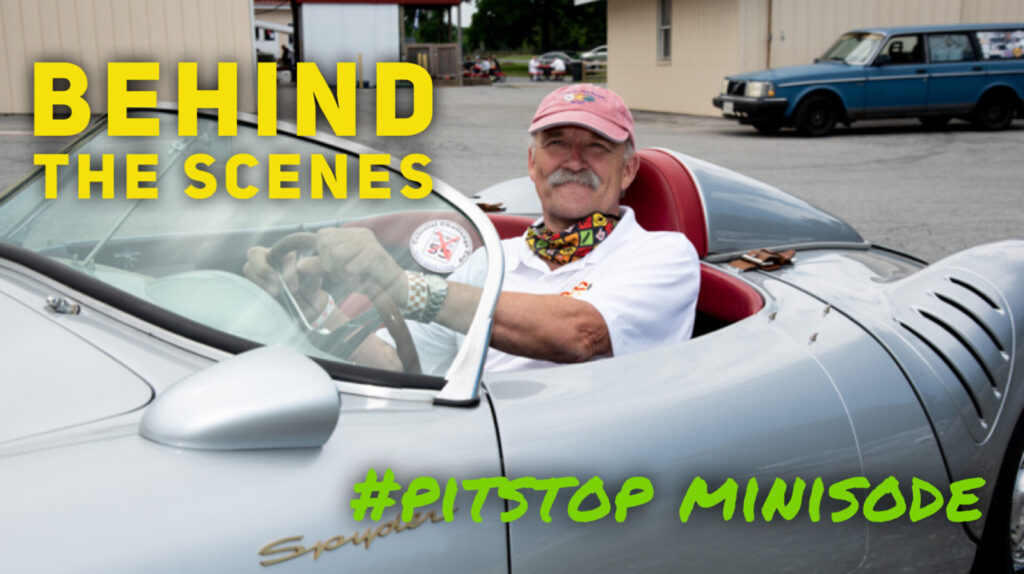
Some stories are just too good for the main episode… Check out this Behind the Scenes Pit Stop Minisode! Available exclusively on our Patreon.
 Bonus content available as a #PITSTOP mini-sode.
Consider becoming a GTM Patreon Supporter and get behind the scenes content and schwag!
Do you like what you've seen, heard and read? - Don't forget, GTM is fueled by volunteers and remains a no-annual-fee organization, but we still need help to pay to keep the lights on... For as little as $2.50/month you can help us keep the momentum going so we can continue to record, write, edit and broadcast your favorite content. Support GTM today! or make a One Time Donation.

If you enjoyed this episode, please go to Apple Podcasts and leave us a review. That would help us beat the algorithms and help spread the enthusiasm to others by way of Break/Fix and GTM. Subscribe to Break/Fix using your favorite Podcast App:
In 2006, the CCC added a new twist – track days (HPDE). Crispin, a lifelong motorsports fan and former SCCA racer, saw the potential to bring car enthusiasts and sailors together for a shared adrenaline rush. The inaugural event took place at Summit Point’s Shenandoah Circuit, and it’s been growing ever since.
The CCC track days are open to all skill levels and all kinds of cars – from Ferraris to Volvo wagons. But what sets them apart is the atmosphere: part driving school, part festival, part fundraiser. Think Top Gear-style antics, live music, barbecue, and tongue-in-cheek awards like the “Other Sports Beckon” trophy (a broken tennis racket for the least promising driver).
Driving with Purpose
Beyond the fun, the CCC track days are serious about safety and skill-building. Participants receive professional instruction on cornering, braking, and anticipation—skills that translate directly to safer everyday driving. As Crispin puts it, “Driving in a straight line is something anybody can do. Taking corners is something you can’t do without instruction.” And that’s the heart of the CCC: giving people the tools to succeed, whether on the track or in life.
Leslie Pruitt emphasizes that the CCC is more than a motorsports event – it’s a vehicle for change. Since its inception, the Trust has raised over $340,000 and supported more than 70 students through college, trade school, and career development programs.
The Trust’s initiatives go far beyond tuition. Students receive mentorship throughout high school and college, participate in international programs like the UN simulation and Gordonstoun Summer School in Scotland, and even join virtual LEGO engineering challenges inspired by the TV show “LEGO Masters.”
Looking Ahead
The goal? To equip students – many of whom are first in their families to attend college – with the soft and hard skills needed to thrive in today’s workforce.
The CCC continues to evolve, now hosting two track days annually and expanding its reach through partnerships and community engagement. But its core mission remains the same: to create opportunities for those who might otherwise be left behind. As Leslie reminds us, “You’re getting on the track, but the real purpose behind this event is to fundraise and help those who really haven’t had the opportunities you’ve had.”
So whether you’re a seasoned racer, a curious beginner, or just someone who believes in the power of education, the Colonial Challenge Cup offers a way to make a difference – one lap at a time.