Home Blog

B/F: The Drive Thru #67

0

Break/Fix’s Drive Thru News Episode #67 recaps April’s automotive news and oddities, starting with economic turmoil and fuel changes: extended E15 use, ethanol’s impact on economy, evaporation, water absorption, and rubber seals, plus brake-fluid hygroscopy and the wider impact of diesel shortages on shipping and heating oil. The hosts criticize Volkswagen’s EV strategy (Touareg EV talk, China-only Jetta SUV, ID model struggles, layoffs, potential government aid) while noting nostalgia tie-ins like Hot Wheels R32s. Other topics include Stellantis’ Poissy plant shifting to parts/recycling, a modern Fiat three-wheeler, Morgan’s BMW-powered Supersport pricing, Cadillac Blackwing discontinuation, a C8 Corvette stop-sale over turn-signal software, Toyota RAV4 GR Sport badging, a Pininfarina NSX restomod, Nissan heritage parts, Smart’s new EV concept, Tesla Roadster skepticism, Florida drone speed enforcement, insurance non-payment without collision coverage, a truck climbing a Lamborghini, NASCAR EV plans, Lance Stroll’s GT3 result, sim-racing updates, and a Lemons Focus project update plus upcoming events.

Tune in everywhere you stream, download or listen!

Listen on Apple
Listen on YouTube
Listen on Spotify

News from Our Network Partners!

This is your fast lane to the latest in automotive culture, powered by a coalition of passionate publishers and insiders. From the vintage elegance of Garage Style Magazine to the high-octane listings of Exotic Car Marketplace, and the deep historical dives of The Motoring Historian, our coverage is enriched by voices that live and breathe the motoring world. Whether it’s the eclectic archives of Motorcopia, the endurance grit of Enduroverse, or contributions from other trusted partners, each segment delivers sharp, informed perspectives straight from the garages, paddocks, and showrooms that shape the scene.

USPS Commemorates Lowriders and Route 66

The United States Postal Service is adding to their library of automotive-related stamps with the Lowriders Forever and Route 66 collections. ... [READ MORE]

Concours d’Elegance at Copshaholm Expands to a Full Weekend for 2026

 ... [READ MORE]

EP58: Consumer Reports: The Most Interesting Episode in the World

Jon Summers, The Motoring Historian, recaps a Consumer Reports session led by Alex Knizek, outlining CR’s nonprofit testing operation (36 cars yearly, 330-acre Connecticut track) and its scoring pillars: road test, reliability, owner satisfaction (380,000 member surveys), and safety, including real-world/track ADAS evaluation. ... [READ MORE]

The Pickup That Predicted the Future – Reborn as a Custom Showpiece

 ... [READ MORE]

A Eulogy for Robert Duvall… and the Only Movie That Really Counted

 ... [READ MORE]

Guiding the Next Chapter

Meet Vince Finaldi, the New President of the Pebble Beach Concours d’Elegance ... [READ MORE]

**All photos and articles are dynamically aggregated from the source; click on the image or link to be taken to the original article. GTM makes no claims to this material and is not responsible for any claims made by the original authors, publishers or their sponsoring organizations. All rights to original content remain with authors/publishers.


Show Notes & Supporting Stories

For a list of all the articles and events referenced on this episode check out the show notes below.

Domestics

EVs & Concepts

Formula One

Japanese & JDM

Lost & Found

Lower Saxony

Lowered Expectations

Motorsports

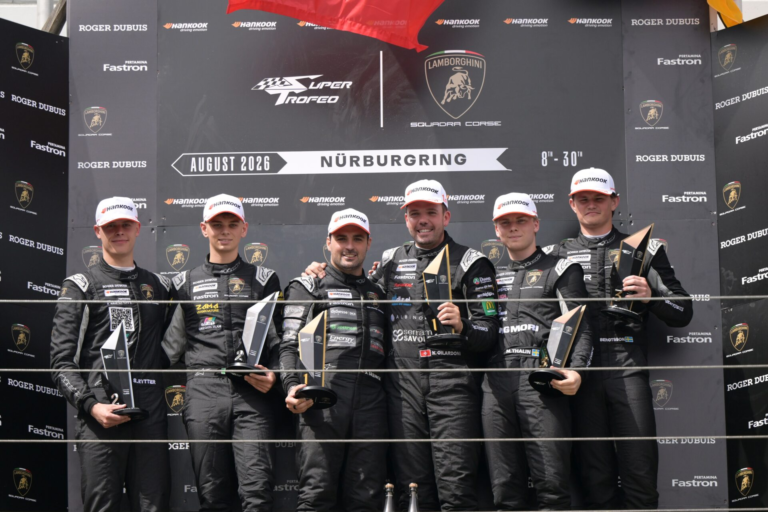
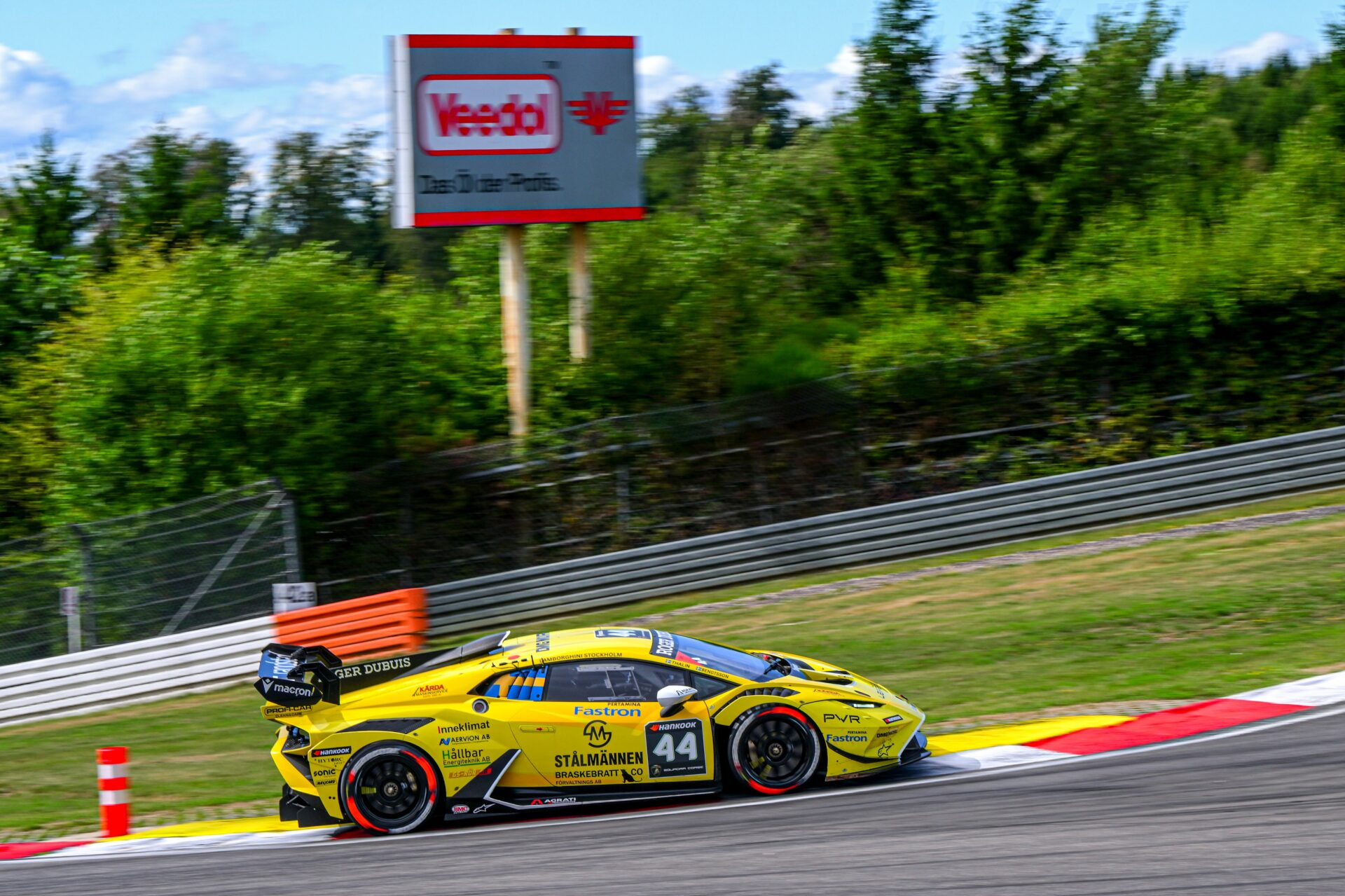
Lance Stroll + GT3 = Epic Fail!

News

Stellantis

Tesla

VAG & Porsche

Track Side Report

The Unfocused Performance Lemons Focus is finally starting to look like a race car—well, a race car with ADHD. We’ve installed new motor mounts and a fresh clutch, because with 237,000 miles and an “unknown history,” we figured it’d be smart to avoid spending our first 20 minutes of the race stranded on the side of the track. The brakes and tires are next on the list, and the car’s still waiting for its full Lemons-grade decoration treatment. If you’ve got artistic flair, spare parts, or even a few bucks to toss our way, we’d appreciate it—this chaos gets expensive fast.

CHECK OUT THE BUILD UPDATE ON THE GTM CLUBHOUSE SITE.

Our debut race has shifted from Mid‑Ohio to the Real Hoopties of New Jersey 2026 at New Jersey Motorsports Park, June 5–7. We’ve got drivers committed, a car that’s almost ready, and a paddock that’s always open. Spectating at Lemons events is free (we think), and it’s absolutely worth it—imagine 100+ cars starting on a 2.5‑mile track in glorious, noisy disorder. Brad won’t make this one, but he’s suiting up for October and eyeing Road Atlanta in December to close out the season. The design’s still “blurry,” but that’s fitting—after all, we’re Unfocused Performance.

Would you like fries with that?


Behind the Scenes

There's more to this story!

Be sure to check out the behind the scenes for this episode, filled with extras, bloopers, and other great moments not found in the final version. Become a Break/Fix VIP today by joining our Patreon.

All of our BEHIND THE SCENES (BTS) Break/Fix episodes are raw and unedited, and expressly shared with the permission and consent of our guests.

TRANSCRIPT

Executive Producer Tania: [00:00:00] Welcome to Break Fixes, Drive-Through News, your monthly recap for everything fast, fascinating, and usually four wheeled. We’re serving up a fresh batch of automotive headlines, motorsports madness, and car adjacent curiosities, all with zero wait time and maximum flavor from Formula One, drama to concept car debuts with Garage built legends.

To the Quirkiest stories rolling out of the state of Florida. We’ve got your fix, so grab your coffee, buckle up, and let’s cruise through the latest in the world of wheels with a side of entertainment and just a dash of tire smoke.

Crew Chief Brad: Let’s see. This is April. Hello and welcome to Drive through episode number 67.

We

Crew Chief Eric: don’t do that anymore.

Executive Producer Tania: Oh, I’m sorry. I thought this was a podcast where we don’t say anything.

Crew Chief Brad: You’re killing it. You’re killing it right now, Tanya. You’re doing so good. I’m so proud of you.

Crew Chief Eric: We don’t have a formal showcase, but I don’t know what should we label this because the headline read. The word war.

You know, we have department of war [00:01:00] now, the war and the war, but it’s not a war. It’s a conflict. But then I heard there was another way to describe it. Isn’t that right Tanya?

Executive Producer Tania: An excursion.

Crew Chief Eric: We’re going on an excursion to the desert apparently.

Crew Chief Brad: I see what Eric’s talking about. The war. The war.

Crew Chief Eric: I don’t think we’re quite there yet.

No. I feel like it’s just a bunch of the do moments here and I’m gonna just come out swinging. This is comes from car scoops, right? The Iran War War. Again, excursion, conflict, whatever adjective you want to use to describe it could end tomorrow and the auto sales industry will still lose. A million sales.

Executive Producer Tania: It’s been ending tomorrow for about three weeks, I think.

Crew Chief Eric: I mean, yes, we’re in the middle of like the most economic turmoil ever. Who’s gonna run out and go buy a supercar?

Crew Chief Brad: YouTubers, Instagram influencers, tiktoks.

Crew Chief Eric: None of the rich and powerful Middle Eastern are gonna buy a [00:02:00] supercar right now. I think they’re a little busy.

Wouldn’t you say what kind, what, what is this reporting? What, what is this stuff? Uh, but no, in in seriousness though, another side effect of all of this that’s going on, and I think this next one was brought to light even before the excursion started, which was the dilution of our fuel to maintain the E 15 that we use in the winter throughout all of May as we head into the hotter days.

And Tanya, I know you’ve been out of the business for a while, but can you explain what this means and like how this actually works? Because I think it’s important for us to discuss.

Executive Producer Tania: I mean, it means poor fuel economy.

Crew Chief Eric: Well, why is that? Because I don’t think a lot of people understand what the E 10, E 20 E 15 actually means.

I’ll put it in layman’s terms. That’s a percentage of alcohol that’s in mixed,

Executive Producer Tania: it’s a percentage of ethanol. So the 10 is 10%. 15 is 15%. Although, so it’s really meant to be an octane booster ’cause it has a higher octane number. So it’s good if you’re [00:03:00] trying to prevent engine knocking or something, but doesn’t have as much combustion capability, I guess to put it simply as gasoline does.

So you’re not actually getting as good a fuel economy than if you’re using straight gasoline. So depending on what they’re pricing it at, you’re not actually saving anything. If they keep the price at $5 a gallon and now it’s more ethanol and you’re getting worse fuel economy, then you’re going to the pump quicker.

Crew Chief Eric: So the rule of thumb I heard in racing was. It takes twice the amount of alcohol to make the same power as gasoline. Right? I mean, that’s probably a stretch.

Executive Producer Tania: I mean, they say it’s like 30% less energy per gallon than gasoline, so I mean, that’s not insignificant.

Crew Chief Brad: Yeah.

Crew Chief Eric: But the bigger problem with extending it into the hotter months, the way I understood it, and correct me if I’m wrong, is that it tends to evaporate quicker.

In the hotter days, especially when the car heats up and the tank heats up and we have all these evap systems that let the fumes escape. [00:04:00] So basically your tank is emptying itself as the alcohol evaporates out of the fuel.

Executive Producer Tania: Yes, and it also has a problem that ethanol will absorb water from the air. So it’s particularly bad.

I mean, maybe that’s less impactful if you’re constantly using your carb. That’s why they say it’s not good to leave ethanol or fuels with ethanol like in a lawnmower that you button up for the winter or some other piece of equipment that that you don’t use. Or even a car if you’ve got a garage queen that you don’t drive very often because the ethanol actually absorb water and now you’re gonna have water and then it’ll separate and you’ll have a water phase and then a fuel phase.

And obviously that’s no good when you go to go combust.

Crew Chief Eric: Chemical term for that is hydroscopic. Is that right?

Executive Producer Tania: That it likes water

Crew Chief Eric: or hydroscopic? I can’t remember. Remember. I wasn’t very good at chemistry.

Crew Chief Brad: I think it’s called bend over and Open your wallet.

Executive Producer Tania: Yeah, I grow scopic.

Crew Chief Eric: And the reason I bring that up is because brake fluid [00:05:00] suffers the same problem.

And I don’t think a lot of people realize that if you go too long on your brake fluid and don’t flush those fluids out, you end up with water concentrated in your brake fluid. And there’s tests where it, there’s like these litmus sticks. You can stick in there to see, you know, the potency of your brake fluid.

But realistically, Brad, you just went through this on your tundra changing brakes and it’s like, well what about the brake fluid?

Crew Chief Brad: Thankfully I changed the brake fluid over the, the winter when I had my inspection done because it was on my list of fluids to change just in the maintenance schedule. The breaks themselves were not, but the fluid was so, yeah.

Um, but yeah, you’re, you’re right. And it’s probably, I’m assuming it would mean the same thing for like clutch fluid and trans, well, probably not transmission fluid ’cause that’s always moving, but

Crew Chief Eric: that’s hydraulic fluid. So it’s different.

Executive Producer Tania: Yeah. I mean the other bad thing is ethanol is and alcohol. What does alcohol like to do to things?

Crew Chief Brad: Make ’em drunk.

Executive Producer Tania: Make it what? Make it drunk.

Crew Chief Brad: Our cars all need to go to AA now. There [00:06:00]

Executive Producer Tania: you go. Alcohol, things like that aren’t usually good on rubber parts.

Crew Chief Eric: Yeah. Dries out rubber. So all your seals, all your hoses, all that stuff.

Crew Chief Brad: I don’t need dried out hose,

Crew Chief Eric: which is particularly important when you’re talking about classic cars.

Especially cars pre 1980. I mean, they run on the newer fuels as long as you burn through ’em. But to your point, Tanya, if they sit for extended periods of time, you’re risking damaging something in the system that could be catastrophic and extremely expensive.

Executive Producer Tania: Yeah. I mean, not only, I mean, they’re probably more prone to dissolve rubber, which would be even worse.

Crew Chief Eric: Yeah.

Executive Producer Tania: And so, I mean, that’s why, again, I think it’s not recommended for motors, whether it’s a lawnmower or a boat even that sits. For a long time, or your garage queen.

Crew Chief Eric: Well, and the reason I wanted to bring it up and talk about it as an important thing is car show season is upon us. People are taking ’em out.

They’re cleaning [00:07:00] them up. They’re filling them up after sitting over the winter, and they might not be thinking about the amount of alcohol for ethanol that’s in fuel right now. And if you’re getting a higher dosage, you know, upwards of 20% at some of the stations, then you only take it to a car, show a couple miles away or whatever, and then you let it sit for the rest of the summer, you’re gonna be in deep trouble come the fall.

Executive Producer Tania: Honestly, I had that thought when I heard that and I was like, man, I really need to stretch the legs on the gt. But I’m like, I probably need to add fuel to it. Well, I guess I’m not gonna add fuel now ’cause it sits for a pretty long time and I don’t wanna put that in the tank.

Crew Chief Brad: You just need to run out to the track and get some from Summit Point.

Or I can bring some up from I stop. I can stop easily Stop by, uh, dominion.

Crew Chief Eric: Yeah. Get some a hundred octane or 110 race fuel. That is the option for a lot of cars.

Crew Chief Brad: You’d give it the old Italian tuneup?

Crew Chief Eric: Hell yeah. Yeah. A hundred octane At a hundred mile an hour. Let’s go. It clears out all the carbon.

Crew Chief Brad: It’ll, it’ll give that car [00:08:00] what?

115 horsepower?

Executive Producer Tania: That 110? I’ll have 111.

Crew Chief Brad: I will say there was a, a Wawa, I think it was at the Wawa down the road where they gave me the option for ethanol free gasoline.

Crew Chief Eric: Yeah, so they just built a new sheet up here too, and they have all the colors of the rainbow as we like to refer to ’em. ’cause sheets, colors. They’re fuel pumps. So you know, red is this and Diesel’s green.

And the blue fuel is the Flex fuel ydi. And not all of them have it. The ones in Pennsylvania for sure have the, all the colors of the rainbow. And they have an orange, which is an ethanol free, it’s not quite like a hundred octane, but it’s designed for the older cars that can’t run, you know, between 10 and E 15 and all that kind of stuff.

Crew Chief Brad: Yeah. I think the, the Wawa had a black one for the ethanol free, a green one for diesel, and then some other rando color for, or maybe it was yellow or something, I don’t know, whatever. Right. But they, they, they kind of had it color coded as [00:09:00] well. I was like, Hmm. Not too often that you see ethanol free fuel these days.

Crew Chief Eric: And this is all a result too, of, you know, the petroleum situation that we’re in right now. But more importantly, there was another article that was again, sort of like a de do moment in that diesel production has always been stifled, especially in this country. And it’s down right now on top of everything else, which is why you’re seeing the price of diesel escalate so much faster than gasoline.

And people might be listening to this and saying, who cares? I don’t have anything diesel. I don’t care about diesel. Well, do you care about the packages being delivered from Amazon, from UPS? ’cause all those are diesels and the trains that move them across the country, those are diesels and the semi trucks that moved them from the trains to the Walmart.

Those are diesels and a lot of generators and construction equipment. Diesel, diesel, diesel. And to make it even worse, there’s a lot of people out there that heat their homes on home heating oil, also known as wet folks, [00:10:00]

Crew Chief Brad: diesel.

Crew Chief Eric: Diesel. Exactly.

Crew Chief Brad: The good thing about that is at least we’re heading into the warmer months, right?

At least we’re a lot of the country. So it, those people should see. I don’t know if they’d see relief, but it shouldn’t see it escalate as much as they normally would if we were heading in the winter.

Crew Chief Eric: Yeah. And I, I think the timing was like just right, that it started to escalate, you know, and start to accelerate really hard as we were coming out of the colder months.

’cause can you imagine filling 2, 3, 5, 700 gallons of diesel? You know, some people have massive tanks to heat their houses and their buildings and stuff. At $6 a gallon, that’s the street price for what you pump into your Cummins Dodge Ram diesel. Right. But when you pay for home heating oil, add another 30 cents a gallon or to 50 cents a gallon on top of that, it is.

Bonkers, expensive. So diesel is a crucial part of the world and also the world economy. You know, we don’t talk about [00:11:00] Dieselgate too much anymore. Not not a ton of people running around in diesel cars, but there’s still a ton of diesel that moves the world. It’s absolutely incredible. So I’m hoping that we’ll see the prices come back down.

But if they don’t, I mean, good night.

Crew Chief Brad: I guess we’ll have to start like. Now that wouldn’t even help anyway. I was gonna say start shopping at Brick and Mortars. But they still need to get their supplies from senior. Correct? Correct. Like either way, there’s no way to avoid it.

Crew Chief Eric: Drones, ev drones, that’s what it is.

Just we’re gonna deliver. See, Amazon’s gonna make it a reality. That’s, they said they would, but that’s just it. Brad, your point about shopping and and needing stuff and the way we buy things just in time and order it online and have it show up the next day. Think about this though. We’re getting nailed still with tariffs.

They haven’t gone away and now we have this diesel crisis on the other side. The cost of everything is going to triple and that’s going to have a effect on everything to include the car community. So the next time you need to go buy something simple like, oh, I don’t know, oil filters or brake pads.

Don’t [00:12:00] be surprised when it used to cost 20 bucks and now it’s 200. I’m not saying that’s a good thing, but I don’t know. Let’s talk about something a little bit nicer. Maybe not so much. ’cause these folks are crazy. Volkswagen, Porsche and Audi News. So I’m just gonna, I’m gonna read this Volkswagen’s considering an EV comeback for the Tore, so now I’m confused.

’cause they have the atlas which replaced the Tore and the Tiguan is the size of the old tore got re badged and there’s a whole bunch of badge engineering there. But aside all that, I have to say if this rendering is right, this might be, and I’m gonna put asterisk and air quotes around this. This might be the best looking VW in the last 10 years.

Tell me I’m wrong.

Executive Producer Tania: No, that was the first thing I thought. I was like, wow, that’s actually not terrible looking.

Crew Chief Eric: Right. It looks like the SUVs of 10 plus years ago, which were actually quite handsomely styled. This is proportioned. It doesn’t have any dumb lines.

Crew Chief Brad: You said [00:13:00] SUVs of 10 years ago. You mean like the tore

Crew Chief Eric: Shush.

You shush. I mean, they only show it from the front threequarter angle, but I like it. I don’t like it as an ev, but I like it. And I don’t wanna say I’m not sold on EVs ’cause I get it. I’m not sold on Volkswagen doing EVs. They do not have a good track record at this point, and I’m just considering their sales numbers.

I don’t wanna talk about reliability or recalls or anything like that. I just, I don’t get it.

Crew Chief Brad: Anybody that would buy a brand new Volkswagen right now is a moron. Just, just putting it out there. Just that it’s putting that out there into the universe. Anybody that buys a new Volkswagen right now is a,

Crew Chief Eric: here’s the kicker about this article.

Okay. More so than the design, which caught my attention. It’s this one line. In the article it says, the new sales boss, Martin Sander at VW has said there remains a gap in the market for upmarket cars that don’t carry a premium [00:14:00] badge, which the to reg and the Fon, which was discontinued in 2016, were designed to serve.

And I said, really? Really,

Executive Producer Tania: here’s the bigger question. Why are they bothering doing this? What EV do they have right now that’s actually doing well?

Crew Chief Eric: Well, the ID buzz got killed.

Executive Producer Tania: Yeah, the ID four got killed.

Crew Chief Eric: I heard that too.

Executive Producer Tania: So what, which one is doing, you’ve already lost twice. Three times the charm.

Crew Chief Eric: And we’re not counting the Porsche stuff that they’re backpedaling on.

Like they canceled the McCann ev, they’re pulling back on the Tacan ’cause they took a bath on that. So that’s two more right there. Not counting stuff that they probably sold in Europe that we never saw, like the ID three and all that.

Crew Chief Brad: My guess is the ID buzz and the ID four were a little too out there when it came to styling and design.

And this is more [00:15:00] in line with just like a normal looking S-U-V-I-I. I’m not saying that they’re right, I just, this is where I think their thinking is.

Executive Producer Tania: I could follow your argument with the van that that was too much. Like people aren’t,

Crew Chief Eric: it was too expensive. It wasn’t too out there. It looked

Crew Chief Brad: like it. It was definitely too expensive.

It was definitely

Executive Producer Tania: too expensive and it has the cost price to it, but I don’t think the ID four was so wildly styled that it should have deterred anyone. If anything, maybe it was too small for people.

Crew Chief Eric: Yes,

Executive Producer Tania: but does anybody really need a electric toric?

Crew Chief Brad: I can see the ID four being too small for some people.

I can, I can see that

Crew Chief Eric: this is the General Motors problem. VW has somehow usurped the way they’ve done business because we joked about this and GM is really not in the news right now. Like we made fun of them. Like, I don’t know how many drive-throughs ago. Like it’s general morons over there. Right? They don’t know what they’re doing.

They’re always 10 years behind. They’re [00:16:00] trying to catch up with everybody else, and by the time everybody else pivots, they’re like, we’re, where? Where’d the party go, guys? I thought we were, you thought we were jamming out here? This statement that the Toag and the Fon, but we need to fill a premium. That’s what Audi is for and beyond Audi.

That’s what Porsche’s for. And then, oh wait, they own Bentley. So if we wanna go premium prestige, luxury models, why don’t we build an Evie Benga or whatever that thing is called right now. There is a new Bentley coming, the Bentley, uh, the Barnato sounds like Bono from Formula one. The barnacle. Yeah, the barnacle.

Like it looks like a barnacle. This thing is horrendous. But the point is, it’s like, why are we wasting the time? Everybody said when the Fon came out, nobody’s gonna spend a hundred thousand dollars on a re badged steel framed a eight. And guess what? Nobody wasted a hundred thousand dollars on a steel framed a eight.

It was pointless. So we’re gonna repeat [00:17:00] the mistakes of the past Volkswagen. Get out of your own head.

Crew Chief Brad: Like they’re delusional. They’re totally delusional. They have no idea what they’re doing. They don’t listen to the consumer.

Crew Chief Eric: No. Hell no. Hell no. I saw spy photos of the new golf, the Mark nine, I guess you know, the ninth generation.

It’s even bigger. If you can imagine. It’s gonna be a Tiguan by the time it’s on. The golf keeps getting bigger and uglier. It has this funky front end. It looks like a Kia. You know the one with the wraparound front light that goes from like one end to the other. I was like, this is the future of the golf.

Really. Like you guys are out of, you’ve lost touch with reality. Like what are you doing? So now we got this Bentley built on top of the Q five, which that is a useless market too. Who’s gonna buy a cheap Bentley? So this is again, the game, right? Like in the GM paradigm where it’s like, we’re gonna make a Chevy that’s better than a Cadillac.

Just sell a Cadillac as your premium model and Chevy’s your base. Volkswagen is the base. [00:18:00] Model in the equation here in the United States for this family, but we’re gonna try to do a bargain basement Bentley. So they spent all the tooling, the research and the stuff to build on top of this Audi. It looks terrible and nobody’s gonna buy it.

Crew Chief Brad: I’m gonna throw down a challenge.

Crew Chief Eric: Oh boy. Here we go

Crew Chief Brad: for the show. Do you think we could do a season?

Crew Chief Eric: No.

Crew Chief Brad: You know where I’m going, don’t you,

Crew Chief Eric: without talking about Volkswagen. It’s impossible.

Crew Chief Brad: Without talking about Volkswagen.

Crew Chief Eric: No, we did it with Tesla. We gave up Tesla for a year

Crew Chief Brad: and we did it without BMW. But they made it easy.

Crew Chief Eric: It’s impossible because if you look at this next article, it, it’s stuff like this that makes you beat your head up against the wall. China is getting a Jetta. A Jetta, SUV. Drop the mic. Folks. Talk about badge engineering, bad badge engineering. This looks terrible too.

Crew Chief Brad: Well, it’s another car. It looks like they’re just rebadging.

Another car.

Crew Chief Eric: The Jetta X, they call it [00:19:00]

Crew Chief Brad: the Jet X,

Crew Chief Eric: also known as the id. Aura. T six S. UV. Not to be confused with the id. Unix oh nine. What?

Crew Chief Brad: What about the The id? Linux?

Crew Chief Eric: Dude, this is ter. This is the kind of stuff I don’t understand. And then Volkswagen’s going after the Chinese market. They’re up against BYD.

Porsche has already lost their ass in China, so we’re gonna try with this. This is what they want. Really, I don’t know. Electric, SUV. Ugh. But that’s okay because Volkswagen, not only are they getting rid of the ID four, as Tanya mentioned, they’re scaling down production capacity by a million. Cars and layoffs are imminent, so they’re in good shape.

Executive Producer Tania: I mean, I guess the, they gotta hit rock bottom before and they can rise from the ashes. I don’t know,

Crew Chief Brad: before they hit rock bottomer.

Crew Chief Eric: Well, formula One’s gonna bring them there. Again, this is all to pay for [00:20:00] Formula One. I’m telling you, there’s no other way to do it.

Crew Chief Brad: So when do we start seeing. Volkswagen sell off pieces of the company.

Like what’s the, the brand in Spain and

Crew Chief Eric: Sayat.

Crew Chief Brad: Sayat do, do they own Sayat? Yeah. Like what if they sell off pieces? What if they sell off Sayat? What if they sell off Audi? God forbid they sell off Porsche. They sell off Bentley to somebody else. I mean, well that’s coming next. There has to be,

Crew Chief Eric: I think you’re right.

They’ll scuttle the stuff that just doesn’t sell. That’ll all end up at JLR or something like that. Yeah, especially Bentley. Like all the Bri, the British bands. The British. The British bands. That’s what I really meant to say. They wanna get back together. The bands wanna get back together. The Jags and the Bentleys and the Rolls Royces.

Right? They don’t need to be owned by the Germans anymore.

Crew Chief Brad: No. They go to, they go to India.

Crew Chief Eric: Yeah, a hundred.

Executive Producer Tania: There’s a G. If they get rid of all those, they get rid of all those. Then what do they become?

Crew Chief Eric: Volkswagen?

Executive Producer Tania: Nobody’s gonna pay [00:21:00] $50,000 for a golf. Because that’s their problem right now. So they don’t solve a problem if they’re gonna keep doing what they do, but just divest the other brands.

People don’t care. People don’t realize that it’s Audi, Porsche, Volkswagen. So if nobody’s buying a $50,000 golf today with the trifecta, they’re not gonna buy it tomorrow when they’re by themselves.

Crew Chief Brad: You, you and I understand that If it was me doing it, I would sell those off and completely redo Volkswagen from the ground up and

Crew Chief Eric: yeah,

Crew Chief Brad: start listening to the consumer and selling vehicles that people actually wanna buy at prices that consumers can actually afford and start over.

Basically,

Crew Chief Eric: I, I think Brad’s point is a little less General Motors and a little more Toyota is what they need right now.

Crew Chief Brad: Yeah. Because the only reason, well, to me, the only reason General Motors is still around is because we bailed them out.

Crew Chief Eric: There is that too.

Crew Chief Brad: Is the German government gonna come and bail out Volkswagen?

Crew Chief Eric: I have to dig into that, but people have told me that there [00:22:00] is something between the Porsche Mafia that runs all that and the German state, they are involved. It’s sort of like too big to fail type of situation.

Crew Chief Brad: Yeah, of course they are. I mean it’s the same thing with isn’t Renault owned by the French government?

Crew Chief Eric: Yeah,

Crew Chief Brad: to an extent. Or something like is owned by the public, like the French public.

Crew Chief Eric: Yeah.

Executive Producer Tania: Volkswagen is facing a 44% profit. Crash driven government in the state of Lower Saxony are discussing measures to aid the firm driven by the need to protect German jobs and industrial sector.

Crew Chief Eric: Say too big to fail.

Executive Producer Tania: As part of its crisis management, Volkswagen is considering slashing up to 30 to 50,000 jobs

Crew Chief Eric: by getting rid of Betley.

Crew Chief Brad: How does that help? So, so is this one of the situations where they’re prying wolf trying to force the government to come in and step in and help to save those 50,000 jobs?

Crew Chief Eric: No. See, but they didn’t tell you where they’re gonna cut the 50,000 jobs.

Crew Chief Brad: Oh, they’re gonna cut ’em in the us.

Crew Chief Eric: Exactly. You [00:23:00] got it. The Tennessee factory will get shut down before they’ll shut down one.

Well, they’ve already shut down a couple of factories in Europe. ’cause we talked about that already. But the thing is, they’re gonna cut the labor force from other places where it doesn’t make sense.

Executive Producer Tania: Yeah. Well, Chattanooga already shut down because they’re stopping. Id buzz. Well at least that production line.

Crew Chief Eric: Well, all three of them that they made there. Yeah,

Executive Producer Tania: pretty much.

Crew Chief Eric: But they can also cut their factories in South America and Mexico. ’cause vehicles are still produced there.

Crew Chief Brad: Those governments wouldn’t step in and help. I’m sure Volkswagen has lobbyists on Capitol Hill right now trying to say, Hey, we’re getting ready to cut these 50,000 jobs.

The economy’s already strained. Why don’t you go ahead and kick a little bit of bailout money out the way and see, you know, if we, we can keep these jobs going

Crew Chief Eric: about that. All that.

Crew Chief Brad: It’s all a far, it’s all a far

Crew Chief Eric: and then we talked about last month how they’re building munitions or something now too, to try to diversify their engineering portfolio.

So it’s like, all right, whatever to aid the, um,

Crew Chief Brad: the losing F1 team.

Crew Chief Eric: Well that and what, what did we call the excursion? The excursion.

Crew Chief Brad: The excursion.

Crew Chief Eric: But you know, they, they [00:24:00] have taken other avenues to try to shore up their pocketbooks, right? Tanya? They’ve gotten in bed with

Executive Producer Tania: Hot Wheels.

Crew Chief Brad: They’re tugging at the nostalgia heartstrings.

Crew Chief Eric: They are, you know, at 15 bucks a pop for two hot Wheels in this special premium collection pack. But you know what this says, you know what? Cars aren’t in this bubble pack? It’s not an ID buzz. It’s not an ID four. It’s not this Jetta X thing. It’s not the benga or the take hand.

It’s the R 30 twos. The last real enthusiast Volkswagens that they made, whether the R, the second gen R 30 twos sold well or not doesn’t really matter. But the point is these are the cars we wanted. Yeah. And it does pull up the nostalgia strings, like you said, Brad, but they need to go back to building cars like this.

Crew Chief Brad: That’s what I’m saying. Like it to fix Volkswagen, they need to go back to what Volkswagen did best, and they were their best in the late nineties and early two thousands.

Crew Chief Eric: Yeah, they had finally figured it out and then after that it was like all downhill [00:25:00] race to the bottom. But that’s okay, because you know what?

Sometimes when you visit other companies, you realize how good you got it. So when Volkswagen looks over the fence and says. What’s going on over there? Stellantis. They feel good about themselves. It’s getting weird. It’s stellantis.

Crew Chief Brad: Can, can you pronounce this plant name for me because I’m, I, it it’s pronounced in a certain way in my head and I think it’s wrong, so I don’t wanna say it.

Crew Chief Eric: It’s French.

Crew Chief Brad: I, I I understand.

Crew Chief Eric: And the way I understand the non phonetic pronunciation. ’cause you gotta remember French, like half the letters are silent or they have a different tonality. So I asked my wife, ’cause she speaks French, it’s poi

Crew Chief Brad: That’s pretty close to what I was thinking.

Crew Chief Eric: Yeah, I knew what you were thinking.

But that is not correct.

Crew Chief Brad: Are are the, the people that work there, a bunch of, of PWAs,

Crew Chief Eric: well, they’re not working there anymore because they’re gonna stop making cars in the [00:26:00] French Stellantis factory and they’re gonna shift to parts and recycling. You might say, who cares? You know, it’s another factory that’s shutting its doors, so be it.

There’s a couple important things about the POI factory and that is that Chrysler has been using that plant since the 1940s,

Crew Chief Brad: that that’s an old poi.

Crew Chief Eric: Now, in terms of the cars that are, that are sold there, or were, I’m sorry, that were built there. That’s the Citra and DS three. That’s the hot hatch. So I’m a little sad about that ’cause that means that car’s not getting built.

Along with the Opal Mocca, CUV, which would be better known to a lot of people in the United States as the Buick Enclave. Not really sad about that going away. I think the sadder part is that it’s a piece of history. Oddly enough, this particular article, which you can find in our show notes, was brought to me by a member of this society of automotive historians, and so they were talking about how the plant is even older than when Chrysler took it over in the forties.

It was [00:27:00] used by Ford, it was used by other people. It’s been around for over a hundred years in automotive production, so it’s sort of living on. But no more cars will be rolling out the doors of the POI factory.

Crew Chief Brad: That’s what I was just about to say. So it, it looks like it’s, it’s not shutting down completely, it’s just being retooled.

Correct. So at least from a economic standpoint, from a job standpoint, like they’re, they’ll probably cut some of the workforce, but not all of it.

Crew Chief Eric: Yeah. It’s sort of like Willy Wonka when the guy used to put the caps on the toothpaste. Now he fixes the robots that puts the caps on the toothpaste. It’s that sort of situation, you know what I mean?

Crew Chief Brad: Very nice. Very nice.

Crew Chief Eric: You like that analogy. It’s a good one.

Crew Chief Brad: Yeah.

Crew Chief Eric: Meanwhile, in, in other parts of STIs, Fiat is going back to its roots. Look at this thing, Tanya.

Executive Producer Tania: Mm.

Crew Chief Eric: This is the trees.

Executive Producer Tania: How delightful.

Crew Chief Eric: I mean, that looks like an ape. If I ever saw one, Italy was littered with these three wheeled tiny delivery trucks for the longest time.

And then, then they were made by [00:28:00] piaggio, which is the same people that the Vespa and all that stuff. So they had the ape. But they’re bringing it back. It’s very modern. That’s pretty nice. And if it’s an ev, it’s perfect.

Executive Producer Tania: It’s pretty nice.

Crew Chief Eric: Yeah.

Crew Chief Brad: Could haul a decent amount of mulch in that truck too.

Executive Producer Tania: You could actually,

Crew Chief Eric: maybe more than that.

Dodge we saw the other day

Executive Producer Tania: more than a cyber truck.

Crew Chief Eric: As we continue discussing lower Saxon A, it’s not really BMW, so I figured you were okay with it. It’s BM BMW adjacent

Crew Chief Brad: because it’s powered by BMW

Crew Chief Eric: and it’s got A BMW drivetrain.

Crew Chief Brad: Yeah,

Crew Chief Eric: so Morgan has revealed the new super sport 400.

Crew Chief Brad: I’ve got a question.

Crew Chief Eric: Uhhuh,

Crew Chief Brad: who buys these?

Crew Chief Eric: Right?

Crew Chief Brad: They’re just so ugly.

Crew Chief Eric: I don’t know if ugly is the right term. They’re very classic. They have not deviated far from their original form, that’s for sure. I think these are probably a hoot to drive, probably more fun to drive than a cater, because there’s a little bit more substance to the car.

But the problem is the price. [00:29:00] I mean, you’re getting kind of a really expensive Z four

Crew Chief Brad: that’s made of wood.

Crew Chief Eric: I mean, that’s for lightness and not rigidity.

Crew Chief Brad: Yeah, because if any, whenever I think of wood. I think of lightness. Not say like an aluminum space frame or carbon fiber or anything like that.

Crew Chief Eric: Why use aluminum when you can cut down tree?

Crew Chief Brad: Yeah, we don’t need to breathe.

Crew Chief Eric: Well, that’s okay because they won’t sell too many of ’em at the starting price of just over $152,000. If you can fit the thing like a tight leather shoe, it is small.

Crew Chief Brad: Well, you know who’s already got an order for one? I guarantee it is. Uh, Richard Hammond.

Crew Chief Eric: Well, yeah, because they fit the car around him, like he’s one of the few people that can drive it.

Crew Chief Brad: Yeah.

Crew Chief Eric: Did you notice the wheels though?

Executive Producer Tania: They look Porsche wheels.

Crew Chief Brad: Oh yeah, I see.

Crew Chief Eric: There you go, Tanya. Got it. They look like the roof wheels from the eighties.

Crew Chief Brad: They’re nice.

Crew Chief Eric: Doesn’t suit the body style though.

Crew Chief Brad: It doesn’t, but I don’t know any wheels that would suit this body style. The body style doesn’t suit the body style.

Crew Chief Eric: Chariot wheels like [00:30:00] on a Conestoga wagon, that might work.

Crew Chief Brad: Exactly. This car needs to be pulled by a horse.

Executive Producer Tania: Of course.

Crew Chief Eric: You know, Brad, ask and thou Sht receive. We have not talked about General Motors in quite a long time, but I found a piece of General Motors news and it’s yet another swift and well thought out decision on their part.

The CT four and CT five black wings are going

FLORIDA MAN: sad

Crew Chief Eric: and you’re a hundred percent right. And you know why it’s sad? Because these are really the tail end of the manual transmission V eight, fire breathing sports saloons like we all loved and cherished over the years. And this is it. Once these are gone, what’s left?

What can you buy with a V eight with four doors and a stick shift?

Executive Producer Tania: Uh, Dodge Dart.

Crew Chief Eric: That’s a four cylinder

Crew Chief Brad: 16.

Executive Producer Tania: I know, I know.

Crew Chief Eric: So much like the jokes about Volkswagen is this because Cadillac has [00:31:00] to pay for their failing F1 program. Because in my mind, these are the cars you keep around to try to get people excited about your racing program.

Crew Chief Brad: I was just about to say like, and, and you don’t have to have like a whole fleet of them. Like you don’t need. Well, we’ll, we’ll take BMW for example, right? You don’t need an, you don’t need an M, everything in the fricking lineup, but one or two or even 3M cars to entice people to come in and they may not be able to afford an M five, but they can probably afford a regular five series, and it makes ’em feel just as cool.

Like you need these cars to excite people about the brand. Volkswagen has killed off basically all of theirs.

Crew Chief Eric: Yeah,

Crew Chief Brad: they say nothing. Looks like GM is doing the same thing with Cadillac. But gm, at least for as far as I can see into the future, which is not very far, they have the Corvette, so they’ll always have the Corvette that entices people to come back to gm.

Crew Chief Eric: Well, let’s put a pin in that [00:32:00] Corvette thing for a

Crew Chief Brad: minute. Oh, did you? Are you gonna, are we gonna talk about the recall? Isn’t there a recall that just happened?

Crew Chief Eric: Oh yeah, there is. Since you brought it up, we might as well go there. They have stopped production on the C eight Corvette.

Executive Producer Tania: Why? What now? Do they light on fire again?

When you fill them with fuel?

Crew Chief Brad: It’s something super silly.

Executive Producer Tania: The hoods come open.

Crew Chief Brad: No, it’s, it is like silly as in like it’s, if I remember correctly, I don’t even think it really warrants a recall, but I could be wrong.

Crew Chief Eric: Chevy Corvette under stop sale. Because software glitch might not tell drivers that their turn signals are out.

Crew Chief Brad: Yes. What that is, who cares? That is such, yeah, that, who cares that? So let’s take the BM BMW approach. Let’s do the, who cares Your freaking turn signals out. So effing what?

Crew Chief Eric: That was the first thing I thought when I saw this was like, do Corvette people even use their turn signals? Like

Executive Producer Tania: Exactly.

Crew Chief Eric: Sort of the Enzo Ferrari thing.

Like what’s behind you? Doesn’t matter guys. I mean, we’re doing like mock two. So who cares? Turns

Crew Chief Brad: you getting the, the, the Corvette owners are doing sub [00:33:00] speed limit.

Crew Chief Eric: Well

Crew Chief Brad: the ones I, the ones I always end up getting behind ’cause they’re like 80 years old and they can finally afford their dream car.

Crew Chief Eric: Those are the C seven drivers.

Now you see ’cause C eight drivers. Those are the TED dbi million dollar man, hairy man, spaghetti wide, open collar. These are the C eight drivers. Okay, got it. Got. These are the guys at their peak earning potential. They wanted a sports car and couldn’t buy a Porsche, so they bought a Corvette instead.

That’s the demographic, the the respectable Corvette owner, they’re buying the old stuff.

Crew Chief Brad: Got it, got it.

Crew Chief Eric: I don’t think c eights come with a pair of new balances. They might come with Jorts like, but they don’t come with New Balance.

Crew Chief Brad: They come with new balance driving shoes, new balance, lrs,

Crew Chief Eric: what a terrible, terrible recall.

That’s the silliest C eight recall, yet it’s had some dumb recalls, but this one takes the cake.

Crew Chief Brad: I understand having a recall, but a, a stop sale,

Crew Chief Eric: right.

Crew Chief Brad: For a software update

Crew Chief Eric: that you do over the air.

Executive Producer Tania: It’s important that your turn signals work, but they’re brand new cars. Like, [00:34:00] are the turn signals failing immediately?

Like that should be like a. 10 years from now problem.

Crew Chief Brad: Are they using Philips bulbs?

Executive Producer Tania: I don’t know if I’ve ever changed a turn signal, light bulb.

Crew Chief Eric: I don’t think I have either. You change headlight bulbs, brake light bulbs, but turn signal. Nah.

Crew Chief Brad: You know what the problem is? This is some stupid government regulation that says it needs to blink about 5,000 times a second when your turn signal’s out.

So you know your turn signal’s out. Although it’s still blinking. So is it technically out,

Crew Chief Eric: you know how that worked on the old cars? And to your point, why is this such a big thing? Because the little stock that activates the turn signal isn’t actually connected to the circuitry for the turn signal anymore.

Remember, this is a software problem. Mm-hmm. Because on the old cars when the bulb went out, as rare as that was

Crew Chief Brad: Yeah, it was like tripper relay or something. Right. And it wasn’t getting, it wasn’t getting enough circuitry or something.

Crew Chief Eric: It shorts the circuit and causes the relay to start opening and closing really fast.

Yeah. ’cause it was all what? Mechanical.

Crew Chief Brad: Gee, [00:35:00] imagine that.

Crew Chief Eric: Yeah. Yeah. Shocker. Well, Brad, I wanna go back to something you said before about the badge engineering at BMW. As we know over the last decade, they are infamous for slapping an M badge on just about anything. Got that? MI three. Hmm? Yeah. Woo. This one just made me shake my head.

Tanya and I actually talked about this off camera. We’ve been very excited about all the gazoo racing products from Toyota gr, this GR jars, gr supra, GR 86. Gr gr. They’re everywhere. It’s awesome. Even the Haas GR Toyota team, right? I mean now this season, but because they enthusiast who is at the helm of Toyota is now left and it’s in charge of by a bean counter.

They have taken a page from their partnership with BMW. ’cause let’s not forget that the Supra was a Z four, the Supra, as we like to call it. So now Toyota is slapping GR badges on stuff. And I’m gonna use the word stuff ’cause I don’t wanna say [00:36:00] anything too bad, but I’ll just say this Toyota’s introducing the RAV4 GR sports

Executive Producer Tania: garbage.

Crew Chief Eric: Is that what GR is short for now? Garbage.

Crew Chief Brad: So I will say this is not new territory for Toyota because they’ve been doing it in the US for years.

Executive Producer Tania: TRD

Crew Chief Brad: with Lexus and they’ve got the F sport, which is not an F. So they’ve been doing it for a while now it’s just kind of trickled down into the normal Toyota brand.

Crew Chief Eric: All I’m gonna say is there is nothing sport or GR about this RAV4. The design alone is pretty terrible looking. It reminds me of that Bentley we talked about earlier. It’s just awful. But hey, it’s got little red stitching in the seats GR right there.

Crew Chief Brad: So you’re paying for an appearance package

Crew Chief Eric: pretty much like the BMWs.

It’s just an appearance but slap some badges on it. It’s a m now. Terrible. Toyota, you make me sad.

Crew Chief Brad: You gotta do better.

Crew Chief Eric: I got click [00:37:00] baited this month guys. I got really excited. I read the headline from Car Scoops, pinine Farina, who has been, by the way, booted from Ferrari. They’re no longer designing Ferrari.

That’s why I got excited about this. Pinine Farina has a Honda NSX reboot and I was like, Ooh, ooh, this is gonna be good. Like they’re gonna get their revenge on Ferrari. You know, as we joke that a lot of the Ferrari look like an NSX, but unfortunately this is a rest mod. Mm-hmm. Body kit by PanIN Farina. I mean it looks good, don’t get me wrong.

’cause the classic NSX looks good and it’s still a good looking cart to this day, but what a bummer.

Executive Producer Tania: I mean, it looks better than the The real in SX they came up with.

Crew Chief Eric: Yes. I love the wide bodiness to it.

Crew Chief Brad: Yeah, that’s hot. The red one. I would drive that

Crew Chief Eric: it looks more Ferrari than a Ferrari. If you think about it.

And it’s got pop-up headlights. How can you go wrong with pop-up headlights? That is amazing.

Crew Chief Brad: Yes.

Crew Chief Eric: But we’re not getting a new [00:38:00] NSX. However, comma, if this partnership were to continue somehow between Penny and Farina and Honda, that would be epic. The engines are still gonna be anemic, but the designs are gonna be amazing.

Let’s dog ear this a little bit. Come back to it and see if anything else progresses. Especially since Honda and Sony have sort of parted ways and dissolved the whole Alea thing, maybe they can concentrate on some good looking cars instead of the whatever that was. All right. Well, Kia decided apparently to make the cyber truck better looking.

Executive Producer Tania: I don’t understand because they said it’s a stinger, and I’m like, I don’t remember the stinger looking like this.

Crew Chief Eric: It did not. This looks like a cyber truck. Am I wrong?

Executive Producer Tania: Because like the Kia Stinger admittedly wasn’t a bad looking sedan.

Crew Chief Brad: It looks like an A seven to me. I liked it a lot.

Crew Chief Eric: Did you see the interior shot?

That is like minority report? Total recall.

Crew Chief Brad: Murder. Death Kill murder. Death kill.

Crew Chief Eric: Yeah. It’s like all the sci-fi films sprawled into [00:39:00] one. I wanna say this is terrible, but from every angle it’s better looking than a cyber truck.

Crew Chief Brad: What is that weird joystick thing in the gold seat? I thought it was a cup holder.

At first. I thought that was a Starbucks cup or a stand.

Crew Chief Eric: Is that a steering wheel or a Lego brick?

Executive Producer Tania: Maybe it drives itself.

Crew Chief Brad: Is that something to sit on? Well, I don’t get it.

Crew Chief Eric: Again, the cyber truck is the bottom of the barrel.

Executive Producer Tania: If that’s at the bar, then I mean, don’t take much. And guess what? It does not look good in Kelly Green.

That is not a favorable wrap. Color choice?

Crew Chief Eric: Nope. Oh, what’s this? Somebody added an, what’s this? What’s this? Someone added an article

Executive Producer Tania: so much like Honda. Is doing with heritage parts. Now, apparently Nissan will also be having a program for heritage parts

Crew Chief Eric: only if you own an Ultima, right?

Executive Producer Tania: Well,

I mean

Crew Chief Brad: Ultimas [00:40:00] are all original parts. They don’t ever change ’em.

Executive Producer Tania: They seem to indicate for the Z cars.

Crew Chief Eric: Oh, okay. I’m glad you specified.

Executive Producer Tania: You’re probably not getting some heritage parts for your 1990 Altima.

Crew Chief Brad: There’s no Altima Z Sport.

Crew Chief Eric: Brad, you bring up a very valid point. What if NI Nissan did that

Crew Chief Brad: like a Nismo sport?

Crew Chief Eric: SMOs Ultima.

Crew Chief Brad: An an Ultima.

Crew Chief Eric: That’d be terrible. I mean, good for them. More companies need to do this because plenty of enthusiasts have old cars, and as we’ve learned with our Ford project, which isn’t that old, it’s extremely difficult to get stuff and it’s like it shouldn’t be. I mean, we’re very blessed in the Volkswagen community that there’s a huge aftermarket support for all the old cars, but I feel for everybody else, if you don’t have that network and you don’t have that import overnight from Japan thing going on, it’s gotta be extremely hard to get stuff done, which is why you never see any of these cars on the road.[00:41:00]

Well, switching to EVs and concept cars, Tanya, they finally got the smart right?

Executive Producer Tania: I mean, these cloth wheels, I don’t understand.

Crew Chief Eric: I’ve never seen white tires before.

Crew Chief Brad: They won’t be white for long.

Crew Chief Eric: What is with these front ends? This is the third car with this thing that looks like, you remember those mats like our grandparents would put in the bathtub so you wouldn’t slip.

You know those things for like the seventies, like that’s what that looks like. You know what that feels like? You don’t even have to touch it. You know what it feels like?

Executive Producer Tania: I don’t think this feels like that. However,

Crew Chief Eric: it looks like a suitcase.

Executive Producer Tania: You know the problem is you don’t need a grill. So what do you do with that space?

And I guess there’s trying to be creative with a pattern of. Plus signs, [00:42:00] negative signs and circles.

Crew Chief Eric: All the mathematical operations you can think of like what is this?

Executive Producer Tania: Which the front view has a pound sign and a two in the little, I guess those are lights of some sort in the grill.

Crew Chief Eric: That’s ’cause it’s the four two,

Crew Chief Brad: hashtag four two.

Crew Chief Eric: Yeah. Much like the mini, they did not deviate too far from its roots. So it’s, you look at it and go, that’s a smart, I mean the wheels and the tires are bizarre.

Executive Producer Tania: I mean, the thing is two feet long, how much can you deviate from the spirit of it?

Crew Chief Eric: True. It is a roller skate. Here’s the shocking part, and maybe it’s not 186 mile range on battery.

Is that not enough or is that just right for its size?

Crew Chief Brad: Well, I think it’s right for its size. I don’t know anybody that would be taking a road trip in a car this size. And it’s gonna be in the UK and Europe and everything. It’s,

Crew Chief Eric: no, you’re gonna take that back because I posted on Discord. I saw a gentleman driving around the city this month in a [00:43:00] Braas Smart, which I had to like do a 10 take not a triple take.

I did like a 10 take.

Crew Chief Brad: You were in the city.

Executive Producer Tania: He wasn’t driving down the coast.

Crew Chief Brad: Yeah. You didn’t see ’em on 95.

Crew Chief Eric: City miles are like dog years. Okay. Like how many country miles are equal to a city mile? You know what I’m saying? Like it’s, it’s rough and tumble out there.

Executive Producer Tania: Uh,

Crew Chief Eric: it’s an excursion.

Executive Producer Tania: That comparison makes no sense.

Crew Chief Eric: I don’t know. I feel like an electric smart should do like 500 miles before it needs to be charged.

Crew Chief Brad: Where are they gonna put all the batteries?

Executive Producer Tania: Exactly. You think that? ’cause you go, oh, it’s so small it power to wait. It should be going forever. But the problem is it’s so small. You can fit like one Duracell battery in it

Crew Chief Eric: double or triple A.

Crew Chief Brad: When I think of a smart car, yes. I think it should go like, sure. To use Eric’s analogy or Eric’s thought it should go 500 miles. Yeah, you should be able to charge it off of Mofi on your phone.

Crew Chief Eric: Yes, a hundred percent.

Executive Producer Tania: If you could fit a battery on that, that could do. 500 [00:44:00] miles, then we should be getting way better mileage out of bigger cars.

Crew Chief Eric: But we’re not, because I think it’s all part of the game. Or the farce

Crew Chief Brad: delusion.

Crew Chief Eric: Thank you.

Crew Chief Brad: It all, it all aids. The uh, the conflict,

Crew Chief Eric: the excursion. My new favorite. It’s my word of the month excursion

Crew Chief Brad: liberation.

Crew Chief Eric: I’m talking about the Ford. Isn’t that what you’re talking about?

Crew Chief Brad: Oh, of course. Always.

Crew Chief Eric: Well, Brad, let’s switch to Lost and found your favorite part of the drive through where we scour the internet and call up Chuck led duck at Gray Chevrolet to see if he’s got anything on the lot that we want to buy. And I found a car for Tanya.

Executive Producer Tania: Uh oh.

Crew Chief Eric: Shall I read the stats? Limited production only 250 units worldwide.

This was a Japanese allocation with left hand drive. 45 units were sent to Japan. It’s serial number 1 [00:45:00] 74 of two 50. Its condition is non-smoking and it’s completely stock and its interior and exterior. Its exclusive. Features include RO orange leather, front bucket seats, 18 inch oz, magnesium wheels, and a Remus dual exhaust system, which I don’t think was stock on this particular car.

What am I talking about? The 3.2 liter VR six powered Beetle RSI.

Crew Chief Brad: I hope Tanya has not looked at it to see the cost yet.

Executive Producer Tania: Oh, I know the cost. So why don’t we refresh people and what that cost is.

Crew Chief Eric: What do we think this should cost? What would you be willing to pay for a Beatle RSI? And please note that in the picture, there’s a black magic R 32 behind it.

Crew Chief Brad: It’s your old black magic R.

Crew Chief Eric: That’s probably where it ended up. Yeah, it was

Crew Chief Brad: sent to Japan.

Crew Chief Eric: Don’t even get me started. All right, Tanya, what would you pay for an RSI Beetle?

Executive Producer Tania: What would I pay? That’s a very good question.

Crew Chief Eric: Don’t let it weigh you down. Like other purchases weigh you down. [00:46:00] Just be like, I would pay if I had a million dollars and I don’t care, I would pay.

Blah. What would you pay?

Executive Producer Tania: Well, if I had a million dollars and I didn’t care, then I could just buy this one.

Crew Chief Eric: Okay. But I’m just saying like, I’m trying to alleviate the pressure where you’re like, oh, I don’t wanna pay too much and I don’t wanna, I don’t wanna underpay just like, put out a number. Like what do you think this car is worth to you?

Executive Producer Tania: $30,000.

Crew Chief Eric: 30. Wow. You’re so cheap.

Executive Producer Tania: I know. That’s why I was like, hesitating.

Crew Chief Eric: I was to say 50.

Crew Chief Brad: I was, I, I was in the 50 to 60 range.

Crew Chief Eric: Yeah. ’cause these are super rare,

Executive Producer Tania: considered maybe 45.

Crew Chief Eric: Oh my god. So cheap.

Executive Producer Tania: Okay. We do all these things to it, and then there’s still that steering wheel,

Crew Chief Brad: but it’s entirely stock.

Crew Chief Eric: It’s allegedly stocked.

That Remus exhaust did not come from Volkswagen. I’m just pointing

Executive Producer Tania: out allegedly stock. Did they come with orange Recaro bucket seats?

Crew Chief Eric: I don’t remember what the RSIs came with. Those are heinous though. But yes, it still has like the factory [00:47:00] stupid steering wheel that was in your, that’s in your beetle.

Crew Chief Brad: Those are the seats I need in my car.

Executive Producer Tania: I mean, maybe they came like this, we wouldn’t know. They didn’t sell ’em here.

Crew Chief Eric: No they did not.

Executive Producer Tania: Would I pay $160,000 for it? No. If I had a million dollars, then

Crew Chief Eric: well see. If I won the lottery, I would buy you this. I wouldn’t have told you that I bought it for you. I would just have it delivered to your house and then I wouldn’t give you the keys for a while.

Just like tease you that. It’s like sitting in your driveway. These are super cool.

Executive Producer Tania: I mean, I would want one,

Crew Chief Eric: it’s really a shame. Nobody created an authentic body kit where you could build one, granted be front wheel drive, or if you want to do all the work to the drive train to put the all wheel drive in there, it’s not a big deal.

You get it from a tt.

Crew Chief Brad: I was just about to say like what would be more expensive buying this car at 160 or building one yourself?

Executive Producer Tania: Buying this car for 160?

Crew Chief Eric: Yeah, it’s probably cheaper to build one.

Executive Producer Tania: I don’t know that you could build it exactly like this one.

Crew Chief Eric: Well, there was that one that we saw. [00:48:00] It was the HPA one that sold on bring a trailer and that was under a hundred thousand so that you would’ve had money to spare and they did build one.

Executive Producer Tania: I mean, I really also don’t like this interior. If that’s actually how it came,

Crew Chief Eric: it would’ve been cool if it was blue.

Crew Chief Brad: Did they ever, did they come in any other color other than silver? No, I think I’ve only seen them in silver.

Executive Producer Tania: I don’t only ever seen them silver.

Crew Chief Brad: Yeah.

Crew Chief Eric: The racing ones came in all sorts of funky colors, orange and blue, and like all the, the Beetle Cup series ones that they used.

Crew Chief Brad: So what I would buy for going down a rabbit hole here, I would save my 160,000 from this and I would buy that Volkswagen, GTI that I think it was oh 34 built that had a 2.7 twin turbo V six in the back.

Crew Chief Eric: Yeah, I know what you’re talking about.

Crew Chief Brad: That car was. Maze balls. I would buy that. It was, it sold, you know, a few years ago or several years ago.

I can’t remember what it sold for, but that car was awesome. They put a lot of time and customization into that.

Executive Producer Tania: I have to go back for a second before we move on to [00:49:00] this 3 56 thing, because the comments of some things are so funny. The amount of people that don’t understand this car and why it is so expensive is insane.

You are insane. I understand what this car is because I have the front wheel drive version of it without the VR six.

Crew Chief Eric: This is the same. Same but different thing.

Executive Producer Tania: I mean, yes, it’s badass. And had they only sold these here,

Crew Chief Brad: you still wouldn’t be able to afford it.

Executive Producer Tania: End of the day it’s, it’s 25-year-old beetle.

Crew Chief Eric: Yeah,

Executive Producer Tania: I mean,

Crew Chief Eric: so instead, let’s talk about 65-year-old beetle. Let’s talk about three pieces. There you go. Let’s back off of this $160,000 number. Let’s say you had $160,000 to spend. Would you spend it on an RSI Beetle?

Executive Producer Tania: No.

Crew Chief Eric: Or would you buy a 3 56? Because that’s what Manny from PCA longtime friend of the show is basically espousing in his latest blog post on pca.org.[00:50:00]

Executive Producer Tania: Oh, no, I would, I was gonna say I was gonna buy A A MG Mercedes gt.

Crew Chief Brad: I was just about to say, you wanna say A-M-G-G-T?

Crew Chief Eric: Yes. But if we’re comparing beetle shaped vehicles

Executive Producer Tania: Oh. I didn’t know that that was a boundary to the conversation.

Crew Chief Eric: It is now.

Crew Chief Brad: Tanya would buy 16 Turbo butyl. They make one good one out of all 16.

Crew Chief Eric: Alright, so getting back to it, would you spend 160,000 on RSI? We already know you’d buy Mercedes, which is more akin to the 9 28 or 3 56 because I’ve said for a long time the 3 56 market is ripe for the picking because there’s too many people sacrificing nine elevens to go build singers. Or they’re holding onto their nine elevens and they’ve gone through the roof and these 3 56 s are left behind unloved.

Executive Producer Tania: Would I buy that for $160,000? Or the Beetle for $160,000?

Crew Chief Eric: 3 56. Not a Beetle

Executive Producer Tania: Say what?

Crew Chief Eric: 3 [00:51:00] 56? Not a beetle.

Executive Producer Tania: No, no, no. I thought you said the choice. The question is, would I buy this RSI for $160,000 or this 3 56 for the same money

Crew Chief Eric: and 3 56 might cost less. I mean, you’re getting a classic Porsche for less than that Beetle.

Executive Producer Tania: And after I’ve spanked it off the line,

Crew Chief Eric: hey, now they make 75 horsepower. Okay.

Executive Producer Tania: I mean, I would have, I would buy the RSI. I think

Crew Chief Eric: I would love to have a 3 56 like I’ve read this article, and Manny is not wrong. These cars are gonna have a second coming. They’re gonna have a whole new fellowship and a whole new following.

I think they’re the place that if you’re looking to buy a Porsche, especially an air cold Porsche. You should invest your money in 3 56 s.

Crew Chief Brad: How much is a 3 56 running right now?

Crew Chief Eric: He doesn’t mention it in the article.

Executive Producer Tania: Newtown Square, wherever that is, has a used 77,000 mile 1962 Porsche 3 56 BT six 1600 Super for the low low price of 229 9 [00:52:00] 9 5.

Is

Crew Chief Eric: that all?

Executive Producer Tania: You could also get a 1959 Porsche 3 56 used with 4,000 miles on eBay for $80,000.

Crew Chief Eric: So the pendulum swings pretty far there. Brad.

Crew Chief Brad: Ooh, here you go. A one scale, one Porsche, 3 56 speedster wooden display model.

Crew Chief Eric: Ah, Uhhuh.

Crew Chief Brad: If you want to go the Morgan route,

Crew Chief Eric: Uhhuh

Crew Chief Brad: is, uh. Sold for 15,000.

Executive Producer Tania: Okay. This is a nice clean 1 56 speed.

Well, it’s a speedster replica.

Crew Chief Eric: I’d take a replica.

Executive Producer Tania: 44 9.

Crew Chief Eric: That’s not bad.

Executive Producer Tania: That’s not bad.

Crew Chief Eric: 45,000 for a classic Porsche. That is not bad.

Executive Producer Tania: That is not bad. However, dollar for dollar. I mean, that would be,

Crew Chief Brad: well, here you go. Porsche 3 56, speedster styled, go-kart. Oh,

Crew Chief Eric: stop. Stop.

Crew Chief Brad: 80, 80, $200.

Executive Producer Tania: Uh, it’s another [00:53:00] replica. You could get a 3 56, a replica for 35 9.

Crew Chief Eric: I am good with replicas too.

Executive Producer Tania: In the great state of Michigan.

Crew Chief Brad: Are the replicas just built on beetles?

Crew Chief Eric: Yes. Okay. Just like the Beck Spiders and all those other things out there. Well, all right. Well, I haven’t convinced you to buy a 3 56. Well, maybe I can convince you to buy this uncool wall nominee. It’s been a minute.

I found one.

Crew Chief Brad: The fudge is this.

Crew Chief Eric: This is a Homebrew Chevy Trailblazer convertible, and as the headline reads, it is the mullet of cars.

Executive Producer Tania: Dang.

Crew Chief Eric: It is business in the front, already in the back for sale at a Nissan dealership of all places. Somebody traded this in

Crew Chief Brad: or across Cabrio Lake.

You were gonna say Ultima?

Crew Chief Eric: I was, but

Crew Chief Brad: I I beat you. No. A, a Murano Cross. Cabrio Lake. They were like, you know what? This one is it, but that one? Yeah.

Crew Chief Eric: What was wrong with this [00:54:00] trailblazer? That somebody said, you know what, we gotta cut the roof off and make it a convertible.

Crew Chief Brad: They’re friends with Daniel.

Crew Chief Eric: Well, we’ll get to one of those in a minute.

Don’t stray too far from that thought. But here’s what gets me, right? So the structural rigidity of a trailblazer is, uh, partially where

Crew Chief Brad: the doors,

Crew Chief Eric: well in its roof structure ’cause it’s built like a box. So how much does this flex when it goes down the road,

Crew Chief Brad: you’re assuming it goes down the road.

Crew Chief Eric: Well that’s true too.

But more importantly, if you were gonna spend the time and the money to do this, why not just buy an SSR?

Crew Chief Brad: Because then it doesn’t run on that sweet, sweet straight six.

Crew Chief Eric: Yeah, right. It’s not even an ss it’s not even a V eight in this. This is terrible.

Crew Chief Brad: Yeah, it’s got that 4.2 liter in line six mm You can feel those 275 ponies.

Crew Chief Eric: Yeah, but look how much less it weighs now that it has no glass.

Crew Chief Brad: Sure. Actually someone even put in here small, like they mentioned the SSR in [00:55:00] here. So

Crew Chief Eric: that’s what I’m saying, man, that’s ugh. The fakes people do is absolutely just incredible. So yeah, this one’s going up on the uncool wall so you can vote on it with like 90 other cars that are on the uncool wall at this point.

Well, speaking of things that are uncool, we would be remiss if we didn’t look at this picture of Elon. Look at this picture of Elon. What a nerd this was back in the early days of the Roadster, and the reason I bring this up is the Roadster is back in the conversation again.

Crew Chief Brad: How are the profits up?

Crew Chief Eric: I don’t know.

There’s tons of cyber trucks sitting around on lots being unsold. Mm. Maybe selling more carbon credits. Again, the reason I bring this up, and again, it has been in multiple feeds and uh, you know, some new renderings of the Roadster and whatnot, all AI generated. But Musk is quoted as saying the Roadster will be Tesla’s last manually driven car.

He also claims Tesla’s aspirational goal of building the last. [00:56:00] Best driver’s car. I think Porsche’s got something to say about that.

Crew Chief Brad: This is a non story Moving on.

Crew Chief Eric: Complete clickbait. I mean the Roadster is never gonna happen. We’ve been talking about the Roadster since 2017. Like it predates the show.

They’ve been teasing with the lasers and the this and the that, and it’s gonna do zero to 60 in 1.9 seconds with the dual cannons. And Bobby Parks came on talking about it’s gonna be the next hit. Dragster, blah, blah. I mean, it is the biggest vaporware smoke and mirrors car ever. And we thought the cyber truck was gonna be like that too.

Like they were never gonna make it. And then they finally made that. So maybe, maybe this just, we haven’t waited long enough. Right? 2027 will be 10 years that we’ve been talking about the delayed production of the Tesla Roadster.

Crew Chief Brad: Alright, so question time.

Crew Chief Eric: Oh boy.

Crew Chief Brad: What happens first? The Tesla Roadster goes into production, or Volkswagen writes the ship.

Crew Chief Eric: Oh, [00:57:00] dude. I don’t know if that can be answered. That might be like the secret of the universe. I don’t know that we can answer that question. That’s wow, that that dude, I’m having a, uh, existential crisis now trying to solve that problem.

Crew Chief Brad: It’s like that meme with the woman in the middle of the screen with all the math equations going around her head and everything.

It’s exactly what’s going on in your head right now.

Crew Chief Eric: Pretty much. Pretty much.

Well, let’s move to the segment that has changed more times than you’ve changed your socks this month. Let’s go to seriously, what could go wrong where we get to ask Tanya the same question we’ve asked her for six months. Have you watched the F1 movie?

Executive Producer Tania: Well,

Crew Chief Eric: what, before you answer that, our listeners will have to tune in for the next Formula Fanatics episode.

We will answer that question. So let’s put a pin in. For a moment. How do you keep an idiot in suspense? I’ll tell you tomorrow,[00:58:00]

but seriously though, what could go wrong? This one came across my desk also from the Society of Automotive Historians, so I’m just gonna sort of read this in. In summary, there’s a TV journalist based in New York that is currently developing a documentary on a sport from the early 19 hundreds known as.

Auto polo.

Executive Producer Tania: Ooh,

Crew Chief Eric: it is a wonderfully chaotic motorsport. The tour through Madison Square Garden and Coney Island in the 1910s and twenties before repair bills finally killed it. Take a look at, this is the craziest thing I have ever seen.

Crew Chief Brad: It reminds me of the auto football that top gear played,

Crew Chief Eric: but mental

Crew Chief Brad: with more, more car around.

Executive Producer Tania: No, this is like the other thing. The chariots with the motorcycles where it’s like you have the motorcycles in front and you’re doing like chariots of fire,

Crew Chief Eric: but look at some of these wrecks. These guys are being ejected, but then there’s also, what do you wanna call him? The mechanic, like he’s leaning out over the car [00:59:00] while the other car’s going by.

They’ve got these clubs in their hand trying to hit the ball.

Crew Chief Brad: Well, those are the polo clubs.

Executive Producer Tania: This is like a top gear episode. This is where they got it from.

Crew Chief Eric: Look at the one as you get down maybe three quarters away, where the guy is leaning out the rear passenger. He has what looks like, I don’t know, a snowshoe and he’s hitting an oversized ball.

You see this? This is the most buck wild thing I’ve ever seen.

Crew Chief Brad: It looks like a Morgan

Executive Producer Tania: Wonder how people died doing this.

Crew Chief Eric: There’s so many death in Motorsport because of this stuff. Like this is why not Formula One. It’s this. How many rollovers? Absolutely insane.

Executive Producer Tania: That was Darwinism.

Crew Chief Eric: They thought it was fun.

You say it’s Darwinism. This is sport.

Executive Producer Tania: This is also the meme where it’s like, this is why men don’t live long.

Crew Chief Eric: God bless. Absolutely

Crew Chief Brad: dumb ways to die.

Crew Chief Eric: Well, finally, Brad, you sort of buried the lead earlier talking about mountain man. Dan, going back to our [01:00:00] sort of showcase, this gentleman has solved the world’s gas problem.

He built a square body Chevy that runs on would

look at this thing. I’m gonna say that again. It runs on wood. Brad, your face says it all,

Executive Producer Tania: but it says that it’s covered 60,000 miles. That’s impressive.

Crew Chief Brad: That was be before the wood.

Crew Chief Eric: It took 20 years to build this thing.

Executive Producer Tania: It was built for enjoyment, not as an energy solution.

Crew Chief Eric: I’m gonna say bull. I’ve heard Dan talk about his hydroelectric plant based off of creek. This is pure trying to beat the man, beat the system, and not pay the gas bills.

Executive Producer Tania: The V eight pulls as if it runs on gasoline.[01:01:00]

Crew Chief Eric: ’cause the best part, it takes five to 10 minutes to get started up.

Crew Chief Brad: Probably makes a mean wood fire pizza.

Crew Chief Eric: Oh my God.

Crew Chief Brad: It also takes 81 pounds of wood to go 60 miles.

Crew Chief Eric: Yes.

Crew Chief Brad: That’s a lot of wood.

Crew Chief Eric: And I love how the article says it’s a small inconvenience so it can go 60 miles on 81 pounds of wood, but you have to feed it every 43 miles. So you can’t even do the whole 60 miles.

’cause you have to keep the fire going.

Executive Producer Tania: But I could get to work. On one wood fill.

Crew Chief Brad: That’s when you get your brother Darrell and your other brother Darrell up there feeding it and stoking it as you’re driving down the road.

Executive Producer Tania: Oh, we have to stay tuned because there’s going to be a video later to document this Chevy’s participation in a one mile speed event.

Crew Chief Brad: Is this whistling diesel.

Crew Chief Eric: This is some mountain [01:02:00] man engineering right here.

Crew Chief Brad: This, this is Daniel looking around his property thinking, you know what? I got a lot of, I got a lot of wood up here. How am I gonna get rid all this wood? I got a lot of wood and a lot of cars. Hmm.

Crew Chief Eric: But then you gotta burn different woods, right?

I wonder if cherry wood gets you a couple extra miles versus, you know, burning an oak.

Executive Producer Tania: Let’s think about this. He’s got the cover on. Well, no, he doesn’t have a cover on the back. So you got the bed of the truck, so that’s good. ’cause you can carry all your fuel in the bed of the truck. Then when you pull over, you put it in the pot, burn it.

I guess you can’t use this in the rain

because last I checked, what wood doesn’t burn very well.

Crew Chief Eric: You know, engines don’t burn water either.

Crew Chief Brad: Seeing this gives me a really good idea. So we take this idea, but we refine it. Instead of wood, we burn like a [01:03:00] liquid or something that like burns really efficiently. Oh. Instead of storing it in the bed of the truck, we put it in a tank and we, we burn it that way and it gets pumped through the tank.

We can call it fuel. Well hold on a

Executive Producer Tania: second.

Crew Chief Brad: And you use a fuel pump to get it outta the tank.

Crew Chief Eric: That’s some Star Trek stuff, man. That is, no,

Executive Producer Tania: you know what would be interesting? We need to do the math on the price of a quart of wood equivalency. The quart of wood per gallon to fuel per gas. Like is this really, it’s more

Crew Chief Eric: expensive.

Of course. It’s like $600 a cord. How much gas are you buying?

Crew Chief Brad: Would it be more powerful and more efficient if you douse the wood and like lighter fluid?

Crew Chief Eric: No, it would burn faster. So here’s the other problem, okay. To make those wood chips, he’s gotta burn diesel to run his chipper at $6 a gallon to make fuel for the truck.

It doesn’t work.

Crew Chief Brad: He’s using coal. [01:04:00] It just.

Crew Chief Eric: See you read my mind because that’s the next logical conclusion to Tanya’s problem, which is because the wood chips get wet. Well, why don’t I use the wood chips in a device where I can use it to heat something else and maybe make, oh, I don’t know, steam. Steam Powers next watch.

Revolutionary idea.

Crew Chief Brad: We have gone full circle.

Crew Chief Eric: The internet still gives me hope. It’s stuff like this.

Crew Chief Brad: For what?

Crew Chief Eric: That I can find something actually entertaining.

Crew Chief Brad: So you tell me, this guy’s in Florida.

Executive Producer Tania: No. You know what it’s said? It was a finish. A Finnish Chevy truck. So do they mean like this is in Finland?

Crew Chief Eric: Yeah, it has a European license plate. I just noticed that. It’s got the long, skinny one.

Executive Producer Tania: There you go.

Crew Chief Brad: I love that giant radiator.

Crew Chief Eric: What is Daniel in Finnish? We need to convert his name.

Crew Chief Brad: I think Daniel is universal.

Crew Chief Eric: Oh, okay. He’s not a Bjorn. He’s. All right, if that wasn’t enough, let’s move on to [01:05:00] rich people things.

Crew Chief Brad: This is the, the opposite of rich people things.

Crew Chief Eric: Well, I have just an announcement more than anything else, not anything to share on the rich people thing side. I just want to invite everybody to come join us July 10th through the 12th in South Bend, Indiana for the Automotive History Live conference.

That’ll be in conjunction with the concourses at kol, which is operated and sponsored by the Studebaker National Museum. So you get to meet folks from Studebaker, the Society of Automotive Historians, as well as Don from Garage Style Magazine, and you’ll see William Big Money Ross, John Summers, the motoring historian, and yours truly on stage giving a presentation about the Bianco Spial.

So if you haven’t listened to those podcast episodes, go back and jump in on those. But if you can’t make it to South Bend for that week in July, that’s okay. We’ll be live streaming the event. From our Twitch feed on Twitch tv, grand Touring Motorsports. So more [01:06:00] details to come. So stay tuned to the drive-through and our digital magazine for those updates.

Crew Chief Brad: And don’t forget, if you’re looking for that extra special automobile to complete your garage office den or mancave, be sure to check out garage style magazine.com for a list of upcoming auctions and events, along with a curated list of items going up for sale all over the country, because after all, what doesn’t belong in your garage.

Crew Chief Eric: Thanks for that, Brad. And now we’ll switch gears and talk about are you faster than an interceptor?

This is a real concern. I’ve seen multiple posts about this. I don’t know how many of ’em are real, but this one came from life in Florida. They’re gonna start using drones to catch speeders on the highway.

Executive Producer Tania: I mean, that sucks.

Crew Chief Eric: Right.

Executive Producer Tania: There’s always those signs on the road that say, [01:07:00] enforced by air or something, and it’s like, what?

Really? Like

Crew Chief Brad: Yeah. Yeah.

Crew Chief Eric: Speed checked by aircraft or whatever it is. Yeah.

Executive Producer Tania: What plane is flying overhead or helicopter clocking someone? Nobody, I’ve never seen it, but this is actually sadly ingenious.

Crew Chief Eric: It is. But these drones have a short lifespan though. Especially these quad rotor ones where they, they use a lot of energy.

They’re gonna nab somebody, but they’re not gonna nab everybody.

Crew Chief Brad: You know? It would probably be better if it ran on wood.

Crew Chief Eric: Oh. Oh geez.

Crew Chief Brad: I love that. It shows, it displays your speed. It would be really cool if it announced it like in cars three, ah, where they’re on the beach and there’s, it’s announcing your speed.

It’s like, Jarvis, what is my speed? 75 miles an hour, 76 miles an hour, 80 miles an hour, 85 miles an hour.

Crew Chief Eric: I don’t know like that. That’s definitely an AI generated picture. But the point is this Skynet police state future that we’re creating for [01:08:00] ourselves, it’s scary, right? I mean, it takes all the joy out of driving, and I’m not saying that you should be out there breaking the law and, and speeding and stuff like that.

I mean, it takes the fun out of cops and robbers I guess a little bit. You know, are you faster than an interceptor at its core? But drones, that’s a scary post-apocalyptic future that we’re talking about there.

Executive Producer Tania: It’s the future, unfortunately. So I don’t like it. But you know what, unfortunately we’re all gonna have to get used to this kind of stuff.

Crew Chief Eric: Uh, but you know, the side effect is gonna be in Florida, the reports are gonna be drunken man with alligator and passenger seat shoots down drone with 30 cal Cannon. You know what I mean? Like it’s gonna be like skeet shooting. It’ll be the next great sport is to get out in your wood powered square body and shoot down drones at 70 miles an hour.

Executive Producer Tania: That’ll be the plus side to this.

Crew Chief Eric: It’s gonna happen wherever there is drone, there is counter drone. That is a real situation.

Crew Chief Brad: I thought it’d be something like Florida man dies trying [01:09:00] to ride drone like Rodeo Bull.

Crew Chief Eric: That’s another good one. And I guarantee that’s gonna happen too. Yeah. This next one is another sort of sad story, and this is, I hate to say shame on you, Jake, from State Farm.

Shame on you, limu, emu, and Doug. A fleeing suspect totals a New York woman’s car and her insurance company isn’t gonna pay out,

Executive Producer Tania: is it? Shame on Jake from State Farm or limu IMO and Doug because she did not have collision insurance.

Crew Chief Eric: This is a freak accident. This is like when the frozen boulder of poo lands on your car from the airline.

Like that’s the same thing. Like, come on. That’s not her fault.

Executive Producer Tania: It’s not her fault.

Crew Chief Eric: Is that a collision? She didn’t collide with anybody?

Executive Producer Tania: No, but she only has personal injury liability on the car. So if the insurance company does not want to be gracious. They’re within their legal rights to say, too bad, so sad.

No persons were injured in this. You did not pay for collision insurance on the car. Therefore there’s no coverage.

Crew Chief Eric: I [01:10:00] got tetanus just looking at this car, personal injury, pay out.

Executive Producer Tania: It’s like, where are you going with that?

Crew Chief Brad: No. Her next step is to go after the state.

Executive Producer Tania: It, it is unfortunate. I mean, the insurance company, they’d have to be gracious and not an insurance company.

Crew Chief Eric: It’s a scam. You pay all this money into the system and when you need it, they’re like, nah, nah. But she

Crew Chief Brad: wasn’t paying enough.

Crew Chief Eric: I’m sure she paid enough to get a new car.

Crew Chief Brad: Well, yeah, but based on the pricing of whatever her insurance company was, she didn’t pay enough.

Crew Chief Eric: I mean, it’s an Impala after all.

Crew Chief Brad: Yeah, but if she, like everybody’s saying, if she didn’t have collision,

Crew Chief Eric: I don’t know that collision counts in this particular instance.

Crew Chief Brad: It does.

Crew Chief Eric: If nothing else, this is gonna get tied up in court.

So somebody’s gonna buying her a new car at some point.

Crew Chief Brad: So Eric, I see your point. Her insurance company should not be liable for this, but the other person’s insurance company should through their liability insurance

Crew Chief Eric: or the police [01:11:00] or whoever.

Crew Chief Brad: Yeah. So because this is not her fault,

Executive Producer Tania: but if they haven’t found the person who did it, there’s no other insurance company to, yeah.

Call or if the other person didn’t have insurance,

Crew Chief Brad: she needs to get a lawyer and see the state.

Crew Chief Eric: And on top of that, you can literally tell from the pictures. You don’t have to be a crime scene investigator. We don’t need to call Grissom for this one. You can tell that was not an accident created by something hit this vehicle because you cannot do that on the road.

There’s no way. I bet it

Crew Chief Brad: was an Ultima.

Crew Chief Eric: Of course it was. And it kept going ’cause it’s here for all of it.

Executive Producer Tania: The only thing she could do is sue the person for, I don’t even know. Does it count property damage? Personal property damage something?

Crew Chief Eric: I mean, that’s like squeezing blood out of a turnip.

Executive Producer Tania: Who else are you gonna sue?

Crew Chief Brad: She could sue the police for inciting a chase.

Crew Chief Eric: Ooh. Interesting. I wonder if that holds up,

Crew Chief Brad: whether it holds up or not. It gives her another option.

Crew Chief Eric: I mean, a good lawyer will find a way to make it happen. And then on top of that, there’s the whole garnished weeds thing. ’cause May, this is her only car. She can’t get to work right now.

[01:12:00] She’s gotta do Uber or whatever it is that she’s doing.

Crew Chief Brad: Yeah, but she’s in New York Public transportation. Unless she’s using the car for work that doesn’t hold up.

Crew Chief Eric: I’m trying to give her the benefit of the doubt.

Crew Chief Brad: She needs to go to the police. She needs to sue the police. She’s a victim.

Crew Chief Eric: She’s a victim for sure.

Crew Chief Brad: She needs to sue the police to get a new Ultima.

Crew Chief Eric: Shame on you. Jakes from State Farm. That’s all I’m saying. Oh boy. Tanya brought us one. What is this?

Crew Chief Brad: That’s a funny place to park.

Crew Chief Eric: What the,

Executive Producer Tania: here’s a video.

Crew Chief Eric: There’s Oh shit.

Crew Chief Brad: Oh yes.

Crew Chief Eric: Wait, what was this? A publicity stunt?

Executive Producer Tania: Supposedly not.

Crew Chief Eric: The guy in the Lambo was like backing up.

Oh wow.

Crew Chief Brad: Because he saw her coming.

Crew Chief Eric: Oh, she that high up that she couldn’t see ’em.

Executive Producer Tania: That’s what the article alleges was she’s so lifted and oblivious that she didn’t see the hurricane.

Crew Chief Brad: So I will say, having driven these Silverados of this model year, this body style

Crew Chief Eric: uhhuh,

Crew Chief Brad: it is. One of the reasons I didn’t buy it is ’cause it is nearly impossible to see over the hood.

Crew Chief Eric: And you’re a tall guy. She’s not very tall.

Crew Chief Brad: [01:13:00] I’m six four. Yeah, I know. I can totally see how this is feasible.

Crew Chief Eric: You know, we joke about how the movies are fake. Like, oh, you could never do it. Ran right up the front of that Lamborghini like it was a ramp.

Executive Producer Tania: I mean, the hood of the truck is like a foot above the roof of the thing.

So

Crew Chief Eric: the hood, the bottom of the bumper’s above the hood of the Lamborghini.

Executive Producer Tania: No, no, no. I’m saying the hood of the truck is above the roof of the Lamborghini. Oh yeah. Yeah. So like her line of sight, especially if she’s not paying attention, you, you can’t see that car.

Crew Chief Eric: Wow. You think Jake from State Farm’s gonna pay out on that one?

Executive Producer Tania: Woo.

Crew Chief Eric: That Lambos gonna get totaled. That’s what that’s gonna happen to that. That’s a what? $250,000 car A Huan easily. Maybe more.

Crew Chief Brad: It’ll be 1 25 on the salvage market.

Crew Chief Eric: Hey man, that motor’s still good. That’s all I’m saying. Well, let’s go behind the pit wall. Talk a little bit about motor sports news. So there was a small blur this month about nascar, and we talked about this two [01:14:00] years ago in the drive through where they were testing.

An EV version of the NASCARs that we have today. And they kind of went quiet. And now NASCAR is considering racing the EVs.

Crew Chief Brad: So there’s gonna be a NASCAR version of Formula E.

Crew Chief Eric: Yeah. Or the next generation of nascar. I mean, in my mind, they just got rid of carburetors. So like this is woo ev. What?

Crew Chief Brad: What’s it gonna sound like?

Crew Chief Eric: It’s like a bunch of Dyson vacuum cleaners out on track. Terrible

as they plateau. Like, can you imagine on an oval, like has Formula E even tried that? I mean, they’re doing road courses.

Crew Chief Brad: Yeah. It’s gonna it, it’s gonna make it like 10 laps

Crew Chief Eric: terrible. All right, well speaking of terrible, switching over to sports car and endurance racing Monkey C Monkey Dew in the Formula one world, all I have to say is GT three racing plus land stroll equal.

Epic fail. Do I need to say anything else? Lance [01:15:00] Stroll. GT three racing.

Crew Chief Brad: Who keeps telling this guy that he’s a good driver?

Crew Chief Eric: I just wanna read the stats from the race. I laughed so hard when I saw this. The first time he was lapped 12 times four. Milli one driver was lapped. 12 times. He had 465 seconds of penalty.

Now, that wasn’t all his responsibility for what I read, and he finished 48th.

Crew Chief Brad: Oh, how many cars?

Crew Chief Eric: 47.

Oh my God.

Crew Chief Brad: Where was this

Crew Chief Eric: driving? An Aston Martin, GT three. What a clown. What a buffoon like, do you think he’s gonna do more of these?

Executive Producer Tania: I saw something and I didn’t save it down, whatever. It was basically saying, you know, land Stroll deserves his seed in F1. You know, he won the championships leading, you know, whatever championships he was in leading up to Formula One.

And I’m like, I didn’t even read the whole thing. I’m like, look. Maybe he [01:16:00] deserved his initial seat into Formula One based on performance leading up to Formula One. But in no way does he continue to deserve his seat in Formula One. If his father wasn’t the owner of the

Crew Chief Eric: the Blue Jean Company

Executive Producer Tania: of the team, he’d be gone.

He would’ve been gone already. Nobody would keep him around. So at this point, no. He does not deserve a seat in Formula One.

Crew Chief Eric: I didn’t know you could get your Formula One racing license by going to the Lego Traffic School at Legoland Ron. Oh, your face.

Crew Chief Brad: Lance Stroll, just, I know that’s why you watch Formula One, but we’ll talk about that on the other episode.

Crew Chief Eric: And since we’re talking about sports car and endurance racing, I just wanna mention that we have scheduled a whole bunch of evening with the legend throughout the next couple of months. So if you’re interested in being part of the live audience, we have Charles Mendez coming on April the 29th, followed by the legendary Michael Kaiser in [01:17:00] May.

And then Nicholas Bole in June and David Cot, who’s famous for running the Red Lobster racing BM BMW M1 in August. So check out motoring podcast.net, look under shows, and then evening with a legend and you can jump on and register to be part of the live audience. I just do wanna talk about some virtual stuff ’cause that is now part of our catalog of things that we talk about now.

So they just released a set of course of EVO six or 0.6, the sixth release, I don’t even know what to call it. They’re not even a 1.0 version. They keep modifying the game. This brings a bunch of current Gen GT three cars, like nine elevens and stuff to the table. It also adds Sebring and two classic supercars.

You get the chance to drive the Kunta and the 2 88 GTO Ferrari. The big downside to a CC Evo being a evolution. Every time they change something, they either break something else or they completely change the way you had it set up and it wipes out all your settings and you gotta spend the next three [01:18:00] hours, like recalibrating everything as I wasted a whole bunch of time getting it set up so I could try it before talking about it.

Today. Some of the changes they made to calibration are actually really cool. They, they’re showing you things like pedal output versus what the game thinks it seems, so you can really calibrate the pedals, which really help dial in braking and, and launching with the clutch ’cause the clutch is always an issue and, and getting shifting smoother and stuff like that.

So you’re really able to dial in the dead zones and all that kind of stuff. I will say pedals feel a lot better. The racing was a lot better. The F 40 is still a hoot, but it’s also garbage to drive ’cause they made it way too fragile. So they need to stop making it so lifelike. It would be nice to be able to finish a race without the transmission exploding, but it is getting better.

You know, they’re making changes, stuff like that. I’ll say I, I had one of my best races going back to what we talked about earlier. I hopped in the NSX and it was like, it can go the whole race. It was super reliable, it was quick and it was fun and it’s agile and I was like, just make ’em more [01:19:00] like that. I will say that they changed the physics model a little bit, which is really cool because it is more true to life in the sense that if you go into a turn a little too hot, like the backend steps out in a more realistic way, but you can catch it.

And it’s not like Tokyo Drift kind of thing. Like it feels more like being at the track where you’re having a code brown moment, but you can recover from it. So I was really, really excited about that change. So if they stay on that path, that’d be great. They just need to make the cars a little less fragile.

Now on the other camp, project Motor Racing, that’s the other big one this season, right? That’s based on kind of picking up where project cars two left off. It’s a lot of the developers from that original title. It got a whole UI facelift. So when I logged in, I’m like, where? Yeah, I used to click here to do, I don’t know, I either like relearn the whole menu system and it did get some iconic cars.

One of them is right on the cover of the update. That’s the E 46, M 3G TR, I mean that amazing car. So you get to play with stuff like that. And you know, I’ve been progressing with it since it launched [01:20:00] just like a C Evo. And I still think the TransAm GTO series is the reason I keep playing that game because TransAm GTO isn’t available in anything else right now.

And it is absolutely awesome. It’s my favorite class, hands down. But I’m glad to see both of these games progressing or both of these sims progressing versus some other titles have just completely stalled out. Like I haven’t seen an update for EAs, WRC in a while. There’s been a bunch of other stuff that’s just completely flatlined, so who knows what’s going on there, but we’ll keep tabs on it.

But these are the two big ones for this year if you’re just getting into virtual racing. So that said, our Motorsports News is brought to you in part by Endur Reverse, powered by Hyper Dev America’s premier endurance racing community. So check it out online to become a [email protected]. Well, it’s time for the GTM Track side report.

So we got a quick update on our unfocused performance lemons project. We got new motor mounts, we got a new clutch because we figured it’s [01:21:00] probably be smart to not be on the side of the track, 20 minutes in with the unknown history and 237,000 miles on the engine. Might as well do the clutch and make sure that at least we can go more than 20 minutes.

So that’s done. We have yet to do the brakes and we still need tires. And we haven’t decorated the car yet. So if anybody’s looking to help us out there and if you’re look, and if you can’t, you know, a couple bucks would be nice too because all this stuff’s getting expensive really fast. So our first event was supposed to be mid Ohio, like we talked about in the last drive through, but we pushed it off to June 5th through seventh weekend at New Jersey Motorsport Park, that’s the hoop de at New Jersey.

So we’re looking forward to getting the focus out there and doing our first laps. We have some commitments from some drivers, so that’s gonna be good. And hopefully the car will be done in time and hopefully fully decorated. But again, if you are in the area, you wanna come and meet us, you wanna come and hang out.

The paddock is always open. It is free to spectate at lemons events, if I remember correctly. Don’t quote me on [01:22:00] that, but it is a spectacle. It is worth checking out. There’s always a crowd. The cars are really, really interesting and you know, when you start a hundred plus cars in a two and a half mile track, it is absolute chaos.

So we are looking forward to that for sure. Brad, are you excited?

Crew Chief Brad: Uh, I am, I’m not gonna be able to make it to the race, but I’m excited for the lemons race. I will be able to make it to.

Crew Chief Eric: But you got your Santa Claus suit now. You bought a driving suit and everything?

Crew Chief Brad: I did, I did, but unfortunately I’ve got other prior commitments that weekend.

Crew Chief Eric: Aw, so you’re gonna race in October at some point, right?

Crew Chief Brad: I’m definitely gonna be there for that. Uh, I’m trying to figure out another time to get there. To get out in the car and get some sea time before that event as well. So

Crew Chief Eric: I am hoping, crossing my fingers, they had planned this year, New Jersey Summit Point and then they added Road Atlanta to the schedule.

I really wanna get to Road Atlanta that’s in December, so we gotta wait till all the way to the end of the year, which would be a great way to recap and look back over all the progress we made. Maybe we can squeeze in another race here and there. But yeah, super looking forward [01:23:00] to at least the three races that we’ve committed to for the year.

Just gotta get the car done, get everything prioritized and buttoned up and all that kind of thing and still working on a design. Right? Tanya?

Executive Producer Tania: Thought we were done.

Crew Chief Eric: We well, are we? But we’re unfocused, which means we are not committed quite yet.

Crew Chief Brad: That’s why the design is blurry.

Crew Chief Eric: Uh, is that what it is? Oh, I thought it was my eyes.

You’re getting older.

Crew Chief Brad: And if you’re not quite ready to hit the track, don’t forget that you can find tons of upcoming local shows and events at the ultimate reference for Car Enthusiast collector car guide.net.

Executive Producer Tania: If you’re hearing us for the first time, be sure to jump back into our podcast catalog and check out other programs we offer, like the Ferrari marketplace, the motoring historian evening with a legend, the Racers round table, formula, fanatics, break fix, and of course, the drive through.

Crew Chief Brad: And if you enjoy our various podcasts, there’s a great way for you to support our creators on the MPN. There’s tons of extras and bonuses to explore on our updated Patreon page. Learn more about our bonus and behind the scenes content. Get early access to [01:24:00] upcoming episodes or support our 24 hours of lemon’s Team, please, when you consider becoming a break fix VIP by visiting patreon.com/gt Motorsports.

As always, thank you to our co-host and executive producer, uh, who no longer sounds like Kathleen Turner this month. But, uh, Tanya, thank you and to all the fans, friends and family who support Grand Tour Motorsport, as well as the Motoring Podcast network. Without you, none of this would be possible.

Crew Chief Eric: Good job, guys.

Good job.

Was a Is your microphone working?

Crew Chief Brad: Who me?

Crew Chief Eric: Oh, there it goes.

Crew Chief Brad: I didn’t say anything.

Crew Chief Eric: Oh, I thought you did.

Crew Chief Brad: No, I get myself into trouble every time I say something. Mm.

Crew Chief Eric: Only on this show.

Crew Chief Brad: Only anytime I talk. There’s Tanya. Hi, [01:25:00] Tanya.

Executive Producer Tania: Sorry. I was dealing with a spider. Of

Crew Chief Eric: course. It’s like that other episode

Crew Chief Brad: in a dark space.

A quiet space.

Executive Producer Tania: A quiet place. A

Crew Chief Brad: quiet place. Yeah. That’s what I was getting to. Yeah.

Crew Chief Eric: That’s a whole movie like that isn’t there? Where there’s like no talking

Crew Chief Brad: Three eyes. Yeah. I

Executive Producer Tania: don’t want to be in the quiet place.

Crew Chief Brad: No.

Crew Chief Eric: Did you guys hear that? There’s a podcast where there’s like no sound. You just tune in and it’s just nothing

Crew Chief Brad: That’s really dumb

Crew Chief Eric: for a moment there. I thought we, that sound like the

Executive Producer Tania: Yulong channel and Christmas.

Crew Chief Eric: I think so. You know what I mean? I, I don’t know that I could go more than, I don’t know, 30 seconds at least when the microphone’s on.

Crew Chief Brad: Hello and welcome to, we Don’t Talk where we don’t talk. Today’s topic is

Executive Producer Tania: not talking.[01:26:00]

The drive-through is our monthly news episode and is sponsored in part by organizations like Collector Car guide.net Project, motoring Garage Style Magazine, the Exotic Car Marketplace, and many others. If you’re interested in becoming a sponsor of the Drive-Through, look no further than www.motoringpodcast.net, click about, and then advertising.

Thank you again to everyone that supports the Motoring Podcast Network, grand Touring Motorsport, our podcast, break Fix, and all the other services we provide.

Highlights

Skip ahead if you must… Here’s the highlights from this episode you might be most interested in and their corresponding time stamps.

  • 00:00:00 Show Kickoff
  • 00:00:51 Geopolitics Hits Auto Sales
  • 00:02:06 Ethanol Fuel Explained
  • 00:09:10 Diesel Shortage Fallout
  • 00:12:10 VW EV Touareg Debate
  • 00:18:42 VW China Jetta SUV
  • 00:22:19 VW Profit Crash Layoffs
  • 00:25:13 Stellantis Poissy Factory Shift
  • 00:27:38 Fiat Three Wheeler Returns!
  • 00:28:20 Morgan Supersport 400 Reveal
  • 00:30:09 GM Blackwing Farewell
  • 00:31:58 Corvette Stop Sale Recall
  • 00:35:03 Toyota GR Badge Creep
  • 00:36:59 Pininfarina NSX Restomod
  • 00:38:28 Kia’s new Stinger Concept
  • 00:39:37 Nissan Heritage Parts
  • 00:41:06 Smart EV Concept Talk
  • 00:44:31 Lost and Found: The Beetle RSI, or should you buy a Porsche 356 instead?
  • 00:53:16 Uncool Wall Nominee!
  • 00:55:14 Tesla Roadster Vaporware
  • 00:57:26 Seriously What Could Go Wrong?
  • 01:04:57 Events and Announcements
  • 01:06:25 Drones Catching Speeders, Trucks Climbing Lambos & other Florida Man stories!
  • 01:13:49 Motorsports News Roundup
  • 01:17:18 Sim Racing Updates
  • 01:20:49 Lemons Project Update
  • 01:23:20 Support and Sign Off

UnCOOL-wall! 

Vote on our latest “Lost & Found” UnCOOL-wall Nominee, this Home-Brew Chevy Trailblazer Convertible.

What do you think? Cool or Uncool? Cast your vote for 80+ cars on our uncool wall!

Now is your chance to rate some of the best of the worst from our Drive Thru NewsParking Lot Gold and What Should I Buy? series. Vote early and often!


Support our Creators!

We hope you enjoyed another awesome episode of the Drive Thru! We remain a commercial free and no annual fees organization through our sponsors, but also through the generous support of our fans, families, and friends through Patreon.

For as little as $2.50 cents a month, you can get access to more behind the scenes action, additional Pit Stop mini-sodes and other VIP goodies, as well as keeping our team of creators fed on their strict diet of Fig Newton’s, Gummy Bears, and Monster. Consider signing up for Patreon today. And remember, without *YOU*, none of this would be possible!


This content has been brought to you in-part by sponsorship through...

Motoring Podcast Network

Leipert Motorsport secures podium finishes at Hockenheim

Leipert Motorsport entered two cars at the season opener of the new GT Summer Series. During free practice, the focus was on set-up work and gaining experience with the new Pirelli tyres. In qualifying, the team proved well prepared: the #9 secured starting positions seven, four and five for the weekend’s three races. The #44 qualified in eleventh place for the first two races and in tenth place overall for the third race.

For the #9, the weekend began with a setback: the car had to be retired due to a technical fault as early as the formation lap of the first race. In the two subsequent races, Drasal found his rhythm. In difficult, rainy conditions during the second race, this was rewarded with third place in his class. In the final one-hour race, he built on this performance and secured a solid second place.

#44 Binder (AUT) – Cup X class; Photo by Phil Hay, courtesy Liepert Motorsport

The #44 impressed with fighting spirit and consistency. Despite taking the lead on track in the first race, Binder ultimately had to relinquish it to the competition due to a 10-second time penalty. The #44 remained consistent throughout the rest of the weekend. In both the challenging wet race and the third race, Binder drove the car to second place in the Cup X class.

“We had a good start to the GTSS season. The series environment is excellent, so we will certainly be back on the grid for selected races. The drivers and team did an outstanding job despite unforeseen circumstances.” – Managing Directors Marc Poos and Marcel Leipert

Next week, the team will be heading back to Imola for the official Lamborghini Super Trofeo test, where the second round of the one-make cup will take place in two weeks’ time.


About Liepert Motorsport

Leipert Motorsport was founded in 2002 and became one of Europe’s top GT-Teams in Sprint- and Endurance-Racing. Spreading its GT-Engagement even wider across the continental borders, this step is the logical consequence for the German team after being a front runner and championship winning team in multiple competitions.

Driven by Purpose: The Remarkable Racing Journey of Ted Giovanis

Few figures in modern motorsport embody perseverance, curiosity, and reinvention quite like Theodore “Ted” Giovanis. Known for his tenacity both on and off the track, Ted has carved out a racing career that defies convention – one built not in youth karting leagues or junior formulas, but through passion, discipline, and a relentless desire to improve.

Today, Giovanis is recognized as the driving force behind TGM Racing and the JKTG Foundation, competing in IMSA and endurance events at some of the world’s most iconic circuits. But his path to professional racing began much more humbly – and unexpectedly.

Tune in everywhere you stream, download or listen!

Listen on Apple
Listen on YouTube
Listen on Spotify

Ted’s love for cars began early, but racing didn’t enter the picture until adulthood. In 1991, after buying a Mitsubishi 3000GT VR‑4, he had a moment of clarity on a highway interchange: “I demonstrated to myself that I was not as good of a driver as I remembered myself being.” That moment of self‑reflection — and a supportive nudge from his wife – sent him to his first driving school.

Photo courtesy Ted Giovanis, LinkedIn

From there, he dove into SCCA racing, progressing from BMW 2002s to E36 platforms, winning regional championships and setting track records along the way.

Spotlight

Synopsis

Break/Fix Podcast hosts Theodore “Ted” Giovanis with returning co-host Tom Newman to trace Ted’s unconventional path into road racing – from autocross and early SCCA club racing to Grand-Am/IMSA endurance competition! Ted discusses how Balance of Performance shapes modern racing strategy, the technical and human factors of endurance racing, and how benchmarking with pro-drivers transformed his driving approach. Ted also details the origin and mission of the Jane Koskinas Ted Giovanis (JKTG) Foundation for Health and Policy – formed after his wife Jane passed from metastatic breast cancer – its focus is funding specific researchers with minimal university overhead, and emerging uses of AI in diagnostics and biopsy analysis. The episode closes with Ted’s continued racing plans and future in pro-racing, even at the age of 80.

  • Ted, your journey into motorsports is as inspiring as it is unconventional—what first drew you to racing, and how did you take those first steps onto the track?
  • You’ve competed in endurance racing and IMSA events—what is it about endurance racing in particular that speaks to you as both a competitor and a strategist?
  • Many people know you not only as a racer but also as a businessman, philanthropist, and author. How do these different aspects of your life influence one another?
  • Through the JKTG Foundation, you’ve supported medical research and philanthropy. How do you see your racing efforts aligning with your mission off the track?
  • As someone who started racing later in life compared to most drivers, what message do you hope your story sends to others about following their passions?
  • Looking back on your career so far, what has been your proudest moment in racing, and why does it stand out?
  • What’s next for you Ted? —whether it’s on the track, through your foundation, or in new endeavors you’d like to explore?

Transcript

Crew Chief Brad: [00:00:00] Break Fix Podcast is all about capturing the living history of people from all over the autos sphere, from wrench, turners, and racers to artists, authors, designers, and everything in between. Our goal is to inspire a new generation of Petrolhead that wonder how did they get that job or become that person.

The road to success is paved by all of us because everyone has a story.

Crew Chief Eric: Today we’re honored to welcome a truly unique figure in the world of motor sports. Theodore Giovannis known for his tenacity, both on and off the track. Ted is not just a passionate racer, but also the driving force behind JKTG Foundation racing where he has competed in series like IMSA and endurance racing at some of the most iconic tracks in the world.

His journey is one of determination and lifelong learning, balancing his career as a successful businessman, philanthropist, and author with his love for speed and competition. Today, we’ll dive [00:01:00] into his racing career, the challenges he’s faced, the lessons he’s learned, and how Motorsport continues to fuel his pursuit of excellence in every aspect of life.

And joining me tonight is returning guest co-host Tom Newman, who you might remember from our Randy Lanier and Paved Paradise episodes. So welcome back to the studio, Tom.

Tom Newman: Thank you, sir. I’ll be glad to be here.

Crew Chief Eric: And with that, let’s officially welcome Ted to break fix.

Ted Giovanis: How you guys doing? Glad to be here and looking forward to talking to you tonight.

Tom Newman: Excellent.

Crew Chief Eric: Good to see you as well, Ted. Well like all good break fix stories. They all have a superhero origin. So let’s talk about yours, your journey into motorsports. It’s as inspiring as it is unconventional. So what drew you into racing and how did you take those first steps onto the track?

Ted Giovanis: I was always interested in cars when I was really young, you know, as a teenager, but never really executed it along the way.

I bought a Corvette and I got into auto crossing, but never really did any road racing. Sold the Corvette. Then in 1991, I decided [00:02:00] I needed to have another sports car and I bought one. It was a Mitsubishi 3000 GTVR four. I was driving home from the dealership after picking it up and went on an interchange and demonstrated to myself that I was not as good of a driver as I remembered myself being.

So I scared myself. And then I went home and talked to my wife and I said, you know, what would you think if I went to a driving store? And she said, well, that would be, that would be cool. Why don’t you go do that? And so that was what set me off on a trajectory of road racing. I went to a driving school. I bought a car, a, uh, 2002 that had one three horsepower on a good day.

Started club racing from there. And so that’s what started this whole trajectory.

Crew Chief Eric: Describe your road to imsa though for a lot of folks, there’s a lot of steps to get there. So what was that like?

Ted Giovanis: I raced in SCCA Sports Guard Club of America. I went, at the time the professional schools like Bonderant in places like that.

They were not accepted [00:03:00] to get a license at that point. The only way you could really assure yourself that trajectory to get a license in SCCA was to go to an SECA school. So I had to go and you had to go to two of ’em. So I went There was in SCCA for, I’m still an SCCA license driver, but I participated in that.

Gradually progressing. I’m a progressivity kind of guy, so I went from 2000 twos to actually BMWE 36 ERs, which was the. Between 1990 and 1995 kind of platform. And so I, I raced those, had won, uh, regional championships, set track records. Then in 2006 I decided I might want to go into ssa. It wasn’t really EMSA at the time.

It was called Grand Am. It was a Grand America Road Racing series, which was a series that NASCAR put seed money into the Grand Am series and got Jim France to run it. After it grouped its base, it acquired [00:04:00] that, and then that collided with, there was the American Lama series, which was run by Don Panos.

That series was having some financial troubles, and so when Panos decided to sell that off. NASCAR bought both that and Grand M most ’em together with imsa, which was the prior sanction for A LMS. And then that’s sort of where that wound up NASCAR was trying to put sports cars in their book of business rather than just rounding, rounding track.

And when it bought a LMS, it also got Sebring, the hotel there, chat law and it got road Atlanta. And so that was my first participation in the sort of the Pro series in 2006.

Crew Chief Eric: You touched on Grand Dam and that’s where Tom comes into the equation here. So let’s go back to those days and then walk a little bit more forward into your time at emsa.

So any stories you wanna share about brewing with Ted and things like that?

Tom Newman: Ted left out, conveniently left [00:05:00] out the part where we had a, about three pickup trucks in various trailers versus to, oh, how far he’s come. And I remember one distinct experience. It didn’t start off as a pleasant story or pleasant memory.

Ted, do you remember when we were at Limerock and lost the motor in practice?

Ted Giovanis: I think I do.

Tom Newman: The paddock area was just a slog of mud. Yeah,

Ted Giovanis: we were down the other end. Yeah, that’s right.

Tom Newman: Myself and another frequent guest on the, on the show, Matthew Yip. Were sitting on a tailgate after, uh, we had loaded everything back up for the trip home.

We heard two beers crack. I’m not sure where Ted was at this point. I got a clap on the shoulder and Paul Newman said, you’ll get ’em next time. And walked off without another word. Ted kind of introduced me to the world of big time racing and left me, you know, dumbstruck by celebrity fanboys. But, uh, that’s true story and that was courtesy of Ted having me on his team.

Ted Giovanis: There was another thing [00:06:00] that happened then with Yip. I don’t know if that was the time, but it was at Limerock.

Tom Newman: Yep. It was, yip.

Ted Giovanis: We couldn’t find the key to his car.

Tom Newman: Yes, that’s right.

Ted Giovanis: So the, the trailer’s all packed up. It’s got everything in there including, you know, folding lawn chair things and everything that’s in there.

He can’t find his key. We look through everything and then we basically looked at each other and says, I think we gotta unpack the trailer ’cause it’s gotta be here somewhere.

Tom Newman: That’s right.

Ted Giovanis: And we unpack the whole trailer. So you’ve got these folding lawn chairs and they’re in these bags, you know, they, they’re, they’re so contained bags for whatever reason, we took the lawn chairs out of the bags and his key was in one of those net cup holders, how it got in there and who put it there having a clue.

But we were like, how is he gonna get this car home? Ever since then I’ve been on the pro side. We were only running a part of a year back then, five six [00:07:00] races. So half season just trying to get our feet wet. We landed on a BMW of three 30 because at the time in Grand Am you could build cars. You could build cars for the lower, slower class, which is called St.

Street Tuner. And then Grand Sport was the upper class, so you could build those cars. It’s not like that anymore.

Tom Newman: Speaking of BMWs, do you still have the Laguna SE Blue M three? Uh,

Ted Giovanis: no, that’s, that’s been gone for a long while. Uh, somewhere around 2010, I moved from Performance Car. I moved from the BMWs to a Porsche, and then I went that way, and I’m still in the Porsche family for a lot of cars

Tom Newman: now.

Did you seek out Porsche or did Porsche seek you out?

Ted Giovanis: No, I, I sought out pushing.

Tom Newman: Okay.

Ted Giovanis: It was all on the street side as Thomas Wright. I ended Laguna Blue, a 2002 year model year and three. What I had done is, was, I mean, I went through this tailspin of investment. I, I put [00:08:00] an exhaust on it, then I put a suspension on it ’cause I was tracking it too, so I put brakes on it.

So I went through all of this stuff and I’m just like, why can’t they just put all this stuff on it and charge us $15,000 more and hand us the key? ’cause it’ll all be kind of coordinated and matched. Well, it was just at that time when Porsche decided to offer a GT three Rs, that was my pretty much trajectory.

So as I was doing this, I was kind of still the amateur. I was in a pro series, but I did other things professionally for, with my life. One of the things that I was doing. Was I had, I had my own consulting practice, which was sort of the centerpiece of racing because it allowed me the flexibility to do whatever I needed to do to be away.

But one of the things that happened outside there in 2006, in my consulting practice, I found an error in how Medicare pays all the hospitals in the [00:09:00] country. That led to a litigation, which took six years between 2006 and 2012. So I was racing the whole time except for calendar 12, but that led to me eventually getting some money out of that appeal.

That changed the complexion of everything TGM did at the time, and so then that was when, in 2013, so I took 12 off. 2013, I engaged a pro driver who was a previous A LMS driver to drive with me. That began my transformation as a driver because the illuminating moment was I found out that despite my prior performances on track, and I found out everything I was doing was wrong.

So when you have a good benchmark and it’s undeniable that they’re in the same car on the same day, on the same truck. And you have data. It’s pretty revealing. It’s [00:10:00] also, the good thing is you can figure out where you’re doing wrong and try to work on fixing it, which I can tell you is the hardest part.

Changing bad behavior is not easy.

Crew Chief Eric: So when we ran into you earlier this year at VIR, you are behind the wheel of an Aston,

Ted Giovanis: right?

Crew Chief Eric: So let’s talk about some of the race cars you’ve piloted in the Pro series. What has that been like? Has it been a mixed bag or have you been able to stay loyal to Porsche

Ted Giovanis: Mixed bag?

One of the guys that’s in the series, will Turner told me a long time ago, he’s at racing in the Pro series. Primarily because of the balance of performance adjustments is like Baskin Robs, it’s kind of a flavor of the month routine. And so I decided in 2016 to move to GS from st. I had one of Turner’s old cars in ST and then I bought one of Bimmer wheels S cars in AS team.

But I decided to get outta that and go to gs. When we went to Gs, we went to Porsche, and so we ran Porsche in 16 and 17. [00:11:00] Because we were trying to predict the balance of performance adjustments and what they would do and what, in 18 and 19 we went to Mercedes. Then in 20 and 21, which was during COVID, we made the decision to go to Chevy.

Chevrolet had a a GT four platform. All of these are GT four platforms that was based on, you know, the Camaro, but it was built by Pratt and Miller. It was a race car and there were like 13 of them in the world. Good thing about that is it was a really good car. The band part about it, when you only have 13 cars, nobody did a lot of test miles with them, so we were, it break stuff and whatever, not because we were crazy, but because we were breaking stuff like Sebring.

It is pretty bumpy and if there’s something wrong with it, you’ll find it. So in 2021 we were with them in [00:12:00] 22. We went back to Porsche. Par was pretty sorted. Bad thing is there were like five teams in had. First race was Daytona, Porsche, Motorsport thinking BOP. They told all the teams run full wing at Daytona.

In other words, your rear win otherwise slow at down. One team did car, got a BOP killed the car. So we had decided early on, uh, out of 22 to get out. And thereafter that’s when we switched to Astons. And so we switched to Astons, what’s called the 17 a chassis for 2324. And then in 25 we went to the Aston Martin Evo, which is the 40 a h Chassi.

So it, it’s got more dive planes and down force. It’s got more aerodynamic effects on it.

Crew Chief Eric: Well, you opened the door to talk about BOP one of my favorite subjects when it comes to sports, car and endurance racing. And I’ve asked plenty of pro drivers, there are feelings about it, some toe the [00:13:00] political line, and some are more honest about how they feel about BOP.

Do you mind if we go down that route a little bit and get your opinion on balance of performance?

Ted Giovanis: I’m actually a little more balanced and it’s a hard job to try to equalize these cars, and so it takes a lot of effort and data. When it’s complicated, they don’t always get it right where I am. I understand.

I don’t like it, you know, I don’t like what the answers are. But it’s like anything else in life, you have to get your head around. You are gonna succeed and win no matter what they do. Try as they will slow you down. You gotta figure out a way to get better, faster. And however that is, you work with your manufacturer to try to change the BOP to get back something and to make the cars more reasonable.

But at the end of the day, you work on setups, you try to figure out what anything that’s wrong with the car, uh, you try to fix it, meaning we have two [00:14:00] aspens and this year we thought we wanna work like a two car team. So you put one setup on one car and one setup on another car, and then you learn faster.

You learn which ones faster. And it wouldn’t work. It was always confusing. And so we got stuck going to a test day at Watkins Glen torrential rains. And so we were like, God, we should have just let, like not come. But what we did with our race engineer, who was a new guy to us, the cars stayed in the garage the whole two days.

They took both cars pretty much apart side by side. And guess what? They found out? They weren’t the same. They were different. That was fairly enlightening about what we needed to do for setup. And some of it’s the mounting holes, it’s how thick the splitters are on one side versus the other side. So it’s all of this kind of stuff.

So you try to work through it. So we work with, only the manufacturer can talk to the series about the BOP. [00:15:00] And then the man, that’s another level of complexity because the manufacturer has to represent all of the cards of your make, whatever that is. And so they’re working to try to get the best average performance, but the way they do the BOP, what they do is they get data from the as in one highest placing card of each make.

So the BOP is actually based on one car of Tom’s car, whatever car Tom is driving of the BMW. And so the teams have different structures, whereas Tom is the paying gentleman. He brings you in as his pro. Depending on that relationship, Tom wants to win races. That’s drives Eric’s motivation and Tom’s motivation to win races.

However, winning races does not win championships,

Crew Chief Eric: right?

Ted Giovanis: [00:16:00] You can win a championship by hovering between third and fifth if you do that consistently. Our team is focused on winning championships, which is different. What that means is for a guy like, I’m just putting a bogey on you, Eric, a guy like a pro racer like you, you wanna win.

But we gotta get you to hold the line because going as fast as you can is disadvantageous to your fuel mileage. So we are gonna tell you to run. To a number on the dash because we have fuel burn for per liters and it’s between 2.6 and 3.9 or something like that, depending on the track. What we’ll say is you gotta run this number because what we’ve calculated, the people in the pits have calculated that if you run that number from the time you got into the car, you won’t have to stop again, but the other guys might.

So once you get to a certain point, if we know you’re good on fuel, we’ll turn you loose. You see what I mean? Then you can [00:17:00] try to win the, win the race, but uh, you’re following a guy, you tend to want to get past him. But guess what? He probably wants to save fuel too. So if you don’t push ’em too much and you wait till you’re ready.

Then you go.

Crew Chief Eric: It’s funny because this is the same dynamic in Formula One as it is in other disciplines of racing.

Ted Giovanis: Yep.

Crew Chief Eric: I think the rub comes in for enthusiasts and fans sitting on the other side that may not know the intimate and intricate details as you just explained ’em about how BOP works and the strategy of racing as it is, you know, in today’s era of racing.

Because I think a lot of us look back to, I’ll use Can-Am as an example, build a better mousetrap. You wanna be first and put a bigger motor in and that’s gonna cause you to pit 10 times. Well, you know, if you got a 22nd lead, you know, so be it. The days of the Brian Redmonds and the David Hobbes and that type of racing is unfortunately long gone.

And when I look back over the history, I unfortunately tend to blame Audi for this. BOP came into effect because of the quatros, because it was so [00:18:00] unbalanced in imsa. They had to do something or the manufacturers were all gonna pick it and leave. It’s changed the whole dynamic of racing and for those of us watching at home, were like.

Just let ’em race. Like if the Mustangs faster, they had the advantage and they won it, you know? So, you know, having come up through the system after all these years, do you feel that racing is still as fun as it used to be, let’s say, in the good old days? Or is it much more math, science and very, very intricate?

Ted Giovanis: It’s fun in a different way, to be honest with you. That’s the big similarities between racing and what I do in research. It’s all about modeling. It’s all about forecasting and figuring out how things work and what the relative strengths of a particular decision are. And you don’t have this in sprint races and amateur races because you’re only 25 minutes.

You just put gas in it and put air in a tire and you go. But when you move to endurance racing, you’re dealing with tire degradation, human degradation. If you’re going longer races, it’s all about arresting the [00:19:00] derate of either human capital or the physical. If you’re blinding lift fast and you burn tires off, you gain over here and then you lose back here.

Or is it better to be like this and have a, a little slower ate out there where your average time is better? And so that’s sort of what the game is now. And endurance racing, all of the rules are geared to trying to give each car and each driver pairing somewhat of a a chance. And back in the good old days, if you could build your car and you knew how to make it work and you had enough money, you could win.

They’re trying to change some of that, if you know what I mean, and try to balance it out. And so that’s what driver ratings are about. You can’t have too many gold people in the same car. The platinums are usually factories, so you can’t have too many of them in the car, and you’re trying to balance out.

Because the easy thing is, is, I mean, if Tom’s the fastest [00:20:00] driver or the three of us, you just keep him in the car all the time. You just make ’em run the whole race. Well, they sit down. You can’t do that if you’re, he’s paired with me. The minimum drive time is 40 minutes for the pair. One of us could drive 40 minutes and get out, and the other one can drive the rest of the two hours.

Cool. That’s still compliant with the rules. But they have these different driver time rules, so you don’t just get all the super duper pooper drivers. ’cause let’s face it, if we got the biggest budget we can win. So we hire the best drivers, put ’em in a car and whatever. So in Formula One, that’s what in theory, the budget caps are trying to do, trying to smooth that out.

Because if somebody can spend 300 million, but Tom can only spend a hundred million, he’s gonna lose. And so you, you have this allocation of resources, uh, wind, tunnel time, all that kind of stuff. So that’s what they’re trying to do with us. It’s different pools. Our cars are supposed to be built to a GT four spec, the ones in, in the 24 of the GT three spec, and that’s [00:21:00] all sanctioned by the SRO.

It doesn’t mean that they’re all the same. That means that they can achieve a theoretical similar lap time with a pro in it. But you can decide how big that gap is. That’s what the SRO does. Can it be a second elap, maybe? Well, that’s a big difference. And so when ISA went to, you have to have a GT four certified car from the SRO.

Then ISA can make adjustments to slow it down. It can make you run different engine maps. It’s that kind of stuff is, see what I mean? So there’s a, yeah. Nuances. It is pretty technical. What’s better, more torque or more power? The answer kind of is, depends on how long the straightaway you’re going onto.

Crew Chief Eric: I thought it was horsepower, was how fast you hit the wall and torque was how far you pushed it.

Ted Giovanis: Yeah, that’s, that’s same way. But if the straightaway is not too long, you want the torque.

Crew Chief Eric: Right. So

Ted Giovanis: there are adjustments in our cars that give you the [00:22:00] torque, lower end versus upper end. It just means you’ll lose on top speed. Tom’s car can get to 1 65, let’s say, but most of the time the cars only get to 1 63.

So why does he need the extra power to get him to 1 65? He needs the torque to get him outta the corner. ’cause he can get to his max speed faster. So it’s a gigantic trade off. It may not play well. We want to be out in front. We want everybody else to figure out saying, how can they be out that far? And the IMSA guys are looking at it saying, well, how do we get everybody at the finish line at the same time all the makes?

Because each manufacturer has the following. I know drivers do too, but people come to see the Porsches and the Mercedes and the Fords and the whatever they come to see that the way the series looks at it, they want each manufacturer to have a chance. I’m not saying to win, but have a chance to win. And that’s sort of what affects their [00:23:00] metrics with balance of performance.

Tom Newman: You mentioned that the, uh, the BOP is based on the top performing race car of a particular chassis produced by a manufacturer. You are a true privateer. How much advocacy does the manufacturer give you when trying to adjust these balance of power? Clearly, because of the technical nature of this, you have tons and tons and tons of data.

Do they advocate for the privateers or are they mostly interested in those top teams?

Ted Giovanis: They are generally advocating for the platform like Eston Martin, GT four Evo, or the Porsche, GT four, or the Mercedes. So they’re advocating because that BOP is gonna apply to everybody. Everybody that’s got one of those makes, they’re working to do that.

The manufacturers get data from all of the cars, all of our cars, all of the Astons, Aston’s got it all. All of the Porsches, Porsche got it all. So they can [00:24:00] look at that across ’em. Now, they’re not supposed to be helping you versus Eric versus me, if you know what I mean. If we have the same card, they’re not supposed to be doing that, and they can help you in a little way.

They can give you baseline setups or something like that, but pretty much you’re on your own. What they’re doing is they’re advocating with the series and the BOP committee. To work on the data, and it’s more of an argument about what that data means, and the series has data more refined than us. For example, Eric mentioned Formula One.

Think about it in Formula One, when you look at most of the Formula One tracks, they have three zones, 1, 2, 3, of which they, they’re tracking data and all that kind of stuff. Well, SA gets it for like 10, so they know within zone one what those segments are. We don’t, and the manufacturer doesn’t get it that way.

So there’s an advantage that they have, I’ll say an advantage they have, they have more data than [00:25:00] we have.

Tom Newman: Interesting.

Ted Giovanis: If they interpret things in a certain way, you can’t prove ’em wrong.

Crew Chief Eric: You don’t have the same fidelity that they do. Yeah.

Ted Giovanis: So you gotta remember, the best thing to do is you need to figure out how to make your car faster.

And it doesn’t have to do with power all the time. It has to do with handling. Uh, sometimes your brake pad compounds are open. They’re not in the spec. Anytime you want, you can use any manufacturer brake pad, so you can use pad or anything. Then you’ve got compounds within that. So you, you use your connections with the brake pad manufacturers to get the best pads.

You see what I mean? Different compounds of pad front to rear. Now tires we’re stuck. We all have to use whatever tires. That’s part of what IMSA does. And so sometimes the manufacturer will advocate for like a, a heavier car advocate for a wider front tire if [00:26:00] the car’s pushing a lot so they can do that.

You see what I mean? They do basically, it’s all of the segments around the track. It’s not just the straightaway, it’s. Quarter speed and then exit. And the mid quarter, the mid corner is, is a key area to work on. If you’ve been watching, uh, I don’t mean to throw back to Formula One, but if you’ve been watching the Formula One stuff and you hear or stop and complaining about how the car’s I balanced or whatever, forget about the poring stuff, he’ll talk about balance.

Well, balance is you are uncomfortable in the corners at what the car’s doing. It’s not feeling right. When you’re not comfortable or confident, you can’t put it on the edge ’cause you’re still feeling of what it’s going to do in the end. The most significant thing I learned when I started driving with a pro is one fact.

It’s not about the pedals, it’s about feeling the weight. And if you feel the weight on each of the four corners, that’s when you’re, you [00:27:00] need to see what it’s gonna do, where it’s going. And then your head tells your feet to do what with the pel. You see what I mean? So if you can’t feel the front turn, you better not touch the throttle, because what it’s gonna do is pull weight off the nose and it’s not gonna turn even more.

So it’s counter what you’re trying to do. You’re trying to get to the go pedal quick. But if the car’s not pointed right, that’s why you need a bigger front tire on some of these cars then. And then you need to figure out how to drive them differently. Because it’s like, well, the Mercedes and the Aston, they’re kind of similar cars.

You have to drive ’em differently. So that’s another complication where the driver comes in and a guy that’s like me, that’s not really a, I wasn’t born like a pro driver. I didn’t come up and that wasn’t my destiny from the time I was a kid. So you have to learn how to adapt, which is complicated. If you’ve learned it a certain way,

Tom Newman: you’re just [00:28:00] reiterating what I’ve told students for many, many years.

The most valuable sensor in the car is the seat of your pants.

Crew Chief Eric: That’s what Hanok always said too, you know?

Tom Newman: Yep.

Crew Chief Eric: But I think, actually this is a great segue, Ted, to talk about some of the challenges you’ve faced coming up through the system. Are there any stories you can share, maybe most challenging weekends, things you learned from those weekends that have transformed you as a driver?

Ted Giovanis: The key is to learn the good attributes or the good approach. With me it was more, you know, learning about weight management and not power management. It’s a philosophy of an approach. Racing is actually a lot like life. Well, certainly you have to want to do it, but you need to understand you can be tested in what you think you’re gonna achieve.

The year we, we went to Porsche in 2016 in Gs. We were at Canada coming down the back straightaway. It was a test day. It was back [00:29:00] in the, in the days when they used to let the track have a promoter test day as a way to get some of the money back that they were paying IMSA to come there. And so they got money from us in a test day, but he was coming down the back straight as he went into, into brakes, and he lost brakes.

Car went into the wall and we were really worried about him. So we lost a car for the race, but we had another car. So I was in practice the very next day and I was coming into the last turn and got tapped a little bit in the tail. The car shot sideways, and I went right into a concrete barrier and severed my achilles tendon, my right tendon.

I was done for the year. I couldn’t even walk, and we lost two cars that weekend. Four and a half months later, I was back driving a race car because I wanted to drive a race car. And that drove my approach to my surgery, which I was told the only way to be back a hundred percent is to get full [00:30:00] surgery and have, have the thing put back together because that’s the only way it’ll be a hundred percent.

So I did that and I went through all the therapy, did the thing, because I wanted to drive race cars again. However that happened, like July 17th or something like that. The first weekend in August, Hugh and Cosmo were driving the car. I was just sitting on the box watching. We’re always plugging different people into the team and we knew that we were having the team, so we, we wanted to have them together.

To keep the energy moving in the right direction. So that’s sort of, kind of an example. You, you don’t let the stuff slow you down, and some of it’s gonna be terrible. It wasn’t the most bled thing that I’ve ever done, but it’s not the worst. Okay. But then I was racing in the, in the IGT series in that series, erased only Porsches.

We were racing at Daytona. I came through the kink, screwed up, crashed the car. So I couldn’t really continue. And so we’re like, what are we gonna do now? [00:31:00] At the time I needed a Porsche Cup car and I was racing a Porsche Cup car in another series, but another team was doing it for me. It wasn’t our guys.

And so Hugh comes up with the idea. He says, let’s go get the other car. So we’re. Who’s got the other car? Well, a CI had the other car, so we called Kurt who owns a CI. This was on Saturday morning. He happened to be at a funeral for his father. Kurt hooks up with his guys in Chattanooga and our guys drove 10 or 11 hours to Chattanooga.

Met those guys at midnight, got the car, brought it back, and then I was on track the next day. So why don’t we do this? Because you’re sort of driven to wanna succeed because you’ve got a goal in in mind. So there are disappointments, unpleasantries, but then you do it because you want to, because you have a desire [00:32:00] to succeed, you desire to improve, desire to get, and that’s sort of where I am.

Crew Chief Eric: So earlier you mentioned how your day job in medical research, some of the aspects of that, the data crunching and the modeling have translated into the world of motorsport. Have any of the lessons you’ve learned in Motorsport translated into your medical research work?

Ted Giovanis: It’s not necessarily my work, but it starts off in your world of that you were talking about Formula One because those folks have huge mathematical models and they have tons of data from their cars.

It’s such where they can go in. And change one piece of the data to change and affect a part in the car and then rerun it for a whole race to see if the part’s gonna fail. We’re not doing that, but in medical research we are. Just think about it. I’m pretty much settled in the cancer space and more specifically barreling down in the [00:33:00] metastatic breast cancer space.

So that’s when cells get away and they go to a distant part of the body and then they start making trouble there. Imagine if there was a body part and we could simulate that part in a model. And then let’s say it was cancer, and we’re getting the data inputs for the models from how cancer responds in mice.

Then ultimately how it responds in humans by measuring people that are in clinical trials, they’re taking data from these sources. It’s, it’s like the F1 guys with the sensors for their car. We’re using this other kinds of data to try to model this, and then you can try to change the therapeutics to be more effective.

And so that’s sort of how the two relate together. And last year we started running the moniker on the car driving research, [00:34:00] and that comes from our research. My goal is to drive research the way we do it in the United States in a different direction than what we do. Pretty sure you guys will understand this.

You know where the red zone is in football?

Tom Newman: Oh yeah.

Ted Giovanis: That’s where the drug companies are. Just before you score from the 20 back to the 50. That’s where NIH is. I’m down the other end of the field trying to figure out how cells migrate, how they split, what do they talk? They talk to each other. What the hell are they saying?

Why does your immune system when a cancer cell says, I’m okay? Why is your immune system listen? Why does it attack it? So we’re trying to find out how this stuff works. And so if you knew how it worked, you could come up with strategies to get down the field in a more effective way. And the drug companies only want to jump in after things have been de-risked.

They’re closer to the ROI, that’s what their business is. But I’m trying to say, well, how do we get people better, quicker? And maybe it’s through modeling and it’s through a lot of the [00:35:00] research that’s getting published now from a lot of our cancer researchers. That’s why I say we’re, that we’re driving actually came from one of my cancer researchers.

He said, you’re driving us somewhere. Yep. That’s what we’re doing. And so what’s driving about it is I’m investing down this end of the field. Other people aren’t because down our into the field, the risk of failure in the context that the hypothesis, how we think it works is not how it works is higher.

So we might not prove our hypothesis. Research is based on Tom proving his hypothesis and then being able to get more money. That’s his sustenance in the research world. While I say, well, it’s okay if it doesn’t work that way, as long as we just tell everybody that. So now we all learn something and it’s no different than car racing.

What do you think we should do for a setup? Well, we’ll do this at this track on this day. We go out and say, oh, that’s terrible. Well, we failed. Now what do we do? Well, we gotta do something else. [00:36:00] And so it’s sort of crudely similar.

Tom Newman: Absolutely.

Crew Chief Eric: Yeah. There’s a couple things I wanna pull on there to clarify for our audience.

You talked about investing in the research space. You talked about, you know, using Thomas as an example to prove his hypothesis. This sounds like the genesis of the JKTG Foundation. Do you wanna explain a little bit more and elaborate on how that came to be and what it’s about and what it means?

Ted Giovanis: I alluded to the appeal.

I was in between 2006 and 2012. I had my own consulting practice and actually my wife was working with me in the consulting practice in 2001. Jane had, there was an initial finding of breast cancer. They removed it and she got radiation and had some other surgery and everything was fine until. 2008 when it emerged, it had metastasized to her bone.

Breast cancer likes to go to bone, lung, liver, and brains. For whatever reason, we still don’t know why it has a [00:37:00] preference. We’re still working on that. So she had it in her left hip. That was in 2008. Then she went through all kinds of of therapies. December 31st, 2010, she’s dead. Two weeks later, we win the appeal.

So during 2011, I knew I was gonna get money out of it from the appeal, and so I started to think about what I was gonna do next. And emerging through 12. The idea of the JKTG Foundation was born that I was gonna do something else. What I wound up doing was at the end of 12, we started filing applications for tax exemption with the IRS and they all, the legal eagles told me I would get approved in nine months.

I got approved in nine weeks as a game one. So the first part of 13 we worked in things I knew it’s the Jane Kaus, Ted Giovanni Foundation for Health and Policy. And so we jumped into the health policy space, which is [00:38:00] what I knew. And then in the middle of 14 we moved into the cancer space and we pretty much been there ever since.

So it was driven by Jane collided with me wanting to do something different. What I, I’m doing with the foundation is I funded it. I, I, I created an estate for it, which, uh, the foundation has, but it could always use more money because if I had more money, I’d spend it on more research and doing things that we can’t answer.

But that’s sort of where it all came from. But it grew over a period of time. It was purposed by events in my personal life.

Crew Chief Eric: Well, what I’m driving towards with this is we see all the time, logos, sponsorships, graphics, wraps, all sorts of things on race cars. And we wonder all the time, what is CrowdStrike really doing for that car?

Or what is Pennzoil have to do with this other car? Whatever it is. You know, if you look at all the iconic liveries over the years, whether they were tobacco, [00:39:00] alcohol, or whatever have you. But in your case, it’s something real. It’s something personal, and it’s something extremely pointed. Merging those two worlds, ’cause you’ve continued to race throughout all of this time as you’ve been building the foundation and whatnot.

How has Motorsport helped Springboard the foundation? How has it helped you gain exposure for the foundation?

Ted Giovanis: Not as much as I want, let’s put it that way. But there’s more people who are becoming aware of it. I guess there’s two aspects. One is you want other groups and philanthropies or whatever to put money into research.

It gets complicated because it’s not any old research, but it’s funding totally differently. I don’t pick organizations, I don’t pick big schools and I pick people. So you pick the best researchers, and if they just happen to be at Tom Newman University, it’s cool. I’m not going after Tom Newman University.

I’m going after. Eric, who happens to have a lab there. Then we cook up a project with them, which [00:40:00] tends to emanate from an unfunded idea that you had. And good people tend to have really good ideas, and so we wind up funding them. And what we do is we do it in a way, it’s not necessarily what the university wants because I’ll tell you why.

In a project of any, any sort, there’s always the direct research costs, what someone spends in the lab for the postdoctoral students that are doing the stuff and all that stuff. And then there’s the indirect cost. It’s called overhead. What we do in working with the researcher, we take this embryo and idea, we evolve it into some kind of project, which might look like a 10 or 12 page paper, and then we, the foundation come up with an agreement with the university.

Then the project is an appendage to that contract. Then we talk to the university and we don’t allow much or any indirect costs. That’s where they make their money. I’m interested [00:41:00] in the researchers and not the university per se. And so what we’re trying to do is I got a really small glob of peanut butter and I’m trying to spread it on this piece of bread without tearing it.

So I’m trying to get as thin as possible so I can do more with the guava peanut butter. ’cause they got a lot of things to do, a lot of people to, to look after. And so that’s why I don’t wanna blow it on indirect cost. I don’t care about the president of the university and their HR department or their fundraising people.

I don’t care about any of this. Why do they need anything? They didn’t really do anything for this. I brought the money, researcher did what he needs to do. He has the ideas and stuff, and for us, if they get his direct cost funded, they were gonna probably have to pay his direct cost if he didn’t get this money anyway.

So what’s the problem? This tends to empower the researcher and de power, if that’s a word, the university. And so that dynamic, it changes a lot of these researchers. We’ve funded stuff [00:42:00] for eight or so years and they’re always coming up with new and better things, and we’re always expanding our bandwidth.

And so the more we learn, the more everybody learns, the more it becomes an intellectual feeding frenzy where everybody wants to work on these different kinds of modeling projects. You know, some of it you can’t see directly from here to the patient. Like some guy came up with a new modeling grammar that allows all researchers to get this software that he created and be able to see if their project has any anything worth doing there.

And they can do it within having an hour of tutoring without having a bioinformatics person on their staff. So you get more people finding out more good or bad, it’ll work at Walmart, work faster. So more faster leads to a progress.

Crew Chief Eric: Yeah. And that leads to a really interesting question about the use of AI both in your day job and in Motorsport.

So where do you see that [00:43:00] playing a role in both cases?

Ted Giovanis: Well, they’re already using it in some of our cancer research projects, but it needs to be managed by the right people. But yeah, AI is emerging right now at being very good at certain dimensions of healthcare, like reading radiology films. AI is much better at determining whether cancer is present or not present.

It’s like 95% accurate, whereas doctors are 65% accurate. Don’t take this hook and go out to see what my understanding of how that comes to be is AI is better. At determining what the good part of the film is. I mean, my whole hand was alone. There’s one little.here that’s bad. So what the AI is seeing is all of this other space that it’s perceiving that it’s very similar than it’s not a bad part.

You see what I mean? So it becomes more better at [00:44:00] that, which makes it good at identifying the bad stuff. And so one of our projects is doing that same thing with looking at biopsies of cancer. And in order to do this AI, you need a supercomputer. And so only so many people have it and it obviously it’s all over the news, gonna need a lot, lot of electricity.

And it’s not necessarily to power the computer, it’s to power the cooling mechanisms you need to keep everything cool when you’re running these babies. So you can’t just go. Oh, the three of us are gonna start using ai. We gotta have this little infrastructure,

Crew Chief Eric: the whole reason pit race got sold. But we’ll leave that where it is.

Ted Giovanis: The biopsy project’s gonna take, probably it’s gonna take a year and a half to feed the biopsies in there. ’cause it takes like an hour and a half to scan one. You get in there and then you can start to do some analytics of it. You gotta have some baseline information. So you gotta have a scan and you have to know something’s wrong with the scan.

So then [00:45:00] you can put this in there and then you can say to ai, Hey, look at this. What’s wrong? ’cause you know the answer. It’s sort of kind of like that. So that’s what we’re doing with biopsies. And so you’ll see this emerge more on the diagnostics, x-rays, whatever their diagnostics. And then I think you’ll see it emerge into more treatments or more monitoring during treatment.

Once we know it’s there and we decide on a certain therapy. We have to go back and look and say, is the therapy working? Are we doing good? Are we doing not so good? That’s sort of where the whole thing, uh, will shake out first, but it’s gonna take a while. You know, the limitations, the physical stuff, you know what I mean?

The supercomputers, the having the data to train it. I’ll ask you two, what idiot in their right mind would fund a project that deals most of the cost is feeding data and scanning it into a machine.

Tom Newman: The Department of Defense,

Ted Giovanis: well, well, that’s me. I’m paying for that, but you’re right. [00:46:00] Could do that. But I mean, it’s like that’s what you’re trying to do, but, and we don’t have the stuff scanned in to be able to train this thing.

It’s gotta have all the pieces together so it’s the right people, sort of the right conditions. That’s why I’m driving research with how we’re picking people. That’s sort of the simple version of it.

Crew Chief Eric: Let’s switch gears and get back into some more racing conversation, shall we?

Tom Newman: In my experience, and certainly it’s not anything that’s approached yours.

We’ve seen some professional drivers move down from MS IMSA at the true professional level, kind of like as a guest driver for some of the amateur endurance racing teams and take a, a, a spin in their car, whether that’s Randy Popes in the 24 hours of, of lemons or other drivers coming down for the American Endurance Racing Series.

Have you thought about doing any of that if, uh, if you were offered a seat or do you have some prohibitions based on where you’re at now?

Ted Giovanis: To be honest with you, it’s [00:47:00] more time availability. More than anything else. I mean, if I think about it, that was one of the factors when I was racing IGT, I kind of ran out of time to do that and what we were doing, because what we started to do as we purchased new cars, we tested more, and as we test it more, that’s sort of where your time goes.

So it’s the question of what do you have the time? So I consider doing that maybe more for fun. But the reason those pros migrate down there, a lot of those guys, they don’t have rides in the other series. And so they need to make money somewhere so they have driver coaching done at the lower end.

Tom Newman: Gotcha.

Ted Giovanis: It’s a different kind of definition of a gentleman. Driver.

Tom Newman: Yeah.

Ted Giovanis: It’s a person with money that doesn’t really make their living at driving race cars.

Tom Newman: Right.

Crew Chief Eric: And I’m glad you brought that up, Ted, because there’s a lot of people that share the sentiment that there aren’t gentlemen drivers left anymore. You know, like the Graham Hills and you know, [00:48:00] those types of back in the day that to your point, they all had day jobs doing something else, but they had the fortitude and they also had the fortunes to be able to go and do racing in their, say, in their midlife versus these kids that are starting out four or five years old and go-karts and working their way up to the pro ranks by, you know, their 21st birthday kind of thing.

As someone who did start racing later in life compared to these other folks as as examples, what message do you hope your story brings to other people? What Can you share any advice.

Ted Giovanis: First of all, whatever kids are coming up, they gotta do this because they love it. They gotta really like to do it. What was it the, the old quote that Richard Petty said, they said, uh, Richard, what would you like them to say as your epitaph when you’re gone?

And he said, I would like him to say he was a man who had a job, who liked his job and did it well. Uh, when you think about it, he didn’t mention money, but money came because he did it. Well, the dynamic in racing now, it’s very competitive to [00:49:00] get in. When you’re driving, particularly in an endurance series, you need a driver with discipline.

And a young driver that wants to prove themselves may get a little too enthusiastic sometimes, which leads to crash damage, which who pays for that? So you need to be in control of yourself when you’re doing stuff in more ways than one. I’m pretty much a weird bird in that why do I race? The series, which is arguably probably the most competitive series in the United States, because I know when I’m driving, I’m gonna be close to laugh.

Why would I do that? And it’s because of the competitive pond I’m in. It drives me and, and I’m sure if he were here, he would tell you, we do better overall when I do better because I give him the car in a better position. That gets us back to the, the pairings. It’s like we [00:50:00] have to take the two mes and make them a we.

He knows he can’t do anything to set up that I can’t handle. It’s not demeaning to me what I just said. It’s just the talent. But when I can do well on average, then he’s in the top 10 all the time and that’s how we won the bronze and set simple. And while you’re in the heat of battle, you don’t recognize what you’re doing.

You sort of really don’t. And this year was like that. We didn’t do good at Daytona. And then we sort of did a little bit better at the Seing, and then we went for the next couple races. We were like not so good. And so we were behind in the points, but we won bronze. And it wasn’t until the end of the year, Hugh says, he said, well, you know, we won bronze, we were dominant.

I said, are you kidding? We, we won by 200 points. That’s like, like dominant. And he said, and then when you look at it, I read the Yearend review. We were terrible in Canada. We were terrible at [00:51:00] Watkins Glen. Watkins Glen was on me, Canada was on the crew. And then we started to come back and then we said, so then we go to VIR.

We won VIR for Broads. Before that we had won Road America, and then we went to Indy. We won Indy, and then we went to Road Atlanta and we won that. And I was like, oh yeah, we were pretty dominant. And so I didn’t realize it until after everything was over. And then like my experiences, I guess what the, the big takeaway is do it because you love it.

Don’t get disappointed because there’s gonna be disappointments along the way. Mine were just physical or crash or whatever. And you need to have a lot of discipline and set your brain such that you are willing to learn from anybody because the more you learn from the broader the base, the better off you’ll be.

The hard part for the younger guys now is getting in a car. Because while talent helps to get you recognized, ultimately you’re gonna need some money to get you in a seat [00:52:00] and get you in a right car, that kind of stuff. Now, there’s some scholarship programs now, but they’re not big money. They really aren’t.

So I think a lot of the kids coming up are gonna be family funded of some sort, but it’s sort of competitive going to the, like the GT four platform and the GT three. But let’s just talk about the GT four. We used to be able to build a a GS car for 150 grand. In order to buy a new car, you’re gotta buy pay three 50 or three 30.

So the price of entry has gone in just to sit at the table. You have to have so many chips. For the younger guys, you get into a situation where, what kind of an individual would I let drive my 350,000 car?

Crew Chief Eric: That’s fair.

Crew Chief Brad: Yeah.

Ted Giovanis: Three 50,000 cars consume brakes and rotors and gas and tires and all that kinda stuff.

We’re gonna be spending a thousand bucks a piece on tire texture. When they went to this homologated platform, the cost of racing went up. That’s ultimately will be a, a limitation for people, I think. I mean, how do you get [00:53:00] in? It’s like Tom’s saving money to buy a new car and now he finally gets up to 25 grand.

Now he finds out the price of the car is 40 and you’re like, God, I saved all this money to get to this point and now I can’t get the car because

Crew Chief Eric: you’re always chasing it, basically. Right.

Ted Giovanis: And so that’s part of the problem and that’s what happened with the economics of racing where the manufacturers.

Pay the series to be in the series. Michelin pays the series to be the tire VP Fuels pays the series be in the series. The tracks pay the series to come to the track. You get a pattern here.

Tom Newman: Oh yeah.

Ted Giovanis: And so because of that, with tires, it’s fine. We have to buy the Michelins and everything was fine. And then, oh, guess what?

They put tariffs on it because they’re all coming from France. Uh oh.

Tom Newman: Uh, speaking of which for me, I have one last question for you, Ted. Since you are [00:54:00] at the pinnacle of endurance racing in the United States, are there any future plans for Lamar? And can I carry your suitcase if the answer is yes.

Ted Giovanis: Well, I already considered Lamar and in 2020 he asked me that.

He said, have you ever thought about doing anything bigger and going to Lamont? All that kind of stuff. Despite my involvement, that was the first year. This was 19 to 20. That was the first year in January when we raced at Daytona, I decided to stay over for the 24th. I’ve never stayed for the 24th myself.

’cause we race on Friday. I usually leave and watch it on tv like the rest of you. I decided to stay over and it just so happened that we had passes to get into the Cadillac suite. We had raced with Chevy. Chevy didn’t have a suite but Caddy. They got us in the caddy. We were there looking at it and I was watching the 24 and I said, you know, I could go to La Mall, which is a two or three year run ’cause you gotta go to the road, to LA [00:55:00] Mall.

You have to, I’m gonna go to a attract that’s thousands of miles away that I could only run on so many times a year. Why don’t I do this? Why don’t I do this 24 hours in Daytona? And that led to me running the 24 in 21, 22, and 23. And the first two were in Porsche. The second, uh, last one was in Anas.

Probably not gonna go to LA Mall, certainly as a driver, but I probably am gonna run to 24 as a Daytona again.

Tom Newman: Very good.

Ted Giovanis: The most likely time is gonna be in 27. So that’s sort of what’s more in my racing future. If there’s a bigger thing with my other son in my world with cancer research, I’m gonna figure out how change, how we think about research, and that’s sort of my other objective over there.

But no Tom, so I’m not going to the mall. Probably be watching that on TV too with the rest of you guys.

Crew Chief Brad: Yeah,

Ted Giovanis: Daytona is interesting enough, let’s put it that way. The Advantage Daytona [00:56:00] has is it has lights. It’s not light alone, Lamont, it’s as we, a friend of mine used to say, it’s pretty dusky here. It’s like being at the back of BIR at night.

It’s pretty dark back there.

Crew Chief Eric: Yeah.

Ted Giovanis: But at Daytona it’s a different kind of exhilaration. You get similar talent pools ’cause you get people that won the Indy 500 there and Scott Dixon drives there. They’re in the prototypes, but you’re all on the track with them and everything’s sort of works out. The biggest problem with running the 24 is driver degradation.

And that’s why they try to keep the gentleman drivers more in the light than on the in the darkness. ’cause bad stuff happens in the dark and that’s what they say at the 24. If you make it through the night, you get a chance. When we ran the Aston in 23, uh, we had a left rear hub that broke. So that was sort of that, that kind of put a rip in our sail.

But they fixed it. I mean, we were back out, but that’s the only one. The other year we finished like [00:57:00] seventh or something like that. And GDD.

Crew Chief Eric: Ted, you talked about doing a little retrospective analysis over the 2025 season. Let’s take that a little bit further, and if you look back over your very long racing career, what’s your proudest moment and why does it stand out?

Ted Giovanis: Can I pick three?

Crew Chief Eric: Sure.

Ted Giovanis: Not in any particular order. The first one would be winning the IGT Championship, my favorite, because there are like multiple classes of Porsches. It’s basically an aggregation of points. So you could be running against me in a GT three car, I mean a real GT three Porsche, and it’s how much we all make points.

And so it was actually winning against three different classes. So whoever had the best, so that was sort of a big moment. The other one would probably be this year, winning the two bronzes this for the second year. That would, that’s sort of a big deal ’cause it’s becoming harder to do. But I would, I would almost say that the most [00:58:00] significant thing was at the 2024 in some banquet when we were getting the awards was something that two guys said to me from two different perspectives.

Uh, one was the series manager for our series and the other one was a guy that’s team owner of JDC. They both at the banquet said, we noticed you are getting faster because that’s what it’s about. It’s always about me versus me. And if I am able to achieve that while I’m getting older, that’s like a big deal.

It means I’m not losing it. I’m doing something right. I’m not doing everything right by no means, but it means that compared to me, I’m getting better. So that’s a kind of a good thing. And when that stops, that’s when I’ll do something different or recalibrate and drive slower cars or something.

Achievements a one thing, but what you really want to achieve is about improving yourself, and that’s what the young drivers need to [00:59:00] focus on. Prove yourself. That’s what I’ve always said. If I worry about fixing me, the me versus the other guys will take care of itself eventually.

Tom Newman: Advice.

Crew Chief Eric: Alright, Ted, well, we’ve reached that part of the episode where I like to invite our guests to share any shout outs, promotions, thank yous, or anything else that we haven’t covered thus far.

Ted Giovanis: This is not meant to be salesy, but for finding out more about cancer research and what we’re doing, go to jktg foundation.org. It will tell you a lot of what we’re doing. Also, you can go and just search me ted gi honest.com. That’s my website, but that’ll tell you the other dimensions, including it’ll get you to the racing site, TGM racing, and it will tell you a lot of things that we’re doing and I think for a lot of people that are either in business or racing or whatever, follow me on LinkedIn and Instagram.

Because when you find, see, my LinkedIn posts are all about helping people. The posts are taken [01:00:00] from things I’ve learned from racing, but it’s also in business and in life. And so I’m not selling anything. I’m trying to help people, trying to get through all this stuff that we call life, you know? And so it’s not gonna be smooth, and it’s not gonna be straightforward, but, but you can make it through it.

Keep the face. Keep going.

Crew Chief Eric: Well, folks that wraps up today’s conversation with Ted Giovannis. Ted’s story proves that racing isn’t only for the young, but for anyone with the drive and dedication to chase their passion from competing in endurance racing to leading groundbreaking efforts through the JKTG Foundation, Ted’s story is a reminder that it’s never too late to chase your dreams and make an impact.

If you’d like to learn more about Ted’s journey, his racing efforts, or his foundation’s important work in advancing medical research, be sure to visit jktg foundation.org and follow along with updates from JKTG Foundation on social media. And with that, Ted, I can’t thank you enough for sharing your evening with us here on Break Fix.

And I have to say, if it wasn’t said earlier, for [01:01:00] those listening at home, Ted is about to celebrate his 80th birthday proving that you’re never too old to get behind the wheel of a race car. And if that isn’t inspiring for all of us to get off the couch, get out of the garages and get on track, I don’t know what is.

So Ted, keep going. As long as you can keep going. This is awesome.

Ted Giovanis: I will, that’s, that’s what I plan on doing. So it’s uh, it’s really good. I don’t know what the future holds, but I’m going to be finding out, let’s put it that way. I’m gonna be doing, doing it to the end. All good. Thank you for, for having me on.

Thanks for being with you too. Thanks for hooking up with Tom again.

Tom Newman: Thanks, Ted. It was great seeing you as always.

Crew Chief Eric: We hope you enjoyed another awesome episode of Break Fix Podcasts, brought to you by Grand Tour Motorsports. If you’d like to be a guest on the show or get involved, be sure to follow us on all social media platforms at Grand Touring Motorsports. And if you’d like to learn more about the content of this episode, be sure to check out the follow on [01:02:00] [email protected].

We remain a commercial free and no annual fees organization through our sponsors, but also through the generous support of our fans, families, and friends through Patreon. For as little as $2 and 50 cents a month, you can get access to more behind the scenes action, additional Pit Stop Minisodes and other VIP goodies, as well as keeping our team of creators fed on their strict diet of Fig Newton’s, Gumby Bears, and Monster.

So consider signing up for Patreon today at www.patreon.com/gt motorsports. And remember, without you. None of this would be possible.

Highlights

Skip ahead if you must… Here’s the highlights from this episode you might be most interested in and their corresponding time stamps.

  • 00:00 Meet Ted Giovanis
  • 01:28 First Steps Racing
  • 02:44 Climbing to Grand Am
  • 04:45 Lime Rock Paddock Tales
  • 07:20 From BMW to Porsche
  • 08:37 Business Win Fuels Racing
  • 10:10 GT4 Car Carousel
  • 12:50 Balance of Performance Explained
  • 18:13 Endurance Strategy and Driver Ratings
  • 25:07 Setup Secrets and Car Feel
  • 28:10 Crashes Comebacks and Grit
  • 31:35 Motivation To Improve
  • 32:04 F1 Style Cancer Modeling & Driving Research Philosophy
  • 36:04 Foundation Origin Story: Funding Researchers Not Overhead
  • 42:52 AI In Diagnostics And Biopsies
  • 46:20 Gentleman Driver Reality Check and Advice For Late Starters
  • 53:54 Daytona Over Le Mans
  • 57:03 Proudest Racing Moments
  • 59:11 Shoutouts And Final Wrap!

Learn More

If Ted’s story inspires you — and it should — you can explore more of his work here:

Bonus Content

There's more to this story!

Be sure to check out the behind the scenes for this episode, filled with extras, bloopers, and other great moments not found in the final version. Become a Break/Fix VIP today by joining our Patreon.

All of our BEHIND THE SCENES (BTS) Break/Fix episodes are raw and unedited, and expressly shared with the permission and consent of our guests.

By 2006, Ted stepped into the professional ranks through Grand‑Am, the precursor to today’s IMSA. His early years were filled with the gritty realities of privateer racing — muddy paddocks, blown engines, and even a surreal moment when Paul Newman offered encouragement after a tough weekend.

As teammate Tom Newman recalled, the early days were far from glamorous: “We had about three pickup trucks and various trailers… Oh, how far he’s come.” Those formative years built the foundation for what TGM Racing would eventually become.

Photo courtesy Ted Giovannis, LinkedIn

From BMW to Porsche to Aston Martin: A Garage Full of Chapters

Ted’s racing résumé reads like a tour through modern GT machinery:

  • BMW 330s in Grand‑Am ST
  • Porsche GT4s in GS
  • Mercedes-AMG GT4s
  • Chevrolet Camaro GT4.Rs
  • Aston Martin Vantage GT4s, including the latest Evo chassis

Each transition was driven by strategy, performance, and the ever‑shifting world of Balance of Performance (BOP) — a topic Ted approaches with nuance. “You have to get your head around succeeding no matter what they do. Try as they will to slow you down, you’ve got to figure out a way to get better.”

His analytical mindset — sharpened by decades of work in health policy and research — gives him a unique perspective on the technical and strategic layers of endurance racing.


Racing, Research, and the Art of Modeling

One of the most fascinating aspects of Ted’s story is how his racing life and research life inform one another.

In 2006, Ted uncovered a major error in Medicare hospital payments, leading to a six‑year legal battle that ultimately reshaped his future. After the passing of his wife Jane in 2010, he founded the JKTG Foundation, dedicated to advancing cancer research — especially in metastatic breast cancer.

The connection between racing and research is surprisingly deep: “Racing is all about modeling and forecasting… and so is Cancer Research.”

Just as teams analyze data to optimize performance, Ted’s foundation funds researchers who model how cancer cells migrate, communicate, and respond to therapies. His goal is nothing short of transforming how early‑stage research is funded and understood.


Photo courtesy Ted Giovanis, LinkedIn

Lessons From the Track — and Life

Ted’s racing journey hasn’t been without hardship. A major crash in 2016 left him with a severed Achilles tendon, ending his season. Yet he returned to the cockpit just four and a half months later. “You don’t let the stuff slow you down… You do it because you want to succeed.” His philosophy is simple but powerful:

  • Focus on self‑improvement, not comparison
  • Embrace discipline and adaptability
  • Learn from anyone, at any age
  • Do it because you love it

These principles have guided him to multiple championships, including back‑to‑back IMSA Bronze Cup titles — achievements made even more meaningful by the acknowledgment from peers who noticed he was still getting faster.

Photo courtesy Ted Giovanis, LinkedIn

Racing Toward the Future

At 80 years old, Ted shows no signs of slowing down. While Le Mans may not be in the cards, another run at the Rolex 24 at Daytona is very much on the horizon. His dual mission continues:

  • On track: Compete at the highest level of American endurance racing
  • Off track: Drive cancer research in bold new directions

And through it all, he remains committed to sharing what he’s learned — not to sell anything, but to help others navigate the challenges of racing, business, and life.


This content has been brought to you in-part by sponsorship through...

Motoring Podcast Network

A Bigger, Bolder Concours: Copshaholm Launches a Full Weekend Festival

The Studebaker National Museum is turning up the excitement for 2026 by announcing that the eighth annual Concours d’Elegance at Copshaholm will expand into a dynamic, two-day celebration of automotive excellence and culture, beginning on Friday, July 10, 2026, with two new programmatic offerings and culminating with the Concours d’Elegance at Copshaholm on Saturday, July 11, 2026.

Set against the elegant historic grounds of Copshaholm, this year’s events invite enthusiasts, collectors, and families alike to experience more cars, more stories, and more ways to engage than ever before.


Two Days. One Unforgettable Experience!

New for 2026, the Concours weekend transforms into a multi-day automotive festival, offering something for every kind of enthusiast!

Photo courtesy Studebaker National Museum

NEW on Friday!

  • Concours d’Lemons South Bend — A crowd-favorite, this tongue-in-cheek event celebrates the weird, the flawed, and the un-best of the automotive world.
  • Automotive History Live: A Lecture Forum — Lectures from world-renowned automotive historians and speakers will delight automotive hobbyists and collectors alike.
  • Collectors Celebration Dinner — An elegant evening event bringing together collectors, exhibitors, and special guests for fine dining and conversation.
Photo by Matt Cashore; courtesy Studebaker National Museum

Concours d’Elegance at Copshaholm — The main event, this Concours showcases world-class automobiles in the historic gardens of the Copshaholm mansion. Throughout the day, guests will enjoy a lively atmosphere with local food trucks, a specialty ice cream vendor, and plenty of opportunities to relax, explore, and connect. The Concours will open to the public Saturday at 10:00 a.m. and conclude at 4:00 p.m., with the highly anticipated Pass-In-Review and Awards Ceremony beginning at 2:30 p.m.

A Centennial Celebration of Pontiac and Automotive Icons

The 2026 event will spotlight the 100th anniversary of Pontiac, featuring a dedicated class spanning the brand’s full legacy. Joining the celebration are the legendary Indiana makes of Auburn, Cord, and Duesenberg—names synonymous with innovation and style.

From the sculpted elegance of Coachbuilt Classics to the muscle and mystique of the Pontiac GTO, and the jet-age flair of Fabulous Fins, this year’s show field promises a visually stunning journey through automotive history. Additional classes include:

  • Motorcars of the Lincoln Highway (1913–1926)
  • European Economy
  • New Deal Motoring (1933–1942)
  • Vintage Motorcycles
  • Hail to the Chief: Studebaker Presidents
Photo by Matt Cashore; courtesy Studebaker National Museum

The Concours’ Chief Judge will be noted automotive historian Matt Short, with judging conducted in the French Traditional style. The Awards Ceremony will be narrated by renowned automotive author and expert, Bill Rothermel.

Awards will be presented across all classes, culminating in the prestigious Best of Show.

Photo by Matt Cashore; courtesy Studebaker National Museum

Tickets & Packages

A variety of ticketing options are available. Make sure to buy your tickets in advance to take advantage of special early bird discounts.

Leipert Motorsport Opens the Season With a Podium Surge at Paul Ricard

The start of the Lamborghini Super Trofeo Europe season at the Circuit Paul Ricard proved extremely satisfying for Leipert Motorsport. With two cars in the PRO class, the team was in strong form throughout the weekend and was rewarded with a podium finish and three further top-five results.

The potential was already evident in free practice: the #88 (Tuomaala/Salonen) established itself at the front of the field with consistently fast lap times, whilst the #44 (Thalin/Bengtsson) also demonstrated top pace with fourth place in the second practice session. The team also underlined its competitiveness in qualifying, securing solid starting positions. With sixth and tenth on the grid for the #88 and two ninth places for the #44, a good foundation had been laid for the races.

#44 Thalin (SWE) / Bengtsson (SWE) – Pro class; Photo by SCIARRA GIANLUCA FOTOSPEEDY courtesy Liepert Motorsports.

The #44 was in strong form throughout both races, confirming the positive progress made in practice and qualifying. In the first race, Thalin and Bengtsson put in a combative performance and narrowly missed out on the podium with fourth place. In the second race, the duo seamlessly built on their previous performance and secured another convincing result with fifth place. In doing so, they collected important points and underlined their potential for further top finishes as the season progresses.

#88 Tuomaala (FIN) / Salonen (FIN) – Pro class; Photo by SCIARRA GIANLUCA FOTOSPEEDY courtesy Liepert Motorsports

The #88 driver duo put in a strong and consistent performance in both races. Tuomaala and Salonen impressed right from the first race with a commanding display, securing a well-deserved podium finish in third place. With a consistently high pace and a flawless drive, they laid the foundations for a successful weekend. With another strong performance and fourth place in the second race, Tuomaala and Salonen narrowly missed out on the podium but also picked up important points for the championship.

“A successful start to the season. With the two new driver pairings, we once again have a very competitive line-up. The debut of three out of four drivers in the Super Trofeo was extremely satisfying. As always, the team did an excellent job, meaning we can celebrate an absolutely flawless and successful start to the season. We are therefore heading to Imola highly motivated, sitting third and fifth in the overall standings.” – said Managing Directors Marc Poos and Marcel Leipert.

The next round of the Lamborghini Super Trofeo Europe takes place in early May at Imola, where the team aims to build on the strong form shown at Paul Ricard.


About Liepert Motorsport

Leipert Motorsport was founded in 2002 and became one of Europe’s top GT-Teams in Sprint- and Endurance-Racing. Spreading its GT-Engagement even wider across the continental borders, this step is the logical consequence for the German team after being a front runner and championship winning team in multiple competitions.

1965: When Engines Roared and Rockets Soared

In the grand tapestry of history, few years shine as brightly as 1965 – a year when the roar of engines on the racetrack echoed the thunder of rockets piercing the skies. It was a time when motorsports and space exploration, seemingly worlds apart, converged in spirit, ambition, and innovation.

Guiding us through this pivotal moment is Dr. Mark D. Howell, motorsports scholar and cultural historian, who reminds us that 1965 was more than a calendar of milestones. It was a cultural touchstone, a year when technology, competition, and national purpose intertwined to redefine what humanity could achieve.

Tune in everywhere you stream, download or listen!

Listen on Apple
Listen on YouTube
Listen on Spotify

Bio

Dr. Mark D. Howell has been involved with motorsports his entire life (thus far). He earned a BA in English in 1987 and an MA in American Studies in 1990 from Penn State, then earned a Ph.D. in American Culture Studies from Bowling Green State University in 1995. His dissertation evolved into From Moonshine to Madison Avenue: A Cultural History of the NASCAR Winston Cup Series, published in 1997. In 2014, Howell co-edited (with Dr. John Miller of Longwood University) Motorsports and American Culture: From Demolition Derbies to NASCAR.

Howell’s full-time job since August of 1997 has been as a Professor of Communications at Northwestern Michigan College in Traverse City. He spent two years before NMC as a Visiting Assistant Professor in the Department of American Thought and Language at Michigan State University. Mark has also taught advanced courses for Tiffin University, Oakland University, Ferris State University, and Davenport University. Dr. Howell is on the Board of Directors of the Society of Automotive Historians, and is editor of the SAH’s Automotive History Review.

Synopsis

This episode of the Logbook, our History of Motorsports Series, discusses the intertwining advancements in motorsports and space exploration in 1965. Dr. Mark D. Howell, a cultural historian, explores the parallels between pioneering figures in motorsports, like Richard Petty and Jim Clark, and space exploration heroes, such as Frank Borman and Jim Lovell. Dr. Howell draws connections between technological innovations and national ambitions that shaped historical milestones in both fields. The narrative highlights Formula One’s 75th anniversary, NASA’s Project Gemini, and competitive advancements in NASCAR, Indy 500, and land speed records at Bonneville Salt Flats. Additionally, the influence of societal and cultural memory in shaping historical understanding is examined. The episode underscores how the accomplishments of 1965 have continued to impact racing, space exploration, and collective cultural identity.

Follow along using the video version of the Slide Deck from this Presentation

Transcript

[00:00:00] Break Fix’s History of Motorsports Series is brought to you in part by the International Motor Racing Research Center, as well as the Society of Automotive Historians, the Watkins Glen Area Chamber of Commerce, and the Argo Singer family.

On this episode of the Logbook, we stepped back into 1965 a year when engines roared rocket soared, and history was written across two frontiers, motorsports, and space exploration. It was the time of bold technologies, ambitious plans, and unforgettable achievements on the racetrack. Legends like Richard Petty, Jim Clark and Dan Gurney redefined competition in orbit and beyond.

Pioneers, such as Frank Borman, Jim Lovell, and Ed White carried humanities aspirations to the stars. Together, their innovation set benchmarks that continue to shape both racing and exploration six decades later. Guiding us through this pivotal year is Dr. Mark D. Howell, a lifelong motorsports scholar and cultural historian with a PhD in American Culture Studies and a career spanning decades [00:01:00] of teaching, writing, and leadership in the Society of Automotive Historians.

Dr. Howell brings unmatched insight into how 1965 became a turning point in both speed and space. His work connects the roar of engines to the silence of space, showing how one extraordinary year continues to influence the way we race, explore, and dream. Join us as we uncover the sociocultural significance of 1965 a year that proved innovation, knows no boundaries, whether on the track or among the stars.

Thank you. It’s good to be here. I’m working on a book manuscript right now that is juxtaposing, as Kip was saying, kind of the connection between motor sports and space exploration because there is a connection and as a kid who grew up wanting to both be a race car driver and an astronaut, and couldn’t quite determine which of the two was going to win.

To my surprise, I noticed as I got older and became a cultural historian and started in academia that there was a connection between the two. So today this is an ongoing part of that research, [00:02:00] and the reason I selected 1965 in part is because this year is significant. I mean, if you think about it, this is the 75th anniversary of what we know as Formula One.

It’s the 75th anniversary of the Wood Brothers getting into racing. So you’ve got these different kinds of anniversaries that kind of pop up around this year and 60 years ago, it seemed like there was a lot going on both in space exploration and motor sports, things that were going on that ended up setting the course for the future of both occupations and both endeavors.

So that’s where this comes from. The year 1965 stands out as a turning point in American technological and cultural history in both space exploration and in motor sports. Two fields that are often seen as unrelated, but they are connected. You had engineers, astronauts, drivers, and institutions that were simultaneously.

Pushing the boundaries of speed, endurance, and human capability. It was a moment when advances in [00:03:00] materials design and engineering converged with national ambition. It was also the year I was born and I haven’t changed much. I still lean forward and I’m still kind of round in the face. So that’s me.

While these events meant nothing to me at the time, they have become meaningful through what was recorded, remembered, and retold. Looking back across six decades, I propose we understand 1965, not merely as a collection of milestones, but as a year whose significance is shaped by collective memory using the frameworks of societal logics and cultural identity.

I submit that the narrative constructed around 1965 stories of innovation. Competition and national purpose continue to shape how we understand the relationship between technology and culture when examined through this lens, 1965 becomes more than a year of achievements. It becomes a cultural [00:04:00] touchstone that reveals how societies make meaning from historic, competitive, and technological triumphs.

As 1965 began, the United States was in the midst of the space race running second to the Soviet Union in placing satellites and animals in low Earth orbit. America was also chasing the technological and ideological target set by President John F. Kennedy in 1961. Of landing a man on the moon. By the end of the decade, NASA was caught off guard.

When on April 12th, 1961, Yuri Guerin made a 108 minute flight aboard his VO stock won spacecraft scoring. Two monumental firsts for the Soviet Union. The first human in space and the first human to orbit the earth. In 1963, Russia’s Valentina Ter Cova made 48 orbits over three days to become the first woman in space.

And as a point of comparison, the [00:05:00] first American woman in space was Sally Ride. 20 years later, in June of 1983, in 1965, project Gemini tightened the space race by demonstrating the versatility and technology needed to reach the moon, not that Gemini got off to a rousing start. An article in the Bulletin of the Atomic scientists highlighted a rift between the US military and nasa.

Because the agency, according to some people, was more interested in landing on the moon than developing America’s military capability in space. Some believed, and this was precisely the case, this is what the Soviet Union was doing with their vehicles. So the rift was actually pretty well meaning. We weren’t spying like the Soviet Union was using their technology to do.

Now, that said, astronauts had been photographing the earth since. John Glenn took a store-bought Minolta point and shoot camera into orbit on [00:06:00] Friendship seven In 1962, while American Space flight was seen as more scientific than spying, there were some in the federal government who thought manned missions were missed opportunities to observe America’s enemies.

From afar, the United States Air Force was in fact working with McDonald Aircraft, adapting Gemini hardware to develop a manned orbital laboratory that would conduct essential research as long as that essential research meant spying on other countries. The project stalled in 1966 as satellite technology was improving and funds were needed to fund the war in Vietnam.

All the while the Soviet Union fully believed it was capable of beating NASA to the cratered lunar finish line. The Soviets upped the lunar ante in March with Alexi Land’s Surprise 13 minute extra vehicular activity. A move that forced NASA to fast track an [00:07:00] American response. The first American EVA was scheduled for Gemini five later in the year, but Russia’s awkward, yet successful, and I say awkward because when Leon F got out in the vacuum of space, his pressure suit inflated, and for a while they weren’t sure how to deflate it enough to get ’em back through the hatch.

Period of time when they thought they would just have to cut him loose because he was essentially the Michelin man in space and they had to figure out a way to get him back. They did. But anyway, his early spacewalk led the agency to assign America’s first EVA to Gemini for only the second man flight of the program.

Astronaut Edward White was assigned to conduct the spacewalk in early June. On the second orbit of Gemini Four’s 66 orbit flight Commander James McDivitt assisted white in opening his hatch, allowing white to float free of his spacecraft, tethered by a 15 foot umbilical cord that provided communications and [00:08:00] life support.

White spent 23 minutes in space taking photographs and creating optics that unlike Leonardo’s, EVA would promote Gemini Four’s accomplishment throughout the world. More than a technical demonstration, ed White’s EVA quickly became a cultural moment. The image of an American astronaut floating freely against the blackness of space, tethered only by a lifeline offered the nation a powerful symbol.

At a moment when Cold War anxieties were high, this is the first mission where astronauts wore the American flag on their spacesuits, and that was actually at the bequest of McDivitt and white. They kind of knew that this was going to be a big moment for the United States, and so they went ahead and said, Hey, can you put the American flag on our space suits?

NASA didn’t stay with that, but if you look at the majority of space suits from this point on, you see an American flag, Gemini five flown in August by Gordon Cooper and Charles Pete Conrad, who were, by the way. [00:09:00] Recognized outside the space program as both being competitive. Racers in their own right Cooper raced sports cars and hydroplane boats.

Pete Conrad raced sports cars with the SCCA and he actually raced at Watkins Glen at least one time back in the early seventies. But their mission, Gemini five was to be the first spacecraft to use fuel cells instead of batteries as a source of internal power. Cooper and Conrad described their mission as eight days in a garbage can.

Since their sole purpose was to live in Earth orbit and demonstrate that fuel cells could generate enough energy for a minimum duration lunar mission, they also had the EVA. Taken away from them. So they were kind of frustrated at that. They would also test a new radar technology that enabled vehicles to rendezvous in orbit with great precision, which was another critical aspect of going to the Moon.

Cooper and Conrad being racers in their own right, [00:10:00] commented on how loud and fast the Titan two launch vehicle was. Which was understandable given that Gemini crews went into space atop and ICBM designed to carry nuclear weapons Astronauts compared the Titan two to a sports car, maybe a Corvette Stingray.

That’s what they were driving. Given its quick and steady acceleration, which interestingly enough led to a sharp change in trajectory at a particular altitude that aimed the vehicle toward Russia. So what the astronauts had to learn to do was to counter that change in trajectory because that wasn’t their intent.

At least in the Gemini program. Gemini five ultimately earned the United States a new flight duration record of 7.96 days in orbit exceeding cosmina. Valerie Bukowski’s record by 72 hours. The flight duration record of Gemini five was shattered four months later in December by Jim Lovell and Frank Borman on Gemini seven when they spent [00:11:00] 13.77 days in orbit.

This mission was the most ambitious of 1965 and probably of the entire Gemini. Program. It included a pretty big to-do list. The astronauts were gonna spend two weeks in space. They were gonna try new extra lightweight space suits, which you can see here. Their helmets are like, almost like big bags.

They’re wearing over their heads and executing a controlled reentry near their recovery location. Borman and Lovell were also tasked, and this is a direct quote from NASA three Scientific. Four technical, four spacecraft, and eight medical experiments. The medical experiments involved Frank Borman going into space with electrodes stuck in his skull under his helmet to get physiological data on their condition.

Gemini seven became part of an unplanned exercise when Gemini six, an unmanned rendezvous target vehicle. Was lost after liftoff, which delayed the launch of Gemini six A, which was going [00:12:00] to meet up with the target vehicle, Gemini six A, which was going to carry astronauts Tom Stafford and Wally Shirah.

NASA planners suggested that Gemini seven liftoff before Gemini six A, so the two vehicles could attempt a manned rendezvous, which would be necessary for a lunar mission. In December, 1965, NASA achieved the incredible two Gemini spacecraft, one piloted by indie team car owner Wally Shara. He was a silent partner with AJ Foyt actually in 1967.

Their car finished second at Indianapolis with Joe Leonard behind the wheel. But Wally Shara got the spacecraft together. They did kind of a side drafting sort of a thing. They got to within three feet to actually, at one point they got to within one foot of each other. At 17,500 miles an hour for five and a half hours at an altitude of 160 nautical miles, the astronauts could see each other.

They could read [00:13:00] signs held up to windows, and they were able to visually inspect the condition of both spacecraft. It was a technological achievement that gave 1965, added historical significance just as NASA rushed to match Soviet achievements through technical improvisation. Motorsports organizations in 1965 faced parallel pressures, organizational, cultural, and technological that shaped their own collective narratives.

Take nascar for example. By 1965, American automakers were focused on engine development and horsepower. Nascar, on the other hand, stuck to its 1949 notion of showroom stock, stock cars, and the slogan, win on Sunday, sell on Monday. Another factor was the sanctioning body’s homologation rules requiring manufacturers to produce a specific number of high powered creations for commercial sale.

Many of these specialty engines like the 4 26 Hemi, which you see here, Ford’s 4 [00:14:00] 27 camera and GM’s 4 27 mark two. Were simply not available in showrooms. In October of 1964, NASCAR founder Bill France announced that in 1965, all engines used in competition had to meet strict guidelines limiting their displacement.

Among other restrictive measures meant to govern on track performance. While manufacturers wanted to park their big engines in Victory Lane, big Bill France wanted stock cars to carry stock motors available to consumers. During the 1964 NASCAR season, Chrysler and Ford repeatedly criticized each other’s creative engineering efforts while addressing NASCAR rule changes meant to level the high banked playing field.

It was Chrysler’s 4 26 Hemi that received the most public attention. Hemispherical combustion chambers were nothing new in 1964 and 1965. They were actually developed by Chrysler [00:15:00] for the P 47 Thunderbolt. In World War ii, but World War II ended before the design could be put into production. This technology led to the development of the 4 26 Hemi, which big Bill France banned from competition in late 1964.

Chrysler’s Hemi allowed Richard Petty to dominate the Grand National Division earlier in 1964, winning his first Daytona 500 and his first grand National title with nine victories and 43 top tens. For 61 starts in a Plymouth Belvedere, powered by the Now Outlawed in 1965 by NASCAR 4 26 Hemi Engine. As such, the Chrysler Corporation took extreme measures after Chrysler announced it would boycott the 1965 NASCAR season.

Richard Petty went racing with the National Hot Rod Association driving a petty enterprises prepared Hemi powered Plymouth Barracuda, given Petty’s national fame and competitive [00:16:00] dominance. In 1964, he was usually matched against a full-time drag racer. He ran against such NHRA regulars as. Don Nicholson and Ronnie Sox, and they were pretty much more like celebrity shootouts than elimination heats that you would see in competition.

Petty’s 1965 drag racing sabbatical was marred tragically in late February. When a component in the left front of his Plymouth failed during a race at Southeastern International Dragway near Dallas, Georgia, the car careened through a chain link fence. Went into the crowd, injured seven spectators, and took the life of 6-year-old Wayne Edward die Petty enterprises.

Then built a second Hemi powered Barracuda, which carried Richard to an NHRA Spring Nationals win at Bristol Motor Speedway in 1965. Chrysler’s Boycott of the 1965 NASCAR grand national season worked to the Ford [00:17:00] Motor Company’s advantage. Illinois native Fred Lorenzen led 25 of 133 laps to win the rain, shortened Daytona 500 in a top 11 sweep by Ford products.

Lorenzen also won both grand National races at Charlotte in 1965, the day of my birth. By the way, was well timed and conveniently sandwiched between Fred Lorenzen win at Martinsville on 4 25, April 25th. That’s the day before I was born, and then Tiny Lund drove a Ford to victory at Columbia. South Carolina on April 28th, and in the middle was me.

Chrysler’s. NASCAR boycott ended in late July of 1965 when the company met those homologation guidelines. Chrysler’s first 1965 Grand National win came when Richard Petty won at Nashville in a 1965 Plymouth. The damage, however, had already been done. [00:18:00] Ned Jarrett won the 1965 Grand National Championship with 13 wins in 54 starts in a Ford while Fred Lorenzen ended the year 13th in points with four wins in only 17 starts.

Ford easily won the 1965 manufacturers championship with 50 victories in 55 races. One of the 50 wins, interestingly enough, was by Curtis Turner, who returned from his four year NASCAR induced suspension. He was suspended by Bill France for trying to bring organized labor, bring the Teamsters into organized nascar, NASCAR drivers at least.

And so he returned from his sabbatical, shall we say. To win the very first grand national race held at Rockingham Speedway, and that was, uh, on October 31st in 1965. No discussion about the Ford Motor Company and 1965 would be complete without mention of that year’s [00:19:00] Indianapolis 500. The 1965 Indy 500 was a perfect storm as Scotsman Jim Clark dominated the race in his Lotus 38, a streamlined, lightweight Monaco chassis.

Designed by Colin Chapman, who was an aviation engineer at one point and Len Terry. The car was engineered with an offset suspension and powered by a mid mounted 4.2 liter double overhead cam Ford V eight. The Lotus 38 was based on the Lotus 29 that finished second at Indy with Jim Clark in 1963 and the Lotus 34 that finished 17th at Indy with Dan Gurney in 1964, Jim Clark and his Lotus 38 averaged 150.686 miles an hour to win at the Brickyard.

Breaking the 150 mile an hour barrier, as well as a J FO’s 1964 record of 1 47 0.35 in the final Indy [00:20:00] 500 won by a front engine car. By the way, 64 was the last front engine win. Only six front engine cars were on the grid in 1965, making it the first Indianapolis 500 to feature mostly rear engine.

Entrance teams at Indianapolis in 1965 face new rules in response to the tragic events of 1964. If you remember, that’s when Dave McDonald and Eddie Sacks died in that fiery wreck right near the start of the race. These new rules included a new minimum weight restriction and new guidelines for fuel management guidelines that required cars to have a 75 gallon onboard capacity fuel tanks with rubber bladders.

And no crossover tubes located in front of the driver teams at India in 1965 were encouraged to run methanol, which made more horsepower even though gasoline provided better mileage. That said, teams were now required by the roll to pit at least [00:21:00] twice and to connect to their newly required. Another new rule, gravity fed fueling rigs, which eliminated any advantage to be had by running gasoline.

The 1965 Indy 500 featured one of the largest and most impressive rookie classes in the events history. A roster that included Mario Andretti, Gordon Johncock, Joe Leonard, and Al Unser. The front row was comprised of a J Foyt who qualified with a new track record. Jim Clark was second and Dan Gurney on the outside of row one.

Andretti was the fastest rookie starting fourth on the grid. When it comes to the 1965 Indy 500 and the influence of collective memory, the story of the Wood Brothers comes to mind. Popular meaning comes from our memories of the famous NASCAR pit crew servicing Jim Clark’s Lotus and Route to Victory at the Brickyard.

Despite such memories. Fact over fiction suggests the wood [00:22:00] brothers were more of a Ford public relations stunt than a competitive necessity. Teams at Indy knew the wood brothers and their reputation in nascar, yet the crew was new to USAC competition. So any advantage they brought. To Team Lotus was unproven.

Both time and history have suggested that the Wood brothers were not as much of a secret weapon, quote unquote. As our recollection of the 1965 Indy 500 leads us to believe the Wood Brothers turned 41.9 total seconds on Pit Road into team Lotus’s dominating win. But the truth is. The Lotus 30 eights potent blend of aerodynamics, chassis design, and horsepower when put in the hands of an incredibly talented driver, enabled Ford to win.

The Wood Brothers notable contribution at Indianapolis, which led to the Venturi tube that the Wood Brothers added to the gravity Fed fuel rig that was now required. The [00:23:00] idea that Venturi tube made the fuel flow smoother and faster. But anyway, after getting through USAC inspection. Leonard Wood then devoted several hours to polishing and fitting, making sure all the connections and nozzles worked right to ensure maximum efficiency come race day.

Jim Clark had to stop precisely in his box to maximize his refueling strategy. Leonard Wood quoted Clark as saying, you tell me where to stop and I’ll stop. Wood showed Clark the exact location the crew needed and the world driving champion. According to wood, squatted the Lotus 38 down on the exact spot every time.

Stops were simpler for the wood brothers because Clark went the entire 500 miles on a single set of tires. The first stop took only 17 seconds, which is an amazing time given that pit stops during the era. Typically ran about a minute or so. Colin Chapman was taken aback by the efficiency of the wood brothers after their first record [00:24:00] breaking stop.

Chapman apparently looked over at Glen Wood and asked, I say, did you fill it up? Wood assured him the car was full, and Chapman simply turned away and said, jolly good. In a way, they went. Even the wood brothers themselves downplayed the significance of their role at Indianapolis in 1965, giving credit not only to Team Lotus and Jim Clark, but to the powerful 4.2 liter double overhead cam Ford motor that took them to Victory Lane.

As Leonard Woods said many years later, it was their engine, so it was all about Ford and what they brought. The Ford Motor Company wanted to gain a stronghold in European style endurance racing, so they turned to racer. Turned innovator. Carol Shelby for guidance. Not only did Shelby oversee production of the 4 27 Cobra in 1965, finding a practical use for the high performance motor, but he also assumed control of the company’s GT 40 [00:25:00] program that it struggled mightily at LA Mall in 1964.

At Daytona in February, 1965, Carol Shelby brought a roster of competitive cars and drivers to open the FIA World Sports Car Championship season. Shelby went to Florida with four Cobra Daytona coops and a pair of brand new GT forties. When the checkered flag fell, Ken Miles and Lloyd Ruby went to Victory Lane earning Ford’s GT program.

Its First World Sports Car Championship win. Taking first place with a five lap advantage and setting the stage for the GT Forty’s future success. All in all, Shelby entries that day took five of the top six finishing positions, the global presence of Shelby and his GT forties, and his Cobra Daytona coops turned forward from a pretender into a contender.

While Daytona Coops performed well in World Sports Car Competition and won the CCAs United States GT [00:26:00] title in 1964, the cars did even better in 1965, winning not only at Daytona, but also at Sebring Monza, the Berg Ring and Ream. To take the International Championship for GT manufacturers in November of 1965, Carol Shelby received a call from Goodyear with an offer.

The company had four days available to run at the Bonneville Salt Flats, but no viable car. The forecast for weather wasn’t good and the clock was ticking. Art Arfons was preparing to make a record attempt using Firestone Tires, and the rules at Bonneville dictated that cars not ready to run, had to yield to other competitors.

Shelby sent a Daytona Coop that competed at Lima in June to the Salt Flats with a new motor. New Goodyear tires and the same rear axle ratio used in France. The Shelby entry traveled the 700 miles from California to [00:27:00] Utah overnight, and upon getting there, the car wound up setting 25 FIA records. One of the records was when Bobby Tero and Craig Breedlove teamed up to run 1,931 miles on the 12 mile Bonneville loop, and they reached an average speed of 150 miles an hour.

No review of motor sports during 1965 would be complete without the Bonneville salt flats. The dry lake bed in Utah was a hemi friendly environment, uh, where the big engine was enthusiastically welcomed in November, California and Bob Summers set a world land speed record for wheel driven vehicles achieving a two pass average of 4 0 9 0.277 in his revolutionary golden rod car measuring 32 feet long by 48 inches wide.

Its frontal area was calculated to be 8.53 square feet with a drag coefficient of [00:28:00] 0.1165 making the vehicle literally more aerodynamic than a bullet. Goldenrod was designed by Bill Summers. Bob’s brother using four Hemi Motors borrowed from Chrysler. The hemis ran in line two-faced front, two-faced rear with a five speed truck transmission mounted at each end.

The entire powertrain linked by custom built drive shafts. Bill and Bob Summers handcrafted the car’s entire chassis roll cage and body in a converted vegetable stand in Ontario, California, creating a vehicle that set a land speed record that stood until 2010. In addition to the record, Craig Breedlove.

Set in Carol Shelby’s Daytona Coop, he and Art Aons, they took turns breaking speed barriers in their renowned battle of the jet cars. The rivalry between breed love and Aons actually began in late 1964 when breed love’s [00:29:00] Spirit of America reached 526.28 miles an hour before his parachute failed and the car was wrecked.

Art Aons set a new record about a year later in his green monster, only to lose it to Breedlove the following week. The one upsmanship came to a head when Breedlove hit 5 55 0.485 on November 2nd, only to be outrun by Aons on November 7th at 5 76 0.55. Three breed love made yet another. Record attempt on November 15th in his Spirit of America, Sonic One, and this time, the third time was the charm as Breedlove’s fighter jet shaped race car broke the 600 mile an hour barrier.

He hit 600.601 miles an hour, and Craig Breedlove was instantly labeled by the media as America’s quote. Astronaut on Wheels Breed Loves 1965. Records stood until Gary Gli ran [00:30:00] 6 22 in October of 1970. 1965 was populated with an incredible assortment of motorsports talent. Mario Andretti won the 1965 USAC National Championship, taking the title by 610 points over a j Foyt in 1965.

Andretti drove Roadsters. Rear engine cars, dirt cars, and was named Rookie of the Year at the Indianapolis 500. An example of the young driver’s tenacity at the Trenton one 50 in July, Andretti wrecked his Dean Van Lines entry and failed to qualify for the race. Even after missing Trenton and including back-to-back DNFs at Milwaukee and Decoin, Mario Andretti took the 1965 U Sac title with one win.

12 top fives, 13 top tens and three poll positions across the Atlantic. A young Scotsman named Jackie Stewart Advanced from Formula two to Formula [00:31:00] One, making his first championship start in South Africa and finishing sixth for BRM. His first World Championship victory came in the Italian Grand Prix at Manza, where he finished ahead of his teammate Graham Hill.

Stewart’s rookie season in 1965 was an impressive one as he scored one win three seconds, a third, a fifth, and a sixth performances that put him third for the World Drivers Championship that year behind Jim Clark. And Graham Hill. No review of 1965 would be complete without considering the historic accomplishments of a sheep farmer from Fife named Jim Clark.

Jim Clark’s modesty was only overshadowed by his immense driving talent. His racing career began in 1958 with road rallies and hill climbs eventually leading to Formula two, and then a quick promotion to Formula One partway through the 1960 season. Jim Clark won seven F1 races in 1963 to claim his first world [00:32:00] driving title.

In addition to finishing second at Indianapolis. At India, 1964, Jim Clark started from the pole but finished 24th. The we, Scott also came parly close to winning another world driving championship that same year. He won the most races in 1964, but struggled with late season engine problems and finished second behind John Certes.

It was in 1965 that Jim Clark experienced a season that remains 60 years later. Unmatched Clark not only won the Indy 500, but also his second world driving championship with five consecutive victories. Jim Clark spent the 1965 Formula One. Off season racing against other F1 and regional drivers to win the Tasman series in Australia and New Zealand taking the title with one race to go on the schedule.

Clark also won the British and the French Formula Two championships in 1965, making him [00:33:00] the first and so far the only driver to win multiple championships in a single year. To his legendary credit, Jim Clark still holds the Formula One record for the most Grand Slams with eight, his closest competition being Max Tappin and Louis Hamilton who were tied with six.

It is highly unlikely we will ever see another driver who exceeds the success that Jim Clark experienced in 1965. Now a conceptual foundation that lies beneath the historically significant events of 1965 can help us understand the many levels of meaning we commonly apply to such narratives from our past as Aca o Mossoff, and Steele suggest in their 2016 article in the Academy of Management Review.

Quote, societal logic serve as the organizing principles for distinct domains of social activity. The authors theorize that there are at least seven societal logics, [00:34:00] including the family, religion, the state, the market professions, community. And the corporation. Now, they continued to explain their idea, and it’s one that’s actually rooted in organizational studies.

They said, and this is a quote, collective memory making is not just a cognitive process, but a social one generated through communication and dynamic patterns of interaction and stored in material artifacts and collective consciousness. Each of these societal logics related to motor sports and space exploration, especially with regard to the events of 1965.

That year highlighted our shared understanding of family via the Petties, the woods, and the summers, while showcasing the almost religious nature of an event like the Indianapolis 500. The man space program in 1965 identified the state as in the United States through our acknowledgement of professions like astronauts and engineers as managed by the [00:35:00] corporation as in like, say nasa.

For every player in the market, whether it be Ford or Firestone or Goodyear, there is a community of fans, competitors that supports their cause. What makes this history relevant to historians is the fact that societal logics are established through collective memory. Collective memory creates resources we use to better understand and navigate societal logics, which in turn, shape cultural identity and institutional legitimacy.

Through the lens of collective memory, 1965 emerges not just as a year of remarkable accomplishments, but as a moment when Americans organized their understanding of technology, identity and ambition. The stories that endure from Ed White. Floating Above the earth to Jim Clark dominating Indianapolis to the summers brothers.

Engineering Marvels at Bonneville reflect the interplay of societal logics that shape our [00:36:00] shared narratives. What we remember of 1965 reveals how technological power becomes cultural power, rockets, engines, chassis, and speed records gain, meaning only when filtered through the stories we tell and retell stories that craft identities, legitimize institutions, and shape our understanding of history.

Over time, these events have been distilled not simply into facts, but into symbols that express national purpose, corporate competition, and human ambition. I was only an infant in 1965, unaware of the significance unfolding around me. Yet the records, the recollections, and the narratives passed down through family, community, and institutions have shaped my understanding of that year.

History gains meaning because we give it and ourselves, meaning the human experience, whether on a racetrack in orbit, or in everyday life, becomes more powerful when [00:37:00] it is shared. And with that, I thank you for your time and your attention.

That was terrific. Mark questions? I think Eric has a question. Alright, mark. Ben writes, this is a fascinating talk. You mentioned the collective memories influence on how we recall the 1965 Indy 500. Do you think there’s similar influence on our memory of the space race? It’s such a great story of triumph over adversity.

I wonder how much is clouded by our desire for everything to fit into that narrative? That’s a great question because that’s something that I’m wrestling with in this manuscript. When the space race started. We, pardon my language, sucked. The United States couldn’t do anything right. The Soviets put Sputnik into space, into orbit.

We tried to counter with putting our own satellites in space. Most of them blew up on the launchpad to the point where the national media started to wonder if maybe we were doing the wrong thing in the wrong sort of prioritization [00:38:00] that we should be thinking about. Other ways to put our technology because we just couldn’t get a satellite in orbit.

It took a couple years. We missed out on the first man in space. Gagarin went up first. He went up and orbited went up for 108 minutes and orbited the earth. We scrambled. About three weeks later, Alan Shepherd went up and his time in space. Was five minutes. If you remember Shepherd’s flight. It was a suborbital hop.

He went up and then came down. The whole flight lasted 15 minutes from lift off to splash down. It’s a swing and a miss. The Russians are still ahead. Second flight, Gus Grissom, same thing up down in his case. The hatch blows off the spacecraft while it’s in the ocean. Fills with water, spacecraft sinks. He gets accused of making a mistake and it’s a whole big kerfluffle.

Again, swinging a Ms. John Glenn goes up, okay, we’re gonna orbit the earth. John Glenn goes up, gets the go ahead for seven orbits on orbit. Number two, there’s a problem with, they think the heat shield, meaning that they’re gonna have to stop the mission [00:39:00] quickly instead of doing seven orbits. They’ve got what they think is a defective spacecraft, they cut it down to three and they bring ’em back.

So right off the bat, I mean, we were struggling and it seemed like everything we did, the Russians could do a little, is that whole thing, you know, whatever I could do, you could do better. It was really the space race was not really going our way at first. But that said, we immortalized Alan Shepherd. We immortalized John Glenn.

I didn’t talk about 1966. That’s a whole nother speech, but in 1966, Neil Armstrong and Dave Scott on Gemini eight Dock with one of those Gina Target vehicles. They dock as soon as they get there. It’s about half hour after they’re docked one of the thrusters on the Gemini spacecraft. It’s a steering rocket, activates short circuits and puts the thing into a spin to the point where they almost lose consciousness.

It’s only after they get rid of the Gina. Well, that actually makes it worse. They get rid of the Gina and the Gemini spun even faster, and they had to cut that mission short because otherwise they would’ve passed [00:40:00] out and probably died. So right off the bat, we are compartmentalizing a lot of these events and making them collective memory and making them significant history.

When if you match what we did versus what the Soviets did, we weren’t that great, but we got better. And finally we won the space race, Gemini seven. That puts us ahead, you know, we could do things that nobody else could do. And then in December of 68, Apollo eight goes around the moon, orbits the moon, and that’s the end of the space race.

We got to the moon first. We didn’t land first, but it was a matter of semantics. Who could get there first? And actually the Russians were in the process of sending a cosmonaut to the moon to orbit. So NASA hurried up and scrambled and said, okay, we’re gonna change the whole flight routine here. We’re gonna move this flight up, move this crew back.

Apollo eight went with an untested Saturn five rocket. No human had ever ridden on a Saturn five rocket, the biggest, most powerful vehicle ever built. But Frank Borman, Jim [00:41:00] Lovell and Bill Anders got on top of the thing and. Went into space because they had to do it. We had to beat the Soviet Union. So I hope that answers Ben’s question.

It’s a whole nother tangent there. Sorry. Hey, mark. Yes, mark A. Okay there. You’re over there. Good to see you. So I think actually my question is maybe even a development on that. So in talking about the societal logics, these collective memories that play together, I’m sort of a historian. I work at a museum.

I interpret objects. I interpret material culture from history, and yes, I can observe the. Collective memory and societal logics and just put the objects in a place that people understand because hey, it plays into the story you already have as a culture. But actually, how much of my job is bursting that bubble?

So for example, most people come in, look at our GT forties and think Ford versus Ferrari. How much is my job talking about Roy? And Don Frey, how much of it is actually saying it’s not just one guy in a cowboy hat. It was a huge organization, the equivalent of billions dollars today. That’s a [00:42:00] great point.

You know, one thing that doesn’t play into this is popular culture and that adds a whole new wrinkle to it because so much of our collective memory is shaped by not historical fact. You know, we kind of know history a little bit, but we know movies. TV shows books, and that’s what we often use as sort of the guidepost for artifacts and personalities and things like.

Yeah, I mean, Ford versus Ferrari totally changed our narrative of the GT 40 program because it was a hit movie. And it was, it was a fun movie. People went to see it. I remember when the movie came out, the first weekend it came out, I came back to my office. People started coming to my office to say, Hey, did you see forward versus Ferrari?

You must have seen Ford versus Ferrari. I saw Ford versus Ferrari. Now tell me all about it. Was that real? You tell me. What did you think was real? What did you get from that? That was real? Because popular culture often takes it upon itself to sort of recreate fact, you know, this [00:43:00] idea of based on a true story, all these movies that are based on a true story.

Well, how do you define that? Is it a true biographical depiction or is. 5% based on fact and artifacts work that way. You know, especially cars, race cars are amazing museum exhibits because when you get a race car, as anyone in this room could attest, what car are you getting? Race cars are in constant states of change.

So when somebody comes up and says. Here’s a car that won such and such an event on this day. It’s like, what’s the provenance on that? If I’m the archivist or the historian who’s gonna bring that car into a collection? I wanna know, are those the same shocks? Are they the same brakes? Are they the same tires?

What has happened to that car from that victory? To this point when it’s being donated, you know, and I think NASCAR kind of got the jump on that. The whole Daytona USA thing, you know, the car wins the Daytona 500. It’s immediately impounded, even with the confetti and all the stuff on it. The next morning it goes into Daytona USA, and it [00:44:00] stays there for a year, and it’s what you run is what you brung to the museum.

So in that case, there’s a sense of authenticity. And that’s kind of like real history. So much of this other stuff, we just play fast and loose with it and we make it what we want it to be, and that’s what a lot of these societal logics do. We can kind of compartmentalize and subdivide what we know and what we experience into these neat packages that we can then share.

They help us understand these complex events. They also help us understand ourselves and where we fit in. This may be a topic for another discussion, but uh, I was just thinking about the amazing influence that the Space Age had on automotive styling and even. Industrial products like toasters and things.

Yeah. I mean, if the whole Fins concept, as soon as the jet age rolls around, you start seeing that sort of absorbed by the auto industry and you start to see concept cars that look more and more like aircraft and the, yeah, the space age was the same way. Anybody drink Tang? When they were a kid, [00:45:00] you know, there’s like no history at all that astronauts drank Tang, but that’s how they marketed that for years it was, this is the drink of the astronauts.

The astronauts who did drink it just as like a sample kind of thing, didn’t like it. They didn’t want to take it on missions, but. General Mills or whoever it was, that’s the way they sold it. Astronaut ice cream. Go to a museum and see, you’ll see freeze dried ice cream. That’s what the astronauts eat on the Space Station.

No, it’s not. There’s no such thing on the Space Station. Even though what the space station’s involved with Gemini seven and Gemini six, what happened when those spacecraft were able to fly in formation for that length of time? That’s what led to. The International Space Station, we could not have an international Space station if it weren’t for the ability for two vehicles at that speed, at that altitude to come together and do stuff.

And so we forget that. My quick question is about the uh, Lotus at one in 65. I’m so used to seeing it appear at events in the UK year after year, after year. I was [00:46:00] surprised to see it listed as resident at the Henry Ford Museum. You know, the, the Henry Ford has that whole big section that’s devoted to racing and that’s where the car actually has been kept.

But that raises a good question. What’s the car that’s going around Europe? What’s the car that they’ve got? That’s my, yeah. What’s the car that they’re taking to Goodwood and places like that and saying, here, here’s Jim Clark’s, you know, Lotus 38. Really? Prove it, you know, is that the one, and I dunno if you noticed too, in the car in the background, that was the Wood Brothers car from this year in honor of Jim Clark’s Indie win.

They took their stock car for this year for one of the races for, uh, Darlington, and they painted it to look like. The Lotus and they put the number just the way it was. And so it even said on the side it said, you know, wood Brothers powered by Ford. You know, it had all the same kind of nomenclature and it was a slick looking car.

They should have run it more than just at Darlington, but that’s on display with Jim Clark’s car as kind of a, this was then here’s now. And interestingly enough, it’s the wood brothers, it’s their car mark. That was [00:47:00] terrific as always. Thanks everybody for the questions. Um, thank you. Thank you very much.

This episode is brought to you in part by the International Motor Racing Research Center. Its charter is to collect, share, and preserve the history of motor sports. Spanning Continents, eras, and race series. The Center’s collection embodies the speed, drama and camaraderie of amateur and professional motor racing throughout the world.

The center welcomes serious researchers and casual fans alike. To share stories of race drivers race series, and race cars captured on their shelves and walls, and brought to life through a regular calendar of public lectures and special events. To learn more about the center, visit www.racing [00:48:00] archives.org.

This episode is also brought to you by the Society of Automotive Historians. They encourage research into any aspect of automotive history. The SAH actively supports the compilation and preservation of papers, organizational records, print ephemera, and images to safeguard, as well as to broaden and deepen the understanding of motorized wheeled land transportation through the modern age and into the future.

For more information about the SAH, visit www.auto history.org. We hope you enjoyed another awesome episode of Break Fix Podcasts, brought to you by Grand Tour Motorsports. If you’d like to be a guest on the show or get involved, be sure to follow us on all social media platforms at Grand Touring Motorsports.

And if you’d like to learn more about the content of this episode, be sure to check out the follow on [00:49:00] [email protected]. We remain a commercial free and no annual fees organization through our sponsors, but also through the generous support of our fans, families, and friends through Patreon. For as little as $2 and 50 cents a month, you can get access to more behind the scenes action, additional pit stop, mini SOS and other VIP goodies, as well as keeping our team of creators.

Fed on their strict diet of fig Newton’s, Gumby bears, and monster. So consider signing up for Patreon today at www.patreon.com/gt motorsports. And remember, without you, none of this would be possible.

Highlights

Skip ahead if you must… Here’s the highlights from this episode you might be most interested in and their corresponding time stamps.

  • 00:00 Setting the Stage: 1965 in Motorsports and Space Exploration
  • 00:50 The Significance of 1965
  • 04:07 The Space Race: Achievements and Challenges
  • 05:03 Gemini Missions and American EVAs
  • 13:27 NASCAR’s Evolution and Controversies
  • 18:52 The 1965 Indianapolis 500
  • 24:37 Ford’s Global Racing Ambitions
  • 27:21 Bonneville Salt Flats and Land Speed Records
  • 30:03 Motorsports Legends of 1965
  • 33:25 Societal Logics and Collective Memory
  • 37:12 Q&A Session
  • 47:13 Closing Remarks and Credits

Livestream

Learn More

If you enjoyed this History of Motorsports Series episode, please go to Apple Podcasts and leave us a review. That would help us beat the algorithms and help spread the enthusiasm to others. Subscribe to Break/Fix using your favorite Podcast App:
Listen on Apple
Listen on YouTube
Listen on Spotify

Consider becoming a Patreon VIP and get behind the scenes content and schwag from the Motoring Podcast Network

Do you like what you've seen, heard and read? - Don't forget, GTM is fueled by volunteers and remains a no-annual-fee organization, but we still need help to pay to keep the lights on... For as little as $2.50/month you can help us keep the momentum going so we can continue to record, write, edit and broadcast your favorite content. Support GTM today! or make a One Time Donation.

The United States entered 1965 trailing the Soviet Union in the space race. Russia had already claimed firsts with Yuri Gagarin’s orbital flight and Valentina Tereshkova’s groundbreaking mission as the first woman in space. America’s response came through Project Gemini, a program that tested the endurance, engineering, and improvisation needed to reach the Moon.

  • Ed White’s EVA (spacewalk) became a cultural symbol, his tethered silhouette against the void embodying both vulnerability and triumph.
  • Gemini 5 and Gemini 7 pushed flight duration records, proving astronauts could survive long enough for lunar missions.
  • Rendezvous maneuvers between Gemini spacecraft demonstrated precision at 17,500 mph – an achievement as daring as any motorsport duel.

Astronauts themselves often drew parallels between rockets and race cars. Gordon Cooper compared the Titan II launch vehicle to a Corvette Stingray, underscoring how speed and control defined both frontiers.

Motorsports in 1965 mirrored the pressures of space exploration. NASCAR, Formula One, and endurance racing all faced technological upheaval and cultural shifts.

  • NASCAR’s Engine Wars: Chrysler’s 426 Hemi dominated early, only to be banned by Bill France, sparking boycotts and reshaping competition. Richard Petty’s detour into drag racing highlighted both the risks and resilience of the sport.
  • Indy 500 Revolution: Jim Clark’s victory in the Lotus 38 marked the end of front-engine dominance and the dawn of rear-engine supremacy. The Wood Brothers’ famed pit crew added efficiency and spectacle, though history suggests their role was more symbolic than decisive.
  • Ford vs. Ferrari: Carroll Shelby’s stewardship of the GT40 program transformed Ford from pretender to contender, with Daytona and Le Mans victories laying the groundwork for endurance racing glory.

Meanwhile, Bonneville Salt Flats became the proving ground for speed itself. Bob Summers’ Goldenrod shattered land speed records with four Chrysler Hemis, while Craig Breedlove and Art Arfons pushed jet cars past 600 mph, earning Breedlove the moniker “Astronaut on Wheels.”

The year also introduced names that would define motorsport for decades:

  • Mario Andretti, Rookie of the Year at Indy, claimed the USAC National Championship.
  • Jackie Stewart debuted in Formula One, quickly proving himself among the elite.
  • Jim Clark, already a champion, achieved an unmatched season—winning the Indy 500, the F1 World Championship, and multiple Formula Two titles. His modesty and mastery cemented him as one of the greatest drivers in history.

Dr. Howell emphasizes that 1965’s significance lies not only in its achievements but in how societies remember them. The year’s stories—of innovation, competition, and national ambition – continue to shape our understanding of technology and culture.

Motorsports and space exploration may seem like separate pursuits, but in 1965 they shared a common ethos: pushing boundaries, embracing risk, and redefining human capability. Whether on the track or among the stars, the spirit of that year reminds us that innovation knows no limits.

1965 was not just a year—it was a turning point. Engines roared, rockets soared, and humanity learned to dream bigger than ever before.

This episode is sponsored in part by: The International Motor Racing Research Center (IMRRC), The Society of Automotive Historians (SAH), The Watkins Glen Area Chamber of Commerce, and the Argetsinger Family – and was recorded in front of a live studio audience.


Other episodes you might enjoy

Michael R. Argetsinger Symposium on International Motor Racing History

The International Motor Racing Research Center (IMRRC), partnering with the Society of Automotive Historians (SAH), presents the annual Michael R. Argetsinger Symposium on International Motor Racing History. The Symposium established itself as a unique and respected scholarly forum and has gained a growing audience of students and enthusiasts. It provides an opportunity for scholars, researchers and writers to present their work related to the history of automotive competition and the cultural impact of motor racing. Papers are presented by faculty members, graduate students and independent researchers.The history of international automotive competition falls within several realms, all of which are welcomed as topics for presentations, including, but not limited to: sports history, cultural studies, public history, political history, the history of technology, sports geography and gender studies, as well as archival studies.

The symposium is named in honor of Michael R. Argetsinger (1944-2015), an award-winning motorsports author and longtime member of the Center's Governing Council. Michael's work on motorsports includes:
  • Walt Hansgen: His Life and the History of Post-war American Road Racing (2006)
  • Mark Donohue: Technical Excellence at Speed (2009)
  • Formula One at Watkins Glen: 20 Years of the United States Grand Prix, 1961-1980 (2011)
  • An American Racer: Bobby Marshman and the Indianapolis 500 (2019)

This content has been brought to you in-part by support through...

Motoring Podcast Network

Blind Logic – The Ralph R. Teetor Story Celebrates the “11th Annual “Wine, Wit & Wisdom”

Los Angeles, CA – April 10, 2026 – Blind Logic Productions proudly celebrates the 11 Annual “Wine, Wit & Wisdom” event, benefiting the Rochester Hills Public Library (RHPL), taking place on Saturday, April 25, 2026.

Blind Logic Productions is honored to participate in this prominent fundraising event hosted by The Friends of the Library. The evening will feature dinner, entertainment, and a lineup of distinguished guest speakers. Proceeds from the event will support RHPL programming, collections, and essential library services, further strengthening the library’s connection to the Rochester community.

The Friends of the Library is a dedicated organization committed to fostering a relationship between the library and its patrons while ensuring continued access to educational and cultural resources.

Filmmaker & guest speaker Jack Teetor shared, “We are honored to be a part of this prestigious event supporting a distinguished library with more than 100-year history of service to the Rochester community.”  Betsy Raczkowski, Head of Communications and Engagement at RPHL added, “We’re excited to share this story and grateful for the unique opportunity for our patrons to screen this documentary alongside the filmmaker.”

In addition to the fundraiser, The Friends of the Library will host a special screening of the award-winning documentary, “Blind Logic,” on Monday, April 27, at 6:30pm, followed by a Q & A session.

Blind Logic: The Ralph R. Teetor Story” chronicles the inspirational life of Ralph R. Teetor, a blind American visionary and automotive pioneer who overcome unthinkable odds to leave a lasting impact on the automotive industry. As Ralph Teetor famously stated in 1945, “I am not handicapped because I never considered myself so.”

The documentary features Emmy Award winners Jeff Daniels and Mike Rowe, along with Emmy nominated Barry Corbin. This film features renowned trailblazers Lyn St. James, legendary race car driver and 1992 Indy 500 “Rookie of the Year;” Franz von Holzhausen, Chief Designer at Tesla, Inc.; Sarah Cook, President of the Automotive Hall of Fame; and Leslie Mark Kendall, Chief Historian at the Petersen Automotive Museum.

The film’s award-winning creative team includes editor Derek Tow, composer Jim Andron, photo editor the late Daniel Teetor, and sound editors Darren King, Nikola Simikic, and Amanda Roy. Written, directed, and produced by Jack Teetor, this documentary is based on the book “One Man’s Vision – The Life of Automotive Pioneer Ralph R. Teetor,” by the late Marjorie Teetor Meyer.

The motion picture about Ralph Teetor is currently in development entitled “One Man’s Vision,” reuniting the creative team behind the acclaimed 2024 biopic Reagan to bring his extraordinary life to a new audience. https://onemansvision.com/

Registration link for screening: https://events.getlocalhop.com/blind-logic-the-ralph-r-teetor-story-documentary-screening/event/CiKRukrLnm/


MEDIA CONTACT: Deborah Gilels

LA Media Consultants

Email: [email protected]

Cell: 818-648-9513

BLIND LOGIC PRODUCTIONS, LLC   Los Angeles, CA    www.blindlogicproductions.com

Leipert Motorsport’s 2026 Lamborghini Super Trofeo Line Up!

Leipert Motorsport is heading into the 2026 season of the Lamborghini Super Trofeo Europe with a strong and versatile line-up. The Wegberg, Germany-based team has secured two full-season entries with cars #44 and #88 and also plans to field additional cars at selected events.

Additional entries throughout the season have already been confirmed for cars #56, #70 and #99. This once again underlines Leipert Motorsport’s ambition to play a defining role in Lamborghini’s long-established one make series this year as well.

#44 PRO – Månz Thalin (SWE) & Axel Bengtsson (SWE); Photo courtesy Liepert Motorsport

For car #44 in the PRO class, the team is fielding an all-Swedish driver duo: Månz Thalin and Axel Bengtsson. Thalin returns to the Lamborghini Super Trofeo following a convincing rookie season and has already celebrated another success with Leipert Motorsport this winter: together with his team-mates, he won the GTX category at the Dubai 24-hour race. Bengtsson is moving up from the ADAC GT4 Germany to the Lamborghini Super Trofeo in 2026. He gained his first experience with Leipert Motorsport back in December 2025 at the 12 Hours of Malaysia.\

#88 PRO-AM – Henri Tuomaala (FIN) & Matias Salonen (FIN); Photo courtesy Liepert Motorsport

In the PRO-AM class, the #88 will be driven by the Finnish duo Henri Tuomaala and Matias Salonen. Tuomaala brings extensive experience from various GT series and has most recently competed in the Porsche Carrera Cup Benelux, the Italian GT Endurance Championship and the Porsche Sprint Challenge Southern Europe, amongst others. Salonen is one of the most promising young drivers in international GT racing. Having competed in the DTM Trophy and ADAC GT4 Germany, he has already gained valuable racing experience and is now set to embark on his first season in the Lamborghini Super Trofeo.

Leipert Motorsport will receive additional reinforcement (see photos above) for the races in Barcelona and Monza. There, car #70 will be fielded in the PRO category. With Brendon Leitch (NZL) and Nicolas Stati (AUS), two familiar faces are returning to the team; they will bolster the line-up at these events as well as at the Lamborghini World Finals and are likely to be among the title contenders in the battle for the world final. Fred Roberts (CAN) and Jeff Courtney (USA), who already competed for Leipert Motorsport last season, will also be back in action later this year in the #56 car in the LB Cup class. Both have extensive experience in international GT and endurance racing and will be in action at Leipert’s home race at the Nürburgring as well as at Monza.

Furthermore, additional race entries with guest drivers are planned. Leipert Motorsport will announce the final driver line-ups for the other cars at a later date. “We are delighted to start the 2026 Lamborghini Super Trofeo Europe season with a strong mix of new and familiar drivers. The pre-season tests were promising and have shown that we are well positioned competitively. Our clear goal is to build on the successes of recent years and to fight for titles again this season.” – Marc Poos and Marcel Leipert, Managing Directors of Leipert Motorsport.


About Liepert Motorsport

Leipert Motorsport was founded in 2002 and became one of Europe’s top GT-Teams in Sprint- and Endurance-Racing. Spreading its GT-Engagement even wider across the continental borders, this step is the logical consequence for the German team after being a front runner and championship winning team in multiple competitions.

A Victory Lap for Days of Thunder

Dearly Beloved … we gather here tonight not in sorrow, but in awe.

While the world will remember Robert Duvall for movies like: The Godfather, Apocalypse Now, Tender Mercies, and a resume that reads like the Library of Congress had a baby with the Oscars… we know the truth!

His real masterpiece — his Sistine Chapel, his Hamlet, his Mount Rushmore – is carved from pure American horsepower … Yes!, I am referring to Days of Thunder: a film where Duvall didn’t just act – he laid hands on broken race cars like a Southern-fried automotive shaman. Where he delivered lines with the gravitas of a man who had seen the face of God — and God was drafting at 200 mph. Where he taught a young Tom Cruise the sacred art of “rubbing is racing,” and somehow made it sound like scripture.

So tonight, as we celebrate the life of Robert Duvall, we honor the role that defined a generation of gearheads, romantics, and people who think NASCAR pit strategy is a spiritual practice.

We salute the man who could whisper to an engine like it was a wounded soldier… who could diagnose a blown piston ring with the same emotional weight most actors reserve for death scenes… and who proved, once and for all, that the greatest special effect in cinema is saying, “Let’s build a race car.”

This is not a goodbye…

This is a victory lap!

A checkered flag waved for the man who gave us the greatest racing mentor in movie history.

Ladies and gentlemen… start your emotions. Because tonight!, we remember Robert Duvall the only way that makes sense: through the roar of engines, the smell of burning rubber, and the eternal glory of Days of Thunder.

Tune in everywhere you stream, download or listen!

Listen on Apple
Listen on YouTube
Listen on Spotify

READ THE FULL REVIEW ON THE GTM CLUBHOUSE

Synopsis

Gran Touring Motorsports and Everything I Learned From Movies team up for a comedic crossover episode reviewing Days of Thunder while opening with an extended tribute to Robert Duvall’s role. The group discusses our nostalgic rewatches and the film’s cast and creators (Tony Scott, Simpson/Bruckheimer, Tom Cruise, Nicole Kidman, Michael Rooker, Randy Quaid, Cary Elwes). They recap major plot beats: Cole Trickle’s rough start, Harry’s mentoring and “rubbing is racing,” sponsorship, the crash and hospital storyline, romance with Dr. Claire Lewicki, rivalries with Rowdy Burns, Russ Wheeler’s rise, Cole’s fear and comeback, and the Daytona finale – while comparing the movie to NASCAR culture and later parodies like Talladega Nights. They share fun facts, Rotten Tomatoes scores, box office, and wrap with plugs for their podcasts and the Motoring Podcast Network.

Steve & Izzy from Everything I Learned from Movies Podcast return to join us in reviewing the 1990 Film “Days of Thunder” starring Tom Cruise and Robert Duvall (1931-2026). 

  • 00:00:00 Duvall Tribute
  • 00:02:38 Meet The Crossover Crew
  • 00:05:57 Cast And Filmmaker Roll Call
  • 00:16:16 Opening Montage NASCAR Nostalgia
  • 00:18:30 Rowdy Burns And Race Day Setup
  • 00:21:11 Building The Car And First Races
  • 00:25:50 Rubbing Is Racing Reality Check
  • 00:28:29 Wreck Montage And Ice Cream Scene
  • 00:32:55 Trust Talk At The Bar
  • 00:35:38 Trailer Pullover Chaos
  • 00:37:53 Smoke Cloud Full Throttle
  • 00:38:54 Nicole Kidman Arrives
  • 00:42:21 Wheelchair Hallway Race
  • 00:47:27 Rental Car Road Duel
  • 00:51:08 Russ Wheeler Steps In
  • 00:52:50 Sweet N Low Drafting
  • 00:56:14 Rowdy’s Hidden Injury
  • 01:00:53 Taxi Fight Reality Check
  • 01:02:38 Rowdy’s Daytona Request & Daytona 500 Chaos
  • 01:11:18 Movie Verdict Debate
  • 01:13:50 Commercial Break Promos
  • 01:16:02 Fun Facts vs True Stories
  • 01:25:25 Wild Production Trivia
  • 01:28:54 What We Learned? Segment
  • 01:33:49 Next Movie Picks
  • 01:36:36 Final Sign Off

This content has been brought to you in-part by sponsorship through...

Motoring Podcast Network

B/F: The Drive Thru #66

0

Break/Fix’s monthly Drive-Thru News episode mixes banter with automotive and motorsports headlines: Porsche’s EV plans for Boxster/Cayman remain unclear amid broader VW/Porsche EV backpedaling, while VW faces a U.S. class-action lawsuit over oil consumption in 2018+ EA888 2.0T engines. The hosts react to a new BMW 3 Series reveal, discuss “peak” driver’s cars (largely the ’80s/’90s), and note a court blocking efforts to force BMW and Mercedes to stop selling gas cars by 2030; BMW tuner AC Schnitzer closes citing German bureaucracy. Toyota teases a new Celica, Subaru debuts the Trailseeker EV, rumors swirl about a limited Hyundai N Vision 74, and Alpine may pursue U.S. crash certification for the A110. Other items include a $24k Bugatti bicycle, Austria dropping EV police cars, Florida-man stories, a 2026 Le Mans entry list update, Bob Tullius’ passing, and a Lemons Ford Focus build update that shifts the first race to NJMP Thunderbolt in June while seeking parts and support via Patreon.

Tune in everywhere you stream, download or listen!

Listen on Apple
Listen on YouTube
Listen on Spotify

News from Our Network Partners!

This is your fast lane to the latest in automotive culture, powered by a coalition of passionate publishers and insiders. From the vintage elegance of Garage Style Magazine to the high-octane listings of Exotic Car Marketplace, and the deep historical dives of The Motoring Historian, our coverage is enriched by voices that live and breathe the motoring world. Whether it’s the eclectic archives of Motorcopia, the endurance grit of Enduroverse, or contributions from other trusted partners, each segment delivers sharp, informed perspectives straight from the garages, paddocks, and showrooms that shape the scene.

SL in a Name

Few cars hold the mystique, the panache of the Mercedes-Benz SL. Beginning life in 1952 as the W194, it was a true racecar, a spacey-looking coupe with Gull Wing doors that took home a number of victories including the 24 Hours of Le Mans, the Carrera Panamericana, and Bern-Bremgarten to name a few.  ... [READ MORE]

What is "Peak Car?"

Jon Summers & Mark Gammie discuss "Peak Car" and what that means for enthusiasts.  ... [READ MORE]

Motoring Historian EP57: CES 2026 – Xiaomi Kebab

On this episode of The Motoring Historian, Jon Summers summarizes a Western Automotive Journalists recap of CES 2026 led by chair Charlie Vogelheim, arguing that major auto innovation has shifted from traditional auto shows to CES. He frames the industry around electrification, autonomy, connectivity, and shared mobility, noting huge spending since 2010 largely from outside traditional OEMs, and discusses how autonomy remains harder than early forecasts. ... [READ MORE]

Great Buy…Maybe? This Safety Red Bricklin SV-1 Is Testing the Market After Mecum Glendale

A few days ago, Bricklin had a moment. ... [READ MORE]

Artcurial’s €5 Million Fritz Neuser Sale Confirms the Power of Single-Collection Auctions

Artcurial Motorcars achieved the sort of result auction houses like to call magical: a white-glove sale, €5 million in total, and every single lot sold from the Fritz Neuser Collection. ... [READ MORE]

McLaren Racing’s Zak Brown, IMRRC’s 2026 Membership Chairman

 ... [READ MORE]

Unfocused Performance: Status Update!

Our 24 Hours of Lemons build is officially back in our hands, which means it’s time for the next chapter in the saga of Unfocused Performance. And if there’s one thing we’ve learned so far, it’s this: building a race car is easy… until you try doing it with a Ford. ... [READ MORE]

**All photos and articles are dynamically aggregated from the source; click on the image or link to be taken to the original article. GTM makes no claims to this material and is not responsible for any claims made by the original authors, publishers or their sponsoring organizations. All rights to original content remain with authors/publishers.


Show Notes & Supporting Stories

For a list of all the articles and events referenced on this episode check out the show notes below.

Domestics

Formula One

Ferrari "new spoiler"

Japanese & JDM

90's Toyota Celica Commercial w/ Eddie Murphy

Lost & Found

Lower Saxony

BMW reveals the new 3-series

Motorsports

Rich People Thangs!

VAG & Porsche

Track Side Report

Our 24 Hours of Lemons build is officially back in our hands, which means it’s time for the next chapter in the saga of Unfocused Performance. And if there’s one thing we’ve learned so far, it’s this: building a race car is easy… until you try doing it with a Ford. The biggest challenge hasn’t been the cost of safety gear (which is already absurd), but simply finding parts. After years of being spoiled by ECS Tuning, FCP Euro, and the endless aftermarket support behind German cars, diving into the Ford ecosystem has been a rude awakening. Unless you’re ordering from Advance Auto, RockAuto, Jegs, or Speedway Motors, you’re basically out of luck. For a car as common as the Focus, the lack of performance‑grade parts is baffling. Thankfully, one of our teammates unearthed FSWerks, which feels like the closest thing to a Euro‑style tuning shop for Ford owners. We’re still hunting for more sources, so if you know where the good Focus parts are hiding, send us a message or drop into the Discord.

CHECK OUT THE BUILD UPDATE ON THE GTM CLUBHOUSE SITE.

Because of delays in fabrication and the ongoing parts chase, we’re officially missing our first planned event at Mid‑Ohio. The car simply isn’t ready — there’s still a clutch to install and a long list of reliability items to knock out before we trust this thing to survive more than 20 minutes on track. For everyone asking how they can help, the answer is simple: come hang out, turn a wrench, or toss a few bucks toward fuel, tires, or whatever breaks next. Our Specials Tier on Patreon is the easiest way to support the team and help get this car across its first checkered flag. With Mid‑Ohio off the table, our new debut will be NJMP Thunderbolt in June, followed by Summit Point, and — if the budget gods smile upon us — a December run at Road Atlanta. Maybe even Nelson Ledges if the stars align. One way or another, Unfocused Performance will hit the grid this season, and we’ll bring you every chaotic update along the way.

Would you like fries with that?


Behind the Scenes

There's more to this story!

Be sure to check out the behind the scenes for this episode, filled with extras, bloopers, and other great moments not found in the final version. Become a Break/Fix VIP today by joining our Patreon.

All of our BEHIND THE SCENES (BTS) Break/Fix episodes are raw and unedited, and expressly shared with the permission and consent of our guests.

TRANSCRIPT

Executive Producer Tania: [00:00:00] Welcome to Break Fixes, drive-through News, your monthly recap for everything fast, fascinating, and usually four wheeled. We’re serving up a fresh batch of automotive headlines, motorsports madness, and car adjacent curiosities, all with zero wait time and maximum flavor from Formula One. Drama to concept car debuts with garage built legends.

To the Quirkiest stories rolling out of the state of Florida. We’ve got your fix. So grab your coffee, buckle up, and let’s cruise through the latest in the world of wheels with a side of entertainment and just a dash of tire smoke.

Crew Chief Eric: Well, hello.

Crew Chief Brad: Hello.

Crew Chief Eric: Spring is here.

Crew Chief Brad: Spring has sprung.

Crew Chief Eric: We have a new season Has Riz.

Crew Chief Brad: I wonder where all the cars is. Is

Crew Chief Eric: that’s terrible.

Crew Chief Brad: I feel like that’s a greeting card. We need g team greeting cards now.

Crew Chief Eric: Ah, we would be terrible at Hallmark. Like you get fired like the first day.

Crew Chief Brad: Well, I mean, we’re terrible at everything else.

Why not just keep it going?

Crew Chief Eric: That’s true. [00:01:00] So he, so Brad, how are, how are things going for you now in the new season

Crew Chief Brad: since the jet started? Great. Things are amazing. I’m well prepared. I’m just, I’m ready to go. I actually watched some races. I’m eager to, to get started.

Crew Chief Eric: I detect a hint of sarcasm there though.

No.

Crew Chief Brad: What are you talking about? Not at all. No. I am terrible at sarcasm.

Crew Chief Eric: Let’s hear from Kathleen Turner,

Crew Chief Brad: Katie Curry. Wow,

Executive Producer Tania: thank you. I know I’m several octaves lower than normal. I got that sultry sound.

Crew Chief Brad: Sultry

Executive Producer Tania: coming at you.

Crew Chief Brad: When is the 900 number come out?

Executive Producer Tania: This is like Delilah in the evenings. Delilah,

Crew Chief Eric: oh my God.

Crew Chief Brad: I think Tanya needs to just do the rest of the drive through, just like that.

Crew Chief Eric: But you seem like you’re a little down in the dumps. What’s going on?

Crew Chief Brad: You know, this is the dilemma of the car person. You know, you’ve got these really cool cars that you like [00:02:00] to put money into and fix up. You know, you buy all these mods and stuff. But then your uncool car, your daily driver, it gets sad that it’s not getting any attention.

So it manufactures a reason for you to spend money on it.

Crew Chief Eric: Oh, do tell.

Crew Chief Brad: It’s nothing crazy. I just need to do brakes and brakes and brakes, and brakes along the tundra. So new pads and rotors are en route

Crew Chief Eric: to get something special. Cross drilled, ventilated. Slotted, anti glaze, super blacks,

Crew Chief Brad: because it’s Toyota Tundra, I obviously went with Ferrari, carbon ceramic.

The entire brakes cost more than I paid for the truck, like five times over. No, I, last time I did this, which granted it was about 60,000 miles ago. 50,000 miles ago, so they, they’ve lasted really, really long. Tire rack had a hawk, you know the LTS or whatever the, the, the truck kit is with

Crew Chief Eric: Yeah.

Crew Chief Brad: Cross drilled [00:03:00] rotors and everything.

So I just did the same kit again.

Crew Chief Eric: Are you seeing the after effects of tariffs and other bureaucratic nonsense?

Crew Chief Brad: I don’t remember how much it cost last time, so maybe I just know how much it cost me now. And my wallet is almost $800 lighter. Oh,

Crew Chief Eric: oh

Crew Chief Brad: oh. But that’s pads and rotors. All four corners.

Crew Chief Eric: And you’ll be able to do the work yourself.

So you’re gonna save some money. Theres

Crew Chief Brad: yeah. Yeah. In my apartment parking lot. That’s gonna be great. Or I’ll save it ’cause I’ll, the parts will be here. I’ll do it that weekend that come up and it’ll just be one of the things we do. And yet pumpkin spice gets pushed to the back yet again.

Crew Chief Eric: You know,

Crew Chief Brad: I gotta be able to stop though.

It’s kind of important.

Crew Chief Eric: All it does is slow you down. I mean, it seems like a waste of time.

Crew Chief Brad: All breaks. All they do is slow you down. Yeah.

Crew Chief Eric: That’s the olem right there. Remember?

Crew Chief Brad: Yeah.

Crew Chief Eric: What good or breaks, all they do is slow you down.

Crew Chief Brad: Exactly.

Crew Chief Eric: Well, you know what’s not slowing down the news? The automotive industry, the auto [00:04:00] sphere, it just keeps turning and churning and burning.

We don’t really have a formal showcase for our season kickoff, so why don’t we dive right into your favorite segment, not Lost and found, Porsche News.

Crew Chief Brad: Porsche News. Great.

Crew Chief Eric: You’re a PAR man at heart. You love those Porsches?

Crew Chief Brad: I, I do, I do. I do.

Crew Chief Eric: The hokey pokey with the boxer and the Cayman continue. So this social media post Porsche is secretly meeting to decide if the boxer and the Cayman EVs live or die.

Ah, hype, click bait. Ah, flashy light, AI generated pictures, the whole nine yards.

Crew Chief Brad: So this says the drive can exclusively report a meeting is currently underway. So which meeting is more important? The Federal Reserve’s FOMC meeting about rate cuts or this meeting about the Porsche Boxter Cayman.

Crew Chief Eric: This is more interesting than the treasury meeting by a mile.

Crew Chief Brad: I could see that. [00:05:00] Yes.

Crew Chief Eric: I think this is all bs. There’s an article that I found in doing some research ’cause I wanted to follow up on the social media post that had come out a bit ago. ’cause this isn’t new news that Porsche’s been meeting about the fate of the boxer and the Cayman. Truth be told, the take can is being scrapped.

They’re kind of backpedaling on a lot of their EVs. The new Macon that was supposed to be ev, they said, Nope, we’re gonna put a six cylinder back in it. We’re just gonna sell it the way people want it. By the way, the new Macon, I thought looked like the ID four. It’s pretty ugly.

Crew Chief Brad: That is a novel concept, selling vehicles the way people actually want to buy them.

I wish more car manufacturers would do that.

Crew Chief Eric: You know, there’s so many other options with your Porsche. Do you want it purple with yellow stitching or with white stitching? All this customization stuff, right? Maybe you could make it optional to say, I want the electric power plant, or I want the fossil fuel power plant.

And that’s something you choose. And the car’s basically the same because at the end, does it really, does it really have to look different? It should perform the same. It [00:06:00] should handle the same. They need to figure out a way to put the electrics in the place of where the gas motor is. Now granted, that’s not always the easiest thing to do because of packaging, ’cause of batteries, ’cause of this.

’cause of that. I just go back to the original Tesla Roadster where they figured it out without modifying that El lease too much. But you know, we’ll leave that where it is.

FLORIDA MAN: Yeah.

Crew Chief Eric: But I did find an article to sort of follow this up. I was like, what did Porsche decide about the fate of the Cayman and the boxer?

And the only thing I came up with was an article from MotorTrend where a gentleman from Porsche of Australia said he drove. The electric boxer and that the electric boxer was not dead yet. So I’m sort of like, well, uh, okay, but there’s no other indication. And even the MotorTrend articles like, well, if once we learn more, we will post more about this particular topic.

But there’s really no news. But it has been confirmed that the other Porsche models, because of their poor sales in China, VW suffering, Porsche’s having money [00:07:00] problems. So they’re backpedaling on a lot of these EVs because they’re trying to make take hands as an example that nobody wants to buy.

Crew Chief Brad: It seems like people don’t even go to Porsche dealerships to buy Porsches anymore.

FLORIDA MAN: Oh,

Crew Chief Brad: if you look at the article that I just put in the chat, I don’t know if this is rich people things or it’s P car adjacent, but somebody just bought a brand new Mustang GTD, which is a $300,000 car, which makes it qualify for rich people things. Why don’t you just take a guess at where they had it delivered?

Crew Chief Eric: Well, because we’re talking about Porsche’s. Did he have it delivered to a Volkswagen dealership?

Crew Chief Brad: He had it delivered to a Porsche dealership so he could take delivery of his $300,000 Porsche Killer Mustang, right in front of Porsche.

Crew Chief Eric: Why?

Crew Chief Brad: Well, because nobody wants to buy a Porsche.

Crew Chief Eric: It’s just to show off.

Hey, check out my

Crew Chief Brad: Mustang. Yeah, it’s just to show. Just because he could.

Crew Chief Eric: That’s weird. That’s very weird. Well, so, so speaking of weird, [00:08:00] Lamborghini is putting out yet another car without an R eight as a sibling to it. So Lambos continuing to do what Lambo does, but in the same breath, the CTO from Lambo is going to Audi.

How does this work? Does this mean we’re gonna get an R eight? Because if this guy’s been behind Lambo, just pumping out more cars every couple of years, does that mean Audi? He’s gonna have a supercar again,

Crew Chief Brad: but he’s just the CTO. He’s not the COO or the chief engineer or anything like that. I don’t know where I was going with that, but I, I feel like it, it’s like the c No, it is like the CFO going somewhere, you know, the, the head bean counter.

Crew Chief Eric: Well, aren’t the bean counters the ones in charge of all the designs now anyway,

Crew Chief Brad: for places like Chevy and you can clearly tell

Crew Chief Eric: to me it’s all that C level juju that, that voodoo, that I don’t understand, like what those guys do other than get really big bonuses at the end of the year.

Crew Chief Brad: They make a [00:09:00] ton of money for themselves and their shareholders.

That’s what, that’s what they do.

Crew Chief Eric: If that’s the case with the CTO coming over from Lambo, shouldn’t he use a little leverage and say, Hey guys, work for us at Lambo. Maybe you should build a supercar again

Crew Chief Brad: maybe. But did you also hear, and it’s not in the notes here, but the Audi is discontinuing the A eight.

Crew Chief Eric: That doesn’t surprise me. It hasn’t sold well in years.

Crew Chief Brad: It hasn’t looked good in years.

Crew Chief Eric: No, it looks terrible. Oh yeah. It’s like an old Mercedes almost. It’s super blocky and just, ugh.

Crew Chief Brad: Yeah.

Crew Chief Eric: Super terrible.

Crew Chief Brad: So yeah, if there’s no R eight sibling and then they’re getting rid of the A eight, what are, well, you know, they have to fund, as we’ve talked about multiple times, they have to fund that F1 team

Crew Chief Eric: somehow,

Crew Chief Brad: you know, that they’re doing so well with, they’re actually not doing too bad, but yeah, they have to fund that program.

Crew Chief Eric: Well, there’s a little wrinkle in that plan because first we had Dieselgate. Now we have Turbo Gate.

Crew Chief Brad: Oh, turbo Gate.

Crew Chief Eric: Oh [00:10:00] man. Have you read about this?

Crew Chief Brad: Uh, no.

Crew Chief Eric: So there were problems with the two liter turbos already a while ago. Chain guide issues and other stuff that they had. I mean, this goes back to like the Mark five GTIs, like that far back where there were always sort of issues with the two liter turbo and you know, and much like the 180 T, they sort of figured them out over time.

Recalls do this, do that. Well, unfortunately, with the newer motors, the EA 8, 8 8, I gotta say that right, they are being hit with a class action lawsuit over oil consumption because the motors are basically blowing up and they have defective piston rings and high oil consumption and they use this motor in everything

Crew Chief Brad: in a point of clarification.

Even though the motor did come in cars all the way back to 2008, the lawsuit specifies 2018 and newer,

Crew Chief Eric: correct? Correct. There’s a statute of

Crew Chief Brad: limitation, so that gives them a little bit of relief.

Crew Chief Eric: Yeah. But then you [00:11:00] gotta go back and look at the production numbers of vehicles that use that motor. From 2018 forward, that’s still an absolute ton of cars.

So anything with a four cylinder from VAG has the same power plant in it, and this is their new diesel gate. This is gonna cost them billions with a B.

Crew Chief Brad: Are they gonna buy back all these cars? Are people gonna do, is it gonna be like Dieselgate all over again where people like removed doors and windshields and basically, as long as the vehicle could still drive into the lot, they were able to trade it back in.

Crew Chief Eric: I don’t know that it’s gonna get to that point, but what it does bring up is an interesting dilemma that they have on their hands. Do you go the Toyota route like they did with their twin turbo sixes and all that stuff where it’s like, well, you’re gonna have to wait in line to get your new motor and then we’ll swap out the motor for the defective one.

That kind of thing. But if they have to do that for all of these cars, going back to a certain point, they’re not gonna be able to produce enough motors for one and for two it’s gonna cost them a mint.

Crew Chief Brad: Are you kidding? Of course, they’re gonna be able to, to [00:12:00] produce no motors. They didn’t sell that many of this shit.

Crew Chief Eric: But there’s four cylinders in everything, right? It’s in the VWs.

Crew Chief Brad: There are, there are,

Crew Chief Eric: you know, it’s in all of ’em. The thing is, if you were to do a fix, it requires an engine rebuild. So now you gotta tear the whole thing down. So where is the point of no return? Where Audi and Volkswagen, and even if they used the four cylinders and the Porsches, which at one point I, they were rumored that they were gonna try to use the same two liter turbo for some project over there too.

But let’s just say the VAG family as a whole globally, don’t forget, right? Because they’re selling these motors in Brazil. They’re selling ’em in Australia, they’re selling ’em in Germany. They’re sell ’em everywhere. Now granted, the class action lawsuit is in America, but that doesn’t mean it won’t be like Dieselgate, where it’s more widespread.

Again, where is the point of no return? Where do you cut your losses and say, yeah, we’ll just buy back the car, or we’ll give you a trade in value that’s decent towards a new one, or you just don’t, and people run ’em till they explode and they’re worth nothing. So I wish them luck, [00:13:00] but I think that’s gonna cut into their financial plans for Formula One.

That’s all I’m gonna say.

Crew Chief Brad: Yeah, that’s okay. They won’t be missed. No, that’s Cadillac. Sorry.

Crew Chief Eric: Well we’ll get, we’ll get to that. A recent social media post that I threw up on Discord from the Automatic, pretty much sums up everything I have to say about VW these days. And I thought it was spot on. The caption says VW claims drivers wanted, but stop making drivers cars.

Executive Producer Tania: It’s pretty disappointing. I think they have a lot of problems drivers wanted. They really do want drivers, but they’re not making anything drivers want. That’s the problem. I don’t know what to say. I mean they’re really expensive. And to option out A GTI at 50 or $60,000 to have it eat oil off the lot at zero miles is insanity.

Crew Chief Eric: Yeah, it’s ridiculous.

Executive Producer Tania: I don’t know who’s in charge charge.

Crew Chief Eric: And that was one thing you [00:14:00] could count on in the old days, was that German build quality and that has just plummeted. It’s just not there anymore. Yeah. And breaking news

mentioned before about the new Macan, the new ID four will be rebadged as the Tiguan. Oh, I’m sorry Brad, did I put you to sleep?

Crew Chief Brad: Oh, not you, Volkswagen did.

Crew Chief Eric: Oh yeah. So boring.

Crew Chief Brad: You know I am a huge Volkswagen fan as you know. I love Volkswagen cars. I recommend anything. Mark four and older and my friend just ball one and she, not a Volkswagen, she was looking for a new car.

She needed to replace her, like 13-year-old Jeep. And I was like, oh, why not a Volkswagen? She said, Nope, nope, not gonna happen. She went to the dealership and what did she end up with? A Mazda CX 50. The new Volkswagen, the new driver’s cars.

Crew Chief Eric: A hundred percent.

Crew Chief Brad: Yep. But [00:15:00] I think that’s an issue across all the German cars, Mercedes and BMW, you know, the, the brands we love to talk about.

And Audi even too, like all their quality has been going down for years.

Crew Chief Eric: Well, I’m glad you opened the door to talk about BMW and Mercedes. ’cause I know we try to avoid it. We sometimes we just can’t, Brad that we have news coming from Lower Saxony this month. I know we talked about this design and we were like, oh man, rendering, this is some AI nonsense.

Well, guess what? It ain’t AI rendering anymore. The new three series has been revealed.

Executive Producer Tania: I’m sorry, I don’t know what that is.

Crew Chief Eric: I think it’s a Geely. Brad is speechless.

Executive Producer Tania: I don’t know what that is.

Crew Chief Brad: Uh, that’s the new BMWI three.

Crew Chief Eric: That is the three series. That’s what they’re gonna look like.

Crew Chief Brad: But it So it’s the three, it’s the I three though.

So does this replace the regular three series? I guess It does say, yeah. Uh, it says right there, right in front of me reading, [00:16:00] you know, comprehension, everybody reviews all new three series. Yeah. So yeah. What, what it looks like a Corolla.

Crew Chief Eric: It also kind of looks like a five series. It looks really big.

Crew Chief Brad: Which the five series are super ugly too.

Yeah.

Crew Chief Eric: Yeah. To their credit, they got rid of the big carp grills.

Crew Chief Brad: They were growing on me. I actually really like those on the M three. I saw an M three today on my way home, and I saw, I, I actually kinda like that.

Executive Producer Tania: You think you couldn’t make it uglier? And then they managed to figure out how,

Crew Chief Eric: see this is the Subaru thing.

I keep talking about it. Every time the new Subaru comes out, you’re like, man, is it ugly? Ah, until the next one comes out. And then you look at the old one, you go, you know, it’s not that bad. And you can do that with every Subaru, especially the Impreza that’s come out since the 2.5 Rs body style, like the Colin McRay one from the nineties, which was actually a halfway decent looking little shit box.

But after that, they just got with a bla eye and the Hawkeye and the this eye and the da, and then they just got uglier and uglier ugly, [00:17:00] and BM BMW’s doing the same thing. Same thing.

Crew Chief Brad: And I read an article about this car and they, they were talking about how it’s supposed to be like a really, it’s really fast and it’s gonna have a lot of power and everything.

But it got me thinking, and I don’t know if we’ll answer this question now, but like what was the best decade for actual driver’s cars?

Crew Chief Eric: So this is something that John Summers and his co-host Mark Gammy debate quite a lot on the motoring historian these days. I was talking to John even this week and he was saying how he sort of settled in to how the cars from the eighties and nineties are probably what he calls peak car.

Crew Chief Brad: Yeah, totally.

Crew Chief Eric: Because you had the beginnings of a BS, but you didn’t have all the nannies. And in some cases some cars were better off having a BS than without. But then they were still very analog. Suspensions were very simple. Designs were things that people liked and you could get in, flog the crap out of the [00:18:00] cars and enjoy the experience of driving.

But after a certain point, and I think that’s the mid two thousands, like 2005, six timeframe, they all, because those cars are sort of left over from the nineties, they were developed in the nineties and carried in. You know, we’ve had these discussions on the, what should I buy episodes. But after the mid two thousands, it all just starts to fall apart.

It aligns exactly with the Bengal period at BMW. As soon as Chris Bengal stepped in as a designer, just to kind of highlight them at, because we’re talking about them, that’s when it all began to fall apart

Crew Chief Brad: to stick with bmw. I mean, people would argue that like the E 46 series of the BMWs and even the E 39 were like the best.

Most well-balanced fun cars.

Crew Chief Eric: Yeah.

Crew Chief Brad: Their slogan back then used to be the ultimate driving machine, and then it got me wondering like, what was the, I think also around that time there was a, that’s when the, the really big horsepower wars started.

Crew Chief Eric: Yeah.

Crew Chief Brad: And I think that [00:19:00] ruined cars now. It’s it. Yeah. I, you can have a car with 7, 800, 900 horsepower or whatever off a deal or lot.

Fantastic. That’s amazing. What’s it like to drive? What is it like to drive a Hellcat? Probably Bing sucks.

FLORIDA MAN: Yeah. Yeah.

Crew Chief Brad: It’s probably a terrible car to drive. So like what were, what was the best generation or the best decade or time period for an actual driver’s car? I, I, I’d like to hear actually if she’s up for it, what Tanya thinks the best generation or time period of driver’s cars.

’cause she’s got something. Very, very modern. And something in that time period we were just talking and then something in the eighties, she’s kind of got

Crew Chief Eric: Yeah. A,

Crew Chief Brad: a plethora.

Executive Producer Tania: When the question was first asked, what I thought of in my head as the answer was eighties and nineties.

Crew Chief Brad: Mm-hmm.

Executive Producer Tania: Which then you went on to say that John Summers said the same thing.

Crew Chief Eric: Yeah. I mean, if you’re discounting all the muscle cars and the [00:20:00] malaise and all that stuff, you know, the people like,

Crew Chief Brad: they were all terrible to drive.

Crew Chief Eric: They were, they were not great.

Crew Chief Brad: Yeah. I, I think you’re right. Like the, the, the, the nineties and early two thousands was the best combination of safe, fun to drive, had enough power that you could, you know, get into a little bit of trouble, but not too much trouble.

Crew Chief Eric: And they were still stylish.

Crew Chief Brad: I think that’s, that’s the period. And they, they, and they looked good. Yeah.

Crew Chief Eric: Now I will say to your point about the horsepower wars, I think that started with the C five Z oh six. When they came to the table and said 400, 400, everybody stood back and said, whoa, we’re going 400 horsepower now.

Because if you look at the cars, up until that point, 247 horsepower was, you know, the by turbo S four and the M three and even the Nissan GTR, they were all like sub 300 horsepower because of insurance.

Crew Chief Brad: And, and in Japan they were all 2 76.

Crew Chief Eric: Yeah. Right. And then Porsche was like, oh three 30 in the nine 11 turbo and it was like right around 300 horsepower.

And, you know, [00:21:00] everybody was creeping around that number and 300 was like, whoa, that’s a lot. And then Corvette said. Y’all 400. And then from there it was like to the stratosphere. Now we have 1100 horsepower gas motors and we got 1900 horsepower equivalent EVs. But the driving capability of people does not match the ability of the vehicles either.

Right,

Crew Chief Brad: right. And And that’s the thing like the, you mentioned the Corvette, I mean, yeah, 400. They were so proud of the 400. They even stamped it right on the zero six badge Z six. Yeah. They did 400 horsepower. But the flip side of that, with that particular car is not only did they advertise 400, 400, they also advertised one G.

One G because it could pull a G and turn. Yes. A lot of the, most of the other cars that were started with the horsepower war and definitely the cars. Now they can’t do that.

Crew Chief Eric: No. And this generation of pony wars. That’s gone on is just absolutely insane. The stuff that they’re producing, and again, I’m not knocking people’s ability to drive, but you know, the standard driving test that you get [00:22:00] does not necessarily say, oh yeah, you’re ready to go drive an 1100 horsepower demon tomorrow.

That’s just, no, that’s a whole different caliber of driving.

Crew Chief Brad: Even though you can roll up to your driver’s test in one.

Crew Chief Eric: Yeah, a thousand percent. I’m sure it’s been done, but you know, hey, whatever.

Executive Producer Tania: While you all were talking, was perusing a list of, ah, just outta curiosity. Coolest and probably best nineties cars ever.

It’s a very long list, and you read down the list and it’s like. The Acura legend, all of the different Audis. The coop, the 100, the 200 wagon, the Z 3M coop, BMW was in that timeframe. You had the Rado, you had whatever other golfs, you had the Miata coming out. Obviously there was Borsch

Crew Chief Eric: Viper. You had the Viper.

Executive Producer Tania: You had the Viper, you had the Eagle Talon people. The Eagle Talon was there. You had, if you were into Vans, man, the Aerostar wagons, vans, the minivans. You with

Crew Chief Brad: all wheel drive and Emanuel. Yeah,

Executive Producer Tania: the F 40, yeah.

Crew Chief Eric: [00:23:00] Yeah,

Executive Producer Tania: the NSXs. Even Mercedes with the C-L-K-G-T-R was that time. Yeah. The The eight 50 BMW, the 300 ZX Twin Turbo.

If you’re into American, you had the Firebird TransAm, you know the RX seven? The Celica, yeah, the Skylines.

Crew Chief Eric: Yeah. It goes on and on.

Executive Producer Tania: I mean, it goes on and on the launches. If you’re in Europe, the Delta was that time period. My God. Yes. I mean, so many things out of this list, the SL Mercedes, the little two door, there was a ton of good stuff back then

Crew Chief Brad: and they were all unique and different looking and they, they all had their own personalities.

Yeah,

Executive Producer Tania: exactly. You could tell them apart, that’s a Toyota, that’s an Audi, that’s an Acura. It wasn’t like, I’m sorry, is that a BM BMW three series or is that a Toyota crawler,

Crew Chief Eric: right.

FLORIDA MAN: Yeah.

Executive Producer Tania: Or is that the new Civic

Crew Chief Eric: And, and I think that’s why John calls it peak car, because we’ve crested the peak. We are on the [00:24:00] other side of that slope, and it’s not getting any better anytime soon.

Executive Producer Tania: You’re, you’re probably right. Start teetering off. After the mid two thousands because in the early two thousands you still had like the A four was really nice. You had the TT that was coming out right there at the cusp of the end of the nineties into the TUR two thousands. You had the resurgence of the Beatle take that for what you will, depending on your fandom.

The peak of golf.

Crew Chief Eric: Yeah.

Executive Producer Tania: Was the mid, the early to mid two thousands, the Mark IVs and even the Jettas. Right. And then slowly, I think after that time period, you couldn’t play that game anymore when you were a kid at night looking down the street or riding in the car and going like, oh, those headlights, that’s a whatever.

That’s a whatever. Now it’s like, I don’t know. Is that a cop behind me? Is that a Kia? Is that Hyundai? Is that an Altima coming to take me out? I don’t know. Maybe it’s a pickup truck.

Crew Chief Eric: It’s a cyber truck. Yeah. And we’ll get to another iconic [00:25:00] car. I don’t wanna take the cat out of the bag for lost and found just yet, but there’s another one on this list that everybody forgets and it might be the, the most iconic of iconic cars, but we’ll, we’ll get there.

So let’s put a pin in that and get back on track and talk about BMW and Mercedes. ’cause I found this next thing really, really amusing. I’m gonna just read the headline. Court blocks attempt to force BMW and Mercedes to stop selling gas cars.

Executive Producer Tania: They block an attempt, so someone’s trying to stop them from making gasoline cars, but the courts said no.

No,

Crew Chief Eric: yes.

Executive Producer Tania: Okay.

Crew Chief Eric: An environmental group sought in court to halt BMW and Mercedes sales of new combustion engine vehicles by 2030, but to no avail. That’s the subtitle there.

Crew Chief Brad: You know who heads up the group?

Crew Chief Eric: Who’s that?

Crew Chief Brad: Christian Horner

Crew Chief Eric: protesting the wrong thing. That man is Unhirable. [00:26:00] No one will give him a job.

Oh Lord. Yeah. So there’s that going on for BMW and Mercedes. And Oh, by the way, Tanya, you talked about I, we got together at the end of the season. We’re talking about things that were closing and things that were dying. We missed one. After 39 years in business, AC Schnitzer, the BMW tuner has closed its doors.

Executive Producer Tania: Oh, okay.

Crew Chief Eric: But the reason they’re closing, I thought was really interesting. Unlike everybody else, whatever excuses they use for going out of business, AC Schnier came to the table and they legitimately said it was German bureaucracy that forced them to close. Because they’re a tuner. Every change they make to A BMW has to go through like regulatory compliance and all this kind of stuff with their version of the DOT.

And they said it was taking upwards of nine months to get changes approved for highway use on the BMWs that they [00:27:00] were tuning and that they were modifying that left buyers wanting to go spend their money elsewhere. To which I thought probably Porsche.

Crew Chief Brad: So who’s going to support? Any warranty claims for ac schnitt or parts and products?

Crew Chief Eric: I think that’s a five minute, five mile warranty from the word go. I think as soon as you sign that pad and tandem your credit card, it’s, it, it’s over

Crew Chief Brad: because they, they, they all have stamped on ’em. Race use only not to be used on public rec.

Crew Chief Eric: Yeah. Not approved by German DOT.

Crew Chief Brad: Yes.

Crew Chief Eric: Some those cars will find their way out to bring a trailer just like everything else. Alright, so let’s get, let’s get out of this BMW Mercedes. Thank

Crew Chief Brad: god

Crew Chief Eric: funk and let’s talk about Japanese stuff in Asian domestic news. This is exciting stuff here After 20 years.

Toyota has unveiled the new Celica and you know where they did it on the world rally championship stage?

FLORIDA MAN: Yeah. [00:28:00]

Crew Chief Eric: The celicas coming back. So that means if Gazoo has their way, we’re gonna see we proper Celica. Supra. Not that BMW thing they gave us.

Executive Producer Tania: Oh. Nobody’s gonna have their way. They put the bean counter in charge.

Crew Chief Eric: Uh, why you got a rain on my parade?

Executive Producer Tania: Reality because we really think the MR two that they said is gonna come, is gonna come out.

Crew Chief Eric: I remain hopeful and steadfast the Gazoo will continue to produce cool stuff. Notice I didn’t say Toyota Gazoo will continue to produce.

Executive Producer Tania: So this like, is this gonna be like Scion?

Crew Chief Eric: Yeah. Yes, exactly. It’ll be like Scion. It looks cool though. It’s big for a two-door coupe, let’s call it that. It’s big now, granted, it has the big rally flares, just like the Yaris and all the other rally Toyotas have, and it’s all jacked up. So it’s hard to tell what it would look like as a streetcar, but this is exciting.

The Celica could be coming back,

Executive Producer Tania: mine’s gonna drive it.[00:29:00]

Crew Chief Eric: And it also sort of boggled my mind that it’s been 20 years since Celica went out of production. That’s a long time. The last sica was sort of crap, wasn’t it? I mean, no offense Ron Sheri if you’re listening, but it was sort of crap.

Crew Chief Brad: That’s funny that you think you would be listening.

Crew Chief Eric: Thank you for your continued Patreon support.

Crew Chief Brad: Yes.

Crew Chief Eric: I don’t know. I think that’s exciting. Selica. It’s coming back. Alright, so you remember before we were talking about BMW and how there’s the Subaru effect, I like to call it. This next one is case in point of what I’m talking about. Please take a look at the 2026 Subaru Trail Seeker

Executive Producer Tania: Subaru can.

FLORIDA MAN: The what?

Crew Chief Eric: The trail seeker.

Crew Chief Brad: What the, [00:30:00]

Executive Producer Tania: it seeks trails. I don’t understand what this, is this like a wagon?

Crew Chief Eric: Is it a van?

Crew Chief Brad: It’s owners are blonde.

Executive Producer Tania: Well, it’s like a really smooshed van. It has like lines of a van.

Crew Chief Brad: It looks like a 94

Executive Producer Tania: A two. What?

Crew Chief Eric: They all have that same rear light. Now, did you notice that with the long light bar, just like the Porsches and the Audis have, why is that a design thing now?

Executive Producer Tania: Because they all copied.

Crew Chief Brad: Why is the fog light integrated into the plastic co cladded fenders?

Crew Chief Eric: That reminds me of the, what was that Jeep that had the three headlights?

Crew Chief Brad: Oh, that was the Cherokee

Crew Chief Eric: like 10, 15 years ago, right?

Crew Chief Brad: Yeah.

Crew Chief Eric: Got it. How much plastic did they put on this?

Executive Producer Tania: This is terrible.

Crew Chief Eric: And the windows are tiny and the doors are huge.

It’s all wrong. Was this designed by chat, GPT?

Executive Producer Tania: I mean, it has the lines of a minivan, but it’s too short. So then it’s like, well wagon, but then it’s not,

Crew Chief Eric: I bet if you saw this in person, it’s [00:31:00] massive.

Executive Producer Tania: Probably

Crew Chief Eric: this is the trickery of these things. They never put an object next to the car. So you can gauge how big it is, right?

Because if you put a six foot male next to this, you kind of go, oh shit, it’s as tall as he is, it’s six feet. That’s huge. So you got a perspective. It’s like stand, you know, person standing next to a redwood tree. But this, this thing is, I don’t know, this is what people want.

Executive Producer Tania: No, I think might be the size of a Tahoe.

It’s noise.

Crew Chief Eric: In

Executive Producer Tania: real life,

Crew Chief Eric: I could care less about the cubic foot of storage that it has. It has towing capacity. Apparently it’ll do zero to 60 in 4.3 seconds because it’s electric. I’m like, it’s still ugly. It

FLORIDA MAN: is.

Crew Chief Eric: Cloth is the new thing, right? There’s no more leather or vinyl in cars. It’s all this cloth, like it looks like a dentist’s office.

Executive Producer Tania: No, that’s a very Subaru thing and I don’t know why.

Crew Chief Eric: Looks terrible.

Executive Producer Tania: It’s part of that rugged appeal. [00:32:00] Apparently leather’s not rugged, but cloth is

Crew Chief Eric: until,

Executive Producer Tania: because that way when you’re dirty from your hiking adventures and you get in, then you can get the seat dirty and then not be able to clean it. And it just adds to the ambiance of outdoor trail seeking.

Crew Chief Eric: What is that television? In the middle of the dashboard. It’s that 17 inches. It’s huge. God. Nothing about that says awesome.

Executive Producer Tania: And you know what? The driver’s era of cars didn’t have computer screens in them.

Crew Chief Eric: They barely had cassette decks.

Executive Producer Tania: They barely had CD players. They had cassette decks

Crew Chief Eric: continuing with Asian domestic news.

Guess what, Tanya? The rumor mill is humming. Hyundai is expected to make 21 examples of the vision N 74 concept at the low, low price of $350,000 a piece. You gonna get one?

Executive Producer Tania: I don’t know. I haven’t seen that confirmed anywhere, but

Crew Chief Eric: except social media, that’s the only place. It’s where the best [00:33:00] news comes from.

I think it’s BS because I don’t, I don’t think they’re gonna make it. It’s hydrogen powered for one. Then what are people gonna do with it? Use it as a model car. I mean, unless they’re making it back to the future reboot movie. That would make sense.

Executive Producer Tania: You’re selling it for three 50,000. You’re only selling it to rich people who aren’t gonna drive it.

Crew Chief Eric: So it doesn’t matter if they can get hydrogen or not. So it’ll have like 12 original miles. But on the same token, not necessarily Asian news, but the French connection.

Alpine, yes. Alpine. The same. Alpine is in Formula One is reportedly going through US. Crash certification for the one 10.

Executive Producer Tania: That is true.

Crew Chief Eric: That is exciting. The Cayman killer could be coming to the us.

Crew Chief Brad: Well, Porsche is the Cayman killer. Oh,

Crew Chief Eric: oh, REM shot. [00:34:00] Now granted it’s gonna cost a quadrillion dollars. I mean, I’ve seen these in person, especially I’ve seen the A one 10 R old team.

They call it, which is like the GT three version or whatever fan freaking tastic. I would love to have one of these. They are amazing. Oh, and, and I never would I have ever thought that Alpine would be like, oh yeah, we’re gonna bring cars to the United States. There’s still a possibility that they’re not going to, but the fact that they’re going to crash testing means they might be making a push.

Because unlike Audi, who’s in denial, Alpine needs to sell cars to fund their Formula One program. They’re probably a good idea to expand their market a little bit, don’t you think? I dunno. I’m excited. I think those cars are awesome. The downside, much like the alpha male four C because of its mono co and all that other stuff that they did will never come with a manual transmission.

But with a car like that, do you really want it? Do you really care? Left foot break in and some paddle [00:35:00] shifters. Let’s go. Let’s go. This is a weapon. This is a proper sports car. Let’s go. Tanya, as we close out this segment, this thing says commercial.

Executive Producer Tania: Since last time we were doing Super Bowl commercials,

Crew Chief Eric: Uhhuh.

Executive Producer Tania: So I’ve dug back into the historical archives.

Crew Chief Eric: Oh boy.

Executive Producer Tania: Find some old car commercials. And this one featuring celebrity Eddie Murphy.

Crew Chief Eric: And look at that. The Toyota Celica. How on point.

Executive Producer Tania: Bringing it full circle.

Crew Chief Eric: Did you look at this Sica commercial with Eddie Murphy?

Crew Chief Brad: I have not. Let’s see.

Crew Chief Eric: Alright. How bad is this one?

It’s only 30 seconds. How good could it be?

Executive Producer Tania: There’s like a series of them, but yes,

FLORIDA MAN: Sean, talking of town in New York, it’s almost popular as I am. I look at the

Crew Chief Eric: glamorous

FLORIDA MAN: style,

Crew Chief Brad: glamorous styling.

Crew Chief Eric: Take out the dual MO four wheel steering.

Crew Chief Brad: Giving it a little rub down.

Crew Chief Eric: What is he doing to the car?

Executive Producer Tania: So weird.

Crew Chief Eric: Was he like fondling it?

What was [00:36:00] that?

Crew Chief Brad: Watch it.

Crew Chief Eric: That was almost Burgess Meredith level. Weird. Ah, so weird. Tanya, where do you find this stuff

Executive Producer Tania: from? The depths of YouTube.

Crew Chief Eric: It’s a place I don’t like to go very often. Switching gears to lost and found your favorite section of the drive through and keeping with what we were just talking about or what Tanya was just talking about before headline reads, 70% of Americans say new cars are unaffordable.

This is Jalopnik reporting top shelf news here,

Crew Chief Brad: as is everything.

Crew Chief Eric: Yes, everything’s gone up in price. But you know what’s really interesting about this? Because they say that, and Tanya, you and I know because we’ve been doing some of our own independent research on new cars as of late, there is suddenly a glu.

Cars starting at $25,000. That very quickly ramp up into the $40,000 sweet spot, which we talked about. Remember we did that whole episode on the, what [00:37:00] can you buy for less than 50 grand in millennial gray? But there is a glut of cars in that space between 25 and 40,000. And they’re not all terrible.

They’re not all great, but they’re not all terrible either. I find this an interesting juxtaposition between what they’re saying. 74% of Americans say new cars aren’t affordable. Is that because we’re all bougie and we don’t wanna drive the cars that exist in the 25 to $40,000 range now because they’re considered too cheap and we all have to have some nice status symbol.

Tesla set the bar. We all need to be driving whatever it is, 60,000 is the new 30,000. Because if that’s the case, maybe we need to kind of look at things in a different lens, in a different light, because I think we’re overlooking some really good cars that are actually quite affordable.

Crew Chief Brad: Well, if you read further down into the article, they actually solved the problem for us.

Crew Chief Eric: Oh, did they?

Crew Chief Brad: Yeah. So they say that the real problem is that companies just don’t pay their employees enough. It’s okay [00:38:00] that the car prices are so high, it’s just people just need to make more money.

Crew Chief Eric: What’s that got to do with the price of T and

Crew Chief Brad: yeah, it is just a way to make a political statement.

Crew Chief Eric: Oh, well that’s wah w

Executive Producer Tania: If a majority of Americans only make, let’s make up numbers, $70,000 a year and they have to go buy a car that costs $50,000.

Crew Chief Brad: Yeah.

Executive Producer Tania: How do they afford it?

Crew Chief Eric: Yeah, but the new Sentra is like less than $30,000. So why wouldn’t you go buy that

Executive Producer Tania: to that point? You can still get something that’s $20,000 or around, there is just going to be a toaster.

Crew Chief Brad: You also don’t have to buy a new,

Crew Chief Eric: and that’s just it. I mean, there are cars sitting on CarMax lots.

That are reasonably price as well. And their stuff is generally pretty good quality because they’re very selective on what they sell and what they get rid of and all that kind of stuff. Why not buy a car that’s a couple years old that’s already been broken in, that might have been [00:39:00] already through all the warranty stuff and all the recalls and all the nonsense.

Find yourself a car with 10,000 miles on it or less, call it a day.

Executive Producer Tania: I don’t know, because people can’t do anything anymore. Like, I mean,

Crew Chief Eric: because you think you’re gonna do more with a brand new car.

Executive Producer Tania: No, I mean, like if you go back in time, cars were simpler.

Crew Chief Eric: Yeah.

Executive Producer Tania: But people still didn’t, like you could buy a used car and if you could probably do your, you know, some of your own maintenance.

But nowadays people don’t have an interest.

Crew Chief Eric: Well, and they’ve made the cars impossible to work on without,

Executive Producer Tania: even if you had an interest, you’d need a PhD to, uh, unlock the brake caliber.

Crew Chief Eric: Yeah. There’s that. Yeah.

Executive Producer Tania: And stuff like that. I mean, I don’t know because. Yes, there’s inflation. The price of everything is high.

Salaries haven’t necessarily kept up. One could argue, but you could make that argument probably 20 years ago too.

Crew Chief Eric: That is very true. That is very true. I mean, if you compare a car with fuel injection to something with the carburetor that was [00:40:00] space, age technology, fuel injection. Why? Why I can’t put a screwdriver in there and change my settings and make it run rich or make it run lean, like, no, you couldn’t do that.

It was computer controlled. Right? That was the future. It’s been an evolution for sure, but I think at the end of the day, if you’re shopping for a car right now, I wouldn’t discount a car Max or a used car that was from a reputable source, because if you think about it, despite the fact you’re gonna get a three year, 36,000 mile warranty, that seems to be the going rate for any new car these days, which is not a lot because the way people are driving still, you’re gonna blow through 36,000 miles in no time.

Let’s be fair. If you had a reputable shop to work on your car, their hourly rate is still lower than that of the dealership. Once you’re out of warranty, taking your car to the dealer is insane. You go to the Honda dealer, it’s $150 an hour, at least you know your local mechanic. Okay. Maybe it’s a hundred.

So you’re saving even there if you’ve gotta, you know, do any maintenance on the car and you [00:41:00] can’t do it yourself. So there’s something to be said about still buying a used car, but I, I don’t think you buy the one with 285,000 miles, you buy the one with 28,000 miles.

Crew Chief Brad: I mean, this goes into something we’ve talked about numerous times on the drive-thru.

Don’t buy a car if you don’t have to.

Crew Chief Eric: Yeah, there’s that as well.

Crew Chief Brad: And I had many friends that did it, and I tried to keep up with the Joneses too. It’s, you get into this cycle of like trading up your car every two years or whatever, every three years. It’s almost like a lease mentality when you don’t have a lease.

You’re just creating problems for yourself. If you don’t need to get rid of the car, then don’t get rid of the car. Just because you want, if you just want a new car to get a new car, that’s not a reason to get a new car.

Crew Chief Eric: That’s fair. And you know, you’re touching on something that John Summers also talks about on some of the other episodes he does by himself, where he goes to these seminars out in California where he sits in and he listens to these lectures on these companies that are building autonomous vehicles and all these new EVs [00:42:00] and all this kinda stuff.

And the paradigm shift that’s occurring in that space. Because if Johnny Cab is the future, none of us will own cars. We’ll be calling up our little Johnny cab and it’ll come and get us and or we’ll lease the car so it sits in our driveway and then it takes us where we wanna go. But when the car needs to be repaired or replaced.

That’s on Waymo or Google or whoever owns the car at that time, you know, manufactures the car at that time to do the service and the repairs and all that. But what’s interesting about that, and I think the big block that everybody’s forgetting is when you shift to that new way of doing business, insurance companies are out of business.

Executive Producer Tania: Mm-hmm.

Crew Chief Eric: Right. Geico and Allstate and Jake from State Farm aren’t gonna let that happen because they wanna make their money too. Then who are they insuring? I’m not driving. I, I’m just a passenger, so that’s great. I got a ton of money in my pocket at that point.

Crew Chief Brad: But then you need passenger insurance.

Executive Producer Tania: Exactly. That’s what it’ll become. It’ll become like whoever it is, [00:43:00] Waymo or whatever, they’ll become the insurer. It’s like when you go to work, your employer provides you subsidized health insurance, but you pay a part into that. So now I don’t own the car, but I’m taking part in this business. Yeah.

Therefore, now I have to pay into the insurance of them. Right. And then they’ll probably charge high premiums to Waymo or whoever, and then that just gets passed on to you. So you’ll be paying for insurance on something you don’t own because you are a passenger in there.

Crew Chief Eric: So it’s like renter’s insurance basically.

Crew Chief Brad: Yeah, you need to pay for passenger’s protection

Executive Producer Tania: because after all you got in that Waymo. And if you hadn’t chosen to get in that Waymo then it wouldn’t have been on the road at the time of an incident.

Crew Chief Eric: Now I will say, Brad, to your point, if you’ve ever ridden in a cab in DC or New York, you almost wanna have passenger insurance.

’cause that is legit scary.

Crew Chief Brad: Yeah, you’re taking your life into your own hands.

Crew Chief Eric: You really are. Like you need to up your life insurance every time you get in a cab in Manhattan. But yeah, so there, there’s [00:44:00] definitely a paradigm shift there as well. But the problem is if we ever get to that dystopia that they’re creating, there’s gonna be a weird period where all of this overlaps and it’s gonna be the most chaotic nonsense that we’ve ever experienced.

And I hope it all happens like after we’re gone, because I really don’t wanna have to suffer through it. It’s bad enough as it is. Anyway, new car prices, ugh. Lost found is all about digging up stuff that we haven’t seen before or, you know, we’ve forgotten about. I keep saying this, how many more barns are there full of cars in this world?

I feel like, you know, the fours of Horizon games where you drive around, you know, looking for the barn. Another, it’s got another classic car. Like here we go again, another barn full of cars. Well, this time it’s a barn full of sobs and I’m looking at your face.

Executive Producer Tania: Yeah,

Crew Chief Eric: I don’t even know that I’m that interested in the sobs.

I’m actually more interested in this barn. [00:45:00] Like how did they get the cars up there? Where is this barn Like, tell me more about this bar.

Crew Chief Brad: Well, they show you in, in the video, they have a forklift, so that’s how they got ’em up there.

Executive Producer Tania: I mean, it’s pretty cool,

Crew Chief Eric: right? I mean, they’re up in the air. If you drove by this barn you were sniffing around, you wouldn’t even know these sobs were here.

This is a big barn. How many cars are in there? Like 20 plus easily, right?

FLORIDA MAN: Yeah.

Crew Chief Eric: So I teased this up earlier. We’re talking about you, you brought up peak cars. You know, we’re talking about the eighties and the nineties in another post that, because you know, you go down a rabbit hole sometimes when you find this stuff.

Another post SOB 900 is the most underrated iconic car of the eighties and nineties.

Executive Producer Tania: Is that right?

Crew Chief Eric: Is that a missed opportunity?

Executive Producer Tania: I don’t know enough about them to comment.

Crew Chief Eric: I’ve driven one in my life. It was an ugly green color and it was as quirky on the inside as is on the outside. It was very strange to drive

Crew Chief Brad: very quirky vehicles.

I,

Crew Chief Eric: I mean, I [00:46:00] thought French cars were weird and then I drove a sob, right? It was just like, why is the key on the floor? Like, what are we, that’s where you put it. Like it makes, no, there’s some weird stuff that just makes no sense.

Crew Chief Brad: I think their whole thing is ’cause they were designed by like aerospace engineers.

Crew Chief Eric: Yeah. Born from jets.

Crew Chief Brad: So they tried to take cues from like aviation and stuff like that.

Crew Chief Eric: That’s not practical.

Crew Chief Brad: Oh. That’s why 99% of all the other car manufacturers didn’t do that.

Crew Chief Eric: Bizarre. Although, you know, I will say with wiser eyes, looking at the SOB 900, I like its shape. It’s grown on me quite a bit.

There is one I see in in the city every now and again and I’m like, it’s in Black 900 Turbo. And I’m just like, that’s a cool car. It really is kind of cool. Then you remember how quirky it is and you’re like, yeah, it’s, it’s like not cool anymore.

Crew Chief Brad: I always thought the SOB 900 was a very weird looking nine 11.

Tell me I’m wrong. [00:47:00]

Crew Chief Eric: No you’re not. You’re not wrong at all.

Crew Chief Brad: Yeah. It just looks like a very odd looking nine 11 because I used to, there was a guy in my. In my neighborhood in elementary school that it would park, it was parked on the street all the time. And I would look at it and I was like, what the f is that?

The nine 11 looks really funny.

Crew Chief Eric: Yeah. All right. We don’t have any uncool wall, no Tesla gate for our season kickoff. Brad, I’ll give you three guesses what Tanya’s gonna say for the next question.

Crew Chief Brad: Um, the answer is yes.

Crew Chief Eric: She did not watch the F1 movie. Come on. Are you serious?

Crew Chief Brad: That’s, sorry, that’s just wishful thinking.

Executive Producer Tania: Nope. But I will have watched it by the next episode.

Crew Chief Eric: We got close the other day. I was like, Hey, you wanna watch it? And she was like, uh, how long is the movie? And then I brought it up and then just literally like, walked out of my house. Like did, it was like, duh.

Crew Chief Brad: So if she has not watched it by the weekend, I come up there, we’re gonna watch it.

I’m gonna, we’re [00:48:00] gonna tie her into a chair and make her sit there and watch it. Clockwork Orange style. Yes. So Tanya be, if you’re around that weekend, you better be prepared.

Crew Chief Eric: It is two and a half hours of your life. You’ll never get back.

Crew Chief Brad: Yeah. But like 20 minutes of it is credits.

Crew Chief Eric: Or Brad Pitt on a motorcycle, one or

the

Crew Chief Brad: other, or Brad Pitt on a motorcycle doing his weird talk

Crew Chief Eric: days of thunder too.

That’s what it is. Yeah. Days thunder too. You mentioned some rich people. Thanks. Earlier we talked about the N 74. We talked about those other cars. But Brad, you dug this for Tanya and I couldn’t help but start laughing at this.

Crew Chief Brad: Oh yeah. Bugatti debuted a zero horsepower Bugatti factor one. Can you guess what it is?

Crew Chief Eric: No. What is that? Is it a, it’s not like another baby two or one of those go-kart things. Is it

Crew Chief Brad: It is a set of roller blades. No, it’s a, it’s a road bike. It’s a bicycle. Hence the, uh, the zero horsepower

Crew Chief Eric: for [00:49:00] the low, low price of,

Crew Chief Brad: for the low, low price of 24. Thousand dollars.

Crew Chief Eric: Oh, brutal.

Crew Chief Brad: So how much are you paying per horsepower?

Crew Chief Eric: Can people actually make equivalent horsepower? Has that ever been measured? How much horsepower does a Olympic cyclist make? Is that a thing?

Crew Chief Brad: So according to ai, an Olympic cyclist typically generates between 0.4 and and three horsepower.

Executive Producer Tania: Wait, what did you say their answer was?

Crew Chief Eric: 0.4 to three horsepower.

Executive Producer Tania: 0.4 to three three would be a lot.

Crew Chief Brad: That’s for like the elite of the elite.

Executive Producer Tania: Yeah. That’s a lot. ’cause you used to have to convert watts to horsepower. Yeah. Somewhere in 0.1 to a, a very normal person is [00:50:00] probably not even 0.3.

Crew Chief Brad: Yeah. I wonder if I could generate more horsepower for a very much shorter amount of time.

Crew Chief Eric: Well, you got bigger pistons.

Crew Chief Brad: Yeah, I got bigger pistons. I’ve got I I more displacement.

Crew Chief Eric: You’re like a V eight. She’s like a turbo four. I mean

Crew Chief Brad: Yeah, exactly.

Crew Chief Eric: You got all them torque. SI,

Crew Chief Brad: yeah, I I can probably generate a lot of torque.

Executive Producer Tania: That’s true. Unless you’re really stroking.

Crew Chief Eric: Wait, are you having a stroke?

Crew Chief Brad: Someone check my air Fuel?

Executive Producer Tania: Yeah. You, your, your, your air fuel mixture would be, you’d be running lean, you’d be out of breath.

Crew Chief Brad: Oh my God. Oh, man.

Crew Chief Eric: I’m sorry, ma’am. You’re gonna have to go for an inspection. Your methane levels are off.

Crew Chief Brad: You need a new catalytic converter.

Executive Producer Tania: I’d be cur, I’d be curious. Now, I’d have to look.[00:51:00]

I could probably hit 0.3 horsepower, but not very long Horsepower.

Crew Chief Brad: I feel like this is, this is a challenge. We gotta, we gotta find a way to get this done.

Crew Chief Eric: Oh man. I wonder if you could do that on a bike trainer and figure it out.

Executive Producer Tania: Yeah. ’cause I can, I can see, I can do a power run and see my wattage and just convert it to horsepower.

Crew Chief Eric: All right. You do that and you let us know next time. I’ll put a note for the next drive. How much horsepower does Tanya make?

Crew Chief Brad: And for how long?

Crew Chief Eric: Yeah. Oh, ooh, ooh. Yeah.

Crew Chief Brad: So if you want to decrease the ratio of dollars per horsepower, you just gotta be a better athlete.

Crew Chief Eric: So that means this is false advertising because you can make up the three horsepower if you provide it yourself.

Crew Chief Brad: Yeah. This is B-B-Y-O-H-P.

Crew Chief Eric: So it is a non-zero number is what we’re saying. This can actually produce a non-zero number because I love the sub quote here. [00:52:00] The Bugatti factor one isn’t powered by horsepower at all, but by pure human effort, making it one of the most unexpected Bugatti vehicles ever created.

Who comes up with this marketing nonsense?

Crew Chief Brad: Uh, and don’t forget, if you’re looking for that extra special automobile to complete your garage office den or man cave, be sure to check out garage style magazine.com for a list of upcoming auctions and events, along with a curated list of items going up for sale all over the country, because after all, what doesn’t belong in your garage.

Crew Chief Eric: All right, well, let’s switch gears and go to, are you faster than an Interceptor?

I found this article to be a bit of a boomerang because we’re coming back to a story we [00:53:00] reported on a couple years ago on the drive through, and it’s about how the Austrians were switching over to EVs as their police cars. Well, Austria has decided that they are going to pull the plug on EV police cars.

Executive Producer Tania: I would just like to say that I appreciate. The author of this article who succinctly summarized in three bullet points at the top of the article.

Crew Chief Eric: Mm-hmm.

Executive Producer Tania: In the first bullet point, Austrian police found EVs unsuitable for general patrols due to range in charging issues. That saved me from reading and reading and reading and reading and reading.

So thank you for that.

Crew Chief Eric: Yeah, it does go on for a long time.

Crew Chief Brad: I bet AI did that.

Executive Producer Tania: Maybe

Crew Chief Brad: that’s how I’m gonna do

Executive Producer Tania: the drive through.

Crew Chief Brad: I’m gonna take each article, run it through AI and say, gimme the bullet points.

Crew Chief Eric: You still won’t be any more prepared than you are now.

Crew Chief Brad: Nope. ’cause I’m gonna forget I said this and then we’re gonna come back to next, next month.

Crew Chief Eric: Brad, since we’re kicking things off, let’s actually kick off [00:54:00] Tanya’s Florida demand section here. With a proper Florida man story, not totally related to cars, but you sent us this one and I could not help but want to reshare it. Why don’t you read us what this one’s about?

Crew Chief Brad: So you gotta take this with a grain of salt.

Crew Chief Eric: No, I don’t.

Crew Chief Brad: As I was saying to Tanya earlier, I get a lot of posts and news and stories and stuff on social media and I have no idea without fact checking if any of this stuff is real or AI generated or whatever. I’m gonna read the caption though. A Florida man was arrested for attempting to baptize an alligator in a waffle house using a picture of iced tea

FLORIDA MAN: on here every time.

Crew Chief Brad: Yeah. Miami-Dade County, Florida. So down in, down in southern Florida. What witnesses are calling the most Waffle House moment in history? Florida man was arrested after allegedly attending to baptize a live alligator inside a wall house using a picture ice team.

Crew Chief Eric: I heard a story which was [00:55:00] allegedly true from someone I met from Florida that said they had seen somebody throw an alligator, like I guess a baby alligator out.

They had it in their car, threw a Wendy’s drive through window. So I mean, anything is possible. Anything is possible in Florida.

Crew Chief Brad: So I don’t believe this is real. ’cause the hashtags are funny. Comedy F book lifestyle satire for entertainment only. So I think this is like a, this is like the onion.

Executive Producer Tania: Yeah. I think the Snopes fact check that as being not true.

I think it was staged.

Crew Chief Eric: Yeah. I want it to be true though. Really

Executive Producer Tania: do, it could be true. That’s the reality.

Crew Chief Eric: I think still the killer is the old man with the leaf blower trying to blow himself down the road on the, in the wheelchair, like. That for me is one of the best Florida man memories.

Executive Producer Tania: I don’t know. The guy that lit his Malibu on fire with candles is pretty good too.

Crew Chief Eric: That was like the first drive through episode.

Crew Chief Brad: I love that Florida is so bonkers that we can’t actually [00:56:00] definitively say if some of these stories are real or not.

Crew Chief Eric: Right. All right. Well Tanya, what do you have here on the list?

Executive Producer Tania: Well, the first one, I don’t know why that link doesn’t work anymore, but apparently this person was a transporter and he was transporting some guys.

Porsche and his two scooters, and then decided that he needed to go to the DMV to renew his license and his car wouldn’t do. So he took the Porsche that wasn’t his. And the owner I think had some sort of tracking on it and could realize that it wasn’t on the trailer, but it was like driving around somewhere.

Crew Chief Eric: Oh no.

Executive Producer Tania: Needless to say he was arrested.

Crew Chief Eric: LoJack to the rescue.

Executive Producer Tania: Note to self, you’re transporting your car. Put some ear tags or something in it.

Crew Chief Eric: Yeah, no kidding.

Executive Producer Tania: This next one though is even better. So the title is. Florida man doing 101 in a 55 trying to quote, avoid an animal. The [00:57:00] dude got pulled over and told deputy he was speeding to avoid an animal in the roadway.

Under what circumstances? Does that make sense? Were you being chased by a cheetah?

Crew Chief Eric: By an ostrich? They could do 45 miles an hour.

Executive Producer Tania: A cheetah can do a hundred, right?

Crew Chief Eric: 80 or something like that At full tilt. Yeah.

Crew Chief Brad: So a cheetah can do about 55, I think.

Executive Producer Tania: 70. They can do 70. Sorry.

Crew Chief Eric: Does he say what he was avoiding?

Was it a squirrel like or is an alligator?

Executive Producer Tania: It was himself. Now the real question,

Crew Chief Eric: what was he driving?

Executive Producer Tania: I know, and it doesn’t say, all it says is dark four-door sedan. What do we think it is?

Crew Chief Eric: Ultima? It had to have been, had to have been Ultima.

Executive Producer Tania: I mean,

Crew Chief Brad: it doesn’t look like a a, it looks like an infinity interior.

Executive Producer Tania: They don’t show it.

Crew Chief Eric: You found a picture?

Crew Chief Brad: Oh no, sorry, I’m looking at the, the, I’m getting tripped up by the,

Executive Producer Tania: the body cam. Yeah, yeah. No, that’s, that’s a Olympian. Shakar. Richardson’s getting pulled over,

Crew Chief Brad: huh? Yeah.

Crew Chief Eric: Can we actually use this excuse, excuse me, [00:58:00] officer, but I was evading an animal.

Executive Producer Tania: I’m sorry, officer.

There was a squirrel.

Crew Chief Eric: I was being chased by a hippopotamus. Don’t they do like 25 mile an hour?

Executive Producer Tania: Was it like Jurassic Park? It was a T-Rex. Those seem pretty fast.

Crew Chief Eric: Little alarm.

Crew Chief Brad: I’m sorry, officer. I was speeding. To avoid the police.

Crew Chief Eric: I don’t know that, that carries a lot of weight. I,

Crew Chief Brad: I, I was running from a pig.

Crew Chief Eric: Jesus Christ. Before we wrap out this Florida man segment, just a little sneak peek. Into season seven of Break Fix. We have an author coming on the show here in the next couple of months. His name is Jesse Fresco. I met him at Awesome Con down in DC where I happened to bump into Max Kaiserman from losing Replicas who was down there.

We can talk about that another time. But he has this new little novella series, calls it the Autumn Frost Story series, and the very first one takes place in the DMV and it’s called Drive Like Hell. And then there’s gonna be a whole series of these novellas. And so I just wanna read you a little bit of what it says [00:59:00] here.

It says, autumn Frost never wanted much out of life. A nice home in Annapolis, A decent job to live comfortably, someone to love to wake up to every morning. But life had other plans while out on her rounds is a two in from driver, that means Uber or Lyft. She picks up a hysterical young girl who’s being chased by her boyfriend with a gun as they speed off.

The girl admits that in her backpack is two pounds of fentanyl. From that point on, the girl’s boyfriend is after them. A drug ring is after them. A sociopath hit man and the cops, all of it is up to Autumn Frost to drive like hell. I’m excited for this and this actually leads into some other books that Jesse has written, so really excited to have like proper Florida man author coming on the show.

So look forward to that as the season progresses. But you can pick up a copy of Jesse Fresco’s books today if you’re interested. Well on that, it’s time we go behind the pit wall and quickly talk about commercial news. The 2026 LAMA [01:00:00] entry list has been posted really early compared to previous years.

Have you guys looked at this yet?

Executive Producer Tania: No.

Crew Chief Eric: 62 cars Uhhuh across three classes. Okay. 18 cars in hypercar. 19 in LMP two. The rest of them in LM GT three.

Executive Producer Tania: What is this race again? June.

Crew Chief Eric: June is Father’s Day. It’s always Father’s Day.

Crew Chief Brad: I don’t think it’s actually Father’s Day weekend this year,

Crew Chief Eric: is it not? It’s always like the longest day of summer,

Executive Producer Tania: June 13th.

Crew Chief Eric: So here we go, hypercar, which is the only class anybody cares about. Aston Martin with the Valkyrie Toyota with the new TRO one Oh that we talked about. Cadillac, BMW, Genesis Magma,

Crew Chief Brad: S Magma.

Crew Chief Eric: Alpine Ferrari eo. That’s a hell of a lineup.

Executive Producer Tania: So Porsche is out.

Crew Chief Eric: Porsche is out officially of Lama. We skip over LMP two because they’re all orcas with Gibson engine.

So whatever. And then we get to LMGT three [01:01:00] and we’re looking at Corvette, McLaren, Ferrari, Aston, BMW, Mercedes Ford, Lexus, and two private tier nine elevens. So Porsche is out out of LAMA for 2026. Other than the two private tier cars, can you believe it? When was the last time Porsche didn’t run in Lama?

Executive Producer Tania: Well,

Crew Chief Brad: they stopped for a couple years when Toyota kept winning.

Executive Producer Tania: Why are the Iron Dames programs scaled back?

Crew Chief Eric: That, I don’t know. I had heard rumors, something there was changing as well. They were getting a different card, different series or something like that. Maybe I, and I don’t wanna say getting out altogether, but there was definitely some changes afoot, but I never dug into it more.

The Iron links, the men’s version of the Iron Dames, they’re still in it.

Executive Producer Tania: Why is there a men’s version? The rest of it’s men’s version,

Crew Chief Eric: that’s how they split it up. The dynamic makes no sense to me either.

Crew Chief Brad: I don’t see Jackie Chan racing either.

Crew Chief Eric: No. Jackie Chan’s been out for quite a while. My, and it’s funny you bring that up.

I got [01:02:00] to interview

Crew Chief Brad: Jackie Chan.

Crew Chief Eric: No, I got to interview Ricky Taylor and he talks about racing for Jackie Chan. I don’t know if you remember or not. He was one of the drivers for Jackie Chan racing in LMP two.

Crew Chief Brad: You interviewed Ricky or Jordan?

Crew Chief Eric: I’ve interviewed both of them, but when I interviewed Ricky, Ricky was talking about how he raced for Jackie Chan now.

He never got to meet him, but he got to be part of the program and all that kind of stuff. So that was pretty cool.

Crew Chief Brad: Interesting. That’s cool.

Crew Chief Eric: So yeah, they announced the full roster of cars that are gonna be running at LAMA this year. I’m still excited even if Porsche’s not there. I’m really curious to see what Hyundai does with the Genesis magma and how Aston does and all that.

But it’s, I’m worried for Ferrari. Uh, again, I’ve said they need to leave on a high. Ford is not here. I would hate to see Ferrari lose to Ford, so maybe they’ll get out before the getting out is is not good, you know, but Ford is supposed to come by next year, right is, is what they said by 2027. So we’ll see this list change again, but I think this might [01:03:00] be the first time we’ve ever seen a Korean brand at the 24 hour lama, so that’s pretty historic in and of itself, so pretty cool stuff.

Oh, by the way, last time we talked about the FIA WEC tv, since we’re talking about watching the 24 hours of LAMA, and we didn’t know what it was going to cost. They did finally announce their pricing. It’s 49 euros. You gotta do the conversion there. 49 euros a year. So I thought that was not terrible. So you get the entire WEC series and the 24 hours lama through the FIA WEC TV plus subscription.

Executive Producer Tania: It’s cheaper than what the F1 used to be.

Crew Chief Eric: Oh yeah, that’s true. Now we pay the Apple tax instead. And in some sad news, motor sports legend Bobul passed away on March the 16th. Now some of you might be asking who? Bob Bobul. Who’s that? I, I, I might have heard that name before. Well, you probably had, because TIUs famous for creating group 44 racing back in the [01:04:00] 1960s and campaigning cars like the infamous group, 44 Jags at the 24 hours of Lama and the Audi Quatros that ran in the United States in both TransAm and ISA in the late eighties and early nineties.

So. An icon in the Motorsport world passed away just a couple weeks ago, so sad to see it.

Executive Producer Tania: He lived a long life. Nine five.

Crew Chief Eric: Yeah. He’s up there with Robert Deval now they’re having some ice cream.

Executive Producer Tania: That’s ice cream with Newman.

Crew Chief Eric: That’s right. Our Motorsport News is brought to you in part by Enduro verse, powered by Hyper dev, America’s premier endurance racing community.

Check it out online and become a [email protected].

Alright, well switching gears to the GTM track side report. As you guys know, we’re doing a lemons build for the 24 hours of Lemon series this season, and we wanted to give you an update on our unfocused performance project. The car’s [01:05:00] back, so what’s next? One of the toughest things so far outside of the ridiculous cost for safety equipment has actually been trying to find parts for the Ford, and especially something that’s the equivalent of ECS tuning or FCP Euro.

We’ve talked about it behind the scenes and I don’t think we ever realize how good we have it with the German stuff until you go look for parts to work on something else. Like how easy we have it that you can go to an ECS tuning and get everything for anything going back, put in your part numbers order from the Black forest.

You need this specialty that they keep making new parts for old cars. The Ford, it’s just, it’s, the struggle is real. Like if you’re not getting it in advance, you’re not getting it anywhere kind of thing, you know? And, and thank goodness for places like Speedway Motors and Rock Auto and Jags and stuff like that where you can get stuff.

You’d think with something like a Ford focus, it’d be a lot easier to get parts for

Executive Producer Tania: it’s un unexciting. No wonder you all don’t make cars anymore and just trucks [01:06:00]

Crew Chief Eric: because there’s no aftermarket for it, right? But with as many of those cars as they sold and the popularity of hot hatches and stuff like that, you would think there would be more places.

Now we’re very fortunate. One of the guys on the team brought us a website, FS Works, and that is a sort of like a Euro tuning ECS kind of thing. And we’ve been able to find some parts on there that look like, hey, we can actually use that. It might be track worthy and it’s not just some, you know, street racer parts or whatever, looking to find more of that kind of stuff.

So if any of our listeners out there know of places to get high performance forward parts, especially for a focus, let us know, send us a note, hit us up on Discord, whatever, because again, we’re having those challenges, sourcing the stuff we need that is track worthy to make sure that the car is reliable going throughout the season.

Unfortunately because we had some setbacks timing wise, getting all the fabrication work done and all that kind of thing, we are going to be missing our first event. We were supposed to be going to mid Ohio. We were not able to register in time ’cause the car is not ready. There’s [01:07:00] still a ton of stuff to do.

We gotta put a clutch in it just to make sure that it is again, turnkey, reliable. ’cause the last thing you wanna do is go to this race and the thing dies on you 20 minutes later. So stuff like that’s gotta get done. People are still asking, you know, how can we help? Well, a couple different ways you can help.

You can come and hang out, you can turn wrenches if you want, stuff like that. But the one thing that goes the longest is if you’ve got a couple extra bucks to spare, even if it buys us gas or we put it towards tires or whatever, we do have a specials tier on Patreon. You can go to patreon.com/gt motorsports and sign up to contribute and help sponsor our lemons team so we can get to our first event safely, reliably, and be able to report back on what the experience is like.

So our first event shifted from Mid-Ohio. Two New Jersey. We’re gonna be running Thunderbolt in June. One of my favorite tracks. It’s an awesome lap. So looking forward to having the car ready to go by mid-June for the NJMP event. So we’ll see you there. And then the plan from that point forward [01:08:00] will be Summit Point and I am hoping to go to Road Atlanta in December.

’cause that sounds like a lot of fun. We’ve been there before. We know what that’s like. I think that’s worth the tow to go down there and do that. And then maybe if there’s enough money, it’d be cool to do Nelson Ledges or one of the other tracks in the middle of the summer, but we just gotta have to see how things play out.

But New Jersey for sure, and June, and then Summit Point as well. So looking forward to it.

Crew Chief Brad: And if you’re not quite ready to hit the track, don’t forget that you can find tons of upcoming local shows and events at the ultimate reference for car enthusiasts. Collector car guide.net.

Executive Producer Tania: March kicked off season seven on the MPN with our International Women’s Month celebrations, and we’ve got more awesome stories to come through the rest of this season.

But if you’re hearing us for the first time, be sure to jump back into our podcast catalog and check out other programs we offer, like the Ferrari marketplace, the motoring historian evening with a legend, the racers round table, formula, fanatics, [01:09:00] break fix, and of course the drive-through.

Crew Chief Brad: And if you enjoy our various podcasts, there’s a great way for you to support our creators on MPN.

There’s tons of extras and bonuses to explore on our updated Patreon page. Learn more about our bonus and behind the scenes content. Get early access to upcoming episodes and consider becoming a break fix VIP when you visit patreon.com/gt motorsports. As always, thank you to our co-host and executive producer, Kathleen Turner.

Executive Producer Tania: And if you are tuning in for the first time, my voice isn’t usually this low.

Crew Chief Brad: She’s just being honest folks.

Crew Chief Eric: She’s auditioning for the reboot of Vi Wwki.

Crew Chief Brad: As you can tell, Tanya has taken up smoking cigarettes

Executive Producer Tania: in already

Crew Chief Brad: and to all the fans, friends and family who support [01:10:00] grand touring motor sports, as well as the Motoring Podcast network. Without you, none of this would be possible. Actually, I think Kathleen Turner should say TRO this time.

Executive Producer Tania: Tro.
Crew Chief Brad: Oh my God. It’s deeper than mine.
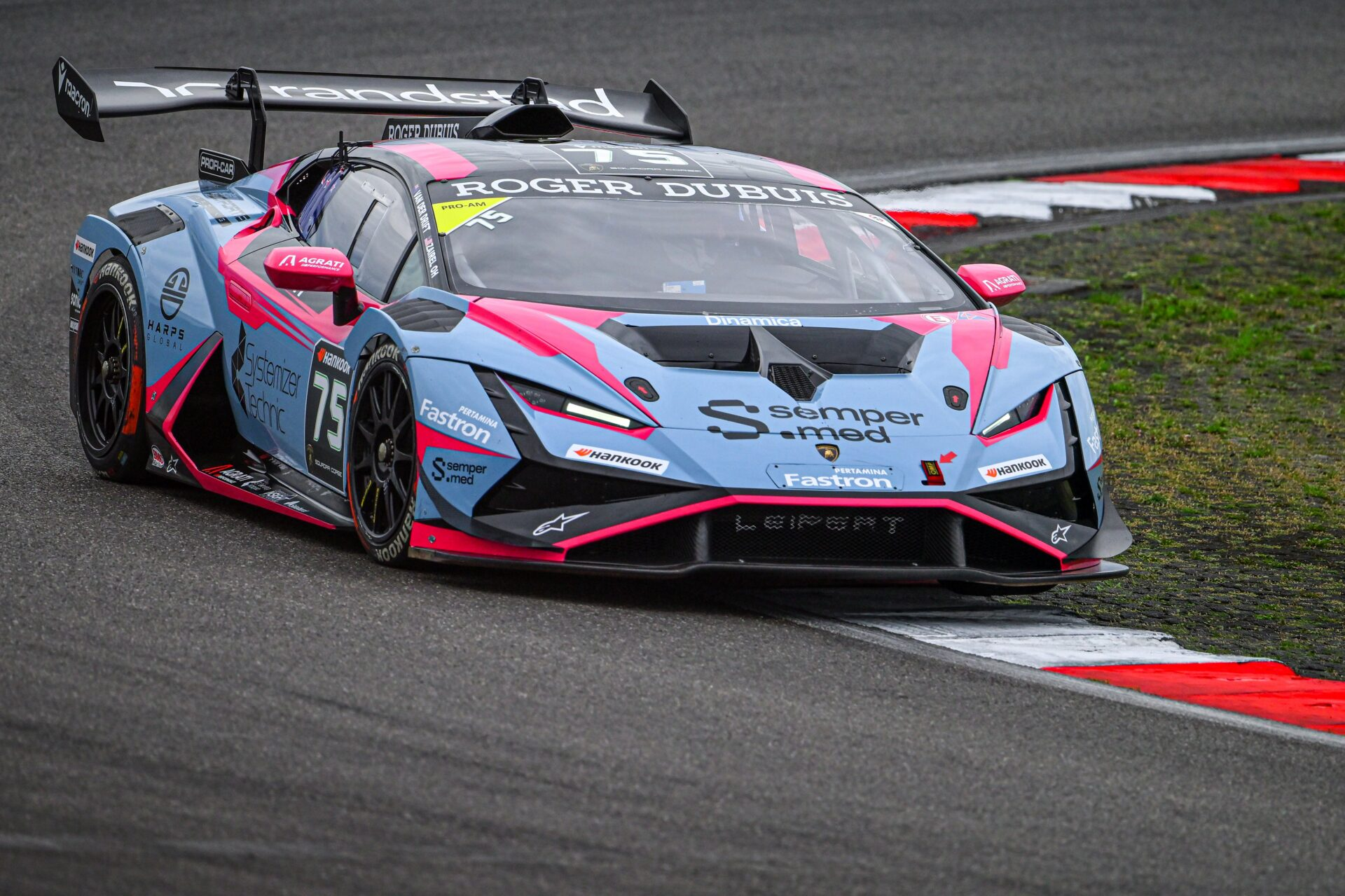
Crew Chief Eric: That’s what she said.

Crew Chief Brad: Sultry.

Crew Chief Eric: Can you imagine, Tanya?

On a bicycle, on a dyno? Let, let’s go. Let’s see how much worse power you make.

Crew Chief Brad: All I know is I don’t wanna be around when they do the air fuel.

FLORIDA MAN: Freaking tail pipe dust. You fail missions.

Oh my God,

Crew Chief Brad: it is outro, outro, outro. Air, fuel,

FLORIDA MAN: nail

Crew Chief Eric: pipe test

Crew Chief Brad: remain. Remember, failing to prepare is just preparing to fail.

Crew Chief Eric: There you go,

Crew Chief Brad: deep. [01:11:00]

FLORIDA MAN: Sorry, I gotta compose myself. Woo.

Crew Chief Brad: Oh my.

Executive Producer Tania: The drive-through is our monthly news episode and is sponsored in part by organizations like Collector Car guide.net Project, motoring Garage Style Magazine, the Exotic Car Marketplace, and many others. If you’re interested in becoming a sponsor of the drive-thru, look no further than www.motoringpodcast.net, click about, and then advertising.

Thank you again to everyone that supports the Motoring Podcast Network, grand Touring Motorsports, our podcast Break Fix, and all the other services we provide.

Highlights

Skip ahead if you must… Here’s the highlights from this episode you might be most interested in and their corresponding time stamps.

  • 00:00:00 Drive Thru Springtime Banter
  • 00:01:52 Daily Driver Dilemma
  • 00:04:03 Porsche EV Rumors
  • 00:07:58 Lambo CTO To Audi?
  • 00:09:47 VW’s “Turbo Gate” Lawsuit
  • 00:15:11 New BMW 3-Series Shock
  • 00:17:13 What was the “Peak Car” Era?
  • 00:25:10 Bimmer & Benz – Gas Car Ban Blocked!
  • 00:26:08 AC Schnitzer Shuts Down
  • 00:27:42 The Celica Returns!
  • 00:29:39 Subaru Trailseeker Roast & Hyundai N74 Rumors
  • 00:33:20 Alpine Coming To US?
  • 00:36:15 Are New Cars Too Expensive?
  • 00:41:44 Autonomous Future and Insurance
  • 00:44:25 Barn Find Saab Stash
  • 00:47:19 F1 Movie and the Bugatti Bike
  • 00:52:34 Florida Man Headlines
  • 00:59:51 Le Mans 2026 Grid Talk
  • 01:04:45 24 Hours of Lemons Focus Build Update!
  • 01:08:37 Signoff

UnCOOL-wall! 

What do you think? Cool or Uncool? Cast your vote for 80+ cars on our uncool wall!

Now is your chance to rate some of the best of the worst from our Drive Thru NewsParking Lot Gold and What Should I Buy? series. Vote early and often!


Support our Creators!

We hope you enjoyed another awesome episode of the Drive Thru! We remain a commercial free and no annual fees organization through our sponsors, but also through the generous support of our fans, families, and friends through Patreon.

For as little as $2.50 cents a month, you can get access to more behind the scenes action, additional Pit Stop mini-sodes and other VIP goodies, as well as keeping our team of creators fed on their strict diet of Fig Newton’s, Gummy Bears, and Monster. Consider signing up for Patreon today. And remember, without *YOU*, none of this would be possible!


This content has been brought to you in-part by sponsorship through...

Motoring Podcast Network