

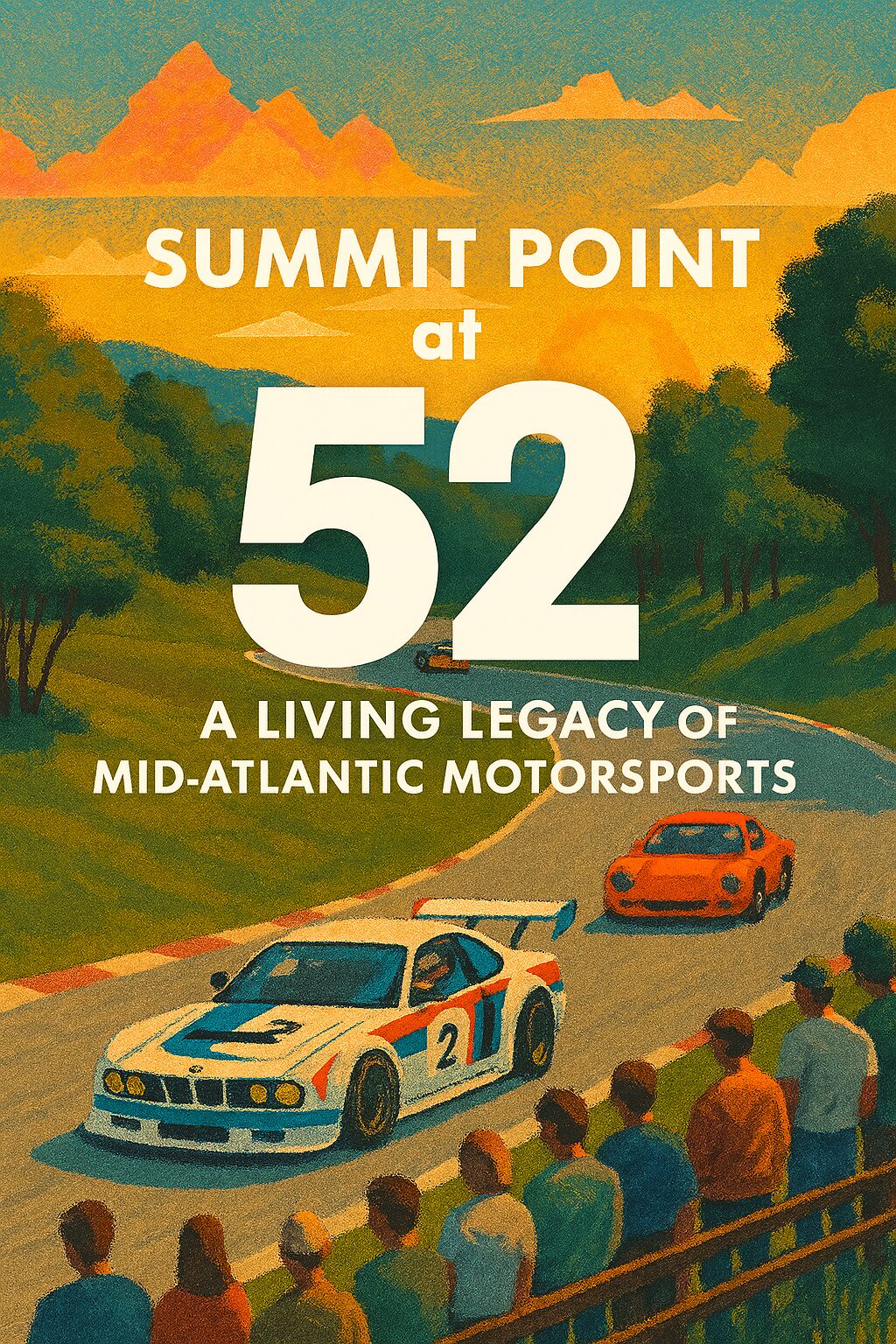
Nestled in the rolling hills of West Virginia’s eastern panhandle, just two hours outside Washington, D.C., Summit Point Motorsports Park has been a cornerstone of Mid-Atlantic racing culture since the fall of 1969. As the sun rises over the apple trees and engines roar to life, the track’s legacy continues to grow – one lap at a time.
In a recent episode Break/Fix, Motorsports Director Edwin Paradue joined the show to reflect on Summit Point’s rich history, its evolution into a multi-circuit campus, and its vision for the future.
Tune in everywhere you stream, download or listen!



When Summit Point first opened, the layout was simpler – no carousel, just a direct chute into what is now Turn 9. Photos from that inaugural year still hang in the concession areas, showing dirt-lined edges and tractor marks. “History is super important to us,” Paradue emphasized. “We’re even building a Motorsports Visitor Center to showcase not just Summit Point’s story, but the broader history of road racing in the Mid-Atlantic.”
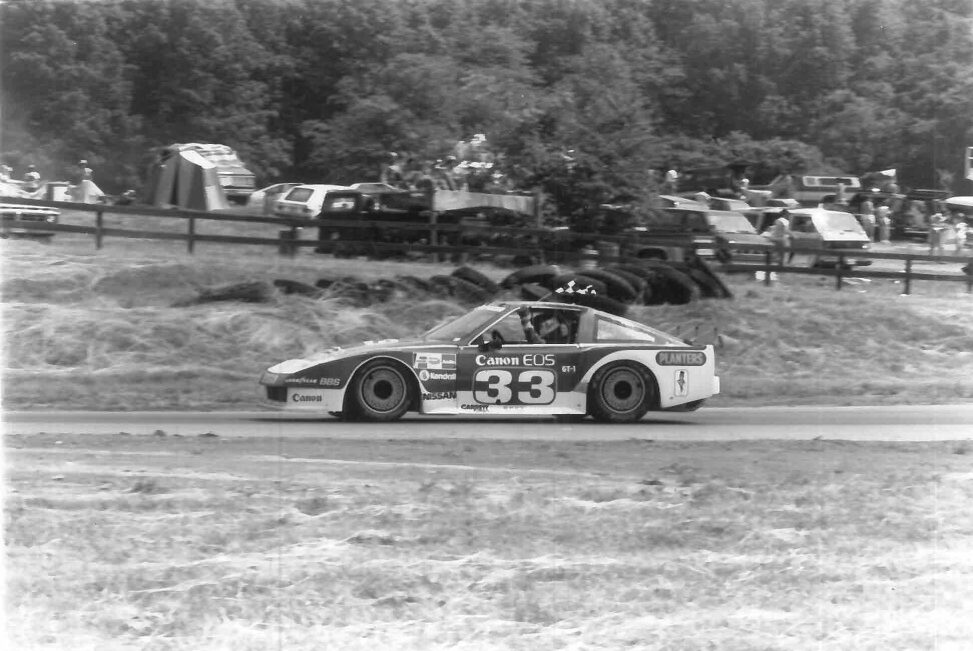
That regional heritage includes connections to long-gone tracks like Upper Marlboro in Maryland and airport circuits in Cumberland and Hagerstown, where SCCA events thrived in the 1950s. Summit Point became a natural successor, drawing racers and fans from across the DMV.
Tune in everywhere you stream, download or listen!
In 1979, World Champion Formula Vee racer Bill Scott purchased Summit Point and infused it with new energy. An engineer by trade and racer by passion, Scott expanded the facility and brought national attention to the track. His legacy lives on in the Shenandoah Circuit, which he personally designed, and in “Bill’s Burgers & Fries,” a concession stand filled with memorabilia from his Trans Am and Daytona 24 Hour days. “Bill’s influence is everywhere,” Paradue said. “He knew the racing world and made Summit Point a hub for IMSA, Can-Am, and other major series.”
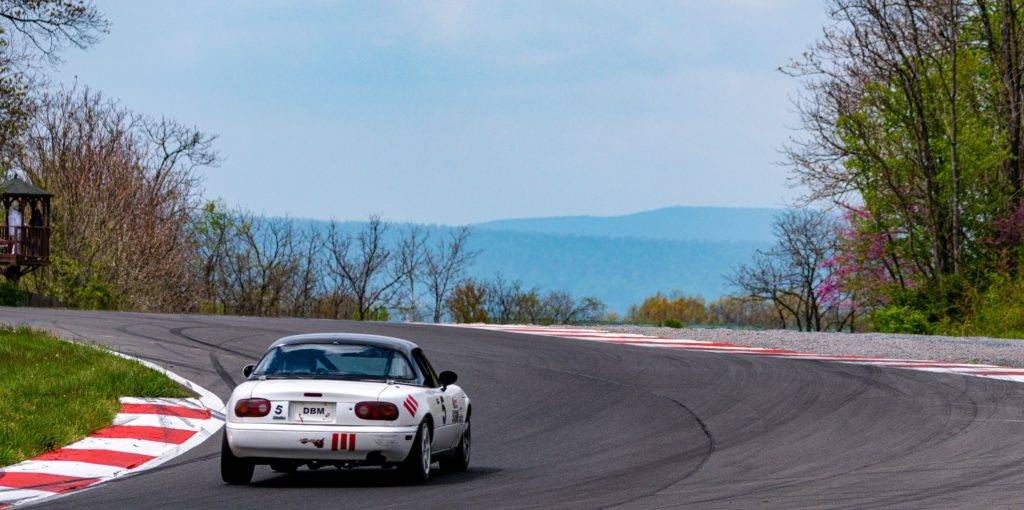
Spotlight
Edwin Paradue - Motorsports Director for Summit Point Motorsports Park (Xator Corp)

Contact: Edwin Paradue at motorsports@xatorcorp.com | (304) 725-8444 | Visit Online!




Notes
- Summit Point turns 52 years old this fall… and over these 5 decades SPM has hosted all sorts of series and drivers. Let’s talk about the History of the track.
- Fact or Fiction Questions like: Summit Point apples are grown on the orchards surrounding the track, and you can find them at local grocery stores in our area(s). SPM has been used by Gov’t Agencies for training exercises, and more!
- Let’s talk about Karting… is it coming back to Summit?
- More Summit Point Tracks on iRacing?
- Are there any other upcoming changes or new features that drivers and organizers should expect from Summit Point in the next few seasons? What does the next 25 years look like?
- Other Summit Point offerings: “drivers club”, Friday At The Track (FATT)
Transcript
Crew Chief Brad: [00:00:00] Grand Touring Motorsport started as a social group of car enthusiasts, but we’ve expanded into all sorts of motor sports disciplines and we want to share our stories with you. Years of racing wrenching and motorsports experience brings together a topnotch collection of knowledge and information through our podcast.
Break Fix.
Crew Chief Eric: Picture it two hours outside of Washington DC in the eastern panhandle of West Virginia, it’s the fall of 1969 and the sun is rising over the apple trees. Drivers are warming up their vehicles for the first time at. Where else? Summit Point Raceway. GTMs home, away from home and with us tonight to talk about the history and evolution of Summit Point.
Motorsports Park is Motorsports Director Edwin Purdue. Welcome to Break Fix, Edwin.
Edwin Paradue: Hello, sir. Glad to be here. Thanks to, I like that you’re painting like I had this beautiful picture in [00:01:00] my brain. It was fantastic.
Crew Chief Eric: Well, I mean, what else can we say about Summit Point? And for those of you that are listening in the DMV, you know, summit Point.
Well, but for those of you that don’t, we’re gonna explore this 52 year history of this track that’s nestled in the eastern panhandle of West Virginia. So, like I said, summit Point turns 52 years old this fall with over five decades of racing being hosted at Summit Point. All sorts of drivers, all sorts of series.
So, Edwin, let’s talk about the history of the track.
Edwin Paradue: Well, you, you know, you mentioned that fall of 1969 history’s super important to us. If you come in, if you. Go to some of our concession areas. There are actually pictures on the wall from that very first year. Some people don’t realize when the track was first built, the uh, carousel wasn’t there.
You came down the chute, just hung a right and headed for what’s now turn number nine. We, and then the carousel was added the very next year. But we’ve got pictures, people on track and alongside it’s still dirt and you can still [00:02:00] see the tractor marks in there. So that history is super important to us and we try to really let folks know kind of the heritage and what happened.
In fact, we’re in the process now of actually adding a, uh, motorsports. Summit Point Visitor Center where we’ll talk. Very cool. Not only the history of the Summit Point Motorsports Park, but also the history of road racing in the Mid-Atlantic. And people may not realize there’s a, there’s a really interesting history of road racing in the dc, Virginia, Maryland, West Virginia area.
So we wanna be able to tell that story now and then kind of like you’ve talked about, how does it pull us up to the. Modern how does where we’ve been, get us to where we want to go.
Crew Chief Eric: That’s true. And in some of the classrooms especially, there’s pictures of the old Upper Marlboro racetrack in Maryland and there’s an association between Summit Point and that racetrack as well.
So is that incorporated in those first 10 years of the track? Because a lot of people really associate Bill Scott, who we’ll talk [00:03:00] about in a minute with Summit Point and its legacy, but that first 10 years, 19 69, 19 79, it’s kind of a gray area for a lot of folks. Yeah. And there were,
Edwin Paradue: there were people who were involved.
Yeah. There were people who involved. Were involved in both, uh, both tracks. You know, we still have people, you know, it’s been long enough now where people normally will. Talk about, oh, well, you know, my dad used to run at Marlborough and then started coming up to Summit Point. So a lot of the characters and a lot of the folks from the early days here were very much tied into that.
And then you go back even further in that, you know, you had Hagerstown airport at the Cumberland Airport, some huge like national SECA events there in the mid fifties that ran on the airports there. So it’s all part of this regional history that has us kind of where we are today.
Crew Chief Eric: That’s true. And even when I was coming up through DER Cross, we went out to several SECA events at Cumberland where they were still holding Otter crosses at the airport.
So that tradition has not broken after all these years.
Edwin Paradue: Then you even touch on, you know, newer things that’s happened in the [00:04:00] region, whether it’s street racing in DC and Baltimore. The emergence of, you know, autocross where you know you can turn a good parking lot anywhere to a weekend Motorsports facility.
So
Crew Chief Eric: it’s a proud tradition. Skipping forward 1979, summit Points 10 years old at this point and now World Champion Formula v racer, bill Scott steps into the picture.
Edwin Paradue: So yeah, bill Scott, his partner, and they came in and purchased it. I think it was a, uh, an opportune time to come in and kind of pump some new life into it.
What’s nice is obviously with Bill’s background, you know, people don’t realize that, you know, bill was an engineer by trade and a racer through the love of it. So he brought this engineering mindset and a love of racing here and immediately saw it starting to grow. One thing we’ve done to be sure we have a nod to that is our concessions over at the Shenandoah Circuit, which was a track that Bill designed himself.
That concessionary is now called Bill’s, burgers, and fries, and it is [00:05:00] full of Bill Scott memorabilia. We’ve got. Pictures going back to the late sixties, not just his open wheel days, but the fielding TransAm cars, uh, cars he fielded at Daytona in the 24 hours. We have all of that history there where people can kind of go back and look at that, and the logo for the place is really cool.
We had somebody do a, a sketch of bill and over his shoulder is his car going up the hill and under the bridge at Shenandoah. So it’s really kind of cool and people go there and they can learn a lot. About that era of not just Motorsport, but that era here at Summit Point.
Crew Chief Eric: That’s right. And as you mentioned, the concessions are some of the greatest places to see a lot of this memorabilia when you’re moving from track to track.
And a lot of people don’t realize that Summit Point has grown into a campus. And we’ll explore that a little bit more here as we go through the history. And I remember as a kid looking up in awe on the walls of Shea Summit at Summit Maine, look going, Tom Cruise, Paul Newman, you know, you’re pointing these folks out and they raced there.
When I was a kid, you know, I was there, I was watching, you know, Hanok run the group [00:06:00] 44 Audis at Summit Point. You know, it’s, it’s. Epic in those times, IMSA was a big deal. Was that a draw? Because Bill Scott was also part of Can-Am and IMSA and he brought it to Summit Point. I think it was the thing
Edwin Paradue: where you had a racetrack here in this part of the region where it just made sense for those series to come here.
You know, look at all of the tracks since those days that have been built. At that time, the number of tracks were a lot smaller. If you look back in that era, I think it was a great place for them to come, both from a regional standpoint, you see, you know. Moving through the area and Yeah, absolutely. A lot of those people were drivers and teams that Bill knew from his racing day.
So, you know, it was a good business decision, but it’s also Oh yeah, let’s, you know, let’s get some of the buddies together, we’ll have a race.
Crew Chief Eric: Yeah, and you’re very right about that because if you look over, let’s say, you know, not necessarily neighboring tracks, but in, in the general, let’s call it eight to 10 hour vicinity, you had Nelson Ledges that have been around forever.
Everybody, you know, it’s, it’s iconic. Mm-hmm. It hasn’t really changed too much. It’s been rep paved, luckily, thankfully. But you look at the [00:07:00] Glen, it’s gone through several evolutions over the years and even VIR, which a lot of us love as well. It’s not the VIR that we know today. When you look at Summit Point in the eighties and nineties, VIR was.
Had overgrown, it was wooded. It’s gone through a massive transformation. But Summit has stayed consistent over these 50 years, which is really, really incredible. That’s one of the challenges
Edwin Paradue: we have. We want to keep that history. We want, we want to keep that feel, but at the same time, we want to keep it modern, keep the facility relevant, whether it’s what we’re doing, aesthetically, what we’re doing from a safety standpoint, what we’re doing with, you know, our improvements in the paddock.
We just put in a brand new, uh, fueling station in the Summit Paddock. So it’s a big modern, you know, nice paved. It’s easy to get in. It’s, it’s beautiful. I’ve seen it. It’s really nice. Yeah. Yeah, it turned out great. So, some of those things, so what you want to do is add those amenities and those things that make the place up to date.
But you [00:08:00] don’t wanna lose that historic feel to it. I, I, I think that one of the tracks that I think they do such a good job of staying modern and relevant and keeping that historic feel is, uh, limerock. I think Limerock does such a nice job of balancing the two. ’cause when you go there, you know, you’re at Limerock, but they’ve continued to improve.
So I, I kinda look at that as a. A similar piece where you, when you come in here, it’s like visiting an old friend, but you notice some of the new things that have happened in the new Absolutely. Is done in a way that doesn’t take away from the historic significance of the place.
Crew Chief Eric: I mean, I, I can vouch for that myself.
I mean, I’ve been coming to Summit Points as I was a little, little kid, so over, well over 30 years of seeing Summit Point evolve. But every time I go back, it’s like you said, it’s like putting on an old pair of gloves or an old shoe. You know it, and it’s like second nature. But, you know, reminiscing about the past, even one of our more recent guests, John Warner IV came on and he talked about how Summit point’s his home track, right?
He ran SA series as well in the [00:09:00] nineties and he’s like, summit Point is home. A lot of people in our area call Summit Point Home. There’s still a lot of changes and a lot of history there. And so you mentioned Shenandoah, right? That’s a, that’s a big accomplishment. Bill Scott’s last track that he designed, but there’s a track in between there on the campus that he was also involved in, known as the Jefferson Circuit that was developed in 1996.
Let’s talk about that. Why Jefferson Circuit? Jefferson Circuit? It was
Edwin Paradue: built in two phase. As you know, there was the, the, the first phase, the second phase, and now it’s 1.7 miles around the Jefferson 2021 has probably seen more events going on on the Jefferson than ever before. Great track whether folks are doing a high performance driving event.
We have, uh, some of our motorcycle groups go over there and do track day. And it’s funny ’cause it’s kind of tucked away its own little place. You can, parts of it are a little bit close to the summit circuit, so you occasionally can see each other, but the paddock’s kind of tucked away in its own little area there.
So you literally can be over on the Jefferson [00:10:00] circuit. There’s stuff going over on Shenandoah and Summit Circuit and you’ve got kind of your own little spot out there. So between the, the driving events, motorcycle track days. Some drifting over there. Uh, Jefferson was super busy this year, and I only see it being even busier next year.
Crew Chief Eric: I remember when Jefferson came online and, you know, obviously the, the short version of it, the original version, and by the way, a lot of us in the area call it Jefferson and New Jefferson, depending on how we’re running the configuration, right. But the, we’ll call it Old Jefferson, you know, it was, it was very short.
It was a bit more of a clinic type of track. Mm-hmm. Autocross track. I remember it was used for autocross very early on and it was an interesting concept, like track cross, right? It was like nobody was doing that. We were still running at Ripkin Stadium and FedEx Field and all these different places, and it’s like, wait an autocross on track?
And we’re gonna talk about that a little bit more as we go along. But I think Jefferson was underappreciated. And now with the new configuration, I’ve driven it a bunch of times. It’s actually a lot of fun and if you haven’t checked it out, check
Edwin Paradue: it out for sure. Yeah, everybody has like [00:11:00] a nickname for the new part of it.
Some people call the new part of it, Barney or Snoopy’s Head. All sorts of weird, you know, when you see the outline of it. So everybody has a different name for it, whether it’s New Jefferson or, or you know, Snoopy’s head or whatever. But no, it’s, it’s beautiful. And you know, the new part, the extension, you know, there’s a bunch of elevation change and you’re.
Up and down and it kind of tightens up. And I mean, it really has not surprising, we talk about Bill Scott’s, uh, background. It does have a feeling of almost like an old European F1 circuit going way back when it’s got that feel to it, you know, we’re constantly talking about what can we do there again, to bring in some of the other amenities and pieces that we need over there to make it even more attractive.
Crew Chief Eric: And, and to your point, when you were talking about Limerock, I always joked, you know, people like that, what’s limerock like? And it was even on my bucket list for the longest time, and I finally had gone there and I was like, well, I drove Jefferson. What do I need to drive Limerock for, you know, new j, New Jersey Lightning?
Same thing. Like if you’ve driven one of the three, you kind of get it. But to your point, it was almost modeled after that [00:12:00] design of Lime Rock. So it was good to have that close and you didn’t have to do the 10 hour tow to get there, you know?
Edwin Paradue: Well, and we had, we, I don’t know why we, we don’t have a lot of groups that do this, but we have.
One track day group that literally over the course of the weekend does a day on each of the circuits, and I think that is really cool. So you can come in here on a Friday and you’re on the summit circuit, and then Saturday you’re on the Jefferson, and then Sunday you’re on the Chendu circuit. So you get three completely different circuits.
And the commute from paddock to paddock is, you know, three tenths of a mile. Exactly.
Crew Chief Eric: So let’s fast forward a little bit. Here we are circa, you know, 2003, when ideas are forming pavement. Companies are getting involved and things are being designed. And Shenandoah was born two years later, right? 2005. And to be honest, I remember when Shenandoah didn’t have cars on it yet.
It was motorcycles and go-karts, but Shenandoah, a lot of people have a love-hate relationship with that track. I personally have too many days on that track that I, I like to admit. But it’s unlike any [00:13:00] other track. It’s probably one of the most technical tracks on the East coast. It’s one of the most difficult to teach on, which is why multiple organizations use it as their certification track for instructors.
But where did the idea come from? Because the only thing I’ve ever been able to relate Shenandoah to outside of, I know that it has some turns that it mimics is actually NCM. I know NCM is newer, and the reason I put them in the same category is that Shenandoah feels more like a test track than it does a race track.
So the idea was
Edwin Paradue: Bill had run a lot of tracks around the world, but particularly some favorite tracks in in Europe. And there were just some things he liked in that style of racing. And the idea was, all right, let me build a tight technical modeled after some of the corners and places that he liked in Europe and kind of put that piece together.
And you’re right, you know, uh, one of our motorcycle groups says, you know, you, you can learn the track in a day, but it’ll take you a lifetime to master. Its like tennis. Yeah. [00:14:00] Yeah. What’s particularly nice is it creates a challenge that’s completely different. Than Jefferson a challenge that’s completely different from the summit circuit.
So when you look at all three of them in concert, each one kind of compliments the other. ’cause it gives you three very different experiences. Again, all on the same campus.
Crew Chief Eric: I’ll be honest, I’ve taught on that track, I’ve competed on that track, trialed on that track, et cetera. And the one thing I always remind people what you know, that are like, I don’t know that I really like Shenandoah.
You know, they give you that whole, the grimace that goes with that. I always remind them the one most important part about Shenandoah is that it will show you everything that is wrong with your setup. And if you can make a car go fast on Shenandoah, you will be awesome anywhere else. And that’s not a slight against that track, but it really does show you things about your car that you wouldn’t see at VIR or Watkins Glen or, or somewhere else.
Edwin Paradue: Well, and you talked about it, one of the big things we do and we’re, [00:15:00] we’re really stepping into a broader piece of this is instructor training. Uh, we’ve done it through years, through our Friday at the track program. We’re expanding with what we’re doing with Motorsports Safety Foundation, and you touched on it when you’re teaching instructors how to instruct, there’s probably not a better environment in the country to do it than there on, on the Shenandoah Circuit.
Being out here, having fun, enjoying motorsports is a big thing, but the training aspect of it has always been a huge part of what we’re doing, and Shenandoah is uniquely designed to deliver that experience.
Crew Chief Eric: So somewhere in between all of this. Two more tracks. Were born at Summit Point. A lot of people don’t realize it’s a five circuit campus, right?
There’s a lot going on on the Summit Point property. So we had the Washington Circuit, which people probably don’t even remember that name. And that’s the carting track, which I think now is used for Track cross, which we will get into. And then there’s the offroad or rally, cross [00:16:00] circuit, which is housed outside of Turn 10, outside of the main circuit.
So those came online as well. What brought about those two ideas?
Edwin Paradue: Yeah. Well, Washington is multipurpose a lot of states. So Washington this year alone, we did carts on Washington, multiple drifting events on Washington, autocross on Washington. And we even had a group that put together really a road course there.
It was almost like you’re, it’s like a step between autocross and a full track, HPDE and actually set up a road course so people could dip their toe into it. So those, all four of those events. All occurred on the Washington Circuit this year. So the piece there that’s a challenge is trying to be, I don’t wanna say all things to all people, but you know, what’s great for one may not be great for.
So finding some balance there. So it works for everybody, but it again, had probably one of its busiest years in history because we can host all those different types of events on the Washington.
Crew Chief Eric: Yeah. And Washington circuit, for those [00:17:00] that don’t know, was home to Summit point carts for many, many years.
And I competed there in endurance races and things like that. It was a shame to see Summit Point Cart go away. And we will talk more about carting here in a little bit, but let’s also talk about the off-road offerings that Summit Point has.
Edwin Paradue: Yeah, so we’re in the process right now of kind of seeing where we want to go with that program because there.
You know, different trails all through here and different things. So right now we’re, we’re in the process right now kind of figuring out what we want to do there, what does the market want, what can we offer and do the two match. And then of course, you know, making that from a business standpoint, making that a, a profitable offering.
So we’re really right now’s just kind of. In the phase, we’ve done a few things, but it’s in the phase of the market. Does our facility meet that need? And then creating a business model to where it makes sense for everybody. So you’ll see us kind of going through the steps there, um, which is where we’re right now, just kind of figuring out
Crew Chief Eric: what direction to go.
All the tracks have names. Well, Maine is Maine. We all call it Summit Point, Maine, or just Summit Point. So does [00:18:00] the off-road track have a name? So there’s
Edwin Paradue: different areas where off-road can be done. So no, it’s not, there’s not one area where, where it’s like, oh. That’s where they do the off-road stuff. So that’s, like I said, that currently is kind of being, again, kind of figured out what direction we want to go with that.
And that’s used also for a lot of the, uh, non-motor sports training that we do as
Crew Chief Eric: well. You hinted at one point that in the future there might be the possibility of some UTV racing in conjunction with the rally cross racing. That already happens at some point. Is that still on the horizon? Just looking at again, what,
Edwin Paradue: what does the market want and then is our facility right for it?
You know, so we need, we need to be sure as well is our facility right for that type piece. ’cause you don’t want to. We don’t wanna do something if we’re not gonna be able to do it in a really good way where people go, oh man, that’s fantastic. So we still have some work to do there. We’re not there yet, but we’re working on it.
Crew Chief Eric: So, switching back just for a moment, ’cause I have to ask, so is Carding gonna return to Summit Point officially? Yes. Oh, oh, you have my attention.
Edwin Paradue: So, [00:19:00] working on, you know, our two and three year plans and everything, so I have. A couple different kind of multi-year plans to try to bring a really topnotch, I hate the phrase concession carding, but that’s, that’s what it’s called in the industry.
People are like, you’re eating french fries while you race, but a really topnotch program there. So it is on a three year plan, it’s something I’m really, really pushing for. So,
Crew Chief Eric: and I, and I have to ask because it was a feature of SPK back in the day, whe whether or not the name stays the same or, or, or whatnot.
Will the carting school return? ’cause I’ve been super excited to put my daughter in that I think it, my
Edwin Paradue: thought right now is, I think it should, because if you’re doing the training and the school part of it, how better to create your own customer than to be able to take somebody at a novice level. You know, we started doing a thing, uh, and we hosted over on the summit circuit called My Track Time.
So my track time should be, if you’ve never been on a track in your life, it is. [00:20:00] Absolutely. If you know, if you’ve done two or three HP Dees with Porsche Club or something, probably not for you, but it is, you come out with your streetcar, there’s a classroom session, there’s a lead follow on track for about 20, 25 minutes.
There’s a little debrief on pit road, another on track, 20, 25 minutes lead follow, you know, you’re there for a couple hours in the afternoon purely for folks to get that first taste of it. We have some people who’ve come back three or four times. Other people do that and say, that’s cool. What can I do next?
Oh, well sign up for a Friday at the track in the same way that, that’s been great to, um, create more interest there. Same thing if we’re gonna do carding. You wanna be able to bring people in brand new. And Sarah, let walk you through this. Let’s create our own customer base.
Crew Chief Eric: Going back to our history lesson, fast forwarding a little bit more, the year is 2019 and the Scott Family sells Summit Point to Zeto.
How did that all come about? What does that mean?
Edwin Paradue: Sure. So that was after Bill passed away. Barbara ran the place for years and there was an opportunity. The [00:21:00] company, uh, Exeter Corporation, saw an opportunity here on the training part of it. ’cause that training part’s so huge and then the motorsports part as well.
So they just saw it as a, a good acquisition, a good thing to add to kind of their repertoire, if you will. A lot of people were very worried when the sale happened. They go, oh gosh, it’s, you know, it’s gonna become a, a strictly training place and there’s not gonna be any motorsports anymore. And so when I sat down and, and interviewed with the folks a couple years ago, I said, what, you’re looking to hire a new motorsports director?
What’s the future? Of motorsports and at the time they said no, we’re, we’re committed to the long-term future of motorsports. And since I’ve been here now almost two years, that commitment’s never wavered. You know, they didn’t have to spend a half million dollars on a new fueling station. You don’t need that for training.
So, converted the, the concessions over to bill’s, we’ve talking about a visitor center, all these other things. So anytime that there’s been a, an opportunity to reinvest in the motorsports side of [00:22:00] it, you know, if I can create a, a plan that makes, uh. Financial since the support has been there. So it’s, it’s been unwavering.
I learned
Crew Chief Eric: something new, which is how to properly pronounce the parent company. Now you’re
Edwin Paradue: not the only
Crew Chief Eric: person, so don’t worry about
Edwin Paradue: it.
Crew Chief Eric: But on top of that, what I’m really curious about is the upper echelons of the food chain there. Are there some petrol heads? Is that why they’re excited about Motorsport?
And my second question is, if that’s the case, is there maybe a resurgence or a return to get on maybe the SA schedule or something like that to bring big racing back to Summit Point? What’s your outlook on those things? Yeah, so
Edwin Paradue: let me, yeah, let me jump, let me jump back on one piece. It’s funny ’cause people will ask sometime and they’re like, well how often are the people from Exeter at the track?
And I’m like, well, no, we, we, we are Exeter people, so everybody that works at the track is an Exeter employee. So it’s not like there is. This mothership somewhere. And then here’s some, no, it’s, it’s the, the employees here are employees of the extra corporation and [00:23:00] so we are all integrated into that. So it’s not outside entity, it’s a company that wants to be involved in Motorsport.
And on the training side, you mentioned MSA as far as I have been looking at, and there’s several different directions where you can go on that, as far as that line of quote unquote bigger events. So we’re looking at right now some infrastructure. There’s some things that we need to do before we do that.
So we’re looking at plans to redo our grandstands, look at some issues of parking and that type of thing. So yes, we want to, but I don’t wanna get the cart before the horse. You know, it goes back to figuring out what we can do and what we can do. Well, the last thing we’ll do is. Spend a lot of money, bring in some big event, and it just be a disaster.
So I think what you’re gonna see is us taking steps as it goes along. One thing that’s changed in the industry, and you see it in Motors sports across the gamut, is, I’ll say gap for lack of a better word. The gap between [00:24:00] what is professional motorsports and what is club Motorsports, that gap has gotten bigger and bigger.
And so what’s happened in years past, people you, you would go a any track and they’d go, what’d you have this week? Oh, well, our local chapter of the SCCA is here. They’re running their spring races. Seven people who are there running, were at Daytona in the 24, earlier in the year. So that gap’s gotten bigger just across the board.
What’s not gotten bigger though, is the quality of racing. If you come out here, you know the Mars series, van Atlantic Road Racing Series, you come out for that. Or when NASA is here running, they have two weekends of racing year and I’ll leave somebody else. So just run a list of everybody, the PCA Club, race, you know, any of those people, you come out here, the racing is fantastic.
The quality of the racing is fantastic. With that said, we’re exploring some opportunities to bring some of those touring series and those types of things, but we’ve got work to do here first [00:25:00] on the infrastructure side so that we can properly host them. But I don’t want people to confuse the level of fame of racing for the quality of the racing, because they’re not on opposite ends of the spectrum.
Crew Chief Eric: Well, and I brought the question up, not because. You know, I’m trying to put you in a position. What I’m trying to get people to understand is VIR as a comparison went through this exact evolution, right? We saw the repave and all this stuff and we were all saddened by Oak Tree having been removed. But when IMSA stepped in, they had to change large sections of the track.
They had to redo the paddock, they to do all this kind of stuff, to bring it up to par. And you’re just like Oak Tree. As I grew up understanding it and understanding how to drive it, it’s no longer the same turn. They had to make it bigger as more runoff. It’s, it’s not the sa, it’s not the same anymore.
And so, you know, sometimes like you, you think about even celebrity as you move up, you lose that original, that originality and that history. And so, you know, there’s a fine line [00:26:00] when you, like what would change at Summit Point if you brought in, you know, a bigger race. Right? Right. You
Edwin Paradue: know, those are not always financial home runs.
You know, the best way that we keep Motorsport. Here is by making Motorsport successful from a business standpoint. And so, I mean, how many times have you heard about whether it’s a temporary street circuit or whatever it is, and they’re like, well, it wasn’t a bad first year. We only lost 4 million. And you know,
Crew Chief Eric: so yeah, like the Baltimore Grand Prix, I mean, shoot, at least if they had repaved the roads, right?
But hey,
Edwin Paradue: yeah, no, it’s, so, it’s, it’s one of those things where, um, so, so there are, there are lots of things out there, there are different groups out there that you could bring in that fit what you currently have here. You make some infrastructure improvements, you get more eyes on, on what’s going on. But you know, to be fair, if you go back to, you know, I’ve got pictures around the office here and everything.
If you go back to some of the days of the, uh, uh, seventies and all, and you see like [00:27:00] just people camped all along the track and you’re like, oh my gosh, what was that? And they’re like, oh, it was the SECA, uh, regional race. There was also a time that those races themselves packed a lot of people in. And so there’s opportunity to do that.
You know, we, we’ve tried to reach out more, whether it’s with some of our social media, some old traditional media of letting folks know, because I still have people, they’ll say, oh, well I know people go up there and race, but I didn’t know you had events spectators could go to. You’re like, yeah, yes we do.
Crew Chief Eric: Exactly, exactly. And
Edwin Paradue: going into 2020, we had a media program all put together and then we had this thing called COVID two or three different times. Now we’ve had these marketing programs put together and we’re like, oh, okay, let’s set that back on the shelf. We’ll try it again in six or eight months. So that part’s been a little frustrating, but literally people go, oh, well you, they do some training up there and, and my friend drove his car up there one time, but I didn’t know there were events I could spectate at.
You know, we started this year on the summit circuit. Just selling like reserved parking spots along the fence line so [00:28:00] you can come in, reserve your spot for the weekend and all some of those little things. But as we get into 2022, hopefully we can be a bit more broad in what we’re doing with our marketing and advertising to let people know, yeah, this is a place you come.
Spend the weekend sit track side. Enjoy a great time.
Crew Chief Eric: And I think the confusion there is for those of you that are race fans that are used to maybe going to, let’s you mentioned Hagerstown, right? To maybe one of the dirt track races or you know, some of the other bigger races that are out there, or other race tracks.
You gotta pay to play. You gotta pay to get in. The beauty part about Summit Point is try to remind people this all the time. It’s one of the most accessible tracks on the East coast. You want to see a race during the week, during the weekend, any given weekend, there’s something going on, whether it’s SECA Porsche Club like you said.
Mm-hmm. Or nasa, whoever, and it’s like, why not? I mean, I remember even earlier this year when we did our charity event with the American Cancer Society. Mm-hmm. First of all, thank you again for that because Summit Point is always very positive and very supportive of the Motorsport [00:29:00] community and also working with charities.
But we had people that were literally from Jefferson County. In the neighborhood going, I never knew I could just come over here and watch a race. And it was completely baffling to, to hear that,
Edwin Paradue: you know, and there’s two mindsets for that. For a while there were just like, well, hey, come on out and join us.
And so what we tr what we’re trying to do now is make the events very accessible, but make them spectator events, make ’em wear. If people can just swing by any time. That’s great, but it’s like, oh, I was gonna swing by this weekend, but eh, I’ll go another weekend. And all of a sudden it’s November. So what we tried to do is make the Mid-Atlantic Road Racing Series.
Hey, here are the six dates for the Mars series. Be sure you’re here. The, uh, FRP, which is the open wheel guys here, you know, we’re starting to brand that is the West Virginia Grand Prix weekend. So we’re trying to make those weekends more of a standalone. You, you, if you wanna see this event, you gotta come this weekend.
So it becomes a little bit more appointment, if you will. Where people are making a point [00:30:00] of coming to it doesn’t mean there’s something going on all the time and people can come to it. We’ve started adding, you know, to those events, some ticket prices, pretty cheap ticket prices. Uh, you know, you can rent a reserve spot for the weekend for 20 bucks.
So there’s some of those people. What happens there though, is now you’re making a plan to come. Things where you don’t make a plan to, you go, you know what? We are really thinking about getting to summit one weekend. It never happens. If you say, oh, we’re going to the West Virginia Grand Prix weekend. Now you have an appointment time set to come.
I think that makes, uh, makes a difference. And you see it, you know, you mentioned like Hagerstown, you know, you see on the stock cars and everything. Oh, this weekend it’s one of two visits by the four 10 sprints this weekend or whatever. You know, you have those special events. So always drove me crazy on, you know, circle track stuff where they would, you’d look at their schedule.
Like eight nights out of the year. It’s like it’s our regular show, why would you call it? Right. Who wants to go to the regular show? Like I would go, those are the eight weeks. I’m not gonna go. I’m not going to, but I’m gonna go when it’s the Firecracker 200 or something [00:31:00] like that. Yeah, exactly. Exactly.
Crew Chief Eric: There’s been a longstanding relationship between Summit Point and SCCA, obviously through Bill Scott and it’s, it’s home to multiple disciplines of SECA Motorsport, whether it be Autocross Pro solo, rally Cross, HPDE, time trials, club racing, et cetera. Right. The list goes on and on on it’s home to the WDCR region of SCA as well.
Right. They run all their events through Summit Point or a majority of them, and now in conjunction with Dominion and a couple other places as well as, as they’ve expanded. What I’m kind of wondering is. Are there gonna be more disciplines coming to Summit Point? Do you envision drag racers using Summit Point’s facility at some point, maybe to do no prep or something like that, that you know they’re going to the local airport, you know, two miles away.
So it goes
Edwin Paradue: back to what we were talking about earlier is, is there a need from the motor sports community and can we properly host it? Can we do it in a way that it’s not halfway done? Yes, there are [00:32:00] multiple things that are still out there that we can do. You know, expanding carting, we already talked on that.
Looking at what we do with some of the, the newer technologies. And then we know what do our clubs need and then what can we bring in our Drift Nirvana program. The guys who do that do a great job with it. I, I think we’re really scratching the surface. On what we can do there. So it’s kind of twofold. I think we’ve got a huge opportunity to do what we’re doing already, but in a bigger and better way.
And then look to add those other pieces that are out there and it goes back again. It’s gotta have the right business model to it, but it’s, it’s gotta also fit with what we are doing here and what the needs of the community are. But there, there’s so many things that we’ve got already that we just need to expand on.
It’s a good thing, bad thing, however you wanna look at it. You know, our calendar’s absolutely jam packed. I’m not sure where I would shoehorn something else in. And you know, you talked about that. What’s, what’s really cool about this place is so [00:33:00] many people consider their home track. I mean, you mentioned SCCA, nasa, the PCA, uh, Potomac Chapter.
You know, we have had the Porsche Club, BMW, Mercedes-Benz Club, SECA, nasa, all of those ones that are headquartered Mid-Atlantic or DC region or whatever. You’ve got a whole lot of people who. This is their home track. And there’s always been a sense of ownership, which is a really, really good thing. ’cause people come here and feel like they’re coming to their track.
You know, our, our motorcycle community, the two wheel community here, has grown huge over the last couple years. So you’ve got a lot of those track day groups. It’s a, Hey, yeah, this is home track man. We’d love to add some dates here at our home track. So it’s a good challenge for us to have. But as you talk about expanding everything, there’s just, once we fill up all the tracks for 52 weeks a year, you know, that’ll keep us fairly busy.
Crew Chief Eric: This is a curiosity question more than anything. So do tracks have competitors or is it just competing for people’s time where they wanna go? Do you guys have a
Edwin Paradue: [00:34:00] competitor? That’s, that’s the biggest one. The biggest, the biggest competitor we have. From the Motorsport side is everything we do here, this is, this is recreation.
These are your extra dollars to spend discretionary income, right? Yes. Your discretionary income. So from the racer standpoint, for the people who actually get on the bikes or get behind the wheel, it’s nice because they’re addicted to the sport. So that part is good. Getting the folks to come and try it for the first time, or come and sit track site and watch, you’re competing with every other thing that distracts ’em throughout the year.
So our biggest competitor is just, there’s so many other things to do, which is important. You know, it falls back on some of the clubs and everything. We’ve also gotta keep this as a very accessible sport from the participant side, where people feel like they can come out and get involved from a financial standpoint.
You know, some people go, oh. Sports car racing when I don’t have several million dollars. Well, there’s a whole lot of areas where you don’t need it. Come do my [00:35:00] track time in whatever car you drove to work this morning. Bring it here and come do my track time. So we need to work with, you know, the different clubs and groups to continue to make this accessible so it doesn’t feel like it’s just something beyond our reach and everything.
It should be a piece where if people want to get involved, it’s very, very easy. And it hasn’t always been like that, not just here, but in the industry as a whole, where it’s like, oh, well I’ve gotta be with, uh, this club, or I’ve got to, no, there’s a whole lot of different ways to get on the track. I tell people.
Come out and experience the track just one time, then go to some of the other events and you’re gonna find, oh man, I really, I really jive with this club here. These guys are cool. They kind of match my style. ’cause as you know, every group has a little bit their own personality and style. Go to a couple different ones.
You’re gonna find them one that you feel comfortable with. Or you know, there’s some people, instead of having the stickers that actually stick on the car, they have the magnetic ones so they can change club affiliation each weekend. They’re my favorite ’cause they’re here like 20 times a year. So, but the summit point,
Crew Chief Eric: [00:36:00] track map never changes on their, never changes for them.
No. They can
Edwin Paradue: keep that one on there.
Crew Chief Eric: A couple factor fiction questions here before we talk about futures with Summit Point. So first off. Summit point. Apples are grown on the orchards surrounding of the track, and you can find them at local grocery stores in our area, fact or fiction.
Edwin Paradue: So that once was fact, but a lot of those orchards that were right on the property are no longer here.
But again, that was, you know, we’ve kept all of that old memorabilia. We still have old Summit Point Orchard, apple boxes. We’ve got pictures of Bill Scott out pruning the tree. So that history, you know, one other thing we did over at Shenandoah is we’ve taken the upstairs at Shenandoah and put those into like VIP day suites that will be introduced to next year.
And one of them is called the Orchard Suite. And there’s, you know, a picture bill picking apples. So yes, it was, it was once true. But no, there, there, there are still a lot of orchards in the area, but none actually on, on site.
Crew Chief Eric: Next question, summit Point has been used by [00:37:00] government agencies for training exercises, fact or fiction?
Edwin Paradue: Oh yeah. I mean you’ve got like, I mean, and across the board you’ve got everything from local fire. EMS police, all sorts of different training that’s gone on out here through years. And that’s, you know, that’s become a big part at a lot of tracks. And, you know, when, when Bill started doing the driver training piece, it was, um, all right, I’ve got my track rented Friday, Saturday, Sunday.
I need to rent it Monday through Thursday. All right, what can I do? And it’s not just governments, the accident avoidance program out here on the training side, literally, I don’t have, we don’t have stats on it, but I’ve probably saved hundreds of lives through the years, not just for young people, but typically a lot of young people after they get their license, come out and take that accident avoidance.
So training has been a huge part of what Summit Point’s done ever since Bill was here. And we’re trying to step that up now where we’re doing more of the training on the motorsports side with, uh, instructor training, those types of things. On the first
Crew Chief Eric: fact. On the second. Okay. Good fact or [00:38:00] fiction, pistol grip is named after the shooting range that’s tucked behind parts of the Shenandoah circuit that many people don’t realize.
Is there?
Edwin Paradue: Yes. And it kind of looks like that too. Like Barney’s head or Snoopy’s head on the other thing. So no, if you’re here, sometime in you’re driving, you’ll hear some of the ranges being used if think about it, if you’re doing some driver training for police, but they could do some of the other stuff here at the same time.
Just makes good business sense.
Crew Chief Eric: Yeah. It’s not a Miata backfiring in the paddock. It might be, but it’s not. So, Edwin, one more factor fiction question. The shoot, and for those of us that know what the shoot is, it’s the section between turn four and turn five. On Summit Maine is one of the most highly contested sections of track on any track east of the Mississippi Fact or fiction.
Edwin Paradue: Ooh, I’m gonna go with, I’m gonna go with fact because if you’ve seen like a Spec Miata race. And, uh, they try to come through the chute three, four wide. Yeah. It doesn’t always work out, but it’s really cool to watch. So stand down one of the reserve [00:39:00] spots where the stands are, stand down there and watch the start of a race.
And, uh, people get very, what’s the right word? Very optimistic on what they can do coming down the chute.
Crew Chief Eric: And I will say as a coach, it is one of the most argued about sections of any track anywhere I’ve ever been. Like, people don’t argue about the boot at the Glen or, or oak tree at VIR in the same way that we argue about how you should take the shoot at Summit Maine.
Edwin Paradue: It’s cool
Crew Chief Eric: about it. It’s,
Edwin Paradue: and it’s not like that, like the shoot was designed. It’s just kind of like they got to that part and they go. Well, we’re gonna go downhill because it goes downhill here. That’s the cool part of it. It’s just, it wasn’t designed, it just what was here.
Crew Chief Eric: Let’s move on. Let’s talk about futures a little bit, but I wanna ask you, because you’re very passionate about Summit Point and, and the whole entirety of the campus, and I’m sure you’ve been on all the circuits, whether, you know, driving them, riding them, et cetera.
Which one is your favorite? Well,
Edwin Paradue: from the historic part of it, you know, just the [00:40:00] history of the Summit circuit itself. Tracks like Summit aren’t built anymore. If a new track is built, you go in, you move literally every cubic yard of dirt. You create a track using a computer model and they’re great and they’re beautiful.
Don’t get me wrong, they’re fantastic facilities tracks like Summit and some of the others we’ve talked about. Some guys got on a bulldozer and they go, oh, let’s kind of turn here and kind of go down the hill here. And just the historic part of being a true natural Terrain Road course makes it incredibly unique.
So I think, I think from that standpoint on the history, you know, I think Jefferson is one, it kind of falls on me to do the things that we need to do on Jefferson. To me, Jefferson is just an underappreciated. Piece, and again, it was busier this year than it’s ever been, and some of the pieces we’re making over there are, I think, will lend to making that even busier for the years to come.
So
Crew Chief Eric: do you have a favorite of those? Just a personal favorite,
Edwin Paradue: like picking a favorite kid.
Crew Chief Eric: You can’t pick a favorite [00:41:00] kid. You know, there’s an evolution to every track. We had Gingerman on early this year, and they talked about their evolution. They’ve only been around for, they, they’re celebrating their 25th anniversary this year.
And so they talked about, you know, one of the things they have as a claim to fame is one of the safest tracks in the country because of the way they’re designed. A lot of the older tracks, as you mentioned, they were built into the elevation. Somebody saw the path and so we’re gonna cut here and this is where the straightaway is gonna be, or this is where the shoot is gonna be or whatever.
With that came, oh, we’re gonna put a berm and we should probably put tires here and maybe a fence and things. And, and safety has evolved a ton, especially over 50 years because there are multiple tracks. At Summit Point, there’s different safety concerns on all of them. The way Shado is constructed, the way Jefferson’s constructed, and there’s been, let’s face it, assorted past on some of these tracks.
We all know about some of the tragedies that have occurred over the years. Some of them are funny stories, like I’ve heard about nine fourteens landing on top of trees and all [00:42:00] sorts of, you know, big fish stories. But the reality is we do have to take safety into concern now as cars are getting faster and faster right off the factory floor.
So what is Summit Point doing to evolve and compensate for that? And what are some of the changes that you’re implementing to make all the tracks at Summit Point better?
Edwin Paradue: It is an ongoing process. You don’t get to a point and you go, okay, yay, we’ve got our safety piece done. One thing we’ve done is we’ve redone some of the tire walls is more and more of the conveyor belt where, where you can add that.
It makes such a difference ’cause you, you know, you attach the tires vertically and laterally, but when you can use that conveyor belt. To hold everything together. That makes for just, you know, even a really supreme hit there. It’s not displacing the tires. The tires are doing what they need to do. They’re absorbing and springing back out runoff.
If you had 800 feet of runoff, somebody will come back and say, gosh, we really needed 802 feet. So you’re always working. But it’s an ongoing [00:43:00] process. Uh, looking at runoff areas, you know, at 10, at one with the gravel traps there, you know, you’ve seen some different technologies there, uh, where some places are using different stuff there.
So it’s always assessing what you can do. But you’re right. What happens now is as cars and bikes get faster, what was decent at one point has to be improved. But when I go back and look at some of the pictures from not that long ago, you know, 20, 30 years ago here, the tires were just kinda, you know, laying over against the hill and every, so when you look at where it’s come in, in, you know, the last two or three decades.
Okay. If we just keep making that level of progress over the years as new stuff is designed and staying ahead of it, we’ll be good. But it’s, it’s something that we work on every single day.
Crew Chief Eric: And it’s gotta be tough too, especially because Summit Point being built in wooded area in an old orchard and things like that, you always have green space to worry about.
And obviously Jefferson has always been the biggest concern because the trees are the [00:44:00] closest to the track. And so do you guys find yourselves having to strike a balance between environmental impact? Like how many trees can we remove while keeping green space, but making it safe as well? Is there a battle there?
Is there a struggle there as well?
Edwin Paradue: There’s some areas where it’s not, it’s not a factor. There are other areas, you know, a lot of times for the, the trees and everything are just having good sight lines. From a safety standpoint, I guess the piece I always go back to is if you go, well, I’m not gonna worry about it over there.
’cause we’ve never seen a car go there and I don’t think a car could ever get there. Well, guess what? At some point a car will we’ll get there. We also, yeah, we also rely a lot on our partners when they’re coming out here. Um, the different groups that come rent the track from us and taking their feedback as well.
You know, you have to remember that yes, it, it is a, a relationship, it’s a business relationship, but those people are also your partners in what you’re doing. So taking feedback, getting insight there is huge. But again, it’s a daily process and just do the little things. [00:45:00] It’s important to occasionally step back, drive around your own track like you’ve never been there before and you see stuff, you go, oh, well that’s kind of weird.
We need to, we need to change that. We make those changes all the time.
Crew Chief Eric: You talked about the extension to Jefferson, you know, a lot of us call it New Jefferson, and so that was an interesting bill because. There was a lot of land brought in to build that back section. And when you’re up there, it’s kind of a cool look back over the campus.
You can see the Washington circuit up there very clearly. You can see the other parts of the campus that you wouldn’t be able to see had they not brought in all that land. I often wonder where does Jefferson go from there? Will it be expanded again? But before your tenure here at Summit Point, we heard a lot of rumors about changes coming to Shenandoah, new paths to change the shape of the track, like adding some access roads.
You could cut off the corkscrew and you could do this and you could do that. Are those still on the horizon for Shenandoah? Because it feels like it’s pretty blocked in between Stone House, which if you’ve never seen it before, you should check it [00:46:00] out. ’cause you can see it from other parts of the track and the church and other things where there’s not a lot of room to grow it.
Are there configuration changes that can be made to maybe, you know, give it some variation?
Edwin Paradue: So with Shenandoah there’s already a couple places where you can do some different configurations. You’re right, it’s, it’s kind of. As far as expanding, it’s kind of in its own little space over there. There are a few places where there’s some different cutoffs and everything.
There’s some ideas on maybe some alternate layouts, like for some of the carting people and everything. So it kind of goes back to again, if, if there’s a need for it and it makes sense, you know, there’s two little paved area people always ask about it, that actually, you know, they’re blocked off that Connect Summit and the Jefferson, and they’re like, oh.
What are you doing there? And somebody said, oh, that, you know, bill once had the grand scheme, all three tracks will be hooked together and, and all that. But they’re each so different from each other. It probably, it sounds cool, but it probably doesn’t make sense.
Crew Chief Eric: It’s kind of like the, the Berg ring when they connect the GP track to the Nords life, you’re like, it doesn’t make sense.
Right.
Edwin Paradue: Multiple animals, but [00:47:00] there’s a evolution to all of it. And as we see the needs, we evolve in what we can do there. You know, I’d like to add some amenities to Jefferson. There’s some areas where do some work on some runoff, add some additional tire barrier. You know, those are the things I think right off before we go in and.
Redesign and do that stuff, let’s maximize what we’ve got there first.
Crew Chief Eric: You know, we kind of alluded to it earlier with Shenandoah about its design and you know, it’s the last track that Bill Scott built before he passed. So he purposely mimicked certain terms, as you said, from European tracks whatnot. And the carousel is a hallmark of Shenandoah.
Love it or hate it. It’s one of those things. Is there ever the possibility of building around it where we don’t have to use it? And I bring that question up because it gets asked a lot. It’s like, would there be any way, because it, I hate to say it’s a wheel bearing killer, a, a lot of cars don’t like going in there.
It’s a splitter killer. You know, things like that. I think, and I’m not trying to speak poorly of it,
Edwin Paradue: but It’s true, you know? No, but if you just look, you know, if you look like an [00:48:00] aerial above it. It’s just, yeah, it’s, it’s really cool, but there’s just not a lot of space there. Yeah. To do anything additional.
So it’s kind now, like I say, some of the groups will do, once you come up over the hill onto the bridge, there’s the left loop that you can take and take it out of the equation. It shortens up the track some, but again, there’s just not a place there to redo it. So it’s one of those things that, you know, you talked about it.
Some people are like, oh my gosh, this is my favorite track and I love this. And other people don’t. What’s neat is having all three facilities here, again, there’s something that, it’s something you like. There’s some people that think it’s the coolest thing that they’ve ever seen in the world. So being able to offer that, listen, you’re never gonna be all things to all people, but having a little bit of variety I think does help us.
Where other places are like sorta, Hey, here’s our track. This is what we’ve
Crew Chief Eric: got. We’ve got
Edwin Paradue: some
Crew Chief Eric: variety. So we’re gonna talk a little bit about the repave on main here in a second, but Jefferson got a refresh because of the extension. Is Shenandoah next? Is there a repave on the horizon? Are we gonna lose all of our [00:49:00] visual cues?
Once it gets repaved, we’re gonna change all of the corners. And so those sealant lines are really important in the hook. Yes. You know, I’m just letting you know.
Edwin Paradue: Um, yeah. So everything has a timetable, obviously, when you pay the track. That’s not gonna be a a hundred years from now and not repave it. So those are all things, what we have is.
A list of what are the things that we need to do through the year. So I don’t have a time or when it’s gonna get done, but yeah. Oh, absolutely. At some point it’s like painting your house. It just, you, you know, it needs to be done. It’s part of the maintenance to it when I don’t have a win for you yet.
Crew Chief Eric: So repaving is tricky.
Some tracks get better, some tracks get worse. Lap times get reset. Records get reset. ’cause it’s really not the same track anymore, even though it’s the same layout. It’s just the grip. The asphalt changes over years too. They come up with new techniques and things like that. And I remember there was a lot of consternation in 2018 when Summit Point finally got repaved.
And it actually leads me into yet another fact or fiction [00:50:00] question, which is the bump in nine was purposefully left in during the repave fact or fiction. Do you like the bump in nine? Uh, is that, that’s gonna
Edwin Paradue: determine how I answer the question.
Crew Chief Eric: My political answer is. I know it’s a character flaw of the track.
I’m gonna put it that way, but I think a lot of us dislike it.
Edwin Paradue: There’s, you know what, and, and everything’s got, you know, it’s got its little nuance and everything. You know, you’re never intentionally gonna do something that, you know, creates a bad situation. But, you know, I’ll give Chris White who was here prior to, you know, Chris gets a ton of the credit for how successful the repave was on Summit.
He did an incredible job. I know when it was going on, he literally was here making sure every piece of it was done correctly. But, you know, a track also doesn’t just change when there’s a new repave. There’s also the change. So that’s the dramatic changes that happen quickly. But there’s also the change as that pavement begins to age.[00:51:00]
So as that pavement starts to become a little bit more polished or as more aggregate is exposed and changes the grip level or as different pieces settle off. So what happens is. Uh, through the life cycle of that paving through the years, you have these very, very small changes that occur. You know, it’s like watching a tree grow, you know, it’s happening, but it’s hard to see.
So you have these very small changes that occur. The trap begins to change. The surface itself changes, depends on, you know, kind of the makeup of the asphalt and aggregate. And then you have the, and people go, oh my gosh, it’s all different. Well, it’s been changing. The whole time. It was just a very, very slow evolutional change.
You didn’t notice it until they got that pave. So you know, they’re living, breathing creatures. You’re constantly working on them, changing them, whether it’s, you know, improving the runoff or doing other things. So they’re their own little living creatures. So do you think the track’s faster now after the
Crew Chief Eric: repave or you, or the
Edwin Paradue: numbers?
You know, some groups, you know, we were looking at some, it kind of depends on the car or the bike or whatever. So [00:52:00] we’ve seen some groups bring some of those numbers down. Other people, I can’t remember who it was the other, not the other day, but earlier this summer, was it one of our two wheel guys might have been broke his own record and he gave it more to just, it was one of those days where the atmosphere, the group were just, all the other things were just right.
He couldn’t say, oh no, I did it. Absolutely. Because the track was quicker after the repaid. It was just. Everything came together. It was the right day for it and everything. So, and, and you know, being faster is not always what the goal is. Wait, what, when you’re, when you’re redoing, think about it from, from a racing standpoint, not from being the driver’s seat, but from the racing standpoint of it.
You know, you wanna create a situation where cars can run side by side. Going down the chute, you want to be able to do that late break going into one. So I, you know. My goal always with that is to make a track that is more erasable and it gives people mul, you know, multiple [00:53:00] opportunities. If we were just doing time trial out here or something like that, then it wouldn’t be as important.
Let’s just get one nice really fast groove and go for it. But when it comes to being a track where people go, oh my gosh, if you’ve never seen a race at Summit Point, you really need to go. The reasonable part of it to me is super important. You know, you watch, I’m a huge F1 fan, I love watching F1 and you know, you go crazy when sometime in the race, a car passes another car and you’re like, oh my gosh.
A car passing there, they’re super fast. Doesn’t always lead to really, really exciting racing. They’re two different things. Exactly.
Crew Chief Eric: And on a personal note, I mean, I, I drove summit soon after I got repaved and it took some getting used to, because to your point, there were grip in places where I didn’t expect it because the asphalt was new.
And it, and it’s weird going back to that analogy you made about, you know, kind of like it being an old shoe, old hat, you know, it was the same style of shoe. Yeah. But it was all new insoles and rubber and you’re like, I know how to drive this track. I’ve been driving it forever, but it doesn’t. Feel the same.
It was like putting on a new pair of [00:54:00] socks. You’re like, all right, whatever. But now, a couple years later, to your point, the surface has changed. I just drove the track a couple months ago. I was there, you know, trying to put down some lap times and whatnot in my time attack car. And it was like, wow, it is faster now.
It feels more like it did before, but I don’t have to worry about this rut or this bump or this thing. And you could really focus on driving it. And, and I would say Summit Point is actually more fun now that the track has seasoned and it has settled in from when it was first rep paved. But you talked about like trees
Edwin Paradue: and stuff like that.
Also, you, you can throw people off ’cause they’re like, wait a minute, that one tree down there had always been really important. ’cause I knew that. And you know, and you’re like, it it, you know, so there are also things that happen off track that will change it as well. So, like I said, but, but it is constantly changing.
It’s, you never can get something like that. To be absolutely the same. It’s always gonna be in a constant state. 52
Crew Chief Eric: years in the
Edwin Paradue: making.
Crew Chief Eric: What’s the next 25 look like? What are things that drivers and [00:55:00] organizers should expect from Summit Point, let’s say next season in 2022, in 23 and 24 and beyond? You talked about the new fueling station and all that, but what’s next?
What’s coming? What’s, what are you thinking about? We’ve got a
Edwin Paradue: couple of projects that are on paper right now. They’re not far enough along to say, here’s what we want to do, but tease us a little bit. I’m just amenities. Some of the amenities that you have at other tracks. We don’t have some of those amenities that I would like to add.
Some of those amenities would allow us to entertain sponsors and those people more, which leads back into your question about, you know, what type of racing do you have, but the main piece that we need to do over the next two or three years, and it carries on to the next 25. Is be sure that the investments that we’re making are investments that improve the product.
For our partners who got us here, A, B, C racing, we’re just gonna make that up. Calls and says, oh my gosh, we really want to run at your track and our series is gonna be great there. We need this weekend. And you go, oh, well that’s [00:56:00] always been so and so’s weekend. They’ve run that. Oh, we don’t care. We’ll take it.
You know? Is that really the direction you want to go in? Probably not. How can we. The investments we make, how do those investments improve the product that we are selling? It’s a business to the groups that rent from us and make that the shore of the business. So the people who are currently using the racetrack, we need to be sure that our investment builds on what they want, and then we can add the other stuff, but we can’t have it where it’s taken away.
I mean, that, that’s the base of your business. And so we need to be sure our investments are building that up.
Crew Chief Eric: And somewhere between the lines. I think I heard garages in there. Is that right? Is that, is that what I’m,
Edwin Paradue: there’s a couple different drawings for several different things that, um, yeah, actually, you know, it’s one of those things you don’t wanna get, you don’t wanna get ahead of yourself, and people are, oh, we’re getting this and we’re getting that, and we’re getting that.
It goes back to what I said earlier about, you know, what does the Motorsports community need? We might think it’s really cool. Oh, we need to have a [00:57:00] atrium with tropical birds. That would be really cool.
Crew Chief Eric: Into barber now, I, I can tell. Yeah. Yeah. Yes, exactly.
Edwin Paradue: Is that what our, the, the community needs the racing community, so it’s kind of a two way street.
Crew Chief Eric: And I think what we do need though is to get Shenandoah minimum added to iRacing. ’cause I don’t know if a lot of folks realize Summit Point, Maine is in I racing, and it is used a lot in the PCA sim racing series in the virtual Mars series that they were very heavy with during COVID as, as we mentioned earlier, and things like that.
So when does Shenandoah get added to I racing?
Edwin Paradue: We actually talked to those folks within the last six months or so. Well, the other thing on Summit is the iRacing version of Summit. It’s the, the prepaid version. But we’ve talked to ’em also about getting out here and doing some of the. Other tracks because you know it was great during COVID ’cause people had a chance to get into that who maybe hadn’t before.
Some people can’t stand it. Other, I say it’s an important part of getting people involved. Pretty funny story from just 2020. Yeah. Last year. So we have Joe Gibbs’s grandson, Ty [00:58:00] Gibbs gonna come out. He another guy. We’re gonna test their ARCA cars. ’cause they were gonna go run the Daytona Road course for the first time.
He gets out here and he goes, man, I gotta tell you, this is one of my favorite. Road courses, I’m like, oh, Ty didn’t realize you had been out here before. He is like, oh no, no, no. I mean, IRA thing. He had done tons and tons of laps on the track before he ever rolled in in his arc car and laid down some pretty decent laps out here.
So it’s an important part of the overall picture.
Crew Chief Eric: There’s other things that Summit Point offers that people may not be familiar with. Now, you touched on it just a little bit and you mentioned Fat Friday at the track. That’s a carryover from Bill Scott racing back in the day, BSR. And you also now have the Summit Point Driver’s Club.
Do you wanna expand upon that and tell what people, what that’s all about?
Edwin Paradue: So, so Friday at the track is, you know, we talked about that, my track time, that’s kind of your first entree into here. And then Friday at the track just allows folks to get more on track time and what’s nice there, it gets a little bit more serious there.
And you can come in as a novice, [00:59:00] we put you up with an instructor and you work with the intermediate. And so it’s one way to kind of go through the ladder. Um, and there are other ones, each of our partners, not each, but a lot of our partners. Offer similar programs, but Friday at the track has been around for such a long time.
But if you simply say, man, I’ve never thought about doing this. I’m interested. Come out, do the little introductory piece and then whether it’s Friday at the track or one of the other people get involved there. ’cause everybody’s gonna set you up with an instructor and you’re gonna walk through it at your own pace.
You know, before I worked here, the two things I heard most about was Summit Point, carding. And Freddy hit the track. It became just a, a standard piece of what we do with Freddy at the track. So the driver’s club, a lot of tracks started adding driver’s clubs and then a while back, driver’s clubs started.
They started building tracks just as driver club tracks. And each driver’s club, depending on the track, has a very, very different feel to it. Some places the driver’s clubs are strictly what I’ll call the gentleman, gentle lady driver’s club. So I’m dentist, I [01:00:00] retired, I bought insert exotic car here, Cadillac, CTSV Coop.
I’m just gonna clarify that
Crew Chief Eric: for you.
Edwin Paradue: And so that now you say, Hey I’m, I wanna join the driver’s club and do that. Some other driver’s club are more competitor driven, where it’s guys who want to come out and they would use the club and you know, work on their competitive driving. Ours is really unique ’cause it’s a combination of the two.
So you’ve got folks out here who full bore race cars, but you also have that person who just wants to come out several times a year, drive the car the way it was intended to drive. So ours is a little unique in that there’s room for both people. We have those folks who just. Wanna drive the exotic car fast and we have the other folks who come out and they want to bring their race car and get a lot of track time.
So it’s a little bit of both, but it’s a nice experience too, ’cause you come out and the drivers all get together for lunch. So there’s a social element to it as well. But you’ll see, just like I said, when you first get involved, different clubs have different personalities and styles. You’ll find the one that works for you [01:01:00] as you go from track to track.
You’ll see each one of their drivers’ clubs has a little bit different flavor depending on where you go.
Crew Chief Eric: Are there any additional perks to being part of the Summit Point Drivers’ Club?
Edwin Paradue: Yeah, so some of our other events, so whether it’s a a Friday, the track or a seat time or an open practice, there’s some perks there on some of the pricing and that type of thing.
We wanna start adding some other pieces to it, which ties into adding some of the other physical amenities here. At the track. So that becomes part of it as, as well. ’cause it should have any good club like that should have a good social aspect to it, because that’s an important part of it. We just need to add some of the infrastructure to do some more of that.
Crew Chief Eric: It’s, uh, either subscription or tiered pricing model and a lot of those details are gonna be on the Summit point website.
Edwin Paradue: Yeah, absolutely. Yeah. Or just, or, or just. Give us a call or come out one day, we’ll walk you through the process depending on what you want to do and how you want to, uh, experience the club.
There’s a few different ways to get involved. You know, one thing that’s neat about our club is most of the new [01:02:00] members come as recommendations from current members. We’ll say, Hey, my buddy Fred, I’ve known Fred for a long time, we wanna recommend him to join the, the driver’s club. So that’s cool too ’cause it kind of keeps that comradery.
And that social aspect really, really strong.
Crew Chief Eric: And along with future proofing Summit Point, I have to tip my hat to Summit because it was one of the first tracks I saw that added the capability to bring in EVs at the track. I have noticed there are Tesla charging stations and other charging stations at the track, and I personally had been able to instruct in some of those vehicles because that capability exists.
So what do you think about the EV revolution or the evolution as we come in, right? And what’s it gonna bring to Summit Point? What are you thinking on on that front?
Edwin Paradue: You know, I said it’s very important that we keep this very accessible. The larger group of vehicles that we can draw from, the better we’ll be in the long run to see the, uh, the EVSR guys.
Out here, you know, racing with SCCA in the Mars [01:03:00] series is really, really cool. In fact, the folks, uh, motor Week, uh, Maryland Public Television came out here and shot a really great piece about those guys. Uh, we just had a meeting the other day to see what we can do with some of our charging stations to take those to the next level.
’cause again, nothing’s ever static. There’s always an, you buy the latest and greatest and it’s really cool for about a minute and a half. So, how we can upgrade those facilities as well. But, you know, I, I think if you ever get in a situation where you’re. Limiting the people that you can do business with, you’re limiting your opportunity to grow.
You know, they were great when they came in last year and they got with our, um, EV guys and ev there you go. But the other EV and our fire and all and went over the car with them so they felt very comfortable if they had to respond to an incident. So it’s a plus across the board.
Crew Chief Eric: And you got in front of one of my fact or fiction questions, which was whether or not Motor Week U utilizes Summit Point for some of its episodes.
And that is an absolute fact. They’ve been using it for quite a long time.
Edwin Paradue: That is a fact. They’ve [01:04:00] been here a couple times this year. We always like when they come out here and, and join us ’cause they, you know, you think about the, uh, history, that show has an incredible history and to have them here pretty much in our backyard, we’re always happy to have them and try to work with them when we can.
Crew Chief Eric: Put it this way. I met Jim Davis when he and I were both much younger, so, but he was definitely, you know, that local hero, like 75 and 80 Summit point. They’re doing all their testing and I always thought it was the coolest thing. Again, it’s a small world and it’s all tied together and it’s awesome that Summit Point is part of that.
’cause Motor Week is a nationally televised Oh yes. Show. Even though it’s based here in Maryland. As we kind of wrap up, I have a fun question for you to answer for our audience. We’re gonna eliminate some variables here. We’re gonna assume it’s on Summit Point, Maine, but if there’s any one car that you could drive on Summit Point, Maine, what would it be?
Ooh. Probably to take a
Edwin Paradue: lap around there in one of Bill Scott’s old open wheel cars. Just you can tell I’m a big history guy. But that would [01:05:00] be really cool to drive one of Bill’s open wheel cars for a lap around Summit. The poster on the wall car. What’s that for you? Oh, speed Racer’s Mach five.
Crew Chief Eric: All right.
And to go with that sexiest car of all time.
Edwin Paradue: Ooh, that is tough. Not a gremlin.
Crew Chief Eric: Wow. That I’ve never, I usually get that for ugliest car of all time. Gremlin,
Edwin Paradue: you know what I probably the uh, uh, split rear window vet. Probably gotta be right up there.
Crew Chief Eric: 63 Stingray. Yep. That’ll do it. Yeah, that’ll do it. Well, Edwin, I can’t say enough good things about Summit Point.
And obviously the folks that are in our area that know Summit Point resonate with this, they can feel both of our passions about how we love the track, how it’s grown, how it’s changing, and how it’s gonna be here for hopefully another 52 years. So I can’t thank you enough for doing what you’re doing and, and keeping Motorsport alive at Summit Point.
And so, in summary, I want tell everybody Summit Point Motor Sports Park is just that. It’s a full on [01:06:00] campus, multiple tracks. It’s a motor sports park and it hosts a variety of activities and there is truly something for everyone to explore. At Summit Point. You really need to look into how to make. Part of you.
So for more details on Summit Point, please be sure to visit summit point raceway.com or follow them on Facebook and Instagram at Summit Point Raceway, or get in touch with Edwin directly at motorsports@exetorcorp.com. So, Edwin, again, I can’t thank you enough. This has been super awesome and I’m, I’m happy you’re able to tell this story and we look forward to working with you and with all the other partners that you mentioned, S-C-C-A-P-C-A, et cetera, for the next 50 years and beyond.
So this is super exciting. So I just need folks to do one
Edwin Paradue: thing for me and it’ll be perfect next time you come to the track. Invite a friend who’s never been to come with you, that’ll make all the difference in the world.[01:07:00]
Crew Chief Brad: If you like what you’ve heard and want to learn more about GTM, be sure to check us out on www.gt motorsports.org. You can also find us on Instagram at Grand Tour Motorsports. Also, if you want to get involved or have suggestions for future shows, you can call or text us at (202) 630-1770 or send us an email at Crew chief@gtmotorsports.org.
We’d love to hear from you.
Crew Chief Eric: Hey everybody, crew Chief Eric here. We really hope you enjoyed this episode of Break Fix, and we wanted to remind you that GTM remains a no annual fees organization, and our goal is to continue to bring you quality episodes like this one at no charge. As a loyal listener, please consider subscribing to our Patreon for bonus and behind the scenes content, extra goodies and GTM swag.
For as little as $2 and 50 cents a month, you can keep our developers, writers, editors, casters, and other volunteers fed on their strict diet of fig Newton’s, [01:08:00] gummy bears, and Monster. Consider signing up for Patreon today at www.patreon.com/gt motorsports. And remember, without fans, supporters, and members like you, none of this would be possible.
Highlights
Skip ahead if you must… Here’s the highlights from this episode you might be most interested in and their corresponding time stamps.
- 00:00:00 The Early Days of Summit Point Raceway
- 00:01:31 Summit Point’s Historical Significance; Bill Scott’s Influence and Legacy
- 00:05:40 The Evolution of Summit Point Facilities
- 00:09:08 Jefferson Circuit: A Hidden Gem
- 00:12:42 The Birth of Shenandoah Circuit
- 00:15:39 Expanding Summit Point: New Tracks and Offerings
- 00:20:43 The Future of Summit Point Under New Ownership
- 00:27:13 Community Engagement and Accessibility
- 00:36:57 Government Training at Summit Point
- 00:38:31 The Infamous ‘Chute’ at Summit Point
- 00:42:10 Safety and Evolution of Summit Point
- 00:45:10 Future Plans for Summit Point
- 00:58:39 The Summit Point Drivers’ Club
- 01:02:13 Embracing the EV Revolution
- 01:05:31 Final Thoughts and Contact Information
Learn More
Summit Point Motorsports Programs & Services

My Track Time is an introductory 2-hour program, that is perfect for your first on-track experience. For this lead/follow event, you’ll start out in the classroom and hear the basics of on-track driving with tips from a guest motorsports professional. Then you are on-track for your first session, back to pit road for a brief pit road chalk talk and back on track again. You’ll end the evening with a brief wrap-up and great memories.
Note: Driver: Must have a valid driver’s license. Vehicle: Street cars on street tires Helmet: No helmet is required for this event.

Drift at a Motorsports Park featuring 4 road racing circuits! Here’s your opportunity to drift at beginner to advanced level. Spectators can get in on the action as well! Come out and spectate some drifting at Summit Point Motorsports Park! Drift Nirvana® is open to new and experienced drifters and drifts on 4 different road racing circuits throughout the year. More info can be found by following @driftnirvana on Instagram or Facebook!
Note: Must be 18 years old to participate.

Friday at the Track (FATT)® is an opportunity to experience high-performance driving on one of our 3 legendary tracks at Summit Point Motorsports Park. FATT program is one of the oldest High Performance Driver Education programs in the country. Many drivers have had their first on-track experience here and gone on to Solo and Competition status. Bring your car or Novices and Intermediates can rent one of ours.
Bonus Content
Consider becoming a GTM Patreon Supporter and get behind the scenes content and schwag!
Do you like what you've seen, heard and read? - Don't forget, GTM is fueled by volunteers and remains a no-annual-fee organization, but we still need help to pay to keep the lights on... For as little as $2.50/month you can help us keep the momentum going so we can continue to record, write, edit and broadcast your favorite content. Support GTM today! or make a One Time Donation.

If you enjoyed this episode, please go to Apple Podcasts and leave us a review. That would help us beat the algorithms and help spread the enthusiasm to others by way of Break/Fix and GTM. Subscribe to Break/Fix using your favorite Podcast App:
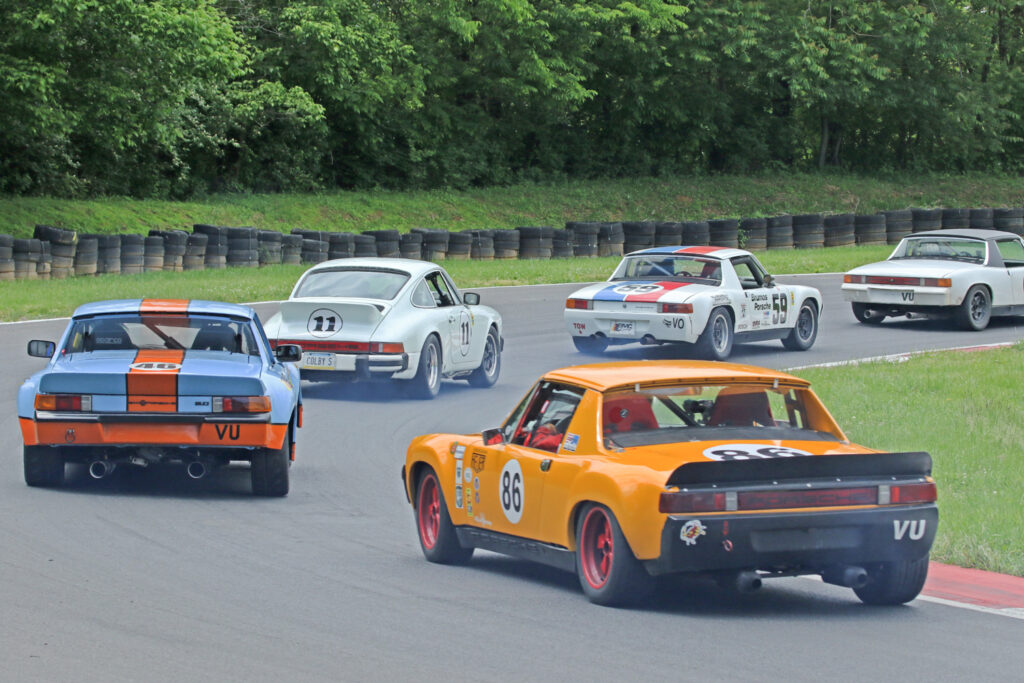
Summit Point has evolved into a five-circuit campus, each with its own character:
- Summit Point Main: The original track, still beloved for its consistency and charm.
- Jefferson Circuit: Built in phases starting in 1996, now a 1.7-mile technical gem used for HPDEs, motorcycle events, and drifting. Locals affectionately call its extension “Snoopy’s Head.”
- Shenandoah Circuit: Opened in 2005, this tight, technical track is modeled after European F1 circuits and used heavily for instructor training. “It’ll show you everything wrong with your setup,” Crew Chief Eric joked.
- Washington Circuit: Once home to Summit Point Karting, now a versatile venue for autocross, drifting, and track cross.
- Off-Road/Rally Circuit: Still under development, this area is being evaluated for UTV racing and expanded rallycross offerings.
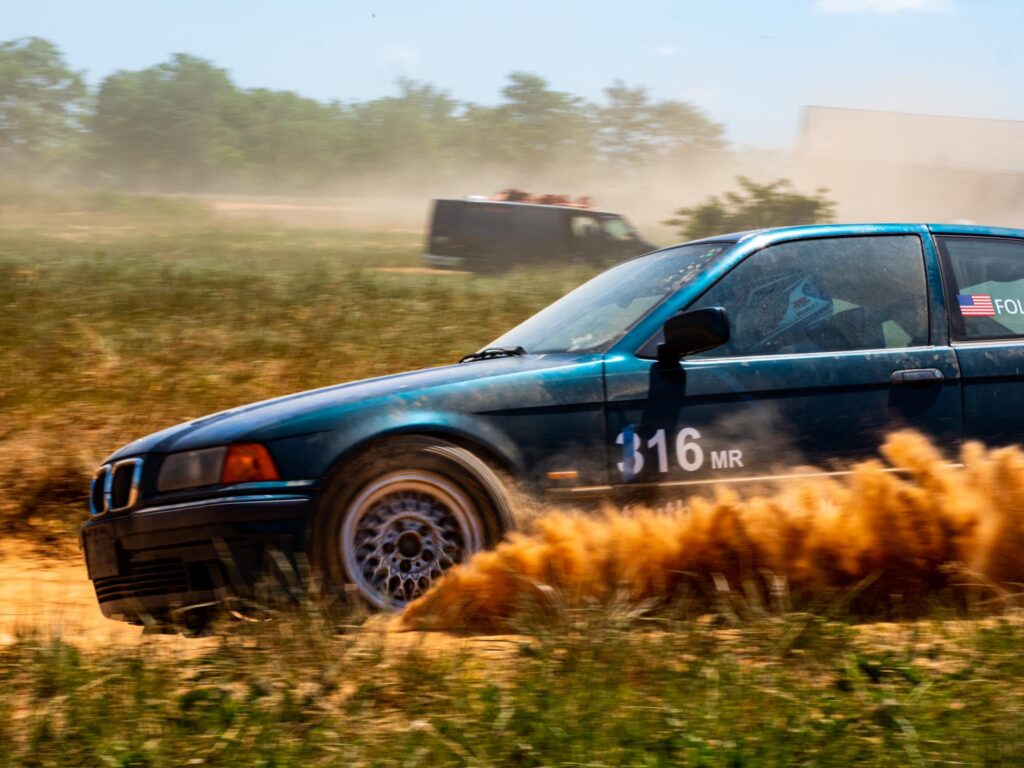
Summit Point’s charm lies in its ability to modernize without losing its soul. Recent upgrades include a state-of-the-art fueling station and ongoing paddock improvements. Paradue cited Lime Rock Park as a model for blending history with relevance: “It’s like visiting an old friend, but you notice the new touches.”
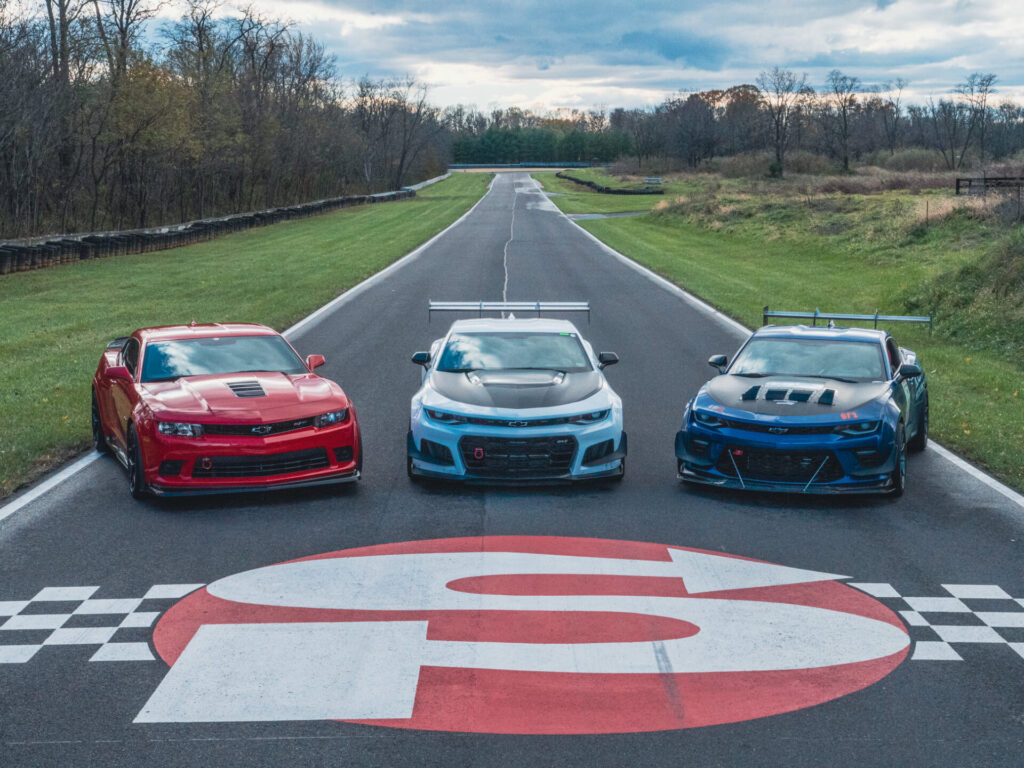
Looking Ahead: Ownership, Expansion, and Big Dreams
In 2019, the Scott family sold Summit Point to Exeter Corporation, which has continued to invest in motorsports. Paradue, now an Xator employee, reassured fans that the commitment to racing remains strong. “They didn’t have to spend half a million on a fueling station. That’s for racers.” Future plans include:
- A potential return of karting and a karting school
- Expanded instructor training programs
- Infrastructure upgrades to support larger events
- Exploration of bringing back touring series or even IMSA-level racing
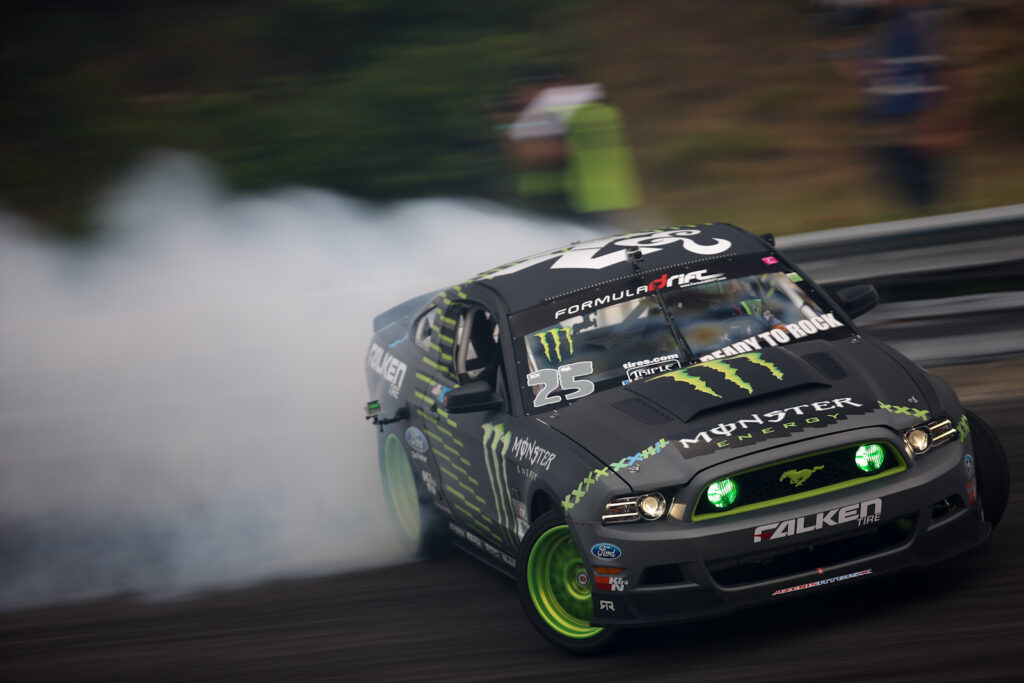
But Paradue is cautious: “We want to do it right. Fame doesn’t equal quality. The club racing here is phenomenal, and we’re building from that strength.”