

I’ve traipsed among the elite – autos, that is – at Monterey Car Week. I’ve indulged in the excess, inhaled the exhaust of $30 million machines, and felt my wallet strain to the brink of internal combustion. Pebble Beach, Mecum, the whole carnival – it’s magnificent. The first time.
But like Icarus flying too close to the sun, one eventually gets singed by the sheer magnitude of it all. Too many people treating million-dollar Duesenbergs like Instagram props. Too many cars worth more than a small nation’s GDP crammed into spaces designed for far fewer cylinders. Too many events requiring the logistical finesse of a Pentagon officer just to navigate them all.
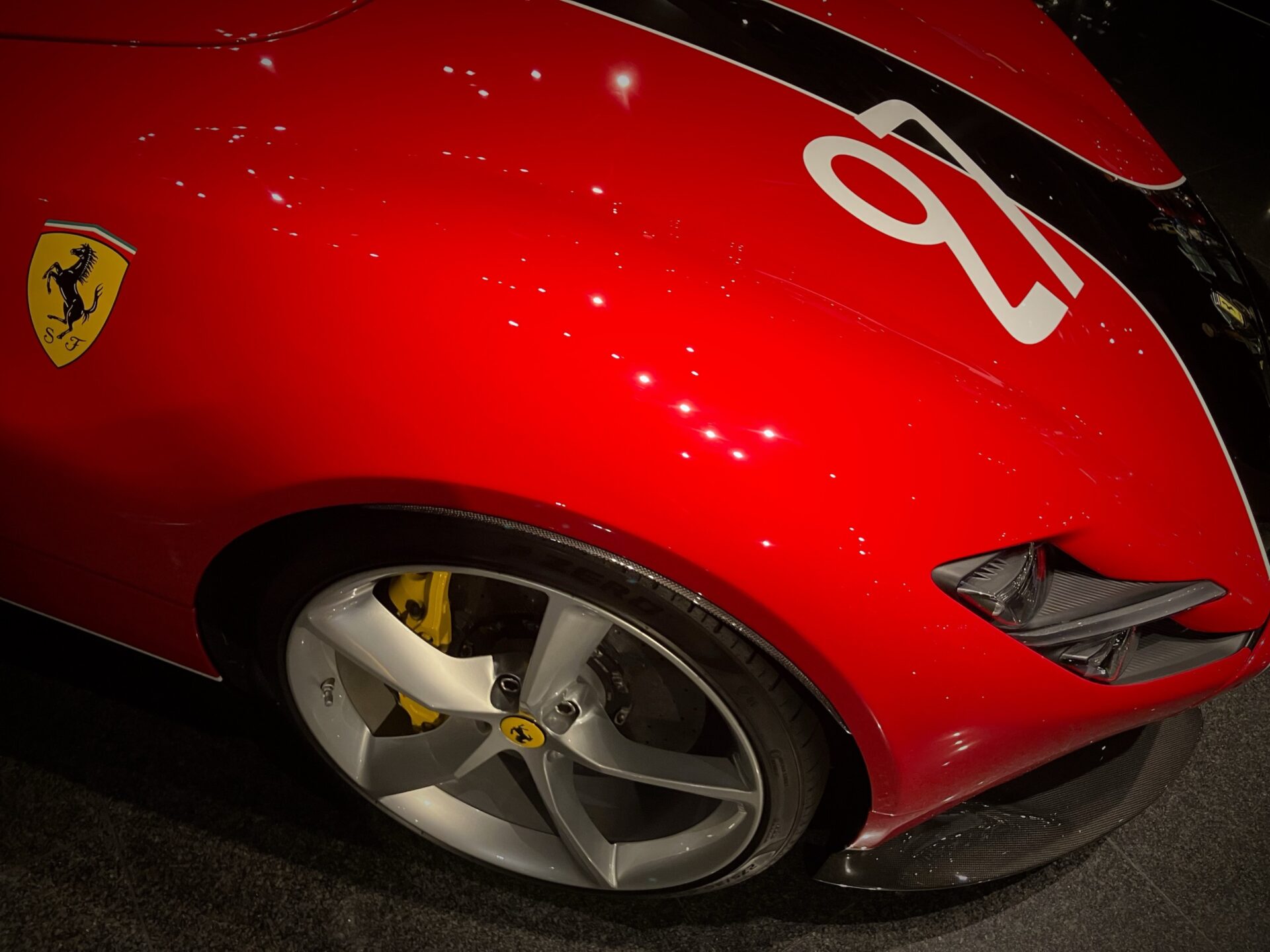
Locals treat Car Week like Londoners during the Blitz: hunker down, stock up, and pray it passes quickly. They avoid grocery runs for fear of encountering twenty-somethings in Supreme hoodies doing donuts in daddy’s McLaren. And yes, the crowd skews younger and more reckless each year, transforming what was once a genteel gathering of automotive cognoscenti into a mashup of The Fast and the Furious and Coachella.
Then there’s the money. Sweet merciful Henry Ford, the money. Five grand is just the entry fee to this financial colonoscopy. A single day of proper participation – meaning you’re not subsisting on gas station jerky while camping in your Subaru – will separate you from a cool thousand. It’s enough to make Jay Leno weep into his denim shirt.
So this year, I chose a different path – one that didn’t require selling a kidney or explaining why my retirement fund now resembles a rounding error.
A Quieter Pilgrimage
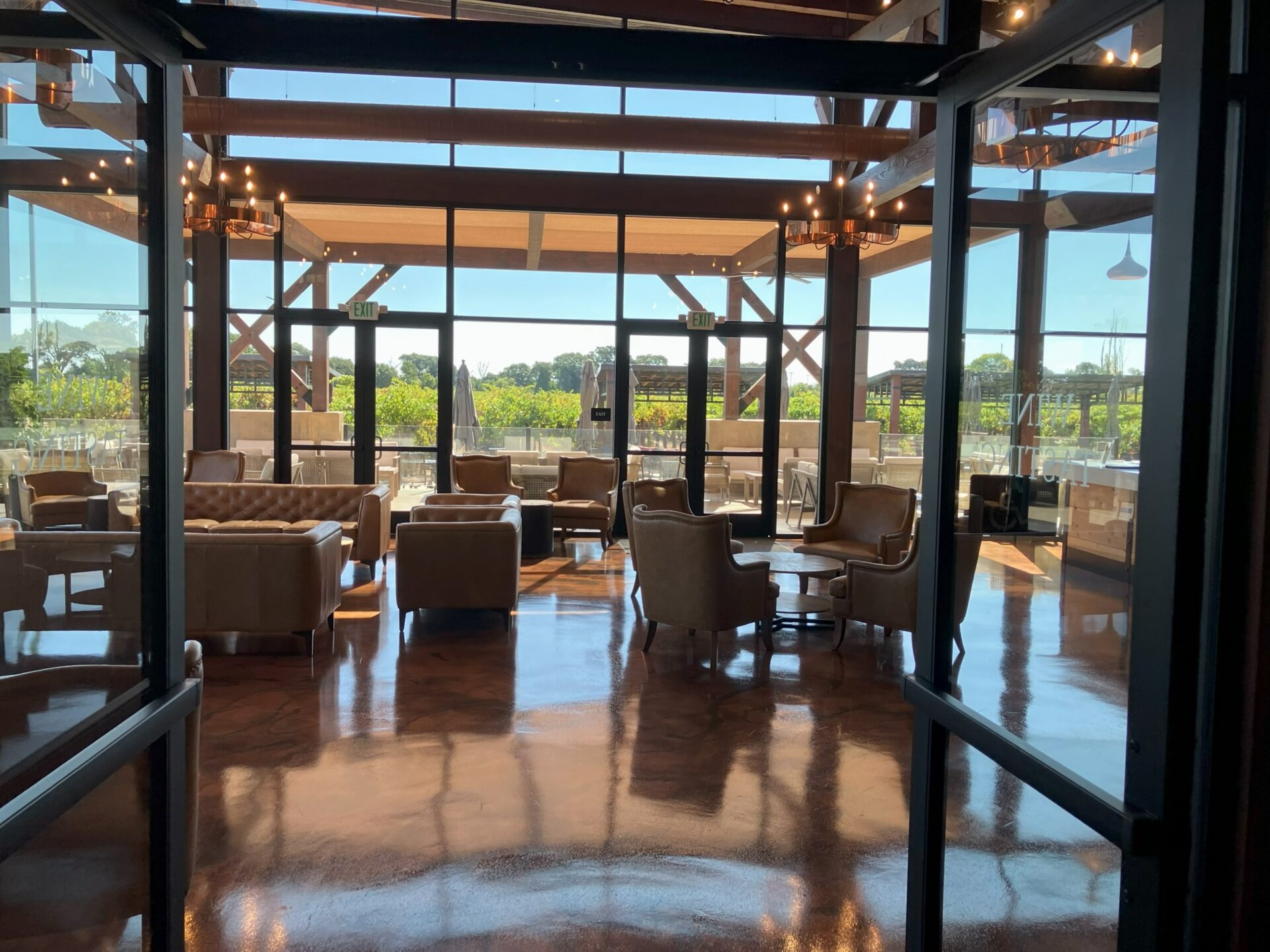
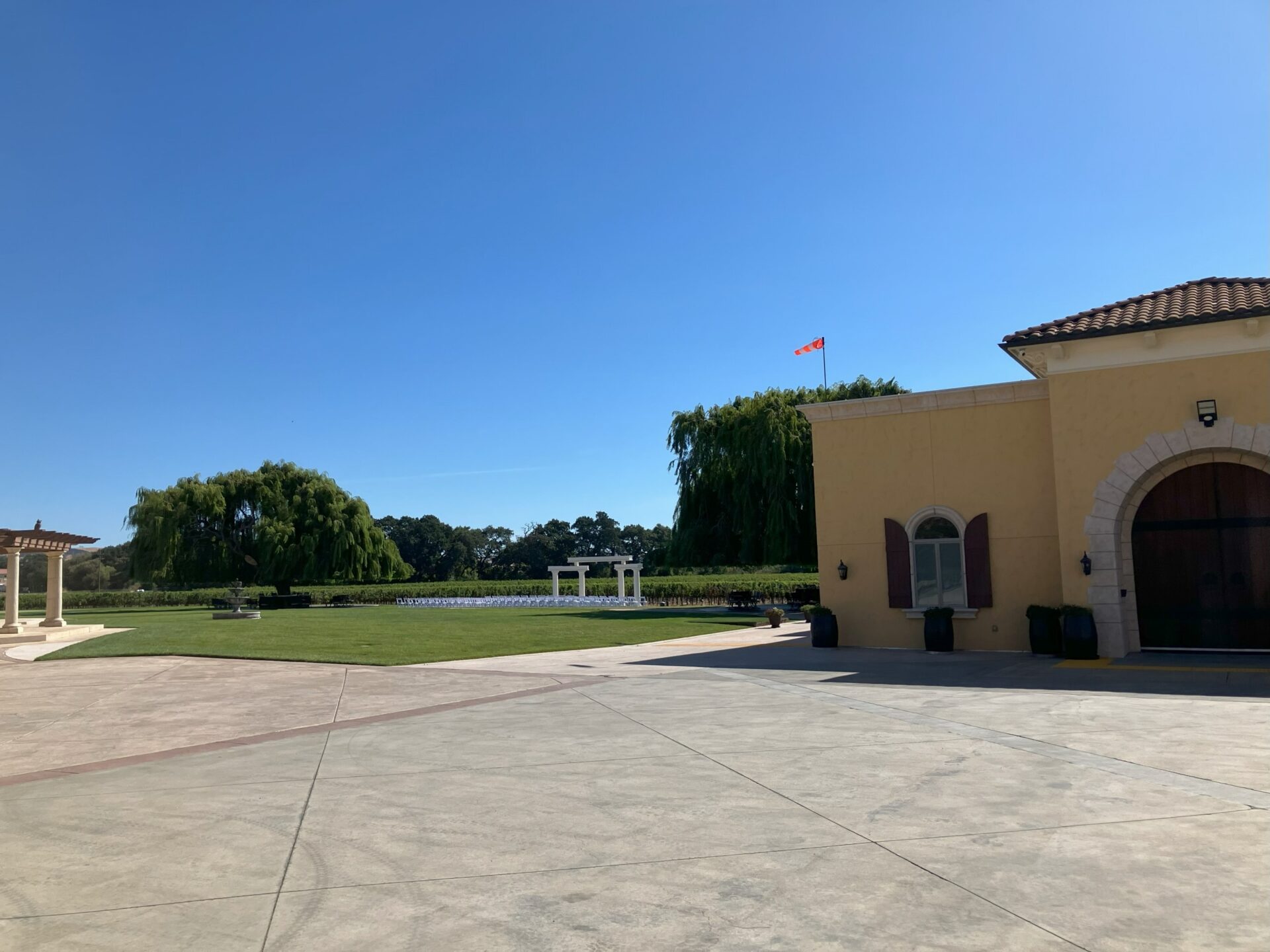
My journey began with a 4.5-hour drive from Eureka to Bally Keal Winery and Estates – a name that sounds like it was coined by an Irish poet with an affinity for spirits. Turns out, that’s not far from the truth. Tucked away like a family secret, Bally Keal is everything Monterey Car Week isn’t: intimate, affordable, and blissfully free of influencers photographing lattes beside vintage Ferraris.
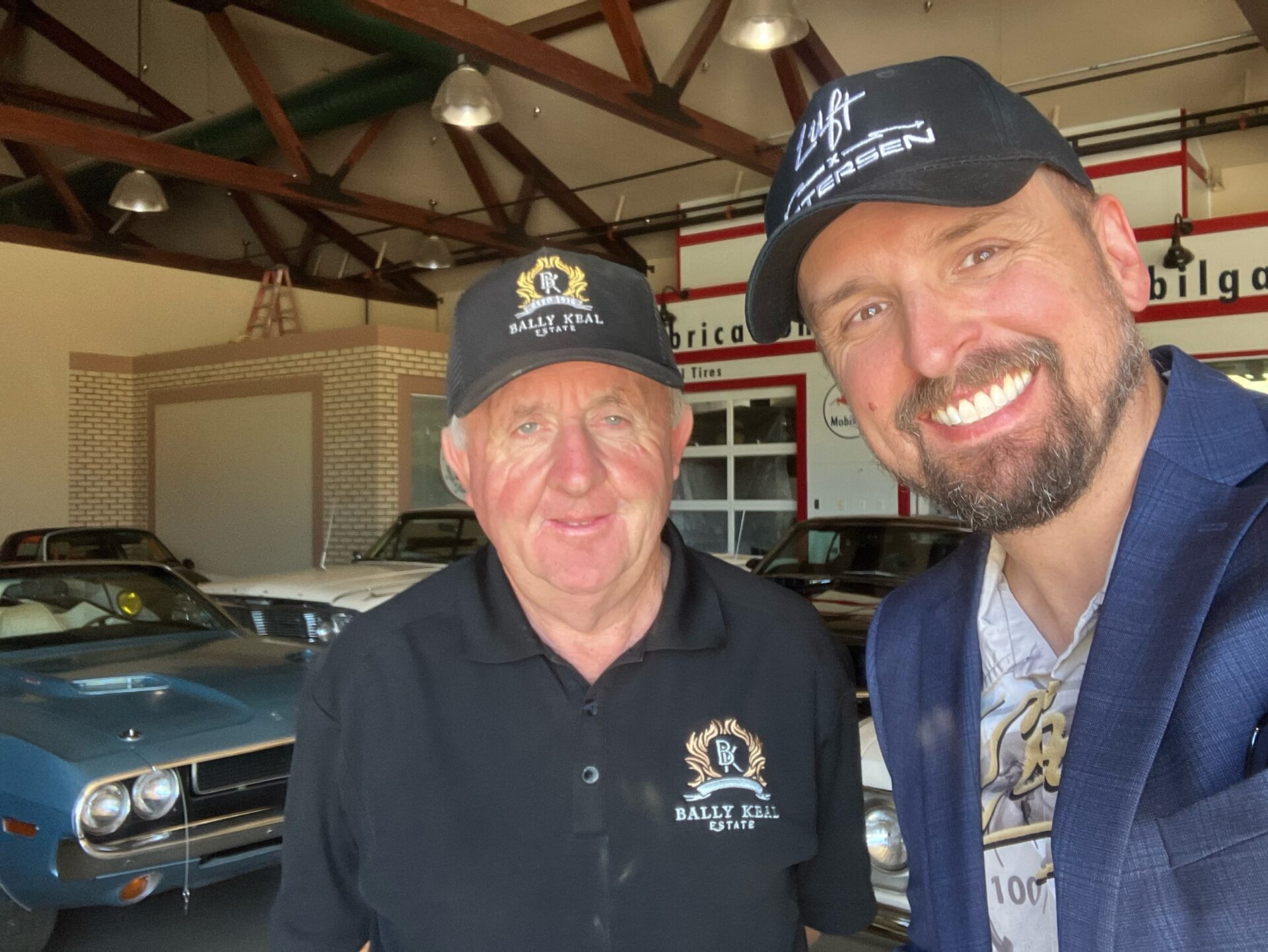
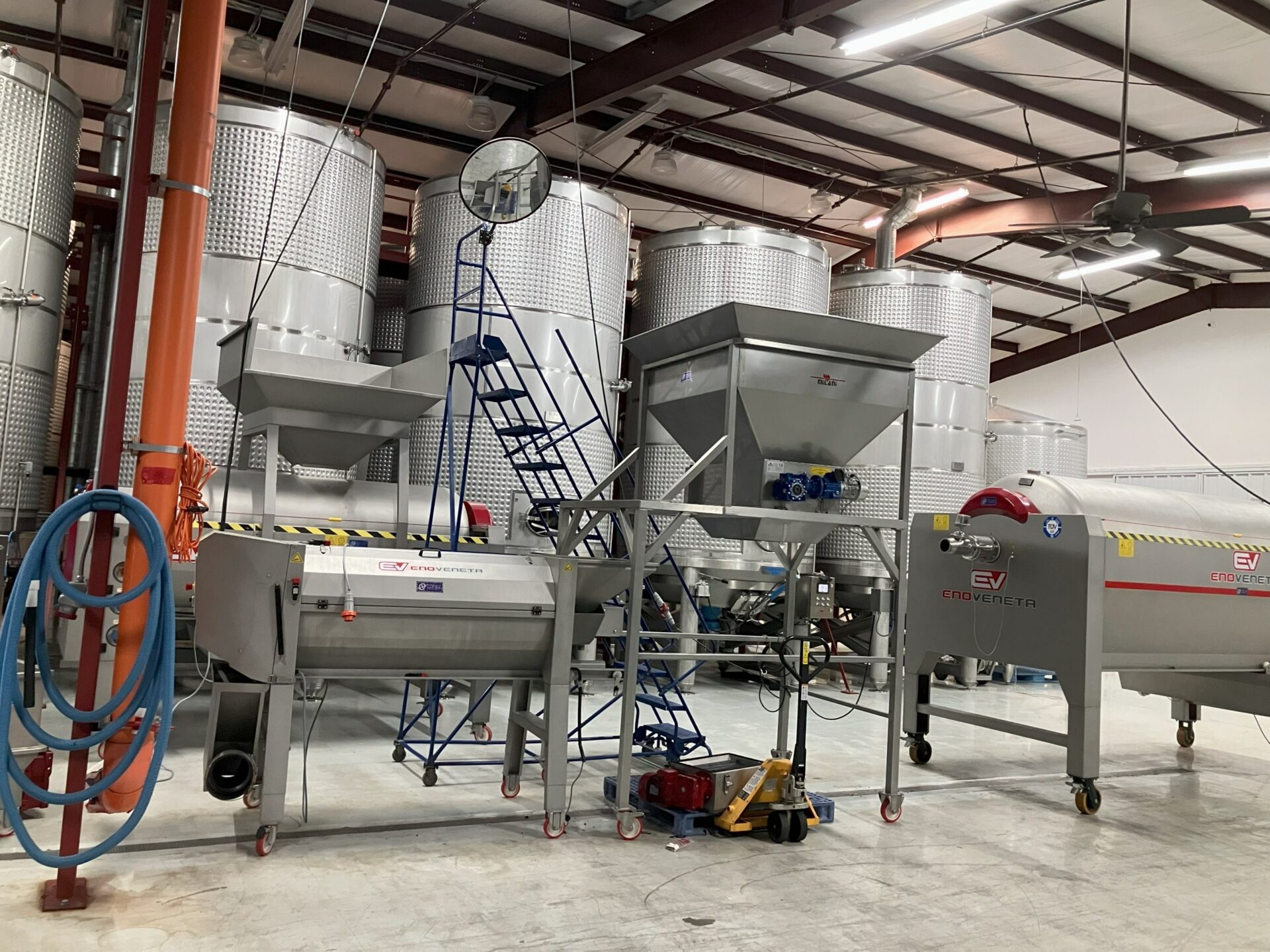
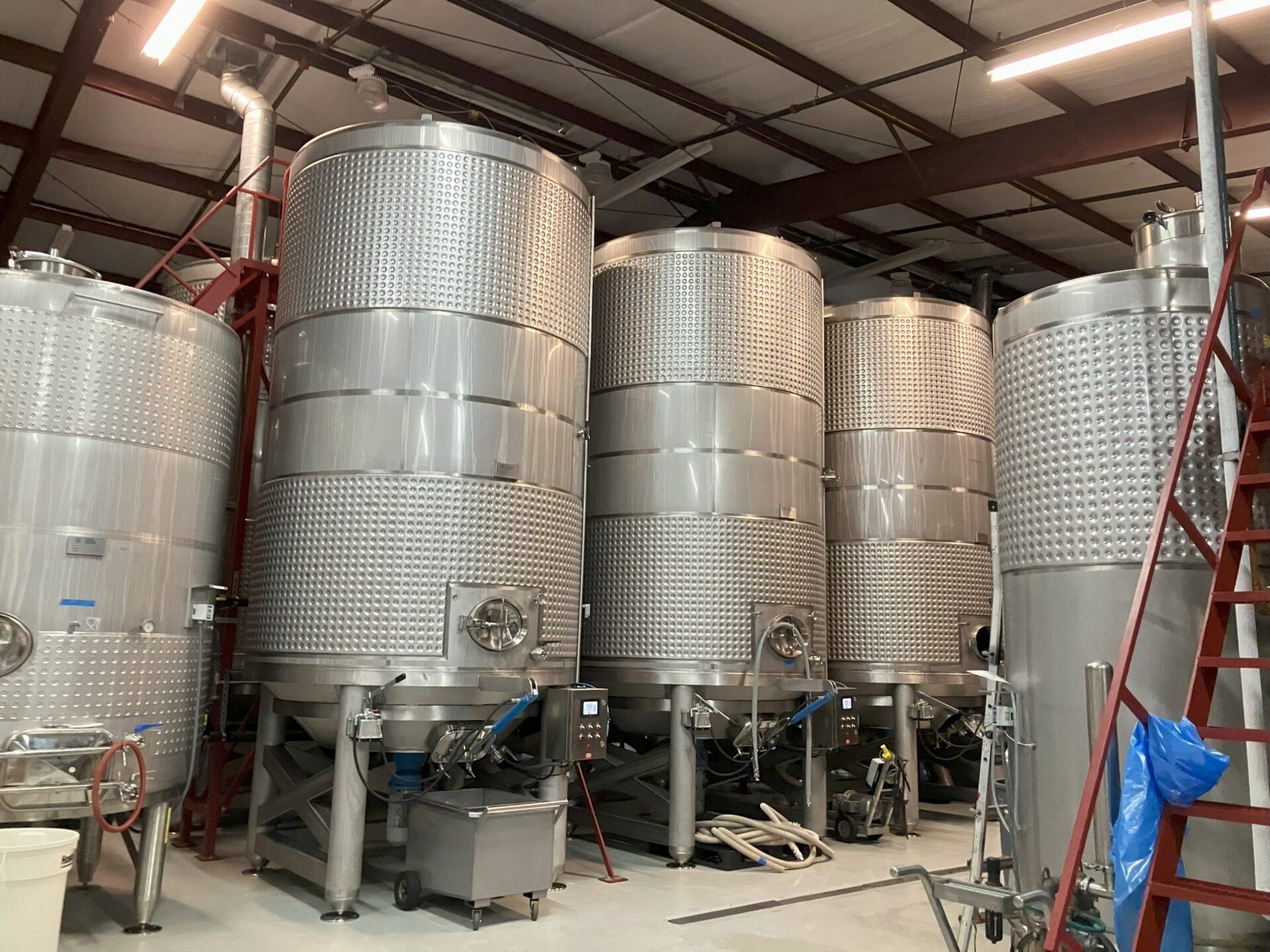
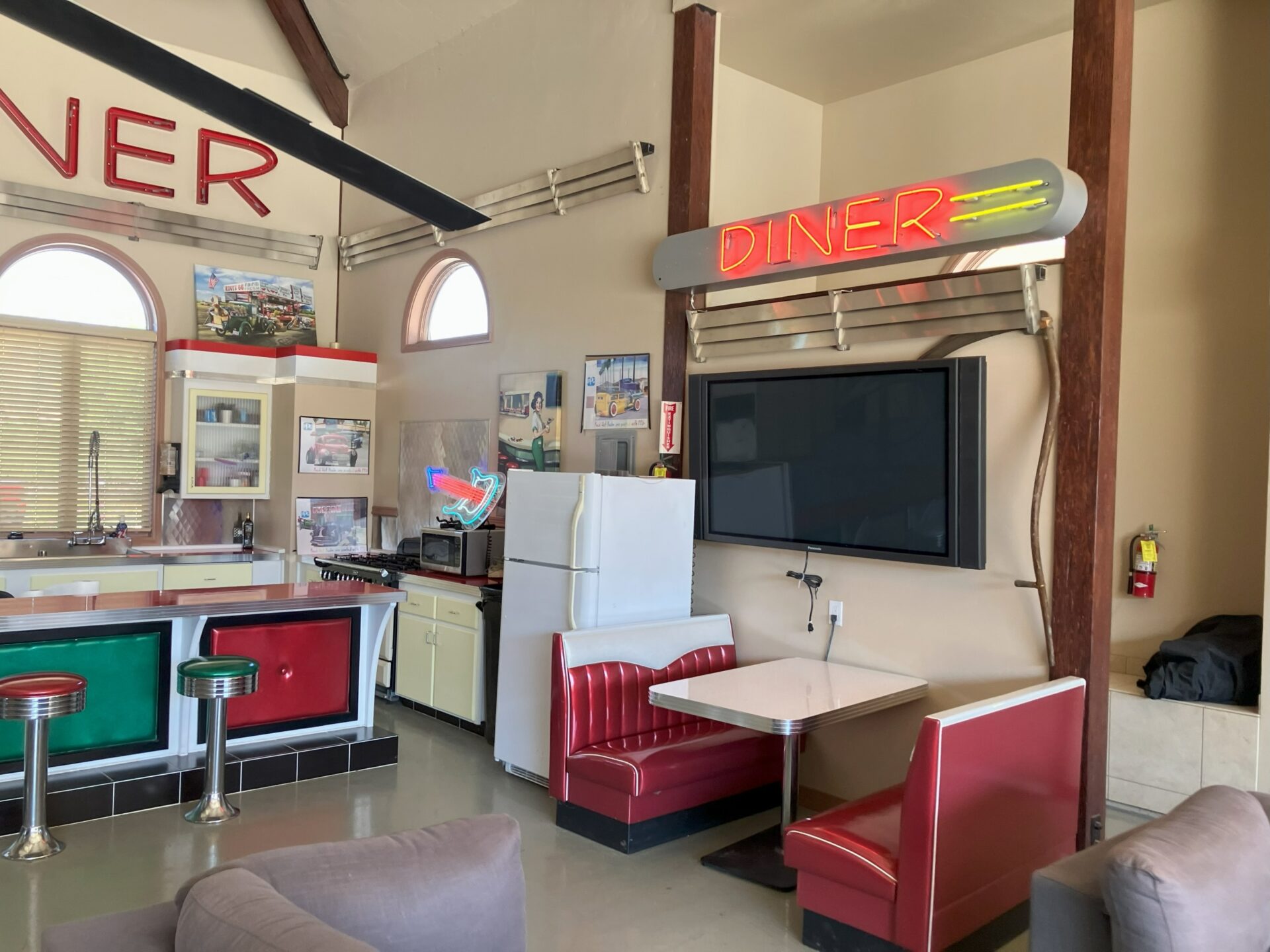
Joe and Mary, the proprietors, offer the kind of hospitality that’s increasingly rare – genuine, warm, and uncalculated. Mary gave me a private tour with the pride of someone who’s built something meaningful, not someone angling for a tip. Their operation is impressively eclectic: vodka, agave spirits, Irish whiskey, wine, and beer. It’s a Noah’s Ark of intoxicants.
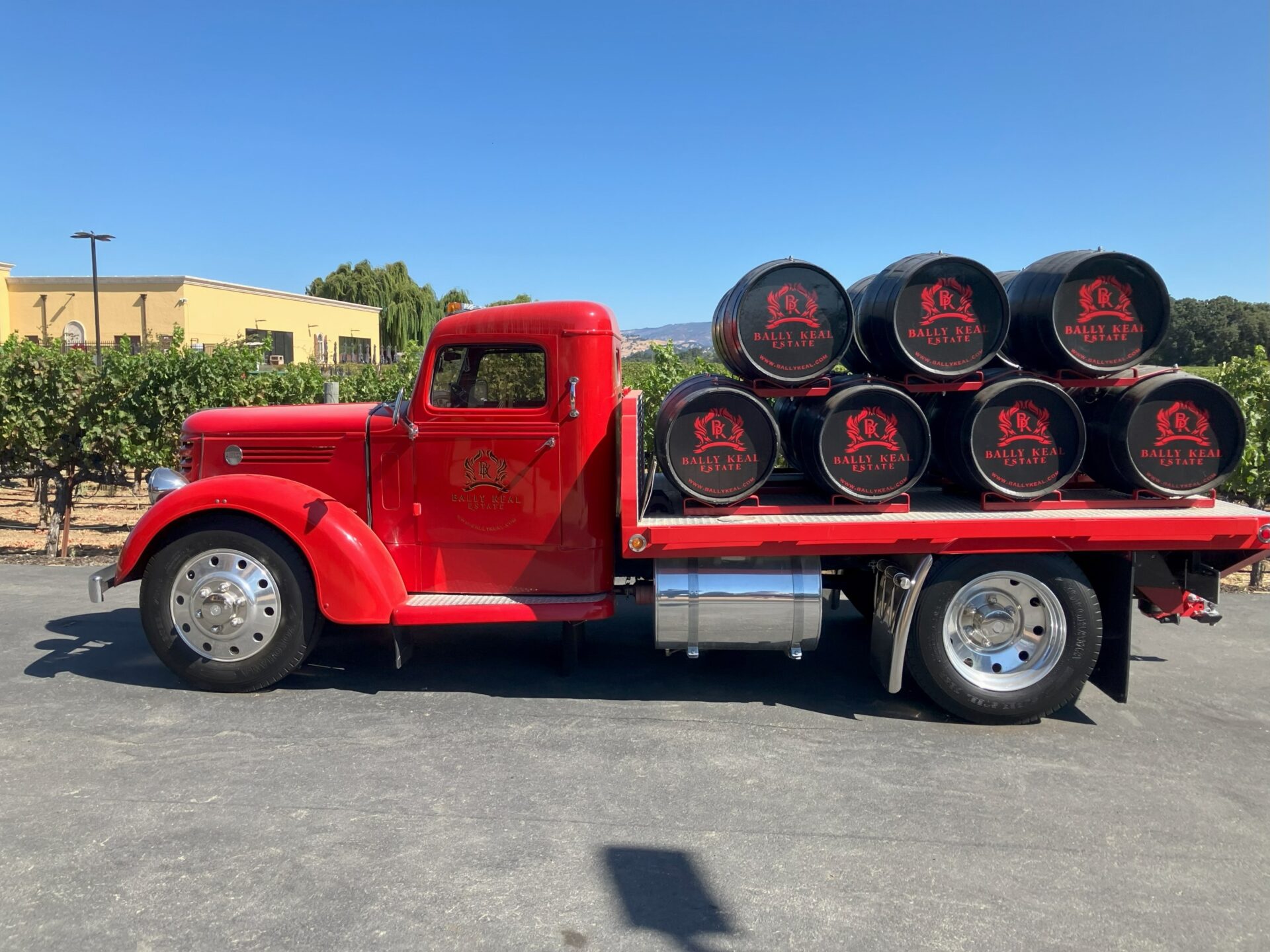
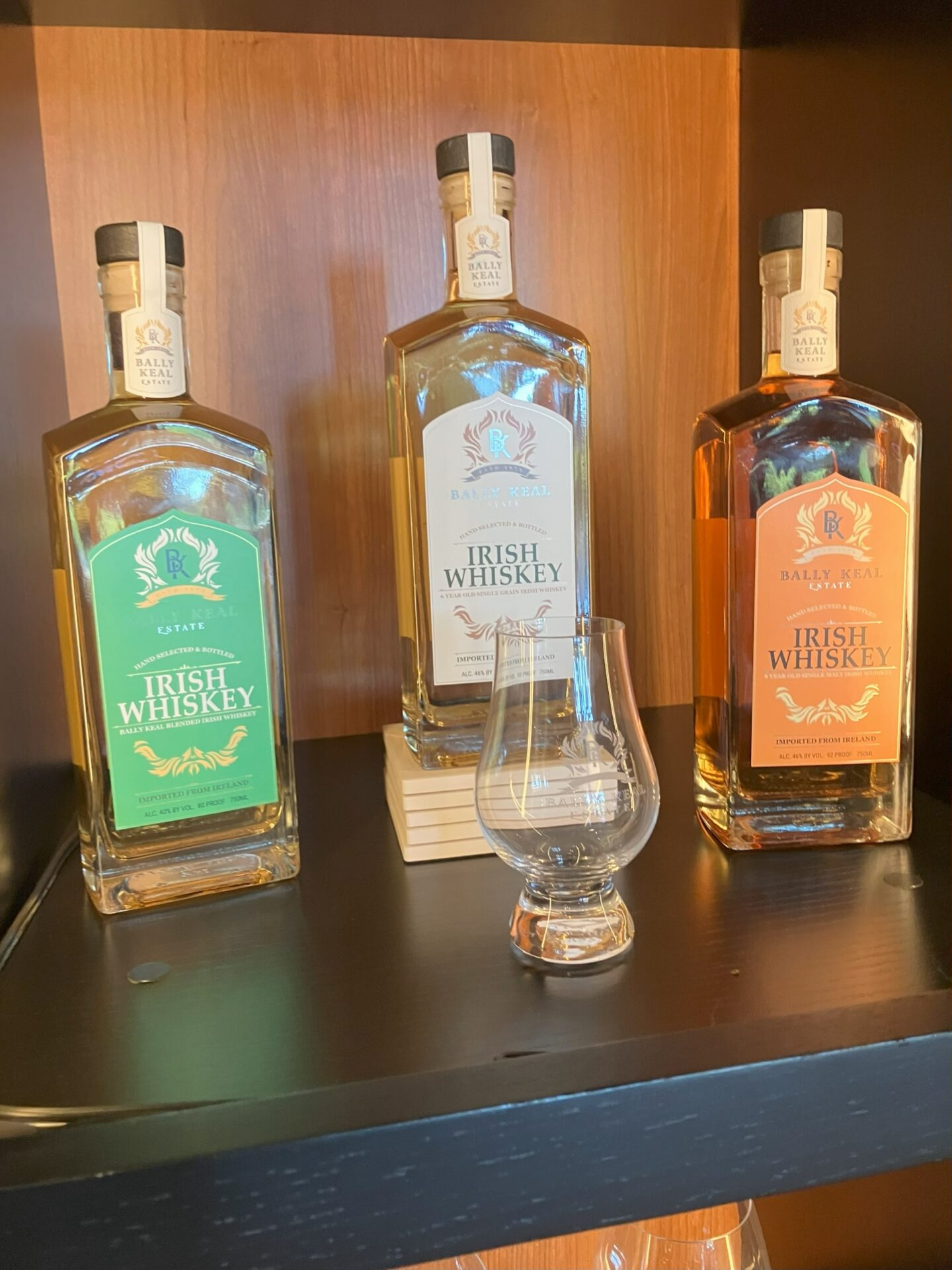
Joe emigrated from Ireland in the early ’70s at 19 – an age when most Americans are still figuring out how to microwave ramen without parental supervision. A builder by trade, he spent decades shaping San Francisco while assembling one of the most eclectic car collections this side of Jay Leno’s garage.
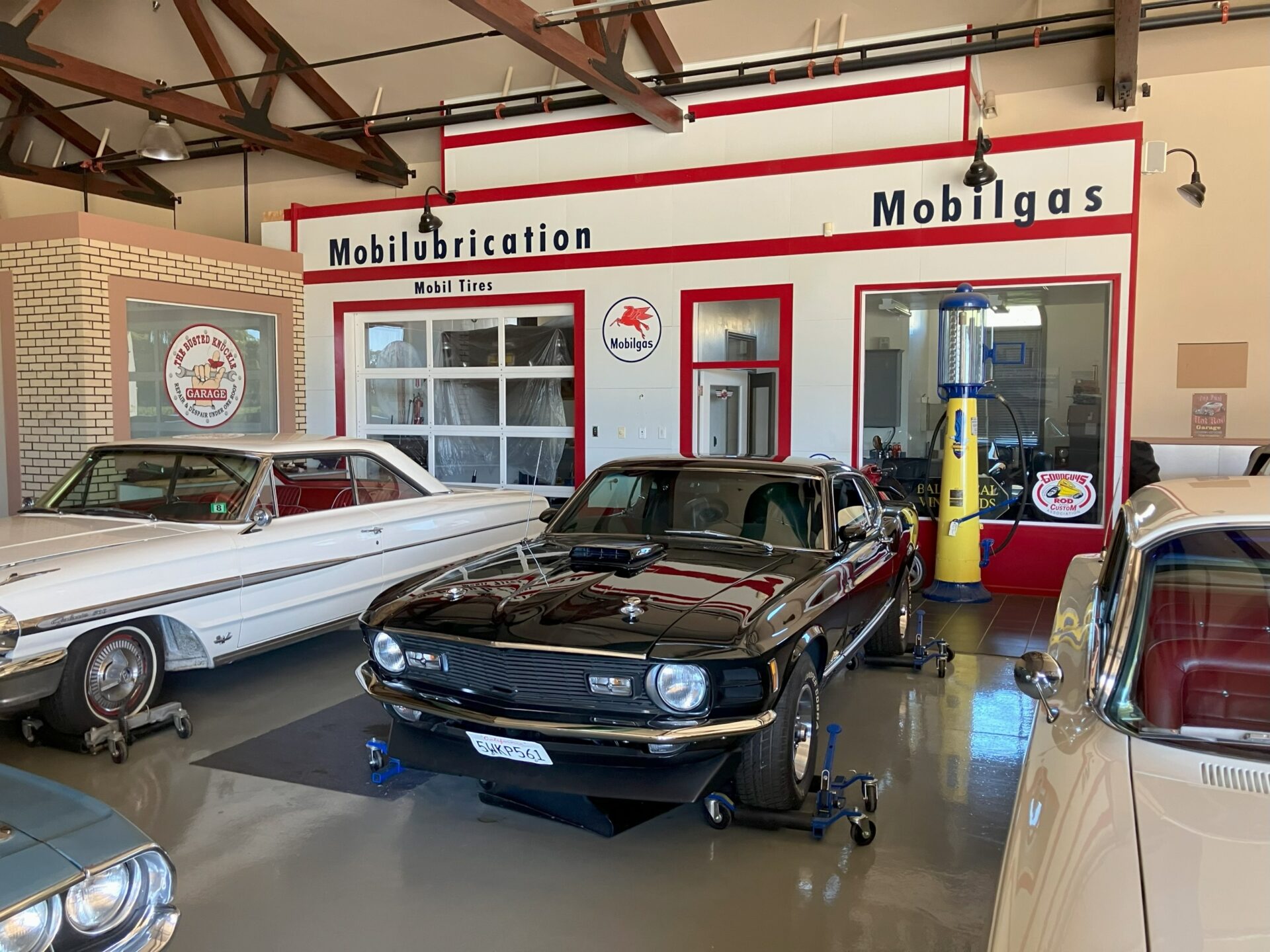
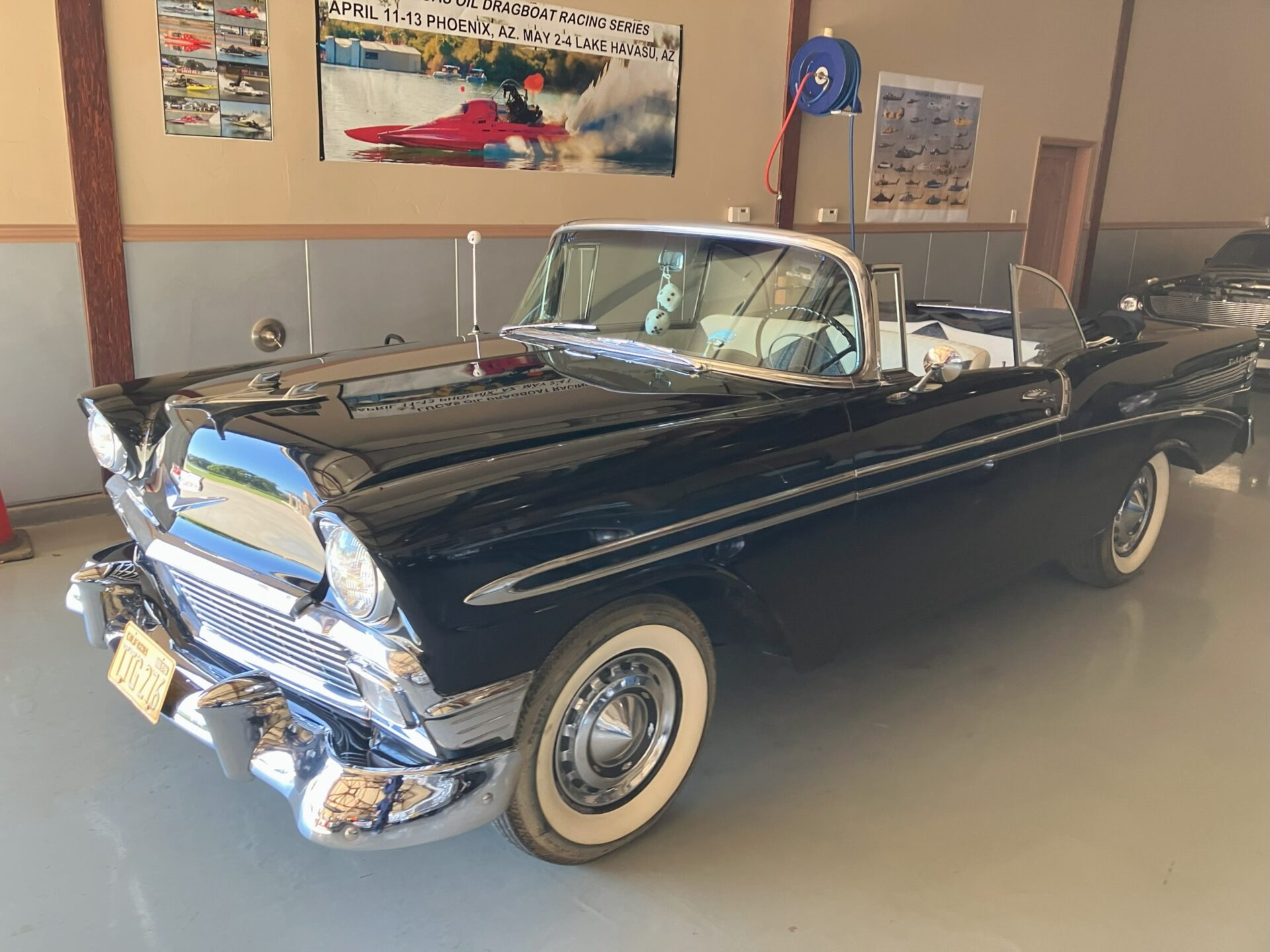
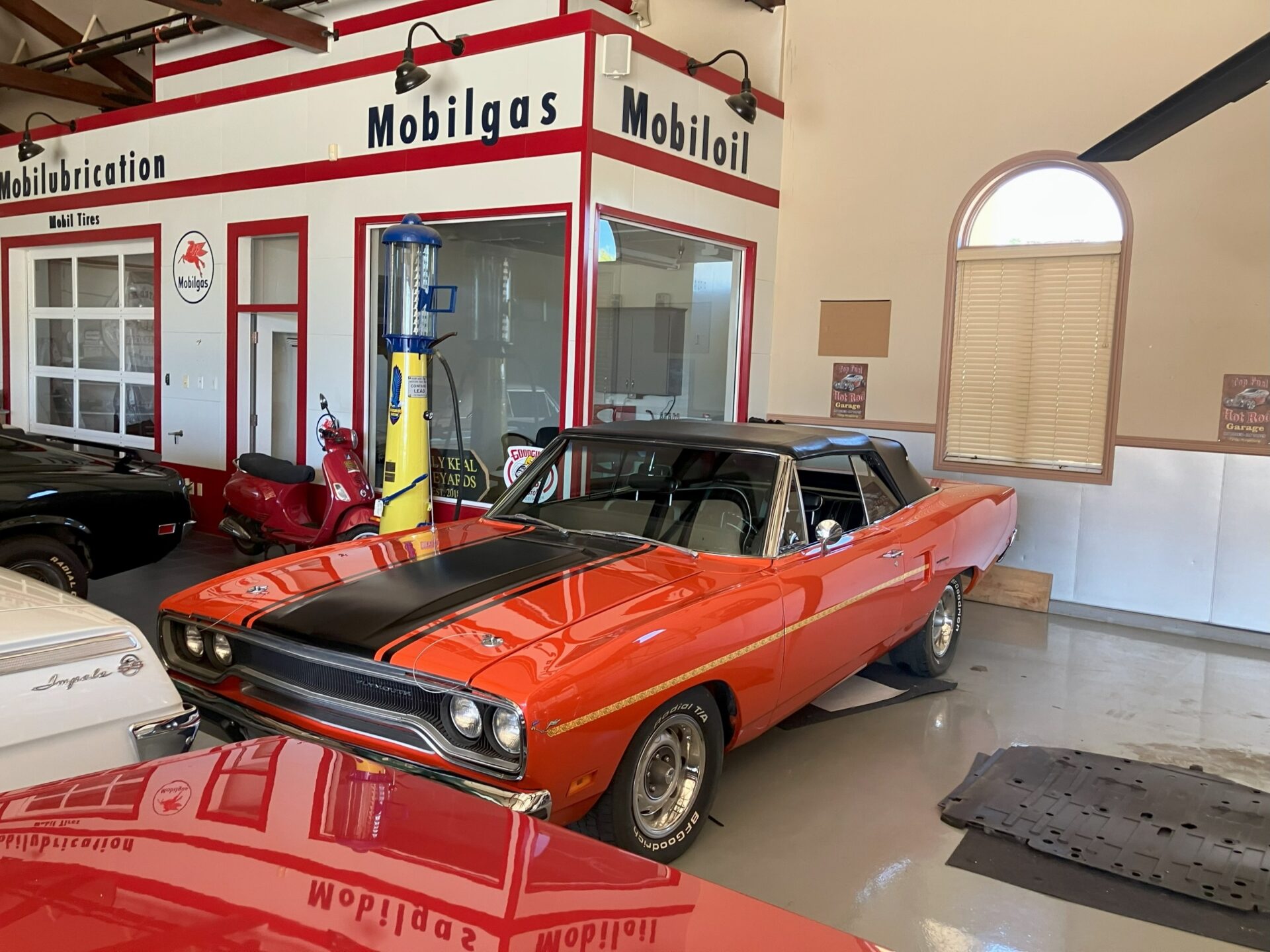
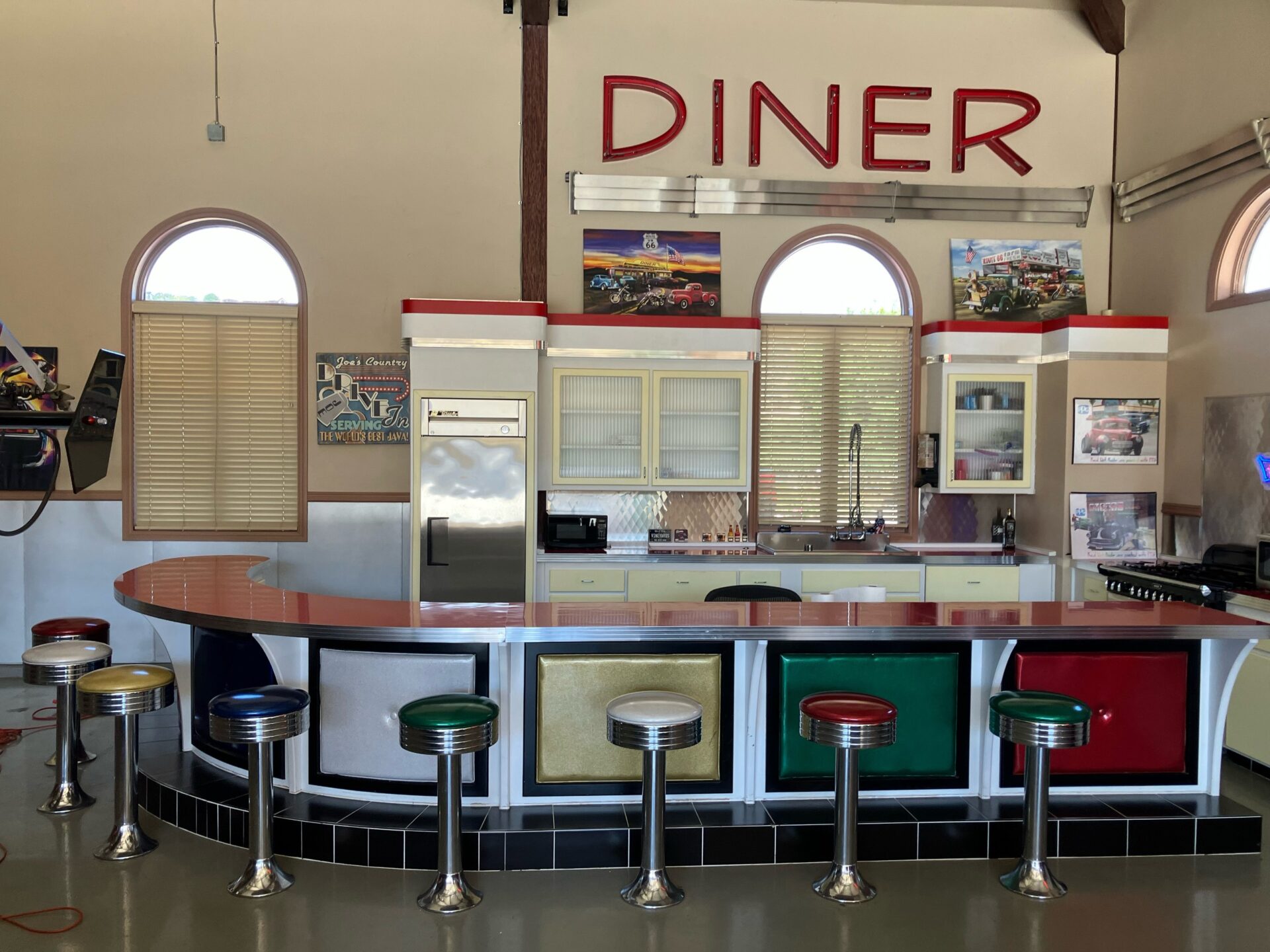
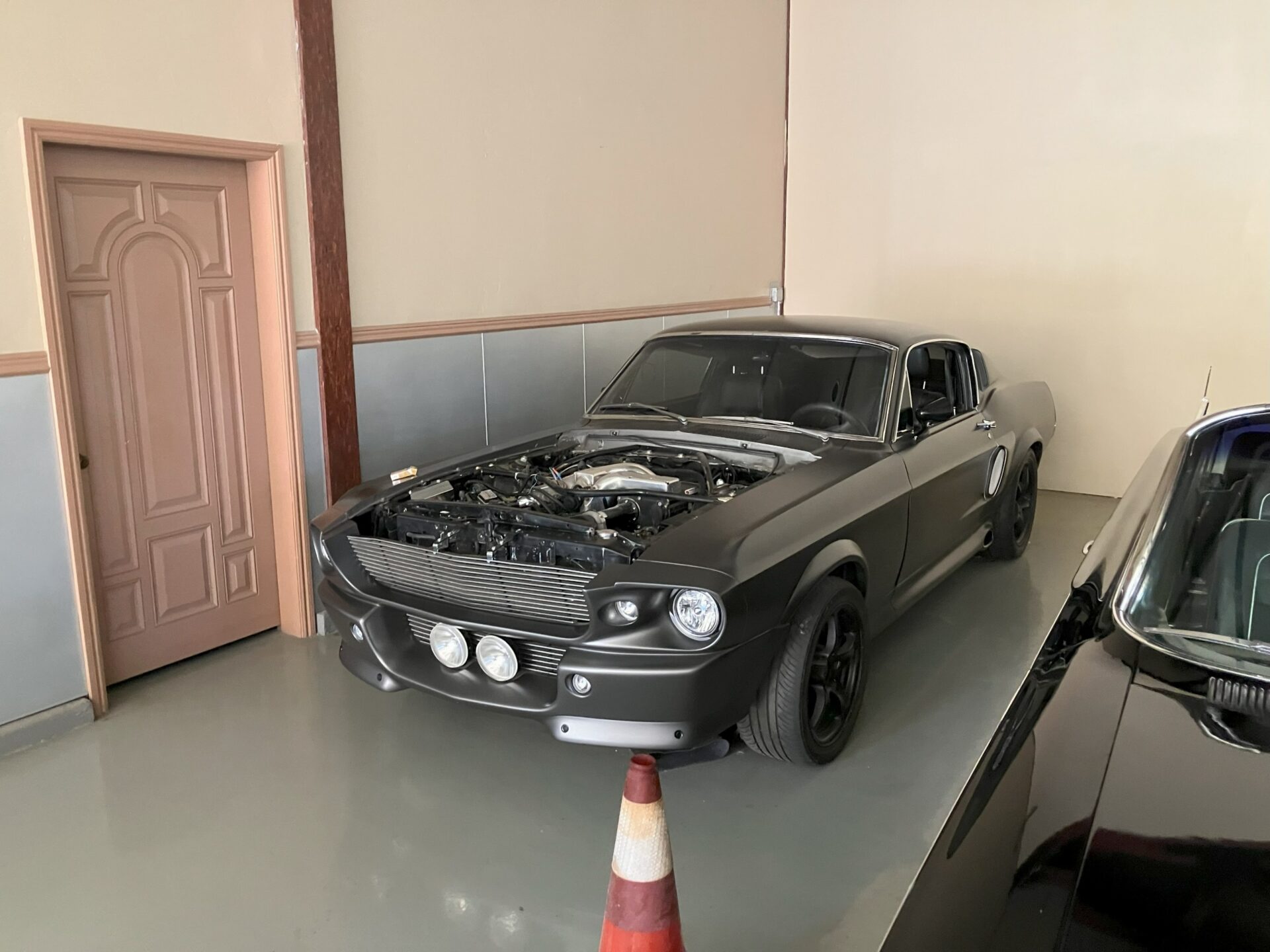
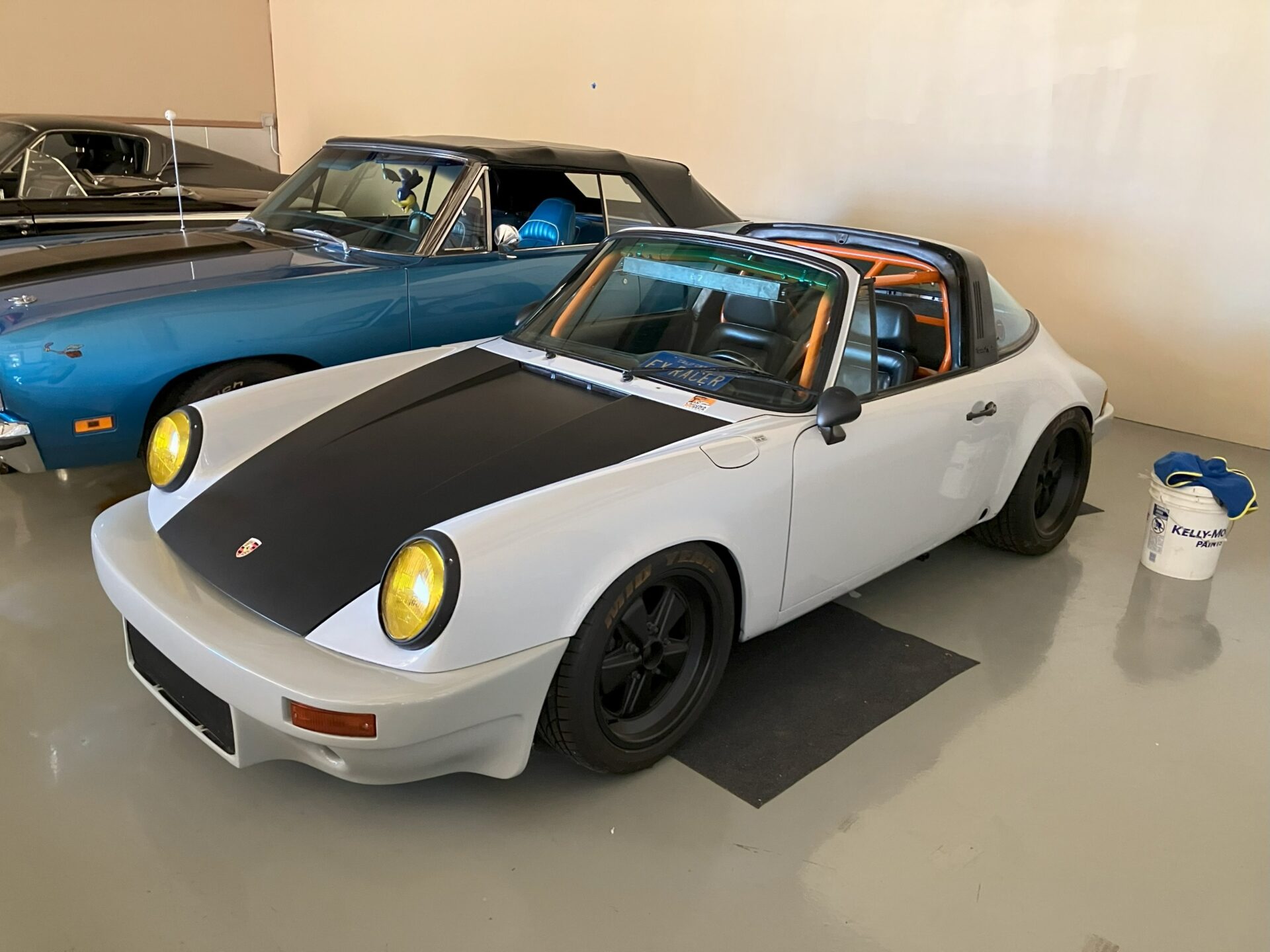
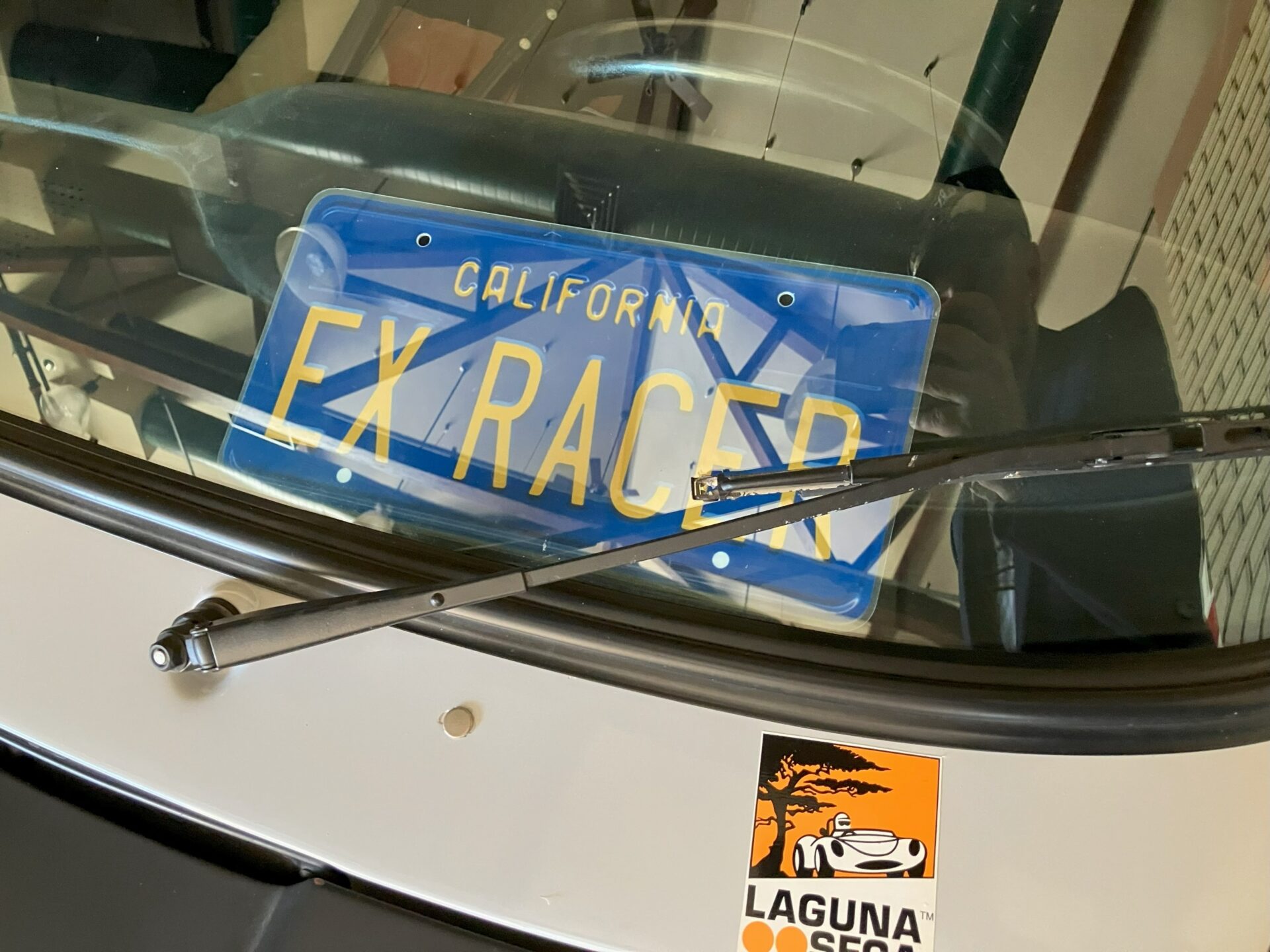
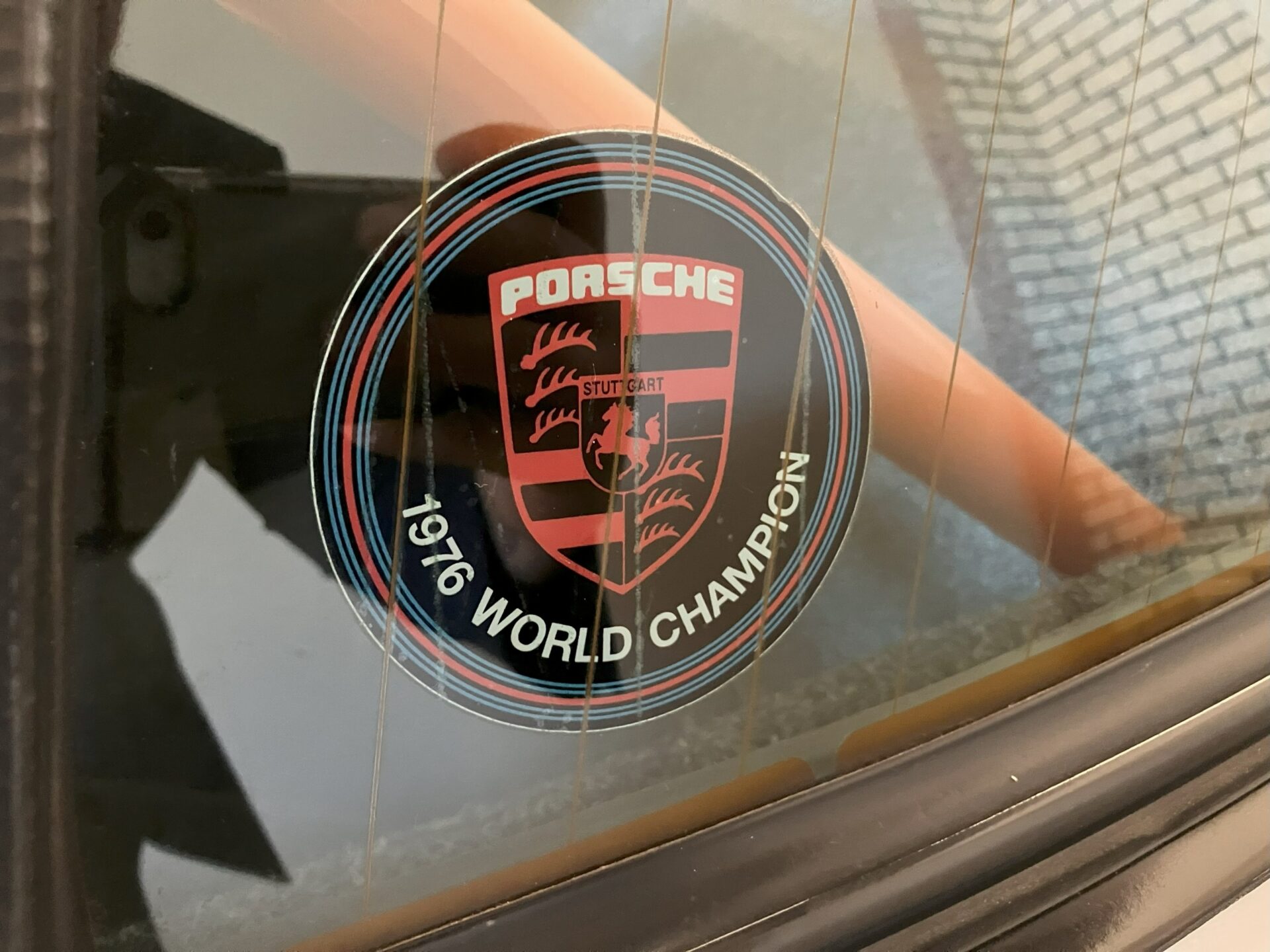
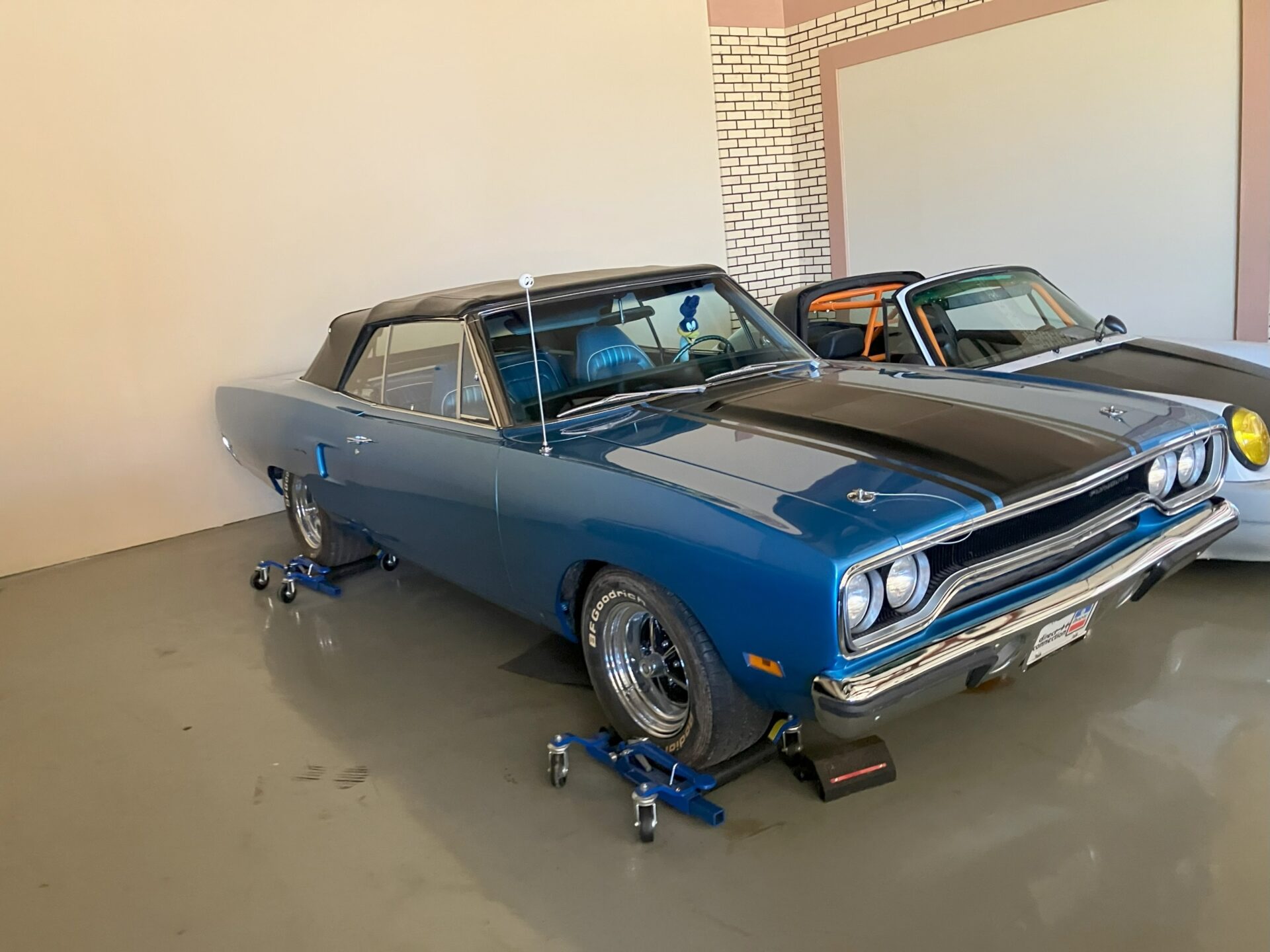
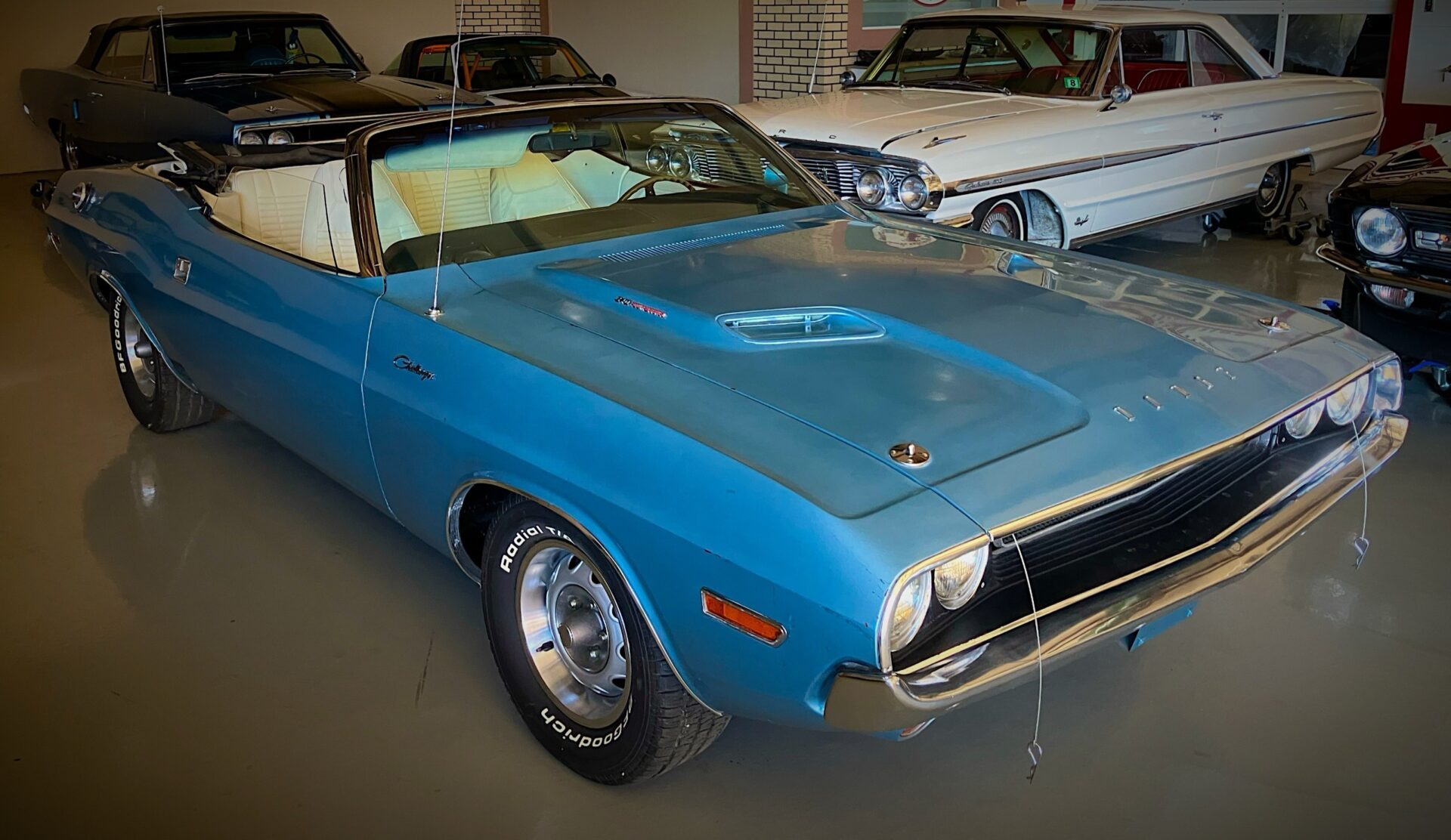
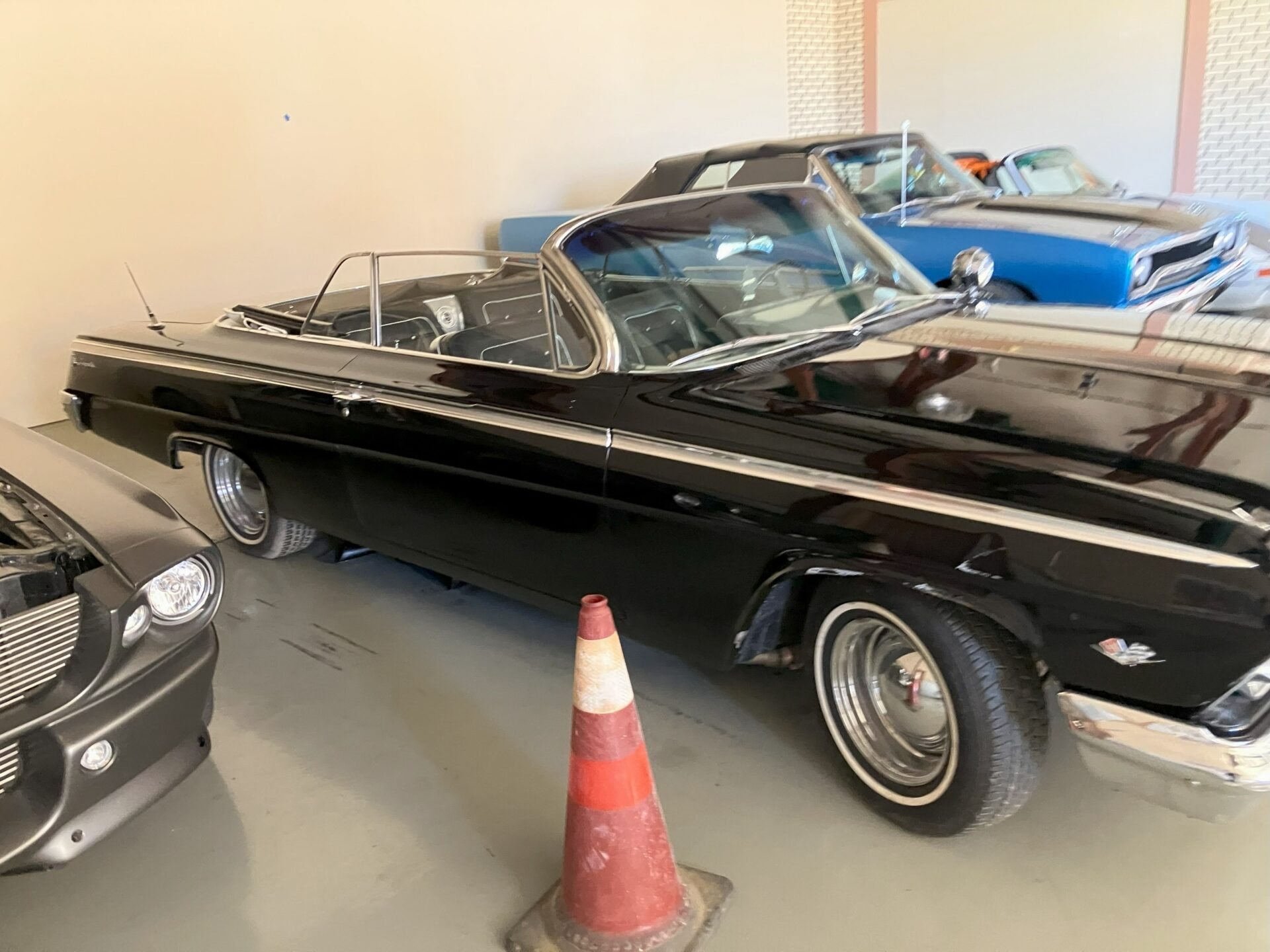
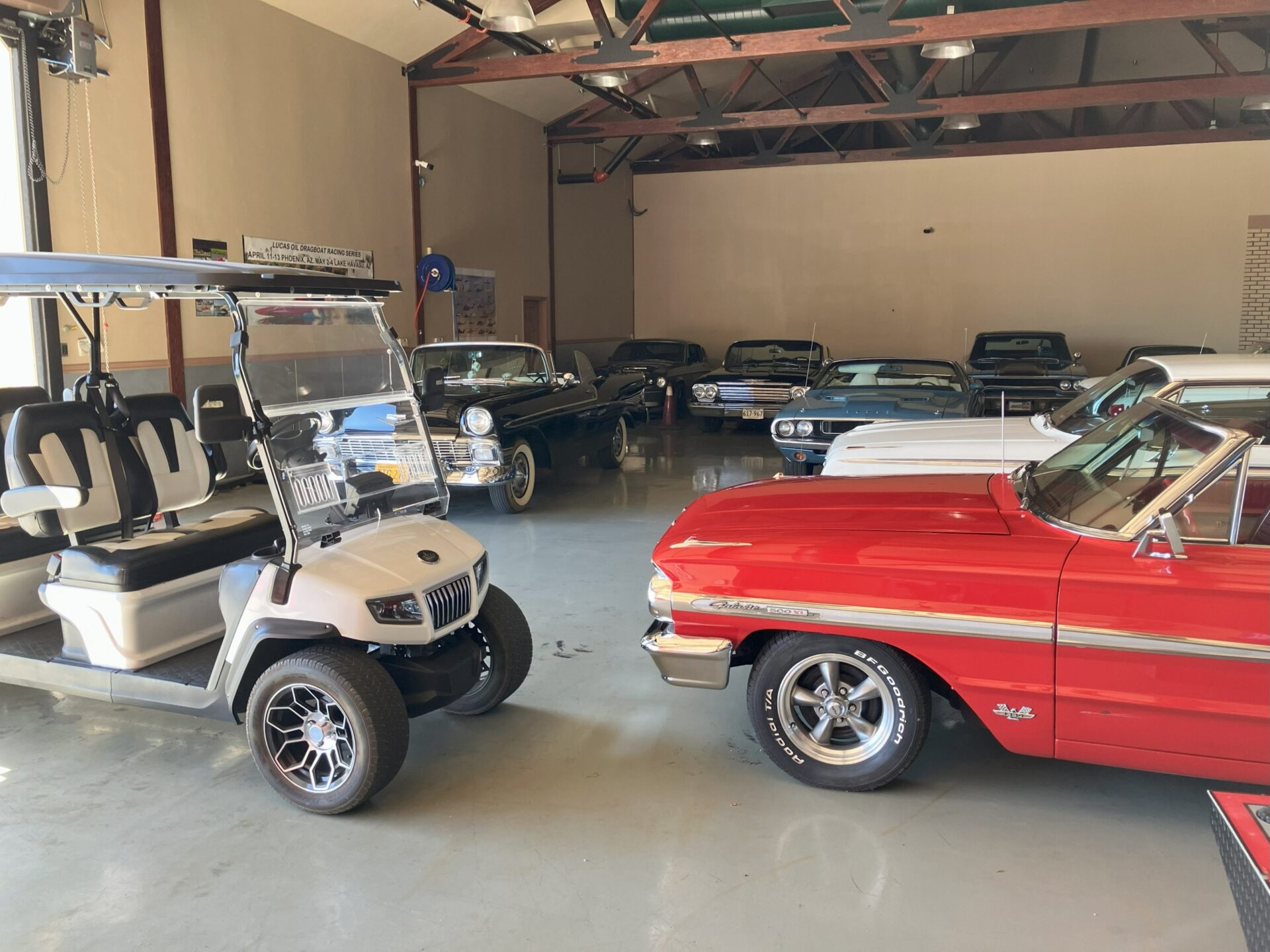
His automotive menagerie reads like a greatest hits of American muscle and European precision: a ’47 Federal flatbed, a pair of ’55 and ’56 Bel Airs, multiple ’62 Impalas, Ford Galaxies the size of aircraft carriers, and a trio of 1970 muscle cars – a Dodge Challenger convertible and two Plymouth Road Runner convertibles in orange and blue. It’s a shrine to Detroit’s horsepower craze and optimism.
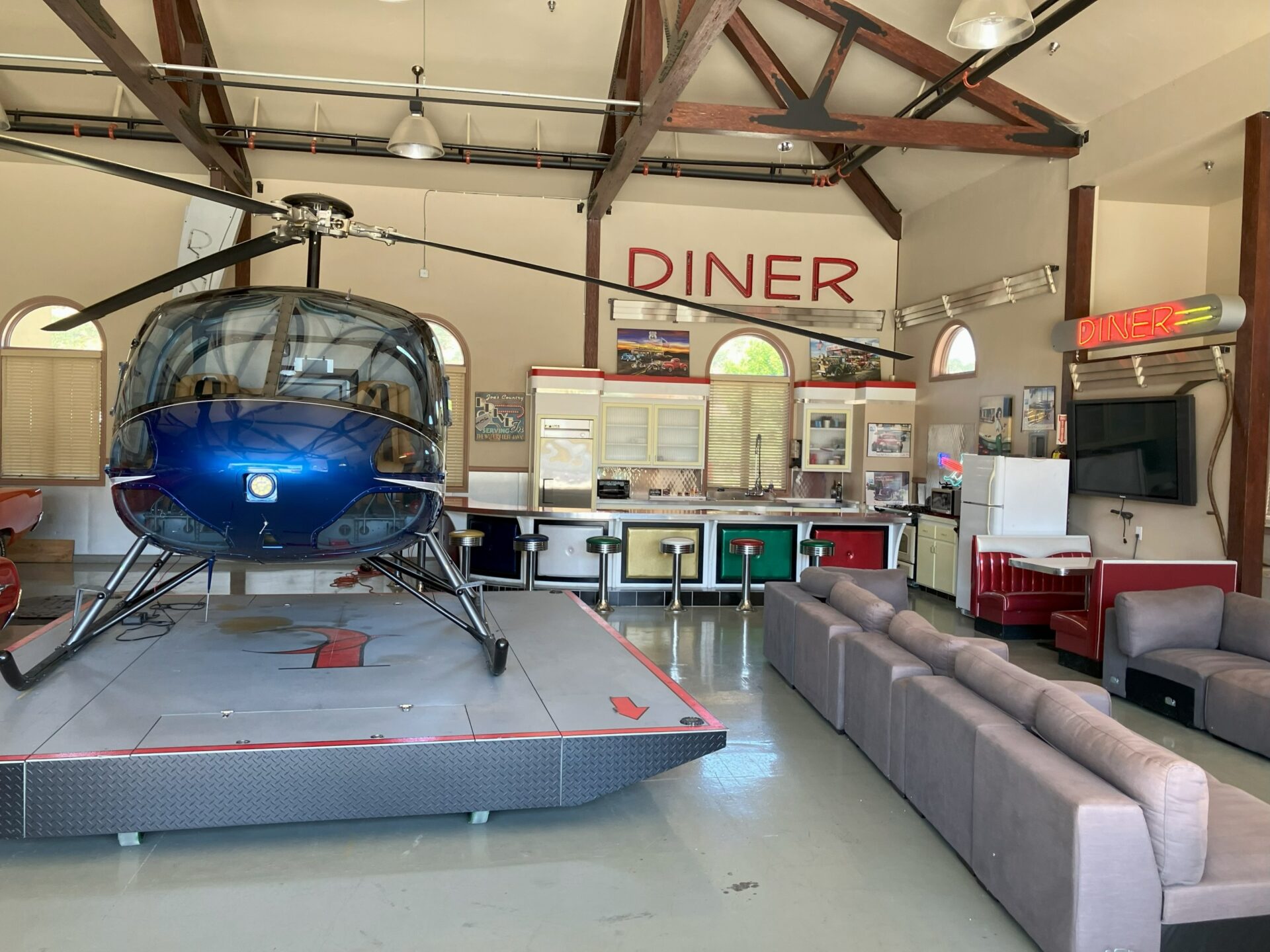
The collection spans from a 1982 Porsche 911 SC race car to a 2025 Raptor R – because sometimes you need to haul things while going very, very fast. There’s even a helicopter, because why drive to your car collection when you can … fly?
Most charming of all are the vintage tractors: a 1900 Huber Super 4, a 1906 Har Paar 18-36, and a pair of ’30s-era John Deeres. These aren’t just machines – they’re mechanical time capsules, reminders that internal combustion didn’t just move people, it mechanized hope.
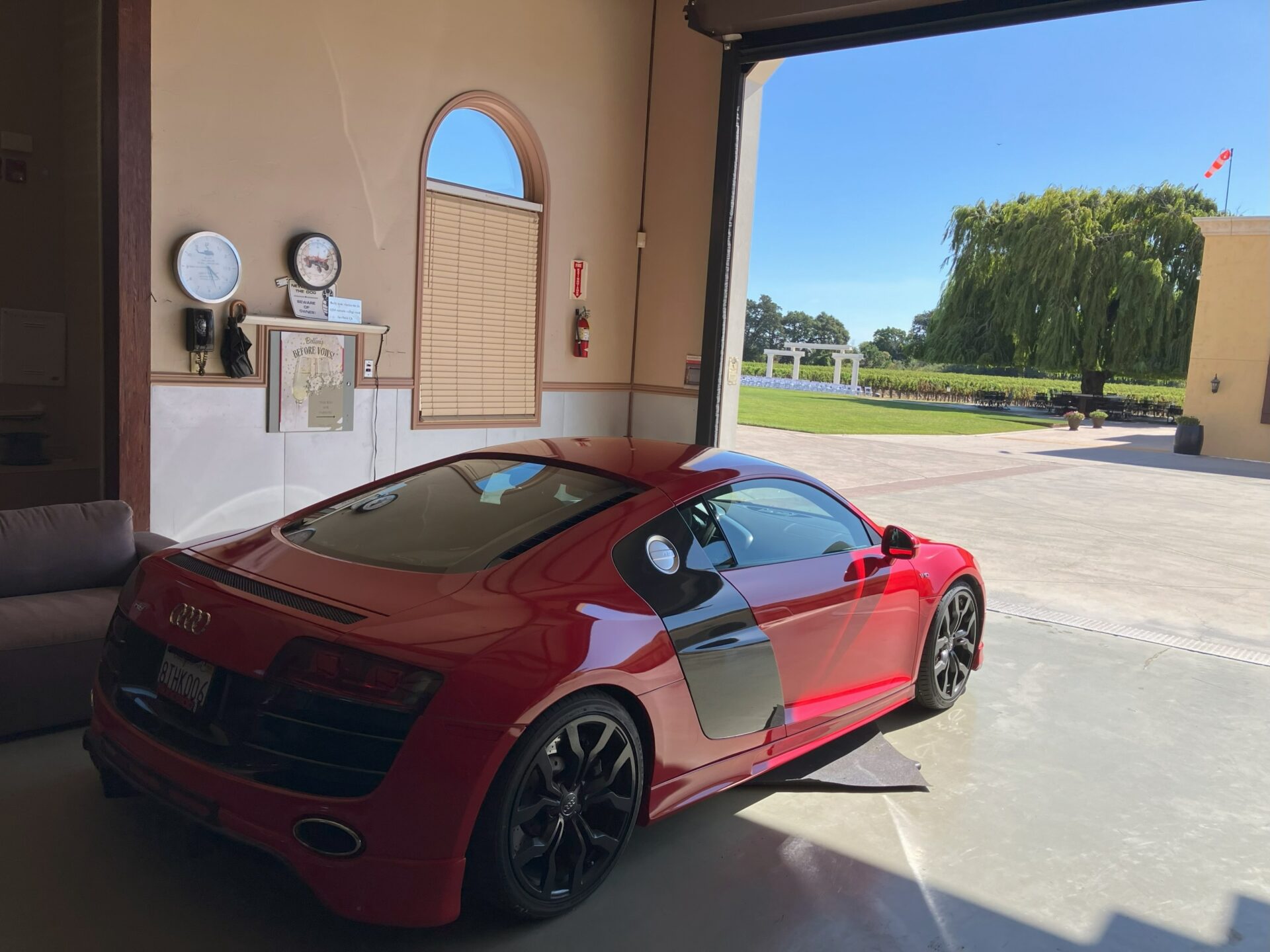
Joe, speaking in an accent that’s Dublin filtered through five decades of California sunshine, confided his intentions to sell his Audi R8 – not out of disdain, but because it attracts too much attention. A refreshingly humble stance in an age of automotive exhibitionism. He’s seen too many near-misses caused by rubberneckers more interested in German engineering than safe following distances.
A Sacred Space for Car Lovers
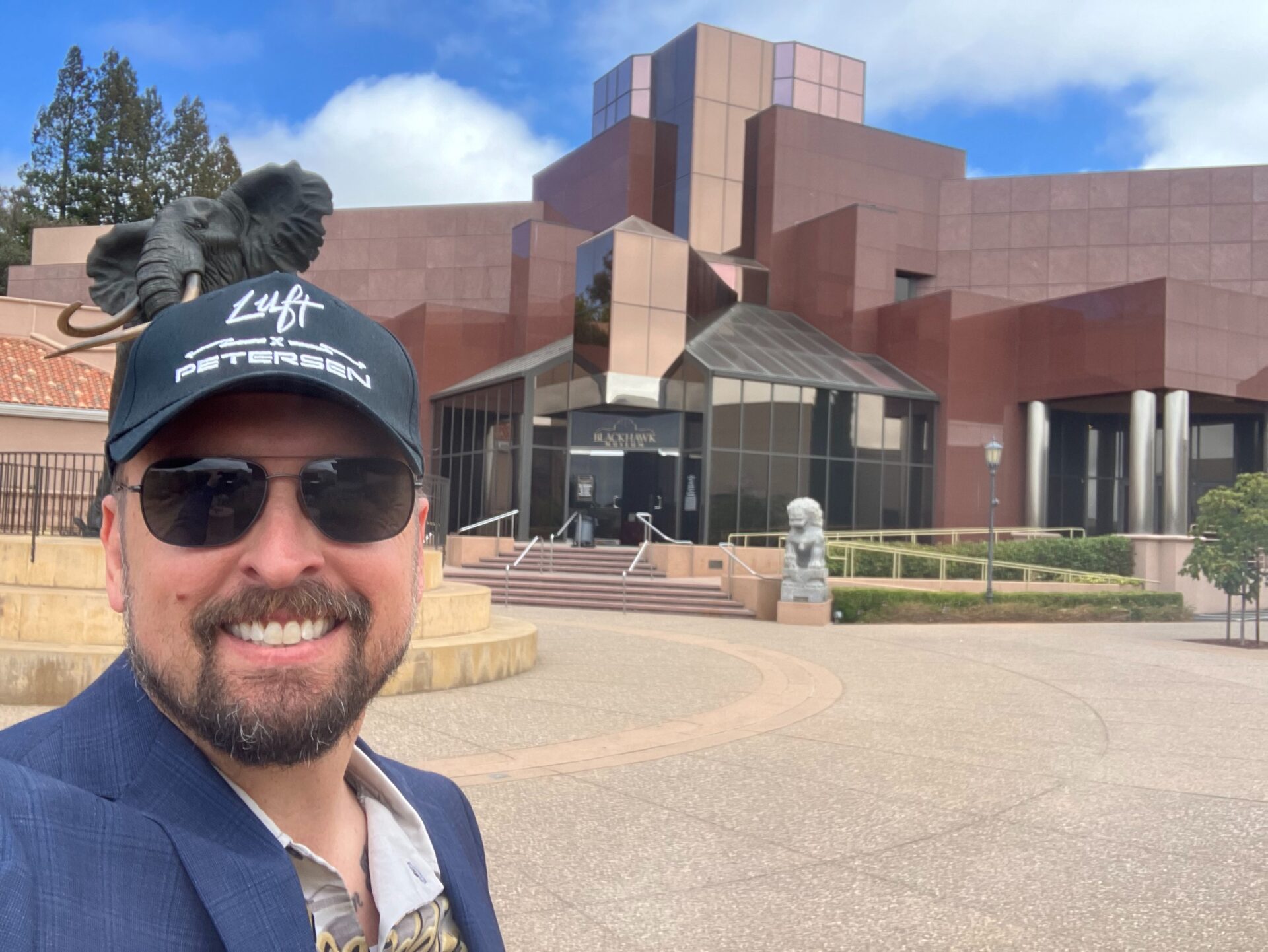
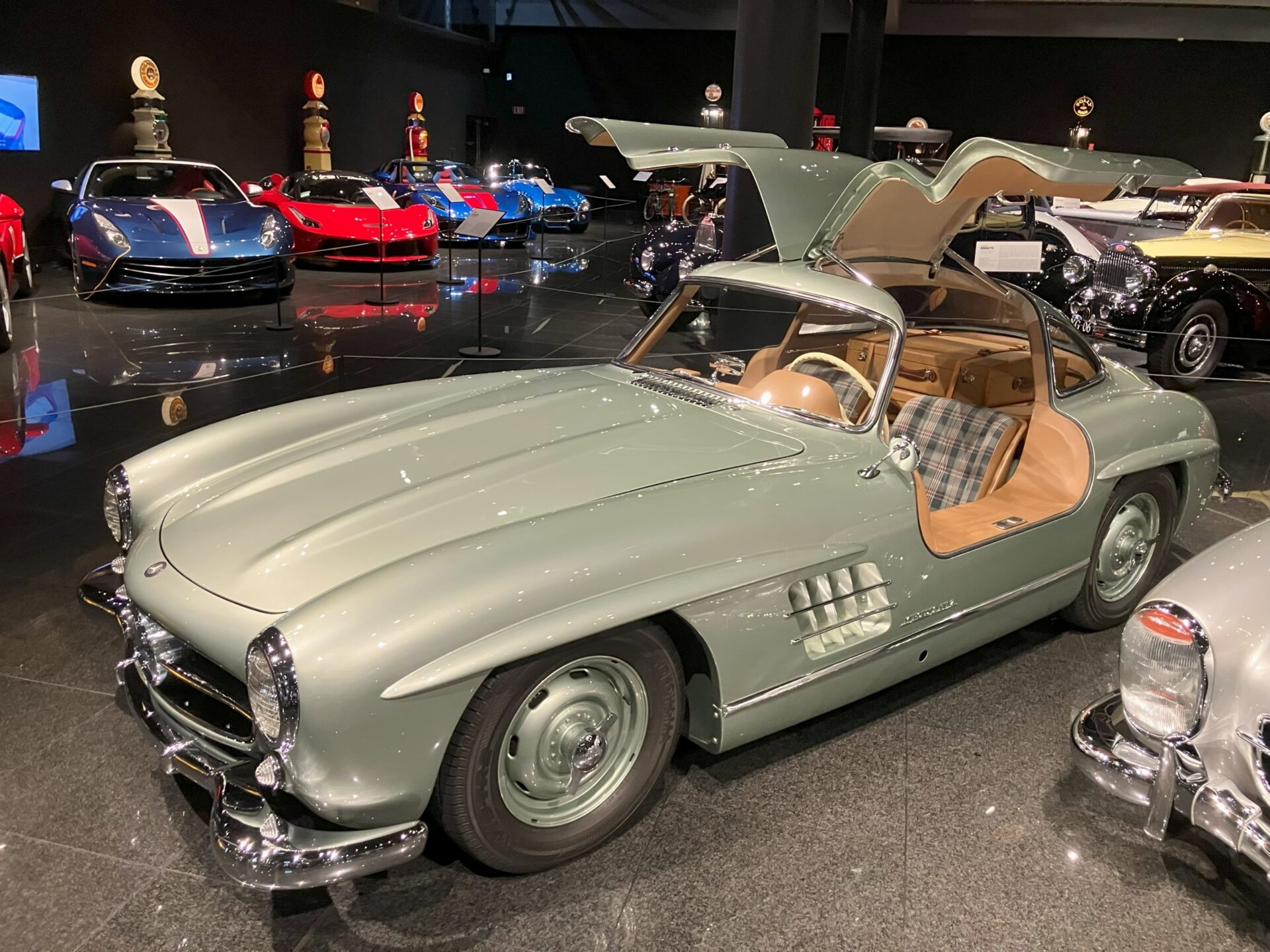
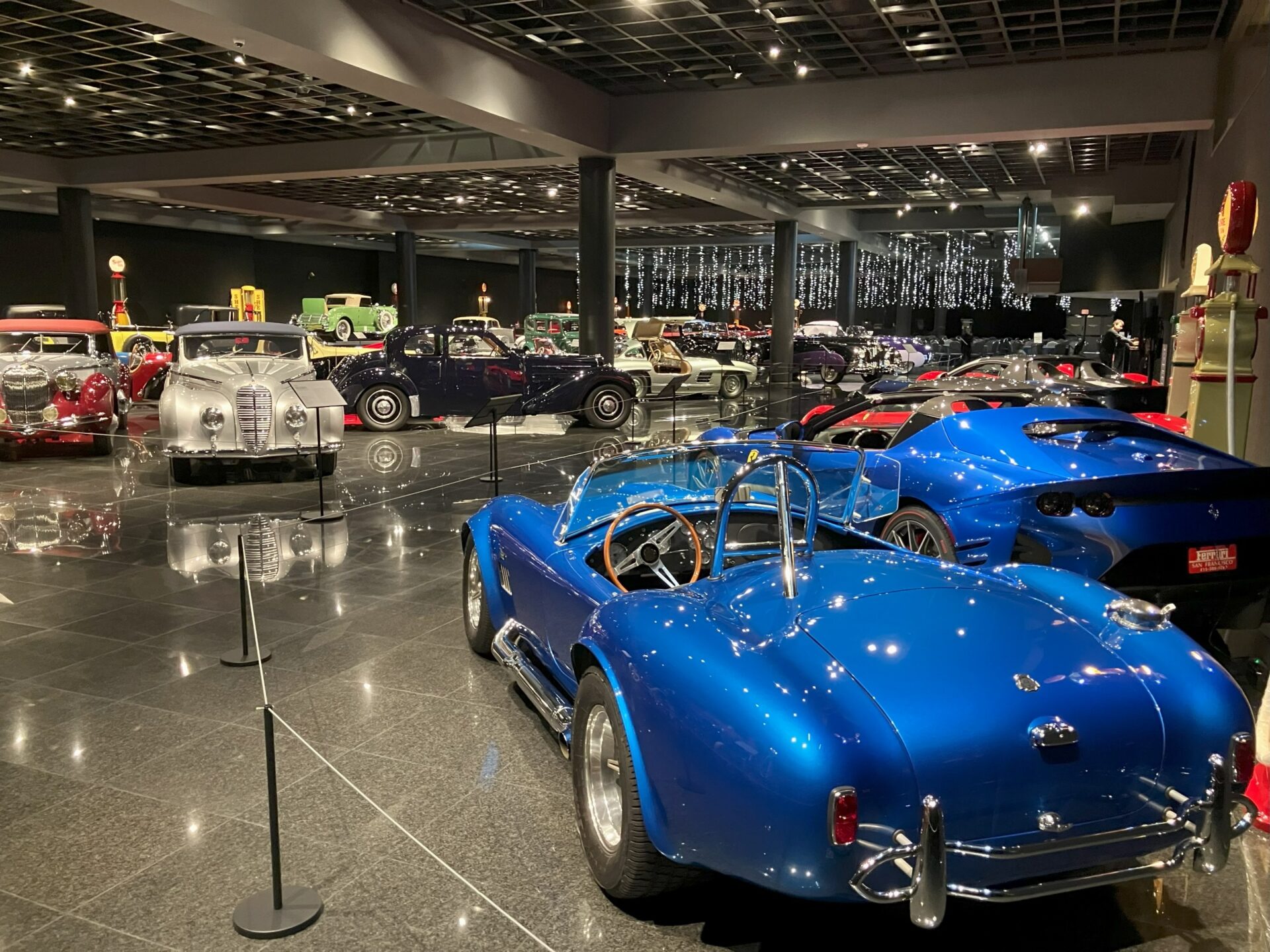
From Fairfield, I continued to the Blackhawk Museum in Danville – a monument to automotive reverence. I first visited in the early ’90s with my grandfather, when it spanned two floors and felt like it housed every significant car ever built. It’s smaller now, a victim of shifting exhibition philosophies, but no less magnificent.
Here, in cathedral-like quiet, reside the horseless carriages, antique autos, and special interest vehicles that embody humanity’s love affair with controlled explosions and forward motion. These are the same caliber of machines that cause riots at Pebble Beach, but here you commune with them in monastic silence.
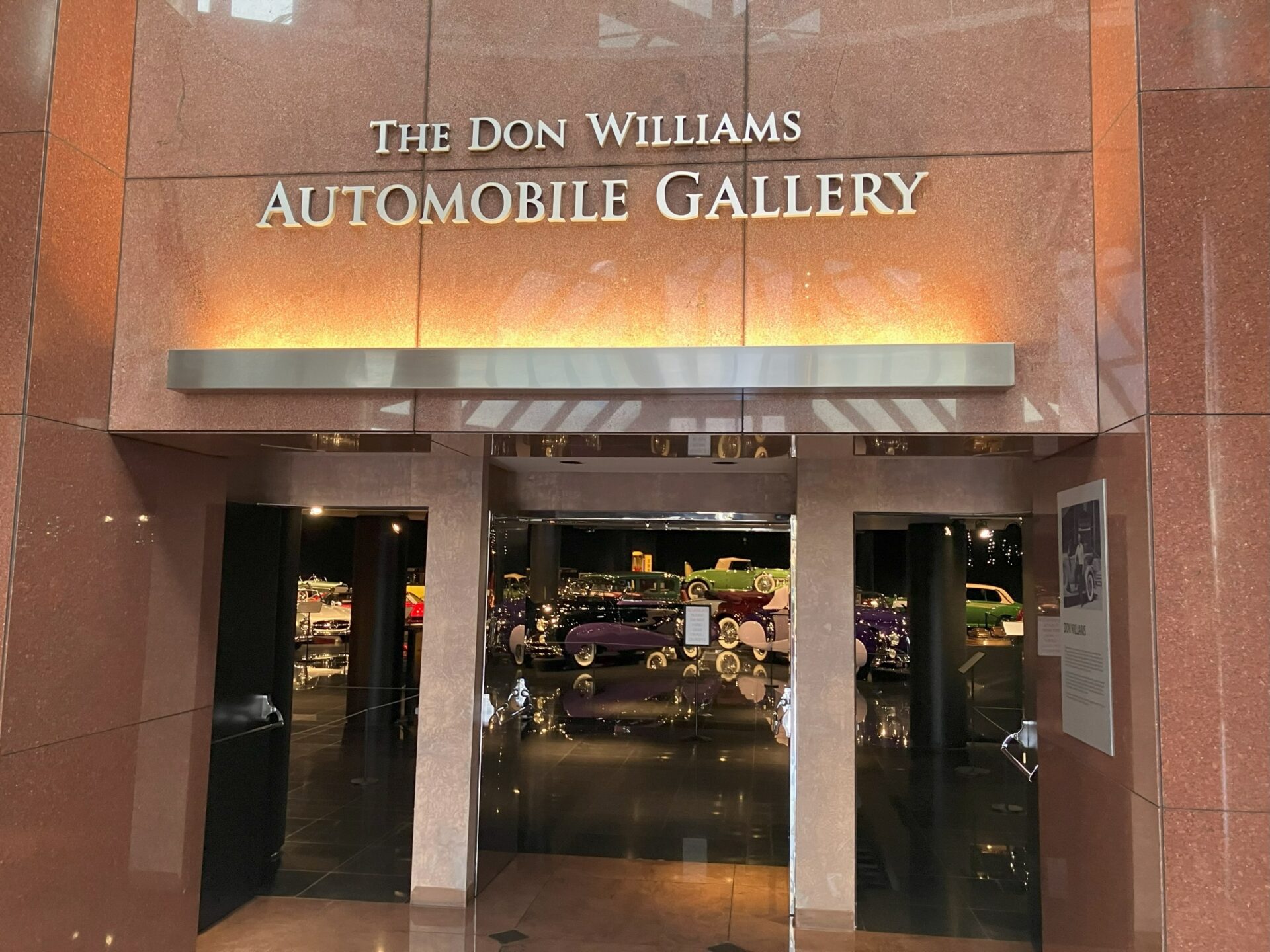
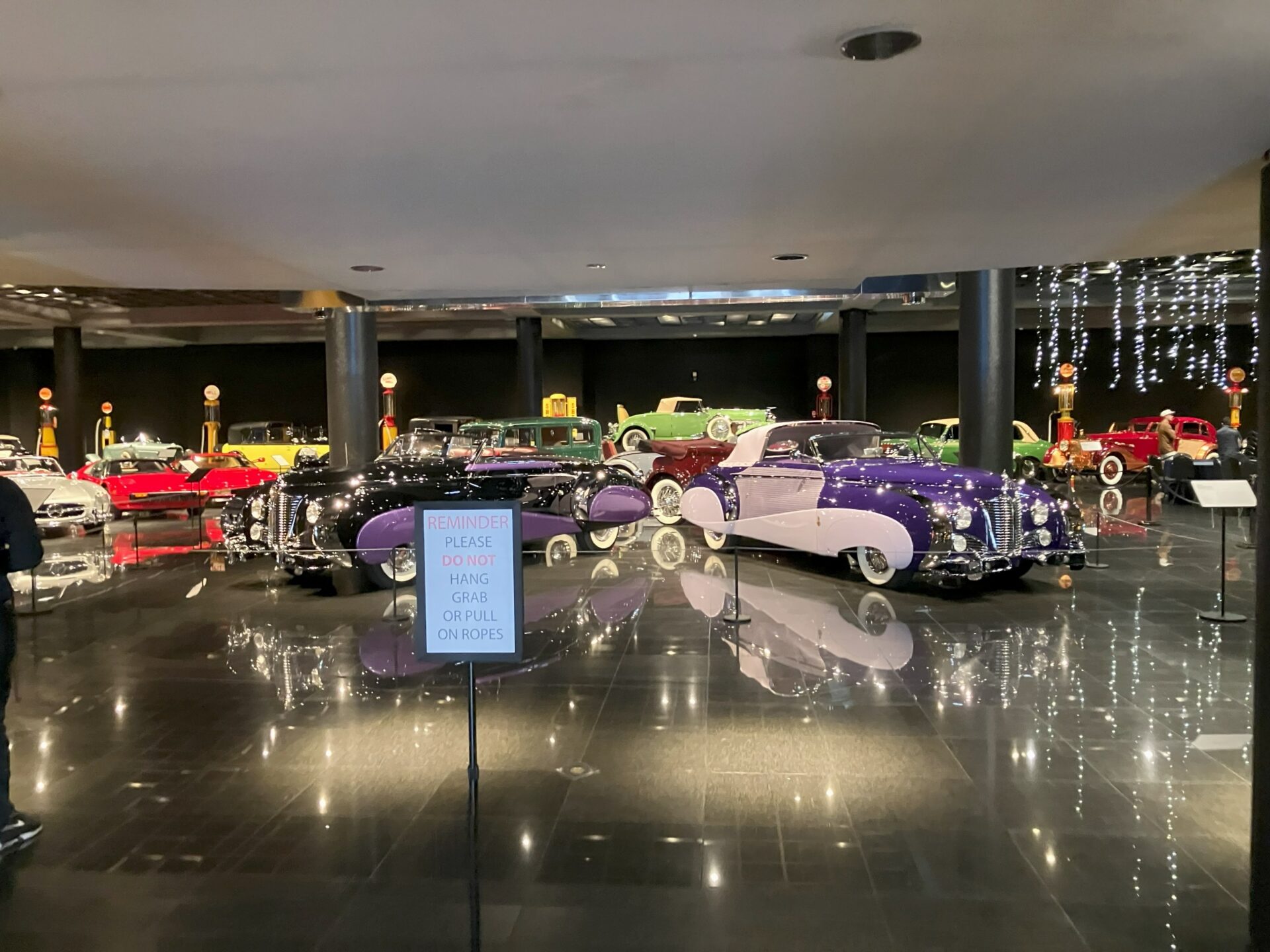
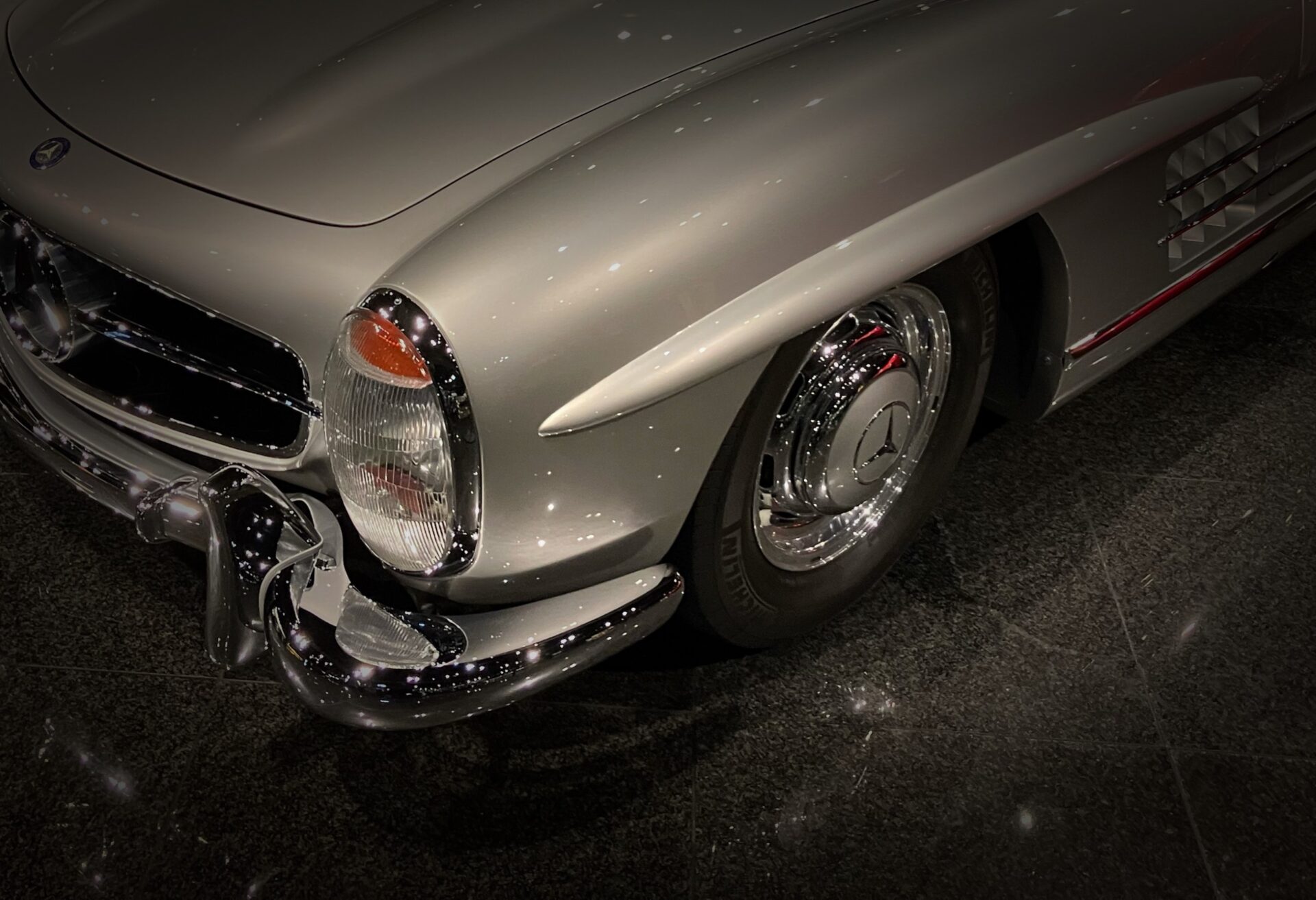
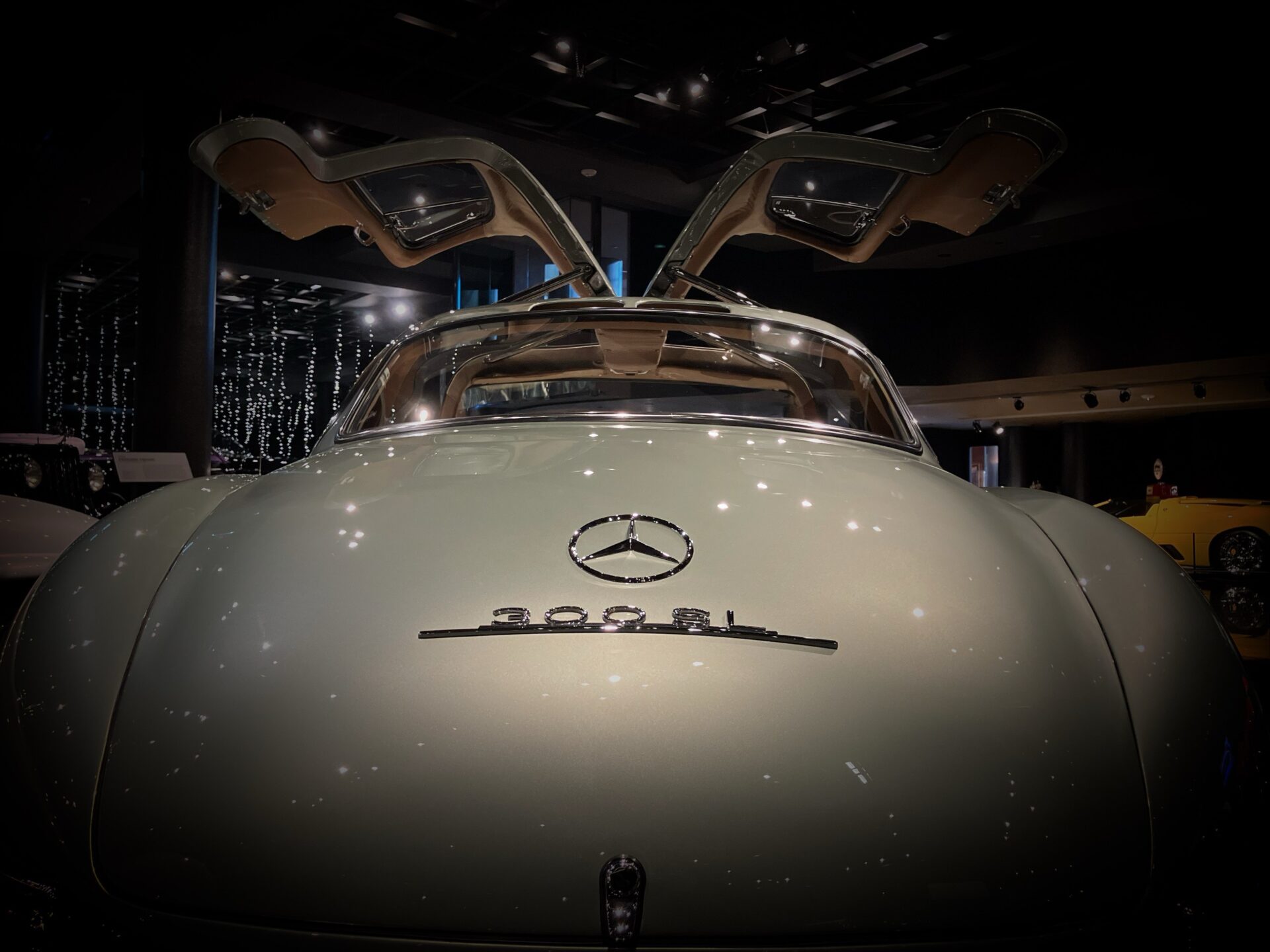
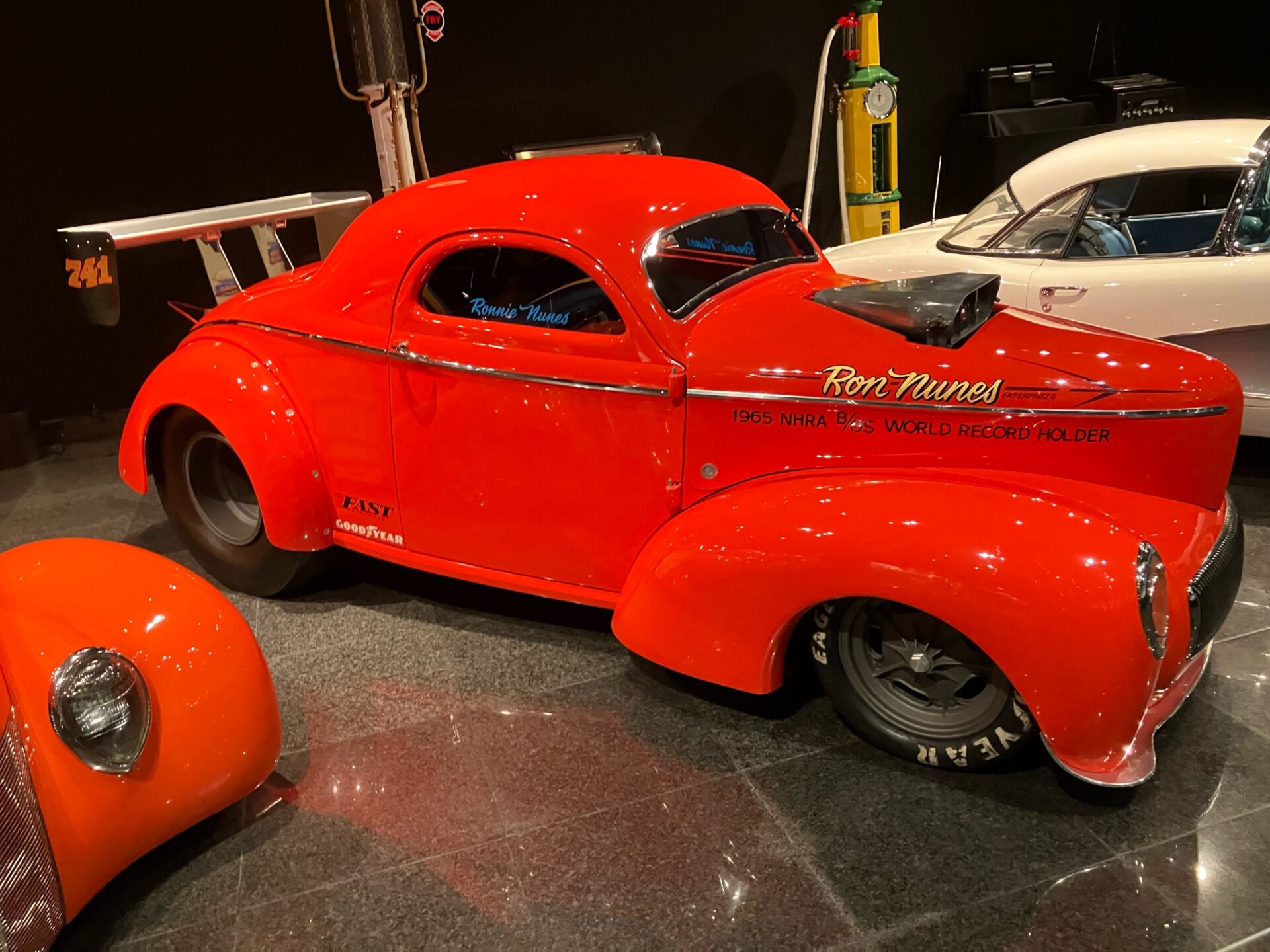
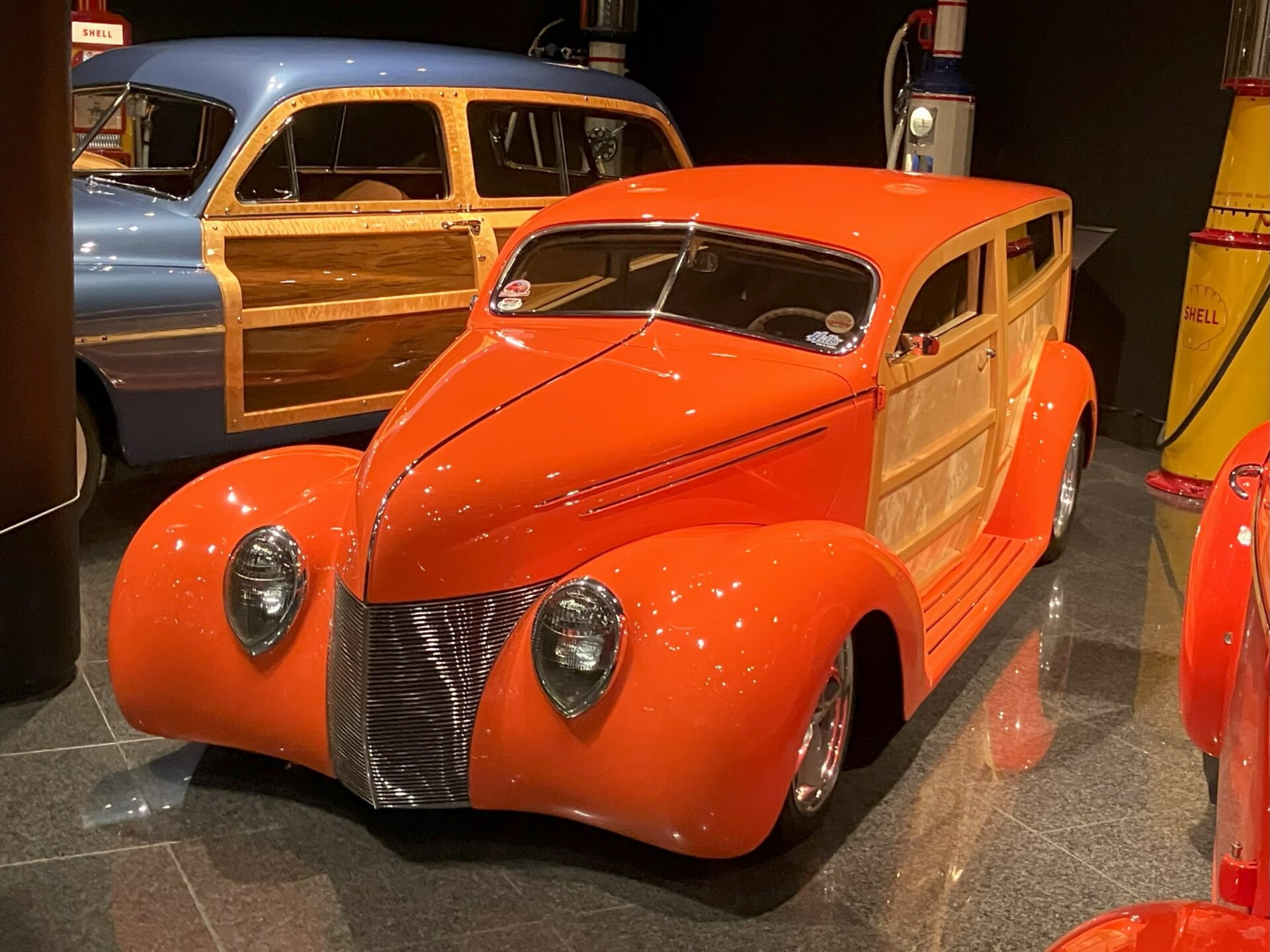
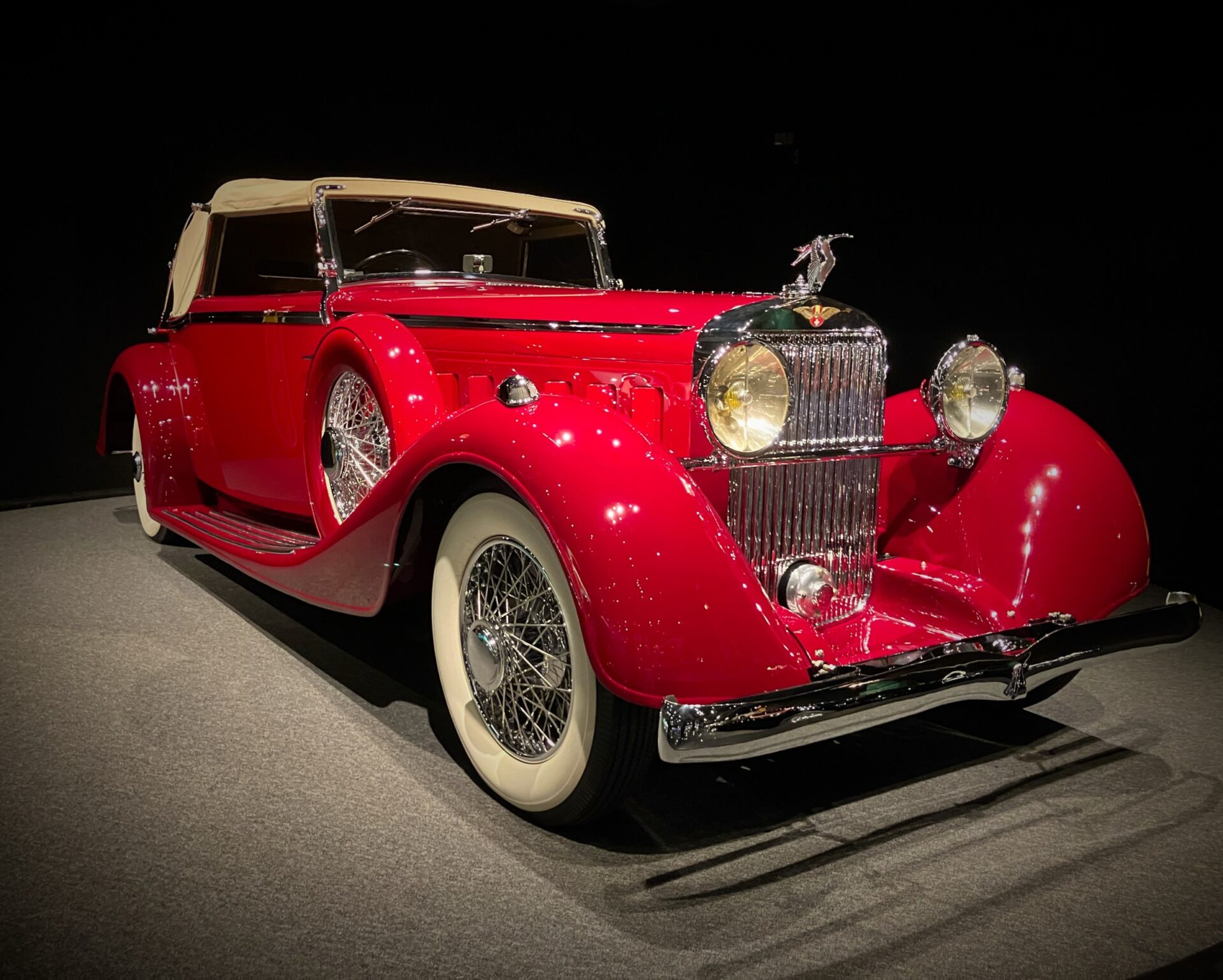
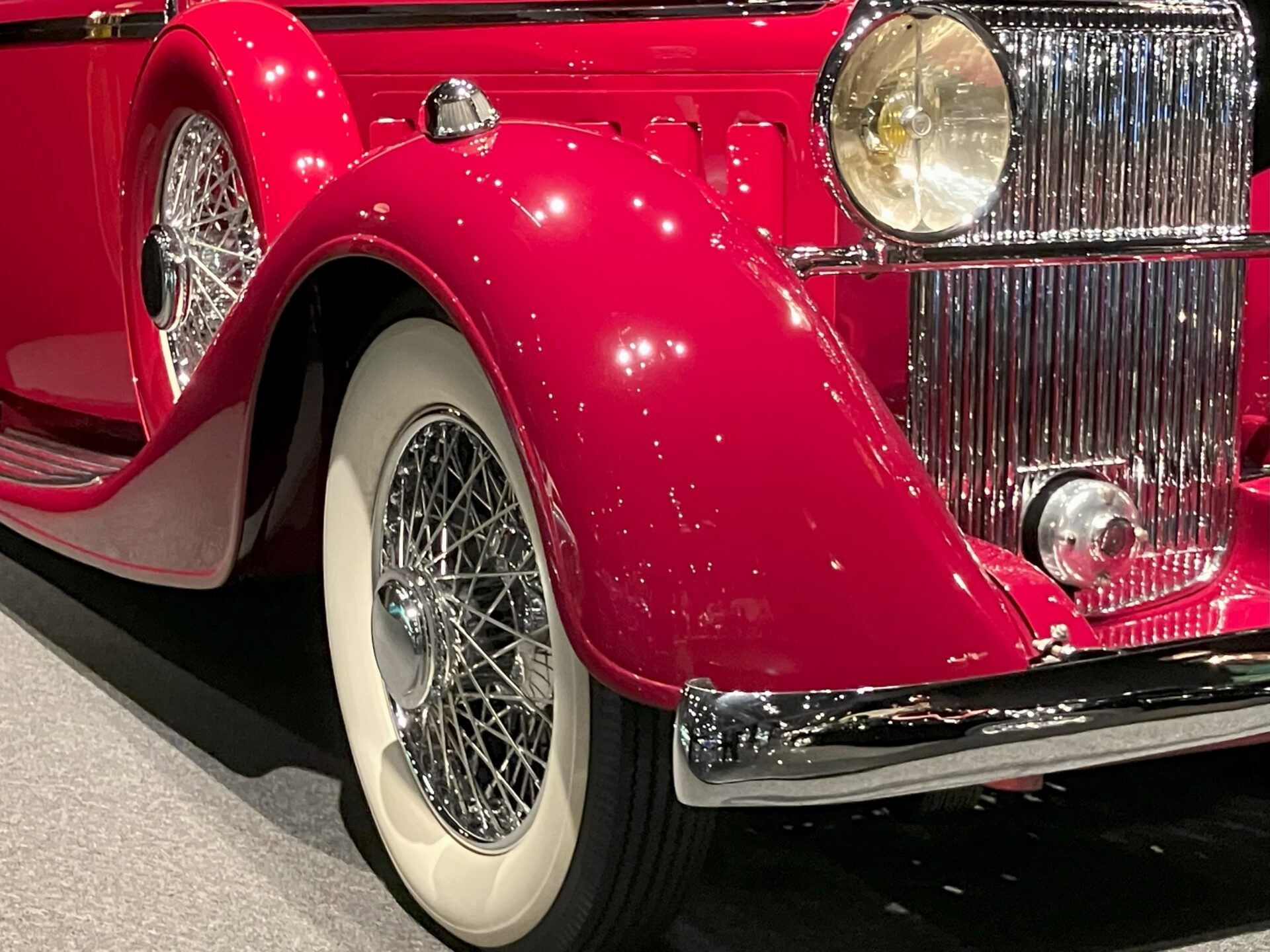
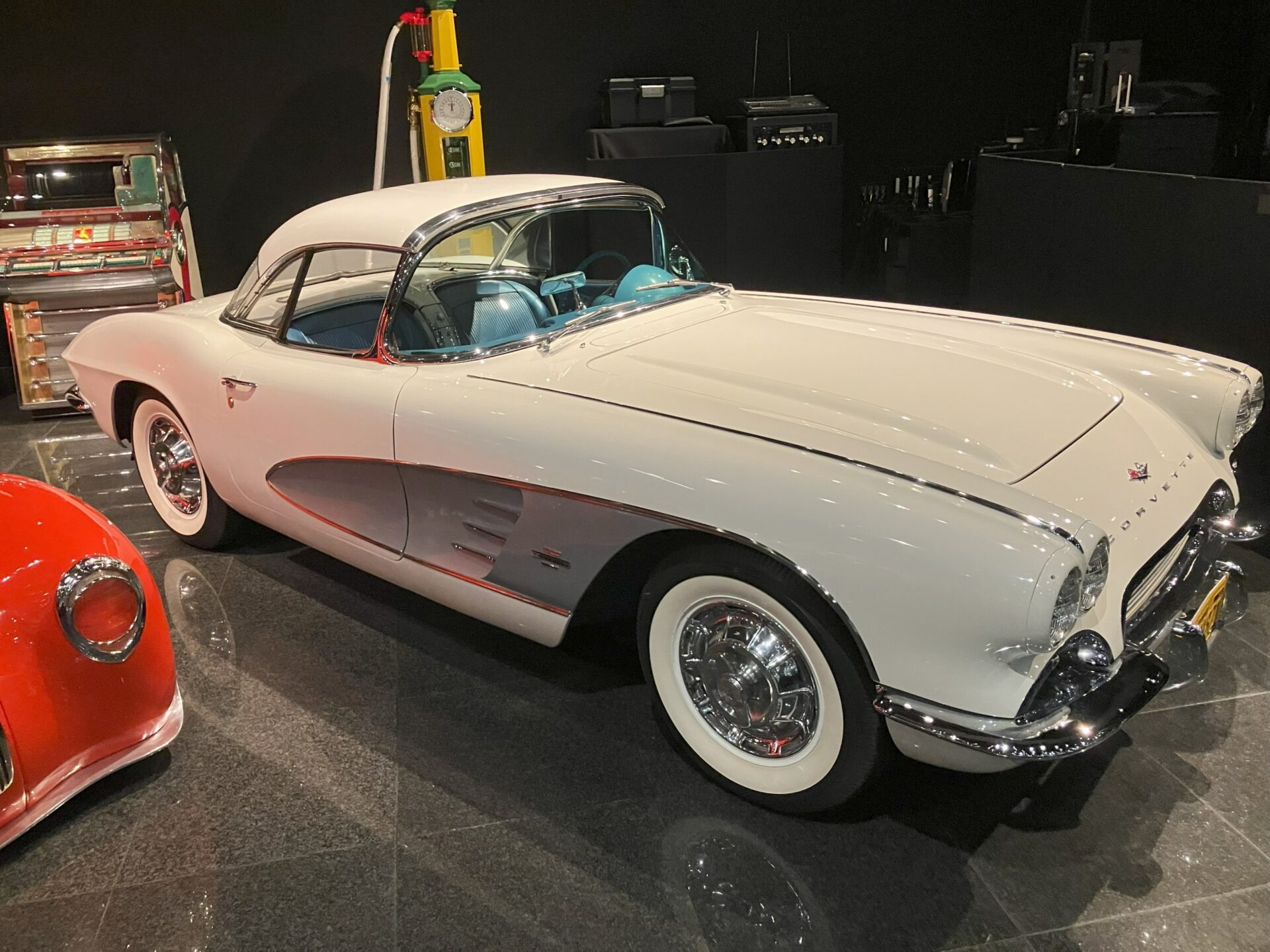
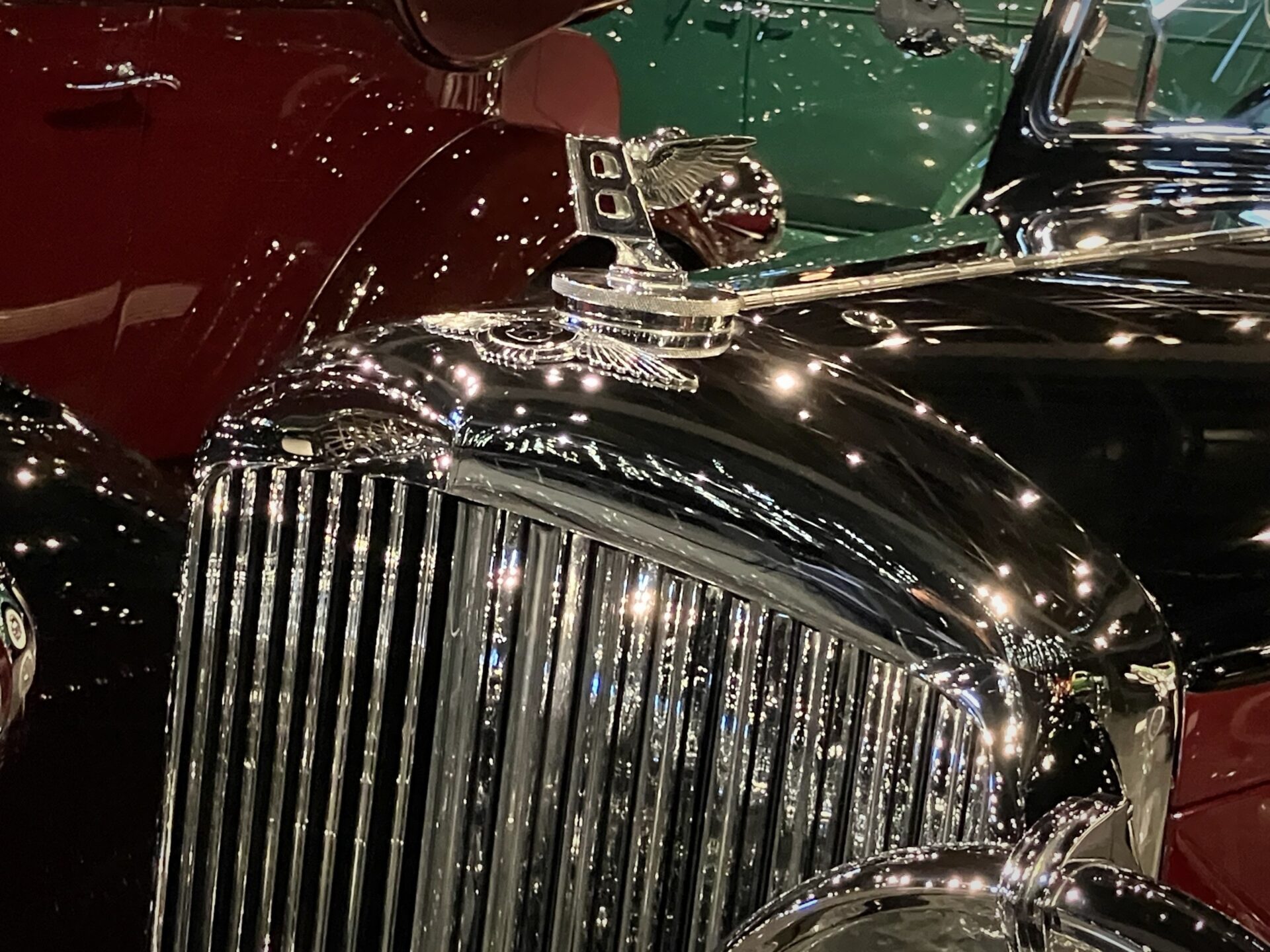
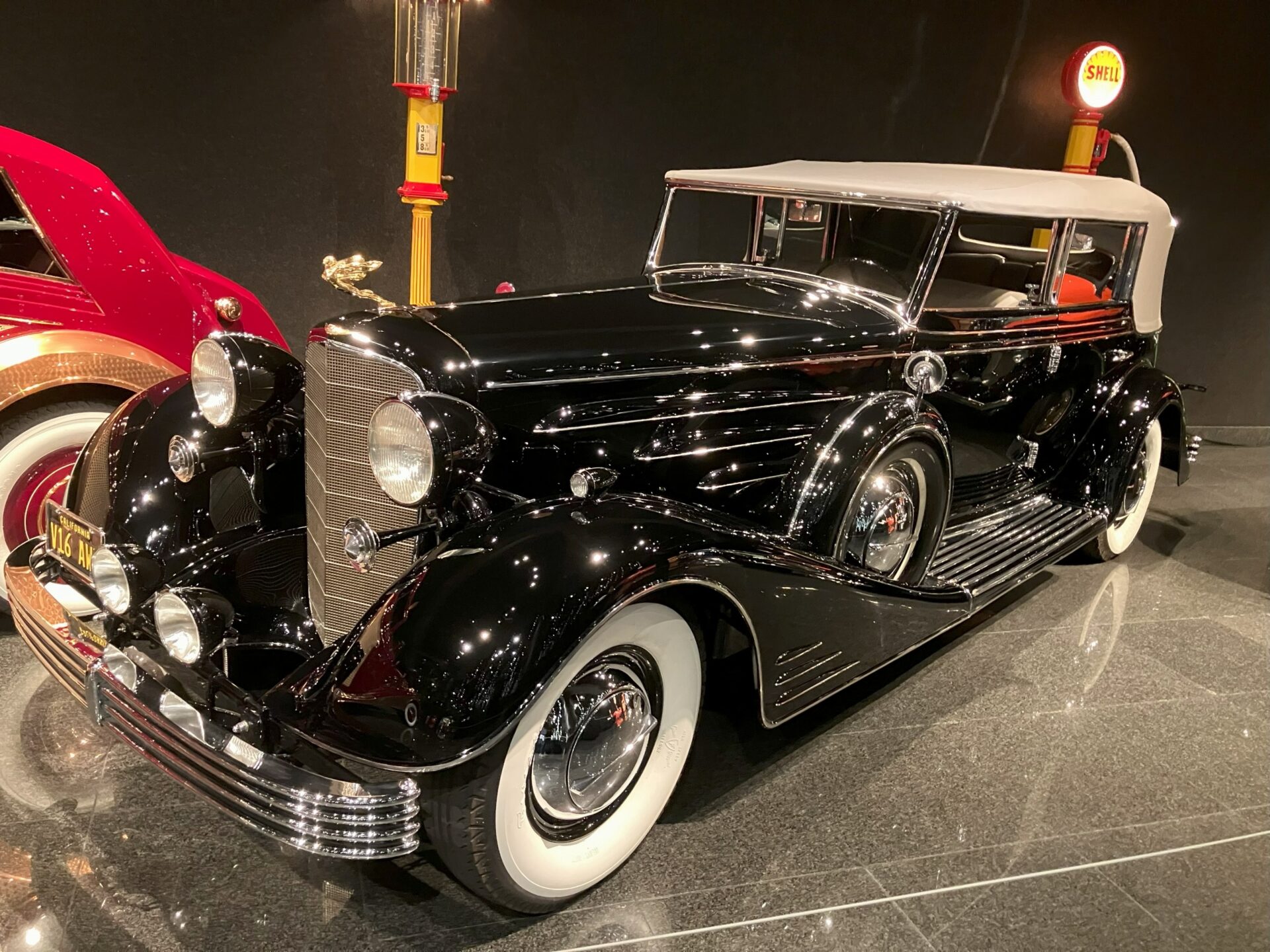
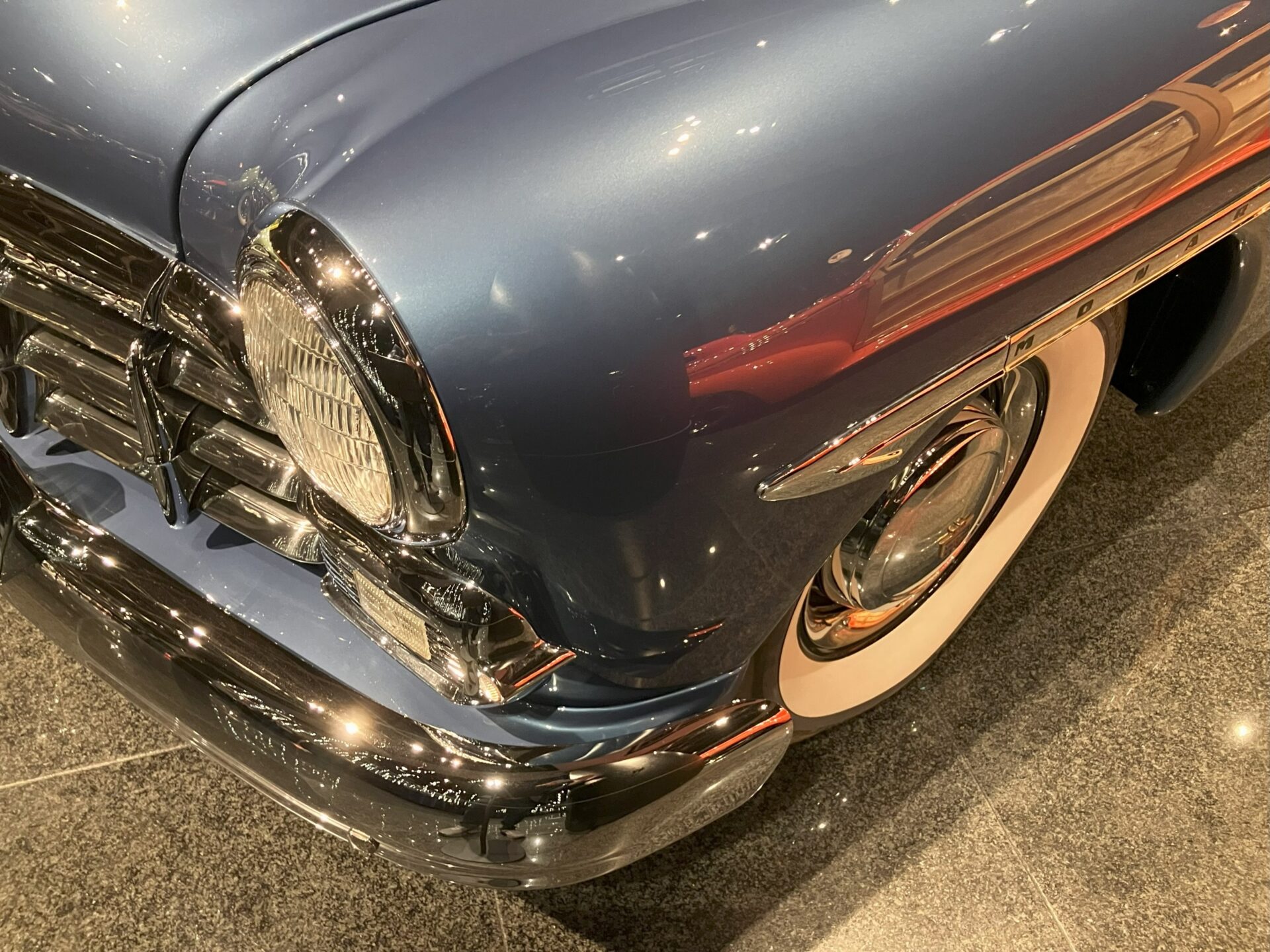
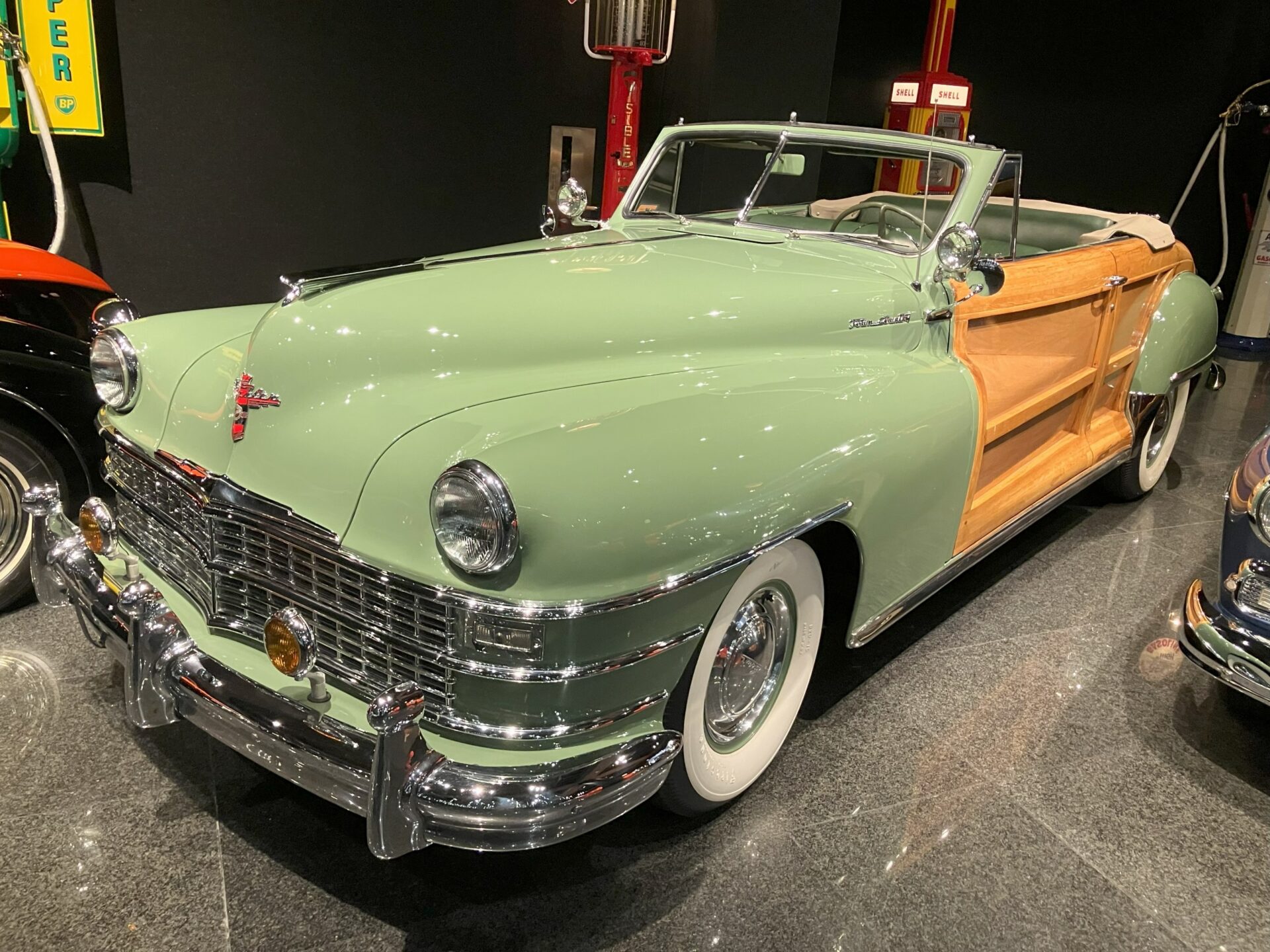
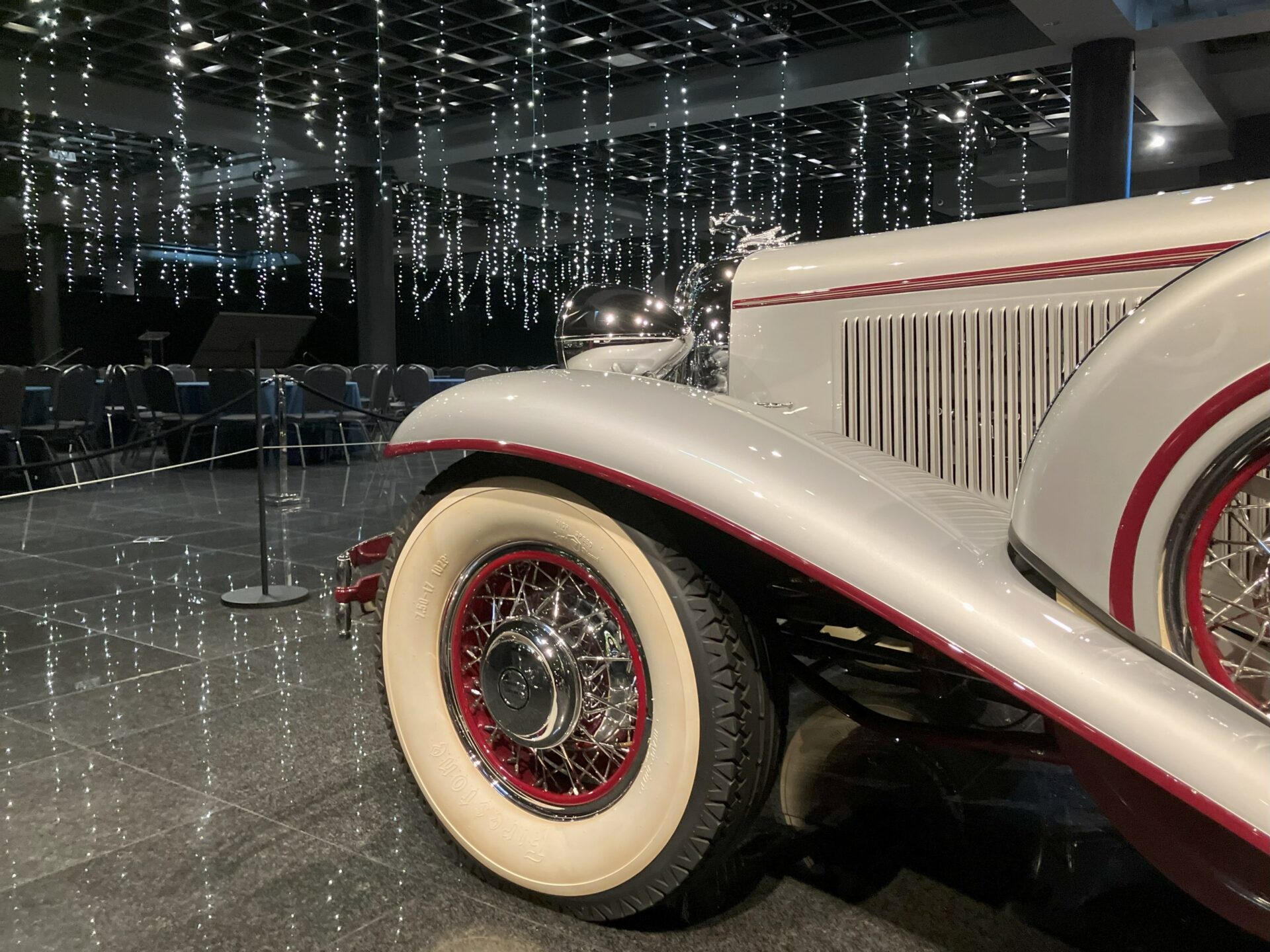
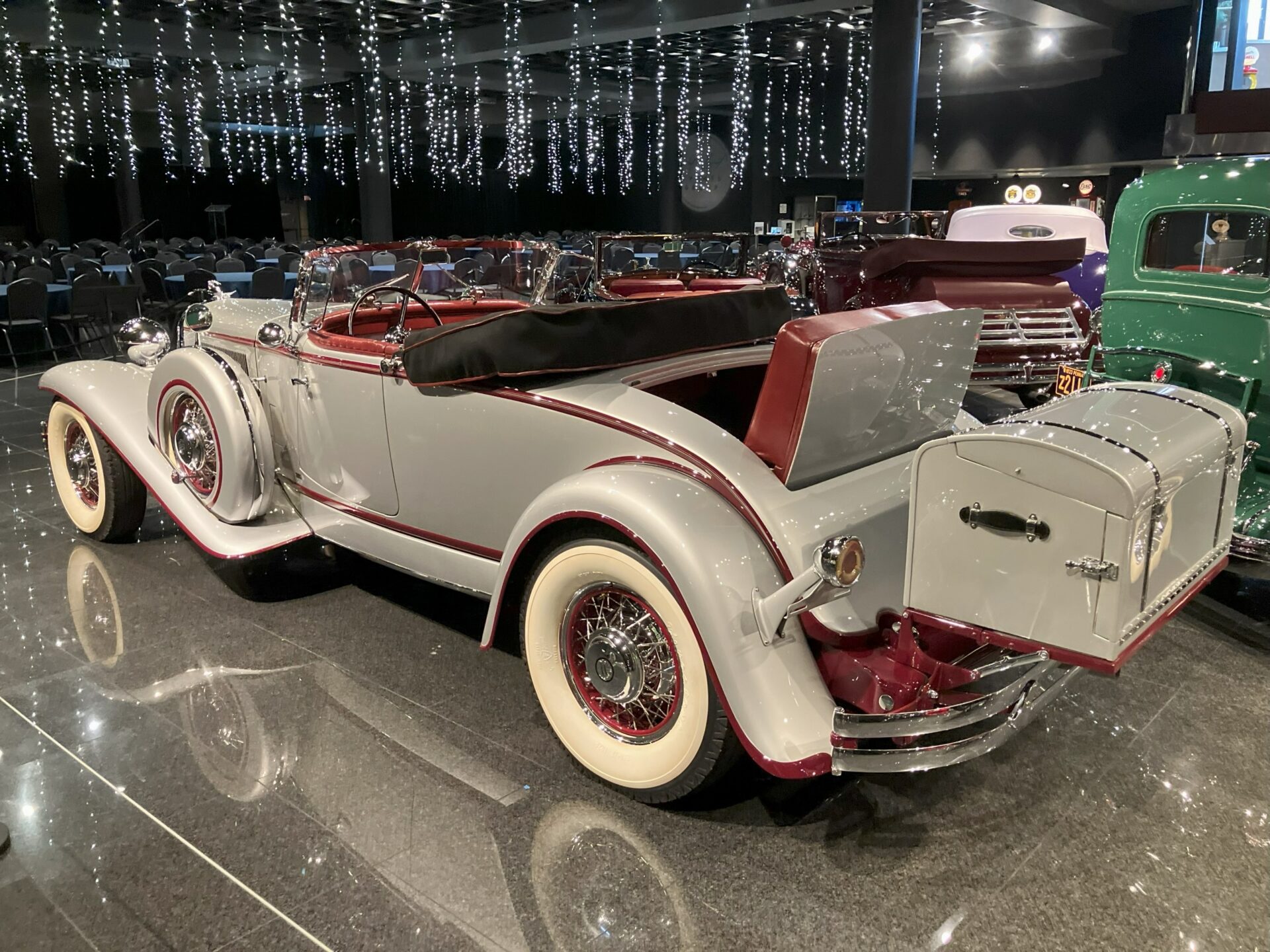
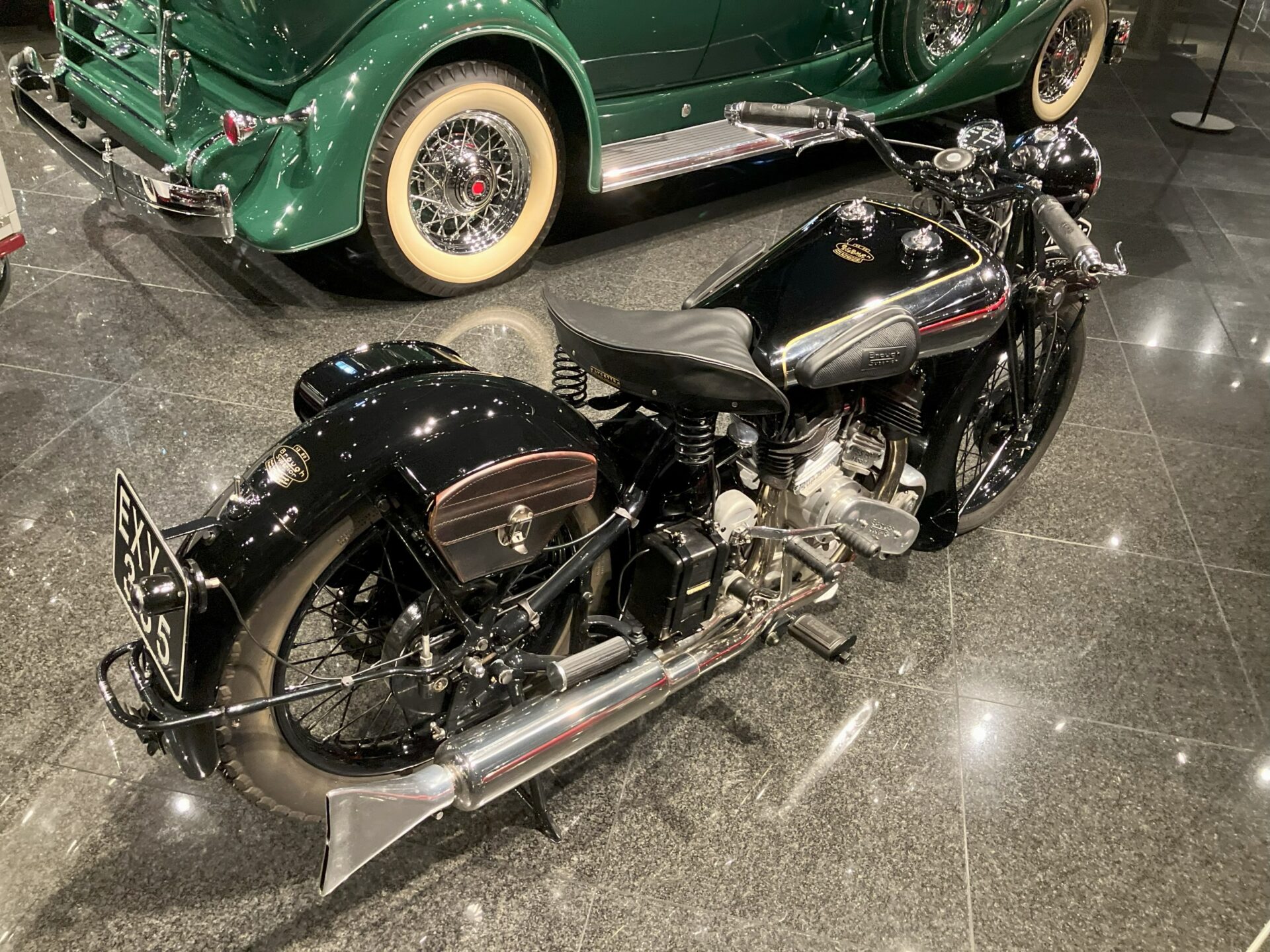
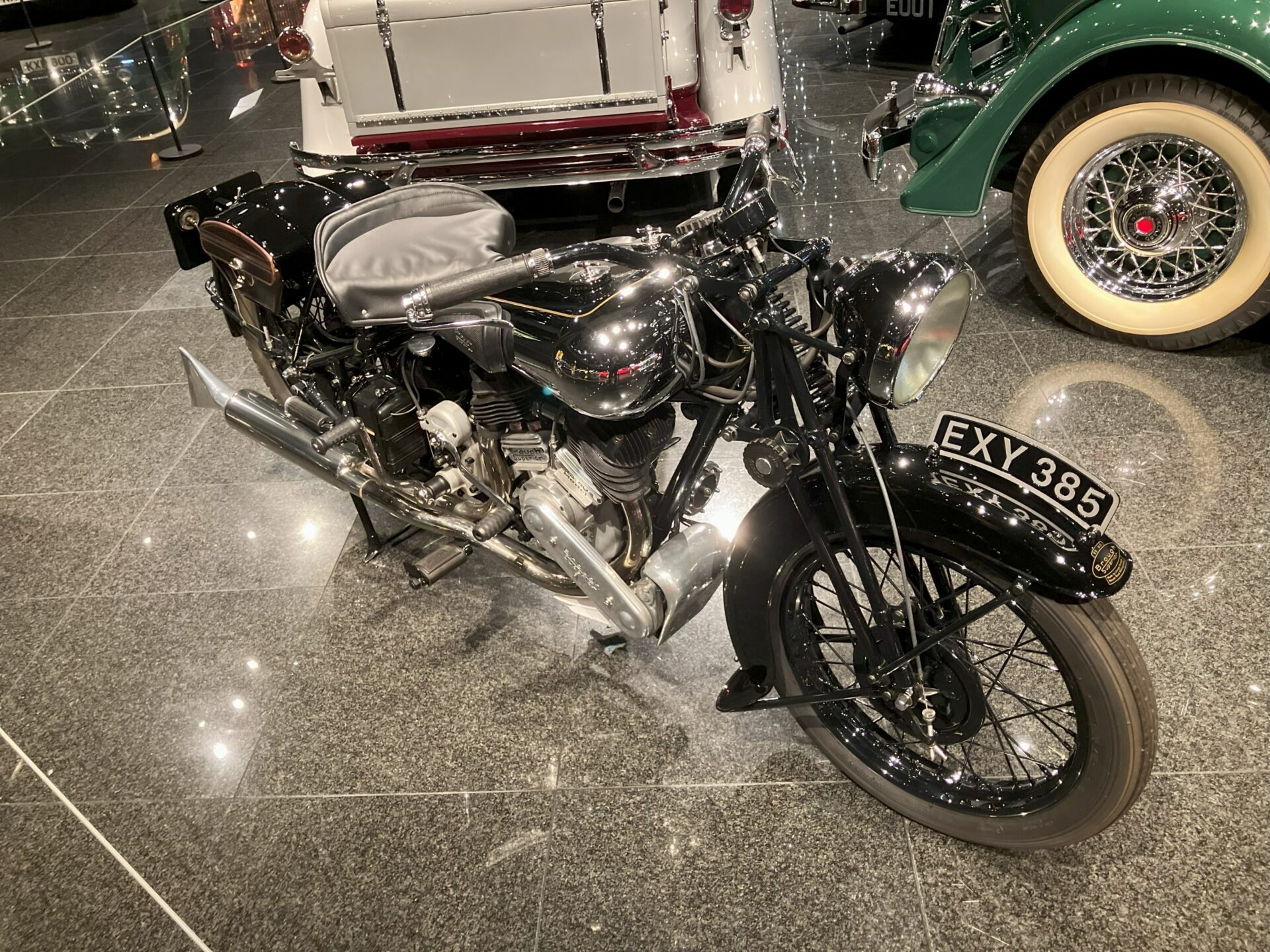
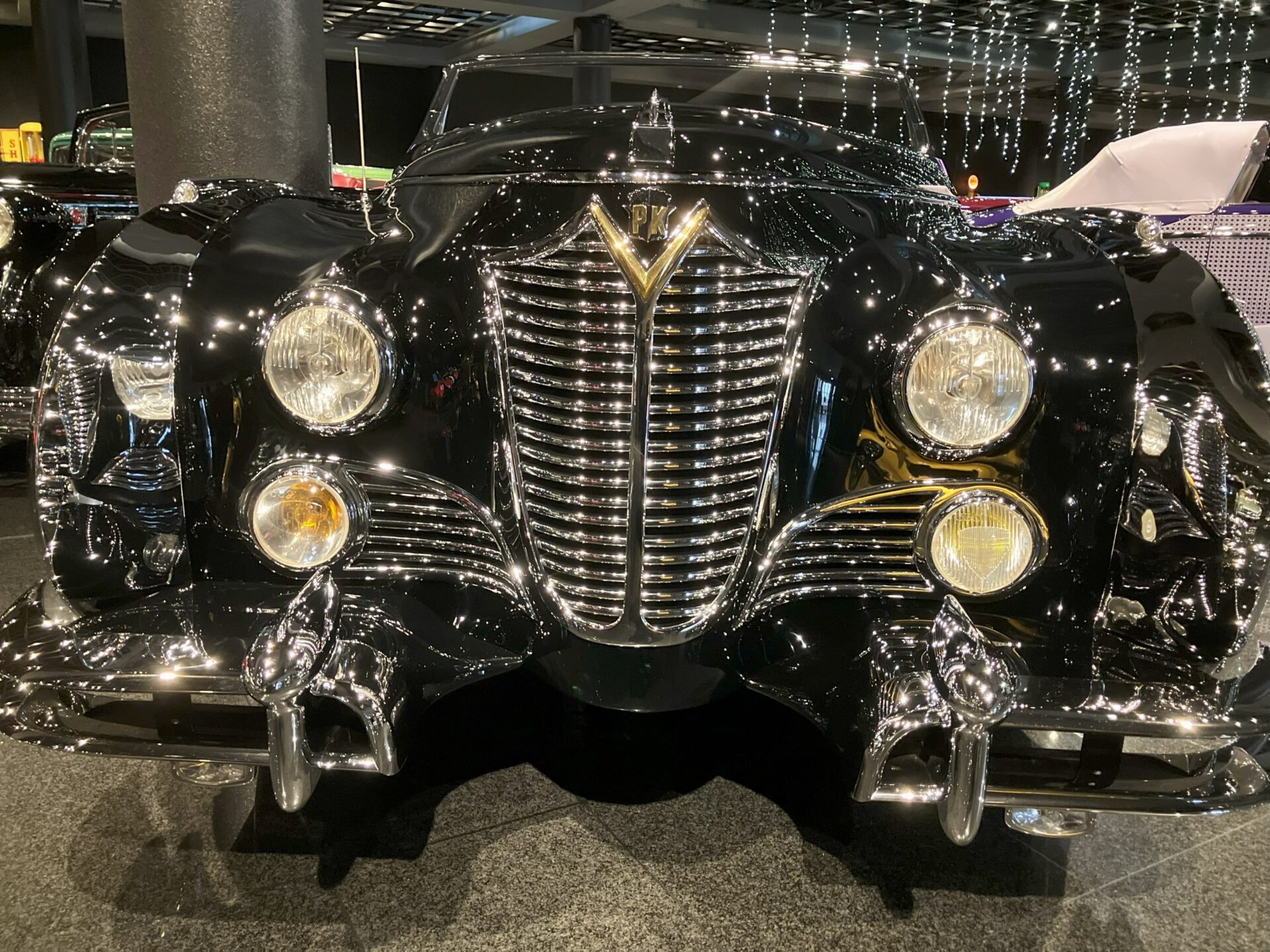
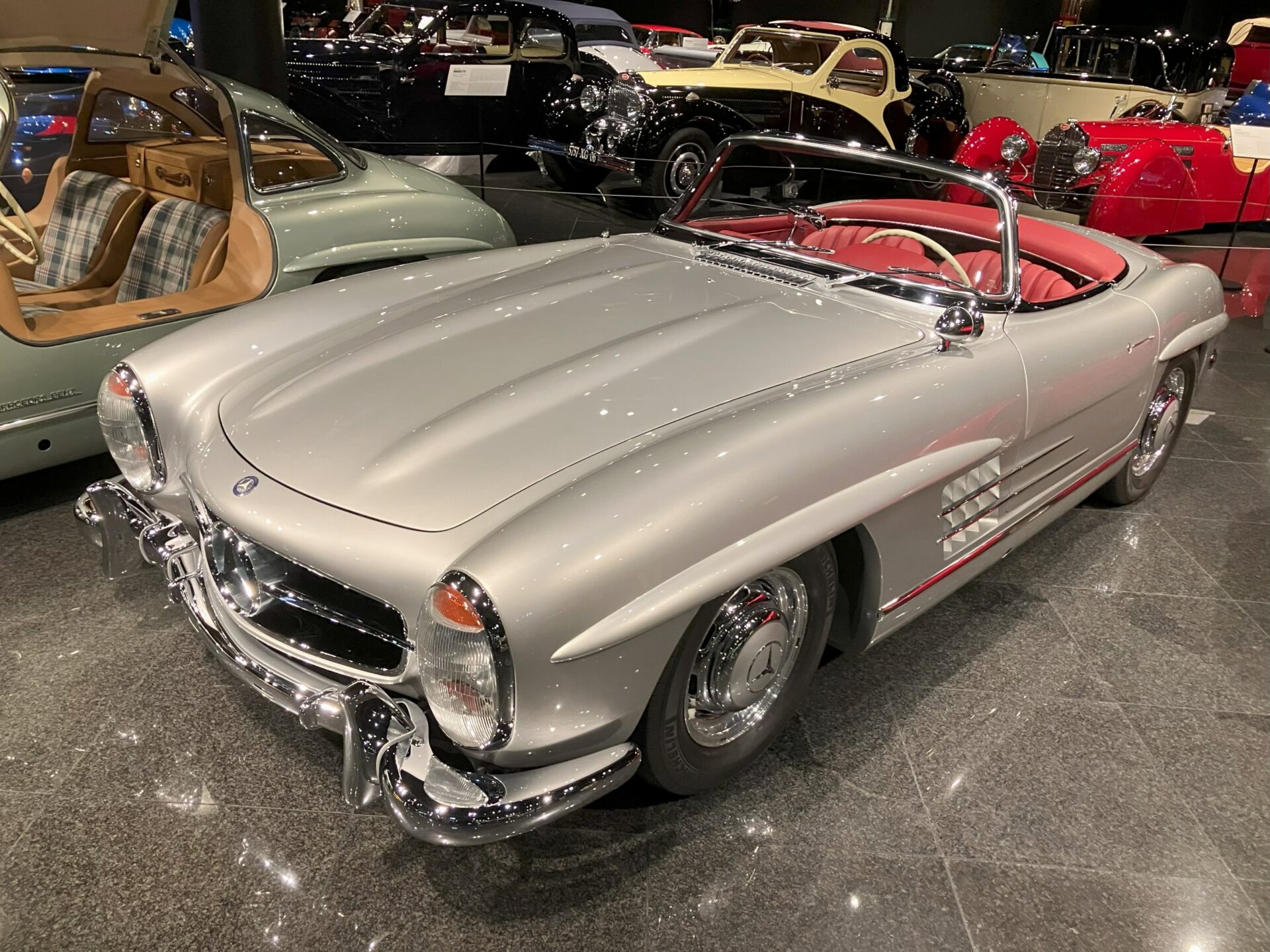
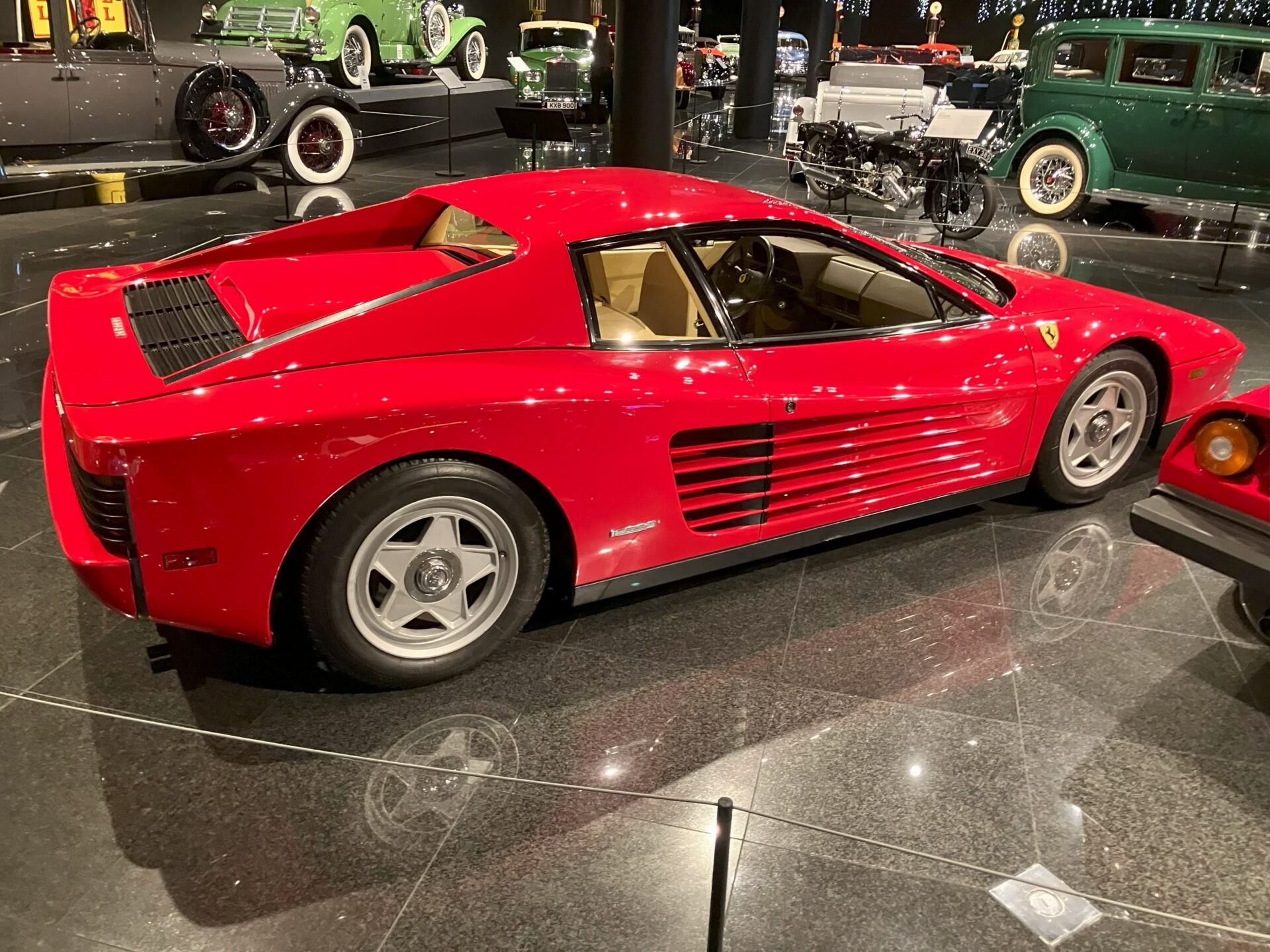
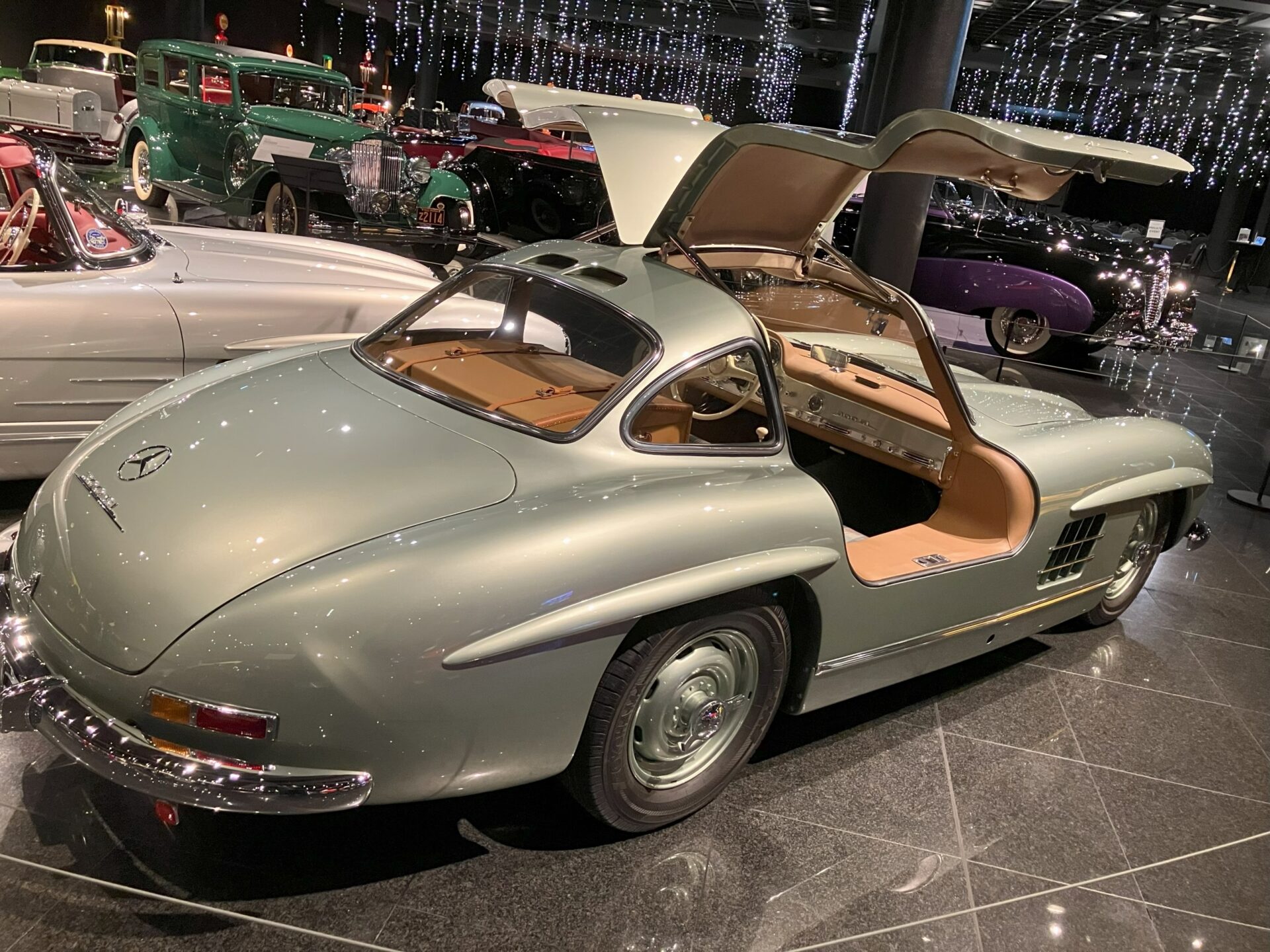
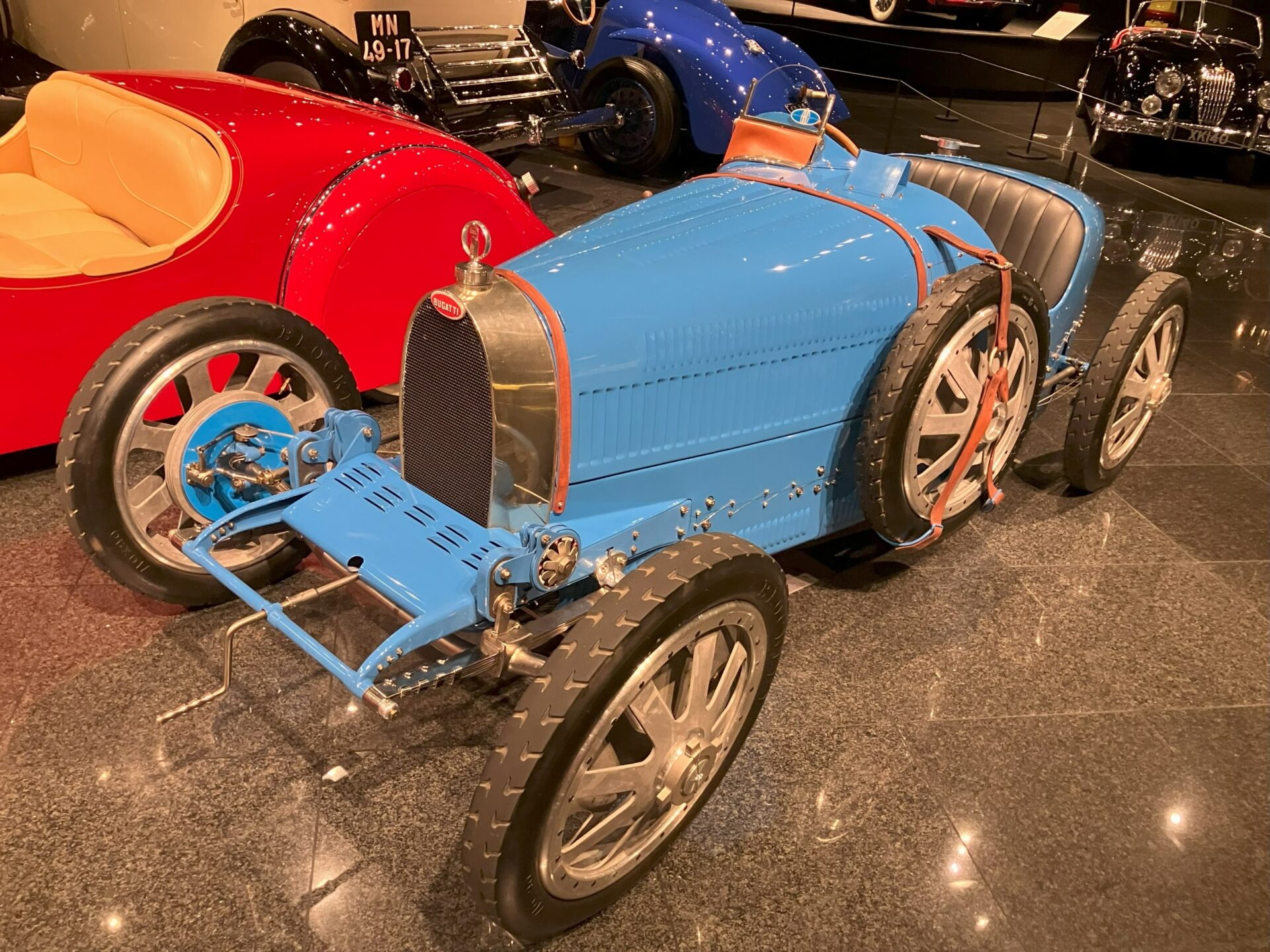
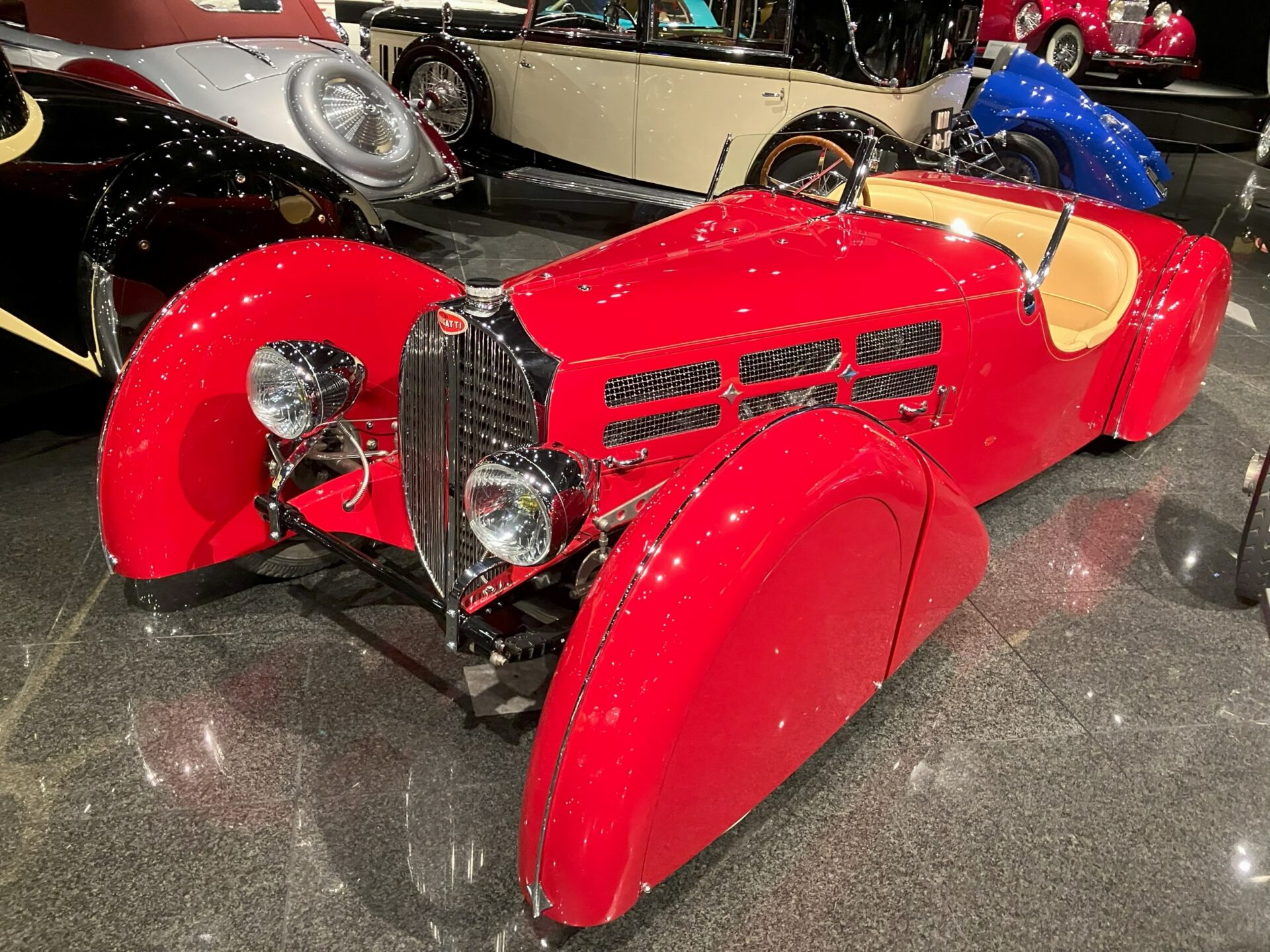
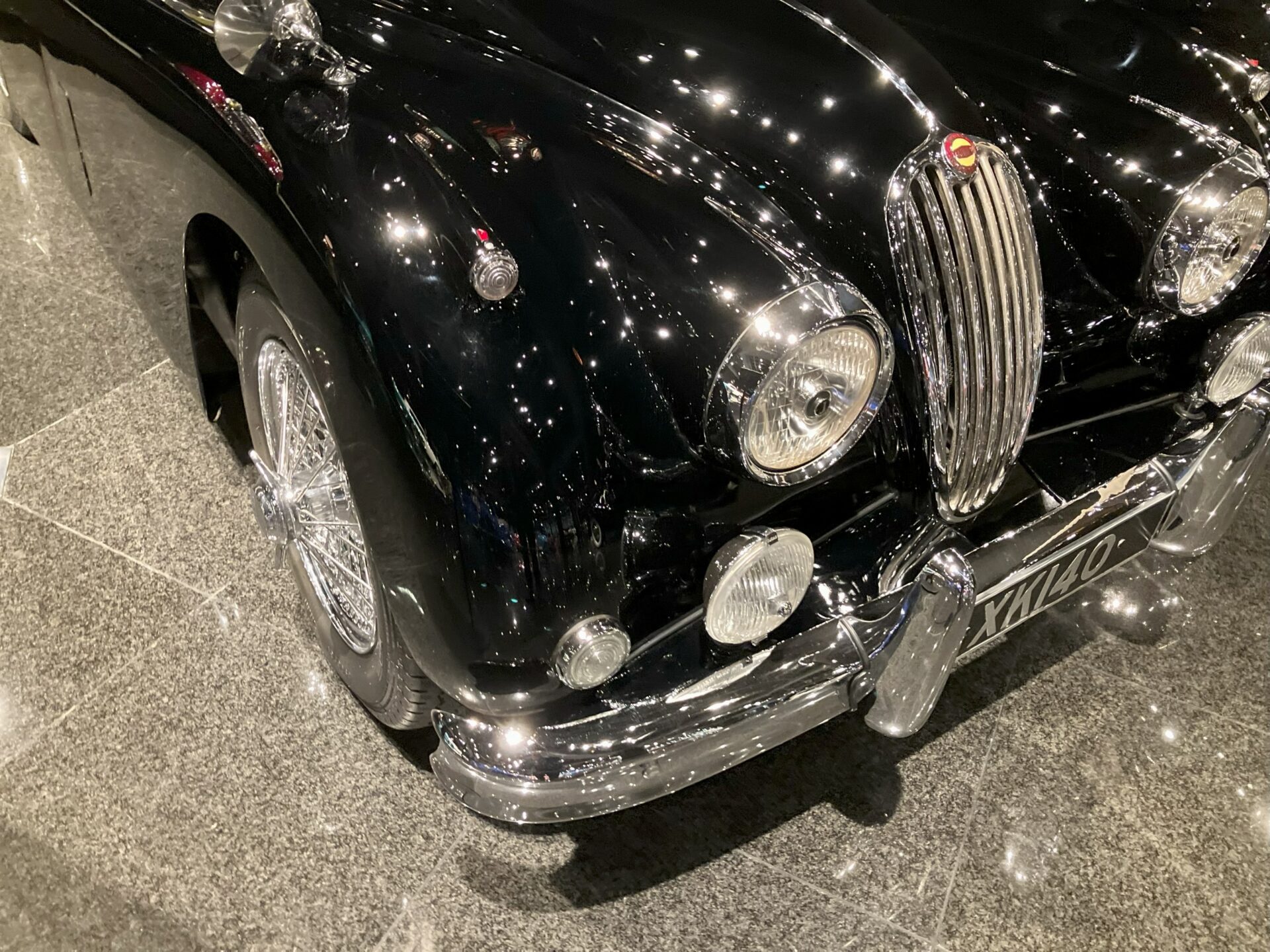
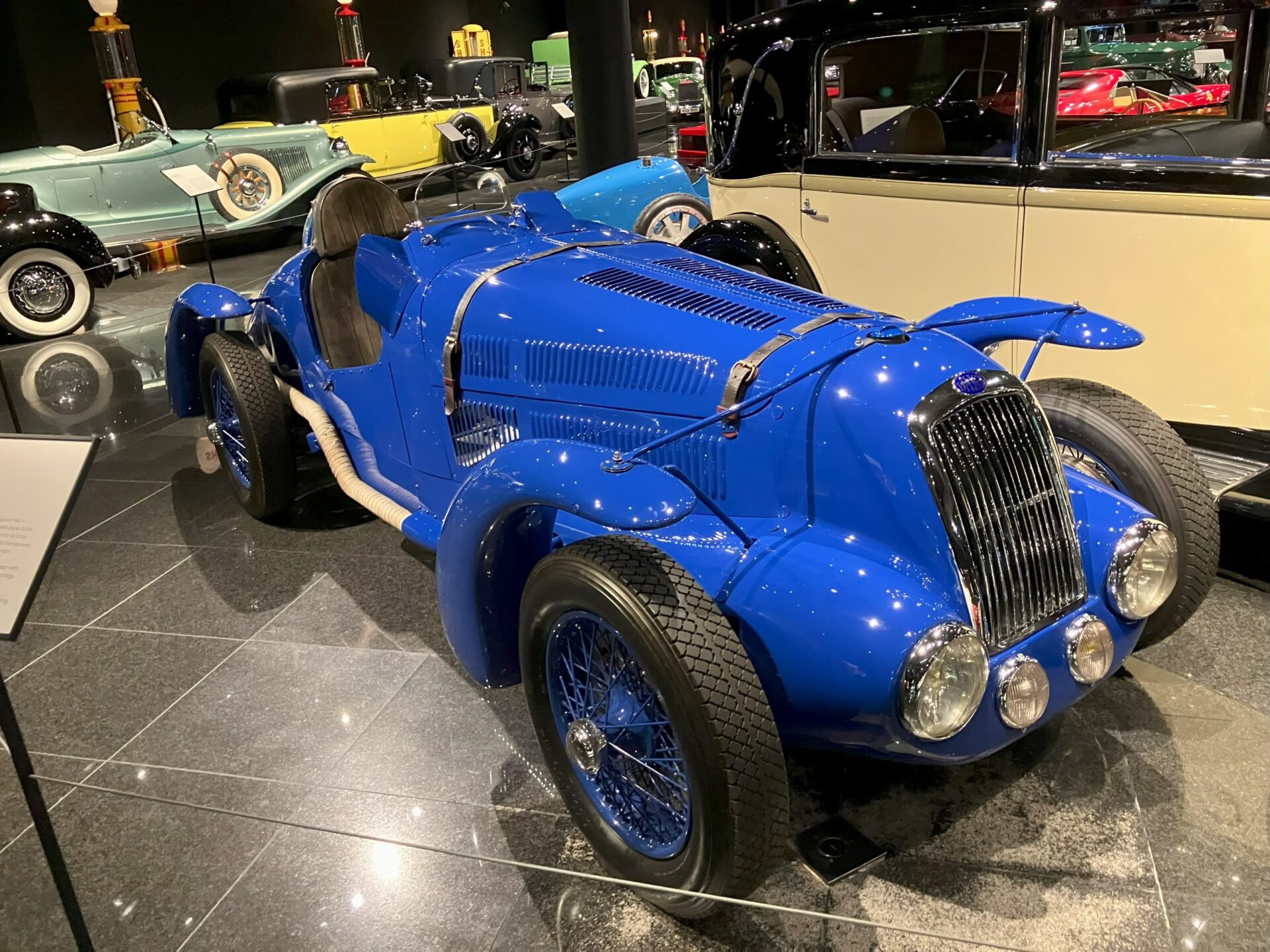
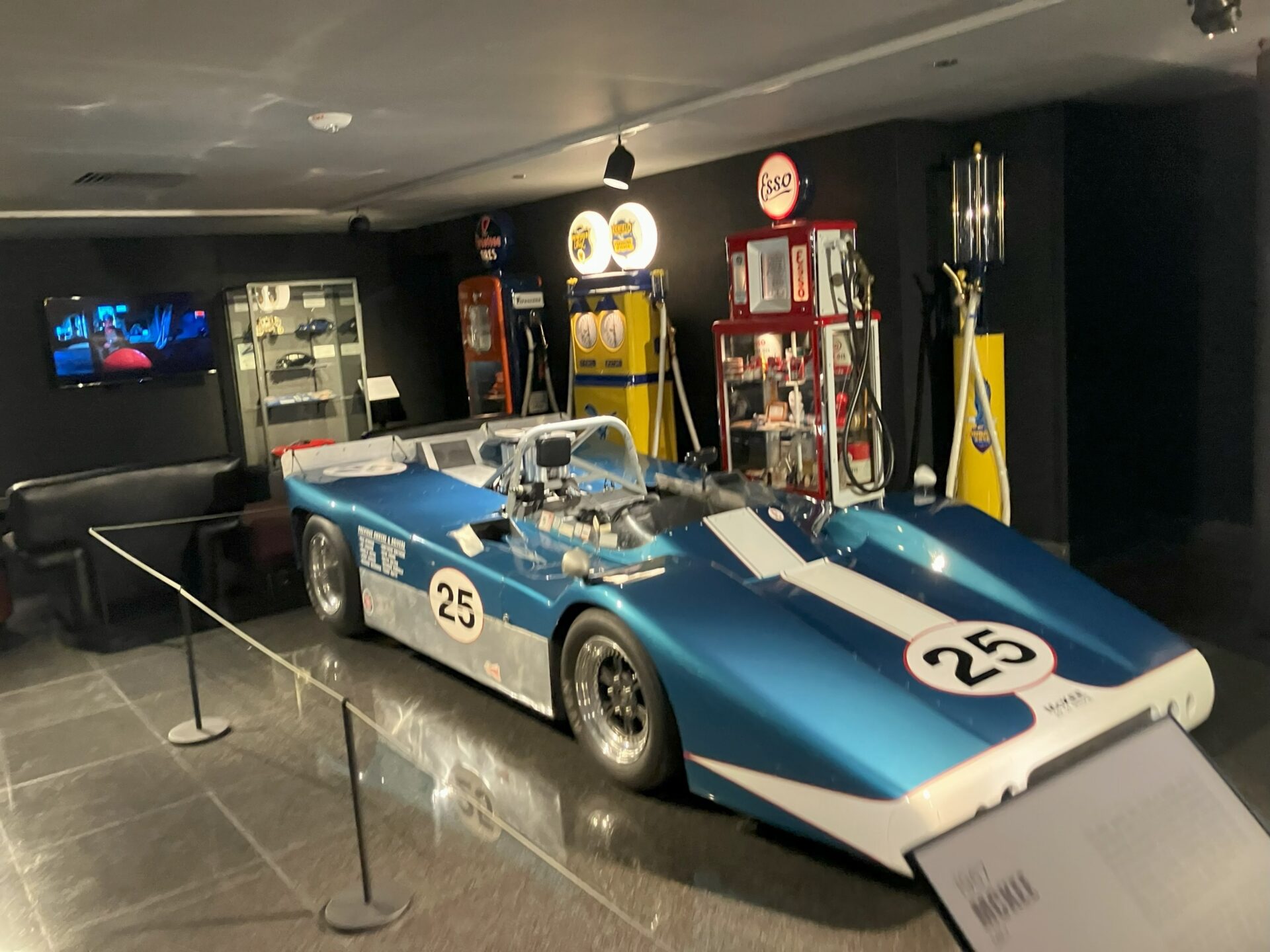
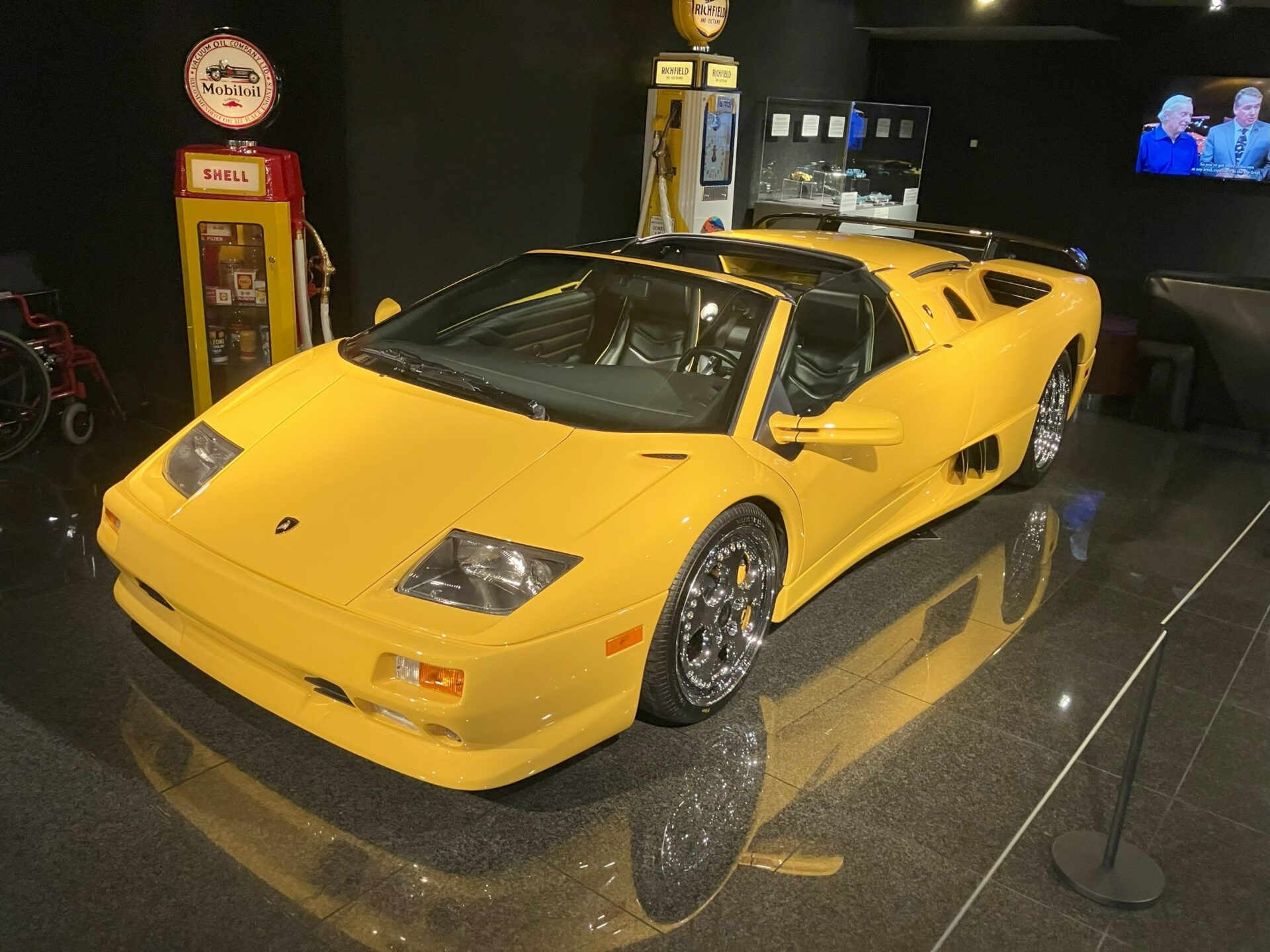
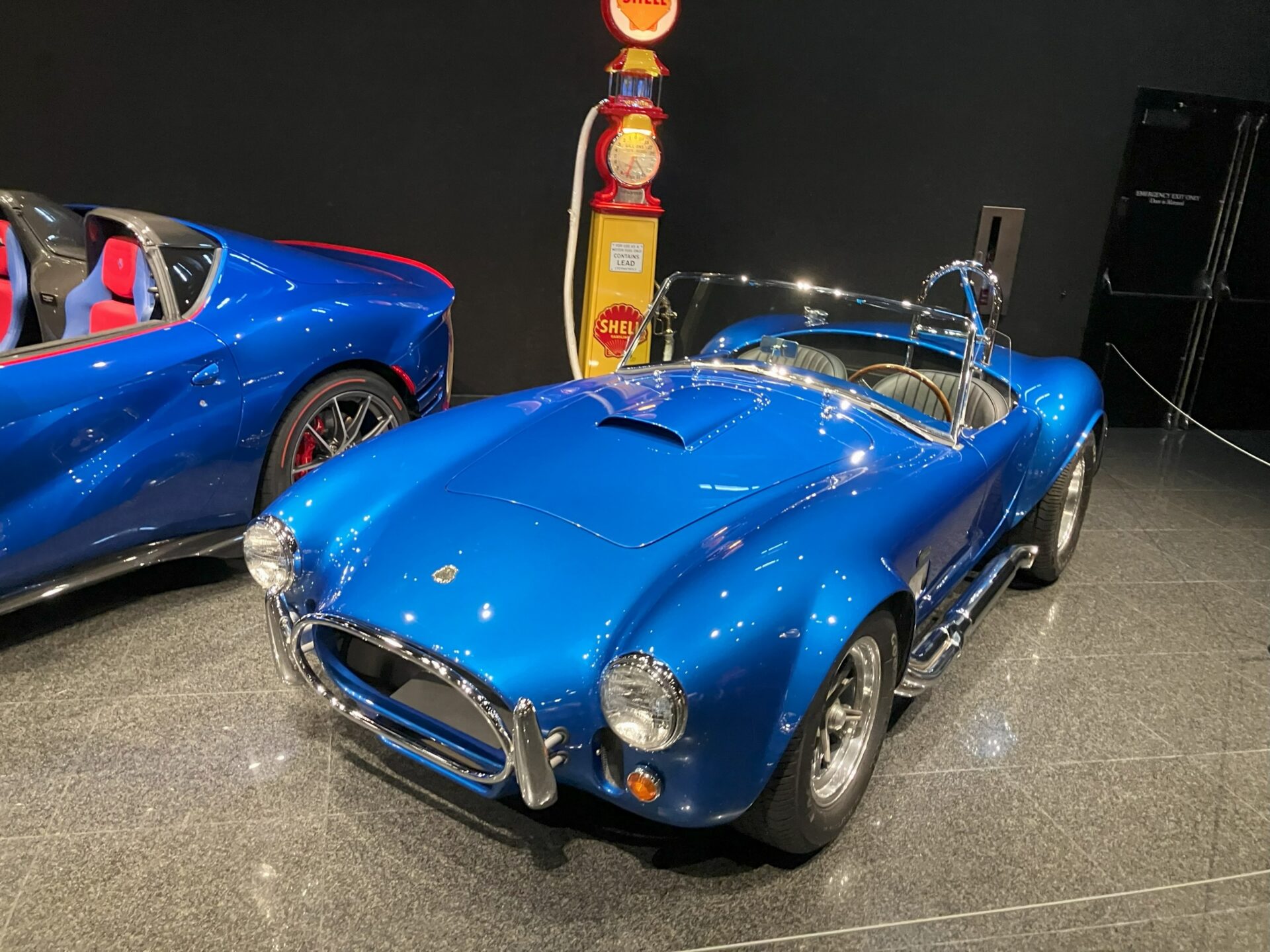
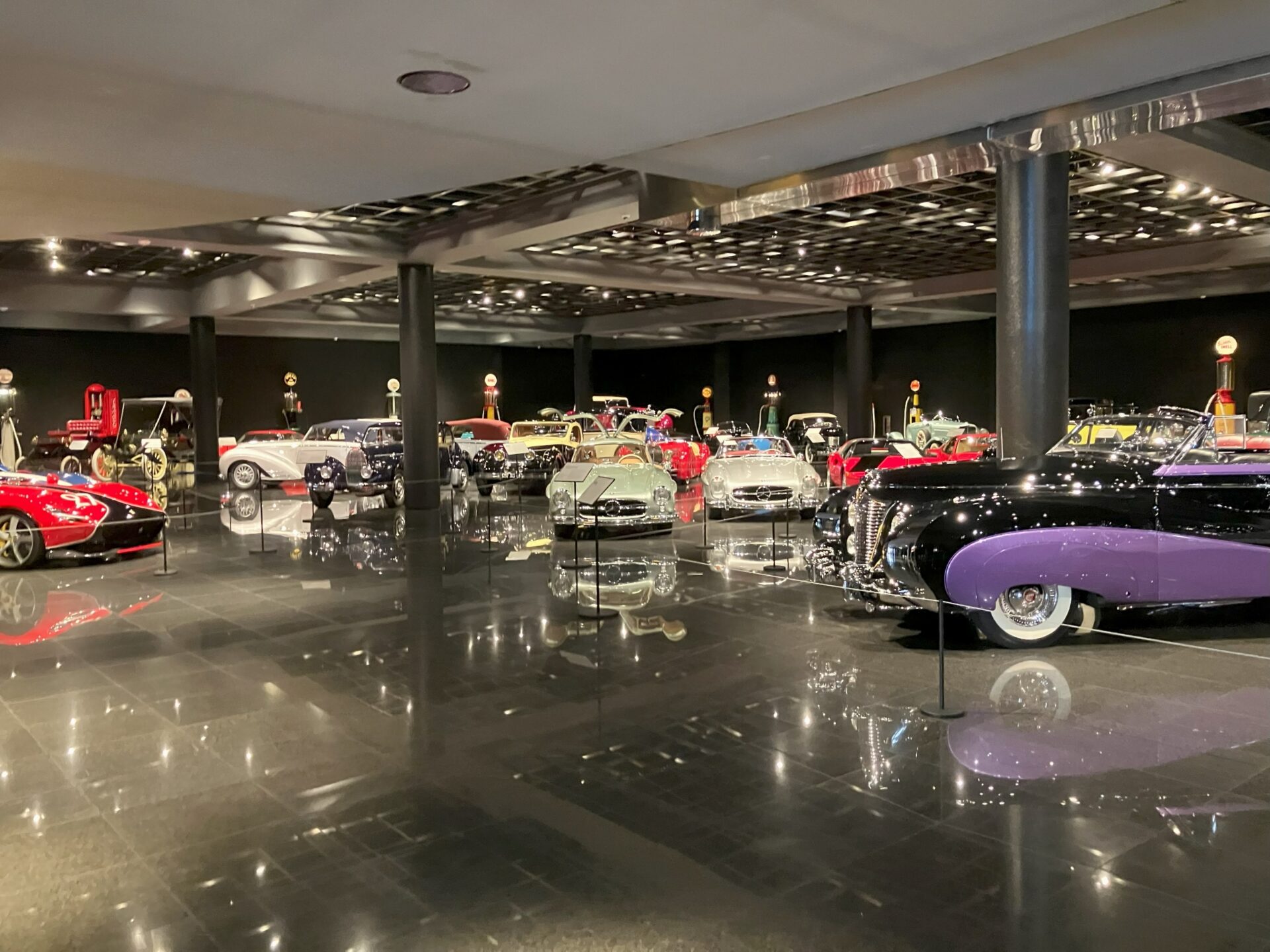
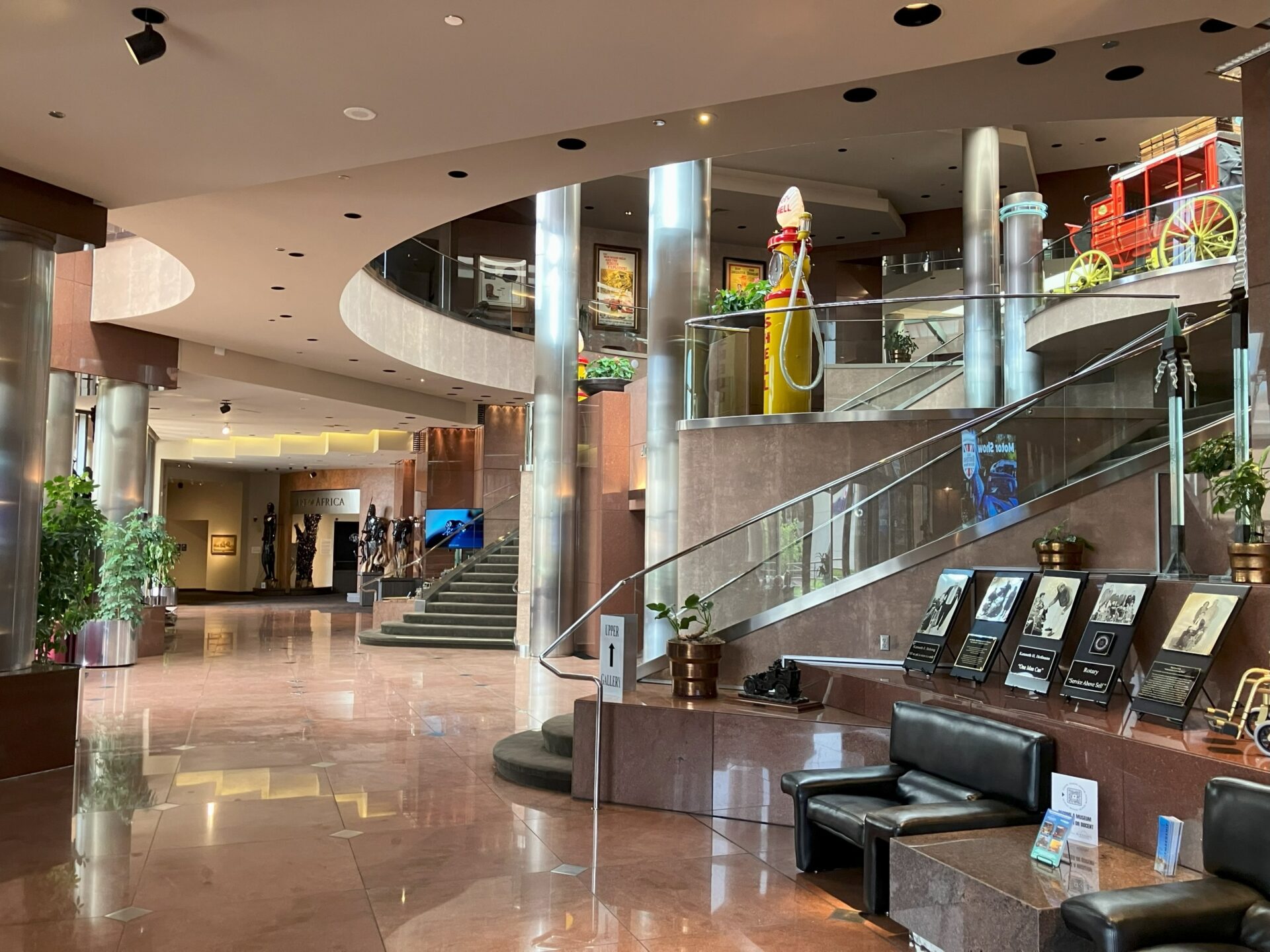
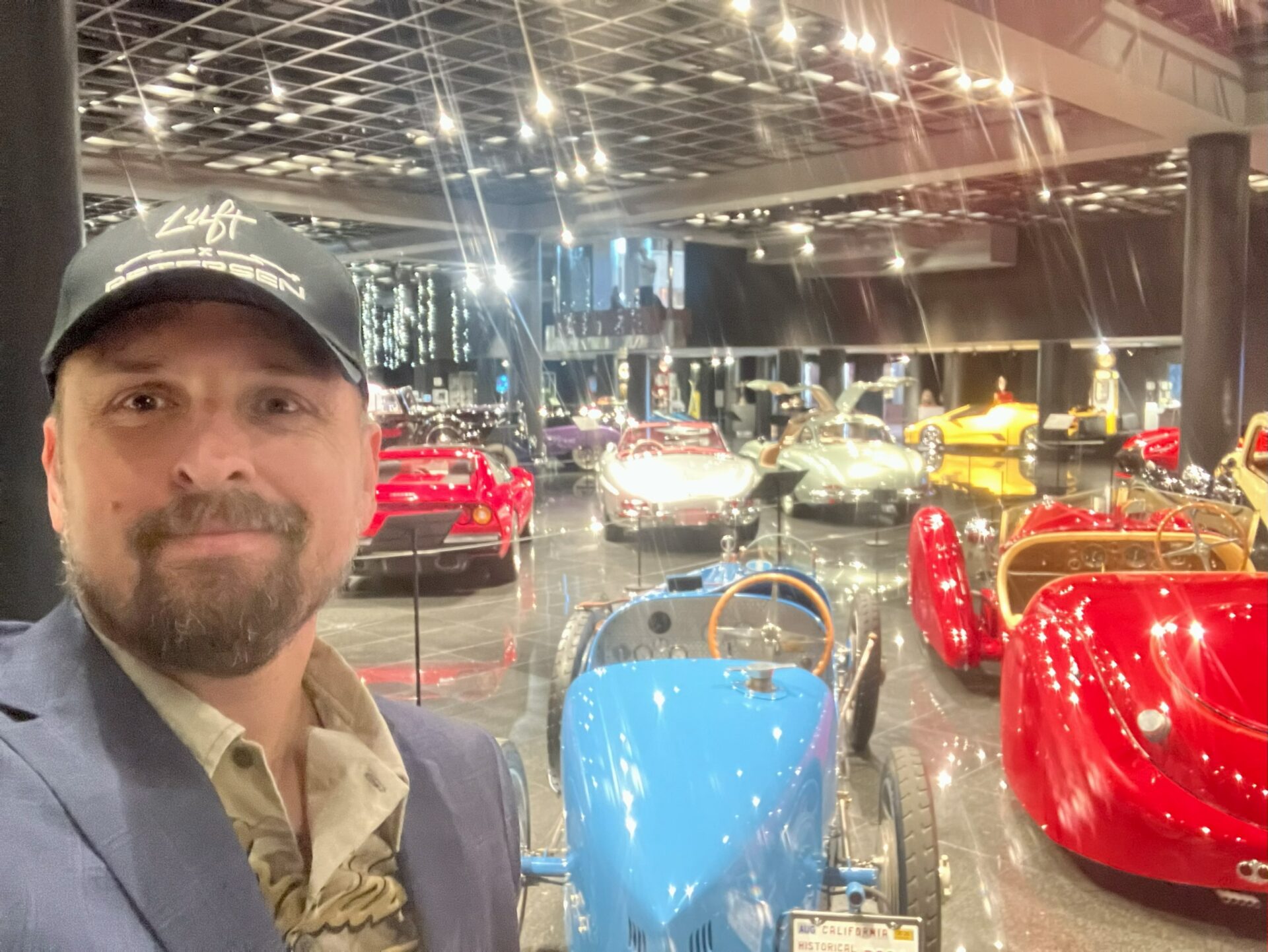
At one point, I achieved automotive nirvana: completely alone with some of the world’s most significant cars, contemplating their chrome and leather in perfect solitude.
For $20 ($15 if you can convincingly impersonate a student), you gain access to automotive history without the chaos of thousands of other supplicants. It’s the difference between visiting the Louvre at closing time versus peak tourist season.
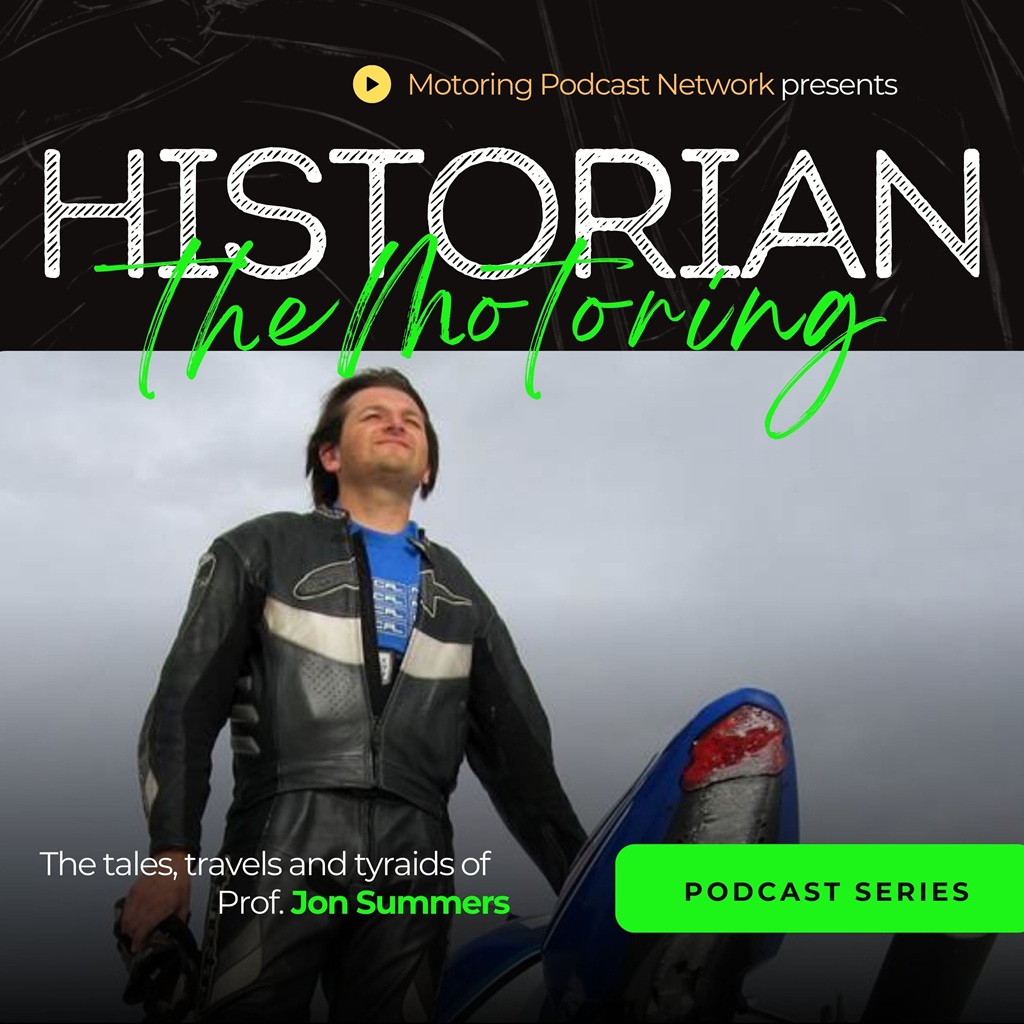
Did you know that the 2025 Pebble Beach Concours d’Elegance winner – the Hispano-Suiza “Tulipwood” – resided at the Blackhawk Museum for much of its restored life? Check out the following podcast episode from Jon Summers, The Motoring Historian – as he explains.
The Road Less Crowded
After a leisurely lunch at In-N-Out – because sometimes the perfect pairing for automotive poetry is a Double-Double – I wandered Napa’s back roads, admiring vineyard estates and homes that suggest their owners have cracked the code to living well. Downtown Napa may resemble an urban planning mishap, but the surrounding countryside is California dreaming made manifest.
My modest hotel near Highway 101 offered clean sheets and a hot tub – luxuries that feel decadent after contemplating the $15,000+ tab that proper Monterey Car Week participation demands.
Total cost for my alternative pilgrimage: $230. Not bad for a weekend filled with real conversations, unobstructed views of automotive masterpieces, and enough peace to actually appreciate what I was seeing.
The Bay Area and Sacramento regions offer countless automotive attractions for those who prefer their car culture without the circus. Maybe it’s time we rediscovered the simple joy of admiring beautiful machines – without treating the experience like a contact sport.
Sometimes the road less traveled – or at least less crowded – leads to more meaningful destinations.