

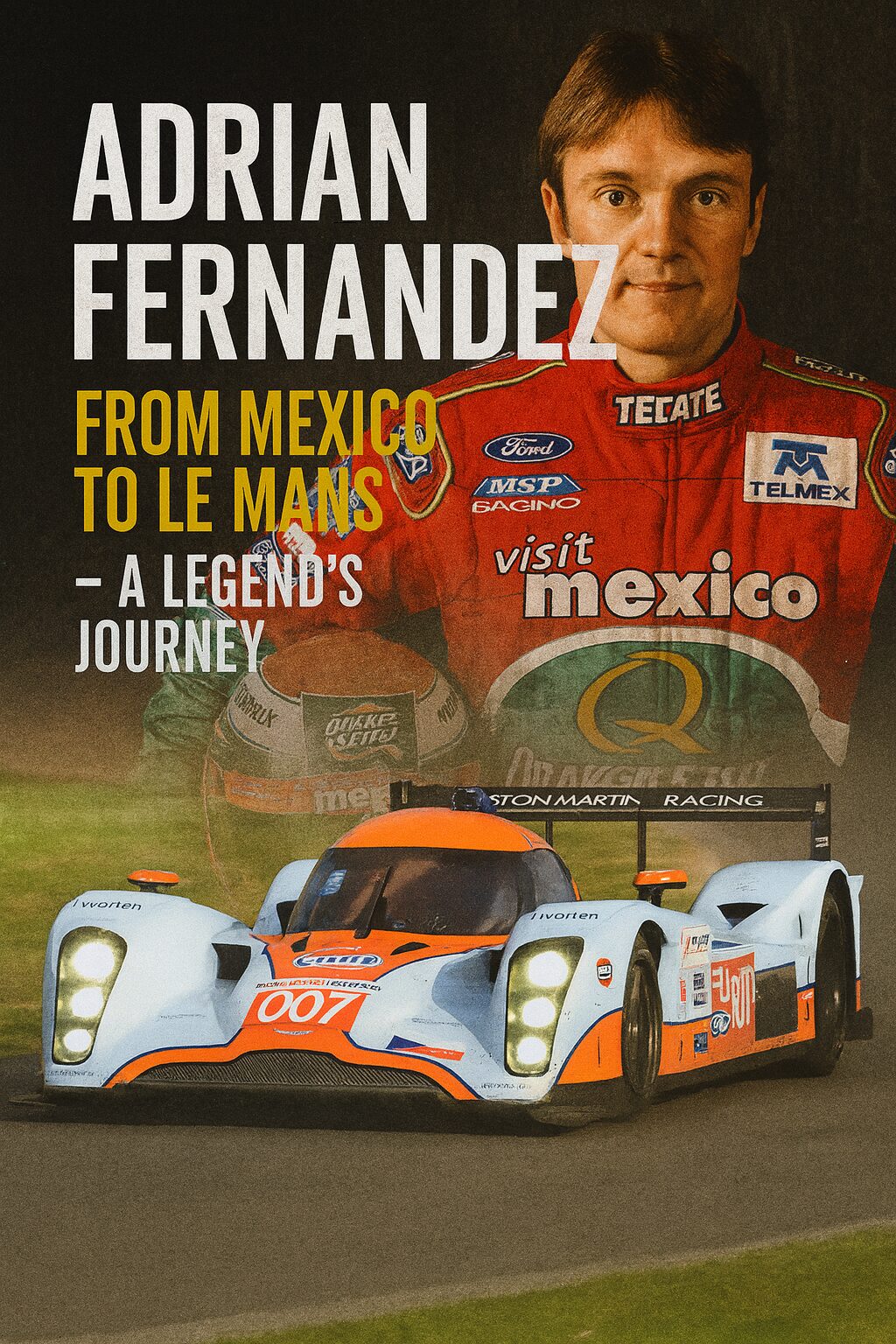
Evening with a Legend is a series dedicated to the icons of the 24 Hours of Le Mans, bringing their stories to life for fans around the world. In this episode, we sit down with Adrian Fernandez, a trailblazer whose path from Mexico to the podiums of Le Mans is as inspiring as it is improbable.
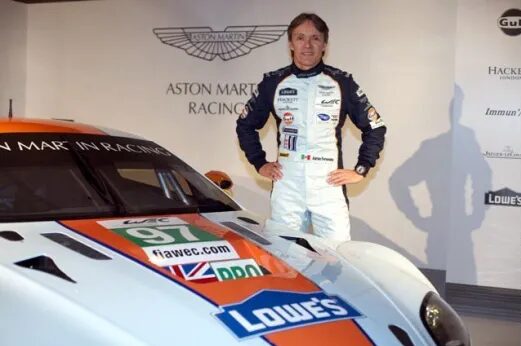
Adrian’s racing journey began in 1981 at age 15, sharing a Volkswagen Beetle with his uncles in the 24 Hours of Mexico. That grassroots start ignited a fire that would carry him through karting, Indy Lights, and eventually a decade in IndyCar. But the dream was always bigger. “Every time time I reached a goal, a new dream appeared,” Adrian recalls.
Tune in everywhere you stream, download or listen!



Determined to break into Formula One, Adrian moved to Europe in the late ’80s. With no sponsorship and limited resources, he worked as a mechanic and instructor at Brands Hatch, even sleeping in train stations and smuggling himself across borders to stay in the racing game. “I gave everything I had. I lived in a mechanic’s house, worked jobs, and hid in trailers to cross borders. That’s the kind of life I had – and I still made it.”
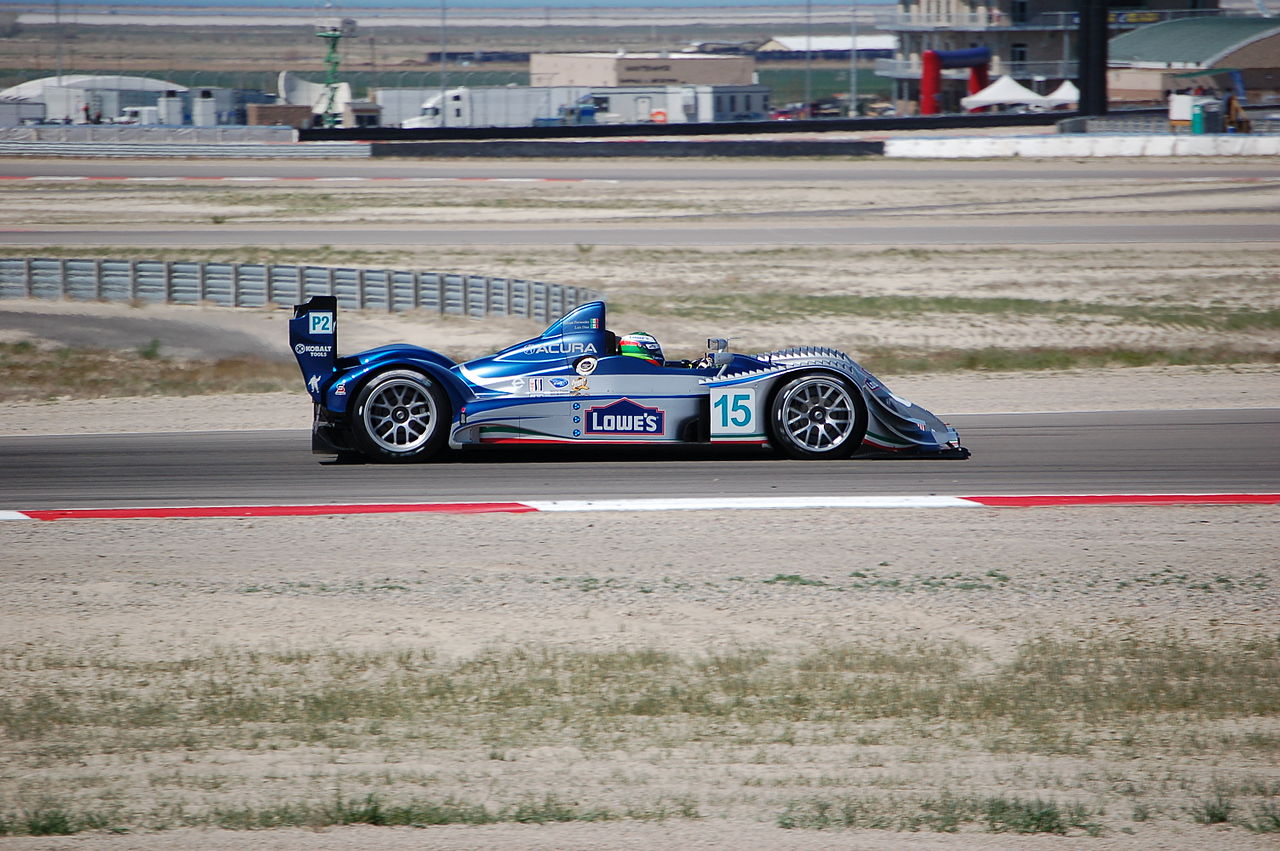
His time in England, racing at Silverstone, Donington, and other legendary circuits, laid the foundation for his technical mastery and eventual team ownership.
Synopsis
This episode of Evening with a Legend features racing driver Adrian Fernandez. The focus is on Adrian’s experiences at the 24 Hours of Le Mans, where he made notable appearances from 2007 to 2012. The discussion begins with Adrian’s early career in Mexico, his progression through IndyCar in the United States, and his eventual transition to endurance racing. Insights include Adrian’s meticulous preparation for Le Mans, his adaptation to different racing categories, and the challenges of night driving in GT cars. The conversation also covers the broader impact of Le Mans on Adrian’s career, his post-racing involvement in motorsports, and advice for aspiring drivers. The script concludes with reflections on the evolution of motorsport safety and Adrian’s current life focused on family and personal enjoyment.
- You started racing in Mexico in 1981 at the age of 15, then quickly moved up and spent 10 years stateside racing in CART/INDY CAR, building up your skills and reputation. Talk to us about how you got to LeMans in 2007. How was the deal put together?
- Let’s talk in more detail about 2007; You’re the first LMP2 driver who’s joined us for EWAL, can you talk to us about those cars? How do they compare to others you’ve driven at Le Mans. Some people view LMP2 as “the Spec Class” – do you feel that way as well? Does that make the racing more fun?
- 2010 – Back again at Lemans, this time in the LMP1 Aston Martin; how did this attempt compare to 2007?
- 2011 – Luck did not favor Adrián in 2011, when his LMP1 Aston Martin AMR-One could barely complete two laps during testing. What happened?
- And your final attempt in 2012, a bit of vindication for the 2011 false start? But this time you were in a GT (production) class car. What was it like running among the LMP1/2 cars?
- Any advice for aspiring Latino drivers that want to make a career in professional racing?
Transcript
Crew Chief Brad: [00:00:00] Evening with a Legend is a series of presentations exclusive to Legends of the Famous 24 Hours of Le Mans, giving us an opportunity to bring a piece of Le Mans to you. By sharing stories and highlights of the big event, you get a chance to become part of the legend of Le Mans, with guests from different eras of over 100 years of racing.
Crew Chief Eric: Tonight, we have the opportunity to bring a piece of Lamar to you, sharing in the legend of Lamar with guests from different eras of over 100 years of racing. And as your host, I’m delighted to introduce Adrian Fernandez. In 2007, Adrian made his debut at Le Mans, taking home a second place in a V8 powered LMP2 prototype.
This was the first podium for a Mexican driver at the Circuit de la Sarthe since the 1960s. [00:01:00] Three years later, in 2010, Adrian found himself back at Le Mans, this time behind the wheel of Aston Martin’s LMP1, finishing fifth in class, sixth overall. Returning for the 80th running of Le Mans 2012, Adrian and Aston Martin took home a third place finish in the GTE Pro class, covering 322 laps without failures or problems.
And with Adrian’s help, the team achieved the fastest lap in their class of 3 minutes 54. 928. At that point, Adrian had the distinct honor of driving the Aston Martin to the checkered flag, and on September 12th of 2012, he announced his retirement from racing, thus concluding his relationship with Aston Martin.
But that wasn’t the end of his involvement in the world of motorsports. And with that, I’m your host, Crew Chief Eric from the Motoring Podcast Network, welcoming everyone to this evening with a legend. Adrian, welcome to the show.
Adrian Fernandez: Thank you. How are you, Eric?
Crew Chief Eric: Great. I’m glad you’re here. Let’s go back in time a little bit and talk about your road to Le Mans.
You started racing in Mexico in 1981 around the age of [00:02:00] 15, and you quickly moved up and spent 10 years or so racing stateside in kart and IndyCar, building up your skills and your reputation. So talk us through how that all led you to Le Mans. Was that a goal of yours to race at Le Mans? How was the deal put together?
Adrian Fernandez: I started in the 24 hours of Mexico. You know, that was my first race, 24 hours of Mexico in a Volkswagen Beetle with my uncles sharing the car. So my whole career went through basically every time I managed to get where I wanted to be like certain steps, then, you know, new dreams, new goals. Came to be able to make it.
So first for me was to raise formula one and, uh, at some stage, because I didn’t have the age, I started racing at 19 years old. So it was not the right age when I was there in Europe. So then IndyCar was more like the right fit for that. And so I moved to IndyCars in 93, 92, I did Indy lights. And in IndyCar, I stayed there all the way through until the [00:03:00] separation of Kart and Tony George.
And then I went to IRL, did the 2004 full season. Some of my sponsors, they didn’t really want to continue there. So at that point, really was. I was just searching to see what else I would do. I still had my own team with my partner, Tom Anderson. So we continued to do the IRL. And at a certain point, we decided to go with Honda to do the, uh, Ford Karts.
First with the Grand Am in 2006. And then in 2007, basically we started this program with the, uh, the American Amount Series with the LMP2, we work on the development of the engine and all that stuff. And basically that was my introduction to sport cars, to endurance series and, uh, 12 hours of searing and six hours of the glen, et cetera, et cetera.
So that’s really how I got to sport cars in that respect.
Crew Chief Eric: So you mentioned that you had raced in Europe earlier in your career, especially when you were doing open wheel and looking to get into formula one, where had you turned [00:04:00] laps in Europe?
Adrian Fernandez: As soon as I realized that I did everything I could in Mexico, I realized that I was not going to go anywhere.
If I stay in Mexico, you know, I have achieved everything I wanted to do, and I felt that I was stuck. So really I wanted to go the road to formula one and we had the Grand Prix at the time, but we didn’t have Mexican drivers. So I say, you know, this is the perfect opportunity. But there was no help, no sponsorship.
I mean, as big as it is now in Mexico, in that time, there was nothing. I was actually the first guy after the Rodríguez and a few guys that tried, but didn’t make it to the top and consistently stay there. I was the first guy to actually just dig my way through it, try to make it in racing in Europe. But I couldn’t get the sponsorship where I didn’t, I couldn’t even find 5, 000, 10, 000 in Europe.
I mean, I couldn’t, I was working as a mechanic. I was an instructor in Brown’s Hatch with Jeff Brabham and other good friends from England, when I didn’t find the money to race in formula four, I was already committed with a mechanic to do everything. I gave him all my savings. And [00:05:00] when the sponsorship was going to give me the other part of it, he’d say, well, sorry, I cannot help you.
I said, now I’m stuck. I’m living in the house of the mechanic that is going to work with me. He’s going to do the team for me and everything. And now I have no money. So I asked my dad, what do I do? And also come back home. You know, what are you doing? You’re crazy, you know, blah, blah, blah. So I thought about it and I said, no, I’m not coming home.
So I found a job. I found my job in Poland, but I have no money. I went through France and I didn’t have the visa. So I have to return. I have no money. I had to sleep three nights in the train station. before we crossed this time over through Belgium. And at that time I convinced the driver to keep me in the box, you know, in the trailer.
I hid for four hours and two boxes so I can go through it with no checkups. So I smuggled in two there because I didn’t want That’s the type of life that I had. And I still make it, made it. So that’s what I’m saying. You know, it was just very tough. So at that time in 87, 88 and 89, I really did all the circuits in Europe, especially in [00:06:00] England, you know, Silverstone, Trotstone, Donington.
I mean, you name it, all of them. It was a very good for my career because the experience that I got there, it was just incredible. I mean, it was the best racing. And even though it took me a while to, because I was, I stay in the same series for three years because I have no money and I was working at the beginning as a mechanic and things like that, but it gave me a lot of experience.
experience, which it made the base for me eventually to have the knowledge and things like that to own my own team and do the different things that I did in my racing career. So it was a very, very good decision to go to Europe at the time.
Crew Chief Eric: So a lot of drivers that go overseas and go to Europe, they end up cutting their teeth at some of the most famous tracks in the world.
You talk about spa, you talk about Silverstone, Monza, the list goes on and on, but then there’s always in the back of their minds. Le Mans or Nurburgring, but usually Le Mans because Le Mans is the biggest race in the world. And so for you, when you were there, was that ever a thought that was crossing your mind?
Like one day I want to [00:07:00] drive at Le Mans.
Adrian Fernandez: Yeah, it was. I mean, it was like, I wanted to drive Monaco. I wanted to drive the Indy 500. I wanted to drive the Daytona, you know, the big races and like Le Mans was one of the big ones. And Pedro Rodriguez won there and it was a very special race for us in Mexico.
We have knowledge about the race. And obviously Le Mans was like the jewel of the endurance racing. So yes, through my career, I always thought about it, but I never had the chance or the opportunity until I finished my career in IndyCars and just had this great relation with Honda to really start racing prototypes in America with an American Le Mans Zero, which was very competitive.
I don’t know if you remember, you know, we had the Penske’s, Porsche Penske’s and, you know, Andretti was there and eventually Gilles Deferran was there. And I mean, it was just a very strong and competitive series at the time. So, yeah, I mean, I got in love with it and it’s just so special to race those cars at that level because those cars are super fast.
Crew Chief Eric: So you put together the deal for your first run at Le Mans. In 2007, that was with [00:08:00] teams. I tech in the LMP two car. Yeah. What was it like going to Lamar the first time? What kind of impression did it make on you and coming from open wheel to endurance more so than let’s say ALMS in a much longer format and a track you’ve never seen before.
How different was it to drive that LMP two car at Lamar?
Adrian Fernandez: Lamar is my favorite racetrack and I will say the most challenging because of the high speeds. So I really. took my time to prepare myself very well. Firstly, that race that we did in 2007 was all orchestrated by Honda because Honda was looking into doing their own programming in the future in Le Mans.
So basically they took me as a driver and they made a deal with SciTech at the time for me to race there and for them to get an experience. about what was Le Mans all about it. So at the time we have small simulators, just very basic. We didn’t have, you know, the high tech simulators that you have now, but at least it gave me an idea of where the track was going and then just as I got there, you know, it’s a track that you [00:09:00] cannot just drive around 80 percent of the track is roads that people just go from town to town.
What I did is I took a scooter and I went corner to corner taking pictures because as a race car driver, especially in Le Mans, everything is about references. You know, you have to have a good reference to every turning point and breaking point, especially you’re going so fast, like in the Mulsanne straight, you know, it’s, uh, at night you go so fast.
that stopping into the first chicane, if you miss a little bit, your breaking point, you blow the chicane. So basically I went through with a scooter and I started looking at buildings, you know, there is a bar, there is this and that. And, you know, I took photographs of all of this while the test was happening and all that, with all this information that I got, I really, really got very well prepared.
And I remember that the Japanese driver. Karuaki Kurosawa, he had more experience. He’s already raced in Le Mans. So he did a few laps. And then that’s the other thing. You don’t do many laps before the race because the laps are so long. It’s not like you do 20, 40, 30 laps. No, [00:10:00] no, no. You do maybe seven laps.
And the other guys, 10 laps, you know, just not many laps. So that’s why I did my homework in terms of knowing where every breaking point may be, references and all that. So I didn’t feel like lost because otherwise it takes you forever to learn the track. And I did my labs and I told the guys, I said, don’t put any lab times.
Don’t show me any lab times. The first time that I went there, I said, don’t show me anything. Just let me be. Just going to go out and I know I’ll be fine. I just want to learn it. And I took my time and eventually I was starting better, better, better, better. And, uh, I mean, and then I was. Quite fast to the point that I qualify the car because I was the fastest of the drivers.
And, uh, we put the car on the pole, so that was very satisfying for me. But like I said, I did the homework and I walked the track. I check everything. So I didn’t feel like I was in a man’s land. So that was key.
Crew Chief Eric: So how different was the setup of the Le Mans prepared LMP two car versus the one you were running here in the States?
Adrian Fernandez: I mean, the cars are very. I mean, this [00:11:00] was an open cockpit, the same as I was driving in with a Lola chassis and then eventually the Acura chassis in the American Le Mans series. But the difference between the racetracks in America to Le Mans is that it’s so long. So you’re going super fast. You know, there, there is quarters of eight years, six years.
I mean, the entry of the Porsche corners and all that section is extremely fast to the point that if you make a little mistake, I mean, it’s over. It’s not like there’s nothing like a little mistake. It’s almost like the Indy 500. You’re not a little mistake. You’re on the wall. It’s the same there. So you have to have a lot of respect for the track.
It’s all about the speed. So it feels different in that respect because you’re going so fast. Nothing compares all the race tracks that we race in here. Sebring. Searing is super slow compared to them on wood tracks, but it’s just different setups, techniques, everything. For example, Sebring is super bumpy.
One year we wanted Luis Diaz and myself, just two drivers. I drove six hours and a half of total for the 12 hours. And I was absolutely done. I mean, [00:12:00] just because of the vibration and the bumps and everything in Lamonts is the other way around. It’s extremely super smooth. The track. And the nice thing about Lamonts is that the tire Keeps the grip lap after lap after lap.
So it’s really a pleasure and it’s very enjoyable to drive Le Mans because the tires then they don’t really dip. They stay very consistent and it was just fantastic to drive. So it’s just another technique, but it’s beautiful.
Crew Chief Eric: And I know I keep bringing up LMP2 cars and LMP2 cars because actually you’re the first.
Legend to be on evening with a legend that’s campaigned an LMP2 car. And oftentimes it’s one of those classes that we overlook. It is extremely competitive even to this day, but people view it like a spec class. And it’s like, ah, it’s LMP2. You know, I’m more interested in the LMP1 prototypes or what’s going on in production car.
And even TV coverage doesn’t often give enough light on the LMP2 class. So it’s fun to sort of pull these threads and learn from a driver. What LMP2 is really like I’ve heard from some other drivers. Coming from open wheel to prototypes, not [00:13:00] necessarily LMP2, they’re like apples and oranges, there’s no translation between the two.
And I often wondered, is that really true? How close is the downforce? Are they very similar handling wise, or did you have to relearn as you transition from one to the other?
Adrian Fernandez: First thing you have to relearn because you’re not the only driver in the car. You know, you’re sharing the car with somebody else.
So basically everything is a compromise from the seating position to the setup. So basically you have to really work with your teammates to be able to get the best setup and the best feeling for everybody because it doesn’t matter if I’m very quick and my teammate is not that quick because he doesn’t fit well or he doesn’t like what we make to the car.
It just doesn’t matter. So it’s a compromise. The LMP2 that we drove in those years that I competed in the American Le Mans series with Acura, those cars were extremely fast. I mean, super fast because after that they tuned down the engines, but 2007, eight and nine, the cars were extremely fast. In that respect, the car performance and speed up through the corners [00:14:00] was.
In some ways, very close to IndyCars. So really, the things that you needed to work a lot, like I say, working with your teammates, working in a compromise setup that it works for everybody, learning how to, uh, manage the car, not destroy the car. Obviously, these days, even in my days, you can push. 10, 10, all the time, the car and the car, they survived the other 12 hours, 24 hours is a go.
But at the same time, you know, it’s a long race, so you don’t want to do stupid mistakes. And you just really want to have a little reserve just to make sure you don’t make any mistakes. And you drive through the night. Sometimes you drive through the night in rain and things like that, that you don’t have in IndyCars.
IndyCars, you always have lights. The races are very short compared to Le Mans. I remember one year, 2010, with the LMP1, I was driving with my good friend Stefan Muka and Harald Primat. And Harald Primat had a problem through the night, and he couldn’t drive after one hour. And I just came out of the car. I was just getting ready, you know, you have your motorhome, you take a shower, you have your physiotherapist, you eat, [00:15:00] you do all the things.
And I was starting to get ready to go to sleep. And the team called me that they had an issue with him. And that if I would be able to replace him, he had, uh, an issue with, uh, cramping and things like that. So I jumped in the car. I didn’t rest much three years. Yeah. Three and a half hours after I came out of the car and I drove almost four hours straight.
And I say almost four hours, because it was like three hours and 55 minutes, because you cannot exceed in those days. You couldn’t exceed more than four hours. Otherwise you get a penalty, but I was fine. I was fine. I could drive. I was. Not sweating. I was just, I remember that thing that I did so long, actually the engineers and everybody went to sleep in the, in the trucks.
I was not hearing any, anybody was completely dark. There’s not even lights. The only part that there’s some lights is in the permanent course, but the rest is just absolutely night. So you just see your lights of the dash. The lights of the other cars, but it’s so peaceful and you’re just basically, it’s like diving at night, which is so beautiful.
But I was calling my engineer and nobody was answering like for two, three laps. I was getting [00:16:00] worried, you know, even though I knew exactly more or less when I had to get into the pit, but sometimes it gets a little, uh, scary if you don’t hear back from your team.
Crew Chief Eric: Glad you brought us into 2010 and the LMP1 attempt with Aston Martin.
And so I wanted to focus in on something you just said. said, we’ve heard from other drivers about the changing conditions at Lamar. What are the most stressful times when the sun is starting to come back up or what inevitably starts to rain, but almost four hours in the car, a lot of drivers these days don’t do those long stints like that.
They do two hours at a time. And you know, then they have the maximum amount of drive time and all those kinds of things. How do you stay focused for four hours in the middle of the night when you’re just by yourself? How do you not, let’s just say, get bored or. How do you keep your pace consistent? Lap after lap for four hours.
Adrian Fernandez: Just training. I have always been a very disciplined person, very disciplined athlete. Even in my days of IndyCars, I always worked to the maximum and more. I was very good with everything I did, you know, and the type of training physically that I used to do. It [00:17:00] was also about concentration and focusing and things like that.
For me, it was just natural. I felt I was very good at it. Barely made any mistakes. I’ve never crashed in Le Mans. So I was just very pure concentration. And to the point that, like I said, you know, I can drive for four hours and I didn’t have any problems with getting tired. In IndyCar, one of the challenges that I face when I enter IndyCar is that I have a very small bone frame.
You know, my bones are tiny compared to, for example, people in those days like Mario, Andre, Nigel Ma, Paul, Tracy, ARDI, et cetera. So the indicators in those days were so physical that you needed four or five LAP to do a, a good lap in qualifying, and the four feet lab were the best. And I couldn’t do more than three laps good.
And, uh, so the X track, which was in the fourth or fifth lap, my body was completely done. Physically, I just couldn’t turn the steering wheel. We have no assistance of anything. We have no traction [00:18:00] controls. We have no power steering control. And we have 1000 horsepower. Those cars were really a beast. I mean, you have physically.
I remember Ari lying like a night before the start of the Laguna Seca race. We were instead of talking about the car or whatever it is we were talking about, are we going to make it, you know, physically because it was so physical. So I learned a technique to relax. Obviously I changed the way I work out and everything, you know, less cardio, more, more weights and things like that.
But then I work a lot on relaxing my muscles through the straights. A technique that I learned and I applied very successful work with my engineer because we have this deficit. So how are we going to make it? So one, physically you have to work on this. So I learned how to relax my muscles on the straight and just put the effort on the, you know, so some people are like very tense, you know, even in the straight, no, no.
And in the straight I was just relaxed, just basically putting the minimum amount of effort just to keep the car on the line. And then when you get to the corners and all that, that’s when you put the effort. So that really [00:19:00] takes a lot of effort out of each lab. And that’s how I managed to improve because of the strength that I, that was, I was lacking.
And then because we were not qualifying so good, John Ward and myself, we work on just how are we going to fight with these deficits? So basically we work a lot on how to save fuel. And if you remember my days of IndyCars, we were the first one that we were so good on saving fuel. So I always managed to do one lap or two laps more than the guys when they came into the pits.
And that was how we compensate the lack of strength in those days. Within the cars to be able to win races that transfer it to Lamont. So same with Lamont, some guys who, when they come and you know, the speed and everything, they are very tense and they get tired more and all that. And I was extremely relaxed on the straight.
You have a such a long straight. So I was very relaxed driving the car in that respect, putting minimum effort into my muscles and just. Focusing on the track, but you’re going so fast, you know, [00:20:00] you’re going so fast, but you have to relax. And once you put everything in contest, you know, everything slows down in your mind.
It’s like a machine, you know, lap after lap after lap. And the only thing you have to worry is about somebody went off, there’s gravel, or there’s certain things that normally when there’s a driver change, you have to be ready, like half an hour before you get into your shift to getting back into the car.
And at that time, you put your earplugs, your radio, and you start talking to the driver that is driving the car. And he’s telling you the last three laps or two laps or the last lap, he tells you, you know, be careful in here, be careful in there, there’s a little bit of oil, or the track is okay, don’t worry, because you have to perform.
Once you get out of the pits, even if it’s 3, 4 in the morning, you know, a little chilly and all that. And you’re like sleepy or whatever. I mean, you have to jump on the car and you have to go and you have to be within three, four tens or, or the same lap times that the other guy got was, I mean, you have to be really on it because the competition is so strong, but it helps to listen to the driver that is coming out to see how is the track, how is the car, any [00:21:00] problems, blah, blah, blah.
And that’s the big difference when you were asking about Indy cars and sport cars, you know, the endurance. A competition is just that, that you’re sharing the car with somebody else. So you’re a team in that respect that you normally don’t do that in IndyCar. That’s a lot of fun and it’s very challenging.
Crew Chief Eric: So let’s catch everybody up. 2007, you come home with a second place finish in LMP2, your first time at Le Mans.
Adrian Fernandez: Yeah.
Crew Chief Eric: With all the preparation that you did, it paid off. I’m sure you couldn’t have been more happy with those results. Yes. You come back in 2010 running an LMP one car for a totally different team, totally different car.
And you come in fifth, sixth overall.
Adrian Fernandez: Sixth overall. We finished fifth in class and, uh, it was with Harold Priman and Stefan Munchen. We finished, uh, fifth in class. Yes.
Crew Chief Eric: Another year goes by the 2011 season comes around and I didn’t mention this in the introduction because your luck sort of ran out at Le Mans that year and you had some problems with the LMP1 Aston Martin AMR1.
So what happened?
Adrian Fernandez: David [00:22:00] Richard wanted to do his own engine, his And, uh, the way they designed the car, especially the engine, they run out of time to produce a good engine. Um, basically they were having so many problems, both cars retiring within. We started, we did one lap just as that after the door lock corner, you know, in the Molson straight, just 200 meters into the Molson straight, basically I broke first and then Darren Turner was driving the other one.
He broke a hundred meters ahead of me. And that was it. One lap in a quarter. That’s what we did. That was very hard on Aston Martin, in Debbie Richard. And it was just a tough day for the whole team.
Crew Chief Eric: But that didn’t stop you. No. Another attempt in 2012 at Le Mans. So how did that work? How did you move then into the GT production class?
Again, running for Aston Martin. Why the invite to go into production and not maybe another LMP2 or LMP1?
Adrian Fernandez: So this is what happened at the end of 2009, we see us and myself, we won the LMP2 championship in the American Le Mans series. At the same time was the end [00:23:00] of my team, Fernandez Racing, I closed the doors of Fernandez Racing.
And the reason was we had the crisis of 2008. And we did very good with Fernandez Racing. I wanted to, uh, keep the team, but it was very difficult to keep sponsors and a lot of things. At that point, you know, I’ve done everything in my career. I was, you know, I was very successful in most of the championships and cars that I competed.
So I was in a good position myself. And for me, the most important part of my life at that point was to put a lot of attention on my family. That was like as much attention and dedication I put to my race career. I wanted to put that into my family. I was just burned out. I was living in Miami. I didn’t want to go on and live in Indianapolis or somewhere else.
And I mean, I had different opportunities, but I was done basically. We decided to sell the team and Lowe’s USA helped me to get this deal with Aston Martin. They sponsor us. They paid for my salary and the deal was for three years. So basically I was going to drive whatever David Richard [00:24:00] wanted me to drive there and whoever he would put me to drive with because I was at that time, I was not an owner driver.
I was just a driver. So basically he wanted, first, the LMP one was the first time 2010 with him. Then 2011 was his project. It was our LMP one also, but it was just a total disaster. And actually that year we have to jump back to the other car that we had to the LMP one. You know, the beautiful, I don’t know if you ever heard it, but the, the aftermath, they call it BO nine 60, which was the Lola Chelsea, beautiful Chelsea.
With this B12 Astro Matthew was beautiful, sounding beautiful. So in 2011, we went back. After we saw that the AMR one was not working, we went back to the Lola chassis and we finished the season. So for 2012, David say no more LMP1 or LMP2. Obviously Aston Martin makes a lot of cars, you know, especially, you know, the Vantage GT and all those.
So they had always a program there. So, but basically they wanted to have the top [00:25:00] drivers. Driving in the pro team, basically that was my year that I just did GT, which I never done before in my life. I did a few NASCAR races in Mexico and things like that. And I did, uh, a few reasons on the, all of a sudden when I tried to go to NASCAR in 2005, six, seven, and it was challenging to be honest, driving the GT was the most challenging because I was driving with Darren Turner and Stefan Muecke.
These guys were extremely good drivers in GTs. When you come from cars like the LMP1, LMP2, and driving all your life single seaters, Indy cars, things like that, type of driving is just very precise, very small movements, etc. You know, when you jump in a GT, you know, the car moves a lot more. You have to get used to that movement and trusting the car and things like that.
So I really had to work really, really, really hard on it, but I managed to have a great season with them. I worked really hard on looking at how the car felt and everything. And I was always within two tens of them. So it was a great season [00:26:00] and basically a great finish for my career in terms of racing, because that was my last race.
And we finished third,
Crew Chief Eric: you know, when you follow. The WEC and even the IMSA schedule, not all of the races do the quote unquote, the bigger cars, like the LMP twos and LMP ones run the whole season with the GT cars. It’s a little bit different when you’ve got all the classes running together, like at Rolex or at the Glen and places like that.
So when you got to Lamar running the GT, even though you had been running it in the rest of the season, I’ve heard a lot of other drivers. Say that when they took a step into a production class, they spent a lot more time driving than their mirrors, than they were used to.
Adrian Fernandez: Yeah, that’s the horrible part of it.
I remember very well because, you know, I took my dad there because I, I really thought it would, that was going to be my last race. So he was with me there. So we started driving and in practice, I did race some at night and I was extremely uncomfortable, especially, you know, I was 50 years old. My eyes are not as good as when I was 35 and I was struggling at night.
The most [00:27:00] difficult part of it, first the lights, you know, you get these lights and obviously your marks are not as good and now they have better systems so you don’t get blinded. But you see the lights and you think that he’s there and you want to turn that part of it that you are not secure. If he’s there or he’s not there, it’s very difficult, especially in those years.
Now they have much better system to know if they turn, if the other guy is there or not. So it was just very, very difficult in that respect. So what I told my guys, Stefan Mucha and Darren Turner, and I said, how old are you? Is 20 something, you know, and you 31 or 32. Okay, good. See you in the morning. I’m not driving at night.
I took the right decision of not driving at night. They did all the work. They did a fantastic work. Fantastic drivers. And I drove in the morning and David Richard let me, uh, finish the race, cross the finish line. And, uh, that was very special.
Crew Chief Eric: A lot of drivers that tell their Le Mans story, it’s a turning point for them as a driver.
And for you, it was towards the end of your career, actually at the end of your career, as you decided to retire after the [00:28:00] 2012 season and move on to other things, still involved in motorsports, which we’ll get to, but everybody’s tends to agree that. Lamar changed them as a driver for the good. Sometimes maybe for the bad, but generally for the good.
So how would you say that Lamar changed you or what did you walk away from the experience with? What did Lamar teach you as a driver?
Adrian Fernandez: To be even more disciplined because any small mistakes, you know, like the Indy 500 is a tough race, but it’s just two hours and a half, maybe. Max, but Lamont says 24 hours, you know, you’re driving with different classes, different speeds.
So basically it just teaches you a lot about awareness and respect the other classes, respect the other drivers and be more disciplined within yourself. Every time you make any decision. When you’re driving, and that’s why Le Mans, it makes you a better driving in all aspects.
Crew Chief Eric: As you retired from racing, but you didn’t retire from motorsport.
You got involved with Sergio Perez in formula one and trying to promote the next generation of Mexican drivers coming up through the [00:29:00] system. And so you’ve been involved in motorsport for your entire life. When you look back over your career, working with Sergio, working with a lot of other drivers, do you have any advice for aspiring Latino drivers who want to make a career in professional racing?
Adrian Fernandez: Yes, of course. I mean, the main thing is that if you really want to become a professional race car driver and make an impact, you have to really take it with all your your arms. I mean, you have to be completely involved on it 10 10 all the time because it just takes so much. The competition is so tough.
There’s so many good drivers. So you have to always look at how can I be better than the other guys? And there’s so many good drivers around, you know, that the difference between the good drivers are not so good. It’s very small. It’s just the good drivers, exceptional drivers are the drivers that can stay in that limit for a long time and they don’t make mistakes.
They can adapt to different type of cars. If the car is not good or bad, they can adapt and they can go through adversity and things like that and still be there and make the results. And that’s what it takes. And to do [00:30:00] that, you know, your life has to be balanced, meaning you have to have. Time just to think about racing.
If you have other businesses, other distractions, family, or a lot of family or other distractions, you know, it’s difficult. I mean, look at Max Verstappen. He finished one race and even sometimes in the weekend of the Grand Prix, he’s racing online, you know, with the simulators and after the races. He’s racing on Monday and Tuesday and Thursday with a simulator.
He’s so sharp mentally because he’s on it all the time. And that’s how the level of competition it is. So if you really want to do this, you have to really put everything on it. You have to be very selfish because you have to really dedicate a lot of your time to it. And sometimes, you know, I miss a lot of weddings and special events for my family.
I have to leave Mexico. I have pursued my dreams and that takes a lot of sacrifices. It’s done. Nah. A lot of people don’t do it a hundred percent and they do it 98%, 97% or, or like that. And [00:31:00] sometimes that two 3% makes the difference between the good drivers and the exception of drivers.
Crew Chief Eric: Do you know of any pathways for younger drivers to come up through the system?
Is it easier now? Are there any incentives for Latin Americans and Mexicans to come into the US and European racing programs?
Adrian Fernandez: You know, I, I have not been so attached to racing. I mean, I watched the races. Because I like to race. I watched IndyCar races. I watched Formula One and I watched some NASCAR races because my good friend Daniel Suarez is there.
But for Mexican and for a lot of the Latin drivers, the doors now are open. When I went to Europe, the doors were shut and I had to open them because there were no opportunities to have sponsorship. Nobody believed that you can make it. Now it is proven. So now the work is that you have to go and knock at the doors of the sponsorship and convince them that this is what you want to do.
And they tell you, no, it feels bad, but you have to keep knocking at more doors. And because now it’s easier to really make it in terms of make it to different [00:32:00] categories. Like I tried to do, it’s easier, but I will probably say it’s more difficult to make it to the top in terms of Formula One, because there are so many drivers now.
They all know the techniques and all that, because it’s all out there. In my days, you have to walk the track. There was no simulator. They have no, I mean, you have to find yourself out now. All the information is out there. So that’s what I’m saying. So it’s in the old days, the difference between exceptional drug and a good driver was bigger because of the knowledge that we didn’t have now, because they have everything, they have all the tools now, the small details.
on your commitment to racing. That’s what makes the difference.
Crew Chief Eric: So let’s say non drivers, enthusiasts, you know, somebody walks up to you, Adrian, and says, Hey, I heard you drove at Le Mans. I’ve never watched an endurance race before. Why should I watch such a long race?
Adrian Fernandez: American Le Mans series, endurance racing is not easy to watch.
You just have to be very passionate about it because there’s too many drivers, too many classes. But when I race a sport car, so I mean, all those times the fans were really knowledgeable about [00:33:00] the drivers and the brands, everything. It was like a big family. And same with Le Mans, you have so much history there.
If you like cars and you start reading about all the stories about Le Mans and the Porsches and Ferrari and Ferrari versus Ford, et cetera, et cetera. And then you get there and you see the atmosphere, the place. I mean, it’s just, it’s overwhelming. It’s just beautiful, but obviously you have to like racing.
And these days, you know, uh, the young generations have three kids. The span of attention is very, it’s very short. They want things very quickly. And that’s why like NASCAR, you know, to watch a NASCAR race. Now it’s just more difficult in the old days. Remember, I mean, you have all the red, everybody watching the races stay there.
You know, I raised in those era, I raised against Dillon, her seniors, junior, all those legends. And he was, all the people were there because racing was in their blood. So now we just have to educate the new generations and like what is happening with Formula 1 because of COVID and Netflix and they did this [00:34:00] documentary on the racing, you know, people got cooked because of the personality of the drivers and everything.
And the same with me when my career became a boom in, in, in the nineties. It was because people knew about the drivers, we have very good television coverage and everything, and people really got really hooked into it. It was very special. So now it’s the same. It’s just, you know, we just have to educate the public in terms of endurance racing.
What’s it all about? Make small stories and all that. So, yeah, but I mean, as a driver is for me, it’s just one of the best. And I, I, I put Le Mans as my favorite racetrack in my entire career.
Crew Chief Eric: One of the things you touched on there was seeing a lot of change over the years and over your many years in the motor sports world, in your professional career.
And then afterwards you’ve seen a lot of change. What do you think is one of the best things to have happened to motorsport in your time in its involvement, or one of the best things that’s ever happened to Lamont? You came after the course redesign and the building changes. You didn’t get to see all [00:35:00] the stuff in the eighties, but there’s a lot out there.
So what do you think is one of the best? Things that’s happened.
Adrian Fernandez: Yeah. I say safety, definitely. I mean, I was one of the first drivers to test the Hans device. It felt weird. It felt like, really, we have to use this, but the safety aspect of it is just incredible. And then the halo, but all these things, I had also a terrible accident.
I don’t know if you remember, but in Michigan and one of my wheels came out and went into the public and it was just horrible and after my accident, the fences went up on the track and more in. And they start putting tethers in the uprights to attach the tires to it. So that was a big improvement in terms of safety, the halo and many, many, many other things.
So I I’ll say the aspect of safety, not just on the cars, but the tracks has made it much better. Since I started driving to when I finished driving, I lost 14 friends that they’re actually practicing testing or erasing. So that’s a lot of drivers. You know, my career was span of 32 years, but losing 14 friends, that’s a [00:36:00] lot.
That’s way too many. So, yeah, I say safety is the main thing. Obviously, the track has improved a lot. Le Mans. For example, my last race, you know, with the GT and the following year, I forgot his name from Denmark. I think was his name, got killed in, uh, Petra rush, just little things because it was a real and they had a tree on the back and things like that.
So I’ll say the safety is the main, main, main point. Obviously the cars are becoming also a little less physical, but more degrading in terms of your steering wheel, which in the old days, we didn’t have that many things on the steering wheel. We have them in different areas, so it’s more there. So basically you just have to train your, your mind, your brain to work with this little steering wheel where you have everything in our days, we didn’t have any, I, I actually, I used to, I remember I used to say to my engineers, you know, the less bottoms you have in my steering wheel, the better, you know, I don’t want destruction because it was already physically very, very hard.
And, you know, I just bought, um, a BRM from Pedro Rodriguez. [00:37:00] 1970. And the car is, uh, difficult to drive. It’s very, I drove it in the last year in the Monaco Grand Prix Storix. That’s when you realize how racing was so much more for the driver, more difficult, more challenging, especially physically, because the position wasn’t the right one.
You didn’t have the right steering wheels. The pedal position was not right. The cars were not that strong. They were very dangerous. Et cetera, et cetera. So when people start comparing drivers from different generations, eras, I always say, listen, you cannot compare, you know, you cannot compare, you cannot put me a modern Formula One driver and put it in, in the cars that I, I, we used to drive or other areas.
So they find you errors. Where if you have an off, you probably most likely are going to get killed or get burned because the cars were like that. So when, you know, for example, in a corner, you take flat out in Formula 1 these days, if you don’t make it, you go in, in a off lane, it’s all paved, no worries, offline, you know, off limits, like they call it these days.
Our off limits [00:38:00] was the wall, the trees, you know, the, the grass, the rocks, the fence, whatever. So in that respect, everything has changed a lot that has improved, which is good. In some ways, it’s good. In some other ways, I think they have taken a little bit too far, especially with these four wheels out of the line and all that.
I think that’s so stupid. I think they should put natural limits on tracks. And if you want to go up there, well, there’s no grip or you’re going to go into the wall. It’s still with the safety protocols that they have these days, they can still do that. But obviously always, always there is a compromise.
Well,
Crew Chief Eric: I’m glad you brought up driving historic cars because as we wrap up here, one of the final questions I want to ask you is if you could go back to Lamont today, all things being equal and drive maybe a car from 2023 or the 2024 season, what would it be? Or because this year we have the opportunity that we’re running the Lamont’s classic for the first time in many, many years, would you go back to Lamont and drive one of your previous cars or one of your [00:39:00] competitor’s cars?
Adrian Fernandez: I think I would love to have driven the GT 40, you know, the GT 40 that Pedro Rodriguez drove on typical, you know, the, the engines when they were fighting with, uh, Ferrari and all that, the GT is just a beautiful car. I’m actually trying to get one because I would like to drive it actually in Le Mans, in the Le Mans classics, you know, with the old cars, but that’s the car that I would love.
It’s just a beautiful car. Another car that I like is the 970, you know, from Steve McQueen those days. That’s another car that I love. It’s another beautiful car, but I think I like better the GT40. Just imagine in those days they didn’t have chicanes and they were flat out and if you jump in these cars if you see the 917 in the front it’s just little shoes.
There is nothing in front of your pedal to protect you if you hit the wall. I mean, you’re going to be just as much when the car is going to be like this. It’s just incredible that in those days through Le Mans and all that, what they did and the speeds they were doing in those days in these cars is incredible.
I mean, that’s a [00:40:00] Molson straight took forever. I mean, probably some guys smoke a cigarette those days.
Crew Chief Eric: To paraphrase something I heard Derek Bell once say, driving the 917 was like being strapped to a lawn chair that could do 200 miles an hour.
Adrian Fernandez: Yeah, yeah, yeah, yeah. Yeah, yeah. I mean, I, I know him well and I, we talk about it and you know, I drove a lot of the cars that were very unsafe and sort of like when I started my career, but it’s incredible that in those days you don’t think about it, you know, even the truck that I used to drive, you see some of the pictures of my early days and you see people there, people there, whatever.
That was how racing was. And you, you just didn’t think about it. It was like, okay, well, you hit him and kill him. Well, that’s part of the sport, right? Sublime to think that, you know, now we’re thinking, you know, now is so scrutinize everything, safety drivers, everything, uniforms, fire, this, that. In those days, I mean, even the seatbelts and so many things that were not so safe as they are now.
Crew Chief Eric: What’s next? Is there more to the story? Are you done with motorsport?
Adrian Fernandez: No, [00:41:00] you know what? I have learned to close the circles. I live a beautiful life now. I have three beautiful kids. I have a beautiful wife. I have a 16 year old boy, a 17 year old girl, Valentina Nico, and then I have a four year old, Adrian Junior.
And like I said, I sacrificed so much and I was very selfish where I didn’t have other life but racing. I was so, so into it and so perfectionist in everything I did, that I miss a lot of those things. So now I just love my life because I’m just Adrian Fernandez. I’m not the Rayska Frapper. I go out, I can be myself.
If they don’t recognize me in the better, I can do the things that I didn’t do for so many years. And I absolutely love it because I had a fantastic career. I’m here. I’m still in one piece. I did a lot of good friends. I. I own my own team, I competed in different series. I won in most of them. I made my money doing racing, which not many people do that.
You’re right. Everything I have, I made it from racing. And also my career [00:42:00] teach me a lot of other things. So I’m in another thing investments and I’ve done very well, but it’s my own schedule. I don’t like schedules anymore. I don’t fancy that, you know, they invite me to the Mexican grumpy or to these, I don’t fancy that anymore.
I spent so much time, you know, I was an FIA steward also in formula one, apart from being a manager of Checo Perez. And I mean, those are the worst jobs because you know, you’re not looking after yourself, you’re looking after somebody and they don’t hear you all the time. So it’s, that’s not very nice. I, a lot of people want me to manage them.
I don’t do that anymore. I help them. I give them advice and I, I say, I help you for free. One day, if you become big, just invite me to one of the races. To be with you and we have a nice dinner and that’s it. That’s your thank you. And I’ll be happy, but I don’t have to get involved. I don’t have to go through the headaches.
I already have them, you know, because racing is tough, especially that I, I was the driver. I was the owner. I sold the sponsorship. I never had a managers. So I did everything myself and I did it very well, but I was extremely exhausted. So now this balance of life that I have here, where I am, I have a [00:43:00] beautiful museum here in Miami with some of my race cars, memorabilia, and I work here.
We have. Great partners with other collections of cars. It just cannot get better. Some people, sometimes they don’t let it go, you know, and they want to stay, stay attached. I see it with a lot of people, you know, drivers and they keep driving. You know, you see, I mean, I drove the 32 years. So what else am I going to prove?
You know, it’s a Lamont, you know, like I do Monaco that’s for fun. I don’t care if I win or if I’m bad last, I don’t care. I mean, what am I going to prove? I don’t have to prove anything I’m done. And that circle in my life is closed. It’s just the best part. A lot of people who cannot do that, then they start getting a lot of problems with themselves because they want to be that light.
They want to be in the spotlight. And they want to be there. It’s just, I don’t care if I’m in the spotlight. I don’t care if they look at me. They recognize me. In the 90s, I was big. You know, I was very That’s fine. I enjoy it. But that circle is closed. Now I do other things and I enjoy it a lot.
Crew Chief Eric: Have your kids expressed any interest in going into motorsport?
Or is that just part of [00:44:00] dad’s past?
Adrian Fernandez: No, I, you know, I took Nico, Nico because he’s, uh, two years younger than Sebastian Montoya. Juan Pablo Montoya is a good friend of mine. They used to live here in Miami. We were neighbors. The kids went to the same school. So when Sebastian, Sebas was starting to drive go karts and all that, I took Nico a few times with him and all that, but he was never, he didn’t really, didn’t like it that much.
He enjoyed, but like, if I invite you to a ride in, in, uh, Fairground or something like that, but nothing special. He never asked me again and I didn’t. So he has been playing soccer since then and he’s a fantastic soccer player, which I love it because I also do different things. And sometimes I think about it.
Do I want to spend the rest of my life going to the tracks again and the weekends and all that? It’s just too much. Now I live in other things. I do other things. And it’s just so your life is full. In terms of experiences and everything, when you do everything the same, that’s why I don’t do podcasts or [00:45:00] anything like this, because if I speak the truth, most of the time it’s, it’s going to be in trouble.
And now these days with social media that you have to be politically correct and all that, I mean, it’s all that bullshit. You know, I don’t want to get into that. I don’t need it. I don’t live from that. It’s just a great balance in my life at this moment. And I enjoy a lot of what I did. You know, I had a fantastic 31 years.
It was just a wonderful journey. And, you know, I’m just glad that I’m still here because I lost a lot of good friends that I love and that I like, you know, I’m very blessed to be able to be here with good health and enjoy my family and do the things I love to do.
Crew Chief Eric: As we wrap out here, I’d like to pass the torch to David Lowe, president of the ACO USA for some parting thoughts.
David Lowe: Adrian, on behalf of the ACO and the U. S. members. I just want to thank you for an incredible evening.
Adrian Fernandez: Thank you.
David Lowe: It was about Lamont, but it started to sound like a TED Talk, which is a big compliment. You touched on a lot of points that people don’t touch on in our evenings, and you brought [00:46:00] a different flavor to it, and I really appreciate that.
And I say that on behalf of the members. I personally thought it was an incredible evening. Thank you so much.
Adrian Fernandez: Thank you, Dave. Anytime, and thank you, Eric.
Crew Chief Eric: And on behalf of everyone here and those listening at home, thank you, Adrian, for sharing your stories with us. Since 1981, when Adrian entered his first auto race, the 24 Hours of Mexico, in Mexico City at the age of 15, he made racing a permanent part of his life.
In the 90s, he would enjoy many successes behind the wheel of an Indy car, along with his four attempts at Le Mans from 2007 to 2012, propelling him to even higher heights, becoming the manager for another up and coming Mexican driver, Formula One’s Sergio Perez. With over 30 years of professional racing under his helmet, Adrian is a model for many of us to continue to aspire to.
To learn more or to keep up with Adrian’s latest adventures, be sure to follow him on social at adrianf007 on Twitter and Instagram. We hope you enjoyed this [00:47:00] presentation and look forward to more evening with a legend throughout the season. And with that, Adrian, I can’t thank you enough for coming on the show and sharing your stories with us.
And whether you realize it or not, you continue to be a role model for up and coming drivers from here on out.
Adrian Fernandez: Thank you, my friend. Thank you, Eric. Stay well, my friend. Good luck. Ciao. Ciao.
Crew Chief Eric: This episode has been brought to you by the Automobile Club of the West and the ACO USA. From the awe inspiring speed demons that have graced the track to the courageous drivers who have pushed the limits of endurance, the 24 Hours of Le Mans is an automotive spectacle like no other. For over a century, the 24 Hours of Le Mans has urged manufacturers to innovate for the benefit of future motorists, and it’s a celebration of the relentless pursuit of speed and excellence in the world of motorsports.
To learn more about or to become a member of the ACO USA, look no further [00:48:00] than www. lemans. org, click on English in the upper right corner, and then click on the ACO Members tab for club offers. Once you’ve become a member, you can follow all the action on the Facebook group ACO USA Members Club and become part of the legend with future Evening with the Legend meetups.
Hello. Hello. Hello.
Crew Chief Eric: This episode has been brought to you by Grand Touring Motorsports as part of our Motoring Podcast Network. For more episodes like this, tune in each week for more exciting and educational content from organizations like the Exotic Car Marketplace, The Motoring Historian, Brake Fix, and many others.
If you’d like to support Grand Touring Motorsports and the Motoring Podcast Network, sign up for one of our many sponsorship tiers at www. patreon. com forward slash GT Motorsports. Please note that the content, opinions, and materials presented and expressed in this episode are those of its [00:49:00] creator, and this episode has been published with their consent.
If you have any inquiries about this program, please contact the creators of this episode via email or social media as mentioned in the episode.
Highlights
Skip ahead if you must… Here’s the highlights from this episode you might be most interested in and their corresponding time stamps.
- 00:00 Adrian Fernandez’s Le Mans Journey
- 01:56 Early Racing Career and Challenges
- 03:20 Transition to Endurance Racing
- 07:54 First Le Mans Experience
- 10:50 Challenges and Triumphs at Le Mans; The Art of Endurance Racing
- 21:45 Aston Martin and Later Years
- 24:49 Transition and Challenges of GT Racing
- 25:58 Final Race and Reflections
- 29:03 Advice for Aspiring Drivers
- 34:37 Changes in Motorsport: Safety Innovations
- 38:32 Historic Cars and Modern Racing
- 40:55 Life After Racing
- 45:35 Closing Thoughts and Farewell
Bonus Content
All of our BEHIND THE SCENES (BTS) Break/Fix episodes are raw and unedited, and expressly shared with the permission and consent of our guests.There's more to this story!
Be sure to check out the behind the scenes for this episode, filled with extras, bloopers, and other great moments not found in the final version. Become a Break/Fix VIP today by joining our Patreon.
Learn More
Evening With A Legend (EWAL)
Evening With A Legend is a series of presentations exclusive to Legends of the famous 24 Hours of Le Mans giving us an opportunity to bring a piece of Le Mans to you. By sharing stories and highlights of the big event, you get a chance to become part of the Legend of Le Mans with guests from different eras of over 100 years of racing.
We hope you enjoyed this presentation and look forward to more Evening With A Legend throughout this season. Sign up for the next EWAL TODAY!
After a successful run in IndyCar and a stint in IRL, Adrian transitioned to sports cars in 2006 with Honda, racing in Grand-Am and the American Le Mans Series. In 2007, Honda orchestrated his debut at Le Mans in an LMP2 prototype with Team SciTech. “Le Mans is my favorite Racetrack – Fast, Smooth, and Unforgiving. I prepared by riding a scooter corner to corner, taking pictures of buildings and landmarks to memorize braking points.”
That preparation paid off. Adrian qualified the car on pole and finished second in class – making history as the first Mexican driver to podium at Le Mans since the 1960s.
From LMP2 to LMP1 with Aston Martin
In 2010, Adrian returned to Le Mans in Aston Martin’s LMP1 program, finishing fifth in class and sixth overall. But the race was far from easy. “Harald Primat had to drop out mid-race, and I drove nearly four hours straight through the night. It was peaceful, surreal – like diving a night.”
His discipline and physical conditioning, honed during his IndyCar days, allowed him to push through exhaustion and maintain pace in the dark.
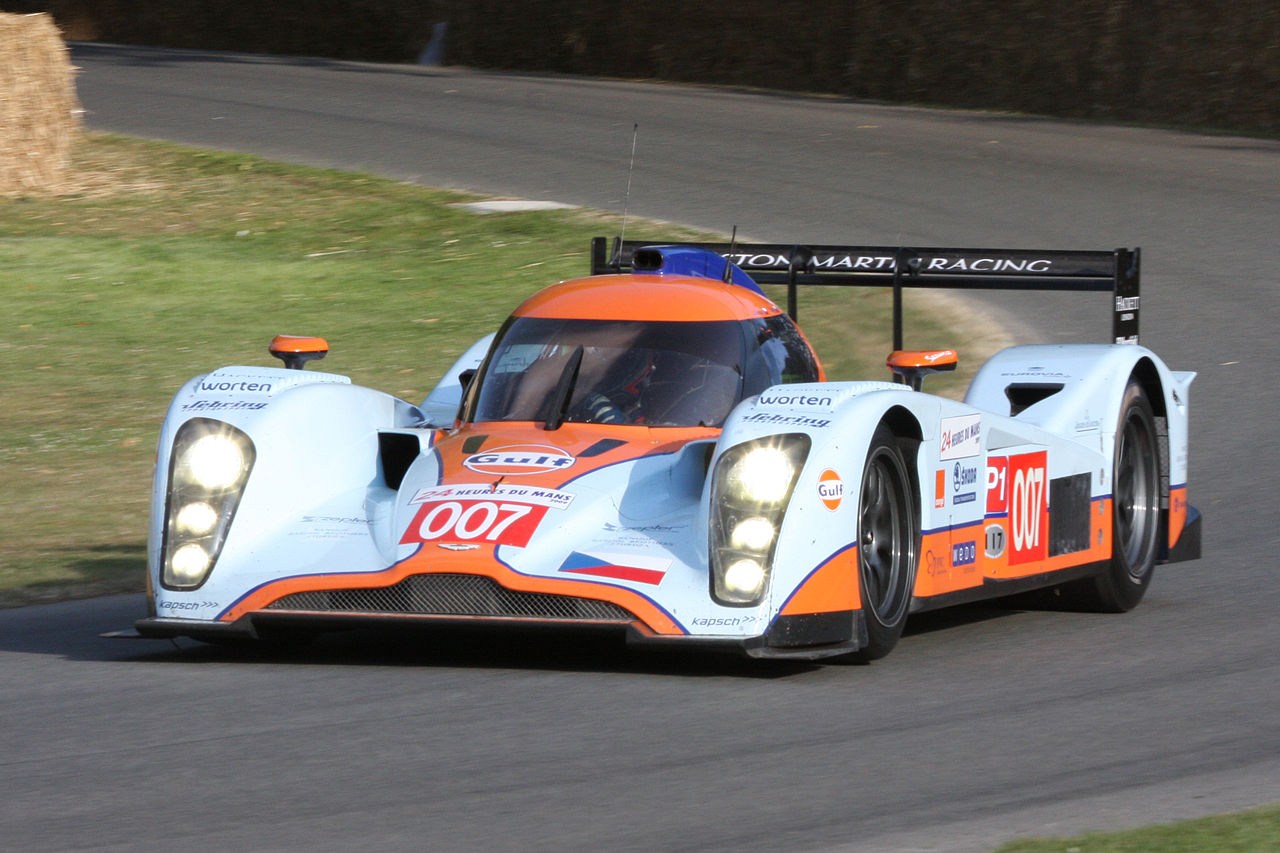
Adrian’s 2011 Le Mans campaign with Aston Martin’s AMR-One prototype ended in heartbreak. The car failed just one lap into the race due to engine issues. “It was a tough day for the whole team. Both cars retired almost immediately”
A Graceful Farewell in GT
In 2012, Adrian returned for his final Le Mans in the GTE Pro class, driving an Aston Martin Vantage GT. Despite never having raced GTs before, he adapted quickly and finished third in class. “GTs were the most challenging. The car moves more, and you have to trust it. But I worked hard and stayed within two-tenths of my teammates.”
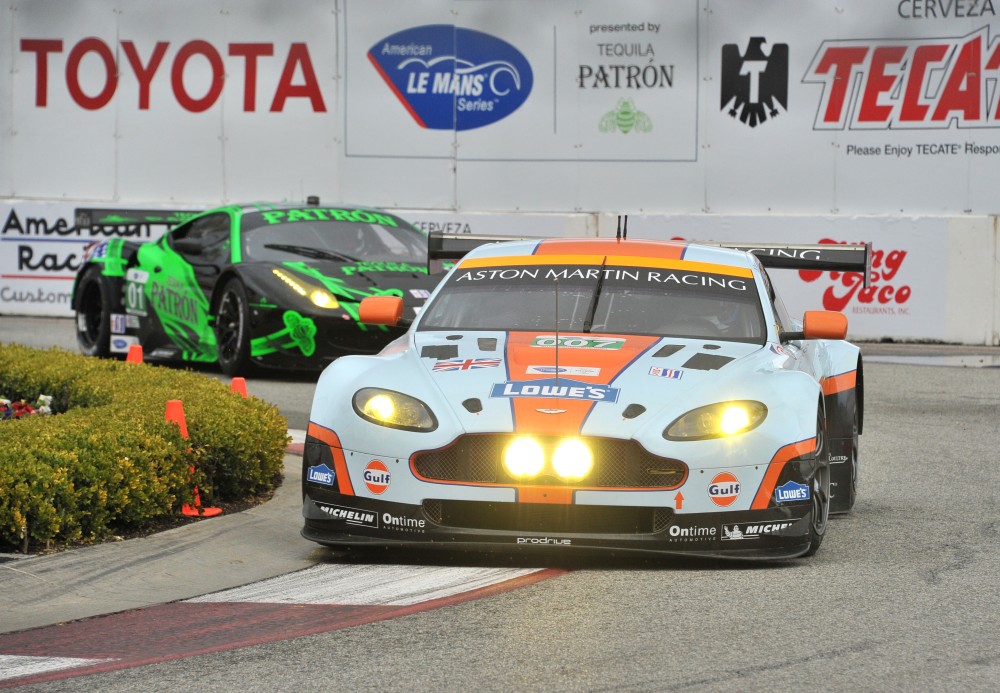
That race marked the end of Adrian’s professional driving career. He took the checkered flag and retired on a high note.
Adrian’s insights into endurance racing reveal the mental and physical demands of sharing a car, managing fatigue, and adapting to changing conditions. “You’re not just driving – you’re part of a team. You have to compromise on setup, seating, everything. And you have to be ready to perform, even at 4 a.m. in the rain.”
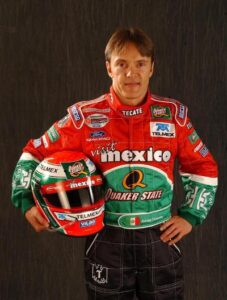
Adrian Fernandez’s story is one of grit, adaptability, and relentless pursuit of excellence. From sleeping in train stations to standing on the podium at Le Mans, his journey embodies the spirit of motorsport. “I’ve never crashed at Le Mans. I always drove with respect, focus, and love for the race.”
ACO USA
To learn more about or to become a member of the ACO USA, look no further than www.lemans.org, Click on English in the upper right corner and then click on the ACO members tab for Club Offers. Once you become a Member you can follow all the action on the Facebook group ACOUSAMembersClub; and become part of the Legend with future Evening With A Legend meet ups.

This content has been brought to you in-part by support through...