

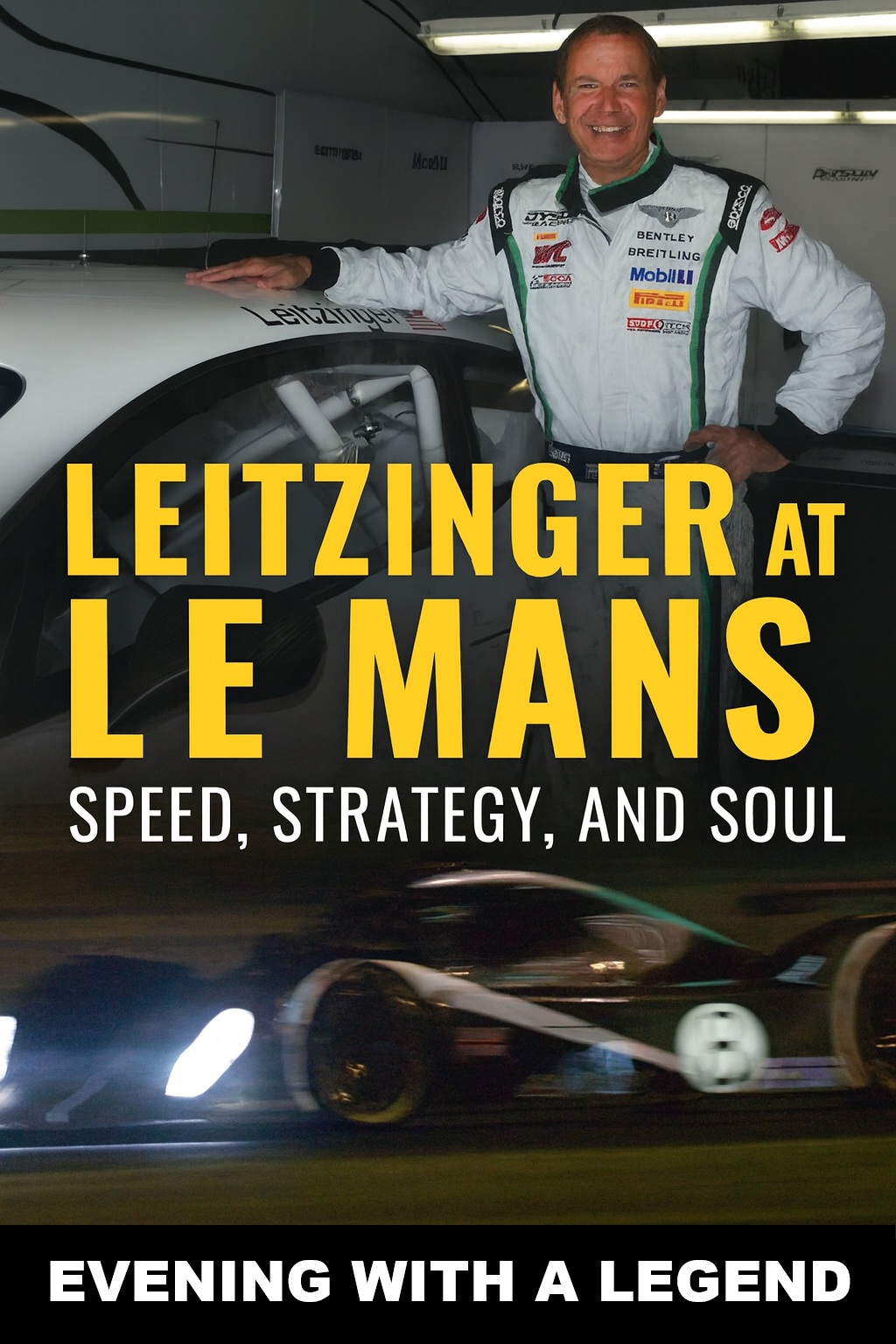
Some names echo with thunderous acclaim – others hum with quiet consistency. Butch Leitzinger belongs to the latter. His career, spanning decades and disciplines, is a masterclass in understated excellence.
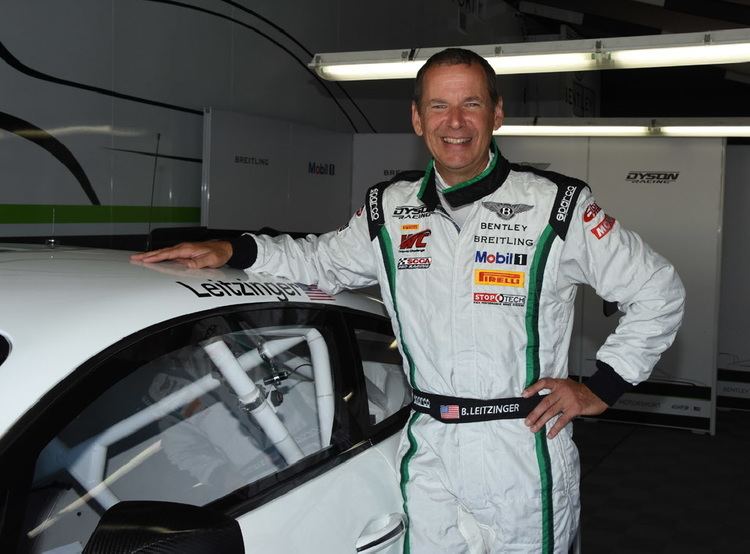
Born into a racing family, Butch’s path seemed predestined. His father, Bob Leitzinger, was a successful IMSA racer, and Butch grew up immersed in the rhythm of engines and pit lane strategy. But unlike many second-generation drivers, Butch carved his own identity – not by emulating his father, but by quietly outperforming expectations.
Tune in everywhere you stream, download or listen!



Much of Butch’s career is synonymous with Dyson Racing. His tenure with the team spanned nearly two decades, during which he became a fixture in American sports car racing. Whether piloting a Riley & Scott Mk III or a Lola prototype, Butch’s driving was marked by precision, patience, and a deep understanding of endurance racing’s demands.
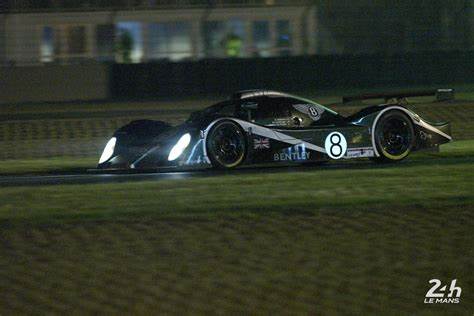
He wasn’t just fast – he was smart. Teammates and engineers alike praised his feedback and racecraft. In an era of evolving technology and fierce competition, Leitzinger remained a constant: adaptable, reliable, and relentlessly focused.
Synopsis
On this episode of Evening With a Legend, we welcome Butch Leitzinger, a renowned ALMS driver best known for winning the Daytona 24 Hours three times and competing in the 24 Hours of Le Mans six times. Butch shares his journey from his first visit to Le Mans in 1994 as a crew member to his near-podium finish with Bentley in 2001. He recounts his transition between different teams and cars, including Panoz, Cadillac, and Bentley, as well as his experiences and challenges in endurance racing. The discussion also touches on the technical aspects of racing, the mental and physical demands of Le Mans, and Butch’s advice for aspiring drivers. The episode concludes with reflections on Butch’s motorsport career and the significance of the 24 Hours of Le Mans.
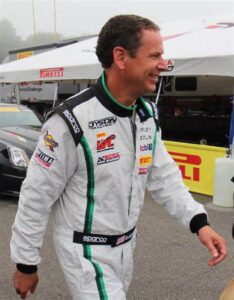
- On this episode we peel back the layers of this enigmatic figure, revealing a driver whose legacy is built not on bravado, but on brilliance.
- Your podium finish with Bentley in 2001 is one of the highlights of your career. What was it like to be part of Bentley’s return to Le Mans after such a long absence?
- The 2001 race was a defining moment for both you and Bentley. How did the team dynamics and camaraderie play a role in securing such a prestigious finish?
- What was the atmosphere like at Le Mans during those intense final hours in 2001, when you were battling for a podium finish with Bentley?
- 2002 was also a huge achievement, same team, same car, same drivers…and almost the same results. Tell us a little more about the 2002 attempt.
- Throughout your six attempts at Le Mans, what were some of the most difficult challenges you faced, and how did you overcome them?
- For up-and-coming drivers who dream of racing at Le Mans, what advice would you give based on your experiences, especially dealing with setbacks and staying focused?
- How did your experience at Le Mans shape your approach to other racing events in your career?
Transcript
Crew Chief Brad: [00:00:00] Evening With a Legend is a series of presentations exclusive to legends of the famous 24 hours of LeMans giving us an opportunity to bring a piece of LeMans to you. By sharing stories and highlights of the big event, you get a chance to become part of the Legend of LeMans with guests from different eras of over 100 years of racing.
Crew Chief Eric: Tonight we have an opportunity to bring a piece of LeMans to you. Sharing in the Legend of LeMans with guests from different eras of over 100 years of racing. And as your host, I’m delighted to introduce Butch Leitzinger, best known as an ALMS driver with Dyson Racing. He has also driven for a variety of other teams and race series.
He’s a three time winner of the Daytona, 24 hours in 19 94, 97 and 99. He won [00:01:00] two IMSA drivers championship titles in both 97 and 98 while driving for Dyson Racing. And he was named. 2002 Rookie of the Year in the TransAm series and has raced in both the next tail and a Bush NASCAR series. Butch has attempted to conquer the 24 hours of LeMans six times in his career, driving for Panos in 97 and 99, team Cadillac in 2000.
Then clinching a podium with Bentley in 2001 and returning to Bentley in 2002 with a final run with Risi in 2003. And he’s here with us tonight to share his motorsports journey. And with that, I’m your host crew chief Eric from the Motor Inc. Podcast Network. Welcoming everyone to this evening with a legend.
Butch, welcome to the show.
Butch Leitzinger: Yeah, thank you very much, Eric.
Crew Chief Eric: Like all good stories, there’s an origin. So take us on your road to Lamont. What led you up to your first race in 97?
Butch Leitzinger: Well, it, the first time I was ever actually at Lamont was 1994. I drove the Nissan 300 ZX Turbo and we won at Daytona. And that meant an invite to [00:02:00] Lamont with Nissan, but I was only in the second car and I was, you know, the, the reason I was even in, in the car in the first place was as, as reward because I won GTU Championship the year before.
You know, I’ve been trying to go to Lamont for forever. So it was always kind of like, well, you know, we don’t have a budget for a second car. And they had Paul OSI in the second car and he had some means, and Eric Vanderbilt had some sponsorship with lease plan. They had a third seat that still wasn’t filled.
Frank Kitz was running a Nissan Motorsport, and so I was bugging him all the time, you know, get me there, get me there. And I made the mistake of saying, just get me over there and if I can’t drive, you know, I’ll do tires for you. And I kind of said that as a throwaway comment, but came back to bite me because I got sent over there two weeks early because they found out that I took French in high school, went over with Gary Cummings, who was.
Doing the, uh, the advance prep for it. And so I spent two weeks kind of preparing for the team to come over. Still not knowing if I was gonna drive, you know, that was given the, I think about an hour’s warning. I, I, I live in State College, Pennsylvania. I got [00:03:00] a phone call that said, okay, we have a flight for you out of Newark.
In, in about six hours and it’s about four hours away. So I, I had to throw my stuff in a bag and hightail it for the airport, you know, and it was still just like the hope that maybe third seat wouldn’t be filled. It eventually was filled, a gentleman that had some backing from a Japanese television station.
So then I spent the week of race week being a tire buster, just taking the tires back and forth, but still as an American in 1994. You know, Lamont. Like right now there’s quite a bit of transfer between the US and Lamont. You know, there’s like a lot of teams, a lot of cars make the trip pretty easily.
Back then, it was much more rare. There wasn’t that much, uh, representation of Americans at Lamont. It had always been a dream of mine to be at Lamont, preferably to race, but just to be there. So this was quite possibly my one chance to ever get there. Having said all that, how wonderful it was to be there, I would not do it again as a crew member, because that, that was, that was a long, long day.
Crew Chief Eric: So up until that point, had you raced in Europe yet?
Butch Leitzinger: I had not. The only thing that I’d done, not in Europe, but in Japan [00:04:00] a few times, there was an invitation some of the teams had from a Japanese group to bring the GT cars over and, and we raced at Fuji twice and at auto. Once. Yeah, so this was my first time racing in Europe as well.
Crew Chief Eric: So the first time you go to LA by, you’re there as crew, let’s just say, hoping that they need a driver to fill in and you’re anxious and you got your helmet ready and all that. What was your first impression of LeMans, even as a worker bee or as a spectator? What did you think of it compared to the tracks you had been running in the States?
Butch Leitzinger: It was really impressive. I had never seen that level of facility before. You know, this was. Right after they had built the main complex, the old pit complex, quite famous, but also quite famous for, you know, not being modern standards. But, uh, yeah, so it was truly impressive seeing that level at a, at a road course, you know, ’cause in the states at the time, in 1994, like Watkins Glen, and trying to think of other tracks that we have in, in the states, you know, most of them hadn’t been updated from 1970s, you know, so it, it was impressive to see just even that level of facility at the time.[00:05:00]
And then once getting to the circuit itself, it was really impressive, you know, in my two weeks I was there before the race, being able to drive on the course itself and trying to imagine when there weren’t, you know, Lori’s going back and forth on the road with groceries and things that, that, you know, there cars going 200 and whatever miles an hour on it.
It was kind of the culmination of reading magazines for 20 years at that point.
Crew Chief Eric: So earlier that year, like you said, you won the Daytona 24 hours in 1994. How did you put the deal together with Payos and who helped you along the way?
Butch Leitzinger: I benefited a lot from relationships that I had. I driven with James Weaver and Andy Wallace at Dyson Raising from 1995, and we got along really well.
We were very compatible as code drivers and we had quite a bit of success. Actually. We won Daytona 24 hours together, beginning of 97 and Don Payos. In, in 1997, I decided that he wanted to go to LeMansn and he did it, you know, in a typically Don Penos way of, didn’t do it by half. And he went in, he had Adrian Renard build him a car, and he had David Price run [00:06:00] the team for him at LeMansn.
Both James and Andy had very good relationships with David. Andy had driven the McLaren F1 with price’s team, so they were like really good mates. So when it came time to get a, a third driver for Lamont, you know, they just kind of poked him and said, you know, why don’t you take a look at Butch? And, and he said, who’s that?
And he, he refused to call me Butch from the moment I met him, he said. But now, and if you know, pricey, there was quite a few other words that were thrown in there, but he just, uh, you are buzz, buzz light, you. So from then on, he, he just called me Buzz. But yeah, so I was able to just kind of get dragged in through my friends.
Crew Chief Eric: So you get to LeMans at that moment, were you comparing and contrasting Daytona to LeMans? Were you making those? Comparisons or was it just on a totally different level?
Butch Leitzinger: It was a totally different level. This was where I benefited hugely with James and Andy being my teammates. And not only that, they convinced Pricey to hire me, but before any of us went on the track, we went around the track and they gave me tips the entire way around.
A lot of things to remember and also really one of the things they did was put into me. [00:07:00] How dangerous this place is, the speeds that the cars are going, there’s often enormous accidents. And you know, one, actually one of the greatest tips that they gave me was because the straits are so long that it’s a little bit easy to kind of lose concentration.
You know, you start looking at the gauges and you know, okay, like you start making notes like, oh, remember to tell them that when I come in. And the tire pressures of this. And then miss your breaking marker because you’ve been going down the street for the last 20 seconds or, or whatever it was opposed to most normal racetracks where it’s just constantly turn, turn, turn.
It’s a different rhythm to it there. But yeah, so it was a big help having them to really bring me up to speed on the seriousness of the track. And then in spite of being there, you know, you’re, you’re there for the Wednesday, Thursday, you know, with quite a bit of practice time, but most of that goes away pretty quickly, you know?
And then actually we had pre-qualifying then, but. Every lap of pre-qualifying was taking up with Andy Wallace driving because we didn’t have very much speed. We got in by the skin of our teeth, actually both for pre-qualifying and qualifying itself because that year they, they invited to [00:08:00] the race more people than were going to start.
So I think it was two cars we’re going to go through all qualifying and then not be able to race. And we were almost that car just ’cause the car wasn’t what it would eventually become. We, we were struggling a lot with power and with a lot of reliability problems with the car. But yeah, so all pre-qualifying was taken up with Andy driving, so I never drove in pre-qualifying.
For the race weekend, if I remember right, I got a few laps in a night practice that was pretty eye-opening in every kind of way. You know, I I, I went out at night. It’s not like Daytona where everything’s lit up, you know, even, you know, the lights were fairly decent, but you’re very quickly driving past your headlights at 200 miles an hour.
And I remember somebody blew an engine, so there’s oil all over the track, so they had local yellows. And a bit of a shock to me coming from the US but the way they would handle the yellows was there’d be a coursework, you know, there, there were people like spreading oil dry out on the track and then a coursework just standing on the road on the racetrack with a little reflective light to catch your headlights.
That was quite a shock to me. I. Like in, in, in the States, it would probably be a red flag. You [00:09:00] know, everyone in the pits, well, we take care of this stuff. That wasn’t the mechanism there. So I kind of had to get a little more aware of the difference in attitude, I suppose, between the US and Europe. And then I did the warmup before the race, so like, you know, maybe six or seven laps before the race itself, which, which is a fairly common thing.
And keep in mind, six or seven laps is still quite a bit of miles. You know, you, you don’t have that as much repetition to really be able to extract a great lap time out of the car just because you don’t have the experience yet.
Crew Chief Eric: You brought us into 97 and you were no stranger to endurance racing by this point, and you were still sort of talking about the comparing and contrasting of Daytona and Lamont’s here.
Daytona, like you said, a lot of turns, a lot of turns. You’ll do 200 miles an hour, but you’ll do it for a brief period of time and then you gotta come deep into turn one and just lose all your speed and kind of start the whole process over again, as we know. But the physical demands of Lamont, not only the mental demands of that concentration of running at night and changes in weather conditions.
’cause that’s inevitably what happens at Lamont because it’s. So big. After being there in [00:10:00] 94 and then 97 and and continuing your attempts, how did you have to physically prepare for something as big as LeMans compared to the races you were doing? Stateside.
Butch Leitzinger: LeMans doesn’t beat you up as much as Daytona, but it’s very different mentally.
Daytona. The real issue, at least in the day, is that, you know, you might have 70 cars on the track at the start of the race. The feeling was literally like a, like one of those video games where those cars just kind of meandering all around, you know, and, and you’re meant to like be like, be able to slice through all these little jamer cars, yet you’re, you’re just constantly evading cars and slicing through traffic.
So I. At Daytona, your lap time might vary by five seconds a lap easily. We hopefully avoided a few crashes and things like that. And you come around, an experienced crew chief would just look at that and say, well, I must have had a, you know, a few, a few things happen that lap, but like that wouldn’t be a cause of alarm or anything at lamont because there were only at, at the time, I’d race things ’cause 48 cars over eight miles of track.
So every lap is like almost qualifying, you know, [00:11:00] you don’t really have much traffic. One things about Lamont is that because the laps are so long, the team managers don’t have a whole lot else to do, except for like, look at the, at their notebook and look at what lap time you just turned. And so, you know, they, they stare at that for four minutes or, you know, three minutes, 50, whatever it was.
And as they come. Butch is a a little bit slow today. Like that last lap was two seconds slower than the lap before. You know, I, I think you might be losing it just from, uh, being able to keep your job, you know, or get a job for next year. You really have to kind of impress them every lap and, you know, really kind of have the car standing on its nose at, at Daytona.
If you made it around for the lap. It was a good lap. At Lamont, you really had to be with a good lap time, so that that was the biggest change in mental how to go into the race. At Daytona, you really had to take care of the car and make sure that you didn’t have any body work damage or anything just from touching other cars.
And at Lamont there weren’t that many opportunities to.
Crew Chief Eric: So in 97 you ran the Penos GTR one, which is in the same realm of cars, let’s say the [00:12:00] Corvettes and the Vipers and things like that that we saw here. Stateside and A LMS, which the ESP ASPIRAnte GTR one is one of the more memorable cars from that era, by far.
I mean, it’s instantly recognizable. The next time you come to LeMans in 99, you come back with. The infamous Payos, LMP Roadster, and you’re partnered with David Braham and Eric Bernard. Obviously, Don Payos wants to keep you on staff. Is that how the story goes? How did you come back to run with Payos for a second time?
Butch Leitzinger: You know, in nine seven, we didn’t have much success really. We had actually, we had quite a few problems then in, in 98. Don expanded the team quite a bit and, and had a lot of really high talent drivers for the whole year. They didn’t need someone to come in just for the, the one race, uh, at Lamont, but for 99 they actually had, had switched and Tony Dow would run the program in 98.
Then he let Tony Dow go and Tony Fox came in and, and ran the team, and it was kind of run a little bit smaller. They didn’t have kind of a cast of thousand drivers. It was, went back to, they had. Two drivers per car for the year, [00:13:00] and they needed a third for the endurance races for Lamont. And fortunately, at 99 I won again with Dyson.
You know, that looked kind of good on the cv and so talked to Don and, and he was agreeable to bring me in for the third seat
Crew Chief Eric: and then the next year. 2000 you’ve returned to LeMans this time. Totally different team. Mario Andretti basically takes your seat at Payos. They run the same car the next year in 2000.
But you’re back with Cadillac running with Andy Wallace again. So how did the switch happen? You jumped from Payos to Cadillac. How did that work out?
Butch Leitzinger: It was run by Bill Riley, the Cadillac program. I’d been driving the Riley Scott Ford in the States with Rob Dyson for quite a few years by that point. And we had a lot of success and I, and I knew Bill pretty well.
At the end of 99, I didn’t really have a full-time drive for the next year because Rob Dyson realized that the Riley’s time was getting pretty old and he was looking at getting something else, but he wasn’t really sure that he was going to, and so he was on the fence of doing anything. And so I started talking to Bill Riley and Cadillac.
Yeah, so that came [00:14:00] about and, and because Andy was there too, that, you know, I, I felt very good about that and I had a lot of respect for Bill. The program itself didn’t go that well. I mean, it really comes down to the, the engines didn’t make much power. They had a directive from Cadillac that the car had to go 200 miles an hour on, on Miles San, and it did.
They reached that goal. I, I think, where it was like right at 200 miles an hour and we were, I think, the second fastest car in the speed traps. But we were also like 13th and 14th fastest on the, on the actual lap times. You know, the car just didn’t make much down for us in order to meet that goal. Our quartering speed was pretty poor.
Reliability wasn’t great either. We ran Daytona and Seabring before. Lamont had a lot of problems, a lot of gearbox problems. They had to actually re-engineer the back of the car and used a different gearbox. From what we started with, the tires weren’t really the right tires to be using. You know, at Lamont, if you’re not on Michelin, it’s, it’s almost a waste of time.
I worked with some really great people for that, but it was, you know, a lot of great people bashing their heads against the wall because we just weren’t fast enough.
Crew Chief Eric: So what I’m hearing is you were really missing the payos at that point.
Butch Leitzinger: Yeah, the Enos [00:15:00] was good. You know, the open top Pantos in 99 was a brand new car.
I’m gonna forget the designer’s name, but basically cut the top off the car, but obviously did a lot of other engineering on the car as well. It actually, it really was a missile. I mean it, it was a really good fast car. Robert Yates did the engines and they made a ton of power. It was a really good car.
It was very odd driving both the original Panos and the open top car. The seating position was very far back, almost like over the rear axle. The actual feel from the car there. There’s a lot of movement. When, when you’re in a normal prototype, you’re just kind of behind the front wheels and you’re kind of at the pendulum point between the front rear, so you don’t get that much moving.
And especially in ya when the car starts to slide, your butt might move an inch or two inches in, in relation to the, the front of the car, and you kind of can scale like how much of a slide you’re at. But with sitting so far back, number one, like, like over any bumps. There was quite a bit of movement. All the rear movement of the car, you were kind of on top of the, the axle and then the normal [00:16:00] slide your butt would actually be moving like, you know, maybe a foot compared to the front axle.
So like it took a long time to really trust could go as far as what it felt like, like going incredibly sideways with the car. But it was actually the same amount, but you were so much farther back, it was changing your perspective.
Crew Chief Eric: So at this point you’re becoming a household name at LeMans, and 94 is the tire guy and the 97 9 9 2000.
Now we’ve reached 2001 and you switch teams again and you end up at Bentley. So how did that play out?
Butch Leitzinger: And that again was through, uh, James and Andy. James had done a lot of the testing for Bentley with Richard Lloyd’s program, and both James and Andy had driven the Audi RHC. In 1999 when I, when I was in the payos, and again, it was a situation where they needed a third driver.
James was very good about pointing out that Bentley’s biggest market was the United States. You should have this guy on. And, and I certainly tried to work that angle as much as I could too. Yeah. And, and so I, I was able to convince them to gimme a ride for it. Unfortunately, James ended up not doing the race with us because of some disagreements that he [00:17:00] had.
It was really unfortunate ’cause James and Andy and I got along so well. It, it would’ve been great to share the car with him, but it was a very high stakes program. ’cause Bentley put a lot of, you know, resources into it, but only one race. You know, it’s, it’s not like. You can have a bad race, but you know, maybe have a few good races elsewhere in the year and at the end of the year can say, well, you know, at least we had some success with this.
Everything was just piled on for Lamont and that was it.
Crew Chief Eric: That sounds like a French manufacturer. That only shows up once a year.
Butch Leitzinger: Yes, yes. No, it, uh, it’s kind of the same idea as well because Bentley, I think the reason. They were interested in the first place was just the history that Bentley had at Lamont.
It didn’t really make as much sense to the board, I’m sure to win a race at Elkhart Lake as opposed to at Lamont. You know, Lamont was really the only thing that they were interested in.
Crew Chief Eric: Definitely an iconic win for Bentley for them to come back and all that. But what’s interesting, couple threads we need to pull on here because.
Many may not know. And you touched upon something really important, which is the Audi R eight C, is that at this [00:18:00] point, Volkswagen Audi group had purchased Bentley, and so you’ve got all this German backing and engineering, you know, controlling as a small boutique British manufacturer that has racing pedigree.
That goes back to the beginning of cars. The R eight C was a previous generation prototype that was, I hate to say, a complete failure. It was their closed cockpit version of the original R eight, always in the shadows of the BMWV 12 and the Mercedes GTR and the Porsche nine 11 GT one, and all those kinds of cars.
And it never really made a name for itself until the next generation car came out. So I think it’s funny that they sort of went back and pulled the REC out of mothballs and said. We’re gonna change some body panels, but basic physics and core of it. It’s the same car. We’ll paint it green and we’ll call it the speed eight.
Did you feel some of that working with Bentley, that it was like there was this shadow of Porsche and Audi looming in the background?
Butch Leitzinger: Oh, for sure. There was no mistaking that we were a part of the Volkswagen group, but it still was. Kind of a bunch of British people working under [00:19:00] the Volkswagen umbrella.
Crew Chief Eric: Garas, right?
Butch Leitzinger: Yeah, a group. RTN was the people who built the car. Peter Ellery was a designer, both of the RHC and the Bentley. But it, but it, it was from 99 with the RHC to 2001 when we had the Bentley. It was a complete redesign ’cause obviously. As you said, I hate to say failure, but it was, it was certainly not a success.
They had a a lot of trouble, you know, my friends were driving the car, so I was paying attention to it and I, I saw it was in the pits a lot when it was even running. I know they even had like doors come flying off, you know, it was just one of those things where, you know, it was a, it was another one year program only for LeMans and I, and I know they had very little testing.
You know, they, they tried to do testing when we were at Paul Ricard and they spent very little time actually on track. You know, I think that they learned. A lot of what not to do with the, the first car. And Peter was able to design a, a really nicely balanced and also very pretty car with the Bentley, with the, the exp
Crew Chief Eric: the Bentley was a prototype and Audi was also there with the R eight Roadster, right?
The R eight R at the same time. And so people were like, well, [00:20:00] Bentley won, but Audi won. They’re book print. Wait, so there’s more than one class, but it wasn’t like today where it’s LMP one GTP now and LMP two, and there used to be P three and all these kinds of things. So you were in LMP 900 and then the Audi R eight was in LP one, but you were still fighting for an overall win because the cars were that close, right?
Butch Leitzinger: Yeah. They had different classes, categories. And they each had a different trophy. We were really the only ones in the LMP 900. We finished third. Overall, I got a trophy that says first place on it from Lamont, but the reason we were there was to win overall, you know, so Bentley was very happy with that first year result.
You know, had kind of told us that, you know, anything in the top 10, like really finishing the race was the most important thing. ’cause it was really a three year program finishing the race. Top 10 would be good. Top five would be great, was kind of like what we were built up to. So to get on the podium was pretty huge.
But in our minds, we placed third because [00:21:00] the reason we were there was to compete against the Audis, you know, the, the, the organizers had done their best to try to equalize what a time would be between the two different cars. We had a smaller tire, but a little bit better aerodynamics, a little bit bigger restrictor.
In their view, you know, we should be pretty close. And we were pretty close. So like it actually did a pretty good job with that. But yeah, so, uh, we placed there, we actually had had quite a few problems in the race. 2001 was the year that it rained cats and dogs for quite a bit of it. And one of the, uh, air intakes for the shifting mechanism took on a lot of water and failed on both the cars on our team car.
That was Guy Smith, Martin Brundle and, and Stef Orelli. It failed enough. It was stuck in six. And they weren’t able to make it back without burning out the clutch with me. It happened a few times and I kept carrying on. You could kind of trick it a little bit with grabbing the clutch and shifting at the same time.
You could take some load off of it and it would still shift, but eventually it did stick, but it stuck in fourth gear, so I was able to make it back to the pits. And then we did a swap on it, but, and I think the swap probably took. I [00:22:00] wanna say like 40 minutes or, you know, or may, maybe not that long, but it might’ve been like a 20 minute stop.
So we lost a lot of time with that.
Crew Chief Eric: You didn’t have the Audi advantage of un bolting the whole rear end and putting a new one on within the context of a lap and then going back out.
Butch Leitzinger: No. No. And, and we did not. And that was really disappointing. And in fact, with the problems that we had, we dropped back quite a bit, but we were coming back and, and other cars were having problems and we’re getting, you know, up the leaderboard pretty quickly.
At one point I heard. The lab speaker. Oh, the transmission problems for the Audi? Yes. Right. Okay. Like there’s, there’s one down and then, you know, a couple minutes later that’s back on the track. Yeah. So that really kind of took some of the air out as well.
Crew Chief Eric: Well, it blew everybody’s mind. We all saw it live.
We’re like, what are they, did they just do what I think they did?
Butch Leitzinger: Yeah, yeah. Yeah. That was, uh, pretty disappointing. If, if they weren’t out of the race altogether, they’re gonna be down for a while. In the rain. I know, I remember at least one of them when I was like walking to do one of my stints. I looked up at the tv, one of the cars was in the gravel, so I thought, okay, well at least it’s gonna be, you [00:23:00] know, a little bit before they can take ’em out.
But the bloody marshals were super, uh, en enthused at that point, and, and they, they got the car out. Probably only lost like 30 seconds. With that, we didn’t have, uh, as much luck as, as we needed to try to get back onto equal footing.
Crew Chief Eric: So when you look back at this point to your previous runs at LeMans, you’re driving this, you know, we’re put air quotes around British, but you know, German, DNA to prototype car.
Was it a leap in a bound different, despite all its problems that it had? Did you enjoy driving some of the previous cars more, or was the Bentley at that point, like that was the car? Bentley
Butch Leitzinger: was probably my favorite of all the cars that I drove there. Not, not just because of the success, but it was a really nicely balanced car.
It did everything very well. There weren’t really any bad habits. Just comparing to the other cars, like the Panos Roadster, number one was pretty slow, but also extremely hot. Extremely loud. I think most of my hearing exited between that year and then 99 also with the Panos ’cause. ’cause the cars were ex excruciatingly loud, you know?
And in, in fact, in 97 we [00:24:00] drivers James and Andy and I, we single stinted. And the main reason was just because of the noise was so bad, it felt like you were in a war zone or something. It was just like, it was, it was almost hard to, to concentrate. It was so loud. And then with the open top, Penos. This was definitely, you know, my fault, trying to be, you know, kind of a, an easygoing teammate.
I didn’t really get the cockpit to my liking, and I was stuck up a little bit in the Airstream and we, we tried to do some things with the windscreen to make it a little bit better, but that the other drivers didn’t like it. So basically I had to put a pad on my head because my head was in the Airstream and, and on straits, it would just get pinned back.
So I had to have a pad on it so I could just like at least rest it there. But if I started to look left or right, it would take my head like that, you know, and, and try to rip it off. So I just had to keep my head dead straight and just use my eyes whenever I was going left or right, which wasn’t ideal.
But the car was very good. It was, it was a little bit more brute force as opposed to, uh, at a time kind of on its own. You really had to drag it around the track, which David Bradham especially was extremely good at. And then the [00:25:00] Cadillac just didn’t really have the pace that we needed and also didn’t have the downforce.
So yeah, it just was never really that satisfying. But, so the Bentley was definitely of, of all those cars, the the best of them all.
Crew Chief Eric: So 2002 is where it gets interesting because you’ve returned to Lamont yet again with Bentley, and it’s the same team, and the same car, and the same drivers, and nearly the same result.
But in the states, you double down and you’re running TransAm, which is nothing like. The Bentley at the same time as campaigning this card, other racing that you’re doing. Tell us a little bit more about this 2002 attempt. What was the goal going into it? Was it We did third last time We battled it out.
You’re suddenly on the podium now you wanna do it again. What was the ambition of the Bentley team going in for a second year?
Butch Leitzinger: We were almost the victim of our own success. In 2001, things went a lot better than it was. It was expected to, you know, they kind of had their chart of expectations and you know, with ramping up with a win for the third year.
But we had done well enough that they thought, well, do we really [00:26:00] even need to do the second year? Because they wanted a complete redesign of the car. There wasn’t enough time to do top to bottom redesign of the car. And it wasn’t really until, yeah, I think it was at Daytona test in January that I finally got word that, okay, we’re going.
To Lamont, you know, which is only six months away from that. Yeah. So I, I went into 2002 with, well, actually really with Harley any work. ’cause I, this was another point where, where Rob Dyson decided that, that, you know, he wasn’t sure that he was gonna do a full season at that time it was, I guess Grand Dam or U-S-R-R-C, I can’t remember what, what, what it was.
But anyway, so he couldn’t really commit to a full program. Bentley going into the year seemed about 50 50, whether they’re going to be doing it, so I, I saw where Tom Glowy in the TransAm series had an opening for a driver, so I called him to see if he was available. Fortunately that worked out, and also he was agreeable to letting me go and test in France.
And nothing fortunately collided on the schedule. So I was able to do a full commitment on both. But yeah, so when Bentley finally decided to do the program, it was with a [00:27:00] mild update on the car. Uh, they, they really even said this to us was, it was really just as a way to kind of keep the team together and kind of keep learning the next year, which was meant to be the year that they won.
And it was known at this time even that we were always a part of Volkswagen, you know, in the Audi group. So there was always some give and take. You know, we were running an Audi engine. In fact, our first test in 2001 was at a track called MOS in Czech Republic, and it went really well, and Audi was testing at the same time and we were actually matching their times.
You know, we, we left that test thinking, wow, we’ve really got something serious here. Then we never went as fast again. And I won’t explain too much what I mean by that, but you might be able to kind of draw,
Crew Chief Eric: we’ll call it balance of performance and put air quotes around that.
Butch Leitzinger: The car never quite seemed to have the same snap that it did at that first test either.
So the, the idea was, and you know, and the way they carried it out as well was for the third year. The Volkswagen kind of emphasis would go from Audi to Bentley, you [00:28:00] know, and that’s why there were no factory Audis run. The YO team came and ran one of the Bentleys and they basically brought quite a bit of the Audi drivers over as well to run the cars just ’cause it was, they became the primary program
Crew Chief Eric: that foreshadows the 2003 season.
So before we talk about your return to Lamont in 2003, you were there to see it unfold, but you weren’t part of. The Bentley roster in 2003, and there’s still arguments to this day. It even sits sideways sometimes with me when I think about it. The phrase is that Audi sort of gifted Bentley the win in 2003.
What were your thoughts about Bentley’s third and final in their program as you knew they were gonna do three years? You know. Okay. So they clinched it in that third year, but was it really theirs? Let’s sort of settle the debate, I suppose.
Butch Leitzinger: The Volkswagen group definitely. You know, the favored mark for that year was Bentley for sure.
But having said that, the car that Peter Ellery penned for that year was a brilliant car. It was a beautiful car, just like, you know, being outside the program at that point, but watching it, it looked [00:29:00] really impressive. And they went to Michelin tires, which was an improvement. Yeah. And then the competition, you know, it, it went all to private tier Audis.
I’m not sure if I remember right, but I think maybe the balance of performance had been shifted a bit as well, where the Audis got a little bit of a haircut on their restrictor as well, so there was definitely a favored sun there. They also executed really well, you know, and, and by having Ghost Run one car and Richard Lloyd’s team run the other car.
There was still competition between the two. It wasn’t even like two cars just going around in formation for the entire race. You know, you, you had rivalries. British group over here and the German group over here. So there were definitely both sides really trying to push their own side through. You know, I, I don’t think they, they weren’t necessarily gifted anything, but there was definitely most favorable situation of the three years that they had.
Crew Chief Eric: Do you feel like you missed out not being one of the drivers selected, or was there a reason to go to Ferrari instead?
Butch Leitzinger: Well, no, I went to Ferrari just because. I didn’t have anything else, you know, that I also was very happy to get a ride with the GT team, but I would’ve loved, and I, you know, I, [00:30:00] I pleaded my case as much as I could, but they were pretty set that they wanted a more or less British car guy.
And David, and, well, no, actually David was in the other car, but it was obvious that they were gonna be bringing some of the Audi drivers over as well. And, you know, I, I can’t really blame them ’cause they were fantastic drivers. And if this is the one year that you have to win LeMansn. I can certainly see their argument that you want to have people that have won Lamont before, so I didn’t take it too hard, but Got it.
Would’ve been great.
Crew Chief Eric: And we’ve heard from other legends that have been on the show, whether it was, you know, David Murray or it was Adrian Fernandez that have made the transition from l and p down to the production classes versus somebody like Andy Pilgrim who’s super comfortable, you know, behind the wheel of a Corvette versus going the other way.
What I’ve heard as a kind of a consensus from those drivers that it wasn’t like it was a step down, it was different. And we talked about how much time they spent being maybe more situationally aware, driving in their mirrors. It’s just a whole different atmosphere because of the speed differential. So when you step down [00:31:00] from LM one, let’s.
Say down into the production classes with the Ferrari, did you have the same experience where suddenly you’re like, man, I’m not used to all these cars ganging up on me. And like you said, you’re one of the, the Jamer cars, right? You know, out on track. Was it like that for you?
Butch Leitzinger: Not really. I grew up doing GT racings.
I’d spent quite a bit of time in that role before I went to prototypes, so it wasn’t completely foreign to me. But having said that, driving high horsepower cars, high downforce cars can also maybe make you a little bit. Lazy, exploiting like everything that they have and, you know, maybe not using all momentum that you have because you’ve got 700 horsepower to dig you out of the turn.
Now all of a sudden when you’ve got 400 horsepower little tires and, and no down force, it becomes much more critical to be really tidy with everything. And so, like that was probably the biggest challenge was, you know, being inch perfect everywhere and not kind of like trying to drag a time out of it, but kind of like really like letting the car, uh, do what it wants.
Crew Chief Eric: Had you driven a Ferrari before this point? And the reason I bring it up is to compare it [00:32:00] to coming off of a TransAm season in a Corvette. What was that like?
Butch Leitzinger: Yeah, there was like nothing similar between the two. It, that was the only time I drove a Ferrari, even since I think actually, but it was very different.
The setup on the car was very soft as opposed to what I was maybe more used to with prototypes. It took a lot of getting used to. Yeah, and I, and I honestly, I wasn’t the fastest driver on the team either, because I, I kind of coming into it a little bit cold like that. But even so, we were actually, we were, we were doing really well.
There’s a problem with the Porsches that year. I think they had a fuel problem or something like that, or maybe a fuel pump problem. We found ourselves leading into the night at some point, a way that we, that we were leading. But then we, we had an engine blow. Someone came when I was sleeping in the, in the, you know, little cubicle inform me that engine was blown up.
So we, we did only lasted probably less than 10 hours in that one. But it was, it was, it was good to go back there and have a perspective from the gt ’cause all the others were being in the top class. So, yeah, it, it was. An interesting way to do it.
Crew Chief Eric: Six attempts at LeMans, tons of challenges, weather conditions, changing teams.
[00:33:00] So many things that you’ve been probably thinking about in preparation for this. And we like to ask the legends that come on the show, when you take all that into consideration, when you look at it now, maybe with rose colored glasses in some respects. Your Lamont’s journey is longer than a lot of other drivers.
You know, some people, it’s one and done, you know, and then you’ve got others that have done it, you know, a dozen times and so on. But when you look back over those six attempts, what do you think Lamont’s taught you? Did it make you a better driver when you went into your other series?
Butch Leitzinger: I think so, yeah.
Well, I suppose the biggest thing is just being able to kind of. Handle the pressure of such a big event, especially on the Bentley side where, you know, there was an enormous amount of resources that were put behind this one team. There was only one race, you know, so the stress and, and the pressure get builds up every day, every day, you know, leading up to the race.
And then the actual weekend itself, it gets pretty crazy, you know, all of the PR people freaking out, you know, just as much as everyone’s feeling the pressure and kind of showing it. So I, I think one of the biggest things is just being able to [00:34:00] absorb that much pressure and go out and, you know, and, and do what you’re, you’re supposed to do.
And then the other part, like we talked about earlier, was just because at Lamont you don’t have traffic so much to deal with. There’s a much higher emphasis on lap times. Throughout all 24 hours as opposed to survival, having to shift the whole attitude from just having a car together to race the last few hours.
Where at? At Lamont, you’re really from the beginning of the race, just going as hard as you can and just hoping and, and assuming that the car is going to put up with it, and if not, as the car’s fault, the driver at Lamont isn’t meant to really take care of the car so much as to just extract every bit of speed out of it.
Crew Chief Eric: So even before the first time you went to LeMans as the tire guy in 1994, you mentioned that you had always wanted to race at LeMans. And I’ve interviewed plenty of other up and coming drivers that say the same thing. LeMans is one of the crown jewels, part of the triple crown of Motorsport for that matter.
And they wanted race at LeMans and they haven’t been able to get there yet. Having been there six [00:35:00] times yourself, what advice would you give based on all your experiences to these up and coming drivers that wanna go to LeMans
Butch Leitzinger: first would be I. Do it. You know, like what, whatever you can, like, put a lot of effort into defining it, whatever path you can do to, to get there.
Whether that means having success in prototype or GT racing, you know, like in in the, in IMSA here or in, you know, in the European series. And find out who’s going. Like the way I got the Ferrari drive was just looking at the entry list and seeing which cars didn’t have a third driver. And then starting to make phone calls, I’m sure it’s not quite as, as simple as that anymore.
I think deals are done, I think much earlier maybe than, than they used to be. This was probably, I wanna say maybe in March or so, maybe April, even when, when I made the deal for the Ferrari, so it was quite late. Whereas now it seems like all the teams, when when the entries announced. Four or five months ahead of time, like they’ve already got all their drivers set up.
But the biggest thing with racing is really relationships. You know, as I said, how, how I got into it with having a relationship with James and Andy and then [00:36:00] David Price, and just kind of knowing people so that whenever your name does come up, it can click and it can say, oh, okay, well yeah, actually that makes sense.
As opposed to whenever they have to say, you know, who is that? That doesn’t help. Whatever you can do to get your name out there, whatever success you can get, I think helps in being chosen for a drive at Lamont because everyone is very selective because it is, I mean, a huge event, but also a huge expense for whatever team is doing it.
I don’t imagine that it’s changed a lot, but I, I know that, like Rob Dyson used to say that when he was looking at possibly entering them on the budget for doing. The one race was the same as doing an entire year, and no one’s going to make just kind of an offhand choice. Every choice is going to be very thought out, so you know, you need to make your case as strong as you possibly can to get the opportunity
Crew Chief Eric: watching Rolex watching LeMans or even the 24 hours of the Berg ring.
It’s a lot to swallow for some people. There’s some diehards, like in the A-C-O-U-S-A, we try to stay up as long as we can to watch the race and watch you guys compete. You got a lot of folks out there that are coming into [00:37:00] Motorsport by way of things like Drive to Survive and Formula One and other channels and disciplines of Motorsport.
So if somebody asked you, Butch, I heard, should you raced at Lamont? You know, I don’t know if I can stomach watching this type of racing. What would you say to them to get them excited to watch something like the 24?
Butch Leitzinger: You know, I’ve been to Lamont a couple times since with Michelin, where Michelin rewards some of their best dealers with a, a trip to France and with their spouse and, and they’ve taken the, the event and no one ever comes away from that.
Disappointed. It’s amazing. There’s, there’s nothing like seeing cars go that speed at night. I mean, just like visually the, the sensory overload as the cars burst through the darkness and come screaming past you and just all of your senses are just so completely attuned to, you know, and being assaulted really as the car goes by you.
It’s something very special. And if you ever get any chance to go to Lamont to visit Lamont, definitely take it. If you can do it with a package, it’s even better, you know, if it’s some kind of group or you can get tours and get, get behind the scenes, it’s so much better. [00:38:00] But yeah, it, it’s an event. You know, it’s, it’s like, you know, I’ve been to like the Preakness horse race and like Indy 500.
Even just standing there, you know, in the grandstands or in the infield of the Preakness, the buzz of the people. There’s like electricity in the air. You really feel like you’re at an event. You know, it’s not just like going to a sporting event. It’s going to, it’s really significant event where I think what they have like 200,000 people are there, you know, watching it.
You really feel like you’re a part of something. Anyone who goes there will not come back Disappointed.
Crew Chief Eric: I’m glad you opened the door to talk about being part of something as we wrap up here. So, if you could transport Butch from the past to the current season, you know, the last couple years of cars, is there anything you would drive that’s out there on the track now?
Butch Leitzinger: I wouldn’t drive it very well, probably. I definitely try to maybe not let anyone know it was me, ’cause I’d probably embarrassed myself. But I am very interested though in, in the modern prototypes and the hybrid systems and, and just. Everything that goes into it. And honestly, like, you know, I, I try to watch some of the racing on tv and I’ve never really seen very good [00:39:00] explanations on what are the drivers doing, what are the teams telling ’em to do?
Like how much is automatic, but how are they balancing the, like all these different systems. I’m very curious on the technical side, how all that works together and how much the driver is actually doing with it. You know, I have seen the cars though, and they’re incredibly impressive. With the hybrid system and the, the ice engines, they absolutely just explode off the line.
Coming out of a, a slow turn, the acceleration is just mind blowing. Yeah, that, that would be probably the thing that I would like the most is just to be able to feel the acceleration that the modern cars have
Crew Chief Eric: this year, next year, and next couple seasons are gonna be a big to-do because Aston Martin is back.
Ford has announced that they’re coming back to L-M-P-G-T-P. Do you think Bentley’s gonna make a return in the future? What are your thoughts on that?
Butch Leitzinger: Obviously they don’t have any inside knowledge, but I do know that they looked at LMP two, can’t remember how many years ago, but I wanna say like maybe six years ago, five years ago, before Covid anyway.
And at the time it seemed kind of odd to me, but I think they probably knew at the time that basically the prototypes were kind of going towards LMP two kind of size and then [00:40:00] with with the hybrids and all that. So I wouldn’t put it past them. I know the Volkswagen board is keen to keep Bentley. Known as a performance brand.
That was the reason that we went in the first place was that when Volkswagen purchased Bentley at the time, they morphed into like, it’s kind of Rolls Royce, but not really. They had a hard time kind of saying what they really stood for, I think. And Volkswagen Group came in and, and said, we need to reestablish what Bentley is.
And you know, I think it worked really well. I think when you see a Bentley actually has some basis for the performance behind it, you know, like it actually has history, you know, so, and it’s not only ancient history, it’s also. Modern history. So yeah, I, I wouldn’t be surprised if, you know, every few years, maybe every 10 years or something like that, they decide that they need to kind of freshen that up and go back.
I hope they do ’cause it is great. One of the coolest things when I was with Bentley is we did some factory visits and it was just great to go to crew, these old brick buildings. I. And where they built spitfire engines during the war and, but they actually to see like the way that they’re assembling these cars, like seeing the wood be cut for the dashes [00:41:00] and, and the leather selected.
It was cool to see cars still made by people’s hands. If the Volkswagen group can justify it. I’m sure that there’s still people at Bentley that want to go back to Lamont.
Crew Chief Eric: This year’s also a big year for Lamont because it’s going to be the 12th running of the classic. It’s been a while since the classic.
So if you got an invite to go run one of your previous Lamont’s entries, would you do it?
Butch Leitzinger: Oh, absolutely, yes. I’m doing some of that now on stateside where a gentleman named Juan Gonzalez has actually one of the Cadillac more modern is 2017 Cadillacs that he and I drive over here. We, we just did the Sebring Classic.
It’s a great way just to go out and have some fun behind the wheel and no, no pressure just to enjoy reliving some glory days. No, absolutely. If there’s any chance to get back to them all, I’ll definitely take it.
Crew Chief Eric: I’m glad to see that you’re still out there racing butch, and I think you need to update your business card.
Just say Butch inger to LeMans and beyond.
Butch Leitzinger: Sounds good.
Crew Chief Eric: Well, as we wrap this out, I wanna pass the torch to our A CO Ambassador Mai Lee for some closing thoughts.
May Lee (ACO USA): Thanks a lot, Butch, for your [00:42:00] time here and sharing your wisdom and your stories. It’s been very enlightening and very enjoyable, and thanks again to Eric for the excellent hosting for the event.
Thanks to all the a CO members who’ve dialed in. Have a great rest of your evening.
Crew Chief Eric: Thank
Butch Leitzinger: you very much
Crew Chief Eric: and on behalf of everyone here and those listening at home, thank you Butch for sharing your stories with us. We took a deep dive into the incredible journey of Butch Litzinger and his six attempts at conquering the 24 hours of LeMans from his near victory with Bentley in 2001, to the challenges and triumphs that defined his career.
Butch’s story is one of perseverance, passion and resilience in the face of adversity. A special thanks to Butch for sharing his experience with us and giving us a closer look at what it truly takes to race at Lamont’s. His podium finish in 2001 will forever be remembered as one of the most remarkable moments in endurance racing.
We hope you enjoyed this presentation and look forward to more evening with a legend throughout the season. And with that Butch, I can’t thank you enough for coming on the show, sharing your stories with us. And I have to say, it feels really odd to say this, but I grew up watching [00:43:00] you race and it’s been an absolute honor to sit down and listen to you and talk about your stories.
So thank you for sharing.
Butch Leitzinger: It was very kind of you. I appreciate that, Eric. I had a great time. Uh uh, thanks. I’m happy to do it at any time and keep turning laps. Right on.
Crew Chief Eric: This episode has been brought to you by the Automobile Club of the West and the A-C-O-U-S-A from the awe-inspiring speed demons that have graced the track to the courageous drivers who have pushed the limits of endurance. The 24 hours of the LeMans is an automotive spectacle like no other For over a century, the 24 hours LeMans has urged manufacturers to innovate for the benefit of future motorists.
It’s a celebration of the relentless pursuit of speed and excellence in the world of motorsports. To learn more about or to become a member of the A-C-O-U-S-A look no further than www do LeMansn org, click on English in the upper right corner and then click [00:44:00] on the ACO members tab for club offers. Once you’ve become a member, you can follow all the action on the Facebook group, A-C-O-U-S-A Members Club, and become part of the Legend with Future Evening with the legend meetups.
This episode has been brought to you by Grand Touring Motorsports as part of our Motoring Podcast network. For more episodes like this, tune in each week for more exciting and educational content from organizations like The Exotic Car Marketplace, the Motoring Historian, break Fix, and many others. If you’d like to support Grand Touring Motor Sports and the Motoring Podcast Network, sign up for one of our many sponsorship tiers at www.patreon.com/gt Motorsports.
Please note that the content, opinions and materials presented and expressed in this episode are those of its creator, and this episode has been published with their consent. If you have any inquiries about this program, please [00:45:00] contact the creators of this episode via email or social media as mentioned in the episode.
Highlights
Skip ahead if you must… Here’s the highlights from this episode you might be most interested in and their corresponding time stamps.
- 00:00 Meet Butch Leitzinger: Racing Career Highlights
- 01:50 Butch’s First Encounter with Le Mans
- 03:53 Challenges and Experiences at Le Mans
- 06:37 Comparing Daytona and Le Mans
- 11:53 Racing with Panoz: The Journey Continues
- 13:13 Switching Teams: From Panoz to Cadillac
- 16:19 Bentley Era: High Stakes and Iconic Wins
- 22:12 Transmission Troubles and Disappointments
- 23:14 Comparing the Bentley to Other Cars
- 25:10 The 2002 Bentley Campaign
- 28:14 Bentley’s 2003 Victory and Controversy
- 30:25 Transitioning to Ferrari and GT Racing
- 32:53 Lessons from LeMans; Advice for Aspiring LeMans Racers
- 38:33 Modern Prototypes and Future Prospects
- 41:51 Closing Thoughts and Acknowledgements
Bonus Content
All of our BEHIND THE SCENES (BTS) Break/Fix episodes are raw and unedited, and expressly shared with the permission and consent of our guests.There's more to this story!
Be sure to check out the behind the scenes for this episode, filled with extras, bloopers, and other great moments not found in the final version. Become a Break/Fix VIP today by joining our Patreon.
Learn More
Evening With A Legend (EWAL)
We hope you enjoyed this presentation and look forward to more Evening With A Legend throughout this season. Sign up for the next EWAL TODAY!
Evening With A Legend is a series of presentations exclusive to Legends of the famous 24 Hours of Le Mans giving us an opportunity to bring a piece of Le Mans to you. By sharing stories and highlights of the big event, you get a chance to become part of the Legend of Le Mans with guests from different eras of over 100 years of racing.
What makes Butch’s story compelling isn’t just his success – it’s his humility. He never chased the spotlight, never courted controversy. Instead, he let his results speak. Multiple wins at Daytona, Sebring, and countless podiums across IMSA and ALMS are testaments to a career built on substance over style.
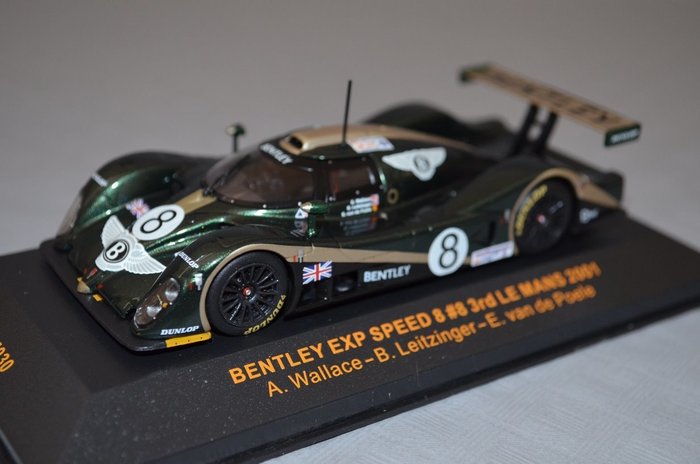
During the session, Leitzinger reflects on the changing landscape of racing, the camaraderie of the paddock, and the quiet joys of driving. His insights are thoughtful, tinged with nostalgia but never bitter. He speaks not as a retired hero, but as a man who simply loved the craft.
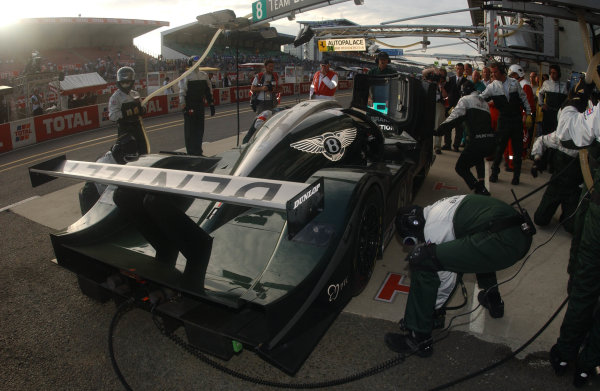
Butch Leitzinger may not be a household name, but within racing circles, he’s revered. His story reminds us that greatness doesn’t always roar – it often whispers. And in those whispers, we find the soul of motorsport: dedication, resilience, and a deep respect for the machine.
ACO USA

To learn more about or to become a member of the ACO USA, look no further than www.lemans.org, Click on English in the upper right corner and then click on the ACO members tab for Club Offers. Once you become a Member you can follow all the action on the Facebook group ACOUSAMembersClub; and become part of the Legend with future Evening With A Legend meet ups.
This content has been brought to you in-part by support through...