

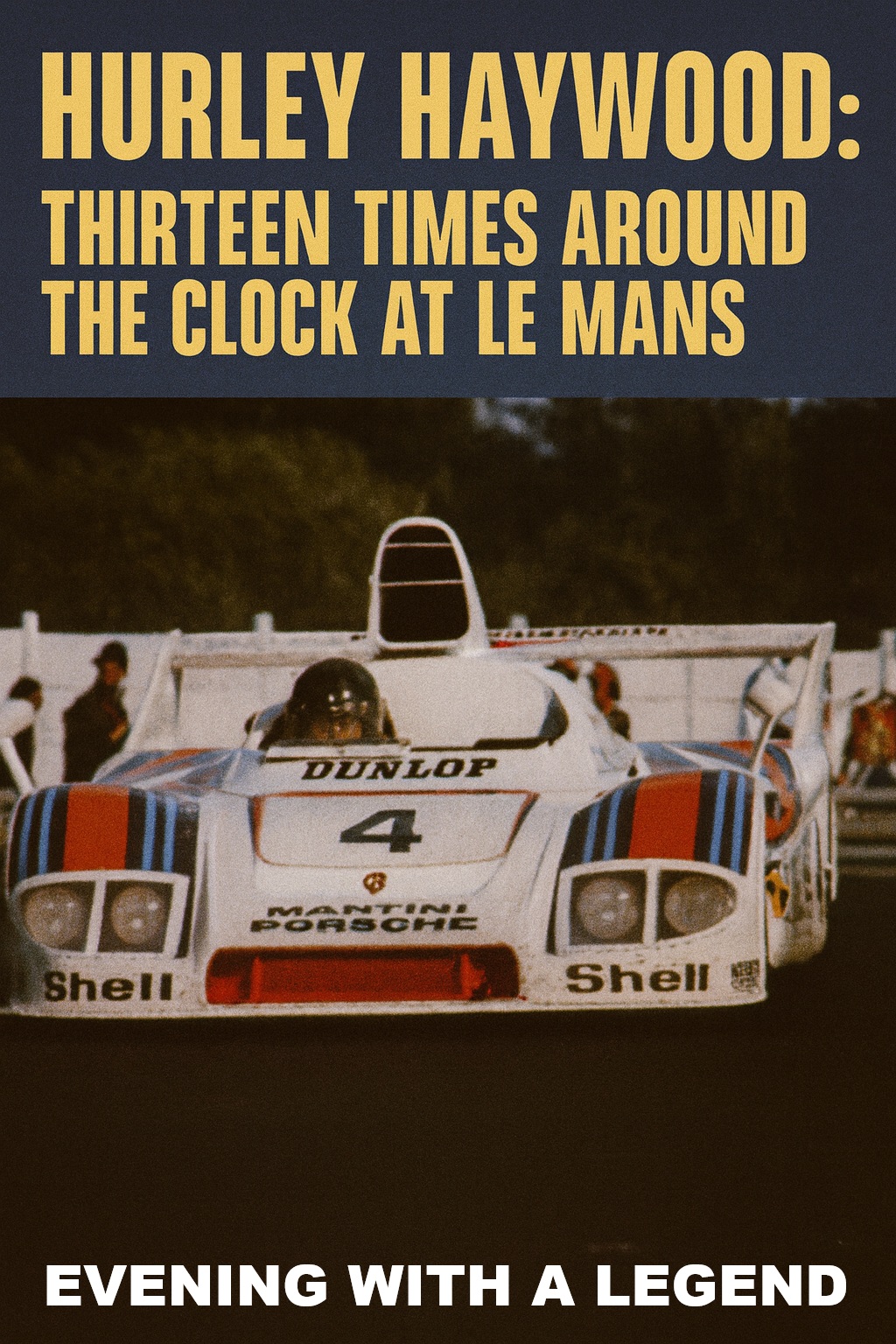
When it comes to endurance racing, few names carry the weight of Hurley Haywood. With 13 starts at the 24 Hours of Le Mans between 1977 and 1994, three overall victories, and five podiums – all behind the wheel of a Porsche – Haywood’s legacy is etched into the tarmac of motorsport history.
In a recent Evening With a Legend event hosted by Crew Chief Eric, Haywood shared stories from his remarkable career, offering a rare glimpse into the grit, grace, and occasional chaos that defined his time at Le Mans.
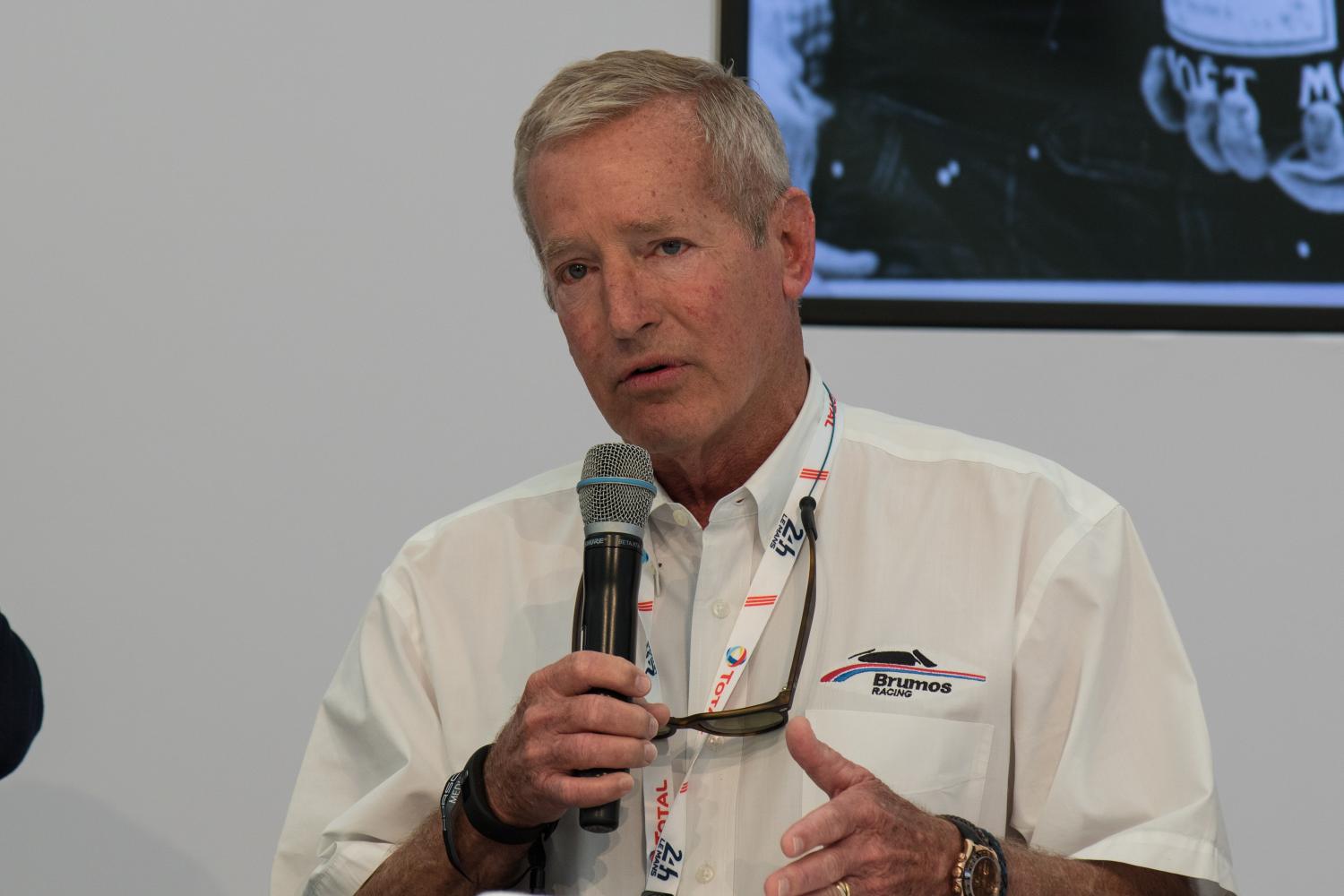
Haywood’s first trip to Le Mans in 1977 was anything but glamorous. After flying into Charles de Gaulle and renting a car, he found himself lost in the industrial maze of Le Mans. His salvation came in the form of a man wearing a Porsche jacket – Klaus Bischoff, his crew chief. Bischoff ushered him into a bar to meet the team, then arranged for Haywood to sleep in the back seat of a car until tech inspection the next morning. That knock on the windshield? It was Manfred Jantke, head of Porsche’s racing program, wondering where Haywood had been.
Tune in everywhere you stream, download or listen!



Haywood’s first laps at Le Mans were in pitch black. With no simulator, no rulebook prep, and no track familiarity, he was told to follow Jackie Ickx for two laps – then he was on his own. “The average speed was 165 miles an hour,” Haywood recalled. “There’s a lot of very fast straightaways, and I really had my hands full.”
Though Haywood lived just 55 miles from Daytona, he considers it the tougher race. “The night is longer, the driver talent more varied, and the margin for error smaller,” he explained. Le Mans, by contrast, had stricter rules and higher-caliber teams during his era. Norbert Singer, Porsche’s legendary engineer, once told Haywood that Le Mans was more difficult from a strategy standpoint. “If you make a mistake at Daytona, they bring you in and say, ‘Don’t do that again.’ At Le Mans, it’s minutes of discussion – and making up that time is hard.”
After his first Le Mans win, Haywood received a call from Roland Putnam, president of Rolex USA. Putnam had noticed Haywood wasn’t wearing a Rolex on the podium. Haywood explained he’d left his watches at home to avoid theft and had bought a Timex Ironman instead. That Christmas, Rolex sent him a watch with a rubber band – the “least flashy” model they made. It became a legend in its own right.
Synopsis
In this episode of Evening With a Legend, renowned endurance racing driver Hurley Haywood shares his experiences and stories from competing in the 24 Hours of Le Mans, one of the most prestigious races in motorsport. Hurley reflects on his career spanning from 1977 to 1994, during which he achieved three overall victories and five podium finishes, primarily driving for Porsche. Hurley discusses his first race at Le Mans, challenges faced, memorable moments with teammates like Jackie Ickx and Al Holbert, and the evolution of racing at Le Mans over the years. The conversation also touches on the differences between racing at Le Mans and Daytona, the impact of modern technology on racing, and Hurley’s transition to roles such as a brand ambassador for Porsche and Rolex. The episode offers insights into the world of endurance racing and celebrates Hurley’s legendary status in the sport.
- You have the most attempts (so far) of any guest on EWAL with: 13 total, and 3 wins and 5 podiums between 1977 and 1994. Since we can’t cover all of them, let’s quickly talk about your journey up to Le Mans and how the deal was put together; and talk about some of the highlights.
- Let’s talk a little more in detail about 1977; (Porsche 936) – 1st win. Had you raced in Europe before 1977? If so, where, how did that go? When you got there, what were your first impressions of Le Mans? How did it compare to racing in the US especially when you take the 24 hours of Daytona into consideration?
- 1986 seems like an interesting year, the Le Mans record books have you in 2 cars in the same race; both Silk Cut Jaguars? Why? How did that happened?
- Jumping back to the early ‘90s you returned to “the New Le Mans” – again with Porsche in the 962s, and in 1994, this is lucky number 13, and your final win at Le Mans in LMP1 with the 962 LM. (At the Age of 46); why stop?
- What do you feel is the most challenging part of driving at the 24 hours of LeMans?
- As one of the most successful American drivers at Le Mans, what do you think it means for motorsport in the United States, and how do you feel about the global recognition of Le Mans?
- Looking back on your 13 attempts, what advice would you give to young, aspiring drivers who dream of competing at Le Mans and following in your footsteps?
- Now that the Le Mans Classic is back, any plans to race LeMans again?
Transcript
Crew Chief Brad: [00:00:00] Evening With a Legend is a series of presentations exclusive to legends of the famous 24 hours of Lama giving us an opportunity to bring a piece of LAMA to you. By sharing stories and highlights of the big event, you get a chance to become part of the Legend of Lama with guests from different eras of over 100 years of racing.
Crew Chief Eric: Tonight we have an opportunity to bring a piece of LAMA to you sharing in the Legend of Lama with guests from different eras of over 100 years of racing. And as your host, I’m delighted to introduce Hurley Haywood, a name synonymous with endurance racing excellence. Over the course of 13 attempts at the legendary 24 hours of Lama Hurley cemented his legacy as one of the greatest sports car drivers of all time.
From his debut in [00:01:00] 1977 to his final start in 1994. Hurley was more than just a driver. He was a force to be reckoned with, whether battling through the night or sharing the cockpit with icons like Jackie Icks and Al Holbert. His impact on endurance racing is undeniable. With three overall victories and five podium finishes all behind the wheel of a Porsche.
His story is one of relentless determination, precision, and uncanny ability to push both man and machine to their limits. We’ll break down his lamont’s career, the highs, the lows, and what made Hurley Haywood a legend in the world of Lama and beyond. With that, I’m your host crew chief Eric from the Motoring Podcast Network.
Welcoming everyone to this evening with a legend. Hurley, welcome to the show. Thank you for having me. You have the most attempts so far of any guest on an evening with a legend 13 total three wins, five podiums between 77 and 94, and since we can’t cover them all, let’s quickly talk about your journey up to Lama and how the deal was put together and talk about some of the highlights.
Hurley Haywood: Joe Hopin, who was in charge of both Audi and racing here in [00:02:00] the United States, called me up. One afternoon and said, how would you like to go to Lamont? And I said, fantastic. You know, sign me up. He arranged with Portia to have me drive on the factory team. Was that the first time you had raced in Europe?
Yes, that was the first time I’d raced in Europe. Now you gotta remember. The only really reference I had to Lamar was the movie Lamar, you know, read about it in, in magazines. And I never really thought out what the city of Lamar was like. So when I flew over, I flew into Charles Dega, rent a a car, and drove to Lamar.
Well, I was shocked. Lamont is a huge city, very industrial. I was completely lost. I didn’t speak very good French. I was just kind of driving around trying to find something that I could recognize and nighttime fell and I was driving down this little alley. There was a guy with a Porsche jacket on [00:03:00] and I said, can you help me find where Porsche is?
So he looked in the window and he says, ah. He says, here, Haywood, we’ve been wondering where you are. And, and it turns out that this guy was Klaus Bischoff, who was my crew chief for the car. And he says, you gotta come into the bar and meet the guys that are gonna be working on your cars. You know, I’d been up for like 36 hours.
So I was kind of a walking zombie to make it simple. He said, we’re not gonna try to tell you how to get to your hotel, we’ll take you to the cathedral or the. Tech inspection was the next day. You can sleep in the back seat and Porsche guys will find you. I’ll tell ’em that you’re there. So that’s exactly what happened.
And that morning there was a loud knock on the windshield and it happened to be Manford Dianca who was head of the racing program. And he said, where? Where the hell have you been? So that was my introduction to Porsche. Nowadays, you know, a newbie has to go through a whole regimen of testing, whether it’s on a [00:04:00] simulator, the rule book.
Lights, you know, different caution lights, what that means to controlled areas. If there’s a incident, they don’t close the whole track, but they close the area that where the accident is. That being said, I really had no idea of what the track looked like. You know, the practice starts at like six o’clock at night and runs to about midnight.
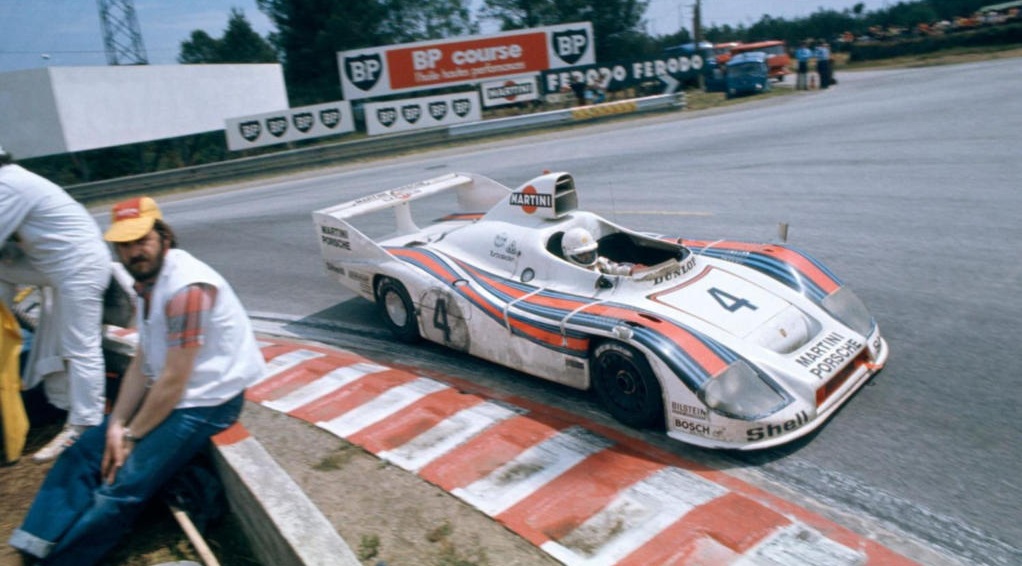
They said, okay, now is your turn. And it was pitch black and they said, we’ll send Jackie X out and you can follow him and he’ll show you the way around. That was two laps and then I was on my own, you know, the average speed at that point. Was 165 miles an hour. That’s pretty fast. So there’s a lot of very fast straightaways and straight is over 200 miles an hour.
So I really had my hands full, but it kind of all worked out and the team was really very gracious and, and very helpful, and they walked me through the protocols, but. It was [00:05:00] something that I was absolutely, completely unprepared for. What happened after we won the race, I mean, there was tens of thousands of people just swarmed onto the pit lane, and the next day when I got to the airport, there was a mob of people there.
So it was sort of surreal in, in its presentation. It was really shocking, but. I got used to it and I enjoyed it.
Crew Chief Eric: So let’s unpack that first race. One of the questions that came up from a lot of the folks that are sitting in the audience, they wanted to know how it compared to racing at Daytona, and I know they’re really night and day, but endurance racing as a whole.
How was Lama in comparison to the 24 hours of Daytona?
Hurley Haywood: Well, I’m often asked that question. Daytona is my home track. I’m 55 miles away from the speedway from. The races are so different and you know, I’m often asked what do I think is the harder race to win? And I’ve always said Daytona was [00:06:00] harder because one, the nighttime is 12 hours.
They have a vast sort of arena of driver talent, some very professional guys, and some real amateur people, so you never know who you’re coming up to. That makes it difficult. Lamont, they have very strict rules and it’s sort of the caliber of teams and drivers. At the time I was racing there was much higher than in the United States.
That’s has changed dramatically over the years and to our present situation where it’s probably equal. But Lamar is such a iconic race and personally, I. Racing at Daytona is more difficult. I asked Norbert Singer what he thought was more difficult and he said, well, from a race strategy and from what happens in the race car, I think they’re both pretty equal.
What makes IMSA better or Daytona better is if you make a mistake, they bring you into the [00:07:00] pits and they say, don’t do that again. And if you do it again, you’re gonna be in serious trouble. Where at Lamont, it’s sometimes several minutes of discussion what you’ve done and making up that on a track is difficult to do.
So he said, I think Lamont is more difficult.
Crew Chief Eric: So you got a first impression of the track. You got a first impression of your Porsche teammates and the team, but you made a first impression on the French as well. I hear Maybe this is legend, maybe this is a little myth busting here, but there’s a story about a rubber band Rolex.
Roland
Hurley Haywood: Putin, who was the president of Rolex in the United States, called me up and said, congratulations. That was wonderful. You did a great job over there. You had your arms raised up in the air, and I noticed that you didn’t have a have a Rolex on. I said, well, I didn’t take my Rolexes over there because I didn’t want to get them stolen.
I didn’t, you know, so I went out and bought a Timex iron man. He said, okay, that makes sense. So that [00:08:00] next Christmas, Rolex had invited me up to New York for a luncheon. When dessert came, a box came with a Rolex in it with a rubber band on it. And he said, this is the least flashy watch that we can produce.
Well, in hindsight, it was probably the watch that got the most amount of comments. ’cause where did you get that Rolex? Where did you get that rubber band? And so recently I became an an official ambassador of Rolex back in 1991. It was a handshake. That was all we needed. They were completely honest and they were, you know, really good to me and over the years.
And Luca said, it’s time that we signed you up with a, a bonafide contract. And I said, that’s great. Contract was one page. Basically the situation was that when you go in public. Please wear a Rolex.
Crew Chief Eric: That was about it. So they’re a great company to work for. Talking about your [00:09:00] 77 season again in the Porsche, 9 36, Harley Clarkson wrote about his vantage point in competing against you with his team, and he said there were tons of challenges with the car, and yet you and Jackie and Jurgen Barth still managed to bring the car home for a win.
So what was that like?
Hurley Haywood: You know, they gave me the honor of starting the race. That’s a pretty heavy weight on your shoulders when you are starting a race like that with no experience as far as the start goes. So we take off and the throttles fixed wide open in the first corner. I managed to get out of the way of everybody get it slowed down with the throttle stuck.
You couldn’t push the clutch down ’cause you would over rev the motor. The first thing that came to my mind, well hit the ignition switch. Well, I did that and. I was in the grass and it was hard to sort of bump start the car again. I had to take off the rear bonnet. We had actually practiced taking off the rear bonnet to get to the [00:10:00] engine, which was a mammoth thing.
I mean, probably weighed what that hood weighed, but I managed to get it off, found out what the problem was, got the throttle fixed, and got back in and started up and went back to the pits. I think we lost maybe two or three laps during that episode. I went back to the pits. They fixed it and everything was great.
Jackie’s car had a, had a mechanical problem and they moved Jackie over with Jurgen and myself. And Jackie is a absolute master at night and in the rain. ’cause it always rains at some point during that race. And then when it rains, it doesn’t rain on the whole track, it rains in portions on the track. So Jackie fought during the night.
Jurgen and myself sort of was a backup. It all kind of worked out. Porsche really has a, a wonderful ability to put sort of like personalities together in the car. We’re all secure with being racing drivers. We’re not out there to prove who the fastest guy is. [00:11:00] We’re there to win the race and everybody does the job that they’re supposed to do.
And that’s been the case on all the cars I’ve ever driven for Porsche with teammates. It just was really special to win that race.
Crew Chief Eric: Well, I’m glad you brought up teammates ’cause we’re gonna jump ahead of here a little bit. 1978 and 82, you podium, you come back in 1983 for your second win in the Porsche 9 56 and Mark Hal wrote, what was it like driving with Al Holbert and Vern Schoen as teammates?
How did your driving styles differ? How did your strengths work with each other or against each other? I knew Al
Hurley Haywood: long before we raced together at le, and he is a great driver and a great friend and. The same feeling for the cars along with Vern. The three of us together made a really potent team and the, the 9 56 was a difficult car to drive.
The geometry in the car was, you know, a lot of effort went [00:12:00] into the steering and IMS a would not allow that car to race in, in the states. They said, well, you know, you gotta get the driver’s feet behind the front axle thinking that Porsche would never do that. Well, that was how the 9 62 was developed and they long gated the wheel base, and that made all the difference in the world.
That thing was just a sweetheart to drive, and it was kind of like a driver’s dream come true. It had so much down force that the cornering speeds were like. On a railroad track, so it, it was
Crew Chief Eric: really nice to drive that car. Up until this point, you had the chance to race with some of the best drivers in the world.
As your teammates, can you share some memorable experiences with your teammates that really stand out?
Hurley Haywood: Can’t even
Crew Chief Eric: count how many
Hurley Haywood: drivers I’ve driven with, but guys I’ve driven with in the long distance races, we all kind of had the same mission motivating us, and that was to win the race. We weren’t there to set the fastest time.
We were there to do zero mistakes. Bring the car back in one piece, [00:13:00] and we all kind of contributed to that thinking, and we would sit down after our practice sessions and kind of say, well, you know, what are we gonna do? We don’t wanna get into a wheel to wheel fight with somebody, because that’s when mistakes happen.
It was kind of a feeling that we had. We were not sandbagging, we were not being easy with the car. We were being easy with the car, but not to the point of being slow with the car. That’s kind of a very delicate balance where you’re trying to be really quick, but save. You know, back then we didn’t have sequential shifting.
We didn’t have power steering, we didn’t have any of that stuff. It was all done by the driver and it was very easy to exhaust yourself. ’cause those cars were pretty hot inside. We had to be careful with that. And in a two hour stint, I would lose five pounds of sweat. And getting that liquid back into your system was sometimes a real problem.
One time I brought my doctor over, you know, he said, well, [00:14:00] the easy fix for that is hydration with a iv. Porsche. Saw how quickly I recovered with that, and they said, okay, it makes sense. Now that’s not allowed because people are afraid that there’d be doping stuff in the mixture. But back then, uh. It was a very efficient way to get back up to speed.
Crew Chief Eric: Later in the 83 season, you had a pretty bad accident at Mosport, which kind of took you out of the Lama scene for the next couple years, and that brings us to 1986. You are in the record books twice in the same year on the same team, and that’s the Silk Cut Jaguars. How did that happen? How did that work out that you were running two cars over 24 hours?
Hurley Haywood: Tom Walkinshaw decided that they wanted to bring some very experienced drivers in long distance. So they got Brian Redmond and myself to come. And before that happened, uh, I had broken my leg back in 1983, Bob Tuus called up Al Holbert and he said, I’m thinking about. Hiring [00:15:00] Hurley because you know, he can’t push the clutch down on a Porsche, but we have a gearbox and he only has to push the clutch to get in and out of the pits.
Al said to Bob, he said, if you can hire Hurley, do it today because he’s one of the best. And that’s exactly what happened. So I raised for the Jaguar team, the Trulia team group, 44 for two and a half years. And then when that program stopped and it moved over to Walkinshaw, Walkinshaw decided that he wanted Brian Redman and myself to come help his team win the race.
We were told basically to keep our mouth shut and. Drive as fast as we could go. ’cause he wanted to be on television at the start of the race. And so eventually all three cars had mechanical problems and we would move from one car to the other car. [00:16:00] And so I don’t wanna get into the particular, but it was kind of an amusing round table of guys that were going from one car to another car and then that car would break and move to the third car.
So. A, uh, difficult situation to be in.
Crew Chief Eric: And this was during a time when the driver stints weren’t as limited as they are today. You had minimum driving times, but you didn’t have maximum driving times. So are you able to jump between the two cars?
Hurley Haywood: Yeah. Correct.
Crew Chief Eric: Correct. So what was it like driving the Jags compared to the Porsches you had run in the past?
Hurley Haywood: Uh, they’re gonna hate me when I say this, but it really, it was like a truck. It was very loud, very guttural. I mean, it was not a difficult car to drive, but it just, it was like hot rod City. You know? The thing sounded really great. Definitely almost, and it was sort of not as sophisticated as the group 44 car was.
Group 44 car had that 12 cylinder. It was a beautiful sounding engine. Lee Dyer was the one that [00:17:00] designed it. And you know, it was a really nice car. And then when we, when we went back to back to drive the Walkinshaw car, it was just dramatically different. I’m not saying it was worse or better, but it was just very different.
Crew Chief Eric: So you’ve mentioned Bob Tuli in Group 44 a couple times here, and that brings us to 1987. One of my favorite years of racing in general. At the same time that you were still racing at Lamar doing endurance racing, you started with Bob and the Audi program in Trans Am bringing the Quattros to road racing.
So what was it like jumping between the Audis and the nine 60 twos and at that time did you prefer one over the other? Well, let me back up
Hurley Haywood: a little bit. When Bob Tulio lost the Jaguar deal, at the same time Audi was thinking about coming into race in the United States. And they wanted to sort of promote the Audi program.
And Joe Hopin was of course the guy that sort of negotiated all the rules and everything. He called me up and he said, well, [00:18:00] what do you think we should do? What team do you think we should get? And I said, well get Tulio. He’s got all the equipment, he’s got the shop, he’s got the transporters. They’re all spotless.
Totally in that Audi sort of way of thinking. So that’s what happened and he got the deal and everybody went over to English Scott to talk about the program and you know, work out the details. But that was one of the greatest cars. Everybody laughed, said, what are you doing with driving to basically sedan.
And they stopped laughing after our first race because we were just so superior to everything else on the, on the racetrack. And then TransAm kicked us out of TransAm ’cause the cars were so good that we moved over to imsa. The cars were not really made to do long distance races, so we didn’t do day detail and we didn’t do se bbr.
But then, you know, I think shook. Won almost every race. And I was second in all those races. So that thing was unbelievable. 700 horsepower, huge tires on the front end rear, and it was really a [00:19:00] pretty cool car to drive.
Crew Chief Eric: And the reason I bring it up is that I. That wouldn’t be the last time you drove with Hansuk and Walter Rural.
And if we jump forward a little bit and then we’ll do, we will dance back. You actually ran in 1993 with Hans and Walter at Lamont in a nine 11 turbo. Was that part of this whole group 44 contract? How did that come to be?
Hurley Haywood: No, it didn’t have anything to do with the contract with Group 44. It was like a prototype.
Nine 11 that we raced at Daytona and Sebring. I think it was really fast. It was really a great car. And then we were also gonna race that car at Lamont with Stook, myself and Walter. That was the race, if my memory’s correct, was the race that Walter retired after. You know, so that was the end of that program.
That was a really cool car, really fast.
Crew Chief Eric: Did you guys choose to drive together or was that pre-ordained? It was
Hurley Haywood: pre-ordained. They wanted an American, which was me [00:20:00] and Walter of course, and Hans. Were great friends and, and fantastic drivers and very fast. So we were kicking ass in Daytona and then we had a, I think Danny Sullivan drove with us at Daytona.
There was four guys at the, on the team at Daytona. A mechanical failure. We were out of the race.
Crew Chief Eric: We were
Hurley Haywood: leading
Crew Chief Eric: at the time. Now, as we jump back into the early nineties, you’ve returned to Lamont many times again behind the wheel of Porsche nine 60 twos. And we’re gonna talk specifically about 1994.
That’s lucky. Number 13, your final win at Lamont in LMP one with a 9 62 LM at the age of 46. Well,
Hurley Haywood: you know, the car that we ran in 94 was a dower car, and the dower car was a 9 62. That was. Made for the street. Norbert Singer found a loophole in the, in the rules that all we had to do to make that car legal was to eliminate the ground effects.
And we did a lot of testing in the wind tunnel. We did a lot of testing on [00:21:00] tracks. We went to, I think Paul Ricard or Manny Core and did 24 hour test with that car. So it was a really a, a nice car to drive. It was very fast on a straightaway ’cause it didn’t have a lot of down force. So that was really cool.
And so we went testing. I can’t remember. It was, I think it was Manny Cor that we were testing that, and I was scheduled to drive with Stok and Terry boots, I think, and myself. And then me, Baldy and Yannick Damo were gonna drive with Danny Sullivan after the test, Yannick and Marrow went to the factory and had a seat designed for them.
They were the same size as I was. So when, uh, Sullivan got to the track on race day on race practice, he couldn’t get in their seat. He was too big. So they said, oh, we’ll fix that. We’ll just move Hurley over and he can drive with those guys, and Sullivan can drive with shooken boots. And so that’s how that happened.
And that was [00:22:00] literally one of the very few races that I’ve ever had a seat. That fit me properly. Usually I was just sort of hanging on because the seats were always big and they would always have to put in a big clumsy insert, and you’ve never really felt comfortable with those cars. But that time the seat was perfect.
We would do driver changes and we wouldn’t have to adjust the belts at all. So that was really special. And it showed when we won, I mean, it was really great car.
Crew Chief Eric: Did you wanna run again after 94 or were you after 13 tries you were done.
Hurley Haywood: After 94, Porsche changed over to production cars, GT cars. I had made a promise to myself because of the speed difference between the prototypes and the GT cars that I would not ever drive a GT car at Lamont.
Different. I said no. And Porsche didn’t really have a prototype to race except the GT one. I can’t remember what they called it, but it was a great car. But I [00:23:00] was kind of out of the loop at that point, so I can’t remember even who drove that car.
Crew Chief Eric: Well, I’m gonna pull a question from the crowd here, and this can apply to any Porsche you’ve ever driven.
Scott writes, which Porsche variant was the most fun to drive? Not necessarily the fastest, but the one you enjoyed the most?
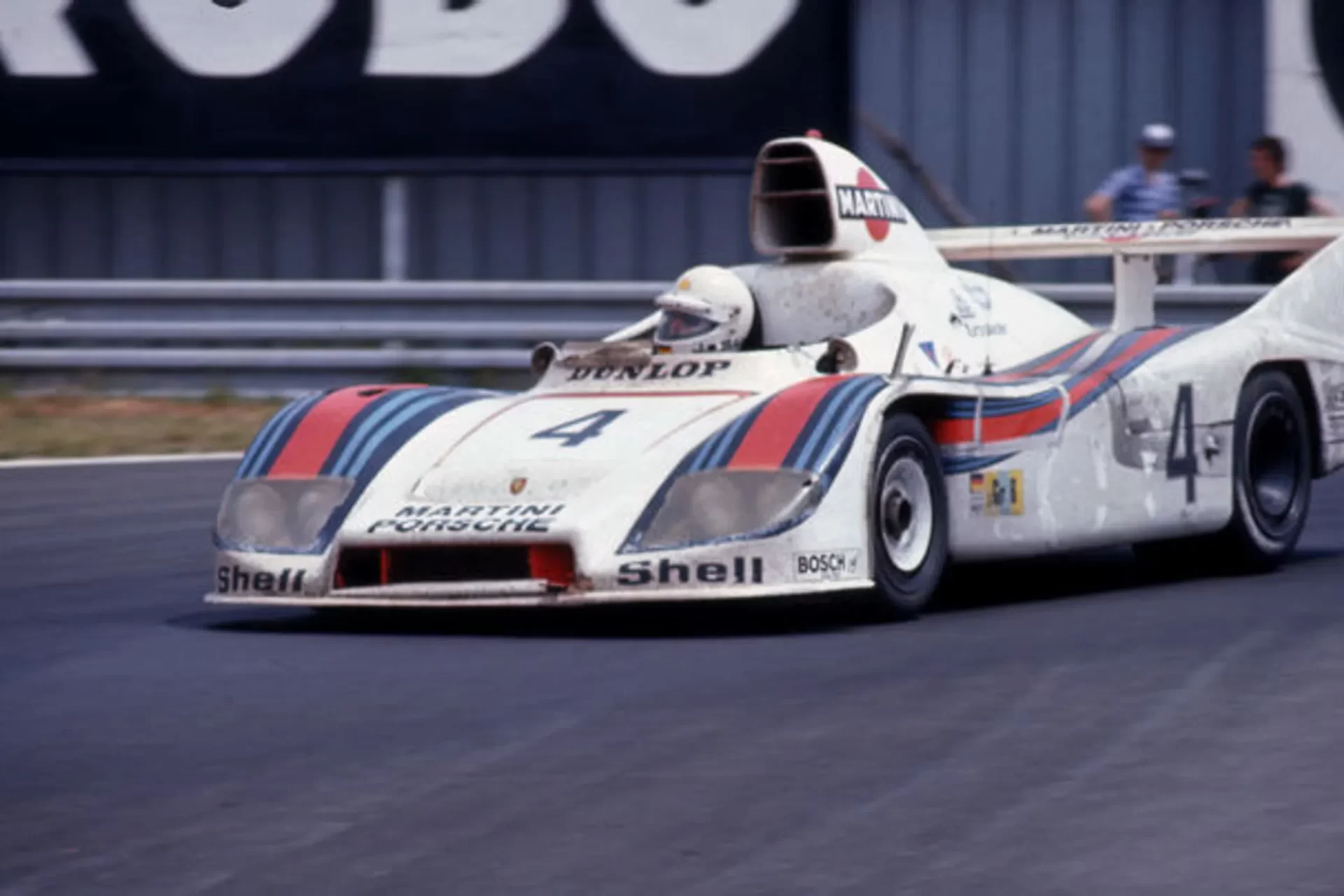
Hurley Haywood: The 9, 3 6. That was the car that I won Lamar with the first time. It had a, a really beautiful engine. The car was beautiful to look at. Had the big shovel above your head. Because it didn’t have ground effects, it moved around a lot.
It’s kind like driving a really powerful nine 11. You could adjust with your throttle what the rear of the car was doing, but not in an uncontrolled manner. It was just a really pleasant car to drive, and I like open cars.
Crew Chief Eric: You talked a little bit about the challenges of driving at LAMA and weather is something that comes up all the time and then mechanical sympathy is another one.
You know, being cognizant of the car and the other drivers and you know, you need to make it to the end. You can’t win LAMA on turn one. A lot of the legends that come on the show, we actually [00:24:00] talked to them about how the experience of LAMA changed them as a driver. And you mentioned at the beginning of the conversation that LAMA was the first time you had raced in Europe.
And again, first impressions or lasting impressions. So how do you feel that. Lama change you, maybe your driving style. What did you bring home from every time you raced at lama? Well, you gotta remember
Hurley Haywood: that prior to 1977, I had won three Daytona 24 hour races. So the 24 hour format was not something that was alien to me.
The same principles that hold true for being successful at Daytona hold true for being successful at Lamont. So my driving style, the way I thought, the way I trained didn’t really change that much. The only thing that really changed
Crew Chief Eric: was we
Hurley Haywood: had great food,
Crew Chief Eric: so. So when you look at Lama’s changes and its evolution, you started in the pre chicane days, and then in 1990 through 1994, you drove in the new format.
How was that for you? Did you have to really [00:25:00] relearn the track or was it always about the same? The
Hurley Haywood: speed difference between No, chicanes and the Chicanes was almost the same. It was well over 200 miles an hour between the chicanes, but because of the chicanes, the physical exertion. Of those two entities was pretty severe.
The breaking was massive. You really had to come in on the brakes, and I think that that was in itself something that really. Took a toll on drivers and cars. I much preferred the no chicanes, but the tire manufacturers just were not comfortable with that sustained speed with their product, and I think that they were pretty instrumental in getting the track to put the chicanes in.
Same thing at Daytona with the bus stop at Daytona would enter turn three at over 200 miles an hour on the banking with a lot of downforce and a lot of force on the tires. So they went to the speedway and said, we need to [00:26:00] put a chicane in there to slow the cars down on the entries into UH, three. So that I think worked well for them
Crew Chief Eric: as one of the most successful American drivers at lama.
What do you think LAMA means for motorsport in the United States, and as LAMA has evolved, how do you feel about the global recognition of lama?
Hurley Haywood: Well, I think cars now, both on the US side and on the European side. Are very similar to each other. They have a little bit different rule package, but I think the end result is really good for racing because in my day we would win these long distance races by lapse by miles.
And now at Daytona and at Lamar, you have multiple cars that are on the same lap after 24 hours. So I think that that is something that’s good. I. To be dominant. I like to win those races by large margins, but I think from the fan standpoint, it’s better that you have [00:27:00] multiple cars on the same lap in both prototype and in gt, and that just makes for a good show.
Crew Chief Eric: So there’s a lot of young drivers that are coming up through the system now that have LAMA as one of their crown jewels. And so looking back over all your entries at LAMA and even over your career, what advice would you give to young aspiring drivers who dream of competing at the 24 and following in your footsteps?
Hurley Haywood: I think this new generation of drivers is amazing. Their maturity behind the wheel, how they deal with all the pressures are. Mind-boggling really. I, you know, I looked at kind of what I was like in that era. It’s just a completely different mindset of these young kids, and they’re super fast. They don’t make mistakes.
They understand the engineering of the cars. Peter, Greg once told me, he said, you know, you, you are hired as a driver. Don’t try to be an engineer. Articulate what the car is doing. And then let the engineers figure out what to do. And I think that that is the case [00:28:00] on many of the young drivers that are in the sport right now.
They’re very articulate. They know what they’re doing, and they’re only gonna get better with time. So I think the future of racing, the next generation of superstars is gonna come from the current crop, both the European and on the American side.
Crew Chief Eric: So having returned to Lama many times, you’ve seen a lot of change, as we talked about with the change of the course configuration itself.
What are some of the best new things that had come to Lamas since you had started there? In 77,
Hurley Haywood: the pits were like, you would make a pit stop and there would be. Literally hundreds of people that you would have to dodge through to get into your pit slot to make the pit stop. It was just so overwhelming with the crowd of people that was allowed into the pits.
So that’s when they built the new pits and the new boxes above the pits. That was really special and that made it much, much safer
Crew Chief Eric: and. Much more enjoyable. We got a couple of crowd questions here. Terry Johnson writes, with all the modern day [00:29:00] advancement in telemetry communication and all the cockpit gadgets for the driver, do you see your era as more pure in terms of racing?
Hurley Haywood: Absolutely. You know, I’m not a big fan of electronics controlling the cars. I like to be in control of what is going on with the car. And if I want something, you know, I’ll radio into the pits and I’ll say, okay, the car’s understeering. What are gonna do? Now all of that is already known with telemetry.
They’re not necessarily relying on what the driver says. They know what, what he’s gonna say. We didn’t have sequential shifting. We didn’t have a BS brakes, we didn’t have power steering, we didn’t have air conditioned cockpits. I’m not saying it’s any easier now. I think with the introduction of all the commands from the pits to the drivers on what to do to save energy, the formula for fuel usage and electricity has to be dissipated at the same time.
So if you come into the pits and they see that. The battery’s been [00:30:00] zero. You’re penalized. That’s why it’s so important to listen to the engineers. They’re telling you you’re using too much fuel, you’re using too much battery. Dial back a little bit. It’s a constant thing, so it’s not just one lap to doing to do it in almost every lap.
So I don’t think I could drive a race car with having somebody talking to me all the time.
Crew Chief Eric: So along with that, Greg Caruso writes, what’s the biggest difference you see in today’s endurance racing compared to when you were racing? Is it safety? Is it something you already mentioned, or is it something else?
Hurley Haywood: It’s all of those things. Because the cars are so strong and so safe, it sort of gives the drivers this secure feeling that if something goes wrong, I’m not gonna hurt myself. In my generation, people got hurt in race cars, people got killed in race cars. I think that that tempered the way we looked at things and how we analyze what kind of risks are we gonna take Now in a 24 hour race, it’s 24 segments of 100% [00:31:00] performance.
And there’s no regard for being careful with the car. You can throw it around, you can bump into somebody and you’re not gonna damage the body work. They’re very strong cars and the safety equipment is phenomenal. Helmet technology and race suit technology is, is really good. Bladder control on the fuel tanks is good, so it is a much secure and safer environment.
And that makes the racing better and safer. You wanna be as safe as you possibly can, but because it’s safe, there is sort of that feeling that I’m invincible and that’s a bad thing to feel. I think
Crew Chief Eric: Tom Stout asks any advice on visiting Lama as a spectator? I.
Hurley Haywood: Go with somebody that knows the ropes. Take a friend or, or somebody that’s been there before.
It’s overwhelming how large it’s, unless you know the systems, it’s really difficult to navigate. There’s a lot of different program that have space in their formula that you go over. The airlines are. Paid [00:32:00] for the hotel, the food, the restaurants, the tickets for the race, where you’re gonna watch the race from.
Those are really important because there is a language barrier. Unless you know the person that lives in the United States speaks fluent French. It can be a real nightmare.
Crew Chief Eric: So I’m gonna slide in another member question here. Leon Carson writes, and I’m sure you get this all the time, of all the tracks you’ve driven, what track do you enjoy driving on the most?
Hurley Haywood: I love Watkins Glen. Watkins Glen is, you know, that’s what was the first racetrack I ever won a race with. Peter, Greg, myself, won the GT portion in 1969. I was sitting on cloud nine. A couple weeks after the race was over, I got my draft notice and I was on an airplane flying to Vietnam in November. So that sort of cut my racing career till 1971.
Peter, Greg said, don’t worry, you have a job when you get back. And I rotated outta the army in, in 71 and we won the first race at uh, VIR. So that was great of Peter to
Crew Chief Eric: be
Hurley Haywood: [00:33:00] patient.
Crew Chief Eric: Watkins Glen, definitely at the top of my list, making my heart smile there, Hurley, I appreciate that. Good. Now that the LAMA Classic is back, any plans to return to Lama?
And if you were gonna go back, would you race any of your previous cars or maybe something else? Something you competed against.
Hurley Haywood: I would not want to race the cars. We have a lot, a lot of cars in our collection here in Jacksonville at the Burma collection. We exercise those cars, we demonstrate those cars, but we don’t race those cars.
When I hung up my helmet in 2012, I just said, you know, competitive racing is just not in the bucket list at this.
Crew Chief Eric: Do you still enjoy watching races like Lamont, the 24 hours of Daytona? Does it still get you, like revved up like you would wanna be on track? I’m
Hurley Haywood: on
Crew Chief Eric: the sort
Hurley Haywood: of the management part of different teams.
They ask my advice and you know, I’m busy being an an ambassador for Porsche and being an ambassador for Rolex. So this last year we had a lot of Rolex people come to the race [00:34:00] dealers. I was with them sort of explaining what was going on, and I enjoy doing that. And you know, the insight that you give to these customers that are really not too used to racing is invaluable.
And I think Rolex is the brand in practically every major sport in existence. And Motorsport is very lucky to have them as a sponsor, a supporter quality that. Is involved in building a watch is the same as building a race car. You have to be absolutely 100% precise.
Crew Chief Eric: The popularity of LAMA continues to grow, and this year there were some big announcements As we proceed into the next couple of seasons, Ford is coming back, Aston is coming back.
You’ve got all sorts of other brands coming to Lamont and talking about coming to Lamont, and it almost reminds me. Of the heyday of your time racing at Lamont, where the LMP field was absolutely huge and the competition was strong as it ever was. So it makes me wonder if you could go back to Lamont today and you could get behind the [00:35:00] wheel of a car, is the obvious choice the 9 63 or is there something else that you’d be interested in?
Taking a lap around the track in
Hurley Haywood: it would be hard to beat the 9 63. That thing is. Awesome. Nick Tandy is a, is a friend, and he said it’s really beautiful to drive that car. So if I went back to Lamo and if I was gonna drive something, it would be the 9 63.
Crew Chief Eric: No more questions from the crowd at this time. So what I’m gonna do is pass the torch to David Lowe, A-C-O-U-S-A President for some parting thoughts.
David Lowe: Harley, on behalf of the a CO and uh, the members of the A-C-O-U-S-A. Thank you so much for your time this evening for an incredible, incredible interview. And again, thank you for visiting us at our meetup at Daytona. It was also a pleasure to meet you there. All the best.
Hurley Haywood: I enjoyed that. And, uh, please give my best to all the a CO people.
Crew Chief Eric: Thank
David Lowe: you,
Crew Chief Eric: sir.
Hurley Haywood: Yep.
Crew Chief Eric: From his three unforgettable wins to the podium finishes that defined an era, Hurley’s legacy with Porsche and with the 24 hours of Lama is [00:36:00] nothing short of legendary. His determination, skill, and unyielding spirit have inspired generations of racers and its clear why he’s considered one of the all time greats in endurance racing.
Whether you’re a Porsche fan, a motorsports enthusiast, or someone who simply loves a great story of perseverance, Hurley Haywood’s journey at Lama is one for the ages. And with that, we hope you enjoyed this presentation and look forward to more evening with a legend throughout the season. And on behalf of everyone here and those listening at home, thank you Hurley for sharing your stories with us.
Hurley Haywood: Well, thank you Eric. You did a good job with the questions and I enjoyed the interview.
Crew Chief Eric: I want to have you back for some Audi talk. All right.
Hurley Haywood: All right.
Crew Chief Eric: This episode has been brought to you by the Automobile Club of the West and the A-C-O-U-S-A. From the awe-inspiring speed demons that have graced the [00:37:00] track to the courageous drivers who have pushed the limits of endurance. The 24 hours of LAMA is an automotive spectacle like no other for over a century, the 24 hours LAMA has urged manufacturers to innovate for the benefit of future motorists.
It’s a celebration of the relentless pursuit of speed and excellence in the world of motorsports. To learn more about or to become a member of the A-C-O-U-S-A look no further than www laman do org, click on English in the upper right corner and then click on the ACO members tab for club offers. Once you’ve become a member, you can follow all the action on the Facebook group, A-C-O-U-S-A Members Club, and become part of the Legend with Future Evening with the legend meetups.
This episode has been brought to you by Grand Touring Motorsports as part of our Motoring Podcast network. For more episodes like this, tune in each week for more exciting and educational [00:38:00] content from organizations like The Exotic Car Marketplace, the Motoring Historian, break Fix, and many others. If you’d like to support Grand Touring Motorsport and the Motoring Podcast Network, sign up for one of our many sponsorship tiers at www.patreon.com/gt Motorsports.
Please note that the content, opinions and materials presented and expressed in this episode are those of its creator, and this episode has been published with their consent. If you have any inquiries about this program, please contact the creators of this episode via email or social media as mentioned in the episode.
Highlights
Skip ahead if you must… Here’s the highlights from this episode you might be most interested in and their corresponding time stamps.
- 00:00 Hurley Haywood’s Early Racing Days
- 02:14 First Impressions and Challenges at Le Mans
- 05:27 Comparing Daytona and Le Mans
- 07:25 The Rubber Band Rolex Story
- 08:59 Winning with Porsche
- 14:26 Racing with Silk Cut Jaguars
- 17:19 Transition to Audi and Trans Am
- 19:11 Return to Le Mans with Porsche
- 20:19 1994 Le Mans Victory
- 23:44 Challenges & Changes at Le Mans
- 26:07 Endurance Racing Evolution
- 27:12 Advice for Aspiring Drivers
- 31:37 Reflections on Racing and Hurley’s Legacy
- 35:22 Closing Thoughts and Acknowledgements
Bonus Content
All of our BEHIND THE SCENES (BTS) Break/Fix episodes are raw and unedited, and expressly shared with the permission and consent of our guests.There's more to this story!
Be sure to check out the behind the scenes for this episode, filled with extras, bloopers, and other great moments not found in the final version. Become a Break/Fix VIP today by joining our Patreon.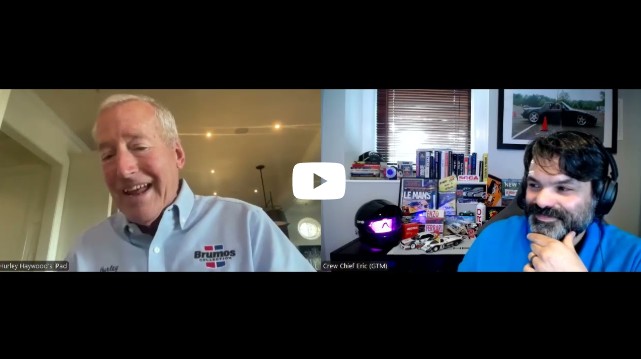
Learn More
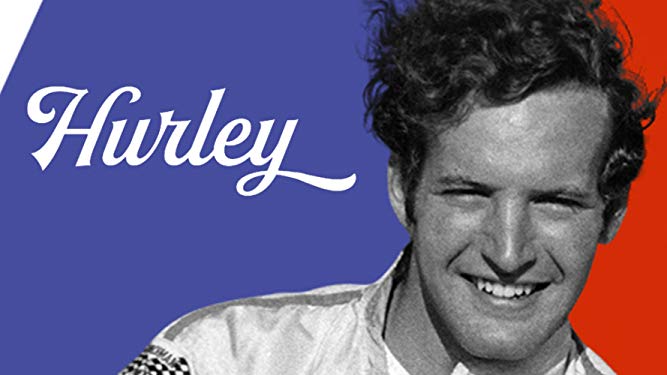
Life at Speed: Hurley Haywood (Pitstop Mini-sode)
In this Pitstop Mini-sode host Rick Hughey from the International Motor Racing Research Center interviews legendary racing driver Hurley Haywood. Hurley details his early family background and upbringing in Illinois, where he developed a passion for driving. His formal education took him to Boston, Vermont, and Florida, where he met Peter Gregg, sparking his racing career.
After transitioning from motorcycles to AutoCrossing with a Corvette, Hurley impressed Gregg and joined his racing crew. With support from his father, Hurley pursued professional racing, leading to significant accomplishments such as winning multiple IMSA Championships.
He shares experiences including his time during the Can-Am series, racing a Porsche 917 and highlights the transition to driving for other teams and the disciplined environments they provided. He reflects on notable races, including his three Le Mans victories and his involvement in the International Race of Champions (IROC). Hurley emphasizes the evolution of racing into a marketing tool and provides insight into the strategic planning behind modern racing series.
Evening With A Legend (EWAL)
Evening With A Legend is a series of presentations exclusive to Legends of the famous 24 Hours of Le Mans giving us an opportunity to bring a piece of Le Mans to you. By sharing stories and highlights of the big event, you get a chance to become part of the Legend of Le Mans with guests from different eras of over 100 years of racing.
We hope you enjoyed this presentation and look forward to more Evening With A Legend throughout this season. Sign up for the next EWAL TODAY!
Haywood’s 1977 win wasn’t without drama. He was given the honor of starting the race, but the throttle stuck wide open in the first corner. “I managed to get out of the way, hit the ignition switch, and coasted into the grass,” he said. After removing the rear bonnet and fixing the issue himself, he returned to the pits. Jackie Ickx’s car later failed, and Haywood joined forces with Ickx and Jürgen Barth to take the win.
Haywood emphasized the importance of chemistry among teammates. “We weren’t out there to prove who was fastest. We were there to win the race,” he said. Whether driving with Al Holbert and Vern Schuppan in 1983 or Hans Stuck and Walter Röhrl in 1993, Haywood found success through collaboration, not ego.
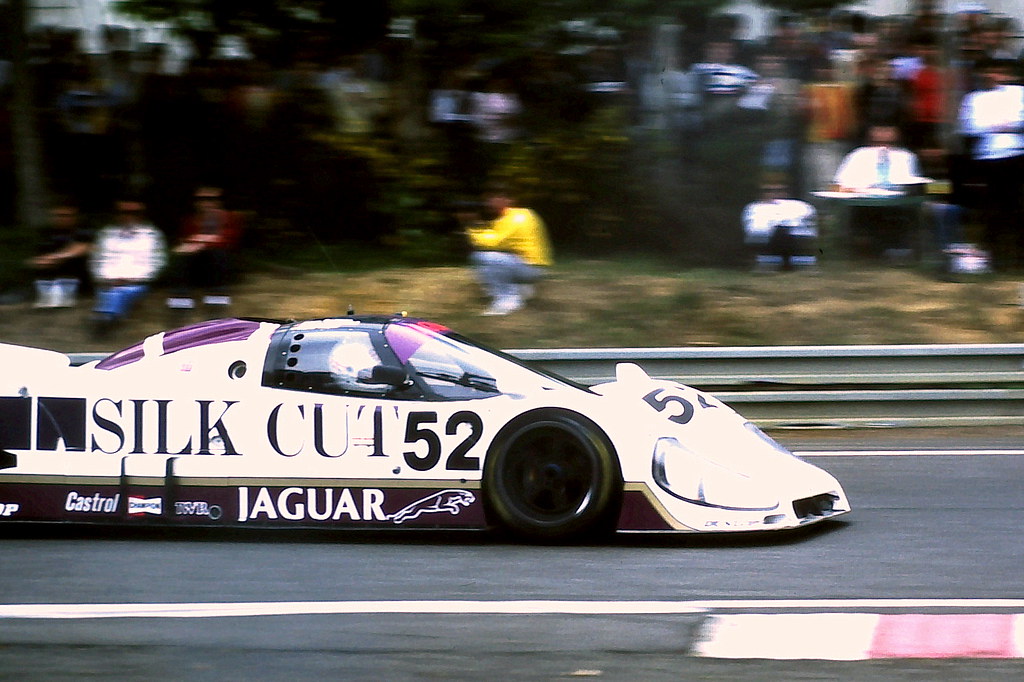
In 1986, Haywood drove for Silk Cut Jaguar and ended up racing two cars in the same 24-hour period due to mechanical failures. “It was a roundtable of drivers moving from one car to another,” he laughed. Compared to Porsche, the Jaguars were “like a truck – loud, guttural, not as sophisticated.”
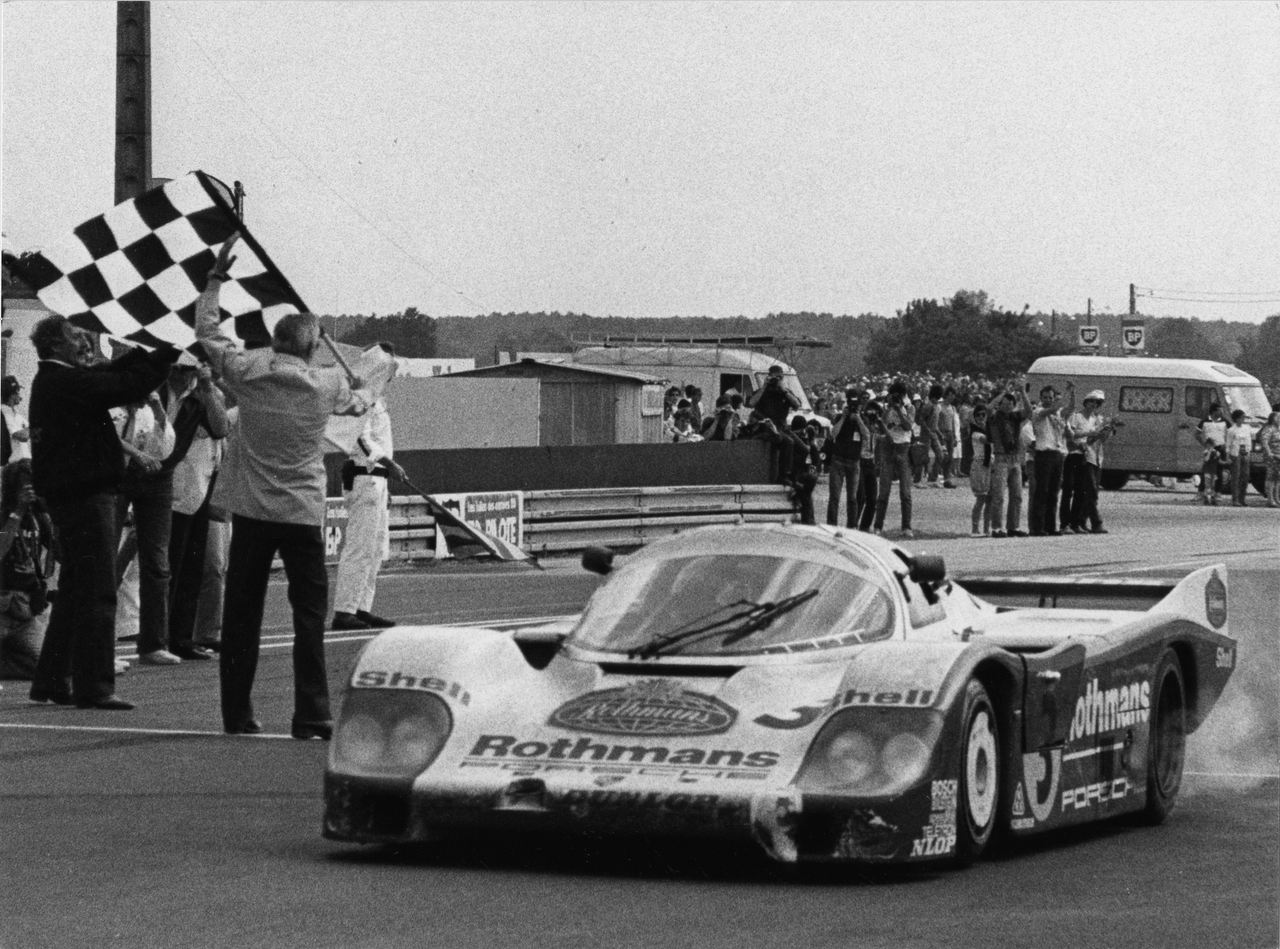
Haywood’s final Le Mans win came in 1994 in a Dauer 962 LM, a street-legal version of the Porsche 962. A last-minute seat swap put him in a car with a seat that actually fit – “one of the very few times that ever happened.” The result? Victory at age 46.
Lessons from Le Mans
Despite the glamour, Haywood’s approach remained grounded. “You can’t win Le Mans in Turn One,” he said. His advice to young drivers? Be articulate, understand the car, and let engineers do their job. “Peter Gregg once told me, ‘You’re hired as a driver. Don’t try to be an engineer.’”
From pre-chicane days to modern telemetry, Haywood has seen Le Mans evolve. He prefers the purity of his era—no ABS, no power steering, no air-conditioned cockpits. “Now it’s 24 segments of 100% performance,” he said. “There’s no regard for being careful with the car.”
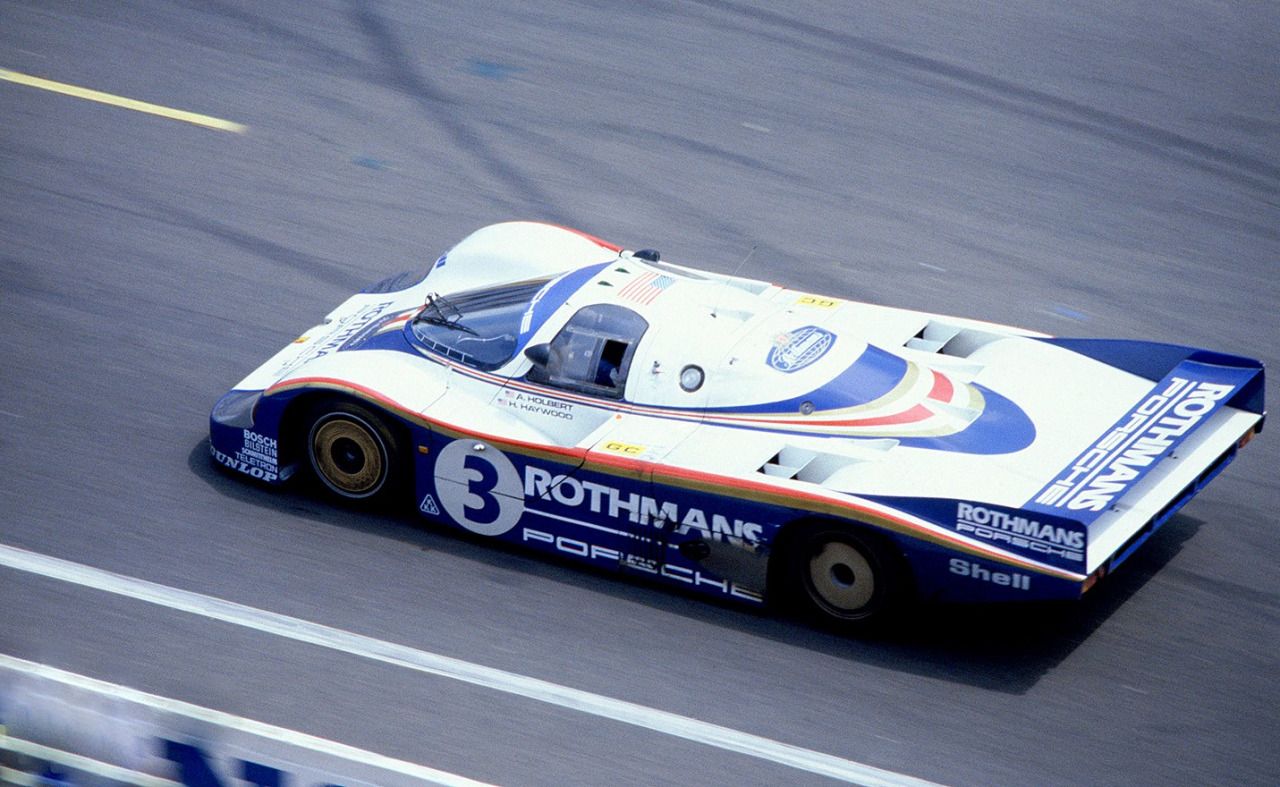
Haywood is optimistic about the next generation. “They’re mature, fast, and articulate. The future superstars are already here,” he said. And while he may have hung up his helmet, the legend of Hurley Haywood continues to inspire racers on both sides of the Atlantic.
ACO USA
To learn more about or to become a member of the ACO USA, look no further than www.lemans.org, Click on English in the upper right corner and then click on the ACO members tab for Club Offers. Once you become a Member you can follow all the action on the Facebook group ACOUSAMembersClub; and become part of the Legend with future Evening With A Legend meet ups.
This content has been brought to you in-part by support through...