

The Break/Fix Podcast has always been about capturing the living history of the automotive world—stories from racers, wrench-turners, designers, and innovators who shape our passion for cars. In this episode, we sit down with Richard Holland, a dynamic leader at Nation Safe Drivers (NSD), whose career journey spans decades of innovation in roadside assistance and risk management.
Richard’s story begins in the car culture of Southern California in the late 1960s and early ’70s. Walking past restoration shops on his way to school, he was captivated by the artistry of automobiles. By the time he earned his driver’s license, he scraped together $350 to buy his first car: a 1965 Mustang Fastback. That Mustang became his gateway into drag racing, tinkering, and eventually a lifelong immersion in the automotive industry. “I think my blood was replaced with motor oil,” Richard laughs, recalling how those formative years shaped his identity as a car enthusiast.
Tune in everywhere you stream, download or listen!



Like many young drivers, Richard learned that cars weren’t just about speed or style – they had to be reliable. Shade-tree mechanics of his era had no choice but to pop the hood and fix things themselves. That hands-on experience taught him the importance of safety, dependability, and helping others when the unexpected happens.
Those lessons carried into his professional life. For over 40 years, Richard has been building technologies and services that ensure motorists are supported when breakdowns occur. His philosophy is simple: driver safety comes first.
Spotlight
Richard Holland - CEO, Entrepreneur, Auto Enthusiast for Nation Safe Drivers
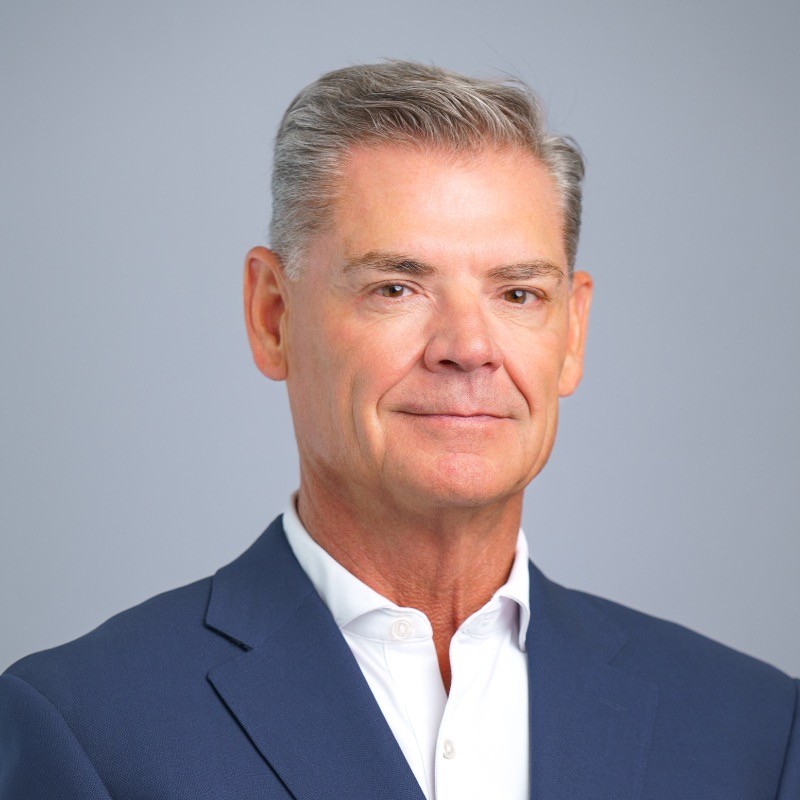
As CEO of Nation Safe Drivers, Richard leads one of North America’s most trusted Finance & Insurance and Roadside Assistance providers, serving automotive, RV, marine, and powersports markets. He’s spent over three decades advancing technology-driven solutions and championing dealership growth, from scaling Endurance Warranty by 266% to founding and selling major dealership management startups. Richard’s passion for the evolving auto landscape—focusing not only on profitability but on lasting value for dealers, drivers, and enthusiasts—lines up squarely with your needs as an enthusiast
Contact: Richard Holland at rich.holland@nationsafedrivers.com | N/A | Visit Online!





Synopsis
This Break/Fix episode features Richard Holland, a leader at Nation Safe Drivers (NSD), discussing the company’s innovative approaches and his personal journey in the automotive and roadside assistance industry. Through an engaging conversation with the host, Crew Chief Eric, Richard shares insights into NSD’s services, including financial and insurance products, and its comprehensive nationwide roadside assistance network. He emphasizes NSD’s technology-forward strategy, partnerships, and commitment to safety and customer care. Richard also highlights the company’s proactive role in addressing the evolving needs of vehicle owners, especially with the rise of electric vehicles (EVs), and sheds light on how AI and other technologies could enhance future services. Anecdotes about customer experiences and the industry’s future challenges and opportunities make this an informative and inspiring listen for automotive enthusiasts.
- What first drew you to the automotive and roadside assistance industry, and how has your journey with Nation Safe Drivers evolved over time?
- Nation Safe Drivers has a long history of serving motorists—what do you think has been the key to the company’s longevity and success?
- There are two sides to the business Roadside Services and Finance and Insurance Products. Explain the NSD offerings, but also how they work together?
- From your perspective, how has the roadside assistance industry changed the most over the past decade?
- Partnerships seem to be an important part of NSD’s business—how have collaborations shaped the company’s growth and reach?
- What role do you see technology playing in the future of driver safety and customer support?
- Can you share a story or example of when Nation Safe Drivers made a meaningful impact on a customer’s experience on the road?
- What’s the best way to become part of the NSD system? Where do you sign up?
- What challenges do you think the industry will face in the coming years, and how is NSD preparing to meet them?
Transcript
Crew Chief Brad: [00:00:00] Break Fix podcast is all about capturing the living history of people from all over the autos sphere, from wrench, turners, and racers to artists, authors, designers, and everything in between. Our goal is to inspire a new generation of Petrolhead that wonder. How did they get that job or become that person?
The Road to Success is paved by all of us because everyone has a story.
Crew Chief Eric: Today on Break Fix, we’re joined by Richard Holland, a dynamic leader at Nation Safe Drivers. With decades of experience in the automotive and roadside assistance industry, Richard has been at the forefront of creating innovative solutions that keep drivers safe and supported when they need it most.
From shaping customer first programs to building strong partnerships across the mobility space, his insights reflect both a deep industry knowledge and a vision for the future of driver safety. We’re excited to dive into his journey, the evolution of nation safe drivers, and how he sees technology and service redefining the [00:01:00] road ahead.
And with that, let’s welcome Richard to break fix.
Richard Holland: Eric, glad to be here. Appreciate the opportunity to visit with you for a few minutes.
Crew Chief Eric: Well, Richard, like all good break fix stories, there’s a superhero origin story and a little birdie tells me you’re an avid motor sports fan. So let’s talk about those beginnings and what drew you into the automotive and roadside assistance industry and how your journey with Nation safe drivers has evolved.
Richard Holland: Hey, I appreciate that. I think I go back to really my early youth. Raised in Southern California in the late sixties, early seventies. It was a car culture down there. I remember walking to my elementary school and walking by cars. Were in front of a restoration slash customization shop, and there was just something about the artwork of an automobile that just drew my attention to it.
As I got older, started to approach those formative years, what a driver’s license became like. This gate of manhood, I couldn’t wait to get one, and as soon as I got one, I parlayed what little money I [00:02:00] had made and went out and bought my first car, which back then was a 1965 Mustang fast back. I think I paid like $350 for it.
Love that car, did all the stupid stuff teenagers do in it, you know? That was the era of, I will call it drag racing, or at least sporting yourself against your buddy’s cars. And then as I got older, taste get more sophisticated, maybe a little more opportunity to get more selective about what you did. And then I found myself really in the automotive technology space, which put me into a car dealerships several every week.
Gave me a chance, gosh, probably my twenties, to test drive. About every make that was made. So you got to see everything from back then. There was, even the Yugo existed right from Yugo to Ferrari and there was something unique, something clever about every car and something just so powerful about it. So I think, you know, my blood was replaced with motor oil and just been a car enthusiast.
Ever since.
Crew Chief Eric: So those [00:03:00] early days with that Mustang. Yeah, probably a lot of stories that you can’t share on air about your escapades, but a lot of lessons learned. So how did those translate into the automotive and roadside assistance industry?
Richard Holland: Well, I think the first thing, I think every young kid wants a car that is a statement about who they are, became sort of how you even defined yourself.
It seems to be lost a lot with today’s generations, but back then it was how you defined yourself. And so I looked for one that had a lot of. Z had interest, was powerful, made a lot of noise, but it had to be reliable. Didn’t matter how loud that thing was or how fast it could go, if it only went that way a few days out of the week, it was a problem.
So you learn back then how to open the hood, surface it your. Self, you could be a shade tree mechanic. You know, those days now have all largely changed. Cars have evolved so rapidly, technologically, I mean, now they’re just works of art that are engineering masterpieces. And today the reliability dramatically improved, but still from [00:04:00] time to time the unexpected happens.
And so I got drawn into this career. In my twenties, been in it ever since. Really take a lot of lessons out of just helping people in a time of need, either preventing them taking good care of that vehicle and the road worthiness of it. Or when the unexpected happens, how do you quickly get them to a safe place, get that car repaired and back on the road.
So been building and enabling technologies and services really for the last 40 years. To do that very thing.
Crew Chief Eric: Tell us a little bit about what Nation Safe Drivers is.
Richard Holland: So it’s a great group of team members here. We’re headquartered in South Florida, but have a national reach. If you look at our name Nation right, that just speaks to us.
Being from coast to coast. We can service anybody anywhere, any zip code in the country. Safe is really the fundamental principle that we execute. We wanna make sure the motorist is safe. Both from a financial perspective and then also from a physical one. And then we are all about the drivers. We love motor sports.
[00:05:00] Here we focus on the motorists, and so that’s happens to be embedded in our name. So we really offer two predominant categories of solution. The first is, is risk aversion. Today, the cost of repairs on a vehicle can be. Catastrophic. Even for the small little repairs, whether it’s a windshield being replaced, the wheels burnishing out that scuff you got on the curb road hazards that impact a tire failure all the way up to mechanical coverage.
And so we call that our risk business, where we help motorists manage that risk. And you know, a relatively modest personal investment, they can safeguard. Themselves from any serious financial investment that they may have to make. That generally is always unexpected. The second part of our business is, is recovery.
We realize that it’s going to happen. You’re gonna find yourself on the side of the road, flat tire, out of gas, check engine light, whatever it may be, and you need to call a friend. So we want that friend to be nation safe Drivers. We [00:06:00] operate with a network of about 50,000 tow providers from coast to coast.
Have roughly, gosh, 250,000 recovery vehicles at our disposal to get you off the side of the road, get the car to a certified repair facility. Maybe it’s just bring you a couple of gallons of gas and get you back on the way or change that tire. We view it, we want every one of our motorists to be pictured in the minds of our team members as their little grandma on the side of the road.
What wouldn’t they do to make sure that she was safe and on her way?
Crew Chief Eric: The 900 pound gorilla in your space is the long running, probably the oldest one outside of the a CO in France. Which would be the AAA in the United States. Yes. What’s the key differentiator between Nation Safe and aaa?
Richard Holland: Well, I think AA is an all volunteer.
I mean, you opt into it at a consumer to provider level. We happen to differentiate ourselves by being the fulfilling partner for the brand promise for lots of others. So if you’ve bought a. A new car, [00:07:00] you have an OEM who incorporates roadside assistance. You might have an insurance product, whether it’s your vehicle insurance, could be A VSC.
It has a benefit in it, which is roadside assistance, rather than us saying, okay, it’s insurance company A, B, C. We let them say that. We give them a number, they call us. And we think of ourselves as them and we’re their fulfillment partner. And so we execute really on the brand promise of about 1400 companies out there for us today.
There isn’t a direct to consumer access to nation safe drivers. Our ability to be of service comes through other partners that you have in your life.
Crew Chief Eric: As I understand it, there’s two sides to this business as you explained it. There’s the roadside service and then there’s the finance and insurance products.
Yep. Can you explain how they work, how they work together, and what does it cost to become, let’s say, a member of Nation Safe Drivers?
Richard Holland: I think we’ve all probably had an opportunity to purchase a vehicle from a dealership, whether a franchised one or an independent dealer. [00:08:00] One of the services that they offer is, is the arrangement of financing, which is the I.
The I happens to represent insurance like products, and usually when we hear insurance, we think life insurance, and I guess it’s not a bad metaphor. This is the life insurance of a mechanical device, and there you have a menu of options. Depending on where you feel uncomfortable, you might want to cover that off.
Maybe it’s a used car and you say, gosh, you know it’s got 50,000 miles on it. I don’t know how much repairs are gonna cost in the future. So let me get into place a vehicle service contract in the event I have a serious mechanical failure transmission goes out. The cost of that repair is covered by the inclusion of that insurance product.
That’s probably the upper end, and they can run it in the several thousands of the dollars. There isn’t a particularly set price for that because there’s so many variables. What make model, what’s the age of the car? How many miles are on the car? What’s the service history been? And so all of those are [00:09:00] priced dynamically so that that risk is as appropriate to the serviceability and frankly the expected failure rate of the car.
Uh, you have at the other extreme, other products now cars. Is really a combination of components, no long gone are the days of repair. Now it’s all just simply replaced, something goes wrong, they replace the system. And so some of those systems can be carved out and say, that’s the one I want to have my insurance coverage in.
Uh, one that happens to be very popular today is the infotainment system. Long gone is is the eight track tape or just the a m FM radio Now It’s very sophisticated. Even CDs, you don’t find those in cars anymore. It’s the streaming surface. It’s also the mission control for all of the other technology in the car.
That component goes out very costly repair, so you can carve that out and do something just for that. Glass has become an incredible component in a vehicle, and we generally think of it as just. You know, refined sand that we can look [00:10:00] through. But the reality is that a windshield now is a serious, specialized device.
It has sound deadening properties, it has reflective properties, it has heads up display. Also it’s, you know, the lens through which. Certain adaptive technologies all operate if they’re not calibrated correctly. All of those are a failure point on the vehicle, so it’s become a very integral part of the car and expensive.
And so even just hedging that it can be a a windshield alone type of product. People love to personalize their vehicles. If you’re a truck driver, it’s bigger tires, bigger wheels. If you’re just have an upscale vehicle, it’s how do I differentiate myself with aftermarket wheels? All of those to be repaired is expensive.
So you could even get just a tire and wheel program, and then there’s combinations you can bundle some of those together. So I guess really the long and short answer, Eric is, is that you have lots of options. As a motorist, you do yourself really well to get informed about all the options are. Then make decisions that are appropriate for you.
They could be in the [00:11:00] thousands of dollars down to just a few hundred.
Crew Chief Eric: So to make sure that our listeners aren’t confused, it’s not an extended warranty. No. It’s augmenting what you’re buying, whether that’s a new car, certified pre-owned, or an existing used vehicle. So where is the suites? Spot for nation safe drivers in terms of the car’s too old or the car’s too expensive.
We’re looking for that Goldilocks car, right? Yeah. So what fits the bill if you wanted to become part of the program?
Richard Holland: It’s personalized by every car. I mean, what we don’t have is the ability to influence motorists to say what we have recognized is that this car is, it’s going to be the most road worthy for the longest period of time, and we want everyone to go buy that.
You’d minimize your repair bill, in fact. We have an interesting study here, and I comment that if I looked out my window and I had the mileage on the windshields of the car out there, knowing what there were, I could probably predict with about 93% accuracy what the next two years worth of repair bills would look like for those cars.
So we do, you know, manage that particular risk. If you said, gosh, what do we love? We love that mid [00:12:00] mileage, so call it. 40 to 80,000 mile car that has four to seven years old. That one, because the risk profile is moderate to low and the affordability of it is commensurate to that. So that’s a great one to have both in our portfolio and a good one for the motorist to have covered off.
The risk for 100 is the lowest with that group, but when they do happen, they’re severe.
Crew Chief Eric: So are there any cars that are just outliers? Let’s say you bought a brand new Ferrari and that’s not gonna happen. Right?
Richard Holland: Well, you know what, we could, uh, no. I don’t even think we could be persuaded to say, add a service contract to a Ferrari only knowing full well that those, if you have an mechanical failure, you’re there.
It takes a lottery ticket to get that thing repaired. We do shy away from some of the extreme highlines. Put that into any of those exotics, Ferrari, Lamborghini, Pagani. I mean, bear in mind that the fundamental principle of the insurance products is, is to help those with finite capacity, be prepared for the [00:13:00] unexpected.
The premise is that someone who has the ability to afford one of those should also have the capacity to solve for it. Should a calamity happen?
Crew Chief Eric: Let’s theorize here for a second. ’cause a lot of our audience are Motorsport. Petrolhead. Yes. And so there’s a huge conglomerate of folks that go out and buy used Porsches, you know, Caymans and Older nine elevens.
Mm-hmm. And BM BMW M threes and m fours. And they take ’em to the track. So you buy A CPO Cayman, right? Yep. And you buy a plan for nation state drivers. ’cause it fits in that window. It’s four to seven years old. To the sweet spot. In terms of mileage, is there any sort of stipulation that says, well, if you take it to the track and something happens, you know, at A-H-P-D-E or an event like that, where this policy wouldn’t work for the car?
Richard Holland: Not necessarily. Really, I think the biggest risk in a track is, is less about mechanical failure just from abusing the engine and more of an incident involving one of your fellow motor sports. And so this isn’t a collision related. Policy, but [00:14:00] again, it doesn’t take a track. We’ve seen more than enough claims come in when the explanation is, is really understood.
It was the owner’s teenage son showing off to his friends and not realizing what a red line meant. So,
Crew Chief Eric: so in that case, if you money shifted the motor and something happened. Be covered under this particular plan,
Richard Holland: it would be covered in this industry. They would call it exclusions. Are there things that are excluded or activities that are excluded and listen, I can’t speak for all providers of things like this.
There are some out there that who would say, yep, if this is happened to be being utilized at, uh, track, it would be exclusive for us. We don’t have that exclusion tonight.
Crew Chief Eric: So let’s switch gears and let’s talk a little bit more about the roadside assistance part of this. Sure. ’cause obviously there’s two sides to this equation.
Let’s talk about how roadside assistance has changed over the decades, because I think it’s something we take for granted, right? You’re stranded on the side of the road, you call somebody in a tow truck shows up. What does that mean today, especially with EVs and hybrids and you know, there are still [00:15:00] some carbureted cars out there.
What’s roadside assistance like in 2025?
Richard Holland: The scenario is you’re now on the side of the road and you’ve had a problem. It could be anything from a flat tire to out of gas, to whatever reason the engine stopped running and now I find myself on the side of the road. And again, it would be through via some of our partners.
Um, it might be an 800 number that you call. It could be press the button for it gets support. I mean, telepathy. Now in cars, this is getting better and better all the time. But once that roadside assistance has been requested, we filled it by answering that toll free number. We answer it with an IVR and an IVR will answer and say, would you like to speak to an agent or would you like to self-direct?
And we’re finding there is a trend to the self-direct. So they press one. Next thing they know, they get a hyperlink texted to their phone, and at that point they’re into an app-like experience, or they’re able to say, here’s what the problem is. I have a flat tire, I need a tow. And it comes up in literally just a matter of seconds.
Says, here is a tow provider in your [00:16:00] area, and it’ll be 21 minutes before they can be to your. Location and you look at it, you see ’em on the map coming to you. They arrive, they make triage, what’s going on and what used to be, let’s hook you on the back of a tow truck now has largely been replaced. Like we’re gonna put it onto a flatbed and they’ll roll you up on the flatbed.
I think that speaks really to the prevalence of now of EVs and other types of vehicles that that seems to be the way that they like to get towed away. And then they’ll take that again, us the motorist. See where the car is, where it’s headed. It goes to a shop of your choice. And if that doesn’t exist, we can recommend out of a network of certified providers where you can have the work done or have it towed to your nearest franchise dealer that represents the car that’s there.
And at that point, they’ll drop it off. We have a closed loop system so that you verify that all of that has happened, and that’s the end of the experience. It should be uneventful. When that opportunity occurs. But the biggest change is probably the proliferation of EVs. And what really has changed them is, is since they’re so weight [00:17:00] conscious, they don’t put a spare tire in one of those anymore, and they weigh so dang much, right?
That they’re more susceptible to road hazard. And so when you have a tire failure in an ev. Your options generally aren’t come in and change my tire. For me, it’s come in, recover my vehicle, get me to the nearest tire center so that I can get a replacement tire put on, and we’re seeing a, an increasing percentage of what would normally be, what we would call a soft service, performing the service on the side of the road to a recovery.
Just because of the, the EVs.
Crew Chief Eric: So you mean like plugging a tire so they can get where they’re going if they don’t have run flats or something like that?
Richard Holland: Yep. It’s just, uh, and that seems not to be the case. They don’t put a lot of run flats on those cars and so we, we do see it where they lose a tire. It is a get it to a tire center and they’re replacing a tire.
And generally it’s not a tire, it’s all four tires.
Crew Chief Eric: You know, there are folks that drive. Their BMWs and Porsches to the track. But what about the folks that they’re borrowing their wife’s Chevy Tahoe to tow their Porsche to the track and something happens and that car is [00:18:00] registered under a nation safe driver plan.
Richard Holland: So are you suggesting, Eric, that it’s the Tahoe pulling the car, or is it you have a disconnect from the trailer and the car goes? On its own little, uh, adventure.
Crew Chief Eric: Well, let’s not go that far. What I’m thinking is, okay, good. Is you’re towing with your Tahoe or your Durango or whatever it is. You know, your F-150 and something goes wrong, the truck’s covered by nation safe.
What happens if, let’s say your truck has to get towed? Do you guys offer any sort of extension to say, well, we’ll help you get your trailer where it needs to go, because you can no longer pull it at that point.
Richard Holland: Yep. We’ll call that a two-way tow. It might be that Yep, we’re gonna take your truck to, uh, the GMC dealer and he’s gonna get that thing repaired and we’re going to have the other one towed, separate carrier, but towed to your destination.
And so we’re happy to oblige that way.
Crew Chief Eric: Is that a separate charge for that or is that actually covered in the policy?
Richard Holland: That would be covered in the policy? It, it happens rarely, but it is one of those falling into that category. Fortunately, I’ve never had that situation [00:19:00] arise, but the potential is certainly there
Crew Chief Eric: and it applies to, to a camper or anything else.
But we can now go to the next logical conclusion, which is the old adage when you’re talking about trailers. Two is one and one is none. When you’re talking about spare tires, so let’s say you get a flat with your trailer. Can you call a nation safe and say, Hey, I’m stuck on the side of the road, the trailer’s down.
Can you come help me? Do you have spare trailer tires? You know, things like that.
Richard Holland: As far as carrying replacement tires for a trailer, probably unlikely. So you probably end up in that very situation. Road hazard tire on the trailer is gone defective. If there’s not one to replace it with, it’ll probably be, pull it off, get it to a tire center, replace it, bring it back to that particular vehicle.
That part does happen occasionally. I, I think the crazy thing about higher trailers is, is it’s never the miles. It’s always the age. They sit out in the sun, they get abused by the sun. There’s always great tread depth on them, but the tire fells just from exposure
Crew Chief Eric: definitely becomes a three [00:20:00] ring circus if the car on the trailer is not registered or road legal.
So now we got what, three tow trucks coming out? Three
Richard Holland: problems. Yep, that’s exactly right. And depending on the nature of the car, you may not want it on a flatbed. You might need a box truck. I mean, if the trailer was an enclosed trailer, you’re gonna want an enclosed trailer. So that’s just part of the sophistication of handling a, a motorist event like that.
Crew Chief Eric: Yeah. And, and I appreciate the fact that you guys are willing to work and be accommodating with your customers on that, because to your point, there’s a lot of exclusions in other policies and it makes it very difficult. You, you’re just stranded now you’re left with you and the trailer and your truck is off going somewhere.
Richard Holland: Yep, that’s exactly right. We’re all vehicle enthusiasts or car enthusiasts at heart. And, uh, we probably have a few war stories just like that. I think our biggest one is, is we had a. Former, uh, principal at the business here had a exotic, took it to the track. His son happened to put it into the sidewall.
And what they needed was a tow to get it from the track back to a repair center. But we didn’t cover the repairs, but we were able to do the tow for them. ’cause [00:21:00] it was at that point, undrivable.
Crew Chief Eric: That’s interesting you bring that up because there are certain carriers that tow trucks are not allowed or they won’t cross the gates of a racetrack to come pull a car out.
So the fact that you guys do that, that’s immense.
Richard Holland: Yeah, we do that. We do recovery and sometimes it depends, ’cause this is, again, we’re the fulfillment partner for our B2B partners. Sometimes they’ll say, yeah, this is, we cover it up to this point, but not after that. And so we try to work with them, advise them on those type of things.
It’s really about managing the risk, you know, how likely are you gonna have that out of your hundreds of thousands of customers? It’s pretty minimal. So we encourage ’em to cover that. You know, a lot of our rivals won’t cover accident tows, for example, or, uh, a car that gets impounded. We have one of our big service providers, they have a contract at a very large airport here in town.
And if you’ve left your car for greater than 60 days at the airport lot. They come and get them, they impound them, and you get a notice, and a lot of wreck won’t come and [00:22:00] solve for the impound. So we’ll go and retrieve it from the impound and tow it back to where it needs to be. And so I think we’ve tried to look at it and solve those friction points that a motorist has.
It’s. Bad enough that they don’t without their car. There’s a mechanical failure, but how do you just make that part of it as uneventful as possible?
Crew Chief Eric: So you mentioned partnerships are super important to nation safe driver’s business. You guys are very technology forward. I wanna kind of hone in on both of those things because when you’re in a panic situation, you’re like, man, where’s that one 800 number I gotta dial.
OnStar was the first one. Yep. You remember the little blue button you touch in your rear view mirror and it dials out. Do you need help?
Richard Holland: Yep.
Crew Chief Eric: Are you tied into those? Types of networks too, where OnStar is dispatching nation safe drivers to kind of do the last mile work.
Richard Holland: Yes. We have several OEM partners where you’re calling literally OnStar.
We will use them in there as an example, although I’ll disclose they’re not one of our customers at present. If you were to dial that, they would have a call center that is answering that, that would be saying, how can I help? And they would say, I need a roadside [00:23:00] assistance. And at that point they would, you’d then be transferred digitally into our system, and at that point we would begin to provide the service on behalf of that OEM.
We have others where some OEMs have apps for their cars, for example, I have one that’s for a truck that I own, that if I needed roadside assistance, I go to it and it is literally press this button for roadside assistance. At that point, there’s a digital handshake to us. Location of it is sent to us, and we really let them wrap inside of their application.
That same app-like experience that we have, others have a different car, has the same app, or has a similar app that they offer. Roadside assistance there is, is call this number, right? So at that point you’re literally on your iPhone calling the number, and again, it’s calling a number that looks like it’s that OEM and it’s really someone here at Nation Safe Driver answering the phone on behalf of that OEM and we take care of it.
I think what we’re learning is a feature we just released was, is the ability to put that membership card in [00:24:00] your iPhone digital wallet. It’s late, it’s dark, it’s raining. You’re not scrambling through the glove box looking for a number. You just go to your digital wallet. There it is. Hit the triple dots there, there’s the information, and press the dial.
Right? And you’re calling right out. And I think you’re gonna find that to be far more prevalent going forward.
Crew Chief Eric: And I’m glad we’re talking about that late at night in the rain type of situation because it, it’s a source of frustration for a lot of people. If you’ve ever gotten a flat tire or something’s happened, or you have to call roadside assistance, the last thing you want is.
Press one for roadside assistance. Yes. Press two. For financial and insurance products. Right. Being a technology forward company, like you’re talking about with all the handshakes and the text messages and this and that. Yeah. Do you see AI playing a role in the customer service portion of what Nation Safe drivers does in the future?
Richard Holland: Yeah, I think absolutely. I think pick a couple of things. I mean there, the automotive repair industry has a wealth of information that’s been stored over the years and the only one really to master that is, is to use an AI agent who can really [00:25:00] process all of that and help sort of triage what the situation is.
And so we’re using it today in a few instances. I think we have a number of research projects that are underway that we think will barefoot root and be able to facilitate that service experience. I mean, we’re bullish on it. Do we think it’s ever going to replace the human interaction and some judgment calling?
I don’t think so. It might enhance their decision making process, but it won’t replace it.
Crew Chief Eric: Folks like to hear testimonials. Sure. The experiences of other peoples. Can you share a couple of stories or examples where nations safe? Made a meaningful impact on a customer’s experience?
Richard Holland: Yep. I can think of one that was really personal.
A woman was, had just, uh, left the hospital late at night, had been there to relieve her mother-in-law because her father-in-law was in the last hours of his life. His wife was frankly exhausted, so she stayed there. All of that day was relieved by her brother-in-law, son of the father, and on her way home.
Happened to hit [00:26:00] a piece of road debris, 1130 at night, flat tire, always at the least convenient time. She took the exit, pulled off to a small little liquor store in about the worst part of town. Had no idea how you would change a tire, had no idea even frankly, what to do, but reached out and said, here’s my circumstances.
What do I do? I happened to be one of our agents here, happened to say, well, the first question is, are you in a safe place? And her response was. I don’t think so. I think I’m surrounded by a, a drug culture environment right here. And she said, okay, let me see how quickly. And so she, she placed an immediate action call to a service provider that was the general area and said, effectively, this is a 9 1 1.
How quickly can you get there? So a normal ETA might be 20 to 30 minutes for us. On this one, it happened to be six minutes. And so the agent just advised. Don’t get out. Don’t go look at the tire. Just lock your doors and stay in the car. I’m gonna stay on the phone [00:27:00] with you and if you’re approached, we’re gonna dial literally 9 1 1.
And so I just so appreciate that agent making it on a personal, it’s about protecting the individual. Shortly after that, the wrecker arrived, they got the car. Our agent dispatched an Uber to get that person off the road and onto their home, and it meant so much to them that about a week later, Uber Eats delivers here to our offices crumble cookies For that agent, just this motorist wanted to say thank you to that agent for making it a personal experience.
Focusing on them as, and their safety about that being the most important thing. And frankly, how uneventful, uh, not a, it was certainly eventful, but how, um, seamlessly she was able to secure the tow provider and get the car delivered to what happened to be a Mercedes dealership and then get that person back to their home.
So I, when I hear those stories, gosh, it causes me to be really proud [00:28:00] of our team that a lot of the training that we do with. Them is this empathy, it’s tonality, it’s putting yourself in their situation, focusing on them, and it’s just so refreshing to see it when that stuff just shows up and we learned about it by why are they delivering crumble cookies to this person?
Just to say, thanks.
Crew Chief Eric: Folks are listening to this now and they’re probably Googling nation safe drivers, or on the website trying to figure out where did they fit in the ecosystem. Before we transition to our last segment, let’s just talk about. Becoming part of the nation safe driver system. Where, when and how should you sign up?
Richard Holland: There are a couple of ways. Our present go to market strategy is, is B2B. We partner with a number of providers out there. It could be your insurance carriers, could be the OEM that you do business with. It could be. A lot of other things. I mean, it’s surprising, I probably shouldn’t say, but even we have certain cell phone companies that we’re a partner in and they have benefits there.
So I guess the challenge I would send to [00:29:00] your listeners is, is that when you’re in there, you’d like to use Nation Safe drivers for that benefit. Ask about it by name. I mean, they can become the greatest impetus for getting, for us more coverage of Nation safe drivers. I would say stay tuned. In about two quarters time, we will release a direct to consumer.
On the roadside assistance, so you’ll have that ability. If you’re on the side of the road, you Googled, I need a tow, you would see a direct to consumer. We figure we can leverage this network of these providers and assist there for those that are on these one time events. When it comes to the insurance related products, really a couple of ways.
We distribute a number of them through the dealerships, through their insurance agents. Through your personal automotive insurance agents and through a number of credit institutions, whether they be a credit union or a bank like Ali. And so again, you can ask about it by name. We’d appreciate that, but that’s certainly how they would get enrolled.
Crew Chief Eric: And that enrollment, that’s a [00:30:00] agreed upon fee, or is that a subscription? How does that work?
Richard Holland: It’s generally agreed upon, let’s say it was you’re at the bank and you were buying a car and you were financing it that. Charge for those services would get bundled into the loan and you’d pay for it over the term of the loan.
If it’s the roadside, it’s just a, it’s a benefit of your collisions insurance on your vehicle. And if you looked, uh, I’ve done it for myself personally. I have roadside assistance covered by three or four vendors that I do business with. On a personal level, I think it’s really just. Making the effort to familiarize yourself with who all offers it and what’s the extent of the benefit.
Crew Chief Eric: So your mileage may vary, deductibles, all sorts of stuff apply there. It could really gotta do your due diligence when you’re looking at this.
Richard Holland: Read the agreement. I mean, it’s interesting how many of our rivals have exclusions. Limitations to benefits. And so that is how they differentiate. We may not be the cheapest one.
What we probably are is the greatest value. ’cause the cheapest one probably excludes a lot of things that are fairly customarily, the nature of the repair.
Crew Chief Eric: So as we [00:31:00] switch into our last segment here, Richard, let’s talk about the future a little bit. What are some of the challenges that the industry is gonna face in the coming years?
We talked a little bit about the EVs, so how is nation safe drivers preparing for those changes?
Richard Holland: Oh, I think our first one is for the EVs in particular, is really the evolution of the network. We talk about nation safe driving B, a couple of thousand employees, but the reality is we’re about 250,000 strong.
When you bundle in. Our partners there, you know, they’re all entrepreneurial. They have a small business. They might have a truck, they might have a half a dozen trucks. We’ve leaned on some of our financial capacity to help them with some of the challenges that they have. We’re recognizing that. Financing a truck may be an obstacle for them.
How can we help with that? It might also be getting liability insurance, and so we have a partner to help with that. So we’re very active in the tow community on how to help them build their business. When it comes to the nature of the tows, they are evolving. Some are specializing in those [00:32:00] soft services, some are specializing in light to medium duty, some even heavy duty, uh, towing services.
On those light to medium duties, it’s really saying we need a mix. We need more of those on the road and get away from more of the hooks. So it’s really help advising those tow providers on where we see the trends occurring. Uh, we take another one. We have a little bit where we process, I hate to even say how many, but a lot of road hazard claims.
We’re starting to even add value through data, either to aftermarket suppliers or even municipalities when we’re starting to see problems on just their roads that are causing frequent problems.
Crew Chief Eric: So the big question, what’s next, Richard? Looking ahead, what excites you the most about the future of Nation Safe drivers and the role you play in continuing to expand and grow the company?
Richard Holland: Listen, we’re a really bullish on the future. We love the automotive space. We look for ways to be more intuitive in how we can help in motorist life. I think the [00:33:00] utilization of the smart devices and making that really convenient, really trying to think through where are the gaps, where are the friction points?
How do we elegantly solve those things? You know, I started my career as a software developer. Even though this is like a service business, it’s how do we leverage more technology just to enable us to do better and higher quality of services And, uh, whether it’s AI deployment, it’s some smart learning, it’s some machine learning.
It’s. Leveraging of priors experiences. Those are pretty exciting. And what we’re finding is, is that there’s a real appetite for it out there. Most aren’t as forward leaning on how do you continue to evolve as a business. And so we’re finding that we’re just becoming much more of a demanded partner by those that we don’t have as partners today.
So that’s really exciting. You know, I’m be honest, I’m sort of on the last lapse of my career. I mean, the checkered flag, I can see it. It’s not that far off. But it’s like, who do you pass the baton [00:34:00] to? So I get, uh, a lot of re-energizing out of working with the next generation here. You know, teaching them about leadership, about how to be customer centric, how to think differently, how to be uncommon.
And frankly, it’s incredibly invigorating to be around that next generation. See how excited they are to get into this business. And we have a president’s club. And for us, our President’s Club is to take about a dozen people down to the Miami Formula One. This last year I took 10 people who had never been to a motor sports event in their life.
We live in the shadow of it. We have the Daytona 500, a couple of hours up the road. It’s just instilling a love for motor sports that seems to have skipped a generation or two.
Crew Chief Eric: Well, Richard, we’ve reached that part of the episode where I like to invite our guests to share any shout outs, promotions.
Thank you. Is there anything else that we haven’t covered thus far?
Richard Holland: I changed just for you, Eric. I had on my Ferrari shirt because on Fridays we share our team, whether it’s a [00:35:00] college football or the pros. Or it’s a race weekend, you know? What team do you follow on Formula One and we’re to walk the office here.
Out of the several hundred employees that are here, just on this floor alone, two thirds of them would be wearing, unfortunately, red Bull or McLaren. But fun to see that that enthusiasm is starting to. Pick up
Crew Chief Eric: as CEO of nation safe drivers. Richard leads one of North America’s most trusted finance and insurance and roadside assistant providers serving automotive, rv, marine, and power sports markets.
He spent over three decades advancing technology driven solutions and championing dealership growth from scaling endurance warranties by 266% to founding and selling major dealership management startups. Richard’s passion for the evolving auto landscape, focusing not only on profitability, but on lasting value for dealers, drivers and enthusiast lines up squarely with your needs as an enthusiast.
So to learn more, be sure to log on to www.nationsafedrivers.com or follow [00:36:00] them on social media at NSD Club on x. And at Nations Safe drivers on Instagram and Facebook. And with that, Richard, I can’t thank you enough for coming on Break Fix and sharing your time with us, and I think there’s gonna be a lot of folks looking to sign up for Nations safe driver policies in the near, near future.
So best of luck and hopeful. See you soon.
Richard Holland: No, listen, it’s been a great to spend a few minutes with you. It’s always fun to talk about NSD and particularly talk about motor sports. So appreciate the invitation, Eric.
Crew Chief Eric: We hope you enjoyed another awesome episode of Break Fix Podcasts, brought to you by Grand Tour Motorsports. If you’d like to be a guest on the show or get involved, be sure to follow us on all social media platforms at Grand Touring Motorsports. And if you’d like to learn more about the content of this episode, be sure to check out the follow on article@gtmotorsports.org.
We remain a commercial free and no annual fees organization through our sponsors, but [00:37:00] also through the generous support of our fans, families, and friends through Patreon. For as little as $2 and 50 cents a month, you can get access to more behind the scenes action, additional pit stop, mini SOS and other VIP goodies, as well as keeping our team of creators.
Fed on their strict diet of fig Newton’s, Gumby bears, and monster. So consider signing up for Patreon today at www.patreon.com/gt motorsports. And remember, without you, none of this would be possible.
Highlights
Skip ahead if you must… Here’s the highlights from this episode you might be most interested in and their corresponding time stamps.
- 00:00 Meet Richard Holland: A Leader in Roadside Assistance
- 01:06 Richard’s Early Automotive Passion
- 04:28 Nation Safe Drivers: Mission and Services
- 05:08 Risk Aversion and Recovery Services
- 06:30 Comparing Nation Safe Drivers to AAA
- 07:40 Finance and Insurance Products Explained
- 14:37 Roadside Assistance Evolution
- 16:52 Handling Roadside Assistance for EVs
- 18:57 Trailer Troubles: What to Do When You’re Stranded
- 20:21 Nation Safe Driver’s Commitment to Customer Service
- 22:16 Technology and Partnerships in Roadside Assistance
- 24:39 The Role of AI in Roadside Assistance
- 25:24 Customer Stories
- 28:19 How to Join Nation Safe Drivers
- 31:03 Preparing for the Future of Roadside Assistance
- 34:44 Final Thoughts and Farewell
Bonus Content
There's more to this story!
Be sure to check out the behind the scenes for this episode, filled with extras, bloopers, and other great moments not found in the final version. Become a Break/Fix VIP today by joining our Patreon.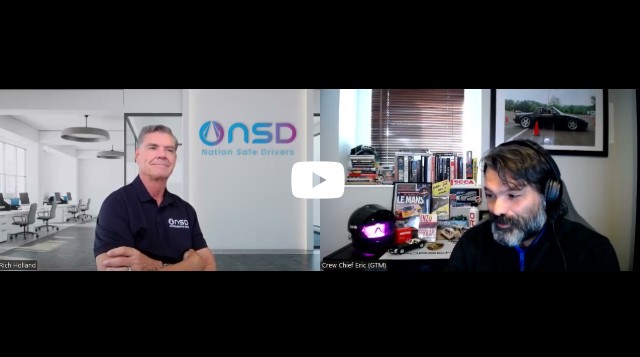
All of our BEHIND THE SCENES (BTS) Break/Fix episodes are raw and unedited, and expressly shared with the permission and consent of our guests.
Consider becoming a GTM Patreon Supporter and get behind the scenes content and schwag!
Do you like what you've seen, heard and read? - Don't forget, GTM is fueled by volunteers and remains a no-annual-fee organization, but we still need help to pay to keep the lights on... For as little as $2.50/month you can help us keep the momentum going so we can continue to record, write, edit and broadcast your favorite content. Support GTM today! or make a One Time Donation.
If you enjoyed this episode, please go to Apple Podcasts and leave us a review. That would help us beat the algorithms and help spread the enthusiasm to others by way of Break/Fix and GTM. Subscribe to Break/Fix using your favorite Podcast App:
Learn More
As CEO of Nation Safe Drivers, Richard leads one of North America’s most trusted Finance & Insurance and Roadside Assistance providers, serving automotive, RV, marine, and powersports markets. To learn more, be sure to logon to www.nationsafedrivers.com or follow them on social media @nsd_motorclub (on X); and @nationsafedrivers on Instagram and Facebook
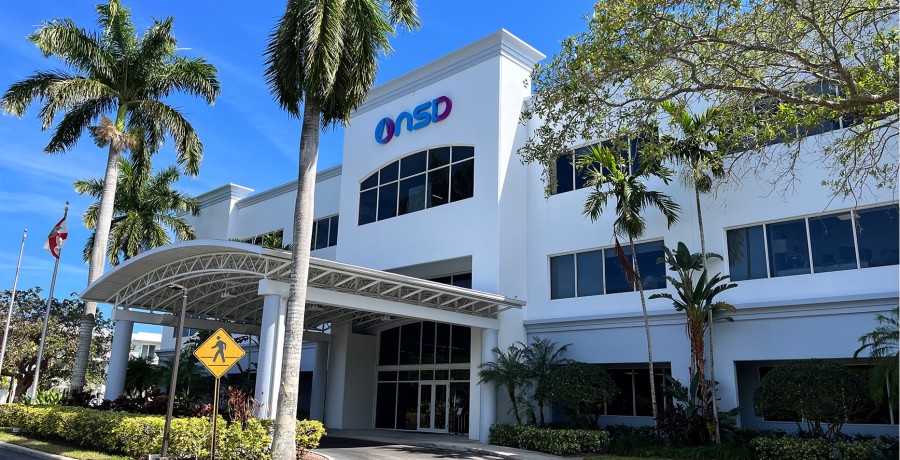
Headquartered in South Florida, NSD operates nationwide with a mission embedded in its name:
- Nation → coast-to-coast coverage
- Safe → protecting motorists financially and physically
- Drivers → focusing on the people behind the wheel
NSD offers two core solutions:
- Risk Management – Affordable insurance-like products that protect against costly repairs, from windshields and infotainment systems to tires and wheels.
- Recovery Services – A network of 50,000 tow providers and 250,000 recovery vehicles ready to assist with everything from flat tires to fuel delivery.
Richard emphasizes that NSD’s team treats every motorist like their own grandmother stranded on the roadside – compassion and urgency drive their service.
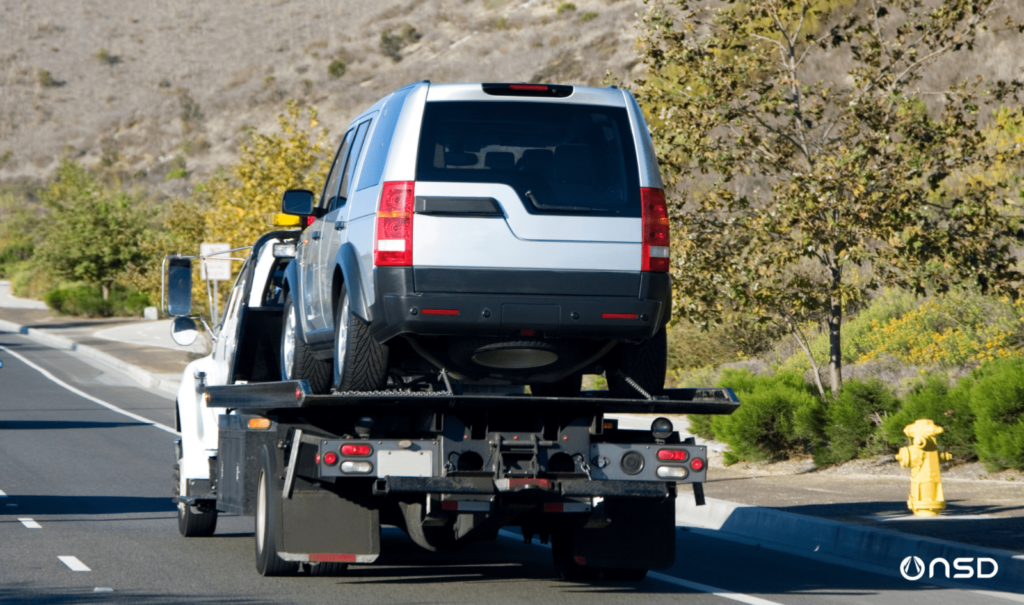
NSD vs. AAA: A Different Approach
While AAA is a household name, NSD differentiates itself by being the fulfillment partner for over 1,400 companies. Whether it’s an OEM, dealership, or insurance provider, NSD delivers the roadside assistance promised under those brands. This B2B model allows NSD to scale nationally without requiring direct consumer memberships.
Roadside assistance has evolved dramatically. Today, drivers expect real-time updates, app integration, and seamless digital experiences. NSD delivers:
- Hyperlink texts that connect stranded motorists to app-like interfaces
- Live maps showing tow trucks en route
- Flatbed towing tailored for EVs and hybrids
- Digital wallet integration for instant roadside access
EVs, Richard notes, have changed the game. Without spare tires and with heavier builds, they’re more vulnerable to road hazards. NSD’s network ensures recovery is swift and efficient, even for modern vehicles.
NSD partners with OEMs and insurers to integrate roadside assistance directly into apps and vehicle systems. Whether through a digital handshake or a call center transfer, NSD becomes the invisible backbone of customer support.
Looking ahead, Richard sees AI enhancing triage and decision-making. While human judgment will always be essential, AI can process decades of repair data to streamline service and improve outcomes.
Richard shares one particularly moving example: a woman leaving the hospital late at night after caring for her family. Exhausted and vulnerable, she hit road debris and found herself stranded in a dangerous neighborhood. NSD’s agent stayed on the phone, dispatched help within six minutes, and ensured her safety until the tow truck arrived.
It’s stories like these that underscore NSD’s mission – not just fixing cars, but protecting lives.

Nation Safe Drivers isn’t just about towing cars – it’s about redefining what it means to feel safe on the road. Whether you’re driving a family SUV, a track-ready Porsche, or the latest EV, NSD is working behind the scenes to keep you moving forward.
From drag racing in a ’65 Mustang to leading one of the nation’s largest roadside assistance networks, Richard Holland embodies the spirit of the automotive community: passion, resilience, and innovation.
Break/Fix Podcast continues to spotlight the people who make our automotive world thrive. Richard Holland’s journey reminds us that every driver has a story – and every breakdown is an opportunity to build trust, safety, and connection.
This content has been brought to you in-part by sponsorship through...