

In motorsports, precision and preparation are everything. Whether you’re watching a Formula 1 pit crew execute a flawless tire change in under three seconds or admiring the engineering behind a Le Mans prototype, one thing is clear: the garage is where performance begins.
Choosing the Right Type of Lift
For enthusiasts who live and breathe horsepower, bringing that same spirit into your home garage starts with the right equipment—and nothing transforms a workspace quite like a professional-grade lift. Whether you’re restoring a vintage Ferrari, tuning a track-day Mustang, or simply making room for your daily driver, installing a lift is your first step toward a garage that works as hard as you do.
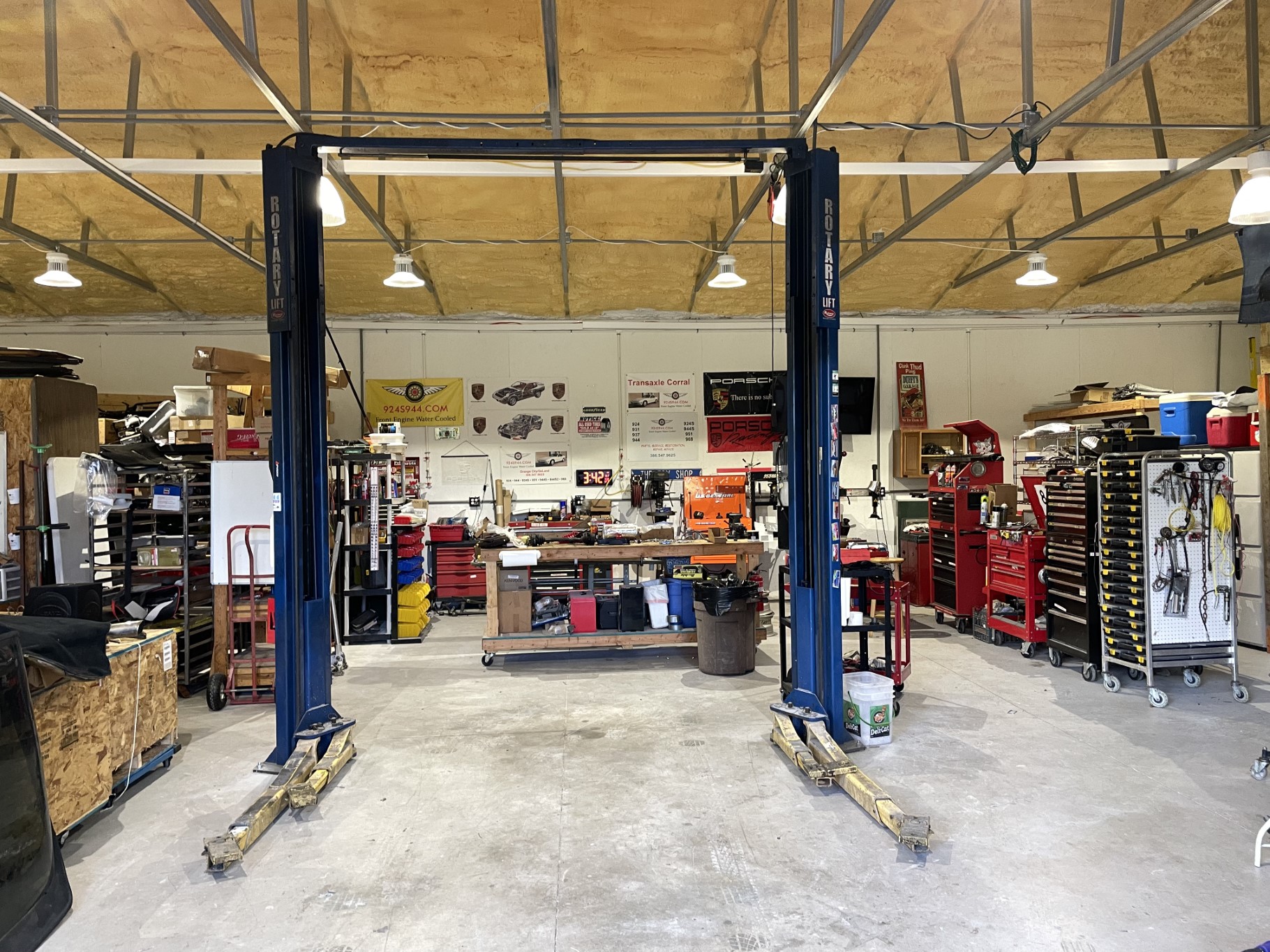
So you’ve decided to install a lift in your garage – congrats!
Whether you’re a weekend wrench-turner or planning to store vehicles more efficiently, a lift can be a game-changer. But before you click “buy” and have one shipped to your driveway, there are several key factors to consider. First things first: what kind of lift suits your needs?
- Two-post lifts: Great for maintenance and repairs.
- Four-post lifts: Ideal for storage and heavier vehicles.
- Scissor lifts: Compact and versatile, but with height limitations.
Each type has its pros and cons, so think about how you’ll use it – maintenance, storage, or both.
Space & Height Considerations
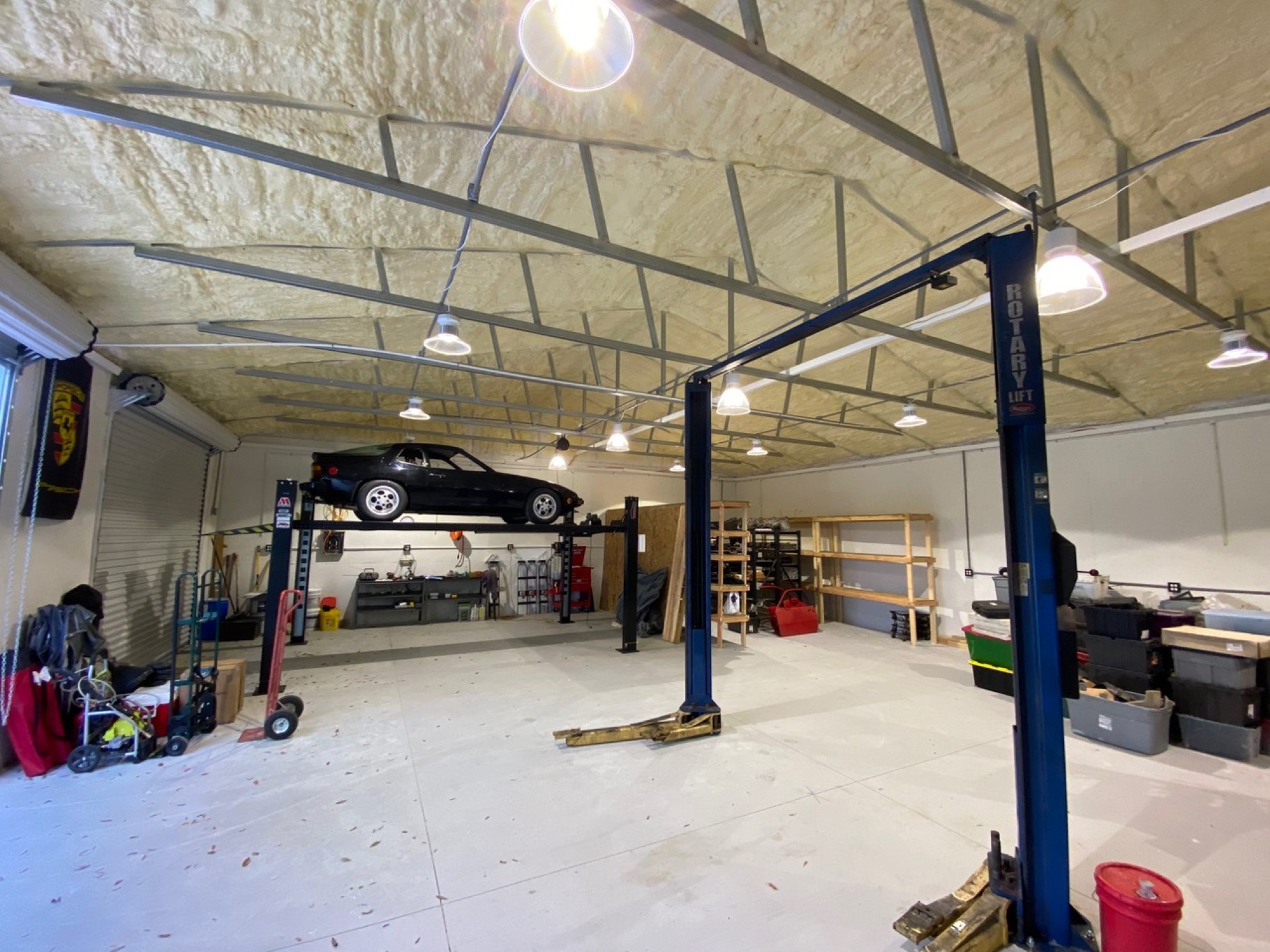
If your garage isn’t built yet, aim for 9 to 12 feet wall/eave height, with extra clearance at the ridge. For full-height lifts (typically 70–84 inches), you’ll want enough room to comfortably walk underneath the raised vehicle. Also consider:
- Ceiling height
- Vehicle height when lifted
- Lift dimensions and weight capacity (commonly 6,000–10,000 lbs)
It’s smart to choose your lift first, then build or modify your garage to match its specifications.
Concrete & Structural Requirements
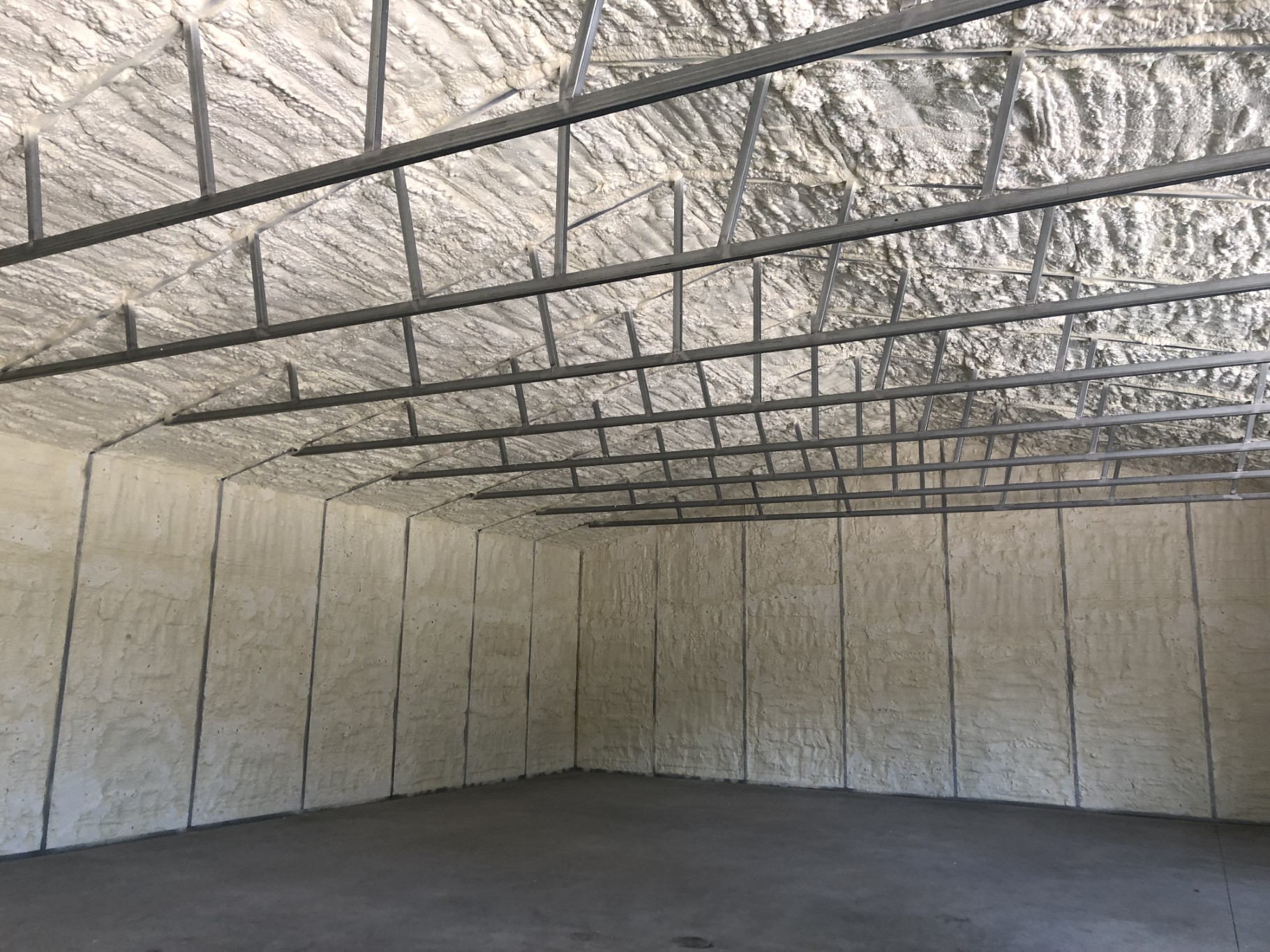
Your lift’s stability depends heavily on the concrete it stands on. Here’s what to keep in mind:
- Minimum 3,000 PSI concrete mix
- 2x2x2 ft pads under lift legs for added strength
- Avoid shortcuts—hire a trusted concrete contractor, not someone’s cousin’s friend
In earthquake-prone areas like California, reinforced concrete is even more critical.
Electrical, Air Supply, Safety Features & More!
Check your garage’s electrical draw rating and air supply. You may need to upgrade your system to meet the lift’s requirements. Planning this early can save headaches later.
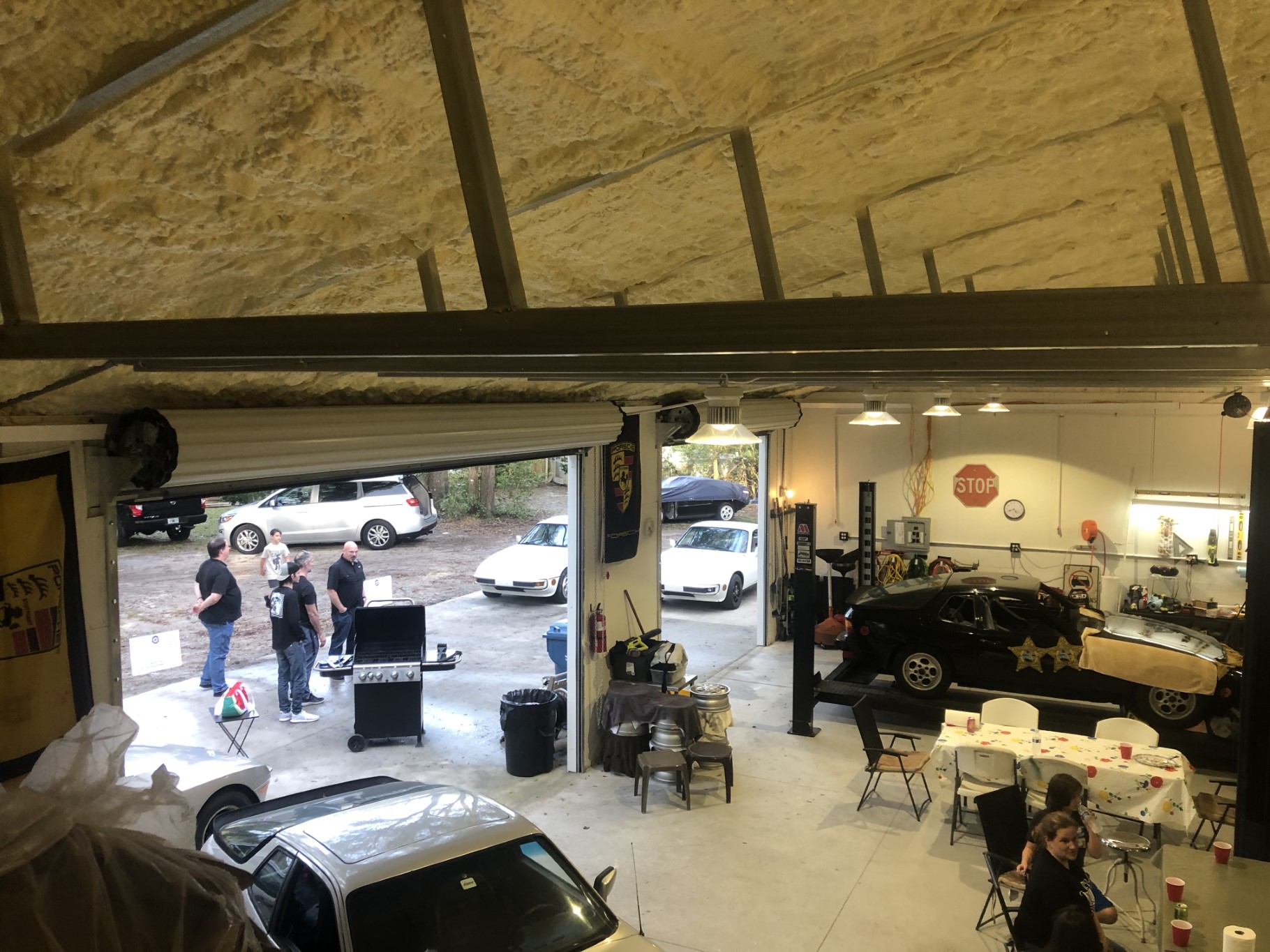
Safety should be your top priority. Look for:
- Telescoping arms for better vehicle stability
- Single or dual-point safety release systems
- Upgrade options like frame cradle pads, truck adapters, and column extensions
Where to Buy & What Brands to Trust
A great place to start your search is www.eastwood.com. They offer vetted brands like:
- Tuxedo
- BendPak
These brands are known for solid ratings, reliable lift capacity, and strong safety features. Buying through a reputable third-party vendor also gives you better support for parts and repairs.
Planning Your Garage Build
If you’re still in the planning phase, here’s what you need to know to make that upgrade with the precision of a race engineer.
- Check local permits, setbacks, and HOA restrictions
- Get quotes from trusted builders, and mention the lift early so they can adjust the concrete specs
- Know your local concrete cost per square foot to evaluate bids
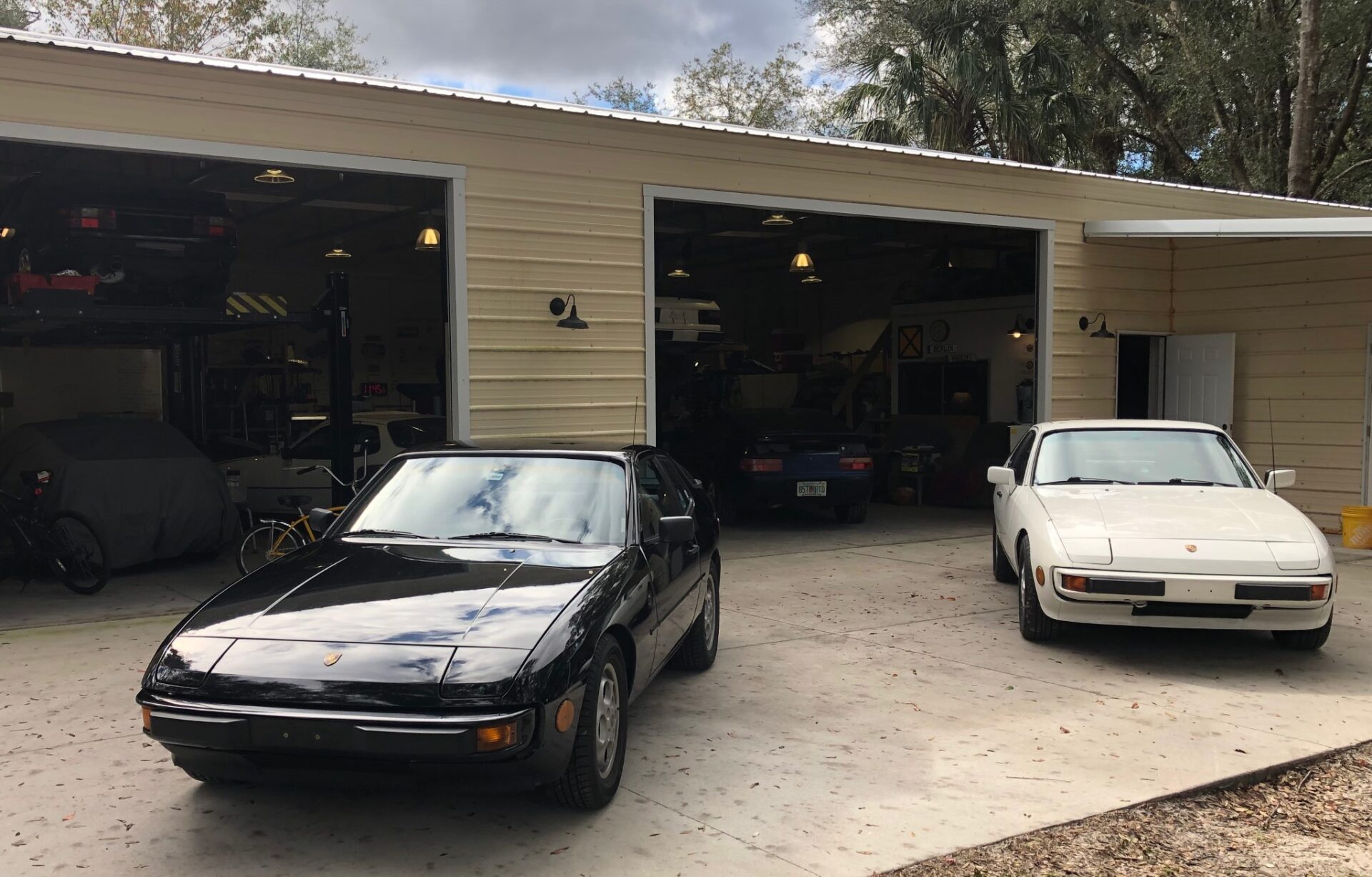
Just like a race team doesn’t roll into the paddock without a plan, your garage deserves the same level of forethought and precision. From concrete specs to lift types, every detail you dial in now sets the stage for smoother pit stops, cleaner builds, and safer operations down the line. Whether you’re chasing lap times or restoring legends, a well-equipped garage is your personal paddock—where performance begins and passion lives. With the right planning and research, installing a lift can be a smooth and rewarding upgrade. You’ve got the info—now go make it happen.
Good luck, and happy torquing!
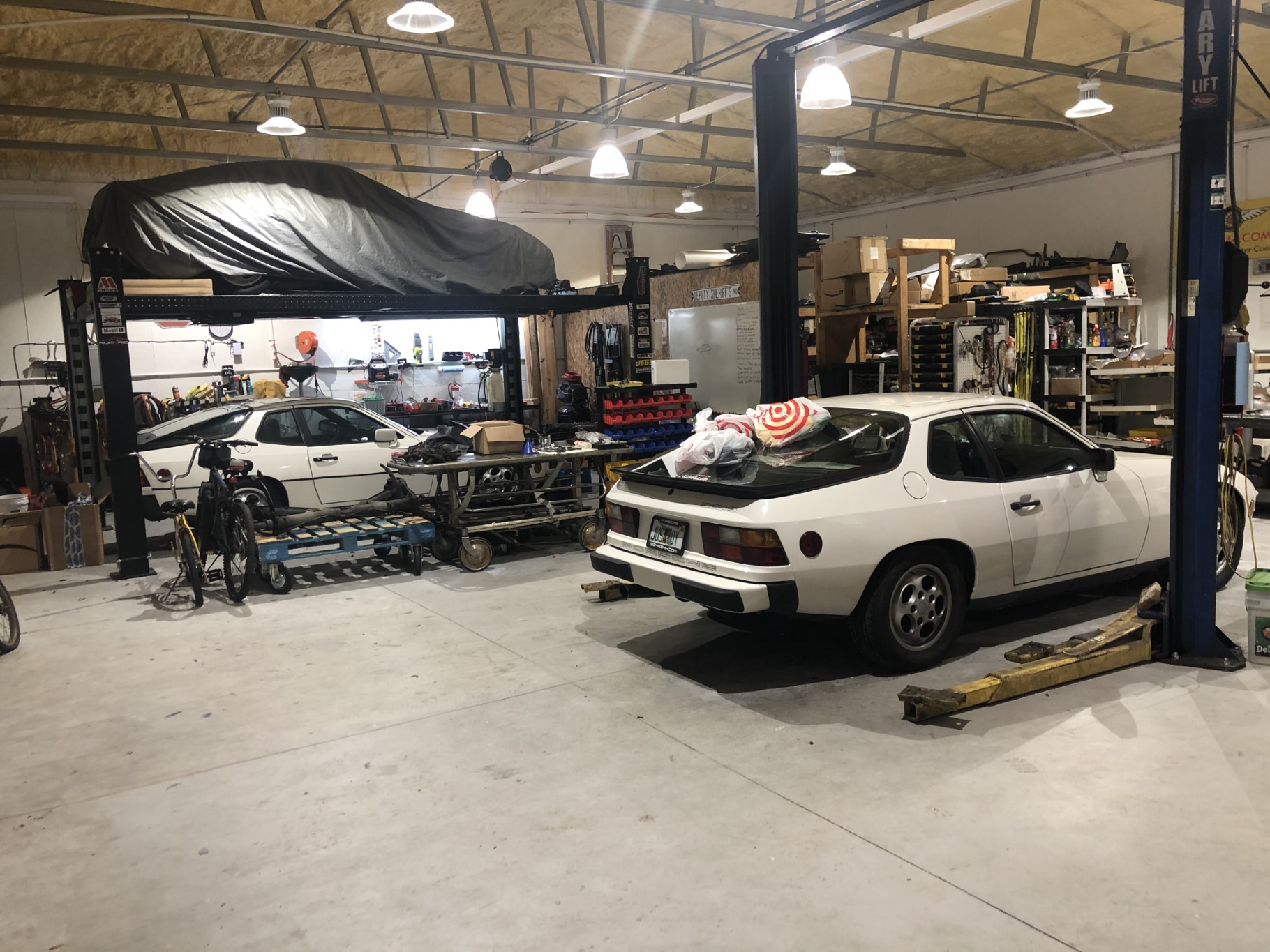
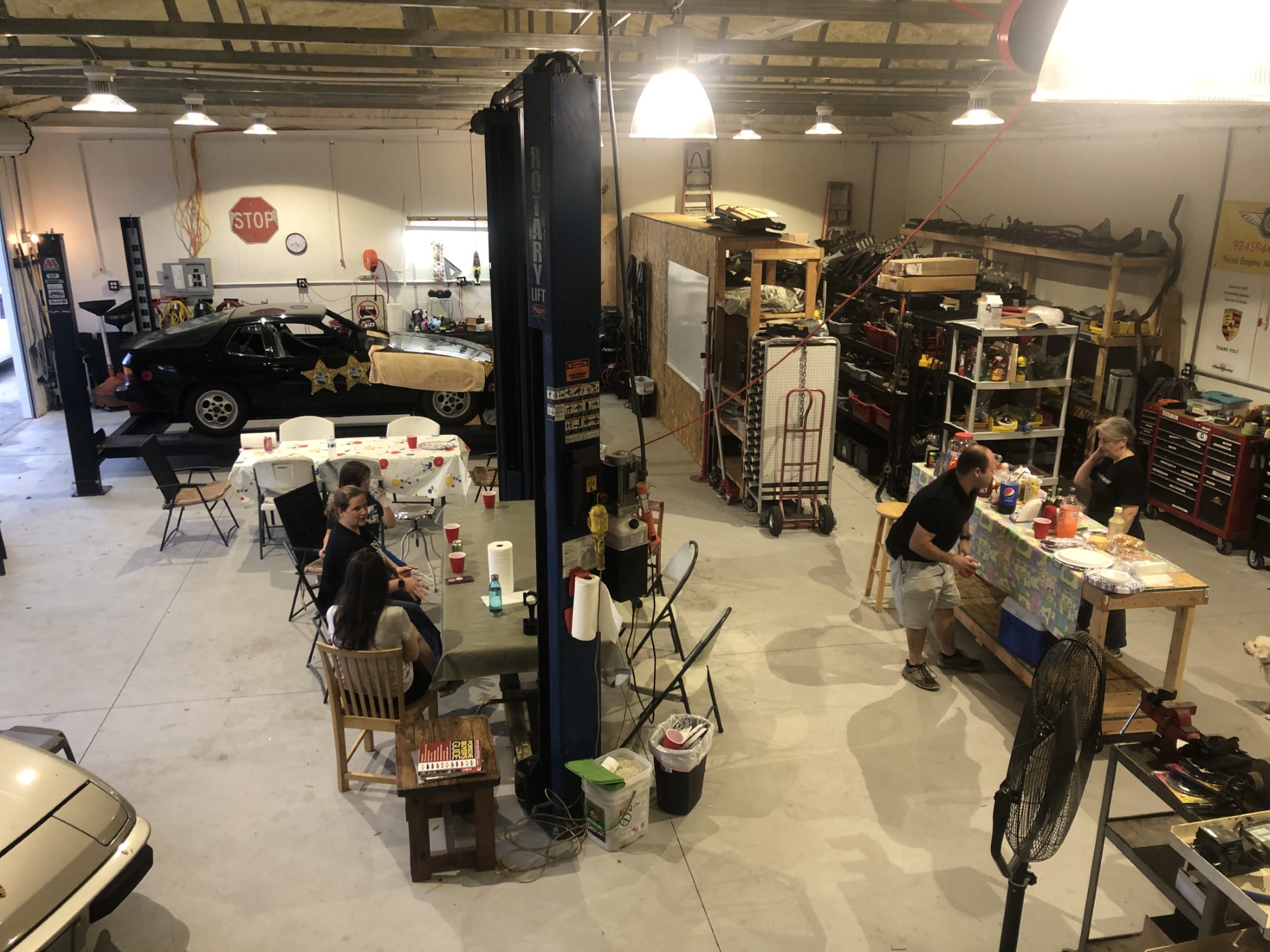
[EDITORS NOTE] Special shoutout to Break/Fix podcast guest Kevin Duffy from 924S944.com for sharing his garage and lift construction pictures with us for this article. Learn more about his story in the following article.