

There’s an admittedly thin line between collecting and hoarding. Finding balance in the automotive and motorcycle ruins of forgotten Americana – and not becoming the weird old hoarder the neighborhood avoids – is a tightrope walk at best.
Every car guy with oil-stained coveralls knows that guy. The one whose garage looks less like a workspace and more like an archaeological dig through sedimentary layers of American motoring culture. Buried beneath dusty stacks of yellowing Car and Driver back issues and rusty license plate frames lie the fossilized dreams of a nation that once celebrated auto and motorcycle culture.
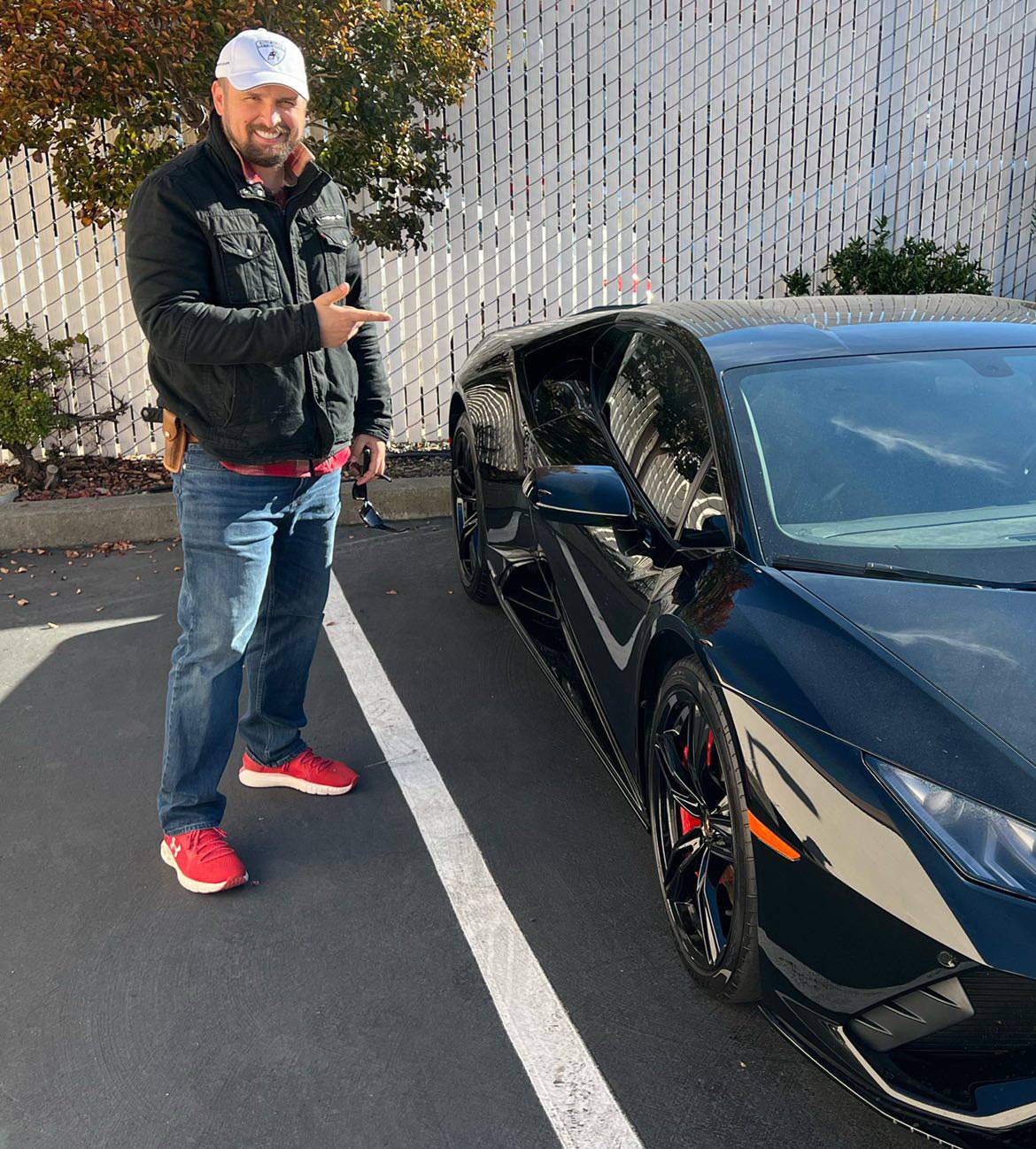
I am, regrettably, that guy.
The question that rattles through my car brain: At what point does the acceptable pursuit of “collecting” cross into the realm of “clinical hoarding?” When does the connoisseur become the cautionary tale?
Harvard’s Jenette Restivo – who I assume has never felt the full-body rush of finding an original “Goddess of Speed” Packard hood ornament at an estate sale (I have!) – defines hoarding as the obtaining of “an excessive number of items they don’t need and storing them in disarray.” But what exactly constitutes excess in a culture built upon the beautiful excess of horsepower and chrome? What appears to be disorder to the untrained eye may well be a complex filing system decipherable only to its creator – a kind of automotive Library of Alexandria, albeit one that might require tetanus shots to navigate.
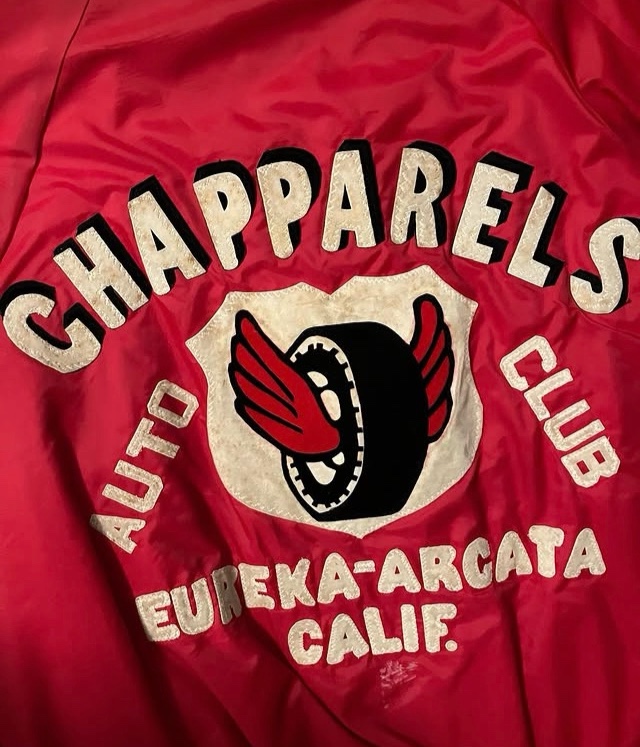
When I think of myself at a great estate or yard sale early in the morning, salivating at the idea of automobilia treasures just leaning over the side of the tables, waiting to be scooped up by my hot little hands, I’m reminded of that Seinfeld scene where George knocks over women and children to escape a building when someone yells “Fire!”
It’s not far off from my own exploits. Just for reference, here’s the scene:
Cut to George sitting in the back of an ambulance with an oxygen mask on his face.
GEORGE (to the EMTs): It was an inferno in there! An inferno!
ERIC: There he is! That’s him!
ROBIN’S MOTHER: That’s the coward who left us to die!
GEORGE (hoarse): I... was trying to lead the way. We needed a leader!
ROBIN: But you yelled “Get out of my way!”
GEORGE: Because! As the leader... if I die, then all hope is lost! Who would lead? The clown?
FIREMAN: How do you live with yourself?
GEORGE: It’s not easy.
The origin of “petroliana” – that wonderful amalgamation of petroleum and memorabilia -suggests something almost sacred: relics of our petroleum saints. These are the material artifacts of what historian James Flink called “America’s love affair with the automobile,” though perhaps “love affair” understates the relationship. It’s closer to religious conversion, complete with its own iconography: the Shell scallop, the Texaco star, the anthropomorphic Sinclair dinosaur promising prehistoric power in every gallon.
To collect petroliana is to preserve American optimism – to keep alive the faith that once believed the open road led to transcendence. Each dented oil can and faded road map represents a small piece of the great American story: the idea that wheels, whether two or four, equal freedom, and that the next town might hold everything you’ve been searching for.
But there’s a darker side to the equation. A more sinister psychology. The collector – particularly the middle-aged male collector (and yes, we must acknowledge the gendered nature of this pathology) – is often attempting to reconstruct a vanished world. We are archaeologists of our own childhoods, seeking to reassemble the sensory memories of Saturday mornings spent at Dad’s side as he performed weekly automotive rituals: leaning over his 1951 Chevy five-window pickup, checking the oil, topping off the radiator, the satisfying ding-ding of the service bell as the attendant emerged (there’s only one of these stations left in our small town), wiping his hands on perfectly faded 501s, leaving stains that proclaimed allegiance to Valvoline or Quaker State.
The hunt itself becomes a drunken, intoxicating stupor. There’s something primal about the garage sale prowl, the flea market reconnaissance, the delicate dance of feigned disinterest while internally calculating the fair market value of a model Porsche 928 still sealed in its original box. We become nerds of nostalgia, following a nervous system-driven circuit that connects suburban driveways to rural junkyards, united by the shared delusion that somewhere out there lies the Holy Grail: the unrecognized treasure, the widow’s ignorance transformed into our enlightenment.
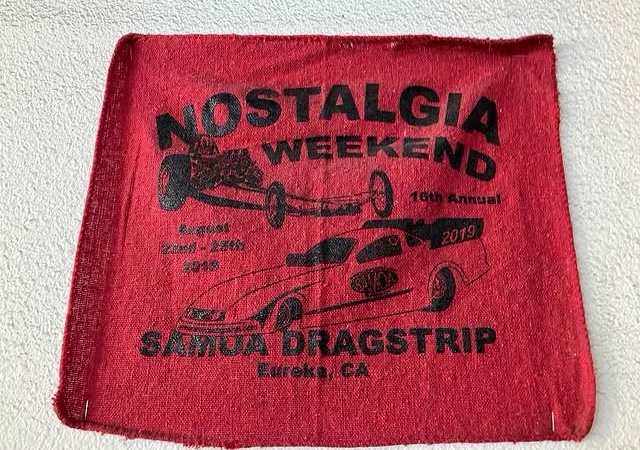
Yet we must confront an uncomfortable truth: Much of what we collect is, objectively speaking, junk. Mass-produced crap designed for obsolescence, now treated with a carefulness it never had even when it was new. The metal window squeegee was never meant to outlive the winter for which it was purchased, yet here it sits, forty years later, almost completely rusted away, carefully preserved in a climate-controlled display case like a fragment of the True Cross. Indiana Jones would shake his weary head.
The places we hunt reveal our desperation: garage sales where we practice beggary, pick-and-pull graveyards where we scavenge among automotive corpses, Craigslist’s digital Wild West where every transaction teeters between treasure and catastrophe. We haunt thrift stores with the dedication of anthropologists, forever hopeful that some donated box might yield a cache of vintage Porsche promotional materials.
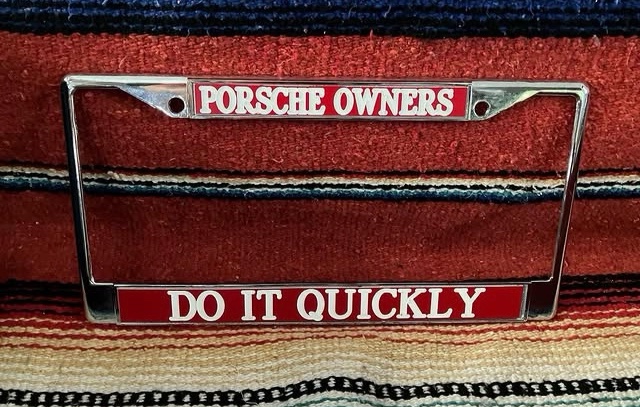
The economics of this obsession follow their own perverse logic. A rusted Porsche 356 emblem commands prices that would make a Sotheby’s art dealer blush, while equally rare artifacts from lesser-appreciated marques gather dust at reasonable prices. A brand’s social status determines value far more than its actual historical significance.
Isn’t it crazy that we hunt and peck for small pieces of American history – preserving the artifacts of industries that built America- while simultaneously contributing to its material excess? We are both historians and hoarders. So the question remains: Is it a hobby, or a probby (problem)?
In the end, maybe it doesn’t matter that much either way. Both represent attempts to find methods to the madness, to create meaning through collecting, to hang on as long as we can to as many things as we can, in hopes of warding off the inevitable ending – including the golden age of American motoring these pieces celebrate. Everything ends. Or does it?
Maybe it’s the feeling that should be the lasting part. The love. Sometimes the “things” feel like members of the family. Which, I believe, is the whole meaning of life: FAMILY.
We gather these small pieces of our collective past not because we are sick, but because we are nostalgic for a time when America’s relationship with the automobile represented possibility rather than problem, liberation rather than limitation. Every dented oil can and faded road map is a small act of rebellion against a present that has forgotten how to dream in horsepower and chrome.
So I say, keep collecting. The future will thank you for preserving the beautiful pieces of our automotive and motocycular past – even if your spouses and storage units suggest otherwise. After all, someone has to be the custodian of the dreams that built America, one garage sale treasure at a time.