

Every Break/Fix episode begins with a story of transformation, and few journeys are as bold as that of Dr. Matthew D. Jones. After more than a decade in medicine at Northwestern in Chicago, Matt traded the operating room for the open road – launching Towlos, the world’s first peer-to-peer trailer sharing marketplace. Think Airbnb or Turo, but for trailers.
What sparked this radical career pivot? A Corvette, a track day, and the realization that renting the right trailer was nearly impossible.
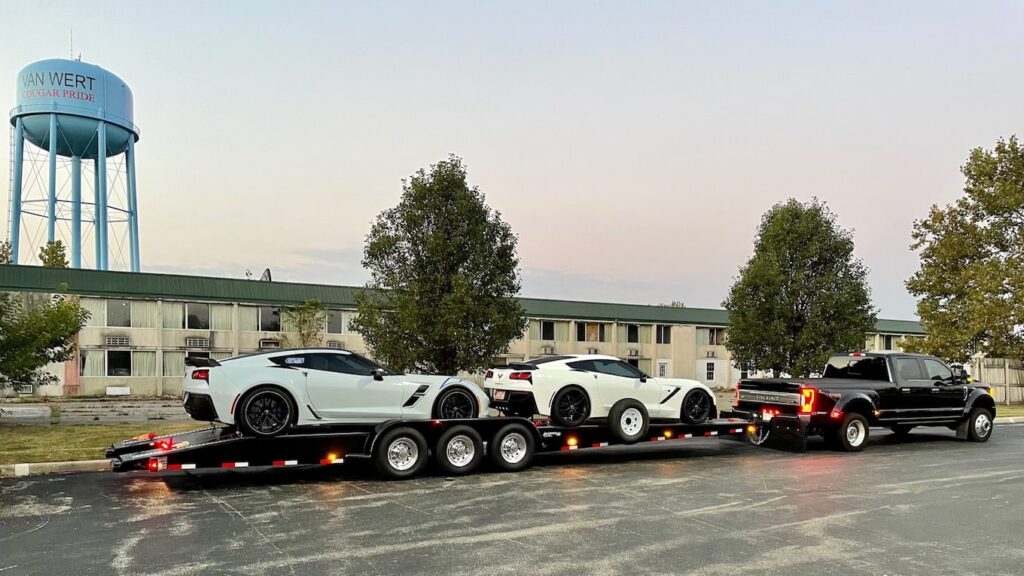
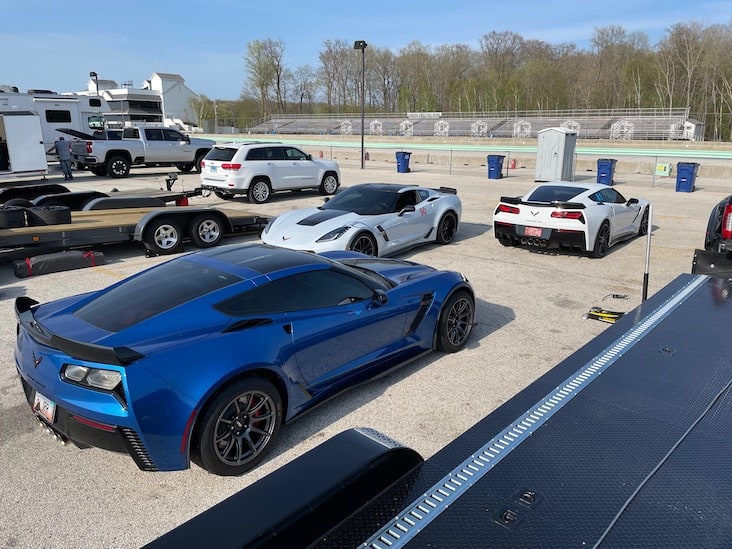
Matt had long been an Audi enthusiast, eagerly awaiting the RS6 Avant’s arrival in North America. When told he’d have to wait two years, he did what any car lover would: bought something else in the meantime. His criteria were simple – naturally aspirated engine, manual gearbox, modern comforts, and a price tag under $80K. The answer? A C7 Corvette Grand Sport, purchased sight unseen during the pandemic.
Tune in everywhere you stream, download or listen!


That Corvette became more than a stopgap – it was the gateway to track days, friendships, and eventually, entrepreneurship. With buddies in Chicago, Matt began exploring iconic circuits like Road America, Mid-Ohio, VIR, and Road Atlanta. But hauling cars to distant tracks revealed a glaring problem: renting a proper trailer was nearly impossible. U-Haul’s car haulers were designed for Camrys, not Corvettes.
Spotlight
Dr. Matthew D. Jones - Founder/CEO for Towlos
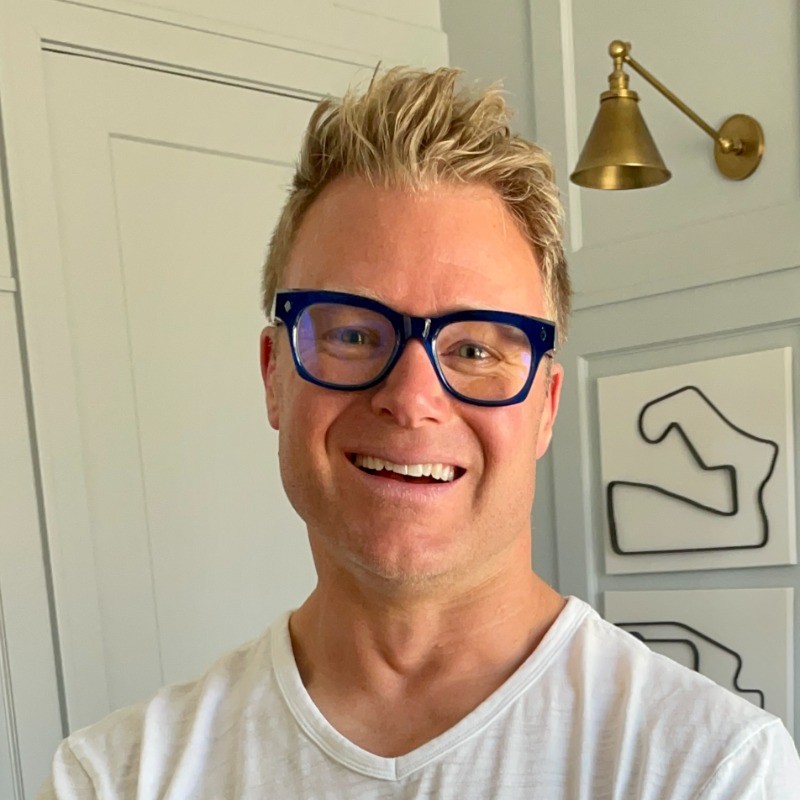

Contact: Dr. Matthew D. Jones at matt@towlos.com | N/A | Visit Online!





Synopsis
This Break/Fix episode features an interview with Dr. Matthew D. Jones, an orthopedic surgeon turned tech entrepreneur. After ten years in medicine, Matt faced a personal challenge finding a car trailer for a track day, leading him to launch Towlos, a peer-to-peer trailer sharing marketplace. Inspired by marketplace giants like Airbnb and Turo, Towlos connects trailer owners with renters, aiming to make trailer rentals more accessible and efficient. Matt shares details about his career shift, the operational aspects of Towlos, and his personal journey from medicine to entrepreneurship. He highlights the platform’s features, insurance complexities, pricing models, and the importance of community and technology in scaling the business. Matt’s story emphasizes resilience, the importance of supportive partners, and embracing risk to pursue new ventures.
- What inspired you to make such a dramatic shift from orthopedic surgery to entrepreneurship, and what was going through your mind when you decided to take that leap?
- What were some of the biggest challenges you faced in turning the concept of a peer-to-peer trailer sharing marketplace into a functioning, scalable business?
- How does it work?
- Is there built-in roadside assistance? What about extra insurance? Who is liable, who’s at fault? What if the trailer damages the car?
- Where do you take the trailer to get it certified? What about registration/tags? Could someone report the trailer stolen?
- How is pricing structured, is that set by the owner? Or the platform? What are the fees like?
- As towlos continues to grow, what strategies are you using to scale while maintaining quality, community, and trust among your users?
- For professionals considering a major career pivot like yours, what advice would you give them about embracing risk and redefining success?
- What are some of the most valuable lessons you’ve learned since founding towlos—especially ones you wish you’d known at the beginning?
Transcript
Crew Chief Brad: [00:00:00] Break Fix podcast is all about capturing the living history of people from all over the autos sphere, from wrench, turners, and racers to artists, authors, designers, and everything in between. Our goal is to inspire a new generation of Petrolhead that wonder. How did they get that job or become that person?
The Road to Success is paved by all of us because everyone has a story.
Crew Chief Eric: Today on Break Fixx, we’re joined by Matthew D. Jones, a man who’s truly redefining what it means to take a bold career pivot. After a decade in medicine at renowned institutions like Northwestern Medicine in Chicago, he made the remarkable leap into entrepreneurship in 2022, driven by a personal challenge during a track day road trip when he couldn’t find a trailer to rent.
A former orthopedic surgeon turned tech entrepreneur, Matt is the founder and CEO of Towlos, the world’s first peer-to-peer trailer sharing marketplace. Through Towlos, Matt is [00:01:00] transforming an underutilized asset class trailers that sit idle 90% of the time into income generating opportunities for owners while giving renters affordable on demand access to haulers across the United States.
Think Airbnb or Touro. For trailers. And with that, let’s welcome Matt to Break Fix.
Dr. Matthew D. Jones: Great to be here. Thank you, Eric.
Crew Chief Eric: Every good break fix story starts with the superhero origins. So tell us about your adventures in the world of motorsports and what inspired you to make such a drastic shift from the world of orthopedic surgery into entrepreneurship.
Dr. Matthew D. Jones: Yeah, man, it was a car. It was, uh, the car that you may see behind me it was the C seven Corvette. That was kind of what spearheaded this whole thing. So I’ve been kind of an Audi fan for a long time and I’ve had a few Audis in the past. 2019, came around then 2020, and you know, I think for the first time.
In history, the RS six platform was coming to North America. You know, read about [00:02:00] that in Car and Driver or something and got excited and called my local dealer in Chicago, Fletcher Jones, who I have to give a shout out to. ’cause they were great and they were working with me. Really. That was a great experience and I, you know, they were gonna get me a, an RSS six Avant at sticker, but they told me, here’s the bad news, it’s gonna be two years.
And I was like, oh, you know, it’s amazing how like your emotions get so high and then they get dashed when you, man, that’s a long time to wait. So I did what any logical thinker does, which is okay, what other car am I gonna get in the meantime? And so I talked to my wife. I think she kind of got it a little bit, or at least she played along.
And so then I started just thinking what might be a good car to get in the meantime that I can kind of have. And then I’d sell when the RSS six was available in, in two years. And so I really kind of started on this little journey where I think I had four criteria. So it was one, I just wanted a, a naturally aspirated engine knowing that those are going [00:03:00] away.
Number two, I wanted a car with a manual gearbox. Number three, it needed to be in a specific price range. You know, I, I couldn’t afford a $150,000 car, so I was looking more maybe between. Let’s say 50 and $80,000, something like that. And then I guess number four is I was looking for something that it wouldn’t probably be a daily driver, but something that it would be comfortable enough.
It had ac, it had power steering, and so it was a little bit more of, let’s call it 2000 plus rather than nineties or eighties type cars. So those were my four kind of criteria. So then. Course start looking around. Right. And you can help me out. You could probably could just name like five or six cars that fit that criteria right now.
Crew Chief Eric: Well, this is shaping up to be a what should I buy episode.
Dr. Matthew D. Jones: Okay. Exactly. Exactly. What would you buy?
Crew Chief Eric: Well, I mean, you had me at Avant, I mean, anything long roof. I mean, I’m into wind.
Dr. Matthew D. Jones: Yeah, yeah.
Crew Chief Eric: But what you ended up with is about as diametrically opposed as you can get.
Dr. Matthew D. Jones: Right. I, I’ve never been a Corvette guy, but I kind of came across Mustangs, right?
I the Porsche Cayman. What [00:04:00] else? There’s a few other vehicles that, that was manual gearbox, naturally aspirated, you know, not terribly old, and then was in the right price range. So I kind of stumbled across the C seven Grand Sport was a COVID purchase, as many can attest. Bought it sight unseen, I think from Kansas City.
It was awesome. 3000 miles on it and I just kind of really fell in love and it, you know, I’ve definitely. I got new balance shoes and found my jorts and become a Corvette guy. And so got that car in 2020 and then it turns out the RSS six came a year early, which never happens, right? So then of course I had this dilemma and I didn’t wanna get rid of the Corvette and, and I was fortunate to be able to keep both.
So I can tell you about the RSS six on another story, but I’ll continue with the Corvette because that is basically what helped spearhead this Towlos adventure. Of course met a couple buddies with Corvettes. My good buddy Trent was kind of my enabler, and he was like, Hey, do you track [00:05:00] your car? And I was like, well, no, I, I’ve been to a couple different racetracks with Extreme experience and some other deals like that.
I had, one of my buddies was in the Viper Club back when I was in med school, and so I would do Ridealongs with him, but very limited track experience. And so I was like, no, I. You know, he’s like, well, you know, again, we’re living in Chicago right at the time. And so he’s like, we like going to tracks around here, a couple tracks around Chicago.
And then they had gone up to Road America a couple times, and so they were like, Hey, let’s swap out the brake fluid and then you’re pretty much ready to go. Like, and so I was like, okay, so you always need a buddy, right? You always need an enabler into these money losing adventures.
Crew Chief Eric: That’s one way of putting it.
Dr. Matthew D. Jones: And so that was 2021. When that happened and we were able to drive to Road America, which is about two hours away, that didn’t really seem too bad, but we, we all kind of caught the bug. There’s about four of us, and that’s when we were like, Hey, we would love to plan some weekends where we can just go to tracks farther and farther from [00:06:00] home.
We wanted to go to Amid Ohio. We wanted to go to NCM, we wanted to go to VIR, you know, we wanted to get to Road Atlanta, you know, all these iconic tracks over the us. And that was like, okay, let’s just rent a car hauler. My buddy had an F four 50, so all we needed was a double car hauler. Then we can ride together.
This will be great. Then we, we won’t get stuck at the track. And it was amazing how hard this is, 2021 and it still is how hard it was to rent the right trailer. You could rent a trailer, but it was so hard to rent the right trailer, the right tool for the job. Right. And that’s kind of how Tolo started. We identified.
U-Haul, they make a car hauler that works for Toyota Camrys and Honda Accords. People have Jerry rigged it and, you know, kind of made it work. ’cause that was the only option to get their race cars to the track. I mean, I, I’ve been to a bunch of grid life races and you see all these U-Haul haulers out there in the yards with like stacks of three, two by twelves on them to get them high enough so that the splitter.
Gets over top, then [00:07:00] the car door gets over the fender. Those U-Haul haulers are just not meant to haul a race car or a sports car. And so that’s kind of how things started for Towlos. And by the way, I’m working as an orthopedic surgeon at this time. I ended up doing both for about a year. And then I kind of felt my legs starting to split, and I realized that there was just no way to do both well, and so I was gonna have to make a hard decision.
Crew Chief Eric: So what’s in a name? Where’d the name Towlos come from?
Dr. Matthew D. Jones: I wanted to make up a word. You know, you’ve heard all these crazy words like Turo, you mentioned Turo, Airbnb. I mean, that’s not even really, that’s kind of a combination of a couple words, right? Uber, I mean, I guess that’s a word we, so we wanted to kind of follow that same kind of geeky, techy kind of thing.
The other reason that we wanted to make the word up was. When you make a word up, you can own its definition, and so you don’t have to play on somebody else’s presuppositions about what some word means. The challenge you have, of course, is, as you know, how do you pronounce that made up word? So we wanted to make up the word that was number one I I [00:08:00] wanted it to be two syllables.
Often a two syllable word rolls off your tongue a little bit better. Uber Turo, Lyft is one syllable, but I wanted it to be two syllables and I also wanted it to be six letters or less. If it was six letters or or fewer fits better onto a logo. There was several things here, Eric, that I just kind of got lucky as I was going through these criteria.
’cause I didn’t realize till about a year later that there was like, Hey, there’s some real method to that. And I was like, well, at the time I was just kind of winging it. But then the most probably important criteria is that it has to be a domain that’s available. And so we went through this whole list, and so we wanted something that had hitch or tow hall.
Hitch Lee was one of the ones we kinda liked for a while, you know, so we just kinda landed on. Towlos, T-O-W-L-O-S. And that was kind of the origin for the name.
Crew Chief Eric: Well, as long as nobody’s calling you up, Taos,
Dr. Matthew D. Jones: that happens and that’s fine. And even now, Google likes to auto correct me to say, did you mean towels?
And I’m like, no, I’m not [00:09:00] searching for bathroom towels. You know? We know we’ll have made it when Google stops trying to auto correct us.
Crew Chief Eric: Alright, so you made the jump from the medical industry into tech. That is just like going from the RSS six to the Corvette. They could not be any more different, like I always say, apples and chainsaws.
What were some of the biggest challenges you faced in turning your career? Into this peer-to-peer trailer sharing marketplace and making it a scalable, functional, profitable business
Dr. Matthew D. Jones: that was at least five years in the making. You know, you, you don’t make a decision like that overnight, right? As some of your listeners may know, when you’re a surgeon, you basically go to school for your entire life, or at least that’s what it feels like.
So I did 14 years of training after high school, so that’s four years of college. Undergraduate, then four years of medical school, then five years of orthopedic surgery residency, and then I did an optional one year of sports medicine [00:10:00] fellowship. By the time I finished training, I was 32, and then I worked, as you mentioned, in Chicago, worked at Northwestern Medicine, which was a great institution to work for for 10 years.
You know, did orthopedic surgery for 10 years. I really, I enjoyed parts of it. Most parts of orthopedics I liked. I mean, I, I think ortho is one of the best professions within medicine and we in, in medicine and people inside medicine will probably appreciate this. Those outside might not, but there’s, there was a real separation in my head between orthopedic surgery and American medicine and American medicine changed a lot in the.
The 20 years that, that I was a part of it, there was a lot of bureaucracy that has come in a lot of corporatization. You know, insurance has, has played a large role in just the deprecation of the professionalism of the field. There just seemed to be a wedge that was being driven between the patient and the doc and that’s just not fun for the patient and that’s not fun for the doc.
And so, you know, it became a little bit of a grind and, and people [00:11:00] are in the medical field, are pretty familiar with burnout and there’s a lot of docs that are burning out. There’s not too many of ’em that make this crazy pivot like I did, but a lot of them are seeking some type of intellectual outlet outside of their chosen profession.
That was a, at least a five year in the making. I, I don’t remember saying this, but my wife reminds me that probably two or three times a week, I would say, man, I don’t, I don’t know how much longer I can do this. In my head, I, I just kind of thought, Hey, I spent hundreds of thousands of dollars to go to medical school and, and undergrad.
You know, you really kind of silo yourself into this and you learn a lot about a little sliver of the world. It’s hard to pivot from that.
Crew Chief Eric: So, earlier you talked about your buddies in your car adventures, you know, getting you into the world of Corvette. You never go at it alone. Kind of like hiking, kind of like off-roading and a lot of other things.
In the world of tech, usually there’s someone else in the equation. So who was your buddy on this adventure? Or did you just pick up a bunch of [00:12:00] programming books and go to town?
Dr. Matthew D. Jones: I am the sole founder. I also now have a co-founder named Jeff who’s been an at. Great partner, but I did kind of go this alone, I guess.
Primarily I started building a team around me ’cause I don’t know how to code. I had to find a full stack developer and then a ui ux designer, and it was basically, we were the three amigos. For about a year as we were building this and we were benchmarking Toro, we were benchmarking another peer-to-peer marketplace called Outdoorsy.
They do RVs and travel trailers, so people are, they want to kind of go on an adventure. That’s not our space. We focus on car haulers. Enc. Closed trailers, boat trailers, horse trailers, dump trailers. That’s kind of our niche. And so for travel trailers or campers, outdoorsy or RV share are great options.
And so we kind of benchmark some of these other peer-to-peer marketplaces just to kind of see how they did it. Almost kind of copy some of the lessons that they learned. One of the parallels as an orthopedic surgeon is [00:13:00] we kind of extreme attention to detail into the design of Towlos. And, and I’d encourage anybody in this listening just to kind of go to Towlos tw os.com and, and check it out.
And I’d love a honest, candid review. We are looking for that. And you can call me, you can email me, I’ll put in our information at the end, but I didn’t really have a. Buddy in a sense, like I kind of went alone in a way, and then started building a team around me. I think that’s one of the things that you learn as a surgeon.
Of course, when you’re in the operating room, you are in charge. In my situation, you’d be working with the anesthesiologist, also, A-C-R-N-A. There’s your scrub tech, there’s the circulator. Often there’s a device rep. Many times there’s also a resident or a medical student that’s there in the room. I had my PA that was kind of assisting me often, you know, so there’s probably a team of let’s say, six to 10 people in the room and you’re working as a team.
So there’s a real comradery, and that was something that at least I was familiar with in that [00:14:00] capacity as a surgeon, that has served me well as I’ve built this team. Here at tos.
Crew Chief Eric: So let’s switch gears and get into the meat and potatoes of Towlos. Alright. Let’s talk about how it works.
Dr. Matthew D. Jones: Let’s do it.
Crew Chief Eric: You mentioned some peer-to-peer marketplaces.
You mentioned specifically in the trailer space with respect to campers and RVs. We’ve mentioned some peer-to-peer market spaces people would be familiar with if they’re on holiday or taking vacations like Airbnb and even Turo with the car rental stuff. How does it work? For race trailers and car trailers and even some of the extensions to this, you know, the horse trailers and dump trailers and stuff like that.
How does it work?
Dr. Matthew D. Jones: U-Haul would be the household name. That would be our, eventually would be probably our direct competitor. Okay. Think about U-Haul as the company that worked well for the 20th century. We think of ourselves as U-Haul for the 21st century. So we’re bringing technology. We’re bringing a safe and secure platform.
So the way it works, you know, you need a specific type of trailer, then you just go on Towlos, you put in your city and [00:15:00] state and you put in the dates that you need it, and you hit go. And then it’ll bring up just all the list of the available trailers. And then you can filter by type. So if you know you need an enclosed trailer, just filter for an enclosed trailer.
If you know you need a horse trailer, you filter for a horse trailer and it’ll show you just all the options. And so for those that are familiar with Turo, it works very similar to Turo. So it’ll look and it’ll feel like Turo. So you’ll see the list of trailers there. Then if you see one that seems interesting, you click on that and then it brings up.
The trailer page and it has all the information, the photos, the videos, the hitch size, the GVWR, the capacity, the dimensions, and then all the description right there.
Crew Chief Eric: So the person renting has to go to the person that’s listed their trailer. Up on Towlos and go get it, right?
Dr. Matthew D. Jones: Mm-hmm. Mm-hmm. Okay. As far as going to pick it up, you mean?
Crew Chief Eric: Yeah.
Dr. Matthew D. Jones: Mm-hmm. Basically, if you see a trailer that you kind of like, all right, this is gonna work for my needs ground clearance, the approach angle, everything that [00:16:00] seems to work, okay. These are low fenders, so I can get my car door up over the fender. You know, you just follow the steps to create an account and rent it right there.
And what it’ll do is it’ll shoot a request to the owner. We call the owner, the host, the owner will kind of review the request. You have to answer a few questions. Towing experience, what’s your plan? Tow vehicle, where are you planning to go? You know, what’s the approximate mileage? And then what are you planning to haul, you know, and what’s the approximate weight of that?
Those four vetting questions really gives the host a real sense for, hey. Who’s this guy that’s trying to rent my trailer?
Crew Chief Eric: It’s interesting you bring that up because I kept thinking, does the system do any matching to say, tell me about your rig, about your truck. What are you gonna be pulling this trailer with?
Because for those of us that have our own trailers, we bought trucks that match our trailers or vice versa. So we know what we’re towing, we know what our payload is and our tongue weight, and you know how we need to position the car and all this kind of thing. But if you’re just a casual track day goer.
You know, your wife drives a Nissan Pathfinder. Well, it doesn’t have a [00:17:00] ton of tow capacity. So does the system match up and say, Hey, all of these trailers aren’t compatible with your vehicle, or is that up to the host to make that decision?
Dr. Matthew D. Jones: Right now? We leave it up to the host. So those four vetting questions basically then get pinged to the host, you know, and so then when the hosters are reviewing that request, they see, oh, this guy, he has a Ford Ranger.
Yeah, that’s not gonna work with my trailer. Oh, this guy has an F two 50. That’ll be, you know, that’ll be fine. So we will probably do some, and this is where we’re kind of leaning into some of the cool AI tools that are now becoming available. And so that might be one where we’ll kind of do some kind of automatic matching.
Right now we’ve allowed just the host to kind of do that compatibility match.
Crew Chief Eric: I show up at the host house to pick up the trailer, and I look at his trailer and I go, Hmm. I mean, I saw it in picture, but in person, you know. A picture’s worth a thousand words until you see something live, right? Mm-hmm.
What’s the onus on the host to keep the [00:18:00] trailer up to snuff and up to spec? I mean, trailers are kind of strange because they don’t get inspected like cars do, and there’s not a ton of facilities that you can take a trailer too to have it gone through. I’m very fortunate. I have one around the corner where I drop my trailer off and I have it serviced and all that kinda stuff.
So what’s the obligation on the owner’s side to make sure that the trailer’s in tiptop condition?
Dr. Matthew D. Jones: I’ll answer that, but first, can I. Kick it back to you and I, ’cause I’m kinda curious, what’s the process that you go about keeping your trailer serviced? And how often do you typically do that? Is it usually an annual thing?
Crew Chief Eric: So trailers are when and not if.
Dr. Matthew D. Jones: Mm-hmm.
Crew Chief Eric: So there’s no set number of miles. It’s always the, the amount of time that it sits.
Dr. Matthew D. Jones: Mm-hmm.
Crew Chief Eric: So when I take my trailer in, when I was more actively trailering, it would go every two years. Mm-hmm. So at the end of the second season, it would go in for a full overhaul.
Bearings, brakes, tires, lights. Wiring because generally the chassis stuff doesn’t really have any sort of issue. Take a look at the Leaf Springs, Reese, the Jacks, you know, that kind of thing. And then you don’t worry about it again for maybe another year or two. Now that it’s sat [00:19:00] a little longer, I haven’t taken it in because I haven’t used it, but as soon as I start using it again, it’s the first thing on my list is gotta take the trailer in because it’s been sitting for too long and that whole checklist has to be gone through.
So again, it’s when and not if, and it’s definitely not miles, right.
Dr. Matthew D. Jones: Do you mind telling me approximately how much that costs to kind of do that type of service? Do you have any, just an estimate.
Crew Chief Eric: The last time I took it in for service to include a new set of tires and everything, I don’t know, it was like four or 500 bucks.
Dr. Matthew D. Jones: You know, not nothing, but also not $2,000. And, and that includes probably four new tires, right? Probably. Exactly. And so we follow the same thing, and actually this is something we’re working on right now. As you can imagine, there is some built-in motivation for these trailers to be in great working condition.
The hosts, we’ve had really good track record with this so far, is that they upload photos that. Obviously you can upload a photo that doesn’t show that a tire is dry rotted, but then if you show up, that could be different. We’ve not had any, any issues with [00:20:00] that so far. One of the things we’re working on right now, the concept we’re kind of rolling around is kind something called Towlos verified, which would be similar to, you know, a super host on Airbnb where they get perks, they get, they’re higher ranked in the algorithm.
There’s some perks that we do to give them that carrot to kind of fulfill certain things. Everybody has to go through an annual inspection. Some people do it with a, a shop, some people do a self inspection. That helps to kind of keep the quality up. And then what we’re gonna do is continue to kinda lean into that and try to kind of gamify it a bit by giving people a carrot rather than a stick to be even more motivated to keep their trailer in good working condition.
Crew Chief Eric: So, you know, the adage. Two is one and one is none, especially when it comes to spare tires. On the trailer is the owner, the host, obligated to provide spare tires, gear for changing the tires, extra things for the trailer in case something goes wrong.
Dr. Matthew D. Jones: Every Towlos trailer is required to have a. A spare tire.
We don’t have specific [00:21:00] requirements for jacks or for, you know, things like that. Most of the guys do keep those kind of things in their toolbox, but we do have a requirement that every to trailer has to have a spare tire.
Crew Chief Eric: So what happens if something goes wrong? Is there insurance? Is there roadside assistance?
What are some of the other things that get added when you’re booking the trailer?
Dr. Matthew D. Jones: Does Towlos provide insurance? That’s probably the number one question that we receive, both from the host, the trailer owner, and maybe not as often from the guests, but we often get hosts. Again, these are guys that care about their assets, right?
They care about their race car, they also care about their trailer. So it makes sense, and I’ll tell you probably the biggest challenge that I’ve had in this entrepreneurial adventure is solving the insurance. Problem. So all these insurance companies, and we’ve, I think we’ve talked to every major carrier out there.
There’s this chicken and egg problem. They don’t want to really put a lot of effort and money and time into, you know, creating all these policies for this startup that may or may not make it, and it’s not [00:22:00] providing them with $500,000 minimum in premiums per year. It’s like, well, how do we get from where we are now to where we wanna be?
And there’s this kind of always been this chicken and egg problem. The short answer right now is that we have a tiered process for safety. And I’ll just kind of run through that real quick with you, Eric. So one thing is there’s obviously very clear wording in the terms of service that put all the legal responsibility for that trailer onto the guest.
’cause they’re the one operating the trailer. So it’s their responsibility. So there’s very clear wording in the terms. Number two. All the guests upload a photo of their ID and a photo of their insurance card, and that gets uploaded into Towlos, and that’s available in what we call the rental record, kind of in a, an electronic record of that rental transaction.
Number three is the host. Can set a refundable security deposit for every rental. That range is typically somewhere around 200 to $300, depending on the value of the trailer. We have a minimum, but we allow for the [00:23:00] kind of the host to set to have some autonomy on that refundable security deposit. So that ends up covering probably 93% or so of all.
Incidental damage. So you back a trailer into a tree or something, you scratch break the taillight. You bend something. Obviously won’t cover total loss, won’t cover theft, but it covers about 90 plus percent of all incidental damage. What we don’t offer yet is this integrated insurance plan. I was actually working on that earlier today ’cause that’s something that’s we’re gonna be offering here in the next couple months.
And so that will be an integrated insurance option for those trailer owners. There are insurance companies out there and you can get a policy. We work with, there’s a couple different insurance companies that quite a few hosts use. You know, they take out a policy that covers physical damage for the trailer.
Crew Chief Eric: Some of the track day insurance providers that we’ve spoken to, like Lockton and Open Track and places like that have extensions to their track day [00:24:00] policy that can cover the vehicle while it’s on the trailer in motion or at mm-hmm. In the paddock and things like that. They’re very carefully worded, so it’s really interesting because I always feel that trailers are, they’re a liability.
They’re not as. Set. It’s like you paid for it, you use it, you consume it, and something goes wrong. And it’s really unfortunate. There’s really no recourse at the end of that conversation. You know what I mean? But in this case, I’m borrowing somebody else’s trailer and it can go either way. Did my trailer cause your car to have a problem?
Or did you do something to my trailer? Or did your car do something to my, you know, it gets really gray and really muddy really fast. It
Dr. Matthew D. Jones: actually doesn’t. We have hundreds of rentals where it goes smoothly every time. Is that a possibility? Yes. But it’s amazing how things go smoothly almost every single time.
That’s been our experience. We’ve talked to a couple guys that work in insurance, and of course those guys are always thinking about the worst thing that can happen, and I tell those guys, you’re not a good fit for Towlos. That’s just the truth, right? But I’ll tell you, almost [00:25:00] every progressive State Farm, you know, a lot of these major companies, they have a specific trailer policy.
So this is not the paddock insurance that you’re talking about. This is a separate policy for the trailer, and those are often not that expensive just because the trailer is what, 8,000, 9,000, $10,000, you know, unless you’re getting a nice high-end intech trailer or something like that. Right? Probably our average trailer is value is somewhere between eight and $12,000.
Crew Chief Eric: So what about tags and registration? Anything special there for the trailers that have to be considered for the host?
Dr. Matthew D. Jones: We do require a registration for all Towlos trailers. You know, there are a few states that don’t require trailer registration. We require it. Again, that’s just a kind of a safety mechanism.
If something goes south, it’s a little easier to track. Just we require, even though not every state requires that, we require a registered trailer to be able to list it on Towlos.
Crew Chief Eric: I’m sure there’s some folks thinking about this right now. Hey, my trailer’s sitting around. It might be a good idea to rent it out, make some money off of it.
It’s like renting a parking spot, you know what I mean?
Dr. Matthew D. Jones: Mm-hmm.
Crew Chief Eric: [00:26:00] When the minute comes that you cross that threshold and you watch your trailer go off down the road with somebody else pulling it. I’ve had this moment myself where friends borrow my trailer and I kind of cringe.
Dr. Matthew D. Jones: You’re not a good fit for Towlos.
Crew Chief Eric: Is there any sort of tracking for the trailer? Because let’s just say, I don’t wanna say somebody’s gonna report it stolen, but you kind of wanna know where your trailer is.
Dr. Matthew D. Jones: Yeah, absolutely. And that’s another, you know, GPS trackers are very common at this time. We don’t require, they have a GPS tracker on the trailer, but we strongly recommend it.
And I think about. 80% of our trailers have GPS trackers. That’s another thing that we’re working on from a software perspective, and this is where some cool stuff comes in, is we’re working towards being able to do contactless rentals. So you physically don’t even have to be present. Obviously, if you want to be present, and especially sometimes we encourage it for the first time you’re meeting a, a renter, but say, you know Bob, you know he’s a good guy.
He takes his Miata to the track. He’s already rented your trailer on Towlos a couple months before. Now he wants [00:27:00] to do it again. You’re in the office through contactless rental, he can come pick it up and you can initiate everything kind of in a contactless manner and you can do that right now. We have the capability right now, but we’re making it better with some of the integration of some of the technology that comes along.
So you, with some of the geofencing, the automated alerts that like. Hey, you know, your guest is at your trailer. You know some, some of those real time alerts that you can get with different hardware and different device technology. So the short answer again, is that we don’t require GPS trackers, but we strongly recommend them.
So then you know where that trailer is. At all times. There’s also a lot of these trackers that have accelerometers on them. So then, you know, you can also kind of know if something’s being moved when it shouldn’t be. Also, that’s good information for the guest, you know, is if for some reason he’s at a track day and he knows that he parked the trailer in the paddock and should, should just be there overnight and you know, he is getting an alert that says, Hey, this thing’s being moved.
You know, like, okay. That’s a problem [00:28:00] that shouldn’t be happening.
Crew Chief Eric: How is pricing structured? Obviously that’s set by the owner. Is that set by the platform? Mm-hmm. What kind of fees are involved in this?
Dr. Matthew D. Jones: We provide suggestions on pricing, and that is getting better and better every month as we scale. Then just there’s economies of scale that we can, you know, give better recommendations, give suggestions, but we allow each host to set their price.
Per day.
Crew Chief Eric: So where do you see the break even point, where the time comes, where you go, well, I’m gonna just buy my own trailer?
Dr. Matthew D. Jones: Yeah, that’s a good question. So what we found is it’s not so much the price for some of us, it’s the buying a 8,000, $10,000 trailer. That’s not nothing. But that’s also, I mean, how much does your race, car cost?
You know, like. 30, 40, $50,000, 60, 70, you know, like you can keep going. Right. So it’s, it’s often somewhere like 20% of the cost of your car or something. Right. So it’s often we found that it’s not so much the price, that’s the barrier, it’s the convenience, it’s the, Hey, I don’t have the space I live [00:29:00] in. Park, you know, outside of Chicago and I just don’t have the space for a trailer.
I could afford a trailer. I’d rather just rent one. So that’s tends to be where we find a lot of folks that would rather just rent the trailer. Especially now that they know that they have access to the right trailer. Before it was like, ah, I guess I’ll rent a U-Haul. ’cause that’s all that’s out there.
And now that people are finding it out, oh man, I could rent the right trailer. I’m happy to pay a hundred bucks a day. Our national average for a, a single. Car open Hauler is one 16. The unit economics are actually quite favorable for the host. You know, think about it. If you know, if you rent a trailer out for, let’s say four, two day rentals, that’s eight days, somewhere around $800.
I mean, that’s a decent amount. So the unit economics are quite favorable. You asked about the pricing and just kind of the business model. Towlos, like most other marketplaces, just takes a marketplace fee. So we just take 17% of that daily rate. So you list it for a hundred bucks, you keep [00:30:00] $83, and then Towlos keeps 17
Crew Chief Eric: future renters or maybe future owners looking to list their trailer.
They always like to hear about. Other people’s experiences and testimonials are at the top of that list. Do you have any feedback from current owners or renters? Things you can share? Stories that have shaped the evolution of the platform.
Dr. Matthew D. Jones: One of the things that we have realized recently is that third party credibility is huge.
You know, like if I say it’s great, people are like, okay, cool. I’ll check it out. If, I don’t know if you know Rutledge Wood, if you know Rutt, we’ve become buddies with him. You know, if Rutt gets out there and says, Hey guys. Check this out, this thing’s pretty cool. That’s huge, right? Kind of getting that third party credibility I think is really important and just kinda helps that brand awareness and then the brand trust, just ’cause we’re only being three years old.
Nobody’s heard about us yet, and that’s one of the big struggles. Again, I think that one of the things as a, as an orthopedic surgeon is. We don’t necessarily are the smartest guys in the room, but we’re probably one of the guys that has some of the most persistence and the most grit of anyone. [00:31:00] That’s one of the things I’ve brought to the table is just having that perseverance, that resilience, that grit to kind of keep pushing through.
So yeah, the, I think the testimonials, I think you’re exactly right,
Crew Chief Eric: as Towlos continues to grow. Any strategies that you’re employing to scale the business while maintaining, you know, quality that community and the trust amongst the owners and the renters? I mean, you mentioned AI is one avenue to pursue anything else.
Dr. Matthew D. Jones: We see ourselves as not so much a trailer rental company, but as a company that allows people freedom, brings experiences. So you think about getting a horse to another state to get to a competition. You could borrow a friend’s horse trailer. Or take advantage of the convenience in a safe and secure platform like Tolo.
So we really see ourselves as helping people have more fun, and it just, the tool is a trailer, and so we’re really leaning into the experience, the passion. That’s one of the reasons we love the Motorsports community. I mean, that’s where Tolo started on a racetrack, [00:32:00] specifically Road America. And we love the passion.
We love the community. We see ourselves being defensible by building a community of passionate people. You know, you and I talked about Grid life before we came on air and just the community and what we found. It’s amazing. So we have, you know, we have the Towlos chat, and I cannot tell you how many times, you know this one guy, oh, I have my GT three.
I’m thinking of a specific scenario where one of our hosts has a Futura trailer, which are amazing trailers. Those are those aluminum lowering trailers, right? And so they were back and forth and talking about, oh yeah, I have some small race ramps that I use. Because I have a big splitter on mine and so you’re welcome to use those.
And just like there’s a real sense of community and like helping each other and we love that. I mean, that’s how, why I started this, and it’s just, it puts a smile on our face when we see these conversations and we see these guys helping each other and basically expanding this already very vibrant.
Community, and we’re just trying to add to that.
Crew Chief Eric: Matt, [00:33:00] let’s switch gears yet again into our final segment, and let’s turn back to you. You know, we did a lot of data crunching there, a lot of figuring out how Towlos works. But let’s talk about how, not just the transformation of the platform, but your personal transformation.
So what have you learned after a couple years of going through this process, transitioning from the operating room to Towlos and into the startup world?
Dr. Matthew D. Jones: A couple things come to mind. You know when you’re in pre-med and then med school and then residency, and then fellowship, right? Your, your head is down, you don’t really come up to breathe.
You’re just going, and then you wake up and you finish training and you’re 32. You know? So you did that for your entire teens and twenties. One of the things that’s been a really cool, I think, professional and personal journey for me. My last surgery was December 18th, 2021. I do miss it sometimes, especially if I’m thinking about this, talking about it like this, but I’m so intellectually stimulated now, and I’m not bored.
I think if I was bored or if Towlos [00:34:00] wasn’t as exciting or something, you know, I, I would miss it more. But I’ve realized at least two things. One is that I’m actually more naturally a generalist. Of course when you go to medical school, you have the opportunity to be a general practitioner pediatrician, more of a primary care doc.
Of course, I kind of went the other route where I was a specialist and actually a, what’s considered a subspecialist, and as I’ve kind of reflected on my natural personality, I love being a generalist. I actually love learning a little bit about a lot of things, you know, whether it’s cars and I don’t do everything that you guys do as far as, you know, just pulling engines out.
But now I can change the rear diff fluid and the clutch fluid, and the brake fluid and the trans fluid and the Corvette and, and that, you know, learning a little bit about that. I’m now learn a little bit about social media, a little bit about marketing, a little bit about web development. And so what’s been fun for me is to identify people with talent, try to position them in a way that they’re set up for success, and then figure out how to get out of their way.[00:35:00]
That’s been something that’s been real exciting. And so I see in myself in some ways as more of a chief inspirational officer, someone who I can inspire people. I have a plaque right over here that I’m looking at. So when I was in high school, one of the sports I played was basketball, but I wasn’t very good, and so I was still playing JV when I was a junior.
Then I got the plaque. It wasn’t even most improved. It was most inspirational. That was the plaque. I’m looking at it right here. I keep that there as a reminder, Hey, you may not have talent, but you can inspire others to do great thing. And so that’s been something that I’ve continued to aspire to do.
Second thing I think that I’ve learned, Eric, is I’m naturally more risk tolerant. Of course, in medicine, we’re taught to be very risk adverse, which I think is appropriate. You don’t want some cowboy saying, Hey, I think we can fix that rotator cuff. I used to do a lot of rotator cuff surgery, a lot of ACL reconstruction, you know, Hey, I think we can fix that.
I mean, you don’t want some cowboy just. Trying [00:36:00] to figure it out. Let’s see how it goes. So you want docs to be very risk adverse and you want, you know, that success ratio to be up 95 plus percent. Of course, in the startup world, you almost have to be the opposite. You have to be very risk tolerant, you have to be willing to kind of try things.
We call ’em high risk, low data decisions. And we, we make those every day. And so I’ve found that actually naturally my personality is more risk tolerance. So I would say those would be two things that I’ve kind of learned as I’ve reflected back on my journey.
Crew Chief Eric: So if you could talk to Matt on December the 19th of 2021, the day after you retired from medicine.
Knowing what you know now, what would you tell ’em?
Dr. Matthew D. Jones: One of the advantages of being a first time founder, which is what I am, is that you’d not been through the pain before. So you just don’t know. In some ways, our naivete is our greatest asset. If you knew how hard something was gonna be, you just wouldn’t do it.
You’d be like F that you [00:37:00] just wouldn’t do it. Right. So I guess what I would tell myself is. Hey, continue to basically do what you’ve done your entire life, which is just keep taking one step forward every single day. And I, I have a little bit of a, I have a quote right here that I’m, I memorized from one of my heroes, Winston Churchill, and it says, success is stumbling from failure to failure.
With no loss of enthusiasm. And so I would remind myself on December 19th, 2021, just, Hey, the definition of success is stumbling from failure to failure, but not losing enthusiasm. And, and that’s, I think what I would encourage your audience, Eric, is for those people who feel kind of stuck in what they’re doing, whether it’s their career, whatever they’re in, and, and it most often applies to a particular position at work or, or, you know, a career is that.
Have the courage to step out because if you do nothing, you guarantee the outcome.
Crew Chief Eric: So, Matt, what’s next, not just for Towlos, but for you personally? Is there a new direction, [00:38:00] technology, partnerships, anything you’re particularly excited about?
Dr. Matthew D. Jones: There’s a couple partnerships that I can’t speak about publicly yet that we’re really excited about.
What we’re kind of right at the beginning of right now is raising a venture capital round, and so we’re raising a couple million dollars and that’s both exciting and intimidating. ’cause that’s, again, not something that I’ve done before. You know, I’ve been working on a pitch deck for the last couple months.
We’ve just started to talk to some believers. That’s what really what they are at this point. People that are in the motorsports space. They see the passion, they get it, they see an opportunity, and they wanna be a part of that, and they believe. And so that’s what we’re kind of looking for. So if anyone out there has an interest and wants to talk, thinks that they may be interested in investing or maybe be able to help in an advisory capacity, I’d encourage them to reach out.
I’d love to have a conversation. Uh, you know, I have a rule in life that’s, um, it’s always talked to Bob. I don’t know if you’ve heard this one.
Crew Chief Eric: I know about the Bobs from office space and what about Bob, but who? Who’s this next? Bob?
Dr. Matthew D. Jones: Exactly. This one’s a different [00:39:00] Bob. Alright, so here’s the deal. I’ve adopted this philosophy, which is always talk to Bob.
You know, you got somebody, you’re telling him about some problem you have. Let’s say, you know, I need an AI engineer. That was the problem for us about two months ago. We need somebody who is a software engineer, who has a passion for ai. And so of course you always have people that say, Hey, I have this friend Jim, you know, I know this guy, Jim.
I think he might be good. And he’s describing what Jim does and you’re just like, you’re thinking in your head, no. Way, this is not a good fit. Jim is not gonna be the person I’m talking to. You know, that’s gonna kind of solve my problem. What I’ve kind of just told myself is, if at all possible, always meet, in this case, Jim, and I can’t tell you how often you have this conversation with Jim and he says, Hey, I get what you’re going for.
I’m actually probably not the best person for that, but I have a friend named Nancy. She’s been working in this space, and she starts just, he starts describing her skillset and you’re thinking, oh. Okay, now we’re getting somewhere. And it is amazing how many times, [00:40:00] Eric, you end up finding Nancy, only because you first talked to Bob and so you would’ve never talked to Nancy if you wouldn’t have first talked to Bob.
So I, I have this, I always gotta always talk to Bob philosophy,
Crew Chief Eric: man. I’m gonna change my name to Bob ’cause I seem to play that role quite a bit.
Dr. Matthew D. Jones: Do you really? Yeah. Okay. We need to talk Bob.
Crew Chief Eric: Well, Matt, we’ve reached that part of the episode where I like to invite our guests to share any shout outs, promotions, thank yous, or anything else we haven’t covered thus far.
Dr. Matthew D. Jones: You know, one of my main goals for being on this podcast today is just to kind of inspire people that feel stuck. You can apply that same principle to I think a lot of things. Again, not too many people are kind of making a really crazy shift. If you talk to my father-in-law, he, he would, he wanted my head examine you.
Imagine like your daughter getting married to some orthopedic surgeon. Oh, that sounds good. And then he’s like, no, you know, given this up, pursuing some startup that has no guarantee of success. It’s been a, it’s been a real journey. I’ll tell you, [00:41:00] there’s a couple criteria I think for this and, and I would say one, if anyone’s considering doing a tech startup startup of any kind, you gotta just go in knowing that that’s gonna be difficult.
And I would say, I don’t know if this is an absolute criteria, but I would probably consider this as a criteria, is make sure your partner or your spouse is on board. If there’s tension there, you know you’re going in this direction because you kind of feel. That’s the direction you want to go. That’s gonna be hard just on its face.
But then I think you’re really introducing a lot of additional tension and hardship if your spouse, if your partner is not also on board. So I have to give tons of credit to my wife, Emily, for just being willing to let me take this leap. I guess one thing that I’ll say is as I was preparing for the podcast, I was listening to the episode with Boris said, and I would say if anyone that’s listening to this right now has not listened to that one, go back and listen to that.
That was like, that was so good. I found myself laughing a ton. I mean, just kind of like reliving some of [00:42:00] his memories, the way that he can kind of describe and bring to life some of the experiences that, that he had. So that would be one shout out is go listen to Boris said. The other thing is anybody that wants to reach out to me, matt@Towlos.com, MATT, at Towlos, T-O-W-L-O s.com, love to hear from you.
Thirdly, if you are looking for the right trailer, the right tool for the job, we created a, just a custom promo code that you guys, that your listeners can insert at checkout called fix 15 for 15% off your, your first rental, so FIX 15, and just put that promo code in at checkout.
Crew Chief Eric: Well, folks, that’s a wrap on today’s conversation with Matt Jones, founder and CEO of Towlos, the world’s first peer-to-peer trailer sharing marketplace from the operating room to the open road.
Matt’s journey is a powerful reminder that innovation often begins with a personal need and the courage to do something about it. If you’d like to learn more about Towlos. And how it’s transforming the way people rent and share [00:43:00] trailers. Visit www.Towlos.com or follow them on social media at Towlos for the latest updates and stories from the community.
And with that, Matt, I can’t thank you enough for coming on Break Fix and sharing your story with us. And I have to say that the idea of transforming idle trailers into income generating assets. Absolutely brilliant. It’s one of those ideas that’s so simple, you sit back and go, dang it, why didn’t I think of that?
It’s amazing to see that even in 2025, there’s still something new that can be built, that can be created and that can blossom into something great and we wish you and to los the best of success in the years to come.
Dr. Matthew D. Jones: It’s been a real pleasure. I really appreciate you extending me this opportunity. Um, it’s been a real honor.
Really, really appreciate it.
Crew Chief Eric: We hope you enjoyed another awesome episode of Break Fix Podcast, brought to you by Grand Tour Motorsports. If you’d like to be a guest on the show or get [00:44:00] involved, be sure to follow us on all social media platforms at Grand Touring Motorsports. And if you’d like to learn more about the content of this episode, be sure to check out the follow on article@gtmotorsports.org.
We remain a commercial free and no annual fees organization through our sponsors, but also through the generous support of our fans, families, and friends through Patreon. For as little as $2 and 50 cents a month, you can get access to more behind the scenes action, additional pit stop, minisodes and other VIP goodies, as well as keeping our team of creators.
Fed on their strict diet of fig Newton’s, Gumby bears, and monster. So consider signing up for Patreon today at www.patreon.com/gt motorsports. And remember, without you, none of this would be [00:45:00] possible.
Highlights
Skip ahead if you must… Here’s the highlights from this episode you might be most interested in and their corresponding time stamps.
- 00:00 Meet Dr. Matthew D. Jones: From Medicine to Entrepreneurship
- 01:34 The Car That Started It All
- 04:44 The Birth of Towlos
- 09:06 Challenges and Pivots: From Surgery to Tech
- 12:01 Building the Towlos Team
- 14:05 How Towlos Works
- 18:01 Ensuring Trailer Quality and Safety
- 22:16 Legal Responsibilities and Security Measures
- 23:24 Insurance Options for Trailer Owners
- 25:25 Trailer Registration and Tracking
- 28:01 Pricing and Business Model
- 30:05 Community and Testimonials
- 32:59 Personal Transformation and Reflections
- 37:52 Future Plans and Partnerships
- 40:21 Final Thoughts and Promotions
Bonus Content
There's more to this story!
Be sure to check out the behind the scenes for this episode, filled with extras, bloopers, and other great moments not found in the final version. Become a Break/Fix VIP today by joining our Patreon.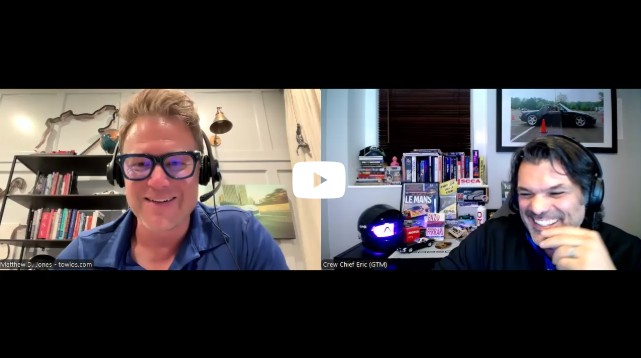
All of our BEHIND THE SCENES (BTS) Break/Fix episodes are raw and unedited, and expressly shared with the permission and consent of our guests.
Consider becoming a GTM Patreon Supporter and get behind the scenes content and schwag!
Do you like what you've seen, heard and read? - Don't forget, GTM is fueled by volunteers and remains a no-annual-fee organization, but we still need help to pay to keep the lights on... For as little as $2.50/month you can help us keep the momentum going so we can continue to record, write, edit and broadcast your favorite content. Support GTM today! or make a One Time Donation.

If you enjoyed this episode, please go to Apple Podcasts and leave us a review. That would help us beat the algorithms and help spread the enthusiasm to others by way of Break/Fix and GTM. Subscribe to Break/Fix using your favorite Podcast App:
Learn More
Create a new account on Towlos, use our promo code FIX15 to receive 15% off your first rental. |
If you’d like to learn more about how towlos is transforming the way people rent and share trailers, visit towlos.com or follow @towlos on social media for the latest updates and stories from the community.
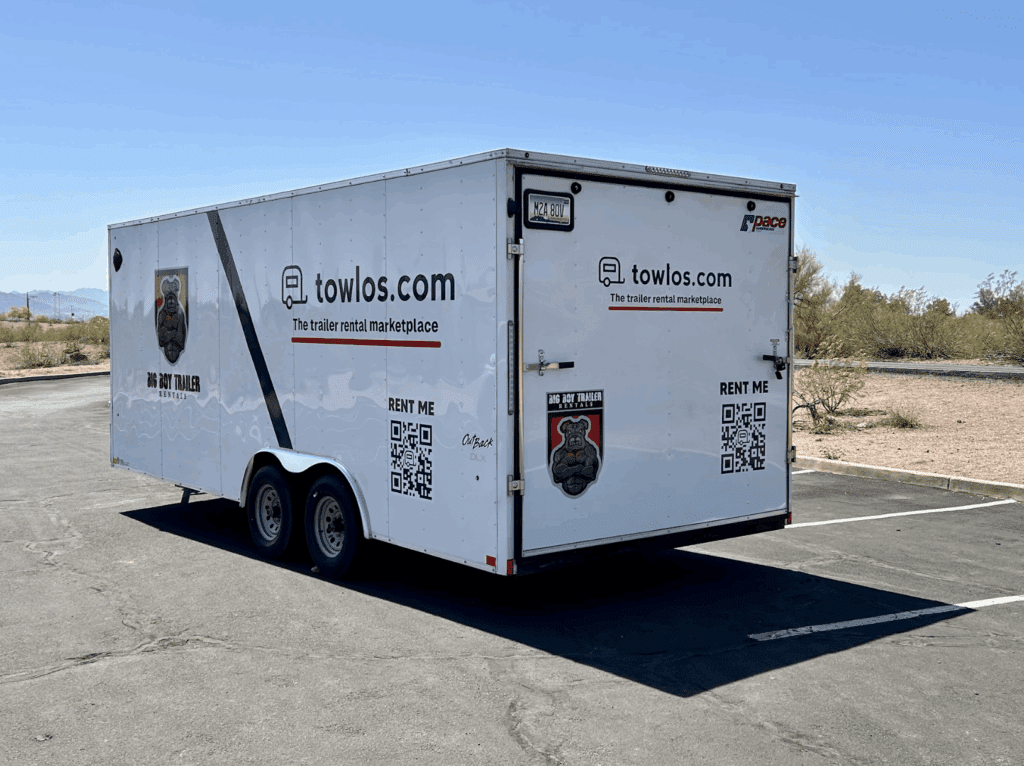
Seeing an unmet need, Matt envisioned a platform where underutilized trailers – idle 90% of the time – could generate income for owners while giving racers and enthusiasts affordable access. Thus, Towlos was born. The name, a made-up word, was intentionally short, two syllables, and domain-friendly – allowing Matt to define its meaning from scratch.
Like Turo, Towlos connects renters with hosts. Users search by city, state, and trailer type – whether enclosed, horse, boat, or dump – and filter results to find the right fit. Hosts vet renters with key questions about towing experience, vehicle compatibility, and cargo weight. It’s a system built on trust, transparency, and community.
Matt’s pivot wasn’t overnight. After 14 years of medical training and 10 years in orthopedic surgery, burnout and bureaucracy pushed him to seek new intellectual outlets. Building Towlos required assembling a team – developers, designers, and eventually a co-founder – while benchmarking against platforms like Outdoorsy and RVShare.
Insurance proved the biggest hurdle. Trailers are assets, and owners want protection. Towlos currently uses a tiered safety system: clear terms of service, renter ID and insurance verification, refundable security deposits, and optional host policies. Integrated insurance is on the horizon, alongside innovations like GPS tracking and “Towlos Verified” inspections to gamify maintenance and reliability.
Matt’s story is proof that passion can fuel reinvention. From orthopedic surgery to motorsports entrepreneurship, he’s built a platform that empowers enthusiasts while modernizing an overlooked industry. For racers, hobbyists, and haulers alike, Towlos offers freedom, flexibility, and peace of mind.
As Matt puts it, “We think of ourselves as U-Haul for the 21st century.” And with every trailer that rolls out under the Towlos banner, he’s paving a new road for motorsports culture – one rental at a time.
This content has been brought to you in-part by sponsorship through...