
Home Blog Page 35

Driven to Protect: Jim Kruse on the Art of Insuring Automotive Passion

Indianapolis may be known as the Crossroads of America, but for Jim Kruse, it’s also the intersection of passion, profession, and pre-war horsepower. On this episode of the Break/Fix podcast, we sit down with the vice president of Classic Auto Insurance to trace his journey from riding in a 1908 Brush as a kid to helping collectors protect their prized possessions today.

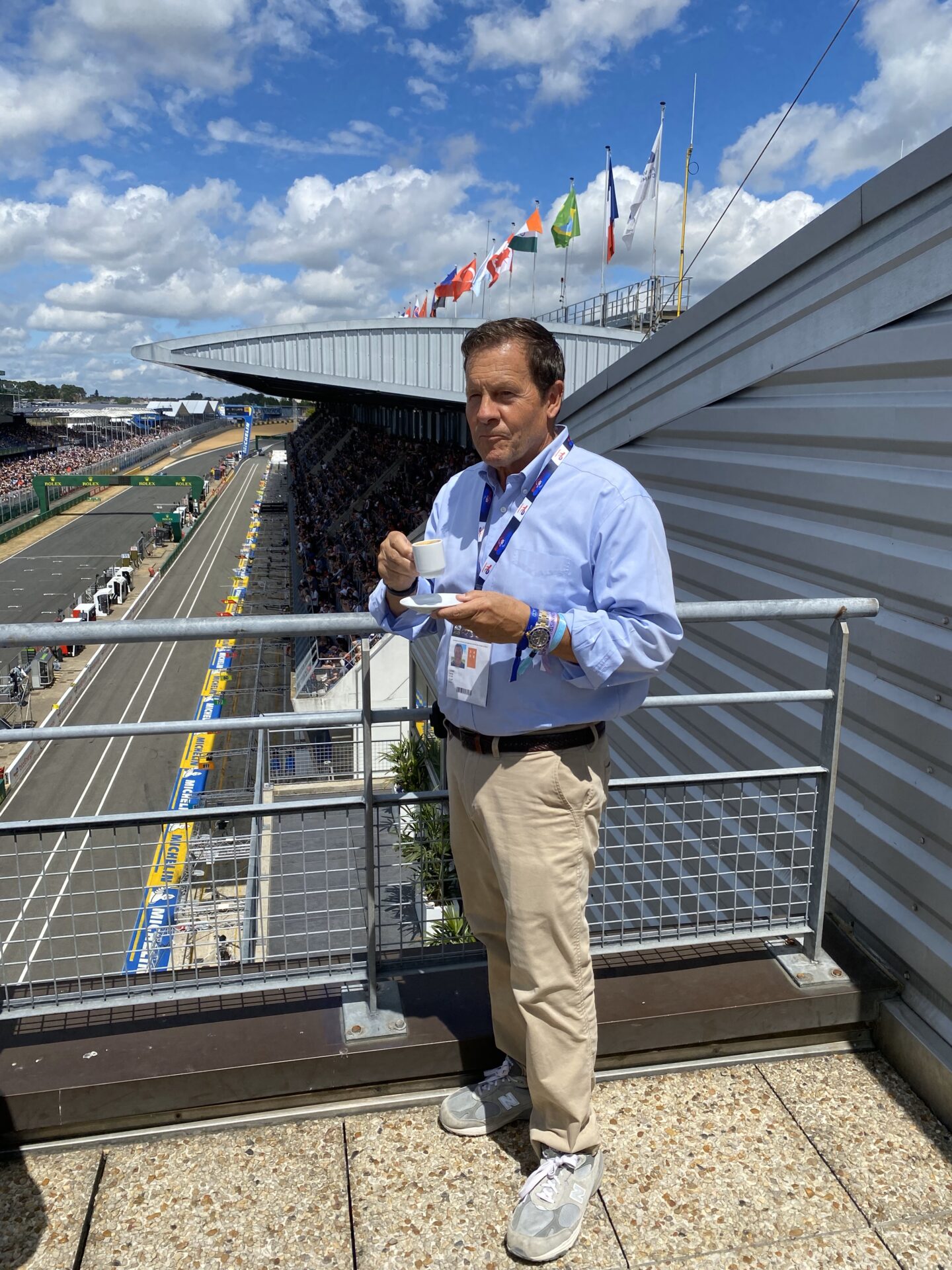
Photo courtesy Classic Auto Insurance

Jim’s petrolhead origin story reads like a dream for vintage car lovers. Raised in a family that restored pre-1915 vehicles, his earliest memories involve riding in his mom’s lap in a 1908 Brush and tinkering with Whizzer motorbikes before graduating to Indian motorcycles and eventually a 1913 Renault AX – his honeymoon car, no less.

“I’ve always enjoyed cars that there aren’t a million experts on,” Jim says. His collection includes a 1908 Cezar Naldin Grand Prix racer, a one-cylinder oddity that sparks curiosity and deflects criticism with a simple retort: “What does yours look like?”

Tune in everywhere you stream, download or listen!

Listen on Apple
Listen on YouTube
Listen on Spotify

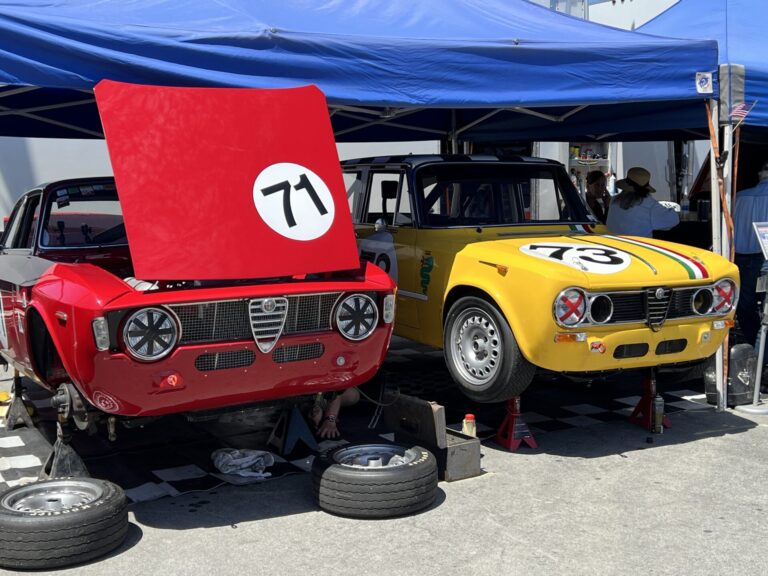
Jim’s professional journey is as serendipitous as his personal one. While working at a BMW dealership during college, he sold a car to the CEO of K&K Insurance – yes, the same K&K that sponsored the legendary #71 Dodge Daytona. That sale turned into a job offer, and Jim dove headfirst into motorsports insurance, covering everything from IndyCar to offshore powerboats.

Fast forward 30 years, and Jim now helps lead Classic Auto Insurance, a family-run agency in Indianapolis that specializes in collector and classic car coverage. Their secret sauce? Concierge underwriters who are hobbyists themselves, making the process personal, knowledgeable, and refreshingly straightforward.

Spotlight

Synopsis

In this episode, sponsored by Garage Style Magazine, the focus is on Jim Kruse, Vice President of Classic Auto Insurance. Jim shares his journey from growing up in a family passionate about restoring pre-1915 cars to his career in automotive insurance. He discusses the unique aspects of classic car insurance, including predetermined valuations and lower premiums, along with the importance of documentation and estate planning for automotive collections. Kruse also introduces ‘CARnection Advisors,’ a service dedicated to helping car enthusiasts organize and plan the future of their collections, ensuring that the legacy they built is preserved and passed on smoothly. The conversation covers various aspects of classic car ownership, insurance nuances, and the significance of maintaining detailed documentation to maximize the value and enjoyment of classic cars.

  • Classic Auto Insurance has been around for over 25 years; how and why did it get started. And how did you get involved in the insurance business?
  • How does Classic Car insurance differ from regular car insurance?
    • Are these a declared value plan? If so, are appraisals required? Or is there a minimum value before that kicks in as well?
    • We’ve heard that there are different types of classic and collector car insurance in the sense that some care and others don’t how much the vehicle is driven. How are your plans structured?
    • Who underwrites all the policies for CAI? Do you underwrite your own policies or is a 3rd party involved. 
    • What does classic car insurance cost compared to regular insurance?
    • Are there provisions for classic car insurance? Meaning… limits on mileage, use, are the vehicles covered while at a car show, what about on a road rally or tour? or on the trailer/in-transit?
  • Does the insurance cover vintage race cars? Or will they also need Track Day insurance?
  • One of the other ventures you’re involved in is called CARnection – let’s talk about its genesis, how it relates to Classic Car insurance, etc. What is CARnection all about?

Transcript

Crew Chief Brad: [00:00:00] BreakFix podcast is all about capturing the living history of people from all over the autosphere, from wrench turners and racers to artists, authors, designers, and everything in between. Our goal is to inspire a new generation of petrolheads that wonder. How did they get that job or become that person?

The road to success is paved by all of us, because everyone has a story.

Crew Chief Eric: The following episode is brought to us in part by Garage Style Magazine. Since 2007, Garage Style Magazine has been the definitive source for car collectors, continually delivering information about automobilia, petroleana, and more.

To learn more about the annual publication and its new website, be sure to follow them on social media at Garage Style Magazine or log on to www. garagestylemagazine. com. Because after all, what doesn’t belong in your garage?

Indianapolis, Indiana is [00:01:00] home to a great many automobile lovers. Known as the crossroads of America, the city rumbles at the heart of four interstate highways and six US highways. It’s where the Indianapolis Motor Speedway hosts the most attended single day sporting event in the world. The Indianapolis 500!

Don Weberg: Yeah, um, I hate to interrupt your monologue, but… Indianapolis is also home to Classic Automobile Insurance Agency, a family business built on a love of classic cars that drives truly inspired service for collector and classic car enthusiasts.

Crew Chief Eric: You’re absolutely right, Don. And that’s why we have Jim Kruse, the vice president of Classic Auto Insurance, on with us tonight.

So let’s welcome him to the show and talk about protecting your pride and joy. So welcome to Brake Fix.

Jim Kruse: Thank you. Thanks for having me. Happy to be here.

Crew Chief Eric: Like all good Brake Fix stories, tell us about your petrolhead origin story. The who, the what, the where, the when of Jim Cruisey. How did you come up through the hobby?

Was it by way of your family or was there a vehicle that caught your attention as a kid? [00:02:00]

Jim Kruse: I’m probably one of the luckiest guys in the world when it comes to the car hobby because I was able to not only grow up through the hobby. But I’ve made it my vocation for the last 30 years. My father restores cars and specializing in pre 1915 cars.

My earliest memories were riding in my mom’s lap in our 1908 brush when I was, you know, nine or 10 years old. But before I could drive, they started me with bicycles. So I was into early turn of the century bicycles, and then I was old enough to add motors. We jumped up to Whizzer motorbikes. When I was able to get a driver’s license, they jumped into Indian motorcycles, had an Indian, an emblem with two wheels.

Then I had figured out that it’s hard to take a date with you on a motorcycle. So then we jumped into cars with my father through our restoration shop. We restored a 1913 Renault together, a little two cylinder model AX. Which ended up being my honeymoon car with my wife. Actually, we did a week long rally in it.

So I’m in it by pure family. And my heart has always been with turn of the [00:03:00] century pre 1915 cars, which is unusual for anybody who isn’t taking social security. It’s more of a, an era that you see, you know, the older folks that like it, but I always have enjoyed cars that. You know, there aren’t a million experts on, I’ve got a 1908 Cesar Nalden, which is a one cylinder Grand Prix racing car.

There’s only just a few left in the world. And so when people start pointing out what’s wrong with it, my first question is, what does yours look like? And obviously they don’t know. So that’s always been my, uh, fall back on having cars that most people haven’t seen before. So I came up through it naturally and restored quite a few cars and very lucky to fall into the business side of it with the insurance angle, you know, 30 years ago when I graduated from college, it’s been a lot of fun to say the least not a lot of nice people.

Crew Chief Eric: So back in the green room, you mentioned you had to take the Lamborghini poster down off the wall that you had since you were 11. So it sounds like you might like some modern cars too. So let’s talk about that poster on your bedroom wall.

Jim Kruse: I’m a true car fan, [00:04:00] which is what’s great about the car hobby is, is that if you like cars, you like all cars.

Some of you like more than others. You know, you can’t say which is your favorite kid, but we all know we have one and cars are very similar. My newest collector car. I drove in high school was a 69 SS Camaro 396. That was my daily driver back then, but all the way up through today, I’m a huge Corvette fan.

The new C8 is just an amazing automobile. Lambo’s never owned one. My wife wouldn’t let me have one, even if I could have one, she knows me better than I do, so she keeps me honest by not letting me have it, but now really all cars. That’s what’s great about the industry and the hobby. If you like them, you like them all.

And then the best part is the people that come along with them because we all know what a Corvette owner’s like or a BMW owner, a Porsche owner. The stereotypes are true and that’s what makes it fantastic. Just absolutely love it. Just love it.

Crew Chief Eric: So for petrolheads of a certain age, there’s two different Lamborghinis that could have been on your wall.

You’re either in the Miura camp or a Countach kid.

Jim Kruse: Countach, 84. So that

Crew Chief Eric: begs the question, sexiest [00:05:00] car of all time.

Jim Kruse: See, I fall back into the classic era and I’d have to go with a teardropped Bugatti Type 57. That’s where my heart falls back in the custom era. I mean, I’m a big street rod fan too. In my world, the high point of street riding was 1930s.

where they were taking chassis and you could build anything you want. You took it to your custom bodybuilder, like making a dress, and they would do it for you. That’s the epitome of custom cars. And so I, any European car from the 1930s, custom body, Pininfarina, whatever it might be, it’s just absolutely fantastic.

Crew Chief Eric: And the opposite of that, something you go, eh, not so much. Or ugliest car of all time.

Jim Kruse: That’s actually a tough one. I’ve never been asked that question before. Well, I can tell you my least favorite that I’ve ridden in. How about that? I was in Sofia, Bulgaria in 1993, and we were driving to Cappellari, Bulgaria.

We had to take a Trabant. Are you familiar with those? Yes. As we were leaving Sofia, there was a checkpoint. We had to show them your [00:06:00] ID. Something we’re not familiar with in the U. S., but there you had to. I swear the guys at the checkpoint, because I knew my friend that was with me, we were both Americans with our two drivers.

They almost felt sorry for us that we were in this car. You could just see it in their eyes, but that was probably my least favorite car I’ve ever ridden in. Let’s put it that way. It was about four hours of agony in a two cycle Trabant. We’ll talk about the Turkish toilets we had to use later along the way, but that’s a whole nother story.

Probably my least favorite is that.

Crew Chief Eric: I mean, there’s nothing worse than a bad fiat that you make, even more terrible.

Jim Kruse: And they did. They did. But if you didn’t know any different, that was the best they had. You know, better than a horse. Let’s put it that way. I’d rather be in that than a horse. So.

Don Weberg: Classic auto insurance has been around for 25 years.

Yeah. How did it get started and how did you get involved in the insurance business? It sounds like it just came naturally from your family, the restoration shop, etc. It just sounds like it’s in the DNA.

Jim Kruse: Yeah, it is. And in fact, I was fortunate that My father, before he was able to quit, he was a service manager for a BMW [00:07:00] dealership in Fort Wayne, Indiana.

I worked my way through college as first a car jockey on the lot, because it was cool driving other people’s BMWs. And then into the sales portion, I was given great advice at one point. Cause when I was in college, I went to Purdue university. I didn’t know what I wanted to do. And the F& I sales manager, when I was just moving cars around the lot, and I was having a conversation one day, said, if you want to get a job, hang out where people who hire people are.

And in that case, it was at selling BMWs. Who buys BMWs? But people who own businesses. The year that I was graduating from college. I actually sold and delivered a BMW to the CEO of a local insurance company, which happened to be K and K insurance. And for anybody out there that’s familiar with K and K, goes back to the old racing days, the number 71 Dodge Daytona, historical name in the motorsports industry.

Basically at delivery, I asked, I told him I was graduating from college and I needed a job. And I started there about three days later. That’s a true story, but I had no clue what I wanted to do. Never thought about going to the insurance [00:08:00] industry, but I was a car guy. Got into it from that perspective, was in the collector car portion, worked in the motorsports area for insurance, which involved IndyCar.

Offshore powerboat racing, anything with a motor, let’s put it that way. We insured. Again, that was my start 30 years ago. And since then been through a couple iterations of my own companies, which I’ve sold. And then the most recent company, Classic Auto there in Indianapolis, Dan and Drew, the father and son owners of the company I’ve known for going on 20 years needed something to do.

And they needed somebody to come in and kind of shepherd them to the next stage of the company. It’s worked out perfectly. It’s a great family business, heart of the country in Indianapolis. car capital of the world as far as I’m concerned. It’s a great opportunity for everybody involved.

Crew Chief Eric: So let’s dig in a little deeper.

But for those of us that are learning about classic car insurance for the first time, we got to start with the basics. So let’s answer the most obvious question for our audience. How does classic car insurance differ from regular car insurance?

Jim Kruse: Yeah, so [00:09:00] several ways. First, everybody always dives right to the valuation.

If you’ve been involved in an auto accident, I’m sorry to hear that, but it happens, there’s always a question as far as what the car is going to be valued at at the time of loss. Either a partial loss where you’re forced to go to a repair shop that the insurance company dictates, or a total loss where all of a sudden you find out that you owed way more on the car than they’re going to pay you for it.

There’s always a big question at settlement time. The biggest difference is here with classic collector car insurance like we offer. That’s predetermined up front. So in the event of a total loss, let’s just say a fire, you know, immediately how much you’re going to be paid. It’s 50, 000, whatever the number might be.

There’s no question at that point. In the event of a partial loss, it’s equally as easy. Most people have a good idea of where they want to take the car for repair. The guy who restored the car or somebody that they know it’s up to their choice where they want to take it, which makes it very easy for the client [00:10:00] at that point also makes it easy for the insurance company because they’re not trying to hunt down or scout down a company in the area or whatever it might be.

So that’s really the biggest difference. Is that side? Beyond that, auto insurance is one of the most heavily regulated insurances there are in the world. A lot of the coverages are mandated by the state, no liability, which pays if you hit somebody else. There’s coverage like uninsured motorist coverage, because yeah, you can get hit by some with no coverage.

All that stuff’s mandated. And then there’s always little bells and whistles that companies put in towing and labor, things like that on top of it. The biggest thing is the valuation. And then maybe the second most important thing is the price because our cards are driven very little. The premiums are significantly less.

So typically. Maybe half to 60 percent less than a normal auto policy, but that’s taking into consideration that you’re not driving into work every day. I mean, it’s not what we typically do with our collector cars.

Crew Chief Eric: You mentioned that there are declared value policies, but how do you come up with that declared value?

Jim Kruse: Yeah.

Crew Chief Eric: We’ve talked with [00:11:00] track day insurance companies before. We’ll touch more on that later valuations. So in this case with class and collector card, does it require an appraisal or does the owner come to the table and say, this is what I think the car is worth. Plus all the receipts I have, how do you put together that to clear value?

Jim Kruse: All of our underwriters, we call them concierge underwriters at our company. Everybody is highly involved in the car hobby. So let’s start there. Not very. Typical that someone will present a vehicle that we’re not familiar with from evaluation perspective. We don’t use guidebooks auction results. If there’s something very specific that someone wants to compare their car to, you know, bring a trailer right now.

I mean, they’re selling more cars than anybody. And that is, it’s incredible. The real time data that you can get on there, just searching their results. But normally that’s how it is. Our company, we don’t require appraisals. And in fact, the only time that we would is if the value of the car is based off the authenticity, i.

e. matching numbers for a Hemi Barracuda convertible, you know, they made what [00:12:00] 11 of them. There’s a big difference between. Just a stock crate motor and a 318 and a Hemi that’s original. So we might want some additional documentation there. If somebody wants 2 million for a car, but that is very, very unusual.

95 percent of the cars that we see are ones that we’re pretty familiar with. So it makes it very easy, no additional costs for the customer. But again, that’s just for us. I do tell people though, appraisals are incredibly valuable from an estate perspective. If you’re leaving them to your kids or whatever it happens to be, if there’s an estate, it’s going to get dolled out someday.

It’s good to have an updated appraisal just so there’s no question as far as that goes. We see that a lot. When there isn’t an appraisal, people will ask what the car was insured for and that all of a sudden sometimes become the legal amount. In valuing estates and how things get broken up amongst families, but that’s not the best way to do it.

To be honest with you. That’s what we look at as far as like on track physical damage. Not sure you’re talking there. They see a lot more partial losses hitting the wall, things like that. They might require a little more [00:13:00] if somebody’s got a rear end that’s wearing out in their Porsche. Okay, you’re not going to get a brand new one if the old ones wore out.

One of those kinds of things. Back in the day, we actually wrote policies for IndyCar on track when they first split off from CART. And that was a big issue, trying to figure out somebody touches the wall. They want a whole new everything. Well, no. You still got parts that you can use again. That’s a difficult thing to adjust, actually, the on track physical damage.

So I’m sure they’ve got different requirements than we do. But for us, normal road going cars, not an issue, not a problem at all.

Crew Chief Eric: You mentioned you have these concierge underwriters. Does that imply that Classic Car Insurance underwrites their own policies, or are you using a third party provider?

Jim Kruse: We are an agent for American Modern Home Insurance.

That is our main company that we use. We have others that we do for policies that don’t fit with what their profile is. We basically act as the insurance company from an underwriting perspective, but we don’t pay the claims. So they’ve got an incredible claims [00:14:00] department. When I say concierge, I mean the person that you’re talking to on the phone can manage the entire process.

There’s no, let me go talk to my manager. You want too much for your car. Got to get a second opinion. It makes it very easy for the process and also makes the client comfortable that the person they’re talking to understands what they’re doing. No one wants to call somebody and thinks that they’re talking to somebody that’s the decision maker only to find out 20 minutes in the conversation that, Oh, hold on.

I can’t help you. It’s above my pay grade. I got to go talk to somebody else and separates us from a lot of companies out there. The person you start the conversation is the one you’re going to end the conversation with and probably be a friend going forward. I mean, we have got clients that have been on the books for 20 plus years and they’re still talking to the same person, which is kind of nice.

How do you define a classic car? There’s official designations. The Classic Car Club of America has their definition, but from our perspective, as far as what’s insurable, kind of the generic way to look at it is the car has to be worth more [00:15:00] than just the transportation that it is. A new Chrysler Pacifica minivans worth 25, 000.

But it’s utilitarian, a new Porsche, it’s worth more as a Porsche and having fun with it as it is just a driver to go back and forth to work. So in our world, if it has more value than just utilitarian mode, it’s a collector, which means it qualifies for our program. A lot of states, it says that car has to be at least 25 years old to get a classic plate, things like that.

But that’s not what we, we look at here. We really look at whether the car has some intrinsic value beyond just driving it every day. And that’s actually a lot of cars now. It’s incredible how many newer cars. Uh, just straight up hot, cool collector cars right off the line. And people are treating them as such too.

Don Weberg: Got a lot of cars coming in to maturity from the nineties, even the earlier part of the new millennium. I mean, I got to tell you, I’ve got friends all over Facebook who are generally younger than me. And it’s really interesting, the cars that are turning them on. I mean, they’re literally looking at minivans.

It’s in the nineties and the eighties that they are, they’re just blowing their [00:16:00] minds. And I always kind of think, yeah, they were kind of cool. We overlooked them. Cause as you say, they’re just utilitarian. They’re the mom mobile to get us to school, to soccer, et cetera. That’s all those cars did. But now the survivors that are still with us that are in nice shape, that is pretty impressive.

You look back at some of the APVs that General Motors produced and you know, they have that dustbuster shape, which really, it does give them a unique image and look at pickups for crying out loud.

Jim Kruse: Oh my gosh.

Don Weberg: They have always had a strong point in, you know, the heart of collectors, but now it seems even more than ever.

Jim Kruse: Did you see any of the numbers from the most recent Barrett Jackson auction? 1990 pickup trucks that are going 100, 000 plus. I would believe it. It’s a different marketplace than I think any of us would have predicted, but none of them survived. I mean, you use pickup trucks, so you threw them away, right?

And so you get a good quality pickup truck. And actually one of the cars that we have in our collection at Classic is a beautiful white C10. We just had that down at a show in Nashville for the C10 Nationals down [00:17:00] there. Beautiful truck. But yeah, very unusual to see things like that. But you’re right about the cars that folks are collecting now.

When was the last time you saw a nice 84 Plymouth minivan? Like never. Right. That was first year Ford. It is unusual to see those cars at events and there is interest in them because historically that changed the world. 84 Plymouth minivan. That was a complete game changer. That was the model T of 1908 in 1984 when they put that on the road.

One quick story there at that time, my dad, I said, he’s a service manager. It’s a Chrysler Plymouth BMW dealership. I’ll never forget one day I was sweeping the floors and all the mechanics came in and we’re looking at this 84 Plymouth. 2. 2 turbo minivan. It was a five speed. Plymouth never made a five speed minivan.

No one could figure out how this car made it to the street, and she said she just bought it at a used car lot, and all we could figure was is that it was one of those cars that escaped from the factory [00:18:00] somehow. Somewhere on this planet, there’s a five speed 2. 2 turbo minivan.

Crew Chief Eric: It belonged to Wally Swift.

Jim Kruse: Do you know the car? I mean…

Crew Chief Eric: And with their stories of it. And we had a member who recently passed away who actually drove that minivan. And he talks about, guess what Wally gave me for the weekend because he worked in Chrysler’s motor sport division. He’s the one that brought me on to SCCA.

Jim Kruse: Okay. So this is a very cool story then.

I mean, this is an absolute fact that car was in Fort Wayne, Indiana at point set Chrysler Plymouth. And everybody’s looking at it saying they never built that car. I’ll

Don Weberg: build on both your stories. And I don’t know if we’re all talking about the same car. It has to be. But what you’re describing was up for sale about a year ago.

Okay. One of those online, but I can’t remember if it was a Plymouth or a Dodge. I really can’t remember that. But I do remember reading the ad thinking, my God, I’ve got a manual transmission. I don’t know that I’d ever seen one with it. They always have the seven. Well, the little front wheel drive automatic.

I didn’t know that I’d ever made one. And then. That buddy I was telling you about, who’s looking at the APVs, he [00:19:00] sends me one through text message and says, check this out. It’s a manual transmission. You know, Eric, I don’t know if that’s the same one you’re talking about. And to your point, are we all talking about one or are there a few little unicorns out there running around?

Jim Kruse: I can

Don Weberg: remember

Jim Kruse: cause in an 84 I would have been. But a freshman sophomore in high school, I can remember back then, let’s face it in a new car dealership, there wasn’t anything that was really all that much interesting and they have mechanics all huddle around a minivan of all things. And it was like a silver blue.

It was a light blue color, no wood grain. So it wasn’t like the grand caravan or anything or the grand Voyager. That’s what they said back then. Now, as soon as you say, it’s the only one. There’ll be 50 that come out. I realize how this works, but in my mind, as far as I was concerned, these guys had seen everything that was it.

Interesting story, small world on this thing. I’m glad to hear it might be still around.

Crew Chief Eric: You always wonder where this stuff ends up. So the punchline on this is through classic auto insurance, there’s really no limit to what could be considered.

Jim Kruse: Oh, yeah.

Crew Chief Eric: A classic or [00:20:00] collector car. So it doesn’t have to be low volume Hispano Suiza or something like that.

Something super rare. It could be, as long as you can find a way to insure it, it can be insured under one of your guys classic and collector policies.

Jim Kruse: Oh, yeah, absolutely. And in fact, go back to the truck things. They made millions of trucks. There’s hardly any left. So as far as production goes, rarity does not equal value.

That’s a sad fact for a lot of people that they assume it’s one of one. So it must be worth a lot of money. Nope, not necessarily. It only means they hated it back then too. That’s true. Normally, if there’s not many of something, it wasn’t a good car to begin with. That’s all there is to it. And I will throw.

50s Ferraris and all those cars in there with all those carburetors that never match up. I mean, they’re beautiful. That’s why they gave you a toolbox with the car when you bought it because you needed to have it. But no, you’re right. Pretty much any car, especially depending on how the people keep it and protect it.

I mean, let’s face it, AACA now they’ve got 20 year old cars now that are showing up at their shows that are part of the car show. Again, I’m not saying that they’re for me, [00:21:00] but I think it’s fabulous that there’s entry points really at any level for anyone to get involved with the car hobby. Sometimes we get accused of being car snobs looking down our nose, other people have, and I think that’s a shame because the love of cars is the love of cars, whether it’s a 10, 000 car or a 10 million car, most of them go down the road.

Equally as well, and everybody’s having just as much fun when you’re sitting on the seat.

Crew Chief Eric: See, that’s exciting news for all the Aztec owners out there that can now claim their cars as collectors. That’s all I’m going to say.

Jim Kruse: And if you own an Aztec, you’re going to have to own a Cybertruck. I mean, that’s all there is to it.

You’re going to have compatriots in pain. As you have those two cars in your garage, but you got to have the whole tent kit for the Aztec. You got to have the whole camping portion for that. You’re not really in the game otherwise. So,

Crew Chief Eric: well, I’m happy to hear that there isn’t an age minimum. There isn’t a brand specific thing that you have to jump through all these hoops to get these cars.

That’s a very open policy. So that begs the question then, is there some sort of limitation [00:22:00] that classic and collector owners are up against when they register their vehicles with classic auto insurance?

Jim Kruse: Yeah, there is. If you’re going to drive your car every day, that’s not what we do. Rates are not set up for that 8 o’clock in the morning traffic.

Sadly, and this breaks my heart, I learned to drive in a 1927 Model T. That was the first car I ever drove in our side yard of our house. If you’re a young driver, 15, 16 years old, it’s incredibly difficult to get insurance. It’s just the way that it goes. All of us have kind of Gone through that pain until legal in our world, which some companies it’s five years experience.

Some companies it’s 10. I’ve always told people with that, that if you’re young and you’re a car person, don’t screw up because it’ll just make it that much more difficult for you when you do want to join the hobby officially. But believe it or not, from a car perspective. As long as you’re not driving it every day, we really like and prefer that cars be kept in a fully enclosed lot garage, which typically isn’t a problem for a collector cars.

I mean, it’s funny. You’ll see the old car in the garage and the new car in the driveway. So that’s [00:23:00] kind of the way the world works where, you know, they’re more concerned about their old stuff than their new stuff that really defines a collector. They want to protect them and take care of them. Mileage wise, I mean, most people don’t drive the cars more than a couple of 3000 miles a year.

If they drive more than that. That can be accommodated. I was fortunate enough to take a 1910 Oldsmobile on a three week, 3, 000 mile rally, which under most circumstances would be way more than that car would ever be driven in a year, and we did it in three weeks. There are circumstances where people are going to drive more, but we can accommodate that kind of stuff.

Not a big deal.

Crew Chief Eric: Not every state is the same way, but here in the DMV, we have historic titles. When we convert the cars over to collector status, to that point, there is a minimum number of years. Sometimes it’s 20, sometimes it’s 25 in Virginia. Antiques have to be 50, you know, things like that. Does your policy require what we would call here a brown title or a historic title to make sure that it’s not a car that’s driven every day?

Because the stipulation with those titles, if they’re not daily drivers, they’re [00:24:00] not insured the same way.

Jim Kruse: Believe it or not, in some states, there’s actually requirements that you like keep a log book of your miles. If you have a historic plate. I’ve never known anyone to have pull that out and show a stopping officer in theory, they could know our policy doesn’t require that some states in order for you to get a collector plate, they do require you to show collector car insurance.

So it’ll say right on the ID card when you hand it to him. So you’re right. Every state is different myself. I’ve never had historic plates on a car. I’m a bit of a conspiracist from the standpoint that someday when they say that our old cars. admit too much smoke and things. It’ll be very easy to just pull up all the historic plates and say, we’re taking these cars off the road.

So I kind of think that if I’ve got a normal license plate, it’s going to make it difficult for them to say, get that car off the road. But that’s just me. That’s just my weirdness of the world. So, but beyond that, yeah, there are state differences as far as licensing goes.

Crew Chief Eric: So I remember back 914, they required [00:25:00] him to log his miles.

Every year to keep the policy going is the same true with classic auto insurance, or do you have a different mechanism?

Jim Kruse: No, not required for us. And again, there’s going to be individual differences between the agencies and the companies that are out there that offer these things. And that’s why, you know, we always tell people.

Write down the top three or four things that are most important to you. And those are the questions that you want to ask when you call whoever you’re calling. The dirty little secret is there aren’t that many of us. There’s only a handful, maybe half a dozen companies like us that are out there. So you’re not going to spend weeks calling around, but just whatever’s important to you.

If you are going to drive, let’s say 10, 000 miles a year, you’re going to want to find a company that says that’s not a problem. We can do that for you. And there’s companies out there that can do that. Most people don’t. Little differences here and there. For sure.

Don Weberg: Can you kind of walk us through a claims process?

What happened? My car just got whacked. What do I do?

Jim Kruse: And this is just good advice, whether we’re talking classic or just standard auto. The biggest thing is everybody’s got cameras now on their phones. Take pictures, [00:26:00] document things, take a lot of pictures. Can’t hurt. You know, in the old days, you had to go back after the facts and they try to guess how things happened.

Like any accident, make sure you get everybody’s information. From that point going forward, you can drive the car home. Great. If you can’t, you get it towed. Most people in our situations, they have the cars towed home. They don’t have them taken to a lot. You know, if it’s a newer car, a lot of times they’ll take it to just a wrecking lot next to a tow yard.

And from that point forward, depending on the severity, it’s just a matter of one finding a shop. If you don’t know of a shop, and that certainly can happen depending where you’re at, you buy a car at an auction. It might be your first collector car. You don’t know anybody. We absolutely can get you in touch with.

an expert in that field. What you want to avoid from a claims perspective is working with a company that are just sheet metal hangers. And that’s really what bump shops are today, a body shop. There’s no letting, there’s no filling, there’s nothing. They hang sheet metal on and that’s it. We make sure that people that you go to that they’re familiar with what it takes [00:27:00] to bang out a fender.

I mean, an English wheel, there’s skill sets for certain cars that you have to have. Fortunately, one of the nice things about these programs are, and this relates back to the lower premiums, claims, they don’t happen that often. And when they do, typically they’re not that severe. It does happen. We all know stories.

There’s plenty of pictures on the internet and videos of having issues, but generally the claims. They’re infrequent compared to standard auto. The cars aren’t used that much. The biggest thing is documentation. If the car’s hurt, we can fix the car. It’s hard to fix people that are hurt. So it’s always good if there’s no injuries.

If there are, you treat it just like a normal accident. Go to the hospital, whatever you need to do. The claims are, I think, sometimes the easiest part of this whole process, believe it or not. It’s not a big deal to get managed.

Crew Chief Eric: So there’s always two sides to every claim, right? There’s the, I came out of the cars and coffee and just…

Took out a telephone pole with my Mustang, and then there’s the Mustang that hit you as it crossed traffic coming out of the cars and coffee. So the question [00:28:00] becomes, we know our standard insurance policies have that personal injury protection or the PIP. There’s the liability, there’s the other thing, so does the classic auto insurance operate the same way or does it only cover the car?

Jim Kruse: Yep, and you’re in Maryland, so you’ve got personal injury protection, that’s why you know that. A lot of your listeners that are listening right now have no clue what you’re talking about because it’s medical payments in other states, but you’re exactly right. When I said what makes collector card insurance different, and when I talked about the agreed value of the policy, everything else is pretty much dictated by the state, what ends up happening is, and at least for us is that when we have a new client come on board, we match all those coverages, your PIP coverage, your liability with their standard autos.

So it’s exactly the same coverage as everything else they have. The other reason why that’s important is, is that if someone has an umbrella policy or an excess policy, in other words, a policy that goes over all of your insurance, our policy would be under that umbrella as well because the limits are the same.

A lot of companies will want you to give [00:29:00] them a copy of the policy. They can see it to make sure it’s a legitimate company that they’re going over, but we try to match that with the other policies. So it is identical. Coverage to what you would have on your standard auto,

Crew Chief Eric: let’s say here in the DMV where things are a little bit more expensive because we have extra riders on our policies.

What does the average cost look like? If you could just say maybe normalizing it for the country, let’s talk about a 70 challenger or a late sixties Mustang. What would that cost to cover for a year

Jim Kruse: from a valuation perspective? The biggest part of your premium is the value of the car. The liability is pretty inexpensive, really.

Because again, Odds are you don’t drive it that much. There’s not a big liability where you’re going to hit somebody else. So that’s pretty cheap. Most of our claims come from comprehensive claims, fire, theft, roof collapse in the winter in Minnesota from too much snow, like a 50, 000 Dodge Challenger, a Mustang.

You’re going to be in the 450 to 500 range

Crew Chief Eric: for the year.

Jim Kruse: Exactly. And you compare that to a new 50, 000 two [00:30:00] series BMW is going to be 1, 200, 1, 500 a year. I mean, it’s significantly less than a new car. And then you get all of the benefits associated with it that you don’t have with that. New BMW policy, meaning if your car catches on fire and burns up, we cut you a check for 50, 000 and you go out and buy another one.

That’s the peace of mind that you get with policies like ours.

Crew Chief Eric: Let’s just say your daily driver’s down and you have to use the collector card to scoot around in and you’re putting some excess miles on it. You did a couple of long distance car shows because you didn’t feel like towing it. And you go over, let’s say this high water mark that we’ve created, at least for this episode of 3, 000 miles, let’s say you do 4, 000 miles or 5, 000 miles in a year with the vehicle.

What happens if anything?

Jim Kruse: Really nothing. One thing I would say, if it turns out to be your backup vehicle. What’s going to happen this day and age, when you’re talking late model collector cars, now it’s not a big deal to have a, you know, a C5 Corvette be your backup for in the summer for a week, let’s say.

I can’t speak for everybody, but I can tell you, we do have [00:31:00] occasional use for things like that. We can actually endorse the policy to make sure that you’re covered. I would say for anybody listening, if you’re ever in that situation, I would call the company and tell them what you’re going to do. And they’ll work out a solution for you.

So there’s no question. What you don’t want to do is have a potential claim figure out afterwards. If you have coverage, I can tell you there’s coverage for exactly what you’re talking about. Let’s put it that way, but you’re gonna want to understand that policy was sold to you as a limited use collector car policy.

If your car’s in the shop, it starts out as a week, but then with supply chains. It’s three weeks and then, and then, and then very well could be an issue for you. More communications, the better. It’s very easy to reach out and just say, this is what I’m doing. We’ll document the file. You’ll be just fine. So, and also from a mileage perspective, we actually have 6, 000 unlimited mileage on our policy.

So you have people that do. We call them transcontinental rallies, coast to coast, Portland, Maine, Portland, Oregon, drive both ways. Not a [00:32:00] problem. You just need to be able to rate, or in other words, charge for that kind of an exposure. If we sell you a policy or if anybody sells you a policy with the understanding, you’re not going to use it that much.

And then it turns out, you know, you’re going to drive it 50, 000 miles. Well, that’s not what you paid for.

Don Weberg: Bottom line, if I’m hearing you correctly, is no matter what, if you’re going to start using that car a little more, call the insurance guy and say, Hey, this is what’s happening. How do we make sure my policy still covers me?

Jim Kruse: Absolutely. And anytime there’s a question that we all know, all of our customers know exactly what they said when they bought the policy. Give you another great example. Happens every April and May, prom time. I can’t be there for the prom, but my neighbor is going to drive my son and my daughter in my car for the prom.

Is that covered? Probably is. It’s best to then call the company and say, I’ve got another driver who’s going to drive my car for this event. Is it covered? Always better more communication than not. That’s just the gold rule. Have a conversation with somebody. That’ll work [00:33:00] out.

Crew Chief Eric: Having a bunch of cars myself, I’ve taken the route of, well, the car’s really not worth that much.

So I’ll just do liability only. Yep. In this case, it’s a trade off. I could actually get more probably pay less overall and have a better experience than just that liability only that I say, well, if somebody hits me, I’m just going to walk away from the car. I’ll build another one or we’ll get something else.

I guess is liability only an option in the classic car world as well, or it’s not, it’s just a more comprehensive plan altogether.

Jim Kruse: One, it really isn’t from the standpoint that most collectors are concerned about the physical damage. The first person that calls up and says, I don’t care about the car. I just want liability.

They probably don’t qualify as a collector because we all do. The old joke is when we used to have photographs in our wallets, which we don’t have anymore because we have phones, but if you ask for pictures of the guy’s kids, he doesn’t have them, but here’s my cars, right? That’s a collector. These policies are so inexpensive.

It doesn’t make any sense to shortchange yourself on the physical damage at all and just do a liability only policy. [00:34:00] It’s not like standard auto where your policy is 2, 000 a year. And now all of a sudden you got to make a choice, right? It’s not that way. It’s not that expensive.

Don Weberg: And actually, Jim, I’m one of your non collector collectors.

Back in California, we just recently moved here to Texas. We had normal liability coverage on all the cars except the daily drivers because they had payment behind them. And then we got that DeLorean. The financer. Was a classic car financer. That’s all they loan money on. And they insisted on having collector insurance.

And they gave me a choice. They said, you’re going to go with this company or this company. And that’s it. And when I thought, okay, well, what do I get now? You got to call them. Okay. So you’re forcing me to do business with one or the other. I got to do all the legwork on it, but I called them. I like Haggerty the best.

So we went with Haggerty. They were happy. I was blown away because here we were, we had, and I think it’s like what you said, I forget the exact amount, but it was like full coverage. Car gets whacked by one of those crazy Mustangs. Car blows up [00:35:00] driving down the road. Car just catches fire. And let’s face it, DeLoreans love catching fire for no reason.

They just cut me a check for the agreed value. That’s it. Car’s done. I’m done. I get a check. I walk away. I buy something else in California. And this is where that state thing comes in. All three of us are from different States and we have different rules we have to work within. In California, we actually could not afford all of the collector cars to be on a single Hagerty policy.

It was just too expensive. And the broker who was actually out of Florida of all places, the broker actually said, yeah, California has some very, very high rates because the way he put it was bottom line year around a lot of people all the time. So your chances of getting hit by an honest to God accident.

The guy did not see you. He bumped into you. You’ve got a stainless steel car, man. That thing is not cheap to fix, but let’s talk about the Mustang. Parts are coming off the shelf. You got parts everywhere for the Mustang. Yes. I have a Mustang, but I don’t have one of those Mustangs. I have a 65 Mustang. So I’m not one of those guys who’s going to pull out of cars and coffee.

But the bottom line was. We were a very litigious [00:36:00] state and I lived in Orange County over by Disneyland, which is considered one of the most litigious counties in California. This is all new to me. I born and raised there. I had no idea. I knew we all love to sue each other. We’re from California. That’s what we do.

It’s a hobby, but that was what pushed the insurance so high. So then we relocate to Texas. Cars are paid off, everything’s done, and we’re still status quo. We still have the Mustang, the Caprice, everything is still with. The Honda and the flex. So we get new insurance out here for the DeLorean. And the lady says, you have all these other cars.

Why don’t we go classic? And I said, well, how much does that going to cost? Unbelievable. I think for the DeLorean in California, and I’m stretching my long memory cells here, but I think we were paying right around 600 for a full year, full coverage on a DeLorean, we got here, all of the cars. On one collector policy, it was like 700 for all of them.

Full coverage, everything done. It was, it was beautiful. It really, really was.

Crew Chief Eric: So Jim, this brings up a really good point. Don mentioned it again, the declared value. Is there a minimum declared [00:37:00] value necessary to put a car on an insurance policy with collector auto insurance?

Jim Kruse: So technically there is, we’d like to stay at least 5, 000, but then you got parts cars and things.

I mean, this is where the conversation comes into play with the, with the concierge underwriters. Let them know what you’re doing. You might have two cars. You know, you talked about your 914, you might have your 914, you got a 914 parts car. So the 914 is worth 22, car might be worth 10, or 3, 000, whatever the number happens to be, right?

Those can both go on the same policy. They can. You just want to have a conversation. On these types of things for valuations, there truly isn’t anything written in stone. It’s a negotiation as far as things go. Don’s point there is exactly right. You move from Anaheim to Texas and the whole world changes as far as The liability side.

Now what he’s got in Texas, which he didn’t have in Anaheim, is hail storms, major rains, flooding. So no matter where you go, there’s issues. The difference is you can kind of protect your cars from [00:38:00] storms. It’s very difficult to protect them from crazy drivers in California. It’s just crowded. So yeah, there are differences in rates depending on where you are around the country, for sure.

Crew Chief Eric: We mentioned earlier that we’ve interviewed some track day insurance companies on this show before, and we definitely have an understanding of how they work and how they get applied in the claims process there and why and when you would purchase those track day insurance policies. So I’m starting to wonder though, there’s a subsection and an intersection between the classic car world and the motor sports world.

And you mentioned it at the top of the conversation. It’s the vintage and classic motor sports guys. So some of these old race cars are sitting in collections and whatnot, you know, maybe collecting dust or maybe getting fired up every now and again, just to run gas through the carburetors. But then there’s the guys that take them to the Monterey historics or take them to road Atlanta or different places, you know, with like, that.

Does the classic auto insurance policy cover them or do they need to also [00:39:00] purchase track day insurance on top of, and if something were to happen, how do you guys work together or not?

Jim Kruse: Any timed event, track event on a policy like ours is excluded. We don’t charge enough for it. I come from the world that if you can’t afford to fix it, you can’t afford to erase it.

That’s my background. That being said, it also makes people much quicker to remember there’s more than just the gas pedal to push if they’re paying for the damage. So I’ve always thought there’s a little bit of. Moral hazards here when you know that there’s a potential policy to fix the damage. That being said, there’s always significant deductibles to pay.

It’s not like you get away scot free. And I can’t tell you specifically because it’s not what we sell. HPD insurance. If you’re gonna go to a track event. Where it’s timed. I know there’s some gray areas when you talk about driving schools and a lot of them say that if there’s any passing that it doesn’t count as a driver school, there’s guys that have tried to get away with racing by calling it driver education and the companies are becoming a lot [00:40:00] smarter about those types of things.

It’s why today. I hate to say it, but there’s cars out there. You almost can’t get insurance for just because of the accidents that have been caused not all on tracks either, by the way on the road as well, but there’s high performance cars with people who just get out of their Honda and then go jump in their 400 horsepower rural drive, 1600 pound Cobra replica.

That’s a disaster waiting to happen. It just is. I mean, let’s talk about it this way to collector cars in general. It’s a niche of a niche because there’s a very small percentage of cars that are really collectors. 50 million cars on the road. There’s what, 10 million collector cars. So if you start talking about racing, Monterey Historics, everywhere you go, you pretty much see the same guys at every event.

SVRA, same guys going around the country. You got a few that do all the races and you got some regional guys. It’s a very small subset of the community. Anybody that’s doing that, they’ve got the fighter suits. They’re all the cars has to go through check. I’m not going to tell them anything here that they don’t already know as far as the coverage goes.

10 years ago, [00:41:00] very difficult to find. It’s much more common today. I’m still surprised that it is, but it is, you can buy it today.

Crew Chief Eric: So let’s just say I’ve got an old Triumph, you know, e prepared car. It’s collecting dust in my garage, even though it’s not road legal, that could be covered under classic car insurance.

I just want to make sure that that caveat is okay. As long as I’m not using it at a track day, I could be taking it to a show, something like that, where it’s basically static, it could be covered to protect it in case of an issue.

Jim Kruse: Absolutely. Hemmings did a story on one of my cars a few years ago. It’s up in the Auburn Core Duesenberg Museum right now.

It’s a 1938 Bowles dryer race car. It was that junk formula for IndyCar. It was right in between dirt and IndyCar. And it came out with a Spana Suiza engine. It’s got a dual overhead cam, Model B Ford in it right now. But that’s on a collector car policy right now. It’s my car, but I’m not racing it. But at the same time, I could still drive it if I wanted to.

But as long as I don’t take it on a dirt track. It’s no problem at all. So yes, we [00:42:00] have lots of race cars that are on policies. They just aren’t covered when they’re on the track.

Crew Chief Eric: Let’s unpack this a little bit more. There is a discipline inside of motorsports known as road rally used to be called Gymkhana, not the Ken Block Gymkhana that we’re all accustomed to today.

It’s an SCCA sanctioned. Quote unquote motor sport event, but it’s not timed. It’s more like touring and some of the things that the classic car guys do. If you’re at one of these Dominion Packard club or SCCA road rally or something like that, one of these sanctioned events, it’s not timed. Are you still covered

Jim Kruse: public roadway?

There’s no issue. My mom and dad did that in the fifties with a DKW of all things. I’ve never heard of a DKW before. One of the four rings of Audi. Yeah, that’s exactly right. That’s good. Yeah. Typically, that’s not an issue. Again, if there’s any question, I would always say, call your company real quick, send them an email, whatever you need to do and ask, but anything that’s on the road, if you’re breaking the road laws.

There’s a problem. Poker runs, things like that. That’s not an issue. [00:43:00] You’re just using the roads. Speed limits are the speed limits. That’s it. We potentially get in trouble is if it’s a timed event. Now, how many high school parking lots turn out to be an SCCA solo two type event? That’s a different thing.

And I would tell you the guys that are doing that, they pretty much understand how that works. If there’s a newbie coming along, it just doesn’t happen. People know.

Crew Chief Eric: I’ve seen it because I’ve been in these events. The folks that bring their vehicles to these tours, to these gymkhanas, these road rallies, by way of trailer, either open or enclosed.

We’ve asked this of the track day insurance companies as well. Is the car covered while in transit, if it’s on a trailer or in a trailer?

Jim Kruse: I would tell you in our policy, it would be. Not a problem. Comprehensive coverage, trailer upset. If you’re towing your race car, your on track physical damage, your HPD insurance is different than your off track and storage.

If you’ve got a race car and you’ve got a trailer, you’ve got tools and equipment, you can get what they call an off track and storage policy, which is strictly physical damage, no liability. [00:44:00] Trailer upset trailer stolen. That’s where that coverage comes from. You think about the insurance world, everything siloed, you got road, you got a garage, you got a racetrack.

There’s coverage for all of these different areas. It just might mean you have to combine a couple of policies. That’s the big thing.

Crew Chief Eric: So that also implies if you don’t keep your cars at your house, say they’re on loan to a museum or in a storage facility or something like that. Classic auto insurance covers that as well.

Jim Kruse: Yeah, absolutely. Yeah, though, we’ll want to know like what the other storage location is. And a lot of times if it’s at a museum, the museum is going to want to see where there’s proof of insurance anyway. We’ll send certificates to those locations to say, yep, it’s covered. It’s fine. You got a good museum.

So alternate garaging locations aren’t an issue.

Crew Chief Eric: So one last question. You brought it up. You talked about bad behavior on the public roads. So what happens in an instance where Maybe you were doing something silly in your classic car and you were pulled over, given a citation or whatever, have you, obviously the points [00:45:00] still apply to your license to you as a driver and all the reciprocity between states and all that kind of stuff.

But how does that affect your policy in any way?

Jim Kruse: It could be significant depending on what it is. I mean, we’ll take the most extreme example of DUI. I hate to say that it happens to people. Typically, it’s not intentional, but that means at least with us, you won’t get a policy next year. That will affect your other policies as well.

I mean, that’s a felony. If just a speeding, depending on the severity, everybody’s policies, your MVRs or your motor vehicle records are run through a system each year. And if there’s been any activity on there, they actually drill down to see what it was. If it’s a reckless driving, a hundred and a 65, again, that’s another reason to lose your policy.

Some companies, they can charge you a higher rate. If it’s not so severe that they have to like stop your policy and cancel it at renewal, they can charge you additional. But needless to say, nothing ever good comes from getting stopped. Bottom line, you’re never going to get a congratulations. You got a 20 mile an hour [00:46:00] ticket.

Thanks for being in our customer card. That’s not going to happen. Just try to avoid those situations the best you can.

Crew Chief Eric: Well, the opposite of that, is there the good driver discount?

Jim Kruse: Yeah, that’s true. Uh, there, there are, and uh, that’s kind of built into the base rate. I would tell you. That the best drivers on the planet are clients and your listeners, because the last thing you want to do is lose your license, what you love.

You can’t do, we actually find that poor driving among true collectors is never an issue where it isn’t issues. You’ve got somebody who just got a big bonus and now they go out and buy a 96 Viper for 40 grand, you know, same price as a Toyota Camry. It lasts about a month. And then go on Copart, and there it is, right?

Those folks, in my mind, they’re not true collectors. This year it’s a hot rod car, next year it might be a boat, two years from now it might be a helicopter. But your average car collector, the last thing they want to do is have a bad driving record and not be able to use your toys. That’s bad.

Crew Chief Eric: Like you, I get my speeding out of my system by going to the track.

So [00:47:00] that’s an easy solution.

Jim Kruse: You’re exactly right. And I will tell you, you mentioned cars and coffee a couple of times. I do a lot of speaking engagements at events. What I always leave with is there’s no better police than peer pressure police. And when you see people leaving cars and coffees or whatever it happens to be, and they’re being stupid, understand that their actions are going to affect everybody else that’s there.

We’ve all been at these shows now where they. Talk about no peeling out when you leave and those types of things, because it’s true. If you see anybody being stupid with a car, it’s very fair to go up and say, not cool, not cool. Because if you screw up, it’s going to affect all of us at that point.

Crew Chief Eric: And not to continue to beat that drum, but coming from the autocross world myself, it’s always something that we told people is when you’re leaving here, first of all, the cops are waiting for you.

And second of all, what you do within the vicinity of the autocross lot. Jeopardizes our ability to continue to have those events. Just be mindful of the rules of the road when you’re not at those events.

Jim Kruse: That is exactly right. That’s the downside of our hobby. And again, the newer, [00:48:00] faster, more affordable cars that we have today, it makes it very easy to have that right foot go all the way to the floor.

Nothing good comes Copart is.

Go to copart sometime and just click on exotics. It’ll break your heart when you see all those beautiful cars that are just sitting in parking lots, collecting dust, you know, 2000 miles on these cars and destroyed makes me want to cry.

Don Weberg: I hate to break up the party here. You know, Jim, you and I came to meet each other through a press release.

And it was about a new venture your company is getting into called Carnection. So why don’t we talk about that a little bit? Why don’t we tell the listeners what Carnection is? Why don’t you educate us about it? All we’ve got is that little press release.

Jim Kruse: Carnection Advisors is a company that I started about three years ago.

I would tell you after, again, 30 years in this business, one of the most frequent phone calls that I would get is someone who inherited a car. They didn’t know who to talk to. All they had was the insurance ID card and the glove box or under the seat. And what do I do? Throughout the years, I’ve [00:49:00] referred people to dealer friends and auction houses and things like that, that people didn’t want it.

And so 3 years ago, I thought the opportunity is here to pre plan what’s going to happen to these cars down the road. So everybody else pre plans for everything else in their life, but they don’t talk about their cars. And what I mean by that is, I’m not buying and selling. But just sitting down and making sure that all the documentation is done for a car.

There’s nothing worse than a car that I know is an incredibly special car that tons of money was spent lots of time, but no one ever documented what was special about it. You go to an auction and they can’t get a car started. And then you go over and show them, well, because there’s a toggle switch under the dash that the guy put there 20 years ago.

There, now you could start, well, that can mean world of difference in the sales price on a car. I mean, valuation goes. So what I do is what I did was you work with folks. Typically the wife is the most happy about this because unfortunately, gentlemen, in this world, we’re going to be the first ones to go.

The spouses are then [00:50:00] left with what the hell do I do now? You know, the obituary hits within 24 hours. The calls start hitting. Unfortunately, the people that are left don’t know what to do. So literally we come up with basically a drop dead book. In case something happens to me, here’s all the information on the cars.

Fred, the next door neighbor, I loved him. He’s going to get the 63 Corvette as opposed to Fred, the next door neighbor, who your husband actually hated is going to come over and say, you know, he promised me that car. I want it now. Cause that happens all the time. So you set all this stuff up front. You decide the guy’s got a 65 Mustang GT three 50.

They’re going to want to sell it. Dana does a great job selling American muscle cars. Oh, and they’re in Florida. Let’s sell that at the semi auction. So whoever is left when the time comes, they know exactly what to do with those cars, as opposed to. A dealer calling up and saying, Hey, I’ll take all those cars off your hands and I’ll give you X for them.

And this is their job. This is not belittling anybody. And they’re actually doing them a favor. My idea was to make [00:51:00] sure that the cars that are left, it’s a maximum payout for the family. And also thinking about the guy that did the restoration. You kind of owe it to him, especially for good cars, they get enough money for them.

Because all at once, if a car doesn’t run, when it crosses the auction block, everybody’s like, I thought Larry’s car, Eric’s car, Don’s car. I thought it was a better car than that. I can’t believe it doesn’t run. I’m really surprised. Well, you’re not there to tell them it doesn’t run idiots because you didn’t flip my safety switch, you know, things like that.

So we document all that stuff. And then we do what we call our virtual garage. We actually build an app. For each one of the cars, so it’s actually on their phone. So at the same time, all their information is ready to go. So if you want to share your car and all the information and all the documentation, it’s right there on your phone.

You can email it to people. You can show them at the car show as opposed to scrolling through all your pictures. To try to find pictures of your cars or your favorite cars. And so it’s a complete package. It could be a package they hold on for a year, 10 years, 20 years. I mean, like [00:52:00] any will you want to pre plan all these types of things?

Because I know we’re all going to live forever, but guess what? We’re not going to. It’s a tremendous amount of stress on the people left behind to deal with this stuff.

Don Weberg: So basically what Carnection is, it’s helping people organize their automotive properties for the next of kin. When we depart, you mentioned the wills, do you work with wills, trust, estates?

I mean, do you bring in the family attorney? I mean, we’re going to assume you’re the insurance guy of the family. So is there a banker? Is there a lawyer? Because obviously sometimes if you set up your trust, if you set up your will, that can conflict with what you’re doing here on the side. So how do we stop that?

I want my 65 Corvette to go to my neighbor, Bob, because he always loved that car. And he was always good to me and my dog and my wife and all that. But, oh God, I forgot about my will, which said I’m leaving it to cousin Tony back in Jersey. Back to the silo idea,

Jim Kruse: most financial advisors, most attorneys, the cars and things like that are kind of in all other category.

And so basically what we [00:53:00] prepare, then that’s presented to whoever their advisor is. And again, you have two, you’ve got your attorney for the legal side. I’m not an attorney. Thank goodness. But then you also have financial side. You look at people’s balance sheets, you know, they’ve got their 401ks, their savings, their stocks.

And over here, they’ve got other another could be guns or whatever else. A lot of times it’s cars and the financial advisor says, and what’s that car worth? Oh, I know. I bought that car in 1967. I guess it’s probably worth. I don’t know. I paid 30, 000 for it back then. I haven’t been paying attention. Let’s just say 200, 000.

Okay. And then it turns out to be a 67275 Ferrari 4 cam, you know, for 3 million. That actually has happened. When people get older, sometimes they forget and they don’t pay attention to values. We do because it’s the business that we’re in. Some people don’t. So all at once. This all other number over here, which is 200 grand might be worth double what the rest of the estate is, which changes everything from a financial planning perspective.

At that [00:54:00] point, that’s what gets missed. Stocks, bonds, real estates, gold. Easy. I can tell you spot gold right now. 1, 697 an ounce. It’s much more difficult to value the stuff that we like. You’re better off doing that earlier rather than later. Part of that also is videos. We all want history, right? There’s no better history than the guy that restored the car to tell you what he did.

This is all part of it. You’re hearing their words. This is what I did. My car. This is why I love it. So eventually when you end up with it, that continues on with it. This is the story as much as anything. And that also helps you in a world perspective.

Crew Chief Eric: Yeah. I love this whole estate planning for the cars and the vehicles.

I mean, it obviously incorporates motorcycles and everything else along with it, but it brings up a really good question because as we rewind the clock and look back over the year, we’ve seen the Gene Ponder collection. We’ve seen the Jim Taylor collection. We’ve seen a lot of other ones come to the table and it’s not just the cars.

It’s the collection. So say you have a Lotus, you [00:55:00] have all the Lotus paraphernalia and memorabilia and everything that goes with it. Is that included in that package as well? Is that documented in the process?

Jim Kruse: It certainly can be. And I would tell you that a memorabilia person and that’s not my expertise, but there’s people out there that aren’t that.

I mean, you’re talking signatures and all the rest of these things that you got to document. It’s the car side, which typically is the biggest piece of those collections. I mean, you can get into toys. All the Petrolina stuff. I mean, it’s incredible. The majority of the people though, honestly, that this is an issue for are people with probably five cars or less.

The big auction houses aren’t knocking down their doors because they kind of don’t know about them. It’s people that haven’t been involved in the hobby for a while because they’ve gotten old, which is, I hate to say it, a big part of our hobby right now. It’s an aging. Either have the very young folks or very old folks, but all that stuff can be incorporated where right now, typically it’s not.

And when you fill out your asset liability and balance sheet, the person you’re handing this stuff to is just taking your [00:56:00] word on those valuations and then. When you do need to dispose or develop your succession plan, it’s just too hard when the person who put the collection together is gone. And for a lot of people, four or five cars, that’s a significant collection.

The average owner owns one and a half cars. When you start dividing things up, about one and a half is what most collectors have. But then you’ve got huge collections, right? But at the end of the day. It’s the little guys that need the help with this. And sadly, they’re the ones that a lot of times it’s too late to get any help for them, just the way that it goes.

And that breaks my heart. Again, we all know stories of someone getting, whether it was a neighbor, whatever it happens to be, that kind of got taken advantage of by someone. It’s just sad.

Crew Chief Eric: Is the Carnection app, let’s call it that, included when you buy a classic auto insurance policy or is that something separate you got to get?

What does it cost?

Jim Kruse: Yeah, it’s a separate business, completely separate business. You do not have to be a classic customer for this. And typically it’s a percentage. It’s a fee based. Model, just like you would go with [00:57:00] a fee based financial advisor, you’re looking at anywhere from, you know, a half to one and a half percent as a valuation of the collection.

So you’ve got 100, 000 in cars, let’s say might cost you 1500 total, but with that, you’d get the whole peace of mind of what’s going on and, uh, what’s the rest that’s going to go someday. That’s huge. The other side of it is. It makes you a very attractive prospect for a dealer or an auction house because they don’t need to do any research done on the cars.

It’s done. You hand it to them. Typically, if they’re going to bring in a car or cars, especially special cars, they’re going to go through and do all the documentation and pull all the paperwork. Well, that’s kind of what we do. We scan it in, build your own file for you, and it’s all ready to go. It’s amazing how many times we’ve heard about people when somebody dies, they know the car’s worth a lot of money, but there’s all this paperwork.

Just pitch it. It’s just old receipts and things. Well, that was everything that was ever done to those cars. Back to the story of what we like. You just threw away 10 of [00:58:00] the 12 chapters. Of that vehicle because you didn’t know, but once you digitize it, it’s there forever.

Don Weberg: You brought up a lot of the big collections of big collectors, etc.

And you said the little guys are the ones who normally need the most help with this. And I kind of agree. Let’s take my cars, for example. Yeah. None of them are what you would call important collector cars. The DeLorean and the Mustang might have a little bit, the DeLorean would, but the Mustang might have a little say in something.

But all the rest of my cars are pretty darn basic. Is that a customer that you would want to have? Or are we looking for the guy who has the Corvette with the racing provenance or the Bugatti that was shown at the Paris something or other show in 1940? When we talk about Bugatti, for example,

Jim Kruse: there’s no issues.

Everybody knows those cars. No matter what he says, all those cars are known. Sure. They might find it cause it’s been 30 years since it’s been shown, but people know those cars, the cars like you have. Depending on your situation. Yeah, it could be. I mean, if you don’t want from an estate perspective, your spouse, your [00:59:00] kids, whatever, hassle.

And again, sadly, the other reason why this has come up is because most families, the children want nothing to do with the cars. All they want is the money. I’m unique in that I’m a second generation person. It just doesn’t happen. All the kids I grew up with in the car hobby. I don’t think any of them stayed involved.

They got burnout. Their parents drug them to every car show when they were under 18. And as soon as they got out of high school, they lived a lifetime of cars in 18 years. They never want to see him again. Even your cars, if it’s nothing more than just to formally establish where your DeLorean is going to go, you know, it’s a 40, 50, 000 car.

Depending on your state, that’s significant. That’s a lot of money. And it makes it easier for whoever might be left to dispose of those cars to know right up front. This is what it’s worth. This is where it’s going. Here’s an offer. Or it could be the neighbor or it could be a grandkid, but you want to establish that stuff up front.

It’s really not even a value perspective, peace of mind on where these things go. And it may not seem like a lot of money to you 10, That’s a boatload of [01:00:00] money for a lot of people. And there’s a big difference

Don Weberg: between 15. You mentioned this is where this car is going to go. You said that is their hand holding.

I’ll just call it that from your company. Like, let’s say I croak right now drop dead. You and I fortunately went through and documented all my cars. We got them all in video and books and receipts and all this digitizing and all this other stuff. So my wife and my daughter, what do they do now? There’s a book, there’s an app, there’s a phone number.

Jim Kruse: It’s amazing how strong spouses can be when they at least have some direction. What they’ll have is a guide of exactly who they need to call when, you know, sometimes the best thing to do is don’t do anything for a year or six months. I mean, and you tell everybody that calls nothing’s happening, whatever.

We absolutely can shepherd them through that process. But the idea is if I get hit by a bus. Or someone else who’s worked with them gets by a bus, they literally can open that book. And we decided upfront that 65 Mustang is going to get sold at the sale [01:01:00] because it makes the most sense. Whether it’s a Mecham January auction or whatever happens to be, let’s say, then they just pick up the phone and call and say, Hey, Carnection put this together for us.

Here’s where we’re going to sell the car. They’ll be thrilled to talk to them at that point. It’s not difficult. I mean, those folks are very good at managing that process of then shipping the car. At that point, they might have to do a little spit and polish and maybe they haven’t run for a while. That’s what those groups do for you.

But it’s very simple. But we can do as little or as much as they want. But in the end, they can do it all themselves. That’s the whole idea.

Don Weberg: Your company would be there for them if they needed a little help or a lot of help or no help. They can make that decision.

Jim Kruse: Absolutely. I told a lot of people this, I’m doing this for total selfish reasons, because someday I’m going to have to do this for myself.

I already have. It’s probably my wife someday going to have to put up with this stuff that I’ve forced upon her our whole lives. It’s just the way that it goes. It’s kind of paying it forward here a little bit. And honestly, from our perspective, we’re not talking a lot of money. This is not a big moneymaker for us.

It’s more helping the [01:02:00] community. As much as anything, only because we know it’s just a tough spot for those people left behind to have to deal with and have a disinterested third party. You’re going to have no interest in the cars. They’re not helping selling. We don’t get anything. Many of you refer them too.

It doesn’t make any difference. It’s just, in our opinion, it’s the best place for them to get rid of those cars or do whatever they want with them at that point.

Crew Chief Eric: I want to remind our listeners though, that even though Carnexion is an awesome service, I love this whole concept and this whole idea. It is not And I’m going to say it again is not a replacement for your will trust or a state plan and you still need to pay your state taxes, your probate or however you want to set that up.

It’s not going to get taken care of for you through this ancillary service. This is an augmentation of your existing will or trust or a state plan or whatever it is.

Jim Kruse: That’s exactly right. We’re not attorneys. All we’re doing is helping people get pointed in the right direction because there’s a lot of directions they can go.

And it can make a huge difference [01:03:00] financially for them where they choose to manage that process. That’s it.

Crew Chief Eric: All right, Jim. Well, we’ve come to that point in the episode where I get to ask you if you have any shout outs, promotions or anything else you’d like to share with our audience that we haven’t covered thus far.

Jim Kruse: If you’re thinking about an insurance decision, always think about us at Classic Auto Insurance in Indianapolis. If you’re ever in the Indianapolis area. Got a neat office, stop by, got a lot of cool cars in our back room that you’re more than welcome to show to you. I appreciate the opportunity to

Don Weberg: come here and tell our story.

The truth of the matter is, everyone should be using classic and collector car insurance instead of their generic carriers. Classic auto insurance offers specialized classic car insurance coverage you just won’t find anywhere else. Their goal is to offer clients a tailored insurance policy that is as unique as the collection in their possession.

Coverage which will help them protect and pass on the legacy they have worked so hard to build. To learn more about Classic Auto Insurance or get a quote online, be sure to log [01:04:00] on to www. classicins.

com. Dot com. That’s classic IN s.com, or follow them on social at classic auto ins on Twitter, at classic auto insurance, on Facebook, at classic ins on Instagram, as well as on LinkedIn, Pinterest. And don’t forget about their YouTube channel.

Crew Chief Eric: That’s right, Don. And Jim, I can’t thank you enough for coming on Brake Fix and sharing your story, telling us about classic auto insurance and carnexion.

And you know what? I’m going to add this to the column of things I didn’t know existed, but I am sure glad I do now know about it. So thank you again for sharing your knowledge. educating us and our audience. I think it’s important to both of our worlds, right? Don’s bringing the classic car guys from GSM.

I’m bringing the motorsports guys and here we are all sitting at the table together having a great conversation. And you know, what’s really special about this is [01:05:00] that when you call classic auto insurance, you’re talking to car people, not a bunch of math nerds that are just looking at amortization tables and whatnot.

So it’s nice to know that you can pick up the phone. Have a conversation with car people from car people to car people. So that’s pretty awesome.

Jim Kruse: These are fun. And if you ever need anything else or anything more specific, don’t ever want to talk about brass cars. Call me. Thank you very much. It’s been great.

Appreciate the time. Thanks, Jim.

Don Weberg: The following episode is brought to us in part by garage style magazine. Since 2007, Garage Sale magazine has been the definitive source for car collectors continually delivering information about automobilia, petroleana, events, and more. To learn more about the annual publication and its new website, be sure to follow them on social media at Garage Style Magazine or log on to www.

garagestylemagazine. [01:06:00] com because after all, what doesn’t belong in your garage?

Crew Chief Brad: If you like what you’ve heard and want to learn more about GTM, be sure to check us out on www. gtmotorsports. org. You can also find us on Instagram at GrandTouring Motorsports. Also, if you want to get involved or have suggestions for future shows, you can call or text us at 202 630 1770 or send us an email at crewchief at gtmotorsports.

org. We’d love to hear from you.

Crew Chief Eric: Hey everybody, Crew Chief Eric here. We really hope you enjoyed this episode of Break Fix and we wanted to remind you that GTM remains a no annual fees organization. And our goal is to continue to bring you quality episodes like this one at no charge. As a loyal listener, please consider subscribing to our Patreon for bonus and behind the scenes content, extra goodies, and GTM swag.

For as little as 2. 50 a month, you can keep our developers, writers, editors, casters, and other [01:07:00] volunteers fed on their strict diet of fig newtons, gummy bears, and monster. Consider signing up for Patreon today at www. patreon. com. patreon. com forward slash GT Motorsports and remember without fans, supporters and members like you, none of this would be possible.

Highlights

Skip ahead if you must… Here’s the highlights from this episode you might be most interested in and their corresponding time stamps.

  • 00:00 Introduction to Break/Fix Podcast
  • 00:25 Spotlight on Garage Style Magazine
  • 00:57 Indianapolis: The Heart of Auto Enthusiasm
  • 01:33 Meet Jim Kruse: A Life in Classic Cars
  • 01:46 Jim’s Petrolhead Origin Story
  • 02:20 From Bicycles to Classic Cars
  • 03:46 Modern Car Enthusiasm
  • 04:47 The Sexiest and Ugliest Cars
  • 06:40 Classic Auto Insurance: The Journey
  • 08:43 Understanding Classic Car Insurance
  • 10:59 Valuation and Appraisals
  • 25:47 Claims Process and Coverage
  • 34:42 Choosing the Right Insurance
  • 35:12 California’s High Insurance Rates
  • 36:16 Relocating to Texas
  • 36:53 Declared Value and Collector Policies
  • 38:08 Track Day Insurance and Classic Cars
  • 42:03 Road Rally and Public Road Coverage
  • 48:24 Carnection: Planning for Your Car’s Future
  • 01:03:05 Final Thoughts and Promotions

Bonus Content

There’s more to this story…

Some stories are just too good for the main episode… Check out this Behind the Scenes Pit Stop Minisode! Available exclusively on our Patreon.

Learn More

Using CARnection Advisors to plan for the future of your Vehicles

Carnection Advisor founder Jim Kruse was raised in a family that restored some of the rarest cars in the world.  A past board member of the Horseless Carriage Club of America, he went on his first car hunting trip at the age of 12 and grew up driving in hundreds of rallies.  It was during this time that he decided to seek a career in the collector car industry.  That decision led him to become a premier collector car insurance expert.

Photo courtesy Classic Auto Insurance

Over the last two decades, Jim traveled the world to be with cars and collectors at events like the Pebble Beach Concours d’Elegance, Amelia Island Concours d’Elegance and the Paris Retromobile. When you’re around collectors as often as Jim, you get asked a lot of questions.  “Where should I sell my car?”  “My kids aren’t interested in the cars, what should I do?”

Acquiring a classic car is easy.  Mapping out a succession plan for your collection is an artform. That’s where Carnection Advisors come in.  As a fee based advisory firm, we never take payment from any business or organization. We work solely in your best interest to put your plan into action.  

Photo courtesy Classic Auto Insurance

CARnection advisors provide confidential and objective classic car advice to our clients by assisting them in pre-planning the future of their collection.  It’s an important part of an estate but frequently gets left to the surviving spouse at the worst possible time.  The Carnection Advisory Plan (CAP) is a four-step process.

  1. Get to know you and your history.
  2. Review each car and establish its General Market Value™ (GMV).
  3. We’ll go deeper to establish the Historic Market Value™ (HMV) for each car by documenting what makes them unique.
  4. Map the future of your collection and store the cars in your own virtual garage.

To learn more, be sure to visit www.carnectionadvisors.com

To learn more about Classic Auto Insurance or get a quote online, be sure to logon to www.classicins.com or follow them on social @ClassicAutoIns on twitter, @ClassicAutoInsurance on Facebook , @classicins on Instagram as well as on LinkedIn, Pinterest and don’t forget about their Youtube channel!

Jim breaks it down simply: “The biggest difference is valuation.” Unlike standard auto policies that leave you guessing after a loss, collector car insurance offers agreed value coverage. That means if your car is insured for $50,000 and it’s totaled, you get $50,000 -no haggling, no surprises. Other perks include:

  • Freedom to choose your repair shop
  • Lower premiums due to limited mileage
  • No appraisal required (unless authenticity is key)

And yes, they insure everything from million-dollar Bugattis to lovingly preserved minivans- like the mythical 1984 Plymouth Turbo 2.2 5-speed that Jim swears once graced a Fort Wayne showroom.

Forget the 25-year rule. At Classic Auto, a car qualifies if it’s worth more than its utilitarian value. That means your pristine ’90s pickup or quirky APV might just be collectible. “Rarity doesn’t equal value,” Jim reminds us. “It only means they hated it back then too.”

With younger enthusiasts embracing everything from Azteks to Cybertrucks, the definition of a classic is evolving – and Jim’s team is here for it.

Photo courtesy Classic Auto Insurance

Limitations and Logistics

While the policy is flexible, there are a few caveats:

  • Daily drivers aren’t eligible
  • Cars should be stored in enclosed garages
  • Young drivers face stricter requirements

But beyond that, it’s all about celebrating the love of cars – whether you’re cruising in a $10K survivor or a $10M showpiece.

Jim Kruse embodies what makes the car hobby so special: a deep respect for history, a passion for preservation, and a belief that every vehicle has a story worth protecting. Whether you’re restoring a Renault or rallying a C10, Classic Auto Insurance is there to make sure your pride and joy stays safe – and stays on the road.


Guest Co-Host: Don Weberg

In case you missed it... be sure to check out the Break/Fix episode with our co-host.
Listen on Apple
Listen on YouTube
Listen on Spotify

The following content has been brought to you by Garage Style Magazine. Because after all, what doesn't belong in your garage?

MaxTrackTime: Redefining the Track Day Experience

What if your next track day wasn’t just another run group shuffle, but a full-throttle, open-passing, no-compromise test session designed for serious racers? That’s the vision behind Max Track Time, a new player in the motorsports scene that’s turning heads with its streamlined, pro-level approach to track events. We sat down with Charlie Streicher, Operations Manager at Max Track Time, to learn how this concept evolved from a private testing operation into a full-fledged business – and why it might be the best-kept secret in grassroots and pro-am racing.

Photo courtesy Max Track Time

Charlie’s journey into motorsports started with a fifth-grade viewing of American Graffiti. The drag race between Bob Falfa’s ’55 Chevy and Milner’s ’32 Deuce Coupe lit a fire that never went out. “All I wanted was a yellow Deuce Coupe,” Charlie laughs. “Instead, I got a Mustang and chopped the exhaust off. Loud, obnoxious, and totally cool—at least to me.”

That Mustang became Charlie’s first track car, and while it wasn’t ideal (“You’d drive up to the corner, hop out, lift the car, turn it, and go”), it taught him the fundamentals. From there, it was off to Skip Barber, then into racing proper, eventually piloting the Sebeco NPO1 in WRL competition.

Tune in everywhere you stream, download or listen!

Listen on Apple
Listen on YouTube
Listen on Spotify

Max Track Time began as a solution to a problem: how do you get meaningful seat time and car development without the hassle of renting a track solo? Charlie and his team started organizing private tests, inviting other teams to join. The response was overwhelming. “Every single team we invited showed up,” he recalls. “We realized there was a real demand for open-format testing.”

Photo courtesy Max Track Time

Now, Max Track Time offers two-day events with open track, open passing, and a capped 25-car limit. It’s not your typical HPDE – it’s a race weekend without the racing. No run groups. No rigid schedules. Just green-to-checker freedom.

Spotlight

Notes

In this episode of the Break/Fix, Crew Chief Eric interviews Charlie Streicher, Operations Manager at Max Track Time. Charlie shares his journey from a late-blooming petrol head inspired by ‘American Graffiti’ to becoming a track day enthusiast and racer. The discussion delves into the inception of Max Track Time, a company focused on providing high-quality, open-track experiences for experienced racing and track day drivers. Charlie explains the unique format of their events, the safety measures in place, and the kinds of cars and drivers they cater to. He highlights the value of weekend events and partnerships with organizations like WRL to facilitate testing and preparation for race weekends. The episode concludes with information on how to participate in Max Track Time events and a shout-out to their supporters.

  • Tell us about how you got started with Max Track Time, and how the program has evolved. What are some changes you’ve made.
  • What’s the difference between a “Test Day” and a “Track Day”?
  • Does Max Track Time have a “home track” or “home base”
  • How do you find, and where do you register for Max Track Time events?
  • What is the average session length? What is the average weekend/day cost? 
  • What other services does Max Track Time offer that people might not be aware of? What are some changes for the next few upcoming seasons you’d like to share?

Transcript

Crew Chief Brad: [00:00:00] BrakeFix podcast is all about capturing the living history of people from all over the autosphere, from wrench turners and racers to artists, authors, designers, and everything in between. Our goal is to inspire a new generation of petrolheads that wonder, how did they get that job? Or become that person.

The road to success is paved by all of us. Because everyone has a story.

Crew Chief Eric: Their mission is in their name. To provide the maximum amount of high quality track time for their participants. Events are open exclusively to experienced racing and track day drivers. This allows them to remove run groups to allow their entrants to manage their own schedules to best service their needs.

Tonight, we’re joined by Charlie Stryker, Operations Manager for MaxTrackTime, to explore the idea of how you can maximize your entire track day experience with them without compromises. So welcome to Break Fix, Charlie.

Charlie Streicher: Hey Eric, thanks for [00:01:00] having me. I appreciate you guys bringing me on.

Crew Chief Eric: So like all good break fix stories, everybody has a superhero origin.

So let’s talk about Charlie the petrol head before we get into what is max track time all about. Did you get into cars as a kid? Did you come from a racing family? Did you come into it later in life?

Charlie Streicher: I got in maybe a little later than most kids did, but You know, earlier than a lot of folks who discovered it later in life in fifth grade, I saw a movie called American Graffiti.

My dad was a big fan of old movies. So, you know, he always had us watch those. And there was a drag race in that between, it was Bob Falfa’s 55 Chevy and Milner’s 32 Deuce Coupe. I just thought that those things were the coolest thing in the world. And all I wanted in fifth grade was to have a yellow Deuce Coupe, just like Milner’s, you know, a little unrealistic, both for the age.

And, you know, I don’t think you’re going to see a teenager driving around in a classic car like that. You know, when I was old enough to drive, I did end up buying myself a Mustang. I wanted to be just like those cars in that movie. So I chopped all the exhaust off, made it loud as hell. It was, my mom [00:02:00] hated it.

Everyone else around town thought it was the most annoying thing in the world, but man, I thought I was cool. You know, after college finally had a little bit of cash. And so I wanted to start doing track days and whatnot. And so I did it in that Mustang. That car was probably the worst car to do track days in.

You know, you’d kind of drive up the corner, hop out, lift the car up, turn it, and then go the next corner. Taught me the fundamentals enough, you know, I was able to then kind of leverage that into then going to the Skippy schools, doing Skip Barber and racing and that, you know, from there, racing just kind of took off.

And that’s what I’ve kind of been doing since then.

Crew Chief Eric: So if you had to buy a track car today, new, old, or in the future, what would you buy?

Charlie Streicher: You know, I had the opportunity to drive a Radical SR3 a while back. Yeah, I just think that they’re great value. I think the NPO 1 honestly as well is pretty good value when looking at a track car for dollar per mile and just the pace per dollar.

You know, I think the NPO 1 is an extremely underrated car. Well, our Thunder Hill car, you know, we’ve got that [00:03:00] built with a, uh, 2. 5 liter putting out 250 horsepower. And at Audubon country club on slicks, we were doing. F3 car pays, you know, and granted an Audubon country club, not the fastest track for an F3 car, but the amount of aerodynamic ability that that car has built into it is phenomenal.

You know, like, the, the tobacco and 1, the guy who builds them, his name is Ben Cooper. He used to be a wind tunnel guy for Williams. F1, you know, he really took a car that was like, very built. I think for cost efficiency. At first when it came out and he’s taken it and turned it into a really, really proper race car.

So, uh, yeah, I think if I, if I had to get a track day car, it’d be an NPO one.

Crew Chief Eric: So you mentioned that you’re driving the NPO one for a WRL team and you started out with a Mustang. So when you go to your local HPD event, what are you tooling around in these days?

Charlie Streicher: So usually when I go to HPDs, I just instruct.

I do some coaching with, like, the NASA region locally here and, uh, NASA Great Lakes. I’ll go up and coach every once in a while. I’ll go home, see my buddies. I [00:04:00] have a 1994 Miata with, uh, like 220, 000 miles on it. And to be honest, I’m kind of afraid of that thing. It’s kind of a rusty piece of junk. You know, last time I took it out to VR and I’m going through turn 10 and, you know, that car is so down on power.

Now you can take turn 10, just about flat. And I’m thinking, what if something broke right now, that would be absolutely catastrophic. So most of the time I just go there and coach, cause I love coaching. I worked at extreme experience for five years, you know, working right seat with hundreds and hundreds of people.

And I just, I just loved sharing that experience with folks.

Crew Chief Eric: Is there anything on the street these days that gets your attention?

Charlie Streicher: When I was a kid, I was such a muscle car fan. I loved muscle cars. You know, nowadays I drive a 2015 Camry. I’m very boring. If I had to have kind of a cool cruiser car, I love the 82 Ferrari through a GTS, you know, the Magnum PI car.

You know, there’s just something about target top old red Ferrari that just. You know, it’s just cool[00:05:00]

Crew Chief Eric: speaking my language. All right, so how did that evolve into max track time?

Charlie Streicher: Yeah, so max track time started as a private testing operation for our team where we would just rent tracks and do about six weekends or six, you know, two day tests every year. Me and a couple of folks that I did Skippy with wound up racing the Sebeco NPO1.

That’s a car that both needed development on the performance side for the car, but then also we wanted development for us as drivers. Two cars and eight drivers between them. A track day just won’t cut it for getting that kind of practice and getting that development. Or, you know, God forbid you need to try out a change on a car, be it aero change, setup swaps, new components, what have you.

And so we did a lot of private testing, you know, we really focused on getting convenient dates for our drivers, whether that be weekends or Thursday, Fridays or Monday, Tuesdays, because a lot of our guys work, you know, there’s only a couple of our people who are professional in the racing industry and had that kind of [00:06:00] freedom to come and test during the week.

And so we tried to make it as convenient for everybody as possible. From there, we had a tested barber a couple years ago. We just extended the invite to a bunch of other teams that were racing with us to see if anybody else wanted to. And, uh, sure enough, every single team we invited showed up. And so it kind of started to just snowball there where we thought, okay, people see the value in coming out and testing and, and having this open track environment.

Yeah. So we thought, okay, why don’t we just standardize this and market it out to anybody who might be like us, who is interested in doing this kind of testing. We decided that, you know, okay, we’ve got something that people want to do. Let’s make it into a business. And so from there we made Max track time.

It’s not so much a track day company in the chin or like that sense. It’s more of an alternative to private testing. We open up these two day events. They’re open track, open passing from green to checker for up to 25 cars to come out and just run. If for those folks like us who really can’t make the track day format [00:07:00] work, it’s a great alternative to having to go and rent a track and get your own insurance and do all of the kind of the legwork to get that all sorted.

Crew Chief Eric: So when did you guys establish max track time? How long have you been doing this?

Charlie Streicher: At this point, Max Tractime has only done two events. We had one at Thunder Hill, and then we had one at Audubon Country Club, and we’ve added in catering and beverage service and such, because not every team has that arm where they have someone providing hospitality.

You know, at the events that we hosted before, some folks would end up disappearing during lunch to go run out to, you know, whatever subway or whatever they could find. So we thought, okay. We can plus up this experience a little bit and, uh, our big rollout’s going to be next year here where we have 14 events, we’ve got six, two day events, and then we’ve got a bunch of Thursday test days before WRL events at the various tracks that they go to.

Crew Chief Eric: So you guys are the newest. Let’s call it track day organization on the scene. So that’s exciting because they don’t just pop up overnight anymore. I mean, I hate to say the market is pretty saturated. There’s different [00:08:00] organizations that have been around doing this for decades now and others that come and gone.

So it’s cool to see something different. And obviously max track time is doing just that. So when you run an event, it’s pretty cool. Kind of compare and contrast your experience with, let’s say other HPD organizations and how you’re running it. Are there flaggers? How does coming on and off the track work?

There are no run groups, so it’s just an open day. But, you know, we’re all sort of used to the flag talk and all these kinds of things. So what’s the day like when it kicks off at a max track time event? What’s that drivers meeting like?

Charlie Streicher: You know, generally it’s going to be the rundown of the facility, where things are going to be, where our catered lunches are going to be coordinated, how to get in and out of pit lane, what the flags are, obviously, and where the flag positions are.

You know, I like to include a lot of maps and graphics and stuff in my PowerPoints that I give so that people know where to look and what to look for. Trying to get people as acclimated to the facility and the on track attitude before they get out there. I typically try to make the driver’s meeting restricted to things that people [00:09:00] need to know and that they’ll actually want to know.

And not so much all the ancillary stuff that might be focused on a, a beginner.

Crew Chief Eric: Because the track is open and there’s no run groups and things like that, you still got to give the workers, the volunteers, the flaggers a break. So do you guys cut up the day in any way, or is it, we’re going to run the morning session for four hours, there’ll be an hour break.

And then, you know, we’ll do an afternoon or how does it all lay out?

Charlie Streicher: Yeah, you hit the nail on the head there. Yeah, we do the four hours with one hour lunch break and then another four hours there, you know, a lot of teams when they test, they’re not going to go all day long. And so, you know, they’ll give on track, they’ll come off track and they’ll come on track again, you know, just as they’re working on stuff.

So we actually open up our lunch 30 minutes before that breaking and 30 minutes after. So that way teams can kind of trickle in and feed themselves without having a whole bum rush on the lunch service there as well. It’s not uncommon for us also, being that this is effectively like a private test for us to have those rental car laps available to those people who want to utilize those.

These events are open [00:10:00] to folks who should have a pretty good understanding of what they’re doing. So, you know, in many ways, it’s a lot more lax than say, like, uh, a track day where you’ve got folks bringing their street cars out to come and run and do whatever.

Crew Chief Eric: Absolutely. And so with that, the on track etiquette, like you said, is like a race weekend.

So therefore it’s open passing. That’s the expectation.

Charlie Streicher: Absolutely. With the caveat that, you know, there’s 25 cars out on track and everyone’s got a different goal. Someone might be in there. Learning a track for the first time might be a newer driver who, you know, is licensed, but maybe not familiar with the track or getting more familiar with the car.

And then you’ve got someone else out there laying down quali labs, you know, but that’s where that 25 car limit comes in. At the expense that people are paying to be at these, we generally trust that the prep shops are going to prep their cars appropriately. And so we don’t have our whole internal tech team, you know, we’ll do the visual inspection, right?

You know, if someone’s running around on track who maybe shouldn’t be, then that would be an appropriate time for us to go and talk to them. But you know, we’re not going to go through your car and make sure that it’s prepped and ready to [00:11:00] go full flaggers. It’s going to be like a race weekend effectively as far as safety on track going to be a flagger in every corner.

There’s going to be a guy working pit lane releasing cars in and out overall. A lot of folks use these test days as opportunities to prep for race weekends. And so we want to keep the pit lane open, so we’re not going to hold people in pit lane. You can enter and exit pits as you wish. You can fuel in pit lane.

You can set up your crew in pit lane, driver changes, whatever you got to do. As far as the rules and the structure, it’s a race weekend because God knows when testing, especially if you’re a team that’s going to run an IMSA or SRO or something like that, you know, part of the value of testing is preparing your crew.

You can’t much do a practice driver change if you’re doing it in the paddock.

Crew Chief Eric: So are there any groups out there that are doing, let’s say, exercises or other types of strategic maneuvers? They

Charlie Streicher: can coordinate that between themselves. They want to do that, that’s all fine by me, as long as they’re not going to impinge on anybody else’s ability to test.

Because even though it’s like a race weekend, we’re not racing. You know, you don’t want to be bombing people in the corners, testing’s [00:12:00] about. We expect our participants… To be courteous and work together and be mindful of each other on track and not try to force the issue. So that’s kind of my big goal there is I’m walking the paddock, I’m talking to folks.

How’s it going out there? Is there anything that you need me to know? Because I’m not out on track with them, right? If there’s an issue, people generally tell me, and then I can go and chat with the folks who need to be chatted with and we can get that cleared up. But so far, it really hasn’t been an issue.

We stress that in the driver’s meeting, that we need to be courteous and that we need to work together, and people are generally very aware of that. Though we wouldn’t limit anyone from kind of practicing between their own two cars, we’re not going to see that in mass. It’s very uncommon.

Crew Chief Eric: Do you guys do any simulated starts?

Sometimes that’s important for different groups to do either rolling or standing or any of those kinds of things. Do you set up for that?

Charlie Streicher: We have not seen that. I’m not aware of any organization that does that. Set up, you know, I think that that might be something that’s appropriate for like a private test if anybody wants to do that.

Mostly what we’re built for is, is [00:13:00] folks who want to do driver development and want to, you know, work on set up at cars and such.

Crew Chief Eric: Yeah, I could just envision teams. You mentioned SRO with maybe 2 cars or 4 cars, and they’re all running, you know, nose to tail or doing some sort of exercises that they might want to work on, you know, traffic management, things like that.

So I could see that playing out with such an open amount of space on track.

Charlie Streicher: Yeah, absolutely. And you know, they’re welcome to do it. Generally speaking, I think that what test days are used for our driver development, have your gentlemen drivers come out and try to find some pace, work on a little bit of setup.

Some teams will be working on running in certain components and whatnot as well. You know, again, at 25 cars, I think it’s generally pretty clean.

Crew Chief Eric: You mentioned earlier street car versus race car is every car that’s coming to a max track time event. Caged, logbooked, you know, maybe club racing level on up type of vehicle, or are there people bringing, let’s say, a hypercar or supercar?

What does the field look like?

Charlie Streicher: So our insurance will actually not allow anything without a roll cage, racing seat, and racing harness. That’s [00:14:00] the bare minimum that our insurance allows out on track. We’d be open to time attack cars, I’d say, at a minimum. Assuming that, you know, everyone’s vetted and the driver’s comfortable with open track, open passing.

But typically speaking, the group that we attract is going to be race car drivers looking to do testing. And they’ll be coming from, say, the PCA, Porsche Sprint Challenge, SRO, IMSA. We have a partnership with WRL, so we are targeting that group very heavily and making sure that they are aware of our service and what we can provide for them.

Crew Chief Eric: So you mentioned caged cars and you mentioned trialers, time attack, et cetera. So in a lot of trial organizations, the minimum that they follow for safety a lot of times are hill climb rules, which means half back cages, not full cages. So do you differentiate there? Or as long as you have some sort of cage harness Hans, what’s the minimum in terms of being caged?

Charlie Streicher: So our insurance will allow you to have a halfback cage. However, right now I’m restricting it to full cage. Just as we work out the format. If it ends up that we feel comfortable doing halfback cages in the [00:15:00] future, then we will, but for now it’s full cage.

Crew Chief Eric: So Charlie, we’re talking about all the different cars, and I’m curious, you know, we talked about the limits of, you know, maybe bringing in a streetcar, a supercar, something like that.

It’s gotta have a cage, all these kinds of things. But what about vintage cars and also. Open wheel. Do you guys mix it up?

Charlie Streicher: I almost wish we could with the open wheel. Cause I get so many emails from folks asking if we open up to open wheels and maybe, maybe that’s something on the horizon, you know, maybe that’s a, maybe we’ll do some open wheel exclusive events.

You know, I used to do some driving in pro Mazdas and such, and in those cars, the last thing I’d want to be pulling up next to is a GT car. Like that would be terror. Like, you know, what happens to you? Lock wheels and brake and that car is going upside down. That’s the last thing that I’d want at one of these events, is to have an open wheel and a closed wheel car on the track at the same time.

Crew Chief Eric: Have you thought about maybe carving out a session for open wheel guys and kind of splitting up the day a little bit?

Charlie Streicher: I try to not divert from the format. Folks like the format that will keep it that way. I am very tempted in the future to try to carve out [00:16:00] one or two open wheel events and just see how they do because the demand is definitely there.

I think there’s a group down in Florida that actually does open testing events exclusively for open wheel guys, and it’s been pretty popular.

Crew Chief Eric: We have some open wheel guys here too, and they say all the time, they’re like, there’s never anywhere to go to practice. I got to practice. When I’m there for, you know, the regionals or the runoffs or whatever it is, and it’s to their disadvantage all the time that there’s nowhere to go.

Charlie Streicher: Yeah, totally. You pretty much have to have a private membership at a place. If you want to drive those things, you know, like, uh, you know, Audubon Country Club, they have that open wheel group and it’s pretty much dominated by. Local, you know, USF teams coming down to tennis just because you don’t have the opportunity.

Crew Chief Eric: So what about the vintage guys? Are they able to run with the modern cars too? Is there any restrictions there?

Charlie Streicher: Yeah, I’d love to have vintage guys come out. I’m a huge fan of vintage cars. I love going down even just watching SVRA and HSR cars run around. I think as long as they’re appropriate. You know, I’d love to have them out.

You know, I’m not going to have a, uh, like an old Model T ripping around on track, but… No,

Crew Chief Eric: I’m thinking like e prepared Triumphs and [00:17:00] MGs and stuff like that, you know?

Charlie Streicher: Totally. We’ll take them. Especially if they, you know, we got a test at VIR in May. Anybody wants to have some very early testing for the runoffs, they’re welcome to come on out and bring whatever they’ve got.

Crew Chief Eric: Now with those e prepared cars, they’re not full cage, right? You’ve seen them. So will that fit in for your guy’s insurance?

Charlie Streicher: Yeah, you know, cause again, the insurance, it’s a half cage rule. But I think that, I guess my differentiation there would be that that is truly a race car. You know, you can race it wheel to wheel.

It’s appropriate to do so. Then I have no issue with that one coming out.

Crew Chief Eric: A lot of cases for these teams, whether it’s club racers that are coming out or SRO teams or WRL teams, et cetera, there’s a whole staff of folks between, you know, the trainers and the engineers and the crew and all this kind of stuff.

But somewhere in there, we’re here to learn. Tests, we’re working with the car and all this kind of stuff. Does max track time offer any pro coaching, or do you guys have people on staff that can jump in and work, especially with the AM AMs, the new guys or the rookies or any of those [00:18:00] folks that are really trying to come up quickly?

Charlie Streicher: I would love to offer that. I’ve actually explored that typically with the IMSA teams and the SRO teams, you hit the nail on the head. They usually have folks on their end who do that. And so I’m trying to not interfere too much with their programs. Most of these teams have a trusted coach that they work with, and I think that sometimes it can be a little inappropriate to toss a coach in there who they don’t know and, you know, kind of shove their way in.

So we try not to impose that on folks in our group. We do have some very qualified folks who do race and IMSA and SRO and whatnot, who could if needed, but we’re not going to have that at the forefront of our offering. What our offering mostly focuses on is making sure that we can take care of the folks, catering, beverage service, coffee, what have you, the stuff that most teams might not bring with them, our events in the past, you know, the teams kind of vary in scale.

And the 1 thing that they all benefit from is having nice warm lunch.

Crew Chief Eric: I’m sure there are a lot of people that are interested in finding out more about how do I get [00:19:00] involved in this? I got a car that qualifies. I need some track time. I don’t want to go to a DE and I don’t want to learn on the fly either.

So it comes down to cost and how do you register and things like that. So let’s talk about some of those details.

Charlie Streicher: So what we do is we have two tiers of events. I think that this is one of our differentiators with max track time versus some of the other open track organizations out there. Typically the format is find a pro race weekend, find a couple of days just outside of the testing band window, book those and then go, it’ll be a Wednesday, Thursday, what have you.

Our focus is. A lot of folks who are going racing with these organizations, especially on, you know, like kind of am level of the pro am the value in testing is gaining experience, getting miles in the car, and it matters less if you’re testing at the track that you’re going to be racing at. That’s incredibly valuable.

No doubt. But I think that the most valuable test of these folks are the ones that they can make. So that’s why we focused so hard on booking tracks like NCM, CMP, [00:20:00] Hallet. You know, they’re not those huge Premier Pro tracks. They’re not Daytona. They’re not COTA, which we do host events at as well. But for the two day events at these tracks, they’re on weekends.

So for folks who are racing in these Pro Am series, who a lot of times the business owners, they’re having a great opportunity cost by having to take four days off to fly to the track, do two days on a Wednesday, Thursday, and then fly home on Friday. We’ve eliminated that conflict. Our NCM event, for example, or our NOLA event at the beginning of the year, next year, are both on Saturday, Sunday, allowing for those people who are not full time drivers to come out and practice in the case of like NCM, HAL, and C& P.

Sure, it might not be the track that they’re going to be racing at, but you’re getting miles in the car, you’re getting exposure to corners in a low pressure environment where you’re unlikely to come across, you know, an LMP2 car that’s going to be sharing the track with you. So, you know, registration, we work through motorsports reg folks can just go to our website, click on the events tab and then find the event they want to attend and then go through that, click on that.

And then it’ll take you to the motorsport reg pays. They can click that [00:21:00] all out there being that this is a semi private testing event, 25 cars limited for 16 hours of track time. The pricing does follow that the 4, 500 ballpark for the. More regional tracks that we attend that will be priced lower 2, 500 bucks, you know, and so that’s our, our goal having this offering at the pro tracks, close to the pro weekends.

And then the regional tracks further off of a pro weekend is to allow folks who want to test. To be able to have that access without being limited to one type of option. So for the more price sensitive folks, the more club focused folks, we have those more regional tracks at a more reasonable offering for the more pro series focused folks.

We have the big pro tracks closer to the province.

Crew Chief Eric: Do you guys have a track that you call home somewhere? That’s the closest that you see yourself doing the most events at?

Charlie Streicher: You know, we’re a WRL team. We run the two Stratus Racing NPO1s in WRL. So we really like [00:22:00] going to those tracks. The schedule that we will follow will be the one that most closely follows the WRL schedule.

Crew Chief Eric: What about for you? What’s home?

Charlie Streicher: So I grew up in Chicago. I was the Audubon country club wrote America where my two home tracks wrote America was actually the track. I did my first ever track day at a little intense for, uh, someone doing their first track day. I remember I took my Mustang out. It was a MVP track time event.

And you know, they do a lead follow and I pull back in at the end of my session. And my friend’s like, how fast are you guys? And I went 80 miles an hour and I was so hyped and thought that was amazing. Looking back at it, that’s.

Crew Chief Eric: That’s not the now, right?

Charlie Streicher: Yeah, that’s your min speed some places. You know, now I live down in Raleigh, North Carolina.

So I’m about an hour and a half from BIR. I, uh, I try to get up there as much as I can. It’s a, it’s a great track, great facility.

Crew Chief Eric: And the CMP is not too far.

Charlie Streicher: It’s not, you know, I, I haven’t been able to go there as much as I like our last test that we had scheduled at CMP. I was getting my bags into my car to go.

And then I got a call from our team owner that the lift gate on the semi broke. And so [00:23:00] we couldn’t get any of the cars down there. And so, you know, we paid for the track, but we didn’t go to it. You know, I am excited to go back next year at the end of March. I think that’s going to be a great event.

Crew Chief Eric: You said there really isn’t a tech session per se.

You kind of just visually looking over the car to make sure a lot of the folks that are coming are more professional teams, things like that. Is there a form or anything that has to be filled out ahead of time or any sort of paperwork, medical documentation, anything that needs to be submitted to you guys before showing up for the event?

Charlie Streicher: With the cars, these teams know more about the cars than I do. You know, they’re professional teams. They’ve been doing this for their careers. I think that it’s just fine for them to bring them out. If I see something that looks a miss, you know, while I’m kind of wandering the paddock and chatting with folks, that’s when the issue will be raised, but overall, these are professional teams coming out and testing their cars.

I trust them to prep their cars appropriately. And then the drivers, they’re all race license drivers. So they have their appropriate medicals in order to have those licenses.

Crew Chief Eric: So what other services does max track time offer that people might not be aware of? What are some of the changes that are coming for the next few seasons?

What’s [00:24:00] the future look like for max track time?

Charlie Streicher: The thing that I’m really excited about is this partnership that we’ve announced with WRL. So what we will be doing next year is hosting Thursday test days ahead of every available weekend that they have. So I believe that that’s Confirmed at eight weekends.

So we have a full open track. The WRL ones are limited to 30 cars just because there is that big of a demand amongst that group. And a lot of these tracks are big enough that 30 cars is still appropriate to get a good lap in. We’ll be offering that same format with that same catered lunches that we provide for the WRL teams that want to attend.

So. As WRL grows and it gets massive, these weekends have kind of turned into four day weekends where individual teams would rent the Thursdays ahead of time. And then they’d call up their buddies and then share the track with a few folks. And we thought that it would be good if we took the onus off the teams of having to rent the track, but also make sure that it’s opened up to the entire WRL paddock and everybody who wants to participate.

And so I think that that is going to be a really promising opportunity for a lot of these teams to get more seat time. And prepare for the weekend as they need to, especially with their rental drivers [00:25:00] who might be seeing the track for the first time and could really benefit for an extra day.

Crew Chief Eric: We’ve come to that part of the episode where I always like to ask any shout outs, promotions or anything else you’d like to mention that we haven’t covered thus far.

Charlie Streicher: Sure. You know, uh, I’d love to shout out to Sebeko. You know, they build an awesome car. We’ve had a lot of fun racing it for the past couple of years. And, you know, as the WRL GTU class grows, I think that the competition we have is, uh, incredible. You know, I can’t wait to see what happens next year. So I’d love to do a shout out here for WRL, their offering is absolutely incredible.

I think that coming from Skippy, you know, after Skippy ended up closing down a few years ago, it was tough to find a place that had those same values and brought that same value and experience to racers. And I think that WRL has done an amazing job at creating a professional level atmosphere for racers who are either on the pro end and coming in or, or coming up.

into racing for the first time.

Crew Chief Eric: Max Track Time understands that many drivers have obligations outside of racing, and they have worked diligently to obtain dates [00:26:00] on or near weekends. That way, participants with careers outside of racing are able to attend and maximize their experience without having to compromise.

So if you’re interested in attending a Max Track Time event, you can get more details by visiting them at www. maxtracktime. com or follow them on social at Max track time on Instagram and Facebook. Well, Charlie, I can’t thank you enough for coming on break fix and telling us all about max track time.

I’m actually really excited about this. I’m sure a lot of our listeners are too. This is a haven for those of us that need to shake down our cars, test our cars. Get away from massive amounts of traffic at your standard HPD or club race type weekend and really get in tune with our vehicles and tune up our vehicles at the same time.

So, I really appreciate you providing this service to the motor sports community at large. This is really amazing. And I wish you guys the best of success in 23 and beyond.

Charlie Streicher: Thank you very much, Eric. I appreciate you guys having me on. This has been an awesome experience.

Crew Chief Eric: No worries. Thank you.

Charlie Streicher: Thank you so much.

It’s been a pleasure. Take [00:27:00] care.

Crew Chief Brad: You can call or text us at 202 630 1770 or send us an email at crewchief at gtmotorsports. org. We’d love to hear from you.

Crew Chief Eric: Hey everybody, Crew Chief Eric here. We really hope you enjoyed this episode of BreakFix, and we wanted to remind you that GTM remains a no annual fees organization. And our goal is to continue to bring you quality episodes like this one at no charge.

As a loyal listener, please consider subscribing to our Patreon for bonus and behind the scenes content, extra goodies, and GTM swag. For as little as 2. 50 a month, you can keep our developers, writers, editors, casters, and [00:28:00] other volunteers fed on their strict diet of Fig Newtons, Gummy Bears, and Monster.

Consider signing up for Patreon today at www. patreon. com. dot Patreon. com forward slash GT Motorsports. And remember without fans, supporters, and members like you, none of this would be possible.

Highlights

Skip ahead if you must… Here’s the highlights from this episode you might be most interested in and their corresponding time stamps.

  • 00:00 Introduction to Brake/Fix Podcast
  • 00:45 Meet Charlie Streicher: From Petrol-head to Operations Manager
  • 01:11 Charlie’s Journey into Racing
  • 02:34 Choosing the Perfect Track Car
  • 05:04 MaxTrackTime: The Concept and Evolution
  • 08:11 MaxTrackTime Event Experience
  • 13:39 Safety and Car Requirements
  • 23:56 Future Plans and Partnerships
  • 25:03 Conclusion and Contact Information

Bonus Content

There’s more to this story…

Some stories are just too good for the main episode… Check out this Behind the Scenes Pit Stop Minisode! Available exclusively on our Patreon.

Learn More

About Max Track Time

Max Track Time’s mission is to make testing as convenient as a track day with the added freedom of a private track rental.

For more details on getting on track with Max Track Time be sure to visit www.maxtracktime.com or follow them on social @maxtracktime on IG and FB.

What Makes It Different?

  • Open Track Format: No run groups, no sessions. Drivers manage their own schedules.
  • Hospitality Included: Catered lunches, beverages, and coffee—because no one wants to leave the paddock for Subway.
  • Pro-Level Etiquette: Full flagging, pit lane access, and race weekend protocols.
  • Strict Safety Standards: Full cages, racing seats, and harnesses required. No street cars allowed.
  • Driver Development Focus: Ideal for teams prepping for WRL, SRO, IMSA, or club racing.
Photo courtesy Max Track Time

Max Track Time caters to experienced drivers and teams looking to maximize seat time. Whether you’re a WRL squad, a Porsche Sprint Challenge team, or a vintage racer prepping for the runoffs, the format is built to support your goals. While open-wheel cars aren’t currently allowed on mixed-grid days, Charlie hints at future events dedicated to them.

Photo courtesy Max Track Time

The WRL Partnership and 2026 Expansion

Big things are coming. Max Track Time has partnered with WRL to offer Thursday test days ahead of select race weekends. These events will expand to 14 in the upcoming season, including regional tracks like NCM, CMP, and Hallett, plus marquee venues like COTA and Daytona. Pricing varies by venue:

  • Regional Tracks: ~$2,500
  • Pro Tracks: ~$4,500

Registration is handled via MotorsportReg, and the events are designed to be accessible for both pro teams and serious club racers.

Charlie’s passion for motorsports is infectious, and his vision for Max Track Time is clear: create a space where racers can test, learn, and grow – without the compromises of traditional track days. Whether you’re chasing tenths or just trying to get your gentleman driver dialed in, Max Track Time might be the perfect fit. To learn more or register for an upcoming event, visit Max Track Time’s website and check out their full schedule.


This content has been brought to you in-part by sponsorship through...

Motoring Podcast Network

B/F: The Drive Thru #33

0

In this GTM monthly news episode, sponsored by various automotive brands, the hosts discuss a range of topics, starting with Earth Day, green initiatives, and the focus on EVs and concepts. They delve into the history and format of the Green Grand Prix, a memorial event for Doris Bovee, focusing on time distance rallies featuring alternative fuel vehicles. One host shares his personal experience at the event with his diesel Jeep. The discussion moves on to topics like the future of ICE vehicles, Toyota’s development of greener fuels, and various legislative efforts supporting either EV adoption or resisting the phase-out of petrol cars. The episode also covers intriguing international stories, such as an Afghan supercar and various vintage car discoveries. Additionally, there are updates and insights into motorsports, including Formula One and WRC, as well as upcoming events and track days. Finally, the hosts engage in their usual banter about Tesla controversies, Florida man antics, and more.

Tune in everywhere you stream, download or listen!

Listen on Apple
Listen on YouTube
Listen on Spotify

Showcase: Earth Day!

MULTIPLE STATES PLEDGE TO SUPPORT ICE SALES

 ... [READ MORE]

EPA PURSUES NEW EMISSIONS STANDARDS TO SPUR TRANSITION TO EVS

 ... [READ MORE]

The 19th Annual TOYOTA Green Grand Prix 2023

 ... [READ MORE]

The EPA Wants Millions More EVs On The Road. Should You Buy One?

 ... [READ MORE]

The US Wants to Close an ‘SUV Loophole’ That Supersized Cars

A new proposal from the EPA would make it less attractive for automakers to build big vehicles. ... [READ MORE]

**All photos and articles are dynamically aggregated from the source; click on the image or link to be taken to the original article. GTM makes no claims to this material and is not responsible for any claims made by the original authors, publishers or their sponsoring organizations. All rights to original content remain with authors/publishers.


Automotive, EV & Car-Adjacent News

For a list of all the articles and events referenced on this episode check out the show notes below.

Domestics

EVs & Concepts

Formula One

Japanese & JDM

Lost & Found

I bought a $2m McLaren flood car... and it's worthless

Motorsports

Hyundai Press Release about Craig Breen's death.

News

Tesla

VAG & Porsche

TRANSCRIPT

Executive Producer Tania: [00:00:00] The Drive Thru is GTM’s monthly news episode and is sponsored in part by organizations like HPTEjunkie. com, Hooked on Driving, AmericanMuscle. com, CollectorCarGuide. net, Project Motoring, Garage Style Magazine, and many others. If you are interested in becoming a sponsor of the Drive Thru, look no further than www.

gtmotorsports. org. Click about, and then advertising. Thank you again to everyone that supports Grand Touring Motorsports, our podcast, Brake Fix, and all the other services we provide.

Crew Chief Brad: Welcome to drive through episode number three. This is our monthly recap, where we put together a main view of automotive. Motorsport and random car. I

Crew Chief Eric: see the L he showed up. This episode is probably going to be recorded on some sort of recycled digital media, right? It is Earth Day after all.

Executive Producer Tania: Earth Day is April 22nd.

Crew Chief Eric: It’s Earth [00:01:00] Day. E R F.

Crew Chief Brad: Well, I mean, it’s 420, so maybe we should all have green backgrounds. Earth.

Crew Chief Eric: That’s why it’s E R F earth.

Crew Chief Brad: It’s herb day. It’s oh, there we go. It’s herb day. I like it. Tanya is in a really good mood.

Crew Chief Eric: 420 at the time of this recording, this month’s drive through. For the first time in three, three episodes, we are going to focus on Earth Day, Green Initiatives, EVs and Concepts and the like.

Crew Chief Brad: Well, before we start, I want to apologize to Mark Hewitt. I don’t know for what yet, but I’m going to go ahead and apologize to him now. This is going to turn into the Jimmy Kimmel saying, we’re sorry, Matt Damon. We don’t have enough time for you today. We’ll, we’ll get you next week. I apologize, Mark Hewitt, for whatever I do this month that I shouldn’t have.

So. There you go,

Crew Chief Eric: but thanks for listening. Yeah, absolutely.

Crew Chief Brad: Thanks for listening. We appreciate your support.

Crew Chief Eric: Previous months. I kept talking about an event that was coming up at Watkins [00:02:00] Glenn called the green Grand Prix. Maybe it just flew by your desk. Maybe you stopped and listened to the pre release episode that we put out.

What exactly is the green Grand Prix? It’s been going on for 19 years now, sponsored by Toyota. It used to be in the old days, they would do a time distance rally around Lake Seneca. It was about 80 miles around the lake. It’s evolved over the years. It’s held at Watkins Glen International, and it’s basically 80 miles of the track, which comes out to roughly 26 laps of the track over about a 90 minute period.

Crew Chief Brad: And what was the point of the event?

Crew Chief Eric: So it’s a memorial event for Doris Bovee. And basically she was an environmentalist very much about, you know, the green initiative, all this kind of stuff, even going back 20 years. And so this event is in honor of her. It’s a time distance rally. It really kicked off in the early days of the Prius to help showcase the early hybrids and stuff like that.

And so they’ve continued to perpetuate the event, grow the event. It’s [00:03:00] actually become a STEM event as well. So a lot of the participants are from surrounding colleges and universities. They invited 1200 people to this event, which was pretty cool.

Crew Chief Brad: The whole point of the thing was to do the 80 laps in a certain amount of time.

And.

Crew Chief Eric: I was invited to not only participate in the event, but cover the event from different perspectives, being part of the media team that was there, we live streamed multiple portions of the day. I didn’t really know what to expect, right? I’ve done some other rallies and gym kind of like things in the past, but I’ve never done a TSD.

I was very fortunate to go into this event with my family. Quote unquote alternative fuel vehicle, which by their definition was alternative to gasoline. So diesel does qualify for that. And in full disclosure, they had to kind of like hem and haw about it and get approval. And then finally they go, okay, cool.

I’m out there in my, you know, 5, 000 pound Jeep [00:04:00] diesel and, you know, live streaming from the truck and all this kind of stuff, you know, I wasn’t expecting anything. I kind of had an idea of what it might do, but I really wasn’t expecting the day to play out the way it did. Time distance rally by yourself with no navigator is more challenging than I thought it would be, you know, kind of talking to some of the folks that won overall and kind of looking at the scores and stuff.

And I was like, well, how did you guys do it? And they’re like, Oh, well, we’re calculating as we’re going along, how quickly we should be going down the straightaway and, you know, how much speed we can scrub off and all this kind of stuff to really maintain that average lap speed around the track. And so I was sort of going at it.

Too much of face value like, all right, I’m just going to set the cruise control and we’ll do what we can do. But in reality, the more I looked at it, my lap times were consistent. I don’t know. I wasn’t really hitting the, maybe the number that I was supposed to be hitting. My lap should have been slower. I noticed that some of the folks that during the award ceremony had won.

I had passed those cars. I was like, man,

Crew Chief Brad: they’re going really slow. So [00:05:00] you had a target mile per hour that you had to be 46 miles per hour was your target.

Crew Chief Eric: Correct. It’s the average lap speed. Even though I was talking to the live stream, I was sort of kind of thinking about it. They gave you a window. You weren’t supposed to go slower than 35 or faster than 55.

And so somewhere in that window. You can achieve an average lap speed of 46, which is the number they said was the target. And my aim solo was actually showing me the ranges of my upper and lower miles per hour, which was pretty cool. And I was falling in that range. Except when I did 70 to get around the Mustang.

But you know, the race is over. I can say that now.

Crew Chief Brad: I’ve driven around Watkins Glen several times. You go into some of those turns a lot faster than 46 miles an hour. So why not just set the cruise at 46 miles an hour and let the vehicle just take you around the track?

Crew Chief Eric: So that was my initial goal. And I thought that was going to be the [00:06:00] plan for the Jeep.

Just lock it in at 46 and call it a day. The problem is with the cruise control, when you started to go downhill, it would put on the brakes. So rather than do that, what I would let it do is I would kill the cruise control. I would let it speed up a little bit and then I would trail break in like, especially like turn six, just.

Ease the brakes into nose it in to allow it to come through, but like turn nine, it’s a slow turn. It’s tight. I wasn’t confident with the cheap, although I did push it through there a little faster towards the end. Cause I wanted to see under acceleration with the all wheel drive, it’ll pull through. It’s not a problem.

So I was a little nervous, right? I didn’t want. To really upset the vehicle so much, yes, I could have gone faster, but I think the lap conditions when you’re racing are different because you’re planning your breaking zones. You’re not just trying to do the BMW school thing where you throw it in with no brakes.

So there’s a little level of apprehension that you have to overcome when you do that, especially in a 5, 000 pound vehicle. It’s not the same as in a GTI where you could, [00:07:00] yeah, just turn the wheel and who cares, you know?

Executive Producer Tania: Yeah, I would have been curious how my TDI would have done because its cruise control is very tight where some cars you go down a hill and suddenly you’re like, I’m doing 10 miles an hour faster because like, it’s got such a ban before it like catches itself and comes back to set point.

I see very little movement in my cruise control, whether it’s going up a hill or down a hill, it reacts very quickly. I’d be curious to see how it would do. And apparently my car would be not eligible because I don’t have stock tires.

Crew Chief Brad: Well, that should be easy to overcome. We can find a stock set of wheels and tires around.

Crew Chief Eric: Well, you’re running a 225. 40, 17. That’s a stock size.

Executive Producer Tania: The stock that came on the car. Oh, he came with 15.

Crew Chief Eric: No, no, no, no, no. Hold on. It is a OE size for a Mark four golf period full stop because SCCA is weird like that. If you go to them and say, this is the stock available OE size.

Executive Producer Tania: Oh, if that’s the rule, I interpreted the rule.

Meaning if you bought that car. [00:08:00] It came with like 185s or something.

Crew Chief Eric: That’s the leeway that they give you in the SEC rule book. So that is an manufacturer size that is legal on that car.

Executive Producer Tania: Well, then I could have been there and I would have gotten first place for diesel category.

Crew Chief Brad: Yeah, there you go. And you just answered another one of my questions.

Who put this event on? So it was SCCA? Correct. It’s an SCCA event. Now, you said your alternative fuel vehicles, but there were 911s and Mustangs and stuff there. So really, if you just want to go and drive Watkins Glen, sign up for the event.

Crew Chief Eric: Yeah. A hundred percent, a hundred percent. But I believe if you have a non petrol car that isn’t a diesel, or so if you have a gas car, I think you’re kind of moved down the priority list.

Like they hold you. And if there’s open slots and then you can get in, they give priority to the alternative fuel vehicles first. I mean,

Crew Chief Brad: that makes sense. It is. After all a green green Grand Prix. Yeah. Yeah. I thought all the cars were supposed to be green. I guess I was wrong.

Crew Chief Eric: I was shocked too. I mean, you see an El Camino and you’re like, well, that’s about as not green as we [00:09:00] can get.

It was interesting. It was really kind of nerve wracking at some points where you’re like, Oh, you know, how much speed can I carry through this corner? This guy does. Dive bombing on top of me, stuff like that. I will say the pit stop was just, thankfully, Tanya was back in the studio and she’s texting me going, Oh, you know that you have this much time left, you have this much time.

And I’m like, cause I didn’t even pay attention to when I rolled into the pit, but it was like four minutes of absolute torture because I’m like, do I turn the vehicle off? Do I let it run? And I’m just watching my MPG calculation just fall and fall and fall. And I’m like, well, what was the point?

Crew Chief Brad: Of the pit stop,

Crew Chief Eric: you know, I don’t know if that goes back to something that is part of the original time distance rally.

It didn’t make sense to me. I’m like, why do we have to stop for four minutes? But I think it allows them to change drivers. The thing I was confused about, because there were some teams that had three drivers and four drivers, and I saw people like pitting in and then leaving. Cause [00:10:00] like the Mustang did that.

Cause there were three drivers. Is it a cumulative four minutes or is it four minutes in one shot? Again, the rules were a little unclear and I wanted to ask these questions at the driver’s meeting, but I felt like if I asked these questions, I’m going to look like that guy. I’m going to be that noob. And I didn’t want to be that guy.

You know, you got to get over that sometimes, right? I think going into next year, I’m going to have more questions that I want answered before the event.

Executive Producer Tania: I think you took a longer pit stop too. Cause After you got into the pits and you read the rules about the pits, the timing should have started apparently when you cross the line into the pit.

I didn’t start counting you until you stopped in your pit box and then the counter should have ended like as you pitted out. So you took like an extra solid extra minute or more.

Crew Chief Brad: Yeah, I was going to say, does it count from pit in to pit out? Four minutes or is it? Four minutes at your stall.

Crew Chief Eric: As long as it’s four minutes, you can go more apparently.

But what they do is in the timing, cause they use the same transponders we use in time trials. They just [00:11:00] delete the laps before, during, and after, I think they said. So they take those away. So they don’t even count. We were able to claw back from that, which was good. Honestly, I’m still really proud of my Jeep for being almost 10 years old and getting.

As we recorded live stream 31. 9 miles to the gallon. I think that’s pretty good. What tune was it? It was the GDE tune. Okay. It was tough. It was challenging. And there’s a lot of things going on. And obviously multiple cameras in the car and talking to you guys and everything that was happening. It was interesting.

And I think with two people, maybe you could do the rough math as you’re going along. But I don’t know. It’s weird. Like a four and a half minute lap. Flew by, but also felt like an eternity. Once we got done with the TSD part of the event, we moved to the conference center where there was a talk by folks from Toyota, from BAE systems, from the TCAT service, which is like the bus service or whatever, and they were actually showcasing and they, you could go for joy rides.

On [00:12:00] these electric full size, you know, like bolt buses or whatever around the track, which a couple of people said it was kind of sketch going through like the boot with the big massive, like Greyhound, you know, it’s pretty cool. They’re silent, they’re quick, they’re super torquey. And so they had a whole discussion about that and the future of EVs, but it was all with respect to those big buses and the technology that BAE and Toyota and all them were working on.

And then the later part of the day was an autocross, which I want to dive into a little bit more. I know Tanya was watching the live stream and we were chatting back and forth through the live stream about like the times and stuff. And it was really interesting to see the hybrids versus like the gas cars that were there and stuff like that.

It’s a full day event, award ceremony dinner. It’s the part that got a little kind of confusing. There’s different classes. Like they, they subdivided the results by like generation of Prius. And insight and stuff like that. And then there was like, okay, gas cars, which confused me. Cause as I walked around the paddock, I’m like, that’s a saline Mustang.

That’s an El Camino. There’s a [00:13:00] couple of Miatas over there. I was like, what does that have to do with anything? Granted, you know, you got extra spots to fill. You’ll sell them to people. Right? Sure. Fine. And I don’t take any satisfaction in coming home with a trophy. First place, you know, I did hang it on my wall in the garage because the Jeep won something.

I’m proud of the Jeep, but yeah, it was the only diesel there. Right. I mean, so I was kind of competing against myself. You know, how did they score that? It was weird because the gas calculations were easy. You know, how many gallons of fuel did you burn over 80 miles? You know, during the time period and all this kinda stuff and they could just do a rough calculation, the EMPG for the hybrids and the EV calculations.

Like I got a little bit lost ’cause they were all cheering about like 0.2 kilowatt mile and I’m like, I don’t know what that means. Like you gotta transl it for me. ’cause the part that was crazy was when you’re hearing about these guys at the Prius and they’re like 112 miles to the gallon. And I’m like, what?

How? There’s no way you went around 80 miles. Without burning any fuel, [00:14:00] there’s almost not enough of Watkins Glenn to use regenerative braking, or maybe there is, maybe I don’t understand how the Prius makes its electricity. That part was a little sketchy. I didn’t get to really see how they scored everything, but I felt like IMSA racing, it was like, there’s 16 different classes of cars out here right now.

And we’re really not competing against each other other than the fact that we’re running the same format.

Executive Producer Tania: The Prius would have been running on the gas engine the entire time.

Crew Chief Eric: Is what I was thinking.

Executive Producer Tania: According to the interwebs, most Toyota Priuses will switch to gas when the car reaches speeds of 15 miles an hour.

And the average speed you were supposed to be somewhere.

Crew Chief Eric: 46 miles an hour is what they said. Yeah.

Executive Producer Tania: Okay. 46. Okay. The gas engine was on then.

Crew Chief Eric: A hundred percent. I don’t know how they calculated this, right? And when I heard the numbers, I was like baffled. What? How? How did you do that? Because I was sort of thinking, okay, a Prius, probably in line with say a VW [00:15:00] TDI, they should be getting 45 miles to the gallon, kind of almost regardless of the conditions, right?

They’re just sort of that type of vehicle. But 112, I was just like, what? How? Were you hypermiling? And even the guy who had the 911, and I’m not trying to call them out because they sure as heck did during the award ceremony. I mean, they were giving him grief, but stock 911 4S with the all wheel drive and he’s getting 40 miles to the gallon.

I was like, what? Did he pop it in neutral and like just coast?

Executive Producer Tania: How? Again, according to the interwebs, a Prius is probably, let’s just call it somewhere around 50 miles to the gallon.

Crew Chief Eric: How do you double that? Are you turning the car off? Are you coasting? I mean, they didn’t say you couldn’t hypermile. I personally don’t have the patience for that.

I would say on a racetrack, it’s sort of nerve wracking to, you know, like, I’m just going to let it coast.

Executive Producer Tania: How are you hypermiling up 600 horsepower hill?

Crew Chief Eric: That’s what I was wondering, right? With all the pre I and the insights. It’s like a suit. I mean, I had torque for days. I could just tip into the throttle and it just climbed the hill with no problem.

But you’re in a what? [00:16:00] 1. 2 liter Prius. Might as well be going backwards, trying to get up that hill.

Executive Producer Tania: Cause there’s also the hill up the S’s that you have to climb.

Crew Chief Eric: From turn two to the bus stop is a long haul. I guess you could

Executive Producer Tania: coast from the bus stop all the way to the hill. But then you’re accelerating the rest of the way all the way around basically to like pit.

Crew Chief Eric: Yeah. Cause it’s all

Executive Producer Tania: straight. And then you could coast till you get to the S’s.

Crew Chief Brad: There was a top gear skid where Jeremy Clarkson took an E46 M3 and drove it around the top of your test track. Got better mile per gallon than a Toyota Prius

Crew Chief Eric: that he was following. Yeah.

Crew Chief Brad: He drove the Prius first, I guess, to get a target lap time.

And then he drove the M3 and at that same speed, the M3 was more economical. Was there any type of hooliganism or shenanigans there at this event, kind of around something like that? I mean, you say there were Mustangs there, and

Executive Producer Tania: No, because the Prius got 112 miles to the gallon.

Crew Chief Brad: It’s a showcase for a Prius event I call

Crew Chief Eric: COLLUSION!

[00:17:00] Drafting’s not allowed. There’s a lot of things you’re not supposed to do. They stagger start it like a proper rally, so everybody is sent off. 10, 15 seconds apart or whatever, but you end up catching people. I mean, it just happens, right? Especially I was one of the only people as I was going through traffic that was actually driving the race line, trying to hit all the apexes to maintain as much speed as I could, stuff like that.

And I’m not trying to boast. It’s just, I was sort of like perplexed by where people were putting the car.

Executive Producer Tania: That was the problem. You drove more than you needed to.

Crew Chief Eric: Maybe that’s it. I should have shortened the track up. I figured to maintain that average lap speed, I was really targeting a four minute, 25 lap.

I was looking at lap times and I was like, once I set my base lap based on what I thought was good, I could keep being in that range for 24 or four 25, four 23 and kind of float around in there. And I was like, I felt that was good. That was consistent. Because what I was hoping for was better than 32 miles to the gallon, because I know the [00:18:00] Jeep.

Can already do 32 miles to the gallon so tough. It was challenging. Right? But yes, I was looking at people’s I’m going to call them lines. And I’m like, where are you driving the other 1 that was kind of interesting. And we joked about it during the autocross and I have pictures of it up on our website.

It’s the converted all electric geo Metro, and apparently like that blew all the EVs out of the water. It got like 12. 5 kilowatt per mile or whatever the heck the conversion is, you know, a billion times better than the Chevy Bolt that ended up winning the EV class because that’s considered like a super modified.

It was in its own class, but the numbers were just like, okay, we have 0. 2. And then we had 12. 5 and to me, I’m like, that’s like,

Executive Producer Tania: I’m assuming the geometrify ways have as much as a bolt.

Crew Chief Brad: Yeah. I was going to say the weight difference. Oh, yeah.

Crew Chief Eric: Yeah. But as we saw during the autocross is still understeered like crazy, which was.

Pretty bizarre considering it had no weight up [00:19:00] front.

Executive Producer Tania: It had no brakes. That’s how they saved weight. They didn’t put brakes in it.

Crew Chief Eric: They just had wood up there.

Crew Chief Brad: Did they have those little teeny skinny tires too?

Crew Chief Eric: Yeah, they had everything and they blocked off the front to try to make it more aerodynamic. It was totally homebrew.

They blocked it off using like duct tape and cardboard and it was just like, all right, whatever. It was comical, but the car was quick.

Crew Chief Brad: My real question is where in the standings did the Eagle Eye Hammer Thrust And, uh, I think I beat

Crew Chief Eric: the Eagle Eye Hammer Thrust. So we’re all good there. Just really quick about the autocross.

The young guys that were there from the colleges are like, Oh, the Miata is going to crush everybody. You know, and I’m like, no, that formula SAE car over there is definitely going to crush everybody by like a mile. So it did, it did their little autocross course in like 20 seconds flat. It was like, all right, cool.

Let’s take the outlier out of the equation. But the top five was modified Miata with a turbo, not a Mazda speed Miata. Then it was the 911 that I talked about, a GTI Mark 7 with an APR kit on it. And then there was a couple [00:20:00] other cars that were in that area. And they were all right around 22 to 23 second times.

And what was funny is when they talked about their fastest times, I was like, that’s not what I reported on the live stream. It was a little weird when we got to the award ceremony, either way, it was interesting to see how tight the Porsche, the Miata and the GTI were, and they looked so different when they were out there on the autocross.

But what really shocked me were these supposedly stock. Chevy volts, those things were quick right there with those other cars that I mentioned, like within a second, especially that green and blue one, the Alfred state car, I don’t know who was driving it. If it was the teacher, 1 of the students, because, you know, there were so many drivers in the same car, it got a little confusing.

You’re doing like a 22 second lap and I’m like, dang, that is ballistically quick for a Chevy volt. That’s. I’m going to put air quotes around it, stock. So I was actually really impressed. I was looking at how the Volt handled. It has the typical front wheel drive lift throttle [00:21:00] oversteer because they were getting it to rotate and stuff, but it was pretty well planted.

I mean, yeah, they could get it to push, but not as much as like the Bolt, where they basically flung that car and pushed it through every turn and it was just screaming for mercy. Just like the Priuses were, it was like, man, that hurts me to watch that car because, you know, skinny five inch tires, and they’re just like rolling over on themselves, but they managed to make it work the autocross lots, a little small, if anybody’s ever been to Watkins Glen and especially to a lot of the HOD events we go to, if you’re familiar with the big garages and where we pit.

Out to go on to the hot pit, they use the little lot right there next to the garages in that area where there’s like, there’s medians and there’s a couple of trees and guys will camp out there and put their trailers and stuff. So it wasn’t super huge. I was expecting them to use the other paddock that world challenge uses because it’s much larger and like a proper autocross.

But apparently that was closed off because it was opening weekend is what it [00:22:00] is. I think overall I had fun. I think I need a redo. I need a mulligan. I want to try it again. And I think it would be cool to go back with Tanya’s TDI and see what that does, you know, next year compared to the Jeep. It was a neat experience.

I would recommend people going and checking it out. If you ever wanted to. See what your alternative fuel vehicle does in an event like this, sign up for next year’s green ground, pre keep an eye on what they’re doing again, very low key tech, wasn’t anything that you really had to be worried about. You know, you had working turn signals and headlights and stuff like that.

So it wasn’t like proper track day or an autocross where they got to check a million things. And by the way, there was no helmets, so you don’t have to worry about that, you know, windows up, the whole thing, you know, all that you want to run with the air condition. It’s not like a track day, because again, the speeds are much slower.

And I will say there was only one flagger the entire time. He was

Executive Producer Tania: going to ask, were there even anyone to see that you were drafting somebody?

Crew Chief Eric: I don’t know how they police that. Because again, there was only one flagger and he was a turn 10 right before [00:23:00] you put it in. And I was like, okay.

Crew Chief Brad: Your experience reminds me of when GTM got together and tried to do that electric cart Enduro and not fully understanding the rules and the strategy.

And we were pitting in and changing drivers and swapping carts and stuff where everybody else literally was driving the carts until they died. The race would stop and then they would get a new cart and then the race would resume. It was the most ass backwards thing I’d ever seen. It

Crew Chief Eric: made no sense.

Absolutely. What was a nice followup to the Green Grand Prix, especially if you want to make a weekend out of going to Watkins Glen. I mean, there’s a million things to do up there. Go to Lake Seneca, go to the local wineries and the breweries and do some antiquing and all that fun stuff. It’s a great place for a weekend getaway.

Our friends over at the International Motor Racing Research Center also held their eighth annual model car show. The next day. So I stopped by before I went home. I grabbed some breakfast at Toby’s donuts, which was fantastic. Great little diner [00:24:00] cafe there in downtown. And I went over to the IMRRC, which shares its location with the Watkins Glen public library.

A bunch of collectors came out and it wasn’t just model cars. It was Legos. It was dioramas. It was slot cars. It was all sorts of stuff. And what was cool is I got to experience another side. Of the motorsport enthusiast community. I always knew existed, but I never personally kind of crossed that threshold.

And I’m sitting there and a guy’s talking about this McLaren Lego thing. And then the other guy’s like, Oh, I got that. The model car. And they’re like comparing the models and the details. And then they’re suddenly talking about Daniela Ricardo. Like it evolved into these conversations. And I’m like, They’re car guys, just like the rest of us, but they’re probably smarter because they’re only spending, you know, 94 cents for a matchbox versus, you know, 94, 000 for, you know, a brand new car or whatever, but it was really cool to share stories and then they were like, well, what do you have in your collection?

And I’m like. One to one scale, or are we talking, you know, one 64, like those [00:25:00] kinds of things. And, and, you know, swapping stories. And I actually talked about the Falcon X BGT build that I recently did from the block zone, which we’ve talked about on our holiday episode. And the guys were really interested about that.

Somebody else was like, Oh, I got one of those right here. And he had a McLaren formula car that he bought. And we talked about the build experience and it was, it was really cool. It was different. It was very pleasant. You know, going to the center is always a lot of fun. It’s in trenched in history. Every time you turn around, there’s something else going on.

There’s new things to look at and whatnot. So it was a good time. Very much enjoyed that. So if you’re interested in next year’s green Grand Prix, check out www dot green, grumpy. com. And then look at some of the other things that might be going on Watkins Glen that weekend.

Crew Chief Brad: And don’t forget to hit up house of Hong.

Crew Chief Eric: Uh, yeah. Moving on, we need to talk about some more states that are pushing back on the alleged ICE bans and phase outs.

Crew Chief Brad: Wait a minute, hold on. Did you mean states that [00:26:00] are in support of Phasing out ice, correct? No, there

Crew Chief Eric: are states that are in favor of getting rid of ice and all EV and all electric and all that, but there are actually states retaliating, pushing back and saying, no, we want to keep our petrol cars.

Two of them. You can probably guess that would be the country of Texas. Yeah. The Republic of Texas is definitely is at the top of that list followed closely by Colorado. I mean, one of the most outdoorsy States in the country

Crew Chief Brad: shout out to herb day, Colorado.

Crew Chief Eric: That’s right But what I was a little kind of surprised by his New Hampshire is pushing back Saying let’s take a chill pill on these phase outs and these bands

Crew Chief Brad: Mmm, maybe they actually have Intelligent lawmakers in their state

Crew Chief Eric: their lobbyists are better than the rest

Crew Chief Brad: I would have thought Michigan would be on the list if that was the case with the heart of the automotive industry there, but I guess not

Crew Chief Eric: in light of all that there are organizations like PRI and SEMA and things like that, that are going to [00:27:00] bat as well for these types of initiatives.

They’ve been behind the right to repair act, the right to modify they’re behind keeping motor sports alive. There’s a lot of things going on. I tell a lot of my motor sports compatriots, if you’re not a member of PRI, you should be thinking about it. It’s pretty cheap. It’s like 40 bucks a year and you get access to.

All their government affairs, things that they’re working on, the legislation, a lot of insight webinars and things like that, where you can actually see what they’re up to, what they’re talking about. There’s some really interesting stuff going on with PRI and SEMA in terms of them advocating for us as enthusiasts, but also advocating for our lovers in general.

And for folks that maybe aren’t ready to transition to EV or hybrid or whatever have you. So really interesting stuff going on at performance racing. com.

Crew Chief Brad: You’ve said multiple times that the answer is not all one or all the other. It’s a nice mix of all because everybody has a different use case. So why can’t we all just be happy?

Crew Chief Eric: [00:28:00] Since we’re still talking about Earth Day and green initiatives, there’s been a lot of Hubbaloo in the last month over at the environmental protection agency.

Executive Producer Tania: They would like to close, as they say, a SUV loophole, which I didn’t appreciate that this existed and is basically the reason, I guess, why so many people were willing to purchase these monstrosities back in the day even, right?

They’re much better today. Somewhat better fuel economy, I guess, and more luxurious. They don’t flip over and all that good stuff. But apparently back then there was a loophole that was goes as far back as the seventies, because there was a lot of people, obviously there always has been that use SUVs or big trucks exclusively for.

work, whether you’re a farmer or other industries. And so there was a loophole for them not to suffer severe punishments because of fuel inefficiency, that became a loophole for personal use.

And

Executive Producer Tania: so that [00:29:00] allowed people to not be penalized, have any sort of repercussion to having some monstrosity that gets eight miles to the gallon as you’re just going to work and sitting stuck in traffic.

And then to further that apparently in 2010, there was further loophole craziness that happened that essentially said the bigger your footprint, i. e. the larger your chassis, you still get exempt from like more stringent shit. So car manufacturers, it’s in your best interest to actually make shit bigger.

Wow. Oh, man. Thank you. Thank you. And this EPA. Come now.

Crew Chief Eric: And wasn’t there something we talked about like last year? If you slapped stickers on the side of your monstrosity, like a G Wagon or something like that, you could consider it as a work vehicle and therefore it would fall into this loophole.

Crew Chief Brad: Yes, yes.

So, you know, small businesses do that stuff all the time. Because the vehicle, it’s over a certain weight or something like that. They use it as a commercial vehicle and then they write it off on their taxes. And yeah, it’s good stuff. As someone who’s [00:30:00] in the market for a suburban now that my family is growing, I hope I can still buy a used one before they close this loophole.

Ford Flex with the EcoBoost. That’s all I’m saying. Uh, not big enough. Have you seen my family? I have soon to be two children that would potentially reach seven feet tall. Yeah. Right. And then the dogs. And a hundred pound Labrador. Yeah. So a Ford Flex, not gonna do it. Sorry, we’re sorry, bro.

Crew Chief Eric: Not going to do it.

Not going

Crew Chief Brad: to do it. I mean, we drive maybe 5, 000 miles a year combined. It’s not that terrible of an issue.

Crew Chief Eric: Well, what is terrible is the EPA.

Crew Chief Brad: Yes, I agree. The EPA is terrible. End of story. Leave it right there. What is the next article?

Crew Chief Eric: There’s another article from PRI kind of affirming what I was mentioning, that there’s a lot of Hubbaloo over at the EPA this month.

And basically, I even heard this on NPR, I heard this on other places, they are pursuing new standards before the supposed 2032 cutover, all EV, no more petrol cars, blah, blah, blah, blah, blah. And when you [00:31:00] boil it back, 17 states that are basically latching onto the new CARB rules that are coming out, And they’re changing the numbers, the metrics that manufacturers have to achieve in terms of their emissions output.

And here’s where it gets a little tricky because people are like, Oh my God, this is the end of everything. There’s never going to be another Mustang. It’s like, all right, put your pitchforks down. Do you extinguish your torches for a second? The way this works is they have to have a 90 mile per gallon.

Chevy Bolt to basically swing the pendulum so they can have a nine mile per gallon Chevy Camaro ZL one 28, whatever the hell it is, and then everything else has to fit in between. So what it is is they’re changing the standards for the average miles per gallon, sort of like that average speed per lap that we talked about the green Grand Prix, same thing with these manufacturers, they’re changing the average miles per gallon that the entire fleet.

[00:32:00] Needs to achieve. And so that number is going up, but with the recent adoption of EVs and the new mental gymnastics and new math that you have to do there to make that convert to miles per gallon, they can still afford to have big pickup trucks and things like that in the fleet. So I’m curious to see how it all comes out in the wash at the end of the day.

What I find interesting though, is just before all this hit is when Ford is like, we’re not going to sell any more sedans. Forget the hatchbacks. The focus is dead. The Mondeo is gone. Known as the fusion here in the United States. You know, stuff like that. They just checked them all at the door. They don’t have an EV right now to really compensate for the number of F 150s.

Best selling car in North America. They have the lightning.

Crew Chief Brad: They’ve got the Mach E, and they’ve got the plug in hybrid Fusion.

Crew Chief Eric: No, the Fusion’s dead. The Fusion’s gone.

Crew Chief Brad: Don’t they have an EV escape or a plug in escape or something like that? I don’t know. I’m not a Ford fan.

Crew Chief Eric: But what I’m getting at is there’s not much [00:33:00] to compensate for the amount of But then they just go to Tesla and buy credit.

Crew Chief Brad: Possibly, right? And the cycle continues.

Crew Chief Eric: Exactly. So nothing’s really changing, but what is changing is the number of wagons, sports coupes, the things that some of us really do enjoy. Those numbers are getting smaller every year that goes by. I know we talked at the beginning of the year, the number of cars with manual transmission sold is up this year compared to previous.

I don’t see that lasting forever either.

Executive Producer Tania: Well, the problem that none of this takes into account is what’s going on with Porsche and their development of these. Greener traditional fuels, e fuels, gasoline, diesel, whatever that aren’t going to have that’s maybe the same environment impacts as we see today.

How does that play into here? Suddenly we had magic gasoline that there’s nothing harmful coming out of the tailpipe because those molecules don’t exist. If you don’t have nitrogen and those bad things in the fuel to begin with, it can’t convert into there’s nitrogen in the air [00:34:00] and all that stuff.

Naturally. Yes, but like it’s not going to have the same impact. Right? So. If we magically had that today, what does this conversation look like?

Crew Chief Eric: Exactly. And you know, what’s funny is I don’t know if it was an April Fool’s thing, and we’re going to talk about crazy YouTubers as we move on here, but there was something coming back saying that Porsche’s new e fuel is illegal.

You know, they’re pushing to make it illegal. I’m like, what are we talking about now? What, why let them experiment, let them see if they can come up with an option to keep petrol engines on the road.

Crew Chief Brad: I don’t know what it is. But there’s definitely something fishy going on. And somebody has their hands in the government’s pocket.

Executive Producer Tania: Oh, capitalism, baby.

Crew Chief Brad: Somebody has the excellent lobbyists. There’s something going on that we don’t know in the background that yes, there’s somebody’s all this crap. Somebody’s pockets getting lined. I hate when the government oversteps and starts pushing people around to push their agenda. And it’s not even their agenda.

It’s the agenda of private corporations. As Tanya alluded to capitalism. Leave me alone. Just let me do [00:35:00] what I want to do.

Crew Chief Eric: Some of this is because as a commodity in the energy sector, electricity itself in the United States was cheap, super cheap. It was super cheap. And what’s the best way to make everybody have to pay 500 a month at home for electricity?

Well, let’s introduce electric cars.

Crew Chief Brad: Not everybody can afford an electric car. Not everybody can afford the infrastructure to charge an electric car. There are So many people in this country that can’t afford to do any of that stuff. They can barely afford. I mean, we joked about her and this lot in the last drive thru, but that woman who was so proud of herself for going out and being able to buy a Ford escort for what was it?

300 a month.

Crew Chief Eric: Yeah.

Crew Chief Brad: There are so many people in this country that are like that. But unfortunately, that’s the way the world works. How is this going to be possible? I don’t want to say the driving is a necessity because it’s not, but you’re basically pricing them out of the ability to get to work and have transportation.

Now, are you going to, in conjunction with this, are you going to increase [00:36:00] the. Public transportation infrastructure, if you’re going to do something to offset it to where these people that can’t afford to drive anymore have alternate means to get where they need to go, then, okay, we can talk about that.

Crew Chief Eric: That’s what was really interesting about the lunch and learn at the green Grand Prix is seeing those electric buses and hearing from British aerospace and hearing from Toyota about the technologies on the big scale, because how many times have we talked about why are they penalizing the consumers and the workers when you’ve got buses?

At airports around the country and metro systems and all this stuff. And you’ve got delivery vehicles and police cars and stuff. That’s just sitting there idling all day long. What you don’t think because they’re idling, they’re not polluting.

Crew Chief Brad: So to your point there into Tanya’s point earlier that she made, we don’t have enough money to pay for lobbyists.

We’re not corporations. We can’t pay for lobbyists. So if we got everybody together, everybody puts in 5.

Crew Chief Eric: We’ll start a new tier on Patreon. We’ll call it the lobbyist here. You can start

Crew Chief Brad: the lobbyist here. Everybody puts in their 5 and we will [00:37:00] lobby for the general consumer, not a corporation. We’re a nonprofit.

So we will lobby for the general consumer. To get your needs passed because apparently the politicians don’t give a shit about it.

Crew Chief Eric: There’s a lot of different, unfortunately, divisive topics here, right? It creates these arguments and whatever. I mean, I’m all in favor of all cars. I have my biases. The things I like and like I always joke, just like, you know when I find something at the grocery store that I enjoy to eat because I like it, they’re not gonna produce it anymore.

Right? So it’s sort of like manual transmissions and two door coops and things like that. It’s just the thing of the past, I’m always in the 1%, but it’s not like I’m one percenter. It’s I’m in the 1% of enthusiasts that like really weird stuff. But for the general population, I agree with you. The movement is a little premature.

We’ve talked about that before. And I look at it too. We have a hybrid. I don’t have two 20 in my garage for these level two or above chargers and getting a level two put in. I don’t [00:38:00] care how many government incentives you give me. I still have to find an electrician that is willing to take my money, do the work.

Retrofitted into the house, which is way more expensive than a lot of people realize my house is older, so I got to upgrade my service. I got to do a bunch of stuff. Sub box in the, it’s a lot of money that has to be put out to do this conversion. And so right now I’m really fortunate that my wife’s vehicle can be charged in a level one charger overnight.

But if we were to replace that, or let’s say tomorrow I ran out and bought a Mach E, I wouldn’t know what to do. And I don’t have the patience to drive down to the local library and go charge and wait there for 45 minutes. It’s inconvenient. Plug it in and spend a week charging like that one guy did.

Crew Chief Brad: You own a house.

You’ve got a single family home. Yep. What do you see a lot of driving around the cities in particular? Normal driving, you see a lot of apartments. Yeah. A lot of renters. How are they going to charge their cars? How is, you know, a single mom going to charge her [00:39:00] car to go to run her shift job? You know,

Executive Producer Tania: what about people that are on campus, right?

In school or whatever. And some campuses, you’re not allowed to have a car on campus in your X years or whatever, and not until the later years. But still, nonetheless, there are people on campus that have cars because they also have jobs they have to get to. And they’re living there. Our university is going to install chargers for these people to be able to like, go do their lives.

I mean, There’s a lot to it. I think it’s disheartening all these years that they throw out where it’s like in 10 years from today we will be Ev, I’m like y’all can’t even freaking repave the road two mile stretch But you’re gonna like redo an entire country’s electrical infrastructure grid to support this in

Crew Chief Eric: 10

Executive Producer Tania: years?

For DMV people, be on alert that the GW Parkway is commencing construction that will go on till 2025, where you will alternate between two lanes and one lane available during weekday rushes, and then only one lane available on your weekends and any other time. Enjoy this for the next two [00:40:00] years.

Crew Chief Eric: That’s okay.

Those of us in the Baltimore area are already used to 695 constantly being under construction. So it’s not a big deal for us.

Executive Producer Tania: No, but the point is, it’s like they’re repaving a two lane highway divided. I forget the total mileage. Once you come off the beltway and heading to the airport or whatnot, I mean, it’s not short, but still it’s like, that’s going to take two years.

Just to do that, but you’re gonna re infrastructure everything in like 10 and everybody’s gonna be buying EVs. That’s where the disconnect is.

Crew Chief Eric: That’s true. And our last article here dovetails right into the what we’ve been talking about. It’s the coverage from NPR. They have about a 15 minute podcast that they added to this.

I actually listened to this the day Everything went really sour with Elon and NPR. And we’re going to talk about that as we move along, but their reporters got on. They said, look, let’s summarize all these EPA changes for you guys. And they were basically saying the EPA wants to put millions more EVs on the road, should you buy one right now?

And actually I [00:41:00] thought it was really good of the NPR reporters to say, you know what, no, understand that this. Rule applies to new cars. They’re not going to take away your petrol car. They literally said gasoline is not going away anytime soon. And that’s great. And that was very positive. And they’re trying to basically dispel and dilute any sort of sudden panic that people are going to have.

What I want to remind people of is, yes, there are plenty of petrol cars to go around. But right now there’s a weird situation happening where it’s actually cheaper to go buy a new car than to buy a used car in a lot of cases. And so we talk about this a lot on what should I buy, you know, our sub series here on break fix.

Be careful what you’re buying. Don’t end up with a 98 escort that’s costing you 300 a month because the used car market is due for a course correction very soon because it cannot sustain the [00:42:00] prices that used cars are at right now. Not for what you’re getting.

Executive Producer Tania: Well, and every individual person has to look at their particular situation, right?

Because if you already have your car paid off, it’s in good, reliable condition, and it has many, many miles to go. It is not more cost effective for you to go out and shell out 50, for a brand new car. If you have it that it’s like buying chiclets at the grocery store, cool. Otherwise, keep driving your car.

And even if you’re doing regular maintenance, have to fix something here and there. It’s still going to be more cost effective for a long time versus just dropping and buying something new that also still has its own issues. And if it’s an EV, as was just mentioned, level two charging, all this stuff, you got to pay extra infrastructure in your own home and you have to have a place to have it and all that stuff.

There’s other considerations.

Crew Chief Eric: Not only that, there’s something that you touched on In the ladies and EVs episode of what should I buy that we did earlier in March and what was really important about that [00:43:00] is people are not thinking about the long term environmental impact of getting rid of their existing car.

What you guys touched on and what you talked about was really important because. Not only is there not a plan right now, although there are a lot of propositions to say, this is how we’re going to handle the batteries when it’s time to recycle them. Well, guess what? Everything’s new. So we haven’t crossed that bridge.

We’re not recycling anything yet. Right? Even the Tesla model S’s from 10 years ago are still on the road. So we haven’t really had to handle the hazmat until we’ve gotten into an accident situation. But here’s what happens to your used car. Let’s think about diesel gate. We talked about this years ago, even before we started to show what’s going to happen to all these cars.

Daniel buys them. Yeah. What happens to all these cars that Volkswagen bought back? And the speculation was they were getting put on container ships and sent to like Africa and Asia and all these places. And they were being resold because the demand was super high and the U S government wanted them out [00:44:00] anyway, because this Evie thing was already on the horizon and all this conspiracy theory and speculation.

But what I’m getting to and what I’m driving towards with that is your car, just because you traded it in. It doesn’t mean it’s dead. Somebody else might continue to drive that car for 10 years. They’re going to put in those couple extra bucks. Maybe it is a couple thousand dollars to get it back on the road and it’s going to continue to live.

And then once it is, let’s say dead. It continues to live more in a salvage yard, rotting in the middle of a field where it’s letting go of its fluids into the ground and you know, all this kind of stuff. And it’s just like your car isn’t really done done until even it’s gone through the crusher or it gets melted down.

They’re better at recycling them now than they used to be. It doesn’t happen the day after you trade in your car. It happens years later. Maybe a decade after you got rid of that car. So think about it for a second. I need to change a starter in the car. What’s that cost me? 200 bucks. Oh, we’re just going to trade it in.

I get a new car, [00:45:00] spend the 200 bucks and your car’s got a lot more life in it than you think.

Executive Producer Tania: Maintain your car. Maybe just. Yeah. Minimum stuff. Don’t be an asshat. You don’t have to hit every pothole you see and run over every curb that you encounter. You know, that’ll keep the longevity of your car as well.

Crew Chief Eric: A hundred percent.

Executive Producer Tania: Change your oil.

Crew Chief Eric: Yes. That is super important. If you’re worried about that too, you know, we’ve talked about it before. We had Rick Lee on the show. Look at alternative oils like evolve that are made from plants rather than petroleum. There’s a lot of alternatives out there right now.

There’s a lot of science. That’s being perfected and things like that, but it’s not as cut and dry as it used to be. So in kind of wrapping up this thought about earth day and about herb day and earth day, and all that is just take a step back and think about your car and think about what you can do, be a better steward of the environment.

But like we talked about on other episodes, there’s different ways to go about doing that. Well, it’s time that we switch to Volkswagen, Audi, and Porsche news. [00:46:00]

Crew Chief Brad: I’m just going to read the headline. Audi owner finds basic HVAC function paywalled after pressing the button for it. I called it! I knew it was, I knew it was coming.

I’m going to revise that cheap bastard Audi owner finds basic HVAC function paywall. There you go. The owner jokingly tongue in cheek calls himself out for being cheap anyway. And he says, every time that he gets in his car now, it reminds him. That he’s cheap because he did not buy the Audi tri zone climate control for his Q4 e tron.

The button for it is still there in the car because gone are the days of the manufacturers putting blank buttons there. It’s cheaper just to manufacture them all the same. And if you don’t have the function, it just doesn’t work, didn’t do anything. This one does something though. It says that function has not been purchased.

Crew Chief Eric: He doesn’t have heat?

Executive Producer Tania: No, he doesn’t have a very specific way to use the HVAC

Crew Chief Eric: system. Wah, wah, alright, alright, Karen. Every car has heat.

Executive Producer Tania: Yeah, it’s [00:47:00] called Tri Zone Climate Control. So I’m assuming it must divert, you know, like, oh, you can control different Part like the back seat versus the front seat. You can

Crew Chief Eric: put heat on your feet and coolness on your balls.

Yeah. Come on.

Executive Producer Tania: So, I mean, totally like a luxury purchase add on, obviously it’s

Crew Chief Brad: a Q4 e tron, that’s a luxury purchase itself.

Executive Producer Tania: Yeah.

Crew Chief Eric: It’s already spending a hundred grand. These, this is some first world BS problems right here.

Executive Producer Tania: But it is scary. Nonetheless, when they start talking about all the subscription stuff, because it’s following the airline model where they’ve gone, Oh yeah, economy now we haven’t.

Basic economy. And not because you’re a basic bee, but we want to nickel and dime you even more. For everything.

Crew Chief Brad: It’s the Spirit Airlines model. Oh, it’s terrible. I mean,

Executive Producer Tania: basically, but now the majors are doing it, right? So it’s like, Oh, United, you want the cheapest ticket possible? Well, you will be forced to sit next to the toilet and you’ll have to pay to bring a bag on the plane to put [00:48:00] under your seat.

Crew Chief Brad: Can I sit in the toilet?

Crew Chief Eric: Yeah, but you can upgrade to economy plus and sit one row in front of the toilet. Yes.

Crew Chief Brad: For 50 a ticket. Yeah. Right. This is why I don’t like to fly

Crew Chief Eric: again. This is why I’m all for used cars, but this new stuff scares me because again, you buy this car used in five years. Can I turn this feature on?

What’s the infrastructure supporting it is the Amazon in the cloud system. That’s running the subscription for the HVAC going to be there in five years. Like it’s insane. Like, stop, give me a button, turn it on. I’ve never been a fan of all the packages on cars. You got to have the premium package and the premium plus and the prestige and the prestige black.

And just give me all the options and let’s call it a day. The car is the car. Like. Everybody’s making it way more complicated than it needs to be. You just want the car to be too bespoke. It’s what I don’t want it to be is software where it’s like, well, you need this add on and you need this DLC. It’s like when you buy a video game.

Now you can’t get the full game. They give you [00:49:00] something half baked over the next six months. You got to pay for all these add ons and cars are not like that. When I buy a car, I want to hit the HVAC and I want it to work. And what was wrong with the dials, like we had 20 years ago, where you pointed at your head and you pointed at your feet and you’d pointed at the defroster and you just turned a freaking knob to get this done.

Crew Chief Brad: Eric, you’re a dinosaur.

Crew Chief Eric: I’m like, yeah, I’m from the Jurassic era.

Crew Chief Brad: Cars 2000s.

Executive Producer Tania: There’s an argument to be made around safety in that because All these infotainment screens where the stupid buttons don’t work and you gotta pound on them because all that crap technology is still crap, honestly. It’s more distracting to have to, oh I gotta sift through four screens I need to turn my heat on or my defrosters on versus like Dials and buttons, you can see them out of the corner of your eye, you instinctively, no muscle memory, like, you can reach for them without [00:50:00] even looking, and keep your eyes on the road as you should be doing, as opposed to completely distracting yourself with a frickin laptop in your car.

Crew Chief Brad: I’m telling you, it’s all bullshit. The government trying to make things safer and all this other bullshit, it’s all fuckin bullshit. They don’t care about us, it’s all about the money. The lobbyists for those infotainment systems, yeah. Capitalism. They don’t give a shit about us. Whoever thinks that the government cares about us.

Yes. The government cares about the dollar. It’s all about the dollar. Yeah. Sing it Tanya. Amen. Amen sister. Sing it.

Crew Chief Eric: It’s the eighties all over again. Like I just see Michael Douglas. Greed is. Good as like Gordon Gekko, right? I mean, it’s like, come on.

Crew Chief Brad: Yeah, it’s out of control. I will probably never buy a new vehicle ever again.

I probably have the last two. Maybe there’s another vehicle in my future down the line a long way away, but I think

Crew Chief Eric: I’ve turned all my attention now to older cars. [00:51:00] I’m in that collector mindset and I’m just like, Oh, if I get rid of this and I can buy that and blah, blah, blah. And I want this car from the 80s or from the 70s.

Crew Chief Brad: You got to stop doing what should I buys? You’re, you’re, you’re starting to, you’re being influenced.

Crew Chief Eric: It’s bad for me, man. I did. I stopped the other day. I was like, I was looking at a Ford Maverick, not the pickup truck that everybody’s thinking about. Now I’m talking about a 72 or don’t do it. Don’t

Crew Chief Brad: buy that piece of shit.

Crew Chief Eric: But since we’re talking about Ford’s, let’s switch gears. This is something that is right up your alley, Brad. So let’s talk domestic news brought to us by American muscle. Your source for OEM performance and replacement parts for your Chevy, Ford, or Mopar product. The 2026, you’re gonna have to wait a little bit.

Ford Mustang. Raptor.

Executive Producer Tania: Raptor all the things.

Crew Chief Eric: Yeah, Raptor all the things. Do you mean the Porsche 911 Rally? Thank you! Thank you! Because that’s exactly what I thought when I first saw it. Do you know what

Crew Chief Brad: this [00:52:00] is? The auto manufacturers see the writing on the wall, they realize that we’re going to be in a post apocalyptic world soon, and they’re giving us our Mad Max cars now, so that we can prepare For the impending doom when the world implodes.

Crew Chief Eric: Dang, that’s a good one. I’m good with that. And if the Aussies still made cars, cause we’re not sure if they make anything anymore, this would be the Ford Falcon XBGT. This is Mad Max’s car. That’s pretty cool.

Executive Producer Tania: Here’s a, what should I buy? What should I buy? Mad Max edition in the future post apocalyptic world, what car would you want to be like this?

Crew Chief Brad: The first question is what fuel source survived? My guess is diesel. Diesel will be around forever. We’re all going to be running biodiesel because we can go out and find vegetable oil.

Crew Chief Eric: They used to joke all the time, you can run a diesel on piss. Well, let’s get that done. I mean, think about

Crew Chief Brad: that recycling plan, how efficient would that be?

How also,

Crew Chief Eric: Oh, I got to stop. I got to fill the tank. [00:53:00] I mean, think about it. You get the death and the power from the same fluid. It’s all right there. Just urinate in the tank. Done.

Crew Chief Brad: We’re going to start this company and we’re going to start researching now. If there are any chemical engineers out there that want to help us with that wink, wink, nudge, nudge, Tanya, then please sign on, uh, we’ll have a job applications on our patron

Crew Chief Eric: under our lobbyist tier soon to be on Patreon.

Yeah.

Crew Chief Brad: Yes. We’re looking for chem E interns to make this diesel. What does that smell like coming out the pipe? It’s got to be better than death now.

Executive Producer Tania: Well, it depends. Did you have asparagus for lunch? Oh,

Crew Chief Brad: that’s how you get that extra five horsepower.

Crew Chief Eric: Is that that green diesel?

Crew Chief Brad: Those cars are going to be running in the green Grand Prix next year.

Crew Chief Eric: As I was coming back from the green Grand Prix, a lot of miles on the road, back from the track to home. And I saw in traffic. Remember we talked about the last two routes for the facade. They’re not being built even here anymore in the States. They kind of phased them out last year. So a brand new facade and then next to [00:54:00] it was a literally a brand new still had sticker plates on it, Malibu.

And it got me thinking. I paused for a second because at first I didn’t recognize the Malibu. They redesigned it. The rear lights are a little angular, kind of reminiscent of the Camaro, and they added this nice little integrated kind of spoiler to the back. It’s sort of aggressive looking. The front hasn’t changed too much.

It’s sort of All the blazer and they all look the same, the equinox and all them from the front. It’s got that big, massive grill like a Lexus. And I’m looking at them from the third lane. They’re next to each other. And I’m like, what would I rather own being a diehard Volkswagen guy for so long?

Executive Producer Tania: How

Crew Chief Eric: was

Executive Producer Tania: the question?

Crew Chief Eric: Cause I was thinking about it. They’re sort of like the last of the sedans because those cars are being phased out. As we know, the Malibu is still around. You know, we don’t know what the expiration date is on that, but the Passat’s gone. A Malibu should have died in 2000. And I’ve rented a Malibu and the inside, they’re quite nice.

I mean, we make fun of the Impala for sure, but the [00:55:00] Malibu is not bad.

Executive Producer Tania: The interior cannot withstand candle fire though.

Crew Chief Eric: This we know to be true. Again, looking at them going back and forth and what it did is it brought to light. You don’t see too many full size sedans on the road anymore because again, they’re just being phased out.

And so I said to myself, you know, if I was in that market, What would I buy? I sort of fell squarely on the Malibu because in profile, it doesn’t look like a rental car like the Passat does. It’s a little more aggressive the way they restyled it. In reality, I would have neither, but I became a fan for a moment there as I was in traffic.

And so I just, I wanted to bring that up. You could go get a Toyota Crown, you know, You’re right

Executive Producer Tania: about not having full size sedans. Toyota is bringing it out. The all new 2023 Toyota Crown full size sedan,

Crew Chief Eric: which will probably be a hybrid. So that fits with this whole green theme, huh? Well, since you brought up Toyota, I mean, they’re, they are all over the map right now.

We’ve heard you say it before, Tanya, Honda and [00:56:00] Toyota seem to flip flop in terms of, you know, who’s exciting for a decade or so. And right now, Toyota is the hotness. And they have teased the fourth generation, Mr. Two.

Crew Chief Brad: Oh, my attention. Right? I don’t fit, but a lot of my friends do, so I can live vicariously.

Executive Producer Tania: It doesn’t look like a car from this decade.

Crew Chief Eric: It looks like it’s straight out of the late 90s, early 2000s.

Executive Producer Tania: The blue one doesn’t look like a car from this decade. The yellow one looks like a car from this decade. Not in a good way.

Crew Chief Eric: Just like the Integra, these are two different designs for the new MR2. And actually there’s a third one if you scroll down, there’s a black one.

Yes. And so

Crew Chief Eric: they’re just throwing out some ideas out there. I don’t dislike Really any of them, honestly.

Crew Chief Brad: I think the yellow one looks like an Evora that was in an accident. I

Crew Chief Eric: did kind of think that too. And the black one sort of looks like a cross between the third gen TT and the [00:57:00] Cayman.

Executive Producer Tania: No, the Lexus.

What’s that little two door convertible Lexus?

Crew Chief Eric: The

Crew Chief Brad: SC430.

Executive Producer Tania: Kind of has a profile shape.

Crew Chief Eric: And the blue one looks like a Scion. I just kind of go, is that a TC? You just kind of look at it sideways and you’re just like, okay. Again, they could produce any one of these, all three of these. I’m okay with them because I think this is exciting because when was the last time a two seat midship runabout, which is what MR2 stands for, by the way, has been produced.

Something that’s like a little 914 or, or, or like a Lotus Elise type of car. I thought that this is cool. This is exciting. And if they make a GR version of this, let’s face it, it’s going to have the three cylinder 300 horsepower turbo.

Executive Producer Tania: They said it’s going to have the three cylinder.

Crew Chief Eric: Yeah. So that’s awesome.

Awesome. So I sort of don’t care what it looks like. You know what I do care about? You know, since I mentioned I was in traffic. Guess what I saw? The new

Executive Producer Tania: Indegra.

Crew Chief Eric: Indegra. And it’s fugly.

Executive Producer Tania: I mean, it’s a TLX? TSX? Which one?

Crew Chief Eric: It’s [00:58:00] bigger than I thought it was going to be. I appreciate the lift back, but then it makes the profile look really strange, right around the C pillar.

Uh, and actually I ended up seeing two of them, one in navy blue and one in gray. And the color didn’t make a damn bit of difference. Cause you know how sometimes cars look better in certain colors and they do it. I was just, I was not impressed. What I did confirm is what we suspected. It’s huge. It is really, really big.

And it’s just like It

Executive Producer Tania: has nothing to do with an Integra. Quote, original Integra.

Crew Chief Eric: And the only way I recognized that it was an Integra was because of the little badge on the bumper. Otherwise, you’re like, okay, to your point, it’s like, that’s an Acura TL, TSX, or whatever. Like, all right.

Crew Chief Brad: You know, I thought I saw one at the Cars and Coffee I went to a couple weeks ago.

And whatever. It’s a car.

Crew Chief Eric: That about sums it up.

Crew Chief Brad: It’s a car with a manual transmission. I can’t say that I hate it. I have to like it based on those facts, but I would not own one.

Crew Chief Eric: Yeah, unfortunately. I mean, I’d still drive one. [00:59:00] I’d still ride around in one. If somebody wanted to take me around a lap of the track, I’d love to experience it.

But yeah, I was like, not for me. Maybe that Malibu is where I’m at.

Crew Chief Brad: No, I would not own a Malibu.

Crew Chief Eric: But would you own this new Afghani supercar?

Executive Producer Tania: I mean, we’ll never see it. Ooh. It’s interesting. Apparently it’s basically Toyota underneath.

Crew Chief Brad: The front end is very Maxima.

Crew Chief Eric: Also Mustang y at the same time. Stang y.

It’s very stank y.

Executive Producer Tania: EQS. But not in a good way.

Crew Chief Eric: The back looks like a McLaren.

Executive Producer Tania: Yes. It’s

Crew Chief Eric: got a lot of different cars in it.

Executive Producer Tania: I’m not sure the front spoiler.

Crew Chief Eric: That’s the cow catcher. Yeah. I’m like, is that

Executive Producer Tania: the scoop people up?

Crew Chief Eric: It’s different for sure. I mean, I mean, I don’t see Afghanistan as a burgeoning car manufacturer Mecca of any sort, but.

You know, good on them. If they’re going to try, if somebody is going to make this happen, maybe this design gets sold to somebody.

Crew Chief Brad: I just [01:00:00] figured it out. This is the will. I am car. So he couldn’t sell it here in the States. He went to Afghanistan and had it made there. That’s what this is. Tell me it’s not the will.

I am car.

Crew Chief Eric: Yeah, that makes a lot more sense now for sure. Brad, it’s time for lost and found where you scour the internet looking for the newest old car available on dealership lots. All right.

Crew Chief Brad: For this month’s old gem, the 1988 Cadillac DeVille base is still available.

Crew Chief Eric: Ray Chevrolet.

Crew Chief Brad: Yep. Ray Chevrolet, 275 miles from where I am right now.

And it will stay 275 miles away. I’m going

Crew Chief Eric: to go get it

Crew Chief Brad: for

Crew Chief Eric: you for Christmas. If

Crew Chief Brad: you want to buy me a car for Christmas.

Crew Chief Eric: That’s going to be the running joke. It was Dodge darts. That padelack is going to end up on our holiday shopping guide as a bargain because it’s been sitting for so long.

Crew Chief Brad: It’s cheaper than an EV.

Let’s see. We’ve also got the Ford GT still out there. I’m looking for things of note. [01:01:00] There’s a 2005 Buick LeSabre. Custom by custom. I mean, it’s just a plain white Buick LeSabre at Mark McLarty Toyota. It’s not quite as good as Chuck LeDuc, but Mark McLarty is pretty good to rival your Cadillac. There’s a 2006 Lincoln town car signature again, signature means.

Nothing. This one’s in my backyard. It is four miles away. It’s cheeky Ford Lincoln.

Crew Chief Eric: You should go do a retro test drive. I think that would be fun.

Crew Chief Brad: Yes, I, so I need, I need to dress up like the eighties, of course. 100%.

Crew Chief Eric: Big lapels, man.

Crew Chief Brad: Big lapels. Yes, yes. And, and, uh, bell bottom pants.

Executive Producer Tania: No, not those. Those are Jenko’s, right?

Jenko, yes.

Crew Chief Brad: That’s the nineties, early 2000. Yeah. The new metal phase. Yeah. Look at Tanya. Way to go. There are a couple of 2013 Corollas out here.

Crew Chief Eric: Remember when we used to talk about should Andrew bank buy it?

Crew Chief Brad: Yeah. What would Andrew buy? W W a B.

Crew Chief Eric: We found a 2 million [01:02:00] McLaren flood car. Well, this was already purchased though.

Yeah. And you know what the guy said? It’s

Crew Chief Brad: freaking worthless. Is this the, is this the one that Tavares bought? I didn’t see the video.

Crew Chief Eric: Cars junk. And unlike. Andrew’s flood car Mercedes that he bought, which he alleges he made money on. The math doesn’t work for me, but

Crew Chief Brad: he uses mountain math.

Crew Chief Eric: We know how that works.

I mean, this video is an interesting insight into why sometimes as Don Weberg likes to say from garage doll magazine, the cheapest exotic ends up being the most expensive.

Crew Chief Brad: But the views for

Executive Producer Tania: the gram.

Crew Chief Eric: Meanwhile, Tanya, you came across something interesting. Yes.

Executive Producer Tania: I did. Apparently there was sort of a barn find in Holland recently.

Oh.

Executive Producer Tania: 230 classic cars discovered in warehouses, an abandoned church. Apparently there was a Dutch gentleman that was collecting cars for the last 40 years. [01:03:00] Recently, at 82 years old, his health has declined considerably. So he’s no longer been taking care of them. They’re no longer, I think, in his possession.

They were all sold off. And so they now are. Further going to go into auction, some things like Elantra B24 Spider America is in that fleet. He’s got other Ferraris and Alphas and Mercedes, Jags, Astons, yada, yada.

Crew Chief Brad: I see a FB Mazda RX 7 here. I see the XJ Jag.

Executive Producer Tania: One of the pictures you might go, wow, these are in really horrible condition.

They’re really filthy. Apparently there was a fire in one of the warehouses, but like the brigade got it out. Like immediately. So nothing was actually damaged. Apparently a lot of the cars are actually in like pristine mint condition. So it’s unfortunate that his health failed and, you know, people found out about this after the fact.

So no one really knows the backstory here. Like, why was he collecting all these cars? Like, how did he do this? Where did he find them? That’s a little bit sad to miss out on that story. But if you’re in the market for some classic cars, go figure out how to get in on this auction [01:04:00] happening May 19th in the Netherlands.

Crew Chief Eric: How is this still a thing? How many more barns full of cars are we gonna find? It’s just ridiculous. Warehouses, like, there’s cars shoved everywhere.

Crew Chief Brad: This is what happens when you trade in your old junker for an EV. You’re exactly right. You thought this thing was dead. This is where the cars go. People like Daniel buy it and shove it in a building and it sits there.

It’s there for 50 years until someone discovers it.

Executive Producer Tania: In other interesting historical facts, I guess, here’s a list of 10 sports car vehicles that share headlights or taillights from another car. Damn,

Crew Chief Eric: I thought you were going to say they had three spoke steering wheels.

Executive Producer Tania: No, we haven’t found that list yet.

Crew Chief Eric: This is a grasp.

Executive Producer Tania: So the apparently the 1991 and 2001 Lamborghini Diablo share some illumination with the Nissan 300ZX. Lister Storm and Audi 80, Lotus Esprit and Toyota Corolla 11, TVR Cerbera and Ford Fiesta Mark 3, Panos Esperante GTR1 and the [01:05:00] Mazda NX6, the MG and the Fiat Punto.

Crew Chief Eric: Yeah! I like it. Wait, you weren’t excited about the Morgan Aero 8 sharing its front end with the Beetle RSI?

I thought that would be like super exciting for you.

Executive Producer Tania: Yes, it’s very nice. I like the Hayane Sonata lights, though, for your taillights. Zezetta Marauder and the Alpine GTA have the same taillights. And the Invicta S1 and the B5. 5 Volkswagen Passat have the same. Tail lights. And interestingly, they’re just rotated 90 degrees on the, this

Crew Chief Brad: is not the same bite.

And I was like, Oh look, that was very creative. Yes.

Crew Chief Eric: But you won’t fool us. That’s right. And the real question is how many of these vehicles share their lineage with the legendary three spoke steering wheel of the Nissan R32?

Crew Chief Brad: The answer is all the ZX, maybe the 300

Crew Chief Eric: ZX. Nope. Nope. That’s got a four spoke steering wheel.

You

Crew Chief Brad: are a loser!

Crew Chief Eric: [01:06:00] LOSER! I think it’s that time again. It’s Teslagate time. We would be remiss.

Executive Producer Tania: And speaking of steering wheels.

Crew Chief Eric: Oh boy!

Executive Producer Tania: Apparently, the yoke is a bit of a joke. Ah!

Crew Chief Eric: You’re pulling my yoke.

Executive Producer Tania: I

Crew Chief Eric: heard, the yoke’s on them. The steering wheel’s gonna cost ya. Ooooh!

Executive Producer Tania: Yes, their whole yoke steering wheel idea, which Sounds silly to me unless you’re in a Formula One car, but what do I know?

Apparently people also think it’s quite silly and not that effective as you’re just kind of driving to the grocery store and you can buy, sold separately, regular circular steering wheel that’s been tried and true for decades. However, if you’re looking to replace your yoke I guess they’re backordered because they’re sold out.

Crew Chief Brad: Um, how about you head on down to OG Racing and pick up yourself a nice Momo steering wheel?

Crew Chief Eric: That’s okay, because all the Model Ys where the steering wheel has come off in their driver’s hands, you can just pick those up on eBay, [01:07:00] I’m sure.

Executive Producer Tania: I wonder if you could even, like, take a Aftermarket steering wheel and put it on a Tesla.

Crew Chief Eric: Not without the airbag situation,

Crew Chief Brad: right? So that’s the problem with all that. It wouldn’t, yeah, it wouldn’t pass any type of state safety. But I

Executive Producer Tania: bet it’s not even, I’m like, I wouldn’t be surprised if there’s some sort of like special hub that’s only for Tesla.

Crew Chief Eric: Even that racing Tesla that we saw at Emra last year still had the stock steering wheel in it.

Because to your point, there’s a lot of things like, you know, you have to have your hands on the wheel for the autopilot. So I’m sure even if you don’t use that stuff, it still probably freaks the car out and the software if you don’t have the wheel. So here is

Crew Chief Brad: one instance where I wholeheartedly advocate for changing vehicles.

You’ve got a Tesla, you need a new steering wheel, just get a new fucking car. It’s appropriate in this one

Crew Chief Eric: instance. Well, you know, what is not appropriate is the use of the interior cameras.

Executive Producer Tania: It’s not just the interior cameras, it’s the exterior cameras, because when it’s [01:08:00] like, oh, there’s video from within my house of myself naked looking past a window.

Uh. That’s not interior camera. Yeah. You didn’t hear about this? Apparently all the cameras on the Teslas have been recorded. It’s like how you got

Crew Chief Brad: the Amazon echo.

Executive Producer Tania: You got to put that little sticker on your webcam, on your laptop, you know? So the government,

Crew Chief Eric: it’s called electrical.

Executive Producer Tania: I have a yellow post it note with a smiley face, you know, so the government ain’t looking at you topless, sitting at your computer all day.

I don’t know. Same thing here with the Tesla’s, the cameras apparently are always on and they’re always recording. And so if you’re the dude or dudette. Back in wherever, watching the video footage, you’re getting the show, maybe.

Crew Chief Eric: No, it’s like that movie with Robin Williams. You remember One Hour Photo? Oh, God.

It’s like super creepy. That’s the kind of people that are into this stuff, right? I mean, I don’t know, but

Executive Producer Tania: I don’t think they were trying to be creepy, but it’s hard because I think I’ve heard of reports [01:09:00] Where that camera actually caught somebody trying to burglarize a home or even burglarize a car and it actually caught that person on camera.

So it’s like, on the one hand, you make the argument of like, okay, it’s a camera catching something. On the other hand, I don’t think these people realized it was actually doing all this stuff and

Crew Chief Eric: Okay, I can see the justification there. I would be more okay with it. If you could say there’s an integration between ring and the Tesla or blink and the Tesla, where you could say when I arm my alarm system at the house, it can activate the cameras in the car and become part of my security system, which is actually kind of a cool idea.

But that doesn’t exist. What they’re doing here is technically illegal. They’re spying on people. They’re recording them for no apparent reason without their consent. Yeah, only the government can do that.

Executive Producer Tania: They’re collecting data, you know, probably for the self driving, that [01:10:00] information, because when the car is parked, that’s a really important self driving data.

Crew Chief Eric: The disclaimer is like when you call and you get the automated voice and it’s like, this call may be recorded for quality assurance. Like that’s the excuse that they’re using.

Executive Producer Tania: That’s what they need. When you get in the car, they need the little zoom thing that comes up that says recording in progress.

And you have to hit, got it or decline.

Crew Chief Brad: If you hit decline, you can’t move the car. Exactly. Here’s another instance where I say, if you’ve got a problem with your Tesla, just go ahead and sell it for doge. Yes. Sell it for dogue. I mean, they’re capturing all this footage. This is all footage that you can’t see.

So they’re capturing footage of you that you’ll never,

Crew Chief Eric: you cannot verify. Yeah, exactly.

Crew Chief Brad: So who knows what they got?

Executive Producer Tania: And that part is creepy. And then them sharing it across work email, be like, look at this dingus. Oh my God. I can see his dingus. Oh,

Crew Chief Brad: look at this girl’s tits. Oh my God. She really needs to close her windows.

Crew Chief Eric: Makes me wonder how good is the zoom on the cameras? Are they able to see other sensitive information? Can they really spy on you? Well, [01:11:00] cybersecurity soapbox. I want to hear it. No, no, we’re going to park that for another day. Let’s do it. I want to know, but here’s the other thing. So if those cars are recording.

In the privacy of your home, what are they recording in public?

Executive Producer Tania: Uh, you know what, as I changed lanes around the Tesla the other day, I was like, Hmm, so are you just recording me right now?

Crew Chief Eric: And you wonder, and then what if your car was seized because it was at the location of a crime and then the footage could be recalled from Tesla, because The kit 2000 is recording everything that it sees back at Tesla headquarters.

So what if your car is suddenly involved in like a murder investigation? You weren’t there. I mean, your alibi is that you weren’t there. They can prove that, but your car was, and now it’s going to be subpoenaed. I mean, think about that. And it is a slippery slope. But in

Crew Chief Brad: this modern day and age, if you go out in public and don’t think you’re being recorded by something at any point, you’re kind of delusional because you’re always being recorded.

But there’s

Executive Producer Tania: a. [01:12:00] Problem legally, because there’s such a thing as consent and in certain states, if you’re being recorded, you had to have given consent to that. So even if they are recording you, I don’t think in none of that could be used. It’s all garbage. I didn’t give consent for you to spy on me and record what I was saying or what I

Crew Chief Brad: can go out and commit murders again.

Executive Producer Tania: Well, no, but, but the point is like, I don’t know that. It could go that far.

Crew Chief Eric: The point is, Elon is watching. That’s all we know. What he’s doing while he’s watching. I see it. Like, do you guys remember the Watchmen where Ozymandias is sitting in front of all the screens? I just had

Executive Producer Tania: that same vision of him sitting with like a hundred monitors and like just seeing.

And

Crew Chief Eric: he’s in a throne with a cape. That’s Elon. He’s got, what’s her name? And the child that’s just. Characters and not a real name. His name’s Kevin. Yeah. Right. Rufus

Executive Producer Tania: dollar sign, asterix pound sign L seven two five nine six decimal point. Start eight 32. 592. Musk,

Crew Chief Eric: but they call him Kev like Ev [01:13:00] like Evie.

Crew Chief Brad: And their car lineup is sexy.

Crew Chief Eric: Elon versus the world. Let’s go there. Now we’re cancelling NPR. Like, seriously?

Executive Producer Tania: It’s like the most government sponsored news outlet that ever existed, so.

Crew Chief Eric: It’s like the people that don’t listen to our Patreon outro on the show. Do you not realize NPR exists at the behest of what’s her face, who is the wife of Ronald McDonald, the hamburger happy clown?

Executive Producer Tania: Well, you know, like 3 percent of NPR’s funding does come from political backing, blah, blah, blah. Even though every year they do their NPR telethon for like a week straight to get money.

Crew Chief Eric: Super annoying too. Again, most of the money comes from the McDonald’s Joan B. Kroc. That’s her name, right? At the behest of Joan B.

Kroc. Who? She was the wife of the McDonald’s founder. You never watched that on Netflix? Oh, Kroc

Executive Producer Tania: with a K. I don’t know, I was thinking Kroc with a C. Yeah, Ray Kroc’s wife.

Crew Chief Eric: Exactly. The McDonald’s guy. Ronald McDonald, the [01:14:00] hamburger happy clown. Jokes aside, everybody’s always said not popular radio, whatever. I find Except during the Trump administration that their reporting has always been very neutral.

I stopped listening to NPR during that time, not because I’m a fan one way or the other. I just thought I need to just stop listening to the news period. Like it was just too much for me to handle. It is what it is. I guess Elon’s cancelling NPR and NPR’s cancelling their Twitter account.

Executive Producer Tania: Well, I guess a lot of people are going to cancel their Twitter accounts since they’re now unverified.

And now we can have Chad GPT pretend that they’re like Oprah on Twitter.

Crew Chief Eric: And Twitter’s going to a pay model soon. And like, it’s like, who cares? Twitter’s dead, isn’t it? I was like, who cares?

Executive Producer Tania: Not yet, but he’s trying to grind it into the ground. I think trying to roll

Crew Chief Brad: it into the everything app that does everything,

Crew Chief Eric: but does nothing at the same time.

Executive Producer Tania: And in other Tesla news, they’ve like slashed their prices again. And I think what came out today is like their. Sales or something is down 20 percent versus

Crew Chief Eric: No,

Executive Producer Tania: last year, [01:15:00] they have never

Crew Chief Eric: been down. They have sold all the vehicles they have made. Just one of those

Crew Chief Brad: things where Elon Musk is buying all the inventory just so that he can show the numbers.

Yeah, right. Exactly.

Crew Chief Eric: Uh, so

Executive Producer Tania: many games. 20 percent drop in net income. That was the thing.

Crew Chief Eric: They’re still holding on to those carbon credits that Chrysler doesn’t need anymore.

Executive Producer Tania: This is like the fifth or sixth time that they’ve, oh, here’s a couple thousand dollars less, a couple thousand dollars less on the price of the cars.

You’re only going to do that if you’re not selling. Right. Inventory.

Crew Chief Eric: Exactly. Your demand is low.

Executive Producer Tania: Because if you’re still selling. You’re gonna keep your price high.

Crew Chief Eric: It’s basic economics, supply versus demand, right?

Executive Producer Tania: But then at the same time you hear how like, they’ve sold more than ever! It’s like, okay. I’ve sold more than ever, but I lost money.

Crew Chief Eric: Yeah, it’s a good business model there. Ah, my expectations are lowered once again.

Executive Producer Tania: I don’t know, isn’t this old? Didn’t we hear about this a long time ago? Or is this another person who put the world’s [01:16:00] largest Conestoga wagon wheels on a Tesla? The

Crew Chief Brad: one person did it on a

Executive Producer Tania: Hellcat. Oh, that’s what I

Crew Chief Brad: was confused by.

I think this is the same guy. It’s the

Crew Chief Eric: same guy, Whistling Diesel on YouTube. Not that I’m trying to give him more publicity than he already needs.

Crew Chief Brad: Let’s just not talk about this.

Crew Chief Eric: This is also the same idiot that sawed that mirror off of the Ferrari, which we were talking about on Discord. So this guy is over the top as mountain man, Dan likes to call him a, he’s a shock jock.

There ever was one. And he basically puts those stupid wagon wheels, even bigger than the ones he had on the challenger Hellcat on a Tesla and flips it upside down. And then he’s all like. Your move, Elon! Your move to do fucking what? Right? I’m like, what are you proving here? That, yeah, you can drive a car upside down?

Executive Producer Tania: And then use a giant crane to flip it over?

Crew Chief Eric: And you have to drive it in reverse to go forward. So, yeah.

Executive Producer Tania: And you could have done that with a metal And it

Crew Chief Eric: doesn’t steer worth a shit. It goes straight. You’re like, [01:17:00] what?

Executive Producer Tania: Of course it can’t steer because there’s zero turning radius. Because as soon as you turn the thing, the frickin nine foot wide wheel hits the door.

Crew Chief Eric: That’s what happened with the Hellcat. It, like, destroyed the car. Oh, yeah, 100 percent it did. It was awful. I felt so bad. And that was a brand new Hellcat, too. Pissed me off. And every car he touches, he destroys. And the bigger question I have is Where is he getting them from? Thank you. Where is he getting the money to afford this stuff?

YouTube. Yeah, but the YouTube pay models If you think you’re going to become a millionaire on YouTube, got news for you. Like the payout structures are awful. You have to have like a jillion views a second, and then they pay you like 10 bucks. Really? Why do you care? Screw that guy.

Crew Chief Brad: Lowered expectation.

Well,

Crew Chief Eric: It’s that time that we go down south and talk about alligators and beer.[01:18:00]

Birdman. And alligators drinking beer. That’s right, beer drowning alligators. So last month we talked about the new Netflix series called And I vowed to you guys that I was going to watch it. And as promised, I did. I binged it. I watched every episode despite the previews that show you the raccoon Aquanet blowtorch and all the other stuff that’s going on.

It is not what you think it is.

Crew Chief Brad: It’s not a Florida man putting wagon wheels on a Tesla and driving around.

Crew Chief Eric: Nope. Nope. Nope. So it is definitely a drama. It’s dark. It’s like a mobster type of thing.

Executive Producer Tania: So I think Bateman produces it. So he did Ozarks.

Crew Chief Eric: Correct. And so it has that Ozarks feel to it, right? It is a little gritty at times.

The cast is interesting. Anthony La Paglia plays the father of the Florida man. Some [01:19:00] hilarity ensues. There is some stupid stuff that happens. The most entertaining Florida man esque as we like to report it on this show is with the news reporter and it’s usually in the background of the scene and she’ll be reporting upon like the stuff that we talk about, Florida man goes on golf course and crashes in the telephone pole and 20 miles an hour and blows up his car and an alligator eats him, you know, all that kind of stuff.

And it, and so that’s in the background. And then there is another sort of ancillary character in the show that pops up and it all starts with him trying to bring a gun into Florida and buy a gun and he’s a cop and like all this and he ends up like your typical Florida man that we talk about in these stories.

He’s like he’s wearing his basketball jersey and he’s got Crocs and he’s like beat up and he’s dirty. And he shows up at one point on a mini bike that he stole. That character sort of epitomizes all the things that we joke about, but it’s not the theme of the show. The show is to your point, Tanya, more like Ozarks.[01:20:00]

It’s drug running and they’re looking for gold. And there’s a mobster involved, people backstabbing each other. It’s not bad. It’s actually excellent. I highly recommend watching it. It was a great couple hours of these eight episodes. By all means, watch it. It’s actually quite good, but don’t go into the expectations of it being like we joked about a continuation of my name is Earl because it’s not,

Crew Chief Brad: it sounds like a Florida man origin story.

Crew Chief Eric: It’s sort of click baity in the sense that they called it Florida man to be sort of like tiger King, where you want to jump in there and I’m like, I got to watch Florida, man. They could have called it something else. Like, I don’t want to say it’s like Magnum PI. It’s more like in that genre of. He was a cop and like all this stuff happens to him and it’s like a series of unfortunate events and they’re not that funny.

You know, there are things that happen to him and he’s, you know, he’s trying to work back from that, you know, a rose by any other name is still the same, but

Executive Producer Tania: yeah, the

Crew Chief Eric: Florida man thing gets you, but I recommend G you [01:21:00] guys got to watch it.

Executive Producer Tania: It’s on my list. I just haven’t gotten around to it yet. Got to finish up.

Love is blind.

Crew Chief Eric: Love Island. Is that what you said? You’re watching? No.

Executive Producer Tania: You know what? I thought it was going to be light on Florida man. And at the 11th hour, I was like, let me look again. And

Crew Chief Brad: you just Google search for Florida man and see what comes up.

Executive Producer Tania: Oh, that’s what I always do. I didn’t know it was a secret.

Crew Chief Eric: No, I kid you not. I had a meeting at work. Somehow this came up and people didn’t know if you just put Florida man or Florida man stories into Google. What it gives you back three people in the meeting didn’t know. And they did it. And their faces like, Oh,

Executive Producer Tania: you just do Florida man, click news. So it filters down and you just got headline after headline after.

Oh yeah.

Crew Chief Eric: They were beside themselves. And then the one guy just busted out laughing. I think he got like to the bottom of it and he saw something that got his attention and he’s like. Oh my God, I didn’t know this was a thing. And I’m like, what kind of rock have you been living [01:22:00] under?

Executive Producer Tania: I mean, you can do it with it.

You can do any state, Maryland man, Texas man, Michigan man, Michigan woman, California woman, you know, do whatever you want and just filter all the news headlines. The

Crew Chief Brad: Florida man is always the most entertaining.

Crew Chief Eric: It’s a special breed. It really is.

Executive Producer Tania: And we’ll see that here. I, they got some nuggets. I wasn’t expecting them.

But before we go to Florida, we’re going to go up into the great Northwest.

Crew Chief Brad: I haven’t read any of these. I’m going in blind.

Executive Producer Tania: For an Oregon man. Oh,

Crew Chief Eric: in celebration of Herb Day, we’re going to Oregon. Oregon. Oregano.

Executive Producer Tania: Well, speaking of things that are green, this dude decided to Wipe out all his family’s bank account, 200, 000, drive down the highway, and literally make it rain 100.

Hundo’s out the window! It was Hyundai?

Crew Chief Brad: It was a Chevy Malibu.

Executive Producer Tania: Ah, B. Chaos kind of ensued because when people realized there were hundos flying around, everybody was pulling over and like collecting all the money. What possesses [01:23:00]

Crew Chief Eric: a person to do that?

Executive Producer Tania: He wanted to share his money generously with others.

Except you just ripped off your There must be more to that story. Nonetheless, if you were in Oregon that day on highway Something or other, you might have had a little early present there.

Crew Chief Eric: We’ll call that a tax return.

Executive Producer Tania: Yeah,

Crew Chief Brad: this is like when the beer truck turns over. Yes, exactly. scrambling to get cases of beer.

When it’s

Crew Chief Eric: Bud Light, nobody wants it. That’s the problem. They’re like, I don’t even want to clean this up.

Crew Chief Brad: There’s a lot of people out there with no taste.

Crew Chief Eric: It’s half the calories in the same taste, Brad.

Crew Chief Brad: Which is, like I said, no taste.

Executive Producer Tania: So now we’ll go to Florida.

Crew Chief Brad: You’ve

Executive Producer Tania: got to love it when it starts with only in Florida, man spotted riding jet ski motorcycle in Cape Corral.

Go ahead and click that link and check the picture out. He is literally on a jet ski converted to a motorcycle. Why, [01:24:00] why is this a problem? Well, apparently the police would offer that it probably is illegal. Not having a license plate, not having headlights, not having a rear view mirror or turn signals.

Crew Chief Brad: So, so jet skis have headlights. You can have a headlight.

Executive Producer Tania: Well, we don’t know if this one has a headlight.

Crew Chief Brad: It’s probably as safe as if it was a regular motorcycle. It’s amphibious. He did the Top Gear challenge and made an amphibious vehicle.

Executive Producer Tania: He built this himself. I gave him props.

Crew Chief Brad: And him and his, his purple backpack.

Executive Producer Tania: I

Crew Chief Eric: can imagine how this chase scene should have played out.

Crew Chief Brad: All he had to do was find a boat ramp.

Crew Chief Eric: He’d be gone. Well, not even that. Wrap the throttle, bang a hard right and go off into the swamp. Yes. This guy’s got it figured out. This is the ultimate escape vehicle for Florida. Wow.

Executive Producer Tania: You know what? He could be onto something.

He truly needs to make them amphibious [01:25:00] and he could be onto something. He could have a business.

Crew Chief Eric: I love the detail that was put into this. Do you see the exhaust tip, how it comes out the back of like that fairing back there? It’s just, he spent a lot of time making this work. This is amazing.

Executive Producer Tania: It’s that Florida man ingenuity.

Crew Chief Eric: I love the backpack and the matching hat. He’s going off to school riding his jet ski. I mean,

Crew Chief Brad: he had a jet ski and he had a motorcycle and he had one too many joints. Let’s put them together.

Executive Producer Tania: No, he was talking to some friends and God knows what they said. And he goes, hold my beer. And then this came out.

Oh

Crew Chief Brad: my God. So he had a jet ski that he needed to transport. But he only had a motorcycle. So he said, all right, well, if I got to move my jet ski and I got a motorcycle, I’m going to move them both at the same time. Hold my beer. I’m a bear.

Executive Producer Tania: But speaking of Florida man, ingenuity,

Crew Chief Brad: take a look

Executive Producer Tania: at this next one.

And let me know, would you buy? This Ford Crown Victoria convertible. What the [01:26:00] hell? Now, I look at this, and the second picture, he’s got a smirk, shit eating grin, I love it. He’s like, I know what I got.

Crew Chief Brad: No lowballs, I know what I got.

Executive Producer Tania: Why is the air filter routed with like a 5 inch PVC pipe up from the front of the hood?

Up to the dashboard!

Crew Chief Eric: This vehicle, too, can go in water, so therefore, if you look at it, he made it look like a boat. It has a boat windshield, and that’s a snorkel so that when he goes in the water, he doesn’t suck water into the motor.

Executive Producer Tania: Goddamn, you’re right.

Crew Chief Brad: My favorite part is the temp tag. He just registered this vehicle.

Crew Chief Eric: Better than the shit eating grin. Better than, obviously. All lack of safety on this. Cause if you look at the seatbelt mounts, it’s covered with foam, right? I don’t even know how that’s bolted. I would

Crew Chief Brad: argue that the jet ski motorcycle is safer than this.

Crew Chief Eric: All of this is absolutely amazing because it is almost ready for a lemons race.

And at first I [01:27:00] thought, maybe, maybe just, maybe this is a lemons car.

Executive Producer Tania: You’re right, actually. So it is part of the Gambler 500, Florida, which is like an off road rally, blah, blah, blah, two, three, four day challenge. And basically, yes, it’s like off roading lemons.

Crew Chief Eric: But, did you scroll down to the picture where he has his shit eating grin on his face?

Did you look at the logo? Heh heh heh heh heh. That

Crew Chief Brad: palm

Crew Chief Eric: tree’s got boobs! That or truck nuts. I haven’t figured out which yet.

Crew Chief Brad: And I love the fact that it’s pissing rain on him.

Crew Chief Eric: Everything about this is

Executive Producer Tania: awesome. Okay. Our last Florida man, and there’s a water theme here.

Crew Chief Eric: I’m going to die. Like my stomach hurts. Like this is going to, it can’t get any worse.

Crew Chief Brad: Oh, it gets better.

Executive Producer Tania: 23 year old man in his Nissan [01:28:00] Sentra, crossed the center line, collided with a semi truck, so it had an accident.

First thought, you have an accident. Get naked, get naked and run into the swamp because I’m gonna be less noticeable naked going through a swamp.

Crew Chief Brad: I’m gonna be less noticeable as gator food.

Crew Chief Eric: While he was looking for the jet ski motorcycle so he can get away.

Crew Chief Brad: I think that’s like step one in the Florida Man handbook.

Step one, no matter what you did. Step one, get naked. You gotta reduce the drag and save some weight so you can run faster. Simplify and add lightness. Simplify and add nudity. Lord of Man motto. Harlan Chapman had it right. This guy

Executive Producer Tania: is brave.

Crew Chief Brad: Brave? Brave

Executive Producer Tania: is the word you

Crew Chief Brad: use? Yes! Yes! I don’t know that I would use that particular adjective to describe this guy.

Executive Producer Tania: The other ones were taken, but Brave, I say, because he got [01:29:00] naked and jumped into a swamp at 8. 30 PM! Ooh! You can’t see what shit’s out there? What swamp thing’s there to eat you? Ooh, that’s He got He got in so deep, apparently he was happy when the cops found him, cause he wanted to get the F out of there, but I don’t even think scary swampland

Crew Chief Eric: is it in the water?

Is it something about when the water evaporates and goes into the air that people just go crazy in Florida?

Crew Chief Brad: You know, they say it’s because of the water that New York bagels are so good. So I could see something that Florida causing all these people figuring it out.

Crew Chief Eric: It’s from all the drug running in the eighties.

There’s so much cocaine in the water. It’s just everywhere. It’s like that cocaine bear thing. You see, Oh

Crew Chief Brad: my God. They should just rename Florida. Okay. It was cougar town. Now, now cocaine town.

Crew Chief Eric: So now it’s time to go behind the pit wall [01:30:00] and talk about next week’s news. Brad and Tanya are resident Formula One experts.

What has been going on?

Crew Chief Brad: There was a race. It ended poorly. You’re welcome. Mic

Crew Chief Eric: drop.

Executive Producer Tania: Depends on your perspective, but that was a cluster.

Crew Chief Brad: Oh my God, the end of that.

Executive Producer Tania: So many wrecks.

Crew Chief Brad: Apparently they let a bunch of club racers out in an F1 track. Yes.

Executive Producer Tania: It was Romper Room. Who even won that one?

Crew Chief Brad: Verstappen.

Executive Producer Tania: Verstappen, Hamilton, Alonso.

Crew Chief Brad: And then Alonso, he lost five spots and had to give it to Russell. He was given a five second penalty, took him off the podium and put Russell on the podium. And then about an hour later, that penalty was reversed. And then they put Alonzo back on the podium, then Russell off the podium.

Executive Producer Tania: Was that that race or the race before?

Crew Chief Brad: That was Australia.

Executive Producer Tania: Russell crashed. He was crashed out, or his car broke. He was DNF’d in Australia.

Crew Chief Brad: Was he?

Executive Producer Tania: I think that was the race before, because Alonzo also came in third in Saudi. I think that was the one that had the, uh, podium.

Crew Chief Brad: I retract my statement. Because Russell came in

Executive Producer Tania: fourth there, [01:31:00] but he DNF’d in Australia, because like

Crew Chief Brad: Sorry Mark Hewitt, I retract my statement.

Executive Producer Tania: Eight cars DNF’d and like six of those eight was because they crashed

Crew Chief Brad: into each other. Driving in Florida.

Executive Producer Tania: It was bad. It was romper room. But we’ve been on spring break for the last couple weeks. So there has been no races since April 2nd. And the next upcoming race is the 30th in Azerbaijan.

Crew Chief Brad: You know, I’m really glad that they get a break.

You know, they worked so hard. They really deserve a spring break and a summer break. I’m so happy for them to get quick respite from all the hard work that they put in.

Crew Chief Eric: They are athletes. Let’s get, I know,

Crew Chief Brad: I know. I’m, I’m, I say that in jest, but whatever. So

Crew Chief Eric: there’s some interesting changes happening now that formula W.

has been on pause. Formula One, the FIA made an announcement that there’s a new Formula Academy for women drivers coming on.

Executive Producer Tania: They’ve got five teams already lined up in there. I think the inaugural season opener race is coming up [01:32:00] in Austria on 28th, 29th. So it’s right ahead of the Azerbaijan men’s Formula One race on April 30th.

And this program is actually being managed. The director of this is Susie Wolf. And if Wolf sounds familiar, it should, because that is Toto Wolf’s wife, the principal for Mercedes.

Crew Chief Eric: The most overpaid person in Formula One right now.

Executive Producer Tania: I mean, he’s not having a good year, but we’ll see if they can turn it around.

Crew Chief Eric: He’s still getting paid. Good year or bad year. He’s still making that doge coin.

Executive Producer Tania: I mean, you know.

Crew Chief Eric: We’ve been talking a lot this season about WRC and at the time of this recording here on IRF day, we are just ahead of the Croatia rally, but that also comes at the heels of some very sad news and a statement from Hyundai Motorsports on April the 13th, 2023 Hyundai Motorsport is deeply saddened to confirm that WRC driver, Craig Breen, lost his life during an accident during [01:33:00] pre event testing for the Croatia rally.

Co driver James Fulton was unharmed in the incident that occurred just after midday local time on the 13th and Hyundai Motorsports sends its sincerest condolences to Craig’s family, friends, and his many fans. Hyundai Motorsports We’ll make no further comments at this time as WRC fans, you know, we’ve been talking about Craig and his progress and some awesome results he’s had at the last three rounds of the 2023 season of WRC.

And he was one of our hopefuls. He was definitely not an underdog, a contender to take the crown this year. And I think we’re all shocked and saddened by the sudden news and sudden passing of Craig Breen.

Crew Chief Brad: And I think I saw something where Toyota was only going to or something like that. To kind of limit the amount of points that they could take away from the race and some sort of show of solidarity.

Yeah.

Crew Chief Eric: Missing man type of thing. Yeah. Because Hyundai is down a driver. Now they’ve just got Terry Neuville. They haven’t said who’s going to fill his spot. It is a little quick [01:34:00] to just jump into that, you know, maybe one of the backup drivers. Well, again, we won’t have results from Croatia or any additional news until next month’s drive through.

So we’ll be paying attention to that to see what the changes are for Hyundai. But again, all of us deeply saddened by the passing of Craig Breen. Motorsports. History being kept alive by our friends at the international motor racing research center. And we’re happy to have them here as a sponsor of our motor sports news.

So again, it’s brought to you in partnership with them. Check out what they’re doing over at racing archives. org. If you’re interested in helping preserve racing history, the IMRRC has opened officially their sweepstakes for this year. You could be a winner and come home with a 2024 Corvette. Ray in a Hyper Silver with blue Pinstriping package.

There’s a promo code so you can actually buy more tickets for less money. The code is Ray Launch. The [01:35:00] details are in our show notes, they’re on our website. You can go to racing archives.org. Click on sweepstakes for the 2024 Corvette Ray three LZ convertible, and that will be running through April, 2024.

Also, if you haven’t, or you’re just now tuning into Brake Fix for the first time, season four is going to be showcasing a mini series in partnership with the IMRRC and the Society of Automotive Historians, where we’re going to be bringing to light a lot of really cool topics about racing history. So tune in each month for new episodes brought to you by the IMRRC and the SAH.

Crew Chief Brad: Upcoming local news and events brought to us by CollectorCarGuide. net, the ultimate reference for car enthusiasts. Coming up in May, we’ve got the Project EG Mountain Takeover, May 4th through May 7th. That will be held across four states, Georgia, North Carolina, Kentucky, and West Virginia. The description shows closed [01:36:00] off mountain roads, closed off tunnel, drag strip.

Airport runs police escort need. I say more. That sounds like a pretty awesome event to me.

Crew Chief Eric: Where are the police escorting you to

Crew Chief Brad: probably across state lines. Get out of my state. Also, the golden gears, 50th anniversary car and truck show is May 6th and Frederick, Maryland, Dana me comes 36 original spring classic may 12th through the 20th and Indianapolis state fairgrounds.

Yeah. Music Mimosa’s Mother’s Day Weekend, May 13th and 14th at Volo Museum. Drive Toward a Cure, the Alisal Ranch Getaway, May 15th through 17th at Alisal Ranch in California. The description is Drive Toward a Cure is constantly imagining and investigating new programs to directly benefit Parkinson’s disease patients and research programs.

Something old, something new, something to look forward to. The IMRRC Corvette Festival will occur May 20th and 21st at Kloot Park in [01:37:00] Watkins Glen, New York, and the Great Pocono Raceway Airshow, May 27th through 28th at, you guessed it, Pocono Raceway. And tons more events like this and all their details are available over at collectorcardguide.

net.

Crew Chief Eric: Now it’s time for our HPDJunkie. com Trackside Report. What’s going on here in early spring in our area? Speedo de Mayo event with HOD Southeast is on Friday, May the 5th. It’s a one day event at Florida International Rally and Motorsports Park, also known as The Firm.

Crew Chief Brad: Like the movie?

Crew Chief Eric: John Grisham will be there.

For 189. So there’s some updates here for HOD Northeast that came across our desk. There’s a couple of new events that they’ve added to the schedule on June the 3rd, they’re going to be at Pocono and they’re hosting a one day event on the 21 turn mega course 3. 51 mile mega course at Pocono it’s where they use.

Every bit of the track, except for NASCAR turn three. So that’s all the infields and two thirds of the NASCAR oval. We’ve done that [01:38:00] configuration several times before. If you’ve never done it before, it is the biggest, baddest configuration at Pocono and it is definitely worth trying out. And usually at the end of that day, they will open up the circuit and allow you to run the tricky triangle.

So if you want to get your NASCAR fantasy on, that’s a good time to do it. There’s also an unmuffled day at Lime Rock. It’s two half day open track sessions at Lime Rock on Friday, June the 9th from 1 p. m. to 5 p. m. And on Saturday, June the 10th from 9 a. m. to 1 p. m. But again, the best of all for these two half day events is that there are no sound restrictions.

So you don’t have to worry about getting thrown out of Lime Rock because your Miatas. With its stock exhaust is too loud. At the same time, HOD has partnered with track masters to offer discounted rates for all HOD novice and intermediate level drivers for three, two day events at Watkins Glen in 2023.

So you’ll see familiar faces to help ensure you have a great Monday, Tuesday at these track events and make sure to [01:39:00] wave to Kenny Ivner as he points you by in his Miata. More details on that. If you check out hooked on driving, you can also. Register on Motorsports Reg, take advantage of this current offering and opportunity of events at Pocono, Lime Rock, and at Watkins Glen.

And you can save 50 on any Trackmasters two day HBD event as well. Again, we want to remind you as a thank you for everyone being loyal supporters of GTM and fans of break fix. Mike and Mona from hooked on driving are offering a discount all season on their HPD events. You can use code break fix 23 to receive a discount on your event registration at checkout.

So thank you all again for being supporters of our efforts and tune in throughout the year for more promotions.

Crew Chief Brad: So does that discount only apply to HOD Northeast and does not apply to HOD Southeast with a. Steve.

Crew Chief Eric: So I have heard from Steve Furman that the code does work or is supposed to work on Southeast events.

That was sort of the original plan. I haven’t had anybody [01:40:00] test it to confirm. I know that people have used our code for the Northeast events, so it does work. But if it doesn’t work for some reason, please reach out to us and let us know. All right. Some news from SCCA. There’s a lot of people that are sort of upset about this.

There’s some changes coming to our favorite registration platform, motorsportsreg. com. Payment policies have been changed and they’ve announced that they’re introducing an added fee to processing of every event entry through their system. So this applies to not only SCCA, but other. Events that use MSR like track days, like NASA, whoever, it’s not that anybody’s leaving the platform, but they just want to make you aware that there’s now an experiential fee that will be added to people’s registration.

And it’s a whopping 2. So there’s some people that are very upset about that. Bake it into the cost, whatever you want to do. Honestly, I think Ticketmaster charges a lot more for their convenience fees and experiential fees. So two bucks [01:41:00] isn’t so bad at the end of the day, but yeah, just be aware that they are changing this policy and it will show up and you’re like, Hey, where’d this extra two bucks come from?

What does it go for? But MSR has stated specifically a 2 fee is applied once and only once to all registrations with an entry fee fee registrations, such as those for volunteers, workers, instructors, crew, et cetera, are not charged and nor will volunteer registration be charged. Registrations paid entirely by credits on file are not charged the fee.

So the booking fee. Can be refunded if the registration is refunded in full, the long and short of that disclaimer is that this only really applies to people that are paying full boat for an event on MSR. So those of us that are instructors, et cetera, this is pretty much moot. So, but we just wanted to bring it to your attention.

Crew Chief Brad: Why did they feel the need to point out it’s paid once and only once in what instance would it not be paid once? I don’t understand. And that’s

Crew Chief Eric: misleading too. It’s not like a one time [01:42:00] membership fee.

Crew Chief Brad: Yeah, that’s what it sounds like. They make it sound like we’re going to charge you one time a 2 fee. No, it’s once per registration.

Exactly. Exactly.

Crew Chief Eric: So again, thank you for clarifying that Brad, because you’re not getting an MSR membership of any sort. It’s just a 2 fee every time you sign up for an event. Capitalism.

Executive Producer Tania: In case you missed out, check out the other podcast episodes that aired this month. We rounded out International Women’s Month with an extra episode where we chatted with a third generation SCCA club racer, Taylor Hyatt, and her plans to get more ladies on track.

Kat DeLorean returned to BreakFix to introduce us to Rimac Bugatti designer Angel Guerra from Seville, Spain, who is determined to bring the steel bodied, gull winged door DMC 12 squarely into the 21st century with a next generation concept. We welcome back Steve from Everything I Learn From Movies to help us review Lamborghini, the man behind the legend.

The last of the cheap Porsches, the 924S and 944 might not have the panache of the 911, but that’s okay. Kevin [01:43:00] Duffy from 924S944. com joins us to discuss why you should consider buying one as your next collector vehicle. We wanted to let you know we did some spring cleaning on our YouTube channels. Yes, we have channels now.

You can find all your favorite brake fix and long format content on our new at Grand Touring Motorsports Media channel. So please hop over there and resubscribe to get all the latest updates and notifications. All of our clubhouse material will remain on our existing at Grand Touring Motorsports.

Sorry about the inconvenience, but it’s a new season with all sorts of great changes coming your way.

Crew Chief Eric: That’s right. And speaking of great changes and people supporting us and giving a helping hand, a shout out to our new Patreon supporter. Mark Shank, our resident nineties expert stepped up to the plate and is helping us out again.

Every dollar counts, every dollar helps keep the show going, keep the lights on, help us pay for all the really cool technology and all the changes that we’re making to make things better, easier, more efficient, and [01:44:00] more entertaining for all of our listeners out there. So if you haven’t signed up for Patreon, check it out, patreon.

com forward slash GT motor sports.

Crew Chief Brad: We’ve got a few anniversaries to shout out here. We’ve got Amr and Christine Abduwalab are celebrating six years with GTM. Todd Lilly, our most recent GTM or award winner is celebrating two years with the club and Graham Clemson and his low cost super seven are also celebrating two years with us.

If you’d like to become a member of GTM, be sure to check out the new clubhouse website at club. gtmotorsports. org to learn more. And special thanks to

Crew Chief Eric: L. He, he,

Crew Chief Brad: does

Crew Chief Eric: that make us LGT? Does that work?

Crew Chief Brad: Tanya wants to know why we’re saying things in these weird voices. And it stems from our discord. If you’d like to be a part of the conversation, join us on discord.

Us for keeping the show going because we don’t have any guests,

Crew Chief Eric: but we need one for next month.

Crew Chief Brad: We need a guest for [01:45:00] next month. So Mark Hewitt, get off the cans and join us on an episode. Why don’t you

Crew Chief Eric: see, this is why he apologized at the beginning of the episode.

Crew Chief Brad: Yes, because I’m going to call you out throughout the episode.

Now

Crew Chief Eric: the whole season.

Crew Chief Brad: Yes. Every episode I’m on, I’d like to apologize to Mark Hewitt. I’d like to apologize, Mark Hewitt. And of course our co host and executive producer, Tanya. Thank you.

Crew Chief Eric: That’s right. And remember for everything we talked about on this episode and more, be sure to check out the follow on articles and show notes available at www.

gt as in grand touring motor sports with an S dot O R G

Crew Chief Brad: all the members who support. Without you, none of this would be possible.

Executive Producer Tania: Are you okay?

Crew Chief Eric: Are you okay? Are you okay? Annie, are you okay?

Crew Chief Brad: Oh, that

Crew Chief Eric: is amazing.

Crew Chief Brad: Can I say something? Can you all both look at this picture of this guy? Smirking and tell me that’s not John Gavese.[01:46:00]

Crew Chief Eric: Project motoring sponsored this vehicle.

Crew Chief Brad: He supplied all the safety equipment. Oh, you’re gonna have to cut this shit out. Oh, I’m leaving

Crew Chief Eric: it in, just for you.

Oh, that’s so good. And we’re out.

Crew Chief Brad: If you like what you’ve heard and want to learn more about GTM, be sure to check us out on www. gtmotorsports. [01:47:00] org. You can also find us on Instagram at grandtorymotorsports. Also, if you want to get involved or have suggestions for future shows. You can call or text us at 202 630 1770 or send us an email at crewchief at gtmotorsports.

org. We’d love to hear from you.

Crew Chief Eric: Hey everybody, Crew Chief Eric here. We really hope you enjoyed this episode of Break Fix, and we wanted to remind you that GTM remains a no annual fees organization. And our goal is to continue to bring you quality episodes like this one at no charge. As a loyal listener, please consider subscribing to our Patreon for bonus and behind the scenes content, extra goodies, and GTM swag.

For as little as 2. 50 a month, you can keep our developers, writers, editors, casters, and other volunteers fed on their strict diet of Fig Newtons, Gummy Bears, and Monster. Consider signing up for Patreon today at www. patreon. com. dot Patreon. com forward slash GT [01:48:00] Motorsports. And remember without fans, supporters, and members like you, none of this would be possible.

Highlights

Skip ahead if you must… Here’s the highlights from this episode you might be most interested in and their corresponding time stamps.

  • 00:00 Introduction and Sponsors
  • 00:37 Earth Day Special: Green Initiatives and EVs
  • 01:56 Green Grand Prix Overview
  • 03:19 Participating in the Green Grand Prix
  • 12:23 Autocross and Awards
  • 23:46 Model Car Show and Community
  • 25:47 States Pushing Back on ICE Bans
  • 28:10 EPA and SUV Loophole
  • 38:02 The Cost of EV Conversion
  • 38:45 Challenges for Renters and Students with EVs
  • 39:22 Infrastructure and Government Promises
  • 40:28 NPR’s Take on EPA Changes and EV Adoption
  • 41:28 Used Car Market and Cost Considerations
  • 42:48 Environmental Impact of EVs and Battery Recycling
  • 45:55 Subscription Models in Modern Cars
  • 52:00 Mad Max Cars and Future Fuel Sources
  • 01:02:42 Barn Finds and Classic Car Auctions
  • 01:07:50 Tesla’s Privacy Concerns and Camera Issues
  • 01:11:13 Tesla Surveillance and Legal Implications
  • 01:13:05 Elon Musk and Media Controversies
  • 01:14:46 YouTube Sensations and Stunts
  • 01:17:45 Florida Man Adventures
  • 01:30:01 Motorsports News and Updates
  • 01:35:42 Upcoming Events and Announcements
  • 01:42:18 Closing Remarks and Patreon Shoutouts

Would you like fries with that?


There's more to this story!

Be sure to check out the behind the scenes for this episode, filled with extras, bloopers, and other great moments not found in the final version. Become a Break/Fix VIP today by joining our Patreon.
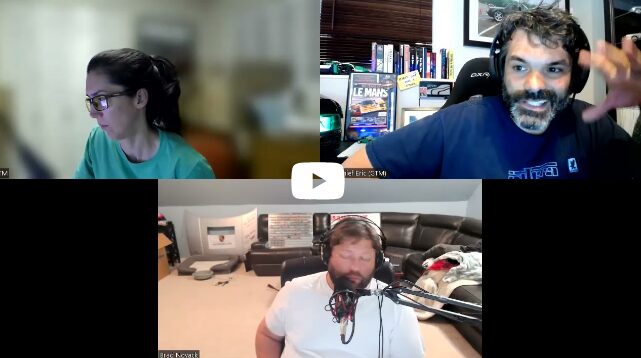
All of our BEHIND THE SCENES (BTS) Break/Fix episodes are raw and unedited, and expressly shared with the permission and consent of our guests.


Other episodes that aired this month…

This content has been brought to you in-part by sponsorship through...

Motoring Podcast Network

The Last of the Cheap Porsches: Why the 924 and 944 Still Matter

At Gran Touring Motorsports, we’ve always believed that the best stories come from the road—and sometimes, from the cars that were nearly forgotten. In this episode of Break/Fix, we dive deep into the legacy of two underdog Porsches: the 924 and 944. Joining us is Kevin Duffy, founder of 924S944.com, retired law enforcement officer, teacher, and lifelong water-cooled Porsche enthusiast.

Kevin’s journey began in the early ’80s when his wife wanted a Porsche. He found a bronze 1978 924 with low miles, and that car stayed in the family for decades – eventually becoming his son’s first ride. With 250,000 miles under its belt, Kevin learned to wrench on it himself, sparking a passion that led to the creation of 924S944.com. “It’s not a business,” Kevin says. “It’s my passion and my hobby.”

Over the years, Kevin’s owned dozens of 924s and 944s. One standout is “Sparky,” a 1987 924S rescued from the brink after an engine fire. Sparky was destined for the crusher, but Kevin brought him back – and now he’s a daily driver and show car, heading to 944 Fest next summer. No trailer. Just road.

Tune in everywhere you stream, download or listen!

Listen on Apple
Listen on YouTube
Listen on Spotify

The 924 was originally designed by Porsche for Volkswagen as a replacement for the 914. VW wanted a water-cooled car to meet emissions standards, but after a leadership change, they backed out of the project. Porsche bought the design back, refined it, and launched the 924 under their own badge.

The 944 followed, boasting a Porsche-designed engine and over-engineered components that made it a favorite among enthusiasts. “The bottom ends never go bad,” Kevin explains, referencing the 32-bolt girdle that holds the crankshaft in place.

Spotlight

Synopsis

This episode of Break/Fix explores the Porsche 924 and 944 models, their history, and what makes them unique as essential ‘driver’s cars.’ Kevin Duffy, a notable expert on these Porsches from 924S944.com, shares his personal journey with these vehicles from his first purchase in the early 80s to founding his site aimed at providing knowledge and parts for these cars. Kevin discusses the technical aspects and evolutions of the 924 and 944, including their development history, mechanical details, and performance capabilities. He also provides valuable tips for potential buyers, common issues to look out for, and technical advice for maintaining and upgrading these cars for everything from daily driving to track use. Kevin shares his insights into racing these models, the affordability of maintaining them compared to other Porsches, and how they can serve as great starter cars for driving enthusiasts looking to get into DEs and competitive racing. Additionally, the conversation touches on related models like the Porsche 968 and 928, and the potential for engine swaps with these vehicles. The episode concludes with Kevin outlining the services and resources available on his website, 924S944.com, to support owners and enthusiasts of these iconic Porsche models.

  • Tell us about how you got into cars? What is your petrol-head origin story? What attracted you to the 924/944 vehicles? You started 924S944.com – what was the genesis?
  • History of the 924 > 944 > 968
  • Fact or Fiction : People often argue: Is it a VW or a Porsche, or both? Let’s set the record straight.
  • Let’s talk about buying a 924/944 – buyers guide?
  • The Variants (924, 924 Turbo, 924 S vs 944, 944 85.5+, 944 S, 944 S2 (16v), 944 Turbo, Cabriolet, etc) – Are some better than others?
  • What to look for? Known issues? Items that should be revisited or fixed immediately? 
  • What a fair market price for a 924/944 these days?
  • Thoughts on the 928 as an alternative? 
  • If someone were to visit 924S944.com – what would they expect to find there? Products & Services you offer, etc. 

Transcript

Crew Chief Brad: [00:00:00] Grand Touring Motorsports started as a social group of car enthusiasts, but we’ve expanded into all sorts of motorsports disciplines, and we want to share our stories with you. Years of racing, wrenching, and motorsports experience brings together a top notch collection of knowledge and information through our podcast, Brake Fix.

Crew Chief Eric: The last of the cheap Porsches. They were plentiful, and some had aggressive jackknife fender flares, and others were more demure. They don’t have the panache of the 911, but that’s okay. Because these amazingly well balanced front mount rear drive vehicles are what many would consider A driver’s car.

Something you jump in, don’t think twice about, but puts a smile on your face when exiting a corner on a back road, autocross, or racetrack.

Crew Chief Brad: Tonight, we’re chatting about the Porsche 924 and 944. The 924 being originally designed by Porsche for Volkswagen, and is the [00:01:00] predecessor to its more famous younger sibling, the 944.

These vehicles spanned a 16 year production run from 1976 through 1992 before ultimately being replaced by the 968 and joining us for an in depth conversation into one of my favorite Porsches is Kevin Duffy, noted 924 and 944 expert from 924s944. com to explain to us. Why we should buy a watercooled Porsche.

Crew Chief Eric: Thanks, Brad. And with that, welcome to Brake Fix, Kevin.

Crew Chief Brad: It’s great to

Kevin Duffy: be here.

Crew Chief Eric: Like all good Brake Fix stories, there’s always an origin. So tell us about how you got into cars. What attracted you to the 924 and 944s? How you started 924S944. com? And what was the genesis of all this?

Kevin Duffy: Well, back in the early 80s, my wife wanted a Porsche.

They weren’t real expensive, but they were expensive enough. So I looked out, looked around, tried to find what I wanted, and I did find a really nice 78 924. Bronze [00:02:00] color, low miles on it. It was four or five years old at the time. And so I bought it. That car stayed in our family until our son actually started driving it when he turned 16.

We put 250, 000 miles on that car. And that’s how I learned how to work on these because you really couldn’t afford to have the dealer do anything on them. And there weren’t a whole lot of mechanics around that would touch them. So I had to learn myself. I had some background in mechanics anyway, but I just had to learn how these cars were the same and different.

And that started the passion that still exists today. When I started 924S944. com, it was an effort to get the word out basically. And just start to write a little bit about how these cars work, what I’d learned over the decades about them. As much as I’d like to say it’s a thriving business and all this, it really isn’t.

It’s my passion and my hobby. I’m a retired law enforcement [00:03:00] officer and retired teacher. From that, when I retired, it was now I can spend full time on doing what I really love to do, which is these cars.

Crew Chief Eric: So the big question, how many 924s or 44s have you had over the years?

Kevin Duffy: It’s in the several dozens, at least.

Many of them have come and gone. I had one that sold it about, oh, probably eight years ago. The fellow that I sold it to about a year ago called me and said, I’m going to sell the car. If you want it back, you can give me what I paid you for it. You can have it back, which I did immediately. And it turns out that that car was my first 924s special edition.

And so I bought it back from him and I’m in the process now of restoring that one. But I had another one. The one that I drive daily is a, uh, 87 924s. I bought it as a salvage title total, bought it, fixed it. Took me a week to fix it because it was an engine fire. So it really wasn’t that [00:04:00] badly damaged, but they told me.

I fixed it and drove it for a couple of months. The president of our local PCA region wanted to buy it. So I went ahead and sold it to him. And when I signed the title over, I knew I was making a mistake. Two years later, he called me back and said, I’m going to sell the car. Do you want it? He sold it back to me.

It has a name. Its name is Sparky. Sparky is my buddy. Sparky will be with me forever because he was a reject. He was going to go to the crusher just because he had a bad repair. Somebody did on a fuel line. It spritzed into the spark plug holes, fuel and sparks make fire. And that’s what happened. So that’s where he got the name Sparky.

And we saved it, but Sparky is a really cool dude, and he’s gonna be with me. He’s gone to a lot of shows, gone to a lot of events, and we are planning on driving to 944 Fest next summer. No trailer. I’m driving the whole way.

Crew Chief Eric: So let’s turn the pages backwards and [00:05:00] talk about the history of the 924, 44, and 968 lineage.

Let’s start off with the age old question before we dive into the really technical details here. People will often argue Is it a Volkswagen or is it a Porsche or is it both? So let’s set the record straight, Kevin. You’re an expert on these cars, which is it?

Kevin Duffy: It’s an interesting historical issue. And unless you really know what happened in the seventies with these two companies, Volkswagen and Porsche, it’s hard to understand really what happened.

Porsche, even though they make lots of really cool cars, they’re actually an engineering company. For example, Harley Davidson hired Porsche to help them design a couple of motorcycles because they’re an engineering company. That’s what they do. Back then, you could buy a 914 from your local Volkswagen dealer.

And so, they wanted to replace the 914 with something that was liquid [00:06:00] cool. Reason being was that water cooled engines had better emissions than the air cooled engines. So Volkswagen had their Beetle not being able to meet emissions. Even the 911 was not able to meet emissions. They knew what they were up against.

So Volkswagen said, we don’t want the 914 with its air cooled engine. We want a water cooled Porsche to sell at our dealerships to replace it with. So they signed a deal, and they paid Porsche 50, 000 marks to design what we know today as a 924. When the car was just about done, this could be legend, it could be true.

The guy that’s heading it up died, had a heart attack, keeled over. The incoming folks who took his place said, we really don’t want that car. We want something a little different. We want a front wheel drive car. And so because of that difference, what happened was that Porsche said, yeah, but this is a really good car and we did what you [00:07:00] wanted.

We designed it with all the off the shelf parts we could use. But we took your 75 horsepower four cylinder two liter and we made it into a 100 horsepower or even in Europe, 125 horsepower that you could drive it and it handled well and did all the things it was supposed to do. They gave him 40, 000 marks back and bought the car.

With the idea that at the time, VW Audi was going to keep supplying them with the two liter engine, which was an Audi engine and a Porsche head to make it better. And off they went. Porsche bought it back from them and immediately started working on their own iteration that we know of today as the 944.

Building a brand new car from scratch is tough, and even modifying a car that you already have is tough, especially when you love talking about engines, drive trains and all that. That 10,000 engine limit was something that they really didn’t [00:08:00] think that Porsche was gonna sell. That many of ’em, well, just the na, the naturally aspirated cars.

They sold 120 some thousand of them when they brought the 9 44 out. In North America is an 83 model. They were lined up around the building to buy it. It still had the VW suspension components and the Audi transaxle and all that stuff was still there, but it had a Porsche engine and the engine was designed by the same group of engineers who designed the 928 engine.

So there is a urban legend that the 928 engine cut in half as a 944 engine. It’s not true. There’s really no interchangeable parts. Although some of the part numbers do match up, but the engineers who were building a five liter or at the time of 4. 5 liter V8 next thing you know, they’re building a 2. 5 liter four cylinder that now they over engineered the hell out of it.

Unless you’ve ever had one of these engines apart, you don’t realize that [00:09:00] drag racers with the V8s put a girdle on the bottom of the block in order to keep the bottom of the block together when they come off the line, because there’s that much stress. The 944 engine As a girdle that holds the crankshaft in place, and there’s 32 bolts that hold a four cylinder, 150 horsepower crankshaft in place.

The bottom ends never go bad, and that’s why, because it’s way over engineered. Porsche kept making the 924 for the European and British market. After we got the 944, they quit sending the 924 here. Well, in 1985, they’re still making 924s with 2 liter Audi engines in them, and Volkswagen came forward and said, Listen, we’re cutting you off.

You can’t have any more. We’re not selling you that motor anymore. I’m sorry, but we’re done. The CEO at the time was Peter Schutz. Peter is American. In fact, he was from Central Florida. Among other things, he saved the 911. They were going to phase out the 911. [00:10:00] He said, you can’t do that. But when they got the notification from VW, and said, we’re not selling you any more of these Audi engines, he said, fine.

He told his engineers, figure out a way to put that four cylinder 944 engine into the old 924 shell. Keep the interior the same, the old, what they say, square dash 924 interior. Take all that, leave it as it is, slap the motor in it, and call it a day. And we’ll call it a 924S, and the Americans will buy the hell out of it, which we did.

And that’s where the 924S came from. Now, curiously, in 89, the 944 was a 2. 7. engine. They bored it from 100 millimeter to 104 millimeter, and that made it a 2. 7, and then the next iteration was to stroke it and then make it into the 3 liter. The 89 944 engine, they said, was 165 horsepower, I think, but it was a lot more torque.[00:11:00]

People tend to believe that the horsepower ratings were even higher than that. Porsche built 25 pre production 924S’s with the 944 oval dash interiors and the 2. 7. And that would have been a hell of a car. But, the exchange rate got all screwed up. They cancelled the 924S program in mid year. and the 89 9 24 s never made it to production and they made 25 of them.

They crash tested half of them and sold the rest of them to employees at the factory. And we don’t think any of them survived till today. And that’s a real shame. When you look at the entire history of the 944, how many they made over the years, all the improvements and developments that they made over the years, the fact that they made many more 944s than they ever made 911s in that same period of time, the 944 took a financially troubled [00:12:00] company and not only brought it into the 80s and 90s With a liquid cooled engine and the front engine rear transmission layout, but also taught Porsche how to do liquid cooling.

And then we end up with the Boxster and the 996. So it is a huge piece of development history for Porsche. When people say, it’s not really a Porsche. Yeah, it is. It may not have started as a Porsche. As a side note, when VW decided not to take this car, they instead built the Scirocco, a good car on its own.

But how many of them do you see today?

Crew Chief Eric: That’s actually brings up a really good point in that it’s an interesting decision making process when you look at VW and Porsche together, because You’re right, the Scirocco was the replacement for the 924 concept, but when you think about it from a dollars and cents perspective, it [00:13:00] was cheaper for them to produce the Scirocco because it was built on top of the Mark I golf chassis, which already existed, and they already had Giugiaro on the books designing the golf.

He had done the launch of Delta, which is a very similar car that predates it as well. And then you go, well, here, I’ll pen the Scirocco really quick. We’re going to take the golf and kind of stretch it out and make it into a lift back. It sort of made sense, but then it kind of diverges because that Audi two liter only ended up in a handful of Audi eighties.

Before it was almost immediately replaced by the five cylinder, which is closer to the 944 engineering wise. Again, it’s so sort of intertwined and intermixed in all of this. When you look at it kind of further down the pike, BW graduated away from that Audi two liter when they developed. Finally, the 1. 8, because the Golfs and the Chiracos came with the 1.

6, the 1. 7, then finally the 1. 8, and then the 1. 8 was replaced by the 16 valve, which it took the 944 evolution, how many years to catch up [00:14:00] with VW in the 16 valve realm?

Kevin Duffy: Up to 87. Yeah.

Crew Chief Eric: It sort of feels like this leapfrogging between the two companies. In reality, they were probably sharing the technology back and forth.

Kevin Duffy: You would think that they did share, and at least they were on the same development lines the whole time. Actually, when they were working on the 944, they were trying to figure out what engine to put in it. And they tried, and I don’t remember the brand, could have been a Renault or some European V6 that they wanted to put in it.

They’re trying to decide if it was going to be a four cylinder or a six cylinder. They put a six cylinder in the body of a 924. And it was a wonderful performer. However, when they got down to brass tacks, they couldn’t assemble the car in the factory the way they wanted to, because the engine had to come in through the bottom and it wouldn’t fit between the subframe rails.

And there was no way around it. They had also worked with some bigger four cylinders. I think they had a 2. 4 [00:15:00] Rover or something. And that’s when they decided to go with the 2. 5 four cylinder and then designed up their engines. But in early development, they really wanted a V6 would have been a hell of a car with a V6, but they just couldn’t shoehorn it in.

That said, you have the VR6 that would have fit. So, you know, you kind of look and see how things develop, and maybe it was Porsche’s experience in the late 70s where they said, yeah, we can’t shoehorn a V6 in the way we want to do it. And Volkswagen said, wait a minute, if we close it up a little bit, maybe we can make one that will work.

It’s some interesting stuff. I mean, you, you start looking at the history of these things.

Crew Chief Eric: When you look at 75 to about 90, the engineering is absolutely fabulous during that time period. But The question is, are the sales numbers commiserate to all of that engineering?

Kevin Duffy: And I would say, yeah, we didn’t get the 924 until the 77 model from 76 to 91, which 91 was the last year for the S2, the 924 S2.[00:16:00]

Porsche built worldwide just over 325, 000 924s, 924s and 944s. Now that doesn’t include the special race models and all that, which only adds about all total less than a thousand cars, but we can say 325, 000 is pretty close. In the same period, from 76 to 91, they sold 217, 000 9 11s. They bested the 9 11 sales by 50%.

Like I say, a friend of mine was a salesman here in Orlando. When the 944 came out, they had a waiting list here for a year. For 9 44, that’s how popular they were. When you look at how the production went with the 9 24, which we look back at the 9 24 here in the United States, at first it was 95 horsepower and then went to a hundred horsepower.

They sent 36,009 20 fours to North America between 76 and [00:17:00] 82. That doesn’t include the turbos. The 931. The turbo in the U. S. was almost 7, 000 turbos. When you look at those numbers, you’re approaching 50, 000 cars that we look back at today and say they’re junk. They were really something back then. If you look and see how that worked out when The 9 44 came out for us in 83.

That was a big deal because the 9 44, let’s face, it was a much better car handling wise. The looks were more aggressive and people were really, really, really fired up about, so yeah, it was a big deal.

Crew Chief Eric: What was the price point back then? But can we convert that to today’s dollars?

Kevin Duffy: The 9 24 in today’s dollars was about 30 grand.

The 944 at the time was in the mid twenties in 19, say like 1984, you can get a nicely appointed nine 44 for about 25, 27, 000, but at the same time you could [00:18:00] buy a Toyota Corolla. You know, you look and see what the difference was. Yeah, it was a pricey car at the time. What happened with the 944 was that as it progressed through the 80s, it got more and more and more and more expensive to the point where in 89, 90, 91, getting a, like an S2.

That could be in 1990. That could be 70, 000 or 80, 000. That was a lot of money. The 968s were even more. You could buy a 100, 000 968. In 1993 94, that’s a lot of money. But the 911s had Earlier surpassed 100, 000. So it still was cheaper than a nine 11, but the sales figures dropped off. I think because of pricing, they had a lot of cool stuff.

They have a lot of options. They have a lot of good technology in them. My feeling is they should just kept it simple and gone from there. And of course, then the Boxster came out with a 40, [00:19:00] 000 price point. When that happened, it was immediately snapped up because people wanted that kind of a price point to buy a Porsche.

I think they kind of priced their way out over the years, which is why when the 924S came out in the U. S. in 87, it was 19, 999. Realistically, with the options and all, 25, 000 in 1987, 1988. You can get a 924S with air conditioning, a radio, and power carrying stuff and all that. But 25, 000 was still a lot of money.

They say the Toyota was still 10, 000, 12, 000. Yeah, it was a lot of money. I actually looked at buying a new one, 87.

Crew Chief Eric: And we’ll get more into buying 924s a minute, but a couple more fact or fiction questions for you in the history of both cars. I remember vividly a lot of magazines saying, especially when the 944 turbo came out, that it was faster than the 911, all things being equal.

Was that mostly because of the aerodynamics [00:20:00] and how slippery the 944 was, or was there some sort of other magic to it that it was quicker than the 911?

Kevin Duffy: The 944 turbo, 951, did have a little bit more power, it was better balanced, it had better aero, and it was about 100 pounds lighter than a 911 at the time.

But if you want to look at and compare like an 86 turbo to an 86 911 3. 2 Carrera, the top speed for the 944 was 152. The 911 was 152. They were dead equal horsepower for the 944. Was about two 20. The nine 11 Carrera was 2 0 7. The 9 44 went zero to 60 and 5.9, the 9 11 6 0.1, if you look at the published figures, yeah, it was faster.

But the difference between the two cars is night and day because you’re in. A 944 turbo, especially a new one in 1986, the 944 turbo was more of a luxury car [00:21:00] than the 86 Carrera, the 86 Carrera was like a driver’s car. You know, you got in it and it made noises. And it was skitterish and it’s handling. I mean, you had to learn how to drive a 911 because of the weight distribution and all that.

A 944, you got in it. It was fairly quiet, had very, very comfortable seats. Although they were the same as 911, the cabin was well appointed. It had nice air conditioning, which 911s. Until they went to liquid cooled, we’re not really known for their air conditioning, so, you know, the AC side was, uh, you know, was better.

So you start looking at all those, and they’re just different cars. But to the person who didn’t have a stopwatch, yeah, the 911 probably felt a little bit slower. The 944 was more competent, maybe. But they’re just different cars, and the 100 difference in weight is huge. In racing, we talk about 1 horsepower is 10 pounds.

So if you can eliminate 100 pounds, it’s like adding 10 [00:22:00] horsepower, which makes the 944 even a better choice. That’s why they sold a zillion of them, because it was. A much, much nicer car.

Crew Chief Eric: Let’s talk about Mazda versus Porsche, the RX 7 and the 944. Factor fiction there too. There’s all these rumors about lawsuits and who stole whose design.

And if you look at the original RX 7 versus the 924 and the second gen RX they’re very similar.

Kevin Duffy: The legend is that there were a lot of personnel that were traded back and forth between Mazda and Porsche. It wasn’t that they cooperated, quite the opposite, but that there were the same people in different parts of the design phases on both cars.

That’s the legend. Whether it’s true or not, who knows. But, I will say this, we raced at SCCA in the same class with the first generation RX 7s, and they kicked our asses. Mostly because of top speed. They were just so much [00:23:00] faster than you were. Oh, well, that’s kind of the way it was. You go to a track like Sebring or Daytona, where you got long straightaways, and you just see them come up in back of you, and you say, well, okay, I’ve lost this spot, and sure enough, you know, about halfway down the straightaway, there they go, and it’s just the way it was.

But the 944s, especially the 924s, because they’re even lighter, we could get into an infield course or into a twisty part and catch up with the 911s and with the RX 7s. When it got to top speed, we just didn’t have it.

Crew Chief Brad: I love the 924s and I’m always looking for another one. I had a brief stint of ownership with a non running 924 turbo because I was sold a bill of goods.

What was told to me was just a battery problem was much more than a battery problem, but I’ll just leave it at that. So for someone who’s always looking for a 924 and lesser so a 944, I prefer the lines of the 924. Let’s talk about. Some do’s and don’ts from a buyer’s [00:24:00] standpoint, when you’re looking for a car, are there ones to stay away from ones that are more desirable than others, things like that?

Kevin Duffy: Well, I’ve always got my eye out for the next project to have, or the next one that’s going to come along. Like you, I like the 924, the 924 shape and the 924 lines. I think it’s cleaner. I like it that it’s lighter and that’s what I raced. I, I really kind of got attached to the 9 24 shape and being that the 9 24 was my first one, kind of got taped to them pretty tightly.

That said, the 9 24 s is the 9 24 body gauges, interior look and feel. The whole thing you get the whole 9 24, the early car, the two liter cars, you get that whole thing, but you get the 9 44 engine for which you can get parts. People know about them where the two leaders, I don’t want to say they pretty much disappeared, but they pretty much disappeared.

We don’t see that many of them. And when they come up, they’re either [00:25:00] basket cases or they’re half taken apart, rusted because they’ve been sitting in a field for 10 years. They’re not that many good ones out there and finding parts, even things as easy as main bearings or rod bearings for the engine.

It’s just not very easy to do. Even though the 924 two liter engine is pretty bulletproof, unless you can get the parts you need, you can’t build it. The fuel injections are the old mechanical fuel injection systems. They’re easy, but they’re finicky. Things like the fuel distributor, you can rebuild it.

I’ve rebuilt several. They all leak. They’re a pain in the butt, and it’s unfortunate with the way it is, so you can get one that’s been professionally rebuilt, and hopefully it won’t leak, but they’re really expensive. The value of an early 924 just isn’t there. Not now, and I have to think we’ve probably passed that prime at this point.

There’s one or two that come up over once in a while with 7000 miles on them and this and that [00:26:00] they’ll come up on one of the auction sites and they’ll pull 12 13, 000 to get one to that condition is going to cost you 25 or 30 restoration just doesn’t make sense. That’s why the 924S makes all the sense in the world, because you get the same look and feel and all that, but at the same time, you don’t get the headaches that come with that 2 liter engine and that setup.

Parts availability is the big question when it comes to what are you going to get. When I say availability, I say both, can you get it? And then how much is it gonna cost to get it? For the most part, the early nine 40 fours, the series one cars from 83 to mid 85 and the 9 24 s share a lot of the early 9 24 suspension pieces and rack and steering and all this stuff that you would have.

And there was a billion of ’em out there. So used parts are pretty easy to find. I kind of like those cars because [00:27:00] they’re much simpler. The most complicated computer on my, on Sparky is a radio. The computer that controls the engine, you could probably put on a chip the size of your toenail. But it’s in a box, you know, it’s the best 80s technology you could buy.

There’s still a lot of analog. that goes with that. You know, I like having the availability of computer control, but it’s very simple computer control, but it works really well. There’s a handful of sensors on the engine that reads, and it’s all good. As you get into the more recent cars, the Series 2 944s, the S2s, they get more and more complicated.

Porsche was really good for pushing the envelope. On things like the 944 S2s have things on them that for the day were revolutionary. Today we look at it and go, man, there’s got to be a better way to do that. Because the electronics were primitive, the mechanicals in some of these things, some of the oil fed adjusters and things like that.

[00:28:00] The variable valve timing stuff and all was by today’s standards archaic. Trying to get that stuff to work right can be problematic sometimes. So I like to stick with the Series 1 944 or 924S just because parts availability is there. I can buy a control arm for an 86 944 aluminum control arm with the glued in ball joint.

is 250 bucks a side. I can buy a control arm for 87 924 s with the ball joint and with new rubber bushings in place for less than 50 bucks. If that’s the case, I would rather go with something that I can. For one, I can Work on myself and for two is not going to break the bank. 500 versus a hundred is a lot of money, especially when you’re talking about a car that in most cases you’re going to buy today for five or six grand, maybe 10 at the outside, you’re not going to put big, big, big, huge money into it.

So I liked the earlier cars, but when you’re looking for one, what you want to [00:29:00] look for is things like history. Is there a history to the car? Is there good paperwork on the car? Is there a good record of for one mileage? Cause the odometers are all broken at one time or another. So you really don’t know how many miles they have on them.

So if you have a car fax, or if you have a stack of receipts, I just sold a nine 44 that I bought from the original owner. And he had every receipt of everything from oil changes on up. So I was able to track the mileage and know that the mileage was correct. And that makes for a big deal. Another area to look at is paint work.

None of the paint after 30 some years is going to be perfect. But you want to not have to have the car painted if you can help it. It’s expensive. You can sometimes be as much as you pay for the car to get a paint. Even if you’re going to do the work yourself, you’re going to pay it in the garage. It’s still expensive.

Paint is a very expensive thing. So you look for decent paint and you might be able to clay bar and work it and bring it back to a [00:30:00] presentable level. The front seats, the driver’s seat always has split seams. A decent upholstery shop can fix that for a hundred dollars or so. But you can also get reupholstery kits, the front seats, 400 bucks, you get brand new reupholstery for both seats, you take the old upholstery off, put the new on, it’s not difficult and it looks great.

There are some things that you can do, obviously if it needs everything. You’re going to do the maintenance that has been neglected because that’s why you’re buying it is because somebody couldn’t keep up the maintenance or didn’t keep up the maintenance. So you’re going to do timing belts and you know, you do all that kind of stuff and check the brakes and change the fluids and all that.

And you’re going to put some money into that. You just figure that into your purchase price and, you know, a lot of them will come to me. I’ll pick up and they’ll have really good tires and then, you know, they’ll put in the head, you know, tires are great and go look at them and they’re 13 years old. So you don’t really want to go driving around much on 13 year old tires and you can help them.

So there are a lot of things [00:31:00] to just to look at and see what’s what. You want to, though, see through a good presentation, and you want to make sure you check everything. At this point, there are steering wheel that grab the wheel and it goes up and down about a quarter inch in the column. There’s a plastic bushing that costs 5 that takes about an hour to replace that fixes that.

But it can take 500 bucks off the price of the car as you’re negotiating, you know, steering is loose. So there are a lot of things that you can do when you’re looking at these, you know, tires, wheels, brakes, what has to be done to make it presentable. You’re never going to get one that’s Concorde perfect.

It just doesn’t happen. But you can get them presentable so that you can go to a local event and go to the grocery store. I take Sparky to the grocery store because you can, because it has a hatch. Rarely get out of the parking lot without somebody coming over and wanting to look at the car. To me, that works out well.

I just enjoy that.

Crew Chief Brad: What should we be looking for? What are some of the known common [00:32:00] issues? With these cars, and then what are some things that need to be revisited or fixed immediately? I know you mentioned the steering column and the brakes and things like that things that can go wrong on any car that’s been sitting around for several years.

But before you answer that, I’m just curious. How come. You should stay away from the 924 turbo. You’ve touched on the turbo a couple of times, but it doesn’t seem like it’s, you know, a car that you favor too much.

Kevin Duffy: It’s not that I don’t favor it. In comparison, this is simply, you know, in my sicko mind, a 931, which is a 924 turbo.

makes about 150 horsepower and 924 S and a makes about 150 horsepower. The suspension look and feel the driving experience and all is almost exactly the same. However, the 9 31 engine, while it is not a bad engine, Getting parts and getting it to work properly and all is extremely [00:33:00] difficult and it can get extremely expensive when you start replacing the turbo parts and having parts rebuilt that you can’t actually get anymore.

Things like the headers on those cars crack, you can weld them all you want and you can’t get them back. To seal, you can’t get them to work right. There’s just a myriad of issues with the 931. When it comes to performance, I can get the same thing with a NA 924S. So that’s kind of why I’ve stayed away from them.

And people I know who have had them and have them now, they’re always fixing something. There’s always something up. There’s always a problem. And even my friend’s 924 Carrera GT, which was a 931, it had some serious issues that needed engine outs and a lot of replacement of things and all. And I just, that’s something that I just don’t need that kind of aggravation.

In any of these cars, the 944 engine is an interference engine. If you break the timing belt, you’re going to bend valve, most of them exhaust valve. If you’re lucky and it [00:34:00] breaks at an idle, you’ll bend one, maybe two valves. I had one guy brought me a car. It just quit running. Well, he had it around 6, 000 RPM when the timing belt broke and it bent every valve, intake and exhaust.

That thing was destroyed. Things like the pistons, the rods, the crank, they all went in the dumpster because you don’t know what kind of damage it did. If you don’t have an actual history, if the timing belt’s been on there more than a couple, three, four years, or more than 30 miles that you can document when you buy one, just replace it.

When you’re doing that, everybody says, well, you do the time you build through the water pump at the same time. Water pumps are cheap. You’re there, you’re looking at it, change the water pump. Especially if you’re in the south, like we are here, it gets hot here in the summer. We put a 160 degree thermostat in it.

So it opens up a little sooner, and that way we can keep the car a little bit cooler. The front of the engine also has four seals on it. Crank seal, balance shaft seals, cam seal. That kit. [00:35:00] With the seals and all in it, it’s a hundred bucks, replace them too. You replace all that stuff, seal up the front of the motor, timing belt’s not going to be an issue, you’re all set.

Make sure you get it timed back properly. Make sure you get the balance shafts timed properly. If you off one or two teeth on the balance shafts, it’ll shake like the balance shafts aren’t even there. Very violent. So you want to make sure you get all that done. Come across a few lately, but very few of them have the original clutch disc.

But a clutch job, if you’re going to have it done at a shop, can be 8 to 10 hours of labor, plus 600 or 800 in parts. So you’re looking at 2, 000 to get a clutch done. And if it’s the original rubber clutch, it’s 30 some years old, it’s going to break. So keep that in mind. That said, looking at a car to buy and it’s got a recent clutch job on it, you’ve got the paperwork on it, that’s all good.

When it also comes to a car that’s been sitting for a while, the clutch slave cylinder tends to go bad. You replace the master and [00:36:00] the slave together. Those two parts have gone up lately. They’re in the 150 to 180 range each. But You replace both of them because they never get bled. To bleed the clutch slave, to do it right, you really have to take the starter out to get to the bleeder.

And so nobody ever does it. So all the debris and all the crap from the fluid and all, maybe they change the fluid, bleed the brakes, but they don’t touch the clutch. All that debris goes down in there and eventually fails the slave. So you have that going on. Common issue. Everything else is pretty well straightforward.

It’s normal car stuff. Do the lights work? Does the A. C. work? Are the tires okay? Do the brakes stop the car? When you turn the wheel, does it actually steer? I mean, these are all the things, you know, you look at the rear shocks, you can’t see the front struts, but you, you know, you can’t see what kind of condition they’re in, but you can see the rear shocks.

And if they look like they’ve been there since the Carter administration, then you probably need to replace them. There are [00:37:00] two choices when it comes to shocks. There are KYB shocks that are inexpensive, about a buck and a quarter, you get all four corners. Do those, there are good street driving around going back and forth to work, shock, or you can spend 800 and go with Kony or Bilstein and get a performance shock.

You can upgrade with bigger sway bars if you need to. You can put coilovers on the front fairly inexpensively. The rear to change the torsion bars is a pain. Highly, highly, uh, labor intensive. So you may not want to do that. The front suspension is where all the magic goes. Anyway. You don’t need to have a limited slip transaxle.

People say, you know, you gotta have it, gotta have it. Unless you’re going and doing track days or racing, you don’t need a limited slip. So don’t worry about it. Come out of a turn and you lift the inside rear wheel without limited slip, you’re going to spin that wheel. I’ve done it. I’ve been on track days with open differentials and doesn’t really make all that much difference.

You know, the things like the paint, the upholstery, and you [00:38:00] want to make sure that the lights all work and the gauges all work. If there’s anything weird going on with the gauges, you want to look into that. Oil pressure should be at an idle between two and three bar. And between four and a half and five at RPM, you want to make sure it’s not leaking anywhere.

Rear main seal is like doing a clutch, so getting to it is tough. All in all, they’re pretty bulletproof and they’re pretty reliable. I would not shy away from any of these cars that I have brought back to life, especially my special edition or Sparky. I’m driving cross country tomorrow. No problem.

They’re just that good and they’re reliable.

Crew Chief Eric: So on the other side of that, there’s a bunch of special models in there to include the 924s special edition, 944s2s, people gravitate towards the turbo cars. Are there some other ones in there like that we should be aware of? There’s even the champagne rose metallic or special rose edition of the 944, some of those.

Kevin Duffy: Well, there are [00:39:00] some special editions, and Porsche was really good for special editions. They took the model from Harley Davidson in some cases, even with their 911s, where you take things off and then you charge more money for it. Harley had a, uh, a model where they took all the chrome off of it, they took a lot of other stuff off of it, and they charged you an extra five grand.

Doesn’t make sense to me, but it’s a business model that seems to work. If you think of some of the 9 11 Special Editions, they would take out the interior stuff, door panels, sound insulation, all this stuff, and then charge you twice as much for it. You know, whatever works. I mean, that’s all good. There were several Special Edition 924s.

There was a Sebring Edition, there was a Martini Edition, there was a Special Edition in 79. And all these are great, but they’re disappearing. Finding one that’s in fairly original condition, because some of them had some really special stuff on it that you can’t find. I mean, you just can’t do it. I mean, the martini edition is one of my favorites.

77. It was a white body with the martini [00:40:00] stripes on the side and martini stripe down the hood and the roof. They had white wheels and the carpet was bright red. I mean, bright red. It wasn’t maroon, it was red. And the seats were black with blue piping and red accents. And you can’t get that interior anymore.

You can’t get a replacement unless you have it custom made, because now you start talking about a lot of money. So if you find a Martini that’s out there, most of the time they’re just worn out, and you need to do everything, and you’re going to put 20, 000 or 25, 000 into it, and it’s going to be worth 10 grand.

So the earlier special editions really don’t carry that same kind of value that you would have. In another later mock, the Silver Rose edition of the 944 is absolutely beautiful car. The Silver Rose was a silver color with a hint of raspberry, what they said. They only made a few of them, but the Silver Rose had a lead [00:41:00] interior that was kind of a gray, maroon, and red plaid that was absolutely beautiful.

You can get that material as a replacement, but again, if you get the material, then you have to have an upholsterer actually make the seats, put that all in and do the door panels and all of it. It costs a lot of money. The silver rose editions, they didn’t make very many of them. I don’t know what the number was, but I think it was less than a thousand.

If you find one in really good condition, they’re a lot of money. They’re big, big, big bucks. But it’s one of the few special editions that you can find. It’s a nice Turbo S, you know, the best you can get in a Turbo in a unique color combination with a unique interior, which is what they did with most of their special edition cars.

They would take the base car and they would make it a little bit better and then make it look Fantastic. And I’ve earned a lot of money for it. The 924S, in 87, they sold a lot of them. They sold something in the [00:42:00] neighborhood of, I want to say, 13, 000 total. The first run in 88 was 980 Special Edition. The first 500 of them that came off the line came to the U.

S. Now this special edition was kind of a club sport sort of thing. They were all black. Very few of them had sunroofs. It seems like the later it got in the production run, the more that one would pop up with a factory sunroof. But it wasn’t supposed to have a sunroof. It had crank windows, plastic manual mirrors, kind of like out of a Golf.

Even the passenger side mirror was an option. The little cassette tray in the middle between the front seats, they didn’t put that in there because it was extra weight. We have to save weight. But the black with the maroon carpet and then gray with maroon pinstripe cloth seats is probably one of the nicest interiors that you’ll see in a Porsche.

The cloth that they used in the seats was really thin. It was really light and it didn’t last. [00:43:00] Even in cars that have been garaged and didn’t have many miles on them, they still, the stuff just fell apart. But that cloth is also available in the aftermarket. You can buy the cloth and have it made into your car.

But they also put bigger sway bars. They went wild. All the 924S’s had 6×15 wheels. They put 7 inch wheels on the back. They put a little bit bigger tire. They put 215 60s all the way around, even though the wheels were two different sizes. Same tire went front rear, but with the bigger sway bars, it was lower by about a half an inch.

They put Kony nonadjustable sport shops, heavier springs, 250 pound springs on the front one or two millimeter bigger portion bars in the rear. They handled really, really, really well. I have one, took a lot of soul searching, but I decided to sell. Gonna be up for sale and it has 29, 000 miles. It’s almost all original, but the interior fell apart on it.

So I had to redo the interior. To redo an interior on a special [00:44:00] edition 924S is about 2 grand. But these cars have more value. So it’s okay. The engines are the same. They’re 160 horsepower. There’s a 944 engine. But they do handle really well, you know, a little bit lower, better suspension, all that they handled quite nicely and very comfortable.

They have all the air conditioning and all that stuff that you want. And they were about 26, 000 in 1988 out of the 500 that came to the U S we’re thinking that there may be. 200 or 225 out there. I am actually in the process now. I have a friend of mine who’s putting together a online registry for the special edition 924S.

So we can try to track these cars and figure out where they are. I would say that being obsessed with these 924S’s is something that I do. I have six 924S Special Editions here at my shop. I did buy one up in the Florida Panhandle about a year [00:45:00] ago. That is a 924S Special Edition with the automatic transmission.

We believe they may have made a dozen with an automatic. Now the automatics are not great. Three speed automatic. They’re not fun at all, but to have a special edition car anyway, and then have the automatic transmission in it. This car needs everything, but it’s complete. Everything’s there. That’s a project down the road for me, and I’ll probably keep that one just because it’s so weird.

But I’ve got these special editions, and if I see one and it’s reasonably priced, I buy one. I’ll buy it and bring it home. So the special edition 924S is worth about twice of what a regular 924S would be worth. And they’re going up as they get more and more rare for a stock as delivered model. If it’s been modified or anything, it drops the price, but the special additions, the silver rose, the nine 24 S special additions, they’re gaining value and they’re not that many of them out there.

It’s a good thing to have. If you can find one. And then I could drive my car. We took mine, I [00:46:00] took it on a trailer. I live in central Florida. We towed out to the Dakota regions, to Rapid City a year ago, and participated with them in a weekend drive through the mountains. It was great. Had the special edition.

Went out to 944 Fest the next weekend. in Ohio and went to Blowing Rock, North Carolina the next weekend to a PCA event there. I always marvel at going to these events, especially the PCA events, and people look at my car and say, what is that? I’ve never seen one of those. Had one guy peeking into the hatch and saying, it’s the engine in the back.

So, you know, it’s kind of cool. It’s kind of fun.

Crew Chief Eric: There was always a poster on my wall that I will never forget, which is the Hugo Boss 924 Carrera GT. So the question is about that car being the rarest of the rare. Is it like the Audi Sport Quattro or the Lancia Delta or things like that, where they had to build homologation versions of the race cars?

So do street versions of the [00:47:00] 924 Carrera GT exist?

Kevin Duffy: Yes, they do. They made 406 of them, and most of them still exist, although they exist in museums. Rarely see one out there in the wild, although a buddy of mine here locally had one. He bought it, he drove it for two or three years, doubled his money on it.

I got to drive it, and it was magic. The thing was wonderful. But one of the things that you can do these days, and I’ve done a few of them, is you take a 924 S, which is the same body as the early 924, and you buy the flares for the rear and the 944 front fenders, because that’s what they were, and a fiberglass nose piece and a hood scoop to put on it, and you turn it into a Carrera GT replica.

And I’ve built several of them. If you want to put real Fuchs on it, you can, but they’re pretty expensive, so you get replicas. And you make a look alike. 944 engine, air conditioning, [00:48:00] radio setup with your, tethered into your phone and all that, with a four point roll bar and race seats, and here you go.

They were great. They looked the part, they look really cool, and people look at it and go, now that’s something I’ve never seen. But the 406 that they made were for racing, so that they could actually race that car, and the GT turned into the GTR, the GTS. The other one that people don’t really know about is the 924, normally aspirated, deproduction.

SCCA car. It’s a Porsche kit car. You got the kit from Porsche and they sent all the stuff that you needed and you turned it into an SCCA deproduction race car. There were 16 of them total. Al Holbert in 1980 and 81, they went out and kicked ass in SCCA with this car. And what’s funny is that you, there’s actually a video on YouTube of the entire race.

Final at road Atlanta, where [00:49:00] you have the nine 24 deep production cars going against triumphs and such of the day. There’s a TR six racing with them. And the Porsche is just killing them. The commentators going, yeah, this nine 24 is like the latest engineering. It’s like the best thing ever. And it’s, it’s really kind of funny to hear that, but it was an NA cars naturally aspirated.

It wasn’t a turbo. They made 16 of them. At the Porsche Works reunion two years ago up in Amelia Island, one of the original ones was there. Of course I got to crawl over and take all kinds of pictures of it, but cool race car.

Crew Chief Eric: Early on you mentioned things about, you know, the development of the 924 and 944 where they talked about putting six cylinders in there and things like that.

But it begs the question, I’ve always wanted to do this and I’ve seen it done like once, which is a 1. 8 turbo swap from a later Volkswagen in a 924. And on top of that, we’ve seen all these renegade V8 swaps. So what are [00:50:00] your thoughts on taking some of these well built, well handling cars and putting different power plants in them?

Kevin Duffy: Well, I’ve done a couple of V8s with LS motors. In my opinion, they’re undrivable. I met a guy out in Houston at a track day. He had a twin turbo LS, 650 horsepower. He knew how to drive it. He could actually drive the car. I don’t have that kind of time to dedicate to learning how to drive a monster like that.

It just comes down to it. If you’re going to do a 350 horsepower LS1, those you can drive, but there is a big weakness and it comes down to the engineering. You could put the LS in. It’s similar in weight to a 944 turbo motor, so you’re not losing handling or anything. But what you do have going on is the gearing in the transaxle.

A 944 turbo transaxle that is in good shape. Handle the torque and the horsepower. The legend is that a Porsche Transaxle can take twice the horsepower that [00:51:00] it was originally mated to. So if you have a 300 horsepower engine on a transaxle, it can take 600 horse. So that’s not really an issue. The problem is that when you’re going 70 miles an hour down the interstate.

In your turbo 944, your 924S, you’re tackin 36, 3800 RPM. LS motors don’t like that. They like 1700 RPM, 70 miles an hour. Because of that, that LS is just singin the whole time. I have to think it’s probably not good for it, you know, not as a car that you’re going to drive three or four times a week and go to the grocery store.

It’s probably not a good idea when you put all that together. It’s like, yeah, I, I don’t think I’m going to plus the expense, the kit, all the stuff he needs, you’re going to 8, 000 and then you got to have an engine. You got to find a gearbox that’ll handle it. I mean, there’s a lot that goes into it and you’ll never see that money back again.

That’s for sure. [00:52:00] But, like I say, I’ve done a couple, I’ve driven a few, I’ve drove one on track, and it’s fun, don’t get me wrong. But, I like driving my cars, I like to be able to get in my car and drive it wherever, whenever, and a V8 conversion just isn’t the way to go. Now, you may have seen, and I may have this wrong, but I think it’s M.

A. Motorworks in Atlanta, and they’re doing 1. 8 turbo conversion, and they are awesome. I’ve not seen one personally, and I have not driven one, but they weigh nothing. That one eight turbo has with just a chip, you can get close to 300 horsepower. It weighs 60 percent of a turbo motor. It fits. Almost entirely behind the front axle, so it brings the weight back even farther.

It’s a good dependable motor. You know, they say, well, yeah, you can tune one up and you can get 600 horsepower out of it. If I could have one with 300 horsepower, that’s all you need. and the transmission will be happy, the car will be happy, and yeah, [00:53:00] so that is a good alternative, I think, to the V8 conversion.

Plus, the V8 really fills up the engine compartment. That 1. 8 does not. You have lots of room to do things. I also belong to the 924 owners group in Great Britain. Those people are crazy 0L 924s. They have great events and all this, and just a wonderful group. And they do all kinds of stuff with different engines in their cars.

They do four cylinder, V6s, Rover engines, V8s, small V8s, but they don’t have, you know, the monster V8s we have, but they do all kinds of things. And one of the things I noticed about them is that they’re not scared of fabricating plates and adapters and motor mounts and all that. They just make whatever they want and make it work.

And that’s really a cool thing. So I kind of keep my eye on them too and, and see what’s going on over there. But the 1. 8 turbo conversion looks to be probably the next big thing when it comes to the engine swap.

Crew Chief Eric: So one of their technical questions, since we’re talking about motors, can you explain the whole [00:54:00] floating cylinder design that the 924S and the 944 share?

Kevin Duffy: It’s strange because when you first open up an engine, you’ve never done one of these engines before. What you’re used to seeing is a solid block with holes building. You just think of it that way. Where when you open this up, you see a case that’s open and the cylinders are sticking up inside the case and all the area around it is cooling jacket, which is kind of cool.

That’s kind of a neat thing because you get a lot more volume of coolant through the engine than you would in, say, a standard Toyota drill holes in the block sort of. Because of that design, the cylinders can regulate their temperature a lot better. They’ve got so much fluid around them that they’re able to cure any hot spots, at least that’s what I’ve been told.

Now the other part of the 944 cylinder system is that the inside of the cylinders and the pistons are [00:55:00] coated with something called nicosil. It’s got some other names too, but, you know, Nikasil is basically nickel silicone and works so well. Of course, in the 90s, Germany, the government outlawed it, so they can’t use it anymore.

But that is why the 944 blocks, the cylinders tend not to wear like you find with other engines. I have had engines with 150, 000 miles on them where the cylinders are in stock spec, no boring, no sleeving, none of that stuff, and not even recoding. Put a very, very, very light hone, just for the new rings, put it all back together, get the head redone, and off you go.

It’s an amazing system, but the way that they built it, I have to think that their engineers were thinking 9 11. Piston sticking out you put the cylinder over the top of the piston and you put the head on top I’m thinking that that was their model that they were going after and they they have a box that needs cylinders in it So you have a box and then you glue the cylinders down inside of it I mean, that’s the only way I can [00:56:00] I kind of think of it

Crew Chief Eric: I’ve heard that there’s an achilles heel to this design and this goes back to us talking about Known problems and issues with these cars.

It stems from if they sit for a long time, not running because there is so much surface area of the head gasket touching water because the water jackets are so much larger than a conventional engine that the head gaskets tend to blow. Almost just looking at them now, is that truth or is that fiction?

Kevin Duffy: I’ve not seen that except in turbos. Normally when a head gasket goes on a 944 turbo, it’s because they’ve changed the wastegate or they’ve changed the turbo or both. And now they’re pushing a lot more pressure than they should be when they blow the head gasket. On the other end of that, I had an 83 944 with 110, 000 miles on it.

It had been well cared for. The paint was good, the interior was good, you know, just needed some updated maintenance. for some reason, and I got to think it was a head issue that did a leak down [00:57:00] and a couple of valves seem like they were needed to head done. So I pulled the head on it and the head gasket, as you said, where it was touching the water was rusted through the head gasket itself was a rusty mess.

Okay, it still ran. Well, it’s still What you’re saying is probably true in some cases. It is not what I’ve seen as being normal. If this thing would run with this rusty head gasket, I’d never see anything like it. And I pulled it off the block, and I’m looking at it, I’m holding it up to the light and seeing, you know, looking through it.

There’s no way this car should run. And it ran well. Got the head done, put it all back together, and it’s still out there running today. That was Five or six years ago, guy’s still driving it today.

Crew Chief Eric: So Kevin, you mentioned in the beginning too, how there was a lot of back and forth between the Volkswagens and the Porsches during this time period, whether it was the 914 or the 924, even the 944 in some respects.

You talked about the availability of parts, how much cheaper it is to own and operate a 924 and 24S versus a [00:58:00] 944. Are there even some cheaper ways to maintain these cars? Is there things that you can cross match against the Volkswagen parts been maybe from a Scirocco or GT? EI that you could still even pick up on Rock Auto.

That would be a cheaper alternative to the, you know, Porsche branded part. As you’re trying to maintain these, are there some tips and tricks for making ownership of the vehicles even cheaper?

Kevin Duffy: Well, there’s not a lot of crossover that you can say, go to the Rocco list and get the control arm from Rocco rather than from Porsche.

Where the difference is, is if you have to buy a genuine Porsche parts box for the part to come in. And then you’re looking at huge, huge difference. With Sparky, I needed a new wiring harness because the engine wiring harness was burnt. One of the reasons they told me is in 2015, this is, the wiring harness was 2, 600 from Porsche.

And when you start putting in all the other rubber stuff and everything from the Porsche parts list, the parts bill was over 7, 000. And [00:59:00] in 2015, that’s about what the car was worth. Immediately they told, of course, I’ve got parts cars, so I just pulled the harness off another car and this and that, and I was able to cobble it together.

We used some new parts, but for the most part, I took stuff off other cars. Yeah, it was at one point that you could go and crossbreed another car, but you mentioned rock auto with Rock Auto and even Pelican Parts and all these other places that are good parts suppliers for us. They’re all getting their parts from the same folks.

Unless you’re getting a genuine Porsche parts box to go with it, the prices are the same. With my 78 924, I went down to the local battery shops. I needed a battery and there was, you know, a local shop here. And the guy looked it up and he said, do you want the VW battery or the Porsche battery? Porsche battery number and the VW battery number were exactly the same, but the Porsche battery was twice as much.

That really doesn’t happen anymore. You buy a control arm from rock auto and it’s a control arm for a [01:00:00] golf. It’s a control arm for a rabbit. It’s a control arm for a Scirocco. It’s a control arm for a nine 24, a 78, nine 24, or an 87, nine 24, all the same, it’s the same part, same part numbers, incorrect. And that’s a good thing for us because we don’t have to go searching for

Crew Chief Eric: all that junk anymore,

Kevin Duffy: trying to find what’s what.

Crew Chief Eric: Brad, let’s switch gears. Let’s talk about the future of ownership of a 924 and all the cool things you

Crew Chief Brad: can do with it. To start, I mean, you got to get into one first before you can think of all that stuff. You’re right. And I was looking earlier today and personally, I think people have lost their damn minds because there was an 87924S on AutoTrader that somebody wanted 36, 000 for.

To me, that seems like a bit much, but is that what the market price is for one of these cars these days?

Kevin Duffy: Yeah, he’s an idiot. They’ll never sell for that much. If you see a car on bring a trailer or p car market, an 87 924 s really clean, low miles and good records and all that stuff. It [01:01:00] might go for 20 maybe more like probably 16 or 17 and that’s high end.

That’s as much as it goes. I have sold a few rescues that I’ve done. And again, when I do a rescue, it’s not a full restoration or anything. It looks decent. Everything works the way it’s supposed to. The interiors aren’t falling apart. The gauges aren’t hanging out of the dashboard. It’s a decent driver level car.

A 924S, 87, 10 grand is a good price. A 944 is going to command a little bit more. If it’s got an automatic, it’s probably going to go down. As much as 20 or 30 percent used to be, we couldn’t give away an automatic these days, the automatics have seen a little bit of a resurgence and I’ve had a couple of them here that I’ve picked up and sold around town, as much as I hate to admit it.

They’re really kind of nice, but when you get on the interstate and you start going 70, 75 miles an hour, they’re tacking above 4, 000 [01:02:00] RPM. Cause that three speed gearing just doesn’t work. If you’re in 1984, the best you’re doing is 60 miles an hour. They’re great. They’re wonderful, but you get above 60 and they get a little scary, but it’s still, it’s a nine 44 and if you can’t drive a five speed, that’s what you got.

That’s what you do. You know, just the way it is. A decent 944, 5 speed, 12 13, 000, really, really nice, great paint, Fuchs, good options, you know, sport seats and that. You can get 17 18. I see cars that pop up that are asking prices of 7 and the paint’s terrible, the interiors are falling apart, and it hasn’t been serviced in 10 years.

No way. That’s a 3, 000 or 4, 000 car all day. However, six or seven years ago, that was a 750 car. You’re going to have to put money into it just to drive it. So that’s kind of where the values are today. And you’re right, people have gone crazy from these cars. And if you’re in the kind of business I am, where you’re rescuing and restoring, it’s like, yeah, this is [01:03:00] great.

I mean, it depends. We’ve seen 924S’s on Bring a Trail and such go for 20, 000, 22, 000. That, there’s no way. But online auctions, that’s what happens.

Crew Chief Eric: And from the conversation we’ve been having so far, you’ve mentioned several times low mileage options, but also you said the car’s got service records, if it’s been maintained, if you do those immediate things that need to be taken care of, you shouldn’t shy away from a high mileage 924 either.

So you can pretty much go in any direction. It just depends on, I guess, how much elbow grease you want to put it into it.

Kevin Duffy: Yeah. And that’s the thing is it’s, you got to look at the total picture. You can’t just say, well, it’s got 140, 000 miles on. I’m not interested if it’s been driven regularly and it’s been maintained regularly and you have records on it, you know, compression and leak down tests will tell you everything you need to know about the engine in most cases.

And it’s got good compression. It’s not, the valves aren’t leaking. Hell yeah, go for it. You know, you may still have to do some things to update it and fix the little things that are wrong. For the [01:04:00] most part, yeah, just go for it. Above 150, I start getting a little leery because, like they say in the aviation industry, the airframe starts to get a little nasty.

You look for bends, you look for door gaps that aren’t lining up, things like that. And then you see what you can do about that. But for the most part, under 150, 000 miles, none of that

Crew Chief Brad: scares me. When I’m ready to buy another one, obviously, I’m just going to call you and I’m just going to say, what do you have available?

Or what do you know of in the market? But for your average Joe, who doesn’t have direct line to Kevin Duffy, they don’t want to go to bring a trailer. What is a good resource? Where can people go to find a reasonably priced car from someone who’s not a complete. The

Kevin Duffy: go to place these days, as much as I hate to admit it, is Facebook Marketplace.

In that you have that price point car. The under 10, 000 needs a little work car. And so there’s been a lot of good deals that have popped up there. I used to go around Craigslist quite a bit, but not anymore. I just don’t trust them anymore. The word of [01:05:00] mouth has a lot to do with it. The Porsche Club had a reputation for decades that, you know, the 924, 944 people need not apply, and that’s not true.

I go to these events with my cars, people crowd around it, either they’ve never seen one up close because they’re so old, or I get, I had one of these in college, I had one of these, my first Porsche was one of these, and it was a great car and I wish I’d never sold it. So you get that kind of stuff too, but just going and asking around, Hey, you know, I’m looking for a nine 44.

What can I, can I find, you know, the other thing is that there are Facebook groups for nine 44 is nine 24 asses. I belong to probably 10 or 15 of them. And there’s always people buying and selling. And plus there’s a lot of advice. The one thing, though, that I caution folks about is that if you are adverse to picking up a screwdriver or a wrench, you don’t need to buy one of these cars, because when you start paying people to do all the work, it’s going to quickly outstrip [01:06:00] the budget very fast.

That said, I mean you’re not going to, unless you’ve got the facilities and the tools and the knowledge, you’re not going to do your own clutch. Maybe not even do your own timing bell. You can do all the other little things that come up on jack stands in the driveway. And there’s a lot of reference, there’s a lot of help, there’s a lot of videos, there’s a lot of everything.

To try to learn how to do what you do with basic tools. You really don’t need anything special. You know, you can replace your own starter. You can place your own shocks. You can even do your struts in your driveway. There’s enough YouTube on there that you can figure it out. That said, these are old cars.

The newest 944 S2 is 32 years old. That’s the newest one you can get your hands on. And as we say, You’re one broken bolt away from a three hour job turning into a three week job. And that’s any car. I don’t care, Porsche or not.

Crew Chief Eric: When we open our gaze a little bit and we think about the 924 and 944 for more than just cruises and shows, [01:07:00] We want to do something fun with this car.

Let’s say autocross or even using it on the B roads in a spirited way. Or we want to take it to a DE or even to your point, there’s some 944 cup cars still out there. There’s 924 deep prepared cars out there that you can still race in SCCA today. There’s classes for them. You have raced 944s and 924s yourself.

Tell us all about that. What does it take to get it to that level? What are the things you got to do? Expectations? What are they like to drive at that limit?

Kevin Duffy: The one thing about the 924, 944 series is that they do handle really

Crew Chief Eric: well.

Kevin Duffy: They’re a real driver’s car. In thinking about how cars handle and how suspensions work and how cars turn and all on a track, there are three axes that go through a car.

Front to rear is a roll axis. It rolls left and right. You have a yaw axis that goes straight down through the middle of the car from top to bottom. And that’s where the car turns. You have a pitch axis which goes through [01:08:00] the center of the car. It either pitches forward or backwards. Okay, so you have all three of those and where they meet is called the center of gravity.

In 944, that center of gravity is in the tunnel at your hip. So when you say, when I’m on track, I can feel where the car’s doing, where it’s going and what it’s up to in my ass. That’s true because that’s where the center of gravity is. All the rotation is going on within two or three inches of your butt.

And so you know where the car is going to go. You feel it. I had a stock 924S, stock tires, street tires, up at Roebling Road in Savannah early on. That’s probably been 20 years ago. We drove through a hurricane to get to the track, which is what you do when you have diseases like we have. Drove through a hurricane, got to the track.

The next morning, the end of the hurricane was leaving. It was still, the track was wet and it was still some rain. We opened the track, you know, people were saying, well, I don’t know if I want to go out there in the rain. I don’t want to, you know, spin my car and hit something, or I don’t want to get it dirty or whatever, [01:09:00] because I’d never been on track in the rain.

And I said, okay, well, I’m going to take my car and I’m going to go out there in the rain. I’m just going to see what happens. And so I went out there and drove like grandma, hitting the brakes halfway down the straightaway. I mean, I was scared to death that, you know, the car is just going to go skitter off into the sunset.

And every lap, I went a little bit faster, a little bit more aggressive, a little bit more, brake a little bit harder, just doing all that stuff. And by the time the session was over, in eight or nine laps, I had come down to within a couple of seconds of my dry lap time. in that car because they handle so well and they’re so predictable.

And as a DE car, we see these folks come to our region’s DEs and they’ll show up with a 2021 911 Turbo and they’ve never driven anything faster than a Toyota Corolla. They’ll go 125, 130, 140 miles an hour down straightaway, and the rest of the track they’ll go 30 miles an hour. A 944 will teach you how to [01:10:00] drive because one of the things about these cars is they’re old enough that they don’t have all the things that make you into a hero.

I had a Boxster for about a year. It was a great car, loved it. Had it up at Rolling Road in Savannah on two occasions in the middle of a turn. It saved me. Too aggressive, too hot, back end started to come out, car fixed it for me. To me, that makes me a hero, but actually the car’s the hero. 944, you don’t have any of that stuff.

You have brakes, you have clutch, you have gas pedal and steering wheel, and that’s all you have to go with. And you learn how to drive. We always say, and of course it’s the 944 guys who say it, but it’s more fun to drive a slow car fast than a fast car slow. Horsepower will get you out of a lot of trouble.

At 150, 160 horsepower, we don’t have horsepower. The gas pedal in a lot of situations is an on off switch. You’re either flat out or you’re off the gas. But they’re so predictable and they work so well. In SCCA, we have stock brakes. We don’t go with big aftermarket brakes and all because the stock [01:11:00] brakes are so good.

Another thing too is these guys go out here in these DEs with these 911s and Boxster Ss and Caymans and all. And they’re going 160, 170 miles an hour. With no cage, no other protection other than the body of the car. My stock 944 might be good for 120 miles an hour. And if I go off track and I hit something and scrub off speed from there, I’ll survive.

But somebody in a 911 at 170 miles an hour. May not because they don’t have the protection. Now I’m to a point in my life now where I will go on track unless I’m in a car with a full cage and five point horses, Hans device and all that only because I’m married and that has a lot to do with it. I’ve been on track.

I’ve raced at Daytona at Sebring, you know, Daytona international speedway is a great place to race. Kind of boring because you’re flat out all the time, but it’s a historic place. Sebring same way. It’s historic. You go out there, you do the best you can, but the cars are so solid and they talk [01:12:00] to you. And because of that, they’re a great starter car for DEs because you have to learn how to drive it.

And there’s nothing more fun than going into a turn. And the turn, all of a sudden, you feel the car take a set. It just sits down. And then you get a nice, controllable four wheel drift as you’re coming out. The car straightens out, and you’re rocketing down there, and you think, wow, you know, that was really pretty cool.

I want to do that again. And then you try the next three laps, and it doesn’t work. DE is the way to go, and then you can go to PCA Club Racing. They’re very competitive. They have their own class. Three levels in PCA Club Racing. SCCA, you’re either in ITA or ITS or e production. IT, which is improved touring.

The cars are basically stock with a cage, seats, and harnesses, and a fire bottle. Relatively cheap racing. My race car, if I get 130 mile an hour in a back straight in Daytona, it’s because the wind’s blowing from the west. The RX 7s go [01:13:00] 150, as we were talking about earlier. You know, they go right by you. So that’s kind of where I stand on the whole DE racing thing.

Crew Chief Eric: So that being said, for somebody that might have a 944 or 924 sitting around now, any setup tips or longevity items you recommend for somebody that’s going to take it from their street, from their cruise, from their cars and coffee? And do a D E with the car, or maybe decide to get into racing some things that you can pass along.

Kevin Duffy: Brakes of course are imperative because if you’re going to go fast, you need to be able to stop. Check every system, make sure that the suspension, the Coney adjustable shocks are the hot ticket. I love them. Big sway bars. Coilovers on the front, because the front springs on a 944 are really weak. They’re 160 pound, 200 pound.

We run 275 and a big sway bar on the front, 18 or 20 millimeter sway bar in the back, and that tends to tighten up the rear enough. The original 924s didn’t have a rear sway bar. They didn’t need it. You know, you still don’t see really big sway bars on the rear, but an 18 or 20 millimeter is [01:14:00] about all you need.

The stock torsion bars, you don’t really need to beef anything up. Put a couple of KONI adjustable shocks on the back, set them full hard, and then adjust on the front is where you go. A four point roll bar in a track car, for one thing, it allows you to run race seats and a five point harness, and that’s important.

But the four point roll bars, the legs bolt in to the floor right next to the rear suspension pickup points. And as long as the roll bar has a diagonal in it, it makes the rear end as solid as you can ever make it. Because it takes any twist that might be incurred by the rear suspension. It takes that and keeps it twisting the car so that with a strut bar and the engine compartment and that car is tight and solid, decent tires can experiment with different size wheels, depending on what track you’re at, what they allow.

But you know, a good street tire with a low tread wear rating, 200 that you can drive to and from the track with those tires, you know, everybody says, I [01:15:00] want more horsepower. No, you know. Take weight out of it if you can and beef up the suspension, make the suspension really work really well. And then you can use the horsepower you have more efficiently and more effectively.

Crew Chief Brad: So we’ve talked a lot about the nine 24 and the nine 44. What about alternatives? What about the nine 28 or if you can afford it, the nine 68, which is the grand baby of all of them.

Kevin Duffy: Well, the 968 was actually supposed to be a 944 S3. When it was under development, that’s what it was supposed to be. But then they realized that about the only thing that it shared with the 944 was the main body shell, from the firewall to the tail.

And even the tail was different, and the rear suspension pickups were different. So they said, we’re just going to give it its own number. I’m sure the marketing department had a lot to do with that too. The 968 is a great car, don’t get me wrong, but they didn’t make them in great numbers. It’s a three liter, which is a huge force on it.

It’s a 104 millimeter bore twin cam. It’s [01:16:00] got variable valve timing that’s oil controlled. There’s a timing belt that drives the exhaust side cam, and then a timing chain between the two cams. It’s really complicated. And one of the things about the twin cams, the 944 s twin cam, as well as the three liter cars, is that if you don’t get the timing chain between the two cams exactly perfect with the right lash and all that, and it’s dial indicators and all the stuff that you have to do to get it right, it’s going to run horribly.

And most of us aren’t capable of doing that kind of thing. So you’ve got to get it, you know, you got to hire somebody to do it. And since they didn’t make very many of them, finding somebody to do it is kind of tough. The 928, I had a student in a DE that had a 78 928 and it was wonderful. What a car. Oh my goodness.

It was a, an early one. It was a 4. 5 liter V8. The thing handled well, was comfortable, was powerful. It was a [01:17:00] great car. However, when you look at a 928, you open the passenger door, you get down on your knees and you pull down the foot well that your passenger is going to put his feet up against at the front of the interior and a little leather strap there and you pull that strap down and that entire area, which is probably 16 by 10 inches is all wires, relays, and connectors and jumpers and stuff.

I’ve yet to see one that was unmolested because somebody had gone in there and say, well, this isn’t working right. So I’m going to fix it. And once you start screwing with the electronics on a nine 28, you’re done. The other thing, too, about a 928 that we didn’t know until my friend’s shop almost burned to the ground was that the ABS pump for a 928 lives under the driver’s side fender, which is aluminum, of course.

It has a direct connection to the battery that is unfused, so [01:18:00] when the pump shorts out, goes bad, and overloads, which it can do sitting in the shop overnight or your garage overnight. It will burn and when it does it burns everything. He had one in his shop that they were doing a restoration on. The pump caught fire and the fire was hot enough that the fender in that area actually caught fire.

That takes 3, 300 degrees for aluminum to actually burn. Again, the 928 was way ahead of its time, but a lot of the things that they made it do, that made it ahead of its time, were done in a way that we would call today crude. It was mechanical, it was crude electronics, it was relays, microswitches, things like that.

And because of that, I’m not a big fan. If you haven’t figured out by now, I like simplicity. I love that the 944 has a steel tube connected to the shifter. That steel tube goes down on top of the [01:19:00] driveshaft tube, and that steel tube connects directly to the transaxle. That’s what you shift with. It’s simple, there’s no cables, there’s no nylon, pulleys, none of that stuff.

It’s just a piece of steel, and I like that, so I’m not a fan of the 928 because of that. They did a good job, and in the day it was a wonderful car, but they really messed up in some of the stuff that today it just doesn’t work well.

Crew Chief Eric: Let’s talk about if somebody needs your help, Kevin, and they visit 924S944.

com, what should they expect to find there? What kinds of products and services do you offer? Tell us a little bit about what you do here now in your retirement specializing in these vehicles.

Kevin Duffy: When I started it, I started it because I wanted to send out information and just make information available.

Things that I had learned over the years that I couldn’t find anywhere else. And so now there are over 200 articles about these cars that you can search. For instance, there’s several articles on the hatch and how to [01:20:00] adjust the hatch so it’ll actually work. When you turn the key in the back, will the hatch actually open?

Without having to jiggle it or play with it and all that, there’s some secrets that I’ve learned on how to adjust the latches to make it right. And there’s a couple articles on that, things like that, that, you know, I just couldn’t find anywhere else. And if I have a project I’m working on and I find something unusual, I have one article on there right now where I had a car with one of the cam followers actually broke.

into two pieces and then shattered into other pieces in the camp tower. I’d never seen that before. So I put that out and then I put it out on Facebook and I said, you know, has this happened to anybody else? And what’s the reason and what’s the fix? So that’s the kind of stuff that I put on the site. I also, if I have cars for sale, I put those up, I have parts for sale, I put those up.

I get people that email me and call me and they’ll say, I have this going on and I’m not sure what to check. I’m not sure where to look. I’m not sure what to do. And it does take some of my time, but I really enjoy talking to these folks because it allows me [01:21:00] to kind of stretch my brain a little bit and say, okay.

It’s always a good day when my shop’s in back of my house, my commute’s about a hundred feet. It’s pretty rough some days because, you know, it may be a little bit cold. Like this morning it was 57 degrees. It was terrible. We’re in Florida, you know, 57 is cold, but I’ll go to work in the morning and my wife kicks me out and tells me to go to work and I’ll go out to the shop.

And somebody will call me and say, this is what I have going on, and I don’t know where to start. I don’t know where to look. I’ll go through a series of four or five questions and say, okay, do this, try this, and look at that. Invariably by afternoon or the next day, I’ll get a call back. Hey, I did this, like you told me, and I found that, and I replaced this, or I adjusted that, and now it’s working fine.

And I just want to let you know that, you know, it’s working and it’s fine. And I’ll go in the house at the end of the day, and I’ll tell my wife. I fixed a guy’s car in Michigan today by phone. That’s fun. I have a good time with that. A lot of people email me, you [01:22:00] know, I don’t know how to make my hatch work.

Okay, well here’s three articles. Take a look at it. Here’s the links to them. And somebody needs parts. Some of this stuff is no longer available. It’s hard to find wiper motors right now. Calipers are hard to find right now because the rebuilders like A. A. Cardone does a lot of the rebuilding of import stuff.

They don’t have any cores to do rebuilds with. And now we’re seeing that the rebuild kits are also hard to find. If I see that, I’ll write an article and let people know, Hey, you know, it’s finding a wiper motor is almost impossible, but got somebody who’s 70 years old and has a small electric motor shop in your town.

Take your motor to him. He could probably fix it. You can put a set of bearings in it and you can clean the electrical stuff inside and you’ll make it work again. We’ll just throw it away. Also gives me a sense of kind of giving back and saying, here’s some things that, you know, that I learned some on the hard way.

I learned with my 78 that putting in a [01:23:00] clutch on jack stands on the carport was something I never wanted to do again. You know, you got to learn that the hard way sometime, you know, that’s what I do. And 924S944. com kind of says it all. My big focus these days is on the special edition part because they are very special.

Putting together this registry to try to track where these cars are, you know, how many of them are there and try to connect people who are trying to do restorations and make them right. That’s a big deal for me, preserving some of that past and not letting these cars sit in a corner somewhere and just rot away.

So that’s where I’ve been and where I plan to go. I’ve stopped doing service work because I’ve got too many other things to do. And I am retired and it’s just me. I don’t have a crew out

Crew Chief Eric: here to help me out. Are there any other shout outs, promotions, or anything else that we didn’t cover thus far that you’d like to mention?

Kevin Duffy: Got a real good friend of mine, known him forever. He’s up in North Georgia and he’s got a three acre farm cover with 944s and sells parts. And if I don’t have it, Elliot does. Elliot Grafton, what a guy, nice [01:24:00] guy. And he’s up there in Blairsville, Georgia. And he services our customers all over the country and even overseas.

One really important one, and that’s my wife, Barbara. Barbara, although she will never admit it openly in public, is a gearhead. She’s as bad as me. She’s had a couple of Miatas. She’s had a couple of MGBs over the years. We just celebrated our 47th anniversary. And when I retired, we have a house with two and a half acres here and out in the country.

And when I retired, she said, well, now it’s time to build your shop and do your thing with your cars. We know as gearheads, we know how rare that can be. That you have that kind of opportunity when you say, yeah, I got a shop in my backyard. You think of a single bay with a roof that’s half caved in and a door that almost closes.

I have a, at this point, three and a half year old 2, 700 square foot steel building with two lifts, an outdoor lift. And the only thing I don’t have is [01:25:00] air conditioning, but I’ve got everything else. And I have my tools and my equipment. I can do my own tire mounting and balancing. I’m in my shop right now.

You kind of see what’s behind me. I’ve got my office out here with my computers. It’s just amazing to be able to have this kind of facility in my backyard. For me to do what I really, really want. It couldn’t happen without her. Then I have my son, Chris, and my grandchildren. Oldest grandchild is Beth and she’s 17 years old.

And we’re working on a 924S automatic for her. She’s doing all the work on it. So, you know, it’s kind of the whole family. I couldn’t do it without her.

Crew Chief Brad: For me, it’s always been about cars for someone that can check their ego at the door, enjoy a spirited drive, and doesn’t need to look flashy or brag about horsepower while doing it.

And that’s why I love the 924 specifically, but I guess also the 944. To learn more about 924s and [01:26:00] 944s, be sure to visit Kevin’s site. www. 924S944. com or reach out directly to Kevin via email at krduffy at me. com or by phone at 386 547 9625.

Crew Chief Eric: Thanks, Brad. And thanks again to Kevin. I can’t thank you enough for coming on BreakFix and sharing your passion for the 924s and 944s with our audience, with everybody out here.

It’s really awesome to talk to subject matter experts about, especially what we would consider nowadays. Classic cars and collector cars like 944, especially from the Porsche world. And you know, when you think about these cars, obviously they’re iconic. It’s always been on our honorable mention list to this day as a starter track car for somebody to cut their teeth in the motor sports world.

It is probably one of the best, if not the best handling vehicles on the planet, but we shouldn’t shy away. From the 924s, [01:27:00] especially the 924s. So for those of you out there that are considering your first collector car, or maybe your next DE car, think about the 924s and give Kevin a call.

Kevin Duffy: And I do appreciate you guys, um, calling me up and, uh, wanting to, uh, reach out and see what I might be able to offer for you.

It’s been a privilege and it’s been an honor and I do appreciate it.

Crew Chief Eric: Thank you for coming on. It’s been an absolute pleasure.

Kevin Duffy: Thank you all very much.

Crew Chief Brad: If you like what you’ve heard and want to learn more about GTM, be sure to check us out on www. gtmotorsports. org. You can also find us on Motorsports. Also, if you want to get involved or have suggestions for future shows, you can call or text us at 202 630 1770. Or send us an email at crewchief at gtmotorsports.

org. We’d love to hear from you.

Crew Chief Eric: Hey everybody, Crew Chief Eric here. We really hope you [01:28:00] enjoyed this episode of BreakFix, and we wanted to remind you that GTM remains a no annual fees organization, and our goal is to continue to bring you quality episodes like this one at no charge. As a loyal listener, please consider subscribing to our Patreon for bonus and behind the scenes content, extra goodies, and GTM swag.

For as little as 2 and 50 cents a month, you can keep our developers, writers, editors, casters, and other volunteers fed on their strict diet of fig Newtons, gummy bears, and monster. Consider signing up for Patreon today at www. patreon. com forward slash GT motorsports, and remember without fans, supporters, and members like you.

None of this would be possible.

Highlights

Skip ahead if you must… Here’s the highlights from this episode you might be most interested in and their corresponding time stamps.

  • 00:00 Introduction to Grand Touring Motorsports
  • 00:22 The Last of the Cheap Porsches
  • 00:51 Porsche 924 and 944: A Deep Dive
  • 01:43 Kevin Duffy’s Journey with Porsches
  • 04:56 The Evolution of the Porsche 924 and 944
  • 05:23 Porsche vs. Volkswagen: The 924 Origins
  • 11:40 The 944’s Impact and Engineering
  • 19:35 Buying and Restoring Porsches
  • 38:39 Special Edition Porsches
  • 45:27 Special Edition 924S: A Collector’s Dream
  • 45:57 Driving Adventures and Events
  • 46:38 The Rarest of the Rare: 924 Carrera GT
  • 47:22 Building Carrera GT Replicas
  • 48:30 SCCA and Porsche Kit Cars
  • 49:51 Engine Swaps: V8s and 1.8 Turbos
  • 53:55 Floating Cylinder Design Explained
  • 57:41 Volkswagen and Porsche Parts Compatibility
  • 01:00:27 Market Prices and Buying Tips
  • 01:06:51 DE and Racing with 924s and 944s
  • 01:15:16 Future of 924 and 944 Ownership
  • 01:19:24 Kevin Duffy’s Services and Resources
  • 01:23:42 Final Thoughts and Acknowledgements

Bonus Content

There's more to this story!

Be sure to check out the behind the scenes for this episode, filled with extras, bloopers, and other great moments not found in the final version. Become a Break/Fix VIP today by joining our Patreon.

All of our BEHIND THE SCENES (BTS) Break/Fix episodes are raw and unedited, and expressly shared with the permission and consent of our guests.

Learn More

Retro-Test Drive: 1987 924S

Learn what it’s like to drive one of this understated sports coupes!

Get inside the Garage at 924S944.com

Kevin and his shop at 924S944.com were featured in Garage Style Magazine, click here to get inside the Garage and take a virtual tour.

To learn more about 924s and 944s, be sure to visit Kevin’s site, www.924s944.com or reach out directly to Kevin via email at krduffy@me.com or by phone at 386.547.9625 

When VW stopped supplying the Audi-sourced 2.0L engines, Porsche responded by shoehorning the 944’s 2.5L engine into the 924 body. Thus, the 924S was born—a blend of old-school simplicity and modern performance. Porsche even built 25 pre-production 924S models with the 2.7L engine and 944 interiors, but none are believed to have survived.

Between 1976 and 1991, Porsche sold over 325,000 924s and 944s—outpacing 911 sales by 50% during the same period. The 944 was so popular that dealerships had year-long waiting lists. At its peak, a 944 S2 could cost upwards of $70,000, while the 968 pushed into six-figure territory.

Kevin believes Porsche priced themselves out over time, which made the arrival of the Boxster – with its $40,000 price tag – a game-changer.

Fact or Fiction?

Magazines claimed the 944 Turbo was faster than the 911. Kevin confirms the numbers: 0–60 in 5.9 seconds for the 944 Turbo versus 6.1 for the 911 Carrera. Top speed? Dead even at 152 mph. But the driving experience was night and day. The 944 Turbo was quieter, more refined, and better balanced—making it a more approachable car for many.

Rumors of design theft and personnel swaps between Mazda and Porsche swirl around the RX-7 and 924. While unconfirmed, Kevin recalls racing against RX-7s in SCCA events. “They kicked our asses,” he laughs. “Mostly because of top speed.” But in the twisties, the lighter 924s held their own.

Buying Guide: What to Look For

Kevin’s advice for prospective buyers:

  • Prefer the 924S over the early 2.0L 924s due to parts availability and reliability.
  • Look for cars with documented history and service records.
  • Paint matters—repainting can cost as much as the car itself.
  • Interior fixes like seat reupholstery are affordable and DIY-friendly.
  • Early 944s and 924Ss share many parts, making them easier to maintain.
  • Watch out for hidden costs like old tires or broken odometers.

He recommends sticking with simpler Series 1 944s or 924Ss. “The most complicated computer on Sparky is the radio,” he jokes. Later models introduced more complex electronics and variable valve timing systems that can be tricky to maintain.

These cars may not have the panache of the 911, but they’re undeniably Porsche. They saved the company, taught it how to do liquid cooling, and paved the way for the Boxster and 996. Whether you’re carving corners or cruising to the grocery store, the 924 and 944 deliver smiles per mile. And if you’re lucky, you might just find your own Sparky.


My brief time with 924 ownership

A period in my car collecting journey that was brief, and I’d like to honestly forget about, though my friends at GTM won’t let me! One day, I’ll find “the perfect” 924 for me, and I’ll call Kevin when I’m ready. Just don’t tell my wife. 

Photo courtesy Matt Y.

The following content has been brought to you by Garage Style Magazine. Because after all, what doesn't belong in your garage?

Lamborghini: The Man behind the Legend

Set against the backdrop of post-war Italy, Lamborghini: The Man behind the Legend mirrors the complex transformation of Ferrucio Lamborghini’s homeland. From his modest beginnings building tractors to the infamous rivalry he shared with Enzo Ferrari, his unparalleled genius made him a true icon in the automobile industry. However, his passions also ignited emotional turmoil in his personal life, which was full of both romance and tragedy. Told through a tightly constructed narrative style and imaginative visual design, this film is the true story of the man behind the machine.

“You drive a Ferrari when you want to be someone, you drive a Lamborghini when you ARE someone!

With that let’s welcome back Steve & Izzy from EILFM, as well as executive producer of the Drive Thru Tania, and Mountain Man Dan to Break/Fix

Tune in everywhere you stream, download or listen!

Listen on Apple
Listen on YouTube
Listen on Spotify

Spotlight

Notes

  • The life story of Ferruccio Lamborghini, the founder of Lamborghini. Starring Frank Grillo, Mira Sorvino and Gabriel Byrne.

and much, much more!

Transcript

[00:00:00] Hello and welcome to the Gran Touring Motor Sports Podcast Break Fix, where we’re always fixing the break into something motor sports.

All right, you guys ready for this? We’re gonna do it again. Set against the backdrop of post-war Italy, Lamborghini. The manned behind the legend mirrors the complex transformation of Faro Lamborghini’s homeland From his modest beginnings, building tractors to the infamous rivalry he shared with Enzo Ferrari, his unparalleled genius made him a true icon in the automobile industry.

However, his passions also ignited emotional turmoil in his personal life, which was full of both romance and tragedy. Told to a tightly constructed narrative style and imaginative visual design. This film is the true story of the man behind the machine. And with that, let’s welcome back Steve from everything I learned from movies as well as our executive producer of the Drive-through [00:01:00] Tanya and Mountain, man, Dan, for this, what is going to be a beautiful crossover review of Lamborghini, the man behind the legend.

Yeah.

Yes. I am Steve. From everything I learned from movies. Hey everybody. Izzy couldn’t make it due to a last minute scheduling conflict, but she did send a message. Oh, she would like me to read. For everybody it says, This was a movie, and then it goes into caps. How dare they make Lamborghini boring? Fuck that noise.

Go watch Ford v Ferrari instead. End quote. Well, that about sums it up. So that’s our shortest episode ever. . Thank you everybody for listening. Enjoy the rest of your day. . Try the veal. We’re here all week. . Where do we even start with this dumpster fire? We needed Brad here so you could sing lowered expectations.

little weird expectations. No problem. Steve could do it. Yeah, see, I got this. Yeah, . Well, all right, [00:02:00] so you guys mentioned this movie. I didn’t even know this thing existed until you had mentioned it. It says it was released in November. Where I don’t remember seeing anything about it. Was it even released in theaters?

Straight to Amazon Prime, I think. Yeah, Amazon Prime. And then Voodoo picked it up and that’s the only two places you could find this thing. At the moment, that’s more than enough. I did a little research into this movie because you know, not hearing about it, it’s like, okay, maybe it’s like a visionary director from writer director Bobby Maresco.

And you guys know who that is? I do not. Who is that? I’ll give you a hint. He wrote a couple episodes of that Lance Hendrickson TV show, millennium back in the day. That was awesome. Oh really? And then he wrote Academy Award-winning movie crash. This is an Academy Award-winning writer and director. Of Crash

And then also did like the TV series Crash spinoff, some movie called 10th and Wolf that apparently was pretty good. Created a couple TV shows that lasted a season called The Black Donnelly’s at a hundred Code. So what you’re [00:03:00] saying is he made crash and then that’s basically . You get that award, you know, you, you can keep it forever.

Right. Nick Cage . Okay. He also did a Colin Quinn comedy special in 2019. In 2018, there was a Carl Urban movie called Bent that also had Sophia Vergara and Andy Garcia in it. Never heard of it. And this Wow. Wow. Yeah, I, I mean he might have been better off just going to Nicholas Cage’s house and talking to him about his Lamborghini.

If Nicholas Cage played Enzo Ferrari in this movie instead of Gabriel Byrne and his goddamn Scottish accent. Thank you. I’m so proud of this beautiful car. It’s like a dream. What are you doing? He stands like he owns the world. See my caval with my name on my own car. It’s beautiful. He does. Thank you. Of all the people on the planet to play.

Enzo, it would’ve been horrible, but we could have at least gotten like, I don’t know, Al Pacino [00:04:00] or Marlon Brando, I don’t know. No, he’s dead. The other one, the old man is in everything. Yeah. Dan Niro. Yes. Dan Niro or some . It’s like the other guy in the Godfather, like there was like more than three. I know everybody who could possibly be adjacent Italian was in Godfather.

They could have used a regular Italian, they could have also recast the guy from Ford versus Ferrari who looked like Enzo, Gabriel Byrne and Robert Carlisle looked more similar than he does to Enzo. It’s like it’s so bizarre, and he didn’t even try to put on an affect or an accent or anything. I mean, the acting was just so subpar, ladies and gentle.

There are more Academy Award winners in this movie. Oh, because Mira Sono shows up as the second wife for the second half of the movie, , when they decide to just change actors halfway through . Has she done anything in the last 20 years since Romeo Michelle’s high school reunion? I’m sure she has. I mean, it’s probably stuff I haven’t watched, and of course, Frank Grill.

obviously he is [00:05:00] gonna play Ferucci Lamborghini, you know, the guy from all the action movies. The only similarity he has to Ferucci Lamborghini is the Pompadour hairdo that they gave him, because any mobster lounge singer from Las Vegas in the seventies could have easily played the part of Frucci Lamborghini in this movie.

Yeah, this movie starts with Questionable, but hey, you never know. It could turn out to be a really good movie. I mean, as ridiculous as the accents were on House of Gucci, allegedly. It’s a good movie, . I haven’t seen it, but you know, lady Gaga and Adam Driver and stuff, doing a ba, babo, baba Boo, little Jared Ledos in there.

Apparently at least Lady Gaga has some Italian heritage, so I’ll give her that. Oh, okay. Well that was it for that movie at least. Frank Grillo. and I guess Mayor Serino, technically , uh, well, I mean, yeah, at some point . Yeah. I, I, I do like that they weren’t going like full Mario and Luigi with the accents. . I mean, obviously Gabriel Byrne just [00:06:00] did whatever, but they weren’t even trying, because I think those younger actors were actually maybe like Italians.

I’m like, you have the worst accents looking at the cast. Everybody else in this movie is like Italian. Like their names are like . They all end in vowels. Yeah. Enzo Scott Ucci or, you know, it’s, it’s like a, a goddamn menu looking at the cast. Right. , would you like your spaghetti with meatballs or without, you know, good Lord you guys be wondering.

How much do I have to pay to watch this if I wanna watch it tonight? It was six bucks on Amazon. It wasn’t a lot on Voodoo either. So it’s not like we’re breaking the bank to watch this. Yeah, to your point, it was captivating. It’s like there’s plenty of movies about Ferrari, there’s plenty of stuff about Porsche and, and other races and whatnot, but when you see Lamborghini, it’s like, oh my God, we got, we got show.

Check this out. Like sexy. Sexy. Yeah, exactly. Right. And you’re like, so I gotta give it some credit despite the weird race, which we’ll talk about as we go. The opening scene, the flashback to Chano, Italy, [00:07:00] you know, which is a suburb outside of Denon, things like that. I was like, cool, this is gonna be a neat little, like we’re gonna start at the beginning and we’re gonna work through this and, and so on.

It fell apart like almost right away. , you mentioned the race, like we start off and we see a agent, Frank Gorilla with the chalk in his hair and Gabriel Byrne. They’re like in their respective Lamborghinis and Ferrari at a random red light. Start that race. We’re gonna cut back to this just randomly for like 10 seconds throughout the movie.

Like anytime it’s like scene change. We’re gonna get a couple seconds of that and maybe even the same one from the last scene. Change . Oh, you noticed that too? Yeah, . But wait, do we address the elephant in the movie now or do we We wait. No, we wait, we wait. Okay. Yes. There’s a lot of continuity problems with this movie.

You have to be more specific for me. But yeah, , there’s a thing that happens in that scene that like you should just end watching the [00:08:00] movie. All right. So I have to ask, cuz I am not in any way knowledgeable of the history of Lamborghini. So how much of this was. From someone who has no knowledge. It wasn’t hateful for the, what it was, I guess, presenting as a biopic, but I was like, I don’t know how much it, why do you wanna wait, Eric, to not cover this?

I mean, this just sets the tone for the whole movie. Just go, go for it. Tony, Eric, I don’t know, but can I guess at how much of it is true? Sure. Go ahead, Steve. I was surprised that Fario Lamborghini didn’t direct this movie . I assume maybe it was his son, like actually wrote it and like, no, no. I mean an Academy Award winner guy at to help out, blah, blah, blah.

Because it’s a weird tone though, because. This is what happens when writers stop writing and they use chat g p t to develop a screenplay from No, no, no, no, no, no, no, no, no, no. Chat. G P T would’ve gotten this, right? Because when chat G p T goes in, what year [00:09:00] did Enzo Ferrari die? It would’ve found the answer to be 1988, making it impossible for Enzo Ferrari to be racing Lamborghini in 19 effing 92.

Oh my God. Really? Yes. The ghost of Enzo was in that Ferrari, apparently. , oh my God. Fario Lamborghini died in 1993, a year after the supposed drag race occurred between him and Enzo. Well, that makes sense because spoiler alert, at the end of this movie, apparently that was all a fucking dream, I assume, a Jacob’s ladder situation.

He just imagined it on death’s door. He also was 95 when he died, so he was like, damn good looking 90. Four year old in that scene. Yeah. Yeah. That was a sexy 90 year old right there. Wait, wait, wait, wait. Ferrari was 95? No, no. Ferrari was dead for four years. Oh, yeah. Oh yeah, yeah, yeah. Well, okay. Wait, so he was 45 during World War II when he came back for World [00:10:00] War ii.

Enzo Ferrari, most people don’t realize, was born in the 18 hundreds. Oh, okay. Okay. But wow. Wow. Fario was in his eighties when he died. Yeah. There you go. Yeah. Still, what brings that full circle to Dan’s point about how accurate this is, if you did what Tonya and I did, which was painstakingly sit through the credits, there’s actually a blurb at the end of the movie that basically says, All of this is fake.

All of this is made up. All characters are fictitious and are not based in any reality, blah, pretty much because it’s not officially licensed, sponsored by Ferrari or Lamborghini. And I mean, it’s got this big disclaimer at the end, but how can they use the fucking logo? Okay. All right. All right. I don’t know.

All right, so chapter one, dreams, , world War ii, I guess just wrapped up. We’re in Shinto, Italy, some, I don’t know, 18 year old kid hops off the bus returning home to his palatial vineyard . But apparently he was in his mid forties [00:11:00] when this happened. And Italy at that time would’ve been just decimated. Oh yeah.

Post World War ii, especially right at the brink. It was famine. I mean, our grandparents as an example. They left Italy because there was nothing and they were in the bread basket of Italy where all this took place. Now obviously Enzo started his company, you know, Ferrari in 1947. So they were making progress, rebuilding was happening, reconstruction was happening, but it was not this beautiful vineyard in Napa Valley that they showed in the movie and let’s fact.

Correct. So we’re not as bad as the movie cuz I was misspeaking confusing. Enzo, Lamborghini, Ferucci, Ferrari. So he was, Lamborghini was 77 when he died, so he was 29 at the end of World War ii. Okay. Late twenties. All right, I’ll buy it. But the kid in this movie looks like he’s 18. Oh yeah. He’s probably like 21, 22 or something.

But hundred percent it, it’s totally like fresh-faced like, uh, I’m going to propose to my feta girlfriend. [00:12:00] It’s going to be a great . Now it is not quite that out of an accent, but , we were trying to figure that out as well. Was she German? The actress was, yeah. Okay. Yeah. Cuz the accent was very wrong. It was all, yeah, very access powers.

I mean they had to make her stand out. I mean whatever. Different parts of Italy, you can make arguments. There are blondes in Italy, but a lot of them are burn. She been on the run there in the, the mid forties though. Like just hiding out there in Italy. Yeah. So yes, he comes home to open arms. Yeah.

Including his father’s who owns this palatial vineyard. And the family is doing quite well for what should be a war ravaged Italy, . But he’s trying to find his purpose and basically like, Hey, I’m gonna build some tractors. All right, cool. Half the price and twice the power. It’s, I can engineer it. I, I did it in the war.

Okay, cool. Cool. So that’s where the first inconsistency starts with me. I could be corrected by our listeners, but the way [00:13:00] I understood the story, the beginnings of Lamborghini and why he wanted to build the tractor was because he had gone. Tora, who was already building tractors and he wouldn’t sell Faro a tractor.

So he said, screw it, I’ll build my own. Did Fario not have money? ? That part of the story, I don’t know. But what I understand about the rivalry between Ferrari and Lamborghini is it started much earlier and a lot of people are like, wait, Ferrari built tractors? Well, like, got news for you. Yeah, we did an episode on this.

Porsche built tractors too, because back in those days, post World War ii, the only companies under all these rules, especially with American occupation, was that engineering companies or auto manufacturers were the only ones that could build that type of equipment. Yeah, makes sense. Here we go again.

Right. So there’s already this inconsistency here with the racing stuff and, and the tractors and whatnot. I’m like, whatever. How’s he gonna finance starting this tractor company? Uh, first I got the winner this first race, but it’s not gonna be me. It’s gonna be my friend Mateo, and you know, I’m just gonna help him build a car and it’s gonna [00:14:00] be great, but we don’t have a car.

I know I’m gonna build it, but what was the whole thing? Like how, how are you gonna pay for it? I was like, . You know, a man who has no debt, has no reason to work. Yeah. I was like, what? I was like, that’s an interesting idea. Okay. All right. All right. I get it. You know, it’s funny cuz I’m fact checking some of this, oh, no.

In that BS racing scene where then like, he’s like ripping the steering wheel out of the other guy’s hand and like crap. I’m like, how? What the damn my God, nevermind. Apparently that never happened. But what he did do is built that car and then entered it into the Mil Amelia race, 1940. Ah, that’s not what that race was.

No, not at all. That was like a race around the church in the Yeah, yeah, yeah, yeah. This was like the church cookout. Oh, by the way, we’re gonna have the kids race go-karts kind of a setup , because up until that point I was like, all right, it’s suspension of disbelief. We’re gonna take some artistic license.

I turned to Tanya immediately when I saw the Porsche and the Benz, and I said, those cars are wrong. And she’s like, what do you mean? And I said that 3 [00:15:00] 56 is like a 3 56 B from like the late fifties or early sixties that Mercedes. The 300 SL convertible they were using, that car didn’t even come out until 1952 and it didn’t look like that.

So I was like, this is all freaking wrong, . And that’s where it just again, started to completely fall apart. This movie had such potential , you see what I mean about the W 1 94 big grill and logo and that. No bumpers, no nothing. Yeah. I don’t remember what it looked like in the movie, but I’m pretty sure it doesn’t look like a W 1 94.

No, it doesn’t. Mercedes. No, but I’d have to watch it again. But that would mean I’d have to watch the movie again. Nope, I’m not gonna do that. No, no, no. Don’t do that. No. Nope. Not worth it. , after they lose that race, because he just yanks the fucking wheel for some reason. I don’t even know why. He is like, you’re gonna miss the turn.

He’s like, no, I’m not. I’m fucking driving. Like, oh, no, dude, miss it. Ah, they go off the road, whatever. One more thing about that. It’s a lot like trading paint. Did [00:16:00] they go over 20 miles an hour at any point? No. ? Not at all. They did do a little bit of fast and furious shifting constantly though. Oh yeah. Yeah.

They didn’t have like the 12 gear engines, like a semi-truck or anything. . Although it was so terrible. I don’t know what was worse, the modern race or that race, but we’ll go back to the modern race many times over. Oh, we will. Ferrari’s like a, they’re at race day to like announce. We want to congratulate everybody, but it’s like he full fucking Scottish, like it’s like, alright boy.

Oh, we’ve got the fun race day ahead of you. . Awesome. So bad. Top of the morning, . Yeah. So then, uh, I don’t know, it’s 1946. You just said something important, Steve, 1946 Uhhuh. . But I was confused about the year and I wrote it down several times and I have some notes actually. Is it 46? Is it 47 or 48? Yes. And the reason I ask is they say Enzo’s about to start his company, da, da da da da.

That happened in [00:17:00] 47. He was still with mm-hmm. , with Alpha Romeo and all that stuff up until that point. But then if you looked at the newspaper in the background, it said 1948. So which is it? There was like this whole inconsistency and the New Year’s was like going into 1946, I think somebody said. So it’s like, was the race really that long?

is that how long it took to do like 250 miles is like 18 months. Shouldn’t have no by, no, it just made no sense at all. So here we are, to your point. New Year’s were with the girlfriend. I, at first I thought they were singing karaoke or something cause they were just up there like with the band singing and blah, blah, blah.

And I’m like, wait, was Lamborghini also like part of a musical troupe, like singing uh, big band songs or something? It’s like, oh no, it’s just a New Year’s thing and blah, blah, blah. I, I turned to Tanya and I said, where’s the accordion that was missing? It’s northern Italy. There’s gotta be a squeeze box in this band.

I mean, it’s, it’s not right. And the girlfriend’s German, she has to have one. Doesn’t seem period appropriate not to have it. Exactly. But yeah, we get the whole like, oh, [00:18:00] I, I love you forever. Me and my, my single friend Mateo, we’re, we’re like a, a, a throuple we’re, it would be nothing but happy days forever and ever.

And I’m. All right. One of them’s dying soon and the other one’s just gonna leave. I don’t, not sure which is which. Cause I don’t know the story, but I know this story , I’m not trying to be like whatever, but I think he was in a relationship with his nose cuz they cast the guy with the biggest schnoz they could find that sort of looked and sounded Italian to play this Matt Mate.

Guy. Did you notice he turned and I was like, holy crap, it’s Adrian Brody. Like, it’s like, yeah. . Yeah. The Mateo friend. I, I, I actually like had to look it up like, is that Adrian Brody? I mean, it looks too young, but Yeah. . Oh yeah. So then we cut forward to sometime and uh, the girlfriend’s like walking in with breakfast and I’m like, wait, it’s nine.

Breakfast for like late dinner kind of a thing. I, I don’t know, it was a weird, but somewhere in that breakfast, they got married. Right. , because it’s suddenly, apparently they lost the race. And it’s like, oh [00:19:00] cool, you lost a race. Whatever. You have to get money some other way. I don’t know. Believe in your dreams.

And then he is like, well I had this idea about a rowing machine, the, you know, so people can work out and stuff. And I’m like, is this a thing? Nordic track by Lamborghini. Yeah. Sudden he pulls out, oh God. What were those things? Chuck Norris and Christie Brinkley sold in the eighties. Both Flex. Both Flex.

That’s it. Yeah. What about your knowing machine idea? That was a good one. Nobody needs to lose weight. All the will during the war, I might need one. Need enough, I dunno. Eight, nine a month. I said I might need a weight loss machine in about nine. You, I will think again. She’s having a baby fool. . . Yeah. So then he goes to, uh, the Banca de Santo, and he’s standing outside the bank looking at it.

I just see like in his head, like he’s looking at like, this looks like a bank. Like that’s the only thing I can assume. He’s contemplating with that expression on his face looking at the bank. [00:20:00] He’s like, huh, ain’t that weird. There’s a bank. Like next to the church, next to where you’re building a tractor, right?

I mean, come on. Yeah. I mean, it is Italy, so everything would be next to each other. What do you need a car for when you could walk? That’s how it works, right? They deny him. So then he goes to talk to his dad. His dad who has this palatial vineyard, that is, I guess, been in the family since the eighth century or something.

I don’t know what, but he’s like, dad, I need money. And then the dad leaves and comes back with one of those like Danish cookie tins, right? that I expect him to open and have like a bunch of spools of yarn and shit or something there. . A little bit of thread, like I noticed your, uh, suit was a little shabby.

I thought I’d pitch that up for you. No. Right. But said it’s a bunch of cash and, and I love how, uh, Brucio’s response is just like, it’s not enough, dad. It’s not. . So he mortgages his family’s farm for I guess enough money to make one tractor. And I’m like, okay. So he is a selfish dick . I mean it’s a huge risk for sure.

[00:21:00] That’s what his wife thought. The wife is the voice of reason. She’s like, that’s very selfish. You need to take this money back now and give it to your father. And he is like, I don’t think it works that way. And I’m like, you know, he’s got a point there too. I don’t think that’s how it works. You just go back to the bank, handed back and like, look on second thought, nevermind guys.

On top of the fact of that, like during that time, I can’t imagine how stressful making payments post-war would’ve been. Yeah. A fresh mortgage. It’s like the timing of that is like complete insanity when I. Like what are they thanking? Not only that, what money was there to borrow? Italy was bankrupt. I don’t get it.

Oh, you could get wheelbarrows of that stuff. It just didn’t mean anything. Of course, , it mean it looked like the vibe of the town and like when you went to the bank and everything, it was as if there had been no war that devastated in an entire country and countries. I will say they did paint the picture that it was like the Dolce Vita times, like the early sixties where they had reconstructed and life was turning around and things were good, and Northern Italy was doing what it does [00:22:00] to keep things going, especially for food and for industry and all that.

but war torn Italy. Barely a year, let’s say. After the war was over, everybody was destitute. Here’s another part of the movie that I was waiting to come in at this point too, cuz it’s the family farm. We know he has brothers that work on the farm and like all these other people, the farm has been mortgaged.

The brothers and sisters and everything have nothing to say on the subject. Nope. They’re not even in the movie other than like, nope, in the background plucking grapes and shit. So, well they ran outta money for that part of the cast. They had to dismiss all them. So for me, like when we started building the tractor, I’m curious how he could market something that was just other companies parce.

He hodgepodged together to create it. This is Italy. Well, I don’t know why you’re asking that question. . Yeah. I mean, come on man. Seriously, how dare you talk about eBay that way? Kidding. , they went to a a salvage yard and got. A truck chassis and cut it down. I think they did bend some tins for like the hood and stuff.

Now when we do get to the part where he [00:23:00] is building the tractor and he suddenly he can afford a garage in the middle of town across from the church that they raced around and all that, that mockup that they built in there, if you look up the history of Lamborghini tractors does look like the original Lamborghini tractor.

So whether or not the final product in the movie was one from a museum or something like that, neither here nor there, I didn’t even bother to look that at least they got right. It wasn’t like, oh, we got a John Deere and sprayed it orange, which I took issue with the spray guns that they were using and the air compressors and like, oh, whatever.

Anyway, , no, but apparently fact checking. So he was getting parts. However, he was getting them from some sort of government military entity, and so he was buying like old military stuff and that’s how he was making the tractors. And then the. Engines all came from Morris trucks and in whatever that fuel thing is, like he actually like invented that himself.

Yeah, I was, I was intrigued by the dual fuel, like starting it off one, especially cuz I know some of the [00:24:00] old farm malls around like that. I wasn’t sure how true that was, but it was definitely an interesting thing that they threw in there. You know what I did appreciate is that he used copper and that’s a family tradition.

So now I see that it’s an Italian thing. It comes from Lamborghini, the use of copper in a vehicle, tractor, whatever. I mean I was down on that. That was good. A hundred percent full sin with the copper. Yeah. Always, always. So Steve, keep us going. Where are we at now in this, this tragedy, romance comedy that we’re reviewing?

Wait, now listen to this to just muddle the timeline even more if this is true, and I quote, Lamborghini was taken prisoner when the island fell. He was on whatever island of roads territory in Kingdom of Italy back then. When the island fell to the British at the end of the war in 1945 and was not able to return home until the next year, just in time for New Year’s Eve.

So he wasn’t even home till what? 1946. Hopped in a race car and built a tractor. Boom. All in one day. Yeah. Yeah. It was a [00:25:00] very busy 18 months once he got back, had a kid, didn’t see a wedding, new German wife, but then his wife died in 1947, so, oh shit. . Oh my God. What a mess. Oh shit. You know what the tractor was?

Fucking time machine. That’s why it’s so muddled. They got all mixed around and so it like doesn’t make sense really. But it’s like these are the events as they happened, but then you like would forward back to the future. It was all part of a Ponzi scheme. I’m sure it’s whatever. He was breathing in on that orange paint.

Whoever the writers were, all they had to do was read Wikipedia to have gotten it like 80% Correct. . And the whole thing about this movie is like, you know, the Ford v. Ferrari came out a couple years ago. Great flick told a decent story. Yeah, they took some liberties with this and that, whatever. But this was supposed to be like, yeah, Lamborghini v Ferrari.

That’s not really the movie. Nope. It’s more how did Lamborghini be a dick his entire life but become rich and then according to the story, made it all good in the end in a way or [00:26:00] didn’t. Who knows who. Like Ferrari is a ridiculous side note in this movie. Basically they could have left Enzo out and it would’ve made a bit of difference at the end.

Well, with the fact that all of the facts and like details are so wrong on this, I didn’t go to look to see if there were any reviews on this movie, but I’m curious if the only review would on saying it’s wrong. I’ve got a few, I’ve got critic reviews to uh, share with everybody too. It’s gonna be great.

Oh yeah, yeah. As we get to the end and wrap this up, but you’ve now talked about the death of his wife. We’re going there. So let’s talk about the delivery of his son. Oh God. The most realistic and gory part of the film. I would’ve thought this part was a part of a Bruce Campbell Sam Ramey film. It was. I didn’t understand why we needed to see like the red death, like what is this?

Oh, it’s pretty bad. And you knew something like that was going to happen as he was like, you know, our baby’s being born tomorrow, so you can’t stay working late and be like, oh, don’t worry, I won’t guess what I would do, [00:27:00] take the day off. My baby is being born. What’s gonna happen in this tractor in six hours?

Nothing. He had to wait to get the emblem placed. Yeah, no, for the fucking emblem. Guess what? It’ll be there the next morning too. So that was another thing to baffle me about it because back during that period, it wasn’t common for the fathers to be allowed in like the birthing areas and stuff. So unless Italy was different, cause I know in the US it wasn’t a common thing until probably late sixties, early seventies, where the men.

Welcome to come into the delivery room and stop. Okay. I’ll give you that. But still, just knowing he’s there, like when she’s screaming Ferruccio from the dungeon or whatever, that she’s bleeding to death in, you at least hear back. I don’t even remember what his wife’s name is. Oh, Matilda. Uh, it’s okay.

It’s okay. The doctor saw that for you and then they squirt more blood out onto the table. Oh, so nasty. Yeah, so like, okay, she died. That’s fine. It should be covered. However, that scene was so out of place with the rest of the movie Uhhuh . [00:28:00] I was like, why did you have to pick her dying in childbirth as if we were watching Saul?

I was waiting for Grisham in the rest of the cast of C SSI to come out at the same time, like . I don’t understand. It was so vivid. It. Oh my God. It was like those sex ed health class birthing videos. I mean, it was just so dramatic. . Yeah. All this is immediately after there’s a scene where he’s hanging out with his buddy Mateo, like at a cafe, and there’s the bus that comes through town every day and there’s this hot brunette check that gets off and Mateo’s like, oh, she’s so beautiful.

I’m already in love. You’re like, Paul, why don’t you just go talk to her? It’s like, I can’t just talk to a woman. I’m like, this guy isn’t fucking Italian. No . Yeah. I have never seen an Italian person that’s like, I can’t just talk to her. It’s more, I can’t possibly not talk to her, even if it makes her incredibly uncomfortable.

I’m gonna talk to her just louder. So, so they did the whole Cno de Berger act trope. Go say hello because you like her. Maybe she doesn’t like [00:29:00] me. You’ll never know if you don’t talk to her, you go over, you let your mouth, any. Hello. Anita, say hello to my friend Mattel. Hi. Hi. What he meant to say is, why don’t you sit down and join us?

Oh, I can’t. I will be late for school. What? What are you studying? Economics. Oh, and Mattel’s, the greatest race car driver that the world has ever known. He knows more about engines than anyone else. No, it was just so terrible. Like, oh, Farouk’s my wing man. Oh, it was, he’s a greatest driver at Olivia Italy.

No, I’m not. All right, well, why wing man? Duties are done here. You all have fun. And then she’s like, ah, I gotta get the class. Bye. . Oh, so bad. Jump back to the birthing scene for just a moment, right? Yeah, yeah. Okay. Yes, please. Let’s do, so after the birthing scene is all said and done with, should have put a screenshot of that as my backdrop,

No, no. He ends up back with the tractor and he’s like beating up the, the shop, right. Oh, [00:30:00] he’s fucking that place up. Just like right. I mean, it’s like he’s looking for, Secrets or something. I don’t know. He is turning tables over and then suddenly he’s like, I’m gonna beat the tractor. Where is the fume?

Yeah, exactly. And it’s like, like he’s gonna take it out on the tractor. What dawned on me in the middle of this, I turned in Tanya and I said, who’s taking care of the kid? Yeah, still in the hospital I guess, eh? Yeah. His parents cuz he lives at home. The servants back at the vineyard. I just, I didn’t not, but he was just born.

I’m like, shouldn’t you be there? No, you left and went back to the tractor. No, no. He’s destroying everything around him and he is just about to plow that tractor and he is like, wait breaks. Nope. Can’t do that. This is my livelihood. I’ve already lost my wife. I’ve got a baby that I don’t even know what it is.

I didn’t even check if it’s an any or an Audi. I mortgaged my father’s farm. We’re gonna lose the farm. Meanwhile, six minutes later he sits down with Mateo’s girl that he can’t make a move on. He was like out having a smoke or something somewhere and she like came out to him. She was beautiful. She was everything.[00:31:00]

I’ll sit. I will let you, yes. What will happen and only take what you have to give me because I need. And someday you’ll hate me for it. No, don’t want Mateo. I want you Forio. And I’m like, why? Why? Because he is such a nice guy. Because he’s got the smell of placenta on him still. Probably. I don’t know what, but she’s like, no, you’re so amazing and blah, blah, blah.

I like how we should basically be like, look, I don’t give a fuck about you. Right. And I’m like, well, apparently that’s her type. So sure. , I was beside myself. I mean that’s even if that was real. Yeah. It’s ballsy. Why is it in this movie, if it’s trying to be like Lamborghini, this great visionary, blah, blah, blah.

Totally doesn’t give a fuck about anybody except for his dead wife. It may just be his excuse. Like, no, it was the one love and now after that, all these bitches don’t mean a thing to me. They made him out to be like the biggest tool on the planet. It’s like, yes, the entire movie, I don’t get it. But it makes sense for you at the end of like, oh yeah, [00:32:00] Lamborghini has nothing to do with this.

Then it’s like, oh, so they’re gonna get sued for the box office of, I’m assuming 12 grand, half of which is here with us. Yeah, right. God. So yeah, apparently they’re a thing now, but Mateo’s super jelly cuz he’s like, Hey, that was my girl basically how cold it was. Cuz at this point he’s like, doll’s eyes, like, he’s like, Sharkey.

Yeah. Just not giving a fuck about anything it seems And Mateo’s like, What’s the smart one? She said nothing could come up this and look what happened. I want 25% of the company. The rest is yours. All right. I’m just gonna leave town. Did he get 25% of the company? That doesn’t matter cuz I was like, what an idiot.

Who negotiates? That way it says, I only want 25%. Like seriously, to be fair. Wasn’t he basically just the driver or was he also an engineer and stuff too? He was also an engineer. They were both. Oh, okay. Okay. They both learned in the military, however true that is. Okay. Supposed to be equal partners in this and then he’s like, I [00:33:00] only want 25%.

Maybe he’s on an island Barbados or something relaxing the rest of the time. He’s on the island of Capri. He’s got a mansion with his mere 25% for not doing a damn thing and Right. I didn’t get it. That was so bizarre. I mean we, we had a good laugh about it cuz it’s like, who negotiates like that? Like you’re an idiot.

Well, and at that time, what would 25% of the company have been worth? Nothing. Zero. I mean, one.

A quarter of the steering wheel . So now we start chapter two, the golden years. Don’t worry guys, there’s only three chapters in this, in this novel. Jumps right to 1963. So we fast forward quite a bit, and now Frank Grillo’s back in the movie , he’s in his forties or fifties or whatever now looking like an Elvis impersonator at the same time.

Good Lord. Totally got the like. Robert Evans vibe from, uh, Frank Carrillo . And then the wife is also the brunette, but it’s now Mira Sino instead of like some 18 year old Italian chick. They’re having a fight cuz she’s like, you [00:34:00] need to spend more time with your son Tonino. And he is like, my what now, ma?

Who? Yeah. You got a goo. Yeah. You’re like 16 to 24 year old son. Depend on whatever year it really is. Oh, cool. Yeah. I’ll, I’ll take ’em out on the boat or whatever and blah, blah, blah. And they have a little chat. They never get on that boat because I assume there were very specific instructions. You, you guys do not take this out of the slip.

That’s Lamborghini’s boat or something. Or you know, somebody’s boat and they slapped a Lamborghini sticker on it. No, that like, the tractor I think was a legit bulk outta somebody’s collection or a museum or something. Yeah, yeah, yeah. There was no way they were putting that on the water. Yeah. That, that’s like from like Lake Arrowhead or something.

Like where they shot that probably gorgeous boat. Right. It looks like an old bond boat from the sixties or whatever. Beautiful, beautiful piece of, uh, but they’re like, don’t you even start this thing up? No. You, you do that shit in post or something. Special effects, you know, . So we’re in the factory now.

The Lamborghini tractor factory, right? Yeah, yeah, yeah. And did you pick up on the, Tanya did. Right away she’s like, oh God. And puts her, you know, [00:35:00] her head in her hands cuz they start using New York slang. We got all the, the fales and the funks and like . All this like, Baba Boo Brooklyn. You . It was like, wow, okay.

That’s what Italian is, right? Like I, I’ve seen a Scorsese movie. I know what’s up. Hua Gaba too. Dignify this Gomi. What gets me, and I don’t know if Dan picked up on this, Faro, Lamborghini drives Ferrari. And they talked about how he’s got one for every day of the week and yeah. Dan, did you notice the car was actually period appropriate?

It was the same Ferrari in a different color as the one from Ferris Bueller’s day off. I don’t know if if anybody caught that. So it’s a two 50 California, right? Yeah. Ow. Bow. That said he’s working on the car, right Dan? He’s looking clean. His all got out with his lab coat on and all this kind of thing.

What is he working on? Well, wasn’t it the clutch he was working on at that point? From what angle? Yeah, from the top of the car. . [00:36:00] Yeah. Yeah. Okay. I thought that was weird too. I’m like, well, maybe it’s, maybe I just don’t know my Italian sports cars and they got it all like backwards and upside down. But yeah, no, I don’t recall him wearing a lab coat.

I thought he was wearing, he had the long, he had that long coat or whatever the hell it was he was wearing. Yeah, his, his science coat . Either way he was way too clean to be working on a car. A thousand percent. . Didn’t he have the Kiwi driver friend that showed up like the scene before? Dude, help him out.

Bob Wallace. Yeah, we’re gonna get to that. We’re gonna get to that. But then again, again, this is the thing I took away from this movie is they had a lot of budget for some really good, authentic props. So we got the tractor, we got the boat, we got a two 50 California. None of these things are cheap. They might have all came from maybe the same collector or collection, but to me, I was like, all right, that’s cool.

You got that much. I mean you can rent this kind of stuff in Vegas, I’m sure, but you know, , it might have actually been a Dotson leftover from Corvette Summer, but you know, whatever. , . So yes, enter the Kiwi. Bob Wallace, uh, looking this up real quick, Eric, it was actually a replica car. Was it [00:37:00] really? Oh, okay.

It’s the internet movie card database that actually shows each of the cars in the scenes. Oh, nice. I’m pretty sure it’s the same one that they used when he was working on there, when he pulls up outside when they were testing one of the cars and saying, uh, Ferrari two 50, TESO 59 replica. All right, so we come to the final meeting, Lamborghini v Ferrari.

Fario is just hanging outside, I guess the Ferrari headquarters or whatever, and Enzo comes out with his, you know, bodyguard or driver. I don’t know what exactly, but it comes out and he is like, Lamborghini. I know who I am. Oh yes, you’re my tractors and air conditioning and evening, I’ve got a dinner appointments.

Forgive me, but do you? Clutch does not live up to you guys. I come as a friend, I’m sure you know this. I’m not the first appointed out. I have a solution. If you consider a partnership, Pari Lamborghini, you make the best cars in the. Go back to the tractor farmer. I’ve noticed something with your cars though.

The, the, the clutch, uh, it’s, it, uh, sucks the balls, you might say

It’s, [00:38:00] uh, we had, you know, to be fair, , there are different ways to go about this partnership than just kind like running up on somebody and being like, yo, yo, your car sucked, but I can help you. It was so skeezy. I mean, it was just like, wow, really? You might as well have been selling in vacuum cleaners and Encyclopedia Britannicas at the same time.

But , I didn’t even take issue with that. It was Enzo gets in a car Yeah. And drives away. Did anybody notice what Enzo drove away in? Wasn’t a Mercedes. Not a Ferrari ? No, no. It was a Rolls-Royce. Yeah. Yeah. Okay. Yeah. And I’m like, hold on a second. So I had to go back and I talked to some people that know and things like that.

And, you know, I did some fact checking of my own through the community and everybody says, That Ferrari drove himself to and from work every day, and he either drove a Fiat Dino or a Ferrari three 30, which he designed for himself as a daily driver. So where the hell did this roll rice come from? To be fair, the Ferrari in this [00:39:00] story is apparently an 80 year old Scottish man.

There’s a different parallel Ferrari that none of us have known about this whole time. This is the multi. Yeah, it’s a Star Trek time loop continuum thing. Next up, John Delane shows up as q and solves all the problems. This is the man in the behind legend , the little, little, little misquote from the title there.

Ah, . Okay. Oh yeah. He sees the bull fighting art or whatever and has a vision of like, no, and the logo must be the pool. And I’m sure had one made by, uh, artisan for like $5 million. I will say the Lamborghini logo itself is pretty cool. Like whoever designed it, the story behind that would be cool to like investigate and whatever.

It is iconic. There’s nothing else like it out there. It’s pretty wild. And it is true. All the Lamborghini are named either after bulls or bull fighters. So it’s kind of neat, you know, when you look at at least that part of the story, except for the very first Lamborghini, [00:40:00] which is just the number Yeah, the L three 50 GT or whatever.

Yeah, exactly. Uh, yeah. So we get the, uh, creation of this little montage where, uh, was it fall of 63? And he’s got all the people from Ferrari and Maserati and Alfa Romeo all coming together, working together, trying to brainstorm, all right, we gotta do this, but we gotta make the engine lighter. Well, what if we made it outta aluminum?

You can’t use aluminum. It melts too easy. Well, maybe we can put the things around, you know, they’re brainstorming. It’s like half the way and, and also like I was like, oh yeah, we’re gonna debut this at the Geneva Car Show. So that scene was actually pretty cool, which I don’t know if you noticed they did that kind of stop and they added the captions to point out the three engineers that had come from Alpha Rome, formerly Ferrari.

Ska Bi Zini and Delara, right? Those are three big names in the Italian automotive industry. Delara is still around. Obviously Bi Zini left and he went and created his own car, which is very similar to the second [00:41:00] car. The Lamborghini built all this kinda stuff. Obviously he had inside baseball on, on what they were developing and whatnot.

So I really liked that part. I like the fact that they included them and they acknowledged them. I know Tanya has a sweet spot for Delara, but I thought that was pretty cool that you had those three people kind of singled out in that particular scene. During the montage. They like mentioned the headlights flipping up and he is like, no, no, no, not this time.

Save it for the sequel. You know, like basically like save it for the second one. We gotta do this in six months for this Geneva show , which again, it’s like major time crunch for staking your very profitable tractor business on making a car. Just because Enzo Ferrari was like, yeah, go back to your tractor’s, farmer.

Yeah. And then we took it a, a bridge too far and we started talking about side mounting carburetors and all this stuff that completely lost anybody that wasn’t into cars. I mean, Dan, come on. I mean, even for us we’re like, seriously? Was it truly that detrimental to the storyline? It was like filler is what it was.

Yeah, a thousand percent. And I was curious about it. I was like, how much of [00:42:00] that legitly done on that cart? You know? Cause I’m not familiar. Italian cars and I was like, okay, is this something I actually did on that car? Was it something new? At that time? I didn’t know, but I know I was cringing in the back of my mind, thinking of like the Transformer movies where, what’s her name looks Megan Fox under the Hood and she’s like, oh yeah, your carburetor.

Something like that’s a fuel injected engine. There is no car rear. Yeah, a thousand percent . You ask my wife anything about Transformers, that’s the first thing she’ll bring up about any of ’em is like, oh God, that first one, Megan Fox looks under the hood and is so full of shit. She doesn’t even know what she’s looking at.

Exactly. And I’m like, oh yeah. Was she talking? Who knows? . Yeah, . I’m sure I’ll be run up on a pike for saying this, but classic car world. Everybody has their opinions. I personally do not like the three 50 gt. I think it’s ugly. I don’t like the headlights. I don’t like its shaped. I don’t think it’s a beautiful car at all.

You’d have to convince. Well, funny you don’t get to ride. . So what you’re saying is you needed the popup headlights for it to be cool. It’s so iconically [00:43:00] Lamborghini to have popup headlights. He’s got popup headlights on his Dotson. What are you talking about, ? I don’t know. For me, it’s not my cup of tea, and I’m not saying I’m biased towards something else, it’s just I look at the later Lamborghini and we’re gonna get to one of the most iconic Lamborghini.

But if you put this picture in front of anybody and took the emblem off of it and said, who do you think made this car? You wouldn’t say Lamborghini when you look at it. No, no, not at all. No, no. Not even close. Like I have a very specific Lamborghini in mind when I hear Lamborghini, and it’s the one that was on every teenager’s wall in the seventies, eighties, nineties, thousands.

Yeah. . The Kuta. That’s right. . It’s the one in all the rap videos that it ain’t that car. David Hassel Kung Fury. True survivor. Exactly. Yeah. It is the ultimate music video car I have said. It doesn’t matter what music you put to the Kuta, it works. Period. . Well, I’m going down the bridge and to see my sister.

Yeah, it works there too. I mean, come on. But the blue car in the Enzo versus Lamborghini [00:44:00] race is a Kuta. Yeah, and I’ll get into the Ferrari they used for this, cuz at first I thought it was one and it’s actually something else. But we’ll get into that later. Uh, so, so, so there’s family drama too, because we get a nice little scene where he’s, I guess, having dinner with his wife, Mira Sorvino, which was not the name of his second or third wife.

He had three wives. Apparently he had three wives. He had a second kid. Whoa. Whoa. What? Yes, he had a daughter, petitia. Oh, nobody cares about women. These writers. chat. G P T only goes to 2021. It doesn’t know these things. A lady Genie? No, no, no. Not in my story. A lady Guie. I like . But yeah, so they’re fighting.

Like a crab on the front of the ocean. I dunno who I married someone who could talk. Not only yet for that, I have bread and I have a lot, I don’t even know what they were fighting about other than like, oh, I need to spend more time and blah, blah, blah. But she’s just chucking, forgets him like over and over again, pelting him with it.

And I like how he just like grabs one [00:45:00] off the table. I was like, all right. No, no, no, no. It was like the reverse of that Seinfeld episode, right? I have bread for you, . Oh, and I fired the blonde. You’re fucking, ah, yeah. Right. And I’m like, oh my God. Uh. in the background. They have these shelves that have like, uh, you know, show they’re rich or whatever.

I swear to God, it’s those plastic shelves you get at Costco that you put in your garage just painted white. And they have his and her wine decanters. And I’m like, that’s how you know you’re living. There’s a little bit of drama with the one designer when you, he’s like, uh, talking about the flip up headlights.

It’s like, yeah, you’re design, it’s a, it’s a kind of shit. Uh, all I’m asking is for you to start over and do it again. That’s all. That’s all. You’re, you’re the best designer. Just start from the beginning and do it again. And then, yeah, the whole thing about the carburetor being too high and they, well, like tip it to the side and Bob wants to test drive it, but who gives a shit?

So now it’s like Christmas. We gotta get to Christmas because he has like, a reporter come and like interview him on Christmas Eve. And of course the wife’s like, why? What the hell are you doing [00:46:00] this? Blah, blah, blah. And it’s like, it’s so special. It’s that one thing you never forget. It’s like losing your virginity or you know, shit like that, like to a reporter.

And I’m like, they can’t put that on there. Well, it is Italy. I’m sure the reporter can take her top off if they really wanted to and be like, yep, there’s a rainstorm coming into Umbria region. You’ve seen the game shows. Then you, you, you got it all figured out. I watched the Senate documentary like with Shusha Juha.

Oh God. So, okay. That’s, in my opinion, the most memorable part of that whole thing is when he is on Shusha and uh, he is like, oh, is it you want for Christmas? And he is like, I have Buffet. I can’t tell you on the kids show. I’m like, whispers in her ear. You can basically see the flood watch below her, like just, oh yeah.

We were talking about how like there was some, like the family drama and stuff, and one thing that stuck out to me at one point was where he was with his son. and because his son was like failing classes or something, and oh, he like, he’s like, yeah, bought this for you because you fail. And then he made a comment [00:47:00] at the end of the conversation with his son, he’s like, yeah, if you keep doing this, I’ll get you something else.

And it’s like, why are you reward your child for doing bad? You know, that’s just setting ’em up for failure. He said, if you don’t improve your grades, I’ll get you a Ferrari. And I’m like, wait. So is the Ferrari the punishment? Because Lamborghini car isn’t a thing and it like, I thought it was like a dig of like, I’ll get you a piece of shit Ferrari or something.

Right? But it’s like, no wait, he’s still working on that first car. Like what All messed up ? Is this supposed to be later in the movie? Like, I don’t know, ? So are we at the concert at Christmas time? Are we there yet? Oh, okay. We’re, yeah, it’s uh, Valentine’s Day where it was the concert and I swear to God it was Yani up on stage, dude.

So Tanya had to look this up. Cause we were like, is this guy made up? Is he like some bur backer, act wannabe? It just sounded fake. It seemed fake. But to her credit, he is legitimate And he’s still alive at 84 years old. I believe you said 84 years ago. But yes. Tony Renis, was that his name? Yeah. Renis. Yeah, he is [00:48:00] still alive.

His real name is Ellio Chedi. But I don’t know why he would go by Tony Renis. Too many syllables. Honey Ren sounds weird. Rhymes with something else. But that said, did you notice as they panned around, they showed him more than once? Cuz we were laughing about this. Oh, there’s a dude, he looks like Fabio’s dad.

Yeah, that’s the guy. I think it’s Yani. like, cuz Yani like, looks like that when he is on tour and stuff like that. Like it’s full blown, like, I swear it’s a wig, but it’s like the Sam Elliot beard like kind of thing. I was like, it’s a good look. I was a guy like, why do we go back to him several times? . Yeah.

It’s, it’s like a three minute music video for the worst lip syncing I’ve ever seen in my fucking life with the like 20 year old kid that’s like, oh, supposed to be singing the song like it is rough. Yeah, I mean there, there’s so many pieces of this movie you could have deleted, you probably wouldn’t be left with the movie.

Yeah, it could have been like a seven minute short instead of a 95 minute movie or whatever. It would’ve been better as like a John Wu film like he [00:49:00] did back in the two thousands for b bmw. Like just show the racing, polish it up and move on. Lamborghini, he’s sitting there, we just see him at like a dinner table by himself and scribbling a on a napkin, like designing the car, some hot shit comes over and starts talking to him and he is like, oh look, I put eyelashes on the car.

So it’s beautiful, like you. And, and of course that’s when this wife and the son arrive at the restaurant and see he’s flashing a napkin at the lady. And of course the wife’s like, what was the kid’s name? Tonino? Yeah. Go Wait outside. Go wait outside. Go wait outside. I’m going to. Fucking kill your father, you know, that kind of thing.

The whole falling out and she’s like, I don’t hate you. I feel sad for you. And like, we are getting divorced. And he is like, well, what about Tenino? And I like, she’s like, well, what about Tenino? Right. Are you suggesting that you’re going to have the son you barely talk to away from the mother who has raised him?

Is that what you’re suggesting? Through Ucci? . And he’s kinda like, all right, good fucking point. . Yeah. Get that sack of potatoes outta here, right? I mean, it’s like, yeah, dude, what a dirt car. Get the weight off [00:50:00] my neck. Yeah, . Yeah, exactly. Exactly. So yeah, the car he’s sketching on the napkin is what becomes the Mura and one of the most iconic cars of all times.

It actually set the stage for supercars in general. It is like the original, it is the genesis of Supercars as we know them today. If you fact check Ferruccio, Lamborghini didn’t design the Mura. It was designed by those other three guys. Those three guys shot. But earlier I, I think that’s the theme of this movie.

He drew some shit on a napkin. Those guys designed cars. Yeah. But he’s Lamborghini. He’s the man behind the legend and the man behind the legend is just kind of a fucking prick. Right? That’s the point of this movie, right? Uh, that’s the what I took away from it. . I mean, it’s Elon Musk before Elon Musk kind of right?

Like Musk in design a of that. But guess what? He got fucking rich off it. He’s taken credit for it too, right? So, yeah. Yeah, he’s, he’s the financial backing. He’s the emblem. He’s the name. Unlike Ferrari and Porsche, [00:51:00] which most people do recognize today are both engineering firms, right? And they always have been.

Yeah. So it’s like a whole different, you know, style. I feel like it’s sizzle over stake in a lot of ways. Now, granted Lamborghini later, not Lamborghini, the man, the company developed a lot of really cool stuff. Some trend setting cars and always kind of breaking the mold. But at this point, he’s the new kid on the block.

Literally, Lamborghini is still one of the newest Italian car manufacturers, cuz everybody else had started in the early 19 hundreds. Fiat via alpha male. Ferrari was the new kid because he was post-war. And then you know, Lamborghini comes along. So yeah, that brings us to Geneva. 1963 ish. I’m not sure.

Yeah, 64 ish. Yeah, yeah, yeah. And yeah, so he is unveiling his new car. I mean, the mural was built in 1967. So again, we’re wrong in the timeline. Yeah. Where are we? Well, well say, but it’s not the mirror that was being released though, wasn’t it? It was the three 50 gt. Yes, correct. I was still on the napkins.

Sorry. [00:52:00] Yeah, either way. Fario Lamborghini is actually like the 14th time Lord from Dr. It doesn’t matter at all. Again. He’s like, I gotta go back and make things right. Oh shit. My wife still died. Picture it. Geneva, 1964, question mark. Sounds good. said Estelle Getti. He’s unveiling his car, but he says he’s gonna draw a little sketch and have a hot model check handed off to Enzo Ferrari right before.

Who wants to take this part? ? Describe this part. Dan should, I think it was a very agricultural description of the relationship between Ferrari and Lamborghini. Wouldn’t you say? Wasn’t it the bull like mounting the car? Yeah, a hundred percent. Yeah. The bull mounting the horse. Yeah, yeah, yeah. A horse. Yeah.

The Ferrari logo basically being raped by a bull SNL celebrity Jeopardy moment. This is what I expected between Sean Connery and Alex Trebek . That that was a serious suck at Trebek moment. That’s right. . And then, yeah, we cut back to 92. Whoa. [00:53:00] Whoa, whoa, whoa, whoa, whoa, whoa. Whoa. The best quote of the movie comes out at this point, right after he is given the card and all this kind.

Yeah, yeah, yeah, yeah. They unveil the three 50 gt and you know, they have the woman reporter there and she’s talking in, you know, Ferucci, what do you think? What, what do you say? And he goes To drive a Lamborghini to own a Lamborghini, you must not be shot. Mr. Lamborghini, I know there are many questions about what’s under the hood of this car, but my first question is, what is the price tag of the Lamborghini g?

What is the place of a beautiful woman, a great bottle of wine, a pasta, you remember the rest of your life. These things are worth whenever they ask you to pay. You buy a Ferrari when you wanna be someone. You buy a lamborgini when you are someone. And I was like, yeah. And then he drops the mic, uh, whips his dick out, waves that it ends a little bit.

It was a very hard R moment. This movie was rated R. Oh shit. It was, yeah. Yeah. Well, no shit. There was a blood scene of like whatever in the first 20 minutes. God. Okay. So a couple F words and I don’t [00:54:00] know, one scene from The Shining that Harley makes an R movie. BG 13, for sure. Yeah. That scene was no PG thirteens When the baby comes out of the elevator doors.

We’re back to 1992 for chapter three, Laine again. Remember 1992, Faro Lamborghini dies in 1993. Yeah, he’s on death store, right? He’s like 80 some years old. Fine, whatever. Enzo’s already dead. Keep that in mind. 1988, he died after the F 40 came out. What kills me about this is the two cars that they. In the race.

So he’s got a Kuta, the blue car and the red Ferrari, which at first I was like, oh, because certain angles and I mistook the hood. I thought it was a 3 0 8 GT four, which is the predecessor to the car they actually used in the movie, which is one of the ugliest, worst Ferrari like of all time, in my opinion, which is the Manal coop.

It is a pathetic 2.9 liter, barely makes [00:55:00] over 200 horsepower v8. And then you have this 12 cylinder kuta. Again, we have a dead man in one car, , number one that’s on death’s door, ghost race. Well, I just have to say the whole time continuum through it from the first time you see Enzo at the race in the little town to this point when he.

Car. He never, he didn’t? Nope. Not at all. Nah. What the hell? And and even if this didn’t take place in 1992, it took place earlier. The cars are all wrong. It’s just all wrong. Right. . Not only that, I was like 1992. The Diablo was already out. Yeah. So if anything, they should have replaced the Kuta with that.

They probably couldn’t get one on loan. Fine, whatever. What a freaking mess. Union’s going on strike oils went up like four times overnight, you know, because of Desert Storm and stuff. Right. What’s Fario too? He’s selling the company giving half to his son and half to his brothers. Rumor. He had brothers 50 years ago, he’s found.

Oh yeah. So we can keep the Lamborghini name. You [00:56:00] guys can split it amongst yourselves and your families go for it. And then he is having dinner with his son and they are just eating carrots and bread. You noticed that too? Yeah. Yeah. Oh, I didn’t notice it. Izzy noticed it and she’s like, are they only eating carrots?

And we like when it shows the whole table and there’s like, Five platters of sliced buttered carrots, . This is when the Coast War menu came out. Well, at least the bread was consistent. I mean, we started that way early on. He’s gotta have that bread with dinner cuz, you know, he was chucked at his head all the time.

So he is telling us, I’m like, Hey, you’re gonna get half the company. And uh, the son’s like, was it with it Papa? Wait, what are we having different conversations right now? It’s like, and then, yeah, this is where we like go back to that race and find out it was all a dream and blah, blah, blah. And, and I’m gonna throw this out there.

So nothing happened between 1964 and 1992, right of interest. Nothing except for the birth of one of the second most iconic cars of all time. The kuta. Yeah. Right. I mean, come on. So yeah, basically the Geneva thing where he drew the picture and Mike dropped cut to, [00:57:00] he died 30 years. , that’s it. They teased that he was going up against Ferrari.

Nothing happened after that though. They Ferrari’s just kinda like, whatever, do your thing. I’ll do mine. We’ll both get rich. Cool. Yeah. Nobody knows, right? Yeah. And, and then that’s just it. There’s, there’s so many holes in that story because Lamborghini didn’t really go into racing, not until the modern times, because they’re backed by Volkswagen.

So it’s a whole different thing. So Ferrari was always about racing. It was always Formula One. And you know, you know the stories like, you know, Ford v, Ferrari, Lamonds Rush, which is the, you know, the James Hunt, Nicki Lauda story. It involves a Ferrari. There’s always a Ferrari involved. You don’t see Lamborghini out there.

Right. You, because they were building these high class sports cars, let’s call them that. But they sort of only built one model at a time. You know what I mean? Yeah. So they were all these evolutions. So when they stopped producing the mur, then Diablo or something, well then the Japa came along and then the Kuta came along, and then it’s like they would have these little runs and then they would sunset a car and then start another one.

Because really as an outfit, they were [00:58:00] never as big as. Alpha Romeo or Fiat, which backed Ferrari in those groups. So they were a boutique manufacturer, right? They could only build basically one car at a time. Then he steps outside. He’s of course at the family vineyard, they’re in, uh, Santo right in Italy, rubbing his hands in the dirt.

and then he just looking at pictures of earlier in the movie and some random sketches, . So what got me about that scene is if you spent any time watching Picard, Uhhuh , I was like, did they lift this? It’s, it’s really Patrick Stewart’s hands touching the dirt on, you know, Chateau Picard or whatever. I’m like, this is such a rip off of stuff we’ve already seen.

It’s lit exactly the same way. Like lens flares, but also like dark filter, like very lush. Every scene at the vineyard. Yeah, I was thinking of Picard. I was waiting for him to pop around the corner. There’s a rom Mullin in the background somewhere. Yeah. Riker pops outta nowhere. Like, hello, captain. Hello, number one.

So they’re seeing, uh, publicity stills from [00:59:00] earlier in the movie. Hopson is a Lamborghini. Mira starts thinking about his first wife and taking the loan out and Mateo and all the other bullshit we already forgot about long ago because he forgot long ago because it’s 60 years ago. And it’s like, oh, yeah.

Thinking about him for the first time. We get a little thing that pops up saying like, oh yeah, the, it was the MoMA, it was the Museum of Modern Art. Said the MI is the most beautiful car in the. Roll credits. Yeah, right. Beautiful car. I think we can all agree the Murra’s up there with the Jaguar E type and a bunch of the old Ferrari and stuff like that.

It’s a gorgeous car. There’s no contesting that. But I took issue with the scene. The sound was wrong. I mean that’s a v12, it’s a screamer. It has a very unique sound because of the way that car’s built and all that kind of stuff. And if you ever want to hear one, the sound is actually more right, because there’s a very similar scene to the scene we saw in this movie at the beginning of the original Italian job.

So they tried to sort of play off that where the guy’s slow [01:00:00] roll in the MUR through the country, you know, mountain Road there. And I saw that and I was like, man, when does Michael Kane step out? , you know, in a truck and try to steal the car or something. Like it was a good sort of ending, but I felt like I’d seen it before, but then the audio was wrong and it, it didn’t help that car in any way to really kind of give it that ferocity that a Lamborghini has because even the Kuta is quite.

Shrill and it, it gets under your skin. And it would’ve been cool, but I figured they were probably dragging that car with piano wire at like five miles an hour. Cause it barely looked like he was moving. Yeah. And if it was a real mur, I mean, that’s a seven figure car. Easily. I mean, good on them. Right?

Unless it’s a kick car on Dan’s list. Oh, it’s all C cgi. Yeah. Right. . And the big thing about, it’s like you guys are saying like the ending where he just starts driving off. It’s like when I was watching this movie, when it comes to the end, that’s all it, its like comes to an end and you’re like, what the hell?

It’s like, you, you left with so many more questions than you started with, in my opinion. Yeah. Yeah. It’s like, so wait, what? That’s it. That’s where we’re [01:01:00] gonna leave off in 1992. Um, death story. I have so, uh, roll credits. I think we got Eric’s review. The sounds were all wrong. That’s his only note. Oh yeah.

That’s my only note. . So why don’t you hit us with some stats. What did the Oh, critics think of this. Stellar. Oh, right, right. Before we get to that, would you guys recommend this movie? No, no, I would recommend a refund. Oh, e everybody’s shaking their head and or leaving the chat, so yeah. I’m gonna take that as a no, I, I would’ve to agree.

I’m, I’m on the fence about it because here’s the thing. How many times did you watch it? That’s the bigger question. Oh yeah. There we go. Once, here’s the thing. Knowing this information now, I would’ve never watched it to begin with. Yes. But going into blind and ignorantly, it was entertaining. It was telling a story.

Even though the story was, apparently this guy’s an asshole that stuck out more than anything. I was like, this guy is such a freaking toll. If you wanna watch a movie like this, but is actually done, well, there will be blood. That’s how you do it, . Yeah. And that’s probably more based in reality too. It’s the thing [01:02:00] like, uh, they actually use.

I don’t know, dates and facts and figures, and it’s holding a nice operatic matter. This one’s kind of messy. Yeah, I, I can’t recommend it. What do you guys think? The Rotten Tomato score on this one is from the critics. I mean, if it’s single digits, it’s a lot coin. 7% low is all I can imagine. Tanya, you won 7%.

One positive review out of 15 from top critics. Wow. But as we say on our show, nobody gives a fuck about the critics. What about that audience score? Ooh, ooh, ooh. Did anybody actually watch it? Other than the critics and us? I think there was like a hundred or so reviews or something on there. That’s more than I would’ve expected.

This can go two ways. Yep. There’s the crowd of people that watched it. They would know nothing about it. Mm-hmm. and probably would give it a mediocre score. Then there’s the people that would watch it and knew a little. and would poop all over it. And then there’s the third option, which is when I sit down with people at a bar and they say, oh, you’re a car guy.

You [01:03:00] know, I saw that Lamborghini movie, blah. And I’m like, it’s all crap. And they’re like, what do you mean it’s all crap? I was like, did you see the disclaimer at the end? Well, yeah, that’s that first group of people that were, they’re all gonna believe it. And that’s the travesty. Exactly. It’s terrible.

What’s that number then? It’s gotta be less than 10%. I’ll be optimistic and say 2012 Dan’s closest 25 with the audience. Wow. So not, not good with the audience score. It’s tough to get into single digits. Like we’ve only done maybe three movies on our podcast that specializes in bad movies that have been single digits.

Wow. I think the lowest I saw was we watched was 3% to its credit. There isn’t a. Of information on the Lamborghini story. It’s not like you can go to autobiography on Motor Trend or go to Seduce by Speed or any of those types of ary type of things that they’ve put together, even on the noted automobile channels and stuff.

So it’s sort of [01:04:00] like Lamborghini’s been untouched for so long. It’s like stories handed down from his family, basically. Right? Or you know, like news clippings, but it’s basically them blowing Lamborghini like, oh my God, the greatest, most beautiful cars ever. All, all Italian treasure. So it’s, yeah, . Maybe this is the attempt to fire a shot across the bow.

Well, Lamborghini is now owned by Volkswagen, Audi group. Right. So maybe to get their attention, say, You need to do something to fix this. We need to write a wrong here. Yeah, yeah. And produce a real film because again, there’s plenty of documented movies and, and other things about the Ferrari story, about the Porsche story, et cetera.

But Lamborghini just seems to always be off to the side, and I don’t wanna say forgotten, because they’re realistically iconic. . It’s good that somebody went out on a limb and did something. Yeah. But to Tanya’s point, if you had just followed the Wikipedia , you would’ve had just touched better film. I mean, there’s still people alive that were intimately involved with the beginnings of [01:05:00] Lamborghini, so they must know how he was, who he was and what went down.

I mean, Delara, as an example, is still with us. So is the other guy you mentioned Bini. Brei. Sini, yeah, Sini. He’s still alive too. I think that we, what we need to have done is the, like the two engineers that were involved with the beginning stuff, we need to have like reaction video of them watching this Brady.

Yeah. Yeah. That would be perfect. That sounds interesting. Maybe we’ll get in the sequel. No, we probably won’t because I think this costs more than, its 1.6 million worldwide. Gross. I don’t know where that would’ve come from, but $6 at a time, people watching it on, uh, Amazon or Voodoo or whatever. What? It really grossed that much.

That’s surprising. Yeah. Yeah. That was kind of surprising to do. So maybe it was like released in Italy. That’s what, oh, so many angry Italians with pitchforks over there. Like, no, it’s the bullshit. Yeah. A thousand percent. As I mentioned, there was one lone positive review of this movie. Would you guys be interested in hearing it?

Yes, please. It comes from, uh, [01:06:00] Eddie Harrison of film authority.com, a strip down, but appropriately stylish and personal tribute to a man whose passion for cars changed the way we drive Three outta five. That’s the one positive review of this movie, and it’s still like it was okay. Yeah, the middle of the road is the best.

That’s said. The top critic, Robert Abel, of the rap said Emz biopic. That does the easy thing. Beautifying Italy and vintage auto. Stalls with everything involving humans and top critic, Morata Elfa, the AV Club. Fortunately, the movie is only 97 minutes long, but even this grace note comes at a cost to the viewer.

The end of the story comes out of nowhere as if the filmmakers ran out of money and stopped shooting before they were really done. D. So Tanya did say that when we were watching the film, cause at one point we paused cuz we, it was, you know, building up to Geneva and we’re like, wow, this is gonna take a while.

Yeah. If the end goal here is to get to 92, like we got a ways to go. So for whatever reason, you know, maybe it was get a snack or a bottle of water, it was like pause [01:07:00] and then we’re like, dang, we’re 80% of the way through the movie. Like this thing’s almost over here. Here’s the thing, Geneva should have been like the second act, like yeah, the rise to glory and blah blah blah.

And then, you know, the fall or you know, at least the battle with Ferrari coming after him and there’s low points and actual character growth and blah blah. Nope, we just cut it 30 years later when he died. So bizarre Chapter three was more like the thank you note at the end of a book, flat line. Thanks for reading.

Yeah, a hundred percent. By Lamborghini, you know . Exactly, exactly. But we got some more of that awesome race and you know, him pushing model cars on his desk, which didn’t understand that either. Oh, Jesus. The imagery there, the metaphor. I mean what, but guys, do you know who was originally cast to be in this movie?

Ooh. Ooh. This oughta be good as Ferruccio. Both as Ferucci Lamborghini. It was gonna be played by Antonio Bandera. No, . All right, cool. I mean, if Frank Guillo, let’s [01:08:00] go with that. In the role of Enzo Ferrari, Alec Baldwin. No . Yeah. Keep in mind, this was more than a year ago, , when they were shooting us pre Russ, he wasn’t making westerns and you know, whatever that would’ve turned out like framing John DeLorean.

I mean, can you imagine? Yeah. He would’ve reprised the role of El Hek from 30 Rocks.

Alright, well, alright, by then, if you guys were casting a a real Lamborghini movie, who would you have as Lamborghini and uh, Enzo Ferrari? I don’t know. Based on this picture of Fuo, I like Baldwin with dyed black hair. Actually might have been a better Lamborghini . I would go with Wayne Newton for Ferucci cuz they got the same style in the hair.

He still spray paints his hair black. And I think for Ferrari, I would’ve pulled the dude from Ford versus Fry cuz nobody remembers who the hell he is. His name is Ramo Remo. Jerone. Yeah. Yeah, because yeah, I remember him being really good. What [01:09:00] was the Timothy Dalton movie where Wayne Newton was the bad guy licensed to kill?

Yeah. Yeah, see? Yeah. Yeah. It’s a great flick. White suit and the Pompadour. I’m telling you, Wayne’s too old and had too many plastic surgeries. I feel like they could have cast anybody in this movie. There’s a whole country of Italian. Just saying. Yeah. Yeah. Roberto Bonini. Uh, Enzo Ferrari. Yeah. Would’ve been more convincing.

I would’ve replaced Mia Sino too, cuz it was like she just felt out of place in this movie. I absolutely agree. She should be Marissa Tome. You know? That’s a good call actually. I know , they did a good job pairing the younger version of her with Mia Serena. So whoever they found, yeah, that actress who was a no name, basically.

I was like, okay, I can see the transition. You aged her up gracefully. It just didn’t fit at the end of the day. I was totally expecting Adrian Brody to come back later in the movie. , right? As Mateo or whatever. . No, no, no. That dude took his 25% and went away. . Yeah. He’s [01:10:00] in Argentina or something, but I’m like, yeah, what happened to that guy?

Like what’s his story? He probably never existed. That is probably true too. He probably represents like the other investor in Lamborghini, whoever it may have been, or he represents the 25% of the audience that liked this movie. Yeah, Mateo loves this fucking movie. That’s basically it. , he’s the only person in this movie that loved it.

Even the dad was kinda like, EH, two outta five. Oh, and guys, we gotta find out, because I don’t know if you know this. We’re on a podcast called Everything I Learned From. What did we learn from Lamborghini? The man behind the legend. Well, I didn’t learn anything. What I learned was through Wikipedia that he had other children and grandchildren.

I also did not learn much. But that fact checking is important. And you shouldn’t use chat g p T to write a screenplay. I just got confused. I didn’t learn anything. I just got confused. , what did you learn, Steve? I learned that those Danish cookie tins have been around forever and they would be like, they’re basically the equivalent of like mason [01:11:00] jars buried in the backyard.

in Italy. Find those on Oak Island suit too. , right? Native Americans used these upper centuries before the white man came over. Like how the fuck did they get ’em? ? And there’s still dance brand too. There’s only one manufacturer of those shortbread cookies. That’s it. Yeah, exactly. Well, that being said, folks, if you enjoyed our review of this extremely terrible movie, you can find a lot more of ’em with Steven Izzy over at everything I learned from movies.

So, Steve, tell the audience how they can get ahold of you guys. Oh, well, of course we’re on all the major pod catchers under everything I learned from movies. Or we can end up directly on Twitter, Facebook and Pat Peto on an E I L F movies. That’s everything I learned from movies. It’s a little better when Izzy’s here and we can harmonize when I say that.

Mm-hmm. for the next couple of months. We just started here in February. We’re reviewing porns because we drew the theme of porn month that was suggested to us. Actually just today, our episode for Hot and Saucy Pizza. Girls just dropped in, [01:12:00] man. Oh man. Was that fun? So if you wanna hear Izzy almost vomit in some scenes, listen those episodes or come back to our regularly scheduled bullshit when we start Marky March, talking about Mark Wahlberg movies.

And then Ari and May, you guys may really be interested in May because we’re talking stunt movies and so we’re gonna see a lot of fucking cars doing cool shit and blowing up. Oh, that’s time to invite us back. That’s right, . It’s, you know what I’m happy though, is we found a new movie that we could all review together.

Oh, it follows suit. It is terrible. So this is great. So now we get to look forward to whatever the next one is. Absolut.

If you like what you’ve heard and want to learn more about gtm, be sure to check us out on www.gt motorsports.org. You can also find us on Instagram at Grand Tour Motorsports. Also, if you want to get involved or have suggestions for future shows, you can call or Texas at [01:13:00] (202) 630-1770 or send us an email at crew chief gt motorsports.org.

We’d love to hear. Hey everybody, crew Chief Eric here. We really hope you enjoyed this episode of Break Fix, and we wanted to remind you that GTM remains a no annual fees organization, and our goal is to continue to bring you quality episodes like this one at no charge. As a loyal listener, please consider subscribing to our Patreon for bonus and behind the scenes content, extra goodies and GTM swag.

For as little as $2 and 50 cents a month, you can keep our developers, writers, editors, casters, and other volunteers fed on their strict diet of Fig Newton’s, gummy bears, and Monster. Consider signing up for Patreon today at www.patreon.com/gt motorsports. And remember, without fans, supporters, and members like you, none of this would be.[01:14:00]

Learn More

There's more to this story!

Be sure to check out the behind the scenes for this episode, filled with extras, bloopers, and other great moments not found in the final version. Become a Break/Fix VIP today by joining our Patreon.

All of our BEHIND THE SCENES (BTS) Break/Fix episodes are raw and unedited, and expressly shared with the permission and consent of our guests.


Pit Stop! Meet the Lamborghini’s

Steve and Izzy watch bad movies, drink good beer, funny third thing. Cheers! Learn more about them by catching their podcast “Everything I Learned from Movies (EILFM)” on all your favorite podcast apps. Or follow them on social @eilfmovies. Look forward to more quarterly crossovers with this dynamic duo and the GTM team! 


Fun, Fun facts – in fact… they are Super Fun Facts!

  • Writer/Director Bobby Moresco – Wrote 2 episodes of Millennium, WROTE Academy Award winner CRASH, director 2 episodes of TV series, wrote & directed 10th & Wolf, created the Black Donnellys & 100 Code (1 season), 2018’s Bent (Karl Urban, Sofia Vergara & Andy Garcia), Colin Quinn comedy special in 2019, THIS
  • Frank Grillo as Ferruccio Lamborghini, Mira Sorvino as Annita, Gabriel Byrne as Enzo Ferrari
  • 5.3 on IMDb, 7% on RT critics (1 positive of 15 reviews), 25% audience score!!!
  • Lone positive review: Eddie Harrison of film-authority.com: “…a stripped down but appropriately stylish and personal tribute to a man whose passion for cars changed the way we drive,” Original Score 3/5
  • Top Critic Robert Able of TheWrap: “A pamphletized biopic that does the easy thing — beautifying Italy and vintage automobiles — but stalls with everything involving humans.”
  • Top Critic Murtada Elfadl of AV Club: “Fortunately, the film is only 97 minutes long. But even this grace note comes at a cost to the viewer. The end of the story comes out of nowhere, as if the filmmakers ran out of money and stopped shooting before they were really done” Original Score: D
  • $1.6 M worldwide gross!!! Released Nov 18, 2022… but where?
  • Antonio Banderas and Alec Baldwin were originally cast to play Ferruccio Lamborghini and Enzo Ferrari respectively. Who would you cast?

This content has been brought to you in-part by sponsorship through...

Motoring Podcast Network

Reimagining the DeLorean: A Designer’s Tribute to Legacy, Passion, and Possibility

On this episode of Break/Fix, we dive into the living history of automotive design with two extraordinary guests: Angel Guerra, a visionary car designer from Seville, Spain, and Kat DeLorean, daughter of the legendary John Z. DeLorean. Together, they share the story behind a next-generation DeLorean concept that’s more than a car – it’s a tribute, a dream, and a movement.

Angel Guerra’s journey began long before he could speak. As a toddler, he was known for pointing at cars on the street and naming their make and model with uncanny precision. That early obsession evolved into a lifelong passion, eventually leading him to abandon a career in engineering and pursue car design against all odds.

With no clear path in Spain, Angel took a leap of faith – quitting his job, securing a bank loan, and enrolling in a prestigious design school in Barcelona. From there, he freelanced across Europe, working with elite brands like Porsche, Mercedes, Bugatti, and Rimac. But his heart remained with the cars he sketched as a child, and one in particular: the DeLorean DMC-12.

Tune in everywhere you stream, download or listen!

Listen on Apple
Listen on YouTube
Listen on Spotify

Angel’s concept car, designed during the pandemic in 2021, is a modern homage to the original DeLorean. Inspired by Giorgetto Giugiaro’s clean, clever lines and John DeLorean’s visionary packaging, Angel sought to channel both men’s spirits into a futuristic reinterpretation. “If they had a meeting today,” Angel mused, “what would they create together?”

Photo courtesy of Angel Guerra, DeLorean Legacy Project

The result is a design that feels instantly familiar yet thrillingly new. It’s not just a copy – it’s a respectful evolution. Angel’s engineering background adds depth to his artistry, allowing him to balance aesthetics with functionality, just as John DeLorean once did.

Synopsis

This episode of Break/Fix centers around the stories of automotive enthusiasts and professionals, particularly focusing on the DeLorean DMC-12. The episode features Angel Guerra, an automotive designer, and Kat DeLorean, discussing the legacy of the DeLorean DMC-12 and its modern reinterpretation. Angel shares his passion for cars from an early age, his journey to becoming a designer, and the challenges of transforming classic designs for the modern era. Kat speaks about honoring her father’s vision and the future of the DeLorean brand, including potential new technologies and design enhancements. The conversation covers themes of passion, innovation, and staying true to the original spirit of the DeLorean, while adapting to contemporary automotive standards.

  • Where did your passion for cars come from? Tell us about what it takes to become a car designer. Is it art or science, or both? Talk us through that journey. 
  • We hear that you are a big John DeLorean fan.  How did he inspire you?
  • The Model-JZD Design, revisiting Giugiaro’s original creation – and the evolution
    • Will the body be made of Stainless like the original? Carbon-fiber painted to look like stainless? Or some other new/feature tech? 
    • Mid-engine instead of Rear-engine?
    • Interior design … where is the “extra space” behind the driver? Would you lose that because of the mid-engine design?
    • It’s been a couple of years since your initial ideas, is there anything you see changing about the design?
    • Do you have to make special accommodations for different power plants? What is the thought process: EV or Petrol, Hybrid or optional?
    • How big will the vehicle be (compared to the original); Purposed weight?
  • Outside of the design of the Model-JZD, how are you going to be involved in the build process for the new car? Are you going to be in Detroit for the unveiling?

Transcript

Crew Chief Brad: [00:00:00] BreakFix podcast is all about capturing the living history of people from all over the autosphere, from wrench turners and racers to artists, authors, designers, and everything in between. Our goal is to inspire a new generation of petrolheads that wonder. How did they get that job or become that person?

The road to success is paved by all of us because everyone has a story.

Crew Chief Eric: And by the renowned car, motorcycle camera, and firearm designer, Giorgetto Giugiaro, the DeLorean DMC 12 is an American sports car that debuted in 1981. And despite a brief production run, it became a bonafide automotive icon when it was thrust into the cultural mainstream.

Upon the DeLorean’s 40th anniversary, Spain’s Angel Guerra was determined to bring the steel bodied, gull wing doored DMC 12 squarely into the 21st century with a next generation concept. And with that, my [00:01:00] co host for this episode is the one and only Kat DeLorean, along with Angel, dialing in from his home in Seville, Spain, to tell us all about this revolutionary new car.

So welcome to both of you to Break Fix.

Kat DeLorean: Thank you for having me back.

Crew Chief Eric: Hi, everyone. All right, Angel. Like every good break fix story, there’s always an origin. So tell us about your journey as a petrol head and how you became a automotive designer. Where did your passion for your cars come from? How did you become a designer?

Angel Guerra: I can tell you a story that my mother used to tell to some friends and to everyone. So in my neighborhood, it’s. I didn’t know how to speak yet. I was famous because of my mother. When she took me for a walk, I was pointing at any car, you know, that I saw on the street and I used to say the brand and the model, why I don’t know, but I used to say, you know, it was a Mercedes.

It was a BMW, but not, not only the brand, also the model, you know? So to be honest, to be a car designer is something that. [00:02:00] You need a really big, big background of knowledge, and this knowledge, you start to get it when you are a baby, when you are a kid, and when you are playing with cars, watching cars on the TV, on the street, I will say 90 percent of the background that you need to be as a car designer.

Then I was a bit lost, you know, because you grow up, you just have to do a different since you became a teenager. So you don’t know what’s going on. And I will say that they took not the right direction. Because I studied as an engineer, but actually what I do to design the car, not the proper word of an engineer.

So when I was working as an engineer and I finished my career, I say, okay, this is not what I want to do. And I decided to break away of this. Where can I go to be a car designer? In that time in Spain, I didn’t have any reference about people or places where to go. To learn this, looking in internet, I found a school in Barcelona in the north of Spain, [00:03:00] a really expensive one.

I wasn’t sure about what to do to look for my dream, you know, a bit crazy, and I did it. I went to a bank, I asked for a credit, and I went to study to Barcelona. I quit my job as an engineer. After two years, I was already working in a design studio. Then I remembered to say, okay, should I stop here in Spain or maybe to move into another places because at the end I’m living out of my place.

Um, and it went through many places around Europe. I went first to Paris in France, and then I realized that. You know, the big brands are in Germany. I found some projects always as a freelancer in Porsche, in Mercedes. Then in Munich, you have BMW and many brands from Europe and from China working. They have a place in Germany and a studio where they develop their cars.

It was there where I really get the proper knowledge to say, okay, now I’m a car designer. You know, I think that to begin a car designer, you know, each of us are a car designer. We can say [00:04:00] we’re like this, I will change that. Oh, I don’t like how this from bumper ends or wherever this proportion and the like, this is because we have a background as a petrol head, you know, but not only as a petrol head, we love vehicles in any way, motorcycles.

Tracks banks, you know, anything, anything. So if you don’t like this, since you’re a kid, it’s impossible to be a company center. So I don’t really know when this hobby has started to be something that is a profession in my life. The difference when I sit to work, for example, the DeLorean project, I did it in my free time.

And when I have to work. For Bugatti or for Rimac, I don’t feel the difference. The difference is that I prepare an invoice by the end of the month and they pay me back. But I’m having the same fun, to be honest. I don’t know what is the split line between how to be a car designer or how to become a car, maybe the experience or the knowledge to develop a car.

But when you are eight years old and you are painting a car, even a [00:05:00] horrible car on a paper, you are a car designer. You are, I can tell you many histories about the people that I found in my career, in the early years, in the high school, even in the university, they saw me skating, for example, in a class where I should be attending to another subject.

And the teacher told me, ah, so you like to get cars. And I say, yeah, I mean, they, they asked me, would you like to be a car designer? I say, it’s quite difficult. It’s quite hard, but I would like to have the possibility at least to try. And they told me that. I wasn’t good enough or Spain is not a place to be a car designer.

You know, instead of motivated, they told me, no, it’s impossible for you to do that. You know, I maybe it was 15 years old and I was already a car design, not a professional one, but a teenager with the hope to be one day a car designer, you know, a professional one. Even if I don’t reach this dream, I’m a car designer, you are a car designer, that is a car designer, everyone could be a car designer.

There is [00:06:00] a day that someone pay you for a job and you say, okay, now I’m a car designer, but no, you are a car designer much earlier, I would say.

Kat DeLorean: You’re describing the difference between a professional and somebody who is the thing you’re saying. Just because you’re not a professional yet and getting paid doesn’t mean you’re not a car designer.

I hadn’t heard that whole story before. I can’t stop smiling because that is the story behind everything we’re doing. I’ve always told people it’s never too late to change your mind. As long as you’re following your passion, you’ll be successful. And that if you follow your passion, then you will never work another day in your life.

I’ve had that experience in my career where I woke up every day and couldn’t decide if I was Getting paid to play or work because work was so much fun. So I cannot be more excited in this moment right now, because that is just the most perfect story for D& G.

Crew Chief Eric: And you hit on something really, really important.

It’s a sentiment that I’ve [00:07:00] also heard expressed by other leaders in the space. And if you go back and even look at John DeLorean’s stories or Lee Iacocca’s or others, they say, you know, I started as a designer or an engineer at such and such company, but I didn’t want to be the guy designing the ashtray for the right rear door of the new Cadillac.

And you said that yourself, you’re like, this wasn’t for me. And then suddenly you went from engineer. to artists. So I’m wondering when you went back to school, did your engineering studies help you in becoming a car designer? Or did you have to check all that at the door and basically start over again as an artist, especially as a graphic artist in today’s world?

Angel Guerra: Not really. As an engineer, I learned 99 percent of my skills, um, working, I would say, or by myself, not in the school, not in, in the university. No. Maybe right now you have more opportunities because there are many tutorials on the internet, many videos, and now you can learn a bit more by yourself, but not like 20 years ago.

It was impossible. [00:08:00] So the only possibility to learn something about how to become a car designer, because at the end it’s a mix of, as you say, art and technique, is really hard. Because if you have to sketch, you have to be able to transfer this sketch into a 3D. You must be able to massage and to go step by step and do a lot of iterations about this 3D until you have an early volume and idea of the car and you finish that into a production model that could be, you know, it depends on the technology, this part could be 3D printing, molding, milling, whatever, you know.

When or where do you get this knowledge? I will say you get it working. It’s strange, you know, because of, for example, if you want to boil houses, you know what you have to study. If you want to learn how to cook the same, but if you want to learn how to make cars. There are not many places to learn this, but it’s not only in Spain or Europe, it’s the same in USA, [00:09:00] you have two or three good places, that’s all.

In Europe, the same, two or three. Maybe in Asia, you have a couple of them. But, after years I met the same people around the world, you know, I found out a colleague that I was working with him 15 years ago in Germany. And now I know that, for example, he’s working with me. There is not many people doing that.

We are almost the same guys. You know, it’s funny because it’s hard to know where to study. And for example, now I get a lot of messages from students. Oh, I would like to do what you are doing. What should I do? I did this question to myself, but 20 years ago, I suppose that they already know where to go. If you Google it, you should have an answer, you know, and the problem is that the answer that you get back in Google is a school, but maybe it goes 30, 000 years per year.

So It’s impossible for almost everyone to go to study into these places. You can do it by yourself, but at the end you need a [00:10:00] master’s degree in transportation design to open the doors of any studio, you know? I did it 20 years ago because it was a bit cheaper. I will tell you something funny. 20 years ago, I went to ask for a credit into a bank.

I want a credit to study. And the director of the bank told me, this is a lot of money to study. And say, Yeah, but this is they told me, Will you get a job after this master? And I say, I have no idea. I just want to go there to study this and to get this education. And he told me, you shouldn’t do that. This is the money that people takes to buy a car, for example.

This is the level of people when you say, I want to go to start, I mean, a person who has a high education, you know, I want to study this and they say you shouldn’t do that. It’s expensive. And maybe you don’t get a job after that. This is the problem that there are many people with talent. that they’re looking where to go and study this and they don’t have any idea.

So when Kat told me that she wants to create a program for [00:11:00] students to show them a way where they can learn about automotive, let’s say design, engineering, ergonomics, aerodynamics, tooling, production, whatever. I know that many students will say, Hey, we want to do this. So this is one of the best idea that I, you know, and she’s got the Lodian, everybody knows about her.

So I’m sure that she will get a lot of students knocking the door and say, Hey, we want to be in this course for sure. So when you say, Oh, they’re a designer, you know, everybody sees about German, Italy, and actually. They are right. I mean, the best schools are in that places. Many people from Europe, from Asia, from India, they used to travel to Germany or Italy to study there.

And it’s really expensive. So I would like to share my knowledge, not in a, in a, in a school. where they charge a lot of money to a student. You know, I want to share my, my, my knowledge with Kat. We can [00:12:00] prepare some class. For example, I can teach some designs or give some thoughts about my experience, but also about, okay, let’s just speak about how we design a car, you know.

And for free. And if we achieve this, I think that it will be something unique in the way that there are no people offering this, and it will be quite successful.

Crew Chief Eric: So let’s expand upon that thought for a moment. So you mentioned in the early days you were freelancing and you name dropped Rimac as well as Bugatti.

So I’m wondering about your relationship with Italdesign How does that work? Did you work for, as we like to call him, Il Maestro himself, or how did you take your inspiration to design the car that we’re going to be talking about here in a little bit?

Angel Guerra: Giugiaro is the top designer. Giugiaro and Gandini.

Ital design was famous in the eighties, in the nineties. I think Giugiaro left Ital design long time ago. So there is a proper Ital design, but Giugiaro is not working there. So for me, it’s not the same Ital design [00:13:00] than before. I have a lot of books of car design. I know the history of Giorgetto Giugiaro and Gandini because for me, it’s my reference.

So talking about Giugiaro, that was the designer of the DeLorean, what he did, he was to create something, in my opinion, really clean, really nice, in a really clever way. And one of the design that I like the most, I say, okay, I would like to take a look and to the original model and to redesign the original model.

Where to get inspiration? So the inspiration is the model itself. I don’t need to get more inspiration. So my job as a car designer with my skills, with my tools, with my knowledge is to transfer this design into 2021. That was when it was done. What I took from him, the regional model, but I also took some reference from John DeLorean, you know, because at the end the car was theater was done by Gito Giro, but the package and everything was done by John DeLorean in this [00:14:00] mix became something unique.

That it was the, the design of the D DMC 12. I say, okay, should have something from geo geo design, but also from John DeLorean. When I look at John DeLorean, I see a clever guy. It’s a very elegant, you know, and sophisticated. And also I was thinking, Okay, if you’re in the Laurian had the opportunity to make another DeLorean taking care about the previous design, I think that he won’t just copy the design into nowadays proportions.

You should do the same but different. You should do something that should look like at the previous DeLorean, but with a modern treatment, and it should look futuristic. Nowadays, you know, as the DeLorean look. futuristic in the 80s. I tried to respect the original design from Giorgetto Giugiaro, but also take something from John DeLorean and to bring them into this 2020.

So just thinking about if they have a meeting today, [00:15:00] both, what they will do. I didn’t think about, okay, if I would make the DeLorean, you know, thinking about myself, I will do it like this or I will insert this element I think most of the designers, they have a lot of ego, and this is the worst. You have to take a look into the model, think about it, think about the age that was done, the people who was involved, and to try to transfer all this.

in 40 years forward in time and what you have to give is to give the modern treatment and to find something that will make the car unique nowadays. At the same time that you have to respect the originals and keep it simple, clean, clever. Elegant and it’s difficult, you know, but this is my job. My inspiration was Gito Giro, but also John DeLorean because I think that the car is so good because of them, because I, I, I knew that John gave to Gito a package, and [00:16:00] he had to redesign the idea that he had to, the packets that John wanted.

They, they were working quite close, and the result was. I

Kat DeLorean: think that your background in engineering is particularly helpful, especially in this project. I actually think it’s an asset because a lot of times when I have conversations with Angel about the car and how I want to change things and modify things, it comes down to not just how it’s going to look, but how it’s going to function from an engineering perspective, that background allows you Angel to be a little bit of both, that is truly a unique scenario that can create.

This spirit of the DeLorean in a way that literally everybody in the entire world agrees is unique and incredible. It really does capture the spirit of the car in a way that je So I cannot put it into words why this car just does what it does, but you’ve nailed it. It tugs on that familiarity while being new and [00:17:00] exciting.

And it has elements that allow you to just feel. For me, I can see his whole automotive history. I can actually see elements of the GTO and the Corvette, all sorts of things, just these little touches where I can feel his evolution over time in this car, which may be because the DeLorean was the culmination of all of its years, but it really does capture it so well.

Crew Chief Eric: Thank you. To your point, the design that we’re talking about now has been around for a couple of years. You designed it, like you said, on the side back in 2021, the middle of COVID, while we’re all kind of stuck at home, wondering what to do next and talk about a passion project at the end result of this folks that I’ve shown this to the same gut reaction is in concert with what Kat just said.

The first word out of their mouths are. Now this is a DeLorean, right? That’s usually the visceral reaction to when they see the design that you came up with. Mine was slightly tweaked on that where I went, that looks like something that Jujaro designed, [00:18:00] not knowing that you had designed it, because it spoke to the original design, knowing that the DMC 12 was designed by Jujaro.

So it makes me wonder if we kind of Peel this back just a little bit. We’re all children of a certain age in a certain era. So what did you think when you first saw the DMC 12 as a kid? You spoke about, I could name the car and the model and this and that. So when you saw DMC 12, what did that make you think?

And was there something that also propelled you to become a designer?

Angel Guerra: Spain at the end of the 80s. As a kid, you play on the street, you don’t have any kind of digital entertainment. I remember to listen something about Back to the Future, but I didn’t have any idea what was it because when they released in that time a movie, they released it in Spain, maybe three years later.

Oh, there is a movie Back to the Future, but I didn’t have the opportunity to go to the cinema. So you have to wait and to rent it into the video club, but you know, you have one chance per week to rent a movie because of, you know, your [00:19:00] parents, they give you only a bit and you say, okay, I have to, you just, you stay in this video club for one hour choosing one movie and you between 20, I never had the opportunity to watch what to the future.

So I have to wait to watch it on the TV. I say, okay, I will watch it on the TV. And I remember one month. It was on a spot on TV. Okay. In one month we will put back to the theater in TV, you know, and it was the first movie in Spain available in stereo on the TV. So I remember that day at home, my father plucked the Hi Fi stereo into the television and we start to watch.

back to the future. I didn’t have any idea that I will see that kind of car. So when I saw, you know, in the impact of the future, when the track opens the door and you see the back of the DeLorean rolling down the track in that moment, I felt something special. I don’t know what to say, but you know, you have this kind of feelings in your life, [00:20:00] you know, when you met someone, when you are in love, when you live a really special moment.

So for me, it was an special moment because I knew that I was seeing something unique and it it’s not related to the time machine? No, no, no. The, the, it, it wasn’t about the time machine or the elements and components around the car. I was fascinated about the car and say, what is this? I had to go look for Atlo, Delorian and I, I try, do you know the DeLorean brand?

You know, it was already, I think. 1989, so nobody could tell me what is Laurean? What is the valorian? I know Ferrari. Mercedes, what happened with DeLorean brand? Until I didn’t get proper access to internet, I couldn’t look for the answers. But I will say that that feeling, the, the feeling that I felt.

Watching that car, somehow it was the starting point to say, wow, one day I want to do something like this. [00:21:00] And maybe it sounds a bit strange, but there are two moments in my life. Really important because of it was in the early age where you know, that cars are really important in your life. One moment, this one, another moment, it sounds funny, but when I bought my PlayStation.

And I started to play my first video game about cars, Gran Turismo. It was the first time that you spent hours and hours and hours playing with cars in 3D. My mind was working in a different speed when I, like, overclocking your mind, you know? My brain started to think about cars and cars and cars and I started to sketch, sketch, sketch.

Somehow I started to say, I like this. I like to spend my free time sketching cars, thinking about cars. I didn’t stop since that moment, but this is, let’s say, how I keep thinking about cars, but I remember the feeling, you know, I will never forget the feeling when I saw the first time the DeLorean. At the end of Back to the Future, [00:22:00] it’s a, to be continued.

The next day I went to the video club and said that I need money. I need to rent the second part because I need to see the DeLorean flying back to the theater. So nowadays we say in the future we will have this, but in the eighties, I think that they develop products that say you don’t have to wait for the future.

The future is here right now. You know the Deloria is here and I’m 40 years old, but I can’t imagine if you are 20 years old in the eighties and you see a deloria, you will say, what is this? Nowadays? Maybe you are in a meeting with hypercar. You have a Bugatti sheet on Ferrari, LA Ferrari, McLaren, P one, Che 90 team, and suddenly arrive at theorem.

And everybody look at the DeLorean. And it’s not because of the Back to the Future or any kind of movie. It’s because of what’s so unique design. You have to choose three cars in, like, the best cars anytime. One of these three will be the [00:23:00] DeLorean, for sure.

Kat DeLorean: Your story, it fits so well. It’s hard to believe that you found me and that your narrative fits.

My goal is so well, it’s overwhelming how I call, I call this car, the, the supercar built by love.

Angel Guerra: But

Kat DeLorean: that’s what it is.

Angel Guerra: God, you know, the way that I found you.

Kat DeLorean: Yeah.

Angel Guerra: One day, and I knew that you are Kat DeLorean. But I watched it, to be honest, this movie framing DeLorean. And I saw one interview. And I know that you and your brother, you are not really happy with the Lord and history and everything, you know, I never wanted to look for you to write you something or whatever.

And one day in Instagram, I saw a picture of you and your father and I say, okay, I did this start thinking about your dad and trying to make a tribute to his legacy. I think, you know, if you are proud of your father, I have to tell you this. It was the way that I [00:24:00] approach to you, like a God and angel. And I did this project because of.

We are in love with the work that your father did, and it was something that suddenly happened. I didn’t look for that, you know, I saw you in Instagram, your picture with your father, and I say, Okay, I will do this.

Kat DeLorean: It’s amazing, too, because The way the timing of all of this has played out, so the other half of that story is my side, where I showed up to try and connect with the fans again, and connecting with them, hearing stories like yours over the years, the car now represents dreams, and now my dad’s dream.

Everybody’s dream and it’s so special to me and it’s such a unique perspective that I believe I have because of who I am and everybody tells me their story when you showed up into my life, I was trying to find a web page. to have a space where we could all gather and collect these stories. I literally was yelling at somebody saying, do you think I can [00:25:00] register just this one domain name?

Because I really want this one. And then you messaged me saying, by the way, I just registered this domain that you’re currently upset about not being able to get, would you like to have a website where people can submit stories about how much your father means to you? Just like everything else in this whole journey of building this car, I set out to do something and suddenly somebody says, hi!

Here’s a completed thing that you need. You know, we talked in the beginning about how to pronounce your name, and I am working on pronouncing it correctly. I’m not there yet. So I’m not going to say it. But to me, I have to call you Angel. And I’m sorry if that’s an insult, because to me, that’s where you came from.

That’s the only explanation is that my dad tapped you on the shoulder and said, Hey, go find my daughter. Otherwise, I’m crazy and imagining the whole thing and we’re all being filmed and I’m on the Truman show or something,

Crew Chief Eric: right? But I think that’s a great segue back into something that Angel said earlier about your dad being a clever guy.

And so I wanted [00:26:00] to kind of transition us into the new car by talking about the old car 1 more time. Angel, your gut reaction to the DMC 12 is in line with a lot of other people’s. It was one of these, wow moments. I always followed the evolution of Giugiaro’s designs. Parents coming from Italy, everybody kind of knew what Il Maestro was up to.

And when you look at the DeLorean, the joke used to be, well, there’s the Scirocco and then there’s the Audi coupe and then there’s the DeLorean and it’s like all medium and large. And so those designs all went together, but you look at the DeLorean and you go. Hyundai Pony 74 Concept Coupe and the Scirocco, which were both penned by Jujar.

You put the two together, you get the DeLorean. But the trick, the clever part, to hone back in on that is the packaging. And when you look at a DeLorean, most people that don’t know go, it’s mid engine. Oh, a mid engine sports car. No, it’s laid out like a 9 11 and to fit the motor and everything in there in that way in that design, it’s almost an optical illusion.

And that’s what [00:27:00] brings us to the new car is that when you look at it, you’re never really sure where your eyes stops. It’s constantly moving around the design of the car. And so that leads us into, I guess, questions about your design and how they may play out into the future. One of the top questions I got when we polled our audience was, is the new car going to be made out of stainless steel?

Kat DeLorean: I have to answer that question. So, I mean, Angel can try, but, but I actually know the answer. There’s one of my five core values is what would John do? We have to do everything that we do, engineering, design, all of it has to be done with my father in mind and doing it the way he would get it done. While that is key and super important to what’s happening right now, I also have to honor the fans.

I have to honor and respect the people who have kept this car alive for all of these years. We have to honor the fans because without them, the movie aside, somebody cared for these cars. [00:28:00] Somebody kept the culture alive and somebody gave me back this car enough to show up and have been to fight. So I have to honor what they want.

What we are currently doing is we’re looking into how we can make stainless steel, not just feasible, but also something that is a little bit more moderate, an updated way to add stainless steel to the car to actually address some of the issues that come along with it. Can we make it lighter? Can we make it easier to form?

Can we find different ways to actually address some of the challenges in the stainless steel? What I tell people when they ask me if the car is going to be made of stainless steel, I tell them that’s our goal. But part of what we’re doing right now is telling the story of the challenges my father faced, different decisions about what engine he wanted, everything that he had in his mind, he had to examine which are the things that I have the funds to create custom tooling for, and which are the things that I have to go with what somebody already [00:29:00] has.

If the car doesn’t get made in stainless this round, we plan on finding a way to make it stainless and we will continue to work to bring to the fans what they want, but we’ll also tell you why it couldn’t be, what the challenges are. Can we work together to come up with a way to actually make this a feasible option for you?

Because I don’t want this to be secret. I want this to be something that not just allows us to build a car and change the world and bring education. But it gives me a chance to tell my dad’s story, the one that the fans asked for, and that a documentarian told me nobody’s going to listen to because it’s not sensational enough.

So here we are, you’re going to watch, and you’re going to learn, and we’re going to find out.

Angel Guerra: No, I mean, I totally agree with that. There are many ways to make this possible. If this is more a production issue than design issue, you know, the good thing is nowadays there is a really [00:30:00] huge evolution about how to produce all this and to make it lighter, maybe you can create that kind of composite material.

It could be a stainless steel. Mix it with carbon. No, no mixes, but you can create a layer of carbon fiber and then to put on the top a really, really thin layer of stainless steel. It will depends of the guys that will be in charge of this technology and I’m sure they will find a way to reproduce or to have the same appearance that the original car, but improving the result for sure.

This is not a question that I can answer in the way that this is another field of the automotive engineering, but I’m sure that we will get something quite unique, I will say.

Crew Chief Eric: And I know that could be a major sticking point, but it goes right back to the point about being clever. And so in talking with some fellow automotive historians and enthusiasts alike, one of the things that was brought up about the original construction of the DMC 12, because I don’t think Giorgetto wanted to build it in stainless steel.

It probably wasn’t his plan. It was John’s plan to [00:31:00] do that. But you have to kind of look at sequence of events here. Your father was friends with Malcolm Bricklin. Bricklin was experimenting with fiberglass and other composite plastic materials to build his vehicle. And we saw how that turned out. I’m speculating.

Your dad probably said, we’re not going that way, but I want to do something different. And stainless was the option because aluminum was too expensive to handle and deal with. So now if we think about that, it’s kind of this cutting edge out of box, quote unquote, clever thinking the DeLorean next generation vehicle.

Needs to be some sort of cutting edge space age technology that is yet to be produced on a vehicle. So something beyond carbon fiber. And to your point, Angel, that combination giving us that retro feel of a layer of stainless, but something else much more modern underneath. Being able to bridge that gap from the old to the new.

And so I think that would be my major rebuttal to everybody that’s, you know, banging their fists on the table saying it must be made of stainless steel is to kind of think about it from the perspective of the time to say they were very [00:32:00] forward thinking. So what’s our forward thinking approach with the new car?

Kat DeLorean: That’s a great point because that’s exactly what I said to the team when we were talking about, there are a lot of challenges. In forming stainless steel, not the least of which are, most people can’t do it. There’s a lot of challenges, and one of my father’s key factors was creating a car that was inexpensive to purchase and inexpensive to own.

And so what I said to my team was, I said, A lot of things have changed since back then. What was the positive intent? that my father had by creating it out of stainless. Part of it was style, but a lot of it was a couple of things. And I don’t know that I’ve seen these things discussed a whole lot. I know it may be out there, but these are definitely things my father talked to me about.

One of the ideas of the body panels was not just that it’s easy to buff out and you don’t have to paint after an accident, but it kept the cost down of replacing panels because. He could remanufacture them for you at a low cost because the doors could [00:33:00] come back and be melted back down. And then that allowed him to provide the parts for you at a low cost for low cost of maintenance over the lifetime of the car.

So when we look at carbon fiber, what I said to my carbon fiber guy was. Unless you can tell me how to keep it out of a landfill. It’s not going on my car. And so he actually has a carbon fiber recycling process that he’s working on. And we’re going to work to try and help him get a patent on it and improve it a little bit.

But that was my first thing I said, the positive intent is that It has to perform what my father wanted not just be lighter, not just be what everybody else wants. He was a unique thinker. So that’s how we’re coming to try and address it. And we have some amazing people coming up with really interesting solutions, such as the one that Angel has described.

We don’t know if it’s possible, but we sure are going to keep trying until we find a way. So the only way it’s not going to be In some form have some stainless option for it is because [00:34:00] we could not make it cost viable, but we will find a pathway to that and share that with the public and say, we couldn’t do it because this, but here’s what we could do to get there.

To try and allow even the public some control in whether or not the car gets made.

Crew Chief Eric: It’s also in the best interest of the consumer too, because if you think about it in terms of the eighties, when the car companies were struggling, it was also a cost cutting measure. I mean, your dad was probably going, if I don’t have to paint it, that’s thousands of dollars.

I’m saving per car, not having to figure out what colors we’re going to use and how to apply them and then clear coat and all this, the stainless is ready to go. I mean, when was the last time? You either wax buffed or painted your kitchen sink. Never. Right. It’s always looks the same from the day you put it into the day you got rid of it.

So the stainless is a really great option for that. It’s easy to clean, easy to maintain, and it doesn’t rust.

Kat DeLorean: It’s funny you say that because one of my guys wanted to put a ceramic clear coat on the stainless and I said, I’m not getting a stainless car. That’s going to force me to buy more [00:35:00] wax. Thank you.

No, a hundred percent. Yeah.

Crew Chief Eric: Yeah, no. That leads to the next big design question. Probably at the top of many of the more technical petrolheads minds, is the new car going to be mid engine or rear engine like the original?

Kat DeLorean: Before he answers that I’ve been telling people that my team is supposed to hold me to the standard, what would John do?

And in this particular case, I made a stupid remark to my team and they all went. Absolutely not. You cannot, because we were talking about the front end of the car and I went, what if we did make it front end? The words came out of my mouth and then I went, oh gosh, but they immediately all pounced and said, no, your father would not do that.

So I’ll let Angel answer what the car’s going to be after my faux pas.

Angel Guerra: What I did is to prepare a package. Whatever the option that you will take could fit. So I think that a mid engine will fit a bit better with the idea of to exchange the powertrain in the way that, for example, if you go for electric, you just need [00:36:00] to put the battery pack in the room that you dedicated to the engine.

You know, the battery pack is really heavy. So it should be closer to the center. You know, if you put the battery back, what is the engine? The engine is behind the rear axle. Not really good weight relation. To design the car, leaving a space for both options. It could be an electric car. In that way, you don’t need the space for the motors because you located the motors.

In the door axle and they are quite a small, this is not an issue. They issue with electric is where to locate the battery. If I located behind the driver, this is the best place because at the end is the natural way where it would be the engine, whatever would be the option. It will work. Her thing is working on that.

Um, what I have to say from my side is. that whatever will be the option, I will be ready to adapt the design to any option. But I’m thinking that the best way for me is to do something that could work with any powertrain. From the same point of [00:37:00] view, it’s not quite complex to say, we’re going to locate the engine or the battery pack.

It’s more important for me to know where will be the occupants, the driver, to see where is the H point, the vision angles and everything. This is what I really care about to design a car because I have to do something or the starting point of a car is to set the A pillar. This is quite important. Where is the A pillar of the car, the door opening, and then you know, that should be an engine in the front and the rear, you know, and I know that it could affect the proportion of the car.

But in our case, battery pack and engine will be in the same position. So it’s not a big issue. It’s not going to affect anything. If you go for electric, if you go for hybrid, if we go for internal combustion.

Crew Chief Eric: Is it going to be a two seat sports coupe or will it be a four seater?

Angel Guerra: Two seats. I’ve been working in cars, two plus two, four seats with a coupe roofline.

And at the end, the person in 9 11, there is this place for kids on the rear, but [00:38:00] who put their kids into a 9 11, you know?

Kat DeLorean: My best friend’s mother when I was a child did, and I never forgave her for it. So yes.

Angel Guerra: Yeah. I mean, I would like to have a 9 11 and to put my kids there, you know, but some people, to put this in this two plus two, this space to put some luggage in our case, I am planning to have a proper place for luggage.

I rather prefer to have two seats. And after that, to use that space for battery pack for the engine, whatever. And to put the luggage into a proper place, you know,

Crew Chief Eric: and that’s good because if we go back to the original car and the original intent, it was sold and marketed as a sports car, a sports coupe.

So I know that a lot of the purists have pushed back and said, well, we really love the little compartment behind the driver and passenger seats and yada, yada, and all this. I get that that’s because the engines way back under the rear end of the car. So you have all that extra space, but when you go mid engine, suddenly the firewall [00:39:00] is right there behind the seats.

And that’s the way of the world. Whether you’re looking at mid engine Porsches, Ferraris, Lotuses, and everything in between. But I think what’s more important to understand here is if you’re going to come in and make a big bang and play in the sports car space, the winning formula is going to be mid engine and you’re 100 percent right about the weight distribution.

If you want the DeLorean next gen to be a performer, people aren’t going, well, it doesn’t do this and it doesn’t handle right. You want them to come out of and go. The driving experience was 11 out of 10. Fantastic handles like a dream and go from there because let’s face it, there’s only one car left in the planet that is still produced with the motor hanging out over the back end.

And that’s the 911. And if you watch its evolution, it continues to get longer and the motor somehow gets closer to the driver every year. Even there, the Germans are like, just keep refining this idea until it gets better. So I’m glad that you I’m a fan of that idea. I think that’s going to make the car that much [00:40:00] better.

It’s going to put it in the hands of enthusiast drivers that want to show up to their next track day and go check out what my DeLorean can do against your Porsche, your Corvette, or your Ferrari.

Kat DeLorean: That’s actually a really good point. And my father, he drove an NSX because of the handling. I could outdrive a Dodge Viper in his six cylinder NSX because it handled like nothing else on the road.

That car is still to this day, one of the most amazing and fun cars I’ve ever driven in my life. And so this car. Has to be fun to drive. It can’t just be pretty. It can’t just be safe. It can’t just be standing with steel has to be fun to drive because that is being forgotten today by all of these numbers.

These statistics. It’s great that it goes really fast 0 to 60. Some of them go really fast 0 to 60 and not even in a straight line very well. And that’s What’s the point? So it’s really important that this not just handle well and not just be [00:41:00] beautiful. It has to be fun to drive. So no pressure. Angel.

Crew Chief Eric: I like the fact that you brought up the NSX because that always had Ayrton Senna stamp of approval.

So that speaks volumes about that car. It’s been a couple of years since your initial design ideas and the sketches and the renderings that we’ve seen. Is there anything about the car? That you see changing at this point. And let’s not talk about power plants and layouts so much as is there anything that you’ve gone back and said, I want to do differently.

I want to do this now that I know more than I did then any other accommodations that you’re making or anything that you’re thinking about?

Angel Guerra: Uh, yes, I need to adapt a bit. The proportions, the roof line is a bit too low. So I need to redesign with a shorter front bumper with a shorter frontier with Different roofline, but I will say that I will keep more or less the original design as it is, you know, I will implement new solutions that I [00:42:00] won’t say yet because of it should be a surprise to me now we’ve got, when we are doing this new model, I have to restart the car for the beginning, I have to rebuild the whole model, you know, and This process, I will use it to improve the model as a setting proportions, but also the surface treatment and also to define a bit more some elements that I didn’t because of this model was done.

I will say really quick. In my free time and just for visualization to make some renders and that’s all now that it’s going to be real and it’s going to be a proper car, you know, should be done in a professional way, getting much more about details. But one thing that I have to say from experience about this car, when you see a car in the pictures, maybe for you, it doesn’t look too good.

And you see in real life, I say, okay, now it looks better than in the picture. Always looks better in real life than in the picture. Always. [00:43:00] Always. So when you see a car that you like on a computer screen, on a magazine, whatever, and you see the car on the street, you will be surprised. You will look. I like when people say, I like the car.

When they see the car in the picture, because I’m sure that when they will see this model in production on the streets with the new treatment, with the new proportions, which everything how should be done in the personal way for a real car, people will say, wow, because I have the same feeling with the remark.

Never. We did this car, the whole car in the screen, because we didn’t have in that time, the money to bake a one to one model. To double check the design, you know, something that you do in any place. But in that time, Rimac, it was a kind of a startup company and we didn’t have the money. We wasn’t sure about the car.

We like it on the screen, but we wasn’t sure. And my boss told me, if you like the car on the screen, you will see it in real life. And I remember when I saw the first prototype of the Rimac Concept 2. Like, [00:44:00] wow. So you see the car on the screen and you don’t really appreciate the proportion. This car is as wider as LaFerrari.

The height is the same that LaFerrari. The proportion of this car is quite amazing. When you will see this light bar. Running through the whole car, lighting this LED with the stainless steel, you know, this combination of material of carbon fiber, stainless steel, LEDs, these proportions, unique elements, like at the door opening, the trunk glass with these plates, the rims, the feeling that I want to, to awake in people is the same feeling that when people saw the original DeLorean.

I have to create different elements, different, let’s say, tricks to feel the feeling. But I think that people will be shocked when they will see this car in real life.

Crew Chief Eric: It’s funny that you put it that way because the more I’ve looked at this car over the last couple of years, the word that has always come to my mind is the word timeless.[00:45:00]

And there’s very few cars that that adjective can be associated with. If you go back super early, 250 series, Ferraris, E type Jags, things like that, the classics. But in the modern times, we’re talking about The FD third gen RX seven, the mark four Supra, the Audi R8. When you look at those cars, you can’t tell what year they’re from.

And that’s true of this design being a couple of years old already. You look at it and you go, what year is this from? And 20 years from now, we’re still going to go. What year is this from? Because it looks so modern and so different, and it doesn’t take the design cues like you would see coming out of Lamborghini, where everything has looked like the Aventador for the last 18 years, and it’s just a variation thereof.

There’s iconic cars like the 911. The 911 has to look like a 911. The minute they change it, It won’t be a 911 anymore, but this, you look at it and again, it’s hard for your eye to stop because of the way it flows. And so the word I want to put with it, ironically enough, is timeless.

Angel Guerra: It’s hard [00:46:00] sometimes to don’t follow the trends on automotive design.

But if you want to make something different, you have to, but I didn’t create anything new in the way that I usually follow the topology of the original DeLorean. This is really easy. If you make a cross section of the car, you know, through the door, you see that this section. From the roof to the side, plus runs down in one line and then change the direction in the opposite direction.

You know, the front and the rear of the delo is different, but the topology is the same. So you just need to implement this into a new model. Nowadays, for example, it’s, I’ll just say, it’s hard to find cars like they, they did it. For example, I think about the the first Audi Dtt. It could be a good.

Interpretation about what is a timeless design. So think about this car. You say, okay, this is, it looks quite simple, but no. All the set line runs with the design lines, you know, from our rear are different, but has the same [00:47:00] topology. You know, maybe before you start to sketching, you have to think a lot. If you want to make something like this, in this case, I tell you it was easy because I only had to look to the previous model.

And to identify why this model is so unique and timeless, and then not to copy, but you need to transfer these elements into nowadays, and then you have to add some new elements, of course, because if not, we are doing the same thing that they did it 40 years ago, but with a model training. And this is not what I wanted to do.

I want to do something that reminds you to the original DeLorean, also that looks futuristic and in 10 years will still, will look good.

Kat DeLorean: Timeless is a great way to go with this car. Cause I remember looking at some of the new cars and then I saw DeLorean next to them not too long ago. And I went, wow, that car just stood the test of time and it looks.

It’s very, very modern. But to your point, Eric, about the flow of the car. So I went to [00:48:00] art school and one of the first things you learn in design one is how to create art. I use photography a lot as an example when I talk about this because you can take a picture this way and you just frame it a little bit different and it’s a whole other photograph.

The principles of design say to look at how we experience life. One of it is how you read a picture. In some cultures, you have to consider they read backwards. So which way do your eyes naturally flow through things? And then how do you create a design that makes your eye continue, like you described? So that is the ultimate goal of any design at the fundamental foundation of proper design is to get your eye to continue to flow through the whole thing.

And I think that element, I couldn’t put my finger on it. I think you just described the quoi. I think that’s it. When I first saw this car and the renderings of it, my breath was taken away. No matter how many times I saw the video, it still happens, but it was that visceral react. I had that reaction. I [00:49:00] had the reaction to this car that everybody has to seeing the first DMC 12.

It’s stunningly beautiful and simplistic in how gorgeous it is.

Angel Guerra: I will tell you one trick that I use it. And also I will show you the way of thinking of a designer. If you take the original model, there is one element that for me looks too old for me. This black stripe running through the whole car, because it’s a plastic that is not glossy and looks like something from the 80s.

So when you say, okay, I need to transfer this. Element into the, the new car, but this looks quite old school for me. What should I do? Should I delete this element or what to do? What I did is like, okay, this element should be in the new car. And for me, it looks too old. So I will do that. This element, it will be.

The most sophisticated high tech thing in the car. So the car will be stainless steel, whatever, but this black stripe around the car, it will be a full LED that it will [00:50:00] be the lights of the car. Also, I will implement into this black stripe. The cameras, the sensors, the lighters, whatever, you know, all the high technology distribute around the car in this black stripe.

This is what I say that this is the clever way of thinking that John DeLorean will try to put into this model. So you keep it and you transform this element into something futuristic. At the end, this is something unique. My idea of the front lights running, not only on the front area of the front bumper that Also turned into the side, you know, this is something I will say new, many brands they are doing right now and the front on the rear too.

This light bar that is running also the side, maybe it’s not legal in Europe to turn this on when you’re running, but when the car is parked and you need to open and close the car or whatever, you can activate it and It could be a nice welcome opening show, you know, for example. I

Kat DeLorean: actually have a plan [00:51:00] for how to argue that it should be allowed in other circumstances other than just parks.

I definitely think it will not pass regulations to have it on all the time. Because then that will result in everybody putting LEDs everywhere. However, as I see it, it’s very helpful for side view. If you’re parking or you’re trying to, you know, move your car around, you can actually see at night what’s around your car, if you can use it for very slow backing up and things like that.

So it’s such a cool feature that was. It was a style feature, but it has these implications that I keep thinking about. Well, it would be very useful for me not to hit the squirrel next to my, I

Crew Chief Eric: don’t know. I don’t know. With goldwing doors, you just open them and look out the side. You can see all everything you need to, right?

Kat DeLorean: Yeah. So there’s one fan who’s really particular about hating that people drive row with their doors open and they say, could you please make it so the door automatically closes if you start moving while it’s open? And I said, I’m pretty sure that will get [00:52:00] me stuffed in a trunk and left somewhere because everybody will be mad that they can’t drive her out with their door open.

But we’ll look into it for you because it’s a safety feature.

Crew Chief Eric: One of the things that John had in mind for the original DMC 12, it was really important, was a target weight. A lot of designers go after a target weight because they want the car to perform at a certain level. Now, because of different things in the motor and packaging and this Now the DeLorean was slightly overweight from its original target, which I would believe is around 2, 400 pounds is what I’ve read.

So what’s the proposed weight of the new design? You, you mentioned that dimensionally it’s similar to LaFerrari, but what are you thinking? Weight wise, where will it clock in?

Angel Guerra: Nowadays, the weight is the tricky area in any car. Most of them, they don’t release the official weight. But it should be something between in kilos or let’s say in tons, 1.

7, 1. 6, 1. 8. It’s impossible to make something [00:53:00] lighter, to be honest. Even LaFerrari’s with the driver and everything is 1. 6.

Crew Chief Eric: So about 3, 200 pounds.

Angel Guerra: Yes, because for example LaFerrari, they have, it’s a kind of hybrid, you know, with the girls and everything. All the sports cars and hypercars, they will be kind of hybrid, you know, and they have electric motors, they have battery pack, plus the engine that is a big engine.

Even when you create a carbon fiber monocoque or they steer in carbon fiber, the weight of the car is impossible. I think you might be able to reduce 1. 6 because of. Also, the interior should be quite comfy. You need a lot of elements for comfort, AC, security reasons, you know, you need the crash screen on the front, the structure on the rear, coolers, fans, a lot of components.

So the only car maybe nowadays that It’s quite light for the standard. She’s the McLaren. They say that’s the only one that is lighter than the others. One on it [00:54:00] goes. A lot of compromise for the occupants regarding the comfort. You have a really good performance on the track, but not for daily drive. So the weight target is quite important.

It should be optimized, but at the end, should be something between 1. 6, 1. 8 tons, more or less.

Crew Chief Eric: If you go full EV, we get it. But if you go petrol powered or petrol hybrid, who’s going to supply the motor? What are you thinking? And what size would it be? Is it some sort of turbocharged, smaller engine? Are we going V8?

What are we talking?

Kat DeLorean: True to my father. I can’t decide on the correct powertrain without a little bit more experience and experimentation. So we actually have three currently in development, and we have not just ice, but hydrogen, and then also our electric. And when it came to the A turtle combustion engine.

I have a smoky eunuch. You know, I don’t want to say that because I don’t want to [00:55:00] pull the eunuchs into this without talking to them. But I feel like that’s what I have. I call him Smokey Wolf because he also has been able to fix everything that’s come up so far. But his name is Chris. And you know what?

I’m gonna murder his last name because it might be Italian. I don’t know. I want to say Chinchis. Because it’s CI and CIS, but he builds top fuel dragsters. I said to him, I made the comment, we should figure out how to make a smoky engine. I want a lot more horsepower and to get killer gas mileage. His stated goal is a thousand horsepower and 80 miles to the gallon.

How close we get to that. I don’t know. I also told him, please don’t kill me. So maybe a little bit more weight in the car would be good. He’s a little insane, and I love it. But that’s what we’re doing. And he’s not just working on one option. He’s examining multiple different ways in which we can meet the challenge of more horsepower, better gas mileage.

And one of the key components that I’ve asked him to try and take a look at is [00:56:00] can we design something that will do this that we can offer to. Existing ice cars because it’s not just about building a new car that people could buy. I love my cars. I’d like to save them. I would like to find a way to make them last as long as possible.

I would also like to find a way to maybe offset them killing the planet, all of these other things so that everybody’s happy if I can. then amazing. If I can’t, then at least I try, but we are definitely going to have something that is John DeLorean worthy when it comes to the internal combustion engine, because I have a true genius working on it.

Angel Guerra: For example, in Bugatti, the new Bugatti will be a hybrid. It will have a combustion engine plus motors, but the combustion engine, it will be a big one. So I think for the next 10 years, we will have combustion engine soon. I hope that they will find a way to fly these engines with synthetic petrol, you know, um, I hope that they [00:57:00] could survive in this crazy thing.

Kat DeLorean: I think we will. I think it’s just a matter of figuring a few things out. Everybody wants to move completely away from internal combustion engines. I actually believe that’s the wrong answer. I believe the answer is finding a way to make them a viable solution. If for no other reason, then that’s a lot of cars to put in the trash.

So let’s do something with them. But I think there are alternative viable options that we’ll be able to find as we start to focus on availability of all things. I love electric cars. My dad loved electric cars. He really supported the electric car movement when it started, but we do have to examine the challenges that we have with electric cars.

You have the battery problems with the sourcing of the materials and issues with the fires that happen. We’re studying all of these technologies. So we may just come back around to some hybrid version of these two technologies is the answer that we need. That allows us to even run it without spilling more carbon into the air.

Crew Chief Eric: Not only that, [00:58:00] if you want the DeLorean next generation to take a seat in the motorsports world, you have to take a page from Acura and a lot of the other design houses out there where there are going hybrid because right now nobody has an all EV. Car to hint, hint on top of that. I’d love to see this design in some sort of livery.

Maybe, maybe we’ll go old school, little Alitalia or something like that. But, you know, it would be nice to see a DeLorean out on the racetrack alongside of the other cars in places like IMSA and WEC and world challenge and things like that. So who knows, right? The future is still unwritten, but speaking of the future, let’s get away from the design a little bit.

So Angel. How are you going to be involved in the build process of the new car? Are you going to be involved in everything that’s happening in Detroit and so on? How do you see yourself involved in the team longer term?

Angel Guerra: The process, the design processes is not so cool as it looks. It is actually, it’s really hard.

So my plan is to create the exterior, the interior, but at the same time, when I release all these parts to [00:59:00] keep the process with the guys that will produce these parts, I’m sure that they will have. Issues when they will try to create the tooling and then they will come back to me and say, Hey, you need to change the blah, blah, blah, blah.

This is a long process. Let’s say that 30 percent is to design the car and 70 percent is to follow the design into production. I mean, my plan is to finish the design of the interior and interior and when I will release the parts for the guys, I will try to be close to them to solve any problems. There is a lot of work do because of there are many elements of the car that should be done.

For example, the lights or some components like the mirror, the rims, speaking about interior, there are hundreds of parts, so there is a lot of work to do. I mean, this is my daily job. I’ve been working on several prototypes, show cars. production cars. For example, the Rima Carnevera, the show car, it was done only by two persons, my boss and me.

You know, the show car that we [01:00:00] presented in Geneva in 2018, exterior and interior was done by two persons. So for me, it’s a challenge. to do the new DeLorean, but it’s also my daily job. I think that this process, it could take 10 months maybe to finish everything exterior and interior and also to, to have the guys to do everything out of the tooling.

And then we will see. I have a, let’s say a fixed position in Bugatti. Um, after many years, I was able to work from home. And come back to my place and start a family before was impossible. You have to be in the design studio, um, that they feel confidence to send you work. And the next day they have back this work.

And they can use it with the time and working really hard. I was able to work now from home. Um, for me, it works. Quite well, I don’t see any problem working here in Spain and sending out my data to Detroit, whatever, and double check with the guys, the [01:01:00] issues, solving the problems. So a bit complex to create a car and to produce a car.

I’m speaking about parts, you know, exterior and interior, maybe not the chassis. There is a designer who must be in charge of this part because are visible. I’m sure that if I have the opportunity to start to finish this project, it will look very good.

Kat DeLorean: In the beginning, Jason and I said, well, why don’t we make this part of the car out of carbon fiber?

Cause we had somebody who could do it easily. And they said, well, Angel said black plastic. Who do we listen to? I said, let me be clear. Angel’s my first dream that comes true with this company. This is his car. This is his dream. This is his tribute to my father. And so he gets to be involved the entire time in all of these decisions because it’s his vision.

Yes, I have input from my father’s side and things like that, but it’s important that this be his tribute to my father. So if I take away what he has, then it loses its [01:02:00] JZD ness in my opinion, because that’s what it is. That’s why it’s called the JZD. Interestingly enough, I did not know that my father’s working name for his first model was JZD.

So this was a really interesting coincidence. They changed

Crew Chief Eric: names a couple of times. DSV, JZD, DMC. Yeah, exactly. So circling back to the beginning of our conversation really quick, you’ve already mentioned a couple of cars that you’ve worked on. So if people were interested in kind of associating you, Angel, with some of the vehicles that they’ve seen in the magazines or on the road or at their local Cars and Coffee or Concours event, what other vehicles have you worked on over the years that people may recognize immediately?

Angel Guerra: I mean, the most famous for now and the one that is a trend nowadays is the Rimac. The official name is Rimac. I think it’s the first electric hypercar. Now you can see many videos, reviews about the car. There is one very famous that, uh, was already published. The one from Tokyo

Crew Chief Eric: where Richard Hammond drives it off a cliff.

[01:03:00] Yeah,

Angel Guerra: no. Yeah. I mean, it was the original concept one. I also work it on that car, you know. But there is a new episode with the new top gear, you should take a look on this on that video because of the car is, it’s amazing that there is a drag race with a Lamborghini Aventador SPUJ, the sport version of the Aventador, you know, you must watch it.

And I’ve been working also. on normal cars, you know, sedans, but also motorcycles. For example, BMW Motorrad. I worked in a BMW RR. I don’t know, it was a naked from the earliest 2010. The last one and a half year I’m working for Bugatti, but this is quite confidential what I’m doing right now. I’m in charge of really cool project that I hope that in this project, it will be real one day.

You know, the design should be done three years before they release the model. So for example, now I can speak about the Remak because they [01:04:00] presented officially, but I’ve been working on projects in 2019 that I can’t speak yet because they didn’t release it. I can’t even mention the brand or the model that I’ve been working for because they didn’t release the project yet.

So this is something that sometimes is a problem because of in this time in Bugatti I’ve been working on cool projects, but probably until three, four years I can’t put on my portfolio or in my CV these projects.

Crew Chief Eric: I think our fans would be remiss if I didn’t ask you at least one very crucial Pitstop question, which is As a car designer, in your opinion, what is the most beautiful car of all time?

Angel Guerra: I would say it’s impossible answer. Maybe was the sixties when it was a time that you can have the fastest car and the most beautiful car at the same time because they didn’t care about aerodynamics, whatever. You know, nowadays, if you want to make supercar, hypercar, you have to care about safety, [01:05:00] ergonomics, uh, aerodynamics at the end.

You have a a lot of constraints. You want to make it beautiful and nice, but engineers say, no, you need to put our air intake here because of cooling. And you say, no, I don’t want to put it there. I want, um, because I want to put it below because I don’t want that you look at this, uh, I didn’t take, they say no, but this is the best.

Place to put the air intake and you have to find an agreement in this fight. At the end is a compromise between everything. But in the 60s, I think we have the most beautiful cars on the fastest. Think about the Miura, the GTO, the GT40. The cool thing is that the guy who had these cars, they could say, I have the fastest car and the most beautiful at the same time.

Something that nowadays is quite impossible. I’m fascinated about the GT40 because it’s a legend in racing. When I saw this car in my first time in real to see how low for me, it’s a car that is like a 10 [01:06:00] yards forward in time. I say 10, but I could say 20. If I think about a beautiful car that for me is also an icon, the Citroen DS, you know, incredible design for that time.

And especially, I don’t know how a mind in that time could do something like that. For me, it was amazing.

Kat DeLorean: That was my thought when you asked him what the most beautiful was, is how do you choose because you can find different beauty in every car for different reasons. And it’s like you asked that card. I start running through all the cars in my head.

Usually

Crew Chief Eric: the reaction is based upon where your loyalties lie with manufacturers, but also it’s usually the car that got you excited as a kid. So you’ll hear people say 365 GT4 Daytona. E type Jag, Ferrari 250 Testarossa, the 911, the 356, because those are the cars that inspired them as petrolheads. That’s why we always ask that question.

Angel Guerra: For example, Ferrari, nowadays, I don’t like the Ferrari Daytona, to be honest. I don’t think that this car in 10 years will look. [01:07:00] But the time is a good thing to see how a model is good or not, you know.

Crew Chief Eric: The DeLorean Legacy Project is dedicated to extolling the positive impact of John Z. DeLorean and his creations on the world.

They continue to this day through his fans and the owners of the cars. The DeLorean Legacy Project’s mission is to change the world one person at a time. To learn more about that effort, you can log on to www.deloreanlegacy.org or follow them on social at DeLorean Legacy on Twitter. If you want to catch up with Kat, you can follow her on social at ka DeLorean on Instagram and at Catherine dot DeLorean on Facebook.

And if you’re excited about the new. Next generation of DeLorean, you can check out the vehicle that has been inspired by Angel’s design at www. dngmotors. com or follow the car’s progress at dng. motors on Instagram and Facebook or at dngmotors on Twitter. That being said, Angel, I can’t thank you enough [01:08:00] for coming on the show and telling us about what it’s like being a modern car designer and bringing to life something that is going to be timeless.

A study of the master’s work brought into the modern times for all of us to enjoy. And like you said, closing that chapter on history and bringing everybody into this. Next generation of what it means to be a DeLorean owner and enthusiast. And to Kat, I can’t thank you enough as well for coming back to break fix.

And we look forward to seeing you again soon.

Kat DeLorean: I would like to thank my entire team that’s working right now. They are all working very hard and they’re doing so with incredible passion for this project. They’re all staying up very late at night. Can’t go to sleep because they’re excited about what they’re inventing for all of you.

And so any success that we have. A lot of people are going to say yay Kat and it’s yay team. I like to tell people if this all goes wrong you can blame me but if it all goes right you get to blame them.

Angel Guerra: Thank you for this interview, thank you to Kat because for me it’s amazing [01:09:00] that I’m working in this kind of project.

I can’t believe that I’m helping to keep John DeLorean’s dream. And I feel really proud, really, really proud is not to work for reenact for Bugatti. This is nice to say for some people, this is cool. But for me, what really made me happy, this kind of projects and sensing that they started as a exercise of free time and to try to make a tribute to a person who did it really well in the automotive world became.

This This is a really amazing history. I will try to do my best to continue this history into the history that should be a nice one. And this is the only thing that I’m looking for to make something for a new generation. Also, that you can use it as an inspiration to see that if you follow your dreams, and if you work hard, everything could be possible.[01:10:00]

And thank you to Kat and thank you to everyone who is involved in the history. I’m sure that when we will present the car and people will look at the real car, it will open many doors. I’m dreaming every night with that day when we will present the car.

Crew Chief Brad: If you like what you’ve heard and want to learn more about GTM, be sure to check us out on www. gtmotorsports. org. You can also find us on Instagram Also, if you want to get involved or have suggestions for future shows, you can call or text us at 202 630 1770, or send us an email at crewchief at gtmotorsports.

org. We’d love to hear from you.

Crew Chief Eric: Hey everybody, Crew Chief Eric here. We really hope you enjoyed this episode of Break Fix, and we wanted to remind you that GTM remains a no annual fees organization. And our goal is to continue to bring you quality episodes [01:11:00] like this one at no charge. As a loyal listener, please consider subscribing to our Patreon for bonus and behind the scenes content, extra goodies, and GTM swag.

For as little as 2. 50 a month, you can keep our developers, writers, editors, casters, and other volunteers fed on their strict diet of fig newtons, gummy bears, and monster. Consider signing up for Patreon today at www. patreon. com forward slash gtmotorsports. And remember, without fans, supporters, and members like you, none of this would be possible.

Highlights

Skip ahead if you must… Here’s the highlights from this episode you might be most interested in and their corresponding time stamps.

  • 00:00 The DeLorean DMC 12: A Cultural Icon
  • 00:58 Meet the Guests: Kat DeLorean and Angel Guerra
  • 01:16 Angel Guerra’s Journey to Becoming a Car Designer
  • 04:22 Challenges and Triumphs in Car Design
  • 12:22 The Vision for the New DeLorean
  • 13:08 Inspiration from Giorgetto Giugiaro and John DeLorean
  • 16:37 The Future of Car Design and Education
  • 27:15 The Stainless Steel Debate
  • 35:05 Engineering and Design Considerations for the New DeLorean
  • 37:39 Debating the Ideal Sports Car Configuration
  • 39:07 The Importance of Driving Experience
  • 41:11 Design Evolution and Challenges
  • 44:50 Timeless Design Philosophy
  • 49:09 Innovative Features and Technology
  • 52:10 Weight and Powertrain Considerations
  • 58:35 Involvement in the Build Process
  • 01:07:06 Reflections and Future Aspirations
  • 01:10:21 Closing Remarks and Gratitude

Bonus Content

Learn More

The DeLorean Next Generation (DNG)

Based in Seville, Guerra has spent the last dozen or so years working as an automotive designer – five of which were with Rimac Automobili – giving him the skills and resources needed to bring the modernized DMC-12 to fruition. Guerra’s 2021 DeLorean retains the original car’s same front-hinged hood, rear gate, and gull-wing door design, though its boxy 1980s silhouette has been streamlined and transformed into a lower-profile shape, more in line with that of modern supercars. Guerra has also given the 2021 version a larger, more modern set of the DMC’s original Giorgetto Giugiaro-designed finned cast-alloy wheels. To see more of Ángel Guerra’s 2021 DMC DeLorean concept you can check out the the DNG website for more information.

Photo courtesy Angel Guerra, DeLorean Legacy Project

To learn more be sure to check out www.deloreanlegacy.org or @deloreanlegacy on Twitter. You can catch up with Kat on social @katdelorean on IG, @kathryn.delorean on FB. You can learn all about new DNG Motors vehicle inspired by Angel’s design at www.dngmotors.com or follow the cars progress @dng.motors on Instagram/FB or @dngmotors on Twitter

Kat DeLorean’s mission is to honor her father’s legacy and reconnect with the fans who kept the DeLorean dream alive. When Angel reached out – having registered a domain Kat had been trying to claim – it felt like fate. “You came from my dad,” she told him. “That’s the only explanation.”

Their collaboration blossomed into more than a car. It became a movement to educate, inspire, and empower future designers. Together, they’re developing a program to teach automotive design, engineering, and production – accessible and free to students who might otherwise be shut out by cost or geography.

Photo courtesy Angel Guerra, DeLorean Legacy Project

One of the most pressing questions from fans: Will the new DeLorean be made of stainless steel?

Kat’s answer is heartfelt and pragmatic. “That’s our goal,” she says. “But we also want to tell the story of the challenges my father faced.” From tooling costs to material limitations, the team is exploring modern composites and production techniques that honor the original while embracing innovation.

Angel adds that today’s technology offers new possibilities – lightweight stainless steel layers, carbon fiber integration, and more. The goal is to make the car not just feasible, but exceptional.


The Emotional Resonance of Design

Angel’s first encounter with the DeLorean was through the Spanish broadcast of Back to the Future. He recalls the moment vividly: the car rolling off the truck, the stereo sound, the goosebumps. “It wasn’t about the time machine,” he says. “It was the car itself. I knew I was seeing something unique.”

That feeling – of awe, of inspiration – is what he’s poured into the new design. Kat sees it too: “It tugs on that familiarity while being new and exciting. It’s the supercar built by love.”

The new DeLorean concept is more than a car. It’s a story of perseverance, passion, and purpose. It’s a tribute to two legends and a gift to the fans who kept the dream alive. And it’s a beacon for future designers who dare to believe that they, too, can shape the future. As Angel puts it, “You’re a car designer the moment you start sketching. Getting paid is just a detail.”


Guest Co-Host: Kat DeLorean

In case you missed it... be sure to check out the Break/Fix episode with our co-host.
Listen on Apple
Listen on YouTube
Listen on Spotify

The following content has been brought to you by The DeLorean Legacy Project and DNG Motors, Inc

Motoring Podcast Network

Racing in Her Blood: Taylor Hyatt’s Journey from Trackside to Club Racing Glory

When motorsports are a family affair, the paddock becomes a second home. For Taylor Hyatt, a third-generation road racer, the roar of engines and the rhythm of Summit Point Raceway have been part of her life since before she was born. In this episode of the Break/Fix podcast, Taylor shares her journey from childhood volunteer to Rookie of the Year in the Washington DC Region of the Sports Car Club of America (WDCR SCCA).

Taylor A. Hyatt on Break/Fix Podcast

Taylor’s story begins with her father, who started racing at Summit Point in the 1980s while attending Shepherd College. His passion soon pulled in her grandfather, and together they raced while Taylor’s grandmother crewed behind the scenes. Later, her parents – both EMTs – met at the track, parked in front of Chez Summit. “When people ask if I have racing in my blood,” Taylor laughs, “I probably do.”

Tune in everywhere you stream, download or listen!

Listen on Apple
Listen on YouTube
Listen on Spotify

That legacy continued when Taylor met her boyfriend Mike at Summit Point, echoing her parents’ story. By age 10, she was volunteering at SCCA events, helping with registration and timing and scoring – absorbing the culture and community of club racing from the inside out.

Taylor got her start in the WDCR SCCA HPDE (PDX) program at Summit Point’s Jefferson Circuit in a Dodge Neon!

Taylor’s first taste of motorsport wasn’t autocross or HPDE – it was rallycross. Co-driving with her dad in street cars taught her early lessons in car control. In 2017, she transitioned to HPDE with WDCR SCCA, and the bug bit hard. “I wasn’t sure racing was for me,” she admits, “but after that first HPDE, I wanted more.”

Her progression from novice to advanced HPDE driver laid the groundwork for competition school, where she learned the racecraft that HPDE doesn’t teach – defending corners, managing traffic, and making split-second decisions. “HPDE is tactical,” she explains. “Club racing is strategic.”

Spotlight

Synopsis

In this episode of the Break/Fix we interview Taylor Hyatt, an accomplished female road racer, instructor, and event coordinator in the Washington DC region of the Sports Car Club of America (SCCA). Taylor shares her impressive journey in motorsports, beginning with her early exposure to racing through her family, her unique experiences in club racing, and her notable achievements, including finishing second in the 2021 WDCR H production championship and being named the 2021 Rookie of the Year. She discusses her progression from HPDE to competition school, the importance of mental preparation, the challenges of securing sponsorships, and the instrumental role of volunteers in motorsports. The podcast also highlights her efforts in charity coordination, targeting community support, and encouraging more female participation in racing. Taylor opens up about her balance between personal fitness, mental readiness, and utilizing simulation rigs for track preparation. Her story reflects a commitment to fostering a more inclusive motorsports community while continuing to pursue her competitive racing goals.

  • How did you get into cars, and more specifically Club Racing? Did you come from a car/racing family? What made you into a Petrol-head, did it start as a kid? Or did you come into it later in life?
  • Did you start in club racing, or use a “gateway motorsport” like AutoCross, Karting or HPDE to work your way up?
  • Take us through the Club Racing experience, from School to Competition – what’s it like?
  • What kind of car are you running, and Why? How involved are you in the build / maintenance of the car?
  • How different is the H-Production GTI vs the ITA/ITB GTI?
  • What tracks are you running at? So far, which is your favorite, which is the worst, what’s on your bucket list?
  • What do you do to prepare for an event/race? Do you have a workout routine? How do you mentally prepare? Do you use simulators?
  • One of your other jobs is “Charity Coordinator” at the WDCR, what does your role entail? How can people get involved in your work?
  • Probably one of the most difficult things about racing (and often overlooked) is the funding needed to keep things going. Talk about your budget – and You have some opportunities for folks to sponsor you?
  • What is your goal? Pro? SRO World Challenge > IMSA? LeMans? Where do you dream to be in Motorsports in the next 5+ years?

Transcript

Crew Chief Brad: [00:00:00] BreakFix podcast is all about capturing the living history of people from all over the autosphere, from wrench turners and racers to artists, authors, designers, and everything in between. Our goal is to inspire a new generation of petrolheads that wonder. How did they get that job or become that person?

The road to success is paved by all of us because everyone has a story.

Crew Chief Eric: Our guest tonight is a female road racer, instructor, and event coordinator with the Washington DC region of the sports car club of America. She has had several years of competitive experience, two years of road racing experience, and finished second place in the 2021 WDCR H production championship.

With two wins under her belt. Taylor Hyatt was the 2021 rookie of the year, and she’s here to share her motor sports journey with you. So let’s welcome Taylor to break fix.

Taylor Hyatt: Hi, thanks for having me.

Crew Chief Eric: And joining us tonight [00:01:00] is Tanya, our executive producer of the drive through series. So we’re looking forward to this little chat.

Like all good break, fix stories. Everyone has a superhero origin. So tell us the who, what, where, and when of Taylor Hyatt. How did you get into cars more specifically club racing? Did you come from a racing family? What made you a petrol head?

Taylor Hyatt: Like many other SCCA members, my journey started by going to races with my dad.

We spent a lot of time at the track when I was a kid. So I got involved from a really, really early age and actually maybe even before I was. Born. So there’s a couple of interesting pieces to my story that maybe some others don’t have. I’m a third generation road racer. My dad started at summit point in the eighties while he was supposed to be going to college at shepherd.

I say supposed to be, uh, once he was hooked, he got my grandfather involved. He started racing and it really just became a family affair. My dad and my grandfather were racing and then my grandmother was crewing and doing all that behind the scenes stuff as well. [00:02:00] Then fast forward to the late 80s, early 90s, my dad had kind of backed off from road racing a bit and become an EMT at some point where he met my mom, who was also an EMT.

So they met at some point, you know, both EMTs working there.

Crew Chief Eric: Parked right there in front of Shea Summit. As cozy and romantic as that is, right?

Taylor Hyatt: Absolutely. So when people ask me if I have racing my blood, I’m like, you know, I probably do. Like, we don’t want to go down that road, but I probably do. They saw each other across a crowded paddock.

Right. Exactly. Yeah. And it’s a great story. I love it. And my boyfriend, Mike and I, we actually met at Summit too. So it’s kind of a cool story to have to tell others. My parents were involved for a long time and then I started attending SCCA road races, probably around 10 years old, regularly going there with my dad.

And as soon as I started going, I was volunteering. So I was the little kid in registration. That’s like trying to help with everything. The kid in [00:03:00] timing and scoring, like, you know, just running around trying to do anything. I could do to help and just be there.

Crew Chief Eric: One of our favorite Pit Stop questions to ask as part of the origin story, especially if you grew up around cars, is what kind of posters did you have on your wall?

Taylor Hyatt: It’s so funny that you say that. I didn’t. I really didn’t. And I think it was because I was so involved that I wasn’t that kid that was like, Oh, look at that car. Oh, I need this poster. Because I saw them all the time, you know what I mean? So it just wasn’t like all the kids in my class, if we’d be out in recess, like, look at that car that just drove down the street.

I’m like, that’s cool. I guess, you know, I see better than that every weekend. So I really wasn’t that kid with a bunch of posters on their wall.

Crew Chief Eric: Being involved in racing from a very early age, were there cars that you were drawn to or that you gravitated to when you were at the racetrack? You’re like, man, that’s really cool.

Taylor Hyatt: Porsches have always been my favorite. If I had to pick really, I want to get my hands on anything. I want to drive them all. I want to touch them all. I want to be in the mall. I [00:04:00] just love cars. in general and racing.

Executive Producer Tania: So as you were stepping into your foray in club racing, what did you use as your quote unquote gateway motorsport or did you have one meaning autocross or karting or did you start in HPDE first?

Taylor Hyatt: HPDE or autocross would have totally made more sense than where I actually started. Again, with my dad, SCCA and I went to a few rally crosses with him and really. Fell in love with the group of people that were out there doing that every weekend. The cars, they just pick stuff off the street and bring it and go rally crossing.

So I did that a few times with my dad. We actually co drove a couple of times over a span of a couple of years. It was great. It really taught me car control at that point, which I didn’t really know that I needed, but it helped a lot with that. After that, I did that around 2016, 2017. And then in the fall of 2017, I did my first [00:05:00] HPDE with the Washington, D.

C. region of SCCA. From then, it was just a matter of time before I was racing. I really caught the bug at that point. I wasn’t too sure that I wanted to go down that route. I had volunteered for so long and I love that side of it. I just didn’t know if racing was going to be for me. But it didn’t take long after that first HPD event to want to do more.

Crew Chief Eric: So there’s plenty of people that go through that same experience that you just described and some cross that threshold and we never see them again. They end up in club racing and you know, we look fondly on the times that they spent with us at HPD and then there’s other folks that are much more sort of.

Timid about making that transition since you went through that whole journey, HPDE to competition school, and now full time into club racing, kind of walk us through that journey. What’s that like?

Taylor Hyatt: One thing about HPDE, you can always get that constant feedback. So I really enjoy that part of the high performance driving, having coaches either in car, [00:06:00] in class combination of the two.

I really enjoyed that part. And then. That made a very easy transition into competition school. Moving up through the ranks within HPDE, you’re starting as a novice, you’re moving on into intermediate, you’re soloed, you’re advanced. It’s a very gradual process that really sets you up for competition school, if that’s where you want to go.

So competition school really teaches you that racecraft, that you’re not going to get in HPDE because that’s not the point of it. Competition school, having That race craft, then again, an easy transition right into road racing, where you just continue to perfect those skills.

Crew Chief Eric: People make a lot of assumptions about what club racing is like.

I’ve also heard that, you know, everything you learn in HPDE, other than which way the track goes, sort of gets checked at the door, right? It’s very much apples and chainsaws as a comparison I like to make, because to your point, there’s race craft involved in club racing. So what are some of the things that you kept with you or that you [00:07:00] brought from other disciplines into club racing?

Taylor Hyatt: HPDE will teach you the basics, and from those basics, you have a great head start into building that racecraft. One of the things they teach you in HPDE is, you get to your corner, you do your braking, then you do your turning. It is one step, then the next, then the final step. When you move into that racecraft, you’ve got to be doing all of those things at one time, but controlling the car at the same time.

So I think you use all of those things. You just have to get a little better at them, start moving those things closer together that they’re teaching you, and not just Step by step by step, it all kind of comes together and you’re doing it all at the same time

Crew Chief Eric: and all of us on this call are HPD instructors as well.

So you kind of realize that HPD is very tactical, right? To your point, step a step B, step C, but club racing becomes very strategic. Not only are you doing all those things, you’re dancing with the car, but you’re. Being defensive, you’re being aggressive, [00:08:00] you’re blocking apexes, you know, you’re defending corners, you know, you’re looking for other people’s mess ups.

Those are things that you learn pretty much on the battlefield of club racing compared to HBDE. They don’t teach that, I guess, aggressiveness until you get to competition school.

Taylor Hyatt: Absolutely. And another big piece of that is even if you’re in advanced or in an open passing situation, it’s very limited.

People don’t want to hurt their cars that they have out there. So even if you’re in that open passing, It’s so limited that you don’t get the experience, and I will say that was one of the more difficult things to kind of get over moving into club racing. Someone might be next to you and you’re not really aware of it until maybe sometimes it’s too late.

I mean, you really have to be aware all the time of your surroundings. You’re not just waiting until you get to a straight. And that’s where everybody’s going to pass you, or you come out of the corner and you know, to say to one side or the other, it is putting all of those things together, but then also car can pass you in the apex.

You’re defending, as you said, I [00:09:00] mean, you’re never going to get that in HPDE, but all of those skills apply in club racing.

Executive Producer Tania: Another big difference with HPDE versus the club racing is even in those open passing groups, when you’ve become, you know, super advanced, the cars are not. The same, like if you’re in a club race and it’s club racing, E36 is okay.

Everybody’s got an E36, the balance, the power, they’re all the same. Whereas in an HPDE, you could have a Lamborghini coming down in on you and you’re in Honda Civic, that passing experience is also going to be very different than anything you’re going to experience in the club race setting.

Taylor Hyatt: It is to a point.

So I race in a multi class group. We do have some of that speed differential, especially on the longer straights, and one thing I will say. I drive a 1987 Volkswagen Golf with all of like six horsepower, right? So when I was doing HPDE, I was hesitant to move into intermediate, into advanced because of the speed differential.

I’m telling you, I have a [00:10:00] really super strong left arm from all the point buys that I had to give. I drove my line. I was great. I have the skills, but my car is never going to keep up. One of the downfalls of HPDE that I would say there is that big speed differential, but you’re going to have that in club racing at some aspect as well, just because a lot of SCCA is multi class racing.

But one of my favorite stories about HPDE, I had moved into intermediate and I’m really thinking I’m just great, right? I’m doing good. I’m hitting all my marks. And this Mustang in front of me is just. Not moving in the corners will not let me around on the straights, nothing. And I’m like, man, I don’t, I don’t know what to do.

I’m going to have to pit because I can’t learn anymore. Just following this Mustang seriously, 80 horsepower, keeping up with this Mustang. So we come out at turn 10 at summit and I see this hand just ever so slowly move up the left side of the car and give me a point by, I still had an instructor in the car.

And I looked, I’m like, can I do this? [00:11:00] And he’s like, absolutely, go for it. So I passed this Mustang in my Volkswagen Golf. I had no idea what to do with myself. And he’s like, just keep going. So, you know, of course the Mustang had to back off going down the straights. But after that, I never saw that car ever again.

My point is, don’t ever think that just because you have a slower car that you can’t go do HPDE. Everybody has a spot.

Crew Chief Eric: 100 percent. Now, in your journey, you became a coach at some point. Did you do that before or after you went to club racing?

Taylor Hyatt: So I am a instructor for the comp school. Within DC. Yeah. So I went through comp school, got my race license, did a year road racing.

Then I moved into a trial run, being an instructor for the comp school. And then this will be my first solo year as an instructor for the comp school.

Crew Chief Eric: Do you see yourself going back to HBDE as an instructor there too?

Taylor Hyatt: I get car sick, so I don’t know that that’s a [00:12:00] possibility. The comp school where Outside of the car because most of the cars don’t have a passenger seats, but maybe at some point, I just don’t know if I could do that.

That’s a lot of trust in somebody that you don’t know. And I praise you guys for doing that. I had a lot of really, really great instructors in the car with me and they were fantastic. But for me, I just don’t know if that’s an option. But the instructing for comp school outside of the car, absolutely.

I’ll continue to do that.

Crew Chief Eric: How does that work exactly?

Taylor Hyatt: We meet Saturday morning, kind of just go over the basics with the students. We do some orientation laps, and then they’re basically sent out in their cars for an open session in their group. So the instructors go out to the corner stations and watch for certain things.

That early on in the day, it’s Do they know the line? It’s as simple as that. I mean, you have to know the line, car control, are they in control of their car at all times later on throughout the weekend? It’s are they defensive? Are they too aggressive? You know, are they [00:13:00] safe? Can they keep up all of those types of things that you want in club racing?

The race craft, you really can’t get to at that point. It’s a very short weekend, but. You can see potential and see where there’s maybe some things that need fixed. So it’s really just outside of the car coaching, meet up with the students and give them feedback on what you think that they could do better or how well they’re doing on the track.

Crew Chief Eric: So in this progression path, there is a sidestep and many people don’t. Think to take it along the way to club racing, which is time trials, which is kind of my sweet spot because coming up through autocross and also through carding kind of similar in the sense that qualifying is super important in carding autocross is all about beating the clock.

So you put the two of those together. You get time trials and qualifying is very important to the race itself, not necessarily the race craft that comes after, but where you’re positioned on grid is really important. Now, granted, we [00:14:00] can’t all win the race at turn one, but it makes a big difference when you’re at position three and position 17, right?

How do you feel about time trials? Is it a step that more people should take before going into club racing, or do you just sort of. Send it and figure it out along the way.

Taylor Hyatt: You know, I think it’s whatever they feel most comfortable with. And, and I will probably say this a lot throughout the evening.

Everybody has a place, whether that is rally cross, autocross, carting, club racing, HPDE, or time trials, everybody has a place. And you just have to be comfortable with what your skills are, what car you have, what safety equipment you have. You know, there are some people that don’t want to take that. big step into club racing, because there’s a lot of stuff that comes with that.

A lot of safety equipment, a lot of car prep, a lot of rules. It’s not as easy as, oh, I’m advanced in HPDE, time to go to club racing. You really have to have the drive to do that. And I think that’s why we see a lot of people not make that transition. They’re in [00:15:00] advanced for a long time and just don’t.

Make that move because I don’t think it’s for everybody. I think some people just really want to drive their cars fast and not have that risk of as much damage. You know what I mean? And club racing, it is wheel to wheel should be no contact, but we all know things happen. There’s just not that big of a risk with HPDE, which is great.

I love that there’s that option. Time trials, again, that risk is increased a little bit, but not as heavily, I would say, and I don’t have a lot of experience with time trials. But again, I think everybody has a place. And if that’s that next little bit of adrenaline you want, that’s the place for you.

Executive Producer Tania: So you’ve already.

Talked about the car you drive. You got a Mark II Volkswagen Golf. So welcome to the Volkswagen family. You’re in good company here. And they do multiply, don’t they? They just keep coming. Why did you choose that car? Like, how did you get into that?

Taylor Hyatt: So a couple of reasons. One, it was It’s really, really cheap and really easy to fix.

My [00:16:00] boyfriend, Mike, he had picked one up in 2016 from a friend of ours and had completely redone the car and did his competition school in 2017. So we already kind of knew what we were looking at. We had all the tools, all the spare parts. So it was just a very easy choice to say, yeah, this car is like a thousand dollars.

Let’s go pick it up. We already have all the spares. It’s like We can just build another one. Another cool part of that is that’s what my dad raced when he was racing in the eighties before he moved on to minis.

Executive Producer Tania: So are you heavily involved in the cars already built, but continuing the maintenance, doing any other modifications?

Taylor Hyatt: I know enough to be dangerous. Is what I like to tell people.

Crew Chief Eric: We’re all YouTube certified mechanics

Taylor Hyatt: here. When it comes to more of the fabrication side, like I can help figure things out. I can help put windows in. I can help rewire. The mechanical side, that’s [00:17:00] not going to be a good scenario for anybody.

So I let at least the people who think they’re experts handle that and my car is still running. So I’m okay with it. Somehow I feel like I was left behind. My dad was involved in racing for so long and cars and raced and somehow I never learned anything about cars. I feel like I got left behind. I’m a little bitter about it, but at this point in my life, I should just leave that up to the professionals.

Crew Chief Eric: We’ve talked about club racing. We’ve talked about the car. The next big part of this is classing. We mentioned in the introduction, the H production class that you’re running in, knowing the GTIs, the Mark IIs specifically, they’ve been in SCCA forever, but they run in different classes. So you’re an HP, but there’s also GTIs and ITA and ITB and other classes.

How do they compare? What does that exactly mean?

Taylor Hyatt: Specifically, I can speak to the difference between ITB and H production because my car was originally an ITB car that is very much. I won’t say stock, but pretty close to stock. I mean, you can’t [00:18:00] do a lot. You can make some minor improvements, but you’re never going to get that speed, that extra horsepower, less weight, things like that.

You’re just not going to get that staying in an ITB class. Moving up into HPROD, there are a lot more things you can do and you’ll see a difference between the front runners and the back of the pack and what you can do to your car, which some people don’t enjoy, you know, the, the spec racing has it.

Perks of everybody’s doing the same thing. Everybody’s driving the same car and it really comes down to the driver. In each production or any production class, you’re going to get that bigger difference of front of the pack, back of the pack when it comes to speed. Again, there’s always somebody to race in mixed class racing and prod racing.

You’re always going to have someone. I don’t mind that so much, but as far as car prep, it just really comes down to the more you can do with every single piece of the car.

Crew Chief Eric: We’re always learning regardless of where we are in the stage of our racing careers. So talk [00:19:00] about some of your biggest, what we call code Brown or oops moments, but for the lay people, you’re learning moments.

Taylor Hyatt: There have been several as much as I’ve been around road racing my entire life. Getting behind the wheel of that race car. It’s a completely different experience that just doesn’t compare to anything else that I had done. So the first one, one time I went out on track with 10 pounds of air and the rear tires, they should be around 28, 29, depending on the weather.

So I came in, I’m like, what is wrong with this car? It’s a completely different car. I don’t know what’s happening. Fix it. Somebody just was like, Hey, why do these tires look flat? Oh, someone changed my tires and didn’t fill the air in them before I went out on track. First oops is always check your car before you go out on track.

That is a huge one, not only mechanically, but safety. Always check everything before you go out.

Crew Chief Eric: I believe the term is trust, but verify.

Taylor Hyatt: I the same thing. Yeah, absolutely. It will save [00:20:00] you in so many cases just. Doing that final check, we usually, you know, go through qualify or practice and then come in, set everything up.

So we don’t have to worry about it until we go back out. Even then we just do a quick double check before we go back out on track. So that is my first piece of advice from my oops moment. Another one, a bigger one that really just, again, comes with the race craft is, prepare yourself for those moments when you don’t know what to do, and I hadn’t.

done that. I was racing my first national majors race at summit point. I found myself in a situation that I had never prepared for. I was coming into the fastest corner of the track, turn four, and the throttle cable stuck. Luckily, it’s got a safety that the throttle wasn’t actually accelerating, but I had no idea what to do.

I mean, the car Was just shutting off. I had no power, but I couldn’t really comprehend exactly what was going on in the moment [00:21:00] because everything’s happening. You’re in your first big race. You’re in a car that you kind of know what’s happening, but you’re not a mechanic. You don’t know everything that’s going wrong.

You have all these other drivers that you’re not used to. To racing around and you’re new. I mean, it was only my second year. So I wanted to get off track as quickly as possible because I didn’t know if I had blown an engine or, you know, I didn’t know if I was leaving stuff on the track for my other friends.

They’re all friends, which is the terrible part about it. Like I don’t want to ruin anybody else’s race. So I tried to pull off the track and I was carrying much more speed than I thought I was and right into the wall. I went again, prepare for. what you can’t prepare for and just take a minute to breathe and kind of assess the situation before making any decisions.

Crew Chief Eric: It’s a good thing that those GTIs are tanks.

Taylor Hyatt: Given

Executive Producer Tania: those experiences, how do you prepare yourself now? How are you putting yourself in a mindset to be ready for something you don’t [00:22:00] know? Exactly is going to happen.

Taylor Hyatt: What I do is just take that extra second. It goes by so fast, but take that extra second to just breathe before making a decision that you can’t take back.

You know, that was something I couldn’t take back at that point. I tried, I tried really hard, but I couldn’t take it back at that point. So it’s really just, there is time. It may not seem like it, but there is time to just take that breath, think about all of your options, and then. Make your best guess and the other thing I will say is after you make that best educated guess, it is what it is and you have to just know that you did what you could in the moment or else you’ll never get back in the car.

If you keep not thinking that you can make those types of decisions on the fly, you’ll never do it. So make the decisions as best as you can and Keep going.

Executive Producer Tania: So what is your racing schedule look like right now?

Taylor Hyatt: This year we are planning quite the season. It’s very jam packed at the front. So our main goal for this [00:23:00] year is to race the SCCA runoffs at VIR.

So that is in the fall. And to do that, you have to qualify basically to go to that race. There are several options of how to get there, but the option we are taking. is doing two national level events and two regional level events. So I will be racing at Summit Point two times in April, VIR once in April, Summit Point again in September.

And then the national championship runoffs at VIR at the end of September.

Executive Producer Tania: There’s a lot of months between April and September.

Taylor Hyatt: Yeah. So we are getting a new engine. It’s currently in the process of being built. We were hoping to get it in. So we’d have it the whole season, but it’s just the industry right now.

It’s rough and we don’t want to rush it. That’s one thing we don’t want to do. We don’t want to have to put the motor in in a week’s time. You know, we want to take our time and really do things how they’re supposed to be done. We’re waiting for that. At this point, it just doesn’t look like that’s going to happen [00:24:00] before April.

So we’ve done some other things over the off season to take weight out of the car, to give me a little more horsepower in some areas. So we’ve done some little things, but the new motor is going to be the big difference. So we’ll race all of our April races as the car is now, and then spend the summer.

Redoing the engine and getting that in ready for September.

Executive Producer Tania: So then you have raced one car in April and you’ll be racing a completely different car, so to speak, in September. Yes. What are you going to do to familiarize yourself with the new engine and the way it’s going to handle and the way it’s going to feel and all those things?

Are you just going to go for it?

Taylor Hyatt: That’s kind of why we’re doing the home race in September. Technically, we don’t have to do that race because we Did a race late in October last season that qualifies us for this year. So we don’t technically need that second regional race towards the end of this year, but it’s our test.

And as a lot of people find out that test weekend before the runoffs, a lot of things go wrong. So [00:25:00] not only is it me getting used to hopefully potentially a faster car. But also testing that it’s going to work the way we want it to. And be reliable. Yep. Yes.

Crew Chief Eric: As Tanya alluded to, you have a lot of time between April and September.

So do you see yourself maybe filling that with some HPDEs, checking some bucket list tracks off your list? Where are some places you’d like to go run your car? Let’s say if your car was running during that time or borrow someone else’s.

Taylor Hyatt: I would go anywhere and race any track. I want to, I want to race them all.

I want to see them all. We all know that’s not possible and never going to happen, but I am one of those people that when I go to a new track, it is like Christmas morning. You’re learning every single piece of that track. There are no expectations. You are just out there for the very first time learning everything.

And that to me is the best lap. You will ever have is that first time on a brand new track. I would love to go to all of the tracks. We are very fortunate where we live on the [00:26:00] East Coast that we have so many good tracks around us. And history, the Glen, Daytona, VIR, they’re fantastic and have so much history.

This year, VIR will be new for me in April. So I’m excited about that. Obviously, I’ve been there. quite a few times, but never behind the wheel. So I’m super excited for that. In the future, maybe Indy. I think that would be really cool if SCCA goes back there for the runoffs. Again, just the history. I love to combine the two, racing and history, and just get all of that nostalgia from years of being a motorsports fan.

Executive Producer Tania: So have you done all the Summit Point tracks?

Taylor Hyatt: I have never driven on the Shenandoah. I don’t know that Big Bird, I call my car Big Bird, I don’t know that Big Bird would survive the Shenandoah. It is so bumpy. I think she’d just fall apart. I haven’t made it over to the Shenandoah. The Jefferson, I love, and I think it’s because it’s so much like a rallycross course that I just, I have a blast.

That is actually the track. That I did my first HPDE [00:27:00] on in a Dodge Neon. So that was interesting and really fun.

Crew Chief Eric: Shenandoah is a great place to shake down a car because as one of my long time friends used to say, it will show you everything that’s wrong with your setup. And if you can get the car perfect there, it’s perfect everywhere.

Taylor Hyatt: Yes, I would believe that. I do a lot of flagging as well. So I flag a lot of events on the Shenandoah and it is a wild track. That’s for sure. So I’ll get over there at some point. I just have

Executive Producer Tania: to find the right car. Got your racing season. You got the schedule all laid out. You’ve got the car ready for round one.

It’ll change at round two. What are you doing personally to prepare for these events?

Taylor Hyatt: So one is getting back into shape from my winter, you know, however many, I won’t say, but I think that’s something we all have to do is like, okay, we have to realize as racers, we have to fit back into our driver’s suit that we paid a lot of money for every year.

So we can’t let the winter get to us too bad. I [00:28:00] keep up with some strength training and cardio and stretching anyway, just, I feel that it helps really. Make those Mondays a lot less painful after being in the car all weekend. If you already are kind of in tuned to having those muscles work like that anyway.

So I do keep up with that. We do have a SIM rig here in the basement that we use. You know, I have a love hate relationship with that SIM rig. I am one of those people that I need to feel every little bump and tweak of the car and. The SimRig just doesn’t give that to me. So I find it very difficult, but as far as learning a new track, it’s the best way to go.

So I used two years ago now when I went to NJMP for the first time, I used the SimRig a lot to prepare for that. And it absolutely helps, at least with learning the track layout. So those are my two things, kind of getting myself back into a decent shape. And then. You know, getting some time on the sim rig.

So any

Executive Producer Tania: mental [00:29:00] rituals did you go through to kind of prepare to get in that zone, to get zenned out? Or as soon as you put your suit on and your helmet on, you just, the comm washes over you and you’re good.

Crew Chief Eric: Are you implying that racers are superstitious as well?

Executive Producer Tania: Everyone is

Taylor Hyatt: who they are. I will answer both of your questions actually.

Mentally, I try to think about racing as little as physically possible for the entire week leading up to the event. If I think about it, I am so stressed out and so overwhelmed that come race day, I perform terribly. So I really and truly try to not think about, like, I won’t even pack my bag for the weekend or I’ll pack it like three weeks in advance because I can’t think about it.

I just need to live my normal, everyday, boring life and then. Friday night, then I go to the track and start the whole process before that. I just get so worked up mentally. I just really try to not think about it. And then the morning of I do, I kind of [00:30:00] have to get myself in the right head space of, okay, this is what’s happening.

And it kind of goes back to what we were. talking about earlier with getting yourself in that mindset of I’m going to have to make decisions really quick. I’m going to have to concentrate like this is not your everyday life. It is so much different than how you’re trained to think. It takes a lot. It is not easy to get yourself in that mindset.

And then as far as superstitions, I actually have a pin that goes on my race suit that my grandfather had for a very long time. It has been through my grandfather’s comp school. I gave it and put it on Mike’s suit. When he went through comp school, I had it on my suit. And then my dad just went back through comp school last year.

After 37 years of not racing, he wore it on his suit. So it’s pretty cool. We do have a little superstition that everybody wears it on their suit.

Crew Chief Eric: Outside of all this, one of your other jobs is the charity coordinator at the WDCR, the Washington DC region of SCCA. [00:31:00] So what does that role entail and how can other people get involved in helping you with your job?

Taylor Hyatt: I took that on, last year was my first year as the charity coordinator. I really just plan charity events during our regularly scheduled events. To bring a little bit of giving back to the community, I like to say that most of us live, work, and play in. I think getting that many people together as many times out of the year that we get together, we should really be giving back to our communities.

Last year, I planned three events, one at a road race, one at an autocross, and we actually did a virtual event, and those funds went to the Boys and Girls Club. The local chapter near summit point, and then to the SCCA foundation, we raised over 8, 000 last year between those three events. So that was really, really cool to see that everybody kind of came together in a world where racing is not cheap.

People are still willing to give to good causes and our local communities. So [00:32:00] as far as helping, I am. Always, always, always looking for people to help me plan the events, help me staff the events, but also just get the word out there. It’s really hard with how social media is and the algorithms to get this kind of stuff in people’s faces, so just spreading the word when you see it.

is more helpful than you can even realize. Also, if you are a business or know someone who is willing to give products or services for raffles and things like that, that’s a huge help as well. Really just about donations and help and spreading the word.

Executive Producer Tania: So if a young girl walked up to you today and asked, why do you race?

What would you say to her?

Taylor Hyatt: I think I race because that’s where I fit in. It’s where I’ve always fit in. And I think everybody needs to find that place. And if you walk around the paddock at any motorsports event, you will see we are all alike. It doesn’t matter what you look like, how old you are, what you do for work.

When we step into that paddock, We [00:33:00] are all so like minded, it’s crazy. So, I really just think that the motorsports industry is where I fit in. It’s my people. They’re my people. They’re my family. I have made so many lifelong friends through racing that some of them I’m closer with than my own family. So to me, racing is about a place where you fit in.

Not everybody plays other sports. Not everybody fits into those clubs or things in their schools. So this can be an outlet for anybody, male or female, to find a place to fit in.

Executive Producer Tania: I think sometimes people have a preconceived notion, automatically, that motorsports equals Science, tech, math, engineering. And so you have to have that kind of mind background to be involved in it.

And that’s really not the case. I think there’s people of all walks of educational background that get involved in motor sports. I mean, obviously, there’s a financial aspect to it that can be quite burdensome. So if we set that aside. Is [00:34:00] it obtainable no matter what? Or is it really geeky and techie? Like some people might think.

Taylor Hyatt: No, I think, like I said earlier, there’s a place for everybody. And if that is you are a super tech smart, geeky person that can be the person behind all the electronics or the data, all of that stuff that I want nothing to do with, there’s a place for you. If you are that mechanic that wants to get your hands dirty and knows everything there is to know about an engine.

There’s a place for you. If you’re the crazy ones like us who want to be behind the wheel, there’s a place for you, whether you have a car, rent a car, find a friend, go buy a 500 car on Craigslist. Is that even a thing still? I don’t know. But there’s a place for you. And if it’s not actually racing or being hands on with a car.

There are so many other ways to get involved with volunteering or event planning. So many things, especially when you move into club racing, that is all volunteer. Most people don’t know this, that these events are staffed by [00:35:00] volunteers. There’s a place for you, no matter how techie you are, how non techie you are budget, low budget, high budget.

There’s a place for you.

Crew Chief Eric: And it dovetails off of what we talked about earlier, you know, the transition from HPDE into club racing as a coach, you know, you see all walks of life come through the HPDE. For some people, it’s a bucket list. They just got their new Corvette and they just want to drive it like it was intended to be driven and things like that.

And you got the guys that are aspiring club racers and everybody in between. And what’s funny is what you mentioned about different people from different backgrounds, it comes through in their driving style a lot. I’ve had students that are art teachers and they’re very passionate about how they drive and whatever.

And you got these super techie guys from the it industry and they’re overanalyzing their laps. And I even had one student I’ll never forget. I turned to him at one point and I said, you fly airplanes, don’t you? And he goes, how do you know? I said, by the way, you hold the steering wheel and he was like, Oh, you know, and it’s just, it’s sort of funny, these little things that you pick up on.

But at the end of the [00:36:00] day, we’re all behind the steering wheel. We’re all out on track together, communicating almost like bees in a way, right? Where it’s nonverbal, but it’s happening. And it’s, it’s such a beautiful thing to get everybody together like that in that type of arena.

Taylor Hyatt: It really is. And that again, just goes back to what I was saying earlier with once we step into that paddock, we’re all the It doesn’t matter.

And I find this so entertaining that I can really tell people, like, I know a rocket scientist. I’ve met one because he raced with us. Like, you would never think that these people come out and race these cars, and some of them are racing, like, Miatas. Some of them are racing Ferraris, Corvettes, Porsches, it doesn’t matter.

They just want to be in the car no matter what it is. I love it. That is probably the part I love the most. Just everybody really having the same mindset and wanting to go out and achieve the same thing. We all either want to go fast, learn how to go fast, control our car, race. We’re all moving towards the same thing.

Executive Producer Tania: And, you know, to [00:37:00] expound upon that a little bit more and food for thought for listeners who are thinking about getting involved are still unsure, unclear how they can be involved, even if you don’t want to be a driver, like you were saying, there’s so many other things, pit crewing, flagging, EMT ing, right?

But even beyond that, if you have local racing organizations like the SCCA, you can be involved. in the club itself on the committees. There’s plenty of newsletters that go out and artwork. If you’re a graphics artist, things of that nature that you can be doing the event coordination, like you said, journalism, even writing articles, recapping the events.

I mean, maybe you can even get into broadcasting. There’s commentators during the races. I mean, probably about every profession in the world can somehow be tied into motor sports. And they’re like you said, there’s a home for everybody, depending on what you’re interested in.

Taylor Hyatt: Those are the people we’re looking for.

All the time we have racers, could we have more? Yes, absolutely. We could have more, but it’s the people to run the events. We need them. And I think the problem is [00:38:00] people come as a volunteer and they get hooked and now they want to race and we lose them as a volunteer because now they’re racing. That’s what happened to me.

I’m not nearly as involved as I used to be because now I’m racing, you know, do we want racers? Do we want volunteers? I don’t know. We need everybody. So I think it’s so great that there really and truly is a place for everybody. And like you were saying, all of these professions that they’re doing outside of Friday through Sunday, they can come to work with us as well.

Executive Producer Tania: So this next question is kind of specific to you being a lady in racing. Just to preface it for everyone, the listeners included, it gets asked a lot when we have lady guests and it’s not necessarily to poke at the male gender, anything like that. The question’s really twofold. On the one hand, a lot of women can have a negative experience and often it’s men aren’t accepting of us.

In this motor sports world. And I think there needs to be an awareness of is that still happening? We need to continue addressing it. [00:39:00] And the menfolk listening needs to be aware that that’s still happening. But the other side of the coin is there’s been a lot of ladies that have said, well, I haven’t experienced anything like that.

All the men that I’ve come across or whoever it is have been. Really wonderful and accepting great friends and family. And so ladies also need to be aware of that because if that’s a barrier to their entry, it’s good information either way. So what has your experience been? Have you had any of the negative?

Has it all been positive?

Taylor Hyatt: I feel like I have been so lucky to have probably 98 percent positive. I feel very fortunate. And part of that is I think growing up around it, I know the language, I know the vibe, I get it. I know the people to be around, the people not to be around, like growing up in it or being in it for a long time, you just kind of get a feeling of that.

So it’s a little easier. That’s not to say that I haven’t had those experiences. I have had someone come at me in tech after a race and basically tell me, I don’t know how to drive. I [00:40:00] won’t go into everything that was said, but really putting me down without saying that’s why. That was why, and you could tell, so I’ve definitely had those experiences.

It happens, but I don’t think it’s happening as frequently as it did decades ago when we weren’t in motorsports nearly as much as we are now. I mean, if you are a motorsports fan and you look at Instagram, there are so many female racers that are popping up all the time. They’re everywhere. And social media is just.

Buzzing with this women in motor sports movement right now. And that’s thanks to a lot of really great women racers that came before us. Some of which you’ve had on your show here. I think we’re very fortunate. My generation and those coming after me, these ladies have really walked the path and made that easier for us to get involved.

I do think you still need to have a thick skin. Unfortunately, it’s a male dominated sport and to go in thinking everyone’s going to accept you, it’s unfortunate, but that’s not [00:41:00] going to happen. And the way things are, they’re catered towards men. And one of the biggest complaints I had about doing my competition school, everything’s really close together.

You’re out on track, you’re in the classroom, you’re talking with your instructor, and then you’re right back out on track. You have got no time to even go to the bathroom. Being a lady in a race suit, it takes a while. And that turnaround time, they’re like, you can’t be late to grid. You can’t be late to grid.

I’m like, well, then I need to leave the classroom early. You know, it’s those kind of things that don’t affect. Men that do affect women that just aren’t being addressed. So one of the things I did last year when I was in session, I made sure those sessions got out on time every single time we were in the classroom because they needed that time.

And we have at least two females going through the school this year, and I will be doing the same thing, making sure that I can help accommodate them in whatever way. Is necessary,

Crew Chief Eric: you hit on something really important about [00:42:00] what’s going on, not only in this sport, but other sports. But 1 of the things I like to remind people is motor sport is 1 of the few, if not the only, like, truly, I want to say non discriminatory sport in the sense that it’s coed.

It doesn’t matter your background, your ethnicity, your beliefs, your faith, whatever it is, it’s accepting of everybody. Because again, going back to the earlier part of the conversation when you’re behind the wheel. You’re an object on that track with other objects buzzing around you. So it’s really interesting when you look at that from that perspective, which brings up a conversation about how to invite more people to the paddock.

You know, a lot of people say, well, if I see you, I see me one of those, you know, see, you see me type of situations and that’s important. So how would you change racing? If you were a queen for a day to make it more inviting to people, especially women.

Taylor Hyatt: That’s a really, really tough question and I think that’s why no one else has figured this out yet.

Like I, you know, I don’t have any groundbreaking ideas, but [00:43:00] I think we just have to be more inviting overall period to everybody. I think some groups. Are set in their ways and have the longer term, longer generation members who just aren’t really accepting of new members at all, male or female. Some of those things come into play.

I also think some of the barriers are safety equipment, racing suits. Say that is something very new to the market that racing suits are being made for females. Nomex underwear being made for females. If you’re not comfortable in that race car, you are not driving to your best ability. I will tell you that right now.

I bought a race suit that was like six sizes too big for me because that’s what my friend was selling and that’s what I had the money for. And I have been so uncomfortable for the last two years. And I finally, OG Racing just helped me get into a brand new ladies suit. And I can’t wait to be in the car with that.

So I really feel like a lot of these [00:44:00] issues that are specific to women need to be addressed before they’re going to want to come race with us. But I will say that suit was on the higher end of the suits, even though it’s maybe the same quality as some of the lower end suits on the male side.

Crew Chief Eric: And it’s funny you bring that up because it’s actually a systemic problem across motor sports in general.

And we actually interviewed page and Kelly McReynolds from McRae motocross, and they saw the same thing in off road motorcycle racing, and they started to develop their own. Suits and gear and things specifically for women. So that’s also kind of cool that that sort of transition is happening in the industry as well, as more and more women are coming to the paddock, you know, every weekend.

So it’s an excellent point that you bring up.

Taylor Hyatt: Absolutely. And I think several decades ago when the Lynn St. James of the world was. Making this path for us, they didn’t want to stir up anything more than needed to be stirred up. Right? So they weren’t going to go and say, Hey, I need this suit specially designed to [00:45:00] fit me because the male figures in the industry would have laughed at her.

Some of those things are just coming to light because we’re living in a different world. We’re living in, I like to think a more accepting world, trying to get there. And so people don’t look at you funny when you say, I need something that fits me better. That wasn’t the case 20 years ago.

Executive Producer Tania: So circling back around to your career now as a racer, obviously racing, it’s kind of a business, right?

In a way it’s your business. You’re trying to be successful in whatever that means, depending on the type of racing you’re in. If there’s hard money on the table and things of that nature, and that’s really difficult. It takes a lot of money sometimes to be the number one. You could be the most talented driver to ever race the asphalt and yet somebody inferior with.

Buckets ton of more money, they’re winning, then that’s a huge challenge. So, you know, getting that funding is really critical, you know, to keep things going. So can you talk a little bit about that? Like, how do [00:46:00] you budget yourself or, you know, how are you dealing with trying to get sponsorship?

Taylor Hyatt: I think you’re spot on.

There are definitely some drivers who, they have the money to be at the top of the class. So they’re at the top of the class. But if they didn’t have that money, they wouldn’t be at the top of the class. Absolutely. Money is a huge factor. Maybe I should go back to my prior question. I think that turns a lot of people away.

So maybe if I was queen for a day, I would just say racing is free. And that would cure everyone’s problems, right? But money is a huge factor. It’s unfortunate, but it’s a huge factor in racing. So me personally, I have to pick and choose maybe some years, even in HPDE, do more events than others. It just all depends on also what’s going on in your personal life.

Most of us, especially in the regional level. We all have other jobs. We’re working full time jobs to pay for our racing habits. There are worse things to be addicted to, right? That’s what we keep telling ourselves. Everybody [00:47:00] says that there’s worse things to be addicted to. I know. I know. I questioned that sometimes, like, I don’t know.

I think this is pretty bad sometimes, but it shows how. Fun it is because we keep doing it and paying all of this money to do it. There’s a reason. And it’s that feeling you get when you grab that steering wheel and put your belts on. I don’t know how to explain it. You can explain it if you’ve never been there, but it’s definitely, it’s a good feeling.

Having to pick and choose your events makes that really hard and watching the bottom dollar, it makes it really difficult. So sponsors do certainly help that. I think getting sponsors is becoming more and more. Difficult because the market is so saturated with really great drivers. It is crazy. The amount of so, so talented people that are out there all fighting for the same dollars.

Mostly when looking for sponsorships, we find a brand or a company or business that we enjoy working with. We enjoy or use their parts. We have worked with them for some time and we reach [00:48:00] out to them and just say, Hey. We’ve been buying parts from you for three years. Do you want to help us out? Do you want to sponsor our team?

Do you want to give us a discount? Like most of the time, what you’re getting is discounts on either products or services, which is great. It is fantastic. If you can get those parts at a discounted cost or safety gear at a discounted cost, that helps. Every little penny helps. And then you can put that towards your entry fees and your gas and your tires.

I just really reach out to those businesses that I believe in. I’m not going to work with someone who I don’t believe in. I don’t like their parts. I don’t like how they work. I’m not going to do that. So find somebody you really like and just see if they’re willing to work with you. And then once you build that relationship a little bit, they might be more willing to give you more the next year, or maybe they’ll sponsor your entry fee for the weekend, you know, you can just build upon that relationship and, and hopefully get a little bit more

Executive Producer Tania: go in a little bit more detail if you can, like, so you’re actively looking for sponsorship right [00:49:00] now?

Yes. Is that involving like cold calling places or, you know, how does that work? Side work and then also like, how do they get involved with you? Like, is there a means if anyone’s listening out there, right? Like, how could somebody reach out to you if they wanted to sponsor you?

Crew Chief Eric: Yeah. Help us help you. Right.

Taylor Hyatt: Yes, absolutely. And you already have actually. So, like I said, most of what we’re doing, we’re not. Cold calling for the most part. We’re working with businesses that we buy parts from again, OG Racing. They have helped the DC region for years and they always help the drivers out if they can. So we’ve been buying stuff from them for years.

They help us. So it was really just reaching out to those businesses that were already. Buying parts from or getting services done from we did reach out to a couple local places. I think that tends to be the best option as well. I mean, if you’re calling up like Napa, you’re not really probably going to get a sponsorship from them or even a discount because they do the higher level [00:50:00] ships, but your local parts store down the street.

They might want to get their name out there. So go to them. And especially if you have someone in your local community that, you know, that has a business, go to them. You can never get anything, but a no, that’s the worst that’s ever going to happen. And I really had to learn that. And, and. Be okay with asking people for money.

It’s hard, especially knowing the economy we’re living in right now. But you also have something to give them. You have an endless amount of people that you can advertise to. Every single race or HPDE or rallycross. I mean, how many people are there that are going to see a sticker on your car or follow you on social media?

You have an endless amount of people that you can advertise their business to for them. So, and do events, you know, take your car out there, do events with them, that sort of thing. Companies really, really enjoy that. I don’t do as much cold calling. I just don’t know that [00:51:00] that works. It might work for some people.

I do know some people that do that. You have to have a lot of time on your hands to do that. That’s not for me. But as far as if people are listening and really like my story. I thank you for that and you can certainly reach out to us. We would be more than happy to speak with you about what we have to offer to you and what kind of partnership we can build.

Crew Chief Eric: So with all that comes goals. So what are your goals? Do you want to go pro? Do you want to go to World Challenge? You see yourself in IMSA, maybe at Le Mans one day. Where do you dream to be in motorsports in the next five years?

Taylor Hyatt: Uh, so listen, I’m 30, right? Like no, one’s knocking down my door for an IMSA ride, or I’m, I’m not going to be running the next Indy 500.

Okay. So my goal is yes, to do some fun racing things, but really my goal is to help ease that path for other racers. That’s what I feel that I can do. I feel like I can build my experience, build [00:52:00] my racing skills by racing myself. Like I said, my goal this year is to go to the runoffs and hopefully do well there.

But really, I just want to help other people and not specifically females. That obviously is a big goal of mine. Mine as well to help the younger females that are coming into the club have a place to go, but even just the younger generation, they need people that can speak their language, can really get them, listen to them and give them what they need to, because their needs are totally different than the racers we currently have.

My overall goal is to help build the club, help build the industry and really just pave that way and make it easier for the younger generation.

Crew Chief Eric: Well said, Taylor. And with that, any shout outs, promotions, or anything else you’d like to share that we haven’t covered thus far?

Taylor Hyatt: Yeah, I would really like to give a huge shout out to my crew chief, car owner slash boyfriend, Mike at Mad Mike Motorsports.

My skills are wonderful, I will say that, but [00:53:00] Without his skill work on the car, it would mean nothing. So I can only do what I do because of him and his hard work and the help of all of our friends. So as far as sponsors, we have some really great businesses on board this year. So OG racing for all of your safety gear needs, of course, uh, new German performance.

Autobahn Autoworks, Half Fast Motorsports, and then Koenig Wheels are all on board to help us already this year, so we appreciate them. And then, we just hope that everybody can tune in to the 60th running of the SCCA National Championship Runoffs at VIR. That will be televised via YouTube, so you can certainly watch that.

Look out for us, uh, during the H production class.

Executive Producer Tania: You have any charity events coming up?

Taylor Hyatt: We will have our big road racing charity event during the Labor Day Spectacular at Summit Point. We’ve been doing that charity event, oh my gosh, probably 15 20 years. So that is our big event, that’s where most of our funds come in.

But [00:54:00] then we will certainly work to get some other charity events thrown in there with Autocross, Rallycross, and at least a virtual event as well throughout the year.

Executive Producer Tania: Well, we definitely need to continue to encourage young drivers of all walks of life and especially the ladies. This helps keep the various disciplines of motorsports we love intact and growing.

Currently, Taylor’s goal is to build relationships with businesses and products she believes in, in turn helping them to increase exposure and drive sales. All of this while also keeping her race car in tip top shape to compete at the highest levels. If you’re interested in sponsoring her or want to follow her progress, find her on Instagram.

taylor.a.hyatt, and on Facebook, be sure to check out other interviews she’s been featured on, such as on the podcast inside the SCCA

Crew Chief Eric: and Taylor, I cannot thank you enough for coming on Break Fix and sharing your story, whether you believe it or not. You know, you talked a lot about the women that came before you and how you look up to them and you know, some of the ones that have been on this show.

But [00:55:00] remember that there’s young ladies out there that are looking up to you right now in the same way. And I think you’re setting a very good precedent and a great example for those young women. And hopefully we’ll see them in the paddock alongside of you racing out there. And we wish you the best of luck in this season and the ones to come.

Taylor Hyatt: Thank you so much.

Crew Chief Brad: If you like what you’ve heard and want to learn more about GTM, be sure to check us out on www. gtmotorsports. org. You can also find us on Motorsports. Also, if you want to get involved or have suggestions for future shows, You can call or text us at 202 630 1770, or send us an email at crewchief at gtmotorsports.

org. We’d love to hear from you.

Crew Chief Eric: Hey everybody, Crew Chief Eric here. We really hope you enjoyed this episode of Break Fix, and we wanted to remind you that GTM remains a no annual fees organization. And our goal is to continue to bring you quality [00:56:00] episodes like this one at no charge. As a loyal listener, please consider subscribing to our Patreon for bonus and behind the scenes content, extra goodies, and GTM swag.

For as little as 2. 50 a month, you can keep our developers, writers, editors, casters, and other volunteers fed on their strict diet of Fig Newtons, Gummy Bears, and Monster. Consider signing up for Patreon today at www. patreon. com. dot Patreon. com forward slash GT Motorsports. And remember without fans, supporters, and members like you, none of this would be possible.

Highlights

Skip ahead if you must… Here’s the highlights from this episode you might be most interested in and their corresponding time stamps.

  • 00:00 Introduction to BreakFix Podcast
  • 00:27 Meet Taylor Hyatt: Road Racer and Instructor
  • 01:09 Taylor’s Racing Origins
  • 01:19 Early Involvement in Racing
  • 02:43 From Volunteering to Racing
  • 03:06 Favorite Cars and Early Experiences
  • 04:03 Transition to Club Racing
  • 05:23 HPDE vs. Club Racing
  • 11:25 Becoming an Instructor
  • 15:39 Choosing and Maintaining the Race Car
  • 17:25 Classing and Racing Experiences
  • 18:59 Learning Moments and Racing Schedule
  • 25:10 Future Racing Plans and Goals
  • 27:32 Preparing for the Racing Season
  • 28:58 Mental Preparation and Superstitions
  • 30:50 Role as Charity Coordinator
  • 32:35 Finding a Place in Motorsports
  • 38:28 Inclusivity and Challenges for Women in Racing
  • 45:19 Sponsorship and Financial Challenges
  • 51:23 Goals and Future Aspirations
  • 52:49 Shoutouts and Final Thoughts

Bonus Content

There's more to this story!

Be sure to check out the behind the scenes for this episode, filled with extras, bloopers, and other great moments not found in the final version. Become a Break/Fix VIP today by joining our Patreon.

All of our BEHIND THE SCENES (BTS) Break/Fix episodes are raw and unedited, and expressly shared with the permission and consent of our guests.

Learn More

Big shoutout to OGRacing!

Big shoutout and thank you to OGRacing for their continued support of the WDCR SCCA Club Racing series and supporter of Gran Touring Motorsports. But we also want to thank them for the continued support and sponsorship they give to the racing community, up-and-coming racers and especially our women drivers out on track! Keep up the great work because without you none of this would be possible! For all your safety needs, be sure to check out www.ogracing.com

If you’re interested in sponsoring her or want to follow her progress, find her on instagram @taylor.a.hyatt and on facebook. Be sure to check out other interviews she’s been featured on, such as on the podcast – “Inside the SCCA.” 

Taylor races a 1987 Volkswagen Golf – affectionately nicknamed “Big Bird.” It’s a nod to her dad’s early racing days and a practical choice: cheap, easy to fix, and already familiar thanks to Mike’s experience building a similar car. “We had all the spares,” she says. “It just made sense.”

Though she jokes she’s YouTube certified,” Taylor’s hands-on involvement in car prep and maintenance keeps her grounded. “I know enough to be dangerous,” she says with a grin.

From Student to Instructor

After earning her race license and completing a full season, Taylor returned to competition school – this time as an instructor. Coaching from outside the car suits her better than HPDE instruction, which requires riding shotgun. “I get car sick,” she confesses, “so I praise those who do that job.”

Her role involves watching students from corner stations, assessing their line, car control, and racecraft. “You can’t teach everything in one weekend,” she says, “but you can see potential.”

Huge shoutout to Crew Chief / Mechanic / Car Owner and Taylor’s significant other Mike Kelley for all his support and keeping “Big Bird” in tip-top shape!

Lessons Learned the Hard Way

Taylor’s racing education includes a few “code brown” moments. One time, she hit the track with only 10 psi in her rear tires – nearly half the recommended pressure. “Always check your car before going out,” she advises. Another incident involved a stuck throttle cable at Summit Point’s fastest corner. Trying to exit the track quickly, she misjudged her speed and hit the wall. “Take a breath,” she says. “Think before you act. And once you make a decision, own it. Or you’ll never get back in the car.”

Taylor’s 2025 season is laser-focused on qualifying for the SCCA National Championship Runoffs at VIR. Her plan includes two national and two regional events, starting with Summit Point and VIR in April, then returning to Summit in September. A new engine is in the works, but supply chain delays mean she’ll race the current setup in spring and debut the upgraded car in fall.

  • MK2 GTI on Track - Taylor Hyatt on Break/Fix Podcast
  • MK2 GTI on Track - Taylor Hyatt on Break/Fix Podcast
  • MK2 GTI on Track - Taylor Hyatt on Break/Fix Podcast

Though she’s based on the East Coast, Taylor dreams of racing everywhere. “That first lap on a new track is like Christmas morning,” she says. VIR will be new for her this year, and she hopes to one day race at Indy for the history and nostalgia.

To prepare, she uses a SimRig – but it’s a love-hate relationship. “I need to feel every bump,” she says. “But it helps with track layout.” She also focuses on fitness, strength training, and stretching to stay race-ready.

Taylor Hyatt’s story is one of legacy, grit, and growth. From volunteering as a kid to instructing new racers, she embodies the spirit of club racing: community, challenge, and constant learning. Whether she’s passing Mustangs in a Golf or coaching the next generation, Taylor proves that everyone has a place in motorsports – and every lap tells a story.


This content has been brought to you in-part by sponsorship through...

Motoring Podcast Network

When “stock” still won in NASCAR – The Chrysler 300.

The Hemi head, as it’s known, began life with the Chrysler Corporation as a 16-cylinder aircraft engine and a 12-cylinder tank engine. Both were developed for World War II, but by the time testing was completed, so too was the War. But the R&D was invaluable for Chrysler, who applied the Hemi head design to its passenger cars in 1951.
Called the FirePower V8, the engine measured a stout 331 CI and delivered 180 HP. Efficient and peppy, FirePower Chryslers were unusually quick, but came with a healthy price tag. Knowing they were onto something great, Chrysler decided it was time to compete in racing with a specially-developed, high-performance 331 Hemi.

In the 1950s, NASCAR rules dictated competition cars run showroom stock. To qualify, Chrysler installed their new performance Hemi into a new car called the C-300. The interior would be shod with leather upholstery, and the equipment roster would rival the Imperial luxury car. The modified Hemi would pack a 300 HP punch, more than any other American car. It would sticker for just over $4,000, or about $45,000 in 2023 dollars, a high enough price that only a little over 1,700 were sold. For comparison, the average annual salary in 1955 was $4,400, the average cost of a home in the USA was just about $18,000, and the average cost of a car was $3,000.

In 1955, the C-300 won a shocking 27 races, including 18 NASCAR races. The first and second C-300 built were raced at Daytona in Feb 1955, the same month the car would make its public debut. Vicki Wood piloted car 1001 and car 1002 was driven by Warren Koechling, Wood running a two-way average of 125.838 MPH and Koechling running 127.580 MPH. The C-300 didn’t break any records that day, but Wood and Chrysler did break some gender barriers. And, the C-300 was fast enough that it put the motoring world on notice.

The C-300 would go on to set numerous speed and endurance records, elevating the mysterious car to legendary status. The Chrysler C-300 was popular enough that Chrysler returned for 1956 with the 300B, thus beginning the Letter Series era. The 300B would have a one-year-only 354 CI V8 engine, which delivered 340 HP or 355 HP, depending on the compression ratio. They also continued to sweep win after win, and buyers were in awe over the big, luxurious car that could perform just about as well as smaller cars. While they never sold well, they drew attention to the Chrysler brand and brought people into the showrooms, often purchasing a Saratoga or maybe an upscale New Yorker. The 300B was recorded finding speeds of over 130 MPH, again driving home the point that the Chrysler Hemi and Letter Series cars were the ones to watch. But for 1957, Chrysler would introduce the highly-stylized 300C with a 392 CI Hemi head V8. With 375 HP, it could accelerate from 0-60 in just about 8-seconds and clear the 1/4-mile in just 16-seconds topping out near 140 MPH. To better this, Chrysler developed a power package, unleashing 390 HP – only 18 300Cs received that package, but it was said to shave a full second off the 0-60 time and propel the big car to speeds over 140 MPH. Just around 2,000 300Cs were built in total.

The Letter Series cars would cease production at the end of 1965 with the 300L, subsequent cars known just as “300.” Production would stop in 1970 with sporadic returns of the model in the ensuing years.


Thanks for stopping by!
Don Weberg - Editor-Publisher-Founder, Garage Style Magazine

B/F: The Drive Thru #32

0

In this lively, humorous episode of ‘The Drive Thru,’ GTM presents its 32nd monthly news recap covering an array of topics from automotive motorsport and random car-adjacent news. The team explores quirky and significant car stories, including Volkswagen’s resurgence with a new Scout EV, Porsche’s tribute to their 1973 Carrera RS, Toyota’s stance on the future of EVs, and even bizarre topics like the annual nude car show in Wisconsin. They delve into racing updates, highlight important events in motorsports, and discuss the latest from major car companies like Porsche, Ford, and Chevrolet. Alongside the news, they add humor with outlandish segments like Florida Man antics and lost and found peculiar cars. The episode wraps up with upcoming local events, track days, and a shoutout to their Patreon supporters.

Tune in everywhere you stream, download or listen!

Listen on Apple
Listen on YouTube
Listen on Spotify

Showcase: Volkswagen, Porsche & Audi 

VW-backed Scout Motors to build $2B factory in South Carolina

 ... [READ MORE]

2023 Porsche 911 GT3 RS Tribute Package Honoring Iconic 1973 Carrera RS Becomes Reality

The new 911 GT3 RS adopts white paint and green accents in homage to the first high-performance street 911. ... [READ MORE]

Porsche's $100 Million Crusade to Future-Proof Internal Combustion

Porsche invested millions to spin up a factory pumping out synthetic gas. We head to Chile to try it out. ... [READ MORE]

VW ID 2all Retro Gauge Options Bring Back Old Beetle and Golf Designs

If automakers insist on going to all screens, this is the only way forward. ... [READ MORE]

VW Wouldn't Help Cops Find Car with Abducted Child Until GPS Subscription Was Restored

A Volkswagen representative wouldn't enable Car-Net until police paid $150.  ... [READ MORE]

Stance can be good until it compromises basic safety

 ... [READ MORE]

VW responds to “Gold Rush” atmosphere in the U.S.

 ... [READ MORE]

**All photos and articles are dynamically aggregated from the source; click on the image or link to be taken to the original article. GTM makes no claims to this material and is not responsible for any claims made by the original authors, publishers or their sponsoring organizations. All rights to original content remain with authors/publishers.


Automotive, EV & Car-Adjacent News

For a list of all the articles and events referenced on this episode check out the show notes below.

Domestics

EVs & Concepts

Formula One

Japanese & JDM

Lowered Expectations

We don’t think this made CCG’s list of events…

Motorsports

KIMI is back with the TrackHouse team… and then there’s Jensen Button

CHAOS ensues at the end of 2023 Sebring 12hrs!

News

Rich People Thangs!

Tesla

Tesla hatchback teased before Investors Day

TRANSCRIPT

Executive Producer Tania: [00:00:00] The Drive Thru is GTM’s monthly news episode and is sponsored in part by organizations like HPTEjunkie. com, Hooked on Driving, AmericanMuscle. com, CollectorCarGuide. net, Project Motoring, Garage Style Magazine, and many others. If you are interested in becoming a sponsor of the Drive Thru, look no further than www.

gtmotorsports. org. Click about, and then advertising. Thank you again to everyone that supports Grand Touring Motorsports, our podcast, Brake Fix, and all the other services we provide.

Crew Chief Brad: That’s your cue. Welcome to drive thru episode number 32. This is our monthly recap where we put together a menu of automotive motorsport and random car adjacent news. Now, let’s pull up to window number one. For some news, just news. Oh shoot,

Crew Chief Eric: that’s left over from season 3. We’re in season 4 now, can you believe that?

Season 40? Yeah, it feels like season. Feels like season 40 for sure. You know what [00:01:00] else it feels like? Like I’m having one of these macho man, Randy Savage kind of. Season

four. So I’m like, yeah, brother, Ric Flair in this thing. Like, we really got to come into season four with a bang. Like, right. I mean, God, you feel, you get the energy.

I feel it. It’s welling up inside me. We’ve got to get this news out to people in an exciting way.

Crew Chief Brad: You know, I feel some energy to the energy. I feel is more like NPR. Welcome to drive through episode 32.

Crew Chief Eric: Tanya’s over there. Like, there’s just a disturbance in the force.

Executive Producer Tania: No, these are always like. As my bedtime approaches, so my energy level is not high.

You asked way too much for the hour of the day.

Crew Chief Brad: She’s used to being an hour behind in Texas, so she had an extra hour.

Executive Producer Tania: I know, so nice. That was life changing.

Crew Chief Brad: Well, let’s

snap into a drive thru, brother! Jesus Christ.

Crew Chief Brad: Let’s tap into our inner WWE, shall we? Back in my

Crew Chief Eric: day, it was an F, not an E. But that being said, this month’s [00:02:00] showcase, we’re gonna talk about one of our favorite brands.

Probably for the first time as an actual showcase, rather than The next in line, BMW, Volkswagen, Audi, and Porsche.

Crew Chief Brad: Is it Porsche or Porsche?

Crew Chief Eric: There’s different schools of thought on that. I’ve heard the cars of Porsche and the family is Porsche, but I could be wrong.

Executive Producer Tania: Is

Crew Chief Brad: that one of those things where you have to own one to know how to pronounce it?

Crew Chief Eric: Yeah. There’s a secret handshake too,

Crew Chief Brad: because in that case you should know.

Crew Chief Eric: It’s like the in and out menu, right? There’s all these secret things about being a Porsche owner. But you know what? Isn’t a secret. We talked about this before scout as in international scout, international harvester, which we all thought belonged to Ford forever was bought by Volkswagen.

They own all that. And they’re coming out with the scout again, but as an EV.

Crew Chief Brad: So apparently scouts backed by Volkswagen is 2 billion factory. In South Carolina,

Crew Chief Eric: where did they come up with all this money? Didn’t they lose more than that? Like 15 billion during [00:03:00] diesel gate? How did they make it all back?

Crew Chief Brad: How many billions did you get from diesel gate?

Cause you had a few of those.

Crew Chief Eric: Uh, I don’t believe it was billions. How

Crew Chief Brad: many hundreds did you get?

Crew Chief Eric: I mean, if we counted it in kilobytes, then maybe it was billions, you know what I mean? You count it in yuan or whatever, in Chinese, dirty yin. Two billion pesos. There’s a follow on article to this article from TechCrunch from Hagerty.

Volkswagen is obviously talking about the Scout plant and what they’re investing in it and they’re really bullish on bringing this vehicle back and, you know, how it’s going to sell in the States because of nostalgia and everything else. But they also talked about how there’s this, let’s call it gold rush in America right now to build factories, especially for EBS in the United States.

And so I’m like, really, where are we building all these factories? Exactly.

Crew Chief Brad: South Carolina and North Carolina.

Executive Producer Tania: Not densely populated cities,

Crew Chief Eric: the whole Eastern seaboard compared to like the Midwest, obviously the big three were building all their factories, like in Ohio [00:04:00] and Illinois and places like that.

Why not move back to those areas where they almost need it more? Like, I feel like building another plant alongside of BMW and Mercedes and everybody else that’s in the Carolinas to include NASCAR. Does that make sense?

Crew Chief Brad: I mean, it depends on how attractive the local establishment is making it for these companies to come and build these facilities.

I mean, in the article here, it says that South Carolina Governor Henry McMaster, classic name, by the way, he’s making it a priority to make his state an EV epicenter. And I guarantee you having worked for quasi government agency and being in the business of providing business loans and commercial loans to businesses using state and public funding, there’s a ton of incentives to be had out there.

It all depends on what the agenda is. Of the local municipality and what they want to do. He’s making it an EV epicenter, making that a priority. Then he’s going to prioritize state funding, incentivizing companies to come to his state.

Crew Chief Eric: I’m just curious, the [00:05:00] drawbacks to, you know, building a factory, what’s the green initiative look like there?

How clean is the factory, right? Because it takes certain machinery and tooling and things that already exist today to create these, let’s call them quote unquote, clean vehicles. So there’s sort of a give and take there. I’m very curious. To see how this pans out. They’re claiming 200, 000 EVs a year coming out of the new scout plant.

That’s exciting because I think it’s a cool idea. I love to see these on the road. They’re also talking about potentially competing with the Rivians of the world and the Broncos and the Wranglers and things like that. So the price point of this scout is. TBD at this point, I’m hoping they don’t price the enthusiasts out of the vehicle.

If it’s

Crew Chief Brad: competing in those markets, it’s going to be in the 40, 50, 60 range.

Crew Chief Eric: Yeah. The Rivian, I think is on the higher end of that. So that’s the scary part. Like, hopefully they don’t reach for that level and they keep it somewhere in between.

Crew Chief Brad: Yeah. They’ll have different levels. I’m sure. And they’ll have different sized versions.

I’m sure too. They’ll probably have like an equivalent to the Bronco sport as well as the actual [00:06:00] Bronco. I’m excited. I, I’m all for more off road capable vehicles.

Executive Producer Tania: You think this is going to be off road capable?

Crew Chief Brad: That’s what it’s supposed to be. It’s supposed to be rugged. US market with a rugged, oh, electric view.

Executive Producer Tania: Don’t they all say they’re rugged?

Crew Chief Brad: Until you actually take them off the mall parking lot. Yes. So it depends. The Broncos are capable. Wranglers have been proven for decades to be capable. Yes. I believe that if that’s the market that they’re going for it, Dan will better be rugged. Absolutely.

Crew Chief Eric: Well, switching gears, maybe they’re paying for all this with the new Porsche 911 GT3 RS tribute package.

Supposedly honoring the iconic 1973 Carrera RS. What do you guys think? I hate the frunk. Thank you.

Crew Chief Brad: The frunk lid. Even just the regular base 911. I hate The little grill or whatever. I mean, I’m sure they’re functional, the hood vents or the frunk vents. It

Executive Producer Tania: looks like a Bajoran nose.

Crew Chief Eric: Oh! There is something really wrong with that hood.

I agree with you that scaffolding across the bridge of its nose does [00:07:00] remind me now of a Bajoran now that you say that. The bottom half of the bumper. Is reminiscent of the Taycan. It’s kind of odd from the front. The rest of the car, I like the livery. I love the green, white, and black. It looks really cool.

I do like the green and

Crew Chief Brad: white, yeah. I don’t know how I feel about the spoilers around the wheels.

Crew Chief Eric: Oh, the canards? Yeah, front and back. Those are interesting. I mean, obviously they’re there for a reason. They don’t take away and they don’t add, because of the other black accents, I don’t even notice them right away, and then you pointed them out and obviously they’re there.

I mean, what’s more ostentatious is that rear wing. I mean, good lord, if you couldn’t feed a family of twelve on that thing. It is huge! And the weird

Crew Chief Brad: fender arch, too. The weird cutout. Fender arch thing or whatever. I don’t know. It’s okay.

Crew Chief Eric: What I think they’re doing is they’re borrowing from the IMSA 9 11 in that respect, where it has that sort of cut rear fender and the way the bumpers come off on those cars.

So it reminds me of the legitimate GT three cars. So I don’t hate it. Right. Does that mean it’s mid engine? [00:08:00] Uh, you know, but you know what it is manual. It comes with a manual transmission.

Crew Chief Brad: Oh, so you won’t see it on any racetracks then because they don’t use manual cars and races.

Crew Chief Eric: Yeah, I know. Tanya discovered that much to her chagrin.

You know what else is disappointing? You might be able to get two of these bargain at 314, 000 after delivery and destination charges. It comes with a watch. So you can tell how quickly you’re wasting your money. So the

Crew Chief Brad: watch is 300, 000 and then the car is 15, 000. The

Executive Producer Tania: magnesium watch. So yeah,

Crew Chief Eric: that stuff is all super cool.

If you’re in the market for that, God bless you. I’m going to be jealous from afar and live vicariously through every lap. You turn at Watkins Glen with one of these things is coming to an HOD event near you. It is cool. Except for that hood in the further down pictures. The car that has the color matched hood, it still looks like a Bajoran, but it’s not as hateful.

It

Executive Producer Tania: looks better though. If they would make, just make it all white. Yeah,

Crew Chief Eric: a hundred percent. It would look nicer. In order to [00:09:00] drive your 911 GT3 RS on track, you need to put petrol in it because it’s not an EV. And Porsche’s got a plan for that, too.

Executive Producer Tania: Well, what you would put it, it eventually is Porsche’s plan to make their own e fuels, whatever that means in terms of it being their own.

I mean, hopefully, obviously, if they’re partnering with major oil and gas companies to fund, I guess, the process to make the e fuels, I mean, hopefully it’s not just a Porsche exclusive or something like that. Right. But there’s also other. News that the European Union is looking to legalize e fuels as an alternative to electric.

I don’t even know what that means because e fuel is still gasoline. So gasoline’s legal. Why wouldn’t

Crew Chief Eric: Yeah, it’s an oxymoron, right?

Executive Producer Tania: E fuel be legal. I mean, it becomes an e fuel in the way it’s manufactured is far allegedly greener than Um, regular conventional gasoline,

Crew Chief Brad: the point Eric was making about the EV plants and manufacturing these factories, building EVs isn’t necessarily [00:10:00] environmentally safe to begin with.

I think the point is to be carbon neutral from start to finish, I guess. So whatever they damage, they do, they make up for it on the back end or something like that. I think it’s, well, part

Executive Producer Tania: of it with the plants too is. You need power to run them, the power that you run your plants could also be from sustainable means.

So whether that’s wind, solar, nuclear,

Crew Chief Eric: they said that the plant itself is being run by like a single wind turbine or something like that right now, because the E fuel plant is still sort of in the building stages versus, you know, where they claim it’s going to be in the future.

Executive Producer Tania: Yeah, I mean, if they’re doing a pilot scale.

Plant. They’re not making huge quantities of it. I’m sure they could probably have enough power generated from a single wind turbine. And I think part of the real Porsche announcement about them being successful and I think their pilot plant, they’re doing it down in South America in an area that’s very, very windy.

And they chose that on purpose, which is interesting because that area is very, very. Touristy, let’s [00:11:00] say can be, cause it’s like the hub point to some really big major hikes and beautiful landscape and area. So part of me is like, yes, this is very cool. We need to do this. And the other part of me is like, why are you doing it in such a beautiful place?

Nobody wants that in their backyard. Right. Which is a classic thing with. You know, all oil refineries and things like that to everybody wants their oil, but they don’t want it in their backyard.

Crew Chief Eric: But I did find it funny as you scroll through this article and they show some of the shots of the beginnings of the plant and one in particular, there’s one of the tankers there, but if you pay close attention to the background of the building, you see the Porsche logo, you see Siemens.

ExxonMobil, Enel, and a couple other companies on there. And I’m like, there’s some big names, obviously putting their logos on the side of this building that are involved in this entire process of creating this quote unquote e fuel.

Executive Producer Tania: ExxonMobil and Porsche partnered with this already several years ago.

They’ve been in the process of working together to develop this. That’s not news. The process that they’re using to do it isn’t [00:12:00] new. I mean, it might be new to the general masses, but it’s old tech technically. So good on them if they’re able to scale it in a more affordable way now than versus, you know, decades ago, you know, the question is how much will this fuel end up costing you at the end of the day as the consumer, because talked about this in other places, gasoline and diesel are at this point by products of the refining process.

It’s not. That refineries are just solely making gasoline. You make a ton of different chemicals, if you will, from the process, two of which go into our cars every day or in our planes or the lubricants that go into your engine oils and all that stuff. The asphalt that you drive on the road to the pen that you may or may not use, if you still use paper, all these plastics and stuff in our daily lives are all.

Byproducts out of the refining process, you can destroy gasoline molecules down further and use them to do something else, but that’s expensive. And most of the equipment on the ground today isn’t designed to do that. To go in and retrofit or redesign [00:13:00] is very costly. So you get to a certain point where you can only do so much and then suddenly you’re spending tons of money.

to solve a problem, you know, and that’s going to just translate into the cost of things. So what they’re doing here as well, they’re going about it a different route, but is it cost effective? And we won’t know until they start scaling it up. It’s great. And we should be looking for alternative means and more.

Carbon neutral or greener, whatever you want to call it. Gasoline right now is, I don’t know, depending where you are, 3 to 4 a gallon. People are upset about that. Well, what if they come around? They’re like, we can have your e fuel. It’s 12 a gallon. I don’t think anybody’s going to go buy it. I mean, not saying that it’s going to cost that much.

But it’s not going to be 12 cents a gallon because it’s, Oh, it’s green. Right?

Crew Chief Eric: Well, not only that, if you read this article, the way it’s exactly written, it’s only designed for nine 11s for more than 700, 000 nine 11s alone. We just completely disenfranchised. Every other Porsche owner on the planet, they are not allowed to have this fuel specially formulated only for the 911, which made me [00:14:00] wonder when does Ferrari come out with their fuel and is it going to burn a little hotter?

It’s going to make the car a little faster, or is it just going to end in disappointment? Like every F1 race, they’re going to call it Porosangue.

Executive Producer Tania: You’re going to string along carbon molecules to make octane. It’s going to be the same.

Crew Chief Eric: SSDB, right? Same ship, different bottle. Is that what we’re talking about here?

Executive Producer Tania: Well, and that’s. What I’m wondering, Porsche slaps their name on it.

Crew Chief Eric: Kind of like the formula car they were building.

Executive Producer Tania: Are you going to get an upcharge for that? I don’t know. That’s why I’m like, they can’t be just for them. They’re linking carbon molecules together to make octane. Octane’s octane at the end of the day.

And beyond that, then everybody puts their additives in this, that, and the other. Shelby power. blah, blah, blah, all that stuff. Right. So are they going to make their own additives too that make it especially Porsche, especially racy? I don’t know. Cause I thought it said it will work. It doesn’t matter. You don’t need a different motor or anything.

It’s just going to work. Yes. Cause it’s octane. The motor doesn’t pair as long as it’s getting it.

Crew Chief Eric: If I pour it into my four [00:15:00] cylinder turbo and it suddenly sounds like a flat. That’s that Porsche ness additive that they add in there. I

Executive Producer Tania: mean, maybe. I mean, it’s great. I love new technology. I love them trying new things.

It’s just a matter of can it be as affordable as what they’re doing now.

Crew Chief Eric: Since you like new technology so much, I think you have something you’d like to share.

Executive Producer Tania: Since retro’s in still, I think it’s still in right? It’s still in retro? I

Crew Chief Eric: think so.

Executive Producer Tania: Yeah, I think so. I don’t think we’ve moved out of that phase yet.

So to continue riding that train, Volkswagen has said that their ID two all model, their names are a little confusing, but the ID two all, which I don’t think is coming to the United States. But that electric vehicle that they’re going to have in Europe is going to have retro gauge options in the instrument cluster.

So you could hearken back to a Mark 1 instrument cluster or a vintage Beetle instrument cluster digitally in your car.

Crew Chief Eric: There’s good and there’s bad here. The goods. I don’t know if they [00:16:00] necessarily outweigh the bads yet. So let’s go over the goods. I love the fact that you can have like classic rabbit, Chiraco dashboard.

And I’m hoping it has like the weird vacuum buzzer and the shift up light, even though this thing doesn’t even basically have a transmission, you know, stuff like that. I think it’s all super neat. I believe Ford was doing some of this too with the Mach E. Like you change the dashboard and all that kind of stuff.

I think it’s a really neat idea. But when you get to the radio, That’s where you start to lose me.

Executive Producer Tania: That was hilarious. The cassette drop in cassette. I’m like, I would have that.

Crew Chief Eric: Okay. That is cool. 1930s Beatle radio. Not a fan of that at all, but it all makes me wonder. How reliable it is, how good it’s going to be.

It’s completely touched. There are no buttons. And I’ve had some bad experiences with these sorts of things in the past.

Executive Producer Tania: Yeah, you don’t need the buttons. You don’t need to worry about that if it’s your instrument cluster, because you generally never touch that. Yeah, there’s like the pegs to reset mileage or to [00:17:00] time clock, but we can do that differently now.

But the radio and all that stuff being just a iPad. Yeah, I’m not a big fan of that. And I think neither are some other manufacturers that we’re going to get into later,

Crew Chief Brad: but it was Hyundai.

Executive Producer Tania: So they’re not a fan of it either. Cause they said they want to keep going with the tactile buttons and all that stuff, because it’s unsafe to be floundering around trying to figure out what your touchscreen is doing and doesn’t touch because it’s.

Not sensitive enough or oversensitive and you’re scrolling through 10 pages just to turn your radio station window.

Crew Chief Eric: But the Volkswagen has the drop in cassette and the sticky notes and stuff. How cool is that?

Executive Producer Tania: I would have the drop in cassette.

Crew Chief Eric: I actually really like the sticky note. I don’t know why, but I thought the little post it note and the added detail of the scotch tape was really cute.

I don’t know, but I agree with Hyundai. I am all for the buttons and it’s one of the things I enjoy the most about the center console on my Jeep. The Uconnect for years was rated as one of the best MFI touchscreen systems, but it has [00:18:00] complete button backups. So you don’t. Have to touch the screen if you don’t want to, to make everything work.

And so I love the idea of the customizability of these setups, but it just scares me when something breaks, then it’s 75,000 degrees outside and you can’t turn on the air conditioning.

Executive Producer Tania: So what if it goes obsolete and they’re not patching it anymore and there’s no update. Now you’re stuck. It got stuck on the VW Beetle 1967

Crew Chief Eric: Well, it better radio still. It’s like your iPad and it says. Apple no longer supports this operating system. We’re uninstalling all your apps. You’re left with nothing. Let’s talk about the ID two for a second. You said it might not be coming to the United States. Well, the ID to all either way. I like it.

It’s what the golf should be. It’s sort of bigger than the polo, but not as big as the limousine that we got that is the golf. Now it’s sort of reminds me of like a Mark four sized. Volkswagen, and it’s very well proportioned. It looks good. This interior is cool that they’re partnering with it, but bring us that [00:19:00] car.

I think that’s the neat thing to have.

Executive Producer Tania: And they probably won’t bring it to us.

Crew Chief Eric: Never

Crew Chief Brad: forget it. I feel like if they brought that it would sell better than the golf.

Crew Chief Eric: The golf’s too big.

Crew Chief Brad: Going the way the American market has gone with the crossovers and the Honda HRV and the Toyota thing that’s smaller than a RAV4, it’s basically a golf that’s lifted.

That’s perfect for what the U S market wants.

Crew Chief Eric: I mean, I’m going to put on my great car neck hat and you know, the whole Johnny Carson bit now, and I’m going to tell you that the ninth generation GTI is actually a Tiguan, but that’s where we’re going. I mean, to your point, Brad, right. They just keep getting bigger and taller.

And I feel like the days of the classic hatchback are numbered. Every time I see a Mark 8 on the road, I’m like, when did it get so big? Not on the inside though. How does that work? Ah, whatever.

Executive Producer Tania: It’s funny. Cause they say the performance of this is on par with a GTI.

Crew Chief Eric: Really?

Executive Producer Tania: Obviously not fuel economy. It only has like a two 80 mile range.

I imagine the GTI does a little bit better than that. Probably not much. It’s probably in the three hundreds, honestly. But if you’re getting the same, maybe horsepower zero [00:20:00] to 60 that people love, that’s pretty good for 25, 000.

Crew Chief Eric: Even though we’re not getting the ID two, there’s a current collaboration for another EV coming out and it’s a partnership between Volkswagen and Ford.

Executive Producer Tania: It’s the Explorer SUV that’s going to be built off the VW MEB platform.

Crew Chief Eric: It sort of looks like an ID four, which is obviously the platform that it’s built on top of, but I kind of like it better. It’s better proportion. It doesn’t look like a bad. Facelift, you know what I mean? Where they take your face and they try to stretch it back to your ears.

It’s just that the ID four has got a weird front end to it that I don’t understand, but the Explorer being a little bit more blocky, I like the way it looks, I’m wondering what Ford is bringing to the table on this particular build outside of the aesthetics and the brand, but it’s interesting to see two of the bigger players coming together.

And the question is why are they trying to take some market share away from Toyota? Are they worried about Tesla? What’s going on here? Why all of a sudden, is there a partnership between Volkswagen and Ford?

Executive Producer Tania: Well, [00:21:00] cause Ford in Europe, because this SUV is going to be in Europe. It’s not going to be the Explorer that eventually comes here.

Right.

Executive Producer Tania: So it has to be smaller because so far Europeans are still trending smaller, even though their cars are getting bigger too. Ford in Europe has always. sort of had a big presence and a different presence than Ford in America. And Ford in America has been very much focused on Merc, the Lightning, which is a non suitable platform.

Crew Chief Eric: Yeah, that makes sense.

Executive Producer Tania: For a small SUV. And so if they’re looking to be quick and get into the market fast, then it makes sense. I don’t know what the relationship is that makes it easy for them to partner, but it probably is a very. Easy way for them to quickly pump out a small SUV on a chassis that already exists versus them spending the time doing it.

Crew Chief Eric: Makes sense. Curious to see how that pans out. Unfortunately, that might be another vehicle we just never get here. Maybe on our next European vacation. Right. Well, you know, it can’t all be sunshine and roses for Volkswagen, Porsche, and Audi. There’s [00:22:00] some wah wah moments this month. Should we give our loyal audience a teaser into what to expect later, maybe in Florida Man and Lowered Expectations?

Crew Chief Brad: Sure. I love the one that’s going to piss everybody off.

Crew Chief Eric: Oh, well, which one’s that one?

Crew Chief Brad: Well, I think the title of the article is a little misleading, but it says Volkswagen wouldn’t help cops find car with abducted child until the GPS subscription was restored. Now it really wasn’t Volkswagen. It was a third party vendor that Volkswagen contracts with called Carnet.

Because they do the vehicle tracking service for the Volkswagen GPS system. So Carnet refused to give the information to the police until they renewed the subscription for the GPS.

Crew Chief Eric: And how much was that renewal by the way, for a GPS?

Crew Chief Brad: 50,

Executive Producer Tania: which when a child’s life is on the line, I would have whipped out my personal credit card and been like, let’s get this going.

Crew Chief Eric: It depends on the kid and then reported it as a fraudulent charge. No, I’m just exactly, you put it on the corporate [00:23:00] card and it’s really funny because there’s different ways to look at this. I mean. Nobody wants to get fired from their job. This person’s just doing what they’re supposed to. It’s what the script says, blah, blah, blah.

How can they verify that, you know, this is actually happening? I mean, unless the cop is there, you know, that kind of stuff. There’s a bunch of ways to look at this, justify this, et cetera. But then on the other side, it’s like, why is the GPS? Subscription’s so expensive. Again, why is it a subscription? Why is this even a thing?

I feel like if this was OnStar in an emergency like this, especially dealing with a child, we wouldn’t be having this conversation. They probably would have just done it. Obviously, they’re a nationally recognized brand. They don’t want this to be put out into the public like this. Any sort of backlash.

But then I’m kind of thinking to myself, you know, for 25 bucks, you could put an air tag in your car.

Executive Producer Tania: It’s not just Volkswagen and whoever Volkswagen is using to partner. I don’t know what OnStar would do or not do because they’re a whole other party entity, right? Because Toyota behaves the same way. So I know someone who had their [00:24:00] car stolen.

They had just recently within a month or two. The GPS subscription had lapsed or whatever. And they had called Toyota asking, can I get it reestablished so that I can find my car? And they said, no, they would not. They refused. I don’t know how hard the person tried because I would have been like trying really hard.

I mean, he offered to pay, they still refuse. So I don’t know how OnStar would react, but it’s something in the script for these companies. And to your point, how do they know someone’s not just. Bullshitting my car stolen. They’re standing outside some Rando’s car, hoping that they get the one person to unlock the doors remotely.

Crew Chief Eric: It needs to be like when Picard would put in the override code, Picard, alpha beta Oh three, seven, you know, whatever. And then they go, Oh, okay. That’s the unlock code. We’re good. Like the cops need to have that in a situation like that, get your law enforcement involved. And maybe they can override. These companies and script be damned.

The bigger concern here is a child was involved kidnapping. It’s like, come on guys, you’re slowing the process down.

Executive Producer Tania: I’ve had the solution. They need to FAA. So they needed to [00:25:00] like FAA, the police send them a special code that they typed in. So they knew it was the police. And then unlocked it and been like, just send me an invoice.

Crew Chief Eric: Exactly. You are a problem solver. Excellent work. Ah, 150 bucks for GPS. Why is it a subscription to begin with? I

Crew Chief Brad: don’t understand.

Executive Producer Tania: Why do you need a subscription for heated seats?

Crew Chief Brad: Exactly. Why do you need a subscription for any of this bullshit?

Crew Chief Eric: Volkswagen has not stooped to that level yet.

Executive Producer Tania: Yet.

Crew Chief Eric: That is a BMW.

But they

Crew Chief Brad: did

Crew Chief Eric: with the GPS right here.

Executive Producer Tania: Do you know what day is coming up?

Crew Chief Brad: 420? 4

Executive Producer Tania: 1. And what usually happens on 4 1? Oh, no,

Crew Chief Eric: no. We get an update on the Corvette SUV. No, they’re gonna change the name to Volt Wagon again or whatever. Oh, we’re just kidding. We’re just

Executive Producer Tania: kidding. We don’t know what it’ll be this year.

It’ll be exciting.

Crew Chief Eric: We should be on the lookout. We’ll post that in Discord. So if somebody finds out before we do.

Crew Chief Brad: It’ll be Volkscription.

Crew Chief Eric: Well, this next one I think is Borderline Florida, man. Because. I don’t get the lifestyle, guys.

Executive Producer Tania: VW Golf slammed so low it can’t refuel without taking a [00:26:00] wheel off. Come on.

I don’t understand the lifestyle either. I don’t understand how the car moves.

Crew Chief Brad: Well, it doesn’t. It doesn’t have any fuel. Ha ha ha ha

Executive Producer Tania: ha ha ha ha! Ha! Ha! Ha! Ha! That’s fair. That’s fair. But at least this one in this particular picture, I mean, it looks like it’s riding on the, the rim. I mean, they’re so stanced.

It’s like, are you even a millimeter of tread and you’re just scraping the rim the whole way? Like, how does the car even move?

Dude, that car is parked hard.

Executive Producer Tania: Hard. You hit a cigarette button, what? I don’t know, it’s the end of the world? You bust a tooth?

Crew Chief Eric: The folks that do it, I don’t want to say they do it right, but the way I’ve seen it done is the car is on bags and they can lift it back up so it drives normally.

It’ll still have some stance.

Executive Producer Tania: No, I’ve read that like, bag life is something different. You don’t cross the two, I think.

Crew Chief Eric: Bag life is posing. Parking hard, baby. My question is, how do you get negative 40 degrees of camber like this guy has? I mean, where’s the shock tower in this car? That’s what I want to know.

What’s spring perch and shock tower?

Crew Chief Brad: [00:27:00] What are these like foreign car parts that you’re talking about? They don’t exist. It’s

Crew Chief Eric: just welded to the inside of the fender. Basically. Yeah, it’s just a

Crew Chief Brad: straight axle. Well,

Crew Chief Eric: I do love the subtitle for this stance can be good until it compromises basic safety.

Executive Producer Tania: Yeah.

Basic safety. Any of that. Over camber, any of that is compromising safety when you’re on a street road. Like, I’m sorry, you’re not at the track that you need to have the camber through the turns.

Crew Chief Eric: But even there, nobody runs this kind of camber.

Executive Producer Tania: No, because you would skid off the track! No tractions! No grip!

Crew Chief Brad: Them skidder cars.

Crew Chief Eric: Could you imagine the amount of sus Flexion, you would have if you had to have this amount of

Executive Producer Tania: camber. Imagine going into the carousel. You’d probably obliterate into pieces.

Crew Chief Eric: You would just stop right on it. Like it was like a sandbar or something. Like it just would beach itself there.

There’s no way [00:28:00] you wouldn’t make it out of the pit with that kind of stance. There’s just

Executive Producer Tania: the funny part is though. On this article, I read through some of the commentary.

Crew Chief Eric: That’s always the best.

Executive Producer Tania: Oh, it’s wonderful. So one thing I learned is that the rest of us who don’t stance are known as static. So it’s static struggles that we have.

What?

Executive Producer Tania: Do you want to like go for it? Because my static struggles are going to win.

Crew Chief Eric: Every time. The first off ramp and this guy’s done.

Executive Producer Tania: I don’t have struggles. I don’t know what that means. The other great comment was this guy defending, apparently he’s got a shop and so he does a lot of stance work and fixing people’s cars and all that stuff.

Because I assume these cars break down all the time, but nonetheless, like, seeing someone admit to this, and I quote, Hell, I have one myself that I literally replace my subframe every three months.

Crew Chief Eric: What?

Executive Producer Tania: Can you imagine?

Crew Chief Eric: No.

Executive Producer Tania: You’re effing up your subframe and having to replace it? Every [00:29:00] three months. I want more information.

Like is this you drove it three times? You drove it every day? You drove it once?

Crew Chief Eric: That is beyond comprehension.

Executive Producer Tania: Let me continue because this guy it’s all about the love and doing what you have to get the look you want. It’s funny. Some people think they only do this for show then raise their car back up.

That’s what airbags are for. See? See? The whole reason of being static is quote, driving it like you park it. Oh yeah, I have a slam Chevy Aveo with negative 14 front and negative 20 rear camber. So us static people just want to drive it like we’re parking it. No, I want to drive it like I can drive it. So if that’s the static life, I am 150, 000 percent hashtag static.

We need some t shirts. Hashtag static.

Crew Chief Eric: That’s a good idea. Static

Executive Producer Tania: struggles aren’t

Crew Chief Eric: real. I’d love somebody to educate me on stance life. I’d love to see one of these cars up close, how they’re built. I can only speculate on the type of [00:30:00] engineering involved to make this successful. You mean buffoonery?

Executive Producer Tania: Well, duct tape was used on this car as the fuel cap.

Because we know duct tape is not impacted by something like gasoline splashing on it.

Crew Chief Eric: But you know, hey, we spent money to have our rear calipers powder coated pink. But not The money to have our gas tank filler relocated. All jokes aside, I’ve seen plenty of show cars where things like the filler neck are hidden or relocated, but a lot of thought is put into those hot rods to make that happen.

I know one in particular open the trunk and the filler neck is on the inside. Yeah, maybe not the best thing with fumes or whatever, but it’s a show car. It gets trailered to most places, you know. It’s also parked hard. It’s super low. It’s not stanced out like this, but the extra thought was put into, Wait, I gotta put gas in it.

Cause I do have to move it every once in a while. I think I know the car you’re talking about.

Executive Producer Tania: So say like, this wasn’t just a stance show car. How would you even pull this on a trailer? [00:31:00]

Crew Chief Eric: That’s what the bags are for. Oh, wait, nevermind.

Executive Producer Tania: But apparently not. Hey, you know who doesn’t have these struggles?

Static.

Crew Chief Brad: Static life. 99 problems and static life ain’t one.

Crew Chief Eric: We’re living the good life over here, static town. High life. We need some racing stickers made. Who’s your sponsor? Static. Is that stasis? No, static. Static

Crew Chief Brad: Motorsports.

Crew Chief Eric: We’re renaming the team now. Well, folks, we have to move on from Volkswagen, Audi, Porsche news on to our domestic segment sponsored by AmericanMuscle.

com, your source for OEM and performance, Chevy, Ford, and Mopar parts. So we kick off with van life. Did you see how much camber this van has? This

Executive Producer Tania: thing’s wild. Maybe

Crew Chief Eric: three degrees.

Executive Producer Tania: Wait, they didn’t put negative 20 on the rear?

Crew Chief Eric: How’s it go so fast then? I would love to see that GTI go up Pike’s Peak like this.

1973 horsepower Ford super van did [00:32:00] is now the record holding fastest van on the planet.

Executive Producer Tania: Fastest van. Yes. Yes.

Crew Chief Eric: As Clarkson Hammond and May used to say on Top Gear, what’s the fastest car in Europe? A Ford Transit van. Well, you know what? Alice is the fastest van at Pike’s Peak.

Executive Producer Tania: You know what’s a shame? And the first thing I thought of was that we will never see this on the Nurburgring driven by

Crew Chief Eric: Sabine Schmidt.

She would have had a field day with almost 2000 horsepower. Can you imagine this thing coming up in your rearview mirror? Yeah. The hell. Out of the way,

Crew Chief Brad: you wouldn’t see it by the time you saw it behind you. It would already be in front of you

Crew Chief Eric: Dude, this thing is incredible. I mean, I love stuff like this.

This is awesome

Crew Chief Brad: It’s a little skittish looking though It looks like a ford gt the back end the with the cutouts for aerodynamics and stuff. It’s awesome I’m in the market for a van. This looks pretty awesome.

Crew Chief Eric: The video is fantastic.

Executive Producer Tania: No, it looks cool But like watching the goodwood video i’m like Man, it felt like it was, like, on the cusp of being wildly unstable.

Crew Chief Eric: That’s how Eric [00:33:00] likes to drive. Well, here’s the best part. This is a legitimate run up the peak. It set the record for, obviously, its class. It was driven by a three time Le Mans winner who also currently holds the Pikes Peak record. From 2018 in the Volkswagen IDR. It’s not like this was just like, Oh, publicity stunt.

Like this is legit.

Crew Chief Brad: So basically if you want a world record at Pike’s peak, you just hire this driver to do it for you.

Crew Chief Eric: And do it in a van sliding doors,

sliding doors.

Crew Chief Eric: I haven’t seen an SUV run up Pike’s Peak.

Crew Chief Brad: I want to see the Tesla Semi do it.

Crew Chief Eric: Well, you’re going to be waiting a while. Okay. So it’s going to cost you your down payment on your cyber truck.

Crew Chief Brad: I agree with Tanya though. It looks very on the cusp of going into the wall.

Crew Chief Eric: Let me put it in perspective for you. I know it’s not the same company. Paint it black and then put a red stripe all the way up to the tail. Tell me this isn’t the new 18 van. It’s awesome. It’s awesome.

Crew Chief Brad: All I request from turn 10 [00:34:00] is that this van be put in forza next forza game.

Turn 10. If you’re listening, I know you’re listening. Please, please put this in there.

Crew Chief Eric: Well, you know what else they need to add to the next four is a game. And I don’t say this often about trucks, but this 2023 GMC cyclone that they’re proposing. Come on, Tanya. You don’t like trucks. This is hot. Super cool.

I don’t like the hood.

Executive Producer Tania: What?! There’s a lot happening on the front.

Crew Chief Brad: Very, very gaudy. I hate the hood. I

feel like y’all just farted in church. Like, what are you talking about? This thing is incredible! This

Executive Producer Tania: is one of those, like, if I do this I’m like, yeah, I love the rear, the tailgate, and the fender flaring there.

Solid, very boxy, so it’s very like old school. And then the front, if I did this, and I’m holding up my hand covering the front half and now I’m covering up the back half, the front I’m like it’s any other GMC and there’s just a lot of grill there and a lot of hood scooping for no reason. [00:35:00] Presumably

Crew Chief Eric: look at that front on shot.

It’s like the fourth or fifth picture down the one just before they have the picture of like the autumn leaves and all that kind of stuff. Look at that front end. It looks just like a happy little Rottweiler. It wants to see you. It wants to nuzzle you like this truck is. Just aggressive, but sort of docile at the same time.

Like I would drive this truck. I would drive the hell out of this truck. How can you not say that this is cool?

Executive Producer Tania: I like it from every angle, but the first

Crew Chief Brad: Brad, come on, Brad. You know, in my long term plan is to build a sport truck like this, but. It’s going to be a lot more understated. I do dig the fender flares.

I like the wide body ness. I just don’t like that hood. I’ve never been a fan of like the hood scoops on that from the GTO to this, to the Trans Am. I just, I’m not a fan. That’s

Crew Chief Eric: Ram Air, dude. Ram Air. I

Crew Chief Brad: understand. I understand. Personally, I just don’t like it aesthetically.

Crew Chief Eric: If it’s any consolation, the front of the original Cyclone is nothing to write home about either.

It’s pretty boring.

Crew Chief Brad: It’s an S10, [00:36:00] basically, whatever it is, GMC Sonoma.

Crew Chief Eric: We can’t have this truck. You know why? It’s way too static.

Crew Chief Brad: I love it. It looks like a 400 higher in the back of that thing.

Executive Producer Tania: Do we know how much it’s going to be? 75, 000. That’s

Crew Chief Brad: a bargain. It’s not actually for sale.

Executive Producer Tania: I don’t think that’s the price.

Crew Chief Eric: They’re

Crew Chief Brad: not actually building it, are they?

Crew Chief Eric: It’s proposed. It’s a teaser, whatever. They’re saying zero to 60 in three seconds. What’s up twin turbos, all sorts of fantasy things that will probably never come to fruition. But again, make this. Take my money! Take it now! Wow. Awesome. You can keep all your Zs and all that other stuff.

This is cool. You heard it here first, folks. I am voting for a truck. All right. On that note, you know, we talked about the lap record at Pike’s Peak with the Ford Supervan. Well, Chevy’s setting some records too. They did a new lightning lap in the Z06. It currently holds the LL3 class record.

Yay.

Crew Chief Eric: What? Okay, cool.

This is the whole thing [00:37:00] with car and driver, right? They have their test track. It’s sort of the equivalent to the top gear. You know, lightning lap that they would do. So car drivers kind of trying to pick up the torch and do the same thing. Like, Oh, where does this next car end up on the list? You know, that kind of thing.

Do we go by old lady’s house and you know, all that stuff that they were doing. I mean, the new Z06 is a phenomenal car. It makes a jillion horsepower. It’s, you know, a watered down version of the race car. Okay. I didn’t expect it to not beat pretty much everything else. That’s out. But you look at some of the things that are on the list and I’m like, okay, the Nissan GTR, they stopped making that how long ago the Dodge Viper SRT 10 ACR.

Well, we know those are still for sale new at every Chrysler dealership that Brad looks into, but that’s in the same class. They stopped making that car seven years ago. Oh my God. A Mosler. Like how old is that? This class is sort of weird in the sense that it’s like, great. The Corvette now has the record against a bunch of cars that are like 10 years.

It’s senior. In order to get power into that proposed GMC [00:38:00] Cyclone, which we know is never coming, GM confirms that a new small block V8 is coming. And again, here we go. We’re talking about electrification, electrification, electrification, and GM’s working on a sixth generation small block. I don’t even know what to say.

I guess maybe I’m like a proud papa. Yeah, GM, you go. Because we know that Stellantis has bowed out. We’re not building any more muscle cars. Although the electric charger is coming. So now GM steps into their role and says, move out of the way, guys, we’re going to bring you another three 50. Well,

Executive Producer Tania: somebody needs to make internal combustion engines to run those e fuels.

Crew Chief Eric: Will this run on the Porsche fuel? Will it be compatible?

Executive Producer Tania: I don’t see why not.

Crew Chief Eric: Well, if that wasn’t enough, Chevy also unleashed a 1, 004 horsepower Copo Camaro listed as a 136, 000 drag racing. Weapon.

Executive Producer Tania: I keep seeing that as COPD Camaro.

Crew Chief Eric: You know, what bugs me about this is the same thing we’ve talked about before.

632 cubic inches. If anybody wants to do the mental gymnastics on that and convert it to the [00:39:00] metric system, it’s 10. 4 liters out of a naturally aspirated V8. I think to myself, 10. 4 liter V8, and it. Only makes a thousand horsepower.

Crew Chief Brad: Well, in the case, when it comes to like trucks and stuff like that, and they’ve got these big motors and they’re not producing as much power as a BMW or Mercedes with a motor, half the size, I think it’s due to, I guess, the longevity of the motor and they’re tuned in the compression is as such to make it.

So the vehicles last. A long time. They’re not wind out completely, but this is a drag car. The whole point of this thing is to go as fast as possible on a short amount of time. Why can’t they get more power out of it? It doesn’t make any sense. There’s

Crew Chief Eric: that too. And is it just a numbers game to say that they have what three more horsepower than the demon and they did it without a blower?

Crew Chief Brad: What are you talking about without a blower? There’s a blower on this thing? It says naturally aspirated. That’s not a Roots type blower on the top. It’s a Magnuson blower, isn’t it? No,

Crew Chief Eric: it says no blow.

Executive Producer Tania: There’s something on the top of that motor. Is that just air intake?

Crew Chief Eric: Well, then they lied in this article, because it [00:40:00] says naturally aspirated.

Crew Chief Brad: So that makes it worse. We got to get down to the bottom of this. We got to put our sleuthing hats on, because my eyes are telling me that that is a fucking supercharger

Crew Chief Eric: on the top. If that’s the case That’s even worse. Yes, you’re right. The picture does say Magnuson and that probably is a supercharger on top there.

Although I don’t see a way to actuate that. I just see a throttle body and an, and a Ram intake. So that might just be a Magnuson intake.

Yeah, maybe.

Crew Chief Eric: Let’s say it was supercharged, which the article, I don’t think it is. That’s not great either. And you’re only making three more horsepower out of this V8.

And the Hemi is so much smaller in the Demon. And even there it’s like, okay, great. But GM, here you go again, five years too late. Dodge already did this. Why do we even care?

Crew Chief Brad: Yeah. I don’t know much about car scoops, but pretty sure that they should not have used, unless that’s a picture from the old Copo Camaro, they might’ve

Crew Chief Eric: just taken a picture and thrown it up there.

You never know. Okay.

Crew Chief Brad: Well then if they’re going to be in the car industry and they’re going to write [00:41:00] articles about cars. So, okay. I’m looking at the pictures. There’s one without a supercharger and then there’s one with a supercharger and then there’s one with a carburetor. So

Crew Chief Eric: what is this? What are you doing?

None of it really matters because as Tanya is going to tell us. GM’s doing the hokey pokey with the Camaro anyway. So all of this is moot.

Executive Producer Tania: We’ve all heard that the sales aren’t great. And so they’re going to discontinue it. And so that sounds like it’s official that it will be gone after 2024. But a successor is already in the works.

This is quote, not the end of Camaro’s story. Is the Camaro going away or not? How can it be axed, but still have a story? What’s the sequel here? Is it the Camaro blazer? Are we going to badge an SUV with the Camaro name like Mustang? Is that going to be the next Camaro?

Crew Chief Eric: Yes. I think I just threw up in the back of my throat.

Why? No, this is just like the Corvette SUV thing. I’m like, no. Badge engineering. I mean,

Executive Producer Tania: why don’t we just say we’re not going to have 2025. [00:42:00] model your Camaro, let it be like, we’re not making a new one. And then eventually in five, 10 years, we’ll bring it back because what’s old is new again, right? And the Camaro will be hot as again,

Crew Chief Eric: what it is, is the pony wars are over usher in the donkey trials.

Cause that’s where we’re going to end up with a bunch of mules. Horrible.

Executive Producer Tania: Well, look for your Camaro SUV starting in 2025.

Crew Chief Eric: Bye bye Camaro in 2025, but the 2024 model year technically starts in August, September timeframe. So does the Camaro disappear this summer at the turn of the new year? Or do we get a whole nother year, a whole nother summer out of the sixth gen Camaro before it finally goes away?

Executive Producer Tania: Honestly, I couldn’t tell you the last time I saw a Camaro on the road.

Crew Chief Eric: That’s true. You don’t see them that often. Maybe everybody’s holding onto them. They’ve all turned into garage Queens. Who knows? Maybe if they are hiding in garages, Ford has an answer to that, especially if you don’t make your payments,

Executive Producer Tania: they have patented a [00:43:00] self repossessing car technology to have their cars drive themselves away, taking another job away from hardworking people.

Alternatively, also the car could drive itself to a junkyard. If it costs too much to be repossessed.

No, are you serious?

Executive Producer Tania: I mean, I guess they could drive it anywhere they want off a cliff. I mean, they’re not saying that they’re going to do this or install this software, but apparently they’ve come up with the technology.

And so of course they’ve thrown their patents on it to block other people from this. I mean, it’s inevitable, right? Like everything’s remotely controlled.

Crew Chief Eric: Well, I know Tesla did this where you could call the car to come to you kind of thing, which was reminiscent of 1988 Batman, where he summons the Batmobile and it just drives to him wherever he was.

Executive Producer Tania: Well, the Ram does something similar. It’s got stalker mode and the truck will follow behind you like a puppy.

Crew Chief Eric: Are you serious?

Executive Producer Tania: No, I’m serious. Yeah.

Crew Chief Eric: Yeah. I learned something new every time we get together.

Executive Producer Tania: I forget what it’s called. I’m making fun that it’s called stalker mode. It’s something akin to that.

And it’s literally because they expect us to [00:44:00] be a construction site vehicle, the new Ram EV. And so while you’re out walking across the site, you can set the truck to follow you at a slow speed and hope it doesn’t run you over. I

Crew Chief Eric: was going to say, what happens if you trip and fall? Does it just plow over top of you?

Crew Chief Brad: If you’re going across the construction site and you want your truck to go with you, why don’t you just.

Crew Chief Eric: We’re too good for that now Brad. Nobody drives anymore. We’re like dinosaurs. We actually touch our steering wheels I’m gonna spend 80, 000 for a truck

Crew Chief Brad: to have it follow behind me. What sense does that make

Executive Producer Tania: in fairness?

They could be doing a walk down of something where they need to be closer to the equipment But the car could be following down the path and meet them the other end.

Crew Chief Eric: You know, what else would work? If you park your 85, 000 truck in a safe location where it might not get damaged and use the golf cart that’s on the construction site to go wherever you’re going,

Crew Chief Brad: can you train the truck to roll over and sit and stay too?[00:45:00]

Executive Producer Tania: If you’re that Hummer driver from last month, you could roll it right off on a

Crew Chief Brad: bankment. Yeah, you can teach it to roll over.

Executive Producer Tania: Sorry. I digress on Ford’s patent to repossess your car remotely.

Crew Chief Eric: Because none of that matters. What boggles my mind is that we’re wasting the thought energy on this kind of shenanigans versus putting it towards.

It’s something else that would be more beneficial to the automotive industry. How to protect

Crew Chief Brad: ourselves from AI. That’s what we need to do. Robot revolution is coming.

Executive Producer Tania: What if you’re in the car while it’s being repossessed? Yeah,

Crew Chief Eric: I didn’t think about that. I guess you’re going on a joy ride.

Executive Producer Tania: Are you like locked in there?

Babe, let me out. It’s

Crew Chief Eric: like. Kid when it would lock the doors and go into pursuit mode, right? It’s like, boom, done. You better pay your bills,

Crew Chief Brad: people. That’s all I got to say.

Crew Chief Eric: You can see that follow behind option being good for the cops. You know, when they’re chasing the guys in Florida on foot on their lawnmowers, then the police car could just follow behind the officer until they’re ready to detain them.

And then they don’t have to walk them all the way back in a drunken stupor to the [00:46:00] backseat of their Explorer.

Executive Producer Tania: See the trickle effect of this technology?

Crew Chief Eric: It’s a lot better to have the

Crew Chief Brad: car follow them than to just drive it.

Crew Chief Eric: Well, we’re going to switch to Asian domestic news, as we like to call it, that encompasses our Japanese brands, Koreans, and others.

I thought this next bit was pretty shocking, if I do say so myself.

Executive Producer Tania: It’s a bit of a turn. So it says Toyota CEO says that quote, silent majority of auto industry is doubting EV only future. Which is interesting because Porsche said it’s not abandoning its ice engines. Right. And they’re sticking their money where their mouth is because they’re developing e fuels and partnering with left, right, and center to do that.

But I also thought I read something recently that BMW has turned about face and said that they are going to also keep investing in internal combustion engines. So the pendulum is swinging back to some degree

Crew Chief Eric: because it’s not the panacea we all thought it was going to be. Maybe just

Crew Chief Brad: maybe if only the [00:47:00] governments would get on board with reality.

Yeah, no, they’re

Crew Chief Eric: too busy trying to ban state by state, the sale of new petrol cars and craziness like that.

Executive Producer Tania: And coming from Toyota, this could be a misleading headline because we’re taking it. We’re assuming, Oh, EV only future. You don’t believe that. So that means. Ice engine. Well, Toyota has hybrids.

Toyota has hydrogen engines, right? Those are all non EV only. So what are they really talking about here? Are they just talking about a future where you have multiple options and a mixed bag and you have proper use cases for For the different technology,

Crew Chief Brad: which I think is appropriate. There’s no one size fits all, and there’s no one solution for everybody.

Think you need different types for different markets. I

Crew Chief Eric: agree. If you look at Toyota’s lineup right now, do they actually have a. Full EV or is it mostly hybrids?

Crew Chief Brad: They’re all hybrid. I don’t think they have a full EV at all. It doesn’t sound like they even plan on producing one.

Executive Producer Tania: No, because the BZ4X I believe is [00:48:00] all electric and that’s kind of like RAV4 ish.

So another one of these compact crossover mini SUV thingies.

Crew Chief Eric: I guess we’ll see how it all plays out. Maybe that about face that you’re talking about, Tanya, which we’ve all sort of suspected at the end of the day was probably going to happen anyway, when they can’t harvest any more lithium or whatever else, maybe it is a stall tactic to develop a synthetic fuel to come up with an alternative hybrid to come up with hydrogen that’s stable at room temperature and, you know, non volatile and God knows what else, you know, all these things that are being developed out there and somebody has got to be first to market right now.

I think the easy button is EV. And I’ve been thinking that for a while, right? It’s like, Oh, well, it’s like a remote control car. Throw some batteries in it, runs till they run out, puts new batteries in it. Keep running it.

Executive Producer Tania: If it was that simple.

Crew Chief Eric: Yes, but these other technologies are still being developed.

There are a lot longer term, more positive solution, especially some of the hydrogen solutions that are out there. I think I’m with the silent majority on this one. I don’t think EV only is the future. I [00:49:00] think. Like you’ve said many times before, there is room for all different types of drivetrains and power plants in this ecosystem.

It’s just a matter of which one you’re more comfortable with at the end of the day.

Executive Producer Tania: I think you’ll like this one since you were so excited about the The N75?

Crew Chief Eric: N74. Vision!

Executive Producer Tania: No, but even the other end, the EV6 end or whatever. Oh, the Saab? The car shows, like the Encona, were super cool. Well, everyone liked the Ioniq 5.

Oh,

Crew Chief Eric: no, don’t tell me.

Executive Producer Tania: Won’t you like an Ioniq 5N even better?

Crew Chief Eric: Yes,

Executive Producer Tania: I would. That’s

Crew Chief Eric: Awesome.

Executive Producer Tania: So it’s still in camo mode, so they haven’t fully released kind of how they’ll tweak the body and all that stuff, but apparently it’s going to have like drift mode. That’s

Crew Chief Eric: awesome. Now the question becomes, when is Terry Neuville going to drive one of these and complain about it on the WRC stage?

Executive Producer Tania: They don’t have a lot of information on it though, because it’s still kind of in development. They are saying it should be around 600 horsepower. What? [00:50:00]

That’s awesome.

Executive Producer Tania: That’ll be really interesting to see how that all lines out.

Crew Chief Eric: Now since we’re talking about the Ioniq 5, I shared a photo with you guys in our JDM channel on Discord.

Is that actually the way the rear hatch of the Ioniq opens. Please tell me that’s actually a broken car.

Executive Producer Tania: I’ve never seen the trunk open on one of those. I was not aware that it slides up over the roof.

Crew Chief Eric: That is bizarre. This is a question I have, like, why reinvent the wheel? I mean, what was wrong with two little air shocks and a hinge?

Now you’re making the rear hatch slide up over a glass roof?

Executive Producer Tania: I mean, it could still be a hinge mechanism that lifts and unfolds. The arms back down on itself and then come to a stopping point on the roof. I guess it’s hard to tell what the mechanism is from the photo, but yes, at the end of the day, we don’t need laser beams for windshield wipers case in point.

Crew Chief Eric: Okay. But let’s just say I’m the [00:51:00] type of person that likes to have like a tool roof rack. And I want to put some extra camping gear in there because not everything fits in my Ioniq 5 because I have two extra passengers with me. How exactly does one get to the beer cooler in the trunk with the tool roof rack on?

Executive Producer Tania: You don’t.

Crew Chief Eric: Oh, okay.

Executive Producer Tania: But I also believe that there’s something bizarre about that photo because I think in a quick search of Ioniq 5 trunk.

Crew Chief Brad: They all live normally.

Executive Producer Tania: So I do not know what the heck that person maybe modified it.

Crew Chief Eric: Oh, I see. We get the static version. That’s the trunk that opens normally. That’s a stance trunk right there.

When you, when you put 27 degrees of camber on that thing, you need the trunk to go up over the roof. So

Executive Producer Tania: that’s special.

Crew Chief Eric: Well, speaking of. Not understanding. I feel like the EV market is constantly changing. Every time we turn around, they’re talking about shifting the dates as to when petrol cars be banned.

States are talking about banning [00:52:00] on a local level, whether or not petrol cars can even be sold. How does this affect the used car market? We know the prices on bring a trailer are already astronomical. It’s absolutely insane. But there might be a little bit of hope for all of us. There was a new bill introduced in the U.

S. House of Representatives to prevent The ban of ICE powered vehicles. It’s headed up by Pennsylvania Republican John Joyce. He introduced House of Representatives Bill 1435, and it’s titled Preserving the Choice in Vehicle Purchases Act. And the bill is designed to protect Americans rights to choose the technology that powers their motor vehicles.

It was introduced in response to the CARB, or the California Air Resources Board’s plan to ban the sale of new internal combustion engines by 2035. And there’s a lot of other states that are following suit. I say right on! I don’t see why the government should be dictating what kind of cars we buy. You vote with your wallet.

As people say, if you want to buy EV, buy an EV. If you want to buy a carbureted car, buy a carbureted car. I don’t have a problem [00:53:00] with it, but I’m glad that somebody’s doing something about it and you can learn more about it. On the performance racing industry’s website in conjunction with SEMA. So you can get a performance racing.

com to check it out or check the link in our show notes to learn more about this new bill that hit the house floor on March the 14th. What did you learn about the insurance companies and electric vehicles there, Tanya?

Executive Producer Tania: Well, it sounds kind of scary because they’re basically saying some pretty minor vendor vendors.

Can basically just total your car. Meaning what would have been minor and repairable on a traditional powered vehicle is suddenly a big issue because you do not fully understand whether or not the batteries have been compromised in any way. Which is obviously very dangerous because you don’t want a situation where suddenly they burst into flames or another small impact creates an issue.

So that’s a problem. These cars getting into fender benders and then just basically being written off and ending up in scrap yards. And now this toll was [00:54:00] supposed to be super good and helpful to the environment. And you got all this waste. Not to say that ice engines don’t end up as waste in junkyards too, but there’s far less precious metals that were harvested and put into them.

The more disturbing thing reading through this was around the, in general, insurance and premiums and things like that, because it sounded like, well, here’s another reason why the rest of us have higher insurance premiums is because there’s people driving around in EVs that nobody knows what to do with them.

Nobody knows really how the insurance breakdowns work. And are they really being scrapped when they shouldn’t be? And it. That’s just higher cost and this, that, and the other. I’m like, you know what? Then I’m glad Tesla has its own insurance. Y’all go figure that out yourselves and don’t make me pay more just because you have an EV.

It

Crew Chief Eric: goes back to sort of the legislation part of the conversation. What I’d like to see happen is maybe some legislation passed to force the insurance companies to separate the rates between the ICE [00:55:00] folks and the EV folks, because I don’t want to pay for their issues. Because I’m still driving an ice car and I get it.

If you get a small scratch on these batteries and you got to total the car, it’s like the clamshell on a Lotus Elise. You get the slightest ding in it and they total the whole car because of the way it’s made. And we shouldn’t be beholden to that. I get it. The bills are high. You know, you’ve got to write off an 85, 000 EV.

Well, something’s got to give here.

Executive Producer Tania: That’s not my fault. I didn’t make you go buy that 85, 000 car. Exactly.

Crew Chief Eric: But then again, why are these? Things 85, 000. Like you’ve created this whole weird ecosystem, but then it’s all disproportionate now because what happens when the Tesla hits me and weighs five, 6, 000 pounds and comes at my less than 3000 pound Volkswagen, like a torpedo and crushes it.

I’m not going to get Jack. They’re going to end up totaling the Tesla because of unforeseen damage to the batteries and all that kind of thing. But I walk away with what my premiums are not [00:56:00] commiserate. To the type of payout that they’re going to receive. So in my mind, it’s like you total my car. You’re going to give me 50 bucks.

It’s always been that way. I don’t ever see it as fair. We pay all this money into these insurance systems. You’re actually need the money, which is supposed to help you either fix or buy a new car. They’re like, You can’t have your money. What are you talking? We’re not going to give you anything. You’re going to give me 50 bucks.

You know, I don’t know. It’s like legal thievery.

Executive Producer Tania: The other part of the article, I found there’s just a snippet in there that was like, well, you know, but really, this is really a small percentage of the ZBs that are ending up in this manner because ZBs are generally. Safer than ice, they are involved in fewer accidents because of all this technology.

I’m like, really? Because as far as I know, the technology is forward facing. So if some person comes barreling at you from behind or side swipes, you don’t think the nannies do a damn thing for you. They’re equally able to be in an accident as anybody else.

Crew Chief Eric: Yeah, they’re vulnerable just like anything else.

Yeah.

Executive Producer Tania: Yeah. And people can [00:57:00] turn those nannies off. So if they’re driving it like anything else, then they’re as vulnerable as anything else. So don’t give me that excuse. Oh, well, this is really not brr, like, okay, sure.

Crew Chief Eric: And that’s the other thing I wonder about all these sensors and LIDAR and radar and all this stuff that they’re using on these cars, especially in traffic, to your point, all those sensors on the front of the car.

So when does it switch over? To the point where now you’re liable as the ice driver, because maybe you changed lanes too closely to the autonomous self driving level 15 torpedo that just hit you. And now it’s your fault because it used to be like in the old days, if you got rear ended nine times out of 10, the other driver was at.

Just because of, you know, you needed to be paying attention, stopping distances, all like some things can’t be overcome. But in this case, they can be like, well, the data from the sensor shows that you were six inches closer than is recommended when you change lanes in front of that vehicle. I wonder how all that’s going to play out, how the technology is [00:58:00] going to be manipulated by the insurance companies.

The further we go along with all this stuff.

Executive Producer Tania: What a hot mess. Like I don’t envy the actuaries or whoever it is that is in charge of figuring out these insurance tables. all this stuff because I’m sure it can’t be fun, but please don’t pass the price down to us. But fun fact, since you mentioned LIDAR.

Oh,

Executive Producer Tania: so I had an interesting revelation last night, actually, as I was driving home in the evening hour.

So it was dark outside. I was on three lane divided highway, cruise control, minimum business, very light traffic, handful of us on the road. I had a radar detector in the car. It was on and all of a sudden it started going off laser and it’s a very shrill noise when that happens. And so it was going off like bells and whistles I like to say because that’s what it sounds like.

I didn’t really need to slow down because I wasn’t doing anything offensive, right? I wasn’t worried but obviously I was looking around and okay I don’t see anybody. Laser works, it has to be targeted at you. So normally the [00:59:00] guy’s got the gun and he’s pointing it at you and that’s when the laser registers.

So I’m looking around, it goes off again. It goes off again. And I’m like, what in the world? There’s nobody around by now I should have passed somebody or should have seen taillights up ahead, you know, blah, blah, blah, you know, one car in front of me, there’s a car behind me, and I recognize it right away because of the shape of the headlights.

It was a lucid air.

Oh,

Executive Producer Tania: and I was like, Oh, interesting. There’s a lucid behind me, you know, oh, cool. And as I’m freaking lasers going off over and over again, and he’s slowly creeping thing. Transcribed Closer and closer behind me, and then he gets over, changes lanes, goes around me. It all stops. He goes in front of me, it’s all gone, and I went, oh my goodness, he was self driving or something.

It’s using some sort of nanny, and the laser was beaming at me, and the radar detector was incessantly picking it up because he was shooting lidar at me. And then I realized all the times that it’s going off on K band, which it does in the most random places when you’re on the highway, which makes no sense because there’s absolutely no [01:00:00] one around and no reason for it to be going off, a lot of the other nannies of the self driving and the automatic cruise control and all that stuff and all these EVs are operating off of K bands and things like that.

It’s all being picked up by a radar detector.

Crew Chief Eric: So what you’re saying is now the radar detector has a dual purpose, a picking up B for T justice hiding in the bushes, but also the Tesla that’s stalking you in traffic, that’s not actually driving their car.

Executive Producer Tania: Exactly. So now that torpedo coming at you, you have an early warning.

Oh, it’s like

a submarine. It’s like

Crew Chief Eric: torpedoing.

Executive Producer Tania: Oh God, get out of the way. Let me translate it for you.

Crew Chief Eric: That’s okay. Cause the steering wheels are falling off the model wise. They wouldn’t be able to hit you anyway.

Executive Producer Tania: When I realized what happened at Lucid Air, I wanted to get back in front of him and see if it was to confirm and be like, yes, it’s going off again.

It’s definitely his LIDAR, but I wasn’t going to accelerate in case there was a real threat out there.

Crew Chief Eric: Well, you did some textbook research to verify it. So it’s all good. [01:01:00] Well, before we get into Tesla gate, let’s hit up Brad’s favorite section, lost and found, where he scours the internet looking for the newest old car available on dealership lots.

Please tell me that Cadillac is still out there.

Crew Chief Brad: Yes, the Cadillac. Gray Chevrolet.

Crew Chief Eric: We need to get them as a sponsor. I mean, how much free airtime have we given gray Chevrolet at this point?

Crew Chief Brad: Apparently none, because no one’s buying that car. They’re not getting any business from us.

Crew Chief Eric: Don Wieberg, if you’re listening, there is 88 to fill with your name on it.

Crew Chief Brad: It’s not an allante. He’s not interested. That’s

Crew Chief Eric: true. He’s not interested. That

Crew Chief Brad: Ford GT is still out there at the low, low, low price of 450, 000.

Crew Chief Eric: I swear it’s come down. Every time we talk about that car, the price has come down.

Crew Chief Brad: Nope. 415. That’s it. The only thing new on here, new, new to the list is a 2004 Nissan Xterra XE V6 at Beck and Mastin Kia.

Crew Chief Eric: None of

Crew Chief Brad: that was exciting.

Crew Chief Eric: Not at all. There’s a couple of Dodge Avengers, a Fiat 500. No Dodge darts. [01:02:00] All right. Well, whatever. Maybe in April, as we get all our showers in preparation for our May flowers, something will blossom in the used car market. I wonder where you were going with that. Maybe somebody will buy that Cadillac after all.

But it’s time, you know what time it is? Teslagate time!

Executive Producer Tania: Oh,

we would be remiss. That’s what time it is. Teslagate. Wait, what? How dare you? They’ve never had to recall a single vehicle ever. I think this finally counts as a recall. This has to. I

mean, come on.

Executive Producer Tania: I’m sorry. They don’t want to count any of the software because it’s software. They don’t want to count any of the other stuff as recalls.

But I think this is definitely. A recall. When you forget to put the steering wheel lock pin bolt in, and so your steering wheel comes off. I don’t think a software over the air patch fixes this one.

Crew Chief Brad: Nope. Is it a recall if the owners all die?

Executive Producer Tania: Well, I don’t think anyone was severely injured.

Crew Chief Eric: Witch Isle. and bin at Home Depot, do I [01:03:00] get the lock pin for the steering wheel?

Crew Chief Brad: Their local Home Depot was sold out. aisle 12.

Crew Chief Eric: It’s somewhere between the cabinet knobs and the schlage locks. You’ll find the lock pin for the steering wheel.

Executive Producer Tania: But yes, in fact, Model Ys have a reported defect of over 120, 000 models. That have been sold?

Crew Chief Eric: Wait, they sold that many,

Executive Producer Tania: apparently. Wow. But yes, there is a defect because the steering wheel is basically held on via friction.

So a hard enough pull force will disengage it from where it should be

Crew Chief Eric: To Tesla’s credit, we know somebody that went on track in a Miata that had a similar setup and survived Watkins Glen. So I’m just gonna leave it. Right

Executive Producer Tania: where it is. It’s

Crew Chief Eric: doable.

Executive Producer Tania: Flip the car really quickly into autopilot or, you know, whatever self driving.

I mean, the

Crew Chief Eric: steering wheel doesn’t need to be attached. If you’re not, doesn’t

Executive Producer Tania: need to be attached for it to drive itself. I would imagine. Exactly. Exactly.

Crew Chief Eric: Well, last time we talked about Tesla gate. We were on the precipice of Investor’s Day.

Executive Producer Tania: Yes, we [01:04:00] were.

Crew Chief Eric: So what came of Investor’s Day? What is Brad going to buy?

How much more dogecoin is he going to

Executive Producer Tania: spend? Apparently they’re saying that they’re going to release a 20, 000 Tesla.

Crew Chief Eric: I’ve heard this before.

Executive Producer Tania: Yes, it’s the 30, 000 one, but now they can do it for 20, 000, I think because they made it smaller.

Crew Chief Eric: Oh, they cut the rear end off of it.

Executive Producer Tania: It actually looks like they cut it where the rear door should be and then just push the front and the rear together.

Tell me you don’t think that what I just described is not that photo.

Crew Chief Eric: Oh, that’s different than the other one that they showed.

Executive Producer Tania: Who knows? They’re all like weird spy photos. Yes. The original one was like this weird golf ish thing with four door. This next photo is like missing the rear doors and it looks like chopped together.

I mean, this one would make more sense for the 20, 000 mark.

Crew Chief Eric: All in. They’re all ugly. The red one that they showed from autocar. co. uk is much better looking than the one that you’re showing us. But either way, I’m not a fan of any of this. And again, I don’t believe any of [01:05:00] it because here we go. 20, 000 Tesla.

I just, we haven’t seen that yet. Wow. Tesla owners are in for a big shock.

Executive Producer Tania: Well, um, maybe, I guess it was weird the way the article was written. It was like, Hey, no big thing. It’s all good. Okay, but you’re losing a 7, 500 tax credit to make your car cheaper, but somehow it’s like, no big thing. It’s fine. It’s all good.

Like, okay, apparently that’s happening because the legislation or the rules or the tax credits are available if everything is made in the country and the batteries are coming out of China manufacturing. And so at least the Model 3 and I guess the Y can no longer fly for this 7, 500 credit.

Crew Chief Eric: So what you’re saying is Anybody looking at a Tesla, it just got 7, 500 more expensive.

Executive Producer Tania: I would think so. But then they keep saying that they’ve been lowering their prices too at the same time. Like another thousand here, a thousand there. I’m like, okay, hokey pokey. Didn’t they just raise their prices though?

Crew Chief Eric: It’s like the Christmas time specials where they raise the prices in October by like 10 percent and then they give you 5 percent off.

So they’re [01:06:00] still 5 percent ahead.

Executive Producer Tania: You gotta wonder sometimes. It’s like it’s on

Crew Chief Eric: sale for the regular price. Yay! Many times it’s been said that Musk is following the Apple model and we joke about it, but it’s true. Think about it. The iPhone blah, blah, blah just came out and it’s 93 million. And then next week on Verizon, it’s like trade in your old phone for a 360 credit.

We’ll give you a new iPhone 14 for the low, low price of 499. Well, how much does it really cost? Is it 1, 200 or is it 499 plus my trade in? If they’re following that kind of chicanery, none of this surprises me. This whole month is just sort of disappointing. Maybe it’s because it’s the end of winter, spring has just arrived, it’s still cold, it’s still whatever, I’m just like blah.

All the news is blah. We’re kind of in the mid year slump if you think about it. If all new cars in the U. S. come out August, September, we’re at the mid year mark. We’re cresting it and now we get to ride the rollercoaster through the rest of the summer. So I feel like my expectations are pretty low right now.

Lower

Crew Chief Brad: [01:07:00] expectation,

Crew Chief Eric: oh, this means it gets worse.

Executive Producer Tania: Depends on your point of view. Some people might think this event is good,

Crew Chief Eric: this one didn’t make collector car guides. List of events that Brad talks about every month.

Crew Chief Brad: It really should have. I swear I would go to this event.

Crew Chief Eric: Would you really go to this event?

The thought of this scares me.

Crew Chief Brad: Think about the people that go to car shows. Right. Think about them like this.

Crew Chief Eric: Stereotypes aside, this isn’t even static problems. This isn’t even stance problems. Okay. The annual, meaning it happens more than once, but only once a year. The annual nude, as in naked, nude.

Executive Producer Tania: We’re not talking about the cars being nude.

Crew Chief Eric: Nope.

Executive Producer Tania: Talking about the people. The best part is this is Wisconsin. Would you have said if someone just told you there’s an annual nude car show going on in August, somewhere in the United States, would you have been like, yeah, it must be Wisconsin? No,

Crew Chief Eric: no,

Executive Producer Tania: Florida, man. It

Crew Chief Eric: gets [01:08:00] better. You got to read into the event.

Not that I want to see pictures from previous events or anything like that. The Valley View Recreation Club hosts the annual nude car show. We’re not one beautiful summer afternoon where you can gaze upon the Mustangs and the Ferraris and everything else that accompanies them. No, not one, not two, four days of fabulous buns, guns, and TARS.

in the sun. Can you imagine?

Executive Producer Tania: There must be other activities, because what could you possibly do for four days? Stop,

stop, because this is going to go off the rails. Other activities? We playing cornhole?

Crew Chief Brad: Hide the salami.

Executive Producer Tania: Wisconsin’s known for cheese.

The

Crew Chief Brad: naked car wash. This cheese stands alone, let me tell you.

Executive Producer Tania: Anyway, well, if you’re interested folks, August 12th, 2023, this year. Find it in a small village in Wisconsin, Valley View Recreational Club.

Crew Chief Eric: Just don’t forget that annual spelt with two N’s. When you Google that. [01:09:00] Two N’s and you. Every once in a while, we got to go there. And this month we got some rich people thangs.

Executive Producer Tania: This is like, not even rich people thangs. Like this is. Florida, man. I mean,

it’s also lower than expectations. It

Executive Producer Tania: checks

all

Executive Producer Tania: the boxes. I mean, I feel bad for this person.

She’s so proud.

Executive Producer Tania: That’s why I feel bad. Cause I’m like, I’m sorry that you’ve been failed in life.

Crew Chief Eric: I know the used car market is insane. I’m impressed that this car didn’t show up on Brad’s lost and found list.

Let me paint a picture for you. It is this. Beautiful, late 90s, sea green, you know, sort of metallic. You’re not really sure what color to call it. It’s a Ford product. You know, one of those quality Fords from the late 90s. But it’s not a Contour or like a Taurus SHO or even a Mustang. No, no, no. This new proud owner picked herself up a [01:10:00] 1998 Ford Escort for the low, low price of 289 a month.

And how long is this loan for, Brad? Seven years. Can you imagine? Did this car even make it

another seven years? 84 months

Executive Producer Tania: at 289 a month. To put that in real numbers, 24, 276 for a 1998 Ford Escort. This thing was worth like 500.

Crew Chief Eric: I would have rather gone on a long term loan agreement with Hertz. And just rented a car every month for this kind of money.

Crew Chief Brad: It’s sad is what it is. And it’s criminal. Exactly. It’s just predatory lending.

Executive Producer Tania: Sure. Yeah. Sign right here. You’re not a robot, right? You got to check that box.

Crew Chief Eric: Almost like payday level scam on this car.

Executive Producer Tania: This person got so taken advantage of. It’s. Disgusting.

Crew Chief Eric: Hey, but they went viral on the interwebs and all that kind of stuff.

So

Executive Producer Tania: you don’t want to go viral or infamous.

Crew Chief Eric: Look for 289 a month. They even put a big red bow on the [01:11:00] hood. You’re damn right. They did. And look at those hubcaps. Those look new. That has got to be worth something.

Executive Producer Tania: Those bows aren’t cheap.

Crew Chief Eric: 289 a month cheap.

Executive Producer Tania: It’s a good 300 for that bow, yes, but those people were laughing all the way to the bank.

Crew Chief Brad: It makes me angry how taken advantage of this woman was. I mean,

Executive Producer Tania: wherever she bought this from, like the piece of crap human being that was like, yeah, let’s do this.

Crew Chief Eric: Only in Florida, right? Because now it’s time we move south and talk about alligators and bear.

Executive Producer Tania: You know what? It’s kind of a disappointing month for Florida Man and I think it is the weather. There’s a lot of news about alligators right now. Alligators knocking on people’s doors.

People

Executive Producer Tania: standing in the water feeding a pork loin sandwich to an alligator. Why would you do that? [01:12:00] That sounds like you don’t want your arm or the rest of you.

I’m thinking like it’s getting warmer and the seasons are changing. I mean, it’s always the same temperature in Florida, but I guess the alligators also have seasons probably, you know, maybe they’re coming out. And so the Florida man is emerging also. So we don’t have as much out of Florida right now, unfortunately.

Crew Chief Eric: But there’s some good ones here though.

Executive Producer Tania: And I don’t recall if this one was Florida or not. Probably is.

Crew Chief Eric: This picture is unreal.

Executive Producer Tania: It’s one of those pictures, a thousand words, and it’s a pick em up truck. I don’t know what kind of pickup truck this is. That’s a Ford.

Crew Chief Brad: That’s a Ford. The Ford F 150.

Executive Producer Tania: Division, error, they’re all the same.

Ford pickup truck. I don’t even know what he’s got in the back, but it’s an SUV of some sort.

Crew Chief Brad: Mosaic Tesla.

Executive Producer Tania: And it’s sideways. And it’s in truck bed, roped around that truck bed. I’m impressed.

Crew Chief Eric: I am too, because the rear springs are taking all that weight, and the front end is still on the ground. He’s going somewhere.

Executive Producer Tania: He’s going somewhere. He’s on the move.

Crew Chief Eric: Yeah, he’s going places. As Brad always likes to [01:13:00] say, if it fits, he sits, right? In this case, if it fits, it ships. UPS ain’t got nothing on this guy. There’s so many questions here. How did they load it this way? Who thought this was a good idea? How long are those straps?

What’s the tensile strength of those straps? What happens the first time he goes on the highway and takes an off ramp?

Executive Producer Tania: What is the side of that vehicle that’s now resting on its side look like? Are there fluids still in the engine? Are they still in the engine?

Crew Chief Brad: I feel like this is a movie, and they’re filming Transport of Florida.

Crew Chief Eric: I want to understand, I really

Executive Producer Tania: Because this car, this vehicle, this SUV looks in good condition.

Crew Chief Brad: Was. From the

Executive Producer Tania: visible body panels. But I can’t imagine it sitting on its side, that that looks good anymore.

Crew Chief Brad: It’s a 1 1 scale Hot Wheels. It

Crew Chief Eric: could be

Executive Producer Tania: Photoshopped. Could be.

Crew Chief Eric: But I don’t think so.

Executive Producer Tania: Probably not.

Crew Chief Eric: This is insane.

Executive Producer Tania: This is like a candid camera shot too. So like someone was like running and be like, get my phone out.

Crew Chief Eric: He was on his lawnmower on the shoulder. So it was okay. Wow. Well, this [01:14:00] next one hits close to home.

Executive Producer Tania: We haven’t had a, had a Maryland person in a while. Maryland man, or ever. Maybe this is the first Maryland man.

I’m not sure. But I think

it might be. It

Executive Producer Tania: might be the first, and what a way. To come in with a bang because this Maryland man who ran out of gas on an interstate. I’d like to know which one.

Crew Chief Eric: 695 where all the shit happens.

Executive Producer Tania: Oh man, Jesus Christ.

Crew Chief Eric: Everything happens on 695. Okay.

Executive Producer Tania: So you ran out of gas, pulled over as you should.

And he’s on the shoulder. Obviously. I don’t know. He’s waiting for somebody. What do you, what do you do in that situation? Do you just merely wait in your car? I mean, no, you probably shouldn’t. You should exit your vehicle and safely get on the other side of hopefully a barrier or guardrail because you never know when an errant driver will just.

Rear end you and that would be catastrophic. So at least he did step one. He got out of his vehicle. However, he sat behind his vehicle, assembled his drum set, and just began banging on them drums.

Crew Chief Eric: I love the comment block on this. It’s so hashtag dad jokes. And it’s like. That’s what I call a traffic jam.

[01:15:00] What possesses people to do stuff like this? Did he want to be a meme? Is that what it is?

Executive Producer Tania: I mean, I would have loved to have passed that on 695. I don’t know what I would have been. It would have been one of those double take moments. Did I just see that? No one would have believed you too. I would have been like, guys, you know what I just saw?

I was on 695 and dude was drumming. He was on the shoulder with drums. Y’all been like, nah, you don’t know what you saw. Uh huh. Uh huh.

Crew Chief Eric: That right there? Right there?

Executive Producer Tania: So this last one, we actually haven’t gone across the ocean in a while.

Crew Chief Eric: Ooh.

Executive Producer Tania: So we’re hopping the pond and we’re going to Italy.

Crew Chief Eric: Oh, is this our first Italian man?

Executive Producer Tania: Well, no. So this isn’t an Italian man. This is an American man. In Italy.

Crew Chief Eric: What did they do to that poor fiat?

Executive Producer Tania: Because you can bring the man out of Florida, but you can’t bring the Florida. I’m not saying he was from Florida, but I’m not saying he wasn’t from Florida.

Oh, geez.

Executive Producer Tania: Do not know where he’s from.

However, he, I [01:16:00] guess, rented a Ferrari. Okay. As I’m sure you can do and decided in Florence, he was just going to like drive it out into a piazza. A piazza that cars don’t go into. They just like park it, because obviously he’s entitled. So

Crew Chief Eric: That’s a bold move, Cotton.

Executive Producer Tania: They only gave him a 500 ticket. I mean, that’s getting off pretty good.

Crew Chief Eric: If you’ve ever dealt with European parking and how much it costs, that was probably a bargain.

Executive Producer Tania: They made a big deal that it was a historic piazza. I’m like, everything in Italy is historic. So like, okay, next. Yeah, it’s all

Crew Chief Eric: ancient, right? I mean, come on.

Executive Producer Tania: Be on the lookout. Aaron’s Ferrari is driving into piazzas in Italy.

Crew Chief Eric: You know what? He listened to our show. He heard about that other fool that drove down the Spanish steps and he got lost trying to find them because he wanted to drive the Ferrari down the Spanish steps like the other idiot did. He said, you know what? Screw it. There’s a nice cafe bistro over here. I’m just going to grab lunch.

Forget this noise. But that isn’t it for Florida Man.

Executive Producer Tania: So, breaking news for those of you Netflix subscribers out there. A limited series is coming on April [01:17:00] 13th of this year. Yes, that’s just a mere, what, two, three weeks away. And that series is Florida Man. No!

Crew Chief Eric: It’s not Tiger King rebadged, is it?

Executive Producer Tania: No, so It looks like from the synopsis and from the preview, it actually has a plot line and the main character and it’s taking place in Florida.

And they’re somehow going to bring in a lot of Florida man elements into what’s going on. And how? You ask how? One of the shots in this trailer Was this woman that I think had like a cigarette lighter in her hairspray can and she turned it into a blowtorch and she was trying to scare this raccoon away.

And the raccoon like was just sitting there. It was like, what you doing? They’re bringing like crazy stuff in like that. I don’t know. There’s gotta be alligators. I don’t know. It could be interesting.

Crew Chief Eric: Too much like a reboot or continuation of that show. What was it called? My name is Earl. Do you remember that one?[01:18:00]

That’s, that’s what I’m feeling here.

Executive Producer Tania: This is like ex cop. Who’s now like in trouble with gambling. And so there’s some sort of like mob thing going on. He’s trying to get his life back on track and all this stuff. And he has got to go back to Florida and then the shit ensues.

Crew Chief Eric: It’s like the Florida man version of Magnum PI.

What is this?

Executive Producer Tania: I don’t know what this is.

Crew Chief Eric: But you know what? Our goal is to watch it before the next drive thru so we can talk about it. We

Executive Producer Tania: will report back on Florida Man.

Crew Chief Eric: The Netflix series. Maybe it has better luck than any of these Formula One shows they’ve been coming up with. Speaking of which, it’s time we go behind the pit wall and talk about Motorsports News.

As we noted the last time, Kimi is back with Trackhouse Racing to go drive a Chevy, which doesn’t exist next year, in NASCAR. And then there’s Jensen Button. And he’s signed up to race three NASCAR Cup Series races this year. And I just kept wondering myself, is he already that bored with retirement? Yes.

Executive Producer Tania: He’s done a lot, right? He hasn’t done [01:19:00] this.

Crew Chief Eric: Sure. Well, I mean, sports car, whatever. I have my biases. Good for him. I mean, there’s been plenty of other Formula One drivers, Juan Pablo Montoya and others that have gone to NASCAR. So let’s see what Button can do. He’s got to pay for those old Nigel Mansell era race cars at some point.

So, you know, whatever. They’re not cheap. Meanwhile, in the glorious drama filled world of Formula U, the season is officially underway, right?

Executive Producer Tania: We’re two races in and it’s not looking good.

Crew Chief Eric: Oh, geez. What now?

Executive Producer Tania: Not looking good if your name isn’t Red Bull.

Crew Chief Brad: Although I will say, Ashton Martin’s doing pretty well.

Executive Producer Tania: That’s for sure. Alonzo has podium twice now this season for Aston Martin he switched over teams he left Alpine last season got the ride in Aston Martin the first race it was hilarious because in Bahrain I was dying when it was like turn two and stroll nearly took him out And I was like, [01:20:00] here we go again.

He rear ended him a little bit. He didn’t even know they I, I think they probably purposely didn’t tell him who did it ’cause he had no idea. I think they like told him at the end of the race ’cause he probably would’ve blown a gasket. No damage. Something like that. They kept going. He finished third in that race.

He finished third in Juda, red Bull one two. The big shakeup was Perez beating out. Verstappen taking his, I think, fifth Formula One first place podium. A little drama there with the teams because Max had some issues during qualifying. Something broke or something or other. So he ended up like starting 15th, had to make his way back up through the crowd.

He made it into second. There wasn’t quite enough time to really challenge Perez and come in first. However, there were team orders to maintain pace and Verstappen was like, F that noise. I’m getting fastest lap so I can get that extra point. And be number one in the championship points, two races in. And that’s exactly what happened.

They actually gave orders to Perez. You’re fine. Just keep your pace. And [01:21:00] yeah, he was a little bit pissed about that. So some interesting team orders across all the teams too. There were lots of miscommunications. There was the penalty thing that happened with Alonso on this one. He. Started on the grid box slightly left.

And so that was kind of a false start infringement and he had a five second penalty to serve. Served it under the full course yellow, which the rule book is just all sorts of all over the place on if that was legal or not or not. And so he finished third and then they took it away and then they reread the rules and somebody probably got paid.

And so they put him back on the podium. So Mercedes didn’t get a podium. And so there you go. He got his hundredth. Podium. He’s in the century club on that one in his career. And there you go. Four or five Mercedes and Ferrari was somewhere right behind them in six, seven,

Crew Chief Eric: they finished and they didn’t catch fire.

That’s important. Those are two things

Executive Producer Tania: this time, unlike in Bahrain, where Leclerc did suffer a mechanical failure and was not able to finish the race. So this is progress. Both cars did [01:22:00] finish. They were once again in the top 10. So that is good news. No, for

Crew Chief Eric: last time, we really dove deep into formula one, the tail end of last year, we had good news to share about Haas.

You know, they picked up some new sponsors. Now they’re allegedly sponsored by money. Graham, you know, there’s a whole episode we devoted to that, but they picked up another sponsor and no, it’s not gray Chevrolet. And if you’re listening, we would like to be sponsored by you. Acai. Like, I didn’t know you could be sponsored by fruit pulp that you put in a smoothie at Smoothie King.

Executive Producer Tania: Acai is whatever. I don’t know. They offer money. Is that how you pronounce it, by the way?

Crew Chief Eric: Well, how did you want to pronounce it?

Crew Chief Brad: I don’t know. I’m just, I have no idea. I believe it’s acai.

Crew Chief Eric: It is acai. All seriousness, the parent company, Oakberry, becomes the official acai partner. Alongside of MoneyGram to the Haas Formula One team.

And I’m like, good for them. You guys are picking up the weirdest sponsors you could possibly find. I mean, who’s next? Maybe Charmin Toilet Paper will [01:23:00] sponsor Haas. Not

Crew Chief Brad: Rich Energy.

Crew Chief Eric: Anybody but. I didn’t even know Oakberry was a. I don’t even know where their stores are. Maybe they just produce acai for, you know, Smoothie King or some of these other places.

I mean, I don’t know. There’s a whole list of their official sponsors at the bottom. I mean, the ones you expect, Pirelli because of the tires and Alpine Star because of the driving suits and all that kind of stuff. There’s some other weird Did you know that they’re sponsored by Chipotle?

Crew Chief Brad: No. The McDonald’s.

Crew Chief Eric: Right? I’m not really sure who the Palm Angels are or Open Seas or Hentik Markets. Like these are some really like random sponsors. I mean, I’m sure every team has like majors and minor sponsors, but I kind of just look at the size of the logos, especially on this press release. And like the MoneyGram one is just like.

Ah, it’s huge. But the rest of these, I don’t know.

Executive Producer Tania: I mean, if someone’s giving you money, you don’t turn your hand, right?

Crew Chief Eric: Never bite the hand that feeds you, except if you’re also trying to make money selling stuff to the Russians.

Executive Producer Tania: [01:24:00] Hmm.

Crew Chief Eric: Hasan, a little bit of trouble.

Crew Chief Brad: Granted, at the time they were selling stuff to the Russians.

But they also had Russian sponsorship and a Russian driver and it was all before the war. And they’re very adamant about delineating the timeline. As soon as the war happened, then they cut ties and got rid of the contract and got rid of the driver and everything and stopped selling equipment to the Russians.

Crew Chief Eric: Do you really believe it? I do. I feel, I feel like this

Crew Chief Brad: is, I feel like they’re just grasping at headlines.

Crew Chief Eric: To just get more notoriety and pick up some other obscure sponsor?

Executive Producer Tania: Yeah.

Crew Chief Brad: Speaking

Executive Producer Tania: of notoriety.

Crew Chief Eric: Yeah. Speaking of notoriety, yeah. There’s an untold rivalry in Formula One that people want to bring to light.

They wanna educate us on the battle between Gillsville, niv, and Peroni.

Executive Producer Tania: Did

Crew Chief Eric: you guys know this was a thing?

Executive Producer Tania: I, I mean, I was a little young at the time that they were racing each other, so no, I wouldn’t have appreciated it was a thing. I wasn’t born.

Crew Chief Eric: Yeah, but like, nobody even talks about this. It feels like the [01:25:00] quietest rivalry nobody ever heard of.

Are we just, again, to Brad’s point, are we sort of grasping for Formula One drama to paint a picture of two guys that aren’t even alive anymore?

Crew Chief Brad: Yeah, I believe this is what they call a slow news cycle.

Crew Chief Eric: Ah, that makes way more sense. Well, they’re going to make a documentary about it. And when it comes out, why don’t we take a look at it?

Executive Producer Tania: Well, it’s out already. The problem is it’s not out in this country. So the question would be is if they will put it on the service that we could watch. Cause right now it’s on a UK based service.

Crew Chief Eric: I bet motorsport. tv will carry it or something like that, but you got to pay a premium for it.

Executive Producer Tania: Popular in Formula One has always been very high everywhere outside of the United States, essentially, or at least in Europe, very high, right?

So there’s more. Like even then, maybe the popularity is even growing, right? So yes, there’s probably to some extent people are trying to take advantage of the F1 train and making more of these documentaries. But on the other hand, like, why not? I mean, this is interesting stuff. It’s a documentary, so a lot of it is real footage put together and that’s kind of neat to [01:26:00] see.

The history and how it was back then and all that

Crew Chief Eric: for sure. I mean, there’s always opportunities to learn more things. And that’s sort of the point of the show too, is it’s those untold stories, bringing them to the surface. Everybody has a story. I am curious to dive further into this. It’s sort of one of those, like.

Uh, didn’t really know that was a thing. So let’s regroup on this at a later date and share it with our audience and see what we thought about the Villeneuve Perroni rivalry. I mean, I can’t imagine it’s up there with Hunt and Lauda or Proust and Senna.

Executive Producer Tania: Fun facts. Apparently Didier Perroni’s son, who. I believe he died before he was born.

I don’t think they were married, but his partner, whatever, named him Gilles in honor of Villeneuve. And he works on Mercedes as an engineer on Mercedes F1 team. So full circle in that family. Speaking of Formula One, I came across, admittedly, not listened to F1 Beyond the Grid podcast, but apparently they’ve done an interview [01:27:00] with Alain Prost, which I don’t know how often he does these.

But pretty long podcast, cause it’s almost an hour and I was scrolling through some of the other podcasts, which are much shorter, I have it in my download list at some point I will listen to it cause I’m kind of interested to see what they’re going to talk about.

Crew Chief Eric: I mean, when you have the professor on your show, I think you just let them talk.

Your 30 minute format goes out the window when you have

a

Crew Chief Eric: celebrity of that caliber on the show. Yeah. I’m curious too. I hate to say morbid curiosity. I side on the SENA side of that rivalry. I don’t know. Maybe we’ll learn. thing or two. Brad, your charter this year has been to keep up with WRC news. So round three, Mexico just concluded.

What do you think?

Crew Chief Brad: I’m having a hard time staying interested if I’m going to be completely honest with you, as I’ve said numerous times, it’s the coverage. I can’t see enough of something to really bind somebody to like to root for or anything. [01:28:00] It’s, I don’t know. I did think it was funny on, you know, what happened to the Fords on Friday though.

Crew Chief Eric: Oh my god.

Crew Chief Brad: And the cars pulling into Mexico, driving through that little city tunnel and everything. That was super cool. But I think the only way I’m really gonna find a way to get invested in Rally is going to one.

Crew Chief Eric: That’s a good option. I like that. You know, we’ve been talking about going to Pikes Peak.

That’s on the docket for next year at this point. It’s not quite the same as the World Rally stages, but I’m telling you right now, if you were to actually watch the full coverage of a rally, you’d be so much more bored than just watching the recaps. And that’s not because it isn’t exciting. It’s just overwhelming.

And you would just be like, Oh my God, make this three days worth of content. Stop. That’s why I was surprised. Mexico was so action packed, especially since. It hasn’t been on the schedule in three years. And when they set the stage, they took us back to 2020 and they showed Oittanik’s crash where he literally put his Fiesta underwater.

And you [01:29:00] just watch it sinking from the onboard GoPros. I’m like, this is. Beautiful. Like it was so

Crew Chief Brad: awesome for me. And this is, again, this is just my personal opinion. I feel like it’s the equivalent of coming into Grey’s Anatomy now and missing the entire first 200 seasons of the show. That’s what it feels like to me.

I have no frame of reference. I have no historical knowledge or background on any of these drivers or anything or rally itself. I don’t know what’s going on. Completely lost. And I’m trying so hard. The coverage of the cars racing and stuff is cool. But as far as understanding what’s going on, I have no idea.

Crew Chief Eric: Just go with it. Just embrace

Crew Chief Brad: it. Right. And maybe it’s one of those things. If I just watch enough of it, it’ll eventually click.

Crew Chief Eric: And Mexico was interesting. It’s very difficult. As you saw, it was Sebogier’s. Race to lose, he’s like, what, six time WRC Mexico winner, whatever he was going for, like, one more to like, really, you know, set him over the top, [01:30:00] all this kind of thing.

And like we talked about, he skipped the last one altogether. He’s like, I don’t even need to bother with that. So Seb was back. To your point, the Fords were having a terrible Friday. I mean, I love the commentator. There’s a stage called El Choate and he goes, El Choate, the stage where the Pumas melted. And I was just like, it’s so true, because every one of them had a failure of some catastrophic sort or another, some they could fix, you know, whatever.

Yeah. The first one was that the,

Crew Chief Brad: one

Crew Chief Eric: of

Crew Chief Brad: the turbo pipes, right? Oh yeah. Oix car. Just, just that the turbo just stopped working. He picked a terrible place to stop, by the way. I mean, right there with, with the dust, he’s, he’s like basically two or three feet off the circuit and nobody can

Crew Chief Eric: see

Crew Chief Brad: him. Yeah, it was terrible.

Crew Chief Eric: I felt so bad for him. By the end of Friday, he was like seven and a half minutes behind. There is no coming back from that. There’s literally WRC two cars that are finishing in front of you. Like that’s how far back you are. And I felt bad for him, [01:31:00] but then. Here we go. Crash it again. Takamoto. Did you see the role?

He rolled the Yaris again. Again, this is like the second time in three races.

Crew Chief Brad: At least he stopped driving this time. A

Crew Chief Eric: hundred percent. Yeah. He didn’t try to go while he was upside down. I don’t know if it’s bad luck or that just, he’s more of like a rookie still or whatever, but I’m just like. Bro, I can’t wait to see him roll it again.

I mean, Yari Matalopoulos has got to be like pulling the, what’s left of his hair out of his head because these cars aren’t cheap. And for this guy to like destroy one, trying to remember his name now, he was like a Scotsman and he would do the same thing. Every time he came out, he would destroy a Citroen.

Finally, after like six rounds, they cut him loose. Because they couldn’t afford to keep replacing the cars and they brought in another driver and all this kind of stuff. And I’m like, here we go again. Takamoto, if he doesn’t get this car on four wheels consistently, it’s not going to end well for him this year, that’s for sure.

And then you got Esa Pekka Lappi. You’re telling me that you can’t get into it. A goddamn telephone pole landed on [01:32:00] him. That wreck was out of control. Like, it happened so fast. And it knocked out the power in the area too. They literally had to red flag the rally. I mean, that’s how bad it was because he’s in the middle of the road with a U shape in his roof.

Basically, the roll cage is holding this electrical telephone post from decapitating him in the navigator. But again, it happened so fast and it was so unexpected. He lost the back end of the car and he literally just backed into it at full speed. And that was all she wrote. It was just nuts. Absolutely nuts.

So on top of that, the SCOTAs are still kicking butt in WRC2 and whoopie doo, because there were so many retirements, you know, and breakdowns and failures in this race. Seb won overall in Tierneyville podium. It’s like, Whoa, okay, great. I felt like it was like y’all won by default and hopefully next time it gets better.

Crew Chief Brad: I mean, I can’t deny that the coverage is exciting, but as far as the championships and the drivers and stuff like that, I don’t care about any, there’s no Volkswagen.

Crew Chief Eric: Well, that’s the Skoda. That’s in WRC2. I’m rooting [01:33:00] for Hyundai right now. They are plagued with some issues because of the new hybrid system, but they were really strong last year.

And Ford’s got a new car. And M Sport has generally dominated. And I want to see them dethroned and Toyota is always the wild card. Like they’re super consistent. They’ve had the same car forever. They’re under new management, but the gazoo racing team knows how to put together a good race car. So it’s a good fight between them, but I am rooting for the underdog.

I am rooting for the Hyundai’s in this case. I just want to see Terry Neuville get out of his own head and stop blaming the car and get back to driving kind of thing. But as a pack of lappy, as long as he stays away from telephone poles, he might be okay. By the way, folks, he walked away from that wreck.

So amazing engineering in those cars to keep those drivers safe, that’s for sure. Moving on to IMSA and WEC, really quick, I just wanna highlight something really, really important. You know, LeMans is about two months away. There are abouts, there are 16 hypercar in the LeMans [01:34:00] field. Right now. That’s pretty awesome.

But you know, who’s not going to be there. Acura and BMW. No, I’m rather disappointed in that. And I wonder if it has to do with their performance at Rolex. And, you know, obviously throughout the season so far, BMW was definitely lagging behind as we talked about and things like that, but all the other major players are coming Peugeot.

Ferrari with the new four nine nine P Porsche with the nine 63. There’s going to be some fantastic cars running out there. And again, my whole thing about this is I want to see Toyota dethroned, but it’s anybody’s game, right? It’s anybody’s game. And we saw some real promise out of Ferrari at the Sebring 12 hours.

What did you guys think of that race?

Executive Producer Tania: So I didn’t watch the whole thing. I did tune in like right. After the lead Acura, one that was under all those penalties for alleged tire error,

deflate gate,

Executive Producer Tania: whatever you want to call it, issues at Daytona, that car lost a wheel. [01:35:00] Whoopsies. So unfortunately they were out.

But then what later happened in like the last basically 18 minutes of the race was left was just like carnage. Absolute carnage. And there’s a short YouTube video that captures the three minute moment, if you will, and

Crew Chief Eric: took out like six cars off the lead lap. It was insane. It was basically

Executive Producer Tania: like all the lead cars got wiped out in the last remaining few laps of the race.

Crew Chief Eric: It looked like one of our virtual racing leagues back in the day. Like it’s like such a Forza move to do what they did.

Executive Producer Tania: Was it a racing incident? The guy swerved from one side to the other thinking he was going to take the outside line, pass everybody on the outside. That inner car was moving over. One could argue to

Crew Chief Eric: set up his turn to

Executive Producer Tania: set up his turn, to be where he was.

One minute, the dudes on his right, two cars away, it’s nighttime. There’s headlights. There were a bunch of cars right there, and the next second, dude’s on his left, and the gap is closing to the grass, he goes [01:36:00] off. He was done. There was no way. Like, I don’t think he tried to be a torpedo. He wasn’t stopping.

Crew Chief Eric: But the best part, it looked like a video game, because it was like, all that stuff happened, and the double bump, and the guy’s in the grass, and suddenly he ends up hitting him anyway. So you thought you got away from him, and nope, here he comes and broadsides you.

Executive Producer Tania: Yeah, and you’re not expecting that either, so that guy was like, probably like, the F just happened to me.

Because he comes shooting through the grass, onto the track, over the track and just T bones him off the other side of the track.

Crew Chief Eric: It looked like a Forza round. I’m telling you, it was just, I couldn’t believe it. I watched it so many times. I was like, this is unreal. But the only camera angle that really showed What happened was luckily the helicopter view because all the other ones were super deceiving as to what it made

Executive Producer Tania: it look like some BS stuff was happening where it was intentional and all this, but like the helicopter view was like, pretty clear where it was like, this was an unfortunate racing incident.

I don’t think. That guy intended to cause an accident.

Crew Chief Eric: And what was [01:37:00] funny is the commentators climbing all over it. They finally were like, all right, we, we got to backpedal. We got to retract like everything we just said, because we just saw the helicopter view. Uh, so sorry. It looked really

Executive Producer Tania: bad from like in car, like track level footage, but from the helicopter footage, it was like, Oh damn, this was really just an unfortunate accident that created a.

Crew Chief Eric: That’s sort of the funny part about those commentators. It’s sort of like, look before you leap on that one. They were taken by surprise.

Executive Producer Tania: They’re going to have a delay and when they’re getting the footage too. Yeah.

Crew Chief Eric: Well, there’s one more bit of motor sports news to share with you. And that is the 2023.

Cardboard classic. If you’ve never seen this before, I cannot recommend these videos enough. I got to thank one of our Patreon supporters, Sean, for sending this to us every year, because I tend to forget about it, but then when it comes full circle, I just love it. And I got to say, there’s one part of this video I think is epic.

I want to see the build [01:38:00] out on this cardboard vehicle and it’s at the minute 21 mark. These guys built a full. back to the future DeLorean and send it down this ice luge, shoot, whatever you want to call it.

Executive Producer Tania: That DeLorean was epic. That guy spent a lot of time on that. It looked good. I’d hate to send it down and crash down the ski slope thingy.

Crew Chief Eric: And you didn’t even get to see it run. You only sort of got to see it. I did love the working Gullwing doors. That was so awesome. I’m like the amount of detail he put into that to run it down and basically. Hopefully not obliterate it before it got to the end.

Executive Producer Tania: You got to transport something like that in an enclosed trailer.

How are you going to put that back on an open closed trailer? Put it

Crew Chief Eric: sideways on the back of an F 150. That’s how you transport it. It’s cardboard. Don’t weigh that much.

Executive Producer Tania: Exactly. Don’t blow away at 60 miles an hour.

Crew Chief Eric: perpendicular out the back of a Malibu or something, you know, it’s all good. If you’ve never seen these before, I mean, they range from mundane to insane on the scale of these cardboard creations.

And they send all sorts of people down on these things. It’s just nuts.

Crew Chief Brad: Where does this [01:39:00] happen? Poconos. We should totally do this. Yeah, we should go there.

Crew Chief Eric: I don’t, I don’t think I want to participate. No, no, no,

Crew Chief Brad: no, no. We should compete. With what? You build a cardboard

Crew Chief Eric: 914. See how that only fits two people.

They got, some of these, they got like a school bus of people going down.

Crew Chief Brad: Yeah. And then on the other guy, it looks like he’s just going down on a sled. Those did the best. So

Executive Producer Tania: there was one where it was like 30 people, a flat sheet of cardboard. It’s like all that weight, real stable. So you guys are winning.

Crew Chief Brad: This reminds me of the Red Bull fluke talk. Yes,

Crew Chief Eric: yes, yes. And to Tanya’s point, there’s something to be said about simplicity and design. You know what I mean? That flat sheet of cardboard. But yes, the Flutog, I missed the Flutog. It’s another reason to watch Red Bull TV.

Crew Chief Brad: I think GTM needs to commission a vehicle for this.

I think we should do it.

Crew Chief Eric: I’m going to get project motoring on this.

Crew Chief Brad: I got it. I know exactly what we’re going to build. Pontiac Aztec. Oh yeah. Oh yeah. Cardboard Pontiac Aztec. It’s

Crew Chief Eric: even the right color. It’s like [01:40:00] middle aged beige. Greige. Just like Heisenberg.

Yes.

Crew Chief Eric: On that, we should probably wrap up with some local news and events.

Crew Chief Brad: Upcoming local news and events brought to us by CollectorCarGuide. net, the ultimate reference for car enthusiasts. So let’s see what’s coming up for April. The Cruising Car Show season is ramping up with events like Jimmy Cone, Chewy’s, the Damascus and Hagerstown Cars and Coffee, all starting on April 1st and 2nd weekend and repeating throughout the season.

The air cooled Volkswagen show will be held at the Zimmerman Auto Driving Museum on April 8th. There are a bunch of MECOM on time and road art auctions happening in April. The World Racing, the Big John Music Memorabilia Collection, the Jim and Brenda Hoffman Collection, and others closing by mid April.

So get your bids in now while you can. The IMRRC is hosting their 8th Annual Model Car Show on April 15th as part of Opening Weekend, right after the Green Grand Prix. And tons more events like [01:41:00] this and all their details are available over at CollectorCarGuide. net.

Crew Chief Eric: That’s right, and now it’s time for our HPDJunkie.

com Trackside Report. So what’s coming out here early spring? Well, the track season has begun. It started as early as the beginning of March here on the East Coast. The time trialers over at EMRA, the Eastern Motor Racing Association, kick off their time trial season at Lime Rock Park on the 1st of April.

They’ve switched up. Their season this year, they’re predominantly running at Lime Rock and Pocono kind of alternating between the two locations for an action packed time trial season. Meanwhile, the Washington DC region of SCCA kicks off their series of autocross schools on April the 1st with others peppered throughout the year.

So it’s not just a one time autocross school. If you want to get involved in that, not only that BMW car club of America is also kicking off their series of autocross schools on the 15th of April. So check out both of their websites. To see how you can get involved in that [01:42:00] discipline of motorsport. As Brad mentioned, the IMRRC is holding their eighth annual model car show after the green Grand Prix.

And the green Grand Prix is in its 18th year and will be held on April the 14th, which is a Friday at Watkins Glenn international. I will be personally participating in it with my alternative fuel vehicle, and I’ll be live streaming from the track and throughout the event. So tune into our Twitch channel, twitch.

tv forward slash grand touring motorsports for live coverage of the green Grand Prix. We talked about legislation earlier, the performance racing industry, PRI in conjunction with SEMA and others is working to pass legislation. That’s one step closer to law in West Virginia, especially at our home track of Summit Point.

Virginia lawmakers are working to support a PRI supported legislation that was established called the Motorsports Responsibility Act, which would define areas of responsibility and [01:43:00] assumed risks by participants for recreational and commercial motorsports facilities. What this really means is it’s going to reduce.

The liability insurance premiums allowing racing venues to invest the savings that they’re getting for promotional purposes, you know, tourism, other things like that. Hopefully this will translate into cheaper track day weekends, not only for the organizers of track day events, but then the trickle down effect is that because the tracks insurance is cheaper by proxy, the organizers insurance should also be commiserate to that.

Again, hopefully making track day weekends a little bit more affordable since the prices have gone up over the last couple of seasons due to COVID and other things. So to learn more about that, you can check out performance racing. com for all the details, or check out our show notes for the link. We talk a lot about EVs on this show and in the HPD and club racing world, we wonder all the time, are we going to [01:44:00] see more EVs at the track every once in a while?

There’s a guy with a Tesla, you know, they get about 20 minutes and then they got to find a charger and all this kinds of thing. And they have a hard time being out there with the rest of us. Ice powered folks. Well, there’s three tracks in this country right now that are taking a major push into making EVs.

More accepted at the racetracks, two of which we’ve run at many times at the past VIR, Virginia International Raceway and Lime Rock have made the list along with Button Willow being at the pointy end of the progress here to make sure that the tracks have more chargers available to folks that want to come and enjoy their EVs on the racetrack.

So look forward to more enhancements in the future coming from those locations and hopefully more as we move forward with EVs in racing in the future. The next HOD Southeast event is Thursday, April the 6th at Sebring. While Hooked on Driving Northeast will be at New Jersey Motorsports Park on Saturday, April the 8th.

And that’s a Saturday only event. And we bring up these HOD events [01:45:00] because we want to remind you. As a thank you to everyone that is a loyal supporter of GTM and a listener of Break Fix Podcast, Mike and Mona Arrigo from Hooked On Driving are offering a discount all season on HPD events on their schedule.

So be sure to use Code Break Fix 23 to receive a discount on your event registration at checkout. So thank you all again for being loyal supporters of all of our efforts. Tune out through the year. For more promotions and be sure to get up off the couch and get out on track

Executive Producer Tania: in case you missed out.

Check out the other podcast episodes that aired this month. We started celebrating international women’s month with Hannah Thompson’s episode on the history and evolution of the NASCAR hall of fame in Charlotte’s glory, the NASCAR hall of fame in the queen city. We continued with our first all women’s What Should I Buy panel, focusing on the new EV car buyer, with returning guests Kat DeLorean from DNG Motors, Sarah Lacey from A Girl’s Guide to Cars, Carolyn Ford from TechTransforms, and GTM members Emily Fox and Chrissy Crutchfield.

Lauren [01:46:00] Goodman took us back to the 1930s with her discovery of racer and team owner Lucy O’Reilly Schell and how she innovated motorsports in France. Dr. Chris Lizotte shared her study on autocross, life skills, and the woman driver in her piece Real Racers Turn in Both Directions. Samantha Zimmerman is a fine artist specializing in realism with the breadth of her work consisting of automotive and motorsports subjects.

She joins us from her home studio in San Antonio, Florida to tell us how she blended her passion for art and motorsports into a blossoming career. And we will round out International Women’s Month with an extra episode where we chat with a third generation SCCA club racer. Taylor Hyatt and her plans to get more ladies on track.

Thank you to all the guests that came to the show this month. We’re so excited to be in our fourth season. And if you’re tuning in for the first time, you’ve way too many episodes to catch up on. So just hang in there for more awesome new episodes dropping each week on Tuesdays. And don’t forget to sign up for our newsletter in the rear view or join us online to continue the conversation and share stories.

Crew Chief Eric: New Patreons for the month of March. We got to give a [01:47:00] big shout out to our newest Patreon supporter, because I think Brad made him feel a little guilty. So, you know, Brad, you might want to say thanks and apologize at the same time.

Crew Chief Brad: How did I make him feel guilty? Thank you. Thank you. And sorry to Mark Hewitt.

I guess

Crew Chief Eric: mark has been a loyal fan of the show and we really do appreciate as he is quoted as saying busting out the pry bar and opening his wallet to help continue to keep the lights on here at break fix. So we really do appreciate you doing that. Every little bit does add up. It really does count and it helps us continue to bring you great content month.

After month.

Crew Chief Brad: Yes. And in addition to Mark and the new patrons, we’ve got some other shout outs. Unfortunately, no anniversaries in the month of March, but we do want to welcome back Logan Ellsworth. You can ping him on our discord at Lolo and stop by and say hello. And if you’d like to become a member of GTM, be sure to check out the new clubhouse website at club.

gtmotorsports. org to learn more.

Crew Chief Eric: That’s right.

Crew Chief Brad: And we don’t have any special guests, [01:48:00] so no thanks. And of course we do want to thank Tanya though, for all her hard work on the show.

Crew Chief Eric: And remember folks for everything we talked about on this episode and more, be sure to check out the follow on article and show notes available at gtmotorsports.

org

Crew Chief Brad: and to all the members who support GTM without you. None of this would be possible.

Crew Chief Eric: The annual two ends

Crew Chief Brad: alphabet soup. I think there are too many letters in annual.

Executive Producer Tania: And

not Oh, oh

Crew Chief Brad: man. I’m just gonna leave that there. Uh, you all can use your imaginations.

Crew Chief Eric: That’s it, folks. Uh, that’s, that’s a wrap.

Crew Chief Brad: I

Executive Producer Tania: don’t even know how you follow that anymore.

Um Shweaty

Crew Chief Brad: balls.

Executive Producer Tania: Here

we are, bus

cars in back of us, all just waiting [01:49:00] to order. There’s some idiot in a lights on behind me. I lean out the window and scream. Hey, what you’re trying to do blind me? If

Crew Chief Brad: you like what you’ve heard and want to learn more about GTM, be sure to check us out on www. gtmotorsports. org. You can also find us on Instagram at GrandTouring Motorsports.

Also, if you want to get involved or have suggestions for future shows, You can call or text us at 202 630 1770, or send us an email at crewchief at gtmotorsports. org. We’d love to hear from you.

Crew Chief Eric: Hey everybody, Crew Chief Eric here. We really hope you enjoyed this episode of Break Fix. And we wanted to remind you that GTM remains a no annual fees organization.

And our goal is to continue to bring you quality episodes like this one at no charge. As a loyal listener, please consider subscribing [01:50:00] to our Patreon for bonus and behind the scenes content, extra goodies, and GTM swag. For as little as 2. 50 a month, you can keep our developers, writers, editors, casters, and other volunteers fed on their strict diet of fig newtons, gummy bears, and monster.

Consider signing up for Patreon today at www. patreon. com. patreon. com forward slash GT Motorsports and remember without fans, supporters, and members like you, none of this would be possible.

Highlights

Skip ahead if you must… Here’s the highlights from this episode you might be most interested in and their corresponding time stamps.

  • 00:00 Introduction and Sponsors
  • 00:36 Welcome to Episode 32
  • 00:53 Season 4 Excitement
  • 01:55 Porsche and Scout News
  • 03:25 Volkswagen’s EV Factory Plans
  • 06:25 Porsche 911 GT3 RS Tribute
  • 09:07 Porsche’s E-Fuel Initiative
  • 15:25 Volkswagen ID.2 All Retro Gauges
  • 20:12 Volkswagen and Ford Partnership
  • 22:14 Controversial GPS Subscription
  • 25:55 Stance Life and Static Struggles
  • 31:56 Fastest Van at Pike’s Peak
  • 34:10 GMC Cyclone 2023
  • 35:38 Debating Car Aesthetics and Performance
  • 36:42 Chevy’s Record-Breaking Z06
  • 37:55 GMC Cyclone and GM’s New V8
  • 38:37 Copo Camaro and Power Struggles
  • 41:11 The Future of the Camaro
  • 42:52 Ford’s Self-Repossessing Car Technology
  • 46:07 Toyota’s Stance on EVs
  • 53:18 Insurance Woes for EV Owners
  • 58:17 Radar Detectors and Self-Driving Cars
  • 01:01:00 Lost and Found: Rare Car Deals
  • 01:02:15 Teslagate: Steering Wheel Fiasco
  • 01:07:30 Nude Car Show in Wisconsin
  • 01:09:56 Predatory Car Loans
  • 01:11:24 Florida Man and Alligator Season
  • 01:12:37 Unexpected Cargo: The Mosaic Tesla
  • 01:13:59 Maryland Man’s Drum Set Traffic Jam
  • 01:15:28 American Man’s Ferrari Adventure in Italy
  • 01:16:52 Florida Man: The Netflix Series
  • 01:18:32 Motorsports News: NASCAR and Formula One
  • 01:27:34 Rally Drama: WRC Mexico Highlights
  • 01:33:44 IMSA and WEC: LeMans and Sebring Recap
  • 01:37:39 Cardboard Classic: Creative Racing
  • 01:40:06 Upcoming Events and Local News
  • 01:46:56 Thank You and Wrap Up

Would you like fries with that?


There's more to this story!

Be sure to check out the behind the scenes for this episode, filled with extras, bloopers, and other great moments not found in the final version. Become a Break/Fix VIP today by joining our Patreon.

All of our BEHIND THE SCENES (BTS) Break/Fix episodes are raw and unedited, and expressly shared with the permission and consent of our guests.


Other episodes that aired this month…

This content has been brought to you in-part by sponsorship through...

Motoring Podcast Network

The Iacocca Era Chryslers

Having stabilized Chrysler somewhat with sales winners like LeBaron, the best selling convertible in America, and Town & Country, Caravan, and Voyager, the best selling minivans ever, and proving with the Daytona and Laser that a 4-cylinder with a turbo and proper engineering could hang with competition packing 8-cylinders, Lee Iacocca decided it was time for the company to return to its former glory days of offering top level luxury performance cars.
While he brought back the Imperial brand for 1981, sales slid quickly, ensuring its demise by the end of 1983. Returning to the drawing board in the late 1980s, Chrysler introduced the Turbo Convertible, or TC, by Maserati and the new Imperial a few years later. Both gave Chrysler a competitive edge in the luxury market competing against the likes of DeVille, Continental, Park Avenue, Allante, Reatta, and other well-known models in the segment.
With the TC largely based on the LeBaron and the Imperial based on the New Yorker, it was a tough sell. Customers saw through the modified nature of both and had difficulty justifying the premiums, despite the fact that both were considerably distanced from their cousins. Especially the TC, which was literally an international effort between Chrysler and Maserati which begat a remarkable interior of hand-crafted Italian leathers, exquisite paint, and a one-off chassis. Buyers could also opt for the Maserati-enhanced engine, which gave the 4-cylinder a head designed by Maserati and crafted by Cosworth to help conjure up 200 HP. Backed by a Getrag 5-speed manual transmission, it gave TC a sportier feel. Meanwhile, Imperial buyers enjoyed higher-end leather upholstery, extra sound deadening material, increased soft surfaces inside, a refined suspension system, and an optional built-in hands-free phone system. Mind you, this is 1990.

Sales of both were lukewarm at best, but drew attention to the Chrysler brand, which is really what was needed. Interestingly, while neither TC or Imperial set any sales records, for the years both were in production, sales of other Chrysler models saw increases, including LeBaron, New Yorker, Daytona, Dynasty, and all those minivans. Halo cars sell. Just not themselves.


Modernizing their lineup, Chrysler introduced the new LH platform cars in May of 1993 for 1994. The top line offering was the LHS, which replaced the Imperial and Fifth Avenue models, with standard amenities such as leather front bucket seats, a center console with a floor shifter for the 4-speed automatic, dual-zone climate control, and electrically-operated everything.

LHS stood for LH platform Stretched, as it was longer than the New Yorker and Concorde, giving passengers more rear seat legroom. Chryslers new ‘Cab Forward’ architecture provided additional interior space, meaning LHS was cavernous inside. Cab Forward also allowed for the front and rear wheels to be placed further away from the interior, providing both a smoother ride, lower interior noise levels, and better handling.

The sleek design provided a very low drag coefficient, which further kept interior noise levels to a minimum, while aiding efficiency and overall performance. The 3.5L V6 was adept at hustling the big car around, offering nearly the same seat-of-the-pants feel as it’s competitors like Continental and Park Avenue, but with a remarkably planted feel, again, thanks to the Cab Forward design.

The exterior styling was a striking and refreshing breakaway from the boxy ChryCo predecessors, and the understated use of bright work was very modern. The interior was posh and luxurious, with a modern flare meeting classic cues. The seats were scrumptiously upholstered and tufted for a spectacular look and seemingly unmatched comfort, and few factory stereo systems could match Chrysler’s.

Despite all it had going for it, Chrysler LHS sold slowly compared to lesser-priced siblings New Yorker, Concorde, and Intrepid. Compared to Continental and Park Avenue, sales were abysmal, but counting sales of all four together, they very competitive. Finding one worth talking about today is nearly impossible, but maybe worth the search. After all, the low-hanging fruit isn’t always the best.


Other Recommended Reads

Reading List

Don't miss out on great book like this one, or other titles we've read and covered as part of the GTM Bookclub on Break/Fix Podcast.
My Travels On Racer Road: Can-Am and Formula 1 in their golden age
DeLorean: The Rise, Fall and Second Acts of the DeLorean Motor Company
A French Kiss with Death
Driving to the Future: Living life following Formula One racing
Tales From the Garage
Geared for Life: Making the Shift Into Your Full Potential
Ultimate Garages
Fenders, Fins & Friends: Confessions of a Car Guy
Racing While Black: How an African-American Stock Car Team Made Its Mark on NASCAR
The Last Lap: The Mysterious Demise of Pete Kreis at The Indianapolis 500
James Dean: On The Road To Salinas
Performance Thinking: Mental Skills for the Competitive World...and for Life!
The Other Side of the Fence: Six Decades of Motorsport Photography
Racing with Rich Energy
Little Anton: A Historical Novel Complete Series
Lone Rider: The First British Woman to Motorcycle Around the World
Iacocca: An Autobiography
Colin Chapman: The Man and His Cars: The Authorized Biography by Gerard Crombac
Paved Paradise: How Parking Explains the World
Shipwrecked and Rescued: Cars and Crew: The


Gran Touring Motorsports's favorite books »

Goodreads

Gran Touring's book recommendations, liked quotes, book clubs, book lists (read shelf)

Learn more about Lee Iacocca on this Break/Fix TL:DR minisode below, or check out the article reviewing his autobiography.


Thanks for stopping by!
Don Weberg - Editor-Publisher-Founder, Garage Style Magazine