
spot_img
Home Blog Page 48

B/F: The Drive Thru #4

0

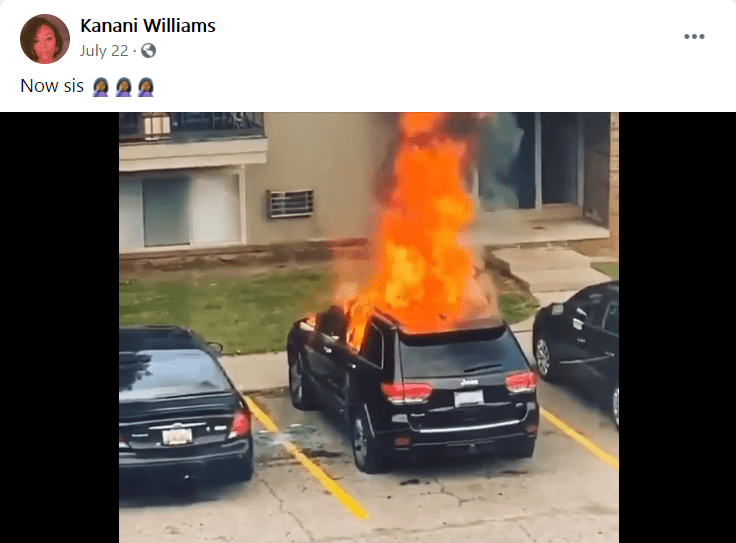
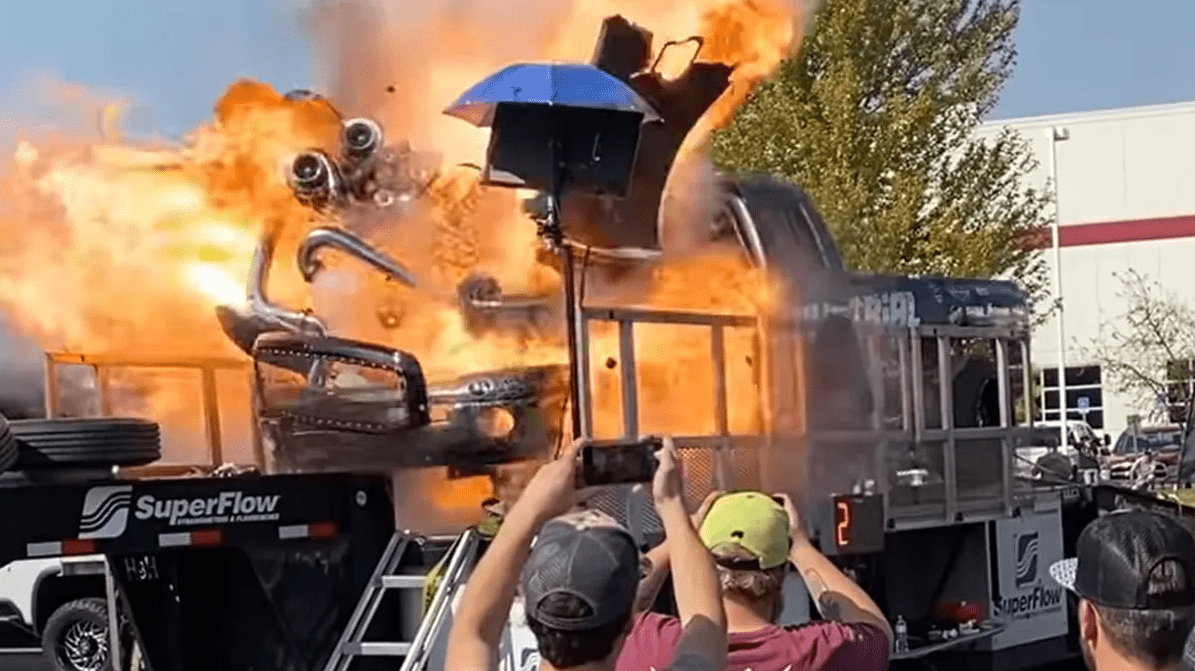
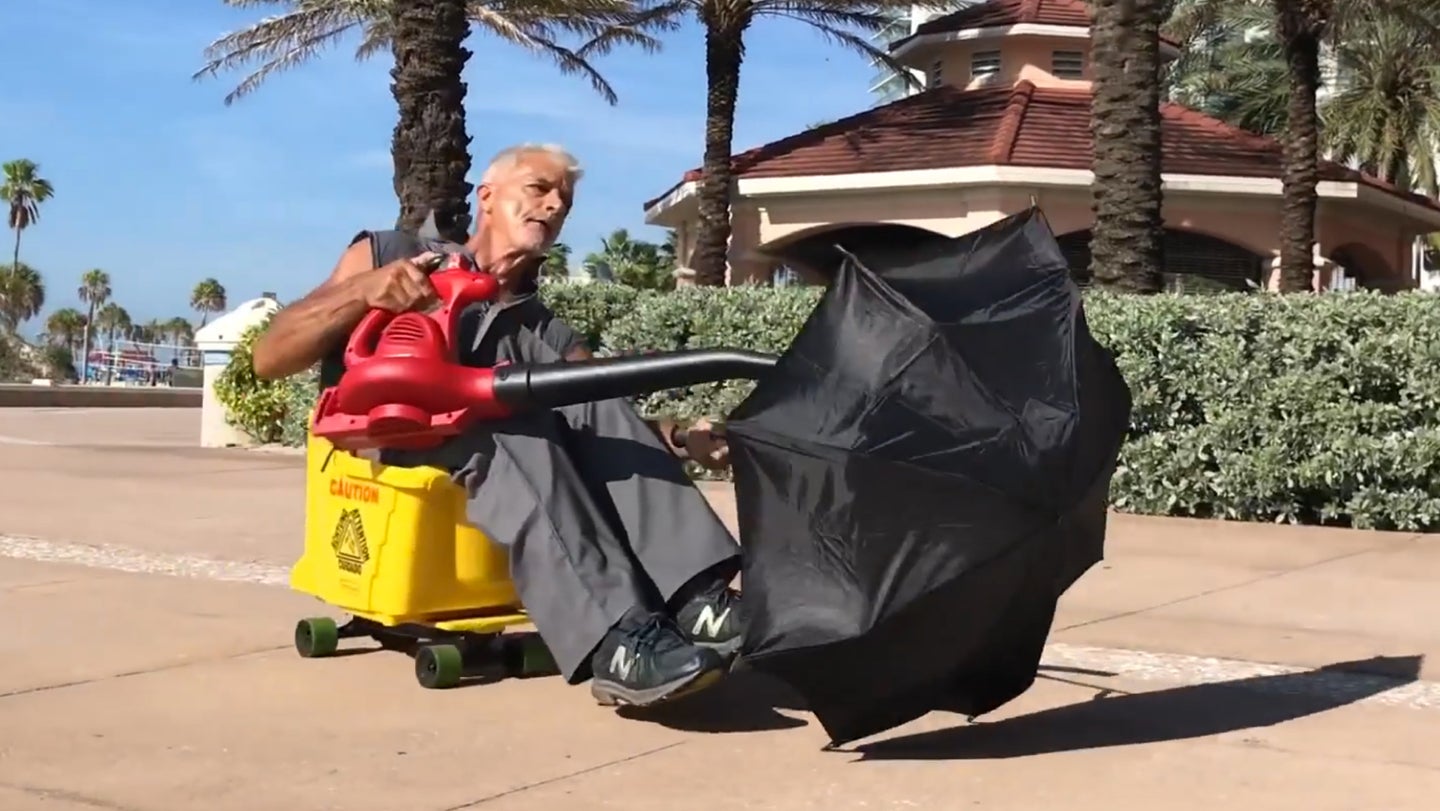
This episode of ‘The Drive Thru’, hosted by Brad, Eric, and Tania, covers a range of topics from the automotive world as of October 2020. The show kicks off with industry news, highlighting Ford ending production of the Shelby GT350 and introducing the Mach 1 as its replacement. Other news includes Ferrari making custom models, Chevrolet’s brake-by-wire issue, and BMW’s front-wheel-drive hot hatch. The team also discusses Toyota’s potent three-cylinder Yaris and SSC’s new speed record with the Tuatara. Motorsports news includes updates on NASCAR, IndyCar, IMSA, and Formula 1, as well as mentions of 3D-printed parts in Chevrolet race cars and the introduction of the Porsche Carrera Cup North America. The podcast additionally addresses Tesla’s affordability initiatives, GM’s collaborations with Nikola, and Ford’s hybrid F-150 testing. Unique and humorous car stories such as the viral twin-turbo diesel truck explosion and DIY scooter with mop bucket and leaf blower cap off this episode, along with a segment on the Halloween drive-thru experience in Orlando.

Tune in everywhere you stream, download or listen!

Listen on Apple
Listen on YouTube
Listen on Spotify

Showcase

Ford says goodbye to Mustang Shelby GT350

"Sometimes it's OK to cry." ... [READ MORE]

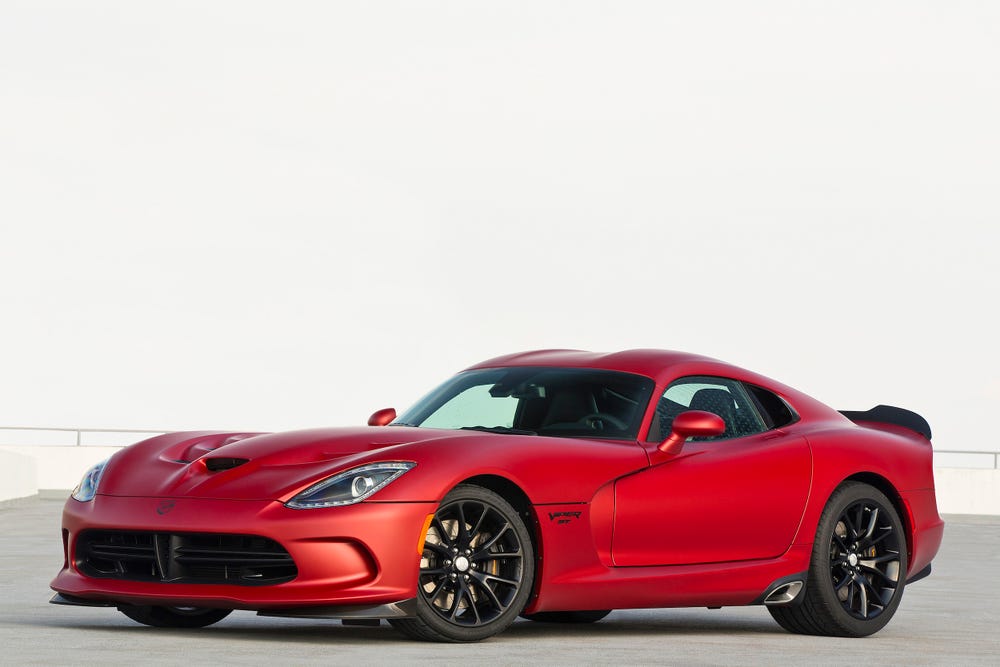
Ferrari Basically Made A Prettier Dodge Viper, But Only For This One Dude

The Ferrari Omologata – Google says that means approved in Italian – is... ... [READ MORE]

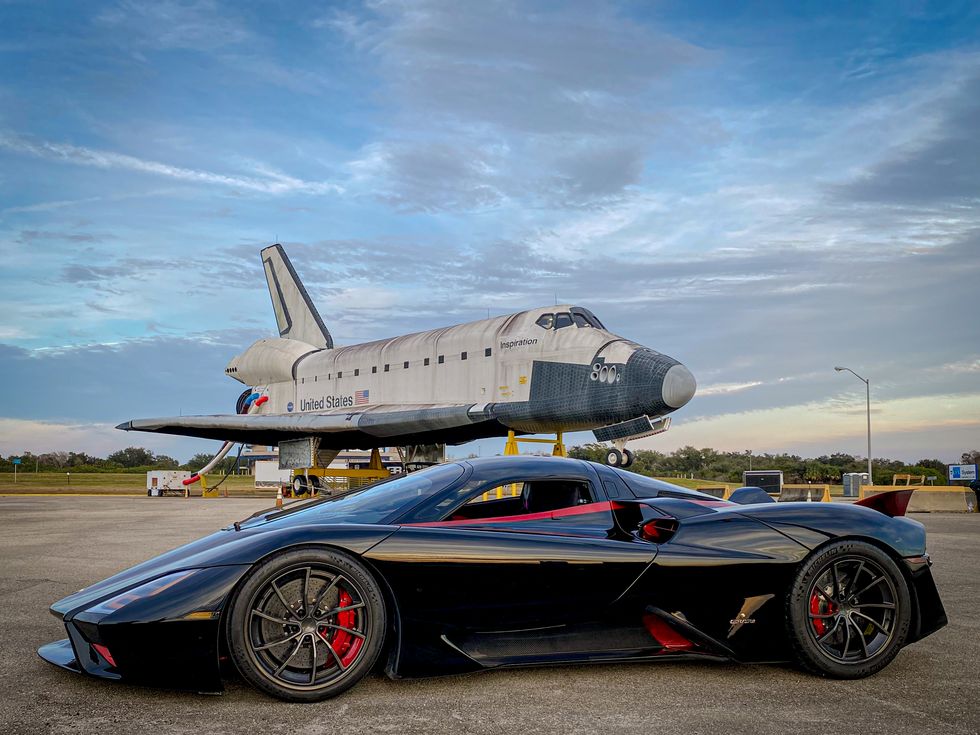
SSC’s Tuatara is the fastest car in the world with 331mph top speed

Video: look and weep, puny earth cars, Tuatara hits 316mph two-way average ... [READ MORE]

Rate It: A French Take on the Audi TT Formula

Based on the 308 hatchback, the Peugeot RCZ first showed up as a concept at the 2007 Frankfurt Motor Show with a production model appearing in 2009. ... [READ MORE]

NASCAR Cup Series to go dirt trackin’ at Bristol in 2021

Cup teams will compete on a dirt track for the first time in more than 50 years when the series races March 28 at Bristol Motor Speedway, the track announced.  ... [READ MORE]

Hamilton takes record-breaking 92nd win with dominant drive in Portuguese GP

Mercedes’ Lewis Hamilton has become the most successful driver in terms of victories in Formula 1 history, after a dominant display at the Portuguese Grand Prix saw him claim his 92nd victory from team mate Valtteri Bottas and the Red Bull of Max Verstappen. ... [READ MORE]

ROSSI EYES RALLY MONZA OUTING

Nine-time MotoGP world champion Valentino Rossi is interested in competing at the final round of this year’s FIA World Rally Championship at ACI Rally Monza. ... [READ MORE]

**All photos and articles are dynamically aggregated from the source; click on the image or link to be taken to the original article. GTM makes no claims to this material and is not responsible for any claims made by the original authors, publishers or their sponsoring organizations. All rights to original content remain with authors/publishers.


Automotive, EV & Car-Adjacent News

For a list of all the articles and events referenced on this episode check out the show notes below.

Domestics

EVs & Concepts

Formula One

Japanese & JDM

Lost & Found

Lower Saxony

Lowered Expectations

Motorsports

Stellantis

Tesla

TRANSCRIPT

Executive Producer Tania: [00:00:00] The Drive Thru is GTM’s monthly news episode and is sponsored in part by organizations like HPTEjunkie. com, Hooked on Driving, AmericanMuscle. com, CollectorCarGuide. net, Project Motoring, Garage Style Magazine, and many others. If you are interested in becoming a sponsor of the Drive Thru, look no further than www.

gtmotorsports. org. Click about, and then advertising. Thank you again to everyone that supports Grand Touring Motorsports, our podcast, Brake Fix, and all the other services we provide.

Crew Chief Brad: Hello and welcome to another installment of the Drive Thru, October 2020 edition. Thank you for tuning in to channel 666. This is Brad, your host. With me as always is Eric, and we’ve got Tanya as well. As you may know, the Drive Thru is our monthly recap where we’ve put together a menu of local, racing, and random car Jason videos.

Now let’s pull up to window number one for some industry news. First thing I’m going to talk about [00:01:00] here is Ford says that they’re killing off the Shelby GT350. It’s time to say goodbye. They didn’t really announce they were kind of forced to because there were some rumors going around that they were going to do this.

But because of the GT500 that is coming out, the 760 horsepower Mustang, super Mustang, essentially, they are ending production now or relatively soon this fall on the GT350 and the 350R. is a very sad day for Mustang enthusiasts. Those cars were probably the greatest Mustangs ever made until people start driving the GT 500.

I assume GT 350 ran for six years and was widely unchanged during that time. And it sported the flat plane crank, the Voodoo V8, 526 horsepower and six speed manual transmission. To replace this car, they are releasing a Mach one, uh, which is going to have similar power to the GT three 50. And it’s also going to have the same six speed transmission from the [00:02:00] GT three 50.

Sad news, sad Panda over here that that car is being killed off one because it’s such a great car. And, and also because anybody that was looking to secure one on the used market. Better do so quickly because the prices are going to skyrocket.

Crew Chief Eric: And next month’s headline reads, Ford says goodbye to Mustang Shelby GT500 in lieu of the King of the Road Cobra edition.

Right, I mean this is just going to be a downhill battle against Chrysler. This is, this is what I see. Unfortunately, I agree with you. I think the 350 and the 350 R were a great compromise car, especially if you wanted a dual purpose track street car. But I’ve said it many times before, and people have asked me if you could buy a new car to do everything, what would it be?

And I usually respond, if you told me the last car I was ever going to own was a Shelby 350, I’d be okay with that.

Executive Producer Tania: So are we saying that there’s a thing as to. Too much power? Because I thought everybody always complained you make a big power big motor of America and [00:03:00] now we’re complaining that all we have 700 horsepower and not 500.

Crew Chief Eric: It’s the Star Wars race, right? It’s the race to a thousand, but we’ve already gone there. I mean, the demon and all those different challenger options, they’re already there making four digit power. So I’d say, Like we say about Chevy being late to the party. I think Ford’s late to the party in terms of making big power numbers compared to some of the other muscle cars.

I mean, if you’re looking at the numbers that even the new Corvette supposed to be putting out, it’s like, all right, okay. I think as a driver’s car, the three 50 was the best of everything

Crew Chief Brad: to quote Jeremy Clarkson. I mean, yes, there was such a thing as too much power. He said it about, I think it was the eight 12 super fast.

Well, he was test driving it and he just, there is such a thing as too much power. And if Jeremy Clarkson, you know, Mr. Moore power, there’s too much power. Then yeah, it’s, it’s, it’s a thing that can happen. 760,

Executive Producer Tania: how

Crew Chief Brad: are you going to use 760 horsepower? On a [00:04:00] racetrack, let alone the street. I mean, some race cars don’t even have that much power.

I think the, the IMSA GT cars are around the 500 to 600 range. I don’t think they’re pushing over, over 650. Well,

Crew Chief Eric: they also weigh probably 1200 pounds less, if not more. I mean, that’s probably a low ball number. So power to weight ratio on a, On an IMSA GT car is better than a street car with less power.

But they can all,

Crew Chief Brad: they can also use much stickier tires and suspensions completely different and things like that. But for an everyday car, you know what we’re going the wrong way. Who are we kidding? No, there’s, you can never have too much power. Screw this, but to finish out the story, the sixth generation Mustang has been around since 2015.

And in that time Ford has sold over 633. Thousand of these cars worldwide. I’d say that’s a success given that this is a pony car that, you know, until recently they haven’t really sold overseas. It hit market [00:05:00] and it’s just, it blew up. It is a great car. Eric will wax poetic about this car all day long. Uh, the, the S five 50 Mustangs are excellent cars.

The GT three 50 was the best of the best of them. So it is, it is sad.

Crew Chief Eric: I just hope that we don’t go the way of. Mustang 2. We give all the credit in the world to Iacocca and the team that developed the original Mustang and it was a hot cake seller as well, selling, you know, a million plus Mustangs at the original, but you know, the Mustang 2 was not so good.

So let’s hope that whatever comes next for the new generation of Mustangs is not a repeat of the past.

Executive Producer Tania: So speaking of the Ferrari 812 Superfast, at some point we’ll have an episode where we don’t talk about rich people. And how much money they have, let me know, let me know

Crew Chief Eric: what that is.

Executive Producer Tania: That’s not this episode.

Unbeknownst to me, I didn’t realize that Ferrari actually, I think for about the past 10 years or something will make you a custom Ferrari, one of a kind, [00:06:00] if you have enough money. And so recently they have made a custom Ferrari based off the 812 super fast. And as the news release stated commissioned by a discerning European client, the latest offering in Ferrari’s line of unique coach built one off models is a vibrant evocation of the values that define Ferrari in relation to GT racing, a car that is equally at ease on the road as it is hitting the apex on the track in the hands of a true gentleman driver.

Now I will say if you Google custom Ferrari A12 super fast, I will give it to this discerning European client that he’s got some good taste because I actually think he made it better looking. In my opinion. So kudos for him and his one of a kind Ferrari

Crew Chief Eric: from the front. Yes.

Executive Producer Tania: I like the back better.

Crew Chief Brad: Really?

I don’t know. I’m digging it. I think Ferrari also did this. There was something bouncing around Jalopnik a year or two [00:07:00] ago. Somebody had a custom one off made based on the 488. Very similar deal. They made a one off and that car was stunning as well. I’m all for letting rich people do rich people things with Ferraris and make these one offs because I think they’re all beautiful, all the ones I’ve seen.

Crew Chief Eric: I just thought the title of the article was misleading, right? And from Jalopnik, the clickbait was Ferrari basically made a prettier Dodge Viper. And I’m like, it looks nothing like the Viper. I don’t even know what they’re talking about. And they’re taking

Crew Chief Brad: a shot at a car that isn’t even being made anymore.

Crew Chief Eric: Yeah, exactly. And the Viper has its own unique style. Which you can recognize right away. All the Ferraris nowadays, in my opinion, kind of all look the same. Not to say that that wasn’t the case like back in the 80s with the 3 Series Ferraris, the 308s, the 28s, the 48s, etc. They all look the same, but I don’t know.

At least it wasn’t designed by a computer like the Senna and the Veneno and some of these other cars. Viper? No, I don’t think so. Now, I haven’t seen any spy photos of this alleged new Viper that’s coming. That they’ve been talking about ever since Fiat took over [00:08:00] Chrysler. But we’ll see,

Crew Chief Brad: you know, looking at this cat, this car more, it looks like the wealthy businessman was looking at the two 50 GTO when he, and he was inspired by that car to make this one.

Cause it very much has similar lines to me, uh, to that car.

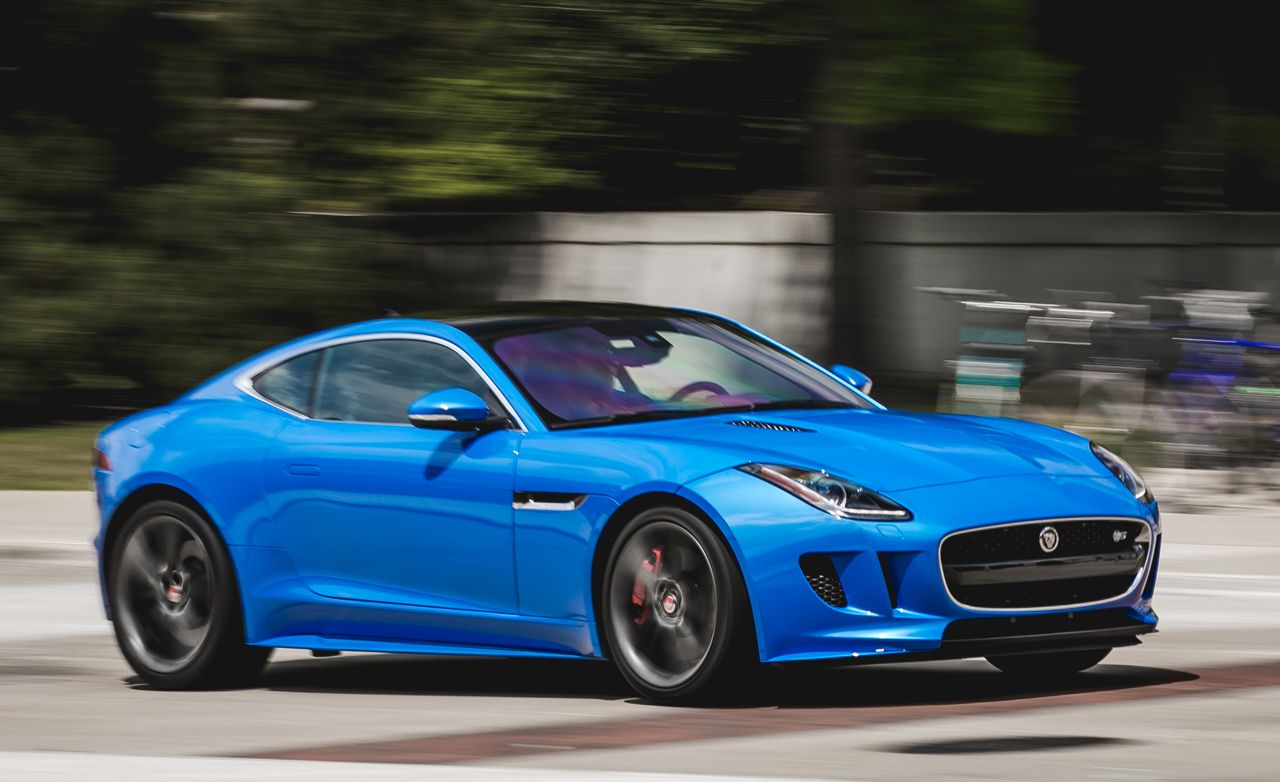
Crew Chief Eric: The front of it looks like the F Type Jag. That’s what I, when I first glanced, I was like, it looks like a Jag. So what else is going on in the industry?

Crew Chief Brad: Uh, Chevrolet, you know, they just came out with a new car, the C8 Corvette. Well, other than not allowing me to sit in them at the dealership, they have issued a stop sale order on C8 Corvettes because of a brake by wire issue.

Basically, there’s possibly material contamination within the electronic brake boost system. And basically it can cause the brake boost system to not be able to communicate with the brake pedal, forcing you to have to apply more pressure. And then the system doesn’t talk to each other and it just creates an issue and you could die in a fiery ball of, uh, it does not just affect the Corvette.

It [00:09:00] also affects the trailblazer, the encore, whatever that is. And a few different Cadillacs. This is the first recall that Chevrolet is issuing where you actually have to go back to the dealership. And the fix is basically to replace the brake boost module.

Crew Chief Eric: So what was wrong with vacuum?

Crew Chief Brad: Uh, it was too archaic.

It stopped the cars too fast.

Crew Chief Eric: Oh, okay, gotcha. It worked! Ah, that’s the problem! That’s the prob got it. Okay, all right. But we can move on. Thanks, Chevy.

Crew Chief Brad: Yeah. And Chevy, I’ve got a little tip for you. Please put a 1 C8 and whatever dealerships are selling C8 Corvettes in the showroom. Don’t have them all sold because people actually want to come and look at a car and touch a car and see a car and sit in a car.

Before they buy a car.

Crew Chief Eric: Well, the problem is you got to stop licking the cars, Brad. You know, you, you’re doing it wrong.

Crew Chief Brad: Brad gets hungry.

Executive Producer Tania: So what else? He don’t want to

Crew Chief Brad: know what the car tastes like.

Executive Producer Tania: So this next one [00:10:00] or next two, maybe are probably irrelevant to those of us living in the. Wonderful United States.

But this is BMW who is unveiling yet another front wheel drive. Uh oh. Hold on. Stop. Don’t fall out of your chair. Yes, BMW and front wheel drive were used in the same sentence. And we’re not talking about minis.

Crew Chief Brad: On wheel drive.

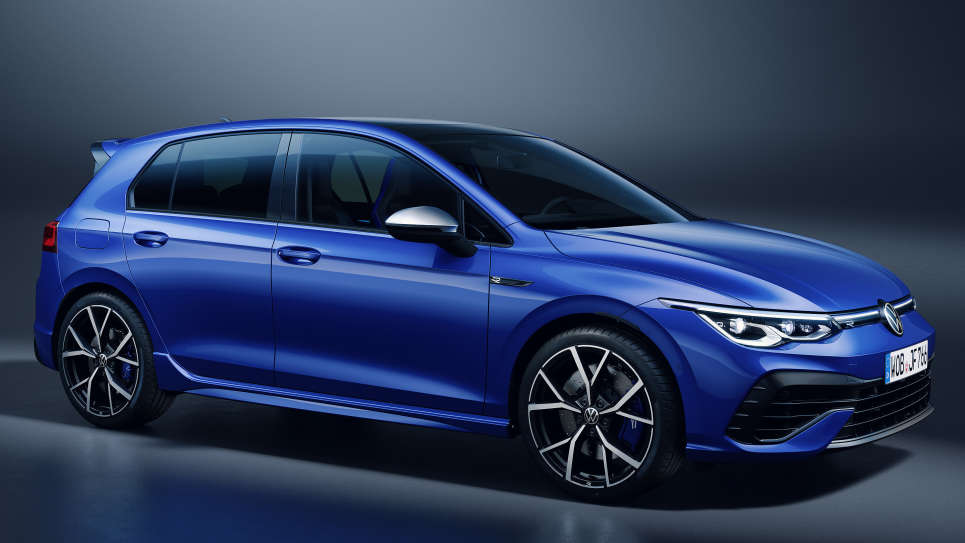
Executive Producer Tania: So yes, they are getting ready to release their new 128 Ti hot hatch, which will be front wheel drive and possibly is going to be an answer to Volkswagen’s GTI, specifically the GTI TCR.

That’s going to be releasing only in Europe. And I mean, this is not too interesting. It’s not coming to the U S so who cares? There’s a lot of people that thou hast the blasphemed greatly. Oh, great Bavarians. Um, how dare thou make a front wheel drive?

Crew Chief Eric: All I heard was grumble, grumble, grumble, grumble from all the BMW fans out there.

Executive Producer Tania: I mean, it’s for their compact and [00:11:00] sub compact cars. So it kind of makes sense why they’re doing it front wheel drive. Let’s you have more space, the engines oriented different. You don’t have the drive train going back to power the rear end. So it lets you have a little bit more space in the cockpit cabin, if you will.

Um, so they’re really doing it for those reasons to get a little bit more space for people inside the vehicle. And, you know, some other things are, well, you know, these days in modern times, you really can’t tell the difference between front wheel drive and rear wheel drive, which you’re going to trundle down the road and grab groceries.

As a normal person, that’s probably true enough, with all the nannies controlling everything. Granted, if you were actually going to drive spirited or on a track, you would still notice a difference. But, again, it’s not coming to the US, who really cares? I will say, though, it’s not unattractive looking. I think they still need to figure out their whole kidney grill proportions.

It’s not as horrific as, uh, Some of the cars we have here, but it’s not a heinous looking car.

Crew Chief Brad: I think it’s a pretty [00:12:00] nice looking lowered X3.

Crew Chief Eric: I was thinking Mini Countryman and BMW X1, which are already front wheel drive, probably a very similar platform, much like, you know, VW has the MQBs and all those different You know, shared platforms that they have.

U

Executive Producer Tania: K L is what it’s called.

Crew Chief Eric: So, yeah, it only makes sense. And to your point, the whole reason behind front wheel drive, or like in the old days, a beetle or a Fiat 500 or a Hillman imp where the motor was in the back. Behind the people was to maximize the people space. So it makes total sense. And you’re right.

If you’ve ever ridden in a BMW, as great as they are, they’re very cramped. And in the old days, especially in the heyday of the, you know, the E36s and the E39s, you know, you got a three series cause it was the sports car and you got the five series. Because you wanted three extra inches of legroom in the back.

That’s all you got. And you went from one series to the next, right? So I don’t know. I think in the advent of [00:13:00] EVs, which we’ll talk about here in a little bit, it also makes sense to do away with a normal front engine, rear drive layout. It just doesn’t make sense anymore for these new power plants.

Executive Producer Tania: We’ll see.

We’re not getting one over here. So BMW enthusiasts. It’s on the state side. Do not panic.

Crew Chief Eric: They continue to rejoice.

Executive Producer Tania: Now the next one, all of probably zero people also care about this. However, I care about

Crew Chief Eric: this one. You care about this one.

Executive Producer Tania: I would be remiss not to mention news regarding the fun favorite Toyota Yaris.

Who cannot love the little three cylinder beast that puts down 257 horsepower and 266 foot pounds of torque. I mean, I would love to drive this little thing

Crew Chief Eric: out of three cylinders.

Executive Producer Tania: Yes.

Crew Chief Eric: Wow. That’s impressive.

Executive Producer Tania: GR Yaris. Makes those kinds of numbers. I mean, that is insane. Is that

Crew Chief Brad: because of the turbo is the size of the block?

Crew Chief Eric: I was wondering that myself.

Executive Producer Tania: Details, details. [00:14:00] Okay. Let’s not worry about

Crew Chief Eric: it. Makes 250 horsepower at 47 pounds of boost.

Crew Chief Brad: Once

Executive Producer Tania: it does

Crew Chief Brad: it once,

Executive Producer Tania: but it’s spectacular that one time. So apparently there’s been some spy photos of a little Yaris running around the Nurburgring lately. And now there’s all the rumor mills are going spastic about.

Is this the GRMN? If you don’t know what that is, that’s the Gazoo Racing Master of Nürburgring edition. How exciting! What does that bring? How many more horsies and pounds of torque will we get out of three cylinders?

Crew Chief Eric: I mean, if you think about it, a hundred horsepower per cylinder That’s a hell of a ratio.

If they could get it up above 300 in that MN version, that would be nuts.

Executive Producer Tania: There was nothing indicating what, you know, any of the, the stats or specs are on, on this version or what this version exactly is going to be. But there’s something coming that we will not get here once again.

Crew Chief Eric: [00:15:00] So speaking of big horsepower and big fun, a company you’ve probably never heard of until about last week, SSC, put out a car with a name that’s even worse than the Touareg and some of these other ones that have come out in the past.

They have the Tuatara, and I’m hoping I pronounced that correctly. And if I’m wrong, I’m sorry, but come up with something better.

Executive Producer Tania: I shall drop knowledge now. And it is pronounced Tuatara.

Crew Chief Eric: Sure.

Crew Chief Brad: I think I like Eric’s pronunciation of the twatsara.

Executive Producer Tania: They are reptiles from New Zealand. And it means peaks on the back.

And now that I look at the car, I totally get the name. There you have it, folks.

Crew Chief Eric: That is the most interesting part of that entire article.

Crew Chief Brad: Thank you, James May.

Crew Chief Eric: It is now being touted as the fastest car in the world, with Incredible top speed of 331 miles an hour. It looks like every other super hyper car that exists.

So in [00:16:00] terms of fashion and style, it’s pretty cookie cutter, but here’s the one thing I take issue with this car is that yes, it just set the Guinness world record for fastest car in the world. However, I want to put a big Asterix there because the car that still holds the fastest production car top speed in the world is still the Bugatti Veyron or the Chiron, I guess.

In this case, because the SSC is still considered a boutique manufacturer, and they are slated with a 2B and that’s future production run of only 171 bespoke cars, which means there’s got to be 171 people signing up for their special edition limited production SSC. So I know I’m splitting hairs here. It is.

Technically the fastest car in the world, but I don’t know. I still tip my hat to Bugatti.

Crew Chief Brad: I think what’s sad is that the owners, all the owners of these cars, they will never reach five miles per hour because [00:17:00] they are going to be put on a cart. And dragged around their garage. They’re never going to run.

They’ll have like 2 miles on them. And it’s basically just to get it off the truck that delivers it and into the temperature controlled garage where they will stay until they are flipped in about 3 or 4 years. For whatever the new hotness is.

Crew Chief Eric: So switching to even more exciting news. We are set to see ink dry on paper very soon.

The European Union has said they are going to improve a 38 billion, and that’s with a B, merger to create the world’s fourth largest automaker by finalizing the merger between Fiat Chrysler and Peugeot. Once that’s all said and done here, hopefully in the next couple of months or so, we will finally see the birth of Stellantis, yet another terrible name to follow.

Terrible names we’ve already mentioned on this episode, but I’m actually excited to see where this goes, propelling Fiat Chrysler into that number four spot around the world.

Crew Chief Brad: [00:18:00] Stellantis and if it’s right for you,

Executive Producer Tania: some side effects may include

Crew Chief Brad: owning an Italian car.

Executive Producer Tania: Fun question since Peugeot and we’ll get no cars over here probably, but hypothetically in a different world, what Peugeot past, present, or future would you want to see in the U S?

Crew Chief Brad: 206 GTI from like the Gran Turismo days.

Crew Chief Eric: The 205 T16 is the rally car. That’s what I would go after the slightly older one, but I’m going to mention one here in a little bit. When we talk about retro cars, I’m actually a big fan of the Peugeot RCZ and I’ll explain that. In a little bit.

Executive Producer Tania: If anyone’s asking, I would have gone with the 205 turbo or a 208.

Crew Chief Eric: Well, speaking of retro cars, we found by way of Jalopnik, the missing link between the last of the 300 Zs and the more modern 350 Z Nissans. And it appears that there was a two door prototype. That’s a combination of the 280 [00:19:00] ZX. Some look and feel of the 300 ZX and some pieces borrowed over from the Sylvia.

We placed the link for this on the show notes, so you can check it out yourself. Maybe leave some comments. Tell us what you think.

Crew Chief Brad: Personally, I think it looks just like the Maserati 4200 GT that came out in the early 2000s.

Crew Chief Eric: I agree with that. At first glance, I actually thought it was Italian or maybe the rebirth of like an Alpine.

Crew Chief Brad: I can see that.

Crew Chief Eric: You know, because at that time, well, this would have been in the 90s. So Renault still hadn’t had its influence yet, but it definitely has some of those European cues to it.

Executive Producer Tania: Confused when I look at it, quite honestly, like, I don’t know what I’m looking at. And I just stare at it, good or bad.

I haven’t decided yet. I just,

Crew Chief Eric: And that’s the beauty of prototypes, right? As you kind of stare at them longingly wondering, should I, or shouldn’t I?

Crew Chief Brad: They decided they shouldn’t.

Crew Chief Eric: Absolutely. And probably,

Executive Producer Tania: okay. Honestly.

Crew Chief Eric: So moving on from that and speaking of the [00:20:00] French, I came across an article from grassroots motorsports, where they did a review on the.

Peugeot RCZ, which I mentioned a couple of minutes ago, and it was Peugeot’s answer to the Audi TT. So if you look at it closely, it carries some of the same design cues. It’s based on the 308, the slightly larger hatchback, and it showed up in 2007. Audi was already working on the second generation TT at that point.

So this kind of picked up where the Mark 1 TT left off. Personally. It’s odd. It’s quirky, but I like it.

Executive Producer Tania: I’ve seen him in person. If I was living in Europe, it wouldn’t be my first choice.

Crew Chief Brad: I’ve actually never seen this car before, and I think it looks pretty slick. Totally looks like a TT. Like a TT kind of competitor.

I think it’s kind of cool,

Crew Chief Eric: but here’s the impressive part. Here’s what gets me granted. It’s front wheel drive. So everybody, everybody just discounted it immediately. And all the BMW people turned us off 10 minutes ago. [00:21:00] It’s got a 1. 6 liter turbo. And depending on the model year, we’re talking 266 horsepower and 243 ft lbs of torque out of a 1.

6. Now what most people don’t realize is that 1. 6 liter turbo is what eventually ended up in the Mini Coopers. So that’s a strong bottom end that’s been used in a lot of cars to include the SRT4 Neon and a bunch of other vehicles that use that same turbo. Peugeot 308 bottom end. It was also available as a diesel with up to about 160 horsepower and 251 pound feet of torque, but that gas motor, those are really, really good numbers, and those are still the kind of numbers we’re seeing out of BMW and out of mini today on their smaller four cylinders.

So as much as you can kind of take it or leave this car, I think it. Ushered in and it opened the door for these other companies to take advantage, at least of this power plant and use it for cars that a lot of us do like hats off to Peugeot on that one.

Crew Chief Brad: Sadly, I don’t think I fit. [00:22:00]

Executive Producer Tania: I stopped listening when you mentioned it needed one extra cylinder to get all that power.

Nice.

Crew Chief Brad: The Yaris Gazoo Racing, you know, has something to say about that.

Crew Chief Eric: I want to know what it does at the Nürburgring. So many of you guys might not have ever heard of the B. A. T. Also known as the Batmobiles. And they’re a set of Alfa Romeo concept cars. And they’ve been hidden away for many, many years now.

private collection, and they’re actually up for auction. And the price tag is somewhere north of 20 million dollars for all three cars, but a little bit of back history if you’re not an Alfa Romeo enthusiast like I am. The BAT, which stands for Berlinetta Aerodynamica Technica, Which were prototypes designed to better understand the flow of air over a vehicle.

So they’re very streamlined. They’re very futuristic looking. They’re very much like the Batmobile from the 1960s Batman, but they [00:23:00] were built in 1953 through 1955, and they’re known as the bat five. The seven and the nine, and that’s why there’s three because they’re actually three different models, although they look very close and they get slightly larger as every year went by.

There’s a lot of information on these cars in the article from CNN that we posted. You can also do a lot of research on them on the web, especially there’s a really good blog. article on Wikipedia, but I also found out that there was a bat 11, which was designed nearly 50 years later to commemorate the original three bat cars.

And it was built in 2008. And there was only one of that as well. So in total, there are only four bat prototypes. Ever built and the original three are up for sale. So if you got an extra 20 mil laying around, these would be really cool to add to your collection. So, uh, head on over to your local Barrett Jackson, right?

Crew Chief Brad: I would like to start the bidding at 50.

Crew Chief Eric: Uh, yes. 50 and one, 50 and one. Do I hear 50 and two?

Executive Producer Tania: And you might look at [00:24:00] them and go, wow, they’re unattractive. But guess what folks, they’re not the ugliest vehicles ever.

Crew Chief Eric: This is true. And we’ll talk about that on another episode. But I got to hand it to Alpha because the coefficient of drag on those backcars is extremely low for that time period, unlike anything else at that time.

So good for them. Again, Alpha pushing the boundaries of Italian design and engineering.

Crew Chief Brad: So we talk about this all the time, not on the show, but just in general, talking about cars and car design, we’ve got a couple of members that say, That car design kind of died with, like, the whole aerodynamics revolution and trying to get the most efficient vehicles and, you know, uh, form following function, uh, and things like that.

And I think they’re quite stunning, actually. There, there’s a lot of art, artistic ness in the design of these vehicles. And if they were aerodynamic at the time, I mean, This just proves that theory is wrong. All cars do not have to look the same to be [00:25:00] slippery. So I don’t know why car design changed, you know, over the years to where everything has to look the same.

Crew Chief Eric: In an attempt to continue our thought here on what’s old is new again. I think we’re going to segue right into. A can of jolt cola.

So what do you got for us, Tanya?

Executive Producer Tania: Retro cars. Most people won’t probably know a Fiat 126, but it’s another one of those. It’s very older Italian cars that a very small Italian person fits in very comfortably. Brad, unfortunately, no, you probably don’t fit, but somebody decided to reimagine what a modern electric one, two, six would look like.

And if you Google Fiat one, two, six electric, you’ll see pictures of it. And I think this is a very good looking retro redesign. It’s very reminiscent of the original, but it looks better. It’s got the whole [00:26:00] electrification. Yay for that piece, but it’s cool looking. I’ve seen some comments, Oh, it just looks like the Honda E.

No, actually, if you Google Honda E, which is their little electric that’s coming out, this thing looks way better than the Honda E. Yes, they’re similar in that they’re both small little boxy cars, but it’s kind of where it ends. I wish they’d make it put alongside the 500E that’s soon to debut. And please put it right there with the retro Panda electric.

Are you listening? Fiat Stellantis, are you listening?

Crew Chief Eric: So for our Italian listeners out there, when I look at this, I see La 126, right? 100%. It is a complete throwback. I honestly would say they should build this instead of the 500e. I like the way this looks. It’s very rare anymore to see a two door coupe, especially a two door hatchback.

You know, all these cars back then, be it, you could say on our side, the Escort. Or the GTI on the German side. I mean, they all have this very similar shape. The one unfortunate part is that this rendering it’s, it’s beige. [00:27:00] I’d love to see it in another color, but it’s a period appropriate color. And it’s a color, but it’s a color that the one 26.

And, and I like it. I mean, I think it’s cool. And I think we need more cars like this.

Executive Producer Tania: I would love this. And I, and I like the Fiat 500. I mean, it’s, it’s iconic. It’s classic, but if this existed and someone told me you have to choose between the two, I would definitely choose this one, but unfortunately again.

We’ll never see this. Moving on to more electric news. So besides that, we, we’ve got some industry news. We’ve got some Tesla news. We’ve got parts of cars falling off. We’ve got some battery fires and we’ve got two wheel fun for the first time. I don’t think we’ve covered two wheel fun yet. So starting off with industry news around electric.

So GM, similar to, uh, I believe it was last month. announcement from Ford with them retooling their Rouge plant for electric vehicles. GM is unveiling that their Detroit Hamtramck assembly plant is going [00:28:00] to be reborn with a new mission to solely build electric vehicles. And I believe that factory was.

Factory one or something like that. So they’re going to call it factory zero now. Um, obviously that’s a little bit of a play on zero emissions and all that good stuff.

Crew Chief Eric: I thought it was patient zero.

Executive Producer Tania: Whatever the factory is going to be where the new GMC Hummer. EV is going to be built. So if you heard this week, that unveiling and Brad’s going to talk about it in a little bit, they’re also going to build a couple other cars there as well.

So the cruise origin going to be designed as part of the partnership between GM and Honda that they’ve got going on the facility itself. It’s going to be, you know, 2. 2 billion upgrade, and it’s going to be pretty cool actually, because they’re going to put it a hundred percent renewable energy to power it.

So it’s all going to be wind and solar, and they’re going to do some other. If you will, energy saving and environmentally friendly things with the construction and how it’s going to operate. So [00:29:00] good on them. And I guess we’ll be seeing some Hummers pop out of that.

Crew Chief Brad: The Hummer GMC has decided that they’re going to make the Hummer EV.

And holy crap, they unveiled it with a five and a half minute video, uh, they took a cue from Lincoln and had a nice smooth talking Matthew McConaughey type dictate the details and everything over space and the Hummer driving on the moon or Mars or the desert. I don’t know where it was. There are Wait, wait,

Crew Chief Eric: wait, wait, they didn’t bring in Neil deGrasse

Crew Chief Brad: Tyson?

That would have been better. That would have been better. He probably turned them down. He was probably their first choice and they, he turned them down. But anyway, there were a ton of specs. I’ve got a page here full of them. Thousand horsepower. This number is kind of funny. 11, 500 torques. How they come to that, it’s, they use a little bit of funny math.

They take the actual torque number multiplied by the first and last gear ratios to come up with like a max torque number. They haven’t actually said what the gear ratios are. So to come up to what the actual torque number is. Zero to [00:30:00] 60. The first

Crew Chief Eric: gear is. 10, 000 to one, right? So,

Crew Chief Brad: exactly. Uh,

Crew Chief Eric: it’s

Crew Chief Brad: a CVT transmission.

Uh, zero to 60 is in three seconds because every off roader wants to go zero to 60 in three seconds. The price is 112, 595. Uh, it comes with 35 inch tires stock, comes with adjustable air ride suspension that can take the ground clearance from 10. 1 inches. To 15. 9 inches, it can scale at 18 inch vertical, 24 inches of standing water.

It can wait through my truck can wait through that. So I don’t know why that’s such a big deal, but in comparison to the new Sasquatch Bronco, which is the top of the line, like most offer capable Bronco that has a ground clearance of 11. 6 inches. And so this, wait, wait, wait,

Crew Chief Eric: wait, wait, wait, wait, wait, wait.

The Sasquatch Bronco. Like, is that for real? Like, are we going to have the Bigfoot 150? Is that next? Because I’m so ready for that.

Crew Chief Brad: The Bigfoot 150 exists. [00:31:00] You just can’t find it.

Crew Chief Eric: Oh, okay.

Crew Chief Brad: It’s never been spotted. It’s got four wheel steering. It also has a mode called crab mode. Which means all four wheels turn the exact same direction.

And you can essentially just wait, what they

Crew Chief Eric: all go forward, right?

Crew Chief Brad: No, you can turn that. You can turn the wheel and the, all four wheels turn to a certain degree. Yeah. Crap, like a crab walks. Yeah. That’s what I said. Crab mode. Crab crawl.

Crew Chief Eric: Can I get a vanity plate for mine that says crab man?

Crew Chief Brad: Sure.

Crew Chief Eric: This could go wrong very quickly.

Let’s get off the crab thing.

Crew Chief Brad: So the Hummer is a pickup truck, this edition. The, the edition one is a pickup truck. It comes with a five foot bed, which is plainly

Crew Chief Eric: useless.

Crew Chief Brad: Yeah, it’s got a Ultium battery packs. It’s a tri motor, 350 miles of range, 350 kilowatt, 800 volt charging up to 100 miles in 10 minutes.

There is a package, it’s called Watts of Freedom. The Watts of Freedom [00:32:00] package includes, it’s a launch control package. It primes the motor for max power. It lowers the ride height. It rumbles the seats. And it pumps in artificial noise through the speakers.

Crew Chief Eric: You know, my Jeep does that when I do, uh, when I stand on the brake pedal and the accelerator at the same time,

Crew Chief Brad: my first initial instinct or initial opinion of this, when I first saw it, other than the fact that, holy crap, it’s going to be super expensive and I’ll never own one or never want to.

Uh, that it looks just like the Rivian R1T, the other electric truck that’s coming out. It looks almost identical to me. Also, it’s wider than an F 150 Raptor. Just saying a lot because those trucks are ginormous.

Executive Producer Tania: I mean, a Hummer to me has always been something that someone with a lot of money is going to buy, I mean, because what they’re so not useful, I mean, they get four miles to the gallon, right?

The, the ice versions. And then my understanding is. A normal small svelte person barely [00:33:00] fits inside one. They’re cramped as all get out. Because

Crew Chief Brad: all the drivetrain is tucked up into the cabin for ground clearance, so you can only fit four adults. Not well.

Executive Producer Tania: I get it for the military use and all that, and they’re extremely rugged and blah, blah, blah.

Okay, that’s a particular use case, but to go down to your local grocery?

Crew Chief Eric: Yeah, but the, the mill size. Speck Humvee is not the same as your GM produced Hummer. Although they look the same. I

Executive Producer Tania: understand that. So that’s, I’m just, I’m just saying, cause people like, yes, there’s Hummer of military and then there’s the Hummer of every day.

And if people think they’re getting the military version, they’re sadly mistaken. And the, and the Hummer that’s. The pedestrian guts.

Crew Chief Brad: If you want a GTM top tip, go pick up at a military auction, a decommissioned Humvee and stay away from the consumer oriented Hummer H1s that came out because the Humvee is going to be significantly cheaper and it’s going to be a better vehicle for you.

Crew Chief Eric: It’s going to be a diesel and if you want to do some serious off roading, nothing can take a beating and a half. I just want to know [00:34:00] in this Ludicrous mode that it has with 11 and a half thousand foot pounds of torque what tire they’re going to put on this thing when I want to launch from a stoplight that won’t basically Chernobyl the minute the launch control disengages.

Crew Chief Brad: Duratrax.

Crew Chief Eric: Oh, is that, okay. 900 treadwear.

Executive Producer Tania: No, and I don’t want to offend anybody. Cause I always have thought of the Hummer as being kind of a niche thing. So just like any other niche car, you know what, if you got the money to afford it, I mean, whatever, more power

Crew Chief Eric: to you,

Executive Producer Tania: I mean,

Crew Chief Eric: cool, but that’s not, that’s not the only thing GM has been lurking around in the dark, working on.

Have they

Executive Producer Tania: last month’s talked about how they were going to Create an alliance with Nicola, who, you know, all hydrogen and EB and all that. And they’re do this for semis on hydrogen and all this, this business. And they announced that they were going to do a big merger there. Um, or at least GM was going to buy in certain percentage into the company.

And then. I think like, it was not even a [00:35:00] week later, all of a sudden the shit started hitting the fan. And there were allegations against Nikola and misleading investors and bad characterizations of business dealings. And then shortly after that bomb drop, the other shoe fell and Milton stepped down as the CEO, and then he was accused of sexual assault and this, that, and the other.

So then it was like, first thought was, Oh, what’s going to happen now with this GM Nikola partnership. And so it looks like they’re still sort of talking and it’s likely to still happen that there’s going to be some dealings going on. And they’ve got till December 3rd to reach an agreement on this 2 that’s going down.

There’s really not much else to say on it. There hasn’t been any other reporting other than GM hasn’t fully walked away. They’re still having conversations. Maybe it’s still a good deal for them. I don’t know.

Crew Chief Brad: I almost think they kind of still need to go with through with it, especially since they announced the new, I agree with that vehicles that [00:36:00] they’re I’m sure they’re counting on Nicholas technology and in part of this partnership to help get that off the ground.

Crew Chief Eric: I mean, I feel like GM’s walking around with this diamond encrusted dollar bill gun right now, just like, spraying money, making it rain 2Billion on the new plant factories here 2Billion to Nicola 2Billion over here. It’s like. Good Lord. It’s like, yeah, no wonder the Hummer is 112 grand. It’s like, good God, but I’m hoping I’m crossing my fingers because maybe they’ve learned from the mistakes of everybody else from Ford, from Tesla, from Volkswagen, et cetera, and maybe they’ll surprises and maybe they’ll come out with something earth shattering.

And that’s where I’m kind of putting my faith at the moment that maybe GM will surprise all of us at the end of the day. So let’s stay tuned on how that develops.

Executive Producer Tania: So we would be remiss to talk electric and not talk about Tesla. So moving on to some Tesla news, apparently they’re talking about building a more affordable electric vehicle that would be [00:37:00] priced about 25, 000.

Crew Chief Brad: Wait, wait, wait, so are they able to lower the price because they’ve decided to get their parts from Ace Hardware instead of Home Depot?

Crew Chief Eric: They’re getting military discounts at Lowe’s.

Crew Chief Brad: Senior citizen AARP discounts. Yeah, yeah.

Executive Producer Tania: There’s not a lot of information and to the extent that even the journalist who’s reporting on this kind of Personally dubbed the car as the Tesla model two, seems like it would be something smaller than the current model three, helping bring the price down, et cetera.

And the whole article was a little bit of annoying. Cause it was, you know, Tesla’s 25, 000 electric car means game over for gas and oil. And it’s like,

Crew Chief Eric: not want.

Executive Producer Tania: Uh, I love how Tesla’s the only person making electric cars right now. You know, there’s not Renault or Volkswagen or Porsche or Audi or Hyundai or Honda or any of those people.

It’s only Tesla. So only Tesla is going to be responsible for [00:38:00] crippling the. Oil and gas industry. Let’s get that right. I mean, it just goes on and on how it’s going to be the Volkswagen golf killer and all this stuff. And it’s going to go to directly compete against the ice. And I’m like, really? I mean, and if you’re marking this in Europe, really?

I mean, first of all, your competition is going to be the Renault and the Peugeots and the Audis and the Kias and the Hyundais and all the other things that are flooding into the market.

Crew Chief Eric: And the Gazoo Racing Yaris, come on now!

Executive Producer Tania: I mean, just wait for their electric version, it’s gonna make like 900 horsepower with one little battery cell, okay?

But it’s like, I don’t know, the whole article is slightly obnoxious. Yes, and? Great, make a more affordable electric vehicle. Wonderful. I mean it probably will be attractive in Europe where they still sort of like smaller cars, but I mean I don’t know who would buy a Model 2 if it’s going to be smaller than a 3 in this country.

Crew Chief Eric: I don’t know if it’s as ugly as the Model Y that I saw on the road the other day. You can count me out.

Crew Chief Brad: I’ve got two [00:39:00] questions for you though. One, how many bags of mulch can it carry? And two, does Europe give EV credits like they do for against taxes here in the us? Does, do they have a program like that?

Executive Producer Tania: I cannot recall. I’ll leave it at that. I’m not sure. I’d have to look it up.

Crew Chief Eric: Well, you know, we do need to circle back because I have to say, despite being a dinosaur, according to you guys and the listeners out there, I do still, I still like to burn my dinosaur blood, but I am intrigued by the idea. Of the E 150 that we talked about last month.

And just after we recorded the third episode of the drive thru, Ford announced that they are coming out with a 430 horsepower hybrid version of the F 150. And apparently it’s going to be able to tow up to 14, 000 pounds. Now, Ford, you have my attention. However, there’s a big asterisk here. We talked about this on a.

Different conversation. I’m a [00:40:00] big fan of, and I wrote about this in a previous article, what I call self contained hybrid, where the ice motor is used basically as a generator to keep power going to the electric system, and I don’t have to plug it in, and I don’t have to deal with unicorn farts, and a lot of other things to power my vehicle.

I don’t have a good understanding to how this new F 150 hybrid is going to work, whether it’s going to be a plug in and you’re going to have some limited city range, or if it’s going to be a self contained hybrid, similar to Ford’s previous hybrids. If that’s the case, you definitely have my attention because now you’ve got the range, you’ve got the backup power, you’ve got the ability to tow massive amounts, and probably you’re Some really good city MPG with that self contained hybrid system.

Executive Producer Tania: And all the articles tend to be very vague on listing out stats and specs and things like that. But it seemed like it was the hybrid, not the plugin,

Crew Chief Eric: the self contained yeah, self

Executive Producer Tania: contained not of the plugin variety. Furthermore, I’m extremely confused by this truck because there was one article that some, Folks [00:41:00] had gotten their hands on the truck and all this stuff.

They said there’s not a single badge on it indicating that it’s a hybrid, which the argument there was that sort of genius because you’re playing to your market of people that, you know, want the built Ford Tough and Merca and gasoline guzzling. And I don’t want no hybrid. And so. Don’t put the hybrid badge on it.

Confuse them a little bit. But then the few statistics that they gave, they talked about a 36 kilowatt motor and then it would run off a 1. 5 kilowatt hour battery. And I’m really confused what the hell that could possibly do besides like Transcribed by https: otter. ai Run your auxiliary features. The other thing with this truck, a lot of the things, the attributes of it or whatever, it comes with the 220 volt plugs and all this stuff so that like, it’s really being marketed more as this is a truck you work with.

So I’m going to go to my construction site and I’m going to plug in my drill into the back of my pickup truck and, and all this stuff. And it’s like, well, one, chances are, you’re probably not going [00:42:00] to. Back your pickup truck to wherever you actually need your drill. So I don’t know how useful that’s always going to be, but partially that battery is there to support these auxiliary functions for, you know, these particular use cases.

I don’t see such a small battery pack being useful to you’re suddenly on an incline towing. I mean, that thing ain’t going to do crap. Maybe it’s powering your radio, but that’s about it. But I mean, it’s a step in the right direction, I guess.

Crew Chief Eric: Now, in order to bring this truck to market, Ford had to do some testing and they got creative by building what I’m going to put air quotes around is robots.

And if you look at the article, the first adjective that came to mind was robots. Because I don’t know if these robots were designed by the local S. A. E. team at, you know, at like Michigan State or something. But to me, it wasn’t the robots I was expecting. You know, granted, we all have a fantasy of Johnny Cab driving around and, you know, testing [00:43:00] these vehicles.

And the reason that they were using robots. Quote unquote robots to test the new E one 50 and hybrid F one 50 is that they’re putting them in through conditions that no human would be able to, they say, quote unquote, survive. I think that’s a big exaggeration, but I think the funny part of it was when you looked at how it was really cobbled together, it’s cool that they’re doing it and they’re, they’re doing a lot of this stuff remote, but it was just so janky and I think my favorite part.

Was the ring gear that they attached to the steering wheel was zip ties. I mean, I just found myself chuckling at this going, we got 2 billion to spend on whatever, and this is the best you came up with in terms of robots for testing vehicles.

Crew Chief Brad: It looks like something we’ve done.

Crew Chief Eric: Yeah. Right.

Crew Chief Brad: Zip ties in use.

There’s a, there’s a warning label on the side of the door.

Crew Chief Eric: Now I know where all the surplus stuff from RadioShack ended up.

Executive Producer Tania: Robots come in all shapes and sizes. Okay. Yes.

Crew Chief Eric: Maybe. They’re taking a page from Tesla’s playbook and buying all their supplies from Home [00:44:00] Depot. We

Crew Chief Brad: can build robots at Home Depot now, so we’re all good.

No, these all came from Radio Shack and Toys R Us. These are erector sets and little battery packs and stuff.

Crew Chief Eric: Speaking of Tesla.

Executive Producer Tania: And they’re renowned build quality, just kidding. I mean, but seriously, I mean, it’s common knowledge Tesla people themselves will admit that there are quality control, fit and finish issues with Tesla vehicles.

We’ve got two more that are popping up. First is the Model Ys. At least one. And I believe there was at least more than one person to have the moon roof disappear while driving on the highway. So apparently you can be driving along the highway and your model Y and suddenly you can have a convertible Y for free.

There was no upcharge for this folks. Part of the base package.

Crew Chief Brad: Eric, there’s your E prepared car right

Crew Chief Eric: there. I know. What was that roof being held on by?

Crew Chief Brad: Elmer’s glue

Executive Producer Tania: [00:45:00] instead of superglue. It was held

Crew Chief Brad: on by caulk.

Executive Producer Tania: She’s the wrong kind of pair. Yeah. Uh, you know, I don’t, I don’t, I hate to be mean. To them, but

Crew Chief Brad: no, do it.

Go for it.

Executive Producer Tania: I mean, it happened to someone. So there you go, people. I like this next one better though. So on a model three, cause I like spending tons of money on a car to have pieces fall off while I’m driving when I didn’t do anything. Okay. That’s what I look for when I go car shopping. Don’t know about the rest of you.

So apparently the model threes, and this is A two year old problem that’s finally being acknowledged by Tesla is, you know, you’re driving around, you know, it’s, it’s a rainy day, you know, Oh gosh, you’re out there. And then suddenly you’re for your bumpers on the ground. And you wonder making my bumper fall off because of rain, the damn things melting off.

No, no. From what I can gather based on pictures and everything is [00:46:00] Basically, the whole rear bumper is one bumper fascia plus skid plate all built in. So apparently what’s happening is road debris, sand, dirt, mud, water, because it’s raining, because this only seems to happen when there’s puddles and things like that, collects in the skid plate, and then eventually the weight is too much to bear, and the bumper falls off.

falls off the car.

Crew Chief Brad: I, I think they’re going about this wrong. I think they, they meant to advertise it as a hydrogen electric car and that’s just a water collector.

Executive Producer Tania: Oh, that collects the water and there’s a conversion. And then

Crew Chief Brad: they have a, they have Home Depot parts in the trunk that convert it. And then use the hydrogen.

Crew Chief Eric: They separate the hydrogen and oxygen. No, no, no. You don’t understand. It is a water collector for the evaporative cooling system so that you can cool the batteries down by spraying water on them. And as it evaporates off it, it dissipates all that heat. We use it for inner [00:47:00] coolers. It work. It’s fantastic.

Executive Producer Tania: Oh gosh. Can you imagine you’re driving down the road or whatever and your bumper falls off ’cause it’s crazy. I can honestly

Crew Chief Brad: say that has never happened to any of the vehicles I’ve ever owned. What I

Crew Chief Eric: wanna know is. And not that I’ve ever seen a Tesla in the snow, but does that bumper act as a plow when you’re Well, now

Executive Producer Tania: that’s a, that’s a great question now, actually.

So apparently they have since fixed the issue with diffusers and, and other shields and this, that, and the other things. I don’t know. They probably drilled some holes in the bottom of it. So drains because that would be, that would be more on par with the type of fixes that normally get reported on. At any rate, hopefully this doesn’t happen in the future.

The snow one’s a probably really good question. I don’t know, but watch out if you’ve got a model three or a model Y. So moving on from Tesla again, apologies, not to bash on them too hard, but you know, sometimes when you make it easy, so there was another article from [00:48:00] friends at clean technica, their report on all EV stuff and things of that nature.

They had a headline battery fires may slow the EV revolution. And I find their. Title a bit harsh, particularly they’re pointing the finger right now at Ford and GM and Hyundai, who are all seeing issues with batteries and batteries overheating and then catching fire.

Crew Chief Brad: You forgot a company to add to that list.

Samsung had an issue with that too.

Executive Producer Tania: And yes, that’s very bad. And they need to address that. And they need to figure out, you know, the root causes and mitigate them and all that stuff. But. Also, let us not forget our friends Tesla, who also suffered some battery fire issues early on, and they have seemingly since addressed most of them.

I mean, they seem to maybe still happen less frequently. I think the title’s too critical. I don’t think just because The technology and the evolution of that technology is suffering setbacks right now. It means that it’s never going to work out in the future. They’re already [00:49:00] evolving battery technology.

It’s a known fact right now that lithium ion batteries are slightly dangerous in that they have an overheating tendency. And when they overheat, it leads to thermal runaway, which can then lead to a fire. These are known facts. And what are all the batteries? Kind of being used right now, lithium ion, because they’re very powerful.

They’re, they’re lighter weight, this, that, and the other. Evolution is already taking place. There’s lithium iron phosphate batteries, sort of the same technology, the same kind of in the same family tree, if you will, of the lithium ion batteries. But the chemistry is such that generate less heat. While still generating pretty much the same amount of power.

And so Tesla’s actually talking about already shifting over to the lithium iron phosphate batteries, because they’re inherently safer because they don’t have this tendency for thermal runaway and to cause fires. Don’t paint this doom and gloom prophecy here that Ford GM and Hyundai and everybody else are never going to get there.

off and running with batteries because they’re going to catch fire. No, what are they going to do? They’re also going to [00:50:00] move to lithium iron phosphate batteries because the manufacturers of these cells and whatnot are going to shift to that. I mean, at the end of the day, it’s kind of growing pains.

Crew Chief Brad: Are the different battery I guess components are the lithium iron phosphate batteries as efficient?

Are they as powerful and as efficient have the same performance as lithium ion?

Executive Producer Tania: Seemingly, yes, based on my very limited research,

Crew Chief Eric: but your deep understanding of chemistry. So we’ll give you that.

Executive Producer Tania: Let’s not. All right. So moving on from that. So we haven’t talked about motorcycles very much or at all, and apparently there is a Texas startup that is going to be building an electric motorcycle called the Vulcon Grunt.

Crew Chief Eric: All right, let’s, let’s stop there. Cause the names are

Executive Producer Tania: getting

Crew Chief Eric: really, really good these days.

Executive Producer Tania: I don’t make the names up. I just read the names.

Crew Chief Eric: So let me get this right. The Vulcon Grunt.

Executive Producer Tania: Not Volcan. Volcan. And not

Crew Chief Brad: [00:51:00] Voltron.

Executive Producer Tania: Not Voltron. Volcan

Crew Chief Brad: Volcan. And not gr Grunt.

Executive Producer Tania: Exactly. Now you’re with us here. All right.

Brought to you by the letters . So the Volcan Grunt is gonna be a super affordable EV motorcycle. It’s gonna be priced at just under $6,000. So $5,995, and it’s gonna be ready allegedly in Spring 2021. The motorcycle’s gonna have. 50 horsepower, 75 foot pounds of torque and a 60 mile an hour top speed and a hundred mile range.

Now I just heard everybody keel over going, what the heck? My understanding is I don’t think this is at all intended to be a street legal bike. So I don’t know much about bicycles, but there were some comments talking about how this bike is very similar looking to a Rokon. And even similarly named, I guess.

So for people, motorcycle enthusiasts and, and kind of off roading vehicle enthusiasts, you might know what, what that is. So the intent [00:52:00] is, this is more of a hobbyist or worker bike. So if you had, you know, your, I guess it makes sense in Texas, you’re on your ranch and you want to get from one side to the other, you hop on your little electric bike and you scoot across the ranch, or maybe you’re going to go out hunting or something.

And this is your bike. Does it, it’s, it’s basically a electric dirt bike.

Crew Chief Eric: I mean, if you think about it from that perspective, I can see the, the appeal. I can see the use. I can see sneaking up on wild animals much more easily because you don’t have the going on where, you know, you can hear them from half a mile away.

So I kind of liked the idea. I could see this being very popular in Asian countries, like, especially like Vietnam and places like that, where motorcycles are extremely popular and they have a lot of bikes that. over here we would consider not street legal. I could see something like this working out really, really well.

I’m really shocked by the numbers though, because when you tell me, you know, a hundred miles of range and 60 mile an hour, I’m thinking moped on steroids, not [00:53:00] motorcycle. So, I mean, neither here nor there, but you know, I’m still holding out for the Tron light cycles. So when those become available, please sign me up.

Executive Producer Tania: And apparently this company too, they’re also, they’re going to be doing electric ATV. So they’re very focused on this off roading hobbyist, not street legal running down the highway. So if you’re in the market for anything, uh, look out for the Volcon Grunt.

Crew Chief Eric: At your local grunt dealer, head on down.

Executive Producer Tania: Also staying with the motorcycle theme.

So I don’t know if anyone’s aware, the actor Ewan McGregor of various fames, most notably, I guess, Obi Wan Kenobi. From Star Wars, he embarked on a 9, 000 mile electric motorcycle ride, starting from basically the Southern most tip of Argentina, all the way up through South America, ending in Los Angeles.

And he did this with a buddy of his and he was on a Harley Davidson live wire, which is Harley Davidson’s electric bike. We’re poo pooing just a second ago, very lightly poo pooing on the hundred mile range of the Vulcan. Well, the Harvey [00:54:00] Davidson. Livewire has 146 mile range. So it’s really not that much greater.

So they were doing this as part of, um, some sort of TV series that he’s, he’s going to, he recorded all this whole journey for, so I think he’s. I believe I recall him kind of being a bit of a motorcycle buff and even a car enthusiast.

Crew Chief Brad: This isn’t the first time he’s done this. He actually did this in the early 2000s, I think on BMW motorcycles.

He went all the way around the world.

Executive Producer Tania: Yeah. So it’d be interesting to kind of see, obviously he’s doing it this time, probably with the whole electric take, not a lot of details out. Cause they don’t want to see. Things for the TV series, which is going to be coming out and apparently it’s going to be on Apple TV for anyone who would be interested in this.

They had support vehicles with them as well, which were allegedly Rivian R1T electric trucks. So that’s pretty interesting. It sounds like it was a heck of a adventure. Obviously it goes without saying that there’s probably not a lot of charging stations along the West coast of South America as you come up and [00:55:00] whatnot.

So. There were a couple of mentions about how they had to rely on the kindness of strangers, literally stopping at strangers doors and asking to plug into their, you know, electric outlets and then causing blackouts and stuff as they blew fuses in the, in the fuse panel. So I bet it’s probably going to be a pretty interesting TV series.

But nonetheless, they did travel that whole distance on electric motorcycles. It reminds me

Crew Chief Eric: of the days of sailing ships. You needed to cross the Atlantic. It took six months. Now we can do it in two days, you know, or whatever.

Executive Producer Tania: Yeah. I mean, he did do this in three months, apparently. So, and, and I don’t think that was nonstop driving.

I believe they, they stopped in different locations, probably tried to get culture and see different sites and whatnot.

Crew Chief Eric: Granted.

Executive Producer Tania: Obviously wait, you know, several hours to recharge.

Crew Chief Eric: It’s a really cool idea, but I think in some ways it adds fuel to that fire about electric and range and all that, which we won’t get into in this particular episode.

But, you know, I, [00:56:00] I think it’s interesting. I commend him for doing this. And then as Brad said, he did this. About 10 plus years ago, I actually didn’t realize until time you shared this article that Harley was building an electric motorcycle. I mean, we have many people in GTM that are into motorcycles. I’m not one of them.

So I thought this was actually Really interesting and I’m looking forward to seeing, you know, maybe what Harley does next. Maybe if they could double that mileage, you know, get it close to 300. You’ve got something.

Crew Chief Brad: I think the live wire is kind of cool. It’s been out for a little while, but it’s way too expensive.

Just like any Harley Davidson motorcycle. They just cost way too much.

Crew Chief Eric: And it kind of reminded me a little bit of a sportster. I mean, it’s not like everybody’s regular Harley where, you know, you saddlebags and the whole kind of thing. He needed something for those off road conditions. So I like the fact that it was a little bit more racy, but I couldn’t see your average Harley buyer going out and getting that because it’s not.

It’s not the type of market that we have here. Now I, I’m [00:57:00] probably doing a gross generalization, but the Harleys that I see out our way, most of them are, are the larger, you know, cruiser bikes rather than something like a sportster.

Crew Chief Brad: Harley’s trying to get away from their previous market because they’re going under.

So they’re trying to find a way to capture a new audience and new. Buyers. And I think the live wire was a way they could have done it, but it’s just way too exciting. It’s like 25, 30, 000 for a motorcycle. Uh, millennials aren’t going to pay that. They don’t pay that for cars. They’re not going to pay that for a Harley Davidson motorcycle.

Um, but I do like the idea and to talk about the range a little bit. I mean, I’ve had a couple of motorcycles in my life and none of them got over 150 miles to a tank. I mean, it’s got a four gallon gas tank and you know, they don’t go very far anyway. So 146 miles range. On a motorcycle is actually pretty good

Executive Producer Tania: as an aside, actually with Harley Davidson, I saw something earlier today.

Actually, that apparently they’re branching out [00:58:00] into bicycles and they’re actually going to be coming out with an electric bicycle line by Harley Davidson, which I can’t imagine what that would cost.

Crew Chief Brad: Look for those around your, your local track paddock.

Executive Producer Tania: Yeah, there you go.

Crew Chief Eric: All right, I think it’s time for us to make some donuts and scoot into motorsport news.

So first of all, we got to tip our hats yet again to our friends over at HPDE Junkie for always Providing us with the latest up to date information about all the track events going on in our area. Their list is extremely comprehensive. Always make sure to check it out. So the season is wrapping up here.

We, Brad and I just recently released our fall finale episode from BIR. Unfortunately, Governor Cuomo had decided to start closing borders again and disallowing certain States from coming to New York. So we weren’t able to really finish out the year like we wanted to at Watkins Glen with our friends from the Northeast.

I’m happy to hear that a lot of people had. last weekend. But you know, there’s really only a [00:59:00] few events left in our area on the calendar. There’s about three events left at New Jersey Motorsports Park. You’ve got a handful of events left at Summit Point. And that’s to include helmets off to heroes, which is a charity event, which has been taken over by SCCA in the last couple of years, benefiting military veterans, etc.

Usually held on Veterans Day this year happens to be held on November the 8th. So if you’re You’re looking to come out and have a good time, volunteer, et cetera. We also need coaches for that event. Look to either WDCR’s website or Motorsport Reg for that listing. HPDE Junkie has a good number of events still left on the calendar for VIR.

By my count, we have about six to seven VIR before they close the gates for the winter. So you’re looking to make that trek for that. From the DC area, check out what HPD Junkie has on the calendar. And if you’re somewhere else, remember that their schedule [01:00:00] is nationwide and soon to include Canada.

Crew Chief Brad: A little word of advice.

If you’re going to VIR, leave the slicks at home because the days start out typically in the thirties or forties around this time of year, and they don’t typically go above 50, 55.

Crew Chief Eric: Well, some exciting news for us. for 2021. There was an announcement through grassroots motorsports that Porsche is set to debut a North American Carrera cup.

Now, a lot of the Porsche enthusiasts out there might be saying, well, this isn’t really news to anybody. You know, we have all our GT cars and GT twos and GT threes and GT GT three blah, blah, blah, blah, and all this stuff. However, if you look at the history of cup racing, In North America, there hasn’t been a fully sanctioned Carrera Cup since the days of the 993.

And I’m actually really excited about this because I’m getting really tired of watching Ferrari Challenge and Lamborghini Super Trofeo. Seeing a Porsche Cup race for the first time in, let’s [01:01:00] call it, 20 years. Is pretty exciting. So I’m looking forward to this. I’m looking forward to seeing the final schedule.

Obviously they’re going to be coming to tracks like VIR, like Watkins, Glenn, et cetera. And so it’s going to be exciting to see that kind of racing along with, you know, the featured races on an IMSA weekend. So good on Porsche.

Crew Chief Brad: Sticking with racing news, NASCAR has added a couple races to the season next year for the Cup Series.

Both of them at Bristol Motor Speedway. One of them in September during the playoff section of the season will be on the concrete track. But the most notable one is the race in March. March 28th at Bristol is going to be a dirt track race. So they brought in Tons and tons of dirt cover the track. Uh, and it’s going to be the first time that NASCAR has run a dirt track race in 50 years.

It’s going back to the, uh, I guess the old days where NASCAR got its roots of the, the bootleggers running up and down the mountains, the last cup series race on a [01:02:00] dirt track was September 30th, 1970. That was won by Richard Petty. Uh, so that’s kind of interesting. Uh, two races at Bristol, one on the dirt, one on the concrete.

It’d be interesting to see that the difference in lap times. The, and just the, the, the carnage that happens from a dirt track. I’m pretty excited about it. I’m not a NASCAR fan, but between adding the rovals, the, the half oval half road course tracks and adding something like this, they’re definitely trying to appeal to a different audience.

Uh, and I’m actually interested in tuning in next year to see what happens.

Crew Chief Eric: Yeah, this definitely has my attention because nothing screams awesome like NASCAR’s on dirt. Right. Kind of a dovetail to this. Recently, Mountain Man Dan introduced me to a show on the new streaming service, Peacock, and it’s hosted by Dale Earnhardt Jr.,

and it’s called Lost Speedways. And the first episode is kind of an interesting episode. It’s a touching episode, and he talks about, you know, his dad and his grandfather and stuff like that. But, uh, It highlights NASCARs on [01:03:00] dirt down in North Carolina. And so I found it an interesting tie back into this particular article.

So if you want to learn a little bit more about what Brad’s talking about, why that ended, how they switched to asphalt, all that, I would definitely tell you to check out Lost Speedways on Peacock. It’s worth a watch and it’s available on the free side of the service. So you can tune in today, you know, whenever you like.

Crew Chief Brad: Tanya, do we have your attention now for NASCAR?

Crew Chief Eric: Actually, yes. I would say we have her attention. when they announced that NASCAR’s going to COTA next year.

Executive Producer Tania: Wow, that’s

Crew Chief Brad: She speaks with everybody, look at that.

Executive Producer Tania: I’m just thinking about the S, like the Yeah, okay. Yes, I will watch that. Man, that hairpin at the end.

Woo!

Crew Chief Eric: If you think that’s interesting, they’ve also said that they’re going to do Watkins Glen with the boot, they’re going to go to Road America, and potentially run the Indianapolis Road Circuit, the former F1 GP track.

Executive Producer Tania: Are they planning to do any suspension modifications?

Crew Chief Brad: Nah,

Crew Chief Eric: nah, nah. Oxcart [01:04:00] with slicks.

We’re done. I

Crew Chief Brad: want to see NASCARs at Long Beach. And I want to see NASCARs at Laguna Seca. So

Crew Chief Eric: basically, we’re going full body IndyCars now. Is that what we’re doing here? I mean, why not?

Executive Producer Tania: Yeah.

Crew Chief Eric: So, so IndyCars are running nothing but ovals and now the NASCARs are doing the road courses. Is that, is that what’s happened here?

If they

Crew Chief Brad: can do super trucks at Long Beach, they can do NASCARs anywhere.

Crew Chief Eric: But it just feels like Freaky Friday. You know, there’s a lot of guys out there and some of our, our guys included, like Sam, who had, you know, as we talked about on the last episode was up at Road America doing the runoffs, et cetera.

There are lots of guys that have budding. SCCA careers. But where do you go from there? Right? Unless you’re 12 years old and super karting champion and this and that, and you’ve got somebody bankrolling you in the United States, maybe into something like NASCAR or stock car racing, et cetera, and working your way up.

It’s really hard to move out of some of these amateur and pro am racing series. [01:05:00] Recently through an article through Racer, IMSA and SCCA are collaborating on how to cultivate more drivers coming out of SCCA to go into IMSA. So I’m really excited to see where this goes, and I think that’s going to open a lot of opportunities for some very talented drivers in SCCA all around the country.

To maybe have the opportunity to get away from formula enterprise and go into, you know, LMP cars or go into GT or whatever it might be, or some of these, you know, spec racer, Miata guys that are super awesome. They get the chance to, you know, drive in GTE or whatever it might be. So I’m really excited to see where this goes.

And hopefully maybe we get some more American drivers. into these international series, which has been very difficult to do. I mean, I don’t know all the facts like the guys from the International Motor Racing Research Center do about who won what and when we’ll talk about them more in a minute, but I have a feeling like the last American that ran and won on the [01:06:00] big stage was like Mario Andretti.

You know, we’re talking like 40 years ago. And so again, it’ll be really cool to see where this goes.

Crew Chief Brad: Now sticking with racing, Chevrolet. Has logged 80, 000 miles using 3d printed parts. Now, before you get all crazy, they weren’t using like 3d printed pistons or any cylinder heads or anything like that.

It’s more of like the, the stuff you would expect, like the, the one piece items that you would expect. Um, but they use them in all their race cars in the car that runs an EMSA. In their IndyCars, the Silverado race trucks and the NASCAR Camaro that they’ve been using. I think that’s kind of cool. I know 3d printing right now is expensive, but as the technology, you know, advances and it becomes more, I guess, readily available and more people are able to do it.

It means you can print new parts trackside. Uh, if you’ve got the materials, it’s very interesting to me, I think it’s kind of cool. And in Formula One news, uh, some of you who may have been under a rock did not hear, [01:07:00] Lewis Hamilton both caught and surpassed Michael Schumacher for most F1 wins in history.

He recorded his 91st win at the Eiffel Grand Prix about a week ago. After that, Mick Schumacher, who’s Michael’s son, gifted him the Schumacher’s helmet from the Final 2012 season. Uh, and then this past weekend, uh, he got the 92nd win and now he sits alone at the top.

Crew Chief Eric: Eric, wake up. Oh, man. Yeah. Oh, were you talking about formula one again?

Holy cow. But

Crew Chief Brad: you know, it’s an interesting question because Lewis Hamilton is still fairly young and he’s still extremely dominant in that Mercedes car.

Crew Chief Eric: Who cares? Who cares? I’m so tired of it.

Crew Chief Brad: I watch Formula One. I think it’s interesting. It is

Crew Chief Eric: so boring. Oh my God. It’s like a book report when I was in school.

You watch the beginning, you watch the end, whatever happened in the middle is completely irrelevant. It is so boring.

Crew Chief Brad: You’re not going to watch the third [01:08:00] Italian Grand Prix this weekend because they’re at Imola this weekend. They’ve already done Mugello and Monza. I could

Crew Chief Eric: care less, dude. There’s so much more interesting racing.

I’m On TV right now between IndyCar, TCR racing, IMSA, WRC. I mean, Formula One is kind of, it’s just played out. I mean, that’s my personal opinion. I know there’s a lot of F1 fans out there. I stopped after Schumacher retired. And ever since then, I feel like I’m just watching WWE. Right. It’s so much drama, so much BS.

It’s all super political. I don’t know. Carry on. That’s all I’m going to say.

Crew Chief Brad: Why don’t you tell us how you really feel?

Crew Chief Eric: I’ll go

Crew Chief Brad: back to sleep. What’s funny is that you mentioned that you were watching it back when Schumacher was dominant. How is this any different? It’s like, it’s still the same kind of racing.

It’s not, it’s not really different.

Crew Chief Eric: It’s because back then they were still driving the cars. They were still mixed engines. They were still mixed technologies. There was still a lot of [01:09:00] advancement. Now the cars are all the same other than the liveries. They literally all look the same to me. There really is no characteristic differences.

The drivers are all like super young. They’re all, in my opinion, they don’t have the same. I don’t want to use the word maturity because I see the stuff on Instagram. I see how all these guys act with each other, and it’s funny for a minute, but they’re not of the same caliber as a Fit Aldi or a Sena, or a Schumacher or a Stewart or a Hill, or a Graham or a Grabba or all these names.

You’re gonna look back and you’re like, wow, Lando is a clown. And Ricardo. Yeah, he was a nice. guy. Nobody liked Hamilton, right? And I’m exaggerating a little bit here. It’s different. And they’ve curated these characters and these personas around the drivers that don’t need to be there. And so for me, it’s ruined formula one, because it’s no longer about the technology.

It’s no longer about pushing the boundaries. It’s like this whole. Bread and circus thing. And I wanted to go back to the days where it was like [01:10:00] Senate versus prost. Right. And it was, it was just different. And maybe I’m showing my age, but there’s a reason I guess it’s the golden era of F1, the modern era, et cetera, et cetera.

Right. So I

Crew Chief Brad: do agree with you that the Persona of the drivers has changed. It seems like there’s a lot of immaturity bouncing around. You don’t have any more of the James Hunt, like Playboys out there, you know, which was really cool back then. I guess it fit the era in which he drove nowadays, I guess, with millennials growing up and liking stuff like this, it’s, you know, the persona of the driver is different.

I agree with you that the personas back then were. Cooler and this is more fun, I guess, but

Crew Chief Eric: there are people you look up to that you’re they were your motor sports heroes. Nowadays. I have a hard time. I mean, and maybe it’s because I’m on the other end of the pendulum, right? I mean, I’m looking at a driver.

Who’s let’s call it 20 years. My junior. How do we how do you look? Up to them, you know what I mean? I guess maybe my kids will look up to them as a hero. I don’t know. It’s for me. It’s just hard to relate [01:11:00] anymore.

Crew Chief Brad: I totally, I can, I can see that. And I understand your point.

Crew Chief Eric: So anyway, we’ll move on from formula one on a whole different plane of racing.

Executive Producer Tania: The true, true pioneers. The true bat shit crazies, the motorcycle racers in a class of their own. So I came across a, an article that was mentioning Valentino Rossi and my dad used to watch all the super bike, the MotoGP, all the different racing classes. And, you know, so it was back in the day when we had VCR and we had TVs where you had to leave the TV on to be able to record on the VCR.

Right. And so like, You know, countless, whether it was F1 at, you know, back then or, or motorcycle races or IMSA or whatever, there was always something being recorded on the TV and, you know, I’m trying to study on a weekend and well, there goes Valentino. So I happened to actually catch a lot of motorcycle races, um, long time ago.

And even F1 races for that matter, don’t really watch [01:12:00] any anymore. Um, so anyway, I always like to kind of follow and see what Mr. Valentino’s doing. Cause he’s pretty much. Considered the greatest of all time in motorcycle racing. He’s still active. He’s I think 40 or 41 years old. So he’s getting up there compared to the younger crowd that’s coming in.

And now he’s a nine time world champion for people who don’t know who he is. Seven of those championships are in the premier class, which is considered MotoGP, and then he’s got one each in some lower CC, um, classes that he competed in when he was first starting out. So his record has not been broken yet.

He there’s actually, Mark Marquez is on, I guess, the cusp of. Tying him for MotoGP wins. He’s sitting at six right now. He’s not going to get it this year because Marquez basically shut himself down for the whole season. He broke his arm in the first race of the season. So he’s been out. So he’s not even on the points board.

So we’ll have to wait, I guess, till next year to see if he’s able to tie Rossi. But the article that, that I came across was, uh, another former. [01:13:00] Rival and racer Casey Stoner, who has since retired. Um, he’s only with two world championships, but he, he made this comment about it’s sad seeing Rossi celebrating top five victories now.

And, and the article kind of went on that, you know, and it’s true. I mean, he’s no longer always winning. You know, number one position, et cetera, et cetera. He’s, he’s kind of mixing it a little bit. He, he does still get podiums, but he’s often now back kind of in the top five and whatnot. But, and I guess he was being a little bit of critical of that and, you know, Oh, maybe it’s time to retire.

And then at the same time, you know, well, if Rossi is still out there enjoying it and having fun, it’s up to him and rightfully so it is up to him. You know, I mean, he’s. He’s proved himself over and over again, he’s just out there having a good time still, and he’s still competitive. He’s mixing up the field, more power to him, go for as long as he can.

I mean, eventually you have a 41 year old or an increasingly older 40 year old competing against 20 somethings and they’re at their prime, their reflexes and everything are there. And [01:14:00] unfortunately, no matter who you are, those start to, to wane a little bit in your age and your, in your perspective has changed too, maybe he’s not as aggressive anymore.

Maybe he realized. Well, I don’t need to do that last minute, late break, amazing pass in the last two turns to, you know, win the race. Maybe he decides it’s just not worth it anymore. You know, whatever his reasons may be, but he is still out there. And interestingly, I don’t know if many people know he actually is also.

A little bit of a rally driver. And he’s a seven time winner in the Monza rally. And he’s actually set to race again in that rally that’s coming up. So we’ll see if he makes it in a eight time winner in that whole little, little championship they do. He’s also competed in Britain, WRC, as well as one of the rally, New Zealand races.

Crew Chief Brad: I love Valentino Rossi. I’ve been following him for years. I think he’s amazing. And yes, he is the greatest of all time. In my opinion, on the formula one side, someone who’s less Not quite as successful, um, but still kind of in a very similar situation. Kimi Raikkonen, I mean, he’s still [01:15:00] out there doing it.

He’s still mixing it up. I mean, this last weekend he went from 17th place. I think it was up to 10th place. And then obviously he fell back because of the car and just, he’s, he’s just out there having fun at this point. But yeah, I agree. If they’re still having fun and they’re still competitive enough to be mixing it up in the top, you know, five, 10 or 15 or whatever, why not?

If people still want to give them money, throw money at them to get out there. And if people like their names, people like Rossi, I started watching MotoGP because of Rossi. I enjoy watching F1 partially because of Kimi. Why not? Hopefully they bring in more fans.

Crew Chief Eric: I guess. I mean, I, I would, you know, kind of this whole conversation, we’re talking about two drivers or pilot and a driver rather that have dominated for years.

You know, you throw a Schumacher into that mix as well. And I kind of wonder though, why not, let’s say, do your time and move on to another discipline. Right. And I’m not saying do something extreme, like, like Mika Hakkinen did where when he retired from formula one, he went to rally and he was terrible, but, [01:16:00] you know, why not?

You know, Hamilton, like you’ve already proven your point. Go do Lamont’s like Alonzo did. Like I have more respect for Alonzo because he’s gone and done other things. He’s done Indy. He’s done formula one. He’s done IMSA. He’s done Lamont’s he’s done all these other things. And so when I look at him, he’s a more well rounded driver.

And for me, those are the kinds of drivers that I’m more apt and more inclined to follow than, you know, the people that we were talking about earlier. And so, and you see that with. Other drivers that didn’t make it like, um, who was it? Olivier pennies. He ended up being a touring car driver. He was extremely successful in touring car.

He wasn’t very good at formula one net. Then again, he wasn’t on one of the better teams either. So there’s some of that going on, but again, it’s like kind of mix it up. You know, let’s follow you to another discipline. Let’s look at something else. There’s more than just one way. Of racing. And, and, and this goes back even to that story of, uh, was it back when Montoya and Jeff Gordon swapped places, did that trading places day.[01:17:00]

And Jeff Gordon came up through carding. He got in the formula card. He’s like, oh man, this is like the old days. This is amazing. And Montoya, he struggled with the NASCAR, but then eventually Montoya ended up in NASCAR. But it was good to see them cross the boundaries and try something different and not be completely typecast because the question is, yeah, so Hamilton just broke Schumacher’s record.

Where does he go from here? And does it really matter?

Crew Chief Brad: Fun fact for formula one, the person you just spoke about Fernando Alonso, he’s coming back. He will be in a Renault, I believe next year.

Crew Chief Eric: All right, then let’s see what’s going on.

Crew Chief Brad: He’s come full circle. I think he’s still trying to run Indy though.

Cause he still wants that motorsports triple crown. Yeah.

Crew Chief Eric: Which is super rare. And again, That is, you know, unless you’re a Jim Clark, a Mario Andretti type, you know, AJ Foyt, those types of guys, there’s very few names on that list. So to be on that list, I mean, that to me means more than I’m the nine time formula one champion, big deal.

Executive Producer Tania: I will say in defense of Rossi, and it’s probably more due to the [01:18:00] nature of motorcycle racing is I wouldn’t say that every race he was in, he was pretty Number one, and then the whole race went and he was always in the number one position, right? There was a lot of races where he was battling. He fell back in position.

He came back remarkably, you know, forward in positions or it was lit or tons of races were literally, and maybe it was part of his awesomeness that he did it on purpose where, I mean, there was countless races where it’s the last lap. He’s not in first place, but he’s somehow by miracle in the last lap.

Four turns before the finish line pulls out, you know, this impressive pass from God knows where wins it. And a little bit as I don’t know, is that just, he was that good at that time and could do those things and maybe held back a little bit or either that, or there’s just the nature of motorcycle racing, there’s just a lot more back and forth.

So it’s a little bit more interesting. It’s, it’s not, Oh, well, Rossi was in first place from lap one till, you know, the end of the, end of the road. I mean,

Crew Chief Eric: the, the same. The same is true of Senna and some of the other great [01:19:00] drivers. They didn’t win every race they were in. And that’s the part I have a problem with, with the current formula one, you know, everybody gets excited.

Oh, well, Botas is at the top and so and so is on the pole. And then it’s like three laps in and Hamilton’s at the front. And then you’re like, all right, it’s time to turn TV off. Cause you know how that’s going to end, right? So it does get boring if the same guy’s always in the lead. And so again, in the old days.

I think there was more competition. There was more discrepancy. There’s more uniqueness between the cars. They weren’t just cookie cutter. And that led to better competition. And I’d like to see that return in many of the sports.

Crew Chief Brad: And to your point of drivers doing other disciplines, Jimmy Johnson from NASCAR will be running an IndyCar next year.

Crew Chief Eric: Interesting. Someone

Crew Chief Brad: to

Crew Chief Eric: watch. We’ll have to check that out. So now I think it’s time to switch to our fan favorite section of the drive thru. A section we call

Executive Producer Tania: Would you like some fries with that?

Crew Chief Eric: Where we’ve scoured the world looking for the best in car adjacent news. So what’s first?

Executive Producer Tania: [01:20:00] Best, but it’s always interesting.

Crew Chief Eric: So what’s on the docket this month, Tanya?

Executive Producer Tania: Well, the first one is this probably very little known Nissan 300 ZX turbo commercial that unless you were watching the super bowl back in 1990, you probably missed this little gem because that was the first and the last time that commercial was ever shown. And it’s not because it was terrible commercial.

It’s. Very bizarre, um, and maybe fit in with 1990. I don’t know. I mean, it’s, it’s this guy in his 300 ZX turbo and he’s dreaming. And for some unknown reason, he’s on some random deserted desert road and he’s being chased by a motorcycle and then some bizarre looking prototype and then a plane, and then the plane is trying to catch him, but as he says, Just as they’re about to catch me, [01:21:00] the twin turbos kick in and he like skyrockets off some ramp or some crap like this, like off the hill in the road.

I mean, it’s bizarre. It makes zero sense. It was very dystopian, Mad Max ish. The reason why it was never, ever showed again is apparently the insurance Institute got very upset because apparently it was glorifying stuff. Speeding and it’s like, really, have you seen a car movie or any other car commercial?

Crew Chief Eric: No, it just exemplified everything that Ridley Scott put his hands on. If you’ve watched Aliens, if you’ve watched Blade Runner, what you described, dystopian, makes no sense, the whole thing, that is, you’ve summarized everything he’s ever put his hands on. So, to me, when I saw this, I wasn’t shocked, but I was I was in awe of what I had seen though, so I recommend people definitely check it out.

Crew Chief Brad: What they didn’t show at the end [01:22:00] of that video is after the twin turbos kick in, the motor blows up and he stops at a crawl.

Crew Chief Eric: It did remind me of the gentleman that jumped the bridge in Detroit last month as he came off of that ramp. I think all four tires were blown out and that motor was on the ground.

Send it! 100%.

Executive Producer Tania: 300 ZX were destroyed in the making of that commercial. But anyway,

Crew Chief Brad: not enough.

Executive Producer Tania: So another interesting little piece of news for three people that probably care. The Tesla roadster that’s out there in orbit somewhere is close to Mars and moving on. No, just kidding. I don’t know who really cares about this.

I guess it’s a fun fact. It’s traveled 1. 3 billion. Miles since it was launched and it’s approximately 37 million miles away from the planet earth. So it’s going to be a very long time before it’s ever back, sort of close to earth. And even then you won’t be able to see it with, you know, high power [01:23:00] telescope or anything like that.

Crew Chief Brad: And it did this on a single charge. Oh,

Executive Producer Tania: just because you can. It doesn’t mean you should. I still don’t understand the point of the whole thing, but hey, it’s out there being space junk. So, moving on.

Crew Chief Eric: Does the bumper fall off when it collects moisture in space? Is there moisture in space?

Crew Chief Brad: Dun dun dun!

Sticking with the theme, just because you can, doesn’t mean you should. We’ve got a public service announcement for you and anyone that goes to a car festival or a car show or a hot rod weekend at the beach. You know, like H2O and Ocean City. Don’t be like this Dumfries, Virginia driver and shut down the Bay Bridge so you can do burnouts and donuts and all kinds of illegal activity.

in the middle of the day, you know, for, for the gram, don’t do that crap because you will get caught. You will get in trouble and you could get seriously hurt if you do it. So please don’t be like this fool. It’s just not worth it.

Crew Chief Eric: So you remember last month when we talked about [01:24:00] the DIY turbo kit on the Audi RS3?

Do we remember how that ended? I especially remember the My feet ain’t gonna do shit quote.

Executive Producer Tania: I think Johnny Cash wrote a song about it, right? Yeah burning blaze fire

Crew Chief Eric: Exactly. So speaking of burning blazes of fire in car shows We had a yet another entry come across our desk where you get to watch a twin turbo diesel pickup truck explode on the dyno as it’s making 3, 000 horsepower Horsepower.

It is epic. It is something to behold. An example of another perfect DIY scenario that ends in a huge flaming dumpster fire.

Executive Producer Tania: I mean, it’s been a while since I watched that video, but I mean, that could have been catastrophic. I mean, parts were flying. Correct. Like people could have died. I mean, that was insane.

Crew Chief Eric: It is epic. So if you are a diesel owner, always remember to watch your EGTs.

Crew Chief Brad: Follow up [01:25:00] update from the story we had last month about the stranded Jeep in California. You know, someone really intelligent at Ford decided to reach out to this Jeep owner and ask if he needed some help. Someone at Ford, you know, reached out, sent the guy an email, and the guy confirmed that he was contacted by Ford, and they were going to rescue the Jeep for him.

He did not take them up on their offer, and instead his Jeep was recovered. By a huge group of jeepers and people would pick up trucks and even in helicopter came out to get in on the fun So ford tried it was a great publicity stunt had they been able to do it But unfortunately the owner of the jeep did not take him up on it

Crew Chief Eric: Well, I heard they he turned him down because they offered to pull him out with a bronco And he would have been too embarrassed that

Crew Chief Brad: allegedly they were talking about pulling him out with a Bronco, but I’m, I’m sure for probably would have sent some big tractor or something to go out there and get them or whatever it would have been great for a photo op.

It would have been excellent advertising had they been able to do it, but I guess they just, it wasn’t in the cards.

Executive Producer Tania: Regardless, someone give that man or woman at Ford a [01:26:00] raise.

Crew Chief Eric: Yes. Agreed.

Executive Producer Tania: Brilliant.

Crew Chief Eric: Was it good? Hey, but was it going to be the Sasquatch edition? That’s what I want to know.

Executive Producer Tania: So last month we talked about our crazy Northern neighbor who thought it was all right to, you know, recline the seat.

And your Tesla, stick that sucker in autopilot and just cruise on down the road. Well, there was a headline about watching a clip of a Tesla Model 3 failing an automatic emergency brake test. That is hilarious. And so it caught my attention, of course, from our friends at Jalopnik. And so I clicked into it and it’s really.

It’s a little bit of clickbait, if you will, cause the whole self driving automatic braking is not a Tesla unique thing. It’s across a lot of different manufacturers are trying to roll out this technology. Tesla really likes to beat their drum on it and claim a little bit falsely about how autonomous their quote self driving is when the, the fact of the matter is nobody has.

100 percent autonomous self driving vehicles right now. The technology is not robust enough yet. And so obviously all these [01:27:00] manufacturers have to do tests and whatnot. And speaking of robots, they use dummies. They got rails in the ground and they got a little dummy that like shoots across and then there’s a car coming and the car with these automatic break features is supposed to stop.

Right. But no, it doesn’t. I mean, it’s funny, poor dummy, you know, obliterates the dummy. It

Crew Chief Eric: looked like 10 pin bowling. I mean, it was like everywhere.

Executive Producer Tania: I mean, and, and not to beat on Tesla because there was another clip or, or screenshot of a Honda and it obliterated the dummy as well. So, I mean, it’s not, again, it’s not a Tesla only problem.

It’s a technology ready problem. However, if I had been in the car. In that same situation, I would have stopped way earlier than what the automatic braking system did because I have eyes and a brain or, you know, I don’t know, maybe they’re just programmed with a smaller tolerance. I personally wouldn’t stop within inches of a human being.

Especially if I can see them, like I would have already been slowing down and stopped. If you’re [01:28:00] paying attention while driving and that’s what you should be doing, you know, there’s no reason to panic stop when you see a pedestrian crossing in front of you.

Crew Chief Brad: So I’ve got a philosophical question for you.

What do you think is easier, an easier problem to solve? Teaching these cars to stop for these obstructions using the LIDAR and the radar and whatever. Or teaching these morons not to walk out into the street in front of a moving car. Which one do you think is easier?

Crew Chief Eric: That is a very difficult question. I mean, it goes back to the whole joke about Astronauts in space and writing instruments, right?

We spent a gajillion dollars to design a pen that worked in zero gravity and the Russians took pencils, right? It’s the same simplicity principle. So, yeah, I agree. We need to spend more time teaching people a how to drive. better and be to be more aware and get off their phones and whatever, as they’re walking around and kids are kids, right?

Kids are hard being a parent. They’re, they’re, they’re rambunctious. They are [01:29:00] not aware they, they think they’re alone in their own little world, in their own little bubble. So you have to be extra vigilant and extra careful. But as adults, you don’t know to look both ways. I don’t know. There’s a lot to be said there, right?

You

Crew Chief Brad: shouldn’t be driving.

Crew Chief Eric: You should be walking, you mean.

Crew Chief Brad: Yeah.

Crew Chief Eric: But speaking of people that don’t look ahead while they’re driving.

Crew Chief Brad: In Kentucky, Kentucky man or woman, we don’t really know, decides to try and run over a nine foot tall snowman during a recent snowstorm. And what do you think happened? Who won?

Frosty or the driver? I’m going to tell you Frosty won because Frosty had a secret weapon. He had wood. He was built over a tree stump in the middle of this guy’s yard. And I don’t know what happened. No, they never caught the, uh, the person affected by the instant karma. Um, but apparently this guy did not like this snowman and decided to try to take it out with the pick them up truck.

And he lost

Executive Producer Tania: like, did he leave the truck there [01:30:00] damaged the truck? No, the

Crew Chief Brad: owner of the property. built the snowman in the morning, I guess, or the night before, and then went back after work, you know, the next night and there was the tree trunk was exposed. Frosty was still standing there and there were truck marks or tire marks leading up to Frosty.

Executive Producer Tania: Wow. So we would be remiss again, not having a Florida man to comment on.

Crew Chief Eric: Oh boy.

Executive Producer Tania: And of course a headline like Florida man makes scooter with mop bucket and leaf blower.

I mean, it very well might be clickbait, but you have to click on it. Right. And so I did

Crew Chief Brad: Harley take note.

Crew Chief Eric: Okay. So first of all, I want to say that leaf blower. is forced induction. All right. That is some turbo charged action right there. Well,

Crew Chief Brad: I didn’t look, is it a Ryobi? Is it a Ryobi 18 volt?

Executive Producer Tania: No, this, this is, this is horrible.

[01:31:00] Like video, there’s a video to watch. And I mean, definitely watch the video, but this whole thing is absurd and it’s just. fake. I mean, a hundred percent. What a publicity stunt. Let’s be real. There’s so many things wrong. Why this isn’t going to work. I mean, the still images are freaking ridiculous if you look at them.

And again, the video, I definitely recommend it, but let’s walk through it. First of all, the video starts and we’re talking like the yellow janitorial mop bucket, right? We’ve all seen them on caster wheels. Okay. The video starts. The man takes his mop bucket and he dumps the water out from it. Then suddenly though, the mop bucket, the caster wheels are gone.

And it’s sitting on a skateboard. Okay. Next,

Crew Chief Brad: the magic of Hollywood,

Executive Producer Tania: but it gets better because next he’s holding the leaf blower, which appears turbo charger,

Crew Chief Eric: which

Executive Producer Tania: appears to me to be a plug in electric type blower. Okay? Okay, it wasn’t [01:32:00] gas powered, it wasn’t battery, it was no Ryobi, okay? He pull starts it, and you have sound effects as if there’s a gas engine running.

N n nothing started when he, whenever he pulled, okay? Now, the umbrella. He’s holding an umbrella out. In front of him. Unless this is a NASA developed umbrella. Have y’all ever used an umbrella in the wind? It takes approximately 2. 0 seconds for it to flip the other way when there’s a little bit of wind.

So how the hell is he, if the leaf blower was even running, how is the umbrella even stable? I call bullshit. I

Crew Chief Brad: think we found a new form of racing here.

Executive Producer Tania: And, and maybe, but, and then this just. Cheap, like, Walmart brand looking electric plug in blower that’s operating off magic right now, because it’s not plugged into anything.

How the hell do you expect it to propel a 200 pound [01:33:00] some odd man or something across The road when you can barely sometimes push grass clippings in your yard with the leaf blower, but yet he propelled himself with the leaf blower that’s not plugged in with the umbrella. Florida, you don’t need to make the stuff up.

It dirty comes naturally . But thank you nonetheless. I mean, it was, it’s amusing. I mean, watch it. I mean, I’m

Crew Chief Eric: dying. Every time I look at this. It just gets worse and worse and worse.

Crew Chief Brad: Stop poking holes.

Executive Producer Tania: I mean, the still pictures, you’re like, okay. And then you watch the little, the video and you’re like, yeah, okay.

I mean, great job. Fun video. I’m sure people were staring at you.

Crew Chief Brad: Florida man does Florida man things.

Executive Producer Tania: Exactly.

Crew Chief Brad: Well, let’s talk about Michigan men because they’re a special breed, too. I’ve got to say move over Toyota Hilux because the terrorists of the world have a new preferred vehicle. It is the PT Cruiser.

There’s a video out there posted on Jalopnik on October [01:34:00] 19th of a group of terrorists in Michigan. They’re called the Wolverine Watchmen and they were Developing a plan to kidnap the governor of Michigan, I guess they have differing political views and they thought the best way to handle it was instead of getting out there and vote, they would get out there and kidnap and their vehicle of choice.

Was a PT cruiser. The video is actually quite interesting. These men are getting out, I guess they’re doing some sort of military drill where they drive up and they stop the BT cruiser, they get out of all four doors and they just start shooting into somewhere. I don’t know where they’re just wasting ammo for the sake of wasting ammo, but yeah, so Toyota Hilux is no longer the preferred vehicle of terrorists.

It’s the PT cruiser.

Executive Producer Tania: Wonder if that Kentucky man had a differing political view with Snowman. Let’s go back down South to Florida for a hot second, Florida, man, and woman quote, obviously racing. So it was reported that two people were traveling at high rates of speed in and out of traffic and trying to pass [01:35:00] each other.

Now I’m going to ask gentlemen, let’s have some guesses here. No, we don’t know what the woman was driving or the man was driving, but what two cars do you think? We’re involved in this obviously racing scenario.

Crew Chief Eric: Oh, one of them has to be a 1999 Dodge Caravan.

Crew Chief Brad: I am thinking a Pontiac Sunfire with one headlight and a dent in the passenger door and then a Dodge Intrepid.

Crew Chief Eric: No, no, it’s going to be, it’s going to be a, it’s going to be a late 90s, early 2000s Corolla. Automatic. And I’m thinking they’re obviously racing on the highway and an HHR, just because I want it to be an HHR.

Crew Chief Brad: I actually think it’s a Cadillac Cimarron and a Cadillac Cimarron. You

Crew Chief Eric: found the last two in existence.

Crew Chief Brad: Back racer Cimarron.

Executive Producer Tania: Now, [01:36:00] do you think that Cimarron can get over a hundred miles an hour?

Crew Chief Eric: Doubtful.

Crew Chief Brad: A hundred kilometers per hour.

Executive Producer Tania: So they were traveling in speeds of excess of a hundred miles an hour. Apparently, I think you will be surprised with the two cars based on your guesses that were dead wrong.

It was in fact,

Crew Chief Eric: a Yugo,

Executive Producer Tania: a 1991 Eagle Talon. What? At 108 miles an hour and a 2013 Subaru Impreza at 117 miles an hour. You

Crew Chief Eric: know what? Mad props to the Eagle Talon. That’s all I’m gonna say.

Crew Chief Brad: For still running.

Crew Chief Eric: That’s the true gem of this story was the Eagle Talon. 100 percent because the 117 is not impressive with the Subaru. That’s actually pretty sad. But that Eagle, that’s good stuff right there. Especially for early 90s.

Crew Chief Brad: Which person was driving which?

Executive Producer Tania: We don’t know, they didn’t say.

Crew Chief Brad: I think the woman was driving the Talon.

Executive Producer Tania: [01:37:00] I’m with you on that. I don’t know why, but I am. So, so we’ll round out the last two with a little bit lighter, less serious and fun things. So I learned very recently that apparently Shaq, Mr. Shaquille O’Neal, is going to be executive producer and star in an animated comedy for kids called Shaq’s Garage.

So I really didn’t know that apparently Shaq must be a bit of a car enthusiast. So, so interesting to him. The show follows the secret adventures of the NBA legends collection of animated cars and trucks, all of which have unique abilities from super spying to language, to music. The lead vehicle is named Big Diesel and will be voiced by Shaq.

Through comedy and adventure, the show will showcase strong and diverse characters as positive role models with purposeful storytelling. This is going to be a special show that touches every button, music, adventure, humor, and positive, prideful [01:38:00] messaging for kids. That’s kind of nice. And from the animation, it actually looks very much like Cars, the cartoon movie.

So, I mean, it’s nice to, to see something that it’s fun and positive messaging in the world, especially for little kids. I hope he’s successful with that endeavor.

Crew Chief Eric: So to Shaq’s credit, I actually wrote about him in an article right after, uh, season two of Car Masters came out, the Rust to Riches, uh, series.

And they talked about a kit car known as the Vader, which is built on a G35 Infinity. Shaq happens to own one of those. So, and I actually have a picture of him in his Vader in that article. So I think he is a bit of a car guy. Obviously that’s a specialty car, it’s obviously a kit car, but I would be very curious to know what else is in Shaq’s garage.

So kind of cool to know that he is a bit of a petrolhead.

Crew Chief Brad: Did they say where this show is going to be, I guess, broadcast?

Executive Producer Tania: Cartoon channel. Cartoon with a K.

Crew Chief Brad: I mean, I’d check it out. It sounds fun to me.

Crew Chief Eric: But let’s [01:39:00] talk about real fun because we are getting Dangerously close to Halloween.

Executive Producer Tania: Yes, we are. We are at time of this recording fast approaching the witching hour, otherwise known as Halloween in 2020 has been quite the year so far.

And unfortunately I think threatens typical Halloween trick or treating and other activities all across the country. If you recall, a few months ago, we reported on a drive through Halloween experience that was coming to. Florida. Oh yeah. And folks, it is here and it’s still running through November 7th.

So if you find yourself in or are from the Orlando area, you know, go check this out. It seems like it’s probably going to be a pretty cool thing. Just wanna give a shout out to what seems like a really cool idea, which I could go on something like this. Um, I love haunted houses and Halloween and all that looks pretty cool.

That’s it.

Crew Chief Eric: I will say, looking back, we did make fun of it a little bit, but. Putting on our COVID goggles, this drive thru trick or treat Halloween experience makes a lot of sense. [01:40:00]

Crew Chief Brad: And I will say, tune in to our November drive through for Florida man runs over vampire and werewolf.

Executive Producer Tania: I was curious. I did go on their website, the haunted road.

com and, and they list kind of out all their safety features and this than the other. And so basically. I think they’ve thought of that. So they said that as you’re driving the car through this attraction, nobody is going to be interacting with you. So it’s kind of like a point A to B to C to D kind of thing.

And then you kind of drive up to the scene or the scenario or whatever. And then that’s where the interaction happens in your car to put your car in park and this, that, and the other. And then while you’re moving from one checkpoint or scene to the next, the speed limit is five miles an hour and all this stuff, and all the performers are wearing masks and complying with COVID recommendations and same thing if you’re in your car and your windows are up, you’re fine.

If you have your windows down, they ask that you do also please wear masks, et cetera, et cetera. So apparently there’s also a super [01:41:00] scary experience for like certain age group or whatever that costs like way extra. So I’m not sure what you’re getting out of that, but it’s, it’s,

Crew Chief Eric: it’s called carjacking.

That’s what

Executive Producer Tania: I know. It’s like an extra 80 bucks or something to go on like the ultimate experience or something. I’m like, Whoa,

Crew Chief Eric: it’s to pay the tow truck driver. So you can get it at a Hawk later.

Executive Producer Tania: Yeah.

Crew Chief Eric: I don’t know.

Crew Chief Brad: I want to throw out a challenge to any of our listeners who may be in that area who decide to go to this, please put a GoPro on the top of your car.

We would love to see footage from it.

Crew Chief Eric: 100%. Well, folks, it’s time to wrap things up with our final segment, the secret sauce. We rally together our GTM specific news. So to recap the month of podcast episodes, if you only tune in for the drive through, I think we set off the month pretty strong. We had our special guest, Mark Francis on break fix to talk about safety as a city.

System, and he represents one of the largest motorsport safety distributors in the United States. That’s OG racing [01:42:00] and good news there. There’s a lot of really awesome closeout deals right now on, especially on 2015 helmets and other goodies. So if you’re looking to save a buck, please be sure to check out www dot OG racing.

com. In addition to that, we played a round of name that engine or name that tune. We did a little lighter episode, a game show episode. where we pitted our resident Viking, Brad, our co host here tonight, uh, against mountain man, Dan, in a name that tune like game show where we played, uh, sound clips and had them guess for points, you know, what the vehicle was and what engine it was.

They did have some lifelines. It was a very entertaining episode. So if you missed that, be sure to check it out. After that, we had a sit down with Garrett Walls from Chaz’s used auto parts. We talked a little bit about the history of Chaz’s, but we got deep and dirty in the world of dirt track racing. So if you’re into that.

Please be sure to check that out. In addition, we had a special bonus [01:43:00] episode, which was a weekend recap episode that Brad and I did with John Richter regarding the fall finale at Virginia international raceway. And by the time you guys hear this episode, there will be a special pit stop episode, which is a sub series within break fix, where we do some off the cuff interviews with fans.

folks specifically for John, uh, as he is transferring from the DMV down to Texas to join Tanya in the Southern States region. And, uh, we do a special recap episode with him about his time here in the DMV. And that’ll be available on October 30th through Patreon. And we will re air on our normal stream sometime in January of 21.

In addition to that, wrapping up the month of October, we had the Dr. Anthony DeCesaro and Race Liberante from Race Factory USA on the show to talk about how they’re changing the world of karting. So five really strong episodes there for you guys to check out. And [01:44:00] obviously that bonus Pit Stop episode with John Richter.

And we have more really cool things coming for the month of November. So stay tuned for updates every Tuesday on our regular stream. In addition to that, I think we were happy to announce some new partnerships. Who have we got on board now, Brad?

Crew Chief Brad: We have the IMRRC, or the International Motor Racing Research Center, and Garage Riot, who we hope to have on the show soon.

Crew Chief Eric: In addition to that, one of our members, Jordan Furman, is putting together his capstone project. He is a soon to be filmmaker director, and it’s a comedy based upon a car that is near and dear to Tanya and I, an 83 Audi coupe. It’s supposed to be set in the nineties. It’s a period comedy, and it’s about an unlikely friendship, a replacement battery and sketchy street vendors.

And so we’re going to have Jordan on the show to talk about that a little bit more in the future. But right now he’s asking for support. He’s looking for funding, you know, Putting [01:45:00] together a movie as his, you know, final, let’s call it his final exam for school is a costly endeavor. So if you’re interested in helping him out, we’ve posted the link in our show notes so you can go and support him through Indiegogo so that he can get this film off the ground and maybe finally graduate college, right?

Outside of that, I think we have some, a couple of shout outs left.

Crew Chief Brad: Uh, we’d like to thank Dr. T and Race Liberante from Race Factory USA.

Crew Chief Eric: We’d like to thank Dan Rao for coming on the show. He’s going to be on in November to talk about truck night in America.

Crew Chief Brad: Uh, we’d like to thank Ryan Staub from Lockton Motorsports.

Crew Chief Eric: And we have a couple new Patreons for October. First off, we have Leonardo Giambi. Lenny is an avid listener. He happens to be a relative, and we thank him for his support. And we look forward to more suggestions and feedback from Lenny as we continue to, you know, build out the show. In addition to that,

Crew Chief Brad: we’d like to thank Andrew Bang for also signing up to be a Patreon.

And holding on to that, 302 boss Mustang for me [01:46:00]

Crew Chief Eric: for an extra week.

Crew Chief Brad: And of course we would love to thank our co host and the person who keeps the drive through going Tanya.

Executive Producer Tania: Thank you. And I have a shout out or two. There’s a certain host who I believe has a birthday this week. So.

And also, member zero of GTM has a birthday this week, so I hope he’s up there running some laps with Senna.

Crew Chief Eric: That is for sure. And if you don’t know who we’re talking about, visit our website and search member zero to get that backstory on it. And it’s part of the GTM origin story as well. But yes, uh, we can’t sing happy birthday to Brad over the air because apparently royalties and copyrights, etc.

So, uh, If you’ve ever seen, uh, several episodes of sunny in Philadelphia, we’re not allowed to do that here. So

Crew Chief Brad: yeah,

Crew Chief Eric: right. But we will, we will wish you the best of happy birthdays and congratulations on completing yet [01:47:00] another lap around the sun.

Crew Chief Brad: Well, thank you. Thank you.

Crew Chief Eric: All right. And with that, I think it’s time to end.

Crew Chief Brad: I agree. Let’s let’s end this, please.

Hi,

Cars in front of us, cars in back of us, all just waiting to order. There’s some idiot in a Volvo, with his brights on behind me. I lean out the window and scream, hey, whatcha tryna do, blind me? My wife says maybe we should

Crew Chief Brad: If you like what you’ve heard and want to learn more about GTM, be sure to check us out on www. gtmotorsports. org. You can also find us on Motorsports. Also, if you want to get involved or have suggestions for future shows, you can call or text us at 202 630 1770 or send us an email at [01:48:00] crewchief at gtmotorsports.

org. We’d love to hear from you.

Crew Chief Eric: Hey listeners, Crew Chief Eric here. Do you like what you’ve seen, heard, and read from GTM? Great, so do we, and we have a lot of fun doing it. But please remember, we’re fueled by volunteers and remain a no annual fee organization, but we still need help to keep the momentum going so that we can continue to record, Write, edit, and broadcast all of your favorite content.

So be sure to visit www. patreon. com forward slash GT motor sports, or visit our website and click in the top right corner on the support and donate to learn how you can help.

Highlights

Skip ahead if you must… Here’s the highlights from this episode you might be most interested in and their corresponding time stamps.

  • 00:00 Introduction and Sponsorships
  • 00:58 Ford’s Farewell to the Shelby GT350
  • 05:36 Custom Ferrari 812 Superfast
  • 08:22 Chevrolet’s C8 Corvette Recall
  • 10:06 BMW’s Front-Wheel Drive Hot Hatch
  • 13:26 Toyota Yaris GRMN Rumors
  • 14:59 SSC Tuatara: The Fastest Car in the World?
  • 17:25 Fiat Chrysler and Peugeot Merger
  • 19:58 Retro Cars: Peugeot RCZ and Fiat 126
  • 22:15 Alfa Romeo BAT Cars Up for Auction
  • 27:44 GM’s Electric Future and the Hummer EV
  • 35:53 GM’s Bold Moves and Hopes for the Future
  • 36:47 Tesla’s Affordable Electric Vehicle Plans
  • 39:15 Ford’s New Hybrid F-150
  • 44:11 Tesla’s Quality Control Issues
  • 48:04 Battery Fires and the Future of EVs
  • 50:29 Electric Motorcycles: Vulcon Grunt and Harley Davidson
  • 01:01:19 NASCAR’s Exciting New Changes
  • 01:06:06 3D Printing in Racing and F1 Updates
  • 01:10:10 The Changing Persona of F1 Drivers
  • 01:11:08 Valentino Rossi: The GOAT of Motorcycle Racing
  • 01:12:21 MotoGP Legends: Rossi vs. Marquez
  • 01:12:55 Casey Stoner’s Critique of Rossi
  • 01:13:30 Rossi’s Continued Passion and Versatility
  • 01:14:50 Formula One Parallels: Kimi Raikkonen
  • 01:15:46 Diversifying Racing Careers
  • 01:20:06 The Iconic 1990 Nissan 300 ZX Turbo Commercial
  • 01:22:32 Space Adventures: Tesla Roadster Update
  • 01:23:26 Public Service Announcement: Car Show Etiquette
  • 01:24:17 DIY Disasters: Exploding Diesel Pickup
  • 01:25:04 Ford’s Failed Jeep Rescue Attempt
  • 01:26:20 Autonomous Driving Failures
  • 01:29:18 Instant Karma: Snowman vs. Truck
  • 01:30:25 Florida Man’s Mop Bucket Scooter
  • 01:33:54 Terrorists’ New Ride: PT Cruiser
  • 01:34:46 Unexpected Race: Eagle Talon vs. Subaru Impreza
  • 01:37:10 Shaq’s Garage: Animated Comedy for Kids
  • 01:38:59 Halloween Drive-Thru Experience
  • 01:41:30 GTM Monthly Recap and Announcements

Local News

We recap the VIR finale, in a special B/F episode > VIEW.

We wish John R safe travels as he moves to TX in this special B/F Pit Stop > VIEW. (Available 10/30 on Patreon)

Jordan F’s Untitled Battery Capstone Film

Would you like fries with that?


There's more to this story!

Be sure to check out the behind the scenes for this episode, filled with extras, bloopers, and other great moments not found in the final version. Become a Break/Fix VIP today by joining our Patreon.

All of our BEHIND THE SCENES (BTS) Break/Fix episodes are raw and unedited, and expressly shared with the permission and consent of our guests.


Other episodes that aired this month…


This content has been brought to you in-part by sponsorship through...

From Asphalt to Innovation: How Race Factory USA Is Rewriting the Karting Playbook

Motorsports is more than speed—it’s legacy, grit, and the relentless pursuit of possibility. In Episode 28 of the Break/Fix podcast, hosts Brad and Eric sit down with two men who embody that ethos: Dr. Anthony DiCesaro (aka Dr. T), a seasoned physical medicine expert turned motorsports enthusiast, and Race Liberante, a second-generation racer with a karting pedigree that stretches back to age four. Together, they’ve launched Race Factory USA, a bold new venture aimed at reshaping American karting from the ground up.

Tune in everywhere you stream, download or listen!

Listen on Apple
Listen on YouTube
Listen on Spotify

Dr. T’s journey into motorsports began later in life. Raised without the means to race, he found his way into motorcycle road racing post-medical school, eventually dabbling in cars—from E36 M3s to Corvettes—and teaching with SCCA. But it was his son Anthony’s curiosity that pulled him into karting. A chilly Thanksgiving Enduro at Pitt Race became the turning point: Anthony, then 11 and undersized for the event, stunned the field with the second-fastest lap of the day. That moment lit the fuse.

Race’s story runs in parallel but starts much earlier. With a name like “Race,” destiny was calling. By age five, he was competing in kid karts, and by 12, he was racing legend cars full-time. From super late models to dirt modifieds, from NASCAR Rookie of the Year honors to Trans Am cars, Race carved his path through sheer determination and mechanical ingenuity. When sponsorships dried up, he pivoted—back to karting, back to his roots.

Spotlight

Race Factory USA was born not just from shared passion, but mutual respect. Dr. T brings business acumen and mentorship; Race brings technical mastery and a vision for the future.

Their paths crossed at Pitt Race, where Race was coaching Dr. T and his son. When Race’s factory ride fell through, Dr. T saw an opportunity—not just to support a talented driver, but to build something bigger. “I didn’t want to own a kart company,” Dr. T admits. “But when you find the right people, that’s what makes a company great.”

Highlights

Skip ahead if you must… Here’s the highlights from this episode you might be most interested in and their corresponding time stamps.

  • 00:00 Introduction to Break Fix Podcast
  • 00:36 Meet Dr. T and Race Liberante
  • 01:21 Dr. T’s Motorsports Journey
  • 06:11 Race Liberante’s Racing Background
  • 15:34 The Birth of Race Factory USA
  • 20:21 Innovations in Karting
  • 28:04 Safety in Karting
  • 38:15 The Importance of Physical Conditioning in Karting
  • 39:51 Rubbing is Racing: The Reality of Karting
  • 40:37 The Evolution of Respect in Karting
  • 41:38 Transitioning from Karting to Car Racing
  • 49:17 Getting Kids into Motorsport
  • 55:29 The Future of Karting: Electric and Beyond
  • 01:02:05 The Role of Social Media in Motorsport Growth
  • 01:11:44 Final Thoughts and Acknowledgements

Transcript

Crew Chief Brad: [00:00:00] Break fix podcast is all about capturing the living history of people from all over the auto sphere, from wrench turners and racers to artists, authors, designers, and everything in between. Our goal is to inspire a new generation of petrol heads that wonder. How did they get that job or become that person?

The road to success is paved by all of us because everyone has a story.

Continuing our quest to spread motorsports enthusiasm. Tonight, we get as close to the asphalt as possible by sitting down with two gentlemen who are on course to redefine the world of carding.

Crew Chief Eric: Our guests tonight are Dr. Anthony Jechezero. Also known as Dr. T, a 23 year physical medicine and health expert with over two decades of motorcycles and road racing behind him.

He has turned to the world of karting with his partner Race Liberante, who started in karting at the age of four and 21 years later has won multiple karting championships, working his way into stock car [00:01:00] racing and is the reigning SK USA pro tour shifter champion.

Crew Chief Brad: And as always, I’m your host Brad and I’m Eric.

So without further ado, we’d like to welcome Dr. T and race to break, fix, to share their stories and talk about their latest endeavor, race factory USA and all American carting company and chassis builder. Welcome to the show guys.

Dr. Anthony DiCesaro: Hey guys, how you doing today?

Crew Chief Eric: So Dr. T tell us all about your background, your motorsports history.

Dr. Anthony DiCesaro: You know, it’s funny that you ask that question because my motorsports background started where race is probably is now. I wasn’t allowed to have any of this fun stuff growing up. It’s a really brief history to be honest with you. With my parents, we just really didn’t have the money to do that and, and I was a baseball kid.

Well, I actually got to drive some cars and some bikes and did some things my parents didn’t know about when I was younger. So that’s where the decades comes in. It’s a lot of fun. That’s why I always wanted to do it. I just didn’t have the money to do it, right? Like most, most kids out there. I started when I got out of school and doing some motorcycle road racing.

Ran some [00:02:00] Ducati Heavy Twin stuff and, uh, Yamaha R6 stuff. Jumped into some cars and had fun with that for a while and then just Bounced around to different things. We’ve been doing some things here and there, uh, always.

Crew Chief Eric: So surprisingly being a motor sports organization, we are very well versed in different disciplines.

Those being, you know, karting, drag racing, rally, road racing, et cetera. Even motorcycles, a surprising number of people in the organization are into bikes as well. So I saw Brad raises eyebrows there as you were talking about Ducati’s and other bikes. So you definitely got his interest, but I’m going to, I’m going to ask the tough questions.

You know the car question. So what kind of cars were you running?

Dr. Anthony DiCesaro: Well, we were running some m3 stuff e36 m3 stuff. I still have that car I did some dirt track with a patient of mine who said hey you race and I said, yeah I said come drive these cars Can you do that? Sure I can so Who would say no, right?

So we just got in the car and we and we and we had some fun [00:03:00] doing that Did a little bit of teaching for scca Some of the cars that i’ve had i’ve usually had at least a corvette. I have a 2018 transport corvette now that we did a little bit of Teaching and with that those are the highlights. I guess there’s there’s been a lot of clunkers that we’ve taken around the track

Crew Chief Eric: So, let me ask this question as a petrol head what would be your ideal car

Dr. Anthony DiCesaro: If I could have any car and at some point I will have one of these cars the ferrari 458 And I know it sounds like a cliche today But I got to drive the V10 Audi, the Z06 Corvette, the twin turbo Porsche, the 430 Ferrari, and the 458 Ferrari at an Extreme Experience Day, back to back.

I came in, I bought all the cars, and I bought extra laps in all of them, because I wanted to A B test all of them. And those two Ferraris were the cars. I wasn’t crazy impressed with the Porsche. Sorry to all those Porsche guys out there. I mean, it’s an amazing car But that’s not the one I think about it’s also not the one that’s I [00:04:00] have a picture of it in my office I have a of the of the 458 now the 488 is out So but that that car was just amazing whether it was in manual transmission mode or you know Power shift mode or just in automatic mode if the car does things that it does it before you think it it’s just amazing

Crew Chief Eric: So it’s funny you mentioned you have it up on your wall in your office.

So what was on your wall as a kid?

Dr. Anthony DiCesaro: All of them, there wasn’t a space on my wall. It’s really funny that you asked that question. We were just talking about this every year for Christmas, I would get stock car racer magazine. I would not have it all year, but Santa would bring it for me when I was a little, little kid.

Right. And in my stocking, there’d be stock car racer magazine and we watched stock car racing and it was a big fan of Richard Petty. My grandmother was a big fan. Like I said, my dad wasn’t so much into that kind of stuff. Uh, he was a, like a low and slow guy. I call him, you know, just chrome it. He’s not a racer by any means.

He’s passed a couple of years now, but he would laugh and agree with me on that one. But yeah, so there was that. And [00:05:00] every once in a while we’d be able to get some formula one or some open wheel racing every year, we watched the Indy 500, those cars, and then the muscle cars were always, uh, on my walls.

I’m lucky enough to have a GT 350 Shelby a couple other things too. So there’s

Crew Chief Eric: that is quite a collection there Out of those motorsports that you mentioned. Is there a favorite that you prefer watching on tv or even let’s say Would prefer to drive in yourself

Dr. Anthony DiCesaro: Oh, well, I Formula One, of course, that would be a dream too far.

Surprise race isn’t laughing out loud right now. To be honest with you, the IndyCar series is better racing right now than Formula One is, and I wholeheartedly disagree. And I hope anyone who’s listening to this, someone high up in the FIA gets back to having us some grid girls to Formula One and everywhere else, because.

I don’t see it as sexist. I see it as part of the show, right? You know, who goes to Monaco just to stay in a hotel room? You don’t do that. Well, no,

Crew Chief Eric: nobody’s going to Monaco right now with [00:06:00] everything that’s going on, right? Well, point being,

Dr. Anthony DiCesaro: granted, yeah. But that was before this whole thing happened. I’m like, no grid girls!

What good is a gridwalk?

Crew Chief Eric: So we’re going to meet in the middle here and talk about carding at the end. But race, you started in karting and have worked your way into cars. And then obviously Dr. T has been in cars and motorcycles and worked his way to karting. So let’s talk about your background in motorsport.

Race Liberante: Yeah. So, um, you know, my name given being race, uh, it’s been a family sport, second generation racer. Now, I believe I was three days old when I was first day at the racetrack. So it’s been in my blood since what I eat, sleep and breathe every day since then Started racing at the age of Four got a go kart for my birthday that year.

And, uh, we started practicing a lot and started actually competing when I was five, cause I was the youngest you could be to compete. So, uh, ran the kid cart ranks, which is, you know, four to eight years old, moved up to junior and cadet and, uh, won a few championships locally, started racing nationally, started winning some more and doing pretty well.

And by the [00:07:00] time I was 12 years old, I was in a race car full time. Uh, we started with legend cars. Started doing some circle track stuff, doing some road racing stuff in the winter with them with the, with the series they had together in Vegas, moved up from there, do the ASA speed trucks from there, ran super late models out at Irwindale Speedway in California, won NASCAR rookie of the year that year, our first year in the championship, won a few championships in that road racing the car as well as circle track racing it.

And then, uh, when funds dried up with the family and, uh, I lost my camping world truck ride, I, uh, decided to go buy a dirt modified and start racing the dirt. Something I always wanted to do. My dad hated the mud, hated cleaning. So, uh, I went and bought one of those. I bought a clunker for, 000 and rebuilt the whole chassis by myself with my crew chief, Nick, we went racing for a few years.

I got a, I got an opportunity to go back east and move to Mooresville and run with Ron Hornaday a little bit. And so I started learning a lot from Ron. Trying to again, still [00:08:00] get my way into the NASCAR route, learned so much working with Ron Hornaday, not only about on track stuff, but setups and, and, uh, fabrication and things like that.

And then, uh, after that kind of dried up, I came back to karting. I got an opportunity to race full time again as a factory driver, which I spent a lot of time doing as a kid, doing a lot of development work for other brands. And in that hiatus. Out of karting, I was doing a lot of, uh, R and D and design work for chassis manufacturers.

So, that kind of dwindled into where we are now. Um, that ride fell through a little bit. From there, we had a, I had a lot of customers and, and, uh, a lot of people kind of looking to me for advice and where to go next. And they kind of followed my path. The next step was, was doing what we’re doing now. And that’s, that’s race factory.

Crew Chief Eric: So let me ask you this about the motorsport transition there. You know, it sounds, I don’t want to make it sound like it’s formulaic, but it’s a similar story I’ve heard from other drivers, right? Karting and then, you know, early dirt car stuff and an oval and then, you know, trucks and the NASCAR and so on and online.

What Why that path instead of road [00:09:00] racing and potentially going into IMSA and GT cars or something like that. Is it just because of how we’re structured in the States or is it just something you preferred from your family upbringing?

Race Liberante: So coming up through the ranks, uh, we already were starting to race legend cars and, and that was honestly what we could afford.

I don’t come from a lot of money, like a lot of racers sometimes do. I come from a very blue collar family. We’ve worked for what we had. We, nothing was ever handed to us. So, you know, most of this stuff, if we had to fabricate on it, my, my father’s a very, very smart man when it comes to race cars, a lot of longtime fabrication background.

So we have the tools, he already had a shop and whatnot. So. The legend car thing and the stock car route, not only financially made sense for us, but it was something we could completely do in house with some of the specs on the cars, fabrication was pretty easy. Uh, it’s something I can learn. And if some, we actually had to, we always had a team with other drivers to help fund my racing.

So before I got to drive, I was working and prepping other people’s cars and then mine came dead [00:10:00] last. Right. So. Um, and that’s how we, we went racing. So that’s at the time it’s what we could afford because even, you know, I did a lot of testing in, uh, F2000 series and then Formula Renault, which is things like what Marco Andretti and a bunch of other IndyCar drivers came through.

I was around that same timeframe. You know, when you got to spend 200 grand on a season and it’s, it’s not paid for, for you. It’s, it’s one of those things where we can go spend 50 race and legend cars, or we can go spend 200. And. We’d be out in a year. So it was really the only path we had. We didn’t look into the sports car route because at the time I was at kind of a breaking point where, you know, to go run SCCA, you had to be 16 at the time still.

And the ages hadn’t dropped yet. So I was 12 years old and we’re looking to take the next step and advance my career as fast as possible. And that was really. Financially, our only option. I didn’t love it at first, to be 100 percent honest with you, I didn’t like going around in circles. I practiced for two or three months before we raced, and when we finally raced, I was like, Okay, you know, this is a lot of fun.

I’m having a good time. We’re doing really well. And that was just the path we [00:11:00] ended up taking, because it’s something we could do in house. Again, it was something my father and I could completely do by ourselves, and it fit what we were able to do. This is just a curiosity question. Have you done

Crew Chief Eric: any road racing at all?

Race Liberante: Yeah, so I did, um, I didn’t race any formula car stuff. So I’m from California originally. And, uh, I grew up 10 minutes away from Willow Springs Raceway, which is a historic facility in the West coast. Um, closest racetrack to LA at the age of, uh, what was that? 15, 16. I, uh, was a full time instructor. Um, I actually took some time away from high school to do that job.

I went on independent study and was basically homeschooling myself for a while to go teach people how to drive race cars. So I got to drive. Any super car you could ever think of at a young age, um, was in a lot of formula cars, testing radicals, um, spec Ford racers, just anything you can put on a road course.

I was either teaching or I was actually driving for some people. So my road racing experience actually racing cars is somewhat limited. I [00:12:00] did, uh, some spec seven racing and SCCA. And then we had a series out at Willow Springs called the Southwest Superlates. It was actually circle track pavement race cars that were converted to road race setups.

And we raced at Big Willow. Guys like Boris said would show up, Sheldon Creed. We had a lot of big names that popped in and out of that series when they were, you know, getting ready for a road race or something like that. That was a lot of fun. I won the championship twice in that. Current track record there and whatnot, and a few different classes at my home track.

So that was. That was pretty much the sum of my road racing experience. Again, a lot of it was just miles around tracks.

Crew Chief Eric: Yeah, no, that’s pretty cool. So do you have a, do you have a favorite out of all those different, you know, disciplines there that you prefer one over the other?

Race Liberante: Ah, you know, I’d have to say my favorite car I’ve ever driven.

To this day is a Trans Am car. It was hands down where I just felt at home. I, like I said, I have a lot of experience and a lot of different things. I drove some Porsches and some, you know, GT3, GT2 cars, some [00:13:00] LMP cars. And what I felt at home most was, was the Trans Am stuff. Um, it was always what I was fastest in.

Something more like that stock car. Ish background. It was kind of Trans Am is like the perfect mix between the two.

Crew Chief Eric: Now you’re talking, you’re talking eighties, nineties, Trans Am cars or something more modern than that. Current,

Race Liberante: current TA1, TA2 cars. Yeah, that’s, that’s right in my wheelhouse. That’s right.

Where I feel like I’ve always belonged coming from cart. You can drive the cart so hard into a corner and it’s so predictable and you get in, you get in some like a Porsche GT three cup car. And with such a small sidewall on the tire and such a stiff tire. It’s not very predictable and it was okay to me.

It was fun. It was a great time. They’re fast. But, you know, I went faster in my 18, 000 stock car than a 250, 000 race car. So that, to me, was just cool. I’m a pretty gritty racer. I’m not about the flash or the wow factor of it. You know, if it turns a lap time around the racetrack, that’s And, and I’m having a good time in the car.

That’s, that’s all I can [00:14:00] ask for. So that was my favorite for sure.

Crew Chief Eric: So I’m sure our listeners wanna know, what do you drive on the street? ?

Race Liberante: Oh, no, . Uh, I drive a 2000 , I drive a 2000 Chevy Chevy Express box truck. Uh, no. I have a, uh, mini Cooper s uh, that I rip around the streets. Uh, it’s, it’s a go-kart. You hear that folks?

Front wheel drive. Front wheel drive. Yeah, if I could, listen, if I could put the engine in the trunk, I would.

Dr. Anthony DiCesaro: You should see, you should see him drive that thing too.

Crew Chief Eric: Well, I won’t go too deep on this, but it takes a special kind of driving line to go fast in a front wheel drive, but that’s an argument for another episode.

We happen to call it fun wheel drive around here a lot of the time, but you know, it’s a whole, it’s a debate for another time. So you came up through carting and I can empathize with that because I did a lot of carting when I was younger too. I did a lot of endurance carting as a matter of fact, and flying all over the country, running races, not to the same level that you were at more kind of ad hoc, you know, pretty [00:15:00] amateur stuff, whatnot.

So I will say it’s not for me anymore because my back can’t take it, especially being in the cart for three, four hours per stint, you know, stuff like that.

But the, but the allure is still there. Right. And that’s the, that’s the fun part about how we all got together for this particular episode. Having us having just come off track for about an hour and then bumping into Dr. T in the pits, you know, working on your guys cart and all that. But we got to figure out how you guys met in the middle, how you guys, how the two of you got connected, you know, East coast, West coast here.

So Dr. T, how did you get into carting?

Dr. Anthony DiCesaro: I have a kid. Right? So, yeah. It’s kind of a funny story. My son, he sees the cars and the stuff in the garage and in the bikes and things and he’s, you know, he was always talking about how, when can I race? When can I race? When can I race? His name is Anthony. Same as mine.

So he’s 14 now. He was 11 and we went out to pit race [00:16:00] and they had an enduro. And it was in, it was the Thanksgiving Enduro. It was 42 degrees when we started, it was a two hour race and it was 33 degrees when we finished it three hours later, because there was practice and all that kind of stuff. So we go and it was myself, a buddy of mine and Anthony.

Anthony was 11. You needed to be. five feet tall and 13 years old to participate. He was 11 and four foot six. Okay. So the nice part about pit race back then is I’d been at pit race since they first paved it the first time, 20 years ago. So we knew everybody there. So I walk in and the girl says, you know, he, he can’t race.

I said, and I asked for Mike, the guy who was there at the time. And he walks, I was like, Hey, Dr. T what’s up? He said, if you’d like to race, he said, do you think you can do it? I said, yeah, I think you can. Let’s send him out. Do a couple laps if you think he’s unsafe or you don’t think it’s appropriate, you know, bring him in.

I, I would never put him in harm’s way, obviously, but I wanted them to be cool with it. So, we have yo I don’t know if you know what yoga blocks are. Yoga blocks are like a hard foam block. [00:17:00] It looks like a brick. We have them Velcroed to his shoes, okay? He can barely see over the steering wheel. He goes out there.

Long story short, the kid Is going out and he came in early because his hands were freezing. We had to pry him off the steering wheel because it was so cold. The first time we didn’t know anything about wearing latex gloves underneath your gloves, right? Raise. If it’s cold to be able to keep your hand from freezing.

I didn’t know anything. We didn’t know anything about car zero. I’d never been in a car. So we come in the race and there’s four national level carters there in the race and the first team won There was three people on the team was 45 guys a lot of older guys my age, right? And uh, there’s these four national level carters young guys and they win And they the one kid gets the the fast lap and i’m standing there and i’m just kind of thinking looking at stuff and I go Hey who had said who had second fast lap and the guy goes?

Hey, dr. T. Congratulations. It was you I went. Nope So my son had second fast lap the first time in a large cart in a, in a, in a cart basically. And, uh, as we’re watching the race before that happened, [00:18:00] this guy walks up to me and he’s standing right beside me. He doesn’t say hello, doesn’t say anything. He just goes, uh, is that your kid out there?

And I look back out and on the track and him watching, I’m like, yeah. He pats me on the shoulder and, and says, this is gonna be expensive and walks away . Yeah. Swear to God. Right. So. The funny part about that is his son drives for us now, and his name’s Scott Glace, who’s a good friend of Race Factory and of ours personally.

So, he wasn’t kidding, by the way, four years ago, that we would be up to our necks in what has become

Crew Chief Eric: So where’s the connection between you and Race Liberante? So what we got to, we got to use your last name to not get people confused. Clearly, I clearly, I do

Dr. Anthony DiCesaro: not have the pedigree. I

Race Liberante: moved out to Mooresville for a few years and then ended up moving up to Pittsburgh.

And, um, the team I was driving with previously was based out of Erie, Pennsylvania. So it was kind of a good meal of grounds, my girlfriend’s from Pittsburgh. [00:19:00] So it was kind of making sense why I should relocate to that area. So I actually started coaching and training Dr. T and his son, Anthony, and they became good friends and customers of mine for about a year.

He kind of found out I, I, uh, I lost my ride with this other, other brand I was on, or, you know, we went separate ways and, um, um, He was looking at buying a new chassis and, and a lot, like I said, a lot of people kind of at, especially at our local track, look to me for advice on what’s next. What should I get?

What should I be on? What setup should I be running? So when he came to me with that, I said, well, if you’re going to buy one because of me, I’m thinking of doing something different. And he goes, okay, well, I’m going to do what you’re doing. What are you doing? And I go, well, I can’t tell you I’m in talks with some investors and things like that.

And he goes, BS. Talk to me about it. And I’m like, okay, so we get to talking and he’s, you know, I’d tell him kind of where we want to go with the brand and, and how I want to differentiate ourselves from other [00:20:00] carding brands and really other brands in motor sports in general, bring kind of like a young flair to it, and he was all about it.

The rest so far is, is it’s not in history because it’s still being written, but then that was it from there. We got, we put our heads down, went to work and here we are. What are we now in four or five months later?

Crew Chief Eric: Since we’ve bridged that gap now, let’s talk about Race Factory USA. And for our listeners out there, you can learn more about this by visiting racefactoryusa.

com. What makes your carts special? What’s so different about them?

Race Liberante: So to be a hundred percent honest, carts nowadays, we’ve all pretty much found what works in a go kart. The differences on our chassis, it looks aesthetics wise, we give, give different options. So there’s, you know, go karts are as simple as they look.

They’re very, very complex. Um, the materials we use for the metals are all custom made for go karts. It’s not just some off the rack tubing you get at your local patent steel or whatever steel supplier you’ve got locally. This is all special blended material, all chromoly steel. So our blends of material are a [00:21:00] little different.

Our chassis design is a little unique, but the biggest differentiator. From our brand to other brands is really our marketing approach. Uh, is it’s completely different. We’re trying to build a lifestyle brand race factory. Isn’t just a carding company. In fact, we’re in talks with partnering with many different teams for different avenues outside of carding for these kids to grow into eventually when it time to move up to cars, the marketing approach for us is huge.

We want to be. For lack of better terms, the hoonigan of carting, what, what really turned the drifting market completely into what it is today

is

Race Liberante: the young marketing behind it, you know, making it all interesting, making all exciting and really boosting that up the lifestyle behind motor sports. Carting is the purest form of motor sports.

There is hands down because it’s so simple and showcasing that is what we really wanted to do. There’s not another cart brand in the world that does the marketing that we do. To try and grow the sport of karting, motorsports in general, um, this is a, [00:22:00] this is the perfect gateway. If you look at the Indy lineup, actually right now, the entry list for every race this year, every single IndyCar driver race go karts growing up.

Every single entrant. So this is really the start of a motor sports career is in the carting ranks. And it’s actually one of the cheapest avenues of, of racing in general, and something you can do out of the back of your pickup truck. I mean, I started my first business out of a storage unit. I was working on people’s go karts.

You can do this with nothing, you know, a hundred dollars in tools from Harbor Freight. It’s something we want to showcase more than anything. Our, our go kart does have some pretty cool options on it. You can choose between aluminum components or magnesium components, which is standard on most go karts nowadays, but we give our customers the option, depending on their budget, depending on what they’re planning on running, what they’re planning on doing, and we’re in process to give our customers set up manuals.

So that way, you know, they. They’ve got all the tools necessary to go do the best they possibly can out of the box. And, uh, we’re one of the only companies in the country right now that will ship you a race ready, [00:23:00] go cart to your door in a crate, most go carts you have to buy. They come in a box, all unassembled, no instruction manual, no nothing.

And you have to assemble it and kind of figure it out. So a lot of people motorsports because they’re afraid to ask questions. They don’t know what they’re doing. So on and so forth. There’s many different reasons. And we’re trying to give our customers every tool they need to go be successful in the marketing behind it, to help their careers out in the future.

Crew Chief Eric: So let’s talk about the carding market space itself. I mean, for the longest time, at least, you know, in my generation, most of the cars were European, right? With either whatever motor you could put in a Japanese or American, from what I understand race factory, everything’s been constructed and designed here in the States.

And that makes it also a little bit more unique than your typical, you know, Soty card or anything else that might be out there. So right now we’re actually, our,

Race Liberante: our products are made, um, in Italy and Eastern Europe, but they are all designed for our market here. Our tires, our tracks, our engine packages, our, our weights, um, the weight we have to run, our minimum weight is different than Europe.

[00:24:00] Everything is designed for our, our form of carting here. We’re working on actually producing product in the United States. Uh, unfortunately, you know, with The way things are right now, it’s very difficult, but it’s something that we look to roll out in 2021. But yeah, the big differentiator is we design everything for our market, not the European market.

Um, which is, you know, it doesn’t sound like much different, but when you’re on a completely different tire, Completely different engine package. Uh, the asphalt construction is even different here compared to Europe, as well as the weight of the class. It makes it, it makes a big difference when we’re just talking about a different blend of material or a different, you know, two millimeters here, two millimeters there, because everything’s right.

It’s not a car. It’s all shrunk down. So a mil or two is, is all it takes to make or break it.

Dr. Anthony DiCesaro: Let me be relatively clear about what’s happening here. I have a career. I don’t need another career. I don’t need another business. So my point being, and one kid’s enough to be honest with you, but my point being no more kids, but the point being, you know, [00:25:00] when, when race and I started talking about this, we, we have a natural affinity for each other.

Number one, meaning that. Like, we’re always jabbing each other. We’re always like, it’s, we, we’ve become friends. And, and, and that’s a, that’s a really wonderful thing from my perspective. He may think otherwise, I’m not sure anyway. So point being this guy’s the real deal. That’s the reason I did this when he talks about their design here, that he does that.

I got involved with this because of the gentleman that we’re talking to now and his ability to do the things that he’s talking about. Uh, I didn’t want to own a cart company. I didn’t, I mean, I’m loving what we’re doing now, but you know what I’m saying? Like, if you got a guy that’s really good at this stuff, this becomes an option and it became an option for us to do this.

What I’ve always been good at in my career, and I’ve owned 10 offices in six states, I’ve owned other companies and other things, I’ve always been exceptionally good at finding good people. You got to go through a lot of them, but you, when you find the right people, that’s what makes the company great. [00:26:00] So I, I, you know, kudos and credit.

To my friend and partner race for being able to do the things that he does because he teaches me every day Right, and I think it’s funny i’ve been practicing for 23 years and i’m 53 years old He’s been in his career for 21 years and he’s 25 So, you know what i’m saying? It’s it’s a very interesting. Uh, It’s a very interesting thing that we do together.

This teamwork that we have is very, very special. I believe he is truly the man when it comes to these things. I am every day. He just blows me away. His knowledge base and what we’re able to do. I do a lot. I ask him a lot. You sure this is going to work? And he says, yes. And I, now I trust him because in the beginning, when we’re, when we’re ordering all this stuff, because the designs are his, The, the types of metal and how it’s put together.

And when he’s taught, when he talks about it’s built for us, it is built for us. There’s no doubt. I, he talks about things like he has an engineering degree. I just wanted to put [00:27:00] that out there that this guy’s the real deal.

Race Liberante: And I barely have my high school diploma. I

Dr. Anthony DiCesaro: knew that too. I don’t bring that up.

Crew Chief Eric: I was expecting him fully to make a whole analogy about you being a truffle and he was the dog or pig sniffing it out or something, but we’ll leave that where it is.

At any rate, so this is really cool, actually. And I mean, and I’m in awe of what you guys are doing because to me, having come up through carding at a much, you know, many, many years ago, It was always the same thing. It was always the same carts. It was the same engine packages. You knew when you got a dog though, when it was built out of full weight steel and you’re like, what the hell is this thing that they drug out of the, you know, the back alley, but you know, this is cool.

And I got to see your guys cart up close. And I did notice that there are some things that are unique. And I think those probably come from your experience of racing to say, you know, Yeah, this didn’t work. I didn’t like the way this worked when, you know, I was running somebody else’s car or somebody else’s chassis.

So I definitely saw that when I had eyes on and I’m sure other people probably will pick up on that too, that it’s, it’s not the same old run of the mill [00:28:00] go cart that you’re used to, but I want to switch the topic a little bit. And I want to talk about two, two things, one safety and two, how you engage and cultivate the younger generations getting into carts, especially girls, right?

So, cause I got two daughters, but we’ll get to that in a minute. So let’s first talk about safety because when you’re in a cart as a kid, right? Your, your dad or your mom puts you in one for the first time. Chances are, uh, you’re They’re the, the go-karts at the beach or you know, kind of like, it’s like, yeah, it’s like a lawnmower, you know, barely better than a lawnmower engine.

And the things heavy as all get out and it’s wrapped in bumpers and cushions and, you know, and styrofoam and everything else you can think of. So you get a taste of that thrill, of that speed and all that, but it’s not the same. And as you move up in carting, they get faster and faster and faster. And you go from direct drives to multi-speed automatics, to shifter carts, to ethanol, to, to whatever.

I mean, you know. Whatever you got out there. I ran mixed class methanol two stroke the whole nine yards, right? [00:29:00] But every time you start adding speed, it gets more dangerous and you’re not really strapped into a car. You don’t have a harness. You don’t have a Hans like we do in the cars. It really isn’t a roll cage.

So what do you guys do in terms of safety?

Race Liberante: So, the carding industry, and to give, to give the carding industry credit and the FIA, CIK, um, rules that we use from the Europeans, uh, a lot of credit, they, uh, they, they have done a lot with safety, uh, over the years, you know, so carding, when it started out, there was no bodywork.

It was a tube frame, all put together, there’s nothing there, open wheel. Then they went to Nerf bars, which were just metal bars that kind of stuck out towards the tires. And it was a little harder to make wheel to wheel contact. And then through the 90s and up till now, we have full plastic bodywork around the whole go kart.

Now we don’t have the bumper system that goes around the tires and wraps all the way around the go kart. We have plastic full width rear bumpers that keep a lot of people from going on their lid. Back in the day, actually, one of the things I was taught when I was a 14 year old kid was how to put somebody on their [00:30:00] lid if they disrespected you on track, and that was a thing.

I mean, people could make you flip. So, that was with the metal rear bumper, that was very narrow. Uh, you would ride over the top of people all the time. The new plastic bodywork keeps it more bumper to bumper as long, you know, as far as on track contact. And then, uh, the suits, the, the racing suits, uh, I work closely with a company called liquid sky manufacturers, skydiving suits as well.

They have material that if for some reason you do get ejected from the go cart and you’re sliding on the pavement, it slides, it doesn’t tear. So we don’t allow fireproof suits and carting anymore because they would just tear and it would rip your skin up and things like that. So the suits now slide on the.

on the asphalt much better if you do for some reason end up upside down or on your lid. Nothing really stops somebody from driving it themselves into a barrier, but uh, some of the insurance companies have mandated different things. You know, we, like our home track, we have huge bags full of hay, I think they are, that You know, worst case scenario, you plow into one of those.

You might bend the go kart up, but you know, honestly, I [00:31:00] haven’t seen a, an ambulance ride out of cart track in about, Hmm. I mean, I see one every seven or eight months and I, I’m going to racetrack every weekend. So the safety of the sport. Yeah. Although it’s not the safest thing in the world, cause you’re right.

You’re not strapped in. There’s no seat belts and it’s actually safer that we don’t have seat belts because you do need to be able to roll out of a go kart. If you do end up. upside down or something like that. You know, it’s still not nearly as dangerous as a sport like motocross or even, you know, soccer.

At some point I’ve seen more injuries on, in ball sports. And then I do in carting most of the time, the safety gear, the helmets, you know, uh, Arai, Stilo, some of these other helmet companies that we all use in race cars have done so much for the carting world on their carting helmets as well for impact and things like that.

So the innovation of safety has really. Really gotten so much better. Even in the last five years for carting, we have pushback bumper systems now on the front. So that way you do slam into somebody. It pushes your bumper back instead of all that force going into the next guy in front of you. So yeah, although it’s not necessarily, I guess, the safest [00:32:00] sport you could ever do.

It is leaps and bounds from what it used to be, and it is becoming safer and safer every weekend with everybody working together to to innovate the safety side of things. Thanks.

Crew Chief Eric: And Dr. T, I want to direct this one at you because I know you’re a chiropractor if I recall. So you can correct me if I’m wrong.

You know, head and neck restraint is a big thing for us in road racing. So we talk all the time about Hans, Simpson hybrids, all sorts of systems that try to keep the driver from basically having a whiplash type incident that would cause them, you know, either to get killed like Dale Earnhardt as an example, or to suffer severe injury due to an impact or something going on inside the vehicle.

Um, Now, having been in plenty of cart races where I’ve been nailed by somebody and you get that sudden either jolt forward or maybe somebody dropped anchor in front of you and you just couldn’t avoid them, or maybe you had to go off road to avoid an accident. There’s always that just severe jostling.

You just don’t have anything. A number one, what, what are some things you can do maybe [00:33:00] to help either subside the pain, maybe some PT, you know, from your perspective, or is there some sort of system, something similar to a Simpson hybrid that would work in a carding scenario?

Dr. Anthony DiCesaro: The, you know, the issue that we had, unfortunately with Dale was that in a frontal collision of, of significant impact, the head, think of your head as a bowling ball, right.

On a, on, on a stock. Uh, attached to the rest of your body. And you know, an object in motion stays in motion until acted on by another force, right? So, the head kept moving forward. The belts that hold the upper torso, the five point belts, uh, unfortunately did their job and held him in the seat. The head kept accelerating forward where the torso stayed where it was.

And it resulted in what was called a basilar skull fracture. And what happens is that the bottom of the skull ripped out, unfortunately, and he was killed instantly, which was, which was a, uh, which was a good thing in those types of incidences. In carding, because we’re not restrained, [00:34:00] those types of things, I can’t say can’t, but there’s a very, very, very, very Small chance of anything like that could occur.

The whiplash is definitely something that can occur. And because of that, you’ve seen the neck braces that people use, like the EVS, just the foam. The foam ones are great. The problem with the foam ones is that they limit your, range of motion as far as when you’re in the cart, if you’re looking side to side or what you’re doing.

But the idea is to stabilize the helmet onto the shoulders such that you don’t get large movements forward, backwards, and actually in any range of motion also to an impact on the top, pushing down can cause what’s called a, uh, a maximum compression, either fracture or injury. But I mean, you literally have to land on your head, straight on your head for that to happen.

So, possible. Again, possible. Unlikely. The Simpson hybrid system, you know, that’s, it’s actually not a bad thing. People don’t use them in carding because I think they don’t see the need for them [00:35:00] necessarily. When that first came out, I was a little skeptical to be honest as to, and a lot of guys use them in the ride alongs, right?

When they’re doing the, when they’re teaching. And you may actually do that, do that yourself. They’re still with a three point ballot, like in a passenger car, I have my doubts. I know it’s been tested. I know it’s better than nothing. And maybe that’s the best we can do in that scenario. In carting, maybe that’s something that could be, I mean, definitely could be used.

I don’t know that it’s necessary. I think it’s kind of an overkill based upon the other things that we’re already using. Because you just, you just don’t get those forward acceleration injuries. The, where the skull is moving in the torso is because, you know, you get hit you. If you go to the front of the go-kart, you’re going outta the front of the go-Kart , you know?

Now I’ve never seen that, but you know, I’ve seen it. My son shows it on me and on YouTube all the time. So, uh, I don’t know if that was from years ago or whatever it’s from, but he’s like, Hey dad, look at this. I’m like, don’t let your mother see that. Whatever you. Because that’s a bad idea. So what you said, I think that, uh, I think there’s a place for all of [00:36:00] that.

I think that what we have now, you know, the, the motocross ones are interesting, not to go on, drone on about this, but the motocross ones are interesting because they have a piece that goes down the back and in the front of the, of the chest, right? The torso, front and back of the torso, which limits, uh, posterior and anterior movement.

But then again, you can’t really use it because I have one. Safety is incredibly important to me. I’m 14, you know, my son’s 14. It’s incredibly important to him as well. But there’s, I always say there’s two kinds of people. There’s people with kids and people without kids. And I had no, I didn’t have my son until I was 40.

And you just don’t get it until you have a child and it’s nothing against people who don’t have children. I think about that myself every day, but whether, whether this was a good idea or not, you know what I’m saying?

Race Liberante: To add to what he’s saying though, the safety wise, we do have Liat braces, which are used highly in motocross, basically the same neck restraint you see on, in motocross riders.

They make a mimic product for carding, uh, Liat, EVS, Alpine [00:37:00] Stars, the list goes on and on. They all make a neck brace to where your head can only go so far down and so far back. It’s not mandatory. Uh, the national level, I mean, personally, I don’t wear a neck support. I like being free to kind of move around.

Dr. Anthony DiCesaro: But he should.

Crew Chief Eric: I know, and you know, it’s, it’s funny you guys bring that up because I, I had a Sparco one because I’m a Sparco fan boy. So, you know, I had the big thick one designed for cars and that was great for carting because it was a little extra, you know, a little bit of extra thickness underneath my helmet, which means I didn’t move that much.

But what’s funny is in the car world, those neck braces or neck collars or whatever you want to call them, they’re actually seen as no good, at least in our world. They They will not pass muster. So you’re forced to either use a Hans or something like a Simpson hybrid. So, yeah, but it’s, it’s interesting to see the overlap there, what works and what doesn’t let’s talk just very quickly from your professional perspective, what are some things you can do as a Carter from a, from a physical perspective, either to train and get [00:38:00] ready for a race or to help ease the pain after a race?

Like in your neck, your back, things like that. If you were in an incident or just the physical conditioning, you need to, you know, not be overly bruised, damaged after a race.

Dr. Anthony DiCesaro: You can’t be too prepared for carding. Uh, especially as like myself being older, cardio is incredibly important, but it’s, it’s more overall.

muscular health, if that makes sense. It’s tough to be squishy in the cart. You know, I mean, uh, bigger guys will have problems with, uh, ribs specifically, especially when you’re trying to learn to drive the cart, it becomes really, I mean, you guys know what I’m talking about, but for anyone who’s listening, it becomes really hard when you’re being thrown left and right all the time.

So it’s usually about the ribs and torso. You got to have, I know this isn’t the question, but the first time I ever drove a cart, it was a KT 100 and this was four or five years ago and I didn’t have a rib vest. So that rib was broken, that day. That was fun. And uh, there’s a whole story that goes with that.

Race knows it, I’m not gonna tell it here, but general conditioning is incredibly [00:39:00] important. I’m not a big guy with uh, ibuprofen and those types of things, but you gotta be rested, you have to drink your water, eat well, because it’s so fast. And when I say fast, I don’t necessarily mean we’re going 100 miles an hour.

You may only be going 30 miles an hour, but the transitions between rights and lefts and looking ahead and the things that you’re doing that Ray alluded to earlier is happening so quickly that it’s very taxing. And if you’re tired, just like any sport, you can’t perform well. You may be sore, and if you’re sore, it’s, you know, it’s ice and ibuprofen, to be honest with you.

You know, we can talk to a bunch of our guys, just the older guys, the young, the younger kids don’t,

Crew Chief Eric: they don’t, they’re like rubber bands. It doesn’t robber. Yeah,

Dr. Anthony DiCesaro: exactly. Yeah. But that’s, uh, get your, get your rest. Just all the things your mom told you, right. Get your rest, eat well, be hydrated for sure. And come ready to pay attention to what’s going on.

Crew Chief Eric: My other question goes to race in that, you know, rubbing is racing, but in carding, sometimes it’s like, do you really have to?

Race Liberante: Yes. [00:40:00]

Crew Chief Eric: You

Race Liberante: know, it is racing. It’s, uh, you know, you can ask anybody at the car track. I’m not the cleanest guy out there, you know, whatever got to get the job done. But honestly, the wheel to wheel action in carting is, is insane.

You know, rubbing doesn’t really work for racing and open wheel cars. Um, and it, it hardly works in go karting. You know, you see a little bit of bump and run here and there, kind of like you would see at a stock car track. Most of the time, a lot of drivers have a lot of respect for one another here and there.

Yeah. People get a little rowdy, you get a little pissed off on track and you, uh, you know, you reflect that in the guy in front of you sometimes or the guy you’re battling with, but it’s not a necessity. Absolutely not. For the most part though, a lot of drivers nowadays, we have a lot of respect for the safety side of things.

Like we’re talking about keeping each other safe, not trying to hurt one another. As a sport, it’s evolved to where, you know, in the, in the mid early two thousands in the era, I really grew up. You know, as a sponge soaking up information from people I looked up to in the sport or something like that, dirty driving was kind of normal.

They [00:41:00] allowed you to race hard and that everybody had to go off of a respect basis. Nowadays, we have a lot of rules in place that, you know, you can’t use the other guy’s bumper in front of you to get by him and things like that. Our national sanctioning bodies actually have two cameras on every corner of the racetrack, and there’s actual marshals from IndyCar.

These people are hired from IndyCar to come marshal the races, and they actually call penalties to rough driving. So there’s a lot of rules in place. There’s a lot more respect at the racetrack, on the racetrack, and off the racetrack from drivers nowadays. So dirty driving is kind of Becoming a thing of the past.

A lot of people are not only forced to race clean, but choose to race a lot cleaner now.

Crew Chief Eric: And it’s funny you mentioned that because, you know, every time I get back in a cart and I do enjoy it, I find myself, and I’ve had some other drivers say this too, that, you know, have kind of come up and come away from carting.

They go, man, I’ve gotten slow in a cart because the driving style is totally different. You got to use your body to kind of get them to rotate and stuff like that. But you realize you’ve gotten smoother and you’re a lot more [00:42:00] strategic. Jake. Like I’m always looking way ahead. I’m planning out my move, looking for somebody else’s mistake and they’re driving while I have time to catch up to them because it’s not like a car where it’s like, well, he’s in a Miata and I’m in a Corvette.

So this is going to take all about a half a turn for me to execute this pass. I think when I was younger, it was way more tactical. It was like, I got to take this guy out. I got to get him out of my way. It’s like playing Mario cart, you know, for lack of a better way to put it. But. It’s, it’s just kind of funny.

I think the maturation process of a driver and what you, what you take from every sport and what you bring back to it when you’re jumping from disciplines. So did you see that as well when you moved from karting to stock karting, et cetera, or was it kind of just a natural progression rather than a learn and bring back?

Race Liberante: Like I said, I was raised in a way that at the racetrack to drive with respect and race people how you want to be raced. Now, again, if somebody raced you the way you don’t want to be raced, you return the favor. Um, but through my racing career that the stock car world, I mean, those guys will flat out put you in the wall when there’s 10 grand to win on the line.

You [00:43:00] know what I mean? Because, you know, people race like we did. We raced paycheck to paycheck every night. So some people rely on that gas money to get home and it’s their livelihood right on the line out there. So I can’t explain what happens when the helmet goes on necessarily some days. I just, I almost forget sometimes when I’m pissed off and I’m, you know, that extra focused.

I kind of forget about the race once in a while, but, Growing up, yes, the, everything I learned in karting helped me excel even further, um, in any of the next steps I took in my racing career, because I already had the fundamentals down. The karting really teaches you the fundamentals of racing, the race craft.

Like you said, line selection, where you’re looking on the racetrack, that’s a huge one looking way ahead. A lot of people look at the hood pins. That’s, that’s a common. Thing that people look right in front of them and they don’t make the right decisions on the racetrack due to that, not looking ahead and being prepared.

But you learn all these things at such a young age and carding, and it’s almost ingrained in your brain. Like I try and teach these young kids this, and it’s, it’s such second nature to me now, because I, you know, like I said, I’ve been [00:44:00] doing this my whole life, I don’t think about looking ahead. I don’t think about telling somebody to look ahead all the time because.

It’s just in my nature now. It’s just something I do. You know what I mean? So growing up in carting, I’ve trained a lot of racers that started in cars. And I’ve trained a lot of kids that went from carts to cars. And every single time I can tell when a kid came from carting first, because he knows the fundamentals of motor sports from carting, the racing’s closer.

Everything’s happening much faster. You can talk to any formula one driver. They’ll all tell you the best training tool shifter cart, because everything happens. Now, now, now, now, now there’s no second to breathe. There’s no second to stop and think unlike a race car track. Sometimes you have, you know, a place like mid Ohio, you’re on the backstretch for 15 seconds.

You got plenty of time to take a drink, do whatever, right? Carding our longest straightaway. We’re on it for six or seven seconds. And most of the times in a shifter cart, you’re banging gears the whole way down the stretch. So. Everything happens much quicker. Your hand eye coordination gets better.

There’s just so many benefits to the karting side of things. [00:45:00] You know, I actually work with James Hinchcliffe once in a while, Connor Daly, they all come out and still, during the whole, uh, pandemic when racing was shut down, you saw all these IndyCar drivers back in go karts to work on their hand eye coordination.

Continuously. It is still a, it’s a strong training tool. It’s just, it’s a strong, it’s a great learning tool for young racers that are looking to progress into something different. It’s even good for older racers that maybe, you know, do SCCA club events. Or track days or whatever to get in a go kart because they can learn so much that will just do nothing but help them in their, in their racing careers.

Crew Chief Eric: I do think though, you’re right. Racecraft is a big one and traffic management is another one and, and, and dealing with cars in close proximity, it all translates to, you know, bigger cars and other forms of motorsport. I think though, what gets lost in translation is the physics, is the weight transfer, actual suspension, right?

Because a cart and a car, nothing alike. in the same corner at the same, nearly the same speed. [00:46:00] Let’s say you could do 50 mile an hour in a shifter cart around a slow corner. You do the same in a Miata. They’re nothing like each other at that same speed. You know what

I

Crew Chief Eric: mean? So it’s, so it’s kind of interesting fundamentals or otherwise you still have to relearn every discipline you move to.

You’re always, you’re always building. So I just wanted to kind of reinforce that point that, you know, We’re always learning and even though you know one discipline doesn’t necessarily mean you know all of them, right? So it’s always good to branch out and learn new things

Dr. Anthony DiCesaro: The funny part about that is I was never in a cart until anthony decided he wanted to do coding and we did that So, you know, I was used to doing relatively well, right?

So I had a natural affinity for for driving things So carding Oh, man, this is gonna be easy. I get in the car, I’m like, Wham! Eighteenth. Wait a minute! Like, what? How did that happen? And, and, Race loves to point out, Stop driving it like a goddamn car. Because that’s what’s ingrained in me. Right? [00:47:00] So I, you know, I said, I say this all the time.

I, and I even have, this is one of my, one of the quote, the quote for me on the website is that I, coming from cars, I didn’t realize what it takes to be able to succeed, drive pilots, you know, at any level of carding, not to mention the highest levels of carding. It’s a true Be able to do that. And my, you know, my son now at 14, who is, who is a junior champion at our local track for the last couple of years, he is so much better than me now, after all these years of my racing in general, in race craft, maybe not in race craft, but as far as being able, you know, he’s 14.

He doesn’t think as much as you should just being able to. Pilot that piece of equipment. He just has it in him and it’s not necessarily him It’s because he started here and and now He’s able to go and do whatever he he tested an f4 car last weekend. So it is the first car He’s ever driven. [00:48:00] He’s never driven a car

Crew Chief Eric: and not to belabor the point, but I do think you know Since we’re talking about, you know disciplines and how they overlap each other.

I do find a lot of times Carting and autocross are very similar because in order to be fast in an autocross, you have to be imaginative and you have to be able to reinvent the line a lot of times because if you’re driving gate to gate or cone to cone, you’re doing it wrong, right? You need to be able to see the path and that’s where driving in cars and going to carts doesn’t work because what they teach you in cars is be smooth, do this weight transfer, and it’s all about managing, let’s say, an average of 30% 3000 pounds around the corner.

You can’t just chuck it in there because it doesn’t work like you can do in a cart or in an autocross or whatever. And I also relate it to what we commented on earlier about front wheel drives, because a lot of people don’t understand how to drive front wheel drives fast because they’re similar to carts.

You gotta chuck ’em in there. Anticipate some understeer and let it put itself where it wants to go and then rocket yourself out of the corner. You’re doing all that other stuff, you know, this and that. And [00:49:00] the principles of, of road racing are the same. However, and not to go too far off the deep end on this, it’s just a different driving style, right?

But they all, again, they all culminate together in this melting pot of experience and carting again is the beginning of all that. So let’s talk about getting kids. Into motorsport. I got two daughters and my eldest by the way. She’s like a giant you’re talking about Anthony being four foot six at uh, 11 years old.

My daughter is four foot four At six years old, right? Yeah, so she i’m ready to put her in a cart man. I mean like so I hate to say though. My littler one is more Inclined more more just more into cars and mechanically inclined. However, I think there’s an interest there You You know, I kind of stuck her in some power wheels in an early age to try to get her, you know, excited about the idea.

How do I get a kid engaged in karting? And number two, motorsport is, let’s just face it, male dominated. How does karting cultivate a [00:50:00] female side of the culture and invite them in? So I’ll pass that to Raze.

Race Liberante: So, um, it’s actually a funny story. So my, my girlfriend’s little sister is one of the best shifter car drivers in the country right now.

She’s, I think, ranked 20th out of a couple thousand. She’s been carting since she was the age of four. I think, you know, getting children, girls, boys, any into carting in general, it, you know, like you just said, you’re, you’re, you’re youngest one, you know, she’s got that inner to go race. And do something or be around cars and the interest side of it.

The best way I can answer that question is the racing industry in general, whether you’re going into cars or carts is just so inviting. I was raised at the racetrack and I, and the core values I learned being raised at the racetrack, the discipline I had, my father made me learn at the racetrack, the dedication I had to have.

All of the life lessons I learned, the friendships. I mean, I don’t, I don’t even talk to my friends from high school anymore. All my friends are at the racetrack. I mean, that’s, that’s, [00:51:00] uh, hopefully one day a father, I, I don’t see raising my family anywhere else, but. But the racetrack, I mean, the thing, the work ethic I was able to learn and just anything I just spoke of at the racetrack was just so important to me.

I mean, I don’t think I’d be the same human being if I, if I was never introduced to racing and that’s honestly why we did all this, uh, to start. This is why I I’m so passionate about. Motorsports. Um, and just an enthusiast in general about racing, because just, uh, I couldn’t imagine who I would have been, what I would have gotten into the trouble I may have gotten in.

If I wasn’t disciplined enough to take my racing career seriously or be so in love with it. But getting into carting or getting into motorsports, it’s, it’s all about the people around you in reality. I think just getting in a go kart, whether it starts at a K one speed indoor or a fun land where you.

Shoot mini golf with the family and you end up just taking your kid for a ride in a go kart. It’s not the easiest thing to get into, I guess. I mean, finding somebody to rent a go kart, that’s kind of the problem with the industry right now, but that’s something we’re really [00:52:00] working hard to, to fix is push the content out.

So the kids do see carding or the family see carding, get the interest. You know, all the kids we see at the track, we have kids ranging right now at our local club from four to 13. They all hang out together. They’re all playing football, you know, on the sidelines and stuff. It’s just, it becomes such a.

Family atmosphere. It’s such a great place for a family to go and and participate together. Um, everybody’s there to help each other. So it is a super inviting sport. Once you’re trying to get into it, getting into it, getting that that time. Maybe it’s a rental. Uh, like I said, a K one speed ride, something of that nature there, there’s cart shops, almost surrounding every go kart track in the country that, that have a kid cart for rent for the day that you can throw your kid in or a rental cart at the facility, or like I said, an indoor cart track, those are the easiest ways into the sport if you’re trying to introduce it to a child, but why motor sports, why get into carting first?

Why any of this, uh, is, is again, just the life of the lifestyle. I mean, it’s, it’s [00:53:00] irreplaceable.

Crew Chief Eric: That’s very true. Can’t say the same about golf, unfortunately, just kidding. No, you can’t. I don’t

Race Liberante: care. You can ask Tiger Woods and he’s not as excited as I am about motorsports.

Crew Chief Eric: What does the future of karting look like?

Like if you had, you know, races, crystal ball, what do you think the future looks like?

Race Liberante: As a kid, I never understood why it wasn’t in the X games, why it wasn’t an Olympic sport, why it wasn’t bigger than it is. Everybody, you know, you can walk up to any kid and go, Hey, do you know what motocross is? And they’re like, yeah.

And you go, okay, you know what cart racing is? And they go, You know what I mean? Oh, you mean K 1 speed? So we have, especially in the United States, it’s the second biggest sport in Europe, next to soccer, karting is. So we don’t see it the same way that the world sees it, per se. In America, it’s, I mean, it’s 10, 000, Drivers deep consistently for the last 10 years.

Now that’s people moving up, coming in, et cetera. I see the sport being eventually on television streaming, you know, the same way that you would see an SCCA race potentially, or a Trans Am racer, even a NASCAR race, I think it’s way more [00:54:00] exciting. I think you can put a show on with carting. People often move up to cars and they go, man, this is.

Boring compared to being at the cart track because the racing’s just, honestly, it’s just not as exciting as not, it’s not as, you know, there’s not as much, uh, contact going on. It’s, you know, I think carting is more of a show than honestly, any other form of motor sports on four wheels personally. So when we get our promoters together and we start really working together to grow the sport, I could see the future of this being on television and having a professional side of carting.

Because if. If I’m being honest, I think I work harder to be at the professional level of carding than most race car drivers do. It’s way more physically demanding. My hand eye coordination has to be twice as good because everything’s twice as fast. The work ethics there from everybody, the factory, and now as a factory, we put in.

Tons of R and D work. And the, really the only people we’re showcasing it to are the people within our industry, which is why our focus is more so on the social side and getting people into carting and growing this sport. I think it [00:55:00] takes everybody working together to put that package together to not only, you know, we have to grow the grassroots side of it, which I think again, carting is the grassroots form of motor sports.

You build that base and possibilities are endless.

Crew Chief Eric: The automotive world is changing every day. We get newer and bigger and better reports about the next EV that’s coming out. Cause I’ve been up and down the West coast running at several K ones. And even in the South, they’re electric for indoor. And that makes sense because you want to be breathing in all those fumes.

But

Crew Chief Eric: do you see electric as the future of outdoor car racing?

Race Liberante: Many don’t know, but companies like Bombardier, which owns Can Am, Sea Doo, Skadoo, a huge, huge company, Aprilia, and the list goes on on what they do. They make one of the most successful and best go kart engines right now, and they’ve been working with Bosch currently on an electric platform.

You see these in development constantly. The core karting market It would, honestly, it would break my heart to see two stroke racing gas and and [00:56:00] six speed shifter carts go away. The car market is going to dictate and really what we’re allowed to do with the environment is going to dictate where we go with carting.

I think two strokes are obviously not the cleanest. We’ve been working on some four stroke options. We race four strokes right now and then some of the lower level classes. But I do see a future and I don’t think it’s within five to 10 years. I say it’s 15 years down the road. We’re going to see full electric go karts, you know, electric engines strapped to these go karts.

That’s okay. I mean, it’s whatever the market dictates.

Crew Chief Eric: Dr. T, how do you feel about the future?

Dr. Anthony DiCesaro: I, I, I think that the electric cart is a lot closer. I say it’s within five, seven years, uh, race. And I don’t necessarily agree with that on that point, but I think that’s a lot closer than we think it is. And I think, again, when he said, as soon as it’s adopted by the car companies, then it, which it’s becoming, I mean, let’s look how far we’ve come in the last five years, right.

From the Tesla to, to the new Bolt and the Volt from Chevy. I think the future is bright. I agree with. [00:57:00] Race 90 percent of the time and I think part of what we’re doing here to be able to showcase what happens here That was the one thing like, you know, i’m an outsider coming into this so I get to see this from a different perspective Necessarily than than guys and it happens every day and I get I get guys at the track who’ve done this for For 20 years and I look at them and I ask some questions and there’s one gentleman in particular Who uh, you know, he’s kind of a because it’s always been done this way kind of thing with that That doesn’t make you stand out to anybody.

And it doesn’t advance the sport because it’s always been done that way. I’ve always been the guy that says, well, why not? And why can’t we do that? The thing that makes me excited about the things we’re doing with race factory is we’re very excited about the carts. And we know that what we’ve built and what race has designed is the forefront of carting right now.

And it just. We don’t buy and have made and design a hundred of these things It’s like there can be 20 or 30 of them or 10 even hey this we need we could do this better Well, we’re already leading. Okay, but we could do this better. [00:58:00] So the next order goes in with a totally new design For new stuff. So the constant innovation is really cool for race factory.

That’s what I wanted to be a part of I also wanted to be a part of this as far as the branding of it, right because race factory really needs to be about Bringing new people into the sport. The fact of the matter is there’s no real marketing to people who aren’t in the sport,

right?

Dr. Anthony DiCesaro: so Step one of this is being on your guys show right now, right?

And your podcast literally, I mean, it’s literally where we want to be and what we want to do, because if you can’t get the new idea to more people, then you’re not going to grow. I don’t have any desire to do what’s always been done. I’ve always innovated to a point, even in, in my physical medicine clinics with medical doctors and nurses and Kairos and like all the types of things.

So I, I’m, I’m excited about. The possibilities, and to be honest, it’s a level playing field. There’s nobody doing this stuff. We are tasked with getting out what we’re doing to more people to be able to bring them in. [00:59:00] I know I’m preaching to the choir here, but for anyone who might be listening, come to a local track.

If you show up and you decide that you want to do anything like this, come to Pit Race where we are, find us, Race Factory. You will find people there who you may not agree with all the time, but if you need something. They’re the first person to give it to you. Yeah, man, take this. You need that. You need that gear.

You need that tire. You need that thing. How can we help you with the motor? How can we, it’s, it’s amazing. And I’ve never experienced that in any other sport.

Crew Chief Eric: It has a lot to do with the fact that nobody wants to go out on track and do laps by themselves. So you got to make sure your competitors are running.

That way at least you can brag that you beat them, you know, whether they’re, whether they’re band aided or not. Right. I mean, we know that’s the, that’s the real principle behind all that, but I do want to circle back to something important about the future of carding. I tend to agree with both of you and disagree with both of you at the same time.

I think Dr. T’s right. I think the future is a lot closer than we realize for various reasons, environmental, but also they’re going to need to [01:00:00] groom formula e drivers somehow. And they’re going to have to get kids into electric go karts early, right? Because as we know, the power delivery. And the complete mechanics of electric cars, their handling is, is totally different than that of gas, the torque curve, all of it.

So though the principle of carting is the same, having driven both. And I’m sure race you have too. It’s just a night and day difference. If you take the handling off of the table, outside of that, it’s especially important that we’re talking right. The carting world and the automotive world are talking right now that, you know, at least through this medium, through our podcast, we’re talking.

Because we have the challenge of keeping motor sports alive from a grassroots perspective, from the club racing perspective, from time trials, from high performance driver’s education and all that, because as sports cars start to disappear, as the manual start to dry up, as the two door coupes are gone.

And now we’re going to electric SUVs and Ford F 150s and all this stuff that’s [01:01:00] coming out. It means less and less cars, except if you’re into old cars, are going to be on racetracks. And where do outdoor karting tracks generally live? At racetracks. And if racetracks aren’t, aren’t profitable, then the kart tracks aren’t going to be around either.

So we have this weird, and I hate this phrase, symbiotic relationship. It’s mutually beneficial to both of us that both sports continue because the karters go into cars, the kart tracks need to be available to make the karting exist, right? So. Again, it’s a whole ecosystem at the end of the day when you’re talking about four wheeled racing, right?

Motorcycles is a different animal, but still related like, you know, adjacent to what we’re doing. So again, it’s important that we continue to spread this enthusiasm. And I think you guys are on the right track. So I don’t think the future is bleak in any way. I just think that people have turned their attention to other things and maybe are distracted.

I guess the bigger challenge that we all have is how do we bring people back to motorsport?

Race Liberante: I can answer that. I mean, like [01:02:00] I said, I think what we’re trying to do is, is going to do that. The social media side of things. So if we look at the automotive industry as a whole, karting or car racing, it’s dominantly run by middle aged, old, older people.

You can say

Crew Chief Eric: boomers.

Race Liberante: Easy now. Boomers. Old, old men and women. Easy now. With technology not, you know, them living through having no technology to now what we’ve, we’ve got now. I, I think it’s Wait a minute, no

Dr. Anthony DiCesaro: technology? Come on now. He just called you a Luddite, right? Thank you, yeah. Yo, he doesn’t understand what Luddite means.

If you know what

Race Liberante: dial up sounds like It’s what you’re too old to market anything anymore. Um, and it’s just the truth. It is what it is. Everything’s evolving. You know, I’m going to be depressed when we race electric carts because I love my C12 VP race gas with some castor oil. I love the smell of it.

It’s what wakes [01:03:00] me up in the morning, but, uh, you know what, things are going to change, things are going to evolve and, uh, we’re going to have to just build off of that. And that’s where I think the racing industry has fallen behind a little bit. You know, I look at the marketing in carding cause it’s generally driven a lot by younger people.

A lot of millennials now are really starting to run the content side of the carding industry, the drifting world. If you just take drifting. As a sport. It was nothing 10 years ago. It wasn’t a sport, really. It was a hobby. It was a sport, maybe in Japan and some of these other countries. But here in the United States, it really didn’t start growing until you saw the millennials get into it and start creating content with it and start pushing that content on their social platforms.

Again, companies like Hoonigan, Hoonigan’s really taken The sport of drifting and exploded it to the public. So we want to do the same with carting and motor sports in general. I mean, we, we have our hands in some Trans Am stuff, some F4 stuff. We’re always trying to give options to the racers to move up and help market racing in [01:04:00] general.

But I think it’s all in the marketing podcasts are huge. You know what you’re doing here. Like I said, I, we talked before we were recording, uh, I had my own podcast recording. Pushing content, I think, is what’s really going to drive this motorsports to the future, um, because in reality, that’s the form of advertising nowadays.

I mean, our president uses it to advertise what he’s doing every day. In reality that that is our source of advertisement and it’s free advertisement something anybody can do I I stress a lot when we go to these one off carding events for people to to utilize their social media to push content to keep content going in motorsports and And, and try and spread what we’re doing because, you know, again, it’s not on TV as much as you see, like you said, everything’s innovating.

So we’re not, we’re starting to see sports cars go away and electric vehicles come in. And like you said, trucks and the two door coupes are going away and, and whatnot. So. I don’t think racing is going to die because of any of that. If anything, Formula One is, is a [01:05:00] strong platform that, that all these manufacturers use for technology to test in their new vehicles.

So I don’t see racing going away per se. Sports cars are the same thing. BMW houses a team because you know, they’re innovating for the future for their production vehicles. So I don’t see it going away necessarily. I see it shifting. I see it shifting a lot and potentially shrinking a little bit. Can we say motorsports has shrunk in the last 15 years?

Absolutely. Absolutely.

Crew Chief Eric: I would also say the advent of things like iRacing has probably changed the way we perceive it now, and especially now in the time of COVID, where you were watching IMSA through iRacing and Formula 1 and IndyCar through iRacing, it’s like, wow, well, nobody gets killed. And oh, by the way, I can buy a ringer e gamer, you know, e sports guy to come in and play for me as we, as we allegedly heard happen on a few races there, but there’s something to be said about that too.

And that’s very, you know, dystopian sci fi type of future where racing is now like ready player one and not us actually physically out [01:06:00] on the track anymore. So I often wonder if maybe that’s the end state of all this. Is it gonna be vr, ar you know, it, it won’t matter if it’s electric carts or, or pet petrol carts anymore because we’re all gonna be jacking in like Black Mirror and playing online.

It doesn’t matter how old you are at that point. Right.

Race Liberante: I, I would agree with you and to some extent, yeah. I mean, listen, we all raced on the sim. During COVID everybody was, I mean, I think stock shot through the roof when COVID happened, but, and so did Fanatec and all the wheels and pedal sets and sim sets you can get, but there’s nothing that can replace the adrenaline that you get in a race car.

There’s nothing that can replace that feeling, even just again, the people at the racetrack. So I think you’re always going to have your motorsports enthusiasts that want to be hands on with it. I kind of. Disagree with you thinking that it may replace motor sports potentially or real racing. I think it’s actually a great Tool to get people into motor [01:07:00] sports I think it’s another platform for people to See if it’s something one they’re talented at two if they’re interested in for a lot less Again labor wise you don’t have to do anything but buy the setup and Put your computer up to, it costs you a fraction of what it would cost to go buy a race car and try it or rent a race car for a day.

So I think it’s a way, you know, look at William Byron. He started on a SIM and now he’s racing cup. I can see both sides of it, but I think they’re always going to be separate in their own ways. I think it’s amazing. I use it as a training tool every single day. I’m getting ready for a race in Sebring next week.

And I’ve been on the SIM every single day driving Sebring. I don’t see it replacing motorsports ever because there’s just nothing like. Touch the feel, the smells, the, the adrenaline there’s, to me, there’s nothing like, and if you haven’t experienced it for any of you listening and you’re just sim racers, I suggest getting in a car and going to a track day and finding that difference for yourself.

Dr. Anthony DiCesaro: You know, there’s only one thing that I, that I’ll add to that because I think, I think race factory is positioned very well. Because let’s [01:08:00] face it, the reason that people don’t get in race cars and don’t go racing, it’s one thing, right? It’s money. It’s always money. Now the VR world has proven that there’s still interest there.

You couldn’t buy a headset. You couldn’t buy a wheel. You couldn’t buy a, you know, during COVID. So, the interest is there. We have to figure out a way to get these people into a low cost racing sport that gives them the same type of thrill, right? That they can get with VR, which is much more, obviously, in person.

And that’s the karting, right? So, if we can get them into karting, that’s gonna be, get them young, Get them in, give the family something to, to do together, which all too many times. Listen, my, my son, he’s just like every other kid. I got to pull the phone out of his hands constantly. I got to get him away from the screen, the screens.

And, uh, that doesn’t happen at the track, at the track. They’re running around, working on cards, going up to see the other cars. They’re actually like, I was, you know, back in the stone ages race, [01:09:00] But, uh, yeah, right. It won’t. Yeah, right. Exactly. So, yeah, I think that our job is to be able to get people into motorsports, in karting, starting them there, giving them, giving families something to do together again, I think race factory is a perfect option.

If we can make it cool enough. And young enough with that young vibe with cool cool shirts like race has on and and good social media I think that we’ll be able to do that better than anybody else at this point and we’ll just see how it goes

Crew Chief Eric: Race one more for you any tips for drivers things that they could do very easily to maybe make their karting Experience better make themselves faster anything you want to share, you know, some some hidden gems.

There’s some secrets

Race Liberante: So yeah, I, I mean, my training regimen, whether I was in cars or carts, uh, consisted a lot of hand eye coordination. Um, when I lived in certain areas that had honestly slot cars, I raced slot cars just for the hand eye coordination. When you’re going [01:10:00] on a thousand foot track in 3. 2 seconds, your hand eye has got to be amazing.

And so I think hand eye coordination is, is one of the most important. Some people use video games for that. They even make these new things that I, I just, I forgot what they’re called, but they’re basically little light up deals that like you used to see in an arcade and you had to hit them as fast as possible.

Um, you’re starting to see the, a lot of racers use those physical conditioning. I mean, I, anytime I feel good in the go kart well rested, a lot of it has to do with my physical conditioning too. So pounding labs, uh, looking ahead. You know, I, the list goes on and on, but I’d say the easiest is preparing yourself with, with good hand eye coordination, being relatively physically fit, rest.

Like Dr. T said is a huge one. If you’re not getting eight hours of rest before a race day, I can guarantee you, you’re not going to be as good. Um, and I guess those would be my. My big three that, and, um, I do a lot with nutrition on a race day. I make sure that I’ve got a proper calorie count. I drink enough water.

I’m drinking amino acids, things like that to help me recover even quicker. I may take it a little more serious than most, [01:11:00] but it all is up to that end result.

Crew Chief Eric: So any tips for going faster in terms of driving technique?

Race Liberante: Going faster, um, buy a race factory car. Yeah, buy a race factory. No, uh, I would say, um, you know, data is nowadays, especially even in car racing, data is huge.

Um, and I would say being disciplined. I work on, uh, Anthony, Dr. T’s son a lot with his data. And I would say just being self disciplined, being able to self reflect on what you’re doing out there, uh, utilizing your data. To the maximum potential to really go back and reflect on what you’re doing different, but as far as on track to make you better without any of that stuff, I’m a firm believer that you have to find the limit and then dial it back five or 10%.

So I’d say go find that limit. Don’t be afraid.

Crew Chief Eric: All right. So the last piece here, I give you guys the opportunity to say anything that we didn’t talk about and an opportunity to thank any sponsors, partners, anybody you want to mention at this point before we kind of wrap up and close up.

Race Liberante: I do want to make a strong point that Race Factory is not just a karting company.

We are a motorsports [01:12:00] brand and you know, I’m actually outside of home. I’m here in Atlanta doing a meeting with some teams for Trans Am Racing. Uh, we’ve had some meetings with F4 teams and F3 teams, Spec Racer 4 teams to branch out into other forms of motorsports to help people grow into, you know, help them give them a path.

To the car world to better their racing careers in the future. And hopefully maybe one day I’ll be a part of somebody’s IndyCar career. Um, between that and, uh, of course we have so many sponsors. Group A Apparel is a huge one of ours. Delta Sport U4K, which is actually a sim racing team that we do a lot with.

Cross promotion. And, uh, we put our carters in their sims and they put their sim racers in our carts once in a while. Um, so those. Guys, Steelo USA, Liquid Sky, Whitehall Health Center, Mr. Dr. T himself. We actually are looking to branch out into a actual physical side of that, you know, tuning on the drivers, tuning on the racer themselves, trying to make the actual driver better through nutrition, [01:13:00] through their physical abilities and things like that.

It’s something that Dr. T and I are talking about strongly getting into in the future. So yeah, all of that combined. Look for Race Factory on all your social outlets, uh, Facebook, Instagram. Yeah. Racefactoryusa. com. And we want to thank you guys for having us on here. Definitely.

Dr. Anthony DiCesaro: Yeah. You know, I’d like to thank the people that we’ve worked with so far, everyone that race mentioned, obviously.

And then the people at our local track at pit race, they they’d been incredibly welcoming and, and we we’ve fielded almost half the field are on race factory cards at this point. And I think it has a lot to do with. We talk about being a motorsports brand. We also have take a very family friendly atmosphere.

I mean, it’s a very family friendly atmosphere. When you come and see what we do, we’re very serious about training. We’re very serious about the carts themselves on, on race days, but we’re all, there’s always food and music. And it’s, it’s like an event. For us to be there. So you know what I mean? So when you think about race factory, you can think about some of the baddest ass racers [01:14:00] out there, but you can also think, Hey, this is a place where where your mom can come or your girlfriend or your parents or whoever to come and be comfortable.

And have a good time with us because I think that’s as important as any results. That’s what I’ve chosen. That’s what Race has signed on for as well. I mean, he’s a hardcore racer. He’s a wonderful gentleman. And, uh, I thank him as well for helping me to be a part of, uh, and teaching me personally what it means to be at the highest levels of karting.

But, uh, to, to everyone else that has come out and been so kind. Our social media person, Alexis, she’s incredible and wonderful. And, uh, we can’t. Put this show on without her and for anyone else that I’m forgetting. I, I, I, sorry. There’s a lot of great people we’re working with and this is for me, it’s a side business that is becoming a passion and I’m just really happy to, to be able to be on this podcast with you guys.

And, uh, if there’s ever anything we can do for you personally, uh, professionally, please don’t hesitate to call [01:15:00] me, uh, personally or Race Factory in general.

Crew Chief Eric: So I think to wrap things up, as I look back over things, I’m reminded of when Ayrton Senna was interviewed. You know, many years before his death and the reporters asked him, what was your favorite race?

What was your most memorable race of all these F1 races and wins and pole positions you’ve had? And he flat answered, karting, right? That’s when he had the most fun. He always viewed it as the most pure form of racing. And for somebody of that caliber with that reputation, with that. History to look back after all those wins and all those years and say carding is where it’s at That’s something we should all take to heart.

We should all think about and I think what you guys are doing is awesome And I think it stems from those types of emotions that that sentimentality there And I and I applaud you guys for what you’re doing and I cannot thank you guys enough for being on the show This has been excellent and hopefully educational for our listeners and hopefully for everybody that’s out there listening that’s got kids We’re [01:16:00] Call up race, call up Dr.

T, look up racefactoryusa. com. See what’s going on. Get your kids involved. This is how we keep motorsport alive is getting the kids interested. And if you don’t have kids, maybe you’ll like karting. Try something different. Get into something new. Call Dr. T for your chiropractor needs after you’re done. And on that note, gentlemen, again, I cannot thank you enough.

It’s been an absolute pleasure. Thanks for coming on the show.

Race Liberante: We

Dr. Anthony DiCesaro: appreciate it. Appreciate it.

Crew Chief Brad: If you like what you’ve heard and want to learn more about GTM, be sure to check us out on www. gtmotorsports. org. You can also find us on Instagram at GrandTouringMotorsports. Also, if you want to get involved or have suggestions for future shows, you can call or text us at 202 630 1770, or send us an email at crewchief at gtmotorsports.

org. We’d love to hear from you.

Crew Chief Eric: Hey listeners, Crew Chief Eric here. Do you like what you’ve [01:17:00] seen, heard, and read from GTM? Great. So do we, and we have a lot of fun doing it, but please remember we’re fueled by volunteers and remain a no annual fee organization, but we still need help to keep the momentum going.

So that we can continue to record, write, edit, and broadcast all of your favorite content. So be sure to visit www. patreon. com forward slash gtmotorsports or visit our website and click in the top right corner on the support and donate to learn how you can help.

Race Factory isn’t just another kart brand – it’s a lifestyle. While their chassis are currently manufactured in Europe, every design is tailored for the American market: our tires, our tracks, our engine packages. The goal? To eventually build everything stateside.

But the real differentiator is their approach to accessibility and culture:

  • Race-ready karts shipped directly to your door—no assembly required.
  • Setup manuals and support to empower newcomers.
  • Marketing that channels the energy of Hoonigan and drifting culture.
  • A roadmap for young drivers to transition from karting to cars.

As Race puts it, “Karting is the purest form of motorsports. It’s something you can do out of the back of a pickup truck with $100 in tools.”

The Heart Behind the Brand

Race Factory USA isn’t just about performance – it’s about people. It’s about the dad who Velcroed yoga blocks to his son’s shoes so he could reach the pedals. It’s about the young driver who taught himself fabrication to keep racing. It’s about building a community where talent and tenacity matter more than money.

Dr. T and Race are rewriting the rules – not just of karting, but of how motorsports can be inclusive, aspirational, and deeply personal.


This content has been brought to you in-part by sponsorship through...

From Salvage Yard to Victory Lane: Garrett Walls on Dirt Track Racing and Family Legacy

At Gran Touring Motorsports, we celebrate the stories that fuel our passion – whether they come from the paddock, the garage, or the dirt oval. In this episode of Break/Fix, Crew Chief Eric and Mountain Man Dan sit down with Garrett Walls, a longtime GTM supporter and 2018 Sponsor of the Year, to talk about his journey from Chazz’s Used Auto Parts to the adrenaline-fueled world of dirt track racing.

Garrett’s story begins with Chaz’s, a salvage yard steeped in history. Originally part of a WWII-era airfield, the property evolved through various owners before Garrett’s grandfather acquired it in the early ’80s. Today, Garrett and his father continue the legacy, running one of the most organized and respected pull-your-own-part yards in the region. And yes—Chaz is short for Charles.

Tune in everywhere you stream, download or listen!

Listen on Apple
Listen on YouTube
Listen on Spotify

Garrett’s racing journey started in go-karts at Susquehanna Speedway, but it wasn’t long before he graduated to late models. Inspired by his father and uncle’s fierce weekend battles in Thundercars, Garrett stepped into a 358 late model in 2013. After a few seasons and a brief hiatus, he returned to the track with renewed focus – and recently clinched his first win.

Spotlight

Highlights

Skip ahead if you must… Here’s the highlights from this episode you might be most interested in and their corresponding time stamps.

  • 00:00 Introduction to Gran Touring Motorsports
  • 00:27 Meet Garrett Walls: From Auto Parts to Dirt Tracks
  • 00:51 The History of Chaz’s Used Auto Parts
  • 02:31 Garrett’s Journey into Dirt Track Racing
  • 02:57 Winning the First Race
  • 03:21 Family Legacy in Racing
  • 04:37 Understanding Dirt Track Racing Classes
  • 05:03 Technical Aspects of Dirt Track Racing
  • 09:30 The Dirt Track Racing Experience
  • 16:39 Challenges and Strategies in Dirt Track Racing
  • 21:37 Biggest Oops Moments on Track
  • 23:54 The Mental Game of Motorsports
  • 24:17 Changes in Dirt Track Racing
  • 25:05 Scaling and Frame Smashing
  • 26:23 Getting Started in Dirt Track Racing
  • 27:33 Costs and Equipment for Dirt Track Racing
  • 29:37 Advice for New Dirt Track Racers
  • 33:43 Community and Camaraderie in Dirt Track Racing
  • 35:19 Dirt Track vs. NASCAR
  • 36:17 Experiencing Dirt Track Racing as a Spectator
  • 37:23 Exploring Road Course Racing
  • 39:00 BMW Passion and Collection
  • 42:38 Modern BMWs and Motorsport
  • 46:31 Conclusion and Final Thoughts

Transcript

Crew Chief Brad: [00:00:00] Grand Touring Motorsports started as a social group of car enthusiasts, but we’ve expanded into all sorts of motorsports disciplines, and we want to share our stories with you. Years of racing, wrenching, and motorsports experience brings together a top notch collection of knowledge and information through our podcast, Brake Fix.

Crew Chief Eric: Hey everyone, Crew Chief Eric here, and with me today filling in for Brad is Mountain Man Dan. And in this episode of Brake Fix, we’re going to be speaking with Garrett Walls, who some of you may recognize from Chazz’s Used Auto Parts, and also happens to be a GTM sponsor, winning our Sponsor of the Year award back in 2018.

We’re probably not going to talk too much about used parts or the yard, but instead we plan to dive into a conversation about the world of dirt track racing. And with that, welcome to the show, Garrett. Thanks. I’m glad to be here. Before we jump into dirt track racing, why don’t you tell us a little bit about the family business, the history of Chaz’s.

Garrett Walls: My great [00:01:00] grandfather had business. We’ve had it for generations and generations. We’ve pretty much since like Worson Muggy, really. Like the fire field in World War II. They used like fly planes in and then they would fuel them up and they’d go either cross the ocean or jump on the carrier. Then I guess like the 50s or 60s it got switched over to Salvage Yard.

I think it was Fair Brothers first and then it ran over to Martel’s and then I want to say like 83 or 84 my grandfather bought it and then from. 83, 84 to 95. My father ran it, but it just wasn’t under his name. And then 95, he finally bought it from my father. So my father started 25 years ago. July 1st was the 25th anniversary.

That was just a couple of days ago. He bought it off of my grandfather when it was Martel’s. Now it’s Chaz’s. Like I said, his whole life. And I’ve done it my whole life. So I really don’t see myself going anywhere. Yeah, I’m kind of stuck here.

Mountain Man Dan: Prior to Chaz’s ever becoming a sponsor for us, I had a fairly decent history of coming up to their yard and [00:02:00] pulling parts.

Chaz’s is a new pull yard, it’s not one where you have to have them pull, although they do have a side that pulls parts for you. Their yard’s one of the nicer yards, in my opinion, in this area because they keep it fairly well organized. It’s not full of mud holes and everything you have to walk through going out to the cars.

And the prices have always been good. I

Crew Chief Eric: think the one question everybody wants to know is Chaz Short for something.

Garrett Walls: Yeah. Charles. Yeah. That’s his first name.

Crew Chief Eric: Oh,

Garrett Walls: very

Crew Chief Eric: cool. Which actually leads us into our next part of the conversation. When did you actually start dirt track racing?

Garrett Walls: In 2013 is when I started driving late model.

2012 I ran good car for half a season. And then 2013. Switched over to ride a late model for a full season. I ran until about 2016 or 2017. And then I took a break for like 3, 4 years. And then finally jumped back in. It was going to be full time this year, but now the current virus has kind of got everything messed up.

So this hasn’t even been a full season either.

Crew Chief Eric: I hear that congratulations are in order. You won your [00:03:00] first race. Yeah, very first.

Garrett Walls: I haven’t even won qualifying either, or I haven’t topped one time trials either. I’ve, this is the first ever win, in general. I mean besides go karts. Go karts, I won when I was doing it up in Susquehanna Speedway.

I won my first race in go karts, very first race that I ran and then didn’t win after that.

Crew Chief Eric: So what would you say compelled you to get into the sport? What, what drove you to it?

Garrett Walls: Uh, my dad’s been doing it his whole life, my whole life. So it’s kind of just, it’s a family thing. My whole family’s done it. I mean, he started it.

06, 08, something like that, I mean, a while ago. So he ran Thundercars first. Between him, my Uncle Mike, they were back and forth every weekend, first and second. And being there, seeing that, you know, it was just really nice. Afterwards, then late models started becoming kind of bigger and bigger. So he jumped up into late models, 358 stuff for a little bit.

And then when I got 13, he’s like, You know, hey, we’re gonna go ahead and get you a car. So I jumped into 358. I think it was either that year or the next year. He jumped into doing super late models like 400 cubic inch stuff [00:04:00] Like they run like lucas oil or outlaws He jumped into doing that for like a year or two kind of pulled out the competition wasn’t really as nice as it was In 358.

It’s not really I don’t know how to say the 358 stuff’s just more fun It’s just more fun to run in than the Super League stuff, in his eyes anyway. Which I can see that, we’ve known more people in the 358 stuff, and it’s like a family. You know, racing is like a family too, so, you know how it is.

Crew Chief Eric: Thunder cars, late models, super late, 358, 400, and on top of that, I’ll probably throw in outlaws. So can you explain the difference between all of them? As far as late

Garrett Walls: model goes, you have super late model, 358 late model, and crate late model. Crate late model is just like a 604 crate. It’s like 400 horsepower, 450 horsepower with a crate motor in it.

Most time GM 604s.

Mountain Man Dan: And for those that don’t understand, 604 is the cubic inch size of the engine. And what’s the difference

Crew Chief Eric: between a late model and a super late? What makes, what makes the difference there? Is it [00:05:00] the year of the engine or something else? So the, uh, late model, or

Garrett Walls: limited late model, or 358 late model, like late model sports, another thing we call them, they just have a 358 motor, it’s basically a 350 Chevy, or, I don’t know what kind of Ford motor they use for them, but they’re just, like, their, their limit is 358 cubic inch, some of them are like 360 cubic inch, so you can run a Dodge motor, most of it just Chevy, 350s that are bored out, super late model, they are kind of loose on their, uh, cubic inch size, because some people run all the way up to a 440.

And then some people don’t run anything over 400, but they’re all aluminum where the 358 stuff’s all steel. Steel head, steel block, and then the superlates all aluminum.

Crew Chief Eric: So for the, for the folks listening, I mean, if you, if you googled world of outlaws cars, it’s kind of the traditional dirt track car.

They’re kind of a cigarette car or they look like a shoe, big giant wing on top, you know, the kind of the classic dirt racer, but these late model cars you’re talking about, they’re actually two frame chassis cars. And in your case, they kind of look like, I hate to say this, an 80s Camaro. They have that sort of wedge shape to [00:06:00] them.

Garrett Walls: Go to Google and look up,

Crew Chief Eric: look up

Garrett Walls: like, World of Outlaws Late Models or Lucas Oil Late Models, and you’ll see what they look like. World of Outlaws, that’s a big organization that runs, kind of like how NASCAR is, but for late models, obviously. Between them, And Lucas Oil, they’re both more than the same, separate brands, but they do the same thing.

Crew Chief Eric: But what about the Thundercars? What do they look like?

Garrett Walls: Thundercars were basically just anything taken off the road, really. Like a, um, like a rear wheel drive, big body car taken off the road, old Crown Vic kit. Most of it was really just, you know, Like a third gen Camaro or box body Mustang or, you know, something like that thrown together with like a Chevy 350 or a Ford 5 0, you know, something like that.

They were just kind of thrown in the car

Crew Chief Eric: and rolled with. Because obviously you’re running in basically a spec class. What kind of horsepower are those cars putting down? The

Garrett Walls: 358s are about 550, 600 around there. So it’s not a lot, but it’s not a little bit either. How much

Crew Chief Eric: do they weigh in

Garrett Walls: at? 2, 300 pounds to 2, 500.

Depends what, it also depends on the track, because [00:07:00] some tracks are, you’re allowed 22, 50 some tracks, you’re allowed 2350. I think my home track is 2300. You’re allowed is your lightest. Uh, and then the heaviest you can be is like 25 or 25 50.

Crew Chief Eric: That weight, is that after you come in after a race with depleted fuel, or is that weight before you start the race with a full tank?

Garrett Walls: That’s after the race de plate of fuel. And whatever mud you have on the car, you know, sometimes you can pick up 20 pound of mud and actually be 10 pounds light and still pass tech because you picked up 20 pounds of mud.

Crew Chief Eric: Obviously you go to impound after the race is over. They look over the car, you know, it sounds very similar to some of the club racing and regionals and things like that.

We’ve heard a similar story from guys with, you know, formula cars and spec cars. They’re brought to impound or, you know, they’re looked over. If somebody’s suspected of cheating, they’re probably torn down. Is the same true in dirt track? I mean, they still have

Garrett Walls: like a great, you might’ve rolled over the scale at 22, nine instead of 2300.

If the car seems like it’s all fine, you know, there’s nothing like out of whack enough, they’ll, they’ll let you roll. Most tracks, most tracks around here, a lot of your smaller tracks like that. Now, [00:08:00] if you run in a big show, if you’re like one pound light there, you’re, you’re disqualified as far as tech and motors and stuff, it’s really only if.

Somebody kind of calls you or if they suspect they have a high suspicion of you cheating that’ll protect your motor Somebody can call you out and kind of put money on it as you’re cheating So

Crew Chief Eric: what happens if they protest and they lose do you get that money?

Garrett Walls: I’m not 100 sure how that works I know I thought now it used to be was if somebody put a thousand dollars down said you’re cheating and you were cheating then They kept the money and then if you weren’t cheating then You got their money.

It’s how it used to be. I don’t like gambling, I guess.

Crew Chief Eric: What’s the safety equipment like? Fire suit, fire

Garrett Walls: shoes, helmet on device. Just now they started to require fire suppression systems. They have like little heat elements in them that detect a certain temperature. One runs in the cab. The other one runs the fuel tank.

I think if one of them goes off, they both go off, but I’m not too sure. Then obviously just tube chassis, their crowbars and all that stuff.

Crew Chief Eric: Do you guys run carburetors or EFI? Bye.

Mountain Man Dan: Carburetors. [00:09:00] Everything’s carburetors. Even the super stuff is carburetors. Because the big thing, they’re not running gasoline.

No, we run alcohol. We run alcohol.

Crew Chief Eric: Vodka, gin, what are we talking about? Whatever you want. Whatever makes it go fast. Pure green.

Garrett Walls: Yeah, we’re up in the mountains. Making champagne, huh? Good figure. A drum of alcohol is about 300 bucks. So you go through one of those. I think it took us like two races to go through a drum of alcohol.

Wow. But that was with a full tank. Yeah. So we had 25 gallons in the tank and then 55 in the drum.

Crew Chief Eric: Let’s talk about the driving experience. What’s it like being out on track? Definitely different. I mean, it’s, you

Garrett Walls: guys know how it is too. It’s just a rush, but especially when you’re starting with like 20 other cars.

And if you’re mid pack, even if you’re, if you’re up front, my, my feature race, my final race, it was only six cars and it was still just like a rush. It’s always an adrenaline rush. You guys know how it is. It might be a little bit different. You know, between Red Horse and here, because you guys don’t normally run into each other.

Where in Dirt Track, you [00:10:00] use each other to get faster running into each other. You use each other as a barricade or a guardrail, you know. The whole term, Rubbage Racing, Rubbage Racing. That’s, that’s,

Crew Chief Eric: that’s Right, right. It’s not the same as, like, hit to pass, right? The, the bumping and the grinding is because guys are sliding all over the place, because of the distraction and stuff like that.

Contact is not required. It’s the inevitable conclusion there.

Garrett Walls: Yeah, it just happens. You and a bunch of guys get on the corner at 100, 120 mile an hour. Normally we estimate like 120 mile an hour on straightaway, which you run as your top speed. So when you enter the corner, you’re probably doing 100, 90, 100 mile an hour.

And depending if you’re on the top or the bottom, that also depends on your speed. You can get all the way down to 60, 70 mile an hour. where you can be still probably floating like the 90 mile an hour range around the top side. There’s multiple lanes to a track, like as far as road course goes, or even just oval, it’s kind of like a one lane track.

But as far as dirt racing, you can have a one lane track, you’d have a three lane track, you could be able to fit four cars on some tracks, depends on the track conditions, the weather, if it rained, if it rained five minutes before you went out, or if it rained. [00:11:00] Five hours before you go out, you know, that changes everything.

Crew Chief Eric: They got a special, like dirt track Zamboni that comes out to smooth it out for you guys, or it is what it is.

Garrett Walls: Well, they’re supposed to kind of hard to smooth them out. It’s not asphalt. It’s not just smooth, you know, and there’s potholes and stuff and asphalt, but dirt is just hard to work with and like sprinklers and stuff.

They’ll, they’ll run up a track like crazy because they’ve eaten so much. They don’t weigh anything, spin around. Like you get some small tire cars, something like, they call them scramble cars. That’s like your front wheel drive stuff off the road, you know, Neons, Cobalt, stuff like that. Them small tires will tear up a track too.

You know, we run like 28 inch wide tires, 29 inch wide tires. They kind of float over the dirt. Whereas some of that other stuff kind of digs in, they don’t create rust, create burn. You don’t have anybody maintaining the track because you’ve got to kind of cut the track up in order to get the moisture down in there.

That way the dirt will pack. Like the ideal track to have is one that’s got enough moisture in it to where you can have traction. But still at the same time it’s not like it’s so muddy [00:12:00] that your car is just kind of stuck and locked down You know like haggardstown a lot of times get real slick acts like ice

Crew Chief Eric: Is the more ideal condition for it to be dry?

Dirt or do you prefer it just after it rains? And I mean we’re talking about dirt here, but realistically it’s Probably more like clay, right? The problem with like

Garrett Walls: a dry slick is just, you’ll slide around, the car doesn’t want to grab you and you have no traction. Like I said, I like it when it’s not like soaked wet or muddy, but it’s actually got some, you know, like a little bit of moisture to it so you can still get some traction.

But when it’s dry slick, you come out of the corner and you’re just spinning wheels.

Crew Chief Eric: To jump back to the track for a minute, it’s always oval. There’s no road course version on dirt that you run. It’s always oval. So speaking of tires, describe the tires to us. Cause you know, in our world, you know, a lot of guys will start out on a ultra high performance summer tire, and then they graduate to some sort of what we call an R compound or a race compound.

And then eventually you work your way up to slicks and that’s great for asphalt, maximum grip, maximum [00:13:00] speed, but in the dirt, what are your tires like? Most of the

Garrett Walls: time they are, uh, they’re like 28 and a half inch wide. We run all the way around, except for the right rear. That’s 29 inch wide. That’s actually like a softer tire.

Like they make it out of some sort of special rubber than the other three. We don’t run different compounds, 1300 all the way up to like 1600 compound just determines the softness. So like a 1300 is softer than say like a 1400 most time. We don’t ever really run anything over a 13 and a quarter or 1325.

The compounds go up. In quarters, so like 25 50 75, but yeah, we normally just stick to 113 and a quarter You use like a harder tire on a slipper track if you’re going like a 20 lap race If you’re not doing anything over 20 laps, you really stick to just a 1300 But that that also depends on track conditions if you have a Slick track that’s spitting up dust everywhere, then you’re going to want to run a 13 and a quarter when you’re right rear.

And if you’re doing a 20 lap race, you put 13 and a quarter on the left rear, uh, right front. Your left [00:14:00] front doesn’t touch the ground, so you normally just get 1, 300.

Mountain Man Dan: Unlike us in the road work where we have our slicks, we have our rain tires. Their tires, they’ll actually cut the grooves in themselves. So they’re actually putting the tread pattern they designed, siping and things like that, to set it up for different conditions.

There’s different tread designs that they could cut into if they want a different type of

Crew Chief Eric: grip. Is there a tread pattern that’s more ideal than another? Or does it really depend on the track and the conditions? Let’s say a, like a motorcycle tread versus a block tread, right? Or that way people can kind of relate to it.

What, what would be better?

Garrett Walls: Most people just run like a regular block tread. I’ve seen people on the right. Front, they’ll run an angle, run like an angle tread. So they’ll go from one end of the tire to the other. There’s these little like extra casting lines from when they, when they make the mold and everything on the edge of the tires to run out at an angle on each end, and you kind of just draw the dots between them, two angles that line up from one end of the tire to the other, and then they’ll draw those out and make them to an angle tire for the right front, we did [00:15:00] that a while ago.

But it really, I didn’t notice a difference in it, because we run our right front block treads also. I haven’t noticed a difference yet, so. But there’s some people that swear up and down by it, and there’s some people that are just like, it doesn’t matter. Some people say the tread don’t matter at all, as long as you got threads.

Because our tires come, they come with a like, straight tread from the factory, from Hoosier. But as far as like, people’s ideas, you know, they want to do that, that’s, that’s on them. Whether they want to run straight across, or whether they want to run like an angle tread, or if they run angle, straight angle, some people do that.

It also depends on where you’re putting the tire. Most times, it’s normally just blocked. It’s easy,

Crew Chief Eric: it works. A lot of guys that went to NASCAR started in dirt track, but realistically, the disciplines are similar in the sense that they both on an oval, but I think the driving style is completely different.

Would you agree?

Garrett Walls: So like asphalt, the dirt driving style is way different. And even just, well, you obviously know what road course is also way different as well, but as far as asphalt, the dirt, that’s why you’re not sliding around. You got to be able to [00:16:00] handle the control, handle the car under a slide, whereas NASCAR or any, you know, asphalt oval, not going to say it’s any easier.

It’s more controlled. You know, NASCAR you have more control of. If you need to make a left or a right in the turn, you have enough room to do so. You have enough traction that you can kind of just jerk the wheel a little bit and move. Whereas dirt goes, if you’re mid slide and somebody spins out in front of you or two cars up, sometimes you don’t have anywhere to go but into them.

Your driving style’s gotta change. You gotta, you gotta change your distance for following. Following distance is really a big thing. You know, asphalt, you can be right up behind them. Dirt,

Mountain Man Dan: sometimes even like five, ten car lengths at times, depending on what it is. I mentioned to Garrett previously, dirt track in a way is, it’s like the original drifting.

Garrett Walls: Because

Mountain Man Dan: a lot of what they’re doing is drifting just on dirt. But now drifting’s a big thing. All these guys ride road courses and have their cars drifting around. Dirt track’s been doing that forever. So it’s uh taking, I think drifting in many ways can fare closer to dirt track than like NASCAR and road course.

Crew Chief Eric: Even [00:17:00] rally over in Europe, right? It’s the same thing. Anything that’s off road with a car, you know, not like, uh, off roading in trucks where they’re doing, you know, rock crawling and that kind of thing. But you know, it does conjure this image of, you know, Of, you know, Lightning McQueen, if you watch the first cars movie, where he’s like, you got to turn right to go left.

I would assume that the driving style is very much like that. Your throttle steering, your counter steering, you’re not just kind of chucking it in there and holding the line. Like not to, not to downplay the NASCAR guys, but they’re dealing with a lot of centrifugal forces because they’re going so fast, right?

They’re on a, on that large bowl, trying to maintain very high speeds versus, as you said, your highest speed, you know, 120 mile an hour, but you’re, you’re You’re going sideways on dirt, trying to maintain control at 90 mile an hour. That’s, that’s pretty impressive.

Garrett Walls: You really do. I mean, the steering wheel is more to the right than it is any other way, but I mean, still the fastest way around track is as straight as you can get the steering wheel, especially in late models, because they have rear CRM basically take a four length drag set up.

and they shorten up the left side [00:18:00] bars on the gas the back of the car will pick up and it’ll pull the left side the left wheel and it’ll start to pull it you’ll see it go under not quite under the cockpit but it’ll be right behind the cockpit yeah if you look at any pictures of them when they’re turning or when they’re rolling you’ll see the left rear is kicked up real high And the wheels pulling under the body, you know, it helps rotate the car and set the car over.

And the biggest, the big thing about these cars is you have to let them rotate. The cars move a lot. You can feel the car pick up. Letting it rotate is just, is a really, really big part of it. Your driving style also will, will have to accommodate the car. Depending on the car, depending on the manufacturer, you know, and just little stuff like that.

Just depends on how the car feels. I mean, it even goes down to what kind of rear you have in the car changes your setup and what kind of shocks you have, what brand of shocks you have when the car changes your setup. It’s a lot of little things will change your setup. I mean, even just like an inch of stagger will make a difference.

My old car, my 06 Rocket, when you go into the corner, you would just slowly let off the gas, ease onto the brake, and then the car would start to rotate itself and set [00:19:00] up. You can pretty much just run it right out of the car. Like that didn’t, it didn’t matter where you were. That car just grabbed all the time.

Right. That’s probably the best car ever.

Crew Chief Eric: So are they automatics or are they manuals? Paddle shifters? What do you got in there? They’re

Garrett Walls: kind of

Crew Chief Eric: like a

Garrett Walls: power glide, like a direct drive. You have a low and high and then reverse. It’s a two stick trans. But other than that, I mean, they’re basically an automatic.

Basically, it’s basically just a one gear. You only use high.

Mountain Man Dan: Here, uh, Dale and I hanging out and looking the car over up close and the transmission itself is a very different concept than what we’re used to because even though it’s technically an automatic, it does not have a torque converter and where the torque converter would sit at, there’s actually a pulley for a belt drive to come up.

To run a pump, which controls, I guess, power steering is oil

Garrett Walls: power steering. And you

Mountain Man Dan: run off the pump. That’s run off the shaft itself for setup stuff, the amount of shocks. They actually have a shock that mounts in the transmission tunnel, connect to it to help give suspension on the transmission itself, because the amount of movement, the chassis, [00:20:00] so

Crew Chief Eric: you were talking about applying the brakes in the corner, I’m assuming your left foot breaking when you’re doing that, right?

You’re kind of ruddering the car, not. Taking your foot off of the accelerator and then hitting stabbing the brakes and then getting back on right? Yeah, like

Garrett Walls: that’s how that o6 car set up, you know, you were easy on the brakes You move the pedals together now this car that I have is a 2018. It’s a rocket It’s uh, they call it an xr1 like that’s kind of like the chassis or whatever Or their model, the chassis model.

That one is just set up real tight. So you kind of have to abuse the car to make it want to rotate. And you use a lot of three wheel brake. Essentially it shuts the right front brake off. So the right front brake won’t lock up. So you only have the left side and then the right rear. It’ll stop and it helps kick the car sideways, but the car is set up real tight.

It kind of pushes up the track So you have to kind of run hard in the corner and jab the brake to get it to want to kick sideways And then from there you’re kind of smooth running the brake and the gas together It’s easier to do than this plane

Crew Chief Eric: and all of this happens in a matter of seconds So it’s like in the blink of an eye.

It’s all going down in one shot It’s [00:21:00] very it’s like a dance, you know with the car and everything. I get it. That’s It’s cool. And I don’t think the audience probably appreciates that, that there’s a lot going on in the cabin of that car. You’re just kind of watching it. You know, it’s going around in circles, making a left turn, making another left turn, making another left turn.

You’re busy in there. It’s not a cakewalk. That’s for sure. When I first started doing it, I caught on

Garrett Walls: pretty quick, but it wasn’t, uh, you don’t just get in the car and roll. Like, you know, a lot of people think they can just get in the car and go, but it’s not, it’s not as easy as it looks. I mean, it took me a couple of races for it to really keep up with even just the back of the pack.

It was kind of. But, you know, the more time you put in something, the more seat time you put in something, the better you’re gonna be.

Crew Chief Eric: Very cool. Tell me about your biggest oops moment on track.

Garrett Walls: Got a couple of those.

Crew Chief Eric: We also call them Code Brown moments.

Garrett Walls: Yeah.

Crew Chief Eric: I’m gonna say probably,

Garrett Walls: I started, uh, I started second in the heat race of qualifying.

It actually was a time trial shift. So I laid the fifth fastest lap of the night. I beat both my father, another guy that we help out at the event and [00:22:00] sponsor, Justin Weaver. And I was fast on him. He’s, he wins there like all the time. So he’s a very good driver, but I laid a faster lap than him. And I laid a faster lap than my father.

And I started, started first or second. I know I started on the front row of the heat race. I led like four laps and then got too high up in the marbles and just, it just, Pulled my car up and up towards the wall. I think I ended up finishing like third in the heat race But it was it was a big oops moment.

I got too happy. I got too excited

Crew Chief Eric: Yeah, a little

Garrett Walls: too confident. I couldn’t control myself

Crew Chief Eric: Kept the wheels on the ground though,

Garrett Walls: right? Yeah, as long as wheels stay on the ground It’s

Mountain Man Dan: you’re you’re pretty good speaking of track conditions Uh, not this week from Garrett one But the week before me and some people made it out to cheer him on and there’s some support his way from the crowd Luckily, it wasn’t during his class running or Him particularly But a couple of the classes before him, the car actually rolled because the conditions in the track built a little bit of a rut in one corner and jacked him around and caught it wrong.

Lift the car up and rolled it like three or four times. So one thing I [00:23:00] wanted to add in is, like we mentioned earlier in this episode, he got his first win. So he was talking to me that he got pole position or things starting or got out there and he dropped back into second place and basically stayed in second majority because he, he was aware of the, the other driver being a very aggressive driver.

And they were like, look, you get in front of him, he’s going to just try it. So, not only is it always about leading the pack, but in that particular situation, Derek stayed in second and kept his distance until the end of the race where he came in and was managed to get by him right there at the end for the victory and

Garrett Walls: sometimes

Mountain Man Dan: patience pays off.

Garrett Walls: Yeah.

Mountain Man Dan: Yeah. And,

Garrett Walls: and one of, like I mentioned before, Dustin Weaver, he’s, he’s a big one for patience pays off because You’ll be four or five curlings ahead of the boy, and then two laps to go, he’s three curlings in front of you, you know, he, he knows how to play the mind games, so, I mean, but he’s a very good driver.

He’s been on it for years too.

Crew Chief Eric: And sometimes that’s all part of it. It’s a mental game as much as it is a physical one, and that’s in all the motorsports [00:24:00] disciplines, right? Patience is a virtue, and a lot of times planning and waiting for somebody to make a mistake or whatever, and then, you know, you’re not running your machine, Out 110%.

You’ve got some leftover reserve at the end and then you pull it out and you get that win. So it’s all part of the game.

Crew Chief Brad: Yeah.

Crew Chief Eric: Let me ask you this, since you’ve been doing this now for, let’s say seven or eight years, what’s one thing you’d like to see change in the, in the dirt track discipline?

Garrett Walls: I don’t know.

I guess I’m just used to it all, you know, but I mean, I was, I was out of it for three years too. So a lot of stuff that I come back to is, is just change. You know, the cars are completely different, but just me being out for three years, The cars have changed, you know, you wouldn’t think a change in 10 years would have caused.

There’s really nothing that I would change, I guess. How they’ve been, as long as I’ve known them, you know, the same concepts there.

Mountain Man Dan: So of the changes you saw during that three year period that you weren’t, was it mostly safety related items you saw change when you came back to it, or was it just the whole designs of the cars and [00:25:00] chassis?

Garrett Walls: The only safety thing I seen was just the fire extinguishers, that was it. The only safety thing that actually, that I realized. Is we used to scale our cars. I don’t know if you guys ever done you ever have to do scaling right? Yeah

Crew Chief Eric: corner balancing so we used to have to scale our cars

Garrett Walls: And I mean we had all these numbers we had to get we had ride heights We had to get with we had the car had to have so much fuel in it and so much oil in it and so much You know It had to have oil in the lines.

You had to basically start the car and run it for a little bit before you scaled the car. And you had to have like 20 gallon of fuel was recommended. You put it on on a set of scales. You have to have your, your rear percentage needs to be this much. Your left side percentage needs to be this. Your cross weight needs to be this.

Then you have ride height. You have to measure from control arm to your bottom of the frame has to be this. You know, stuff like that. But they’ve, they’ve done away with scales. Scale is now like you don’t need to do it. Now they have these things called frame smashing. And you essentially take the shock, and you put the shock on this machine, and it’ll smush the spring down, and it’ll smush like a certain weight, so [00:26:00] say, like the right front, 2100 pound of pressure put on or something, and you have to measure how big the spring is, smashed like that.

But yeah, they completely changed how all that works. That, that was the biggest change, that you were saying. That was probably the biggest change that I’ve seen, is just how they completely just, Rework the cars and the suspension set up and make it so scaling is not useless, but it’s just not there anymore.

It’s not the way to do it anymore.

Crew Chief Eric: What’s it take to run a dirt track car? Maybe I want to jump in and I want to get started. Obviously you’re not going to go and just, you know, build one yourself unless you’re running those thunder cars, right? Or something like that. But if you want to get into the sport, let’s kind of divide it out.

What would it, where would you look for a car? How much would it cost? For a car on average, maybe, you know, not a front runner, something to get in. And what’s it cost to enter an event? As far as entering the

Garrett Walls: event, it’s just, you, you just pay your pit admissions. So like 30 bucks on average, as far as track goes, they normally don’t charge for a car.

You know, you, they just bring them in. If you wanted to start with, [00:27:00] like, say you want to start just in dirt racing, you just want to get into dirt racing. So the cheapest way is going to be what they call hobby stocks. Some tracks call them different. Basically what they they’re basically what thundercars were.

But they’re more of like, you take Fox Body or 3rd Gen Camaro or, you know, something like that. And put 351 Windsor. Some of them run like, open motor as well. So you can run 370, you can even run 400. But, that’s going to be the cheapest way to get in. You cage it. I don’t know what their safety regulations are.

I mean, I’ve only ran late model. I started in late model, so I’m not a hundred percent sure on hobby stock stuff. Can’t give you a price range of what you start, but I would say as far as just the car and the tools to do it, it was probably like maybe 10, 000 to start. I’m sure you could probably go for cheaper, but I’m saying just the tools to do it and the car, not including truck, trailer, nothing like that.

I would say it’s probably like 10 to 15, 000 to start doing that stuff. If you want to go to late model, even just 358 late model, like I’m running. We spend forty to fifty thousand in one car. [00:28:00] Wow between The frames now it’s going just a bare frame with nothing on it. It’s like five to six thousand dollars now It used to be like twenty five hundred bucks by the time you get the the rear in it And that’s the star we priced out a set of shocks with sixty five hundred dollars brand new.

Wow To get a motor built from scratch. You’re looking at ten 12, 000, 15, 000. Transmission, they’re 1, 500. We run carbon fiber driveshafts, which I think they should make everybody run carbon fiber driveshafts. So I guess that’s one of the changes I would like to see. But, yeah, carbon fiber driveshafts, 800.

Yeah, it’s like 40, 000 to 50, 000 to run one of them. If that’s, like, going for new. You’re going for used we picked up was a 2018. Uh, we bought that last year at the end of the year We picked up for cheap. We picked up for under 28, 000, you know And that was a race ready you put it on the track and go actually the guy Let me take it down to two test sessions and test it before I bought it He said, you know come down to test session.

You get to drive it test it. See how you like it I liked it the first night so I took it home He said, before [00:29:00] you pay me, come run in another test session and see how you like it. Make sure you still like it. I did still liked it and ended up with it. The tires are about 200 a tire. Um, wheels are. 150 to 300.

They don’t weigh anything. I mean, they’re,

Mountain Man Dan: they’re extremely light. The material they use is very light aluminum, much like what’s used on ATVs. You know, people are familiar with four wheels and stuff, how light the aluminum wheels are on that. Very similar with these cars. And then a lot of them, you guys have your bead lockers, aren’t they?

Yeah, we don’t. The right side, we run bead lock. The

Garrett Walls: left side, you

Mountain Man Dan: can run

Crew Chief Eric: bead lock. Interesting. My last question, talking about the racing part before we get into kind of the last section of the interview. What advice would you give someone that’s starting out in dirt track? I would say,

Garrett Walls: you You definitely want to get some practice sessions in before you go out and race.

Susquehanna Speedway or BAP Speedway as they’re known now will let you rent the track out. So you can run it with either just you or you can get a couple of people with you. We, what we would do is normally every year we rent the track out in the beginning of the year between normally me, my uncle and my cousins, [00:30:00] you know, our whole family kind of pitches in.

If you can, if you, if you can do it, rent the track out. If you never, you know, even if you, you know, Even if you’ve ran a race car before, I still recommend running the track out. If you’re switching over from like oval or something like that, that helped me a lot. I mean, we ran probably, I probably ran like a hundred laps on that track that night that we, when I first started.

Yeah. And then once you, once you get the feel for the car, once you know what the car is doing, know how it responds. I would suggest you go to a practice session with other cars on it, so you kind of get a feel for other cars on the track with you. Because they’re most likely going to pass you. If you’ve never ran with cars before, even just on a practice session, it is still a big difference.

Just from running open with nobody there, to running with people who’ve been doing it for years. So yeah, I would jump to a practice session. And then open up to a race. Racing is a big, big jump from normal practice because people are a lot more, uh, Aggressive. Aggressive.

Crew Chief Eric: They’re way more aggressive. Do you go into this with any sort of coaching?

Cause you know, in the road racing world, a lot of people will start in high performance driving where they’ve got somebody in the right seat with them, [00:31:00] you know, telling them what to do and where to go and where to turn and hit this apex break here and all that. And then graduate to something else, be it time trials and then club racing and then so on down the line.

Is there a similar format for dirt track?

Garrett Walls: No, it’s, it’s basically you just jump in the car and drive. Yeah, there’s no right seat, so it’s just a single seat in the vehicle. Oh, no, they do have, you can go to a school that Dale McDowell, he has, I think it’s like Kentucky or Tennessee, wherever, he goes on racetrack and everything down there, and he teaches people how to drive.

He has one of them two seat late models. I think what he does is he’ll go out on the track with you or one of the instructors go with you, you run around the track for a little bit, and then you switch over to one seat late model, that two seat throws the weight off a lot, so then it will run, you know, like it’s a one seat late model, you got that run.

It’s hard to Tell somebody when to brake or tell somebody when they need to gas up. If the car is not getting set up right, or even if the car is not rotating right, you’re going to push. You’re going to, you’re going to be tight. You just got to get in and feel the track and drive. I mean, that’s, that’s really it.

For you getting out on

Mountain Man Dan: track, since there’s not much of a coaching [00:32:00] like it is on the road course, how much of that did you use just visual perception, watching the guys in front of you, watching where they were turning, watching how far they were kicking? How much of that did you take in when you started driving, observing how the other guys drove?

Pick up and move, that sort of stuff. Kind of gonna break that down a little

Garrett Walls: bit, because like, you go, when you go to the track, and you watch the people run, If you’ve never been in the car before, you don’t know what’s going on. Like, I’m being dead honest, you don’t really know everything that’s going on.

Like, when I started, I was also, you know, 12, 13 years old before I really ran the car. So, my dad was trying to show me, you know, listen to where he picks up throttle, listen to where he brakes, listen to where he pulls off the throttle a little bit, or gets on a car, you know, stuff like that. You don’t realize how much of a difference it makes when you actually drive the car to realize where Bridal is and where the break is.

So like the first time I actually tried listening to a car without being in the car, I didn’t really, I didn’t really pick up where anything was going on. Cause you kind of don’t get them cues or you can’t really, you can’t really visualize yourself in the car, getting them [00:33:00] cues or, you know, when to pick up the car, when to break after I drove the car and was in the car for a little bit.

I realized, you know, okay, well, he, he lets off at this pole or he lets off at this part of the wall, you know, use kind of like landmarks and judge where you want to lift. Williams Grove is really good for that because there’s like three poles on each corner and you can know how the track is, know what pole to lift.

So that’s, that’s a big thing that, that really would change it. Now, since I’ve been in the car for a while, you know, I have a couple of years behind me. I can go to the corner of the track and tell you exactly where I lift and where I pick up at, where I brake, you know, and how the car is going to react at that point.

I can go to the track and tell you, you know, yeah, you don’t want to run that line because it’s going to be slick, or you don’t want to run that line because it’s going to be way too heavy, and you just pick that stuff up from, from doing it, being there.

Crew Chief Eric: Even though you guys are competing against each other, there’s a lot of knowledge sharing going on in the community because you just said yourself, you know, if somebody asked me where my line is, here it is, but granted, it’s always going to be variable based on the dirt conditions and the moisture and the humidity and all that, but Is that a fair statement to [00:34:00] say, you know, there’s a lot of sharing of information going on before you get out there and go door to door?

But I don’t know how your guys

Garrett Walls: teams, you know,

Crew Chief Eric: separate

Garrett Walls: teams work together. Like the way the Dirt Track thing is, if I go to the trailer next to me and I need something, most likely they’re gonna give it to me, you know, they’re gonna, they’re gonna help me out. Like for example, I had, I had a run a couple years ago.

I bent the front bumper on my car and it was just it was pretty much unusable, you know, basically kind of knocked me out of the race We had a boy come like three trailers down He came down brought us a bumper said dude. Look we want you back in the race. Here’s the bumper Go ahead and get the nose back together.

Well, yeah, they helped put the nose back together They helped us get it all back together ended up getting on the track So my dad goes to get ready and break it all down, you know, we’re gonna he goes no Just keep it. We don’t you know, we don’t need it You’re good. We got like three other ones in the trailer.

So it’s a lot of uh, They said I don’t know how it is for you guys I don’t know if you guys have like rival teams like that that’ll just come to you and help you. Um, But the dirt track community it’s it’s honestly like family, you know They [00:35:00] they do come and cater to you and help you if

Mountain Man Dan: you need

Garrett Walls: it

Mountain Man Dan: I’ll say it being like family.

It’s one of the things in our environment on the road course You’re always helping people out, even guys that aren’t in the club. And, but, uh, one thing I was talking about earlier is, and you know, I’d mentioned it, one thing that we don’t see as much on the road course side is. That family tempers flare in the dirt track community where it is an uncommon that come off track of the argument and yelling Sometimes it gets a little bit of a scuffle But it’s one of those things to where there’s a lot more and one of the things that I always tell people for the dirt Track is there’s a lot of people out there that like NASCAR and they refer, you know Dirt track as what became NASCAR, but I think there’s a very distinct difference between the two for me Dirt track.

I enjoy going to it because each heat might be, you know, 2025 laps. So for 2025 laps, these guys are pushing it hard as hard as they can here to the front and do what they can to full position when NASCAR, you’re sitting there for 3400 laps, just watching them go. Sir. [00:36:00] So dirt track, I find much more enjoyable and on the spectator side of it.

The great thing is a lot of times it’s a BYOB. So people will be sitting up in the stands with their, their coolers full of beer and just enjoying it and getting rowdy. And a great thing about it is it’s not much of a difference to be able to go into the pit area and be able to hang out with the drivers and stuff in between races.

Crew Chief Eric: I will say I was invited to go once to Lincoln to watch a World of Outlaws race. And you know, I was hesitant at first coming from my background, but then again, I’ve said it many times, I have an appreciation for anything with a motor and a way to steer it. So I was like, you know what? Let’s go. Let’s send it.

I want to see what it’s all about. And, you know, I took my wife at the times where we had the kids. To Dan’s point, it’s very family oriented. It’s very down to earth, very grassroots racing. But on the same token, it was an absolute hoot to watch. And I couldn’t believe how much fun it was. And now kind of looking back, you know, now that all of us have to wear masks every day, everywhere we go, that, that would have been a big plus back then because I think I ate so much dirt and [00:37:00] sand.

It wasn’t even funny. Especially with the outlaw cars running. I mean, it was like watching a tornado just being formed right in front of you, but at the end of the day, it was like, wow, this is really cool. This is like raw pure racing, you know, at its best. Now, you know, it may not be for everybody, but I’ll just say this, you know, give it, give it a try, you know, because you might be surprised.

You know, what, how it turns out for you at the end of the day, let’s switch gears a little bit. You know, you’ve been involved with us for a number of years now, just kind of on the peripheral, let’s just say, but you’ve been supporting our, our addiction here to, to road racing. You know, that’s been awesome.

And you’ve come out to some events, especially our summer bash events. And I know you’ve done some ride alongs. And I took you out in, uh, Bowser’s Miata, the, the first time it came out.

Garrett Walls: I’ll

Crew Chief Eric: never forget. I was just kind of talking to you, you know, we had the headset on and we’re going around, it’s a Miata.

It’s like, whatever, you know, we’re Shenandoah circuit. And, and I asked you one point, you all right. And you said to me, yeah, I just never thought we could get this much rotation on asphalt. Yeah.

Garrett Walls: I didn’t, I didn’t realize the car moved like that. [00:38:00] I mean, I

Crew Chief Eric: described that experience. Now you’ve been on a couple of ride alongs.

What do you, think of circuit racing? Yeah. Um, I mean, I like it.

Garrett Walls: I was going to do it because it was more affordable for me with my own money to go and do than it would be to do this dirt stuff, especially with no sponsors. But now, you know, now we got sponsors. We got a couple sponsors that, uh, mainly the businesses, you know, really helps out.

Yeah, as far as the asphalt goes, circuit racing, I like it. I enjoy it. It’s something different when you’re used to oval so much. It’s something different to try, and I would still like to try it. Still, maybe, you know, build a car or something. I don’t know what your guys season looks like with the coronavirus thing, but I think ours might be just about over, sadly.

Crew Chief Eric: It’s crazy. We’ve had to delay a lot of stuff and we have summer bash coming up in August. We’re, we’re actually pushed it this year, all the way out to Pittsburgh. Usually we do it at home base, which is some point, you know, everything’s changed. Everything’s up in the air. It’s really difficult. But you talked about coming out and doing road course racing and potentially building a car.

And I think a lot of our listeners don’t realize. You’re actually an avid [00:39:00] BMW fan. So how did that happen?

Garrett Walls: Yeah, well, actually it started with my father and then my father got my uncle addicted. And just between my father and my uncle, you know, got me into it. So actually we’re talking about this today. My dad, the reason why he got into BMWs in the first place was because we had one come in the yard.

That was totaled in the front and back. It was a seven series It was hitting the front and the back like real bad smooshed up And you could still open up the door and get in and out of the car with no issue So that was the big thing with painless safety and you know, they’re they’re pretty quick for what they are Especially when they weigh 4, 500 pound or whatever They’re basically boats.

I mean, they get out of their own way. My M5, I mean, that’s a 4, 000 pound car, but it doesn’t feel like it. I feel like I can, I can move that thing around the road like it’s a light car and they look good. That’s, that’s my thing. I like the way they look.

Crew Chief Eric: Let’s talk about your growing BMW collection. So what, why don’t you tell everybody what you got?

Do we have enough time? Anyway,

Garrett Walls: so my daily driver is my M5, 2000 M5. That’s an E39. [00:40:00] E39, yep. Um, I picked that up in, uh, Owen’s mail. Some, some people that watch this might know Mike Vayner. Yeah, I got it from him. It’s actually a German imported. So it’s, everything’s in kilometers, Celsius, and all that stuff.

The craziest thing that I, that I realized with it was, in Germany, they don’t have the clutch safety switch. So you can just get in it, start it, and roll. That was pretty amazing. I just figured it was just kind of like, Yeah, American cars

Mountain Man Dan: have a lot of additional safety. Yeah, there’s a lot of safety. Not to talk bad about Americans, but we need the additional things to prevent accidents.

That’s my daily

Garrett Walls: driver. My T. I. that I’ve had for like three years and haven’t touched. My project car that I’m going to get done eventually.

Crew Chief Eric: That’s an E36 318 T.

Garrett Walls: I.

Crew Chief Eric: Yep. Cali top.

Garrett Walls: It’s got canvas roof on it. Like a really big sunroof basically. It opens up to the electric convertible. Uh, Z3. I have my Z3 coupe.

I got that out of Virginia. They’re extremely rare as it is. And then, you know, being one from America. I think I read on the internet, it’s like 6, 000 of them are brought to America and Canada. Just having one is like, I guess a [00:41:00] neat on the A stack kind of thing. Yours is a non M. Yeah, mine’s a non M. It’s, but it’s still got the, uh, M54 engine in it, just a three liter naturally aspirated, but they’re light.

I mean, the thing weighs like only some hundred pounds. Do you call it a clown shoe like everybody else? Yeah, it’s a clown shoe. I think it’s ugly, but it’s beautiful to me, so. My dad hates it. My dad’s like, man, that thing is hideous. How can you even, like It’s so ugly, it looks

Mountain Man Dan: good, you know?

Garrett Walls: I remember the

Mountain Man Dan: first time, it was shortly after you bought it, I think, you came over to my house to do some shooting, you drove that over, and I’m like, what is this?

Yeah, yeah.

Garrett Walls: That was,

Mountain Man Dan: uh, that was, that was not good getting up the driveway.

Garrett Walls: It’s lowered. Yeah. So

Crew Chief Eric: you got those three. Is there a, uh, a BMW on the wish list? Like something you really want?

Garrett Walls: Probably e46 m3, but I think the next thing i’m buying is going to be uh, going to be a c6 corvette I’m getting away from i’m getting away from just for one car At least

Crew Chief Eric: we’re talking about building a bmw track car there for a while Is that still yeah, I mean

Garrett Walls: we still I still have the car I mean I walk out going to work and see it every single day.

So I don’t know it might get it [00:42:00] might get

Crew Chief Eric: And that’s an e36, correct? E46, actually. Oh, E46, that’s right. E25, yeah.

Garrett Walls: But I was 3M motor in anyway. Or I was, I was even just looking for another, trying to find a 332. Or we LS swap it. Or we LS

Crew Chief Eric: swap it. Well, I mean, if we’re going to talk about, if we’re going to talk about engine swaps, wasn’t there a BMW V12 you had laying around you were planning on doing something with?

Yeah, that one’s going to go in the

Garrett Walls: clown shoe, actually, E3. Nobody’s ever done it. Like, I can’t find one anymore. Nobody’s ever done it. I mean, even BMW hasn’t done it, and they do crazy swaps all the time. They did a, uh, they did a Roadster, that’s how I know it’s gonna fit, so, I still might do it, I don’t know, I mean, we’ll have to see.

Crew Chief Eric: And we’ll have you on, we’re gonna do a BMW owners episode, good, bad, and, and if, what do you think of the new BMWs that we have?

Garrett Walls: Huh, I like, I like the M2s. They’re really, really sweet. The M8s are awesome. I mean, they’re all fast. You know, they’re all, they’re all fast as far as what the way they’re never going to look like an old, an older BMW.

They’re never going to, to me, they’re never going to be like what these [00:43:00] ones are, obviously in time, yeah, they’re going to be a classic because somehow they revolutionized the car community. I guess you could say, but as far as like an E39 M5. I don’t think there’s any M5 that compares. And that’s even been, I think it’s car and driver road and track.

One of them said the E39 M5 is the best driver’s sedan you can buy. And then the E46 M3 is the best driver’s car you can buy. But like the modern M3, it’s not that I don’t like it, it’s four door, but I can’t say the M3s has only been coupes, but it’s kind of like they throw their numbers off in general, not like they’ve been a hundred percent accurate the whole time, but it’s now they have, I think it’s a 320 Acer, 2.

0 four cylinder turbo and you have a 335 is a three liter turbo and it’s just they throw it all off.

Crew Chief Eric: That and they’ll throw an M badge on just about anything. Yeah, you know,

Garrett Walls: it used to be that it was just the just some of the other guys that would just put M badges on them just to try to be cool.

Because originally the M was a

Mountain Man Dan: performance car. The M badge was a sign of performance and everybody wanted [00:44:00] to do the clone. So everybody’s like, Oh, that’s an M.

Garrett Walls: So now it’s like they don’t even they’ll put an embed on everything. I mean you can have an mx1 I mean, it’s it’s crazy and they’re front wheel drive

Crew Chief Eric: m235i comes to mind right?

You’re like, what is that?

Garrett Walls: Yeah, I don’t know.

Crew Chief Eric: I guess it’s supposed to be

Garrett Walls: four man’s m2. I don’t know. I’m sure it’s quick I mean, i’m sure all of you guys know as well So I do anything coming from germany is a pretty pretty stout machine They’re all they’re all well built the new supra kind of like it I know i’m probably gonna have twitter fans hate me for saying that but I mean I do like it It is Basically bmw

Crew Chief Eric: z4.

Yeah. Oh, yeah. I mean, that’s okay. I call it the zupra with the

Mountain Man Dan: z It’s been proven that I think like 90 of the components on it have the bmw logo So

Garrett Walls: I think the new the new bmws are cool. They have some pretty cool things I like the heated and air conditioned cup holders. That’s pretty cool Uh, the x7 has that if I had all the money to spend and I had to get like a new big suv I would probably buy the x7 Yeah, it just looks freaking [00:45:00] cool.

You just want your drink to stay cold. I want my drink to stay cold You know when you’re going down the road, you got a beer, it’s gotta stay cold, you know?

Crew Chief Eric: Do you follow BMW in motorsport like in IMSA and stuff like that or not really?

Garrett Walls: Not really I don’t, the only thing I follow is dirt racing, you know, and then what you guys do, you know, a little bit of like local work But as far as, I mean that’s like I’ve seen the 24 Hours of Daytona, I’ve seen BMW And I think this was like the first year of them bringing that M8 out, too.

Crew Chief Eric: This is the last year of the M8. They actually retired it because I think they were tired of all the internet memes Showing the M8 trying to swallow other cars on track because it’s like It’s like a school bus compared to everything else out there, but it did

Garrett Walls: swallow everything else It’s kind of

Crew Chief Eric: it did surprisingly Well, they did I think the big disappointment there not to get off topic is the Corvette But we’ll talk about that at a later date.

I love Corvette

Garrett Walls: But no, I like them I mean, I think they’re all right. They just don’t look, the looks aren’t there. It’s [00:46:00] just to me the looks aren’t there.

Crew Chief Eric: Very cool. I think this has been a real interesting segment

Garrett Walls: I mean, I appreciate you guys for having me. Yeah, when dan asked me I was like that’s kind of just out of the blue But it was

Mountain Man Dan: it

Garrett Walls: was nice.

Mountain Man Dan: We got to speak with jared here Luckily, they were generous enough to become sponsors for us in the club It’s been a very positive relationship between the club and Garrett and all of us since.

Crew Chief Eric: Yeah, and I think a lot of that has to do with the The racer connection, right? Us coming to you guys saying, Hey, we got race cars.

And then you said, yeah, well we have house race cars too. And so we bonded over that. And on that note, I think, gentlemen, it is time to end. I appreciate you both coming on today. I think this has been really cool. It’s going to be a new experience for all of our listeners. Hopefully they learned something new.

And if there’s follow on questions, we’ll definitely get them to you, Garrett. And we’ll, we’ll see where it goes and congratulations again on your win. And we wish you the best of luck on whatever’s left of this season. And if anything else, we’re definitely rooting for you in 21. So good luck. Thank

Mountain Man Dan: you.

And for our listeners, uh, find a local dirt track, get out there and experience it. And see what it’s all [00:47:00] about. 100 percent.

Crew Chief Brad: If you like what you’ve heard and want to learn more about GTM, be sure to check us out on www. gtmotorsports. org. You can also find us on Instagram Also, if you want to get involved or have suggestions for future shows, you can call or text us at 202 630 1770 or send us an email at crewchief at gtmotorsports.

org. We’d love to hear from you.

Crew Chief Eric: Hey listeners, Crew Chief Eric here. Do you like what you’ve seen, heard, and read? Great, so do we, and we have a lot of fun doing it, but please remember, we’re fueled by volunteers and remain a no annual fee organization, but we still need help to keep the momentum going, so that we can continue to record, write, edit, and broadcast all of your favorite content.

So be sure to visit www. patreon. com forward slash gtmotorsports or visit our website at And click in the top right corner on the support and donate to learn [00:48:00] how you can help.

Learn More

Dirt track driving is part ballet, part brawl. Garrett describes the dance of throttle and brake, the art of letting the car rotate, and the necessity of adapting to each chassis. With speeds reaching 120 mph on straights and 90 mph in corners, drivers use each other as guardrails, embracing the mantra: “Rubbin’ is racin’.” Dirt track racing is also a world of specialized machines and nuanced setups. Garrett breaks down the differences:

  • Thundercars: Street-based, rear-wheel-drive cars like Crown Vics or third-gen Camaros.
  • Late Models: Purpose-built tube chassis cars with wedge-shaped bodies, often resembling 1980s Camaros.
  • Crate Late Models: Powered by GM 604 crate engines (~450 hp).
  • 358 Late Models: Steel block and head engines capped at 358 cubic inches (~550–600 hp).
  • Super Late Models: All-aluminum engines, sometimes exceeding 440 cubic inches.

Track conditions are everything. Garrett explains how moisture levels affect traction, how tires are grooved and siped by hand, and why a 1300 compound tire might be the sweet spot for a 20-lap race. Unlike asphalt, dirt tracks evolve throughout the night – ruts form, moisture evaporates, and the racing line shifts.

Safety, Setup, and Strategy

From fire suits to fire suppression systems, safety is paramount. Garrett’s car runs on alcohol, not gasoline, and features a belt-driven pump system for oil-based power steering. The transmission is a direct-drive Powerglide-style unit with minimal gearing – just enough to get the job done.

Setup is a science. Shock brands, rear-end geometry, and even an inch of tire stagger can transform handling. Garrett’s older Rocket chassis was forgiving and intuitive; his newer XR1 demands aggression and precision.

Garrett’s first win wasn’t just about speed- it was about strategy. He held second place for most of the race, waiting for the right moment to pass an aggressive competitor. As he puts it, “Sometimes patience pays off.” Veteran drivers like Justin Weaver exemplify this, turning mental acuity into last-lap heroics. But every race teaches something new. Dirt track racing isn’t just about horsepower – it’s about heart, hustle, and humility.

Guest Co-Host: Daniel Stauffer

In case you missed it... be sure to check out the Break/Fix episode with our co-host.
Listen on Apple
Listen on YouTube
Listen on Spotify

This content has been brought to you in-part by sponsorship through...

Name That Engine: The Ultimate GTM Sound Showdown

What happens when you put two gearheads in front of a speaker and challenge them to identify engines by sound alone? You get one of the most entertaining, chaotic, and surprisingly educational episodes of the Break/Fix podcast to date. So grab your headphones, crank up the volume, and see how many engines you can identify. Just don’t be surprised if you start bargaining for half points too.

Tune in everywhere you stream, download or listen!

Listen on Apple
Listen on YouTube
Listen on Spotify

In Episode 18, GTM’s Crew Chief Eric hosts a special edition game show: “Name That Engine.” The rules are simple – listen to a short audio clip of an engine and guess the manufacturer and cylinder count. Bonus points for naming the exact make and model. The prize? Eternal bragging rights and some sweet GTM swag.

Representing the Red Team is Brad, aka “The Viking,” and on the Blue Team, it’s Mountain Man Dan. What follows is a hilarious rollercoaster of revs, rasp, and righteous misfires.

Notes

This week we have something extra special planned… we play a round of “name that engine” — the game where the answers don’t matter, but the points do! 

Here are the rules: We’ll be playing a sound clip anywhere from 6-20 seconds and you’ll need to identify the engine. Answers don’t have to be exact, meaning a specific year or displacement. But the contestant needs to at least identify the manufacturer and number of cylinders, for example “V10 Lamborghini”, but if they happen to know the specific make/model that will definitely be the most winning answer. Correct answers are worth one point! And at the end the player with the most points will be declared a TRUE PETROL-HEAD and receive some GTM schwag!

Transcript

Crew Chief Brad: [00:00:00] Grand Touring Motorsports started as a social group of car enthusiasts, but we’ve expanded into all sorts of motorsports disciplines, and we want to share our stories with you. Years of racing, wrenching, and motorsports experience brings together a top notch collection of knowledge and information through our podcast, Brake Fix.

Crew Chief Eric: Hey everybody, Crew Chief Eric here, and this week we have something extra special planned. Today, we’re going to play a round of Name That Engine. The game where the answers don’t matter, but the points do. Representing the red team is none other than our resident viking, the triple six, and your break fix host, Brad.

And playing for the blue team is none other than Mountain Man Dan. Welcome, gentlemen.

Mountain Man Dan: Yo, what’s up? Just here to be the morale booster.

Crew Chief Eric: All right, before we start, here are the rules. We’re going to be playing a sound anywhere from 6 to 20 seconds in length, and you’ll need to identify the engine associated with that clip.

Pretty simple, right? [00:01:00] Your answers don’t need to be exact, meaning that the specific year of displacement, any of those details about the motor, doesn’t really need to be part of your answer. But you need to at least identify the manufacturer and the number of cylinders. For instance, V10 Lamborghini. But, if you happen to know the specific make and model, That will definitely be the winning answer.

Correct answers are worth one point, and at the end, the player with the most points will be declared a true petrolhead and receive some GTM swag. Are you guys ready to play?

Crew Chief Brad: No.

All right. I think Dan glitched out. He’s just really calm. He’s using dial up.

Mountain Man Dan: All right. I am ready to fail at this miserably.

Crew Chief Eric: Excellent. All right, gentlemen, your first clue.[00:02:00]

Mountain Man Dan: All right. So my guess is going to be, first of all, it sounds like it’s an automatic, whatever vehicle it’s in. Um, sounds kind of similar to the newer Mustangs, but I don’t think that’s it.

Crew Chief Brad: Right. So, so Dan, you’ll say a manufacturer and, uh, and a, uh, like a cylinder.

Mountain Man Dan: I would say the newer V6 Mustang.

Crew Chief Brad: I, I think it’s, you’re ready for mine?

I think it’s the C7R. Wow. It sounded kind of deep and throaty, like a C7R a little bit.

Crew Chief Eric: It is actually a Mercedes AMG V8.

Crew Chief Brad: So, between the two, I went with the C7, but I could, I was about to say Mercedes, yep.

Crew Chief Eric: Especially because you mentioned that on a previous episode about how good the Mercedes V8 sound. I think I had to start with the good one.

Crew Chief Brad: Yeah, well they sound [00:03:00] very similar. They’re very deep and they shake the earth.

Crew Chief Eric: All right, let’s go with clue number two so far we’re at zero zero

You

Crew Chief Eric: All right, Brad, let’s go with you first.

Crew Chief Brad: I think it’s a Chevy V8. Probably it sounded like an LS Like a like either a 5. 7 or a six liter from a c5 or c6 corvette or camaro

Crew Chief Eric: Dan, would you like to venture a guess?

Mountain Man Dan: Um, the raspiness has me thinking something like a slp Which would go in line with what uh, brad’s saying for the gmba but at the same time Because the new dodge is when they first fire for that first couple seconds have that nice raspy tone, too. So i’m not I’m, not sure [00:04:00] so give an answer brad wins

Crew Chief Eric: The correct answer the correct answer is c6 corvette ls2 Nice, well done.

One point for Brad, still zero for Dan. You were close. So, we are good. I think,

Crew Chief Brad: I think Daniel should get half a point for, for calling out SLP. Cause, the LS1 and LS2 sound very similar.

Crew Chief Eric: Alright, alright, alright. I’ll give, I’ll give him half a point. That way he’s got points on the board. We’re at a fraction of a point there.

So, we’ll go with clue number three.

Mountain Man Dan: Oh yeah, that threw me off. Oh, come on.[00:05:00]

Crew Chief Eric: If you guys don’t get it, Judd gets the point. I

Crew Chief Brad: think I just messed my shorts.

Crew Chief Eric: All right, we’ll start with. Dan, do you have a guess?

Mountain Man Dan: Is that even an internal combustion engine?

Crew Chief Eric: Yes.

Mountain Man Dan: Um, okay then, um, I don’t know. I’m gonna have to pass on that because it sounded like some crazy electronic.

Crew Chief Eric: Would you, would you like, uh, would you like to use your phone a friend now or do you want to hold that for later?

I’m gonna hold on to it. All right. All right. Bradley. Would you like to venture a guess?

Crew Chief Brad: I think it I I think it’s a formula one car. I think it’s a v12

Crew Chief Eric: Oh Or

Crew Chief Brad: v10.

Crew Chief Eric: All right. All right. I’m not gonna make you guess the exact manufacturer.

Crew Chief Brad: It sound like a ferrari

Crew Chief Eric: Ding ding ding ferrari v10. I’m gonna give you uh, i’m gonna give you half on that one since I had to help you along But [00:06:00] you’re correct.

That is uh, ferrari v10

Mountain Man Dan: So I’m gonna have to relisten to that from somewhere else because when I played it on the computer just now It seriously sounded like some like alien Echoing type stuff. Yeah You got good speakers

Crew Chief Eric: All right, here comes Clue number four

Crew Chief Brad: is that Daniel’s Banshee.

He

Crew Chief Eric: does love himself a two stroke. Brad, since you guys scored the [00:07:00] last point, you go ahead and guess.

Crew Chief Brad: Uh, that’s gotta be a rally car of some sort, a four cylinder. I don’t, I don’t know the manufacturer though. Volkswagen? I don’t know. Hyundai?

Crew Chief Eric: Dan, would you like to venture a guess?

Mountain Man Dan: So, uh, I’m seriously thinking the audio screwed up on this laptop, but that sounded like a a jet dragster to me Which would be zero cylinder since it’s a jet engine on dragster, but the audio on my end. That’s what it sounded like

Crew Chief Eric: All right.

Crew Chief Brad: It was daniel’s banshee, wasn’t it?

Crew Chief Eric: It was not It was a rotary Mazda.

Oh, so if you listen to it again, especially that very beginning part where it does sound like a two stroke read weed whacker, when he takes off, you hear the turbo and everything. It’s an, it’s an RX seven. Yep. So that’s zero zero. All

Mountain Man Dan: right. Mine, mine’s definitely my audio is definitely screwed up because it doesn’t sound nothing like that.

So

Crew Chief Eric: he’s like, [00:08:00] he’s like one file behind me.

Crew Chief Brad: We are the worst petrol heads ever.

Crew Chief Eric: All right, here we go.

Mountain Man Dan: Yeah. Switch to the audio on the phone for that one. And it was a much better sound than the PC. It sounded completely different. That one I can actually tell was a vehicle. Yeah, that’s what I’m telling you.

Crew Chief Eric: Headphones make a big difference.

Mountain Man Dan: All right, well now. Just holding it up to my ear.

Crew Chief Eric: Yeah. Yeah. Do you have a guess?

Mountain Man Dan: That one sounds a lot like the, uh, it’s got the kind of deep tone, almost like the Fox bodies, but I don’t think that’s what it is.

Crew Chief Brad: It’s definitely something old school. It’s, uh, [00:09:00] I don’t know if it’s an old Chevy three 50 or four 54. I think it’s a four 54. But it does kind of have a Fox body feel. It made me think of your buddy’s Fox body that we just dino’d.

But I think it’s, I think it’s a Chevy big block.

Crew Chief Eric: Uh, you guys are gonna, you, you guys are going to, uh, enjoy this. It is a Chevy. It is a 350. Okay, but it’s not in a car. So I’ll get a truck It’s a pickup truck point if you can figure out what it’s in. Is it on a boat? Yes, it is

Mountain Man Dan: It’s a marine 350

Crew Chief Eric: it’s a marine 350 and a scare

Mountain Man Dan: The guard the gargling that almost sounds like the fox bodies.

What?

Crew Chief Brad: It’s because it’s underwater. So I get a half a point

Crew Chief Eric: you get a half you both get a half a point for that So congratulations. All right number six. There we go[00:10:00]

Mountain Man Dan: Some reason I think I’m wrong, but it’s got be, uh, the high-end rasp it like a, uh, Honda vtech or something like that.

Crew Chief Brad: It, it’s a four cylinder for sure. . Oh wow. Did I post the wrong one? I gotta double check.

Mountain Man Dan: Are

Crew Chief Eric: you guys sure it’s a four cylinder?

Mountain Man Dan: I never said four cylinder, but it’s got the high end ration.

It’s like a, uh, Honda with a fart can on it when you rev it up to the top end.

Crew Chief Eric: I, uh, do, do, do we, uh, oh, I don’t even know. Do, if we want to phone a friend on that one. Judd, are you shaking your head that that’s a no go for you too?

Brett Sonderby: I, I don’t know. I wouldn’t phone me if I were you.

Crew Chief Brad: I’d like, I would like to phone Eric. That’s a zero for both of you guys. [00:11:00] It’s uh, it’s an Alfa Romeo V6.

Crew Chief Eric: Negative, Ghost Rider. It is a Dodge Viper RT10.

Crew Chief Brad: Oh my god. Seriously? So you take my two answers, you combine them, and you got ten cylinders. 100%. Alright.

Crew Chief Eric: Next up. Here we go.

Crew Chief Brad: That’s definitely a Mustang, a Coyote Mustang, or what? That’s my final answer. ,

Crew Chief Eric: is that your final? Is that your final answer?

Crew Chief Brad: That is my final answer.

Crew Chief Eric: Coyote Mustang. Damn.

Mountain Man Dan: I’m honestly thinking, uh, one of the, uh, new Mopars, V8 Mopars. It’s

Crew Chief Brad: a GM. It’s a new Camaro.

Crew Chief Eric: A Fox body Mustang. That one was the Fox body.

That was the Fox body Mustang [00:12:00] with the H pipe and all of the stuff we’ve been talking about all these previous episodes. Can you believe that? That’s the sound of a Fox body.

Crew Chief Brad: So I had the car, I had the wrong generation. I had the car and the motor. Does that help?

Crew Chief Eric: All right, so we’ll go with uh, the next one up

Crew Chief Brad: wait Who gets points for that?

Crew Chief Eric: I I gave you guys I gave you half a point brad because you did say ford mustang But it what you didn’t specify the exact car, which

Crew Chief Brad: I said five I said five liter But I also I said coyote though.

Crew Chief Eric: Yeah, you said coyote though. So I gave you the coyote still five liter

Crew Chief Brad: Yeah,

Mountain Man Dan: okay. I thought coyote was bigger.

Crew Chief Brad: No, it’s bigger in the gt 350 I think so like a 5. 2 or something like that.

Crew Chief Eric: All right. Here’s one for you

Crew Chief Brad: That is daniel’s 1. 80

Crew Chief Eric: All right, dan, let’s start with you what is that [00:13:00]

Mountain Man Dan: We’re gonna go with the harley daveson most likely v20 of some sort.

Crew Chief Eric: That is 100 correct

Mountain Man Dan: Did

Crew Chief Eric: you tell the difference between a flathead and knucklehead and all of them do you know what era this is from

Mountain Man Dan: That one, honestly, would sound the most good.

Let’s do it again. See if I can.

Crew Chief Brad: Uh, that was a Harley Davidson. V, V, uh, twins, twin V twin.

Crew Chief Eric: I think you’re a little late on that one, Brad.

Mountain Man Dan: It’s definitely older ’cause I can hear the carburetor suck in air. So I would probably say probably like a knucklehead. By the way, the, the sound is

Crew Chief Eric: so at many, at as many bike people know that, especially the Harleys panhead, knuckleheads, uh, flatheads all, whatever.

This is actually a 93 Harley. It’s actually relative

Mountain Man Dan: the Evo then,

Crew Chief Eric: correct. You better have some Ducatis

Crew Chief Brad: mixed in here.

Crew Chief Eric: I got all sorts of fun stuff mixed in here. All right.[00:14:00]

Brett Sonderby: Can’t tell what it is, but it sounds like me driving. It does. Beating the crap out of it, whatever it is.

Crew Chief Brad: You can hear when it slides off track.

Can I venture a guess while Daniel is

Crew Chief Eric: Yes, because you are up next, so please, by all means.

Crew Chief Brad: I think it’s an Audi 5 cylinder.

Crew Chief Eric: So, I’m curious what makes you think that because you heard the Viper earlier, right? So five cylinders and 10 cylinders sound very, very similar. That that’s your hint that you’re wrong.

I’m just letting, just kind of let you know.

Crew Chief Brad: Brad, did you hear a turbo in that? I thought I heard a turbo. That’s why I was going that way. Let me listen again.

Crew Chief Eric: Dan, would you like to throw a guess out there?

Mountain Man Dan: I got a feeling that’s the uh, hold on my brain just [00:15:00] took it on.

Crew Chief Brad: Yeah Under deceleration.

Mountain Man Dan: I think it’s the vr6

Crew Chief Brad: Well, he hinted that it’s a v10.

Mountain Man Dan: So

Crew Chief Brad: it’s got to be

Mountain Man Dan: a v10 It is not All right. It’s hard to listen to this while i’ve got earbuds in so

Crew Chief Eric: so it’s going to be a little tricky It’s I was hoping you guys would say non vtech honda It’s actually a two liter Fiat motor from a one 24 or one 31. So if you really listen to it, it’s high, it’s a high strung four cylinder.

It also sounds like a Honda without VTEC.

Brett Sonderby: It sounded like a BMW 2002 motor to me.

Crew Chief Eric: Yes. All of that.

Brett Sonderby: Exactly.

Crew Chief Eric: Exactly. It

Crew Chief Brad: sounded like the Hans Stuck Audi to me.

Crew Chief Eric: All right, here’s the next one.

I think Brad should

Crew Chief Eric: know [00:16:00] this one. No pressure. No pressure, buddy. I mean,

Crew Chief Brad: On who?

Crew Chief Eric: On you. Like, this one, I’m thinking you should know the sound of this engine.

Well, it’s

Crew Chief Brad: definitely a turbo.

Mountain Man Dan: Turbo, banging a rev limiter.

Brett Sonderby: It’s not a turbo. It’s not a normal track car. It’s one of those skidding cars. What do they call those? Drifters! That or just somebody in the parking

Mountain Man Dan: lot doing a burnout.

Crew Chief Brad: That was such a boomer thing for Brett to say.

Brett Sonderby: It’s one of them skidder cars!

One of those people that drive slow but sideways.

Crew Chief Eric: Dan, do you want to guess?

Mountain Man Dan: Um, I don’t know. I’m gonna say like a Supra.

Crew Chief Eric: A

Mountain Man Dan: Gen 4 Supra.

Crew Chief Eric: He is correct. It is a 2JZ Toyota Supra. So Brad, unless you had something better than that, you [00:17:00] hit the nail right on the head.

Crew Chief Brad: Well he did, I, I said a 4th gen, which is the 2JZ.

Crew Chief Eric: Same car, yeah, yeah. Alright, there we go, we’ll do it that way then. Fairness.

Crew Chief Brad: I mean, that’s how we’ve been doing it up to this point, I don’t get it. Yeah.

Crew Chief Eric: So, so far, 10, 10, 10 rounds in. Dan has a whopping 3 points. And Brad has three and a half, so there you go. You’re leading by half a point, Brad. It’s a tight race.

Crew Chief Brad: It’s a terrible race. Right. This is like the Special Olympics,

Mountain Man Dan: the car sounds.

Crew Chief Eric: Dan’s like, I got this already. I’m good.

Crew Chief Brad: I’m going to go with Panos, Alex. Panos.

Mountain Man Dan: I’m going to have to go against you on that one, Brad, [00:18:00] because that one I’m going to say is most likely by the sound of the Cummins turbo diesel, 6 BP most likely.

Crew Chief Eric: Oh, I knew, I knew this was going to get you. It’s

Crew Chief Brad: a power stroke?

Crew Chief Eric: No, he’s right in the number of cylinders. But it’s actually a Buick Grand National.

Crew Chief Brad: Hmm. 3.8. Yeah. 3.8 Twin Turbo. That has such a diesel sound to it.

Crew Chief Eric: It does. And when it’s idling, ’cause I cut part of that out, it sounds like a V eight. So it’s a really deceptive car until you get on it and then you hear the turbo whistle and on Decel you hear that six cylinder sound and that, and that’s where it comes in.

So I, I had a feeling somebody was gonna say Cummins diesel, but yeah, it’s actually a Buick Grand National. All right. Next up.[00:19:00]

Crew Chief Brad: Are we really going to air this? Cause I feel like it’s going to kill all of our credibility as car enthusiasts. The

Brett Sonderby: correct answers.

Crew Chief Eric: Yeah. A hundred percent. So

Brett Sonderby: it’ll be a three minute video. It’s definitely from inside the car.

Crew Chief Eric: That is correct. But can you tell what it is

Mountain Man Dan: European is my guess Would you like to phone a friend on

Crew Chief Eric: that one?

Crew Chief Brad: How far off how far off am I I think it’s a four cylinder honda

Crew Chief Eric: ding ding ding ding ding that is correct

Crew Chief Brad: Really?

Crew Chief Eric: Yes. It’s actually a 99 Civic Si and it’s not Matt’s.

Crew Chief Brad: I know it’s not Matt’s because I can still hear after listening to it.

Crew Chief Eric: All right. Lucky number 13.[00:20:00]

Crew Chief Brad: What’s with that VTEC at seven, seven seconds. He found another gear. So what’s, what’s your, what’s your play on that one? What’s my play. I think it’s your Audi TT with the new motor.

Oh,

Mountain Man Dan: can I just say, because the amount of wind. That I heard. I’m thinking it’s a, uh, crotch rocket of some sort.

Crew Chief Eric: You’re, you’re close. You’re close. Does anybody want, so it is a motorcycle. I’m going to give you guys a hint. We’ll make this a little bit easier. It is a motorcycle. Would you like to guess again,

Crew Chief Brad: the GSXR 1000?

Mountain Man Dan: Nah, I don’t think it had a low enough tone to be a Jer. I don’t know. We’ll say I don’t, I I don’t know. Busa,

Crew Chief Brad: go ahead. What were you [00:21:00] just about to say? He’s right. No. Okay. It

Crew Chief Eric: is,

Crew Chief Brad: because I was gonna say it. It didn’t sound deep enough to be abusa. It

Crew Chief Eric: is a Honda CVX 1000 flat six.

So if you re listen to it, it sounds a lot like a 911, except for, like you mentioned, it has that really extreme VTEC sound because it’s doing like 15, 000 RPM, right? Once he gets it up, get it up on there. And Dan was correct. The extra wind noise. Uh pointed out the fact that it was a motorcycle again Like I said, some of these are going to be tricky, but it’s fun.

It’s it’s hard to tell them apart sometimes

Mountain Man Dan: Did I get a quarter point for knowing it was a bike? Can

Brett Sonderby: I get how many flat engines go that kind of rpm

Mountain Man Dan: this has turned into the uh bargaining show It’s it’s not about how many points we get right. We’re bargaining for points

Crew Chief Eric: I’m really curious to see what you guys say about this one.[00:22:00]

Crew Chief Brad: Briggs and Stratton?

Crew Chief Eric: Miata without a muffler?

Mountain Man Dan: No, I’m definitely thinking, I’m definitely thinking tractor of some sort, but I don’t think of Briggs and Stratton. I’m thinking that’s more along the lines of a Kohler. No, I’m thinking more like a older, like Farmall, Alice Chandler, Minneapolis Mullins type sound, by the way, the revving it up sounds.

Crew Chief Eric: Is it a gasser or is it a diesel? I wouldn’t, I’m not going to, I’m not going to hit you on the brand because there’s so many, you are correct. It is a tractor. I’m not going to hit you on the brand, but is it a gasser or is it a diesel?

Mountain Man Dan: Those are tough because it’s hard to tell a

Brett Sonderby: [00:23:00] difference on some of them, but I would they’re all low Lower compression on those tractors

Crew Chief Eric: for the point gas or diesel.

Brett Sonderby: Um,

Mountain Man Dan: I’m gonna say gas or on Let’s say diesel What’s the coin right?

Crew Chief Eric: All right half a point to Dan it is a Kubota diesel that was straight piped

Brett Sonderby: A whopping 41

Mountain Man Dan: horsepower.

Brett Sonderby: Actually, probably not. That’s probably like a whopping 14 horsepower. Right. 300 foot pounds of torque.

Crew Chief Eric: Now we’re going to test Bradley’s knowledge.

Brad, you’re

up. Do you have a guess?

Crew Chief Brad: Well, it’s definitely a race car. They’re at Road Atlanta. [00:24:00] I I think it’s the 9 11 RSR.

Mountain Man Dan: I don’t have a guess, but I have a question for, uh, Brad, you say Rhode, Atlanta, what, what makes you think Rhode, Atlanta?

Crew Chief Brad: Uh, the announcer said Rhode, Atlanta. Oh, I didn’t hear that.

Mountain Man Dan: If I had to guess.

Hold on, let me listen to it again.

Crew Chief Eric: You might have a, you might have a lifeline currently available

Mountain Man Dan: at that time

Crew Chief Eric: you’re on zoom.

Mountain Man Dan: Yeah. So other than other than I have nothing on. I don’t agree with Brad about being Rhode Island

Crew Chief Eric: though. Where it is not what it is. It is actually it was that so he’s correct.

It was at Rhode Atlanta. It was the debut Uh, of the Corvette C8 R, which I thought somebody would have said like Ferrari Challenge Car or whatever, because they sound very similar. So that new, what is it, LT1 that’s in that thing with the split exhaust, it sounds totally different than what we’re used to from a, from a [00:25:00] V8 Corvette.

Easily mistaken for a Ferrari these days. Uh, both in looks and in sound. All right. Next up. I feel

Crew Chief Brad: like we really need somebody that knows. What they’re doing to be on this. So we need Sam or somebody, not us.

Crew Chief Eric: This one is for your auditory amusement. You’re you’re listening. Pleasure.

Crew Chief Brad: C seven R

Crew Chief Eric: it is a race car, but it’s an, I’ll give you a hint.

It’s an older race car. One of my favorites. Not that that matters to anybody.

Crew Chief Brad: Oh, is it the Hans took out? No, there’s no turbo. It’s not the Audi. [00:26:00] One of your favorites.

Mountain Man Dan: This is just a test to see who knows you better on this question.

Crew Chief Brad: Uh, I’m going to go with Panos.

Crew Chief Eric: Eventually, that will hit.

Crew Chief Brad: Is it a rally car, or like an MSA type?

Crew Chief Eric: It is a prototype.

Crew Chief Brad: Prototype.

Crew Chief Eric: Yeah. Ohhhh,

Crew Chief Brad: it’s the Mercedes. The Mercedes prototype from Forza. I can’t remember the name of the car, but it’s the Mercedes. Does Dan

Crew Chief Eric: have an answer?

Mountain Man Dan: Panos. Ha ha

Crew Chief Eric: ha ha! It is in fact the Sauber Mercedes C9 from 1988. That is correct. So I give you, I give you, I give you the point on that one, Brad.

Mountain Man Dan: Definitely. Cause I mean, even when he said Corvette, he had C in there. So, I mean, he just had the manufacturer wrong. All

Crew Chief Eric: right, here we go. He said they are [00:27:00] challenging.

Mountain Man Dan: Uh, American V8 on that. Um, but I’m debating which one. So

Crew Chief Eric: Bradley, like while he figures that out, would you like to put in a guest?

Crew Chief Brad: Uh, I think it’s a Camaro with an LS three. So a 6. 2 liter Brett says no. As someone who has one, he would know or a coyote V8. It’s

Brett Sonderby: not a LS three. [00:28:00]

Crew Chief Eric: I’ll give you a hint. It’s not American.

Brett Sonderby: Yeah, it’s it’s kind of weird something weird. Okay I’ve listened to about eight times now,

Crew Chief Eric: so it’s an eight I’m just gonna say that it has it has eight cylinders.

Brett Sonderby: You gotta listen to it In the higher revs, that’s what’s more distinct and it revs pretty high. So it’s got a, I’m thinking exotic.

Crew Chief Eric: You all would be very disappointed to know it’s a four liter Hassat w eight.

Brett Sonderby: That’s not what I was thinking. So that’s how high, but how high does that motor rev that? Is that a high revving motor?

Crew Chief Eric: It, it, it’ll, it’ll spin up above seven for sure. I don’t know. Oh, okay. Actual red line off the top of my head. But most, it’ll

Crew Chief Brad: only do it once, but it’ll do it.

Crew Chief Eric: I mean, most, most vrs will turn 72 to 75.

So it, it’s, it all depends on how it’s [00:29:00] tuned. That one in particular had an exhaust, which made it easier to hear. But yeah, there is that distinct wooky sound in there that makes it very different. It’s just, yeah, I, I heard the flutter. Yeah, exactly. It’s very specific to the, the W and the VR motors, so. All right, here we go.

Brett Sonderby: I’m

Crew Chief Eric: hoping this one’s a gimme.

Brett Sonderby: I’d say there’s no gimme’s on this.

Mountain Man Dan: I’m going with, it’s a manual and they made it to third gear. What do you say?

Crew Chief Eric: He can confirm that it’s a manual

Mountain Man Dan: and they made it the third gear before the recording stopped.

Crew Chief Eric: It is not American. It is not a Miata and it is not a Peinos. I’m just laying it out there for you guys.

Mountain Man Dan: Did you say it’s not a manual?

Crew Chief Eric: It is a manual. It is not. [00:30:00] It is not. And so Dan put in a guess of. Oh, GK, Brad,

Crew Chief Brad: you put it in a guess of what

Crew Chief Eric: only God knows.

Crew Chief Brad: Only God knows. Um, I’m going to say a four cylinder. Hey, you said at the beginning we could name the number of cylinders and the manufacturer.

Crew Chief Eric: That’s hard. That is all that is required.

That is correct. Give it another listen. It is not a four cylinder.

Crew Chief Brad: Is it a BMW straight six?

Crew Chief Eric: But yet so far it is German. It is a Porsche flat six. It’s 2. 7 liters to be exact, but it is a Porsche flat six.

Crew Chief Brad: I hate this game.

Mountain Man Dan: Yeah. I, I struggle with telling the difference by looking at them, nonetheless, seeing like hearing them because my hearing shots are, they all sound the same to me.

Brett Sonderby: I think it’d be more interesting to hear. All the sounds from [00:31:00] inside the car where the exhaust doesn’t necessarily take over. I don’t know if that would

Crew Chief Eric: be possible. Certain cars are known for their exhaust note though. And that’s how they’re

Brett Sonderby: true.

Crew Chief Eric: Viable. Like you can pick out, you can pick out a three 50 Z from a crowd very easily.

You can pick out a flat nine 11. There’s a Honda without having to be in the car. It’s just. You know, how much you, I guess you pay attention at the end of the day.

Mountain Man Dan: I’m thinking an older engine for this one by the way it sounds.

Crew Chief Brad: You are correct. I think it’s an old Mopar Hemi. Like a Hemi Charger or Hemi Cuda? No, it’s not revving very high.

Crew Chief Eric: You are correct Brad in the number of cylinders though. It is an eight cylinder.

Crew Chief Brad: Am I correct on the manufacturer?

Crew Chief Eric: Negative guesswriter.

Crew Chief Brad: Negative guesswriter. Which one did you guess? [00:32:00] Mopar.

Mountain Man Dan: Is it American?

Crew Chief Eric: Yes, it is American.

Mountain Man Dan: I’m gonna throw this out there just to be off the wall. AMC. I

Crew Chief Eric: wish it was.

Mountain Man Dan: What’d

Crew Chief Brad: you

Mountain Man Dan: say? AMC. Cause it almost has like, some of the old Javelins had a similar sound to that.

Crew Chief Eric: So I’ll give you a hint. It’s a straight 8.

Brett Sonderby: Really? So it’s older than most everybody here.

Crew Chief Eric: That is 100 percent true. Packard. That is correct. It is a Packard straight 8, 327 cubic inch. Packard straight eight.

Brett Sonderby: 78 horsepower.

Crew Chief Eric: All right, let’s see if we can get this one. It’s been guessed like 10 times.

Brett Sonderby: Panos? Panos. You know, a lot of engines can go into Panos.

Fox body Panos. I heard something chirping.

Mountain Man Dan: Yeah, is

Brett Sonderby: that tire squeaking [00:33:00] in between shifts? Turbo blow off.

Crew Chief Eric: That is correct.

Crew Chief Brad: It’s the Audi five cylinder?

Crew Chief Eric: That is also correct. We’d

Brett Sonderby: get that right sooner or later.

Crew Chief Eric: As I said, you’ve only guessed it like ten times.

Brett Sonderby: No, I’ve guessed it once. Seems like more.

Crew Chief Eric: So what you heard, that chirping is the blow off, the flutter.

It’s a very classic 80s rally car. It happens to be the 1980 No, excuse me. Yeah, the 1989 Audi 90 ITU car. So Hans Stuck’s car.

Mountain Man Dan: That’s the one.

Crew Chief Eric: That’s the one. That’s the one. Well,

Mountain Man Dan: I’m sure it’s not on the list, but I’m gonna throw it out there. It’s a very distinct sound. There’s a video out there on the internet of a guy with a Subaru.

It has a duck call on the blow off valve. Very unique in between shifts.

Crew Chief Eric: Quack, quack, quack, quack.[00:34:00]

Do you guys want to keep going or are you done?

Crew Chief Brad: Let’s keep it rolling, buddy.

Crew Chief Eric: Alright, hold on. Uh

Crew Chief Brad: We need to get Brad involved in this. He’s got to give some answers. Yeah, we’re only up to like three.

Crew Chief Eric: So far, Brad has a commanding lead at a whopping seven points. Oh, wow. No, six points, my bad. Seven, seven points.

Dan, you got three and a half. You really gotta make up the difference here.

Crew Chief Brad: That’s a drag car.

Mountain Man Dan: Or it could just be a hot rod out cruise.

Crew Chief Brad: Straight it it’s, it’s a Cams V eight. Yeah. Push rod V eight. I mean,

Crew Chief Eric: magic eight Ball says all signs. Point to yes on that one. The question is, I’m leaning which of the [00:35:00] big three is it?

Mountain Man Dan: I’m leaning towards it being a big block by the tone of it, but I could be wrong ’cause exhaust can throw that off a bit, but.

I’ll go with a big block Chevy V8. I’m leaning towards that, but I can’t really nail down the fire and order in the exhaust sound

Crew Chief Eric: of all the things to like critique the audio for, right. I mean, I, we’ve narrowed it down to Ford. Chevy or Dodge and he’s worried about the firing order. I can’t tell if it’s got a K and N or not Different

Crew Chief Brad: it might have that MSD ignition system

Crew Chief Eric: All right.

All right. All right. I’m calling it. It is a dodge Charger 440 hemi. I said that I

Crew Chief Brad: heard it.

Crew Chief Eric: So did I

Crew Chief Brad: I said that like four answers ago.

Crew Chief Eric: You weren’t listening All right Here’s one for you guys. This ought to challenge your ears a little bit Oh,

Crew Chief Brad: like

Crew Chief Eric: the rest of the competition. I’m the only one who

Crew Chief Brad: hasn’t.

How [00:36:00] many points does Dan have?

Mountain Man Dan: Like a big three. Okay,

Crew Chief Brad: just checking. That’s all he needs.

Mountain Man Dan: I’m going to guess it’s an open wheel car.

Crew Chief Eric: I think Judd has like half an idea what it might be.

Mountain Man Dan: I knew what all of them were.

Crew Chief Brad: I’m just humble and quiet. Alright smartass, I call my lifeline Judd. Let me listen again, hang on. Yeah, I can’t stop listening to it, I think it sounds like sex.

Crew Chief Eric: I have raved about this car many times before. What’d you say? I said, I have raved about this car many times before. It has a very distinct sound, very high revving engine, but it is not open wheel.

Although it sounds like an open wheel car. It sounds like

Crew Chief Brad: an IMSA car.

Crew Chief Eric: You got to go [00:37:00] back in time a little bit.

Crew Chief Brad: So it’s just a Trans Am car?

Crew Chief Eric: Right in between. Different, different continent.

Crew Chief Brad: Oh, British touring car.

Crew Chief Eric: DTM.

Crew Chief Brad: Oh, did domestic touring. You’ve raved about the car. Is it German or Italian?

Mountain Man Dan: See, that’s the problem, Eric. If you’ve raved about it, I would have had to actually paid attention and not argue and I normally argue with you. So. I don’t remember what we argued about half the time.

Crew Chief Brad: Is it that Alfa? That Alfa Romeo, uh, 155 or whatever it is? Ding, ding, ding! Oh, no way.

Crew Chief Eric: Yeah, it’s the Alfa 155 V6 Turbo.

That thing, it’s incredible. It revs to like 12, 000 RPM, so that’s why it sounds like an open wheel car.

Crew Chief Brad: It sounds amazing.

Crew Chief Eric: Exactly.

Crew Chief Brad: We can I want my car

Crew Chief Eric: to sound like that. Alright, here we go, here we go. There’s only a few of these left.[00:38:00]

I think this is a pretty familiar sound. We talked about these cars on episode three of the podcast.

Crew Chief Brad: What was episode three?

Crew Chief Eric: What car should I buy?

Crew Chief Brad: Well, it’s not a Mark IV.

Crew Chief Eric: I

Crew Chief Brad: think it’s a Nissan 350Z. The MBQ? No.

Crew Chief Eric: No, no, no. It’s

Crew Chief Brad: not a 180.

Crew Chief Eric: It’s not a four cylinder. It’s not a 911. I wouldn’t put the same thing in twice, so.

Mountain Man Dan: That high end raspiness is what’s throwing me off as to what it is. Like in between shifts where it gets all raspy.

Crew Chief Brad: We talked about it in the podcast.

Mountain Man Dan: That’s like saying it’s on the website.

Crew Chief Eric: Yeah. The what? Nobody reads. . All right. You guys did.

Crew Chief Brad: It’s not A BMW.

Crew Chief Eric: It is A BMW.

Crew Chief Brad: Oh, so it’s E 36

Crew Chief Eric: 46. Oh, the bigger motor.

Crew Chief Brad: The 3.2.

Crew Chief Eric: All right, here we [00:39:00] go. Here we go. Here we go. You got

Brett Sonderby: one?

Crew Chief Eric: Those

of you playing at home, nailing your boat. Slater .

Crew Chief Brad: Brett’s winning because he didn’t answer .

Crew Chief Eric: If only you could earn negative points.

Brett Sonderby: Can’t be wrong if you don’t answer, right?

Crew Chief Brad: You win 100 percent of the contest you don’t compete in.

Brett Sonderby: Sounds like my Dodge van from 1982. I hear a lot of engine fan noise. Kind of a ticky sound.

Crew Chief Eric: I’ll give you a hint. It’s a flat motor.

Brett Sonderby: Yeah, we run into these a lot. Not a Subaru. So it’s air cooled. But there’s a lot of cooling fan sound. That’s kind of odd. Because all the air is sucking in. Yeah, but it’s usually not

Mountain Man Dan: that loud. It’s almost whiny. The fan sounds [00:40:00] almost whiny like a supercharger, but it’s not a supercharger sound.

That’s why I was saying it sounds like, you know, engine fan noise. Is

Crew Chief Brad: it a GT3 RS? Is it new? Like a 3. 6 flat six 911 GT3 RS?

Crew Chief Eric: No, it is, it’s older. It’s an older vehicle.

Brett Sonderby: Yeah, he said air cooled, yeah. Could just be like a 911 SC air cooled.

Crew Chief Eric: I’ll give you one hint.

Crew Chief Brad: Is it Shane’s car?

Crew Chief Eric: It is French.

Mountain Man Dan: No. They said it’s French, would that make it a Renault?

Crew Chief Eric: You’re close. Hey, what

Brett Sonderby: was the hint? I didn’t, I’m sorry, I missed it. The

Crew Chief Eric: hint is that it’s French.

Brett Sonderby: Oh. It is a baguette. Wouldn’t be running if it’s French, then. It’s a Vespa. It would be running, it would just be running away. So it’s a Citroen or a Peugeot?

Crew Chief Eric: He’s so close.

Brett Sonderby: Is

Crew Chief Brad: it Bugatti? No. Bugatti is French.

Brett Sonderby: How many air [00:41:00] cooled flat Bugattis do you know?

Crew Chief Brad: I don’t know of any Bugatti, so I don’t know. Alright, I’m calling it. It’s

Crew Chief Eric: a Deux Chevaux. Look at that! Judd’s got the sign up. How did you know? He just wrote it down real quick.

Mountain Man Dan: It was the logical answer, man. I was thinking it was a VW bug until you said it was French.

Well, I could tell it wasn’t a bug by the sound of it. Actually,

Crew Chief Brad: that’s what we’re doing.

Mountain Man Dan: The whole

Crew Chief Brad: thing is because of the

Mountain Man Dan: sound

Crew Chief Brad: of it.

Mountain Man Dan: I could tell it wasn’t a bug because the bug has a much more distinct exhaust sound than that. And I don’t recall the VW bug having that much of like a fan noise.

Brett Sonderby: A Volkswagen bug.

Air cooled would have had that sort of high pitched ticking sound a little more, but the fan noise was pretty loud. It sounded like a, like a V8 that’s running too hot where the fan clutch locks in and

Crew Chief Eric: I did post [00:42:00] Yeah,

Brett Sonderby: it sounds like another screaming race car. I can’t really tell much between these. Sounds good though.

Crew Chief Eric: Listen to it on the downshift. That’s the giveaway what listen to it on the d cell downshift.

Brett Sonderby: Oh, yeah, he downshifts twice Or lets off then downshifts.

Crew Chief Eric: It puts it into a category of very few cars from the 70s.

I’ll put it that way. With that type of sound. What type of sound? That, the sound we play. No, no, no, no,

Brett Sonderby: no. [00:43:00] He blips it twice at the end.

Crew Chief Eric: And that’s the giveaway, is the sound on D cell of that particular motor. It can be easily confused with another car that Steve McQueen might have driven, but it is not that car.

So there’s your only hint.

Mountain Man Dan: I’m drawing a blank with this one.

Crew Chief Eric: Panos. Sorry to, sorry to inform you. It is not a Panos. It is a Ferrari flat 12.

Brett Sonderby: Yeah. We run into those a lot.

Crew Chief Eric: It could be easily mistaken for the Porsche nine 17 also being a flat 12 in the same era. So specifically it was a Ferrari three 12 BB, the Berlinetta boxer.

So there you go.

Brett Sonderby: It’s like an 8 million car right now.

Crew Chief Eric: Uh, yeah, pretty much. Pretty much. So we’ll go with this.[00:44:00]

Brett Sonderby: There’s that sound. Furman used to have one of these. He put a lot of money into restoring it, too.

Crew Chief Eric: You’re close, Brett. Air cooled engine?

Brett Sonderby: Yes.

Mountain Man Dan: Definitely. I’m thinking either one of the air cooled Porsches, the VW Van, or Bug. Because, I mean, they use the same engine amongst all

Brett Sonderby: of them, so. Yeah, they all sound very similar.

All right, is it a four cylinder or a six cylinder? It is a four. Well, I wasn’t expecting an answer. I was asking these guys, but it’s a four. I don’t know. How would you differentiate this? I mean, it’s a very common engine. So would you differentiate from one car to another? I mean, you’re looking for the specific model.

Crew Chief Eric: No, no, it just, uh, we, in the beginning, we said [00:45:00] number of cylinders and manufacturer. It’s the Volkswagen four cylinder. That is correct. Specifically a 1300 beetle engine with the, with the little springs removed from the exhaust because it doesn’t have the whistle. Which is indicative of a bug. I love Judd holding up the signs.

Crew Chief Brad: It’s so good. Use your words, Judd. Use your voice.

Brett Sonderby: This microphone’s busted. I don’t want to

Crew Chief Eric: And this is the last one, as a matter of fact. Which is going to be a bit of a twist. So listen carefully.

Mountain Man Dan: Well, I’m gonna throw it out there because you said it would be in here [00:46:00] and it hasn’t been said yet, but awesome.

Crew Chief Eric: Negative a million points.

Crew Chief Brad: I think it’s your VR6.

Mountain Man Dan: No, I don’t think it’s his VR6.

Crew Chief Eric: Do you guys want a hint? Yes. It is British.

Mountain Man Dan: A Jaguar?

Crew Chief Eric: And 6, 8, or 12? 8.

Mountain Man Dan: I’m thinking 12. Ding

Crew Chief Eric: ding ding ding! It is in fact a Jerk 12 cylinder. Out of an XJS, which happens to be a manual, which I thought was really cool. And the guy is driving down a windy road.

So that’s where you get the nice shifting sounds through it. It’s deceiving because you might recognize that it may be as a six cylinder, but it’s actually a V12. So there you go.

So with that being said, I [00:47:00] guess sounds can be deceiving. I’m really kind of surprised on some of those where you guys are like, oh, that’s a four banger and it’s like really an eight or a five and you know, whatever. So that’s, that’s kind of interesting. I guess I’ve never, I, I don’t know. I mean, for me, I guess I’ve always thought it was kind of easy to pick out cars, but maybe it’s not.

Maybe it’s, Maybe it’s super deceptive.

Mountain Man Dan: So I guess that’s a challenge that you’re throwing out there, that we need to come up with some sounds to test just you. There you go.

Crew Chief Eric: Sure, man. Send it. I’d love to be on

Crew Chief Brad: the

Crew Chief Eric: other end of

Crew Chief Brad: the That’ll be part two, everyone. Oh, nice. Stump the chump.

Crew Chief Eric: And on that note, I think it’s time to end. I want to thank everyone who joined us tonight. Congratulations to Brad, who earns the title of True Petrelhead, winning for the red team. And Dan, congratulations. Better luck next time. Thanks again to our lifelines Judd and Brett for joining us tonight and helping out each [00:48:00] team.

And we hope you, the listeners, enjoyed the show and look forward to more episodes of Brake Fix.

Crew Chief Brad: If you like what you’ve heard and want to learn more about GTM, be sure to check us out on www. gtmotorsports. org. You can also find us on Instagram Also, if you want to get involved or have suggestions for future shows, You can call or text us at 202 630 1770, or send us an email at crewchief at gtmotorsports.

org. We’d love to hear from you.

Crew Chief Eric: Hey listeners, Crew Chief Eric here. Do you like what you’ve seen, heard, and read from GTM? Great, so do we, and we have a lot of fun doing it. But please remember, we’re fueled by volunteers and remain a no annual fee organization. But we still need help to keep the momentum going.

So that we can continue to record, write, edit, and broadcast all of your favorite content. So be sure to visit www. patreon. com forward slash gtmotorsports or visit our [00:49:00] website and click in the top right corner on the support and donate to learn how you can help.

ALL THE SPOILERS

Skip ahead if you must… Here’s the highlights from this episode you might be most interested in and their corresponding time stamps.

00:00 Introduction to Grand Touring Motorsports
00:48 Game Rules and Setup
01:46 Round 1: Name That Engine Begins
03:03 Round 2: More Engine Guesses
04:56 Round 3: Tricky Engine Sounds
06:19 Round 4: Motorcycle and Car Engines
09:49 Round 5: Diesel or Gas?
12:53 Round 6: Race Cars and Prototypes
27:40 Guessing the Engine Sound
28:00 Hints and Revelations
28:26 Exotic and Unusual Engines
32:18 The Packard Straight 8
33:01 Audi 5-Cylinder Turbo
37:35 Alfa Romeo 155 V6 Turbo
45:01 Volkswagen Beetle Engine
46:20 Jaguar V12 Surprise
46:58 Final Thoughts and Farewell

Learn More

“Name That Engine” isn’t just a game – it’s a celebration of the sounds that define our passion. From the guttural growl of a big-block V8 to the banshee wail of a high-revving inline-four, this episode reminds us why we fell in love with cars in the first place.

#nospoilers

🎁 Want to play along? Check out the full episode and test your own petrolhead prowess.


Guest Co-Host: Daniel Stauffer

In case you missed it... be sure to check out the Break/Fix episode with our co-host.
Listen on Apple
Listen on YouTube
Listen on Spotify

This content has been brought to you in-part by sponsorship through...

Safety as a System (SAAS)

At Gran Touring Motorsports, we’ve always said motorsport is more than just speed – it’s about community, learning, and doing things the right way. In this episode of Break/Fix podcast, we welcomed Mark Francis from OG Racing to unpack one of the most overlooked but critical topics in motorsports: safety as a system.

Tune in everywhere you stream, download or listen!

Listen on Apple
Listen on YouTube
Listen on Spotify

Mark’s biggest takeaway? Don’t treat safety gear like bolt-on mods. Each component – seat, harness, helmet, restraint – works together. Mixing OEM and race-grade parts without understanding the system can create dangerous mismatches.

So before you chase lap times or horsepower, invest in the right safety setup. Talk to experts. Sit in seats. Try on helmets. And remember: the fastest car is useless if it’s not safe.

Spotlight

Notes

  • Steering Wheels. Wheel Sizes, Leather vs Suede

  • Belts, Harnesses and Seats. 4pt… 5pt vs 6pt. 

  • Fixed vs Adjustable Seats

  • Proper Head and Neck restraints. Hans & Simpson Hybrid 

  • What is “equal restraint”?

  • How to shop for racing gear? – Picking the appropriate helmet for you.

  • Looking stylish: Racing Suits, Gloves and Shoes

Transcript

Crew Chief Brad: [00:00:00] Grand Touring Motorsports started as a social group of car enthusiasts, but we’ve expanded into all sorts of motorsports disciplines, and we want to share our stories with you. Years of racing, wrenching, and motorsports experience brings together a top notch collection of knowledge and information through our podcast, Brake Fix.

What’s going on, everybody? Tonight, it’s your host, Brad, and with me as always is Eric. If you’ve been following along with our previous episodes, you’ll note that we’ve been focusing on what it takes to get involved in motorsports. We’ve covered everything from picking the right starter car to getting ready for your first event and different programs and organizations that exist in this community.

And on tonight’s episode, we continue this talk track as we dig in deeper, talking about the questions that’s always on everyone’s mind. And with us tonight, we have returning guest Crutch on behalf of the GTM coaches, along with our special guest, Mark Francis from OG Racing, one of the largest motorsport safety [00:01:00] distributors in the US, to discuss a concept we call Safety as a System.

Welcome to the show, Mark.

Crew Chief Eric: Hey, Eric. Thanks for having me. I don’t think we can deny the fact that we all get excited over buying yet another mod for our cars. And lots of people buy items like seats and belts and steering wheels without really knowing what the impact to them or their vehicle might be.

So our plan tonight is to address some of the more popular safety items with Mark and explain the do’s and don’ts, as well as talking about how they’re designed to work together. So how about we get into it? So Mark, first up, let’s talk about steering wheels. Should drivers be changing them? Should they be going to a smaller size, a larger size?

Is there a debate about leather versus suede?

Mark Francis: I found that leather versus suede really for drivers picking aftermarket wheel for their car comes down to preference. I generally tell guys when they’re looking at wheels, if it’s a dual purpose car, you know, it’s a car they drive to work or at least sometime on the street.

A [00:02:00] suede wheel with the oils and things from our skin will eventually wear on them over time. Where, you know, in a race car, you got gloves on, so you don’t have that issue. On my track car, I prefer suede. I just like the feel for some reason. The two really comes down to preference. I do discourage guys sometimes think they want to go down to like a smaller wheel, which, you know, if you drive a car without power steering, that smaller wheel requires more effort to turn the car as you’re turning in and exiting the corner, especially in like air cooled 911, no power steering.

It’s better to have a 350 millimeter wheel because it gives you a little more leverage. I’ve, I’ve no guys who like bigger three 80 or so when you jerk around and call them a school bus wheel, but Sparco makes,

Crew Chief Eric: yeah, we have the, we have the opposite problem on the front wheel drives. We always go with smaller wheels, so they’ll turn in quicker.

It just makes, makes life a little easier. So I guess it comes down to the type of car, but you know, what you’ve said so far makes a heck of a lot of sense.

Crew Chief Brad: Should people swapping wheels be concerned that they’re losing their air [00:03:00] bag?

Mark Francis: That’s, that’s a good question. Yeah, I’ll take the official line that if the car is a street car registered in a state that has a safety inspection, you are not supposed to remove the airbags steering wheel.

Now they’re saying with the new cars with the smart airbags being part of the system and built into the seats, that debate has raged on the forums. I don’t own a car new enough to have that problem. You know, the cars on the track have airbags in them. I have seen car have a single car off at some point years ago.

You know, 80s car had, you know, early first generation airbags in it and he didn’t even hit anything. He hit a bump, you know, going through the gravel trap and turned three at summit in the airbag deployed, burned his wrists. It was a summer event where they were allowing short sleeve shirts and he drove into the pits and tossed it out onto the ground of the pit lane and went back on the track.

Mike Crutchfield: I have seen, there was some car. One of the recent generations, it was, it was some performance car was like a Corvette or Mustang or something that was actually, I think it was one of the Corvettes was actually having a problem with accidental [00:04:00] airbag deployment during spirited driving where people were driving around racetracks and the airbags would just happen to trigger in some situations.

And this wasn’t just the wheel airbag. I think it was one of the side curtains too. So there’s always the risk of that, but then that gets back to the whole safety as a system thing. Whereas if you’re taking out that Steering wheel airbag, you know, that’s part of your defense against the type of neck injuries that the full harness hands and helmet and all would take care of.

So Exactly are taking a risk by swapping out just that steering wheel when not going with the rest of the system as we’re going to talk about

Crew Chief Eric: I mean, I think you’re taking a risk if you have a car equipped with Takata airbags to begin with so I have removed all of mine and we’ll move on from that statement.

Mike Crutchfield: You mean claymores?

Crew Chief Eric: Yeah, yeah, exactly. So with that

Mark Francis: actually, I got the recall for my m3 I need to make the appointment of the dealer. It’s in stock now to replace mine

Crew Chief Eric: Yeah, my recall is right in the waste bin But uh with that being said so people the next thing people really get excited [00:05:00] about for their car, you know I’m going to the track.

I gotta buy seats And they don’t realize what they’re getting themselves into And it blends itself to a conversation not just about seats and proper seats, but belts You And harnesses and all sorts of other things. So let’s begin to slowly unpack that. Let’s talk about seats. There’s all sorts of different kinds of seats out there.

Be them fixed back metal fiberglass, Kirky aluminum, and then you have your adjustable seats, et cetera. Let’s talk about the good, the bad, and the ugly when it comes to these different seats, especially in the context of motorsport.

Mark Francis: I’ll share a conversation I usually have when I get a say like an HPD to, you know, PCA blue group.

I’m not sure how you guys break your run groups down, you know, the driver that’s maybe had his 1st solo, you know, he’s talking about putting our compound tires on the car. And then when we get into the discussion about seats, you know, they’ll ask [00:06:00] me, but, you know, should I get like, what about like a reclining sports seat?

And I tend to steer them if they’re going to do it. You know, if this is a car that’s primarily track, then a fixed back seat is a better option. The sport seats I’ve found don’t provide as much lateral support. And it’s, it’s amazing with these guys when they, you know, you have a guy that’s been driving with a street seat or even, even like a reclinable seat that has at least shoulder pass throughs to run like a four point belt.

And I guess we’ll discuss the belts in a little while, but when they get into the fixed back seat, that’s when they realize how much. They were holding on, you know, whether pushing their knee against the door, holding onto the steering wheel to keep themselves centered in the seat. And they’re like, you know, I should have done this two years ago because it, a proper race seat keeps you centered, relaxed.

So you’re, you’re not using your, the muscles in your body to try to stay put and keep from sliding. You know, I, I did it when I was a beginner knee pushing on the door panel to try to keep me in the seat. You know, my [00:07:00] feeling has always been if, if you’re gonna put seats in track card, especially if you have.

aspirations for moving on to time trials or club racing at some level. Skip the sports seat because you’re going to get to the wanting a fixed back seat anyways.

Crew Chief Eric: So how does one choose the right seat? I know that’s always a big thing, right? It’s like almost like buying shoes. So in your opinion, how do you, how do you choose the right seat for you or for your car for that matter?

Mark Francis: I tell people that I talked to that, you know, don’t live near an OG racing where we have a showroom. You know, seats out on display. You can walk in there and spend three hours trying on seats just like you could try on shoes. But I’ll encourage him when you’re at the track, you know, go talk to the guy who’s there has got a race car there in cage.

Say, Hey, you mind if I sit in your seat? And then I also tell him, you know, don’t walk over there eating a chili dog. and have food all over your fingers or screwdrivers in your pockets, you know, be mindful of that. A lot of guys will probably say, sure, man, have a seat. You know, if you don’t have an idea of what fits, [00:08:00] it’s hard to pick one.

They all fit a little differently. You know, we have, you have a lot of manufacturers out there, Sparco, O& P, Racetech, Recaro, some of the other ones that the tuner guys like, I think the bride seats and Momo, Seibelt, the Kirky aluminum seats, Butler seat, you know, the list goes on and on and on. But they’re all sort of shaped a little differently in the case of like the fixed back seats that are FIA certified, they’ve passed the same testing and of course, with exception being the race tech seats that have that newer certification up to 60 G’s.

I forgot the number on it, but our body types are all different. So, you know, find one of these seats, you know, uh, SPARCO and O& P Ricardo, they’re all high quality. They’ve all been designed properly, gone through the testing, the safety testing on them. I’ve seen the end results of rollovers, hits in the tire wall, multiple hits in the tire wall, hits in concrete walls with all of them, and it’s amazing that they hold up.

They do. I’ve got one in my basement. The car was, and while at [00:09:00] some point on the outside going into one, the car rolled three twice in the air and turned around and came down with the back end facing the skid pad. Landed upright and the seat held. The side mounts, as soon as we unbolted them from the seat, they sprung crooked.

But everything stayed in place, driver walked away and was in the paddock, but go for fit because a race seat is just like a pair of shoes. There’s nothing worse than walking around all day and a pair of shoes that don’t fit right. Or pants that are that don’t fit right, you know, think of the seat that way because, you know, that’s your desk, you know, think of that as the business and.

When you’re in the cockpit, that’s what’s keeping you secure, you know, along with the rest of your safety system, you know, your harnesses and everything, but, you know, that’s the office you want it to be comfortable.

Crew Chief Brad: I was just going to piggyback on what Mark was saying about walking around the paddock and talking to people and asking if you can sit in their seats.

If you’re going to do that, look for someone that’s got a similar body type to yours. Good point. I meant to say that you’ll hear it in our big [00:10:00] guy, little car episode, but there’s several people that we’re all six, four. I mean, there’s like five or six of us that are six, four, six, five in the group, but we all have different body types.

We’re all different sizes and we don’t fit in each other’s cars because of that. So look for somebody that’s of a similar build to you and then ask if you can sit in their car, assuming they have this stuff that you’re, you’re interested in buying. Okay.

Mark Francis: Yeah, it’s an excellent point.

Crew Chief Eric: A lot of people nowadays are shopping online for a lot of things.

And maybe, you know, I found that great deal on Amazon for that, you know, Corbo seat or something. I don’t know. Is there a guide though that, you know, how to measure yourself and then measure a seat for fitment? Like, as an example, um. I find the older Corbeau TRS is super comfortable. A lot of people hate them.

I also find the Sprint 5 extremely comfortable, but it’s a very narrow seat. My sister has a Sparco Corsas. I hate them. They’re way too narrow, right? They’re way too, just too thin. I’ve also found like the Evo 2 US is more comfortable than the Evo 2. You know, things like that. But I also know my [00:11:00] measurements because I’ve sat in a lot of different seats, like, you know, minimum, you know, so many inches on the bottom and, and height and all this kind of thing.

But is there a good reference or a guide out there for people that are shopping that aren’t able to go to a showroom?

Mark Francis: Yeah. All the manufacturers do put out their own sizing charts where they’ll measure, you know, width across the shoulders, torso length from bottom of the seat to the shoulder belt cutouts.

They’ll measure in the hip area. at the front end of the seat, you know, between your thighs and your and your knees. But they, they tend to measure some areas a little differently. We’ve been trying to standardize it, you know, so you could do a side by side comparison. Right now with the manufacturers, you know, doing certain measurements on, they vary, um, it’s hard to compare a Recaro For SPARCO to an OMP because of their sizing charts are different.

I’ve tried to take that data, one, put it in U. S. standard of measurement, and also try to get the measurements from the same points to do a comparison. Where I try to give [00:12:00] them a starting point is, you know, make sure it’s not too tight in the hips where it’s going to pinch. Because, you know, that’ll lead to discomfort over the course of a 30 minute session on the track.

And also the, you know, the importance of making sure your shoulders are not totally above the shoulder belt openings, where it makes the shoulder belts have to go in an incorrect angle. It would create compression when you tighten the belts. You know, we try to avoid that. I tell them to sort of use that as a starting point.

Crew Chief Eric: We’ve talked a lot about different kinds of seats. And one of the next things that comes into question is whether those seats should be fixed or on sliders. What is your recommendation when it comes to that?

Mark Francis: If you’re using a proper double locking slider available from Sparco, OMP, Recaro, and if you’re sharing a car, you know, in a lot of cases, person’s not able to fix mount it.

And, you know, my race car, I had a slider in it because my wife drove it. And if you have a, you know, height difference, you know, it can’t fit. You know, if Brad and I were to, if we’re going to share a [00:13:00] car, you know, we’re going to have to have a slider in the car. You know, being that he’s 6’4 The times where I’ve seen people not use them is Person not sharing a car and it’s somebody who’s tall because someone who’s short, you know, where their seats position when they’re driving may now, but they have trouble getting in and out of the car.

I’ve seen that too. You know, in the event they had to get out of the car in a hurry, they’re squeezing out because the seats fix mounted and you know, they’re five foot three sitting right up on the steering wheel.

Crew Chief Eric: I’ve also heard some wives tales about sliders aren’t safe because it’s a failure point in the whole system there.

Mark Francis: This is where you run into. People buying stuff on eBay. Counterfeit sliders that aren’t double locked that could fail. The lock mechanism fails. Now, if you have a race seat in the car with harnesses on and everything, the harnesses are attached to their mounting points. The seat can’t go forward and slam you into the, you know, into the dashboard.

You know, because the harnesses aren’t going to allow it. It goes down to, you know, proper installation [00:14:00] in most cases. You know, rarely have I seen a slider made by a motorsports manufacturer fail. The car I was telling you about that had the big hit at some point and the rollover, and it was airborne and came crashing down, fortunately right side up, that car had a slider in it.

The slider was, you know, we threw all the, all the hardware was replaced afterwards, you know, because it was such a violent impact, but it did not fail. Everything was still locked in place where it should be.

Mike Crutchfield: So that brings up an interesting question that often comes up, which is when you’re using a fixed back seat without a roll hoop, without any type of roll bar, you now are in a seat that has no way of deflecting out of the way in a rollover crash, and you are.

Also, held more upright in a rollover crash.

Mark Francis: My thoughts on that, when I have a person asking about seats, my next question is, Do you have a roll bar or a roll cage in the car? Are you going to be installing one when you put the seats in? And I’ll tell people if they say, [00:15:00] No, I’m going to do that later, that I tell them to don’t do the seats now.

The beginners don’t see it as a system. They see it as, Oh, I can add this piece. And then next month I’ll add that piece. If you’re going to do it right. When you get to that crossroads, when you’re driving on the track, you know, when people start talking about racing tires, Oh, I’m going to put a super truck.

I’m going to, I’m going to do a flash on my nine, nine, seven turbo. Are you putting seats in a roll bar? Oh no, I’m going to use three point belts. That’s what I’ll tell them. Don’t please don’t do that. I tell them, you know, whether it’s someone I’m instructing, who asks me or someone who’s asking me. You know, in my role at O.

G. Racing, you know, which there’s so much overlap, you know, for me, it’s just about one of the same at this point, I will tell them when you’re going to a fixed back seat, you want to start using harnesses, roll bar or roll cage, you know, obviously, if it’s a dual purpose car, you don’t want to tell the output of, you know, put a cage with NASCAR bars and everything in a car, you’re going to drive on the street, you know, that presents its own safety [00:16:00] hazards.

You know, like hitting your head on that section of the cage in the front with no helmet on , if you’re driving the car on the street,

Mike Crutchfield: it’s very refreshing to actually hear someone in the business say that because we have had experience with other vendors that have toed the benefits of, uh, fixed back seats that’ll hold you in place better.

And you know, it’s a cheap and easy upgrade and that’s the only thing you need to do to get better lap times. It’s good to hear vendor proper advice.

Mark Francis: I’m, if you have a person that’s not putting the roll bar rollover protection in. And you’re going to sell them a fixed back seat. And what are they using for?

Are they using a three point seatbelt? A racing seat with the higher bolsters on the sides. There’s another set of problems you’re creating with the lap belt, not being able to, you know, that retracting locking. Part of your street safety system, not functioning properly. If it’s not over your hips,

Crew Chief Eric: Like you said, three point with a fixed back seat with will cause submarining in an accident.

I’ve [00:17:00] heard that, you know, harnesses with a, with a regular stock seat or adjustable seat, we’ll break your pelvis in

Mark Francis: an

Crew Chief Eric: accident.

Mark Francis: And I’ve seen people do that. I’ve seen guys get in the car and take their three point. It goes right over the top of those. Tall five bolsters, you know, like on a O and P WRC or a Cobra Suzuka seat.

That’s got those big, tall five bolsters. I’m like, you’re going to slide right underneath it. You know, because the pretension thing that locks it, you know, in the event of the hard deceleration or an impact isn’t going to be able to function because the belt’s not across your hips.

Crew Chief Brad: And I think that’s the overarching theme of this entire episode is safety is a system.

Yeah, you can upgrade your seats and your harnesses and you get your head and neck restraint and everything and the roll bar, that itself is a system, but your car’s stock OEM equipment is a system in and of itself.

Mark Francis: Yes, so if you start mixing. That’s in pieces of the two. They don’t, the pieces don’t fit.

Crew Chief Eric: They become a disparate [00:18:00] system. That’s what they’re known as. I think you touched on something really important here as we lead into the conversation about belts versus harnesses, but there’s one more piece to the seat equation that I don’t think a lot of people understand, but it does lean itself to another later part of the conversation where we talk about head and neck restraint, because again, this is all a system.

The whole point of the conversation here is we are building up the To a kind of final package, what you should be really at and that, that investment that you need to make. So the other one here about seats in particular is halos and everybody looks at them and goes, Ooh, that’s super cool. That halo seats really kind of neat.

But the problem is there’s a time and a place for a halo seat, just like there’s a time and a place for a fixed back seat. So would you care to elaborate on the whys and why nots of a halo seat?

Mark Francis: Yeah. Okay. The whys. In a race car with the rest of your proper safety system, it’s a good idea. It protects, you know, from that lateral impact.

Pancake into a door, car hitting you in the [00:19:00] door. You hitting it, hitting the tire wall into the door. You know, the head neck restraints are primarily focused on that forward motion. Now, with the advent of some of the newer ones, like the, you know, the Simpson hybrid s that the way the tethers are designed, it is To help sort of offset impact to keep your head straight.

Halo seats in a race car. Good idea. Halo seats in a dual purpose car. You’re driving on the street. Not so good idea because they limit some of your side vision that you need on the street. You know, that quick look over your shoulder, changing lanes, you know, where you go to check your blind spot. Can’t do that with a halo seat in street driving.

Crew Chief Eric: And we’re not going to get into the extreme versions of these systems, but with a halo, the expectation is that there’s a window net. And that there’s arm restraints, there’s all sorts of other things that a full club racing car would have that your normal HPDE driver just getting started with, who were, you know, catering to in this particular conversation, that’s way beyond what they need to go to the track.

Mark Francis: Yes. Yeah. [00:20:00] For, for our HPDE friends and students, customers, you know, wherever you want to refer to us, it’s not something that’s highly required. You know, it’s, that’s my personal feeling on it. You know, like your car, if you made the out of your full on race car, I would say, yeah, it’s, it’s another part of the system that reduces your chances of injury.

You know, should you have an impact or, you know, an off that leads to an impact, you know, especially our guys with the dual purpose cars, we have a lot of them. I see a lot of them at the, you know, whether it’s one of your events, PCA, driver’s ed, BMW, CCA, HPDE, NASA. You know, there’s a lot of guys driving the cars to the track.

One of my coworkers does it. He’s got race seats in his car and a harness bar, which I keep telling you need a roll bar, dude. You need a roll bar because he’s getting up to the point he’s soloing now. Now he’s still on street tires, you know, so I’ll give him that. He hasn’t like slept Hoosiers on the thing yet.

Crew Chief Eric: But what I want to talk about Mark next is really the difference between a belt and a harness. So do you want to explain 3. 4 0. 5 0. 6 [00:21:00] point? I mean, soon they’re going to be up to 10 points, right? So what does all that mean to somebody that’s just starting out?

Mark Francis: Well, of course I tell people, you know, we all use the term.

Oh, what kind of belts do you have in the car? Even though what we are referring to are their racing harness. Obviously, belts to the beginner, three point seatbelts. I know that there are some four point ones out there now. It used to be that going on the track, a lot of car clubs would not let you use a four point with a race seat on the racetrack.

Because it did not have, you know, an anti sub belt. Which is that belt that comes up between your legs to keep you from sliding out from under the belts. Now, I know that Schroth makes one that has that, where it, it tensions the shoulders. I, I forgot how they work. I, I haven’t tried them.

Mike Crutchfield: I’m pretty sure the way the Schroth four point works, in order to prevent you from submarining, there’s a doubled over section of belt on one shoulder that breaks free in an accident so that it lets your body roll forward to not go under the belt.[00:22:00]

So it simulates a three

Mark Francis: point.

Mike Crutchfield: Yeah, simulates a three point tensioner with a four point belt. Oh,

Mark Francis: so it breaks, so it breaks away probably on the inside one so your body can go.

Mike Crutchfield: Yeah.

Mark Francis: You know, not towards the window.

Mike Crutchfield: Yeah, it doesn’t break away fully. It has like a section that’s folded over and stitched, but not stitched as strongly.

So that it then becomes longer on just that side.

Mark Francis: So the stitching were full if you were to have a hard impact. Because I’ve seen people get those and use them with a stock seat. I’ve just never been a fan of that. And I know in the old days, even in Porsche Club, you could use a harness with a stock seat and have the sub, like a sub belt, just go right up in front of you.

Which, of course, now has been pretty much banned by everybody. Seat has to have a proper pass through.

Crew Chief Eric: But I think the consensus here is four points are a no go, don’t even bother, you know, I mean for the cost differential, buy a five point or a six point, whatever you can get. One of the things that I wanted to call into question was CG [00:23:00] locks.

What do you think of those for the folks still running three point belts?

Mark Francis: Um, I tried one one time, we don’t sell them at OG, I don’t think OG ever did, you know, it was nice that it did tighten the, you could get the left, you know, the portion of, you know, as you came over your, to snap into the receptacle, you could snug it.

So it was firm on your, across your hips. I didn’t see it as a bad thing, but I just, I, like I said, I never, you know, never really used one in practice. I know the people that bought them like them. I don’t think they create any safety hazards. But as you know, as I tend to tell people, you know, if you’re looking at that kind of stuff, start considering doing the safety system, you know, as your next upgrade.

But back to harnesses, yes, you know, now there are these 4. 1s that they say they are legal to use with race, seat, and tested, you know, the FIA has tested them. I don’t know about SFI, since they’re a European manufacturer. And I don’t think I’ve ever sold a four point belt to somebody [00:24:00] and then there’s five and six point now rate six point Basically, you have a sub belt that’s doing the same thing as your sub belt the five point harness But it’s got two attachment points, which you know has more places to make sure it doesn’t come loose or come out You know the better

Crew Chief Eric: it’s always a debate between what’s better five and six and different companies don’t even make fives anymore I mean, I I buy g force and they go either way depending on how you want to say They make

Mark Francis: Yeah, the SFI belts, they make either way.

The European belts that I’ve been seeing, you know, the last five, ten years, are all six point. Racetech at one point made a five point, but they haven’t for a long time. So I think the FIA standard now is six, you know, for competition. And it’s, and it’s basically two attachment points. You know, for the sub instead of a single,

Crew Chief Eric: but yes, some people want to save a buck or two, like you said earlier, you know, go on the eBay router on Amazon.

And so there are some manufacturers that are more expensive than others. I’ve priced out different ones. I have a tendency [00:25:00] to like G force belts because they’re wider. So some people don’t take that into consideration, the width of the belt across their shoulders and across their hips and things like that.

They tend to be a little bit wider. Sparcos are a bit narrow and this is just a personal thing. I dislike Shroff because of the placement of the cam. I don’t like it on the sub. I prefer it coming across my hip. So there’s all these other considerations when you’re looking at belts and the way your car is set up, maybe the way your cage is set up, you know, my cars are set up for time trials.

So I’ve got a different. Type of cage in my car. So all these things are taken into consideration during the setup process So I think that’s it’s very subjective when it comes down to that But I think we can all agree that five and six point are the way to go Especially if you’re going to use a fixed back seat So the bigger question that is unanswered is the why should you never run harnesses with a stock seat?

Mark Francis: Because the shoulder belt, you know race seats have a pass through for a reason So they come straight over your shoulders and down You You know to where they attach to the laps and the [00:26:00] sub through the cam lock in the case of those And they still make latch link ones too with them around this going around the seat There’s where there’s a chance for it to slip off your shoulder, despite how tight you get them, because they are not coming straight, they have, you’ve now created a curve.

They have to go around that, you know, the back of the seat, and then come back over your shoulders. It’s not a good way to go. Most of the track groups, and I’m guessing you guys are probably the same, Have it in the technical regulations. You cannot use a racing harness unless you have a racing seat.

Crew Chief Eric: Yes That’s true,

Mark Francis: right?

Crew Chief Eric: Yeah,

Mark Francis: everyone’s gotten away from that The other thing I wanted to say why we’re talking about belts on is for your listeners to be very careful of what you buy Online, I don’t know if you guys have seen the now semi infamous video of the guy Somewhere in Eastern Europe who bought counterfeit OMP harnesses for 40 euros.

And they said these were OMP [00:27:00] FIA six point belts, the guys in car video. It’s all over YouTube. And I think it’s been on Facebook and he had an impact into a tire wall. Those belts failed in multiple places, including the tabs. That you would, uh, you know, the, the snapping ends that would go into an eyeball, right?

Those broke. Yeah. These were counterfeit belts. The guy’s chest hit the steering wheel. The steering wheel was deformed. I mean, he went forward to the inside, came back and is sitting there, slumped over moving and obviously a lot of pain. So if you see a, what should be a 350 pair of harnesses for 50 bucks and they say they’re brand new.

Okay,

Crew Chief Brad: so you mentioned that the slots in the seats and the sport seats are designed to allow the belts to pass through straight over your shoulder. Now, because of my size, There are very few seats where those inserts or those holes are straight over my shoulder. Is that something that I need to be concerned of as a [00:28:00] larger person?

Or is it the belt coming into the seat a little bit lower, going up over my shoulder? Is that still okay?

Mark Francis: In the car you drive now, are your shoulders, you know, an inch above the top of the opening? Or are they somewhat, somewhat close?

Crew Chief Brad: I would say probably about an inch,

Mark Francis: Over the from the top. What seat do you have in the car?

Crew Chief Brad: Well, i’ve got a corvo sport. I don’t have harnesses. I’ve got i’m still using a three point I’ve got a corvo recliner, but this is something that i plan on doing over the off season So I want to make sure that I get you know, the correct seats for for my body type, you know, not just fitment wise but with the the inlets for the for the harnesses as well

Mark Francis: Are you tall in the torso, legs, or a little of both?

Crew Chief Brad: It’s a little of both, but primarily in the legs.

Mark Francis: Being long legged and tall is actually, it makes it a little easier. Most of the manufacturers now make a wide and tall or tall for, you know, people your height. [00:29:00] It’s 6’4 so there are certain seats you’re not going to fit in. But there are seats out there that, and this would, this would be another thing to sit in.

You know, a couple examples, Sparco makes this new one called the Pilot. It’s a halo seat. You know, if I sit in it, my head is probably three inches below or four inches below the top of the seat. You know, I’m only 5’11 You know, the shoulder belt opening the bottom of the shoulder belt cutouts is probably three inches above my shoulders But I sat in one just for giggles in this showroom race tech make in some of their seats They make a wide then they make a wide and tall for someone You know someone your size that you would fit in it and be like wow, this is comfortable You know like it’s made for you

Crew Chief Eric: Now you have to be really careful because some of those seats get so big that you’ll only be able to track and escalate.

So if you want to, if you want to jam that in a new Mustang, it ain’t going to happen, right? With a low roof line or a Supra or anything like that. So you got to be really careful.

Mark Francis: Sparco used to make the seat. They just stopped it after 2019 was called [00:30:00] the Ergo. And they made three sizes, small, medium, and large.

The large was for tall. It was wide. In a car that still had door panels and all its interior and sound deadening. It wasn’t going to fit You know, we had a guy try to put one in a 997 and it just wasn’t going to go to the stock mounting locations If you’ve got a car where you’re you’re gutting it It’s getting a roll cage in in those cases.

You’d be surprised how big a seat you can put You know, I I saw one of those larger goes put in a cayman Now, they had cut the original mounting out, they’d made a plate, welded a plate to the floor, basically had the thing down on the floor because the guy was 6’5 but that was the only way they could get the seat in.

You know, with our friends who have dual purpose cars, yes, when you get into those larger seats, OMP used to make one called the Big. I did see a guy get into the Mustang, he tried to put two, wasn’t gonna happen. They would touch in the middle and you couldn’t close the doors. Ha ha

Crew Chief Eric: ha! I mean, this is the point where you just say, all right, the heck with it.

I’m [00:31:00] cutting the windshield and the roof. I’m going eat prepared and it doesn’t matter at that point. You got all the room in the world, but that’s a whole nother story.

Crew Chief Brad: But so, so when I, when it comes time for me to start buying my stuff, just to give OG a little plug here, I am going to go down and see the experts at OG and sit in a bunch of seats and they’re going to tell me the right stuff for my car.

So. I don’t need to worry about it because I know OG’s got me covered.

Crew Chief Eric: I mean, he drives a flying brick. I mean, the golf’s got all the headroom in the world. So

Mark Francis: yeah, I was going to say, you could, you would, if you strip out a golf, there’s a lot of real estate in there to put a big seat in. And of course with the big tall roofline,

Crew Chief Eric: he’s got nothing on mic though at the beetle talk about headroom He’s swimming in that thing But at any rate so we we’ve talked a lot about seats But let’s kind of wrap up this conversation about belts and seats together because there’s something really important here from a coaching perspective because a lot of organizations will lean on us as instructors to say You should really do [00:32:00] a kind of ocular pat down of these belts, you know.

Check them out, do an inspection. And I’m like, what the heck does that mean? Am I sitting here checking dates? I understand that this stuff apparently expires, but I don’t think it’s like a carton of milk where all of a sudden it’s, it’s gone bad. So can you really explain to us what it means when a belt expires or a seat expires?

When I’m supposed to kind of do this inspection of these belts or these seats, what am I looking for?

Mark Francis: What you mainly want to look for is condition. You know, I’ll give you an example. I have a pair of, a pair of belts in the, they’re in the garage. I used them once in a borrowed car. I didn’t like the belts that were in it.

I bought belts, installed them, attempted to run the club race. You know, we had some mechanical issues that led to my retirement. Took my belts out, put his belts back in because I just didn’t. I didn’t like it. I didn’t like the adjusters. I just didn’t like him. You know, it was a total preference thing.

Now, would those belts be unsafe if you took them in a car? You know, they expired in December of 2019. Would they be [00:33:00] unsafe if I took them out on the track? Of course not. They haven’t been used. Where I’ve seen old belts, belts that were expired five plus years ago, the car spent a lot of time outside. The material does degrade.

It gets stiff. The adjusters start to bind, little things like that. The clubs required, Alan, I think probably has a lot to do with liability. Uh, when the expiration date’s on the belt, they’re, they’re junk. You have to replace them and that, the sanctioning bodies go with that, the expiration date. And I know that SFI now has an expiration date on them.

The labels used to have the date of manufacturer, and you’d go two years out from the date of manufacturer, now they have an expiration date on them. They’ll say not valid past, you know, February 2021. And I just threw that in, it was a random date. But seats too, a lot of it is condition. You know, if it’s, if it’s a.

car that’s stored in the garage. Car gets taken out once or twice a year. Doesn’t HPD. It’s never had an [00:34:00] impact. You know, I told people if you’ve had a severe crash where they required the car to be towed in and you had to go to medical to be checked out, replace the seat. It has been deflected stress within the g loading that they’re tested for.

Just put another seat in the car.

Crew Chief Eric: So the last part of this triumvirate or trifecta here is the head and neck restraint. So we’ve talked about the seats. We’ve talked about the belts and you threw out there and kind of hinted at, you know, Hans and Simpson hybrids. And we talked about halos. I mean, there’s even, you know, collars and things like that.

How does that play into this whole system?

Mark Francis: One, not a fan of neck collars. You know, the old foam ones, like they give you at the cart track. In a car, at the speeds that you’re going, I don’t like it. I feel like, oh, it makes your helmet not feel as heavy, but I feel like in the event you do have a, you know, let’s say you have an impact with a tire wall, you’re going to get this sort of whiplash effect because it’s going to compress and it’s going to push back as your head goes back.[00:35:00]

I don’t know, some people may say that’s a wives tale, but I’ve just never been a fan of those. Of course, now a lot of the clubs, if you’re using a harness, they’ve made a head and neck restraint mandatory. PCA does, it’s required. I imagine BMW has done it. Not sure about NASA, but at this point, really, most people are wearing them.

You know, guys who have race seats and harnesses on the car, even if they’re HPD people are wearing a head and neck restraint at this point. I don’t see a reason not to. The knock was, Oh, I can’t turn my head. Oh, I don’t like it. Oh, it’s uncomfortable. There are multiple devices out there. You can find one that works for you, whether it’s a, you know, a next gen, a Hans or Simpson.

Simpson hybrid, the Schroft Flex, Sparco sells one that’s made by Stan 21, it’s like a Hans. They fit a little differently. You know, find the one that’s comfortable, what I tell people. You know, they’ve been, you know, the Hans and the Stan 21, you know, the Schroft Flex, you know, the ones that are European or have FIA certification in addition to SFI.[00:36:00]

Sometimes you can get one that’s either SFI, FIA, or both. I think it’s the same device and, you know, they put both labels on it. Because I know a lot of people running in the oval track world, they require SFI stuff.

Crew Chief Eric: And what’s funny about the Hans is there’s an expiration there too, but it’s a giant piece of carbon fiber.

Isn’t that the padding and the tethers that need to be updated, but not the physical unit itself?

Mark Francis: Hans wants to see your device, I think, about every four years. Go examine it. You should replace your tethers. Clubs now will check dates on tethers. I think BMW CCA. I think they think it’s like it’s it’s within two years.

They’ll make you replace them. It’s I mean, they’re cheap. They’re 40. Despite you can buy a new tether, send you Hans wants you to send the device back. They will put a new SFI sticker on it with more current dates. And I know some clubs will enforce that some do not. If you’re in an impact, I would have the device checked.

If you’re in a serious [00:37:00] wreck, send it back to them, pay them, you know, they’ll put new tethers on it, they’ll, you know, they’ll check to see if there are any cracks or anything that could render it unsafe and have it fail should it be tested again. You know, with another impact.

Crew Chief Eric: Yeah. And I mean, I spent the extra money for the adjustable Hans, which I have adjusted once and never messed with ever again.

So, you know, to your point about fitment, right. It, and I had to get the adjustable Hans because of the particularities of my car and stuff like that. And there was an issue with the regular one with clearance, with the seat and all that, again, reiterating the fact that all of this stuff works together.

You can’t just go pick it off the shelf. It all has to be fitted. It has to be fitted with you in the car.

Mike Crutchfield: So we’re talking about all this as a system and we’ve talked about them a couple of times, but is there really such a thing as a safe dual use car? If you’re using belts with other hands, you’re not safe, but if you’re using three point, if you have fixed seats in the car, you need to use belts.

To [00:38:00] get proper safety. So therefore you’d have to use a Hans while driving on the street, which means wearing a helmet, which screws with your visibility.

Crew Chief Eric: And technically it’s illegal in a lot of States to run harnesses on the street. So you still have to have a three point belt if you have tags on the car.

So it becomes a whole kind of cluster there at the

Mark Francis: day. I do know guys that will change out their seat. You know, their car has the wool bar in it. That wool bar is in the car. And they, a couple days before they leave for the track, they’ll go out in the garage and take the stock seat out, put their race seat in, you know, all their mounting for their harnesses is there.

install that, they will drive it out to the track. Some guys still trailer, even if it’s a dual use car, they’ll still trailer to a track event, you know, in the event something breaks so they can get home. If they want, they want to take the car out on the street, they’ll swap the seats out. Some states will say you can’t use your harnesses on the street.

I still think you could have a safe dual use car. I think you can.

Crew Chief Eric: I mean, Mike, I think I would want to redefine what [00:39:00] dual use means because to me, I would see it as In the case of this particular conversation, we could have a dual use car that can do autocross and track, and it would be safe for both, but not street and track and not street and autocross or hill climb or whatever.

And I will say, if you look at the different regs, especially if you go to SCCA or NASA or some of the organizations and read through like the GCR, I mean, it’s, it’s, it’s an endless Bible of information there. There’s a lot about how cages are built, how the restraint systems are supposed to be put together.

And then they will have caveats. Based on the discipline. So if you’re in rally cross, there’s extra things you have to do. If you’re in club racing, there’s things you have other things you have to do. I would say the great compromise though, if you’re looking to build a Swiss army knife from a safety perspective, and Mark, you can correct me if I’m wrong.

If you follow hill climb slash time trial spec. It’s kind of the best of all worlds, but you’re not looking at a full cage, looking at a half back, you know, you’re looking at full [00:40:00] harnesses with fixed seats, partial fire system, you know? So the car is still usable in other instances like autocross and at DE and things like that, but it’s not legal at club racing, but it’s also not legal on the street.

So it kind of sits in the middle.

Mark Francis: Well, then you look at some of the new cars that have those optional sports seats, you know, Porsche with the Corvette. The, I think the GT three 50 have those for cars in them, where they have provisions for you to use a racing harness on the track, the Porsche one. At least, you know, on the driver’s side, there’s a cutout for a sub belt.

There’s a sub bar to attach it to underneath. It’s part of the mounting system for it.

Mike Crutchfield: But now you’re back in that hole. You’re using an adjustable back seat again, still. So if you’re saying, you know, ultimate safety is a fixed back seat. There’s no way to have a safe street and track car with a fixed back seat.

Unless you’re swapping out seats like you described, you’re, you know, people you know are doing

Mark Francis: well in the ca In the case of those, I know with the Porsches, I’m not sure about, I know [00:41:00] BMW has that M 4G TS car. It’s like a, a joke and say it’s a BM BMW cup car or club sport like that came at the sport buckets.

As Porsche calls them, they don’t recline. You could tilt it slightly forward to put things in the back seat, but the seat will not recline. It’s in a fixed position when it’s upright.

Crew Chief Eric: Interesting.

Mark Francis: It’ll tilt forward just a couple inches. If you were to want to put a double bag, your gym bag into the back on, you know, where the rear seat would be like in a GT three to go to the gym.

But yeah, the, the seats do not recline. They only have a forward where it moves forward a little bit to put packages in the, in the back where the rear seats would be the Porsche world. Those are popular guys, people buying those secondhand.

Crew Chief Eric: So let’s jump back to close out the whole idea of head and neck restraint there for a second.

And you mentioned that there’s multiple vendors in that particular space, but you know, most of us know two of them and you mentioned them at Hans and it’s Simpson. So let’s, let’s throw it out there. [00:42:00] Hans versus Simpson. What do you think is Hans passe now everybody’s moving to the Simpson or is the Simpson, is it everything that it’s cracked up to be?

What do you think as a professional?

Mark Francis: I still wear Hans. I have for 15 years. I’m used to it. It’s comfortable in the right seat. I was into the tire wall and turned 10. It wasn’t a major hit. It had been a race weekend. The guy would have kept driving, but still had it, you know, we did have an impact. It worked.

And there was a lot of science. I mean, years and years of development. It was the first one. A lot of the other ones came on the scene. That was really the impetus was Dale Earnhardt’s crash. Then he saw that Hutchins, that crazy strap or contraption that some of the NASCAR guys were wearing that would basically crush your nuts and a wreck.

But it was, cause it went up between your legs and it was like, you’re wearing this like web gear thing. Never sold them, never saw anybody. You know, in our world of road courses wearing them, the Simpson hybrid s Simpson did for somebody [00:43:00] paid to have that sled tested like a Hans device and they tested it with a three point seatbelt.

It is the only device that was actually tested and S. F. I. Certified. For use with a three point seatbelt. If all you’re doing is instructing, or even if you’re driving on the track and you have no interest in putting a a roll bar, a race seat, going to harnesses, and there are a few instructors I’ve seen that do it that haven’t, you can use that device with a three point seatbelt.

I actually did a test ride with one. I had to jump in the right seat the last minute to go with the student, and his instructor had him shown, and the chief instructor said, here, you want to wear this? I’m like, sure. Might as well test drive it. Hans is owned by Simpson. Simpson also bought safety solutions, what got them that whole design for the hybrid.

It was an evolution of the old, original safety solutions R3. Came out, I think, 607, somewhere there. It’s been a long time. The, uh, the Simpson Hybrid S, not the Sport. They have another one called the Sport. It’s cheaper. It’s about half [00:44:00] the price. It has not been tested. For, uh, three point seat belts. It really, it comes down to fit.

I, uh, and it, maybe it’s be just because I’m used to it that I, I feel naked without my hands when I get in the, when I get in the car. Like if I have to get in with a green, green student with three point seat belts and I can’t wear ’em, and it, it feels funny. But I also know that, you know, I have things there to protect me in that car because it’s got curtain airbags, it’s got airbag in the seat, you know, these newer cars have airbag, you know, they come out of everywhere to keep my, my head’s not going to snap forward, or I could have a, you know, the basal skull fracture.

A lot of the other designs of, you know, the Stan 21, you know, Hans did allow some of the other manufacturers to make them under license when they were in Europe. OMP made a Hans device, said OMP on it, but it also said Hans on it. But they were allowed to produce it to Hans standards for a licensing thing, because I don’t think Hans could sell in Europe.

So there were a couple manufacturers who made them [00:45:00] under license. It really comes down to what you’re doing. If you’re primarily instructing and you’re getting, you spend a lot of time getting in beginner’s cars, the Hybrid S makes sense, because you know that you can use it with a three point belt, or if your car is equipped with harnesses, it works with that too.

Me personally, I still wear my Hans. There was a ton of science behind it. The one time I tested it, it worked. I didn’t have any neck soreness or anything the next day. I was going

Crew Chief Brad: to ask about the Simpson Hybrid S being as effective with these, you know, the harnesses as it is with the three point, because as an instructor, I actually over the winter just bought a Simpson Hybrid S because I am going to be in and out of students cars with three points.

Some students do have harnesses because they’ve got full on race cars and things like that. I wanted the Simpson Hybrid S because of the flexibility, but it is just as effective. With harnesses as it is, is

Mark Francis: it careful with the wording? Cause I don’t think that the wording that they use, they didn’t say just as effective.

They said [00:46:00] it will reduce the chance of an injury. And I guess this is the legal use that you gotta be careful. You know, the, from the lawyer speak, be careful of how they word it because they’ve said that, you know, what they’d said is they. When it was tested, it worked. We’ll be just at, like, 100 percent as effective with harnesses, I’m not sure.

Because it’s funny, and you ask them, I think you’ll get a sort of a, well, it passed the test, it passed the test, and it was certified. Answer.

Crew Chief Eric: I was gonna say, that’s like 27 percent of all statistics are made up. But, uh, continue your thought.

Mark Francis: No, but Brad’s right. Will it protect him if he’s in the right seat of that beginner’s car?

Yes.

Crew Chief Eric: Now, the thing I have with the Simpson is it looks wholly uncomfortable. Like, it reminds me a lot of the old spine protection that the kart racers had and stuff like that. So for me, I’m okay with the Hans being that yoke around my neck, but on the same token, I’ve seen it and it, there’s a sizing issue with the, with the Simpson.

To me, it [00:47:00] always seems too small on everybody I’ve seen wear it. It’s like, You know, it looks like a g string. I mean the hans kind of is like a one size fits all as long as you can Get it around your neck. It looks appropriate. It looks like it should fit at most everybody How do you size a simpson hybrid to me?

Just again. It doesn’t look right. If you’re me

Crew Chief Brad: you just buy the largest one

Mark Francis: The measurement for the you know, the strap that comes around It’s almost like if you were buying a dinner jacket the medium is like 40 to 42, which I think, you know, I wear a 42 and the jacket and my suit. I just remember, not that I’ve worn one in a long time.

And then they have the large for, it’s, it’s outfits around the torso area. And of course that little part that comes down part way down, you know, past your shoulders. It’s really the strap that seems to be bigger. I think the one I borrowed was a medium. You know, but I’m like average Joe size.

Crew Chief Eric: So what you’re saying, Mark, is I got to go to my local Joseph A.

Banks to get fitted for my Simpson hybrid.

Mark Francis: Yeah. You wouldn’t want to know your jacket, [00:48:00] like a size of like on a blazer. Yes.

Crew Chief Eric: Yeah.

Mark Francis: It would, it would, would be helpful.

Crew Chief Eric: That’s fair. I mean, I I’m like you, I’ve had a Hans for a long time. I’m probably due for some tethers. So I’ll come visit you soon. It’s really a,

Mark Francis: how, how does it feel?

Is it comfortable? Cause you don’t want the distraction of it. Like you’re sitting there and that portion of your brain is saying I don’t like this thing. It’s uncomfortable. It hurts You know my I don’t like how my head feels. I don’t like how it sits on my shoulders It really comes down to fit. I remember when the Precursor to the next gen when it was called the defender when that came out it had that You know piece that went over the belt sort of went in the piece that sat over your shoulders And they had that piece over it and I talked to a guy who bought one and he said, you know, it’s neat I like it.

I like how I I know the belts aren’t going to slip off but I have a short neck. It’s pushing the chin bar of my helmet up when I’m in the car. When he said he had a Spec Racer Ford, and when he’d sit in it, the seating position of the thing, because he had a short neck, it [00:49:00] was pushing on the chin bar of his Bell Dominator or whatever he wore at the time that had the little, you know, lip spoiler on the, on the chin.

And that, you know, that was an interesting observation and I, you know, when people would ask about them later, I’d ask them, do you have a, do you have a really short neck, you know, a lot of muscles on your shoulders and make it look like you have a short neck because you may not want to try this device.

You may want to get, you know, go with the Hans because of that extra piece that went over the belt. So it really comes down to fitment there, you know, all the devices out there these days have all been tested. You know, with the crash test dummies and shown to work. And then of course, you know, Brad’s case, he liked the hybrid S because he does a lot of instructing.

And a lot of times it’s in a car that doesn’t have harnesses. So it makes sense for him. And he’s, I guess, is it comfortable for you?

Crew Chief Brad: Yeah, it’s comfortable. I haven’t had a chance to actually use it on track yet. This weekend, it’s going to be my first time, but I’ve put it on and worn it around the house.

Just for fun. And it was quite comfortable.

Crew Chief Eric: I didn’t know you, I [00:50:00] didn’t know you mowed the lawn with your helmet on Brad. That’s pretty cool.

Crew Chief Brad: Safety as a system, Eric. No, he was doing private modeling. He was only wearing that.

Crew Chief Eric: Just, just the, just

Crew Chief Brad: the Simpson in my helmet with a beer in my hand and the steering wheel of the lawnmower and the other.

Crew Chief Eric: I mean, it does look like a combination jockstrap cod piece sometimes at the right angle, but that, that aside, So let’s switch to Mike for a second from the coach’s perspective. And there’s this concept in the classroom and at tech and even pre registration that is this, this idea of equal restraint. So let’s talk about it from your perspective, Mike, and what that means by definition.

And then let’s go to Mark to kind of back that up as to what equal restraint really means at the end of the day. So Mike, go ahead.

Mike Crutchfield: So some of it will come down to instructor preference because. Some instructors are more tolerant of risk than others, but basically it means anything that the driver has available to protect [00:51:00] themselves in terms of the seat, the restraints, and any other devices needs to be equivalent on the passenger side.

So if the driver is using a five point harness and a fixed back seat, you can’t have a stock seat and a three point belt in the passenger seat. I’ve seen cases where both sides had a Fixed backseat or even a reclining sport seat where the driver had like a schroth four point or maybe even a five point, but there wasn’t equivalent on the passenger side and oftentimes I’ve seen, especially in the case where it’s like sport reclining seats and where the instructor just made the student uses three point belt instead.

Because when that student is using that three point belt rather than the harnesses, they actually become a little self conscious themselves and dial it back a bit. So that’s the best compromise I’ve seen in a case where there was the ability to have equal restraint, but the maximum level was not available on both sides.

Crew Chief Eric: So as we turn this over to Mark, [00:52:00] Mark, does that mean when I come into OG and I’m shopping for seats, I’ve got to buy two Oh, and PWRCs, or does that really mean I just have to have what’s known as like and kind seats are both black and they can both support five point harnesses or six point. And I have to have six point harnesses on both sides, or what’s your recommendation there?

If you’re going to do it, troughs all around or whatever, everything matching. So what is, is it a loose interpretation of equal restraint? What does it mean to you as a distributor?

Mark Francis: What it means to me is. If the driver has a race seat, there needs to be one for the passenger. If the driver is using a harness, there needs to be one for the passenger.

I see it all the I see it plenty of times and it’s acceptable. I’ve gotten in cars this way. Where the driver may have an O. M. P. H. T. E. Halo seat. But on the passenger side, he’s got a W. R. C. On his side, he’ll have an O. M. P. Harness on the passenger side. Since it doesn’t get used much, he’s got a G [00:53:00] force harness.

Am I okay with that? Yes. Does it meet the rules? Yes. Because I’m in a fixed back racing seat with a harness that I can use my head and neck restraint as the driver is doing. Yeah, they don’t have to be like a perfect match. Like, if you were to go to the track, I wouldn’t do it. I’ve never seen anybody else do it.

Oh, you have a Sparco Pro ADV. On your side, and only an Evo on the other side, no, I’m not getting in the car. Like, you don’t have to have two halos. Having a halo over the passenger seat does restrict vision, but that second one over there really bottles up when you’re, you know, if you’re trying to throw that quick glance, you know, to the right, just to double check your mirror.

You know, the way I’ve always interpreted it, and I think I’ve seen it with the clubs. I’ve seen cars go in the grid. That way, people with the passenger side, they’re going to maybe seldom going to be used. You know, if it’s an instructor that I’ll throw a passenger seat in this weekend because I may want to take my student for a ride.

Yeah, the seats don’t have to be the exact same seat and the [00:54:00] exact same belts. As long as you’re providing the same type of restraint that you have as a driver to the passenger, that’s acceptable.

Mike Crutchfield: So use Tanya as an example again. She’s tiny. She can have a tiny little seat. But she’s not going to find an instructor who fits in that tiny little seat most of the time.

So, or, or even a student, you know, if she’s instructing. So having a more general purpose friendly equivalent size, equivalent seat, like a more accommodating fixed back seat in the passenger seat that will fit a wider range of people is actually a very good idea because you’re more likely to be able to have someone safely.

seat than sitting awkwardly on top of it or, uh, uncomfortably contorted in it.

Mark Francis: That’s acceptable. I’ve seen it. I see that all the time. You know, you’ve got a driver who’s a smaller guy. He’s got his, you know, skinny European guy, Sparco circuit seat better be wearing your skinny jeans and a 30 inch waist to fit in it because it’s tight, but for the passenger side to [00:55:00] accommodate his range of instructors.

Maybe he’s got you’ve got an evo2 because it fits. I’ve seen people do that all the time Don’t they want the brand to be the same? But it’s not the same model and that I mean that’s a prep You know have some people I don’t want to have a omp driver’s seat in a sparco passenger seat or vice versa They like to at least match the brand, but yeah, you can, you want to put a seat in that’ll accommodate a wider range of passengers because your instructors are all different too.

Crew Chief Eric: Well, maybe it’s the stance bro in me. I’m vain. I want my seats to look the same. So I got matching seats for my car, matching belts. But to your point, Mike, about, about Tanya’s car, not to call her out on the episode, but you know, she’s on here enough. People have gotten used to hearing her, but yeah, she’s got matching courses in that beetle.

And I tell you Interesting story. We bought them at OG and the one she has on her driver’s side was a floor model. So it had been sat in a bunch and somewhat, I would say stretched because the one that came out of the warehouse is really tight and it’s really [00:56:00] uncomfortable. I don’t know what it is, you know, yeah.

The padding,

Mark Francis: the padding compresses. You know, even the parts you can’t take out, you can pull the bottom cushion and the, and the five bolster cushion. And even the, on the, the old days before they made it a one piece, you could pull that little pad that’s behind your back. They call that stuff out.

Interesting that one, the, the one she ended up putting on the driver’s side was the display. And after being sat in by however many people over the course of a year or two. Padding got a little compressed.

Crew Chief Eric: It is so much more comfortable. I’ve sat in the passenger one and it’s like my whole bottom half goes numb after a while.

I mean, it’s a really tight seat. Yeah,

Mark Francis: the Corsa, Corsa is a tight seat. I’ve sat in those.

Crew Chief Eric: But she’s, you know, she’s of, of, uh, a smaller stature. So for her, it’s perfect. But for the rest of us, normal humans, it ain’t going to fit. But with that being said, when talking about being stylish, let’s talk about racing gear, because that’s the next thing everybody wants.

To look like a race car driver, right? So I got to get my helmet, my shoes, I got to get my [00:57:00] driving suit and all that kind of stuff. So let’s talk about, you know, helmet sizing and fitment and racing suits and cool suits alternatives.

Crew Chief Brad: I want to piggyback on the helmet discussion. Cause Mark, you and I had a discussion a couple of weeks ago about this, but I’m looking at everything through the big guy lens.

And so everything I ask is geared towards me. And Mike and the other people in the group, but the discussion of helmets and are there helmets that are lower profile than others?

Mark Francis: To answer your question, there are manufacturers who make a more compact shell. You know, like I’ve, I’ve found that, you know, out there in the market of the, of the ones that we carry and the ones that I put my hands on and put my, put my, you know, put on my head.

The Arise and the Steelos have a more compact shell than say a belt. You know, the bells tend to be a little bit bigger. And in your case, being a six foot four big guy, you probably have a lot of issues getting fitted where you don’t want your helmet button up against your roll cage and you can find some room in some of the, you know, the, of the manufacturers that do make a more compact.[00:58:00]

It still meets both the S. A. and the F. I. A. standards, you know, for, you know, the helmets that are, that are also get the F. I. A. certification, but in a tighter package. And that must be with some of the stuff they use on the inside for the padding that allows them to have the same amount of protection in a smaller shell.

You know, I always tell people when we start with helmets, You know, because all our heads are shaped differently, you know, whether it’s, you know, around the crown of our head, or some people have like fuller cheeks than other people, you know, some people have a like sort of a long skinny head, some people have a round head, and of course, a helmet manufacturer can’t make three different shapes of each model of helmet, it’s just not cost effective, so they try to get one that’s sort of in the ballpark that’ll, that’ll try to fit a wide range of drivers, and then, but then will offer different thickness cheek pads, you know, on Stilo, you can remove the crown pad on top of your head and go thicker or thinner to get the helmet to sit properly on your head.

Some manufacturers don’t let you take the cheek pads out. I think they all should at [00:59:00] this point, but not all of them do. You know, they’re glued in and the one piece piece from the whole bottom half of the helmet. But that being said about our heads are different. When you go to try helmets on, Try for fit.

So it’s just like a pair of shoes. You’re not going to buy a pair of shoes that are uncomfortable. You don’t want a helmet that’s uncomfortable. It’s not only as a protecting your noggin, but you don’t want the distraction of, man, my head’s, you know, my helmet just doesn’t fit right. And one common mistake, a lot of first time buyers make with a helmet, they buy a helmet that’s too big and they slip it on.

So you’ll think, Oh, this feels pretty good. And then after you, you wear it and break it in and the padding compresses a little bit and you find out later. You know, I’ve seen people in a panic. I look at them like, your helmet’s too big. Maybe they just went on a website, you know, googled, you know, whichever model helmet it was and hit the first link that popped up, purchased it online, didn’t talk to anybody.

You know, there, there are, you know, measurement you can take to get you in the ballpark. If you have the opportunity to, if you’re at a track that has a track side store, [01:00:00] like Summit Point has the Mach 5 Pro Shop. They have helmets in there. You can go try on a couple different brands. If you go to NJMP, the general store, she’s got different brands of helmets in there.

Try one, try one on if you can. Because there’s nothing worse than having an ill fitting helmet.

Crew Chief Brad: A lot of beginners will come out there with a motorcycle helmet that they borrowed from their buddy. And can you explain why that’s a bad idea?

Mark Francis: Well, it’s funny. I’ve seen, including PCA, will let you use a M rated helmet through Blue Group, which would be like, you know, the equivalent to HPDE 2 and NASA, or, and I’m sure like your intermediate group, I guess, with, with Hooked on Driving.

It’s not the beginner, but they, it’s still, you’re in an instructed group, but the drivers in there have experience. You know, once you get to solo groups, they require an SA or FIA rated helmet. I could see the beginner coming out for the first time. You know, he wants to check it out and see if the hobbies for him, you know, [01:01:00] if the guy’s been coming out to the track for two years and he’s still wearing a motorcycle helmet, he needs to get a helmet because they’re, I think they’re crash tested differently.

And of course, motorcycle helmets won’t have a fire resistant lining to them. Like, you know, like a helmet made for motor sports comes down to having the proper gear. The beginners, I get it. You know, if you’ve been doing it, if you go through a first season of it, obviously you’re committed at that point, it’s time for the proper helmet.

Crew Chief Eric: So I think you make a really valid point there. And I’m sure the listeners are probably scratching their heads going. When you talk about crash resistance, technically a motorcycle helmet would have better crash resistance than a car helmet would just because of the fact that you’re in the open air.

But I think what the major difference here is, is the fire retardant part of the helmet is much more involved. In a car because you’re in an enclosed space, unless you’re running that he prepared Miata, like we were talking about earlier, but so that’s the real big thing here. And that’s the reason why, you know, when we [01:02:00] talk about a lot of this stuff, again, it works as a system.

There’s a lot of Nomex gear that we wear in motorsport that you don’t wear on a motorcycle motorcycle. You wear leathers. I mean, granted there’s. Probably some fire retardant stuff on motorcycles too, but it’s very different. The, the, the race suits are different. Everything is different between those two disciplines.

So in this case, car helmets for cars, motorcycle helmets for, for motorcycles, that is the rule of thumb, but I’m glad to see that some clubs to get people ingratiated into the sport are allowing them to at least not sacrifice their investment and say, Hey, for your first couple of events, come on out with your M helmet.

And you’re good to go. I’ve also seen that we’re carting, we’re carting for whatever reason requires SA helmets and not M helmets as well. Again, look at the different disciplines to see what the regulations allow. And go ahead, Mike.

Mike Crutchfield: The cart, you’re strapped into the cart

Crew Chief Eric: that has

Mike Crutchfield: gasoline behind you.

Usually motorcycle, you just fall off. Yeah,

Mark Francis: skip it, skip [01:03:00] it, skip it, skip across the ground like skipping a stone.

Crew Chief Eric: Let’s go back to fitment for a minute. Cause we, I don’t think we closed that, that thought and to your point about bigger helmets and things like that. And this is why it’s important to get fitted.

There are companies that run small in terms of their cut. So it’s like, you know, It’s funny. A lot of this is like buying shoes. Once you know how you fit a certain manufacturer, you know what to buy. And you’re always that, you know, let’s say size 11 Adidas, even though you’re actually a nine and a half, because a nine and a half is super uncomfortable just because they cut them small.

So the same is true. I found of like Sparco and some of the other helmets, I prefer the bells. I want to try on a Rue. But I don’t want to look like an astronaut with all those hookups either. And we’ll talk about that in a minute,

Mark Francis: but I have

Crew Chief Eric: found my actual fitment size. is an L and I have a large bell and it’s, it becomes incredibly uncomfortable even after I’ve broken it in.

So [01:04:00] what I’ve done is I upgraded and I wear an XL and it’s ridiculous, but at the end of the day, after a long day, I, I feel less claustrophobic and I don’t have all that, that pushing and, and basically the headache that comes with wearing a helmet that realistically fits me, but really doesn’t fit me comfortably.

And so I think it’s really important that people do try them on and try on all sorts of different helmets because a large sparco is not the same as a large bell is not the same as a large room at the end of the day.

Mark Francis: No, you know, like, exactly. I’ve worn, I’m on my fourth bell helmet. They’re all size seven and a half and they’re four different models.

As they progressed over the years. They’re consistent. They consistently fit me. If I put on, were to put on an Arai GP6, I need an extra large. I can’t even get a large on my head. Stilo large plus. I don’t remember what size Simpson I tried on, but Simpson just didn’t fit my head. It was, nothing wrong with [01:05:00] the Simpson helmet.

It’s my head, the shape of my noggin just didn’t fit in the thing. Same with the Rooks helmet. Wanted one of those with the integrated communications gear. I was like, I was all about it. I tried changing cheek pads. What it was, was around the crown of my head. My head just didn’t fit in it properly. Just not comfortably, or it was like it was sitting more on my head than my head being in it.

Which is, you know, I like my, I feel like it’s in it. You know, it’s in, it’s down, it’s tight. You know, cause it’s, you know, you don’t want an uncomfortable helmet. You’re distracted because that little portion of your brain is going to be going, man, I hate this helmet, man. I hate this helmet while you’re going down the chute at some point.

Crew Chief Brad: And just to add on to that, how should a helmet fit? Like, what is the proper fitting helmet feel like?

Mark Francis: It needs to be snug. It needs to feel like it’s tight, slight pressure on your cheeks, but not that where you can’t speak without fighting the inside of your cheek. You know, that’s generally what I tell people [01:06:00] where you don’t want or the uncomfortable pressure right on your forehead.

You’ll know if it’s too tight. If you’re, you know, if you put it on in the, in the showroom and walking around and within two or three minutes, it starts to hurt because, you know, it could be that you have an inventory. I’ll go to the adventures of Mark Francis for a second. I’ve had like this in between size head.

I tried the size down and it was slightly too tight. And so the size I wear now. But the headsock is perfect. Without the headsock, it feels, after it broke in, it feels a little loose. You know, my old helmet that I raced in for several years, that I now use when I go karting, you know, I don’t, I don’t even take the balaclava anymore.

But it’s funny. It doesn’t fit the same without it. You don’t want it to feel like it without the chin strap. If you were to abruptly like flop your head forward, have the thing come off your head needs to stay in it.

Crew Chief Eric: Since we’re still talking about helmets, a lot of organizations allow you to run open face.

How do you feel about open face helmets?

Mark Francis: [01:07:00] Personally, I’ve worn one one time at a track day’s event where I was asked to get in a car and I didn’t have my gear. And I’ll tell you what, it felt weird. Because I’ve always worn a full face helmet, I’ve always wanted that protection. You know, whether it’s debris.

You know, what happens if I hit a deer? And the thing comes, you know, the pieces of it come through the windshield or the side door. You know, I don’t want to have my face messed up. Now, of course, there have been all these, you know, various discussions about open face or full face in a car with airbags. I don’t know the right answer for that one.

Because you hear on the forums, you hear everybody arguing both sides of that all day long. I mean, personally, I like the idea, I like a full face helmet. Open faced for autocross on the track. I don’t know. It just it just feels weird It’s just like why you know, I wouldn’t go out on the track without a shirt on or barefoot

Crew Chief Eric: So visors up or visors down when you’re behind a windshield.

Mark Francis: I keep mine cracked at the bottom. I need a little airflow I just get I [01:08:00] get claustrophobic when it’s shot all the way but then again I’ve never driven an open car. Obviously an open car would be closed So i’d have to i’d have to learn how to deal with it

Crew Chief Eric: You know, there’s other parts to this whole setup The helmet is just part of it And nowadays the helmets are already pre drilled for hans weiss’s and simpsons and all that for anchor posts and whatnot But yeah, they have

Mark Francis: the threaded they have the threaded terminals are molded into the shell during the manufacturing process Yeah, you’re not allowed to drill any holes in a helmet right now.

It’ll void the certification You I know FIA has made that very clear, you know, the days of, you know, wiring up radios and popping a couple rivets in to rivet the connection for your earbuds onto the side of the helmet. You know, we used to drill helmets for Hans anchors. I’ve guys used to drill holes in the, in the chin bar to want to drink to, you know, you cannot do any of that anymore.

It voids the certification.

Crew Chief Eric: That’s actually really good to know because I had a helmet drilled years ago. And so I didn’t realize that that was the case. Well,

Mark Francis: back then, well, back then you could back the, you know, the [01:09:00] pro team that you see the, the pros running the 24 hours of Daytona with a drink tube going right through the chin bar.

Now you can’t make any alterations to the shell for the, for the FIA. Um, that’s why you see these manufacturers now like Stilo and Rooks, it’s already in there and there’s like a little cool shirt adapter on the side to plug a drink line into, you know, to get your hydration. You know, the threaded terminals are now in there to screw the Hans anchors into.

No more getting painter’s tape and a sharpie and a tape measure and measuring and drilling holes in it and putting a backing washer between the padding and the shell and screwing the anchors in. That went out with the SA 15 helmets. All the SA 15 helmets had Threaded terminals molded into the shell during the manufacturing process, trying to get in line with the FIA certifications.

Crew Chief Eric: So since you brought that up, we actually talked about this a good bit on an episode called things I wish I knew as a new, where we discuss helmets and gloves and things of that nature with, with Brad and Mike, who are here with us tonight. [01:10:00] And one of the things I wanted to talk about. Just bring up again, since we’re talking about it, is the expiration and certification dates of helmets now.

Mm-Hmm. , most people don’t realize helmets are good for about 11 years, and that’s because there’s a one year grace period there where the new helmets generally aren’t out yet. And so, you know, you aren’t gonna buy your 2020 helmet until probably 2021. And that just has to do with manufacturing, logistics and, and all that kind of stuff.

Yeah.

Mark Francis: Time. Time for the time for all the distributors. To have inventory for you to make a selection. Yes, exactly. I was made aware that two weeks ago, SCCA has said they will allow an essay 2010 helmet through next year to the end of the season. So I think other clubs will follow suit at least maybe to six months.

I know in the past, PCA and NASA have said, you know, we’ll let you use it till, you know, June 30th of the, of the next year. By then, we’ll want you to have it. In 2015, there was a, there was a [01:11:00] supply shortage when the SA 15s came out. Bell had moved their worldwide manufacturing. There was obviously logistical hiccups with getting that up and running and getting the helmets produced.

Two other manufacturers didn’t even release theirs till January of 2017. was by the time we received them. So we’d already missed a year, you know, going through the, uh, the, uh, essay ratings, you know, testing process. They were late, but yeah, generally you’re right. A lot of the clubs will, we’re going to give you that grace period.

In this case, SCCA has said the end of 21, right? The other clubs have not made a decision yet. They’ve implied that, yeah, we’re probably going to give you some extra time, but they haven’t, they haven’t put it you know, in an email blast yet. Uh, what it is. At least I haven’t seen it.

Crew Chief Eric: And correct me if I’m wrong, most of the reason the helmet quote unquote expires, I’ve heard two different things.

One, the outer casing or, you know, the M& M shell there, holding all that gooey chocolate inside, gets brittle over time. And that’s, and that [01:12:00] wears down because, you know, and the enamel and all that stuff that’s on the outside for the paint. But also your sweat, because it bleeds into the foam and the material inside the helmet, it accelerates the breakdown.

Of the fire retardant material and all that kind of stuff.

Mark Francis: Yeah. They said that they say it could, and, you know, with each certification, they may come, they may come up with a new safety feature. That’s part of that. You know, like when FIA came out, you know, the east side of the FIA 8859. And then when they came out with FIA 8860, there was more reinforcement in the chin bar and the frontal area around the eye port.

And I think that was a, something that came out of after the. Incident where Felipe Massa took a spring off Rubens Barrichello’s brawn that hit went hit him right where his shield was, you know, that that led to them putting that piece or one of the top and now these double pain visors that you see on some helmets, you know, more protection because it because it broke through and hit him, you know, it cracked his [01:13:00] skull above his eye and it nearly killed him, but that led to, you know, changes in that reinforcement area around there around the front of the helmet.

You know, here’s a question you’re going to hear from your. Probably new people showing up at your event this weekend. You know, when are the 2020 helmets coming out? Should I just wait and get a 2020? You know, the answer is, you know, I always tell people, it depends. How much are you going to the track? Oh, I go, I do like 12 events a year.

And I asked him, are you good? Do you really, you really think you’re going to wear the helmet for 10 to 11 years of sweating in it, of, you know, getting paint chips, you know, bumping it against the roll cage, getting out of the car or whatever. And, you know, a lot of times they’ll be like, No. So, you know, then there’s a chance to pick up an SA 15 on sale because they will all be on sale, especially when the 20 start shipping, which will be October 1st, by the way, is when, according for the, uh, snow foundation rules, they can start, manufacturers can start shipping them to the, their distribution network, starting on [01:14:00] October 1st of this year.

Mike Crutchfield: I will say I’ve used my 2010 helmet since 2014. And and eric knows just how many track events i’ve done in that thing

Crew Chief Eric: Yeah, yeah, yeah, it could

Mike Crutchfield: it could it could do its own track day at this point. It’s measured in

Crew Chief Eric: dog years at this point

Mark Francis: Yeah Typically typically admit the manufacturers will you know sort of a party line, you know for lack of a better term They’ll say in five years.

It’s time to get a helmet if you’re using it a lot now for the for the autocrosser That does a couple autocrosses a year and we know what’s you know, typical autocross runs about a minute You Minute, 10 seconds, maybe less. You know, they’re not really, the helmet’s not getting the wear and tear of an HPDE or a club racer person.

You’re not wearing it for a long periods of time. You know, you put your helmet on, you do your autocross first of your three or four runs of the day. Come in, you take it off.

Mike Crutchfield: I would not be surprised if my helmet has 160 days on it.

Mark Francis: Really? That’s, that’s good. You’ve [01:15:00] had it for six years. The longest I’ve worn one is, uh, I think I wore one helmet for seven.

But the funny thing is, is there was a stretch of about three of those years where I maybe I wore it once, once that season.

Crew Chief Eric: So Mark, another big question that comes up, and this is again along the lines of wives tales and Mythbusters here. I’ve heard if you drop your helmet from any height, you know, be it an inch or ten feet.

It’s time to throw it away and get another one. Now there’s always instances and I’ve heard swearing all over the paddock. Somebody had it on the roof and they didn’t grab it right. Or it fell off the cage or off the hook, or, you know, you had it on the fender of the go kart and it hit the ground. I mean, what’s, what’s the truth here.

I mean, you don’t want to do it repeatedly or beat it into the ground. Can your helmet take a fall? And you don’t have to rush out tomorrow and go buy another one.

Mark Francis: Depends on the fall. How many times have I seen it in 23 years of going to the track, where you know the guy gets out and he sits it on the roof of his car and [01:16:00] it’s Derek sits and then you know blue run group five minute call and the guy jumps in the car.

Fires it up, throws it in gear, drives away in that helmet, rolls off the car, and bounces across the paddock. Yeah, that’s not, it’s not good for it. I’m very careful with mine, and I, I reinforce that with students. Be very careful with it. Don’t, don’t sit it there. Nope. Take it off, sit it, when I get out of the car, sit it on the passengers down on the footwell.

Not even on the seat, you know, just so it doesn’t bounce around. Now, is it true that if It were to fall off, say, sitting on the back, sitting on the wing on the back of your, of your, uh, TT, and fall and hit the ground? To be honest with you, I don’t know. That’s a, that’s a question for an engineer. I would ask a manufacturer for definitive.

Yes, I’ve heard the same thing. I was told that at one point, as, you know, when I was a beginner. If your helmet falls and hits the ground, it’s done. And one of the people was a doctor. I don’t know. I just I tell [01:17:00] everybody just be safe. Don’t leave it sitting on the top of your car. Don’t leave it sitting on the, you know, the open tail gate of your pickup truck is if you decide, Oh, shoot, I gotta run to the gas pumps and you’re gonna forget it’s there.

It’s gonna fall off. And also don’t leave it sitting out the sun. That is bad for you see too many people doing that sitting on the roof of the car. At some point in August, that’s not a good idea. I can keep it in the shade.

Crew Chief Eric: It’s not good for it. And it’s not good for you. I don’t want to put a hot helmet on.

Mark Francis: Yeah, I’ve actually walked by people’s cars and picked it up and set it like inside the car and then, Hey, I put your help. Don’t leave it up here.

Crew Chief Eric: Yeah. So, so listeners, if you’ve ever wondered why your helmet moved from where it was and mysteriously ended up in your car, it’s Mark. Yeah. A hundred percent.

The last portion of like our conversation here, now we’re graduating into the clothing part of this because it is again, part of the system. And we’re not advocating that everybody rush out tomorrow and go buy all this stuff, but they definitely need to be aware that it all works together. So just like the [01:18:00] seats and the belts, you know, the helmet, the Hans and the neck restraint and whatever.

Now we get into the clothing you wear at the track. And so Mike, Oftentimes the rules state you must wear long clothing, cotton, and things like that. Do you want to elaborate on that?

Mike Crutchfield: The rules for long sleeves have especially been relaxed in recent years. Don’t be, don’t be surprised if you show up to a track event and you are required to have long, they might even get so hard as non heavily fire reactive material.

I’ll put it that way. You know, no, no, uh, Polyester sweatpants or anything like that. Uh, they’ll probably gonna want you to have a cotton or cotton blend. And like, no, no,

Crew Chief Eric: no juicy yoga pants while I’m driving my juicy van. Anyway, that’s for another

Mike Crutchfield: episode. They could, they could be cotton. You don’t know.

Mark Francis: Yeah,

Mike Crutchfield: um, yeah, uh, closed toed shoes and possibly requiring a long sleeve shirt for a while. You’re in the car prize of all that. [01:19:00] And

Crew Chief Eric: jeans are usually preferred as well because there are heavy cotton material and cotton shirts, et cetera. And again, to your point, that’s because of their, their flame.

Resistance they will light on fire. It’s just more difficult to light cotton on fire heavy cotton on fire than it is a lot of other materials So mark as a as a as an expert in this in this arena Do we all need to just run out and go buy fire suits tomorrow or are we going to be okay? If we’re just wearing jeans in a t shirt

Mark Francis: when I instruct I still wear jeans and a long You know whether they’re going long or short sleeve.

I still I think Also, I’ll wear a long sleeve cotton t shirt all too often. I see people wearing sports fabric, moisture, wicking stuff. Like you said, polyester. What happens to polyester when it gets, if it is exposed to flame, it melts. What happens when the polyester melts and on your skin, it sticks, you know, that’s what I’ll tell you guys.

Don’t wear that. You know, your cool sport fabric, body hugging. [01:20:00] Workout clothes to the to drive on the track. Jeans are good. You know, long sleeve cotton shirt is fine There are if you want to wear a suit and and you know this there’s been any of the last few years There’s been a lot of talk. I’m seeing more people at drivers at events wearing a driving suit You can wear a a single layer fire of fire resistant material It’s not going to set you back seven or eight hundred dollars.

You know, they’re about 150 I’ve seen guys wearing they go to the surplus store and get a flight suit You know, maybe the helicopter or fighter pilots wear in the military. Those are fire resistant and they’re thin, a little more comfortable.

Crew Chief Eric: So that kind of brings up some wives tales there, right? So is it true that the Nomex thread breaks down?

Mark Francis: I don’t know a hundred percent. I’ve heard that, but eventually the treatment that’s part of the, you know, when it’s made can, you know, my suit is, was manufactured in 2005, probably worn it maybe 12 times, 15 times, maybe total. You know, I just, I had a [01:21:00] block of years, I didn’t race, I don’t, you know, so it stayed in the closet, you know, I’d bring it home, I wash it properly, I let it dry, and then it goes back, hang, it’s hanging in my closet, it’s not balled up, you know, out of the garage, so that, that one I’m not 100 percent sure on actually, if it degrades or not.

Now the, the newer FIA certifications that started with this, products made for this year, now have an expiration date. Before, as long as your suit met the current standard, you know, let’s say in case of my suit, 8856 2000, it’s still a valid FIA standard. So therefore, it, you know, if I were to go to a pro race, it would pass tech.

You know, the stuff that had came out, you know, for 2020 models now have a new certification on it. And I think they’re going 8 to 10 years max, obviously, if your suit’s on fire, you need to, if you’re in a car that’s on fire, and you had to. Discharge your fire system and get out. Yeah, you need this shoe.

Mike Crutchfield: You’re not

Mark Francis: going to wear it again

Mike Crutchfield: for other reasons

Mark Francis: You know the [01:22:00] big thing, you know when the beginners ask me i’ll tell them one thing that’s important Get a good pair of shoes. Don’t show up in your Nearly inch thick sole running shoes or shoes. You’d wear hiking on a trail Because you’re, you’re losing pedal feel, you know, I’ll tell them you want to make your first investment in safety gear, get a pair of driving shoes and a pair of gloves, gloves that give you a more relaxed grip on the steering wheel, you know, leather steering wheel, hot day at the track, air palms, sweaty hands, you’re going to be gripping the steering wheel tighter because your hands are slippery, you know, the gloves make you have a more relaxed grip, relaxed grip releases tension going up through your arms to your shoulders.

When you’re tensed up like that, your body’s burning, expending energy. You know, anything to make you more comfortable so you’re not holding on with the Vulcan death grip on the steering wheel. And the shoes, I like, you know, driving shoe for pedal feel so you can, you know, get a more sense, you know, you could, uh, the, you know, the, the gas brake clutch, [01:23:00] you know, clutch, unless you have a, you know, PDK, you know, those are the two places I’ve generally, somebody asked me, okay, I’m ordering my helmet.

What else do you think I should get? And I’ll tell him, get a pair of shoes. You can buy, you can buy a Nomex pair of racing shoes that will be legal if you want to race for under 100. There, there’s several out there. You know, you don’t have to spend, you know, 250 on a Nomex shoe. Same thing with a pair of gloves.

You can get a good pair of driving gloves, er, racing gloves for 60. All day long.

Mike Crutchfield: Let me know when they have a 13 4E driving shoe. Ha ha

Mark Francis: ha ha! 4E? Yeah. Well, I know that, uh, OMP makes a shoe. That the omp one it’s it’s like an oversized it’s an it’s an extra wide I don’t know if it’s for e i’d have to look but they make a wide shoe for people, you know Some people have wide feet

Crew Chief Eric: for a second there.

He said omp whatever that model was I thought he was telling you to put race seats on your feet[01:24:00]

Mark Francis: Whatever omp omp makes driver gear too. It’s really good stuff, too

Crew Chief Eric: Let’s talk about gloves again for just a second. We talked about this in our noobs episode, but Mark, best color for a glove?

Mark Francis: I’ll tell people, get a glove that’s HPDE setting, and there are a few manufacturers that make nice bright yellow.

Easy to see when you’re giving your hand signals that you got that we’re all still doing it at HPD slash driver’s ed. You know, if you have a black car, don’t get a black glove, you know

Crew Chief Eric: Oops, sorry and

Mark Francis: for the in the in the HPD setting now. Hey, i’ll be the first to bed. I’d I had uh, Actually, I blew the first time but i’ve had black gloves, too Great.

Crew Chief Eric: I look like darth vader when i’m out there. Everything’s black. So

Mark Francis: They’re all blacked out. Yeah, but you’re also driving in the strucker group, too

Crew Chief Eric: True

Mark Francis: but I tell the beginners, you know, if you have if you have a A yellow car? Then yeah, get a black glove or a red glove or, you know, does [01:25:00] all your stuff have to match?

Some people want it to. Doesn’t have to. I’d say, uh, shoes stay away from red. I’ve noticed with the red shoes, eventually they start to turn pink, you know, as they fade out. You know, and they show dirt things. You know, get a darker color on your shoes. Especially if you’re going to walk around in the paddock in them all day.

Crew Chief Eric: So to your point, Mark, about shoes, uh, so I want to come, I want to kind of give you a little bit of rebuttal or counterpoint there. Couple things I found with driving shoes, right? I have a, I have a set of Sparco booties. I love them. I use them when I’m competing, but I also wear them with my race suit, with my long socks, with my whole setup, right?

Because it’s all Nomex and it all goes together. However, as a coach, I’m in and out of the car all day long. I’m running around the paddock like a chicken with my head cut off. They are not the most comfortable shoes in the world and they are not the most resilient, especially if the paddock isn’t smooth.

You go somewhere like Palmer where, or I don’t know if it is anymore, where it used to be all gravel [01:26:00] or some of these paddocks, yeah, it tears up the shoes. So I usually recommend people, if you want to get the same experience for even less money and save a couple bucks, go buy yourself Some Adidas Samba indoor soccer shoes or some classic Chucks or something.

That’s a flat shoe with a thin sole. And you can pick them up for 40, 40 bucks or 50 bucks or whatever at your local target. But the upside is they hold up better when it rains. They hold up better when you’re walking around all day and they just kind of hold up better all together So I think when you’re learning I I wouldn’t really say get hung up on buying, you know off the shelf shoes They look really cool.

Don’t get me wrong. I mean it puts the whole package together, right? But what are your thoughts on that?

Mark Francis: I drove in wrestling shoes till I had to have nomex when I went to did my first club race because yeah They were 40 50 bucks at sports authority and I got the same thin sole feel You The one thing you notice would know when you do put on a pair of driving shoes and I, you [01:27:00] know, I wear chucks around the paddock all the time and I’ve jumped in a car at the last minute to go drive.

And my trucks, you know, from time to time at the track. The only thing is, is, you know, where you’re sitting with, you know, with your feet basically resting on your heels, that’s where you feel the difference, you know, the driving shoe has the sole that comes up over the backside of your heel and there is a little extra padding in there.

So that is more comfortable, but you’re right. Walking around in them all day. Got a pair that I wear driver’s eds and I, my. Boots that I race in the race boots. I don’t wear it at the E cause a lot of times, once I put my driving shoes on, I stay in them unless it’s raining, then I will come in and take my shoes off.

But I like mainly, I like having the no max on my feet just in case, you know, feet and hands and face to me, the three big places you don’t want to have burned now, how likely is a fire seems like these days, not very, but just in case,

Crew Chief Brad: you know,

Mark Francis: those would be the hardest things to deal with. But if. If let’s say I happen to be in some guy’s old older race car [01:28:00] and we had a fire, you know I don’t want my feet burnt.

We need our feet to walk. We need our hands to do things And to feed ourselves and open doors and everything else. So that’s where I tend at a, at a D every time I get in a car, that’s usually where I have my nomex on all the time.

Crew Chief Eric: And one last question about the suits, right. And what you should be going into battle with as we put all this stuff together, what should you, what’s your recommendation for under a driving suit?

If you decide to go down that path, what, what would you wear underneath of your racing suit?

Crew Chief Brad: Commando. Um.

Crew Chief Eric: I mean, if you want to go walk around a paddock like Elvis with the thing zipped down to your navel, I mean, that’s fine, but you got to wear something under there.

Mark Francis: When I have my driving suit on, I have a short sleeved fire resistant shirt, but most of the time I’m wearing some sort of cotton boxer briefs.

You can get Nomex underwear, and obviously the more layers you put on, the more protection you have. The [01:29:00] technology has gotten as such that, you know, a three layer driving suit today feels paper thin compared to a three layer driving suit from even 10 years ago. As these manufacturers, it’s like everything else.

It’s like with cars and electronics and cell phones and TVs and every whatever, everything else. You know, they’ve made it where the Nomex has become more, has become lighter and more breathable underneath them. Typically, you know, a lot of times I’ll have a cotton t shirt, you know, I have a three layer driving suit now, cotton t shirt, cotton boxer briefs.

So I will wear Nomex socks. Of course, it’s required.

Crew Chief Eric: So going back to what you said before about like the dry fit clothing and the underarmor, etc. Because of the protection that the race suit gives you, is it okay to wear that type of material under the race suit?

Mark Francis: Well, the race suit will keep the flames out, but you’re still going to get hot.

I would, my recommendation would be don’t wear that, don’t wear that fabric in a race car. Now, the manufacturers are getting more into, [01:30:00] that make the Nomex, are now making these moisture wicking, but it is fire resistant material. And it’s actually really nice compared to what it was. You know, I’ve got an old Nomex turtleneck from like year 2005 that is, I wear it on cold days.

Like if we got to, we were out on the track in February or March where it’s 35 degrees in the morning, because it’s a layer of warmth. But if you hold it up to something today on the shelf, You’re like, good God, this thing feels like it’s four times as thick. I understand what you’re saying about the moisture wicking stuff, but if you look at some of the undergarments made by, you know, Sparco, O& P, Alpine Stars, putting that moisture wicking properties into a fire resistant shirt, and it works.

And there was a company called Track Gear that, that had a really nice, I don’t know how he came up with it. The, you know, the, the guy who founded or the guy that developed the stuff. And they were black, but I wore it underneath my suit and how cool, how much cooler I felt. I stopped wearing my regular t shirt, you know, whatever random t shirt I had on [01:31:00] that day underneath my driving suit after seeing the newer undergarments and what they do and how much more comfortable it is.

Cause they do allow, they, it’s weird. It’s they breathe, but they keep the fire out. Now they’ll still get warm. Obviously fire makes heat. You’re going to get warm. That’s why I just don’t like the idea of wearing. You know, the under, you know, under armor, whatever the sports fabric polyester stuff. I don’t think it’s the brightest idea.

People do it, but there, there are motor sports undergarments that will give you those, some of those properties that you can wear and be safe at the same time.

Crew Chief Eric: Nice. So Mark, before we wrap this up, is there anything that we didn’t cover that you want to bring up that, you know, newbies and intermediates and even advanced drivers alike maybe haven’t thought about in a while that we didn’t cover in this particular episode that you want to mention?

Mark Francis: Well, I would say to newbies and you know, we’re, we’re obviously we’re in an era now where the cars coming off the dealer lots faster and a lot of cases of cars that were [01:32:00] raced at the professional level. 10 or 11 years ago, right out of the box. They’re faster. You know, the beginners are coming out to the to the track.

Think safety first because I, we still see guys coming out beginners and they’ve got, you know, their brand new Corvette. Oh, and I just had it at such and such, and it’s now 790 horsepower at the wheels and, but three point belts, you know, no head, neck restraint, you know, guys get out of the truck, drive the car a little bit, get used to it.

You know, go safety over horsepower. You know, I’ve been, I’ve been preaching that as an instructor, even before I was in this business, you know, the business of motor sports and safety gear, don’t, don’t rush, I guess would be a lack, you know, lack better term. You know, Build up that your experience, the speed comes, you know, you’re going to get there, you know, all too often we see guys that, you know, come out that first day and after that first day, they want to go buy a race car.

Now, there are some that can [01:33:00] actually pick up that fast where they could be, you know, they have that natural talent, you know, that some of that talent that we, you know, we as instructors can’t teach that natural ability, whatever you want to call it. God given ability, take the right approach, take it slow, learn.

Have fun at the same time. The speed comes. You’ll get there.

Crew Chief Eric: Absolutely. And Mark, I can’t thank you enough for coming on the show. OG has been supporting GTM now since we started. I mean, thanks to you and thanks to people like Matt Yip and others. Yeah, I was going to say Matt

Mark Francis: Yip.

Crew Chief Eric: Yeah, that we’ve been involved with forever.

So, you know, OG has been a great sponsor. I mean, there’s other distributors out there and other safety equipment manufacturers, obviously you’re the closest one to us in the DMV and we’ll continue to support you guys.

Mark Francis: Yeah. Hope to see some of you guys come by to OG racing. We are in our 30th year, three zero, since the company was founded in 1990 by Bill Love.

We’ve come a long way. Everyone on staff are car people. We’ve got [01:34:00] instructors, we’ve got racers, we’ve got former racers, we’ve got auto crossers. We’ve been doing this a long time. You know, we keep a large stock of inventory in the building. We’re not a bunch of guys with a website and an iPhone. You know, we’ve a lot of experience.

Bill’s had a lot of experience in, you know, picking the best products that are out there in this industry. You know, we pride ourselves on our excellent customer service, having what you want in stock, getting, you know, 97 percent of the orders ship the same day, you know, just depending on the time of day they come in, you know, we really push our customer service and our long term relationships with our customers.

And we’ve all made a lot of friends along the way.

Crew Chief Eric: For the listeners out there, visit ogracing. com. They do more than just safety gear. As Mark alluded to, they’ve got brake pads and stock and fluids and all sorts of other things that you need for your track day or your track weapon or your autocross car or whatever it might be.

But I, you know, we can’t thank you enough for coming on the show. This thing could have been probably six hours long. [01:35:00] Cause we could. Nosedive on any one of these topics, but we’re hoping our listeners are getting more and more exposure to what it’s like to be in motorsport answering some of these tougher questions and maybe just maybe after this conversation feel just a little bit safer about the whole concept of HPDE and track time.

So again, thank you so much.

Mark Francis: Thanks for having me. Oh, uh, one more plug, uh, we launched our new website during the COVID lockdown. Inventory is live on the website, so come check us out, ogracing. com.

Crew Chief Eric: But on that note, I think it’s time to end. What do you think, Brad?

Crew Chief Brad: Yeah, I think we’ve, uh, we beat this horse to death.

Mark Francis: But

Crew Chief Eric: at least he’s wearing a harness.

Mark Francis: Yes, yes. Guys, thanks for having me. This has been a great time. I’d love to do it again. Oh, definitely. Definitely. Absolutely. We’ll come up with another topic.

Crew Chief Eric: Hey listeners. Did you enjoy this particular episode? Did you know [01:36:00] you can learn more about what we just talked about by visiting the GTM website? If you want to learn more or just review the materials from this episode, be sure to log on to www. gtmotorsports. org today and search for this particular episode.

From all of us at GTM, never stop learning.

Crew Chief Brad: If you like what you’ve heard and want to learn more about GTM, be sure to check us out on www. gtmotorsports. org. You can also find us on Instagram Also, if you want to get involved or have suggestions for future shows, you can call or text us at 202 630 1770 or send us an email at crewchief at gtmotorsports.

org. We’d love to hear from you.

Crew Chief Eric: Hey listeners, Crew Chief Eric here. Do you like what you’ve seen, heard, and read? Great, so do we, and we have a lot of fun doing it, but please remember, we’re fueled by volunteers and remain a no annual fee organization, but we still need help to keep the momentum going, so that we can [01:37:00] continue to record, write, edit, and broadcast all of your favorite content.

So be sure to visit www. patreon. com forward slash gtmotorsports or visit our website at And click in the top right corner on the support and donate to learn how you can help.

Highlights

Skip ahead if you must… Here’s the highlights from this episode you might be most interested in and their corresponding time stamps.

  • 00:00 Introduction to Gran Touring Motorsports
  • 00:23 Meet the Hosts and Tonight’s Guests
  • 00:50 Diving into Safety as a System
  • 01:34 Steering Wheels: Preferences and Safety
  • 02:56 The Debate on Airbags and Steering Wheels
  • 05:19 Choosing the Right Seats for Your Car
  • 07:15 The Importance of Proper Seat Fitment
  • 12:36 Fixed vs. Sliders: What You Need to Know
  • 20:52 Harnesses and Belts: Safety First
  • 31:35 Inspecting and Maintaining Your Safety Gear
  • 34:00 Replacing Seats After a Crash
  • 34:16 Head and Neck Restraints: An Overview
  • 35:04 Mandatory Head and Neck Restraints
  • 35:30 Choosing the Right Head and Neck Restraint
  • 36:12 Maintenance and Expiration of Hans Devices
  • 37:13 Fitting and Adjusting Your Hans Device
  • 37:42 The Debate: Safe Dual Use Cars
  • 39:40 Building a Versatile Safety System
  • 50:27 Equal Restraint for Driver and Passenger
  • 57:01 Helmet Sizing and Fitment
  • 01:05:01 Helmet Fit Issues
  • 01:05:40 Proper Helmet Fit
  • 01:06:52 Open Face vs Full Face Helmets
  • 01:08:04 Helmet Modifications and Certifications
  • 01:10:01 Helmet Expiration and Certification Dates
  • 01:11:45 Helmet Durability and Care
  • 01:17:44 Clothing for Track Days
  • 01:21:56 Driving Shoes and Gloves
  • 01:31:46 Final Thoughts and Safety Tips
  • 01:33:21 OG Racing and Closing Remarks

Bonus Content

Whether you’re prepping for your first HPDE or building a dual-purpose track car, this episode is your blueprint for making smart, safe decisions.

Steering Wheels: Style vs. Safety

  • Leather vs. suede? It’s personal preference – but suede wears faster in street cars due to skin oils.
  • Smaller wheels may feel sportier but can reduce leverage, especially in cars without power steering.
  • Removing airbags for aftermarket wheels? Risky and often illegal in street-registered cars. Airbags are part of your OEM safety system.

Seats: The Fit That Saves

  • Fixed-back seats offer superior lateral support and reduce driver fatigue – but only when properly fitted.
  • Think of race seats like shoes: comfort and fit matter. Try before you buy, and match seat dimensions to your body type.
  • Halo seats offer lateral head protection but limit visibility – great for race cars, not ideal for street use.

Sliders vs. Fixed Mounts

  • Double-locking sliders from reputable brands are safe and useful for shared cars.
  • Fixed mounts are better for solo drivers but can hinder emergency egress for shorter individuals.

Harnesses and Belts: Points Matter

  • 3-point belts are fine for stock seats. But once you upgrade to fixed-back seats, you need 5- or 6-point harnesses and a roll bar.
  • Never mix harnesses with stock seats – submarining and pelvic injuries are real risks.
  • Beware of counterfeit belts online. If it seems too cheap to be true, it probably is.

Head and Neck Restraints: The Final Link

  • Hans vs. Simpson Hybrid S? Both are effective, but the Hybrid S is the only device tested for use with 3-point belts.
  • Fitment is key. Try different models to find what works for your body and helmet setup.
  • Replace tethers and inspect devices after any serious impact.

Helmets: Fit, Function, and Fire Safety

  • SA-rated helmets are required for track use. M-rated motorcycle helmets lack fire resistance.
  • Fit matters more than brand. Try on multiple models: Bell, Arai, Stilo, etc. – to find your match.
  • Don’t drill your helmet. Modern designs include pre-installed anchor points for Hans devices.

Suits, Shoes, and Gloves: Dress for the Slide, Not the Ride

  • Cotton clothing is preferred for HPDE. Avoid polyester – it melts in fire.
  • Driving shoes improve pedal feel; gloves reduce fatigue and improve grip.
  • Fire suits aren’t mandatory for HPDE, but they’re a smart investment. Look for multi-layer Nomex or FIA-rated gear.

Equal Restraint: Instructor Safety Matters Too

  • If the driver has a race seat and harness, the passenger side must match in restraint level.
  • Seats don’t need to be identical, but both must be fixed-back and properly equipped.

Guest Co-Host: Mike Crutchfield

In case you missed it... be sure to check out the Break/Fix episode with our co-host.
Listen on Apple
Listen on YouTube
Listen on Spotify

This content has been brought to you in-part by sponsorship through...

B/F: The Drive Thru #3

0

This episode of The Drive Thru, GTM’s monthly news, covers a wide range of automotive topics and motorsports updates from September 2020. The hosts, Brad, Eric, and Tania, discuss the unveiling of the Nissan Z Proto, comparisons between the new Bronco and Jeep Wrangler, and the potential sale of Bugatti to Rimac. They also review the newest supercars like the Maserati MC20 and Toyota GR Super Sport. The hosts talk about various partnerships in the EV market, including GM’s stake in Nikola and Ford’s development of an electric F-150. There is also engaging and humorous coverage of motorsports events like Le Mans and NASCAR, alongside DIY and unconventional automotive stories from around the world. Finally, they delve into some wacky car-adjacent news and upcoming GTM-specific episodes.

Tune in everywhere you stream, download or listen!

Listen on Apple
Listen on YouTube
Listen on Spotify

Showcase

This is the new NISSAN Z

Here's all you need to know about the Nissan Z Proto, or what is inevitably the 400z. ... [READ MORE]

There Won't Be a New V-8 Ford Bronco

Jeep may be willing to drop a 6.2 in the Wrangler, but don't expect a 5.0 in the new Bronco. ... [READ MORE]

Volkswagen Group Allegedly Selling Bugatti To Rimac

The deal was reportedly approved last week, but hasn't been signed off yet by the head honchos. ... [READ MORE]

18 Classic Dream Cars We Love That Are Actually Nightmares to Own

These cars are pretty much guaranteed to cost a fortune in repairs and maintenance, but we want them anyway. ... [READ MORE]

Maserati MC20, an Elegant Mid-Engined Supercar, Could Herald a Renaissance

 ... [READ MORE]

Watch This 1,100-HP Audi RS3 Catch Fire and Lose Its Brakes at 150 MPH

No brakes, no power, no parachute and the smoke is getting thick. What do you do? ... [READ MORE]

**All photos and articles are dynamically aggregated from the source; click on the image or link to be taken to the original article. GTM makes no claims to this material and is not responsible for any claims made by the original authors, publishers or their sponsoring organizations. All rights to original content remain with authors/publishers.


Automotive, EV & Car-Adjacent News

For a list of all the articles and events referenced on this episode check out the show notes below.

Domestics

EVs & Concepts

Formula One

Japanese & JDM

Lost & Found

Lowered Expectations

Motorsports

Rich People Thangs!

Stellantis

Tesla

TRANSCRIPT

Executive Producer Tania: [00:00:00] The Drive Thru is GTM’s monthly news episode and is sponsored in part by organizations like HPTEjunkie. com, Hooked on Driving, AmericanMuscle. com, CollectorCarGuide. net, Project Motoring, Garage Style Magazine, and many others. If you are interested in becoming a sponsor of the Drive Thru, look no further than www.

gtmotorsports. org. Click about, and then advertising. Thank you again to everyone that supports Grand Touring Motorsports, our podcast, Brake Fix, and all the other services we provide.

Crew Chief Brad: Hello and welcome to another installment of the drive through September 2020. I’m your host, Brad. With me as always is Mr. Eric. Hello. And Tanya, uh, obviously, uh, the drive through is our monthly recap where we’ve put together a menu of local racing and random car, Jason news. Now let’s pull up to window number one for some industry news.

I’m going to go ahead and kick us [00:01:00] off with the revealing of the new Nissan Z car. That. called the Proto. Uh, it’s supposed to be the new 400Z. Uh, it was announced on September 15th and it looks stunning. I think it’s gorgeous. I think it’s really cool looking. It’s going to be small, but

Crew Chief Eric: yeah, I mean, I think the only complaint I’ve heard by reading some of the comments and the initial feedback on the car is what’s up with the big rectangle grill.

But if you’re not familiar with the old 240Zs from the 70s, then it might seem out of place. But in reality, I think it’s. It’s the closest modern Z to the original styling. I actually, and I agree with you, I think it looks really, really good. Now for our listeners out there, we talked to our resident Z man, Portia Al, and he is all about this.

I don’t want to spread rumors, but I have a feeling the Jag might get replaced.

Crew Chief Brad: I have to say though, my favorite part is the taillights for some reason. I love the way the taillights [00:02:00] look. They’re just so retro to me. I think the design is just, it’s killer. It’s

Crew Chief Eric: exactly, it is a complete throwback. It’s really good looking car.

Executive Producer Tania: I am undecided on the front. Kind of looks like a fish with its mouth gaping open.

Crew Chief Brad: Now I like the BMWs.

Executive Producer Tania: Oh, Oh, please. Um, my eyes hurt thinking about that one. No, I mean, I don’t dislike it. I really liked the back. Like you said, I agree with you completely on that. It’ll be interesting to see if they do some subtle changes between now and what actually gets.

Rolled off the assembly line, but I’ve always been a general fan of these cars. So I’m excited to see a new one.

Crew Chief Eric: I think it’s going to look a lot better in a color that isn’t canary yellow. And I know that’s a throwback color as well, but a Z in silver. Black a nice deep red, you know, something like that blue

Executive Producer Tania: and

Crew Chief Eric: red stripes white.

Yeah. [00:03:00] White with the dots and livery would be fantastic. I mean, I think

Crew Chief Brad: a brown Z cause I’ve seen a lot of brown two eighties.

Crew Chief Eric: It’s a very period appropriate color.

Crew Chief Brad: Yeah. Personally, I really like the yellow though. I would never own one a brown or gray or like you were saying, like a deep red. Like a maroon or like a blood red would look stunning on this car.

So let’s talk about the specs a little bit. I mean, there’s not too much known. It’s going to have a 3. 5 liter twin turbo V6. Uh, it’s sourced from infinity. There are also plans to source the suspension and the brakes from the infinity as well. Going to come with 400 horsepower, 350 torque, and it’s going to come at launch with a six speed manual only, which is funny because it’s competitor is the Supra.

That is automatic only, or the, you know, the DSG, the floppy paddles. If it’s between this and the Super now, I’m Z Man all day. This thing does check all the boxes,

Crew Chief Eric: right? I mean, it’s a two door, it’s a manual, it [00:04:00] looks good, big power numbers. It’s actually decently priced. I don’t see any downside yet. When can I drive one?

Kudos to Nissan and Renault for putting out something that people might actually get excited about.

Crew Chief Brad: So we’re going to move on to the Bronco. There’s a little bit of news. It’s a little disappointing news. Obviously everybody knows the battle between the off roaders is heating up. There was news earlier in the month or maybe last month that Jeep was considering putting a 6.

2 liter V8 in the Wrangler. Well, Ford has responded. Saying, no, no, no, that’s not for us. Chief engineer, Eric Loeffler, basically came out and said that the Bronco is not going to get the five liter coyote motor. And part of that is because of emissions. So they’ve got a very lofty goal with government regulations and things like that, that they have to hit the appropriate emissions numbers.

Uh, and. Putting a V8 in something like this, I guess makes that more difficult with [00:05:00] their other, the rest of the cars in their lineup, and also they believe that the motor that it’s originally launching with the 2. 7 liter EcoBoost has got more than enough power to meet all the target wants of the customers that are purchasing the Bronco.

It’s got enough power. It’s got enough torque. It’s got enough. Fuel economy to make it a worthy competitor to anything else that the other off roaders are putting out. Now I say the other off roaders, namely that’s the Wrangler because Chevy and the trailblazer, that’s just going to be, you know, nothing.

That’s not going to happen. And then the new Range Rover Defender, I just don’t know enough about, but it’s probably going to be priced way out of the market of the, these two. So I’m comparing it to the Wrangler.

Crew Chief Eric: So I’m going to put it to you this way, chocolate ice cream has just enough flavor and just enough color and just enough taste and just enough cold for us to call it ice cream.

And that’s the Bronco versus Chrysler saying, you know what, how many toppings you want? What do you want in your ice cream? I’ll give you rocky [00:06:00] road. And then I’m gonna put moose tracks in it, right? They go bonkers over there. So all these excuses About emissions and this and that why does Chrysler not care?

They’re like, you know, what 6. 2 liters? And then we’re gonna put a blower on it And then we’re going to put nitrous and then we’re going to put a pro charger and then we’re going to give you skinny tires for a dollar. I mean, it’s like night and day difference between these two camps. As we’ve said before, Chevy’s kind of sitting on the side of the lines going, all right, what are y’all going to do next?

Crew Chief Brad: I haven’t researched enough to fully understand the, I guess, the emissions regulations to understand how Chrysler and Fiat are able to do that, but it may have something to do with if it’s not going into a brand new vehicle, or if it’s not a brand new vehicle, it gets grandfathered in and that’s why Dodge is using a 400 year old design with the Challenger and the Charger and they keep just [00:07:00] throwing more power and stuff at it.

I don’t know. I could be wrong, but you’re right. I mean, how does, how does Fiat get away with pumping 700, 800 horsepower out of these cars and just slapping a supercharger on it and calling it a day and not worrying about, you know, whatever,

Crew Chief Eric: you know, I don’t know. It’s I got to tip my hat to the Chrysler guys.

I’ve said it before. I mean, those guys are Off the hook. Now I feel for the Bronco folks. I mean, I’m excited. All of the pre deposits are sold out. You know, there’s a long waiting list for the Bronco. It’s a cool design. I personally like the concept better, but I think there’s going to be a lot of consumers out there that are just disappointed that they won’t be able to get a Bronco with a V8 like you could get back in the 90s or whatever.

Enjoy it guys. That’s all I’m going to say because it’s sad that it’s not coming. And I understand the argument that the three and a half liter turbo eco boost, you know, whatever makes the same kind of power and this and that, but it’s not the same when you turn the key [00:08:00] and you don’t hear that. I mean, I’m sorry.

Now I will say this is coming

Crew Chief Brad: with the 2. 7, but because you brought up the 3. 5, there are hopes and there has been no denial. So it’s admission by lack of denial that there could be a Raptor version of the Bronco coming, which then would be the 3. 5 liter twin turbo EcoBoost with 450 horsepower. Maybe that would be a competitor to the 6.

2 liter Wrangler. I mean, it sure enough would have the power, I guess you’re right. It would not have the, the auditory pleasures of that motor. So, and unfortunately I’m not in the market for a Bronco. I would love to be in the market for a Bronco, but. I need a tow vehicle and the Bronco is not that same reason.

I don’t have a Wrangler anymore. This car, this vehicle is nice as it is. It’s not something I would consider buying at this point.

Executive Producer Tania: Good for Ford for trying to be environmentally responsible if they’re trying to actually adhere to [00:09:00] changing emissions regulations and any fines that could probably come down along the way if you know they don’t adhere to changing regulations.

I don’t know enough about What’s going on in that industry and if there’s grandfathering in or who’s cheating the corner or not actually is pretty fascinating. I’d be interested to learn more, but I mean, why, why do you need a V8 in a Bronco to do what?

Crew Chief Eric: So Italian, there’s a sign over the door. When you walk in Chrysler and it says emissions, we don’t need your stinking emissions.

And they go about their business, right? It’s just pure arrogance. And I’m okay with it because at the end of the day, they’re pushing the envelope on what can be done. I respect what both camps are doing, but what gets my attention is what’s going over at FCA.

Executive Producer Tania: One could argue it’s all pointless because as things move towards more fuel efficient, more emissions friendly vehicles, guess what?

Chrysler doesn’t need to be investing time, research, money [00:10:00] in. Big huge gas guzzling V8s if they’re all going to disappear.

Crew Chief Eric: That’s very true. While all the rest of this news was coming out about the Z and the Bronco and all this, you know, people’s emotions are all over the place and all of a sudden, Volkswagen drops a bomb on everybody.

And goes, Hey, we’re going to sell Bugatti to Rimac. And I’m like, excuse me, what? So I did a little digging on this. It’s a bit misleading because Bugatti, even if it got sold to Rimac, it’s a bit of a reverse merger. If you read how this is being structured, what we now realize is that Porsche already has almost a 16 percent share in Rimac.

And Porsche is part of the Volkswagen and Audi group. So what’s going on is VW, that side of the house doesn’t want to continue pouring money into Bugatti and they’re making some crazy stuff. I mean, you want to talk about bonkers. There are some new Bugattis that have been released design wise that are, you know, next level [00:11:00] crazy.

And that’s fine. However, when Ferdinand Piëch, and that’s how you pronounce a lot of people say Peach and Pike and a lot of it’s Piëch, was still alive. He was very much invested in keeping Porsche tie to Bugatti and all this. Now, unfortunately he passed away in 2019. So the family and the estate is left to kind of make decisions on what’s going on, especially with the venture capital and the stock that he had in Rimac and things like that.

So what they’ve done is the Pieck family has come back and said that because they have a 50 percent controlling stock in Volkswagen, they still have a say in how all this is going to go down. So there’s a lot of infighting going on right now, and they need to be convinced to sell Bugatti, but it needs to be beneficial to Porsche.

So it’s really kind of awkward. It’s all this internal like politics and mafia stuff going on. And at the end of the day, what reporters are saying is the goal is that Stuttgart, you know, let’s, let’s wrap all of that [00:12:00] together. Volkswagen, Audi, Porsche, et cetera. They want 49%. Stock in RIMAC. So they don’t want controlling stock in RIMAC, but they want to be as close as they can get without going over.

Again, this really isn’t a sell off so much as a way of VW and Porsche absorbing RIMAC’s electrical technology. And boosting what they’re already trying to do. So again, it was very misleading when this came out, people got all excited and hot and bothered about it. But I think it’s just more of the same and we’re just going to end up seeing the VAG portfolio expanding.

Another announcement that got the world kind of all topsy turvy again, was Jeep. Again, Fiat Chrysler released pictures of the final version of the Grand Wagoneer. Now this isn’t the first time that the Grand Wagoneer has been teased, but if I had to summarize, there’s one word I would use. Huge. 24 inch wheels look [00:13:00] normal on the Grand Wagoneer.

It’s a big vehicle. You look at the pictures of the inside, you know, multiple digital Outputs and screens for the passenger and the center console or whatever. It’s very plush. It’s very cool I like the way it looks it harks back to the grand wagoneer. A lot of people say it’s ugly I think it’s it’s cool but I think it caters to the wrong audience because the people that bought grand wagoneers were the people that were they were going fishing and hiking and camping with their family and It’s a people mover, right?

It was a third row people mover back then. That’s what it is today You You know, you read the articles about it and they say, Oh, well, this is the first dedicated three row SUV from Jeep since the demise of the commander, you know, nearly 10 years ago. And I’m like, yeah, flag on the play. I’m sorry. That’s not true.

The Durango was originally supposed to be the grand Wagoneer, a bunch of political infighting there too. And they decided to keep it with Dodge. It’s built on the Jeep chassis, which [00:14:00] as you pointed out earlier is a 400 year old Mercedes chassis. Right. So this is not the first jeep based third row seat SUV.

I think it looks better than the Durango, although I have nothing against the Durango, but here’s my big problem with the Grand Wagoneer outside of the flash and the panache and its bigness. It comes with an extremely large price tag in top trim. We’re talking a hundred thousand dollars. That would be the most expensive Jeep product on the docket today.

And I don’t know the Jeep customers want that. The comments I’ve read it’s ugly. You know, all the aesthetics comments. Most of the people are saying, find a way to cut the price in half. The grand Wagoneer is supposed to be affordable. It’s supposed to be a grocery getter, people mover, et cetera. But again, it’s cool.

They’re pushing the envelope.

Executive Producer Tania: Is it going to have wood panel trim?

Crew Chief Eric: On the outside, I have not seen that.

Executive Producer Tania: Well, there you have it, folks. No one’s going to buy this thing.

Crew Chief Eric: That’s a [00:15:00] 2, 000 option, I’m sure, right?

Crew Chief Brad: I’m waiting for the 150, 000 Trailhawk edition, or Trackhawk edition. Yeah, yeah,

Crew Chief Eric: Demon, red eye.

Crew Chief Brad: I have to say, if I’m looking for a large, full size SUV, if I’m spending 100, 000, I’m buying a Range Rover every single day.

I mean, if

Crew Chief Eric: I’m spending 100, 000, I’m going to go buy a Yukon and have money left over.

Crew Chief Brad: No, but I mean, if I was dead set on spending 100, 000 on getting a Range Rover, they’ve been doing it longer. They perfected it, even though the electronics are trash. If I just want a large SUV, I’m going to seriously consider the new Lincoln Navigator over this thing.

Cause I think it’s supposed to be cheaper, like around 60 and it’s a much better looking vehicle. I think this is like someone took the Navigator design and kind of gave it to a two year old and said, here, have fun.

Executive Producer Tania: You can get a Tahoe for 49. The

Crew Chief Eric: GM products are much, much cheaper. They’re much better priced.

Crew Chief Brad: Speaking of sports cars, Maserati has showcased the new MC20. [00:16:00] It’s an elegant mid engine supercar. Some people, like the article that we’re reading by Mike Duff, says that it’s a new renaissance for Maserati. Basically a $200,000 or less than $200,000 supercar. It’s supposed to be their new flagship for a whole gaggle of vehicles that they are going to release over the coming years.

It’s going to be a coop or a convertible. A little bit about this car. First of all, I think it looks amazing. I would buy this car over the McLaren’s or anything. I think it’s gorgeous. There’s going to be two versions. There’s going to be a V six and there’s also going to be an electric and the electric will come later.

It’ll have 235 miles of range, give or take a, let’s talk about the V six a little bit. It’s going to, it’s a 90 degree three liter V six twin turbo, 621 horsepower, and it’s going to be made it to an eight speed dual clutch, and it’ll be zero to 60 and three seconds with a top speed of 202 miles per hour.

I don’t know. I I’m, I’m really interested. Not that I’m in the market for one of these [00:17:00] cars.

Executive Producer Tania: I’ve never been a very large Maseratis. They just exist and that’s fine. I will say this one isn’t bad looking. I will say I like the 2021 Gran Turismo that’s coming out. I think that looks a lot nicer, but that’s all I got.

I don’t follow Maserati. They’ve never interested me.

Crew Chief Eric: When I read MC20, I immediately thought Successor to the MC 12. We’re getting another Maserati race car. This is going to be awesome. Like I’m totally ready to see this thing in IMSA. And then when I opened the article from car driver, I see basically a Ferrari 488 with a different nose and tail on it.

And all of a sudden I was disappointed because if you really step back and look at it and you ignore. The very, you know, marketing heavy drawing the car out with his black Sharpie and showing you how it was designed. Yeah, that’s great. But you look at it and you [00:18:00] realize, especially in the profile, it’s a Ferrari 488.

Okay. Different motor package, clip on the Gran Turismo tail lights and tail, put a Maserati nose on it and sell another car, sell a Ferrari at a slightly cheaper price. And it ain’t that much cheaper at the end of the day, 200 grand.

Crew Chief Brad: And this isn’t the first time that they’ve done this either. Cause the, the, the 3, 200 GT or whatever was a three 60.

Crew Chief Eric: So again, this is normal, but you know, people forget, and we’re going to talk about this in a minute about who’s linked to who. Maserati, part of Fiat. Ferrari, part of Fiat. They’re all part of one big family, so it’s not uncommon that this stuff happens. Just like everybody goes nuts, I hate to say, about their Cayennes.

I hope you like your Touareg, right? It’s the same vehicle. So this is no shocker to me. It’s very European for them to do this. Is it a cool variant of the 488? Yes. Would I have one? Meh.

Crew Chief Brad: That begs the question though, does [00:19:00] Maserati even need to be in existence? Is there a need for Maserati?

Crew Chief Eric: Our King for a day instead of the Stelvio and all that stuff.

I would have Maserati move into the luxury SUV market so that way Ferrari doesn’t have to build one. They can focus on high end exotics and race cars. Alfa Romeo comparable to maybe Pontiac if you kind of look at it from the GM tree where you started with the Chevy and then you got a Pontiac because it was a sporty one and then you got yourself a Buick and then you got a Cadillac, right?

Fiat needs to kind of structure themselves the same way and say, all right, the Fiat’s the bargain basement eco cars. Alphas, the sports cars, like for the everyday consumer, your M cars and all that kind of stuff, then you move up into your Maseratis and your Ferraris and stuff like that. So, I honestly would see Maserati getting out of the game and just building the SUVs.

Crew Chief Brad: Transitioning from the Maserati, there was another new Supercar hypercar. That was kind of previewed this past [00:20:00] weekend at the Lamar Race, and that’s the Toyota gr Super Sport. This is apparently a, a new hypercar that they’re, I guess, previewing, trying to generate interest and everything for it’s come out before people have seen it before driving around and everything.

This is the first time they’ve seen it with the top off. So clearly it’s gonna be a targa or vert. And not much is known about it. It’s apparently from the pictures, it looks like it’s going to be a very small chassis. Looking at it from the side and the way the, uh, the cabin looks is very reminiscent to me of the Ferrari F50, basically a road going race car, because this is going to share the same motor as the Le Mans winning TS050.

That’s a 2. 4 liter twin turbo V6 with a hybrid, and it’s a thousand horsepower motor. They’re planning to finish production and show it off next year. It’s a hyper car. So it’s going to be priced up there with the McLaren P one, the law Ferraris and the Porsche nine 18s and stuff like that, [00:21:00] personally, if that’s what it’s competing with much like the Lexus LFA, it’s going to fall flat on its face because people aren’t going to spend 750, 000 to a million dollars for a Toyota.

Executive Producer Tania: Seeing it without the top on for the first time is because apparently the two gentlemen they had doing laps in it are like 10 foot tall or the car is the size of a Miata. Yeah,

Crew Chief Brad: they, the only way they pass the broomstick test is because of the hood scoop on the back.

Crew Chief Eric: I think you had Tanya’s interest initially when you said GR for Gazoo Racing because anything with the GR badge, she gets all excited as we know.

Crew Chief Brad: But I’m sorry, I’m not talking about the RS.

Crew Chief Eric: No, no, I’d almost take a Yaris over this because, you know, we talked earlier today, as a matter of fact, about the C8 and how that fits. And it could be cramped for a lot of individuals. You know, some of these new modern hypercars are really small. This literally looks like a radical that they had to take the roof off of.

It is very, very tiny. Good for Toyota. I mean, if they want to compete in a class [00:22:00] where they might actually have competition for a change, and we’ll talk about this more later, this is good entry for next year at Lamont. And so I applaud them for making another car, but as a road going vehicle, I, yeah, I wouldn’t, no, I’m sorry.

Crew Chief Brad: I mean, my only hopes for this is that it, it inspires other auto manufacturers to make more sports cars. I’m happy that Toyota brought the super back, even though it was with a lot of help from BMW. Uh, I’m glad that Nissan is reinventing the Nissan Z. I’m glad Chevy and Corvette reinvented the C8. So I hope this inspires another Lexus supercar like the LFA or something like that.

I don’t know, but I love coupes. I love grand touring coupes too, which this is not. But, uh, so I’m, I’m, I’m excited to see what comes from the competition.

Crew Chief Eric: So let’s talk about that. We’ve kind of alluded to the fact that there’s a lot of companies that are conglomerates, right? And there’s a lot of companies that we don’t realize are families or are [00:23:00] part of another group.

And there was an interesting article that came across our desk recently. I thought it was cool to add the visual aid and I won’t go through all of it. It’s on the show notes and it basically shows. Which companies are partnered together in the United States? You know, especially with the whole Stellantis merger going on with the merger between FCA and Peugeot and Citroen and all that, you’re starting to see those labels end up on this chart because there are talks about bringing those cars over here.

I kind of laughed when I saw the Lancia and Opel brands on there because we know they’re never coming back. But it was cool to see that now they’re all part of Stellantis, right? So that’s the biggest family. In that whole chart there. And then obviously you have the GMs, but the big thing coming out of all this is a recent announcement of an alliance between GM and Honda, the proposed alliance includes a shared range of vehicles, and they haven’t disclosed what that is yet, but I have a feeling it has to do with the hybrid market and [00:24:00] things like that, because Chevy.

If you follow them, they’re the last ones here in the hybrid space, they try, you know, we had that like really miserable, uh, hybrid suburban that they tried to put out like 10 years ago. And it didn’t, Oh my

Crew Chief Brad: God, that, that was great. Turd. That was terrible.

Crew Chief Eric: And granted they have the Bolt and the Volt, which are EVs, but they don’t have like a whole hybrid offering.

And you know, they’re really struggling on the compact and subcompact market where Honda continues to thrive, just like Toyota and Volkswagen, etc. So the proposed alliance brings a new range of vehicles. You’re going to be sold distinctly, you know, uh, this happened with, as an example between Toyota and GM a while back with the, with the Matrix and the Vibe, right?

They were the same car, different badge, different grill. So not uncommon for this to happen, but really, It’s a cooperation in purchasing. So it’s a game of strength and numbers. So by Honda and GM combining forces, when they go to go buy parts, and if they’re using similar parts, [00:25:00] it means they can get them at a cheaper rate.

So it’s all about bean counting. It’s all about the bottom dollar. It’s all about, you know, stuff like that. them saving money and maximizing profit. I totally get it. If they’re looking to share research and development and connect services, like, you know, they’ve been alluding to in the article, that’s great news for GM.

I think they need a shot in the arm because if you look at what we talked about, what Ford’s doing, you look at what Chrysler’s doing, they’re out there, they’re sticking their necks out. They’re trying to do something new and different. And GM’s just kind of been plotting along, selling us the same thing for a while.

And actually, They’ve been scuttling a lot of cars. So I think this is good news.

Crew Chief Brad: I just hope that Honda does not adopt GM’s quality control. If they’ve seen the history of what happens with GM and that there’ll be some red flags there.

Crew Chief Eric: Hey, and maybe the Malibu will get an Accord badge and the Suburban will have a pilot badge on the back of it.

Maybe the

Crew Chief Brad: Malibu and the Accord will disappear.

Crew Chief Eric: So let’s switch gears. A lot of our listeners might not realize that we [00:26:00] record on Thursdays. And so in honor of throwback Thursday, we’re going to talk about some retro cars that have made news this month. So one of the articles that Brad shared with me was the best handling car of 1984.

It was cool to take a trip down memory lane and read this article and look at the best handling American. And I want to stress that American cars of 1984. So this was devoid of Cars do it basically obliterate anything that was on this list. Like, you know,

Executive Producer Tania: actually handle.

Crew Chief Eric: Yeah. Like a VW rabbit would have killed everything on this list.

Uh, GTI version, mind you. I read the article as you guys did too. You know, it, it, it sings the praises of all these different cars. You had the Fiero, you had the Camaro, you had the Corvette, you had the, from all the major manufacturers. And if we look at them with today’s goggles on, they’re all flaming dumpster fires.

Every one of them is terrible. However, if you put your rose colored beer goggles on and you [00:27:00] read this for what it is, the test was done at Willow Springs. It was very thorough, you know, lots of good things. I found it really interesting that every car. In the test was a manual because you don’t see that anymore.

And a lot of road tests, it was nice to see a bake off between cars. Again, you don’t see these kinds of articles anymore on, on a big scale like this,

Crew Chief Brad: I thought the Camaro was an automatic.

Crew Chief Eric: Well, I was getting to that. Yes. The only car on the list was with an automatic was a Camaro and that was pretty surprising.

And you might also be surprised to find that the Camaro one out of all the cars. It beat out the Corvette and a lot of it had to do with basically the points that were scored in the categories that were scored in. And so that had to do with, you know, ease of use, handling, road feel, noise, you know, all these kinds of things.

And so the Camaro being this big compromise car beat out the Daytona Turbo Z and the Corvette. Which were much better cars, performance wise, [00:28:00] because of all the other categories that it scored in. I mean, it beat out the Fox Body Mustang, you know, a bunch of other stuff. So,

Executive Producer Tania: kind of interesting. And what it didn’t get scored on, which it would have lost, is interior styling.

Crew Chief Eric: Oh God.

Executive Producer Tania: What, why is the word Camaro on every, like it’s, there’s literally 11 Camaros written on the driver’s seat. And then on the passenger seat, and then there’s three on the door. And I think there’s more in the backseat, but you can’t see. I mean, did we not know what car we were in?

Crew Chief Eric: I mean, if we’re talking the eighties, cause if you look at the stuff that Germany was pumping out with their blue jean interiors and checkerboard and pumpkin, it was all, terrible.

Executive Producer Tania: Give me the plaid. Why are you writing Camaro 18 times on the seat I’m sitting on?

Crew Chief Brad: I think that was the owner that did that. And that’s Sharpie.

Executive Producer Tania: Oh,

Crew Chief Brad: It’s on the doorsill, on the seats, on the hood, on the back. It’s big list. But this is not a, this is not a, a strange concept [00:29:00] because BMW does this today with all their M badges.

Even cars that are not M’S get INM badges directly from the factory

Executive Producer Tania: question. ’cause the five cars. Chevy Camaro Z28, Corvette, Dodge Daytona Turbo Z, the Ford Mustang SVO, and the Pontiac Fiero 2M4. If you could have one of these cars for the weekend, which one would you choose? Oh, dang. And you’re going to do laps somewhere with it.

Crew Chief Brad: I Targa Top off the Corvette. And we rollin deep, son.

Executive Producer Tania: Mmm,

Crew Chief Eric: Fiero. I gotta go Fiero.

Crew Chief Brad: What about you, Tanya?

Executive Producer Tania: Uh, you know, the list, this list is, whew. But, I’m gonna go with the Dodge Daytona. Because I

Crew Chief Brad: You like turbos.

Executive Producer Tania: I used to have a little Matchbox car. Which I believe is in Eric’s collection. So just on that fact alone, I’m going with the Dodge Daytona.[00:30:00]

Crew Chief Brad: But if I’m doing laps, I want the Corvette with that super stellar skid pad figure of 0. 86 Gs.

Crew Chief Eric: Talking about the past, another article that came across our desk was 18 classic dream cars that we all love that are actually nightmares to own. Now, this is automotive clickbait at its best. So as you dive into this, there’s all sorts of cars that probably have been on your wall as a kid or whatnot, and there’s some on there that I have to say, I would never want to own, but there are a few that do stand out.

I think there is

Executive Producer Tania: one in particular on this list that a member of ours might be offended by this. But from what I understand by listening to stories, I’m thinking that FBRX7 is probably a nightmare to own.

Crew Chief Eric: Yeah, to your point, Tanya. I mean, the RX 7, I think there would be a few folks upset about that, but there’s a bunch of other cars on this list.

Executive Producer Tania: Well, the Spitfire probably was [00:31:00] atrocious. Those things never ran correctly, right?

Crew Chief Eric: Not from the day they came off the assembly line, but, you know, that’s a typical British thing. So, I mean, there are a bunch of British cars. on this list, and unfortunately and regrettably for a lot of people, the E Type did land on this list.

Now, I have to agree with John Wade, he said this on another episode, the E Type is more of a national treasure than it is an automobile anymore. It’s a historical piece, it’s a beautiful car, it’s a piece of art, maintaining one of those. I agree with that, you know, there’s a few others on the list, the Lamborghini Miura, uh, the Ferrari 308, you know, some other stuff on there.

Executive Producer Tania: I take my issue with this article. I mean, there’s plenty of cars on this article that I actually would be interested in. However, The clickbait part I think comes in. It’s like, okay, the Pantera is on this list. Yes, please. I would like to drive one of those around. And all it says is, like the Jensen, the Pantera used an American engine.

The thing is, 70s Italian engineering wasn’t much better than British engineering, [00:32:00] meaning build quality wasn’t the best on early cars. Still, it’s a stunner. Okay, so, that doesn’t actually tell me why it’s a nightmare. You’re just stereotyping that British cars and Italian cars back then sucked. I mean, we could argue in the year 2020 that all cars from the 70s sucked and are a nightmare to own compared to today’s standards.

I mean, give me a little bit more. Tell me about how you drive it down the road and, I don’t know, it catches on fire or shuts off every 30 miles or something.

Crew Chief Brad: I have to say, though, how is the Porsche 924 Turbo a dream car?

Crew Chief Eric: Ha ha, you noticed that, huh?

Crew Chief Brad: It’s the first one on the list. Now, I will say that I love the 924.

I like the clean lines as compared to the 944. But how is the 924 Turbo considered a dream car on this list of instant classics?

Crew Chief Eric: You could easily replace the 924 Turbo with the 934. 44 turbo, which is a car that is sought after and is a nightmare to maintain.

Crew Chief Brad: All [00:33:00] right, so looking at this list, which car on this list would you love to go bankrupt owning?

Crew Chief Eric: 308, please. It’s a simple one for me, Alfa GTV6. They’re all Italian. Hmm. Fancy that. Go figure. So what’s next? Up next, the iconic Volvo P1800 is reborn as a continuation special with 401. 14 horsepower.

Crew Chief Brad: Isn’t this a Chinese car now?

Crew Chief Eric: Uh, technically yes. According to our chart. Yes. It would be owned by Gigli.

This is a weird looking car. You could say that. So it’s reminiscent of the era, right? So the P 1800 is most famous for being driven by Simon Templar, who is the fictional character, the main star of the television show, the saint, which was redone as a movie. in 1997 starring val kilmer who then debuted [00:34:00] the c70 volvo which was supposed to be the successor as the two door coupe volvo so the p1800 has a sweet spot for a lot of people in the retro world it is a good looking car at first glance you’re right it doesn’t look like A Volvo, it looks like something else from the air, something Italian, you know, something German, like a Karmann Ghia, et cetera, gorgeous car.

I mean, if you consider it for what it is, it was actually a really good performer back then, lots of, you know, racing history, et cetera. And I like the fact that the P1800 is, we’re going to put quotes around this coming back because it’s right in line with the Eagle Jags, right? The replica E types it’s right in line with the singer, uh, Porsche 911s, right?

All these classic cars that are getting completely updated but keeping their original lines. I’ve been saying forever, I don’t understand why we can’t bring back old designs, modernize them, make them safer, and have awesome cars. So, you know, the difference between the old P1800, which made, you know, barely [00:35:00] triple digits in terms of horsepower, We’ve got the same body lines might not be the exact same dimension slightly larger because modern times because of safety equipment, etc But to put 400 horsepower in a car like that rear wheel drive again a two door coupe very stylish.

Good job

Crew Chief Brad: I think it’s probably too much of a handful to drive though I would think maybe 250 horsepower would be the sweet spot so I can imagine it’s not a very heavy car though

Executive Producer Tania: According to this it’s 990 Kilos. So that’s 21 almost 2200 pounds.

Crew Chief Brad: Okay. So 2200 pounds. It’s a

Crew Chief Eric: rocket ship.

Crew Chief Brad: It’s, it’s a handful and you’re not going to be able to get any traction,

Crew Chief Eric: but we have launch control and we have really smart computers and we have all this technology and automatic flappy paddle transmissions.

That thing’s a missile.

Executive Producer Tania: The problem is, what, this is like a, I mean, this is a resto mod, right? I mean, it’s, it’s very much probably dimensionally the same as the original one. I mean, it, it [00:36:00] looks lines wise, very much so. And I mean, these are going to be one offs. I love the idea of bring back the retro modernized cars of yesteryear and make them safe, but you know what that requires in today’s day and age, it requires 15 airbags.

And 15 airbags take up a lot of room in, in a pillars and whatnot. And it’s like, I don’t think this car. It’s street legal in the sense of, I’m sure for historic whatever, you can get away with it, but if you’re mass producing this again like this, it would end up being some bloated, wallowing, huge thing, because you gotta fit the airbag in the seat, and in the roof, and under your butt, and on the floor pedals, and here, and there, and, and then this, that, and the other, and the bumpers need to be this, and that, and, ugh.

I hate

Crew Chief Eric: to continue to go back to Chrysler. If you want to see it done right, there’s one word. Challenger. Yes, it is dimensionally larger than the original, but it maintains the spirit, the lines and the look of the original.

Executive Producer Tania: Well, the thing with, with American [00:37:00] cars is they’ve always been huge. So you make another huge American car.

It’s kind of like, okay, big deal. But you take a European car. There was always felt and then you try to make it adhere to all the modern regulations and this and the other. I don’t know that that Volvo would still be that size. I mean, you have the Mazda Miata. That’s a teeny car. So sure. I mean, I guess it’s everything, anything’s possible, right?

Crew Chief Eric: Very true. So let’s, let’s stop talking about old stuff. Nobody cares about old cars anymore. Now it’s time to. get into our newest section, and crack open a can of Jolt Cola, where we cover electric car news. And over to Tanya.

Executive Producer Tania: Staying in theme with some of the earlier industry news and partnerships, there was an announcement earlier this month about GM partnering with Nikola, which they’re the folks that have been touting their hydrogen fuel cell cars and this, that, and the other, and they’re going to have the, you know, first hydrogen semi, and they’re [00:38:00] going to come out with the Badger.

Uh, electric truck or hybrid hydrogen electric truck. They’ve recently partnered. What that means is their GM took a, an 11 percent stake in Nikola. And from Nikola’s end, that’s awesome to be partnered with a major manufacturer because you are getting, So much in return, because obviously GM has been around the block.

So they have all the technical capability in terms of manufacturing cars and the, and, and the supply chains and all that they can bring that to the table very easily. Whereas Nikola can now bring technology that GM isn’t familiar with. There’s a good opportunity for an interesting development. to come about.

So that’s exciting. They have said to that end, you know, they’re partners now, so there will be help around that electric truck, the Badger, which is apparently going to be some 900 horsepower beast. The Badger is more pickup truck looking. What we tend to think of when we think of a pickup truck, it doesn’t look [00:39:00] like it came from GoldenEye N64, unlike the Cybertruck.

So I don’t find it hateful looking in terms of pickup trucks, but I’m also not a pickup truck connoisseur. So I think it’ll be interesting to see how it develops. Unfortunately, two days later, after that announcement, there was another announcement that Trevor Milton, who’s been the CEO of Nikola, just stepped down, he, and I guess the company are fighting fraud allocations.

Crew Chief Brad: Oh,

Crew Chief Eric: bad boy.

Executive Producer Tania: Womp womp womp. Dirty

Crew Chief Eric: money.

Executive Producer Tania: And so what they’re saying is. You know, he stepped down as the chairman after a short seller has accused Milton and Nicola of misleading investors and overstating the value of a business deal. Based on that, he’s basically stepped down to, I think, fight that separately from the company and pull away and not detract from what the company is doing.

And part of those allegations also mentioned Milton presenting a prototype truck as being [00:40:00] closer to market than it was. And I’m wondering if that’s probably the Badger because that’s been in the news and in talks for a while now. And I thought I remembered some news about that, that they were close, that they were close to, you know, getting that out.

And obviously we haven’t seen it yet. So, so I have

Crew Chief Eric: one question. It’s very important. Ford has the Raptor and Chrysler has the Hellcat and Chevy has the SS. Does Nicola have the honey,

Executive Producer Tania: the honey badger?

Crew Chief Eric: Yeah.

Executive Producer Tania: There you go.

Crew Chief Brad: What I want to know is when is GM going to pull out of this deal given the fraud allegations and how are the lawyers and everybody going to try to renegotiate the deal at a much more favorable cost to GM?

Crew Chief Eric: Well, I think this, this is similar to the RIMAC conversation, right? At 11 percent they’re not controlling. And it’s something they can probably walk away from. And I’m not saying that’s easy because, you know, we’re, we’re almost talking about this, like it’s [00:41:00] monopoly money. Porsche is going the other way with, with Bugatti and Rimac, where they’re trying to invest more.

They’re, they’re deepening their investment GM at 11%. I mean, they can take a loss, right? I hate to say it that way, but if it goes belly up, maybe who knows, maybe they end up buying out the technology, at least the patents or something. Cause sometimes company mergers aren’t necessarily about what’s produced.

It’s about what’s sitting in the patent office that they want to get, you know, control that too. So,

Crew Chief Brad: and I think this is all about, as you touched on the technology, um, because GM has been so slow to market with anything electric. I mean, they have to do something. This is almost like a Hail Mary pass for them.

So what’s, uh, what is Ford doing?

Executive Producer Tania: So Ford, you know, they’re not being left behind in this electric car race. Obviously we’ve, you know, they’ve got the Mach E that’s coming out and it’s going to be the next one out. And they’ve been talking about their electric Ford F 150. And that became a whole big thing.

Once the Cybertruck got announced, there was all [00:42:00] the comparisons against the gas F 150 and, and this, that, and the other. And, you know, they mentioned that they were working on, on the electric Ford, and my understanding is, you I do think they have a prototype and they’ve actually been putting it through a bunch of rigorous tests and mileage abuse and all that.

They’re definitely serious because they’re going to set up their Rouge plant out in Detroit to build the electric car. Ford F 150 700 million plant that they are in the works to get up and running. And it’s going to be the 2021 F 150. So I don’t know how late in the year that is. We’re obviously getting close to that.

You know, what exactly. The F 150 is going to bring versus the Cybertruck. I mean, they’re, they’re staying to their Ford built tough, built strong, whatever their motto is that they always say, this is, you know, this is the truck. Even though it’s electric, it’s still going to be the truck. That’s for a person who needs a truck, who knows how to use a truck, who gets down and dirty with their truck, not [00:43:00] just.

glorified garage queen and I’d like to drive trucks around not doing anything. They’re keeping that stance. They want to make a, build a workhorse that’s electric.

Crew Chief Eric: Will it have normal windshield wipers?

Executive Producer Tania: Uh, you know, if this photo is of the actual E 150, yes, it has windshield wipers and it has, I think, side mirrors.

Crew Chief Eric: So do we have any numbers yet on the F 150 in terms of. Range, cause that’s always important. I mean, I’d be interested in an electric F 150 if I could tow to the track with it, right? That’s always another thing too. So we have any numbers there yet, or is that still to be determined?

Executive Producer Tania: No, I don’t think so.

Cause this, um, this article out of Detroit, it’s all very vague that, you know, it will be the fastest F 150 ever. It will be the most powerful. This, that, and the other, it’s not going into any specifics yet. I mean, if they’re still doing testing, they probably don’t want to declare anything yet. That’s a numbers aren’t that good and they can rework things.

They’re going to want to wait.

Crew Chief Brad: And I do find it interesting that while Ford is opening plants, Chevy was closing [00:44:00] plants. Wasn’t it late last year or over the summer last year that they were in fights with even the U S and Canadian governments because they were trying to close plants. And here Ford is.

opening a 700 million dollar plant.

Crew Chief Eric: Again, good for them, right? I mean, pushing the envelope, I can’t say enough good things about that. Something’s got to happen. So speaking of mileage and range,

Executive Producer Tania: I mean, do you guys ever just feel a little bit overwhelmed with all this electric, like the range, the mileage and efficiency and all that stuff?

I mean, it’s something we all got to get used to. Gasoline, diesel, it’s very, it’s very simple to understand. You got this volume of liquid in it. Get you this far down the road and I think it’s a little more challenging for some people to wrap their heads around the whole electric movement because you can’t see electricity, right?

I mean, if you’re seeing electricity, shit’s gone wrong. Um, but, um,

Crew Chief Eric: consult your nearest physician. If you can see electricity.

Executive Producer Tania: You might be a

Crew Chief Eric: meta [00:45:00] human.

Executive Producer Tania: And you probably aren’t seeing it for very long if you’re seeing it. But yeah, so there was actually, um, Polestar. So that’s Volvo’s brand, one of Volvo’s line of cars.

And um, they’re, the Polestar is going to be, they’re coming out with an EV Polestar. And they commissioned a study because they wanted to do a little comparison against Their competitors around, you know, how far can we go? They wanted to compare themselves against a Tesla model three performance, the Jaguar I Pace and the Audi e tron.

The test procedure conducted back in July, actually, but you know, the guy gather all the data and write the reports and everything, but they did it on a three mile oval at Fowlerville Proving Ground in Michigan. Pretty straightforward test. The cars were going to be driven slowly from the staging and charging area to the oval, and they were going to be at 100 percent charge.

Once they got to the oval, they were going to be gently accelerated. Apparently at 0. 3 G to a [00:46:00] GPS verified 70 miles an hour, at which point they’d be put into cruise control and they would all run spaced out from each other in the same lane at the test track, and they would keep running each car until it could no longer maintain a speed of 70 miles an hour due to battery depletion.

So pretty simple test.

Crew Chief Eric: That’s fair.

Executive Producer Tania: And there was a couple other things like they had to have their headlights on because that was. Test track rules. And, um, I think they ran the air condition all, all of them. They had them all set to the same temperature on the inside that, that this, you know, things like that, not a real world stop and go going up hills.

It’s the middle of winter test, but I mean, it’s an interesting test. Everything is, seems fairly on an even plane. The results, I guess, not maybe shocking is the Tesla actually went the furthest. So it was able to do 234 miles. Which is apparently 75 percent of its stated range. The Polestar came in second.

So it did 205 miles, which was 82 percent of its [00:47:00] range. And the Jaguar came in at 188 miles, which was 80 percent of its range. And the Audi was pretty much spot on with the Jaguar at 187 miles at 92 percent of its range. So. The percent of its range thing, I mean, I mean, it’s an indicator. That’s great.

That’s more how much sandbagging is kind of going on or over optimism with what your range numbers are. I think it’s more interesting when you look at the cars in terms of kind of miles per kilowatt hour that they do.

Crew Chief Brad: A different or a better test of this would have been if you wanted to incorporate The percent of Officially rated range, you have them all run the same distance and then calculate the percentage.

Executive Producer Tania: So what’s interesting is apparently the Audi Died on track It didn’t have um, because because there’s a set point none of the evs actually let the batteries fully discharge Also as soon as their the capacity started [00:48:00] being diminished that it was more Strain on the battery to achieve the 70 miles an hour.

It basically came in Apparently, I don’t know what happened with the Audi. We’re just like done. Audi

Crew Chief Brad: electronics. That’s what happened to the Audi.

Executive Producer Tania: The other three cars, you know, pitted back in and apparently unfortunately makes me sad. I don’t know. Maybe something happened there, but, uh, yeah, I don’t know.

It’s just. And then the EPA ratings, it’s, there’s a lot of different ways that they measure it and there’s different standards and testing and everyone comes up with different numbers. And depending on the test method, you get different numbers of approved ranges. So, I mean, this was all done on apples, apples.

So based on the same EPA rating, so at least that’s good, but I don’t know what the best way is. I think the interesting thing is when you take the range. So if, you know, the Tesla, they say you can do 312 miles of range and it the 75 kilowatt hour battery pack in it, well that means you’re able to go 4. 2 miles per kilowatt hour.

That’s [00:49:00] actually really good because when you look at a lot of different EVs out there, 4. x mile per kilowatt hours is really high. So they’re definitely at the top of the leaderboard in terms of that. But we’re going to talk about the Fiat 500E in a little bit and not to spoil, but the new 500E, which only has a range of 199 miles.

And you go, what a, Oh my God, it’s doing that off of 42 kilowatt hour battery pack, which means it’s doing 4. 7 miles per kilowatt hour. So it’s actually doing better.

Crew Chief Brad: Give it to the Italians.

Executive Producer Tania: But the problem is when you look at these things, right. And that’s what we’re used to too. It’s like, I don’t, do I care as much if it’s 4.

2 or 3. 9? I want to be able to go 350 miles without wondering where the electric charge station is. I mean, at, at the point we are right now, this early in development of electric cars and infrastructure, I mean, that’s always tending to be the guiding conversation as well. What’s my total range. It’s like.

I don’t [00:50:00] know if that’s the whole story. And maybe as things evolve, that’ll become less important because if charging stations are a dime a dozen, like gas stations, well, then. Wouldn’t I want the 500E that gets 4. 7 miles to the kilowatt hour?

Crew Chief Eric: No, I want to drive 350 miles without stopping. I mean, that’s the whole annoyance is your trip becomes that much longer.

So the, the less I can go, the more times I have to stop, but granted the bigger battery means it takes longer to charge. So you’re going to eat it up one way or the other. It all comes out in the wash.

Executive Producer Tania: Well, and it depends what you’re using your car for too. If you’re constantly doing long road trips. Okay, that’s one thing.

If you’re commuting to work and the infrastructure becomes such that you go to your office and there’s a charging station there because a lot of office places and even grocery stores and, you know, Target parking lot, there’s now electric charging stations as the first couple, you know, parking spaces in the lot.

Well, does it matter if I’m daily commuting with my car and I don’t need to go 350 miles when my office is 12 [00:51:00] miles away or 30 miles away. I plug it in when I get to work.

Crew Chief Eric: Okay. Well, there’s that. And you have to realize too. And, and I think this is the, this is the problem with the European offerings is they still think in a European way and cater to a European market.

Because with your analogy, you’re a hundred percent correct. Oh, well, it’s three miles to work and

Executive Producer Tania: back. I’ll

Crew Chief Eric: charge it.

Executive Producer Tania: Electric makes sense because everything is so close. I mean, correct. 200 mile range, you’re going places.

Crew Chief Eric: Right. But in America, Where we are very car heavy and very, very big range is super important because let me put it to you this way, my rolling cold diesel, I can make it to Watkins Glen from my house without stopping and I’ll have fuel left over.

So I look at the range and go, I can make it there. Towing the car with no problem or I can make it to wherever I have an effective range of x and that gets me six hours, eight hours, 10 hours away or whatever it is. I [00:52:00] don’t want to be interrupted. Yeah. I need five minutes to grab a burger and go to the bathroom, but I don’t want to be sitting there taking a week to take a trip that would normally take me six hours.

Right. And that’s the bigger problem we have.

Crew Chief Brad: And I think that’s. That’s, that’s the test that we need to see when these trucks, the F 150 and the cyber truck and whatever GM and, and, uh, you know, Nikola are going to come out with. We need to see a test similar to this with them pulling a load up a grade.

How long is the battery going to last? How many battery charging stations are they going to put between here and national Corvette museum for example, or, or barber or road Atlanta is easy because you go up and down 95. But some of these other more obscure routes that we take to get to some of these racetracks I mean, how many are going to be up route 15?

I guess that’s a major trucking route. Uh, 81 definitely is. So going to Rhode Atlanta, you know, that would be fine, but unless it’s a major route, you’re not going to find a charging [00:53:00] station. And then what are you going to sit in line with all the model threes and everything, and how are you going to pull your trailer in?

Cause all of the charging stations I’ve seen you back into a parking spot. You can’t back into a parking spot with a 16 foot trailer behind you.

Executive Producer Tania: Right. I mean, the problem is. This is conversation that’s saying that where we are today is where the future is going to be. No, be real. You know what? As more and more governments and countries ban gasoline and diesel engines, guess what?

It’s going to move it to electric and it’s going to move the infrastructure there, which means maybe not in the next five years. In the next 10 years, the next 15 years, it’s going to happen, but eventually the system is going to be there and it’s going to be like we have gasoline, but it’s growing pains right now.

So you can’t expect like a light switch that suddenly we have 500 mile range, electric vehicle, and there’s a charging station every 30 feet. And in 10 seconds, my electric vehicle recharges. That’s

Crew Chief Eric: since we’re talking about this, I want to use the E 150. We’re going to call it not to be confused with the old Econo line, uh, E series Fords, [00:54:00] the E 150 pickup truck.

There’s no excuse for that thing, not to have a thousand mile range, because when I eliminate that V8 from under the hood, those electric power plants do not take up a lot of space. If you’ve actually seen how big they are, they’re tiny. So that front end engine compartment, if they’re keeping the body of the F one 50, the same in the electric version, you should be able to put batteries up there that.

Probably way the same as the V8 to keep everything proportional and to have that counterbalance, but should give you range from from here to Alabama and back. I mean, they’re making

Crew Chief Brad: it a frunk. So they’re going to have an oversized frunk. That’s a waste there.

Crew Chief Eric: That’s a waste.

Executive Producer Tania: I don’t I don’t I think things will evolve.

I forget which car it was. That’s out now or that’s going to be produced now, but it’s one of the EVs. And they talked about being able to swap in and out battery packs. Well, guess what? If I can, if I can carry an extra 42 kilowatt pack in my new 500 electric and I swap it in in three seconds, guess what?

Oh, [00:55:00] I just went 400 miles.

Crew Chief Eric: Yeah, but it better be the size of our IOBE battery pack. I mean, where are you going to store this stuff? I mean, that’s, that’s crazy talk. I mean, again,

Executive Producer Tania: I got a frunk that I can put it in.

Crew Chief Eric: Yeah. Yeah. So why isn’t it a battery that’s just there and is available to me? I don’t

Executive Producer Tania: know the answer to that.

Cause I mean, I,

Crew Chief Eric: I understand that. I understand that technology cause it comes from formula E. because they got away from having to put drivers in different cars to having the swappable battery packs. So it makes complete sense. I get it. It’s, but it’s no different than my cordless DeWalt, but I don’t want to be carrying around a battery.

That’s the size of my car to have a spare battery. You can’t, it doesn’t make sense, whatever. I mean, again, we’re evolving and every month we see something new, we see something different. That’s why we have this segment of the show and it’s exciting. So

Crew Chief Brad: now what they could do. Is they could build batteries into the trailers or have a way where you can have the battery in the trailer and the charge can come, uh, there’s 2 charging cables.

So, 1, [00:56:00] 1 cable on the trailer plugs into the lights and everything else for the rest of the truck. And you have another cable that plugs into a charging port on the back of the truck. So you can charge it, you know, when you need to, I mean, that’s a, that’s another thing they could do, I guess. And then you’re selling trucks and trailers

Crew Chief Eric: where you’re harping on the trailer aspect of it, but I’m, I’m still looking at from the consumer perspective, right.

And, and, and all the points you made are still valid, even if you had, and I look at it, let’s say, Hey, you bought an E one 50, you got to back it into that spot. You had to do all those things. I mean, and right now, yes, there are charging stations at your local target or Walgreens or whatever, but there’s two of them or three of them.

Executive Producer Tania: You’re acting like there’s going to be two for the next hundred years, and that’s not reality. Okay, one day, if you’re truly going to change everyone to be fully electric, that means every parking space in the target parking lot is going to have an electric power thing. So don’t act like, oh, this will never work because there’s two charging stations today.

Crew Chief Eric: We, we also live in this, this, in this idyllic mentality that we can [00:57:00] all of a sudden just rip up the target parking lot and put 220 volt power lines going to every one of those parking spots that are only eight feet apart from each other. So when you multiply that out and you start multiplying out the grid that needs to be put into underneath the asphalt and the amount of power that now.

Target is on the hook to deliver and all that. I mean, that’s crazy.

Executive Producer Tania: Reality is it was an exaggeration. The reality is you don’t need a charging station, every single parking spot in the target parking lot. I mean, let’s, let’s live in a real world. Well,

Crew Chief Brad: I, I will say that Eric, you mentioned that I keep bringing up the trailering.

That’s the one holdback that’s keeping me from considering. Uh, if it wasn’t for having to trailer and who knows, maybe I won’t be doing that in the future. I don’t know. I would 100 percent consider any of these electric cars because the range I think is fine. You can find the charging places. Yes. Right now it’s a, it’s inconvenient, but that’s the price you pay to be an early adopter.

And to [00:58:00] Tanya’s point, yes, this is not going to be the norm forever. We have to get. Past these growing pains, I’m sure there were issues with the internal combustion engine, then finding fuel and everything long back when in the early 1900s. So it’s the same, similar thing. I think if it wasn’t for the trailer, I would be all for these lectures.

I would have a Mach E hands down.

Executive Producer Tania: We’re witness to a huge evolution and the Mach E for America is another evolution. You know, Ford’s Mach E that’s going to come out here soon. Uh, there is Ford of Europe and Ford of Norway. And apparently the CEO over there decided one day he wanted to test the range of a Mach E.

And went from Oslo to Trondheim, Norway on a, on a little jaunt of 301 miles. And when he got to his destination, the infotainment panel said that the car still had 14 percent charge left. So that’s [00:59:00] pretty good range and the car is ranged at 300 miles. So it exceeded what Ford is saying the range of the Mach E is, and there was still capacity left on the battery to go further.

So when you do a bit of math back and forth, the range should be about 350 miles. That beats just about three out of the four Teslas right now. So the thing with the test is it wasn’t really a sanctioned test by any means. So like, there’s really no, you have to take it with a bit of a grain of salt because we don’t really know the conditions, what the weather was like that day.

Is this guy a, you know, a hyper miler and he’s just really good at, you know, eking out every little thing. He did it at midnight and there was absolutely no one else on the road. Like what speeds was he doing? I mean, I’m assuming Norway has hills, so I’m sure there was, it wasn’t, you know, like driving through Texas dead flat or anything.

So nonetheless, it’s real world conditions. And if he really, truly on a full charge went 301 [01:00:00] miles, he beat what Ford is saying is advertising on their website right now, saying that their range is 300, which means normally, you know, stated range of this, and they always do lower than that. So there’s something going on here that maybe they’ve taken a very conservative approach to their ranging.

And. If that’s the case, what I find interesting is watch out Tesla. They’re knocking on your door.

Crew Chief Brad: And we’ve been saying this all along. Eric definitely gets on his soapbox about this. It was only a matter of time before the other major manufacturers caught up and surpassed Tesla. And Eric still holds the position that Tesla will be absorbed.

Or defunct, you know, in the near future, because as these manufacturers with all this infrastructure get ramped up and catch up and surpass, Tesla’s not going to have anything to do.

Executive Producer Tania: And now following on with your, is Tesla still dominating? Registration numbers, so sales of cars in Europe is indicating Tesla is not in the top 10 at [01:01:00] all.

Interesting.

Executive Producer Tania: Selling EVs right now. You know, Tesla doesn’t exist. And you have at the top. Is the Renault Zoe. So it is the number one selling ev, and what I didn’t realize is actually the Zoe’s been around for a while. Next comes the Hyundai Kona, the VW E Golf, the Kia Niro, the PEO 2 0 8, the Nissan Leaf, the VW up, the Audi E-Tron, the Smart for two, and the BMWI three.

Closes out the top 10 list. So that’s pretty interesting. And to your point just now, Brad is like, yeah, it didn’t, you know, Tesla had it from the beginning, but everyone’s kind of said the same thing. It’s like, it’s not going to take the majors very long to catch up because they have all that infrastructure in place to build the cars.

I mean, they can just retrofit retrofit platforms. Now, a lot of them are starting to completely redesign platforms from the ground up specifically for their electric models. Yeah. And it’s a

Crew Chief Eric: good opportunity for the majors to scrap some cars like [01:02:00] Brad said earlier, like these 400 year old Mercedes platforms that have been around just for up since dinosaurs were new.

It’s like it’s time to scrap them. And if you’re in the middle of scrapping and redoing. It makes sense. Let’s just make him an EV,

Crew Chief Brad: but not only can they build cars that compete with Tesla and surpass Tesla, their build quality is significantly better. We’ve heard time and time again, issues and reviews about the Tesla’s terrible build quality.

Executive Producer Tania: Yeah. We’ll comment on that a little bit later, but part of this. News is also that in general, EV registrations have increased pretty dramatically over the last year. July 2019, there was 8 percent of the vehicles being sold were electric. And July of this year, it’s up to 18%. So there’s definitely a shift happening across Europe and granted, a lot of that probably has to do with major city centers saying, Nope, you can’t come here with your gasoline and diesel engines, um, and just general bands and plans to [01:03:00] phase out ice cars.

So, interesting news.

Crew Chief Brad: And I will say, If that is foretelling of what’s happening in the future, please run out and buy your ICE sports car now because you will not be able to in 10 years.

Executive Producer Tania: That’s

Crew Chief Eric: very true.

Executive Producer Tania: You know what this also article makes me a little sad because it just, it’s like, Everything is in Europe.

Like, how many choices there are? I mean, that was just ten choices. There’s, I think, 38 different models of various electric cars currently that you can get, not including ones that are in the works, you know, to be built and whatnot. It’s like, I feel like over here, it’s, you know, Tesla or Tesla or my choices, and it’s, or, you know, the Prius it’s interesting that I feel like we are not hearing how Renault and Peugeot and, and all these other manufacturers have all these electric cars out.

We don’t hear that on this side of the.

Crew Chief Eric: Once Stellantis takes root, we are going to hear about it because that’s a massive merger there. And I think that’s going to really put a shot in the arm in the American [01:04:00] EV market. But on top of that, we recently saw some photos through a member of GTM that showed us the VW ID4, you know, we talk a lot about the Mustang Mach E and it has to be, you know, in our opinion, at least probably one of the best looking EVs on the market right now.

It’s cool. It’s got that shooting brake design. It’s attractive in person. But when I saw the Volkswagen and I am a diehard Volkswagen guy, I can’t not admit that. It’s very similar. And then I, for a second there, I went, well, I’d almost rather have the Volkswagen, you know, I don’t even know the numbers right now, the ID4.

I

Executive Producer Tania: mean, I don’t dislike the way the ID4 looks. It’s, it’s, uh, maybe a little more bubbly than we’re used to. to seeing, and that’s, that’s a strong word to say, but it was a little more rounded than when we’re used to seeing the new GTI is engulfed in a very angular in their headlights and all that. And, you know, this one’s not like that.

And I kind of like it, but in terms of numbers, I mean, I forget how much it [01:05:00] costs. I think it was a little bit on maybe on what we would consider on the expensive side. And I would say in terms of its range capability, it’s probably a middle pack EV. It’s not up there with, you know, the miles per kilowatt hour of the Tesla, but it’s not at the bottom, like the Jaguar I Pace or something like that.

Crew Chief Brad: I was just going to say, I think to Tanya’s point about how there are so many over in Europe, the few that they have brought here, like the e golf and the The Nissan LEAF and things like that, I think they just, they were not welcomed into the American market. Nobody bought them. Nobody cares. And it has to do with our emissions and our administration and the, you know, the government regulations and things like that.

That just are not forcing people to change. But I’m actually looking forward to seeing more electrics come on the market just because it’s something different.

Executive Producer Tania: Speaking of best selling cars and whatnot, Porsche has the Tecan, which is their electric [01:06:00] model, and it is the best selling Porsche in Europe right now.

Crew Chief Eric: It is a good looking car, I gotta give it that.

Executive Producer Tania: So in fairness, though, you need to say that if you group the Cayenne and its baby brother, the Cayenne Coupe, together, and you’re calling those all SUVs, the Porsche SUV is the best selling. The biggest selling Porsche in Europe, but they actually had a table that broke down specifically by model.

And so by differentiated model, the Taycan is the number one, like by pretty fair margin. I mean, number two is the 911. So, and, uh, the Macan actually is going to be getting, uh, an EV sibling, um, in the future. I think that one’s still two years out though.

Crew Chief Brad: God, I wish I was in the market for some of these cars.

I wish I was in the market for a, for a Mach E. I would buy that the day it came out if I was in the market for something like that.

Crew Chief Eric: It’s got my attention, that’s for sure. So what else is going on in this electrified world of ours?

Executive Producer Tania: So we did mention the 500E earlier, and there’s already a [01:07:00] 500E that’s available right now, but there’s going to be the new 500E.

And I’m not just saying like, Oh, it’s new. Like new as in the new Beetle, the new 500. I think they’re branding it now as the Fiat new 500 electric. Mentioning earlier about how a lot of folks are now starting to develop EV specific platforms for their EVs. This now is no longer, I guess. Assuming the current one is probably just a regular Fiat 500 ice that’s been retrofitted for electric.

They’ve actually redone the platform specifically for the batteries and whatnot and to that end getting dimensionally a little bit bigger. Brad, don’t get excited because it’s only a whopping six centimeters wider and longer.

Crew Chief Brad: That’s that is enough. That is enough room. Does, do I get six centimeters in roof height?

That’s what I want to know.

Executive Producer Tania: No, I was, I was curious about that, but I didn’t see that mentioned. They did say it’s not that great if you got backseat passengers, which it’s like, yeah, okay. I mean, none of the Fiat [01:08:00] 500s were ever great. If you needed to put someone in the backseat, I mean, it’s not that great.

Or

Crew Chief Eric: in the front seat if you’re six foot eight and listen to, uh, this, this month’s, uh, big man, little car episode.

Executive Producer Tania: Well, you know, if you’re a normal sized, well, well, average size.

Crew Chief Brad: Italian.

Executive Producer Tania: Stereotypical normal person, the Fiat 500s. It was great. I mean, for me, you know, five foot six or seven, I mean, there was plenty of room in it.

Crew Chief Brad: If I was Tanya’s size, I’d drive in a bar three.

Crew Chief Eric: I know, right? But for the anti metric people out there, six centimeters is just over two inches. So that’s significant for a Fiat 500 if you think about its size. It’s a 500L now. Yeah, that’s what I was thinking. It’s probably more along the lines of the 500L.

Executive Producer Tania: In terms of its, its range, I mentioned it earlier that it’s only going to have a You know, 199 mile range, which is actually higher over double what the current 500 E can do. So they’ve done a significant upgrade in terms of their range capability. And that’s all done with a pretty small battery pack. It [01:09:00] seems I only see any of these people increasing range, increasing capacity out of their batteries, right?

Especially as technology evolves. But the interesting thing is, you know, as they’re retweaking it, they mentioned in terms of styling, they’re definitely trying to, already the Fiat 500 was a retro redesign, right? It very much looks like, it’s very reminiscent of the original one. Well, this one is going to take even more cues off the original one, which it can do because if they’re redesigning it from the ground up.

The original had the engine in the back, so you don’t have to worry about all that front end cooling airflow stuff, right? They can make the front end look, you know, a little bit more reminiscent of the original, which is what they’re going to do, and they said there were some other accents and features, and even in the interior was going to be more reminiscent of the original 500.

So I think that’s kind of exciting, just because the 500’s an icon, whatever the mileage it gets. It’s a fun, great little car, so I’m excited to see it, and hopefully, we should get it, hopefully.

Crew Chief Eric: So if they do an electric panda, will it be called the Pandy?

Executive Producer Tania: I don’t care [01:10:00] what it’s called! If they do it like some of those mock ups, I will, I will buy it!

Okay.

Crew Chief Eric: Ladies and gentlemen, this woman has a fascination with the panda. If you don’t know about it, check the website. It is, it is pretty deep and ongoing, but, but with that, what else is on the docket?

Executive Producer Tania: Yeah. So jumping back before we talk about, I think the Tesla again, we were talking about the Tesla range and this, that, and the other.

And actually an article came out the other day, about the new Tesla that’s coming out. Before I talk about that, I want to hit on the Lucid Air, which I feel like is a very fly under the radar car so far. So if you don’t know anything about Lucid, the company, they apparently were first founded back in 2007 as, uh,

Crew Chief Eric: That’s a sugar replacement, right?

Executive Producer Tania: I hope I’m pronouncing it right, I apologize. You’re now called Lucid Air, much easier to pronounce. That company started out making all the high performance [01:11:00] batteries for Formula E. Okay, so you’re telling me off the bat that you hopefully know something about electric cars and batteries, right? And the interesting thing is, so the car, the Lucid Air, the electric sedan that they’re coming up with, is taking direction from former Tesla Model S lead engineer, Mr.

Peter Rawlinson. So, I’m pretty sure this guy knows a thing or two as well, and they’re touting that their luxury electric sedan is going to have a thousand horsepower. 517 mile range, and it is going to be priced for the faint of heart. I mean, it’s going to be anywhere from 80, 000 to 169, 000, depending on the package options and whatnot.

And a couple of days ago and, and someone else actually posted today about the same thing as the Tesla, not to be outdone, they had their battery day event two days ago on the 22nd of September, and they announced the. The plaid version of the model S that they’ve been talking about for a little bit now, but apparently it’s actually going to come to [01:12:00] fruition and it’s going to have 1100 horsepower and a 520 mile range and cost 140, 000.

So, I mean, it’s definitely. In terms of, you know, the insanity of what these two vehicles are priced, they’re definitely side by side competitors, very close to each other. And Tesla just eked out stats that are slightly better than, than the Lucid Air. So we’ll see what comes of that in terms of the styling of the Lucid Air.

I don’t know that I’m in love with it. I don’t think I like this weird chrome trim piece that they seem to have across the front of the hood. I think that detracts from it. I think if they got rid of that, it would probably be a much more elegant looking car.

Crew Chief Eric: I mean, I think that’s the 13th Cylon. It definitely looks like something out of Battlestar Galactica.

But, uh, yeah, we’ll just leave it there.

Executive Producer Tania: I don’t know. We’ll see what it is. We’ll see if they can do fit and finish better than Tesla. We’ll see if they have to design their cars with Home Depot parts.

Crew Chief Eric: But what are you talking about? [01:13:00]

Executive Producer Tania: It’s ironic that a lack of craftsmanship revealed a lack of craftsmanship.

So we’ve all kind of heard these horror stories about the fit and finish of Tesla. It’s not there because they’re not known for manufacturing cars like all the majors. They haven’t been doing this for very long and they, you know, there’s been a lot of complaints from people on Tesla forums about doors not aligning and, and panels, panels.

Being, having gaps and this, that, and the other. And I guess this one fellow posted in a Tesla forum, his discovery, because as he was trying to address all these panel gaps in his frunk that were bothering him after he spent tens of thousands of dollars on this car. And I think Tesla wasn’t going to help fix it.

He removed a lot of the, the frunk paneling and underneath the frunk is where the liquid cooled condenser sits and is where he discovered that it was installed using metal strapping. And the article from Jalopnik jokes about, you know, what is this shit found [01:14:00] at Home Depot, you know, in this car. And it didn’t sound like this was the only Tesla to have been found with this kind of what I’m going to consider patchwork.

Okay, maybe something happened, you changed the size of this condenser and suddenly your mounting system no longer worked. But I feel like any of the other majors would have stopped production, got engineering to fix the problem before they, you know, rolled out all these cards with the patch. I’m pretty sure the hope is, well, no one’s gonna go dismantle their frunk and go find this thing.

So what we’ll do is we’ll just fix it during the next, you know service interval or have a special recall and update it once they get the engineering figured out but it’s like wow really

Crew Chief Eric: maybe it’s because elon musk is south african we all forget that and that’s british adjacent and therefore tesla is just being built like all the other british boutique cars as we discuss and you guys will hear on our british car owners episode.

They’re just [01:15:00] cobbled together. It’s cobblers all the way down, as John Wade would say, right? And these are high class cobblers.

Crew Chief Brad: I wish more manufacturers would do this. I would love nothing more than to be able to run down to the Home Depot and get all my parts to rebuild my car.

Crew Chief Eric: I mean, if you look at any old Lotus.

Crew Chief Brad: How about with a Morgan? Morgans are made of wood, just go get some 2x4s and get it done.

Executive Producer Tania: You know, you read the comments section and there’s, there’s nuggets of joy. You know, I 100 percent agree. You know, that’s, it’s one thing when you find yourself stranded somewhere, and the only thing you have is Home Depot to help fix your car to get your ass home, and you do that.

But when you pay 30, 000, 60, 000, 80, 000 for a car? You really? I don’t want it taped together. I mean, come on now.

Crew Chief Brad: Tesla could have avoided all of this if they painted it all black. If they painted the wood pieces black and they painted the tape black or used black painter’s tape or whatever.

Crew Chief Eric: Carbon fiber.[01:16:00]

Crew Chief Brad: Yes, yes, yes. It’s carbon fiber, wood paneling.

Crew Chief Eric: Meanwhile, you flip it over in the Home Depot barcodes on the bottom with the aisle number on it where you can pick the replacement part up. Can I return it? The receipt was accidentally left in the trunk. Oh man, that’s brutal. Oh, Tesla. Oh boy.

Crew Chief Brad: Speaking of Tesla, uh, we’re going to do a little bit of an update on the Tesla model three performance that whooped ass at Buttonwillow a few months back.

Basically Randy Pope’s took that, I think that very car from unplugged performance and they decided they were going to try and run Pike’s Peak. I think that was the plan all along. He didn’t have a lot of fun. During the practice session, he went off track. I mean, there’s videos of it everywhere online.

You can find those. We’ll post a link. Um, yeah, he went off and destroyed the car pretty much, but after a lot of ingenuity and a lot of hard work, they were able to get the car back together. Uh, and it went out, it ran its [01:17:00] session and it ended up second in class. So, as much as we like to harp and give Tesla crap and, you know, electric cars aren’t going to be race cars and all this, that, and the other, I would like to give a round of applause to Randy Popes for posting a pretty impressive time up that really challenging and dangerous hill climb that is Pikes Peak.

So, good job. Congratulations. And

Executive Producer Tania: thankfully, he was unharmed. from that crash, which was pretty epic looking and very scary. Actually, when you consider there was a cliff on the other side, so

Crew Chief Brad: he was four wheels in the air at one point.

Executive Producer Tania: Basically what happened was there was a, there was a dip in the Hill. It basically lost traction.

And when it came back down, it got squirrelly and he wasn’t able to recover it. And he, so. airborne and basically just slammed into the side of the mountain.

Crew Chief Brad: I believe they call that a nosedive.

Executive Producer Tania: Yes. There you go. Yes. Nosedive into, into the rocks there. And I mean, he’s, it’s very, I’m, I’m happy that he’s, he’s unharmed.

He was able to, you know, Basically [01:18:00] walk away and get in a couple of days later and redo the run. So definitely a round of applause for him.

Crew Chief Eric: So let’s round out our electric car segment with one more piece of news. What do we got?

Crew Chief Brad: I think Tanya has got some Christmas shopping ideas for

Executive Producer Tania: us. Do you remember the Bugatti baby two?

Crew Chief Eric: Oh man, did they got a Bugatti baby three?

Crew Chief Brad: That’s my pair of shoes.

Executive Producer Tania: No, but Aston Martin doesn’t want to be outdone by Bugatti. And they too are offering an electric kitty version of one of its iconic cars. The DB5.

Crew Chief Eric: Oh, James Bond.

Executive Producer Tania: It’s Jimmy

Crew Chief Eric: Bond Jr.

Executive Producer Tania: So it’s not for your everyday person. Okay, it’s rich people stuff again.

So let’s just.

Crew Chief Eric: She’s like, I, you get it? Rich people doing rich people

Executive Producer Tania: things yet again. [01:19:00] Let’s just calibrate here for a second. Okay, because 60, 000. For your child to have an electric car.

Crew Chief Brad: Now, wait a minute. That out, that outspends the Bugatti. Wasn’t the Bugatti 58 or something like that?

Executive Producer Tania: The actual cost range.

Cause of course there’s different models.

Crew Chief Brad: Right. You get one

Executive Producer Tania: as low as 47, 000 or as high as 60, 000. Now you’re absolutely right. The starting price of the baby too was 35, 000, but it’s top of the line speed key, blah, blah, blah. With 68, 000

Crew Chief Brad: 68. That’s what it was.

Executive Producer Tania: So they are in line with each other. Okay. And not only that, so there’s, so there are two models of the DB five electric junior, the junior it’s top speed is 30 miles an hour with a 20 mile range.

And then there’s the Vantage model, which goes faster. And that’s all they said. So I don’t know how much faster it goes, but it goes faster. And if you recall the baby too, [01:20:00] it also had a 30 mile range. And then it’s expert mode would go 30 miles an hour, but then the speed key is what brought it up to 42 miles an hour.

So I can only assume that the DP five is going to be something on par with the Bugatti and be around 40 miles an hour as well. The real question is, is there a James Bond version that has like, I don’t know, oil slicks to come out of it or something.

Crew Chief Eric: That’s way better than the speed key. I need all the booby traps and grenades and smoke.

And on that note, I think it’s time to make some donuts as we go behind the pit wall for some motorsports news. So if you’re like me and fall asleep watching most F1 races, you’ll have noted that this past weekend there was no F1 race on TV. The reason is because Le Mans was on instead. And many of you have might have forgotten that it was postponed from the traditional Father’s Day weekend in June until the 19th and 20th of September.

So I’m going to wrap it up for you real quick. Toyota won [01:21:00] because they’re the only car in their class. They forced Rebellion basically to put a car that is realistically a LMP2 car into P1 so that Toyota had somebody to compete with because everybody else is pulled out. That being said, even during qualifying, Rebellion came out and said they stood absolutely no chance against the Toyota.

I will hand it to Bruno Senna that he did a fantastic job piloting that car. They positioned second in qualifying, but he said that was pretty much the best lap they were going to get out of the car and it was not repeatable for 24 hours straight. The other thing that Rebellion said, had the weather been less than optimal, the race would have basically been immediately over for them.

They are still in a rear wheel drive Gibson powered car, you know, standard petrol V8. The Toyota is a hybrid and it’s all wheel drive. So in less than optimal conditions, they were going to win as long as they didn’t wreck. So again, my, my [01:22:00] applause to Bruno and his team. We talked about him on our gentlemen drivers episode, but they ended up at the end of 24 hours.

They were five laps plus down from Toyota. And realistically. Lmp2 was more of the same. 27 cars that look exactly the same with different liveries on them. And you could care less about who was driving the real race as always was in GT pro, unfortunately, this year, Porsche pulled out, Corvette pulled out a bunch of other manufacturers pulled out.

And that left a really interesting battle between Aston Martin. and Ferrari. And that was really the race to watch amongst the four races that are going on at all the same time. That was the one to watch. Aston and Ferrari were really tight. The racing was good, lots of back and forth, but in all honesty, it was Aston’s race.

They have a better car. The Ferrari is older technology in comparison to the new Aston, but overall, that was a great race. I’m sad to see that Corvette pulled out. It would have [01:23:00] been nice to have the Corvette in there just to mix it up. I can also understand why Porsche pulled out. However, there were Porsche’s campaigned by privateers in GT pro.

Those were the number 91 and 92 car, but unfortunately they came in sixth and seventh due to issues with pit tires, et cetera. And at the end. We have the GT AM class or the amateur class. And if you want to know about that, just listen to our gentlemen drivers episode, because that pretty much summarizes everything that happened in that race.

Because otherwise there were just cars lapping the track and they’re rolling chicanes. So overall, Le Mans was uneventful. No major wrecks that were really of any substance. You know, just some breakdowns, this and that, it was just 24 hours of cars going around. It was cool to see it on multiple streaming platforms for a change where you didn’t have to get velocity that only like three people have access to, you know, it was on Motor Trend and Motor Trend was then showing it on Hulu and showing it in other places and streaming it, you know, via multiple services.

So [01:24:00] accessibility to Le Mans this year was really, really good. It was very strange though to watch it and notice that there was nobody else on track outside of the cars, the teams, and the marshals. There was nobody in the grandstands, there wasn’t your typical people at the fence line. It was very barren and so it made it a very somber experience to watch Le Mans.

I still watch it because it’s tradition. Overall it was a solid race, but I look forward to next year.

Crew Chief Brad: Two more little tidbits on the LeMans race this year. Uh, one, one of the drivers in the first place car was Brendan Hartley. Some of you may know that name from Formula One a couple years ago. I believe he was racing for, uh, then was Toro Rosso.

I don’t know if he ever got into the actual Red Bull proper car, but he was racing in Formula One a couple years ago. Uh, and then also that red Aston Martin. Oh my God. Yeah. That car made my heart skip a beat. That car was beautiful. I’d never seen an Aston Martin in that color. Uh, the green ones are cool and [01:25:00] all, but that red one was just like, so a little bit of news from NASCAR, but you all know who Michael Jordan is, right?

You know, basketball player has five or six rings with the Chicago bulls, arguably the greatest basketball player of all time. He also owns the Charlotte Hornets. Michael Jordan is partnering up with Denny Hamlin for a new one car NASCAR team, and it’s going to run in the cup series next year. And their driver is going to be Bubba Wallace, who, if you might remember, was recently with Richard Petty Motorsports.

He left Richard Petty in July. And I guess now we know why. Denny Hamlin is a minority owner in the team, but he will continue to race for Joe Gibbs racing next year, 2021. The thinking behind this is that Michael Jordan has been watching NASCAR. You know, he’s been a huge fan of NASCAR ever since he was a little kid.

He grew up in North Carolina. His parents took him to races and everything, him and his family, his brothers and siblings and everything. Uh, and they, it’s just a sport that he loves. He’s excited about the recent changes in NASCAR, especially [01:26:00] over the last year. With the, the new diversity that they’re bringing to the sport, the exclusion of the confederate flag or the banning of the confederate flag and things like that.

Uh, so he is hoping to bring even more diversity to the sport and give minorities a place to come and bring more people that wouldn’t otherwise be interested or even know or have a chance to participate in NASCAR. He’s giving them a platform to be able to come in and And just show them that you can do this too.

I’m excited for the jump man, racing suits and the air Jordan helmets, the Jordan special branding, but I have to say, given his history with. how he’s run the Charlotte Hornets organization. Their team is not very good. Hopefully he lets Denny Hamlin and Bubba Wallace kind of take over controls of the NASCAR team and let them kind of do their thing.

But I’m excited. I like Bubba Wallace. I think he’s a great personality. I think he’s a great guy. I follow him on Instagram [01:27:00] and I’m looking forward to seeing him do some good things in NASCAR next year.

Crew Chief Eric: Switching to some local news. This time autocross. So as you guys know, you can go to WDCR SECA. org and look up solo for autocross schedule in our local area.

They, as we’ve mentioned on multiple episodes, they pretty much have the lion’s share of events in the DMV. However, there are other groups like PCA and etc. and even the Corvette Club that run their own events outside of, you know, let’s all go to FedEx field and drive through a sea of cones. The Corvette Club still has two events left on the schedule in October.

They’re at the BWI overflow lot, and they will be held on October 4th and October 25th. You can learn more about going to a Corvette Club autocross by visiting www. vet. com. Dash club dot O R G. And all the information is there on their newly redesigned website, which looks really, really sharp. In addition to that, we’ve recently partnered with Dave Peters and the [01:28:00] folks over at H.

P. D. E. Junkie dot com who deliver up to date schedules for all the D. E. Events around the country and soon to include Canada. And we’ve most tightly integrated with their website through our tool, paddock pal. And that can be found at www. paddock pal. com, which is your track site assistant, giving you track travel information, uh, information about the, about the event, you know, scheduling, one lap information, weather conditions, et cetera.

So we’ve integrated HPDE Junkie into Paddock PAL so that you can get more information on when the next event Is going to be at whatever particular track that is in our system. Now, kind of looking at it, just in a general area to talk about the big tracks, uh, looking at HPD junkies website right now, summit point has about 10 events left in the year from September, the end of September here through the end of November.

Watkins Glen has another four events to go, including an [01:29:00] event in October that we’ll probably be going to. it in with hooked on dri to that, V. I. R. Has abo to go, including hooked o the Audi club, all runnin through almost december.

In the DMV and you can get all that information and direct links to where to register and get more information on all those events by visiting hbdejunkie. com and we thank them for that information. In addition to that, congratulations to Sam Harrington, one of our members on winning the Northeast Conference Championship for the 2020 SCCA season in the Formula Enterprise 2 class.

We wish him the best of luck as he continues his journey. at the runoffs starting at the beginning of October, which are going to be held at Road America. If you want to follow Sam’s [01:30:00] progress, we’ve uploaded the entire runoff schedule, which if you read it in its original form, it’s really hard to follow.

We uploaded it to Patek Pal. to include qualifying and race day so you can follow his progress throughout the week and when to tune in to look at the live feeds and live streams that SCCA will be broadcasting during the runoff. So we’re hoping to cheer on Sam. We will talk more about his runoff experience in the October episode of the drive through.

Go

Executive Producer Tania: Sam,

Crew Chief Eric: go! For all the coaches out there, a little bit of information came across our desk from track days. They’ve put out some new guidance and I think this is a common theme amongst many DE organizations. So I’m going to read this verbatim. We’ve had some requests for instructors to get back in the cars.

There seems to be a mix of instructors that are not ready and those that are. On the other side of the coin, there are students that are ready for in car instruction and those that are not. If you’re ready to get back in the car, please indicate to [01:31:00] your group leaders, chief instructors, et cetera, when you register for these events.

So organizations are now asking to And I’ve seen this personally on events that I’ve recently coached in where they want to know, are you doing in car? Are you doing lead follow? Are you just not comfortable with the whole thing in general? And as we move into the fall with flu season coming around, potential of COVID resurfacing, et cetera, obviously we’re all at maximum awareness.

We’re all at maximum concern. We want to stay safe, but a lot of the DE organizations are pulling back and now making it basically coach’s choice. If they want to get back in the car. If they want to do lead follow, but if you do get back in the car, please remember your PPE, right? Your personal protective equipment, you know, mask up, do what you need to do.

I can personally attest to the fact that the chatterbox is still work. If you’re wearing a mask inside your helmet, all that kind of thing, it’s not a big deal.

Executive Producer Tania: So if you find yourself out in Ohio, outside Columbus in mountain [01:32:00] Vernon, Ohio, you could find yourself at the Power Wheels drag racing event on September 26th, which is only in two days, people, so get yourselves out there.

This is a children’s drag racing event using Power Wheels, and there is a 12 volt stock and 12 volt modified class, as well as a 24 volt modified class. There’s some pictures of cute little kids in racing helmets, and um, All sorts of, you know, Corvette Power Wheels and whatever else, Mercedes GLS Power Wheels and all these things.

So it seems like it’s probably a really fun event for the kids. I want to know, who’s bringing their DB5 Jr. or their Bugatti Baby 2 to this? We need to know. So if you’re out there, you see these at this event,

Crew Chief Eric: I want to know what it does in the quarter. I mean, we talked about what they do at Pikes Peak, but this is way more interesting.

Two other pieces of motorsport news here as we wrap up [01:33:00] record setting motorcycle racer, Ralph Hudson died this month. He was involved in a 252 mile an hour crash. He’s a 69 year old veteran motorcycle racer, and he holds several speed records, including reaching 300 miles an hour on the Bonneville salt flat.

So a motorcycle legend has passed. We’re sad to see that him go, but you know, an incredible story. If you look into his history, I mean, that’s again, we’ve said it many times. Motorcycle riders. It’s a whole nother level of just. Adrenaline and ambition and craziness there compared to us guys with the four wheels on the ground.

In addition to that, Netflix is apparently making a drama around Ayrton Senna. It’s going to come out sometime in 2022. It will be filmed in English and in Portuguese, and it’ll be an eight episode fictional miniseries based on the life of Ayrton Senna, according to Variety Magazine. It will [01:34:00] dive into Senna’s personality, family relationships, and illustrious.

Kicking off following his racing debut with his move to England, where he ran Formula Fords, uh, that was after he finished carding and all that and in Sao Paolo and it will end with his championship and his tragic death at the San Marino Grand Prix at Imola. Honestly, if you’ve watched the Senate documentary, this movie or this, Mini series does not need to exist.

I’m still gonna watch it because I’m a fan, but it to me It just doesn’t make sense. I don’t know what there is to elaborate what there is to embellish If you’ve read his biography or watched the documentary, you know, he was a playboy, you know, even though somewhat modest. He was still larger than life.

He’s, he’s a hero. He’s a national hero in Brazil. He’s a fan for many of us that grew up in the eighties. Again, curious to see what they do with this, but not a hundred percent necessary.

Crew Chief Brad: I don’t like the fact that they’ve given away the ending. Now there’s no chance for a second season.

Crew Chief Eric: Yeah. It’s pretty much like Titanic.[01:35:00]

And to add to your Christmas list, and we’ll talk about this more in our holiday shopping episode, keep your eyes out on the Garmin Catalyst driving trainer, which is now being sponsored in part by Ross Bentley, who many of us know through Speed Secrets and his many webinars. And he’s come to personally coach some of us through the Motorsport Safety Foundation.

And he makes guest appearances at many clubs. He is involved in a aim like device, which looks like an old school Garmin that you’d have up on your dashboard, GPS base. And it’s designed to coach you through a lap, make you faster, work with you. Um, kind of eliminates the human factor, but it uses a bunch of AI to analyze your laps and make you go faster.

Crew Chief Brad: Before we move on though, I want to say about that Garmin, I pray. That the person giving guidance and, uh, advice and stuff, the computer, the AI, that’s talking back to you is Arnold Schwarzenegger. It’s got to be. Dude.

Crew Chief Eric: I, uh, I still want to get to

Crew Chief Brad: the chopper. If you do not take the turn and get the [01:36:00] apex,

Crew Chief Eric: you got to get to the apex is out.

You must track out.

Executive Producer Tania: Oh my god,

Crew Chief Eric: that’s my tortilla Anyway

Executive Producer Tania: I will say the price tag is hefty on this thing And if it wasn’t for that boy, does it look gorgeous the the user interface in it and everything like that I mean, whoo looks like it would be a high quality product, but outside my budget

Crew Chief Eric: I think we all gasped at the price, but it is cool Price competitively against the aim solo two, and especially the solo two DL, the ones that offer the OBD two services and things like that.

So I don’t think it’s too far off. It’s a little shocking because a lot of us don’t think you bought your aim so many years ago. And it’s one of those tried and true devices that you’ve made the investment and it pays for itself over the years. This is the next generation of a tool like that. Now, I, what I’m really excited for is what’s aim going to come up with.

In retaliation to this device from Garmin because Garmin’s the new kid in this space, right? But we need to really move into [01:37:00] our combined section now of would you like fries with that? Where we’ve scoured the world looking for the best in car adjacent news.

Executive Producer Tania: We might be remiss without a little bit of COVID car adjacent news, I suppose.

I think we’re all aware because it was in the news quite a bit leading up to the event. During the event, after the event, uh, the yearly Sturgis motorcycle rally, a lot of people were very concerned prior to this event taking place that it was going to be bringing, you know, thousands of people that weren’t going to be socially distant and using masks.

Et cetera, et cetera, lo and behold, it’s exactly what happened at the event. And then, you know, the bigger headlines were 250, 000 cases of, you know, the coronavirus because of the surges rally. And, you know, that, that got people excited. And then there was back checking. Well, you know, really probably wasn’t 250, 000.

And that was really a number that was just kind of generated from predictions of what, you know, the [01:38:00] worst case could be at the end of the day. None of us really know what the true numbers are. It’s probably accurate to say that COVID was probably brought to this small town of South Dakota if it wasn’t already there as a result of this, um, event.

I’m sure that, you know, it wasn’t zero cases. We’re still in this thing, whether you want to believe it exists or not. We all got to do our part, um, so we can get through it. So just, just be mindful of that. All right. So I’ve got a question. So we’re still in an age of remakes, sequels, and all that, right?

Yeah. We’re still living in this, in this age. So who thinks it’s time for a Ben Hur redo? What? So I know this sounds ludicrous, and what am I talking about? And nobody wants to see horse chariot racing, but what if, in this modern remake of Ben Hur, it was motorcycle chariot racing? What?

Crew Chief Brad: So they’re riding motorcycles being pulled by horses?

I don’t get it.

Executive Producer Tania: [01:39:00] No, they’re riding a chariot being pulled by motorcycles.

Crew Chief Eric: Oh, wait a minute. How does that work?

Executive Producer Tania: I don’t know, honestly, how this could possibly work.

Crew Chief Eric: Is this legit?

Executive Producer Tania: This is legit. Apparently, this was a popular form of motorsport in the 1920s and 30s. You can look this up. There’s an article, there’s lots of vintage pictures in there of these people literally in, in the chariot wagon.

And, and they’ve got straps attached to the throttles on these motorcycles. And apparently that’s how they’re controlling and steering, I imagine, because I, I don’t think they were just going in a straight line. And, you know, they talked about, you know, the really adventurous guys would have more than one motorcycle.

And I’m like, there was a picture of like a dude with like three motorcycles in front of his little chariot wagon. I mean, on a scale of what?

I mean, this is pretty far on the dumb AF side. [01:40:00]

Crew Chief Brad: I, I think you’re, I think you’re wrong. This is clearly from the onion. This can’t be real. I mean,

Crew Chief Eric: this just reinforces that motorcycle riders are on a completely different planet than the rest of us.

Executive Producer Tania: You know, I didn’t do, you know, in fairness, I didn’t do a lot of fact checking around this, but it

Crew Chief Brad: originated in Florida.

It

Executive Producer Tania: might have, I mean, these look like legit photos. Um, unbelievable facts. com, uh, has this article on motorcycle chariot racing was a real sport in the 1920s and 1930s. And then they have, I think at the end of the article, They’ve got some more modern age photos. People still doing this apparently. These guys got a west coast chopper style motorcycle pulling their little chariot wagon thing.

Crew Chief Eric: Let’s

Executive Producer Tania: move on from that. We think that’s crazy. Well, we can go to a crazier town. There is, what could possibly go wrong speeding around [01:41:00] well in excess of 100 miles an hour on public highways in an 1100 horsepower DIY Audi RS3? What could go wrong?

Crew Chief Eric: That’s legit.

Executive Producer Tania: I think absolutely nothing could possibly go wrong.

Crew Chief Brad: It says home built. Oh

Crew Chief Eric: good. Well, we got to do something now that Garrett’s declared bankruptcy, right? You can build your own turbo.

Executive Producer Tania: So I’m gonna cut right to the chase on this one. A brake line breaks on this car that’s doing almost 150 miles an hour. Brake fluid obviously spews out onto the hot brakes, which then ignite, and essentially by the time they get the car stopped, because they didn’t have any brakes, the whole freaking thing goes up in flames because a fuel line melted and then everything catches on fire basically at this point i i i mean i like there’s a video because these guys were go proing this whole thing and they were their street racing there was other people in um mclaren and And then the [01:42:00] GTR, this, that, and the other, and they were doing hot pulls on the highway and all those shenanigans that you shouldn’t be doing.

And so there’s footage of the in car and the dialogue between the driver and the passenger. And then there’s some later GoPro footage of the other people that saw the car sparks and smoke coming out of it. But I do imagine that it must’ve been pretty terrifying to be going that fast, have smoke start coming into the car and then realize that you don’t have any brakes.

But these people were buffoons.

Crew Chief Eric: Oh, man.

Executive Producer Tania: Okay. At one point, the passenger asks, Can you turn the motor on and downshift? To which the driver answers, No, it’s dead. So, they have that conversation about turning the car on. They can’t turn the car on. Shortly after, in the GoPro in car footage, you see the passenger door has opened.

And they’re still going. They’re going. Quick. And you hear this scraping noise in the video. Yes, we’re trying to Fred Flintstone this [01:43:00] thing. Laughter.

And at least the response was accurate. My foot not gonna do shit. You’re damn right it’s not at like 60 miles an hour how fast you still were going at this point. All right, then the next thing we hear, I don’t want to put you into the wall. To which I’m assuming it’s the driver talking to his car and not concerned about like, you know, the passenger side, the passenger going into the wall.

Um, but honestly, I think at this point, that’s probably what I would have done in this situation. Well, I would have been in the situation to begin with, but if I found myself in a situation where I couldn’t stop my car and this is nighttime, there’s not a lot of people around, I mean, pull up gently next to the jersey wall and scrub some paint from the video.

They just kept going perfectly in the lane as if they also apparently had. A parachute that they couldn’t deploy for some reason or another.

Crew Chief Eric: Oh, you buy all this stuff on eBay. I mean, what do you expect? [01:44:00]

Executive Producer Tania: I don’t, I don’t know. I mean, I imagine there’s, there’s a, there’s a lot of panic that was probably going on.

So I’m sure they’re not thinking clearly about all their options. I mean, there was a lot of, Oh my God, we got to get out. We got to get out. How do we get out? Nonetheless, eventually they, they creeped the car to a stop. And then some of the other street racers, they were there, they, you know, they came rushing up, they had these little baby fire extinguishers and they were trying to, you know, extinguish the flames that were now coming out of the hood.

I will say at least a very intelligent thing happened at this point when someone said. Don’t open the hood. I mean, despite the fact that you probably couldn’t touch the hood for how hot it was with, you know, flames shooting out from under it, but you know, it would have been catastrophic to lift the hood and introduce all that oxygen and feed that fire.

So thank goodness they didn’t do that. The second intelligent thing was, One of the guys saying, I’m not going to go back and get my GoPro. He damn right. You shouldn’t go back. The freaking car is on fire and golden flames at this point.

Crew Chief Brad: But the footage, [01:45:00] that’s some pretty awesome footage.

Executive Producer Tania: I mean, he did later, like you see him, he’s holding the GoPro.

So I guess it didn’t. So kudos to a GoPro. It didn’t melt. It did look like it had a little bit of. damage, but it didn’t, it didn’t melt. So, and they had all this footage. So clearly the GoPro survived. So kudos to GoPro. The video goes on for a while. You see what they’re saying. Oh, the tire just exploded.

Like, and you see these big pops and stuff, which is probably possible with all the heat and flames coming out right there against the rubber. But

Crew Chief Eric: I mean, I got one thing to say about that. Good luck on that insurance claim, bro.

Executive Producer Tania: Total loss. Perhaps the lesson here is not the street race. Take your 1100 horsepower to your local track, folks, and do it safely.

Crew Chief Eric: The hits keep on coming.

Executive Producer Tania: I’m gonna read this headline because I thank my local radio for giving me these nuggets. And this is a North Dakota man. Combine crash. Man arrested for DUI after flipping farm equipment. So for anybody who doesn’t know what a combine is, it’s a gigantic harvester, essentially, okay?

It’s a gigantic piece of farm equipment. [01:46:00] And I don’t know much about farm equipment, but based on the picture of the flipped over combine, I could tell that it is John Deere. And I could see the model number, so I looked it up. So it’s an S670 John Deere Combine. Because I was curious, how do you flip farm equipment?

Because I imagine they’re pretty heavy. And so I want, I looked it up, because I want to know how much one weighs. So, any guesses? I’m going

Crew Chief Brad: to go 50 tons. I’m going to say 50 and a half.

Crew Chief Eric: And a half. And one dollar, Bob. One dollar.

Executive Producer Tania: So, so that’s high. That’s very high.

Crew Chief Brad: Was it like 27?

Executive Producer Tania: You’re getting closer. So, my research indicates that with attachments, It weighs 41, 178 pounds, so 20 tons.

Take the attachment off, which, based on the photo, either it was never on to begin with or it came off in the flipping, um, you drop two tons. So, this person [01:47:00] managed to flip 18 to 20 tons of metal in a field. Presumably. I can’t tell where exactly he was.

Crew Chief Eric: I got one answer for this.

Executive Producer Tania: How?

Crew Chief Eric: How? I got one answer.

One answer. Aliens.

Executive Producer Tania: I mean, this reminded me of cars where they go tractor tipping. You know?

Crew Chief Brad: I love the fact that he was driving the combine. Because they revoked his driver’s license from an earlier DUI.

Crew Chief Eric: I mean,

Executive Producer Tania: Don’t drink and drive people.

Crew Chief Eric: Maybe he ran over the attachment part with the tractor and then he flipped it over.

I mean, that’s so, I mean, you’re in the middle of a field. What the hell? He was pulling

Crew Chief Brad: a grave digger.

Crew Chief Eric: Or he discovered a landmine left over from World War II.

Executive Producer Tania: The tractor looked pretty, or the combine looked pretty intact, so. I’m just giving you,

Crew Chief Eric: I’m giving you possibilities for an unexplainable scenario here, okay?

Executive Producer Tania: Your alien scenario sounds [01:48:00] the best so far. Let’s go a little further north and show that it’s not just our friends. Florida or North Dakota or Michigan. You know, I’m disappointed by this next one because I, I, I, I tend to hold our northern neighbors in pretty high regard. There’s some, there’s some top notch folk that I’ve met coming out of Canada, but such is life.

There’s always one that ruins it for the rest of us. And in this case, They’re giving self driving cars a really bad rap. So a Canadian driver of a Tesla was found asleep at the wheel doing 150 kilometers an hour. So for us, south of the border, that’s more or less 90 miles an hour. They were on a Canadian highway where most speed limits are 110 kilometers an hour or 70 miles an hour.

Obviously, This is incredibly reckless, and not at all how Tesla Autopilot is intended to be used. So, soapbox time. Wake up, fools of the world. Alright, this stuff isn’t fully autonomous, okay? You cannot go to sleep and not expect to rear [01:49:00] end a slow moving tractor trailer and die, okay?

Crew Chief Eric: Oh, brutal.

Executive Producer Tania: Off the soapbox.

So, the best part, the driver had the seat fully reclined. And not just the driver! But there was a passenger as well. So there are two fools in this story. Were the tray tables down also?

Crew Chief Eric: You need to be in your upright and locked position at all times.

Crew Chief Brad: And I have to say, I’ve got an argument or I’ve got an issue with the self driving car part.

There’s no such thing as a self driving car. There are cars with self driving capabilities. But there’s no such thing as a self driving car.

Executive Producer Tania: No, and it irks me because it’s really not even, it shouldn’t even be called self driving. We should be calling it driver assistance. Because until these things become fully autonomous, then they will be self driving.

Now, there’s a confusing part to the article, and I want to see what you guys think. So I’m going to read it verbatim, okay? The car appeared to be self driving, traveling over 140 kilometers an hour. With both front seats completely reclined, and [01:50:00] both occupants appearing to be asleep. After the police flashed their lights, the Tesla electric vehicle reportedly sped up to exactly 150 kilometers an hour.

According to the Royal Canadian Mounted Police. I really confused about why did it accelerate?

Crew Chief Brad: So it turned into a getaway car.

Executive Producer Tania: I have no idea. Like I literally had to read that several times. I don’t understand why they even mentioned it, but maybe it is a self driving Tesla. He wanted to get away. So nonetheless, this driver was charged for speeding, given a 24 hour license suspension for driving while fatigued and further was slapped with dangerous driving charges for which they have to appear in court.

So all, uh, deserved fail in life.

Crew Chief Brad: So we talked earlier about off roaders. We talked about the Bronco. We talked about the Jeeps. I talked a little bit about the new Range Rover Defender that’s coming out. But let’s talk about off roading in general and something that you’re not supposed to do when you go off [01:51:00] roading.

And one thing you’re not supposed to do is drive down a hiking or bike trail. And in California, one driver figured that out the hard way. There’s an article on The Drive about a California man that took his Jeep Wrangler that looks fairly stocked. You know, looking at it, it looks like he’s got big tires and that’s, you know, pretty much it.

Not too much else going on here. And he drove up a bike trail, uh, near Loma Linda on the, it looks like the West Ridge Trail. And there’s a part of the trail where it gets super narrow, and on either side of this, what looks to be like a maybe three or four foot trail, it’s just drop on either side. And this guy got this car stuck, freaked the F out, and just rolled.

Now there’s a jeep just parked on top of this bike trail, on top of a mountain, and it’s just there. So there’s talk, how are we going to get it out? People have suggested use a helicopter, you know, and go in and lift it out. That’s really the only way. Uh, they could get a couple other jeep people to drive illegally to get to it and then try [01:52:00] and haul it out.

Anything like that is probably going to upset the balance and it’s probably going to end up falling down and if any winch is attached It’s probably going to end up taking the recovery vehicle with it So if you’re looking for a jeep and you’re up for a challenge Please go to Loma Linda to the West Ridge bike trail and hiking trail and see if you can get one.

Crew Chief Eric: So speaking of cars falling off of things.

Executive Producer Tania: A Michigan man.

Crew Chief Eric: Oh god.

Executive Producer Tania: Back to the great state of Michigan. A 26 year old Michigan man pulled what reporters called a dukes of hazard over the Fort Street drawbridge in Detroit. Reports say the bridge began to rise. The man gunned it in his Dodge Sedan. It’s unclear how wide the opening was at this point, but he nonetheless made it to the other side.

Quite what one may have seen in the Dukes of Hazzard show, the man did not keep speeding away. He blew out all four tires on landing and then smashed into the safety gate on the other side. Ha ha

Crew Chief Brad: ha [01:53:00] ha ha! In his Dodge Stratus. Was it or was his Stratus orange?

Executive Producer Tania: I was hoping there was more information on the car, but they just left it at Dodge Sedan.

I mean, oh God.

Crew Chief Brad: Well, that’s why he blew everything out. He did it with the wrong car. He needed a charger.

Executive Producer Tania: So last but not least. We’ll close out with a little bit of proof. There’s crazy people all over the world. And this next one brings us across the pond to a London woman who fell out of a car onto a busy highway while filming a Snapchat video.

I agree with the police. It truly is lucky that she wasn’t seriously injured or killed, or let alone somebody else be traumatized by hitting her on the highway.

Crew Chief Brad: But think of the views.

Executive Producer Tania: But the best, the best part of the article. And I assume this is in response to a Twitter post from the London police.

Quote, asked by a user, if officers explain the dangers of the attempts to the [01:54:00] woman, the police replied, every chance they worked it out before we spoke to them about it. This wasn’t the first time this woman dangled out of a car on the highway, trying to do Snapchat videos. I mean, was it the first

Crew Chief Brad: time she fell out?

Crew Chief Eric: Those are all on TikTok instead. So you know,

Crew Chief Brad: she was doing some stupid, you know, happy hands dance. Like she’s doing

Crew Chief Eric: the flo, she’s doing the floss like out the window of the car.

Crew Chief Brad: Kiki, do you love me? Are you riding? Let me fall out on the freeway.

Crew Chief Eric: Oh, that’s good. That’s rich. Wow. I mean, we know no bounds when it comes to this sort of stuff.

Executive Producer Tania: Thank you to the world for, for giving us this.

Crew Chief Eric: Maybe she could have taken a ride on the front of a tractor trailer like the guy from last month. I mean, you know, it all comes full circle. There’s so many ways.

Executive Producer Tania: Next month, Combine tried to be taken across Detroit drawbridge.

Crew Chief Eric: The [01:55:00] Combine was used to pull the Jeep off of the bike trail. I don’t know. And in our final segment, the secret sauce, we cover very quickly GTM specific news. We got a lot of really great episodes to look forward to. So we’ve got some interviews in there.

We’ve got industry partners coming in talking about safety. We have a quiz slash game show that we did, and we’re also going to talk about Dirt track racing. So I don’t want to spoil all the surprises, but those are what you get to look forward to in October. And if you haven’t checked out the September episodes, go back to gtmotorsports.

podbean. com or visit our website to check out what has been put out so far. We have a late submission came after our last drive through episode. We’re going to be posting a link to the recording of the Summer Bash 6 Karting Showdown, courtesy of Max Sonderby. It shows from the beginning of the race, most of the way through it before his GoPro batteries ran out.

Some [01:56:00] really good action in there, some really crazy stuff. It’s worth watching. We’re going to post that link with the show notes. And I guess now it’s time for some shoutouts.

Crew Chief Brad: Let’s give a shout out to Dave Peters at HPD junkie. com for coming on the show.

Crew Chief Eric: Absolutely. And for the partnership that we have now with HPD junkie.

com. So we want to thank Dave for that. And we’re looking forward to that going on in the future. We also had a new Patreon this month, Dr. Ben Smith, who has returned to GTM from a stint. in Hawaii. So he’s been kind of MIA for a while. There’s no tracks out in Hawaii so that, you know, but now he’s back.

He’s back in full swing. He is back behind the wheel of an E30 BMW, and we thank him for contributing and sponsoring us through Patreon. Again, if you haven’t signed up for Patreon, please consider signing up. It really does help us. It helps us keep the lights on. It helps, you know, feed Brad Gummy Bears Monster and Fig Newtons.

And, uh, just keep kind of things moving here as we continue to bring you all this great [01:57:00] content month after month and week after week. So, if you want to learn more about that, you Visit our website or go to www. patreon. com forward slash GT motor sports.

Crew Chief Brad: And of course we want to give a shout out to our co host, Tanya M, our very own Texas woman who hopefully never has her own little story in the, would you like fries with that section?

So thank you, Tanya.

Crew Chief Eric: And again, a shout out to Tanya. She does a lot of work in putting together the drive thru episodes, uh, every month. So this is really cool. And we thank her for doing that. And again, thanks to all the members who support GTN because without you guys, none of this would be possible. And on that note.

I think we’ve reached the end.

Crew Chief Brad: Are you sure we could probably go another hour? Oh God, no. .

Crew Chief Eric: See y’all next month of

Executive Producer Tania: us [01:58:00] all just waiting to order. There’s

Crew Chief Eric: some idiot in a Volvo. It’s on behind me. I lean out the window and scream, Hey, watch at trying to do

blind me. The wife says maybe.

Crew Chief Brad: If you like what you’ve heard and want to learn more about GTM, be sure to check us out on www. gtmotorsports. org. You can also find us on Instagram at Grantory Motorsports. Also, if you want to get involved or have suggestions for future shows, You can call or text us at 202 630 1770, or send us an email at crewchief at gtmotorsports.

org. We’d love to hear from you.

Crew Chief Eric: Hey listeners, Crew Chief Eric here. Do you like what you’ve seen, heard, and read from GTM? Great, so do we, and we have a lot of fun doing it. But please remember, we’re fueled by volunteers and remain a no annual fee organization, but we still need help to keep the momentum going.

So that we can continue to record, write, edit, and [01:59:00] broadcast all of your favorite content. So be sure to visit www. patreon. com forward slash gtmotorsports or visit our website and click in the top right corner on the support and donate to learn how you can help.

Highlights

Skip ahead if you must… Here’s the highlights from this episode you might be most interested in and their corresponding time stamps.

  • 00:00 Introduction and Sponsorships
  • 00:58 Nissan Z Car Reveal
  • 04:13 Ford Bronco Updates
  • 10:05 Volkswagen and Bugatti News
  • 12:34 Jeep Grand Wagoneer Unveiled
  • 15:54 Maserati MC20 and Supercar Comparisons
  • 19:52 Toyota GR Super Sport Preview
  • 22:48 Automotive Conglomerates and Partnerships
  • 25:57 Retro Cars and Throwback Thursday
  • 37:30 Electric Car News: GM and Nikola Partnership
  • 40:34 GM’s Electric Gamble: Will It Pay Off?
  • 41:40 Ford’s Electric F-150: A Game Changer?
  • 44:19 Electric Car Range Anxiety: Real or Overblown?
  • 45:03 Polestar’s EV Challenge: Can It Compete?
  • 49:10 Fiat 500E: Small Car, Big Impact
  • 52:13 The Future of EV Infrastructure
  • 01:10:32 Luxury EVs: Lucid Air vs. Tesla Model S
  • 01:13:05 Tesla’s Build Quality Issues: A Closer Look
  • 01:16:22 Randy Pobst’s Pikes Peak Adventure
  • 01:18:09 Aston Martin’s Electric DB5 Junior: For the Rich Kids
  • 01:20:27 Motorsports News: Le Mans Recap
  • 01:20:58 Toyota’s Dominance and Rebellion’s Struggle
  • 01:22:17 GT Pro Battle: Aston Martin vs. Ferrari
  • 01:24:58 NASCAR News: Michael Jordan’s New Team
  • 01:27:04 Local Autocross Events and Partnerships
  • 01:32:56 Motorsport Tragedies and Netflix Drama
  • 01:37:04 Crazy Motorsport Stories
  • 01:55:03 GTM Specific News and Shoutouts

Local News

There's more to this story!

Be sure to check out the behind the scenes for this Drive Thru News episode, filled with extras, bloopers, and other great moments not found in the final version. Become a Break/Fix VIP today by joining our Patreon.

All of our BEHIND THE SCENES (BTS) Break/Fix episodes are raw and unedited, and expressly shared with the permission and consent of our guests.

Would you like fries with that?


Other episodes that aired this month…


This content has been brought to you in-part by sponsorship through...

Big Guys, Little Cars: We Talk Fitment, Frustration, and Finding the Right Ride

What happens when you’re 6’4″, 300 pounds, and obsessed with cars built for people half your size? You get a raucous, relatable, and surprisingly insightful episode of Break/Fix, where hosts Brad and Eric welcome a panel of towering enthusiasts to talk about the trials and triumphs of being a big guy in a little car world.

The episode kicks off with introductions that double as spec sheets. Andrew Mason, 6’4″ and 333 pounds, drives a Chevy SS and a Factory Five Roadster – though the latter required bolting the seat directly to the floor to make it work. Gordon Bell, also 6’4″ and 300-ish, describes himself as “volumetrically exceeding” and shares his journey from an Audi TT to a fully gutted CTS-V track monster. Jason, a newcomer to GTM, stands 6’8″ and 285 pounds, and drives a Land Rover LR4 simply because it fits his head. Brian Young, 6’4″ and just shy of 300, alternates between a Jeep Grand Cherokee and a fuel-efficient VW TDI. And rounding out the crew is Michael Crutchfield, 6’2″ with a long torso, who tracks a Beetle Turbo S for the headroom.

Tune in everywhere you stream, download or listen!

Listen on Apple
Listen on YouTube
Listen on Spotify

The Fitment Struggle Is Real

From bolting seats to the floor to chewing up steering wheels with pocket knives, the panel shares hilarious and painful stories of trying to fit into cars not designed for their dimensions. Andrew recalls building the Factory Five Roadster with his dad and the compromises required to make it drivable. Gordon jokes about incorporating a walker into his roll cage and shares his journey from a Northstar-powered Oldsmobile to a CTS-V that required reengineering every system to make it track-worthy.

Special guest Jason Ferguson (below), stands 6’8″ – and aspires to go racing. Learn more about him and how “big guys” struggle in the sports car world.

Jason, who’s just starting his motorsports journey, talks about the revelation that comes with trying on cars like shoes – and the moment he realized a helmet would change everything. “I’ve got a big old bucket head,” he laughs, “so I think the helmet I’m going to have is like a modified Home Depot bucket.”

Highlights

Skip ahead if you must… Here’s the highlights from this episode you might be most interested in and their corresponding time stamps.

  • 00:00 Introduction and Tonight’s Topic
  • 00:48 Meet the Panel: Big Guys in Little Cars
  • 01:01 Andrew’s Story: From Miatas to Factory Five Roadster
  • 01:31 Gordon’s Journey: From CTS V to Track Enthusiast
  • 03:37 Jason’s Experience: Supersized and Searching for Space
  • 04:46 Brian’s Brief: Jeep Grand Cherokee and TDI
  • 05:24 Michael Crutchfield: Beetle Turbo S and Track Tales
  • 06:07 Brad’s Perspective: GTI and Lotus Elise
  • 06:30 Andrew’s Roadster: Building and Fitting In
  • 10:55 Gordon’s Cadillac CTS V: From Daily Driver to Track Car
  • 16:16 Finding the Right Fit: Seats and Safety Gear
  • 20:33 Jason’s Quest: Trying on Cars for Size
  • 30:36 Dream Cars and Realistic Choices
  • 33:04 Dream Cars and Price Tags
  • 33:12 Athletic Families and Public Reactions
  • 34:00 Fitting into Cars: The Struggle
  • 34:40 The Wagon Debate
  • 42:57 Big Guy, Small Car Stories
  • 45:00 Rental Car Misadventures
  • 01:02:25 The Challenger Hellcat: A Big Guy’s Dream
  • 01:06:28 Final Thoughts and Farewells

Transcript

Crew Chief Brad: [00:00:00] Our panel of brake fix petrol heads are back for another rousing. What should I buy debate using unique shopping criteria? They are challenged to find our first time collector the best vehicle that will make their friends go Where do you get that or what the hell is wrong with you at the next cars and coffee?

What’s going on everyone and welcome to another installment of brake fix i’m your host brad aka the triple six with me as always Is our co host eric. Hello But on tonight’s episode, we have a topic that is very near and dear to me. We’re talking about what it’s like to be a big man in a small man’s world, or as we like to say, big guy in a little car.

And to help me out tonight, we have a few special guests that are going to tell us about their experiences being big and or tall in a world designed for people of smaller stature. So without any further delay, let’s go around the horn and have everyone introduce themselves. Your bio, your height, weight, or whatever.

If you’re comfortable, if not, you can just muffle through and what you’re driving now, [00:01:00] why you’re driving it or whatever. So we’ll go ahead and start Andrew, Andrew Mason. Why don’t you go ahead and kick us off?

Andrew Mason: All right. Hey everybody. Um, my name’s Andrew. Stand about six, four. I weighed in this Monday at the doctors at the triple three.

I’ve been a big guy my whole life. And, uh, now I drive a bigger cars. I I’ve always kind of looked at the Miatas and the S2000s and thought, man, that’d be. That’d be nice to drive something nimble and quick like that, but it doesn’t happen. I drive a 16 chevy ss And a factory five roadster. Well, one’s big and one isn’t quite big enough So

Crew Chief Brad: yeah, and we’re gonna have to talk about the factory five roadster and how you squeeze yourself into it later on in the episode

Andrew Mason: All right

Crew Chief Brad: No,

Andrew Mason: no

Crew Chief Brad: All right, so let’s let’s go ahead and have gordon since he chimed in

Dr. Gordon Bell: All right, Gordon Bell, six, four, 300 ish.

I’m a 38 inch inseam and I’m, I’m a 48 inch ish hip. [00:02:00] And the rest is torso been as low as two 20 ish. When I got out of school, up and down, back and sideways don’t fit in a lot of things for a volumetrically. Exceeding individual. I’m not that large. I only have 11 and a half feet and my hands are only seven and a half.

So I’m not a, a massively non normative individual. My head’s a, a large, my cool shirt is an XL, which for a 300 pound guy is not a lot. So yeah, I’m, I’m not that guy. And

Crew Chief Brad: Gordon, to your point, my ring size is a 17.

Dr. Gordon Bell: Holy fudge! Dude, that’s like my knee! Yeah, these are all normal size. Presently drive a 2012 CTS V Cadillac, which went from daily driver to kind of track inquisitive, to yeah, we’re gonna do this, to now it’s oh, hell yes, we’re on it, and the car is a total gut, and Yeah, just having a lot of fun.

Tried smaller things. [00:03:00] Most don’t fit. Always thought it’d be so awesome to have that car in that car in the other car. And then I tried them on. It’s like, yeah, that’s not going to work. So I drink heavily and I’m okay with it.

Crew Chief Eric: Gordon, is it true that you incorporated the walker into the roll cage?

Absolutely.

Dr. Gordon Bell: And what you do is when you exit the vehicle, you merely kick the side panel. It folds out and you drop your Old, fat butt into it, and away you go.

Crew Chief Brad: Is that like the umbrella that comes out of the Rolls Royce stores? You got the Walker? I didn’t

Dr. Gordon Bell: know you knew about the umbrella. I’ve incorporated the umbrella.

Crew Chief Brad: Ah, nice. Alright, so let’s go over to Jason. Uh, he’s new to GTM and one of Eric’s, uh, long time coworkers. What’s up, Jason?

Jason Ferguson: What’s going on? Thanks for having me on. Yeah, so I stand 6 foot 8 and about 285 pounds right now. So, yeah, I like to think of myself as supersized because I’m a 36 inch inseam and I’m like a [00:04:00] 50 extra long right jacket size.

So currently I drive a 2016 LR4. The literally the reason why I bought that car is to fit in it for headroom. I did all types of weird athletic stuff. So I would did Scottish Highland games for a while. And so I was six, eight and I was like pushing three 30 at the time. I was driving an Acura TL and my wife was behind me and she called me and she’s like, this is ridiculous.

Like you look like an elephant on a tuna can. Like, we gotta get you, we gotta get you into something. Monkey

Crew Chief Brad: humping a football.

Jason Ferguson: Yeah. So she’s like, we got to get you something else. So that’s how I wound up in the LR4. It’s not the most efficient vehicle in the world. Fastest thing in the world, but, um, it fits right.

So that’s what I’m driving right now.

Crew Chief Eric: Nice. Before crutch goes, I think we have Brian young on the line. You just joined us as well.

Brian Young: Yeah, I’m here. All right. Um, well I’m Brian young, um, six, four, and I’m just shy of 300 pounds. And right now. I’d drive a Jeep Grand Cherokee and a [00:05:00] 2005, get a TDI, alternate between them.

The Grand Cherokee just because it’s comfortable, and then the TDI just because it’s fuel efficient. Yeah.

Crew Chief Eric: Man of few words. There’s less oxygen at that height, I hear.

Brian Young: Yeah, yeah, there is. And there’s been alcohol introduced, so.

Crew Chief Eric: Ah, okay. Well, as we get the swing of it, let’s, uh, let’s go back to Mike.

Crew Chief Brad: Yeah, yeah, yeah.

So, lastly, we got, uh, Michael Crutchfield. He’s been on the show a few times. Why don’t you tell us about yourself?

Mike Crutchfield: Well, I’m 6’2 that’s all I’ll say about that. I’m a gentleman of larger stature, but I also only have about a 31 inch inseam. So I’m very tall in the torso too, which in itself presents its own problem.

My current track toy is actually a Beetle Turbo S, a 2003 Beetle Turbo S. Cause it mostly, cause it has more headroom than a, uh, than a GTI. We’ll get into some of the interesting stories I’ve had on track being an instructor in, uh, small cars. So. One [00:06:00] organizer in particular who gave, who was very amused after he saw me climb out of my student’s car the first time.

Crew Chief Brad: And lastly, I’m Brad, your host. I stand at 6’4 I’m about 325 as of this morning. My track car is a GTI. I’ve instructed a Miata and I’ve driven a Lotus Elise. You know, those are fun. My head sticks up clear above the windscreen there. Um, but yeah, that’s it. That’s me. So Andrew, how do you squeeze yourself into that roadster?

And why do you have the roadster?

Andrew Mason: I have the roadster. My dad and I built it, got the kit back in. 2011. Got it fully road legal and painted by 16. Dad’s about 5’10 You know, not svelte or anything, but it was a difference. Um, but he, he always wanted to build it. We, he was talking about this from the time factory five started in the mid nineties.

Like in high school, I was test driving Fox body Mustangs. Cause he was looking at it like a donor car. I fit in it by basically bolting the seat to the floor. Like I still have the seats that came with a nice thick bolster. Those are gone. I got some, um, Kirky [00:07:00] buckets with like, you know, half inch of vinyl on them and uh, that’s bolted directly to the floor pan and doing that to kind of comment on like follow up on Mike said about inseam versus torso.

I’m six four. I have a, I wear pants in like a 32 inseam. I can sit in that Cobra cause I can get my relatively shorter legs under the dash. Brad can’t fit in it for shit. I mean, he can’t do it at all.

Crew Chief Brad: I’ve got a 34 I’m right at the cusp of the big and tall store.

Andrew Mason: When we first built that thing, we had some nice, like adjustable seat brackets for moving it back and forth.

We thought we’d use those. We had the seats that came with it. And I was literally like Brad said about that Lotus, like the top of the windshield was about at my nose. So like I was getting bugs in the face, driving it. First we replaced the seats and that was better. And finally, we just bolted the seat to the floor and dad could drive it that way.

And that’s just kind of how we left it. So, uh, dad passed in February and I inherited it along with his pickup and now it’s Hyundai. So I got like six cars in the driveway. It’s getting a little mad. I’ve taken an auto crossing once. That was really fun. Definitely want to get some stickier tires on it and try that.[00:08:00]

I definitely want to see. What might be able to be done, maybe a taller roll bar in the back, something to help me pass that broomstick test that maybe it could get on track. We’ll see. I did think of something while we were talking, because you’re talking about cars we’ve had, right? Yeah. I started out, my first car was the 1989 Thunderbird SC.

So that was, that was a fun car. SC

Crew Chief Brad: stands for super cool people. That’s a supercharged V6.

Andrew Mason: It’s a whole lot of torque and high speed. Super chicken.

Crew Chief Brad: It

Andrew Mason: works, man. But, um, for a while there, what, two or three years, Brad and I both had 4th gen F bodies. Both had Camaros. And the other guy we used to hang around with, he had a 4th gen Camaro too.

And he was 6’7 And so, we either rolled three deep to get somewhere, or it was three big guys, and one of us had to be Right in the back and the little like where, where the bench seat in the back wasn’t a bench, it’s just two little cushion buckets on either side of the transmission of the, uh, driveshaft tunnel.

Crew Chief Brad: And I always ended up being in the backseat somehow. The only time I was in that backseat a few times, come on, I was practically spread Eagle,

Andrew Mason: but you, you put one [00:09:00] foot in the, uh, behind the driver and you sit kind of over behind the passenger. Yeah, it was, it was roughly basically, basically, what

Crew Chief Brad: about you, Jason?

So you got the LR four. What, what other vehicles have you had in the past? And I’m assuming at your height, you’ve always got trouble finding something to drive.

Jason Ferguson: Yeah, so it’s a, it’s a crazy story, right? So my dad for 40 years, he owned an auto repair shop. So we were constantly like passing cars in and out.

Like stuff would come in, we’d buy it, fix it up, turn it, sell it. So I’ve driven some really cool stuff. Like I had a Toyota Land Cruiser, like the FJ type. I had an old one of those when I was in high school. Two of the weirder ones that I’ve had in my time, for about three weeks, I was driving a Maserati Biturbo, like one of the old like 80s ones.

And my dad caught me driving about 90 past him on the highway. So that ended that the car that I had probably the longest that like fits in with the group more. So I had a, uh, it wasn’t a cabriolet. I can’t call it a cabriolet. I can’t stomach it in my heart, but it was, uh, it was the rabbit convertible before it was a cabriolet and a guy had totaled a GTI, like an 88 GTI.

So we [00:10:00] completely Franken car that thing. And we put like, you know, new speed Springs and built shocks. And like, we completely like reconfigured that car and people looked at it and they’re just like, it’s. Come on, man. That’s that’s a cabriolet. And then that thing would run like a freaking mouse on cocaine.

I mean it would just go and It was awesome. It was fun That ended up getting taken away from me when I went to college because my dad was pretty firmly convinced that I would kill myself So that got swapped for like a Volvo 240 wagon. That was like turd Brown the ladies

Crew Chief Brad: the jalopnik special

Jason Ferguson: Yeah, dude, the ladies love that thing.

Not, not really. So, so yeah, that’s what I’ve kind of driven. I’ve been dying to kind of get in with Eric and get out on the track and do some stuff, but as I’ve gotten older, I’ve gotten broader. I haven’t gotten smaller. And so like, I literally have to go try on cars now.

Crew Chief Brad: Yeah. So, so that brings up an interesting point, you know, having to shop and try on cars.

I know Gordon, you’ve probably looked at a lot of cars before you settled on the CTSV. [00:11:00] I want you to tell us a little bit about how you found that that car was the one that you were able to fit in.

Dr. Gordon Bell: Yeah. So back in the day, went into practice in 1990, started making a few bucks. And the first cool car I had was an Oldsmobile Toronado Trofeo 1995 with the North star engine, I mean, a 12 foot hood, you know, cab four design, little tiny interior, but the car was spacious.

Traded that in and bought a, an Audi, Eric Audi TT, baby. What? Oh, hold you.

Crew Chief Brad: You had a TT

Dr. Gordon Bell: at the time. So I graduated dental school at 212 pounds. Okay. As opposed to the 300 thre am So 2, 2 20 ish. The cool thing about the early TTS was on the console there was a little triangular brace. It was bolted to the sides.

I took the driver’s side off and I could lean my leg into the console a little bit. Those cars are volumetrically efficient. Really good cars. I had plenty of room plenty of room The fun [00:12:00] part was watching people watch me get out of the car I get out people be like how did that big son of a bitch get out of that little tiny car?

And you’d see them sort of doing the mental math like how the hell did that happen? And that was the very first car I ever took to the track 1995 Summit Point, Maine, you know, and I’m like my buddy had a Porsche 930. We both drove our little red cars as the wives say away from the houses went on our little boy’s weekend And I was hooked and I did it for four or five years and then practice got busy and fast forward so Prior to the Cadillac.

I had a CLS 63 AMG Mercedes, which is a spectacular automobile It’s not a track car, but it’s a really nice car. And so coming out, I’ve always leased my cars. It’s one of the few things that the IRS still allows corporate entities to do is write off some of this stuff. So wrote off the CLS. Now I’m into something else.

And the CTSV comes out. [00:13:00] I’m like, Oh, daddy wants one of those. I mean, who doesn’t want a 550 horsepower GM monster drove it as my daily for three and realized This is kind of a fun car and then started thinking about getting back to tracking so it’s an 11 I got back to tracking at about uh, 14 15 Bought it off lease.

So I leased it for three years and then bought it off lease Which is a very bad decision from a financial standpoint But it made sense for me because there was nothing else at the time that I really was in love with I mean e63 amg mercedes hundred thousand dollar car m5 hundred thousand dollar car ctsv 69, 000 car bought off lease thirty eight thousand dollars So let’s buy this pig and see what we can do.

So I bought it and immediately realized it was a really bad track car. So let’s just start Frank and caddying the car. And so every system in the car gets reworked and Cadillac figured that out. [00:14:00] Cause then the ATSV and then the, the gen three CTSV were great cars. But the gen 2 ctsv was just a car that a bunch of guys in detroit sat around smoking a doobie on a friday night And decided to put a big engine in a small car and be like, hey, dude, it’s awesome The car blows on the track.

There’s not a system in the car You don’t have to rework but I fit so I instruct and i’ve gotten in other cars. So my problem always is Bottom of dash console steering wheel. I don’t fit in anything head, not so much a problem. Legs. I’m not a bendy guy. Sorry, I don’t fold up. So the CTS has been my thing.

And the first couple years were development. Can it do better? Can it do better? Yes, it can. Okay, let’s go to the next step. Let’s go next step. So this winter full gut. Car is absolutely a whole new thing. You guys have never seen It turns out I was driving a seven cylinder car for a while because my number one cylinder was absolutely The spark plug the electrode was gone.

The spark plug [00:15:00] was finger tight. So you guys will see a whole new thing this season

Crew Chief Eric: So brian, let’s just step back for one second because you owned a mazda speed three And I know that was a car that you enjoyed. How was the fitment in that for somebody of your height?

Brian Young: So the Mach Z Speed 3, surprisingly, I fit very well.

If you want me to go into the details of it a little bit, it was fully bolted and tuned. It had around 400 horsepower, but it, it was a really fun car to drive. The only problems I have usually getting out of, is getting out of cars, because my seat is usually back behind the pillar. So I have to like, swing my legs out and then kind of like, stand up out of the car.

And my wife used to hate when I’d have a pocket knife on my right pocket, cause that’s where I carry it because I would chew the steering wheel up. Because I’d swing my hips and my hip would hit the steering wheel every single time, without fail. And to this day, it still does it in just about everything I drive.

So, when I drive her WRX, I don’t put the pocket knife in my pocket. And, uh, I feel really bad for that rental car that I just had, that Charger that I just had out in [00:16:00] Colorado a couple weeks ago, because I tore the steering wheel up pretty bad. Laughter. Yeah, it’s always the swing out. I mean, stepping down out of the Jeep is fine, but stepping up and out of a car for me is what, you know, my hip usually hits the steering wheel just about every time.

I feel you.

Crew Chief Brad: So I got a question for both Mike and Gordon, since I know Mike just did this, you know, what he did a couple years ago with the BMW and Gordon, you just did this, finding safety gear like the Hans and the Simpson hybrid and seats and stuff like that. How hard is that for, for bigger guys like us?

Mike Crutchfield: I don’t sit in my seat so much as on my seat.

Crew Chief Brad: How many seats did you try out before you were able to find one you found you that

Mike Crutchfield: fit? So I started with a sports seat that omp had because it didn’t have much bolstering, but it was also a reclinable one So it’s not Ideal for, for most situations. I actually just had to go down to OG and just say, find me your widest seat.

I could have gone the Kirky route. You [00:17:00] can even get Kirky to custom, make you a seat, build the seat to your measurements if you really want. But I wanted something a little more comfortable than that. Just sitting on a sheet of aluminum. So I just, I went down to OG and said, bring out all your widest seats and just went one by one through the seats they had until I found one I was happy with, which is what is now in the, uh, In the bug.

The BMW that’s out front still has the, uh, recliner sports seats.

Dr. Gordon Bell: I did exactly the same thing. I went to OG and Matt and the guys brought out a bunch of stuff, tried things on, and most seats top out at 19 to 20 inches. On the base width, I’ve got the race tax out of, uh, New Zealand, which are 21 and a half inches base width.

It’s a very nice compliance snug fit. It’s not tight. It’s not loose. I didn’t realize how much I was banging my knees against the door in the console, trying to stabilize the seat with harnesses transformed the way I use that car. And I’m, as you said earlier, I’m, I’m mounted on the [00:18:00] floor. I’m. three quarters of an inch off the floor with my seats and I’ve got an inch and a half of headroom.

Nobody else can see out of the car in the passenger seat You know, I carry with me Brad you can see through

Crew Chief Eric: and confirm. I feel like a six year old when I run

Crew Chief Brad: It is so comfortable in the passenger seat at ctsv. I it’s like sitting in a like a luxury liner It’s amazing.

Dr. Gordon Bell: So getting a seat that fits properly is is critical Key, I would like to have a little bit of partial enclosure and I may try and fabricate You know a partial halo because race tech doesn’t make a halo attachment for that But you know at the end of the day, it’s far better than what I had and the six point harnesses Just you know, I feel locked in and I feel compliant and it totally transformed the way I managed the car Whose harnesses are you using, Gordon?

Just out of curiosity. Honestly, I can’t answer that. Um, I think they’re Scroth, but I’m [00:19:00] not sure. I got them from Piper Motorsports, who did the cage in the car, and they worked with OG to, to source those, but I, I’m not sure. I should know that and I don’t

Crew Chief Brad: You’ve got the Simpson Hybrid.

Dr. Gordon Bell: I do. Yeah. And so I saw a post you put out, you know, when we were talking about this, this webinar, I have the largest hybrid available.

Yeah, I do too. And it sort of fits like a, a 13 year old’s bra on a 28-year-old well endowed woman. You know, it’s, it, it rides up. The only good part about the hybrid is it has those secondary clips that you can thread through the lap belts, because without that it would probably be up around my neck and I would asphyxiate myself.

Somebody needs to figure out that not everybody is a 5’8 170 pound man.

Crew Chief Brad: Is there anybody out there listening? Please, you know, write this down. Not everybody is 5’8 170 pounds. What about you, Crutch? Do you have one? Do you have a head and neck restraint?

Mike Crutchfield: No, I probably should but which one would you go with you think it’s not that

Dr. Gordon Bell: [00:20:00] valuable just saying

Crew Chief Brad: It’s what’s inside that’s valuable,

Mike Crutchfield: you know Some people will probably be happy if some of the story time with quick stories just left my brain but I mean I would have to get a hybrid because the The bug’s still running three points and you know, with student cars, it’s unpredictable, but as a taller, larger gentleman getting in student cars, I’m often in a seating position.

That’s suboptimal just in general. Cause of recline. Yeah. Practically laying down, but can still see over the dashboard. Yeah. I’ll probably get more neck compression than, than, uh, basal skull fracture.

Crew Chief Brad: So Jason, you said that you’re looking to get something, you’re thinking about getting into like motor sports and like track days and stuff like that.

Yeah.

Jason Ferguson: Yeah, so like, I’ve always had like a, like an interest in it, but like, obviously talking to Eric, it like lit the flame to the gasoline, right? That’s what he did to me. So I’m super interested in it, but I mean, I think what’s. Really helpful. Like being the new guy, like not the, not the guy that’s into racing, but the guy that wants to get into racing, like looking [00:21:00] at some of the information that’s out there that you guys have on your website and like some of the podcasts, right, like what to drive.

Like some, there’s some aha moments out there that hit me that are like, well, I never thought about that because you, you made a comment in one of the earlier podcasts about like what to drive. And you’re like, yeah, but when I have my helmet on, I have no headroom. And I’m like, Son of a bitch. What’s going to happen to me when I put, cause I’ve got a big old bucket head.

Right. I mean, I think the helmet I’m going to have is going to be like a modified Home Depot bucket with like a hole cut in the front. Like, so

Crew Chief Brad: I think he allows those.

Jason Ferguson: So like, how the hell am I going to drive with something on my noggin? Like, to me, that was an aha moment. Like I hadn’t even thought about never having gotten behind the wheel of a race car with the proper safety equipment and stuff like that.

So now it completely like. revamps what I get to think about and what I could possibly think about and like change the conversation for what I could drive.

Crew Chief Brad: For you, I will say cars that do not come factory with a sunroof usually have a little bit more, you know, headroom because they didn’t have to put in the mechanics for the sunroof there.

So what are [00:22:00] some of the cars that you’re, you’re thinking about or considering or would you consider?

Jason Ferguson: It’s interesting, right? The whole perspective has changed over the last little bit, right? So I never considered driving something American, right? I always thought about like the GTI route or the Jetta route and that’s probably going to be more difficult, right?

So looking at things like a Mustang, right? And that completely changed the dynamic of like what I would do. The answer is, I don’t have a damn clue. Like, I guess the best thing for me to do honestly, is to go out to a track day, throw a helmet on my head, climb and ask if I can just sit in somebody’s car really quick and see what fits, what feels natural, what feels good.

Right. Just take it out there. Cause I mean, bluntly in my personal life, that’s what I have to do. Like I looked, I looked at a Yukon, right. And. That didn’t work for me. Right. And it just didn’t, the proportions didn’t work out for me, especially when I put my daughter in the back seat, who’s behind me, like things just didn’t fit.

So for me, that’s kind of like a natural thing to like have the mentality that I have to try on cars, like their shoes, right? This isn’t too narrow. This is too short. Like this [00:23:00] doesn’t feel right. Like, I think that’s what I’m going to end up having to do before I make an investment in a vehicle. Like I’m probably just gonna have to come out to the track and.

Make some friends and try their cars out, see what I can do and take it from there.

Mike Crutchfield: I will say that if GTI is something that interests you, everything got larger until the Mark V and then started getting smaller again. So 2006 to 2010 GTI, I think it’s 2010 is when it cuts off. Is, uh, much more headroom than anything before or after it.

Because I used to have a Mark 5, I have a Mark 4, but I have a bug instead. And I drove a Mark 7 in, uh, Australia, and it was much more snug than my Mark 5 was.

Jason Ferguson: Right on. Yeah, I mean, it’s solid advice. Like, I’ll take any advice I can get right now just to, you know, steer me down the right path. I

Crew Chief Eric: mean, you could always do the high tower thing and like, take the front seats out and sit in the back.

Crew Chief Brad: Just take a helmet with you when you go to test drive, show up at the dealership with a helmet and just like, I’m here to test drive this car.[00:24:00]

Dr. Gordon Bell: So back in the day, I was an auto mechanic for awhile and I worked for a franchise that dealt strictly in imports. So I have physically put myself in an MGA and an MGB. Now that being said, my ass was on the top of the seat and my head was two feet above the windshield. And it was simply to move the vehicle in and out of the garage bay.

But I agree. Absolutely. Jason, what’s going to happen is you’re going to have to try on stuff. Cause the defining moment for me was probably 93 to 95, been in practice for a few years, making a few bucks, I’m going to go buy me the car. And. Driving past the one place near me. They had a rotisserie or steel restored, um series three jaguar xke car.

I’ve Fascinated about my entire life I could not fit my skinny long ass in that car If you held a gun to my wife’s head and they had four or five other cars there that I tried on [00:25:00] None of which did I fit in I walked out of there demoralized Dejected pissed off and that’s what you’re going to deal with.

I mean, there are so many cars. I I Guy that I ran into had a bakani huayra. I could not even physically get to him Even close into the vehicle. Not that i’d ever be baller enough to own a car like that But that being said you don’t fit people like us don’t fit these things. It’s fun to think about it It’s like looking at supermodel while you’re

Jason Ferguson: making me doing other things, you know And I have to say too sometimes it’s weird things that like don’t fit in cars, right?

So like now for a mayo spider like I can get into it But the steering wheel is so freaking big in that thing that I can’t actually mash the clutch because my knee gets stuck between the door handle and the steering wheel. Like I can’t actually get my left leg working. So it’s all these like little weird nuances sometimes that come along with.

Being, you know, a tall person that I got

Crew Chief Eric: money that all of you have no [00:26:00] problem. Heel towing, pretty much any car that’s out there.

Crew Chief Brad: Sometimes I do it by, by mistake. Yeah, I just hit both pedals at once.

Crew Chief Eric: I don’t hit, I don’t

Dr. Gordon Bell: two, I hit three. Don’t heel to.

Mike Crutchfield: Well, I was gonna say, well one, I don’t hit, I don’t heel toe.

I hit all three at once. Cause I have a 13 4 E foot. Damn! Clopper foot! Uh, I have, like, I have actually had trouble with my, my throttle foot catching the brake pedal on the way up. Because my feet are so hot!

Crew Chief Eric: In the 80s, they called that unintended acceleration. I think Toyota was sued for

Crew Chief Brad: something like that.

To Jason’s point, I mean, I have a similar story. Like I was at a car show in College Park and I had the opportunity to drive. It was a 2001 Dodge Viper GTS. The guy just handed me the keys and I was like, I was, I was [00:27:00] like drooling over this car all day. And it’s like, the guy said, hand me the keys and said, here, go have fun.

I got in the car. I let the clutch out to get it moving in first gear, and then that was it. I couldn’t do anything else. I was stuck. So I had to you know, limp it around the parking lot a little bit, got it back in the parking spot, and it was like, I just, I can’t drive your car because I can’t, I can’t shift, the steering wheel’s too big.

I’m in the door panel, it’s just, it’s. I don’t know why they don’t design. Why don’t they design cars for us? What the hell’s wrong with them?

Dr. Gordon Bell: So I was at pit race with chin motorsports last fall and there was a a viper club there There was like 75 vipers And the guy that built a lot of these vipers out of ohio was there And I expressed the desire to have a viper because I think they’re just banging cars.

I’ve always loved that car He said well we can totally get you in a viper It’s like I don’t think you can he said well, we’ve got a guy here like you so a gentleman of our stature Horizontally, but not vertically. So he said I guarantee you can get in john’s car [00:28:00] So we go get in john’s car and my effing knees are up above the steering wheel.

They can’t get under he goes I’ve never seen anybody couldn’t get in a viper. He goes. Well, we can stretch one for you It’s like you can do what he said. Yeah, we have all the bucks. We have the molds we can stretch one We can add, you know a couple inches behind the driver’s door like all right Will you do the math on that for me?

Would you please? So he calls me or he sends me an email. He goes. Well, we have an acrx donor car It’s 105 000 and we can stretch it for 75 000 dude. Do I look like bill gates son? I mean what the hell i’m gonna spend 180 on a toy Nobody fits in the if you’re above six foot, you don’t fit in those damn cars Why the hell does no one get that?

Crew Chief Brad: Yeah, and and uh, I always had people tell me because I used to lust after the viper as well And they say well hulk hogan had a viper. You can fit you’re not bigger than him. Uh, yeah, I am [00:29:00] He was a short little

Mike Crutchfield: dude. I was in a viper once in the passenger seat. I was I was smaller than And it was a first gen, so the seatbelt is on the wrong side.

I get in the car and I go to reach over my right shoulder, like, wait, where’s the, but I didn’t have a helmet on. And getting out of that thing was comical. Because it’s not, you don’t climb out of a Viper, you just kind of like roll out of a Viper. And it had a hard time, so I couldn’t go up.

Crew Chief Brad: Are you sure it wasn’t a Shelby Durango GTS with the same paint job?

Mike Crutchfield: Oh god, those things are horrible. But no, it was a Viper at the Helmets off the Heroes or something like that

Andrew Mason: Oh, yeah, I was I was thinking about 13 triple quad E feet. Um Like on my roadster, it’s it was I mean you should look at who designed it Dave Smith the president of factory five He’s like five eight looks like he works out every morning, but he’s he’s just a real compact guy and between that and You The choice that we made building it to go with a dual overhead cam modular Ford, instead of a small block, which is [00:30:00] like an extra foot wide.

And you look at like a normal shoe, like, you know, your, your standard issue, suburban new balances, they get wider as they go down. So your footprint’s bigger. I’ve gotten to the point where I have like size 11, like two sizes smaller, like Adidas soccer shoes. I’ll wear those. I’ve worn, I’ve tried wrestling shoes.

I got to the point now I just drive a barefoot. Cause that’s the only way I can avoid, you know, getting the clutch in the break at the same time. You just got to figure out what works. Yeah. Just like I got my brother in law is like five, two or something. He’s like, I’ll never play in the NBA. And you can’t, you know, I can’t help that.

And that’s the truth for big guys like us. Like some things are just not going to work.

Crew Chief Brad: If size was no object, like size was not a concern and money was no object. What would your car be? What, what would you, what is your dream car? Two or three of them. If you had a three car garage. And you could have anything you wanted.

What would it be? And then to add to that, size is an object and it is something you got to think about. What is your next vehicle? The next 1, you’re lasting after for your [00:31:00] current size.

Dr. Gordon Bell: I’ll go with that because I’ve thought through this at length. So, I mean, the wish list is. A Koenigsegg Regera RS plus one second place would be again a Pagani Huayra or anything Pagani’s made because it’s just so retro.

As a pilot, I love the switch gear in the Pagani’s. It just, it harkens back to a prior age that the cars are just spectacularly detailed. What might I be in next? Would probably be if I can probably a an sl mercedes A couple years off sl mercedes 550. They’ve depreciated the hell out of themselves. I mean you can buy a 150 000 at list mercedes now five years later for 30 grand.

I think that’s a spectacular value I’ve always wanted a hard top convertible I fit I tried a patient’s car on the other day and I actually fit in the car. So I’m like, daddy’s getting an SL. So as soon as my [00:32:00] garage is built, I will have an SL. So

Jason Ferguson: what would I drive? I’d love to get my hands on like a Lotus Evora.

I’ve always thought they’re kind of slick looking rides, you know, well balanced. I think something like that would be fun. I’ve always been a fan of English cars. So like one of the new F types, but I don’t know that I want to get behind the wheel of one of the, uh, one of the V8s. I’ve actually heard that there’s too much muscle with them.

So something like that would be really cool. Cool. Maybe an Aston Martin. I don’t know. I’ve actually sat in one of the new kind of newer Aston Martin vantages and I actually can fit into one, you know, they brag about them being a comfortable kind of touring car for me. I don’t know if that’s the case, but I think it, I think I do fit in it.

Like it’s, it’s a drivable car. So that’s kind of the route I would take if like I could have like that side of it for what actually fits me and fits comfortably and fits my family. Cause my wife is and I’ve got two daughters that are super tall as well. Like my, my My daughter going into seventh grade is on this five foot 11.

So like the Range Rover long bodies, like the, like the really long ones, those are pretty slick. I like those a lot. I [00:33:00] actually like that, like the eight L’s as well. Those have a ton of room in them. Those are super nice cars, in my opinion, like those, but don’t like the price tag that rolls with them. So if somebody else is paying for it, I’d pick one of those two to be my, my everyday ride.

So

Dr. Gordon Bell: Jason, if I see you guys walking through the mall, is it like watching people from Avatar, you know, strolling through the mall?

Jason Ferguson: Yeah, so my so I played basketball in college at a small school in Virginia and my wife She actually played volleyball at University of Maryland So like I am by far not the best athlete in my house And from the way things are trending my daughters are probably going to be way better athletes than me So it’s cool.

It’s pretty wild to see like people definitely People definitely look at us when we walk into the place.

Crew Chief Brad: Yeah. My, my wife is six three as well. And she’s, uh, she’s the best athlete in the house as well. She was a state champion basketball player in high school. So I feel you on that one.

Crew Chief Eric: Here’s the deal.

If you saw the Ferguson family photograph, you know, the, the Christmas card or whatever, they would look normal. They’re all proportionate to each other. Truth

Jason Ferguson: to that. It is [00:34:00] true. If I could

Mike Crutchfield: actually fit, I would love a Corvette. My stepdad had a 78. 25th anniversary, two tone silver, white leather interiors, beautiful car.

I was never allowed to touch it, but it was a beautiful car. And I’ve just, I’ve always, I’ve always liked Corvettes, but, uh, I’m never going to fit in one. Nick insisted I could, I could fit in his and try and sit in the passenger seat. And I’m like, my knees hit the dashboard before they can go under the dashboard.

So it just, it does, it doesn’t work. I mean, right now, everything I drive is, you know, besides the truck is, is German because they, they tend to build for us, taller folks are 2012 facades getting up there miles. And, uh, we’re looking for something that we can replace that with, but it’s probably going to end up being something like another facade, because as much as I love it, they stopped making the Magnum and I want something newer.

And then, because the Magnum is a wonderful car for, for a larger person who wants something, uh, especially if you have any, anything to haul

Crew Chief Eric: around with you. I found that to be true [00:35:00] of a lot of the newer Chryslers. The Charger and the Challenger. Challenger especially is deceivingly large inside.

Mike Crutchfield: Oh

Crew Chief Brad: yeah,

Mike Crutchfield: I

Crew Chief Brad: mean, it’s large on the outside too.

Mike Crutchfield: I mean, I’ve been, I’ve been on track and I mean, I’ve been, I’ve been in Challengers, Chargers, and a Magnum on track, instructing. And I mean, they’re, they’re huge cars, but I like having the extra storage that a wagon affords. That’s, and if, you know, Volkswagen actually would give us a decent wagon, I’d love to buy one.

Especially that Arteon Shooting Brake, but you know, we’re, we’re not worthy. But I’m not a big crossover person. So it’s, it sucks for me and everyone’s killing sedans and all the econo boxes are too small now. So yeah, it’s a probably gonna end up being another facade or maybe a slightly used facade GT with the VR six.

Crew Chief Brad: And one thing I can say about the Corvette, I’m sorry. Uh, sorry, Gordon, I fit in the Lotus because the hips are low. So like my, my 52 inch, you know, chest and shoulders. I have some place to put them. I’ve got air around me. When I sat in Andrew Banks [00:36:00] Corvette, like the, it comes up and it kind of curves over.

The B pillar goes right into my shoulder and I can’t do anything with it. So I feel you on the Corvette. It’d be nice to have like a C6 or a C7, but. It’s not in the cards.

Crew Chief Eric: You rode in chivalry c6 with me at ncm and it was a tight fit even in that car Which is much larger inside than the seven. I was uncomfortable in the c6 Actually, i’ve never been comfortable in the c6.

They’re really cramped actually c6 I

Dr. Gordon Bell: can actually fit in I could possibly drive one in partial anger C7 forget about it never gonna happen And one of the guys in the corvette club just got his c8 and I tried it on And i’m very glad I did because I don’t have to think about that car anymore You Spectacular automobile.

Gordo doesn’t fit. But it’s going back to Mike’s comment on the the wagon. I worked with a guy, coached him at Pocono in an AMG wagon. Holy hell. That car was stupid fast. I mean [00:37:00] balanced. It’s a lot like the CTS V wagon. Very neutral. The handling was spectacular. The power was spot on. That car was da nuts.

It was amazing. Again, a hundred plus thousand dollar car, but goddamn, if you want a wagon you can just take and go crazy with. Get you one of them.

Andrew Mason: I don’t have the imagination for the, you know, hyper cars and stuff like that. And, and I, if I could make something fit at any cost, it would probably be on the Corvette track.

It’d probably be the ZR1. It’d be one of those, you know, that’s a garage queen in my mind, dropping half that equation, saying that size is. Important, but the money’s not an object. I guess I’ve always loved the idea of some of the, uh, pro touring mod, like, or like mid sixties, a bodies, um, Dodge darts, like smaller, smaller muscle cars, like economy cars from back in the day with a, with a blank slate, or I should say a blank check, well, big engine, lots [00:38:00] of turbos, lots of LS, but the more upright, like my first and only track day in my, my Chevy SS, which is a big sedan in itself.

And I fit in it driving around so well, I love it. I just need an LSA like you, Gordon, but as soon as I put my helmet on, so I’m like doing a half a sit up through 20 minutes track session. It was miserable every month or so I go out there and I stare under the seat looking for some for an inch or something to cut out, but it didn’t there.

So I like the idea of more of an older body line with more of a vertical windshield with a higher head, right. Where I could have a nice, you know, upright scene position, whatever I wanted, but just like, especially as far as what I would build with unlimited funds, it would, it would have two seats in it.

And, and, and that’s it, but, but having that blank slate for all the power, all the suspension, all the safety without any of the confines of, uh, you know, all those wonderfully aerodynamic shapes we enjoy today.

Dr. Gordon Bell: Yeah. And honestly, with that said, most of us have taken whatever it is we have, and we’ve engineered it to whatever specification we want, we’ve [00:39:00] taken what we’ve gotten, made it better.

And that’s really, I mean, people have asked me repeatedly, why the F are you driving a Cadillac? Because it fits and because I can. And if you’re willing to put the time in, there’s no piece of sheet metal that you can’t engineer to whatever it is you want it to do. And I’m finally getting to the point where the Cadillac is kind of, sort of, maybe, possibly, perhaps, what I’ve always imagined it could be.

It’s never going to be a Ferrari Performante. It’s not going to be any of these other hypercars. But it’s still not a bad ride for not a shit ton of money. And it’s a unicorn. And a unicorn’s kind of fun to drive.

Mike Crutchfield: So,

Dr. Gordon Bell: why not?

Mike Crutchfield: I thought you drove it because it fit in at the retirement home.

Dr. Gordon Bell: Tall. He can put his golf clubs in the back.

That’s right. And my, my Walker folds up behind the seat.

Brian Young: You can clown on me if you want to, but I’ve always been a fan of the Nissan [00:40:00] GTRs. I saw one at an auto show a while back, went to get in it. I got in it, but it was hard for me to get out of. And I was actually smaller. I was smaller back then, you know, weight wise, I was probably like 250 or so.

Like, my legs were cramping up trying to get out of it. So, I’ve always wanted one of those, but that would be one of them. Another thing is a Buick GMX. I mean, I was born in the 80s. I fell in love with that G body. Body style, the long nose, you know,

Mike Crutchfield: coupe

Brian Young: basically with a big engine in it, but the GM X for whatever reason stood out.

I mean, it’s, it was the only turbo car from the eighties that I actually like fell in love with, um, aside, well, the minor Carlo SS isn’t. Exactly a G and X, but that’s my second favorite. Um, and then lastly, if money were no object, no limit whatsoever, I would have a Kona SAG, a Garrel RS. They are just [00:41:00] absolutely gorgeous to me.

And honestly, I probably wouldn’t even drive it. I’d, I’d, you know, Say, hey Eric, can you drive that for me? Because I can’t

Dr. Gordon Bell: sit in it. Show me

Crew Chief Brad: what it can do.

Dr. Gordon Bell: I have achieved baller status, don’t need to go any further.

Brian Young: Yep. Someone can drive me to the track and I’ll watch my car drive.

Crew Chief Eric: I am totally okay with this arrangement.

Whenever you’re ready, sign me up.

Brian Young: Yeah, but those are, those three cars are, you know, If I had unlimited money, it would be a built version of the first two. So the Nissan and the Buick, and then obviously, like I said, I probably wouldn’t even touch the Koenigsegg. It just sit there and I’d just admire it for what it is.

Crew Chief Brad: Uh, and I guess I’ll go ahead and throw my, my stuff out there. If money was no object and height was no object, I’d love a C7R. You know, they’re decommissioned now, so you can probably pick 1 up for peanuts. And I say peanuts, like, you know, what, 500, 000 dollars or something, whatever the factory Shelly is selling those for.

Also, I’ve always [00:42:00] been fascinated with the Shelby Daytona coupes. I think those cars are beautiful cars there. And I know factory 5 makes a replica version of 1. I can’t even fit my, my right foot in it, let alone my entire body. You know, you

Andrew Mason: remember that trip, Brad? You remember that trip to the kid car show, like 12 years ago, we were getting in trouble for sitting in all those cars, like, without even asking, but yeah, you could get in, but you can’t get out.

Crew Chief Brad: Yeah, exactly. And when I drove, uh, Andrew Banks Lotus, I mean, the only reason I was able to get in is because the roof was off, and I literally just stepped and lowered myself into it like I was on an elevator. And then I would also like a 911, like a 911 Carrera 4S or something like that. Those I think are just great cars.

And Mike touched on something in one of the earlier podcasts that I hadn’t even thought about and I don’t even know. But an Audi R8 is a beautiful car as well. So I think those would be my choices. And so we’re going to go around the horn one more time. And just to close us out, I want to hear your thoughts.

Your [00:43:00] funniest or most embarrassing or most exciting big guy little car story. Just anything that has to do with you being a big guy climbing into out of a little car. Jason, Eric has told me that you’ve got plenty of stories. So let’s go ahead and hear one of your gems.

Jason Ferguson: Yeah, I’ll give you, I’ll give you one that’s a little bit longer than one that’s super fast.

So I flew out to a big conference out in San Francisco and made the cardinal sin of laying over in Chicago and I ended up having like a six hour delay, seven hour delay. So I roll into SFO and go to pick up my rental car because I had to go back and forth between San Francisco and Santa Clara for some customer meetings.

And I roll up to the Hertz counter and it’s like one o’clock in the morning West Coast times. It’s like 4am East Coast and the guy’s like, we’ve only got two cars left. And he was like, I can give you a discount and charge you 350 a day for the Escalade or you can take the Fiat 500. And I’m like, you gotta be kidding me, dude.

Call the manager. And they’re like, I, [00:44:00] and they’re like, this is what we got, right? You can either take the Fiat or you can pay three 50 a day. And I didn’t think my company was going to be real jazzed about me paying, you know, for the week for an Escalade. So, I take the Fiat, right? And literally, like, there’s, and I’m not lying to you, there’s barely enough room for me and my bag for the week to get into this vehicle.

So, like, I’m riding it and my head’s cocked all the way over, like, my right shoulder so I can, like, squeeze into it. And you know, it’s driving in San Francisco is bad enough. So I get to the hotel and the woman who works the front desk is like smoking a cigarette out front. Cause it’s like two o’clock in the morning.

And she’s like, Oh my God, I can’t see through the car. She’s like, you literally take up the entire car. Like, thanks. Thanks lady. Appreciate it. Yeah. So I spent the entire week running up between San Francisco and Santa Clara and that thing. And I literally thought I was going to die. Everyone that saw me is like, dude, that looks, Ridiculous.

Like that’s, it’s awful. That’s [00:45:00] one of the good ones. Second one is I was out with a bunch of buddies and one of my friends had a couple of too many drinks out at a bar in Baltimore and he’s got a Mercedes SLK. And you know, I, I hadn’t had enough to drink to where I couldn’t drive. So I was like, I’ll, I’ll drive your car home.

So he put the top down and it took us about three seconds to figure out there wasn’t a chance in hell that I was going to be able to drive that vehicle. Like I started to slide down and like literally my shoulders were above The windshield like I mean it was like it wasn’t like my head was above it It was like my entire shoulders and everything It looked like a go kart and we’re like who’s calling the cab?

Like that’s it We’re like we’re leaving the car here if it gets stolen. Sorry, but yeah, I gotta ditch it So that’s that’s two two of my good ones.

Crew Chief Brad: They are really good ones. I love the fiat 500 I would drive one if I could fit my head under the under the roof line

Mike Crutchfield: I need to follow that because one of my stories involves a fiat 500 as well You

I’d never [00:46:00] coached with hooked on driving Southern States before. And Chivley and I are going down to a event at Roebling and Chivley goes way back with Dave Auer. And I had briefly met him, but he didn’t know me by name. So, I show up and find out I’ve been assigned a, uh, student who drives a Fiat 500.

And, for those unfamiliar with Fiat 500 driving, they like to have the coach drive the car for the first two laps. That wasn’t happening. That just wasn’t happening. The other thing I will say is, fortunately, Roebling Road is mostly right hand turns. Because at that point, I was ballast, and I was sitting in the car with my helmet on, reclined, with my head cocked to the side.

And Auer did not see me get in the car. Auer saw me get out of the car and his jaw just kind of dropped. And he’s like, I’m sorry.

Uh, obviously there’s my, my one 35 [00:47:00] I convertible stories from Germany. And I’ve shared a link to one of the photos from my time in that we were airborne on the Nürburgring with my head above the windshield, the convertible top down going into a braking zone, into a corner. With no helmet by the way. With no helmet.

No helmets required over there. I didn’t pass a broomstick test without a helmet, so it doesn’t matter. And if you look really closely in that picture, you actually will see that there’s someone in the passenger seat curled up almost in the fetal position, scared for his life. And then way back, there was also a time I had to instruct in a Honda Prelude.

And that was one of those, I’m basically lying down in the passenger seat to instruct this car. And the problem is, like, a lot of cars, if you recline, you get more headroom. But in a Prelude, the roof starts to come down so quick, that as I’m reclining, the roof is going down faster than my head. So I’m reclined, and then I have to scoot down and bunch up my legs at the front.

To even, and the, the [00:48:00] chief instructor just happened of that event, just happened to walk by and he looked in the car and just shook his head and walked away.

Crew Chief Brad: All right. And Brian, do you have any, uh, any, any amusing stories for us?

Brian Young: I have two short ones. So I was probably, I want to say like 24 or so, and my buddy Jason comes to my house, and he picks me up in his dad’s Miata, and, um, I look at him, and Jason’s

Dr. Gordon Bell: probably,

Brian Young: yeah, he, he’s like 5’9 5’10 and he looks at me, and he looks at the car, and he goes, bad choice, and I said, no, we can make it work.

We can, we’ll make it work. So the top goes down, right? And he goes, yeah. And I’m like, oh, well, let’s try it with the top up first. So I managed to get in, obviously my head’s plastered the top of the Miata, the soft top, and we’re riding down the road, and every bump I hit, I feel like I’m just in a rubber band.

I’m just going up and down constantly in this state of bouncy ball, basically in the seat. And I said, hey man, pull over, let’s, let’s put the top down. So we put the top down and like I readjusted to [00:49:00] get more comfortable, obviously I have more headroom now. We’re riding down the road and I remember my, my eyes were level with the top of the windshield.

So I really couldn’t see anything unless I’m like looking around. And I felt something hit my face. And I was like, what the hell was that? And it was, it was a rock hit the top of my forehead. So like, I looked at him and I’m like, Hey, am I, am I bleeding? And he’s like, no, why? And I was like, I’m getting pelted with stones over here, can we put the top back down?

And he’s like, yeah, we’ll put it down when we stop, it’s just right up the road. I’m like, alright, whatever. So I like duck down behind the windshield. We get to where we’re going, we have a good time. I think we were at a cookout at a friend’s house we hadn’t seen in a while. We, uh, we’re getting ready to go home.

And the top gets stuck. We couldn’t get it up. miata, it’s his dad’s car, I’m looking at him. He’s looking at me, I’m like, whatever, let’s go. Starts raining. On our way home, so we’re driving home in the rain. My head’s above the windshield. I [00:50:00] feel like I’m getting stung by bees. Man, I get home, my hair was greasy and oily.

It was like, I don’t know, I washed my hair like five or six times and there’s still shit coming out of it. So that was the one big guy small car in a Miata. And the other one is me and my buddy Jeff went to the auto show down in the Baltimore Convention Center, and this was about 2008. And we’re walking around, and I’m like, What in the hell is that?

It looks like a baby viper. Just this tiny little baby viper. Get up to and it was the Dodge Demon concept at the time. And it was this two door little coupe and little roadster looking car. It was almost like a Z3 at the time. And I’m like, I gotta get in this thing. So. I open the door and I get in and I adjust everything I’m looking at and he’s looking at me and I’m like yeah man and I’m like looking around looking at all the interior stuff and I look over and he’s gone my buddy Jeff had wandered off you know how we are kids in a candy shop in a car show we’re just kind of like oh what’s that [00:51:00] squirrel what’s that anyway I look over he’s gone and I go to get out and I cannot get out of this car and at this point my you know I’m starting to get I’m getting embarrassed because I literally could not get out.

I’d go to sit up, my knees were under the steering wheel. I couldn’t lift my legs to, to like really swing them out because the steering wheel, I really don’t know how I got in the car, to be honest with you. Yeah, it was about five minutes later and one of the, uh, I guess one of the show girls walked by with the little pamphlet things and I was like, Hey, can you go get that guy over there with the backpack on?

And she’s like, that one. And I’m like, yeah, she goes over there and tassels the shoulder. He comes over and takes a picture of me stuck in this car. And then he proceeds to help me out at this point. I’m like, I want to go home. I’m done with this auto show. I was just embarrassed, but yeah, those are my, the two bad stories that I’ve had for, for big guy in tiny cars.

Crew Chief Brad: All right, we’ll go over to Andrew because I have a feeling Gordon’s got something really special for us. So we’ll [00:52:00] save him for last.

Andrew Mason: No pressure. I spent a summer working at CarMax. I had a fun test drive with Brad the first time I met him. That was three big guys in a Mustang, but that there was plenty of instances of having cars like an S2000.

Uh, what else there’s something else like I remember having to actually when we’re taking the cars off the lot for a test drive I’d have to go inside and get my manager or get another salesman to pull it off the lot. You And hand the keys over to my customer because I couldn’t really drive the car.

It’s like, okay, that’s small. But another rental car story I was I my wife’s daily driver got dinged up and It was going in the body shop and I had to rent a car and I called my one of my friends who worked for enterprise And just said hey, man, what are they going to give me for 30 a day? And he’s walking me through he’s like listen, they always have a quad cab pickup on the lot They never rent it out.

They would be happy to give it to you But but you can’t just ask for it because it costs more money, right? You So I get picked up from the, the auto body dealer by this nice young lady from enterprise and she’s five, five foot tall and we’re, she’s driving some kind of Nissan. I don’t even know what it is [00:53:00] because it was so small.

I don’t know if they put a name badge on it, but he told me, he said, listen, when she comes to pick you up. Don’t get comfortable in the car like kind of make it obvious that you’re a big dude And I put I put the seat all the way back. My knees were still touching the dash I had my work bag up in my lap and we’re halfway there and she looks over and she’s like you don’t look very Comfortable in this car.

I’m like, I guess i’m not you know, and and she’s like, okay It’s like do you want me to look and see if we have something bigger for you back at the office? I’m like, yeah Yeah, if you can that’d be nice and sure enough I had like a month’s rental on on a dodge ram quad cab, which was which was great But to get that little that little hookup from my friend was helpful So take take take advantage of your of your big guy in a small car status every once in a while

Mike Crutchfield: So i’ve related to that.

I was at And, uh, in Tampa for work in like 2002. So first we had to return our Pontiac Sunfire cause the car just blew up. I was driving a coworker back to the airport and the car just went haywire and was RPMs range was going all over the place. Transmission wouldn’t go into gear, went to the airport.[00:54:00]

Crew Chief Brad: Not surprised.

Mike Crutchfield: I walk up to, I walk up to the counter. I’m on TUI with three other people. So, and we were dropping one off, so there’s still gonna be three of us left to come back to the airport later. So I’m returning the Sunfire and she goes, well, we have a Mitsubishi Mirage, and then looks up and goes, I have a Mitsubishi Lancer that I’m going to put you in.

You know, sometimes, sometimes just the look you give, I’m just staring at her like, are you, are you kidding me? And she, she instantly got the clue. And uh, fortunately I didn’t have to try and put on my, uh, another left shoe.

Dr. Gordon Bell: If you’ll help me upload these at some point, there’s a picture of me in the Cadillac pulling it off the trailer and I forgot to release the tie down straps.

And just at the point where the Cadillac went off the back of the trailer, the straps went tight, car wouldn’t go back, car wouldn’t go forward. Gordon couldn’t open the door. It’s a 95 degree day and I lost my shit. I [00:55:00] mean, I, I think I’m a pretty composed guy. I was freaking the F out. I’m sweating. I’m like, Oh my God.

Oh my God. Then I realized just turn on the air conditioner. Okay. Just get okay. So, but how am I going to get out of the car? So I climbed out the passenger window. Then my wife had the bright idea to film me getting back in the car. Cause then I got to get off the damn trailer. So I cut the straps when I get it back in.

So I’m doing the inchworm in through the driver’s side window. I climb in and my big fat ass disappears in. My head goes down into the passenger foot well. I got to turn myself around. There’s a great video of this. So y’all need to see that at some point.

Crew Chief Eric: It’s the scene where Jim Carrey comes out of the back of the hippopotamus in Ace Ventura.

Beautiful.

Crew Chief Brad: It’s played backwards.

Dr. Gordon Bell: What I do have is me and Crutch riding in cars. So me and Crutch riding in his bug. And we got lots of looks from people in the paddock and [00:56:00] me and Crutch riding in the Cadillac. Which was decidedly different because one has about 12 times more horsepower than the other two guys in a small ish car The bug was just funny But my story is again a rental story the wife working for corporate america went up to the west coast And we’re in san francisco going to to monterey And so I rented a jaguar f type r From Hertz Gold Club member got a banging deal and, and I actually kind of, sort of fit in the car.

So we’re driving south on a Saturday and we decided to stop at Pebble Beach and have lunch, go to get outta the car, and I dislocate my right hip. It took three guys our size to get me out of the vehicle. Holy shit. To load me on a stretcher to take me to the hospital. To relocate my hip. So be careful what you ask for I mean, dude, you can’t believe the pain.

I couldn’t feel my feet I I mean just like oh my god, and it’s just I think it’s probably a prior orthopedic injury from football I don’t know, [00:57:00] but just suddenly I wanted to get out something went up and it’s like Oh, F me. This is not good. And so, yeah, the car went back to the dealer and I think we drove a, we drove a, uh, a Saab something or other the rest of the time.

Not an F Type R.

Mike Crutchfield: So you played football back in 77 at NC State? Shut up,

Dr. Gordon Bell: asshole. I played football at some point in time. Not well. Um, that’s why I work for a living now. Size doesn’t buy you anything apparently other than bad joints.

Crew Chief Brad: It just costs you more

Dr. Gordon Bell: Yeah, oh dude. It’s so y’all don’t i’m 60 actually 61.

I’m the oldest guy in the room And shit does break i’m just telling you your shit is going to go bad at some point and it’s not going to be fun Just saying that’s why I drink heavily

Crew Chief Eric: get over But there is a vehicle I discovered that we may want to discuss that I think will will satisfy All of your big guy needs and give you performance and everything like that.[00:58:00]

I recently discovered this vehicle It is a it is a domestic. It was built from 2006 to uh, 2011 But think it is a performance vehicle. You can get it with that turbocharged four cylinder making close to 300 horsepower I mean, that’s an ultimate track weapon right there.

Dr. Gordon Bell: You betcha.

Crew Chief Eric: It’s known as the uh, chevy hhr.

Have you guys heard of that? Oh, yeah

Dr. Gordon Bell: Ugliest pickup that ever existed

Crew Chief Brad: I think jason’s camera says it all right there

Mike Crutchfield: No, the the h the ssr is the pickup The HHR was the one that looks like an old box van, panel van. It’s a PT Cruiser. It’s a rip off

Andrew Mason: of a PT Cruiser, which is a horrible thing to be.

Mike Crutchfield: There’s only one HHR that’s worth looking at photos of. And that’s the one that blew No, it blew up. Because the guy inside it used too much Axe body spray before lighting a cigarette. And it actually happened in Maryland. LAUGHS [00:59:00] Only good HHR.

Dr. Gordon Bell: Oh my god. Yeah, it’s, uh, it’s, it’s a, it’s a difficult time to be a guy in cars because everybody’s building more efficient.

You know, I, I look at all these econo boxes that are out and most of that shit’s not engineered for guys like us. Fortunately, there’s still people building bigger cars. But being an enthusiast, it is, I think, more challenging going forward finding things, unless you’re going to go a couple years back and reengineer stuff to your specification, we’re not going to find stuff off the floor that’s going to really meet our needs anymore.

Crew Chief Eric: Well, I mean, with, with the current trending and badge engineering, the civic will now place its badge on the back of the Honda pilot because it’s getting bigger every year. So currently it’s on the accord. It’s okay.

Crew Chief Brad: But nobody wants to track an SUV. I have, I have one more question I want to pose you guys real quick.

I just, I think it’s an interesting one. But [01:00:00] if you could ask automakers today to make one concession for the large guy,

Dr. Gordon Bell: What would it be? I would say leg room. Give me two inches, three inches extra in any vehicle. There’s probably 90 percent more cars that I could consider owning.

Mike Crutchfield: More vertical variation in seat height because like Volkswagen has the, has those pump up seats.

And if it could just go down a little bit more, a lot of them would be a lot more comfortable for, for people with longer torsos. But you know, they want to put 500 pounds of seat heaters and, and stereo equipment under the seat for some reason.

Jason Ferguson: So mine’s kind of weird. I can’t stand how they take a lot of the seats and like up around the shoulders, how they wrap them around and bring them more towards the steering wheel.

Like I feel like in a lot of cars, I’m like constantly hunched over and like,

Crew Chief Brad: yeah,

Jason Ferguson: it’s just, it’s constantly uncomfortable. Like I want a car that drives like a bat out of hell, but doesn’t have those like shoulders pushed forward.

Andrew Mason: I think those are the kind of the dimensional challenges I was gonna add that as a big guy.

We sweat. I miss the old feature from my old Thunderbird. The air conditioning vent, I’m just gonna say it’s right directly [01:01:00] below the steering column, all right? That used to be a thing on cars. A lot of Fords had it. The ball sweat cooler. The ball chiller was amazing. So I’m just gonna say like, I don’t think it would take much, but every car I get in, it’s a hot day.

I’d like, I flashed back to being 16 years old and be like, this is the greatest part of my car.

Mike Crutchfield: They just need to supercharge the seat cooler.

Crew Chief Brad: Yeah. It’s yes. Cause I will say something like the navigators and stuff have cooling seats. At least they, they did. I don’t know if they still do. I think some of the luxury cars have cooling seats where they’re not just heated, but they also have like air conditioning pumping through the, through the seats preparations.

Brian Young: I mean, if any day, everybody’s already got the things aside from the ball chiller, I didn’t even think about that. But, uh, yeah, what you were saying with the Navigator, the cool seats, the Jeep, Eric, I don’t know if yours has cool seats. Mine has cool seats, but when I drive the Jetta, yeah, the ball chiller would be great.

I understand the wraparound part with the shoulders, because I have wide shoulders as well. Definitely more leg room for anybody. If the seat could go back, you know, even like an inch and a half, it’d just be better. [01:02:00] And then the height variation, of course, it’s just a play on everybody’s. If it were all together, I think big guys would be two inches happier.

Crew Chief Eric: I believe Chrysler calls that the pro chiller, but Jason brought up a really good point. A car that goes bad out of hell, has room for a big guy, and all that kind of thing. There is actually one car I can think of that checks all those boxes. The car I’m thinking of is actually the Challenger Hellcat.

700 horsepower with tons of space built for bigger guys and it looks good. It sounds good It comes in a manual does all the right things I mean if this was an episode of what should I buy? I would be advocating for that car for you guys 110 percent

Dr. Gordon Bell: unless you want to take it to the track I drove one of those this afternoon patient of mine as a neurosurgeon had one Brought it to the office today and I had some time So we took it and went around some of the roads near the office And i’ve worked with the guy at poking it with one You I am absolutely astounded by how good that car is.

It is large, you know, it’s [01:03:00] 34 or 4300 pounds. It’s a big car But they’ve really got that car dialed in and what you what you look at that car If you open the hood on that what you see is an engine A clean installation. What you see in the Cadillac is what a bunch of crack smoking Detroit engineers came up with on a Friday night.

I mean, Chrysler has this stuff figured out. That car is spectacular. The Hellcat Redeye, 797 horsepower. It’s a demon minus 0. 01 for a shit ton less money. That is a banging automobile.

Crew Chief Eric: And I like the challenger. I like the original ones, like the new ones. So I’ll just add this. I’ve driven an original SRT8 on track at NCM.

I thought it was fantastic. I wasn’t really a fan of the truck interior that it had, but once, you know, that was a Mercedes thing. Everything looked like it was a pickup truck. Um, But once Fiat got their hands on it, they’ve really made it a great place to live inside. I have gotten the opportunity to drive a brand new Hellcat.

I will say it’s an exercise in patience because it’s [01:04:00] big horsepower, but it was really rewarding. The Magneto suspension was fantastic. The car was really on point compared to a regular challenger. They really got that car sorted out. I can’t imagine what the demon is like with a thousand horsepower and all that.

I mean, it was, it was a. It was a lot of work to keep the Hellcat under control. And again, it’s an exercise in patience, but it was very rewarding at the end of the day.

Dr. Gordon Bell: Yeah, I would sell

Crew Chief Brad: everything.

Dr. Gordon Bell: The demons not designed to go around corners. I mean, that’s a straight line car. The Hellcat and the Red Eye are both cars that could be adapted to the track.

And there are guys that are actually doing that. I mean, there’s a bunch of guys that have modified those cars. You know, much like what guys have done with the, I mean, the ZL1 Camaro. I think spectacular car. All of these cars with high horsepower. If you take a little bit of time and take what the factory gave you and massage it a little bit.

You’ve got a pretty damn capable track car.

Crew Chief Brad: And

Crew Chief Eric: I mean, I could go cheap too and go for a 392 at the scat pack. I mean, it’s perfectly fine. 500 will work. [01:05:00] Yeah.

Brian Young: When I had that Challenger, I had an Alpharetta Georgia. It was just the six cylinder, you know, the base model Challenger. I was going to say I fit really comfortably in that car.

In and out was easy. The features on the inside, like you were saying, I’m just used to those features because the Jeep and it’s easy for me to transition from the Jeep into the Challenger because it’s basically the same layout on the dash. It’s just a, you know, misplacement of a few things here and there.

But from a familiarity standpoint, that thing, you know, that that would be a good car for me. I liked it.

Dr. Gordon Bell: Guys at the track, you know, we talk about their Miatas, and their yearly consumable budget is my weekend consumable budget. What the hell?

Crew Chief Brad: It’s not, it’s not fair. We need 50 tires for the big cars.

Mike Crutchfield: We need like an Exocet.

Challenger to get rid of all the weight

Jason Ferguson: or just take like a mini Cooper Clubman and just rip the front seat out and drive from the back, right? Like,

Dr. Gordon Bell: And then put an LS way and pedal extender. Yeah,

Crew Chief Brad: [01:06:00] yeah, you get long pedal extenders. So I guess the answer for regular people is Miata always. And the answer for big guys is always hellcat.

I think that’s what we’ve stumbled upon Oh my gosh

Dr. Gordon Bell: That was our special moment we were to share that

Crew Chief Brad: What happens in cadzilla stays in cadzilla.

Jason Ferguson: There you go, baby. This is awesome. Thanks for having me on everybody. This is

Crew Chief Eric: Very good. And if any thank

Crew Chief Brad: you all

Crew Chief Eric: Yeah, and if any of you guys want to be on in a future episode, don’t hesitate to reach out. We got a list of different topics we’re going to cover and, and we’ll definitely share that with you guys.

So don’t hesitate, especially to jump on some of the, what should I buy episodes? Those are always a lot of fun and you can throw something out there and just let the piranhas chomp on it for a while. So looking forward to that.

Crew Chief Brad: Well, thank you all for being on. We really appreciate it. And as Eric said, we would love to have you back for another episode.

Uh, and uh, yeah, I guess that’s it. Peace. Peace.[01:07:00]

If you like what you’ve heard and want to learn more about GTM, be sure to check us out on www. gtmotorsports. org. You can also find us on Instagram at GrandTouring Motorsports. Also, if you want to get involved or have suggestions for future shows, you can call or text us at 202 630 1770 or send us an email at crewchief at gtmotorsports.

org. We’d love to hear from you.

Crew Chief Eric: Hey listeners, Crew Chief Eric here. Do you like what you’ve seen, heard, and read? from GTM? Great, so do we, and we have a lot of fun doing it. But please remember, we’re fueled by volunteers and remain a no annual fee organization. But we still need help to keep the momentum going so that we can continue to record, write, edit, and broadcast all of your favorite content.

So be sure to visit www. patreon. com forward slash GT Motorsports or visit our website and click in the top right corner on the support and donate to learn how you can [01:08:00] help.

Learn More

What else should you buy? Check out other What Should I Buy? Podcast episodes for more car buying “advice” 😉 And remember: the debate never ends – it just shifts gears.
The panel also shares stories of dream cars that turned into nightmares once they tried to fit inside. Gordon recalls being devastated when he couldn’t squeeze into a Jaguar XKE. Jason tells of a Viper test drive that ended in disappointment when he couldn’t shift or steer properly. And Andrew remembers the days of cramming three big guys into fourth-gen Camaros, with one poor soul always stuck in the backseat “spread eagle.”

There's more to this story!

Be sure to check out the behind the scenes for this episode, filled with extras, bloopers, and other great moments not found in the final version. Become a Break/Fix VIP today by joining our Patreon.

All of our BEHIND THE SCENES (BTS) Break/Fix episodes are raw and unedited, and expressly shared with the permission and consent of our guests.

Safety Gear for the Supersized

When it comes to racing seats and harnesses, the struggle continues. Mike and Gordon both recount trips to OG Racing to find seats wide enough to accommodate their frames. Gordon ended up with a RaceTech seat from New Zealand and a Simpson Hybrid head restraint—the largest available. “It fits like a 13-year-old’s bra on a 28-year-old well-endowed woman,” he quips. Mike adds that he doesn’t sit in his seat so much as on it.

Advice for Aspiring Track Rats

For Jason and others looking to get into motorsports, the advice is clear: try before you buy. Bring a helmet to the dealership. Sit in friends’ cars at track days. Look for models without sunroofs for extra headroom. And don’t be afraid to think outside the box – sometimes the answer isn’t a Miata, it’s a Mustang.

As Mike puts it, “Some people will probably be happy if some of the story time with Crutch stories just left my brain, but I mean, I’d probably get more neck compression than basal skull fracture.”

Laugh, Learn, and Lean Into It

This episode is a love letter to the big guys who refuse to let size stop them from chasing speed. It’s about adapting, improvising, and sometimes just laughing at the absurdity of it all.

Whether you’re bolting seats to the floor, Frankensteining a Rabbit convertible, or dreaming of a stretched Viper, the Break/Fix crew reminds us that passion always finds a way.


This content has been brought to you in-part by sponsorship through...

From VW Roots to Digital Legacy: Ed Sheets & the Bold Vision Behind TunerLog

In the latest episode of the Break/Fix podcast, hosts Brad and Eric sit down with Ed Sheets, founder of Bold City Motorsports, for a deep dive into his journey from Maryland’s VW scene to building a purpose-driven motorsports hub in Jacksonville, Florida—and now, launching a groundbreaking app called TunerLog.

Ed’s automotive journey began in the early ’90s in Bel Air, Maryland, where he and a group of VW enthusiasts formed a local club. Frustrated by the lack of quality service for enthusiasts, Ed and his partner Dave Graf founded New German Performance (NGP), a shop built on genuine passion and technical excellence. After a decade of success, Ed sold his share in 2007 and relocated to Jacksonville for a corporate role – but the car bug never left.

Tune in everywhere you stream, download or listen!

Listen on Apple
Listen on YouTube
Listen on Spotify

Inspired by his son’s growing interest in cars, Ed returned to the scene with a broader vision: Bold City Motorsports. More than just a shop, Bold City is a community hub for German car enthusiasts, hosting events, supporting track days, and fostering a culture of respect and motorsport education. “If we do it right, the future is bright,” Ed says, emphasizing the importance of paying it forward and creating safe, rewarding experiences for the next generation.

Highlights

Skip ahead if you must… Here’s the highlights from this episode you might be most interested in and their corresponding time stamps.

  • 00:00 Introduction to Break Fix Podcast
  • 00:34 Meet Ed Sheets from Bold City Motorsports
  • 01:06 Ed’s Journey from Maryland to Jacksonville
  • 03:55 The Birth of Bold City Motorsports
  • 05:21 Track Cars and Family Stories
  • 07:11 The Infamous Red R32
  • 08:45 Favorite Volkswagen Generations
  • 10:51 Bold City’s Future Plans
  • 14:07 Introducing TunerLog
  • 17:36 TunerLog Features and Benefits
  • 28:20 Transparency and Value in Car Sales
  • 37:14 User-Based Point System and Badges
  • 37:45 Track Insurance and Declared Value Policy
  • 38:57 Tuner Log’s Data Privacy Commitment
  • 40:00 Monetizing Without Sharing Data
  • 42:37 Transfer of Ownership and Receipt Drop Integration
  • 55:09 Data Security and Compliance
  • 01:00:58 Motorsports Integration and Future Features
  • 01:07:32 Final Thoughts and How to Get Involved

Transcript

Crew Chief Brad: [00:00:00] Break fix podcast is all about capturing the living history of people from all over the auto sphere, from wrench turners and racers to artists, authors, designers, and everything in between. Our goal is to inspire a new generation of petrol heads that wonder. How did they get that job or become that person?

The road to success is paved by all of us because everyone has a story.

What’s going on everybody tonight. It’s your host, Brad. And with me as always is Eric. Joining us tonight for an exclusive interview is Ed Sheets from Bold City Motorsports. Maybe you’ve been following them for years at Bold City Motorsports on the Instagram, or maybe this is the first time you’ve heard of this Jacksonville, Florida based German auto shop.

Either way, Ed’s going to share the Bold City origin, which happens to start in Maryland,

as well as clue us in on some exciting future projects they have in store. [00:01:00] Welcome to the show, Ed.

Ed Sheets: Thanks, guys. Appreciate that. Glad to be here.

Crew Chief Eric: All right, Ed, so let’s get into it. Tell us about your origin story there, being a Marylander.

Ed Sheets: Gosh, being a Ravens fan, you mean. Relocated, yeah. So, started in Maryland.

A lot of people would probably know my background through New German performance. And GP racing. So really started, uh, in the early nineties in Maryland, in Hartford County, let’s say Bel Air, you know, area met up with some VW guys started hanging out. We actually formed a little VW club, which was kind of fun.

That was in 1993, 94. We were having a lot of work done on our cars at a couple of the shops that were in the area that were just kind of pop it up. Dave Graff, my former partner and myself kind of got together and said, man, you know, the shops that are out there aren’t really doing such a great job for the enthusiasts.

If we put something together, got some good technicians, got, you know, a good foundation. Based in [00:02:00] the VW scene, really, you know, putting it out there in a genuine way. We could really make something of it. We’re both kind of coming from retail backgrounds. I was in the Marine industry. They’ve managed the audio connection, car stereo shop and performance center over in Towson.

We got together and the rest is history. So we had a really good run. I was part of NGP as Dave’s partner for 10 years, sold my half of the business in 2007. That’s when John Martin came in, another great guy, mutual friend of ours. So then I kind of stepped out of the scene for a few years, relocated for a corporate position, ended up here in Jacksonville.

But you know, when you’re in the car business, and when you are such a diehard enthusiast, you never get it out of your blood. Probably the best story for me as far as being an enthusiast is my honeymoon. My wife and I have been together since we were teenagers. We were high school sweethearts. So for our honeymoon, we went to, uh, Europe for two weeks, but we started off in Germany and actually spent the [00:03:00] first couple of days of our honeymoon in uh, Wolfsburg, you know, VW museum.

It was before the auto stop, unfortunately. But so yeah, you could say it’s, it runs, you know, pretty deep. We had a couple of kids, you know, my son was, became a teenager. He was almost ready to start driving. We decided to go out and pick up a VW and build it for him. And I started to reconnect with a few VW friends.

So I really wanted to come back in to the scene and start something that would be, I guess you could say like a 30, 000 foot view, right? So stepping back from the micro focus on VW and Audi kind of go all German cars, you really all, you know, car enthusiasts, something that would support the motorsport theme, getting people interested in motorsports, having a place for people to come hang out and car clubs to get together and put a car on a lift and do a lunch and learn or whatever.

The idea came about for Bold City Motorsport. Started Bold City, uh, I [00:04:00] guess going on about three years ago now. We basically build a lot of project cars. We try to support the local scene as much as we can. We organize get togethers and events and, you know, support. Local track days and just whatever we can do to really kind of pay it forward.

And now my son’s in his second year of college. Now he’s 19 years old. You know, it’s fun to see that next generation get involved and get interested in motor sports, interested in what I consider kind of doing things the right way. I won’t get into the semantics of the different types of car scenes and whatnot, but just genuinely appreciating the cars for what they are, the engineering aspect of it, the actual motorsport aspect of it.

And a lot of that starts with respecting. Cars respecting what they’re capable of and just the enjoyment of it as a whole. And again, if we do it right, the future is bright. We, we, it’s kind of up to us at this point to pay it [00:05:00] forward and present things the right way and really support it the best we can.

Crew Chief Eric: You know, it’s always sunny in Philadelphia, but I don’t know that that’s necessarily true. It’s always. It’s pretty much sunny in Jacksonville. So you’ve got the luxury of being close by to some, some very famous tracks, rubbling road, road Atlanta, Sebring, et cetera. They’re pretty much in your backyard and you’ve talked about, you know, the track scene and motor sports.

And if anybody’s followed you on Instagram, we’ve seen your blue nine 11. So what is your track car of choice? What is your track weapon?

Ed Sheets: Well believe it or not, the car we took to the track the most of the last couple of years was actually a Mark two eight valve GTI, former, uh, SCCA ITB car that came from Frederick, Maryland, just a couple of years ago, momentum car, just, you know, kind of fun to play around on, but it was perfect card to put my son on the track for the first time.

Great story with that is taking him to the track, putting him in the car. Of course, I went out and did a couple of stints and then, uh, he goes out and he stays out and he [00:06:00] stays out. Then it’s a matter of, you know, the timing and all of a sudden we’re keeping track of the time and, and, uh, sure enough. His first time on the track, he actually bested my time.

So, uh, that was at the firm. That’s a local track here. But so the 997 GT3 it’s a 997. 1 GT3 super in love with that car. Just was out in it literally 10 minutes ago, ripping around. I’m excited to get that car actually out on the track. We’re doing a few more small tweaks to it. We just got a couple months ago, but that will be the track car of choice moving forward, as well as the road trip car of choice.

It’s a really cool story. We’re going to feature it and kind of expose the car a little bit more on social media here real soon, but 105, 000 miles, excellent condition, one owner car, a lot of people, you know, kind of love, hate the Metzger engine and yeah, it runs great and it’s, it’s incredible. The design, but you know, it’s not good for longevity.

This car runs great. We pulled the engine, compression test, leaked [00:07:00] down, tidied up a couple small oil leaks, went over the whole thing. It is amazing. The car runs as good as new. That’s the track car of choice moving forward, I guess you could say.

Crew Chief Eric: So a lot of people may also know you for your infamous red R32.

I’ve seen pictures of your car all over, and I know that is recently departed from the shop. So is that a? Pain point for you? Do you miss it? I mean, let’s talk about that car a little bit. ’cause it is a big part of your backstory.

Ed Sheets: It is, yeah. So oddly enough, I just did a . I prepped for a throwback Thursday by posting some pictures of that car on social media last night.

So phenomenal car. Again, that was kind of a reentry point into opening the shop and having fun with cars again on a much higher scale. You know, level, but I found the car up in New Jersey. It had an HPA kit, single turbo kit car ran phenomenal. I mean, it was, I think four 60 at the wheels [00:08:00] on pump gas, 70, 000 original miles mint condition inside.

Now I truly have not personally seen a more mint condition car. And then with all the work that was done, we took it a little bit further. We did differentials front and rear. And a dual disc clutch and a couple of other things. Cause it was really kind of set up a little bit soft, but phenomenal car sold it to a collector in LA.

He added it to a, uh, quite an awesome collection of cars, including, uh, Mark 5 R32 turbo and some Porsches and some crazy built BMWs. And it’s living a good life.

Crew Chief Eric: Since you’re in the, in the VAG family, going back probably as far as my family has and a lot of other people that are listening to this.

Favorite generation of Volkswagen’s? If you had to pick one.

Ed Sheets: Oh gosh, well I think we already hit it. A lot of people are going to get mad at me about this. I want to say Mark II because of my affection for the Rally Golf. But to [00:09:00] be honest, I mean, And you’ve probably seen my son’s Mark four, you know, Jetta wagon.

I really love the Mark four. I it’s so easy to engine swap. Uh, I guess the only complaint would be, you know, that you’d have to go R32 or a major swap to get the, um, independent rear, but just such a cool car. They’re muscular. They they’re so easy to tune. They’re so easy to dial in. You don’t have to spend weeks and weeks on the track to dial in a Mark four.

Right. You guys know that as well as anyone. So yeah, they’re very predictable. It’s a good chassis. I mean, you know, again, we can talk about my rally golf. It’s pretty famous car on its own, but you know, every time I put that car in the lift, it opens a body seat. You know, it’s sad but true and that’s a rally golf.

So, you know, they’re soft cars So mark four they really started getting tight. They’re a fun platform I might take some heat for it, but it’s got to be the mark four

Crew Chief Eric: very cool So before we get into what’s hot and what’s new [00:10:00] I gotta ask this question sexiest car

Ed Sheets: Oh, gosh, sexiest car. I would almost say that the sexiest car I’ve ever contemplated would probably be a 48 Buick and that’s crazy.

That’s gone really in a different direction. But as far as body lines on a car that came from the factory. The 48 Buick, I think, is still my all time favorite.

Crew Chief Eric: It is amazing the things that we have heard, you know, E Type Jags, 365 Daytonas. I mean, people are all over the map, and so it’s always a very interesting, you know, kind of knee jerk.

What would you have? You know, what is that pinnacle car? Is there anything else you want to add to kind of the background, the background story of Bolt City or anything, any anecdotes, before we move on to really the meat of our conversation for tonight?

Ed Sheets: I would say in general, some of the reasons why we decided to make the investment to move forward with bold city, which is not [00:11:00] fully developed.

There’s a lot of things that we’re still working on. There’s a lot of things that we’re going to be doing with bold city that are very, very exciting, right? We just landed a container of parts from the UK on Friday of last week. So, you know, I’m still playing in some familiar turf with things that I used to do at NGP and, and with.

One of the branch off companies that I ran, which was ecode parts, you know, it’s good and it’s working and it’s supporting the positive aspects of the enthusiast base in the area. But, you know, I’m still a bit concerned. I still want to make sure that we’re doing the right thing for the younger crowd, people that are coming up.

I really liked the way, uh, our local track, the firm Keystone Heights, Florida. I love the way they push the like teenage defensive driving classes, things like that. Right. So I had personal friends of mine that were killed in car accidents. As a teenager, my kids now, my son’s 19, my daughter’s [00:12:00] 16, almost 17.

They have friends. That have died in car accidents. I, I really, maybe it’s the maturation process. Maybe it’s the, you know, it’s the age and the life experience, but I think I would like to do a little bit more with really bringing home, you know, there’s a place to drive in a certain way. It’s so rewarding.

It’s, it’s such a great thing to experience. I remember going, you know, summit point for the first time for a Friday at the track day and there’s nothing like it. I’m sorry, but there really isn’t. I mean, when you get out on the track and you’re doing it the right way you have a, you know, you have a fun ride.

It’s such a cool thing. I want people to experience that. I want them to enjoy it, but I don’t want them to do it on the street. I don’t want them to kill themselves or hurt other people. So again, Different stage of life, different mindset, maybe obviously than 20 years ago, you know, with NGP or whatever, I love what they’re still doing.

But I think the point is with bold city, we don’t have to worry about covering the rent [00:13:00] next month or, We have to sell, you know, 500 exhaust systems to, uh, to make payroll. We’re keeping it very, very efficient. We’re working very slim. We’re building project cars. We’re having fun. It’s a bit less of a commercialized endeavor, and it’s a bit more of a purpose driven, pay it forward endeavor.

So I would just leave it at saying, you know, we are selling Euro parts. We’re bringing stuff in. We’re building project cars. We’re finding cool cars and flipping them and turning them back out to the local market. Definitely, you know, follow along. Stay tuned. You know, as everyone says, stay tuned. We have some really cool stuff in the works, some really cool projects and some kind of high profile and influence or people that are going to start being involved with what we’re doing for your local shops.

I don’t want to step on anybody’s toes. We have a couple local shops that just opened in the last year here in Jacksonville. I consulted with both the guys that started the shops. I gave them a ton of advice, personal experience. I want them to succeed, support your local shops, have [00:14:00] fun with it, do things the right way, and, and we’ll be good.

We’ll be good for another 20 or 30 years.

Crew Chief Eric: So let’s really get into it. Now, as we prepared for this episode, we talked ahead of time and what the listeners don’t know. Is that you’re taking a step into the world of IT. And what I mean by that is Ed is one of the principal founders of TunerLog. And you guys have heard this application teased for quite a while now, and Ed has kind of a big announcement that he wants to make, and we’re going to dig into the product and talk about it.

And this is an exclusive relationship here between Bold City and GTM to talk about TunerLog and bring this out into the wild. So Ed, why don’t you start us off and tell us. All about the premise of tuner log.

Ed Sheets: Yeah. So it’s, it’s, it’s a big deal. It’s, it’s actually exciting for me to hear you introduce it in that way.

And we have spoken about this isn’t exclusive. This is the first time it’s publicly being discussed after two years of development. Let’s talk about that red [00:15:00] R32 for a minute, actually, not unlike many cars that I’ve had, right? Really great car comes to me with a bunch of work done to it. I do a bunch more work to it.

I go to move the car forward after I’m done with the ownership experience, I start to market the car, put it up for sale. Every single person I talked to said, you know, it’s an amazing car and I would give you exactly what you’re asking. If you had the records, if you had all the documents, if you had the paperwork, I mean, the car has.

Well, the differentials I did, so that was fine. But, you know, it had cans, the turbo kit, it had, um, you know, the suspension, brakes, sway bars, everything. So, some parts we can see, some parts we can’t see, internal engine parts we can’t see, we don’t know. What pistons are in the car, what camshafts are in the car, you know, there’s a lot of things you say that the, you know, the intake manifold is match ported and it’s extrude homes.

Well, we can’t see inside the intake manifold. So a few triggers like that started to come [00:16:00] to me. And then of course, you know, there was a fateful trip with the family where we spent a couple of weeks in the car, driving through California. Reconnected with some awesome friends, you know, Brad Beardo, Matt Crook, um, the guys at 1552 people I had known from the very beginning and, uh, kind of got the, the thoughts flowing.

And at the time I had the R32, you know, marketed and I was taking a lot of feedback and interesting observations from that process. And I said, you know, I really would like to work on a legacy project and I really would like it to pertain to improving the experience of owning a vehicle. To everyone. Now, this is no longer VW Audi specific.

It’s not Porsche specific, which I love. It’s not German specific. You know, this is anyone who cares about their vehicle or even cares about the resale value of the vehicle. How can I? Give them something or provide them with some tool or [00:17:00] mechanism to actually increase the enjoyment of the ownership and increase the resale value and really the lineage of the vehicle, right?

That R32 is a phenomenal car. But if you don’t document and carry forward the lineage of what was done, when it was done, how it was done, who installed it, you know, things like that to say that it has camshafts is one thing. What camshafts are they? What brand are they? What grind are they? You know, what’s the lift?

What’s the duration? No one knows. And truthfully, I didn’t know. I was told they were a tectonics. Well, great. You know, they make two or three different sets of camshaft. So the idea started to come together to create something that was very easy to use, very smart, intuitive, sensible, but accessible to keep records, to record events in the, in the cars history, something That would transfer from owner to owner.

And really the idea of a [00:18:00] log book obviously came to mind, right? So I’ve had plenty of sanctions cars. I’ve had plenty of cars that have come with log books, whether it be NASA or SCCA or whatever. And again, I have a background in the maritime industry. There’s, you know, survey records and log books on engine maintenance and everything else.

I had actually started with the idea of building a better mousetrap through creating a better logbook system. But in my mind, I was thinking of actual logbooks, right? Actual printed books, even did some research on how to get books printed, where and everything. So my teenage son jumped in on that and brought that up to the 21st century for me real quick.

So, uh, we basically turned it into an app. I pulled a lot of experience from my previous corporate position with using Concur, which is an expense program, things like that, that were easy to use that you could take a picture of a receipt. You could upload it, categorize it, save it, [00:19:00] transfer it, email it.

And then there’s, of course, a lot of other programs that we’re all influenced by, right? Amazon, eBay, even Angie’s List, things like that. So the idea kind of grew and grew, got together about a year and a half ago with a couple local guys here in Jacksonville. They have a company called I Drive Fast. Their names are Thomas and Lucas, great guys.

They’re doing a lot of stuff. They’re on social media. If you go to iDriveFast on Instagram or Facebook. So they actually are a development team as well. So they build websites and they do, um, you know, do apps and things like that. So I contracted with them. We partnered up. There’s a lot of synergy there.

They did a great job lending that motorsport. Lifestyle kind of thought process having owned a brand new Camaro ZL1, 1LE, M4CS. I mean, these guys are true car guys, really good backgrounds. Also have that technical side that, you know, is necessary with putting this kind of stuff [00:20:00] together. So we worked together for about a year.

We, you know, the, the beta programs been up and running since January. We’re actually going out for public funding starting next week. So we’re hoping to have the company launched TunerLog by let’s say September, October, and then put the app out after a little bit more development and a few more pieces put together by the end of this year.

So what we have ended up with is basically what I would like to describe as a companion to owning a vehicle. Right. And this isn’t just a car. It’s not just an enthusiast car, but it’s a motorcycle, a car, a race car. It’s, it’s a boat, a jet ski, an RV. I’ve used it on my portable generator, my new flat screen TV, you know, so anything that you want to keep a unique serial number, you want to keep files, data, pictures of receipts, you [00:21:00] Those sorts of things where they can be easily referenced from your phone and app format can also be used from any platform.

So right out of the gate, it can be used on any web based platform. So your laptop, your ipad, your phone is already in the app store and beta format android. So it will be, uh, fantastically accessible. The whole point of this is there’s no charge for the basic program. Completely free. It’s global. It will be available to anyone that has the internet can use this sign up for free.

It’s going to take literally 10 seconds to sign up. You can add a receipt or a record in five seconds. I mean, it’s it’s so easy and simply functional that there should be no issues with the entry point. You know, signing up, using the product, sharing it, you know, really getting all the benefits, moving the cars forward or the vehicles forward, buying, selling those sorts of things.

So then of course there’s a [00:22:00] million layers under that, right? But that’s the overview of what we’ve created. So tuner log.

Crew Chief Eric: So now that you’re kind of. Telling the world that this is becoming more generally available and you’ve already said that it’s really designed for the masses and it’s got a really low entry point at free.

I would assume that there’s probably a tier to this with, you know, probably premium features. I don’t know if you want to outline those or anything like that, but what I’m more interested in digging into, and I’m sure our listeners are interested in, is Who will be integrating into this platform? Are there any early adopters?

Is there anybody on the back end of this thing that would make this process easier? Because it’s one thing to go to advanced auto and get a receipt and take a picture of it versus going to NGP and saying, Hey, download your ticket right into my tuner log.

Ed Sheets: There, obviously, there’s a lot of things we can’t talk about yet.

We actually have a fantastic intellectual property attorney that consults with us. So, I’ve gotten some good guidance on what we can and can’t say. But, I can give you some really good basic [00:23:00] foundation of what the program’s going to do. And it is phenomenal. It’s, we’re so excited. It’s an incredible program, the way it’s grown and developed.

To be completely transparent, there are logbook apps available. Right? I mean, you can go search in the app store today. There’s there’s apps that track mileage. There’s apps that track maintenance. There’s apps that, you know, track spending for tax purposes. So there are little bits and pieces of our concept kind of floating out there in space.

No one’s ever put the entire ownership experience into one program, right? That’s a big deal. But it would take it a step past that. The big difference with tuner log is integration. So you alluded to integrating with partners, very big partners, you know, big players, I should say, in the market with integrating processes such as receipt drop.

We want you to be able to go to some of the largest e commerce retailers in the country. We’re not going to name the names at the moment, but we want you [00:24:00] to be able to, um, to make a purchase. And just as your receipt would be emailed to your inbox, you know, after you complete the purchase, Your email can be dropped right into your cloud storage on your tuner log app, where you can simply go in and drag it into whatever column and categorize it as far as you know, whether it’s breaks, oil change, whatever it is.

So that’s really exciting. And there are some early adopters in line. And again, we can’t really put the names out there right now. There’s a lot of things still in discussion, but But I think we all know, you know, a lot of the main players in the industry, the people that are doing it right are the people that obviously we want to really launch with.

We want people who reflect the genuine motivation to improve the ownership experience. That’s what it’s all about. So what, what we say with TunerLog is that, you know, we, we want to. Increase the the enjoyment of the vehicle ownership experience as well as increasing the value [00:25:00] of the vehicle. So we can do this.

It’s a free program. The basic program is free for the expense of you taking 10 or 15 seconds to enter a receipt or enter a record every time there’s an event with your vehicle. Could literally mean thousands of dollars of additional resale value at the end. So it’s a value based program. There always will be value no matter what stage you use the program.

There will be a paid premium service. It will only be 5 a month. It’ll be launched, you know, sometime probably in the first six to 12 months. Of, uh, TunerLog going public. Paid premium version will have five, six, maybe even seven additional features. There will be, uh, additional, um, communication. There will be some other VIN data history reports that are discounted.

There will be some collaboration functions. There’s really [00:26:00] neat stuff. Again, you know, we, we have had an all star team from day one and a lot of what’s been developed and doesn’t exist anywhere. So it’s, it’s exciting. It’s, it’s going to be a lot of fun to see the reaction as people start to use it and really, really move it forward.

And I guess that’s one, one other thought that I would like to add just, you know, in general. Is that what we’re doing with tuner log is building something for the people that we are right? We’re enthusiasts So we’re going to start by catering to and delivering the product to the enthusiast market Which is one of the reasons why we’re announcing it here first with you guys, you know, it will grow and expand Obviously, it works for everything.

It’s it’s relevant to many different markets, different vehicles, different segments all over the globe. But the point is, we want to bring this forward in a very transparent way, and we want to be very honest about what the program is. And the program will get better [00:27:00] with feedback, and it will get better with people who genuinely appreciate what it provides, using it for free, and helping us build it into what ultimately will be, it’s already the only program of its kind, but will be the best possible version of this program type that it is.

So, so that’s one thing we want to make very clear from the beginning, we want people to use it, give us feedback. We will. Continue to work on and develop the program to be the best it can possibly be. And obviously we’ll be evolving forever. It will be years and years, but we are going to roll out the prelaunch beta version with some very specific partners, you know, and users that can give us good feedback.

And, and as we open it up, we’ll continue to ask for feedback. We want it to be something people can take ownership of, be a part of, you know, not many of us got to give input to, to Facebook, right? Or eBay or Amazon. This is something that could be [00:28:00] absolutely as big as any of those entities globally in the end.

And we want people to take ownership of it. We want them to help us to develop it to be the best it can be.

Crew Chief Eric: If you read between the lines, you shore up the age old discussion about a car is worth more in pieces than it is whole. And that’s exceptionally true when you talk about a race car. And so I wonder how tuner log is going to benefit the motor sports community.

Because now I have this Rosetta stone of information telling me all about the history of this car, much like the SCCA log books and everything you talked about. But now I start. putting two and two together, right? Well, this car has a hundred and fifty thousand track miles, which is like a million in dog years, and you got some Penske shocks on there, so that means that they’re blown out.

You can’t ask me for a top dollar for that type of thing, right? So I start making these mental correlations. So I get the benefit and I know [00:29:00] this is a little bit of objection handling, but I’m trying to think ahead of what maybe some of our listeners might be thinking as they’re hearing this. So how does one now have this conversation as a buyer or a seller when you’re armed with all this extra data?

Ed Sheets: That’s actually a great point, and maybe not the best view into human nature, you know, that you could take, because I’ll be honest with you, and your points are 100 percent valid, you know, we’ve gone out to some focus groups and gotten feedback, of course, you know, in all different stages of this, there have been questions like, okay, well, what if someone fakes the receipts?

Right. What if I tell you, you know, I have a Peliquin differential and I show you a receipt, but that receipts from my other car and it goes the same way with, uh, with track cars in general. Right. So the paid premium version will have the ability to upload video. Which the standard free version doesn’t, right?

Well, you know, what’s more fun [00:30:00] than uploading and sharing videos of your in car shots, you know, at the track? Well, maybe the buyer of your car doesn’t want to see you spinning off the track and, uh, ripping the bumper off, right? So, you know, you go to sell the car and you start deleting videos. Hey, that’s human nature.

I mean, there’s no way that the transparency in the program can be 100 percent verified or justified for that matter. So you always have to understand that you have to do your due diligence. You have to understand that maybe, like in the example you gave, Maybe showing a receipt that those Penske shocks were installed six years ago, you know, is not going to give you a lot of confidence that you should pay extra money for the Penske shocks, you know, because you’re looking at four or 500 each to rebuild them.

So let me put it this way. If I were to offer you my car and I were to put your email address in, which I could do today [00:31:00] for you and send you my entire logbook on one of my cars. How much extra benefit or confidence would you have in purchasing it? If I decided to be fully transparent with you, right? So we’re not creating.

The idea of being transparent or to be honest, we’re not creating the idea of keeping records on cars and sharing them with potential buyers. What we’re doing is we’re repackaging it into a 21st century platform that allows you to easily Keep the records, you know, secure the records for the future, transfer the records, and then add to the records and continue to build the lineage or the history of the car.

So we can’t fix human nature. All we can do is say that additional transparency will continue to separate. The good guys from the bad guys, so to speak, and we’re very positive on that. We think that that’s a very, very good thing. Do

Crew Chief Eric: you think it would [00:32:00] make sense then to aid the seller in adding a capability as maybe a value estimator?

Where it could factor in depreciation, maybe some other things to say, what is my car worth? Because I think a lot of people have a hard time coming up with a number, but there’s also a factor here to your point about the six year old Penske shock, or the Bilstein, or the Eibachs, or whatever you have laying around.

You know, when you bought those six years ago, They were 1100 bucks today. I can get it for 400 because somebody’s trying to clearance them out of their out of their shop brand new. So is there a mechanism or will be there a mechanism on the road map that would allow a seller to more accurately say, you know, this is what I’ve got and this is what it’s worth.

So they’re not Chopping off their nose despite their face, but everybody’s kind of getting a good deal at the end of the day.

Ed Sheets: Yeah, so you just hit on about four primary functions of tuner log all at one time, which is pretty impressive. So one of the things that Tuner log will [00:33:00] do in some ways is kind of reset some evaluation, right?

To say that your car has a certain suspension or a certain set of camshafts or a certain differential or whatever, you assume that adds value. If you don’t have the documentation, it adds absolutely nothing. The red R32, phenomenal car with all these aftermarket modifications, over 30, 000 in modifications done to that car.

Let’s say that I do give you a receipt that shows camshafts. There should be a shop that if I care to move forward with inspecting or confirming modifications that have been done to the car, we’ve already started to construct the foundation for what will be called a tuner log certified shop. So we will vet shops and not so different away as Angie’s list or even AAA on some level.

But we will have the ability to point you in a direction where you [00:34:00] can go to maybe spend a little bit of money to verify that the receipts are legitimate and that could potentially retain the value that you may or may not lose from how long they’ve been in there. Are they in there or not? You know, is it real?

Is it not? But then, on the other hand, There’s the aspect of, okay, well, maybe I’m going to buy this car and maybe the shocks are six years old. So I know that before I go out on the track, I really want to replace those. What do I do with it? So now we’ve kind of negotiated the price. The transparency has given me additional confidence.

I really liked the car. I’m going to go in and actually open my wishlist in my logbook. And I will be able to identify products that I may want to purchase for the car. And I’m curious about what they’ll cost, things like that. Part of the TunerLog backend will be the ability to connect with vendors who have products you’re interested in to [00:35:00] actually look for the best deals possible on the parts that you want to replace.

So we really have gone through from one end to the other of the experience, whether it comes to history or or, you know, purchasing or then purchasing and modifying. There are aspects built into the program from day one that accommodate that, I guess, just to just to flip back on the value, though, I’ll give you a little example of one of the things we’re working on behind the scenes.

So built into the program, even in the free version. is what we call a VIN ID. So we’re partnered with a company called VIN Audit. VIN Audit has the most accurate VIN data history in the USA and Canada based on government records and insurance records. But the one thing VIN data does not have is self reporting or service reporting, such as a CARFAX.

So Any of us who buy and sell a lot of cars know that the Carfax service [00:36:00] history is always spotty. You might see service here, service there, a six year gap of nothing, and then all of a sudden it went in for an oil change. It’s very difficult. Let’s go back to the idea of integration. Self reporting.

Using this program and filling out that data, Will actually supplement what’s lacking in a lot of the vehicle history reports today. So it’s a different world when it comes to evaluating vehicles, you know, yes. Maybe there’s more transparency. Yes. Maybe it, it plays into the value a little bit, either positive or negative, but the fact is we’re already working with the very.

Relevant, very well established partners to supplement what they have with what we have, and you’re going to be able to pull out vehicle history reports along with the tuner log log book, which will really help you make a very good decision on what you’re willing to pay for the car. Our assumption is that it’s going to [00:37:00] drastically improve the value for people who have the very desirable cars with very, very good records, and then it may pull some values down to people who are transparent about less than great, you know, service and support.

The bottom line is there’s a user based point system where you actually earn badges, which will get you discounts with key vendors for using the app. The more frequent that you use the app, the more records you upload to the app, you’ll earn more points and more, you know, favorable discounts and coupons for key vendors.

So we’re encouraging the use of the app, which is going to encourage the record keeping, which is going to actually kind of. Reset the ability to create that value properly.

Crew Chief Eric: What you’re saying is actually really good because I think in the motorsports community, one of the things that people often struggle with, and we talk about a lot on this show is the concept of track insurance and track insurance is becoming more and more prevalent at every event that goes by every [00:38:00] year since track insurance has become a thing.

Thanks to locked in and some of the other groups that are out there, I see the value in a tool like tuner log. When I set up my declared value policy. I can have proof to say, this is what my race car is worth. This is what my high performance street car, my track car, my track rat is worth in parts in totality.

And when you take that to somebody like locked in and say, I need to declare value policy for 50 grand for a mark one rabbit, and they look at you sideways, you have the. Papers in hand to say, yes, it’s worth 50 grand. That’s how much I have sunk into it. So something to consider their listeners as, as we’re talking more about this, but I want to kind of get into a little bit more tougher conversation on behalf of a lot of our listeners that are probably thinking this now, you know, how does something like tuner log.

affect a newer vehicle? We’re talking about warranties and dealing with OEs and even the insurance companies. It’s a very highly sensitive and very touchy topic. So let’s start off with that. How does tuner log play into that whole [00:39:00] equation in terms of accessibility of the data? You know, when I need to go in for service or do a recall or something like that.

Ed Sheets: Great point. Again, I’m going to kind of reference the human nature thing, right? So we’re going to control what we can control. And one of the things we’re going to have to ask for up front is trust. This mechanism that collects and stores data obviously would be very attractive to insurance companies, to OEMs that want to monitor warranties, modifications.

We have to protect that. And that’s a commitment that we’re making very, very boldly from the beginning. So we’ve actually had quite a few conversations about this in the development stage. So we will not sell information or share information externally to anyone. Obviously, there’s a large investment made to create this program.

We’re going out on the street next week for our first round of funding. There’s going to be a lot of money spent to launch the company, to grow the program, to [00:40:00] develop it. There has to be a monetizing function. So, the monetizing function that we focused on is to work, again, to reflect that enthusiast, grassroots based desire to make this valuable.

So, we can use the data that’s inside of the application to benefit the user and related vendors or relevant vendors to that user without actually sharing the data. We don’t have to share your personal contact information. We don’t have to share any information about your vehicle. So let’s say you buy a new C8 Corvette.

So if Borla, I’m sure they do already, has a, you know, a new exhaust system for a C8 Corvette, we can actually partner with Borla, which I’m sure we will at some point here soon, to be an integrated vendor partner. So we can actually push Borla’s announcement or [00:41:00] special tuner log program purchase offer for C8 Corvette exhaust systems to C8 Corvette owners.

Because we have the ability to pull up the contact information and push a notification to the app based on the VIN number that tells us you own a C8 Corvette. But guess what? If you don’t own a C8 Corvette, you’re not going to get any junk mail or spam about exhaust systems from Borla for C8 Corvettes.

We also, in that way, can basically use the data that’s in the program in a positive way. There’s no downside to that. If you own a C8 Corvette, you probably do want to know what’s available for the C8 Corvette, right? That’s very important to us that none of our plan or strategy for monetizing this program has anything to do with externally sharing, selling, or divulging anyone’s information, either personally or on their vehicle.

We just don’t have to do it. We’ve looked at the financial models. We’ve looked at the growth and scale models. We’ve [00:42:00] gone all the way out to five years plus. There is absolutely no need for us to share any data externally so we can control it. We can keep it internal. No offense to Hagerty and all the other people that were already working with.

But we’ve You know, we don’t have to give any of the data on modifications or any, any, you know, personal information on the ownership experience to those companies. Yes, we will work with insurance companies. We’ll work with auction companies, but it’s, it’s going to be in more of a generalized marketing way.

It’s not going to be related to divulging any information on the ownership experience of the vehicle. And that’s very important to us.

Crew Chief Eric: So that leads into, I guess, a transfer of ownership questions. So I sell a car to you and now I transfer my tuner log to Ed. Ed’s got my info, right? So you go, Hey, why did you install this cam?

I’m getting calls in the middle of the night. Car runs like crap. You know, it’s always been the five minute, five mile warranty with any used car. So [00:43:00] how does this play into that whole equation?

Ed Sheets: There’s a couple of things. One is that the receipt drop integration will not include personal data. It won’t include the last four digits of your credit card or any of those things developing the receipt drop integration, which will actually be in a later release.

It’s not going to be in the first release of the program. It’s going to be very simple. And again, we want. People to take ownership. We want the enthusiast market to actually help us, you know, kind of fine tune this program. So a few things will, will come a little bit later, but, you know, receipt drop integration is going to be formatted purposely to protect personal information.

There’s not going to be addresses or phone numbers or anything. And what we will tell people in our tutorial, when you sign up for the program is that, you know, if you’re taking a picture or screenshotting, You know, which is what I do with my log books. I’ll take a screenshot of the receipt. I simply crop it, you know, any of the phones, whether it be iOS or [00:44:00] Android will allow you to screenshot and then immediately go to edit.

You just take down the whole top section. All your personal information is gone at that point. So now let’s, let’s answer your question directly. Okay. So, so I sell you my car or vice versa. What I do is I actually share it based on your email. Your email is actually your login for tuner log anyway. Yeah. I hate to go down this path, but if someone was really bugging you about something, you could always block their email.

I mean, you know, it’s not that hard to do in today’s world with the basic email providers that we all use. But the thing is, there’s not a, an exchange of phone numbers, addresses. You can still keep it very clean. Good. Now to go a step further, we are already working on a program for a marketplace for exchanging vehicle ownership.

In other words, selling vehicles that does have some very progressive, very cool features, such as something that we see in the marine industry, which is like a broker purchase kind of [00:45:00] thing. You know, we already do that. And I bought my 997 GT3 through a Florida performance cars. Jeff down there is phenomenal guy.

I also bought our, our red. 900 horsepower 996 twin turbo from them. The 997 GT3 came from the original owner and it wasn’t even really a consignment type thing. It was a brokered type deal. So I’ve had no contact with the original owner, but I’ve received all of the receipts and all the documentation, the original window sticker, the manuals, everything.

So we can create a situation where people can have that anonymity, but let’s also look at how transactions are made these days anyway, which is completely hands off. We’re dealing with a global pandemic right now. TunerLog actually, by its nature and by bringing the experience of owning, recording and transferring a vehicle to the 21st century actually addresses some of the problems we’re dealing with right now.

We don’t want to have a lot of personal contacts, you know, you know, a lot of dealers now, all dealers probably at this point. [00:46:00] Are doing what they call sight unseen and appraisals. So they’ll appraise your car based on the car facts report and a couple pictures and things like that But the bottom line is we take, you know sight unseen appraisals to a whole new level and i’ve talked to some very good friends of mine who run dealerships, uh, vw and volvo and You know, they’ve said that what this will provide to us is the ability to truly do a sight unseen appraisal Which has not really existed to this point We can look at our All the records, you know, even, uh, let’s say VW, for instance, what they told me is even the VW dealers, you know, don’t all have the same service records only if it’s warranty.

So if it’s basic service and you have all your oil changes done at one dealer and you go to another dealer, they can’t necessarily pull up all of your records. So this platform actually allows you to truly provide a full set of records on the vehicle that allows you to do very intelligent transactions without actually having to be there [00:47:00] in person and handle the car or the paperwork, you know, firsthand.

Crew Chief Eric: Two use cases here. The first one being what if This is my new DRM, my digital records management system of choice. And I am not too keen on paper anymore. So what you told me in this description is I can take a picture of that receipt, crop it, you know, put it in there, et cetera. However, I can’t take a cropped receipt.

back to the store and say, Hey, I bought this and it’s busted and I need it to be replaced without all the corresponding information that goes along with that. So how does that work?

Ed Sheets: Right. So now we’re back to the beauty of the receipt drop integration. If you notice anywhere you go now, e commerce is a little bit different, but anywhere you go retail, let’s say you’re going into Napa, O’Reilly’s, AutoZone, Advanced Auto Parts, they basically take your phone number and your email address and you’ve got a loyalty program.

You’re always signed up for a loyalty program. Doesn’t matter if you go to the grocery store, the auto parts [00:48:00] store, whatever. So receipt drop integration will also be tied in with your loyalty program. So just having the record to reference the product, the purchase date, things like that, will allow them to then turn over to the loyalty program to actually pull up the detailed backend of the receipt.

So if you think of it that way, we’re actually not even going as deep as the loyalty program where you bought the, you know, you buy your wiper blades. They know more about you and they’re actually holding more information on you than we are because we’re not holding your credit card number. So I returned some bulbs for our caddy project.

It’s our little rabbit truck that we’re building. I did some aftermarket taillight and had to, as usual, search out the bulbs and they’re never what they should be. So I took the bulbs back to return them to Advanced Auto Parts yesterday and they didn’t need anything. They punched in my phone number.

They had the credit card that I used. They put it right back on the [00:49:00] card. I didn’t have to even pull my wallet out. That’s way scarier than tuner log, you know? So, so we’re going to leave those people alone with that information. What we’re going to do is be able to extract and trigger enough of the information to keep the record and transfer the record.

Let’s face it. You know, if I buy a car from you and there’s something as a three year warranty and you give me the receipt, first of all. You’re probably not going to give me your receipt with your, uh, you know, last four, your sound decks and your phone number and your email and your home address and all that stuff anyway.

But most purchases are only guaranteed to the original buyer anyway. So, you know, the, the, the relevance of what’s on the receipt, the record of the product that was purchased for. The next owner’s information is actually way more watered down than it would be if we actually needed to go back and get warranty or something like that.

We’re again, we’re not replacing everything that you normally [00:50:00] experience. We’re really just repackaging it. So we’re still not going to replace the data systems that retailers already use.

Crew Chief Eric: Yeah. And what you describe is often the case. If you’ve ever bought a Kony or Bilstein shock, you must be the original owner with original receipt to get anything done.

If I transferred it to, you know, to you, then your SOL, you got to buy new parts. So, you know, I would like to see some of that change in the future, but that’s not the point of this conversation. But my second use case though, still with my, you know, devilish cyber hat on here is what if I’m sitting around going, remember that car I sold to Ed.

I still got the VIN number laying around here. Can I go into tuner log and go look that up and figure out where the car is gone or where it’s ended up now, or maybe it’s, you know, in California all of a sudden, or it ended up in Manitoba. I don’t know. Is there a way for me to figure that out?

Ed Sheets: Yeah. So what’s interesting is the short answer is no, because we’re very, very keen again, you know, being.

User based and building this program [00:51:00] based on what we want as enthusiasts and as hardcore vehicle owners and enjoyers of these cars. We don’t want that. I mean, I, you know, a great story, our rally golf, you know, the rally golf I built when I was still part owner of NGP that we built it with VW Vortex. It was everywhere.

I lost track of that car for 13 years. I just found it with some help of a friend, you know, Nate Brown. A lot of people know, you know, is, uh, at NGP Quite a while. He’s now working for the FCP or a race team. Yeah, he actually helped me find the car, figured out who had it and got me connected to buy the car, right?

What we envision is much like Zillow or almost a combination of Zillow and LinkedIn, the ability to. Let the owner choose whether he wants the car to be found or whether he wants the car to be bought. So you could have the ability and some later versions may actually be a little bit more towards the premium offering [00:52:00] where you can actually turn the car on so that people can search it by VIN number, and there’s a couple reasons for that that may be beneficial.

One is that, you know, let’s say I have the rally golf or I have, you know, some, some rare car mark four R 32, you know, for instance, but which I may or may not be in the market for again. So if I want to know if there’s any mark four R 30 twos within 250 miles of me that may be for sale, it would be nice to have the ability for an owner of that car to be able to, to just click a box.

That says, you know, make me sell is the Zillow term. Obviously we’re not going to steal that from them, but you know, make me an offer or whatever it is. And I would be able as a, let’s say maybe a premium user to go out and search for specific cars, which are going to be referenced by VIN number that identifies the car.

But it’s always going to be with the owner’s approval. They’re going to have to be able to turn that on before they can be seen or found. And then it will have to be for specific [00:53:00] reasons, right? Because they may want to sell it. Let’s say it’s a rare car, and they want to find other owners of similar rare cars, you know, like 997 GT3, you know, there’s not many of those cars around, 997.

1 specifically, so if, uh, if I want to know if anyone else in Jacksonville has that car, it would be kind of cool to be able to click that off, but then again, We’re also going to have integrated groups, like say, uh, you know, PCA. So if I’m a Porsche club member, you know, we could all always have a separate section where you could communicate with other club members of major, you know, significant OEM level type clubs, which would be fantastic.

So, uh, there’s quite a few things we’re working on. Like I said, there’s a lot of things in the works for some future features that will be rolled out. But the important thing is we’re not exposing anyone. We’re not selling or sharing anyone’s data externally. We want this to be a safe, secure place where you can come, [00:54:00] enjoy the benefits of it.

The value is always going to be tremendous for the input. Obviously, entry point at free is, is hard to beat. Spend a few minutes every week or two with it, or whenever you have any kind of event with your vehicle, and you’re going to see the benefits. But on the other hand, you’re not going to be exposed to anything you’re not interested in.

Crew Chief Eric: And, and what you just highlighted there is. kind of a legacy concept being reborn, which is the idea of a registry, right? And so I happen to be part of the 914 registry as a 914 owner. And there are sites out there that probably a lot of newer motor sports enthusiasts don’t know that they exist. You know, there’s a Shelby Cobra registry and there’s a, you know, Sunbeam Tiger registry.

I mean, all, a lot of those old vintage cars, there’s a lot of that out there. And we, you know, we’re friends with the folks In the classic car club of America and the Packard club and stuff like that. And they have those types of lists where they’re trying to keep track of famous cars. Like, Oh, that was the Packard that Clark Gable owned.

Right. And so they have a whole history on that kind of thing. It’s a different sort of record keeping that we’re talking [00:55:00] about here, but I could see that appeal in a more modern way with what you described. Now, I want to close out the cyber discussion here, and I know we didn’t go too deep. But there is one thing that, you know, the Uber nerds are probably thinking about, and I’m going to throw out some acronyms here that people may or may not be familiar with, but it really gets down to the base concept of storage concerns, data at rest, things like that.

Just. Touch briefly on tuner logs, compliance with regulatory compliances, like GDPR, the global data protection regulation, PII storage. You know, this is an ERM or DRM electronic records management or digital records management platform as, as we’ve discussed. So there’s a lot of other things that you guys had to take into account from an it perspective.

So just to put some of our listeners at ease, let’s elaborate on that just a little bit so that they understand that, you know, this is, It’s truly legit and all the painstaking process that you’ve had to go through.

Ed Sheets: Yeah. So a couple of things on that topic. I mean, right now we have a, [00:56:00] our basic security level is the same as using a mobile banking app, right?

I mean, we literally have the same amount of security on transfer security on storage. We take very seriously. We’re actually working on a data security mission statement, kind of an operating outline that we will share publicly that will actually describe how we’re going to hold data. You know where it’s placed.

There is a cloud storage built into the app again in the basic free version that you actually hold. All of your records. And even after you transfer a logbook, you can still hold all the previous records in your cloud in case you buy that same car again. And you want to reference something. It’s fantastic the way it was built out again.

You know, there’ll be a lot more details posted up and actually explained a little bit. We’ve looked at blockchain integration for security. There’s some things that some of the larger [00:57:00] investors actually are keyed in on and focused on when it comes to this type of program and data storage. We’re looking at obviously, uh, as it scales and grows, moving into like an AWS platform, you know, for moving the data around and hosting the program.

So, you know, there’s lots of things to be decided before the program goes live, but most of the architecture. Is built. It’s very secure again from day one. The free service. If you use a mobile banking app on your phone, you’ve got the same level of security for transferring your data as that. So that should give some people some peace of mind.

But we take it very seriously, and it is something that we will continue to make a big investment on.

Crew Chief Eric: Right. And the biggest thing about GDPR, there’s really two pieces. One is not as important, but it pertains to this conversation, which is the ability to opt out of something, right? And that’s been widely known in a lot of things.

You need to be able to unsubscribe from emails and [00:58:00] spam, all that kind of stuff. But the bigger part of GDPR is when I say, as the consumer, the customer, I want out. And I want my records and I need them expunged from the system. Part of that regulatory compliance is that it providers and service providers, application providers must comply to that.

So I just want to make sure that, you know, if I decide tomorrow, Hey, we’re all LGTM signing up for tuner log. And people want to pull out and, you know, they’ve uploaded, you know, what they identify as PII that they know for a fact that when they hit that delete button or I want out that it’s, it’s going to be completely expunged.

So,

Ed Sheets: yeah, so, so that will be part of the security, uh, commitment and agreement. It’s important that people understand the anonymity factor to the receipts, right? So the thing is, when you’re. Exchanging information, trading receipts. If I buy your car and you share with me your log book, [00:59:00] which has copies of your, you know, like, let’s say, you know, watered down copies of the receipts that just references the parts, maybe when they were purchased or they were purchased from, which is really all I have the business knowing.

You are still retaining those copies, so I have to be okay with the fact that you still also have copies, right? So we have to I guess this is really kind of a I’m moving to a generalized type of statement, but we have to be conscious of the Movement of that information. If you say you want that information to be off of tuner log, that’s fine.

And you own that information, but you may be referencing information that two other people already own because they’ve already owned it and transferred it, right? So who actually owns those receipts that you’ve been given during the transfer of the vehicle two or three times or 10 times? You know, I’m not going to lie.

We’re working with some interesting dynamics when it comes to transferring data that really doesn’t exist. But the thing is, you have to be confident that when you do something that’s never been [01:00:00] done before, that you’ll make the right decisions for everyone that’s involved long term. And that’s actually something we embrace.

We’re very excited to almost recreate or reaffirm the confidence people can have in using modern platforms where, you know, you’re uploading data. And it’s up there and, you know, it’s still your data, but it’s, it’s somewhere else and someone’s keeping it and someone else is transferring it or holding it on your behalf.

We take that very seriously and some of that will be further developed as we also reach out to the global market. Because there are some considerations to be made when it comes to data holding and transfer as it pertains to other countries and other regions in the world. So we will have one complete department inside of TunerLog that’s just going to be data compliance and security.

It’s actually going to be a very important function. So

Crew Chief Eric: let’s, let’s [01:01:00] take it to a little lighter conversation, you know, our favorite conversation, which is motorsports. I want to take it back a minute. And. I don’t want to divulge any secrets. So I’m going to play King for a day. So since you talked about making this, you know, amenable to the, to the motorsport community, some of the things I’d like to see in tuner log, I’m going to put it that way.

It’d be really cool. If, as I have my race car in tuner log that I could keep a log of tire pressures and set up and certain tracks and things like that, I think I’d want to take that a step further. Because a lot of times you tell people, you know, I turned to 135 at Rowan Atlanta and they go, yeah, you’re full of it.

Well, you know what if I could upload my aim data and prove it and say here it is Here’s the lap data from that car from the telemetry with this particular setup There’s no doubt just like those receipts that those parts and that setup works in addition to that. I think the transfer Of a race car from one person to another.

Oftentimes there’s some [01:02:00] tribal knowledge that is lost, right? That it’s, it’s just lost from one owner to the other. And you scratch your head and you look at it and go, why the heck did this guy set this car up this way? I just don’t understand. So if there was more in depth logging than just, Oh, well, it’s got a strip cam in it, and it’s got, you know, iBox and, and, and ground controls, it answers the question, why?

Then that means something much more to the motorsport community, uh, in the long run.

Ed Sheets: Yeah, the, the, the motorsport segment is, is just phenomenally exciting. We actually had a, uh, a bit of a consultation type development meeting last week with our good friend, Nate Brown works with FCPR now on the race team.

And, and he gave us some great input last week, you know, just in general of some of his observations and his experiences, but yeah. That’s one of the things that we discussed in that meeting was sanctioned racing, you know, let’s say club racing, amateur racing, you know, specifically, we don’t just want to which we do already have in the basic [01:03:00] format.

We have a track log. One of the logbook segments inside of the logbook you create for your unique vehicle is a track log. Where you can keep tire pressures and you can keep, you know, break pads and you can make comments on how the pads worked or what you liked or didn’t liked about these tires and what size you use, what wheel you used, what offset.

That’s the whole point of the program, right? It would be one thing to just say, okay, we created a structure, a platform that you can keep this information and it’s and it’s easily accessible. You can grab your phone and you can Hit one button and pull up the app and oh, that’s the tire pressure I use. So that’s one thing, and that’s really beneficial, but that’s not us.

You know, we’re overachievers here. So what TunerLog is looking to do is actually integrate with sanctions. Let’s say amateur club racing type level organizations. To where we can actually have your sanctioned logbook for your vehicle in the app. We can have documentation in the app. You can [01:04:00] actually transfer and upload information.

And I tell you, this is something you touched on a second ago that’s really interesting. There are a lot of people now, of course, in the modern world that we live in, who actually are paid to dino tune cars from 2000 miles away, right? You take your car, you put it on a dino and they log in through the internet and hook in your ECU and you’re, you’re running the car or the dino operators running the car and they’re tweaking the map.

You could actually get to the point with this ability to transfer data where you could actually transfer, you know, setups. You could transfer a complete setup on a specific car to someone, you know, whether it be in a business format where you actually sell the setup, or you’re just trying to hook up a friend who’s on the West Coast.

He’s run the same car as you. We do want to work with the tracks. Again, we don’t want to claim that we’re reinventing the wheel. We’re not. There are apps that give you track maps and they give you the ability to log certain functions or keep [01:05:00] records. What we’re saying is, do you want five apps on your phone related to the use of your car or do you want one?

Right. That’s the point. We want to achieve the integration. We will achieve the integration to where this works on your VW Atlas, you know, grocery getter that takes the kids to school and takes you on family vacation to keep records of maintenance and and the ownership experience on that. And you just Scroll left one one spot and you’ve got your mark for, you know, race car with all your detailed information and you’ve got, you know, track maps and you’ve got video uploads on the premium version that you could transfer shared social media.

The whole point is integration and the ability to have it convenient. That’s the whole thing. Convenient to use and convenient to access. So with those driving forces, which come from the grassroots, you know, need to have something that’s useful but easy to [01:06:00] use in a low entry point as far as cost and complexity, that’s that’s what we’re aiming for.

And that’s what the bottom line will be. So a lot of the things you’re you’re hinting towards have already been considered. The development process obviously takes some time, but we do look at it. The enthusiast market to begin with, because we know this is beneficial to anyone who is an automotive or, or enthusiast of any type, whether it be motorcycle, you know, boat car, and then there’s the ultra enthusiasts, let’s say the motor sports fans and people actually use the car for what it was built for or designed for.

So we want to, we want to focus down on that, but we also at the same time, we’re going to be focusing out on more of a, an overall integration, but the compliment each other. They really do. And ultimately what you’ll have is, is something that does everything that you need it to do with one click.

Crew Chief Eric: Very cool.

And you, you conjured up an old memory for me because I worked at electric motor for a [01:07:00] while. And you know, one of the biggest things there was don’t forget to send them a bin file. You have to have that backup file for the ECU all the time. And so I sold one car that had an electromotive on it. And it was like, I gave the guy a laptop and like all this stuff.

So it’s like, if you lose this, it’s on you, man. But having a backup copy somewhere, you know, even if it was in the cloud, it’d be kind of cool to say, I still got that tune laying around if you need it. Or, you know, transfer it to somebody that maybe has a similar build and say, Hey, here’s my tune. Almost feels like Forza in a way.

Hey, let me send you my tune real quick. And you get your car set up real quick. You know, so that’s kind of cool. I like that idea. So, Ed. As we wrap things up here, is there anything else you want to talk about with respect to TunerLog, uh, you know, anything we didn’t mention or didn’t, or you wanted to cover or tell the world about before we decide to sign off here?

Ed Sheets: Well, I would say this, it’s an exciting platform. It’s, it’s almost a little daunting. It’s grown to be such a massive scope and scale over the past couple of years as we’ve been putting it together. No matter how big it is, or no matter how [01:08:00] widespread it becomes, you know, as it’s becomes a global. Entity and all the things that we have planned, we are going to work very hard to make sure people understand the purpose, the intent of what it was built for every aspect of what it does and how it’s used as you go through using the program.

It’s going to reflect our intentions and our goals. So again, you know, we’re, we’re not going to hide from anything where, you know, there’s no smoke and mirrors. It is what it is. We’re being very transparent. But I think the exciting thing is, you know, take ownership of it. You know, we’re, we’re going to listen.

We’re going to have avenues for people to give feedback. We’re going to really, Work hard at making it a program for the people by the people. We’re giving it a great head start. We’ve gotten some phenomenal feedback. We’ve gone in and made some major tweaks in the last six months, just based on, you know, some really good feedback that we’ve received and some internal.

Testing we’ve done, it’s going to be a great [01:09:00] program. We do have a couple extra things like the collaboration function. That’s going to be exciting where if you’re a shop, I can drop my car off to you and click one button in the logbook and it will share the entire logbook with you. Whether you’re an independent person or you’re on a shop account or whatever.

So when you’re working on the car, you can take pictures of the install of the parts. You can take pictures of the install guide, the receipts, upload those so that I can actually go into my log book and watch you work on my car, which is really exciting. When I go to pick up the car, I’m standing there, you know, paying my bill and get my receipt and I can turn it off.

You no longer have access to it. So there’s some really, really smart features that are going to be in the very first version that are rolling out that I think when people start to use them and understand them, they’ll, they’ll see what our intentions are, you know, what we’re really trying to create and, uh, We’re going to have [01:10:00] influencers building crazy project cars that will be shared through tuner log, where you’ll be able to, you know, I mean, how many times have you seen something like a Ken Block, for instance, you know, builds a crazy car.

And, uh, I know at least for me, you know, being a technical minded guy, I’m like, gosh, you know, what rear end is he using? That’s crazy. What transmission? Yeah, I’ve seen flipping through the gears. Okay. So, so I’ve got a Raptor. With a, with a three, five twin turbo V six, what transmission is behind that three, five V six.

I’d love to know what he’s running, you know, pushing a thousand horsepower through that truck for people who are building those big projects and influencers that are putting out the crazy stuff. We all love to watch. How great would it be to go in and go to a public section of tuner log and actually.

pull down the parts list and see what they used. What spring rates are they using? You know, what compound tires are they using? What offset wheels do they have on that, that STI or, or, you know, Evo or whatever it is. So it’s going to be fun. It’s going to be a lot of fun. It’s going to be [01:11:00] really exciting.

And I think some of the people we have involved with TunerLog as well going to be familiar to some people. It’s, it’s going to be fun to see the reaction.

Crew Chief Eric: Well, like I said, I’ve been, I’ve been keeping tabs on to the log for a while because it was, it was snuck out there into the wild a while ago. So it’s been good to see its progression.

It’s good to see that you guys are finally coming out into the light and, you know, big smiling faces saying, Hey, we’re here. We’re happy. Let’s get this going. So why don’t you tell us a little bit as we close here on how folks like. Folks here at GTM can get a hold of TunerLog or the folks that are out there listening out on the big wide internet.

How do they get dialed into TunerLog and especially how do they get dialed into Bolt City?

Ed Sheets: Right. So social media is always the best to be honest with you. We use Instagram more than anything else. So it’s just Motorsport. You can find us on Instagram. You can see kind of a daily peek into our life. You know, the, and my entire family at the [01:12:00] shop Friday and loading a container, you know, out ripping around the GT three with some in car video or at the track with, you know, the Mark two, just, that’s a great way to just kind of see what we do.

We’re again, we’re very transparent. There’s nothing to hide. We’re just, you know, we’re just having fun. So tuner log, we’ve, For a lot of reasons, kind of been, you know, a little protective of some of the details. You guys are getting the exclusive, which is phenomenal. Very proud, you know, to work with you guys on, on pushing this out.

We do have a, a tuner log on Instagram. That would be a good place to keep an eye out. As you said, I’ve dropped a couple of teasers here and there, even some screenshots of the app. Maybe we’ll load a couple videos, you know, of some of the app walkthrough here shortly. So, uh, keep an eye out on that. We’re going to start getting a little bit more active as things get close.

We are out looking for, you know, uh, a short round of funding before the launch, just to make sure that we have what we [01:13:00] need to go out to market. So we’re going to be out on the street with that starting next week. It’s, it’s happening quick. It’s all coming together very quickly. Just keep an eye out on social media.

You can always message us through social media if you’re interested as a, as an investor, as a vendor partner, as, uh, someone who’s interested as, as, uh, you guys are in doing some beta testing maybe before the final launch, which is really exciting. We’ve talked about that off air a little bit, but, so yeah, just stay in touch through social media.

You can always hit us at, you know, you can hit me at at@boldcitymotorsport.com at any time. Contact information is in all the social media platforms. So yeah, it’s exciting. We’re getting real close

Crew Chief Eric: So ed, I can’t thank you enough for coming on the show. This is really cool to get this exclusive again This is exciting times, especially in the automotive world to have something so different So new really bringing together a lot of things that we’re doing manually And at the end of the day just making our lives easier.

So We wish [01:14:00] you the best of luck with tuner log and all the successes you’ve had up until this point. I mean, it’s a really cool backstory for the listeners out there, you know, dig more into bold city, dig more in to tuner log, you know, get excited about this. This is the up and coming latest, greatest thing in the automotive.

And let’s just say it in the motorsport world as well. So we’re really looking forward to see where this is going and we can’t thank you enough again for coming on the show.

Ed Sheets: Yeah. Thank you very much for having me. It was great. Appreciate it very much.

Crew Chief Eric: Hey, listeners, did you enjoy this particular episode? Did you know you can learn more about what we just talked about by visiting the GTM website? If you want to learn more or just review the materials from this episode, be sure to log on to www.gt motorsports.org today and search for this particular episode.

From all of us at GTM, never stop learning.

Crew Chief Brad: If you like what you’ve heard and want to learn more about GTM, be sure to check us out on [01:15:00] www. gtmotorsports. org. You can also find us on Instagram at GrandTouringMotorsports. Also, if you want to get involved or have suggestions for future shows, you can call or text us at 202 630 1770 or send us an email at crewchief at gtmotorsports.

org. We’d love to hear from you.

Crew Chief Eric: Hey listeners, Crew Chief Eric here. Do you like what you’ve seen, heard, and read? Great! So do we, and we have a lot of fun doing it. But please remember, we’re fueled by volunteers and remain a no annual fee organization. But we still need help to keep the momentum going, so that we can continue to record, write, edit, and broadcast all of your favorite content.

So be sure to visit www. patreon. com forward slash GT motorsports, or visit our website and click in the top right corner on the support and donate to learn how you can [01:16:00] help.

Introducing… TunerLog!

The heart of the episode is Ed’s announcement of TunerLog, a new app designed to revolutionize vehicle ownership. Born from the frustration of selling modified cars without proper documentation, TunerLog offers a digital logbook for enthusiasts to record upgrades, maintenance, receipts, and more.

TunerLog

“It’s a companion to owning a vehicle,” Ed explains. Whether it’s a race car, motorcycle, boat, or even a generator, TunerLog helps preserve the lineage and value of any machine. The app is free to use, globally accessible, and designed to be intuitive and fast – adding a record takes seconds.

TunerLog

What does TunerLog do?

  • TunerLog can be used to record, organize and store receipts, photos and file attachments inside of uniquely identifiable logbooks for individual vehicles
  • TunerLog securely holds a copy of all of your uploaded files from your logbooks in inside of a cloud within the program
  • TunerLog can be used on any vehicle, of any type (car, plane, boat, lawn equipment, etc.)
  • TunerLog can be used anywhere in the world with basic internet access
  • TunerLog allows an owner to share a copy of their complete virtual log book with anyone, anywhere in the world via email
  • TunerLog offers value added benefits for service providers such as repair and restoration shops whom can “collaborate” on a vehicle logbook by adding documentation to the owners logbook through a simple sharing process the owner authorizes through the app
  • TunerLog standard version is a free program that offers real benefit to the user through increasing resale value as well as the quality of the maintenance and modification process experience
  • TunerLog is web based and able to be used on any standard electronic device- pc, laptop, tablet or cell phone in mobile web or app mode.
  • Learn more about TunerLog.

TunerLog: Integration and the Road Ahead

While Ed can’t yet name names, he hints at major industry partnerships that will allow receipts and service records to be automatically integrated into TunerLog. A premium version is also in the works, offering advanced features like video uploads, VIN history reports, and collaborative tools—all for just $5/month.

TunerLog isn’t just a product – it’s something every enthusiast needs. Ed and his team want users to take ownership, provide feedback, and help shape the future of the platform. “We’re building something for the people that we are,” he says. “It’s about increasing the enjoyment and value of vehicle ownership.”TunerLog logoStay tuned for more updates from Bold City Motorsports and the official launch of TunerLog. Whether you’re a seasoned racer or a weekend tinkerer, Ed’s story is a reminder that passion, purpose, and community can drive innovation in the most unexpected ways.


This content has been brought to you in-part by sponsorship through...

Touring Through Time: Classic Cars, Road Rallies, and the Spirit of Packard

Motorsports isn’t just about speed – it’s about stories. And in this episode of Break/Fix, we dive into a discipline that’s often overlooked: the Road Rally. Not the stopwatch-driven kind, but the scenic, soul-stirring tours that blend history, camaraderie, and the unmistakable charm of classic cars.

Joining us is Gunther Hoyt, director of the Colonial Community Classic Car Club and a prominent member of the Old Dominion Region of the Packard Club. Gunther’s passion for Packards and road rallies is infectious, and his insights offer a window into a world where elegance meets adventure.

Tune in everywhere you stream, download or listen!

Listen on Apple
Listen on YouTube
Listen on Spotify

Unlike autocross or circuit racing, road rallies in the classic car world are more about exploration than competition. These events typically center around a historic hotel, chosen for its charm and proximity to quiet, scenic roads. From this base, participants venture out to vineyards, battlefields, museums, and even horse farms.

Each rally includes a detailed logbook with mileage and turn-by-turn directions, though many rely on modern GPS. The vibe is relaxed – more cowboy than stopwatch – and the goal is simple: enjoy the drive, share the experience, and maybe swap cars with a fellow enthusiast for a new perspective.

Spotlight

Notes

  • (COVER PHOTO): Gunther recalls one of his favorite memories – taking a 1929 Packard Hoop Roadster around Lime Rock Park. It wasn’t about lap times; it was about unleashing the “boy racer” within. These rallies aren’t allergic to speed – they just savor it differently.
  • Gunther adds: Restoration Shops are the Hidden Gems. One of the highlights of these tours is visiting restoration shops. From White Post Restorations to hidden gems specializing in Chryslers, Lincolns, and even rare BMWs, these stops offer a behind-the-scenes look at automotive craftsmanship. For many, including myself, these visits spark a newfound appreciation for the art of restoration.

and much, much more!

Transcript

Crew Chief Brad: [00:00:00] Break fix podcast is all about capturing the living history of people from all over the auto sphere, from wrench turners and racers to artists, authors, designers, and everything in between. Our goal is to inspire a new generation of petrol heads that wonder. How did they get that job or become that person?

The road to success is paved by all of us because everyone has a story.

Crew Chief Eric: Hey everyone. Crew chief Eric here. And with me today is special guest Gunther Hoyt, director of the colonial community. Classic Car club and a prominent member of the Old Dominion Region of the Packard Club. Today we’ll be discussing the Motorsports discipline called Road Rally, also known to some of you as touring or Jim Kana.

We’ll also dig into what it’s like to own a classic car in today’s computerized digital era, as well as getting to know Gunther a little bit better. As some of our listeners might recall. I spent the better part of a week last year playing journalists and cameraman for the classic car club tour in Virginia, where I was fortunate to spend a lot of time [00:01:00] and laughs with Gunther.

With that, welcome to Break Fix.

Gunther Hoyt: It’s good to be here and I hope I can shed some light on our amusing activity.

Crew Chief Eric: Absolutely. So let’s get into it, right? Our, our membership and our fan base is all about motorsports, right? And so motor, the definition of motorsports for us is really anything with an engine and a way to steer it.

So that could be boats, it could be airplanes, it could be cars, but within that there’s a multitude of disciplines and most people recognize. The more popular ones be it circuit racing like formula one or net oval racing like nascar autocross kart racing drag racing Etc. All the stuff that’s publicized on tv But what most people don’t realize is scca for many many years has an officially sanctioned discipline known as road rally Which is very close to exactly what you guys do in the classic car club.

So I wanted to start off by Having you describe what it is You to go on tour, to go on one of these [00:02:00] road rallies, what the expectations are and what, why someone would want to go on that.

Gunther Hoyt: Sure. Let’s speak about classic car packer club. It’s about the same activity and usually has the same structure.

Number one, what we try to do is organize around a hotel. that is convenient. And that means easy parking, quiet road, so that we don’t enter a five lane crazy highway right away. Usually we try to find a place that has some historic charm to it. And from this base hotel, we fan out to interesting sites, be they the Museum of the Horse in Middleburg, or a vineyard, or in some cases a battlefield, usually Civil War.

On some occasions, we specialize only in a particularly charming stretch of highway, sometimes [00:03:00] with some real hill climbs, and lots of curves, and other times just rolling flat hills. We create a log book for these tours with very carefully laid out routes and mileage indicated, but we do not have the discipline of a classic rally with clocked stops and precision log books and all the rest of it.

This is a bit more casual, relaxed, cowboy style touring in the age of the, uh, the good iPhone. Of course, you can, you could just put Google Maps on and that will take care of your logbook and tells you pretty much where to turn right, left, and go straight. It was particularly fortuitous that Alan had organized your group as part of our Spring Tour, because it gave us a whole new dimension, including looking at the opportunity to drive on a track.[00:04:00]

I will say one of the high points of my touring career was in a 1929 Hoop Roadster Packard. Uh, racing around Lime Rock, so it’s not like we are allergic to this type of activity. Quite the opposite. It brings out the boy in all of us, certainly the boy

Crew Chief Eric: racer. And I can, I can, I can attest to that because I remember when, during the tour last year, when you and Alan swapped cars and we had, we had probably the slowest drag race I’ve ever been involved in between, you know, Your super eight and the thing

Gunther Hoyt: That’s right That’s right.

And that’s part of the charm too that people trade cars To to give each member an opportunity to try out your car and we exchange ideas about driving characteristics And mechanical condition and give each other tips on why don’t you try this or try that? So there’s a great deal of technical exchange as well as driving [00:05:00] experience, trying to come up with interesting events during these tours.

Since we tend to tour mostly in Virginia, after as many years as we’ve been doing it, you tend to run out of traditional, uh, sites. So, Alan did a brilliant job of recreating the whole event, and uh, including your, uh, your organization, and then of course, inviting ourselves into many very elegant and beautiful horse farms.

That’s the kind of extra that, uh, Doesn’t occur on every tour.

Crew Chief Eric: Speaking of that, we did a lot of restoration shops, which I’m a big fan of. I, it’s kind of funny. I attribute my new found interest in what I call restoration shows because of the tour I went on with you guys, because we went to white post because we went to some of the other ones and saw these cars in various different stages of their progression and their restoration.

And for me, for whatever reason ignited a new found passion. And so I’ve been really [00:06:00] diving into a lot of those and actually have a better eye of critiquing them now, having talked to some of those professionals. So was that always something that was part of the tour or was that something that Alan brought?

Gunther Hoyt: No, actually a restoration shop. is frequently a component, not always, because sometimes they’re just not available. But when, when we are in an area as rich in restoration activity as northern horse country, we take advantage of it. And each visit is an eye opener. Okay, hit that right on the head. The BMW, okay, the 327, a fabulous car that we saw at White Post.

White Post specialized in the Chrysler, big Imperial Chrysler limousines. That’s something special. They specialize in the beautiful Lincolns of the 55 56 period. It broadens our horizons, uh, because it’s not necessarily classic car restoration, [00:07:00] but four wheel automotive restoration. And to see a 327 BMW with that incredible story of the American officer bringing it back home, why, that’s, that’s a new dimension, and it’s a wonderful dimension.

Crew Chief Eric: So let’s take a moment to define what is a classic car. So by by the official definition of your group, I know there’s very specific rules on what is and what isn’t. And I know you and I debated. We played the whole does this count? Does this not for a while there? So for our audience, what what does constitute a classic car?

Gunther Hoyt: The Classic Car Club, when it was founded, attempted to define it as a coach built car, that is a car with a wooden frame and metal over the wood, which is the traditional coach built concept of manufacturing fine, fine cars. Until 1939, this was by and large the, the, the way a fine senior Packard was manufactured.

But at this point, [00:08:00] Cadillac had already moved to all steel construction for his famous 60 special, which is considered a classic. What I’m trying to say is that we’ve been nibbling at the edges of the definition for many, many years now. And today, the, the town and country from the post war period, the Chrysler has also been Officially permitted to be called a classic by the classic car club, and we have ventured pre 1924 into some of the older almost brass era cars also, but we’re still trying to maintain 1924 1939 1940 as the traditional perimeters, with a few additions on the outriders on the outside.

I can. Tell you one thing, that the Town and Country decision came with a great deal of pain and anger. Those who were happy made just as many people very, very unhappy. People have strong opinions in this club. I would say [00:09:00] the safest definition is the wood framed. body that is called a coach built car.

Crew Chief Eric: And I’ve, I’ve gone back and I’m sure many other people will too. If you visit the classic car club of America’s website, there’s actually a whole listing of cars that qualify for entry into the organization. And it’s, and you and I had talked about this where you can petition for vehicles to be added to the registry.

So long as they meet certain criteria of specialty or limited quantity low production runs, etc But they do have to be of the utmost as you like to phrase it luxury. They can’t just be a sports car You couldn’t that’s

Gunther Hoyt: right

Crew Chief Eric: You couldn’t say I want to put a vw beetle in there or or a lotus seven or something like that It has to be a very particular and special car to be added to that registry

Gunther Hoyt: Well, i’ll give you i’ll give you an example, especially in europe.

There’s a a bit more activity In recreating very famous cars that were destroyed in the war or were lost. Uh, Horch [00:10:00] comes, comes to mind as a brand that had a few models that were just bombed to smithereens in the war.

Crew Chief Eric: And for those that don’t know, Augustus Horch was the founder of Audi. There’s a whole, there’s a whole backstory on that in an article I wrote called what’s, what’s in a name.

So you can search the website for that.

Gunther Hoyt: That’s right. So for example, these, the, there were a couple of models that were built. From a historically correct chassis and then built with wood and metal and historically as accurate as possible, but there are 100 percent recreations, but those kinds of cars, we obviously would consider classics.

People do this with Bugatti every now and then, certainly in the Duesenberg world and in the Rolls Royce world, many, many times have the bodies been changed over the period of a long history. 1928 Duesenberg limousine is suddenly a Murphy Roadster. This happens.

Crew Chief Eric: Let me ask you this, because I ask people a lot of times the question, you know, [00:11:00] why that car?

Why this car? And the answer oftentimes is summarized best by, it’s the cars that you grew up with. That are the ones that you gravitate towards and I know I’ve heard that from several people in the classic car club that that’s why they have their passions and Packards and Cadillacs, etc. So it makes me wonder, is that why you’re invested in the Packards?

And also, what would be the appeal for someone in today’s generation to latch on to these vehicles as you as you see things moving forward?

Gunther Hoyt: Yeah. Well, I would say the generation one back that was motoring and active, even as young children, pre World War II, they could legitimately say, Oh, I grew up with a Packer 12, or I saw a Super 8, or I saw a Duesenberg, or, or they participated in the real world and, and would then Have these cars after World War Two, and that’s how the classic car club was founded.

Okay, but the car club was founded in the very [00:12:00] early 50s, and those people were children or very young men in the 30s and early 40s. So they remember these cars and then we’re able to buy them and get them running again, in many cases. Our generation is one beyond that. So, we are going a little bit more by historic record or our father’s love of these cars.

In my case, my grandfather’s had Packards. So, I grew up with the love of Packards. The, the lore of Packard and the stories of Packard and how good they were and how elegant they were and the family photographs and movies in some cases that exist. Uh, and I think that’s true for many of the other members who are at least one generation removed from the actual driving experience of the car in its heyday.

Today, there’s That’s a whole new issue. How do we excite a younger person, well a person like [00:13:00] you, to hop into a Packard and take it around the track? And all I can say is, here’s the car, here are the keys, go for it. And I think once you do that, you just fall in love.

Crew Chief Eric: It’s so simple. And I will say from driving your super eight and I appreciate you letting me behind the wheel of that last year, the mechanics of it, because they were standardized by Cadillac much, much earlier than yours is a 37.

If I remember correctly, much earlier than that time period, it was simple. It was like driving a, Volkswagen from the two thousands. I just jump in and start driving. The only thing I found awkward was obviously this, uh, the suspension and the steering geometry itself with those long kind of forward trailing arms or tie rods to the front suspension.

You know, how much it took to actually maneuver the vehicle was a little bit surprising and it took some time to get used to, but, but taking off from a stoplight when the manual manual is a manual at the end of the day. I will say I found some things really interesting and very ahead of their time riding with various owners where it was like, [00:14:00] Oh, this has, you know, vacuum assisted semi automatic clutch and all these kinds of things and dials here on the steering wheel where I can adjust the timing and in advance and all these kind of things.

And I didn’t realize how complicated the older cars could be, but also the beauty and their simplicity. So there’s like this double edged sword there where you can, as you mentioned earlier, really geek out on them, but on the same token, you. You don’t want to shy away from them to go. Uh, well, it’s like a hundred years old Why do I even want to bother there’s there’s a lot there to dig into and unpack

Gunther Hoyt: Well, I mean I I grew up on bmw 2002s And I still love driving a 37 packer.

I mean, i’m i’m pretty versatile when it comes to cars. I i’ve had five audi tt so it’s it’s not like I uh I stayed with 1937 and i’m tied to it But the driving experience is very interesting because it’s got a relatively long wheelbase In my case, 134 inches, and it, it, it, it, it floats [00:15:00] through the curves.

I mean, once it sets itself, it’s pretty good. The line is, is good and it keeps the line. And the front suspension of a 37 Packard was pretty revolutionary. It’s independent. And it was considered so powerful. premium that Rolls Royce patented it for the Phantom 3, which was its premium 812 car. This suspension is fundamentally in its various forms still around today.

It hasn’t changed that much, especially with a stabilizer bar. Those cars stayed pretty flat on the road up front. It’s the rear where the car is quite basic with their rigid axles and, uh, and their springs. Some of the premium European cars actually did offer independent rear suspension. The premium Mercedes, the 500, 540ks did.

A horse with its premium cars also did. But that was not necessarily the standard or the norm. [00:16:00] Certainly not with Rolls Royce. But those were very limited edition cars, whereas Packard built 4, 000 Super 8s in 1937. Just a whole different dimension.

Crew Chief Eric: So one of the things that comes to mind often when we talk about modern cars, because you have to, we come from a different discipline, right?

Most of us on our side, though we branch out, a lot of us are grounded in circuit racing. And so we’re running production cars or GT cars or, you know, like touring cars on, on circuits. And it gets to a point where spec series racing changes from year to year because they phase cars out and they become unpopular.

And it all really revolves around parts scarcity. And we’ve seen that even in mass produced vehicles from let’s say the seventies and eighties, not necessarily American cars where there’s a huge backing for, you know, getting parts for your, your Mopar and your Chevy and whatnot, but a lot of the European cars, especially, you know, lower production, you know, sports cars, it’s getting harder and harder to find parts.

[00:17:00] And so that, that. Question comes up a lot when we talk about, you know, what car should I buy? So i’m going to propose the question to you Because I think that would be at the front end of someone’s thinking when they would be thinking about a classic car In the era that we’ve been talking about is how difficult is it to find parts?

To maintain the vehicles service them and things of that nature. What’s your your opinion on that?

Gunther Hoyt: Well I’m glad you asked that question, because I can answer it very quickly, having had to do a lot of part sourcing, or even helping friends source parts. In the case of Packard, the sheer volume of luxury car production made it very helpful.

I just posted a 1928 photograph this morning, and I was amazed that in 1928 Packard built 40, 000 premium luxury cars. The cheapest car was 2, 200 in 1928, which was a huge amount of money, okay? A worker made 1, [00:18:00] 000 in, in, in 1928. So, we have quite a few parts from, I would say, the late 20s and certainly from much of the 30s.

For our cars, quite a few of the parts were made by independent manufacturers, whether it’s AC or, or Delco, Ramey, Autolite, a lot of names that are still around today. And those, those parts, especially for carburetors and for Stromberg, for example, or, or for, for distributors, plugs, all those things are.

quite readily available. And then in the case of Packard, we have two really superb parts suppliers, Cantor Brothers in New Jersey and Max Merritt in Indiana. And Fred Bruner is the genius that has literally, you know, A mind like [00:19:00] a catalog, and you could call him up and say, Fred, here’s what I need, and he will say, if it’s not readily available in his database, he’ll say, give me 24 hours, and 24 hours later you get photographs of what he has.

gas pumps, for example, which are A. C. vacuum pumps, why you send in your old unit and he sends you a rebuilt unit. So much of this is send in the

Crew Chief Eric: core and get it rebuilt. And that’s a dying art form there because I think a lot of us probably have this mental image that, you know, you’re calling up this, this gentleman in Illinois and it’s, like an episode of American Pickers.

He’s going through 16 barns that are dilapidated trying to find parts, original parts for a packer. But it’s pretty organized.

Gunther Hoyt: Yeah, well that’s computerized. So is Cantor Brothers. And I’ve done, I’ve done a lot of business with both and they’re they’re just excellent. And then for the really hard to get stuff, why you will have to turn to somebody who has to hunt up an old part.

And then you have to get it refurbished. Sure. [00:20:00] There are certain years where it’s very hard to get a carburetor. Okay. Detroit lubricators are not as readily available. And when they are available, they will cost a serious amount of money. So a good, Platinum credit card doesn’t hurt .

Crew Chief Eric: It’s not, it’s not much different in the racing world.

Gunther Hoyt: I mean No, it’s not. Of course not. And if you own a Mercedes or A BMW, your dealer’s always grinning at you with three gold teeth

Crew Chief Eric: hundred and you paid for them. And in the modern cars we call that, you know, with the BMWs, we call it the M tax for like the M three and we had the portion exactly, of course the MT tax, I’m

Gunther Hoyt: sure.

So it’s a, I’m sorry. So it’s a, it’s a, it’s a supply chain that’s really pretty good for Packard. Okay. Yeah. It’s, it’s, it’s really very good on top of that. Most good restoration shops that specialize in Packard, they’ll have parts. So there, there’s a great deal of trading going on. And if, if, uh, [00:21:00] Fred doesn’t have it, maybe Cantor Brothers does, or someone else who specializes in restoring Packards.

Last not least, we can’t forget Hershey, which covers the entire car world. And Hershey is the place of last resort, where you go with a picture of what you’ve got, or what you need, or you take your old part and you hunt for it. And frequently you’ll find it. If you don’t find it, uh, the first who’s somebody says go see joe over and on chocolate field and off your troop and you find it so I’ve i’ve Basically been very lucky.

Crew Chief Eric: I mean from the experiences that I had with you guys Especially going to the restoration shops and hearing all the stories. I found it To be very much more positive than what I’m used to where it seems like everyone in the classic car world seems to collaborate. They want to work together. They are very much more altruistic in the sense that they want to keep these cars on the road.

They want to keep them preserved. They’re willing to help each [00:22:00] other out in the racing world. It’s a little bit more me first in the gimme gimme. Where it’s like, well, I got this special part that makes me faster than you. And I don’t want to tell you where I got it from, you know, that kind of thing. So it’s, it’s, it’s very converse, uh, with respect to, to sharing of, of information now, granted, one of the, our premises is that specific cars that we cater to, we try to put out, build information where to source the parts.

You know, there’s really no recipe. I want to help you go faster. That’s part of my guarantee. So I, I aligned myself more with. With your guys mentality in that sense, but it was very much a breath of fresh air to, to see that firsthand when we went to all those different shops where they’re very much more.

Gunther Hoyt: What you just told me is a revelation to me because we’re just the opposite. Everybody tries to help everyone else truly. And folks are always, oh, let me check in the back. I might actually have something. Sure, they’ll say, look, you owe me a thousand bucks. Fine. Usually you’ll pay that if it’s [00:23:00] near and dear to you.

But my last experience, not to belabor a point, but sometimes a story like that is a good way to illustrate the point. Our cars have shutters that open automatically with a thermostat. And mine. My thermostat wasn’t working, so I called Fred. He said, look, Hunter, we, we’ve reproduced these, so there’s no core.

You know, give me 450 bucks, and I’ll send you a new one. That happens too.

Crew Chief Eric: There you go.

Gunther Hoyt: Certain high use parts are made new. So that,

Crew Chief Eric: And so that brings me to two more questions. The first one being, we’ll talk specifically about the Packard because you’re a resident expert. And I mean, I follow you on Instagram and if anybody wants to learn more about Packard’s follow at Gunther Hoyt on Instagram, he’s put, he posts every day.

I don’t even know where you get all the material from and it’s all very informative, but. I guess the question is, what are, what would you say are the top three or four things that fail in a classic car that you do have [00:24:00] to keep after season after season?

Gunther Hoyt: Well, I think the distributor cap is pretty critical just to keep the car properly running.

Fuel pump, distributor cap. I would say the rotors, I could get, I can get rotors for my car. and advanced auto.

Crew Chief Eric: Oh, wow. I

Gunther Hoyt: get the plugs that advance auto. They’re 10 millimeter, basically lawnmower plugs. Not that difficult. The rotor, the caps are always trickier. Okay. So you should always have a good cap and have one in, In reserve just in case without a cap.

You can’t drive the car You should you should have the parts with you that you need to drive the car. That’s really important

Crew Chief Eric: That is very similar to us I mean when we travel long distances to a track you bring half a car with you because you’re never sure Well, we don’t have to go that

Gunther Hoyt: far, but we do have to have The distributor has to be functioning frankly speaking.

I think the most important thing Otherwise is [00:25:00] to is to keep your carburetor Don’t wait until it, it craps out on you. I mean, do replace it fairly routinely so that it doesn’t start leaking suddenly on a critical tour. Number one, it’s a fire hazard. Number two, you will not drive your car. So, I would say some of these basic things you ought to change out every five years.

Just do it.

Crew Chief Eric: That’s a longer schedule than I thought. So every five years is not bad. Yeah. So that led me to my, the second part of my question, which was, and it sounds to me like in your case specifically, that you’re not a purist when it comes to, it needs to be a genuine Packard part or whatever it might be.

And I think that’s another fear in people’s minds is it has to be OE to be considered, you know, the pure, you know, the purest of the pure. And I’m sure there are purists out there, but. Is that really a concern or are there mods as what we would call in our world mods that are worth it? Things that you’ve seen that hey, they’ve redeveloped this part.

It’s really worth doing that upgrade as an example [00:26:00] Alan richards with the lebaron where he added the overdrive Because it was not a really great car to drive on a long tour. He needed the extra gear What do you think about modding these cars? Well,

Gunther Hoyt: my car has literally two modifications And I firstly, most of those I think are perfectly okay.

One is, I run it on radial tires. To me, that’s just common sense. The car handles better, it rides better, and it certainly stops better. So that’s just number one. Number two, my car has a distributor cap that is not the original Delco Raimi cap. Okay. And I, what I’m trying to say is the, the, the, the, the wire configuration is different, but it’s a cap that’s new and it’s off the shelf.

I have the original Delco Raimi with pins to, to lock the wires in, but I don’t use that when I’m driving, this is a traditional [00:27:00] suction cup. So those are the two things on my car where I would say, if you’re a judge, you might. Take offense, but if you’re judging the car today in the Classic Car Club, radial tires are now no longer penalized.

Crew Chief Eric: And that’s for, that’s judging for a Concours d’Elegance, basically.

Gunther Hoyt: If you give your cap, they would probably say, hmm, it’s a gray area. So that’s I won’t get stuck on the road.

Crew Chief Eric: Right. And then, and so there’s a, there’s a discussion there about reliability. So in this case, you, you’ve got two, I don’t want to call them disciplines, but you’ve got two things going on here.

You’ve got the touring and you’ve got the concourse. And obviously if you’re trying to win in concourse, you want to keep the car as period appropriate as possible, as original as possible, but let’s just talk about getting people back into this, into this genre of cars, into this discipline, and, If I wanted to buy a Packard for the street, are there certain things that you would just say, you know what?

I don’t care about concourse. These are the things I would do if I had my dream [00:28:00] Packard. I wanted to drive it every day What what would some be some tasteful things or some modifications that you could see doing? For a car that didn’t need to be in a concord.

Gunther Hoyt: Well Number one there are two ways to go about making the car run At more modern speeds one is to use an overdrive or in my case and that was another Modification I use A 345 to one instead of the traditional 445 or 404s or 409s were offered back then.

They were much higher revving rear ends. So my cars has a rear end that makes it much more leisurely to drive at 60, 65 miles an hour. And I bought it, by the way, from a master restorer named Phil Hill. Okay. Everyone knows Phil Hill because he really lived in both worlds, your world as a modern racer at a very, one of the best.

And he lived in the world of Packards [00:29:00] and p and, and Pierce Arrows, both of which he drove, uh, a lot and, and, uh, the Pierce one at Pebble Beach. Phil Hill had a foot in both camps and he definitely modified. His classics, and they did win first at Pebble with rear ends. No judge will ever know that anyway.

Crew Chief Eric: Yeah, they’re not taking it apart to figure out the dimensions and whatnot. Let me ask you this. I know you have a heavy bias towards Packards, and there’s the whole Packard No, go ahead, I No, no, no. There’s the whole Packard Cadillac discussion, which I do want to get into. Sure. But let me ask this question.

And I think I asked you this. I think I asked every owner on the tour. There’s some cars that people gravitate towards. There’s some they gravitate away from. So it’s another double edged question. A, if I was starting out in the classic car world, what is a good entry vehicle? that would give me the all around experience, and let’s, let’s put Packard’s to the side, something else, uh, good entry vehicle, and then, in your [00:30:00] opinion, vehicles to stay away from.

Gunther Hoyt: Well, I would jump on a, on a good Buick. They’re beautiful. They’re just beautifully styled. I, I, I think they’re much more affordable entries. No, the, the Buick would be a terrific place to start. I know that our friend, uh, Al Becker is a big Buick. Pro. He could probably tell you much more expertly, but I think the part supply is very, very good.

And General Motors made so many parts in their own subsidiaries, supply of critical ignition parts and Carburation. I’m sure that’s just as good as Packard. Cars to stay away from. Well, I’ll tell you what to stay away from, as beautiful as it may be, is anything that was made in very, very low. I would definitely, I’m sorry, I’m going to say something terrible.

Stay away from Kords and Auburn’s. Unless you’ve got limitless funds, because the part supply [00:31:00] is, is not that strong. Everything would have to be made custom, or you’d have to find it with a long, long, hard search. They’re difficult. The chords, especially the later ones, the Gordon Burek ones, they were not made in very large quantities.

Volume and they were never refined to be truly reliable. So those kinds of cars, they’re beautiful, but they’re hard to maintain. And if you’re going to get into the hobby, get something that won’t kill you. Don’t kill your pocketbook. And the fun to me is driving. So if you buy a car that always breaks down or always has an issue or can’t be driven because you can’t find the part

Crew Chief Eric: that could kill the hobby in a hurry.

Yeah. To your point, I mean, having driven your 37 Super 8 and having been in Alan’s 37 Cadillac Coupe, which Matthew, one of our members, wrote about, and you’ve met Matthew as [00:32:00] well, both cars were surprisingly modern in terms of their driving style, their capabilities, their amenities, and Once I got used to being around them, it made, it made all the sense in the world.

Now, obviously like the later Fleetwoods and things that were on tour with us, those were great. Riding with Bob and his 32 sport, I think it was or 35. I can’t remember off the top of my head now. That was an interesting, that was more of a sports car in comparison to what you and Al Becker had and what Richard has, et cetera.

I think one of the other warnings was don’t go near anything with a weird engine, like, and I’m not trying to call anybody out, but something as an example, like the night engine and people that don’t know what that is, go look it up online. There was a lot of experimenting back then. And to your point, you want to, you want to stay closer to something common with a larger part supply behind it.

Gunther Hoyt: The, the, the night is a, is is a very good case in point. It’s, that’s sort of a little bit of a cult car and yeah, it, it, it’s, it’s, it [00:33:00] may be charming, but it’s really not that good for a tour car, uh, where you and I like to drive to my tours. So I, I, I have 300 miles behind me before I get there, . And, uh, so the car has to be good.

It’s got to take me and get me back home. And it’s got to do that in a fairly good rapid clip. Otherwise I’ll be three days getting up to Middleburg, which I certainly didn’t do that day. I came up in four hours, so I’m driving at a good, healthy clip. I would say you want a car that was made in some volume and had all the bugs ironed out in its day.

Because if it didn’t, those bugs are going to get twice as Bad in the modern era where the part supply is zero and you can’t get good mechanics to work on them. I mean It’s it’s hard to get a guy to work on a night engine at this point.

Crew Chief Eric: Oh, absolutely So let’s let’s step back a minute. Let’s talk about [00:34:00] cadillac versus packard Those are the two mainstays in the classic car world both produce some very high level very luxurious prestige Tegis vehicles.

Give me pros and cons of each. And I know you’re, I know what you’re, you’re going to lean towards the Packard, but still let’s pros and cons of each. No,

Gunther Hoyt: no, I mean, I, I think Cadillac, once it made its mind up that it was going to be a serious contender for the top luxury car. did it in a, in a brilliant way with its, uh, V, V 12 primarily and its V 16, and those cars were gorgeous.

I mean, there’s no denying that they were stunning, stunning cars. What is interesting is that Packard remained so dominant, especially once it also brought out the big V 12, until 1940. And after that, Cadillac put its foot down and roared away. I, I think. The sheer clout of General Motors back in Cadillac eventually [00:35:00] made itself felt.

How are the cars in terms of driving? Well, gee, I’ve driven a 60 Special, a Fleetwood 60 Special, that was just fun to drive and very modern, beautifully restored, and it was just a real good, solid, fun car to drive. I have a friend here in Salem, Virginia, right down here where I live, he has a V16. Well, that car almost never gets out because it’s, number one, it’s way too big.

It’s a 34 and it’s got a 154 inch wheelbase. So that’s just beyond big. I think that’s longer than one of Hitler’s big 770ks to give you some sense of comparison. And the engine is, that’s a pretty complex vehicle. Engine the v16. We had one on the tour last spring Uh keeping that on the road keeping it firing.

Just right. That’s a handful. Is it gorgeous? Oh, yeah tremendous That’s a little [00:36:00] too much. I think a v12 cadillac is pretty good If you have a good healthy budget a v12 cadillac is beautiful and it’s a lovely car to drive That would be my take on what I would buy if I was in the market not such a big styling fan after 36.

Then they started to look a little too modern for me, but the early ones around 31, 32, 33. God, they’re beautiful. I’m not at all 200 percent Packard. I got an eye out for a good looking Cadillac.

Crew Chief Eric: Earlier episode of the show, which hopefully you’ll listen to when it, when it actually airs, we talked about, uh, V8 convertibles.

And at one point we were suggesting, you know, starter V8 convertibles. We were looking at cars actually under 50, 000. And on that list, surprisingly enough, you have drop top V8. With or without a manual didn’t matter. You have vehicles like 55 Ford Thunderbird showing up Pontiac Catalina, stuff like that.

And one of the people that was on the discussion actually mentioned, [00:37:00] well, yeah, you could do a Packard Caribbean as well. And so there’s a disconnect there. I think historically where people think of, you know, The Packard it’s, you know, the luxurious kind of gangster car, if you’re going to draw a parallel and then these, you know, early kind of malt shop bebop, you know, early rock and roll convertibles.

So kind of summarize for us, like the history of Packard and how it got there and what inevitably happened, if you don’t mind.

Gunther Hoyt: Sure. Packard was the coach built car of choice in the in the U. S. And then it became, and this decision was made pretty early on, it was one of the export leaders for the premium cars.

Unlike, say, Pierce Arrow or Cadillac, the export division at Packard made damn sure that this car got exported in larger numbers than any other luxury car to all corners of the globe, whether it was China or Japan or Australia, New [00:38:00] Zealand, Europe, very strong exporter early on and stayed that way. It’s interesting that Joseph Stalin drove a 12.

Okay, as one example, the King of Jordan drove a 12, the King of Egypt drove a 12, the Field Marshal Mannerheim in Finland drove a 12 cylinder Packard. Oh, the King of the Belgians drove a Super 8. Okay, so, point being, there were an awful lot of Packards being driven. The Emperor of Japan drove a V12.

Packard convertible sedan and a Packard limousine. V12, 1937. We’ve got to find those two cars because I think they’re in the Imperial Garage. But the point being, Packard was the premium car of choice. I’m amazed they didn’t sell one to Mussolini, but He drove a Fiat. They certainly got around, okay? And Tchaikovsky had Packard.

It was a strong leader of the world. After the [00:39:00] war, I think Packard got off to a slow start. Clipper ran for two years and it was a great car, but then Packard somehow hopped the tracks and tried to be a mass produced car without the money. You can say what you want. I always say what killed Packard was they lost the prestige market.

Once Hollywood switched to a 300 SL, for example, you know, there was a photo of Clark Gable and Gary Cooper and Sophia Loren and, uh, Yul Brenner and everybody driving around the 300 SL. Packard had lost the position that it had in the 30s. Once it lost that, even the Caribbean, which was pretty neat car, and it could have been modified to make it better and better, who was driving it?

Doctors and lawyers and businessmen, but not Ewell Brenner, not Clark Gable, not the trendsetters. Once that happened, Packard didn’t have the money to be a competitor to [00:40:00] Cadillac in the mass produced luxury car. Mercedes Benz took over Hollywood, and that was a slot Packard had. And Cadillac had, and that’s the same thing that killed Cadillac in the end, was they gave up the premium, the trendsetter market.

P8, straight A, and all that silly stuff. If you, if you lose the trendsetter market, you lose your premium pole position.

Crew Chief Eric: So who would you say is the premium pole sitter today?

Gunther Hoyt: Oh, good Lord. I would say, uh, Ferrari, Bugatti, Lamborghini certainly have that slot in the, in the super exotics. That means that.

Mercedes, I didn’t mention them. They really don’t have a car, uh, that competes at that level. Then, of course, you’ve got some pretty nice Bentley Jag offerings, but I would say Lamborghini, Ferrari, Bugatti are the

Crew Chief Eric: Oh, you wouldn’t offer the crown to Rolls Royce? It’s still [00:41:00] standing after all these years?

Gunther Hoyt: No.

Crew Chief Eric: That’s okay. It doesn’t have to be a yes. But I was just throwing it out there.

Gunther Hoyt: It’s I think the demographics are not

Crew Chief Eric: in their favorite

Gunther Hoyt: center has to be A sex symbol of some kind. Okay, a 70 year old driving a rolls royce is not a sex symbol Okay, I don’t give a damn what

Crew Chief Eric: anybody says. Yeah, I got you. I got you.

I agree

Gunther Hoyt: A lovely bentley lovely car. It’s perfect. But it’s it’s not the

Crew Chief Eric: trendsetter Jumping back to part of something you said before, during the war, a lot of auto manufacturers turned towards supporting the war. You know, Ford was making all sorts of armaments and tools and things and sending supplies over.

So, what did Packard contribute to the war effort?

Gunther Hoyt: Well, Packard had, uh, actually, probably the most important contribution. They took the, uh, the Rolls Royce. engine, the Merlin, and made it a high produced [00:42:00] engine. Thousands of engineering changes to make that happen. But then the Merlin engine and the Mustang fighter won the war.

I mean, it, it was the mass produced high speed fighter that could finally knock them out. Uh, out of the sky and then on the ocean, the PT boats were powered by Packard’s, big v twelves, marine engines. So Packard was a, I would say the engine producer of choice for the highest speed machines in the war machine.

Crew Chief Eric: And were those still in lines or were they vs. When was the switch? Oh,

Gunther Hoyt: there were vs vs. When was the switchover for Packard officially. Well, the V 12, Packard invented the V 12 in the 1916 model year, and that was called the Twin 6. And that Twin 6 is what a man named Enzo Ferrari looked at, and a man named Ito Bugatti looked at, although Bugatti switched to the straight engine, and [00:43:00] Ferrari went to the V engine.

Point is, Both are today considered the, the geniuses of exotic out there design, but Packard actually was the, uh, their, their,

Crew Chief Eric: their touchstone. If you could have any three cars from the classic era outside of your Super 8, no money, no object, what would they be?

Gunther Hoyt: A classic era? Oh, I, I, I would, uh, I definitely want to have an open Pierce Arrow.

I might actually have one of the big V12 Lincolns. So it

Crew Chief Eric: sounds like you’re a convertible fan, and yet you drive a coupe. How does that work? Well, because I drive a lot.

Gunther Hoyt: I would love to have a convertible, but I’m at this point, budget and everything else, uh, lifestyle, one car, person, and I’ve got it just right.

But it would be fun to have a convertible or even share it with someone. A convertible is kind of a fun thing to have. However, they have their issues and probably [00:44:00] just a lot easier to hitch a ride with somebody in a convertible.

Crew Chief Eric: There you go. So let’s flip the coin three cars from the modern era if that you would want to have well What’s your definition of modern?

I’m gonna start with 1980 forward where we have fuel injection proper electronic fuel injection forward We’ll go with that.

Gunther Hoyt: Okay. Well, I was a real big Audi TT fan, so I probably flopped back into one of those and Yeah, there’s fun car. Now. Yeah, you’ve challenged me Um, I, I drive an Audi in my modern car, probably a, uh, maybe a Mercedes Coupe,

Crew Chief Eric: you know, just to shake it up a little bit.

Very nice. Of all the Packards, and there’s a lot of them, a lot of different variants, the Super, the Speed, this, that, the Convertible, the Phaeton, etc. Which one’s the best? Of the Packards? Of all of them, from the beginning to the end, which one’s the best?

Gunther Hoyt: Yeah, well, the most reliable and, and, and, and elegant and, and, uh, mechanically interesting.

Oh, I would [00:45:00] say 37 was kind of a nice year because the styling on the seniors was particularly beautiful. I mean, I picked it for a reason. I picked it because it had hydraulic brakes and it had independent front suspension. It was a little less, um, humongous. 134 wheelbases is to say 139 or 143. I mean, that’s a lot of wheelbase to, to try to park in a modern setting.

So you, I would say a 37 coupe roadster, whether it’s a 12 or a super eight.

Crew Chief Eric: You know, when we go backwards from 1980, color was a big influencer in terms of style, look, sex appeal, as you, as you put it out there. So what would you say are, you know, really strong go to colors for a classic car and what are colors to avoid altogether?

Gunther Hoyt: Well, um, I happen to have a 37 brochure and, and, and if you look at the very, very lively color schemes of the twenties, [00:46:00] And they ran up into 31, 32. There was a dramatic shift in, in going from multicolor schemes in the twenties to solo colors. In the thirties, in 37, for example, there was a metallic gold that was offered and there was a very beautiful dark.

silver gray that was offered and straight silver. So metallics were offered all through the 30s. And then of course, Packard Blue being Midnight Blue, very dark, black, ivory beige, Chinatown, the movie, that was an ivory blue. Packard with red leather interior. Come on. I mean, that’s Hollywood. That’s glamour.

So those, that was certainly a very popular color combination. And there was one on our tour. The Dukes had an ivory Packard. The colors to avoid, well, dark colors need a lot of cleaning and shining and polishing. And everything shows, and birds love it. So I [00:47:00] happen to have a Packard blue because I like it, but it does.

Take a lot of cleaning and fussing. The metallic

Crew Chief Eric: colors are beautiful. Can’t duck that. They’re pretty. Looking into, let’s say, the cars from the 60s and 70s, I am not a big fan of those, what I call Bianchi greens, or what people would call like a seafoam green, all those pastels. Those just don’t do it for me.

I mean, I’m, I’m a very, You know, the GTI came in four colors, silver, black, red, and white. That those are my go to, I’ve just heard from certain people that certain colors are to be avoided, some yellows and some oranges, and even the Packards I’ve seen in the classic cars I’ve seen you post on Instagram, I, there’s just been some that I’ve, I’ve showed them to my wife and she’s like, Oh my God, that car is absolutely gorgeous.

And they’re usually the darker metallic color. So I will definitely be there.

Gunther Hoyt: Packard had some, some colors that I, I would, would not, uh, I posted a car on Sunday, Fernandez and Darin, uh, Darin, uh, big convertible sedan with, with a light [00:48:00] brown, tan brown and, and darker brown fenders. I’m not a big fan of brown.

Crew Chief Eric: That’s the downside. I hate to say if Alan Richards is listening, that’s the downside to his LeBaron. I’m not a fan of that color.

Gunther Hoyt: Of that a color. Hi Allen. Yeah, that, that, well, that’s exactly his color and no, that, that LeBaron has colors that I’m not that fond of. I like his yellow. That’s kind of a peppy car.

Mm-Hmm. . That, that. I like that. That’s, that’s fine. I mean, the LeBaron is a totally real color, don’t get me wrong, but it’s not the one I would have on a car.

Crew Chief Eric: Alright. With that, I think my wrap up question for you is, is there anything, motor sports, cars, Packard, whatever. That you just want to share an antidote one of your best stories that you’d like to share with everybody.

I think the

Gunther Hoyt: The most fun i’ve ever had truly is is that lime rock? Run where we were on the track and I was in this 20 29 coupe roadster black i’ll send you a picture of it and it was just a [00:49:00] ball I mean, we took it around at a pretty good clip and it gives you the feeling of 1929 at speed That was pretty damn good

Crew Chief Eric: That’s pretty

Gunther Hoyt: cool.

Um, I would say that that was pretty special. I’ve been in some fun cars on some fun terrain, but that that was definitely one of them. And that car was in good shape, so nothing was going to fall off. It’s always a plus. I was just about to say.

Crew Chief Eric: All right. And on that note, like we said before, you can find Find Gunther on Instagram.

He posts daily, if not more constant, you know, stream of information, especially with Packard’s he’s at Gunther Hoyt. Is there anywhere else people can find you or find out more information about classic cars, et cetera?

Gunther Hoyt: Oh, that’s it. That’s where I keep it

Crew Chief Eric: simple. And it’s the classic car club of america dot com website.

That’s correct. That’s correct. Well, Gunther, I can’t thank you enough for sharing your story, taking an hour out of your day to talk with us. I’m sure the listeners will [00:50:00] have tons of questions. We’re going to post a picture of that 29 Packard when you get it to us. It’ll be along with the show notes, etc.

And if you have more questions for Gunther, we’ll definitely get them to you and see what he says. But thank you so much for coming on. Thank you. This was a lot of fun. Take care. Bye now. Bye bye.

Crew Chief Brad: If you like what you’ve heard and want to learn more about GTM, be sure to check us out on www. gtmotorsports. org. You can also find us on Instagram Also, if you want to get involved or have suggestions for future shows, you can call or text us at 202 630 1770, or send us an email at crewchief at gtmotorsports.

org. We’d love to hear from you.

Crew Chief Eric: Hey listeners, Crew Chief Eric here. Do you like what you’ve seen, heard, and read? Great, so do we, and we have a lot of fun doing it, but please remember, we’re fueled by volunteers and remain a no annual fee organization, but we still need help to keep [00:51:00] the momentum going so that we can continue to record, write, edit, and broadcast all of your favorite content.

So be sure to visit www. patreon. com forward slash GT motor sports, or visit our website and click in the top right corner on the support and donate to learn how you can help. Can help.

Highlights

Skip ahead if you must… Here’s the highlights from this episode you might be most interested in and their corresponding time stamps.

  • 00:00 Introduction to Break/Fix Podcast
  • 00:29 Meet Gunther Hoyt: Classic Car Enthusiast
  • 00:37 Exploring Road Rally and Touring
  • 01:53 The Charm of Classic Car Tours
  • 05:33 Restoration Shops and Their Impact
  • 07:14 Defining a Classic Car
  • 10:55 Challenges and Joys of Classic Car Ownership
  • 17:04 Parts Sourcing and Maintenance
  • 25:25 Modifications and Modernizations
  • 28:32 Phil Hill’s Influence on Classic Cars
  • 29:26 Choosing the Right Classic Car: Entry Vehicles and Pitfalls
  • 33:58 Cadillac vs. Packard: A Deep Dive
  • 37:29 Packard’s Global Influence and Post-War Decline
  • 44:03 Modern Classics and Color Choices
  • 48:34 Memorable Moments and Final Thoughts

Learn More

What else should you buy? Check out other What Should I Buy? Podcast episodes for more car buying “advice” 😉 And remember: the debate never ends – it just shifts gears.
What Defines a Classic Car?

According to the Classic Car Club of America, a classic car is typically coach-built – wood-framed with metal skin – and produced between 1924 and 1940. But the definition has evolved. Cars like the postwar Chrysler Town & Country have been added, sparking debate among purists. Ultimately, rarity, luxury, and historical significance are key.

Why Packard?

For Gunther, Packards are a family legacy. His grandfather owned them, and the stories passed down through generations cemented his love. Many club members share similar origins—drawn to the cars they grew up admiring or hearing about. For younger enthusiasts, the best way to fall in love is simple: “Here are the keys. Go for a drive.”

  • GTM member Allen R chatting with Gunther Hoyt about the Packard Straight-8
  • Gunther Hoyt!

Parts, Mods, and Maintenance

Surprisingly, maintaining a Packard isn’t as daunting as it seems. Thanks to suppliers like Cantor Brothers and Max Merritt, parts are readily available. Many components were made by manufacturers still in business today. And yes, tasteful modifications – like radial tires or upgraded rear ends – are welcome, especially for touring.

Gunther’s advice? Keep a spare distributor cap, maintain your carburetor, and don’t be afraid to modernize for reliability. Even Concours judges are warming up to radial tires.

Getting Started: What to Buy (and Avoid)

If you’re new to classic cars, Gunther recommends starting with a Buick. They’re stylish, reliable, and parts are plentiful. On the flip side, steer clear of ultra-rare models like Cords or Auburns unless you have deep pockets and endless patience. The goal is to drive, not constantly repair.

Unlike the competitive edge of racing, the classic car world thrives on collaboration. Owners share tips, trade parts, and genuinely want to help each other keep these machines on the road. It’s a refreshing contrast – and a big reason why these rallies feel more like family reunions than competitions.


This content has been brought to you in-part by sponsorship through...

Is Project Cars 3 good?

0

As some of you might recall, I teased on Instagram that a full review of Project Cars 3 (PC3) was coming. I’ve been playing PC3 for about a week now and like most racing games I approach them with the same basic criteria: Is it fun? What kinds of tracks does it have? and Is it “real enough” to be a competitive and exciting online experience?

Rewinding a bit, many people might not realize that the Project Cars franchise and it’s parent company Slightly Mad Studios was purchased and merged into the UK-based Codemasters game development studio who is famous for titles like DIRT, GRID and the F1 series of games. When the announcement was made in 2019 that Codemasters was going to absorb Project Cars into their portfolio I said to myself… wait, don’t they already have GRID?along with 100 other questions. As months passed, and teasers of the game were released, my gut reaction became: maybe this will be a best of both worlds game?  With one heavy caveat: PLEASE keep the Madness Physics Engine and not the overused EGO engine found in the flagship Codemasters racing titles.

Now to be fair, I will probably draw some comparisons between PC3 and Forza Motorsports 7 (FM7), as well as PC3’s predecessor Project Cars 2 (PC2) and some other well known titles throughout this article. If you’re not familiar that’s OK, just a fair warning. In addition, I’ve included what I like to call “objection handling” questions that our internal group of hardcore gamers has thrown at PC3 recently.


Game Play Experience

The most important change to PC3 are the CONTROLS. For those of us that played the earlier version, you know that playing without a “racing rig” was near impossible. Codemasters has brought us a version of Project Cars that is finally useable on a console, with a controller. I am happy to report there were no wasted hours-upon-hours of tweaking to be able to make the cars and game playable. phew!

PC3 has taken a 180 from what we’re used to. Where PC2 had a small foot-hold in the “sim” space but was always being stack-ranked against games like iRacing, Assetto Corsa, etc with a constant verdict of “not as good as,”  it’s very apparent that PC3 is aimed at taking a bite out of the Forza “arcade-sim” community who are tired of the “same old game” since the launch of the XBOX One + FM5 in 2013.

“I was just watching a game play video and it looks like a mobile game; It looks like a downgrade from PC2”

If you’ve been watching video clips like the one above from Super GT (who is a well respected eSport racing driver) I could see where someone might think that. In his clip, you notice lots of “behind the car views” which to many of us is an unnatural way to play any racing game, unless it’s Mario Kart. This driving style hasn’t been cool since Sega’s arcade hit Out Run in the ’80s-’90s. Playing from the hood/bumper or in-car is the preferred experience to add a proper level of realism. Anything played from behind the vehicle is going to look and feel like a mobile game, like Forza Street which is intended for a mobile audience. At the end of the day PC3 is a console game; and not a PC-port like PC2.

“I heard they got rid of tire wear”

You’re right… and they got rid of a lot more things too. But for everything that was taken away, you have to look at everything that was added in order to make the experience better. Codemasters has brought their menu system, which includes artistic/modern load screens and a loud color scheme. This means a concise UI but also a bright, vibrant and TV-ad like experience full of animations and cut-aways not unlike Forza Horizon (which Codemasters is involved with through their partnership in Playground Games). The music score of PC3 has changed from the dramatic symphonic operas of PC2 to a more upbeat euro background track (not unlike DIRT). They also removed the depth/layer of the menus, it now takes less clicks to get where you need to be… ON TRACK!  I will admit a “next race” button would be nice in career mode, instead of having to back out one level and select the next race.

Adding to the list, PC3 got rid of the annoying “tire temperature” feature which complicated races and many of us complained about. It took too long to get the tires warm and then it was a challenge to keep them there (depending on the car) during the race. Although tire temps will now start at “optimal”  they will continue to change during racing thereby effecting the overall performance and handling of the vehicle. By removing tire wear and fuel consumption means pit stops became obsolete, but there is method to the madness engine… by removing these “race management” capabilities, it means more track time and more consistent racing. In VRL terms: PARITY. And if that wasn’t enough, the gimmicky Rally and Karting disciplines from PC2 were also scrapped – no big loss there. 

The weather system in PC3 is still better than anything else out there especially the dynamic rain physics versus “avoid puddle left side 3/4s of the way down Silverstone front straight” … because its ALWAYS there. Water moves on the driving surface making the experience very unpredictable, hydroplaning possible, challenging and engaging all at the same time. Overall, PC3’s gameplay experience is much more polished than earlier versions. You can pop in/out of the game easily, and more importantly you won’t be frustrated and rage quit 10 minutes into play.


“From the videos I’ve watched, I am probably gonna pass on PC3. The physics just look jank”

Not to belabor the point, but the physics ARE improved over PC2 – but you’d have to have spent lots of time with PC2 to appreciate what has changed. As mentioned previously, my biggest concern going into PC3 was that Codemasters was going to gut PC2, keep the tracks and the cars and switch to the EGO engine from DIRT/GRID/F1. Thankfully, its still the madness engine, but it’s 1000x more user-friendly. Drifting is possible now with out dying in a firey-blaze or ridiculous rollover. Drafting actually works unlike the “Forza vacuum” and the cars are overall LESS “twitchy.” Street/sports cars are actually enjoyable to drive! … And the race engineer is GONE because modding/tuning cars is now an option NOT a requirement. The new “mod system” (below) is akin to that of other Codemasters titles, simple.

But there is a catch… PC3 (like PC2) is really designed for you to drive like you’re on a proper race track. If you’re smooth and drive the line, you’ll be fast. The game beats you back for driving like an idiot: cutting corners, being overly aggressive, etc results in the “penalty system” kicking in, potentially ruining your session. Again… #drivetheline


More tracks, More interesting cars…

PC3 doesn’t hold the title for “most cars” in a racing game. Does it really need 750 cars of which 25 are the ones you actually care about?  What PC3 does have is roughly 200 cars, many of which are historic race cars setting itself apart from the Forzas, Gran Tourismos and Need for Speeds in that regard. I would argue that PC3 has the largest catalog of “Race Cars” of any racing game out there. PC3 shored up their “street/sports” car entries by bringing in more vehicles (including EVs) to round out the roster. I really don’t see spec Pontiac Aztek being a necessity… but who knows? #DLC.

PC3’s Performance Index/Rating (PIR) or “PI,” as we have called it for ages, is better balanced than Forza. No turbo-charged V8 Buick Roadmasters competing against Golf GTI’s in B-SPEC. This makes the racing tighter and more competitive, especially online. It is nice to know that ALL DLC from PC2 (including tracks), ie: Audi, Porsche, Honda and other packs – is included in PC3 on Day 1. As an aside, racing online with Indy Cars on a street circuit in Shanghai, was actually fun!  The cars were incredibly stable and it wasn’t full of crazy shifting and an exaggerated feeling of speed we’re used to with other games, the KERS was functional and useful, not just a silly “BOOST!” button.

The career tree is much more structured and moves along quickly. Moving up also means leveling up your avatar. There are now 7 driver tiers which basically relate to which cars you have access to (even in quick race). Repeating races to get more currency isn’t bad because “replay value” has been added to PC3 borrowing long forgotten ideas from older games like “corner mastery” and “race specific goals” which lead to in-game bonuses and XBOX achievements … remember when games like Forza 4 and Test Drive had this?

I did find that you will hit an impasse with Career mode around Driver Level-3. You will end up broke very quickly if you try to fill your garage with all the cars. You have to be strategic on which cars “to buy” vs “need to upgrade” to carry into the next tier of competition. The more races you run, the more “brand loyalty” you earn upwards of 25% off (maybe more) the price of upgrades. You can rerun races and get more XP, but you can only earn more $$ if you achieved something that you hadn’t in a previous attempt (a session goal, podium, etc). This means you might be forced to sell cars in order to move up.

Creating your own livery along with subtle customization like: license plates (think Need for Speed), and a huge catalog of wheel assortments is nice.

“I personally don’t like the tracks. I haven’t driven on any real tracks really except for Brands Hatch (that I recognize anyway)”

PC3 does excel when you consider that it includes over 120 different tracks which is huge compared to its competitors. Honestly, I’ll take more tracks and less cars – but better quality cars... PC3 offers you the ability to “level up” a car from street > track > race. Which hits close to home, if you’ve progressed in your real life racing career with the same car.

It’s true, you get a lot of road courses in the beginning of career mode, some of which are carried over and recognizable from earlier versions of GRID. PC3’s “road and city” courses are much better than Rio, Prague, Maple Valley, etc (if you’re familiar with Forza). Adding Interlagos is a nice touch, its a famous, fast, but very technical track. Although, I am still waiting for Mid-Ohio!

Some tracks that were exceptionally difficult or had issues in PC2 have been upgraded. For example: the Mojave “Boa” course now has better flow, Sugo and Bannochbrae (the big lake course) in Scotland have been tweaked to allow better passing zones. And for those that remember the “slippery transitions” at Catalunya – gone!  Another new track which is visually stunning is “Monument Canyon” (basically Castle Valley, Utah) but not the greatest to race on. Admittedly, the list of tracks is huge, and I haven’t explored them all (yet). #moretocome.


Multi-Player (Online) Experience

The AI drivers in PC3 are formidable and will give you a run for your money… but part of my criteria for judging racing games is the online experience. During my week with the game, I’ve spent some time racing online against real players. Overall, online play has been good and more stable than PC2. Out of 10 races, I won my first race at GP Catalunya – mostly because I drove the line while everyone else was doing the typical “shake & bake”, cutting corners and drifting. As for the rest of the races, I averaged 3rd place podiums and a 4th. Mostly because I had a slower car on larger tracks. It’s hard for a McLaren Senna to out run a Rimac or Lotus Evija in a straight line – but the competition was fierce nonetheless.

Multiplayer might not be “as good as” what we’ve come to expect from Forza. However, the lobby is simpler than PC2 and from a stability perspective it’s 100,000x better. A nice bonus for playing online – though you don’t earn $$ – you can still earn “discounts” and “loyalty” for cars you don’t own by completing sessions. Therefore, when you finally earn enough to have that McLaren Senna in your virtual garage, parts/upgrades are much cheaper!

The penalty system is automatic and doesn’t pull punches. You see “cheaters” getting nailed all the time. When the penalty system does kick in …it can be a bit jarring. Take a little too much curbing at the bus stop (T4) at the Glen… WHAM! 2nd gear limit 60 mph for about 5 seconds. Many might be thinking… “great, you just created a road block or rolling chicane by doing this,”  – quite the opposite… the Devs thought ahead and while you’re being penalized you are immediately put into ghost mode thereby not interfering with the other racers giving them a chance to catch up or pass. PC3 also expanded the online “Reputation” and “Safety” ratings for drivers.  You get :upvote: and :downvote: throughout the race, and at the end it updates your “racing license” and reputation letting other drivers know what you’re like to race with.


“Are they releasing PC on the new system (XBOX Series X)? I don’t want to buy another game for the XBOX One since the Series X will be coming out.”

When I received my physical copy of PC3, I was surprised to see the label at the top “for XBOX One and XBOX Series X”.  However, it is unclear if PC3 is designed to render the full 4k, etc. The Series X WILL have a BluRay drive, so for me that’s just an easy way to retest PC3 on the new console and not have to wait for the digital version to be made available. My hope is that its not just “backwards compatible” but a full 4k experience awaits me on the Series X. I have confirmed in my testing that PC3 is less bandwidth intensive than PC2 and therefore IS stream-able from XBOX to a Windows 10 PC/Laptop with no hiccups.

As for if/when you should buy PC3… that all depends on YOU. Amazon has recently price dropped PC3 to $49.99 and it includes the “Ignition pack” for free (which is merely some visual add-ons for your avatar and car). PC3 does offer a “Season Pass” for around $34.99 with no details yet on what that includes over the next few months.

“Wow – of the 3 Amazon reviews. 2 people said the graphics are terrible… Looks like an Xbox-360 game”

Full transparencythere are some bugs with the graphics – turning off “camera shake” takes care of most of them. But I can see where someone would complain, it makes things look weird when that camera option is enabled. I’ve also noted that the reflections on the hood, in hood view, are very pixelated… almost Super-Nintendo looking – but I’m pretty confident an upcoming patch will fix that.

I did experience another annoying but unimportant graphics glitch which I’ve only experienced (so far) with the Subaru BRZ. I’m carrying this car through career mode starting with the stock Subi-WRC-blue. Randomly the car color would change, usually to red at the start of a race. I figured, well… maybe I should explore the customization screens and repaint my car black and add some vinyls. It still randomly changes to red, and sometimes blue. But my decals and license plate stay in tact!

There is also a “blurry red border” almost like the “blood eyes” effect from DOOM that will edge the screen if you hit something, someone hits you, or if you over-rev the motor. It takes some getting used to. At first I was unsure how to correlate this “redness”  to what was going on in the race – but now it makes sense… visual warning. It’s not overly annoying, but it’s there … though I wish I could turn it off. The HUD is configurable which allowed me to remove a lot of the “mobile game” pop ups many people have criticized thus far (below) providing a more “Forza-like” experience.


“So what’s the verdict on PC3 – Is it worth it?”

It’s better than Forza. That’s my overarching verdict. And it has nothing to do with the game itself but rather the access to the Cars and the Tracks. Many of us agree that Forza hasn’t really changed much since FM5. Couple face lifts here and there and heck… FM7 felt like FM6-Service-Pack-1 when it released. PC3 doesn’t play that differently than Forza but PC3 is fresh and exciting. Being a fan of IMSA, DTM, TCR, etc… the idea of racing those cars on new tracks is what has my attention. And I’m not sure I can slog through the winter months until a Spring 2021 release of Forza-8 on a brand new platform. 

I have to say… I feel bad for Project Cars, if you read enough internet reviews literally everyone has complained and belly-ached about how hard PC2 was and therefore how terrible it was. PC2 was in this grey area between Arcade-Sim (Forza / Gran Tourismo) and Full-Sim (iRacing / Assetto Corsa). Having one foot in each camp just wasn’t doing anything for Project Cars. I applaud Codemasters for making a hard decision on where the franchise belongs. Games like these are a compromise, you can’t have everything or please everyone … and there is currently no game that can “do it all.”

Sadly, Codemasters listened to all the complaints (trolls) and made a game that is more “accessible” and “driveable” – yet everyone is lamenting that its not like PC2 – a game they hated!  Unfortunately, this is where a “demo version” would be helpful and skepticism will be PC3’s inevitable downfall. It’s a lose-lose situation. There are lots of pluses compared to the previous versions, expect it to be a complete 180 – if you’re familiar, but in the end reset your expectations and try to approach PC3 as a new gameenjoy what Codemasters has done. Stop thinking about it as a sim, start thinking about it as the next Forza-killer.

Like what you're reading? We rely on your financial support. For as little as $2.50, you can support Gran Touring Motorsports by becoming a Patron today.  Become a Patron!