

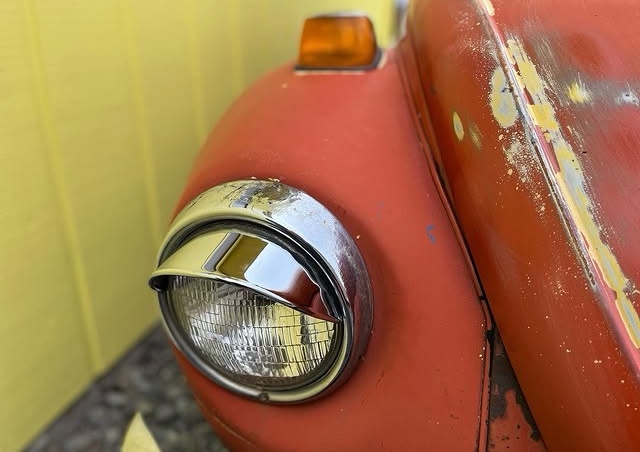
Ironically, Richard Bach is often credited as coming up with the famed quote “…if you love something, let it go…” right around the same time that my beloved Beetle was being produced. But it’s hard to let things go, especially cars. And I wanted to reflect on a bittersweet milestone: the moment my faithful Beetle began a new chapter with a new driver.
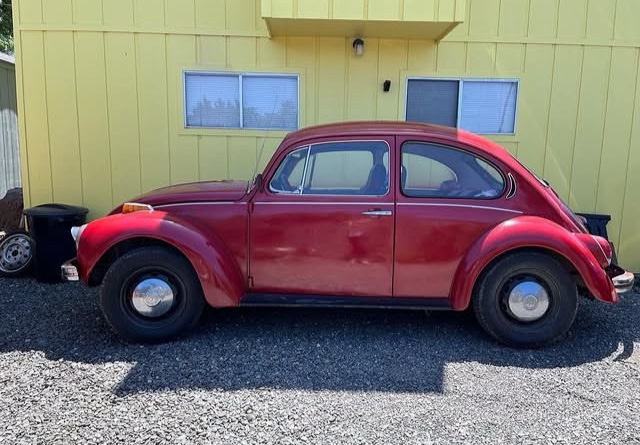
There’s something timeless about a VW Beetle. Its rounded silhouette, cheerful hum, and quirky charm have made it more than just a car – it’s a keeper of memories, a symbol of freedom, and for many, a beloved companion.
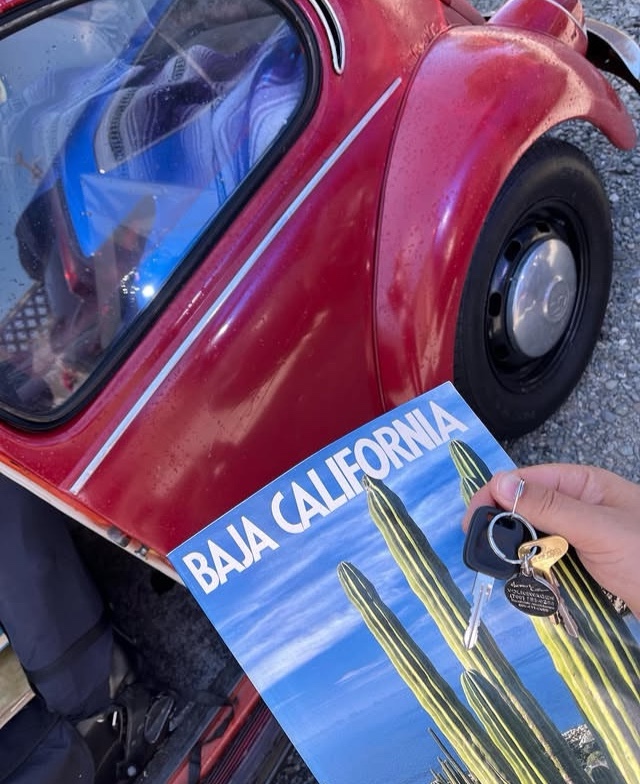
My Beetle had been in my stable of cars and had proudly served me for many years. It wasn’t new when I received it – but it was new to me – and full of journey’s it had already taken, and stores it was yet to inspire. As I passed this vehicle along, it made me pause and reflect on the Beetle’s significant influence on people’s lives, and its place in automotive history.
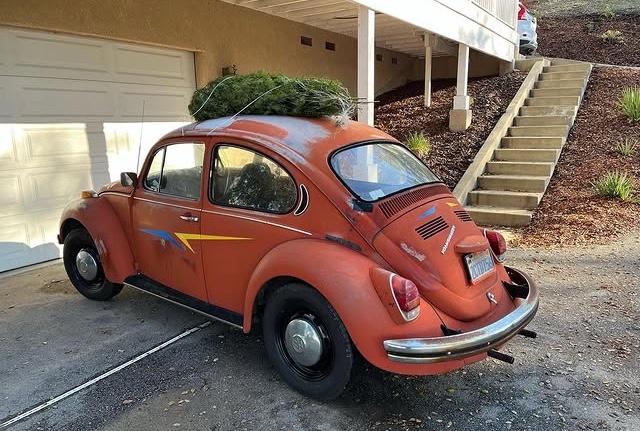
The story of the Volkswagen Beetle begins in 1933, when visionary designer Ferdinand Porsche conceived a compact, affordable car for the masses. But it wasn’t until after World War II – under British occupation in 1945 – that the Beetle truly began its journey toward becoming a global icon. Freed from the shadow of its origins, the little car was finally allowed to blossom.
Ownership of the company eventually transferred to the West German Federal Government. Though Porsche himself was no longer directly involved, his design spirit remained embedded in every curve and contour. Enter Heinz Nordhoff, the German engineer who took the reins and steered Volkswagen toward success. He ramped up production while also improving worker benefits and salaries – a rare combination in postwar industry.
By 1951, the Beetle was being sold in 29 countries. Yet America remained skeptical, haunted by the car’s association with Hitler. Fewer than 330 units were sold in the U.S. that year. But things changed quickly. In 1952, the first major distributor began pushing Beetles to dealerships – sometimes against their will. To everyone’s surprise, the cars flew off lots faster than even Porsche models.
By 1961, annual production had hit one million units. The Beetle was winning hearts worldwide with its charming design, mechanical simplicity, and legendary reliability. The “ugly duckling” was becoming the swan of the streets.
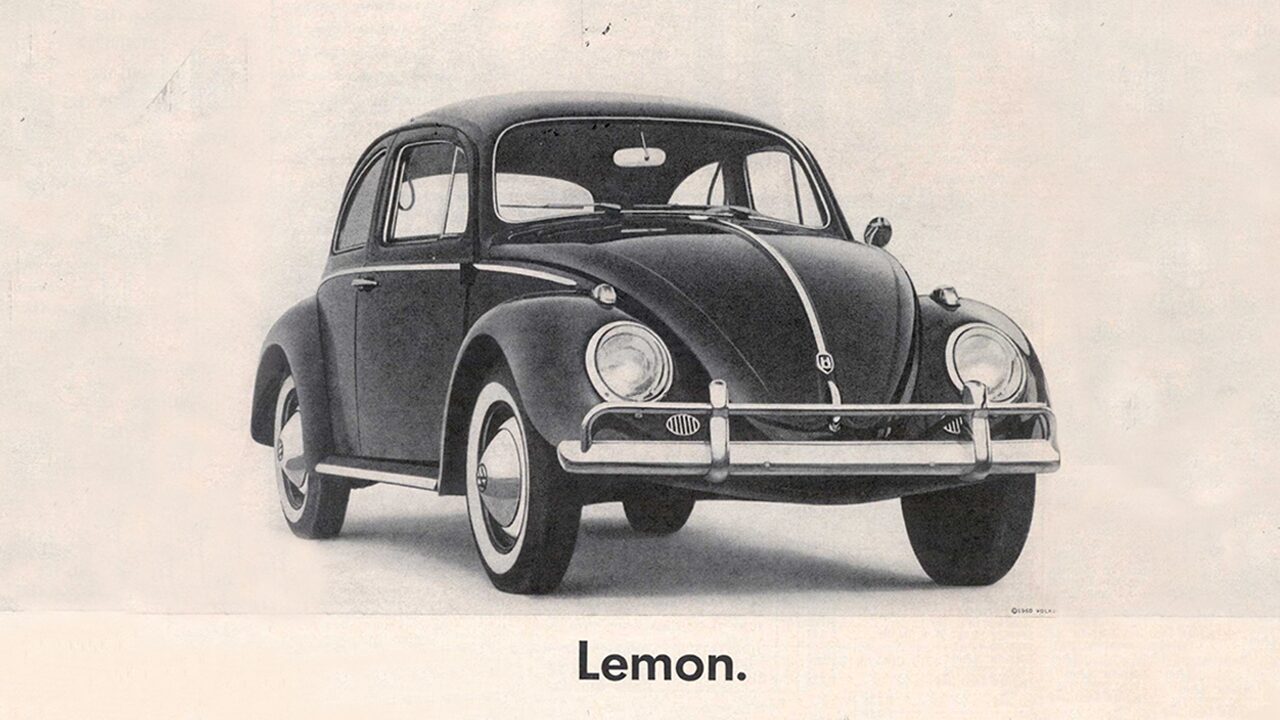
Volkswagen’s advertising was nothing short of genius. One iconic ad simply read: LEMON. It was bold, provocative, and impossible to ignore. As the 1960s unfolded – alongside the rise of The Beatles, The Stones, and The Grateful Dead – the Beetle became the car of the counterculture. It was affordable, dependable, and surprisingly roomy. No wonder it became a symbol of the baby boomer era.
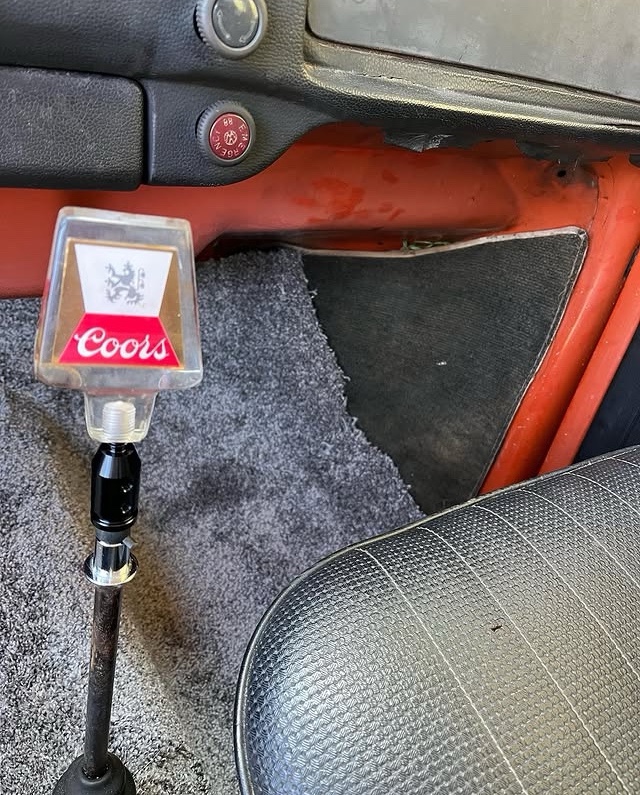
Even as muscle cars dominated the 1970s, the Bug (like mine) persisted. It rolled through presidencies, music revolutions, fashion shifts, and political upheavals. In the 1980s, it found new life in the car show scene, with custom body kits and a growing fanbase fueled by car magazines and nostalgia.
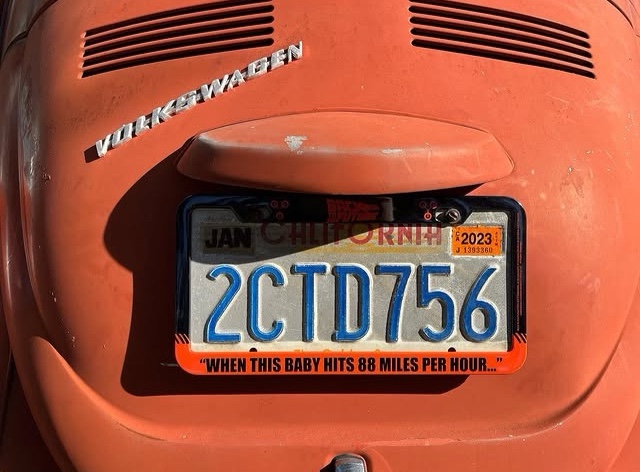
The 1990s kept the flame alive, and in 1994, the Beetle was reborn with “The Concept One.” Finally hitting production in 1998, “The New Beetle” brought a fresh take on the classic design – complete with a flower vase holder, one of the most charming design touches in automotive history. A new generation of fans emerged, and the tradition of shouting “slug bug!” or “punch buggy!” lived on.
In 2019, after 81 years of production, the final Beetle rolled off the assembly line in Mexico. But the spirit of the Bug endures. It bridges generations, cultures, and continents. Will we see a next generation of the Beetle? Time will tell, but whether you’re a lifelong fan or a newcomer to its quirky charm, the VW Beetle remains a beloved symbol of joy, simplicity, and timeless design.
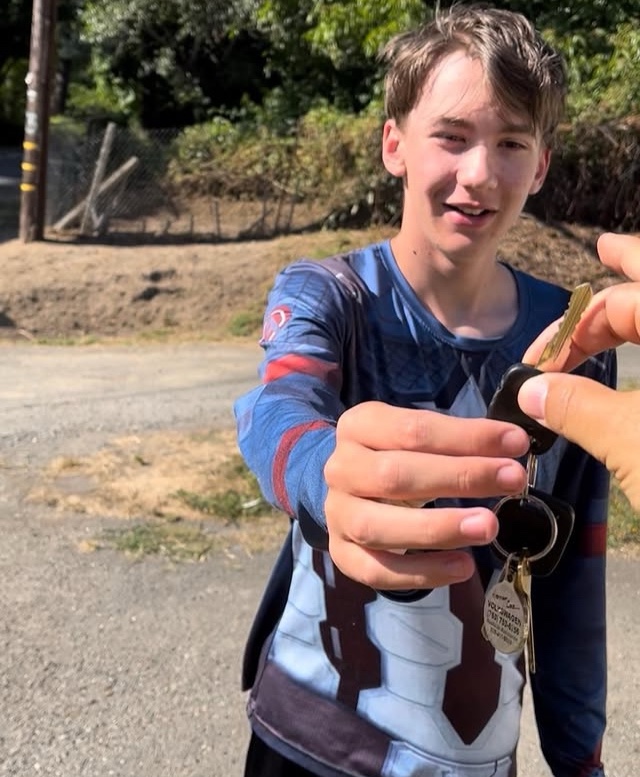
And so, the keys to my Beetle have change hands, but its spirit rolls on in my heart. This little car has carried laughter, late-night drives, and quiet moments of reflection within its curved frame. It’s more than metal and wheels – for me – it’s a time capsule of memories, a companion through seasons of life, and an inspiration for my book (Hu)man in the Machine.
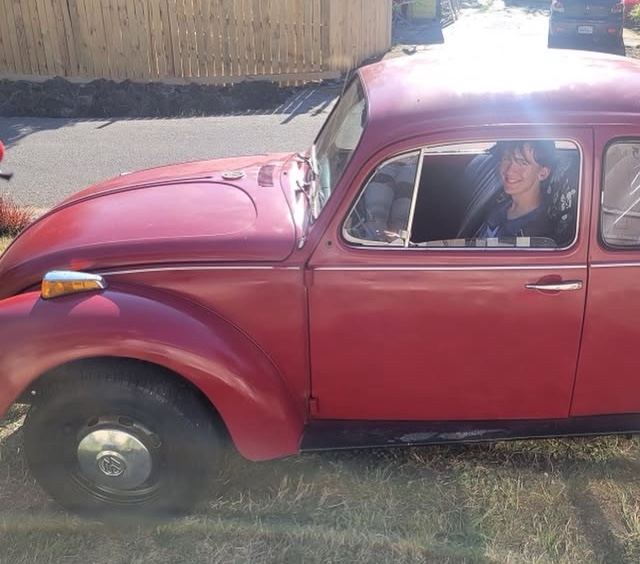
As it hums into the future with a new driver behind the wheel, may it continue to spark joy, freedom, and the kind of nostalgia that only a Beetle can bring. Farewell, old friend – and hello to the stories yet to be written.