


For many car enthusiasts, the journey begins with a poster on the wall, a handful of Hot Wheels, or a race glimpsed on TV. For Mike Kuchavik, founder of Havik Performance, it all started at age 14 when his father brought home a Dodge Viper – his dream car. That moment ignited a lifelong passion that evolved into a premier automotive business serving Viper owners with white-glove service and unwavering attention to detail.
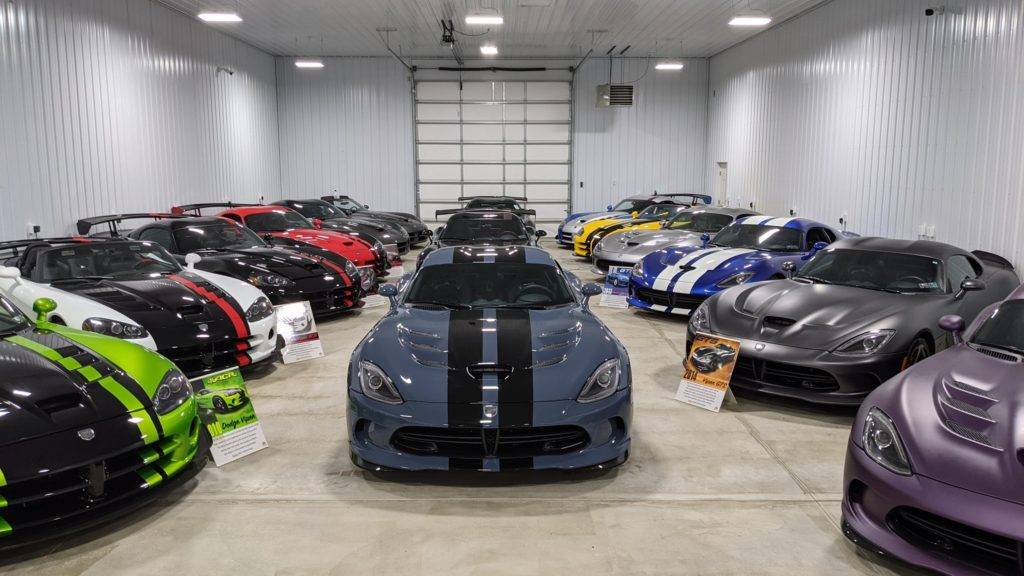
Mike’s story is one of grassroots grit. From wrenching in his parents’ garage to managing the second-largest Viper collection in the U.S., his trajectory is fueled by love for the car and the community around it. “You buy the car because it’s gorgeous,” Mike says, “but you keep it because of the people.” That ethos shaped Havik Performance into a one-stop shop for restoration, modification, and track prep – where communication and care are paramount.
Tune in everywhere you stream, download or listen!



Havik isn’t just a garage – it’s a sanctuary for high-performance machines. Mike’s commitment to treating every car like his own means no Viper sits outside in the rain, and every detail, from battery tenders to paint correction, is handled with precision. Whether it’s a full restoration, suspension tuning, or trackside support, Havik Performance offers a concierge-level experience for owners who expect more.
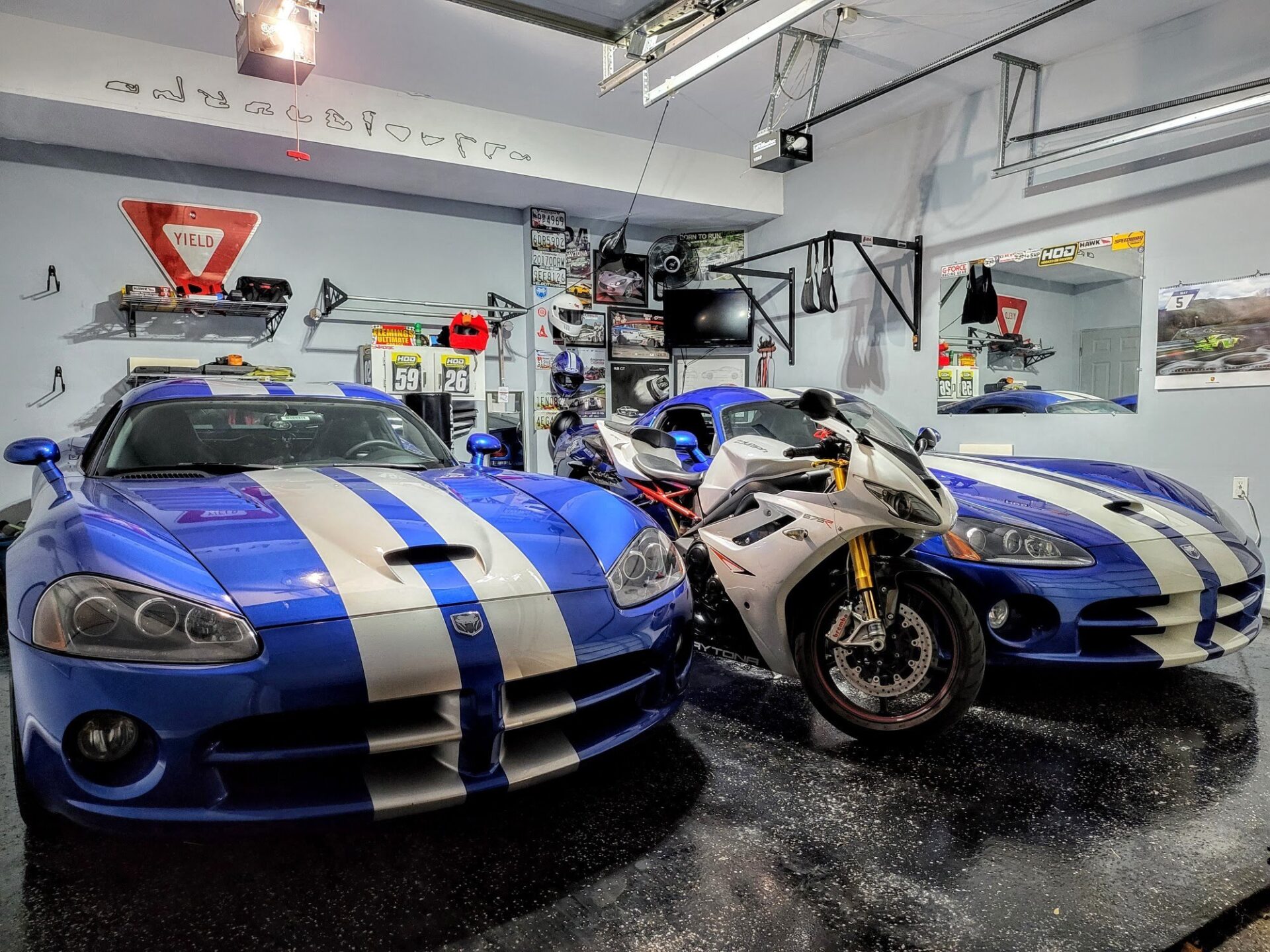
Spotlight
Mike Kuchavik - Owner for Havik Performance

Havik Performance began as a dream to offer a premier automotive business that would provide white-glove treatment paired with constant communication, and above standard industry expectations.

Contact: Mike Kuchavik at mike@havikperformance.com | 484-274-3037 | Visit Online!





Notes
- Origin of Havik Performance and what services they provide & maintaining the 2nd largest Viper collection in the US
- What Should I Buy (WSIB) Viper Questions and Mods + Setups for Autocrossing and Tracking a Viper
- Fact vs Fiction + Viper Myths!
- The Viper Truck
- Settle the debate: Viper vs Corvette
- Do we think, know, rumors… is there a next-gen Viper coming? FCA teased a V8 (ferrari) powered Viper for a while. With the EV-olution, what does that mean for the Viper? Hybrid?
- Viper Owners Association
Transcript
Crew Chief Brad: [00:00:00] Break Fix podcast is all about capturing the living history of people from all over the autos sphere, from wrench, turners, and racers to artists, authors, designers, and everything in between. Our goal is to inspire a new generation of Petrolhead that wonder. How did they get that job or become that person?
The road to success is paved by all of us because everyone has a story.
Crew Chief Eric: For many of us, it all begins with a dream, inspired by a poster on the wall, a small collection of Hot Wheels, a race you saw on tv. But for our guest, his dream began when he was 14 years old. His father purchased his dream car, a Dodge Viper.
They started attending events together, learning more about the car, and meeting like-minded car enthusiasts. Joining the Viper Club of America opened him up to understand what Viper owners expected from mechanics, how they wanted to modify their cars, and what they wanted to be restored. And with [00:01:00] that. A single dream realized havoc performance was founded to offer a premier automotive business that would provide white glove treatment paired with constant communication and above standard industry expectations.
And to talk to us about all things. Vipers is Mike Vic, founder of Havoc Performance. Joining me and filling in for Brad is my guest host and newly minted Viper owner, the one, the only Mr. Andrew Bank. So welcome both of you, Mike, and Andrew to break fix.
Mike Kuchavik: Thanks for having me. Really appreciate it.
Andrew Bank: Yeah, thanks, Eric.
Unfortunately, finally caved all on my first podcast ever. Uh, I don’t know how I feel about this drag kicking and screaming.
Mike Kuchavik: We’re doing it together. At least there’s a viper in the background. A hundred
Crew Chief Eric: percent. And we will get into that in a little bit. So, Mike, we met recently at Watkins Glen. You were working on all things a Jaguar, and we got to talking about a bunch of different stuff.
And then you [00:02:00] mentioned something that really got my attention, which was the word viper. And like you, I’ve been in love with the Viper since the very first one came out. And let’s face it, it’s the hottest car from the nineties that was designed in the eighties. Right. Let’s talk about all things Viper, but first let’s kick off with the origin of havoc performance, what you provide and where this evolution is gone from you having this poster on your wall to now being a Viper aficionado.
Mike Kuchavik: It really started, like we said, kind of in that intro about. I was probably about 14 years old. My dad bought that Viper, and it was just so much fun going out to the events and meeting all the people. They always joke around that like, you buy the car because it’s gorgeous, right? We love Vipers for what they are.
They’re beautiful cars, but you keep the car because of the people you meet through the clubs and the people are second to none on top of it. Growing up and getting to watch all that and meet all these great people and just watching some people’s experiences when you go to shops and stuff and their cars sit outside in the rain, like when they’re not [00:03:00] getting worked on and all that jazz, it’s like I found that unacceptable even when I was 18.
If you’re gonna have a car like that, you expect it to be treated like your baby. When I started to go, okay, well, like maybe I could start a business working on cars, doing that sort of thing, it was one of those where I wanted to make sure that I built a business that not only communicated, because that’s the biggest issue with most shops, is they don’t tell them or give them realistic deadlines, or even if the deadline is pushed, they’re not updated.
So. Communication was the biggest part of it. And the other thing was taking care of their cars like, like a baby of mine. ’cause at the end of the day, our cars are like our children in a sense, always wanted to make sure that they were clean battery tenders while I had them in my shop. And they would never sit outside in the weather.
They had to go outside in the sun. They’d sit out in the sun for a little bit, but they’d never be out in the rain or anything like that. As years went on, we were watching all this stuff happen and people would take ’em to shops and some shops would end up wrecking vipers because nobody really knew what to do.
And some young guy would take it out. And if you floor these things in third gear, if you’re at a high enough RPM, you [00:04:00] could spin the tires if it’s. Not the right condition. So it can get dangerous pretty quick. It’s,
Crew Chief Eric: it’s ’cause it’s got all the torques, right? Yes. Peak torque is like
Mike Kuchavik: 3000 RPMs for the record.
Like that’s awesome. You hit 3000 and you’re just about around peak torque. That’s like a truck. Yeah, we we’ll into that too. It’s, it
Andrew Bank: also sounds like one
Crew Chief Eric: that’s, it sounds like two five cylinder Audis running together. That’s all I know. That’s for damn sure.
Mike Kuchavik: Just stand on each side of the car and you’ll figure that out.
So it all started off with like, I saw a need. As I started to do like car collection management, even when I was younger, like a friend of ours had a car collection of like 50 cars. He’s got a little bit of everything and he watched me grow working outta my parents’ garage. I was doing oil changes for him when I was like 16, 17.
All my friends knew and most of my high school knew that I had like a two car garage, my parents’ place. So they’d all shipped their stuff up to me and we’d work on it and figure it out and brake slowly turned into, oh, well let’s rebuild a motor. Let’s put transmissions in, let’s [00:05:00] do performance shocks, and all that other fun stuff That continued to grow.
And while the first guy that I was working with, he watched me grow and do all those things, gave me more and more responsibility. When I was a junior in college, I was actually going to Penn State at the time, studying business and marketing. He met with the one Viper guy we met through the Viper Club and he said, who works in all your cars?
Well, Mike Junior did. So I started working for the Viper guy. And 2015 he had six cars. As of today, we’re up to 52 in his collection.
Crew Chief Eric: Holy cow. That’s something you mentioned to me at the track. You actually manage the second largest Viper collection in the us
Mike Kuchavik: correct? The second largest, the first largest is down in Texas.
And last I heard they were at 94 Vipers, but they have like two. Is
Andrew Bank: this one person owner, is this like a company that owns them all?
Mike Kuchavik: That’s one person for both collections. Wow. Well, husband and wife
Andrew Bank: for one month. I had two Vipers in the scratch. One didn’t run and the cooling tank didn’t, uh, didn’t fill up, but you know that’s okay for a brief [00:06:00] and one month minor
Mike Kuchavik: problems,
Andrew Bank: somewhere on that list.
Mike Kuchavik: They’re highly desirable, very bottom, and honestly meeting those guys that have all those vipers, you would never guess that they’d have more than one talking to ’em. And that’s the one of the best parts about the Viper Club.
Crew Chief Eric: I don’t think we delved into what you offer at havoc as service products, et cetera, as part of your business.
So do you wanna expand upon that for our listeners? Just
Mike Kuchavik: so like people know in general here, I handle anything and everything, right? So I’ve got a guy’s car who basically wants it essentially fully restored. I’ve got body shops I work with. I’ve got guys who come in and do paint correction for us. We handle suspension components, motor builds, all that stuff.
And we do some of the things in-house. But basically I wanted to design my business where you could drop your car off and when you picked it up, everything would be done. If you wanted clear blood done, we would have it done for you and someone would come in and do it. If you wanted any of those services done, we could handle it.
And it’s expanded into doing. Pre track inspection forms and going to track days with customers [00:07:00] and making sure their cars are on tiptop shape. So it’s really expanded into a bunch of different things. So it’s not like, oh yeah, I’m just gonna go get this engine work done and that’s that. It’s okay, I can go see him.
We can set events up, we can get the whole car detailed and you know, so a bunch of different things. But I have all my services too on the website if anyone wants to dive deeper into some of those things. But if you need something done nine times outta 10, we can handle it and you won’t have to worry about the process
Crew Chief Eric: and you work on more than just Viper.
So that’s always also good. So, uh, yeah, we’ve done, we’ve done a little bit of
Mike Kuchavik: everything.
Crew Chief Eric: Let’s step back, let’s step back to 13-year-old Mike Vic and talk about the car that was hot on his list before the Viper came on the scene. What was the poster on your wall when you were 13 years old? I
Mike Kuchavik: had. I had two posters.
It was Mustangs and Vipers. And at the time, all in my mind that I would be able to afford was going to be a Mustang. So I loved Mustangs. And then Vipers started to kind of creep up as more and more. And like [00:08:00] one day my dad just walks out and we’re sitting in the garage and he goes, well, Mike, I did it.
There’s a Viper coming. And I was like, you’re shitting me. There’s no way in hell a viper’s coming. You’re pulling my leg. And sure as hell, a trailer pulled up and dropped a viper off in our driveway. And that was when the really, the, the real big dream of it was really happening. Gen color and year are the first one.
Should I make you guess? It’s iconic
Andrew Bank: Gen two blue, white
Mike Kuchavik: stripe. Ah, man. You weren’t kidding. You have two vipers. Yeah, it was, it’s the, uh, the gen two iconic blue and white. Because it copied after the Shelby Daytona. That’s right. And we’ll, we’ll expand upon that in a little bit.
Andrew Bank: Those are crazy valuable right now.
I just saw an alert on that. I get alerts every time that Vipers listed, because I’ve been looking for one my whole life. Yeah. Even though I just got one for the first time, I didn’t unsubscribe from all these alerts. I got an email five minutes ago, hundred $19,000 for Blue White Gen two. I can tell you right now, I see cars.com and I, of course, I deleted it because I was [00:09:00] like, that’s a little outta my price range.
Just, just a little bit. I think it was in the thirties or less. It’s wild how much these things are going for now. And it’s, it’s specifically the blue and white. Yeah. The reds, the yellows. They’re getting, they’re going from 50, 60, sometimes 70. And that’s the gen twos. I paid less for the gen threes.
Everyone fucking hates them for some reason. Well, you have the coup. I know why. I know why. But yes, that’s one thing for here you go. 28,470 miles.
Mike Kuchavik: He’s out of his mind. I just coordinated a deal a couple months ago for a all original blue and white 96 with like 5,000 miles and it was under 80. Wow. I just meant so horsepower.
Look. Got it There you twin thousand horsepower twin Turbo makes a big
Crew Chief Eric: difference.
Andrew Bank: Yeah. Twin turbo. 2000 horsepower. Woo. Okay. That car will kill you.
Crew Chief Eric: So let’s get back to some more Viper origin stories. Right? As I was joking, the best car from the nineties that was designed in the eighties, and a lot of people don’t realize that much [00:10:00] like Lee Iacocca is credited for being, you know, the godfather of the Mustang, even though he didn’t pen a single line on that car, he was the guy that pushed the Muang program forward, and it’s been an iconic vehicle ever since.
When he went to bat for Chrysler the second time, not the first time, the second time, to bring them back from the brink of complete destruction. There’s a little bit of mystique and mystery behind the story of why Lee pushed for this skunkworks project. Known as the Viper Project. Got them a separate building, got car, his buddy Carol Shelby involved, things like that.
So the plans for the Viper were already started in the eighties, and then when I saw a debut in 89 and it rolled out on the stage, it was one of those moments where it was like, this is the next best thing since sliced bread. Let’s talk about those early vipers, what they really were, where the idea came from.
I mean, you’re an expert in these cars. Let’s kind of nerd out on the original 92, 93, 94 Gen one [00:11:00] vipers.
Mike Kuchavik: So one of the big pushers for the Viper was Bob Lutz. There’s a backstory to that that’s not really ever talked about. Talk like I’ll hear it at some of these like Viper team guys will hear, tell us some stories.
Every so often you hear it pop up. But one of the reasons that they built the Viper was Bob Lutz was, would drive his Shelby Cobra to work and they would all razz him. He’d be like, all right, well like build me a car then that’s Dodge that can compete with my co. Because right now, well, I’m gonna drive a minivan.
Dodge wasn’t doing too much in the performance world at the time. When it came to the original stuff, the main guys that were really pushing for it, they didn’t have a budget. They didn’t have any of that stuff. They had very little money to make these things happen. And let me tell you, they put a hell of a car together that can do many things that people don’t realize.
It’s just crazy to see what they made back in 89 compared to even what they have now. It’s one of those nice body styles that’s almost timeless. ’cause if you take the wheels off of an RT 10 target top the originals, and you put a set of gen five [00:12:00] wheels on ’em. Yeah. If you get rid of those three spokes, you throw a new set of wheels on ’em.
I’ve had people come up to me and say, is this car from like the two thousands? It’s just crazy to see how these cars have been so timeless over the years. And there’s
Crew Chief Eric: a few other cars that are just like that. And I’ll name drop them. The Gen three RX seven, the fourth gen Supra, the Audi R eight. Yeah. It doesn’t matter what year it is.
And you look at it today, you’re like, it still looks new. It still looks modern. And I think the Viper is, is one of those designs. Granted we, we gotta discount the blocky Mercedes period there for a moment. But those early vipers, I mean they are, to your point, very reminiscent of the Shelby Cobra. And obviously having Carol Shelby involved in helping to design the original Viper is really important to that part of the story.
It comes at a terrible time for Chrysler though. I mean, there’s in dire straits, you know, on the brink of financial ruin and here they are building, quote unquote a supercar. How does that all work?
Mike Kuchavik: Honestly, that’s probably [00:13:00] why the budgets were so tough and all the like crazy things that I know we’ll get into later about some of these other stories.
I get to tell you that they made happen and did the things that they did because the money wasn’t there. But somehow they got through this process of things to make these cars and give them all this publicity, which I really think helped them in the long run. They didn’t, I don’t think they made a ton of money on the cars.
One of the reasons why they probably stopped, but in the beginning. As far as the performance world, this stuff goes you, like you said, they were designed in the eighties and they lasted through the nineties and did a hell of a job doing it.
Crew Chief Eric: And there was a gap there too between the initial prototype rollout in 89.
Mm-hmm. To when the first one went on sale. The very first vipers in 92, that’s a three year gap, so they spent that time refining it. The first vipers that launched don’t exactly look like the prototype either. You know, they’ve been modified, they were slightly bigger, you know, things like that. They had to add some creature comforts, although there were very few.
Yeah, yeah. Which we’ll talk about. In those early cars,
Andrew Bank: they had windows and. A [00:14:00] roof and a doorknob. That stuff is all useless. You didn’t need for that first one.
Crew Chief Eric: Did the COBRA have any of that stuff? No. So the Viper didn’t have it either, right? They didn’t need it. No ac, none of
Mike Kuchavik: that.
Crew Chief Eric: Coming from the Cobra, we go to the Viper to continue with that lineage.
It all, it all kind of gels together. It’s obvious to us as Petrolhead, but it might not be obvious to somebody else. Like I don’t, I don’t get the history. So we’re gonna fill in those gaps. And I remember one story that was kind of fun about the Skunk Works project. As they were putting it together, Lee Koco said, Hey, go take this building over there.
Go work on it on your own. And I read this in his memoirs and he was saying about how guys were like basically taking the, the corporate minivans and running over to other parts of the campus and basically quote unquote, borrowing, we’ll call it equipment, computers, whatever they could. Get in the back of a minivan and bringing it over to the skunkworks building.
Mike Kuchavik: Roy Shoberg, he was the one overseeing the project at the time, right? He was the one that was building a team. So he was the one who put like Dick Winkles together, Tom Gale together. All those [00:15:00] guys that made this viper happen. In the beginning, the team of guys were like, Roy, you need to get a minivan as your company car.
And he goes, why the hell would I want a minivan as my company car? And he goes, we’re gonna take the seats out of it. And because you’re corporate, your car isn’t inspected when it leaves the plants. So we’re gonna drive to the other plants that we know aren’t using computers and aren’t using all the drafting stuff, and we’re just gonna take it.
We’re gonna put in the van and we’re gonna move it to where we need it to so we can use that stuff to develop this car because we don’t have any money to do so. So that story is actually true, and it’s rather hilarious that that actually happened because I mean, it nowadays, there’s so much paperwork involved to do anything.
Back then they were like, ah, fuck it. Like let’s just do this.
Crew Chief Eric: It’s ingenious. And you know, it speaks to something that Lee talked about in his first autobiography when he went to Chrysler the first time, is that even though he was a Ford man and he had been at Ford forever, he said that there was always something about the Chrysler engineers that they were always thinking outside of the box.
They were really a cut above. They just [00:16:00] were performing surgery, as I like to call it, with a spoon and a screwdriver, right? They just never had the tools to bring these dreams to reality. And so they made a lot of, let’s face it, a bunch of turds, right?
Mike Kuchavik: Yep.
Crew Chief Eric: But, and there was some cool stuff in the seventies and the muscle car era, but there was a this, this middle aged period of Chrysler, you’re like, I don’t want to talk about any of this stuff.
And then along comes the Viper and you’re like, whoa. And we can nerd out upon that. But there’s some other, I think, myth busting we need to do along the way. And that’s. The one you hear all the time. Well that’s just a Lamborghini V 10. They didn’t even develop that engine themselves or the other side, it’s just a truck motor and it came out of an agricultural piece of equipment, blah, blah blah.
So what’s the
Mike Kuchavik: truth? The truth is, at the time they did not have the molds or the technology to really make an all aluminum V 10. Dick Winkles at the time did go over to Lamborghini ’cause he was one of the head designers of the Viper motor. And they worked with Lamborghini to figure out how to make the motor run cool enough, [00:17:00] work well enough being all aluminum, because Lamborghinis was making aluminum blocks at the time.
So it’s not truly a Lamborghini motor because they took the basic design, kind of like from the trucks or even from the V eights, just added two cylinders. ’cause that’s all, it’s really two inline fives essentially. So they used that platform, took some information from Lamborghini and then made it happen in the process.
So. On one end, it’s not on the other. It’s kind of dead center as far as how that goes. Interesting. So it’s a little bit of both, so everybody’s sort. A little bit of both. So everybody’s kind of right that
Andrew Bank: applying to both the first gen and the third gen ones. I know they changed a lot about the engine between the, uh, what was it, 2003 remake when they went from gen two to gen three.
Mike Kuchavik: Gen two and Gen three motors are different. Ironically enough, you can put gen three heads on top of a Gen two motor. The head gasket are. And so there are a lot of similarities. The design is kind of the same at the end of the day. They’re all kind of the same motor. They just made improvements through the year, so there’s definitely like a redesign.
’cause they went up to the eight three and the gen [00:18:00] threes versus uh, like the eight liter. So they
Andrew Bank: 8, 8 4. Yeah.
Mike Kuchavik: The eight three is the gen three. The eight four is the gen four. So oh, eight to 10 is gen, is the eight four.
Andrew Bank: That’s just, I know it’s written on my little intake thing says 5 0 5 8 0.4.
Crew Chief Eric: He’s uh, he’s fact checking.
Oh yeah, I’m
Andrew Bank: fact checking myself. How much did they change it to in 2008 when they made the gen four and they bumped it up a hundred horsepower. They went from five 10 to 6 0 5, 600 flat. And they literally, you know, they didn’t change anything about the frame of the car. They just changed the intake and the manifold from my understanding.
They went, well these aren’t selling. We gotta do something and bump it up a hundred horsepower and make a cooler, you know, cooler hood with the three open vents instead of like the flatted,
Mike Kuchavik: the displacement only went from an 8.3 to an 8.4 from the gen threes, which was oh three to 2006. And then the gen fours came out in oh eight and they, oh, eight to 10 was an 8.4 liter size block.
But what they changed was they added like a variable timing essentially with the cam. By doing that, it was creating more power.
Crew Chief Eric: B Tech, [00:19:00] yo, you got
Mike Kuchavik: BT Tech. Yeah, it’s, I mean, kind of
Crew Chief Eric: vanos, maybe it’s more like vanos.
Mike Kuchavik: Basically it’s like a variable intake sort of situation where you were able, they were able to get some more power out of
Crew Chief Eric: it.
Yeah. Volkswagen introduced something like that in 2003 on the R 30 twos as well where they can change the length of the runners and all this kind of crazy stuff using vacuum and, and solenoids and all sorts of stuff that was prone to break, you know, so it was awesome. Yeah. So speaking of prone to break, let’s talk a little bit about the early cars.
’cause it’s kinda still staggering. To put it in perspective, you’re talking a quasi 500 horsepower car in the early nineties. I mean, even the F forties and other iconic super cars of that time weren’t making that kind of power. Like this was the muscle car of the modern times. Right? And if you think about it, what things did the Vipers not come with?
Let’s start with that and then how have they evolved and what is still on? Let’s say, let’s, let’s say what’s. Still on a current viper, last Gen Viper. That’s a carryover [00:20:00] from the originals. Did anything make it all the way through? Every generation.
Mike Kuchavik: They all stayed manual. You could never get ’em in an automatic.
Crew Chief Eric: That’s hugely awesome.
Mike Kuchavik: Yeah. So that was one of the big things that, uh, they wanted was it had to stay raw, right? So they always kept them v tens and they always kept them manual transmissions. From 92 to 2010, there was no traction control, no stability control. It was only until the government mandated traction control, stability, control in the cars, which was what happened with the Gen five.
So like the government stepped in and made that have to happen. Or like in 2001. They brought in a BS, so like in 2001 and newer Vipers will have, and we’ll have a BS modules in ’em. Besides that, everything from 92 up to 2000, we’ll have, uh, sorry, 2000. They brought the A BS in 92 to 99. There’s no a, b, s.
Crew Chief Eric: And which years did they actually have door handles and door locks and windows as Andrew alluded to?
Mike Kuchavik: Um, so I mean, once they brought out the GTS model, so the coop, they had [00:21:00] door handles on the coops. So in 96 they started to add door handles to the coop, well to the RT 10. So like they have this weird 96 and a half RT 10 that, like some of them didn’t necessarily have exterior door handles. They were just still, you reached inside and grabbed the interior handle.
So it’s like the half year RT 10 stuff.
Andrew Bank: That
Mike Kuchavik: didn’t have roll up windows. It didn’t have necessarily have handles yet. So it’s like that 97 era that they started to incorporate windows into the RT tens that weren’t like in the trunk that you had to put in. You still the tops in the trunk that would go on.
But, and that was another crazy story, right? Like,
Andrew Bank: like a hideous little top hat. I hate the look. It just looked like a, like an old man with like a fake hair piece on and you could see it. It doesn’t belong. Like he didn’t glue it on all the way. It’s as seams. Well, so that’s the one thing that always bugged me about the RC 10.
Mike Kuchavik: If you do, if you do 55 miles an hour, you won’t get wet, just so you know. Um, but that arrow dynamic about that science, [00:22:00] but it was another one of those situations where somebody in corporate was driving an RT 10 and it started to rain in Detroit. So they were like, these things need roofs. We need to make sure that these have roofs because I don’t wanna get stuck in the rain if I’m out.
So that’s why they ended up adding them into the fold up into the trunk, whereas. To my knowledge, cobras didn’t have any roof system. It was, you better drive it while it’s sunny or you’re getting wet.
Crew Chief Eric: Or they had those sort of tunnel covers. Like the old lotus’s would have that, you know, they would use those button rivets Yeah.
To like, you know, clip it on. It’s like a leather cover. That was typical of British cars. ’cause you gotta remember the Cobra itself started out as an AC going way back before Shelby got his hands on it. So there was a British roadster before you. They, they put the Ford heart in it and the Ford Drive train and all that kind of stuff.
The Cobra kept that. And there’s actually a really great video, which we’ll post in the show notes that Jay Leno did during COVID of his 93, I believe it is. T 10, which he, he gets into this whole debate about whether he’s the first one to [00:23:00] own a black viper because they came red up until that point. And there’s another gentleman that contests that he got his first and all this back and forth, but what he ends up doing on the episode is going through all the amenities, or I guess lack thereof on those early vipers.
And he lays out in the gr his garage floor at one point. He’s like, this is all the stuff I gotta do to make sure I don’t get wet. Right. And, and he lays it all. It’s really cool. And you’re, and I’m looking at it going, this is like all old British Roadster stuff. So it’s kind of neat that they kept that.
And eventually, obviously that went away. But you said the manual transmissions. And the question I got from somebody recently was what manual is in the Viper,
Mike Kuchavik: in the Gen Ones and twos? It’s a T 56. Sorry. In the Gen threes it’s also a T 56 and then the gen fours and Gen fives use the T 60 sixties.
Crew Chief Eric: Okay. So no ZF transmissions, not the Mercedes based or anything like that.
Mm-hmm. They’re all tremi. All tremi. Nice. A lot of guys will find Viper Transit and use ’em for like V eight Chevys and other types of conversions or converting [00:24:00] the, the truck, which we’ll talk about in a little bit. In terms of chassis, obviously that evolved, especially during the Mercedes period. They got really kind of big, you know, things like that.
But is there anything that is a, a heritage piece that has made it from the first Gen Viper all the way through the last ACRs in 20 16, 20 17?
Mike Kuchavik: So, like I said, like the big thing about all of that was they wanted to keep the car as raw as possible. Yeah. Some people wanted to put automatics in ’em from corporate and all that other fun jazz, and they basically said, no, they have to stay manual, they have to stay the V 10, they have to stay rear wheel drive, we, and we want to keep it as race car esque as possible.
Right. So they wanted to keep the nannies off the cars and make these things be able to be track monsters at the end of the day. And then if you broke down, you’d be easy enough to fix at the track if you needed to. The thing that really held true, the car the whole time was. The fact that they only came in manual transmissions through the entire generations.
Andrew Bank: When they switched from the Gen four to gen five, they went, well, basically a three year gap in 2010 to 2013 [00:25:00] where SRT took over and they were no longer dodge fiber. They were SRT Viper. At that point, they scrapped. I mean that, it didn’t look anything like the resume. They modeled the body off of the original gen two GTS coup.
They did the swooping, you know, hood again, that was the exotic, sideways opening one rather than this garbage one that opens up, you know, four the boring regular hood. I don’t know. I love those ones. I got to do a ride along with Eugene at one of our events at New Jersey Motor Sports Park. Unfortunately, we had a little incident where the, uh, oil cap was not screwed on all the way after he filled it back up and it blew smoke and oil all over the engine.
I, uh, legitimately thought I was dying because NACR and he was going faster than I’d ever been on the track. All of a sudden we’re seeing black smoke everywhere and I’m just in the passenger seat, like, cool, this guy’s about to kill me. That’s cool. And I, I played a little bit too much GTA five gta, and I, I, I was like, I know what black smoke coming outta the engine.
Me. That means the car’s about to explode in about, you know, five seconds we pull over. It’s just oil and everything, but. I was [00:26:00] incredibly memorable. Ride along and I’m holding a spot. The, the poster you have right behind you, that one with white stripes, that’ll be the next one. Might take me a little longer, but I’ll be happy with this one.
But they’re gorgeous.
Mike Kuchavik: But like you were saying too, they wanted to try to keep the clamshell hoods, especially as the design changed through the years and that was again, something else that they kind of tried to keep. But at the end of the day, even if you look at all vipers, the front ends, in my opinion, all have that kind of same mean design.
The headlights are a little bit different. I mean, they didn’t, the gen fives and the gen twos are like, to me, the Gen five is the new version of the gen two and which is one of the things that I really like about those designs. So as far as things that made it through all the years, I think it’s really just like trans motor.
And they kept, they tried their hardest to keep the rawness of those cars.
Crew Chief Eric: If the Gen five is the new gen two, does that mean that the gen three is the new copperhead? So let’s talk about the copperhead for a second, shall we?
Mike Kuchavik: That
Andrew Bank: was a slight jab that like the Mamba edition.
Mike Kuchavik: So [00:27:00] there’s a million additions.
You mean
Andrew Bank: I had all these special ones that I’m like, what’s special about the copperhead? That’s what I wanted to ask.
Mike Kuchavik: Let’s let Mike fill us in on what the copperhead is. The copperhead was either a Cooper or convertible, and depending on the year, it would have a dash plaque, it would have orange stitching, it would have that copper color, and it would have those five spoke polished chrome looking wheels.
Outside of that, it was like a badge that they put on it, just like a lot of the other cars they did.
Crew Chief Eric: That’s true of the Viper. I’m gonna stretch. Oh, okay. Your imagination, right. Where are we
Mike Kuchavik: at?
Crew Chief Eric: We are at the concept. Dodge Copperhead, if you recall, which was developed in 1997 as a one-off prototype, as a variant of the Viper.
It has a very squareish front end. Looks like something out of Batman. The animated series, if you search, I’ve actually seen it. There is apparently like one, and that’s why I joke that the gen three is the [00:28:00] new version of the Copperhead because it has kind of similar body lines, right? If you think about it.
Yeah.
Mike Kuchavik: I mean the tail lights look exactly
Crew Chief Eric: same, hideous. There’s also
Andrew Bank: this front end looks like a, uh, not PC cruiser, a uh, Plymouth Crowler. Only it has. It’s not open wheel.
Crew Chief Eric: It’s got fenders. Exactly. And there’s a third little car, and I mean little that you add to this equation known as the demon, which we talked about in an earlier episode, which was designed as a Miata killer and also had related
Andrew Bank: articles.
Crew Chief Eric: And also has very viper like lines to it as well. So that’s kind of another kind of sub variant of the Viper family there. If we’re playing a little bit of Viper Family Tree Viper trivia. Speaking of that, Mike, what are some other great little interesting tidbits of information or stories or anecdotes about the Viper and its lineage that you’d like to share?
Mike Kuchavik: So one of my favorites. It has to be the turn signals on the gen ones and twos because we’ve always talked about how they didn’t have enough [00:29:00] money to be really building these cars, right? They had to cut corners as best they could to make things cheap and make this car happen because they all wanted it to.
They all had the passion to, but how are they gonna do it? And they were originally needing to make the tooling for turn signals for these bumpers. Basically, Chrysler came back and said, well, it’s gonna be 250,000 aside to make the tooling, and then you can make all the lights you need. Well, Roy said, that’s not happening.
Go down to the trailer store and find a good set of lights that will fit and look good in this bumper. So they went down, they found a set of trailer lights and the turn signal lights in the front bumpers of the gen one and twos are actually trailer lights. So they took the trailer lights, used the tooling from them.
Saved a crap ton of money so they could put it elsewhere.
Andrew Bank: Plastic parts bin.
Mike Kuchavik: Oh yes. Very much parts. PIN
Andrew Bank: card to excess. I mean, even my key and the key fob are the exact same ones out of a Dodge Caravan from that year. The vent identical, I mean I looked it up, I, I’m sure you have seen how much these things are cheap plastic.
So that first [00:30:00] viper I got, everything was broken. Like every interior piece of cracked was so brittle. Yep. And trucks did not hold up to 15 years of even gr. I don’t know if it was garage kept or not, but the interior is not what you buy this far for. It’s definitely minimalist. That correct at that. But it sounds fantastic, even if it does sound a little bit like the old Cub cadet tractor I used to mow my parents lawn with.
It still sounds pretty good. I, like, I I, the first time driving, I’m in six gear and I, I rev it. I just hear and I’m just like, okay, that’s not what I was expecting this to sound like. I’m not, I can’t say I’m disappointed or anything, but
Mike Kuchavik: Well, hey, six gear. You’re probably at like a thousand RPMs, so
Andrew Bank: 90 miles an hour, 1,750 RPMs.
It’s wild. I’m like, this thing, it’s got so much to give, I mean a ton of displacement. And, uh, you know, first order of business, I gotta look for an exhaust. Actually, Mike, you gotta gimme suggestions even if it’s later on. I gotta know Corsa Barilla, like, well, what do I get for this? Because Barilla whatcha talking about [00:31:00] That’s a brand I, I, I swear I saw it on a form that’s available on the bi version.
I was surprised. Pipe, no, I was surprised when we had it up on the lift that the pipes, they went down. Crossed around the back and came out. So the, the left exit pipe coming outta the side here is actually coming from the right side of the engine, and it crosses behind the passenger foot, like behind your seats, which to me seems like a ton of excess weight.
A ton of excess. You know, it, it just seems like they could have straight piped, like coming right outta the side. I’m sure there’s EPA regulations and stuff, but yeah, I don’t know if you have any insight on that
Mike Kuchavik: that came down to sound. I’m sure if you’ve ever driven that thing in the summer, it gets very hot in that cabin because you’re completely surrounded by exhaust.
Andrew Bank: I definitely have a burn on my leg to prove that.
Mike Kuchavik: Oh, you’ve got the snake bite. Oh, is that what that thing I’ve been bitching. You’ve been bit by the snake because you reached the leg out and you burn it on the side sill. Oh man. [00:32:00] So,
Crew Chief Eric: so this is actually really good tips for understanding how the viper’s built what you should look for if you’re buying one.
Obviously Andrew just went through this experience and I think he, it was a trial by fire in some cases. So let’s talk about if you’re shopping for a viper. Mike, what should you be looking out for? What are some telltale signs? What are things that are known to go wrong? You know, some things that people might be afraid, oh, it’s got that issue.
I don’t want to deal with that. Or it’s something super simple. It’s actually really cheap to fix. So let’s kind of go with some of these buyer’s tips.
Mike Kuchavik: On a viper, depending on the generation, is gonna really depend on what the uh, ohs or the things that were problematic from 22 to even up to 2017. The oil cooler lines almost always leak.
It’s just a matter of time. They don’t leak bad. I haven’t seen any stock ones like blow out yet, but it is something that you eventually need to address. Again, nothing that’s too big of a deal. You should worry about oil levels. If you go look at a guy’s car and the oil is below the low. Point, maybe you should steer away from it.
Again, it can be [00:33:00] fixed. Anything on these cars can be fixed. That’s the nice part about being built out of part spins. You just have to figure out where the parts actually came from and cross to something else. Like on the gen fours, the rear lift hatch, right? There’s a button in the trunk to open the rear trunk.
The viper part is like $200. You get the same exact button out of a Chrysler minivan for $15 on Amazon. There’s a lot of many parts
Crew Chief Eric: on this sports car. What? What’s going on in here? Oh yes,
Mike Kuchavik: you’d be surprised. So it really just comes down to the generation, right? Like the gen ones, they were so rudimentary, there wasn’t any creature comfort.
So like the dashboard gets super sticky because they just wear out unfortunately, and they get scratched up and just not look great. So that could be something that would steer somebody away, but again, they could be refinished and redone. But the gen ones were. Honestly, really solid as far as that stuff goes.
The suspension was just a little bit more rudimentary, so it was easier to essentially kill yourself in because if you didn’t know what you were doing, you could hurt yourself because again, no nannies, none of that. So the gen ones were pretty solid. Unfortunately, though, ethanol and the fuel [00:34:00] nowadays.
Eats away at the fuel hoses, inside the fuel pump, which then eventually causes them to split on the gen ones, not the end of the world. Fuel pump assembly comes out, you rebuild it and everything’s okay. Again. So the gen ones, the big thing to look out for is when you turn that key and you crank it over, if it takes a little bit to crank over, it probably needs a fuel pressure regulator because it’s not holding the fuel up into the rails and your fuel system probably needs to be rebuilt.
That’s the biggest issue that I’ve seen so far on the gen ones. Outside of like is that head gaskets will eventually go, but from a 92, are you
Andrew Bank: including like the ones up to like the 2002? Depends. The Gen one and two to me are so similar that it’s hard for me to differentiate. I When does it become gen?
Is it 1997 that it became Gen two or 1996? No,
Mike Kuchavik: when the GTS came out in 96, it became the second generation. Okay. Depending on where they were in that year is gonna depend on the kind of fuel pressure regulators that were in the fuel buckets. But it’s mostly the gen ones that I’ve seen all the issues with, at least thus fall.
Crew Chief Eric: [00:35:00] Is that because there was a changeover in the minivans as well? They went from the caravan to the Grand Caravan or something? Is that why it changed? Um,
Mike Kuchavik: so the regulators are actually the same as ones that are out of like a Dodge Durango and like the fuel floats for the gen ones are the same out of the Dodge Grand Caravan.
I can buy the whole assembly for 80 bucks, but if I find a fuel float out of a viper, I’m gonna spend like 300. Oh geez. As far as the Gen two stuff goes, oil cooler lines were solid. The big things to look out for now that they’re old are the cooling system hoses just ’cause rubber wears out. The power steering pump pulleys are huge because they were plastic.
It’s plastic onto mounted onto a metal shaft. It separates, it splits, it cracks, and then now you lose your serpentine belt, your cooling system, and you’re stuck on the side of the road and you’re pissed off all because the $10 part broke. But overall, like the gen twos were pretty solid outside of like a couple, you know, maintenance things.
They didn’t really have too many problems. Bottom S were pretty solid. They eventually switched over in 2000 [00:36:00] to like the cream puff motors where they switched out the cams and they got rid of the forged pistons. When they switched over to that stuff, they didn’t have any, at least from what I’ve seen so far, they haven’t had any like bearing issues or anything like that.
They just changed the cam up a little bit to meet some EPA stuff. But overall, the gen twos are really solid, so that’s kind of nice. The one thing to look out for too, as far as paint goes on the gen twos is the side cells are aluminum, right? So they corrode from the backside, then bubble the paint, and then like rust through, people think it’s all from heat.
Well, it’s not actually all from heat, it’s from corrosion on the backside. But everyone says online, oh, it’s because the cats are so hot it plays a part, but it’s not necessarily true.
Crew Chief Eric: The early cars, were they ahead of their time? They were at least OBD one, correct? Or
Mike Kuchavik: not? Early model Gen one stuff is OBD one.
As soon as they switched over to 96 when everything had to go O2, it’s OB D two. Okay. I mean, it’s rudimentary OB two, but it’s OB two. You can hook a scanner up and read some things
Crew Chief Eric: and on the later cars, the three fours and fives, some buying tips. If [00:37:00] you’re looking at this, especially the threes now that you know, Andrew’s already gotten his,
Andrew Bank: it was, it was a whole thing.
I’ve been looking forward to these my whole life. I had a Lotus Elite tracked it for a year and then you know, COVID happened and used cars started skyrocketing and the first thing to go up were those specialty cars and I looked at the price releases go up 40, 50% and I took it. I got rid of that and that’s when I knew it was like I had to have a viper and the first Viper I looked at in person was a 2002.
So Jen. To final edition Coop Red with White Stripes. It was the car that I had a poster of as a kid, unfortunately did not work out. The guy had three in his garage. Young guy. He had bought three. He knew the market was going up. He had a blue with white stripes. He had a red RT 10 gen one, and he had this gen two final edition they bought from a guy.
I was so upset because he had the title in someone else’s name and I went to get financing and they wouldn’t follow through on it. You were mentioning the fuel pump getting messed up and even the one that he had on a battery maintainer, it wouldn’t start. It just like turned over 10, 15 seconds, which is excruciatingly a long amount of [00:38:00] time.
Mike Kuchavik: Yeah, and
Andrew Bank: it finally ran, but I ended up with this Gen three off of cars and bids.com. After buying another Gen three from a Florida dealer who told me this car is in good condition, I, I talked to him on the phone, I see it on Autotrader and it gets here. And then, you know, we were kind of texting about this one the other day because I gotta, you know, I gotta do this front control arms, but this other one that I got, oh my God, it was trash.
Cool tank is cracked, so it wasn’t even holding cooling. So it shows up with a check engine light on and I think, oh, you know, it just needs cooling. Fill the cooling up. It drains out within like a hundred miles of driving. So I get it to my buddy’s shop, put it on a list. He’s got no O2 sensors, a straight pipe exhausted shooting flames out the side, which I must admit was the coolest fucking thing ever, and it sounded great.
But downstream, O2 sensors removed. You know, they put resistors in, both of them burned out or the right side, one burned out. He goes underneath and he’s starting to rub everything and there’s oil everywhere. We’re like, what is this? Well, it was either power steering fluid. Oil or coolant [00:39:00] couldn’t discern what it was.
There was three types of fluid in there that within five days of owning it, six days, the clutch just went to the floor one morning when I went to start it and I couldn’t get it in or outta gear, turn on a first game chunk. But yeah, I got rid of it. The guy took it back, he paid me for it and uh, I ended up winning this one on, you know, the officer set a couple days later.
I love it. I think a part of me will always be disappointed and get that gen two, gen twos, arguably. I know Eric had, he had a lot to say to me when I was, when I told him I got the gen three because. Yeah, it’s uh, it’s Mercedes. It’s crap. It’s parts spin car. And uh, you know, I, I love the gen twos as much as anyone else.
I’m still happy with it, but, you know, we’re gonna be talking in the future because there’s gonna be, I’m sure many things that need to be replaced. He’s saying is he wants try,
Crew Chief Eric: he’s gonna try to make your Gen three cool. It’s, it’s a hard task, but he’s gonna try to make it cool.
Andrew Bank: Alright, turbo supercharger.
What we doing? Uh,
Mike Kuchavik: let’s start smaller first. Like you can make a good amount of power with like heads and cam out of those cars, you know, I mean, what you started out with 5 0 5. Our last head and [00:40:00] CAM package put down six 14 to the wheels, which is technically a little bit more power than a gen five.
Andrew Bank: Okay.
So it’s just, it’s basically making the changes that they did for the gen four in 2008. And was it bigger intake or you’d say just the cams, bolt them on, still trying to learn, that’s
Mike Kuchavik: all. Basically. That’s okay. I can teach you. I’m fine with that. So basically with like the heads and cams stuff, we port and polish the heads.
We go larger intake and exhaust valves. So it flows a lot more air. It goes headers, exhaust. We keep the stock intake. Stock injectors. Would you do? Upgrade the fuel pump, but outside of that you add those couple different things and you get to put down a bunch more power. That is the recipe for most, I assume you got American, you gotta tune it.
Yeah, of course You have to tune it. Yeah.
Andrew Bank: I got a ZL one that sent my track car recently and I bought it from a guy who had a intake, a pulley in exhaust. No tune. And I took that shit to New Jersey Motorist Park and threw codes on every session for fuel pump issues, this and that. And I, and I finally take it through shop and the guy goes, this is the stock ECU.
And I’m like, what? He was like, that guy [00:41:00] put all that stuff into it and then drove it like a grandpa and never once had an issue with it. Running lean. I gotta find that on the track. So now I’m, now I’m savvy. Now I know to get stuff tuned, but, well, I’m happy you’re learning
Crew Chief Eric: some things through time here.
As we move into those Gen threes, obviously you see more and more Bosch like stuff because of this portion of Chrysler’s history. Daimler, you know, Mercedes had taken over the company, so you probably see a lot more German type of parts in there. And then obviously later they sold to fiat when the Gem fours and fives came out.
So then it was FCA at that point and, and that’s when the redesigns come in. And I will say across the board at Chrysler, I thought Fiat did an excellent job redesigning cars inside and out. But what we haven’t talked about yet is what to look out for if you were buying one of these later edition Vipers, the gen four or Gen five.
So what’s on the buyer’s guide there?
Mike Kuchavik: The typical thing to really look for on Gen four is the oil cooler lines. Like we’ve discussed, gen fours were pretty solid, and they do have issues with window regulators. The window regulators through most of the generations were kind of [00:42:00] crappy. The glue they used weren’t, wasn’t good.
All that fun stuff. So Gen fours were fortunate enough to get the swinging pickup upgrade from the Gen threes, so it didn’t have as many oiling issues when you were on the track. So overall, the Gen fours were pretty solid as far as that stuff goes. Until you, there were certain modifications that people could do that.
Would screw things up. But as far as stock goes, they were overall really solid. As long as you weren’t gonna be having misfires or anything like that, which you know, you should change your spark plug wires out and all that stuff. We as car guys know that that’s normal maintenance overall, the gen fours were really solid.
They didn’t really seem to have any bearing issues, of course, unless you were really hard tracking ’em or running ’em low on oil. The, just the big thing where really the oil cooler lines on those and the window regulators were super common. And of course the typical interior issues that all of them had, but overall, they didn’t were one of the better ones.
Yeah, the dash that cracks and pieces that fade and peel and then you need that stuff restored. But the gen fours are overall pretty solid.
Andrew Bank: The [00:43:00] subwoofer, oh my God, I, you, you love that. I thought it was blown. The box is so shaky that even when I, I took as much apart as I could and I. Foam in there and it still rattles and I go online to see how to fix it.
You gotta remove the whole piece that goes underneath the door, still up behind the car and covers the box to get in there and stop the rattling. And it involves taking the seats out and this and that. And I’m like, if you have any suggestions on how to make that sub for enclosures, stop sounding like literally a busted old, you know, Honda Civic can tell you exactly.
I love it. Would how to
Mike Kuchavik: fix it.
Andrew Bank: Alright. Sounds like it’s probably boring. We could talk about that offline, but you know, I’ll greatly appreciate it because man, I’m trying to listen to my base, get amped up to the gym driving somewhere and I’m like, all right, base down to negative eight. And it’s still rattling.
I mean,
Crew Chief Eric: who needs a stereo? Who needs a stereo? When you have a big, when I can listen to that
Andrew Bank: truck engine that, that, that beautiful tractor.
Crew Chief Eric: It’s a moan thing. It’s more like woo. But that’s [00:44:00] okay. So the gen fives are still pretty new, so I’m assuming they haven’t lived long enough lives yet to really come up with some major problems.
You know, if you were buying
Mike Kuchavik: one, right? So there was some major problems. Um, there was, believe it or not, it was common, but not that common sort of problem, right? Everyone online, if they had a bearing problem, everyone had a bearing problem. A lot of guys were having bearing issues. But the other issue of that is, is if you don’t monitor your motor oil, you probably are gonna have motor issues or a bearing issue.
If you let the car sit for three or four months and all the oil drains back into the pan and you start that thing up, it’s a dry start and it’s gonna wear the bearings out more and more over time. On top of it, they switched over to a zero 20 or a zero 40 for the stock motor oil, which I think was like a marketing aspect ’cause they were gonna start using Pennzoil.
But when you talk to the engineers and everything else. All the cars that leave my shop get at least five 40 in them, if not 1540 or 1550 depending on what the application is because that zero eight oil [00:45:00] is just too thin and it can cause some of that premature bearing wear over time. And the bearing wear was pretty big on those.
In 17, there was some like hush hush things that were kind of happening with some of the diffs where the wrong fluid may have been used and it was blowing diffs up. Of course it was all covered under warranty, but if, you know, if you buy a 17 and there’s 200 miles on it, change your diff fluid because.
You don’t wanna blow a diff up just in case that’s kind of a bad thing. A little bit more common issues that guys had, whereas the bearing issues on the gen fives and like the diff issues. But outside of that, there hasn’t, at least from what I’ve seen thus far from all the collection management I’ve been doing, I haven’t seen too many issues with the Gen fives outside of the typical, Hey, your oil cooler line’s leaking, or We’re just gonna change all the fluids out and all that jazz.
Crew Chief Eric: So I know this sounds like a redundant question, but it’s a professional opinion question here. Yeah. So to kind of wrap up this thought, because there are five different generations of the Viper and they all have their idiosyncrasies and everything else, but you, Mike, if you were [00:46:00] gonna recommend somebody buy a Viper today, their first Viper, Andrew doesn’t get a vote on this one, the best year, maybe the worst year, Targa or Coop, what would you pick?
Mike Kuchavik: What would you tell somebody? I would pick a early model gen two. So the early models were 96 to 99. That would be what I get into for a couple different reasons. One, it was the Iconic Viper, so even if it’s not blue and white, it still was like the iconic Viper two. I’m six four and I don’t fit in these cars as it is.
The gen twos I fit in the most I can actually see out of the windshield, even though my eyes are up towards the top, when I drive the later generations, I have to duck my head down so I can see through the windshield and see the lights. So for me, the size of the car matters and the Gen two to me personally has the most amount of space.
And in my personal opinion, I like the gen twos the most because they also seem to be the most reliable. As long as you maintain them well enough. And if you ever want to go add more power, the gen two, gen threes are really easy to add power without going turboed [00:47:00] and everything else. And it gives you still that raw feeling.
I’ll never forget when I first started driving, when he would let me take his Mustang out, my dad always told me this traction control button, if you turn it off and it doesn’t kill you, I will. So like as a kid, when I was really young, I asked, what’s that button do dad? He turns it off and we go through an intersection freaking sideways, and he goes, that’s what that does and you will never turn that button off.
And ironically enough, now I get to test drive vipers that are. 600 to 1200 horsepower that don’t have any traction control. So I need to know what I’m doing.
Crew Chief Eric: Let’s do this. ’cause Andrew has evolved a lot. As of many of our members in our audience will attest. You know, he’s grown a lot as his DIY shade tree mechanic.
You know, he moved from, let’s say, production cars. I mean, he had the, he had the Lotus, which is considerably an exotic, but hey, it’s a Celica engine. So we can, we can live with that cheaper. But you move into this super, super absolute cheapest, you move into this supercar territory, things change [00:48:00] immediately.
There’s tax, like we joke about the, you know, the M tax and the, you know, the Porsche tax and things like that. So you have the cost, like you said, of viper parts, but then there’s also, you have to have a specialty, quote unquote, mechanic work on these vehicles, or is that. A myth, are these cars actually workable by the average, let’s say, guy that knows how to turn a wrencher to like how hard is it to work on a viper?
Andrew Bank: I know I sent Mike this picture, but that’s exactly what I was trying to talk to him about because I’m looking at stuff and I’m like, cool. It needs a new, uh, sway bar, InLinks, it needs a new control arm. And I got another shop to quote me, $800 per control arm. He didn’t even quote me on the sway bar InLinks.
Looked him up two 50 a piece. And that is a what? $50 part? My buddy’s got an SRS My buddy Andrew, who’s at the track, he just had to replace his, and I’m like, he, he was doing his, uh, coil overs and he broke a sway bar in like, he got it overnighted for like, I think he said 30 [00:49:00] bucks, 40 bucks. You can get
Mike Kuchavik: the end links on.
I’m looking at for like 30 bucks.
Andrew Bank: Alright, once again, we’re gonna be having another conversation soon, so I really gotta, we’re glad we gotta get this rapport before I started asking you to work on my car.
Crew Chief Eric: Well, we’re also gonna check with our friends over at Powerflex to see if they make anything for the Viper too.
That’s a one and done solution. When we go down that road,
Andrew Bank: I mean, you absolutely know within the next year I’m coming to you to do the headers. Everything, dude. Yeah. 600 horsepower. That’s good. 500. Nah, that’s not enough. That’s, that’s not enough. We gotta make as much as, you know, what I’ll do is I’ll get that gen four hood with the bigger vent and after, after I get the 600 horsepower, because then I’m not opposed, then I can be like, well it is a 2006.
It has the hood, but it also has the power a little bit more. There you go. You got me. You got me excited about that. So
Crew Chief Eric: for those of us that aren’t ballers, like Andrew, going back to my original question, if I don’t have
Andrew Bank: kids,
Crew Chief Eric: but if I wanted to turn wrenches, kidding. If I [00:50:00] wanted to turn wrenches on my own, Viper, how difficult would it be?
Mike Kuchavik: My
Crew Chief Eric: personal
Mike Kuchavik: side says, oh yeah, they’re really hard because that’s what I do for a living. But honestly, at the end of the day, they’re very easy cars, right? Like to put it in perspective, if you had to change an oil pan gasket at the track, you could easily do it. They’re simple push rod motors, and a lot of guys know through the years how push rod motors work.
The timing is literally the crankshaft and the camshaft. You line those two up, it’s two pieces. It’s not four or five pieces that you have to line up with belts and crap. So they are pretty easy to work on and most things you don’t really need a lift for. Again, they make it easier. The shocks come out pretty easy.
The shocks are two bolts unless you’re going to like remote reservoirs and everything else. Overall, they’re pretty easy to work on. There’s definitely some nuances that like it would help if you would ask some questions. So if there are people that do work on their own car and they want to call me and I can try to direct them in the right direction, I’m more than happy to do that.
If you wanna work on your own stuff. I actually kind of encourage it [00:51:00] because again, it keeps the comradery together and people really, some guys really like to wrench on their own cars and it’s really not that hard. At the end of the day. I also joke around and say, it’s like big boy Legos. Like if you pull one motor apart, you can put one together.
It’s like as, as long as you put it back the same way it came in, then you’re okay.
Crew Chief Eric: Well, I’m secretly asking, knowing that Andrew’s gonna come to my garage and inevitably I’m gonna end up working on his Viper when you, when you can’t, Mike. So I was
Andrew Bank: was gonna, you said, you said you were, you were down, but you said, I’ve never worked on a Viper and I would like to, and, and for everyone listening, I wanted you to know how good of a guy Mike is because I had an issue with this one.
Now I had an issue with the other one too, but this one, two days after I got it, I go, you know, I take my girl out, we go to brunch, driving back. Starts bucking like crazy. And it happened the day before and I was like, oh, cool, something’s gonna go wrong, but I’m gonna ignore it until I actually know what it is because no lights, whatever.
And I get strained on the side of the highway and I throw codes and it ended up being the crankshaft position [00:52:00] sensor. I go online nothing. I can’t find anything. I found a foreign version of the, uh, service manual, one page at a time. No way to search it. And I’m lost. I can find a camshaft physician sensor, but I couldn’t find what to do.
Mike, literally, he goes, oh yeah, I know what to do. He sends me a PDF of the 400 page of service manual and he goes, I’m gonna have her on a list tomorrow, send you a picture. Fortunately, that night I was able to replace it, $15 part at, uh, AutoZone, but it got the car running again and it was easy to do.
Once I found the part, it was a little hard to get to. He was so helpful. ’cause I, I have a buddy at the gym who has a gen two. He gave me another Viper mechanics number first, and that guy, he wasn’t really helpful. Like, he was like, oh, super easy. It’s like changing your oil, which clearly was like a jab at like, you should be able to do this.
And I’m like, bro, I can’t find the sensor. Like I, I’m brand new to this car. It’s on the rear side that. Mike helped me and, and because of Mike’s help, I was able to do it that night. And Mike, I appreciate that so much because I got the car running and I got to get that. Yeah. You’re saying the camaraderie between people [00:53:00] that work on their cars.
It’s awesome because I do so much work at Eric’s house, mainly because he’s got the awesome race deck floor and quick jack. But mainly because he is the most knowledgeable now, maybe the second most on this call, but he is the most knowledgeable guy I know working on cars. He puts the engines in other cars, he can do everything.
And so I won’t deny that If I have anything big to do, I’m coming to Eric’s house to do it. I just trust him to help me. That’s fine. Just gimme a
Crew Chief Eric: call. Like I said, I wanna add a viper to my resume, whether I own one or work on one. I’m gonna, I’m gonna get it on there so it’s all good. Right. Well that being said, cool.
You
Andrew Bank: wanna, you wanna do some control arms with me because hey man, not gonna pay the shop. They quoted me 12 labor.
Crew Chief Eric: I got the presses man, I just did a set of ones the other day.
Mike Kuchavik: They quoted you 1200
Andrew Bank: for the labor, $800 for each control arm, not the sway bar inland. And they gave me a printout because once again I bought this car.
The guy said it was perfect. We get it on the lift and there’s oil everywhere coming from the control arm. So I contact guy, he’s a super rich guy in Florida that had like a bunch [00:54:00] of Ferrari and I talked to him and he is like, he’s like, oh, I’m so sorry man. Like. He offered to help me with the cost of getting that repair.
So I told my buddy to send me a, a quote, so he might’ve told them to, you know, quote it, whatever the maximum price was. But I think it’s fair to say that as much as I trust them, I, I don’t think I wanna shell out the, it would be 1800 to get that done. That might be something if Eric, if you think you’re up for it, that would be something to do at your house.
Let’s, let’s do a little, let’s do a little
Crew Chief Eric: homework. We’ll talk about this with Mike offline. Right. It’s easy because it’s easy. It’s easy. We, we’ll do.
Andrew Bank: Beer, beers and foods on me.
Mike Kuchavik: Just make sure when you guys get the wheel alignment done, you get it done at a reputable place. Specifically those like gen three, gen four cars, if you get it done at a Dodge dealership, they actually strap the car down and add driver and passenger weight to the car and do the wheel alignment that way.
And that’s why the wheel alignments are usually like 200 bucks. Oh, interesting.
Andrew Bank: So, okay, so you can do the work and then you just gotta do the alignment afterwards somewhere reputable. Correct. That’s easy enough. So
Mike Kuchavik: that’s not too bad. Just make sure they have an [00:55:00] actual wiper tech and one that actually knows how to open the hood.
That’s the true test.
Andrew Bank: I dunno how to open the, I know this guy named, I know this guy named Mike. I dunno if he’s good for it, but
Crew Chief Eric: the reason I was asking about, you know, how hard are they to work on and how, how easy are they to work on? Is that. In my imagination coming from Shelby’s Pen, right? And with his influence in this, it’s probably very race car-like in some of its setup, which means certain pieces, like the suspension, like you said, it’s held on by two bolts.
That’s very much like, Hey, I need to be able to change this over the pit wall, you know, at LeMans in 30 seconds and get the driver back out on track. You know, that kind of thing. So if there’s a lot of that type of engineering involved in the Viper, for me, that’s not intimidating. That to me signals this is actually easier to work on than your standard production car where everything’s jammed in there because you’re trying to maximize people space or, or whatever it is.
Or maybe it’s over-engineered like some other vehicles are. So is that true or is. Am I on the wrong
Mike Kuchavik: path? [00:56:00] 1000%. 90% of the stuff you can need to fi. If you would need to fix it, you could fix it at the track, right? Like if you had to do an oil pan gasket at the track, you could do it there. Like it’s not that hard.
I mean, on the Gen Threes park plug wires, they put them underneath the intake manifold, which is rather annoying. You know, that’s probably the more difficult things to do, but it’s really just pull the intake and then do the wires there. Overall, you can fix most things to the track, right? Like it’s a simple two bolt design on the coil overs.
Control arms are three bolts. Or it’s two bolts and a ball joint, so it’s nothing like crazy. They’re easy to get to. It’s easy to pull off wheel bearings, at least on the later gens are all just bolted in, so it’s, you can swap ’em out pretty quick. You know, it’s the Brembo style calipers, so you just pump the pads in and out like you can.
So there was a lot of things like that that they did do. So you could do those things on the track if you need. Go ahead. So
Andrew Bank: you can track, I would love to know what you think needs to be checked, because when I first started getting into my car, I saw that boxer and Evo 3 35, a bunch of like, you know, fun cars.
And it was [00:57:00] really not until Eric and I’s mutual friend Sam, he had a, uh, a blue w Rx, STI that he started tracking before he got his fe racer. You know, I had a white Evo, he had the blue Subaru, went to the same gym, saw each other every day. Eventually it’s like you the, or you the Evo, you have the Subaru.
And you know, we ended up talking about, he got me the track and for five years now I’ve been doing all the, uh, you know, de events on what would I need to check on this because I can’t own this and not take it to the track at least once. But when I was under there. I saw a lot of it was a Florida car, 15-year-old Dodge product.
There’s a lot of stuff in the suspension components at at least that I see that needs some, you know, repair. I would love to know what you recommend and maybe, you know, I’ll bring it in sometime. We can run it over. Gimme the Okay. Or one other side question is the transmission. I know they’re all the TREM X.
They’re pretty bulky. I notice a lot of like s floppiness, if I’m in third, fourth and I get on the gasket off, I can hear like some metal and metal in there and you know, 20,000 miles, 15 years old, had five owners and I’m [00:58:00] sure they beat on it. I don’t know if it needs a new clutch or if that’s just, there is some play in that transmission.
It’s just one thing that worries me because I don’t want, you know, you can fix everything on the track except for the transmission. Yeah, that would be a, uh, a,
Mike Kuchavik: that’d be a bad one, but, you know, not the end of the world. Could be fluids, it could be the throwout bearing could be going bad in it. That’s like kind of typical with the older age on almost all the generations too.
The throwout bearings wear out. But if you’re gonna be doing track stuff, you of course you want to check over your shocks. You know, they’re probably original, so they, there’s a good chance they might be leaking. Check your wheel bearings, check your ball joints, control arms, sway bar links. Make sure all the suspension stuff looks good.
All your brakes looks good. Brake fluids probably never been changed. Power steering fluids probably never been changed. The big thing on your car that I actually had an issue today is on the sum of the gen threes, the crank bolt can back out. So make sure you torque that thing down because. Like today I was picking up a customer car and I get to the shop and I hear this squeaking.
Well, the crank bolt started to back itself out pulling the pulley off the crank, which [00:59:00] would be very bad. You can do a lot of damage that way. So like check over those things. Make sure the oil’s topped off. Yeah, I mean you’re all your basic track stuff. Well, I don’t wanna
Andrew Bank: speak for Eric, but Eric, I’d love if we could do a road trip.
Hop in, Eric, you drive the vi route. We’ll visit Mike, check out the shop. We’ll get that thing up there and uh, get it track ready. Hopefully.
Crew Chief Eric: Get it inspected. And actually that, that’s a really great segue that you brought this up, Andrew. So Mike, if you were looking at Andrew’s Viper and it needs new shocks or it needs new this or new that, are there certain mods that he should be thinking about making that you know aren’t outrageous?
Like the stuff we were talking about, oh, we’re gonna throw cams in it. You headers. Yeah. And all this kinda stuff. The way I look at it, and the way I was brought up was if you’re gonna replace a factory part, try to find a racier part or a higher quality part. ’cause a, it’s gonna last you longer on the street.
It’s gonna give you maybe a different ride or different feel you’re looking for. But is, is there something about the Viper you’re like, you know, you should really consider modding this. If you were gonna track it or autocross it or something like that.
Mike Kuchavik: Just [01:00:00] solely due to the age I would replace those coil overs.
It’s your entry level coil over like a BC coil over or run. You probably have 14, 1500 for the set. Again, that’s entry level. You can go crazy, like I just ordered a set of Penskes for like six grand for a customer’s car today. You can really go all. The bushings and the control arms are probably old and maybe cracked and dry rotted.
You can upgrade those with deran bushings. Like you push the old bushings out, you put the de rans in, and between that and new shocks, it transforms the way that car handles. It’s totally a different animal and it’s amazing. Like a close friend of mine slash car that we kind of sponsor, he’s really big into autocross.
It’s got Penske racing shocks on it. Del Rand bushings all the way around on all four corners and he races the balls off this thing weekend after weekend at every autocross event he can. Driving that car versus a stock car is mind blowingly different.
Andrew Bank: First thing I noticed, maybe in the last one I drove, that one did have leaky shocks.
This one, the shocks aren’t leaking, but you know, I go over the speed bumps in my neighborhood and I hear creaky noises and stuff. I uh, I noticed the car [01:01:00] tram lines like nothing I’ve ever felt before. I remember my first time coming off an exit ramp, obviously pushing a little bit, coming onto the highway.
No cars. But it pulled me, like in the second lane, it pulled me back into the first lane. Like, oh shit, there’s something breaking. I’m ready to like, saw the wheel and like save it. I was like, oh no, that’s just following the lines of the road, which 3 45. They grab, they grab everything. Yes, they do. They, they pull you all over the place and it’s something to get used to.
I mean, I have the Lotus with no stability or traction control and 190 horsepower, 1400 less pounds. But this thing, it’s a different beast and it, I’ve never driven anything like it as much as it’s pretty easy to handle. You know, I’m gonna wait until I get it on the track before I make my pool.
Mike Kuchavik: So if you change out the suspension and the tires, 95% of that tram railing will go away.
Andrew Bank: I figured, yeah. Suspension’s probably overdue. 15 years is probably about time, which it’s, I’m sure that I could go five years of street driving this and not have [01:02:00] to do it, but I want to drive this car for what it was meant to do.
Crew Chief Eric: So earlier I asked you what was the best viper if you were buying your first one.
Mm-hmm. But what’s the best, if you’re buying a track or performance weekend warrior type of Viper, what would you recommend for somebody that wanted to do more spirited driving? Personally,
Mike Kuchavik: if I was gonna go buy a Viper that I was gonna dedicate to track use, I’d probably look into like a gen three that was possibly an R type, because you can pick ’em up for cheaper, which means you can throw the work that you need into it to make it outperform everything else on the track.
Now again, we’re not talking like a CR level here. Like if you go out and buy a 2017 a CR, you throw that thing at any track and you are to cross track, it’s like gonna be a monster. There’s almost no competing with it. When you have what the rear wings on those things have like. 1700 pounds of down force, or I think with full
Crew Chief Eric: gills removed and all the vents over the wheels, it’ll generate over 3000 pounds of down force or something like that.
Yep.
Andrew Bank: So are you serious?
Crew Chief Eric: Yeah. Yeah.
Andrew Bank: That’s wild. I know. I remember seeing a forum [01:03:00] post about a guy trailering his car to the track and he was getting five less miles per gallon because he had his a CR on the back of an open trailer and the down ports just on the highway from that was throwing things off like crazy.
Over a thousand pounds of down. That’s, that’s wild. I don’t, I seen any car does that. It’s insane
Mike Kuchavik: being in one of those cars. Right. Like my, a buddy of mine bought one directly from the factory. We were on our way home, you know, in Mexico, of course he broke like a little over a hundred and you just feel the car squat, he hits like one 20 and it’s almost like the car is slowing down because there’s so much.
Downforce that yes, it’s accelerating, but it’s not doing what it was doing from the 80 to 120 at that point. So it’s just wild to feel.
Crew Chief Eric: So this is a great opportunity for me to tell a little story as we transition to my next thought. Andrew mentioned earlier about his excursion in an a CR with the gentleman from our organization that owns a 2017, supposedly the story is he bought one of the last ones, you know, it’s got his name on it and all this fun stuff and beautiful car.
It’s a black with green stripes. And I’ve had the [01:04:00] privilege of riding in it several times. And the first time I got to ride in, it was at Watkins Glen. You know, we were just there not long ago. Uh, yep. You and I together. And so it reminded me of that story. And so, you know, every opportunity I can get to ride in a different car, especially as a coach, I will obviously take it because I wanna learn about the car and, you know, see how people are driving and all that.
So I, I’ve ridden with this gentleman many, many times. He’s gotten some private coaching. Now he is come a long way on his journey to, you know, where he is. And now he has his viper. We get out there. He, he already had it. Everything uncoupled, we’ll call it that, right? So full down force, ready to go. And I’m looking at this thing, hey, it’s on street tires, whatever.
We pull out of pit lane, which is really long at the Glen. And he’s like, Hey man, let tell you right away, I gotta let this car warm up before we can really go fast. And I’m like, we’re already like hauling ass, okay. And then I’m like, I’m like, cool, alright. It’s all good, you know? And I’ve had an, I’ve had an experience with this car throughout the weekend and I’m with, at this time, I’m there with my M three race car, the closing rate of the [01:05:00] Viper.
You’d look in your rear view mirror, there’s nobody there. And two seconds later he was brushing his teeth in your rear view mirror. You’re like, he was teleported there, but you know, which was his closing speed. So now I’m in the car and he’s like, all right, we gotta let it warm up. You know, this kind of thing.
We’re still, we’re booking and I’m like, wow, this thing is a rocket ship. So we come around the second. Full lap. And he is like, all right, we’re gonna, we’re gonna open it up now. I’m like, we’re gonna open it up. So we get from, from turn two to the bus stop. I mean, we’re in a buck and a half in fourth gear in like no time.
And he goes, by the way, this is over the chatterbox. He’s like, I’ve been told I need to maintain 150 mile an hour maximum. So he’d hit 150 and then he would just lift his foot, right? Because his closing rate was so big compared to everybody else. And I’m like, dude, I’m not understanding, I mean, we’re, we’re hauling butt.
He goes, you’re gonna understand in a second we go into the bus stop and he b lifts his foot and he doesn’t even break. And the car just basically flies in there like, now at like a buck 20 or whatever, we’re gonna die. Right? I’m like, [01:06:00] there is no way we’re making it out the other side because he’s coming in like, I’m in a, in a Honda Civic, like full out, right?
And I’m like, bro. And he’s like, just hang on. And he, he just quickly jabs the wheel and then gets back on the throttle and the car just. Absorbs itself into the asphalt. And I’m like, you gotta be kidding me. And I start laughing, right? And he’s just like, he’s like giggling a little bit as he’s driving.
And then he finally had to hit the brakes and turn six, right? Because he’s like, oh, I can’t go through here this fast. So he gets on the brakes and it’s like freaking anti-gravity. And I’m like, holy cow. And then back on the throttle and away we go. And we are just like reeling in cars, like left and right at every lap faster and faster and faster.
I’ve never been in a car that could get around the glen in sub two minutes, you know? And, and not even with the professional driver behind the wheel. I mean, that’s how good this a CR was. It was a mind blowingly fast. And I walked away from the car and he’s like, so what do you think? I look around the paddock.
Y’all, you changed my,
Andrew Bank: depends real quick.
Crew Chief Eric: [01:07:00] Yeah. After that, but I’m like. Y’all can keep all of this stuff, all of, because the Viper is like king. And it’s one of those things that I don’t think even me telling the story, people will believe until you experience. So what I’m trying to tell you is if you get a chance to ride in a late Gen Viper, do it.
Do not hesitate to do it. ’cause it’s amazing if you trust
Andrew Bank: the driver. Yes,
Crew Chief Eric: that’s a hundred percent true. I gotta put that in perspective of Motorsport a little bit. The Viper came on the scene, best nineties car built in the eighties to compete against what? So if we look at that time period, you’re looking at 9 64 dx.
Andrew Bank: Oh
Crew Chief Eric: wait. Well, no, you still had, yeah, not back then. You’re right,
Andrew Bank: you’re right, you’re right, you’re right.
Crew Chief Eric: C4, Corvette and the ZR one didn’t come out until 1995, and that’s when the Gen two vipers were starting to come on the scene. You had the 9 64 from Porsche, you had a couple Ferrari that weren’t anything to write home about, and maybe a couple other oddball things like, oh yeah, the Jaguar XG two 20, you know, random stuff like that, that was in that hype, what we would consider [01:08:00] hypercar genre now.
So the Viper didn’t really have any competition until later. Corvette steps in and UPS their game big time, especially with the C five and C six R. So there’s been a huge battle over the years. Huge rivalry between Dodge and Chevy when it came to that world. I don’t know that anybody else really appreciated it as much as some of the rest of us did.
’cause the Porsche guy’s like, ah, whatever. We we’re just gonna build a faster nine 11 and move the engine closer to the driver every year. It’ll be perfect. Don’t worry about it. I wonder, you know, as fans of the Viper, how did we feel about the rivalry and did the Corvette finally beat the Viper in the end?
I mean, let’s discount the mid-engine Corvette for a minute and let’s maybe compare the C six and C seven to the A CR. I
Mike Kuchavik: don’t know. I’ve been in all of those cars. And to this day, I know I’m a little bit biased, but those ACR are another animal, like you’re saying, ungodly, an average driver can get behind the wheel of one of those things and kill it out a [01:09:00] track the way the downforce and everything else feels.
It’s just so hard to compete against. And with all the track records that broke, and I know the Corvette beats some of them, but it’s just a whole nother animal in comparison. Plus, Corvettes do what? 30,000 cars a year. If that’s how many vipers are on the road? They did 32,000 from 92 to 17. So like it’s just a whole different animal as far as rarity goes, which then gives them that allure.
Andrew Bank: So I had a C six grand sport. First car I took to the track, which pretty comparable to this. I mean, it didn’t make the same power, but it was very analog. It didn’t have as many driver controls. I had a C seven Z 51, which that thing drove for you. It was too easy to drive and this requires attention. So did the C six, but I, I didn’t have that.
I’ve never owned a ZI know the Zs on paper will beat them with everything except for maybe road holding and a hundred to zero. Like you said, they, they make the same amount. For a year of Corvettes that they’ve made total of the vipers, which was another reason. I mean, I’ve always wanted one of these same thing poster on the wall when I was in high school, and [01:10:00] I’ve always, you know, always need have, and I don’t care if they’re a little bit faster.
You know, the exclusivity, I guess is a, is a draw. And also the V 10, I mean, you don’t get that in a lot of domestic cards. There isn’t many that aren’t trucks that have V tens to put this kind of power down.
Crew Chief Eric: We’re gonna talk about the truck. I promised we wouldn’t, I hinted to it earlier. I wanna close out this thought about the Viper itself.
We joke about this on the drive through and Brad’s brought up several times. Do you know there are still new vipers that are unsold at Chrysler dealerships throughout the United States? You can buy a brand new 2017 a CR off the dealer lot today. God knows what the markup is, how much. They’re still out there.
They’re a lot. What I’m getting at is, you know, the Viper was Sunset now five, six years ago. At this point we’re closing in on, right. If you think about, you know, they announced that they were closing out the production run in 16 to say, Hey, we’re gonna have a few seventeens and then that’s gonna be it.
We’re done and we’re Vipers. End of story. Get it now while sales are hot. Then Fiat sort of hinted there’s gonna be a [01:11:00] resurgence of the Viper. They talked about a V eight powered Viper, and I’m like, oh, well they’re borrowing a Ferrari mode. It is gonna be some Maserati. Concoction that they’re gonna come up with.
It’ll probably look awesome. But you know, that never happened either. And now Chrysler’s been absorbed into Stellantis, right? The Borg, right? They are the fourth largest auto manufacturer on the planet now, but we still don’t know what’s happening over there. Right? They’ve talked recently about Sunset setting the Hemi because of the, the evolution, right?
The EV revolution. They’ve talked about, hey, this is, it party’s over for the Challenger and the charger as we know them today. But it still brings up the question, what about the Viper? Everybody seems to be building a supercar right now, whether it’s an EV or otherwise, I think it’s time to reintroduce
Andrew Bank: Hellcat engine.
They’re gonna put it in there. They put it in the minivan, they’re gonna put it in a bike. There you go. Vice worth the Hellcat engine. I mean, I hope they don’t, but one of my favorite memes that I’ve definitely shared with Eric and the guys is like [01:12:00] all the other car brands, you know, they’re like, oh, how do we make our cars more fuel efficient?
And then it’s a Dodge Dealers do a line of Coke strippers as, and uh, let’s throw a Hellcat in a minivan. Yeah,
Mike Kuchavik: it’s like the Wolf of Wall Street. When it comes to like the future of it, I don’t know if they would be able to bring back a All Electric Viper and be able to call it a viper and like, I don’t know if the diehards would, would buy it if you put it under the Viper name.
Like if they brought a supercar back and made it look like a Viper, but named it something else, I think it would be a lot more accepted. The Viper, at the end of the day, they wanted to make it raw or it needed to be a manual, it needed to have the B 10. And those were its needs. And that was why they built them the way they built them.
So if they came out with something like an all electric Viper or something along those lines, you know, I’d worry that it would come out looking like the electric Mustang. Like that’s not a,
Andrew Bank: to me it would, it would dilute the brand name too, or the, you know, the model name in some way. But, and
Crew Chief Eric: this is something we bring up often, which is [01:13:00] important, which is also why we don’t refer to the Mach e as the Mustang Mach e because they’re, it’s a Ford escape, but, we’ll, we’ll leave that where it is.
Yes. But the, the, the name, the name Viper, just like Cobra or even nine 11 and other things, if you put that on something else, it just changes the whole dynamic. So I guess you just have to sunset it. And to your point, I often wondered, yes, I get the Purs side of the Viper, but would the Viper have been that much better with some sort of double clutch PDK system, you know, maybe borrowed from Mercedes or developed by Porsche or something like that to really squeeze out Corvette and, and some of these other, you know, supercars that are still around,
Mike Kuchavik: they probably would’ve sold more vipers.
It pains me to say it, if they made ’em an automatic, if you could put your golf clubs in the back and make it an automatic, they probably would’ve sold
Andrew Bank: two sets. Of course.
Mike Kuchavik: Yeah. Two sets of golf as is the Corvette
Andrew Bank: standard. Yes. Two sets of golf clubs.
Mike Kuchavik: And that’s why like, I hate to say it, but that’s why in my opinion, the Corvette sell more.
’cause it’s not like they’re easier to work on.
Crew Chief Eric: Where do you put the golf [01:14:00] clubs in the C eight? I just wanna bring that up real quick. Front
Andrew Bank: trunk, back trunk. Actually, I know they said they could do two, right? That was, that was their whole thing. I don’t know why that’s always a selling point, but it can fit too.
That was rhetoric that rhetorically.
Crew Chief Eric: I just wanna point that
Andrew Bank: you put one in the passenger seat. One of the passenger seat next to you with the roof off and then one the back. Oh, there we go. There
Mike Kuchavik: we go. Yeah,
Andrew Bank: backdrop.
Mike Kuchavik: I worry that if they did bring something back, I don’t know if they would name it the Viper.
There was, you know, there’s always rumors and there’s always rumors from the higher ups in Chrysler and everything else that come to some of the events. It’s like, oh, like, well, if you could build a viper, like what would you guys be willing to give up? Would it be the B 10? Would it be the stick? Would it be rear wheel drive?
Would it be mid engine? You know, what are those things to give up? And that’s what gives us some hope that they would bring back something with how all the EV is going and everything else. I don’t know if they’d be able to bring back a Viper and be able to sell it underneath the Viper brand name and have the support and dedication that the current owners have for the car.
Crew Chief Eric: And we saw hints of that were [01:15:00] beyond the grapevine rumors. There was a gentleman that had a bespoke Ferrari built that was very viper like in its look. We actually talked about it on the drive through episodes earlier in, I think season one. It was that we brought that up and we thought that was really interesting.
We’re like, wait, is this foreshadowing by way? Of Ferrari, you know, part of now the parent company, stellantis owns all of this stuff, which has also jogged my thoughts to say, this is the opportunity for Alpha Romeo to make a comeback with a viper like vehicle. Let’s not call it a viper, but that would be their opportunity to introduce a hyper sports car or something like that.
You know, along these lines, it would make sense. There’s been rumors there too, that they wanna bring back the GTV. What’s that gonna look like? What’s that gonna be? You know, that’s traditionally been a two-door sports car, you know, stuff like that. So maybe there’s a chance, but I wonder the timing is right.
Maybe not the formula to your point, right? Yeah. It’s not a viper as we know it.
Mike Kuchavik: And I think once like supercars and stuff do [01:16:00] start coming out, I think they’ll be able to build something along those lines. But it’s gonna be pretty hard, at least at first to bring the comradery back into having an electric car.
’cause most of these guys are like. I want all gas all the time. Like, I don’t want an electric car. They don’t make noise. They, you know, it’s the diehard fans of when you buy a Viper, you’re buying it because it’s this raw machine, and now you’re gonna go out and buy an electric car that, yeah, it’s fast, but you’re, you’re losing some of that, so that might be hard to sell.
Crew Chief Eric: Yeah. And when everybody’s grocery getter can do zero to 60 in sub three seconds, I mean, what do you need a supercar for? Right. So it comes down to styling at that point. It comes down to amenities, interior. But to your point, the sound, the, one of the things about the Viper, even compared to an R eight or a Lamborghini mm-hmm.
Which basically leverage the same V 10, the Viper has a distinct sound. I, I bring it back to those old days of the screaming Audi quatros. ’cause it sounds more like an Audi. Than it does, you know, a V 10 Lamborghini or anything like that. So that’s part of that experience. Is that sound, I mean, obviously you both [01:17:00] can attest to that.
It’s, it’s unique and it’s, it’s absolutely amazing. So two more pieces of Viper, let’s say Lore or part of the Viper culture, we hinted at it several times, is the Viper truck. So Mike, do you end up working on those two? What’s the deal with the Viper truck? So they’re actually pretty cool.
Mike Kuchavik: I’ve had a couple at my shop here and there.
It is actually the same motor that’s in Andrew’s car behind you. And the two doors were stick, the four doors were automatic. They’re pretty cool trucks. It’s badass to say, yeah, I’ve got a Viper motor in my truck, and it’ll, you know, roast the tires ’cause there’s no weight in the rear. So that aspect of things is cool.
I actually work with a guy not too far from me that specializes in the Viper, in the Viper trucks. He specializes in. Those trucks. So usually we work together and I send him some stuff that way if I have to work on the Piper trucks, but he calls me for any of the performance stuff sometimes. So it’s one of those things where they’re sweet.
I would definitely rock one to drive it around. I mean, listen, trucks always get terrible gas mileage, so why not drive around with a big V 10? Like that’s pretty badass. But [01:18:00] you know, I mean, it competes against things like that. SVT Lightning and let’s build these low, low rider trucks essentially that can go fast instead of.
Now everything jumps
Crew Chief Eric: specs wise, you know, same motor power plane as that. Gen three Viper that Andrew has. They built those in very low numbers. Right. Only for like maybe a year or two. I
Mike Kuchavik: believe it was oh five and oh six. There may have been 2004. I’m not very well versed as far as the Viper truck aspect of things Go.
It’s not,
Crew Chief Eric: it’s a cool piece of nostalgia, right? Yeah. And if you think about it, the marketing campaign was brilliant because they literally sold it as the Viper truck. Yeah. And when it debuted, there was a viper on a trailer being pulled by the Viper pickup. And I just thought that’s the ultimate. That’s, that’s amazing.
I mean, that’s pretty cool, especially color matching blue with the white stripes, you know, that classic iconic Viper look. Although for me it’s still the three spoke wheels and the red Targa, but you know, we’ll leave that where it is. But that actually leads me into probably one of the most brilliant, if not conceived by Chrysler, but in partnership ad campaigns [01:19:00] ever, which was the probably long forgotten by a lot of our audience, if they even saw it in the first place, which is NBC’s show called.
Viper, which debuted in the nineties and was basically a redo of night rider. It had the same storyline. I hate to say I binged all 80 episodes. I wrote an article about this, you can search for it on our website. I thought season one was amazing and that is actually really what cemented it for me, really fall in love with the Viper is bringing that kind of night rider forward.
’cause I got to see the Viper on the regular, I got to hear it. It was on adventures, it was doing all that cool stuff. But what I thought was neat was there was a lot of foreshadowing in that and it was really smart on the part of Chrysler. And I pointed this out in the, in the article too. There were a lot of Chrysler prototypes in various episodes of the show parked along the side of the road, strategically placed in scenes of the show where, you know, they’re flying with the Viper sideways and jump out and you’re like, wait, what’s that?
Uh, Chrysler Espresso in the background there. You [01:20:00] know, weird concept car that they were trying to make look futuristic because the show was supposed to be set some somewhere in the future. What I also thought was really unique. Is they also sneak peak, the GTS on that show. If you watch, I believe it was like season two-ish or so, there’s a blue GTS coop during a traffic stop where there’s a bunch of, you know, typical Chrysler intrepids blocking traffic, and this blue coop is just sitting there and then the Viper team shows up and it’s just kind of in the background and you don’t pay too much attention to it.
You’re like, because now we all realize, oh, the, the GTS is the thing, but back then you’re like, holy crap, what is this? Right? Yeah. This is pretty cool. Part of our petrol heads of a certain age, right? And so we grew up with this show and then it disappeared and whatnot. So what’s, what, what are your guys thoughts on it?
Mike Kuchavik: So
Crew Chief Eric: I,
Mike Kuchavik: ironically enough, I’ve only seen actually a couple episodes. So to put this in perspective, I haven’t seen, I haven’t seen any. I was born the same year. The Viper came out all through the nineties. I was like a young kid.
Crew Chief Eric: It’s a treat, let me tell you.
Mike Kuchavik: Alright, well I’m gonna have to, I’m gonna have to [01:21:00] download it or find it on Hulu or some crap.
Yeah, and watch all of them.
Andrew Bank: You let me know what the best episode is. I’ll watch the best episode. Season one is actually the
Crew Chief Eric: best, and I’ll be honest with you guys. The show was technically canceled at the end of season one, but then I don’t know who petitioned. I gotta go back into my, my lore and trivia there.
Seasons two and three were brought back with a different cast and then season. Four, they actually brought back the original actors and the original cast, and that’s actually really good to kind of bookend it. If you watch Seasons One and season four, I have all of them, by the way, I can hook you guys up.
Oh, perfect. Uh, to check it out. It’s, it’s absolutely amazing. But what was also cool about that, aside of all the things they had to do to build the defender, which was, you know, kit, let’s call it that they spent so much money in the first season just on CGI, and this was cutting edge CGI to do this transformation of, you know, a stock viper into the defender on screen in real time.
They said it, every time they did it, it cost ’em like, you know, a hundred grand or something to do the CGI was nuts. Later they [01:22:00] made it really cheesy and you know, and then they eventually went back to that as computers got better and less expensive and all that kind of stuff. But even there, the idea of this viper coop.
In the form of the defender, you kind of look at it and go, this is a thing, this is possible. And I wonder if that inspired Chrysler or if they already knew they were gonna go with the Cobra and then the Daytona Cobra. Right. And I’m, you know, who decided, or Leg just said, we’re gonna do this if it worked for Pontiac, it’s gotta work for Chrysler.
It’s gotta work Dodge. Right. So it’s, it’s kind of, it’s, it’s kind of cheesy and corny when you look back over it, but it’s also somewhat awesome at the same time and some of the tech and the things that were there. And so I recommended, if you haven’t seen it, but I’ll hook you guys up. You gotta check it out.
If nothing else, check out the article on our website to get a fast forward on all that. And I tell you what, I’ve mentioned it before, if I had to own one Hollywood car, it would be a defender. And by the way, Felix. And and reason being, they were built on actual vipers. So if there’s low numbers out there, there’s cars that are missing.
They’re [01:23:00] Hollywood cars and they didn’t use like some old Chevy Nova and make it sound like a viper. They were actually built on top of production vipers. So kind of cool. Very interesting. Kind of cool, you know, couple of those. 32,000 are still out there in Hollywood, running around. So As the defender? As the defender, yeah.
The defender’s pretty, it’s pretty badass. It’s not an ugly car at all. It kind of looks like a, like a Gen four, gen five viper in some, you know, at certain angles, especially the taillights and the nose and stuff. Like with the thinner headlights, you know, I kind of see it was like foreshadowing of what the Viper could be in the future, right?
Yeah. I mean, they definitely
Mike Kuchavik: took some of the design cues, right?
Crew Chief Eric: And the story there is the defender was actually developed by a famous company that does like movie cars, right? Would develop all these like specialty cars. And so it was their design built on top of that Viper chassis. So I thought that was really kind of cool that somebody had the ingenuity to say, well, we could take this, we could make it sleek and, you know, make it a coop and do all these kinds of things.
And it’s really neat. And it’s still, like you mentioned, it still looks good today, [01:24:00] although it’s still had the
Mike Kuchavik: three spoke wheels. Well, I guess you like them, huh?
Crew Chief Eric: Uh, just a little bit. I mean, you know,
Mike Kuchavik: I, I like them for what they are. That’s the only thing on those cars that date them.
Crew Chief Eric: It’s very true, but it’s very unique.
It’s a very vibrant thing. No other car had is a three spoke wheel that looks like that. You know, not even the smart cars with their three bolt wheels, but uh, I also hear they’re really hard to get tires for ’cause it’s a unique size, like a 16 by something bizarre. Yep. The early models,
Andrew Bank: 3 35 or something like that.
I, I saw in the forum when I was looking it up. Yeah, if you try to find them, you have to buy ’em used or they do group buys for the people who have those cars because now they don’t manufacture ’em. So you gotta find used ones or old ones, which is wild.
Crew Chief Eric: So before we wrap up and kind of close up, I have a pit stop like question to ask you, Mike, because we’ve geeked out here for, you know, over an hour about Vipers.
We’re all over the map and talking about really fun stuff and stories. But I gotta ask, is the Viper the sexiest car of all time, in your opinion?
Mike Kuchavik: Ooh, I [01:25:00] love the Viper, but lately pains me to say this and I’m sure plenty of people will be pissed about it. Lately I’ve been loving the new Porsche GT four. I still love the Viper.
Like I think the a CR is like one of the sexiest cars like I’ve ever seen. Going back to those old GTS R like I think they’re gorgeous cars. I think it’s definitely up there, but I, the Porsches are starting to. Grow a spot in my heart because I fit in them and they look good and they’re pretty quick.
Crew Chief Eric: So since you get to work with Vipers on the regular and maybe you get a little desensitized to them and that’s fine.
1000%. Oh yeah. So, you know, if I asked you the question, if you had a three car garage and unlimited funds, what would you fill it with? Anything but a viper, what would it be? Ooh. Anything but a hyper. Yeah, you’re, because you, you, you’ve already, you deal with them on the regular, so is that really fair? I,
Mike Kuchavik: I guess you’re right.
I would get new GT four. I’d have to get like a truck, like I’d want like a Dodge dually and I would probably get some badass, I don’t know, maybe like a newer M three to daily drive that is ugliest car of all
Crew Chief Eric: time. I love this question. Ooh, [01:26:00] ugliest car,
Andrew Bank: PC cruiser with the wood grain.
Crew Chief Eric: Oh man, that’s up, that’s a dodge spot too.
I’m, I’m breaking bad.
Andrew Bank: When they give, when they give Walt Jr. His, uh, he got the, uh, challenger and then, uh, they take it back and give him PC Cruiser. And, uh, in, in case you need another reason to hate Skyler most hateable woman on all tv, it’s because she got on the TT cruiser
Mike Kuchavik: that Aztec does something to me.
Like, I don’t know why, who thought that was a great design, but it’s not for me.
Crew Chief Eric: All right, so as we close out, one final thought, Mike, you mentioned several times, you know, as a now longtime member of the Viper Club and Viper Owners Association, et cetera. You know, one of their slogans is, come for the cars, but stay for the people.
Do you wanna talk about the Viper Club and, and why Andrew should join, or why someone else should join? You know, what’s it all about? So it really,
Mike Kuchavik: it’s all about, at the end of the day, the comradery, right? Like, I’ve got guys that have bought cars, bought Vipers, didn’t get involved, and then ended up selling the cars a couple [01:27:00] years later because.
They weren’t going out with other guys, they weren’t doing stuff with the car. So they’re like, well, I’m just gonna sell it. And then you have guys that join the clubs that get involved and go out to all these events and get to meet all these great people and just have a blast. You’ve got Viper guys that have millions of dollars and you’ve got guys that are blue collar, like just got their dream car, like love it.
Don’t have a ton of money, but love their car. You can all hang out in the same room together and you would never guess who was who. Everyone is humble. They’re super modest. And I’ve gone, you know, I mean we’ve gone to track days and everything else and you meet guys in Ferrari clubs and Porsche clubs and some of them are hoity-toity in other clubs.
Whereas like in the Viper Club, I’ve only met a handful, few of guys that were like ever really true like dickheads in the Viper Club. It’s one of those things where you just meet so many great people and have such a good time at every event you go to. If you can get involved, get involved, and you know, I mean it’s, at the end of the day, you make the most of whatever your situation is.
If you want to get involved to come do stuff, you’re gonna have a blast. There’s no way you’re not gonna [01:28:00] have fun. And if you don’t want to go do stuff, that’s fine. I joke all the time and I’m. Pretty active in our area and I run a lot of events and it’s so hard to get people to get off their couch, to have fun with us.
Like if I’m not calling them during the week saying, Hey, like we’re going to this event, it’s a car cruises and we’re gonna go do a tour yingling and like hang out and have lunch. They don’t show up. It’s like, guys come out, have a good time, and the guys that come, ah, it was so much fun. And then everyone online gets upset that they didn’t go.
You know, it’s one of those things where if you can get involved, get involved and do it. Like I was just down at, in Miami last year for a National Viper event. There was like 200 vipers down in Miami. We did a track day, we did dinners, we did all sorts of
Andrew Bank: like, did you drive your Viper down there?
Mike Kuchavik: So no, I was, I played support vehicle and fixed cars going on my way down.
Andrew Bank: Nice.
Mike Kuchavik: But I did have the opportunity, a customer or a friend of mine was like. We went to the track day and I just was going to hang out and ride bitch. He’s like, oh, you’re driving today. Here’s the keys and take it out on the track. Have fun. Oh, okay. Well
Andrew Bank: good friend.
Mike Kuchavik: I’m in. [01:29:00] So like I’ve gotten to do some things like that and that’s where the benefit of working on these and being trusted with them, you just meet so many good people that it just, it’s crazy the amount of nice guys that you meet and the other like, not opportunities, but like there’s just so many different cool things you get to go and see and do.
And again, all through like the comradery of the car. I’ve been in other car clubs and stuff and none of them have ever been like anything I’ve experienced with the Viper Owners Association.
Crew Chief Eric: I think to the point, if you can’t. Afford a Viper and the Viper’s still on your dream list as your dream car.
You’ve been salivating after. Mm-hmm. There’s some really excellent alternatives from the, the Hemi Chargers to, you know, the scat packs and all the challengers and all these different types of things that are on some of the other models. I mean, they’re obviously making more horsepower than the Viper in some respects, especially the demon at a thousand Horsepower and all that craziness that’s going on there.
Dodge made some really cool stuff, and I think the Viper gave way to them being at the front end of modern muscle cars because [01:30:00] when you look at the entries by Ford and even by Chevy, and, and let’s discount the Corvette because it’s, it’s really achieved supercar status now. They can hang their hat on saying, we revolutionize the modern muscle car.
And, and I gotta tip my hat to them. And I, and like I said, I think the Viper gave way to that. And I think what you’re doing at Havoc by keeping these cars engaged, keeping their owners engaged, maintain these collections, working with these folks at the national level, going to these track events and, and bringing Viper enthusiasm, not just Motorsports enthusiasm, but about this particular brand to the surface is awesome.
And that’s why we get excited about it. And folks like Andrew and I can geek out with you for over an hour about these cars. So, you know, I gotta say in closing, Mike, I think this has been awesome. Maybe it was a little hard to follow for some folks, but if you’re a Viper owner or maybe you’re a viper.
Fan. Hopefully you learn something from this episode, but I’ll leave you with this. If you wanna learn more about Havoc performance, check out their [01:31:00] website@www.havocperformance.com or follow them on Facebook and Instagram. Or email Mike directly at mike@havocperformance.com. ’cause he’s got all your answers, everything you wanna know, everything you wanna look for.
Super personal guys, super knowledgeable. So we thank you for coming on the show. I think this has been absolutely fantastic.
Mike Kuchavik: I really appreciate it.
Andrew Bank: What I
Mike Kuchavik: loved coming on and doing this, what’s that?
Andrew Bank: Instagram handle
Mike Kuchavik: Havoc performance.
Andrew Bank: Okay? It’s all havoc.
Mike Kuchavik: It’s all havoc, performance. It’s all havoc performance.
But again, if anyone ever has any questions, and same thing with you guys, if you have any questions, but I’m definitely dragging your asses out for our Snakes on the Mountain event. Ooh. So make sure your car is ready. It’s basically a private event. We do it usually at a guy’s house that has a car collection, so you get to see that as well.
But it’s performance forward. So like for gts, cobras, Shelby stuff, Vipers will invite like track hawks and demons and stuff will come. And then it’s also Ferrari. So it’s a competition between the three. Last year I had almost 40 Viper show up. And where is, and where is this at? Is this
Crew Chief Eric: at [01:32:00] Pocono or where is this held?
This
Mike Kuchavik: is, uh, it’s uh, about 20 minutes from my house. Depending on whose place we’re doing it at this year, we’re gonna do it over in like SA Valley, over near Lehigh College.
Crew Chief Eric: So it’s more
Mike Kuchavik: of like
Crew Chief Eric: a hill climb, mountain run type of deal.
Mike Kuchavik: Think of it like private cars and coffee. Right. I gotcha, gotcha. Come up, like, hang out.
We usually do a car cruise afterwards and lunch. You know, we show up at like nine o’clock, hang out till like 11, go do a car cruise for an hour, hour and a half. Stop and get lunch. Usually around one, two o’clock when the places are slow. And uh, then everyone either goes on their way or we go do something else.
You guys, that sounds like a
Crew Chief Eric: blast. Bye. All right boys, take it easy. Alright. Hey, it was fun.
Mike Kuchavik: Hey, have a good night. Thanks again. See?
Crew Chief Eric: That’s right listeners, if you enjoyed this episode, be sure to check out our Patreon for a follow on pit stop mini episode. So check that out on www.patreon.com/gt motorsports and get access to all sorts of behind the scenes content [01:33:00] from this episode and more.
Crew Chief Brad: If you like what you’ve heard and want to learn more about gtm, be sure to check us out on www.gt motorsports.org.
You can also find us on Instagram at Grand Tour Motorsports. Also, if you want to get involved or have suggestions for future shows, you can call or text us at (202) 630-1770 or send us an email at crew chief@gtmotorsports.org. We’d love to hear from you.
Crew Chief Eric: Hey everybody, crew Chief Eric here. We really hope you enjoyed this episode of Break Fix, and we wanted to remind you that GTM remains a no annual fees organization, and our goal is to continue to bring you quality episodes like this one at no charge.
As a loyal listener, please consider subscribing to our Patreon for bonus and behind the scenes content, extra goodies and GTM swag. For as little as $2 and 50 cents a month, you can keep our developers, writers, editors, casters, and other volunteers fed on [01:34:00] their strict diet of fig Newton’s, gummy bears, and Monster.
Consider signing up for Patreon today at www.patreon.com/gt motorsports. And remember, without fans, supporters, and members like you, none of this would be possible.
Highlights
Skip ahead if you must… Here’s the highlights from this episode you might be most interested in and their corresponding time stamps.
- 00:00:00 Guest Introduction: Mike Kuchavik and Andrew Bank
- 00:01:51 Mike’s Journey with Vipers
- 00:02:13 Founding Havik Performance
- 00:02:42 Viper Club and Car Enthusiast Community
- 00:04:33 Managing Car Collections
- 00:06:14 Viper Collection and Services Offered
- 00:07:32 Early Car Influences and First Viper
- 00:09:49 Viper Origins and Development
- 00:12:25 Viper Design and Evolution
- 00:16:40 Viper Trivia and Anecdotes
- 00:31:59 Tips for Buying a Viper; Common Issues Across Viper Generations
- 00:33:42 Gen 1 and Gen 2 Viper Insights
- 00:36:59 Gen 3 Viper Buying Experience
- 00:41:33 Gen 4 and Gen 5 Viper Considerations
- 00:48:15 Working on Your Own Viper
- 00:56:48 Preparing a Viper for Track Use
- 01:03:14 Experiencing the Downforce of High-Speed Cars
- 01:03:39 A Ride in a 2017 Viper ACR at Watkins Glen
- 01:07:23 The Viper’s Legacy and Rivalry with Corvette
- 01:11:26 The Future of the Viper in the EV Era
- 01:17:03 The Viper Truck: A Unique Piece of Nostalgia
- 01:18:51 The NBC Show ‘Viper’ and Its Cultural Impact
- 01:26:31 The Viper Club: Community and Camaraderie
- 01:30:41 Closing Thoughts and Contact Information
Bonus Content
There's more to this story!
Be sure to check out the behind the scenes for this episode, filled with extras, bloopers, and other great moments not found in the final version. Become a Break/Fix VIP today by joining our Patreon.
All of our BEHIND THE SCENES (BTS) Break/Fix episodes are raw and unedited, and expressly shared with the permission and consent of our guests.

Consider becoming a GTM Patreon Supporter and get behind the scenes content and schwag!
Do you like what you've seen, heard and read? - Don't forget, GTM is fueled by volunteers and remains a no-annual-fee organization, but we still need help to pay to keep the lights on... For as little as $2.50/month you can help us keep the momentum going so we can continue to record, write, edit and broadcast your favorite content. Support GTM today! or make a One Time Donation.

If you enjoyed this episode, please go to Apple Podcasts and leave us a review. That would help us beat the algorithms and help spread the enthusiasm to others by way of Break/Fix and GTM. Subscribe to Break/Fix using your favorite Podcast App:
Viper: The Defender
Viper (the TV show) – #defender
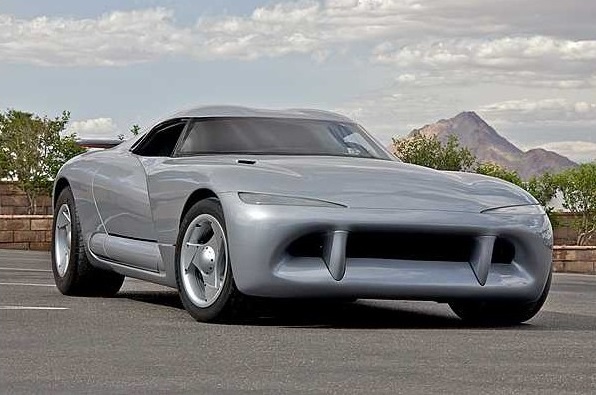
We chat about the RT/10 variant “The Defender” as we talk all things Viper on this episode. Check out our review of the long-forgotten ’90s Night Rider clone!
Learn More
2nd largest Viper collection in North America
“At the age of 22, I worked with two car collectors, and my clients trusted me with their most prized possessions. I handled all aspects of their collections – from maintenance to modifications to showing their cars at Concours events. When it comes to high-end cars, I have fulfilled my client’s needs by supporting them through the entire process of preparing for events to attending the event itself. I prepare each car to a show-quality level, making it look exactly how it was delivered from the factory. Additionally, Havik provides track inspections and accompanies clients to the track to ensure their car is always ready to go for the next heat by monitoring the car, tires, and driver.
My parents continued supporting my dream by lending me their garage so I could start my business. Havik operated out of my parent’s house, quickly outgrew it, and two years later I purchased the garage where my company currently resides. My dream was fully coming to life and growing at an unimaginable pace. Five years later, I am 29 years old and now manage just over 100 vipers. In the last year alone, Havik Performance grew sixty percent. My dream of owning a reliable, trustworthy premier automotive business has not only become my everyday reality, but it has proven to be more than successful – just as I imagined it would be when I was 14 years old.” – Mike Kuchavik
The Dodge Viper’s origin story is as wild as its exhaust note. Designed in the late ’80s and launched in ’92, the Viper was Chrysler’s moonshot – a raw, manual-only supercar born from a skunkworks project led by Roy Shoberg and championed by Bob Lutz. With Carroll Shelby’s fingerprints on its DNA, the Viper was a modern Cobra: no ABS, no traction control, no frills. Just a massive V10 and a chassis that demanded respect.
Mike recounts tales of engineers “borrowing” equipment in minivans to build the prototype, and how the early cars had no exterior door handles or roll-up windows. “If you did 55 mph, you wouldn’t get wet,” he jokes, referencing the RT/10’s rudimentary roof setup.
Mythbusting the Viper V10
One of the most persistent myths about the Viper is that its engine was borrowed from Lamborghini or a truck. The truth? It’s a bit of both. Dodge collaborated with Lamborghini to develop the all-aluminum V10, but the architecture was based on Chrysler’s existing V8s- with two cylinders added. The result was a torque monster that sounded like “two five-cylinder Audis running together.”
Generational Shifts and Trackside Tales
From Gen I to Gen V, the Viper evolved while staying true to its roots. Manual transmission? Always. Rear-wheel drive? Absolutely. No nannies until the government mandated them in Gen V. Mike breaks down the differences between generations, from the Gen III’s 8.3L engine to the Gen IV’s 8.4L with variable cam timing. And yes, Gen V brought back the clamshell hood and the aggressive styling of the Gen II GTS coupe.
Guest host Andrew Bank (below; left), a newly minted Viper owner, shares his own trackside adventure – an ACR ride-along that turned smoky when an oil cap wasn’t tightened properly. “I thought I was dying,” he laughs, “but it was just oil. Still, incredibly memorable.”
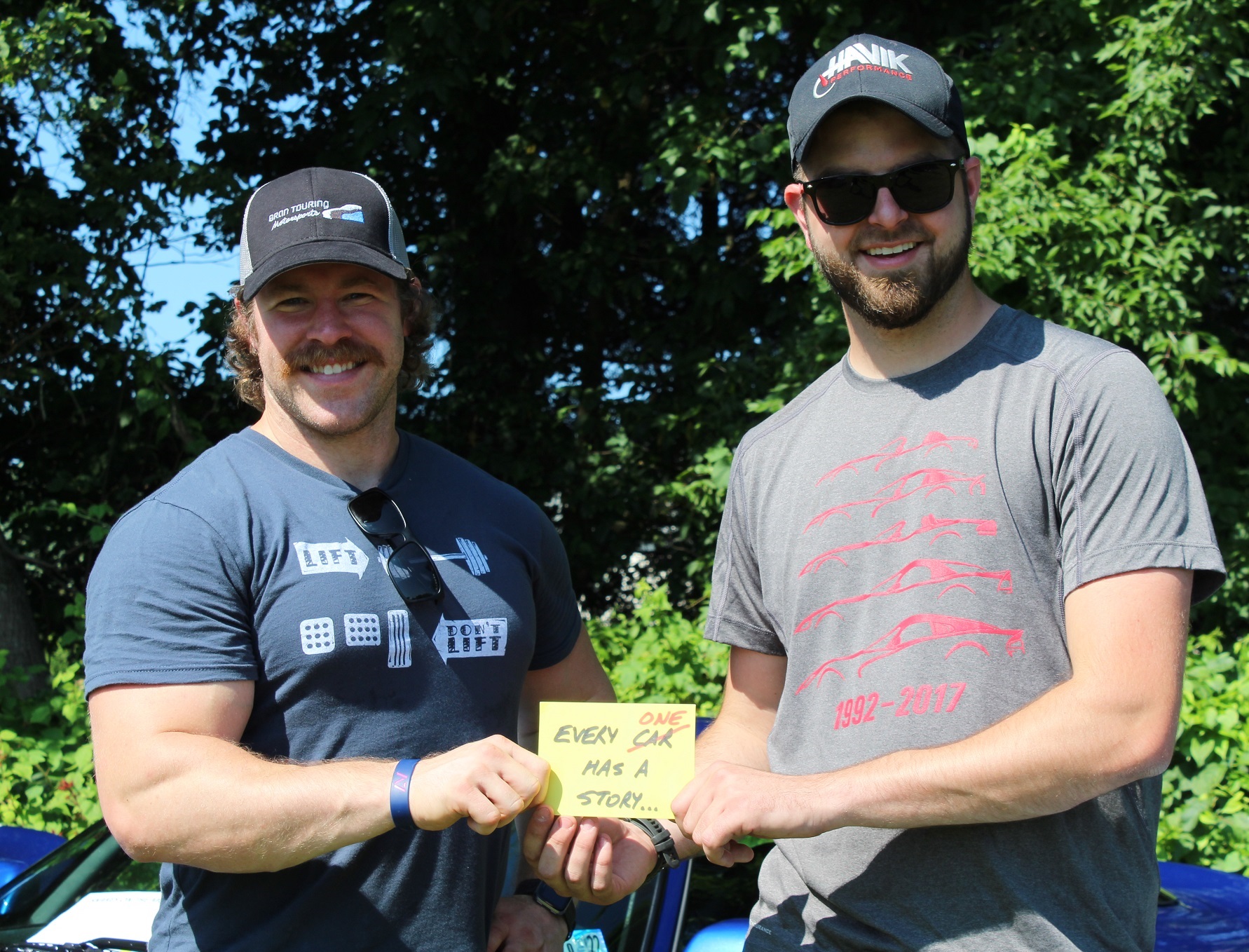
The Viper may be gone from production, but its legacy roars on through collectors, clubs, and shops like Havik Performance. Mike’s story is a testament to what happens when passion meets purpose. From teenage dreamer to trusted steward of America’s most iconic muscle supercar, he’s built more than a business—he’s built a community.