

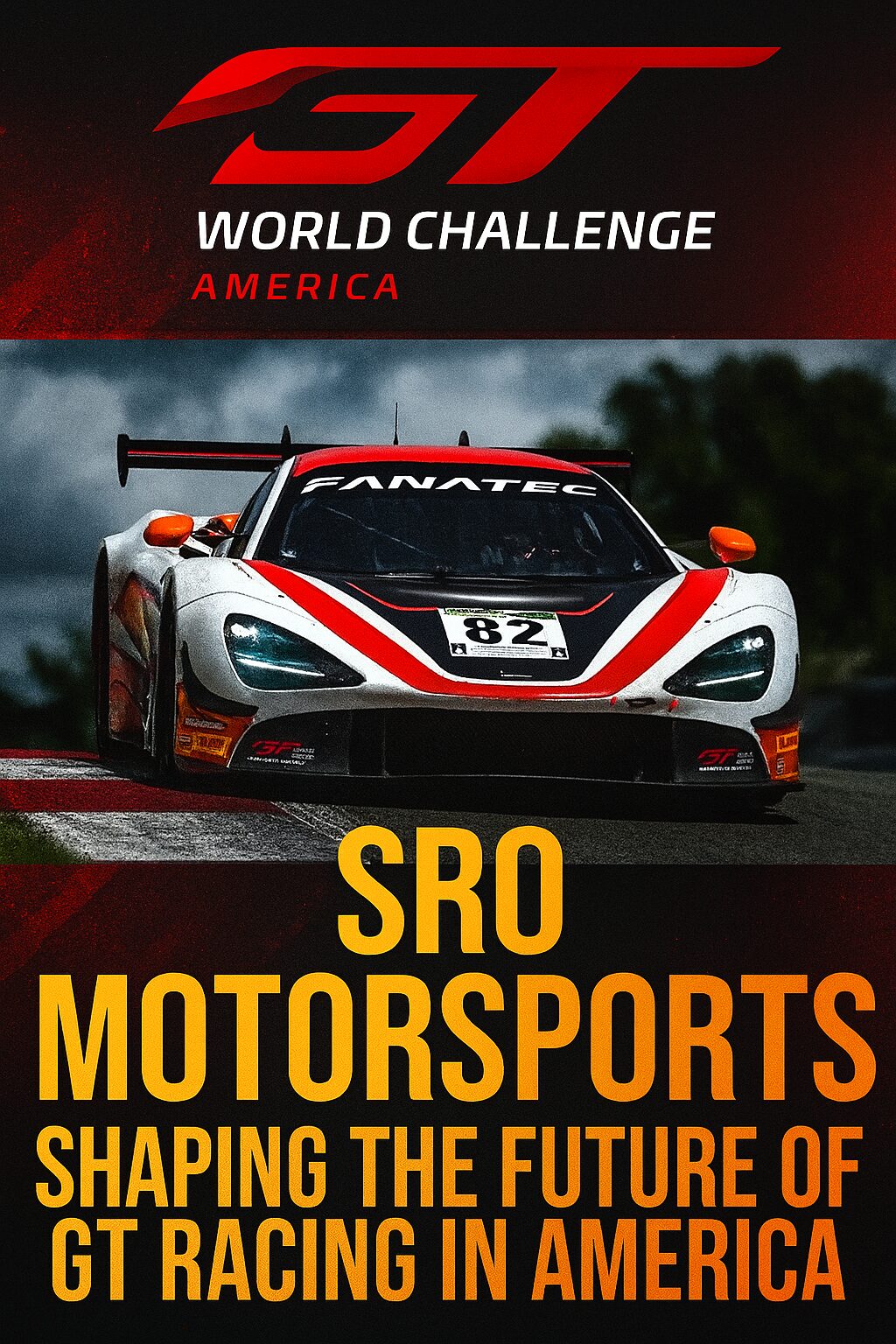
What do you get when you blend decades of motorsports evolution, a global vision, and a passion for growing the racing community? You get SRO Motorsports America – a driving force behind GT racing’s resurgence in the United States. In a recent episode of the Break/Fix Podcast, Greg Gill, President and CEO of SRO America, joined the show to unpack the history, philosophy, and future of the organization.
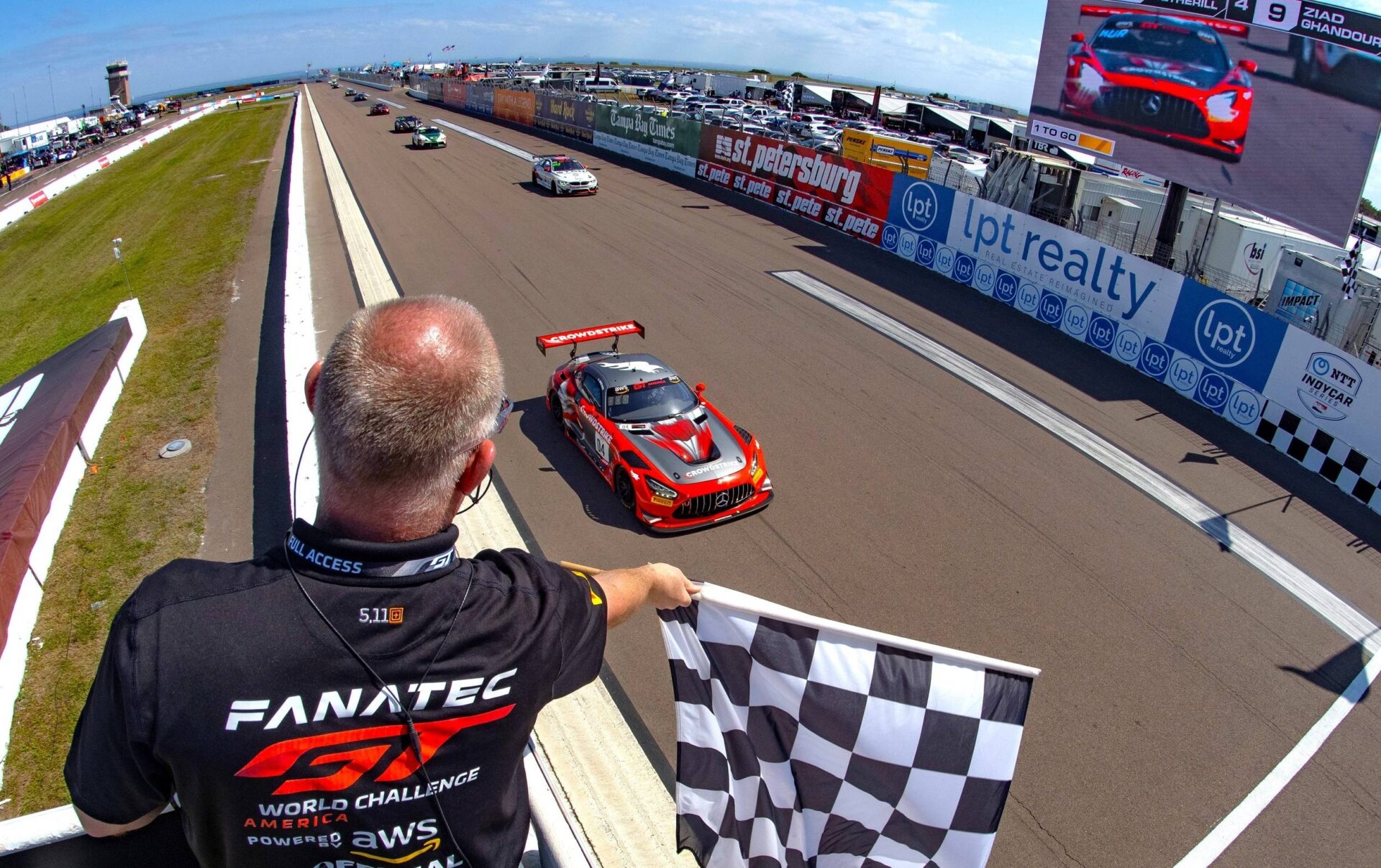
SRO America didn’t start as SRO. It evolved from a patchwork of series like the Playboy Endurance Series, Speed World Challenge, and Passport Endurance. The World Challenge name has endured, becoming synonymous with accessible, competitive GT racing in North America.
Gill explains that the series was born out of necessity during a transitional period in American motorsports. As Trans-Am faded and IMSA entered its “dark ages,” World Challenge offered a new home for touring and GT cars – especially those outside the traditional Ferrari-Porsche mold. Acura, Audi, and others found a place to shine.
(ABOVE) SRO RACE/AMERICA – “Follow Your Dreams” w/ Robb Holland.
Gill’s journey to SRO is as eclectic as the series itself. Raised in Southern California, he was immersed in car culture from a young age. After stints in publishing and marketing, he found his way to motorsports through Racer Magazine and NASA (National Auto Sport Association). His hands-on experience and business acumen made him the perfect fit to lead SRO America.
Tune in everywhere you stream, download or listen!



The turning point came in 2015 when Stefan Ratel, a French motorsports visionary and co-architect of the GT3 regulations, invested in the series. By 2018, he became the majority shareholder. Ratel’s philosophy? Don’t re-slice the pie, grow it. That mindset has helped SRO expand globally while keeping its roots in grassroots racing. Gill emphasizes that SRO isn’t trying to compete with IMSA. Instead, it complements it. “We’re like the little brother, the nephew, the cousin,” he says. “We want to grow the pie bigger for everybody.”
Spotlight
Greg Gill - President and CEO for SRO Motorsports America
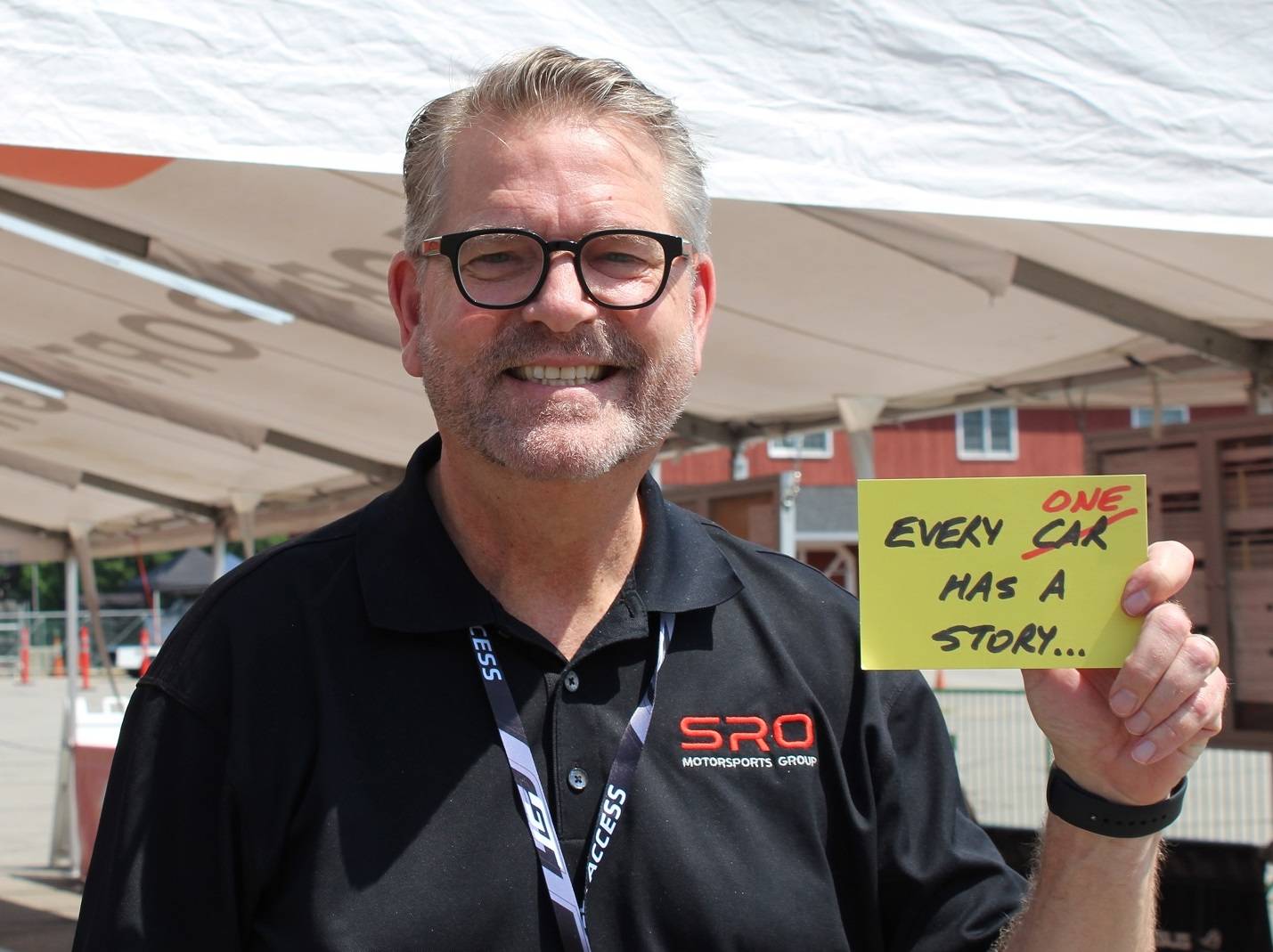
Passionate about engagement with clients, and stakeholders, technology and the evolution of human connection. Comfortable with C Suite presentations, team sales, measurement metrics, and identifying new markets and building the markets out for maximum growth. Cable TV, Live broadcasts, Live Stream, Social Media, print and digital media savvy. Experienced with community building, media management, and Globalization of Information, markets and communities.
Contact: Greg Gill at greg.gill@sro-motorsports.com | N/A | Visit Online!





Notes
This Break/Fix Podcast episode delves into the history and evolution of SRO Motorsports Group, particularly its American division, with guest Greg Gill, President and CEO of SRO America. The episode explores the origins and rebranding of the series, its partnership with the Sports Car Club of America (SCCA), and the impact of influential figures like Stefan Ratel. Discussion includes the variety of racing programs under the SRO umbrella, such as GPX, Curb Stone, and the integration of esports. Also covered are the comparisons with IMSA, commitments to inclusivity and support for veterans, and the future outlook of SRO in adapting to changes in motorsports like alternative fuels and increased diversity. Key races and ways to watch SRO events are highlighted, emphasizing the grassroots spirit and community focus that SRO aims to maintain.
- Discuss the history of SRO – So many name changes: formerly Pirelli World Challenge, formerly Speed World Challenge, and others… what is SRO?
- SRO is broken into multi racing programs, let’s expand on that and talk about what each one is about, types of cars, is it all “road racing”
- We had SRO series driver Robb Holland (from Rotek Racing) on the show a while back, who are some other Drivers that people might recognize running in the series?
- How does someone watch an SRO race?
- What is the future of the SRO program? What are some of your short-term ’22/23 plans, and what does the next 5+ years look like?
Transcript
Crew Chief Brad: [00:00:00] Break Fix Podcast is all about capturing the living history of people from all over the autos sphere, from wrench, turners, and racers to artists, authors, designers, and everything in between. Our goal is to inspire a new generation of Petrolhead that wonder how did they get that job or become that person.
The road to success is paved by all of us because everyone has a story.
Crew Chief Eric: The following episode is brought to you by SRO Motorsports America and their partners at AWS CrowdStrike, Fantech Pelli, and the Skip Barber Racing School. Be sure to follow all the racing action by visiting www.sromotorsports.com.
Or take a shortcut to GT America US and be sure to follow them on social at GT America, on Twitter and Instagram at SRO GT America on Facebook and catch live coverage of the races on their YouTube channel at GT World. [00:01:00] With more than 25 years of experience at the forefront of a continuously evolving industry.
SRO Motorsports Group is the established international leader in GT racing, best known for the development and. Implementation of the GT three and GT four regulations. SRO promotes and organizes championships that embrace professional and amateur competitors. It’s a portfolio of highly regarded series, including the Continental GT World Challenge, powered by AWS with categories in Europe, American Asia SRO continues to play a key role in shaping the future of international GT racing, and with us to explore the history and evolution of SRO Motorsports.
In the United States is President and CEO of SRO America, Greg Gill. So welcome to Break Fix, Greg.
Greg Gill: Great to be here. Thanks.
Crew Chief Eric: So let’s talk about the who, the what, the where, the why of SRO and why don’t we start off with what does SRO stand for
Greg Gill: DE and RATTEL [00:02:00] organization? Not standing room only.
Crew Chief Eric: Darn. I like the second one.
Greg Gill: Yeah, so it’s really great. The US organization’s actually slightly older than our namesake organization. We celebrate our 30th year this year for the SRO and this season as we go into 2022. Actually marks our 33rd season. So, uh, we’re excited about that. And there’s a little bit of explanation that has to come to mind, doesn’t it?
Yeah. So was it always called SRO? No, it wasn’t. We got started and I think people have always heard of different things. Well, was it the Playboy Endurance series? Was it the Speed World Challenge? Was it the Passport Endurance series? What, you know, what, where is it So the World Challenge that people know and love in North America?
Has been an always evolving series. That did start right at now 32 years ago, and when it did, it was a focus on really your original idea of sports car racing, but a real emphasis on grand touring and looking at cars for the first time. Acura’s, et [00:03:00] cetera, are getting out on the track. And that had not been something people were seeing.
They were normally used to a Ferrari, Porsche type of mentality in that era, and suddenly they saw a blend. What’s really fun, and you see in, in everything that you guys do in the Motor Sports Club where. You mentioned about being about all things automotive. In a lot of ways, that’s what drove us as well.
You know, it’s way overused by racers, for racers and every series uses it in one form or another. I worked on a series that used it in the tour GAR space and the Tuner Market and so, you know, we get it. We understand that, but the reality was is that what is World Challenge today in the US was reformed by a group of racers that saw the SCCA Sports Car Club of America was looking at going.
You know, it’s money losing speed’s, pulling out. We’re not really getting the money we wanna do, you know, I think we wanna do something different. And a group of our racers got together and said, let’s form World Challenge, or in this case WC Vision and create a new marketing group still working with the SCCA and put on these races.
And that, I, [00:04:00] I kind of think of us having various decade breaks. And that was a, a real change for our company about 2008. They looked at all forms of it and at that point we were running maybe. 20 cars when we run at Sonoma in April, we’ll be having probably 120, 130 cars. So, you know, a lot of growth over that period of time.
And because of that. Really the global leader in GT racing, A man named Stefan Rotel, who went to San Diego State as his name would sound. He is from France and very much a world resident. He’s lived all over the world, but always talks about how much he loved San Diego and, and the car culture of of America, and really regretted as much as he briefly worked for Bernie Eckel Stone for seven years and put on a lot of different races around the world, he always felt like, gosh, I’m missing something in North America.
He is, as you noted. Uh, the introduction, uh, a partner in the development with the FIA of GT three, uh, and is considered in a lot of ways the, the godfather grandfather of GT three racing in Europe and in the world. And in a lot of ways people often say that Stefan [00:05:00] Rotel saved GT racing. And I think there’s a lot of truth to that and it really become.
Really small. So about 2015 an opportunity came up for Stefan to invest and then eventually take over and become the majority shareholder in 2018. And what was World Challenge? Four of those same racers are still there today and part of the ownership group, but we’re majority owned by Stefan Ell, that’s then’s the name Stephan Rael organization.
Crew Chief Eric: So if I remember my motor sports history correctly, and, and please correct me if I’m wrong, this would’ve. Been born in that kind of gray period after SECA ProAm TransAm started to disappear in my formative years watching drivers like Lynn St. James and Hurley Haywood and Willie t Ridge Oh, and Houck running the ITU at GTO cars and things like that.
Watkins Glen and Summit Point were on the schedule in those times, but you’re like, what happened in the, the mid to late nineties? And there was still touring, car racing, but I think a lot of us maybe turned our [00:06:00] attention to BTCC and even, you know, the Swedes and the Australian Supercars and all that.
And it’s like, well, what happened to gt racing in America? And so this was almost born, let’s say, out of necessity to to Exactly. She, yeah. And,
Greg Gill: and it became natural. I joined the company in 2012. And at that point we had done, I came in in October. In August, we had done a demo of the Audi R eight, uh, at Sonoma, and it was already home.
This might be better than our own built GT cars. And of course, that sounded a little bit like blasphemy at that point because the culture still was, Hey. I’ll build all of this and then we will get the series to home alligator and then we’ll do it. And it wasn’t really practical and, and many people were already thinking, well, what about this GT three stuff that’s going on in Europe?
So we were the first to adopt it. SSA came along and adopted it about three years later and went full bore into it as well. And I think it’s been good for the whole industry. And when you look today about how many GT three cards there are, you can see it as a really successful global platform.
Crew Chief Eric: And at that time, that would’ve been [00:07:00] also when a LMS was very popular here in the United States.
Correct.
Greg Gill: And it, well, A LMS was having the challenge of working against, and I know one of the things I always get asked in these interviews is, what’s the difference between you and the other guys? And I’m sure you’ll come to that when you want ask it, but, oh, we can have, we can talk
Crew Chief Eric: about it now. Let’s go.
Greg Gill: But, uh, A-A-L-M-S was awesome, Dr. Pan’s point of doing it for the fans as opposed to what we talked about by racers for racers. Was really awesome. And on the same token, you could not argue with the corporate strength, just presence that the NASCAR organization could bring to Grand Dam. And yet they really fell into something that was just a constant battle and a constant argument about who was bigger, who was better, and I don’t think the sport really benefited.
Stephen Rotel has an saying that I absolutely love. I think all of us can take it to heart for business. That is, he likes to say, I don’t wanna res slice the pie. I want to grow it. I love that. I love working for someone like that. It’s a great attitude to have and a great way to work. If you’re always thinking about how are you gonna grow the business?
You know, stealing market share from another [00:08:00] person, okay, we can do that. Is it really growing? Is it making to your goal as you talk about for your site and what you guys do? Of getting more people were, you know, understanding about mobility, transportation, motorsport, the excitement of all of this. You know, that’s much better than let’s fight and take something off of so and so
Crew Chief Eric: not realizing what things had become.
I’ll be honest, I reengaged this story along with a LMS, but at the same time, that Speed channel became really popular. You know, my dad kind of grabbed me and said, Hey, check this out. Audi’s back with, you know, GTI running the S fours and the S sixes, and then I was suddenly hooked again because again, this was the weird dark ages of imsa.
It wasn’t Can-Am anymore. It wasn’t this, it wasn’t that. Nobody really knew what was going on. There was all these little pockets of touring, car racing going on, and you needed. Special access to watch them or you know, cable feeds from overseas, all this kind of stuff. So now I like the fact that we’ve kind of homologated all this to use a racing term and that we have a platform we can jump to.
Hopefully this name sticks. And that’s part of the reason why we’re talking about [00:09:00] this, is to reintroduce people to the many name changes that we’re SRO from Speed World Challenge to Pelli, world Challenge, et cetera. But the World Challenge part, as you said, sticks.
Greg Gill: Yes. And now used globally as well.
Crew Chief Eric: But I also think we wanna take a step into history and talk about.
Greg Gill, the Petrolhead. So how do you get involved with SRO? What’s the story there?
Greg Gill: Well, it was part of a work release program with the judge and the parole officer and, and just, uh, it really, you know, they, they were trying to find things that would keep me off the streets and out of trouble. Probably more true than I want to admit, but truthfully.
Growing up in Southern California, 1960s and 1970s, everything was about two things, really, surfing cars. You couldn’t grow up in that culture without a love for the outdoors and a love for everything. Automotive, my stepfather was a huge sports car fan. He really wasn’t too thrilled with our displacement passion that we had as a family.
The sixties and seventies, but he also got us interested in sports cars and would talk about racing jaguars and restoring [00:10:00] jags and doing different things that we had in projects. We were dragging home and I was dragging home all sorts of falling apart race cars that never really made it back to the track.
But you know, I had a dream like every teenager does. So. Amen. Um, that was fun, but a lot of it was enthusiast driven. What came out of that while working in the family business of architecture and construction management, a friend of mine was. A big enthusiast, publisher, and a real second tier publishing company.
It wasn’t hot rod, it wasn’t CarCraft, it wasn’t names that you knew, but they were names that were really nichey, street Rodder and Trucking and VW Trends and you know, these magazines later. Sport Compact Car, this enthusiast base. I ended up just, you know, I would say luckily, grace of God. Showed up and got an opportunity in it, and there I was in automotive.
At every aspect of automotive, you were dealing with restoration, you were dealing with hot rods, you were going to Bonneville, you were still talking about major events like Long Beach Grand Prix. And I did that for almost 20 years, and it was absolutely wonderful to [00:11:00] just always be, even though I worked on some kind of highbrow magazines during the same and got bought by a company that published things like 17 and Modern Bride and Power and Motor Yacht and Automobile Magazine.
So you could, but at the end of the day. I worked with hardcore hands-on enthusiasts. Dean Case can always tell you about D Sport and the great guys there. I got to work with them. There were a lot of that type of really put, you know, another part on to make the vehicle go faster, to make the vehicle look better.
So the transition from what we might say in the British world, bits of kit and go fast Bits. Was really probably the biggest thing for me. I loved media, I loved communication, and I knew the brand name World Challenge until I got over to working with Racer Magazine, which in the printed motor sports world is pretty much everybody’s holy grail at North America of the highest quality, greatest standards of journalism.
And, you know, just a dream job. And I got that opportunity in 2010. Out of that though, I realized that my hands-on [00:12:00] experience, I’d always been the business guy, and I was suddenly signing checks for people who had Jackie Stewart on their phone dial and, oh, if you wanna talk to Bernie Stone, this is how you do it.
I’m thinking, no way, I’m not, this is not right. And I literally resigned. Loved the position, loved the magazine, but I went to the folks at National Autosport Association and said, you said you wanted a vice president of marketing. I think I’m your guy. And God bless ’em for about 11 months. They let me do that.
I got to go hands on and start at HPD, start learning how to drive a car, get the experience on track. Still, definitely not a racer, nor will I ever act like one, but at least I could say I started to understand the terminology and actually had been behind the wheel. Driven at speed. Understood the things that I’d been selling and part of for so long, but didn’t have that hands-on experience.
And so during that time period, I got recruited by World Challenge, I think because they were looking for that same identification area. We were doing it with nasa, we were changing things up. We created Speed News, came out [00:13:00] with connecting with the both the readers and the participants. And that’s very much where World Challenge wanted to go.
And that’s. Opportunity. That’s how I got there. So that’s that long, painful
Crew Chief Eric: story. We talked about the when and the how, but let’s talk about the what. SRO, as I understand it, is broken into multiple racing programs. So let’s expand upon that idea. Let’s talk about each one. Types of cars, is it all just road racing in
Greg Gill: North America?
We are. We run our tour car series, our GT four series, and our GT series. Globally though, in the SRO umbrella, as you know, we’re in Australia, we’re in Africa, we’re in Asia, obviously started in Europe. Because of that, we have really a good relationship with growing and doing new things, whether it’s the Motorsport games, which will go on again in Marse.
Second annual, and that’s on behalf of the FIA. We’ll produce that for them. So that’s exciting. And that is just like, it sounds like the Olympics, but this time now with first time we did it, I think it was 12 or 14 categories, now we’ll have 23 categories. So [00:14:00] really excited. And again, that speaks to that whole importance of transportation and how things are changing.
So we’re excited about that. We also do something called GTX, which is a, again, spend from our grand tour heritage. And if you know, as you look back, automotively, the whole concept of the grand tour was. Could we take a vehicle a hundred miles without breaking down in the X of GTX is talking about your high-end Rolls Royce, Porsche, Mercedes, et cetera, that are creating these full electric powered vehicles.
Can we take ’em from Paris to Berlin? What does that look like? And, and take care of it. We do something called the Ven Dome Rally. Uh, we’ll be having another one in Italy, all thematically done. Did one as a salute to the eighties. The next one will be the Dolce Vita sixties. All done in Italy. Really, really cool.
So we do some things that are, speak to that enjoyment of the automotive experience. We also have something called Curb Stone. That’s our version of Edge Attic Chin, David Murray, insert your track day company here. It is the most expensive track [00:15:00] day series, but on the same token, it’s the absolute best.
And because of that, we have something called the GT one Sports Club where you’re running the Lamborghinis, ani, et cetera, and people are just having a great experience. It’s not really racing, it’s still on track. And they’re getting that experience typically right after one of our race weekends. So they can tell their friends, they were at spa, they were at Al Silverstone, but they were not, or God willing at Indy, but I’m the same token.
They weren’t there driving an A world challenge, eight hour racing.
Crew Chief Eric: And SRO has also expanded into eSports. Am I correct?
Greg Gill: Yes. That’s something we’re super excited about. I came to our board in 2017 after seeing Ericson at the CES show demonstrating 5G. I’m a bit of an early adopter and I, I just got so excited.
I walked into the boardroom, actually it was a board meeting that served Americas, and so you can kind of get the context of it. I said. Gentlemen, this is the future. We’re gonna be on track here and down in the media center. Guys will be racing against us in real time. They didn’t throw me out of the room, but I wasn’t exactly warmly received.
I don’t think they really thought [00:16:00] that was possible. Fast forward now to the Fantech being one of our signature sponsor and GT real challenge power by AWS. When you look at it, what Fantech has done, we now have a fantech arena. We require our GT world challenge, European competitors to nominate one of their regular drivers, not a ringer from someone who’s Billy in their bedroom, or Susie, who’s been playing for, you know, eight years.
But no, these are people who are, or their day job is racing a, you know, a, a car on track and they’re required to qualify and run. At SPA as an example, the team that got pulled, they were within one 10th of a second in the game as they were on track. That’s how close we are now with eSports. We do a global eSports championship.
We have rounds in Europe, rounds in Asia rounds here in North America. And again, thanks to Fantech, also thanks to Honda HPD, able to do some really cool things with that. And when the pandemic hit like a lot of others. We were already mindful of this, I think in either two weeks time or three weeks time, God bless Robbie Ola, our Vice President of marketing, he [00:17:00] put together a great program and our partners were interested in it ’cause we have a great relationship with AWS and CrowdStrike and we’re able to get right out and go into virtual racing.
And again, not too much patting ourselves in the back. I know the rest of the Motors sports professional world did the same thing. I think we were kind of first to market ’cause we were already passionate about doing it. But we have our own game set of cor do com ceiling. That’s a very cool game. All branded up running GT cars and now the new BMW is in it and I’m happy to say with one of our racers Livery, Samantha Tan, so that’s pretty cool.
Crew Chief Eric: What about SRO and imsa? How do they compare and contrast, you know, the GT cars and IMSA versus the touring GT cars? SRO, how does that work?
Greg Gill: Especially now starting in 2022? We’re on the same platforms, not on LMDH. Obviously, when you come down to their GTD Pro and GTD, they are GT three cards. Same thing we’re running in GT World Challenge.
That can be both confusing and a blessing because on one hand, people, but wait a minute, but on the other hand, it really is apples and oranges. If you think about it, NASCAR and imsa. Is a [00:18:00] amazing part of American culture and history. They own racetracks. They have a focus on that because of their own personal pleasures and pride.
They also have some of the amazing races at Daytona, Sebring, Atlanta. These are all endurance races. We, on the other hand, are a focused customer racing and pro racing series using the same cars, but focused on sprint racing. Their attitude might be a little bit of, you can do all these here and you might get to La Monk.
Our attitude is you can get to LA Mall through our Asian LA Mall series or you can get to the 24 hours of spa through our series. You know, I always tell people we’re like the little brother, the nephew, the cousin, you know, whatever you wanna say. I never wanna put us in a competition. Light. Back to that example we talked about.
We want to grow the pipe bigger. The more people enter I ssa, that can be good for us. The more people who enter our series, that’s good for ams a and it’s good for the whole industry. At the end of the day, we wanna grow that pie bigger for everybody.
Crew Chief Eric: I always thought the bigger difference was the fact that the World Challenge Series allowed for the inclusion of fun wheel drive.
I mean, [00:19:00] front wheel drive vehicles, as well as all-wheel drive vehicles with penalty, unlike the rear wheel drive and mid engine biased, you know, series. No, and,
Greg Gill: and we, and we have an outright ban of the Confederate flag, but that’s really true though. You’re right. 10, 15 years ago, and especially when we were running all-wheel drive, Volvos and some other things that didn’t run an imsa, you could say that, but now with when they’re running TCR, we don’t, they’re in that, that world definitely with their Michelin pilot serious challenge.
So there’s a lot of similarities. I think a little bit more of a, as much as we’ve got world-class racers that people recognize the names of sports car racing globally, that race with us. We also really look for the opportunity. Again, part of that growing the business for everybody, bringing new people in.
And that’s the great thing about TCA TC and, and now TCX people can come in and you’re not looking at a 1 million, 3 million, $5 million budget to go racing. People are coming in and the low to mid six figures or less, and they’re having a successful fund. Pro racing experience, that is a difference there.
[00:20:00] That there’s probably a lower barrier to entry in the SRO than there is, and that’s across the board, operating costs, et cetera. And again, that’s by design. But also I’m not carrying the overhead of, you know, running racetracks and doing all the other things that IMSA does in their leadership role that NASCAR has.
I think it’s very important for all of us in North American motor sports to remember the weight that these local racetracks carry on their shoulders, whether they’re. Part of the Penske organization. In the case of Indy, the independent operators who, who race around the country for IndyCar and other places, or the small mom and pop tracks, if we don’t support these people, they’re a part of an economy and they give us a place to enjoy our hobby and our passions.
So it’s important to do that. Again, God bless the folks in Daytona for, and they have the courage and building things and like what they just did at the Coliseum. That was amazing.
Crew Chief Eric: So I don’t know if our listeners were paying close attention or not, but if you go back about a minute or so, Greg just dropped a bunch of SRO classes on you, T-C-A-T-C-X, et cetera.
Now you might be scratching your head going, [00:21:00] well, what happened? TCR. Wait, I thought, does that belong to SRO? Is that so? Can we clarify this a little bit?
Greg Gill: Certainly. The WSC owns the TCR name and they’ve started a lot and done a tremendous amount that they’ve done in that space over the years and just, uh, again, have worked with the SRO and others.
They gave us the opportunity to license and work as a sub license to imsa. So we did run TCR cars for a period of time. But because we were running in a sprint format and, and very much we had to run under a certain BOP and we always hear that term balance of performance. It really made it hard to be competitive for our customers.
Whereas in the same token, TCR in the Michelin pilot series had more room because they had an allowance of changing things. ’cause they had to be competitive with the GS cars, in this case GT four cars that were running. So there, there was a little bit more flexibility. So it really. As much as we love TCR and still do, it just wasn’t practical for us to keep it because it couldn’t be competitive in our fields.
It was really a difficult decision. So did away with [00:22:00] TCR, uh, passed on, renewing a license on it. We brought out something called TCX, which is a pretty cool category that’s growing. I think we’ll have 10 cars in it this year and continued to grow. Right now it’s predominantly driven by BMW, but there’s some, uh.
New cars coming and Honda, Hyundai, Nissan and others Subaru, uh, et cetera, are all part of our TC field.
Crew Chief Eric: You mentioned something really, really important here. BOP Balance of Power. It comes up all the time. You see it in the headlines, especially after the last Rolex where Team Corvette was nerfed by the BOP.
And if you’re not in the motorsport world or you’re just learning about this, what does that mean? What does that mean
Greg Gill: exactly? All these
Crew Chief Eric: terms.
Greg Gill: Remember, it does mean blame other people. Just to understand. Just Yeah. Just to be clear what that stands for. It could be balance of performance and like driver rankings.
It’s something in the SRO that we started first, and like driver rankings. There may be times that we scratch our heads and say, what were we thinking? But it is the best way to take. A wide variety of cars when you have to balance a Bentley against a Carrera, you know, how does [00:23:00] that work and what you know, what are the good ways to do it?
And the same thing when you look at back to our friends at Hemsa and you’re trying to balance Lamborghinis, BMWs, and Corvettes with GM’s normal way of doing business and how aggressive and competitive they are. Ferrari, the same way, none of ’em wanna. Right. The series then has to find that balance of performance where they evaluate everything and we’re talking from not just how fast did you go into that corner, but you know, what was your breaking pressure?
Where are you at? What was your exit speed? How much fuel were you carrying? What’s the flow rate of the fuel that you were getting on your refueling? It goes on and on, and then you’re always gonna deal with interpretations of it, and different engineers are gonna argue. No, no, no. You’re interpreting that data completely different than I think you should in interpret that data.
But at the end of the day, if you look at balance of performance, and again, back to the SRO and the leadership on it, we brought it out so that people could not just have all spec series racing. ’cause that’s where it was heading. You were gonna have one dominant brand that was gonna do well [00:24:00] and no one wanted to compete against them.
Now, when you have a balance of performance, you have the opportunity. Sometimes it works out great. But if you look at it, when I first started hearing the word BOP. In 2012, you know, 10 years ago it was stated, this is a true story. If you can get 10 cars within two seconds of each other, you are doing really good on your BOP.
Oh my goodness. Here we are now with sometimes 20 and 30 cars within a 10th of each other. As much as any one team on any one weekend is gonna tell you that BOP is a terrible thing. You have to look at those overarching stats and say. If I can take again, we’ll the say a minimum number of 15 world class drivers and get them within tenths of a second of each other in different platforms.
VOP works and is here to stay.
Crew Chief Eric: Yeah. And there’s different arguments to that idea, and I think we all understand it and appreciate it. You know, back in the eighties. Audi got slapped with the unfair advantage, which was kind of the genesis of BOP. Yes, because they were running all wheel drive and all these kind of things.
So what did they [00:25:00] do? Sandbags in the trunk. Just keep adding weight to the car, reduce the power to weight ratio. You know, they were only making 600 horsepower with a single turbo against a big massive V eight. I mean, you know, whatever. But that’s a history lesson we learned from that. But I do also appreciate the simplicity in that because Audi and VAG kind of turned around and said.
Why don’t you guys build a better car? Stop, you know, punishing us for having cutting edge technology. And by the way, we are making less horsepower than you We’re on a production chassis, not a tube frame. We’re on all these things. Build a better car. The argument goes both ways. If you went back to simple, to power to weight ratio as a balance of power.
If you’re behind by five seconds, build a better car. But I get it, some of it’s politics, some of it. You know, whatever. Yeah.
Greg Gill: And Eric, I think the other thing you have to, to look at too is the fact that we have one thing, again coming from the era that I came up in and you know, when million dollar payouts, and I always like to talk about the fact that people woke up from the tobacco hangover and just this [00:26:00] amazing amount of money and the merchants of death were throwing at Motorsport.
And so those were grand times and it was great for people. When that went away, you couldn’t just say, Hey, I need a bigger engine. I need to figure out how to more creatively cheat. Well, I’m sorry, creative interpretation of the rules. People don’t cheat. Then manufacturers had to go to customer racing, and so you know, that happened.
But on the same token. What it did, and you really touched on it when it was Audi, Porsche, and others that led the way saying, okay, great, we’re gonna do this. Now here’s the problem with that, though. It’s an arms race. Now we’re in GT one again, you mentioned history lessons. Now we’re talking about, oh, look how great this is.
But pretty soon you have got one dominant manufacturer. When they’re charging people for building their program and they want someone to buy their car something, oh, well, we’re not site manufacturers always do this. The history for the last 30 years has shown this and you, we mentioned British Terrain Car.
You can look at the same thing as Supercars and Ossie V eight. You allow the manufacturers come in, they get excited, they wanna win, they’re there, they wanna dominate, and they [00:27:00] build more and more and more expensive vehicles, whether they’re a straight manufacturer like General Motors in the Cadillac program or Corvette program.
Then you say, well, let’s go customer racing, wanna have more people buying it? And then you talk to ’em and say, well, how much is your engine? Well, that’s $5 million. Now that’s not really gonna work. But that’s the same thing we see in the evolutions of GT three, which is why we brought out GT two, which is why we have GT four, which is why we continue to believe in turn car.
Because if we go the normal way of that arms race approach. Every year, the EVO and the GT three will be even more precise, only able to be driven on that 10 10th edge by the absolute most professional person in Motorsport. Then that’s gonna take the driver who is funding those programs. The term we use obviously is gentleman driver.
He or she. Is out there and, and they’re paying for the program, but they may not be able to drive that car at that level. What happens then? They say, you know what, I think I wanna go sailing instead, I think I’m gonna go horse racing. Instead, they put their money in something else. We don’t want that. We want ’em enjoying motor sports for a long, long [00:28:00] time.
Crew Chief Eric: And you know, this actually segues into my next question, which comes from basically a very simple question, which is, what is the definition of a touring car? And I have to lead into this, right? We, we can very simply say, well, what kind of. Vehicle brands run in this series? Are they factory teams? Are they private tier, but more important to that is kind of this ethos behind what is touring card?
Because the definition of vehicles, right? We kind of slice it like music. It’s all these genres, right? You have the hypercar, the supercar, the luxury car, and the grand tour and the sport compact and all these kind of things. But when you go to the dealership, you don’t walk up to the salesperson and say, I’d like to buy.
Tory car. What is a Tory car?
Greg Gill: Yeah, but it’s a two-door sport coop. But that doesn’t really put that way, and it’s very hard for people to relate to it. And then you have the same thing. The series looks at it and says, well, wait a minute. Keo wants to run, but the car only has four doors. Oh, okay. We’re gonna make allowances so it gets really confusing fast.
Or in the case of our. Okay. It’s always gonna be front wheel drive. Well, except [00:29:00] for these cars. ’cause they’re okay. ’cause they’re rear wheel drive so they’re running. So the, the definition gets very hard. So what we do is really kind of keep to a power to wait ratio in our De Terrain car class. So we start at 200 in TCA and we are gonna say you’re gonna be 150.
We’ve gone as low as a hundred with TCV. That was kind of exciting, but not practical. There are TCV cars still out racing today, but uh, it wasn’t really good for us. So we have TCA, which one’s in that? Power to weight? 200 horsepower. Then you go up to our TC cars and you’re in 300. And then you’re at TCX, where you’re 400 being throttled back.
It works out really well for us to have kind of a horsepower and a power to weight ratio that we deal with. And you, and you touched on earlier about those, you know, make a better mousetrap, you know, build a better car. You didn’t really touch on rewards weight. And I came in as we were killing rewards weight.
What a negative term. Hey, you won. Now you’re gonna have to carry some ballast, you know? Right. Exactly. Work harder. Or in the cases of like when we had Hyundai running in TCR, they’re like, do you know how heavy 90 kilos is? And what we’re having to do to compensate for that, you know, on a, on a [00:30:00] Hyundai. And yeah, they did great.
They did very good. But my goodness,
Crew Chief Eric: what kinds of brands do run in the SRO America Series?
Greg Gill: So we’re really proud that we have 20 different brands and you literally start, you know, and, and you can, you can read through and. Say Aston and Audi and BMW and you know, you just keep going through the alphabet and you’ll find the cars that are appropriate there.
I no longer try to count them off like Pokemon because I inevitably miss people and then feel really bad after an interview. You know, like we have BMW, um, we have many, it’s a constant additions all the time as we bring new people in, as we homologate new cars. I would say every year there are one or two marks that are being added to the series.
I think I’ve been as high as 24. Different marks running in the series in a year, and as low as I believe, as 17. So it can vary just on what people’s programs and like I say, there are the standards, BMW, Porsche, Ferrari that we’re used to, but, and again, you look at Aston Martin, then you start talking about, well, what about a [00:31:00] jeanetta?
Uh, what do you do about a KGM crossbow? And, you know, there’s all these other, other brands that have become GT four Homologated or in some other category. They’re homologated and running with us, the Julia and TCR, the Alpha Romeo, you know, interesting to see the, the different cars that can run.
Crew Chief Eric: I’m still upset with the 1 47 GTA rear wheel drive hatchback that Alpha Romeo brought over, teased us that they were gonna sell and never did.
I’m still really mad about that. Yeah. But that, that’s a whole discussion for another day. But there’s
Greg Gill: a lot of cool cars in Europe that I wish we had. Yeah,
Crew Chief Eric: lots of French cars in touring car racing too. Oh my
Greg Gill: goodness. Yeah. I would love to get some CI drones over here, but, uh, Cleo Sport would
Crew Chief Eric: be the first one on my list, but that’s okay.
Oh, boy.
Greg Gill: Absolutely. Absolutely. Yeah.
Crew Chief Eric: If our audience recalls, not long ago we had an SRO series driver on break fix by the name of Rob Holland for broTECH racing, and so he came on and shared his. He talked about SRO, which got us clued in in doing a little bit of investigative work ourselves to say what’s SRO, [00:32:00] and obviously we covered that earlier.
Are there other drivers, are there other names in the SRO, especially in the GT America series that people might recognize or not know that these drivers are running in the program? You know,
Greg Gill: it’s, we can’t ever release before we hit the entry list or release. You know the drivers that are well-known racing around the globe.
John Halen, Robbie Foley, Ron Ell, bill Berland, you know, again, you know, awesome. Uh, driver Corey Lewis. People know that name. That’s a name that again they see in both paddocks I mentioned earlier, no longer racing the series when Al Rent managing for the series. Jack Baldwin, one of those Trans am great scholars of Vac Camel GT days.
Two names that I love being part of the series are Aaron Vogel. And Michael Cooper. Michael is somebody who came up through our tour car, went through GG four, went through GG three races around the world, raced with the Cadillac program. Michael was just down racing in Daytona. So that, you know, those, those are some of the names of that.
And then again, I’ll say Rob Holland is somebody who knew that world challenge in those, [00:33:00] in the quote early days or in the glory days. And then came back in after racing at BTC and doing the different things in Europe and adac and all the different areas came back in, said, Hey, I wanna change things up.
Let’s make some differences in motorsports. I am so grateful to be running with Rob and working with him on just making the paddock a more inclusive space, creating more opportunities for people, and it’s just an honor to work with him and some other great people too. Samantha Tan, who I mentioned earlier, Samantha is really no stranger to coming up through our touring car ranks through G two four.
Now in GT three and there’s a good example of somebody where in their family they’ve said the goal is LA Mall. I imagine we’ll see them a couple more years in GT World Challenge, and then you’re gonna find them over in GTD and GTD Pro as their goal is to get to LA Mall. Now maybe they’ll go through Asian LA Mall series and and go in that way, or maybe they’ll go through the 24 hours of spa and head out that way.
In Europe, who knows what their path will be. But we have people who have been racing with us like GMG and James d have been with us for. Over 20 years and racing it and then mixing it up against the [00:34:00] Johnny O’Connell’s and Jan Halen’s and others, you know, for those 20 years. Uh, so it’s been really a great com in combination of people.
Tony v Lander was one of our regular styles. Tony’s now been out for a year, but you know, again, names that people would say like Jordan Pepper and Elli, and these different. Global sports car stars evolving racers with us.
Crew Chief Eric: You actually mentioned something really important, which was the progression from SRO to a series like lamonts, the WEC.
How does your aspiring ProAm driver, somebody in SCCA or NASA make their way into SRO? What does that progression look like? What are the qualifications? How does somebody get involved if they’re at that level and maybe to your point, looking to mix things up and do something different, grow out of spec Miata.
Into SRM.
Greg Gill: You know, again, you look at the people in the momentum space and there are some of the best racers out there. You watch a spec me auto field and you know, and either NASA or SCCA, it is hard, tight, some of the best of the best, absolute grinding, [00:35:00] fast racing, and I love watching it and I love the people who participate, the detail they put in.
Along the way, people sometimes get a bug, and I think it’s the transition when people are looking, at the end of the day, they just wanna be able to tell their country club friends that they raised a Porsche. Okay? So they go to PCA, they do that for a period of time. They maybe go on the Cup series and they may be very, very happy there.
But along the way they start hearing about, oh, well I heard the Ferrari did this, I heard the Lamborghini did that. And they start thinking, what can I beat them? You know, you talk to people about the, you know, putting ’em in a GT four Supra. We’ll tell ’em, look. This is an awesome vehicle and it’s really that very small evolution.
When you look at all of the great enthusiast groups out there and and racing groups out there, there are literally hundreds of cars on any given weekend that could be running and many of ’em qualify to run in our series or an IMSA in terms of there are GT four, there are GT three car there, they’re in the TC classes.
The difference is a lot to do with how good are you and how hard do you want to push? If you want to be a pro racer at the very entry level with us at [00:36:00] TCA. Or in GT World challenge, you’re gonna have to have a ton of time to do it and you’re gonna have to really push hard for it. Could Chris go better race with this comfortably?
Yes. Chris is a good shoe and he could do a great job and I can guarantee you he would do very, very well. Chris has run and and run long things before. But it also might be the case where Chris would go, man, that is just too much. That is really too much of a commitment. It takes too much time and training.
Is Chris qualified? Absolutely. But on the same token, he may just not have the mindset and temperament for it to do that. A great example was said by George Robinson, which is Gar Robinson’s father, who, uh, just did so well in LMP three down in Daytona. Obviously his co-driver was Jack Baldwin years ago.
He said to Jack, do you understand why I race Jack? Do you know why people like me who have private jets and live in that type of lifestyle, why we race? And Jack said, well, you know, ’cause it’s competitive because the prize money. He’s like, no, no, Jack. Not that at all, because we want to and we can’t. And if you take away either of those interests, then it [00:37:00] becomes less likely.
At the end of the day, you’ve gotta allow that people who want to and can, and some absolutely want to, but they can’t time, money. Other reasons they can’t. Or at the end of the day, they’re just looking at and go, you know, I’d like to do that, but I don’t know if I, you know, one thing that we all acknowledge that entry level.
NASA, HPDE, it’s expensive to go racing. It still costs you some money and time, even if you’re just taking your bone stock streetcar out and HPDE is still gonna cost you in fuel. You’re gonna still put some tape on the car, you’re gonna have to get some lessons. And if you get hooked, like most everybody does, it’s you know, the beginning of a very expensive drug habit and we realize that.
So I think you have to look at, there’s an economic driver to all of this too, and that’s why we push so hard to keep the touring car. You know, we can very nicely say gateway drug so that people can look at it and go, okay, I got that. I got these skills. And I wanna be on television. And there’s some other aspects of it that in pro racing that become a big deal is it’s a bit of a fraternity of like-minded [00:38:00] individuals.
People are there, they’re part of something special. And when they go to St. Petersburg to race with IndyCar, when they’re out in Sonoma, yeah, they’re at wine country, but they wanna be able to tell their friends. If they’re old school, they’ll say they’re at Sears point, they’re gonna wanna be able to talk about it.
You mentioned about Watkins Glen. We know the F1 history there. We know James Hunt at Watkins Glen. Why wouldn’t you want to be there? You know, I’m so happy to be from my first time racing at Sebring. I had attended Sebring, but I’d never been part of the promotional group putting together a race at Sebring.
You’re at Sebring, for Pete’s sake. This is this historical place you’re looking at the track service. I mean, it’s a nightmare, but you’re thinking about. Races you’ve seen, think of all that water stacking up years ago. You know, you’re, and there’s this amazing experience. You are there. You earn the right to be there.
And that’s the, I think, kind of the excitement in that
Crew Chief Eric: transition. You name drop some tracks, the Glen Sonoma, Infineon, Sears Point, whatever you wanna call it, depending on your era. What tracks does the SRO America series run at? Obviously it’s nationwide, but what are some of the, the [00:39:00] keystone events that you’re at?
Greg Gill: You’re looking at roughly for our classes of racing, there’s probably about 22 to 25 tracks in North America. We’re very excited to have our, our season finish at Indianapolis Motor Speedway. There’s something very magical about that place and kick the year off this year, um, outside of some special IndyCar appearances in St.
Petersburg, in Nashville, where we run as a support series with just one of our racing groups There. Our other ones are what we call standalone weekends. So we’re at Sonoma, then we’re at Ozark International Raceway, which is just the coolest place. We’ve been following along with those guys since they were literally blueprints in December of 2017 and, and a dream and an intention.
We’ll be back racing there five years later. Very excited about racing there. It’s gonna be, it’s a very technical track and, and really a cool deal. So from Ozark International, we head to VIR Virginia International Raceway. You and I were just talking about that from VIR. We go up to Watkins Glen. From Watkins Glen, I unfortunately jump on a plane outta JFK and go to the 24 hours of spa.
Well, somebody has to do it, so a [00:40:00] group of us are gonna have to suffer and do that. But then afterwards we’ll be back to Nashville with the, uh, IndyCar race and doing the street race there. Followed up by Road America, just one of the most iconic, beautiful places to race at. We go from Road America to Sebring, and as I mentioned, we’ll finish the season there at Indianapolis in October.
Crew Chief Eric: Those are some great tracks. I mean, these are names that people should recognize and should be excited to watch races at. Which brings up my next question. How does one go about watching an SRO race? There’s so many different providers now. I mean, I think we’re all overwhelmed. We begged for years. A la carte television and cable service, and now everybody’s got a platform.
Everybody’s got an app. So how does one go about tuning in if they can’t be there live to an SRO race?
Greg Gill: Well, if you have a dial up modem, you go to a OL. Um, you know, I started with a company and we were doing streaming, and it really looked like that. It was just. You know, it was difficult, but here we were, a speed world challenge and everybody knew where we were and it was so cool, but speed [00:41:00] went away and so we were struggling.
We did NBC sports. We were really happy to go to CBS sports. It’s been a great relationship. So that’s our quote unquote broadcast partner. So we love being on CBS sports. All of our races in highlights packages. A few live on CBS sports and our global races are as well, or on CBS sports. So for folks we can say politely that are over 70 and watching TV that they watch on a wall.
They can go to CBS sports and it’s in almost every cable package. I think it’s like 90 million households or some crazy number. I don’t know who really does it, but nowadays I think we’re all more inclined to do same way that I watch any other racing around the world. You know, we run through our global YouTube channel GT World, which is a great way to watch and we love that and especially helps for people at all hours and times.
We keep all of our races there, so that works. We also are on Twitch, we’re also on Facebook. We’re on MAP TV afterwards too, so we have a week after the race. You can find us at CVS sports. The day of the race on our live [00:42:00] stream. You can find us on our website, you can find us on YouTube,
Crew Chief Eric: and I want to give a quick shout out to the folks over at Motorsport tv because I catch a lot of the overseas SRO races on that platform, and a lot of people forget about that.
It’s awesome. You can watch European Touring Car and Asian Tour, all that stuff on Motorsport tv. So if you haven’t checked that out, it’s actually free to get into and then you know it goes from there. You know how it is free to play, right?
Greg Gill: Yeah. The first hit’s always free. I,
Crew Chief Eric: you said it, not me, Greg. You know, we talked about what this year looks like.
We talked about where to find the program. Obviously, you can buy tickets online and show up at VIR or the Glen and come check it out in person, which is always the best way to experience a race. But let’s talk about the future. I mean, none of us have a crystal ball, but you mentioned some things that you wanna do short term for the 22 and 23 season, some changes that are coming.
Not only that, what does the next five years look like and what’s your tenure outlook look like for SRO and SRO America specifically?
Greg Gill: It’s interesting you asked that question ’cause [00:43:00] I’m gonna a presentation to our board tomorrow about that very program and where are we gonna be three to five years and 10 years out, and what does that look like?
And we know. And especially all of us as petrol heads, there’s a fear of that. What does that mean? What does alternative fuel mean? Or Ross Braun said some really intelligent things about over a billion vehicles that are fossil fuel powered on the earth right now. You know, that’s probably not gonna go away overnight.
As much as we see these radical changes in some amazing things happening with All fuel and, and all fuel racing vehicles, autonomous racing vehicles, the Electrify expos will have five of those. Running around the country next year. They did three this year. The founder and promoter of that event is a good friend of mine.
I enjoyed going out to his event at Circuit Americas and seeing people who are looking at all electric future. And what does that look like? Uh, we’re gonna be mindful of that. We’re very active on it in Europe. We’ll bring it over to the states as we see that go on. And I think that engagement in the automotive experience and the transportation experience.
It’s gotta be more and more inclusive. There’s [00:44:00] an an expression that hit me at an AWS event called Reinvent. They sat down and talked about diversity, inclusion, what did that look like? And those are really, uh, interesting buzzwords. But the lady who headed up the panel, she had a very good comment. She said, uh, after a couple years ago, we had a reckoning in this country.
Rather than looking at it was for this reason, it was for this reason, it was, there was a reckoning. A lot of us faced it. And that was something for me as a chairman of the League of Old Fat White Guys that I could look at. You know, when I started in the SEMA show in 1983, I was probably one of the youngest people there.
Now I’m like the average age and. That’s old. So you know, we all want more people in. But when we look at it in that time period of almost 40 years of going to the SEMA show, does the SEMA show and our automotive world, does it reflect what our neighborhoods look like? Does it reflect the communities look like Not, doesn’t really.
Before we all want to hold hands and sing kumbaya. Why I love motorsports. It’s like anything [00:45:00] competitive. You don’t get there based on who your daddy was. It, it helps if Daddy’s rich, you know? That’s great. Mama’s got a big checkbook, that’s awesome. But at the end of the day, you get there by your talent.
You get there by what you work and the passion on it. And I think America as an experience has been a melting pot. And an opportunity for all of us to work together to get something done. I had mentioned to my board a year ago when we were starting some of these programs that said, Hey, look in Motorsport, all of us got a hand.
In my case it was, oh, please don’t do that again. But you know, I mean it was still a hand, it was someone doing something that was absolutely unsolicited going, I’m gonna save you from either getting run over by a car right now or driving off the track. Let me help you. That’s how this works. So we wanna give people who maybe wouldn’t have that first opportunity, an opportunity to be involved in Motorsport.
And to see it. And so we’re working with Rob Holland, working with Samantha Tan, working with Sally Ulti. These would be people I know will be on your show in days and months to come. They’re just great individuals that are speaking out for the communities. They serve that passion. And I think one of the things that we [00:46:00] wanna, with our GTX series in Europe, but particularly here in the States, ’cause we view a lot of times that SRO America.
It’s kind of an incubator. We were a rebel thing away from the mothership in around 1776 or so. So you know, we still have that spirit. Our Ossie division is even more so that way that they don’t do it like they do it in Asia and Europe. It’s Australia, and same way here in the States. But we think that sometimes that we take best practices from Europe or we also bubble up things go, Hey, you know, we’ve had some really good luck with this.
Look. Look what we’re seeing here. And again, that’s what Motorsport does. It bubbles up, it brings new things in. Like everybody talks about disc brakes, seat belts, all these other things that. You know, came to be because of, you know, realizing the importance of a motorsport so that, you know, that’s gonna continue.
And, and again, it’s a fun time to see it. So that’s what you’re gonna see with SRO. That’s the five year plan without telling it.
Crew Chief Eric: You know what, Greg, we’re gonna follow up this conversation on our pit stop mini. So where we talk a little bit more about the balance of power when it comes to EVs and other things like that.
Oh. So let, let’s let, let’s hold that thought. [00:47:00] Safety and safe and many other things. Let’s put a pin in that. But I wanna give you the opportunity here as we close out the episode and we kind of wrap up our thoughts for any shoutouts promotions or anything else you’d like to share that we didn’t cover in the episode Thus far,
Greg Gill: veterans support is very, very important to us and we have Veterans race with us and it’s something that we support operation motor boats, both individually and corporately and, and so if there’s things that are in that area, particularly if there’s veterans groups.
That’s either you just know, even a small group, Hey, could you help these guys out? Can you do something for ’em? Don’t hesitate. As far as I’m concerned, they have cart blanc for anything they need with us. They’ll be my guess and and so anything that we can do to help that, we’d like to do that. It’s a team, it’s a team.
I’m incredibly uncomfortable being the figurehead for this team. I was given this opportunity by our board of directors. It was an amazing opportunity. You don’t turn down an opportunity like this. I get to go to work every day doing something that people dream of doing, and yes. Is it hard? Is it difficult?
On some days, yes, but on the same [00:48:00] token, it’s because I have a great team. The shout out goes to the super staff that I have from Susan Stacy. Robbie, Brian, Dean, Natasha Ray. I mean, I can go on and on of all the great people I get to work with, Jack, Jim, et cetera. But then, you know, you always have to go back to, as we talk about a figurehead, Stefan Mattel, a guy had the courage to follow his dreams and put something together.
I get to play with her because that man had the courage. And when we looked at the pandemic and a lot of people were saying, well, should we shut down for a year? And Stefan and I had that conversation. He says, Greg, I’ve never stopped. I’ve never bankrupted a business. We’ve taken people’s money. What do we do?
I said, Hey Stefan, I think we race. Let’s find a way to race. And he did. I love that spirit of competition. Again, it comes back to it. So I give the shout out to my team. I give the shout out to our teams of sponsors. Certainly Pelli, we wouldn’t roll without them. But on the same token, you can look at AWS.
CrowdStrike, VP Fuels will be a new announcement, a new partner returning to us down through the list of just great companies, [00:49:00] Fantech that we mentioned. These are all visionaries. These are all people who are committed to motorsports and they’re committed to the success of the drivers that are participating in it.
So it’s something that I’m just, again, incredibly blessed. Very thankful. Can’t believe you gave me over an hour to talk with you guys today. It was a great honor. Appreciate it. I hope we’ll have a chance to follow up and talk more again.
Crew Chief Eric: Absolutely, Greg. And you know, I wanna thank you because what’s really important here, and I hope people have grasped from this particular episode, is that your passion for Motorsport has come through in the stories that you’ve told and the way we’ve been talking about SRO.
But more importantly, it’s organizations like yours, like SRO America, that reinvigorate. The motor sports base, every one of us can tune into the next NASCAR race or the next Formula One race and go, yeah, it’s great. It’s highly polished. It’s a great product, but it’s just that it’s a product. It’s lost.
Mm-hmm. That grassroots, mm-hmm. That we have all either are still in or have come from. And I think SRO brings that back. And so I think this is a great. For people to return to their roots. [00:50:00] Look for that touring, car racing. Look for that door-to-door competition, even though there’s some balance of power in there.
But it’s still, it’s fun. It’s family. It’s all of the things that we miss about racing, and I wanna congratulate all of you. For perpetuating that, for keeping that going and, and continuing to bring that enthusiasm to the table. So best of luck this season, and I’m sure we’ll hear from you more. But as we close out the 2022 SRO America season, we’ll see more than a hundred.
Races under their banner. You can follow all of the racing action by visiting www.sromotorsports.comortakingaquicklittleshortcutovertowww.gt america.us To hone in on SRO America specifically. And remember, just like Greg said, be sure to follow them on social media at GT America on Twitter, at SRO GT America on Instagram at GT one World.
On Facebook and they’re awesome [00:51:00] YouTube channel where you can watch all the races live. And remember, all of this information will be posted alongside this episode in our follow along article on gt motorsports.org. So if you wanna learn more about SRO America, go ahead and hop over there and check all that out.
So again, Greg, I cannot thank you enough for coming on the show. This has been an absolute pleasure.
Greg Gill: Thank you.
Crew Chief Eric: The following episode is brought to you by SRO Motorsports America and their partners at AWS CrowdStrike, Fantech Pelli, and the Skip Barber Racing School. Be sure to follow all the racing action by visiting www.sromotorsports.com. Or take a shortcut to GT America US and be sure to follow them on social at GT America, on Twitter and Instagram at SRO GT America on Facebook and catch live coverage of the races on their YouTube channel at GT [00:52:00] World.
Crew Chief Brad: If you like what you’ve heard and want to learn more about GTM, be sure to check us out on www.gt motorsports.org. You can also find us on Instagram at Grand Tour Motorsports. Also, if you want to get involved or have suggestions for future shows, you can call or text us at (202) 630-1770 or send us an email at Crew chief@gtmotorsports.org.
We’d love to hear from you.
Crew Chief Eric: Hey everybody, crew Chief Eric here. We really hope you enjoyed this episode of Break Fix, and we wanted to remind you that GTM remains a no annual fees organization, and our goal is to continue to bring you quality episodes like this one at no charge. As a loyal listener, please consider subscribing to our Patreon for bonus and behind the scenes content, extra goodies and GTM swag.
For as little as $2 and 50 cents a month, you can keep our developers, writers, editors, casters, and other volunteers fed on their strict diet of Fig Newton’s, gummy [00:53:00] bears, and monster. Consider signing up for Patreon today at www.patreon.com/gt motorsports. And remember, without fans, supporters, and members like you, none of this would be possible.
Highlights
Skip ahead if you must… Here’s the highlights from this episode you might be most interested in and their corresponding time stamps.
- 00:00 SRO Motorsports America Overview
- 01:23 History and Evolution of SRO; Interview with Greg Gill
- 02:06 Origins and Growth of SRO
- 02:42 World Challenge Series
- 04:20 Stefan Rotel’s Influence
- 09:14 Greg Gill’s Journey
- 13:13 SRO’s Global Racing Programs
- 15:29 eSports and Technological Innovations
- 17:31 Comparison with IMSA
- 22:22 Balance of Performance (BOP)
- 28:00 Defining a Touring Car
- 30:02 Brands in the SRO America Series
- 31:42 Notable Drivers in the SRO America Series
- 34:25 Pathways to SRO Racing
- 38:53 SRO America Race Tracks
- 40:24 How to Watch SRO Races
- 42:41 Future of SRO America
- 47:03 Shoutouts and Closing Remarks
Bonus Content
There’s more to this story…
Some stories are just too good for the main episode… Check out this Behind the Scenes Pit Stop Minisode! Available exclusively on our Patreon.
 Bonus content available as a #PITSTOP mini-sode.
Consider becoming a GTM Patreon Supporter and get behind the scenes content and schwag!
Do you like what you've seen, heard and read? - Don't forget, GTM is fueled by volunteers and remains a no-annual-fee organization, but we still need help to pay to keep the lights on... For as little as $2.50/month you can help us keep the momentum going so we can continue to record, write, edit and broadcast your favorite content. Support GTM today! or make a One Time Donation.

If you enjoyed this episode, please go to Apple Podcasts and leave us a review. That would help us beat the algorithms and help spread the enthusiasm to others by way of Break/Fix and GTM. Subscribe to Break/Fix using your favorite Podcast App:
Learn More
2022 SRO GT America Series Schedule
The 2022 season will see more than 100 races run under the SRO Motorsports Group banner and you can follow all the racing action by visiting www.sro-motorsports.com or taking a shortcut to https://www.gtamerica.us/ and be sure to follow them on social media @gt_america on twitter and IG @srogtamerica on FB @gtworld on YT.
- Round 1 & 2 – Sonoma Raceway – April 15-17
- Round 3 & 4 – Ozarks International Raceway – May 20-22
- Round 5 & 6 – VIRginia International Raceway – June 17-19
- Round 7 & 8 – Watkins Glen – July 22-24
- Round 9 & 10 – Road America – August 19-21
- Round 11 & 12 – Sebring – September 23-25
- Finale – Indianapolis Motor Speedway – October 7-9
While IMSA focuses on endurance classics like Daytona and Sebring, SRO America specializes in sprint racing. The cars may be the same – GT3 and GT4 platforms – but the format and accessibility differ. SRO offers a lower barrier to entry, making pro racing attainable for more drivers and teams. SRO America fields multiple series:
- Touring Car (TC, TCA, TCX): Entry-level racing with front-wheel, rear-wheel, and all-wheel drive platforms.
- GT4 America: A proving ground for manufacturers and privateers alike.
- GT World Challenge America: The premier GT3 sprint series in the U.S.
One of the most misunderstood aspects of GT racing is Balance of Performance (BoP). It’s not about punishing innovation – it’s about leveling the playing field. Gill notes that BoP allows 20–30 cars to qualify within tenths of a second, making for thrilling, competitive racing.
Globally, SRO operates in Europe, Asia, Australia, and Africa. It also produces the FIA Motorsport Games and hosts luxury events like the Vendôme Rally and GT1 Sports Club.
eSports and the Future of Racing
SRO was ahead of the curve in embracing sim racing. With partners like Fanatec and AWS, they’ve built a competitive eSports ecosystem that mirrors real-world racing. Drivers from GT World Challenge Europe are now required to compete in virtual races, and the lap times are nearly identical to their on-track performances.
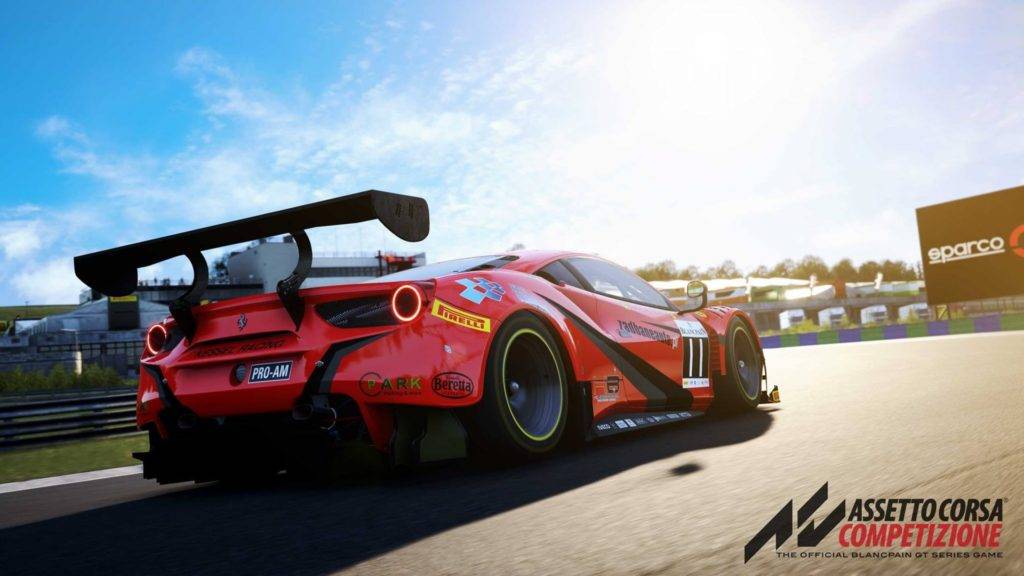
Assetto Corsa Competizione is the new official GT World Challenge videogame.
Thanks to the extraordinary quality of simulation, the game will allow you to experience the real atmosphere of the FIA GT3 homologated championship, competing against official drivers, teams, cars and circuits, reproduced in-game with the highest level of accuracy ever achieved. Sprint, Endurance and Spa 24 Hours races will come to life with an incredible level of realism, in both single and multiplayer modes.
Assetto Corsa Competizione is born from KUNOS Simulazioni‘s long-term experience, and it takes full advantage of Unreal Engine 4 to ensure photorealistic weather conditions and graphics, night races, motion capture animations, reaching a new standard in terms of driving realism and immersion, thanks to its further improved tyre and aerodynamic models.
Designed to innovate, Assetto Corsa Competizione will set to promote eSports, bringing players at the heart of the GT World Challenge and putting them behind the wheel of Ferraris, Lamborghinis, McLarens and many other prestigious GT racing cars, all reproduced with outstanding level of detail.
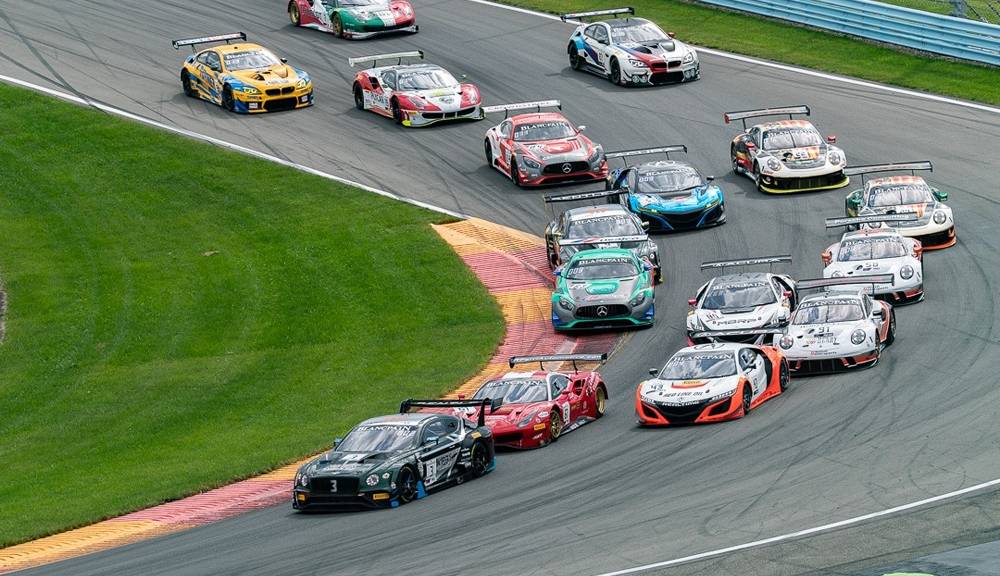
Whether you’re a seasoned racer or a curious newcomer, SRO Motorsports America offers a gateway into the world of GT racing. It’s a place where passion meets professionalism, and where the goal isn’t just to win – but to grow the sport for everyone. Want to follow the action? Head to www.sromotorsports.com or catch live coverage on YouTube at GT World.