

spot_img
Home Blog Page 24

Style Over Substance: The Poser Car Debate That’ll Turn Heads at Cars & Coffee

What makes a car a poser? Is it the vehicle itself – or the person behind the wheel? That’s the provocative question our panel of petrolheads tackled in the latest episode of What Should I Buy?, where price, performance, and points don’t matter. This time, it’s all about sizzle over steak: kit cars, replicas, and factory-built oddballs that make people say, “Seriously?”

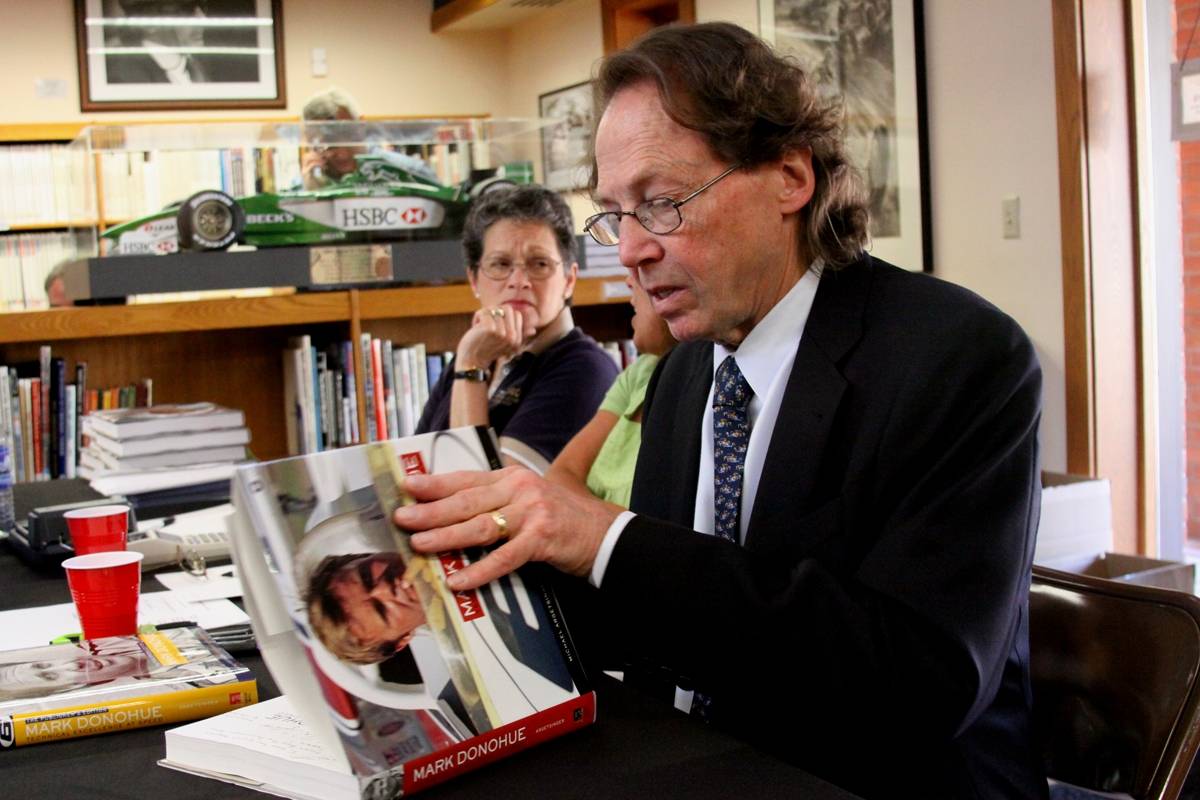
Don Weberg of Garage Style Magazine (above) kicked off the debate with a confession: his love for the Chrysler TC by Maserati. Is it a poser trying to be a Cadillac Allante or a Mercedes SL? The panel dove into the murky waters of automotive identity, questioning whether marketing illusions and badge engineering create cars that pretend to be something they’re not.

From the Cadillac Allante’s subtle SL envy to GM’s notorious habit of cloning its own SUVs under different names, the conversation quickly expanded to include everything from Fiero-based Ferraris to rebodied Beetles.

Tune in everywhere you stream, download or listen!

Listen on Apple
Listen on YouTube
Listen on Spotify

Mountain Man Dan and Jeff Willis reminded us that kit cars aren’t just garage-built curiosities anymore. Today’s kits range from IKEA-style builds to full tube-frame chassis delivered to your door. Whether it’s a dune buggy inspired by the legendary Meyers Manx or a track-ready Caterham Seven, the kit car world is thriving – and surprisingly sophisticated.

To quote one of our fans What’s it like having to explain to everybody….No, it’s a fake one? Wouldn’t you rather have a “real” any-other-car?”

The panel reminisced about the Gazelle ads of the ’70s and ’80s, where father-son duos built faux Mercedes SSKs in their garages. They also highlighted boutique manufacturers like Superformance and Beck, who produce high-quality replicas of Cobras, GT40s, and Porsche Spyders – often better engineered than the originals.

Shopping Criteria

Our panel of car enthusiasts debate the merits and challenges of kit cars, replicas, and custom builds. They discuss the appeal of unique, self-built vehicles, comparing them to their more expensive, original counterparts. Featuring insights from experts like Mark Shank, Don Weberg, and William Ross, the discussion covers a variety of cars, including Ferraris, Porsches, and unique builds like the Ultima GTR and factory five replicas. The panel explores the history and modern relevance of these cars, noting how attitudes towards them have evolved. They also consider the role these vehicles could play in the future of car culture, emphasizing the enjoyment and personal satisfaction they bring to their owners.

  • DON! This is all your fault – what’s a poseur, anyways?
  • What really constitutes a Kit Car? Is it something Beetle-based, or do Caterhams and Factory 5 Cobra’s count? Are there levels of Kit?
  • Meyers Manx is a Kit Car, no? 
  • Ever heard of the Maxton Rollerskate (i remember it being reviewed on MotorWeek), basically a Miata turned into an Austin Healey; why aren’t there more kit cars based on Miatas? 
  • What about the DeLorean Time Machines
  • The Exomotive Exocet – which we’ve seen at Track Days, is considered a kit, but not the Ariel Atom? 
  • What about all the custom coachbuilders – not the 1920s, but in the 1980s, like Gemballa?
  • New trend of RE-IMAGINED vehicles. Food for thought: Did Singer start out as a Replica? Or Custom-Coach builder?
  • Can you “build” a poser car? If so – what would that be?

Highlights

Skip ahead if you must… Here’s the highlights from this episode you might be most interested in and their corresponding time stamps.

  • 00:00 Introduction to the Debate
  • 01:32 Defining a Poser
  • 03:39 Exploring Kit Cars and Replicas
  • 05:50 The History and Evolution of Kit Cars
  • 08:12 Modern Kit Cars and Replicas
  • 21:26 Factory Retro Cars
  • 31:46 Building Your Own Ferrari: A Frankenstein Story
  • 32:35 The Panari Movement and 80s Car Conversions
  • 33:08 Ferris Bueller’s Influence on Replica Cars
  • 33:51 The Economics of Owning a Classic Ferrari
  • 35:17 The Art of Car Replicas and Clones
  • 39:56 The Mopar Community and Cloning Culture
  • 47:03 The Future of Classic Car Ownership
  • 51:53 Hollywood’s Impact on Car Culture
  • 59:49 Exploring Hollywood Cars
  • 01:00:33 The Viper Defender and Other Iconic Vehicles
  • 01:01:13 The Coyote and Other Cool Replicas
  • 01:02:53 Custom Coach Building: A Historical Perspective
  • 01:03:25 Personal Stories and Unique Builds
  • 01:05:44 The Cadillac Seville Opera and Other Custom Creations
  • 01:07:16 Conversion Vans and Trucks
  • 01:08:59 The 80s and 90s Custom Car Scene
  • 01:19:46 Modern Kit Cars and Replicas
  • 01:24:10 Final Thoughts on Kit Cars and Replicas

Transcript

Crew Chief Brad: [00:00:00] Our panel of break fix petrolheads are back for another rousing what should I buy debate. Using unique shopping criteria, they are challenged to find our first time collector the best vehicle that will make their friends go, where’d you get that? Or what the hell is wrong with you? at the next Cars and Coffee.

Crew Chief Eric: To quote one of our fans, what’s it like having to explain to everybody? No, it’s a fake one. Wouldn’t you rather have a real, any other car?

Crew Chief Brad: And we’re here to answer that very question with our petrol head panel to settle another, what should I buy debate? This time it’s style over substance. It’s sizzle and no steak with the posers, replicas, and kit cars.

Joining us tonight are Mark Shank, our nineties expert, Don Wieberg from garage style magazine, William big money Ross from the exotic car marketplace. Author of Human in the Machine, Jeff Willis, along with Mountain Man Dan.

Crew Chief Eric: And like all What Should I Buy [00:01:00] episodes, we have some shopping criteria. This time, the price, the performance, and the points don’t matter.

Because if you don’t look good, then no one looks good. Our panel of extraordinary petrolhead panelists are challenged to find our first time collector something that will make their friends go, seriously? At the next Cars and Coffee. We are going to venture down a path that has been brought up many times on this show before.

Our fans of What Should I Buy should know that we’ve mentioned over and over again about kit cars and replicas. Don, it’s really your fault that we’re here. What the hell’s a poser?

Don Weberg: Oh, good. Throw me under the bus. Thanks. You know, it’s a good question. What is a poser? Well, I think the first time I brought it up on your show, and I’ve always kind of wondered it, as you all know very well, I’m a huge fan of the Chrysler TC by Maserati.

I have secretly often wondered, if you drive that car, are you just an SL poser? Are you an Elante poser? Are you a Riata poser? Is the Riata a poser? What is a poser? Is it someone trying to [00:02:00] be like someone else? Let’s take the Cadillac Elante, for example. The advertising doesn’t directly go after the Mercedes SL, but it does instead show the SL in the background.

A big, beautiful, bright red Elante. And this little gray SL in the background looking ever so Eastern European. Is the Elante trying to pose as the next SL? And in that, does it make it a poser? Now that being said, the Elante was introduced for the 1987 automobile year. Is

Crew Chief Eric: somebody going to pull his card yet?

Crew Chief Brad: He’s mixing up his adjectives, I think he said beautiful, but I think he meant hideous.

Crew Chief Eric: Oh no you didn’t. What he did is he added ER to

POS.

Crew Chief Eric: All jokes aside, when you brought this up Don, we talked about posers. I immediately went in a completely different direction and you have hit on something, you’ve struck a nerve.

It’s a car trying to be something else or a marketing department trying to give you this illusion that [00:03:00] this car will satisfy a need or a void in your life because maybe you can or can’t afford that SL Mercedes or the 7 Series BMW or whatever it is that you’re really lusting after.

William Ross: So we’re talking posers.

Is it just a car or is it the individual that dresses in all the garb?

Crew Chief Brad: I don’t think our lawyers want us to focus on the individuals,

William Ross: especially in the eighties with those Corvette jackets and the Trans Am jackets, the nice silver ones and all that stuff. And any Corvette owners got all his Corvette gear, anything he’s got his jeans hugged up to his tits.

Crew Chief Eric: This is said by a Fiero owner who told everybody it was really a Trans Am jacket, not a Fiero jacket.

William Ross: That’s all I was just wondering.

Crew Chief Eric: I think we’re going to focus on the cars more than anything, but this is going to turn into a really interesting discussion about a niche corner of the collector car market that I don’t think a lot of people spend time looking in because maybe they’re hunting for that rare M3 or that particular 911 or, you know, some year Corvette numbers matching or otherwise.

There’s some real diamonds in the [00:04:00] rough here that really haven’t been exposed and the values around these kit cars, replicas and so on are quite affordable.

William Ross: Oh, definitely. If we do a lot of digging and especially deciding what you want out of your kit car, there’s a plethora of options. Now, obviously back in the 80s, it was either, okay, you put it on a Fiero chassis or, you know, a beetle chassis, what have you.

That was about it. Now, I mean, you have the kit car and with the passing that law too, it’s like they can sell you the whole basic kit and caboodle. I mean, they’re building the whole two frame chassis. And there’s a ton of them out there and they’re doing very well. I mean, you got everything from track day specific stuff that should go to track, but it can be street driven, but then you got those stuff that’s on the lower end.

But I mean, there’s so many options today of what you can get. As a kit car that the quality level is pretty high.

Mountain Man Dan: It’s almost like the Ikea of the car world in a sense, because you basically buy it all arrives on your doorstep and you assemble it by the list of a goes to a B goes to B exactly.

Don Weberg: You guys might remember a print ad from the [00:05:00] seventies and eighties for the gazelle automobile.

You remember that it was always a full page ad or a half page ad. And it’s a great little picture of this. Semi concocted an SSK Mercedes and an MG had a baby and this was it. But the parts are on the floor and there’s a father and a son and they’re working on this thing and they’re in the garage and it really is kind of a great thing, but you know, it was all built on a Fiero chassis or the VW Beetle, those were huge chassis going around.

And then go back to the dune buggy, for God’s sake, we could even bring up the Myers Manks if we wanted to. And how many posers, if you want to call them that, were sprung. From the dune buggy concept. I used to work for a magazine back in the day. We had a trade thing going on with garage style. It was called kit car builder.

Do any of you remember that magazine? Yeah. Learning from them. They had some amazing, amazing coach built kit cars. When you go back and you look at the history of kit cars, et cetera, it actually goes back, believe it or not, to the 1800, when you start researching this stuff, it started in England. There was a guy who literally [00:06:00] had what they call a drop down kit and he ordered a drop down kit and he sent you.

All the parts and pieces to put it together. I think publications like that actually help educate everybody. They educated me. I had no idea that those cars existed. Just having a magazine out there for a kit car builder. I mean, it just shows there’s a big market out there, big enough to support a magazine.

William Ross: If you went down a rabbit hole, looking around and not all of them are going to be online or have websites, but I think it would be shocking. You’d look to see, especially around the world now, you know, you don’t have to worry about just the United States, but there are hundreds, if not thousands of these little boutiques.

Doing 5, 8, 10 cars a year. That’s it. You know, not building thousands that are doing just small things and they’re all over the place

Crew Chief Eric: in preparation for this episode. If anybody Google search, there’s lists top 20 kit car manufacturers of 2023. I mean, as current as today, there’s at least 20 manufacturers out there building something that you could be assembling in your garage or based on a car that you might already have in your stable.

So it’s kind of interesting that it’s a community that [00:07:00] doesn’t. Market itself. Well, it doesn’t advertise as loud as the big manufacturers, but it’s been thriving for a hundred years. If you think about going back to the original custom coach builders, these kits have been around to Don’s point forever,

Don Weberg: fast forwarding to the seventies, the sixties, if you really think about modernism, I kind of think that the Myers Manks was the original sort of kit car because you could buy it assembled or you could buy it where you put it together yourself, you could do it either way.

Mountain Man Dan: That kit alone. There were so many people that went out and replicated it under different names. Nowadays, if you find an actual legit Myers Manks, it’s worth easily, you know, a lot more than the knockoff. There were so many others made that it’s hard to find a legit one.

William Ross: I was just at a show the other weekend and, uh, so there was a legit one.

I was like pretty surprised. It was shocking to see a legit one. Cause I think the legitimate ones, there’s only like. 600 or 700 of them that are legitimate, true Meyers Manks cards. The rest, thousands of them are all the knockoffs. Cause unfortunately Bruce Meyer didn’t do what he was supposed to do. You know, as they said, he was [00:08:00] brilliant getting that stuff put together.

So it was a horrible businessman and he just didn’t the patent wires or whatnot. So he just basically got ripped off and everyone else making them. So he didn’t really make any money on them. But set the trend and like even Don said, I think that’s where it kind of started from there.

Mark Shank: There are absolutely great things to explore out there, even though they fall into these categories, like if we’re talking about stuff, you know, affordability, a self built Caterham, it’s a kit car, it’s a great track day type thing, you know, it’s really cool.

It’s insurable. You’re going to die if it hits anything.

Crew Chief Eric: And another example of has a large proliferation of knockoffs. So officially Lotus had sold it off to Caterham and then they built the super seven from 1961, 62. Two ish up until today and they still sell it as a kit that you can assemble. There’s even top gear episodes about could they build one fast enough as the guys, you know, traverse continental Europe and all this stuff, but then you have all these other super seven knockoffs, all the Honda powered ones, like the low cost, there’s like an arms length of names where they just basically took that simple Lotus seven design and then let’s put an [00:09:00] eco tech in it.

Let’s put this in it. Let’s put a, that in it. We’ll change the two frame a little bit. We’ll call it this other thing. And so. Like the Myers Manks, I think there’s a lot of these little roller skate Lotus sevens running around or quote unquote, you know, knockoff Lotus sevens running around out there.

Mountain Man Dan: If you want to say knockoff vehicles, you’d have to basically say almost every vehicle made in China, because it’s a knockoff of another manufacturer.

Crew Chief Eric: That’s a slippery slope, Daniel. True. The aura punk cat, which is a duplicate of the old beetle, you know, stuff like that.

Jeff Willis: That’s like the Mercury Mountaineer. Posing to be a Ford Explorer, right?

Crew Chief Eric: So we like to call that badge engineering. And I like the fact that you went there, Jeff, because that happens all the time and GM is notorious for it, right?

Competing with itself or does it too, but GM is more so than anybody. It’s like, here’s the same thing. Six times we’ll call it, you know, the terrain, the envoy and the trail blazer and the, this and that. And you’re like, come on guys, it’s all the same truck.

Jeff Willis: Then there’s other companies kind of like you were saying Caterham.

That was [00:10:00] one that I remembered. And then there’s, I don’t know if you guys have heard of Superformance. That’s one of my favorite newer ones that they remake the Daytona, the Cobra, the GT 40, the GT, and they do a fantastic job. And so it’s like, besides the nostalgia, sometimes the ones that they make mechanically are actually better than the original.

Crew Chief Eric: That’s true. I’ve heard really good things about the Superformance GT40 as well.

Don Weberg: It brings up an interesting thought that flashed through my head as we were talking about the Myers Manks and using the Beetle as a platform. Do we want to include the old American hot rods in this? Because essentially you’ve got guys in the backyard, in the garage, taking a chassis from something and taking an engine from something, taking a body from something, slapping it all together, kind of got to kick cars.

Just say, didn’t get that name. They got known as the hot rod because of their engine.

Mark Shank: So let’s just argue about what a hot rod is then. Right?

Crew Chief Eric: Yeah, exactly.

Here he

Crew Chief Eric: goes. I can see where you’re going with that, Don, but I think that’s an episode unto itself, actually talking about rat [00:11:00] rods and hot rods and chop tops and the real customization of thirties, forties and fifties classics.

So I think they’re exempt from this discussion. We’re looking more for like William was alluding to these Fiero conversions. So those are the cars we’re really focusing on.

Don Weberg: And, you know, going back to what Jeff was talking about, Superformance, there’s people doing the Porsches as well. The Beck, for example, is one of them.

The Beck

Crew Chief Eric: Spider is awesome.

Don Weberg: Yeah. There’s a guy in the San Fernando Valley. I forget his company name, but he does some spectacular Coupes, 356s and Speedsters. He does some great stuff. So that’s another one of those Superformance.

Jeff Willis: Could the Hennessey Venom be considered a kit car?

Crew Chief Eric: So the Hennessey is a boutique manufacturer.

That’s a whole different classification of car.

Don Weberg: I think that’d be more like Shelby.

William Ross: Yeah. I mean, by going to Don’s point though, in regards to like going back to the forties and fifties and that stuff, building the hot rods and stuff, you have the kits now for that, that you can buy the fiberglass body factory five.

It’s got a really nice that you can buy putting modern running gear under it, disc brakes, whatnot. Normally [00:12:00] people, you know, they’re buying the Ford, but they put the Chevy motor in it. So you can buy the fiberglass bodies from God, particularly there’s a ton of them out there. They can get them. It can’t be considered a kit,

Mountain Man Dan: but it’s more, I guess we’d go along the lines of the clone because I know the first generation Camaros, they’re building actual steel bodies again.

And they’re even doing the same with a lot of the early Jeeps and stuff where you can get an entire tub. That’s not fiberglass. It’s, they make them an aluminum and steel for the Jeeps.

Mark Shank: Mustangs too. Yeah.

William Ross: A lot of companies got the rights from the factory themselves to rebuild those. Dynacorn is doing the Mustangs.

Blazers, the Broncos, all of these are starting to come back out with just to buy the body and you can start rebuilding it. Like with the Mustangs, there’s a guy down in Florida, Revology, you know, he’s taking the Dynacorns and building the car, but then he’s also doing an electric. So there’s quite a few of them out there that are utilizing those remade or wherever you want to call them.

I mean, they got all the prints, everything from the factory itself and got licensed for it and spot on, bam, there you go. So it’s like, you want to replace some panels and have originally just want to take the chassis and drop a new one on or put it on a new chassis. I mean, there’s a [00:13:00] lot of things you could do with.

That kind of opens up a whole nother can of worms in regards to, I mean, is that considering a kid car then?

Crew Chief Eric: Is that a re pop using a term from your world, Don?

Don Weberg: Now, what William was bringing to the program there with all the Dynacorn, et cetera. So you go to the guy in Florida and you say, okay, I want this, but I want this engine, I want this suspension, I want this, I want this, I want this.

All of a sudden, I think that guy in Florida doesn’t have the marketing cache, doesn’t have whatever, but all of a sudden he’s in the same swimming pool as Singer.

William Ross: Oh yeah.

Don Weberg: Because they’re making a bespoke Mustang or they’re making a bespoke Bronco or bespoke Camaro, Firebird. Whatever it might be, they’re doing this sort of knockoff.

If you call it a knockoff, but it’s the same basic ball of wax. So again, I think you’re getting into custom coach building. I think it’s what you’re doing.

William Ross: No. And like Jeff said, you know, super performance does phenomenal job, but you know, there’s a outfit up Michigan RCR. They also own super SLC, you know, they do a nine 17, they do a GT 40.

They do a nine, six, two. They do a couple of them. Phenomenal work. I mean, you get the right engineers, you got CAD [00:14:00] work, you got the right equipment in your thing, you can build these things. What level do you want to be at? Do you want to spend 25, 30 grand? Do you want to spend a hundred, 200 grand? And what do you want to have?

Don Weberg: One of the first of those, if you want to go to the neoclassics, you know, you had Kline in the 1970s, Kline coachworks, I think it was called, and they had the Kline series one, two, three. Three and four, and they only built about 400 cars from what I understand. If you ever watched the old show, Matt Houston, he drove an Excalibur.

They all kind of looked the same. You had the Excalibur, you had the Clunet, later on you had the Spartan two, which was kind of a spinoff. It had to be called Spartan two, because over in England, they already had Spartan one. Yeah. Nobody even knows about that car, but that was built on a Triumph Herald chassis, I believe that was.

But they all had that same SSK porch kind of look to them. You know what I like about these cars going just specifically to the neoclassics is they are really unique. They are a little weird, but like all of us have been saying, you get that modern running gear. These were built in the seventies. So they’re now classic neoclassic [00:15:00] cars, which is really kind of interesting.

There is sort of a bubbling going on in the market. You see these clinics, you see these Quicksilvers, you see these zimmers, they’re all going up in value. And what’s funny is the zimmers, they were largely built on Cougar, Mustang, Mark seven bodies. You can see the door, you can see the, the C pillar and the B pillar back when they were new, I remember.

Living in LA, they’re not all over the place, but we had a fair number of them running around. I remember laughing at them as a kid, thinking these things are a joke. But isn’t it funny how the joke has turned, and today, here I am, so many years later, looking at these things online saying, you know, it might be kind of cool to have one of those cards, because they’re so weird.

And these were the true, tried, we’re going to put this together. We’re going to try and make a manufacturing. Look, the Kline, they had crystal ashtrays, they had etched glass. They had pinstriping that literally took something like 17 hours to apply to the body. If you see where I’m going with this, these are the same practices, Rolls Royce.

[00:16:00] Preachers, the same level of attention to detail that Rolls Royce and Bentley put into their car. Arguably the best cars, especially back in the day, when you look at that level of detail and you can pick up a mint condition for, Oh, I don’t know, 20, 25, 000. You’re getting a lot of car because that car sold new for roughly 80.

Crew Chief Eric: But here’s the problem I have with that, Don. When you look at those cars, and they all look like Cruella de Vil cartoon gangster cars, right? It’s sort of like buying a conversion van. All this detail, and all this extra, and all this stuff, and this malaise that goes along with it, and yet, it’s worth nothing, and nobody really wants it.

That’s the problem. And I’m glad you brought up the Klené because that was one of those cars for me that actually fit in the Poser category, because it isn’t trying to be a Rolls or a Duesenberg or anything. It’s just trying to be itself. And some of those were based on Beatles and really these Frankenstein chassis where they’ll take them and spin them around and do all this crazy stuff.

So you’re right. They’re oddballs. I

Mark Shank: was trying to [00:17:00] think of this as like, what’s the traditional Poser mobile that might be starting to turn a corner. The H2 jumped out at me. A Hummer? Yeah, the H2.

Mountain Man Dan: Yeah, because it’s not a real Hummer. It’s because it’s not a

Mark Shank: real Hummer. Good one. So in the original, back in the day, it was just a jumped up Tahoe.

It was a square box, pretending to be an H1. But now you go back. Would you rather have that Tahoe from that same year or would you rather have the H2? I think you would pick the H2. That’s actually a

Crew Chief Eric: fair, fair point. And those H2s aren’t worth anything either.

Mark Shank: You know, they do have kind of that cool boxy look.

It’s a Tahoe. You can do anything with it. You could do to a Tahoe.

Crew Chief Eric: I’ll counter that, though. Would you rather have an H2 or a Chevy Avalanche?

Mark Shank: Oh, boy. Now, wait a minute, if you’re bringing up the Avalanche. You got to bring up the AXT. I refute the premise. The Avalanche isn’t a pose a mobile. It’s just a sophisticated person choice.

Crew Chief Eric: Isn’t it posing as a full size pickup truck? And what

Mark Shank: the hell is

Crew Chief Eric: it?

Mark Shank: It’s not a halftone chassis. It’s the Ranchero or Eldorado of our time. It’s a classy automobile.

Don Weberg: When I was at [00:18:00] MotorTrend, those things came out and the guy over at TruckTrend had a great description for what that really is. It’s an SUV with a birth defect.

Mountain Man Dan: One way to put it.

Don Weberg: Uh huh. Because if you look at it, it is a Tahoe that had its rear end hacked off to turn into a modern Subaru brat.

William Ross: You can’t use that bed for anything. It’s

Don Weberg: not useless. You put your refrigerator in there and that’s it. You’re done.

Crew Chief Eric: I’ve got two cars I want you to weigh in on. Mark, specifically, since you’re our 90s guy, our expert here, what about the Plymouth Prowler and the Chevy

Mark Shank: SSR?

Man, it is really hard to set aside the hatred I had for those cars as a kid. And I think I was just Disappointed. You know, as a kid in the 90s, I didn’t appreciate who that vehicle was targeting. It wasn’t me. They weren’t putting a V8 in it. You know, they were making something that looked cool. It was a nice drive and it was a cruiser.

It was very literally a cruising car, but I still have a hard time getting over it. Like the Aztec, that’s ironically cool. [00:19:00] It’s like, it’s almost ironically cool, but I don’t know. The

Crew Chief Eric: only time I thought the Prowler was cool was on that episode of Home Improvement, if you remember, where he does a drag race in his Nomad against Bob Vila and the Prowler, and I was like, Oh, that’s kind of cool.

And he got his ass kicked, which was great, but I never understood Prowler’s purpose. So what is it pretending to be?

William Ross: Well, the problem is they stick it as like a 3. 5 or 3. 6 V6 piddly motor. If you’re going to do that, why are you putting that little motor in there? I mean, that didn’t make any sense.

Don Weberg: If you look at the measurement, 3.

5, it’s actually a pretty healthy size V6, but it was only 215 horsepower.

William Ross: Yeah.

Don Weberg: It really had no horsepower. It’s taken right out of the LH sedan, which was the Dodge Intrepid, the Chrysler Concord, the Chrysler LHS, all those front wheel drive family cars that they were building at the time. It was a good motor, but it had no inspirational qualities at all.

It was just a stoic V6 that got the job done. And that was the end of it. Known two people who’ve had those cars. And it’s interesting. Good one. [00:20:00] He’s just a bonafide car guy. He just loves cars. Doesn’t matter what kind of car you wanna talk to him about, he’ll love it. He just wants to talk about cars. And he loved that prowler just ’cause it was so weird.

He never really was a hot rodder that that’s the one genre he never got into. And of course the prowler was trying to be a modern take on what would hot or a customizer build, how would that be done?

Mark Shank: But it’s so obviously failed at that. It was a shit hot rod. They made a rest mod hot rod and didn’t make it.

It just means they’re selling to, like, the middle aged Camry buyer who’s having a midlife crisis. It’s all pants, no trousers, the very definition of the term. It’s like it was purposely built to pose.

Jeff Willis: Or do you think it was maybe purposefully built to be a platform for Hot Rod guys? To put something better.

That’s

Crew Chief Eric: an interesting take.

William Ross: That

Mark Shank: seems like a stretch to me.

William Ross: I’ve never seen a problem where that’s got like a V8 dumped into her. I had me stuffed in everything. I don’t

Mark Shank: know, but an LS fits in all things.

Don Weberg: No, but [00:21:00] I have seen them get supercharged and that helps them a lot. Cause remember the 3. 5 liter, even though it was such a pig in its own, right.

It was overly built. You know, everybody said, why did Chrysler overbuild that engine? Well, in the back of their mind, they had it as a performance engine with a supercharger. That was the whole point. And then ultimately a typical Chrysler. Nah, we don’t want to do that anymore.

Crew Chief Eric: And the reason I bring up the Prowler is because there’s two offshoots here.

Chrysler followed up the, let’s call it failure of the Prowler with the PT Cruiser. We are going to make no excuses for that car whatsoever, but Ford in turn came back with a concept car you can look up online called the Indigo, and it was Even more futuristic than the Prowler, but it’s the same idea. It was that sort of tea bucket for the late nineties, early two thousands.

At the same time, they released the GT 90 concept was the super futuristic version of the GT 40. So there was a little bit of experimentation going on. But at least Ford drew the line in the sand and [00:22:00] said, we’re going to keep these as concept cars and not go to production to an audience that we don’t know is going to buy them.

Don Weberg: You got to think though, too. If there’s one thing Ford is really, really, really good at doing, it’s knowing when this ain’t going to sell. Eric, you and I had this conversation, I think privately about Volkswagen. Building stuff and teasing their customers with it. And Ford does the same thing. They’ll build this awesome car, the GT 90.

Now, ultimately, of course, the GT 90 did turn into the Ford GT, but that whole era right there, and you know, now that I’m thinking about it, I wanted to give the beetle credit for bringing back that sort of retro design, but I’m wondering, did the Prowler beat it? To the punch as the retro, I think the prowler was in production before the beetle, but the thing is that whole era right there, there was such a retro thing going on with everybody.

GM had the HHR, the heritage high roof, which was basically a spinoff of the PT cruiser, you know, which kind of kicked off the whole thing [00:23:00] of, Hey, let’s bring back that retro thirties car. These were all concept cars for some reason, they have. The gumption to put these things into production, Ford came out with the Thunderbird, they came out with the retro Mustang, they came out with all kinds of their own sort of formula celebrating their heritage during that time, you saw all these weird little retrospectives coming out of the woodwork from all the manufacturers.

It seemed like, I mean, even Audi had their little TT. It looks like somebody smashed a beetle, but it was cool. Correct me if I’m wrong, Eric. But there was no other Audi that looked like that in the past. That was sort of its own kid, but it was based on a retro Beetle.

Crew Chief Eric: Originally, the intent was for it to be the Carmeghia.

They were going to come out side by side. There was some politics involved. There’s all sorts of mythology behind the design of the TT and stuff like that. But there’s also some NSUs, which are part of the four rings of Audi. Or the auto union, like the Prince and things like that, that the TT kind of hearkens back to.

[00:24:00] So arguments could be made that there is a predecessor to the TT, but to your point, it’s the sister of the beetle.

Don Weberg: So it did take design cues from the thirties or forties

Crew Chief Eric: back with NSU, etc. The Bauhaus design, right? It’s some classic German design from a previous time. Before

Mark Shank: we go too far field, I think it’s important to realize.

How many people loved the PT Cruiser when it came out?

Jeff Willis: Yep. Oh, people were ravenous. They

Mark Shank: sold that thing at a markup in the first year, and then they were selling it for 150, 000 units a year. Now, it is kind of hilarious how it went from like 100, 000 units to 20, 000 units. Yes. In one year. It was like overnight, bam.

Yeah, they hit a wall. It aged out. I think it’s important to realize how popular it was.

Don Weberg: Did we stumble on number five with factory? Poser type cars or factory retro, whatever you want to call them with the Thunderbird, with the Beetle, with the Mustang, with the PT, et cetera.

Crew Chief Eric: So I think the restomod cars, or as Dan used to write a series on our website called retro relativity, [00:25:00] where he talked about the mini talked about the new Fiat 500 and their origins and things like that, I think the restomod cars.

Are kind of like the hot rods. We need to push them to the side because they’re not attempting to be anything other than what they used to be. It’s a nostalgia play. You want to buy that Fiat 500. You want to buy that mini Cooper. You want to buy the modern version of the beetle. Again, they’re not pretending to be anything that they’re not right.

It’s not a beetle comes out and says, I’m a Scirocco. And you’re like, wait, what? You know, it’s not that sort of thing. So I think they’re exempt from this particular discussion.

Mountain Man Dan: Yeah. Some of them don’t pretend to be what they’re named. They just fail at being it.

Crew Chief Eric: Oh, there’s that too. Yes. Before we move on and get deeper into replicas and continue our conversation about super performances and Beck spiders and things like that, there’s another car.

I found that it’s a bit of a chicken and egg situation. Is it posing or did the factory copy the poser situation here? And that’s the CZetta Marauder V16.

Don Weberg: Well, that was nothing more than a Diablo. That was the original. But it

Crew Chief Eric: wasn’t the Diablo because it was [00:26:00] rejected. And then they continued to build it.

Chrysler got together with Lamborghini and built the Diablos.

Don Weberg: If you remember the timeline there. Zampolli, he designed that to be the successor to the Countach because the Countach was such a radical car. Chrysler buys into Lamborghini and says, yeah, you know what? That’s a really radical car. We’re going to send this back to Detroit.

We’re going to have our guys at Chrysler kind of refine this, that pissed off Zampolli so badly that he took his design and started his own with. I don’t know what you call that. What the heck is that thing?

Mark Shank: Posing is about visuals. This just looks like a Diablo with a body kit. So we’re

Jeff Willis: going more towards the Lamborghini posers.

I’ve got one and I think it’s modern, but it’s the biggest, stinkiest turd of the modern ones. Have you guys heard of the Vader? Oh yes. I was going to bring that up. Yes. Oh my God. I don’t know how it’s popular. I cannot stand this thing at all, but it’s based. On infinity G 35 coupe. Yes, exactly. And it’s supposed to look [00:27:00] like a new Lamborghini and they’re at car shows and people are all excited about them.

And I just want to kick it. I hate it.

Crew Chief Eric: You know, what’s funny about that? They even featured it on the first season of car masters with Mark Towley and his team out in Temecula building one of those things. And I was just like, you’re doing what? And apparently Shaquille O’Neal has a bunch of them. So, you know, that makes it cool too.

Jeff Willis: That was in a Batman movie too, wasn’t it? Oh no, Christian Bale was in a real one, not a fake one.

Mark Shank: There was a Middle East supercar that was in a Batman movie that never actually made it to production. Yeah. Greatest product placement ever.

William Ross: It was the villain’s car driving. I can’t remember what it was in.

Crew Chief Eric: It looks like the Lexus LF or whatever else, whatever that one is. LFA, LFA.

Don Weberg: This is actually the first time I’ve seen that car. Okay. You guys are probably going to laugh and say I was typical Don, but I actually kind of like it. I think it’s kind of a cool looking car.

Jeff Willis: The proportions are all wrong. It’s got the cast and camber of the Fast and the Furious guys like that are all leaned in.

It’s just terrible.

Crew Chief Eric: I’m glad Jeff went down the route of Lamborghini [00:28:00] replicas. Because I found one for you, Don, since we’ve now crossed the threshold. Have you heard of a group out of the UK called Prava, which is an Italian word for to try or proof?

Don Weberg: Those are the coolest cars ever made. Tube frame

Crew Chief Eric: Lamborghini Countach for 20, 000.

And it will fool just about anybody.

Don Weberg: Yeah. It makes me wonder how they got away with it. Don Pagetta didn’t stand up with their lawyers and say, excuse me. You can’t do that. Cause you know, if it were a Ferrari, Ferrari would have been all over them.

Crew Chief Eric: And I look at something like that and go, yeah, I could own a Lamborghini knockoff for 20 grand.

Okay, great. What am I going to power it with? Got to choose an engine. Let’s say I’m going to go with a Ford motor or even an LS engine at that point. Why wouldn’t I just buy a De Tomaso Pantera at that point?

Don Weberg: Except is there something to be said about being new versus the De Tomaso? You’re going back 40.

Well, I mean, the newest. Day Maso you can get your hands on. Would’ve been from what, 1987, I think was the last year.

William Ross: 92, I thought it was when they built those last, was it

Don Weberg: 92

William Ross: GT five, whatever it was, T five thunder flares and everything. Mm-Hmm. and all that.

Mark Shank: Yeah. Made it [00:29:00] slower.

William Ross: Very small quantity, but they had the big GT five kits on ’em and all that stuff.

Don Weberg: My dad was a big Pantera fan. I remember listening to a few friendly, heated arguments with his friends who. Were Corvette guys. Porsche guys, or Ferrari Lamborghini guys. I do remember those guys considering the de Tomaso Pantera, a poser in the exotic car world. At the end of the day, it’s powered by Ford.

That’s all it is. But it had the body, it had the design, it had the DNA. It just happened to have that. Ford engine, but what everybody hated talking about was, okay, let’s go back to 1972, the Pantera was positioned between the Corvette and the Dino. That was the price point, or if you want to be a little friendlier and a little more accurate, it was the Corvette and the 911 S.

It was pit right between the two of them. The Dino was a little bit more than the 911 S. The beautiful thing about any of them, zero to 60, quarter mile, Pantera blew them all out of the water. Didn’t even break a sweat. Top end was arguable because they [00:30:00] were right about the same with the 911 S, but it was still faster, but was it faster than the Dino, which was a V6 car, which was pretty incredible unto its own self.

The point is when you knew what you were doing with the Pantera, you had an absolute surgical weapon, but it still had that grassroots blue collar, redneck Ford 351 Cleveland under the hood. And it couldn’t shake that. Is it a poser car or is it a real performance car?

William Ross: That makes me think of another. Town and build car to American power trains.

I think it’s called a TC.

That’s awesome. I think that’s what it was called

Crew Chief Eric: by Maserati. Yeah. Yeah. That one. Well, William, so let me throw one at you, Don and I out car week, looking at all sorts of fantastic vehicles rolling around and we’re in downtown Carmel and rolls by this older gentleman in what I thought was a Ferrari 250.

GTO.

Mark Shank: Oh him.

Crew Chief Eric: And Don goes, no, no, no, no. Look at the back hatch. Look at that glass. [00:31:00] It’s all wrong. The Toyota one? It was a Datsun underneath. A Datsun one. 240, right? And then we saw it later. I took videos of it when the replica shows up to crash the party. I’m wondering in your opinion, as a Ferrari guy, what do you think?

Think of some of those, let’s call them replica classic Ferraris.

William Ross: You can’t fault someone for wanting to have a very small percentage can actually afford the real thing. Especially from the Enzo era stuff, got the millions of dollars to spend on these cars. Everyone’s going to have their own opinion. You know, someone’s going to be like, ah, that thing’s crap.

You know, we’re going to just a wannabe. It’s like, well, the guy only makes, you know, 40, 50 grand a year. And he, you know, he wants to have some fun and he builds it himself. And see, you can’t fault him for that. I mean, I don’t hold anything against those guys. You know, obviously trying to have something that they can’t get, but in essence, isn’t that a form of flattery?

Right. Trying to move something.

Jeff Willis: I met Afshin Benaya, as you know, Eric, and then he turned me onto a guy. I think his name was Peter Jacoby. He originally started with a partial kit. Car that was then Frankenstein to become what was [00:32:00] technically a real Ferrari two 50 GT from 1959, he took a partial kit car, got a real Ferrari engine.

And then the rest of the parts were all real Ferrari source parts and he built his own Ferrari. And so in that case, it kind of becomes like almost a Frankenstein of all of these. Thoughts that we’re talking about put together, you know,

Don Weberg: Now, before William asks you for that guy’s phone number, cause I know that look on William’s face is like, Hey, I could sell that car.

I know. And here you are talking about basically a salad bar, Ferrari, and maybe you’ll disagree with me here, William. But, you know, I remember back in the eighties and the seventies, well, especially the eighties. You had the Panari movement, the Pontiac Ferrari, where you were turning a Fiero into a 308 and those were kind of fun cars.

You know, if you knew your 308s, okay. The Panari looked a little goofy.

Crew Chief Eric: Like I’ve personally seen in Fiero F40. I don’t know, even know what you call that. The proportions are completely wrong, but there are some other ones that look really cool. Like there [00:33:00] was a Fiero three. 48 conversion that I’ve seen, there’s a 512 Berlinetta boxer conversion that actually proportionally looks okay.

Don Weberg: But I think who made it okay to have a car like that was Ferris Bueller. You know, when that movie came out and they had that California replica, anybody who knew their cars and saw that film knew that’s not a real Ferrari, but Damn, if it’s not nice, that is a really nice car. They built three of them for the film, except for one.

One was kind of a basket case. That’s the one that went out the window. But there were two that were really, really nice. If you ever spend any time in their presence, they’re really nice. Oh, they are. They really, really are. And you talk about a guy who, yeah, making 50, a year. He can’t have the real thing, but maybe he can swing something like that.

William Ross: I drive one of those in a heartbeat. You don’t got to worry about driving it. Got a 10, 12 million real fighter. It’s like, Hey, screw it. I don’t care. I’m going to have some fun and drive the shit out of it.

Mark Shank: I love that. We’ve targeted it on the guy who makes 50 grand a year. This hypothetical reasonable, you can make a million dollars a year and not afford the two 50 GT.

Like I don’t give [00:34:00] a shit. You need intergenerational wealth. And you’re like. F my grandkids. I’m getting a GTO

Crew Chief Eric: a hundred percent

Mark Shank: real California

Don Weberg: mint condition. What would that sell for? William

William Ross: short wheelbase, long wheelbase between the two. Cause you’re gonna have, you know, open headlight, close headlight.

You got to have all that little nuances between eight, 10 million into your high teens, low twenties. You know, it depends.

Don Weberg: So there are a couple of bucks,

William Ross: you know, they didn’t make that many in the first place, but then they only made so many in that smaller essence with like exposed headlights and that.

So. It gets it down. So it’s like, okay, that’s the one you want because that’s the least amount of the ones they made. That’s the most desirable. So then it jacks the price up.

Don Weberg: Mark is correct. Then don’t sound surprised on definitely multi generational money. And if the grandchildren, I’m getting myself a Ferrari, you sounded way too surprised.

I’m correct.

Crew Chief Eric: Yeah. They’re not cheap. You had me up until about 9, 000 and I lost interest.

Mark Shank: So to be clear, I don’t agree on that last assertion though. Right. As this generation dies off. Don’t get me wrong. They’re always going to be really expensive, but the [00:35:00] net present value of 20 million, I don’t think we’ll be there as the generations of people who covet those cars die off

William Ross: 15, 20 years.

It’s going to be interesting to see how it works out.

Mark Shank: It might still be 20 million, but 20 million, isn’t going to be 20 million, 20 years from now. And that’s like tongue twister. If there ever was one.

Mountain Man Dan: That’s a big thing we need to differentiate is the fact some kids out there that are meant to replicate an existing car are done well, but there’s some of them that try and just fail drastically and those are just eyesores no matter what they do.

But some of them that are done well to the untrained eye, they would think it is a Ferrari, Lamborghini or whatever it is driving down the road.

Don Weberg: But you know, if you really get extreme with it, you start going full neoclassic Virgil Exner. Tried to reintroduce the Stutz and Dusenberg during the 1960s and it was a failed attempt.

It was ridiculous that you had these cars that were overpriced, Imperials and Lincolns. I think they were. Again, here we go with, you know, you got the kit car side with the Myers Mans. You take a VW Beetle and you build yourself a dune buggy, and then [00:36:00] you got the other side, which is Virgil Ner coming out with an Imperial and Lincoln saying, I’m building a new stats, or I’m building a new Dusenberg.

You know, they were 30, 000. And then what happens in the late, late sixties, you had a crazy guy who took a bunch of Pontiacs and turned them into the Stutz Bearcat, which was actually wildly popular, hugely expensive. Elvis owned three of

Crew Chief Eric: them. You’re hitting some really interesting points here, Don. And we have to begin to split hairs because now our definition changes.

These aren’t necessarily posers and they’re not necessarily kit cars either. What you described there with the Lincoln turning into the Duesenberg, that’s a replica. And then you’re talking about the studs. That’s a custom coach build from Carrozzeria Mia in Italy that built them on top of those G bodies.

So now we’ve taken an expanded this idea out. So we actually have four different swim lanes to operate in the poser. It’s sort of a catchall. Like we’re really not sure where it belongs. Then you have these replicas. Then you [00:37:00] have the kit cars, then you have these custom coach builders,

right? So

Crew Chief Eric: I think we have opportunity to investigate all of them as we go along here.

What I think is interesting about this particular part of the discussion and people are like, man, why are we talking about 20 million cars and all this kind of stuff, because there’s a juxtaposition here between. Different car communities, the Ferrari community. I want it as authentic as possible. I want the rarest one I could find with the weirdest nuance and all this kind of thing.

But in the Porsche community, replica flies out of people’s mouths. Like you’re ordering a cheeseburger. I got a replica 2. 7 RS. I got a replica of this. I got a replica of that. I got a replica of five 50. I got a replica speedster. I hear it all the time. And I go to a Porsche club event or I go to a Porsche car show, a Porsche Concord.

Is it real? There’s a replica and nobody snubs their nose at somebody that built. A 89, 911 speedster replica. They’re like, Oh, that’s cool. Where’d you find the parts? Can I get those too? I want to build one. The communities are drastically different when you compare these [00:38:00] upper echelons between the Ferrari world and the Porsche world.

Hang

Mark Shank: on, hang on, hang on, hang on. I think in car guy terms, we’re conflating replica with clone. Clone is a specific term, which is I’m taking a base model car and I’m making it the up model version. It’s not a replica. Correct. And this is why the Porsche community doesn’t care. Because, I don’t care if you swap out the hood and some headlights and get rid of the safety bumpers and whatever.

I can put that shit back on if I want to make it original again. You’re not doing anything that I can’t undo. Oh, okay. If I want to make it original. But it’s all bolted and stuff. I mean, Singer, obviously. Oh, okay. The good. I’m glad you went there. Singer obviously is, but for your average RS clone, it’s a clone.

You can unscrew those parts and put the original parts back on.

Crew Chief Eric: But there’s one other weird situation that occurred in the 80s and 90s that I was a little bit more intimate being in the five cylinder Audi world. And there was a company out of the UK called Dialynx, and they [00:39:00] would take coupes, regular Audi coupes or Audi Quattros or UR Quattros, and they would cut them.

They would shorten them. They would change the rake of the windshield by cutting a 4000 roof off and putting it on top and making this Frankenstein Audi Sport Quattro. Between you, me, and the fence post, couldn’t tell the difference. By the time they were all done, everything was seam welded. Everything was beautiful.

They had replacement glass. They had all this stuff. It’s almost to the point where it’s the opposite of building a stretch limousine where you take a Cadillac, cut it in half, and then add 90 feet of additional body. They went the other way and crushed the tin can. So what category does that type of vehicle fit in?

Mountain Man Dan: Would that fall in along with all the guys back in the fifties that would chop the tops of their vehicles? I mean, that’s the same concept they were doing to short. Yeah, but

Crew Chief Eric: they were making another vehicle from that vehicle. In this case. They’re shortening it to make something the factory actually built that way.

So is it a replica? Is it a clone? Is it a Frankenstein? What the heck is it?

Don Weberg: But I don’t think there’s any other community more [00:40:00] interested in or guilty of cloning than the Mopar community. I had a 72 satellite that was dressed up like a roadrunner and that thing could fool a lot of people. But it was back in the early 90s.

Which if you go back to the early nineties in your mind, you’ll remember that clones were very, very shunned. Nobody wanted to talk about clones. What was the great writer said about the original Ferrari GTO of which they built 32 of which 3000 are still in existence today. Well, that was the way it was with the Hemi’s for the longest time.

You had all these guys falling out of the woodwork with their Hemi Cooters, their Hemi Coronets, their, my God, everything had a Hemi in it. They only built so many of those back in the day. And yet everyone had one. As you say, there were all these clones and I agree. They’re not really replicas. They’re clones.

They’re tribute cars.

Crew Chief Eric: There’s a fine line there too, because in some cases, yes, you can build a clone. You can build an M3 clone by doing some bolt ons. What’s the difference between an E36 325 and an E36. [00:41:00] And three, not a whole heck of a lot at the end of the day, the things that make it special are suspension and yes, the engine is slightly bigger.

My point is to build a 911 RS replica and you have a base 911 T, let’s say long nose car and all this kind of stuff. Yeah. It’s the same basic shell. I got to source an engine. I got to source this. I got to source that. I got to do the other thing. If I build a wide body turbo quote unquote clone, that’s not a clone.

That’s a replica. I have to physically manipulate the car to build that out. We had one of those. We bought a 70 T that looked like a 78, nine 30. And by all intents and purposes, it would have fooled everybody. But it had a 2. 2 and then a 2. 7 later. It never had a 3. 3. So everybody

Mark Shank: who put flared 911 made a replica?

I mean, cause that’s the only real body difference is you put some flares on it. Come on. Flares do not a replica make.

Crew Chief Eric: No, but you need the power plant too. You need the transmission. All that stuff was different in a 930.

Mark Shank: Yeah. If you’re going to source an actual 2. 7 liter. [00:42:00] Yes. Cause a real RS. I mean, the motor costs three times as much as your 911T at that point.

I

Crew Chief Eric: think there’s a fine line between a Xerox copy and a replica.

Mark Shank: Phones don’t typically source a rare motor that is so much more expensive than the actual car. They would build up the motor But then

Crew Chief Eric: again, I can build a 2. 7 with the right jugs and the right stroke and all that kind of stuff out of a 2.

2 or a 2. 5 or another motor, right? So what makes the 2. 7 RS special. It’s not the cams. It’s not this. It’s not that. What is it? It’s an appearance package and it came with a 2. 7 liters. The first one to come with it.

Mark Shank: They made it so arrested really easily and that’s like 75

Don Weberg: pounds. Keep in mind here, we’re splitting hair, splitting hair, splitting hair, and now we’re splitting hair and over semantics.

And I think that’s where this. specific topic, Posers and Clones, or whatever the title of this thing was, really can get ugly because if you really think about the words Replica and Clone. Replica comes from the term Replicate, which is [00:43:00] to copy. Clone is a much more scientific term, but again, it is a clone Of an exact duplicate.

That’s why in science, we say we’re going to go clone a sheep or we’re going to go clone a dog. But we don’t say we’re going to replicate them. A replicate is a mechanical copy. So we’re starting to get tangled up. But when you look at the popularity of the terminology, the Plymouths that I talked about when I was in high school, I was getting kicked out of cars and coffees left, right, and center because the snobbery was so high, they didn’t want some, as they called them back then they called them tribute cars.

That was what they were calling them. Clone was just starting to itch its way through the terminology. And I usually had older guy telling me, we don’t want tribute cars here. We don’t want tribute cars here. So I had to go park on the street.

Crew Chief Eric: Mark brought us something really important. He mentioned Singer vehicle design.

What are they building? Are they building replicas? Are they building clones? Are they a custom coach builder? What are they doing other than bastardizing 964s and 993s at this point? You know, in harvesting these cars, [00:44:00] they’re not building their own car from scratch. They are creating works of art. Nobody can argue that the build quality isn’t amazing on a singer, but what exactly are they doing?

They’ve redefined what cloning or replicating or whatever verb you want to use at this point is.

Don Weberg: I don’t think we can faithfully argue that Singer Vehicle Design is building any sort of a clone or replica or anything. They are doing their own coach derived situation. Look at Celine. Look at Shelby with his Mustangs.

They were more modified Mustangs. Singer Vehicle Design takes it to a whole other level. And they’re doing their own thing. They have bespoke interiors, they have bespoke paint, they have bespoke little air dams, uh, body kits, et cetera. So I think really it goes to more of a custom coach situation, not to throw them in the category of Klinay, but it’s a much more dedicated effort.

Like a Klinay was, a Klinay was the neoclassic vehicle that kind of [00:45:00] redefined how a neoclassic should be. It wasn’t a mess. It was a consorted effort of trying to put together. Yes, pieces from factory cars, but bring them together and create their own unique situation that will set you back 80, 000 in 1977.

Mark Shank: Oh, Singer, though.

Don Weberg: And similarly, we brought up Stutz, the ones that Elvis had. It’s a very similar situation. You send them to Italy, Italy removes the Pontiac body, removes that interior, does all this magic, and they turn it into a very, very bespoke. Is that what we’re calling magic? They were never trying to be bespoke Pontiacs or bespoke anything.

Singer Vehicle Design, who I understand has been forbidden to use the word Porsche in any of their marketing. They can’t call themselves

William Ross: That is very frowned upon.

Don Weberg: They take it to a whole other level. They will come

William Ross: after

Don Weberg: you,

William Ross: trust me. I’m well aware of it.

Crew Chief Eric: Singer’s in its own category, doing these hero cars, heritage cars, tribute cars.

Don Weberg: There’s your number five, Eric.

Crew Chief Eric: These re [00:46:00] imaginations, right? We’re seeing a lot of those these days too.

Mark Shank: A clone is not a replica. A clone is a clone. You’re moving up the skew. You’re moving up the sales scale. So William, back at you, what do you think about Porsche replicas?

William Ross: Fetchment have done right. I mean, they look great.

Again, it goes back to the fact that it’s, look what 2. 7s go for. Who wants it? And again, do you want to drive it? I mean, guy insurance is going to be out crazy. Hey, I’ll build a replica. Say, 99 percent of the people out there really won’t know the difference. Right. I mean, and especially going down the road.

It’s like, unless you really know your stuff and it’s parked sitting there and you start scrutinizing the shit out of it. You’re not going to know. And who cares if you’re enjoying the car? Do it. I mean, for a fraction of the cost, you have gorgeous looking car and you can make those changes to it and update it, you know, do what you do.

I mean, you got the ones where you could take your mid seventies, nine, 11, make it look like the 2. 7. You got the ones where you’re backdating them. They say you got more modern technology in the car, but Hey, it’s looking like the old car. So you have all these different avenues. You can go with it. I have no issue with it whatsoever.

I mean, I think it’s fantastic getting a lot of different choices out there for people [00:47:00] and gets people working on their cars and having fun with them.

Don Weberg: I’m wondering if at some point. Going into Mark’s point that the generations are going to start backing off a little bit of these original cars. Cause they’re just so expensive.

They’re too hoity toity and let’s face it. There are cars out there from the nineties and the new millennium that offer more performance, more creature comforts, blah, blah, blah, that all of a sudden a real Ferris Bueller Ferrari, or even one of the Ferris Bueller replicas, why would I want that? You know, it offers none of the creature comforts of this car.

Replicas, you can add power steering, power brakes, et cetera, cup holders, air conditioning, and nobody cares because it’s a replica. I guess what my point is, I’m starting to wonder if the younger generation who seems much more comfort and performance inclined than originality, will these replicas be the neoclassics, be them 356s, be them Cobras, will they start to go up?

drastically, because this younger generation will start getting its disposable income, and they might want a car that’s a lot [00:48:00] more drivable than a real one. It

Crew Chief Eric: makes 100 percent sense, and it’s right in line with something I was thinking, which is to begin to split hairs on what we talked about at the beginning of the conversation, which is a factory five Cobra.

Somebody mentioned it as a kit car. But in reality, it’s a replica that you assemble yourself. So is it really a kit car at that point? Because the end result of it is not like a Kellmark GT, which is a kit you put on top of a beetle to make it look like a 904, right? That’s a kit car or even the Caterham for that matter.

You’re building it like Legos. You build a factory five, you have a Cobra or you have a Daytona coupe replica when it’s all said and done. So I think there’s a major distinction there to your point, Don, in the modern way of thinking about a kit car, quote unquote.

Don Weberg: I’m remembering specifically one of our old subscribers from back in the day, Ken Miles was his hero when he was in college.

Ken Miles was the man running around with the GT40s and the Cobras, et cetera, kicking everybody’s butt. So that was his big hero. So here he is now, millionaire, [00:49:00] self made, and he bought himself a factory five GT40 in the Gulf livery colors, the blue and the, and the orange. And I mean, that thing was gorgeous.

And so I asked him, I said, you know, you’re probably rich enough. You could have afforded a real golf GT 40. Did you ever think about doing that? And he goes, you know, yes, not to sound unhumble, but I could afford a real one. But he said, Don, when you drive one of those cars and you drive one of these factory fives.

You see why I would never buy an original one. First off, the original ones are much more valuable. They’re much harder to insure. And if you get a scratch on one of those things, you’re going to go straight to hell. But with my replica, I can show up at Cars and Coffee. I can drive up and down PCH all day long.

My insurance company doesn’t care because it’s a modern car. So right there, there’s 70 years old. But you see my point. He’s a 70 year old who decided, Yeah, you know what? I could have the original. But I’m going to have a lot more fun with a factory five. Maybe this is a crystal ball thing for [00:50:00] William. Do we ever think the originals will start to lose their luster because the next generation’s thinking, eh, why bother too much work?

William Ross: Cause a lot of it too, is you can go back, find those older cars. Like it’s the historical aspect up to it. You know, the story behind it, what made them create that car, you know, and the racing history and everything like that. So it’s got all those tangibles to it that really draw you to that car. But I think a lot of these newer kids coming in there, they’re not so much concerned about the past.

You know, they’re more concerned about creature comfort. Hey, how fast can the guard go? How cool does it look? Everything like that. What do people think? I think the biggest issue you’re going to have going forward though, with those older cars, who’s going to work on them and fix them because as those things get older, those people start falling away.

It’s like, well, okay, I can afford and buy that car for whatever dollars. I live over in Ohio, but the guy to fix it’s out in Southern California. So every time something goes wrong, I got to pay three grand to ship it each way. I think that’s going to be the biggest drawback. Cause people would say, why do I spend all the money that you all the headache when doing that?

So why not buy a recreation? That’s got all the newer running gear and like that. And Hey, I can work on it myself, or I can take it up to the guy around [00:51:00] the corner and work on it.

Crew Chief Eric: You know, what’s fun about this conversation here. We are kind of at the midpoint of it. We’re all in this sort of lazy river talking about posers and kit cars originally, and now there’s suddenly all these tributaries that have emerged from this particular conversation, avenues of vehicles that we haven’t investigated before.

Mark Shank: The picture I have behind me is actually a 308 converted into a 288. That’s the Porsche equivalent to me of taking a 911 and trying to, but even the 911s are more similar, right? It’s the same shell. Maybe they didn’t spray it with winterization and they did some other things to lighten it up. It’s so similar, you know, we can’t conflict.

Clone conversation.

Crew Chief Eric: Mark has found the thumb in our hand here, the fifth swim lane. And I want to get to this. These are the re imagined vehicles taking a modern car. They’re not necessarily replicas. We’re rebuilding old cars from scratch, but they’re not the rest of mods like the mini and the beetle and things like that.

There’s a couple other things we need to touch on here. And I think. A few of these hit close to home for a lot of us, movie replicas. We’re going to talk about DeLorean time machines here in a minute, [00:52:00] Don. So get prepared. We still need to talk a little bit deeper on proper kit cars and then custom coach builders.

So let’s kind of dive into those topics throughout the rest of the conversation here. So let’s start with the Hollywood hoser cars. Don, what are your feelings on the time machines as a DeLorean owner?

Don Weberg: Yeah, that’s a loaded question in DeLorean community. That is such a lightning rod of a conversation. Me personally, I think there are too many of them out there and I think they need to stop.

I do now, you know, I get it. It’s a cool car. It made a great movie and I will always love it. For giving the DeLorean a sort of modern cleansing because of that movie, all of a sudden there was a whole new generation who was interested in DeLorean, who didn’t think about the potential ripoff of the British government.

They didn’t think about all the drug crap. They didn’t think about all the drama that surrounded the DeLorean motor company when it was fresh.

Crew Chief Eric: Is that Marty? Holy, that’s a hell of a tattoo.

Don Weberg: I had to show Marty in front of a DeLorean. [00:53:00] You have a tattoo of him on your chest. I do with that. Wow. He is fun

Crew Chief Eric: at parties, Don.

Let me tell you. Oh my

Don Weberg: gosh.

Crew Chief Eric: Wow. Okay. So on that note. Things we would have learned at Cart Week. All I’m saying.

Don Weberg: Wow. So you must be a major Back to the Future fan. I

Jeff Willis: can’t even begin to describe.

Don Weberg: Wow. Why is that?

Jeff Willis: It was my favorite movie. It was, I think, one of the quintessential movies of the eighties and then the trilogy into the nineties.

There’s a lot of car movies, obviously. And I hopefully be able to touch on the 928. Tom Cruise drove into the lake. Risky business. Weird sign. Yes. That’s what I was coming back to. Kind of like William was talking about. Like, first of all, who cares if it’s real, if it’s fake or not? Because a lot of times people can’t tell anyways.

Look at how many DeLoreans there are out there. People lose their minds when they see these DeLoreans with any sort of anything on them that looks like it’s from the movie, let alone one by itself. The value of those is not [00:54:00] necessarily just strictly monetary value, but rather kind of more nostalgic. And that’s sometimes what takes the value up.

Not necessarily like, you know, what the build quality is, if that makes sense. I

Crew Chief Eric: think that Don’s point, even though he reaps the benefit of every time machine that’s made a basic DeLorean’s value goes up, right? Because it’s almost like losing one of the herd at that point in their own right. They’re creating their own subculture, and that’s fine, but we don’t make the same argument about every 82 to 84 TransAm that gets turned into kit.

Don Weberg: Well, I bet.

Crew Chief Eric: Well, how many of them did they make? ? I mean, they were pumping them out like Twinkies.

Don Weberg: The funny thing about the 82, which of course that’s what Kit was, Kit was an 82 Trans Am, but of course to make that show last through 1986 when the show was canceled, they were gathering up every Trans Am they could, every third gen they could get their hands on, and turning them into 82s to act like, you know, an 82 Trans Am.

The funny thing is, 1982 Firebird. All of them, the whole family, there were something like 82, 000 of them built that [00:55:00] year. For 1983, there were 53, 000 of them built. A lot less were built in 83. In 84, it dropped just a little bit more than that. According to DMV records and the insurance something or other, there are still more 83s.

Registered and insured on the road, then there are 80 twos. And the theory is NBC Knight Rider destroyed so many of them that they’re just gone. Case in point, their brethren to the 69, 68 and 70 Dodge Charger. There was something to the, uh. Toon of 13, 000 of them destroyed Dukes of Hazzard. Yeah. I had a hard time actually comprehending that number.

13, 000 chargers were murdered for that show. I don’t know about you, but yeah, it was one of the little 10 year old brats watching it, cheering it on as it was getting jumped over the river, jumped over the police car, whatever. Hollywood doesn’t look at cars as historical or anything. They are props. Pure, plain, and simple.

Mount Mandan. How [00:56:00] many Fall Guy trucks were destroyed in the making of Fall? I mean, that truck was jumping something every episode. It was just like Kit.

Mountain Man Dan: Just the amount of height they were doing on the jumps without proper, like, landing and stuff like that. It was just… Destroying chassis. And they had to modify so many of the chassis to be able to make the jump.

So they didn’t tumble in the air. It’s insane. I mean, you were mentioning with the chargers, the amount that were destroyed. I’m the type of person being a car guy. My daughter thinks it’s crazy. I’ll be watching modern movies and I see a car, older car get destroyed in it. And I’ll tear up a little bit sometimes and she’s like, dad, what is wrong with you?

I’m like, you don’t understand. That hurts me to see that.

Crew Chief Eric: They should have just used the same Mustang they used in the original gone in 60 seconds. Cause they did that whole movie with one car and that car lived on well beyond that movie too. Right? So there’s something that he said about that Ford, but here we are back at replicas and Hollywood cars.

We take the Nicholas cage version of gone in 60 seconds. Everybody wants that GT500 Eleanor.

Don Weberg: You know, that car was mispainted. It was painted incorrectly. You ever hear that story?

Crew Chief Eric: You’ve told me, but tell it for the audience.

Don Weberg: Jeff [00:57:00] Bruckheimer, the producer of Gone in 60 Seconds V2, wanted Eleanor to be glossy jet black with metallic silver.

Racing stripes and trim on the side. And the painter misunderstood the instructions. And he painted the car that I think is called pepper gray. I think it’s the actual color of the car. And he painted the whole car that pepper gray and use the jet gloss black striping. And the story is when Bruckheimer and his team showed up to see the car.

Brookheimer got real quiet. He was just looking at it and everybody around him was, Oh no, this is not what Mr. B wanted. We are all going to lose our jobs, but I guess he was looking at it and he realized sometimes in mistakes, we find perfection. He decided, no, Eleanor looks absolutely exquisite. In this gray.

And then he realized too, the new gone in 60 seconds was filmed in a lot of dark places at nighttime in long beach with very weird lighting. Oh, that pepper gray [00:58:00] showed up beautifully. If you remember when they first went to meet her in the parking garage of the international towers in long beach, it was a dimly lit garage.

And there she was in this glimmering gray, every car guy in the theater, like Ford or not, I think they saw that. And there’s like. Ooh, mama. I mean, that is just, wow, that is something else. So yeah, that’s the story behind where she got her color from. What I was always amazed with was the level of customization they did to that car.

You know, the original Eleanor was a bone stock 73 Mach one in mustard yellow with black trim. It didn’t get much more seventies. It didn’t get much more benign than that mock one. And yet it’s almost like Bruckheimer said, you know what? She is the queen of the show. She is the star of the show. We have got to make her dress up, put on some lipstick, do her hair.

Bam. There it is. The GT 500. Yeah. I mean, that car has been a lightning rod too, because Halicki, his wife, basically sues everybody who tries to make an Eleanor replica. I understand she’d [00:59:00] actually gone after private people who have taken their own. 67 Mustangs and done their own kit and their own version of that Eleanor.

She’s actually tried going after them. Pretty scary. So talk about a lightning rod car, but yeah, an amazing car. Nonetheless, everybody wanted one. Everybody had to have one. I think still today, those cars are very popular. I

Crew Chief Eric: want to ask you guys. Is there a movie car or Hollywood car or a TV show car that you would own?

You know, one of these poser cars? The

William Ross: Batmobile.

Crew Chief Eric: Which one? The original. Okay, the 60s, the Futura.

Jeff Willis: There’s actually a company that builds kits of those. Spike’s Car Radio, he did an interview with that guy who Builds those as kit cars. And he actually got sued by somebody for some reason. And there was some big thing about it.

Yeah. That’s a whole subculture unto itself is those Batman kit cars.

Mountain Man Dan: Funny about the guy that builds those, at least the one company I looked up. So they built the Batman one. They do the green Hornet as well. So they got a couple of things and it’s interesting the fact they sell these kids. It’s basically a fiberglass shell that he sells for you to mold onto your [01:00:00] vehicle.

Mark, would you own a Hollywood car?

Mark Shank: The one that pops up to me when the Viper launched in the nineties, they created a car show to go along with it.

Crew Chief Eric: Yes, my man.

Mark Shank: They made an off road version of that. I feel like the whole Baja movement, like they’ve got the Baja 911 and everything else. Like, they made an off road, so it was, you know, whatever he told the Viper to go to off road mode.

Obviously, that was a different car. I would own the off road Hollywood first gen Viper. That would be badass.

Mountain Man Dan: What you’re saying is you need to source a Viper body and I’ll find you a four wheel drive chassis to sit it on.

Crew Chief Eric: First of all, he’s referring to the Defender, which I have referenced many times in this show, one of my favorite Hollywood cars of all time, in a reimagination.

NBC’s Viper, as Mark mentioned, which was Knight Rider. Sponsored by the Chrysler Corporation. The Defender is awesome. I’m right there with you, Mark. I would have the street version of the Defender, right? With the three spoke wheels and all things.

Mark Shank: Gotta go Baja.

Crew Chief Eric: You remember there’s a hovercraft mode for the Viper Defender as well.

So there’s different variants, you know, [01:01:00] depending on what you want to do with it. I

Mark Shank: mean, I was like 13 years old when that show was on. I don’t recall specifically. I do remember when that offered.

Crew Chief Eric: I own the box set. I watched it during COVID and I wrote an article about it. So there you go.

Mark Shank: Oh

Don Weberg: my God.

Crew Chief Eric: Don, what would you own?

I have a guess. I think I know which one would you do the coyote.

Don Weberg: I love the coyote. I think the coyote is the coolest little replica or whatever you want to call it. I know, Eric, you’re running around redefining everything. So I don’t know what to call it anymore. But let’s face it. It was a knockoff of the McLaren M8.

I did like that car. Yeah, I wouldn’t mind having one, especially in a modern version where it’s not built on a VW Beetle chassis, but maybe it’s built on something a little bit more robust. You know, honestly, there are so many Hollywood cars that I love. It’s really hard to pick just one, you know, from the heart to heart Mercedes, as benign as that is.

God, it just goes on and on. The A Team van was really cool. The Fall Guys truck was really cool. The little boy in me that is still absolutely enamored. There’s still got to be Kit. The [01:02:00] original kit. I mean, it’s a Trans Am. We all know I love Trans Ams, but the original kit was just so slick. I mean, here was a car who wasn’t obnoxious.

It was just a basic black Trans Am. There was no striping. It was just sliding through traffic. And it, you know, could do 364 miles per hour. And I mean, that’s pretty cool, you know, and it had an injector seat in it. I don’t think it would do hover mode. If I could live in fantasy land, I would love to have kit.

What was it they said in a Corvette summer about the van Nessa special cars for special people. I knew mountain man bands would like that one. And that’s a great Hollywood van. And so is that Corvette and I’m sorry, I’m in the minority with that Corvette, but I liked it better in the gold than in that ridiculous red.

Crew Chief Eric: Luke

William Ross: Skywalker did

Crew Chief Eric: well. He did. That was a terrible Dotson. That’s all I’m going to say.

Don Weberg: You’d think it’d at least be a Cadillac.

Crew Chief Eric: Now we’re going to cross that threshold into custom coach building, which is not a new concept by any stretch of the imagination. I mean, this was [01:03:00] happening back in the days, 1920s on the Packards.

The company LeBaron was rebodying Packards way back then. And many other coach builders after that, where they would take chassis or reimagine or do all these kinds of things. And so that has lasted the test of time. And we’re, we’re going to talk about some of the brands that were prolific, especially in the eighties and nineties here in a moment, part of the reason this also hits a little close to home for me is I don’t even know how to classify one of my own vehicles.

It was built when I was a kid by my dad and it’s a Shallon 914. It’s a wide body slant nose. So the question I’ve always had, is it a poser or was it just an opportunity to stuff a lot of rubber under a 914?

Mark Shank: I’m gonna make a nuanced statement. The time it was built, it was a poser mobile. I’m sorry, I hate to say that.

Crew Chief Eric: In no way, shape, or form is that kit designed to make the 914 look like a 944. No way was it ever marketed to replace a 911 and say, Oh, you can buy a slant nose 914 to be a slant nose 911. It doesn’t make any sense. I always felt like the [01:04:00] car was sort of ambiguous and I understood why my dad built it because of what he wanted to do with the car from a performance perspective.

It was wider than a 914 6GT replica or clone, because those you can only stuff a certain amount of tire under there. So he went for the biggest, widest kit he could find. And that’s what I ended up with. So what is it? Is that a custom coach field then where all the original panels are gone, except for the doors and one of the hoods,

Mark Shank: having said that it was built for the right reasons, they wanted the performance.

They wanted to do something with a platform. They knew they could get a lot out of, and they didn’t give a shit what people thought about it. But your general car guy at the time. Seeing a flared fendered slant nose 914. So that guy bought the cheapest Porsche he could find and then spent a ton of money on it to make it look cool.

You know that he didn’t do that. He bought the best mid engine German platform he could find to make a fast sports car that had. A ton of gripping would be amazing at low speed, but that’s what the perception not being reality in this instance, I [01:05:00] think as it’s aged, like a fine wine, it’s

Crew Chief Eric: just cool. Well, that’s good.

Cause when I show up in cars and coffee with it, when it’s done, that’s what I’m hoping for is that first they’re going to go, what the hell is that? But on the same token, they won’t turn their nose to it because at one point I did consider selling it.

Mark Shank: For $5. I mean, you, you can’t sell that yet. You gotta finish it.

Crew Chief Eric: Well, exactly. But Don, to your point about snobbery, I approached the nine 14 community and they’re like, nobody wants that thing. Why would I bother with a wide body slant nose nine 14? And I’m like, uh. ’cause it exists. I’ve seen other people on Instagram that have done really cool things with them and made modifications on top of the mods.

They’re already made. And you know, that’s inspiring. That’s pretty cool. So I fall into that small section of this particular conversation. You know, like I said, it hits close to home. What is that?

William Ross: What hell is that Don?

Don Weberg: That

William Ross: is the

Don Weberg: Cadillac Seville Opera for 1978. Ladies and gentlemen, this is the opulent car that you pay 25, 000 on top of the cost of the Seville itself to create a bespoke, it’s just funny because you talked about, you know, [01:06:00] shortening the car and that’s exactly what these guys did.

They took a Seville, they cut it in half. They turned it into a two door and literally a two seater. And they had this crazy Seville. Now, the funny thing about these. Those cars actually sell for a lot of money. I’m blown away by what those operas actually bring in. I saw one a while ago, this one right here, the black one I just showed you.

It’s a Schmidt. I think the one that I last saw was like 43, 000. And I thought really 43 grand for that. So somebody is actually paying pretty good sized money,

Crew Chief Eric: but compared to some of the other cars we’ve talked about, or what should I buy? 43 grand is still below our initial threshold of 50 K because most cars nowadays, if you’re not paying 50 grand to get into them, what are you doing?

Right.

Yeah. If

Crew Chief Eric: you want to show with something different, a shortened caddy, that could be kind of fun. Although those doors look like they’re off a Chevette. That looks hard to get in and out of.

Don Weberg: I just want you to see my favorite one of the group is this one here. This is the Pimp Daddy Special. Oh yeah.

Crew Chief Eric: That’s got a studs front end. Your upper

Don Weberg: lights, your two tone paint. You got like

Mark Shank: Mercedes

Crew Chief Eric: tri

Mark Shank: bar headlights.

Don Weberg: [01:07:00] I don’t know about you, but I definitely hear the theme song to Shaft in my head. I feel like going disco dancing. I’m going to put my collar up for that one. That is my collar up car right there.

See

Mountain Man Dan: when they bought that Cadillac, they sent it off to another company to do it. Certain companies would do that. So the manufacturer wouldn’t honor a warranty, but I know with GM, they had agreements with like choo choo customers with one of the companies out of Tennessee. And there were a couple of other ones that worked out some agreement with the manufacturer where they would keep the factory warranty, choose your customers a lot in the trucks and the vans and stuff like that, where like the vans, they would extend the top to be higher, add the TVs into them.

And then even with the trucks, crew cabs for the square bodies, they did a fold down back seat that became a bed and things like that. There were many other companies that did that, but does that make them kit or something?

Crew Chief Eric: I think those are still in the realm of conversion van and conversion truck.

Mm-Hmm. and all that kind of stuff. But those are cool and they’re sought after.

Don Weberg: Yeah. Yeah. And I think honestly, your conversion van, I think your Audi in this Cadillac, I mean, they kind of fall in that same category ’cause you’re severely customizing [01:08:00] it. It’s a company that is focusing its efforts on creating this Audi or creating this Cadillac or creating this.

Pickup truck. It is a custom conversion. It’s just, you know, you got a lot more flexibility with a pickup or a van because they’re so damn big. You can do almost anything you want with those things. Again, look at Vanessa. You know, Vanessa was a really cool van. It really was, and that was right there at the kind of the zenith of the custom van era that that 1970s era, right around 78, it started to kind of peak out, and then toward the eighties it started kind of going downhill.

But yeah, it, it is a custom situation and again. Does it kind of overlap with what we’re talking about with those guys building the Dynacore Broncos, Dynacore, whatever, and Singer, who is obviously the apex of the entire movement.

Mountain Man Dan: The company is like choo choo. They focus on like the creature comfort type things.

Carroll Shebby, he focused on the performance side of things. So I’m sure there are other companies that focus on other aspects, but there were the two key ones like performance or creature comforts.

Crew Chief Eric: And [01:09:00] then enter 1984 through like the two thousands. And you have companies like Don has mentioned before, Trasco and Zbarro on the, on the Mercedes side, you’ve got Gemballa on the Porsche side.

You’ve got all these other companies that are taking a road car and turning it into something. Else you saw all sorts of kits from all sorts of people. And I’m not talking bolting on Testa, Rosa flares on a Fiero. I’m talking about taking a nine 11 and making it look like a nine 28. You know, those were some of the Gambala designs that I never understood.

But looking back now, you’re kind of like, well, that’s just different enough that it’s interesting, but it’s not what singer’s doing. Singer saying, I’m going to make you the best 1972 nine 11 S. ever created, period, full stop. And then you’ve got Tut Hill and you got a couple other folks trying to do the same thing and that’s fine.

They’re all kind of playing from the same sheet music. But these extremists, do they still exist in the modern times? Are we seeing the next Chisetta or the next Vector or the next whatever built on [01:10:00] something else just crazy out of the box like we saw in the 80s and 90s? And what do we think about some of these 80s and 90s cars?

Mark that have now become very collectible.

Mark Shank: So keeping thematically along, you know, this poser mobile theme of the show, I think there are some eighties examples. I struggle more with the nineties examples that may be my own 40 year old man prejudice for our 30 year old buyer. I might think some of that stuff was just cool because they didn’t live that decade.

Like I did. I struggle to get there.

William Ross: AMG, Gumbella, I mean…

Mark Shank: All of that’s just cool.

Crew Chief Eric: It’s just cool. It’s all low volume and… That’s a wide body Benz, baby. That’s awesome. Low volume and cool. Come on, the 80s.

William Ross: Wall

Crew Chief Eric: Street,

William Ross: lots of cocaine, Miami.

Mark Shank: And Jackknife

Crew Chief Eric: flares.

Mark Shank: I

William Ross: mean…

Mark Shank: The people who bought it weren’t cool.

The people who bought it were lame. The car was cool.

Don Weberg: Mark, by the way, had one of my dream cars behind him. I know, right?

Mark Shank: But for a long time, that was a poser mobile. The six series? Because it depreciated a lot, and [01:11:00] a lot of people picked it up, and they didn’t take care of them. It’s not one today, but in 2000, it was.

Crew Chief Eric: Mark brings up a good point. Is the Lincoln Mark 8, the banker’s hot rod posing to be an M6 or is the M6 trying to be the Lincoln?

Don Weberg: No, no, because the M6 came out way before Mark 8. If you want to pit the 6 series with any Lincoln, it’s got to go up against the Mark 7. And if you read the advertising from the day, Mark 7 made no bones about it.

It had one target in mind, the 500 and the 560 SEC. They were going after that car hardcore. And when you compare the two, holy cow, I mean, it was really funny to read the advertising, but they were neck and neck. The 500, for example, you had the five liter engine. Well, so too did the Mark 7. There was something about the way the doors sealed into the roof of the Mark 7.

The 560 had the window, the glass that sealed up into the rubber. There were all these comparisons. You had four bucket seats, you had power, everything. They were really, really neck and neck, but yeah, Mark VII, [01:12:00] that would be your target. I think that’s kind of why I always liked the 6 Series because obviously it’s the grandson of chassis E3, and that would have been the 2800 CSI and the 3.

0 and the Batmobile cars, et cetera. And I always looked at those cars as so inimitable. They were their own animal. There was nothing else like them on the road. Yes, you had Mercedes with their SE coupes, et cetera, but those were big, grand touring coupes. You didn’t fantasize about cutting through a Swiss Canyon in one of those.

But the E3, you did, they were sporty, they handled, and yet, they were still elegant. You had no problem pulling into any casino in Monaco and having a good time and looking the part. I can internalize the dichotomy.

Crew Chief Eric: I am lame, I have a cool car. Well, just like the Benz that Don showed us, that is a symbol of the 80s.

If you could put jackknife flares on a square bodied car with round headlights. That was the way to go. I mean, you can count them all. The UR Quattro, 944, the M3, the 190E, [01:13:00] that Benz that he just showed us there, which is a, like a 460SEC or something like that. I mean, there were countless cars. It’s like, if you could bolt on a wide body kit in the eighties.

That was legit. That was awesome. But the question becomes, is that the tuner world or is that custom coach building?

Don Weberg: Oh, listen, pal, you want to sit there and talk about custom Mercedes. That’s fine. But you’re in my town now, Miami baby. And there ain’t nothing better than a white Testerosa flying up your butt.

You understand what I’m saying? So you want to come here and deal drugs. I’m the guy to talk to. Okay. Bring it. Kembala. AMG. I got them all right here.

Crew Chief Eric: See, and I feel like companies like Zender and Rieger and Kamei and others that we’ve mentioned before, they sold those kits, quote unquote, so you could take your stock Scirocco or take your Benz or take your BMW and make it look like something else.

That was sort of take it to your local body guy, or you were doing the body work, Bondo and everything in your driveway to realize this vision that you saw in a catalog, but that to [01:14:00] me, isn’t custom coach building like Gambala was doing and some of the other people like singers doing now, where they’re taking the car apart and saying, this is what I think it should look like maybe the last person to do that sort of stuff and correct me if I’m wrong, Dan might’ve been chip foos.

Where he was really taking cars apart in the 2000s and saying, this is what I feel like they should look like.

Mountain Man Dan: Yeah, he did a lot of rendering with his drawings of what he imagined it should have looked

Crew Chief Eric: like. But also building some of those cars, too, to say, here they are.

Don Weberg: Look at the rear fenders on that thing.

Crew Chief Eric: Gull winged Mercedes. The original E Class.

Don Weberg: Look at the rear wing. You got the gull wing doors. This is the ultimate in, I have more money than God and I’m willing to spend it to prove it to you.

Mark Shank: They wouldn’t have started with an E Class if they had more money. That’s a pose mobile. Right there. But AMG never would have made that.

Don Weberg: No, AMG didn’t make that. And actually the funny thing about those cars, they were so bent on themselves building the best of the best of the best. They were really the singer before they were singers. I would venture to say these are the [01:15:00] cars that inspired the guy who founded Singer. Because here you got this Gullwing creation.

And whether we’re talking about the Coupe Gullwing or we’re just talking about. Their standard issue sedan, what they would do is in the day of the 500 SEL and the 500 SEC, they doubled it. They had their own badge and they called it the 1000 SEL and the 1000 SEC. These cars had televisions, they had phones, they had wine chillers.

You let your wildest imagination go crazy, and that’s what these guys would do for that car. And literally you’re talking 150 to $200,000. Above the price of the standard Mercedes. What did a 500 SEL cost in 1985? We’ve got to be talking 60, 000. I would venture to say

William Ross: 60 to 70 grand.

Don Weberg: So let’s say 60, and now you’re going to send it off to this guy.

Who’s going to hack it up, do all this crazy stuff to it. And you’re going to go pay him 150, 000 to 200, 000 more on top of that. [01:16:00] Mercedes wanted nothing to do with them. When that guy got through with it, you had no warranty. You had nobody in the neighborhood who could fix this thing because it was a modern Mercedes and nobody was really working on those things.

Why don’t you take it to the dealer? So the dealer would fix the mechanicals if he didn’t mess with that stuff. But all the electrical stuff, that TV you just put in there, that stereo system, the telephone, I mean, all that stuff rendered that car almost useless. I’ve told you, Eric, we got to have them on your show.

That friend of mine, Sean, he restores these things. He has. 16 or 17 or something like that all to himself. And now he’s sourcing them and building them for people. He says that the people who love these are not only guys in their forties like us, but the younger kids who maybe they saw that old TV show, Miami Vice with dad, and they thought, man, that drug dealer’s Mercedes is really cool.

I’d love to have one of those someday. Well, we’re in the same boat because, you know, we grew up watching Miami Vice and we either fell in love with the Ferrari or we fell in love with the Mercedes or we fell in love with both. And now you got guys like Sean who are out [01:17:00] there actually making this dream come true.

And now you got the 20 something year olds who are seeing the same thing. And it’s almost like a rebirth of interest in that car.

Crew Chief Eric: Mark said it’s hard to kind of identify some of these maybe more. Custom coach builders in the later times kind of thinking past the eighties. And to your point, Don, they were sort of at their apex or at their Zenith there in the eighties, everybody seemed to be coming up with a new way to reimagine these vehicles, whether it was bolt on body kits or like that Mercedes, where it’s chopped up and changed and wide bodied and goal winged and all that kind of stuff.

As I was searching through this stuff, there’s a name that popped up, and I know Dan’s familiar with these. Based out of the Northeast, the Smith Ute conversions for the Volkswagen Mark IV platforms and Audis, where you can turn a beetle into a pickup truck. Yep. And it’s not for everybody, but if you want something different…

Mountain Man Dan: I disagree with the not pretty, because done properly, they look good. What planet are you on? He’s on the mountain, man. Which you will, but maybe it’s because I grew up riding around in an El Camino. I don’t know. [01:18:00]

Crew Chief Eric: Well, I get the whole like Jetta wagon conversion because it sort of looks like the rabbit caddy.

Like that’s the one that makes the most sense. Then again, I’ve seen a couple up close and you’re just sort of like, you know, to Jeff’s point earlier about the Vader, like some of the stuff is just slightly off and you’re like, what S 10 did they borrow this from to make the mold? It doesn’t really follow the body lines.

The other one that I think Don might be familiar with, And they’re still in business today. It’s a Dutch company called Burton. We actually talked about them. Many drive thrus ago because one of their cars came up for sale and RM Sotheby’s auction, and they make these 1920s and 1930s inspired roadsters on top of all things.

A Citroen Deux Chevaux. Every one of them I’ve seen, they’re all the cream family of color. Tan, beige, tacky, whatever you want to call it. You know, it makes it a little less attractive. I’d love to see them in different colors. Are they changing the motor on that thing? Ah, that I don’t know. It didn’t look that hard because I just read Deux Chevaux and I couldn’t stop laughing.

William Ross: I mean, it wasn’t Deux [01:19:00] Chevaux that got 25 horsepower? 30?

Crew Chief Eric: Who’s CV? Two horses.

William Ross: Two horsepower. I guess if there’s a market, there’s people out there buying them, right?

Crew Chief Eric: Now the one at Sotheby’s sold for quite a bit, which I was kind of shocked, I mean, to see it in the five figures, but they don’t make that many of them.

So I guess it’s unique enough there’s an audience for it. Can’t see myself driving one though, that’s for sure.

William Ross: No, I, no, no. There’s always a mark for something. Someone’s going to buy it. It just depends on how many, and what are you going to do with it? It kind of goes back to, I think it was Dara saying, you know, about the prowlers.

The guy was just a car person, but he just thought it was weird. So he bought it, probably didn’t drive it hardly at all. Just sat there, looked at it and got rid of it a couple of years later because he got what he wanted out of it. That’s kind of those things like you buy just, Hey, it’s weird. I think it’s kind of cool.

At that moment, year or two later, like, why the hell did I buy this? And you get rid of it.

Crew Chief Eric: Let’s wrap out our thought here on kit cars a little bit. And I want to throw a couple at you that I was surprised were kit cars. And another one, many of you might have forgotten about, but was reviewed on Motor Week.

So I’m going to start with [01:20:00] that one. Something known as the Maxton roller skate. You guys remember that? So that was built on top of a Miata, which at the time was brand new. NA and NB Miata’s were the hot thing then as they are today. So the Maxton roller skate was designed to basically be a modern Austin Healy.

I thought those were super cool. And I remember John Davis talking about them and then testing them on the show and showing how great of a performer they were. I don’t know how you could be disappointed with anything that was. built on a Miata chassis, which made me wonder why aren’t there more kit or replicas or conversions or clones or whatever we’re calling them built on top of Miata’s.

And the only thing that I could find was something called the Bower catfish based on an Miata, but there’s not much else out there. I hate to say it’s kind of weird looking, but I like the idea at the end of the day, another one that we’ve seen at track days. More than once. And it’s not the Aerial Atom, which you would think is a kit car.

Those are actually produced and you can buy and you can rent and all that, is the ExoMotive ExoSet. It’s actually sold and [01:21:00] distributed as a kit car. Pick your power plant, whether it’s Mazda, Honda, or otherwise, and you’ve got this Aerial Atom like vehicle that you can then tool around with, make road legal, and it’s similar to a Caterham Super 7.

And the last one, the one that was really surprising is probably my top pick for, if I had to buy a pick car, which we’ll do a lightning round later is the Ultima GTR. That was sold as a kit car. Don and I actually just saw one recently at car week. It was for sale at the Mecum auction at Monterey Motorsports Festival.

And again, seeing that it’s like street legal kind of miniature 962 LMP1 prototype race car with an American power plant, you know, whether it’s Chevy Buick or otherwise in the back. Why not? I think they’re super cool. And they’re actually quite affordable at less than 30, 000. If I remember correctly. I mean, granted you got a source of PowerPoint, but that’s still pretty good for something that’s basically a full blown race car,

William Ross: you know, how to set your car up and build it right with the right suspension, everything on it, build it up, those things are actually really fast and handle.

Phenomenal structure itself. The chassis is very, [01:22:00] very well construction and the engineering into it just bodes well for putting all the right parts on there and I’ve never driven one, been in one, but everything I’ve read about it, it’s done right. They’re phenomenal cars. And to your point, very inexpensive.

Did

Crew Chief Eric: anybody else come across any, what they thought were kind of cool kit cars, things that maybe people should research, dive into a little bit more. I mean, all of the cars that we’ve mentioned so far that are kits, I found none of them really topple the scale past maybe 40, 000, even the Raider, some of the other stuff, they’re all very inexpensive now, granted, in some cases, you have to source the donor vehicle to start with.

But how much is a Nissan 350Z these days? It’s 20 years old.

Mountain Man Dan: You have to come down to the simple fact. Are you going to go buy the car like we were talking about earlier? That’s 10 million and have a museum piece that you get to look at, but you don’t get to take out and enjoy, or are you going to buy that kid car for a fraction of the price and take it out and run it down them windy roads, let the wind blow through your hair and enjoy it for what it’s meant to be.

Cars are not supposed to be museum pieces. They’re supposed to be driven and enjoyed. So that’s the most important thing to me is it can [01:23:00] be something I look at and don’t understand at all, but if you enjoy driving it, have at it.

William Ross: There’s a lot of cool cars out there. You can copy or replicate or clone. Do it.

You know, you go back into the twenties, thirties, forties. There are a lot of cool things you can do. It’s all personal choice, I guess. And I think they’re putting it on a cheap ass chassis. And that’s why it always started with the Beatles because it was a cheap car. It’s a cheap thing to start with. The premise basis behind a kit car is to have something that you can build very inexpensively.

What’s inexpensive? I can start with, it’s my base, my frame and that, my chassis. Okay, what can I slap on top of that? You know, without having to get serious about stretching the frame and doing anything like that, getting really nuts. I would say cost prohibitive in regards to what you want to be able to do.

Crew Chief Eric: And you know, William, I think you just stitched up this whole episode for us. Realistically, if you’re trying to have your fantasy car, your supercar, your hypercar, and you want to go out there and be carefree about somebody putting a dent in it or whatever, maybe a kit car is the option because they are inexpensive.

They’re built on a car that you can maintain yourself. Maybe it’s something you can [01:24:00] put together for yourself. Our initial question of, would you rather have the real one? Goes back to what you’ve been saying all along is, what do you want to do with this thing? And how much do you really want to spend at the end of the day?

William Ross: I don’t know about everyone else, but the one thing, when I go to cars and coffees, you know, car shows and that, and I see one there, my first question though is, the owner says, did you build this? Oh yeah, I built it, like that. Then you have the appreciation for it, but then it says, Oh, I bought it. And it’s kind of like, eh, all right.

I appreciate it more if the person that has it, they’re the one that built it. They put their blood, sweat and tears and their money and everything into it. And they built it how they wanted it.

Mark Shank: And that way, when they die, they have no one to blame but themselves. Exactly.

Crew Chief Eric: Well on that bombshell mark, normally we would do a lightning round and choose from this plethora of cars that we’ve thrown out for our audience.

I think in this case We’re probably going to leave them with some food for thought some things to chew on some additional cars to look at in our show Notes, but from a financial perspective, why don’t you take us home? Why don’t you tell us? Is this a feasible route for people to go if they’re not really willing to break the bank?

Mark Shank: Yeah. I mean, my [01:25:00] personal take on it would be to do something that falls into the category of something that is just unrealistic in no way attainable for you in your lifetime, that’s my own take on it, right? So if you’re doing the factory five. Clone of the GT 40 Cooper, even a Cobra, obviously an original Cobra’s worth of fortunes.

So that makes sense. It’s like, don’t do a Volkswagen bug version of a nine 11

Crew Chief Eric: or the nine 12.

Mark Shank: But at the flip side of this, I would say is given electrification and, you know, the rate at which kids are getting driver’s licenses and how few of them actually get them and how old they are by the time they get driver’s licenses.

And all those statistics are well published and on it’s. completely tanked. Anybody that likes cars, I don’t care if you’re the douchiest Gallardo driver on the planet. You like cars. I like cars. We like cars together. Great. Cool. You can drive whatever you want. If it makes you happy. I almost think if I could put a pin on this episode, I don’t think poser exists anymore because the car [01:26:00] itself is under such threat that if you enjoy your vehicle, it makes you feel good to drive it.

Then I like you cool. You have a vehicle and you enjoy driving it. It’s a hobby You have a hobby with four tires and I have a hobby with four tires and I like that guy

Jeff Willis: here here. Amen Yeah, I 100 second mark’s idea there I think if you’re into any cars whether you got it as a hand me down Or if you paid 60 grand for something that someone else did, we all have our opinions on stuff, but at the end of the day, it’s all, like Mark said, part of the same love part of the same community.

And yeah, there are niche little clubs and different things like that. Just like he was saying, I have respect for you. If you’re in the game at all, not just in the car world,

Mountain Man Dan: but I’ve noticed a lot in the motorcycle community. So where years ago it was like Harley guys, you just look down on guys that didn’t ride Harley’s.

And now it’s like, if you’re on two wheels, come ride with us. It doesn’t matter anymore. Because it’s trying to keep the community of motorsports alive. And it’s growing across the [01:27:00] spectrum with all shapes and forms.

Don Weberg: Yeah. I chime in with everybody else here. If you’re enjoying it, you’re having fun. Jeff said it well, we all have our opinions.

We tend to side with those opinions. Chrysler TC is the best. Uh, then, Hey, you know, that’s, that’s all you got to say right there. You know, Chrysler TC rules and that’s the end of it. I’m thinking to myself, an old movie, 1985. 485, 83, Revenge of the Nerds. Think about it back then, the nerds were the computer geeks and they were outcasts and they were morons.

And, you know, if you wanted to be somebody while you were a football jock or you were a baseball star, you were something like that. My how times have changed because the computer guys have become the mainstream very much. So similarly in the car community, Dan said it well with the motorcycle community, man, if you didn’t have a Harley.

God, if you had a Japanese bike, you better just run for cover because that doesn’t sell around here. Those days are gone. Just different generations have grown up with different, you know, we were exposed to the Honda generation. So we grew up actually admiring what Honda [01:28:00] put out there and holy cow, they’re putting out 145 horsepower in 1.

5 liters. That’s absolute insanity. So we began to appreciate those cars. Yeah, I think the poser mantra, I think it’s pretty well dead now, but it doesn’t mean we can’t have fun and dress up like posers and don’t make outcasts of ourselves. Right?

Crew Chief Eric: So Brad, did we fulfill the agenda? Do you feel better about hit cars, replicas, clones, insert your favorite adjective here?

Crew Chief Brad: Well, first I want to say, I’m going to take an opposite take. Then everybody here, if you are doing a kid card, you can’t afford the original. You suck. I hate you. I don’t want to be your friend. It’s the original or nothing at all.

Jeff Willis: Wow. The gauntlet thrown down. I mean that, that

Crew Chief Brad: of course I’m kidding. No, I second everything.

That everybody said. I say, though, that there are still posers, but the posers aren’t who you think. The posers aren’t the drivers. The posers are the manufacturers themselves. The M Sport, the S Line, the AMG [01:29:00] Inspired, the Lexus F Sport, all that shit. The badge engineering that we’ve talked about before, and ad nauseam in other episodes, that’s posing.

It’s the manufacturers that are enabling the posers. And then as far as kit cars and stuff, I’m not big on the ones. where you cut up another car to make it be something else, especially the old kit cars that are built on beetles and things like that, or the old Fierro’s. I’m now trying to do mental math to see if I fit in a Prova Countach because I’m ready to buy one.

At 20 grand, it’s a bargain. 20 grand, you source an LS motor for less than a thousand bucks, and then you’re off to the races. Literally, and a car that’s going to

Crew Chief Eric: turn heads and people aren’t going to know the difference, and that’s the beauty. With some of this stuff.

Crew Chief Brad: And if you don’t stop, you don’t have to answer any questions.

I

Crew Chief Eric: saw a kootosh today on the highway. It was amazing.

Crew Chief Brad: You just made that kid’s day.

William Ross: Yeah.

Crew Chief Eric: You’re all over Instagram.

William Ross: And with that one, you can drive all over and you don’t have to worry about breaking down after like 50 miles.

Crew Chief Brad: True. [01:30:00] Bring your garage or collection to the next level with Don over at GarageStyleMagazine.

com If you want to add a classic Ferrari or Porsche to your collection, reach out to William at www. exoticcarmarketplace. com You can touch base with Jeff at DarkSideSmiling on Instagram, and you’re guaranteed to catch Mark and Mountain Man Dan on another upcoming episode of BreakFix. Thanks again to our panel for another great What Should I Buy debate.

Crew Chief Eric: We often joke that we never come to a consensus on any of these What Should I Buy debates, but this one was extremely challenging. So my vote is, if you’re into these, whether it’s kit cars, clones, replicas, recreations, custom coach builds, or otherwise, I wouldn’t turn my nose at any of them. Go for a drive in them, see how they Feel that experience, it might change your opinion about what they are compared to what they look like.

This is an untapped part of the market that I think needs to be brought under the microscope a little bit more closely to investigate some of the jewels that are hidden out [01:31:00] there, maybe buried in someone’s garage, belong to your dad. been sitting around. You don’t really know what to do with it. Get these kit cars out there to everybody’s point and drive them and enjoy them for what they were intended to be cars.

And if they turn a head or two, or they spark a conversation with the next cars and coffee, well, why not?

We hope you enjoyed another awesome episode of break fix podcasts brought to you by grand Torrey motorsports. If you’d like to be a guest on the show or get involved, be sure to follow us on all social media platforms at GrandTouringMotorsports. And if you’d like to learn more about the content of this episode, be sure to check out the follow on article at GTMotorsports.

org. We remain a commercial free and no annual fees organization through our sponsors, but also through the generous support of our fans, families, and friends through Patreon. For as little as 2. 50 a month, you can get access to more [01:32:00] behind the scenes action, additional Pit Stop minisodes, and other VIP goodies, as well as keeping our team of creators Fed on their strict diet of fig Newtons, gumby bears, and monster.

So consider signing up for Patreon today at www. patreon. com forward slash GT motorsports, and remember without you, none of this would be possible.

Bonus Content

There's more to this story!

Be sure to check out the behind the scenes for this episode, filled with extras, bloopers, and other great moments not found in the final version. Become a Break/Fix VIP today by joining our Patreon.

All of our BEHIND THE SCENES (BTS) Break/Fix episodes are raw and unedited, and expressly shared with the permission and consent of our guests.

Learn More

What else should you buy? Check out other What Should I Buy? Podcast episodes for more car buying “advice” 😉 And remember: the debate never ends – it just shifts gears.

The conversation veered into badge engineering territory, where vehicles like the Mercury Mountaineer and Chevy Avalanche blur the lines between originality and imitation. Is the Hummer H2 a poser for pretending to be a military-grade H1? Is the Avalanche just a Tahoe with a defect?

Mark Shank, our resident ’90s expert, weighed in on the Plymouth Prowler and Chevy SSR – factory-built oddballs that tried to channel hot rod vibes but missed the mark with underwhelming powertrains. The Prowler, with its 3.5L V6, was all show and no go, while the SSR tried to be a retro pickup but landed somewhere between novelty and nostalgia.

Don brought up the neoclassics – cars like the Clénet, Excalibur, and Zimmer – that mimicked pre-war luxury with modern running gear. Built with crystal ashtrays and etched glass, these vehicles offered Rolls-Royce-level detail at a fraction of the price. Once laughed at, they’re now gaining traction in the collector market.

William Ross added that companies like Dynacorn and Revology are reviving classic Mustangs and Broncos with modern tech, blurring the line between restoration and replication. Are these bespoke builds the next Singer Porsche? Possibly.

The panel agreed that retro-styled factory cars – like the VW Beetle, Mini Cooper, and Fiat 500 – don’t quite fit the poser mold. They’re nostalgia plays, not imposters. But even these can fail to live up to their namesake, as Dan pointed out in his “Retro Relativity” series.

The PT Cruiser, once a sales juggernaut, quickly became a punchline. The Ford Thunderbird and Chevy HHR followed similar arcs, proving that retro appeal has a shelf life.

So… What Makes a Poser?

As the episode wrapped, the panel explored the gray area between homage and imitation. Whether it’s a backyard-built hot rod, a boutique replica, or a factory oddball, the poser label depends on intent, execution, and perception.

So, what should our first-time collector buy to turn heads at Cars & Coffee? Maybe it’s a Beck Spider. Maybe it’s a Zimmer. Maybe it’s a PT Cruiser with flames. Whatever it is, it better make people ask, “Where’d you get that?” or “What the hell is wrong with you?”


Thanks to our panel of Petrol-heads!

To learn more about each of our guests, you can revisit their episodes on Break/Fix, or continue the conversation over on our Discord.

Guest Co-Host: Don Weberg

In case you missed it... be sure to check out the Break/Fix episode with our co-host.
Listen on Apple
Listen on YouTube
Listen on Spotify

Guest Co-Host: Jeff Willis

In case you missed it... be sure to check out the Break/Fix episode with our co-host.
Listen on Apple
Listen on YouTube
Listen on Spotify

Guest Co-Host: William Ross

In case you missed it... be sure to check out the Break/Fix episode with our co-host.
Listen on Apple
Listen on YouTube
Listen on Spotify

Guest Co-Host: Daniel Stauffer

In case you missed it... be sure to check out the Break/Fix episode with our co-host.
Listen on Apple
Listen on YouTube
Listen on Spotify

Guest Co-Host: Mark Shank

In case you missed it... be sure to check out the Break/Fix episode with our co-host.
Listen on Apple
Listen on YouTube
Listen on Spotify

Don’t agree, let’s agree to disagree? Come share your opinions and continue the conversation on the Break/Fix Discord!


This content has been brought to you in-part by support through...

Kelly Telfer on Passion, Failure, and the Beauty of Function

What do the Porsche Parade, IMSA WeatherTech, the Amelia Island Concours, and the Rolex Monterey Motorsports Reunion all have in common? One name: Kelly Telfer. Renowned motorsports artist, entrepreneur, and storyteller, Kelly’s journey is a masterclass in passion, persistence, and reinvention.

Photo courtesy Kelly Telfer

Kelly’s artistic journey began in kindergarten with a watercolor of a Western town so advanced, his teacher accused his parents of doing it for him. By second grade, he was sketching Porsche Speedsters and E-Type Jaguars with obsessive detail. The seeds were planted early: cars and art weren’t separate passions – they were one and the same.

At 14, Kelly and his older brother launched a racing team in Fremont, California, running 40-horsepower VW Bugs on a dirt oval. Too young to race legally, Kelly forged a California driver’s license to give himself permission. That same DIY spirit would fuel his future ventures.

Tune in everywhere you stream, download or listen!

Listen on Apple
Listen on YouTube
Listen on Spotify

What started as a hand-drawn racing team T-shirt evolved into a 24/7 motorsports apparel business with 84 employees. Kelly’s clients included Ayrton Senna, Dale Earnhardt, Richard Petty, and Rick Mears. His company printed for Le Mans, Indy 500, and Daytona 24. “Six out of the top ten drivers in every discipline were my clients,” he recalls. “It was unbelievable.”

Spotlight

Synopsis

This episode of the Break/Fix features Kelly Telfer, a renowned automobile and motorsports artist, who shares his life story from humble beginnings to global success. The discussion covers his early artistic endeavors, including drawing in kindergarten and forming a racing team at age 14, to running a company creating motorsports t-shirts for famous clients. Later, Kelly transitioned to a career at Siemens before returning to his passion for art. He talks about his experiences buying and selling cars, the significance of design in vehicles like the Porsche 356 Speedster and the E Type Jag, and the sometimes humorous and difficult journey of emerging as a recognized artist. Kelly also touches on his various projects, including being the official artist for several high-profile automotive events and his efforts to use his success to give back to the community. The episode highlights his philosophies on art, passion, perseverance, and the importance of helping others.

  • Which came first, the artist or the petrol-head?
  • There’s so many facets to Art and Painting – How did you decide to pair the two together? What was the inspiration? Was it a race/event, a car, a photograph you saw?
  • Did you goto school to become a professional artist? If so, what did you study, which styles/masters influenced you?
  • There’s a new trend of “photo realistic” paintings popping up all over social media; what are your thoughts on these types of pieces? 
  • Special Stories: The Brumos Bahama Mama, Your “Pink Pig” Tribute
  • Upcoming pieces, projects or collaborations you can share?
  • Where can someone purchase one of your pieces? 

Transcript

Crew Chief Brad: [00:00:00] BreakFix podcast is all about capturing the living history of people from all over the autosphere, from wrench turners and racers to artists, authors, designers, and everything in between. Our goal is to inspire a new generation of petrolheads that wonder. How did they get that job or become that person?

The road to success is paved by all of us because everyone has a story.

Crew Chief Eric: The Works Reunion, the Porsche Parade, IMSA WeatherTech Sports Car Championship, Rolex Monterey Motorsports Reunion, the Amelia Island Concours d’Elegance, Hyundai Motorsports, Arrows McLaren IndyCar, Shell Pennzoil, Recaro Seats, and the Mercedes Benz Club of America?

What do all these things have in common? One person, Kelly Telfer, renowned automobile and motorsports artist. And he’s here to share his road to success story with you.

Kelly Telfer: Welcome to Break Fix, Kelly. Wow, when you say [00:01:00] that introduction, it’s like, who is that guy? I want to meet him.

Crew Chief Eric: Let’s take a trip down memory lane and walk our audience through your superhero origin story.

So how did all this get started?

Kelly Telfer: So in kindergarten, I did a perspective watercolor of a western town. The teacher sent a big red note with big X’s on it to my parents saying that the parents cannot do the artwork for the kids. If they would have seen my parents do the artwork, it would have looked like a kindergartner, but I did this perspective western town drawing, which I still have at age five.

In second grade, I drew my two favorite cars in the world, a Porsche Speedster. And I focused on the left front fender with the aluminum side molding strip with the gold plated Speedster logo. Also my, at the time, favorite car was an E Type Jag. I love the E Type Jags, but Porsche won out. Let’s fast forward a little bit.

When I was 14 years old, my brother, who’s a few years older than I, we formed a racing team in Fremont, California at a dirt oval track. We were started racing [00:02:00] stock VW Bugs, 40 horsepower on dirt oval. You had to be 16 or you had to have permission from your parents. My dad said it was too dangerous. So I merely forged.

Yes, I forged. I drew my own California driver’s license at age 14 that said I was 16. So I could give myself permission to race cars.

Crew Chief Eric: That’s awesome.

Kelly Telfer: We go racing. And I drew a t shirt. If you fast forward 30 years, I had 84 employees. We printed motorsports t shirts 24 7. Ayrton Senna, Nigel Mansell, Dale Earnhardt, Richard Petty, Le Mans, Indy 500, Daytona 24 hours were all my clients, amongst many others.

And so in all the disciplines of racing, maybe six out of the top ten were my clients. It was unbelievable to travel the world and draw race cars on t shirts. Laguna Seca Raceway was a client for 16 years. Rick Mears was a client for about 15 years. I’ve [00:03:00] got so many backstories with so many famous drivers from that era.

It’s just unbelievable. I had 12 incredible artists working for me in addition to my art. And every morning we have an art meeting, and I have one guy, Brad Skadden, that worked for me for eight years, and he’s a great designer in his own right, he does helmets and t shirts to this day. But he can imitate me hilariously where I get out the legal yellow pad and I do my quick sketch for each of our projects and hand it off to an artist.

And we start our day. I sold that at age 44. I’m kind of pretty much done. But what am I going to do? I go to Silicon Valley where I had, I lived, I was born and raised in San Jose. I’d never done anything with Silicon Valley. So I went and got a job at Siemens as a temporary PowerPoint artist. 30 an hour, no chance of full time employment.

Two days later, I’m hired at a huge salary, huge bonus package. My title was Psychology of the Web.

Crew Chief Eric: What does that even mean?

Kelly Telfer: Yeah, well, so Siemens is based in [00:04:00] Munich, Germany. They had 464, 000 employees at that point. And I asked them, I said, just like you, what does that mean? What’s Psychology of the Web?

And they go, well, that, Herr Telfer, is your title. You’ll figure it out. So I went from a temporary PowerPoint artist, 10 years later. Global director of e marketing for one of their eight divisions, networks and communications. Nobody knew I was an artist. They knew I was extremely creative with marketing solutions, go to market solutions, sales solutions, and they wanted to make me a VP.

And I said, no, thank you. So they paid me for a year. I had a meeting, a half hour meeting every week just to check in. I remodeled a house. My father calls it the house that Siemens built. And then I said, no, thank you. And so at that point I jumped off the cliff and said, you know what? My whole life I’ve done artwork.

I’m an expert at computer graphics. I’m an expert at all this stuff. I’m going to go old school. I’m going to take a paintbrush and a canvas. And I’m going to go paint. I’m so passionate about art, so passionate [00:05:00] about cars. It’s just a dream come true. To be able to do work with Porsche, with Laguna Seca Raceway, the racetrack I went to when I was four years old for the first time, to be the official artist with both of these, it just blows my mind.

It’s such a dream come true. And I tell people, you can be an overnight success also at age 60, freaking seven.

Crew Chief Eric: There’s so many threads to pull here and I want to go back for a moment because you said something important. The car that inspired you was the Porsche 356 Speedster. You just had your 68th birthday.

That puts you in the 1955 range so you would have been a little too young for the James Dean era. So I’m wondering where did you come across the 356 Speedster or was it just one of those California car culture things where they were more prevalent there than they were back east?

Kelly Telfer: You know, back then, Porsche sold 25 percent of their cars to California.

So like you said, it was a Porsche world here. My father was a Porsche enthusiast. He couldn’t afford one when we were younger. So he had a [00:06:00] 1952 MG TD. My mom had a 1962 Austin Healey 3000. My parents had three children. So I have two siblings and all five of us would get in either one of those cars and go to Laguna Seca Raceway, go to local auto crosses.

I remember seeing Bob Gerritsen autocross before he started road racing and he just blew my mind. I was probably 10 years old in this car. It was in full color. Everything else was in black and white. The way this guy drove it, the way he had engineered, designed it, even at 10 years old. I’m like, there is so much different about that guy and that car.

I was just captured by Porsche, but I got a great story to tell you. I always worked a lot, so I bought and sold my first VW when I was 12. I bought a 56 VW, it was a ragtop, but the sunroof wore out. So the previous owner cut off the roof and welded on a sedan roof. Other than that, the car was perfect. I bought it for 20.

With a dune buggy shortened VW chassis thing, and I fixed up the bug and I sold it for [00:07:00] 120 to a 16 year old single mother. I taught her at 12 how to drive a clutch in this 1956 VW with her baby rolling around in the backseat. No seat belts, no kids seats. It was probably pretty illegal for me to be driving the car, but not illegal for her having her kid like that in that day.

That’s how it was done, and it had the roller gas pedal and all that. So I taught her how to drive it. Sold her the car made a hundred bucks. I was thrilled, but here’s what I did. I would go down and help the newspaper guy fold his newspapers at four in the morning because I can get the classifieds and then I’d go home and circle all the Porsches for sale.

And then I’d try to make my voice deeper and I’d call them pretending I was older. And I call him and say, you know, I’m interested in your Porsche Carrera Speedster for 1, 750. Aqua marine blue with red interior. So when my dad got home from work, I would badger him. Badger him. Dad,

dad,

Kelly Telfer: dad. There’s a [00:08:00] Speedster.

It’s right around the corner. It’s a Carrera Speedster. It’s 1, 750. So I’d badger him. So finally, He’d go test drive some of them. He ended up with some of those. Unfortunately, not that car. So, you know, my brother and I, when we moved up, we started racing. It was called super modified on dirt, but it was more like a sprint car.

So it was actually a sprint car chassis with a little thing welded on to look like a super modified. So we flipped the car, ruined the chassis, a bent sprint car chassis is worth exactly nothing. I sold it for 200 bucks. I told the guy it’s worth nothing, but it was better than what he had. And he’s an hour away in Watsonville, California on the coast.

He goes, Oh, I can’t pick it up. I’m like, hell I’m selling this chassis for 200 bucks. I’ll deliver it. So I deliver the chassis. Him and I are unloading it at his father’s nursery where he grew all kinds of orchids and stuff. And I looked over and saw 56 speedster under two inches of peat moss dust. I just dropped the frame probably almost throughout his back.

I go, who’s speedster? He goes, my dad’s, but he’s never selling it. [00:09:00] I go, no, no, no, no. You don’t understand. That’s my car. Where’s your dad? So I go over and meet Charlie and I go, Hey, Charlie, how are you? My name’s Kelly. And I go, that’s my car. He goes, I’m never selling it. I go, I didn’t ask you if you want to sell it.

I said, that’s my car. And he kind of looks at me and I said, I have visitation rights. Nice to meet you. Here’s my phone number. If you ever think you’re going to sell it and I’ll see you soon. For every three to six months for six years, I stopped by Charlie’s. Charlie, how’s my car? Oh, by the way, I washed it.

I waxed it. We can’t have two inches of peat moss dust on my car. You could have it on yours if you want, but not mine. I had the combination of the gate. He came home once and I’m washing his speedster out there. He’s like, what the hell are you doing? I said, I’m caring for my car. Something obviously you are not doing.

So I was selling t shirts at a sprint car race, huge night for me, you know, when your business is growing fast, it eats cash, I have shitty credit, I’m broke, I’m growing, I’m doing Dale Earnhardt shirts, I’m doing Richard Petty, I’m doing all these guys, and I’m [00:10:00] broke. The guy comes up and he buys a shirt and it’s cash, cash is everywhere, and he goes, my speedster, I go, everyone get back, I shut the doors in my booth.

I drive straight to Watsonville at 1230 at night. I knock on the door, I go, Hey, Charlie shook his hand and I go, sold. He’s like, what the hell is wrong with you? ? I heard your Speedsters for sale. He sells it to me in 1986 for $12,000, it had SC disc brakes, SC transmission, pumped up SC motors, so maybe 110 horsepower.

And it had a 1970s restoration, so you know they didn’t make all the cool panels that fit right and everything. They put flat panels on the floor and under the battery in the front and everything. The brakes were stuck. I didn’t care. He said, look, all I have is 3, 000 in shitty credit. Can you give me 30 days to pay for it?

We wrote up an agreement and he said yes. And I’m like, you know what? I can’t wait 30 days. Someone else could come there. The cars at that point, they were worth like 20, 000 to 25, 000. I’m like, I just can’t lose my dream car. So this [00:11:00] is unbelievable. This is the way I’ve run my whole life. I heard of a guy in Los Gatos, California, near San Jose, a bank president that was into cars.

His first name’s Bill. His last name is Zunkle. So it sounds like Bill’s uncle never met him. So I put on my suit and tie in 1986, I grabbed a bunch of my artwork that I’d done and I went in with the bank manager. I was sitting there waiting about 20 minutes before the bank opened. I walked straight in there and started taking down their boring, ugly artwork and putting my artwork on the wall.

The manager goes, I had no idea we were changing out to motorsports. This is kind of nice. I go, yeah. Yep. Thank you. So when the manager comes in, Bill’s uncle, he goes, What the hell’s this? It’s great, but what is it? She goes, I thought you proved it. He goes, No. Well, this guy just put up the art and he says he has an appointment with you.

And he goes, I don’t have any appointment with him. Made me wait about three hours. Finally, I walk in there. He goes, What do you want? I go, [00:12:00] The art on your walls is collateral. I have shitty credit. I’m 9, 000 short. I need a check today to go pay off this Porsche Speedster. I tell him the story and he writes me a check out of the bank bank account.

I had to pay 226 a month to get this loan based on my artwork on the walls of the bank. And that’s kind of where it all started, I guess.

Crew Chief Eric: So what’s fun about your story is that the artistry and being coming of Petrelhead sort of went hand in hand. They came almost simultaneously. And as you talked about your progression through life and where you ended up, in that in between time from the boy racer to the adult at Siemens, did you go to school to become an artist?

Kelly Telfer: I never graduated from college whatsoever. I attended a local junior college and I attended San Jose State. I got a great art story from San Jose State. It was a worldwide acclaimed watercolorist. artist. I didn’t have any of the prerequisites, but I wanted to study under this guy who’s incredible. Wasn’t motorsports art, but it didn’t matter, his [00:13:00] technique.

So I challenged and got accepted into this class. We had to go out in downtown San Jose and do three drawings of the street, pencil quick drawings. So we do three drawings and then he asked each of us to put them all up. So we did put our names on the backs. I mean, there was seniors and graduates.

students because this guy was so highly acclaimed. And so we go down the list of what do you do? And everyone said they’re a starving artist. And they came to me and I said, I’m a graphic designer. I’m not starving. I’m kicking ass. And the guy goes, get out. I go, what do you mean? He goes, you’re a whore and a prostitute to true artists.

I said, you know, I’m not going anywhere. I paid. I’m here. You accepted me to class. Sorry. You can intimidate anyone else on the planet. You can’t intimidate me. So then he proceeded to pick out the three best drawings on the wall. And he roasted all the rest saying, probably that guy, Kelly, did that one.

Probably Kelly did this one. This one looks like a graphic designer. And the three best, naturally, of course, it’s a fairy tale story. Two of the three best were mine. He turned all red, ripped him up, actually, [00:14:00] threw him on the ground and stormed out of the classroom. So I didn’t really have a great learning experience with that guy.

It’s the only time in any creative class in my life I haven’t got an A. Plus, plus, plus. I think I got a C minus, which I didn’t know existed. I’ve never got a C on anything. And so that was my introduction to professional art school.

Crew Chief Eric: Let’s pause here for a moment and explore a pit stop question. We usually ask people on this show, sexiest car of all time, things like that.

And you already mentioned too, the 356 speedster and the E type Jag. And the E type Jag comes up. More often than not, when we talk to artists, though, we want to explore this in a deeper way, because you have a more critical eye. You’re looking at the design. You’re looking at the flow and the body line.

Some of us just look at the car and go, man, that’s gorgeous. And it’s just a subjective thing. So I want your more professional opinion to say what makes. The Jag is so sexy. What makes the 356 such a beautiful car? And maybe other vehicles like a 250 pontoon [00:15:00] fender Testarossa or something else of the period, where do you go with those designs and why do you appreciate them so much?

Kelly Telfer: Here’s the way I think any great design goes. Any of the great designers follow their own passion. They beat to their own drum. You don’t see in the Jag E type a copy of a car and you don’t see it, you know, maybe a little better or something. You see a brilliant, almost clean sheet. Incredible design. The 356 is actually an incredible, and even amazingly so, more practical design.

The variations it came in, you know, in 1951, Porsche won their class at Le Mans in number 46, the one that Gary Emery and his team restored. It won first in class in 1100 cc’s or less. Now, could you imagine racing at Le Mans? I’d assume it’s got what on a good day 32 horsepower if you’re lucky to the rear wheels Could you imagine 24 hours sitting in that thing with 32 horsepower?

And then if you fast forward [00:16:00] to some of the really outrageous Carrera based porsches all 356 models to me that design was so flexible So incredible and also the way they continued the design with the 911. It’s a succession design. Second to none. The 911 is the car that’s been the longest in production in the world.

Today’s Porsche, you see the 911, albeit they’re 43 inches wider now and 4, 000 pounds more than the original 901 that Bootsy Porsche designed in 1963. So you ask me what’s great about design. It’s a combination of function and design. When you drive an E type Jag, the torque of the motor, the kind of clunkiness of that shifter.

Enveloped in this gorgeous, ridiculous long body. It’s an incredible feeling when you hop in a three 56 and the door clunks as you close it. It’s not the clunk of metal hitting metal, like a 62 Cadillac convertible. It’s the clunk of the rubber that holds the door open in case of [00:17:00] breeze comes along. So it won’t shut on your leg.

It is the coolest feeling in the world on the cars that are original and ripe to shut that door. So to me, design is really deep in terms of both function, design, and originality, and it’s based around passion.

Crew Chief Eric: So is there a point at which you think maybe design tapered off? Is there an end of an era? Is there a particular decade that you don’t like as much as others?

And there’s arguments to be made about how food and music have also influenced the design of vehicles and how they’ve perpetuated each other in some ways, and you have that doo wop Dolce Vita time of the fifties and sixties and then the disco era, and then the eighties with the analog into transition of digital and things like that.

So where do you think the designs just dropped off and they stopped being about the passion and more about cheating the wind?

Kelly Telfer: Let me answer that in a little different way. My first car, when I was legal, in other words, 16 years old, I think I probably owned at least 30 before then that I bought and sold my first legal car.

I paid 200 for, I bought it from a friend of [00:18:00] the family. They were the second owner they’d had it since it was a year old. It was 1962 car. It was a kind of a off white and a salmon pink bottom. It was a 23 window VW bus sunroof deluxe. I paid 200 bucks for it. What I did is I took out all the extruded aluminum that protected went around the back windows.

Really rare. I took all that junk off the original panels. I sprayed the inside of the windows with flat black paint. I couldn’t afford curtains and that sprayed over this really nice, beautiful patina and original interior of the headliner and the fuzzy stuff around the windows. We put a brick on the gas pedal.

Four or five of us are going skiing in Lake Tahoe. We’re driving up the mountain, so this thing’s floored. It’s a 40 horse on a good day. Brick on the gas pedal, tied two ropes to the steering wheel, which is really flat. And I climbed all the way to the back, laid on the rear engine. cover behind the back seat and with two ropes I steered and all my friends that were going [00:19:00] with me we had the sunroof open even though it was snowing and they’re sitting up on the sunroof there was nobody in the bw bus driving down the road I basically totally ruined that thing drove it for four years, sold it for 800 bucks.

I mean, I made a killing. It was ridiculous. That VW bus today sells for 200, 000. It’s not good looking. It does not stop. It does not go, and it does not steer in any direction you want to steer. If you’re driving down the freeway in a wind, you have the steering wheel halfway turned. If you’re a rookie VW bus owner, When you go under an overpass, if you don’t correct the steering wheel because you’re steering against the wind, you will veer off and hit the side of the freeway.

My point is, that’s the world’s worst car. Maybe other than a Borgward. I apologize if people are Borgward fanatics. Or a Trabant. I want to get one, the East German car, that little two stroke. I gotta have, if anyone’s listening, I want one really bad. So [00:20:00] anyway, that’s the worst car in the world, and people love them.

So what I’m saying is your memory fucks with you because there’s no way in hell that could be a great car. But everybody remembers all the great things they did in them, all the fun, all the this. You know what they don’t remember? How many times were you on the side of the road where you just blew the number three cylinder, you cooked it, or you put a hole in the case?

And you’re calling the tow truck or your friend and you’re towing it home again or that stupid hard wire before they went to a stranded throttle cable back at the 28 P. I. C. T. So like single little junky carburetor that Volkswagen had, it would bend and then break. So I had to get a link out of my snow chains on the side of the road in the dark on a mountain road and put that link in there to have a gas pedal.

And then, of course, with the weight of the snow chain link, it’s held forward. So I’m using the key to turn it off and on and driving. It’s the worst experience on the planet. Who wants one of those? Everybody. So now you go back to what’s a great era in design. People say the fifties, have [00:21:00] you ever driven a 57 Chevy?

I mean, there are POS. Now, a good friend of mine, Paul Newman, well, actually, the actor was a good acquaintance of mine, but this is Paul Newman, the fabricator. Paul Newman and Doug Draeger, they made race cars that were phenomenal. Rick Mears raced in those single seat buggies. Gary Knoyer raced and won at Pike’s Peak in a Newman Draeger car.

Bruce Canipa finished second in his Porsche 911. I think it was turbocharged that’s in his showroom today that Neumann Drager built. Well, Paul Neumann, he was the first guy to do this. He took C4, 19 whatever, Corvette suspension, and he made a whole new frame for a 57 Chevy with all Corvette suspension.

Everything stock bolted on. The famous Highway 17 from Santa Cruz to Los Gatos or San Jose in the Bay Area. He drove it over that road, not speeding, but at CHP, a highway patrol pulled him over and said, your brake lights aren’t working. He goes, huh? No, they’re working. And they tested him. He goes, well, you never hit your brakes all the way over 17.

Well, no, I don’t need to. This car handles. That’s a great [00:22:00] car. But if you want to think of all the good times and all that stuff. I don’t know

Crew Chief Eric: the inverse of that question, especially from an artist’s perspective. Is there such thing as an ugly car? And if so, what is the ugliest car in your opinion?

Kelly Telfer: Well, you know, I think I’m going to try to buy every single one of them because it’s going to do a VW bus thing in 30 years.

But whatever that Pontiac van thing with a window under the rear spoiler,

Crew Chief Eric: the Aztec.

Kelly Telfer: Oh my God. That’s the worst car on the planet. First off, American cars were 10, 15, 20 years behind on any kind of chassis, motor injection, carburetor, whatever. And then you put the world’s ugliest. body on it. There is no excuse for that.

None. Zero.

Crew Chief Eric: Would it surprise you if I told you that the gentleman that designed the Aztec is the same gentleman that designed the C7 Corvette?

Kelly Telfer: You know, it wouldn’t surprise me because greatness comes from many failures. You know, the only way you can be great at anything is to fail. There is this [00:23:00] great, great guy from the 50s, Zig Ziglar.

Zig Ziglar had a great saying. He said, people tell their kids, don’t lie, don’t lie. And then the phone rings and someone’s asking for him. Tell him I’m not home. It just cracks me up. So you have to be willing to go out there. If you think that Picasso only did incredible art that everyone likes. There’s so much garbage that he produced.

I’ll tell you what, I’d love to own any one of those pieces of garbage now. And I’m sure some real hoity toity art guy’s gonna tell me, well, there is no garbage. I’m like, absolutely there’s garbage. I have some incredibly rare collectible books on Picasso on pieces of art no one’s ever seen, and that’s why.

They’re garbage. And you know that’s okay. The guy was brilliant. He moved through it. He was passionate. He created his own avenue. I’ve done some horrible art. Oh my God, it’s incredibly bad. When I first started doing art, I called it mortgage art. Firmly believe that you wanna do artwork by knowledge, not by ignorance.

So I know a lot of different [00:24:00] ways. I can do photorealism. I can do airbrush, photorealism. I can make it look like a photo. I can do oil painting. I can do what? Specialized in acrylics. I can do watercolor. So by choice, I’m doing what I do. I’m selling my art so I can pay my mortgage. And I was painting cats and dogs.

Oh my God. And went crazy by accident. I paint a friend’s cat. Now I got 100 people that want cat paintings. And I’m like, I don’t want to do cat paintings, I want to paint Porsches. So I screwed around with pets and then finally one day I said, no more, no more. So a really good friend of mine, Peter Sachs, he’s been instrumental with a lot of really fun things that we’ve done at the Amelia Island Concours d’Elegance, stuff we’ve done with Bill Warner.

But Peter Sachs has this little scruffy dog they’ve had for 17 years. He did a huge favor to me. So I did a painting of the dog and they had a little bow in the dog with the brumos. 59 with the red and blue and they went to a Brumos function and Hurley Haywood loved the little dog and [00:25:00] Bob Snodgrass was still alive and he loved the dog and so I did a painting of the dog and sent it to him and I told Peter it’s my last goddamn dog painting I’m ever doing.

So Peter knows a lot of people in the car business, and he’ll introduce me about this great automotive artist, blah, blah, blah. And then he’ll take the wife aside, or the husband, whoever’s interested in the conversation, and say, well, do you have a dog or a cat? Kelly’s an incredible dog artist. Oh my God, he did that at the Haggerty party, the Thursday night Haggerty party at Pebble Beach.

I was gonna strangle him.

Crew Chief Eric: This is awesome, because this goes in line with a lot of other crazy stories, some of which you can read on your website, kellytelfer. com. But there’s a couple others that stood out at me, and I wanted to explore those as well. The Brumos Bahama Mama, the Pink Pig Tribute, and the Telfer Ranch.

Pick one, pick them all, tell us more about them.

Kelly Telfer: The coolest thing in the world is being lucky. And people tell me I’m really lucky. I worked really hard to be lucky to buy that Porsche Speedster and be the steward of that car [00:26:00] for 10 years. That was hard work to be lucky. So my friend Peter Sachs calls me I’m in Orlando.

I’m doing some project with McLaren and I love some of the McLaren cars. I did a McLaren Senna painting, and we had Ericsson Senna in the background, and there’s a lot about McLaren that I love. But, my friend called and said, I can get you 20 minutes, and this is in the private Brumos collection prior to them opening the museum.

So I said, McLaren, I’m really sorry, it’s Porsche. Can we reschedule for tomorrow? They agreed, I can’t believe it. So I jumped in the car and drove from Orlando down to Jacksonville. My 20 minutes with Donald Leatherwood, I walked by every car in this private collection. The 20 minutes stretched into five and a half hours.

Stories are flying, bullshit is flying, we’re having a blast. Every car I walked by, every single one, like the 917K, the Hurley Haywood car, that finished third in Can Am with Hurley driving it. I go, Oh, man, look at that. I’ll give you 25 grand for that one because it’s a little newer. The 550 [00:27:00] Spyder over there.

I’ll give you 30 grand. So I’m offering absolutely pennies on the dollar. Those cars are worth millions. The Sport O Matic 1973 911 that Porsche gifted Peter Gregg. I go, it’s a Sport O Matic. Take a thousand cash. So I’m offering them pennies on the dollar on every single car. Every single car. We get to this 1968 dead stock Bahama yellow 911 and it’s gorgeous.

It’s beautiful. And I said, I’ll buy that. And I go, yeah, sure. And every laugh. And then we kept going. That was it. Three days later, it’s three in the morning. I sat bolt upright in bed and I asked my wife, I go, do you think Don was serious? She goes, what are you talking about? I go about selling that Bahama mama, 68, nine 11.

She goes, I don’t know. Call him. So I got a hold of him somehow at 7 in the morning, Florida time. So what was that around four o’clock in the morning for me that day? And he said, no, we have no cars for sale. We’ve never sold a car to a private individual. Uh, no, but we would consider selling it to you.

They gave me a price range. I said, [00:28:00] so they go, well, we’ll take it over to the Porsche dealership. They sold Brumos Porsche turned into Jacksonville Porsche and the two mechanics that had worked on it for the 37 years they owned it. They dropped it off there. I said, okay, let me know whatever costs comes back.

They did fluids, tires, battery, you know, whatever, 10, 000. I go, okay. Of the range you told me, how much is it? And he goes, we’ll go on the bottom number and I go, okay. And I’ll add 10 grand. He goes, nah, we’ll take care of that. I go, okay, I’ll wire you the money. I’d never sat in it, drove it, looked underneath it, started it, nothing.

For me, it was a substantial amount of money. I happened at the time, one of the properties that my wife and I owned was right over a bank. So I walked downstairs, wired this substantial sum, took a picture of it, texted to him. Two minutes later, I go, okay, I wired the money. And the guy’s like, wait, wait, wait, whoa, whoa, this never happens.

Billionaires take three weeks to wire money. You just did it in two minutes. I want you to know I want the car So I bought the car sight unseen. It’s an incredibly gorgeous beautiful analog 9 11 and on Fridays when I’m in the studio I take [00:29:00] it out and go sliding I slide my car and Peter Sachs and his son Keenan hooked me up for that I’ll be forever indebted to him doing the goddamn last dog painting as a gift to him wasn’t enough And I won first place at works reunion in the preservation class in Florida I had no idea they interview you and there’s like a few thousand people there.

So they go, tell us about the car. I go, I slaved on this thing for the last year. I detailed, I did this, I did that. And then I laughed. I go, no, I really picked it up from Brumos yesterday. And it’s in my garage. I’ll take the cover off the car and it’s right there behind me while I’m painting. I love it.

It’s incredible.

Crew Chief Eric: It’s your muse.

Kelly Telfer: And then we have a 2013 Boxster S. with a P. D. K. To me, one of the best cars on the planet. It is gorgeous. It’s too fat, too heavy by a lot of standards. But oh my God, it is such a blast. It actually has a coffee holder, heated steering wheel, heated seats, all this great stuff.

And then you jump into the 68 9 11. I’m twin boys. They’re now 29 and I have an older [00:30:00] daughter to their great kids. But the kids were about 11 or 12. And this guy next to us Rolling his hand like this, and my son goes, dad, what’s this mean? Roll down the window, , it’s analog. My 68 9 11. My wife goes, does it have air conditioning?

I go, absolutely. Do you want it on full blast or halfway? She goes, full blast goes. It was hot. So I opened the vent window and pointed at her. At her. It makes it even worse. It’s like you’re in an oven. Opening an oven door. It’s great. You can smell a little gas and oil. I mean that car’s a car.

Crew Chief Eric: As they say, they don’t make them like they used to.

So

Kelly Telfer: the pink pig was the movie prop for Porky’s. I found that because I saw a wheelbarrow on Facebook Marketplace, an old rusty wheelbarrow with Chevrolet 350 headers bailing wired on it. It’s all rusty. It was 30 bucks and I bought it. It was two hours away. But it was so cool. So I said, look, I can’t get there for a while.

I’m really busy. Guy goes, fine. Finally, they go, look, can you come get this? So I drive the two hours to pick up the wheelbarrow [00:31:00] and there is the movie prop from Porky’s, this pink pig. It’s 11 feet long and six feet tall. I go, what the hell is that? And he says, it’s from the actual movie. And I go, is it for sale?

He goes, yeah, he goes 8, 000. I go, that’s not for sale. That’s ridiculous. I ended up buying it for substantially less. My brother built a motorized cart. I painted it like the Porsche pink pig, but number 23, for those that don’t know it, the nine 17 came back from a French firm that did the aerodynamics and it was short and fat, one of the stories was it was four inches too wide.

They distracted the inspectors by painting it pink and putting the cuts of pork labeled in German. So the inspectors were so flustered they didn’t notice the car was four inches too wide. Some people say that’s true, some people say it’s not. So the most avid fan in the world is Mark Porsche, Bootsy’s son.

He gets on that thing with two or three buddies, we’re driving it around. I moved it one morning and I didn’t know I moved it in front of the corporate Porsche [00:32:00] 7 a. m. meeting in one of the buildings. They all ran out of the meeting and sat on it for pictures and totally disrupted corporate Porsche’s meeting with my pink pig.

But then everybody was meeting at Laguna Seca at the pig. I had no idea. It was near a bridge and they go, let’s meet at two o’clock at the pig. We’ll go get a beer to get lost. We’ll meet at the pig. It became the thing for the weekend. It’s been the Porsche parade, Porsche works. It’s been a dealerships for new car openings.

It’s been at Porsche digital, which is marquee. It’s kind of like a bring a trailer. They’re great group of guys. They had it in their corporate office in Palo Alto. So it was at Porsche corporate and I did world tour shirts. And the last stop I put on the world tour was Stuttgart, Germany. I believe it should go to the museum.

That’s my belief. Well, I sold the pink pig at Rensport. I can’t tell you who, but the guy’s last name starts with P and ends with E, and it rhymes with Porsche. We’re shipping it to Zell Am See in [00:33:00] Austria, which it’s really weird coincidence. That’s where the Porsche family lives. That is such the rightful place.

Crew Chief Eric: There’s some exciting stories here and the art goes right along with the stories. It’s tremendous stuff. Like you said, for every 10 failures comes a success and it’s part of the road that an artist takes to reach their zenith. And some of the things that you put out are absolutely amazing. And so to kind of continue this thread about style and design and what’s good and what’s bad and what’s ugly.

comes a discussion around your chosen medium. You mentioned acrylics, but you also do some photo realistic stuff, which is gaining more popularity out there on social media and whatnot.

Kelly Telfer: I have sent more customers to Lynn Heiner, to Sammy, to others than probably most other artists. I look at it differently.

I believe that I’m here to help anyone I can and mentor. Some artists don’t want it. They don’t need it. That’s fine. If someone goes, you know, I want drippy paint on my painting. I go talk to Lynn Heiner. She does a palette knife. She does this drippy thing. [00:34:00] It’s outrageously cool. And they’re like, well, no, I wanted you, I want your work.

I go, you want my work, you buy what I do. You want drippy. Pallet paint. You go to Lynn Heiner, you want beautiful realism in these outrageous greens and cool colors. You go to Samantha. And the more I push people away, the more they wanna come back. You know, can you do it like this? No, no, I’m never doing a painting for you.

Get out of my boot. And then I walk ’em over to Lynn’s boot. If people don’t like what I do. Awesome. Some people go, you know, a fourth grader could have done that. And I go, thank you for the compliment because you know how many people have left creativity behind by the time they’re in fourth grade.

Crew Chief Eric: When you choose your subjects, especially Porsches, which have some very well known liveries, you know, you mentioned Bob Gerritsen.

We can talk about the Apple 935. You’ve got Brumos. You’ve got Martini. You’ve got the Rothmans cars. What do you pick and why? What really draws you in? And like, for instance, when we had Samantha Zimmerman on, who’s a friend of yours, she really likes the [00:35:00] Valiant livery, that seafoam green, like Bianchi has with the purple and the orange.

And she’s into that. She does low and brow stuff. And she says that certain liveries draw her in. So for you, what is it that pulls you into the canvas and gets you excited to start painting?

Kelly Telfer: Michael Allen Ross is a world renowned photographer and a Porsche photographer, and the guy’s brilliant, hilarious, and what really pisses me off is he can play guitar and sing really well, which I can’t do either.

That’s not right. You can’t be a brilliant photographer and then also a brilliant musician. What Michael Allen Ross said is… Choose your view, your angle carefully, because there’s so many standard views of cars. And it gets more and more difficult as you go into historical because you’ve got to create your own view, because one thing’s been done so many times.

Really, for me, it’s creating a story. So, this side of me, this original painting, by the way, on this side, is being shipped [00:36:00] as part of the Porsche Private Collection. At Zell am See in Austria, but I’m telling a story. You can see the cars at Gmund, the wood buck. And you see the first Porsche made, Porsche recognizes was the mid engine car.

And then you see it go down historically. So I like telling a story. Over my other shoulder here, this was to launch the 2024 Cayenne. And along with the Paris Dakar, we got Yosemite in the background with the waterfalls and all that. I’m not even painting the tires on the car. I’m just painting the dust and the dirt.

Even though I can do photorealism, I choose not to. My daughter’s a professional photographer. Have her go take a beautiful picture of your car. My opinion, and I’m not dissing people that do photorealism, it’s popular, it’s awesome. Everyone asks me when somehow I manage to do a reflection that looks to them photorealism.

They go, how’d you do it? I go, it’s really easy. You buy a can of photorealism paint and you just pour it on and it creates it. It’s done. They’re like. It reminds me when I was in the T shirt [00:37:00] business, all these guys like Steve Kinzer, sprint car driver, Brent Kading, Mario Andretti, they’re all clients and so they go, you know, your shirts, they sold out so well, and they’re pissed because they’re sold out.

They go, I need more and I need them right away. So I created TAPE. And on the tape it said shipped yesterday. It was a repeated thing. Step and repeat. So my custom tape said ship yesterday. People call me up. How did you ship yesterday when I didn’t order it until today?

Crew Chief Eric: Well, let’s dive into the photorealism just a little bit more because Again, to your point, it’s become really, really popular.

And somebody asked me one time, because hung artwork, professionally done, usually a one of one, maybe a few limited copies. It’s not cheap. And somebody goes, if I want something that looks like a photograph, why wouldn’t I just get a poster? If you’re having that conversation with somebody that’s sort of on the edge of spending the money and buying a piece of art, how would you convince them to say, No, you need an acrylic.

You need an oil. You need a photorealistic done by a professional up on your wall.

Kelly Telfer: [00:38:00] I built this rat rod Volkswagen with a 32 Ford front axle, painted all the suspension red, 2. 2 liter VW motor with 48 Webers. It never really ran right. It did not matter. It was the worst handling car on the planet. If you’re going to hit a manhole cover, or thick paint on the road, you better start thinking where you’re gonna slide, which way, because the car’s out of control.

My point is, I’d go to a car show next to a three or four hundred thousand dollar, either a Porsche or a street rod, and it says, unless you’re naked, don’t touch my car. Me, I open the doors, I ask kids with ice cream, with chocolate all over, and I go, could you draw on my hood? And they’re drawn with ice cream, and their parents run over, terrified, and I’m like, Get your kid off my car.

What do they do? I don’t know. Just kidding. I invited him to paint on my car and sit in my car and honk the horn. Samantha just did a thing about etiquette at an art show. Samantha Zimmerman is one of the most talented artists, a very dear friend. Her work is incredible, impeccable. I always tease her. She needs to get a little looser, have a [00:39:00] little more fun.

I saw one of her pieces that I thought was a new piece at Rendsport and it was an old piece and I Wow. Do more like that. She just did a Facebook post saying Don’t touch the art. Have some consideration for the art. I’m a freaking opposite. You come in my booth. I’m like, here’s the original here. Let me show you the texture.

Why? And how I got that. And I got kids, people, adults touching the art. People walk by and they don’t recognize me as the artist. And they’re like, don’t touch that art. I know it’s mine. They can touch it all they want to me. It’s tactile. It’s cool. Which is cool. That’s what’s great about art. Different thoughts, different opinions.

Realistic art’s one thing. Computer art, like we all did in Photoshop in the 80s. I was the first guy to do a computer rendering for Chevrolet that they used on some national advertising and in national ads. It was in Photoshop. It was really cool back then because it was Photoshop 2. 5. Who knows where we are now?

Probably version 30. So when you did a blur tool on an 80 megabyte file, I could read a whole chapter on the book [00:40:00] on Photoshop to blur the damn thing. I’ve got a huge ViewSonic monitor, you know, these big old huge things you can barely carry. And then if you didn’t like it, you hit control Z and undo, the undo would take another 20 minutes.

So I’ve done photorealism on computers, I’ve painted photorealism, and I also have done AI artwork. And the real burning question is, where’s AI? Artificial intelligence? End up in this world. So there are some people that pass off AI, not as AI, but as artists rendered work. I did a couple of AI pieces for the Laguna Seca IndyCar event.

I did three of them and I’m really good at it. So I did three, but I did a little different marketing on the back. I labeled it and said, look, this is AI. I hand drew, I scanned it. I did this and that, but I also. Threw it at the AI world and then erased the stuff they screwed up. So the real question is, what is art?

There’s so many different levels. It’s kind of arrogant for me to sit here and say, you know, because I use a paintbrush and I paint on a canvas. That’s [00:41:00] art. Andy Warhol peed on copper plates, and the reaction of his urine in the chemicals on the copper created art. I’ll tell you what, that sounds like a lot more fun to me, walk around peeing to create art.

So, if you can pee to create art, and Andy sold that for millions… Who am I to say that anyone can’t do whatever the hell they want?

Crew Chief Eric: That’s very true. And I mean, you had those near schizophrenic episodes with Jackson Pollock in a closed room throwing paint at walls, right? So everybody’s got their style.

Kelly Telfer: He’s a freaking genius. They say, oh my god, are you kidding me? I think it’s smaller minded of people to say, this type of art’s better than that, you shouldn’t do that. I think it should call it what it is. You know, I don’t believe really in lying anywhere, anytime, so you don’t lie, you just say, yeah, I told AI what to create for me, I’m the Wizard of Oz, I’m the little man behind the curtain, and sell the hell out of it.

Go buy a Carrera Speedster. If you’re out there and you want to be an artist, or you want to be a race car driver, or [00:42:00] anything, jump into it with everything you have. Make it happen. Don’t take advantage of people. Don’t take the shortcuts. You put in way more work than you think. It’s perseverance. So that’s how it works.

Crew Chief Eric: So what else do you have going on? What else is coming for 2024? What other secret projects do you want to tell us about?

Kelly Telfer: I’m doing a big thing on a cruise. You want to talk about what’s upcoming? Trefinit C is PCA Porsche club, along with princess cruise lines. I’ve never been on a cruise, but I’m the official artist for the cruise.

Oh my God. So I’m doing paintings, original things, pop ups. If I can’t sell drunk Porsche owners that I have. Seven days in a row to hammer them. I’m in the wrong damn business. I should be selling pots and pans door to door. We’re going to crush it and have a blast. I’m doing a thing with the National Automobile Museum in Reno.

That’s kind of the former Harrah’s. Phil that runs that thing came into my booth at Ironstone, which is a really cool concourse, [00:43:00] exactly 14. 2 minutes from my house via Porsche, about 20 minutes via my truck. So this guy came in my booth and he’s really revamping incredibly that museum so supposedly they’re going to announce me as the new official artist supposedly they’re going to do an exhibit on me there’s no supposedly i’m doing all this and i’m doing art for the walls and art for this and that so i’m thrilled to be doing another museum and then i went to this thing and did a paint party class it’s called castle air museum in a little san joaquin valley town in california called at water They have 89 airplanes.

They’re spectacular. So I am now going to be their official artist that duplicates nose art from the World War II airplanes. I’m going to duplicate, I think it’s a Raptor F 22. There’s only four that are not in the military, and I’m going to reduplicate the way the tail was painted. They had to strip it all off because the paint on the plane was top secret.

They said it has a radar image of a sparrow bird, this jet fighter. And so I get to paint on these [00:44:00] planes. So that has nothing to do with cars, but everything to do with how cool is that? By now, you know me a little better. I got to see where they’re rebuilding all the airplanes and doing all this. I’m like, that’s a gun turret from a B 17 bomber.

Can I have that? You have to have one of those, right?

Crew Chief Eric: Yeah, of course.

Kelly Telfer: I would actually buy a VW bus and put that on it. I would put that gun turret on it. I might be looking for a VW bus. They gave me this wooden propeller. It’s 12 feet long. It’s hanging out of my truck. I sent it off to some propeller expert.

There’s a chance it’s from a Zeppelin. How many people have a Zeppelin propeller? Is that cool?

Crew Chief Eric: Very.

Kelly Telfer: I don’t know. Not much is going on. What about you?

Crew Chief Eric: Just another Friday . So for our audience who’s been along for this ride and wants to know more about getting some of your art

Kelly Telfer: at the Peterson Museum in la, I’m their top selling artist.

I have been for five years and I’m proud of that. You know, I’m a nice guy and I help other artists. I’m competitive as hell. I want to kick everyone’s ass, but call [00:45:00] Samantha Zimmerman. Go call Lynn Heiner. You know, you don’t want my art. Go to some real artists. Not this. Look at this stuff behind me.

Crew Chief Eric: Do you do commissions that aren’t cats and dogs?

Like how do you go about getting Kelly Telfer art?

Kelly Telfer: I do have a website. I do commissions. I’m obviously like this one here. We do the Porsche dealership, their new car introductions. Sometimes I paint live. Last year, I auctioned off three paintings with a lot of help. Bill Warner that founded Amelia Island, Peter Sacks, Mario Andretti, Bootsy Porsche’s son, Mark Porsche.

I sold three paintings. The total of those Street paintings and some other stuff. I sold over 300, 000 last year to charity. And to me, if you’re earning it, you better be given it back. I don’t just say it. I do it. However, Eric, I’m going to bill him for the brushes. I think 90 bucks or so, you know. Fair is fair.

So I challenge all you artists out there that are successful, start giving back to those that aren’t as lucky or fortunate or [00:46:00] haven’t fell into it or worked as hard as we all have. Get back, help people out. I do free paint classes, sometimes for disadvantaged people, for people that haven’t had this experience or whatever, sometimes for very wealthy people.

I say it’s from age 4 to 94 years old. If somebody is doing a charity auction, and they need some art prints, you call me and I’ll pass you off to my business manager because she actually ships and delivers all the stuff I promise. If I promise it, good luck. Call Michaela. I will donate art to your event.

If it’s a bona fide charity event, I will donate art every time.

Crew Chief Eric: We’ve reached that part of the episode where I like to ask any shout outs, promotions, or anything else you’d like to share that we haven’t covered thus far.

Kelly Telfer: I am so fortunate to work in this industry with so many incredible people. Porsche Club of America, Vu, Ron Gordon, Tom Pervasi, his wife, Sandy, everybody there has been so incredible to me.

It has been such a dream [00:47:00] come true working with Seca Raceway. I cannot tell you how much it means to me as a four year old kid to go to that racetrack. A few short 50 years later, I’m the official artist for the racetrack, and I’m able to give back and help and support them in addition to a dream come true.

So, you know, what’s the most important thing to me? Giving back. There’s two things that count, passion and compassion. Reach into your heart and give out to others, especially this upcoming season where it’s so difficult for so many people. I’m lucky I’m able to do this. I only work at it part time though, Eric.

I only work 18 hours a day, 7 days a week.

Crew Chief Eric: The other part, you’re sleeping. Yeah.

Kelly Telfer: I tried to, but it doesn’t work. I started this morning at one o’clock and in California right now, 1 a. m. And it’s 6 13 PM and I’m going to go out and still work on the painting I’m doing for the cruise.

Crew Chief Eric: Passion, speed, and color.

That’s the founding principles behind Kelly Telfer’s art. To learn more about how you can acquire a piece of [00:48:00] Kelly’s work, look no further than www. kellytelfer. com or follow him on social media at Telfer Design Inc on Facebook and on Instagram or at Kelly Telfer on LinkedIn. With that Kelly, I can’t thank you enough for coming on break fix.

And I have to say you are just like your art larger than life. So many stories you could spend countless hours just staring at one of your paintings. And I feel you coming through every piece and if our audience didn’t get it from this episode, they definitely will. So thank you and continue doing what you’re doing and spreading the vehicle and motor sports enthusiasm to the world.

Kelly Telfer: I can’t thank you enough, Eric. I appreciate all the work and effort you do to support this incredible industry. However, I’m going to invite you to California and come out on a Friday and let’s go sliding in that old 68

Crew Chief Eric: 911. That sounds like a plan.

Kelly Telfer: Thank you.

Crew Chief Eric: We hope you enjoyed another awesome episode of Brake Fix [00:49:00] Podcast, brought to you by Grand Touring Motorsports. If you’d like to be a guest on the show or get involved, be sure to follow us on all social media platforms at GrandTouringMotorsports. And if you’d like to learn more about the content of this episode, be sure to check out the follow on article at GTMotorsports.

org. We remain a commercial free and no annual fees organization through our sponsors, but also through the generous support of our fans, families, and friends through Patreon. For as little as 2. 50 a month, you can get access to more behind the scenes action, additional Pit Stop minisodes, and other VIP goodies, as well as keeping our team of creators Fed on their strict diet of fig Newtons, gumby bears, and monster.

So consider signing up for Patreon today at www. patreon. com forward slash GT motorsports, and remember without you, none of this would be [00:50:00] possible.

Highlights

Skip ahead if you must… Here’s the highlights from this episode you might be most interested in and their corresponding time stamps.

00:00 Meet Kelly Telfer: Renowned Automobile Artist
01:08 Kelly’s Early Artistic Journey
01:50 Racing Adventures and T-Shirt Business
03:35 Transition to Silicon Valley
04:46 Return to Art and Passion for Cars
05:24 The Porsche 356 Speedster Story
12:28 Art School Experience and Professional Growth
14:24 Design Philosophy and Iconic Cars
17:47 The VW Bus and Car Design Critique
24:15 From Cat Paintings to Automotive Art
25:42 Exploring Iconic Projects
25:54 The Porsche Speedster Journey
26:16 A Visit to the Brumos Collection
27:20 The Bahama Yellow 911 Purchase
30:33 The Pink Pig Story
33:07 Artistic Philosophy and Mentorship
37:26 Exploring Photorealism and AI in Art
42:11 Upcoming Projects and Collaborations
46:37 Giving Back and Final Thought

Bonus Content

There's more to this story!

Be sure to check out the behind the scenes for this episode, filled with extras, bloopers, and other great moments not found in the final version. Become a Break/Fix VIP today by joining our Patreon.

All of our BEHIND THE SCENES (BTS) Break/Fix episodes are raw and unedited, and expressly shared with the permission and consent of our guests.

Learn More

PASSION > SPEED > COLOR that’s the founding principles behind Kelly Telfer’s art. To learn more about how you can acquire a piece of Kelly’s work, look no further than www.kellytelfer.com or follow him on social @telferdesigninc on FB, @telferdesigninc on Instagram, and @kellytelfer on LinkedIn.

After selling the business at 44, Kelly took a detour into Silicon Valley, landing a temp job at Siemens as a PowerPoint artist. Within days, he was hired full-time. A decade later, he was Global Director of E-Marketing. But the corporate ladder wasn’t his finish line. “I said no to VP. They paid me for a year. I remodeled a house. Then I jumped off the cliff.”

That leap led him back to his roots: painting cars. Not digitally. Not for clients. But with a brush, on canvas, for himself.

Kelly’s obsession with the Porsche 356 Speedster began at age 12, scouring classifieds and badgering his dad to test-drive local listings. Years later, while delivering a bent sprint car chassis to a nursery in Watsonville, he spotted a Speedster buried under peat moss. “That’s my car,” he told the owner, Charlie. For six years, he visited, washed it, and reminded Charlie he’d be back.

When the car finally went up for sale, Kelly was broke. But he hustled – pitching a bank president he’d never met, using his own artwork as collateral. It worked. He bought the Speedster for $12,000 in 1986. “That’s how I’ve run my whole life,” he says. “I worked really hard to be lucky.”

Kelly’s eye for design is more than aesthetic. It’s emotional. He reveres the E-Type Jag’s originality, the 356’s practicality, and the 911’s evolutionary genius. “Design is about function, passion, and originality,” he says. “When you shut the door on a 356 and hear that rubber clunk – it’s the coolest feeling in the world.” He’s quick to point out that nostalgia can cloud judgment. “A VW bus is the worst car ever made. But everyone wants one. Your memory messes with you.”

The Aztek, Picasso, and Painting Dogs

When asked about the ugliest car ever made, Kelly doesn’t hesitate: “The Pontiac Aztek. There’s no excuse for that.” But he’s also quick to defend failure. “Greatness comes from many failures. Picasso made garbage too. I’ve done horrible art. I call it mortgage art.”

For a time, that meant painting cats and dogs. “I didn’t want to. But it paid the bills.” One final dog painting – a Brumos-liveried pup – was a gift for a friend. “I told him, this is the last damn dog I’m painting.”

That same friend, Peter Sachs, later got Kelly a 20-minute tour of the private Brumos Collection. It turned into five and a half hours. Kelly joked about buying every car for pennies on the dollar – until he saw a 1968 Bahama Yellow 911. “I’ll buy that,” he said.

Three days later, he couldn’t sleep. He called Brumos at 7 a.m. They’d never sold a car to a private individual – but they made an exception. Kelly wired the money and added another Porsche to his storybook life.

Photo courtesy Kelly Telfer

Kelly Telfer’s journey is a reminder that passion doesn’t follow a straight line. It loops, it detours, it doubles back. But if you follow it long enough – with grit, humor, and a little forgery – you just might end up painting your dream car.


This content has been brought to you in-part by sponsorship through...

Motoring Podcast Network

B/F: The Drive Thru #40

0

This special episode of GTM’s monthly news segment ‘The Drive Thru’ covers a range of bizarre, funny, and engaging stories, sponsored by various automotive-related brands. From Michigan men riding cows across roads to crazy Florida man antics involving alligators, beers, and strange vehicle modifications, the hosts discuss a variety of offbeat news from across the United States. They highlight hilarious incidents like a man trying to cross the Atlantic in a hamster wheel, a drunk driver calling the police on the police, and a thief stealing a Rolls-Royce Phantom. The segment also includes reviews and recommendations, such as the Netflix series ‘Florida Man,’ and touches on topics like the dangers of drugs while driving, the intricacies of HOA rules, and the problematic nature of stolen cars sold online. Throughout, the hosts provide humorous commentary and public service announcements aimed at entertaining and informing their audience.

Tune in everywhere you stream, download or listen!

Listen on Apple
Listen on YouTube
Listen on Spotify

Guest Co-Host: William Ross

In case you missed it... be sure to check out the Break/Fix episode with our co-host.
Listen on Apple
Listen on YouTube
Listen on Spotify

The Exotic Car Marketplace founded by William Ross provides private client services to the discreet Ferrari and Porsche buyer and seller.  We provide our clients with the discretion that they desire.  With our experience and access to the most desired vehicles in the marketplace we can source that specific vehicle you require or sell your vehicle to one of our existing clients that is looking for that specific model.

Guest Co-Host: Danny Pilling

In case you missed it... be sure to check out the Break/Fix episode with our co-host.
Listen on Apple
Listen on YouTube
Listen on Spotify

Dan Pilling mixed his passions with a part of his day job working on the technical partnership between Microsoft and the Lotus F1 Team (now known as Alpine) along with working for teams like Williams and Mercedes F1.  When he moved to the US he worked with Hendricks Motorsport (Nascar), Honda (Indy Car) and MotoAmerica (Superbikes) and he joins us this month to fill in for Brad while he’s on paternity leave. If you missed Danny’s Break/Fix episode, be sure to check it out


Showcase: FLORIDA MAN!

For a list of all the articles and events referenced on this episode check out the show notes below.

Articles

TRANSCRIPT

Executive Producer Tania: [00:00:00] The Drive Thru is GTM’s monthly news episode and is sponsored in part by organizations like HPTEjunkie. com, Hooked on Driving, AmericanMuscle. com, CollectorCarGuide. net, Project Motoring, Garage Style Magazine, and many others. If you are interested in becoming a sponsor of the Drive Thru, look no further than www.

gtmotorsports. org. Click about, and then advertising. Thank you again to everyone that supports Grand Touring Motorsports, our podcast, Brake Fix, and all the other services we provide.

Crew Chief Eric: But now it’s time we go south to Florida to talk about alligators and beer. Alligators drinking beer. That’s right. Beer drowning alligators.

Executive Producer Tania: You know what?

I don’t have any Florida men. [00:01:00] What? I don’t got no Florida men, I got other men, but no Florida men.

Crew Chief Brad: By the way, did you guys see that picture that I sent you? Yeah, that was good. He pulled up next to me in the turn lane, and he was like, Oh, can I get in front of you? I didn’t realize this lane didn’t go straight.

And I was like, yes, whatever. And he pulled up into the middle of the intersection, and I was like, Jesus Christ, of course you are. Whatever.

Executive Producer Tania: Whatever. Lord, I mean, that’s

Crew Chief Eric: right. What have you brought us this time?

Executive Producer Tania: Yes, there’s some nuggets in here. You know what? We’re gonna start up north We’re gonna start in Michigan.

This is a cute one. It’s called. Holy cow, Michigan man rides cow across Woodward Meaning like a street. Oh, no, not

Crew Chief Brad: Dave Woodward

Executive Producer Tania: No, no. No, Will the Cowboy and his pet heifer Hope were caught crossing the intersection together on

Crew Chief Brad: cowback. Wait, who was riding who?

Why did the cow cross the road? To get away from his owner.

Executive Producer Tania: In fairness, I [00:02:00] believe he works for like a farm that does sort of like petting zoo type stuff, so he was actually trying to train the cow.

Crew Chief Brad: Heavy petting?

Executive Producer Tania: To be rideable. I’m, you know, I, I don’t know. Maybe that’s what he was doing. To be what? I missed it.

Crew Chief Brad: I love hearing the headlines before I click into the article. This is my new favorite game.

Crew Chief Eric: Meanwhile in… Other parts of sunny America.

Executive Producer Tania: In our great state of Nebraska, which we don’t hear very often about, the picture is worth a thousand words. All you gotta do is just look at the picture and you’re good.

Because a dude chopped the roof, opened up the passenger side cockpit area, and put his nine million pound steer In the passenger seat, proceeded to transport it down the road.

Danny Pilling: This is like a Top Gear special, isn’t it?

Executive Producer Tania: This thing is like a what? Well, like a Lumina? What is this thing?

Danny Pilling: It’s a Ford of some sort.

Executive Producer Tania: It’s a Crown Victoria.

Danny Pilling: For the last [00:03:00] place, it says boy and dog. He’s clearly not a boy and a dog.

Executive Producer Tania: No, he’s got like the matching horns. On the front, too, like Yosemite Sam. This is unreal! But I wanna know what modifications are made to the suspension on that side of the car because that thing is dead flat!

It is not sagging! That bull must weigh more than the car, probably!

Danny Pilling: The, uh, Richard Petty edition.

Executive Producer Tania: Yeah, it is. You should have painted it blue. Damn, missed opportunity.

Crew Chief Eric: I love the brush guard to the right of the bull. It looks like something off of a barn or stable or something. This is nuts. I

Danny Pilling: thought that was a ladder, so you could get on top of the bull and ride.

Executive Producer Tania: Maybe that comforting to the bull having that. If

Crew Chief Eric: it was Florida, the vehicle would have been stopped and they would have fled on the bull into the swamp, never to be found again. The cops would have been just befuddled. But I love the title of this. Moving violation. I mean, if there was ever a pun to be had,

Executive Producer Tania: the best part [00:04:00] is I took the article from clickorlando.

com, baby. Florida’s reporting on

Crew Chief Eric: it. Florida’s reporting about Nebraska. Go and look at those guys. They’re legit.

Danny Pilling: Hey Nebraska, hold up here.

Crew Chief Eric: What does that smell like? That’s what I want to know. The bull.

Executive Producer Tania: Open air. It’s got that farm fresh smell, you know.

Danny Pilling: Maybe it was powered on

Crew Chief Eric: methane. It’s an alternative fuel vehicle.

Danny Pilling: Yeah.

Crew Chief Eric: Suction to the back of the bull. Open butthole, bull! They just opened HOV lanes in Nebraska. This poor farmer was by himself. He needed a plus one. This was his answer. I figured it out.

Danny Pilling: It’s not an HOV lane. It’s a hoove lane. Ha ha

Executive Producer Tania: ha

Crew Chief Eric: ha! In

Executive Producer Tania: Colorado… Oh, The gall of some people. I don’t even know if that’s the right thing to say, but…

Don’t drink and drive. Always at public service now. Please don’t drive under the influence of any type of substance. Suspected DUI driver leaps from car. [00:05:00] Implies the dog was driving. Fido is the one responsible for the car accident.

Crew Chief Eric: Can you imagine? How am I supposed to be here? The dog ate his homework and drove him to school.

I mean, shit.

Executive Producer Tania: You know?

Crew Chief Brad: And he ran. He fled. And guess how far he got? Not very far. 20 yards.

He made it two first downs and then was caught. He sucks. This guy can not run for shit. He, we, I wonder if it was a straight line he was running

Executive Producer Tania: in. In fairness, he didn’t have a collision, but he was driving. enough under that influence. The dog was responsible. Sorry, the dog that he allowed to drive the car was not well equipped, just like cats.

No opposable thumbs.

Crew Chief Brad: Did the dog have his learner’s permit?

Executive Producer Tania: You know, you should have your dog taken away from you.

Crew Chief Eric: I mean, that’s protecting the dog at that point.

Executive Producer Tania: I mean, I’m sure there’s somebody in PETA who’s like, this man endangered the [00:06:00] dog.

Crew Chief Eric: A hundred percent. Dogs are not supposed to operate heavy machinery.

I’m going to. Venture a guess that a dispensary was involved at some point.

Executive Producer Tania: So that was a little bit of lighthearted humor. So now we can take a trip down South to Florida, man, where this one is, this one’s a public safety announcement. You know, don’t do drugs.

Crew Chief Eric: We’ve been fighting that war since the Bush administration.

Executive Producer Tania: You know, don’t drink and drive. Don’t do drugs and drive. And don’t do so many drugs that you drive through a cemetery mowing down all the tombstones and headstones and then exit the cemetery and drive into somebody’s house.

Crew Chief Eric: Wasn’t that a scene in like Evil Dead? Like, I feel like this is like a Bruce Campbell film.

Driving a Delta 88 through a cemetery knocking over tombstones. So what?

Executive Producer Tania: Florida man drove through cemetery, damaged headstones. Crashed into house.

Crew Chief Eric: Oh, that’s the best part. Was it the undertaker’s house? ?

Executive Producer Tania: I don’t know. But he cleared the cemetery, [00:07:00] crossed the street, went through a fence, and then into somebody’s house.

Crew Chief Brad: And here the owner of the house thought the neighbors were quiet.

Executive Producer Tania: I wanna know what he was driving. He mowed down some cement blocks.

Crew Chief Eric: It was a 78 Pontiac Phoenix Liftback.

Executive Producer Tania: Went through a fence and wasn’t stopped till he went into a house.

Crew Chief Brad: It was a Kia Telluride, AX4 Pro. You know what

Crew Chief Eric: it was? That person’s driveway was on his GPS and it said it was a road through the cemetery.

Meanwhile, the NecroComicon was on his back seat, but we’ll leave that for another episode.

Executive Producer Tania: Meanwhile, he stole that car so it wasn’t even his. We’re going to jump to the other coast, to Pennsylvania.

Crew Chief Brad: Pennsylvania coast.

Executive Producer Tania: Does Pennsylvania have a coast? I mean

Crew Chief Brad: Jersey. Pennsylvania’s coast is

Executive Producer Tania: Jersey. I meant we’re moving from the western side of the U.

S. to the east coast, of which Pennsylvania is not directly on it, but we’re moving to the eastern [00:08:00] side of the United States. I apologize. Oh my god. What the hell is this? Exactly. Pennsylvania man allegedly crashed his Toyota Corolla into a house intentionally, and he wound up wedged into the second floor of this house.

Ha ha ha! The picture alone, I’m like, there must have been like a ramp when I think there was some sort of berm embankment and he like turned and he shot Dukes of Hazzard and then ended it up in the second floor of this house. Oh, how fast was

Crew Chief Eric: he going?

Executive Producer Tania: I don’t

Crew Chief Brad: know. Why did he do it on purpose?

Executive Producer Tania: That’s another question that is not unexplained.

Crew Chief Eric: Can you imagine being in your bedroom on the second floor and a car comes crashing through the side of the house?

Executive Producer Tania: No, I

Crew Chief Eric: mean. Unbelievable. But you know, testament to those Pennsylvania houses. Right. It didn’t collapse. Right. Into the first floor. It’s just hanging there like a [00:09:00] lawn dart.

Executive Producer Tania: It just like busted a hole in the side of it.

And otherwise it’s fine. Like the gutter is a little bent on the front porch roof. It was like

Crew Chief Eric: that.

Executive Producer Tania: Oh, it was.

Crew Chief Eric: Apparently there are houses that are built hurricane proof and storm proof and whatever proof. Pennsylvania houses are Toyota proof. So there you go. So, last month, we talked about the new Netflix series called Fleur de Mer, and I vowed to you guys that I was going to watch it, and as promised, I did.

I binged it. I watched every episode. Despite the previews that show you the raccoon, aquanet, blowtorch, and all the other stuff that’s going on, it is not what you think it is.

Crew Chief Brad: It’s not a Florida man putting wagon wheels on a Tesla and driving around.

Crew Chief Eric: Nope, nope, nope. So, it is definitely a drama. It’s dark.

It’s like a mobster type of thing.

Executive Producer Tania: So I think Bateman produces it, so he did Ozarks?

Crew Chief Eric: Correct. And so it has that Ozarks feel to it, right? It is a little gritty at times. [00:10:00] The cast is interesting. Anthony La Paglia plays the father of the Florida man. Some hilarity ensues. There is some stupid stuff that happens.

The most entertaining Florida man esque as we like to report it on this show is with the news reporter and it’s usually in the background of the scene and she’ll be reporting upon like the stuff that we talk about, Florida man goes on golf course and crashes in the telephone pole and 20 miles an hour and blows up his car and an alligator eats him, you know, all that kind of stuff.

And it, and so that’s in the background. And then there is another sort of ancillary character in the show that pops up and it all starts with him trying to bring a gun into Florida and buy a gun and he’s a cop and like all this and he ends up like your typical Florida man that we talk about in these stories he’s like he’s wearing his basketball jersey and he’s got crocs and he’s like beat up and he’s dirty.

And he shows up at one point on a mini bike that he stole that character sort of epitomizes all the things that [00:11:00] we joke about, but it’s not the theme of the show. The show is to your point, Tanya, more like Ozarks, it’s drug running and they’re looking for gold and there’s a mobster involved and like all this kind of stuff, people backstabbing each other.

It’s not bad. It’s actually excellent. I highly recommend watching it. It was a great couple hours of these eight episodes. By all means, watch it. It’s actually quite good, but don’t go into the expectations of it being like we joked about a continuation of my name is Earl because it’s not,

Crew Chief Brad: it sounds like a Florida man origin story.

Crew Chief Eric: It’s sort of click baity in the sense that they called it Florida man to be sort of like tiger King, where you want to jump in there and I’m like, I got to watch Florida, man. They could have called it something else. Like, I don’t want to say it’s like Magnum PI. It’s more like in that genre of. He was a cop and like all this stuff happens to him.

And it’s like a series of unfortunate events. And they’re not that funny. You know, there are things that happen to him. And he’s, [00:12:00] you know, he’s trying to work back from that. You know, a rose by any other name is still the same. But yeah, the Florida man thing gets you. But I recommend you guys got to watch it.

Executive Producer Tania: It’s on my list. I just haven’t gotten around to it yet. Gotta finish up Love is Blind.

Crew Chief Eric: Love Island. Is that what you said you’re watching? No. We would be remiss if we didn’t talk about Tesla geek.

Executive Producer Tania: Poor Tesla. All right. This one doesn’t have a link. It was something I heard on the radio yesterday morning, which was a very bizarre story.

The radio host was talking about his encounter in an Uber recently, a Tesla Uber. So it was a Model 3 and he got to just chatting with the driver like, Oh, electric car. How do you like it? Like I was thinking about getting an EV, blah, blah. Dude’s like, you want to drive my car? And the guy’s like, Uh, no, man, I’m good.

Dude was like, no, you have to drive this car. Like, if you’re interested, you need to. Jets out, makes him get in the driver’s seat. So now he’s driving his own Uber [00:13:00] and then proceeds to be like, okay, they’re driving around, he’s heading home. And then he’s like, Oh, but you really got to open it up. Get on the JFX.

So if you’re from Baltimore local, you’ll understand what that means. He’s like, you know, get on it. And he’s like, no, man, I’m good. No, no, you really got to like, open it up and, and experience it. So you’re like, he said, he accelerated a little bit. And the guy was like, no, get on it. Dude was sitting Telling him to, like, just, you know, go balls on his, like, Tesla to this perfect stranger that, like, got in his backseat that he doesn’t even know.

Dude said he was just, like, freaking out and just finally, like, pulled up to his, like, home and was like, all right, thanks, man.

Crew Chief Eric: Unreal.

Executive Producer Tania: He was like, I was so scared. He’s like, what’s the liability if something had happened and I was driving the Uber?

Crew Chief Brad: Oh my God, that’s ridiculous.

Executive Producer Tania: So watch out if you’re in Baltimore, getting in an Uber.

You might

Crew Chief Brad: have to drive your own

Executive Producer Tania: Uber.

Crew Chief Brad: You

Executive Producer Tania: might [00:14:00] have to pay and drive your own Uber.

Crew Chief Brad: For some reason, I thought you were going to say that the car was stolen.

Crew Chief Eric: When I think about this entire story, is it really an Uber or is that a rental car?

Crew Chief Brad: It’s a Toro.

Executive Producer Tania: What star review do you give? Do you like rate yourself?

My Uber driver was really good. It was me.

Crew Chief Brad: I got here real quick.

Crew Chief Eric: I tell you, if that guy gave me the opportunity to drive his car, five star rating and like 50 percent tip, I would have been like, bro, you’re awesome. This is cool.

Executive Producer Tania: He might’ve been giving you a one star review though. I didn’t know my Tesla could do that.

Crew Chief Brad: Look at that drift. I’m telling you, SpaceX conspiracy. You can’t get to work. Yes. Telling you Elon Musk is the devil.

Executive Producer Tania: Well, there you have it. But speaking of what a Tesla can or cannot do going to California, Mono city, wherever that is. I don’t know. I think recently there’s been some storms. This, that, and the other.

Good for [00:15:00] them, they need water. And this dude was driving down some road, down the full self driving mode. There was a sign, flooded area up ahead. Oh, it’s probably not real, there’s always a flooded sign out there. Okay, there was some water in the road. The full self driving doesn’t know how to interpret that.

So he kept driving. There’s a video of this. It’s pretty funny. Seemingly drives through the initial puddle, which wasn’t too deep. Honestly, as soon as it hits traction again, though, the thing goes like crazy and just like jerks to the left, swerves off the road, dude ends up basically water up to the door, almost to the windows,

like

Executive Producer Tania: in a ditch off the side of the road.

I can’t imagine what that bill is going to be because like the bumper was like hanging off and everything’s wet now.

Crew Chief Eric: So what’s funny about the picture, that’s the cover photo of the video.

Executive Producer Tania: Yes.

Crew Chief Eric: When I first looked at it, I couldn’t tell if that was dirt or alligators. Doesn’t it look [00:16:00] like it was taken gators.

Executive Producer Tania: Yes, it does. And the guy’s like blurry and getting out of the passenger seat. It’s not now.

Crew Chief Eric: He goes through a flash flood, and then ends up in a pond? Like, I mean, what are the chances?

Executive Producer Tania: First of all, what was he doing? Because the full self driving failed, but you could have tried to take control of the car.

At that point, probably couldn’t, because it was forced the steering wheel or whatever, but like, you could have also anticipated like, using your brain, like, oh, there’s actually standing water up, because you could clearly see it! In the dash cams of the Tesla, the rational person would have maybe hit the brakes and taken it out of full self drive and, you know, cautiously driven through there.

Crew Chief Eric: I wonder how much water it took on because of the precise micron of the panel gaps of the doors. And we know how good the seals are on the Tesla 3.

Executive Producer Tania: A lot of water because these still are made with Home Depot parts.

Crew Chief Eric: Yeah. Yeah. So it was a kiddie pool inside.

Crew Chief Brad: Maybe it knew it was going to combust. So it drove into the water to keep.

Yeah. [00:17:00]

Crew Chief Eric: Funny as that sounds to say, it actually makes my brain kind of spin into a more serious direction to say, what if there was leakage in the battery area and suddenly now he’s got water in there in the containment part, right? This could have turned out really, really poorly for this guy. To Tanya’s point, look ahead, think ahead.

Don’t let the car drive for you because with these EVs, all it takes is one little leak and the next thing you know, you’re in the middle of a serious hazmat and electrical issue. What the hell is full self driving mode? That is autonomous level 27. Remember?

Executive Producer Tania: That means that you can recline your seat.

Crew Chief Eric: Go to sleep.

Executive Producer Tania: Oh, just kidding. That means that you have to have your hands on the steering wheel, but the car will drive itself better than a human being.

Crew Chief Brad: So how is this different than autopilot?

Executive Producer Tania: It’s what they call their autopilot.

Crew Chief Brad: Oh, I thought they called autopilot autopilot.

Crew Chief Eric: They keep changing the name. So we think it’s something different.

That’s all.

Crew Chief Brad: Yeah, because they keep getting in lawsuits for the name of the product.

Crew Chief Eric: I think I’m on [00:18:00] to something, you know, how the Tesla’s have an issue with the flashing lights and at night, and you know, the autonomous self driving I’ve been watching. My robot vacuum cleaner and how it operates. And I thought to myself, if it shares the same software with a Tesla in any way, in terms of its autonomy and how it drives around, it makes sense why the Teslas are attracted to the flashing lights because it does some crazy stuff.

William Ross: I’m picturing you sitting in your living room, just studying your robotic. Vacuum clean with the notepad. Oh, you, you joke. No, that is for real. That’s how I can picture it. I can just do it and your wife walking and go, what are you doing? I’m just watching the vacuum cleaner. That makes sense.

Crew Chief Eric: It’s a behavioral study.

Okay. But some of the things it does, I’m like, huh. Makes sense now. Yeah, I get it.

Executive Producer Tania: The hole keeps getting deeper. A driver in Germany apparently had his [00:19:00] license taken away. He was driving a Tesla on the Audubon at 70 miles an hour, which on the Audubon, that’s, that’s nothing. That’s slow. That’s, yeah, it’s a Sunday drive. The kicker here though was that It took 15 minutes for him to pull the vehicle over with the cops around him because he had reclined the seat, tricked the autopilot with a weight on the steering wheel, and was sleeping.

Crew Chief Brad: I was just about to say there’s no way this story is false because he wasn’t driving his Tesla. Tesla drives itself.

Crew Chief Eric: Was it bouncing off of the other police cars?

Executive Producer Tania: You know what? Given all of the incidents where the Teslas have gotten confused with flashing emergency vehicle and police vehicle lights, it’s a wonder it didn’t crash.

All right, so now we’re going to come back over to the States and we’re going to go to the Midwest, to Ohio, where from the video footage, kind of funny, thankfully they weren’t hurt, but apparently [00:20:00] some youths, 16, 17 year olds, tried to dine and dash from an Ohio Buffalo Wild Wings. And somehow one of the Buffalo Wild Wing employees ended up on the hood of this BMW as they’re speeding away and then eventually crash into like a snow bank.

Is this a Ohio thing? I mean, it’s comical from the video. Like, luckily that guy’s not hurt. But also, it didn’t explain how that guy got on the hood.

Crew Chief Eric: He jumped or was they attempted to run over him one or the other, right?

Executive Producer Tania: I’m thinking probably the run over and he had no choice but to strap on and pray.

Crew Chief Eric: Why does this look like the mall scene from Back to the Future? Right? It does, right? Totally expecting a Banigan to run out and, you know, like some terrorists or something. Like, what is this?

Crew Chief Brad: I’ll tell you what, if I was employed by a Buffalo Wild Wings, I would tell them… In the interview process, if someone dines and dash, you can go get your own money.

I’m not jumping on the hood of a car to get your money for a 30 check. You can kiss my [00:21:00] ass. Yeah,

Executive Producer Tania: yeah, pretty much. Let’s go back.

Crew Chief Brad: Gotta go

Executive Producer Tania: back in

Crew Chief Brad: time.

Executive Producer Tania: Little northwest here and go to Indiana. I don’t think we’ve heard from Indiana before. Nope. We should hear more from Indiana. Indiana man dressed as Pikachu ran from police on lawnmower!

Crew Chief Brad: Is he running or is he on a lawnmower?

Executive Producer Tania: And you know, when you read the article, there are just puns at this time, we believe Pikachu acted alone. No other Pokemon characters were involved in this incident from the police department. However, we are not opposed to catching them all.

Crew Chief Brad: The police officer wished he had a pokeball in order to help him catch the wild Pikachu.

Executive Producer Tania: The deputy attempted to pull the lawnmower over, but the man dressed as Pikachu responded with a shock by flipping off the deputy as he sped away best he could. Police said the, quote, pursuit of lawnmower Pikachu went for a few blocks before the deputy broke off the chase due to the [00:22:00] driving of the lawnmower becoming more erratic and dangerous, even at one point attempting to hit the deputy’s vehicle.

Crew Chief Eric: Which high school creative writing class was this submitted for?

Crew Chief Brad: This article is awesome. It’s got, it touches everything. There’s drama. There’s profanity. Intrigue. There’s intrigue.

Executive Producer Tania: We need to hear more from the people of the great state of Indiana. They, they got some winners there. You know what? I thought it was going to be light on Florida man.

And at the 11th hour, I was like, let me look again. And.

Crew Chief Brad: You just Google search for Florida man and see what comes up.

Executive Producer Tania: Oh, that’s what I always do.

I didn’t know it was a secret.

Crew Chief Eric: No, I kid you not. I had a meeting at work. Somehow this came up and people didn’t know if you just put Florida man or Florida man stories into Google what it gives you back. Three people in the meeting didn’t know and they did it and their faces like hit the floor.

Executive Producer Tania: You just do Florida man.

Click news. So it [00:23:00] filters down and you just got headline after headline after. Oh yeah.

Crew Chief Eric: They were beside themselves. And then the one guy just busted out laughing. I think he got like to the bottom of it and he saw something that got his attention. And he’s like, Oh my God, I didn’t know this was a thing.

And I’m like, what kind of rock have you been living under?

Executive Producer Tania: I mean, you can do it with it. You can do any state, Maryland man, Texas man, Michigan man, Michigan woman, California woman, you know, do whatever you want. Filter all the news headlines. But the

Crew Chief Brad: Florida man is always the most entertaining.

Crew Chief Eric: It’s a special breed, it really is.

Executive Producer Tania: And we’ll see that here, I, they got some nuggets, I wasn’t expecting them. We’re gonna go up into the great northwest.

Crew Chief Brad: I haven’t read any of these, I’m going in blind.

Executive Producer Tania: For an Oregon man. Oh,

Crew Chief Eric: in celebration of herb

Executive Producer Tania: day,

Crew Chief Eric: we’re going to Oregon.

Crew Chief Brad: Oregon. Oregano.

Executive Producer Tania: Well, speaking of things that are green, this dude decided to Wipe out all his family’s bank account, 200, 000, drive down the highway and literally make it rain 100 [00:24:00] hundos out the window.

Of his Hyundai?

Crew Chief Brad: It was a Chevy Malibu.

Executive Producer Tania: Obvi, chaos kind of ensued because when people realized there were hundos flying around, everybody was pulling over and like collecting all the money. What possesses

Crew Chief Eric: a person to do that?

Executive Producer Tania: He wanted to share his money generously with others. Except you just ripped off your There must be more to that story.

Nonetheless, if you were in Oregon that day on highwayyyyyy Something or other, you might’ve had a little early present there.

Crew Chief Eric: We’ll call that a tax return.

Crew Chief Brad: This is like when the beer truck turns over. Yes, exactly. People are scrambling to get cases of beer.

Crew Chief Eric: When it’s bud light nobody wants it, that’s the problem.

They’re like, I don’t even want to clean this up. There’s

Crew Chief Brad: a lot of people out there with no taste.

Crew Chief Eric: It’s half the calories in the same taste, Brad.

Crew Chief Brad: Like I said, no taste.

Executive Producer Tania: So let’s go back down to Florida. Apparently in certain areas in Florida, you are prohibited from [00:25:00] parking your pickup truck in your driveway.

Maybe if you’ve got Extended Cab, Big Horn, King’s Ranch, Quadruly, whatever that’s like larger than your driveway sticks out into the street, I could maybe understand. However. This person has a Rivian, like that’s a little baby pickup truck, and it’s so cute, and he’s not allowed to park it in the driveway?

I think he needs to move.

Crew Chief Brad: This is not exclusive to Florida either. People that live in Maryland are probably very familiar. Montgomery Village has very similar HOA laws, where basically anybody with a pickup truck, you’re not allowed to have it parked in your driveway overnight, you have to park it on the street, because it’s considered, it’s seen as like a contractor vehicle, and they don’t want that type of…

Image, image in their town.

Executive Producer Tania: But how is the image not there? If it’s parked in front of my house looking like it’s someone who doesn’t belong there and is there to service my house, ,

Crew Chief Brad: usually if somebody’s [00:26:00] there to service your house, they’re not gonna be spending the night, so the truck’s not gonna be there overnight.

You can have it in your driveway during the day, but it, it cannot be there overnight.

Executive Producer Tania: But I can park my personal vehicle in front of my property overnight,

Crew Chief Brad: not according to the HOA.

Executive Producer Tania: So then where the hell do I park my car?

Crew Chief Brad: There are streets. Designated for parking. This is why

Crew Chief Eric: suck period.

Executive Producer Tania: Now, I think an argument could be made that a Rivian is not decreasing the aesthetic appeal of a neighborhood, but

Crew Chief Brad: no pickup truck.

It’s it’s. Black and white pickup truck, just plain and simple. But whatever a

Crew Chief Eric: quadruly is… Yes.

That’s the future. That’s Tanya’s truck, which she designs with.

Crew Chief Brad: That’s what that Ford is called, the Ford F 350 quadruly.

Executive Producer Tania: This is why I don’t have a pickup truck yet, because they haven’t built the pickup truck that I want. I don’t just want two wheels on the back of each rear, I want four effing wheels.

Crew Chief Eric: [00:27:00] Eight wheels in the back.

Crew Chief Brad: You want an eight wheel Rivian?

Crew Chief Eric: It’s quadruly. You want four up front, four in the back. That way. It’s business and business. It’s none of this business and party nonsense. It’s just

Executive Producer Tania: I got a loud mulch to hold. All right. I need my Quad .

Crew Chief Brad: Quad quadri.

Crew Chief Eric: That’s the opera male version.

Crew Chief Brad: The Quadri

Executive Producer Tania: I will say that if I owned a hundred thousand dollars Rivian. I’d be parking it in my garage.

Crew Chief Brad: Right? Well, how is she going to charge it? Are you going to run an extension cord out to your pickup truck in your driveway?

Executive Producer Tania: So we’re going to stay in Florida. I couldn’t decide who was better, Florida man or the Washington woman.

Crew Chief Eric: Oh, boy.

Executive Producer Tania: But since we’re in Florida, let’s stay in Florida. This

Crew Chief Eric: reminds me of our early drive thru episodes and the lady that set her boyfriend’s Jeep on fire.

Executive Producer Tania: With the Wiccans. Yeah,

Crew Chief Eric: I’m having flashbacks.

Executive Producer Tania: So Florida [00:28:00] man doing donuts at intersection and allegedly hits patrol car before crashing his own car.

Crew Chief Eric: Two questions, cars and coffee, Tesla, Mustang.

Executive Producer Tania: No, this appears at least by the photo to have been late at night. He was found driving recklessly ahead of this, drove over a raised median, went into a slide. I don’t know. At some point then, I guess. F it, let’s do donuts.

Crew Chief Eric: In his Chrysler Sebring.

Executive Producer Tania: It actually says he, he got stopped, and then he reversed, backed into the police car, so he knew it was there.

Crew Chief Eric: While he yells out the window,

Executive Producer Tania: I DRIVE A DODGE STRATOS! I don’t know. I’m thinking he was driving this pickup truck.

Crew Chief Brad: It’s a Dodge Ram.

Executive Producer Tania: He rammed it.

Crew Chief Brad: Yeah. So he hits a patrol car before crashing his own.

Executive Producer Tania: It’s a little confusing the order of operations.

Crew Chief Brad: Yeah, wouldn’t hitting the patrol car constitute a crash?

It was rubbing. Because he was driven

Executive Producer Tania: was racing. I didn’t [00:29:00] even think they said he was under the influence of anything. So go figure.

Crew Chief Eric: He was under the influence of Florida. He was hooning. It’s called hooning. Well, I think this next one is borderline Florida man story, and it should probably read Georgia man, Tanya.

Executive Producer Tania: Carvana sells another stolen car.

Crew Chief Eric: Here we go again.

Executive Producer Tania: So, somebody dials in their cell phone. I have a car to sell to you, Carvana.

Crew Chief Eric: Um, pick it up.

Executive Producer Tania: Ram 1500. Never been in an accident. Gray color. Oh, we’ll offer you this much for it. Cool, we’ll stop by and pick it up. And in fact, it’s not even your car. Brilliant.

Crew Chief Eric: And this is not the first time this has happened. I was wondering about this. Like, how many stolen cars… Are going to end up on something like Carvana where it is like touchless. We have an article on our website. One of our members wrote about buying a car off Carvana from the giant car vending machine and how easy it was.

And you know, they didn’t need to go see anything or do anything. And then they just showed up. But imagine that they [00:30:00] showed up and that Ram 1500 belonged to somebody else. And the police show up right behind it.

William Ross: Those guys that were stealing the cars up in Detroit off of the manufacturer’s storage lots.

And then they’re taking like the Arizona way out west and selling them, forging documents, what have you. The person thought they bought a legitimate car and then a couple months later, knock at the door, we’re taking that car because it’s still, then they’re out that money. It’s like, well, wait, how do I get my cash?

Sorry, you’re shit out of luck. It’s like, well, wait a minute. I gave this dude 80 grand for this car and what, and you’re telling me I can’t, I mean, how’s that right? They titled it everything through the state. Should the state be at fault here because they didn’t catch it? It’s like, how is it my fault?

You know, everything looked legit. The state didn’t catch it. The government did not catch it where it’s set up to supposedly catch this kind of stuff. Now I’m out that money.

Crew Chief Eric: That guy’s owed a car at the end of the day. That’s what he is. Yeah,

William Ross: I’d be livid. And here’s the other thing on a side notice. I don’t care where the car’s at and I’m buying something.

I’m gonna go look at the thing before I turn over my [00:31:00] money. I’m gonna put my hands on the fucking thing.

Crew Chief Eric: It’s as sketchy as those. I hate to equate them to the Nigerian Prince emails, you know, spam that we used to get, but you do get those like offers and we had a guy sell a Porsche from someone that emailed him.

I’m in Germany and I’m going to arrange for the pickup and I’m like, Oh my God, you fell for that scam. Like you did it. And he goes, man, I went through the, I got paid, I got cash, the car disappeared. I’m like, wow. I mean, all I could say was just, wow, like you did it because those to me have always been super sketchy and super scammy.

And I kind of view. In a way, the Carvana is the same thing because you’re so disconnected from the process. Not that I enjoy going to a used car lot or going to a dealership and going through that rigmarole. So there’s got to be a happy medium between the two, but to be totally disconnected like this.

Executive Producer Tania: Yeah, but it’s fraud on the part of the thieves because they actually circumvented the VIN number. They had fake VIN numbers that they replaced on the car. So, you know, you have to supply the VIN number and the title. That gets checked through the DMV system. If you provided [00:32:00] fraudulent information that does match some RAM somewhere, who’s catching that?

Even if you rolled up to the dealer, they’re going to go, Oh, unless they’re astute enough to go, let me cross check another place on the vehicle where the VIN is, and then realize, Oh, these don’t match. There’s something wrong here, right?

Crew Chief Eric: That’s why BMW puts a VIN on everything. Every panel on the car has a VIN number on it.

William Ross: Well, again, it boils down to just doing due diligence in regards to checking everything and just not taking someone’s word for it.

Crew Chief Eric: Brad, Tonya, and I joked about the possibility with respect to, you know, color changing cars and what if they did this and what if they did that? And then comes along, that’ll be the part of another Florida man story here in the future.

Executive Producer Tania: A digitized license plate?

Crew Chief Eric: Okay, I’m gonna ask you very matter of factly, why?

Executive Producer Tania: Yeah, why? That’s the reason, why? And that’s asked, why would you want one? I’ve been trying to find the answer to that in the article and I don’t see [00:33:00] a good answer. The biggest reason is most likely aesthetics. Really? Why do I care, but also, am I really willing to pay like 700 for this plate plus a yearly subscription fee to have it?

My metal plate’s not costing me anything.

William Ross: What happens when that digital plate shorts out and a couple digits are missing and you get pulled over?

Crew Chief Eric: You get a waiver for that, right? And you got to take it to an electrical engineer.

Executive Producer Tania: Can someone hack into it? Like, how is that working? Is it like Bluetooth, Wi Fi?

Although… The benefit of that would be like your car gets stolen and you like change it to say stolen until somebody rips the tag off. But you know, help me.

Crew Chief Eric: Anybody remember the transporter movie? The first one, he goes into the locker and he’s got this revolving thing, metal license plates. What did it take?

Two screws, change the license plate. Good to go.

Executive Producer Tania: Yes, I know. I know. And I can rip it off with your hand.

Crew Chief Eric: But here’s the thing from an [00:34:00] aesthetics perspective, this falls right in line with the completely led. Programmable dashboards like we’ve seen in the Mustang, like we’ve seen in the Volkswagens, and some of the other cars where they’re like, you want it to look like a 1938 Beetle?

You can have the stereo look like that, or you can have the dash look like that.

Executive Producer Tania: But if it’s e ink screen, isn’t it just going to look like a Kindle?

Crew Chief Eric: But for the pictures, it looked like it was actually color.

Executive Producer Tania: It was black and white in the picture. It’s

Crew Chief Eric: That’s because it’s in Texas mode. But think about this.

You could use this digital plate to bring back retro plates that don’t exist anymore. Like the old Maryland plate or the old Delaware plates or the old California plates or even some of the specialty plates. Granted, if you’re going to be able to change it like a watch face, you know, from your Apple iPhone.

Yeah,

Executive Producer Tania: no. They’re not going to do that, or how can they do that, right? Is that still going to be subscription based? Because the whole point of those specialty tags was, allegedly, the funds that you’re paying a year. Because if [00:35:00] you get those tags today as a metal plate, you have to pay for them yearly. But that money is supposed to, I don’t know what proportion of it, is supposed to go to whatever the fund is.

So like, save the bay plates. Your money is going to go. To save the bay, allegedly agriculture tags. Those are, I think, supposed to go to whatever agriculture industry is taking those funds. I don’t know. So how do you do that? If you’re able to switch your, it makes, it almost makes that obsolete.

Crew Chief Eric: It does, but also super easy for you to change the style of your plate.

Executive Producer Tania: Because this is what we need. We need some twit in their basement to make a dick, but license plate.

Crew Chief Eric: But we know a few people that would actually put those on their car. So there’s an ask for every seat. Daddy, what’s

Executive Producer Tania: that?

Crew Chief Eric: Yeah,

Executive Producer Tania: it ends poorly for everybody. I almost passed this one up because the headline said Florida men arrested driving with quote stolen tag written on [00:36:00] cardboard plate. And I just glossed over.

I was like, okay, Florida men arrested driving with a stolen tag. Yeah. And big deal. No, no, no. You read on. It was a piece of cardboard covering the license plate of this pickup truck with the word STOLEN TAG written on the cardboard.

Are you kidding me? This belongs in, what was that? Do they still do that in World’s Dumbest Criminals or whatever that was? Stupidest Criminals file? Like, really? Why don’t you just, like, spray paint on the side of the car? Pull me over. And then the best part is, so they get pulled over, dash cam on the cop car is recording everything, right?

And there’s two people in the car, so the guy trying to get out the passenger falls out onto the ground. Another day, wherever.

Crew Chief Brad: Them people in Florida, they be different. They just do things differently.

Crew Chief Eric: But I think we need to talk about stale baguettes and brie.

Executive Producer Tania: Well, I put this one in just for you.

Crew Chief Eric: [00:37:00] Oh, did you?

Executive Producer Tania: So this guy did started this already, like several years ago. He’s a carpenter. He’s a cabinetmaker.

Crew Chief Eric: Oh,

Executive Producer Tania: And he built a 2CV out of wood.

Crew Chief Eric: No, is this like that other guy that builds like Ferraris? It runs because

Executive Producer Tania: he put the motor from another 2CV in it and he sold it for 224, 000. 1, 000. How slow is it? It’s got a way more than the real thing.

It gets up to 50 miles an hour. Lies. Isn’t that what the

Crew Chief Eric: real one does? Off a cliff like those cars in Alaska that they’ve been throwing off the side of the mountain every year. No way it gets to 50.

Executive Producer Tania: Allegedly.

Crew Chief Brad: Honestly, this is how the original 2CV should have been built. It should have been wood.

Crew Chief Eric: Well, it would have been biodegradable that way.

The termites would have gotten to it. It would have been amazing.

Executive Producer Tania: I don’t know. It alleges capable of hitting 50. Now you can read into lies,

Crew Chief Eric: lies,

Executive Producer Tania: but he’s a very young looking 74 year old. I will give him that. [00:38:00]

Crew Chief Brad: Listen to this. He looks like Charles Manson. He whittled it. From one piece of wood. Yeah, he was in jail.

You know, he willed it out of

Executive Producer Tania: The main body is made from apple and pear fruit trees. The front and back are walnut. The base for the doors and trunk are cherry wood.

Crew Chief Eric: Wow. That is an expensive vehicle. Does it run on moths?

Executive Producer Tania: It took him 5, 000 hours. And over five years to build

Crew Chief Brad: who’s going to do the math 5, 000 hours divided by 250, 000.

224,

Executive Producer Tania: 224.

Crew Chief Brad: What does that come out to?

Executive Producer Tania: 44 an hour,

Crew Chief Brad: 44. Well,

Executive Producer Tania: 224, 000 divided by 5,

Crew Chief Brad: 000.

Crew Chief Eric: That does not seem hardly worth it.

Crew Chief Brad: I feel like that’s not. Very profitable for the amount of time he put into it.

Crew Chief Eric: He would have spent less time just restoring a 2CV.

Executive Producer Tania: It was a labor of love, I guess, of [00:39:00] passion. He was putting his carpentry skills to use.

Crew Chief Brad: I’m not going to begin to try and understand why. So the

Crew Chief Eric: bigger question is, how many times did he piss in the corner of his garage?

Executive Producer Tania: Probably many, because…

Crew Chief Brad: He used it to soften the wood.

It’s seasoned. Why does my car smell like piss? Because it’s French.

Crew Chief Eric: Apparently, this is a thing in France. And I was warned about this, that guys will just randomly pee while they’re on the street. I didn’t believe it until I saw it myself. And then you sort of like started to ignore it. You became desensitized to it.

Except. For this personal Frenchman story that I have to share with you guys, I’m walking down the road with Ty. We’re coming back from David’s campsite. So imagine we have a 45 minute walk ahead of us. We’re going down minding our own business, dimly lit sidewalks and whatever. And these two fine French gentlemen decide that they’re going to hide themselves.

By standing next to the only light pole on the street, facing away from each other, because they didn’t want to see each [00:40:00] other peeing, but facing the people that were walking on the sidewalk as they urinated in public. And it’s like, are you serious? I mean, I understand that there aren’t very many Portajohnies and stuff.

They were lacking in a lot of things, trash cans and other things around there. But I’m just like, This is unreal. And the worst part is there’s the streetlight right there. They’re obviously inebriated, but there was a fence, like, I don’t know, 12 feet to the side of where they were standing. They could have gone to the fence.

Nope. We’re going to hide ourselves because nobody can see us if we stand. By the label.

Crew Chief Brad: Wow. And then in the article here, or in the little snippet, it says public urination is a problem in most big cities. That’s why I will never live in a big city.

Executive Producer Tania: So I didn’t actually post that as a Florida man type subject.

It’s actually like an investigative news reporting on why this is so prevalent in France.

Crew Chief Eric: It’s for real.

Executive Producer Tania: So is she telling [00:41:00] you and they show you everywhere where there’s just urine running down a sidewalk and they’re interviewing people that are like so disgusting and they’re talking about how they’ve been trying to like fix this situation that’s been going on since like 18 something.

I don’t think it’s going to change

Crew Chief Eric: and people were saying, well, where’d you get that picture of the guy in the hat? And I’m like, I took that picture. I have the original, I zoomed in on him. He didn’t see me taking his picture, but I could not pass up the opportunity to have a Burt Reynolds SNL jeopardy moment.

Executive Producer Tania: But it looks like, what’s his name from Top Gear?

Crew Chief Eric: James May.

Executive Producer Tania: Yes.

Crew Chief Eric: It does look like James May. But that hat was Burt Reynolds big hat. Like, it was so funny. And he had an all red Ferrari suit. He’s a British guy. We actually talked to him. Very nice. But I could not pass up the opportunity. To post that meme.

And the second one came by way of Mark Schenck, who caught this guy while he was taking [00:42:00] photographs. Apparently on your checklist of things for Lamont, you need to remember your hat. Your radio headset and your radar gun.

Executive Producer Tania: He’s got like a hundred tattoos and they’re all LeMans. They’re all

Crew Chief Brad: Christopher Walken.

Executive Producer Tania: No, he’s got like the Dunlop tire arch across his back.

Crew Chief Eric: It’s like Jackie Ickx and Tom Christensen on there. It’s like he’s got

Executive Producer Tania: Porsche and the Porsche symbol. He’s got so many men’s heads.

Crew Chief Brad: I thought it was Christopher Walken. The one on the right shoulder looks like Christopher Walken.

Crew Chief Eric: So when Mark showed me this picture, we had this whole discussion about apparently he was down by pit out and he’s radar gunning the cars on pit exit.

And we’re like, is he going to radio the officials? Is he like the clandestine undercover pit Marshall? Like what’s the point of bringing a radar gun? So Lamont and how do you get it through security? I mean, there’s so many, this is like a French Florida man.

Crew Chief Brad: He hit it in his butt crack.

Executive Producer Tania: Was there actually security?

Were they checking stuff?

Crew Chief Eric: Yes. They were looking through your bags.

Executive Producer Tania: [00:43:00] Maybe he’s an authorized radar gun.

Crew Chief Brad: He definitely didn’t hide it in his wife. Peter is that is

Crew Chief Eric: hey, it’s tie dye though. Okay. That makes it classy.

Crew Chief Brad: Is that tie dye, or he’s just, he had a Bic that blew up on Hoofords?

Crew Chief Eric: Murdered a

Crew Chief Brad: Smurf, I’m not sure.

Now,

Executive Producer Tania: I’d say this guy was from America, but unfortunately, I don’t think that’s the case.

Crew Chief Brad: Nope. I think he’s German.

Executive Producer Tania: I was gonna say the same thing!

Crew Chief Brad: He’s definitely German. We’re gonna do a little lit hug.

Executive Producer Tania: You gotta love it when it starts with, Only in Florida. Yeah! Man spotted riding jet ski motorcycle in Cape Corral.

Go ahead and click that link and check the picture out. He is literally on a jet ski converted to a motorcycle. What the hell is

Why, why is this a problem? Well, apparently the police would offer that it probably is illegal, not having a license [00:44:00] plate, not having headlights, not having a rear view mirror.

Crew Chief Brad: So jet skis have headlights. You can have a headlight.

Executive Producer Tania: Well, we don’t know if this one has a headlight.

Crew Chief Brad: It’s probably as safe as if it was a regular motorcycle.

It’s amphibious. He did the Top Gear challenge and made an amphibious vehicle.

Executive Producer Tania: He built this himself. I gave him props

Crew Chief Brad: and him and his, his purple backpack.

Executive Producer Tania: I

Crew Chief Eric: can imagine how this chase scene should have played out.

Crew Chief Brad: All he had to do was find a boat ramp.

Crew Chief Eric: He’d be gone. Well, not even that wrap the throttle, bang a heart rate and go off into the swamp.

Yes. This guy’s got it figured out. This is the ultimate escape vehicle for Florida. Wow. You

Executive Producer Tania: know what? He could be onto something. He truly needs to make them amphibious and he could be onto something. He could have a business.

Crew Chief Eric: I love the detail that was put into this. Do you see the exhaust tip, how it comes out [00:45:00] the back of like that fairing back there?

It’s just, he spent a lot of time making this work. This is amazing.

Executive Producer Tania: It’s

Crew Chief Eric: that Florida

Executive Producer Tania: man

Crew Chief Eric: ingenuity. I love the backpack and the matching hat. He’s going off to school riding his jet ski. I mean,

Crew Chief Brad: he had a jet ski and he had a motorcycle and he had one too many joints. Let’s put them together.

Executive Producer Tania: No, he was talking to some friends and God knows what they said.

He goes, hold my beer. And then this came out. Oh

Crew Chief Brad: my God. So he had a jet ski that he needed to transport. But he only had a motorcycle. So he said, all right, well, if I got to move my jet ski and I got a motorcycle, I’m going to move them both at the same time. Hold my beer. Hold my beer. Oh, Lord. A

Executive Producer Tania: man was arrested after trying to cross the Atlantic ocean to get to merry old England in a hamster wheel vessel.

So imagine the hamster wheel with, like, pontoon balloons inside of it, and this little metal cage, and he was gonna get across the rough and wild Atlantic, and he was gonna make it all the [00:46:00] way over the pond to England.

Danny Pilling: Why?

Executive Producer Tania: Unbelievable!

Crew Chief Eric: So somebody tested this. They thought this was a good idea. It probably works.

But can you imagine? Forrest Gumping the whole way across the Atlantic in a hamster wheel, like out of Wacky Races, like,

Executive Producer Tania: this is unbelievable. I don’t know what drugs this person also was on. Have to be on some.

Crew Chief Eric: And when a balloon pops, then what happens?

Executive Producer Tania: When they all pop and you just… sink in your steel cage.

Crew Chief Eric: Because there’s nothing watertight about

Danny Pilling: this.

Executive Producer Tania: No.

Danny Pilling: Clearly not playing with the full deck here, right? Because he refused to step off his vessel, and threatened to kill himself, saying he had a bomb on board.

Executive Producer Tania: He was in international waters, he did not have to step off at that point.

Crew Chief Eric: Was he cited with maritime law?

How does this work? Is he considered a vessel? Does he have a call sign? The hamster wheel? This is the HMS Dumbass?

Executive Producer Tania: This is meth in action [00:47:00] again.

Danny Pilling: Coming to Brick Trailer next week.

Executive Producer Tania: How far did he make it? He was found drifting. Not running. 30 miles. 30 miles.

Crew Chief Eric: Jeez. South of New York. So already going the wrong way, headed back to Florida.

Executive Producer Tania: Wait, this isn’t the First time he’s tried to do this. No, no. They found him 70 miles somewhere, Georgia, but in 2021, he was arrested and was rescued, tried to go from Florida to New York and was found adrift 30 miles South of his departure point. So he didn’t make it very far from Florida.

Danny Pilling: Give him enough time and he’ll invent a submarine next.

Executive Producer Tania: He tried it a time before in 2014. This was the third try.

Crew Chief Eric: They say three times. Charm, right? I mean, here we are. Took him ten years to build this balloon contraption.

Executive Producer Tania: Nope, still hasn’t gotten it.

Danny Pilling: I think Darwin had a theory on him.

Crew Chief Eric: Except it didn’t pan out. I guess next he’ll do, like, the Up movie and he’ll just tie the balloons to his house and float over to England.

When he gets there, he’s got a place to live!

Executive Producer Tania: This is also a testament to our [00:48:00] educational system in this country because… Clearly, no understanding of oceans, roughness, it’s whatever you want to call it, but also the temperature. Like, the Atlantic is effing cold, and you’re in this, like, exposed open air, like, how do you think, nevermind, and geography, because clearly you don’t know how far away English is.

This is awesome. But speaking of Florida Man Ingenuity, take a look at this next one and let me know. Would you buy this Ford Crown Victoria convertible? Now I look at this in the second picture. He’s got a smirk shit eating grin. I love it He’s like, I know what I got.

Crew Chief Brad: No lowballs. I know what I got

Executive Producer Tania: Why is the air filter routed with like a 5 inch PVC pipe?

Oh from the front of the hood up to the dashboard.

Crew Chief Eric: This vehicle too can go in water So therefore if you look at it He made it look like a boat. It has a boat windshield [00:49:00] and that’s a snorkel so that when he goes in the water, he doesn’t suck water into the motor. God damn. You’re right.

Crew Chief Brad: My favorite part is the temp tag.

He just registered this vehicle.

Crew Chief Eric: Better than the shit eating grin. Better than obviously. All lack of safety on this. Cause if you look at the seatbelt mounts, it’s covered with foam, right? I don’t even know how that’s bolted. I would

Crew Chief Brad: argue that the jet ski motorcycle is safer than this.

Crew Chief Eric: All of this is absolutely amazing because it is almost ready for a lemons race.

And at first I thought, maybe, maybe just, maybe this is a lemons car.

Executive Producer Tania: You’re right, actually. So it is part of the Gambler 500, Florida, which is like an off road rally, blah, blah, blah, two, three, four day challenge. And basically, yes, it’s like off roading lemons.

Crew Chief Eric: But, did you scroll down to the picture where he has his shit eating grin on his [00:50:00] face?

Did you look at the logo? Heh heh heh heh heh! That

Crew Chief Brad: palm

Crew Chief Eric: tree’s got boobs! Heh heh heh heh! That or truck nuts, I haven’t figured out which yet.

Crew Chief Brad: And I love the fact that it’s pissing rain on him. I

Executive Producer Tania: mean, everything about this is awesome. Okay. And there’s a water theme here.

Crew Chief Eric: I’m gonna die. Like, my stomach hurts. Like, this is gonna, it can’t get any worse. Oh, it gets

Crew Chief Brad: better.

Executive Producer Tania: 23 year old man in his Nissan Sentra. Cross the center line, collided with a semi truck, so it had an accident. First thought, you have an accident, get naked, get naked and run into the swamp.

Because I’m going to be less noticeable naked going through a swamp.

Crew Chief Brad: I’m going to be less noticeable as gator food.

Crew Chief Eric: While he was looking for the jet ski motorcycles, if you get away.

Crew Chief Brad: I think that’s like step one in the Florida man handbook. Step one, no matter [00:51:00] what you did, step one, get naked. Cause you got, you got to reduce the drag and save some weight so you can run faster.

Simplify and add lightness. Simplify and add nudity. Lord of man motto. Harlan Chapman had it right. This guy is brave. Brave? Brave

Executive Producer Tania: is the word

Crew Chief Brad: you use? that, particular adjective to describe this guy.

Executive Producer Tania: The other ones were taken, but… Rave, I say, because he got naked and jumped into a swamp at 8 30 p. m. Ooooooh. You can’t see what shit’s out there? What, swamp things there to eat you? Oh, that’s He got He got in so deep, apparently he was happy when the cops found him.

Cause he wanted to get the f out of there. Burning Ming Scary Swamp Land.

Crew Chief Eric: Is it in the water? Is it something about when the water evaporates and goes into the air that people just go crazy in Florida?

Crew Chief Brad: You know, [00:52:00] they say it’s because of the water that New York bagels are so good. So I could see something down in Florida causing all these people doing shit like that.

Crew Chief Eric: It’s from all the drug running in the eighties. There’s so much cocaine in the water. It’s just everywhere. It’s like that cocaine bear thing.

Crew Chief Brad: Oh my God. They should just rename Florida. Okay. It was Cougar town now. Now cocaine town.

Crew Chief Eric: Ooh, well, we had some California man’s during car week, as you would expect car weeks, a little bit more upscale than just cars and coffee.

Although there are some cars and coffee. I went to one sponsored by the Ferrari club. It was fantastic, included wine and hors d’oeuvres and all sorts of other fun stuff. Not like any cars and coffee that we have here on the East coast running up and down highway one Oh one between the different areas of Monterey.

The California highway patrol or the chips got tipped off. Uh, I don’t know what the tip off was. It was car week. We all do that. They pulled [00:53:00] over 154 speeders during the course of car week

Crew Chief Brad: only. How many of them were in an Alexis LX 600?

Crew Chief Eric: Not going to say we didn’t open the taps on the Lexus a couple of times.

It will allegedly, allegedly. Allegedly, that’s a lot of people though. It is. But to Tanya’s point, it also seems awful low considering the thousands of people that are participating in car week.

Crew Chief Brad: This actually brings up a good question. 154 people at Monterey car week. This is over the course of the entire event.

I’m guessing, or they don’t really, they’re really good at detail. Do they catch more people here? Or more people at H2O. Ooh. Because H2O isn’t just speeding though. Yeah. So are more people ticketed at Monterey or H2O? I’m going to guess H2O.

Danny Pilling: People don’t do things by halves in LA, do they? So this thief, he stole a car from one of the posh areas of LA, but it wasn’t any car.

He stole a Rolls Royce Phantom and took [00:54:00] the finest LA PD, and I’m assuming maybe some chips, on a high speed chase through LA. So he’s rolling in his, uh, phantom, giving the police a run for his money. This was on the Robb Report.

Executive Producer Tania: How fast do these go? They’re like the length of a school bus. They can’t handle that well.

Danny Pilling: He probably couldn’t hear the police.

Executive Producer Tania: He had that 27 inch suitcase TV going.

Crew Chief Eric: Well, his chauffeur was actually stealing the car and he rode in the back.

Executive Producer Tania: Yeah.

Crew Chief Eric: But he got away with it. That’s the best part. How did he lose the cops? How did he get away with stealing the car? That’s insane.

Executive Producer Tania: They didn’t catch him?

According

Crew Chief Eric: to this.

Executive Producer Tania: They did not. The savvy thief took advantage of the buffer they were given as the chase progressed deeper into downtown. Damn traffic. They eventually pulled into a parking garage near the L. A. Grand Hotel, and with the vehicle no longer visible, the police were forced to stand down while a department helicopter hovering above tried to figure out what was going on.

When they finally returned to the structure, the vehicle was discovered, but the driver was nowhere to be seen. Classic TV shit right there.

Danny Pilling: Just like a scene from Gran Turismo. It’s like [00:55:00] something off the blacklist.

Executive Producer Tania: So this Florida people article is just stupidity at its absolute finest and could happen anywhere.

And it’s worth watching this video because this was so avoidable. And then the poor person whose Tesla was catching all of this with the cameras that were recording was innocent. And the video is taken from this poor Tesla’s vantage point. So dumb on so many levels. Inability to zipper merge. Impatience.

Not paying attention, distracted driving, raging, to rear end two cars. And not like you rear end one that rear ends the other. No, you, like, simultaneously manage to rear end two cars at once. Ha ha ha ha ha ha! And it’s almost like the second Tesla that’s doing the rear ending. Was like accelerating through it.

Like I don’t think the person ever hit the [00:56:00] brakes.

Crew Chief Eric: That’s Tesla on Tesla crime right there.

Executive Producer Tania: I feel bad for the white Tesla. It did nothing wrong except be present.

Crew Chief Eric: What a mess.

Executive Producer Tania: But also I like the Lexus or whatever it was. I was like, okay, first of all.

Crew Chief Brad: Try to duck out of the way.

Executive Producer Tania: If you’re gonna swerve off the shoulder to avoid rear end, like, get the hell onto the shoulder, not, like, stay, like, a quarter on in lane, because you wouldn’t have gotten rear ended, and you would have plowed straight into the other Tesla.

Crew Chief Brad: How much does this crash cost? That’s

Crew Chief Eric: 100, 000 of damage done right there.

Executive Producer Tania: Those are totaled, probably.

Crew Chief Eric: 100%.

Executive Producer Tania: I mean, the white one’s probably totaled. Well, the red one, too, with

Crew Chief Eric: the front end collision, the airbags went off, for sure.

Executive Producer Tania: Yeah, they’re both of them, the red one, too, probably.

Crew Chief Eric: The frunk

Crew Chief Brad: popped open.

Executive Producer Tania: Whoever that was, a lot of clothes in that front.

Crew Chief Brad: Yeah, I noticed her shoes. She was living in her car. She couldn’t afford a house anymore. She’s living in her

Executive Producer Tania: car. But anyway, not really funny. More public service announcement. I don’t know if it’s as good as casting a spell on your boyfriend’s car and lighting it on fire with candles, but [00:57:00] passenger of suspected DUI driver calls 9 1 1 on the Washington State Patrol.

Crew Chief Eric: Wait, what?

Executive Producer Tania: The driver argued her constitutional rights were being violated by the pursuit. So a drunk driver is driving a car and they’re being pursued by the state patrol. And they called the police on the police that their constitutional rights were being violated.

Crew Chief Brad: That’s a bold strategy.

Crew Chief Eric: Like they’re, they’re calling to say they’re being harassed by the police.

But they call the

Crew Chief Brad: police. You’re driving illegally. How do you know that? You don’t know that I’m drunk. I may be driving on the wrong side of the road sideways with a kid hanging out the back, but you don’t know that I’m drunk.

Crew Chief Eric: It’s like that tater salad joke, right? I wasn’t drunk in public until you put me there.

I want to hear the 911 recording of that. Like, it’s gotta be [00:58:00] absolutely insane.

Executive Producer Tania: It’s got to be because the person was in an F 150 doing like over a hundred miles an hour.

Crew Chief Eric: They can go that fast?

Executive Producer Tania: Apparently. We’ve been in and out and stuff, and this is like at midnight 30 and then the other passengers. Call the cops on the cops because they thought the law had changed that the cops can’t pursue you anymore in high speed.

9

Crew Chief Brad: 1 1 what’s your emergency? Yes I’m being followed.

Executive Producer Tania: My driver’s uh under the influence he’s had a couple 10 beers and uh the cops are after us.

Crew Chief Eric: What is this like the sound rules? Uh, you can’t make noise after 10 o’clock and the cops can’t chase you after 80 miles an hour. Like what the hell is that?

Crew Chief Brad: Well,

Executive Producer Tania: there has been some of

Crew Chief Brad: that, right? Yeah, the police aren’t allowed. In some cases, they’re not allowed to enter into a high speed chase. They should

Executive Producer Tania: really back off because all it does is endanger the officers and other people if they go on these crazy high speed pursuits. But there’s caveats to this.

It’s like when we know you’re driving drunk, we follow you. [00:59:00]

Crew Chief Eric: It’s like need for speed hot pursuit.

Executive Producer Tania: You don’t get a free pass. We deploy the spike strips on you.

Crew Chief Eric: You know what I learned from this article? When you said the truck did a hundred miles an hour, it proves a very important point that sometimes.

You need to haul lumber and haul ass, truck life.

Executive Producer Tania: Ass, gas, or grass. Don’t be that person either, public safety announcement. About the dangers of drug, okay? Which from the guy’s photo, it’s obvious he was on meth, and he was found under the influence of meth and marijuana, and what this can do to you as a 51 year old man is think that you can get inside a Power Wheels Jeep and then drive down the road at night.

And it sounds like at first he was pulled over because the power wheels didn’t have lights or reflectors. So he might have been able to get away with this shit if he had just had some basic safety features on this power wheels. You’ve

Crew Chief Eric: got to be kidding me.

Executive Producer Tania: Public safety announcement. This is your brain.

This is your brain on drugs. He [01:00:00] must not weigh a lot, which he probably doesn’t given the math. I was gonna

Crew Chief Eric: say, as an adult, have you ever tried to ride a Power Wheels? Like, they will not move. Even the converted, like, 18 and 36 volt ones won’t move.

Executive Producer Tania: I wonder if this was a foot chase. Or if they pursued them in the trooper mobile, you know?

Fall over!

Crew Chief Eric: Can you imagine the commotion this caused while some guys in a barbie pink jeep were going down the road? Riding

Executive Producer Tania: and driving a ditch. Oh

boy.

Executive Producer Tania: Because Florida is not going to be outdone ever. Florida man hotwires excavator and then crashes it into Walmart. Because what else would you do with it?

What else would you do with an excavator when you’ve stolen it and hotwired it? You’d crash it on a Monday night into Walmart. Crashed

Crew Chief Eric: it into the automotive service center, apparently. He wanted to do an oil

Executive Producer Tania: change. He was conscientious. The lights were out on the excavator, so he was going to replace the bulbs.

Danny Pilling: And the blinker fluid.

Executive Producer Tania: This is bizarre. You know, it’s a light month this month. It was hard to find anything that [01:01:00] was… Car adjacent or even mildly appropriate to Florida. So it really wasn’t a light month for Florida, but it’s a light month for us on Florida news, but they never completely fail to deliver as one gentleman recently delivered his car.

Not only delivered, launched his Dodge Challenger into a canal.

William Ross: Yeah, he got some good air.

Executive Producer Tania: The initial little graphic that’s circling, little video clip at the beginning doesn’t do it justice because there’s the balcony that we’re seeing this off of is some lady’s security camera, bless her heart, captured the whole thing.

And there’s like three minutes of recording and you actually see what instigated this. Because in the background you see that Mercedes slowly creeping by. These two MFers were actually racing through the neighborhood. The Challenger didn’t make the turn, the Mercedes did, and then really slowed down to watch the ensuing calamity.

But dude didn’t make the turn, went up on the curb, got [01:02:00] airborne, basically shot off and down into the canal and he’s sitting there like floating. I don’t, he wouldn’t get out of the car, I don’t know why, and eventually he turned the

And all these people are like coming out of the woodworks to like help. And then eventually one dude just finally jumps in to like drag him out of the car. Don’t know why he wouldn’t get out. And then like literally right as he does that, like the whole thing like starts like going down.

William Ross: That was impressive how long it floated for.

Executive Producer Tania: Surprising. Yeah.

Crew Chief Eric: And what’s hilarious about the race part, he didn’t make the turn, but he’s on the same Paleozoic era Mercedes chassis that the Mercedes is on. So you would think. They would be equally matched in that respect, but it does looks like something straight out of Duke’s a hazard. I mean, wow.

William Ross: God, I love Florida. It’s always good for something.

Executive Producer Tania: I’ll make a nice alligator home now on the canal.

William Ross: And how do you explain that one to your insurance company?

Executive Producer Tania: I swerved to avoid an alligator, and I ended up over the curb and into the canal.

Crew Chief Eric: Well, at first I thought maybe he listened to last month about the guy in the Corolla that [01:03:00] launched his car into the second floor of a Pennsylvania home.

Maybe he was trying to reenact that.

Executive Producer Tania: Well, this is just a kind of a cute one. This Polk County man called Sheriff’s Office to report a crime because he goes out to his black Jeep Cherokee that’s covered in all this white paint. side of the door is covered in all this white paint. So the sheriff comes out to investigate, and it was bird poop.

Ha ha ha ha ha ha ha ha ha! But I will say from the photo, that the bird must’ve like, downward dogged at the side of the car, because the spray… is quite extensive. Was it a pterodactyl? I don’t know, in Florida maybe it was like some sort of heron? I don’t know. Albatross.

Crew Chief Eric: I mean,

Executive Producer Tania: I mean, that is a lot of bird poop.

Oh, there’s a swarm of them and they all, maybe it was like a goose or a swan. No,

Crew Chief Eric: goose, they had that little green poop.

Executive Producer Tania: This one had diarrhea. Okay.

Crew Chief Brad: [01:04:00] It was an emu.

Crew Chief Eric: And bird poop is terrible for your paint. Can you imagine? Then you have this big stain on the side of your car that won’t come out. Oh, I’m going to wash my car next time it rains.

Executive Producer Tania: Obviously, it wasn’t there one minute, and then it was there the next for him to call the police, right? So…

Crew Chief Brad: Jellicoe says, the culprit was Avion.

Executive Producer Tania: I’ve been vandalized! By an eagle!

Crew Chief Brad: She enticed me.

Executive Producer Tania: Uh, the substance was what birds tend to do. Or do. Ah! Ah! Ah! Get it? That’s

Crew Chief Eric: a bad dad

Executive Producer Tania: joke. I save. The best for last.

Oh, boy. Okay, just listen. Don’t click the link yet. It gets better than this. No, no, don’t click the link yet. Let me, let me take you on this journey. We go to Michigan. Here’s the headline. Michigan man gets drunk watching owls poops on his PT cruiser. Tells nurses his blood is pure natural ice. Ha ha ha ha ha ha ha ha ha.

[01:05:00] What?

We must pass this one up too. Oh!

Crew Chief Brad: How many articles is this?

Crew Chief Eric: I want to unpack this a little bit. So he was watching Owls. So is the comma in the wrong place? Was he watching owls poop on his PT Cruiser, or was he pooping on his PT Cruiser?

Executive Producer Tania: As the officers were doing sobriety tests on the man, the natty ice apparently hit him pretty hard, and according to the report, he dropped his pants and began taking a dump on the bumper of his car.

Crew Chief Brad: On the dumper of his car?

Crew Chief Eric: He severely improved the aesthetic of the PT Cruiser.

Executive Producer Tania: So when he got to the hospital and the nurses were going to take blood for more of the sobriety test work, he told them it’s all beer. Not going to lie to you. Pure, natural ice.[01:06:00]

Crew Chief Eric: The bigger question is, how much Natty Bow do you have to drink to get that stupid?

Crew Chief Brad: I think if you’re drinking Natty Bow, you start it out stupid.

Executive Producer Tania: You’re in the Gordneck State Game Area in Kalamazoo County, Michigan, with your PT Cruiser. Listening to owls with a couple cans and yaddy bows, yaddy eyes. What the hell does the owls have to do?

He was in the he was

watching! The He was watching owls! He was owl watching! At night! Oh my god.

Crew Chief Eric: Do you guys remember, like, season one drive thru? There was a terrorist group out of Michigan that used PT Cruiser. Do you think this guy belongs to that?

Crew Chief Brad: He’s the mastermind.

Executive Producer Tania: I love the picture of the owl that’s like the headline picture.

The owl is just like, what the fuck?

Crew Chief Brad: Owls are always like, what the fuck just happened?

Crew Chief Eric: Yeah, but [01:07:00] he just watched a grown ass man shit on his car. I bet he said to the owl, let me show you how it’s done. Here, hold my beer.

Executive Producer Tania: I wonder if that’s what he said to the cop, hold my beer a second, I gotta

Crew Chief Brad: take a piss.

The police asked him what scale he was, 1 to 10. He said I’m at a 5, I’ll be honest, I’m drunk.

Natty Bo really get to you.

Crew Chief Eric: But you know what? We’ve had Canadians in our Florida Man stories before. We don’t have any this time, and that’s fine. I looked.

Executive Producer Tania: I tried. I couldn’t find. I tried to find better content, but actually, it was very disturbing, the content that was coming up. There was a lot of road rage going on and other very negative things, so there wasn’t anything good, unfortunately.

Crew Chief Eric: But you know what we’ve never seen in a Florida Man segment? We never see Danish man. It doesn’t happen. Denmark.

Executive Producer Tania: Because I think the search would have to be Danish man bicycling or something.

Crew Chief Eric: Well, I mean, [01:08:00] that goes along with that guy who was complaining about the EV that he bought and he’s charging in a 110 and he realized it was going to take a week to charge it.

Executive Producer Tania: Let me rig up some nine volts, string them together and try to turn my blow dryer on. Okay. Like

Dry my hair faster. Just lazy Eric is officially done.

Crew Chief Brad: Brad’s just like, no, we keep going. I need more Florida, man.

Crew Chief Eric: More than you can afford pal.[01:09:00]

We hope you enjoyed another awesome episode of break fix podcasts brought to you by grand Torrey motorsports. If you’d like to be a guest on the show or get involved, be sure to follow us on all social media platforms at GrandTouringMotorsports. And if you’d like to learn more about the content of this episode, be sure to check out the follow on article at GTMotorsports.

org. We remain a commercial free and no annual fees organization through our sponsors, but also through the generous support of our fans, families, and friends through Patreon. For as little as 2. 50 a month, you can get access to more behind the scenes action, additional Pit Stop minisodes, and other VIP goodies, as well as keeping our team of creators fed on [01:10:00] their strict diet of Fig Newtons, Gumby Bears, and Monster.

So consider signing up for Patreon today at www. patreon. com forward slash gtmotorsports. And remember, without you, None of this would be possible.

Highlights

Skip ahead if you must… Here’s the highlights from this episode you might be most interested in and their corresponding time stamps.

  • 00:00 Introduction and Sponsorships
  • 00:33 Florida Man Stories Begin
  • 01:28 Michigan Man and His Cow
  • 02:36 Nebraska’s Moving Violation
  • 04:56 DUI Dog Driver in Colorado
  • 06:26 Florida Man’s Cemetery Crash
  • 08:08 Pennsylvania’s Flying Car
  • 09:18 Netflix’s Florida Man Review
  • 12:28 Tesla Uber Experience
  • 14:48 Tesla’s Full Self-Driving Fails
  • 19:47 Ohio’s Buffalo Wild Wings Incident
  • 21:13 Indiana Pikachu on a Lawnmower
  • 22:30 Florida Man Google Search Fun
  • 23:44 Oregon Man Makes it Rain
  • 24:51 Florida’s Pickup Truck Parking Ban
  • 29:16 Carvana Sells Another Stolen Car
  • 35:03 Charity License Plates and Their Purpose
  • 35:53 Florida Man’s Cardboard License Plate
  • 36:54 Wooden 2CV: A Carpenter’s Masterpiece
  • 39:19 Public Urination in France
  • 43:30 Jet Ski Motorcycle: Florida Man’s Ingenious Ride
  • 45:39 Hamster Wheel Across the Atlantic
  • 48:27 Convertible Crown Victoria: A Gambler 500 Special
  • 50:35 Naked Man in a Swamp: Florida Man’s Escape Plan
  • 53:51 High-Speed Chase in a Rolls Royce Phantom
  • 55:03 Tesla Crash Caught on Camera
  • 56:53 Drunk Driver Calls 911 on Police
  • 59:26 Meth and Power Wheels: A Dangerous Combination
  • 01:00:29 Excavator Crashes into Walmart
  • 01:01:04 Dodge Challenger Launched into Canal
  • 01:03:08 Bird Poop or Vandalism?
  • 01:04:45 Michigan Man’s Drunken Owl Watching
  • 01:09:15 Conclusion and Farewell

Bonus story… as seen on Patreon!


Other episodes that aired this month…


This content has been brought to you in-part by sponsorship through...

Motoring Podcast Network

The legacy of the Ford GT40 and its journey to triumph at Le Mans

0

Revs Institute® unveils “Pony Pedigree” this holiday season, a captivating exhibition that explores the legacy of the Ford GT40 and its journey to triumph at Le Mans. The exhibition’s highlight is the exceptional 1967 Ford GT40 Mark III, one of the rarest models, with only seven ever constructed.

On loan from the Margie and Robert E. Petersen Collection at the Petersen Automotive Museum in Los Angeles, California, this automotive marvel will be on display at Revs Institute through July 2024.

“Pony Pedigree” offers a unique narrative, tracing the evolution from the Mustang I concept to the groundbreaking design of the GT40. This exhibition provides an unparalleled opportunity to witness the GT40’s development through its different generations: the Mk I and Mk II-B, both part of Miles Collier Collections housed at Revs Institute, alongside the distinguished Mk III.

“Hosting three generations of the GT40, including the rare 1967 Mark III, in one exhibition is a way to give our visitors both a truly special experience and a deeper understanding of Ford’s road to victory at Le Mans,” says Lauren Goodman, Supervising Producer of Media and Exhibitions at Revs Institute. The GT40 represents a remarkable chapter in automotive excellence and historical significance. Enthusiasts and newcomers are encouraged to explore this unique display and uncover the rich narratives behind these legendary vehicles.

The “Pony Pedigree” exhibition is not just about showcasing these remarkable cars; it is a deep dive into the ingenuity and ambition that drove Ford to international racing success. “We are thrilled to bring this story to life, highlighting the convergence of groundbreaking design and technological advancements with the compelling narrative behind each model” said Scott George, Curator of Collections, Revs Institute Inc.

The purchase of a general admission ticket includes entry to this exhibit.

Recognized by TripAdvisor as one of the top “Things to Do” in Naples and widely regarded as one of the top automotive museums in the world, Revs Institute® is dedicated to the study of the automobile past, present, and future. Revs Institute® offers visitors an exceptional opportunity to view over 100 of the most influential automobiles of our time.

Many of the cars are unique or rare, and each meets rigorous standards of historical, technical, aesthetic, or social significance. To enhance the visitor experience, special interactive displays and artifact showcases are presented within four themed galleries. They include unique items from the extensive Revs Institute library and archives. Revs Institute is a not-for-profit 501(c)3 organization. For more information, visit revsinstitute.org or call +1 (239) 687-7287. Advance Reservations Only. Regrettably, walk-up visitors cannot be accommodated.

Photos & Text reproduced with permission, courtesy of the The Miles Collier Collection at the REVS Institute, the REVS Digital Library, and Harholdt Photos. REVS Institute – December 21, 2023 – Naples, Florida.

From Top Fuel Dreams to Monster Jam Glory: The Bryce Kenny Story

What does it take to go from wrenching on dragsters at age 8 to setting a Guinness World Record in a 12,000-pound monster truck? For Bryce Kenny, the answer lies in grit, reinvention, and a whole lot of horsepower.

In this episode of the Break/Fix podcast, we sat down with Bryce – driver of the Great Clips Mohawk Warrior and author of Geared for Life – to trace his journey from the drag strip to the dirt arena, and how he’s using his platform to inspire the next generation.

Bryce’s story begins in Clay City, Kentucky, where his family owned a drag strip. By age 8, he was piloting junior dragsters. By 15, he was the clutch guy on his grandfather’s Top Fuel team. “I got a crash course in the mechanical side of horsepower,” he recalls. “I loved it.”

  • Bryce started out in racing as part of his family's Drag Racing Team
  • Bryce's grandfather was a huge inspiration not only in his career, but in the writing of "Geared for Life"

But as the 2008 recession hit, sponsorships dried up. Bryce, then in his early 20s, was juggling seven jobs to keep his Top Fuel dream alive. Eventually, he told his grandfather to sell the car. “If it’s to be, it’s up to me,” he said. “I’ll rebuild it someday.”

Tune in everywhere you stream, download or listen!

Listen on Apple
Listen on YouTube
Listen on Spotify

Years later, a chance connection with Monster Jam driver Morgan Kane led to a surprising voicemail: an invitation to Monster Jam University in Paxton, Illinois. Bryce thought it was a prank. “I remember thinking, ‘How much is this going to cost me?’” Instead, Monster Jam flew him out and put him behind the wheel. “I thought it’d be a one-time thing,” he laughs. “Now it’s my full-time job.”

Spotlight

Bryce Kenny has received the following notable endorsements for his work

  • Dennis Anderson, Driver & Creator of the Grave Digger Monster Jam Truck, Monster Jam Hall of Fame Inductee, and 4X World Finals Champion.The success of our Grave Digger team over the last 40+ years isn’t the result of luck or skill. We fought with everything we had for years to keep the dream alive. We learned. We failed. We won. We lost. But we always seemed to find another gear we never knew we had to move forward. That’s what Geared for Life will equip you to do. Bryce’s perspective is dead on in this book.”
  • John Force, 16-time NHRA champion, Owner and CEO of John Force Racing. There is no secret formula to success in motorsports or in anything really. It takes heart, patience, getting the right people around you, and maybe being a little stubborn when you’re chasing your dream. This book, Geared for Life, will help you get that mindset and help you make those moves.”
  • A featured commentator on FOX Sports, NBC Sports, and Discovery Channel

Synopsis

This Break/Fix episode features Bryce Kenny, a professional Monster Jam driver who pilots the Great Clips Mohawk Warrior. Host and co-host discuss Bryce’s journey, starting from his early days in professional drag racing, his transition into Monster Jam, overcoming challenges, and earning accolades like the Guinness World Record for the fastest speed in a monster truck. Bryce reflects on his career shifts, personal growth, and the importance of making a positive impact, exemplified by his involvement in motivational speaking and his new book, ‘Geared for Life.’ He emphasizes the necessity of evolving, seeking discomfort for growth, and finding gears in life to achieve one’s full potential. Bryce also highlights his initiatives like the ‘Live Like Warriors’ foundation supporting pediatric cancer patients, his strategies for involving the younger generation in motorsports, and the significance of female representation in the field.

  • Let’s talk about The who/what/where/when/how of Bryce – how did you get into racing, esp. the world of Monster Trucks?
  • Let’s unpack the book a bit and talk about some of the higher level ideas. Bucket principle: why capitalizing on moments of momentum can mean the difference between success and failure.
  • How to avoid getting “stuck in neutral” when faced with moments of panic and uncertainty.
  • Three critical modes for operating through life
  • Imposter syndrome: three goals to break the dangerous cycle of self-doubt
  • Three tactics to survive burnout in life. 
  • If a young enthusiast came up to you and said “Why do you race?” (general term: race); what would you say to them? How can we help encourage more young people, especially women to get into Motorsports?
  • Let’s tell the audience where folks can pick up a copy of the book? Any signings, personal appearances, or speaking events people should be aware of in 2024? 

Transcript

Crew Chief Brad: [00:00:00] BreakFix podcast is all about capturing the living history of people from all over the autosphere, from wrench turners and racers to artists, authors, designers, and everything in between. Our goal is to inspire a new generation of petrolheads that wonder. How did they get that job or become that person?

The road to success is paved by all of us because everyone has a story.

Crew Chief Eric: Since his 2016 debut, our guest has earned multiple awards, including the 2021 outreach award for his work, helping those in need and making positive contributions to the community. He has also set a Guinness world record in 2021 for the. Fastest speed in a monster truck and was the first driver to hit triple mile per hour digits in the sport.

Bryce Kenny is a professional monster jam driver piloting the great clips Mohawk warrior.

Mountain Man Dan: In recent years, Bryce has become an inspirational speaker and travels the country, [00:01:00] speaking to audiences of all ages by finding the courage to chase your dreams and overcome fear. His newest book. Geared for life, guides readers to become unstuck in life and shift into the next gear to make a lasting impact on the world.

And he’s here with us to share his road to success story with you.

Crew Chief Eric: With that, let’s welcome Bryce to Brake Fix.

Mountain Man Dan: What’s

Bryce Kenny: up, guys? Thanks for having me on. It’s gonna be fun. Absolutely.

Crew Chief Eric: And joining me tonight is one of our regular co hosts on Brake Fix, Mountain Man Dan, who heads up our Mountain View division, all things dirt, off road, truck, and two wheels.

So welcome back to the show, Dan.

Mountain Man Dan: Glad to be here, Bryce. Good to have you on.

Crew Chief Eric: Like all good break, fix stories. There’s always a superhero origin. So where does Bryce’s story start? Tell us about the who, what, when, and where, and how did you get into racing? Especially the world of monster trucks.

Bryce Kenny: I grew up in professional drag racing.

We owned a drag strip in clay city, dragster at eight years old and just fell in love with the sport. My whole life, until I was about [00:02:00] 23, had to do with drag racing. My grandfather, who owned the track, actually sold it when I was 13, and he bought a Top Fuel Dragster. And he was one of those guys, too, by the way.

He started off souping up Oldsmobile cars and all these machines back on abandoned airstrips. And so like, he just kind of was one of those pioneers of the sport. I loved top fuel. I started off just cleaning the car and then I was a wrench fetcher with the guy that was doing the bottom end. And then all of a sudden I was clutch guy on our top fuel car when I was 15 years old.

And so the fact that I’m ripping out 1500 degree clutch plates and stuff like that, and helping with the tune up of it, I mean, I got a crash course in just the mechanical side of horsepower. And so I loved it. I mean, my plan was to become a professional top fuel driver. And then when I was 20 years old, I actually got the chance to get my license.

And so we were running the IHRA circuit. IHRA was always traditionally more of the sportsman focused than the professional focused. And that was back when IHRA ran a lot of top fuel cars. And so we were [00:03:00] trying to make that shift. Over to NHRA and running with those big dogs, you know, the Don Schumacher’s of the world and John forces.

So when I took over the driving and that was the end of 2009, that was my whole goal. And so I spent every waking hour trying to find money, trying to find sponsorships and man, I got my teeth kicked in. You know, I found a lot of small stuff that just kept us going for about three years. But I never could find that big sponsorship.

And that was 2010, our last big recession. And I remember talking on the phone with the owner. He owned a massive construction company. And he said, Bryce, I just laid off 500 people. How am I supposed to give you a dime? Right. And I’m kind of like, well, that’s a good point. At that point, I went to my grandfather who had built that over 40 years.

And I said, man, don’t keep this for me. If it’s to be, it’s up to me kind of a thing. Like sell it, get your money back out of it. I had seven different jobs at that time as well, all funneling into that dream. I was just trying to make it work. And so I just said, look, sell it, man. I’ll go and rebuild it. And if it takes me 40 years to get into it, so be it.

[00:04:00] As soon as we sold the top fuel stuff. So I actually went into a corporate job after that. You can barely find anything about me driving a top fuel car online, because that was even before social media was a big push. Knowing what I know now, gosh, what a missed opportunity, but we just never really made it big.

So I hosted a kid named Morgan Cain. He grew up with Ryan Anderson, who is the Hoonigan’s son of a digger monster jam driver. And so he graduated with Ryan and the Andersons are the Gravedigger family. And so I hosted Morgan on his soccer recruiting trip to Campbell University. Think about a thin thread.

You know, we just kept in touch and I was going, doing Top Fuel stuff. He started driving a truck at that point because the Andersons were like, Hey, you need to come and try this out. And I think it was Stone Crusher. And then a couple other trucks. He found out that we sold all the Top Fuel stuff. And he said, Bryce, you need to talk to Monster Jam.

I was like, man, I don’t know. I had never been to a Monster Jam event up until that point. Still this day, I’ve never been to a NASCAR event. My whole world was drag racing. I had that first conversation with Monster Jam. They said, man, timing’s not really good [00:05:00] for us, but if it ever is. We’ll call you. We all hear that like in a job, we’ll keep your application on file.

And I just kind of laughed it off and said, no big deal. And I went on with my life. I went and got a corporate job and I said, look, I’m going to go grind it out for 40 years, try to create wealth. And then I’ll just become a team owner and get back into top fuel. Well, four years into that plan, Monster Jam actually does call me back.

So four years pass and I remember that voicemail, just like I got it yesterday. And Hey, Bryce, Kenny, this is so and so with Feld Motorsports interested to see if you’d like to come up to monster jam university and drive a monster jam truck. Give me a call back. And so like, I remember thinking monster jam university has got to be some kind of a prank.

You know, I didn’t know it was an actual college per se. I remember thinking, how much is this going to cost me? Because remember, I was dumping so much money into that top fuel dream, keeping it alive. And I just didn’t know if I could do that again. And they were kind of got frustrated there. They said, no, I mean, we got all the equipment and stuff like that up in Paxton, Illinois.

I remember thinking, so just like a flight and a hotel, man, a thousand bucks, I might actually [00:06:00] do this. No, we will buy you a flight and a hotel. Can you just get off of work and be available to come to Paxton, Illinois and test in a truck? I’m like. Well, heck yeah, I can do that, right? I mean, who would say no to that?

And I genuinely, I didn’t know that anything would come of it. I just thought in 10 years from that point, I’d be in some Buffalo Wild Wings somewhere, Monster Jam would come up on TV, and I’d get to nudge a buddy and go, Dude, I drove one of those things 10 years ago. It was a whirlwind, man. That was eight years ago, and here I am, and it’s my full time job.

And by the way, they did give me a diploma. From Monster Jam. I thought that was a little bit much, like, come on guys. I think I left it in the hotel room as well. And now I’ve been hitting myself over the head because I mentioned it so much. It would be kind of cool to like pull up my diploma from Monster Jam University, but real place, real diplomas.

And it was a literal crash course in learning how to drive one of these 12, 000 pound machines.

Mountain Man Dan: So what you’re saying is the housekeeper that picked up that diploma, they’ve got something worth money right now. They don’t know it.

Bryce Kenny: And trust me, they probably had no [00:07:00] assumption that it would ever be worth anything.

So I’m sure it found the trash, but maybe man, maybe it’s like the most secretive piece of history of Bryce. Kenny’s life out there somewhere.

Crew Chief Eric: Holy cow. What a transition you go from driving really fast in a straight line for not a lot of time to. Behind the wheel of a 12, 000 pound truck. How does that work exactly?

We talk all the time on this show about how one discipline can influence another. And if you start in go karting and go to autocross, then you can be a star club racer and all those kinds of things. Talk about diametrically opposed.

Bryce Kenny: Yes.

Crew Chief Eric: What was that transition like? And what was it like learning to drive one of these trucks?

Bryce Kenny: To your point, you know, when you’re driving something with 10, 000 horsepower, like a top fuel car, flying through the air is a really bad day. You know, when you’re driving something that weighs 12, 000 pounds in a monster jam truck, flying through the air is just another day at the office. And so are the skillsets that I had in top fuel relatable to monster trucks?

No, they’re really not, except for the fact that I understand the application of horsepower. You know, whether you’re on asphalt. Or whether you’re on dirt, that’s [00:08:00] what the sport is all about. It’s trying to apply horsepower in the most effective way. I’ve never been intimidated by any situation in a 12, 000 pound truck because I’ve always felt safer, but I’m only having to deal with 1500 That’s kind of bizarre to say, but it’s not easier.

It’s actually been a lot harder because. I am the powertrain guy. I know what that supercharger on a top fuel car was doing. And I’ve pulled cylinder heads in a thrash on top fuel car. I know what that motor is doing and when it’s happy and not happy, I can come over the radio with my crew guy in monster jam and go, man, we’re a couple degrees off here.

Can you go and just put a timing light on it? And a lot of times I’m right, or I can just pinpoint things in the powertrain. Now that’s all great, but monster jam, honestly. Is not really about the powertrain. I mean, it’s all very basic power. You’re talking 540 big block Chevy motors, Merlin blocks. They’re running on methanol, the technology of the power we make.

I mean, we were doing that in 2003 in alcohol, dragsters and [00:09:00] top alcohol, funny cars. I mean, it’s kind of dated technology when it comes to power. But the thing that still I’m learning every time I go out there, it is the drive train. It’s the way that these knuckles are built. It’s the shock systems, man.

It took me three years just to realize that I shouldn’t feel like I was in a car crash every weekend. I mean, it would take me three days just to feel normal again. I remember talking to Morgan, who was the guy from Campbell. He was like, why are you sore? I’m like, I don’t, I don’t know. Aren’t you sore after each.

Monster Jam week. And he’s like, no, I’m never sore when you’re never sore. And he was doing twice as much as I was doing in terms of bigger air and crazier stunts and having bigger crashes and stuff. And so I was like, okay, something’s wrong. But going back to the drive train point I’m trying to make, it’s almost as if I would get over the radio after a big jump or some move the truck made, and I’d have to say, Hey man, that.

Front left corner feels a little crunchy. Like that’s about as good of information as I was able to give, you know, I wasn’t able to talk about the king pins or planetaries or anything like that. And still, I mean, I’m learning that stuff every weekend, but I could show them what bolt might be loose on the [00:10:00] motor just from the way it felt in the way.

Uh, you know, I could hear it. So. There is a lot of transfers when it comes to power drive trains. Uh, there’s been a whole nother story for me though, to learn

Mountain Man Dan: the learning process was basically like you were a cold trickle calling into the pit and talking about what’s going on. Right. Come on down here

Crew Chief Eric: and get some ice cream.

Bryce Kenny: I’ve never thought that, but I think you’re right, man. May. Oh man. I hate to be cold trickle. But he got the girls. He got the big sponsors though, didn’t he? I don’t know. That’s true. Yeah.

Crew Chief Eric: So going back to the education a little bit from the outside, when we look at the truck midair doing flips, doing jumps, we go, Ooh, and the crowd goes wild.

How many of those? super easy from inside the cockpit and which ones are actually really, really difficult that we wouldn’t be able to tell from the outside.

Bryce Kenny: Everyone loves the backflips. If you hit our backflip container with some momentum and a little bit of power, it’s easy to get the truck to rotate.

My thing is I’ve watched a guy break his neck on a backflip from under rotating. I’ve under rotated. That is the most dangerous situation is under [00:11:00] rotating. So I have a tendency to over rotate because as much as I plan to do it, When I hit that container and it starts rotating, I have a very heavy right foot because I’d much rather over rotate than under.

So getting it to rotate is actually quite easy. What people don’t actually realize is the more the sport has evolved, we’re doing more technical moves like nose wheelies and you know, stoppies stuff, you know, this started in a super cross and we’re doing that in a 12, 000 pound truck. And it’s hard to learn how to do those.

Now, once you learn how to do them, they’re easy because you have to take the truck further than you think it needs to go. Meaning you have to take it almost past zero in a way. Like if you’re trying to get the truck to stand up on his nose, you know, you have to almost feel like you’re about to fall forward on the truck before you feel that balance point.

That is what throws a lot of Monster Jam drivers off by doing some of the technical moves like that. But that’s honestly pretty easy. I think that what probably coordination wise that. Takes a lot of drivers get used to is just dealing with the rear steer mechanism. You know, we steer the back tire separately from the front.

I didn’t have trouble with it. It was kind of fun because it was almost like you’re driving with your butt. [00:12:00] In a big long dragster. I was used to that part anyway, because it’s like, I was kind of always having to feel what the back of the dragster was doing with my butt anyway. So that part didn’t, but I think a lot of drivers do struggle with that, but I think people think the back flips are incredible to watch and think that it’s scary and they think that it’s probably difficult to do is probably one of the easiest moves to make.

Even though it’s not always the easiest one to land on all four, but it’s definitely easy to get the truck to actually rotate upside down.

Mountain Man Dan: Probably close to 20 years ago. I remember one of the first backflips done in motocross, and that was a phenomenal feat. It’s one of those things where being someone who’s rode motocross and everything, the bike is a lot smaller and you can feel it.

How is being in the truck compared to like, if you want to bike, is it a major difference or is it similar to where you feel everything that’s going on?

Bryce Kenny: We’ve learned a lot from dirt bikes. You know, those are the guys that change the pitch. All of a sudden you tap the brakes to kind of get it to nose down.

We do the same things in these 12, 000 pound trucks. All of a sudden I hit a jump and I’m nose high. We just tap the brake a little bit to bring the nose down to try to flat land it. And vice [00:13:00] versa, you know, if the nose is lower and we want to bring it up, you know, you just get on the throttle and get the big tires going.

It’s all a matter of physics. Tires that we have are 66 inches tall, weigh a 600 pounds each. When you control the movement of weight distribution, it always affects what the machine’s going to do. And so there’s a ton that we’ve learned and adopted, even though it’s definitely gonna be easier for the dirt bike guys, motocross guys to control the machine, cause it’s lighter.

At the end of the day, they still do. If anyone just like what you’re kind of alluding to, if you know the sport, you watch them work that machine. It’s not just like that, you know, machines, not light, especially when you’re attached to it and you’re hanging off the thing, you got to get the bike working with you.

We’re strapped into this machines. That’s our only option. We can’t throw our body one way or do anything. We can barely breathe inside that truck because of how tight we are. We get all the best safety equipment because. We crash all the time, Simpson race equipment. They love coming to us because NASCAR can have a bad wreck and they’ll collect a lot of data, but that might be once a weekend or [00:14:00] once every other couple of weekends, they can come to us, man.

We can try, we can put accelerometers on different parts of the truck and different parts of us and Simpson can go in there and evolve and innovate the next best piece of safety equipment. So actually we get the best equipment out there and that gives us a lot of confidence. Hanging off those bikes.

Like the motocross guys do, I don’t know how they do it. I just know a lot of them end up in monster jam. Cause that’s the model of a lot of the older drivers that came from motocross are like with age comes a cage and they jump in one of these big monster trucks with us.

Mountain Man Dan: That’s how that’s all the time.

When we’re out on track being in a car, I’ve got that extra layer of confidence being inside of something compared to be honest

Bryce Kenny: with you, if you can ride a bike, you can absolutely, you you’d be like a duck to water in a. 12, 000 pound truck.

Crew Chief Eric: Well, I think that’s a great opportunity to take a pit stop and ask Bryce a little bit more of an opinion question.

So Bryce, you know, normally we would ask a guest on our show, you know, what’s the sexiest car of all time and things like that. But I think in this case, we need to retool that question. Putting your current truck aside, what’s the best [00:15:00] monster truck of all time?

Bryce Kenny: Oh, it’s Grave Digger. And he’s my nemesis. I love the Anderson boys.

I’ve been on the same tour with Adam Anderson. I call him the Prince of Monster Jam. He’s the son of Dennis. Dennis is the one that started Grave Digger. I am just so appreciative of them and what they’ve done and being pioneers. It’s out of pure respect that I call them my arch nemesis. They are beyond legendary.

I mean, when you think about what the brand has done. The brand has not only changed Monster Jam, but the brand has made a massive influence on motorsports as a whole. In a lot of ways, I think that they are the epitome of combining motorsports and entertainment. The motorsports out there that seem to be dying, and there are motorsports that are dying.

The ones that seem to be dying are the ones that want to live on. Just competition alone. Competition alone will bring some fans. Times are different now. People want to be entertained. And it doesn’t mean that you have to have one or the other. And I think that that’s what the Gravedigger family knows.

Like, Dennis Anderson, he created [00:16:00] freestyle. The freestyle competition. That is Monster Jam. That’s our crowning jewel. It’s our last competition of an event. 120 seconds. Driver gets to go out there and just do whatever we want to do. Right? Destroy the truck. That’s where we’ll backflip it in 45 feet in the air.

That got created out of desperation by Dennis Anderson. It used to just be racing. They would go to a track and they would have crush cars and they would just, wow, you know, two trucks going at a time. If you won everything, you keep going, right? You’d make some money. Dennis went to an event and had no money to get home.

He had no money to get home and he went to the track operator and said, look, I have not sold enough t shirts. to make it home. Let me go out there and for 60, whatever it is, let me just go out there and just be crazy because I’ve got to sell the rest of my t shirts to be able to live this week. And the track operator said, okay.

And so Dennis goes out there and he talks about this. I had him walk me through his museum that he just built out at his shop in the outer banks. The truck that he did the very first freestyle with, with, I think they called it grandma. [00:17:00] Kind of a funny truck name, but he says, yeah, I did that right here with grandma.

And we went out there and after 60 seconds, he said, I just kept trying to break the truck. It wouldn’t break. It would not break. I was like, I cannot believe this is still going. He said, I went for about 90 seconds, smoke coming out of the radiator afterwards, out of the motor, everything was fried and the truck was destroyed.

But he said, I sold every single one of those t shirts and that’s how Freestyle was born. And so I love those guys. I think that yes, Bigfoot was the first monster truck. Bob Chandler was the first to put tires on a big truck and call it a monster truck. But Gravedigger has changed the entire game for years.

And you know, here they are, they do a hundred million dollars in merchandise a year globally in just Gravedigger merchandise. Just Grave Digger merch. That’s insane. That shows you that they’re not just playing a game. They changed the way the game is played and they need all the credit they deserve on that.

Mountain Man Dan: In the 80s. I remember watching, it’d be Saturday, you know, around lunchtime when ESPN, you know, I was a kid and my stuff, I’d throw ESPN on to watch the monster truck races. Then it was, they’d do maybe, you know, one pass or they’d do like a loop [00:18:00] where they’d start on opposite ends for the race. And when they were done, they would just go back off to the side.

And I remember when Dennis Anderson started doing stuff, like afterwards, if he won, he go into the center, start doing a donut and get it up on two wheels and stuff. And the crowd was like, what’s he doing? This has never been seen before. You know, just got people on the edge of their seats. A lot more people going home talking about it made the masses want to come see it that much more.

And like you’re saying, What they’ve done for the sport was tremendous.

Crew Chief Eric: Secretly. A lot of pro drivers, like a lot of people in a profession, when you go home, the last thing you want to do is do what you do at work as a racer. Is there another discipline of motorsport that brings you enjoyment and entertainment that you watch?

Bryce Kenny: I think it’s all just. horsepower stuff for me. You know, I’ve got a 1970 Mustang out in the garage. I’ve got a 1942 Dodge rat rod. That is my current project that I’ve been messing around with. I think the most fun you can have with your clothes on is taking some side by side, some razors out to West Virginia, you know, and not like hitting the trails and stuff.

I never get tired of driving a monster jam truck. I ever, I get tired of travel. I get tired [00:19:00] of the pit party stuff that we do, not because of the fans. I love the fans. I love the lines. I think Monster Jam is amazing at our ability to engage with the fans. We do more than any other motorsport out there.

Probably most of them combined, to be honest. Ultimately, when I’m home, I love getting the RC cars out there with my son. He’s six years old. He loves it. And I love trying to pass the torch to them. You know, we got a junior dragster now for my daughter and son who are eight and six. Yeah, of course, my two year old daughter also thinks that she’s 13 and stuff, but here, my kids are getting into racing and that’s a lot of fun for me, you know, and they’re crawling up underneath the cars with me when I’m fixing them up in a way.

I feel like I’m trying to preserve history. I feel kind of a duty to go out and make sure this 1970 Mustang has been in my family since 1983. You know, here’s been in my family for 40 years. Like, I feel like I have a duty to keep the thing alive. I think we’re excited about that. You know, taking some razors outside, taking them on some trails, man, that’s the kind of memories that I think that we all should be making together.

So no, it never gets old for sure.

Mountain Man Dan: And that’s a big thing. I said, GTM try to [00:20:00] do, because we see that where if we don’t get the youth involved in it and excited about motor sports, it’s going to die off. Yes. We see it all across the country, tracks of every discipline, you know, closing here, closing there, getting restrictions.

And it’s like, we need to get the youth involved in it to fight back against everybody closing up these places that allow these events to happen.

Crew Chief Brad: Yeah.

Crew Chief Eric: The problem with sitting around watching Drive to Survive is you’re still sitting on the couch.

Bryce Kenny: Well, I mean, I’ll be honest with you, Drive to Survive was my first entry into Formula One, for a lot of people too, right?

But I love that Netflix and prime and all that stuff. I love that that stuff’s coming around now to doing more motorsports stuff. I’m very critical of NASCAR. I’m very critical of NASCAR drivers. That formula one thing. I’m still critical of them only because I don’t think the return on investment is there.

I cannot believe that it takes as much money as it does to run an F1 team. And the drivers don’t sign autographs. Like I’ll never understand that when I hear NASCAR drivers complain about having to go sign a hundred autographs. And I’m like, I signed like 2, 500 a day when we do [00:21:00] our monster jam events and don’t get paid any extra.

But the reason is, is, and that’s not a pat on my back. It’s because Monster Jam drivers are built different in the sense of when Dennis Anderson did all that and still to this day here, he’s been doing it for 40 something years. He still goes out there and understands that the fans are the employers.

Monster Jam, even though I’m a W2 employee with Monster Jam, they’re not my employer. The fans are. They’re the ones that if I’m not making my employers happy, I am their employee. I work for the fans. And if I’m not making the employers happy. Then I don’t deserve to have the job I’ve got. You know, all these NASCAR guys, they still think they work for Richard Childress.

Because that’s who’s on the check. I just fundamentally disagree with that. I think, to your point, Dan, if we’re gonna pass the torch, we gotta get these kids not only excited about it, but we gotta make them feel like they’re a part of it. It’s one thing to inspire the kids. It’s another thing to involve the families at a level in which they’re making so many memories that that’s all they talk about anymore.

You’re right. And now it’s not just because they want the newest [00:22:00] toy when it hits the shelves. Monster Jam to me, in my opinion, is a lifestyle brand. And that’s the power of it. And that’s why it’s growing globally. No one’s growing globally like us. Maybe Formula One, when you think about what Netflix did for Formula One.

I mean, I think it opened up all of our eyes to it. That really just wasn’t ever around it much. And now I am a Formula One fan, right? I like those guys. I like watching what’s going on, even though I still have never sat and actually watched an entire F1 race. I can tell you that, but that’s going to change.

Crew Chief Eric: Yeah. Most of us sleep through them. It’s okay.

Mountain Man Dan: Like you were saying, all the pit pass stuff where the kids are coming in, families are coming in getting pictures with the trucks, the drivers, a lot of sports don’t allow you to get up and close with the drivers. Then being able to do that, it’s more inviting in my opinion.

And I remember as a kid, we were down at Maryland international dragway and they were having a signing. And of course, Don Garland was big back in the eighties. So I make my way up probably about seven, eight years old at the time and seen them on TV a million times. I’m making my way up to get an autograph, you know, and that was a big thing for me.

That’s a memory. With my [00:23:00] daughter, when we go to events, even if it’s a small time event, I’ll take her out into the paddocks to meet the drivers and stuff like that, because there might be that one interaction that she has with the driver’s like, okay, I want to do something like that.

Bryce Kenny: So I talk a lot about this in my book geared for life.

I talk about one of my favorite gears. That I discuss and, you know, my gears are foundational beliefs, right? I have seven gears that I go in and out of because I don’t think there’s a seeker’s life. I think that there are gears and the reason why people feel stuck and feel burnt out is because they’ve been just trying to live off of the same gear for far too long.

They need to find the next gear. One of my gears is make memories, not egos. And that started by. Me getting my teeth kicked in in Top Fuel because I remember showing up to finish out my Top Fuel license. I joke about this belt that I had. It had a gold belt buckle and like I had a polo on with kind of black slacks on.

They weren’t like real dressy slacks, but it was like this outfit that you’re going why you’re not there to work. You’re there trying to look cool. At that point, as a 21 year old, I wanted to be able to walk into a room and everyone gasp. Oh [00:24:00] my gosh, that’s a top fuel guy. Oh man, he’s so cool. He goes 300 miles an hour for a living.

Like, my ego is so wrapped up in my ambition because I was always inspired by the Don Garlands, to your point. I was always inspired by these guys. I wanted to be them. And they never dressed like that or anything like that. I just was so anxious at 21 to be viewed as the guy that I always dreamed to be.

It’s funny because since I got my teeth kicked in through that period of my life, and if I would have looked at things a lot differently, and I remember having kind of the weekend blow up in my face a little bit, not. Literally, I guess you got to qualify that since you’re driving a top fuel car. That could actually be just a part of the day, right?

The day overall just kind of got blown up in my face a little bit and nothing was going well and I was frustrated. I was mad at the track. I was trying to finish up my top fuel license and I went up to my grandfather. He was my mentor. He was my guy. He passed back in 2016, but I loved that guy. He taught me so much, you know, a lot of my gears that I discuss my foundational beliefs that are in my book.

A lot of those were started by stories from the [00:25:00] road, stories and racing that I learned from him. But I remember going up to him after that day, it kind of blew up in my face. And he goes, Bryce, look, you’re not going to be able to do this forever. The lights will shut off. You know, your name’s not going to be up in the stadium lights, all that stuff.

If we only have a limited amount of time doing this stuff, we better make them worth it. We better make some memories while we’re here. For whatever reason, it just took so much pressure off of me and I didn’t really get the lesson then. I got the lesson after we sold everything and my dream died. And then now in Monster Jam, I go back to that all the time because I’m going, man, I don’t think there’s any career more fragile than motorsports.

If you get a three year contract with something, my gosh, like that might as well be like a 30 year in corporate America, right? Being able to have something that’s stable is so unique and rare and doesn’t really happen that much. So why are we always trying to make ourselves feel cooler? It’s like, why don’t we spend the time slowing down long enough to make enough memories, even though when I’m on the road, sometimes I just want to sit in the hotel room.

I don’t want to go drive and see something local, but if there’s another driver that I can make a memory with that day, I need [00:26:00] to take it. And I don’t want to say I’m a hundred percent perfect at that, but I can tell you that 80 percent of the time I remind myself, man, are you here for yourself to build your own ego or are you here to build memories?

And memories are the things that we’re going to have 35 years from now. But that’s why we all love racing. You just said, you know, going up and meeting Don Garlet’s, man, that’s a core memory. And we all want to say that to ourselves, like, Oh yeah, I got to make some memories today, but do we truly believe it?

And if we do truly believe it, then you will, you’ll go out there and all of a sudden your eyes start to see ways. To build memories instead of build up your own ego and to make yourself look better or something like that. And here we are, we’re all looking at each other and having more fun or being more creative and we get more excited about the future.

I think happiness falls on the backside of a lot of those memories that we make. But a lot of times that’s a gear that we got to find is, and it takes that conscious decision to say, Hey, I’m not going to do something for myself right now, I’m going to do something to go make a memory and that’s finding that gear more often than not, man, that’s powerful.

Crew Chief Eric: You also mentioned several times making shifts in the gears and things like that. It’s a [00:27:00] foundational principle in your book. And I want to now shift gears and talk a little bit more about your book geared for life. We’ve had other authors on the show and I usually ask them a journey of 80, 000 words is super challenging, but they’re already an author, right?

They’re a writer. They wanted to be a writer, but you’re coming at this as a professional motorsports driver. How did you make that transition? You know, journey of a thousand miles, probably a lot easier than a journey of 80, 000 words. And why write a book? What was the catalyst that made you start Geared for Life?

Bryce Kenny: I wanted a book to be able to leave my kids. Because I told my grandfather for years to write a book. Thankfully, I had a lot of miles in a race rig with my grandfather to listen to him. And I wish I would have taken more notes and gotten to pick his brain and gain some of his wisdom and I could still reference today.

And I still reference a ton of lessons that he taught me. I wanted to have something to lead my kids. I didn’t know where to start. I’m not an author. I am an author now, but I was not an author. Everyone thinks about the concept of like, maybe I’ll write a book one day, you know, but, but [00:28:00] none of us feel qualified that we should write a book.

Well, I did not either. My brother came to me a lot and he was like, man, you can do it. You can do it. And he, he gave me this brain mapping exercise where, you know, you kind of start with the main idea. You kind of have the supporting ideas around that. And then you break down each of the supporting ideas and the topics around that concept.

All of a sudden, before I knew it, I had my seven foundational beliefs all written out. I had all the supporting subchapters, if you will. Then I just started writing each subchapter, which kind of collected into that chapter. And I wrote the whole book in two weeks. And again, I was not a writer, but when I put all that together, it really was not as daunting.

Now I’ve rewritten it quite a bit. I got a developmental editor that came to me and we worked with him for a little bit. And, you know, he said, Hey, this story is kind of weak. Do you have anything else? You make a point right here, but you don’t really talk about how you learned that. Can you add a story?

So it sounds less preachy, all those things that were so invaluable to me. And so I went back and I felt like 60 percent of it, I had to either change a story or add a [00:29:00] story or really polish it up. And so it started this rough, I mean, I would be embarrassed that for that book, I wrote the original copy from two years ago that I wrote in two weeks.

It can never find the light of day. It was terrible. What’s turned into this book here. It’s a beautiful book with, you know, amazing endorsements. You know, I got Dennis Anderson that endorsed it for me. John Force, Chris Angel, Mind Freak, The Vegas Magician. He’s become a buddy of mine. He endorsed it for me and a lot of others.

And the whole reason is just that it’s like, man, yeah, that’s what the first thing Dennis Anderson and John Force both said was. There’s no secret to success. It’s a lot of hard work. It’s a lot of stuff. People want to ask that all the time. How do you get into monster jam? How do I become you? I’m like, dude, I don’t have a clue.

It was a hard road. And you just like you win the lottery time and time again. But what I’m an expert on is not running at this speed that anyone can run at. I took failures and lessons and things I learned along the ways. And I just found the next gear. I didn’t have all the answers. And it’s just like going down the road, man.

You’re going down the highway in fifth [00:30:00] gear. And if you take an exit and all of a sudden you’re on a path with a lot of ruts and stuff like that, what are you going to do if you’re in a manual transmission or even your car, right? Even if it’s an automatic, it’s going to shift down into first. But here we go through life.

And a lot of people, they spin out, burn out, whatever car theme you want to use. And they never find first gear again, because it kind of scares them and they end up living most of their life and then just die in neutral, or some people have been in first gear, second gear their whole life. Can you imagine running down the highway and first gear 7, 500 RPM?

How many miles are you going to get for the rods come flinging out of the block? But here we treat life like we should be able to survive. Oh, I can’t, man, I can’t, I can’t hardly keep my head straight here. Well, yes, cause you’re in first gear at 7, 500 RPM. Like you’ve got to find second, you’ve got to find the next gear and that’s the way you keep moving forward.

And that’s how you build momentum. And that’s how you go from one opportunity to the next. And I’m a big believer in that. And that’s what the book’s all about and how I found those seven gears and shifted from one to the next. But now it’s not just about running in seventh gear. There’s [00:31:00] times that I shift back down into first, just like a car and just like a race car, man.

And so ultimately, if we’re going to hit the finish line with any momentum and any power, and hopefully getting a chance to win the race of life, we’re going to get used to shifting and finding the right gear at the right time. And that’s what I’ve become passionate about doing.

Crew Chief Eric: Our listeners have unknowingly been part of one of the underlying guiding principles of the book, which we’ve already talked about, which is capitalizing on those moments.

You just mentioned the word momentum and how that can be the difference between success and failure. Another guiding principle in the book you also just happened upon, which and how to get. Out of that and how you’re faced with moments of panic and uncertainty. So let’s unpack the book a little bit more and talk about some of the critical modes, imposter syndrome, you know, tactics for surviving burnout.

Some of those kinds of things that you also address as part of the other gears in the book.

Bryce Kenny: I think the biggest thing that we underestimate is we bought into this desire for [00:32:00] happiness. And I think happiness is the worst gauge. I think it’s a cop out and you get all these celebrities going on and saying, do whatever makes you happy.

It’s like, oh, well it makes them happy. So I’m, I support them. Like what? Happiness is a terrible gauge. The disclaimer I’ll say is unhappiness is also not the goal, right? First off, like People have got to stop buying into the fact that their goal should be happiness. Get it out of your vocabulary, shift your focus because in my opinion, and what I’ve come to realize over the last really 12 years that I would say that my life has gotten a lot better and like I’ve begun to build momentum at times and momentum, by the way, never lasts.

And I really do believe that the difference between success and failure is your ability to keep momentum as long as you can when you got it. And then when it goes away, you rebuild it. And are you willing to rebuild that momentum? And then once you got it, keep it as long as you can until it goes away.

But if we can understand that happiness should be a byproduct, and this is a perspective, but this is a big shift right now because culturally this didn’t happen in the eighties and nineties. [00:33:00] Happiness was a byproduct. They got it, man. They wanted to work hard. They wanted to grind it out. They wanted to provide for their families, man.

There was an honorable feeling about becoming a man and doing something to provide and be built for other people. But nowadays, it’s just like, well, it doesn’t make me happy. And we hide all this under the guise of mental health. And I do think that mental health is a thing. There are times we’ve got to unplug.

I am at that point. I need a break. The mental health aspect of our world, if we just ignore it, it doesn’t get any better, and then it ends up getting worse. But now, you got guys that are unhappy, and they’re saying their mental health is suffering. It’s like, no, you’re unhappy because you haven’t pushed yourself, and you’ve been in neutral for the last five years, and you’re mad at everybody because…

Life hasn’t been easy. Everything good in my life has come on the other end of my comfort zone. Every time. If I was sitting down with somebody across the table with a cup of coffee, that’s what I’d tell them. You’ve spent the last five years of your life trying to do everything conveniently. Just do a test.

Could you do something today that was inconvenient? [00:34:00] Just look For ways to inconvenience yourself, if it’s in your job, then that means you’re taking on a little bit of extra work here, or maybe if you’re running an awesome podcast, you do it at 8 PM, you know, you’re taking your evenings up here, you know, like you guys are doing, can you do something that’s inconvenient?

Cause guess what? It’s not going to make you happy to inconvenience yourself, but the results that come because most people out there are not willing to inconvenience themselves. They’re chasing happiness. And guess what? I shouldn’t say any of this because that is a competitive edge that I have. I look for ways to inconvenience myself because everyone else is just chasing comfort.

They’re chasing happiness. And by the way, I’m one of the happiest people you’ll ever meet. But I don’t look for it. And it comes as a byproduct of trying to kill my comfort zone and trying to stay focused on where I want to go long term. And most importantly, who I want to be. Maybe that’s what the perspective should be for a lot of us.

We’re so busy worried about the what we want to do, or we’re freaking out about the what we’re not [00:35:00] doing that we’ve totally forgot who we’ve wanted to become along the way. And so I think that the perspective, and I call it in the book, it’s one of the very early chapters called windshield, kind of like wipe your windshield off, like clear off where you’re looking, because if you’re looking to just change what you want to do in life.

It’s not enough. If you have a crystal clear picture of who you want to become, what does the best version of yourself look like? If you have a clear picture of that, then the what seems to kind of fall along the way, just like writing the book, trust me, none of this process of learning about writing a book and getting it out there and publishing it and printing it and the investment, none of it has made me happy.

But what’s made me happy are the people that have come back and said, Hey. This book really impacted me. Why? Because my who I want to be, my focal point has been, I want to be someone who uses the platform of motorsports to impact the world. So then the what, which was the book was a tool to do that, to become the better version of myself that I want to be.

And I think [00:36:00] that that’s a massive shift in perspective. And I think that can be a major difference maker because I’m not unique. You know, a lot of people have gotten their teeth kicked in by life. And simply put, they just forgot who they wanted to be along the way. And maybe that’s a big shift. That’s like, man, when was the last time you really sat down and thought to yourself, who do I hope I am by the time I leave this earth, who do I hope I become?

Who do I hope that people see me as, and can I become that better version?

Mountain Man Dan: And so many people don’t realize when we push ourselves out of our comfort zones to do that thing that we don’t think we can do that byproduct of happiness by achieving something, or even when we fail at something that we’re not prepared to do, but we learn.

Happiness from that is so much more powerful than the happiness of doing something the easy way. My daughter, I push her hard all the time. Constantly pushing her to try to do things she doesn’t think she can do. I’m like, I know you can do this. You just have to try. By doing that, she’s got, in my opinion, very good confidence.

And I’m hoping to build that even more as she grows.

Bryce Kenny: Isn’t that the key to being a great dad to your daughter, by the way? Is because you see her for who she can become. [00:37:00] Then the what is like, well, if I know who you can become and her best version, then it’s easier as a dad then to like support her with the what, you know, and then be able to like, oh, this is what she should do differently because you see her as that better version.

Wouldn’t you agree? Oh, definitely.

Mountain Man Dan: And I tell her all the time, my goal in life. is for you to be a million times better person than I could ever achieve. Cause I want you to learn from all my mistakes and improve on the stuff that I’ve done wrong. It’s where you don’t make those mistakes and you can excel farther in life than I ever will.

Bryce Kenny: Man, it’s like a barn find. I mean, here we’re car guys. Imagine that moment. You’re driving down the road. You look up on the hillside and you see it. There’s headlights poking out underneath that tarp. 69. Camaro and you pull up and all of a sudden the old man’s out there and he buys barn. And he’s like, Oh yeah, he tells you the history about it.

And you finally get to ask him, like, would you look at selling this? And he actually agrees and you get to purchase this and you rip that tarp off and you kind of like push it off because the motor hadn’t been turned over in 10 years, but you kind of push it out of the barn there for just a second.

It’s 10 [00:38:00] years. My wife would look at that and see it as an absolute pile of crap.

Crew Chief Eric: They call that patina in the collector car. Yeah,

Bryce Kenny: that’s right. Yeah. Patina here. We’re all talking about. Yeah, we love patina, but I can see that 69 Camaro as its best version. I don’t even see the dust on top. I can see the fresh paint.

I can see that motor humming. I can hear the tire squealing as I’m doing a burnout in it, but yet. Someone that has a perspective of just what it is for what it is that moment sees it as a pile of junk. How on earth can we look at a car for its best version, but we can’t see ourselves as our best version?

And I think that’s the first step in being able to make a life a little bit more productive and being able to chase after this and really run at our top speed that we can in life is, man, we got to start finding ourselves the ability to step in there and see ourselves as our best version. Even though we know we’re not there yet, but it’s all about who we want to become.

We want to become a man that’s built for others. I want to be someone who is the [00:39:00] best dad I can be. Those things are going to drive me to go play with my kids more when I’m tired and exhausted after a trip on the road. I mean, is that going to make me happy to get off the couch? To go play with my kid.

No, in that moment, it will not, but it’s the, who I want to be. That’s going to get me up off the couch. And guess what? Like we’re saying, the happiness is going to come after I go out there and play soccer with my kid in the yard, but we just are chasing happiness in all the wrong ways. And I think that that’s the biggest lie of our generation right now is that happiness is the worthwhile goal.

It is not

Crew Chief Eric: another important topic that exists in mental health. In our generation. That wasn’t something that was talked a lot about in the eighties and in the nineties too, you made mention of how they developed happiness in the eighties. And I go back to the movie Wall Street with Gordon Gecko up there, greed is good.

And you know, that was that broad brush picture of the eighties before the first recession, how money drove happiness. Mm-hmm. . And so you still see a lot about those times. Times have changed. I mean, money does bring happiness, but not in the same way. With that somewhere [00:40:00] along the way, imposter syndrome came out.

And I hear that term quite a bit in different communities and different verticals, I want to expand upon that thought a little bit more about people that feel that way, that they’re not good enough, or they come into a room. And I don’t want to say something because I’ll be seen as a fool. I’m just an imposter.

How do you deal with that? How do you work with that? Because the old adage is fake until you make it right.

Bryce Kenny: Yes. You just took the words right out of my mouth. It’s like you read my book. What you just said is exactly what we tell ourselves. Fake it till you make it. The imposter syndrome is real. By the way, imposter syndrome is not all bad because it allows us to look at ourselves and say, we can be better.

Like, how can I not feel this way? The things that are bad about imposter syndrome is that sometimes it’ll cause us to freeze up and not move forward. Because we’re like, oh, I can’t do this. Some people have a straight up anxiety attack in that situation of imposter syndrome. I’m a big believer it’s not fake it till you make it.

It’s believe it until you become it. If you’re going to believe something until you become something, just like with driving a monster jam truck. Man, that [00:41:00] first time going out there in Birmingham, Alabama, I was in monster mud. And I saw the crowd and I’m like, oh my gosh, all the eyes are on me. You talk about feeling like an imposter.

I am not supposed to be here. And I went out there and wrecked and all that stuff. But I remember after that, man, that was a big lesson for me. It’s okay. It’s not bad to have that mentality of like, fake it till you make it. Fake it till you make it. Just do it. Fake it till you make it. A great mindset and a powerful mindset.

What I think is the right one is just that. Believe it until you become it. I had to believe I was a Monster Jam driver. And worthy of driving that truck in front of that crowd until I actually became someone who was worthy to drive that truck in front of that crowd. You do, you’ve got to believe it until you become it.

And the same thing with writing a book here. I was, I was kind of saying that same thing at the beginning. Fake it till you make it. No, I had to believe I was an author. Until I’ve actually became an author and that fits right in line with what we’re saying about when you see the who you want to be, believe that you can be that who believe that you can be that best version of yourself until you become that best version of yourself.

And that’s as hard as it gets. We want to find [00:42:00] our meaning. We want to find our purpose. And we’ve made all that harder than it should be. We feel like finding our purpose is like hiding in some dark alley in downtown Chicago, like where no one wants to go. It’s really not that hard. It’s. Finding what you’re passionate about and equipping your passion.

I’m a big believer. If you equip your passion, you’ll find your purpose. But a lot of people have given up on their passions because they don’t know who they’ve wanted to become. And they’re so focused on what they’re not doing that that’s why they’re in this imposter syndrome. If you get your mind off of the what, and you focus on the who, the imposter syndrome settles down, but it never goes away.

I still have moments where I’ve got to battle that. And I still have that fake it till you make it mindset that kind of creeps in. It’s a gear. If you’re aware of it. Whenever that imposter syndrome comes up, just like a transmission, you got to push that clutch in and pop that gear shifter into that gear of who you want to become and find that best version.

But that’s what it’s all about. And I think that’s the way that you do regain traction, and that’s the way that you can continue to move forward and have these pieces set up. And [00:43:00] also, I don’t think any of us can get it all figured out. And that’s why I say that, like, there’s no secrets to any of this.

And if someone’s out there battling imposter syndrome at their job right now and what they’re trying to do at work. Man, just take a breath. If you’re out there trying to go from first gear to fifth gear, just like a car, it’s not going to happen. It’s not going to work. You just got to find the second gear.

And if you do that, you can go in motion. You can build some serious, serious speed.

Crew Chief Eric: What’s interesting about this is There’s some other things wrapped up inside of this sentiment, especially with imposter syndrome. There are people that suffer from anxiety and then it does wrap up into that because we get nervous and analysis paralysis and all those kinds of things.

But I think sometimes maybe we get stuck in the past and the imposter syndrome comes from the fact that we thought what the what we were expecting as you phrase it, that what. We didn’t get that. What? We got something else. We got a different what, or we got a why, or, you know, we became that other who that we weren’t expecting.

I personally look at it as iterative. I subscribe to the same sentiment that Enzo Ferrari always said, which is what’s behind you doesn’t matter. They are [00:44:00] life learning lessons, but you can’t fix what happens in the past. You can fix what’s happening right now. Maybe people have to grasp that idea too and say.

It doesn’t matter if you don’t think that you are or you aren’t just try to be you are you, you have talents, you have gifts, you have whatever, just be. And that’s more important in some ways. And that’ll bring you to the what, the why and the who.

Bryce Kenny: I got it on this sign right here. Sometimes you win.

Sometimes you learn. A lot of people subscribe to the, Hey, sometimes you win. Sometimes you lose. Hey man, take the good with the bad. Keep rolling on. I disagree with that. If I’m learning, I’m not losing. And if I’m still learning, then I have not lost. And if I’ve not lost, I’ve not failed. If you can just adapt that and hey, sometimes you win.

Sometimes you learn you’re excited for the next run. One of my gears is fail faster. I learned in my corporate job in a sales role. I was in not in racing. If I had 120 calls to make a sale, let’s say everyone’s so focused on the [00:45:00] what, and what we’re talking about, which is what the sale. I made that shift in my mind of going, it’s really 119 no’s that I’ve got to get through.

So I started just saying, how fast can I get through the 119 no’s to get to the one yes? I started getting mad. I’d get to 45, let’s say, and I’d get a yes. I’m like, man, this guy’s messing up my string of nose, but it’s a whole mindset shift. And if we’re just willing to get through the failures to get those lessons, cause that’s what ultimately is valuable for me.

You know, I talk about failing and top fuel and my top fuel drag racing pursuits and my family even gets a little uneasy when I say that. And I’m like, no, I did fail and it’s okay because I learned. So many lessons through that chapter of my life that I apply right now to Monster Jam that is changing the way a brand ambassador works with sponsors.

I truly believe that. And this is not something I’m saying arrogantly. I think about and do more work as a driver for sponsors and like thinking through how to grow it. Than any [00:46:00] driver across any motorsport. I firmly believe that, but that’s also what I want to go and do. That’s who I want to be. And so I’m pursuing that.

And that’s a vision of mine, a passion of mine because of the failures I had in drag racing and what I wanted to do for a sponsor. If I ever got the chance to be sponsored by a big company that has shaped. What I’ve done with Great Clips and what I’ve done for sponsors across Monster Jam, I’m telling you, man, we’re not just playing the game.

I’m not playing the Monster Jam game. I’m changing the way the game is played. When people get mad at me or when people get frustrated because I’m not just the guy that goes out there and drives the truck and goes home, that’s the pinnacle for a lot of drivers. Like, and it is, it’s a sweet gig, but I’m not here just to play the game.

I want to change the way the game is played and if they’re mad about what I’m doing now, they’re about to get really aggravated and pissed off because it’s only going to get better. It’s only going to get bigger. You know, you asked why I wrote the book earlier. This book also should be a tool. I’m tired of people thinking monster trucks and monster jams are redneck sport.

It’s not. You know, we got tons of families that come out to this and I want people to say like, Oh, I’m [00:47:00] on, you know, I do a lot of speaking engagements. I just got back from Phoenix, was in Pittsburgh, just did something in Orlando and Minneapolis a couple of weeks ago. Some people think I’m going to get up on stage and sound like Larry, the cable guy.

Sure. I’m from North Carolina. You know, I got a little bit of Southern drawl, but let me tell you, man, I’m passionate about trying to make sure that I can communicate effectively. And this book is going to be a tool to do that. And this is just another spoke to the wheel. And it’s not the ultimate. I do hope that people buy the book.

You know, I don’t want my kids to eat ramen noodles only for a few more weeks. Is that acceptable? But I’m just kidding, but I do want people to buy the book. I believe it’s going to change a lot of people’s lives. Not because I think that I’m some amazing author and that my message. No, it’s because by the end of my book, two things are going to happen.

Number one, people are going to steal some of my gears. They’re going to realize, like, man, that second gear, I love that gear. That is, that’s something I believe. Because our beliefs drive our actions. And so if we know what we believe, our actions really fall in line with that. And the problem is, everyone walks around life not knowing what they believe.

And this isn’t just about, do you believe that God is real or [00:48:00] not? You know, it’s not just about those core beliefs. It could be as simple as, should animals be treated well? If you’re a big animal person, you’re probably not holding dog fights in your backyard. You know what I mean? That’s what I’m saying.

As simple as it sounds, it’s like our beliefs drive our actions, but no one really understands at their core. I also think that’s what drives a lot of people’s anxiety because they don’t know at their core who they want. When I’ve been, we’ve sat here and talked about who you want to become. A lot of people don’t know who they want to be, but I think it’s because they don’t.

know what they believe in. They don’t know what they think is good or bad or right or wrong or any of that stuff. And they wonder why they’re just floating through life. But I think they’ll steal a couple of my gears. But number two, I really think that they’ll discover their own. And that’s what my hope is for that book.

That’s by the time they get through the end of that book, they know who they want to become. And they understand what they believe now, and that’s going to drive their actions. And if you take the time to find your belief set and you take the time to find out what’s in your transmission, what gears you’ve got at your disposal, you’ll never be stuck again.

And shouldn’t that be the goal? [00:49:00] If we want to live a life of meaning of purpose, shouldn’t that be the goal to never be stuck? Well, how do you do that without having a really great transmission and knowing when to go into the right gear? And that’s what I hope that Geared for Life does for people.

Crew Chief Eric: Just so long as it doesn’t end up like a Fast and the Furious movie with 20 gears Ha Ha

Bryce Kenny: Ha Ha Ha Ha Ha Ha Touché

Mountain Man Dan: We’ve been touching on how a lot of these principles of your book apply to life and our daily lives and everything, but how would you think these principles can apply to racing and how could the message be adapted to people that have performance anxiety, redness, burnout and pressures of racing?

Bryce Kenny: I don’t think that they’re mutually exclusive from one another because. Motorsports is such a lifestyle anyway, when people are trying to make their dreams happen. And there’s two types of people that are in motorsports. The people just love it and are fans. It’s almost like a commercial break from their lives.

They want to plug in. They want to fall asleep during the NASCAR race on a Sunday afternoon, right? And that’s okay. It can be an outlet. And then there’s people that are probably listening that they want this to be their career. And [00:50:00] I think for both of those. Whether racing is a pit stop for them, it’s where they get refueled.

It can be that mental break that they need to be able to go and now be more effective on Monday morning when they go into their careers. That’s totally fine. The other group that’s wanting motorsports to be their careers. It’s the same thing, man. I find my different gears when it comes to working with sponsors.

Then I do driving a monster jam truck at our monster jam world finals at the beginning of July. And man, that was my chance. I firmly believe before we went into that week that I was going to win a world championship. I had it in my heart and my mind. I, man, we were good in racing. This was going to be our chance.

Go out there. Qualify fourth, by the way, in racing. Man, we’re smoking everybody. I got a bye run. I came out for the second round, smoked the other truck in the other lane. Came into the quarterfinals, and as soon as the truck came off the starting line, hit the dirt, the EFI system deleted the tune from itself and died.

And I’m sitting there in this man, I’m furious, you know, I’m sitting there like, I cannot believe this [00:51:00] just happened. I couldn’t get the truck to refire, of course. Right. And once the tune’s deleted from that EFI system, it’s toast. And so I’m sitting there and they finally brought out the crane of shame, as I like to call it, that hooks the truck up and pushes us off.

And I’m looking at that going, man, okay, well, we still have freestyle. So suck it up a little bit, get the truck back there. Let the guys look at, let’s, let’s just figure out what happened. And come back out for freestyle and let it all hang out. We went out, we thought we found it, got it to hold the tune and all that stuff came out for freestyle.

I turned the corner and line up for my very first jump. And this is the biggest stage of our whole sport. 60, 000 people in Nashville, people come from all over the world, you know, all on TV, all that stuff. Truck dies again. I wouldn’t refire. I’m sitting there hitting the dash. I’m trying to, I’m like, maybe it’ll just be a loose connection.

The 0. 001 percent chance that this is going to work. But at that point I didn’t care. I was hitting the dash and then I was trying to refire the truck, hit the dash more, refire, nothing was happening. I finally got the call. They called it and said, Hey. Uh, you’re done. Pop my belts, I’m furious, man. I’m heartbroken, but I’m angry.

This is not the [00:52:00] way this was supposed to happen. This is not the story that I was going to have my world finals championship go in 2023. This is, we were supposed to win, right? And here we finished dead last in free socks. We didn’t even get to compete and got knocked out of racing and in a way that wasn’t anyone, it wasn’t our fault.

And I remember going back to the locker room and I’m furious, you know, I’m, I got blood on my helmet because I punched the dash so hard I cut somewhere on my hand and there’s blood all over my helmet, blood all over me. And I got back to the locker to collect myself and I had that moment of feeling real sorry for myself.

And I had that gear shifting moment where I said, look, you can do this. You deserve it. You can be mad. This was a horrible situation and so unfair. Or you can find that gear about being built for others. Not just yourself and I did that I had to mentally make that shift into my built for others gear take my eyes off myself And I said, you know just because you had the worst day of your monster jam career today on the biggest stage One of your buddies is about to have their best So why don’t you get your eyes off yourself go and be the [00:53:00] biggest cheerleader in the entire stadium?

And that’s what I did. I went up to the main stage. I cheered as loud as I could. And every time I cheered, it hurt a little bit inside knowing that I had to cheer for them because my day suck. But at the same time, like it also brought me out of that where I was like, yeah, okay, even though this is somehow painful to do, it was also freeing because if I’m willing to find that gear about being built for others, then you can’t lose.

And so we took that and Colt Stevens ended up going out there. My buddy won his very first world finals championship. He won freestyle that night and I was the first guy to give him the biggest bear hug of the night and just screaming, you know, cheering for that guy. Because why? Because in that moment, we can choose to stay in the reaction, stay in the emotion.

Or we can choose to shift into a different gear. And so when someone is trying to make that career in motorsports, they’ve got to find that gear. You know, they got to figure out what do they want to do when they’re standing in front of the sponsors? Who do they want to be whenever they’re trying to figure out how to interact with fans?

What about when the day goes bad at the racetrack and what happens when they’re sitting in [00:54:00] their boss’s office and they finally say they’re fired? How are they going to react because of performance? What gear are they going to find then? And so instead of being so reactive to life, whether motorsport is a hobby, an outlet, whether it is their career, I’m begging you find your gear.

And once you know your gears, man, never let it go and you’ll never be stuck again.

Crew Chief Eric: So earlier we talked about kids and family and passing the torch and keeping the young ones involved and things like that because motorsport in general is very male dominated and being a father of daughters like myself and like Dan, you know, we have to look at things introspectively sometimes and ask ourselves the question, how do we make.

motorsport more inclusive. How do we create more diversity and especially how do we invite more women into the sport? So Bryce, if a young lady came up to you and asked the question, which you answered earlier, I don’t know how I became me. I don’t know how to become me. But if they came up and asked you, how do I get into monster jam?

How do I do this? How do I get involved in motorsport? What would you say? How would you guide them?

Bryce Kenny: The nice thing is, is monster jam. [00:55:00] Kudos that they get is the fact that the women use the exact same equipment as the men and drag racing is that same way too, right? My daughter loves Britney force. She thinks that Britney force hung the moon and I like Britney force too.

So it’s nice to actually be able to send my daughter and to be able to like, look up to somebody that I respect. Ultimately, if someone was asking, let’s say that they’re 16, it’s all about social media. Man, if people can just start leveraging how to communicate, a lot of the girls and women that Monster Jam bring on, man, the first prerequisite is their social media stuff.

If someone has 100, 000 followers, it’s a lot easier to get them involved. And I think it’s way easier. Women in motorsport, they build a social media following faster than men. No question about it. And so the big question about. How they want to build that really does wrap back into who they want to become.

But I think social media is a massive opportunity for women that want to break into the sport. And if I was sitting there coaching my daughter on making a career out of motor sports, [00:56:00] it’s people skill books. It’s ridiculous how the difference between the women in monster jam that do really well and the ones that are just there driving a truck.

Some of them cannot look in front of a camera to save their life. Like they freeze up. They’re not confident and I’m not knocking them for it because all of us were there at one point. And it just takes a lot of work and lessons. Go join an improv class, get a local community college or something. Go to Toastmasters, learn how to communicate effectively, and that’ll help with social media and all that stuff.

And you notice I’m purposefully not saying go race more. It’s a skill based sport and I don’t know how to make it in Formula 1. I don’t know how to make it in NASCAR, but I do know. That we’re going into a time where if you cannot become a business asset, and a business asset is somebody who is able to make a sponsor, a business partner, sell things, motorsports is a marketing tool.

She did a three part series on pathways to monster jam on YouTube, because I get asked this all the time, like, how do I become a driver? And I got so [00:57:00] tired of answering it. And I said, you know what, I’m going to actually break this down in detail. And I have these categories where I’m like, are you an asset or a liability?

Think about it this way. Where do you rate yourself on communication? Where do you rate yourself on this? What do you rate yourself on that? And there’s like five categories I give. I would strongly encourage any bikes. It’s not just monster jam. I think it’s categories are good for any motorsport. I think we underestimate communication.

I think people need to buy the book, how to win friends and influence people. They need to understand how people are wired and dealing with people. And once they understand that, they’ll be able to actually interact with people in an effective way. And that’s where you become an asset. You know, people say, Oh, well, if you had 3 million bucks and you can go to Richard Childress racing, you can get a seat maybe, but that’s an asset to Richard Childress.

None of us are having 3 million bucks we can take up to a driver. So we have to find the way to be an asset to a brand in a different way. I don’t know Casey Cain personally, but Great Clips is the thing that they tell me all the time, cause they used to sponsor Casey Cain and they were in NASCAR for like 20 years.

And they said, Casey would like shyly walk up on stage [00:58:00] with a microphone and, Hey guys, thanks for sponsoring the car. And here I’m up there like, what’s up everybody. I’m showing them slides. I’m doing all this stuff. And I’m not saying everyone needs to be a professional speaker. It’s just part of who I wanted to ultimately become part of the, what that fell in line with it.

But the way of the nineties where, you know, a decal on the side of a race car, that’s not enough. That’s not enough return. And why some of these motor sports are dying is because there’s not enough return on investment. The fix to that, it is the ambassadors. It’s the drivers and it’s the driver’s marketability, the value that they can bring sponsors.

It’s outrageous that we don’t have 500 companies begging to get into motor sports. And the reason is because. You know, they’re not having the type of effect and the type of ambassadors out there that we can have. And if my daughter wants to decide, and I’m not convinced she’s going to want to become a race car driver for a career.

If she decides to do that, I’ll support her 100%, but you better believe she’ll become an asset first with her voice. Along the way, I’ll help coach her in the what, which is driving. Driving can be taught, even though there’s a lot of heart that comes in with being [00:59:00] good at it. Like, you can drive, doesn’t mean you’re going to be good at driving.

Anyone can learn how to drive. The best are the ones that have the heart, that almost have that natural skill set. But that’s the same exact thing with our voices, and our voices need to become a tool. Not just something that… People bring out every once in a while to cuss out some driver they don’t like.

It’s like, okay, that worked in the 90s. It doesn’t work now. And we got to make that shift as a sport as well. And that takes care of gender. It takes care of minorities. It takes care of all the things that we need. It’s not about genders. I don’t think there needs to be this focus on gender. Or diversity or anything like that, it needs to be focused on people’s passions and hearts and ability to go out there and use it as a tool, use their voice.

If the best voice that we can use is a black female, absolutely. Like how do we support that individual? I don’t think it’s going to affect the sport to not have more females in it. The question needs to be asked that. isn’t being asked is why aren’t we seeing and hearing the female voice as powerful as we’ve traditionally seen the male ambassadors and that’s what I love to change like I think [01:00:00] the female voice and the female ambassador can be way more effective because of the engagement they get not just on social media and tv and all that stuff but their ability to break through some of the noise that us guys tend to put up there that’s not productive from a business standpoint so I’m going off on a whole nother rabbit trail but I think that the voice needs to become an asset and that’s what I would do with my daughter.

If she decides to do it, that’s where I’m going to start.

Mountain Man Dan: What’s next for Bryce Kenny? You’re still running the Great Clips Warrior in the 2024 season. Any goals to try any sort of different disciplines in motorsports and maybe some bucket list items? I’ve got to win a world championship.

Bryce Kenny: You know, I want to go into 2024.

That’s our key for our world finals. It’s going to be in Los Angeles in May. I want to write. Our names in the history books, I’m also doing a lot more speaking engagements. I’m passionate about this book geared for life is going to really help people because it helps me every day. I’m still trying to become someone who embodies it.

I don’t have any of this stuff figured out personally, but 2024, I’ve been describing it as a tectonic plate [01:01:00] shift. I think everything’s changing for everybody. I don’t think that you can go in your job and your careers. I don’t think I can go into 2024 with a soft focus, soft vision. My vision is to take things like this book, things like my speaking engagements, my relationship with Great Clips, my relationship with Monster Jam, going across the country and doing what we’re doing.

I wanna shake up the motorsports world. I actually believe it’s happening in 2024. We’re gonna change the way the game is played and we’re gonna give people a new opportunity, a new idea on how to make value outta this. ’cause. We need more sponsors. We need people that get excited about podcasts, just like break fix.

And we need people that understand the dynamic that we can all go in there and create. So yeah, for me personally, I’m grinding right now. I’m creating, I’m finding a creative gear that I never knew I had, trying to develop new content. And wanting to get a good message out there to hopefully, you know, make a difference.

So 2024 though, it’s going to be a tectonic plate shift. And a year from now, my life won’t look nearly the same as it does today. And I say that in a good way, like everything’s about to change. [01:02:00] And I think it can for anybody that’s got the courage to just find that next gear they never knew they had.

Crew Chief Eric: I like that.

I think we just found your eighth gear, as you mentioned it, right? And maybe that’s the title of your next book. If there is one grabbing the next,

Bryce Kenny: I like it.

Crew Chief Eric: So let’s tell the audience about where folks can pick up a copy of your book. And you mentioned some personal appearances, you know, speaking, engagement, things like that.

Any places that they should be aware of in the 2024 season where they can come and see you, maybe some book signings.

Bryce Kenny: We’re actually trying to play with the idea of doing some book signings in the monster jam cities that I’m going to be attending. And my schedule is on monster jam. com. Buy the book anywhere books are sold.

Everyone loves Amazon. The last. Six books I’ve bought are on Amazon, but I’m also on Audible. I know that a lot of people are big into audio books. I actually voiced over the book as well, so is my voice in there? Maybe that’s a good thing. I don’t know. Maybe it’s a bad thing. Maybe by the end of this podcast everyone’s like, there’s no way I could do four hours more of this guy’s voice, but it’s on Audible and anywhere books are sold, it’ll be there.

So check out Barnes and Noble and Amazon, all those things. But yeah, look me up on Monster Jam. Go on my [01:03:00] Instagram, which is, At warrior Bryce, I do probably my most stuff. They are probably the most followers of my platforms is on Tik TOK. So that’s more the silly stuff and the memes and whatnot, but yeah, follow along with that stuff, because I do want to do some more book signings, but man, even my publisher said, you know, anything about doing a book launch event.

And they kind of described it as going into Barnes and Noble. And I’m like, what, my mom and my aunt are going to come walking in. Like that’s a waste of time. So I said, no, I said, let’s actually practice what we preach become built for others. And we had the biggest pediatric cancer fundraiser in the history of my area.

Back in September, when we launched the book, we did a huge cruise in 600 plus cars. My monster jam truck came up from Florida was there and probably had 2, 500 to 3, 000 people out there with live music and all that stuff. And that was kind of our book launch event, right? It was kind of a secondary element to the day.

But that’s really what I’m interested in going, man, what if we did this where we raised a ton of money for pediatric cancer, everywhere we went and did a book signing in quotations. So yeah, we’re playing around with some of those ideas, but follow along on social media and stuff. If I’m coming anywhere close, I would [01:04:00] love to meet you.

Would love to sign your book if you get one and yeah, I would love to hear the story and just find out what gear that person’s in next.

Crew Chief Eric: Well, with that, Bryce, we’ve reached the point of the episode where you get to tell us about any shout outs, promotions, or anything else you’d like to share that we haven’t covered thus far.

Bryce Kenny: The only promotion I’ll give is in thinking about what I want to do that aligns with my who and the impact I want to make, I want to encourage anybody to go to my nonprofit, which is livelikewarriors. com. and join my warrior chain. It’s like a bat signal up in the sky. And we crowdfund for very specific needs for families that are going through cancer.

When those specific needs pop up, I’ll send a note out to our warrior chain. We’ve done things. It’s been everything from a 1, 500 piece of furniture to a 20, 000 vehicle that we were able to give a family that we found out was Ubering two hours one way to the little girl’s cancer treatments. And we were like, no.

Not going to happen. I put it out on social media thinking, does anyone just have an extra car laying around? You know, your kid just got out of school. You don’t need it anymore. You want to donate it, [01:05:00] get the tax write off. That’s where Chris Angel, mind freak, Vegas magician, we’ve become buddies over the years.

And he texted me and was like, Hey, that’s outrageous. I’ll send you 20 grand. Just go get them a reliable vehicle. So we’ve done things small. We’ve done things big, but I would encourage anybody, man, get off the sidelines. You can do way more. And even if it’s just being a part of it from a logistic standpoint.

Be part of our warrior chain. Go to live like warriors. com and sign up for that. It’s totally free. Of course, be part of something bigger than yourself and bigger than me and bigger than any one of us. And we’re going to go out there and make a huge impact for families that need our help.

Mountain Man Dan: We have all had that feeling like we’re not enough, not worthy.

Should keep moving forward, doing the norm. But what if we had the tools to better understand ourselves to not only gain a new perspective, but also learn what you actually want and how to get there. And Bryce’s new book geared for life, making the shift into your full potential. He shares stories of winning, losing, and learning to fail forward from the perspective of a professional monster truck driver to help others understand that we are so much more than we allow ourselves to believe.

To learn [01:06:00] more, be sure to visit www. BryceKenney. com or follow him on social media at Warrior Bryce on Facebook, Instagram, and TikTok, or stop over to visit his YouTube channel. At Bryce Kenney.

Crew Chief Eric: Well, Bryce, I can’t thank you enough for coming on Break Fix and sharing your road to success story with everybody that’s tuned into this episode.

And I have to say, what I took away from this experience and what I think is super important is that sometimes, especially guys in motorsports, we don’t take the time to really delve into self help or mental help or really treating ourselves, right? We’re always on that hamster wheel of competition, right?

Chasing the next trophy, chasing the next event. And I think bringing these important stories. Lessons learned and the rules and guidelines that you’ve set out in Geared for Life is really important. And you’ve done it in such a way that it communicates to all of us in a way that we can understand. It might be harder to read some other books, but I think yours is a great one for all of us to pick up and really learn from.

So thank you for doing what you’re doing and keep up the great work.

Bryce Kenny: I appreciate that guys a lot. And [01:07:00] even though. Some of my answers were a little long winded. I can tell you, I certainly enjoyed just hanging with you guys and excited about where the podcast is going. You guys are doing it right. This is a whole nother gear that I know that you guys have been finding in yourselves and developing this kind of content.

I’m certainly proud of you. I’m a break fix fan, so let’s keep it rolling.

Crew Chief Eric: There’s ninth gear right there.

Bryce Kenny: There you go.

Crew Chief Eric: We hope you enjoyed another awesome episode of Brake Fix Podcast brought to you by Grand Touring Motorsports. If you’d like to be a guest on the show or get involved, be sure to follow us on all social media platforms at GrandTouringMotorsports. And if you’d like to learn more about the content of this episode, be sure to check out the follow on article at GTMotorsports.

org. We remain a commercial free and no annual fees organization through our sponsors, but also through the generous support of our fans, families, and friends through Patreon. For as little as 2. 50 a month, [01:08:00] you can get access to more behind the scenes action, additional Pit Stop minisodes, and other VIP goodies.

As well as keeping our team of creators fed on their strict diet of fig Newtons, gummy bears, and monster. So consider signing up for Patreon today at www. patreon. com forward slash GT motorsports, and remember without you, none of this would be possible.

Highlights

Skip ahead if you must… Here’s the highlights from this episode you might be most interested in and their corresponding time stamps.

  • 00:00 Introduction to Break/Fix Podcast
  • 00:27 Meet Bryce Kenny: Monster Jam Driver
  • 01:45 Bryce’s Early Life in Drag Racing
  • 03:59 Transition to Monster Jam
  • 07:09 Learning the Ropes of Monster Jam
  • 15:01 The Influence of Gravedigger
  • 18:37 Bryce’s Passion for Motorsports
  • 27:01 Writing ‘Geared for Life’
  • 33:57 Embracing Inconvenience for Growth
  • 34:50 Defining Your Best Self
  • 36:23 The Power of Pushing Beyond Comfort
  • 40:17 Imposter Syndrome: Believe Until You Become
  • 44:34 Learning from Failure
  • 54:37 The Role of Communication in Motorsport
  • 01:00:24 Bryce Kenny’s Future Plans
  • 01:05:31 Conclusion and Final Thoughts

Bonus Content

Learn More

In Bryce’s new book,  Geared for Life: Making the Shift Into Your Full Potential he shares stories of winning, losing, and learning to fail forward from the perspective of a professional Monster Truck driver to help others understand that we are so much more than we allow ourselves to believe.

To learn more be sure to visit www.brycekenny.com or follow him on social @warriorbryce on Facebook, Instagram and Tiktok, or stop over and visit his YouTube channel @brycekenny

Transitioning from Top Fuel to Monster Jam wasn’t seamless. “In drag racing, flying through the air is a bad day. In Monster Jam, it’s just another day at the office,” Bryce says. While his drag racing background gave him a deep understanding of powertrains, learning the intricacies of drivetrains, shocks, and rear steering was a whole new challenge. “I used to feel like I was in a car crash every weekend,” he admits. “It took me three years to realize I shouldn’t be that sore.”

Photo courtesy Bryce Kenny

To fans, backflips look like the pinnacle of Monster Jam stunts. But Bryce says they’re surprisingly easy – at least to initiate. “The dangerous part is under-rotating. I’d rather over-rotate than risk injury.” The real finesse, he says, lies in technical moves like nose wheelies and stoppies, which require a delicate balance and precise control.

When asked to name the greatest monster truck of all time (besides his own), Bryce doesn’t hesitate: “Grave Digger.” Despite being his on-track rival, Bryce has deep respect for the Anderson family. “They didn’t just play the game – they changed how it’s played,” he says, citing Dennis Anderson’s invention of freestyle competition and the brand’s $100 million in annual merchandise sales.

A Lifestyle, Not Just a Sport

Bryce sees Monster Jam as more than motorsport – it’s a lifestyle brand. “We’re not just inspiring kids. We’re involving families. That’s how you grow a sport.” He’s critical of other motorsports that prioritize competition over connection. “The fans are the employers,” he says. “If I’m not making them happy, I don’t deserve this job.”

Photo courtesy Bryce Kenny

At home, Bryce is raising the next generation of gearheads. His kids are already into junior dragsters and RC cars. “I feel a duty to preserve this history,” he says, referencing his family’s 1970 Mustang and his current rat rod project. “We need to make memories, not egos.”

That philosophy is at the heart of his book, Geared for Life, where he outlines seven “gears” for living with purpose. “People feel stuck because they’ve been in the same gear too long,” he explains. “You’ve got to find the next one.”

From the drag strip to the dirt arena, Bryce Kenny’s story is a testament to resilience, reinvention, and the power of saying yes – even when the road ahead looks uncertain.


Guest Co-Host: Daniel Stauffer

In case you missed it... be sure to check out the Break/Fix episode with our co-host.
Listen on Apple
Listen on YouTube
Listen on Spotify

This content has been brought to you in-part by sponsorship through...

Motoring Podcast Network

From Toy Cars to Timeless Stories: Patrick Strong’s Journey with Model Citizen Diecast

Scale models aren’t just miniature machines – they’re memory capsules. Whether it’s the car you drove on your first date or every Le Mans winner lined up in a display case, model cars tell stories that matter. For Patrick Strong, founder of Model Citizen Diecast, these stories have fueled a lifelong passion and a thriving business.

Photo courtesy Patrick Strong

Patrick’s origin story begins like many car lovers: with Hot Wheels and Matchbox cars in the late ’70s and early ’80s. But unlike most kids, Patrick treated his toy cars like museum pieces. No sidewalk races. No outdoor adventures. Just careful, deliberate play – often on a bed or couch to preserve the wheels and paint.

That collector’s mindset took root early. Even without a car-crazy family, Patrick found inspiration in literature: Road & Track magazine’s “Cars in Scale” column and the Sharper Image catalog introduced him to higher-end diecast models like Corgi and Borago. A rigged art contest at age five (his words!) earned him a gift certificate, which he used to buy a candy-apple red Jaguar XJS – a model he still owns today.

Tune in everywhere you stream, download or listen!

Listen on Apple
Listen on YouTube
Listen on Spotify

Fast forward to adulthood, and Patrick’s passion evolved into Model Citizen Diecast. But before launching the business, he needed proof that car enthusiasts – not just collectors – valued scale models. That validation came from Garage Style Magazine, particularly an article about a “jewel box” garage filled with high-end Porsche and Ferrari models. Seeing how collectors integrated models into their personal automotive shrines convinced Patrick that his vision could work.

Spotlight

Synopsis

This episode of the Break/Fix focuses on the living history of the autosphere through diecast model cars, featuring a special guest, Patrick Strong, a collector and dealer of fine scale model cars for over 30 years, and owner of Model Citizen Diecast. The conversation touches on the importance of scale models as storytelling devices, differences in scale and quality among various diecast brands, and the economics and intricacies of the model car market. Patrick discusses his inspiration from Garage Style Magazine, the evolution and market trends of diecast models, and provides valuable advice for new and seasoned collectors. They explore topics such as the advent of resin 118 scale models, the modding community in diecast, and practical tips for assessing and insuring a collection. The episode wraps up with insights into curating a model car collection and a preview of upcoming events and expansions for Model Citizen Diecast.

  • 1:64 is the gateway drug into this market; Hot Wheels vs Matchbox  
  • Making the switch from 1:18 to 1:43 is it worth it?
  • Should people stick to one size? Diversified collections? Only some cars come in certain sizes? 
  • How do you curate what you sell? 
  • Are there models that you should collect? For example, in the hotwheels world, the “hot rods” and “muscle cars” seem to be where the investment is long term, is this true for the larger models? What’s your take? 
  • How tips on buying USED models?
  • Hot takes on Brands? 
  • Are there any collections people should visit? Famous ones like: Bruce Pascal, or Sergio Goldvarg, etc?
  • What’s in the future for Model Citizen Diecasts? Anything new on the horizon? 

Transcript

Crew Chief Brad: [00:00:00] BreakFix podcast is all about capturing the living history of people from all over the autosphere, from wrench turners and racers to artists, authors, designers, and everything in between. Our goal is to inspire a new generation of petrolheads that wonder. How did they get that job or become that person?

The road to success is paved by all of us because everyone has a story.

Crew Chief Eric: Scale models are an important storytelling device. They give us a visual representation of what matters to us. Models allow us to display the stories that forge our passion. Maybe you want a model on your desk of the car you drove on your first date. Or maybe you want to fill a display case with a model of every car that’s ever won at Le Mans.

Don Weberg: Model Citizen diecast seeks to educate and inform enthusiasts about the stories behind the models, both to help new collectors grow in their appreciation and to build a greater sense of community among [00:01:00] veterans in the hobby. Patrick Strong has been a collector and dealer of fine scale model cars for over 30 years and hand selects each model that he carries to reflect his demand for precision detailing and for compelling stories.

Crew Chief Eric: And with that, let’s welcome Patrick to BreakFix.

Patrick Strong: Thank you, Eric. Thank you, Don. I really appreciate the opportunity to be on with you to talk about models and whatever else comes down the pipe.

Crew Chief Eric: Well, thank you. And joining us tonight is one of our regular co hosts on BreakFix, Don Wieberg from Garage Style Magazine.

So welcome back, Don.

Don Weberg: Thank you. Thank you. Glad to be here. Thanks for having me again, Eric.

Patrick Strong: Can I just say one thing really quick? Speaking of Don, when I was deciding to start Model Citizen as a business, I wanted to believe that there was a continuing demand for great quality model cars, not just for model car collectors, but for car enthusiasts in general, who wanted to use these model cars as part of their broader storytelling [00:02:00] concept.

And one of the sources of inspiration for me when I started was none other than Garage Style Magazine. I would see it on the newsstand and I would see what these guys were doing with their garage mahals. And seeing, you know, not just the fabulous cars they had, but the garage art, seeing that was part of the calculus that made me really think that Model Citizen could work as a viable business.

Crew Chief Eric: And there’s one article in particular Don shared with me, which is actually available digitally now from one of the earlier issues of the magazine that inspired me to change the way I display my collection. Don, do you want to talk about the jewel box a little bit?

Don Weberg: You know, it was funny because as we climbed on, I thought to myself, Oh, I should have pulled out that magazine so you could see it because he was on the cover.

Crew Chief Eric: It’s on the website. You can search for it.

Don Weberg: Yeah, we, we had a cover garage. It was called the jewel box and it was literally called that because it think of a shoe box and just make it really, really big and give it two walls of glass and two walls of concrete on one of the walls. Very, very similar to what Eric has [00:03:00] constructed behind him.

He had this black and glass display case, and it was all 118 scale cars. And the guy was a mega collector. They were high end Porsche, high end Ferrari. That was his big ticket thing. And he was one of those guys who, when they were bringing out a new Porsche, Porsche called him and said, so we have this car coming out.

You know, you want one, send me a check. And he would.

Patrick Strong: To that end, my theory has been proven correct. Guys like that do love these models and they do acquire them alongside the people who are like hardcore model collectors. So to Garage Style Magazine, I say thank you for the inspiration.

Crew Chief Eric: Thank you. Now I’m glad we could help.

Like all good Brake Fix stories, There’s a superhero origin. And this one apparently starts 30 some years ago, right, Patrick? So tell us about the who, what, when, and where of you and how all this came to be. But more importantly, you’re still playing with model cars after all these years.

Patrick Strong: Absolutely. At the tender age of 48 years old, I am hopelessly addicted to model cars and toy [00:04:00] cars.

And I really don’t see that changing as the Science has yet to come up with a cure for this particular addiction. All we can do is feed it. Like most car enthusiasts, I started out at a very early age playing with toy cars. I grew up in the late 70s and through the mid 80s. And so for me, that was Hot Wheels, Matchbox and the adjacent diecast brands.

I don’t know where my perspective on cars and the way to appreciate them came from. I wasn’t from a family that was particularly enthusiastic about cars. They were just something that found me.

Don Weberg: But

Patrick Strong: somehow, at a very early age, I adopted a collector’s mentality toward cars. I took very good care of my Hot Wheels and Matchbox cars, where you would see a lot of kids, you know, throwing them around, wrecking them, racing them across the floor.

I was very deliberate in the way I played with them and took care of them and stored them.

Don Weberg: I never played with them rough. I wasn’t the guy who took [00:05:00] them outside and let them roll down the sidewalk to see how fast and far they would go. No, no, no, no, no, no. They never went outside. They very, very rarely outside.

Patrick Strong: Oh, I never took mine outside. Horror of horrors. Never. Because then you get dirt in the axles and the tires and the wheels don’t roll.

Don Weberg: Now, if I played with mine, it would usually on my bed. I’d sit there and push them around on my bed or something or a couch, you know.

Patrick Strong: And of course they got beat up. I was four.

Still, I took that curator’s perspective toward my toys.

Crew Chief Eric: So it’s funny you mentioned that because I have a similar story in the sense that I was given about four or five years old as a hand me down, one of those soft, almost lunch pail matchbox carry cases. Sure. Without the grids inside to keep the car separated.

It belonged to one of my cousins. But in that were a bunch of really old, the 60s and 70s Hot Wheels, some of them red lines, but they were beat six ways from Sunday. But that was my little treasure trove at four or five years old. And like you, I’m like, wow, this is really cool. I got all these cars, you know, it was a lot of maybe 30 of them or so.

[00:06:00] And that sparked a passion inside of me as well.

Patrick Strong: For the listeners who don’t get to see this, Don is waving cars and cases around in front of us.

Don Weberg: Somebody talked about the slow closing box of storage and I thought, oh my God, we moved just about two years ago from LA to Dallas and we’re still slightly living out of boxes.

But what’s been really, really fun for me is when I moved out of my parents house into my first apartment, a lot of my stuff ended up in a storage facility. It was all childhood stuff. Literally what I keep holding here is an old Hot Wheels tire and it used to have a hubcap in the center and the hubcap had been missing for a century.

So yeah, I’ve been having a ball going through my childhood toys.

Patrick Strong: So I would have been very jealous of you even as a kid, because somewhere into the mix came literature. I became aware that there were Matchbox and Hot Wheels cars for me at that time that existed before I did. And that these things were no longer available.

And by the way, they were of some [00:07:00] really cool cars. Maybe it was one of those collector books that they gave out from time to time. And I saw that these things had existed before, but I knew kids who like you had inherited an older brother or an older relatives collection. And they had all these great things.

I didn’t have an older brother or older cousins. And so it was pretty much just, Hey, 1975 forward. The other piece of literature that I think is very relevant to my evolution as a model car enthusiast and eventual dealer was road and track magazine. Back in those days. This is the only thing I can think of as the genesis for my awareness.

Of and passion for higher detailed scale model cars, listeners of a certain age might remember that back then road and track had a semi regular feature called cars in scale. They would feature larger scale cars from a variety of exotic manufacturers from all over the world. Things from mass market [00:08:00] 43rd scale cars like Solido.

All the way up through Handbuilt cars from the British white metal companies of the day, and then these new larger scale cars that were starting to come to market. That clued me into the fact that there were these other things, and as a collector mindset kid, it’s like, I need to acquire these things. So there were a couple of fateful occurrences that happened along the way.

One was that I won a rigged art contest when I was five years old, and I know that it was rigged because I’ve seen my artistic ability. It was definitely rigged. The grand prize was something like a 10 gift certificate to the upscale toy store in Dallas, where I lived when I was a little kid. And I knew exactly what I was going to get before I even walked in the door.

I went right to the section where they had the 136 scale Corgi models that perhaps a lot of us had back then. And I selected, I couldn’t believe my good fortune. It was a Jaguar XJS. The most beautiful, most luxurious GT car on the planet at the time. [00:09:00] Candy, apple red. I just, I had to have it. And I still have that car in my collection.

So that was my first, what I would call better diecast model car, even though in the grand scheme of things, those corgis were. Nice toys. They were still toys. Fast forward a few years. The other piece of literature that was important to my villain origin story was a thing called the Sharper Image Catalog.

Sharper image for those who might be too young to remember this. was the gadget store par excellence. They sold all manner of useless to semi useful crap. I think they might have been the first retailer in America to offer a massage chair. Or you remember those orbs that had like the bolts of light in them and you put your fingers on?

Yeah, they had those too. And all kinds of like personal massagers and all this goofy stuff. And among the things you could order from the sharper image catalog were these wonderful one 18 scale, which is about 10 inches long is one 18 scale cars made by this Italian company called Borago. They focused at that [00:10:00] time on the great classics.

You could get an alpha AC, a Ferrari, two 50 GTO, a Bugatti type 59. And as someone who was already at, you know, at age eight, nine, it was already really into automotive history. I thought those were just the greatest thing I’d ever seen by this time. My family had moved to El Paso, Texas, which is quite literally a desert in the world of die cast car collecting at the higher end of the scale.

Couldn’t find these things. There took the family vacation to Southern California, walked into the right store and there it was the two 50 GTO Borago that started my really good die cast collection. And never stopped after that.

Crew Chief Eric: That’s a name that was well known at the time, right? An Italian model car manufacturer.

And what’s funny about that is I’ve mentioned on previous episodes, my history in the car world and how my grandparents came over here after the war, and my grandfather was a chauffeur and my dad and all this kind of stuff. As my grandparents would travel back and forth, Middley to the U S especially during the holidays, it was like, well, we got to bring something for the grandkids.

We’ve got to [00:11:00] bring them a toy. And my grandfather, knowing I had an affinity for cars, cause I took after my dad. He gave me Borago models directly from Italy. They would just bring them over in their suitcases, which were a fraction of the cost compared to importing them in the U S I still have those cars 30 plus years later, but that’s what got me addicted to one 18th scale cars.

And kind of like you, I started with a Ferrari two 50 pontoon fender car, and that was my very first Borago. And then it just kind of escalated from there. I even remember going to Italy on trips and hand carrying back. Models in particular paint colors that we couldn’t get in the U S and I still have those.

I’m very proud of them in my collection, but one 18th has always been a sweet spot, but we’ll talk more about that as we go along.

Don Weberg: Yeah. Patrick, I got to tell you the, uh, the Quintas you sold me ended up being hand carried onto the airplane. It almost got me into a fight with a stewardess because she wanted me to put it in the cargo hold above my head.

And I just kind of gave her that look like, I don’t know, it’ll be fine. It’ll be fine. We put it right above you. I’m like, can it have like the whole thing to itself? [00:12:00] Believe it or not, she made it happen. There was one piece of luggage in there and the Lamborghini box. I thought that’s the way it’s got to be handled.

Patrick Strong: I love that. She did that for you, but I would be more concerned about that one piece of luggage becoming a projectile taking the box. I

Don Weberg: asked her, you know, is that bag going to slide? Can we put the Lamborghini somewhere else? Do you have somewhere else we can put it? And she said, there’s a hump in there.

So in the event, something moves that luggage, if it hits it. And he said, sir, I handled that piece of luggage. It’s overweight, so it shouldn’t move. Like, okay, well, we’ll see. Whatever will be will be. But yeah, I’m going to tell Patrick about you.

Patrick Strong: Well, shout out to the understanding stewardess.

Crew Chief Eric: Southwest Airlines for the win.

Said no

Don Weberg: one

Crew Chief Eric: ever.

Don Weberg: What are your thoughts on keeping the boxes? Keep them? Ditch them? What do you do with

Patrick Strong: them? There’s a spicy, hot take coming right after this. If you’re buying it to display loose anyway, and if the box is already thrashed, why bother [00:13:00] keeping it? Unless there is like the need to move at some future point.

If you know that you are kind of the end of the line for it, chuck that box. If it’s damaged, don’t worry about it. I had a heartbreak. That kind of had a bit of a happy ending. When I was 12 years old, I started collecting Hot Wheels cars from a very serious adult perspective. I kind of put one 18 to the side one because they were, we couldn’t find them where I lived.

And I just really went all in on Hot Wheels. I had kind of an adult collector, Sven Golley, who taught me about what this was like. Just to put this in perspective, this was 1987. At that time, there were probably no more than a few hundred. Serious Hot Wheels collectors in the U. S. It just wasn’t really the hobby that it is today.

And the first vintage Hot Wheels car that I bought was a custom Camaro blue. Not one of the rare colors, it’s a common color, but it was mint in the box. That was a keystone piece in my collection for decades. I grew up, I got married. It went in storage in the garage, a pipe burst in the garage, and the blister card was destroyed by the water damage.

And [00:14:00] I was sad about that for a minute. You know, here was this item that had somehow made it. From some retail peg in 1968 to my dumb little 12 year old hands in 1987 and it continued on and it just stayed like that for a long time. So I grieved for that little piece of cardboard for a little while, but then I said, well, that’s ruined.

Let’s free the piece. So I opened that up and I threw the damaged mildewed card away. And now I have this beautiful mint condition, gorgeous glowing spectra flame blue Hot Wheels Redline Camaro in my collection. And I love it just as much now as I did when it was in the card. Which brings me to my spicy hot take.

I would say keep them, but not for the reason that you might be thinking, because you’re probably going to have to move them someday. And that’s fair. Don, I’m sure you know all too well, you just did this. I’ve done it many times in my life, moving and handling. Loose models. It’s risky. You will invariably break off a rearview mirror.

You will invariably see an antenna go missing that [00:15:00] you won’t even realize it until you take the thing out of the Rubbermaid to put the thing in. You can wrap them as nicely as you can. You’re still gonna get some damage. So for that reason, I say keep the box if you have the storage space to retain them and if you have some way to catalog them, whether you’re keeping a spreadsheet or whether you’re just writing on this card on the side of a tub, just so you know where these things are.

If you can afford the space, I say keep the box.

Crew Chief Eric: You hit on something that I think is a common thread for every die cast collector. We all seem to start with that stocking stuffer or that first 164th Matchbox or Hot Wheels or Schuko or Corgi, Majorette, whatever brand was available at the time. So I think we all have that in common.

Is that really the gateway drug into this market? Are those what used to be the 94 cent Matchbox cars?

Patrick Strong: I wish they were still 94 cents. I think they’re buck 18 now. But for the vast majority of us, it is. Every once in a while, [00:16:00] I will run across some well-meaning, well-healed grandparent who wants to spend a hundred, $150 on a mini champs or, uh, auto art model for four year old Timmy.

I’m like, no, no, you really don’t wanna do this. I would be happy to take your money, but the kid’s just gonna wreck it. And it’s, and what I figured out, the thing that gets through is telling them, It’s going to stop being fun after it breaks and that tends to be the big dissuader. But I think for the rest of us mere mortals, absolutely that first hot wheels car or first inherited bucket of hot wheels cars is the thing that gets us going.

And I think from there we begin to sort ourselves into different alleys of Or maybe this is just a generational thing or a regional thing about what type of cars really appeal to us. The nice thing about your mass market 64 scale cars is there’s so much variety. You can kind of experiment with all of it and see what really sticks.

For me, it was European exotics more than anything. Of course, back then there wasn’t a [00:17:00] lot of variety, for example, in Japanese cars, in the mass market diecast brands. So I think it must’ve been about the first time the big two matchbox and Hot Wheels brought out Japanese cars was well into the seventies.

By the end of the eighties, that had become a little bit more ubiquitous.

Don Weberg: Funny you brought up the Japanese stuff. I was the only one of my friends who had this Toyota. And at first they were kind of making fun of me for having a little Toyota. And then a lot of the guys were like, where’d you get that car?

Where’d you get that car, man? Cause I want one of those cars. I’m like, yeah, see, they’re fun because nobody else has them. Hence some part of the fun of collecting is getting something nobody else has.

Crew Chief Eric: Mention the Europeans and the Japanese coming into the Hot Wheels and Matchbox scene, as I kind of stretched back, at least my memory cells.

I think Volkswagen was there almost from the beginning, right? There was always a Beetle or a type two bus, or even the first generation GTIs in the seventies and the eighties and things like that. But yeah, you’re right. The Japanese didn’t come into it until much later with Toyota’s and some Honda civics.

The bigger debate and maybe a pit stop [00:18:00] question is matchbox versus hot wheel. Where do you find yourself? Which camp are you in?

Patrick Strong: I hate camping. I love all my children equally.

Um,

Patrick Strong: I don’t really have a favorite between the two. I think that if we kind of boil it down to just those two as your big best known names in 64th scale, but we’ll come back to that Hot Wheels has always been fairly consistent.

If we’re talking about the main lines and not talking about the premium things that kind of got introduced. Over the decades, we’re talking about the main lines. Hot wheels was always fairly consistent about the nature of the subjects that they selected. They always had a pretty good balance of real cars tuned up and kind of a hot rod style, the California custom style or whatever came after.

And then their original designs, or as I will derisively call them, the generic unlicensed cars, and then they would add in this import, this race car, et cetera. But they always stayed pretty consistent about that, even though the quality of the cars has really improved over the years in terms of the detail that you [00:19:00] get out of a main line.

Hot Wheels car now is phenomenal. I can’t believe how good, like I finally got my hands on, they just put out an Alpha GT V6. I finally got my hands on one because they are just scalped to high heaven out here in LA. I finally got one and I’m blown away by it. It’s 1. 18 and it is wonderful. Matchbox. Has had more of a roller coaster existence when I was a little kid to me, there was a clear difference in quality.

Matchbox cars were much better than hot wheels cars. They were more realistic. They had a better chonky or hand feel to them more frequently. Would they have opening parts? And for me, the subject matter was more compelling. They were doing the cars that I was interested in. More accurately, for example, if there was a one to one comparison, the Matchbox car was always better.

Think Ferrari 308. Think Porsche 928. The Matchbox car was always better. Matchbox’s problem was that after 30 years in [00:20:00] business, until they were acquired eventually by Mattel, they never stopped having money problems. They went into receivership in 1982, and they went through a variety of owners, and Tyco owned them at one point.

And the quality became very erratic starting in the early nineties from the late seventies to around 1990. I would say it was just a golden era for matchbox cars. The castings were beautiful. The quality was beautiful. The subject matter was compelling, even in what you would call a normal everyday car, like they did a great Renault 11, remember the old Rover Sterling.

They did. Fabulous casting of that. And then they went broke again, and they really veered off into the toy lane. Terrible, gaudy paint schemes. Awful, awful wheels applied to normal cars, which was kind of strange.

Crew Chief Eric: But at the same time in the early 90s, then they introduced the world class series, which were the big wide body cars with gummy tires and chrome windows and pearlescent paints.

Well, where did these come from all of a sudden?

Patrick Strong: And perhaps there, we [00:21:00] see the seeds of the mass market premium car. I have a case full of them on consignment from someone here in town. The word I would best use to describe those world class cars now is unsellable. I don’t know why, maybe it’s that they are premium for their era, but it hasn’t translated well.

I think they’re cool, but. No one else does the real question of Matchbox versus Hot Wheels. My real answer would be, what about Tomica? What about Majorette? What about this entire galaxy of other wonderful brands that were a little more obscure in the United States until the advent of the internet. And of course, now we have the explosion of really premium 164 scale brands.

Think mini GT spark models has their sparky line of one 64 tarmac works in Oh, 64. And these things are just incredible.

Crew Chief Eric: M2 M2

Patrick Strong: I think was one of the early ones to get that kicked off. For me, it comes down [00:22:00] to subject matter and M2 hasn’t done a ton of stuff that I’m really into, but I do respect that, you know, what they did to kind of raise the stakes in one 64.

Don Weberg: Growing up, they all knew, okay, Don likes cars, so he’s going to go buy toy cars, you know. Today, maybe it’s the company I keep. I see collections of diecast. I mean, they’re just everywhere. Is it the availability? It seems like everybody today is a collector.

Patrick Strong: There was a perfect storm in the mid 1990s. Three things happened.

Number one, Mattel introduced the treasure hunts line in Hot Wheels cars. All of a sudden there was an explicitly limited edition. I mean, they make 10, 000 of something. How limited is it really? But there was an explicitly on purpose, limited edition thing that was hard to find. Once you introduce the concept of a treasure hunt, literally.

To try to find these things, then you’ve sparked that. I got to have it thing.

Crew Chief Eric: It’s like Wonka’s golden ticket, actually.

Patrick Strong: Exactly like that. So that was thing. Number [00:23:00] one thing. Number two was beanie babies. Beanie babies come along the mid to late. 90s. I myself was never into Beanie Babies, and I hate to do this because I abhor sexism in all of its forms, but I think we have to bow to the reality that 97 percent or so of die cast cars are bought by men.

I don’t know what the percentage of Beanie Baby collectors were that were men, but I’m thinking it was somewhat lower.

Crew Chief Eric: It was a non negative number.

Patrick Strong: Yeah, it is a non negative number. If you’re getting taken around to these shops with someone who’s collecting something, I think there might be something in you that wants to get in on the fun of collecting and acquiring something, but the princess Diana England’s rose beanie baby makes you rest in peace.

Isn’t really doing it for you, but here’s a 68 Corvette. That might be doing it for you. And so all of a sudden you’ve got two collectors in the household and you’ve got this demand coming up. Obviously the third factor would be the internet. The connectivity that it brought to everyone who had a dial up modem in the late [00:24:00] 1990s.

eBay came along in 97 or 98 and it’s an apocryphal story that Beanie Babies built. eBay. I think somebody says like 10 percent of all the transactions in eBay’s first year were beanie babies. I don’t know if that’s true or not. But the point there is that all of a sudden there was truly an international marketplace that didn’t involve looking at classifieds in the back of toy shop biweekly.

You didn’t have to rely on the next toy swap meet that was coming to your town. You didn’t have to get the Hot Wheels Collector Club newsletter. All of a sudden it was All there just for the price of a dial up connection, you could go and see it. So I think those three things, Mattel, Hot Wheels, introducing treasure hunts, the halo effect of Beanie Babies and the advent of the internet.

I think that’s why everybody collects Zycast now.

Don Weberg: So it’s not necessarily people who love cars. It’s literally just people got sucked into collecting something.

Patrick Strong: No, I think it’s mostly car enthusiasts who got sucked into collecting. Otherwise you got a bunch of people like me who collected baseball cards, who were not into it.

And I do think that [00:25:00] that absolutely was it. thing. I think that for a time, there were people who were going out there collecting hot wheels specifically because it was a thing to collect. I think those people are all gone now. I think that they found they were stuck with a lot of worthless stuff. I think they’ve been called out and just the car enthusiasts are left.

Crew Chief Eric: And as you mentioned, Mattel, the parent company of Hot Wheels and Barbie and a lot of other brands now also owns Matchbox. And if you wander down the aisles of your local Walmart or Target, where you’ll find Hot Wheels and Matchbox cars, I’ve noticed a huge separation in quality. Matchbox is now sort of the second rate, the older cast, you know, they had some leftovers, more utilitarian, lots of fire trucks and Jeeps and off roaders.

And it’s like a whole different, almost. Feel to it than the classic matchbox. But to your point, Hot Wheels has elevated the brand. They started to introduce first, those premium cars, the Boulevard cars. Then they had the Forza cars. Then they had for us in the furious series. Like there’s all these new limited production runs that [00:26:00] they’re doing.

And now they’re doing these box sets, which are really, really cool. So now you take that 94 cents car, which became a buck 18 to somewhere around four 97, all the way up to 25 for like three or four cars. How has that shaken up the one 64 market with Hot Wheels trying to introduce something at almost every selling plane in the game?

Patrick Strong: We’ve seen it before with Hot Wheels. In fact, throughout Hot Wheels, entire history, going back to 1968, when the brand launched, they have with varying levels of success, tried to branch out from that mainline dollar ish. Car in the late sixties, early seventies, they tried to get into the one 43 business.

And there’s kind of a long story behind that. I won’t bore you or your listeners with it, but it’s actually tied to Borago Mattel. Seeing that there was a market for one 43rd scale cars, which had been a thing since the 1930s, they wanted to get into that business. So they bought an Italian company. Run [00:27:00] by the Bassana family and they launched their grand Toros line, which I think only lasted a year or two, but it wasn’t a hit in the U S and they shuttered it where that ties into bigger scale cars is that Mario Bassana took all the money he got from Mattel relaunched his toy company, focusing on larger scale cars, which he predicted were going to be a big hit, particularly with American customers.

And that was Borago. So Mattel was inadvertently responsible for the launch of Borago. But anyway, back to your point in the late nineties, Mattel was kind of riding high. They had bought Matchbox, I think in 1997 or 1998. I think more significantly for branching out, they had somehow secured an exclusive license from Ferrari.

To make scale model Ferraris at anything below like the premium price point, the handbill, the BBRs of the world, we’re still going to get to keep making licensed Ferraris, but in the mass market die cast, Ferrari became the only game in town. So Mattel started making one 18 scale Ferrari, one 43rd scale [00:28:00] Ferrari with varying levels of success.

They lost that deal and I don’t. Think too many people were that sad about it, if I’m honest, but some of the cars they made were quite nice. What we would think about as the premium cars. Now they started making those box sets around that time. You could get, for example, the first Jay Leno set came out around 1998 or 1999.

And they had a low rider set. That was great. I think that had three cars in it. Mattel, they’ve managed to use their considerable resources to try a lot of different things in die cast. And some of them have worked and some of them have created this really great legacy. Of the premium cars. And some of them have been largely lost to history like grand Toros.

Crew Chief Eric: Oh, I’m a sucker for those new truck and trailer sets where it’s like you buy the race hauler and the race car altogether, full livery, the whole nine years. They just released the alpha one 55 TI with the race truck that goes along with it. It’s absolutely gorgeous. I mean, I’ve got a bunch of, especially rally inspired stuff from the eighties.

As soon as I see that it’s gone, it’s in my basket, it’s in my shopping cart. It’s coming [00:29:00] home.

Patrick Strong: Have you managed to score the new group B set? They have that has the metric. I think the launch 037, I think that’s in there. I have them all

Crew Chief Eric: separately, but not together. And I’m still trying to get ahold of the IMSA, GTO, ITU, Hurley, Haywood, hunch took Audi 90.

So that’s on my list. What I’ve learned is what makes it very difficult. Like you mentioned GTV six in LA. We haven’t seen those yet here on the East coast. So there’s this rumor, this legend that Mattel distributes cars. to different parts of the U S and different parts of the world, not only different cars in cast, but different liveries of the same car that are only available in certain regions.

Is that fact or is that fiction?

Patrick Strong: As far as the U S market goes, I don’t think that’s true. I don’t know that for a fact, but I think that that is just more a case of demand for this versus that in different parts of the country. And also frankly, high levels of scalper activity from one region to another.

A few years ago, the hottest Hot [00:30:00] Wheels casting was the Datsun Bluebird 510 wagon. And you couldn’t find them in any variant anywhere in Los Angeles, because anytime they would hit the shelf, well, they’ve never hit the shelves. They were being understocked by less than scrupulous retail store employees.

And they were either going out the back door to their buddy, or they were just going home with them. When they did hit the stores, they were just gone instantly. It was a miracle if you could catch one. On the other hand, I would go to visit my father in Oklahoma. No problem. There’s a whole rack of them at Target.

I think it just comes down to regional demand. As far as rest of world is concerned. I don’t know if it’s like this anymore. I’ve been out of Hot Wheels and Matchbox professionally for a long time. I’ve moved on to larger scale cars, but I do know that there were rest of world models that were not available in the United States, a couple of examples that come to mind back in the late eighties, early nineties Matchbox made a Skoda 130 rally car.

That was a rest of world model. Wasn’t available here in the U S they also did like an Opel cadet GSI. That would have been something that you couldn’t get here. Hot wheels did [00:31:00] a Peugeot 405. That was a rest of world car. Couldn’t get that here.

Crew Chief Eric: I have one.

Patrick Strong: I sold mine a billion years ago. Never got that Skoda.

I’d like to get one of those. Anyway, it doesn’t make sense to me. Just trying to think about this from a manufacturing and distribution perspective to segment off the U S region by region on such a high volume product, like mainline hot wheels cars. I think it’s just down to, you can’t find them at your local because the last guy got there first.

Don Weberg: I don’t think any of us have mentioned Franklin mint and Patrick, I wanted to get your Thoughts on that? I know when we were growing up, Franklin Mint was sort of the, wow, you’ve got a Franklin mint and the detail was absolutely exquisite on some of those cars. Where are they today and what’s the collector standpoint on those?

Patrick Strong: Your mileage may vary, but I think that. Demand for Franklin Mint models roughly approximates the American collector car market for real cars at large. You have an older generation of [00:32:00] people for whom a certain type of car was meaningful to them, whether that was a pre war classic or post war tail fin cars, American muscle, what have you.

And the generation that appreciated those cars for the most part. is aging out of the hobby, to put it very politely. So goes the real car, so goes the model car. Franklin Mint models simply have fallen out of favor. Those are a 124 scale car. 124 scale seems to be a scale that is rapidly declining in interest.

I think that became the scale that those were made in because That goes back to kit building from the fifties and sixties, the American model kit makers, your monogram, Ravel, AMT, MPC, that was the scale that they focused on. And I think that with a nostalgia for that in mind, Franklin and Danbury, they tooled for that scale and they made their Duesenbergs and they made their Packards and they made their try five Chevys.

I know that there are some of us, myself included, who really like pre war cars. Uh, ask me my [00:33:00] favorite car in the world and I’ll tell you it’s a 2. 9 liter Alfa. But for the most part, it’s just that the subject matter has fallen out of favor and the scale has fallen out of favor. And I field inquiries all the time from people, and it’s usually older guys.

Hey, are you buying Franklin Mint models? And I just have to very gently tell them, no, I’m sorry. That’s just not something that has any interest in me.

Crew Chief Eric: Patrick, we talked during your origin story about 118 scale cars a little bit, and I said we’d come back to it. We’re going to. Like you, I made the switch to the 10 inch cars and I still enjoy them.

Anytime I see, especially certain brands liveries of certain eras of racing, especially IMSA and rallying, things like that, they generally come home with me much to my wife’s chagrin and become part of my collection. I love the 10 inch cars. I think it’s. Good value for money, especially in the casting and the quality and the paints and detail and all that.

But there was this huge shift about 15 years ago where people gave up on one 18 scale cars, and it was very difficult to get them because they moved to one 40 thirds and for me, I couldn’t give up the one 18th world and it’s having a Renaissance right now. [00:34:00] We’ll talk about that, but why the shift to one 43rd and why are one 43rd so expensive and people just went nuts over it?

Is it a storage thing? Because you can put so many more in the same space.

Patrick Strong: I think that the actual shift was toward 118 in the 1980s, rather than the other way around, because 143 is the foundational scale of collector grade scale model cars. Our concept of being model car collectors started around the same time as the concept of actual car collecting really in the 1950s.

We think, if you think about it, there really wasn’t such a thing as a. Unintentional car collector until the 1950s, until after World War II. Also don’t forget the cars have only been around since the turn of the 20th century, which is when the first toy cars started appearing. 143 took hold in the 1930s.

The thing that really kind of set the template for that scale. It was the Meccano company is one of the big three that kind of drove these cars. They started making 143rd [00:35:00] scale road vehicles as train set accessories. They didn’t set out to start making toy cars. They set out to start making accessories for their train sets.

I’m bad at trains. I think it corresponds to O gauge, but the cars became unexpectedly popular unto themselves. People just started buying these cars exclusive from the sets. And so McConnell said, Hey, we’ve got a hit on our hands with these things. We should start selling them separately. Okay. Yeah. But what are we going to call our line of these dinky little cars?

Dinky. So Dinky became in the 1930s, one of the first companies that started doing these better quality scale model cars. And they were scaled that way to correspond to these train sets. The other big company from that era that was informative toward the whole industry was Solido. They were the first company that really focused on making detailed models of actual cars with features that we would come to expect over the years, functional suspensions, jeweled headlamps, opening parts from the [00:36:00] 19 thirties.

And then, of course, we had the production interruption of World War Two. But when production resumed after the war. By the 1950s, people were ready to start collecting these things. And one 43 was really kind of the only game in town for that. So by the time we get through the mid 1970s, obviously we’ve had the birth of 64 scale as, as a big thing with matchbox and then with hot wheels.

But they were toys. They weren’t really considered except by a very few tightly knit pack of nerds. Matchbox cars weren’t really collected like that. One 43 was collected by adults, which I think is why Mattel wanted to get in that business. It wasn’t until the late seventies and Mario Bassana brought along Barrago.

There were a few companies making bigger scale cars. Schuko had some cars. I think there were a couple of still made a couple, but it was really Barrago that kind of broke. And he was right in guessing that the U S market would be the one because we’re Americans. We like big, big detail. We’ll see that we’ll see in parts.

That’s what we had. Another die cast retailer who used to be in business a long time ago, told me [00:37:00] that he believed that the real ground zero for appreciation of one 18 scale cars in America was the TV show home improvement because Tim, the tool man made it acceptable to display these cars in your home.

And he had this ever rotating selection of one 18 scale cars. I have a funny story about him. I’ll tell you later. So there was that shift to one 18. So all of this back to your question, Eric, about why the shift toward one 43, it’s a shift back to one 43, but it is happening. You’re not wrong.

Crew Chief Eric: It has started in the early two thousands where you would go to shows or you would go to stores and you’re like, where are all the one 18th gone?

Why is it all one 43rd super detailed, but you look at the price and it’s like. Okay. 1 43rd scale car is five inches and a 1 18 scales, 10 85 bucks. Let’s just say at the time in the early two thousands for a 1 43rd, it hurt me because it was like, man, I could get a 1 18 scale car for 125, 200. I remember when auto art pushed the bar and they started selling cars at over 200.

And you’re [00:38:00] like. Are they really that good? And they were by all accounts for me as a one 18th scale collector, I pumped the brakes and I said, this is it. I guess I’m done because I’m not going to start all over again. And there are models available in one 33rd that I’m still like, why can’t I have this as an 18th scale car?

Patrick Strong: One of the major differences other than the size between the two scales. Is the variety of subject matter because they are less expensive to make, you’ll always get more one 43rd scale variety. And also because the back catalog is so deep again, going back to the 1930s, you had the explosion of Italian makers in the 60s.

And then by late 80s, you had Paul’s model art, many champs coming on the scene. Plus, and I think this is where you’re getting the idea about the expensive one 43rd scale cars. Starting in the seventies, you had the very high end hand built white metal and resin kits, and then the ones that were built by master builders, those are the things that would have been selling for 150, 200 back then, or maybe [00:39:00] a little less, maybe 85, but also in the nineties, many champs, one 43rd scale model, which were great, those were 25 or 30.

So there were really good ones out there. And then Kyosho did a line back then in the late nineties, that was. They did a Shelby Cobra Daytona coupe in one 43rd scale. That was just fantastic. And they were 25 bucks. The thing that is making it come back. One 18 scale is a shift to resin production, simple matter of economics.

It costs around. 250 to 300, 000 some years ago, it might be up to about half a million now to tool up a one 18 scale die cast metal bodied cars, something that has opening parts. Those tools don’t really wear out, which is a good thing because to recover your tooling costs, you’re going to have to make a lot and sell a lot of models.

If you are a company that is making one 18 scale cars in die cast metal, and you’ve just invested half a million dollars in tooling, you have to be making a product that you are confident is going to sell a lot so that you can recover your costs. Enter the resin caster, a resin cast for the same [00:40:00] scale.

A one 18 scale car is maybe 5, 000 because of the economics of the production of them. You can make much riskier choices with the subject matter. You can get into the weeds on some of the really exotic rally cars and small volume cars that few people have heard of or would be interested in. The trade off there is that those resin tools wear out after just a few thousand pieces.

If you get three or four, 5, 000 units out of a cast, if you’ve done well, it’s kind of a wash in that way. You can’t make as many, but you don’t have to make as many. But I think that the variety of subject matter that’s offered by resin 118 scale cars makes the scale more viable. The other thing that you kind of hinted at is the space.

Very few of us have the real estate resources to store. Thousands and thousands of 118 scale cars. A piece of advice that I like to give to people who are just starting their collections is to consider their space very carefully. If they are thinking that they want to collect in a uniform scale, which I do [00:41:00] not, by the way, my home office display case, it’s a mix of 1843 and 64.

For me, it’s more about the subject matter than the uniformity of scale. But some people want them all to be the same size. I completely understand that there’s just no way around it. 43rd scale cars take up way less space. And so for a new collector, I think they’re worth a look. On the other hand, one 18 scale, you can see it from across the room.

I know that the listeners can’t see this, but Eric, I’m looking over your shoulder at your really nice collection of one 18 scale cars, and you have some wonderful pieces in there that I can see clearly from here, they look great. So they have a lot of eye appeal. That’s really hard to deny.

Crew Chief Eric: And I’m glad you went there, Patrick, because this is the segue into the next section of why Don’s here.

We’re going to talk about collecting and collectors and buying these things new, used and at auction and things like that. And so you’ve sprung us into motion here to talk about the first time buyer, and I’m glad you brought up the diversification of size. Now, Unlike me, who I’m a diehard one 18th guy. I [00:42:00] have a couple of one 40 thirds here and there.

I do have a nice size collection that Don has seen in my garage of one 64th. I have these mirror display cases, and it’s just part of the ambience of being in the garage where I don’t want to have these 10 inchers in the way, because they take up more space, but in my office, it works, I’m all for diversifying.

But I do think that if you’re thinking about long term investment, you do need to maybe stick to brands. Sizes or even let’s say collections of cars, you know, certain eras, whether it’s rally, whether it’s IMSA, whether it’s prototypes, if that’s what you’re into, I think there’s a longer term game if you want to make a profit off of this.

So let’s dive into that part of the conversation a little bit more.

Patrick Strong: My advice to people who are considering how to best purchase and collect model cars with an eye on future investment appreciation is. Don’t period don’t do that. My personal story in that goes like this after we moved to Michigan when I was a kid and I found myself surrounded [00:43:00] by people who were very, very focused on sports, I figured as a collector that what I really needed to do to make some money was start collecting baseball cards because that was the thing back then.

I am not a baseball fan. I’ve never been a baseball fan. I don’t have anything against it. It just isn’t my thing. So there I was trying to buy baseball cards with an eye on future appreciation. Guess what? I never sold one of and is still sitting unappreciated and of no value in a tub somewhere in my garage.

All the baseball cards that I bought. The strongest piece of advice I could give to anyone starting a model car collection is do it because you like the cars. Because the chances are you’re gonna get stuck with them. If you take that as your starting point, are there better financial decisions that you can make with your collection?

Absolutely there are. And I’ll get to those, but I would say focus relentlessly and only on what you like without trying to worry about what the next guy is going to like. On my way back from Rennsport reunion, I stopped off and bought a small collection, a very small collection [00:44:00] of cars. And I probably paid 30 cents on the dollar to what they were purchased for originally.

Thankfully, the guy was not sad about that. He understands how the reselling game works and he just has no use for them anymore as an older gentleman. And he just wanted to move them on to the next person, but he bought these things and lost money on them. But he really enjoyed having them. And the collection that I bought really reflects his interesting taste.

So that’s my spiciest take on the investment angle of it. Having said that there are decisions that you can make that might help you. If you are in a position where you want or need to sell, the best thing there is, is focus on quality brands. If you are interested in trying to preserve your investment, you really do want to look at the higher end models, and this is not to denigrate what I would call entry level cars.

I sell some entry level model cars myself, and you can get really nice, well detailed things these days for 30 or 35. But if you really want to possibly get a return on your investment, beyond just the enjoyment of having it, which is all you should be doing. If you want to get [00:45:00] that return, focus on the higher end brands.

We’ve mentioned auto art a couple of times. A lot of auto art models have appreciated pretty substantially in value from their original retail price point. I think there are some that are trading for low four figures at this point. The ones that are trading for low four figures also happen to be some of the ones that have the best detail, the highest.

Part content, something like scale model cars that are designed to be collectible. You have a pretty high survivor rate. It’s not like old matchbox cars or hot wheels cars where they were designed to be toys and they become valuable because they get called because finding really nice ones is hard. They got played with.

It’s not hard to find good condition, old high end die cast. Cause they all got well kept for the most part. Focusing on quality products that have high part counts, high detail. If it is something that was made in lower volume, that never hurts. But beyond that, I’d say just focus on what makes you happy to have, because you’re probably going to get stuck with it.

Don Weberg: How do you ascertain the value of one of these cars? A lot of my [00:46:00] cars, like you and like Eric, and I’m sure a lot of the listeners we have here. Those cars I moved from California, I kid you not. Some of them I bought when I was six years old. They have been with me the majority of my life. And those, I still have the boxes for it.

Cause my mother was the one who said, hold on to the boxes. That’s where the value is. Well, as you said, it wasn’t so much value because I’m not the one who’s going to be selling these. It’s going to be whoever survives me when I die. They’re going to be the ones stuck trying to divest all these cars, but I do have the boxes.

Like you said, they came in really handy. When we had to move, you know, you wrapped them up in a really nice bubble wrap and then some paper towel, put them in the box and we’re good to go. But how would one ascertain the value of some of these cards? Where do you go? It’s not like you can call Kelly Blue Book.

Patrick Strong: You can, it’s just called eBay. It feels like the laziest. thing in the world, but it’s actually really quite useful going on eBay and looking at sold transactions. You don’t want to look at the ones that are still active where you have somebody asking some price for something. [00:47:00] You want to go and look and see what the actual transaction was.

I like to think of the eBay sort by sold items as like the sports car market magazine. of die cast collecting. You can go and see the actual results and see what somebody actually paid for that. It’s a good guideline. Obviously adjustments need to be made for the individual condition of what you have.

Sometimes finding the exact item that you have can be challenging, especially if it’s something old or rare, but it’s at least a good jumping off point for trying to establish a, an approximate value.

Crew Chief Eric: So I think there is a caveat to the investment discussion and that’s. backed in the world of one 64th and my rule of thumb that I learned from hot wheels and matchbox collectors was if nothing else you buy three one to sell one to store and one to play with usually those guys will turn right around like you said you know they’re looking for those dots and 510 station wagons I have a couple myself and they’ll turn around and immediately sell them for 3x or 5x that 94 cents or a dollar so they list them out [00:48:00] there for three bucks five bucks that’s Three to 500 percent profit, or you go to some of these shows and it’s like, well, what I can buy a premium for that price.

You know, I think there’s a lot of guys wheeling and dealing in one 64th, but you don’t see that in one 40 thirds and one 18th. I mean, the guys that I work with here on the East coast. I go to them and I say, Hey, I’m looking for this car because I’m trying to complete this part of my collection. I’m looking specifically for this model or this livery.

And they’re like, yep, I can get it. Or this company makes it, and this is what it’s going to cost. It’s not the same open marketplace. Like it is with the one 64th.

Patrick Strong: The reason for that is very obvious to get three hot wheels. Cars is 4 to get three spark one 43rd scale cars. Now it’s going to be 300.

Exactly.

Crew Chief Eric: As we dive deeper in this collection discussion, one of the things that you’re known for is curating what you sell on Model Citizen Diecast. So I wonder, you know, you said you diversify sizes even in your own personal collection, but what are your rules in what you select and what you want to resell?

Patrick Strong: There are three factors [00:49:00] that go into my decision making on what I’m going to stock at modelcitizendiecast. com. The biggest one by far is my taste. There is a galaxy of model cars out there. For everyone, if you are one of those people who still collects NASCAR models in 2023, there are a lot of places you can go to get that.

If I don’t get it, if I don’t understand it, if I don’t care about it, I don’t know how to sell it. Right at the top of the show, you led with model cars as a storytelling device. That’s the ethos that I live with this. This car tells a particular story, whether it is the story of a particular race, whether it is the story of a particular moment in time, that’s one of the major appeals to me.

So first and foremost, I have to consider, do I care about this car? If I don’t, I’m less likely to sell it because I don’t know how, however. I have to pay attention to what’s popular to just because I love something doesn’t mean someone else will and I’ve got a lot of stuff in inventory that I will probably never sell because I thought it was gonna be awesome because I think it’s awesome.

No one else does. I [00:50:00] do have to take into account whether or not I think there is some other weirdo like me out there who likes this one particular thing. And the third, Factor that goes into it is the quality of the model, just because a model company whose products I carry makes a model does not necessarily mean that I will stock it.

I have rejected over the eight years that I’ve had this business, hundreds of models from companies like Ottawa, where I’ll give you a great example of Ottawa. They made a metal bodied Jaguar E Type, Roadster and Dix Ted Coupe. And that’s an evergreen car. Everybody loves E Types. They are timeless. Auto Art’s model was almost perfect.

I mean, so much detail under the bonnet, the way the interior was crafted. It was magnificent, but they got the scale of the wheels wrong, and they got the shape of the wheels wrong. They did not look accurate at all. And when I looked at that model, All I could see were the wheels and how wrong they were.

Would anybody else have cared as much [00:51:00] about that as I did? Maybe, maybe not. But I do know that at the price point those models were, both wholesale and retail, I couldn’t justify it. So I never stocked them. Not just quality, not just how well made it is, but accuracy. It has to look right. And I think the reason for that is because, except for a very fortunate few people who are living the garage style magazine life and are parking their model collections next to their fabulous collections of real cars for the rest of us, they are stand ins these are stand ins for the cars we would like to own in real life to that end, they need to be accurate.

They need to look as much like the real thing as possible, because sadly for most of us, that’s as close as we’re going to get. And that’s okay. You know, we’re not all wealthy. We’re not all going to be wealthy. Let us have a really nice, accurate model car. Eric, I’ll give you an example. Looking over your shoulder, you’ve got that DTM BMW M3 E30, which I think is an auto art model.

But look at it. Look how perfect it looks. It’s almost a shrink ray situation. I happen to know on those [00:52:00] specific cars, one of the things they did to achieve the accuracy was at the Ottawa factory, after they cast the body, they hand ground using a hand tool, the wheel arch opening so that they could get that DTM wheel fitment really tight under there.

That’s the kind of thing that really I geek out about, about how good some of these things are. So those are the three factors for me. Do I want it? Is it popular? Is it detailed and accurate in quality?

Don Weberg: What are, let’s say, the top three, top four, in your opinion, of the highest detail, the highest level of construction quality of the DICAT world?

What would you put them as? Autowart

Patrick Strong: has been my yardstick for a long time in terms of evaluating whether or not something is quality. They took a lot of flack. When they shifted to plastic body models or composite, as they call it, what it really is, is ABS. Basically they are model cars made out of car bumper cover material.

There are a lot of people who equated metal body with quality. I think that’s a bit unfair after they. Had a few [00:53:00] poor first efforts. Auto art’s done a really nice job with their plastic body cars in terms of level of detail you get at the 200, 250 price point. They’re still pretty great after all these years.

Well, if we’re talking about mass market, as opposed to hand built. Very limited volume, one off things. I always go back to CMC, a German company, though they manufacture in China like pretty much everyone else does. CMC, focusing on a somewhat narrow band of subject matter, has just made just the most heartbreakingly beautiful 118 scale cars for the last 25 ish years.

They focus mostly on vintage German and Italian race cars. But here again, here’s one where they’ve made a model that I wouldn’t stock, even if I could stock CMCs because it was just a little wonky on the body shape. That was their two 50 GTO, kind of like a weird amalgamation of several different serial numbers.

And it just kind of looked off, but pretty much the rest of their line is exquisite. They’re very expensive. I think new CMC one 18 scale cars [00:54:00] run six to 800, but they’re worth it. They’re great.

Crew Chief Eric: Solido is pretty solid still, right?

Patrick Strong: So Solido. Has really elevated their game. A few years ago, I wouldn’t have considered carrying them at all.

I think they were very firmly in the entry level category, but the last few years they have made the conscious decision to get better. The quality of construction is better. One of the ways you can tell is like, kind of like looking at an old car. What’s your panel gaps? How well do the parts fit together?

They’ve really improved their quality on that. The accuracy of the models. I’m thinking specifically, they do a really nice line of Porsche 935 K3s. They’re fabulous. And they’re 75 great models to the extent that I’ve started carrying them myself. I think the best deal in 118 scale these days is Norev.

Norev is another legacy brand that dates back, I think, to the 1970s. They were big in 43rd scale for a long time, and they started making these really nicely made 118 scale cars, very accurate in design, [00:55:00] very nicely detailed in the hundred to 150 range. They’re wonderful. And Model Citizen has just started selling those too.

Crew Chief Eric: We tend to fall back into 118 yet again, but. There’s another caveat here, and sometimes the model you want in 118th is only cast by one manufacturer. You want the VW Nardo that’s over my shoulder? Maisto is the only one that makes it. You’re not going to find it by AutoArt. You’re not going to find it by CMC.

You get what you get sometimes at that point. But going back to what you said about Solido, I said the same thing. When they came out with their new 935s, And especially the Momo 935, which Derek Bell drove. And I had to have one. And I looked at it, I was like, man, for 85 bucks, this is a steal. Now, granted 20 years ago, 85 bucks for winning 18 scale.

I’m having a heart attack, but that’s actually not bad these days when you compare it to everybody else, but their quality has stepped up. You mentioned something kind of funny about collecting NASCARs in 2023. And it makes me think though, that there’s still room in this game to go after certain genres of [00:56:00] cars.

And one of the ones that sits close to heart for me is I’ve always wanted to have a collection of Jaeger cars, like the 914 6, the Jaeger Scirocco, the BMWs, and some of the other ones. They’re big money. They’re super cool. They come in a couple of different sizes, but that’s something you can kind of geek out over.

I’m still working on that, but on the same token, I feel like there’s reasons and seasons for collecting. I went through a whole period of VW and Porsche service trucks. If it said rendists on the side, I had to buy it. If it said VW service on the side, I had to buy it. I’m wondering if those are other things that new collectors should be thinking about is what do they want their display case to look like right now?

In your opinion, are there, let’s say liveries or styles or things that are hot in the market that people should be looking at or should be considering or maybe don’t know about?

Patrick Strong: I love that you led with the Jagermeister. example, because that is a livery that I’m trying to push that I’m trying to make happen.

I love it. I think it’s cool. I can point [00:57:00] to a couple of inciting incidents in my collector life that led me there. But the real reason that I want Jaeger to take off is because I am sick death of gulf. I don’t care if I ever see another golf livery to anything. Steve McQueen has been dead for 43 years.

Let’s let it go, folks. But are there others? Look back through the history of motorsport. Think about some of the most iconic liveries. Think about some of the most beautiful liveries. I’m thinking about the gold leaf lotuses of the 60s. The John Player special lotuses of the 70s. The McLaren MP four, four, all of the great Michael Schumacher era Ferraris, the mild seven Jaguar group C car.

What do all of those cars have in common? Tobacco sponsorship. Yes. And that’s a problem because that is largely banned. Perfect. The Rothman nine, five, six forces. Model car companies for the most part can’t sell those anymore due to [00:58:00] state and local regulations. A lot of the companies will sell a Rothmans era 956, and they will put something very coily on the box that says stickers included, and there will be a sticker sheet very discreetly slid under the car where you can apply them yourself to the car.

Crew Chief Eric: So has that then made the used market increase in value because of the ones that were produced during the time when they were allowed to do that?

Patrick Strong: Dealers and resellers like myself would like to think so, but my personal experience with that is it hasn’t made a big impact. I have a BBR Ferrari F310 with full Marlboro livery on it that I’ve had on offer for a long time.

And I can’t get any nipples on it. I had. A couple of L and M liveried Porsche, nine 17, 10 K and M cars that I just finally sold at Rennsport that I hadn’t been able to move. I would love it if that were true, but I’m just not sure that it is yet.

Crew Chief Eric: Any tips on buying used? Cause you do see them come up a lot at let’s say Mecham auctions and other places like that, or even [00:59:00] on eBay.

Like you mentioned, some are new in box. And you can see the patina on them. I bought some myself and I chucked the boxes in the trash. You know, bad on me, I suppose. But when I’m at a show, I’ve noticed some people they’ll kind of lean in and they’ll kind of like squint their eyes. And I’m like, pick the car up, look it over.

Just like you’re buying a real car, inspect it. Are there certain things you’re looking for? Maybe the way the bearings are, how the axles are, door gaps, chips in the paint. Are there things that you would use to negotiate down the price? If you’re buying a used diecast?

Patrick Strong: All of the above, except for negotiating down the price, I would be looking at how much the model has been handled.

If you can see any kind of damage on it at all, you need to be looking very carefully at your small parts. I know I mentioned rear view mirrors and antenna earlier, and those are like the first two things to go. I would just apply the same kind of due diligence to looking at a previously enjoyed scale model car as I would do a real car.

However, unless I am getting something that is really patina and I like the patina of it, [01:00:00] I’m only really looking at mint cars. I’m not interested in something that it might have like a small scratch or one little tiny thing for me. That one tiny thing is everything. I don’t want to mess with it unless it’s perfect.

If I’m buying it from an individual. The other hand, if you look at the case behind me, there are some cars that I bought. From a manufacturer, from a distributor for my business. And they had a small defect on them. And it’s like, well, I can’t really in good conscience, sell that to a customer. Model citizen is not just the name of my business.

It’s the way I try to do business. And I really don’t want to foist these things off on customers that trust me. If those items are less than perfect, I’ve got a 991 GT three in here. So one of my favorite cars got a little tiny paint defect on it. I kept that one because I’d already bought it anyway, what did I know?

But if I’m like looking at a secondary market car for my personal collection or to resell, it’s got to be mint. No question about it. Unless it’s an old toy that has some really charming worn patina [01:01:00] to it. Kind of like a real collector car. You have the movement of originality, you know, the preservation class at your Insert Concord here.

There is something very charming about that, but something that’s been produced in the last 25 years, I need it to be meant

Don Weberg: that guy. I’m telling you that he was the first one I ever met who literally had an Excel spreadsheet of every car he’d bought because he would go to swap meets. He would go to wherever.

Oh, I got to have that. He’d buy it, he’d get home. Oh, I’ve already got this car.

Patrick Strong: That’s very important to catalog your collection. For one, the reason that you mentioned, you don’t want to duplicate unnecessarily. I met a collector at Rennsport Reunion who bought a. Bunch of models for me. And he did that because he was able to whip out his phone rather than using a spreadsheet.

He just took pictures of his collection. He only collected old Porsche race cars and he had his collection organized by era and the number on the card. So he would be able to say, okay, let me look at my nine seventeens. I don’t have that one. And I sold the guy 18 model cars [01:02:00] on the spot. The other reason you need to do that is when the place burns down, you need to be able to demonstrate what you’ve got to your insurance agent.

And by the way, if you have a collection of model cars, get a writer on your homeowner’s policy for the model cars. You’ll thank yourself later. If you have collector cars and you insure them through one of the collector car specialty insurance companies. I don’t know about all of them. I do know that Hagerty will do special writers just on automobilia, automotive art collections on Petroliana on model car collections.

So, you know, word of the wise, insure your stuff.

Don Weberg: See,

Crew Chief Eric: just like in the real world.

Don Weberg: Yeah, exactly. Insuring. Does that even go for. Let’s just say, and forgive this, the cheapies, you know, your Boragos that you’ve had for years, your whatever. Did that go for that as well? Did you share those cards? Or are you talking about, like, the Kuntosh you sold me?

It

Patrick Strong: just comes down to how sad you’re going to be if you lose it, and how much better the money is going to make you feel. I don’t know. If I had a collection of 300 Borago [01:03:00] models, Spanning the history of the brand. Absolutely. I would have that insured. It doesn’t matter that they’re only worth 20, 30 bucks a shot,

Crew Chief Eric: but still six grand.

Patrick Strong: Yeah, absolutely. I’d say just insure it or at minimum have good quality photographs of your stuff. So that in case of a disaster, you can show that to an insurance adjuster who hopefully will be sympathetic, but a spreadsheet, a database with everything that you’ve got and how much you paid for it.

That’s not a bad idea.

Crew Chief Eric: We mentioned some of the high end brands, listed three that are in the top, but maybe there’s some brands to shy away from? Or maybe take a second look at?

Patrick Strong: Franklin Mint. You know, they have their charm and they have their enthusiasts, bless them. I don’t really want to down talk any particular brand.

I think that it comes down to what you want to do with your collection. If you are an authenticity freak like me, you want to stay away from some of the more. cartoonish lower end things that are have kind of the gaudy metallic paint and the wildly oversized tires. But I think [01:04:00] I’m not telling you anything you wouldn’t have figured out already on that in terms of if you are going for a realistic car, it’s really just a matter of what your budget can stand.

I don’t collect Mesto models, for example, because I am looking for something that has more detail and more authenticity, better quality paint, better shut lines. Having said that, not everybody can afford a 150, 200, 118 scale car. For some people, that 17 at Costco find is a find. And you know what? For 17 at Costco, those Mesos are great.

They are an unbelievably good value for someone who has a little tighter budget for their collection. I would just say avoid anything that just doesn’t ring your bell. If it looks wrong to you at first blush, just walk away. Unless you just have to have that one model, because they’re the only ones who are making it, and you’re trying to fill a hole in your collection.

It’s hard for me to understand that perspective, because I don’t share it, but I do, like, academically [01:05:00] understand, and this is the only game in town. You gotta have it to complete the set.

Crew Chief Eric: So what’s wonderful about this conversation is how much it really parallels The full size car collector world. And one of the last segments I want to touch on here is the modded die cast market.

We’ve all seen it. Guys are taking apart 164s. They’re taking apart 118 sale cars. They’re repainting them. They’re refinishing them. You know, doing the singer thing to die cast 911s. They’re putting big tires and big wheels. What’s your feeling on the mod community within the die cast market?

Patrick Strong: In general, I’m in favor of it.

Simply because I love the idea of individualizing. This is how you get something that is truly one of a kind or extremely limited volume. If it is something that has been individually customized, where I run into problems with that is the idea of the artist’s hand. As someone who goes in for authenticity in models, I generally.

Don’t want to see the artist’s [01:06:00] hand. I want it to still be an authentic or as authentic as possible scale model car. While at the same time being something that was unique. And as Singer would say, re imagined my friend, David Barnblatt owns a company called Vintage 43. Like me, he has a career in the entertainment business and pursues model cars as a profitable hobby.

He is an incredibly gifted scale model builder. His real passion is in building from scratch or restoring vintage white metal and resin kits from the seventies and eighties. And he does beautiful work. In addition to that, he also does some custom hot wheels, and he does it with an eye on authenticity, perhaps offering colors that Hot wheels does not offer.

And I have some of his pieces in my collection, just hot wheels cars, because I think they’re awesome. You know, hot wheels does that alpha Julia GTA. He did a run of four of them for me in my favorite vintage Alfa Romeo color, which is [01:07:00] yellow, okra, ochre, yellow. I just think that looks so cool. And I’m not generally a fan of yellow cars, but something about that really looks great.

So that’s one that I have. He did a Ruby Stone 964 for me, because he got to have a Ruby Stone 964, right? In general, I’m in favor of it. And I like that people are just giving it a try too. You know, why not? It’s a Hot Wheels car. Go for it. Be creative. Knock yourself out. But, be honest about it when it comes time to sell.

It’s like selling a clone at Barrett Jackson, you know. Tell me it’s a clone, don’t try to pass it off as a Mattel factory prototype.

Crew Chief Eric: Like yourself, Patrick, we’ve probably all met somebody in the community that’s maybe an amateur collector, might be an avid collector, might be a Hot Wheels superstar, you know, famous at some of these conventions and whatnot.

But there are some very special collections, almost museum level out there, like we talked about. Just like in the real world. Two names come to mind. Don is friends with Sergio Goldvarg. He has a huge collection. He actually was in the Guinness book of world records. And I met Bruce Pascal who has the most expensive hot [01:08:00] wheels on the planet.

Those are two big collections that I can think of where people can come in and check them out and things like that. Are there any others, even around the country that are destinations people might want to check out? Maybe they’re going on vacation or something like that.

Patrick Strong: There are just a lot of people who have big collections.

What surprised me most about the gold bar collection was how I can think of five other collectors who have collections that big that I know there’s that guy. I think he’s in Lebanon, maybe he’s got like 20 cars and he’s got, I think his is a, is a destination. The thing is, I don’t know of really a lot of quote unquote model car museums, big collections.

Tend to go hand in hand with something else. Example. I used to do business with a guy in Michigan who had a big collection of scale model, commercial vehicles and emergency vehicles. He did that because they were adjacent to his collection of full size vintage fire engines that he had. But the models became a museum unto themselves.

I don’t really know how to answer that because I don’t get invited into a lot of those collections, but they’re out [01:09:00] there. And I’d say that if somebody says, Hey, you want to come see my model collection, just say, yes. It’s probably unlikely to turn into a Buffalo Bill type situation. You’re probably just going to go see some cool cars.

Crew Chief Eric: Well, it’s like Don said on the first episode he was ever on the show. Hey, you want to come see my room? You want to see the cool stuff I have in my room? It all goes back to being that five year old kid, right? Yeah.

Don Weberg: Oh, it totally does. It totally

Crew Chief Eric: does. Well, that being said, we’re all well beyond the age of five years old.

So Patrick, what’s in the future for a Model Citizen diecast? Anything new on the horizon? Anything you’d like to share?

Patrick Strong: Absolutely. I think that if you’ve been a customer or follower of Model Citizen over the eight years that we’ve been in existence, It’s been a pretty small selection of cars. I don’t think I’ve ever had more than a hundred different items on the website at any given moment.

I’m looking to expand that. As I mentioned earlier, I’ve just started selling Norev models. I think they’re a fabulous value. You’ll be able to start picking those up on my website. Again, it’s a hobby business, but I’m looking to grow it a little bit. So look for more frequent updates. In [01:10:00] inventory, I am going to be adding a lot of premium 64 scale.

I resisted for a long time because there are so many other places to get it, but it just won me over. It’s so cool. So look for more 64 scale stuff, but yeah, just look for more. And more stuff coming up soon.

Don Weberg: Do you have any events coming up that you’ll be attending? Uh, maybe people can find you at.

Patrick Strong: I’ve been a pretty regular vendor at the Southern California Radwood events might be a couple of other smaller events in the LA area.

The next big thing for me is going to be LA Porsche weekend. So I do the. Porsche in vintage VW lit and toy show every February at the LAX Hilton. And I also produce my own event the day after that called diecast cars and coffee. My intention is that we’ll once again, return to the automobile driving museum in El Segundo, California.

So if you’re going to be in town for LA Porsche weekend, or if you’re just going to be in town period, come by diecast cars and coffee. It’s really fun. And then of course, I’ll be back in Monterey next August for car week [01:11:00] and. I’ll probably find a few things to do between now and then.

Crew Chief Eric: Well, Patrick, we’ve reached that part of the episode where I get to ask any shout outs, promotions, or anything else we haven’t covered thus far.

Patrick Strong: I just want to reemphasize whether you are a veteran collector with very finely honed taste, or whether you are new to the hobby model, citizen diecast. com is a great place to find. A very tightly focused selection of exquisite model cars. And if you are new to the hobby, my contact info is readily available there.

And I’m always happy to answer any questions you might have. Honestly, I’d rather make a friend than a customer, but model citizen diecast. com is a great place to start or continue your journey as a diecast model collector.

Don Weberg: The model citizen philosophy is simple. They believe there is no better visual expression for an individual’s passion for the automobile than a really great scale model, one that captures every detail and nuance of the real thing.

Patchfork is committed to helping car enthusiasts communicate their [01:12:00] passion to the world by curating a selection of only the finest, precision built scale model cars available. Cars you can be proud to display in Any home or work setting. To learn more about Patrick and Model Citizen Die Cast, be sure to check out their website www.modelcitizendiecast.com, or reach out to Patrick directly at Patrick at Model Citizen die cast.com or follow them on social media at Model Citizen Die Cast on Facebook and Instagram or at Model Citizen DC.

On Twitter,

Crew Chief Eric: Patrick, I can’t thank you enough for coming on break fix and sharing your passion for diecast. I think this has been a really enlightening conversation and the parallels that it makes to the full scale world of metal cars. This has been really, really cool. I look forward to filling a missing link in my collection.

Hopefully we’ll be able to work something out here in the near future. So thank you again for sharing your [01:13:00] love of diecast. And model cars with us and the rest of the world.

Patrick Strong: Eric, Don, thank you so much for having me on. It’s truly been my pleasure chatting with you today.

Don Weberg: The following episode is brought to us in part by Garage Style Magazine. Since 2007, Garage Style Magazine has been the definitive source for car collectors, continually automobilia, Petroliana, events, and more to learn more about the annual publication and its new website. Be sure to follow them on social media at Garage Style Magazine or log onto www.garagestylemagazine.com because after all, what doesn’t belong in your garage.

Crew Chief Eric: We hope you enjoyed another awesome episode of break fix podcasts brought to you by Grand Touring Motorsports. If you’d like to be a guest on the show or get involved, be sure to follow us on all social media platforms at Grand Touring Motorsports. And if you’d [01:14:00] like to learn more about the content of this episode, be sure to check out the follow on article at gtmotorsports.

org. We remain a commercial free and no annual fees organization through our sponsors, but also through the generous support of our fans, families, and friends through Patreon. For as little as 2. 50 a month, you can get access to more behind the scenes action, additional Pit Stop minisodes, and other VIP goodies, as well as keeping our team of creators Fed on their strict diet of fig Newtons, gumby bears, and monster.

So consider signing up for Patreon today at www. patreon. com forward slash GT motorsports, and remember without you, none of this would be possible.

Highlights

Skip ahead if you must… Here’s the highlights from this episode you might be most interested in and their corresponding time stamps.

  • 00:00 The Importance of Scale Models
  • 01:01 Introducing Patrick Strong
  • 01:38 Inspiration from Garage Style Magazine
  • 03:41 Patrick’s Early Passion for Model Cars
  • 05:26 Childhood Memories and Collecting
  • 07:20 The Evolution of Model Car Collecting
  • 09:15 The Shift to 1:18 Scale Models
  • 17:57 The Impact of Hot Wheels and Matchbox
  • 21:39 The Rise of Premium Diecast Models
  • 29:23 Regional Differences in Model Availability
  • 31:26 Franklin Mint and Collector Trends
  • 37:13 The Shift to 1:43 Scale Models
  • 39:20 Economic Factors in Model Production
  • 40:50 Advice for New Collectors
  • 42:38 Investment vs. Passion in Collecting
  • 45:57 Determining Model Car Value
  • 48:42 Curating and Selling Model Cars
  • 01:05:10 The Modded Diecast Market
  • 01:09:24 Future of Model Citizen Diecast
  • 01:11:03 Conclusion and Final Thoughts

Bonus Content

There's more to this story!

Be sure to check out the behind the scenes for this episode, filled with extras, bloopers, and other great moments not found in the final version. Become a Break/Fix VIP today by joining our Patreon.
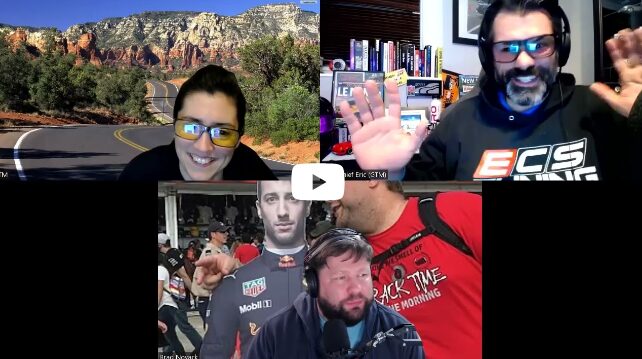
All of our BEHIND THE SCENES (BTS) Break/Fix episodes are raw and unedited, and expressly shared with the permission and consent of our guests.

Learn More

To learn more about Patrick and Model Citizen Diecast be sure to check out their website www.modelcitizendiecast.com or reach out to Patrick directly at patrick@modelcitizendiecast.com, or follow them on social media @modelcitizendiecast on Facebook & Instagram, or @ModelCitizenDC on Twitter. 

Collectors often wrestle with whether to keep model boxes. Patrick’s take? If the box is thrashed and you’re displaying the model loose, toss it. But if you might move someday, keep it. Boxes protect fragile details like mirrors and antennas during transit. Just ask Don Weberg, co-host of the episode, who hand-carried a Lamborghini model onto a plane and negotiated with a stewardess for safe storage.

One of Patrick’s most poignant stories involves a mint-in-box blue Hot Wheels Custom Camaro he bought at age 12. It survived decades – until a pipe burst in his garage destroyed the blister card. Rather than mourn the packaging, Patrick freed the car and embraced its beauty. “I love it just as much now as I did when it was in the card,” he said.

Matchbox vs. Hot Wheels: A Collector’s Perspective

Patrick refuses to pick sides. While Hot Wheels has remained consistent in quality and subject matter, Matchbox has had a rollercoaster history – especially during its ownership changes in the ’80s and ’90s. He fondly remembers Matchbox’s golden era, citing superior castings of cars like the Ferrari 308 and Porsche 928. But he also acknowledges the rise of premium 1:64 brands like Tomica, Majorette, Mini GT, and Tarmac Works, which have elevated the hobby to new heights. Three forces converged in the ’90s to ignite the diecast boom:

  1. Hot Wheels introduced Treasure Hunts—limited-edition models that sparked a frenzy.
  2. Beanie Babies normalized collecting as a household activity.
  3. The internet (and eBay) created a global marketplace for scale models.

Even non-car people got swept up in the thrill of the hunt. But as Patrick notes, most of those casual collectors have moved on. Today, it’s the true enthusiasts who remain.

Photo courtesy Patrick Strong

Patrick Strong’s journey proves that model cars are more than toys. They’re storytelling tools, historical artifacts, and emotional anchors. Whether you’re a lifelong collector or just discovering the hobby, Model Citizen Diecast reminds us that every model has a story – and every story deserves to be shared.


Guest Co-Host: Don Weberg

In case you missed it... be sure to check out the Break/Fix episode with our co-host.
Listen on Apple
Listen on YouTube
Listen on Spotify

This content has been brought to you in-part by sponsorship through...

Motoring Podcast Network

Tales from the Garage: Rodney Kemerer’s Journey of Timeless Stories

What if your first car wasn’t just a vehicle – but a time capsule? What if the garage wasn’t just a place to park – but a sanctuary for memory, identity, and storytelling? That’s the heart of Rodney Kemerer’s philosophy, and it’s the soul of his book, Tales from the Garage.

Photo courtesy Rodney Kemerer

In a recent episode of the Break/Fix podcast, Rodney joined hosts Don Weberg and the team to share how a lifelong love of cars evolved into a heartfelt memoir – half his own, half borrowed from others – told through the lens of the automobile.

Rodney doesn’t remember a time when he wasn’t obsessed with cars. “You either care passionately about them or they’re just a way to get around,” he says. For him, it started with a childhood pilgrimage to see a Chevy Impala with cat-eye taillights. That moment sparked a lifelong fascination- not with brands, but with design, emotion, and the stories cars carry.

Tune in everywhere you stream, download or listen!

Listen on Apple
Listen on YouTube
Listen on Spotify

Rodney’s writing career began with a moment of frustration. Reading a poorly written article in Hemmings Classic Car, he thought, “I can do better than this.” So he did. He submitted a cold pitch – and months later, found his story published, byline and all (albeit in the smallest font imaginable). That validation launched a new chapter: writing for magazines, including Garage Style, where he met Don.

Their origin story? Not a strip club, despite the jokes – but a car show in Beverly Hills, where Rodney pitched a column. Don took a chance on a guy with two beat-up Mercedes and a theater degree. The rest is history.

Spotlight

Synopsis

This Break/Fix episode features an interview with Rodney Kemerer, author of ‘Tales from the Garage.’ The podcast highlights Rodney’s passion for cars and his journey from car enthusiast to author. Rodney discusses his book, which is a collection of heartfelt car stories that serve both as a memoir and tales of others, written in a conversational style. He talks about his lifelong love for cars, his first new car, and the importance of the garage as a sanctuary. Rodney also delves into the process of self-publishing through Amazon, the challenges he faced, and his belief in the future of print-on-demand publishing. Co-host Don Weberg of Garage Style Magazine, who played a pivotal role in encouraging Rodney to write, also reflects on their collaboration. The episode culminates in Rodney teasing potential future projects and sharing the positive reception of his book.

  • Talk about your petrol-head past – cars you’ve owned, adventures you’ve gone on. The acquisition of the honda, and what it’s so important to the tales journey. 
  • Relationship with GSM; as a columnist
  • What is “Tales from the Garage” (the book) all about – share some of the stories, shorter anecdotes
  • How can someone get a copy of the book?
  • What’s next for Rodney? Will there be a second book? Audible version?

Transcript

Crew Chief Brad: [00:00:00] BreakFix podcast is all about capturing the living history of people from all over the autosphere, from wrench turners and racers to artists, authors, designers, and everything in between. Our goal is to inspire a new generation of petrolheads that wonder. How did they get that job or become that person?

The road to success is paved by all of us because everyone has a story.

Crew Chief Eric: Tonight’s guest understands that car stories can be the gateway to every aspect of our lives. His heartfelt book, Half Memoir, Half the Memoir of Others, is truly a pop culture snapshot of modern society told through the lens of the automobile. Author Rodney Kemmerer’s tales might appear to be about cars, but they are also tales of an American life and the many objects that embody and reflect it.

So pull up a chair and your favorite beverage as you meet a new friend who is happy to share his favorite tales from the [00:01:00] garage. And with that, let’s welcome Rodney to BreakFix.

Rodney Kermerer: All right. Thank you, Don. Great to be here. Happy to be invited. Welcome aboard.

Crew Chief Eric: And joining me tonight is regular co host on BreakFix, Don Wieberg from GarageDom Magazine, so welcome back.

Thank you! Well, Rodney, like all good BreakFix stories, there’s a superhero origin. So take us back in time and tell us about young Rodney. How all this came to be before the genesis of Tales from the Garage. How did you become a petrolhead?

Rodney Kermerer: I don’t really remember a time when I wasn’t. I believe that you are kind of born with a car gene.

I think you just get it. You either care passionately about them or they’re just a way to get you around.

Crew Chief Eric: So was there any car mark or even decade or period of design that really got you excited, something that pulled you in?

Rodney Kermerer: It’s really funny. I have never been brand specific. I can remember as a nine year old when the Chevy Impala came out with the cat eye [00:02:00] taillights.

I must have walked 10 blocks as a kid to go see one because another friend said, there’s one in the driveway. There’s one in the driveway around the corner. And we took off because I wanted to see that car. And I remember that car specifically to this day. Those cat eye taillights, those flat fins coming across it.

It wasn’t like anything else. And I think that obsession has been with me my entire life. And so in the book, if you follow along, it really takes you from my first dealings with toy cars. All the way up and through today.

Don Weberg: Do you think that excitement is still around us today with young people? I mean, do you think they see something from somewhere and they tell their friend, Hey, little Joey’s dad just got the latest whatever, and they go running off to see it.

Do you think that’s still around?

Rodney Kermerer: I don’t think that exists at all. I really don’t. Cars have become, you know, way too similar to each other. Kids, for the most part, see cars as appliances. Gets them from A to B. It’s not the [00:03:00] same passion, nor do I think it evokes the same excitement. And they speak to me, you know, the way art does.

Cars are the same thing. They’re emotional responses. I go down the street and I see a car and I go, Oh wow. It’s something in me is stirred up and I’m looking at it going, well that’s really cool. I really like that. As you grow up, your appetite grows and changes and you get more interested. And it got to the point where I started writing about cars and found that I had a real passion for doing that.

Crew Chief Eric: Part of the book’s Origin Story is actually rooted at Garage Style Magazine and it has a lot to do with your relationship with Don. And so I, I wanted to just bring the audience up to speed into how you guys met. How you work together at Garage Dial, what you’ve been doing and how that eventually turned itself into Tales from the Garage.

Rodney Kermerer: You remember where we met, Don? I do.

Don Weberg: I do too. It was that strip club in LA by the airport. All you can eat steak. It was a great place.

Rodney Kermerer: And I said, how do I get into this line of work? And you said you’re too small. I gotta look like you to be a bouncer? [00:04:00] Oh, well, okay, great. Thanks for that.

Don Weberg: That’s the place, baby.

No, it was uh, San Marino show.

Rodney Kermerer: No, no.

Don Weberg: No?

Rodney Kermerer: Go back further. You did the Greystone show in Beverly Hills.

Don Weberg: Right, right, right. But see, my problem is I don’t remember meeting you there. You remember me there and I was there, but

Rodney Kermerer: Well, I can tell you where you were. You remember there was a Port Cochere and then next to the Port Cochere was a single car garage at that estate.

And you had your little table set up there. I

Don Weberg: think we shared the garage with an old Mercedes, if I remember correctly.

Rodney Kermerer: And you were in that little garage with a little table, and you had your magazine spread out. And that’s where I first met you. But you’re right, it was San Marino when I pitched you a column.

Don Weberg: Yeah, I remember that one pretty well. It was hot. You came up and reintroduced yourself again. And you had this idea for a column.

Rodney Kermerer: Yeah, what did I know? I could write

Crew Chief Eric: a column. Why not? Yeah, why not? That was gonna say, Rodney, were you an author or journalist before that point, or is it just something inside that drew you to say, I want to [00:05:00] write about garages?

Rodney Kermerer: God, what year was it? 2011. I was reading Heming’s Classic Car, and I was sitting at home and I was reading this magazine, and I read this story, and I went, This is terrible. I went, this is just bad writing. And I thought I can do better than this. I know I can. I closed up the magazine. I sat down, I wrote a piece.

I didn’t know anything about how any of this worked or anything. I sent it to Hemings classic car as a cold submission. What was the story about? It’s in the book. It’s the model car story. Oh, that one.

Don Weberg: Okay.

Rodney Kermerer: So I sent that to Hemmings, and of course, I did not hear anything back from him. And I thought, well, okay, that’s how that works.

You send it in, and they ignore you like everything else in life. A month later, two months later, I go to the mailbox. I pull out the new issue of Hemmings Classic Car. I’m sitting there reading, and I open up, and all of a sudden, I go, Wait a minute. That’s my story. They stole my story. And I’m looking and looking and there was no byline.

Wait a [00:06:00] minute. They stole my story. They didn’t tell me and they didn’t even give me a credit. I thought, this business is really cutthroat. You know, I thought, Man, these guys, they don’t take prisoners. And then I looked very carefully up at the very top, near the edge, is my byline in the smallest form.

Font they could afford. Less than a sixteenth of an inch. There it was. Probably one thirty second of an inch was my byline. But it didn’t matter. Because what that article did for me was said, You can write this stuff. That’s what they gave me. And then I started submitting to other magazines. And everything got published.

As my wife said, How are you doing this? You know, I said, I don’t know. It was very hit and miss until I met Don. And at that point I’d had a couple things published and so I thought, well I could probably write a column if I could find somebody to run it for me.

Crew Chief Eric: Did you have a background in writing? Was that what you went to school to do?

Rodney Kermerer: No. I’m a theater major. And I always like to say that being a theater major is probably [00:07:00] the best major for anybody because it absolutely prepares you for everything in life. There’s nothing that being a theater major can’t cover for you. You know, writing, I did some writing, college and stuff, but never really kind of seriously sat down to write.

And it was late in life that I started doing this, I mean, really, when you think about it. But really what it was, was Don was incredibly encouraging and incredibly brave to take on somebody he didn’t know. But Don’s instinct was Correct.

Don Weberg: You sold me when you said you had two Mercedes. I thought, this guy’s got something going on.

I’ll trust him a little bit. You know, two Mercedes, he’s okay.

Rodney Kermerer: Yeah, one hasn’t run in 40 years, and the other one, say, more rust than car, you know. Yeah, but I didn’t know that.

Crew Chief Eric: Don was in the same position as the bank manager that gave you the loan for the Honda. He was like, oh, he’s got two Mercedes. That’s collateral.

That works. And he wants to write for me? Bring him on. Okay. So let’s talk a little bit more about the book. We’ve had a lot of authors on this show, right? [00:08:00] Novelists, academics, people that have put together some tomes that are incredible, and I’ve asked them before. A journey of 80, 000 words is an incredible thing to accomplish.

When you set out to put together Tales from the Garage, what was it like going from writing a column to putting together your first book?

Rodney Kermerer: You have to remember, the book is It’s essentially a collection of columns. So it wasn’t as though I was sitting down to write thousands of new pages. I was taking pre existing material.

The question was how to take that material and put it into a unique and interesting form. So two things emerged in the process. One was I’m a very visual person. I’m very driven by what I see. And that’s the love of cars is always visual first. Then performance, but it’s going to be the visual thing first.

It’s going to pull me in. I like that it goes fast. I like that it hugs the ground. I love all that. You got to get me visually. When I decided to take the columns [00:09:00] and I thought, well, maybe I can make a book out of this. But it can’t just be you open it up and it’s a bunch of text because they said no one’s going to care about that.

They don’t know me because nobody reads the byline of magazine writers, right Don?

Don Weberg: No comment.

Rodney Kermerer: For all practical purposes an unknown writer. So an unknown writer says here’s my book of car stories Well yawn, you know who’s gonna care? So I thought what can I do to make it different than just that and that’s when I kind of hit on this idea of combining magazine graphics in a book form.

And I had not seen that done before. I don’t think you had either, Don.

Don Weberg: Not really.

Rodney Kermerer: Because that’s what appeals to me when I open a magazine. It’s the graphics that pull me in. It’s the visual thing that gets me. And then I’ll get to the text. So I thought, well, I’ll do a book and I will illustrate it. Each chapter will have its own visual language.

Each chapter will have its own color template. Each chapter will have its own Thought or title pages and so forth. That way you can pick up the book and [00:10:00] whatever appeals to you. Whether it’s the car appeals to you, the image, the color, whatever. So you can pick and choose what you read because it’s not a narrative.

It doesn’t start in chapter one and end with a happy ending and the final chapter. And that’s kind of the way people are today. We’re all members of short attention span theater now. You know, that’s us.

Don Weberg: His book, Tales from the Garage, when you read it, you get a real sense of all over the boredness, all over that autosphere, as Matt Stone always called it.

But then another one of my favorite stories is Split Second, where you’re literally hitchhiking home and a brand new 63 Corvette is what picks you up. You know, you talk about how much that car was so cool back in the day.

Rodney Kermerer: These are sort of bite sized stories. Some of them are two pages. The longest, I believe, is six.

So then I took all the stories that I wanted to use. Suddenly, at some point in the process, I went, Oh my God, this is a memoir. These are just stories about me. Here and now, this is what I did. And da da da da. I thought, well, that’s horrible. So [00:11:00] then I took them and I went, All right, how many of them are really about me and how many are about other people?

And fortunately, when I kind of laid them all out, it turned out that half of them were my stories and half of them were stories about other people. And I thought, perfect. I laid them out and I alternated. If you read the book from the beginning, the stories alternate between stories about other people and stories about my experiences.

So it is a memoir in many ways, but it’s not a memoir that you say, okay, now here’s this guy’s life story. It’s really only my life as seen through cards, and that’s really what it is. But, if you’re reading carefully, you will begin to realize that it is in chronological order. So you can run through my entire life, from my first experience with toy cars, up until today.

Crew Chief Eric: As Don pointed out, the book is sort of all over the map. And again, it’s partially your memoirs and those of others that you know, and it’s those stories that were swapped in the garage. But there is a car that stands out in the book, and that’s your Honda. Don alluded [00:12:00] to, on a previous episode, the story about how you acquired the Honda and came to be, and then you, now you have a second one, and all these kinds of things.

What’s so special about that hatchback?

Rodney Kermerer: Well, and I talk about this in that particular chapter, everybody has. The rite of passage as a young adult of buying your first new car is a serious, serious step into adulthood. And most people can recall that first new car. They can recall it in vivid detail, because it’s this rite of passage, it’s this maturity that you don’t have to drive beat up used cars anymore that are always breaking down and are an embarrassment to you and your family.

Suddenly you’re getting a new car of your very own. So because I was such a car person. The idea of buying a brand new car, it was so exciting to me, you know, it was just like, wow, I had no money to buy a new car. I mean, I was just out of graduate school. I had a bunch of loans. There’s no way I could buy a car.

So I had to get a loan, obviously, but I had to convince the [00:13:00] bank that I was loan worthy. But as is in the story. I also had two beat up Mercedes that I was tooling around in. But when you’re going to a financial institution, they don’t ask for a picture of the car. They don’t want to say, are the seats torn?

They just look on the piece of paper and it says, Oh, the guy has a 62 Mercedes 190 sedan. He’s got a 220. There’s a kid with two Mercedes already. Well, he’s doing okay. Well, the combined value of those two cars was maybe 500. They weren’t worth anything, but I knew enough that what I looked like on paper was going to help me get the loan to buy the new car.

It was kind of this long journey to get there. And most people don’t keep their first new car. It goes away in college or girlfriends or wives or rainstorms, whatever. Then as they get older, they go, Oh, I’d really like to find a 78 Accord that I had when I was 21 years old. And then they spend all kinds [00:14:00] of time and money tracking that car down and then getting it and then restoring it.

And what they’re doing is they’re just restoring their youth. They’re capturing their life the way it was. And the vehicle becomes the embodiment of that former self. And I’ve seen people do this where they will chase that car, crazy chase it. And then they find one, and then they spend crazy money restoring it to a condition far beyond what it was when they had it.

But it’s this thing of reaching back and grabbing your youth and having this kind of symbol of it. And I also know that when you get in that car, it makes you feel younger. All of those memories are there.

Crew Chief Eric: The moral to your story is it’s cheaper to keep her. How does that work out when you keep your first car for so long?

Rodney Kermerer: Well, my advice to anybody is buy,

Crew Chief Eric: don’t sell. I mean, you know,

Rodney Kermerer: that’s the kind of rule. I would always encourage people to keep their first car because they may not know it now. But they’re going to want it later. They’re going to wish they had it. The Accord was the car that I moved [00:15:00] from the East Coast to the West Coast in, and literally everything that I owned was in that hatchback.

Things have changed. My life has changed. I have a different life now. But I still have that car.

Crew Chief Eric: And then you ended up with a second one. So what’s the reasoning behind that?

Rodney Kermerer: Honda Accords were never meant to be collectibles, and particularly the first generation. I mean, it changed the Honda Motor Company completely, changed the trajectory of that company, absolutely.

But they were not meant to be collectible or to last as long as mine have lasted. And the result is There are no parts for those cars. So you have to go online and you’re typing in Honda parts, Malaysia, you know, and you kind of go, Oh, what can I find in Malaysia? What can I find in Czechoslovakia? What old Honda dealer in the back room in a plastic bag has my head gasket.

And that’s what you end up doing. So for years, I would scroll the internet looking for another 78 Honda Accord, thinking it’d be cheaper for me to buy a whole car and store it somewhere and [00:16:00] then take parts off at like the Thanksgiving Turkey five days later. You go, there’s still something good here.

You know, I’m always looking. But, mechanically very well built, but thin sheet metal, and if they are left outside, they melt. Essentially, the ones that I would find online, I’d get real excited, I’d see a picture, then you start looking and you went, there’s no car left! It’s just been sitting outside, rotting away, not worth buying.

I’ve been doing this for years, literally years, looking and anytime one would come on the market, I’d look and I’d say, is this worth getting? Then, I was on good old Bring a Trailer one day, and up pops this 78 Honda Accord LX. And I’m looking at it going, Damn, that looks as nice as mine. Is this even possible?

I’m looking at it. I read the stuff, and it had like 103, 000 miles on it. And I thought, God, it looks pretty good for that much mileage. And then I read the description, and it says it’s a two owner car. And I go, Whoa. And then it says the second owner kept spreadsheets on all the maintenance. Now I’m in, I’m just really excited because [00:17:00] it’s like, Oh, wait a minute.

Here’s an obsessive compulsive guy who has obviously kept his 78 Accord. The thought was that I would get it and it would be the donor kidney for my car. Well, I won the auction as they say, and the car shows up and my jaw drops because it was. It was stunning. It was in unbelievable condition. Much better than my original car.

So now, I’m looking at my car like it’s the donor kindy. Uh oh, when is the day going to come when the new one needs something that I can’t find and the maroon one is just sitting there trying to get small and not be noticed. Very afraid of that day because that would be a cruel, cruel thing to do to the original Honda.

But I also, I have to tell you, when I drive the silver one, the newer one, I still have the same feeling of driving the original one, because it’s the same car. And when I compared the VIN numbers on them, they were a few hundred cars apart on the assembly line,

Crew Chief Eric: which is pretty cool. You [00:18:00] mentioned in that story the other cars in your collection, so do you still have the Benzes, or have they been replaced?

Rodney Kermerer: Nope. You know, like the stock market, I’m a buy and hold guy. I don’t sell a lot of cars. In fact, when I think back, the cars I’ve sold have all belonged to my wife. I have no guilty conscience about selling her cars, but I do about my own. I still have the, uh, 51 220 that’s on the cover of the book. That’s kind of a long story in the book, too, how that came into my life and is still in my life.

Even though I haven’t driven it in 40 years. Most car guys have a someday project. They’ve got something under a tarp. They’ve got something squirreled away somewhere. And in the back of their car fantasy mind, it’s going to be, yeah, I’m going to restore it. I’m going to fix it and dah, dah, dah, dah. If you don’t have one of those, you’re not a real car guy.

A real car guy has something squirreled away somewhere that they are going to get to. Mine just happens to be this 51 Mercedes Benz sedan that I fell in love with for no particular reason when I, [00:19:00] again, had no money, no job, and no place to put it, and bought it anyway. And I’ve been kind of dragging it around and thinking, well, I’ll get to it.

It’s just got an interesting history. It’s a great piece of automotive history for Mercedes Benz in particular. It was the first, after the war, luxury car they built. It was introduced at the Frankfurt Auto Show in 51, and it was a four door, six cylinder car. It was a big deal for them. They’d never imported it to the United States.

They only made about 3, 500 of them, so there’s not that many of them out there. Is it worth anything? Eh, not much. If the top wasn’t on it, or it only had two doors, it would be a different story. But four doors is always two doors too many, and it doesn’t get any love, and it doesn’t have any love in the collector market.

And I always maintain the value of that car will go up the day I sell it. That’s the day that the car world will discover this rare Mercedes Benz, and I’ll go, why did I sell it so cheap? That’s probably how that story is going to end.

Crew Chief Eric: Do you do a lot of your own work? Do you maintain your own cars in your [00:20:00] garage?

Yes, to a limited degree.

Rodney Kermerer: I’m not putting on head gaskets. I’m not changing brakes. I have done oil changes. Mostly it’s trim, cosmetic, that kind of thing. General maintenance, but I’m not a wrencher.

Crew Chief Eric: Part of the premise of the book, and I know Don talks about this a lot as part of the ethos of Garage Style, is the garage can be the sanctuary, right?

It could be our racer’s den, it could be our hideaway, it could be that place you go just to go look at your car, buff your car, just spend time with those memories as you painted that picture. Why the garage and not the house? Try to explain it to people that are going to be picking up your book as that underlying premise of the importance of spending time in the garage.

Rodney Kermerer: This is for people who have relationships with their vehicles. I mean, they care about them. They are part of the family, not people who, the car, what’s the car? You know, they’re just, But if you care about your car, and many, many people do, it’s just shocking how many people have relationships with their cars.

So they are a member [00:21:00] of the family, but they are a member of the family that doesn’t get to come in the house. They have to live out in their own little house. They’re in the garage, which is their area. So I know this sounds a little crazy, but it’s like, That’s the place where you can go to spend time with it if you’re not driving, if you’re working on it or cleaning it or whatever.

And sometimes it’s just a way to get away from everything else. It’s a little car churchy in a way. You’re going to hate this word, but there’s a little spiritual aspect to it.

Don Weberg: There is a certain sanctuariness. To a garage. It’s the place where you can lay down your sword. It’s a place where I’m not a wrench or either, but I love going out there and just bonding with the car.

And for me, it’s detailing. We have a Caprice classic, a 79. If you know the grill on that car, it’s literally a bunch of squares and to go through each one of those squares and clean them out, I mean, you talk about obsessive compulsive and focused on that, but I think for me, my mind, when it gets so focused on that task, everything else that’s going on up here in the brain gets.

to sort itself out somehow. When I come out of that [00:22:00] garage, I feel better. My thought process is clear. Things are just a little better.

Rodney Kermerer: Even though it’s an inanimate object, doesn’t have a heartbeat or it doesn’t purr or bark at you, you depend on it. You care about it. It cares about you. So I think that the garage then becomes the sort of house of the car.

People get a little obsessive about it. You know, they will give it a nice floor and a paint job and, you know, get really fancy artwork.

Don Weberg: I can’t tell you how many garages we’ve featured in Garage Style Magazine that literally have a porcelain floor. You know, you kind of look at it and say, wow, you sprung for a porcelain floor.

What’s the story behind that? Well, it’s impervious to everything. Brake fluid, oil, transmission fluid. It doesn’t arm it. A week, a month, a year can go by and you just walk in there and pfft. Wipe it right up. But on that same note, every one of the guys I’ve interviewed with that porcelain floor, they’ve all kind of said the same thing.

I think I’m the only guy in town with a floor that’s more expensive than any floor in my house because it’s the only room that they’ve got with a porcelain floor. It

Rodney Kermerer: [00:23:00] gets fancier and fancier. Why are you doing that? You say to someone, Why did you just spend all this money decorating your garage nicer than the inside of your house?

It’s because you care about your car. Well, it’s also, there’s something else too in terms of the style of the book. The style of the book, I write in a conversational tone, which I’m sure Don is very aware of.

Don Weberg: Right.

Rodney Kermerer: Which is essentially me telling you a story. It’s not always grammatically correct, which my wife, who is a terrific editor, is more than willing to point out to me.

But I say, no, I’m just telling you this story. So this is the way I speak. And so this is the way I write. But I had a person who had read the book said to me, and I knew they got it right away because they said, you know what? The experience of reading that book was like, you and I were sitting at a bar and you were just telling me story.

And that was the experience of reading the book. And I said, well, then it was success because that’s what I intended it to be. Me just telling stories, but they’re stories that have beginning, middles and ends. They have payoffs. Each one.

Crew Chief Eric: So there’s an added layer of [00:24:00] complexity here. When you were working with Don and submitting columns, you know, month after month, you’ve got an editor behind you that’s looking at your work, that’s critiquing, building you up your strengths and things like that.

And so it’s nice to have that audience, right? That peanut gallery that can give you that immediate feedback. But in this case, you took a new turn in terms of publishing. You went through Amazon and you self published and I’ve only. I’ve spoken to one other author on this show that went down that route, and I wanted to investigate just a little more technically for other people that might be thinking, you know what, I want to write a book and I don’t know what the process is like, and I’m intimidated by Random House and Penguin and all these other places.

What was the journey like when you went through the self publishing through Amazon?

Rodney Kermerer: Because I really had never done a book before. It was all brand new to me. So I just started asking my friends who had written books. Called all my friends who had written books, not always car books. Some of them are car books, but others are [00:25:00] academics and all kinds of people that write books.

So I’d call them up and I would say, tell me your experience of writing your book and your relationship with your publisher and financially and how does that all work? The basic publishing model is essentially the publisher is going to give you an advance. And then after that, it’s pretty much 10 percent of net.

That’s it. That’s what you’re going to get. Most people will not see anything past the event. You’re going to get paid the advance. Your 10 percent of net is like in the movie business, you’re not going to get it. I kept thinking about that and I kept going, well, I believe in the work and I put the book together in such a way that it is what we call evergreen, meaning There’s nothing in it that’s dated.

It’ll be green forever. You could read these stories 20 years from now and you’ll still react to them because they are about people. They are emotional stories that are about people. So I thought, this book could sell for a long time. Why do I want to give all that money to the publisher? With the Amazon [00:26:00] print on demand model, you participate on the first copy printing.

You get money. And you get money for every copy thereafter. into perpetuity. That’s a much better model. The downside? You don’t have a publisher who’s going to essentially create the book for you. You have to create the book. They’ll give you a template in which you plug your book in, but you have to create it from front cover to back cover and everything in between.

They’re not going to do any of that. Normally a publisher would do it. They’re obviously going to take the bulk of the money too. That’s really became the decision, and also I had a much more control over the design of the book by doing it the way I did it. And Don can attest, when we were doing the column, I was heavily involved in the artwork for the column.

To the point of driving his art director a little batty, because I cared about how things looked. I thought about it, and I thought, you know, I’m probably going to make myself miserable if I have a publisher who’s giving me stuff I don’t like or not what I intended. That was the [00:27:00] other reason to go the self publishing route.

Self publishing has a bad rap, but I believe that is changing, and I believe it’s actually changing with books like mine. Because people are looking at this going, Well, this is a real book. And look, he’s got real quotes from real people in the front of him. That’s a real book. That’s not just some self published ego trip.

I believe if you really think about it, publishing the way it has been is really horse and buggy culture. It used to be the printer would print the books, load them into wooden boxes, and the wooden boxes get loaded into a wooden cart, and the wooden cart goes down the street and unloads into the bookstore, and then they sit on the shelf and they hope somebody buys it.

Look at all the wasted resources there. With a print on demand format, Notebook sits in a warehouse. You’re not wasting any resources. That book doesn’t exist until you hit buy on Amazon. Then it is printed and shipped. Done. Environmentally, it makes a lot more sense. And financially, it makes a lot more sense.

Because the quality of that print quality entails, if I did that in a normal publishing [00:28:00] world, you even said, Don, would be grossly expensive.

Don Weberg: I learned a lot about the Amazon process just Hiding you as you went through it. And it was very, very interesting. And I think not to pat my own back, but I think one thing that kills me is when we launched GarageStyle, this was very much the way I wanted to go.

I really wanted to get orders from retailers, get orders from the subscribers, print just what we need, plus 5%. Call it done. Oh no, said the distributors and the wholesalers and the resalers. We can’t do it that way. You know, we need you to print this man, especially it started with the printers who had their minimum.

You have to print this many to get out there. Well, if you’re only going to sell that many, the X and the Y don’t match up and you have to figure out, well, how do we make this work? Because if you’re saying, I don’t want this crap sitting around in a warehouse,

Rodney Kermerer: closet in your house,

Don Weberg: gathering dust, doing nothing.

Rodney Kermerer: No, I’ve talked to writers who would say. Yeah, I, I bought, you know, 500 copies of my book and I moved them around from closet to closet in my house.

Don Weberg: Yeah.

Rodney Kermerer: [00:29:00] I didn’t want that. I didn’t want the experience of getting them from the publisher, putting them in the trunk of my car, driving down the street to the local bookstore, knocking on the door and saying, will you please buy five copies?

That seems so awful to me because this way I can promote it online. I can promote it wherever and say, go to the website, click, click. Literally, the book went live on Amazon on a Friday. I had friends who bought it that day. It was printed and delivered by Amazon on Sunday. Think about that. That book didn’t exist Friday morning.

And it’s being read by someone on Sunday. And people talk about electric cars are the future. Yes, they are. But I think the Amazon print on demand formula is the future of publishing. I really do. It makes so much sense.

Crew Chief Eric: You talk about the expediency of getting a copy of the book, but as you were going through the process, did they send you copies so you could see what the printed version would look like?

Did you work through that process and then iteratively change the book because you [00:30:00] didn’t like the way it laid out? Or were you sort of locked into whatever the PDF is? Is what they’re going to print.

Rodney Kermerer: We did a chapter at a time because each chapter, they’re elaborate. I mean, these are elaborate graphics and they bleed off the page and they bleed from page to page.

And it’s a sophisticated book. We really tested the limits of the Amazon print on demand process by this book. It really did test the limit of how far they can go currently. I think they will get better and better as time goes on because I think people are going to realize this is the only way to go.

To answer your question, I never had a physical book in my hand until the very end when you can request a proof. But that means you have to have uploaded the entire book. There’s no partial book, so you’re doing everything on a computer screen, you’re looking at all the graphics, you’re doing all that stuff, and because I’m an acoustic guy, I would print out those pages as we created them and do a paste up.

So I have half a dozen paste up [00:31:00] versions of the book where I would literally glue the pages together to create a book that I could hold in my hand and look at, because I wanted to see what the experience was of turning the page. From this graphic to this graphic, did it work? Did it flow? Was there a conflict?

Were these two similar? So there was a lot of decisions that were made about how did the book experience in my hand feel? But the only way I could have that experience was to literally create a mock up, paste up version of my own. And that’s what I did. Very

Crew Chief Eric: labor intensive. Rodney, how long did it take you to put the book together from stem to stern?

Rodney Kermerer: Yeah, I call it my pandemic book. Because, you know, when we were all locked down at the very beginning of the pandemic, when nobody was going anywhere and stuff, I kind of started working on it then. Where are we now? Three years out of the pandemic.

Crew Chief Eric: So do you think that’s on par with, let’s say, standard publishing?

’cause I’ve heard it takes years to get a book out going through the standard channels. Or is it because of your fastidiousness or your [00:32:00] perfectionism that you wanted it to be as good as it could be in your eyes that it took longer?

Rodney Kermerer: I think that it took longer because of my compulsiveness and some of those chapters.

There were upwards of. 15 different draft layouts of that artwork. Some of them just didn’t want to happen. You know what I mean? You’d say, gee, this isn’t quite right. And let’s change this and this and this. And some of them just didn’t want to be born. Some of them drew drafts and they were locked. Some of them just came together very quickly.

Others didn’t. It was a learning experience. The thing is, and Don knows this about me, I love a challenge. I just love doing new stuff. I love the challenge of something new. I don’t like repeating things. And the challenge was to create a book that I had never seen before. Visually have it be interesting and exciting to read.

And then we came on this idea of doing it in the shape of a car owner’s manual. So it felt familiar when you held

Crew Chief Eric: it. It’s funny you mention that. The only other book I’ve ever seen that is designed that way, I have a copy of it. Lynn St. [00:33:00] James’s Owner’s manual for women. No kidding. It looks just like something out of the Ford factory.

Rodney Kermerer: And we also went for this shape because cars are horizontal. They’re not vertical. Books are vertical. How are you going to show cars unless you start turning the book sideways all the time to look at pictures? Gotta go with a horizontal thing so when you turn the page you can see the whole car. But I think Don can appreciate my attention to detail in terms of the artwork because as I say, I did drive him a little crazy with some of the stuff that I wanted in the magazine.

Crew Chief Eric: Part of this journey is also overcoming technological hurdles. A lot of writers are not technophiles. They’re not IT nerds or geeks or whatever you want to call them. Well, into that category is, but there are limited tools in their tool set, right? It’s like, Oh, I know how to use Google docs or I know how to use, you know, Microsoft word or whatever it is.

What was the Amazon software like? Was it easy to learn?

Rodney Kermerer: I did not create the master file. I hired someone to do it because. I [00:34:00] don’t have those technical skills and nor did I load it into the Amazon process. We had some technical problems with Amazon which just about broke my heart because we loaded it in and then I got a proof and it was not good.

They blamed us and we’re saying, you know, we did it the way you asked. So we had to actually recreate the master file. I think it was in October. So it cost me an entire month of rebuilding the book. And to this day, I don’t know what caused it or why or whatever. I think it had to do with our pushing the limits of their technology.

But I believe this is all going to get better. I just do. I just think this is the way to print books, to sell books, distribute books. And I just was on the phone today with someone who said they had bought a copy, they really enjoyed it, and now they decided to give it as Christmas gifts. And one of the things I loved about giving it as a Christmas gift, they said, you know, all I got to do is send them the address and they’ll put in a gift card and I don’t have to wrap it or mail it [00:35:00] or do anything.

So I said, yeah, I like that. There’s a lot to be said for that. You read a book and you really like it. You want someone else to share it with you. Click, Amazon, phone, printed, delivered in their hands in two or three days.

Crew Chief Eric: That’s pretty

Rodney Kermerer: amazing.

Crew Chief Eric: So speaking of futures, knowing what you know now, would you do it again?

You think there’s another book on the horizon?

Rodney Kermerer: Oh yeah, absolutely. In fact, there’s two books that are squirreling around my desk right now. One is in the draft called Tales from the Garage Beverly Hills because there’s a lot of cool garages and cool cars in Beverly Hills. The second one has to do with the house that I live in that I’ve restored and has an incredible history that I have uncovered over years of research.

It’s an amazing story that I have now fully documented from raw ground up until today, and the building’s almost a hundred years old.

Crew Chief Eric: Give it a catchy title like In the Shadow of the Garage, right?

Rodney Kermerer: In the Shadow of the Garage, yes.

Crew Chief Eric: So Rodney, not to add more things to [00:36:00] your plate, in the advent of the new all digital version of Garage Style Magazine, are readers going to be seeing more Tales from the Garage columns and short stories showing up there as well in the future?

Mr. Weeberg, oh me. I don’t think you need permission at this point. Well, that leads into our final question, Rodney, any shout outs, promotions, or anything else you’d like to share that we haven’t covered thus far.

Rodney Kermerer: John is a terrific editor, by the way, in the sense that he did encourage me constantly on these stories.

You know, I mean, I would say to him, what about this? What do you think about this? He would say, absolutely do that. Do that. Don’t do that. Do this one, do this one. He was incredibly encouraging and supportive in ways he doesn’t even know. For that, Don, I thank

Don Weberg: you. Oh, thank you. That’s a nice compliment.

Rodney Kermerer: If anybody was the godfather of this book, it was you.

Because without you, this book would not exist. I mean, it wouldn’t have happened. Because of your encouragement and allowing me to do that column, then I [00:37:00] went, well, okay, maybe there’s a second life for these things. You know, maybe there is an audience for this outside of Car Magazine. And what we’re learning is there is a noise, there is a hunger, because if you look at the reviews that people are writing on the Amazon link, a lot of them are saying, I’m not a car person, I don’t really care about cars, but I love this book.

Don Weberg: One area where your book is hitting the nail on the head is it’s a collection of short stories, but what’s even more beautiful about it is you don’t have to be a car guy. These short stories, you can relate to them no matter what walk of life you’re in, if you’re a boy or a girl, if you’re rich or poor, it doesn’t matter.

You kind of become that old man at the beach, you know, every small town on a, in a beach village, they have this crazy old man who sits on the beach and he tells all the little kids stories. That’s really what this book is. This book is your campfire. The car just happens to be the sort of catalyst.

That’s where the story begins. It begins with a car somehow, but it spins off into the human interest beyond the car. You know, I’ve said [00:38:00] this to you a thousand times. One of my favorite tales from the garage, it has to do with the sun. And the father and the father’s dying, it’s called the last ride. And the father and the son don’t have a great relationship, but the father just suddenly utters on his deathbed out of nowhere, I should have bought Cadillacs.

And the son asked for clarity on that. What are you talking about? And he gets into it and you tell it all in the story. I don’t think we need to reiterate it, but that to me always resonates. I just love that story. Here’s a guy in his deathbed. He’s a car guy. He likes his old mobiles. That’s what he always bought.

And he should have bought Cadillacs. And now he’s saying it and it’s too late. There is a car guy thing there, yes, but more so, there’s a human interest thing.

Rodney Kermerer: Here’s been my experience so far in the sort of 30 days that it’s been available. Still tracking number one new release in the automotive sector.

That says a lot, given the fact that I’m up against a lot of big boys there. What I’m hearing is that people buy one and enjoy it so much that they then buy multiple copies because they want to share it with other people. [00:39:00] And I think it’s because it touches something very human in all of us, these stories that everyone can relate to in some way or another.

You may not have had a Rolls Royce. But you can relate to that story in the sense of the relationship of those people to that car. The website has a lot of information, tailsfromthegarage. com. And there’s a bonus, by the way, on the website. If you go all the way to the bottom of the website, there is a little section called Other Essays.

And I think there’s five or six essays that I’ve written for other publications, including the LA Times, that are not car related. They are on different subjects. It’s like a candy sample at the store. You know, I’ll just try this little piece here and see if you like it. That’s what they’re there for. So if you read all the great advanced reviews and you go, wow, this guy, geez, sounds like the real deal.

And then you can read a couple writing samples at the end on topics other than cars to push you over the cliff. Never had a website until I had this book. Now I can say, go to my website with impunity.

Don Weberg: Rodney Kemmerer’s Tales [00:40:00] from the Garage, designed with the look and feel of an automotive owner’s manual, is far more than just a car book.

As car enthusiast Jay Leno and Wall Street Journal columnist Dan Neal have observed, Rodney’s warm and personal tales resonate deeply, because everyone has a car story to tell. These 30 stories originate as essays in a host of publications and now reformatted with an entirely new and colorful artwork.

You can pick up a copy of Tales from the Garage today on Amazon or learn more by visiting www. talesfromthegarage. com or follow him on social. At Pales from the garage on Facebook and Instagram.

Crew Chief Eric: And with that, Rodney, I can’t thank you enough for coming on Break Fix and sharing your story with all of us.

As a newly minted author, this is a great wealth of information for those of us that are sitting out there wondering how we’re gonna write the next Great American novel. But more importantly, your book [00:41:00] isn’t just the next Ferrari coffee table book or something that you lay out that somebody might.

thumb through. These are personal stories, and it’s a great adventure. It’s a great read, and I think it’s a lot of fun. And I commend you for doing something different and trying to break the mold.

Rodney Kermerer: It was fun in retrospect, probably not in the middle of it. I’m very happy with the result, but mostly I am thrilled with the response that it’s getting.

When someone writes you and says, I picked up your book, I was going to read one chapter, I sat down, I didn’t move until I had finished the entire book. I’ve heard that from a number of people, and that’s like the highest compliment you can get. It really is.

Crew Chief Eric: Well, congratulations, and we look forward to the sequel of Tales from the Grush.

Me too. Yeah, do it again, do it again. Do it again, that was fun, do it again. As they say in the theater biz, encore, encore.

Rodney Kermerer: Again,

Don Weberg: thank you Don. Oh, no problem, thank you Rodney. No, you’ve been great Don, you really have. The following episode is brought to us in part by Garage Style Magazine. [00:42:00] Since 2007, Garage Style Magazine has been the definitive source for car collectors continually delivering information about automobilia, petroliana, events, and more.

To learn more about the annual publication and its new website, Be sure to follow them on social media at Garage Style Magazine or log onto www.garagestylemagazine.com because after all, what doesn’t belong in your garage.

Crew Chief Eric: We hope you enjoyed another awesome episode of Break Fix Podcasts, brought to you by Grand Tour Motorsports. If you’d like to be a guest on the show or get involved, be sure to follow us on all social media platforms at GrandTouringMotorsports. And if you’d like to learn more about the content of this episode, be sure to check out the follow on article at GTMotorsports.

org. We remain a commercial free and no annual fees organization through [00:43:00] our sponsors, but also through the generous support of our fans, families, and friends through Patreon. For as little as 2. 50 a month, you can get access to more behind the scenes action, additional Pit Stop minisodes, and other VIP goodies, as well as keeping our team of creators Fed on their strict diet of fig Newtons, gummy bears, and monster.

So consider signing up for Patreon today at www. patreon. com forward slash GT motorsports, and remember without you, none of this would be possible.

Highlights

Skip ahead if you must… Here’s the highlights from this episode you might be most interested in and their corresponding time stamps.

  • 00:00 Introduction to BreakFix Podcast
  • 01:00 Meet Rodney Kemmerer
  • 01:16 Rodney’s Early Car Memories
  • 02:34 The Evolution of Car Enthusiasm
  • 03:28 Rodney’s Writing Journey
  • 04:53 The Birth of Tales from the Garage
  • 11:54 The Honda Accord Story
  • 17:59 The Mercedes Benz Project
  • 20:12 The Sanctuary of the Garage
  • 20:33 The Emotional Connection with Cars
  • 21:08 The Sanctuary of the Garage
  • 21:36 The Art of Detailing
  • 22:19 The Luxury of Garage Design
  • 23:13 Conversational Writing Style
  • 24:21 Self-Publishing Journey
  • 26:12 Challenges and Rewards of Self-Publishing
  • 35:13 Future Projects and Reflections
  • 36:18 Final Thoughts and Gratitude

Bonus Content

Learn More

Pick up a copy of “Tales” today…

Rodney Kemerer’s Tales From the Garage, designed with the look and feel of an automotive owner’s manual, is far more than just a “car book.” As car enthusiasts Jay Leno and Wall Street Journal columnist Dan Neil have observed, Rodney’s warm and personal tales resonate deeply because everyone has a car story to tell. These thirty stories, originating as essays in a host of publications and now reformatted with entirely new and colorful artwork.

You can pick up a copy of “Tales from the Garage” today on Amazon, or learn more by visiting www.talesfromthegarage.com or following him on social @talesfromthegarage on Facebook and Instagram.

Tales from the Garage isn’t a traditional memoir. It’s a curated collection of short stories – some two pages, some six – each with its own visual language, color palette, and emotional tone. Rodney designed the book like a magazine, with graphics and layouts that invite readers to browse, not just read. “I’m a visual person,” he explains. “Cars speak to me the way art does. I wanted the book to do the same.”

Photo courtesy Rodney Kemerer

One standout story centers on Rodney’s 1978 Honda Accord – the first new car he ever bought. It wasn’t just transportation; it was a rite of passage, a symbol of adulthood, and the vessel that carried him from the East Coast to California. Decades later, he still owns it – and even acquired a second one as a “donor kidney,” only to find it in better shape than the original.

Why keep it? Because cars, like memories, are worth preserving. “Most people don’t keep their first car,” Rodney says. “But later, they chase it down, restore it, and relive their youth.”

Photo courtesy Rodney Kemerer

Rodney sees the garage as more than a storage space. It’s a sacred place – a “car church,” as he puts it – where people bond with their vehicles, reflect, and find peace. Whether it’s detailing a Caprice Classic grille square by square or restoring a 1951 Mercedes Benz that hasn’t run in 40 years, the garage is where passion lives.

Rodney chose to self-publish through Amazon, not out of vanity, but for creative control and financial fairness. Traditional publishing offered little return and less flexibility. With print-on-demand, he could design the book himself, retain ownership, and ensure it stayed evergreen.

“Tales from the Garage” isn’t just a book – it’s a conversation. Rodney writes the way he speaks: casually, emotionally, and with a storyteller’s rhythm. As one reader put it, “It felt like we were sitting at a bar, and you were just telling me stories.”

That’s the magic of Rodney Kemmerer. His tales may start in the garage, but they end in the heart.


Other Recommended Reads

Reading List

Don't miss out on great book like this one, or other titles we've read and covered as part of the GTM Bookclub on Break/Fix Podcast.
My Travels On Racer Road: Can-Am and Formula 1 in their golden age
DeLorean: The Rise, Fall and Second Acts of the DeLorean Motor Company
A French Kiss with Death
Driving to the Future: Living life following Formula One racing
Tales From the Garage
Geared for Life: Making the Shift Into Your Full Potential
Ultimate Garages
Fenders, Fins & Friends: Confessions of a Car Guy
Racing While Black: How an African-American Stock Car Team Made Its Mark on NASCAR
The Last Lap: The Mysterious Demise of Pete Kreis at The Indianapolis 500
James Dean: On The Road To Salinas
Performance Thinking: Mental Skills for the Competitive World...and for Life!
The Other Side of the Fence: Six Decades of Motorsport Photography
Racing with Rich Energy
Little Anton: A Historical Novel Complete Series
Lone Rider: The First British Woman to Motorcycle Around the World
Iacocca: An Autobiography
Colin Chapman: The Man and His Cars: The Authorized Biography by Gerard Crombac
Paved Paradise: How Parking Explains the World
Shipwrecked and Rescued: Cars and Crew: The


Gran Touring Motorsports's favorite books »

Goodreads

Gran Touring's book recommendations, liked quotes, book clubs, book lists (read shelf)

Tune in everywhere you stream, download or listen!

Listen on Apple
Listen on YouTube
Listen on Spotify

This content was originally featured on Garage Style Magazine, reposted with permission. 


The Business of Speed: Inside the Sim Racing Revolution

In the ever-evolving world of motorsports, few stories bridge the gap between logistics, esports, and racing passion like Trevor Marks’. Founder of K53 Consulting and a driving force behind Torque Atlanta, Trevor’s journey is a testament to how unconventional paths can lead to transformative impact.

Trevor Marks & Crew Chief Eric hanging out a Petit Le Mans, Road Atlanta

Trevor’s entry into esports wasn’t through gaming alone – it was through freight. While managing millions of pounds of cargo weekly in Atlanta, he applied for a volunteer role at DreamHack, the global gaming festival. That “volunteer” gig quickly turned into a logistics coordinator position, where Trevor became the backbone of DreamHack’s U.S. expansion. From Austin to Denver, he ensured millions of dollars in equipment arrived on time, every time.

But logistics was just the beginning. Mentored by industry veterans like Justin Burnham, Trevor transitioned into the business side of esports, eventually joining RTS and Nurture before launching his own firm, K53.

Tune in everywhere you stream, download or listen!

Listen on Apple
Listen on YouTube
Listen on Spotify

Trevor’s motorsports roots run deep. Raised by a motorcycle-loving father and fueled by Hot Wheels and MotoGP magazines, he was always a fan – even if access to racing felt out of reach.

Photo courtesy Torque Atlanta

That changed in 2020 at CES, where a stint at the Razer booth introduced him to a Visaro sim rig. The experience reignited his passion, and soon after, he found a home at Torque Motorsports in Atlanta. “I was watching from the sidelines,” Trevor recalls. “But sim racing gave me a way in.”

Spotlight

Synopsis

Break/Fix hosts a conversation with Trevor Marks, founder of K53, a consulting firm specializing in the convergence of sim racing, esports, and motorsports. The discussion explores Trevor’s journey from managing logistics at DreamHack to establishing his own firm. Trevor emphasizes the importance of sim racing in modern motorsports and details his involvement with Torque Atlanta, one of the leading sim racing facilities in the world. He also discusses the evolution of sim racing, various sim racing titles, and the challenges of gaining broader acceptance for sim racing in the esports community. Trevor highlights the need for more diversity and accessibility in sim racing and offers insights on how to get started with building a sim racing setup. The episode concludes with Trevor’s upcoming plans, including attending major industry events and continuing to bridge gaps within the sim racing community.

  • Did you come from a racing family? Are you “the only one into it?”
  • What drew you to eSports/SimRacing?
  • You ended up at DreamHack – tell us about that? 
  • As an e-sports racer yourself, how have you seen it change over the last 5 years? 
  • Is sim racing as strong as it was in the 20/21 season? 
  • What are some new developments in sim? 

Transcript

Crew Chief Brad: [00:00:00] BreakFix podcast is all about capturing the living history of people from all over the autosphere, from wrench turners and racers to artists, authors, designers, and everything in between. Our goal is to inspire a new generation of petrolheads that wonder. How did they get that job or become that person?

The road to success is paved by all of us because everyone has a story.

Crew Chief Eric: From Formula One to the gritty world of rally racing, tonight’s guest’s expertise in esports and motorsports is setting the pace for this dynamic industry. Trevor Marks is not just another gearhead. He’s the founder of K53, a consulting firm with its sights set toward the convergence of sim racing, e sports, and motor sports.

Brockton Packard: And he’s here to tell us all about his road to success. His partnership with Torque Atlanta. One of the most thrilling racing simulation venues in the world and how this haven for racing enthusiast [00:01:00] combines cutting edge technology and immersive experience that puts you in the driver’s seat

Crew Chief Eric: with that.

Let’s welcome Trevor to break fix. Hello. Hello. How are you

Trevor Marks: guys

Crew Chief Eric: doing? And joining me tonight is returning guest. Brock Packard, who you might remember from his double episode. He’s part of the Niner Esports team at University of North Carolina. And since his last appearance on Break Fixed, he’s now an engineer for Jordan Anderson Racing.

So welcome back, Brock.

Brockton Packard: Thanks, Eric. Thanks for having me and excited to be a co host this time and ask the questions instead of answering.

Crew Chief Eric: Well, like all good break fix stories, there’s a superhero origin. So Trevor, tell us about the who, what, when, and where of you, how you got into racing and especially the world of e sports and sim,

Trevor Marks: you know, it’s easier to explain getting into racing than is e sports, you know, e sports is such a small close knit community.

There’s very few people that have the professional pedigree to even say that they’ve been a part of this industry for 15 years or 20 years. And I was [00:02:00] blessed enough. To have the opportunity to jump in with one of the biggest organizations in the world, which is DreamHack, which is now ESL Faceit group, which is a conglomeration of Faceit, ESL and DreamHack.

I was working as a logistics manager for a large logistics company in Atlanta. By the airport, we were moving millions of pounds of freight a week. So I was responsible for the sort and I developed a lot of transferable skills in that role and DreamHack was just starting to launch in the United States in about 2016.

They had just had their first show in Austin in 2016, and they were looking for volunteer crew members for the rest of the DreamHack shows. And I applied for it like it was a job. I got the crew lead position, which would have been DreamHack Atlanta 2017. And through my communications with the team. They started to fly me out to the other DreamHack shows.

I went to DreamHack Austin 2017. I went to DreamHack Denver 2017, and I quickly learned that they did not have the logistics set up that they needed to expand in the United States. From [00:03:00] that conversation, a contract was birthed and that’s how I got my first start in eSports as the logistics coordinator for DreamHack North America.

So I set the standards and the protocol to get millions of dollars of equipment across the country in a timely manner. I’m the reason why all the things you saw at a DreamHack show arrived on time. That was me. For two years to make sure that happened. And during that time, I shadowed the sales and partnership team, namely Magnus and Justin Burnham and Blaine.

Those three guys took me under their wing, showed me the ropes, gave me the who’s on first, he’s on second for the industry, how things worked and Justin Burnham pulled me to the side one show. And he said, look, man, I know you’re brilliant in logistics. You’re a smart guy. You can figure this out. I know you can do logistics to no one else, but you’ve got an act for this business side of things.

And you really ought to see that through. And from there, it’s just been one step after another, got recruited to RTS. Then I went on to work for Nurtree for a while, came back to RTS. And now here I am starting my own firm, looking at the opportunities bubbling up here in the United States and taking advantage of it.

That is how I got into e sports from logistics [00:04:00] to managing one of the largest e sports festivals in the world, in the United States, creating a lot of relationships there and then bridging those relationships to start my own firm. See,

Crew Chief Eric: if I had told that story, I would have said the year was 1984 and I had an Atari.

And I was playing pole position. You had to have been a gamer before you became a logistics expert, right? I mean, were you in the world of cars? Did you come from a racing family? I mean, you’re wearing a grid life sweatshirt right now. You have to have a passion for motor sports, right?

Trevor Marks: Oh, absolutely.

Absolutely. My father is. A lifelong motorcyclist. You know, he’s in his mid seventies and he still rides when he gets a chance. So that was always a part of the pedigree. And then I grew up riding dirt bikes and I never got the chance to really participate in motor sports, which is a problem that everybody’s trying to solve now, right?

Accessibility is expensive. It’s difficult. And that’s part of the reason why sim racing is blowing up so much because so many people interested did have an access point. I was one of those kids that didn’t have an access point. I had Hot Wheels. I had magazines. I remember when Nikki Hayden, RIP, the Kentucky kid was kicking butt over at MotoGP and I was [00:05:00] following his career in the early and mid 2000s, still want a Repsol CBR 1000RR because of him in that livery, I was watching from the sideline and I was an avid gamer.

So I had always been a gamer since early ages. My first real racing game was Forza Motorsport 2. That started kind of like, Oh, this is tuning. This is learning what cars are fast. Actually, no, I think the first racing game before that was Sega GT 2000, which came with the original Xbox. And I played the heck out of that game and learned what cars were good, what cars were bad, never had a wheel, just always was participating in that and continued to game.

It was a friend of mine, Calvin, that was living with me at the time. That was my roommate that while I was working for the freight industry was like, Hey, you’re playing Counter Strike, you’re jumping in tournaments. You’re competitive. You play a lot. You have a passion for e sports. You should use that passion to go into the industry.

And that’s what was the catalyst for me to start with DreamHack. After getting on with DreamHack, I rediscovered my love for sim racing, coincidentally at CES 2020. I was still following racing, I was following grid life, I was going to motorsport [00:06:00] events in Atlanta, I was watching Isle of Man, I’d watch Formula One, still always watching consuming content, but not participating as much.

Until CES 2020, I had a contract to do the Razor booth at CES. So I was part of the staff and helping out Razor with a couple of different things and brought a Visaro rig to the booth. Basically every morning, the booth has to be calibrated for like 20, 30 minutes. So they would just let me hot lap for 20, 30 minutes in the Visaro booth, which that’s a phenomenal rig.

That experience, like a switch came on and I was like, Oh, I have to get more of this. Luckily enough, within a year of that happening, Torque Motorsports opened up in Atlanta. And then I jumped right in. And started sim racing at Torque Motorsports and competing and just driving from then on.

Crew Chief Eric: And we’re going to talk about that more as we go along.

So you mentioned Forza Motorsport. It’s kind of funny. A lot of people I meet are always like Gran Turismo, kind of the granddaddy of them all. But there are titles that predate Gran Turismo, right? If you think about Jeff Kramer’s Formula One, Formula One GP2 and Papyrus’s IndyCar. Those are some of the most tunable games that even [00:07:00] predate Sony, predate Forza, things like that.

So this idea. Simulation in the video game world has been around for a long time. So as you look back over the history of the games you’ve played, kind of a pit stop question, what are some of your favorite titles? What are some of the worst?

Trevor Marks: Well, first of all, I would like to shout out GP laps on YouTube.

He does a lot of historic vintage racing and also like vintage. Esports and vintage sim racing games. So I’ve been discovering a lot of games that I missed through his channel. I just love to give him a shout out for that content and exploring some of these titles retroactively. As a child coming up, the crown jewel was Project Gotham Racing 2 and Need for Speed Underground 2.

Now, New Speed Underground 2 was peak Fast and Furious culture. The movies had just come out. You could customize the car. And then also they were selling a dream because the cars in the game were regular tuner cars, like a 350Z, a Civic. So you could, as a 13 year old kid, realistically look to potentially owning one of those, and that made it tangible.

I think that there are some divides in the community, but. I had some friends that always used to ooh and ah over the Aston Martins. [00:08:00] And I was part of the group of friends like, well, I could actually possibly one day own a C5 Corvette. So that’s what I’m going to make my dream car because it was something that was tangible.

And then my friends would have them and this, that, and the third. So, you know, USB Underground 2 was definitely the first time of like seeing yourself. Potentially being this type of racer and, and like participating in that. And then also kind of introducing a lot of us to the street culture for drifting, for driving, for street racing.

And that was like the entry for you looking at motor sports. That was like, this is racing. And then the other titles come along. Project Gotham Racing 2 was foundational because Project Gotham Racing actually encouraged you to race, learn how to race, learn racing lines. It was a more Sim Katie experience than Need for Speed Underground Racing was.

And in that it led you learning how to progressively break. And I actually started to develop a lot of friends. This is the onset of Xbox Live, when Halo 2 came out. Project Gotham Racing 2 was me playing online with other people. That was the first Sim Racing experience, playing online, jumping leaderboards, custom games.

I remember playing cat and [00:09:00] mouse. You’d get two teams of eight. One team member is the mouse, which they drive a mini Cooper and the other three team members drive big, heavy GT cars, like the GT 40. And then you try to get your mouse across the finish line first. And so you’re defensively driving to protect your mouse, but then aggressively driving, trying to Ram and block the other mouth, which is a lot of fun in between moments of real motor sport and kind of learning how to drive.

And I would say Forza. Three and four were when things started to kick into overdrive and you’re really learning racing lines. I think it was fourth, uh, three to introduce rivals mode, but rivals mode, man, that was like crack cocaine. Like you get that. I got my time on a leaderboard. My friend beat it by 10 10th.

Oh, hell no. You go back and it was fun. Cause you get to see where they were bad at the track. So I had a certain areas with my friend, Matt, where I was like, Oh, you suck at this tight section and I’m really good at this. But then on a longer sweeper section, you just have the throttle control better. So I’m really struggling there.

So I need to make sure I’m as clean as I can through this section. So that when I get to the section where I’m not good at, [00:10:00] and that is a very real skill that you do when you’re driving and preparing for a track, you have certain areas where, you know, you’re not really fast there, you’re a 10th or two off pace.

And you have to be very protective of that. Or you have to work on that area during your quality time. And when you’re racing at somebody else and you notice that they’re struggling in one part of a track, that’s where you attack. So it’s, it’s funny how rivals mode at Ford’s a three or four kind of like encapsulated some of the actual racing techniques that I still employ today.

When I’m sitting down for sim race.

Brockton Packard: So 2020 did a lot for the world, but especially for the world of sim racing, every motorsports got shut down. We all had to transfer into something that we didn’t have to be next to each other. We had to figure out a different way of life for however long we were shut down.

I know NASCAR, we went to iRacing and a lot of other motorsports went to their own video games and started running their own things. So as an eRacer yourself, Did you kind of see a change or a shift in the motion of growth in SimRacing over [00:11:00] the last five years and then 2020 and beyond?

Trevor Marks: I didn’t jump on the bandwagon because the CES 2020 was pre pandemic.

That was right before it. So that’s when I was getting involved. So I wasn’t so much a SimRacer at the time, but I was an e sports professional. So as an e sports professional post COVID, I was like, yeah, finally, like I kind of had been feeling this way for a while, and I’ve been asking this question about SimRacing and why we don’t see more of it and it’s.

Only sport that’s transferable from the actual sport to the actual race. Like, I don’t care how good you are at Madden, you’re never going to be able to hit a gap like LaShawn McCoy or like any one of these Hall of Fame runner backs. Like, that doesn’t transfer. You being good at 2k doesn’t make you jump shot good in real life, but you being good in the sim can possibly mean that you’re good in real life.

And the Grudge Reason movie that just came out is basically the story that proved that. And I remember watching that live as a college student. When that happened, I actually participated in that competition and I knew that I couldn’t do it with controller. I was like, I’m never going to be able to make it to the top of the leaderboards.

But I threw my name in the hat and I remember watching that journey and just being amazed to sit around the TV in college, watching that, and then to be a [00:12:00] professional in the space. Having watched the Nissan GranTurismo GT World Challenge come to fruition, and that driver actually still driving and testing today, and then to be an esports professional 10 years later and be like, why is this not a pipeline?

Why are we not doing this? The pandemic was a catalyst to prove that this is a viable sport, that it does have an audience, and that it has legs on it. One of the biggest drawbacks to traditional sports games as an e sport, and this is something that I have a particular opinion of as a professional, is that the NFL will always be more exciting than that.

NBA 2K will never be as exciting as Game 7 Finals. It never will be. It’s never going to eclipse its real life counterpart. Gran Turismo

World… Challenge, like when they have their competition, that’s some damn good racing. It’s fun to watch. It’s exciting. And it has merit in and of itself. We all watched not Australian GP was form of the one NASCAR did 900, 000 viewers on Twitch during the pandemic for the one [00:13:00] reports that they have 30 million total combined viewers across all their platforms, because they did F1 TV into the whole thing during the pandemic, that was obviously in lieu of the real form of the one.

But the fact that that many people even care to watch shows that there is something there. There is a business principle there. The pandemic essentially created a test period. I don’t think that it made an industry out of nothing, but I do think that it catalyzed things forward a couple of years so that this propagation that we see now with sim racing in lieu of the pandemic may not have naturally occurred this way until 2025 2026.

Now that we have the pandemic, now people are jumping in line. Now you see Ford partnering with Next Level Racing, the branded SimRig, Pagani partnered with S Attack to get their branded wheels and pedals, and you’re starting to see the manufacturers jump in and people starting to pay attention to it.

Williams Esports, McLaren Esports, like all of the manufacturers from Formula One and from other racing are starting to pay attention. So what this has done is basically COVID has led to everybody turning their heads, maybe not their wallets. [00:14:00] Maybe not their influence and maybe not being an emphasis, but at least turning their heads in that direction.

And it’s part of the reason why I started the firm and why I am getting into this now, because I see the opportunity and I see the holes and gaps that need to be filled in e sports. One of the issues. Is getting non endemics into the space, getting them comfortable with the brand, getting them comfortable with the product, getting them comfortable with the audience and comfortable spending.

They’ll go to Madison Avenue and spend seven, 8 million on a DreamHack production across seven countries and it’s streaming in between DreamHack shows for half of that price with three times, four times the amount of interactivity, they’re kind of scratching their heads, right? We’re at a turning point on a couple of different levels.

And it’s going to take time for the rest of the industry to kind of start making moves, but we’ll start to see different projects pop up and be explored to see what their financial stability is. And all of that has been accelerated due to COVID.

Brockton Packard: So you’re kind of in a different perspective than I am.

I’m very. Behind the steering wheel. [00:15:00] I’m a consumer, but you’re a very innovative and trying to find those things that the consumer like myself, or somebody who’s trying to sell this product to the school to give us more funding or things like that, what are developments in the SIM that you are seeing and, or what are you trying to do with K53 to fill those gaps?

Trevor Marks: We are missing the core foundational infrastructure that they have in the EU at a fundamental level. What do I mean by that? If you look at Motorsport UK, Motorsport UK is an organization, I would say somewhat similar to NASA or SCCA in between different racing groups and they advocate for things and they like sponsor and work with sim facilities.

There’s networks of sim facilities working together and Motorsports UK is working with them to get sim racers into the seats. Like they understand the value proposition and how if we have kids racing in this. And participating in this, and adults racing, participating in this, this is more tickets for people to come to racing events.

It’s a healthy outlook for families. [00:16:00] It’s good for students. It’s good for kids. And everybody’s open to come and try it. It lends itself to more industry. So they look at this as building an industry, instead of just something that kids are playing, and we haven’t quite gotten to that. I don’t think motorsport teams in the United States understand the value proposition of having a sim racing team or even the value proposition of esports in general and how it can be an extension of your brand and even get to the point where it can live on in itself.

Williams F1 esports doesn’t have to have anything to do with the real team. It can exist and be profitable and be in a really successful, great community led team and organization. Independent of the form of one team independent of the F one team is doing good or bad. They haven’t wrapped their heads around that yet.

I don’t think we’re there. So what K 53 is doing is looking at the ecosystem that we have in the United States, looking at what we have in EU and working with partners to start to fill that gap. And either be the entity that needs to be there or find partnerships to make that happen. We don’t have a sim racing expo.

[00:17:00] ADAC, the big sim racing expo in Europe just happened a couple weeks ago. I’ve been reading all about it and drooling from a distance because I can’t go and see that. We need that here. That’s something that I would love to talk to DreamHack and say, Hey, we have an existing show. Let’s get a hundred thousand square feet, 50, 000 square feet and put a sim racing expo on the show floor at DreamHack.

That’s an easy ask. It’s easy to sell into and we can get the brands involved. And I am going to push for that and advocate for that to make that happen because we need those brands. We need those people here seeing, touching, tasting, and seeing everything that’s available. There’s some people that don’t even know AcidTech.

Make sim racing equipment. Think about that for a second. They haven’t did it. They’re like, Oh yeah, the water cooling guys. No, bro. They’ve what there’s a dearth of information and a dearth of infrastructure. So we need more organizations to galvanize the sim racing facilities that are around and to galvanize the sim racing facilities on campuses.

It’s really hard for an individual sim racing team, or let’s say you have a 10 seat. Sim facility at [00:18:00] UNC Charlotte or UNC Chapel Hill, and you’re looking for sponsorship, that’s a hard sell for Pennzoil to sponsor a university. But if it’s sponsoring 15 sim centers up and down the East Coast, and it’s a regional approach, now Pennzoil may be more applicable to that.

I have been in the room under different eSports negotiations where I’m talking to a brand. For example, one specific monitor brand told me that if an event has less than 5, 000 people, they just don’t have the bandwidth to do it. But if it was 10 events with 5, 000 people, they would totally do it. They have goals that they have to hit and confront.

That ask from the sponsors, from the money coming in. And I feel right now that there’s a lot of people in the Simracing community and everybody is individually saying, Oh, Hey, can you help me out? Hey, I have a great brand. And it’s like together, weak, apes by themselves, weak, apes together, strong. Right. We have to band together.

K53 is looking to band together, bridge relations amongst SimCenters, producers, people that produce events, people that manage and operate teams, and to take those relationships. And help bring some of the brands in and say, Hey, this is how we can do this. This is a [00:19:00] starting place. Can we do activations across all the SIM facilities?

One of the big goals is starting to work with SCCA and NASA to create seat time in their spec classes, spec Miata, spec E30, spec Porsche 944, spec E36. Cause those are slower cars, but very competitive. Something that I would totally be comfortable putting. Let’s say a 16 year old girl is really fast on the sim and she’s never had a chance.

Let’s put her in a spec Miata, see how she does. And that’s something I feel very safe. We can put her in the right track and finding team slots that I had my first racing experience at 24 hours of lemons. It was fantastic. I highly think that would be a great way to get sim racers into seats. We are just missing so much infrastructure in so many different places.

It’s really hard to pick and choose what specifically we’re missing. It’s like all of it. We have no governing bodies. We have no advocacy. We have no lobbying. There’s nothing here. There’s just individual companies doing things and K 53 is going to solve that problem by start stitching some of this together and creating a little bit more organization out of this individuals looking to advocate for their industry.

Brockton Packard: As part of a sim racing team and organization here at UNCC. [00:20:00] We’ve definitely run into those issues of trying to sell an organization, not so much a product or whatever, but you’ve got to sell the organization. And this organization is a very young organization. If I’m talking to the Dean of the school, she’s just going to look at me and go, it’s just another video game.

Why should I put any money into just another video game? And with your firm and how do you approach that? And when someone tells you that, what’s your answer to that? And how do you bridge that gap between, oh, it’s just some kids behind some monitors and this is applicable to real life?

Trevor Marks: That is a question that’s been the bane of everybody that’s Worked in business development and sales in e sports has had to deal with again.

I’m very blessed and fortunate to have learned from some of the best at EFG. If everybody’s coming to them and saying, Hey, this isn’t real, we’ll speak out hard numbers like, Oh, this energy drink company just signed a seven figure deal to be the sponsor for this activation for one year. We’re estimated to sell 500, 000 against this broadcast.

Do you want a part of that? Or this is the total [00:21:00] number of people that we, you know, if we’re talking to a brand and we say, Oh, they start himming and hawing. It’s like, well, this is the last broadcast that we did. This is the captive audience. This is the exact target demographic you’re looking at. You make it very, just this broadcast, just this weekend, just today, just this show, they start to get the hard numbers.

In a sales conversation, if somebody’s that keen and hard against the product and in the mindset against it, you have to hit them with very linear numbers and explain to them what is, is not happening. So if I’m talking to a dean of students and they’re like, look, I just don’t get it, man. You want us to play video games?

How is this a sport? And then I would probably break out a video of Max Verstappen talking about the importance of sim racing and be like, that’s number one driver in the world right now at the number one sport with the best team behind them. And the best money behind him, he’s saying that this is a valuable.

So do you think your opinion is better than Max for Spad? The answer is definitely no. Though you have to find a corollary to either directly rebuke what they’re saying, or do you use numbers and facts behind the industry to like spoon feed them and lead them in and go, okay, that’s a lot of money. Well, is that realistic?

Is that possible? Or, [00:22:00] okay, well, that’s a good viewership. If we could get that kind of viewership, that would lead to this. And a lot of times from a. From a business development standpoint, I’m definitely not a salesperson. I am not Mr. Cold Call. I look for solutions and I ask questions and I look to figure out what your problem is.

I’ve talked to administrators at schools that are like, we want to increase our recidivism rate. Where we have students that come here, they go for two years and then leave. Or we need to increase our admissions numbers. So then the response would be tailored to that. It’s like, okay, well, how many kids in this, in this area are into racing, into cars, things really big with people that are 13 to 23.

If you had a virtual drift league, you’d be the only school that had that. The amount of students that went to UC Berkeley because they had an e sports program. Is growing every year, right? Because I even want to go to a school. I’m very passionate about League of Legends. I’m very passionate about Dota.

I’m very passionate about Counter Strike. I don’t want to go to a college where I can’t play that with friends nearby or that I can’t be a part of that. Right. Or there’s an esports team I want to try out for. Are we a hundred percent there where that’s going to be like the decision maker? I don’t think that esports is going to be like [00:23:00] Alabama football, where when Alabama wins, their recruitment goes up because everybody wants to be a part of Alabama winning pedigree this and the third.

But we are in the space now where it’s like, well, I’m serious about sim racing. I’m serious about esports. And I would like to go to a college that also places value on sim racing and esports. And I will pick a college that reflects that. And that will continue to grow until it gets to the point where college is winning will become something.

That’s the long short of it. You have to figure out what they’re looking for. When you’re selling eSports or selling sim racing, what problem are they trying to solve that you’re trying to solve with eSports or with sim racing and work backwards from there? Or just hit them over the head with better knowledge, better numbers.

Crew Chief Eric: There’s an argument to be made that at certain universities where SAE programs, whether it’s Formula SAE or Baja SAE exist. That sim racing could be used as a feeder or an augment to those programs. Like learn how to become a race engineer by doing the tuning, right. You could use the simulators to simulate that part of the responsibility of being on the race team.

You know, now they’re [00:24:00] doing it, let’s say pen and paper and TI graphing calculators, you know, that kind of thing. How do you break down that barrier? How are you working towards a better aligning? Let’s say the e sports teams with the SAA teams at colleges that have those types of programs.

Trevor Marks: So I recently started to partner with a group called Simcraft and Simcraft makes very exquisite high end rigs out of Atlanta.

And the reason why I mentioned them is because they are a technology company. They are not a SIM manufacturer. They manufacture the hardware and write the software that dictates what moves on the rig. They are one of the partners that I would take and say, they do the math to figure out what you need to feel in the SIM that translates to the actual car.

They have the pedigree to do that. They’ve done it with different racers. They’ve done it with different racing teams. So this particular problem for SAE has something that is an ongoing facet of the motorsport industry. Multiple racing teams, NASCAR teams, 401 teams, Indy teams are currently in the [00:25:00] process of lowering their driver development costs, increasing their chances of being successful.

And the big math problem is how in the hell do we figure out if we’re fast on the sim and we’re slow on the actual track, what’s not translating? So there is a translator position. It’s an engineering position to figure out. What do I need to do to calibrate the sim to better replicate the data we’re getting from the track and then vice versa?

And you just kind of rinse and repeat. You take data from the track, you apply it to the sim, you take data from the sim, you apply it to the car, you go into the track and you do that process. That is an existing process that’s happening that’s growing. So if I’m going to an SAE program, I’m saying if you want your students to be job ready in three years, you need a sim.

You need a motion sim. You need a damn good motion sim. You need something that’s very competent and very real to life because these teams are currently in the process of evaluating what sim they’re going to use and this problem that they’re solving is a unique problem and hasn’t been around that [00:26:00] long.

Yes, teams have had simulators have been dialing it in, but not to the nature of doing it now. Before you needed a big multi million dollar sim. Now you spend 150, 000 on a SimCraft, Apex 6. And you can buy four or five of them, some price you were paying for one simulator. And you can start dialing that in per driver, per team, because every driver has a different calibration, that opportunity to do that, the cost of entry for SIM coaching for pro teams is dramatically falling every year.

And the proliferation of it is growing every year. Former SAE teams, if they’re trying to do their job, which prepare these students for real life activities and real life engineering, they have to get with the program. So I would use that to say your industry is already doing it. If you want to be state of the art industry, then you have to start to catch up and implement this process because this is something that’s currently going on by not having it.

You’re doing a disservice to your students because they’re missing out on this calibration period.

Crew Chief Eric: You were talking earlier about being in the boardroom with folks and trying to convince them to spend money on sim programs. Now we’re talking about SAE and how there’s this constant feedback loop between the SIM and the teams and vice versa.

You’ve done some racing. You mentioned you did 24 [00:27:00] hours of lemons. What’s the missing link between being behind the wheel of the car, being behind the wheel of the SIM, taking into account some high end equipment that you’ve been in as SIM rigs and then the car itself.

Trevor Marks: First of all, I would like to shout out myself that I’m totally built for racing.

One of the first things that the guys that I was learning from were saying when I was talking about getting into racing, they say, look, before you spend money, before you build your car, you got to go out there and see if you got the gumption to actually do it. A lot of people get out there and you see them all the time on the track days with their Porsche 911 GT3s, Porsche Cayman GT4 RS.

And they drive like grandmas.

Crew Chief Eric: They’re giving a point by to a guy in a Miata, right?

Trevor Marks: Yeah! I saw a dude at Hyperfest giving point bys to a Honda Odyssey. Like, dawg, what? But you’re in a C6 Corvette. What are you talking about? But they’re just not built for that. And so I am foolhardy. I think maybe because I also ride motorcycles.

I don’t know. There might be a couple screws loose there. I got in the car and it was road Atlanta and I was just immediately comfortable. And I was uncomfortable at first, but [00:28:00] once that green flag and I knew the track, I just kind of started to dial in and I just became the race. I don’t know. I, you know, Brock, you know, understand I’m talking about, you get that tunnel vision, you start listening to the engine of the car, you’re constantly checking your rear view cause you’re racing in traffic and you just start coming in the zone inflow state and drive.

I do not want to come out of the car. I did my stint and I wanted to keep driving. But the biggest difference between real life activity and the sim racing is you’re using all of your senses. You’re using your sense of direction. You’re using your sense of orientation. You’re using your sense of balance.

You’re using your sense of smell. You’re using your sense of friction, touch. When your rear end is starting to slide, not sliding, starting to slide, you’re sensing through your hips and your butt and your legs what that friction translates to your body. What is that sense? Oh, it’s just a touch. No, not really.

Cause the car is not sliding. I’m not getting the feedback. Car sliding, starting to rotate, starting to rotate. There’s a distinct feeling of like, Oh, it’s a, Oh, it’s sliding. Now the rear is gone. In that moment. I did not listen the first time I spun out. I listened the second time, [00:29:00] but I had to learn what that feeling was.

Those feelings and those sensations are, you know, in some instances, impossible to replicate and in other instances, very possible to replicate. Lewis Hamilton doesn’t like the sim. Why? At his level of performance and at the G forces that those guys are going through, to him, it’s not adding anything because I have so many other variables that deal with in real life that are not present in the sim, I cannot push.

We’re talking about probably one of the greatest drivers of all time, if not the greatest. In the premier sport, Zenith of Zenith of Zenith, 1 percent of 1%. But Max loves it. But what does Max love about it? Max loves the race craft. Max loved the decision making, the application of the brakes, when in traffic, what decisions do you make in the line?

He’s not hot lapping and working on timing. He’s working on under race conditions. This guy is trying to overtake me in this position. I’ve only encountered this two times in real life, but in the sim I’ve encountered it 15 times this week, right? And so now I get to deal with that situation and dial it in.

At the core of it, base level sim racing, learning the art of race [00:30:00] crafts and learning the basics of racing lines or in drifts, learning how to drift and how to carry the car. You can learn almost everything you need motion to get you to that top 10 percent and to the really dialing it in where you can drive the car just as hard on the sim as you can in real life.

You need a well tuned motion sim to dial that in beyond that I’m in a sim craft rig. I can feel the rear end. I’m listening to the car. I’m listening to my body. When you’re not doing motion, you’re just focused on your hands and what’s in front of you and what you can see with your eyes and getting into motion sims.

And training lets you learn how to use the rest of your body to pay attention to the car because you’re not driving with your hands and your feet. You’re driving with your ears, your sense of balance and all those other senses in combination.

Crew Chief Eric: So it’s interesting about what you said is, and I agree with all of it, is that the Sims that you’re describing basically replace what we used to tell people all the time.

You know, you’re talking about race craft and feeling the rotations. We still people all the time. Just go. Get started in go karts because go karts do [00:31:00] exactly that. So what you’ve described is a virtual version because go karts were always used as a feeder and a trainer for other motor sports. You know, you went to autocross and then club racing.

So on that line, what I’ve always found that never worked for me. And I love Sims and I love gaming and I will get on anybody’s Sim and test out a rig. And I enjoy it, but the elevation is never parallel because you go to Rhode Atlanta in real life and you come out of turn 10 and it’s not the same in the Sim.

Trevor Marks: Yo, turn 10, Rhode Atlanta. I thought I was going to die every time that is a rollercoaster man coming up the hill out of 10 a 10 b and pointing the car to God because it’s just the sky. You can’t see anything and then cresting the hill, the weightlessness at the top of the hill. Then you’re coming down.

The car doesn’t have grip until halfway down the hill. Cause the suspension is still unloaded as you’re cresting over the hill, as you carry momentum. And then as you’re getting on the power, it starts to squat. And then when it does squat, then you can really get on the power. Turn five, same thing coming through the S’s and getting to the bottom of turn [00:32:00] five, hitting on the brakes hard.

You feel it in your gut. Yeah. Elevation. Jesus. Yeah. So there is an argument. It’s almost like truncation error. You’ve ever done any type of physics programming. I was a physics major in college before I dropped out. You can never get a hundred percent to the number. So you can only carry the decimal place.

Of how accurate your simulation is to so many decimal points. And at some point you have to truncate it and you’ll have to account for truncation error. Right. And iRacing has this problem a lot where they try to like, according to the math, this is how the tire should react. And the driver gets in there and goes, absolutely not.

So then you have to fudge the math to make it feel right to the person. But then the math is wrong. And it’s like, well, how can the math be wrong? Well, the math is an approximation, right? There is a lot of sense of speed and sense of orientation that in order to. Really show that in the sim, you’d have to make the elevation way more distorted or like you see this in a lot of simcade and arcade racing games, you play Need for Speed, you hit the boost, it blurs, the sound gets quieter, the engines revving, you can hear the whooshing sound of the cars that creates [00:33:00] a sense of speed.

Sim racers may say, that’s not really accurate. I’ll be damned. Get in the car on the track and go fast. And you see, you get tunnel vision. You can’t see things. Everything on the side becomes a blur your noise. Cause you’re moving so fast. You don’t hear the, hear the engine as much. So thinking about motorcycles, I’m on the bike.

I can’t really hear the Doppler effects behind me. There is a case to be made in an attempt to make Sims more realistic. They’d have to deviate from some of the realism that they’re choosing to display. A lot of wind sounds. More blurring of the side. The car’s moving to scale in the game accurately. I’m like, yeah, but I’ve been in the car at that speed.

It feels a hell of a lot faster. You take an E30 around the track road Atlanta, a stock E30, you’re gonna have a blast coming down 10 8. You take it in the sim, it looks like you’re putting her about because if you’re not going 41 speed in the sim, it doesn’t feel like it. Everybody’s chasing realism to a fidelity point that Almost circumvents the immersion of realism.

Crew Chief Eric: And that’s an interesting point because the big claim to fame with all the sims is, well, we laser scan the track down to 0. 000 of a [00:34:00] millimeter. And I’m like, first of all, it’s like when you’re trying to train for any track in real life and you watch somebody else’s YouTube video. Everything looks flat.

You don’t realize how steep Road Atlanta, Lime Rock, Watkins Glen, any of these tracks are until you’re there. And you’re like, man, it’s like falling off a building because the car compensates and then the camera becomes basically linear. So yes, it is laser scan to the nth degree. But it’s completely flat, just like it is in a video.

So that’s the problem. And to your point, you would have to severely distort the track. But what I’ve noticed is on a motion sim and the ones I’ve been on, what they try to do is compensate with more gross movement to give you that sensation that you’re going downhill, but then it’s like, but the car doesn’t do that in real life.

Because again, it’s going with. The grade and the terrain, and you get a more subtle transition in the suspension, because if it unloaded that fast in real life, you’d be dead.

Trevor Marks: Yeah. I was talking to Sean about that and Sean CEO of Simcraft. So what that comes down to is calibration. [00:35:00] Some drivers like to have, like, they want it to be like a big impact.

They want it to feel like, Oh my God. And that’s to them what it feels like in the car. And then other drivers like, hell no, it doesn’t move like that. Like I just a little bump. The point is. You get it to where it feels good to you. Like for example, road Atlanta, turn five coming up the hill. There’s a dip after the end of the track edge and you can watch the GT three and LMB cars hit the dip.

How big is the dip? I don’t know. I’d have to estimate probably with their suspension set up like four to six inches from the baseline of the track. It’s probably a little bit less than that based on the way the cars move. But a driver might be like, no, I’ve hit it. Make it feel like it’s a foot deep. You know what I’m saying?

And they want a big reaction when they’re in the rig and other drivers are like, Oh, it’s not that big a deal. They want a lot, a lot of reaction. So part of the motion SIM experience is calibrating the motion SIM to react the way that you feel comfortable that translates to what you think makes sense.

For your car and your driving experience instead of just taking a blanket calibration and going from there, dialing that calibration in, getting it tuned to what you feel is [00:36:00] real and what will help you train is the most important part of that.

Brockton Packard: We kind of talked about the Simcade and Arcade and the difference between that, but you mentioned you kind of started on the Forza Motorsports and that’s kind of been your entry into sim racing.

And it just so happens at the time of recording this, the new Forza Motorsports game just launched. Have you had a chance to mess around with that? And if so, what are your thoughts?

Trevor Marks: All racing games are equally inferior and superior to each other in a multitude of ways. There is no superior sim. I don’t care what anybody says.

because they all do things so differently. Forza has been doing a lot of things really well over the years. Personally, I’ve transferred over to Gran Turismo because of the user experience. One of the things that’s huge for me, and because of being brought up in eSports environment, brought up in the Dreamhack family, they’re super big on user experience.

They’re super big on, when somebody comes to the show, when somebody’s on the website, when somebody’s watching, I’ve been groomed to pay attention to user experience, and I’ve been more keen [00:37:00] to it. When you boot up GT seven and you’re going in the menus, the music, the sounds from just clicking on things, the way that they have the menu set up, the way that they have the driver licenses set up the way that they have.

You can learn tracks. I can pick a track and break it into three or four segments and learn each second, I can hot lap a segment at a time. Nobody else does that. Where else can I go hot lap a segment of the track? At a time there in totality and infrastructure grand turismo is the ultimate driving simulator in my opinion Grand turismo 7 had eclipsed that title from forza motorsport now the new forces out I have not got a chance to try it.

I’ve seen some of the videos and it does look promising So i’m excited to see what that’s like and to see what that looks like. How does it handle? How does it feel? And it’s so interesting because If you ask somebody who does set of Corsa or R Factor or iRacing about GT7 or Forza, they’ll say, Oh, it’s an arcade game.

But then like largely by most people, you know, understanding Gran Turismo is a simulator, Forza is a simulator. Now Forza [00:38:00] Horizon, that’s the arcade game. And Need for Speed, that’s an arcade game. It’s not a, uh, snobbish pedigree, but there is a delineation of realism based on where you stand. So if you have real life racing experience, then yeah, Gran Turismo 7 is gonna feel like an arcade game to you.

But if you’ve never owned a wheel and you buy that game, it’s gonna feel like the realest thing in the world. There’s a time and a place for SimCades and for Sims, and I think that the ultimate game would be Gran Turismo 7. Experience with iRacing physics and simulation.

Crew Chief Eric: But not their graphics.

Trevor Marks: Not their graphics.

Not their graphics and not their menus. I feel like I’m at the DMV. Like how in the hell you made a racing game? I feel like I’m filling out form. Looks like Windows 95. Awful. It’s awful. They stand on the fact that they’re… iRacing is the best racing simulator. It’s not the best car simulator. It’s not the best driving simulator.

It’s just best for racing. I would say the best driving simulator is Gran Turismo 7. And the best car simulator is obviously Assetto Corsa because of all the mods and all the flexibility. I grew up [00:39:00] on mods, you know, Half Life and Counter Strike and Dota, all those games and mods, you know, League of Legends was originally a mod.

So the fact that, that of all the games. A set of courses carrying forward that mod legacy. That’s the number one, that’s always going to be number one game. And then also accessibility. If I only have enough money for a console and a Logitech G29 wheel, I can have so much fun with Forza or Gran Turismo.

The other issue that those games have is They’re closed loop systems. So like if me and you wanted to create a league in Gran Turismo, it’s a lot of work to set that up. It’s a lot of work to organize that to get people in line. Like none of the infrastructure is set up for that. If we wanted to do a Gran Turismo 7 event and had to get 10 game, we had to have 10 licenses, 10 different account.

Like it’s a pain. If you want to do a settled course that we can do that tomorrow. Like it’s so easy to do with the PCs. And this has been a problem that’s been ongoing in eSports console versus PC for certain games, fighting games, consoles are relatively easy and very simple to set up for other more complicated games, Call of Duty or any type of game where you have multiple people in a lobby, [00:40:00] then PC is where it’s at.

It’s just way simpler format overall. But the accessibility point means that lower price sims matter, lower price games matter because they create the feeder network for everybody to get in. I’ve talked to some people at iRacing and they do see themselves at the pinnacle. They are happy that Forza is coming out.

They’re happy that PlayStation is coming out with Grand Theft Auto 7, because those games prop them up. If Grand Theft Auto 7 and Forza Motorsport weren’t around, iRacing would nowhere near as much money, because they wouldn’t have as many people getting into sim racing and getting into the sport and getting into that.

All that comes from theater from the other games precluding them, and they recognize that. So I think that’s important to understand that this is an industry and we’re all in this together and we need multiple different components to feed into this. Like you need NASA and you need SCCA to create a driver pool.

You need the smaller, the lower ranks of NASCAR to get a Chase Elliott, to get a Kyle Larson, those guys, they can’t come up on circle track and funny car and the midget series. Like if they can’t do that, then they can’t become pro drivers. In that same way, you have to have sims and sim experiences, the [00:41:00] racing experiences that afford everybody to have a chance to touch this and experience it.

And then it’d be like, okay, I’ve been doing this for a while. Is there something else out there that’s better? And then somebody opens the door and says, here’s a set of course.

Crew Chief Eric: I think something that people often forget about the sim world and you know, we throw title names out there and you’ve hit us with like 20 of them from Gran Turismo to R Factor to iRacing to everything in between.

But really you have to boil it back to the physics engines that are running these titles. And there are family trees that they come from. R factor as an example, comes out of the GTR series, GTR two, there were a bunch of spinoffs of those. Then you’ve got Sim bin, which was a derivative of that too, which became project cars, cars two and three.

And now all that stuff is dead. It got absorbed by code masters, which has the ego engine, which was lifted from dirt. Then you’ve got Forza’s engine, the Gran Turismo engine, iRacing and stuff like that. So realistically, even with a set of Corsa in there, there’s maybe 10 different physics engines. And then there’s a bunch of games that are eye candy on top of that.

Who’s menu system are you going to use? Even Forza [00:42:00] Horizon was a joint venture between. Microsoft and Codemasters, they develop playground games, right? So they took all the Codemasters UI and then the force of physics and some of the ego engine and they made horizon. You’re like, okay, which is really project Gotham.

Let’s be serious. But

Trevor Marks: yeah, for sure. Or if we throw it back,

Crew Chief Eric: it’s test drive, right? From the old. Yeah.

Trevor Marks: Yeah, absolutely.

Crew Chief Eric: So that being said, one of the houses that you didn’t mention. Was Codemasters.

Trevor Marks: Yes.

Crew Chief Eric: Have you always stuck to just road racing titles or have you ventured away maybe into rally and some of the other sims that are out there and what your thoughts are on that?

Trevor Marks: I have not spent enough time in the dirt considering I grew up in it. I grew up riding dirt bikes and just kind of, that was my first really into anything motorsport and motoring as a kid. And always been, you know, in rapture with rally, you know, one of my goals as a human is to one day complete the Dakar rally on a motorbike, which is fricking insane.

And that is a crazy thing to do. And I love it. I follow it every [00:43:00] year when I get a chance, a couple other rallies that I’m interested in. There’s a guy by the name of Eric Hubbard. He and he runs this group called the Backroads of Appalachia, and they’re doing some really awesome things in that country, Kentucky and West Virginia and Virginia, and trying to build a ecosystem to attract more motorsports to the region to help the people that are there.

Cause Appalachia has always been like an overlooked part of the country. All the way up from the South, all the way up to North. And so he’s been creating some seedlings to bring FIA rally out there and to do more rallying events. So rally is something that I keep seeing it echoing again and again, and I’ve tried it, but it’s something that I, it’s like drifting, like you have to do it.

And drive it consistently to get a feel for it. Just like F1. I’m a GT3 DTM guy. I like the classics. I like the old things. I do a lot of Touge driving. I love that. Chasing people down, uh, Mount Akagi, I think it is. Or Mount Kahina for sure. There’s a couple other passes. But I’m pretty calibrated for door slammers.

in sims up to gt3 cars the moment i deviate from that i have to like have a new calibration [00:44:00] period i was just hot lapping from f1 earlier in the week and i was like dang i have to like get used to the car when i jump in the rally cars i love them but getting used to where grip is and listening to the car it’s just a whole different experience i do like the idea of stage rally going against the clock and trying to Find your best line, listening to the notes.

It is, it’s exciting and enrapturing. The new WRC game is out or coming out too, right?

Crew Chief Eric: Yeah. Which they’ve said is going to be the last one. I guess they’re pulling out, which only leaves Codemasters with the dirt series to remain in the rally scene now that. Has gone back forever. I mean, if you look at Codemasters, they were one of the leaders starting way back when, and Dirk came from Colin McRae rally, and then there were some previous titles to that.

I mean, I’ve been playing these since I was a little, little kid. So, you know, it’s kind of funny to see the evolution of them all. But to your point, making the adjustment period, what I find is funny. I play a lot of ACC because I do like GT3 racing. And I think for me, I could never get the same feel of the real [00:45:00] cars as I could with ACC when I compared it to iRacing, like the physics just didn’t seem right.

Cars weren’t right. But oddly enough, because I grew up watching group B rally and I wanted to be a rally driver and whatever. When I prepare to go do a race on, let’s say ACC, we’re going to go to spa and go do an hour there. I don’t do an hour of training at spa. I go do runs up Pikes Peak. Really? I know it sounds completely counterintuitive, but what it does for me is it gets me in a mindset of that catch release, feeling the car, even though the physics engines are different.

Yeah. There’s this. Translation that when you’re driving a GT three car with no traction control and it snaps, you need to be ready to catch it and be able to power slide out. So I use that as a training tool. And then I jump over to the other title and it feels fine.

Trevor Marks: That’s brilliant. I’ve definitely noticed that when I’m learning how to drift.

I’ve been able to catch more would have been a spin out, but I’m like, Oh, and I throw the wheel and I catch it. I’m like, Oh, I only got that from drifting. I couldn’t have got that any other way.

Crew Chief Eric: Funny. I had somebody actually critiqued me once I was on a SIM. We were doing some head to head stuff and [00:46:00] he’s like, why do you hold your hands like that?

You know, you should be really. Gripping the wheel. And, you know, I had this conversation with him. I said, even in real life, it’s a dance with the car. If you fight the car back and you’re mid spin, you say, you’re going to be stubborn. It’s not going to work. You have to feel it. You have to work with it, which means you have to relax a little bit.

And in the SIM, I do the same thing. Sometimes you just got to work with it. You just got to work the car, work the throttle. Sometimes it’s more throttle than it is steering input. Right. Just like it is in real life.

Trevor Marks: When I’m watching hot version on the Japanese drivers, it took a drivers. They kind of do the same thing with their hands.

They’re not really like gripping. They’re kind of around the wheel. Sometimes they grip it in certain conditions, but in the most of the time it’s dancing with the car. So they’re not, they’re like guiding the wheel instead of steering the car.

Crew Chief Eric: Well, as we kind of switch gears in. To our last segment here, I want to kind of change the tone and get back into talking about e sports, which we started with at the top of the conversation as we were talking about these different titles.

And you kind of made mention, and we talked about this on Brock’s episode, you know, is iRacing still the king? And [00:47:00] you sort of alluded to, they viewed themselves as the top of Mount Everest. But when you look at the top e sports titles, Even in 2023, and then obviously they’re going to get updated in 2024.

You don’t see iRacing on the list. You see Fortnite, and you see League of Legends, and Counter Strike, and all these other games. They’re not Sims. They’re games on that list. How do we… Get iRacing or Assetto Corsa or ACC on that list. How do we get better acceptance in the eSports community for the motorsports and sim racing folks?

And how does that tie into what you’re doing at TOR?

Trevor Marks: Well, first of all, iRacing gotta add rain. Like, come on guys, what the hell? Like, you can’t be Top Dog, you don’t have rain, you can’t drift. They got some big problems to finish. Like, yeah, so if I want to go race at Laguna Seca in the middle of the summer and no precipitation on the ground, it’s great.

But if I’m doing Road Atlanta during the raining season in August, like, that ain’t gonna happen. I’m not gonna be able to prepare for anything. This question is almost like a cultural question. And the reason why these [00:48:00] titles are big is because they’ve entered the cultural zeitgeist of esports. The trick to all of these games is that the community comes first.

So League of Legends and Dota love this conversation. We’re talking about different sim racing companies that have, they’re all forks of the same branch. League of Legends and Dota, much to League’s chagrin because Riot likes to pretend like they invented this game and nobody ever, I don’t know. Actually, I can’t say that they feel like this, but they don’t mention that they came from a mod.

You had Warcraft 3 and then you had Defense of the Ancients, which was the mod. And you had Icefrog and some other team members, and they had a big schism. Just like in Dota 2, the schism between the Dire and the Radiant. You had a big schism between these two groups. And one group thought that Dota should be one way, and be more consistent with the original game.

And the other group wanted to build and do something different. The team that wanted it to be more like the same became Riot and created League of Legends. The team that wanted to be different became Dota, got acquired by Valve, and continued to grow that way. The key factor that both those games have is that they built on the community.

The [00:49:00] Dota community is what built those games. Counter Strike was a Half Life mod, and built from there. You know, Fortnite became a Battle Royale, but the Battle Royale… Franchise started with PlayerUnknown’s Battle Royale on Arma 2 servers back in 2009, 2010, 2011. And there was this growing community of people playing Battle Royale games.

And then, obviously, the emergence of DayZ, which was the progenitor of all the Battle Royale games, created this big hype, and then Fortnite came to fill a void where… The Battle Royale community needed a home on console and on a different platform. And they were able to take that and run with it. Call of Duty with the MLG initiative back in the day, built a large community.

FaZe Clan was born out of Call of Duty. Optic Gaming was born out of Call of Duty. The only game on here that I would say is kind of void of that is Overwatch, because that was more of a corporate push to like build like a community by force. And they still built a community, but it wasn’t organic by any measure of the word.

They kind of advanced things a lot. Valorant has a diehard community from League of Legends. So the League of Legends community fed the Valorant community. Rainbow Six Siege is the only title On here, that [00:50:00] Ubisoft, you know, sweat and tears, built that game into an eSport over six years. My hat goes off to them because I remember watching that while I was there at Dreamhack and just like, damn, like, they’re really gonna just make this, they’re gonna make this eSport.

You know what I’m saying? Like, they’re gonna, and they did it over time. What catering to the community. So the point is that all of these games come from this feedback loop of community involvement, community engagement, and then, you know, reflecting that with the games, you know, with patches and with the different events and the battle paths and different skins.

And just, there’s a lot of community building. And then there’s a lot of community overlap. When you go to esports conferences, one of the big charts they show you. That’s super interesting to me is they’ll show you a heat map of all of the people that are playing different games. So they’ll say like, okay, of the people that play Call of Duty, less than 5 percent of that community plays any other shooting game.

So on this list, let’s say Fortnite, Valorant, Rainbow Six Siege, Overwatch, Call of Duty. Rocket League and [00:51:00] Dota, a tiny percentage of Call of Duty will play any other shooting game, but then a large percentage will play Rocket League. So you might have 30 percent of Call of Duty players that play Rocket League every single day or play Rocket League once a week.

Why is that? There’s an overlap. The problem with iRacing and the other sims is that we’re on an island. Where there’s very little overlap between the hardcore sim racers and the community around them, because there are a lot of gear heads and motor sport guys in that community and people that play games.

So there’s this idea that because it’s a video game, because you can play it, because it’s streamed on Twitch that, Oh, it should be as big or the community over, I know it’s an Island. It’s on its own little cubicle. Sim racing, all of sim racing is here. And then you have like sim racing and then you have like motorsports and then you have driving like actual getting in the car.

And they’re all in a triangle and they’re slowly coming together. And part of K 53 is to start to make that overlap more pronounced. But when you take all of the iRacing community and overlay it over the Rainbow Six Siege community, like what, that’s probably a half a percent of people, I guarantee 10 percent of the iRacing community didn’t even know what Rainbow Six Siege is.[00:52:00]

Let’s be real. If 10 percent of iRacing community can recognize the logo for Rainbow Six Siege, I’ll give you a hundred dollars. I don’t think it’s realistic. I don’t think that’s a realistic goal. But everybody in every one of those other communities, like everybody from League of Legends knows what Rainbow Six Siege is.

Every single person that’s in Fortnite knows what Hearthstone is. Every single person in Counter Strike knows what Rocket League is. Every single person, whether they play it or not, they know the game. Sim racing is more the car motorsport. Sim racing community than it is an actual active participant in the gaming community.

And that’s why it’s not a top game.

Crew Chief Eric: So therein lies the problem. The people that end up in the motorsports community are now much older. Maybe they’re professionals of driving age or close to. Granted, you can get on any of these servers and be literally racing against a 12 year old and probably getting their podiums taken away from you.

But the reality of the situation is how do you cater to People of our demographic of our age group, [00:53:00] and that’s where it goes back into that conversation we were having earlier about the realism and all those things, because we are spending time at the track, driving our cars. And we’re going, man, this doesn’t work.

Brockton Packard: Trevor, you kind of talked about it a little bit earlier in the episode with your involvement with torque motorsports at Duluth, Georgia based sim racing facility. Talk to us about that because. I’m up in North Carolina. I have my sim racing stuff over here, but I’ve never really heard about Torque.

What’s it about? What do they offer? And then how can someone become a part of Torque maybe as a client or as a sponsor?

Trevor Marks: Torque is the brainchild of Jamal and Will and a few other parties, but those are the two primary founders. And they recognized that during the pandemic, there was a big hype for sim racing and something that they wanted to do.

For a long time, and they decided to put the money together and put their money where their mouth was and build a sim racing facility. And coincidentally, and I’ve been doing my research over the past, like five or six months, Torque Motorsports is one of, probably in the top 1 percent of sim [00:54:00] racing facilities in the world because they have 15 motion rigs.

Just like that. Most sim facilities have between six to eight rigs. If they do have motion, they usually have between three to four motion sims. A lot of facilities have one motion sim and then the rest are static. So by having 15 full motion rigs, there’s two degrees of freedom. By having a motion rig with that much degrees of the movement puts them in the top 1%.

The point of the facility is to allow an entry point where, Oh, I thought about sim racing, maybe I watched Jimmy Broadbent on YouTube or Twitch, or maybe I watched super GT, or maybe I heard about it, you know, here in Atlanta, we have a lot, it’s a big motor sport culture here. So you have a lot of actual drifters and actual drivers.

And some people ask them, how do you get better at that? Oh, I have a sim at home. What, what is that? There’s such a big cost of entry to sim racing, right? I mean, racing is just experience in sim racing is, you know, you can spend 500 on a budget set up and that’s a console. So you’re making a decision between a new console or a sim setup.

So what this allows is allows you to come in [00:55:00] and have a really robust, great sim racing experience for a fraction of what you paid to have a rig itself. And I got involved with them. I was a client at first. And I was one of their first clients. I got the notification. I think I saw it on Instagram, and it was like SimRacingFacility.

I was like, oh, hell yeah. And I signed up. I was at the pre grand opening, pre pre grand opening, then grand opening. And I got a membership, and I was one of the first 50 people to get a membership, first 25, whatever. And I started to come and just compete and race and have a good time. And I, over time, I was like, man, I really believed in this.

And I, I want to see this grow. I want to see this do more. And so I began to have a relationship with Jamal and Will, and that eventually, you know, when I started my company and they were, they’re trying to get ready for the next version of this, the facilities will be moving here shortly and they’ll be going to a bigger facility.

And so they’re like, Hey, we really need somebody to help deal with the partnerships and relationships and people hit them up and say, Hey, you know, I need to see. Sim rig. Hey, can I, you know, we do this and can we partner? And it’s like, well, what does that mean? Well, that’s where I come in to help facilitate those conversations [00:56:00] and to bring those partnerships to either become a partner, become a vendor or something a hybrid of in between, and to help grow revenue through events and other activations that we can do by making best use of the space.

Crew Chief Eric: Having a facility in your backyard is awesome. I mean, obviously Brock has the university at his disposal, but not all of us have sim centers close by. Correct. For those of us. That are wanting to evolve the gear that we bought during COVID. Cause now it’s already three, almost four years old at this point, or we’re still looking to get in any tips and tricks on what you should buy.

Some recommendations, things to stay away from when’s the right time to upgrade. You know, we have some philosophies when it comes to cars. When you do upgrades, I think the same applies to sim racing.

Trevor Marks: Yeah. I look at getting your sim rig. Put together the same philosophy that I would use for building a gaming PC.

You have good, better, and best, and you’re going to hit that target and stay within that price range. I think setting a budget and what’s most important to you is key. I like having a [00:57:00] good chassis. So I would take a good chassis and a cheap wheel over a great wheel and no chassis all day. Just not having to have the seat roll back or the chair, like being able to keep in a solid seating position, be able to apply pressure to the brakes.

And then it’s easy to upgrade the chassis when you get into that personally, I feel like picking a chassis that you can start with and you can grow with that chassis and add and modify it as you over the years, as you own it, if you get a next level rig or one of these track racer rigs. Those rigs with the 8020 rail, highly customizable.

They can be kind of pricey to get into around 400 to 600. But for that investment, you have something that you can keep for the next five to 10 years, and you can even add motion to it with the box. So there’s a lot of options, a lot of verticals through that channel. If you don’t have that capital or you’re not willing to spend that, getting in where you fit in and getting an affordable wheel that lets you get time in, you know, I have an old Thrustmaster T300RS.

That’s a phenomenal wheel for 300 and that does everything you need it to do. I just can’t stress it. It’s a phenomenal wheel. You know, the old trusty Logitech [00:58:00] G29. That’s a great entry point wheel to get in for Forza or for Gran Turismo 7. So the point is it’s a hierarchy of these. If you’re building a PC, you’re going to say, what game am I playing?

What specs am I playing at? If you’re doing a sim rig, it’s what game am I playing and what level am I racing at? If you’re just starting out and you’re playing Ground Seasonal 7, you don’t need a Fanatec DD1, DD2, 1, 800 wheelbase. You don’t need these high end materials. You can get by with the regular.

G29 or T300, T400 RS or something like that. One of the entry level Thrustmaster or Logitech wheels. So it’s about knowing number one, where you’re racing, what game you’re racing on, and number two, how long have you been sim racing? What are you getting into? If you, we start with those two questions, you, Oh, I’m just starting out.

And I want to do, you know, a set of course, well, a set of course, it has a lot of feedback and a lot of granularity. So you can go with a higher end wheel and you’ll get a lot with that, and then you can add to it. You know, is it something you’re trying or something you’re making an investment into, right?

So, Oh, I want to try it out. Go buy a cheap wheel office. Off your friend, off your buddies, off of eBay and try it out and see if you’re [00:59:00] interested in, if you’re super serious and you’re diehard, then I would take the time to get to a solid chassis and get a portable wheel to mount to that chassis and then go from there.

Upgrading is tricky. I wouldn’t be upgrading. If you’re not within the top 5%. Of any leaderboard for whatever game you’re in and you’re trying to upgrade. It’s not going to help you get up there. Let me put it that way. Like you should be able to take a G29 and get within top 10 percent of pretty much any leaderboard on Gran Turismo 7 or Forza Motorsport with a base wheel attached to a table.

And you know, that’s a big problem that a lot of people think is like, Oh, my gear holding me back. Like no dudes. This 1, 000 wheel is just going to make you feel bad in a 1, 000 wheel feel. You know, it’s not going to make you a better driver or make you a better racer or better at race crap. There’s a lot of other things to focus on until you’re really pushing the cars and pushing the, pushing the limits of what the game is capable with.

Right? So if you’re in the top 5 percent of Grand Swizzle 7 and you’re pushing, pushing, pushing, and you’re, Oh man, I’m having trouble controlling the car at the limit here. When [01:00:00] you’re driving cars at the limit on Grand Swizzle 7 and you’re complaining about funky physics. Maybe it’s time to step up to a subtle Corso or to a real factor, because that’s one of the places where Gran Turismo doesn’t really shine as much as at the limit with the car, with the wheel, that package of having a low end entry level wheel with a entry level sim, and you’re pushing at the limit.

That’s where things get funky. That’s another thing that’s like, when we’re talking about sim racing fidelity and what’s good, what’s bad, and iRacing being the best, it’s like, for 90 percent of driving, Gran Turismo 7 is phenomenal. It’s when you get to that last 10 percent of at the limit, where it’s like, okay, this is…

Completely fabricated. We’re jumping curbs and I jumped the curb 10 times and it was fine on 10th time. The car just did a backflip. Like, I don’t understand why I did that. That’s what makes it funky. If you get into the point where you’re driving at the limit and that’s continuing to become a nuisance, that’s when it’s time to upgrade your rig, upgrade your game, get to a different game platform and doing that.

But for the vast majority of people. I would say starting out Grand Theft Auto 7 and Forza Motorsport with an entry level wheel and an entry level chassis is a phenomenal way to start or, you know, F1 [01:01:00] 2023. Those are great games to start with for somebody starting out that will give you enough of a feel to decide if you really want to make the investment.

If you do, if you are ready to make that investment, I would get a solid cockpit and I would start to play a slightly more serious sim like Real Factor. A set of Corsa, ACC, or even potentially iRacing a race room.

Brockton Packard: Let’s say you just get done with your 24 hours of lemons and a young enthusiast comes up and says, why do you race?

What would you say to them? And how do you help encourage more young people, especially women in motorsports, get into it? Because it’s a very male dominated space right now. And sometimes that can be a little bit intimidating.

Trevor Marks: You know, I think it’s been described a lot. It’s like a certain type of feeling that you really can’t get anywhere else.

And it’s a little different from other types of competitive feelings. Like, I have been boxing on and off for the last 12 years or so. And I love fighting. And there’s something special about boxing that you just, you can’t get that. You can’t really get that feeling [01:02:00] anywhere else. And driving, particularly motorsports, is in that same field.

There’s something about it that’s got a, you know, je ne sais quoi, there’s something about it. There’s a little bit that’s like, I can compete. And I can be competitive and I can learn a skill, but competing and learning this skill is just a little bit different. And that little bit of sauce, that little bit of feeling is what you’re chasing.

It makes things a lot of fun. As far as how we can encourage more young people. I think it’s very, very, very interesting. So as a black man in e sports in sim racing, it’s been very interesting to hear the women problem come up. Cause there’s been times where I’ve been in a room that’s for women in e sports and I’m not.

Only black person in the room that isn’t cleaning up the room. That’s happened to me on multiple occasions. So imagine how I feel a panel full of white Asian women, no black women on the panel talking about women, inclusion in e sports, and I’m looking around the room and the only little black people in the room are the janitors and nobody talks about that.

It’s difficult to get a race class breakdown of gamers, like you can’t tell me how [01:03:00] many Hispanic kids that come from a household makes less than 50, 000 a year play Call of Duty, but you can tell me exactly how many women are playing Rainbow Six Siege. And I think that those are good questions to ask, but there is a racial component to things that I feel is just being ignored.

Because it’s like, Oh, it’s hard for women to get in there. I’ve done activation with Steffi with, uh, in e sports. We did a really cool activation for, it was women only. It was a leaderboard challenge. It was 15, 000 cash prize. It was sponsored by Pennzoil. We did it at the NASCAR, Pennzoil 400. And I’ll never forget, Steffi kept saying, if you can see it, you can be it.

If you can see it, you can be it. And we’re getting these young women into the space. I met Kelly Moss, racing CEO and the rest of the team. And again, I’m the only Black person in the room that isn’t sweeping the floors. It’s a crazy thing. So it’s, I’m not saying that we shouldn’t focus on women or things like that, but it’s really interesting talking to someone who is a minority about another minority.

Crew Chief Eric: I think the overarching theme that you’re hitting on, Trevor, is we need more diversity in the paddock [01:04:00] across the board.

Trevor Marks: I think we need more opportunity and I think we need more points of ingress. How we encourage more people, I think it’s just accessibility. It’s just about giving them a chance to even see if they’re interested.

I’m not gonna take a young black kid that’s dead set on being a veterinarian and be like, you need to do motorsports. Like, no dude, go fix dogs. But if it’s a little white girl on the side of the road that’s like, loves it when the cars rev it, like, let’s give her a chance to see. Maybe she’s an engineer one day.

Maybe she’s changing the engines for the top fuel drag racers, disassembling them. We just have to create more points of entry. At every level, but most importantly, creating more points of entry at the base level, I was doing an event at revolt fest and revolt is this, this hip hop music festival. And we did a gaming activation and the number of people, men and women in that festival is predominantly black people that didn’t even understand what a gaming PC was like, they didn’t understand.

They were like sitting down, it was their first time ever on PC and learning how to look with the right hand and walk around with the left hand. Like. That’s a [01:05:00] infrastructure issue. Like we don’t have enough PCs in these people’s households that they have an opportunity to even try this. The number of women that don’t even get the opportunity to see if they’re interested in motorsports is the issue.

The solution to this is something like Torque Motorsports is a great problem solve. We can do activations there to provide a point of ingress without this investment of having to buy this equipment and get invested in this and provide an opportunity for different communities to come find a home and learn how to race and learn how.

to participate. So creating different points of ingress, particularly for sim racing, because e sports is a different problem because there’s no barrier of entry. You sit down and you game with sim racing. There’s a barrier of interest and then a barrier of entry. I view one of the biggest key factors to solving this is the proliferation of sim centers.

The more sim centers that come online and the more we can link. The do good in the sim, get a chance to earn seat time. As long as we continue to build that pipeline, we will start to see this change and we’ll start to see more and more people get opportunities.

Crew Chief Eric: Well, I know you’re in a period of transition and you’re quickly ramping up [01:06:00] K53.

But I have to ask, what’s next, Trevor?

Trevor Marks: I’m excited to answer. I’ll be at SEMA this year. And I’ll be wheeling and dealing and talking to people and having a great time. I’ll be at PRI as well. And the capstone at the end of the event is going to be DreamHack Atlanta. There’s an e sports summit there, and that’s the record for the rest of the year.

And then for next year, I’ll have a new litany of events and motorsport events that I’ll be at and starting to chart that path forward. So going to these events first. Making the connections and then taking those connections into 2024.

Crew Chief Eric: Well, Trevor, we’ve reached that part of the episode where I like to let my guests tell us about any shout outs, promotions, or anything else we haven’t covered thus far.

Trevor Marks: Yeah, I like to shout out DreamHack Atlanta. December 15th to 17th. Sim craft is a wonderful software development company, making some awesome Sims and I’m partnering with them and helping them out. And I also like to shout out MIE racing, which is a education based STEM training program to help bring kids into STEM via sim [01:07:00] racing.

They’re doing some really awesome things and they might be doing some things at Torque. Who knows we’re working on that. That’s about it.

Brockton Packard: Torque Motorsports Atlanta, which is the largest simulation racing center, delivering the thrill of automotive racing through advanced motion simulators and virtual reality.

Enjoy a risk free environment where you can improve your performance driving techniques for much less than a typical track weekend. And you don’t have a fear www. torqueadlanta.

com. Or follow Trevor on social media at k53consulting on Instagram and at trevorlmart on LinkedIn. Check out his website www. k53. com or stop over and visit the Torque Atlanta’s YouTube channel at Torque Atlanta as well.

Crew Chief Eric: Well, Trevor, I can’t thank you enough for coming on break fix and sharing your road to success story with us.

And I want to congratulate you on your most recent successes and look forward to the [01:08:00] future and probably seeing you again on the show and talking about more things in the sim world. But also I want to thank you for what you’re doing in terms of giving that accessibility to young folks and to everyone that has an interest.

In simulation and e sports. This is really, really awesome. And we look forward to seeing more sim centers throughout the United States that may be overseas with your name on them. So thank you again for what you’re doing.

Trevor Marks: Thank you so much for the opportunity to come here and speak. I definitely need to do this more often.

And I love to advocate for the little guy that’s trying to get started because. I once, and to some degree still am. So it’s wonderful to be able to provide that, which I was lacking as a younger kid and being able to push that forward. I love groups such as this and having a platform to give people like me a voice as we’re building out.

And this is part of that sim racing, racing community that we definitely need to continue to build on here in the United States, so I’m just so happy to be here. And thank you for the opportunity to come and speak on your podcast.

Crew Chief Eric: And Brock, thank you again for coming on and co hosting with me.

Brockton Packard: My pleasure, Eric.

And I’ll do [01:09:00] it anytime.

Crew Chief Eric: We hope you enjoyed another awesome episode of break fix podcasts brought to you by Grand Touring Motorsports. If you’d like to be a guest on the show or get involved, be sure to follow us on all social media platforms at GrandTouringMotorsports. And if you’d like to learn more about the content of this episode, be sure to check out the follow on article at GTMotorsports.

org. We remain a commercial free and no annual fees organization through our sponsors, but also through the generous support of our fans, families, and friends through Patreon. For as little as 2. 50 a month, you can get access to more behind the scenes action, additional Pit Stop minisodes, and other VIP goodies, as well as keeping our team of creators fed on their strict diet of Fig Newtons, Gumby Bears, and Monster.

So consider signing up for Patreon today at www. patreon. com forward slash gtmotorsports. [01:10:00] And remember, without you, None of this would be possible.

Highlights

Skip ahead if you must… Here’s the highlights from this episode you might be most interested in and their corresponding time stamps.

  • 00:00 Introduction to BreakFix Podcast
  • 00:37 Meet Trevor Marks: Founder of K53
  • 01:36 Trevor’s Journey into Esports
  • 05:50 Rediscovering Sim Racing
  • 10:29 Impact of the Pandemic on Sim Racing
  • 14:15 Challenges and Opportunities in Sim Racing
  • 19:55 Bridging the Gap: Sim Racing and Real Motorsports
  • 35:08 Calibrating Motion Simulators
  • 36:03 Forza Motorsport vs. Gran Turismo
  • 38:21 The Best Racing Simulators
  • 42:27 Rally Racing and Personal Goals
  • 46:45 Sim Racing Community and eSports
  • 53:09 Torque Motorsports and Sim Racing Facilities
  • 56:19 Building Your Sim Racing Setup
  • 01:01:21 Encouraging Diversity in Motorsports
  • 01:05:54 What’s Next for Trevor?
  • 01:06:30 Final Thoughts and Shoutouts

Bonus Content

There's more to this story!

Be sure to check out the behind the scenes for this episode, filled with extras, bloopers, and other great moments not found in the final version. Become a Break/Fix VIP today by joining our Patreon.

All of our BEHIND THE SCENES (BTS) Break/Fix episodes are raw and unedited, and expressly shared with the permission and consent of our guests.

Learn More

Torque Motorsports – Atlanta

Torque Motorsports is Atlanta’s largest simulation racing center, delivering the thrill of automotive racing through advanced motion simulators and virtual reality. Enjoy a risk-free environment where you can improve your performance driving techniques for much less than a typical track weekend. 

To learn more be sure to visit www.torqueatlanta.com or visit the Torque Atlanta‘s YouTube channel @TorqueAtlanta as well. Follow Trevor on social @k53consulting on Instagram and @TrevorLMarks on LinkedIn, and check out his website www.k-53.com 

This episode brought to you in partnership with MIE-racing.com and TorqueAtlanta

Trevor’s gaming history is a nostalgic ride through titles like Sega GT 2000, Forza Motorsport, and Project Gotham Racing. But it was Need for Speed Underground 2 that truly captured his imagination – offering a glimpse into tuner culture and the possibility of owning a dream car.

As sim racing matured, Trevor saw its potential not just as entertainment, but as a legitimate motorsport pipeline. “It’s the only esport where skills transfer to real life,” he explains. “You can’t throw a football like an NFL player because you’re good at Madden. But if you’re fast in the sim, you might be fast on track.”

The COVID-19 pandemic accelerated this shift. With traditional racing paused, sim racing took center stage. NASCAR’s iRacing events drew nearly a million viewers. Formula One’s virtual races reached tens of millions. Manufacturers like Ford and Pagani began investing in branded sim gear. The industry wasn’t just growing—it was evolving.

Despite the momentum, Trevor sees gaps – especially in the U.S. Unlike Europe, where organizations like Motorsport UK support sim racing as a feeder system, America lacks unified infrastructure. That’s where K53 comes in. Trevor’s vision includes:

  • Creating a U.S.-based sim racing expo, potentially in partnership with DreamHack
  • Connecting sim centers across universities and cities to attract larger sponsors
  • Advocating for sim racing as a tool for STEM education and motorsport development
  • Partnering with groups like SCCA and NASA to transition sim racers into real-world seat time

“We’re missing everything – governing bodies, advocacy, lobbying,” Trevor says. “K53 is here to stitch it together.”


Sim Racing in Academia: More Than Just a Game

Co-host Brock Packard, an engineer at Jordan Anderson Racing and esports alum from UNC Charlotte, raised a critical question: How do you convince schools that sim racing is more than just kids playing video games?

Trevor’s answer is strategic. “You show them the numbers. You show them Max Verstappen saying sim racing matters. You tailor the pitch to their goals – whether it’s admissions, retention, or community engagement.”

He also sees sim racing as a complement to programs like Formula SAE. With the right rigs and software, students can simulate race engineering, tuning, and telemetry – skills directly transferable to real-world motorsports.

Photo courtesy Torque Atlanta

Trevor’s partnership with SimCraft, a high-end rig manufacturer, is one example of how K53 is bridging technology and education. By focusing on motion fidelity and software precision, SimCraft rigs offer a training ground for future racers and engineers alike.

Whether it’s launching regional sponsorship networks, integrating sim racing into college curricula, or advocating for national infrastructure, Trevor Marks is steering the industry toward a more inclusive, innovative future.

Trevor’s story is a reminder that motorsports isn’t just about horsepower – it’s about heart, hustle, and vision. From freight terminals to esports arenas, he’s proving that the road to racing greatness can start anywhere.


Guest Co-Host: Brock Packard

In case you missed it... be sure to check out the Break/Fix episode with our co-host.
Listen on Apple
Listen on YouTube
Listen on Spotify

This content has been brought to you in-part by sponsorship through...
Motoring Podcast Network

From Pure Stock to TCX Champion: Colin Garrett’s Unconventional Racing Journey

When Colin Garrett first appeared on the Break/Fix Podcast, he was a rookie in the TC America series, suiting up at Virginia International Raceway in a BMW M2. Fast forward a year, and he’s now the TCX Class Champion in the SRO World Challenge. But his path to the podium wasn’t paved by family legacy or early karting – it was built on grit, adaptability, and a little bit of serendipity.

Photo courtesy Colin Garrett, Rooster Hall Racing

Colin didn’t come from a racing family. His love for motorsports sparked while watching NASCAR with a neighbor who babysat him. Growing up between South Boston Speedway and VIR, he absorbed the local racing culture and convinced his dad to buy a $4,000 Nissan 240SX to race at age 14. That humble start led to a championship in limited late models and a stint with Sellers Racing, his local heroes.

Tune in everywhere you stream, download or listen!

Listen on Apple
Listen on YouTube
Listen on Spotify

By 2018, Colin was running full-time in the NASCAR K&N Pro Series with Sam Hunt Racing. The team moved to Mooresville, NC – the heart of NASCAR – and Colin quickly proved his mettle, nearly winning his first race. But the grind of keeping crew chiefs, chasing sponsorships, and racing part-time in Xfinity and Trucks wore thin. “You show up after 10 weeks off, trying to learn the car for the first third of the race,” he said. “By the time you figure it out, the field’s already settled.”

Photo courtesy Colin Garrett, Rooster Hall Racing

In 2021, a Facebook post from Hammer Motorsports opened a new door. Colin joined a WRL race at COTA in a BMW GT4 alongside Daniel Suárez.

Photo courtesy Colin Garrett, Rooster Hall Racing

Coincidentally, his dad’s longtime friend Todd Brown – owner of Rooster Hall Racing – was parked next to them. That chance reunion led to a test at Sebring and eventually a full-season TCX campaign.

Spotlight

Driver Bio: Colin Garrett

Meet Colin Garrett, the newly crowned TCX Class 2023 Champion in the SRO TC America Series.

  • In just his second season competing in the series, Colin secured the championship with an impressive 285 points, leaving his closest competitor far behind. But what truly sets him apart is his groundbreaking commitment to championing causes close to his heart. Colin has partnered with forward-thinking companies to support veterans, military families, and individuals with disabilities, making him the first racer to bring such a profound level of social responsibility to the world of motorsports.
  • Colin’s passion for this mission is deeply personal, with two brothers serving in the military. His dedication goes beyond the racetrack, as he has a remarkable track record of supporting veterans and military families through various initiatives. He’s allowed micro-businesses to participate in a national NASCAR marketing campaign, raised funds for a family who tragically lost their veteran mother due to a misdiagnosed curable illness, and even showcased the first-ever Braille paint scheme.
  • Since 2019, Colin has used his platform to highlight veteran-owned small businesses and military nonprofits on his car and at events throughout the season. Organizations like The Rosie Network, Racing For Heroes, TeamUNBROKEN, and Tech For Troops have all benefited from his support. He’s also provided a unique platform for veteran entrepreneurs, organizing a Pitch Competition that helped businesses like Sensiil Studios and Young G’s Barbecue Sauce thrive.

Synopsis

On this episode of the Break/Fix we’re focusing on Colin Garrett, a successful racer with a unique journey in motorsports and a strong mission of advocacy. Colin started with NASCAR at a young age and transitioned to road racing, becoming the TCX Class Champion in the SRO World Challenge. Besides racing, Colin co-founded the 11/11 Veteran Project, which helps veterans and their families access various services and resources. The episode delves into Colin’s career progression, the role of iRacing in his preparation, the impact of Balance of Performance (BOP) in racing, and his future ambitions in motorsports. The conversation also highlights Colin’s commitment to giving back to the community through his advocacy work while actively racing.

  • How and why did you get started in Motorsports? Did you come from a racing family?
  • What was your progression path? 
  • How did you get involved with Rooster Hall Racing?
  • Jumping ahead to the 2023 season – you crushed it! 285 points, securing the championship in TCX – congratulations? Any war stories you can share from the season, the good, the bad and the ugly? What did you learn over the course of the season? Do you have some favorite/worst tracks on your list now? 
  • Let’s talk about the 11/11 veterans project – what is that about? How are you working with them?
  • The liveries are getting wilder every year, we’ve seen things ranging from making “Tactical Tan” as Andy Lee likes to call it, a fashion statement, through Samantha Tan’s Van Gogh inspired BMW, but you’ve showcased the first-ever Braille paint scheme. How did that come to be, and why? How does that work exactly? And what does it say? 

Transcript

Crew Chief Brad: [00:00:00] BreakFix podcast is all about capturing the living history of people from all over the autosphere, from wrench turners and racers to artists, authors, designers, and everything in between. Our goal is to inspire a new generation of petrolheads that wonder, how did they get that job or become that person?

The road to success is paved by all of us because everyone has a story.

Crew Chief Eric: The following episode is brought to you by SRO Motorsports America and their partners at AWS CrowdStrike, Fantech Pelli, and the Skip Barber Racing School. Be sure to follow all the racing action by visiting www.sromotorsports.com or take a shortcut to GT America us and be sure to follow them on social at GT America, on Twitter and Instagram at SRO GT America on Facebook.

And catch live coverage of the races on their YouTube channel at GT world. [00:01:00] The last time we saw our guest, he was suiting up to attack the track at Virginia International Raceway behind the wheel of the Rooster Hull Racing BMW M2 in his inaugural season. Fast forward an entire year and Colin Garrett is the newly crowned TCX Class Champion in the SRO World Challenge.

TC America series, and he’s here to share some incredible stories of racing, discuss new trends in motor sports, and bring you up to speed on his unique mission of advocacy and social impact. And with that, Colin, welcome to break fix.

Colin Garrett: Yeah. Thank you for having me. I’m excited.

Crew Chief Eric: Well, like all good break fix stories, there’s a superhero origin.

So let’s talk about the who, what, when, and where of you, how, and why did you get started in motor sports? Did you come from a racing family?

Colin Garrett: No, no one in my family actually raced. Always been the mystery of where I got this racing bug from. It’s just been something I’ve always loved. I had a neighbor that was my babysitter at the time and they all watched NASCAR.

And I think it [00:02:00] was when I would go over there that I would watch NASCAR with them and I just got glued to it. It’s been something that I just can’t get enough of. We grew up with South Boston Speedway, the iconic short track. It’s 20 minutes from the house. And then VIR is 15 minutes from the house. You know, you’re right in between two historic tracks.

And I grew up going to both of them. I was more of a NASCAR fan at the time. So obviously South Boston was the place I really loved. And I’d go to VIR when the big NASCAR guys would come out to go test out there for the road course stuff back in the day. So yeah, that’s just kind of what I always loved.

I think that’s how I got it. And then. NASCAR ended up lowering the minimum age to 14 for the weekly series. So South Plaza Speedway is a NASCAR track. I convinced my dad to buy a pure stock. It was a Nissan 240 SX, 4, 000 bucks or whatever. It was the car trailer, like everything. We went racing.

Crew Chief Eric: So you started that at 14 years old, you were racing in that Nissan.

Colin Garrett: Yeah, yeah. It was the first thing I’d ever raced.

Crew Chief Eric: You’re in your mid twenties now. So let’s say 10 years of progression. What did you do after that? How did you end up in world challenge?

Colin Garrett: Start off in the pier stock and the pier stock car. Like it was [00:03:00] not good at all. The last two races of the year, we actually, we threw our illegal computer in the car.

To see, cause the car was so slow. We’re like, we’re not going to like win the race. Let’s just see, you know, if I can race with these guys. And we threw it in and ended up actually being pretty decent. So the next year we’re like, all right, let’s get like a real race car. So the next year I was actually racing for my local hero at the time, Peyton Sellers, Sellers Racing, I was.

Kind of running out of their shop with the pure stock. They primarily ran late models. So they’re like, once you come around a limited late models, the same car, just a smaller engine. And so 2016 started off in the limited late model progressed through there. Ran 2017, ran limited late model again, and late model stock.

I won the championship, South Boston limited that year. Won a bunch of races, track record, won a few races up at dominion raceway, but Fredericksburg. We went and ran all kinds of races that year, 2018. We decided that we were going to run the full season at dominion and four or five canons pro series races back when that used to be a thing, the old NASCAR can and pro series, we had a team out of our shop that Sam Hunt racing.

[00:04:00] It was Hunt sellers racing at the time. That was kind of like the natural progression that was just. In the shop, we started to do that. We start racing and we get to Langley for the first canine race. And we ran like second or third, I think like the whole race. And then ended up, I think six after a shuffle at the end and the restart.

And that was like my first canine race ever. And we’re like, Holy crap, this is pretty cool. So we decided to go full time for the rest of the year. We missed the first two races, but we went full time for the rest of the year. We struggled a lot. Just the team wasn’t, I don’t think prepared to go full time that quickly.

And so we probably shouldn’t have done that, but everyone was like, screw it. Let’s do it. We all learned a lot and that builds up to the next year. So through it in the middle of 2018, we moved the shop down to Morrisville, North Carolina, the hub of NASCAR. We started running down there, 2019. We came out rocking.

We almost won the first race at New Smyrna that year. We got taken out by a current cup driver. Didn’t get to win that race is what it is, but. At the end of the year, we ran a bunch of K and N races that year. And we were some struggling trying to keep crew chiefs on board. Cause all the guys, you know, as soon as they get national series deals, they just go and run [00:05:00] national series stuff.

It just, it pays more and it’s more lucrative than a K and N deal. The amount of money that was just being spent on K and N and stuff. It was like, we can go rent an expensive car for the same price. And make an insane amount. Like I finished third at South Boston and at Canaan car and got like 600 bucks.

And it was like, what is it? We went Xfinity racing at the end of the year at homestead with the Sam Hunt racing guys. So we broke off, moved to Charlotte, built the whole Sam Hunt racing deal up. Got an XFINITY car. That was old TriStar car. I think we’re not qualified 14th, out qualified three of the four DRM cars, junior motorsports cars.

And it’s like 20th, 21st. We had a loose wheel on the last pit stop of the day. And I don’t know where it run it before that, but it just killed our finish. 2020, still driving the NASCAR stop running trucks, running whatever here and there, it just costs so much to do it. And 2020, we go to Daytona, built a brand new Gibbs car.

It wasn’t brand new, but Gibbs gave us a car, Joe Gibbs Racing, awesome car. And. We went down there with a crap set up and we missed the show by 0. 01 or something like [00:06:00] that. And it was bad. We had no straightaway speed. That kind of, I think killed us for a while. Cause that would actually put us in points cause that COVID hit and the world kind of stopped when we went back to the tracks, we could race.

Cause they added like four cars to the field or whatever. So they would have a 40 car field and we could race our person’s only 4, 500, no matter where you finish. So if you won the race, it’s 4, 500 bucks. It’s stupid. So we did that and that just kind of killed us throughout that year. I actually went to work for Sam Hunt racing as interior mechanic.

So I did that for a while. And then also racing just got to a point where it just costs so much to race five extended races throughout the year. Go get to the track. And these guys have been running 33 weekends in a row. And I’ve, you know, haven’t been in a car in 10 weeks. And I’m like trying to learn the car for the first third of the race.

And I get back in and I’m like, I don’t know what I’m doing here. Two thirds in, you’re like, all right, I got it now. And then the field’s already settled into where they’re going to be. And that just kind of is what it is. So

Crew Chief Eric: for everybody that’s keeping score at home, there’s a lot of roundy round happening here in the last [00:07:00] eight to 10 years, how do you jump from the NASCAR Xfinity truck series.

Into a BMW where you got to turn left and right

Colin Garrett: at the end of 21, you know, I was saying we’d the whole money thing and everything to run five, six races. It was just insane. I guess it’s actually started in the spring of 21. I was sitting in my apartment and I was scrolling through Facebook and I saw.

Hammer Motorsports, Tim over there, he posted a thing on Facebook. Like, Hey, we need somebody to come drive her. I think he was running Audis at the time. And I was like, Oh, you know, that seems kind of cool. So, you know, I messaged him on Facebook. I’m like, Hey, what’s this all about? So on and so forth. And he’s like, Oh, we’d love to have you come down like for VIR or something.

I was like, ah, schedules don’t work up, but you know, I’d definitely be interested in some later on. So later that year, I think like November, he calls me. Hey, we have a deal for WRL. Coda in the BMWs. And I was still on the NASCAR route. And I was like, well, NASCAR is running Coda. I think they maybe were going to Coda for the first time the next year or something.

I can’t remember. I was like, well, that seems like a smart thing to do is go get lasted [00:08:00] Coda. So, and he was like, Danny Suarez is running the car. And I was like, all right, cool. So we’ll go down there. And Daniel and I showed up as kind of the roundy round guys ran. This BMW GT4 for the first time, like I’d always loved like F1 and stuff.

So it was super cool to like, kind of be in that sports car world and, you know, have the steering wheel with all the buttons and stuff on it. It ended up, my dad met this guy 40 years ago, working for Edward Jones. They’ve been friends for years and years and years. He’s since went out on his own. Started his own firm.

He raced and dad didn’t really know what he raced, but he just knew that he club raced or whatever. And when I started racing, we kind of met with him. It was like, oh, you know, just as friends. Well, I hadn’t seen him in like five years. We pull up to Koda and the Hammer Motorsports car and his car are side by side.

I was like. I know you guys. And so it was Todd Brown, the owner of Rooster Haw Racing. And it took them for a second, I was like, Oh crap, like, Hey, what are you doing here? And I was like, Oh, I’m running this thing. Like, I don’t know really what it is, but you know, I’m running it. And I was like, Oh, awesome. It was whatever.

Like we saw him throughout the weekend and I ran that WRL car. [00:09:00] We’d go on throughout the rest of the winter. And I was like, well, I guess, you know, we’re just going to focus on NASCAR here. Well, then Todd calls us in late December. I think, I think dad and I were actually going hunting. We’re like in the truck, driving to a farm that we rent.

And he was like, Hey, do you want to come down to Sebring and run a BMW M2 for PBOC for a few days, it’s like five days. That seems cool. Like why not? So we’d go down there for PBOC. My first laps of Sebringer at night, never seen the place before in my life. I had iRacing or whatever, but it was still at night.

I’m making laps around there. Like, Oh my God, what is this? So anyway, I ran for five days there. We ended up throwing a 450 stick in the car and it had a ton of power. And I was like, Oh, this is cool. Day four or whatever. Johan Schwartz, he had his M240 there coaching some other people. And Todd kind of got my dad and Johan and all them together.

Like he’s kind of good. Why don’t we go pro racing with this in TC. And I didn’t know what they’re talking. I saw like brain meeting over there happening. And I was like, I don’t know what’s happening right now, but I knew it was about me and I didn’t like it, but finally they called [00:10:00] me over like, what do you think about this?

I’m like, yeah, I mean, why not? So that was January and in January, two weeks later, I think when we decided like, yeah, all right, let’s do this. They found a car, I think, down at Texas and here we are.

Crew Chief Eric: So making the transition from asphalt, oval, then to road racing, what have you learned along the way and what’s been the toughest thing to acclimate from the oval track to the road circuits?

Colin Garrett: It was. Different it wasn’t, it wasn’t like last year at the beginning of the year at Sonoma, when we showed up for the first race, the whole paddock environment is just way different. And that’s probably like in the garage. It’s everyone’s right there. That’s like, it’s spread out. There’s so much stuff going on.

There’s bajillions of cars going around and whatever. Like it was just, it was a little overwhelming, but getting out there, like the cars, I mean, it made sense. Like test shifters and I threw track control off on the cars and they would do the same things. Nothing too crazy different. Didn’t have to learn a lot.

So I thought going around Sonoma, you know, we’re doing things and finished. All right. There’s a deal with the [00:11:00] tire manufacturer where they didn’t bring enough tires for us. So the Sunday race, I was the only one that didn’t start on stickers or something like that. It was weird. I had one sticker and.

Three tires that were somebody else’s practice tires from that weekend. We get to Nola though. A couple of weeks later, we get running. Now that I had a weekend under my belt, our engineer at the time, he sits me down. I was like, all right, so we’re going to start working on breaking and everything at this point.

Now we start just going on it. And I won the race that weekend. It’s different now, now that I’ve, you know, have a year or two, two seasons of these things. Now I’m not even close. Like I’m running, I racing, like I’m having to learn how to oval race again. Cause like the breaking is just so much different.

These cars, you’re just hard on the brakes coming off of them easy. As you’re getting to the effects, whereas the asphalt stuff, you easy into the brakes all the way in. And it’s just, it’s so different. So same thing, just little stuff. It’s actually funny how many short track techniques that you use when racing people.

I side draft a lot of people and I think it’s. Scares them because that’s what I did in the extended cars and going to Talladega and whatnot, like you’d sidetracked the hell out of [00:12:00] people. I kept the lead last year, actually Jacob and I were fighting for the championship last year at Indy and coming onto the front stretch there, Indy, he passed me and I was like, there’s no way I’m gonna be able to.

Like he just had so much more speed down straight away and I ended up just side drafting him and I had him back cleared by the time we got to turn one. So that’s really the only like big track stuff I have. And I still do that this year. And you can see people, they get scared and they like get to go away from me.

But as far as like the short track stuff, man, going into those corners, I mean, you’re going like 50 miles an hour, 20 miles an hour or whatever. I use my short track stuff all day. I can run them wide, pinch them or whatever. Like it’s just what I’ve been doing for the last decade. So,

Crew Chief Eric: but you’ve also got two other tools in your tool belt.

One is human and the other digital. And you’ve mentioned both of them so far. Johan took you under his wing to do some pro coaching. He’s a famous pro coach. He’s brought up a lot of drivers over the years. So you got him. Working with you, obviously you got the engineers on the team working with you. And then you have iRacing on the other side where you can practice some of the tracks before you get there.

So let’s talk about the coaching a little bit. What have you learned from Johan? What were some of the things you struggled with?

Colin Garrett: [00:13:00] Johan’s been a super big help. Yeah. I’ve also had another coach that came on this year who ended up becoming our engineer due to some. Personnel changes within the team. So Vijay Merzayan, he was like Grand Am and stuff back in the day for factory mini and Turner and stuff.

So we brought on Vijay, actually we brought on 2020 when COVID hit and all. This was our first real year, like working together. So I’ve had Johan kind of helped me out all last year. We didn’t really know each other. He was on the GT4 program and I was running the TC car. So I was doing my own thing, but you know, he upped a little bit there.

And then this year actually co driving with Johan. And then having Vijay come in, you know, so I have these two guys who are obviously phenomenal racing drivers sit there and coach me everything. They have a lot of differences for sure in their driving. So it’s a little difficult. I just take bits and pieces from both of them.

Crew Chief Eric: I think when it comes to drifting, Johan’s got the record.

Colin Garrett: Johan’s got it. Yeah. Yeah. Pun intended. Yeah. That’s actually funny because we run our traction control at like the lowest of anybody. I think like the BMW factory guys run it at like. Six and we run that like one. So that may be [00:14:00] the cause of some of our finishes this year, but it’s fun.

Pulling their little pieces of information together and putting them towards what I’m actually doing is really cool. Johan’s been a super big help. Obviously he’s driving the same car, so we can bounce back and forth ideas. Thankfully we have kind of the same driving style, which is really aggressive.

We’re on the same page most of the time. So actually along the track control thing, I was. Committing to traction control a lot and just hammering down into it at a few tracks this year. And Johan was like, I don’t feel like that’s comfortable at all. I was like, man, you just got to sack up and do it. So there’s been a few times where, you know, I’ve helped him a bit, but he’s, he’s been a huge help this year.

And obviously then VJ coming in, he’s, you know, been a performance coach. He’s helped me a lot mentally working on all of it. I think that’s. It’s been a real game changer in the TC program, TC last year. You know, I did what I was doing. You know, I didn’t really have much coaching. Like I said, Johan was there, our engineer at the time, Brent Tedder.

He’s really smart and with the data and everything, it just wasn’t like [00:15:00] a complete program. Like we were. Fast. We won half the races, but it was our championship to lose basically last year. And, you know, we did get screwed by the officials one time and whatnot, you know, throughout the year. But this year it was just a whole new game changer.

We came in swinging, we did not have the best car at a lot of the races. Obviously with the Honda BOP, I should have won. We were the best car. If you take the Hondas out of it, just, Hondas didn’t exist for an entire year. We were the best car or best BMW for 13 or 14 races.

Crew Chief Eric: Glad you brought up BOP because all the guests we’ve had on the show from SRO, to include Jim Jordan, we’ve asked them about balance of performance.

Would you like to share your thoughts on how it really works and how it makes you feel as a driver?

Colin Garrett: It doesn’t make me feel great. You know, I can’t say much, but I wasn’t too thrilled with the way it was handled this year. Obviously Honda’s put forth a lot of effort and money into the TC program for next year, building the new Acura TCX car.

And I get the BMW field is down. I don’t have like any [00:16:00] ties with BMW. I’m not employed with BMW at all, but like when three quarters of the field plus is BMWs and it’s been like this for years. You come in to the first race and I’m not knocking any of the driver’s abilities, but they just gap us. And, but they’ve never raced touring car or like full size cars at all before.

And we go to Nolan, they’re 48 seconds ahead of us before the caution. This is before the caution falls with 12 minutes to go. And then we go green with like two laps remaining. By the time we come across the checker, there were another like 10 seconds ahead of us. Dude, it’s something like we were racing for second place most of the year.

So anyway, that’s TC. It was a whole thing. We should have won a lot more races is what it is. GT four though. I feel like the BOP for the BMW is really good this year in GT four, at least. So, I mean, BMW won a lot of races and I think it’s a little unfair to a few racetracks where, you know. And it was BMW, I think one, like every category.

And so I think it was most of the cars on the podium too. It was pretty bad. A BMW didn’t end up winning the championship and Pro Am either, which was interesting, but they gathered it pretty well. And I [00:17:00] think GT4 is probably the best racing we had this year. There was a lot of times where BMW wasn’t the best car at the track.

I think for sure that being Andy Sebring, Sebring, we were definitely not the fastest car ourselves. We’re definitely not the fastest car. We were terrible. BMW in general was not the fastest car though for those races. So it’s interesting to see how it balanced out. So I think there’s enough data between all the manufacturers that they can come up with something great.

And we see that in GT4. So I see what happened in DC is a little inexcusable. It’s what it is. So

Crew Chief Eric: we’ll put a pin in that for now and BOP is a hot topic, but let’s go back and talk about how iRacing has helped you. And in some ways, now that you’re spending a lot more time, especially road racing on the track, where’s the big difference lie between, you know, everybody says how great it is.

And you could just, you know, even the new Gran Turismo movie showcases how you can go from a video game or a simulator to the track. Is that really real?

Colin Garrett: It’s good. I’m not going to say it’s great. It’s a good learning tool. Plenty of examples. Roger Carruth [00:18:00] being one of them. William Byron, I don’t know if you can really say he was iRacing to success, but Roger Carruth, definitely.

He’s a current truck series driver. I don’t know his full story, but I’m 99 percent sure he came from iRacing, like. Four or five years ago, I think he’s got a full time Xfinity run next year. I mean, he’s really good. So there’s been a lot of learning obviously for him, but God, he’s really freaking fast and trucks and stuff this year, as far as like, personally, I’ve never had the best time on there.

Like I got into it really big and 17, I ran it like 17, 18, 19 ish, and we got to 20. We had a lot of friends on there that we’d get on there and screw around, including some current Cup Series drivers that I’m not friends with anymore. And we, uh, just have fun. We do hosted races. We crash each other. We did in real life.

So it wasn’t like serious to us when COVID hit and it had a massive influx of just people, we’d still be doing our same shenanigans and then people would get really upset with it. And so I just kind of stopped. I was like, whatever, this is not, this is stupid. Like it kind of got ruined, but. I started getting back into it a little bit later on last year, I guess, actually it was [00:19:00] when the whole TC program happened.

I’m like, well, I guess I need to start, you know, running these tracks. So I started doing that and I’ve gotten back into it. I’ve been running some official races. I can definitely use some of my racing knowledge. Like if I’m racing cars and stuff, I can have race craft with it. But there’s still the fact, like I go to a track that I know, and I’m doing everything that I do in real life and the car that I drive in real life.

And I’m not even close to the people that I’m racing with way off. And I’m like, all right, this is a little really like, there’ll be like five seconds ahead of me. So then I have to kind of like change my driving style to like our racing standards. So, yeah,

Crew Chief Eric: I agree with you there. I’ve always found that that’s the biggest drawback, especially if you know, attract, you know, where the breaking zone is, where the turn in point is exactly to hit the apex.

The speed you should be carrying. It’s like the BOP. How are they 12 seconds ahead of me? Are you jumping over the turns? Like I don’t get it. Right. So to your point, there is a different driving style. And I think other than the physical part of it, where you can’t actually use your senses, your touch, your smell, [00:20:00] your sight, feeling of gravity and motion that you have in a real car in the digital space.

Even if you had a motion rig, it’s not exactly the same, but the point is there’s loss in translation there. But for you to learn tracks, you’ve never been to probably the best tool you can find.

Colin Garrett: Yeah. Like it’s been really good for just visual imagery of a lot of the racetracks that we go to, like, okay.

Like. There’s a tree here. This is where the boards are. This is where the flag stands are, you know, so on and so forth. Road America, this is where the bridges are. You cross the hill and you know where the track goes. Like, you know, I went to Sebring for the first time at night. Like I obviously didn’t, my first lap around there ever wasn’t at night.

Like I’d been on the Sim running laps there a bit. So when I got there, yes, my first real labs were at night. I still like had an idea of where the track went. I didn’t know, like maybe how far the straightaway was in real life, but I had a general idea of it. So it’s been really good for that. I’ve been fortunate enough to run on Toyota Racing Development’s bajillion dollar race sim.

It’s super awesome. You [00:21:00] are literally in a car strapped in, ready to go. The whole room is a screen. You’re wearing 3d glasses. You’re wearing your helmet, like everything. You’re talking to the guys back at the shop. It’s really cool to see like what they have. Was it still accurate? Not really. It is way better than just generic iRacing or your, you know, normal salmon stuff.

I mean, you’re in a car driving around and it helped a lot. And when I got through the racetrack, I was like, Oh, this is pretty accurate. However, though, like when it starts crashing and stuff, like it’s hard to save the car, like, cause you just can’t quite feel it. I got loose going into three at Michigan on the TRD sim.

I couldn’t save it. And how realistic is it or how realistic looking I guess I should say it gets flung back to the fence. I brace like I was actually crashing because it was such like a shocking thing. It’s pretty cool.

Crew Chief Eric: Let’s take a look back into the 2023 season. I mean, you absolutely crushed it 285 points.

You secured your championship spot in TCX. So congratulations on that again.

Colin Garrett: Yeah, thank you.

Crew Chief Eric: Any war stories that you can [00:22:00] share from this season, you know, the good, the bad, the ugly, what did you learn? Do you now have some favorite and some worst tracks on your list?

Colin Garrett: Well, Road to America was my least favorite track after last year’s ordeal.

I made a move on the opening lap there last year that was not approved by race control and Everyone else ever in the paddock and not in the paddock says it wasn’t a bad move. So whatever. But coming back this year, I had that track kind of circled. I was like, I had so much redemption. I wanted to go prove that because I knew we should have won that week.

And that would have been our championship. I mean, that killed our championship when I got that penalty. So going into that race this year, I was like, I have to fricking do something here. And I slept the weekend. Now I kind of like it and we should have won all four races that weekend. I won both TC races.

I got taken out in the GT four car, leading the first race. And then the second race, we should have cycled out to the lead after pit stops and we had issue on pit road and we ended up not, but it was like, Holy crap. Like it was actually a really good [00:23:00] track for us. Sebring has always been really good to us.

Swept all the TC races that are library. So it’s been really fun. I mean, nothing really happened this year. That was too crazy. I had one incident at VIR with my main championship competitor. It’s another one of those tracks where it should have been more wins, but you know, it is what it is. That was really our only run in throughout the year.

We ran really well with each other all year. We ran well last year, but. That same corner last year and this year in the same race, we collided both times. It’s the exact same corner. Rolls were reversed. Stewart says it was his fault. I’m not gonna say whose fault it was, but Stewart says it was his fault that time.

So apparently we can’t race in it. Like we can race everywhere else. I mean, we ran side by side up the S’s we ran through Oak tree side. I mean, we did everything, but that one fricking corner, we can’t get through together. So other than that, I mean, there was really no war stories. There’s a lot of. The Honda thing.

I mean, there was a lot of tension throughout the paddock with that, you know, no disrespect to the drivers, but I didn’t really like them either. I didn’t have a reason not to like them, but just because, you know, [00:24:00] they were winning and they shouldn’t have been or whatever, you know, it wasn’t bad this year, it was really cool.

Having Vijay as my mental coach for all this year, he helped me a lot, just, you know, mentally being prepared for all those races, I went into it and drive my car, I mean, just doing my own thing. So it wasn’t too exciting. So, I mean, if you saw me get out of the car, I mean, even after we won the race at Sebring, I was like, it was cool.

Like I knew we’d lock up the championship, but that’s what we came there to do. I mean, the only reason I ran this year in TC was to win the championship. Cause last year kind of pissed us off. We’re like, all right, we have to win the championship now. So. We’re going to say we have two championships, but it was the job that I had to be there for.

Like I said, I got the car at Sebring. I knew I won the championship and the guys were all really happy. That made me happy, but I had a job to do. I had to go get a GT4 car in like five minutes. So it was like, cool. We won the race. I got to go do this now. Wasn’t much to celebrate.

Crew Chief Eric: Like all drivers, we could probably spend the rest of this episode chatting about races gone by and the one that got away and you could have done this and they’ve got to take that apex [00:25:00] like that.

But you know, we got some other things to talk about. Let’s switch gears here, get a little bit deeper into your backstory, especially coming from a military family and then how you got involved with the 1111 Veterans Project. What’s that all about? How you’re working with them and all that.

Colin Garrett: Both of my brothers are active army down at Fort hood, Texas, or Fort Cav, I guess for short, the new Fort hood down in Texas, he’s a company commander, flying Apaches and stuff.

Other brother was in the Virginia army, national guard, but he also worked for DITRA in the DC area. Did all that. I did the contracting stuff, had a family member in every major American conflict since like the revolutionary war. So cool fact there. So 1111 is founded by myself. And we brought on my brother who worked over at Ditja to be the CEO of the company, essentially.

So when he got out of the army, we brought him on to head the program. So where 11 11 came from was we were already working with Racing for Heroes. It’s been on my car since like 2019, I think. And the Rosie Network, [00:26:00] we’ve since added Tech4Troops, Helios, a bunch of other companies that we’ve been working with here in recent times.

But we’re trying to help Racing for Heroes. We’re trying to help Rosie Network. We’re trying to add. Bunch of different companies and we’re like, we can do this better. Cause it was just kind of weird. Like we just had them on the car and like, wasn’t promoting it much. So what we ended up doing was kind of inventing 11, 11.

And what 11, 11 is, is we are the middleman, I guess, for everyone. So we go to a veteran or veterans come to us. We’re like, Hey, what do you need? Like, do you need this service? Like, so, you know, we can go through our list of people like racing heroes. They help guys just get back into the family environment.

If they want like to learn or work on race cars or cars or whatnot, you know, that’s where you go, you know, if you want to learn more about comedy or, you know, try to use that to heal, heal areas uses the power of comedy to heal wounds. The Rosie network. They work with military families. So like spouses and veteran entrepreneurs who are trying to work and build their own company and stuff.

So we’ll help them out and try to, you know, build their own deal. And tech for troops, they [00:27:00] teach guys, you know, how to work on computers and different data programs and whatnot. So they teach them, you know, how to take that into like the fields when they’re getting out, when they’re transitioning, so guys come to us.

We’re like, Hey, what do you need? We can send them to name what you want and want to do need. We can send them out to where you need to be. So that started a few years ago. Like I said, we were trying to figure out how to like do this better with everyone. Cause we, like I said, we had a bunch of people in the car, but it was like, it’s kind of stupid.

We need to have like one place that people can come to and then go from there. And we’ve since partnered up with bunches of companies. We’re just up an event for veterans growing America up in Northern Virginia. He has veteran pop up shops. Veteran entrepreneur families, they come in there and they have a bunch of little shops and stuff in the town.

And it’s right like it’s across from the Apple store and Starbucks and like everything. So it’s like right there. It’s really cool. Kind of what 1111 is all about and trying to help these veterans and veteran families. We’ve recently brought on TikTok and Instagram famous guy. He’s got like 600, 000 followers.

Mandatory fun day. Yeah, he’s pretty cool. So we’ve recently brought him on. He’s starting to work with us. We had an 11, 11 pitch [00:28:00] contest a few months ago, and we had some budgets come out and pitch ideas to us about what their business was. We’re doing a crowd funder for a guy and he is a comic book writer out of Iowa.

He pitched this comic book idea that we really liked. And we started the crowd funder to help funding for him to build his little deal. He actually wrote me into it. So I’m a character, my favorite car is a BMW E30. So I think the characters drive at E30 in the book and stuff. Yeah, but the book is about, you know, fighting veteran suicide and it’s not a political book, but it’s like, you know, how the government could be better and doing all this stuff.

It’s, you know, it’s a big, cool story. So

Crew Chief Eric: what’s your goal to. Are you putting together, let’s say, a registry of all these organizations and the services that they offer? Are you brokering that? Are you looking to expand out of the mid Atlantic? Like, for example, we had Peter Klein on the show a while back, and he heads up BET Motorsports, which is based out of Ohio.

So there’s all these different groups. Are you working to tie them more closely together?

Colin Garrett: For sure. So, you know, we’re already working with nationwide companies [00:29:00] doing this. So a lot of them are, I think the Rosie Network is actually out of California. So we’re already working kind of nationally on this deal.

And we have events all over the place. We were sponsoring an event in Las Vegas for the Hilarious. They have their finale. So they had a little contest between different comedians in each city that they stopped on their tour throughout the country. And we’re sponsoring that. But in the grand scheme of things, kind of like what 11.

11 is trying to do is we’re trying to bring in A big company, and I’m going to make this up, we’re trying to bring in Target or somebody. And, you know, Target is trying to increase their veteran outreach and hire X amount of veterans for the year or whatever, or they really want to support or show their support for veterans.

So they’re gonna basically sponsor these guys to put their names on the car. So that’s what we do is we try to like have their names on the cars. Like if you look at any of my race cars. They don’t have any big companies or anything on them. They had this year, we had 1111 and unbroken, which is command sergeant major Gretchen Evans, her team.

They were on the world’s toughest race, Bear Grylls deal. So we had unbroken on the car this [00:30:00] year, racing heroes, Rosie network and different companies scattered throughout, but we’re trying to have a big company come in and support this. So every week we can, you know, have. A veteran company on the car and kind of showcase them every week, switch it up.

You know, we’ll have 11 different companies come in and do a pitch contest or whatever, and whichever one target like likes best or whatever. And like I said, I’m making the target thing up, but that’s kind of the whole plan here is trying to help the companies as much as possible and get their name out as well as trying to get support from a bigger company that can help everyone.

Crew Chief Eric: Outside of the events that you’re putting together for these pitch contests and things like that. What’s the best way for people to get ahold of you, share their story. Do you prefer phone call an essay and email? How do you want to be able to engage with these sorts? So there’s so many different people out there with so many different needs.

Colin Garrett: You know, we have the 1111 veteran project Instagram, and that’s been kind of a hub. We have a lot of guys. We actually sponsor a pro shooter. He just got out of the army. Great friend of ours, but he’s [00:31:00] going around and he’s got a lot of guys kind of involved with 1111 if they need something, they can come to us.

So that’s kind of what we’re trying to do is put out these little cells too. Like. All right. This guy, you know, he can help the law outreach in this niche community of the gun community, you know, at the shooting ranges, then they come to us, you know, whether that be through our buddy, John, or, you know, he can come to us and like, tell us about him or they just send us a thing on Instagram or, you know, on our website, 11 on venture project.

com. I mean, tell us your story and, you know, we can help in any way. I mean, that’s. That’s definitely, you know, what we’re trying to do here.

Crew Chief Eric: Something else you did that’s really unique. And I want to highlight this because it goes right in line with what we’ve been talking about. You look at all the race cars and you were talking about the different liveries that are out there and they just seem to be getting crazier and wilder every year.

We had Andy Lee on who runs a GT four for flying lizard. And he was joking about how they made tactical tan, a fashion statement, you know, with the Aston Martin that he was running. And then you have on the other side of the extreme, you have Samantha tan with her van go inspired BMW. you that I know you’ve [00:32:00] run against her, you did something totally different.

You showcase the first ever Braille paint scheme. How did that come to be and why did you choose that? And what exactly does it say?

Colin Garrett: Yeah, so it was cool. So we have a big network on. LinkedIn and kind of what 11. 11 is about is trying to connect people as much as possible. And a lot of service members are blind, you know, they’re blind through service.

The reason why we did Braille Paint Scheme wasn’t because of that. So we met a guy named Hobie Wedler. Hobie was a born blind. He was an entrepreneur. He was a chef. He had like different sauces and stuff. And he did all sorts of stuff. We started working with him like, Hey, this would be kind of cool to like, have your company on the call.

Car and try to help the 11, 11 program, help people out with all this stuff. He loved that idea. He came to Daytona and this was my, I guess, third to last, second to last six venue race ever. So came to Daytona in 2021. And we’re like, we’ll be super cool here is if [00:33:00] he. Could read the car when we got there, what we did was you see in Braille all the time, the numbers and my name and everything, we’re all still there.

We put a little dot on each of the cars. So the problem with a lot of the wraps is they build the dot like into it, or they build everything’s just one piece. So this kind of took a little bit more work. I had to overlay a Braille letters on everything. So they had to come back through with all the dots and put them out and put them in the right places and stuff.

So when he got there, he could actually go through and read this. He could read the number and then my name above the passenger door was in braille. So he went over it. We didn’t tell him what any of it said and he’d go over and he told us and it was really cool. Do my number and he could feel my name and all kinds of stuff.

It was really awesome to do that at a place like Daytona.

Crew Chief Eric: The purest engineers would have argued that all that braille was actually giving you an aerodynamic disadvantage and all sorts of reasons not to do it. But I think this is super cool and it’s very unique. So well done.

Colin Garrett: Daytona is one of those places where you kind of want to get away.

A little bit of stuff now I’m forced like that. [00:34:00] So it actually, you know, might be an advantage there. People might start doing Braille paint schemes now.

Crew Chief Eric: Well, you can say you did it first.

Colin Garrett: Exactly. It’s the reason why people run 10 tear offs instead of the average six. So I didn’t say that.

Crew Chief Eric: Kind of been hinting at it.

You’ve got a long road ahead of you. So what’s next for Colin Garrett?

Colin Garrett: You know, I don’t know. You know, we’re at a position where I can do a lot of stuff. I love NASCAR. I’d love to go back to NASCAR. I love sports car racing now. I’d love to keep on doing sports car stuff. If I had everything I wanted, I’d be forming a one racing next week.

You know, I can’t obviously do that, but I’d like to run GT four again next year. So if we’re going to go to sports car route, I’d love to run GT four again next year, full time kind of do what we did with TC this year. So I ran TC was learning it. And then this year I mastered TC and was learning GT4 where this next year I’d like to master GT4 in a perfect world, maybe run GT3 some or whatever, or maybe run the SRO GT3 deal where it’s not a ton of races, but at least [00:35:00] be learning GT3 and then in 25, go full blown GT3.

I don’t know. Realistically, you know, I’d like to run GT4, like I said, full time, at least. I’d like to run more stuff. I’d really like to run on the double headers. Jumping on a TC car, going in a GT four cars, a lot of fun. And I felt like I was doing something while I was at the racetrack last year in the TC car.

There was a lot of downtime. You have practice in the morning and you have another practice at like 5 PM. It’s like, what am I supposed to do all day? There’s a lot of downtime where this year I was like constantly, it’s like, all right, I got another session here in like an hour or back to back or whatnot.

Coming to the track. And I just ran GT four. I’d be like, this is kind of sad because they also drive like half the time. So I don’t know if that’s particularly what I’m going to do.

Crew Chief Eric: If you don’t end up going back to NASCAR and you stick with sports car racing, do you see yourself in IMSA?

Colin Garrett: Yeah, for sure.

You know, SRO is obviously the global sports car series. I guess they’re it, but in the U S they’re not, it kind of sucks. You know, a lot of people, you know, like SRO, what is that? And I’m like, I call it Euro IMSA. And it’s basically what it is. For sure. I see myself going to IMSA at some point, [00:36:00] whether that be in GT4 or GTD, I guess they call it over there.

It’d be cool. I’d like to run the Rolex. I went to a Rolex this past year and I was like, I don’t want to come back if I’m not racing. I hate going to races and not racing. It’s the dumbest thing in the world. People are like, Oh, let’s go to the racetrack. I was like, I don’t want to go to the racetrack. I do it for a living.

Why do I want to go? I’ll go to Southbawn Speedway now. I haven’t done that in forever. I am at the point now where I like want to go back and race at South Boston. I’m like all the time, like I’m going to run a late mile race so bad. So like, I’ll go over there and watch that. I love watching people crash and short track stuff.

All my friends beating and banging us up. It’s awesome. But yeah, I definitely see myself going to IMS at some point, always going over the, or trying to get the lucrative factory drive that everyone always talks about wanting, and, you know, it’s probably next to impossible of getting it, unless you go and run a full season in hypercars or whatever now, I mean, it’s just, you go and look through.

The BMW factory drivers and it’s like, Oh, they won Le Mans before they started being a factory driver. So it’s like, I’m not going to go race Le Mans, let alone win it. If I’m not affected, basically, like, I just don’t have the support. Like hopefully I do have one day have [00:37:00] the support to do that, but I don’t foresee that without the factory support.

Crew Chief Eric: To add to that. Any bucket list cars or tracks that you’d like to drive on or race on?

Colin Garrett: Nürburgring for sure. So the iRacing thing, I get super bored on iRacing running VIR. I work over at VIR. I work for Skip Barber. I work for Racing for Heroes. They have a for profit site called RFH Tech and Mobility. I do all the driving training and stuff over there.

I race VIR. All the time. It’s boring. I’ve been to all these tracks on iRacing a bajillion times. I can only drive in circles by myself so many times. I go to the Nurburgring and like a cup car. Oh my God. Nurburgring in a cup car is the coolest thing ever. Like in the old, not the old school, but like the, uh, gen six cup cars, I guess.

Those are the best cars to run in Nurburgring. You’re shifting, you’re bouncing around doing all sorts of that. It’s so much fun. Or like old F1 car on the Nurburgring, something like that. I’d love to go there in real life. I hate kind of the feeder series that you have to do to run it in real life. You have to go run TC, GT4 and then whatever.

So that kind of sucks. But other than that, Spa would be cool. I’m [00:38:00] trying to do Pike’s Peak. So I’ve been trying to convince the owner of Rooster Hall, Todd Brown all year to let me go run Pike’s Peak in one of his cars next year. That’s I think we started that deal back in. I guess it was at VIR. It was like the week before Pike’s Peak or a couple of weeks before Pike’s Peak.

I got, for some reason, I don’t know where I got it from. I was like, I need to run Pike’s Peak. And I’ve been at it for like all year. I like, I have to go to Pike’s Peak next year. And, uh, every time we get in a conversation, I’ll just throw a Pike’s Peak into a conversation. He throws them all off guard and he doesn’t know how to respond.

And he’s like, I guess we’re going to Pike’s Peak. So I don’t know whether we’ll do that or not, but that’s another place I want to go. There isn’t many tracks that. I mean, like I’ve driven a lot of them in the States. There’s a handful that I haven’t, and I think I’m at like 52 tracks that I’ve driven on.

So there’s obviously still a bunch that I want to tick off, but I guess we’re going to Barbara next year if I’m on SRO, so I’ll get to take that one off. So

Crew Chief Eric: other than that, there’s

Colin Garrett: not many, I’ve raced a lot of them. It’s been super cool.

Crew Chief Eric: Well, you mentioned Lamar and you come from a NASCAR background. So I got to ask you this, what did you think of the Garage 56?

Colin Garrett: So, like I said, VIR is like beside my house. I think it’s like [00:39:00] six miles as the crow flies. And I was out hunting one morning. I guess it would have been about 8 AM. Cause that’s when, what time track goes green there. Oh my God. Mike Rockenfeller was there in that G56 car and he pulled out on track and I thought he was in my field.

It was so loud. It was insanely loud. I mean, I have a video I recorded on Snapchat. It sounds like, I mean, you can hear going through the shifts. I could tell where he was at on track. He was coming out of Oak tree and I heard him get a bunch of wheelspin coming out of Oak tree and I was like, Oh God, I mean, I have it all on video.

You can hear it. It sounds like I’m outside the racetrack. Insanely loud is the coolest thing ever. It’s the perfect place for Chad Canals, who is way too good for NASCAR. He’s over there cheating every week. Cause he can make it faster. Like he knows how to make the cars better and why not send them to a place where it basically has no rules.

I mean, it literally had no rules. So do whatever you want, make this thing the fastest, coolest thing ever. Um, he did. That’s really cool car. They need to make like a spec series for that. It’d be really cool to see. I didn’t follow it too closely. You know, I’d see the. Posts and stuff. I saw posts all the time about it, but I didn’t like religiously follow it.

But I [00:40:00] like the interior of it, man. Interior was like full blown sports car and stuff. I still have like little stock car fuel. It was really cool.

Crew Chief Eric: So Colin, on that, I get to ask you our final question, which is any shout outs, promotions, or anything else you’d like to share that we haven’t covered thus far.

Colin Garrett: I forget how much stuff I’ve like really done in racing and we could go forever and talk about whatever. So if you ever want to have a question about anything, I probably have an answer to it. As far as like shout outs and promotion stuff, you know, obviously I talked about the crowd funder thing we’re doing with essential studios.

Who’s the graphic novel group we’re doing that 1111 retching projects. You know, we’re working with them, all those guys, the guys who were working on my car all year, they’ve done a lot. They worked their asses off all year. It was well earned our championship. I feel like,

Crew Chief Eric: well, folks, there’s more to motor sports.

Then just turning laps. Remember that when you’re watching Colin’s next race, he’s out there racing to help veterans, military families, and the disabled access resources that support healthy and happy lives. To learn more about Colin Garrett and his mission, visit www. colingarrettracing. [00:41:00] com. And 1111veteranproject.

com or follow him on social media at Colin Garrett Webb on Instagram, Facebook, and Twitter. With that, Colin, I can’t thank you enough for coming on BreakFix and sharing your road to success story with us. And what’s great about this is you still have a long road ahead of you. Such a young man, young racer.

And what’s great about what you’re doing is you’re doing it now while you’re able to, not when you’re retired, looking back going, I need to give back to the community. You’re giving back to the community while you’re racing and you’re racing for a cause. And I commend you for it. And it’s awesome.

Colin Garrett: Yeah, thank you.

I don’t feel like I have a long way to go. I feel like my career is dwindling to the end because there’s kids now that, you know, I see that are coming up and I’m like, Oh my God, he’s going full time extremely racing. He was in a legend car like two years ago, but turns out it was like eight years ago. So it’s crazy.

So I forget how young I am sometimes. And I forget how long I’ve been around, but yeah, thank you. Thank you for having me on. It’s been a [00:42:00] blast.

Crew Chief Eric: The following episode is brought to you by SRO Motorsports America and their partners at AWS, CrowdStrike, Fanatec, Pirelli, and the Skip Barber Racing School. Be sure to follow all the racing action by visiting www. sro motorsports. com Or take a shortcut to GT America dot U S and be sure to follow them on social at GT underscore America on Twitter and Instagram at SRO GT America on Facebook and catch live coverage of the races on their YouTube channel at GT world.

We hope you enjoyed another awesome episode of Break Fix Podcast brought to you by Grand Touring Motorsports. If you’d like to be a guest on the show or get involved, be sure to follow us on all social media platforms at Grand Touring Motorsports. And if you’d like to learn more about the content of this episode, be sure to check out the follow on article at gtmotorsports.

org. [00:43:00] We remain a commercial free and no annual fees organization through our sponsors, but also through the generous support of our fans, families, and friends through Patreon. For as little as 2. 50 a month, you can get access to more behind the scenes action, additional Pit Stop minisodes, and other VIP goodies, as well as keeping our team of creators Fed on their strict diet of fig Newtons, gummy bears, and monster.

So consider signing up for Patreon today at www. patreon. com forward slash GT motorsports, and remember without you, none of this would be possible.

Highlights

Skip ahead if you must… Here’s the highlights from this episode you might be most interested in and their corresponding time stamps.

  • 00:00 Meet Colin Garrett: From NASCAR to TCX Champion
  • 01:37 Colin’s Early Racing Journey
  • 02:30 Progression Through the Ranks
  • 03:47 Challenges and Triumphs in NASCAR
  • 06:54 Transition to Road Racing
  • 12:34 Coaching and iRacing Insights
  • 21:21 Sim Racing Realism
  • 21:46 2023 Season Highlights
  • 22:07 Road to America Redemption
  • 23:08 Rivalries and Incidents
  • 23:50 The Honda Tension
  • 24:07 Mental Coaching and Focus
  • 25:02 1111 Veterans Project
  • 32:03 Braille Paint Scheme
  • 34:16 Future Aspirations
  • 37:04 Bucket List Tracks and Cars
  • 38:53 Garage 56 Experience
  • 40:05 Shoutouts and Promotions

Bonus Content

There's more to this story!

Be sure to check out the behind the scenes for this episode, filled with extras, bloopers, and other great moments not found in the final version. Become a Break/Fix VIP today by joining our Patreon.

All of our BEHIND THE SCENES (BTS) Break/Fix episodes are raw and unedited, and expressly shared with the permission and consent of our guests.

Learn More

The 11/11 Project

11/11 Veteran Project promotes access to existing resources that help improve the lives of veterans, military families, and the disabled by using the national platform of pro race car driver & 2023 TC America TCX National Champion Colin Garrett. (LEARN MORE)

To learn more about Colin Garrett and his mission, visit colingarrettracing.com and 1111veteranproject.com (eleven-eleven) or follow him on social @collingarretweb on Insta, FB and TW. 

Transitioning from ovals to road courses wasn’t easy, but Colin leaned on coaching from Johan Schwartz and Vijay Merzayan. “Johan’s aggressive, and we share a similar style,” Colin said. “Vijay helped me mentally and technically – he’s been a game changer.” iRacing also played a role, especially for track visualization, though Colin admits the driving style doesn’t always translate. “I go to a track I know, do everything I do in real life, and I’m still five seconds off.”

Photo courtesy Colin Garrett, Rooster Hall Racing

Colin entered the 2023 season with one goal: win the TCX championship. He did just that, locking it up at Sebring. Road America, once a sore spot due to a controversial penalty, became a redemption arc as he swept the weekend. “We should’ve won all four races,” he said. “It was a statement.”

Balance of Performance (BOP) was a hot topic. Colin didn’t mince words about the Honda advantage in TCX. “We were racing for second place most of the year,” he said. “GT4 BOP was better – BMW wasn’t always the fastest, but the racing was fair.” Despite the frustrations, Colin’s consistency and racecraft – honed from years of short track battles – carried him through.

Colin’s experience with Toyota Racing Development’s high-end simulator showed the limits of digital racing. “It’s way better than iRacing, but still not perfect,” he said. “I braced for impact during a crash – it felt that real.” Still, he credits sim racing for helping with track familiarity, especially when jumping into night sessions at Sebring.

Photo courtesy Colin Garrett, Rooster Hall Racing

With two seasons of TCX under his belt and a championship to show for it, Colin Garrett is poised for bigger things. Whether it’s GT4, another run at pro-level NASCAR, or something entirely new, one thing’s clear: he’s not done racing, and he’s not done surprising us.


The following content has been brought to you by SRO Motorsports America and their partners at AWS, Crowdstrike, Fanatec, Pirelli, and the Skip Barber Racing School.

Not Just a Ride: The Sedanz Standard of Chauffeur Excellence

In the heart of New York City, where traffic never sleeps and luxury is a language of its own, Ron Gil turned a college side hustle into a global chauffeur service. His story isn’t just about cars – it’s about grit, adaptability, and the quiet power of showing up with excellence, every single time.

Photo courtesy Ron Gil, Sedanz

Ron’s journey began in Queens in 2007, when he bought a Lincoln Town Car with help from his mom to earn flexible income while studying computer science. Inspired by the gypsy cab culture of New York’s boroughs and his early retail experience with high-net-worth clients, Ron saw potential in the black car business. What started as dispatch calls through two-way radios quickly evolved into long-distance corporate rides and a growing client base that appreciated his professionalism and clean vehicles.

Tune in everywhere you stream, download or listen!

Listen on Apple
Listen on YouTube
Listen on Spotify

But then came the 2008 financial crash – and with it, the loss of Wall Street clients and their expense accounts. Ron pivoted, targeting tech startups through Craigslist, LinkedIn, and word-of-mouth. He found new clients, built relationships, and began to understand the power of marketing and personal branding.

When the pandemic hit, Sedanz faced its biggest challenge yet. Travel halted, reservations vanished, and uncertainty loomed. But Ron didn’t wait. He marketed Sedanz as a Covid-safe car service, added partitions, masks, and sanitization protocols, and began offering long-distance rides to places like the Hamptons, Boston, and D.C. – where clients avoided planes and craved privacy.

Photo courtesy Ron Gil, Sedanz

Government programs like PPP and EIDL helped stabilize operations, but it was Ron’s proactive marketing and attention to client needs that truly saved the business. Sedanz emerged stronger, with a new clientele and a reputation for safety, discretion, and reliability.

Spotlight

Synopsis

This episode of Break/Fix features Ron Gill, founder of Sedanz, who shares his journey from working in retail to establishing a successful black car service. Starting with a Lincoln Town Car in 2007, Ron navigated the challenges of the 2008 financial crisis and the pandemic by focusing on marketing, customer service, and leveraging digital tools. Ron’s dedication to providing high-quality, personalized chauffeur services for high-end clients has allowed his company to thrive beyond the tri-state area and expand internationally. The episode covers insights into the black car industry, customer service excellence, and the importance of adaptability and innovation in overcoming industry challenges.

  • Let’s talk about The who/what/where/when/how of Ron – how did this all come to be?
  • What’s the difference between a Limo, Town Car and Executive Car? Are they the same thing? – Stretch Limo is obviously different.
  • In motorsports we talk about “being smooth” – this is also true in your world, what are some recommendations you have for becoming a smoother driver?
  • “The Limo Stop” – is that a real thing? Explain? Does it use up more brakes because of the longer braking zones (and the heavier vehicles)? 
  • Detailing Techniques Interior & Exterior – what products are you using?
  • Black Car vs Uber – Why choose a Black Car?

Transcript

Crew Chief Brad: [00:00:00] Break Fix podcast is all about capturing the living history of people from all over the autos sphere, from wrench, turners, and racers to artists, authors, designers, and everything in between. Our goal is to inspire a new generation of Petrolhead that wonder, a. How did they get that job or become that person?

The road to success is paved by all of us because everyone has a story.

Crew Chief Eric: While in school, our guests needed a job with a flexible schedule in order to work around his college classes. With the help from his family, he purchased his first black car, a Lincoln Town car in late 2007, and as he quickly learned the potential of the black car business, Ron Gill founded sedans and never looked back

Don Weberg: and Ron’s with us tonight to tell his story about a young entrepreneur who at the time did not know where his black car gig would take him.

Crew Chief Eric: That’s right Don. And with that, let’s welcome Ron to break Fixx.

Ron GIl: [00:01:00] Howdy. Ron, thank you for having me, guys. Appreciate it.

Crew Chief Eric: Joining me tonight is one of our regular co-hosts on Break, Fixx, you recognize his voice. It’s Don Weiberg from Garage Style Magazine. So welcome back to the show.

Don Weberg: Thank you very much.

Pleasure to be here. Thank you.

Crew Chief Eric: Well, Ron, like all good break, fix stories, there’s a superhero origin. So let’s go back before 2007 and talk about how all this came to be, how you got into the black car business.

Ron GIl: When I was actually growing up there was what we call gypsy cabs in New York. Basically is cars that are not yellow taxis that surround the boroughs.

The gypsy cab would pick up people from the street, take ’em to wherever they gotta go. They pay them cash. I saw that as like a potential thing to do as like a part-time. But then even before I got into this business, I was actually working regular nine to five job and the retail world more like for a clothing.

Merchandising and sales. That was my intro to like hospitality in general. There was a lot of, particularly like a lot of the, uh, high-end net worth type people that I was dealing with even back then who came to these kind of shops to, you know, buy clothing [00:02:00] and things like that. Little later I decided to move on into, maybe make a career out of something.

From myself. So I wanted to go to school for a computer science. At the time I was living in Queens, New York, but at the same time I was needing still income. Couldn’t afford to have a, like a regular nine to five job. ’cause the school schedule was so demanding. So this was pre rideshare. Getting into the business wasn’t as expensive because it’s, you’re just basically buying a car so you can, you know, just put a down payment and then you deal with insurance and your operating costs.

At the time, I wasn’t really too serious about it. You know, I was able to get a down payment from my mom to help me get a car, and obviously at the time it was the Lincoln Town car was the car to have. But little did I know that you couldn’t really do gypsy work. It wasn’t really legal. The way cars were dispatched back then was through a two-way radio.

I decided during my school off time, I would go put myself on like a line or to the dispatch team saying that I was available for any calls. So they would throw me pickups within Queens. But then once I started going into Manhattan, I started realizing, As I was talking to other drivers that there was these cars lined up in front of these office buildings.

They [00:03:00] were telling me this is where you get bigger jobs, like long distance type work, people would with expense accounts. I started getting people in my car. They liked the way the car was always kept clean, and that was just standard me liking to keep my car. I wasn’t even into like the whole detailing thing until much later.

At the time, I was younger than the usual drivers they had. So they were more comfortable with me and they would ask if I could drive them around away from the company that I was with at the time. And back then it was really more like you would pay the company to be on this line. Little by little I had one client than another.

It just ended up snowballing from there. But ironically, during the time when it was right at the height before the crash of 2008, people that were getting my car, they had like Wall Street type expense accounts. Once the crash actually happened, I lost all those clients because that was the first thing that they were not allowed to expense anymore.

That’s when I started going into how do I acquire new clients marketing myself and really where I fell in love with it.

Don Weberg: You brought something up about the market crash. The economy slid sideways, fishtail went completely off the road, and you were talking about how clients. We’re [00:04:00] kind of drying up. How did you combat that?

How did you circumvent the Oh crap moment of I’m losing my business, I’m losing my clients, what do I do? What did you do?

Ron GIl: At the time, I didn’t have that many clients, so I felt it wasn’t a big drop as far as like my peers who’ve been in this industry much longer than I have there leveraged heavily on vehicles and, and chauffeurs.

I really started looking at where the next client would be, you know, so I was hearing tech companies seem to be like the next big thing. I would segue myself towards looking for people in those industries as potential clients, but that’s really where I focus my efforts through LinkedIn, Facebook, Twitter.

For example, you can target certain professions and people there. Our first real clients came from the tech industry ’cause at that time they were considered startups and that’s what I felt I was at the time. And they seemed to be un poised to grow. But then also before there was, you know, all these like websites for specific industries like Bark or Angie’s List or things like that.

I went on Craigslist and there was people posting, you [00:05:00] know, that we need a reliable driver. And I found one of my really first clients through there and they happened to be a consulting firm for tech companies. I learned a lot from them and from the owners of that company. They would go to meetings with their clients and consulting firms, tech companies, all up and coming, growing.

Just starting out. Once they were a crime, more clients, that’s how I grew with them. They would book me, Hey, now we’re actually gonna need you to go, ’cause we have a contract with this client and we have to go up there three times a week. You know, it became like a word of mouth thing where then they would introduce me to.

People, you know, oh, you gotta use this car service. I’ve been using, they have wifi in the car. And that was one of the first things that a lot of people at the time before used to love ’cause they can use their laptops in the vehicles. That’s where I started acquiring a lot of my clients that I still service to today.

So once the pandemic happened, basically we, we were like, shut down. All of our clients canceled their reservations. That to me was a big hit, what my peers felt in 2007. Right. So obviously

Don Weberg: 2007 didn’t hit you too hard. It was the pandemic that hit you hard. Mm-hmm. How did you survive that? What tools did you use to get you and your company and [00:06:00] your employees, et cetera, through?

Ron GIl: Yeah. Obviously, you know, pandemic happened and travel was like the first thing to go. All of our clients, like I said, canceled their reservations. There was a lot of uncertainty as to how the industry was was gonna go. So I tried to keep them on as long as I could, but I felt like it would just be easier to do unemployment for them.

Luckily it was. Short lived. We were still like in an uncertain state. During March and April, I would still keep in contact with my clients. I would email them just saying, you know, thank you for all the support. Just wanted to let them know that we’re still available for them, even though nobody wants to get in a car with anybody.

But luckily there were still a need. So the Hamptons for us is kind of like in la it’s like Malibu, like kind of like wait way deep in the suburbs, but where everybody kind of goes away for the summer. But in New York at that time, during the pandemic, it was really sheltered. Some of them eventually started buying houses there.

At the time, I noticed some of my clients were requesting us to just bring them things and then they would say, Hey, can you bring my nanny or my housekeeper? You know, we would do things like roll down the windows, wear masks. Put partitions up. We started investing into like a safe ride experience. Little by little I’m like, okay, [00:07:00] so it seems like the Hamptons is like the way to go.

So I started marketing myself online through Google Ads as a Covid safe car service, as well as cars to and from the Hamptons. And since these were long distance trips, They were considerably more expensive, and then also for long distance trips like to Philadelphia, to Washington dc, Boston, like all these cities that are driving distance where nobody wanted to get in a plane and there was no traffic.

Gas was also cheaper. So we were able to get there like in record times. Basically two months later, we were back in business. I. We were able to go back to operating, not exactly business as usual, but we at least were able to keep the lights on, didn’t have to sell any vehicles. I didn’t have to keep my people on unemployment for too long.

It pretty much saved us. And then obviously like when the program started rolling out for like E I D L, P p p, all that additional funding, we were able to survive the whole pandemic because of marketing ourselves as the Covid safe car service. Even to this day, we have clients that request us just to wear a mask or to open on the windows.

They’re still sensitive to the covid a requir us to take covid tests before each ride. [00:08:00] And then once the vaccines came out, we, we were considered essential workers, also helped us saying, oh, all of our chauffeurs are vaccinated. And they would actually ask, Hey, are your chauffeurs vaccinated? I mean, they wanted all these things.

In order to travel with us, and a lot of people would not even wanna ride in Uber cars. We acquired new clients this way because they’re like, okay, these guys seem to have like very clean cars. They’re very covid safe. So we ended up getting a whole new clientele that we probably would’ve never had. And then obviously when things started coming back online with inflation and things, you know, we increased our rates just because of operating expenses.

Vehicles that were getting harder to acquire our clients understood that there was. These new issues that everybody was having. Some of our competitors who didn’t weather, who weren’t able to weather the storm, their customers, once these companies closed, they were looking for options. And we were right then and there, we, we started ranking up higher on Google.

Like we’re one of the top companies that show up for these kind of things. And then obviously, like I, I had some downtime during those two months, so I kind of started going into like marketing. Learning these skills like, you know, social media s well, not so much social media, [00:09:00] but SS e o and ads online marketing.

Mm-hmm. That helped a lot. It was something where we were just a word of mouth operation, but now that I was able to take these new skills and increase my clientele, we definitely not only survived it, but we’re like thriving like on a different scale than before the pandemic. So that’s pretty much

Don Weberg: where we’re at now.

You brought up the P P P programs, et cetera. There were three to five programs that I remember specifically that were designed to help. Businesses stay in business, and it was funding basically from the government. There were loans, there were grants, et cetera. How did you access those? You know, you woke up, you said, oh, there’s a P P P program.

How’d you get your hands on that money? Did you call your accountant, you called your banker, your lawyer, or you did it all by yourself? What did you do?

Ron GIl: They were pretty accessible. Like, you know, I was getting the emails. Through Square Chase, my wife, she works in the finance industry, so her company was thriving ’cause they were a leader in these loans.

And that’s how I heard of it. And then it was easy to apply online. You just put in your application. So I didn’t need like actual coaching or anything ’cause everything was pretty streamlined. And then the [00:10:00] funds were deposited right away. I mean, I had to show some proof and I had all the things that they required.

Once I got the funds, you know, we were able to put it to use and got all of our loans forgiven. You know, with the PPPs and all that stuff. So it wasn’t that hard at the time. It was just before that where I was like, what am I gonna do? You know, am I gonna be out of business? You know? And then all these programs started rolling out, and then our clients started having these requests that pretty much were able to keep us from going under.

Crew Chief Eric: You hit on a couple things, gypsy cabs, ride sharing, taxis, limousine service, black car. There’s a lot of different avenues, pun intended, here to pursue when we’re talking about car services. So your industry is super competitive. It doesn’t matter what industry we work in, we’re all sort of clamoring at the same pie, hoping to get a bigger slice.

And in a lot of cases there is no more slice to get. So you have to make the pie bigger. And what I mean by that metaphor is I. The introduction of Uber into this equation over the last, let’s say 15 years that you’ve been operating a black car service. And Uber has, its uber black as well, and I’ve [00:11:00] said it myself sometimes, ah, I’m not gonna get a cab.

I’ll just call an Uber. I can get it on my phone. Maybe it’s cheaper, maybe it’s quicker. Why a black car? Versus Uber or is there an overlap there where you’re participating in those services as well?

Ron GIl: Ironically, I was the first Uber driver in New York and that’s kind of like part of my coming up to how my business grew.

And one of my clients at the time was, uh, early investor and he kind of introduced me to the founders at the time. Obviously back then, like in 2011, no one has heard of what Uber it was, so they paid us to actually be on their app. Just by the hour. And that’s how you know, we would bill clients. Once their things started going, then they didn’t need us anymore.

So we finish our contract and our deal. And obviously now Uber is what it is today. But the reason that our service is different than Uber, even though they carry an Uber Black version, they don’t go through the same training or certifications. They still call ’em Uber drivers, right? Like we tend to say what’s the difference between a driver and a chauffeur?

And a chauffeur is a more of a professional certified individual that is more of a craftsman versus someone who’s doing this as a gig to make [00:12:00] ends meet. Or someone who just does this like as a part-time deal, like with their own car, even though they still have Uber black and we were doing their Uber Black customers, their bread and butter is really the UberX and like the general public rights.

So we have a niche with our clients that are more of a. A more discerning traveler that can tell the difference between someone who can handle c e o of a large corporation who needs a more of a private experience and someone who may fly on a private jet and their executive assistants want to know who their chauffeur’s gonna be before 24 hours.

It’s a more of a a niche market that we deal with. I mean, obviously our clients may still use Uber’s here and there for short. Trips, but when they want to be picked up on time and they get used to a lot of our show first, like they would say, Hey, I want Ron to drive me, or I want so and so when they land at certain cities, they prefer a certain type of chauffeur to pick them up so they feel more comfortable.

They know they’re not getting recorded or privacy issues are very important to our individual clients as well as like discreetness and just the professional. They’re used to staying at like four season hotels by private jets. So the whole experience has to kind of match [00:13:00] the level. It’s just nonexistent there.

Uber just. It doesn’t provide that they’re great for the general public, for like you and me who just need a car to go from A to B. I do gotta say that, you know, because they did help me get my start. Once UberX became very popular, that kind of broke away my mentality into like, I want to get into like this niche market for the discerning travelers.

I don’t even think of Uber as a competition ’cause I’m not competing on price or in anything for that matter. So they’re great at what they do, but I feel I’m excellent at what we do.

Crew Chief Eric: The one that’s always stuck out to me, especially in the taxi world, is the concept of. Those medallions that the drivers have to get for their vehicles.

Can you elaborate on how that works and how that’s different than what you’re doing and how your vehicles are acquired? Yeah. There’s a fixed number of

Ron GIl: yellow taxi medallions that the industry has given, and they’re either owned or leased through a middle person that that handles the brokering side of it.

And at one point they were really valuable. I mean, they were going over a million dollars at one point, but now they’re much lower, like a hundred K or 200 k I believe. Obviously they had a lot of ups and downs in their industry due to [00:14:00] involvement of Uber and, and Lyft and those, those companies. And basically, you know, I felt like they probably lost market share because they’re not easy to work with, like as far as like payments go or even like customer service.

Sometimes you get in a car and they’re driving crazy a little bit. I mean, they do have a standard, at least the cars are all yellow and you know what you’re getting when you’re getting in one overall, like the yellow taxi industry is. Its own entity with those medallions and not just anybody can get them, but now it’s easier to acquire, but not many people actually want them.

Like in New York right now, there’s like only half of the actual medallions in use versus back 10 years ago when they were like over a million dollars and there were people like fighting over them. On my side, we call like the luxury limousine industry, so there’s like three types. In New York you have luxury limousine, community car, and black car.

And actually black car is the ride share industry. Pretty much right now. They have the most amount of licensed vehicles. We’re close to about a hundred thousand vehicles that are licensed to do non-St. Streete hail pickups. Those are cars that can pick up through reservation or through like the app for ride share.

Anything that doesn’t involve cash, obviously, like I mentioned, they can’t be yellow [00:15:00] and they can’t pick up in the street. So that’s kind of the difference right now between those two entities.

Don Weberg: Why and what makes are the best limos out there? Lincoln Mercedes, who do you think has the best limos out there?

Ron GIl: Well, the Lincoln Town car was around up until 2011, and that was like the car for the industry. After Lincoln decided not to make them anymore. We’re still like in a limbo state for a sedan type car that qualifies as town car. However, in the more niche market like mine, we tend to pick more of a premium version sedans like a Mercedes S Class or a B M W seven series.

And the SUVs, like the Escalade or the Suburban have become really popular. Those. I would say like the cars that we use as like a limo.

Don Weberg: Does an Escalade qualify as a black car? Like a town car would? Oh

Ron GIl: yeah. But we don’t even call them town cars anymore. We just, people would say, I need an SS u v, or I need a sedan.

They’re very specific as to what type of vehicle they want, and they would just say either one or the other.

Don Weberg: And do you have a preference for which one you like best?

Ron GIl: I mean, I definitely prefer the Mercedes. Just because it’s a sneaker of the car. It’s maintenance wise, it’s been incredible. It’s definitely expensive, but I think it’s [00:16:00] worth it.

And the Escalade, it’s just good for like the room and like the presence, but I would definitely prefer like S class over an Escalade.

Crew Chief Eric: When you think about the town car at that time, and we were just talking about the medallions. In what was the Crown Victoria’s? They were the same car underneath that Panther chassis, as we all come to appreciate over the years.

Mm-hmm. So going back to something you said, what about the new Lincolns? Don’s holding his cards here because he is a Lincoln man. What about the Aviator and some of these really gorgeous SUVs they have out now?

Ron GIl: So the aviators are kind of considered a sedan because there is no actual replacement. Some of my industry peers may actually do carry them.

And they call ’em sedans, even though they’re like a crossover for the SUVs. The Lincoln Navigator, the next popular car next to the Escalade. I prefer the GM one. It has a more of a look and people actually request it. So they would say an Escalade, they wouldn’t even tell me. A navigator over an S U V, kind of like if you’re in New York, you’d go through the streets, you walk down, you see more escalates than anything because that’s kind of like the car now.

Whereas as a aviator, you don’t even see celebrities. Coming in and [00:17:00] out of them. You know, like that’s kind of like the statement that the Escalade, it exudes.

Crew Chief Eric: You mentioned something earlier about town cars, executive cars, limousines, et cetera. So there is a subtle difference between all of these. The classic stretch limo that we all came to appreciate in the late seventies and early eighties.

Do those even exist anymore? Is that a thing? Do people want to ride in a stretch limo?

Ron GIl: Our company is a chauffeur transportation service. For a reason, like we don’t even use the term limo anymore. They’re really pretty much associated with like those eighties Wall Street, like the movie, like you see Michael Douglas riding in one.

They don’t make ’em like that anymore, but the only time someone would actually call us for a limo is if they’re doing a prom or a wedding. They’re still out there, but they’re more of a party type vehicle if you’re going out in any the town for a bachelorette party. But we don’t really service that type of client unless they.

Particularly ask for it. Most of the time we just don’t do it because it’s a vehicle that doesn’t really fit in with a wheelhouse.

Don Weberg: Is there a favorite type of luxury vehicle for you? You mentioned the SS class. You’ve got a soft spot for that. Obviously the Escalade seems to be [00:18:00] a choice of most of your customers.

Let’s just say money’s no object. You’ve just won the billion dollar lottery. What are you gonna run out there and buy?

Ron GIl: I do prefer a coop like a Porsche on 11. If I was gonna be the driver for myself. But if it’s gonna be driven, Mercedes does have the Maybach version of their vehicles, which are, you know, more the high end.

But ironically, our clients don’t like them because they’re too ostentatious for them. Whereas our clients prefer to be discreet. They’re more discreet in like the S-class and the Escalades. Mm-hmm. I would definitely, if I was driven around in a Maybach, I think I would, I would be great. But definitely for me, like a Porsche, uh, nine 11, I’ve even seen a Safari one not too long ago.

It was actually restored and. I fell in love with it probably cost ’em a pretty penny to do it, but those kind of cars I, I really like.

Don Weberg: What about Lexus? You know, Lexus is the flagship for them. Been the LSS forever. Is there any talk of that or does Mercedes just have the lock on that four-door market?

Ron GIl: Definitely Mercedes and B M W in different markets it depends, but the US we tend not to, to use a Lexus just because it’s a little bit [00:19:00] too different. For what their clients are used to. You know, we’ve secured trips in Asia, for example, and they have a Toyota version. We’ve used them out there. The one in Japan, is that the century?

Yeah. They made like a couple like presidential versions of that. Like kind of like our version of the

Don Weberg: Yeah,

Ron GIl: the president

Don Weberg: limo. Yeah. They’re all handbuilt and takes like six months to get one. That kind of thing. Yeah, they’re fantastic car. Are there any old limos, if you can still call ’em that? Are there any old limos that you’d like to drive the Packard or Rolls Royce or Bentley?

Example,

Ron GIl: not me personally, but we do offer them. We did one for a wedding not too long ago, and it was like more of a classic Cadillac sedan that we used. I mean, I’m not really into too much of the older cars unless they’re like the sports cars, you know, like those Shelby Cobras type cars. But not so much like the older Rolls Royces or.

You know, the roll Rce Fern is still a pretty nice car though, but I’m not too crazy about them. Just in general,

Don Weberg: if there’s a new car that you like that could be converted into a limo, what would that be? Porsche, Panama, something like that.

Ron GIl: Yeah, that would be, um, that would be it. But you know what’s funny?

[00:20:00] Like the cars that I converted that are worked on right now is. The Mercedes sprinter, which from the outside it looks like a big black van. Right. But inside, they’re completely modified now, just the version where it’s like a shuttle, but like really nicely done inside. Or they have like basically what they call it, like a private jet on wheels that are really nice and they have like screens everywhere.

You know, very large seats. Like you could only fit like six people in the back. Those are kind of like the new version of modified limos without stretching them and you can stand up on them and everything. So that’s where the cars that are limos are converted lately.

Crew Chief Eric: It brings back sort of the party bus.

Feel, but not exactly, you know, the eighties, 40 connel line short bus conversion like you see in Las Vegas. All those are still running around. And I like the fact that you brought up the Sprinter because this calls back an episode that we did with Brian Kreider from Boulder Camper Vans and their specialty, they’ve kind of gone outside of doing camper vans, but they focus on the sprinters and some of the other models that are similar too.

I’ve seen those and they do these blown out conversions. So it sort of [00:21:00] makes sense that if they’re doing that, For off-grid living that they could do that as an executive or black car type of conversion.

Ron GIl: Yeah. They’ve done it even for like touring, like some of them even have bathrooms in the back. Kind of like those camper ones you’re talking about.

Those are really the new cars that people like to be ar in. Like if they’re going out and outta town, like they even have. Limo style seating where it is like a wraparound seating and they still have like where you can have like the drinks and bucket of ice, but it’s more of a modern twist on an actual stretch limo.

Crew Chief Eric: On the motorsports side of the house, we talk a lot about being smooth and driving smoothly. This is also true in your world. I wanna talk about how you learned how to drive more smoothly, especially for your clients. You know, they’re not supposed to feel the ride. Maybe some recommendations for other people on how to become a smoother driver on the streets, and especially in traffic.

Ron GIl: We like to say we wanna have our clients be driven like the flow of water. No friction. You know, obviously no hard braking. We try to always find the quickest route with the least amount of traffic and stay within the limit restrictions. We also try [00:22:00] to schedule pickups pretty early so that way they’re not rushing to the airport as far as the technique goes.

You just can’t be, you know, on a rush. But obviously we do have some demanding clients that might stay on later for meetings and they wanna make their flights when that situation happens. You know, we try to be as. Smooth as possible, even though we have to go a little faster to make their flights and you know, we had plenty of those situations.

We try to still maintain the whole smoothness of a ride. Having these vehicles like the Mercedes or the escalate with the suspensions that they have in them with the air suspension that we can’t even feel some of the bumps in. In New York, we have so many potholes everywhere. Generally we try to be as smooth, like the full water as we call it.

Crew Chief Eric: Yeah, and I’ve heard some crazy techniques to like imagining that an egg is under the pedals, especially when you’re. Braking, or I’ve heard things like curling your toes will also cause you to not apply as much pressure to the pedals, but to your point, avoiding those potholes, you don’t wanna be slaloming down fifth Avenue either, right?

So the car’s gotta be able to take a lot of that abuse, which will lead into a conversation about maintenance here in a second. But I wanna bring up one other thing. I’ve heard people [00:23:00] say it before, the quote unquote, Limo stop. Is that a real thing gracefully coming to a stop rather than kind of stopping in a short distance?

And if it is a real thing, does it use up more brakes because of the longer braking zones and the heaviness of the vehicles?

Ron GIl: Yeah, like especially if we’re trying to stage in front of somewhere where someone, they wanna make like an entrance, right? So we want to kind of pull up very smoothly up to the curb and then people can get out the car.

You know, whether they’re going to like some sort of. V I p venue. But yeah, it does take a little bit of smoothness and we don’t want to just come up to the area and break hard. And then when you’re driving in the city with traffic, can’t really tell you’re doing it like smooth because you’re just going kind of slow.

When you get to like any destination, it’s not gonna be a hard stop.

Crew Chief Eric: Just like in racing, you have to be situationally aware. You’re probably looking way ahead to see if something’s going on. People are doing crazy stuff coming out from the sides because again, the number one thing is your client’s comfort.

Correct. In this particular instance, you’ve gotta be hypersensitive to everything that’s. Going on around you

Ron GIl: Definitely got our peripherals going. Obviously check the traffic [00:24:00] beforehand to avoid those kind of situations, but sometimes it happens right in front of us. You know, we try to look for detours and anything that we can get out of all of our chauffeurs are pretty experienced with the city as well as in other cities that we service.

So, you know, that’s part of the main role of a chauffeur is to be like a concierge of your city and know your way around. Similar to like kind the uk, they have like that knowledge test. Like I test our team here. Not officially like how they do it, but you know, they gotta know hotels, they gotta know sporting venues.

They gotta know how to get to the airport. If there’s a certain week, like we’re gonna have in September, the UN general assembly, they kind of already have to know, okay, what areas to avoid Manhattan. ’cause it’s gonna be very congested in the east side. Same thing for like a stadium and we have to go through a separate entrance for our client.

So all that, you know, we cover and we try to make sure that it’s pretty smooth.

Crew Chief Eric: It’s interesting that you bring that up because I grew up around some cabbies and my grandfather was a chauffeur after World War ii. Back then, obviously it was paper maps. We didn’t have, you know, hold on a second. Let me put it in my iPhone, or let me put it in my garment.

G P s. Do a lot of your drivers still [00:25:00] have the city basically mapped out in their head, and if somebody says, I need to go to here and here, they know exactly where that is. On the same token, are you converting cabbies over to become black car drivers because of their experience? Not necessarily.

Ron GIl: You know, say someone gets in the car and, and we have like as directed type.

Right where the client won’t give us an itinerary beforehand. They would just say, I’m going to this restaurant. We would still put it in the G P S, not because we don’t know how to get there, but it’s more for what is the quickest way to get there. So are we gonna avoid Fifth Avenue or seventh Avenue to get downtown?

Because there’s multiple options. Like we know how to get to places, but we can’t see technologies there for a reason, right? So we use it to our client experience better. Doesn’t necessarily mean we don’t know how to get there, but you know, we’ll discreetly try to put it in our G P Ss just to avoid pitfalls like traffic.

As far as like taxi drivers, I wouldn’t say I’m recruiting cabbies. They do have the experience, but the customer service is a huge aspect to our industry, and that’s something that’s very hard to teach if they’re not willing to learn. So they have to be receptive to that. And if not, then you know, they’re probably great at what they do [00:26:00] and stick to it.

And I’m sure there’s money to be made there, but we’re very selective with that. Sometimes we even prefer that they’re not in our industry. Because things like maps and you know, locations can be taught, but the customer service part of it is one thing that is harder to teach in. Like I didn’t even start in this industry as a driver from the beginning.

Hospitality, customer service is something that’s much easier to, to work with people that had that background.

Crew Chief Eric: What do you think are some of the biggest mistakes or faux pause or especially we talking about customer service with a client? They may inadvertently do, you know, these social indecencies or whatever you wanna call them, what are some things that you’re training the guys to kind of get out of certain habits or to begin doing?

Smoking was a big

Ron GIl: thing for us. It’s like our clients don’t prefer that and nothing personal, but I would not hire someone who smokes just because of the smell in its hearts for people to quit that unless they’re in on some particular treatment. So that’s like a bad habit, that it’s just hard to work with people who are late.

That’s a big one. Like if they’re not used to being on early on time, I mean, we do send out alerts and phone calls and stuff, but like I said, we wanna have the flow of water type service where we don’t have to [00:27:00] communicate too much. Like our, our chauffer already are pretty knowledgeable of when they need to get to a certain location.

So the less communication when we physically have to call them or email them or, or text them, is actually better for us because, All of our jobs are dispatched electronically to their phones and they already have all the details. We may call ’em to go over some special requests, but nothing where like, Hey, where are you?

Are you, are you gonna be there on time? That stops the flow of water. That’s one thing that we definitely work with people who are very customer service oriented from the beginning, and they’re very serious about being on time and about their job.

Don Weberg: Do you ever take the drivers out? Do you test them? Do you train them?

How does that process work when you got some guy that showed up? He’s interviewing for the job. You like the guy, you obviously you take him out for a drive. Right? How does that work? What goes on there?

Ron GIl: Yeah. After we interview them and, and everything checks out and we see that they’re someone who’s teachable, we actually put them on mystery rides.

It could be someone from our company or even another senior chauffeur that can critique them, and eventually they reveal themselves as I’m actually part of the company and I’m here to critique the service. And based on that, sometimes it’s a pass or fail, but most of the time we’ve had our [00:28:00] chauffeurs.

Say, oh you know, this is gonna be a good hire. Like if they make it to that kind of level, like we’ve had a lot of people who won’t even show up to interviews so that are automatically already like would not qualify. Obviously we’re very strict about when we are looking for cha first, you know, they have to have some sort of certification training as well.

Like we look for that. And then as far as like additional training, we have like an online. Portal where there’s other things they could learn from some of the industry courses that we are involved in. And then we do some offsite training. Like not too long ago, I had our team go to one of our partners that we work with a lot in New York and they provided additional training for just their clients.

We flew them down to South Carolina for this training. That way they just keep getting better in into their craft.

Don Weberg: What about the maintenance? I would assume that brakes are probably the first thing to go on those cars. What, what is that like maintaining those black cars?

Ron GIl: We put a lot of wear and tear on these vehicles.

We rotate them every two years for us to even get to the brakes. Like some of our cars already have like indicator of what percentage of the brake is at, like the escalates for example. They have an indicator now that tells us the percentage, you know, once it reaches 50%, where like we’re just gonna change ’em.

Since we rotate our [00:29:00] cars fairly quickly, we sometimes don’t get so many, unless it’s like a defect or like a recall or anything electronical that may go down in the vehicle. As far as the maintenance, like obviously we do oil changes almost monthly now, just because we go sometimes long distance. We change the batteries also because.

These cars do take up a lot of juice and I don’t wanna get a chauffeur stuck out in the, in the field not being able to service a client because they don’t have enough juice in the car. As far as like the actual other maintenances, eventually I think we’re gonna evolve into like more of a ev. Mm-hmm. It might have take away some, some of those oil changes and things like that.

You know, in the meantime we still deal with that and part of our regularly maintenance tire rotation. Still, obviously that’s still gonna happen, but recently though, one of our vehicles had to go down because the engine seizes. And it was only 6,000 miles. It was a brand new Escalade, and the worst part is all these parts are back ordered, so we had to wait like almost a month to get the new engine from Cadillac.

You know, we have those downtimes with the vehicles because of that lately, and luckily it was only one, but I’ve heard from other affiliates in, in my industry that they had. Similar situations with this particular generation of escalates. It just came out in [00:30:00] 2021, so obviously the first couple years you usually get these kind of issues.

You know, obviously with the whole pandemic and everything, the supply chain is still catching up with certain things. We get these kind of issues here and there for the overall, like daily run pretty well. You know, we do the regularly scheduled maintenance just a little bit faster than usual because we, we run them so many miles.

What kind of EVs are you considering? Well, Escalade obviously just came out with a new one last week. They unveiled it in New York and pretty impressed at least it has some sort of range with the 450 miles, and it’s not too bad. The problem with EVs right now is more the infrastructure and the charging times we’re out on a long distance trip.

Probably wouldn’t even assign a cart like that because how are we gonna get back and it’s, we’re in the middle of nowhere, like where are we gonna charge? If we’re paying for the car to even charge out on in the field, if it could charge faster, would be better. You know, still a, a bit of a time gap there.

It’s not like as quick as filling up a gas a tank. I would definitely consider that Mercedes actually did come out with uh, E Q ss, which is kind of like the version of the SS class. It just looks different, you know, I hadn’t really gone down that path yet, but I would consider also the Cadillac lyric.

[00:31:00] They also came out with just this year. It’s an interesting vehicle and, and you know, it has like the extra capacity that, you know, most black cars don’t have, but we can use that as like a good sedan type vehicle. And also B M W actually came out with a really nice one, which is actually the same body style of the gas, you know, internal combustion engine version.

So that one would also be considered. As far as like going outta town, we would probably not use ’em for that kind of service. What do you, do you lease ’em or do you

Don Weberg: buy ’em?

Ron GIl: What do

Don Weberg: you do?

Ron GIl: Yeah, we finance them and then we trade ’em in for new ones or we, we sell ’em in the off market because we get more return on that.

If we give ’em back to the dealer. They always try to like low us a little bit, but we’ve been able to find people to buy them, even though they’ve been used for limo service. You know, we tell them, you know, we maintain these cars, you know, meticulously, they’re garage caps a lot of the time, so even the body’s still in perfect condition for this kind of service that we always have to keep them clean.

They’re always well maintained, clean, so we’ve been pretty successful in like selling them after we’re done with them.

Don Weberg: Detailing has to be a big part of this business, trying to keep that car clean and sharp. Are there any special techniques you guys use for the interior exterior, or [00:32:00] what kind of products do you guys use?

Ron GIl: I’m not sure if you guys heard of this company called Detail King. They’re based out in Pittsburgh. Back around 2015, I think I actually went over there to learn auto detailing. We had our shop in Queens, New York at the time, and when the cars were gone from the garage, we would actually detail people’s cars as like a way to kind of pay for the rent.

Obviously, like I hired a couple of detailers. To help me clean our fleet. And then when they weren’t too busy, they would actually detail cars from the neighborhood. I physically learned how to do buffing and you know, working with compounds and polishers and all that stuff, you know, I wanted to really learn the business.

We ended up buying all of our supplies from them and all of our liquids and soaps and rotary buffers and that kind of thing. And that’s pretty much the equipment that I use now. It’s. A dual rotary buffer. And you know, we have air hoses that help with applying interior soaps. We have these hot vacs that also have like steam and soap coming outta them for like the carpets and even steamers to sanitize the interiors without having to use actual liquids.

So we order all of our supplies from these guys

Crew Chief Eric: because you’re dealing with [00:33:00] black paint and as anybody who owns. Black cars like I do and Don does and a lot of other people, it’s one of the hardest colors to keep clean. So I’m looking for a little secret here. Like, you know, in the old days, McGuire’s gold class paste was like the IT thing for black cars, but that was 20 years ago, right?

So I’m really curious, like what you got, or maybe it’s a trade secret. You can’t tell us how you keep the limo so clean, you know?

Ron GIl: No, no, no, of course. Like they all have really great products now. Like they specifically made for black vehicles and McGuire’s, you know, it’s easier to buy. But then when we order, we either be from Detail King or even chemical guys, you know?

But then if we are shorthand and we instead we can’t wait for the shipping, we’ll just go to Auto Zone or something like that, or anything, and they got McGuires and that kind of thing. Unfortunately, we sometimes, you know, we’re in a rush and we have to go through the automated car washes, which is like the worst, right?

But have to still keep the car clean for every ride. If there’s a car wash 15 minutes away from our pickup, we would just go there. But, you know, every couple months or so, we do a whole buffing of all those fine lines that the, you know, those rushes make definitely big on the [00:34:00] compounds and the polishing and you know, we still do wax ’em at the end.

So keep it protected a little bit here and there with that. But fortunately, it’s part of the business that we have to go through. The automated ones.

Crew Chief Eric: Because you detail the cars so often you’re re waxing them, polishing, et cetera. You are not coating them. Right. You’re not using like a ceramic or something like that to try to seal the paint?

Initially, yeah. When

Ron GIl: we get them, we do do that, but again, we go through these automated car washes sometimes that it just kind of wears it out, unfortunately. You know, it’s not like a regular car that probably won’t see the benefits of those techniques. We’re constantly have to go through these car washes just ’cause we get rained on all the time.

We keep them garage when they’re not working, but then out almost daily go through the elements like everybody else. So we have to keep the car clean regardless of where we pick up.

Crew Chief Eric: Is that the frequency of washing with the cars? Is it almost daily?

Ron GIl: If the weather’s good and the car comes back to the garage, then we’ll just do like a clean sweep inside that gets the most use.

If the outside doesn’t need to be washed necessarily, we won’t wash it. We’ll. Probably just clean out any smudges, fingerprints and that kind of thing. But I would say at least three times a week minimum. [00:35:00]

Crew Chief Eric: Switching gears a little bit, pit stop question here. You mentioned restaurants earlier and you get to cart around some of the coolest and probably most famous people in New York all the time.

So let’s talk about favorite places and recommendations to go visit or go eat at in New York City.

Ron GIl: I mean, I’ve taken a page from my clients when they go to these fancy places, and then I decided to take my wife out there just to experience it if there’s even a table, because some of these places, like you either know somebody or you have to wait like two months to get in.

For example, there’s one that’s called Leber Nadine, and it’s like a French restaurant. It’s very hard to get in. I still haven’t gotten to that one, but I heard it’s really amazing. But then there’s also Carbon, which is a Italian restaurant, but they have other, in other cities as well. Popular one in New York.

Another French restaurant is called Balthazar. Also a little hard to get in, at least on a Saturday night, but you can go there during the weekend. It’s a pretty cool place, and there’s a new place called Lafayette, also another French restaurant. They’re kind of known right now for their croissants, like in the morning.

They have a long line just for that particular pastry or you know, for the evening. There’s definitely availability for that. You know, go and have a nice dinner. My background’s [00:36:00] also Peruvian, so I tend to like Peruvian food a lot. One of my favorite spots is Mission Ceviche, which they has like really, really good ceviche.

Other Peruvian cuisine, and that one can get packed also. Like it’s very popular just like the others.

Crew Chief Eric: So when you take your wife to these restaurants, do you drive yourselves or do you have one of the guys pick you up in a black car? I’ve done it a couple

Ron GIl: times. You know, I mean, it’s, it’s a perk and it’s, it’s, it’s a way of me like keeping tabs on them too.

So I tend to do it a couple times here and there, but, you know, we drive ourselves, we have our own personal car, you know, if it’s like an anniversary or something like that. When I first met her, one of our dates, I had one of our chauffeurs pick her up and brought her to a restaurant that we really like.

Also in Queens, it’s actually called Ella’s. It’s an Italian restaurant I use my service for, for that kind of thing. So yeah,

Crew Chief Eric: and that’s a great segue into talking about, I. Quality of life and work-life balance because your industry, the black car industry, is really sort of on beck and call. You never know when a client’s gonna wanna be picked up or where they want to go.

And like you said, they might be running late for a meeting and then you gotta run off to the [00:37:00] airport and you’re stuck in traffic and you really can’t have a normal nine to five schedule. So how do you juggle work and family?

Ron GIl: Yeah, this industry is very demanding. It’s a 24 7. Industry. And now that we’ve started doing rides in different time zones, it’s like even worse because now we have to operate 24 7 in different markets.

You know, it takes a team to do that. Like at one point I was handling a lot by myself, but eventually, like I just had to like get myself organized. And as I was growing, now I have a team, different cities, different time zones who can help me with taking reservations while I’m asleep or chauffer handling trips when I’m in a different city and or even in New York, for example, like my team is very trustworthy.

We’re still operating, you know, remotely. You know, I had to do some automation to make sure that all this happens. The automation helps a lot, and also like the team, like knowing what they’re doing, it just helps me scale a little bit better. Now I actually have more time with my wife and my son. Before it was just very, very demanding.

I still keep in touch, especially with my high-touch clients, but we’re not doing millions of rides. So a [00:38:00] lot of the rides that I do see that are reserved, I always glance to see we’re picking up. Even from my phone, I can check up rides in progress. Just to make sure that the chauffeurs are on schedule and that the vehicle is where it’s supposed to be.

You know, with my team, it, it’s been able to pass on a lot of those operational situations where I can focus more on like generating revenue so I can plan my days better and I can have my weekends now starting out it was, I. Difficult because I wouldn’t even be chauffeur and still having to work with other clients who needed transportation at the same time when I wasn’t available.

So that’s how I started adding chauffeur to my team, and then obviously reservationists and dispatchers to handle all of our bookings in different cities and in different times, different dates. Having a website that can take reservations and our dispatch system that can automate sending trips out. It has done miracles for my personal life as far as like me handling things.

All by myself.

Crew Chief Eric: That brings us back to the beginning of the conversation where you talked about getting started even before 2007 in the hospitality industry, and then kicking off sedans in oh [00:39:00] seven. So if you look back over the last 20 years, what do you think is the biggest change in the industry outside of the technology part, which is making your life better?

Is there something else that’s sort of churning under the surface technology-wise?

Ron GIl: Yeah, there’s still obviously improvements that need to be made. Also ideologies of pricing and also knowing your costs. When I started, like I didn’t know what my costs were and what my numbers were, and I just knew that if I had money in my pocket, I was good.

Once you start growing from like one car and two cars and, and then you’re dealing with employees and affiliate relations, kind of have to know your numbers, right. That’s kind of like where a lot of new operators that are starting to come in, they don’t know their numbers yet. I feel like that can bring issues to pricing because.

They probably wanna acquire clients, but at the same time, they’re doing a disservice to themselves because they don’t know what their costs are. They might not be as profitable as they could have been, at least in our industry. Now, there’s a lot more mentors or social media groups that cover these kind of things so that people don’t make the same mistakes that I did when I was starting out.

I wish I had that growing up. [00:40:00] But now there’s a lot of influencers and not so much influencers, but like coaching those teachable portals that you can kind of learn certain aspects of the business, whereas none of that was. Existing during my time I had to learn the hard way. You know, I think it’s evolving where people are learning a little bit more or, or should be learning more about what actually takes, aside from the technology and the expenses and what it even takes on your personal life.

Because it is like a 24 7 industry. You know, when I was young I could hang with the best of them and just, you know, be out there and keep growing my business. But once you start having family and things get a little more complicated, kind of have to like really. Know when to work and when to pass on to a teammate or if you have employees, you know, pass on what you’ve learned and and also be able to grow that way.

So that’s really one of the things that I see that’s happening right now.

Don Weberg: What’s in the future for Ron and sedans and where are you going? Are we expanding

Crew Chief Eric: any new services, new things you wanna share? Something going on with the business?

Ron GIl: Our future is really like doing trips worldwide. We’ve been [00:41:00] growing this out, you know, where we facilitate trips in different cities.

That has been like our next venture. We, we have a lot of great partners that we work with. We obviously can’t have cars in every major city. You know, this is like a very mom and pop industry. We do meet a lot of ’em. Whether it was when I traveled to different cities or through conventions, I was able to meet a lot of operators like myself.

We all have like the same software, same vehicles. We are able to like trade off work in different cities, right? As long as they have the same principles that we do and they provide the same level of service. We’re able to replicate it in different cities, but we started doing other services such as meet and greet service, where the clients will be met by, uh, a representative by the gate or outside of customs to bring ’em to the cars.

This helps a lot with traveling with minors or senior citizens, or someone who’s not familiar with the airports. We also added a touch of security services where we partner with law enforcement or people who used to be in law enforcement and now are either moonlighting or they’re making security, uh, their careers.

And we partner with certain firms. And for as individuals, we have a client who wants that extra level of [00:42:00] service for. Security purposes. We can facilitate those kind of things now.

Crew Chief Eric: Well, Ron, we’ve reached that part of the episode where I get the asks, any shout outs, promotions, or anything else you’d like to share that we haven’t covered thus far?

Ron GIl: You mentioned before like this is a family business. Right, and I’ve had my mom to think, obviously to help me get started. My sister’s heavily involved. She’s like even a chauffeur, my stepfather, also a chauffeur, and my wife who came later on in the business. But she helps me a lot with internal operations and calls.

I had a lot of family coming in. I have my best friend who I grew up with back in Queens, like as a kid who’s involved. He was our mechanic, but now he works remotely from a different city and he handles our dispatch. They’re really great people that I’ve, I’ve surrounded myself with and they’ve been able to support me even through like the tough times and things like that.

And they still stuck. Like my sister has been with the company for 15 years, you know, so, Been great with putting up with all of our growing pains, and I’m just happy that I’m able to help them provide for their families as well as all of the other team members that we have that have come through and excelled with our [00:43:00] clients and have learned in this company.

And I don’t think it would’ve been possible had it not been started with the simple loan that my mom gave me. And yeah, definitely shout out to them. And then the rest of my team who helps me with everything from the chauffeurs. Detailing reservation teams and even our affiliates who work, you know, help us spread the word in different cities about our services.

And obviously last but not least, but our clients, they’ve been very loyal. Even the new ones that we acquire, they always wanna test us out, and then they’d stick with us because they’re very happy with the level of service that we provide. It’s been a, an interesting experience. Like I never would’ve thought I, I would’ve had a business like this, like growing up.

Like it’s not like, you know, I was like a kid and dreaming I wanted to be in this industry, right? It just kind of fell into my lap and. At a circumstance and I was able to make it into something else. I mean, I just hope that can keep it growing for the next generation. Maybe my son would take over it or, or something like that and we’ll see.

I’m just glad that I was able to have family backing up throughout the whole ride.

Don Weberg: Ron wanted to make sure each chauffeur would treat sedans clients the way he would treat them, [00:44:00] providing that next level personal touch to every ride. While sedans operate out of New York City, their fleet reaches beyond the tri-state area.

They have secured trips for their client in all major cities such as Los Angeles, Boston, London, Paris, Stockholm and Beyond. Sedans focuses on bespoke chauffeur, transportation for celebrities, dignitaries, sea C-level executives and large event logistics, coordination. Their select fleet of sedans and SS U v limos set them apart.

Luxury vehicles available. Sedans vehicles are garage kept, fully licensed, insured and warrantied

Crew Chief Eric: sedans. Chauffeurs are held to the highest standard. Their chauffeurs are screened, insured, background checked, and the back office staff will coordinate travel to your specific demands and needs. Sedans also offers travel solutions through seamless booking software and a suite for large enterprises who book multiple vehicles for corporate employees.

You can book your next Ride with sedans by using the Drive Anywhere [00:45:00] app and enter operator code E nine, C 4 7 5, and your email that you created your account with.

Don Weberg: You can learn more about Ron and sedans by visiting his website www dot. sedans.com. That is SS E D A N z.com, or by following them on social media at Go Sedan, G O S E D A N Z, on Facebook and Twitter as well as at.

S E D A Z on Instagram.

Crew Chief Eric: Well, Ron, I can’t thank you enough for sharing your evening with us here on Break Fix, and I gotta say, I really love your mantra. Be Like Water. It’s very Bruce Lee, right? I think that’s where I took it from. It. Yeah. But it’s also sort of the long-term understanding of chauffeurs in general, right?

To be seen and not heard, to be smooth and to be discreet. You guys are the unsung heroes of the autos sphere. You’re out [00:46:00] there battling traffic and the woes of the world for the benefit and the comfort of your clients. So I can’t thank you enough for what you’re doing and for sharing your story with us.

Ron GIl: Oh, that’s, that’s very nice. So for you to say, I appreciate that. You know, this is an industry where we have a lot of hard to please clients. Anytime we get like a, a nod or a pat on the back or something, it’s like, wow. You know? So, yeah. I definitely appreciate that. Thank you.

Crew Chief Brad: If you like what you’ve heard and want to learn more about G T M, be sure to check us out on www.gt motorsports.org. You can also find us on Instagram at Grand Tour Motorsports. Also, if you want to get involved or have suggestions for future shows, you can call or text us at (202) 630-1770 or send us an email at Crew chief@gtmotorsports.org.

We’d love to hear from you.

Crew Chief Eric: Hey everybody, crew Chief Eric here. We really hope you enjoyed this episode of Break Fix, and we wanted to remind you that G T M remains a no annual [00:47:00] fees organization, and our goal is to continue to bring you quality episodes like this one at no charge. As a loyal listener, please consider subscribing to our Patreon for bonus and behind the scenes content, extra goodies and G T M swag.

For as little as $2 and 50 cents a month, you can keep our developers, writers, editors, casters, and other volunteers fed on their strict diet of fig Newton’s, gummy bears, and monster. Consider signing up for Patreon today at www.patreon.com/gt motorsports. And remember, without fans, supporters, and members like you, none of this would be possible.

Highlights

Skip ahead if you must… Here’s the highlights from this episode you might be most interested in and their corresponding time stamps.

  • 00:00 Ron Gill’s Early Career and First Black Car
  • 03:30 Challenges and Growth in the Black Car Business
  • 05:42 Impact of the Pandemic on the Business
  • 10:22 Navigating the Competitive Car Service Industry
  • 15:04 Luxury Vehicles and Client Preferences
  • 19:57 Modern Limo Conversions and Smooth Driving Techniques
  • 22:12 Smooth Rides and Vehicle Maintenance
  • 22:59 The Art of the Limo Stop
  • 24:03 Chauffeur Expertise and City Knowledge
  • 26:21 Customer Service and Chauffeur Training
  • 28:38 Vehicle Maintenance and EV Considerations
  • 31:52 Detailing and Keeping Cars Pristine
  • 36:43 Balancing Work and Personal Life
  • 40:56 Future of the Black Car Industry
  • 42:11 Family Business and Final Thoughts

Bonus Content

Learn More

  • Visit www.sedanz.com
  • Use the Drive Anywhere app with operator code E9C475
  • Follow @GoSedanz on Facebook and Twitter, and @Sedanz on Instagram

You can book your next ride with Sedanz by using the Drivenanywhere App, enter OPERATOR CODE E9C475 and your email that you created your account with!

You can learn more about Ron and Sedanz by visiting his website www.sedanZ.com or by following them on social media @gosedanz on Facebook and Twitter, as well as @sedanz on Instagram. 

Ron was one of the first Uber drivers in New York, even working directly with early investors. But as UberX grew, Ron realized his niche wasn’t in gig work – it was in bespoke service. Sedanz caters to discerning travelers: CEOs, celebrities, and clients who expect chauffeurs, not drivers. The difference? Certification, discretion, and a commitment to the “flow of water” – a mantra Ron borrowed from Bruce Lee to describe the smooth, frictionless experience Sedanz provides.


Fleet Philosophy: From Town Cars to The Road Ahead

While the Lincoln Town Car once ruled the industry, Ron now favors Mercedes S-Class sedans and Cadillac Escalades for their comfort, presence, and reliability. Stretch limos are out; Sprinter vans with jet-like interiors are in. Sedanz vehicles are garage-kept, meticulously maintained, and rotated every two years. Ron even trained in auto detailing to ensure every car – especially the black ones – shines like new.

Photo courtesy Ron Gil, Sedanz

Sedanz chauffeurs undergo mystery rides, offsite training, and continuous education. Customer service is paramount – Ron prefers hiring people with hospitality backgrounds over seasoned cabbies. Technology plays a key role too, with dispatch automation, GPS routing, and reservation systems that allow Ron to scale while maintaining quality.

Photo courtesy Ron Gil, Sedanz

What began with a loan from Ron’s mom has grown into a family business. His sister, stepfather, wife, and childhood best friend all play roles in Sedanz’s operations. With a trusted team and smart systems, Ron now enjoys more time with his family – a luxury hard-won in a 24/7 industry.

Sedanz is expanding globally, partnering with like-minded operators in cities like London, Paris, and Stockholm. New services include airport meet-and-greets and private security coordination. Ron’s vision is clear: replicate Sedanz’s high-touch experience worldwide, without compromising the personal touch that built the brand.

Photo courtesy Ron Gil, Sedanz

Ron Gil didn’t dream of being in the chauffeur business – he built it out of necessity, curiosity, and care. Today, Sedanz stands as a testament to what happens when you treat every ride like it matters. Because to Ron, it always does.


Guest Co-Host: Don Weberg

In case you missed it... be sure to check out the Break/Fix episode with our co-host.
Listen on Apple
Listen on YouTube
Listen on Spotify

This content has been brought to you in-part by sponsorship through...

Motoring Podcast Network