
spot_img
Home Blog Page 45

The MaxSpeed Difference: How Two Friends Turned a Trackside Conversation into a Thriving HPDE Community

What happens when a retired law enforcement officer and a physical therapist bond over a shared love of motorsports? You get MaxSpeed Track Days – a southeastern-based HPDE organization built on camaraderie, customer service, and a passion for clean laps. In this episode of the Break/Fix podcast, hosts Brad and Eric sit down with MaxSpeed founders Phil Ingalls and Brendan Blake to unpack the origin story, philosophy, and future of one of the East Coast’s newest track day facilitators.

Tune in everywhere you stream, download or listen!

Listen on Apple
Listen on YouTube
Listen on Spotify

Phil’s journey back into motorsports began in 2017 with a knee injury and a visit to Brendan’s physical therapy office. Surrounded by photos of cars and racetracks, Phil asked the inevitable question: “Is this you?” Brendan’s reply – “I just do track days” – was the spark that reignited Phil’s racing spirit.

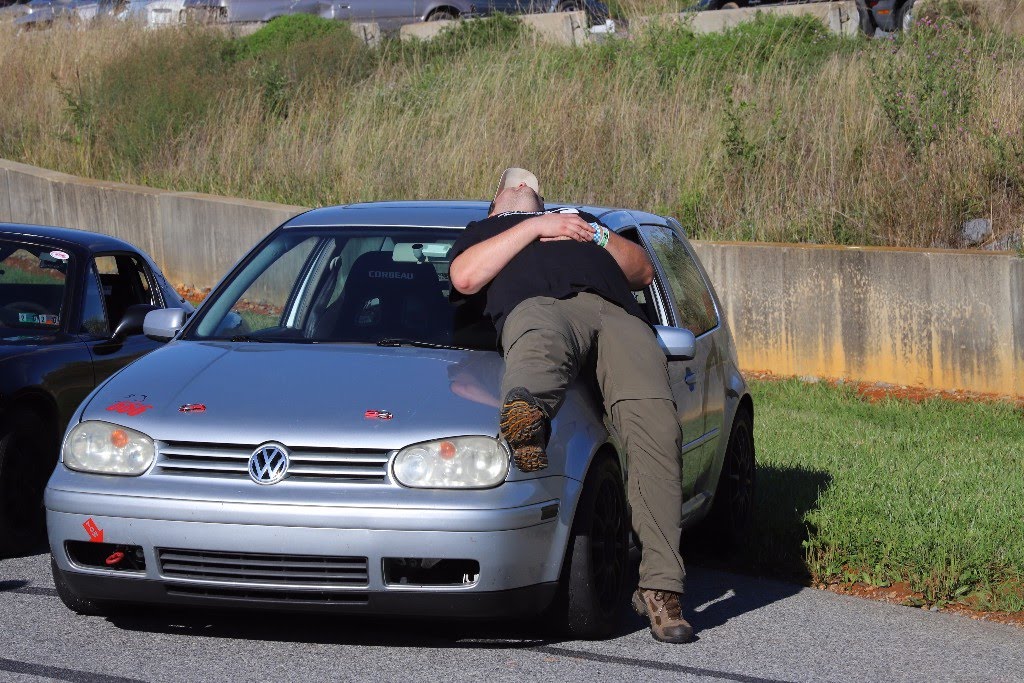
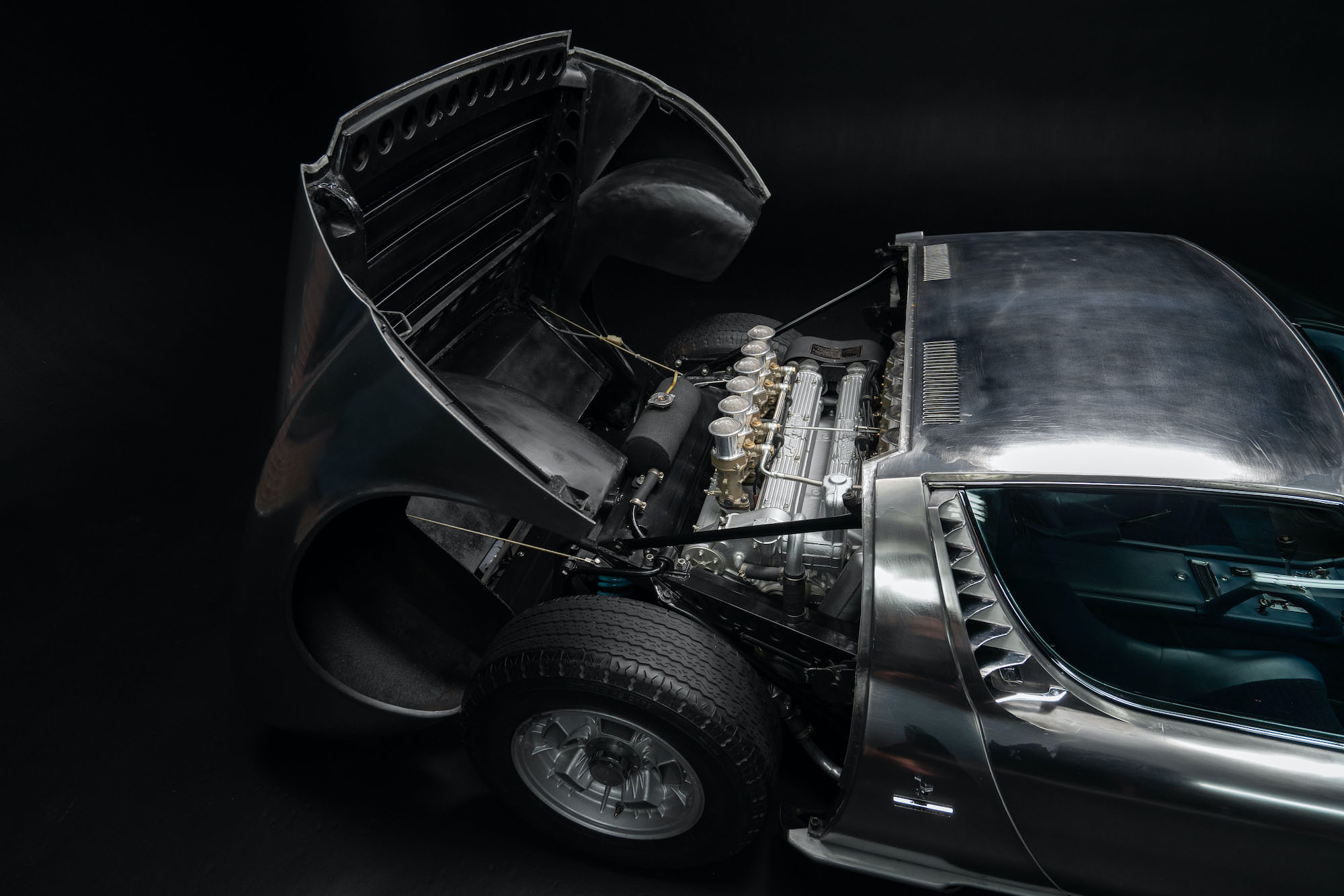
photo courtesy Phil Ingalls, MaxSpeed Track Days

By Christmas, Phil’s wife gifted him a helmet and gloves. By January, he had a Miata. And by March, he was back on track. A few months later, after a particularly fun day chasing Brendan around Road Atlanta, the idea for MaxSpeed was born. “I was thinking about starting a septic tank company,” Phil jokes. “Brendan said, ‘That’s a crappy idea. You should start a track day company instead.’” #punintended.

Spotlight

Notes

  • Who/When/Where is MaxSpeed Track Days (MSTD)? What is “the MaxSpeed Difference”? 

  • What is the MaxSpeed HPDE program like? What expectations should a new student have coming into the classroom for the first time? How do you become a coach for MSTD?

  • How do you learn more, and register for MSTD events?

  • MaxSpeed Rewards, Apex Pro and the MaxSpeed Garage Club

  • Track-Day Prep, COVID Rules, Advice for 1st timers and more!

  • Get on the MSTD mailing list!

and much, much more!

Transcript

Crew Chief Brad: [00:00:00] Grand Touring Motorsports started as a social group of car enthusiasts, but we’ve expanded into all sorts of motorsports disciplines, and we want to share our stories with you. Years of racing, wrenching, and motorsports experience brings together a top notch collection of knowledge and information through our podcast, Brake Fix.

Crew Chief Eric: Hey everybody, Crew Chief Eric here. I wanted to give you a heads up before we head into this episode that we did have some technical issues with the audio. We’ve done our best to make corrections so that it’s easier to listen to, but unfortunately, you know, there’s always challenges with internet connection, the different systems that people are using, the audio quality.

So please, by all means, sit back and enjoy this episode. The content in it is amazing, but our apologies for the quality right up front.

Crew Chief Brad: Smaller run groups, less traffic, more quality track time. Experience the MaxSpeed difference. MaxSpeed [00:01:00] Track Days delivers on those elements with great southeastern venues, stellar customer service.

as well as the curriculum and coaching to enhance anyone’s high speed driving skills.

Crew Chief Eric: That’s right, Brad. And with us tonight is Phil Engels, president and CEO of Max Speed Trackdays, along with his co founder, Brendan Blake, to explain how their program works.

Crew Chief Brad: And as always, I’m

Crew Chief Eric: your host, Brad, and I’m Eric.

So let’s roll. Welcome to the show. Phil and Brendan.

Phil Ingalls: Hey guys.

Crew Chief Eric: So let’s get into it. Tell us all about max speed, the who, the what, the where, the when people want to know what it’s all about. So how did you guys get started? Where’d the name come from?

Phil Ingalls: Well, the name came well after the concept, put it to you that way.

In 2017, I had an injury and Brendan Blake is a physical therapist. He owns a couple of practices here in North Georgia. And ended up in his physical therapy office. Having him work on my knee and I’m sitting there on the table. He’s working on things and he’s got all these pictures of cars on racetracks [00:02:00] and way back in my youth.

I’ve not been on something with a motor and wheels since I was a child, but I used to race motorcycles late teens, early twenties, and then I got into a law enforcement career and that’s not conducive to support a racing career. So anyway, long story short, I ended up on his table. I’m looking at all these cars and racetracks in his office.

And I said, Hey, Doc, is this you? And he said, yeah, I said, do you race? He says, no, I just do track days. And I kind of vaguely remember doing some track days when I was younger after I got out of racing. I was like, okay, we got to talk. Next thing you know, he invites me to a track day. He says, look, me and my buddy’s gonna be at a track, I think it was a week away or two weeks away.

He said, come on out, it’s at Road Atlanta, hang out, tell me what you think. I showed up, and of course, having been in racing and involved in motorsports back in the day, as soon as I showed up at the racetrack and the community and the sights, the sounds, the smells, the fuel, the burning rubber, all of that stuff.

I go back home and my wife says, Hey, how was it? What’d [00:03:00] you think? I said, shook my head. I said, I’m screwed. I’m going to have to buy a Miata and build a track. Like most good wives. She rolls her eyes at me. And just says, okay, baby, whatever. And walks away. This is November of 2017. Come Christmas. She buys me a helmet and racing gloves.

And he says, Hey, why don’t you be happy? Go do what you got to do by January of 2018. I had a Miata by March or April of 2018. I went to my first track night in America at AM. I’ve just dove in headfirst. I went and did a few more track days. And then that summer, July or August 2018, I’m at Road Atlanta doing a track day.

Brendan is there with me, and he’s up a group. He’s, he’s an intermediate or something. I’m an assistant instructor that morning. A couple sessions, the instructor cut me loose, so. That afternoon, the organizer allowed Brendan to pump down in the novice, because we have basically identically prepared. [00:04:00] We just chased each other around the track.

It was probably the most fun I’d ever had. And then that afternoon, we’re sitting there in the paddock, feet propped up. He said, what are you gonna do when you retire? And I said, I have no idea. And was legitimately thinking about starting a septic tank pumping company. But you know what the joke is that right on that one.

So. Anyway, he looks at me and he says, you ought to start a track day company. And I made the move. My wife did. I rolled my eyes and I laughed and I was like, okay, whatever. But I could not get the idea out of my head. So

Crew Chief Eric: I see that much like Brad, Brendan is probably the same. Silent partner in this and in a lot of cases,

Brendon Blake: I’ve been itching to tell like my version of the story.

I’m just waiting for just a break.

Crew Chief Eric: Well,

Brendon Blake: I

Crew Chief Eric: figured I’d

Brendon Blake: give you

Crew Chief Eric: that break. So let’s

Brendon Blake: hear

Crew Chief Eric: it.

Brendon Blake: So the way that the story goes is we’re sitting, we’re talking about the track day and he mentions a septic idea. And then I just had to take it and say, Phil, that’s [00:05:00] a crappy idea. I mean, how’s the next day? So if you’re passionate about something, you’re rolling customer service, organized events to where the person feels like they get a lot of bang for their buck, and you appreciate the people who are spending money with you, it’s going to be a home run.

If we focus on trying to incorporate what some of the driving schools teach us, Trying to incorporate it into an HPD event, then it only makes sense to try and bring up a quality, like, company out of this. It can’t grow into a space just to offer some more people time on track. And the idea just birthed out, and it’s been on fire.

Phil Ingalls: Wrote a business plan, put it all together, had an idea of how many track days we’d do in year one, two. Three and so technically this was a concept two and a half years ago. So I started doing some research and did some due diligence and, and, and just, you know, looking at what all was involved. Is it viable?

Can I make it happen? Running a track date company supplement. [00:06:00] my retirement income was longer. About a month in L. S. C. Was formed.

Crew Chief Eric: I’ve out that you’re very close guests of the show. You’r Peters from H. P. D. E. J a little bit of credit fo this madness.

Phil Ingalls: I was gonna end of this thing. I won’t It’s to experience every type of track day that’s out there.

I just passed ideas off of him. I’m like, Hey, what do you like about this group? What do you not like about that group? What makes you tick when you’re on track? Not just with Dave, but with, I tapped as many people as I could. I spent a lot of time with the Ron Z of discovery parts in his trailer at Rhode Atlanta, at NASA events and at other race events, his brain and figuring out how can we make, The very best track day company, period.

The best one that we can make. How can we do that? We held our first event in August of 2019.

Within

one year, we were on the track. And we held our January [00:07:00] event this year at Roebling Road. It just kind of exploded from there. There was a lot of buzz in the community, social media took off. Just last weekend, we hosted at Carolina Motorsports Park and we sold out our first event.

Congratulations! That’s four events in for MaxSpeed and our first sold out event. And based on what I’m seeing coming up April, we go back to Carolina Motorsports Park in mid April. It looks like it’ll be sold out as well. The name came from, I didn’t want it to be a name, one of our names, anybody’s name.

I just wanted it to be something that immediately when you heard the name, there was no doubt about what was going on. There was no such thing as maxretrackdays. com. So I thought I was lucky in landing that. That’s the genesis.

Crew Chief Eric: It’s always funny that company names are often decided by what domain is available compared to the names that we’re used to here in the DMV max speed is going to be new to a lot of our listeners and a lot of the people tuning in here for the first time, you guys are probably one of the newest, if not the newest [00:08:00] HPDE facilitator on the East coast.

So what have you guys learned from the other groups you’ve been to? And how did you turn that into quote unquote, the max speed difference?

Phil Ingalls: As Brennan was saying, the, the customer service aspect, we do a few things differently than other groups and you know, I know one of the things that we do that I’m serious about is we limit attendance.

You can only have comfortably X amount of cars on any given track, and people feel comfortable, make passing easy, don’t have a whole lot of trains holding people up because everybody’s there to go fast. Everybody wants to try to put down a good lap and, and see what they can do. And you can’t do it in traffic.

So number one, we limit attendance. We simply just, we will not oversell a run group. That’s the smaller run groups, less traffic, more quality track time deal. That’s what you get when you come with us. The customer service and hospitality aspect is the best we can provide at all levels. What I call touch points.

Any interaction that somebody has with MaxSpeedTrackDays, whether it’s how quickly and how professionally an email gets answered, or [00:09:00] what happens from the moment that they show up at the track to go to driver check in, how they’re greeted, how well we’re organized. That’s I will say we’re actually just a family business.

It’s me, my wife, him, his wife, his daughter, behind the table, taking care of our customers. And we’re going to treat our customers the very best we can. One of the things that I loved when I first started going to track days, And the thing I noticed when I went to visit and hung out is he had friends that were driving, but there were plenty of people that weren’t driving that were just hanging out and everybody shooting the breeze, having a good time talking about cars, walking around the paddock, that community and camaraderie that is naturally interwoven into the car hobby and or racing or or all of that in general is, Is great.

So, since it’s a social hobby, we wanted to foster that at our events. If you go to most events, there’s all these little clicks around the paddock. There’s these little groups. They get together as a Mustang club over there. There’s a Corvette club over there. There’s some Porsche guys over there or [00:10:00] whatever.

We just got groups of friends. What we wanted to do was bring all of those people together into 1 place. So, in all of our events, We have a hospitality. It does a couple of things for us as organizers to if anybody has an issue, they don’t handle it in the paddock. They bring it to us. We will then deal with it.

He he or I will go handle the situation or send 1 of our instructors to handle the situation, but we want all the contact to come through us. So we give them a central place to do that. You make that place inviting and it has a woman’s touch on it. My wife is the 1 kind of decorates in there, but we literally roll out.

Open up tables have bun double burner coffee pot going for morning drivers meeting with pastries out and, uh, snacks and refreshments all day long. And that’s just where we want people to come. And that’s tends to be what happens. Everybody comes there and hangs out and shoots the breeze between their sessions.

So, that’s 1 of the things where another thing that we do different and, uh, and then Saturday evening, we have a social. So we just got a couple [00:11:00] of big coolers of beer and invite everybody into and it’s all it is. It’s complimentary. That’s part of the maximum difference. Nobody pays for snacks and pastries and coffee and waters and coats and whatever.

It’s all part of the experience and why you come to us

Crew Chief Brad: while you guys are down in Georgia. Does that make road Atlanta your home track? What do you call home

Phil Ingalls: is in our backyard? And I mean, literally right now. If there were cars running on the track, we could open up our shop door and you could hear him.

So our garage club is located less than a mile from road. And of course, he’s probably got more laps there simply because he lives right around the corner as well. We got our start at road because if you’re a brand new track day company, and you don’t have any money.

Crew Chief Brad: You go where you can afford,

Phil Ingalls: you go where you can afford to put on an event.

And, uh, so we, we went there. That was our first one, not a moneymaker, but a good proof of concept. We kind of knew going in, we weren’t going to make any money off this. And then it’s, it’s just, you know, let’s see if we can make it happen and do it safely and have everybody [00:12:00] have a good time. And so that was a great proof of concept.

We like to think that any track that we go to is going to be our home track for the weekend. We like to invite our friends and track day family to the event. Just like you didn’t invite your friends and family into your home.

Crew Chief Eric: Brendan having a lot more track experience than Phil has. Do you have a favorite track?

Is there a track that, you know, you would go to time and time again, and let’s expand on that a little bit. Is there a bucket list track that you want to go to?

Brendon Blake: I have a question. With Road Atlanta being right here, there’s a character to Road Atlanta that’s just purely exciting. Every time you drive there, you’re learning something new.

Every time you go, you’re trying to accomplish something different. And there’s a smile that’s just a little bit extra whenever you’ve spent some time there. Every track that I’ve gone to, it’s now a challenge to try to improve our times. And I’m sure that we’re going to talk about the Apex Pro here in just a little bit.

Every track that You and I want to talk to you. There’s some drooling that goes on. There’s something exciting about every [00:13:00] corner. There’s something exciting about trying to learn something new. At Road Atlanta, it’s just exceptional. It’s funny, having been

Phil Ingalls: on motorcycles at Road Atlanta when I was younger, and I talked to people that, like, say, is there a bucket list track?

Or one that’s their destination track. They went from there and they always talk about it was kind of scary, all the elevation and there’s all this concrete and to me, I don’t even think about that because that’s been the place that I’ve been on more than any other track in my life. I love it. I mean, everything about that track makes me happy.

Like he said, we’re competitive. Imagine that people would go to the track and their cars are competitive. Purposely as we built them over the past, or as I built mine and he’s built, he has them going, we’ve kept them as close as possible mechanically so that when we put them on the track, we’re testing who who’s, who’s better that day.

Crew Chief Eric: Yeah. So basically if you’re slow that day, it’s on you. It’s not on the car. So it’s always the car’s fault. Always, always, you know, you had slightly stupid

Brendon Blake: [00:14:00] tires.

Crew Chief Eric: Yeah, he’s always a little more tread than the other guy, right? Maybe slower rolling resistance and all that, but you know, it’s really funny that everybody we’ve talked to so far that’s from the South or from the Southeast, you know, the bucket list tracks they talk about much to your point about Road Atlanta being a bucket list for folks like us and we have gone down there and we hope to return soon.

We always get the I really want to go to Watkins Glen and we’re like, Dude, I’ve been to walk in stud like a thousand times. It’s not that big of a

Phil Ingalls: deal. Because you’re naive when you start a track day company, you think you’re going to get a whole lot of track time. No, you’re going to give a whole lot of people track time.

Honestly, our events Sunday afternoon, when people start packing up, and then generally we get a couple of good sessions on Sunday afternoon. That’s kind of about it. So we have to visit other people’s events. The things I told him early on, as I said, I would love for us to be in a place at some point where we can pack up the trailers and just take our cars to Laguna Seca.

I mean, make two week trip out of it and go drive out there. There’s there’s so many tracks. There’s one up the Pacific Northwest. I want to drive and of course. Oh, yeah. [00:15:00] And

Crew Chief Eric: that’s always a surprising 1. I’m like. Georgia to V. I. R. Is it really that far? I mean, it’s not that

Phil Ingalls: far. Um, I don’t just want to drive there.

I want to host there. So, yeah,

Crew Chief Eric: but you know, going back to your point about hosting though, it’s kind of like the old saying, right? The most miserable person at any party is the guy that’s throwing it. Something to be said about that.

Phil Ingalls: Yeah.

Crew Chief Brad: I wanted to talk about your footprint. So we’ve have heard a couple of the names of the tracks.

That you guys go, but like how far north do you go? How far west? How far south do you do anything in Florida? What’s max speed footprint for track days?

Phil Ingalls: It’s growing . Right now we’ve only hosted at Rowland Road and CMP. Literally received the contract today for Road Atlanta, and I have. And we’re waiting dates and contracts from Barber Motorsports Park and National Corvette Museum Motorsports Park.

There was a lot of interest at this last event because we had the racing for ALS driver Scott Lloyd there. He likes [00:16:00] to run at the hour a lot and apparently a lot of people that know him like to run at the hour. So everybody says, Yeah, that’s on the radar. I hadn’t reached out to him yet because I’ve been, I mean, literally, we got back, we just unloaded my trailer this evening before starting this podcast.

So just got the car out of the trailer and back in the shop today. I’m overwhelmed and excited and happy that we have, uh. So

Crew Chief Eric: we talked about, you know, where you guys came from and humble beginnings and all this and things are still have that new car smell. So let’s talk about your guys D. E. program and expectations that a new patron of max speed would expect when they get there or even veterans from other organizations coming in.

What’s it like at a max speed event?

Phil Ingalls: We’ve learned from every event we put on. Like I said early on, I will listen to anybody who has something to tell me it has to do with the driver education industry, period. I don’t care who they are, what piece of input they have, I’ll listen. But we’ve learned through going to events, [00:17:00] hosting events, and then some of the connections in the industry, we’ve completely revamped our DE program from what it was two and a half years ago.

Our DE program starts early with students receiving the Max Speed Novice Playbook. And this is 2 to 3 weeks before an event. The novice playbook, it’s a short study guide. It’s just a few pages long, but it helps them prepare before they arrive at the track and includes a knowledge check that they have to complete and turn in when they come to their 1st classroom session.

It covers everything from vehicle, and safety flags, corner stations, safe passing and point buys as well as a little bit about the tire contact patch. And how that changes the inputs to the vehicle and writing that and I didn’t do it by myself. I bounced that off of several people that I got connected with through the instructor summit.

1 of them drew reigns over an apex probe. Very helpful in helping me craft the novice playbook and the goal is. To improve safety for everybody at the track when [00:18:00] you think about showing up at a racetrack going through a half hour, 40 minute classroom session and now you’re strapping into a car with an instructor to go however fast your car can go.

It’s overwhelming. There’s a lot of information, a lot of new terms that they have to learn. And so sending them that information 2 weeks early and give them something to study. It brings them in well prepared and we found this out because I’ve totally revamped curriculum was just unveiled last weekend at CMV.

And I had great feedback from instructors and students about the program. So that’s where we begin with us. Like I said, it’s heavily influenced and draws upon decades of knowledge brought together from the instructor summit and their new, it was just released the HB curriculum about a month ago, I guess.

As soon as it was released, I started completely rewriting our knowledge group. Part of my law enforcement career, I’ve been teaching multiple disciplines since the mid 90s. Whether it’s firearms, defensive tactics, driving, EVOC, emergency vehicle operations courses. So, I’ve been [00:19:00] teaching adult students most of my adult life.

Teaching driving is just a, you know, it’s just a new lesson plan.

Crew Chief Eric: Since you guys are owner operator, does that mean you’re also the classroom instructors, as well as the CIs?

Phil Ingalls: Currently the classroom instructor, and I guess you would call me the CI as well. As a coordinator of our instructor cadre, I introduce the students to them.

At that time, I do an e introduction between the students and instructors, the novice playbook. That way they can talk to their instructor for a couple weeks before they show up at the track, kind of get to know them. If there’s personality conflicts that come out, we can get ahead of that and reassign somebody before they come to the track.

One reason I act as our chief instructor and instructional instructor right now is because we haven’t found somebody that can commit to our schedule yet. If I can find somebody that can commit to the MaxSpeed schedule, we can wrap their head around the whole customer service aspect that we’re trying to provide.

If it’s the right person, then I will gladly give up that duty to somebody else that’s been doing HP instruction longer. So I [00:20:00] can go out and make the rounds through the paddock and be face to face with our customers more. Absolutely.

Crew Chief Brad: You say you can have a sold out event and you limit the amount of people on track and the different run groups and everything.

How many students do you usually have? And what’s the student to instructor ratio?

Phil Ingalls: 10 to 15 students is where I cap it at. And that’s determined. A, on how many instructors I’m going to have, because for most DE groups, that’s probably the hardest thing is to make sure that they can get a good cadre of instructors that will come to their events on a regular basis.

We have a 1 to 1 student instructor ratio and generally 3 to 5 additional instructors that are just surplus. And so having a surplus is great because you inevitably need 1 that has to give somebody a check ride to advance or, or come to you and say, hey, this guy in that car did something super stupid in this turn or on that straight away.

And then we have to go have that talk with somebody then to confirm whether or not it was safe or unsafe. [00:21:00] We’ll put an instruction to receive and then deal with whatever happens after that, whether it’s a run group demotion or what have you. That’s, you know, always a touchy subject, but. It has happened in our events and at the end of the weekend, the person that got demoted was actually thanking us for giving him an instructor and making his weekend more fun.

So if we can accomplish that demoting somebody, then we’re pretty happy about it. And he became a safer driver. Yes, absolutely.

Crew Chief Brad: That’s going to lead me into my next question about the progression model. You know, a novice student comes out. How do they progress through the different run groups? Up to ultimately advance and maybe even becoming an instructor themselves.

Phil Ingalls: We only run three run groups and that allows us to give everybody access to a lot more track time than most of the DE organizations out there. Well, the novice group that we have includes both novice solo and novice students that go out in the same group. We have an intermediate and advanced group. So with our three run groups.[00:22:00]

I’m currently working on putting together an intermediate and an advanced playbook as well, so that drivers coming in have something to manage their expectations. What is expected of them to advance from novice to intermediate? And then from intermediate to advanced, it all focuses around awareness and safety and individual driver technique and skill.

But the awareness is the biggest differentiating factor between which run group you’re going to be in, in your management of traffic.

Brendon Blake: Just me jumping in here, Phil, I think 1 of the keys here is that we’re very careful with who we actually allow into the different wrong groups. So it starts with your selection process and just really vetting them and just making sure that they belong in the right group.

So that makes it easier. And then we have several of the instructors that we trust that will go and do a check off flight and that’s then say, yes, they can agree like to go on to the next one.

Crew Chief Eric: You talked earlier about limiting the size of the run groups and of the event itself. Do you figure that [00:23:00] size out by the ratio of cars per mile?

Do you have some other way of determining or do you just have a fixed number and say, hey, We want 20 novices and we’re happy with 20. How do you keep your run

Phil Ingalls: group small? It does go somewhat by the length of the track and also the configuration. So at Roebling road, which is 1. 54 miles or something, we want that to 30 people per run group, period, novices, medium, and experienced.

At CMP, we were at 35 per run group of being 2. 24 mile track. At DIR, we might allow as many as 40. You know, I don’t think I would put any more than that on any track anywhere. That would be my limit. But it is based on track length and configuration. you have some tracks at amp. Atlanta Motorsports Park.

It’s a great track. You can’t put more than 30 people on there. It’s just too technical. There’s not enough long passing zones. And so we would limit that to 30 people as well. Gotcha.

Crew Chief Eric: So in addition to that, you’ve got the coaches peppered throughout the three different run groups. They can run wherever they like.

Phil Ingalls: Yeah, our instructors can run in any group that they want [00:24:00] to, but I’ve yet to have an instructor hold up traffic. Yeah, I’m going to have an instructor, you know, somebody come over and go, Hey, that instructor was holding me up all.

Crew Chief Eric: Yeah, I guess this question goes back to earlier about, you know, students and instructors.

Is there anything right now that we should know about with respect to this post code would world any special rules or anything like that?

Phil Ingalls: We don’t enforce rules any stricter than whatever region or state or county that we’re hosting in. And it’s changed from county to county, but our overall.

Recommendation is that our attendees assess their own level level risk, follow CDC guidelines. We provide these guidelines with our information packets prior to the events and any venue specific guidance on COVID is relayed with our final pre event email to our customers. We do and have since we did our first COVID affected event, I guess we kind of got lucky because we only had one event on the books in 2020 and it was in August and it was [00:25:00] at in June.

The governor here kind of opened up the state and local places to do what you think is right in your particular county. We were able to get through that pretty unscathed and host an event in August at road and road. We did have sanitizing stations in various places. So we put out hand sanitizer and instead of like, in our 1st event, when we had coffee and pastries, we actually went and got donuts from Dr donuts and they were fresh.

Everything was prepackaged, um, and it has continued to stay prepackaged for multiple reasons. We found that it was easier that way too, but it’s safer and cleaner, you know, we’d also like food that people can start with this prepackaged. Hand sanitizing, recommending masks, if you can’t maintain social distance, if you’re indoors, especially as far as the instructors and students, they can determine what, what level of risk you have with a full face helmet on sitting next next to somebody in a car.

So, we don’t do lead follow and I just wouldn’t do it just based on my experience with what I said, the instructor [00:26:00] summit and knowing and bouncing ideas off so many instructors, especially some that were forced to do lead follow in some organizations. And then they come back from it and they realize, well, that student didn’t quite get as much quality information and coaching as he could have if he’d had a new structure in the car and could affect safety and it’s not something that we want to do.

We want it. We want to get as possible. So we’re going to do in car and I think we’re getting really close to having enough vaccine in this country for everybody. So hopefully it will be behind us by summertime and we can all go back to enjoying our hobby the way we used to.

Crew Chief Eric: We talked about instructing a little bit and the DE program so far, you know, both Brad and I are coaches.

We’ve gone through a multitude of different certification processes, et cetera. So we’re always interested and we’re always asking on the behalf of all of our friends that are coaches, what’s it like to coach with max speed? What are you looking for in a coach? What are the requirements to come to you guys for the first time and say, Hey, I’ve been to road Atlanta 10 times.

Can I come coach for you? What’s involved in that process? [00:27:00]

Phil Ingalls: Like I said earlier, I got invited to go to the instructor summit. I drove around the expo, or actually he introduced me to Eric Meyer and then, you know, that community is once you get in there, and I actually went to the instructor summit in December of 2019 here at Atlanta and a whole lot of the other principles of different companies here in the Southeast as well as.

Awesome instructors with some that I’ve known from coming up through the DE ranks myself, and then I really wrap my arms around the instructor summit and the information they provide because I’m kind of like a sponge. I’ll, I’ll, I’ll learn anything from anywhere. So, as part of that process, Brendan and I have both started our MSF Level 1 goal to become MSF Level 2 certified.

And then ultimately, I’m working with the Scott Elkins right now about getting max speed certified to run our own MSF Level 2 instructor curriculum course so that we can bring people from novice to intermediate to advanced and then [00:28:00] straight on into instructing should they desire to do that.

Everything’s based on information brought down from the instructor summit. As far as people coming to instruct with us. If they got an instructor certification from another Organization, if it’s PCA or BMW, or NASA, SCCA, whatever, if they’ve got something like that from another organization, we’ll allow them to instruct for us.

I know some people that don’t have instructor certification that are competitive racers and have competition licenses. that are probably better at relaying that information to some of the instructors, I know. So we do have some competitive racers that also assist with our instruction.

Crew Chief Eric: Very cool. Well, that’s good to know.

And it’s always nice to have reciprocity because a lot of us as coaches do invest time in going through these certification processes. So we want to make sure that they’re accepted in other places. And obviously, you know, nationally recognized programs like NASA and SCCA, they carry a lot of weight, you know, along with Uh, all the other ones that are out there.

So that’s good to know. I’m happy to know that you guys are welcoming us with open arms. [00:29:00]

Crew Chief Brad: So if I’m ready to come out to a track day and I want to come drive with max speed, how do I do that? Where do I find you all? How do I find your calendar? Obviously HPD junkie. I’m sure. Well, are there other places, your website and things like that?

And then how do I register?

Phil Ingalls: I would say the best way to find us is by visiting our website, speedtrackdays. com. If you go there, the very first thing you’ll see on the homepage is a register for events button. Click it, it drops you down to our events calendar. Once you’re there, each event has a description, how much it’s going to cost, where it’s going to be, the date, time, etc.

And once you click register here, that takes you to clubregistration. net, which is who we use for our registration platform. We also list events on motorsports. They allow, of course, the calendar listing, even if you don’t use their registration services. So we’re, and then HPDEjump. com has virtually every track in North America.

So I’m just there as well.

Crew Chief Brad: So you mentioned you’ve got three run groups. So what does that equate to [00:30:00] for average session length? What’s the average weekend or day cost? And then I guess the dollars per session, dollars per track time. How’s that all play out?

Phil Ingalls: At all of our events, our current full weekend events.

We’re supposed to have access to six hours of track time over the weekend. It’s a lot of track. Most, most people don’t hang out for the second half of Sunday. But yeah, so everybody gets six 30 minute run sessions or run group sessions per day. They’re spaced out with three run groups for, so you run for 30 minutes, you get an hour to chill out and relax, and then you’re back on the track for 30 minutes.

Total cost for our most recent event at CMP was $450, and uh, that’s a full weekend. That equals a per session price of 37 50 or a buck 25 a minute, which we kind of think is pretty great value for our customers tracking dollars.

Crew Chief Eric: I think that’s the most accurate breakdown we’ve ever gotten on the show.

So thank you for that.

Crew Chief Brad: I was like, that’s also the lengthiest amount of track time for a weekend as well. That is very true. [00:31:00] Six hours is a lot of track time. It’s definitely the longest we’ve heard. It’s part of, it’s on our website

Phil Ingalls: too, all of these things that we put out into the public space, whether it’s through social media or on our website or whatever, our goal is to provide the very best track time and driver education in the HPD industry, period.

And we’re young and new, but that is our goal. Every day. Brendan is invaluable as an advisor in a business mind. The fact that we started 2. 5 years ago, and we’ve only run 4 events. I’m always looking three years down the road. Where do we position ourselves in the market so that we can give our service?

We like thinking we provide a service and we’re privileged to be able to do it. So bring these people together, give them a good safe environment to go out and enjoy the racetrack. And then on top of that, encourage that camaraderie and that friendliness in the paddock and in the hospitality pavilion.

We like seeing smiling faces at our events. And we just want to keep bringing that to the public.

Crew Chief Eric: So you’ve got smiling faces on the other side of a laptop on your website, getting ready to [00:32:00] register for either CMP, Roeblood Road or Road Atlanta, which is what I’ve heard so far. So what comes next? Are we doing tech?

You talked about the playbook, doing some e learning type stuff up front, which is really cool. How do we get from, I click the button and put in my credit card number to my first session out on track, what happens in between?

Phil Ingalls: We don’t inspect. Our participants cars for a couple of reasons, but mainly that responsibility is left to them or a mechanic of their choosing.

They must sign off on our tech form and waiver certifying that they have inspected all the items we list on our tech form and waiver, making sure that they’re safe and to assure their vehicles safe for high speed driving. It just goes back to in the past, it’s better to put that onus of responsibility on the customer.

For me to say, I don’t know what every single vehicle on the planet requires, you know, where, where the, where this is on that, or what that is on a different car. They bring us the tech form. They say, yep, it’s ready to go. And if it breaks, it’s on, we let them go with that. It also allows us [00:33:00] to not spend an hour Every morning, the cars, so it’s a, it’s a time saver, which allows us to put the 6 hours of time on in the weekend.

As long as they sign off and run.

Crew Chief Eric: That’s right. And I know 1 thing is for certain. If you are leaking blinker fluid, you have a problem.

Phil Ingalls: Oh, absolutely.

Crew Chief Eric: You know, we talked about the registration process. We talked about tech and things like that, you know, safety is paramount. It’s something that it’s the front of everybody’s mind, but it’s also the thing that keeps most people from coming out to events like this and the other thing is usually, well, I don’t have the right car.

Well, you know, many people have said, run what you brung and you’re going to have a blast. So we can just kind of discount that from the word go, but it’s always the other side of it is. Well, I can run what I brung, but I need to make sure I’m covered in some shape or form. If something suddenly happens, like this is my daily driver, I can’t afford to wreck it, you know, whatever.

And then suddenly a few years back, the idea of track insurance was born, you know, thanks to folks like Lockton and [00:34:00] Haggerty and so on down the line. So we want to get your opinion as an organizer about. How you feel about track insurance? Do you recommend it? And if you do, is it part of your registration process or do you have a recommended track insurance partner that you tell people that they should look into before coming to a max speed event?

Brendon Blake: I think it all starts with the attitude of the organizers for safety. I think it comes down to the quality of the instructors and the mindset that you have with your instructors for the students, for the classroom sessions. So there’s an overall kind of an atmosphere or a mood that comes down from the top down.

And I think one of the most critical things that we put an emphasis on that maybe we didn’t see with some of the other groups that we’ve like participated in is how do you deal with issues? How do you deal with problems? If there is a driver in a particular run group that’s causing issues and problems, what is the best way to deal with that situation?

And we take it seriously because we want quality. We want everyone else to have [00:35:00] fun. And there’s a way that you can solve issues without causing a major issue. And I think it’s the way that it gets dealt with. Being as new as we are, we don’t

Phil Ingalls: have any partners per se. We have, the way that I look at it, the way that we look at it is that we recommend that each attendee research the market based on the vehicle’s value and what level of financial risk they’re comfortable with before they put their vehicle on the track.

You know, that’s just solid advice. He and I both drive 20 year old Miatas and if I total it, I will drag it back from one of the trailer. I’ll buy a new tub next week and I’ll put all my goodies on it and I’ll go back to the track. I had the GT3 probably doesn’t feel the same way. You know, they might want to come out and get track insurance.

Uh, we make it known that it’s available. To our customers, but we don’t require it. We don’t recommend a particular provider. We do at least give them the idea that this is available. If you’re concerned about your track. The other thing you pointed out at the beginning of that question was. Safety, I think a lot of people don’t recognize how safe it actually is [00:36:00] part of a track day.

And explore its limits and your, your limits as a driver, if you’re going to do that, do it on track where, you know, if you lose it, there’s, you know, sand pits and tire barriers and things designed to keep you safe. Should you happen to have it off plus the fact that the road of safety achieved by everybody going in the same direction under the same rules.

Crew Chief Eric: It is truly safer on track because of the gear we use, the training we have, the environment itself, then these folks that are running around on the major highways at triple digit speeds, weaving in and out of cars, there’s a higher probability of something happening on the street in a fluke occurrence that somebody is not paying attention.

They’re not situationally aware, all these kinds of things. I mean, we could wax both ways. Poetic about this for probably an entire another episode. Although I think we’ve already done that before. So the idea there is, is to remind people again, that in a lot of motor sports and all the disciplines that we’ve talked about on this show, HPDE, along with a [00:37:00] lot of others is some of the safest out there.

And the skills that you learn at a DE are second to none. They’re not like anything you would have. Learn in driver’s ed or anything like that. And I think it, it pays people dividends to come and learn what a car can really do and learn to not be afraid of it. It’s a tool. It’s not an appliance, right?

That’s always my big thing. And you need to learn how to. to use that tool appropriately and DE is the right place to do it.

Crew Chief Brad: Have you thought about with max speed doing some sort of tie in with street survival and with like teenage defensive driving and kind of using that as a way to curate and bring people up into the HPDE hobby?

Phil Ingalls: I have. I’ve actually spoken with Ron Z. He’s on the board at Atlanta Motorsports Park. Atlanta Motorsports Park has a very good teenage driving course that they put on at their facility. And it is something that we’ve discussed that Max Speed might eventually sponsor [00:38:00] something like that at Atlanta Motorsports Park for just that purpose.

Hasn’t come to fruition yet as we’ve been busy getting the ball rolling and getting our name out there and getting a customer base that, I mean, obviously we keep selling out events. It’ll allow us the flexibility to spend resources elsewhere on things like that that aren’t necessarily. They’re not going to make your money back for the day, but they’re going to help you give back to young drivers and.

And honestly, anybody that comes to an HPD, not only are they going to learn great skills, I believe they’re going to leave a safer driver on the street. Because once you have driven your car at speed on a racetrack, there’s no way you can duplicate any of that on mountain road or anything with the level of safety involved.

And I find a lot of people that leave HPDs. They talk about, you know, I can’t even speak on the street anymore.

Crew Chief Eric: Let’s talk about other services that MaxSpeed offers that our listeners may not be familiar with. Those that are already comfortable with DEs, you know, have an idea of what they should expect.

What’s something else that really [00:39:00] stands out about MaxSpeed?

Phil Ingalls: One of the things early on, like I said, I Raines, who was one of the founders of the KX Pro, a digital driving coach. Through that relationship and bouncing ideas off of him about what he thought the HPVE industry needed. What could he help us bring to the market?

We became retailer for or dealer rather for Apex Pro. Brendan and I use it all the time to compare our own data because we’re in such similar cars. If 1 of us has a session and, you know, we’re 3 or 4 pence faster than the other 1, we will sit down in the paddock and take out our phones and we will literally overlay data and look at who was, you know, okay, you carried X amounts of speed for this corner versus me.

What am I doing? So, we use that to help us become better drivers and then we share it with our customers. And once you get out of the novice ranks and you’re really, you know, you’re an intermediate or advanced driver and you’re trying to shave tenths of a second, you need something to help you do that.

Some sort of driver aid. And [00:40:00] I just really like the Apex Pro platform. So, uh, we carry that. We carry a lot of products to support the platform. We have hosted Data and Donuts event here in our Max Speed Garage Club. We invited people in that didn’t even use an Apex Pro. Using any into, so whatever they use to, to gather data racers and.

HPD folks, it didn’t matter what data platform they used, data is the same. It’s just how you gather it and then how it’s represented back to you. You can use a laptop or computer, or can you do it on your phone or an iPad? Screen we put up, we show them a speed trace, we explain to them what’s going on at the top and the bottom of the speed trace.

How you can actually look at a speed trace and say, Oh, I know what racetrack that is, based on the speed trace. Because you know where your high points and your low points are. Like I said, very heavily involved with the Apex Pro. And helping drivers use better their driving skills.

Crew Chief Eric: So several times you’ve mentioned the garage club.

Then I also noticed by looking at your website, there’s something known as the max rewards program. Do you want to [00:41:00] unpack both of those for us?

Phil Ingalls: The many things that we do, you know, encompasses the difference. Is our max rewards program. We understand that people have a choice and where they spend their dollar.

There’s a lot of providers out here. And honestly, the biggest thing now is good viable dates. At racetracks, we need more asphalt. We came up with a, a loyalty program basically. So, the max rewards program gives our customers 10 percent cash back on every dollar they spend with us. So they spend money with us when they accumulate a 1000 points.

We send them a 100. Max Rewards Visa gift cards and just to choose here at CMP last weekend during our drivers meeting, we gave out three and some of those points that’s not just on the next can earn points by buying an apex pro through our website or buying accessories or any track day purchases for HPV or any purchases made through our website.

Our customers can accumulate max rewards points. That’s our max [00:42:00] rewards. And the garage club, the garage club, I think that was his fault. This, this whole thing was his fault because he’s the one that swayed me away from having a septic tank company, you know, clean up crap right now. So, uh, but basically he lives in a neighborhood where they won’t allow you to park your race car in the driveway.

And. He had his race car and, or his race car, his HP or he’s, he’s parked in the storage place over here around the corner. His tools were all in the garage. So the garage started a place for us to get our cars, tools, go karts, golf carts, and other things out of our lives garages and we rented a, it’s about 1800 square foot shop.

It’s a one mile from the front entrance of road Atlanta. We moved our tools and our cars in and started meeting on the weekends to work on our track day cars. Then as often happens, we decided to have a lift because we’re old and I don’t want to crawl underneath my car. So we [00:43:00] bought a lift and we installed a lift since we both have full time jobs and we weren’t using the place much, except on the weekends, we thought, you know, we got to put some buddies to do this too.

And so we invited them over and. And essentially our buddies and track day friends and stuff like that joined the club or started using them. And so we, we just kind of split the room amongst ourselves. And well, we didn’t at 1st, it was can we do this? Is it legal? More research due diligence insurance? Uh, how do we take care of that?

What kind of liabilities involved got all those pieces of the puzzle figured out and. And the Maxpeed Garage Club was formed. So right now, it’s just a few of our friends and us and we basically split the rent. But as soon as I retire from the feds and devote 100 percent of my time to this endeavor, the Maxpeed Garage Club will be exploding, expanding, put it that way.

We’ll be looking for other spaces and offer vehicle storage, full service mechanic work. As well as the opportunity for people that want to do self service mechanic work to be able [00:44:00] to utilize a lift and tools and such that will have that’s going to grow as soon as I can. Give it 100 percent of

Brendon Blake: my time.

We stage out of here as well. When we do a track day at like Rhode Atlanta, um, you know, there’s a lounge area here that has an air conditioner and a heater and a refrigerator and it’s just a comfortable place with several couches just to, uh, just to spend some time like between runs at

Phil Ingalls: when we’re, when we’re not, when we’re not hosting, if we’re spending, if we’re going to something, you go to somebody’s track day, in August and it’s 100 outside, you can sit around the paddock in some shade or pull off the track.

We drive one mile down the street, pull into our garage, hop out, go into the air conditioned lounge. Have a nice cold water, compare data, sit around for an hour and 20 minutes. And then we jump in our cars, put our hands and helmets on and we’re driving right back to the restaurant. Nice. It’s pretty convenient for that.

Crew Chief Eric: So Phil and Brendan, as we wrap up the segment here, you know, we always want to give people the opportunity to [00:45:00] thank their sponsors, shout out to different people. So now’s your chance.

Phil Ingalls: We don’t have any actual sponsors. We are open to have some, if anybody wants to come, you know, do some or something, we’d be down for that.

We have a lot of great mutual agreements and like mutual promotion agreements and, and mutual promotion things in place with people. You mentioned him earlier in the, in the show, and we are friends. Dave Peters from HPE Junkie. Like I said, he, he lists virtually every track day in North America, but he has been a huge resource in helping us get MaxFeed launched as far as the format that we put out and, and the whole.

Touchpoint feel that you get if you come to a max speed event, Dave’s been part of helping us craft that and put that in place. Andrew rains at apex pro once again, invaluable resource when we were just when this was just a concept. And, uh, of course, we, we are an apex pro dealer through that relationship.

So racing for ALS, Scott Lloyd, he was at our most recent event, and we actually have a friend, a personal friend who [00:46:00] has a shop right here across from us. Who’s wife recently got a very, uh, ALS diagnosis. So having them there, having her there, it’s been a great relationship. And so we want to help raise awareness.

So,

you know,

shout out to Racing for ALS and them. Carl and Sylvia Metz run Toby Anna’s Guardian Angel Rescue, a 501c3 that rescues dogs all through the Carolinas and Georgia. They’ve just been really good friends. He’s helped promote us a ton. He knows. He’s been doing this hobby for 30 years and racing champ car and lemons.

And you can get it. So they run that rescue. And as part of it, we do a touring lap segment where we raise money for their charity. And he’s got a multi thousand dollar bill every month. So, so we do what we can to help them out. Last but not least, Anika Carter of Anika’s Racing. She was big on social media for us early on to help get the word out.

Ron Zagdorf. Discovery Parts, Ethan Jew, Violence Racing in Savannah, Georgia, and Michael Gallagher is the president of Power Dynamics Consulting and a NASA racer [00:47:00] who runs late model stuff. He and his wife, who owns Violent HD, were huge in promoting us around Roebling, which, like you said earlier, we don’t really have a home track, but we have been there three times.

We love hosting there and those people down in that region have helped us tremendously. So shout out to all of those people. We appreciate your help.

Crew Chief Eric: So Brendan and Phil, I got to commend you guys for jumping into this market, you know, stick, sticking your necks out there and, and trying something new and Setting yourselves up for retirement in this world of HPD.

It’s a very rewarding one. It’s very educational one. I think you guys are on the right track. You’re doing all the right things, checking all the right boxes, and we wish you the best of luck in this endeavor. And we want to see where you are next season and the season after that, and so on. And we’ll see you guys.

We’re looking forward to coming and joining one of your events here in the near future. So we’ll be keeping an eye on your schedule. And for those of you that are listening, if you want more information on max speed track days, remember to visit max speed track days. com or follow them on [00:48:00] Facebook and Instagram at max speed track days.

Or if you want to get ahold of Phil and Brendan use their online contact us form on their website as a special note for all of our listeners. Anyone that subscribes to the Mac Speed newsletter, those folks are automatically entered to win a free track weekend, 100 visa gift card or other merchandise, swag, et cetera, just for following Mac Speeds progress along the way on this epic journey that they’ve taken on in the HBDE world.

So I can’t thank you guys enough for coming on the show, sharing your story, getting people to know you better. And again, we wish you the best of luck.

Phil Ingalls: Eric, Brad, we want to thank you for giving us the opportunity, helping us spread the word about Maxpeed. And we would love to chat more, say a year, 18 months down the road and see, see where that vision is taking us.

Crew Chief Brad: We want to see you guys at VIR.

Phil Ingalls: Hundred percent. I want to see us at the hour as [00:49:00] well.

Crew Chief Eric: That’s right. Listeners. If you enjoyed this episode, be sure to check out our Patreon for a follow on pit stop, mini sowed. So check that out on www. patreon. com forward slash GT motor sports and get access to all sorts of behind the scenes content from this episode and more.

Crew Chief Brad: If you like what you’ve heard and want to learn more about GTM, be sure to check us out on www.

gtmotorsports. org. You can also find us on Motorsports. Also, if you want to get involved or have suggestions for future shows, You can call or text us at 202 630 1770, or send us an email at crewchief at gtmotorsports. org. We’d love to hear from you.

Crew Chief Eric: Hey everybody, Crew Chief Eric here. We really hope you enjoyed this episode of Break Fix, and we wanted to remind you that GTM remains a no annual [00:50:00] fees organization.

And our goal is to continue to bring you quality episodes like this one at no charge. As a loyal listener, please consider subscribing to our Patreon for bonus and behind the scenes content, extra goodies, and GTM swag. For as little as 2. 50 a month, you can keep our developers, writers, editors, casters, and other volunteers fed on their strict diet of fig newtons, gummy bears, and Consider signing up for Patreon today at www.

patreon. com forward slash GT Motorsports. And remember, without fans, supporters, and members like you, none of this would be possible.

Highlights

Skip ahead if you must… Here’s the highlights from this episode you might be most interested in and their corresponding time stamps.

  • 00:00 Introduction to Gran Touring Motorsports
  • 00:52 MaxSpeed Track Days Overview
  • 01:10 Meet Phil Engels and Brendan Blake
  • 01:28 Phil’s Journey to MaxSpeed
  • 04:33 Brendon’s Perspective
  • 05:04 Launching MaxSpeed Track Days
  • 08:09 The MaxSpeed Difference
  • 11:16 Home Tracks and Expansion Plans
  • 16:29 MaxSpeed DE Program
  • 23:26 Track Capacity and Configuration
  • 23:50 Coaching and Instructor Guidelines
  • 24:13 Post-COVID Event Protocols
  • 26:33 Becoming a Max Speed Coach
  • 29:00 Registering for Max Speed Track Days
  • 29:58 Event Costs and Track Time
  • 32:19 Safety and Tech Inspections
  • 34:01 Track Insurance and Safety
  • 38:47 Max Speed’s Additional Services
  • 40:54 Max Rewards Program and Garage Club
  • 44:54 Shoutouts and Future Plans
  • 47:44 Conclusion and Listener Information

Learn More

MaxSpeed’s mission is simple: fewer cars, more track time, and a welcoming atmosphere. Their events feature:

  • Smaller run groups to reduce traffic and increase quality seat time
  • Hospitality tents with free snacks, coffee, and a social vibe
  • A structured DE program with pre-event study guides and personalized instructor matching
  • A focus on safety, awareness, and skill progression

Phil and Brendan emphasize that MaxSpeed is a family-run business. Their wives and children help with registration and hospitality, creating a warm, inclusive environment that encourages drivers and spectators alike to hang out and connect.

What It’s All About: Trackside Culture

MaxSpeed’s DE program starts weeks before the event with the “Novice Playbook” – a short guide covering flags, corner stations, passing etiquette, and basic vehicle dynamics. Students complete a knowledge check before their first classroom session, ensuring they arrive prepared and confident.

Phil, a seasoned law enforcement trainer, currently serves as chief instructor. He’s working on intermediate and advanced playbooks to help drivers understand expectations and progress safely through run groups. “We only run three groups: novice, intermediate, and advanced,” Phil explains. “That gives everyone more track time and keeps things manageable.”

While Road Atlanta is their backyard, MaxSpeed has hosted events at Roebling Road and Carolina Motorsports Park, with plans to expand to Barber Motorsports Park, NCM Motorsports Park, and potentially VIR. Their goal? To make every track feel like home for the weekend. “We want to host at places like Laguna Seca,” Brendan says. “Not just drive there – host there.”

Coaching with MaxSpeed

For instructors interested in joining the MaxSpeed team, the bar is high but welcoming. Phil and Brendan look for coaches who align with their customer-first philosophy and are willing to engage with students before the event. A one-to-one student-instructor ratio is maintained, with surplus instructors available for check rides and safety oversight.

MaxSpeed follows local and CDC guidelines, providing hand sanitizer, prepackaged food, and flexible mask policies. They’ve avoided lead-follow instruction, favoring in-car coaching for better feedback and safety.


2021 MaxSpeed Schedule

February FunFest with MaxSpeed

February 27-28 – Carolina Motorsports Park

Spectacular Spring Weekend in April

April 17-18 – Carolina Motorsports Park

Memorial Day Salute with MaxSpeed

May 29-30 – Roebling Road Raceway

Beat the Heat with MaxSpeed

Jul 31 – Aug 1 – Roebling Road Raceway

MSTD has also added an Experienced Drivers Only event on Friday Oct. 15th at Road Atlanta. Only two run groups – (Intermediate passing on straights only) and (Advanced passing anywhere on track.) Goal for 2022 is 10-12 events in the Southeast with potential expansion to AMP, VIR, NCM and Barber MSP.) Look for changes to the MaxSpeed Garage Club as well!


NOTE: All subscribers to the MaxSpeed Newsletter are automatically entered to win Free Track Weekends, $100 VISA Gift Cards, or other merchandise, SWAG, etc… Simply for following MaxSpeed’s Progress.


MaxSpeed Track Days is more than just another HPDE group – it’s a community built on passion, respect, and a shared love of motorsports. Whether you’re a seasoned driver or a first-time student, Phil and Brendan are committed to delivering the “MaxSpeed Difference.”

As Phil puts it: “We want to be the best track day company we can be. Period.”


This content has been brought to you in-part by sponsorship through...

B/F: The Drive Thru #9

0

The Drive Thru is Gran Touring Motorsports’ monthly news recap podcast, offering a range of topics sponsored by various organizations. Episode 9, the second episode of Season 2 for April 2021, touches on a variety of automotive and motorsport news. Discussion highlights include California’s push to end gasoline car sales by 2035, potential challenges of EV adoption, and humor about Tesla’s voice commands. The episode also covers the Brazilian stock car series featuring famous drivers, the search for a lost turbine-powered truck ‘Big Red,’ and an ugly car, 1973 Mo’s Safari car. In motorsport news, Fernando Alonso’s F1 return and an NHRA class for EVs are discussed. Local GTM events and plans, upcoming track days, and various other club news wrap up the episode.

Tune in everywhere you stream, download or listen!

Listen on Apple
Listen on YouTube
Listen on Spotify

Showcase

California Senators Push Biden to Set End Date for Gasoline-Car Sales

Two politicians are urging the president to follow California's lead and set a date when people will no longer be allowed to buy new gasoline-powered vehicles. ... [READ MORE]

Jeep Is Launching a Charging Network to Facilitate EV Off-Roading

Over the next 12 months, the brand will install Level 2 charging stations at trailheads across the US. The project coincides with the launch of the Jeep Wrangler 4xe plug-in hybrid. ... [READ MORE]

Somehow Dodge Sold a ‘New’ 2016 Dodge Dart in 2021

And the salesperson of the year award goes to… ... [READ MORE]

Mercedes-Powered Isdera Imperator 108i Is A Rare Supercar For Sale

This is 1 of only 30 examples made.  ... [READ MORE]

1970s Hyundai Pony Restored with EV Powertrain, Ultra-Cool Interior

Hyundai designers disassembled an actual first-generation car and added modern headlights, taillights, and even nixie-tube instrumentation inside. ... [READ MORE]

The Next Forza Motorsport Is Gearing Up For Early Testing, And You Can Be A Part Of It

It’s an exciting time for Forza Motorsport, as Microsoft’s sim racing franchise is gearing up for a reboot and its first installment on the Xbox Series X and S generation of consoles. While there’s no indication as of yet that we’ll see the game released in 2021, developer Turn 10 Studios revealed Wednesday that it will soon be offering up a “part” of the upcoming project to play testers in its Forza panel. ... [READ MORE]

Racing's Next Electric Avenue Could Be a Quarter-Mile NHRA Drag Strip

Discussions ongoing about when to bring EV's into the NHRA. ... [READ MORE]

**All photos and articles are dynamically aggregated from the source; click on the image or link to be taken to the original article. GTM makes no claims to this material and is not responsible for any claims made by the original authors, publishers or their sponsoring organizations. All rights to original content remain with authors/publishers.


Automotive, EV & Car-Adjacent News

For a list of all the articles and events referenced on this episode check out the show notes below.

Domestics

Mustang Mach-E 1400 “Hot Sauce”

EVs & Concepts

Formula One

Lost & Found

Lowered Expectations

Motorsports

Tesla

Tesla Roadster Door Handle – Reveal!

Tesla “Easter Eggs” discovered in voice command system

VAG & Porsche

TRANSCRIPT

Executive Producer Tania: [00:00:00] The Drive Thru is GTM’s monthly news episode and is sponsored in part by organizations like HPTEjunkie. com, Hooked on Driving, AmericanMuscle. com, CollectorCarGuide. net, Project Motoring, Garage Style Magazine, and many others. If you are interested in becoming a sponsor of the Drive Thru, look no further than www.

gtmotorsports. org. Click about and then advertising. Thank you again to everyone that supports Grand Touring Motorsports, our podcast, Brake Fix, and all the other services we provide.

Crew Chief Brad: Welcome to the drive through, episode number nine, or the second episode of season two, April 2021 edition. This is our monthly recap, where we put together a menu of automotive, motorsport, and random car adjacent news. Now let’s pull up to window number one for some automotive news.

Executive Producer Tania: The end is nigh. The end is nigh.

They’re coming for us!

Crew Chief Brad: Tanya, why do you say that?

Executive Producer Tania: So apparently there [00:01:00] is a article talking about the California senators that are pushing our president to finally set an end date for new gasoline car sales in the United States. What is that date? Apparently our friends on the western coast want 2035. To be that deadline.

Read my list. No new gas powered vehicles will be sold in the states. So maybe they just want that for themselves and not necessarily the entire United States.

Crew Chief Eric: I don’t know the way I read that article. I mean, it’s ambitious for one. It’s an aggressive schedule to make that kind of declaration, put the edict on the tree to say 2035, but I did read on to see they are saying

Executive Producer Tania: for the, they are asking for the whole us.

Crew Chief Eric: Exactly. They’re making some changes to the, the standards. They want to see 51 [00:02:00] miles to the gallon. They want it to be federalized. We all know that evs are powered, By unicorn farts. So I’m really wondering, you know, what the impact is going to be by 2035.

Crew Chief Brad: But that’s okay because, and you’ll hear about this later, but in 2035, you’ll still be able to buy a brand new 2016 Dodge.

Crew Chief Eric: We will get there. You’re right.

Executive Producer Tania: 2035. Feels like it’s around the corner. And it sort of is.

Crew Chief Eric: How many movies did you watch in the 80s that said in the year 2020? That was, that was last year folks. Or the Conan

Crew Chief Brad: O’Brien skit. In the year 2000.

Executive Producer Tania: Yeah, I was gonna say not even 2020. They were all like in 2002. Begs lots of questions.

Do we even have enough? Raw materials for making batteries that could sustain a world, well, at least the United States world that is fully electric. And what [00:03:00] about the rest of the globe, Europe and Asia, they’re all pivoting, you know, to electrified cars and all of our cell phones and laptops and Xbox and playstations and TVs and everything is battery operated.

There are certain raw materials that go into these devices. Not enough.

Crew Chief Eric: There’s not enough lithium to go around. I mean, maybe that’s why we’re exploring on Mars. We’re going to create it or something. I don’t know, but I don’t think there’s enough lithium to go around and, and even recycling it is, is questionable.

It’s not like a traditional battery where you can use virgin lead, you can use recycled lead and still create batteries. You know, the whole process there, the chemical processes that they, that they’re eating the lead and creating electricity. Lithium is a whole nother thing. And is the recycling really there?

Executive Producer Tania: Well, recycling is great. However, the problem with all kinds of recycling, whether it’s your recycling that you put up the street once a week for paper and cardboard and plastics is cost prohibitive. It’s very [00:04:00] expensive to recycle and that’s what gets you is, yeah, maybe you can recycle these lithium batteries 100%, but if it costs you 25 times making a new one, that’s cost prohibitive, right?

That’s what So until you kind of get those costs down, it’s difficult to do that. And if that’s where we live right now, which is likely because. This is all new. So there aren’t just, you know, lithium or whatever recycling centers just sitting out there in in mass that can handle the volume that could be coming down the road.

So it’ll be interesting. That’s why it all just feels like the infrastructure is not there. I mean, there’s still going to be tons of gas cars because there’s the used car market, but even there, if the emission standards become stringent and they, they kind of go back to one of those policies where it’s like, you got to get rid of it because it’s not meeting, or you can only drive it X miles a year and all this stuff, or if they implement things like that.

Okay, that’s great that there’s a [00:05:00] huge used car market, but then you won’t be able to drive the cars.

Crew Chief Eric: So, I mean, I hate to say people are going to cringe when I say this. There’s a few people that have kind of pinned me to the wall before where I say the answer is always diesel. And I know it’s not the cleanest thing.

If we could figure out how to clean it, they’ve already proven with diesels, you can get 50, 80, a hundred plus miles to the gallon. If you could do a diesel electric hybrid of some sort, it would be the best pairing of both worlds. But I know we’re shying away from fossil fuels, but even if you look at the bigger picture of the 900 pound gorilla in the room, You still have the aging power plants in the United States that are not converted over to green power of any, of any sort of major substance to offset, you know, our coal and, and ancient, you know, aging power plants.

So I don’t know. It’s tough. I think it’s aggressive. I think it’s ambitious. I’m really curious to see where we are in 2035, if that’s the target date, but,

Executive Producer Tania: well, the other thing is, you know, [00:06:00] last month we talked about Porsche unveiling that they’re. You know, working on their e fuel, taking CO2 and converting it into gasoline.

You know, that solves one component of the emissions problem, the small piece. And so if that comes to fruition, that becomes something that manufacturers can do economically. Because as a follow up piece to that, if we didn’t mention it last time, more recent news is ExxonMobil is partnering with them to kind of advance that technology.

So If you get majors behind them, and they’re able to bring the cost of doing this, this isn’t new technology, this has been around for decades, but if the cost to produce comes down and it becomes affordable, well now, we are converting to natural gas, not coal, that’s cheaper, that’s better in many ways, you know, there’s still a cost, emissions cost to creating these batteries and whatnot.

If that life cycle piece is equal and you’re, you’re making gasoline, but that gasoline doesn’t have the same level of emissions. [00:07:00] How does that change in 2035? Does that make it more attractive? Is that enough to curb the climate issues? Part of the climate issues? I don’t know. It’s complicated. I still don’t think no EVs is the correct answer.

I think they do have a place. It would be nice to see them again in major cities. Taxis, buses, things that are just. out chugging and driving and taking up time and space on the road, not going anywhere. If they’re not sitting there chugging fumes out the tailpipe, that’s a great outlet for EVs. Now, the whole United States on an EV, I don’t know, and by 2035, no more new gas sales.

I mean, the price of EVs, then also the other piece of this, they need to come down because who is going to be able to afford a 60, 70, 80, 000 EV,

Crew Chief Eric: And then the jolt in your electric bill on, you know, having to charge them on two 20 for rapid charging and all that. I mean, I’m hearing numbers from people [00:08:00] where their electric bills jumped 200, 300 a month because they went to EVs and off of gas.

So is that about the same as what you’re spending in fuel? I don’t know. Right. And can we talk

Crew Chief Brad: about the electric bill for a little bit here? Because Eric, you’ve got personal experience with a plug in hybrid. So how, how has your electric bill been affected?

Crew Chief Eric: So for us, because it’s only a 33 or 36 kilowatt battery, we charge on a one 20.

So it takes about 12 to 13 hours. I monitor all this stuff. I have, you know, one of those, you know, sense monitors and all these kinds of things. I’m, I’m very, I kind of nerd out on all this stuff. I look at it and. It has cost us maybe an average of about 35 extra dollars a month, but that’s a small battery.

Now you take a car that’s solely EV, they can do 300 miles of range, you know, or more. That’s a lot more juice that you have to pull down every day for the course of a month. So take my 35 that it’s costing to charge the Pacifica that [00:09:00] we have, or maybe more, you know, maybe it’s like 40, let’s just say, let’s just call it that.

And multiply that out. It’s a lot of money at the end of the day. And I don’t think people realize that as they go into it, do a total cost of ownership on these vehicles, if you’re considering buying one, I mean, I don’t advocate not to, or, or to, or whatever, but it’s something to consider to your point, because now it’s added stress on the grid, on the vehicle.

On your house. In some cases, you have to upgrade your electrical system. That could be thousands of dollars, especially if you’re in an older house where your service is small, you might need a sub panel, you know, getting electricians involved. There’s a lot to this. So I’ve been looking into it myself.

I’d love to have a rapid charger for the Pacifica, but it’s cost prohibitive for me to do that. When I can just charge it every night and it’s ready by morning. So I don’t really care about the speed.

Executive Producer Tania: On the one hand, there’s nothing wrong with setting aggressive targets. Cause. In reality, sometimes you have to just set an aggressive target and you probably know you’re not going to make it, but at least it gets people moving in that direction.

So [00:10:00] it’s going to force a lot of different industries to create various infrastructure that’s needed to get there. And it’s going to force manufacturers to bring down their costs and et cetera, et cetera. It’s a whole, it feels like a whole chain of events that need to really happen for this light switch to flip.

And suddenly the dealerships don’t have a gas or diesel. powered vehicle on their lots anymore. We’ll see what the future holds. Just wait. I’m sure the next new thing will, will happen. We don’t know, but for now, possibly the end is nigh.

Crew Chief Eric: And there’s a follow up to this.

Executive Producer Tania: Yeah. So, I mean, in terms of what we were talking about, the raw materials and whatnot, we had reported on the previous episode about the two largest electric vehicle battery manufacturers in South Korea.

SK and LG had gotten into a little kerfuffle between trade secrets and this, that, and the other. And, uh, LG accused SK of misappropriating trade secrets, blah, blah, blah. Complaints were [00:11:00] filed. Pauses were put in place. Kind of hampering production. They have come to an agreement, which is good for everyone.

And because SK had planned on building a battery plant in Georgia, which was going to make the batteries for boards and Volkswagen’s, So now that they’ve resolved their issues that can continue. So that’ll be good for both Ford and Volkswagen and for electric car buyers. So at least there are some positive news there that there won’t be a huge, long lasting months and months of schedule impact.

Crew Chief Eric: Good. And you know, since we’ve been talking about charging and infrastructure and batteries and this and that, let’s talk about some Stellantis news with respect to that topic.

Executive Producer Tania: This one’s pretty cool because we heard about. Jeep is now moving into the EV front. I mean, everybody at this point, um, and they had debuted that really cool Wrangler that we talked about, the Magneto and all this stuff, but they also apparently have a plug in hybrid [00:12:00] Wrangler that they’re launching pretty soon.

And with that, they’re partnering, I guess, with, or working with Electrify America, basically to create a charging system because the Wrangler should be trail ready, this, that, and the other, but okay. Trails. I go hiking, I’ve been to a lot of different places. They’re in remote ish places. Not, you know, downtown metropolises, tons of people, tons of stores and all that stuff.

You’re off the beaten path a lot of times.

Crew Chief Brad: Isn’t that the point of going on a trail is to get off the beaten path and get away from civilization?

Executive Producer Tania: So how is

Crew Chief Brad: this going to work?

Executive Producer Tania: Exactly. So, you know, how are you, you know, millions of miles, that’s an exaggeration from civilization, from the nearest gas station, if you will, or electric starting station, you know, your little Evie runs out of juice.

Now what? Yeah. You’re in your Wrangler stuck in the Moab and Ford comes and picks you up. Right. Cause they’ve got their onboard generator and they give you some juice

Crew Chief Brad: diesel generator.

Executive Producer Tania: Yeah. [00:13:00] So, so they’re creating a charging network. It’s going to be located kind of at trail heads of starting out as some of the more famous spots like Moab and Utah, the Rubicon trail, big bear in California.

That’s pretty cool. In my opinion. I mean, this is a hybrid Wrangler, so. Once it runs out of its EV juice, it has other power behind it. But I think this is pretty cool. I like it also from the aspect that if they can put those electric stations in, then they could also impact the forest department, if you will.

Parks and Rec guys, because, you know, all their trucks, maybe they could convert the fleet. If anybody gives them money, convert the fleet to hybrids or full electrics as you’re just kind of like going around the little, you know, trail towns and whatnot and doing the service and all the good forest keeping they do.

I mean, that would also be another positive impact because it’d also be less pollution in, in those beautiful areas. So I think it’s a positive. [00:14:00]

Crew Chief Eric: There might also be an environmental impact with running all those lines out to federal preserve land and all that. So I think there’s still a lot to be figured out.

There’s a lot of logistics there. Like we were talking about, there’s a lot of politics, a lot of bureaucracy, a lot of red tape, but I will tell you this, there’s probably not going to be a charging station in Machu Picchu. So if I ran out of power, I know who I’d call Bruce, Bruce. If you’re out there, I need your help.

I’ve run out of electricity. And speaking of lost and found.

Crew Chief Brad: Yes, we’ve got a segment that we’re dubbing lost and found. It’s a long list of a long line in a mini series that started a couple episodes ago. But if you all remember, we heard that there was a Dodge Viper that, you know, it was originally discontinued in 2017.

That was sold in 2020 in addition to that Viper. Solantis has a knack for selling these undead cars. There was a Ram van that was sold and there was three G Patriots, all of which were terminated prior to [00:15:00] 2020. Well, they’re at it again. Someone went to a dealership and actually paid. Cold hard cash, or maybe even finance.

That’s probably more likely at 18%, but they got a 2016 Dutch darts. Yes, you’ve heard that correctly. I 2016 Dodge dart. The dart did not miss its target this time. And in 2021. Someone bought a brand new 2016 Dodge Dart. So if you’re out there,

Crew Chief Eric: Good job, Stellantis. Keep those numbers

Crew Chief Brad: up. Yes. Anything they can do to improve their revenue numbers is okay with me.

Crew Chief Eric: So I have two questions.

Crew Chief Brad: What

Crew Chief Eric: terrible color was it that forced it to be on the lot for the last five years?

Crew Chief Brad: You know what? I have a theory. I think it was on the lot for five years because everybody just assumed it was a used car. So I have a theory. I think it was on the lot for five years because everybody just assumed it was a used car.

Crew Chief Eric: You know, I bet it’s that Nike Gatorade yellow green one that was over at Len Stoller down the road that [00:16:00] nobody wanted to buy because it’s the most heinous color I’ve ever seen. That’s what I’m thinking. However, my second question is next month, are we going to hear about the remaining PT Cruiser that was sold in 2021?

Crew Chief Brad: Maybe, maybe. Well, they also sold two Vipers, two brand new Vipers this month in that quarter. Yeah. In the same quarter. Wow. Yeah.

Crew Chief Eric: Killing it

Crew Chief Brad: first for someone like Eric, who is a Viper aficionado and is constantly looking for one. You can still buy a brand new one.

Crew Chief Eric: You know, yeah. Give me an ACR. I got 50 bucks.

I’m down.

Crew Chief Brad: Yeah. I mean, what’s the depreciation?

Crew Chief Eric: What’s the depreciation on these things? That’s just it. What are they getting a screaming deal? Are they still,

Crew Chief Brad: so a 2016 Dodge Dart probably financed at 125 percent because they rolled in the negative equity from their other car, which was probably a 2015 Dodge Dart, and then Brad’s [00:17:00] a

Crew Chief Eric: Brad’s a numbers guy,

Crew Chief Brad: and they probably paid about 25 grand for this Dodge Dart.

And as soon as they got it off the dealer lot, it dropped to 50 bucks.

Crew Chief Eric: It’s worth 1, 500.

Crew Chief Brad: It’s it’s worth it. No, if I bet you, if you took that car from the Dodge dealer to CarMax, they would offer you 500.

Executive Producer Tania: So these cars sit there for as long. So that means that like enterprise and national Avis. Nobody

Crew Chief Eric: wanted it.

They don’t even want them. And how does the warranty work? Like it’s already five years old and it’s got no miles on it. It’s it’s out of warranty immediately. The

Crew Chief Brad: warranty is from the date. Most of the warranties are from the date. It’s it’s it’s um, not purchased. Or is it the date it’s purchased? I thought it was the date of manufacturing.

Crew Chief Eric: That’s craziness. I don’t know. God, enjoy it

Crew Chief Brad: by a [00:18:00] brand new five year old Dodge Dart, but they also bought one out of warranty.

Crew Chief Eric: Hold on a second. Click, click, click, click, click. Oh, it’s on bring a trailer now for 47, 000. So you can get it today. Low mileage Dodge

Crew Chief Brad: Dart. All right. 47, 000 pennies. You can pick up your Dodge Dart.

Executive Producer Tania: I mean, that’s a little. sitting there on a lot for that long. I mean, I hope they monthly ran it, drove it around, put a couple of miles on it.

Crew Chief Eric: Yeah. It’s a Dodge Dart. Why do you even bother? It’s like, who cares? So I kid you not. So talking about Dodge Dart, I recently watched an episode rerun of roadkill.

And they did a drag race between a brand new Dodge start. And one of the old ones, like from back in the sixties, they said, and I thought it was funny, it cracked me up. They were like the Dodge dart is like the slowest production. Mopar like hands down in the last 30 years, it does a quarter mile in like 19 seconds.

I mean, we know a bone [00:19:00] stock Audi coupe GT five cylinder making like 130 horsepower will do the quarter in like 30 seconds. 16 or something insane. Right? So I’m like, it is so slow. So their target time to beat, like barely doing bolt ons on a, like a 64 Dodge Dart was like incredibly high. They’re like, we can do this without even trying like beating this car.

So what they ended up doing was dropping it from a helicopter about a quarter mile up just to see if the speed was faster. It was, it was not, but, uh, it was actually very entertaining. Go look for the Dodge Dart episode of Roadkill. It’ll put you in stitches. So let’s switch to our, let’s call it our favorite brand around here.

Maybe we have a bias. I don’t know. We’re definitely Volkswagen, Audi group people, not all of us in GTM, but there’s a fair portion of us here that are. So let’s switch over to some VAG news.

Crew Chief Brad: So for many of you that may not know Volkswagen group or Volkswagen Audi group actually owns Bugatti a little while ago this month, a guy [00:20:00] named Patrick Piper did a rendering of a Bugatti Superbike concept.

And he calls it the Vitesse, you know, hearkens back to the, I think there was a Chiron Vitesse. Um, there was a Veyron Vitesse, you know, and so on and so forth. Wasn’t there the

Crew Chief Eric: Bugatti Baby 2 Vitesse? There’s the Baby

Crew Chief Brad: 2, there’s the Baby 2 Vitesse, there’s the Baby 2. There’s the speed in French. Is that what that means?

The more you know. Uh, but anyway, this guy rendered this bike, I’d say it’s, it’s a cross between a Cafe Racer And it looks like the front end is very similar to a Chiron.

Executive Producer Tania: There you go.

Crew Chief Brad: What did he say?

Executive Producer Tania: Tron light cycle. It’s a Tron

Crew Chief Brad: light cycle, yes. It looks very similar. Just

Executive Producer Tania: missing the LEDs. To a

Crew Chief Brad: Tron light cycle.

It looks like it doesn’t have any lights at all. Did I see him there? There’s no lights. I don’t

Crew Chief Eric: understand how it turns.

Crew Chief Brad: The worst turning radius in the planet. of the Viper motorcycle that they had a couple of years ago. It turns

Executive Producer Tania: with the rear.

Crew Chief Brad: Yeah. All you gotta do is wrap the throttle. I didn’t see, [00:21:00] did he, in the rendering, did he want to do a 16 cylinder quad turbo motor?

Because that would be pretty sick. I don’t know. I think it looks really cool. Some of the, I mean, they’re all renderings because it’s all CGI because it does not exist. I don’t know. But the one in the wind tunnel looks really slick. I think

Crew Chief Eric: I agree. It does look pretty cool. I would like to see them build a concept and just try it.

I mean, why not? I mean, now Bugatti is not known for motorcycles, but I get it. The here’s the, here’s the Kevin Bacon connection, folks. Volkswagen owns Audi. Audi owns Ducati. Bugatti is in there, Lamborghini, all this whole mess. It’s all one big happy family. It makes sense for them to try a bike like this.

So it’s probably a, you know, or would be a Ducati at the end of the day with some sort of skin on it and Bugatti flare and all that kind of thing. So I say, send it, man. I wanna see it. Let’s, let’s try it.

Crew Chief Brad: I agree. And if they made it and then they tried to sell it, they could sell it under volts. Wagon, which we’re going to talk about later and it could be an electric bike.

Crew Chief Eric: Did we go there? Did we really [00:22:00] just go there?

Crew Chief Brad: Let’s talk about Volkswagen and electric vehicles. Tanya, should we start with

Crew Chief Eric: it? What’s it a name?

Crew Chief Brad: We should, we really should. Sure. Sure. So what day was it? It was March 31st. No, it

Executive Producer Tania: wasn’t even, it was like March 29th or March 30th.

Crew Chief Brad: Oh my God. Yeah. So the geniuses at Volkswagen came up with a great idea.

I’m having a putt card.

Crew Chief Eric: Face palm moment, folks. You can’t see it in the audio, but that is exactly what I’m doing now.

Crew Chief Brad: Several years ago, I think it was in the early two thousands. Dodge spun off the Ram truck division into its own brand. And more recently, you know, within the last five years, Hyundai did the same thing with Genesis.

Genesis is its own kind of brand or sub brand now Volkswagen. Made an announcement that they were going to spin off their entire electric car division and call it a Volt Wagon of America. I think it was only in the US market that they were going to do this. Correct? Is that what [00:23:00] that’s what I read?

Executive Producer Tania: I mean the way I read it was Volkswagen of America was going to become Bolt’s wagon.

Oh Which just confused me because I, what happens to my Volkswagen right now? I mean, if

Crew Chief Brad: you think about it, if they’re trying to go all EV, then eventually Volkswagen would be Volkswagen, Volkswagen, Volkswagen. I’m confused. I’m

Crew Chief Eric: lost. But anyway, but anyway,

Crew Chief Brad: they announced it or somebody announced it or leaked it or whatever.

It got a ton of backlash, very much like the Sonic the Hedgehog movie. And Volkswagen said, no, no, no, no, no, no, just kidding. We not going to do this. I

Executive Producer Tania: mean, at the end of the day, they came back and said that it was an early release of an April Fool’s style prank and that the name isn’t changing. On the

Crew Chief Eric: play flag on the play.

All right. Uh, this stinks. There’s something rotten in Norway here. All right. And it’s not Will Ferrell in that [00:24:00] Cadillac commercial that we talked about last month. This is a mess. I’m sorry. I get it, it’s like corny dad jokes, but you don’t change the name of a hundred plus year old company just like that.

Executive Producer Tania: Yeah, I don’t like it for that reason. Cause it’s like, you don’t, the name has been around for so long, good or bad. I mean, it’s the company’s name. I mean, it’s just cause I have personal feels about it, I guess. Owning one.

Crew Chief Eric: Well, what, what’s next? They’re gonna change from Porsche to, to Porsche with a ED.

Well, or Volvo

Executive Producer Tania: becomes vol. I, I don’t know. Well,

Crew Chief Brad: I think with Porsche, they’re just gonna tell us how to actually pronounce it for once. Yeah.

Crew Chief Eric: Really?

Crew Chief Brad: Is it Porsche? Is it Porsha?

Crew Chief Eric: A porch is something you sit on that, that I know.

Crew Chief Brad: Yeah. You can sit on those duck bill wings. I the, the duck bill ducktails, the whale

Crew Chief Eric: tails for sure.

Yeah, the

Crew Chief Brad: whale tails. You can have lunch on one of those.

Crew Chief Eric: So because of all this nonsense and shenanigans,

Executive Producer Tania: I mean, at any rate, there was a lot of, no, no, this is true. This is true. [00:25:00] This is true. And then all of a sudden, no, it’s not.

Crew Chief Brad: It was true enough to drive up the stock price though.

Executive Producer Tania: And exactly. And now apparently the SEC is maybe filing a little investigation because that little brouhaha drove the share prices up 16 percent or something of that nature.

So.

Crew Chief Brad: Didn’t Elon Musk do the same thing with Tesla? You know, cause we love the rag on Tesla. All

Executive Producer Tania: the time. You did the

Crew Chief Brad: same thing with a tweet about Tesla a couple of years ago and the SEC was up his butt too.

Executive Producer Tania: We’ll talk about Tesla’s

Crew Chief Brad: butt later.

Executive Producer Tania: Spoiler alert. So in, in briefer news, uh, Volkswagen, excuse me.

Crew Chief Brad: Now nobody knows how to say it. VW.

Crew Chief Eric: You can never go wrong with VW. Well, I’m changing it to Schwagen. That’s what I’m calling it from the Schwagen company. Volkswagen, Volkswagen, Schwagen.

Executive Producer Tania: No,

Crew Chief Eric: no.

Executive Producer Tania: There is [00:26:00] finally a date for the ID Buzz. So the electric minibus.

Is going to come to the shores over here in 2023 as a 2024 production model. Europe’s gonna get it before us, I think like 2022. But yeah, it’s coming. It is actually coming. So we will hopefully, I would love to see one trundle down the road, a little Volkswagen Mini. But if

Crew Chief Brad: you can’t get one, if you can’t get in as an early adopter, you can still buy a 2016 Dodge Dart.

That joke’s never going to get old.

Executive Producer Tania: But the last bit of, I guess, Volkswagen Audi news is, you know, the e tron is here now, right?

Crew Chief Eric: Is that like the Volt?

Executive Producer Tania: Tron.

Crew Chief Eric: Oh, wait, nevermind.

Executive Producer Tania: Eat Tron. I think

Crew Chief Brad: Voltron is copywritten.

Executive Producer Tania: Not

Crew Chief Brad: bad. [00:27:00]

Executive Producer Tania: Audi has recently debuted its New A six E-Tron concept on what’s gonna be their new EV platform.

They’re gonna have their whole, it’s gonna be called Premium Platform Electric or PPE, not to be confused with personal protective equipment , but they’re gonna have their own platform in collaboration with Porsche, and they’re gonna start hitting the road in 2022. You know the, it doesn’t look terrible, honestly.

It’s a quite elegant, sleek looking Audi. It boasts some pretty big numbers as a concept in terms of let’s just start with battery range, because that’s what everybody cares about. The claim on concept estimate numbers is 435 miles. This is on the WLTP cycle range. One of the European standards, the EPA cycle is saying more like 390 to 400 miles.

Still isn’t horrific, but the 435 would be a lot better. And [00:28:00] it’s not built yet, so who knows what the actual number is going to be. It could be worse, could be better, could be what they’re saying. At any rate, I think the equivalent horsepower is going to be something like 469. It’s alleging to do zero to 62 miles per hour in less than four seconds.

So it’s going to push you back in your seat a little bit as it doesn’t meet 435 miles of range when you’re doing that. It’s coming soon. It’s the next offering from Audi. Hopefully the price. Is going to be, I believe they were saying less than what the E-Tron currently is. It’s gonna start somewhere in the mid 50,000 range, which is still very expensive and out of a lot of people’s range, but at least it’s moving that needle in the right direction.

I’m sure eventually they’ll come out with the A four E-tron and hopefully it’ll be, you know, that’ll probably start in 40 thousands or something like that.

Crew Chief Brad: Yeah, I mean, if they, if they can get it to the $50,000 mark. That’s really close to the current pricing, I believe, for the A6 [00:29:00] anyway, so if they can get the electric vehicles to cost in the ballpark of what the gassers cost, then I think that’s okay, because they’re still catering to their market.

Executive Producer Tania: Audi’s starting to make more moves, just like all the other Majors out there. So we’ll see who’s next or what’s next,

Crew Chief Brad: but moving on to random new EVs and concepts, this is going to be everything that we know about the Corvette Stingray SUV. Yes, because it’s a Corvette, this has become my story.

Crew Chief Eric: All things Corvette belong to them.

All your

Crew Chief Brad: base are belong to us. And all your Corvette belong to me. And basically everything we need to know about the Corvette Stingray SUV is that Chevrolet should not make this stupid thing.

Executive Producer Tania: That’s what we know. That’s all

Crew Chief Brad: we know right now.

Executive Producer Tania: Chevrolet artists shouldn’t have just Taken a rendering of the Mach E and put a Corvette badge on

Crew Chief Brad: the hood.

You know, I was thinking that, but it looks like they took the C8 nose and put it on the front of a Yuris. [00:30:00] It’s even a Yuris color and yum yum yellow. I mean, it’s ridiculous.

Crew Chief Eric: I noticed that too. Yeah. It’s, it’s definitely a copycat of several cars and whether it’s fact or fiction. I don’t know how I feel about an EV carrying a Corvette moniker in the way that the Mustang does.

I can get behind the, what we talked about in an earlier episode where they don’t want to put out the Grand Sport, but they’re talking about coming out with like a C8 that’s electric. I could get behind that. Yeah, the e ray, I can get behind that, but, but a truck with a Cort patch. I, I dunno why

Crew Chief Brad: acres do this.

They, Ford ruined the, the Mustang name with the Mustang Mach e, like to the point where nobody even calls it the Mustang Mach e. It’s just the Mach E, which is what it should have been. Mitsubishi did this with the Eclipse moniker. They destroyed it by putting it on, I mean. The Eclipse was a piece of crap anyway, but they destroyed the name that had some heritage by putting it on [00:31:00] an SUV, a little SUV.

And now Chevrolet General Motors is doing this with the Corvette. I think is the worst idea ever. I

Crew Chief Eric: think this is right along the lines of the new trailblazer. Mountain Mandate. I’ll talk about all these. If you’re, you know, back in the days of the K 10s and the Jimmies and all those kinds of

Crew Chief Brad: trucks.

Crew Chief Eric: Yeah, when the blazer was the blazer right now you look at it, you’re like, that’s a Camaro on stilts, right?

So I can understand where they’re going with this idea with the Corvette. I can’t get behind it though. I will definitely get in front of it and run away as quickly as possible. But I just I don’t I don’t get it.

Executive Producer Tania: They’re doing what everybody else is doing. Everybody’s making these. They’re called the compact crossover SUVs.

So they’re, there’s something that’s bigger than a golf. But smaller than traditional SUV trying to be, you know, Goldilocks syndrome here, which one’s just right,

Crew Chief Eric: you

Executive Producer Tania: know, if we

Crew Chief Eric: learned anything from BMW, all of the GT cars that they built five years ago, if not maybe a little [00:32:00] bit longer. They were a mistake.

Don’t follow their path. It’s not worth

Crew Chief Brad: doing. If you search a BMW lot, you might actually be able to find a brand new one that was made in 2016.

Executive Producer Tania: Well, the problem, the problem with that vehicle, if I recall the one that there was like two that were ever on the road is that they’re ugly as all get out.

Crew Chief Eric: They, by today’s BMW standards, those things are like the Mona Lisa. They are gorgeous. What are you talking about?

Executive Producer Tania: Well, and that may be true, but. I mean, these, all these compact little crossover thingies, if that’s what they’re classified as, the Mach E and Volkswagen’s ID4, all that, I mean. They’re not horrific looking.

Crew Chief Brad: I don’t have a pro, I don’t have a problem with them making this vehicle. ’cause it’s just, it’s the way of the world. This is the, this is where everybody’s going. My problem is with them slapping the Corvette logo and name on it.

Executive Producer Tania: Well, I had the same problem with the Mustang Mach key. I [00:33:00] don’t think Mustang should have been, it should have been called a Mustang.

And it’s not a Mustang.

Crew Chief Brad: No. And it should not have a pony on the, on the hood and the grill either

Executive Producer Tania: that, yeah. And I agree this is not a Corvette.

Crew Chief Eric: They could have called it a million other things. They could have brought back the Pinto name. They could have called the Galaxy. They could have called it the Palomino.

Yes. Called, let’s call it, let’s call it a Pinto, because that would’ve sold, well, the Grand Torino, I don’t care what they call it, just don’t slap a Mustang badge on it to fluff up the numbers. That’s just stupid, but you know who’s doing it right. We hinted at this months ago that Hyundai was up to something.

There was something on their website that they were going to reveal boxy looking sort of E30 BMW ish. We couldn’t really tell what it was. They went in completely the opposite direction. They took an original Jujaro design, 1970 Hyundai Pony turned it into a modern EV car. So they did. A factory approved restomod.

And if you haven’t seen this thing yet, it is pretty wild. Now, [00:34:00] granted a lot of the Jujaro cars from that era kind of look the same. Right. The Scirocco, the pony, a lot of the launches. He, at that time, he was kind of going through a phase, you know, but it’s pretty cool to see this now what 50 year old car out there and been given new life.

As an EV and some really cool and inspired designs, especially in the interior.

Executive Producer Tania: I got really excited when I first saw this because when you glance like at the photo or whatever, and it, the, like the cover photo is from behind for a second there, I thought it was a Trueno. I was like, Oh my God, is this an AE86?

Crew Chief Eric: Well, the first reaction I had was, is this a Chivette? And then I realized it was a Pony, but yes.

Executive Producer Tania: And that’s like, you know, you blink sideways and looked really fast. And then I just got excited by, you know, AE86, like an original one. And then found out, no, it’s not that at all. It’s this Hyundai. I mean, I think it’s pretty cool because I [00:35:00] like the idea of actually like, this is the original car.

Whether or not this is the best looking car ever. Uh, you know, that’s. Surely in the eyes of the beholder and debatable. I mean, it’s not, I mean, it’s, it’s cute. It’s charismatic.

Crew Chief Brad: So I’m going to throw out a challenge for us. I think we at GTM should do this. We should get an old Mark two golf or GTI or whatever, and put an EV power plant on it and just play with it.

Modernize it with EV technology and stuff.

Crew Chief Eric: Why? Because much like Dodge, there’s a bunch of e golf sitting on Volkswagen dealership lots that we could just buy brand new today and save a lot of hassle.

Crew Chief Brad: But it’s not the perfect little boxy ones.

Executive Producer Tania: I know, I know of a, of a Audi coupe GT with a heck of a lot of front engine.

Hood space.

Crew Chief Eric: Yeah, yeah, you can put anything in the front of those. Got space for miles. Flipping the coin on retro, a name we haven’t heard in a while, and a name that’s synonymous with darkness, [00:36:00] Morris Garage, better known as MG to the world. I had no

Crew Chief Brad: idea it meant Morris Garage. You didn’t? No. Oh

Crew Chief Eric: yeah, that’s what it stands for.

Crew Chief Brad: I learned nothing on our British episode.

Crew Chief Eric: So that being said, MG has come to the table proposing an MGB, that’s B as in Bravo, inspired EV two seater roadster first glance. I looked at and said, what about this car says MGB or MGBGT. And none of it resonates with me. And the other thing I realized was it’s still an MG, which means electronics.

The whole car

Crew Chief Brad: is electric, so it’s a Lucas Electronics car.

Crew Chief Eric: It’s a nightmare. I mean, good for them. If they’re going to come back, you’re going to really have to sell me on this one. And if you don’t believe me, go listen to our British cars episode and listen to some people that own British cars. Talk about them.

Uh, it’s a love, hate relationship. So this is

Crew Chief Brad: an [00:37:00] MGBGTEV.

Crew Chief Eric: That’s a lot of letters

Crew Chief Brad: that will not win you any, any points in Scrabble.

Executive Producer Tania: I mean, it’s probably going to work since MG is owned by a Chinese company.

Crew Chief Eric: I mean, if it’s anything like all the other carbon copies they’re putting out now, like what was that thing called that looked like a beetle that’s not a beetle?

Executive Producer Tania: Oh gosh,

Crew Chief Eric: the tiger paw or the love cat or the

Executive Producer Tania: something cat

Crew Chief Eric: the love cat

Executive Producer Tania: Like the love bug, but the love cat. What was that? It was really horrific. I it’s pretty

Crew Chief Brad: terrible Well, i’m reading this it says it’s the cyber stir concept whatever the f that means

Executive Producer Tania: the punk cat The punk cat there it is punk cat.

It’s a bw beetle rebooted as Punk cat electric car from this time. It’s like

Crew Chief Brad: the next, the next iteration is going to be the jive turkey. Oh man, I got my punk cat part next to my jive turkey.

Executive Producer Tania: We just switched gears here. [00:38:00] I am all for an electric beetle, but not that thing.

Crew Chief Eric: Nope. No, not this.

Executive Producer Tania: This unfortunate, yes, it sort of resembles a very early Beatle fastback ish.

Wise has four doors.

Crew Chief Eric: There’s all sorts of wrong with that thing. It reminds me of a British taxi cab that’s been squished. You know, those, the famous black taxi cabs in London. Yeah, three

Executive Producer Tania: tone paint job is not doing anything for me either. Reverse skunk.

Crew Chief Eric: Switching gears. Last month we had Tom Wendy on as our guest host and he’s our resident Rotard as he calls himself.

He’s all about rotaries. He has several RX 7s, one of which we can’t find. It does exist somewhere, but you know, we talked about how Mazda was pulling out of IMSA. They need to play catch up with the whole EV market and, you know, hybrids, you know, they put a lot of time and effort into their Sky Active program, the Atkinson crank [00:39:00] engines and whatnot.

Now they’ve said they’re going to come to the table with something known as the MX30, which is going to be an SUV with a rotary longevity extender, I believe they’re calling it. And so it’s going to basically be a rotary hybrid instead of a standard gasoline, you know, regular piston engine hybrid. I am.

All sorts of confused when I see this car because a rotary is confused me to begin with, you know, triangle inside of square makes things go boom and all the math that’s involved in that and apex seals going out the exhaust valves and whatnot. On top of that, it looks like a Miata that’s been sort of stretched.

It has the same lights in the back and it’s just kind of awkward looking. But then when, as I dove into it a little bit further, the specs reminded me of a Miata as well. And Mazda is saying. That the U S model will produce 144 horsepower in 200 pound foot of torque, two different than a Miata, honestly.

And the battery is only 35 and a half [00:40:00] kilowatts. And there’s no word on what the range of the models is going to be for the U S market, things like that. Right now, they’re saying without the range extender, without the rotary hybrid, it’ll go about 124 miles on a charge. It’s really, Not that great. And there is no date as to when it’s going to become available.

The rumor has it maybe as early as this year, later this year in the fall, but we’re still not really certain. I think it’s kind of cool. Mazda is trying something different. I don’t like it when we beta test things on the public, but, uh, you know, Hey, we’ll see where it goes. Right.

Crew Chief Brad: There was something that you said that kind of.

Made me go, hmm. It was when you mentioned rotary and longevity extender in the same sentence.

Crew Chief Eric: Yeah, I know. That’s like an oxymoron.

Crew Chief Brad: That doesn’t make any sense to me. I mean, everybody that’s ever heard anything about a rotary knows that they’re known for their. [00:41:00] Longevity and reliability.

Crew Chief Eric: Yes. Yeah. So what ends up happening is it becomes an LS swapped hybrid later in its life.

Cause that’s what usually happens with most referees, right?

Crew Chief Brad: Why don’t they just call it the MX five? That’s what the Miata is. Why don’t they just follow Chevy’s playbook?

Crew Chief Eric: That’s true. Just relabel it the Miata, right? They actually don’t call the Miata the Miata anymore. I don’t know. I’m all confused there too.

Is it the MX 5? Is it the Miata? What is it? I mean, I guess we’re playing the name game this month.

Crew Chief Brad: Just for my own edification, what is MX 5? How’d they come up with that? If this is the MX 30, there’s got to be a reason. The number has to signify something.

Crew Chief Eric: I’m not sure. I don’t really know. I know like with Toyota, The MR is like short for midship runabout, which is weird, but I don’t know what the MX stands for, for Mazda.

I

Crew Chief Brad: always thought MR was for the, for the layout. It’s a mid engine rear wheel drive.

Crew Chief Eric: We would all believe that to be true, but in Toyota doctrine, it says it’s short for midship.

Crew Chief Brad: Well, [00:42:00] if our two listeners, you know, have access to comments, please send us an email and let us know what the MX five stands for and what’s the MX 30 stands for.

But looking at Tanya in the other screen there, it looks like she’s going to tell us.

Executive Producer Tania: Well, according to a very quick search, which I typed in incorrectly, but still came up, it says MX five simply stands for Mazda experimental. X in the experimental project number five.

Crew Chief Eric: So that’s where RX is rotary. RX is rotary experimental number seven.

That’s actually true. Then there you go.

Crew Chief Brad: So whatever happened to the six through 29 experiments.

Executive Producer Tania: Been

Crew Chief Eric: in the tragic, tragic endings for all of those. I don’t know. We might have

Executive Producer Tania: to, uh, might have to do a little more digging than 30 seconds worth, um, to verify, but

Crew Chief Brad: no, I think that’s all you need.

Crew Chief Eric: Okay. All [00:43:00] right.

Then anything else in the Evie world,

Executive Producer Tania: Tanya. So rounding out our Evie segment. So we’ve been talking about electric cars, electric SUVs. Electric Corvettes, but not Corvettes. What about tiny electric cars? Well, tiny. What are you talking about? An electric golf. The electric FI 500. No, we’ve talked about them.

I don’t know. Think smaller. Think like a BMW Isetta, something that fits one person, maybe two people. There are some folks out there trying to make this become a thing. Tiny electric vehicles that are three wheelers, two wheels in the front, one wheel in the back, and you literally can only fit, Up to two people, essentially, in them.

There’s, there’s three different ones in this article, um, that are, that are featured here. The first one they show, they made it more the size of a car with, you know, an extra wheel in the back. [00:44:00] It’s actually not terrible because it’s heavily inspired, I think, by, like, Alfa Romeos and whatnot, especially from the front.

This Nobz GT100. It’s from Estonia,

Crew Chief Eric: also known for reliability. Yes. Um,

Executive Producer Tania: uh, at any rate, it’s definitely stealing some, some features of some other, some other cars. And then you’ve got the micro Lino, which essentially, if you didn’t say it was a micro Lino, it looks like a BMW Isetta, you know what that looks like.

And then there’s the, uh, Electra Mechanica Solo, which is, I don’t know, an Opel from the front, maybe, but chopped in the back and only one, one wheel.

Crew Chief Brad: It looks like that. What was it? Helio or Elio or whatever was supposed to come out with a car in the U. S. that was very similar to the Electra Mechanica Solo.

Executive Producer Tania: The kicker is apparently they’re going to cost You know, potentially as much as a full size car ain’t nobody going to nobody in this [00:45:00] country is going to buy that. I mean, I get it like, okay, on the surface, you look at it, you go. This is dumb. Right?

Crew Chief Eric: 3 wheels is the starting point of bad. Okay, this

Executive Producer Tania: is dumb.

A F right? Like, why 1 person 2 people? Where are you going? Electric? I mean, negative, negative, negative corner, right? But then. I could see a point to play devil’s advocate. People ride around on motorcycles. You can only have one person. Well, you can have more than one, but typically you only have one person on a motorcycle.

You ain’t carrying a lot of, you’re not going to the local grocer and getting six bags of groceries and carrying them on your motorcycle home. You’re running an errand. You’re going to work with a backpack and, and, you know, whatever, that’s it. So if you’re living that life, maybe this is better for you.

Cause at least when it’s raining, your butthole isn’t getting [00:46:00] wet.

Crew Chief Eric: Oh man. I think that in the first car, it’s very mousy. I think it would be a very fun Halloween car. I also think that whoever designed this. Uh, his children just watched the Incredibles for the first time in Estonia. And because it looks like Mr.

Incredible drives this car. It’s it’s wacko. Now I, I give you props. If it had four wheels, I’d be all over it. The three wheel thing really turns me off. I don’t get it, but I also think of him and I go the Ape, which we know is, you know, all over the place in Italy is a three wheeler. They’ve been around forever.

They’re tiny. I could see those going electric. That’d be super useful.

Wow.

And I’m instantly reminded of the PLP 50 from Top Gear. Remember that little car he drove in an elevator all through the BBC building? Yeah. So, not so great. Cool concept, but I can’t ever see these coming to fruition. I

Crew Chief Brad: really like the micro, you know.

Crew Chief Eric: Yeah.

Executive Producer Tania: This isn’t something that would take steam in [00:47:00] this country. I mean, maybe in Europe. Again, you’re up in your countryside, mountainside, and you’re just trembling up and down and you don’t want to ride on a moped, but then you don’t want a car. I can see it,

Crew Chief Eric: but. I need to point a few things out about the microlino.

So if anybody listened to our ugly cars episode, it’s very important. Okay. So go back and revisit that when you get a chance. This is the only thing I think that rivals the Multipla. In terms of like stupid placement of beltline, headlights, doors, it is, those, those headlights are tragic. And by the way, did you notice that’s like a 23 inch wiper blade on a 13 inch windshield?

Like how does that even work? Those headlights are integrated

Executive Producer Tania: with the side mirrors. Come now, they’ve

Crew Chief Eric: saved. This is a mess. This car is unsafe to drive in any condition, okay? I don’t get it. How do you uh, how do you adjust the headlights? The mirror has to put, this is a mess. You adjust

Crew Chief Brad: the [00:48:00] headlights with the mirror.

So you use the little mirror switch and the mirror goes, the headlights go the opposite. How do you get out? If you’re in a front end collision,

Crew Chief Eric: I want to see the front impact rating with the crash test dummies in this thing, by the way, where’s the bumper?

Executive Producer Tania: Get it? Because why wouldn’t you just have a smart car?

Crew Chief Eric: At this point. Yeah, I mean, because they’re

Executive Producer Tania: at least you’re only going to fit 2 people in those and they’re at least designed to be roll cages. They

Crew Chief Eric: have

Executive Producer Tania: proven

Crew Chief Eric: the

Executive Producer Tania: smart

Crew Chief Eric: cars are extremely safe because the way they’re built,

Crew Chief Brad: but they’re also not electric, but they

Crew Chief Eric: could be, but they could be, and they’re already rear wheel drive.

They’re actually already set up for it. A lot of smart cars, at least in Europe are. Three cylinder turbo diesels or something. I think they were here at least in Canada and North America and whatnot, but they’d be the perfect candidate. If you’re going to go that route, just electrify a smart car and call it a day.

Executive Producer Tania: I mean, maybe the problem is the smart cards too small because these things are, well, that Mike really knows probably smaller than a smart car. So if they fit some batteries in there, then [00:49:00] you wouldn’t, I would think it’s possible on the, um, smart car. Honestly, we haven’t paid much attention to smart cars.

So that’s something I’m going to have to look into to see what they’re doing on the EV front. They must be doing something.

Crew Chief Eric: Whatever Mercedes is doing

Executive Producer Tania: well, they’re slowly coming to the table as well. So

Crew Chief Eric: I’ll get a swatch watch at the same time that way for most people that don’t know, smart is a cooperative investment between swatch and Mercedes.

So that I won’t digress too far on that, but we need to move into our. New segment called.

Executive Producer Tania: We would be remiss. So I don’t want to cover this one, but it’s here. So we would

Crew Chief Eric: much like Brad doesn’t want to cover Corvettes. You get stuck with Tesla’s now that’s your thing.

Executive Producer Tania: And I’m fine with that. It’s just the latest gimmick that they’re doing.

You know, some people think it’s quite clever. There’s those that would say it’s [00:50:00] genius. I have a different definition for something that’s genius. Being able to say open butthole for my electric charger door to pop open to me as a fully formed adult is not genius. For a 12 year old, yes, I could see this being quite hysterical.

Thank you for bringing this to us. And you know, some people might think, Oh, this is just a joke. It came out in April, April fools. No, I fully believe this is no joke because I have ridden in a Tesla with the fart sounds turned on for the turn signals. So instead of click, click, click. So this is completely on par.

with something musk would do. So I fully believe that you can say open butthole.

Crew Chief Eric: Oh, but it gets better. Because if you watch the video that accompanies this [00:51:00] particular episode, a gentleman goes through and reviews this particular voice command feature. There are variants to it. If you say open butthole, it opens the charge port.

If you say close butthole, it closes the charge port. If you say open butthole, My butthole, it will open the trunk. Did you know that?

Executive Producer Tania: You also want to know why this isn’t genius? If we’re going to anthropomorphize a vehicle, its butthole would not be on the side of it. Where energy is going into. Thank

Crew Chief Brad: you.

That’s, that’s my, my, that was going to be my point. It shouldn’t be open butthole. It should be put it in your mouth.

Executive Producer Tania: Oh

Crew Chief Eric: yeah, because that

Executive Producer Tania: makes it better. I mean, the mouth also isn’t on the side. If you were going to like in the rear end of the car.

Crew Chief Brad: The mouth is where fuel and energy goes in.

Executive Producer Tania: I don’t know. I mean, personally, I think

Crew Chief Brad: this is just foreplay and dirty talk between [00:52:00] Elon and Grimes and they just kind of translate it into.

You know, Tesla production, somebody, he probably was, you know, getting down with, with grimes and, uh, he butt dialed somebody and, uh, somebody at work, you heard him say, Oh yeah, open your butthole, open your butthole. And they’re like, okay, I guess we’ll implement that into the.

Crew Chief Eric: Yes, Mr. Musk. Yes, Mr. Musk. Right away, Mr.

Musk. We’ll take care of that.

Executive Producer Tania: I mean, clearly it sells. People are into it. I don’t know. Hot take. It’s dumb.

Crew Chief Eric: Speaking of dumb, let’s talk about the new door handles on the Tesla.

Executive Producer Tania: Oh, that’s not gonna break.

Crew Chief Eric: Right? The video, you kind of get a sneak peek here of the new Tesla Roadster. We heard about this on the drag racing episode with Bobby Parks.

He’s really excited about this car.

Executive Producer Tania: Effing useless. I love that.

Crew Chief Brad: I love that. The Tesla roaster is a coop.

Crew Chief Eric: Yeah, right on. All counts. But this new [00:53:00] door handle, you know, the current Teslas, the door handle kind of pops out at you. It’s like electromechanical, and then you grab it, you know, all this kind of thing.

This new one is swipe, and the best part of it is you get the glimpse of the new quote unquote Roadster or coop rather. And you get to see this guy trying a new door handle and he must swipe it like. four or five times and it doesn’t react and I’m like, what is this? Would be the most infuriating thing on the planet for me.

If this is how I have to now open my door.

Executive Producer Tania: Apparently he was swiping up and you should have swiped down. I mean, I thought it was left and

Crew Chief Eric: right.

Executive Producer Tania: That’s different, but it could be like,

Crew Chief Brad: instead of swipe, they should call it foreplay. And he just didn’t know how to, how to get the car to do what he wanted it to do.

Executive Producer Tania: Oh my God.

Crew Chief Brad: He should have swiped, right?

Executive Producer Tania: Oh man. I, you know, I get, I get that that’s where technology and innovation is taking us, but it’s just like the more things get so technically complex like that. It’s like there’s simplicity in [00:54:00] simple things that will always work like a door handle. Like a button on a, on a phone or, or, or on something, not some touch tone thing, but then the screen breaks and then you can’t turn your AC on or off or something in your, your car, all these infotainment systems, you know, a dial, a button it’s mechanical.

Yeah, you can break it off if you’re an idiot, but for the most part, these things last decades.

Crew Chief Eric: I feel a

Crew Chief Brad: rant coming.

Crew Chief Eric: I mean, if you’ve ever used one of those Samsung TVs, and I’m sure there’s other brands that do this with the touch front where there’s no buttons, I have one of these. I’ve had the luxury of owning it for many years.

I refuse to touch it anymore because it’s infuriating to hit the volume 9, 000 times. Let me just go get the remote. So hopefully my key fob for Tesla will allow me to open the door without touching the stupid thing, because if it’s anything like the Samsung TVs, it’ll drive you nuts. That’s all I’m saying.

Executive Producer Tania: And how about how’s it going to handle rain when it’s pouring down rain and there’s water flowing down the side or ice it ices on a [00:55:00] winter morning and you’re you’re chiseling the ice off of it or pour pouring warm water to melt it because I can’t open my door because

Crew Chief Eric: you’re wearing a glove so I can’t sense that you’re opening the door

Executive Producer Tania: you got to get the new you got to get those new gloves with the the touch pads that you can use on your touch screens

Crew Chief Brad: or you just don’t buy how does

Executive Producer Tania: that work when it’s wet But I’ll just

Crew Chief Eric: leave

Executive Producer Tania: that

Crew Chief Eric: there.

Let’s just leave that. I don’t know.

Executive Producer Tania: I mean, I guess I, you know, maybe you, I mean, why don’t you just make an app on your phone? Click the button and it opens. Swipe your phone.

Crew Chief Brad: How do you get in when your phone’s dead?

Executive Producer Tania: You say open butthole and then a charging wire comes out and you can plug your phone in enough juice to

Crew Chief Brad: Open my butthole.

No, my butthole. No, no, no, no, my butthole. Can you

Executive Producer Tania: imagine you’re standing at the charging station?

Somebody doesn’t know what’s going on. Oh,

Crew Chief Brad: I’m thinking about the scenario where you go golfing with your boss [00:56:00] and then you’re going back to the cars after your, your, your round 18 and then you walk up to your car nonchalantly with your boss parked right next to and his, uh, S600 Mercedes, because that’s what he’s going to drive.

And you just walk up and say casually, Tesla, open butthole. What is your boss going to think?

Crew Chief Eric: He’s going to say, do you have any gray poop on? He’s

Crew Chief Brad: He’s going to say, uh, okay, you’re going to, this is your last day. Goodbye.

Executive Producer Tania: You know, chances are he’s a 12 year old boy on the inside too. So he’d probably like it.

I don’t know.

Crew Chief Eric: Meanwhile on planet Tesla.

Executive Producer Tania: In other Tesla news, very unfortunate. There was a recent accident, uh, last weekend, actually not too far from my personal stomping grounds where a Tesla crashed into some trees. That crash caused an explosion, [00:57:00] fire, et cetera, the car engulfed in flames. Varying reports saying the fire burned for four hours before it was put out versus, I don’t know, it was put out immediately and the fire department just there for four hours, quenching, re ignition of the batteries, blah, blah, blah.

Regardless of whether it was minutes or four hours, uh, That thing definitely burned long enough that there was nothing practically left. There was no interior, there was no roof, there was no hood, there were no body panels. I mean, granted, they might have ripped the doors off and everything and pushed them aside and weren’t seen in the picture, but it was charred.

The mystery of this right now, this happened in a neighborhood, this happened on a neighborhood street, leaving essentially a dead end, a cul de sac, an S shaped street, not even probably too long, as it was negotiating the first of the curve, the car lost control, ended up in this patch of trees, directly in front of [00:58:00] people’s houses.

So obviously people heard the commotion or whatnot and called the fire department and called the police. The mystery of this is There were two people, uh, involved in this. Obviously, unfortunately, they did not survive. There was a passenger in the front passenger seat, and there was a person in the back seat.

The authorities are very adamant in saying that there was nobody in the driver’s seat. So, does that mean that this Tesla was put on autopilot, somehow, I don’t know how because I don’t know enough about their autopilot system and engaging it, somehow got up to a quote, high speed, okay, and it must have been a high enough speed to careen off the road and then explode into trees, because I would hope that the neighborhood speed of 20 miles an hour, if you hit a tree, you wouldn’t burst into flames, because every fricking accident would be Chernobyl.

How did that happen? You know, the initial report, you know, the [00:59:00] authorities contacting Tesla, etc. Elon is being very, you know, he’s saying that no, the data that we pulled, that autopilot was not engaged, this, that, and the other. I mean, you know, how can that be possible if there was no body found in the driver’s seat?

You know, how did this happen? And these weren’t 20 something year old folks. These were Older gentlemen, 59, 69, you know, so, you know, if they were 20 year olds, you could, you could argue, Oh yeah, he was in the driver’s seat. He’s showing off. He jumped into the back seat. Oh, look, my car drives itself. I have a hard time believing, you know, a 59 or 69 year old’s going to pull that stunt.

I could believe that there are people. Unfortunately, silly enough to be like, Oh, look at my car. It can drive itself. I’m not going to sit in the driver’s seat. I don’t know why you’d do that, because you could still prove my car drives itself and sit in the fricking driver’s seat, like a sane, rational person in case something goes wrong.

I don’t know. Maybe there was someone in the driver’s seat. Maybe they left the driver’s seat after the accident, somehow trying to get out from [01:00:00] the back of the car for some reason. With the fire and all that, I mean, I don’t know, it’s very strange. It’ll be interesting to see when the, the official black box and all that stuff, you know, other third parties get to see the data to confirm or, or not confirm whether autopilot was on or not.

I mean, this is a very bizarre, tragic accident that didn’t need to happen.

Crew Chief Brad: Nobody’s going to comment on this story.

Executive Producer Tania: I mean, I don’t, I don’t, I, there’s not much more to say on this. I’m sure more things will develop out of it. It’s, it’s very bizarre, very unfortunate in advertising in such a way that makes it sound like it’s fully autonomous.

And it, again, people, it, there is no such thing right now as a fully autonomous. Personal vehicle out there. Okay. None of the manufacturers have them. They, they are driver assists.

Crew Chief Brad: And it’s not just Tesla, Cadillac and Volvo. I mean, all of these companies are using this not deceiving marketing, but [01:01:00] I think, you know what I’m trying to say?

Well,

Executive Producer Tania: they’re all, they all misleading

Crew Chief Brad: marketing.

Executive Producer Tania: They all claim that they have, you know, the driver assist and all that, but I really think Tesla has been the most negligent in the way that they advertise it, where they very much have always made it sound like it’s this fully autonomous thing. No, it’s not guys.

The other, the other people, and maybe it’s their learnings from Tesla, I don’t think quite go that far. They make it a little bit more clear that it’s, You know, level whatever, and it’s just driver’s aids and, and that’s what they are. You’re still supposed to be in control of the vehicle. You’re not supposed to be reclined back and sleeping.

You should still be paying attention at any rate. Please do not just blindly let your car that doesn’t know what it’s doing drive down the road because these people unfortunately, you know, lost their own lives. This was a neighborhood granted. It was, I think, pretty late at night, but what if it wasn’t?

And there were children out or, you know, a family coming home in their minivan and, you know, you crash into somebody [01:02:00] else, like, don’t do stupid stuff, people, public service announcement

Crew Chief Brad: that leads into my next public service announcement. This is going to be kind of a, if anybody’s seen family guy, you know, you don’t really grind my gears.

This is going to be one of those things. So I, I saw something on the news the other day. Uh, and I had to get up and get the actual article, but there’s a thing called zoom zombies that are out there roaming the roads. Uh, and apparently this is something that’s real and true. Basically the, the, the moral of the story is people are working from home more now they’re, they’re telecommuting, which means they have a lot of meetings and those meetings are all on zoom or various, you know, tele, teleconference systems, but apparently because they have to quote unquote focus harder.

When they’re on a zoom or teleconferencing call, if they’re, if they go out immediately after, they shouldn’t go out immediately after because they’re too distracted to actually drive. And then they’re causing accidents [01:03:00] and they’re going out on the road because they’re not focused enough. Yes. Eric’s case.

And Tanya’s face, this is completely absurd. So here’s my thing

Crew Chief Eric: flag on the play

Crew Chief Brad: comes up

Crew Chief Eric: with this crap.

Crew Chief Brad: I don’t know. It’s it was on NBC for the, you know, that I, that I saw it as a tri DC, they, I believe that’s where I saw it as either NBC four or Fox or something like that, but basically my thing is, okay, yes.

Distracted driving is a thing. But people just don’t know how to effing drive anyway. I think

Crew Chief Eric: that, I think that people who have been home for so long and maybe haven’t driven in a while.

Crew Chief Brad: Oh my God. It’s so absurd. The amount of lunacy I see. Yes. You can tell,

Crew Chief Eric: you can tell that people are kind of like out of practice because they’re not used to doing it anymore or having the situational awareness.

We talk about that a lot, you know, in racing [01:04:00] that they used to have in the past. I don’t know if they had a lot to begin with. That’s a pretty marginal.

Crew Chief Brad: Terrible drivers before they are complete lunatics. Now, I

Crew Chief Eric: thought, I thought you were going to say these zoom zombies where people doing zoom calls now in their cars while they’re going to like somewhere else.

Crew Chief Brad: The funny thing is I’ve seen that too, but that’s not what the story was about. It was about just having a call. Leaving the call and then getting in your car and drive. I will, I will say

Crew Chief Eric: this, the few times that I’ve been out like with normal traffic since COVID hit, you know, in the last year, the speeds on the roads have gone up because once traffic kind of dissipated, everybody was driving.

Like, you know, you’re doing, let’s just say you’re doing the speed limit 65, maybe 70 on your highway. You know, a lot of the highways, you know, out of the greater metropolitan area here, the speed limits are higher you’re doing 70. You’re getting past like you’re parked. I mean, there’s people doing 90, a hundred.

I’m like, where are you going? There’s nowhere to [01:05:00] go. Everything’s closed. Is it just because you need, you have cabin fever and you need to get it off of your, you know, out of your system. I just don’t get, go to the track for that. Please go to the drag strip, whatever,

Crew Chief Brad: even more than that. Like, I don’t think like people just can’t drive.

I think majority of the people out there. Just do not know how to drive. And it’s because of the driving requirements and these municipalities and jurisdictions and everything. They basically, if you can fog up a mirror, it’s one of our, uh, one of our members favorite sayings. If you can fog up a mirror, you can drive.

They’re handing out driver’s license, like they’re candy. When you go to the DMV, you know, I took the driver’s test, Eric. I mean, all of us that when it was a rite of passage, when we turned 16, you know, you, you go for the driver’s test. It was in a parking lot here in Maryland. You mean you didn’t know street driving or anything you basically, if you could do one, two or three things, yeah, you get a license.

That’s great. That does not mean you know how to drive.

Crew Chief Eric: No, no, no, it doesn’t. I mean, and I guess everybody needs to approach it differently [01:06:00] because they’re every state does it differently. There’s different driving tests. Now us America as a whole compared to European way of doing drivers test. I mean, they get drivers licenses way later.

There’s all these courses a billion hours. You know, it’s it’s. very strict and very, very difficult to get a license, or at least it used to be here. You know, the joke, you know, when we were coming up, it was like, man, you could get your license out of a Cracker Jack box. It wasn’t that hard to get. Now, you know, the trend is there’s less and less, you know, young drivers.

They they’re waiting longer to drive. They have less interest in driving. That’s like a whole nother thing, but you’re right. I think the system, the education system has kind of failed. When it comes to driving now, I’m not saying all of us need to go out and, you know, do HPD or autocross or take some of the schools.

Now, there’s some streaks classes. Exactly. Exactly. Tire rack sponsors that they’re great. I’m, I’m a certified street survival coach. It’s a great program. If you haven’t looked into it before, you know, it does count towards like advanced driving credits, you know, things like that. So it’s, you’re not necessarily going to the track, [01:07:00] but there’s a lot of things to learn there, but accident avoidance, situational awareness, car control, you know, all these different kinds of things.

So if you have the extra time and you have the ability to, you know, carve out a Saturday or Sunday to go do that, I highly recommend it.

Crew Chief Brad: I personally think that driving is a privilege. It’s not a right. Now that may rub people the wrong way because you need to be able to get to work and stuff like that and public transportation isn’t what it should be here.

And okay, if we’re going to make driving right, then I don’t think you should be able to monetize the driver schools. I think it should be for free. And I think it should be more robust. And I think that yes, you’re right. I think street survival should be a mandatory part of the driver education before you get your license.

Crew Chief Eric: I can’t agree. I can’t agree more. I mean, if anything needs an overhaul, it’s definitely the way we do driver’s education for people getting their licenses for the first time. That’s for sure. So speaking of craziness on the highway, Brad,

Crew Chief Brad: right [01:08:00] back in our backyard here, there was some more lunacy going on, uh, right over in college park, uh, college park area on four 95

Crew Chief Eric: near university of Maryland for anybody.

Crew Chief Brad: These very well could be Maryland students. I mean, you never know. Now they do this a lot out in California. I mean, you see it all the time, but basically they shut down the highway. To do burnouts and doughnuts and all kinds of idiocy, you know, that was reserved for cars and coffee, but I guess there wasn’t a big enough audience.

So they’re doing it on the highways now and it’s completely absurd. There’s a video of it. From what I understand, the one or two of the people have already been charged with reckless driving and various other things. The police know who you are. Moral of the story. Just don’t be an idiot. Please do stupid things.

Win super prizes.

Executive Producer Tania: I mean, first of all, so I hadn’t heard that it happened and then when I saw this, I went from perfectly calm to so enraged [01:09:00] because the blatant stupidity and recklessness of this is just mind boggling because not only, you know, are they stopping the beltway? To do freaking doughnuts, like a tool.

They were doing 90 miles an hour, supposedly down powder mill down route to 12. So they came down route to 12, the speed limit is not 90 miles an hour there. No, I think

Crew Chief Brad: I was just on two 12 and I think it’s like 40, 40. Yeah. I was going to say 40 at best

Executive Producer Tania: if it’s yeah. 45, definitely. Probably not, but 35, 40.

Yeah, probably depending where you are on it. So they probably, they came down off. 212 onto the beltway then. And then they, they stopped traffic to do freaking donuts. I would not only melt this idiot’s driver’s license, but I would, I would have him standing there, pressing the crusher button and crush that car.

Well, I got it.

Crew Chief Eric: I got so many questions. Like, how does one block the [01:10:00] beltway for one to do this without

Executive Producer Tania: other people with them? Well, the

Crew Chief Eric: thing is, so I guess you create a roadblock because we already know people are zoom zombies and they’re not going to. See you. So you’re just going to like lemmings plow into these people.

And then to do this, it’s, it’s absolutely asinine. But the other thing is, do they not realize, and I have to say this again, do they not realize there is closed circuit cameras on the beltways in the DC metropolitan area. They are always watching the cars. They know who you are. As Brad said, they will see your license.

You think you’re getting away with it? They’ve already got you on camera before it even started. You know, so if you, if you ever watch the morning news,

Executive Producer Tania: it’s called the traffic cameras.

Crew Chief Brad: The best are everywhere. The best part is these idiots posted on Instagram and their, their TikTok and their, their various socials, you know, to get recognition.

Executive Producer Tania: What pisses me off even more is it’s only an 1, 800 fine. Are you freaking [01:11:00] kidding me? That should be jail time. Your car should be

Crew Chief Brad: impounded and crushed.

Crew Chief Eric: Yeah. That’s, that’s bonkers. 18,

Executive Producer Tania: 000 my

Crew Chief Eric: butt. That’s reckless endangerment of like the public. I mean it’s it’s insane.

Executive Producer Tania: Is it like, I know it’s Maryland, it’s not Virginia, but it wasn’t like Virginia speeding tickets at some time, something like ridiculous, like.

Don’t

Crew Chief Eric: bring out the blowtorch and like melt your license

Crew Chief Brad: in front of you. In Virginia, they, you go directly to jail. You do not pass go, you go to jail.

Crew Chief Eric: And you go

Crew Chief Brad: to jail for speeding. You go, if you’re 50 over or 80 miles, over 80 miles an hour, it’s an immediate go to jail.

Crew Chief Eric: Here’s the thing. I can’t say this enough.

I know people don’t believe me. They’re like, Oh, it’s so expensive! Blah, blah, blah! Go to the track. Okay.

Executive Producer Tania: How

Crew Chief Eric: many track days do you get for 1, 800? That’s not even my point. That’s not even my point. My point is within a weekend, I guarantee you, you will have an epiphany. You will realize you are not Schumacher and it will all get out of your system.

After going to the [01:12:00] track for so many years, I just drive differently. I don’t have the need anymore. Just get it out of your system somewhere safe in a controlled environment and go have fun. It will cost you less in the long run.

Executive Producer Tania: So I’ll go with yes and no on that. I’ll say yes for people that are, that tend to be the people that just speed all the time.

Like they constantly just want to be speeding and, and, and that kind of thing. Like go, go do this in a controlled environment and you’ll learn very quickly that you don’t know what the hell you’re doing. and that you need to respect the speed a whole lot more and shit happens, can happen very very fast and it will happen very fast when you’re doing things inappropriately.

So the no is I think someone like this asshat, to be quite blunt, would be the person that gets his butt thrown out at the track. because they’re endangering every other person out there being that a hole that’s not listening to the instructor who thinks they know better and they’re just a freaking like suicide mission going around and then they get ejected.

That’s probably [01:13:00] this type of person.

Crew Chief Brad: And this goes back to my previous point with the zoom zombies. Why do these people still have licenses? I don’t know. I don’t know. Why was it not taken away is immediately canceled. Done. You’re done. You, you have no more license. You can, why do

Executive Producer Tania: we let,

Crew Chief Eric: here’s a bus pass,

Executive Producer Tania: people that drive drunk and you get pulled over or whatever, you know, they get to go back out and, you know, kill somebody.

I don’t know. Exactly.

Crew Chief Brad: That, that shouldn’t, yeah. None of that. It’s, it’s

Crew Chief Eric: all above our pay grades. That’s, that’s, that’s. That’s just it. Right. So, you know, let’s switch to some lighter news. How about that? So we wouldn’t even want to be

Crew Chief Brad: in

Crew Chief Eric: a

Crew Chief Brad: story.

Crew Chief Eric: Oh, I wish it was, it’s sort of like a Florida man. So it involves the Southwest of the United States though.

So keeping with our lost and found theme from earlier Ford lost a turbine powered semi truck in 1964. So more affectionately referred to as Big Red, the 600 horsepower turbine powered semi [01:14:00] debuted at the same auto show as the original Mustang in 1964 and was subsequently lost. And has been searched for for now, you know, 50, 60 years and it was found, by the way, very recently.

And the question that comes to mind is how does 1 lose what is known as a double or, you know, you’ve seen them on the road, the UPS trucks with the 2 containers behind the truck, a double coming in at a whopping 96 feet long. This is like losing an ocean liner or losing a building. Okay. It’s bright fire engine red all the way through very distinct vehicle, uh, even for a semi, because it was a car shaped kind of nose.

There was only, it said Ford turbine on the front. I mean, I don’t know how you lose basically a hundred foot long vehicle.

Executive Producer Tania: I mean, what must’ve happened is they put it in storage. The dude who put it in storage. Passed away, moved on with [01:15:00] life, they burnt the Rolodex and didn’t have his phone number. And nobody knew, it was only one dude, one dude in charge of Big Red.

And when that person left or, you know, whatever, nobody knew where he was.

Crew Chief Eric: His name was Milton and he also had a red swing line stapler. That’s, that’s all I know.

Executive Producer Tania: I mean, that’s the only thing that makes sense.

Crew Chief Eric: Oh, then he’s, he’s in the basement. My paycheck, my paycheck, my stapler. Outside of that, I discovered something new.

You know, I mentioned ugly car episode. You know, again, if you haven’t listened to that one, check it out. There’s also a B sides on Patreon full length B side episode. As a matter of fact, I have another car to add to the ugliest cars list. Something you’ve probably never heard of. It’s a 1973 Moe’s Safari car, suck that in, do a Google search or check the follow on article to this episode to get a glimpse of it yourself.

Executive Producer Tania: Are the body panels leather? [01:16:00]

Crew Chief Eric: There is so much wrong with this car. Like that’s,

Executive Producer Tania: that’s not metal that saw, or is that metal?

Crew Chief Eric: It looks like a

Executive Producer Tania: couch.

Crew Chief Eric: So first of all, it’s built on a truck chassis for one because it was designed to go into Africa for big game hunting. So problem number one right there. Number two, it does look like something out of the desert for sure.

It has that very military look to it. I think my seven year old could design something better than this.

Executive Producer Tania: I’m

Crew Chief Eric: right.

Crew Chief Brad: It’s definitely wrapped in like vinyl.

Executive Producer Tania: It’s wrapped in Naugahyde. So it’s fake leather.

Crew Chief Eric: There’s a lot of really cool features to this. No, no, no, wait, wait, wait, wait, wait, wait. There are some cool features here.

There are some cool features. Okay. First of all, electromechanical convertible top. It’s kind of cool ahead of its time. 1973. It has three front seats, like a McLaren F1. Kind of awesome. It has a fold away back area for like laying down and doing the snipering [01:17:00] of the big game.

Crew Chief Brad: So can you, does it move, does it fold down automatically if you say open the buttholes?

Crew Chief Eric: No, but it has other amenities because back then it was the only thing you could talk to. In the Mo’s safari car was the AM FM CB radio. Remember Peter Klein talked about that on our music and cars episode earlier this month. So yeah, it’s got a lot of like international harvester stuff on it.

Crew Chief Brad: Wait, wait, wait, wait.

You forgot about the best part.

Crew Chief Eric: What’s that? The side draft exhaust?

Crew Chief Brad: I love the hood ornament.

Crew Chief Eric: Yeah, yeah, that whole grill is amazing. That hood ornament definitely looks like something out of Indiana Jones and the, uh, the Ark of the Covenant. It is definitely very militaristic and diplomatic looking. I mean, there’s, there’s so much wrong and so much right with this car at the same time.

Yeah, you gotta check it out, but I will say this. It was on bring a trailer. We posted a link to it and the bid got up to a whopping [01:18:00] 90, 000, right? So one of,

Executive Producer Tania: I’m looking at like a closeup of this butthole, it’s fuel port, you know, we’ve got the Naga hide here and then it’s like, Metal strapping runs down like this piece of metal strapping is riveted.

Wow. Home Depot.

Crew Chief Brad: I love the fact that it’s got sliding doors like a minivan.

Crew Chief Eric: Yeah. It’s all the things, dude. So sliding doors so you can lay down and shoot out of it. Like I said, three seats, bucket seats. By the way, they’re kind of, it has a total, so you

Crew Chief Brad: can, you can shoot game, you can hunt game out of it.

Crew Chief Eric: Yeah, exactly.

Crew Chief Brad: Without it leaving your seat. So

Crew Chief Eric: apparently three of these. Concept vehicles were built, and then the company went bankrupt, and that was pretty much the end of that.

Crew Chief Brad: I can’t imagine why.

Executive Producer Tania: Cost too much Nalgahide.

Crew Chief Eric: Yes. Much like Another company that only built three cars and went bankrupt doing it.

A lesser known supercar manufacturer by the name of Isdera was [01:19:00] a ex Mercedes engineer who went off into the Alps of Switzerland and decided to start his own car company. He built three cars. And one of the three, the more popular and more recognizable one is the Ator I one 12, but the Gen two car, the Imperator 1 0 8, I was recently up for auction.

Probably not too many is Dara fans out there outside of Tanya, who I know is a fan and knows the brand, but, uh. Yeah, I thought it was kind of cool to see that pop up recently. It’s just not a car you hear of, but it has been around for a very, very long time. So look at these, uh, three of three cars out there in the wild.

Crew Chief Brad: This car is actually really, really cool looking. I’m a big fan and I love those like three 45 rear tires or whatever. Oh, wait, I got to the interior. I take it back before you move into another story, Eric, you skipped

Crew Chief Eric: a story. Oh, I know I’m getting back to it to round out our ugly cars. Not [01:20:00] because the one Oh eight I is not a pretty car, right?

Let’s just. The 112 was a much better looking car, but I recently came across an advertisement, you know, soliciting me to come visit CarMax. And I don’t know how I got on this list, but it was the CarMax unicorn blog telling me that I needed to come check out this quick hit manual transmission 2010 Chevrolet HHR SS low miles, reasonably priced in white.

Executive Producer Tania: Is it still for sale? There might be somebody out there looking for one. I’m

Crew Chief Brad: still holding out for a brand new one.

Executive Producer Tania: I mean, this one only has 28, 000 miles. 28, 000 miles. You are correct.

Crew Chief Brad: How much are they asking for it?

Executive Producer Tania: It’s a bargain for 16, nine, nine, eight.

Crew Chief Brad: You can get a brand

Crew Chief Eric: new dot start for that and not be made fun of nearly as much

Executive Producer Tania: that this SS would beat it on a quarter mile

Crew Chief Eric: once [01:21:00] there’s so much.

There’s so much,

Executive Producer Tania: like the fastest lap around the Nurburgring.

Crew Chief Eric: This is so much wrong with the

Crew Chief Brad: take in

Crew Chief Eric: a terrible

Crew Chief Brad: club member. Your car is waiting for you at CarMax

Crew Chief Eric: with a red bow on top of it.

Crew Chief Brad: Big red bow.

Crew Chief Eric: All right. So I think it’s time now for us to switch into our final segment. We need to go behind the pit wall and talk about motorsports and GTM news.

So first up on the docket, I want to talk about stock car racing, not to be confused with NASCAR, but in Brazil. They have a stock car series. This came across my desk via motorsport. tv. And I was really, really intrigued. Definite clickbait. I was like, what is this all about? Because it says in the intro catch legendary drivers, Felipe Masa, Rubens Barrichello, Ricardo Zonta, Tony Kanan, and more as part of the bumper list of.

[01:22:00] Entries in this year’s Brazilian stock car series. I was like, all right, wait a minute. So I click into this and I’m looking at it and it actually debuts on April 24th and there’s going to be a series of these, these races starring a lot of these folks that, you know, and what it turns out to be is a bunch of Chevy Cruzes and Toyota Corollas that are apparently still being made in South America.

And it’s basically South American touring car series. It looks pretty cool. I’m definitely interested now. They got me with stock car racing. Not that I’m the biggest NASCAR fan in the world, but I still think it’s pretty cool to see some GR Corollas going up against some Chevy Cruzes and other vehicles in this series.

So you had me at GR. Right. So speaking of GRs.

Executive Producer Tania: Yeah. There’s, um, you know, more GR yaris fun, you know, another video out there. I guess somebody out at Hockenheim ring got a hold of a GR yaris and, uh, they were racing it on a, on a track day or whatever. They had a look like an instructor in the car and [01:23:00] they’re crazy.

I’m just gonna start off with how crazy they are over there to be doing a fricking track day and they ain’t wearing helmets or anything. I mean, I know. You know, you shouldn’t be crashing and all that. And those instances are quite low, but shit still happens. And you want to be wearing head protection, but at any rate, especially since this guy doesn’t even have the windows open.

So if your head flapped to the side, you’d crap now. No

Crew Chief Eric: point buys. They’re passing without point buys.

Executive Producer Tania: I mean, they’re used

Crew Chief Eric: blinkers.

Executive Producer Tania: Maybe they were, I don’t know. At any rate, it’s a guy in his Yaris and he gets all excited and It’s basically him behind a Supra, a new Supra, um, the whole time. He doesn’t get around him, obviously.

The Supra is still more powerful, but the Supra didn’t exactly walk away either. Now I’m not going to say that like both of these people were driving to the full potential of the respective vehicles. Cause the Supra was definitely very squirrely through a lot of corners. So that person clearly wasn’t probably driving.[01:24:00]

Full potential of that car, because I imagine it would eventually walk away. But it’s still Yaris fun. It’s always fun to see what’s going on with Yarises that we’ll never get here.

Crew Chief Eric: I also think it’s probably the most realistic comparison or showdown we’ve seen between the GR Yaris and the Supra compared to the things we’ve reported on in the past.

All these, we did it in the rain backwards at night on an eighth mile oval and the, the Super, you know, had three cylinders removed and all these stupid tests that they’ve done against the GRRs. These were two dudes hooning around on Hockenheim ring and whether they could drive or not. I think it really showed some of the potential of the GRRs and I’m with you.

I want to drive one of these. Chris Harris recently, you know, posted about driving one on his Instagram feed and he was all about, he’s like, this thing’s fantastic. It’s a boot. And I think this, the GRRs really is. The newest, best hot hatch that’s out there. And I hate to say, being a long time, you know, VW, GTI fan or whatever, you can keep them.[01:25:00]

You know, I want to try this new Toyota.

Executive Producer Tania: I will say it’s apparently faster than a Miata.

Crew Chief Eric: I didn’t notice that too. Cause he did pass the Miata. Like it was parked. That was really an MX 30.

Crew Chief Brad: Who doesn’t pass a Miata like it’s parked? It’s

Crew Chief Eric: true. So speaking of other showdowns, Car Magazine is at it again. 911 versus M4.

Whoa. I mean, this is a battle as old as time, right? The 911 versus the M3. The M3 is now the M4, depending on the number of doors that you select. I hate to say it’s pretty ugly. I mean, it’s, it’s up there with the HHR and some of these other cars we talked about, but I mean, do we really care anymore? I hate to say the 911, I think has transcended into the supercar world, especially with the turbo and the turbo S and all the other variants of the 911.

So yeah, the one guy that buys a base model, nine 11, maybe he can compare it to the M four, but. I think there’s other cars that [01:26:00] compared to the M4 now. I mean, I think it’s kind of lost some of its luster in a way. Maybe it’s better suited against, Oh, I don’t know the Mustang 350, you know, some of these other cars that would, it would play in that sandbox a little more than with the nine 11, which is, you know, chomping at the heels of the Ferraris and the lotuses and all the other cars that are out there, you know, what do you think, Brad?

Crew Chief Brad: I think you’re right. I think the nine 11 is in a completely different ballpark. I don’t think personally anybody actually buys a base nine 11. I mean, they’re, they’re always tacking on 20, 000 worth of options and extras and performance mods and stuff like that. That’s just to get wheels. Yeah. So I don’t know.

I’m tired of the. The M four I, I’ve been over the M four ever since there was an M four. Give me back an E 46 M three and I’ll be perfectly happy. And this part, yeah, when

Crew Chief Eric: BMWs were BMWs. Yeah. Can

Crew Chief Brad: I just say, it actually doesn’t look okay. Don’t say it. Don’t say it. ‘

Crew Chief Eric: cause it’s not true.

Crew Chief Brad: I don’t think it looks [01:27:00] that hideous the more I look at it, but I will say it looks.

Like it’s lifted. It looks like an SUV when I look at it from the side, I can’t get

Crew Chief Eric: over that new grill and I

Crew Chief Brad: hate what makes the grill worse is the license plate placement because they put it right in the middle of the grills. Like, what the hell is the point?

Executive Producer Tania: Like, you got something stuck in your teeth, you know, hold on.

Let me get, let me scrape that out

Crew Chief Eric: so bad. So let’s get back to some motor sports news. Brad, let’s go to your favorite discipline.

Crew Chief Brad: Uh, everybody rejoice because F1 is back. Everybody but Eric, I should say. Uh, if it’s not a rally, he doesn’t care. F1 is back a couple of weeks ago. Fernando Alonso made his debut or his redebut coming back to F1 after a short stint in the world endurance racing WEC.

He also had attempted some IndyCar, but he decided to come back to F1, his home. He drives for [01:28:00] Alpine and it was his first race and his first race with Alpine and it basically just like every single race he had with McLaren, uh, and it ended with a DNF because he had an issue with the car. But if you really pay attention to what happened, it wasn’t because of anything the car did or anything he did or anything like that.

It was because of a sandwich. Excuse me, what? Yes, someone’s Subway Wrapper, or Jersey Mike’s, uh, one of the mechanics I guess was eating Jersey Mike’s, no I don’t think that’s actually what happened, but apparently a sandwich wrapper got stuck in one of the brake ducts and then he had brake failure.

Failure and brake issues and stuff and couldn’t drive the car and had to retire

Crew Chief Eric: the car Because the plastic baggy ziploc wouldn’t have melted under the extreme heat of the anti gravity brakes

Crew Chief Brad: apparently subway five dollar foot long subwrappers are extremely robust And can withstand nuclear temperatures.

Crew Chief Eric: [01:29:00] Maybe it’s the foil paper from Hardee’s, right? Remember, it’s like foil backed paper to keep it warm.

Crew Chief Brad: Yes, it was a checkers burger wrapper.

Crew Chief Eric: That’s terrible. Is there anything else going on in Formula 1?

Crew Chief Brad: There’s the whole Bodas and Russell running into each other. The conspiracy theory is that they did it on purpose.

So that Lewis Hamilton would get unlapped, you know, during the red flag. I don’t know how that actually works because one, they could not have anticipated an actual red flag to, I mean, they’re all competitors. Botis hates Lewis, uh, Hamilton. So I don’t, I don’t see how that could have happened, but. You know, whatever they, they collided, you know, both of them ended their races.

I forget who won. I think Max Verstappen won the race, blah, blah, blah. Nobody cares. Let’s move on. A

Crew Chief Eric: hundred percent. So you remember a while back, we talked about the Mach E 1400. that?

Crew Chief Brad: Yes.

Crew Chief Eric: So Ford put out that monster [01:30:00] super drift car equivalent to 1400 horsepower. It’s a Ford performance factory only vehicle.

They’ve got some factory drivers, you know, doing all these videos and whatnot. So to give you a taste, quote unquote, of what the experience is like in the Mach E 1400, they have partnered with hot ones. To create the maki hot sauce. And so we posted the video of this as Ford factory driver and the host of hot ones, sit down together and kind of go back and forth.

It’s, it’s an interesting kind of fun little two minute video showcasing the maki and this hot sauce, which probably tastes like liquid fire, as far as I can tell. I mean, they’re near tears in the video as they’re eating these chicken wings and they keep pouring the sauce on there. And it’s, it’s pretty brutal looking.

I don’t know, get yourself some maki 1400 hot sauce. That’s all I’m going to say. Next up Forza Motorsports. We talked about that last month with Tom. We keep hinting at the fact that Forza 8 is on the horizon. No pun [01:31:00] intended, but we’ve been hearing that Forza 8, now more officially known as Forza Motorsport, just Forza Motorsport period and versus Forza Horizon, they’ve been hinting for the last two years or so that it’s supposed to be coming out.

Has

Executive Producer Tania: never been officially given a release date. All that has been said by Turn 10 is that they’re making one, but there’s zero release date. It’s all there’s nothing

Crew Chief Eric: at my point. Exactly, Tanya. And so now you can sign up to beta test. Forza eight, we’ll call it that. And there’s still no release date for as far as the article is concerned.

It came from Jalopnik. It basically says that there’s no scheduled release date, even for 2021, which means Forza eight pushes into 22. So if you’re looking for. Something new to play. I highly recommend European truck racing championship that is available for free right now on Xbox live. And by the way, you don’t need an Xbox live subscription anymore for free to play games.

So have at it, check it out. Plenty of good [01:32:00] stuff out there on the marketplace.

Executive Producer Tania: Paid for and sponsored by Microneski.

Crew Chief Eric: In some sad news, titled things that aren’t going to happen. And we really hope they were. Remember Oak Ridge, Tennessee. New track being built. It’s going to be the newest track east of the Mississippi. Yeah. All the permits fell through. Not going to happen.

Crew Chief Brad: Big surprise.

Crew Chief Eric: Yeah. Fortunately, another new track close to home.

Not going to happen. Thank you to everyone that petitioned the municipalities, you know, wrote in all that stuff. All the support from the different HPD organizations, be it, you know, chin and max speed and all the people that we talked to that were pushing to have Oak Ridge built and be the first ones there, just disappointed to hear that it’s not going to happen.

However, the face of drag racing is going to change. And I think there was some foreshadowing earlier this month when we talked to Bobby Parks. What do you think, Brad?

Crew Chief Brad: So apparently the EV evolution revolution. [01:33:00] whatever you call it, is making its way to drag racing. And they’re going to do a quarter mile NHRA drag strip dedicated to EV cars.

Executive Producer Tania: That’ll be the quietest drag strip.

Crew Chief Eric: Can you imagine just a bunch of whining, uh, but Bobby talked about this on the episode, The Black Nasty, where he mentioned, you know, EV was coming. He wants to get in front. You know, he said there’s a good chance that if it catches on, the NHRA would get behind it and create a class for EVs.

Now, can they compete against, you know, 9, 000 horsepower top thrill dragsters, or even the 1300, you know, horsepower, no prep class that he runs in. I will see, I want to see it happen. I’d be very curious to see what kind of times they put down, but to Tanya’s point, it’s going to be a very anticlimactic sound.

Executive Producer Tania: I mean, there’s all the, you know. Amateur drag racing of Tesla, ludicrous mode versus Ferraris and all that. And generally at winning. So, you know, I’m sure if someone dedicates, I [01:34:00] want to put all the power down at once, I get one pull and the juice is gone. How much could you get out of it?

Crew Chief Eric: That’s the question.

And I think that has yet to be figured out. So

Crew Chief Brad: yeah. How many, how many polls are you getting out of a ludicrous mode? Tesla?

Crew Chief Eric: I think the interesting part about embracing this is much like there were pioneers in drag racing back in the fifties and sixties, you know, you know, garlots, all these guys, you know, the first, you know, the Coleman brothers, the first ones to put the motor basically behind the driver.

I, that’s some, that’s something I read. You can, guys can correct me if I’m wrong on that one out there and listener land. But, you know, there’s been a lot of. Interesting advancements that have come by the way of drag racing. And I’m kind of wondering if we’re standing on this precipice now going, you know, that scrawny little kid over there that’s running that EV he’s going to be the next, you know, garlots or whoever that’s going to be in the NHRA hall of fame, you know, 30, 40, 50 years from now being the guy that pioneered the EV dragster or whatever it might be.

So it’d be really cool to see where [01:35:00] it goes. I think history in the making, right?

Crew Chief Brad: By the way, Elon Musk, if you listen to our podcast, which I hope you do, because we have a lot of Tesla talk on here, please send Bobby parks, the black nasty, a Tesla Roadster. So he can run it for you. A hundred percent.

Executive Producer Tania: It’ll be interesting with.

You know, there’s the Formula E and, you know, if the drag racing goes electric and different racing venues go electric, what will change in, because you’ve, you’ve said this before about a lot of different innovation trickles down from the developments of, you know, Formula One and other racing bodies. It trickles down into the cars we drive every day.

And, you know, as You know, this new territory of electric vehicles is coming. What advances will we hopefully get in terms of safety? Because going back to the horrible accident or incident in Texas here, the two people dying in that fire, the car crashes car, you know, sometimes those guys crash on the drag strip, they lose control, go [01:36:00] sideways to go into a barrier.

If they can’t put the fire out. For hours. How are they extricating that driver? You know, what advances can we do? Um, you know, is there ways to quick disconnect the batteries and in a way that, I don’t know, isolates the reaction? Or are there other things that can be done to make those kind of incidents safer?

Will we get that technology trickling down?

Crew Chief Eric: It’s gonna be like demolition man, when the impact occurs. Flame is detected. Foam is ejected. Mm-hmm. . And that’s the end of that. Right? The other thing I’m joking, but that could be not far from reality. I think the other thing we’re going to see is, you know, as Bobby said, drag racing, probably one of the safest motor sport compared to a lot of other ones, especially door to door racing, you know, things like that.

And there are, there are tragic accidents in drag racing. I think there are four. Few and far between compared to some of the other motor sports that are out there. But when they’re big, they’re big, right? And you see some crazy stuff at the drag strip. However, I think some of those things are a direct result of the fact that those vehicles are rear wheel drive, they’re high [01:37:00] horsepower, they’re two wheel drive more than anything, and they have that propensity to torque and lift a car, you know, wheelie bars, all this kind of stuff.

Lots to get super technical on it. If you are interested, listen to Bobby’s episode. He goes into detail and all that. I think with the. You’re going to see a lot more all wheel drive to get the maximum power, the maximum grip, and that’s going to change the nature of drag racing too, because you’re going to have more control over the vehicle with all wheel drive.

I think you’re going to have a less of. Of a propensity to lift the car off the ground, which creates, you know, unstableness also air catching the underneath of the car to flip it over. All those things that we see with current dragsters, you know, today. So I think it’s going to change the sport altogether because the overall engineering of the EV is completely different, you know, than what we’re used to today.

It doesn’t have the same drive train or drive train at all. For that matter, it’s, it’s just very, very different.

Crew Chief Brad: But to Tanya’s point, yeah, they need to redirect their [01:38:00] safety focus, you know, for some of these other more traditional incidents to new scenarios that can come up. I mean, batteries overheating and catching fire is a real thing.

It happens. It happens a lot. I mean, it happens with cell phones, it’s, it’s a new danger that they need to plan for before they can start coming up with a new class or a new series in this and the other. Actually, they should probably reach out to the regulators who host the, I mean, they should reach out to the FIA.

Regarding the formula E series and find out what they do, how they mitigate the potential risks for batteries exploding or catching fire and things like that.

Crew Chief Eric: Absolutely. I couldn’t agree with that more. So let’s transition out to some just local news here as we kind of round out. the episode. So upcoming events for GTM.

If anybody’s interested, we’ve got some off road adventure coming up in May. A lot of [01:39:00] folks have already returned to the track. A lot of the S. C. C. A. Majors have already kicked off Mars races. You know, start this weekend, the first round of that. That’s the local club racing series here in the DMV. We also have a trip Planned for Tail The Dragon.

We’ve got some, what we call away games coming up. You know where we’re gonna be going to Nelson Ledges and Carolina Motor Sports Park and a lot of other places that we wouldn’t normally go to in a track season to try to kind of get away from the normal and do something different, especially since a lot of us have been home for a while and been yearning to get back to the track.

Our Summer Bash event we have scheduled, it’s gonna be July 30th through August 2nd at Summit Point. It’s gonna be four days over three tracks. That is our annual anniversary party for GTM. We, you know, we pick an event, we go to, we partner with somebody, we throw a big party, you know, commemorating our anniversary and it’s a lot of fun.

So we encourage you guys to come out and check it out. If you’ve never been to the track before, tons of ride alongs. Especially with, you know, a lot of the folks in our group are coaches. So they’re able to take you out and experience the track for yourself. There’s no cost to [01:40:00] come and spectate. There’s no cost to come and hang out.

So check that out July 30th through August 2nd at Summit Point Motorsports Park in West Virginia. On top of that, we are going to start our VRL. Series 15 in May, as Tom talked about on the last episode of the drive through, but we’re also adding a special, we’ll call it adjacent series, which is going to be European truck racing to follow along with the open wheel series that we’re running.

So we’re going to be running two series at the same time. They’re optional. If you’re interested in that, check it out, the information on garage riot, or check out the information on gtmotorsports. org under services, virtual racing league to get more information on that. You know, give us a shout out if you want to participate or be involved in that.

It’s going to be a lot of fun. And you know, there’s, it’s always a good time. Bragging rights, prizes, awards night, all that fun stuff at the end of the year. Meanwhile, our track schedule is still huge because it is to be still really basically the beginning of the season. There’s So I can’t sit here and prattle off all the events that are [01:41:00] happening in April and May.

All I can tell you is there’s probably 200 of them and you should really go to HPD junkie. com and check it out, filter by your geographical area or closest area track to you to see what’s going on. And I will say. Dave Peters has done an excellent job putting all the information in there. A lot of new logos popping up on HPD junkie this year, you know, max speed, just track it.

It’s been around for a while, but we’re starting to see more and more events for them. Obviously we just did an episode with auto interests. There’s a lot more logos showing up on those calendars as outside of the normal, you know, PCAs and BMW clubs and things like that. And they’re on there as well. So you have the full.

schedule of all the tracks throughout the entire year now, including Canada. So there’s a lot of stuff to go through. So if you want to go to most port, go check it out. You know, it’s, it’s going to be on HPD junkie. com.

Executive Producer Tania: And in case you’ve been missing out, check out the other podcast episodes that have aired this month.

You can learn more about the third largest HP provider auto interest. You can also tune into the [01:42:00] chat with Bobby Parks about no prep drag racing in the black nasty episode. Get your groove on with cruising at the speed of sound, where talk is about the intersection between cars and music with Pete Kline and Vet Motorsports and Donovan Lara and Garage Riot.

And last but not least, the Patreon special re release of the Pit Stop episode with Ryan Staub of Lockton Motorsports.

Crew Chief Eric: That’s right. And we do have one new Patreon for the month of April. Big shout out to John Caffeci, who has now returned home from his tour of duty in Kuwait. He’s been gone for about a year now.

He’s back home. He’s back at the track. He’s, you know, back turning wrenches once again. And he’s

Crew Chief Brad: back looking for an HHR SS.

Crew Chief Eric: Oh yeah. Better believe it at CarMax, 16, 998 on sale today. So we’re really happy to have him on board as a Patreon supporter of GTM. And, you know, we can’t do this without the love, support, and, you know, friendship and everything that goes along [01:43:00] with all the folks here at GTM.

So if you’re looking to help out, you know, maybe you can’t help out with your talents or your time. As our member Gordon always says, if I can’t be present, Send dead presidents or Benjamin Franklin’s. He wasn’t a president, but you know, you get it. So patreon. com forward slash GT motorsports, and you can check that out and see how you can support GTM and keep, you know, things like the drive through going.

Crew Chief Brad: And speaking of those that want to help out, we’d like to thank our special guest tonight. Wait a minute. We don’t have a special guest tonight. That means we’ve got a slot available for anybody that’s listening that wants to be on one of the next drive thru episodes. And also, thanks again, as always, to our co host Tanya.

Crew Chief Eric: No problem. She’s keeping us honest, if nothing else, right?

Crew Chief Brad: She’s so modest. She runs this entire show. We wouldn’t have it without her.

Crew Chief Eric: And thank you again to all of the members, the families, everybody, the [01:44:00] fans that support GTN, because without you, none of this would be possible. So we’ll see you again at the end of May for drive through number 10.

Crew Chief Brad: We love all three of you

Crew Chief Eric: and Elon Musk.

There’s some idiot in a Volvo with his bright son behind me. I lean out the window and scream, Hey, whatcha trying to do, blind me? My wife says maybe

Crew Chief Brad: we should If you like what you’ve heard and want to learn more about GTM, be sure to check us out on www. gtmotorsports. org. You can also find us on Motorsports.

Also, if you want to get involved or have suggestions for future shows, you can call or text us at 202 630 [01:45:00] 1770 or send us an email at crewchief at gtmotorsports. org. We’d love to hear from you.

Crew Chief Eric: Hey everybody, Crew Chief Eric here. We really hope you enjoyed this episode of Break Fix, and we wanted to remind you that GTM remains a no annual fees organization, and our goal is to continue to bring you quality episodes like this one at no charge.

As a loyal listener, please consider subscribing to our Patreon for bonus and behind the scenes content, extra goodies, and GTM swag. For as little as 2 and 50 cents a month, you can keep our developers, writers, editors, casters, and other volunteers fed on their strict diet of fig Newtons, gummy bears, and monster.

Consider signing up for Patreon today at www. patreon. com forward slash GT motor sports, and remember without fans, supporters, and members like you. None of this would be [01:46:00] possible.

Highlights

Skip ahead if you must… Here’s the highlights from this episode you might be most interested in and their corresponding time stamps.

  • 00:00 Introduction and Sponsors
  • 00:50 California’s Push to End Gasoline Car Sales
  • 02:49 Challenges of Electric Vehicle Adoption
  • 05:58 Innovations in Fuel and Battery Technology
  • 11:33 Jeep’s Move into Electric Vehicles
  • 14:27 Stellantis’ Undead Cars
  • 19:34 Volkswagen’s Electric Future
  • 34:07 Rediscovering Classic Cars as EVs
  • 34:57 Hyundai’s Retro EV Transformation
  • 35:53 MG’s Electric Revival
  • 38:34 Mazda’s Rotary Hybrid SUV
  • 43:02 Tiny Electric Vehicles: The Future of Urban Transport?
  • 49:35 Tesla’s Quirky Features and Controversies
  • 01:02:06 Driving Safety and Public Service Announcements
  • 01:07:59 Highway Stunts and Reckless Driving
  • 01:09:33 Reckless Driving on the Beltway
  • 01:10:15 The Consequences of Dangerous Driving
  • 01:13:31 Lost and Found: Big Red Turbine Truck
  • 01:15:29 The Ugliest Car: 1973 Moe’s Safari
  • 01:18:47 Rare Supercars and CarMax Unicorns
  • 01:21:25 Motorsports and GTM News
  • 01:32:47 Electric Vehicles in Drag Racing
  • 01:38:47 Upcoming GTM Events
  • 01:43:24 Closing Remarks and Thank You

Would you like fries with that?


There's more to this story!

Be sure to check out the behind the scenes for this episode, filled with extras, bloopers, and other great moments not found in the final version. Become a Break/Fix VIP today by joining our Patreon.

All of our BEHIND THE SCENES (BTS) Break/Fix episodes are raw and unedited, and expressly shared with the permission and consent of our guests.

Behind the Scenes Moment!


Other episodes that aired this month…


This content has been brought to you in-part by sponsorship through...

Horsepower & Harmony: How Music Drives Our Passion for Cars

At Gran Touring Motorsports, we’ve always believed that cars are more than machines – they’re emotional vessels, memory-makers, and sometimes, musical instruments. In this episode of the Break/Fix podcast, we gathered a panel of GTM members and friends to explore the deep, often unexpected connections between music and motorsports.

Tune in everywhere you stream, download or listen!

Listen on Apple
Listen on YouTube
Listen on Spotify
  • Rob Luhrs grew up in a household where music wasn’t just background noise – it was the main event. His mom ran sound at Woodstock, his dad DJ’d beachside radio shows from a Volkswagen bus, and his uncle produced hardcore records. Rob’s own musical path included trombones, banjos, keyboards, and ska gigs across Boston. His brother’s household even chose cars based on their ability to haul timpani drums. For Rob, music and cars have always been inseparable—whether it’s building stereos or chasing mixtapes to underground shows.
  • Donovan Lara’s musical career started as a fifth-grade escape from class and evolved into a lifelong pursuit. From concert percussion to jazz band scholarships, he played his way through college and beyond. His band “Cool Beans” toured the Southeast, sharing stages with acts like Vertical Horizon and – memorably – opening for All-4-One in a baseball field full of screaming teens. Today, Donovan still plays with Twice Over Midnight and keeps music alive in his household, surrounded by pianos and drum kits.
  • Peter Cline didn’t grow up in a musical household, but Cleveland’s heavy metal scene lit the spark. After dabbling with bass in high school, he dove into music at Ohio State, eventually landing a recording contract and touring with his band “Silo the Husky.” From South by Southwest to opening for Creed, Pete’s musical journey spanned decades before he traded band life for motorcycle racing. Still, music remains his emotional compass – especially when paired with a twisty road and a rock anthem.
  • Mountain Man Dan’s musical roots trace back to family jam sessions in the ’80s. He learned chords on a mandolin, played clarinet in school, and joined a drum corps through his sister’s majorette troupe. Though stage fright kept him from fronting a band, he roadied for a group on the verge of a record deal and still sings along at concerts. His story is one of quiet passion and missed chances, but the love for music never faded.
  • Crew Chief Eric may not play an instrument today, but his grandfather built them – from violins to full-size accordions with copper rivets. Eric’s attempt to learn accordion ended in frustration, but it gave him a deep appreciation for music’s craftsmanship. Now, he uses music to focus, drown out distractions, and find emotional clarity.

Brad's Playlist & Memories

Brad’s musical path began with the saxophone and led to a college scholarship, but his true love lies in live music and road trip playlists. Whether cruising with his parents or hitting concerts three times a month, music has always been his emotional anchor. Though he jokes about selling his sax, the memories it created still resonate.

  • Some of my all-time crusin’ songs: Megadeth – High Speed Dirt, Queen – Don’t Stop Me Now, Boston – Let Me Take You Home Tonight, AC/DC – Highway to Hell, Jay-Z – Big Pimpin’, Golden Earring – Radar Love, Cake – Going The Distance, David Bowie – Stay, Cry of Love – Highway Jones
  • Cruising down the main strip in Ocean City blasting “Sunglasses at Night” with my brother and friends in the car, hitting on girls
  • Playing GTA Vice City and literally spending hours riding a motorcycle and listening to the radio stations in the game. 
  • Some of the best times of my life were creating playlists just to go for a drive at night and listen to them over and over again with friends and alone
  • Grabbing a 6 pack of beer, driving my jeep to a secluded spot with a girl, putting on the CD and watching night sky, talking and dreaming
  • Flipping through my 100 page CD book while navigating traffic on 495 searching for that perfect CD and perfect song
  • I found my favorite band, Opeth, while working at a car dealership. I would wash and fuel up cars and every time I got in one I would immediately tune the radio to Liquid Metal for fun, one time I did it and “Ghost of Perdition” was one, I stopped the car, closed my eyes, and thanked the gods that music like that existed. 
  • Cruising to the beach as a kid with my mom, tapping on my knee to the music 
  • I got the idea of road trip playlists from my dad after helping him make one for a trip to Florida
  • Camping out for concert tickets all night with the radio blasting and 100 becoming friends with 100 people instantly
  • I have issues with self confidence, but when I drive or when I’m listening to music, I feel unstoppable and like I have all the confidence and self esteem in the world
  • Movies like American Graffiti, Baby Driver, and The Fast and The Furious, all car-esque movies with heavy musical influences and undertones all throughout the movies
  • Driving 3 hours up the road to Philly just to see a concert in a venue the size of a shoe box. And meeting for the first time a friend who would eventually be in my wedding party

and much, much more!

Transcript

Crew Chief Brad: [00:00:00] Grand Touring Motorsports started as a social group of car enthusiasts, but we’ve expanded into all sorts of motorsports disciplines, and we want to share our stories with you. Years of racing, wrenching, and motorsports experience brings together a top notch collection of knowledge and information through our podcast, Brake Fix.

Anyone that knows me knows I have two passions in life, cars and music, and often I find that these two passions overlap or have an indirect relationship with each other. I feel that there is a deep seated connection as both worlds can ignite feelings and emotions unlike anything else on the planet.

Today on the show, we’ll talk about that connection as well as other car and music adjacent musings and topics.

Peter Cline: Coming to you live from WGTM studio in the basements of Washington, D. C. It’s Break Fix with Brad

Crew Chief Eric: and Eric. Right you are, Pete. And please join me in welcoming back Pete Klein from Vet Motorsports, along with Donovan Lara from Garage [00:01:00] Riot, and GTM members Rob Lures and Mountain Mandan.

Crew Chief Brad: So just kind of give some, I guess, history. Into your car slash musical background. Now we’ll just go around the horn. I guess I’ll start with Rob. I know you’ve got a, a huge musical history. I think it was your uncle taking you around Boston area.

Rob Luhrs: You name it. There’s a history there. My mom was a soundboard operator at the original Woodstock.

So their album collection was completely off the hook. They’ve met everybody under the sun. My dad, they met when they went to college at Northeastern and he had a Volkswagen bus there that they would wheel all the stuff from the radio studio from Northeastern out to the cliffs over the beach and have full weekend long beach parties with the whole show.

The Northeastern radio shows from the overlook over the beach, just blasting music out for the whole time. And so. This is sort of the culture I was raised in of we always had pretty ridiculous speakers and pretty much every album you can imagine every type of music. The earliest band I ever listened to was the police.

My mom was a guitar player as well. [00:02:00] And so that started everything. I got multiple trombones, a ukulele, a banjo keyboard played with a bunch of ska bands all over the place. Where’s the

Crew Chief Eric: two timpanis and the two tubas?

Rob Luhrs: Uh, my brother’s house, which, which sounds funny, except that my brother’s wife is the town sort of district music teacher up in Massachusetts.

Literally they have a timpani and multiple tubas and euphoniums and clarinets and everything else in their house. And their car purchases were driven by what could actually fit a timpani. So early on, she got out, she got one of the like manual transmission, Honda element, because with the seats folded up, you could actually just slide a timpani in there and a two, but together at the same time and take it places.

You can fit an

Peter Cline: eight by 10 base cabinet in a Honda element.

Rob Luhrs: You can fit

Crew Chief Eric: it in a

Rob Luhrs: Honda element.

Crew Chief Eric: You know what? You can fit a

Rob Luhrs: piccolo in. You can fit it in everything.

In addition, my uncle was a record producer for hard hardcore bands, sort of [00:03:00] a few steps beyond, you know, noise bands and hardcore, et cetera. And so he would, uh, at a pretty young age in, in early high school, he was the one who would drop off mixtapes at my house for every possible excuse. He could, and then give me the list of every.

Tiny five person size club up to the big clubs and every show that was possibly going on. And so we were always at the, at the forefront of hearing all that. As you got further along in high school, there was a ton of vehicular shenanigans and getting to shows as a 16 and a half year old and out until three in the morning at some tertiary show you were at after the, you know, two shows after the first show was over.

In someone’s either basement or Newbery Comics back room or wherever it might happen to be. That’s sort of where it began, that and then into car stereos and into every possible type of music from the trombone history to a little bit of banjo playing to all sorts of stuff. You name it, I listen to it and you name it, I’ll drive it.

So it all sort of dovetails together pretty well. So let’s go with Donovan.

Donovan Lara: Always around music, uh, even when I was a kid, I mean, we were talking a minute ago about the, you know, the, [00:04:00] the hi fi speakers that were, you know, three feet tall blasting, you know, Zeppelin and whatever, you know, it’s always going by that, but became a musician really to get out of class.

I probably wasn’t the best student. And in fifth grade, they, they said, Hey, anybody that wants to play music, uh, you know, an instrument come to the band room. So me and my two hooligan buddies went to the band room and, uh, the only instruments that we thought were cool enough were drums. So we started playing and I was really the only one that stuck with it.

And, you know, at the same time, my mom had gotten remarried to a musician who was. Fairly successful in the Atlanta area and he had a studio in the house. So I was always around that, you know, moved from obviously concert percussion to drum set, started playing, played all the way through high school. I actually paid my way through college on a jazz band scholarship, which was cool.

I did that. I did basketball band and show choir, anything I could do. But I got in a band in college that, uh, was pretty successful. And I have to think now, you know, if social media had been, you know, around back then we might’ve, might’ve been something, but, uh, we played the college circuit across the Southeast, pretty big deal, I guess, you know, [00:05:00] making a lot of money in college, did that.

And then, then went on to, um, you know, continue to play. I’m still in a band twice over midnight. We’ve got a disc out, got some videos out for the previous iterations of the band. So I keep it going, but, uh, yeah, that’s kind of. In a nutshell, I guess that’s it. My ex wife was a singer, so I’ve always just always been around that.

And, you know, music is still really a important part of our household right now. There’s always music going on. You know, somebody is always singing. We got pianos all over, there’s drum sets back here. I mean, it’s just ongoing thing with us.

Peter Cline: Is that when we ask you Donovan when the reunion tour is with your ex wife, if you were in the band or is that, does that not happen?

I’m sorry. Did I speak out of turn? I apologize. Is that

Donovan Lara: if we were into the same type of music, maybe that would work out, but

Peter Cline: no reunion tour. That’s what I’m hearing right

Donovan Lara: now. Probably not.

Peter Cline: Okay. Okay. Just, I just wanted to clarify.

Rob Luhrs: I don’t know what the band was that was touring in the Southeast and such

Donovan Lara: man, the worst band name ever.

We were called cool beans. I didn’t come up with a name. But it’s funny, you know, I was just going through some stuff the other day in the basement. And I [00:06:00] found one of our flyers and like vertical horizon was on the bill with us. And, you know, we did some crazy things. One of the weirdest gigs I think we ever had.

Cause we were kind of a, like a widespread panic, grateful dead man, which wasn’t music I necessarily listened to. I was more of a three 11, you know, that kind of guy, but that was the big deal. I mean, we were getting booked a lot and we somehow got booked for, I don’t know if you guys remember the band. I think they were called all for one.

They were like a boy band. We opened up for them in a baseball field in Huntsville, Alabama. So you can imagine you’ve got 12, 13 year old girls freaking out over this band. Here we are, you know, right. We’re playing, you know, Grateful Dead and all the stuff that they’ve never even heard of. In the meantime, they set us up in the front of the stage.

So, you know, my drums were in front of the drum riser and they started testing the lights while we were playing. And I don’t know if you guys have ever been close to park hands that big, but I thought I was going to catch on fire. It was, it was just constant. Heat. So not the most cringeworthy gig I ever played.

Maybe we’ll talk about that later, but, uh, it was, it was certainly a,

Crew Chief Brad: I think we should go to Pete and then finish off with, [00:07:00] with the GT emojis.

Peter Cline: For those of you listening, this is Pete Klein. And I did the, the intro. We’re in the basement of the studios somewhere in Washington, DC. Uh, I didn’t really have the illustrious start that some of the other presenters have talked about.

My parents burned records for a living. No, I’m just kidding. They did nothing like that. So I didn’t really get into music. Until really I got into college. I mean, I grew up in Cleveland, was really into sports. I tried playing bass when I was in high school, but it really didn’t pan out that great, but I loved rock and roll and I loved music.

And so when I was in high school, I was a big metal head. I mean, and if you grew up in Cleveland, that’s kind of. I mean, it is heavy metal central to shows like the reunion tour for deep purple on the first day of iteration of, of that with Ian Gillen and, you know, Jimmy Blackmore and all that. I did the Roger Waters pros and cons of hitchhiking.

And that was his first time doing a solo work right after he left pink Floyd or Gilmore kicked him out or whatever. [00:08:00] And really didn’t pick up. Playing music until college, like I said, and then I went to Ohio state and ended up picking up bass down there and getting involved in a band. And over the course of 20 years, we had a recording contract and I would say toured with my hand quotes in the air, you know, the country and played South by Southwest and North by Northeast and North by Northwest New York city.

Um, and did some pretty cool things. We opened up for a band called dig, they were out from the LA scene, opened up for. The early version of Creed, I mean, right before they broke huge, but you know, we were more like built to spill or Neil Young. It’s an alternate kind of vibe. And I mean, Neil Young kind of like live Russ, but not an emo thing, but it was really kind of a country ask Americana kind of vibe.

You know, I did that for 20 plus years and, and I’m sure everybody here has these stories of being in bands. It’s like being in a marriage with, you know, X number of people that are, and after a Kind of burn out from it. And then I decided to go motorcycle [00:09:00] racing and went from a being challenged emotionally by four or five guys and being stuck in an econoline van with a bunch of guys that are overly flatulent to driving around in a van with a motorcycle in the back and road racing.

So, I mean, that’s more or less my background.

Crew Chief Eric: Was your pit crew overly flatulent as well?

Peter Cline: Well, pick crew is me of one. So yes, consistently overly flatulent. Yes. I am.

Crew Chief Eric: It sounds like a great band name. Overly flatulent. I like that. It’s good.

Peter Cline: Overly flatulent Donovan. What was the name of your band again?

Crew Chief Brad: Cool beans.

Peter Cline: And their album

Crew Chief Brad: overly flatulent.

Peter Cline: No, the, uh, yeah. Overly flatulent. Is that your first release?

Rob Luhrs: Might as well have been. Yeah.

Peter Cline: Sorry, Don. I was like, these guys are

Rob Luhrs: your first release overly flatulent. Well done. Well played.

Peter Cline: Oh, by the way. So Rob asked, so the, the band that I was in was called silo the Husky.

So that might be on par with cool beans. So it was S I L O. H U [00:10:00] S K I E, not Y. No, that’s still better.

Donovan Lara: In fact, I don’t even refer to that band as Cool Beans. I just call us The Beans. So when somebody says, Oh yeah, that’s back in The Beans days. So, which it really isn’t any better, but you know.

Crew Chief Brad: All right, let’s go to Mountain Man Dan.

So what’s your, do you have a musical background or are you like Eric? You just, you’re just a hobbyist.

Mountain Man Dan: My musical background started when I was a kid. My mom and stepfather used to have, Parties at the house, friends would come over and they would bring their instruments. This is back in the mid 80s.

They’d always bring their guitars and stuff like that. I always had interest in learning guitar, but My age, my hands being so small, I couldn’t stretch my fingers out far enough to hit the chords. So one of the guys decided, Hey, I’ll bring a mandolin. So I brought a mandolin. I learned my chords initially on mandolin to play a lot of like bluegrassy type stuff or like classic rock.

They showed up with a banjo one time and I just started plucking on it and having fun with it. And then from there in school, I wanted to play saxophone. But unfortunately, my family didn’t have the money [00:11:00] to afford one, which just by chance someone in the family had a clarinet, so I got stuck with a clarinet, and then wound up being in a drum corps for a little while, because my sister was in a majorette.

I got stuck with going along, and it was boring for me, so whenever a group would come through and there’s two people carrying the flag that says what the group is, that was me and my brother for a good while. Before they decided to open up, do a drum. So I started doing that and I did a little bit with Tom’s and a little bit with the, uh, bass drum and kind of got out of it by that time I was having a license, wasn’t as interested in that portion of it, but a friend of mine’s brother had a band that was doing pretty decent locally on the local scene.

So I kind of wrote it for them for a while, because it was fun to just go hang out at the clubs with them. I can see that. The cool thing is, even though I was, I wasn’t 21, I could get into the clubs because I was broody. So I’d be hanging out in the crowd underage back then in the nineties. Nobody cared.

So I also

Crew Chief Brad: had

Mountain Man Dan: that beer too.

Crew Chief Eric: Yeah, he’s had that since the eighties. What are you talking about? [00:12:00]

Mountain Man Dan: I

Crew Chief Eric: was

Mountain Man Dan: born with

Crew Chief Eric: it.

Mountain Man Dan: Whenever they would practice and stuff, I’d get on stage and sing their songs and stuff. At one point they asked if I wanted to sing for them, and I had too much stage fright to do it. They wanted to get another singer, and they actually almost had a record deal, and then the band broke up like shortly after they were in the talks for a record deal.

And then they wound up splitting up. So unfortunately I never went anywhere.

Crew Chief Eric: I have a feeling if I heard you sing, which I’ve never heard you sing, you would end up something along the lines of Randy Travis. So we’re just going to leave that where it is.

Crew Chief Brad: If you go to a concert with them, you’ll hear him sing.

Crew Chief Eric: Oh, really? Oh, dang.

Crew Chief Brad: Yes, you will. So I

Crew Chief Eric: gotta, I gotta share a little tidbit though. And this is something that I don’t even know that Brad knows. I do come from a musical family. I come from some Renaissance artists as well. No, no, Kazoos don’t count. Hey, Piccolo. All right, but, but seriously, no, my grandfather, he would build instruments from scratch, so there’s all these stories and I don’t have to share all of them, but basically, you know, guitars, violins, like all sorts of stuff.

He would make his own wood, do all [00:13:00] this crazy stuff. So at one point my grandfather decided. He was going to build accordions, a typical Italian thing to do, but in their case, he’s old school. So this is not the accordion with the keyboard, like, you know, the black and whites. This is actually the old school push button kind, right on both sides and not, not a squeeze box.

This is a full size. Okay. So, So he built one for me. He built one for, uh, my uncle, uh, my cousin, stuff like that. And so all built from scratch. And he brought it over here one year for Christmas. It’s at my mom’s house. And he proceeded to try to teach me to play over the two weeks that they were here on vacation.

And I tell you what, I am not musically inclined. And after that horrendous experience of trying to learn an accordion, which is extremely difficult, I never picked up an instrument ever again, but I have a huge appreciation. For music. I do not like Polka. I’m just going to throw that out there. And I have no affiliation with that whatsoever, but, uh, I just thought that was just fun to share.

Mountain Man Dan: I can see you in it. Like the, [00:14:00]

Crew Chief Brad: I got to, I got to ask though, another tradition is using copper pipe for like car parts and stuff. Did this accordion have copper piping anywhere?

Crew Chief Eric: It did have copper piping, but it did have copper rivets and a lot of other stuff. So it’s, it’s just, it’s just. It goes with the territory.

It’s par for the course. So anyway, Brad, you played an instrument in school. I know that. You were a band geek.

Crew Chief Brad: So yeah, yeah. I started playing saxophone back in fifth grade and I played all the way through high school and some college. I had a music scholarship for saxophone and everything. And where’s your saxophone?

At the pawn shop. I sold that thing years ago. Really? Yeah. It was great. I mean, I was good. I had fun and everything, but I just, I lost interest in playing that. I always wanted to play guitar or something cool. So I tried teaching myself and I was terrible at it. I’m still terrible at it and I pick it up every once in a while.

But then I really kind of started just, I love live music. There was a time about five or six years ago, I just started going to concerts, like, like crazy, even from high school. And I was going to concerts [00:15:00] probably two to three to four a month. I did something about music. I don’t, I don’t know. I don’t have that much to say about my musical background, just that I love music and maybe ever from when I was a little child, you know, riding around in the car with my dad and my mom.

And I, when the first person, actually the only person in my family to actually play an instrument. But we all have like an appreciation for it and just making playlists and riding around on the beach and just listening to the tunes and everything and just getting in the car and going for a ride. Not no particular place to go and just listening to songs and everything.

And those are some of my fondest memories with my parents and everything. So it’s just that has stuck with me, you know, to this day. And I just,

Peter Cline: Is that like how you guys feel about music though? Is that like an escapism? I don’t mean escape from running from something, but it’s able to transport you somewhere, right?

I Brad, is that kind of what you’re thinking? Is that kind of what you’re touching?

Crew Chief Brad: It definitely transports me somewhere and it puts me in a, in

Mountain Man Dan: a different mindset. Or you were saying how [00:16:00] music can be an escape. I’ve always thought music is universal language. Cause it doesn’t matter where you are in the world.

If a song comes on that has a good beat, it doesn’t matter if you know the words to it or not, you’ll still, like, tap your foot, move your head. Boots and cats, and boots and cats, and boots

Donovan Lara: and cats. You know, that’s the one thing that nobody hates, right? I can’t think of anybody that hates music. I mean, they may hate certain disciplines or genres of music.

It’s like the one common thread across everybody.

Rob Luhrs: I use music to focus. Like someone laughed one said like, Oh, I have to write this big paper. And how do people do that with music? Like right now I’m sitting here and I can, I can hear my kids playing. Cause they’re not quite asleep. I can hear a helicopter going by.

I can hear cars going by. I hear like 75 noises when it, whereas if I need to sit and focus, I put on my serious audiophile headphones and I blast something so that my brain can only hear that music. And it cuts it down to just one thing. And by doing so my ability to focus on that second thing is, infinitely better while especially as something I know I can sit there and [00:17:00] bop along to it.

As you said, it’s that bopping along. It’s just so ingrained. It eliminates. Every other distraction from my existence, but just the music and what I’m doing. And it’s so much simpler for me at that point.

Crew Chief Eric: I’m with you on that, Rob. And you know, my wife knows that when the house and the down tempo and a lot of that stuff starts playing, I’m either writing code or I’m writing an article for, you know, the club or something like that.

So you’re right. It helps me align in a certain way and gets me focused. And for whatever reason, just having that soundtrack in the background, even if it’s something, you know, down tempo or whatever, it helps me filter out the rest of what’s going on.

Crew Chief Brad: You know, certain music can make me feel a certain way.

So if I’m, it’s an emotional release, pretty much. And so if I’m feeling a certain way, if I’m angry, I’ll go listen to something to help me kind of get that frustration or that anger out. If I’m feeling happy, I mean, you can tell by my mood, by kind of like the music that I’m listening to pretty much. But yeah, it’s, it’s kind of like an escape from the idiocy of normal life.

Crew Chief Eric: I mean, I [00:18:00] don’t know. I don’t know what you’re talking about, man, because when I I’ve ridden with you in the car for hours and hours, we even had one trip when it was completely silent. Because

Crew Chief Brad: the only station your truck got was NPR. And we were driving 13 hours from Maryland to fucking Kentucky. And we couldn’t get NPR in every state, you asshole.

So it was silence for like Yeah, but when I

Crew Chief Eric: ride with you, it’s the opposite. All I hear is So I can’t tell if you’re happy or sad or getting revved up. It all sounds like somebody’s Eating rocks, but

Crew Chief Brad: it sounds different to me. So what you hear is like someone just gargling nails. It actually does sound different to me.

I’ve developed that ear for the little nuances in the screening and the growling and you know, all that good stuff.

Peter Cline: Just, you know what, Eric, the next time you get them in the car. Get them in the car during NPR is pledged drive. And that

Crew Chief Brad: [00:19:00] not to knock on NPR because, uh, the tiny desk series on YouTube is amazing. That

Crew Chief Eric: is excellent. That’s good. All

Crew Chief Brad: right. So, so that’s our musical backgrounds, but why the hell are we on a car podcast? To make the connection between music and cars, cause we are a car podcast after all to Peter’s question about, you know, is it like,

Peter Cline: I got to stop right there.

You’re Pete, right? Not Peter, not Peter. No, no, it’s just Pete. I mean, that’s

Crew Chief Brad: to, to Mr. Klein’s question,

Peter Cline: it’s sir or overlord to you, sir.

Crew Chief Brad: His question about escapism, you know, Music can be an escape, but obviously cars and driving, that’s an escape as well. I mean, there’s the only one way to get away from something and stop in your car and drive the fuck away.

Crew Chief Eric: I mean, I think music and cars is like red wine and steak, right? I mean, it’s one of those pairings that just goes well together. And I think it opens the floor up to what’s that song or that album or that band that kind of gets [00:20:00] you revved up or when you’re out there on a twisty mountain road, I mean, let’s go with Donovan.

He’s on tail of the dragon on the regular. I mean, what are you playing when you’re out there on the mountain?

Donovan Lara: You know, it varies. Honestly, you know, I listen to music on the way, but when I’m on the road, it’s windows down, listen to the exhaust and sound the engine. But it’s really interesting for me, you know, early on, it was just, you know, whatever I could turn on that was loud and made a lot of noise.

And, you know, depending on where I’m going, it really, you know. It does kind of turn into a soundtrack for me. You know, like I, I go to visit my family in Florida and, you know, I’ll take the interstate as far as I can. Then I get on back roads and, you know, like out of cell phone range kind of back roads and, you know, I’ll put on whatever it is, some kind of alternative, you know, Paramore used to be a big fan of Graham’s a big, you know, I love fan of Graham, stuff like that.

And, and you’re talking about the escape part of it. And for me, it’s always like this alternative track that I haven’t heard on the radio, 1500 times, you know, that kind of thing. So. It really does kind of transcend, especially you get on a road, you know, there’s one, one [00:21:00] particular piece of this road where it’s an old logging road.

And, you know, half the time it’s all just torn down on the side and all you can see is blue sky, you know, you’ve got this amazing music soundtrack going on. So it’s been a while since I really gotten jacked up for some kind of outing like that. But I can tell you, uh, I had a buddy of mine’s, uh, Gallardo for a couple of weeks.

Fire starter, prodigy, all those spitfire that was, that was on demand in every time we got in that car, it was like crank it up and just haul ass. So,

Peter Cline: and I, I’m really trying to put some really serious thought into us, even though we’re having a great time talking about it, you know, it’s whatever mood I’m in is what’s playing on the radio.

Right. And so. You know, my motor sports background, you know, from recent motorcycles and stuff, you know, typically if I’m, if I’m at the line for autocross now, and you know, I may be cranking Queens of the stone age up until the point where, you know, I’m up next or whatever, but it just depends on what’s going on.

And I think for me, I think. Music is a soundtrack. It sets the mood and tempo for whatever I’m doing. And I think, [00:22:00] especially depending on the mindset, it amplifies and provides a lot of color to what’s happening. And I can’t really explain it any more than that. It fills my day with immense joy. It, no matter what I’m listening to.

you know, but I, I. I have my favorite songs, but I tend to pick and choose really where my mood’s at. And that’s what I’m going to listen to for a while. I don’t know if that, if that makes sense or not. But there’s,

Crew Chief Eric: there’s not one song where you, you pull the scrunchie out of your ponytail and start doing donuts in your Ivox Z.

Peter Cline: Uh, yeah, I rock Z. No, listen, I think I love a great rock anthem, right? And I think rock anthems in cars go well together. And so if you had to say, okay, babe, if you’re in the car and you’re listening, what anthem would you play? Because you’re from Cleveland and you love heavy metal, but you love Hard Rock.

What would you be listening to? So I would tell you right now, Boston, more than a feeling is like the quintessential. or Kiss Detroit Rock City up [00:23:00] to Diver Down. So any of the catalog is a great song. Love comes walking So those are the songs I But you know, boston, bos album I ever had next to with Led Zeppelin.

First So I’m going to say that

Donovan Lara: Rush claim they got their start in Cleveland. Wasn’t it the, they played the long play, what was it? Blue collar man, or whatever the song is that they

Peter Cline: played that always at midnight on Sunday on WMMS. They played that song and maggot brain. It’s an actual song. Look it up. So that’s, I, I’m sorry if I screwed up the question, but that’s kind of where my head space at when I’m listening to music in the car,

Rob Luhrs: something I miss from back in the day, late nineties.

I think for me. In this case was actually the music discovery aspect of driving. I used to frequently drive from like my parents house out to UMass, which is where I went to school. And you have [00:24:00] to climb a mountain up sort of a nice twisty road. And I had, you know, 16 valve Scirocco for a while in there.

And at the very end, you know, the different things. And I’d be driving up that road and like, I was listening to some random stations, the middle of the night. And. The first time I ever heard, and this is where it gets interesting to me is maybe it’s because of my background playing in jazz bands and big bands and sky bands and things, but there was this brand new album by Michelle Camilo, who is a Latin jazz pianist, and he had done his first ever big band album, this thing called a hothouse, like I’m driving.

And as a song built in crescendo, just the way the rhythm kept getting faster and faster, just the way it accelerated. Was on a different planet. And the song is like a seven and a half, eight minute long song. By the end of the song, the car is barely staying together with the speed. I’m going, I literally had to pull over cause I was just drenched in sweat from like the act of listening to it because something about it was just so driving.

And it was different. Like other times hard rock goes very well together with fast driving, but there’s the discovery of different styles of [00:25:00] music that can actually compel you. To do those kinds of things in a different way in a car. It was the first time I’d ever heard that I went and seeked out the album and it became this huge thing.

It, it, I was a music minor in college as well, but as everybody started to listen to this album and realize that it was one of those albums where it was never actually done live. The level of complexity was just never done in one take. It took them too many takes from all the different musicians to get it.

These were like the best studio musicians across the board and the horn sections and everything. But I can vividly remember having to pull over in the middle of the night, you know, windows were down, the sunroof was open. This was just. Blasting out of, you know, I built up the whole stereo in this thing too.

It was just exhausting at how fast I was driving and just how in sync with the music I was from something that wasn’t expected. Right. It wasn’t hard rock. It wasn’t alternative. It wasn’t any of those things. It was literally like big band Latin jazz stuff, but it was just, just amazing that sort of the way it all felt at that moment.

Donovan Lara: Would you say though, I’m thinking about the Michelle Camilo comment, amazing piano player, by the way. And if you listen to him, the thing that’s [00:26:00] really kind of enticing about it is you can hear him in the background and like, like he’s singing what he told me as he’s, it’s incredible. And it draws you in.

And it made me think about it, you know, really, is there. Two states of driving with music. I mean, I think there’s the, the escapism mode, right? Where I’m listening to music. That’s making me think of being somewhere else. And then there’s like the prodigy where I’m like, okay, I’m all jacked up. I want to feel every corner.

I want to feel the performance of this car. You know, I think they’re different, but to me that when you guys are talking about it, that sounds like the two states, you know, other than you’re just cruising to McDonald’s or something, but you know, when you’re really, you know, For me anyway, it’s either, either I’m out of my head somewhere and I’m appreciating the drive, or I’m really in the moment with the car itself, you know, trying to be, be one with it.

Crew Chief Brad: For me, like when, you know, driving around in cars and listening to music, I mean, that’s something I did from before I could even walk. I mean, my family, we were always on the move. We were going to the beach, we were going to, you know, to a trail to go bike riding or walking or whatever. And, you know, and there’s [00:27:00] always music on in the car.

I remember distinctly, I get very distinct memories. Riding to the beach to Ocean City with my mom, and we’re listening to the Moody Blues, and her favorite song comes on and, you know, she’s sitting there belting out the lyrics, you know, at the top of her lungs. And I’m just, I’m like a, a, a 2-year-old sitting in the passenger seat looking at her with all, and you know, the same thing with Michael Jackson and Elton John, just all the time.

And my dad, we’d go to Florida every year. Two to three times a year, and he would spend hours, if not days, just crafting the perfect playlist for this 18 hour trip, you know, and it’s on cassette. So we’re flipping the cassette over. Listen to the same songs like 10 times. And then I discovered my favorite bands when I was a car porter at a dealership locally here, and I had to take the cars and wash them and fill them up with gas.

And one of my favorite things to do, because all the cars came with a free subscription of Sirius XM is as soon as I got in the car, I would tune it to liquid metal and turn it up. You know, as soon as I left it that way for the customers, I [00:28:00] know they loved it. It was great for them. One time I did it. And then, uh, Opeth’s, uh, ghost reveries was on and I was like, what the fuck is this?

My mind was completely blown. I was just sitting there. I mean, you wouldn’t think that like metal music can bring you to tears, but I mean, I’m such an emotional guy anyway. Listening to some of this music, it just brings me to tears, you know, just tears of sadness, tears of joy, whatever. It’s just, and I found, you know, them and actually that’s, I was at that con, one of the concerts, I drove up to Philadelphia with a couple of our club members and we went to see them.

I’ve been in New York to see them. And it’s like, I’ve been following them around ever since. And that’s because I was working at a car dealership, moving cars around. I just happened upon them. And it was just, It was just amazing that

Crew Chief Eric: discovery. No, exactly.

Crew Chief Brad: Exactly.

Crew Chief Eric: But I want to go back to something that Pete alluded to way earlier talking about driving anthems and stuff like that.

And so I wanted to chime in on that for a second. And so for me, I think 1 of those songs and this gets to like, where I, you know, [00:29:00] like Brad talked about his favorite band and how you get into all that. It’s kind of a weird thing because I got this connection to the cruising idea of like that car anthem by the opening of Revenge of the Nerds 2, which if you’re familiar with that movie is Back to Paradise by 38 Special.

And for me, that’s one of those just Car anthem songs. Like, you know, it’s just happy. It’s it gets you in the mood to go drive in and stuff like that. But my dad was a big audio guy, right? He wasn’t musically inclined. He appreciated music and he had a ton of music. I found out, especially after he passed away, there was like, you know, a treasure trove of reel to reel and all sorts of stuff that I went through.

And so, you know, he was big into disco and all that kind of stuff, which is, you know, one of my guilty pleasures. And we’ll talk about that. But. I found, you know, as a kid, the song that got me and got me hooked on my favorite group was in the eighties when they played The Look by Roxette for the first time on the radio.

And I heard it in the car while he was driving me to school. And I [00:30:00] was like, That’s a big, you know, guitar, electric guitar, heavy song. And so that’s always gotten me. I’ve always appreciated their music and it’s absolutely fantastic. But I found though, you guys were talking about driving and it seemed to like a lot of daytime driving.

And for whatever reason, I found myself as a young driver driving at night a lot. And so for me, the connection was the songs at night, there are a lot more chill, maybe a little bit more down tempo, which got me into, you know, house music and some other stuff. So I was wondering for you guys, like, what’s your nighttime soundtrack?

Like when you’re out driving, let’s say on a long trip.

Rob Luhrs: So my first ever nighttime album. I think I was just learning how to drive. I learned how to drive on a drive from, from Massachusetts up to the Finger Lakes. Doing the night shift. The only, I think it must’ve been a tape that we had was Paul McCartney’s, Give My Regards to Broad Street.

Phenomenal album. That album became the soundtrack to my night driving because as I was driving, my dad would just flip [00:31:00] it over. Cause he didn’t want to distract me at all. Cause it was like multiple hours of like learning how to drive with this, you know. All the manual in the Volkswagen bus and everything, but that became the night music was that album for me was, was that big thing

Crew Chief Brad: for me?

I’ve got a couple albums. One is a David Bowie’s station to station because my father, when he was making his playlist, he would pick a lot of songs from that one favorite is stay. Fantastic song. And then, uh, Pink Floyd, I wish you were here. Shine on your crazy diamond, all the parts of that. And you just nice and chill and a lot of guitar and everything.

Just nice to cruise to and everything that, and, uh, the wall, you know, the wall gets, it’s got a very, uh, dynamic. It’s a lot of mood changes in that, but you know, just cruising to those at night, uh, and just regular song that just gets me going is a don’t stop me now. You know, if I, if I need to get pumped up, then I just put that on and just screaming the top of my lungs.

My wife is like giggling at me and laughing at me when I start singing that song. I mean, even in the kitchen, you know, if I’m sitting here getting ready to cook, I put that song on and it just, [00:32:00] I get all riled up.

Rob Luhrs: That’s the two different types of night song too, right? There’s the type of like, you’re fully wide awake and you’re driving and want that background music versus the like, I’m sort of half dozing, but I know I need to get there and I have an hour left.

And what am I going to crank to, as you said, to sing along to it, be in the moment. So you finished that drive.

Yeah. That second

Rob Luhrs: one for me, for me, it was always a synchronicity that album by the police phenomenal for that purpose. For me, that was my big one.

Donovan Lara: You know, nowadays my soundtrack is God, how many bugs am I hitting with this car that I’m gonna have to clean tomorrow?

Um, really like when I’m on a road trip, I think that’s when I start to go through kind of the deeper albums on my, you know, my iPod, you know, you go back to, you know, like you said, the police, or you listen to a rush or, you know, I’ve got to say that the classic driving album for me, though, is still journey’s greatest hits, right?

You put that Something like that, where you’re just kind of going back through some of the old stuff. I mean, you know, right after, you know, pit stop when you got Red Bull and stuff in it’s whatever the new stuff is, you’re cranking it up. But when you’re really kind of in [00:33:00] that zone to me, it’s stuff that I’ve heard a million times.

It’s comfortable. You know, I know it. Just kind of go through it. And it’s a lot of that stuff is a lot of the classic rock, but it’s, it’s always the full album at that point. It’s not, I’m not jumping songs. I’m listening from end to end and, um, 10 Sunder’s tales, for example, you know, something that’s really good from beginning to end, I think is really like you were saying, right.

You know, it kind of takes you on a journey and stuff and you can, you know, Valleys and you can listen to the full experience.

Crew Chief Eric: When I’m with you, when I was younger, I listened to a lot of Genesis, right? Especially at night. So that seemed to kind of keep me going. And their albums were one of those where it’s like, you know, you’re two minutes in and suddenly you’re 20 minutes in and you didn’t realize, cause it’s like, they’re just designed in such a way that you just plow through it and they’re seamless in a way.

And so I always, I appreciated Phil Collins and the whole group there, but you know, that, I think my tastes have changed since then. Now I find myself. 80s synth wave. I’m listening to stuff like The Acrylics, Isle, and a lot of, you know, the Daft Punk album, like the [00:34:00] Tron soundtrack. There’s a fantastic night cruising, uh, Martin Solveig.

A lot of the, this newer stuff that has like this retro feel, those are a lot of fun. And I find those to be relaxing too, because I don’t want to be overly amped at night either. Right.

Mountain Man Dan: And to kind of piggyback on that, the big thing about music is you feel it. It’s not just something you listen to. You actually feel it.

I get, I know guys that used to wrestle and everything, and they’d listen to like stuff to get them amped up before they went out on the mat. I think for me, like the initial connection of cars and music was when I got my license. One of the first modifications I did to my car was improve the stereo system.

That’s what you did. You put big speakers in there, put an amp in there. You could just ride around. Everybody heard your music. And of course, Get cops caught on you quite a bit. But that was part of growing up because you’re all about that base.

Rob Luhrs: Just to jump on that for a second. I wonder if there’s a connection there, right?

So everybody I knew ended up in cars, like my brothers in mechanic, everybody did, did get their start of like, I can replace the speaker. Right. And so replacing the speaker was like on day one [00:35:00] was I got to be able to take a door panel off. I got to be able to not screw up the windows, the locks, everything else.

I’m replacing speakers. I got to figure out how to run wires to amplifiers and how to not fry myself on the battery a second time or a third time as a gateway drug. Like music gets you into comfort with the fact that a car is just a machine and no matter how complex you’re doing it, at some point you can just take it apart and figure it out.

But that’s sort of like a huge gateway into. Being a car buff, right? Is, is that hands on attention that you get from that, that simplistic car stereotype stuff first.

Crew Chief Eric: And new cars have taken that away from us. As if you think about it,

Rob Luhrs: the head units, a lot have, I still, I’ve taken brand new cars, still apart to do speaker changes, but like, yeah, the degree to which I knew how to take out a head unit and take apart a dashboard and how to funnel everything around, that’s, that’s sort of gone because now they all use.

Fully integrated where you’re doing that. You got to cut all that, all that stuff was

Crew Chief Eric: connected to the clutch pedal, right? So it all went at the same time

Crew Chief Brad: and funny to your, to your point, Rob, I mean, around the club, it’s a big joke, you know, between us that Eric built my car. He’s [00:36:00] the one that does all the work on it and everything.

It’s funny because. I won’t touch my car. I mean, I will, I’m trying to learn, but it’s, it’s hard for me to get the confidence to go in and, you know, do a brake swap or your suspension swap or something like that on the car, but I will take apart a dash and I will pull out the head unit and the speakers and all the wiring and all that other bullshit and put in all brand new stuff.

Cause. I’ve done it before, you know, it’s a, it’s not just

Crew Chief Eric: funny because when we stripped the black GTI, I had Brad do all the interior work because he had a lot more experience and surprisingly with his big sausage hands, he was way more delicate than most of the other people would be. So I was very proud of him for that.

Peter Cline: Actually, I think you’ve touched upon something here. I want to, I actually want to take it one step further because the majority of people here have been. On the road with a band or touring with a band. And I think there has to be a certain amount of self reliance. If you’re in a vehicle far from home with a bunch of other people and it breaks down, you’ve got to have that ingenuity to fix it.

It’s no different than if you’re towing a car to a racetrack or [00:37:00] trying to transport yourself to VAR or mid Ohio, but it’s the same thing, except you’ve got a van full of equipment and you’ve got to figure out. If they break down, how can I get it fixed and how can I get to the next show or whatever? And I think, I don’t know if Donovan or Rob or mountain man, Dan can, I know I certainly have my stories, but I’m sure you guys have your stories as well.

Right?

Crew Chief Eric: Before you guys continue, I have this fantasy in my head that here you are, you know, let’s say 18, 20 years old and you’re in a band or whatever, and you go to a used car lot and the gentleman there, you know, older guy probably wearing tweed. And he’s like, What are you looking for, Sonny? And the first thing out of your mouth is I’m in a band and they go come right this way.

So is there like a particular part of the used car lot where you guys are, you know, absorbing these fantastic vehicles?

Donovan Lara: Oddly enough, they always came from family members. The first. Vehicle that I drove was my stepfather’s old 77 Dodge van that he used to carry all his gear in in the van. So you imagine being in high school and pulling up to a girl’s house in a [00:38:00] van, I mean, full size van, no windows on it.

That, that was, did it say free candy on the side? It was very rarely a good idea. And it was her father loved that. Yeah. A lot of times in the middle of nowhere and the backroads pre cell phone days and all that stuff too, for sure. No wiring, thankfully, but always, you know, a tire or a transmission issue or, you know, something like that constantly.

Peter Cline: Yeah. I got a story for you guys. So I wanted, so we had a show in Youngstown and we were driving back and we had an extended O’Connell line one 50 van with the inline six. And I think it was like an 89 or something like that. And we’d build a partition of wood. Between the back area to put all the equipment and then in the, like the seating area.

And it wasn’t a window van, right? It was like a workman’s van. So the one slide door on the right hand side, which is the passenger side, there was a huge window, but on the other side, it was just nothing. So like, if you wanted to look out to see where you’re going, all you could see was everything going by.

So we [00:39:00] broke down right outside of state route 57. On I 76 outside of Rittman, Ohio. And we ended up calling a tow truck cause we had triple A. And so three of us got in the front seat of the tow truck, but we didn’t tell the tow truck driver that there were other band members and they hid in the back of the van and they towed the van all the way from the exit of Rittman on I 76 back to Columbus.

And they were all drunk. They had no place to pee. You know what I mean? They were basically stuck in the back of this van for two hours.

Crew Chief Eric: I have to say something, you know, when somebody is from Ohio, because they have to tell a story by giving you all of the intersecting highways to a, to a location, it is something I’ve just noticed from my in laws, my wife’s from Ohio.

It’s the funniest thing. So I totally appreciate that.

Peter Cline: Uh, name me some towns.

Crew Chief Eric: He’s like random McNally over here. [00:40:00] Yeah,

Peter Cline: it was on the turnpike somewhere. If you, for those of you

Crew Chief Eric: listening, Walkman, Atlas, Rotary phone, they’re all in the same generation. Right. And I do appreciate that partition you guys set up because that way the flatulence could be even tighter.

Right. We

Peter Cline: compress the air. Exactly. It

Donovan Lara: doesn’t seem like anybody in any band van, cause we had the same kind of thing, ever knew anything about the exhaust because there was Always an exhaust leak in every single van we ever had. And we always fought over who sat in the cave. That’s what we called in the back in the very back.

And you always Like Cheech and

Peter Cline: Chong, except you were just getting monoxide poisoning.

Donovan Lara: We had a percussionist that carried a three foot bong in the van. So we were always like clam bake. And you know, then she got that and then the exhaust. And so it was just whoever, whoever got the short straw was screwed in the back.

Rob Luhrs: Oh. In terms of silly, I mean, there’s, there’s too many to count as the problem. Uh, I think the most fun ones were, we were out in North Hampton and I played with the, an opening band prior to the, the Boston’s playing a [00:41:00] show. And I had known all the mighty, mighty Boston’s guys for a while. I’d played with them in a few, a few gigs.

And so I wasn’t supposed to be playing with them this gig. And they decided to let me play afterwards. So I played with them and they were like, Oh, we have another show tonight at like three in the morning back in Boston. And I was like, okay. And so I figured we’re taking the big van. The van had already left cause we were all just sort of hanging out chatting.

So we all piled into their Volkswagen Fox. So this was a two door Fox with the entire band in it. Plus me, they threw me in as well. I had my, with my trombone. And I remember being on like the mass pike halfway halfway down the road and the alternator died to the headlight slowly died. The whole thing came down.

Luckily, they actually like they had a bunch of replacement parts for this thing because they broke that all the time. And none of them know how to do anything. So I distinctly remember on the side of I 90 in Massachusetts. We’re replacing the alternator in a VW Fox so that we, so that myself and the rest of the Bostonians could get to the gig, except for my turbo and everything else was already sound checked as we pulled in.

[00:42:00] But it was like seven bodies crammed into a two door Fox. And like, all of them are like on the side of the road, just making fun of me the whole time, like holding up flashlights and other crap while I’m replacing this alternator in the dark. And it’s one of those, one of those fun moments.

Peter Cline: What was the cross street?

The guy from Ohio street. I think,

Crew Chief Eric: I think every time. I

Rob Luhrs: think every

Crew Chief Eric: time Rob says a trombone, we should take a shot.

Rob Luhrs: But this podcast will be very short. You’ll be on the ground in no time.

Donovan Lara: Brad, what you really wanted to know in all this though, was what, what kind of music or what was the song that was playing when we started cruising with the windows down first cruise strip? It’s gotta be one of the, you know, you guys all know you did it.

I didn’t do it.

Crew Chief Brad: Well, I, I did it. Well, let me go ahead and kick this off because I remember, I have a distinct memory of visiting my brother. So my, my brother had a job with one of the local radio stations here, DC 1 0 1. I went and visited him and a bunch of his, [00:43:00] uh, radio station friends at the beach. One year.

It was like the last day we were hanging out. A bunch of people had already left and we decided we’re gonna go get crabs. And we’re in Ocean City going down the strip and I’ve got the car. You know, and we’ve got like three or four other people with us and we crank up as loud as we can, sunglasses at night, driving down the, you know, the, the main drag and ocean city.

You know, we’re in our twenties, the song’s like 30 years old at this point. And we’re like looking at girls, screaming our lungs out, singing and everything. They’re just pointing at us and laughing and the disgust, or I don’t know, embarrassment or whatever. And that was like one of the first real times, you know, that I.

You know, I did

Crew Chief Eric: that. I got you there, bro. Picture this Annapolis, nicely Annapolis, 1990, something. Right. And my first car, I had a, I had an 87 Audi coupe, Alpine white open exhaust sounded like a screaming dragon. Every time you just wrapped on the throttle. Right. So we’re cruising down into Annapolis for whatever reason, I got guys in the car and my buddy’s like, Hey, I got an [00:44:00] idea.

And I had a cassette deck, so he throws this cassette in there and cranks the volume all the way up. So here’s four young kids in a white Audi, they’re playing German rap. So I’m like, yeah, this isn’t going to end well for any of us. So yeah, that was a big mistake cruising song right there.

Peter Cline: Oh, I got a great soundtrack story.

I’m using my soft radio voice right now. We were in college and a buddy of mine owned one of the older style FJ cruisers, and he took the top off of it and put in this really like obnoxiously loud. Stereo. And then he painted it, like, I guess you would call it now, like a, a desert Fox tan. So I had this like desert tan camo thing.

This guy, and his name was actually, he’s, he’s great guys is crazy. And he put like a skull on the door, like, you know, by the front fender. And we drove around town playing the apocalypse now soundtrack at full volume. Nice. So. All right. That didn’t go anywhere with you guys, but the whole [00:45:00] soundtrack was, um, Colonel Kurtz speaking in these very insane monologues that he did in the movie.

That was the majority of the soundtrack. So I just wanted to, it was a very weird experience

Crew Chief Brad: that reminds me of the devil’s reject soundtrack where each, every other song is a snippet from the movie. And then they played part of the song or whatever. Does anybody else? You want to, you want to chime in with their first experience of rocking the windows down with a, some embarrassing song playing in the radio.

Rob Luhrs: Definitely all through high school was the offspring. I had a buddy with an old cut list, two door with a sunroof and at full volume, come out and play was literally the only track we would ever play in that car. Oh, you didn’t have

Crew Chief Brad: a bad habit.

Rob Luhrs: Going to school, back from school, anything. And at the right moment, everybody, like, um, the dashboard was cracked because of how many times whoever was the passenger had to do the, the double hit every time it happened to that song.

And it was literally, the way you could identify us from, from miles away was just blasting the hell out of that song. The other, the more embarrassing one, I’m trying to find the name, it was [00:46:00] some Early eighties bass song. My, my first best friend had a, uh, what was it? A 50th anniversary Trans Am black and white, the anniversary edition one.

And he had built like, he still is a car stereo installer now as a 40 year old. So it gives you some idea of what he was doing back then. Built one of those car stereos that was competition ready. I remember going up to somewhere in New Hampshire. We won. He won first place. Not because when he cranked this song loud enough, his car could bounce, but because it could get the cars on either side of his to actually get off the ground, it was, you know, a realm of like eight 18s all fired differently with baffles built so they could go out the bottom.

The base was just like shaking the whole place and anything within a hundred yards, it was just starting to bounce and bounce and bounce. I remember the first time we built this system in this car, you literally were not allowed to hear the volume past two. Because the decibels would have like the windows would blow out.

Like we did it once where the windows like popped out a little bit of, uh, of their tracks when the windows were closed too much. And so the windows had to be down in order to actually go above like [00:47:00] one and a half out of 10 on the volume. And anything above two was only for competition. Really?

Crew Chief Brad: No, I want to hear Daniels.

I know it’s Charlie Daniels, man. I’m sure. Or Alabama

Crew Chief Eric: hockey talk stuff.

Mountain Man Dan: No, surprisingly. I don’t think it was embarrassing, by any means, but one of the first songs that like had that whole nice feel to it, good bass to it and everything, the guy I went to school with had an old Volkswagen Bug and all he had was one 10 inch sub in it, but because the Volkswagen Bug was sealed so tight, it had such a good sound to it, and he used to always play Sublime, Love Is What I Got, you know, and that was just a great song, and so for myself, I used to listen to a decent mix of rap and everything at that time, because That are like the base track CDs.

’cause that was a big thing back in the day. Base track CDs, . I

Crew Chief Eric: remember the bass. Bass bass . Yeah.

Mountain Man Dan: So the Friday soundtrack, oh my gosh, I used to play that a lot. And my favorite [00:48:00] song for the bass on that was on uh uh, super Ho and . It was just a comical song and it had really good bass to it.

Crew Chief Brad: I could totally close my eyes and see you rocking out to that in like a Volkswagen bug.

Mountain Man Dan: I didn’t have the bug I had square body.

In some square body. I had Toyota Corolla at that time.

Crew Chief Brad: Ah, that makes more sense. Also

Mountain Man Dan: known as the silver bullet.

Crew Chief Brad: With three different color body panels. I try not to touch my phone when I’m driving. Now it’s like, just as a principal, but when I was like 16, 17 years old, I’d be damned if I didn’t have my 150 page CD book and I’m sitting there 50 miles an hour, 70 miles an hour, flipping through trying to find a perfect CD because in my head, there’s one song that I want to listen to at this exact moment.

And I got to find that fucking CD.

Rob Luhrs: Yep. We’ve, we’ve all done it. It started with like the 16 from the, the, the, the flip the visor down and start looking through it.

Crew Chief Brad: And Rob, to the, to the visor CD holders, I used to do autocrossing with Eric [00:49:00] back just after high school. And I had one up one day and forgot to take it out of the car.

And sure enough, I’m like, wait a minute, where are my CDs go? And then like cars are spinning around the autocross track because they’re slipping on them. I lost, uh, Rock La Familia, the Jay Z album because of that. Yes, I got that memories, Brad.

Rob Luhrs: Not man. I got books of those things all over the house. I refuse to get rid of them.

I still have them. Yeah.

Crew Chief Eric: I’m going to be in

Rob Luhrs: the

Crew Chief Eric: Smithsonian soon.

Rob Luhrs: Just in case.

Crew Chief Eric: So let me ask this question since we’re kind of going there and we’ve touched on it a few times, what do you guys think just stock out of the box without manipulating the system? What car had the best. Audio system or stereo system from the factory

Peter Cline: because we owned or just the car or car you

Crew Chief Eric: rental turd somebody else’s car you got in you went, wow, this is a really good stereo system for stock.

Crew Chief Brad: I think mine would be, you know, some of the Lexus systems. They were, they were pretty nice. I was about to say, I think that

Donovan Lara: was the transition when the Japanese cars started really doing it. You know, my, my mom bought a Mazda back when I was in high school [00:50:00] and it was just out of the box. It sounded pretty, I mean, you know, relative today, I’m sure we’d laugh at it, but at the time it was like, Whoa, this was a step up from, you know, Ford and everybody else.

It was kind of doing their thing. They seemed like Japanese cars kind of came out at the first.

Mountain Man Dan: I remember mid to late nineties was when they started really improving stereos in general with cars prior to that. But if you went over halfway, it was all static, being cracking, couldn’t put no bass to without blowing a speaker.

Like GM did in the mid nineties, when they released the Impala, they had a Bose stereo system, which was huge at that time, you know, because they partnered with a big stereo company and it sounded great for the few of them that I was ever around.

Rob Luhrs: No highs, no lows. It must be Bose. I mean, Bose and Harman Kardon were the two first that actually sort of jumped into that frame.

I mean, like my Miata had a Bose system.

Crew Chief Brad: I will say the, the Volkswagen Mark four is with the monsoon system. I mean, that was. For, for being just a stock system with a small, no, no, no. This is pre pre fender pre fender. Right. This is the, the monsoon system with like a stock, like a little mini amp, [00:51:00] you know, power, the four speakers or whatever, they had the separate tweeters and everything that was actually a pretty good system for, uh, you know, a 20 year old kid buying his first car.

Uh, and then I, my father. You know, used to buy vehicles back in the day you could buy without a stereo. He specifically bought the base model without the stereo so he could put his own stuff in because he knew the stuff that was coming out of the factory was complete trash. But Rob, to your point, you know, with, uh, the Bose and the, and the Harman Kardon, I mean, Alpine and Pioneer were putting stuff in cars too, but they weren’t, they weren’t labeling, they weren’t putting their name on it.

But they had contracts with some of the manufacturers.

Rob Luhrs: The first five head units I installed were all Alpine. I mean, they were sort of like the name of high quality, what you wanted to put into your, when you were replacing stock crap, you put in an Alpine head unit. Like the wiring was clearer, the damping it had when they first started putting CDs and such.

That was the brand that you swapped in first was Alpine for everything. Like my dad’s you have 87 Vanagon, whatever, which had the [00:52:00] best area we’ve ever put in it because you had all that space under the seats. We put in like two bazooka tubes and we updated the inside two tubes under the back seat, there were smaller self contained ones.

We had a separate amp running a set of Cambridge speakers, studio monitor speakers that were in the back, hanging up as well as in the doors and the dash. And so like our Vanagon had phenomenal sound, but it was the The Alpine head unit will always started all that stuff.

Crew Chief Eric: You got rid of the stock Blaupunkt that they had been using for like 30 years.

I mean, what’s wrong with you?

Rob Luhrs: So the 87 did not have the Blaupunkt. It had a different one. Up to 86, they did. The 87, uh, the GL Syncros did not use the Blaupunkt. They used a different one.

Crew Chief Eric: So I got to say, I don’t remember about yours, Brad, because it was two years older than mine, but I think the stereo in the Grand Cherokee is really good.

Because of the position of the speakers, it does a really good job of doing surround sound because just the overall shape of it. It’s center speaker too. Correct. The dash. Correct. And I think of all the cars I’ve owned and I’ve been in, I still think my [00:53:00] Jeep has got the best stereo out of everything.

Some trashy cars, though, but then again, I only, I only need so much quality for

Crew Chief Brad: NPR, right? I’m just saying it’s true. How much quality, how much base and travel and, you know, you good mid range, you need for sweaty balls,

Crew Chief Eric: sweaty balls, sweaty

Crew Chief Brad: balls.

Rob Luhrs: A lot of the, like, I mean, a lot of the more recent good speakers is just.

A factor of like the NVH being better, right? Like I had a rental six month old Jaguar and just because it was so insulated, the stereo sounded great. And the stereo wasn’t necessarily a great stereo. It’s just, you’re so isolated in that box. Volvo is one of those cars where like, when you’re at the auto show, you close the door in the Volvo and you’re no longer at the auto show, right?

You’re in your little private vault that you can hear a pin drop in. And so I feel like. The stock stereo and those things must sound pretty good. Cause you’re so isolated that you don’t need lots of volume. You don’t need big speakers. You don’t need crazy equalizers. It’s just going to sound clean coming out.

And I, so I think like, that’s what’s happening a lot more in the more recent [00:54:00] stuff, right? Like I don’t care how much money you put into stereo, your Jeep Wrangler soft top is never going to sound half as good as a cheap ass Volvo, just because that isolation piece. Now, granted, you might have a better time in the Jeep with the top down and that stupid soundbar blasting your music out in the way to the beach with the windshield folded down.

Crew Chief Brad: Daisy Dukes. You got that Daisy Dukes on, she’s got them Daisy Dukes. But in terms

Rob Luhrs: of, in terms of the quality of the sound coming out of it, I mean, it’s, it’s probably that. I mean, if, like, I haven’t been in one, but there’s a few of those. I think BMW has got a couple. I want to say Bentley does too, where they have, uh, the BMW speaker setups and those things.

Crew Chief Brad: They are putting better quality speakers in too. I mean, the, the Wolfers aren’t made of paper anymore. Yeah.

Rob Luhrs: Yeah. They’re actually hilarious now. The number of times you went to pull out a speaker and you were like this. This was the speaker in a car that I paid for it. Like from like thousands

Crew Chief Brad: of dollars for it.

Rob Luhrs: Yeah. Somebody was new and like, this was the cone. Like this is the material, the cone of their speaker. Like

Peter Cline: for [00:55:00] those listening, he was holding up a napkin. I would know for those that were listening, he was like, what was that? It was a napkin people. I just wanted to clarify that. Well, other than

Rob Luhrs: that, Rob, that was a stock speaker from a 1987 Volkswagen G L shut up

Mountain Man Dan: replacing head units. Back then it wasn’t cheap. You had to save up, especially a high school kid. You got to save up money to buy a lot of the stuff. I remember buying my first CD player at Union and I was so excited to get it, put it in the car where I live at. Isn’t the smoothest roads. So I’m driving these roads and everything.

And all of a sudden the CD starts skipping and I’m like, what the hell? That was the most disappointing, exciting purchase I ever made. I

Crew Chief Brad: will say riding around with my dad one day he did have an eight track player in his vehicle and it’s a good thing that the eight track player wasn’t secure in the car itself because we’re riding down the road listening to the eight track, you know, for about half of the song and then it stops starts eating the eight track you literally just grabs the eight track.

The [00:56:00] stereo, everything, it just tosses it out the window.

And then we just drive on to the next, I guess it was circuit city at the time or whatever. And we get a new stereo to replace it, but yeah.

Crew Chief Eric: This weird juxtaposition of car audio and stereo stuff, as Brad just brought up with circuit city, which became CarMax. Mind blown right there. Right. But we can, we can readdress that.

Let’s go back to Pete in the studio.

Peter Cline: I want to tell everybody here, first of all, I appreciate everybody’s input regarding car stereo, but I think you’re all wrong on a lot of levels and I’ll tell you what happened in 1976 Chrysler came out with the integrated CB radio, AM, FM stereo in the town and country wagon. How do I know this? Because I owned one and I’m telling you right now that put all of your so called hi fi systems.

I was using hand closed listeners hi fi systems to shame. So I think [00:57:00] that was the pinnacle of stereo design. I think we are on the downward slide of audiophile ism, if I can call it that.

Mountain Man Dan: Well, then that brings up one question. What would your CB handle?

Peter Cline: I can’t. It’s not safe.

Mountain Man Dan: It was Love Muffin.

Peter Cline: Let the record show he froze for

Crew Chief Brad: a moment there.

He almost told us people.

Peter Cline: I froze because I couldn’t get that effing CB radio to work.

Crew Chief Brad: Just talking to yourself.

Rob Luhrs: His handle was, is this fucking thing on? That was his handle.

Crew Chief Eric: So true story, I’m gonna piggyback off of this. And it wasn’t a CB. So in the early days of us going to the track, you know, blasting music, having fun trailers were caravan and where we’re going.

We, and we still do this. We take walkie talkie so we can talk to each other. So we don’t have to have an open conference call or anything like that. So I’m riding down with a buddy. We’re going to V. I. R. We got walkie talkies and we’re talking back and forth and we’re having fun. We figure we’re on a private channel, whatever.

So his truck was white. Mine was red. So I kept saying, I’m little red [00:58:00] riding hood. And he was, he was snow white or something like that. And so we’re going back and forth. And then suddenly it’s like, Hey, Hey, snow white. Can you hear me? Is this red riding hood, blah, blah, blah. And this guy goes, he comes on and he goes, it’s the big bad wolf.

Somebody completely different and we’re like, new channel, new channel.

Rob Luhrs: I like how Bradley, that story was coming. It was doubled over by the way. Halfway through that story.

Crew Chief Brad: Yes. I know that story. And by the way, I hate the whole like walkie talkie thing because they’re trying to talk to me the whole time, all the way up to Watkins Glen.

And I’m just like, God damn it. I don’t want to listen to you. I’m gonna listen to my music. Leave me the fuck alone.

Peter Cline: Well, I wait, does Eric have separation anxiety?

Crew Chief Brad: I think so.

Peter Cline: I mean, is that why he needs to have the, to talk to people all the time? But

Crew Chief Brad: he does, he doesn’t actually need to talk to people.

Cause like I said, 12 hours to Kentucky, not a word was said the whole time.

Crew Chief Eric: All you heard was this V8 screaming across the continental divide for most of the trip. This

Crew Chief Brad: is a four speed automatic with [00:59:00] a six liter, 400 horsepower V8. And

Crew Chief Eric: it was awesome. And after that trip, I got rid of that truck.

Mountain Man Dan: But here’s the thing during that trip, how much road noise was there to where could you even carry it a conversation and heard, Oh,

Crew Chief Eric: no, it was fine.

It was just, it was a weird day. It was just like, we’re not listening to anything because your options at that point on the road, you couldn’t get NPR and you couldn’t even get the gospel channels. Like, you know, I was like, I’ll listen to anything at this point. And it was like, there’s just nothing. So we’re like, turn it off.

And Brad’s a quiet guy and I’m just like, well, I’m not going to talk to myself. So we just drove and drove, drove forever.

Mountain Man Dan: Little story about lack of music in cars. So while I was in the military, God station, Wichita falls. For our, uh, training school, we weren’t supposed to have vehicles while we were there.

One of the guys in my class snuck out, bought a car and kept it parked off base. So when we’d walk off base, we’d go hop in the car and drive down to town. A [01:00:00] 72 or 73 two door Nova. It didn’t have a radio. I don’t know who decided at one time, but we’re driving down into town and someone starts singing. We all live in the yellow submarine by the Beatles.

So we all just chime in, start singing it. And he like Chantel was getting pissed because he hated it. And so after that, every time we got in that car, we just start singing. We all live in the yellow submarine. It would just drive him nuts,

Crew Chief Eric: dude. That’s like singing that Sherry Lewis song, the song that never ends.

It’s like, Holy crap. That’s one of those songs that that’s one of those songs that lights me up in the wrong way. I mean, you start singing stuff like that. Ooh, that’s my kids in old town road. Yeah, right. Oh,

Rob Luhrs: my God.

Crew Chief Brad: That song for me is it’s a small world. Don’t ever go to Disney and go on that ride because it’s nonstop and you can’t get it out of your head afterwards.

So. For a week at Disney. That’s all I heard in my,

Crew Chief Eric: dude, you want to torture me, put me in a Citroen DS and then play that song. And I will go berserk. Okay. But no, it’s not

Crew Chief Brad: a violent man, but [01:01:00] you know, he’ll kill somebody in that situation. That’s like

Crew Chief Eric: a cat locked in a closet right there.

Rob Luhrs: As we’re all talking similarly, and this could be an age thing, which I’m curious.

Most of us have this memory and experience and thought pattern of albums, right? Of like, listening to the full album. And a lot of us, cause you grew up with tapes or CDs where you weren’t, you know, it’s not the Spotify generation where here’s my playlist or here’s Pandora, or here’s my iPod on shuffle, right?

It’s, it’s, I want to listen to a whole album. I think Donovan mentioned it. We’re like, It’s almost a comfort factor, right? I know what the next song is. Your brain leads you to the next song and you sort of have that anticipation of like, as this goes, I’m going to flow into this. I’m going to flow into that.

I’m going to flow into that. I wonder if we were having this conversation with a bunch of our 22 year old members or whatever. And at the younger generation, if they’re like, if that would be a detached thought to them. And it was much more of like, No, I put on, as you said, my trance station. I put on my 80s rock station.

I just see what comes on. And just that, that juxtaposition between those two aspects I’m curious about.

Crew Chief Eric: Exactly. And to your [01:02:00] point, I think albums were also curated. And now it’s just this randomization of like, okay, one minute we’re listening to K pop next minute. It’s Iron Maiden. And the next minute it’s, you know, classic bebop from the fifties and you’re all over the map.

And I think you’re, you’re right. It’s generational because if you look at how people use technology nowadays, it’s the same, we’re jumping from app to app, we’re moving around like never, nobody ever slows down to just kind of sit and appreciate it. And I think that’s also what’s lost in driving now too, is that appreciation for the long road that we take.

That’s going, God knows where it’s not about the destination. It’s about the journey and what you make of it. And so that’s always resonated with me. And, and I think with Brad as well, and that’s what we’re really talking about here.

Crew Chief Brad: That’s something that an album does. So you’re like, like a long road and it’s a journey and everything.

And you got to enjoy that. A well put together album is a complete thought or a complete concept. Even if it’s not a concept album, like the, the musicians were in a certain headspace when they put that [01:03:00] together. And it’s when it’s produced well, and it’s put together well, and the tracks are in the right order and everything, it’s, it tells a story, whether they meant to or not, it tells a complete story or thought, which helps you get through, you know, whatever journey you’re on in the

Donovan Lara: car.

Do you think that has anything to do with, you know, so many kids now don’t really care to drive so much, where, you know, you wonder how much that is the experience in the car. For us, you know, you got in the car, you turn the music on and again, you were in a headspace, right? It wasn’t, I’m just going, you know, wherever.

And now maybe, maybe that’s part of it. Maybe it’s so sporadic that you’re not getting the emotional attachment because you know how it is. I mean, especially on old albums like that, you know, where you’re coming to song two, and maybe it makes you think about, um, That girl you dated in high school, or maybe it makes you think about the summer trip or something.

And, you know, if you’re not having that experience and you’re not in a car, there’s no association there. So maybe there’s an emotional detachment these days with

Mountain Man Dan: technology has changed that a lot. When we were younger, if we got into the car to [01:04:00] go on a long trip, we might’ve been lucky to have like a second game gear or a game boy or something, but the batteries always died within like a half hour trip.

So then you stuck with them to the radio. And like nowadays, like the technology for the batteries and stuff, so much longer kids can sit there and watch movies on their phones or tablets or stuff like that, where. The entertainment possibilities they have far exceeds anything we ever had growing up.

Peter Cline: I was so excited when I got my driver’s license because I needed to escape the house, right?

I needed to escape whatever was going on, right? To have that car provided mobility to go and do All these different things. And it touches upon, you know, the newer generation, they don’t want to drive. And maybe because technology is already providing them that certain level of escapism where they don’t need to have this very visceral, alive experience of driving.

And it’s a little bit interesting to hear about everybody’s music choices. And I’m not saying I’m the oldest guy here, but. Although I may be the oldest guy here, you know, it’s interesting to listen [01:05:00] to these music choices because when I was growing up, AM radio was being surpassed by FM radio, right? So it’s just, you know, I’ve seen this huge movement of music through different mediums.

I guess I’m not sure where this is heading, but I think we’re For me in driving, whether competitively or not, or just getting out has provided me this escapism and the music is that soundtrack to that escapism, right? And it is that soundtrack that puts me somewhere else. And we also touched upon this earlier.

There’s two phases, right? There’s the amped up phase or it’s in the filling in the void in the background. I love albums like 2112 by rush or any yes album in the background. Even the doors are a great evening. Music, right. When I’m driving out and listening to like the door’s greatest hits or LA woman or, or, you know, writers on the storm in the end, you know, those are great things to listen to, but it really just wanted to make a comment about, about escapism, right.

And what car is provided in the soundtrack [01:06:00] that music. Provides to that.

Crew Chief Eric: I think you’re right. And I think Dan touched on something too, talking about like what the driving experience was for us as a child in the car, because I’m thinking back now, as I’m listening to you guys talk about escapism in that I can’t count the number of times that I caught myself kind of staring out the window from the backseat of a Scirocco and, you know, daydreaming about something, right.

And I often wonder like my kids, like they got screens everywhere and school is all different and all these kinds of things. And I’m like, Is there a moment where they just kind of stare out the window and daydream about something or imagine something or, or you’re fantasized about it, but the music brings you there because just staring out a window, watching grass grow is, you know, super boring, let’s face it.

But the music, it just, it makes your mind start to wander and think about things and come up with ideas. And so I feel it incentivizes us to think in different ways. Right. And it’s important on, on multiple levels.

Crew Chief Brad: Part of that thought is also the music, [01:07:00] whether you’re doing it consciously or subconsciously, you’re, that music into some sort of thought in your mind that helps you either escape or fantasize or, you know, just, just wander and drift and daydream.

And the music points you into a direction, wherever your mind wants to take it, you know, you, you determine

Mountain Man Dan: that. Pete mentioned the fact that getting your license, how it like changed things for you, in my opinion, is it gave freedom. Having your license was freedom. You could go places you couldn’t before.

You didn’t have to rely on others. It gave you that independence. I don’t know if kids get that feeling today because they’re so connected through technology that there’s not that rush. Like, hey, I gotta get into the mall to cruise up and down the strip on Friday night to see everybody. I don’t think that’s a thing anymore and it’s disappointing.

Crew Chief Eric: We’ll go behind a Dairy Queen and talk about our Volkswagens. What you talking about?

Crew Chief Brad: And speaking about that freedom, uh, for me, it wasn’t just freedom to get out of the house. It was freedom to get in the car and turn up on full [01:08:00] blast. The Metallica is black album for the first time without my dad and the passenger seat, tell me, turn that shit off

Crew Chief Eric: a hundred percent on that one.

A hundred percent. You had the freedom to listen to whatever you wanted to in your own private space.

Donovan Lara: Really loud too. That’s true. Yeah. You know, and it makes me think about, you know, and I don’t, I don’t think it’s just kids, right? Right. You know, my, my wife. I, I kid her about that too, about being buried in her phone or something, you know, in the car, or we’d gone to Europe for some, she’d been over there, you know, we’re, we’re traveling through, we’re driving to Paris and it’s just amazing countryside.

She’s reading the book, but I’m like, you know what, this is probably the time to just let your mind go, you know what I mean? And really just have those thoughts. And it makes me think about when I was a kid, I think the first time that I realized that my parents put me on a bus and I was heading up to West Virginia to visit some family and.

Russia’s Presto just come out and, you know, on a bus, you know, it was a seven hour trip, but on the bus, it was 16 hours or something. So, you know, I had my cassette and I’m just listening to that thing over and over and over. But I remember looking out the window and, you [01:09:00] know, taking roads that were not interstate and your, your mind just, just kind of goes, you know, just kind of, it kind of wanders, but to me, you know, it is an escape and I think it’s therapy, you know, there was about a year ago or so, maybe it was about two years ago, I was really wound up.

I mean, to the point where. You know, I don’t think I was going to have a breakdown or anything like that. It wasn’t that kind of thing, but I was just super stressed and just really just kind of, you know, tightly wound. And I told my wife, Hey, listen, I’m getting in the car. I had the E28 M5 had just gotten it.

And I said, I’m getting in the car. I’m leaving. I don’t know where I’m going. I don’t know when I’m coming back. I mean, I wasn’t going to be gone for days, but I was going to go out for a couple hours. I took off and the first thing I did is plugged in my phone, put on some, you know, some good music and took off and coincidentally found one of the mountain roads that we drive today just by just going, you know, and that kind of sense of direction of I’m going to go this way.

I’m gonna go that way. And I think the combination of the mountain roads and that music and just the escapism, you know, and that therapy was, was really good for me, you know, and it really did kind of reset my, you know, my batteries a little bit. And so I think there’s that, but again, you know, I, I, Maybe [01:10:00] it’s because we grew up that way.

You know, it was always the association of the car is freedom. And the car is, you know, it’s just us. We go anywhere. Really. You’re connected really anywhere, you know, short of the oceans and things you can go.

Crew Chief Brad: Yeah. And you mentioned that, that therapy and you can’t really see it cause it’s cut off, but in the picture behind me, the guitar pick has a quote that says music is what feelings sound like.

I mean, I’m a quiet guy, as Eric alluded to earlier. You may not be able to tell from the podcast, but I’m a pretty quiet, reserved, shy guy. And it’s hard to express my feelings sometimes. So like using music to just help me, I guess, get my feelings out. Yeah. I’m starting to tear up now. Whatever. I see you laughing, Eric.

Um, but yeah, it’s, it’s just a way to, to feel it. It’s a way to, to express myself and how I’m feeling at that moment.

Crew Chief Eric: Brad’s a hugger. Brad’s a

Mountain Man Dan: hugger.

Crew Chief Brad: I give great bear hugs being, you know, six, four, 300 pounds.

Mountain Man Dan: So Donovan, you were saying how on your bus trip, you had your cassette, you know, your Walkman or whatever.

I remember back that [01:11:00] age that I’d have a cassette in and be listening to it for hours and I’ll send the batteries and start to die. And like if there were songs that had fast lyrics. That was the easiest way for me to learn it, because as it got slower, I could learn the lyrics that way, if they were to a really fast paced song.

Hit the stop button, wait like an hour or so, and

Peter Cline: push

Mountain Man Dan: play to listen to another five minutes of music, really slow. That was the way we got by.

Crew Chief Eric: So that slow cassette story that Dan told explains why he speaks the way he does. I get it now. It makes 100 percent sense. It also explains why he talks fast sometimes and then he

Mountain Man Dan: starts to slow down.

That’s my blood sugar. The batteries are wearing low.

Crew Chief Eric: Discharge him. Fill him with diesel. So I think we, I think we’ve, we’ve nailed this one, but I got a question to throw out there. Okay. There are certain cars. When you look at them and you go, that’s the perfect [01:12:00] music video car. What is that for? What kind of music?

It doesn’t matter. You just look at it. You go,

Mountain Man Dan: that would be perfect in a music video, whatever it is. It has to have a long hood. So the blonde can crawl across to the fan blowing on her and her whipping her hair back.

Crew Chief Brad: Can

Rob Luhrs: roll around on the hood. That’s because the hard part about answering that is the, is how different musicians have used cars in their music videos and stuff historically.

Right? Like I remember. You know, when I was first back in the days of downloading top gear episodes, you know, through whatever that website was that we all had to grab the torrents from, uh, and I remember like when they had JK on and JK was, was, it’s huge into cars and he would be like, Oh, I chose this car for this Jamiroquai video because it’s the one I had just bought.

And. It’s like every Jamiroquai video is strongly based in automotive stuff. And right. And so there’s certain cars I see that fit that vein. Right. So I’ll see a car and I’ll be like, that belongs in a Motley Crue video. That belongs in a Jamiroquai video that belongs in this video. And like, at least Clara has like a 900 horsepower [01:13:00] hot rod, you know, sort of.

thing. And I see what I like. I see his car. My brain thinks that the stuff that he’s been in. And so like, it’s hard to detach that from like seeing some 80s car and being like, Oh, there’s an 80s band that screams 80s that we belong there because every car that I see is attached to some bit of history or story in my head of when I’ve seen that, you know, beyond just, Oh, it’s grateful that it’s a Volkswagen bus or whatever it might be.

But all those different artists that, you know, uh, Especially they’ve been guests on top gears because you see them and you get to hear their whole car history. As you watch that show, you get to see exactly what they’re, what they’ve had along the way. And I begin to associate that with that, making it harder to sort of separate that knowledge, if you will, from, from answering that.

Peter Cline: Third Gen F Body is the correct answer for any music video. Third Gen, F Body.

Crew Chief Brad: I was gonna say Fiero. I I knew it. I knew it. I knew you were gonna say that. Pon

Rob Luhrs: say H

Mountain Man Dan: hr.

Rob Luhrs: I was doing a walk because we can’t drive anywhere really. I started. Walking around, listening to music, like just walking around the city doing [01:14:00] seven, eight mile walks.

And sorrowfully it was dark. I wish I could have got it a better picture of it. There was a mint Fiero parked on the side of the road on East Capitol street, like literally mint. I don’t know if I could see if I can’t, there’s no such

Crew Chief Brad: thing as a mint Fiero. They all came from the factory.

Rob Luhrs: This is like with the flash on the back of mine, but it was just.

I literally stopped in my tracks and I walked by and I turned the music off. I had to stop the music so I could focus on what I was seeing. And some person walking, the dog walked by me. They’re like, are you okay? And I was like, do you know what this is? And they’re like, you have a good night, sir. They sort of walked away from me.

I

Rob Luhrs: was floored at the fact that I was seeing this. Beautiful Fiera there. It’s kind of awesome.

Donovan Lara: Uh, you know, I’m really kind of ruined by all the rap videos, man. I automatically went to like the Bentleys and the Lambos and all that stuff. So I don’t know. I mean, you know, other than that, I think like the, you know, the hot rods and stuff back in the eighties days, what things easy top kind of thing is, is kind of where I go with that.

The big hair and the,

Crew Chief Brad: all right. [01:15:00] So switching gears,

Crew Chief Eric: there is one car though. I think we can all agree on there’s one that you look at it. And you could say, yes, that belongs in a music video, every music video. And I, and it’s not the F body by GM. And it’s not the little red Corvette. No. All right. Ready?

Lamborghini Countach.

Crew Chief Brad: I would have said Diablo. Got to go.

Crew Chief Eric: Countach is the ultimate music video car. It just screams. It doesn’t matter what kind of music you put with it. It could be in any music video. It could be in a classical music video if you wanted to be. And you know what re cemented it for me? Was when I watched, and if you guys haven’t seen it, go look it up.

Hasselhoff, True Survivor, which is the soundtrack to Kunk Fury. Dude, he’s got a kuntosh. And it’s legit. I mean, it is awesome. That’s the pinnacle. I mean, I don’t know. You know, Donovan, I think the runner up to the Countach and it really links back to you is [01:16:00] a 63 split window Corvette. That’d be a good one.

Donovan Lara: There’s lots of curves and places to sit ladies on too.

Crew Chief Brad: Switching gears here. I’ve got an interesting, what I think is an interesting question. What’s the best car decade and the best music decade? And do they overlap? I gotta lean towards the 70s on that. For both?

Mountain Man Dan: Or for one? Or for which one? If it has to be one decade that covers both sufficiently, I’d say the 70s.

At least early 70s, you still had your muscle cars, you had some good rock, so I’d say they had good cars and good music during that time.

Rob Luhrs: That’s not a bad answer. I feel like the 80s are slightly better, but again, I think that’s tainted by my age. Right. So in the eighties is where you first started getting the tester roses, the TTAs, the nine 50 nines, like that stuff started going crazy.

And the

Crew Chief Eric: hairbands and, and the,

Rob Luhrs: the hairbands. You could get metal hairbands, you could get more of the pop stuff, you could get , the Euro,

Crew Chief Eric: trash, the techno, hip

Rob Luhrs: hop. Hip hop was actually starting all like the major Snoops and everything, all that stuff was coming into, into play. So you got a pretty good range of stuff, but that could [01:17:00] easily be tainted by my age.

Right? If I asked my parents, they’d be like. What the hell are you talking about? There’s these, you know, amazing things in the sixties where a lot of these cars were just phenomenal. The music was out of this world. You know, I think with different ages, you could say different things, right? Somebody nowadays could be like, well, there’s this amazing new bands now that play almost everything and you can get a, you know, Veyrons and everything else.

I mean, like there’s different, or, you know, McLaren, large, long tails. There’s all these different options.

Crew Chief Eric: I think to your point about pre seventies though, Rob is most people would probably gravitate to a 55 to 57 Chevy if they had to pick a car for that period of music so that I don’t think there’d be like, Oh yeah.

That’s a, I don’t know, 63, blah, blah, blah. And then like, you know, Ford galaxy, like nobody’s going to pick that. You know what I mean? Versus to your point about the eighties, there’s like aces of cars that you can pick from.

Peter Cline: Eighties are over glorified though. I mean, I think, you know, Rob’s wrong. I think if you look at the shitty electronics that were out in cars, you know, and how they were trying to do.

Tune port injection [01:18:00] and do the really early versions of fuel injection and some of the harebrained ideas that came out of Chrysler back then. I mean, there were some really horrible, horrible electronics. And I think, you know, I’m going to side with mountain man, Dan on this and say that the seventies was probably.

The purest part of Detroit, at least that came out. And even to a certain degree, some of the purest Japanese imports, the JDMs, they came in right. The MX three from Mazda, the Corolla GT. I mean, those are some amazing cars during that time frame. I’m not saying Rob’s wrong. I just think that we tend to, all of us are probably going to come into this conversation a little bit with some, you know, rose colored tint glasses about what we think is the preferred era.

But Rob’s wrong, but that’s fine. I know. So I

Crew Chief Eric: guess, I guess Donovan’s the tiebreaker. We got two for the eighties and two for the seventies. I

Crew Chief Brad: think Donovan’s going to say the nineties, but I want to hear

Crew Chief Eric: he’s all grunge. He’s like, you know, green day and sublime, like all this other stuff in a Toyota Corolla.

That looks like a suppository.[01:19:00]

Donovan Lara: Back and forth. I was going to say 80s to start with, right? When you think about, I mean, what’s interesting music wise about the 80s is think where it started, right? It was still, still, there was a little bit of disco still around, but you had, you know, all of, like, the early 80s. It wouldn’t techno them, but electronic music was still getting power.

And then all the way to the end, when grunge and all that stuff was happening and the hairband stuff and the cars were amazing. You know, you think about like, of course the, you know, the GTI, right. The Mark one and all the Porsches and everything else came out, but I agree with you on the electronics. And, you know, a lot of the American stuff was garbage, but when you think about the seventies to great music, although I think.

80s probably had better music completely, but when you think about the cars, I think that’s true for the most part, except the American cars, like the early seventies, American cars. Okay. But you know, when you got into the whole oil crisis and all that, it was just garbage for a while. But you think about all the stuff that was coming out of Italy in particular, in the early seventies, just gorgeous masterpieces.

And you think about, [01:20:00] you know, like the early nine 11th, the RS and some of those other ones. I think that’s, I don’t know what the answer is. I’m going to, No,

Rob Luhrs: I

Donovan Lara: could easily. It’s your opinion. I

Rob Luhrs: could be swayed. Right. So I think like, he’s not wrong. Right. It’s a different thing. Like, so 73, 9, 11 RS would be agree.

Agree.

Crew Chief Eric: Agree. But if you had to put soundtracks with cars, let’s think about it from that perspective. Okay. It’s all

Rob Luhrs: 80s destroys everything. I’m 100

Crew Chief Eric: percent except when you talk about the Aries K car, cause I want to know what the soundtrack is for that. Right. But the

Rob Luhrs: sound of flatulence.

Crew Chief Eric: So we’ll go to Pete on that one.

But so what I’m thinking here though, is Donovan is hit on something. And I’ve, I’ve always thought this is kind of a theory. I have that cars kind of be bald. At the same time music did and he hit on something really important, especially from the seventies through the mid nineties. We talk about eighties music and I’m going to harp on that just for a second.

There’s a weird period there and [01:21:00] Pete’s right. A lot of strong, you know, great rock and roll in the early to mid seventies. And then you had the disco era come in in the late 70s that carried into the early 80s and you get the beginning of the, like the synth era, right? But the synth era only lasted from 78 to 84.

And so if you look at the cars from 78 to 84, you’re like, but then you get this transition in 85. Much to Donovan’s point, the GTIs and the nine 40 fours and all the, the, the Alpha Romes and a lot of the American cars. The new C four Corvette in 85, right? You had this transition even in the automotive world and the sound.

If you listen to songs from 84 and then go to the billboard top of 85, they sound completely different like the technology and music. Changed at the same time at the technology cars did, and that lasted into the early, almost mid nineties. Then we started to get the cab forward cars and the bubble designs and the music changed again, right?

We left that techno Euro [01:22:00] trash era that we got, you know, along with the import cars, and then we started to get these, you know, oval shaped Mobius. Marshmallows on the road, and the kind of the music went along with it, right? You had the, you know, you had that, uh, the growth of grunge and all that other kind of stuff.

So I think there’s an interesting, like, dichotomy there between the music and the cars over that, like, let’s call it 25 year span where I think they were really interlocked.

Mountain Man Dan: I can agree with you a lot on that, but I also want to throw in the fact that, for the best one, it can also depend on mood, just like music, your mood determines which music you’re in the mood to listen to, so, like, for cars as well, like, I love some of the old, like, 30s and 40s and even early 50s cars, compared to modern stuff, because the flowing lines they had on them, I agree that, like, society, music, and cars all transition kind of together.

Crew Chief Eric: It also begs the question, did the music, Influence the designers and the engineers at the time, like, is there just enough overlap there where it may have, you know, we’re talking about daydreaming and escapism. Maybe those [01:23:00] German designers, Italians, Americans are like, man, this music’s really motivating me to come up with something new, you know, and so they’ve all

Rob Luhrs: together.

There’s definitely a truth aspect to that, right? I mean, every, if you think about a car designer, right, they’re in the arts, if you will, just like music, right? So they’re coming to the same headspace, if you will, as that gets refined, it keeps, you know, it keeps pace with itself, right? With each other. By the way, I just looked up like top music from the eighties and I am floored by how good it was.

So I’m even more right than I was before. I just want to throw that out there.

Peter Cline: I want to say that if you’re from the Miami vice generation too, and watching the show and how they basically soundtracked. The show and cars and music, you know what I mean? The music in the car in Miami, but for those of you that are tuning in, Eric is in the background laughing.

So please disregard the host as we make more rational sense of this music connection, the cars, um, by the way, Miami vice. Best show ever next to Kit. I could definitely see where music and designers are influenced by each other. I think my vice comes to mind as, as a [01:24:00] great example of that, whether I’m right or wrong,

Crew Chief Eric: I, I only have one rebuttal to that Magnum Pi

Donovan Lara: although I gotta say, you know, you look back to like some of the, the fifties and sixties cars and the music that was around, and when you’re in your. V8 hot rod and the coolest music you have is some kind of Bebopping something that doesn’t align, you know what I mean? Like you listen to it now and I mean skip like the little gto and all those kind of songs Oh, you

Crew Chief Eric: had the beach boys.

You had elvis I mean you had a lot of stuff that could have been good for cruising but there was a lot of stuff that was like Reserve for the ballroom. I agree with you there.

Donovan Lara: But you think about, you may, you know, you made a point about the music and the cars you think about again, back to the GTI in the eighties, I’d consider it quirky, right.

And some of the music was popping kind of quirky in that time. And, you know, that, that did seem to kind of fit where, you know, you could probably pull up in a valet and a mark one GTI and get parked up front because it was cool, you know, it was like. Well, over here, the new hatchback that was [01:25:00] cool and cork and everybody was doing it.

Not to say that your DeLorean wouldn’t get you up front too, but

Crew Chief Brad: you heard it here first. The Mark one GTI is a cool car and it’ll get you parked up front. And Monica,

Rob Luhrs: every one of us would be happy to drive you to this. I

Crew Chief Brad: wouldn’t fit in one. So there’s that

Peter Cline: board. EXP is the answer.

Rob Luhrs: Cool. I’m

Crew Chief Eric: okay

Rob Luhrs: with

Crew Chief Eric: that.

The DeLorean has an immediate soundtrack. We all go to Huey Lewis in the news. So I think you also hit on something there, Rob, a lot of cars have. soundtracks with them. The Dukes of Hazzard with, um, Waylon Jennings, right? Or, or Knight Rider or Magnum or whatever. I mean, it’s like, they’re, it’s, they’re so intertwined, you know?

Rob Luhrs: You’re not wrong, but I, I, I’m floored. Like, I honestly forgot. Like the late 80s. I mean, it was everything from N. W. A. ‘s albums and the Joshua Tree and Master of Puppets, I didn’t realize was then too, from Metallica. Yeah, everything

Crew Chief Brad: from Metallica pre Black album was 80s.

Rob Luhrs: Was 80s, and you still have like Paul Simon’s Graceland, and you have Thriller from Michael Jackson, and you still [01:26:00] have, you know, Back in Black from ACDC.

Like, you just have this A huge pile of amazing music all through that part that I didn’t even think of as being like 80s music, right? If you go through. Then you have the Fox body Mustang.

Crew Chief Eric: Yeah. God.

Rob Luhrs: And a VW Fox. He’s going to cut over the audio. It’s going to Rick Roll us. That’s what’s going to happen. I will never give you.

Crew Chief Eric: All right, Brad, take us home. Let’s wrap this thing up.

Crew Chief Brad: I mean, I think we’ve spent, what, two hours now waxing poetic about the, the relationship between cars and, and music. Uh, there’s no denying that there is a connection between the two. I mean, can anybody deny it? I don’t think anybody on this panel can.

Crew Chief Eric: But on that note, I think Brad struck a chord with this episode. I think there’s definitely a, you like my puns? I think there’s definitely a Linkage there between cars and music and it’s deep seated. It goes back to our parents. It’s a whole experience for all of us. So I hope that our listeners as they review this and hopefully they got some [01:27:00] laughs out of whatever, remember that it’s not about the destination.

It’s all about the journey and what you do along the way and make sure that when you take these journeys, whether they be big or small, they’re meaningful. To remember to pick up that soundtrack, whatever it is, whether you curated it yourself, or it’s an album or an eight track and Pete’s case, you know, listen to some music along the way.

It may change your life, Mr. Klein

Peter Cline: overlord.

Crew Chief Eric: Well, I can’t thank you guys enough for coming on yet. Again, Pete Donovan, mountain man and Rob, you know, Brad’s always here, but, you know, thank you guys for coming on. I think this was a lot of fun and we’ll hope to see you guys again on another episode. Good

Peter Cline: times.

Had a great time. Pleasure.

I want to thank everybody for coming on tonight from WGTM in Washington, D. C. from the basement studio. Thank you for tuning in tonight. WGTM signing off.

Crew Chief Brad: If you like what you’ve heard and want to learn more about GTM, [01:28:00] be sure to check us out on www. gtmotorsports. org. You can also find us on Instagram at Grand Touring Motorsports. Also, if you want to get involved or have suggestions for future shows, You can call or text us at 202 630 1770, or send us an email at crewchief at gtmotorsports.

org. We’d love to hear from you.

Crew Chief Eric: Hey everybody, Crew Chief Eric here. We really hope you enjoyed this episode of Break Fix, and we wanted to remind you that GTM remains a no annual fees organization. And our goal is to continue to bring you quality episodes like this one at no charge. As a loyal listener, please consider subscribing to our Patreon for bonus and behind the scenes content, extra goodies, and GTM swag.

For as little as 2. 50 a month, you can keep our developers, writers, editors, casters, and other volunteers fed on their strict diet of fig newtons, gummy bears, and monster. Consider signing up for Patreon today [01:29:00] at www. patreon. com. patreon. com forward slash gt motorsports and remember without fans, supporters and members like you, none of this would be possible.

Highlights

Skip ahead if you must… Here’s the highlights from this episode you might be most interested in and their corresponding time stamps.

  • 00:00 Exploring the Car and Music Connection
  • 00:42 Meet the Hosts and Guests
  • 01:10 Rob’s Musical Journey
  • 03:53 Donovan’s Musical Background
  • 07:01 Pete’s Musical Evolution
  • 10:12 Mountain Man Dan’s Musical Roots
  • 12:37 Eric’s Musical Heritage
  • 14:17 Brad’s Musical Experience
  • 15:40 The Universal Language of Music
  • 19:08 Driving Anthems and Car Soundtracks
  • 30:34 Nighttime Driving Soundtracks
  • 31:12 Classic Albums for Road Trips
  • 34:13 The Evolution of Car Audio
  • 36:44 Band Life and Road Stories
  • 42:33 First Cars and Embarrassing Songs
  • 49:27 Best Factory Car Stereos
  • 01:00:17 Nostalgic Songs That Drive Us Crazy
  • 01:01:04 The Album Experience vs. Modern Playlists
  • 01:02:25 Driving and Music: A Journey of Escapism
  • 01:04:23 Freedom and the Joy of Driving
  • 01:11:54 Music Video Cars: The Perfect Match
  • 01:16:11 Best Car and Music Decades
  • 01:22:14 The Connection Between Cars and Music
  • 01:26:22 Conclusion and Final Thoughts

As the conversation shifted, the panel explored how music and driving intertwine. For Donovan, the Tail of the Dragon is best experienced with the windows down and the engine singing. For Pete, music sets the mood – Boston’s “More Than a Feeling” or Kiss’s “Detroit Rock City” are his go-to anthems. Rob recalled discovering Latin jazz pianist Michel Camilo on a mountain drive so intense he had to pull over, drenched in sweat from the sheer emotional power of the music.

Whether it’s blasting Queens of the Stone Age before an autocross run or syncing a soundtrack to a backroad escape, music becomes the emotional fuel for every journey.

Music and motorsports share a rhythm. They’re both about timing, emotion, and connection. As Pete put it, music is the universal language – and cars are the vessels that carry it. From garage jams to twisty roads, the soundtrack of our lives is often played through exhaust notes and stereo speakers.

So next time you hit the road, ask yourself: what’s your driving anthem?


Thanks to our panel of Petrol-heads!

Guest Co-Host: Rob Luhrs

In case you missed it... be sure to check out the Break/Fix episode with our co-host.
Listen on Apple
Listen on YouTube
Listen on Spotify

Guest Co-Host: Donovan Lara

In case you missed it... be sure to check out the Break/Fix episode with our co-host.
Listen on Apple
Listen on YouTube
Listen on Spotify

If you want to continue this conversation, be sure to jump over to GarageRiot – where Donovan Lara has created thee social media platform for car enthusiasts, www.garageriot.com also available as mobile app for your IOS and Android device

Guest Co-Host: Peter Cline

In case you missed it... be sure to check out the Break/Fix episode with our co-host.
Listen on Apple
Listen on YouTube
Listen on Spotify

VETMotorsports is an award-winning, non-clinical outreach program that honors and empowers the military community through the active participation in motorsports.

Guest Co-Host: Daniel Stauffer

In case you missed it... be sure to check out the Break/Fix episode with our co-host.
Listen on Apple
Listen on YouTube
Listen on Spotify

This content has been brought to you in-part by sponsorship through...

The Legend of Black Nasty: Bobby Parks and the Evolution of a Drag Racing Icon

At GTM, we’ve long celebrated the diverse voices of motorsports – from wrench-turners to racers, artists to engineers. But until now, drag racing hadn’t taken center stage on the Break/Fix podcast. That changed with Season 2, when we welcomed DMV drag racing legend Robert (Bobby) Parks – better known as the man behind the Black Nasty.

Bobby’s journey began with childhood memories of his father’s racing stories and a pivotal visit to the iconic 75 & 80 Dragway. That early exposure lit a fire that would shape his life. By the time he was working at Midas, he had purchased a 1999 Camaro Z28 – the original Black Nasty – and dove headfirst into the LS engine revolution. “I didn’t know much past oil changes and brakes,” Bobby recalls. “Fast forward 20 years, and there’s pretty much nothing I can’t do.”

  • Bobby Parks on Break/Fix Podcast
  • Bobby Parks on Break/Fix Podcast
  • Bobby Parks on Break/Fix Podcast
  • Bobby Parks on Break/Fix Podcast
  • Bobby Parks on Break/Fix Podcast

Bobby’s early adoption of the LS platform gave him a head start in a movement that would redefine performance builds. From tuning with LS1 Edit (yes, the MS-DOS relic) to mastering FuelTech and Holley systems, he became a go-to figure in the local scene. His builds weren’t just fast – they were community landmarks.

Tune in everywhere you stream, download or listen!

Listen on Apple
Listen on YouTube
Listen on Spotify

The name “Black Nasty” wasn’t planned. It was born on the streets of Lily Ponds, Maryland, during a race against a turbo Civic. A friend watching the run exclaimed, “Man, that car is so nasty. And it’s black – you should call it Black Nasty.” The name stuck, and a legend was born.

Spotlight

Notes

  • How did you get into Drag Racing?
  • How did the Black Nasty persona come to be?
  • Experiences on different “street racing” shows like Pinks and Street Outlaws
  • Safety in Drag Racing
  • What is “no-Prep” Drag Racing?
  • Advice for folks looking to start out in Drag Racing
  • EVs in Drag Racing?
  • The future of the Black Nasty?
  • Check out the collection of Black Nasty videos on YouTube

and much, much more!

Transcript

Crew Chief Brad: [00:00:00] Break fix podcast is all about capturing the living history of people from all over the auto sphere, from wrench turners and racers to artists, authors, designers, and everything in between. Our goal is to inspire a new generation of petrol heads that wonder. How did they get that job or become that person?

The road to success is paved by all of us because everyone has a story.

At GTM, we pride ourselves on being ambassadors for all types of motor sports, but we haven’t really talked about drag racing much on break fix. Until now. Our guest today has been a staple in the DMV drag racing scene for the better part of two decades. Some of you in the area may remember an all black fourth gen Camaro roaming around Upper Montgomery County, Maryland on huge slicks and skinnies.

That car was the genesis for what is now widely known as the Black Nasty.

Crew Chief Eric: Some of you might also know him from Street Outlaws and Pinks. So join me in welcoming Robert Parks, the man [00:01:00] behind the Black Nasty persona. Welcome, Bobby.

Crew Chief Brad: Hey, how you doing? And as always, I’m your host, Brad, and I’m Eric. So let’s roll.

All right, Bobby. Was I right in my intro stating that the fourth gen Camaro, that is the original black nasty.

Bobby Parks: That is the OG black nasty. That is the one that started it all for me.

Crew Chief Brad: That was the looker that everybody, I mean, you know, driving around in my little stock Camaro or whatever. And I seen that thing.

It was like, how, first of all, how the hell are you driving that on the street?

Bobby Parks: That was definitely a question that was brought up by a lot of people, including a lot of the Montgomery County police officers.

Crew Chief Brad: Yeah. I’m sure you knew a lot of them by first name, but to start, so how did you. Get into that.

How did you get into motorsports and drag racing?

Bobby Parks: Growing up, my dad used to tell me all his stories about his drag racing and just a bunch of different cars and stuff that he had. One of my favorites was a 69 Camaro that he had that he always talked about. And when [00:02:00] I was about seven or eight, he finally brought me to the local drag strip, 75 and 80.

Like I was watching from the stands. The first fast car that I saw go down, I was like, man, that’s what I want to do right there. I don’t know what it’s going to take, but. One day I’m going to do it. It was just meant to be.

Crew Chief Brad: And then he didn’t get you into one of those like junior dragsters or anything like that.

I mean, at that age, don’t they start doing that?

Bobby Parks: The funny thing about my dad is he will point in the direction that, you know, he thinks you should go or maybe something you might be interested in. But until you actually do it yourself, he’s not going to do it. When I finally bought the original black nasty 99 Z 28 Camaro, I did a little bit of research before I bought it.

And that’s when the whole LS motor thing started. And the little bit of research that I did, I found out pretty much right away that it was going to be a superior engine to most of what was already available. Especially the LT one, which is. All the experience [00:03:00] I had back then, and I hated that engine. And I mean, it was good for its time and there’s people doing big things with it.

Now, still, I don’t know why, but the LS just took over and took off. And now, I mean, there’s pretty much no car out there that hasn’t been LS swapped. And I’m glad that I did buy the car that I did because it gave me a huge head start on this whole LS craze. I mean, there’s people that are just now. Really starting to get into the whole LS community stuff.

And I’ve been doing it for over 20 years now. Thank God I bought that car, started modifying it pretty much right away. I was working at Midas, believe it or not, when I got that car, I didn’t know much past doing oil changes and brakes and real basic stuff. When I got it fast forward 20 some years and pretty much nothing I can’t do now.

You know, that’s what I do for a living is, uh, I build drag cars and. Most of the stuff that I build is LS based and I tune and fabricate pretty much all my cars were 100 percent built by myself, [00:04:00] including the, the original car, which is where I learned a lot from, I

Crew Chief Brad: remember back then you had, at least in the early 2000s, you had like one of the only LS one edit cables.

You know, the racers in group and everybody was going to you because everybody had a Camaro or Firebird. And we were all like, Bobby, we need your help tune my car. I remember you changed plugs on my Camaro at one point.

Bobby Parks: LS1 edit, man. That brings back memories. That thing might have both been MS DOS based.

It’s so old. That thing was junk. Now we have HP tuners and I pretty much use all standalone stuff for my cars now, especially because I utilize the traction control a lot.

Crew Chief Eric: What are you using just out of curiosity? I’m

Bobby Parks: using a FuelTech 600 and that has a lot of the latest and greatest stuff. I do a little bit of stuff with Holley.

So if I was to choose something else, I’d probably jump on a Holley. And I’ve done a little bit with a lot of the other programs out there too, but for my budget, the Holley and the FuelTech are my two top choices. And I prefer the FuelTech and my personal stuff.

Crew Chief Brad: So we [00:05:00] talked about the car, the 4th gen Camaro that started it all, but where did Black Nasty come from?

Bobby Parks: As you I’m sure know all about, I’m not going to say how or why, but Lily ponds, one of the minutes down

Crew Chief Brad: the street from my house now,

Bobby Parks: one of the roads that we made famous, there’s videos and stuff all over the country now of that road. But we were out street racing one night. I had a buddy there with me that had never come out street racing before.

I think it was a turbo civic. That I ran, I gave him like 15 cars in the kick. I ended up beating them by like 20 some cars. And my buddy who’s standing behind the car, when I left, he was like, damn, that car’s nasty. And then when I came back, you could hear it in the video. So we were playing the video back and he was like, man, that car is so nasty.

And it’s black. You should call it black nasty. At first I thought it was kind of goofy. There was like 50 people out there watching the race. The name just stuck. I didn’t call it that. They just overheard it. And then from that point on, [00:06:00] everybody called it the Black Nasty. And still 20 some years later, that’s how 90 percent of the people in the car community know me.

Crew Chief Brad: I mean, it’s a great name. It’s funny how just like the simplest thing can turn into your entire Persona and celebrity. But before we get into your celebrity status, let’s talk a little bit more about some of the other iterations of the black nasty. So the fortune Camaro was the original, but that’s not what you’re rocking today.

How has the black nasty changed over the years?

Bobby Parks: Yeah. So I’ve gone through a few different cars and even a truck and some motorcycles and all sorts of stuff. If it’s got an engine and some wheels and tires, I get into it. I got out of racing. And got into off roading for a few years. And that’s where that Jeep build came from.

And the Jeep, I actually traded it for the black Mustang. That’s how I ended up getting that. That’s kind of funny how it went from one thing to another, to another. And then of course, during all that, I also was racing motorcycles and got into motorcycles. [00:07:00] So bunch of different stuff. Like I said, if it’s got an engine and some.

Wheels and tires and I’m into it. I’ll, I’ll race it or whatever I can do with it. The second vehicle that I got into that I dubbed black nasty was an LS Mustang. Wait,

Crew Chief Eric: wait, wait, wait, wait, wait. Isn’t that illegal? And like 48 out of the 50 States, you put a bow tie in a blue oval.

Crew Chief Brad: Oh, you make a blue oval move.

Oh, my bad.

Bobby Parks: My bad. Don’t get me wrong, the Mustang on its own, it’s a great drag vehicle, but the original five liter that came in those cars is, let’s just admit it, it’s a pile of crap. They pretty much break right down the center at about 450 wheel horsepower and that’s just not going to cut it.

Crew Chief Brad: That’s a hot take right there, everybody.

Bobby Parks: So actually, when I got the Mustang originally, it was just a four cylinder, it had no motor in it or anything. No EcoBoost there. No EcoBoost either. Matter of fact, I wouldn’t mind doing something like that [00:08:00] if I was going to build a driver, but the cars that I build, even the ones that are street legal, Like my current one, I build them to be competitive in whatever class that I decided to run in.

You know, you’re not going to be competitive in today’s racing with the original 5. 0. I mean, that thing is junk. First thing I did with the Mustang, tore it all down, put an LS in it. And believe it or not, within the first Three years, I think of building that car. I broke the stock block nitrous record at Maryland international raceway.

We won the very first heads up race that we ever ran with that car. So I built the car, took it to 75 and 80, did some testing, entered it in world cup finals at MIR. And just by pure dumb luck, we ended up winning the whole thing. That was back in 2012, 2013. We entered again and we’re number three qualifier.

And that’s when we ended up breaking the world record and we did it in a restricted class. So we were only allowed to run a certain amount of [00:09:00] nitrous and we were still able to break the all time record with that car at that time. We went back a week later to re break the record. It was about 40 degrees outside that day.

The oil pressure got so high because it was so cold that it blew the oil filter O ring out. And I ended up crashing the car at about 120 mile an hour into the wall at MIR. That was a bad day, but I got really, really lucky. I mean, there was no square inch of the car that wasn’t covered in oil. And what it did was it allowed me to slide so freely that when I hit the wall, it just was like a sliding blow to the front end, spun around one time, tap the rear a little bit.

Believe it or not, I was able to get the car back out onto the track within three weeks, I was out running it again. Wow.

Crew Chief Brad: That’s

Bobby Parks: impressive. So I just cut the whole front end off, welded some tubes in it. I got donated a wrecked carbon fiber front end [00:10:00] from a buddy who raced in X275 class back then and a little bit of work later and we were back out racing all over again.

So

Crew Chief Eric: that’s the picture I saw that it looks like Mad Max from the front then. Yes. Yeah.

Bobby Parks: I didn’t want to do it, but it ended up working out for the best anyway, that front end on those things are super light. So I was able to remove some around like 85, 90 pounds out of the car with just that front end and tubing it.

Crew Chief Brad: You no longer run a Camaro. You’ve made the switch. How many Mustangs have you had? Uh, have you been all Mustang?

Bobby Parks: It was first the Camaro, then the Mustang, the Mustang I had the longest. I think I raced that for about eight years. I ended up getting involved in radio racing. That’s what I really wanted to do well in, but radio racing is so expensive.

It is just crazy how much money you can spend in that stuff. Now, these guys are going almost mid threes in the eighth at over 200 miles an hour. On little radial tires. That’s what I wanted to do. It just got a little out of hand. I spent [00:11:00] a lot of too much money. What I ended up doing was I got into no prep race, which is still kind of new to a lot of people.

It’s been around for longer than most people think, but no prep racing. We basically simulate street racing, which as you know, is right up my alley. The other thing it does is it takes a lot of the expense out of the vehicle You don’t need a ton of power. These places that we race, we’re typically racing either racetracks backwards.

So we’re going from the shutdown area toward the starting line, or we actually do it like one of the episodes of street outlaws that were on, we did airports. Airports are really big now. And the crazy thing about this racing is, is it’s like never any time in history. Could Joe Schmo go out and actually.

I hesitate to say make a living, but you could actually make a living off of racing and not have a full ride or a [00:12:00] big sponsorship to do it. To touch back on your question about the Mustangs, I have a Mustang now. So this is now my second Mustang. And I went back to a Mustang for good reason. They work very well.

I ended up selling the earlier Mustang because that one was set up so much for the track that it made it really difficult to work on the no prep. It had a four 27, all aftermarket LS motor in it that was run on methanol and had a big single turbo and it made about 2, 400 wheel horsepower. It was very difficult to tame that thing down enough.

To run these note preps and I ended up selling it And then that’s when I got into the truck. The truck was probably the shortest lived venture that I had mainly because of the cost.

Crew Chief Brad: Yeah. I saw it on Facebook that you had just gotten the truck and like a week later, it was just sold. I

Bobby Parks: ran it for one season.

So the chassis was actually imported from the Netherlands, which is kind of weird, but some guy in the Netherlands [00:13:00] really wanted my dad’s Chevelle. He had a 69 Chevelle that was blown big block. And the guy used to have one that he won some race back in the day was so he, he had to have this car. So he had a pro stock S10 chassis, which is borderline a pro mod, and he offered it for a heads up trade.

And I still had the engine and transmission from the old black nasty 2. 0, the Mustang. And we dropped that right into the truck, which was only like 2, 300 pounds. So we knew we were going to just fly with that thing. It took me. About four or five months to build it. We went out, did a couple of races, did very well with it right away.

That was a big tire car because we wanted to get into big tire, no prep. Cause back then it was like kind of all the rage. And it was like almost as soon as we built the truck. All of a sudden two chassis were outlawed from small tire altogether. So we stuck to big tire and [00:14:00] big tire actually pays less money and costs about twice as much to do.

So it just didn’t make sense for me to keep doing it. It costs a lot of money, like just putting the truck together, even getting the chassis for free. By the time we got done with all the parts and labor, I had easily a hundred thousand dollars into that vehicle, but I got rid of the truck. It left me with enough money to move on to the vehicle I have now.

So let’s

Crew Chief Eric: go back and clarify a couple things. Black Nasty 2. 0 followed by Black Nasty version 12 at this point. These Mustangs are all Fox bodies? Or are they SM95s? Are they the new retro cars? What are we talking about here?

Bobby Parks: I did not want to build one. I was anti Fox body. Everybody has one. There are a hundred of them at every racetrack you go to.

And you know, everybody wants to be different after getting that car. I finally understood why so many people use that car. It is just kind of a cookie cutter. Take it out of the [00:15:00] box, do a couple of things to it. And you have a race car. I mean, it’s just really is one of the most perfect. Drag race cars that you can get lightweight, even though it’s a triangulated four link, it still comes with a four link, which works pretty much just the same if you know how to use the instant center calculator.

It’s just right out of the box. It’s basically a drag car. And with as light as it is, you throw a cage in it and you’re off to the track and you don’t have to make a ton of power to go fast with them. It’s just like the perfect car. Yes. I do want to build other stuff. And you know, over the years for customers, I’ve built a ton of different stuff.

One of my favorite things I’ve built recently was a AMC Rambler. So I did a 5. 3 swap in one of those. And those cars, a lot of people don’t realize it, but they’re super light. The one that I built, it was like 2, 450 pounds or something like that before I started tearing it all apart. I didn’t even weigh it after I was done, but I have to imagine it was no more than about 2, 600 pounds and, and I didn’t cut any weight out of him.

It was still the regular car. That thing turned out awesome. That was nasty. [00:16:00] Fox bodies are where it’s at. Then of course we had COVID and that pretty much destroyed business for everybody, myself included. And, uh, I was also still dealing with a divorce at the time. So between COVID and the divorce, I pretty much was like losing my ass on everything.

So

I got rid of the truck and I was pretty much just going to get out of racing. I told myself I’m done with it. I’ve had a lingering back injury from power lifting back in the day. It’s evolved to a point now where I have to get spinal injections on a regular basis, just to even be able to just live my normal daily life, much less work.

But other than the tuning and going to these no preps that we do now and helping those guys out, we did start going to races again. So when I sold the truck, I got about, I would say three months into my, I’m never going to race again phase. When I decided that’s just not going to happen, I have to race. I just cannot sit around.

It’s it’s not possible. So I threw [00:17:00] together a little budget build. It took me about three and a half months to build it. I wanted to do it for 15, 000, but it ended up costing me about 25. And again, I don’t build a car unless I think it’s going to be competitive. So yes, I could have built it for even 10 if I really wanted to, but a 10, 000 no prep car is not going to be competitive.

You know, there might be ways, but. I wasn’t interested. So one of the things I had to have was my FuelTech 600 with the traction control that it has helps me a lot in the no prep world. So I had to have that. I didn’t want to skimp on that couple other small things that I had to have got the car together, started racing and this car based on all the Experience that I had from street racing and track racing and everything.

I, I put it all together and I put it in this car and it didn’t cost a ton of money, but first day out, this car just worked. It is amazing how well this car works and how little really is done to it and how little money is really in it. [00:18:00] But we went out and won the first race. And that was for about 3000, which was awesome.

Cause 3, 000, I really needed it at the time. You know, I was living in my shop after my divorce for about three and a half years. And then the shop got shut down due to COVID. But my main goal was to make this race called dig or die. Which now is basically the super bowl of no prep racing for small tire guys.

And just to clear something up real quick, depending on who you ask, no prep can mean two different things. Like a lot of guys know no prep from no prep Kings, which is a new spin off of street outlaws that they’ve been doing. No prep Kings is what we refer to as fake no prep. If you’re racing on a track and you’re going in the direction that you’re meant to race at the track, it only takes about 10 or so cars to go down before the track is sticky enough.

You know, it’s basically like racing on a normal day at the track, especially if you have a big tire. So what we do is we [00:19:00] purposely race on crappy surfaces.

Crew Chief Eric: I thought it was kind of funny as you’re talking about NoPrep and Kings of NoPrep and their fake NoPrep and it’s like, so there’s a lot of preparation in NoPrep.

So it’s a bit of a misnomer. Why is it called NoPrep? At the racetrack,

Bobby Parks: basically what they do to consider it NoPrep is they scrape the track clean and they don’t put any, it’s like a form of glue that they put down on the track. They spray it down the track. If you’re going to a prepped event, no prep Kings, they basically scrape the track and they don’t put any glue on it.

The problem with that is one. When you scrape the track, you give them a perfectly smooth surface to lay down new rubber. Soon as the new rubber is laid down, it becomes sticky again. It’s basically like the racetrack. And when you have a big tire. You don’t want a really well prepped surface. You don’t want a ton of glue.

We need what you call wheel speed for guys that don’t drag race and wheel speed is basically just a controlled slip. [00:20:00] So with a big tire, if you did hook it off the line, typically you’ll go slower. It’ll, it’ll lug the motor down and you don’t get out of the hole as fast. So you want a control amount of spin, which is exactly what you’re going to get.

On a track surface that has just been scraped and now you’ve got cars going down one after another after another, you know, after 15, 20 cars go down, it is a perfect racing surface. It doesn’t get any better than that. In contrast, what we do, we go to the crappiest surfaces we can find. I mean, borderline gravel roads, some of these places, and the asphalt is 50 years old and cracked and broken, and it’s really grainy.

You typically can only get about 50 percent of the surface area of the tire. Actually on the ground, you’re just doing everything you can to just get the car to hook and go. And that’s the name of the game and no prep. The other funny thing about no prep that a lot of people complain about. [00:21:00] is we do actually bring what we call prep, which is stupid and I’m kind of against it for the most part.

I say we just use water and do water burnouts only, but most of these no preps do allow you to bring your own. Prep typically it’s a form of glue mixed with denatured alcohol. And when you pour it down and you, and you do your burnout in it, you try to drag it up the surface as far as you can to give yourself a little bit more adhesion and get the car to take off a little bit faster.

But even with that stuff, these places that we race are so horrible. that we can typically only use us a little bit of our power of our car. So it ends up just being a game of who can get down the most power out of everybody

Crew Chief Eric: else. Is all this prep just really about the fact that the tires aren’t good enough to withstand the amount of power and torque that you’re putting down.

Even at a

Bobby Parks: racetrack, if you’re on a slick. Depending on how your car is set up, if you know how to set the car up properly, [00:22:00] most of the time you’re going to wheelie rather than spin. It happens. You can spin in the radial world. We typically have about 56 to 58 percent of the weight of the car on the nose.

And that’s to keep the front end down. We usually strap the front suspension down, make it so that they can’t travel. So the car doesn’t want to flip over back. I got some pictures that I’m sure you could see of my car. It’s trying to do just that. And that’s with, you know, 56, 57 percent on the nose.

Whereas in the no prep stuff, we’re doing almost the opposite. We have to put so much weight in the back of these cars. That it almost ruins the suspension. If you were to just take a regular car and try and go no prepping with it and try and put down over a thousand horsepower, it’s not going to get traction.

So we put a ton of weight in the back of these things to get them to work. If we were to take our no prep cars and go to the track, they would just want to flip over backwards. And same thing, vice versa. If you take your. Track car and try to go no prep racing. You’re just going to spin all the way down the [00:23:00] track and you won’t go anywhere.

And then of course I utilize a few different methods of traction control, which do not make the car faster, but it’s basically a safety net. So when I put the tune in the car, I put in it, the amount of power that I think that surface will hold that day. But if I miss on the tune up and I put a little bit too much power in it and it wants to blow the tires off, I utilize the traction control.

To keep me going down the track and not having a boarded run. Over the years, my, uh, experience in traction control has actually helped a lot in the no prep world. And now it’s pretty much a staple. And if you’re not using some form of traction control, then you’re probably not winning a ton of races either.

Crew Chief Eric: And that’s in partnership with automatic transmissions then too, right? Because, I mean, who’s really running a manual. I mean, I guess. But there is a

Bobby Parks: manual transmission class. It’s best that they keep them separate because the manual transmissions do [00:24:00] have a big disadvantage in the drag world. Every time you shift the gear, you got to worry about it breaking loose again.

It upsets the chassis and yes, you could use like a Liberty transmission or something like that, where you don’t actually have to hit a clutch and those actually do work pretty well. But they’re very expensive and a lot of people don’t have them. We also do a lot of little tricks with the converters and line pressure, converter pressure to basically give it a lot more converter slip when we’re leaving so that the engine isn’t transferring power so hard to the wheels.

Gives us a nice, smooth transition in power. We also use what’s called dump valves to bleed off converter, charge pressure to make the converter slip even more than normal. That also helps us get down and then we can start bringing that converter pressure back in as we go down to apply more power to tires without even adding any more boost or timing.

Those things all help a lot. The key is, is being able to do it all together. You got to have the chassis set up [00:25:00] well first, then you got to have. The tune and everything just has to work together in unison to make a good pass and no prep at the racetrack. You throw a tune up in it, you think is gonna go down and typically you will, you might wheelie, but you can pedal it and you’ll go right down.

No prep. These guys that. Have been doing it for years, are still having trouble getting an A to B pass. That’s all we look for is just being able to start and finish. And if you can go down without spinning, you’re typically

Crew Chief Eric: going to win. Of all the places you’ve been and whatnot, what’s your favorite drag racing track?

Is there a particular venue that’s better than the other? Well, Jason

Bobby Parks: Miller, when he does world cup at MIR, well, now it’s called MDIR. The prep that he does is amazing. That was one of the best surfaces I ever ran in terms of track racing and also capital raceway. And they’re still prepping the Bradshaws.

Mafia is what they call it. And ever since Capitol Raceway shut down, they [00:26:00] still go around the country and prep tracks. But when the Bradshaws owned Capitol Raceway on a regular Friday night, that track was so sticky, it would rip your shoes clean off anytime. They’ve made my track racing program jump leaps and bounds because I no longer had to worry about.

Whether or not the track was there, the track was always there. If I spun, it wasn’t the track, it was my car. And that helped a lot in figuring out how to get the car to actually go faster. Cause it’s one thing when you’re traveling around and actually racing, because you’re not going to go out and try and run a new best every single pass.

That would be a dumb way. To go around the world and try and win race. Cause typically when you’re trying to break a personal best, you’re going to spin, or you’re going to do something and it’s not going to work out. So those two tracks, I don’t know if one is better than the other, but a lot of it just has to do with the guys that are prepping them more so than the track itself, [00:27:00] huge props to those guys.

I believe that they could go to some of the crappiest tracks and make them work very well. And, and they’ve proven themselves time and time again, but I’m a little partial to MDIR because of. Winning world cup finals there. That was huge. I mean, I think there was 40, 50, 60, 000 fans that were there when we won.

Well, technically when we won, it was like one o’clock in the morning and just not everybody had gone home. But during the day when we were in the brunt of the race, there was a lot of people there. It’s. It’s an experience that very few will ever get to experience. It’s amazing. It’s crazy. The energy and the electric there, but on the flip side in the no prep world, I raced at Rockingham Raceway, but we’re racing the track backwards.

The end of the track is horrible. It’s a horrible, horrible surface, but. I won there and it was probably the most fun I ever had at a race ever in my life. [00:28:00] It was just, it was incredible. Even if I didn’t win all that money, which is by far the most amount of money I’ve ever won in my life at anything. By far.

So that definitely adds to it and probably changes my perspective of things. But if you were there, you would understand this mad max atmosphere there, where it’s just like, these guys are just thrown together what they can. And they’ve got these cars out there and everybody’s going down the same surface.

You’re limited by the surface in terms of who can go how fast, and you’re the guy that figures it out and beats over a hundred cars on the same surface. Yeah, that’s. Just incredible. It’s something that again, very few people ever in their life will get to experience something like that. And I’m just blessed beyond belief to have been able to, to do it myself.

Honestly,

Crew Chief Eric: you know, obviously you’re a big advocate for the Fox body, but then they’re not really Ford powered Fox bodies anymore, as we discovered. So if you’re looking to get into this and you’re [00:29:00] talking about budget bills and stuff like that, what’s a good. You know, starter drag car, or what do you think is maybe one of the best drag cars outside of the Fox body, right?

That is maybe attainable for a lot of people.

Bobby Parks: If I were to go to a different vehicle, I’d probably go back to like the OG black nasty and F body. The fourth gen F bodies are a really good starting point for a drag car. The suspension is really easy to work on. Matter of fact, it’s easier to work with than a Fox body.

It just doesn’t have all the adjustability that a fox body has, but it will put you in the ballpark and it will get the job done. There are a few hundred pounds heavier than a fox body. from the factory. So there’s a little bit more work to be done. There’s a couple extra dollars to be spent, but for the most part, an F body will do well.

And also I’m a big fan of S 10 pickups, first gen or second gen. Those are really good cars to start off with. All of them are, are relatively light. They all have good working suspension. You [00:30:00] have to do like a Caltrax split monoleaf set up on the leaf spring S10s. But once you do that, those things work awesome.

There’s a lot of guys out there that use those that work done. Very well over the years,

Crew Chief Eric: you know, since we’ve been talking about Mustangs for a while, let’s bring up a topic here that may be sensitive for some folks, right? Because the Mustang for the longest time was a solid rear axle because they were catering towards the drag market, the NASCAR guys, you know, the rum runners and everything else.

But, you know, the new generation Mustangs are now leaning towards circuit racing with independent rear suspension. Obviously we saw that for the first time on the SM95s with the Terminators and stuff like that. And then they disappeared again and you know, so on and so forth. But now IRS is the default from the factory.

So what do you think about that? Is it true that, you know, IRS doesn’t work for drag racing and vice versa? Let me put it this way. You

Bobby Parks: can get it to work. The problem is. So much so that in no [00:31:00] prep, I can’t think of a single independent rear suspension car that has won a race as long as I’ve been doing

Crew Chief Eric: it.

Is that because of the inherent weak points in the IRS? It’s not really the suspension itself. It’s that you have so many more mechanical pieces, right? Parts and components, solid rear axle. It’s a bar and wheels. Let’s just call it that. Versus IRS, you’ve got axles, you’ve got CV joints, you’ve got all this other stuff that’s in there.

It’s a. So is that where it really comes in? Or is it something else? Nope. Actually, it’s in the suspension

Bobby Parks: geometry for drag racing. There’s two different styles that people use for suspension setups. One is referred to as squat, which is. typically used on big tire cars. What it does is it puts the instant center point long and low typically.

And what that does is when the car goes to take off, it makes the back of the vehicle drop down because the rear axles actually trying to lift itself off of the surface. That’s why [00:32:00] it looks like the vehicle is squatting, which it is, it’s, but it’s squatting because the suspension geometry is set up in such a way.

That it’s trying to pull the tires away from the surface. And then there’s what most of us small tire guys use, and you can use either, but most of us use separation. Separation works where if you have a, a high and short incident center. It will drive the tires into the surface you’re racing on. You can actually use the geometry to your advantage in the drag racing world.

Whereas if you have independent rear suspension, the mounting points of the arms are fixed. And even if you could make them adjustable, You can’t really change the instant center height and length the way that you can with a four lane. It makes geometry correction or even just modifying the geometry in general really difficult for IRS and IRS usually [00:33:00] because the instant center on those is way out in left field.

You’re going to have a car that squats and you can either use the squat, which a lot of guys in drag racing, what they’ll do is they’ll allow it to squat. And they set their castor camera points up to that squat point. The one trick that guys use with independent rear suspension is you find out where that point is, where your car squats, which is easy to do.

If you, especially if you have shock sensors, they’ll tell you how many inches the car squats. Then you put it on the alignment rack, you squat the car down to that point, and then you adjust your caster camber and get it to where the tire is sitting as flat as possible at that point. And then you have the most available traction.

So yes, you can get it to work. It’s just not easy. It’s going to cost more money. And yes, as you mentioned, there are more failure points. If I were a newbie getting into no prep. And I already had an independent rear suspension car. Sure. I’d go for it. But if I were to start building [00:34:00] one, that would definitely not be ideal.

You would definitely want to go toward a four link setup. And again, Because of the rules, it’s why Fox bodies are so popular. It’s one of the few vehicles that come from the factory with a four link suspension that you’re not going to break any rules. You can run a stock suspension class. You can run stock style suspension classes and all of these no preps and stuff.

Now they’re required that you don’t run a full tube chest. If you’re not running a full tube chassis. then it’s kind of difficult to have a car that’s going to work well that doesn’t have a four link or that you’re not going to turn into a tube chassis or at least back half. So it’s just right out of the box.

It’s a, it’s a car that’s ready to rock. What are the target times you guys are shooting for? It’s different for every surface. Obviously we’re going a lot slower than what the cars are capable of going. It really depends on the venue, like the airports that we go to, you know, you basically have to have [00:35:00] A low eight second car, and it will launch like about a 10, nine second car, but then it’s going to back half like a low eight second car.

And you’ll wind up making a pass. That’s equivalent to about mid eights in the quarter. And then you’ll go to a different venue and you can run, you know, low fives, maybe even a high four, which would be like seven seconds in the quarter mile. It varies from place to place, but I would say if I were to Build a purpose built, no prep car going to be on small tires.

I would shoot for a car that is capable of running low fives, high fours in the eighth or high sevens in the quarter.

Crew Chief Eric: So that makes me wonder, like, how do you feel about when these guys show up, you know, at the track and they’ve got a brand new nine 11 twin turbo or a McLaren or Ferrari, and the car’s putting down eights from the factory, how does that make you feel?

Bobby Parks: Actually.

Crew Chief Eric: I kind of like

Bobby Parks: it. And I know 90 percent of everybody I raced with would [00:36:00] completely disagree. But for example, there’s a car coming out that I’m really interested in Tesla Roadster. I was always kind of a hater of the electric vehicles. I was not into it, especially Tesla’s. I thought they were a joke.

I couldn’t believe that people would even consider thinking of those cars as performance vehicles. And then my buddy bought one and I took it for a drive one day. And I. I couldn’t believe it. It’s the technology and those things is incredible. And one of the things that kind of sparked my interest in the electric vehicles is the traction control, the traction control, because it’s an electric motor, it’s perfect.

You can drive through a puddle and it feels like it never skipped a beat under full power. It’s just nuts. And this new Tesla Roadster coming out is supposed to run high eights right off the showroom floor. Typically like a Ferrari or anything that’s even close to capable of running those from the factory.

They can’t do it in a no prep, even with all the fancy traction [00:37:00] control and things that they have on these new exotic cars, the traction control works very much the same as it does in my car, where if it’s working, it’s slowing you down. Yes. They can go down these surfaces and yes, they can do it pretty fast.

But you can pretty much bring any factory vehicle that’s made today and go to these no preps that we’re racing and you’re not going to win. You might come close, but you’re probably not going to win.

Crew Chief Eric: There’s always the counter argument to that, which is the guy in the Ferrari or the Porsche goes, well, I can do more than just go straight for eight seconds.

Right? So something to be said there too.

Bobby Parks: Yes, but I can also buy a house and still have my car for the same amount of money that they spent. It just depends on what you want to do. I can build a road race car that will beat their car and I can have my drag race car and beat them in a drag race and have two cars to their one car.

It just depends on what you like. Now, me, if I had the money, obviously I would have an exotic car, so I’m just hating [00:38:00] because I can’t buy one.

Crew Chief Brad: But let me ask you this question. So we talked about the electric cars and you know, how great they are for what they are out of the box. But how do you feel about the archaic technology of the Dodge Demon purpose built drag car from the factory paying homage to the purpose built drag cars in the 60s and 70s?

How do you feel about something like that? And then one of those showing up at the track with like a boomer that bought it, you know, it’s their midlife crisis and they got their Dodge Demon and they’re ready to rock. So

Bobby Parks: that’s the funny thing about these cars that they’re building now to the average guy, they read about it in the magazines or they see it on the internet.

They go, wow, like, that’s crazy. You know, this car straight from the factory, it runs nines or runs eights. In reality, first of all, the times that are given on these cars are like the absolute best. Possible time imaginable. I read a little bit about the Dodge Demon when it came out [00:39:00] that they went like a nine 60 with it.

And it turned out that they had taken one of the cars and completely gutted it and ran it. And that’s how they were able to obtain the time because normal customers couldn’t go faster than like 10, three, and they couldn’t figure out why. And then. The truth came out. And then, you know, like I said, like the Tesla Roadster that’s coming out, that’s really the only car that I’m worried about in the no prep work.

If you’re going to go to the track and race, you’re going to get beat anyway. There is no production vehicle out there made that’s going to even run. With the average Joe at the drag strip now because of the LS motor, obviously I’m driving an LS swapped Mustang. So I’m not brand loyal. I couldn’t care less who makes it.

If Honda made a good motor next year that I could go even one mile an hour faster with for 1 less, that would be in my car and I don’t care. You know, I’m a racer. I’m Henry Ford never did anything for me. He’s not writing me any checks. So I couldn’t care less about the Ford Mustang or any [00:40:00] of that. If someone’s got something that’ll work.

Then I’m going to use it. The Tesla is really the only thing that I’m worried about when it comes out because of its advanced traction control. And it’s going to be a monster. If you can run eight 90 with that thing in a wet parking lot, then it’s going to be competitive. I would love to get my hands on one.

If Elon was like, Hey man, here’s a Tesla roadster. Do what you will with it. Let’s see what we can get these things to go. I would have a field day with one of those cars, man. I would tear that thing apart, make it super fast. And I think it would be absolutely unbeatable in the no prep world just because of how the traction control works.

Controlling an electric motor in comparison to electronics, trying to control a gasoline motor or diesel motor or whatever, but in terms of all these other cars, like the Dodge team, and I thought it was nice. It’s a nice car, but that’s not something I can buy and I can go be competitive and really any class.

If I run it, no prep, it’s way too slow. If I run it at the track, [00:41:00] it’s extremely too slow. I mean, nines nowadays. Is like, you’re not even trying, if you’re at the drag strip and you’re running nines, that car had better be nuts because it’s not fast. It’s not to today’s standards. When you can go out and buy a motor for 500 out of the junkyard, slap an eBay turbo kit on it and go out and run eights in the quarter mile.

These nine second, a hundred thousand dollars cars are not impressing anybody

Crew Chief Eric: anymore. So you couldn’t see putting a Tesla power plant in your Fox body and just saying, Oh,

Bobby Parks: I would love to, but there’s a couple problems. One, Tesla is not allowing anybody to do it. So the only way you can do it is you would actually have to buy a car and ruin it, which I don’t have the money to do that.

And there is a couple aftermarket companies now that are selling electric motors to do something similar. That might be the future. It’s still a little bit pricey now, but especially in the no prep world, that may end up being the future. And I hate to say that [00:42:00] cause I’m huge what they say in your petrol head, but, uh, it’s the way of the future.

If they keep going this direction, the electric stuff is going to outperform the gasoline stuff by. Leaps and bounds. If they can just figure out how to get those stupid batteries a little bit lighter, they are going to fly.

Crew Chief Brad: We talked about going to the factory or going to a dealership, buying a car off the showroom floor, taking a drag racing.

That’s going to be probably your novice, your drag racer, your beginner. It doesn’t really know what they’re doing too much. Tell us about some of the safety aspects. Especially since cars are going faster now, what are some of the things that you, I guess, do, you know, safety wise. And I’m assuming that you’re following NHRA guidelines and things like that.

Bobby Parks: That’s one of the other crazy things about this no prep stuff, which is why I kind of refer to it as being like Mad Max style racing, there are not too many safety guidelines, which is scary, especially for the average guy looking to get into racing. It usually turns most people away when they show [00:43:00] up.

And they see some of these rust buckets with like barely a cage in it. And the guy has his regular seat belt on with a bicycle helmet. And guys look at that and they go, Oh my God. It’s like, it’s like

Crew Chief Eric: lemons for drag racing. You hear this?

Bobby Parks: And, you know, it appeals to the budget racer. The problem is 90 percent of these races are being put on by just regular guys.

You know, they’re not sanctioned events. They’re not NHRA. They’re not IHRA. These are just guys that say, Hey, let’s put on a no prep race. Let’s get 30 plus thousand dollars together. If we can get enough guys to run this race, we’ll give away 2030. We got three races coming up this year for a hundred thousand dollars.

If you’re looking to get into drag racing and you’re thinking about actually trying to win money in the real world, this is where it’s at. As a matter of fact, this is your only option. Like I said earlier, for example, dig or die, which is considered like the super bowl of small tire, no [00:44:00] prep. And that’s, that’s one of the.

Big race. That’s the one that I wanted to go to so bad. We ended up winning that one, which was huge. It was a 32, 500 to win that race. One of the most incredible moment in my whole drag racing career. I paid for my car in one race. Think about that. What other type of racing in the whole world? Think of any type of racing.

There’s nothing that you can do nowadays where you’re going to build a car and you’re going to be able to pay for it in one race as an average Joe that’s not backed by multi million dollar companies, it just doesn’t happen until now. So no prep is where it’s at, but the safety is lacking in a lot of it.

And it’s going to catch up with us. The last race I went to a car flipped over the wall and there was a girl filming from the wall, sitting on the wall. Don’t ask me why I have no idea, but the car flipped over on the wall and ended up crushing. And luckily for her, she got out of it with just a broken [00:45:00] arm and a messed up ankle.

Easily could have killed her. I don’t know how it didn’t kill her. From my view, she was dead already and they ended up having to, uh, medevac her out, but she lived and she’s fine now. But the no prep stuff is a little sketchy to say the least. And like I said, it’s kind of a simulated street race. That’s kind of what draws these guys in is they want to see, you know, these ghetto venues.

They want to see crap. Basically. They want to see. nothing being done to the track. It’s horrible surface to race on. They don’t care if it’s safe. They just want a place where they can go and actually win. That’s how far the N. H. R. A. And I. H. R. A. And all these people have gone away from entry level racing.

There’s no more entry level racing at the track. It doesn’t exist anymore. The only option for budget guys is bracket racing. I don’t like bracket racing. Who wants to build a car to run the same time over and over and over again? Not me. That’s typically when everybody goes and gets hot dogs and, [00:46:00] and makes phone calls and goes to the bathroom when the bracket raisers come out.

We don’t want to do that. You know, we want cars that are overpowering the track, doing wheelies, crashing, spinning, flipping over, catching on fire. That’s what people want to see. Small tire, no prep brings it all. You know, you’ll see a li in terms of safety for my I’ve been lucky enough wh outlaws, I picked up a sp and racequip actually supp everything I need to stay I’ve built NHRA certified, NHRA certified cages in my cars, so my personal stuff is safe.

Obviously, I do that because I want to be safe. I don’t care what everybody else around me wants to do, but I wear my Hans device, I wear my certified helmet, and I got a nice fancy carbon fiber helmet from RaceQuip that I love. I wear my fire suit, even though I Probably 70, 80 percent of the people there don’t even own a fire suit.[00:47:00]

I still wear all my safety stuff and I’ve crashed before. So I know how it is. I don’t take those types of chance. I got little girls. So if you got kids, it just makes sense. If you want to walk away from some of these crashes, it’s best to do that. Uh, for example, a matter of fact, if you watch the show, one of the two episodes of street outlaws that I raced on season three of Memphis street outlaws.

Episode six. So we’re racing at a airport in West Virginia, super sketchy. One guy crashes in a car called the hillbilly hustler. So you can probably imagine what kind of safety equipment that guy had on board. But when this thing started rolling, parts just started flying off the car. Like they were never even bolted down.

Like the doors. We’re literally just door skins look like they were glued onto the car. And the guy flipped over and he ended up smashing his arm so bad that he had to get it amputated. Another guy crashed. He flipped just as bad flipped over end over end [00:48:00] crashed into the camera equipment and everything.

And because he had a certified cage and a nice safe car, he got up and walked right away, like nothing happened. So, I mean, that’s kind of the difference. I understand not having the money, dude, I I’ve been there. You get by on what you can just to do it. And it’s you that’s taking the risk. So it’s like, you know, you decide how important this racing stuff is to you.

Is it worth your life? Is it worth a broken arm or are you going to just wait and save up a couple extra dollars to make sure that you’re safe? And then go down there. And if something, God forbid does happen, you just get right up and walk away. I would say 99 percent of all the crashes that happen in certified cars, guys just walk away, they don’t even go to the hospital.

I mean, they’re hitting walls at 200 miles an hour, flipping over and catching on fire, and they kick the door open and they walk away. Not everybody, but almost everyone, but the no prep is a little bit different. And that’s why I think it draws so many people. There is an element [00:49:00] of danger to it. I do think that it’s going to change slowly, but surely with every race and with every accident, there’s going to be mandates until it gets to a point where it’s going to be almost like track racing.

Crew Chief Brad: So we talked a lot about your time on street outlaws, but that’s not where you got your, your television debut. You were on pinks. Oh, yeah. On ESPN, the Ocho. Oh,

Bobby Parks: yeah. Matter of fact, I was on two episodes, but one of the episodes I was just kind of hanging out with a buddy. And then, um, the other episode was Justin Birchman from JPC versus a guy named Brian Leaf, a guy named Nate Pritchett.

He was one of the co hosts for the show. And he’s a personal friend of mine, drag racing buddy. And he was like, man, you should put your car on pinks. And that was the OG Black Nasty. And you know how I felt about that car. That was my baby.

Yeah. There was

no way that I was going to lose that car. I got the advantage of knowing who I was supposed to race before I raced them.

So I agreed. I signed the contract. I don’t know. What it was like after [00:50:00] my episode, it was legit. You had to sign the title to your car over. If you lose, that guy gets your car.

Oh

my god. But behind the scenes, which kind of makes the show kind of suck, outside of the fact that the show actually sucks, because, because the way that it was set up, the host not knowing anything about drag racing, Or anything about sandbagging.

It just made the whole entire show pointless. You would just go out, purposely lose first round, so that you could get something in the next negotiation, and sandbag the entire time, just pretend that your car is slow, and then when it comes down to the last round or two, Then you take off and you beat them.

The first season that aired, nobody was really catching on. I don’t know how. I mean, that’s like street racing 101. So I don’t know why it took so long for everybody else to catch on. But I mean, we knew about it right away. So we went out and lost the first two rounds like that on purpose. [00:51:00] And then just annihilated them for the rest of the rounds.

It’s like easy money every time. So we did that. I did two commercials. I did one commercial for a place called altered atmosphere that it worked for a time, which was actually an import shop. And, uh, I kind of opened up my own domestic wing and then you may have seen it. I did a commercial for GM at one point, which was weird.

I was working for the dealership at the time and some guy asked me if I wanted to be in a commercial and I thought it was going to be some little cable access thing and I was going to be like in the background somewhere and nobody would ever see it. Turns out it was nationally televised. They showed that commercial on just about every channel, every 15 20 minutes.

I forgot all about that. Yeah, I

Crew Chief Brad: remember it now. I forgot all about that. Oh my god.

Bobby Parks: When they went to go film, they’re like, oh yeah, we got a paid actor, so don’t worry about it. And you know, here’s your script. I was like script, like what, I got to say something? And the paid actor turned out to be a guy that just literally [00:52:00] drove by in a car.

That was the paid actor. Meanwhile, they’re giving me 850 to do the whole entire commercial by myself. And I had no clue until two tractor trailers pull up with a big GM logo on the side and like 50 guys with camera equipment come out and I’m like, Oh my God, what did I get myself into? But it was a cool experience.

You know, I don’t, I don’t know why I keep ending up on TV. Hopefully, Not on the news or anything for America’s Most Wanted or anything like that in the future. But that was the first thing was Pinks and the commercials. And then we got an offer to go to Memphis. A guy named Dwayne Morris said that he had heard my name being tossed around a lot because they were looking for legit street racers.

They weren’t looking for Some guy that races at the track and wants to dabble in the street racing world and not get in trouble, they wanted to find guys who legit had street raced in their life, knew what they were doing, at least to a point [00:53:00] and go out there and try and run with these guys. At the time and still is probably one of my favorite shows on television because there’s not that many drag racing shows on TV.

So it appealed to me right away. I went out there not knowing how it was going to be. And there is a little bit of uh, I don’t want to say trickery, but let’s just put it this way. Hollywood magic. Well, let’s just say we’re on their home turf, so they have home field advantage and they have home field advantage in more ways than one.

For example, we’re not supposed to test on the road that we’re going to be racing on and those guys had been racing on that road for at least a year or two. So who knows how many passes these guys had on that road. And then we’ve got to come from 16 hours away. And drop our cars out of the back of a trailer, go down a road.

We’ve never been on before in our lives and be expected to beat these professionals because that’s what they are. I mean, they’re basically professional street racers. What we [00:54:00] ended up doing is we ended up going down almost a week early. We found out from previous guys on the show, what road that they raced on.

And we went out there and we did our own testing in the middle of the night illegally. That’s part of the reason why, if you’re going to do this stuff, Don’t pretend to be a street racer, either be one and do it, or don’t do it at all. Cause you’re going to get yourself embarrassed. And it happens a lot.

Luckily for me, with my experience, I did well on the show. There was a little bit of trickery played on me in terms of tire size, which really screwed me up. I sent emails out to the production company and asked them about what size tire I was allowed to run. They don’t know much about drag racing.

They’re just putting on a TV show. So they told me a certain tire size. I ended up getting that tire size. And when we showed up, we found out everybody else was running on bigger tires. I didn’t want to have to deal with the disadvantage. We ended up going to the shop of one of the guys who’s on the show named Dennis Bailey, and we went to his shop and bought a new set of [00:55:00] tires and why everybody else was having a good old time hanging out with JJ, the boss and all the guys from the show.

Me and my dad and one of my guys were in a parking lot somewhere in Memphis. We’ve never been before changing tires on the back of my car. It ended up messing with my traction control settings. I did lose that race, but I was out on them by two cars within the first 200 feet. So it was going to be an easy win.

We had them covered by long shot. Just a stupid mistake on my part. But luckily for me, I got some of my redemption. They came to West Virginia to run on the airport and we shot the season finale. We ended up running, I forgot what it was. I want to say it was five rounds and we went to the finals with Dennis Bailey, believe it or not, and did really well on that show.

That was episode seven of season three. So we did episode six, and then we did episode seven right after that, which ended up being the season finale. That was a hell of an experience, man. That was really neat, you know, with the show having been on air [00:56:00] for, I forgot what it was, eight, nine, ten years, and me wanting to be on the show, and you and I have a mutual friend, Dasan Holloway.

Crew Chief Brad: Yeah. Rest in peace.

Bobby Parks: We wanted to be on the show and he would be at my shop working on his car all day, every day for months and months and months. Eventually he went to go work for revolution and he built a bad ass car that he would have definitely been competitive down there. And him and I, our goal was to make it on the show one way or another.

We were hell bent on making it on the show. You know, as we both know, he ended up. Taking his own life. The really sad thing about that was not even four, maybe five months after that is when I was offered to be on the show, he would have been on the show. If he would have held out a little bit longer, he would have been right on there with me.

But I ended up taking a picture. Of them down there with me. And I had it in my dashboard when I was down there racing those guys. So he was there with me in [00:57:00] spirit. He came with me to the airport race. So, you know, he made it in one way or another. I’m glad that we did well. I’m glad that we went on the show.

So regardless of the outcome, you know, we made a little bit of money on it. We picked up a couple of sponsors from it and did really well on the show. So I can’t complain. I loved it. I’d do it again. Matter of fact, we got offered to go back on the show again. To their new spinoff called the, uh, America’s Fastest, I think is what it’s called.

And that was in between my transition from the truck to my current car. So I didn’t have a car at the time, so I had to bow out. But the truck, the guy that I sold it to, Eric Carey, matter of fact, you know him as Sledgehammer. He ended up buying the truck from me and he took it to Las Vegas to race on the show.

Crew Chief Eric: So two of my vehicles were on the show, you know, a lot of us in at least this community come from a different world, right? Where we’re all motor sports brethren at the end of the day, but there’s different disciplines within this. So drag racing is one of them. They got the [00:58:00] rally guys and the autocrossers.

And I happen to come through autocross and cart racing into road racing. Now, now road racing, not to be confused with street racing, road racing being circuit racing, where we make the right and the left turns, you know, and sometimes go straight. But. You know, for us, there’s a lot of schooling involved.

There’s a lot of just coming up through the ranks and developing your skills and honing yourself as a driver and going to different venues. Right. And in the drag racing world, it seems like, yes, there’s different classes of drag racing, but to your point, there’s the no prep, you know, there’s the street racing and then there’s the track racing.

So is there the same kind of education system in drag racing, or is it really just the school of hard knocks? Mostly just the school of hard knocks.

Bobby Parks: Now the faster you go, chassis has to be certified. You have to get a license. I’ve had a license. You got to make your track passes. They got to know that you can handle the car at whatever speed that you’re going to be going.

But that’s the track stuff. Once you get into the snow prep world, it’s kind of just a free for [00:59:00] all. You know, you could have never made a pass in your life. And just jump in a car. You don’t even have to have an actual driver’s license and they’re going to let you go down again. Like I said, this is still the early stages of no prep.

So no doubt in my mind, the safety stuff is going to come on. Certainly it’s probably going to come because it’s going to be forced on everybody, no skin off my back. I already got everything I need. If, if they were to come and check my car out or check my safety equipment. I’m legit, you know, for as fast as I’m going, I’m legit, so I don’t need to worry about it.

The rest of the world is still playing catch up and a lot of it just has to do with money.

Crew Chief Eric: So I think you’re in a rare position where you’ve been doing this for a long time. And in motorsport, I often see that a lot of people either are lifers like yourself, and you’re in the minority in that respect.

Or they’re like these, you know, bluebirds, they fly in for a couple of years and then they disappear. And then all of a sudden they’re doing macrame and playing tennis and God knows what else. What’s [01:00:00] the life expectancy. And I don’t mean that in a morbid sort of way. What’s the seasonal expectancy of a drag racer?

Is it about three to four years, just like it is for us in the road racing world? Nope. That’s a big part of why I got into it, believe it or

Bobby Parks: not. My original passion was road racing. I desperately wanted to be. You know, the next Mario Andretti, I think most kids do want to be that way. You know, I grew up loving Ferraris and Lamborghinis like every team.

That was my thing. I never really cared too much for the drag racing thing until my dad actually brought me to drag strip. And I did, I did a little bit of road racing myself, motorcycles, sport bikes. So I know exactly what you’re talking about. One of the reasons why I ended up gravitating toward. Drag racing is because of the life expectancy, if you will, of a drag racer.

I got buddies who are 70 some years old that are still drag racing really fast cars. Cars fast enough that, let’s put it this way, if you’re not used to going that fast, I don’t care who you are. [01:01:00] You’re not going to jump in that old man’s car and run what that guy runs. It will scare you to death. You know, these guys are going over 200 miles an hour in the eighth mile, not the quarter mile.

These cars are literally capable of taking off like airplanes mid track, and it happens. You can crash. And if you can get your nerve back, you can keep on doing it because most of the time, you’re not going to get hurt. Drag racing is weird like that. Every once in a while, somebody dies. And it kind of freaks everybody out because it’s such a rare thing.

But it does happen and you have to understand that it can and it will happen. One of the more famous guys in drag racing these days, Lyle Barnett, he’s got a whole video on safety. He was in a real bad car fire going down the track. It burned through a carbon fiber. Firewall

and

just burn the guy from his toes to the eyebrows.

And lucky for him, he had a good fire suit on. He didn’t wear the sock over his head. So that burnt the area inside the helmet, the face shield was up. So it got his eyes that burn his, [01:02:00] his beard off and got his toes real bad. Either way, the guy got it pretty bad and he’s a huge advocate for safety equipment now.

And he’ll tell you a story that. When he’s done telling it, you’re not going to just jump in a car and be an idiot after that. And if you are, then, then you’re just an idiot, plain and simple. And if you’re smart about how you race, especially in no crap. There’s hero drivers and then there’s smart drivers.

A hero driver will stay on the gas way longer than they’re supposed to in hopes that they still win the race. And then everybody goes, Oh, that was so amazing. You’re such a good driver. You know, you were almost certainly going to flip the car over, but somehow you managed to pull it off. And that’s what a lot of these guys shoot for.

But I don’t, I’m not a hero driver. I’ve crashed a car before. Yes, I’ve made some sketchy passes. No doubt about it. You know, there’s probably people that would argue with me. Oh, bullshit, Bobby. We’ve seen you go through the finish line sideways. Yeah, that’s because something happened that I [01:03:00] didn’t expect, but bet your ass.

I was already out of the gas long before that happened. And that’s probably why I went through sideways and not upside down. Whereas other guys, you know, you let off just, I mean, a 10th of a second too late and it’s over for you, cars crashed, you’re done, you’re out, whatever much money it costs you to put in that car.

And you’re not going to be racing again in terms of how long you can keep doing this stuff. A lot of it depends on how smart you are. And I’m, you know, it’s the same way in the road race world. If you take it easy, you’re going to go a lot longer and you might even have a little bit more fun. But if you’re competitive like me, I would take nothing less than a GT3 cup car.

If I’m going to do road racing, I can’t, I can’t go slow. It’s gotta be fast. It’s gotta be dangerous. It’s gotta be, you know, top level, whatever it is I’m doing. So you don’t

Crew Chief Brad: want a GTI? Yeah,

Bobby Parks: I mean, it depends. Is it LS swapped and, uh, you know, got some super wide tires, all that?

Crew Chief Eric: Now looking back over all the years that you spent in the sport, what’s some [01:04:00] advice you would give somebody starting out?

The

Bobby Parks: biggest one, this is because of my many years of building cars for a living. Know what you’re going to do with the car before you even start, before you even think about getting into racing, be certain of what you want to do. Because even myself personally, I’ve run into situations where I’ll build a car or I’ll make a change based on what I think I want to do.

And then I ended up not doing that. And then basically the car is no good to me anymore. For example, the S10, that was one of my favorite cars. It was my fastest thing that I ever owned. It was incredibly fast. It was awesome. It was the highest quality, highest caliber vehicle I’ve ever owned. But it ended up being worthless to me because I couldn’t race in small tire class with it anymore.

So that pretty much killed that. And then I found that having your dream car is not all it’s [01:05:00] cracked up to be. If you can’t afford to race the car that you built. So even if you can afford to build a certain car. Take into account all the maintenance that’s going to be required, which I’m sure in the road race world is probably top of the list.

Don’t get into a class that you can’t even afford to replace the tires and brakes every time you go out, you’re going to cause yourself more problems than anything. And then even though you’re going fast. It’s not fun at that point, when you’re spending every dime you have when you’re homeless, just to be able to keep doing what you love to do.

It’s not fun anymore, you know, then it loses all the fun. One example I like to give my customers is you ever drive go karts? You ever go to, you know, Ocean City or, or anywhere really and ride around on some go karts and maybe bash into each other a little bit. It’s fun, right? I mean, it’s hard to not have a good time.

When you’re doing something so cheap with so little consequences. So, I mean, you can crash those things. You’re [01:06:00] probably not even gonna get hurt real bad and you’re out there doing it for dollars. When you start upgrading and go faster and faster and faster, you start to outrun your wallet. And as soon as you start out running your wallet, this stuff sucks.

It becomes depressing. It goes from fun to miserable, almost immediately. You know, I got rid of the truck. And went through a little state of depression for a while between my back being hurt, money situation and COVID hit at the exact same time. So it was like a snowball effect, but yeah, if I could give anybody advice.

Know exactly what you want to do before you do it. Cause it’s going to save you a ton of time and money and aggravation and get with somebody that’s done it, whatever it is that you want to do, go find somebody who’s doing it. And if you want to be competitive, don’t talk to somebody at the bottom of the barrel.

Go talk to one of the top tier guys that are doing it. Ask them what it takes, ask them how much [01:07:00] money it’s going to cost and see if it’s something that’s feasible for you. Don’t worry about what everybody else is doing. You go and try and outrun these rich guys. Like I did for years, for years and years, all I wanted to do was outrun these rich guys.

Cause I got a sense of pride of taking something that, you know, costs half what their car does. And, and I, you know, they live, in big fancy houses and they come with double stacker trailers that cost more than the place I live. And if I beat those guys, it was just incredible to me. But when you keep trying to keep up or you don’t, as they say, stay in your lane, it ruins, eventually it’s going to ruin the experience for you.

And that’s where a lot of these guys get out of it. You know, in road racing, drag racing, you start racing over your head, you get a little bit too competitive, and then it just sucks. And then you get out of it. And I see it all the time. I, oh, you know, this sucks. And it’s like, no, this doesn’t suck. You made it suck.

You know, you went into something that you weren’t ready for. You’re in over [01:08:00] your head. And of course it sucks. You know, you’re trying to compete on a level you should never be in. And that was one of the mistakes I made. So that would be the best advice I could give to get into it.

Crew Chief Eric: That’s actually really sound advice.

And I think it’s applicable to multiple disciplines. So thank you for that.

Bobby Parks: Thinking

Crew Chief Brad: about getting it. So what is the future of the black nasty? We talked about electric motors and electric, the future of drag racing as a whole, but what’s the future of the black nasty old, I’ll tell you

Bobby Parks: what. I know I’ve been talking about this Tesla stuff a lot lately.

And if I stay in no prep, I would highly consider doing an electric based, no prep car, and I think it would end up getting outlawed pretty fast if, and when that were to happen, I would start my own drag race league with electric motors, which there is one already. It’s just small. It’s not very popular.

There’s not a lot of guys involved. I do think that the [01:09:00] electric based vehicle is something that I want to dabble in. I just don’t have the money for it right now. I do think that I could do big things with it. There’s already controllers for this stuff after market controllers. I mean, for traction control, there’s huge things that I could do with that stuff.

Obviously when this roadster deal comes out, I wouldn’t be able to just buy it and go to a race and win. It’s not going to happen, but I do believe that if I were given one, Elon, if you’re listening, he’s our number one listener. He’s our, our biggest Patreon. I hope so, man. Please give me one of those roadsters.

I will make that car about the most popular car on the planet within about six months. I promise you. See, I’d rather see you do it

Crew Chief Eric: with a Mach E honestly. Hey, I mean, Ford built that crazy equivalent to 1400 horsepower version of that thing. So it’s doable, right? Yeah, exactly.

Crew Chief Brad: I I’d rather see Bobby in a Chevy Bolt.[01:10:00]

Bobby Parks: Hey man, I’ll make something happen. I promise you one way or another, figure out how to make it fast.

Crew Chief Brad: We talked about some of the sponsors and stuff that you’re getting equipment from. Do you have anybody that you want to kind of plug or thank?

Bobby Parks: Yeah, absolutely. I got a guy who’s a, is more a friend than a sponsor.

Actually two of them, Chewy over Chewy’s performance in Mount Airy. He hooks me up with a lot of stuff. He’s been sponsoring me now for a long time. So he’s one of the original guys that believed in me, sponsored me all the way back into the 2012 era when I won world cup finals for the first time. And then a mutual friend of ours, Conrad Aschenbach.

Sponsors me through front Royal Ford. So he hooks me up and I also have a guy, David Gates, who does all my transmission work, literally the only thing I don’t do in my vehicles is build my own transmissions. And that’s because this guy, David is on top of my shit. You know, if I break something, he comes, he grabs it.

He’ll literally pick it up from my shop, rebuild the whole thing and drop it back [01:11:00] off the next day. If I break at the track, he will come to the track. And fix my shit there at the track so I can make next round. If it’s possible, I got some pretty amazing people. That had my back and hopefully I can pick up a few more this season and next season, but the no prep thing is kind of hard sponsorship wise.

Cause you know, it’s not a sanction event, but it’s kind of, like I said, Mad Max style, it borders on illegal. If you didn’t know better, if you showed up at the track and saw what was going on, you would think some of this stuff is illegal, but it’s not. So, you know, the sponsorships in that world is a little bit more difficult, but since we won literally the biggest.

Small tire, no prep race ever put on it, dig or die. It’s opened up a lot of doors for me. Uh, you know, honestly, I would have never had the opportunity if it wasn’t for that race and winning that race. Congrats to you. I got the black nasty page on Facebook and it’s the underscore black [01:12:00] underscore nasty on Instagram that West Virginia airport race that’s coming up.

I want to say it’s, um, May 15th, if I remember correct. And that one’s going to be for a hundred thousand dollars. And they’re bringing a famous starting line guy. They call him limpy. He’s been on street outlaws numerous times for the cash days. So they’re bringing him out to be the flagger. And that race is going to be for a hundred thousand dollars at the West Virginia airport.

Crew Chief Eric: Where is that in West Virginia? How far is it from summit point?

Bobby Parks: Berkeley Springs, West Virginia. So it’s close. It’s right over the border

Crew Chief Eric: of.

Bobby Parks: Lake Hagerstown to West Virginia area. Okay.

Crew Chief Eric: Okay. Yeah. Yeah. That’s not far at all.

Bobby Parks: Just past Charlestown, I guess.

Crew Chief Eric: Oh yeah. So not far from Summit Point. Yeah.

Bobby Parks: Great.

Yeah. It’s actually real close. Very

Crew Chief Eric: cool. Yeah. We’ll definitely have to come check that out.

Bobby Parks: That one will be like one of the more, I hesitate to say well put together, but it’ll be organized. It’ll have some level of safety. So you won’t see too much crazy, crazy, like just junk piles going down the track.

[01:13:00] So it’ll probably be something right up y’all’s alley for in terms of seeing a, a really legit first note. It’ll give you a really good idea of what it’s all about.

Crew Chief Brad: Well, Bobby, it’s been a pleasure talking with you today and delving into the world of drag racing and learning more about the black nasty and no prep NHRA, and just all the various different aspects of drag racing and street racing.

You’ve done some exciting things over the last 20 years, personally. Can’t wait to see what’s next. I wanted to wish you good luck this season and, uh, You know, moving forward and, uh, just thank you for coming on.

Bobby Parks: Yeah, thank you guys. I really appreciate it. It’s been fun talking to you guys. Absolutely.

Crew Chief Brad: If you like what you’ve heard and want to learn more about GTM, be sure to check us out on www. gtmotorsports. org. You can also find us on Instagram at GrandTouringMotorsports. Also, if you want to get involved or have suggestions for future shows, You can call or text us at 202 630 1770, [01:14:00] or send us an email at crewchief at gtmotorsports.

org. We’d love to hear from you.

Crew Chief Eric: Hey everybody, Crew Chief Eric here. We really hope you enjoyed this episode of Break Fix, and we wanted to remind you that GTM remains a no annual fees organization. And our goal is to continue to bring you quality episodes like this one at no charge. As a loyal listener, please consider subscribing to our Patreon for bonus and behind the scenes content, extra goodies, and GTM swag.

For as little as 2. 50 a month, you can keep our developers, writers, editors, casters, and other volunteers fed on their strict diet of Fig Newtons, gummy bears, and Monster. Consider signing up for Patreon today at www. patreon. com forward slash GT Motorsports. And remember, without fans, supporters, and members like you, none of this would be [01:15:00] possible.

Highlights

Skip ahead if you must… Here’s the highlights from this episode you might be most interested in and their corresponding time stamps.

  • 00:00 Meet Bobby Parks: The Man Behind Black Nasty
  • 01:45 Early Days and Inspiration
  • 02:35 The Rise of the LS Engine
  • 03:33 Building and Tuning Drag Cars
  • 04:59 The Origin of Black Nasty
  • 06:19 From Camaro to Mustang
  • 11:01 No Prep Racing Explained
  • 16:36 Challenges and Triumphs in No Prep Racing
  • 25:29 Favorite Tracks and Memorable Races
  • 28:50 Advice for Aspiring Drag Racers
  • 36:00 Electric Vehicles and Modern Drag Racing
  • 39:41 The Racer’s Perspective on Car Brands
  • 40:04 Tesla’s Potential in Drag Racing
  • 42:30 Safety Concerns in No Prep Racing
  • 43:43 The Reality of No Prep Racing Events
  • 49:11 Personal Experiences and TV Appearances
  • 01:03:56 Advice for Aspiring Racers
  • 01:08:20 Future of Drag Racing and Electric Cars
  • 01:10:09 Sponsors and Upcoming Races
  • 01:13:09 Conclusion and Final Thoughts

Learn More

Bobby’s builds evolved over time – from the original Camaro to an LS-swapped Mustang, a Jeep, motorcycles, and even a pro-stock S10 truck. Each iteration carried the Black Nasty spirit, but the Mustang marked a turning point. With a stock-block nitrous setup, he broke records at Maryland International Raceway and won the World Cup Finals. Even a 120 mph crash couldn’t stop him. “I got really lucky,” he says. “Three weeks later, I was back out racing.”


No Prep, All Heart

As radial racing costs soared, Bobby pivoted to no prep – a raw, unpredictable form of drag racing that simulates street conditions. “It’s like never before in history,” he explains. “You can actually make a living racing without a full ride or big sponsorship.”

His second Mustang, built for no prep, was a budget-conscious beast. With traction control via FuelTech and a deep understanding of chassis dynamics, he won his first race and set his sights on the Super Bowl of no prep: Dig or Die.

Bobby breaks down the nuances of traction control, converter pressure, and chassis setup with the precision of a seasoned engineer. “No prep is all about who can get down the most power,” he says. “It’s not about going fast – it’s about going A to B.”

He’s critical of “fake no prep” formats like No Prep Kings, which still rely on track prep. True no prep, he argues, happens on cracked asphalt and forgotten runways – where only the most dialed-in setups survive.

There's more to this story!

Be sure to check out the behind the scenes for this episode, filled with extras, bloopers, and other great moments not found in the final version. Become a Break/Fix VIP today by joining our Patreon.

All of our BEHIND THE SCENES (BTS) Break/Fix episodes are raw and unedited, and expressly shared with the permission and consent of our guests.


Advice for Aspiring Racers

If you’re looking to get started, Bobby recommends the fourth-gen F-body Camaro. “It’s a really good starter drag car,” he says. “Outside of the Fox Body, it’s probably the best bang for your buck.”

Though initially resistant to the ubiquitous Fox Body Mustang, Bobby eventually embraced it. “It’s basically a drag car out of the box,” he admits. Lightweight, simple, and effective, it became the foundation for his latest build – a $25,000 budget racer that’s already winning.

Bobby Parks on Break/Fix Podcast
photo courtesy Bobby Parks

Whether on the street, the strip, or the no-prep frontier, Bobby has built more than cars – he’s built a legacy. The Black Nasty isn’t just a vehicle; it’s a symbol of grit, innovation, and the relentless pursuit of speed.


This content has been brought to you in-part by sponsorship through...

From Ford Tauruses to Track Titans: The AutoInterests Origin Story

In the world of high-performance driver education (HPDE), few organizations have carved out a grassroots legacy quite like AutoInterests. On this episode of the Break/Fix podcast, hosts Brad and Eric sit down with Jason Kennedy, president of AutoInterests, to unpack the journey from humble beginnings to becoming one of the largest independent HPDE organizations in the country.

AutoInterests didn’t start as a business – it began as a passion project. Back in 2004, Jason was part of the Ford Taurus Car Club, a group of enthusiasts who decided to take their stock sedans to Gingerman Raceway in Michigan. With little knowledge of road courses and even less preparation, the weekend turned into a whirlwind of burned brakes, shredded tires, and impromptu repairs in parking lots. But the experience was transformative.

When the club’s original organizer, Bob Gerbe, stepped away, Jason picked up the torch. What began as a way to secure free track time evolved into a full-fledged event series. As the group matured and diversified beyond Tauruses, the need for a broader brand emerged – thus, AutoInterests was born.

Tune in everywhere you stream, download or listen!

Listen on Apple
Listen on YouTube
Listen on Spotify

By 2011, AutoInterests was hosting events at multiple tracks across the Midwest. Today, they run nearly 35 event dates per season, operating out of Canton, Ohio, and triangulated between iconic venues like Nelson Ledges, Mid-Ohio, and Pittsburgh International Race Complex (Pit Race).

While PittRace earns high marks for its modern amenities and challenging layout, Jason’s heart remains with Nelson Ledges – a track steeped in grassroots history and the site of many early AutoInterests events.

Spotlight

Notes

“…AutoInterests started as a car club in 2004 wanting to learn to drive our cars fast but safely, off public roadways.  Our group initially consisted of enthusiast friends and quickly grew through word of mouth.  We’ve now transformed into the professional grassroots motorsports organization that we are today, sharing our passion for driving with anybody who wants to experience it!  All makes and models of cars are welcome with no membership required” – Jason Kennedy

  • Who/When/Where is AutoInterests?

  • How do you learn more, and register for AI events?

  • What is the AutoInterests HPDE program like? What expectations should a new student have coming into the classroom for the first time? 

  • How do you become a coach for AutoInterests?

  • Track-Day Prep and unique features of AutoInterests: like the Trackside App, Acclimation Program, HPDE Protection Plan, HPDE Rewards Program, Spec-Panther Racing Series and more!

and much, much more!

Transcript

Crew Chief Brad: [00:00:00] Break fix podcast is all about capturing the living history of people from all over the auto sphere, from wrench turners and racers to artists, authors, designers, and everything in between. Our goal is to inspire a new generation of petrol heads that wonder. How did they get that job or become that person?

The road to success is paved by all of us because everyone has a story.

There are so many choices these days to help you get on track and picking the right one for you isn’t always easy. Inter Auto Interests, a professional motorsports event management business specializing in high performance driver education, setting itself apart from the rest of the pack.

Crew Chief Eric: That’s right, Brad.

And their origin story closely parallels that of GTMs. And so we’re really excited to have Jason Kennedy, president of Auto Interests, on this episode of Brake Fix to explain how this all works and how it all fits in.

Crew Chief Brad: And as always, I’m your host, Brad. And I’m Eric. So [00:01:00] let’s roll.

Crew Chief Eric: So welcome to break fix Jason.

Thanks for having me. Glad to be here. Let’s kick it off with your superhero, super secret origin story. Tell us all about the who, what, where, and when of auto interests.

Jason Kennedy: Well, it dates back to about 2004 and we started with no intentions of doing what we’re doing today as the, uh, Ford Taurus car club of all things.

This all started when the president of the club got this. Amazing idea to take everybody to a race track, Gingerman Raceway in South Haven, Michigan. And I’d never even heard of a road course before. I’d been drag racing and some stuff like that, but I was never really a, Like F1 fan or anything like that.

I just never paid attention to it. And I didn’t really even know what a road course was, let alone one that I could drive on. The guy’s name was Bob Gerbe and he was a really good mentor to me. He booked this event. And so, and a bunch of us went, we had no idea what we were doing with our, uh, [00:02:00] Stock Ford Tauruses and a couple of the guys had SHOs that we all had to drool over and all that.

So we went and we had a great time and like I said, we had no idea what we were doing. So we burned out brakes and ruined tires and we’re doing all kinds of things in the The paddock at the track and in the parking lot at the auto parts store. And, you know, it was just a nonstop weekend of car work, but it was a great time.

And that was the start of it. And, um, Bob had some, some challenging family issues and things like that. And unfortunately couldn’t organize those events anymore. So in talking to him, I got the dumb idea that I was going to do it because I loved it so much. So. I thought, okay, well then I’ll put these events together.

So we did, and we kept it going, and then we were going to Gingerman, you know, a couple times a year. And then we kept looking, oh, what other tracks can we go to, and stepping it up a little bit. Never in my mind was this ever going to be a serious business or anything like that. For me, I just did it because, well, I wanted free [00:03:00] track time.

And, uh, you know, over the years we had a good time with it, but Then everybody started getting older and being responsible and having kids and families and all those boring things. And the group was kind of slowly dying off a little bit. And we thought, well, we really need to branch out because doing these as the Ford Taurus club really isn’t all that marketable, especially since at that point, barely any of us had a Taurus anymore.

Um, I had switched to a Mustang and there was. All kinds of other things, you know, just

Crew Chief Eric: smart, smart move there. Smart move.

Jason Kennedy: Yeah, it was, it was a little more purposeful for what I was doing, but we decided, you know, we really need to transition this, the auto interest name and brand had been thought of at that time that we were starting to realize we needed to change our name for the track events.

And we had this brilliant idea of me and probably half a dozen other friends that we’re going to be like the next Jalopnik, right? We’re going to. Start this blog. And we’re going to do all this stuff. Cause we all had [00:04:00] plenty of opinions about cars and went to all the auto shows and everything else. Well, generating that kind of content, keeping up with that proved to be more challenging than, than anybody was going to keep up with.

This sounds awfully familiar, but please, please continue. I

Crew Chief Brad: feel like we’re listening to our

Jason Kennedy: origins. Yeah. Yeah. It’s like our obituary, but anyway, that’s cool. That’s funny. So, you know, then we thought, well, we already made this website. We already have this. And we hadn’t, we had just started to, to kind of put a little bit of content together.

Hadn’t really even told anybody it existed without, well, let’s just use this name for the events. So, okay, well, that’s what happened. And, and we did that. And then it wasn’t really until about 2011, 2012, somewhere in there that, you know, by that time we were going to three or four different tracks and, you know, I’m thinking, okay, you know what, maybe we can make a go of this.

And I kept adding another weekend, another weekend, another weekend, year after year, and now [00:05:00] here we are doing close to 35 event dates a year in a season. And we’re busy, you know, Basically, every weekend you can be in the Rust Belt. I mean, at this point, we’re the third largest E. E. organization in the country.

And, you know, I realize PCA at a national level, and some of the clubs do more than us, but in terms of independent chapters and all of that, it’s really interesting. It’s a truly grassroots story, and it just came out of You know, a club of a bunch of guys wanting to have a good time with their cars, and that’s where we came from.

So are you

Crew Chief Eric: guys

Jason Kennedy: headquartered out

Crew Chief Eric: of Michigan, then,

Jason Kennedy: or somewhere else? No, actually, we’re headquartered out of Canton, Ohio. That’s where I’m from. That’s where a lot of our instructors are from. We’ve kind of got a pretty strong Epicenter of the group, our customer service person, Andrea and her husband, Mario, they’re here now.

They’re actually we’re from the Detroit area, but they moved down here a couple of years ago. And it kind of works out really nicely because we’re triangulated right [00:06:00] between Nelson ledges, middle Highland pit race. They’re all about the same distance. And lucky me, I was just born here. So that’s, I don’t know how that worked out that way, but it did.

So of those three, which one do you call home? I’d probably have to say Nelson, just because that’s where we started. That’s the, in my mind of those, that’s the real grassroots track. You know, that’s one with the most history. Nelson was the second track I ever drove on. Oddly enough, I drove six hours to Gingerman to drive that one first and then later found out Nelson existed and I’d have to call Nelson home for sure.

Crew Chief Eric: You guys do 35 events a year all over the East Coast and the Midwest. Which would you consider is your favorite now that you have all this experience?

Jason Kennedy: That’s really a tough one. I mean, speaking as an event organizer, I’d have to say Pit Race just because they’ve built up their amenities. Very, very nicely.

They’ve got, you know, great paddock space. Everything’s paved, great power, uh, air conditioned bathrooms, you know, a nice big air conditioned classroom, beautiful new garages, you [00:07:00] know, from that perspective, that’s great. But from the actual driving experience standpoint, pit race is certainly a contender on the track itself.

It’s brand new asphalt. They did a 1. 2 mile edition of the South track just a few years ago, which still feels like yesterday. It’s a really challenging track to drive. You know, there’s always a classic, uh, mid Ohio too. And I’m, I’m kind of one of the weirdos that likes mid Ohio and the wet. I enjoy the rain line at mid Ohio.

So is there such thing as a

Crew Chief Eric: rain

Jason Kennedy: line? Really? Well, in Mid Ohio there is for sure. Not at all tracks really, but in Mid Ohio there is for sure. And that really comes from there’s just, there’s so much sealer on that track that it’s really like an ice skating rink. I mean, it is, it’s really bad if you hit that sealer when it’s wet, it’s just like hitting black ice on the street.

Crew Chief Eric: I have to agree with you. Pit race is definitely in my top five. I love going there ever since we started going there. Uh, you know, everybody’s like, when are we going back to pit? If you tell me we’re going to pit, [00:08:00] everybody’s packing up and getting ready to go, but I I’m with you. I’m an odd ball as well.

Mid Ohio is still like my number one and road Atlanta is a close second to that. They’re just such technical, fantastic tracks with a long history, especially Their prominence and IMSA and Trans Am and things like that. So fantastic. So we’re, we’re, we’re hitting all the marks here for sure. Let’s go back to talking about auto interests a little bit.

And, you know, you guys have been around for a while now, but you know, a lot of us here on the East coast, We’re starting to see more and more names come up, you know, thanks to relationships with people like HPD E Junkie and other groups where, you know, your logo is starting to pop up more and more. You know, we want to ingratiate everybody to auto interests, especially, you know, again, here on the East Coast.

So what makes you guys different than the names we’re familiar with?

Jason Kennedy: Sure. And that’s a great question. We get that question a lot. And, you know, I think the grassroots nature that we really came up in. Helped us build our differentiators. You know, number one is I don’t think [00:09:00] you’re going to find another organization that’s truly focused more on beginner learning and being welcoming to new people into the sport.

We’ve gotten really, really good at getting first time drivers on the track. We had over 700 first timers drive with us last year that had never been on a track before. And the repeat customer rate is through the roof. That tells me everything we need to know, but. We’ve worked really hard to build an instruction program and groom instructors, you know, to, to do a quality job.

We don’t want the instructors that are there for free track time. We want the ones that are really interested in getting people into the sport, keeping them safe, and most importantly, having them. Letting them have a good time. You know, that’s what it’s all about. If you come to the track and you just can’t figure out the line or you can’t figure out some technical portion of it, that’s no fun.

So we find the instructors that are going to make sure that it is a good time that you are able to get the hang of it and you can go at your own pace. There’s no pressure. In that context, we [00:10:00] add technology tools to make that even better. So, you know, everybody tries to find good instructors, but to me, it’s more about the systematic approach of how you manage the educational process.

So we have a system we call Trackside and we have a learning module within that. And we have an 88 point driving curriculum that when you work with one of our driving instructors, they’re checking off every single one of those individual criteria. And they’re leaving you notes in there. They’re telling you, you know, you’ve mastered this one.

You’re at 50 percent on this one. Uh, it leaves you with a report card at the end of the day of very specific things for you to work on and also to communicate to the next instructor that you have, where you stand, you know, from the learning perspective, that’s definitely a big differentiator for us because not only philosophically and culturally, do we have.

The superior instructors in my opinion, but we also build a system to support all of that and we layer that on top of what we call an HPD [00:11:00] points system. So we’re the only players in the game where you earn points for every event you sign up for. So if you’ve ever been to. A Dunkin Donuts or a Starbucks or whatever, based on what you spend there, you get stars or points or whatever they call it.

We have a system that works the exact same way. So every time you sign up for an event, you get points. You can redeem those for coupons for discounts later. The icing on the cake is, as you master driving skills when you work with one of our instructors, you get additional bonus HPDE points. added to your account every time you master skills.

So we put our money where our mouth is in terms of the education and the instruction.

Crew Chief Eric: That’s really, really interesting. And that’s extremely unique. Let’s set some expectations for the newbies. Since you concentrate on the newbies a lot, let’s talk about the DE program in the classroom, because a lot of people think that you just show up to the track and you get in a car and you’re going to do some laps.

And Brad and I are both coaches and we know that isn’t the truth, right? We spend most of our weekend. [00:12:00] In the right seat, trying to, you know, get the safest way around the track and all that. But there’s also a classroom aspect of it. And every organization has a different way of approaching DE, the education side of, you know, high performance driving.

So what are the expectations for a new student? Details that they may not pick up until they get there their

Jason Kennedy: first time. So there’s many. Dimensions of that question. So in terms of just what to expect in the classroom, one thing that we’ve done, um, you’re going to find a theme here that we’re big believers in technology and, and using that to support what we do.

So we have something we call a classroom cart, and it’s about a eight foot long cart that a big giant screen pops up out of, and it’s all self contained as a full AB set up in a sound system. Mixer, everything else. And we built that because most of the tracks we go to have virtually zero infrastructure for a classroom environment.

Of course, pit race is an exception to that. Summit point is an exception to that, but even [00:13:00] there, like at summit point with the different circuits, it’s inconsistent of what resources you get on each circuit. So we said, you know what? We need to build something to be self contained to maintain the quality level, regardless of where we’re at.

We have a full database and bank of videos. We have in car video. We have drone footage. Uh, we have all kinds of different things to support the learning process. Of course, we have PowerPoints and things of that nature that help you bisect a corner and explain where. The apex is and we’re turning and turn out are all these things.

So we realize that different people learn different ways and, you know, for the visual learners or people that need to see video or graphic support for things, we bring all of that with us. That’s the first thing in the classroom. Now concerning what a brand new driver would experience when they come to one of our events, you know, the very first thing they’re doing after the general driver’s meeting is they’re in the classroom.

So for first time drivers. The way we set it up is the first classroom is [00:14:00] meant to be very, very digestible. What we mean by that is we’re basically just going to tell you, look, here are the safety protocols, make sure they understand the flags, and then we’re going to tell them, you know, look for your flaggers.

Learn the lay of the land, uh, and we actually pace that very first session. So there’s a pace car in it. Uh, we just want them to understand where to be on the track, where the pit in is, where the pit out is, uh, where all the staff corner worker stations are, and all that sort of thing. So we, we try to ease into it.

So we don’t want anybody just going. Gung ho out there that doesn’t know where they’re going, doesn’t know what they’re doing, and those types of things. Obviously, that’s a huge safety issue. So, we do a total of three classroom sessions. The second and third classroom session get more into vehicle dynamics, technicals of the particular track that we’re at, and things of that nature.

So, we ease into those things throughout the day. And then the intent is that each session on track, you’re building a little bit more speed each time gradually [00:15:00] as your instructor is comfortable with. And then we layer on top of that at venues that supported, uh, car control. So we have car control drills that we’ve specifically designed to basically accelerate the understanding of handling dynamic.

We want you to get sideways or understeer, oversteer, all those different things. We want that to happen in the car control area before it happens to you on the track. So you know exactly how your vehicle is going to behave in those situations.

Crew Chief Eric: So what’s the progression like for returning drivers to auto interests?

And I don’t know if you use colors for your groups, do you use letters for your groups? How do you move from beginner to novice to intermediate? We’ll use those designators, those labels for now. What’s that like?

Jason Kennedy: Fun fact about me is I’m largely colorblind. You’ll find that very purposely throughout our program, things are color coded, but they’re also either using words or numbers.

So that if there’s anybody else that’s colorblind, that that’s not an [00:16:00] issue, which I’ll sidetrack a little bit. Somebody once didn’t stop for a red flag because they told me they saw an orange flag. And as we know, there is no orange flag. it’s worse when the red one looks green, right? That that’s a bigger problem.

Yeah, that’s bad news, but yeah, anyway, back to the run groups and the progression. So our very first run group, there’s two of them and I’ll explain why there’s a first timer. Which is pretty self explanatory. It’s I’ve never been on a track before. It’s my first time doing anything like this. Then we have what’s called acclimation and acclimation is simply a half day version of the first timer program.

If you think this is something that you want to do, but you know, you’re not quite sure if it makes sense to spend the money or the full day commitment to all of the sessions for an entire day. You can basically do a half day program where you get two on track sessions and you get three classrooms and you get the car control and then you can decide, Hey, is this the right thing for me?

Those are [00:17:00] the two, you know, beginner level groups that we run first timer and acclimation. So then after that we get to novice. So our novice group is assumed to have experience. And that’s something we really have to train our instructors on because if they’ve trained with other organizations to them, sometimes novice means that they’re completely.

Brand new. That’s not the case with us. A novice means you’ve had some experience and linking that back to the technology in our online system, you have to be approved for a run group level. So if you go and you create a brand new account on our website, you can only access first timer or acclimation until you submit a driving resume.

And get approved for a higher group. So we systematically enforce that to make sure people are in the right place. So then after that, we have novice solo. So that’s pretty self explanatory. You’re still at a novice pace. You’re probably at the upper end of a novice pace on track, but you’re safe enough and you have the situational awareness and everything else.

[00:18:00] That’s necessary to not need an instructor with you and you’ve reached the level of self study. And by the way, all of this links back to our 88 point curriculum. So one of the pet peeves I always had is that our sign offs for run groups were subjective. So somebody would go for a checkride with an instructor and someone would just have to say, well, I think they’re good to solo.

Well, if you go into your account on our website, we’ve articulated exactly what that means and exactly which of those 88 skills you need to have mastered before you’re moving on to solo. We’ve really taken a lot of time to build that out and make it very objective. So then after novice solo, you have intermediate and advanced, you know, again, those are of course broken down in the curriculum as well, uh, in the system.

Crew Chief Eric: So when does the 88 point system stop when you reach intermediate or advanced? Like when do you complete that checklist?

Jason Kennedy: There’s only 10 or 12 points in advanced, so it stops after advanced essentially, but the bulk of [00:19:00] them are in the first timer and novice level. So it’s very heavily weighted. There’s 60 some that are in the first timer and novice

Crew Chief Eric: level.

And students on track, what’s your average run group look like for those, you know, those two lower levels, let’s just say.

Jason Kennedy: So we have a formula that we use that’s 13 cars per mile. That’s our maximum run group size. Okay. Thanks. And then, uh, we trim from that for the novice groups. We will take about 10 to 15 percent off for the novice groups, just depending on the track.

Crew Chief Brad: You were mentioning, you know, the different run groups. You mentioned the first timers, the acclimation, novice, intermediate, uh, advanced. I’m assuming instructors might have their own run group or do they run with advanced? Well, what I’m trying to get at is it sounds like a lot of run groups. How much track time is somebody looking at?

You know, on a one day basis, you know, if they come to one of your events.

Jason Kennedy: In aggregate, you’re going to get two to two and a half hours of hot track time per day, and a large chunk of that does factor in what is usually a [00:20:00] 40 to 45 minute open session at the end of the day. Um, novices do have to qualify for that, and by that I don’t mean a good lap time.

I mean, a good safety record and a good situational awareness for the rest of the day. Instructors do have their own run group. There aren’t a lot of those during the day though, because the instructors also have the right to drive in any other run group that they want to. But the instructor run group, those handful of sessions, are for the instructors to go at instructor speed if they want to do that.

Because when they’re driving in the other groups, They’ve got to hold the pace of those groups.

Crew Chief Brad: Yeah, and you mentioned the, uh, the open session towards the end of the day. I’m assuming that runs at whatever the rules are of the lowest common denominator in the group. We follow

Jason Kennedy: intermediate rules for that.

So if you’re a novice and you’re approved to go in the open group, you might gain a passing zone, but it’s not going to be open passing. It’s always passing zones.

Crew Chief Eric: And you guys use point buys, right?

Jason Kennedy: Yes, always, always point buys every [00:21:00] single run. Gotcha. And

Crew Chief Eric: the

Jason Kennedy: student to instructor ratio, what’s that like?

Is it one to one? Is it two to one? In the first timer group and acclimation, it’s one to one. In the novice group, it’s two to one. If you’re approved to be a novice driver. Then you’ll have an instructor every other session.

Crew Chief Eric: Since we’re talking about coaching, let’s dive into that a little bit more. Let’s dive into that process.

So, you know, a lot of us are now becoming more familiar with auto interests. How do we transition from existing groups like SCCA and NASA and Porsche club that have certification processes to an organization like yours? Is there reciprocity there? Do you accept the certifications that we already have?

How does that whole process work? And what are the expectations of a coach Coming on board for the first time at auto interest.

Jason Kennedy: So from a coaching standpoint, there’s been some industry initiatives to try to standardize that. It’s one of those things that we’ve looked at those and we’re not satisfied with where those programs are.

You know, it’s one of those things. Yes, there’s [00:22:00] reciprocity. It’s kind of informal. You know, there’s some groups that we’re pretty close. I would say friends with more so than others, you know, specific chapters of certain organizations. You know, we’ve got a lot of overlap with. like NASA Great Lakes instructors.

So there’s a lot of these people that we know that that it’s not hard to have one of our existing instructors kind of vouch for. When somebody comes in and they’ve instructed for maybe some PCA region that we’ve had no contact or experience with, we’ll ask them to supply a resume, we’ll ask them for references, check on those.

I don’t think we’ve ever had an instructor apply that that wasn’t at a legitimate level with the Whatever other organization they’ve instructed with, but we we check those things because we’re putting people in cars with people that have never done this before, and they’ve got to know that the person in that right seat is going to be giving him sound advice.

And then from instructor recruitment standpoint, we actually have a 5 step instructor recruitment and mentorship program. So what we [00:23:00] do each year is we talk to some of our advanced drivers that maybe have been advanced for, you know, three, four or more years at this point, and we’ll find out, do you have the right attitude and desire to do some coaching?

And if you do, and we feel like you have the right personality traits for that, then we have an instructor mentorship program. So we have levels one through five of instructors defined. Uh, in our program. So if we bring you in as a level one instructor, that’s considered a level one mentorship program. If it’s your first year ever instructing, you will have one of our senior instructors shadowing with you the entire step of the way.

So you’re never instructing on your own for the first time with us. We try to do at least three events where you’re shadowed and working with one of the senior instructors. If everything’s going well, the student feedback’s good and everybody feels good about it, then we’ll bump you up to a level two, which linking back to the [00:24:00] other run groups, you know, we would consider a solo instructor.

Then it kind of goes up from there. Now, the progression beyond that is really more based on your dedication to auto interest. So You know, are you coming to a significant number of events each season? Are you getting good reviews? Things like that. So it switches from, you know, general competency verification to, okay, how committed are you to our organization?

Crew Chief Brad: Given the current times with COVID and everything, you mentioned in car instruction and everything. How are you all handling the instruction with last year’s events and events moving forward this year with, you know, the restrictions and everything of COVID and the fears of getting in the right seat with somebody else in close proximity and all that?

That’s where we again, lean

Jason Kennedy: on our technology. So There’s several things we did with our technology platform to manage COVID. One is we have a completely paperless and contactless check in system. So you can sign your waivers, tech forms, and everything digitally ahead of time. And that’s all seamless. And at that same time, You’re [00:25:00] asked a question that you save in your profile that says, are you comfortable with NCAR instruction or would you prefer out of car instruction, or observational instruction we call it.

And so you flag that preference in our system. If you do not flag a preference, we will just assume that you are not comfortable with NCAR and respond accordingly. And then we collect that same information from our instructors. So we ask the instructors and we say, Are you comfortable with doing in car instruction or would you prefer to support the observational program?

So we very much believe in making that an individual choice. It’s a personal responsibility thing. All indicators would say that that HPDE in general is a pretty low risk activity in terms of COVID. You’ve got Tons of airflow. You know, your windows are down going highway speeds are better around a track.

You’ve got helmets on it’s generally considered pretty low risk, but obviously we want to respect people’s preferences and concerns and, you know, everybody knows their own personal. [00:26:00] Medical and health situation better than anyone else. So that’s how I managed that. And we also invested in some FM transmitters.

So in our observational instruction, we can maintain communication with a student that is out there on their own, and then we can immediately communicate and correct any issues or anything like that.

Crew Chief Brad: So when you mentioned FM transmitters, I’m thinking something along the lines of, I want to connect my phone to get my music and it connects to an FM channel.

Am I way off base or is there’s better technology out there? I’m a boomer. What can I say?

Jason Kennedy: Well, we, we tried to make it simple for, for the boomers and everybody. So it literally broadcasts on an FM radio frequency. So, um, it’s a device that the instructor has. That’s supporting the observational instruction, and they’ll find a, an open FM frequency, you know, these aren’t obviously powerful enough to build a radio station, but they’re powerful enough to go, you know, a [00:27:00] few thousand feet to a car that’s on the same track as them.

So we find a radio station that doesn’t have anything in the local area. Uh, we set the transmitter to that, then in your car, you set your radio to that same channel or same frequency, and then we can communicate with you, and it’s one way, but, you know, we found that that’s sufficient, and the interesting thing was, we looked at that data throughout the course of the 2020 season, and over 95 percent of people were okay with in car instruction, so it’s It’s actually been a pretty small group that we’ve done the observational with, but in the cases that we’ve done it, it’s, it’s worked out fine.

And, you know, we’ve, we’ve made the best of it.

Crew Chief Eric: So let’s unpack this observational coaching a little bit more because I want to think I’m probably not the only one scratching my head going. When I think observational, I’m thinking standing at a corner, watching a car go by like a flagger, or is this a lead follow?

I mean, how do you describe what it is that you do in this observational task? So we’ve

Jason Kennedy: done it as lead followed. I [00:28:00] have kind of a trusted set of advisors with this. I don’t like to decide these things myself. You know, we’re doing a big enough volume of events and things like that, that, you know, I want other people’s informed opinions in how we’re formulating these policies.

So we have a safety steward who has been race control at numerous different tracks for many, many years. Uh, we have co chief instructors, and then we have a cohort of senior instructors that support, you know, our mentorship program and all that. And those are the people that I confer with when developing those procedures.

And so we came to the consensus that lead follow was the safest way to do the observational instruction, because then You know, we can get into at least a little bit of passing exercises, things like that. So you can do a little bit of like leapfrog with the instructor back and forth. Um, if the instructor is following behind and they see that, you know, there’s a better line to take somewhere, they can communicate and conduct a pass and then.

Show the students a line, then they can get back, let the [00:29:00] student pass them, you know, let them try it and see how it progresses. I found that to be much more effective than the corner station type of observation. Um, I’ve actually participated in that. So that’s something that I do personally is I, I go to other organizations and instruct and I try to do it with ones that use a variety of methodologies.

Um, so that we’re honing our craft and staying sharp and that when people are trying to advise me that I have some actual experience hands on with trying these things.

Crew Chief Eric: So let’s switch gears a little bit and let’s talk about the, now you’ve got my interest. Like we’ve heard about all the really cool things that auto interests can do.

And I want to come to an event. Where do I go to register? Do I go to MSR? Do I get a club registration or is it on your guys portal? What’s the best way to find an event?

Jason Kennedy: The best way to find it is auto interest. com and that is with an S, but we do on both domain names in case you forget that part of the reason that we have our differentiator and [00:30:00] in our online curriculum and our, you know, technology systems that support a lot of these things I’ve described is.

The other platforms don’t do it. So that’s why we’ve built our own. We can do a better job of deeper engaging with participants by using our own platform. You know, we list our events on other platforms, but you can’t sign up for them there because we need to collect the right information from the participants and have them directly in our systems to provide the best experience, you know, using all of these tools that we’ve built.

Crew Chief Eric: With all these run groups throughout the day, we’re looking at maybe an average of 18 to 22 minutes per session. Is that about right?

Jason Kennedy: We call them 20 minute sessions, but yeah, that’s what they work out to. Every track has a little bit of nuance to that just because they may checkered in different locations and things like that, but they, we try to make them about 20 minutes.

Crew Chief Brad: So if people are getting about 20 minutes of session, you say about two, two and a half hours a day. But what does that come out to, uh, for track time per dollar?

Jason Kennedy: The registration costs at our events directly [00:31:00] reflect the, the cost to rent the track. You know, that’s a common question we get is, well, why, you know, why is there such a big price difference per day or per weekend?

It directly reflects the rental costs. I mean, some of these tracks are exorbitantly expensive to rent. Some of them aren’t. But doing the math out in terms of You know, dollars per session, um, that’s probably more complicated math than I can do in my head.

Crew Chief Eric: Well, let’s do it this way. What’s the average cost per weekend that people would be looking at if they’re interested in coming to an auto interest weekend?

Jason Kennedy: So per day, you know, on the lower end of the spectrum, you’re going to be around 200 a day. Um, on the high end of the spectrum, it can go up to as much as 350, uh, some of the higher end tracks. Uh, the one thing I will say is, uh, we do have early discounts. So the earlier you register, we do things in price tiers.

So those tiers are both time centric and based on the number of spots that are sold. So if an event is selling extremely [00:32:00] quickly, the tier could advance more quickly. Generally, we hold them to the dates unless. We have a specific situation we have to deal with, but so on our website, you’ll see, you know, tier one pricing is from this state to this state and then tier two and three, some of them have four tiers just because we tried to the higher cost tracks, break it down a little bit more, but for us, you know, the big thing that kills us is the weather watchers, right?

Like everybody wants to have a bright, sunny weekend. You know, we’re on the hook for the track rental costs. You know, regardless, we signed the contracts back in October and November. So we have no idea what’s going to happen in, you know, May, June, July, and whenever. Um, so for us, it’s kind of one of those things of, we offer the incentive to sign up early because if you commit early, then we feel a lot better about it.

Um, that we’re making our nugget that we have to get over for that. But actually that feels like a good time to bring up the fact that we do offer something we call HPDE protection plans. So that’s something unique to us as well. It does not cover your car, it [00:33:00] has nothing to do with, you know, on track insurance, but what it is, is we will cover the cost of lost track time.

So, if it rains, if you break something, if you get sick and you can’t come to the track, if you have a death in the family, and a variety of other factors, you can buy the HPD protection plan. It usually costs somewhere around 10 percent of the total. Registration costs. It’s, it’s very similar in price to like travel protection with an airline or something like that.

We tried to price it kind of on the lower end of that spectrum, but that’s something that as far as I know, no other organization offers and that is extremely unique and the reason we did that is. You know, things happen and we have a history of being fairly generous with what we call courtesy credits, because we do feel bad when those things happen, but, you know, we can’t eat all of those.

And we try to be generous and as much as we can, but there are times we’ve been taken advantage of with things like that. So we thought, why don’t we put a program together to. [00:34:00] Make this a systematic thing with a defined benefit. And then everybody feels good about it.

Crew Chief Eric: So in anticipation of my first event with auto interest, right?

So I’ve done my registration through, I’ve set up my profile. I’ve done all this stuff through the portal and through the website and whatnot. What comes next? Do I tech my car? Do I just wait for a packet to show up via email? What’s the next set of tasks that are going to be delivered?

Jason Kennedy: There’s two ways to find that.

There is a pre event guide that’s posted on our website that really spells out in granular detail, uh, how all that works, but you’ll also receive about one week prior to the event, a pre event email. It’s basically all the information that is in the pre event guide, with the exception that if there’s any locally specific things going on, you know, at that time with a particular venue, uh, you’ll want to watch for that in the pre event email.

Generally speaking, the flow of activity at our events is consistent across the board. We try to, you know, make it easy. It’s [00:35:00] just kind of like, if you look at any franchise like McDonald’s, if you come to one event, then you know what to expect at all of them. So we start the day off with a tech inspection.

It’s generally from 7 to 8 AM. The times vary a little bit per track, just because there’s a little bit of. Schedule deviation from time to time, but usually it’s 7 to 8 a. m. Tech inspection process is really streamlined. If you go on our website into your account and fill out what we call your pre check in, then you can complete the waiver.

You can complete your tech form. So when you show up for tech inspection, you’re completely contactless and kind of a drive through sort of format. Tech inspectors will have you pop your hood, open your trunk. You know, they’ll do a look around for any leaking fluids, check the condition of your tires, things like that.

You know, we don’t disassemble things from the car in tech inspection. So we’ll check everything that we can see. And, uh, we check your helmet to make sure you have a current spec helmet. Uh, once you go through tech inspection, you kind of [00:36:00] claim your paddock space. You can claim your paddock space either before or after tech inspection.

So if you want to unload before you go through the tech inspection, you can do that, or if you just want to show up at the track, drive through and then go unload, it’s, it’s up to you how you want to do that. And then we start the day with the driver’s meeting.

Crew Chief Eric: Are coaches self teching or do they go through tech as well?

Jason Kennedy: Coaches self tech.

Crew Chief Eric: We’ve got all this down, you know, we’ve got our tech inspection, we got our pre flight checklist, we’ve gone through all these portals and all this kind of stuff, but you know, the hot ticket these days, the thing that’s on everybody’s mind is always safety. And so one of the things that has come up in the last few years is this concept of track insurance.

And we had four. Folks from locked in on here to explain how all that works and gory detail and whatnot. And we’ve asked many providers, is it something that you recommend your students invest in or something you get? And then the second side of that question is, is there a provider that you. Position during registration, say, Hey, you know, go check these guys out and get your track insurance.

Is it part of [00:37:00] registration? You know, a lot of folks are now bundling it in as part of the weekend fees, you know, things like that. So let’s talk about your thoughts on track insurance and then how does that work in the greater context of an auto interest weekend?

Jason Kennedy: Sure. So the purchase of track insurance is definitely.

a very personal risk assessment or risk tolerance type of exercise. So, you know, there’s a portion of our drivers that have dedicated track cars and, you know, some of them are very expensive, some aren’t. What I generally tell people is if you are driving a car on the track that you need to get to work on Monday, and especially if it’s not paid off, buy the track insurance.

If you have a dedicated track car and you know, maybe it’s a Craigslist Miata or a Facebook marketplace. You know, whatever, you know, inexpensive older car and you can afford to just lose it if something happens, that’s a good spot to be in. Honestly, if you can swing a dedicated track car, I’d always recommend it.

Definitely not [00:38:00] necessary for first timers, but as you progress in your building speed, that’s always something I I’d ask people to just at least consider it. Um, it’s not a huge deal, but I know that the, the experience definitely changes, but to directly answer the insurance question, those are the considerations that I tell people to think about, um, you know, do I need this car to get to work on Monday?

Do I still owe money on it that struggle to financially handle if I couldn’t drive it or if it was a loss now? I also don’t want to scare people at the same time. Our incident rate on average throughout a season is less than one percent. And by incident rate, I mean something that causes some kind of damage to a car.

So it could be driver error. It could be, you know, a light brush of a tire wall. You know, in the vast majority of our incidents, are very minor. We’ve knock on wood, never ever had to have somebody leave in an ambulance, never had a serious injury. The only exception to leaving an ambulance is we had a guy [00:39:00] who had a heart attack, but it had nothing to do with what was going on on track.

Uh, so kind of an anomaly, but it was a good thing he was at an event where there was an ambulance that kind of worked out. It’s generally a low risk exercise. I mean, I think statistically speaking, you probably have greater risk of having an incident on the street. Just because of all the distracted driving and unknown factors of animals and whatever else is out there, um, you know, I haven’t run any official numbers on it, but that’s my opinion.

And it’s also what you make of it. So if in the back of your mind, you know that, you know, Hey, maybe I don’t have money on this car, but I don’t need to drive it to work Monday, but it still was a lot of money for me, then drive it to reflect that. You know, don’t go full bore and, you know, it’s something you can control.

So that’s kind of the main point is you need to take a minute to assess your personal risk tolerance and respond accordingly.

Crew Chief Eric: So do you recommend people just go discover a track insurance provider on their own, or does auto interest recommended, [00:40:00] or again, is it part of the registration process?

Jason Kennedy: Yeah, it’s, it is not part of the registration process, uh, but we do partner with Hagerty for that.

In the rare instances that somebody has had a claim, we’ve received the feedback that they were very good to work with, like no issue with the claims, you know, and they, they do provide some support to our program. So it’s in full disclosure, they do support our program, but we only partner with organizations that we believe in.

There’s a reason that we chose them. You know, we, we used to partner with other providers. There’s a reason that we recommend Hagerty at this point.

Crew Chief Eric: Makes sense.

Jason Kennedy: Yeah.

Crew Chief Eric: We’ve talked about a lot of stuff. We’ve covered a lot of things. There’s some really unique pieces of technology, processes, procedures within auto interest.

Is there anything else that we’re not aware of yet that you want to tell us about, you want to share maybe something that’s upcoming new for this season or anything like that?

Jason Kennedy: There’s a couple of things. So one is our spec Panther series. So if you look at, uh, I think I know what this is. [00:41:00] The, we, we did kind of a soft launch of it in 2020 COVID kind of messed up our plans for that a little bit, but we’re doing a We’ll just say a firm launch of it in 2021, and it’s the Ford Crown Vic platform.

So that Ford called that the Panther platform internally, their name for it. So we have a race series built around that. So we’ve got about 10 teams already built. So on certain event dates, there is a SpecPanther run group baked into that. And we try to work out the schedule so that nobody is really losing track time over that.

You know, so we’ll add some extra time on if we have to, or something to make up for it. But yeah, the SpecPanther thing’s really fun. I have one of those cars. Um, I mean, they’re just, you can’t help but love them. The laugh the whole time you’re driving it and it’s

Crew Chief Brad: so much better than spec Miata, Eric, I’m telling you,

Crew Chief Eric: I mean, anything with the V8, right?

It’s like, come on, are

Crew Chief Brad: you, are you requiring competition license for that series?

Jason Kennedy: Kind of, [00:42:00] here’s what we’re doing for that series. So for 2020, it was basically just our instructors. And then. Um, a handpicked group of, of others that the instructors know. So we’re actually putting on a competition school, uh, with Tommy Byrne, if you’re familiar with him in May at Nelson Ledges.

And so we’re going to open up Spec Panther for any intermediate or higher drivers, and they have to either attend that competition school or hold a comp license from another organization. In order to participate in it and then at Nelson and Gingerman, we have really good relationships with both of them from an operation standpoint, we, we actually, our safety steward runs race control at those events.

And so we, you know, we hired their corner worker crew, but we also have a fully equipped safety truck and we do our own safety toes and dispatches and all that because we, we try to very tightly integrate. At some of the other tracks like Pit Race or Mid Ohio where they have the [00:43:00] fully equipped safety crews, we don’t have to do as much.

But, you know, again, kind of setting the expectation of what the consistent minimum standard is. You know, that’s why we outfitted a safety truck and everything because not every truck has what we feel is the right caliber of equipment. Makes sense.

Crew Chief Eric: So you said there were a couple things. What else is on the list?

Jason Kennedy: Uh, so the other interesting thing is a little less exciting to motorsports people probably, but in the technology world, um, our trackside platform that we’ve built, uh, we’ve now taken to market as a standalone product. So, uh, we have some racetracks and sanctioning organizations and things like that that are going to be using that coming up in 2021.

So that’s something that we’re making available for other motorsports organizations to use.

Crew Chief Eric: Very cool. Well, congratulations on that. Thank you. This is what happens when IT nerds run a DE organization. I’m just going to point it out. Yeah,

Jason Kennedy: it is. Yeah, that is exactly what happens.

Crew Chief Eric: So as we wrap this up, [00:44:00] Jason, this has been really informative, probably enlightening for a lot of people, especially in our area that are hearing about auto interest for the first time.

First time. I think this is really cool and we’re excited to get together with you guys here throughout the 2021 season. So I wanted to give you the opportunity to do your own shout outs to any, your sponsors, any partners, anybody you wanted to thank while you still have the mic.

Jason Kennedy: Uh, yeah, I appreciate that.

And. I for sure have to send a big thank you to Summit Racing Equipment. They’ve been a presenting partner of ours for, uh, I think we’re in the fourth year now. They give a lot of support to our program. They’ve been an anchor to our Driving Rewards program, which I think is something I forgot to talk about.

So that’s another program within our organization where every day of every event, all season long, we pick a safest driver, a most improved driver. And a good sportsmanship award and summit kicks in gift cards and swag for those individuals. So there’s three people that win every single day of every event all season.

So that’s a really cool program. They kick into that. That’s [00:45:00] also unique to us. Hawk performance breaks. They’ve been a partner now for a couple of years. And, uh, so they’ve been very supportive. They’re kicking in some swag and some other items. We also have four auto interest drivers at 30 percent discount on all Hawk products.

That’s a really cool thing. And you know, the last one is a Malco products. So they are based in Barberton, Ohio. They’re pretty local to us, but they manufacture a professional line of detailing products. So if you need to get all the rubber chunks and everything off your car. After a day at the track, they’ve got the stuff to do it.

And, um, they’ve been a really good partner too.

Crew Chief Eric: So Jason, I can’t thank you enough for coming on the show. Like I said, this has been super informative. It’s given us an insight into yet another group that’s out there in the HPDE world that we didn’t realize. That we had so much in common with and that has been around for so long.

So for everybody out there, that’s listening, if you want more details on auto interests and their program, visit auto interests [00:46:00] with an S dot com, or follow them on Facebook and on Instagram at auto interests LLC, or use their online contact us form on their website. So again, Jason, thank you so much for coming on the show.

This has been fantastic.

Jason Kennedy: Yeah, thank you. And one last thing I’d like to throw in, um, for your listeners too, we are offering a 10 percent discount on our summit point, uh, season opener to your listeners. So if you use the coupon code GTM on auto interest. com for that summit point season opener, April 24th and 25th, that’ll give them 10 percent off.

Crew Chief Eric: Awesome. Well, thank you for that. We really do appreciate it. We hope to see you there. Will you be attending that event?

Jason Kennedy: Yeah,

Crew Chief Eric: I’ll be there. Awesome. Well, great. Thank you so much. Thanks guys. Bye bye.

Crew Chief Brad: If you like what you’ve heard and want to learn more about GTM, be sure to check us out on www. gtmotorsports. org. You can also find us on [00:47:00] Motorsports. Also, if you want to get involved or have suggestions for future shows, You can call or text us at 202 630 1770. Or send us an email at crewchief at gtmotorsports.

org. We’d love to hear from you.

Crew Chief Eric: Hey everybody, Crew Chief Eric here. We really hope you enjoyed this episode of Break Fix, and we wanted to remind you that GTM remains a no annual fees organization, and our goal is to continue to bring you quality episodes like this one at no charge. As a loyal listener, please consider subscribing to our Patreon for bonus and behind the scenes content, extra goodies, and GTM swag.

For as little as 2 and 50 cents a month, you can keep our developers, writers, editors, casters, and other volunteers fed on their strict diet of fig newtons, gummy bears, and monster. Consider signing up for Patreon today at www. patreon. com forward slash GT Motorsports. And remember, without [00:48:00] fans, supporters, and members like you, None of this would be possible.

Highlights

Skip ahead if you must… Here’s the highlights from this episode you might be most interested in and their corresponding time stamps.

  • 00:00 Guest Introduction: Jason Kennedy of AutoInterests
  • 01:04 The Origin Story of AutoInterests
  • 03:34 Transition to Auto Interests
  • 04:42 Growth and Expansion of AutoInterests
  • 05:36 Headquarters and Home Tracks
  • 06:33 Favorite Tracks and Event Highlights
  • 08:23 Differentiators of Auto Interests
  • 11:42 Focus on Beginner Drivers
  • 13:44 Classroom and On-Track Experience
  • 16:19 Run Groups and Progression
  • 19:38 Instructor Roles and Track Time
  • 21:20 Coaching and Certification Process
  • 22:51 Instructor Recruitment and Mentorship Program
  • 24:23 Adapting to COVID-19: Safety Measures and Technology
  • 27:38 Observational Coaching Explained
  • 29:30 Registering for AutoInterests Events
  • 30:29 Track Time and Costs
  • 32:49 HPDE Protection Plans
  • 36:36 Track Insurance Considerations
  • 40:53 Spec Panther Series and Technology Innovations
  • 44:12 Shoutouts and Closing Remarks

Learn More

What sets AutoInterests apart? Their unwavering commitment to beginner education. In 2024 alone, over 700 first-time drivers took to the track with them. Their success lies in a structured, tech-driven approach:

  • Trackside Learning System: An 88-point curriculum tracks driver progress, offering personalized feedback and a report card after each event.
  • HPDE Points Program: Drivers earn points for participation and skill mastery, redeemable for discounts—think Starbucks rewards, but for track junkies.
  • Classroom Cart: A mobile AV setup ensures consistent instruction quality, even at tracks with minimal infrastructure.

AutoInterests offers a tiered progression from First Timer and Acclimation (a half-day intro) to Novice, Novice Solo, Intermediate, and Advanced. Each level is tied to specific curriculum milestones, ensuring objective advancement rather than subjective sign-offs.

photo courtesy AutoInterests

Instructor quality is paramount. Auto Interests recruits coaches not for free track time, but for their passion for teaching. Their five-level mentorship program ensures new instructors are shadowed and supported before going solo. Reciprocity with other organizations like NASA and PCA is considered, but every instructor undergoes vetting to maintain high standards.

Adapting to COVID: Safety Meets Innovation

During the pandemic, Auto Interests leaned on technology to maintain safety:

  • Contactless Check-In: Digital waivers and tech forms streamline arrival.
  • FM Transmitters: For observational instruction, instructors broadcast feedback directly to students’ car radios.
  • In-Car vs. Observational Instruction: Drivers and instructors can choose their comfort level, with most opting for in-car coaching thanks to the low-risk nature of HPDE environments.
  • Jason Kennedy, President of AI - presenting in front of a HPDE class at PITT-RACE
  • AI at Shenandoah Circuit, Summit Point
  • AI at PITT-RACE
  • AI at Nelson Ledges

What to Expect on Track

First-time drivers begin with paced sessions and digestible classroom content. As they progress, they gain access to car control drills, solo sessions, and eventually open track time – typically 2 to 2.5 hours per day. Instructor-to-student ratios vary by group, but beginners always receive one-on-one coaching.

AutoInterests is more than just a track day organizer – it’s a community built on mentorship, education, and a shared love of driving. Whether you’re a seasoned racer or a curious newcomer, their mission is clear: make motorsports accessible, safe, and unforgettable.

Want to learn more or sign up for an event? Visit www.autointerests.com and start your journey from street to circuit.


Sign up for the AutoInterests April 24-25, 2021 event at Summit Point and use code “GTM” at checkout to receive 10% off your event fees.

Use promo code “GTMBASH” for July 30-Aug 2 Summer Camps events to recieve 10% off your event fees.


This content has been brought to you in-part by sponsorship through...

B/F: The Drive Thru #8

0

The March edition of The Drive Thru, GTM’s monthly news episode, covers a range of topics from the debate over Jeep’s Cherokee name to changes in the automotive industry’s approach to electric vehicles and hybrid technologies. Key discussions include Stellantis’ merger impacts, Ford’s new security measures, Porsche’s synthetic fuels, and GM’s halt in Camaro production due to semiconductor shortages. Motorsport highlights touch on the anticipated return of Audi to rally racing, Ferrari’s plans for a new hypercar in the LMDH class, and the recent tragic death of racing icon Sabine Schmidt. The episode concludes with updates on GTM’s Virtual Racing League and upcoming track events, emphasizing the community’s ongoing engagement and accomplishments.

GTM’er Tom Wende joins the crew this month for some VRL news!

Tune in everywhere you stream, download or listen!

Listen on Apple
Listen on YouTube
Listen on Spotify

Showcase

Peugeot's U.S. return officially canned as Stellantis doubles down on Alfa Romeo

Stellantis confirmed that Peugeot's return to America is off the table with the appointment of Larry Dominique to the role of senior vice president of Alfa Romeo brand for North America. Dominique was heading up PSA's efforts to revive the Peugeot brand stateside, and this new assignment signals Stellantis' intent to focus on growing Alfa's presence here. ... [READ MORE]

Porsche Working on Synthetic Fuel to Make ICE Cars as Clean as EVs

The hydrogen-based fuel will be ready for testing in 2022, including in the new Porsche 911 GT3 Cup race car. ... [READ MORE]

Tesla Tells California DMV that FSD Is Not Capable of Autonomous Driving

After years of touting its long-awaited Full Self-Driving feature, Tesla is telling California regulators a different story about its capabilities. ... [READ MORE]

Ferrari announces Hypercar plans

Ferrari will make its return to factory prototype racing in 2023 with the FIA World Endurance Championship’s new Hypercar class. ... [READ MORE]

Sabine Schmitz: 1969-2021

The Queen of the 'Ring loses long fight against cancer ... [READ MORE]

**All photos and articles are dynamically aggregated from the source; click on the image or link to be taken to the original article. GTM makes no claims to this material and is not responsible for any claims made by the original authors, publishers or their sponsoring organizations. All rights to original content remain with authors/publishers.

Our Guest Host this Month


Automotive, EV & Car-Adjacent News

For a list of all the articles and events referenced on this episode check out the show notes below.

Domestics

Lowered Expectations

Cabin Fever! – Sebring SAARC Race #orangemiata

In memoriam: Sabine Schmitz – The Ring in a Transit Van!

Motorsports

Stellantis

VAG & Porsche

Retro + EV – 100% Electric Porsche 935 Conversion

How VW will recycle EV Batteries

Stig Blomqvist drives new Audi WRC entry

TRANSCRIPT

Executive Producer Tania: [00:00:00] The Drive Thru is GTM’s monthly news episode and is sponsored in part by organizations like HPTEjunkie. com, Hooked on Driving, AmericanMuscle. com, CollectorCarGuide. net, Project Motoring, Garage Style Magazine, and many others. If you are interested in becoming a sponsor of the Drive Thru, look no further than www.

gtmotorsports. org. Click about and then advertising. Thank you again to everyone that supports Grand Touring Motorsports, our podcast, Brake Fix, and all the other services we provide.

Crew Chief Brad: Hello and welcome to The Drive Thru, March edition. As you all know, The Drive Thru is our monthly recap episode where we put together a menu of automotive, motorsport, and random car adjacent news. For this particular episode to kick off season two, we’ve got a new segment where we’re going to bring on a couple new guests that are going to rotate through.

With us tonight is special guest host Thomas Wendy. He’s the region chief for region one. Region one. [00:01:00] Welcome Thomas. How’s it going? Pull up to window number one for some industry. This, the first article that came up is, you know, it’s a very big one with all the, the different movements and everything that are going on in political correctness and all this stuff.

This is very poignant right now. The chief of the Cherokee Nation has asked that Jeep stop using the name Cherokee when they name their vehicles. This is a big thing because Jeep has been naming the Cherokees vehicle, SUV since 1974, I believe it was.

Executive Producer Tania: It’s not the first time they’ve made this request. Is that right?

Crew Chief Eric: I believe that’s correct. Tanya. They’ve petitioned for Jeep to remove the Cherokee name from the Jeeps several times already. And now it’s come up yet again. I thought it was kind of interesting when I first read this. I had to dig into this a little bit more because I was unaware that they had asked for this before.

And I can understand why I kind of thought it came at an interesting time, you Stellantis merger. Now, you know, being the 4th largest auto manufacturer in the world. It’s like. Mhm. Do they [00:02:00] suddenly have a target on their back? So I didn’t want to go down that rabbit hole, but I do agree with their sentiment.

I just am now left with, especially being a grand Cherokee owner. What are they going to call it? What’s it going to become? Because the Cherokee has been a staple in the Jeep lineup for 40 plus years now.

Crew Chief Brad: The Commander, I think, seems to be the most relevant name that they could go back to.

Tom Wende: Jumping over into a different realm as well, military helicopters, like, are those gonna be next in line as well?

All the helicopters are after the different tribe names as well, so you’ve got the Blackhawks, the Apaches, the, uh, Comanches. It goes on and on, like, that’s just the list that they used. For naming all that, but just another thing

Crew Chief Eric: I could see that. I mean, I also thought to myself, you know, if they work out something where maybe they have to pay some sort of licensing fee to the charities or something, exactly to keep the name, then I’m okay with it.

If they decide they’re going to abandon the name, I almost said to myself, I’m busting out the [00:03:00] dental floss and I’m taking the Cherokee off the side of my Jeep. Other than on the sides, there is no other label on the Jeeps as of 2013. forward. So it’s very easy to just remove it from the vehicle.

Crew Chief Brad: But by saying that you’re making it seem like this request is kind of a money grab and not really about the pride of the Cherokee Nation.

Cause if you could just stroke a check for a certain dollar amount and then, Oh yeah, now it’s okay. Now it’s okay. Now it doesn’t hurt our pride because you gave us like 10. 15 million. That doesn’t sit well with me. I am more understanding of it being about the Cherokee nation’s pride. Same with the Redskins and the Florida state Seminoles and the Cleveland Indians and like all these other organizations that are being asked these same requests.

I don’t think it’s about the money. At least I hope it’s not about like money. It’s not a, they’re not looking for a settlement. Yeah. The statement

Executive Producer Tania: that was made earlier, I don’t think this has anything to do with any merger or with. Fiat and all that in Stellantis. It’s [00:04:00] coincidentally occurring, but it has something to do with that.

That’s not what’s driving it. There’s no target on Stellantis back.

Crew Chief Eric: It does definitely open the door and set a precedent. I couldn’t think of any other vehicles that were named after Indian tribes of any kind. I mean, it definitely resonates with me being an owner of a. Vehicle with this name on it. So I don’t, I’m still kind of mixed about how I feel about it, but I’m really interested to see where the dust settles on this whole conversation.

So it’s definitely politically charged depending on how you feel about it, but I’m still very curious to see where this goes, but there’s a lot more news with respect to Stellantis. Let’s call it that rather than Fiat Chrysler and all that.

Crew Chief Brad: This whole first segment should just be the Stellantis segment.

Crew Chief Eric: Shouldn’t it though?

Crew Chief Brad: That’s what it’s looking like to me, the Stellantis segment, at least for the first, like four articles that we’re going to talk about here,

Crew Chief Eric: the next one up on the list got me really excited, which was the talks about the return of Peugeot and Peugeot setting up their dealer networks and all that kind of stuff, obviously riding on top of the Chrysler network that’s already [00:05:00] here.

And I’m like, yes, finally some hot hatchbacks, some French cars, right. Something interesting for a change. And that got canned. Stellantis has decided that they are going to double down on Alfa Romeo. So I am still holding out hope for the rear wheel drive GTA hatchback that they teased two years ago at Salins that’s in the TCR series.

You know, if I can’t get my Peugeot 205 or whatever, at least maybe I can get an Alfa Romeo hatchback instead. So crossing my fingers, we’ll see where that goes.

Crew Chief Brad: You know, going back to Jeep, there’s the Jeep Magneto electric Wrangler concept that was just teased earlier this week.

Crew Chief Eric: Isn’t that an X Men character?

Crew Chief Brad: Uh, it is, it is, it is actually. They, they, they pay homage to the X Men character. Actually they don’t. It’s just, it’s just a weird name, I guess. But it’s got an electric motor with a 273 foot pounds of torque, 285 horsepower, which I believe the current Pentastar also has 285 horsepower or thereabouts. So not too much different there.[00:06:00]

The big thing is it’s this concept vehicle, which is electric came out with a manual transmission, and some of you might be scratching your heads as to why would it have a manual transmission is isn’t the first time this has happened. This also came out when Ford did a concept vehicle. I think last year or 2 years ago.

They had a Mustang with a manual transmission as well. So it’s not unheard of. It doesn’t make any sense to me. I haven’t studied the science or the engineering behind how it would work. It’s interesting. Nonetheless, it’s based on the newest Jeep Wrangler Rubicon that came out. It’s kind of cool. I’m all for the EV revolution, at least in concept form.

I’m not ready for it to take over. You know, our daily drivers or anything like that, especially not our track cars, but I think it’s interesting. I think it’s kind of cool. It looks cool.

Crew Chief Eric: So a couple of things I had an issue with this particular article, other than you’re right, it does look cool. Even the specs still are written like a gas motor, maybe to just.

I guess adapt [00:07:00] people or ingratiate people to the whole concept, especially the jeeping community, horsepower and torque out of an electric motor. Shouldn’t we be talking about power output and torque? Basically what horsepower, like what are we talking about here? I’ve had a theory for a while now, and we talked about this a few times about the physical layout of some of these hybrids and electric cars.

I still think. That they’re having issues packing a hybrid platform or even an electric platform into a traditional front mount rear drive configuration, right? A lot of hybrids. A lot of electrics are either positioned rear rear front front. Or even in the case of hybrids, the front wheel drive transverse, I think there’s an issue somewhere in there with the transmissions and the transfer cases and all that stuff that they want to do where I think it makes sense.

In this case, they had to go to manual because it was the only way to give the Wrangler this off road capability with an electric motor attached to it. Now, I’m theorizing here. I’m speculating, but I have a strong suspicion. There’s some sort of [00:08:00] mechanical engineering. Challenge that they haven’t been able to overcome yet with a proper, you know, electric drive train, like we’re, like, we’re used to talking about.

Crew Chief Brad: That very well could be, I know the higher end, more exotic manufacturers are putting the motors at the wheels, the smaller electric motor units at the wheels, but you can’t really do that with a Wrangler, especially if people are going to be forwarding water and stuff like that, a Creek, let’s, let’s be honest, 40, a Creek, not a river.

And all of a sudden, you know, the insulation or something, water starts getting into the battery or the motor or something, and then you’re.

Crew Chief Eric: But let’s take it from the perspective. You know, we talked to drew on the off roading episode this previous month about the other electric offering that was coming out in partnership with GM

Crew Chief Brad: the Rivian.

Crew Chief Eric: Yes. The Rivian. If you think about it, that was 1 of those, you know, electric motors, almost at every corner of the vehicle and all that kind of stuff. But. What we didn’t talk about in that episode was how’s it going to hold up? It’s a really cool idea. But if you look at, you know, I got a Dana 44, I got a Dana 60, and I want to go off road and I want to put, [00:09:00] you know, 44 inch tires and all the stuff that Jeepers do to Jeeps, that typical EV layout.

I don’t think it’s going to hold up. It’s not going to work. It really. Is it strong enough? It can make the power, but I don’t think it can hold up in those rugged off road conditions. So this is really cool in the sense that they’re trying to figure out the formula for that classic front mount rear drive config.

But I think the reason is they need to stick with that tried and true layout because there’s no other way to go off roading properly. Let’s, let’s put it that way. And I don’t

Executive Producer Tania: know that they, Rivian, has been advertising that they’re trying to be off roaders. They’re trying to be like a Land Rover, bougie, pretending like you’re gonna go overlanding, but really you’re just driving down to the grocery store.

Crew Chief Eric: They call that mall crawling.

Executive Producer Tania: Yeah. I mean, fine. You might go on a dirt path somewhere on some snow, but they’re not actually trying to go rock crawl. I don’t think they’ve [00:10:00] advertised that way. No, I doubt that they would have built for that.

Crew Chief Eric: Yeah. So this might be the first proper EV off roader if we really kind of boil it down.

Right. I mean, I’m sure there’s some other more boutique entries, but from a mainline producer like Chrysler, this is Probably the first of its kind out of anybody at this point.

Crew Chief Brad: I’m pretty sure it’s confirmed the Jeep is going to be coming out with at least a hybrid wrangler. Uh, I thought I heard, I heard there was a

Crew Chief Eric: hybrid Cherokee coming too, or whatever it’s gonna be called next.

The

Crew Chief Brad: high Yes. Is the hybrid smaller mid-size. SUV, that to be named later, .

Executive Producer Tania: Well, what is the Hummer supposed to be capable of doing? Because based on some of its. Little videos and photos. It’s

Tom Wende: doing

Executive Producer Tania: a little bit more extreme things then. Yeah. I mean, that’s really

Tom Wende: kind of supposed to be doing a lot of the generic off road stuff.

I mean, I know just from times that I’ve heard, like people sometimes make fun of the guys that roll up in the homers thing and they’ll get through everything and then they can’t. But when you think of Homer, you’re thinking of pretty heavy duty. [00:11:00]

Executive Producer Tania: I haven’t heard how they’ve been faring, but I believe they allegedly have designed for a bit more rugged use.

Crew Chief Brad: Maybe to Eric’s point earlier that, you know, they’re, they’re sticking with the Jeep layout of the, I guess, the, the rear, the solid axles and the. The suspension setup and everything, the front engine rear wheel drive or four by four, maybe because that is the best setup that’s of it that has come out thus far, but maybe it’s not necessarily the best setup ever.

It’s been that setup for so long that it’s been perfected much like the Porsche 911. They’ve been developing that rear wheel drive. You know, rear engine set up for what, 60 years. How’s the 60 years 1964.

Crew Chief Eric: Yeah,

Crew Chief Brad: it’s a terrible design. And if you think about physics, it should not work as well as it does, but it does because they’ve figured out how to make it work and it could be the same thing with this.

Maybe just, this is the best setup for now, but it’s not the best setup moving [00:12:00] forward. And like to Tanya’s point, the Hummer, yeah, it is designed to be very off road capable.

Executive Producer Tania: Well, the problem is the article says that it’s based off the 2020 Rubicon. So if you’re basing it off a gasoline powered vehicle, most of the manufacturers, all their EVs are being, you know, they started out trying to, you know, just take the platform they already had and retrofit and all that.

More and more of them are all realizing that they just have to start from the ground up with a whole new chassis design to support EVs. It’s not gonna be the same. So this is a concept. So who knows if they keep going down the path of a, of a Wrangler ev, they might decide that they scrap it and start from a whole new platform.

Crew Chief Eric: But if that’s the case, I think that’s the death knell of the Wrangler at that point, because what you will have after that is no longer a Wrangler. To Brad’s point, I think there’s a formula that says this is what it is. This is what you expect to get. The performance you expect to get out of it, especially as an off road vehicle.

So I applaud them for trying. I [00:13:00] want to say Where this goes, I’m really, really curious because I think if this works, and especially with the manual and all that, that they’re suggesting here, then that means there’s hope for the grand Cherokee and the Cherokee as well, whatever it’s going to be called in the future as well, because that’s a similar layout and they can then translate this formula to that and then have an EV based, you know, mid sized SUV to be named later.

What else is going on at Chrysler there, Brad, as we transition away from off roading?

Crew Chief Brad: Well, Dodge has decided to take the law into their own hands. And they’ve come up with a solution to prevent people from stealing cars, protecting their car owners, mainly the charger and, uh, challenger owners of the higher models, the SRTs and Hellcats and stuff like that from the B having their car stolen.

And basically they’ve created a software update. So here’s where I’m a little fuzzy on the details from the article, but basically there’s a four digit code that’s either prevents or puts the car into a limp mode, [00:14:00] essentially three horsepower, 22 something like that. Uh, basically it puts the car in limp mode, no high speed getaways.

If you’re trying to steal a Dodge charger or challenger, unless you have the four digit code.

Crew Chief Eric: Okay. Two things. First of all, Chrysler, have you heard of Lojack? Second of all, have you seen the movie Mad Max? This

Crew Chief Brad: is Slow Jack.

Crew Chief Eric: Yeah, right? But do you remember, like, in Mad Max, he had the little keypad, like, hidden under the fender or wherever it was, and he had, like, he could start the car because he didn’t want anybody to steal it, you know, and his gasoline and all that mess?

Like, this is the same thing, but I really feel this is a day late and a dollar short.

Crew Chief Brad: I feel it’s a gimmick. I mean, Ford has the same keypad technology on their doors.

Crew Chief Eric: Where I was confused like you was whether I needed to put the code in

Crew Chief Brad: to put it into the mode or to keep it out of the mode. Correct.

Crew Chief Eric: It’s like it’s exactly. No, you’re absolutely correct. I didn’t understand one way or the other. I was like, what are we doing here?

Crew Chief Brad: Like, I can see this is a valet key, like, this is, this is their version of a valet [00:15:00] key.

Tom Wende: Well, so they already do have the valet key though, because like when the Hellcats first came out, there were videos coming out on YouTube of these pissed off valet workers.

They’re like, Oh man, this is so awesome. I’m going to drive a Hellcat. I’m just going to go up and down the street here. And then they were all upset because they were given the valet key and they like, Could barely even drive the thing. That’s awesome.

Crew Chief Brad: As, as a person who hopes to someday own a Hellcat, I am thankful for that.

Not that I valet park a car very often because I’m not that bougie, but I don’t want some like 20 year old snot nose kid getting in my car and doing burnouts and stuff in the valet parking garage. Yeah. But just go off to his friends.

Crew Chief Eric: But just think Brad, he could leave it on Liquid Metal or some other channel, you know.

Crew Chief Brad: He’s welcome to do that. This, this code does not prevent you from setting my SiriusXM stations.

Crew Chief Eric: Is there really a rash of just challenger and charger thefts going on that we don’t know about? Well, I, I think [00:16:00] so. I mean, I know like

Crew Chief Brad: not as many as the Honda Accord. I was going to say like, yeah,

Crew Chief Eric: the Hondas and the Camry is like right behind him.

Right. I don’t get it. I just don’t, I just don’t see the appeal of stealing a Challenger or a Charger, but whatever. But

Tom Wende: the three horsepower limit on those Hondas wouldn’t affect anything. VTEC yo.

Crew Chief Brad: But if you limit the torque though, the most interesting tidbit from this is the. The fact that to get to the 22 foot pounds, they just limit the red line to 675 RPM, not 6, 750 RPM, 675 RPM.

Crew Chief Eric: But you know, what’s cool about that? The Hemi makes 22 foot pounds. At 600 RPM, think about that. That’s actually kind of cool. So when you’re looking at that torque graph and those numbers, I mean, that’s, that’s impressive actually. And still better than anything French from the 1960s. So there you go.

Executive Producer Tania: So the way I’m looking at a [00:17:00] different article, the way it says is you create a four digit code that you have to enter in order to have the car be in normal mode.

Crew Chief Eric: Oh, that’s terrible.

Executive Producer Tania: Cause it says the way it works is that the owner sets a four digit code in the infotainment system. This code must be entered before driving away to access the car’s normal horsepower settings. If it isn’t because of thief spoofed the key or stole the key, the engine computer won’t let the engine rev past 675 RPMs.

Crew Chief Eric: So does this become like my iPhone where if I don’t put my pass code in right three times, then my car is Bricked for 20 minutes.

Tom Wende: So they have a demon. Why didn’t they set the RPM limit to 6, 6,

6?

Crew Chief Brad: Because they had to get to that precious 2. 8 horsepower. This reminds me of the Seinfeld episode where they’re all running around trying to get access to each other’s ATM cards.

And nobody wants to give out their pen numbers.

Executive Producer Tania: Apparently it’s a free installation. So what’s the gimmick? They’re not trying to make money. They’re offering it to you for free.

Crew Chief Eric: So what I understand from [00:18:00] that though is, is if I put my, I have to put my pen in every time I drive the car. So it’s in limp, it’s in limp mode by default.

Executive Producer Tania: When you first turn it on. Well, no, I guess you wouldn’t necessarily, I don’t know. You wouldn’t necessarily have to quote crank it all the way for the accessory position to turn the infotainment system on, I guess.

Crew Chief Brad: So like the Apple iPhones, are they going to next come out with the fingerprint key? So like, if it’s not your fingerprint on the key, it stays in limp mode.

Crew Chief Eric: It’s a, it’s in the swells of the steering wheel. You have to put your thoughts. You have to hold the

Crew Chief Brad: steering wheel at all times. Yeah.

Executive Producer Tania: Then you’re going to have all these forensic thieves that are going around with, you know, powder with the powder fingerprints.

Crew Chief Eric: Comes an episode of Dexter, challengers and chargers.

Crew Chief Brad: Instead of stealing your challenger first, they steal your coffee mug.

Tom Wende: So I was going to say it also brings up another thing that’s going to really suck for you if you Have actually put it in to use this and then your infotainment system breaks Yeah, because how are you gonna put it back into regular mode then

Crew Chief Brad: because if we know anything about [00:19:00] chrysler electronics

Crew Chief Eric: And they said 2015 So i’m just like if it was me i’d skip this update and you’re out of warranty at this point Just don’t worry about it.

All right So speaking of bright ideas

Executive Producer Tania: So there was an article earlier about Porsche unveiling that they’re working on a synthetic fuel that will basically have electric vehicle level emissions, obviously, and basically just trying to make cleaner fuel for the ice engines. Obviously, they’re still under development with this.

They’re not too forthcoming with exactly how the process is going down and whatnot, but they do mention that the e fuels will be made out of CO2 and hydrogen and will be produced using renewable energy. So those are all good things. I mean, this is not new, the ability to make longer chain hydrocarbon molecules, such as.

Gasoline from something like CO2, hydrogen, or even just starting with methane. Cause basically they’re going to create methane from the CO2 and hydrogen. [00:20:00] It’s great. I mean, yes. Will it, in terms of running a car powered on this e fuel versus running a car powered by batteries, will it be cleaner than the EV?

I’m not convinced. Will it be cleaner than traditional ice? That’s a good question. Yes, because they will be able to get rid of sulfur and nitrogen that are naturally occurring when you’re making gasoline from crude oil. So you won’t get your SOx and your NOx. So you won’t get all the smog. That part of pollution will be solved.

But the piece that I’m not sold on is whenever you combust something. CO2 is a byproduct. Batteries aren’t generating CO2, right? So I think it’s great. I think it’s positive. I don’t know that the whole story is fully articulated yet. I mean, depending on the manufacturing process and how much energy intensive that is.

They do say using renewable energy, you know, there’s still going to possibly be a footprint, carbon footprint with that [00:21:00] manufacturing process. So again, it goes back to what’s the whole lifecycle analysis on this. I don’t know yet without more information, how does it pan out versus, you know, the traditional way of making gasoline, it might still be better.

And anything that’s better is. It’s good to help the environment one for one apples to apples versus battery. I mean, without seeing the full life cycle analysis, I’m not sure how they’re saying that there is zero emissions, like an EV because combustion is combustion, which is still gonna have its byproducts.

Crew Chief Brad: The thing that stuck out to me is there’s a line in the article that says this will be the same level of CO2 produced in the manufacturer and use. Of an electric vehicle. Now, isn’t that like the big debate, like the whole manufacturing process of EVs? is worse than the life cycle of an ICE motor? I mean, isn’t that one of the debates or one of the arguments against EVs?

Executive Producer Tania: So that’s tricky because it really comes down to if you’re a [00:22:00] coal based in your life cycle, then yes, you are likely probably worse. Versus coal based, you know, making gasoline, but you’re using cleaner energies to do the life cycle for the, for the EVs. You’re actually probably better than in the gasoline.

So it really comes down to what’s your initial energy source, right? There’s context that needs to be added to the conversation that’s usually omitted. So you can’t really make the blanket statements.

Crew Chief Brad: And then they usually say that about like the whole mining for precious metals and stuff to, to make the batteries and things like that too.

They, they try to throw all of those things into the argument against EVs to make EVs seem like they’re the devil or where they’re, they’re worse than ice. You can justify anything if you explain it enough

Crew Chief Eric: to your point, Brad, about the precious metals. That argument holds water on the ice side of the house, too, because you have to mind precious metals to develop catalytic converters, right?

There’s all sorts of materials inside of those. So I don’t think that’s a winning argument on either side because the number of. [00:23:00] Catalytics, especially vehicles now where you’ve got two, sometimes four catalytic converters on vehicles, right. To suppress a lot of that kind of stuff. So I think it all kind of comes out in the wash at the end of the day with respect to that kind of stuff.

Executive Producer Tania: Well, the problem with the way life cycle analysis often done is where your fence lines, i. e. your boundaries for how you’re doing your analysis, how they’re set can greatly change the answer that you’re getting. Right. And so, I mean, I haven’t really seen enough. Of the data to say one way or the other I have seen something saying it really it comes down to You know what you’re saying your base energy sources and if you’re trying to use coal to make the the ebs you’re you’re not winning I mean good on them.

Um Hopefully they’ve maybe cracked the code to make it or because there is a shift the way using more natural gases You know initial power source into manufacturing and whatnot. That’s a cheaper source You Cleaner also, you know, maybe that’s making this more advantageous, [00:24:00] more economical to do, right?

Because this is not new technology. This technology, this process dates back to, you know, world war one or two. I don’t remember which one right now. Um, so it’s been around, but when things aren’t economically favorable to do, you don’t do them, right?

Crew Chief Brad: So who’s going to be first in line to put this new fuel, uh, into their race cars, into their track cars,

Crew Chief Eric: The people that can afford it, they can go to the dealership and buy it at 1.

75 liters at a time at, you know, some ridiculous markup, because where are you going to buy this Porsche special fuel? And can I put it in my car? Yeah. There’s a lot of

Crew Chief Brad: this Porsche, this Porsche special fuel or SRF.

Executive Producer Tania: No, it’ll go in any car. I don’t, I don’t see that being a problem. I don’t see it. It’s not going to be Porsche specific.

It’s gasoline. At the end of the day, they’re creating the gasoline chain. So if your car runs on gasoline,

Crew Chief Eric: the question is, is there going to be a special pump at sheets that says Porsche fuel, like with their logo on it? Like I, you know, [00:25:00] Maybe it’s in partnership with golf, like in the old days, right? Golf and Porsche.

Executive Producer Tania: I mean, it’s a good question. How are you bringing this to a fuel station? Where is it going to be available? You know, you could, it’s Porsche, so one could argue that it’ll be available in Germany first. And maybe only Germany, which oil refiner are they working with?

Crew Chief Brad: And that brings up my next question.

Are they using Bosch for the electronics?

Crew Chief Eric: I think there’s a better question than that, Brad, much like biofuel. When you burn this Porsche fuel, does it smell like sauerkraut? And when Ferrari comes up with their fuel, does it smell like marinara sauce? It smells like

Crew Chief Brad: Axe body spray and desperation.

Executive Producer Tania: Well, it won’t have sulfur and nitrogen in it, so it’d smell better from that.

Crew Chief Eric: So speaking of Porsche, we brought it up in previous episodes of the drive thru where they took a vested interest in Rimac, which if you guys remember, you’ve probably heard that name before because that’s the EV that Richard Hammond [00:26:00] wrecked. During an episode of the grand tour on a twisty road. So Porsche, back when we talked about this the first time, they had just invested 15 percent stock of Rimac, right?

And now they have just upped that number to 25%. So they have a quarter control of Rimac right now. So I have a feeling that that’s going to continue to climb. You’re going to continue to see them using Rimac and working together to advance the technology that they’re using. And we’re probably going to end up seeing that in the Taycan and a lot of other cars.

Speaking of the Taycan, I just recently watched a video on Garage Riot of the world’s fastest C8 Corvette, and the hood managed to stay down during the whole thing, in a drag race against a Taycan Turbo S, or whatever they call it. It’s

Executive Producer Tania: Taycan also, sorry.

Crew Chief Eric: Sure. Touareg, Touareg, it’s all the same. So at any rate, I thought that was a little bit of fun by, you know, the Hoonigan guys or whatever, they were putting it on, but in reality, as you guys are going to hear in a future episode about [00:27:00] drag racing, you know, they gave them kick at the start.

They give them a bunch of other stuff. And I was like, is this really fair? You know, why are we talking about a hugely modified Corvette that makes like almost 2000 horsepower against a stock electric car, but that’s not really what got my interest. It was another video. On the same social network where I saw an EV retrofitted into a 935.

And this was being developed out in California. There’s a lot of companies out there right now that are retrofitting Tesla power plants and other types of EV power plants into old Porsches. The formula makes a lot of sense to your point, Brad. They’ve been perfecting that rear mounted rear wheel drive for a lot of years now.

And a lot of those things Tesla two wheel drives are the same layout, so it makes sense to retrofit the EV pack into an old 9 11 or 3 56 or a beetle or whatever have you. And this 9 35, when you guys check out this video and it’s in the show notes, it is pretty wild. And they said the power to weight ratio is so much [00:28:00] better than what the ice set up because the car was light to begin with.

And now you’re taking away all the weight of that flat six and giving it almost equivalent power. It is just. rocket ship. And so very cool to see, very cool to see that, you know, old cars like that will continue to live on with some of this new technology.

Crew Chief Brad: And a little, uh, Easter egg from this video. I don’t know if you know who BC Moto are, but they’re the ones who developed the manual transmission, twin turbo Honda Odyssey with like 900 horsepower.

They do a lot of unconventional things, but it always looks like high quality, well engineered and well done work.

Crew Chief Eric: Yeah. That was the only disappointing part about the video was they didn’t actually open the hood. Or I guess the trunk to show us what it looked like, you know, in the engine compartment. It was all pretty kept hush hush.

A lot of the video was done from inside the car. The sound I will say is nothing like a flat six. That’s one thing I would have a hard time getting over is driving an old 9 11 that [00:29:00] sounds like like a wind up toy. Kind of a tough pill to swallow, but overall I thought it was pretty cool.

Executive Producer Tania: Yeah. So earlier this month, Tesla had their battery day, similar to Tesla Volkswagen had power day as they called it.

So it was a bit of press release on all the great things they plan on doing, you know, in terms of, you know, their EV revolution, this, that, and the other, you know, they didn’t have huge announcements, I guess, on the scale of what Tesla did, but it had a couple interesting things that came out of that. They did talk about.

A plan for, you know, having six battery gigafactories, which the eventual production capacity would be equivalent to four million of their pro performance version of their ID threes. Not that I don’t think we’re getting the IDC on this side, but. Still, they also are announced something they’re calling a unified cell technology planning to launch in 2023.

By 2030, then they would be using this new cell that would [00:30:00] allow them to reduce the battery cost on most other entry level cars anywhere, I think up to like 50%. So that’s pretty significant since they’re saying basically the cost of the batteries is, you know, like a third of the cost of the car itself.

So if they’re able to reduce that, that’s pretty significant. And they had some other announcements, one of which there was also an article today, I think this morning highlighting this as well as they have a partnership with BP, so British petroleum, major oil refiners, they’re partnering with them to basically create charging stations at BP stations, brilliant, because You’re not, you know, creating some station somewhere where someone is not familiar.

You’re trying to bring the EV compatibility of charging to spots that people are familiar with. So I mean, I think that makes a lot of sense. So good on them to partner up with that instead of just building random stations in places. I don’t know how well that’ll work. It sounded like they would be tied in with existing petrol stations.

So if that is the case, I don’t know, you know, [00:31:00] how well that’ll work. Cause there’s a lot of undergrounds that go in with. With the petrol stations for storing the fuel and whatnot.

Crew Chief Eric: So it makes me wonder if the European fueling stations are operated differently than those in the United States. I’m not familiar, so if anybody’s listening out there, you know, please comment, you know, here in the States, most gas stations, most power stations, Fueling stations are franchises, they’re buying the fuel from the distributor, be it Exxon, be it BP, be it Shell, whoever.

And they have to run the name on the side of the building, much like if you own a McDonald’s, you’re getting the supplies from them and then you’re delivering the service. So here, I’m wondering how would that work to put in the electric and all that is the gas station owner. On the hook for that, for that cost, is it going to be provided by BP as an example, you know, things like that.

So I just kind of wonder how all that’s going to work unless, you know, maybe overseas the gas stations are maybe controlled by the state or or something like that. Right? So I’m speculating, but I’m just wondering, like, it seems like it’s going to be easy, but on the same token, [00:32:00] like, why is it so easy to do that sort of?

You know, conversion.

Executive Producer Tania: I mean, I don’t, I don’t know how done in, in Europe or in Asia or other places, the world here, the gas stations used to be owned by the oil refiner. So it said Exxon or mobile, it was, you know, controlled and managed by Exxon or mobile. That’s not really the case anymore. Like you said, yes, there are independent owners that can set the prices.

on the fuel station. So when people blame, oh, man, the price of the fuel, the guy that owns the place might have added a few extra cents on there. So let’s make sure we know who we’re getting upset with. Um, but yes, exactly. They basically pay whatever their branding There’s no control from the, the major oil refiner of that station.

I don’t know in Europe, maybe it’s different. Maybe they still, maybe BP still controls their stations. I don’t know. We’ll see. We’ll see how it works here. I mean, maybe in the U S they changed their model a little bit. Maybe the control. Shifts again, maybe there’s part [00:33:00] ownership that goes back in or something.

I don’t know, or maybe here, we’re just going to say, screw it. We’re going to just build whole new stations alongside, or maybe they’ll close some fuel stations and then just completely from the ground up, rebuild them to be just EV. If they’re seeing demand go down, you don’t need these stations.

Tom Wende: It’s just kind of like the phase in of everything.

And I know it’s kind of been discussed previous episodes and everything as well. Yeah, we’re obviously not going to see anything overnight. The initial rollout is most likely going to be horrendous in a lot of the, the situations, but it is something that is coming and it’s, it’s just going to be a matter of how that actually ends up rolling, even with the Porsche fuel.

That’s another one rolled in with it as well. It’s all about the logistic side of it. Luckily, because we have done it before, like, a lot of things are going to get figured out. But, yes, you’re going to have to tear down a lot of things in order to make room for the new infrastructure. I mean, just look at any major city or anything, too.

You start tearing down the old stuff to build the new. And it [00:34:00] comes along, it comes better. We’re just going to have to see gradually go through as it comes, so.

Crew Chief Eric: Now, what I thought was interesting from the power day discussion, and it’s still something that’s on the table. And I know they’re doing this. We talked about it before they’re doing this in formula E where they went to the hot swappable battery packs.

I want to see it go in that direction, honestly, because the build quality on cars has gotten so much better. If you look at a 20 year old car today versus a 20 year old car, when we were first started driving, the build quality is. if not 10, 000 times better. So let’s say I buy a car today in 2020, that’s an EV.

Wouldn’t it be cool that 10 years from now, I have the ability to drop the batteries out of it, put new ones in and go another 10 years. You know, because in this case, I don’t have all those moving parts, all those liquids, all that stuff that, that an ice motor would have. Yeah, maybe I need, you know, brakes, rotors, wheel bearings, all the common suspension parts, but if I kept my car in good shape and I, you know, and it wasn’t abused, then it would, it would almost [00:35:00] last, let’s say forever, it’s interesting to see where that’s going to go, maybe 10 years down the road from now.

Crew Chief Brad: Top gear episode to that point as well, where they were testing in a very small limited market. Driving and changing your battery, like going to the gas station. Yeah. So just swap of a battery is not every like 10 years or when the useful life of the battery is done, but like every time you needed a charge, go to the quote unquote, you know, power station, swap out the battery and along your, your, your back on your way in 15 minutes or whatever.

Tom Wende: I was kind of getting. Go along that line. Cause I know it had been talked about before, like having a spare battery and your, your vehicle for it. But I kind of see it more like what Brad saying, you know, kind of like when you’re swapping out your propane tank for your grill, you just walk up, you give them the empty one, and then you grab the, uh, the full one, put it in.

And you’re on your way. And especially for these longer road trips with the EVs right now, you know, you’re sitting there for, you know, however long, [00:36:00] just at least, you know, get it charged back up. Now, they’re not charging all the way up to 100%. They’re doing that super charge up to about 80 because they’re able to get that much quicker.

But in this case, you might be able to swap out to that full 100 percent and be able to travel a little bit further and extend your road trip.

Crew Chief Eric: My luck, it’ll be like when I go to swap out my propane tank and I Put my empty one in and I get one back. That’s half full. So, you know, Hey, whatever, that’s my luck.

But what I don’t want to see happen though, because there is a trend growing right now about leasing your car from the manufacturer. People don’t want to purchase their car. They’re talking about not being able to purchase a car from the manufacturer anymore is that it turns into that. I forget which episode of black mirror it is, where you just pull up to the station and get out of the car and jump in another one.

That’s been sitting there and charge up and you just drive away. And you’ve paid this. Subscription plan for a type of car that you’re able to drive. Cause all the cars are kind of cookie cutter in the same, right? You just go from one to the next. So to me, that would be like, that would be the end [00:37:00] of just carness as we know it.

Right. It’s just completely soulless appliances that are out on the road, Tesla. But anyway,

Executive Producer Tania: So speaking of that, the other thing that’s going on with Volkswagen is this project as they call it, that is quote, supposed to lead Volkswagen to the financial promised land, taking the company out of the low margin business of manufacturing and into a new business model that offers the rich returns of software as a service.

And so the article kind of goes on and talks about whatever this project is, which is all very vague and there’s not a lot of details. It could allow drivers to choose all wheel drive or extra power on a quote fee for service basis. So basically they’re talking about like how they even have now with their MQB, whatever that the single platform and they’re just.

You know, changing the body on the outside. Sounds like they kind of want to do something similar where it’s like, all right, we got, we build one car and then you can decide if you want silver, gold, platinum, [00:38:00] plutonium subscription, and we’ll give you, you know, 20 year old GTI or golf performance or GTI performance or our 32 performance, which I’m very confused how this works.

No, no, I know how

this works. You’re driving down the road at 60 and

Crew Chief Eric: ads are popping up on the street going, Do you feel like your car is slow? Click here to upgrade now and get 50 more horsepower. So you could do 70 miles an hour for only 29. 99. It’s going to be just like all these

freaking ads on your computer.

Isn’t this

Crew Chief Brad: another black mirror episode with having to generate widgets or whatever, his room, and he’s got to watch so many hours of whatever stupid videos.

Crew Chief Eric: Dude, that show is foreshadowing. I’m

Tom Wende: telling

Executive Producer Tania: you, EW says quote, they, the cars will have virtually everything on board and customers will be able to activate desired functions on demand at any time via the digital ecosystem in the car.

I just don’t understand though, because if you buy your, whatever car you want to buy and you [00:39:00] decide, Oh, I want the R32 performance package. Well, the car has to have been built with, so whatever the, the highest performance package that you could subscribe to. You have to then build every single car would have to be an R32 performance package.

And then you decide that, Oh, I’m going to run it in golf mode. And okay. Switches to front wheel drive, blah, blah, blah, disengages differential that you didn’t need. If you just wanted a front wheel drive and like all this extra stuff that you didn’t need. If you just wanted base model, I don’t understand.

I mean, minis and things like that. A lot of the cars have this. Race mode and all that. Yo, yo, yo, yo, yo.

Crew Chief Brad: Three more paychecks and I’ll be able to afford turning on the

No, dude! No, dude! No, right? Dude, it’s gonna be like an RPG. We’re all gonna start off with like, tattered clothes. And the more we drive, we’ll earn in game currency.

So we can unlock the horsepower. And then I will become a druid night elf. The equivalent to like, you’re

Executive Producer Tania: making fun, but I guarantee there’s a shit [00:40:00] ton of people that would probably be down for that. I’m at level 20. What

are you exactly? And then you can buy VIP for a month and unlock all the features.

Crew Chief Brad: So, so what is the, uh, in car currency going to be called? Let’s take a moment to try and identify what that is.

Executive Producer Tania: What was that sausage called?

Oh, that’s awesome.

Crew Chief Brad: Strudel. I’ve got 50, 000 strudel.

I got schnitzel. Oh, that’s old currency. Schnitzel’s out. That’s that’s the old, that’s the last mod.

Crew Chief Brad: Oh my God. Sell all that at

Executive Producer Tania: the trading house. You’re

Crew Chief Brad: never winter Volkswagen. Yeah,

Executive Producer Tania: I don’t know that. I mean, there’s not a lot of. Good information yet on what exactly this means.

It’s a little frightening.

Crew Chief Eric: That would be a good name to replace the mid sized Chrysler SUV yet to be named. I would call it the Paladin. I figured it out now that we’ve gone there. It’s the Paladin. But there’s

Crew Chief Brad: already a Chrysler. Isn’t there already a [00:41:00] Paladin? There’s a Palisade, the Hyundai. All right.

Anyway. Meanwhile, so the postal service has just signed a contract with Oshkosh B’gach. Are

Crew Chief Eric: you

Crew Chief Brad: serious? Oshkosh Defense is going to be doing the new postal truck, the next generation delivery vehicle.

Crew Chief Eric: Dude, I looked at this thing and I mean, I’m going to miss the old Grumman Jeeps and stuff that had been around for like a billion years, but this thing is ugly.

Right. I mean, who, who put it in a trash compactor and decided it was a good, a, it’s like a bus got squished. I mean, I don’t understand what it is. It’s, it is ugly though.

Crew Chief Brad: I will say so. So some of them are going to be low emission, uh, ice, and some of them are going to be Evie.

Tom Wende: One thing that I’m actually looking pretty forward to with the, the postal trucks.

So anybody that’s had any experience with any of the Oshkosh trucks, they have some really cool technology in them. Their tires and suspension and everything. So like in the [00:42:00] military vehicles, you’ve got this display unit where you just basically touch what type of terrain you’re going into, and it dynamically changes your tire pressures, your suspension profile, all of that happens in real time so that you’re able to go through different terrain types.

If they were to actually carry this over. With the postal service, especially since even during all these bad weather conditions, they’re still supposed to be out there, you know, delivering mail and packages and everything. This is something that can give those drivers a leg up on Mother Nature. And getting through some of these tougher situations.

So they’re able to get through some of the snow, possibly if they’re in an area where they have to do a little bit muddy drive in or anything like that. Like that’s something that, uh, I think would be really beneficial.

Crew Chief Eric: So what you’re saying is my mailman won’t do a one wheel peel from my house to the next house to the next house anymore, is that what I’m understanding?

Crew Chief Brad: Who knows, maybe this is making me actually want to sign up and apply to be a mail carrier now, just so I can [00:43:00] play with the truck. They’re going

Executive Producer Tania: to, they’re going to have to do something to, uh, secure the packages or do something so that it’s the torque. Is it so insane that they gun it like they do in the, that’s In the vans right now and all the stuff just flies in the back of the

Crew Chief Eric: van.

So I’m going to,

Executive Producer Tania: yes, it’ll be fine. They’re, they’re used to dropping packages.

Crew Chief Eric: If leaving them in the middle of my driveway, cause they won’t walk down it.

Crew Chief Brad: We’re saying all this though, but I think the postal service could have saved themselves 470 some odd million dollars because they don’t deliver packages anyway.

It’s the last time you got something from your USPS that you were supposed to. Personally, I think small around town. Delivery vehicles is the perfect platform for EVs, buses, uh, small, you know, mail trucks, delivery vehicles, people. It’s perfect. I think it’s the perfect platform for it. And that would do so much to help us with our emissions issues.

If everybody was just, if. These delivery [00:44:00] people and everything, these small commercial vehicles were all EVs.

Crew Chief Eric: Absolutely. I mean, in Europe, or well, especially in Italy, they went to natural gas transit, you know, tight vans and little small transporters and stuff years and years and years ago, the problem with natural gas or CNG was that it defines.

Torqueless wonder. And I mean, if, if, if you think like a Honda off VTEC is slow, I mean, then drive a natural gas car. You’ll think it’s a, it’s a freaking race car in comparison.

Crew Chief Brad: But if I’m delivering snail mail to little Susie grandma down the street, I’m not sitting there thinking about my Torquems. I’m thinking about how I’m going to get this mail delivered before lunch.

So I can blow off the rest of the day. A

Crew Chief Eric: hundred percent. And if, you know, with mail trucks being big and flat, if they could finally figure out how to do those solar roofs, so they could charge as they’re kind of start up and go driving, that would be perfect.

Crew Chief Brad: And in addition to the USPS trucks, UPS is also, uh, switching to, or looking to switch to, uh, [00:45:00] You know, an electric van.

Executive Producer Tania: Yeah. There’s a UK startup that they’ve, I guess, signed a contract with. They’re going to get this UK startups called Arrival and they’ve designed electric van, um, and they’re going to deliver 10, 000 of the Brown vans for UPS. They’re going to be exactly for what we’re talking about. It’s for last mile delivery, meaning they’re at the facility and they’re just going out to your door.

They have 150 mile range. It’s not the interstate UPS truck, tractor trailers going back and forth, but it’s those short bursts. daily travel, which this is perfect for, and it’d be great not to hear the UPS guy slamming down the road. So here’s

Crew Chief Brad: my suggestion. We go back to the railway system. We find a way to run rail railways, you know, cleaner, and then they go into a station.

You know, inside these little towns and then these EVs go out and deliver, you know, to the various little commercial places and residential and everything that they need to. We get all the stupid effing trucks off the damn [00:46:00] road.

Crew Chief Eric: Well, a couple things on that. Trains have been diesel electric hybrids for as long as I can remember.

So the technologies aren’t there. Why we haven’t borrowed from that. Advancement engineering is beyond me. Meanwhile, Amazon continues to buy RAM vans from Stellantis. So I don’t know what’s going on. But you’re starting to see more and more of the blue vans popping up on the streets. You know what I will also say?

Is that this will be the weirdest one lap at the Berg ring in Forza with all these new, you know, delivery vehicles that are gonna be coming out. So, Forza eight, I’m excited. Let’s see what, you know, Oshkosh and the, the arrival and the, the, the Ram vans and whatever. So we’ll see where that goes. Not only is the delivery industry changing, but so is law enforcement.

I heard that. Ford is going to start supplying pickup trucks as a replacement for the veteran Crown Victoria and some of the other vehicles that are no longer available as police interceptors. I’m not [00:47:00] sure if the Exploder is going away or if this is in conjunction with, but the one thing that got me excited is these trucks are going to be set up to do at least 120 mile an hour.

Executive Producer Tania: I don’t know if they’re meant to replace the, the Crownvix. What are, what are the other ones that they use the charger to, or they used to? The sedans, I don’t know if they’re meant to entirely replace the sedans.

Crew Chief Brad: Ford side, they were using the Taurus. The Taurus was replacing some of the aging Crownvix.

Tom Wende: I think it’s more of a supplemental thing for like special cases and Right.

Because they already have pickup

Executive Producer Tania: truck police responder vehicles. Today they’re gas. So this is just kind of the next evolution for those. Right. And yeah, they did up the, the horsepower, the total top speed from 105 to 120. Apparently it’s, it’s, they’re basically the FX4 off road package. So it’s got enhanced off roading capability, which is, I guess, good depending on which kind of pursuit they’re undergoing, or if they’re using these kind of in more rural areas.[00:48:00]

Or to

Crew Chief Eric: arrest Jeep owners that go on bike trails in California.

Executive Producer Tania: Yeah, I mean, you could be giving these to, um, park ranger, police, uh, those kind of people and they’re going off. The park rangers and

Crew Chief Brad: police, the park rangers all drive square body Chevys.

Crew Chief Eric: Not on Jurassic Park, but every

Crew Chief Brad: single park ranger truck I’ve ever seen has been an early In 80s or early 90s GM.

I

Executive Producer Tania: think I’ve seen I’ve seen some pretty sure I’ve seen some Ford pickups

Crew Chief Brad: Those are personal vehicles.

Executive Producer Tania: Okay But

Crew Chief Brad: since we’re talking about Ford the Mach E which is barely out Is having a recall because they have loose bolts on the control arms. So apparently they did not enlist me to tighten these bolts for them because had they, the bolts would never come apart ever again.

Yeah. If you have a Mach E get it to a dealership just to get it checked out. Yeah. Get it checked out. I don’t think any of them are actually even in service yet. I think, I don’t

Executive Producer Tania: think, I think they caught it [00:49:00] before any of them were released to anyone. So,

Crew Chief Brad: but, uh, Ford, if you’re looking for somebody to tighten your control arm bolts, give me a shout.

Crew Chief Eric: Meanwhile,

Crew Chief Brad: we

Crew Chief Eric: would be remiss.

Executive Producer Tania: We haven’t quite talked about Tesla yet. So we would be remiss not to talk about them. I hate to knock on Tesla all the time. We can knock on them for this one because of their exuberance about touting how they have full self driving capability and all this stuff. And we talked about this before about how that’s bullcrap and that doesn’t exist yet and they really should stop saying that.

And apparently, they wrote a letter to California admitting that their autonomous, whatever the hell they call it, is not autonomous. Full self driving. So finally admitting it. I feel like the damage is already done to people that are, are a little bit too, uh, ignorant [00:50:00] about how these things work, but hopefully, you know, people will be a little more attentive when they’re driving and not like, And some of the stories you’ve heard, like

Crew Chief Eric: what?

Executive Producer Tania: He’s

Crew Chief Eric: flat out. He’s like, they won’t.

Executive Producer Tania: Oh, no, you’re absolutely right. They won’t. But one would hope that the stories that we’ve reported on where people rolled the seat back and took a nap, their, their autopilot takeover, you know, hopefully people would stop doing that, but probably not. So yes, of course, they’re still working on, you know, their technology and, and moving it forward.

And the goal is. You know, one day that it is completely autonomous. Um, we’ll see if how far in the future that happens. I’m just happy that they finally admit to what we already knew. And speaking of their autonomous driving autopilot, they had two incidents within like, I think a week of each other this month in Michigan, both were in Michigan.

For whatever reason. The two Teslas that were on autopilot [00:51:00] crashed. The first ended up crashing into, under, into, I guess, under is the more appropriate, under a tractor trailer, so that always ends well. I don’t remember if the person died or not. You’re practically trying to decapitate yourself when you go under your tractor trailer.

But basically, like, That’s not, that’s not how it worked in the Fast and the Furious.

Crew Chief Brad: They didn’t go under the back.

Executive Producer Tania: No, they, they, they basically T boned the, the tractor trailer.

Tom Wende: So I looked at the pictures and that thing is sandwiched underneath there. So basically think like the bottom of the window line crushed underneath there.

It says both people that were in the vehicle survived. However,

Crew Chief Eric: they were sleeping fully reclined

Tom Wende: most likely. So I think this is pretty funny. So the driver was a 21 year old female or wait, no, that was the passenger. So the driver. Was driving on a suspended license. So is her excuse that she wasn’t really driving [00:52:00] so she can’t be charged with the felony?

Crew Chief Eric: Oh, shit. Oh, my God. It just gets worse.

Tom Wende: She’s being charged with reckless driving without a license. I don’t know. With

Executive Producer Tania: reckless driving. I don’t know how they survived, quite honestly, because. It’s under, okay, the roof to the back doors is caved down. Like I, I mean, it’s a miracle that those two people lived.

Crew Chief Brad: It’s a good thing they were sleeping.

Executive Producer Tania: I mean, it’s not funny, but I mean, I, you know what, I hope they were reclined and sleeping because that’s the only thing that saved their lives. Well, if

Crew Chief Brad: they weren’t sleeping, they probably wouldn’t have hit the truck.

Executive Producer Tania: Oh, there’s that too. I mean, they weren’t paying attention to the car, failed to do its job and to see the tractor trailer.

And there’s been reports of that for the last several years of the cars, not appropriately seeing tractor trailers on highways. And especially if they’re not moving. Or [00:53:00] they’re stalled out or something like that. The second incident was also someone driving with their autopilot on, and there was a police cruiser pulled over on the side of the roadway for whatever reason, and it hit the police car.

Crew Chief Eric: So, I mean, I, I know it’s not funny, but I have to laugh. So are these things turning into like. Heat seeking missiles. Every time they go into autopilot mode, if there’s some stationary object, they’re going to hit it.

Crew Chief Brad: That’s called kamikaze mode.

It’s ludicrous mode and then whatever this is.

Crew Chief Brad: And then the, the, the one who ran into the truck, maybe they didn’t see it.

I’m sorry, officer. I didn’t see that 60 foot, 30, 000 pound vehicle in front of me.

Executive Producer Tania: Well, I mean, it was based on the photos for the police incident. It was at night. So you could argue it was night, the cops pulled over, the lights were on, the blue and reds were flashing on the cop car. The

Crew Chief Brad: cherries and berries.

Executive Producer Tania: But then one could argue maybe [00:54:00] that created some sort of interference with the sensors that are being used. Are you saying the Tesla

Crew Chief Brad: was blinded by the light? No,

Crew Chief Eric: but as we know from the story we reported about the Canadian guys in the Tesla that were being followed by the police officer, they accelerate when they see the reds and blues.

So what’s up, ?

Executive Producer Tania: Yeah, I don’t know. I mean, also it, it’s on the full investigation. I don’t think it’s done. The, the driver is claiming they’re on autopilot, so they could also have been not on autopilot, not paying attention and veered, coincidentally, at the same time, they’re near the police officer blaming autopilot

Crew Chief Brad: on Tesla.

Executive Producer Tania: But I would think that’s pretty easy for them to figure out because they can go back into the little computer and read all that stuff.

Crew Chief Eric: Well, to wrap up our segment on new cars,

Crew Chief Brad: General Motors has decided to halt production on the Camaro because they can’t find these little semiconductors

Crew Chief Eric: that we talked about last month

Crew Chief Brad: that we talked about last month.

Yeah. [00:55:00] The semiconductor shortage has gotten Chevy all up in arms and they can’t build the Camaro anymore because of these stupid little things.

Crew Chief Eric: I’m a call flag on the play. Let’s let’s be real here. The Camaro isn’t selling well, neither is the Corvette. This feels like 1999 all over again. Early two thousands.

We got to scrap the Camaro to force people to buy the Corvette. Reality, the Camaro is a better performer than the Corvette right now. And if you think about it politically, it just doesn’t make sense to keep it around and the price point and everything else. So to me, I’m saying this semiconductor thing is a great excuse.

What about all the rest of the cars that they’re building? I don’t know what’s going on. Why is GM the only one affected by this? It doesn’t make any sense at all.

Crew Chief Brad: I think GM is the only one that’s most vocal. About it regarding like the changes that they have to make and they have to blame it on something.

So let’s blame it on the semiconductors. I mean, it’s not blaming on the blame on the fact that we make [00:56:00] shitty vehicles.

Executive Producer Tania: I mean, they’re not the only ones though that are impacted by it. But I still think everybody else is making headlines.

Crew Chief Eric: Yeah, but to scrap the Camaro. And not, Oh, I don’t know the traverse or something else of higher volume and say, we’re going to put that on pause.

No, we’re just, we’re going to kill the Camaro and that’s going to solve our semiconductor problem, but

Crew Chief Brad: from a business perspective, you got to scrap the vehicles that aren’t selling well to keep the vehicles that are.

Executive Producer Tania: Yes, traverse might be selling. They might sell more traverses than Camaro’s. They sell more

Crew Chief Brad: traverses than Camaro’s.

They don’t sell more traverses than any other manufacturer sells any other vehicle, but they sell more traverses than Camaro’s. I thought it was interesting that later on in the article, they mentioned how Toyota. Hyundai and Kia, they’re affected by this, but they’re just dipping into their stockpile. So they apparently planned on this.

They knew about the COVID and they knew this was going to happen. I’m sensing a conspiracy.

Crew Chief Eric: Because you know what, guys? I also found something else very interesting on [00:57:00] the heels of the Camaros being put on pause. You see here in Boomer Town, where apparently somebody Wanted me to get a actual physical magazine, which I probably won’t read And you’ll probably won’t find this article online cadillac on the cover of car and driver is introducing the 668 horsepower six speed manual cadillac Ct5v blackwing Excuse me.

What what is this? I’m sorry, I don’t understand. So we’re getting rid of the Camaro. We got the Corvette. You’re telling me we have a semi conductor problem and now you’re introducing yet another sports saloon?

Crew Chief Brad: I will say, in the article it did say production for the Blackwing was also affected by this.

Crew Chief Eric: Either way, I don’t get it. If you’re going to make the excuse to introduce something like that, which the market for a sports Cadillac, I think is very limited.

Crew Chief Brad: Gordon already owns one,

Crew Chief Eric: but it’s very limited compared to somebody that may be in the market to buy a Camaro or [00:58:00] a Corvette. It, to me, it just doesn’t make sense.

Do they realize they can’t fight the muscle car fight against. Chrysler, like we’ve talked about before, and they just got to stick with, you know, certain flagship vehicles and move on. Or I just don’t understand what’s going on at GM. Again, I, like I’ve said it before, I’m very hopeful. I feel like they’ve been sitting back watching everybody else maybe make mistakes, but there’s certain moves going on right now that I just don’t get it.

I want to say that

Executive Producer Tania: that Cadillac looks a lot better than the

Crew Chief Eric: Camaro. I agree. I’m not, I’m not, I’m not throwing any shade against this Cadillac other than the fact that the first time I heard about it was on the fact that it was on actually on a magazine.

Crew Chief Brad: I mean, you got to want that Cadillac just because it’s called the Blackwing.

It’s pretty cool. Got to give it that.

Crew Chief Eric: All right. Enough of that. Enough of that. We got to get into our new newly combined section called.

Crew Chief Brad: Surf and turf, shrimp and grits,

Crew Chief Eric: the extra value. I don’t know, but what we’ve done is we’ve combined all of those other segments that we [00:59:00] had before. Like, would you like fries with that and golden nuggets and all this kind of stuff into a brand new section of random car adjacent news dollar menu hit the dollar menu.

I like that. So 1st article.

Executive Producer Tania: Um, it’s just reporting on another unfortunate incident. There was, you know, a car meet and, uh, tomfoolery ensued that ended up taking the lives of some people as a Camaro driver was trying to show off, kind of doing a hot pull down a feeder road actually here in Texas. And I ended up killing some folks as they lost control of this vehicle.

So it’s a very sad, sad article and incident. And it’s just a reminder to people to not be stupid and don’t do dumb things. Save this stuff for the track. Or the drag strip or, and

Crew Chief Eric: I, I a hundred percent agree. Right. And it’s just one of those things. I mean, safety is paramount in motorsport. We talk about it a lot, but it’s more important on the street.

Honestly, I’m not impressed [01:00:00] if you can do 80 down the highway, let’s go to the track and see what your car can do. And, and in reality, I actually kind of point my finger at the organizers, but. I do tip my hat to folks like grid life and stuff like that, where they’re trying to do some of these meets at locations like drag strips and road courses and things like that, take it to the drag strip, do your cars and coffee at the track strip.

And if you want to go burn your tires to the ground, Do a couple passes because in reality, drag racing is not that expensive. It’s actually probably one of the cheapest motor sports and you can do it with anything. Yes. It’s convenient to go behind the Krispy Kreme or the Dairy Queen and go talk about your car and show off to your buddies.

But I don’t know, man, there’s so many avenues to go have a good time and do it in a safe way. And you can show off and people can go, Ooh, I’ll look at how fast that guy’s Camaro is. And the only. Person that is in jeopardy is you and your car. And Oh, by the way, if you’re worried about bending it, take out track insurance.

And that way, if something does [01:01:00] happen, so be it, you know, but on the street, there’s so many other variables involved. It’s just, it really isn’t worth it.

Executive Producer Tania: Yeah. Cause to, to clarify, I guess, um, for whatever reason, the driver hit another car. It had a baby inside and basically catapulted that other car into the crowd that then killed two people and injured.

I don’t remember how many. Yeah,

Crew Chief Eric: it’s, it’s just a disgrace. I mean,

Executive Producer Tania: I mean, so a hundred miles an hour on a feeder road, it’s been a while, but I’ve actually, based on where they said the location is, I spent many, many, many a year since I’ve been to that area, but it doesn’t matter because any of the feeder roads down here, I mean, you’re, I mean, they’re straight.

Yes. It’s straight and flat, but I mean, it’s Like the speed limit is like 40 miles an hour. I mean, you shouldn’t be doing a hundred miles an hour down a feeder rate. I mean, every, however, not even like a mile, there’s usually a stoplight, like it’s short distances for you to access shopping plazas and this, that, and the other, I mean, this is beyond stupid and it wouldn’t have been any better to be getting on the highway and doing it either.

So people [01:02:00] need to use their brain.

Crew Chief Eric: So speaking of Texas,

Executive Producer Tania: just an interesting piece of news. Um, as, We’re still in the midst of COVID, at least down here in the state of Texas. They’re, they’re really focusing on, on creating hubs where they can do mass vaccination. But now a lot of other states are doing similar to that as well.

So over in Austin, they’re using the circuit of the Americas. I believe it opened earlier or at the end of February as a vaccination hub. So they’re getting not a huge supply of the vaccine, but they’re hoping to get more. And they’re all set up to do as they called it Chick fil A lines, very well organized.

And you can just drive up, get your shot, pull over, do the waiting thing and then leave. Kudos to circuit of America’s track for supporting the vaccination efforts. And if you’re in the Austin area, maybe you can sign up and be able to go to CODA to get your shot.

Crew Chief Brad: Can I get a 20 minute session on track while I’m waiting for the vaccine to take effect or whatever?

At least one lap. You got

Crew Chief Eric: to get one lap of [01:03:00] CODA in there, man.

Executive Producer Tania: Probably some liability issues in there because they want you to kind of hang around to make sure you don’t have adverse side effects. That’s right. You,

Crew Chief Eric: that’s what you drive around the track while you’re waiting. It’s perfect. Yeah.

Executive Producer Tania: Last thing you need is to have an adverse side effect as you’re driving around the track.

Crew Chief Eric: Meanwhile, in lighter news, we’ve brought it up before on our holiday shopping guide and a couple other episodes leading up to that talking about the ridiculous world of car collecting, but I’m talking about collecting Hot Wheels. There is now the world’s most valuable Hot Wheels out there on the market.

And it happens to be a Volkswagen, it’s a type two bus, it’s known as the beach bomb, and it has been valued as the most expensive collector Hot Wheels in history. It is valued at a whopping 150, 000. Can you imagine something you bought back in the 60s or 70s? For a dollar is now worth 150 grand. So if you [01:04:00] happen to have one of those, hold on to it even longer.

If you’re out at Walmart or Target this weekend, grab yourself some Hot Wheels. They might be worth something someday.

Crew Chief Brad: In an interesting little tidbit, this guy is in Maryland. So I’m thinking a, uh, road trip to go see this thing.

Crew Chief Eric: It wouldn’t be a drive thru episode if we didn’t have some fries with that.

Executive Producer Tania: So this first Serving comes out of Toronto, unfortunately. And I, thankfully the person wasn’t hurt. Uh, the same can’t be said for what is very likely they’re completely totaled mini, but apparently it’s young woman, 26 year old nurse. Was, uh, waiting at a light to turn up on an on ramp, I guess, to get onto the highway in her Mini.

And she turned onto the on ramp. But the gigantic dump truck, or whatever it was, who was behind her, at the light, rear ends her. Causes the Mini to [01:05:00] do a 90 degree spin. So now it’s perpendicular with the Low that it should be going in and the dump truck keeps driving. So the dump truck now is T boning this young woman and pushing her up the ramp onto the highway and keeps going.

And there’s CCTV camera that catches unfolding smoke billowing, because it’s like scraping against the cement wall and all this shit, and there’s like dust coming up, apparently, you know, uh, someone else noticed all the cement smoke and stuff coming up and pulled up alongside and saw that there’s this car being t boned.

And thankfully what they did, and honestly I probably would have done the same thing had I seen this, is they out accelerated, pulled out in front and, you know, basically created a roadblock and forced the dump truck driver to stop. And then he got out and was like, I didn’t see you.[01:06:00]

I didn’t see you. And then asked that the cops not be called. And if he could just pay for the damages,

Pay for a whole new car.

Crew Chief Eric: I mean, minis are small, but still, The cost of a

Executive Producer Tania: mini is the cost of a mini. I mean, that doesn’t matter how big it is, but okay. And then you, and then, Uh, you know, you read some of the comments and there’s, you know, the trolls are like, well, you know, drivers really need to respect big trucks because, you know, they can’t see you and, you know, blah, blah, blah.

And I’m like, she was in front of this dumb truck, allegedly, and also at a stoplight. He had to have come up to her and they both turned on the same on ramp. And so that whole, oh, you can’t see what he forgot she was there. I’m sorry. This dude’s at fault. I mean, I guess we don’t know the full story exactly what happened, but as presented I get out of here.

Crew Chief Eric: It’s befuddling much like our [01:07:00] next story.

Executive Producer Tania: Oh, the next story brings us back into warmer climates down south. Where would we be if we weren’t in Florida?

Oh man.

So, you know, you just read the title alone, Florida Man Strikes Again, as Hellbird Fusion dangerously transports ladder, and someone video recorded this as they observed it.

And you might be asking, well, you know, what was he doing? He like strapped it. He’s like, put it on the roof. He’s holding it. It’s one hand kind of thing. It’s like that,

like that dude with the camera and the light pole.

Executive Producer Tania: Like the dude who was going to take very nicely. Take that fall and light pole to the recycling center

after he hit it.

Executive Producer Tania: Yeah. He may or may not have hit it. We don’t know. Yeah. So no, no, no, no, no. That might’ve been better. Yes, it’s difficult to transport long items like a ladder in a sedan, or a [01:08:00] not SUV or pickup truck. But he solved this problem by rolling down the rear windows and just sliding the ladder across the back seats.

Uh, across Letting this like probably 10 foot ladder, just hang out the sides of the car and then drive down the interstate. I’m

Crew Chief Brad: okay with this. It’s within the lines. It’s no wider than a Hummer H one.

Looking at the video to me, it is to me, it looks like it’s within the lines. What he should have done is he should have put it through the rear driver’s side window and caddy corner through the front passenger side window. To give himself a little extra, extra space

Executive Producer Tania: wedged in there

Crew Chief Brad: in there.

Executive Producer Tania: I don’t know much about a Ford Fusion because I never owned one.

However, people have said that the back seats do fall down in the Ford Fusion. So. Probably would have [01:09:00] been better to have it sticking out the rear, at least in a parallel direction with the car, than sticking out the sides to accidentally hit somebody.

Crew Chief Brad: So this Florida man is actually a firefighter, and he’s testing out a new delivery service for the ladder, and he needed to be able to quick release.

Crew Chief Eric: Alright, I’m going to assume that this was not strapped down, and so the first off ramp he took, this thing was going flying out the window anyway, right?

Crew Chief Brad: He probably had the windows up to hold it into place.

Executive Producer Tania: Actually, based on this photo, you are right, Brad. It does look like the windows are up. And otherwise, the article says it doesn’t appear that it’s secured by any hoops or anything.

So you’re absolutely right. You take a, you forget and you take a sharp turn or swerve and like that sucker slides

straight out the side into. The backseat of somebody else’s car as they’re driving by.

Crew Chief Brad: Can you imagine? Next thing you know, you got

Executive Producer Tania: this ladder coming at you.

Crew Chief Brad: The banana is [01:10:00] replaced in Mario Kart by 10 foot ladder.

Executive Producer Tania: Oh

Tom Wende: man. Oh my god. In his defense, he’s at least being courteous and staying on the far right lane. So that he doesn’t hit anybody else.

Crew Chief Brad: He decapitated,

he decapitated every cyclist on the shoulder though.

Tom Wende: Well, it’s a, it’s a highway, so there shouldn’t be any cyclists. That’s their own fault in this case.

Crew Chief Brad: And that’s his defense. You dumbass shouldn’t be on the highway.

Executive Producer Tania: What happens when there’s that pulled over police cruiser on the shoulder?

Crew Chief Brad: He’ll get hit by a Tesla.

Executive Producer Tania: How does the Tesla handle this ladder that’s sticking out? Laughs.

Crew Chief Brad: That is a very good question.

Crew Chief Eric: What, I, what happens in Florida, people? I mean, somebody explain it to me.

Crew Chief Brad: They’re all bored.

Crew Chief Eric: Oh God. I hope I never get old. Anyway.

Tom Wende: Thanks.

Crew Chief Eric: I need that Cadillac. All right. I think it’s time for us to go behind the pit wall and talk [01:11:00] about some actual motor sports news. We are a car and motor sports podcast after all. All right, so if you, if you’ve been living under a rock for a while, we are finally returning to dirt racing in NASCAR for the first time since the 1970s.

Executive Producer Tania: Wait, is this the thing where they’re gonna like bring dump truck loads of dirt onto the Yes. I think we talked about that. You know what, I would watch it for like three laps.

Crew Chief Eric: Yes. It’s going to be amazing. We talked

Crew Chief Brad: about this in a previous drive through as well.

Crew Chief Eric: We did. And it’s going to happen at Bristol.

It’s the, I think the first of three that they’re going to do again, guys, this has been done before. This is not new. Everybody makes it sound like it’s something that is new to NASCAR. This was a real thing back in the seventies. If you watch Lost Speedways. On the Peacock Dale Earnhardt Jr. Covers all this.

He talks about the old days of NASCAR and things like that. Even, you know, the, even the earlier days in that, but racing on dirt was not a big deal. A lot of these guys got their start racing on dirt. However, the transformation of Bristol to dirt has been a [01:12:00] massive. Undertaking it used to have a dirt configuration a long time ago, but it’s, it’s so far gone.

People that did that are no longer around stuff like that. So it’s been a massive undertaking for them to convert the track back over. And then they’re going to have to convert it back to pavement again. So it’s not going to stay as dirt. So a lot of money involved, a lot of logistics just for this one race.

So it’s going to be really interesting to see what happens here. There’s a lot of articles out there by auto week and a bunch of others. Following their progress and they’re kind of unsure at this point. They’re even going to get done in time. Crews are working tirelessly to get this going. So we’ll see where that goes, but let’s shift to open wheel racing instead.

Crew Chief Brad: So there’s any car driver Jr. Hildebrand and he races in any car and he’s got 2021 Dallara And he’s going to be racing in the IndyCar series this year. That was a lot of alphabet soup, basically the 2021 IndyCar. All right. He’s going to be taking it. To Pike’s Peak Hill Climb. So the registrant list, the [01:13:00] participant list came out not too long ago.

And if you look through the list, you’ll see J. R. Hildebrand in a IR 18. Personally, I think this is kind of cool. I’m all in on the Pike’s Peak Hill Climb. I don’t really get to watch it or anything, but I love the idea of it. And it’s an amazing event that’s been going on for forever. How long has it been going on?

Decades.

Executive Producer Tania: Is an IndyCar too low for Pikes Peak? I mean, there’s, I mean, we saw Randy props in, in the Tesla go airborne on just a dip and lose traction, right?

Crew Chief Brad: Yeah. But then the,

Executive Producer Tania: that Tesla,

Crew Chief Brad: the, the world record lap time there is held by Roman Al and the, the Volkswagen IDR.

Crew Chief Eric: The IDR is an LMP car though,

Crew Chief Brad: but I mean, it’s still still low.

It’s still a race car. It’s a full blown race car. The important thing for me here is why don’t we commission a car for Pikes Peak?

Crew Chief Eric: Because a Miata at Pikes Peak would be super boring. That’s why we wouldn’t do it. [01:14:00] But then

Crew Chief Brad: you can say you did Pikes Peak.

Crew Chief Eric: That’s true. But here’s the problem I have for you.

With all of this is that Pike’s Peak today is not the Pike’s Peak of let’s say 30 years ago, it much like, you know, Bristol going back to dirt, Pike’s Peak was mostly off road. It was mostly dirt and gravel. There were some tarmac spots in there, but now it’s a fully paved road all the way up to the summit.

So you are starting to see more cars like this taking on the race to the sky, formula cars, Indy cars, the IDR, stuff like that. But. I think Pike’s Peak has kind of lost its luster because now it’s like a public road, just like Tale of the Dragon or anything else. The thing I took away from this though, my first question, much like to Tanya’s point about it being bumpy and hilly and whatnot is, does the IndyCar really have to turn?

Proper turning radius to get through some of those hairpins. I mean, it’s going to be like watching the hotel corner at Monaco where the formula one cars need like a granny gear to get [01:15:00] around, you know, that turn, because it’s so slow. Some of the corners on Pike’s peak are just. Just ridiculously slow.

And they were really designed for a rally car to be sliding around the corner, not approaching it like on a road course. So I just, I wonder how he’s going to fare. I’m sure he’s going to be faster than most everybody that’s there based on sheer acceleration alone and downforce and things like that. I’m curious to see what he does, but on the same token, it’s like.

Crew Chief Brad: Well, the article suggests that this could become a contender for the all time record and it could challenge Dumas and the Volkswagen IDR.

Crew Chief Eric: Well, we’ll see. I’m happy that Volkswagen holds the record, but, you know, if it gets broken, it gets broken. But I guess we’ll have to tune in and find out.

Crew Chief Brad: If it dies, it dies.

Crew Chief Eric: 100%. Speaking of formula cars, Jaguar! A name we haven’t heard in Formula cars in quite a long while, because most of us don’t pay attention to Formula E, where they have been spending most of their time since about 2017, focusing their attention on their [01:16:00] Formula program. So Jaguar still relevant. You know, the last time I saw Jag was like, you know, the Eddie Irvine days of Formula 1.

Formula one, you know, that kind of thing they have now launched their own racing channel on motorsports. tv dedicated to formula E. So if you really need something to put yourself to sleep, that is the channel to tune into. So check it out on motorsports. tv.

Crew Chief Brad: You put it on and you hear the white noise of the tires.

Cause all you hear is the tires. Oh God. It’s brutal.

Executive Producer Tania: And speaking of formula one, if you haven’t seen on Netflix and you’re interested, the drive to survive series. Season three released this month.

Crew Chief Brad: I have to say watching the episode about BOTUS, I had, I was so sad for him when he won that race and all his people like dipped out.

They’re like, fuck you, man. We’re not, we’re not, we’re not celebrating with you. You, you took that victory from Hamilton. We’re not, we’re not your friend.

Executive Producer Tania: Formula one. I think it’s a good series actually. So.

Crew Chief Brad: Yeah, I [01:17:00] don’t have to watch the seat and watch the actual racing. I can just watch the series. It’s riveting.

I think the, the way they put the show together is actually very good.

Crew Chief Eric: Maybe I’ll give it a try. I haven’t even bothered. I figured it was a bunch of guys goofing around in the paddock package, checking each other and just like,

Executive Producer Tania: it’s a documentary basically this season. They actually interviewed a lot more of the drivers.

Like I think in season one, they didn’t. Even talk to Hamilton at all. Like you would see footage. They talk about him, but like, they never interviewed him. It might have been season two,

Crew Chief Brad: a little bit. Season one Ferrari wasn’t even like, didn’t even get permission to be in it.

Executive Producer Tania: Yeah,

Crew Chief Brad: but now it’s, this season was

Executive Producer Tania: actually pretty well balanced.

They kept going back to the same races, but like every episode was basically like focused on a different team or a different set of drivers. And then it just kept kind of like recapping what happened to them in like the series of races.

Crew Chief Brad: Really good job of pulling out the different storylines that you don’t really think of when you’re watching the race.

And

Executive Producer Tania: it’s not just about the drivers. Cause they go and talk about like a lot of the interviews are with, [01:18:00] you know, total wolf and you know, the Red Bull chief, yes. And you know, the guys from Ferrari and you know, the, the racing point. Scroll. And now they’re not racing point anymore. And they’re asking Martin blah, blah, blah.

And they cover like all that stuff that went down and, you know,

Crew Chief Eric: So does this series have to exist because the coverage of formula one is so myopic. They’re only focused on Hamilton and the cars that are in the first, second and third position, and you never get to hear about the 20 other drivers that are out there.

Is that why?

Crew Chief Brad: Probably, but I, I’m glad it does exist. And for Toto Wolf, I have a man crush on Toto Wolf. I’m just going to say. Oh my God.

Executive Producer Tania: I think the guy, the Haas guy kills me. He’s, oh

Crew Chief Brad: yes. Gunther Steiner.

Executive Producer Tania: Oh man. He would

Crew Chief Brad: love him. It’s the F word. Every other word. I’m like, dude,

Executive Producer Tania: you need like communication skill, but Hey, you’re good.

You’re getting it done. No matter what. Sorry. That like. You guys have the worst luck ever, but [01:19:00]

Crew Chief Brad: so, so Gunther, what happened in the race? Oh, we fucking socked.

Executive Producer Tania: We fucking saw Jean. It’s okay. You know, all these fuckers Jean after every race, immediately it cuts to him calling Jean house on the phone. It’s like, Oh, did you see a Jean?

These fuckers

Crew Chief Brad: Roman Grosjean did it again. Oh, my goodness. Eric, you gotta go back and watch. Start in season one. It’s really good. I’ll have to check it out. Tom, do you have anything for,

Tom Wende: uh I haven’t seen it, so I gotta check it out as well, so

Crew Chief Eric: All right, you and me both. Viewing party, all right? Meanwhile, my favorite discipline in motorsport had some shocking news in the last month or two.

Oh

Executive Producer Tania: yeah. So the four rings are possibly making a return to rally. There’s only like two people in this. They’re excited.

It’s me and it’s you and that’s it.

Executive Producer Tania: But it’s not, but it’s not [01:20:00] Audi sponsored. So basically the two Swedish guys on behalf

of EKS JC racing team, and they took an A1 and they basically ralified it and they want to enter it in WRC.

Crew Chief Eric: So, I mean, I know I’m probably the only person that understands any of this, or hopefully there’s some other rally listeners out there, Pete Klein, if you’re listening, uh, So they’re going to enter this privateer Audi, which is liveried, just like the famed S1 rally car that won Pikes Peak in back in 87, 86 driven by Bobby Unser, by the way, and Michelle Mouton.

So they, they did it up in the same livery. It’s an A1 Quattro. It’s a 1. 6 liter, 263 horsepower. Quattro all wheel drive, and they’re going to enter in the WRC two class. So I hate to say coverage of WRC three. So WRC two and WRC three, I hate to say have probably the worst coverage out of all, because everybody wants to watch WRC one, the front runners, the, you know, the Oittanix, [01:21:00] the Terry Neuville’s of the world running the Hyundais and the Fords and all of that.

If you log on to Red Bull, you can watch their progress. If you watch the individual driver progress, they may show it in the recaps because the car will be prolific. It’s the first Audi to return to WRC since the 80s. But again, it’s not a factory car. And obviously, Volkswagen Audi group returned to rally many years ago with the Polo.

WRC with, you know, Sebastian and all those guys behind the wheel. So it’s really cool to see this. However, I think the coolest part of this was the follow on video to the debut of this car, bringing out the real Stig, the original Stig, Stig Bloomfist, who is one of the world rally championship drivers from Audi to drive this new A1 Quattro rally car.

And I tell you what. The Stig, he might not have the reflexes he had in the eighties. He might not be as fast, but watching him drive, you just sit back and he is so smooth [01:22:00] and so composed, completely sideways, full open throttle, just having a blast in this car. And he looks like he’s been doing it for a hundred years.

And it’s, it is just breathtaking. It’s not a very long video, but it’s definitely worth watching. And we linked to it in the show notes.

Executive Producer Tania: Apparently, um, what he says at the end in his native tongue of

Swedish translates to what a fucking fun car.

Crew Chief Eric: I always liked Stig. He was the more, uh, he was the more playful of the Audi rally drivers. Everybody was very stiff. on that team for the most very talented folks. I me the rural stick Bloomfist et cetera. I mean, a bunch rally drivers came out of maybe audio return, you k out of IMSA basically. An gonna talk about that.

We

So speaking of pulling out and this [01:23:00] speaks to Tom, I’m sure he’s saddened by this, but Mazda has declared that they are done at the end of this season. They are pulling out of IMSA. A

Tom Wende: little disappointed. And, you know, kind of with, with that as well, you know, there was the talk of the rule changes of, Them actually allowing rotaries to be brought back into the competition as well.

So I know at least for all those that don’t know, I wouldn’t say I’m the resident Rotard anymore because we now have Matt Wood, who has now purchased a FCRX7 as well. But you have more though. Well, it’s debatable since the one we don’t even know if it exists anymore. One’s on a

Crew Chief Brad: mechanics lien.

Tom Wende: Yeah.

Crew Chief Brad: Unofficial mechanics lien.

Tom Wende: So, a lot of people in the Rotary community were very excited about this and, you know, it was the thought of, you know, are we going to get that 787 Bravo again, you know, and actually have that competing at that level, you know, even within that as well, you know, was this the [01:24:00] news that we needed to hear that they’re going to be actually coming out with the RX Vision or, you know, What some people are calling the RX nine, you know, as we all know, Mazda is still looking at the Winkle rotary engine.

All the patents that have been coming out have been just for range extenders. So this was kind of that glimmer of hope for us. So now with them pulling out, like it’s kind of up at the top of that, uh, roller coaster, and now we’re just crashing down to the bottom. You know, again, with that, try to remain hopeful with things, but we’ll see where it goes.

Crew Chief Eric: Yeah. And it seemed like Mazda just wasn’t having it when it came to all these rule changes in the, in this alleged classing merge between Insa and WEC or WEC. They also didn’t have anything to compete in the LMDH hybrid LMP class. That’s basically going to be replacing LMP1. So I kind of felt like they were To your point, they were up against a wall and it was like, now what do we do?

I guess we pull out a DPI. Isn’t going to exist anymore. The class is going to change. [01:25:00] It’s almost like rebellion last year, going into P1 with a P2 car, let’s face it, and then say, you know what, this isn’t going to work anymore. I think we’re going to see a little bit more of that until the manufacturers begin to turn over and bring in new cars, which speaks.

to Ferrari. Most people probably are not aware that the 488’s last race was the Rolex 24. So Ferrari has also temporarily pulled out of IMSA and has declared that they are coming back to compete in LMDH with a new hyper car. You know, if you read about it, there’s really Zero details about what this LaFerrari LMP car is going to be, whatever you want to call it.

There’s a lot of nostalgia around the Ferrari 250s. And the reason being, if you’re unaware, that was the last time Ferrari won Le Mans, which was actually in 1965. However, the last time they competed at Le Mans with an LMP car, not a production based vehicle like the [01:26:00] 250 was in 1998 with the famed Momo liveried 3 33 sp So they’re looking to recapture that and rekindle that.

1998 was also the beginning of the, the era of the Mercedes C-K-G-T-R, the the B-M-W-L-M-R-V 12. The, the original Audi R eight R. You guys remember that was an open cockpit prototype car. So Ferrari really couldn’t compete with the new technology was coming. But this new hypercar, they’re gonna. Borrow technology from the production cars that they’re building that do have the hybrid technology from formula one as well.

So I would expect this to be a very similar to a formula one car with a body on it, which isn’t too much of a stretch for Ferrari to do, but I’m excited to see Ferrari come back to Le Mans and it’ll be right on time for the hundredth. Anniversary, which we hope to be at for that race. So that would be really cool to see them and Portia and a lot of these other brands that are going to be coming back to Lamont’s by 2023.

[01:27:00] So that it’s super exciting. Meanwhile, did anybody watch Sebring this weekend?

Crew Chief Brad: I did.

Crew Chief Eric: Yeah. And

Crew Chief Brad: it was exciting in the last hour or so when Corvette got booted and got hit by that giant BMW.

Crew Chief Eric: The school bus.

Crew Chief Brad: I

Crew Chief Eric: just, I meant to watch it. And I’m sure a lot of people did too. The track season has opened back up.

So people have gotten busy again. So I’m, I’m, I’m using that as, as my excuse, even though I was doing something else, it just didn’t draw me in because Rolex was kind of disappointing in the fact that the field has gotten so much smaller. So as much as I’m excited for the next two years of IMSA and the rule changes and all of that, this year just feels kind of meh so far.

So I’m hoping it gets better, but I know that nobody’s going to be introducing anything new because they have to declare that early in the season. And so. It’s Corvettes season to lose in terms of GTLM.

Crew Chief Brad: I guess you don’t care about the, the shuffling of dates then for the MC season, because as we all know, or maybe we don’t know where I’m done.

You heard it here [01:28:00] first folks, or whatever. The running of Lamont has been moved from June, which it’s traditionally Father’s Day weekend. It’s been moved to August 21st, 22nd. Because of this, that shifts a whole bunch of EMSA dates around, uh, namely the, the VIR date and, uh, the Petit Le Mans, which is at Road Atlanta.

VIR, which is usually in August. Is now being moved to

Crew Chief Eric: October the

Crew Chief Brad: 8th, October 8th through 10, but see Lamar is being moved to a little bit later,

Crew Chief Eric: November the 13th. Is

Crew Chief Brad: that veterans day

Crew Chief Eric: weekend thereabouts? Yes. And luckily in Atlanta, it’ll still be warm enough to run the race. So moving it that far out is, is okay.

But that means this NBC schedule has changed. I’m a little disappointed. I always look Forward to Lamont’s being on father’s day weekend. It’s just kind of like my thing it’s in August. I’m going to make a point to watch it anyway. I’m, I am excited to see who enters this year. I have a feeling Toyota is going to take the crown yet again.

[01:29:00] Hooray. We’re going to be

Crew Chief Brad: racing themselves. Who are they racing against?

Crew Chief Eric: Yeah, exactly. I want to see Corvette. Run in GTLM, even if it’s against privateer Porsches, I want to see something happen in GTLM. But

Crew Chief Brad: the Astons as well. So they’re going to be Astons. And I mean, we all saw what happened when they ran against the Astons a couple of years ago.

Crew Chief Eric: Exactly. So that’s going to be the race to watch the rest of it. Yeah, whatever. We’ll wait till 2023 when the new cars come out. Now a little bit of other racing news, since we were talking about IMSA and dates and to the 12 hours of Sebring, if you guys didn’t catch this video that was going viral in at least the motorsports community, we linked to it in the show notes and it’s the opening weekend for the Southern version of SCCA club racing series up here in the mid Atlantic and the DMV, we call it Mars down there.

They call it the Sark. And there is a video of a Miata driver that would rival Most of our Forza contestants, it is [01:30:00] absolutely insane. It’s like

opening 10 seconds and you get the whole gist of the video.

Crew Chief Eric: You’re just like, that’s all I need. My first

Crew Chief Brad: thought was Andrew Bank. This is not going to go well.

Crew Chief Eric: And I guess he forgot how to drive. It is crazy. It is entertaining. I do not condone this behavior in any way, completely reckless, but I just can’t believe, you know, that somebody would, would drive the way he did at Sebring.

Tom Wende: So at first I was actually thinking of, it wasn’t that one, it was the other Miata video that somebody posted.

The Wreck at Summit

Crew Chief Brad: Point?

Tom Wende: Yeah, that one was insane as well.

Crew Chief Eric: That’s the one where the hood flies up, right? That’s the one where the

Crew Chief Brad: car flips over.

Tom Wende: Oh, right, right, right. So where he did the pit maneuver on the guy, cause he was like riding right on him, and then he pitted him, so that guy went right into the barricade, flipped over, and then hit a couple other cars behind him, so.

Crew Chief Brad: That’s the one with the cool music in the background?

Tom Wende: Yeah.

Crew Chief Eric: Oh man, what a mess. Meanwhile, speaking of wrecks and crashes and bumping and grinding and shake and [01:31:00] bake, there is a video that was also going around from the Mount Panorama 500 where you get some goosebumps watching Slade’s wreck in a factory Mustang.

It’s kind of cool to watch this not because of the wreck and the wreck isn’t really that spectacular. It’s just the fact that It was grabbed from every camera angle possible and you see it for every which way imaginable. And it’s actually kind of cool to see how it unfolds. And he was very smart to pull off when he did lost the wheel, a bunch of other stuff.

I mean, sad that he was knocked out of the race, but kind of, kind of an interesting video. If you like crash videos. But meanwhile, I think we have some sad news to report and I’ll kick it over to Tanya.

Executive Producer Tania: Yes, unfortunately, Motorsports

World lost one of the greats, I guess if you will. Sabine Schmidt lost her fight with cancer earlier this month.

So the queen of the ring And is no longer with

Crew Chief Eric: us. [01:32:00] That is a very, very sad day. And if you don’t know who she is, there have been tributes all over Instagram, the web, drive tribe. I mean, you name it. We’re going to post a video from Top Gear. Do you remember the transit van episode where Jeremy Clarkson competes in a Jaguar against a transit van?

That was Sabine driving that. She’s a fan. Factory Porsche driver. She’s driven for BMW, a lot of other, you know, German brands, but she grew up at the Nürburgring and she, she did earn the title, the queen of the ring, and it is unfortunate to see her go at such a young age. She had such a long life still ahead of her.

So,

Crew Chief Brad: and that transit van video inspired numerous races in our virtual racing league. I mean, we don’t go a season without having at least something. That is kind of inspired by that at the ring.

Crew Chief Eric: And as we close out this episode of the drive through, we’re going to wrap up here with some more local news and spread since you brought it up virtual racing.

That’s a great segue to go to Tom, [01:33:00] to talk about the VRL.

Tom Wende: Yep, as we’ve talked about before, you know, VRL, the Virtual Racing League, is one of the, uh, original competitive events we’ve had here in the club and one of the longest running events as well. Just so everybody knows, we are looking to kick off our newest season coming up here May the 4th.

But taking some stuff that we’ve learned from previous seasons. So two seasons ago, we had a Mazda spec series where we ran spec Miatas, as well as the formula Mazdas. And something we really learned from that series was just how closely the competition became. Granted, we still have our front runners and the mid pack and some people in the back as well.

Crew Chief Eric: And then there’s more of those.

Tom Wende: And then Andrew just somewhere and usually going into each of those groups. What we really learned is like each of those groups are having very competitive racing throughout the entire time and with [01:34:00] last seasons what we did is we opened up the field a lot more and we had probably our most participation that at least I’ve ever seen within the VRRL.

I can’t speak for some of the earlier seasons and all but it definitely made things a lot more interesting having. a lot of people there. Granted, you’re always going to have that chaos at the start, but once everything works its way past turn one, it was a lot of fun. And we threw a couple little things in there, uh, with that.

Once again, we’re teaming up with Garage Riot and we are going to be doing a open wheel formula season. And throughout this season, we are going to be taking different types of formula cars and using that as the basis for the race. And we’re doing everything between Different eras of races. We’re going to do a Senna Prost, also the Hunt Lada rivalries, really trying to mix up things, make it not so that anybody gets bored with the cars throughout the [01:35:00] season or anything like that.

We’re mixing around so that we get a feel for all the different formula cars throughout the years of racing. So we’re, we’re definitely looking forward to that. Definitely looking for. as much participation as possible. I don’t know if we’ll ever be able to max out the limit on Forza, but here’s to trying at least.

Crew Chief Eric: And Tom, for those of you listening, he’s part of the VRL committee. So there’s a group within GTN that gets together and does all the, the planning, the logistics, the funding. The fighting, the debating, the voting, the bureaucracy that’s involved in putting on these series. And I can’t thank Tom enough for being a part of that and actually reinvigorating the BRL, because we had gone on a hiatus there right around series 10, 11.

We weren’t sure if we were going to continue. And Tom stepped up and said, Hey, we really need to get this going again. And it’s brought some really cool ideas to the table. And with that, we’re making some rule changes going into series 15.

Tom Wende: One of the rule changes, I don’t know if it’s necessarily a change, But it’s an opening up of a [01:36:00] previous rule.

If you’ve ever done any of our VRLs, you know that we have implemented the Forza race regulations. Now, say what you will about it. Yes, it, it has some horrible, horrible moments. Track limitations are definitely not what are realistic within a real race scenario, but it’s being applied to everybody. So it’s leveling the playing field on a lot of it, but we can now set it so that you do not get disqualified.

So we’re probably going to see some extremely high scores by Andrew this season, as far as, uh, how many, how much time he is getting able to rack up on this. But if anybody would like to. You know, compete with him. That’s also an option as well. I mean, he might have a

Crew Chief Eric: prize

Tom Wende: for it.

Crew Chief Eric: I don’t know. That’s true.

He carries almost five minutes of penalty time between two series. It’s an achievement there. But in addition to that, I mean, Tom, you’re right. We instituted that penalty system. Lots of rule [01:37:00] changes. We found ways to really lock. Down the way we do scoring and, and what we realized, I think, in designing series 15 and a lot of the debate we had was how do we give something back to the racing community?

How do we encourage the middle of the pack and maybe the back of the pack to, you know, maybe fight for that extra couple of tenths of a second or whatever they’re looking for. So I think we’re instituting some new bonuses. We have some, what we call on target, you know, earnings kind of carrying over from our bracket series where we’re using.

Target lap times. And if you can get within a certain range of that target time, there’s a bonus for that, there’s actually a clean racing bonus now get through a race without carrying a penalty. There’s extra credit for that. So we’re looking to give something back because we found many ways to take points away.

But we figured we needed to do a balance of power amongst the rules to give something back to the driver. So again, you know, thank you guys again for hashing that out. And I think the new rule book, which is going to be coming out very soon for everybody to review is pretty comprehensive and I think [01:38:00] everybody will enjoy the changes.

Tom Wende: And it, it isn’t even just for getting the points to the people that are in the mid pack. Another, one of the reasons that we did it is those people that are the front runners. Now, if they know they can potentially get extra points, they may even start detuning their vehicles. So they start pulling back a little bit more towards the pack.

Then we try to get everybody within the same group.

Crew Chief Brad: So to make more competitive racing.

Crew Chief Eric: Absolutely. Tom, before we close out talking about the VRL, I think we need to just quickly recap VRL 14, series 14 for the folks that probably weren’t tuning into the live stream to all the scoring updates, the new scoreboard, a lot of stuff that came out as a result of that.

And, and the bigger thing about that was that was our first co sponsored series. We did that with Garage Riot, but we also did it in the name of. One of our members and their family, and we were raising money and awareness for lupus. We actually met our goal. We had a, uh, what did they call it? A blue bird fly in [01:39:00] at the last minute and shore us up so that we met our actual goal of 2, 000 raised for lupus.

So this member knows who they are, a round of applause for them. I won’t, I won’t single them out, but thank you for doing that. I know you’re a listener of the podcast, so thank you so much. Again, this goes. to our member family as well. You know, we, we really appreciated being able to do this for you, being able to campaign, raise awareness for lupus.

But I also want to congratulate Dave Scherf from our Southern States region for winning the series.

He

Crew Chief Eric: campaigned an LMP car for the most part. He also ran mostly for BMW during our DTM inspired series. But he did not win the LMP class title. His brother, Ben did. So congratulations to Ben from our Northeast region for capturing the LMP one title and a double congrats win to Jordan Furman of the Northeast region as well for capturing the R spec or GTLM [01:40:00] title as well as the B spec title.

But we had some really great showings. From new members, uh, Sean Roberts, who is also now on the VRL committee. He came to us by way of HOD and Garage Riot, a bunch of new people coming on board, things like that. But also I want to give a big shout out to Disco Don from our, our middle and West region for participating remotely.

He couldn’t be with us live due to work and scheduling conflicts. He utilized our phone in system and he managed and. Unprecedented sixth place overall finish just by nailing it in. So congratulations to Don. It’s never been done. That is awesome. Absolutely awesome. Goes to everybody else that’s out there.

If you can’t make up a race, remember, you can always make it up with our phone in system. And those details are in the new rule book. That’s coming out outside of that. Some quick news for everybody’s out there in GTM land. We do have a date for summer [01:41:00] bash. It is going to be the weekend of July 30th through August 2nd.

And now you’re probably scratching your head going four days. That’s right. Four days at summit point. We are joining forces with auto interests who you’re going to hear about next week on the podcast. We’re going to join up for their summer camp at summit point. That’s going to be. Four days on three tracks for a low, low price.

You can check out on their website, auto interest. com. You almost

Crew Chief Brad: fell for it. I almost fell for it.

Crew Chief Eric: We will follow up with any promotional discounts, et cetera, for that specific event in the near future. However, if you’re interested. and hooking up with them for their season opener. At some point, they’re giving anybody listening to this podcast, 10 percent off by entering the promo code GTM at checkout.

So that’s going to be two days on Shenandoah circuit, April 24th, 25th. You know, we want to always give a shout out to our friends at hpdejunkie. com for always keeping the most up to date information about all the [01:42:00] events that That are going on in our area and across the country. And now Canada, I would sit here and rattle off events for April and May, but it’s really not worth doing.

Cause the list is long. Just go to the

Crew Chief Brad: site.

Crew Chief Eric: Exactly. But the track season is heating up. There are events. All over the place throughout this early spring season leading into summer. If you want to go to the track, now is the time to sign up, get out there. Um, the track season started early this year. A lot of people, even in our area, we’re starting in February.

So if you haven’t registered yet, check it out. A lot of new names. Out there auto interest, just track it max speed. There’s a lot of great groups out there. You can hook up with your area all over the East coast and all over the country for that matter. So check out HPD junkie. com for that information for the GTM members out there.

If you haven’t heard yet and you don’t read any of the emails and you don’t use the website or anything like that. We have a

Tom Wende: website.

Crew Chief Eric: We now are sponsored by rock auto of all places. So we [01:43:00] get a discount. It’s a membership discount. It’s a perk for being part of GTM. You can find that information out by going to our website, GT motorsports.

org, logging in and going to the discount page. The information there does change every three months. So be sure to check. Back often before you check out so that you can get a discount on your orders from rock auto. Meanwhile, our friends, Kip and Rick for the international motorsport racing research center have kicked off yet another sweepstake.

You know, every year they give away a car. It’s a fundraising event to help the research center stay afloat. And they are doing another Corvette this year. It’s a 2021 C8 Corvette. Convertible this time instead of the coop. You can go to www.winac8vet.com and you can, there’s even a new promo code IG 25 IG as in Instagram [01:44:00] 25 for a 25% increase in chances to win that Corvette.

So you can do that and all the proceeds go. To the international buttersworth racing research center. And if you take a cash payout or take the Corvette, that’s your choice. New Patreons for this month. We had one happens to also be our guest from last week. It’s longtime returning member, David Drew Andrews, star of the, all the Torquem’s episode.

We got into a very technical episode about off roading and his Jeep commander and his Mercedes Benz G Wagon and whatnot. There is also a special full length bonus. Pit stop episode entitled Jesus. Take the wheel available on Patreon, where we follow up with Drew and talk about other things outside of off road.

And we talk about motor sports and a lot of other stuff. It’s a really funny episode. It goes right along with the, with the first one. If you heard that you can get that now on Patreon by going to www. patreon. com forward slash GT [01:45:00] motor sports and subscribing, uh, at any level from 5 on up, and that’ll open up the door.

All of the special content we have there. And that episode will probably air sometime months from now, if you’re willing to be patient, but if you’ve got to have it now and you got to hear the second part, go ahead and check out Patreon. We also want to give a special shout out to longtime member, Rob Lors, who his episode came out this week as we’re recording the drive thru entitled the man.

The myth and the little blue Miata. So if you haven’t heard that episode, it’s a great way to check out the behind the scenes with one of our longtime members. And that is also a full length pit stop episode.

Crew Chief Brad: Oh, so we’d also like to close out by giving a special thanks to our guest host for tonight, Tom Wendy for joining us this month, and we look forward to more guests hosts and later episodes.

Tom Wende: It was

Crew Chief Brad: fun being here. And of course, we wouldn’t be here today without.

Crew Chief Eric: Is she our co host or our producer now? What, what is she? [01:46:00]

Crew Chief Brad: She’s the executive producer slash co host slash

Executive Producer Tania: consultant,

Crew Chief Brad: consultant slash Evie person slash resident Kimmy.

Crew Chief Eric: Well, everybody, it’s been a blast. Tom, we enjoyed having you here.

We look forward to what’s coming in the rest of season two. Obviously we are four weeks underway. There’s a lot of really cool stuff coming. So if this is your first time tuning in, I apologize. Please check back next week. They get better. I promise you. And on that note, I can’t think all of you supporters, fans, friends, family, et cetera, everybody that’s involved in the greater GTM grand touring motorsports without you guys, none of this would be possible.

So we’ll see you guys next month.[01:47:00]

Crew Chief Brad: If you like what you’ve heard and want to learn more about GT m, be sure to check us out on www.gt motorsports.org. You can also find us on Instagram at Grand Tour Motorsports. Also, if you want to get involved or have suggestions for future shows, you can call our text us at (202) 630-1770 or send us an email at Crew chief@gtmotorsports.org.

We’d love to hear from you.

Crew Chief Eric: Hey everybody, Crew Chief Eric here. We really hope you enjoyed this episode of BreakFix, and we wanted to remind you that GTM remains a no annual fees organization, and our goal is to continue to bring you quality episodes like this one at no charge. As a loyal listener, please consider subscribing to our [01:48:00] Patreon for bonus and behind the scenes content, extra goodies, and GTM swag.

For as little as 2 and 50 cents a month, you can keep our developers, writers, editors, casters, and other volunteers fed on their strict diet of fig Newtons, gummy bears, and monster. Consider signing up for Patreon today at www. patreon. com forward slash GT motorsports, and remember without fans, supporters, and members like you.

None of this would be possible.

Highlights

Skip ahead if you must… Here’s the highlights from this episode you might be most interested in and their corresponding time stamps.

  • 00:00 Introduction and Sponsorship
  • 00:34 Welcome to The Drive Thru: March Edition
  • 01:04 Cherokee Name Controversy
  • 04:36 Stellantis Segment: Peugeot and Alfa Romeo
  • 05:30 Jeep Magneto Electric Wrangler Concept
  • 13:26 Dodge’s Anti-Theft Software Update
  • 19:13 Porsche’s Synthetic Fuel Development
  • 29:05 Volkswagen’s Power Day and EV Plans
  • 39:18 Front Wheel Drive and RPG Cars
  • 41:04 New Postal Trucks by Oshkosh
  • 44:51 Electric Delivery Vehicles
  • 46:41 Ford’s New Police Pickup Trucks
  • 49:13 Tesla’s Autopilot Controversies
  • 54:44 GM Halts Camaro Production
  • 59:13 Tragic Car Meet Incident
  • 01:02:02 COVID Vaccination at Circuit of the Americas
  • 01:03:17 World’s Most Valuable Hot Wheels
  • 01:07:09 Florida Man’s Ladder Transport
  • 01:10:56 NASCAR Returns to Dirt Racing
  • 01:12:53 Pike’s Peak Hill Climb: A New Contender
  • 01:15:44 Jaguar’s Return to Formula Racing
  • 01:16:27 Formula 1 Drama: Drive to Survive
  • 01:19:35 Audi’s Rally Comeback
  • 01:22:57 Mazda’s Exit from IMSA
  • 01:25:17 Ferrari’s New Hypercar for Le Mans
  • 01:27:01 Sebring Highlights and IMSA Updates
  • 01:32:56 Virtual Racing League: New Season and Updates
  • 01:40:54 Upcoming Events and Announcements
  • 01:45:52 Closing Remarks and Thank You

Would you like fries with that?


Shoutouts and GTM News! 


Other episodes that aired this month…


This content has been brought to you in-part by sponsorship through...

The Ugliest Cars Ever Made: A Break/Fix Panel Showdown

Welcome back to another raucous round of What Should I Buy? – the Break/Fix panel’s signature debate series where car lovers go head-to-head over the most bizarre, beloved, and bewildering vehicles ever made. This time, we flipped the script. Instead of dream garages and poster cars, we asked: what’s the ugliest car you’d recommend to a first-time collector who wants to make a splash at Cars & Coffee?

Not just Aztek ugly.” We’re talking about the kind of ugly that no amount of mods, paint, or aftermarket wizardry can fix. The kind of ugly that makes people ask, “Where did you get that?” or “What the hell is wrong with you?”

Let’s dive into the madness…

Tune in everywhere you stream, download or listen!

Listen on Apple
Listen on YouTube
Listen on Spotify

Sure, the Pontiac Aztek, Chevy HHR, and AMC Pacer are easy targets. But what about the cars that transcend bad taste and enter the realm of design disaster? Our panelists brought PowerPoint slides, laser pointers, and a whole lot of sass to dissect the worst offenders. Some highlights:

  • The Bricklin SV-1: Square, awkward, and somehow still trying to be a Corvette.
  • The C3 Corvette: A Stingray in name only, with performance that couldn’t back up the looks.
  • The Prowler: A retro hot rod with a V6 and a matching trailer. Yes, a trailer.

Listen to the whole story!

Listen on Apple
Listen on YouTube
Listen on Spotify

Notes

In keeping with the tradition of What Should I Buy? – we have to set some ground rules, in this case we have to define ugly. Our usual suspects are always the Aztek, Pacer, Edsel, Bricklin and even the HHR. But if you suspend disbelief for a moment, you could argue that there ARE ways to make those cars cool. But tonight we’re talking about an entire new caliber of UGLY, the designs where no amount of mods could make them better, cars with looks that only a momma could love. This episode was inspired by Matt Y’s article:Whatever happened to Automotive Styling?”

Follow along using this slideshow!

and much, much more!

Highlights

Skip ahead if you must… Here’s the highlights from this episode you might be most interested in and their corresponding time stamps.

  • 00:00 Introduction and Panel Setup
  • 00:41 Defining Ugly Cars
  • 01:17 Ugliest Cars Discussion Begins
  • 03:17 PowerPoint Presentation on Ugly Cars
  • 04:57 Debate on Specific Ugly Models
  • 10:41 Ferrari Mondial T and Other Italian Disasters
  • 26:21 Soviet Block Cars and Their Design
  • 28:49 French Cars: The Epitome of Ugly
  • 31:44 Matt’s Departure and Citroen SM Discussion
  • 32:07 Dr. Seuss and the Citroen DS
  • 33:01 French Cars and Arrogance
  • 33:48 Fish-like Cars and the Stutz Bearcat
  • 36:51 The Ugly Truth About the MR2 TTE
  • 41:10 Fiat Multipla and Other Design Disasters
  • 46:21 Volvo Safety Car and Pedestrian Safety
  • 54:39 The Ugliest Car Ever: 1957 Aurora Safety Car
  • 59:36 Final Thoughts and Outro

Transcript (Part-1)

Crew Chief Brad: [00:00:00] Our panel of break fix petrol heads are back for another rousing. What should I buy? Debate using unique shopping criteria. They are challenged to find our first time collector, the best vehicle that will make their friends go. Where do you get that? Or what the hell is wrong with you at the next cars and coffee?

As you know, we’ve asked many of our guests about the mythical three car garage or cars. They had his posters on their wall as a kid, or even sexiest car of all time. Well, we thought this time, let’s turn the conversation around and see what’s the ugliest car we could recommend for someone else, and we can’t wait to see what you all come up with.

And as always, I’m your host

Crew Chief Eric: Brad. And I’m Eric. So let’s roll. In keeping with the tradition of what should I buy, we have to set some ground rules. In this case, we have to define ugly. Our usual suspects are always the Aztec, the Pacer, the Edsel, the Bricklin, and even the HHR. But if you suspend disbelief for but a moment…

You could argue [00:01:00] there are ways to make those cars cool. But tonight, we’re talking about an entirely new caliber of ugly. The designs where no amount of mods could make them better. Cars with looks that only a mama could love.

Crew Chief Brad: Alright, let’s kick this off. What car would you wish on your worst enemy?

Crew Chief Eric: I have a 17 slide PowerPoint.

Crew Chief Brad: I only came up with 11 cars.

Crew Chief Eric: 11. That’s my first three slides. What are you talking about?

Crew Chief Brad: Well, because I figure I’m, I’m probably picking stuff that some of you may not have thought of. Like there’s the obvious choices like the HHR and the Cobalt and the PT snoozer and crap like that. And of course the square bodies.

Mountain Man Dan: Those are beautiful cars. So we’re talking about ugly, but the sad thing is so many different styles of stuff’s been done with cars. It’s like they’re running outta stuff to do. ’cause what has been done that we haven’t already seen in some concept of former [00:02:00] variation on a car already. Hopefully all we can hope for is the fact that they stop leaning towards the ugly aspects and start looking towards the more appealing when they build stuff in the future.

Well, the problem you’re running

Matthew Yip: into right now is one, one shape teats the wind. I mean, in all seriousness, next time you’re in a parking lot, don’t look at the car and they all look the same. There’s not a whole lot of, well, that’s just it.

Crew Chief Eric: Beauty is in the eye of the beholder, Mr. You, you, you have to quantify ugly when it comes to a car because they’re ugly, but then You, there’s a whole nother, when you really do your homework, a whole nother level of ly out there, that is, that is easily distinguishable because this is where I draw the line with what should I buy?

Ugly cars, right? Is that a car, like an h H r, put some wheels on it, maybe a body package, do some, some aftermarket stuff. You could, you could make it look better than it is, but there are cars out there that are [00:03:00] impossible to modify and they are ugly from the word go. And I’m going to highlight a bunch of them.

Crew Chief Brad: Making it look better than it already is, is like taking a liquid turd and making it a solid turd. It’s still a turd.

Mike Crutchfield: Now I will say, since you have this spread, this, this PowerPoint presentation that has 5 billion cars on it. I

Crew Chief Brad: think Eric’s first slide is just going to be a bowtie. It’s just going to

Crew Chief Eric: From 1979 through 19 through

Crew Chief Brad: the

Mike Crutchfield: present, but the three hour government presentation commence,

Crew Chief Eric: not a government presentation, but we’re going to bring

Mountain Man Dan: the laser pointer out here in a

Crew Chief Eric: second, but you guys can see my screen.

Yeah,

Mike Crutchfield: yeah. We got the Aztec, the vagina, the safety car and the HHR.

Crew Chief Eric: So we’re going to, so we’re going to, we’re going to take a step away from what I consider the mundane. Right? Because the Aztec, yes, we all agree. It’s ugly. The Edsel is ugly. The HHR is ugly. The Bricklin, which is the car in the bottom left corner, is ugly.

But

Mountain Man Dan: so [00:04:00] if I get the Bricklin and paint it silver, it’ll look like it doesn’t rain. Pretty much.

Crew Chief Eric: I mean, people will be confused. There’s some pictures out there. The Bricklin is as long as a C three Corvette, and when you put them side by side, they actually don’t look too different at the right angles, even though the Bricklin is much more square.

They kind of run a similar profile and it’s kind of and, and it’s kind of interesting.

Crew Chief Brad: Sorry. I will say the C three Corvette is terrible. It is the worst Corvette ever.

Matthew Yip: It’s the worst. It’s the St. Worst Corvette. The Stingray.

Crew Chief Brad: That’s not a stingray.

Matthew Yip: Well, it’s a Mako shark.

Mike Crutchfield: I mean, I loved my stepdad’s, but his was a 78 20 fifth anniversary.

Matthew Yip: Yeah, and it had 125 net horsepower.

Mike Crutchfield: How do

Matthew Yip: you say that?

Crew Chief Brad: Out of a 7 liter motor.

Matthew Yip: No, it was 5. 7, but it just went 0 to 60 really slowly.

Crew Chief Eric: There are cars that are far beyond the level of ugly that we know every day. Do we want to take a trip into the truly ugly? Go ahead.

Mike Crutchfield: Yeah, go ahead. Are you guys ready? I think the Prowler is an ugly goddamn vehicle.[00:05:00]

Executive Producer Tania: Trapped right up there with the PT Cruiser and all those.

Mike Crutchfield: Yeah, and, but the thing that gets me about the Prowler is you could buy a Prowler with a trailer that was the back of a Prowler.

Mountain Man Dan: I take a little offense to that because I have the back half of a original Austin Mini that I’m planning to make a trailer for behind the Mini.

Mike Crutchfield: It was a factory option.

Matthew Yip: Well, and what’s wrong with that? I mean…

Mountain Man Dan: Well, you had no trunk space, so you

Matthew Yip: had to have the trailer. Yeah, I mean… There’s a lot, there’s a lot worse things they could have done. But, look how

Executive Producer Tania: There’s not worse things that could have been done. This is like that chest that they used to sell decades ago, like, the front end of a car and you put it in front of your bed and like, it opened and it was like a chest to store things in.

Like, that’s the same thing except you drag it behind your car.

Matthew Yip: The biggest disappointment with the Prowler was the fact that it was a six cylinder automatic. Look at, look at my Prowler. It has this furious 2. 7 liter V6.

Mike Crutchfield: What they should have done is stuck a bigger motor [00:06:00] in the Crossfire and called it done.

Because the Crossfire wasn’t bad looking, especially compared to the Prowler.

Crew Chief Eric: What other motor should they have put in the, in the crossfire? And it had a 3. 2 liter Mercedes six cylinder. It was a great engine. Okay. That’s right. That was after the merger. The problem was they made the crossfire end up looking like the, the Lincoln Blackwood with all those stupid stripes and ribs and

Mike Crutchfield: Oh, so Yeah, the blackwood

That always makes my, my list of hideous things, but I always forget about it because I try to forget about it. , pinstripe paint job, I mean, can you imagine the pin that that wasn’t a paint job that was chrome piping on the side of the bed? God, all the way around the bed, but it stopped at the bed, so it, it broke up.

Once it got to the doors. I, if memory serves, it actually had barn doors for the bed, for the tailgate doors. I think

Crew Chief Eric: that’s correct. Yeah. I mean, it’s a terrible idea. So not only that, but it had a

Matthew Yip: carpeted bed. Yes, it was, it was a giant trunk. The concept of the Prowler was great. Unfortunately, [00:07:00] just like the SSR, it was pointless.

If you want a hot rod, build a hot rod. Don’t buy, don’t buy a

Executive Producer Tania: brand new car. The side view of the Prowler, does anyone, does it remind anyone of the Panther DeVille? Well, think of Cruella de Vil’s car.

Crew Chief Eric: Oh, oh, okay, yeah, yeah, yeah.

Executive Producer Tania: When I see the Prowler from the side, I think of that car. But like a more modern version, a concept y modern version.

I don’t know why.

Mike Crutchfield: Because that was kind of the era they were hearkening back to. So it’s gonna look kind of like that. I just don’t like how the Prowler like went to a nose, went to a point, and then had just those tiny little plastic things that stuck out to the side for the reflectors. You guys

Crew Chief Eric: talked about the Prowler, but do you know about the Ford Indigo, which resembles Geordie LaForge?

It’s the Forge Indigo. The Forge Indigo, exactly. What do you, what do you guys think about that? Talking about ugly cars.

Mountain Man Dan: It looks like [00:08:00] something that should be on Mario Kart.

Crew Chief Brad: It’s smiling. Yeah, I can see Bowser sitting in

Mountain Man Dan: it. It seriously looks like a go kart.

Crew Chief Eric: Now, for those that don’t know, Ford designed this alongside of the GT90, which I’ll let you guys look up on your own, because I happen to like that car as a prototype.

It was the mid stage… The GT90 looks like Epcot Center. The GT90

Mike Crutchfield: looks like the Nintendo 64 rendering of a GT40.

Crew Chief Eric: That’s a very good description. I like that. Yeah. GT 90. Unfortunately, it’s so ugly. It’s awesome. Along with like the Bugatti EB 110, but those don’t make my list of ugly cars. The indigo is definitely up there. That weird Cyclops front light and smiley face as Mike pointed out, it’s pretty heinous, but along with it, we got to enjoy the prowler, which probably should have stayed in concept form.

Next up, we got the Bulldogs.

Crew Chief Brad: TT, first gen, terrible looking cars. Especially with the Dodge Challenger spoiler. Oh, that actually enhances [00:09:00] the ugliness.

Crew Chief Eric: Right? You guys think the TT is ugly? Audi decided, you know what? We’re gonna make a SUV, we’re gonna make the Steppenwolf, and we’re gonna build a prototype race car on top of the Avis chassis, which later became the Nardo and a bunch of other cars.

And we’re just going to take all the TT’s body panels and stretch them in every direction we can.

Mountain Man Dan: It looks like somebody took a TT and just put it on a four wheel drive chassis. So that’s just a TT sitting on a damn Suzuki Sidekick, you know, four wheel drive chassis. But the far right one looks like they were trying to reach back to like the era of like the 30s.

Yes, it’s supposed to be like the Silver Arrows, yeah.

Mike Crutchfield: Okay, hang on. The Rosenmayer is a Bugatti. Veyron now and the a2 looks like something bmw released which was like the one series

Crew Chief Eric: Van correct, but mike the rosemeyer is actually built on the avis prototype which came out years earlier Which all of those cars are built on but i’m

Mike Crutchfield: saying i’m saying it looks like what?

It looks like they took that and said This will be the Veyron.

Crew Chief Eric: It’s much longer [00:10:00] than the Veyron. Unfortunately, it’s a very, very long, but yeah, you’re correct. So I equate the bulldogs is what I call them. Cause they all look like little French bulldogs, right? Which the TT does as well. I’m not, I’m not, I’m not saying that the TT is the most attractive car in the world cause it isn’t.

And we’ve called the terrible toad for a reason, but I equate all these to Adam driver. Like, he’s not a handsome actor, and yet we cast him to play Kylo Ren, and he is been g in Girls and a bunch of other movies. So he’s, it’s like one of those Hollywood stars that’s famous because they’re ugly. Right. So these cars fall in the, you should put

Mountain Man Dan: CEMI on the screen.

Mike Crutchfield: We’re getting, yeah. So, so, so you’re saying all of these are very bad idea.

Crew Chief Eric: A a hundred percent, yes. So moving on from the Bulldogs, Negative a thousand points to Ferrari for developing the Mondial T. This is the ugliest Ferrari ever, and there are some ugly Ferraris, and there are some extremely beautiful Ferraris, but this takes the cake.

As the dumbest idea they ever came up with, which is [00:11:00] let’s take a 308 and turn it

Mountain Man Dan: into a convertible. The proportioning I see on that reminds me of like the 1980s Barbie car convertible because it’s not proportioned to a real car. No. I

Executive Producer Tania: had one of those.

It was better looking than this.

Mike Crutchfield: I mean, it’s ugly, but it’s not. Something about this doesn’t scream at me, this is an ugly car, it just, it just screams at me, they didn’t fix the proportions right, but it’s not an unattractive car at its heart.

Crew Chief Eric: Until you see one in person. But, I will say, the only redeeming value of the Mondial T is that it was featured in the John Hughes film, Weird Science, just like the Mondial T.

Turd man is also in that movie. So I put the two of them mentally together, turd man and the Monty Alti, just because it made

Mountain Man Dan: it onto the silver screen. Doesn’t no, it’s a terrible [00:12:00] car. Plenty of shit.

Mike Crutchfield: My biggest issue is the side vents. The proportions are a little off, but the side vents really look off.

And that’s because you’re expecting Tessarosa down at the bottom. Of the door, not at the top, and you’re expecting them to be taller. So that’s the thing that sticks out to me as the oddest. And of course, the convertible top stuff.

Crew Chief Eric: But they are also functional because the motor is still back there, right?

So you have zero trunk space. It’s a completely useless car. It’s a bad idea. You’re right. It looks like a Ferrari.

Mike Crutchfield: Does it have a frunk? Uh, yeah. Well, then it’s not, you know, totally useless.

Crew Chief Eric: Well, I guess

Mike Crutchfield: you could, you

Crew Chief Brad: could

Mike Crutchfield: carry

Crew Chief Brad: your

Mike Crutchfield: purse.

Crew Chief Brad: You’re not carrying it anywhere. Cause the car won’t run.

Crew Chief Eric: And I think the T stands for turd in Mondial T.

That’s why I also make the association with turd man, because nobody knows what the T is for, but the Mondial T anyway, this, this. Piece of Italian history into more Italian history. So you know how, you know how L for love, well, [00:13:00] L in the Italian car badging system is Luso, which means luxury, right? So Alfa Romeo, unfortunately, they also have a history of designing some very exquisite vehicles.

Right. And then we have these three gems. Here we have the GTV six spider, which is heinous. If you’ve ever seen the back of it, it looks like it was in a train wreck. Shigeru, which in dialect means missed. And then you have the winner of all winners here, the Arna Lusso edition, which in my opinion, you know, the Corolla, the terrible unto itself, whatever, but Alpha found a way to make that car even worse.

Mountain Man Dan: He’s with that. I owned it.

Mike Crutchfield: So the Arno reminds me of the only both. Yeah, the Omni and the Datsun hatchback that my, my dad had when I was a kid.

Mountain Man Dan: Oh

Mike Crutchfield: God, I don’t even know what it was.

Mountain Man Dan: So if we’re gonna go with like 80s type cars, like the Dodge [00:14:00] Omni.

Crew Chief Eric: I like the Omni! It was the, it was the Did you get a turbo

Mountain Man Dan: 4 cylinder in the Omni?

That, that, you should be slapped for saying that.

Crew Chief Eric: It, it, it had a Volkswagen motor

Mountain Man Dan: in it! And that’s a good thing? My cousin had one, and that thing was the biggest heap of shit we ever rode in. But we didn’t have to ride the bus to school. So we rode it.

Mike Crutchfield: That’s the thing. Yes. I know, I know the, the house is falling apart, but it has a good furnace.

Matthew Yip: Has anybody ever, did anybody ever drive the GLHS? Oh, I knew you have, right? Yeah, it’s still a horrible car, , and they tripled the horsepower even at a hundred miles an hour. It’s a horrible car. The best was that it had the, uh, the 4 46 pack hood on it. So as you go down the road at 60 miles an hour, you watch the hood going, kind of wait for it to open.

They

Crew Chief Eric: call that the shaker hood. The

Mountain Man Dan: shaker hood. Yeah. It was shaking all.

Crew Chief Eric: But the thing, the problem, the thing with the Omni is again, Like a rabbit. If you’re [00:15:00] not a fan of an original rabbit, if you’re not a fan of the panda, or any of those really boxy hatchbacks, or the Renaults, or whatever, it is, it’s still in that category.

I don’t know that it’s truly ugly. I mean, you guys are putting out some softballs. Okay. Oh, it’s, it’s ugly. I don’t know. I still like that Shelby Omni. I’m sorry. It looks good in black. Well, the

Matthew Yip: Shelby Omni because it’s ugly. It’s it’s again. It’s one of those cars. It’s so ugly. You have to either so it’s so ugly You love

Mountain Man Dan: it Runs one on the road course stuff that has an Omni and I don’t know Maybe it’s just the crazy the bright color paint job and stuff He has on it, but it actually looks kind of cool what a stock Omni.

It looks horrible The Shigera looks like somebody had a sports car inside. Hey, let’s take it chop it in half and stretch it

Crew Chief Brad: Stick a Hoover on the front, a comparative car from an automaker that makes some of the most beautiful cars in the world, Lamborghini. But this car, I think it follows the same kind of, I guess, route.

And it’s the, the [00:16:00] Veneno it’s, it’s another one that’s blisteringly fast. And it’s probably. We had an amazing car to drive, but looks wise, it just looks like some kindergartner took his pro tractor and it just drew a whole bunch of triangles and stuff. And he’s like, here, mommy, here’s my car.

Crew Chief Eric: The computer said that that’s a good looking car.

That’s what that boils down to, but that’s not the first time Lamborghini has made an ugly Lamborghini. Because if you look at the gala, I think it was heinous. Right. It was ugly, just, just disgusting looking Lamborghini, in my opinion. Um, not to say that some of the older ones, the designs that led up to the Kuntosh, like the Jalpa and all those, those weren’t great looking either.

Cause, and everybody was doing wedge cars back then between the Esprit, Alfa Romeo, everybody was like, Oh, here’s one shape. They’re all the same. So that, that’s. You know that that’s pretty much par for the course, right? So what we don’t know here is, and I’ll fill in, so Giugiaro, famous Italian designer, designed many cars from the Rabbit all the way up to the [00:17:00] NASCAR BMWs, to all sorts of prototypes.

He’s involved with Dallara and a lot of other companies. Famous Italian designer, some really iconic cars.

Mountain Man Dan: So during this car, did he have like some sort of party and drinking drug phase?

Crew Chief Eric: Yeah, because his son designed it instead. Right. So the one thing I, when I look at the Shigeru, A, I see the Lamborghini that Brad was talking about.

Like I can see where that came from because this is much older, but I also see the Italian Harlequin design where you draw the black makeup through the eyes. It’s a very, it’s a very Milan thing. So I get the face. But it is a face that you really have to love.

Mountain Man Dan: It is pretty terrible. How old was the son that designed it?

Crew Chief Eric: I have to look that up. Yeah. Yeah. Right. Okay. So moving on.

Executive Producer Tania: Rad alpha Romeo SC and

Crew Chief Eric: I will talk about

Executive Producer Tania: that.

Crew Chief Brad: You know, I did a search for ugliest cars of all time and there were some, some commonalities between all the articles. This was [00:18:00] one of them.

Executive Producer Tania: Yep.

Crew Chief Eric: I’m gonna, so this is, this is the one card. I don’t hate it. Okay, I hate the back. I

Mike Crutchfield: hate the back.

Executive Producer Tania: You must also like whatever BMW it is that looks like that from the front, because that one’s hot trash too. I mean, the only, the only

Matthew Yip: people who missed the 850 after, when it went out of production were hairdressers.

Executive Producer Tania: That’s, that’s the front end BMW that that alpha reminds me of. Both hot trash.

Mike Crutchfield: So I will admit to liking the 850 just because it’s a massive coop.

Matthew Yip: Yeah. Yeah, but considering what it replaced, it was a huge disappointment.

Crew Chief Eric: So I gotta say… I got a chance to see one of these in person in Italy. I was out with my uncle one night and we went to some car show that they were doing or whatever.

And I got to see it and I thought this car as a kid, it was interesting, right? I don’t like the body line. Yes, but it looks like it was in an accident. [00:19:00] No, but here’s the problem. When you see it in person, okay, you realize, no, no. What you realize is it doesn’t photograph well because it’s very low and very squat.

It looks like a tall car, but it’s not. It’s about the height of an A2 Scirocco. It’s really really short, right? I will have to take your word for it. Trust me. It’s alpha’s version of the Corrado. It’s just way uglier than the Corrado, but because it’s ugly and because it’s funky and it’s, it is about the same size as a Corrado and it’s rear wheel drive.

It’s got the classic. Alfa V6 in it. It sounds amazing car. And I’m going to talk about this in a little bit, too. It’s a neat car. It’s different. Again, they’re stepping out of their box. They wanted something that compete with the Corrado, Scirocco kind of era of cars there. And Alfa was experimenting. But again, when you see it in person.

It looks way better and it’s [00:20:00] way more impressive than it does in picture. So had

Mike Crutchfield: you had you had like two bottles of wine and five pounds of pasta before you saw this? So you’re in a carb, a carb wine crash? To

Crew Chief Brad: me, to me, it looks like. It looks exactly like a Lego brick with wheels on it. That’s exactly what it looks like.

It’s a Lego brick.

Executive Producer Tania: I mean, I mean, it looks like hot trash in a photo, so I can’t speak to what it might or might not look like in person, but in a photograph, this thing. It’s a, I

Mountain Man Dan: don’t know what you’re saying. You’re trying to say it’s good looking. You see this picture. It really

Matthew Yip: is weird looking. I can’t even describe, I can’t describe it.

Mountain Man Dan: It’s, I look at it and I see multiple different cars trying to be made into one. And it’s like. Yeah. They don’t gel together.

Mike Crutchfield: Reminds me of that Subaru, again. It’s one picture

Mountain Man Dan: of the back that looks

Crew Chief Eric: like a CRX. Correct. It’s really odd. Again, it looks very different when you see it in person. Cause you realize like those rear [00:21:00] fenders that photograph weird, it’s flared out.

So it doesn’t photograph well, and they only came in this color. So red doesn’t photograph well. And the one thing about red, you guys don’t realize is, or maybe you know, this is Brian, Mike knows this is red throws off your depth perception. So it’s hard to judge what it actually looks like. That’s why if you play on a red pool table, it’s 10 times more difficult than playing on a regular green one.

Like if you’ve ever done it, red just throws your eyes off. So again, when you see it in person, you’re like, dude, this car is kind of slick because again, it’s low, it’s wide, it’s short. I

Mountain Man Dan: could see the flaring in the picture, the other angles. I could see it. And I don’t mind the way the flaring looks, but it’s just, there’s something, there’s something that just it’s off.

Yeah. Yeah.

Mike Crutchfield: But it was hit with a cricket bat on the back shortened at two

Crew Chief Brad: feet. I, I think I’m with Eric. I think it’s, it’s an interesting car. I would actually, I’m going to reserve judgment until I actually get the chance to see one in person, which will probably happen never, [00:22:00] but I. I’m reserving judgment on this one.

Crew Chief Eric: You’re taking the easy way out, Brad. I mean, you, dude, you owned a Corrado. The back of the Corrado’s not, it’s, it’s chopped flat on the back. It’s the same idea.

Mountain Man Dan: Yeah, but looking at that, the way that tail and everything sits up, I guarantee you can’t see shit out

Crew Chief Eric: that back. Oh, probably not. But that doesn’t matter because you look cool as hell and everybody goes, wow.

But I will say this,

Executive Producer Tania: the back of the Corrado doesn’t look like hot, trash, burning,

Crew Chief Eric: wow. And it’s

Mountain Man Dan: like, wow,

Crew Chief Eric: what

Mountain Man Dan: the hell was that guy thinking?

Crew Chief Eric: Exactly. He likes it

Mike Crutchfield: because he thinks it’s a Cylon in the back.

Crew Chief Eric: Yes, it does. I do. A hundred percent. But did you guys know you can take the FSZ to the next level and go with the Cabriolet?

Right? That’s amazing.

Mountain Man Dan: Because how short the roof is. That looks like a body kit on a Geometric convertible. Yeah,

Matthew Yip: I mean the roof the roof line or the windows are tiny.

Crew Chief Eric: Yeah So that takes it to a whole nother level of ugly. [00:23:00] So again when I look at the sz I don’t think it’s terrible, but the convertible version.

Holy cow

Mike Crutchfield: So so I mean if you’ve ever seen the convertible version Yes, I can now understand why you thought the sc looked okay Because you’ve seen this and you can’t forget this

Crew Chief Eric: And so

Mike Crutchfield: now so now this is the this is like looking at the steaming pile of shit And the SZ is just like, eh, that’s just, you know, poorly cooked ground beef.

Right. We’re going to, it’s really, it starts to grow on you after a while. And then you start as fungus. So fungus grows on you too.

Mountain Man Dan: The hard top version, dark top and the red bottom. Especially in that right picture reminds me of like the talons how they had the right top

Executive Producer Tania: and then the green.

Mike Crutchfield: The eclipses

Executive Producer Tania: it’s, it’s ugly.

It’s ugly from the front, the headlights, the, the, the, the hood, this weird nose that it looks like it has. Cause they ridged the headlight down to the center triangle [00:24:00] grill. Those headlights are garbage. The side, especially from the back, it looks like it was in an accident that somebody. In a big, huge pickup truck, just t boned it in the quarter panel, the rear lights, fine, it’s a single bar, but then there’s this, you know, eight foot of trunk lid, you know, and then this weird wing, or whatever.

It has a

Mike Crutchfield: highbrow, highbrow, Neanderthal.

Mountain Man Dan: I just picked up something on this picture, the right picture there, that Stands out to me. Now I understand why Eric doesn’t mind it because the hood line there is very similar to that on a Viper. Yeah, that makes sense. You being a Viper fanboy. Now I see it

Crew Chief Eric: next.

All right, so up next dad ass. These are some of the worst rear ends that I could find. And the Arna makes the list yet again, because that car is terrible [00:25:00] from every angle you look at the Marlin. I don’t understand how they designed that car. If you want to talk about 11 million feet of a rear end, the Marlin takes the cake and it’s all one contiguous piece.

I don’t even know how they developed that glass and the glass retracts. I mean, it’s terrible, but the Cerbera looks like an ogre. And when you, and I have to take it from this angle because it’s the only flattering angle, it literally has tusks coming out the back. It’s like you could sit on that and have lunch with the

Crew Chief Brad: exactly.

It’s functional bonus. Hey, I, I really liked the Cerbera. I’m a huge TVR fan though.

Mountain Man Dan: And only look at the line body line down the right. It’s a Viper again.

Mike Crutchfield: But yeah, I mean, the Sabera is the, is the sticking your jaw way out and putting your, your, your closing air, but it, it, uh, it’s functional just like, you know, a spoiler makes a nice, uh, picnic table.[00:26:00]

Executive Producer Tania: That’s not how they came. That’s just the body kit.

Mountain Man Dan: Did it have function to get downforce?

Crew Chief Eric: No, that is a factory build for that car. That is not a body kit. That came from TVR that way. I

Crew Chief Brad: think it’s the Cerbera Speed 12 or something like that. Yeah, it’s terrible.

Crew Chief Eric: I’m sorry. That’s pretty ugly.

Mountain Man Dan: I still see your voice.

Crew Chief Eric: All right, next. Soviet block cars, right? These are the Clint Howard of vehicles did. They don’t get uglier than the

Crew Chief Brad: Fiat 128. I love I love the Clint Howard forehead and the scion Hakko forehead. Right? I’m

Crew Chief Eric: saying man, like there’s a whole lot of the frickin Trabant. Like there’s a bunch of other Fiat’s the 127 the 131 really in its plain form.

They’re just East German, you know, Soviet, just bricks on wheels. You want to talk about,

Mountain Man Dan: I’m going to throw it out there. I like you, but many people don’t the Hillman. Am I like it? My [00:27:00] God, the amp is, it is, but ugly. The Hillman super amp is awesome. It

Crew Chief Eric: is, but that’s another multiple roof line.

Mountain Man Dan: I

Crew Chief Brad: like

Mountain Man Dan: that.

Crew Chief Brad: I

Mountain Man Dan: don’t

Crew Chief Brad: know why I like the roof height.

As someone who’s tall. So I’m okay with this.

Mike Crutchfield: So you say you like the roof height, but you have to realize that’s probably like a foot tall total. So I didn’t look time your left shoe. I mean, come on. And it has the, uh, yeah, I don’t

Executive Producer Tania: really bad when you look at a car like the Hakko there and you go. Is the multi plug better looking than that, right?

But it’s still not, but I had to stop and think about it.

Mike Crutchfield: The thing, the angle of that Hako picture makes it look like the windshield is slanted in reverse.

Executive Producer Tania: Yes. It

Mike Crutchfield: makes it look like it comes out from the base of the windshield and then goes back again.

Crew Chief Eric: Yes. But again, again, again, there’s, these are ugly cars.[00:28:00]

Nienderbrow.

Mountain Man Dan: Would anybody use trendsetter and fashion in the Soviet in the same way?

Crew Chief Eric: Yeah, a hundred percent. No. But you want to talk ugly. I mean that you’re talking, that’s ugly straight up. Right. And the Lada, the Trabant, they’re based like the Lada, especially, and some of the other Russian cars, they’re based on terrible Fiat, right?

So it’s like, Oh my God. Talk about ugly. So anyway, moving on from that.

Mike Crutchfield: Well, no, so, so the cyan Hakko is how the Japanese thought a Russian looks in a sweatsuit.

Crew Chief Brad: It’s missing the Adidas stripes down the side. And the gold chain. But, but still.

Crew Chief Eric: I just like the fact that Brad picked up on the resemblance from the Hakko to Clint Howard. Oh

Crew Chief Brad: my God. It’s totally his forehead.

Crew Chief Eric: Right? The French. Oh my God. The French. I mean, you want to talk about quintessentially ugly vehicles.

The French. Yeah. Take the cake. And one of my absolute top [00:29:00] of the list, French terrible cars is the ami, which means friend Monami. So the first generation, which is the middle picture in the right picture. I mean, from every angle, this car is terrible, especially from the front. When you look at it, it has a face.

And obviously the people at Citroen were like, I want to see how complicated I can make the hood. It’s bad, straight up, bad period, bad. And then they decided we’re going to make the ami. Generation, which, you know, by all means, it’s very plain, very kind of, you know, uh, utilitarian, but it is still a very ugly car.

It’s

Crew Chief Brad: very 70s.

Crew Chief Eric: The

Executive Producer Tania: original looks like a bug.

Mike Crutchfield: This is what happens when you put any freeze… This is what happens when you put any freeze in the wine to prematurely age it. Laughter

Mountain Man Dan: So, I’ve never understood why so many of these cars look like a dog dragging their ass against the carpet. Right. Because the ass and squats, I’ve never understood why they designed them like that.

It’s like, there’s no [00:30:00] explanation

Crew Chief Eric: for it. It just is. It exists. It exists. Therefore it is. It’s, it’s like surrealism, right? You’re just like, you look at it and go, oh, it’s French.

Mike Crutchfield: It’s three bottles in. That’s what it is.

Matthew Yip: The hydropneumatic suspension. Yes.

Mike Crutchfield: Like the, like the De Chavot,

Crew Chief Eric: correct?

Matthew Yip: Yeah. Or no, the ones that, you know, would raise up and down the pneumatic.

Moving on from the AMI.

Crew Chief Eric: We go to the goddess herself, the Citroen DS, this car literally angers me. I’ve seen too many. I hate this thing. It is terrible. Everybody says it’s one of the most gorgeous cars ever produced. I think it is one of the most heinous vehicles. It looks like a pill bug, potato bug, water bug, whatever you call them.

It’s fugly from every angle. It never got better. It only got worse and they built it for like a hundred years.

Executive Producer Tania: It doesn’t

Mike Crutchfield: anger me.

Executive Producer Tania: There’s no way this is one of the most gorgeous cars in the world. No way.

Mike Crutchfield: It’s not gorgeous, but it’s [00:31:00] not… I see it as the, you know, it’s a plain Jane car. It’s not an ugly car.

It’s not an attractive car. It’s just a car. It’s like the Camry of the time.

Executive Producer Tania: That fiat, whatever, was just a car. This is ugly . This is terrible.

Mike Crutchfield: I mean, it, it, it looks like trying to capture that teardrop shape before they understood aerodynamics.

Executive Producer Tania: I mean, I can sort of, the upper right picture, it’s like, okay, I squint a little bit and blink really fast at the same time, and I see a SOB

Crew Chief Eric: in

Executive Producer Tania: profile

Crew Chief Eric: and I don’t know.

Matt, what, how do you feel about the dss? I’m sure you don’t.

Crew Chief Brad: Matt has left the building. That’s how he feels about it. He hated it so much. He got blessed.

Matthew Yip: Listen to you guys. No, those are, they were hideous. Senator Haley hideous. Now the kicker is that the Citroen SM is so similar. That’s true. [00:32:00] And yet we like the SM because.

It had a Maserati engine in it. Maybe that’s a case of where it’s so ugly it looks good.

Mountain Man Dan: I just realized something. The Citroen you were just showing. The DS? Yeah. Which Dr. Seuss had those cars in it? Really? I don’t remember that. I’m telling you, one of the Dr. Seuss movies had them cars running around in town.

Matthew Yip: I wouldn’t be surprised. I’m just trying to think which one it was.

Crew Chief Eric: If you look up the Di er, the DS, not the Diane. The Diane came later. If you look up the DS, there’s lots of articles that are like, Oh, one of the prettiest French cars and one of the gorgeous cars of all time. And I just do not see it. I hate this.

And what made me mad, what, I don’t know why I have an association, but if you ever watched the original Highlander, Adrian Paul drove one of these after he got rid of his Thunderbird because they moved back to France or whatever. And so for whatever reason, when I saw him driving this, it just, it just lit a fire [00:33:00] inside me.

And I hate this thing.

Crew Chief Brad: To me, this car epitomizes what it means to be French. Because it exudes a certain arrogance when you have no reason to actually be

Mike Crutchfield: arrogant. Well, and, and, and you, you said it yourself. You said articles describe it as the prettiest French car.

Crew Chief Brad: That’s not saying much bingo. So although the Renault Megane and the Renault Clio are actually really good looking cars to me, I will give you that

Mike Crutchfield: some of the generations.

Yeah. But it’s like, you know, it’s, there’s not much you can say the prettiest French car. Okay. You know, it’s the best toilet wine.

Crew Chief Eric: It’s the

Crew Chief Brad: best

Crew Chief Eric: hooch you can buy. The DS gets my blood pressure up, but we’ll move on from that. And we’ll talk about cars that look like fish. And there’s a lot of them. So as you can see on the screen, we have a Stutz Bearcat. We have a car that I can’t pronounce the name and we have the MR2 TTE [00:34:00] along with the Marcos Mantis which is a British car and these are pretty terrible.

Real

Crew Chief Brad: quick, did you by any chance put in this PowerPoint, the will I am car because that car is fucking atrocious to

Crew Chief Eric: I did. I did not.

Crew Chief Brad: I don’t have to pull that up.

Crew Chief Eric: We will. We’ll go back to that. But these cars to me all look like fish.

Mike Crutchfield: So so the the Mitsubishi Orochi

Crew Chief Eric: Yes,

Mike Crutchfield: actually is a good looking car except for the front bumper.

No, it’s not.

Crew Chief Eric: No, there’s no way that has out of power Rangers. I mean, it looks like it’s smirking at me.

Mike Crutchfield: So, I mean, like if you get rid of the headlights in the front bumper, the rest of the lines are actually very sports car y, but the problem is you can’t get past looking at the front bumper.

Crew Chief Brad: No, it’s not good looking at all.

It

Crew Chief Eric: kind

Matthew Yip: of looks

Crew Chief Eric: like a Jaguar HGT 20S. I can’t get past the fact that this thing needs to be filleted and put into a rice roll and [00:35:00] served to me with some spicy yum yum sauce. I mean, it looks like something I would pull out at the sushi bar. Now, the Bearcat

Matthew Yip: is god awful. Yes. Pontiac. Pontiac should be embarrassed.

Well, it wasn’t

Mountain Man Dan: technically a Pontiac. Yeah, it’s a Pontiac base. It was built on a G body platform, but it also had Italian designing in it. The worst thing is, like, they had multiple different variations of powertrains and stuff. Well, that that in the, uh,

Matthew Yip: what was the Excalibur? You remember, you remember the Excalibur that looks?

Kind of like the thirties car, but not

Crew Chief Brad: right. I think, I think Dan should take his, his Bonneville and you should give it the bear cat treatment.

Mountain Man Dan: Slap you. It’s not on three.

Mike Crutchfield: Oh,

Crew Chief Brad: your grand Prix or

Mike Crutchfield: whatever. I actually had a G body car when I was in guy school and Jesus to know that that was built on a G body that depresses me because I had a Cutlass Supreme Coupe G body.

Is that on this

Crew Chief Brad: list? It should be.

Mike Crutchfield: I actually liked that. So, you know, that was the weird cut list that had the like grills [00:36:00] that were on springs. So like, if you hit something, the grill would spring into the car, but the rest of the bumper didn’t. So it’s pointless. That car that’s that’s Bearcat is offends me deeply.

Yeah, right thing

Mountain Man Dan: back in the 80s when they were making them. I think if I recall correctly, they were starting out at around like 85, 000.

Crew Chief Eric: I wouldn’t give you 85 cents for that thing.

Mountain Man Dan: I’m saying that wasn’t the model, but like, I know Elvis Presley had

Executive Producer Tania: one. I bet you can see really well at night with those headlights that are bigger than my head.

To

Crew Chief Brad: Tanya’s point earlier, that car just screams Disney Villain.

Mountain Man Dan: Yes, it does. Yes.

Crew Chief Eric: The problem with those headlights is you had to fill them with whale oil and then ignite them in order for them to work.

Mountain Man Dan: No, other than Disney Villain, it screamed 1970s pimp.

Mike Crutchfield: So, yeah, I had an 80s G Body, not a 70s. Now, I will say the MR2TT looks like a Dustbuster with a nose.

Mountain Man Dan: Right. For some reason I see that and I [00:37:00] don’t know if it handles with them, but I’d like to take it on track. I

Crew Chief Eric: would drive the heck out of that car,

Crew Chief Brad: but look at the door. To me, it reminds me of an aerial add on, but the doors I can see where the Senate got the door idea from.

Mountain Man Dan: So, I mean, the fact that I wouldn’t Montana track is the fact that it’s so ugly.

I wouldn’t put it in a wall, but

Crew Chief Eric: here’s the thing. Here’s the thing, though, that MR two, if you drove down the road and then MR two and you were talking about the alpha, And how people would be laughing at you, dude, I wouldn’t be caught dead driving on the track. I drive that going down the road. No way. At least the alpha people go, what the hell is that this?

They would physically either vomit or laugh to the point of crying.

Matthew Yip: Nobody knows what it is. The MRQS is a great car because it handled really well, but it was just the styling was confused,

Crew Chief Eric: terrible.

Matthew Yip: Well, and there’s, and there’s no storage space at all. I looked at one once at a dealership. And, um, you, you could not pack for a nudist weekend.

Not only that, they were the first to offer a manumatic [00:38:00] transmission. You know, a, a, a paddle shifter. And you know why it didn’t sell? Because it did not have an automatic mode.

Crew Chief Eric: Oh, wow. So a lot of

Matthew Yip: people blew their engines up. Yeah, a hundred

Crew Chief Eric: percent stuck in first gear.

Matthew Yip: No, they, well, they didn’t buy it because it was too fucking small.

I mean, it’s a waste of money.

Crew Chief Eric: So then we have this piece of excellent French engineering, and you all were talking about how the interior has to be better than the exterior. Well, this is literally called the Karin. And when I saw this, I was like, somebody call the manager. Because this. Is an ugly, ugly car, but leave it to the French to take it to the next level.

I think I saw this in Total Recall.

Mountain Man Dan: That’s 1980s sci fi right there. That’s what they thought we’d be driving now. I mean,

Executive Producer Tania: well, actually that middle picture, it’s very cyber trucky. Just take the headlights away.

Mike Crutchfield: Nothing sucks like Electrolux.

Crew Chief Eric: I just like the fact that the [00:39:00] interior shot was taken by opening the lift back, and then you see that like cyclops camera that poses as, I don’t know, a rearview mirror or something. The proportions are, it’s mental. You sit in the

Mountain Man Dan: middle. I was going to say, did you sit in the middle? Yeah, you sat in the

Crew Chief Eric: middle like you can see from the upper picture.

And then the people sat behind you like on a couch. Right. I mean, and it’s a moving pyramid.

Mike Crutchfield: Which, uh, Ferrari did that or was it a McLaren? The original

Crew Chief Eric: F1.

Mike Crutchfield: Yeah. The F1. So you had the single center seat and the two back seats.

Crew Chief Eric: This is just, I mean, this is pretty bad. You want to talk about ugly?

Mountain Man Dan: This is right up.

I’m just dreading the headroom for the people in the back, because the slope of that going into a point, you go around a turn and they’re going to be banging their heads against the window. It’s disarming. It’s disarming. It

Executive Producer Tania: is. Oh my, there’s a picture. The 1980 Caron front three quarter view with the Cybertruck underneath in 2020.

They’re, they’re, they’re freaking siblings.

Mike Crutchfield: And I will say it probably has more rear

Crew Chief Brad: headroom [00:40:00] I’ll say that to Daniel’s point, you know, the passengers, if you’re driving one of these, you don’t have to worry about that because you don’t have any passengers with you. You have no friends. If you have no friends, your friend is Karen

Mountain Man Dan: and

Crew Chief Brad: she doesn’t even like you.

Crew Chief Eric: Oh man.

Mike Crutchfield: Anyway, now, now, is it a rear motor or a front motor? Cause you can’t really tell from those pictures. Electric. I mean, it is an Electrolux, but you know,

Crew Chief Eric: Uh, I can’t tell you which way stuff opens. Like I can’t tell from up or down on this thing. It has,

Crew Chief Brad: it’s, it’s fueled by the discounts you get

Mike Crutchfield: by calling the manager.

It actually has red headlights and white taillights. You just get, you know, the pictures are backwards. I mean,

Crew Chief Eric: it’s like that Renault I posted the other day, the project 900, which. You can’t tell if it’s coming or going. It’s got two front ends. somewhere in there. It makes no sense. But when I saw this, I was like, you gotta be kidding me.

Mike Crutchfield: I do want to bring up one because I have a feeling it’s going to come up. [00:41:00] You should bring up a lot

Crew Chief Brad: Mike.

Mike Crutchfield: This is a

Crew Chief Brad: flowing conversation.

Mike Crutchfield: All right, let’s go. But I think someone on this call has expressed some affection for this vehicle in the past. It is the Fiat Multipla.

Matthew Yip: Well, was that the one that had the headlights that were like eyelet?

There were There was some, were windshield level as well? Oh yeah.

Executive Producer Tania: I don’t think anyone has ever expressed a like of that car.

Mike Crutchfield: It is, I mean, it is amazing.

Executive Producer Tania: It is the fuggliest thing, I mean that, what an embarrassment. Fiat, really?

Mountain Man Dan: Alright, I’m gonna throw it out there because first time I saw one was just, I didn’t know what to think of it.

When I was stationed over in England, a girl that I was talking to went out to meet her one night. And she showed up in that thing and I’m like, what is this?

Crew Chief Brad: It looks like the car from Demolition Man. It reminds me of that.

Mountain Man Dan: It’s, and the weird thing is sitting inside of it. Like, see if you can get an interior shot of like the dash and everything.

Because it felt [00:42:00] so weird to me.

Executive Producer Tania: Here’s the worst part is there. Here’s the worst part, though. The second row picture. Don’t go yet. The orange one. There was a version that was still ugly, but it didn’t look as hot trash. Why they decided to, to lift the windshield and add those lights there. I mean, it was already not great, but at least you were like, okay, it’s some sort of weird van thing they’re trying to do with more windows.

Mike Crutchfield: Oh, that looks like a Volkswagen Polo that hit a wall.

Executive Producer Tania: Then, and then they came up with this. They thought this was the next step. I mean, this was first, I guess. Maybe the other one is the one that came after. I

Crew Chief Eric: mean, when you chop the roof off of the previous multi plug and put it on top of a neon, that’s what you end up with.

I

Executive Producer Tania: mean, yes. Well, look

Mountain Man Dan: at the third row. See, wait, wait. I think I know what happened with this one. Whoever did the design, they faxed it over to the people who were building it. It ran. Stuck, and that’s [00:43:00] why I lifted that section at the back of the boat. And that’s what they went with the picture to build.

Crew Chief Brad: I think they sent it over as a joke.

And they’re like, ah, they’ll never make this. We should just send it like this. And then the next day it went into production.

Executive Producer Tania: If you take this car here and you stick your hand and you, and you don’t look at the top part, that front end actually isn’t that bad. That front end would actually look pretty cool if the rest of the car, the roofline, was something that made sense for the bottom half.

Mike Crutchfield: It reminds me of the Civic Wago van. If you took out the little bump under the windshield, it reminds me of the Civic Wago van. The height of the windows is two thirds the total height of the car. It’s like a big old fish bowl on

Crew Chief Brad: top. But you know, in comparison to the Multiply, I found the car that was very similar to it that I’m gonna put up now.

Crew Chief Eric: Hohohohohohohohohohohohohohohohohohohohohohohohohohohohohohohohohohohohohohohohohohohohohohohohohohohohohohohohohohohohohohohohohohohohoh What is that?

Crew Chief Brad: It’s a Japanese French mixture. It is the Nissan S Cargo. [00:44:00]

Matthew Yip: Oh, god, I remember that. That was really… That was really popular for a while.

Crew Chief Eric: It looked like a snail.

Yeah. It literally looks like a snail. Holy cow, that thing is terrible. What is up with that window? That’s like the uh,

Mountain Man Dan: That’s the SVX. SVX. Yeah. For Subaru, yeah. There was a Ford that had windows like that too, that went like the bottom half of the car. The

Crew Chief Eric: DeLorean had that as well. The, the, the toll booth windows.

Yeah, I never understood

Mountain Man Dan: why.

Crew Chief Eric: But you know what, you know what still makes more sense than the cyber truck? I mean, if you look at, but, but is more functional.

Mike Crutchfield: But will its windows take a ball bearing without shattering?

Crew Chief Eric: Uh, probably. Probably, yes. .

Mike Crutchfield: Yeah,

Crew Chief Eric: exactly. So we, we love the multiple, obviously, and every time I see the multiplier, especially in this color, I am reminded of the movie Life Aquatic with Bill Murray.

I mean, I’m sorry. It is what it is. Super turd, but we’ve covered that in detail.

Crew Chief Brad: I love how this one has dents in the hood. It missed [00:45:00] the bumper that sticks out about six inches past the hood,

Matthew Yip: but it’s

Crew Chief Brad: still got dents in the

Matthew Yip: punch at it. What was that one that they made? That was the Mercedes safety car, something, something 11.

I can’t remember what the hell the net model was.

Crew Chief Eric: The C one 11 was a prototype mid engine sports car. Yeah,

Matthew Yip: well it was a safety car too, just like Volvo used to make.

Crew Chief Eric: Now there’s three versions of the C111. The earliest ones are heinous. They had

Matthew Yip: like a weird coupe looking thing, yeah.

Crew Chief Eric: That picture, last one on the second row there, Brad.

That has all three generations of the C 111. So the very first one’s in the back. It’s terrible. The middle one. Yeah. The middle one’s not great. And the last one, they kind of finally got it right. And it’s all terrible.

Crew Chief Brad: They are all terrible. But if I was to choose one, I would choose the middle one.

Mike Crutchfield: The last one is the front of a GT 40 and the back of a Fiero, but what they were trying to do

Crew Chief Eric: outside of being a safety car.

And from that angle, it looks way better. They were trying to compete with the M one. So that was the idea behind that car. It’s a [00:46:00] goal. It’s got a lot of weirdities. I like it because it’s different. And Mercedes was stepping out of the box. It’s a mid engine sports car. There’s a lot of things that are redeeming about it.

Executive Producer Tania: Sometimes you shouldn’t

Matthew Yip: step out of the box. Because Volvo made some safety car thing as well. And it was equally as bad.

Crew Chief Eric: All right. So from there, we go to the Volvo safety car, also known as the Duckville Platypus. I mean, you want to talk about ugly. This thing is my number two pick for ugliest car ever and we are getting close to number one But I mean those bumpers front and rear I mean look at them, right?

Mountain Man Dan: I love the opal

Crew Chief Eric: manta black hood though to really give it that sporty

Executive Producer Tania: I don’t mind the line. If you hold your hand and you block the whole front end and you take the A pillar line all the way to the back of the trunk, excluding the bumper. I don’t even mind it. I like, I would want to see what the Volvo front end would look like on a car like that.[00:47:00]

Crew Chief Brad: It reminds me of a Mark 2 Jetta.

Executive Producer Tania: But then the front, it looks like fricking some sort of Plymouth turd.

Mountain Man Dan: I’m going to throw out just a huge generalization. All of their cars were ugly, but you can’t, the P1800 is a good looking car. They were known for being the safest cars, probably because nobody wanted to drive them.

Mike Crutchfield: Yeah.

Crew Chief Eric: That’s very true.

Mike Crutchfield: Well, so I think that, I mean, I’m pretty sure this is based on an actual Volvo and they just added the safety bumpers too, correct, Eric?

Crew Chief Eric: I believe so. Yeah, it’s our, there is, there are some early Volvo’s like this. However, the earlier Volvo’s of this Have a more, um, a more flat grill versus this is where they try.

This is kind of that cab forward design. Cause if you look at how the windshield is raked, how they rake the grill, extended the bumper, because it’s for pedestrian safety,

Executive Producer Tania: knock you at the knees and then flip you over the hood of the car,

Mike Crutchfield: is it actually, is it actually pedestrian safety or [00:48:00] is it a. Better five mile per hour impact bumper that actually can absorb higher speeds.

Crew Chief Eric: I understand it’s like all of the above, and again, that’s with the sloped grille and everything. Um, because again, the Volvos of that era, they could have put this grille on those Volvos, but they were much more square. So, so…

Executive Producer Tania: I don’t see how this is for pedestrian safety in any way.

Crew Chief Brad: I think pedestrian safety when designing a car is a complete myth.

How about don’t get hit by a fucking car?

Matthew Yip: Everything you buy today is built for pedestrian safety.

Mike Crutchfield: So yeah, so, so to Matt’s point, and I can, I can argue why this would be for pedestrian safety, is that it would kick them up onto the hood rather than under the car. Right. And modern cars are designed that the hood actually has a gap between the hood and the motor, so that if the pedestrian gets thrown up onto the hood, there’s some…

Crush zone to absorb the impact. So so I can understand where this is coming from both from pedestrian safety and from a car crash [00:49:00] safety You

Crew Chief Brad: know, we should just adopt what they do in the in the locomotive industry and just put cow catchers That kind of push the pedestrians away Screw all this other bullshit flip them onto the hood.

No, no, just push them out of the way

Executive Producer Tania: front loader.

Mountain Man Dan: So having b I don’t care what you say front. It hurts like hell I think your idea of pede the fact of the game of

y Based off of what type of person you need to kill.

Crew Chief Eric: Oh, that’s like, uh, death

Mountain Man Dan: rates.

Mike Crutchfield: Double points for rollerbladers.

Mountain Man Dan: Yeah, so it’s like, I think that was the concept here because that thing sticking out, I think their idea was completely backwards in the fact that that sticking out there, that single point of force is going to hit you at the knees or whatever and snap your knees.

Executive Producer Tania: Exactly. Exactly. If that thing was maybe six inches lower and then it could scoop you up and then you slide up this angled front end, I could maybe buy it. [00:50:00] But that right there, that, that lops you off at the knees.

Mike Crutchfield: Better to be alive, alive without shins than dead.

Executive Producer Tania: Well, yeah, but all it’s going to do is lop you at the knees and you’re just going to go whap right on the hood.

You ain’t ever going to get scooped up on the hood. Your face is going to… faceplant into that grill. You’re going to knock your brain out right on the hood.

Mike Crutchfield: I mean, we weren’t exactly smart in the 70s.

Crew Chief Brad: I think it’s, I think it actually is designed to hit more pedestrians because it gives you less time to get out of the way because it sticks so far out in front of the car.

Crew Chief Eric: I just like the fact that if you notice in the first picture on the left, once you have You know, if you’ve retained your knees and flipped up over the hood and you’re sliding across the windshield, you have a ridge along the B pillar to grab so that you don’t fly off the back of the car. Did you guys notice that?

There’s a lip.

Mountain Man Dan: Nice. No, no, no, no. That’s not the catch. That’s like, you know, the, uh, vegetable

Crew Chief Eric: slicer.

Mountain Man Dan: That’s so it takes a huge layer of skin off you as you go [00:51:00] off where you just straight me onto the asphalt. Once you hit the ground behind the car. But the, here’s the thing, even more than the pedestrian safety.

Anybody who ever did drive this, I’m curious how many times they had to get out, write a note, put it on a car in front of them when they were parking, because they went up and hit them, because how far the damn bumper stuck out.

Crew Chief Brad: Oh, dude. And they, they do what the, what the 80 year old people do. And they put the little flags at the end of the bumper on both sides.

Mike Crutchfield: The bumper collapses, so when they start to hit something, maybe a light lights up inside so that the bumper, they know the bumper hit something and start to compress.

Executive Producer Tania: So according to the Volvo Cars Global Newsroom, okay, and I’ve skimmed this really quickly, but there’s one bullet point here. The extremely pronounced bumpers gave the car a characteristic profile.

They protected the body against panel damage in low speed impacts at up to 16 kilometers an hour.

Mike Crutchfield: Yeah, so they’re better five mile per hour bumpers. They hate

Executive Producer Tania: [00:52:00] saving you as a pedestrian.

Crew Chief Brad: Yeah, so all this talk about pedestrians is bunk because they don’t give a shit.

Crew Chief Eric: But I will say this, bear in mind, if you guys ever dealt with some old European cars, you’ll realize that they, they were very Uh, simple in the fact that they were basically strapped like railroad ties to the front of them, right?

You ever look at like an old rabbit? It’s like, here’s a piece of metal that we bolted to the front of the car. They were not light. So my question is, how heavy are these bumpers to be this large on both ends of the car? Because you gotta remember the tail end is the same way. They’re huge, right?

Mountain Man Dan: Well,

Crew Chief Eric: they got away to 150 pounds a piece.

Look at the picture.

Mountain Man Dan: There is no wheel well space. Yeah, right. That’s lower. Before the bumper was up, there was probably five inches of gap there.

Mike Crutchfield: When they put the bumper on, it lowered it bumpers from the 80s could withstand some decent impacts because I might have been involved in some car tag with some friends in [00:53:00] slow traffic.

Crew Chief Eric: It guardrails to the front of those old

Mike Crutchfield: Bingo. So that’s back when we had five mile per hour bumpers that were actually not damaged the car compared to nowadays, this is probably a better design because nowadays you, you have a select fender bender and it’s 12, 000 worth of damage because you need like five new bumper covers and three sensors and all that other stuff.

So, you know, in that regard, this is actually a good design.

Crew Chief Eric: I like the fact that you can sit on this and have lunch. I mean it’s, it’s very convenient. It’s a multi

Mountain Man Dan: purpose. You can have a fucking picnic. You can go to a sporting event, sit there with the headlights on, so the headlights are shining out in the field and you just sit in between the lights and watch.

So,

Crew Chief Brad: so what you’re saying is this

Mike Crutchfield: tailgater, what you’re saying is this should be on an Italian car. So you have somewhere to sit when it’s broken down.

Crew Chief Eric: A hundred percent. Yeah, absolutely. Absolutely. So I think you guys would agree up until this point, I have brought to light some very ugly cars, way uglier than the Aztec and the HHR, but

Mike Crutchfield: you’ve sullied the poor name of the [00:54:00] duck bill platypus.

Come on,

Crew Chief Eric: but you can’t, you cannot deny. It doesn’t look like one.
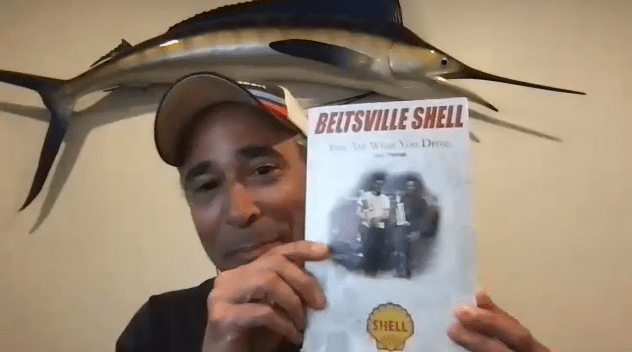
Mountain Man Dan: I will deny it looks like the Platypus doesn’t have a deck hanging off its ass.

Crew Chief Eric: I mean, it’s got that big old tail back there. Yeah, they have a, they have a beaver tail. Yeah, exactly. Yeah, they do. That’s the beaver tail back there. But there is a car that goes beyond all reason and understanding.

It re defines the word. Ugly. Redefines the word ugly. Are you guys ready for this? Are you ready? Little drumroll.

1957 Aurora safety car. This is the ugliest car ever built.

Mountain Man Dan: I’ve noticed one key thing is attributed to ugliness. Safety.

Crew Chief Eric: So what do you guys think of this? And this gentleman is the proud owner and restorer. What the hell is it based on? I don’t [00:55:00] remember off the top of my head.

Matthew Yip: There’s not a straight line on that thing.

Mike Crutchfield: Someone took a balloon, blew it up, squeezed it down, covered it in plaster, and then called it a body.

Executive Producer Tania: Apparently so. Now this thing is designed to scoop up pedestrians.

Mountain Man Dan: That’s a parade mobile where you just have people sitting on it while you’re driving down the parade and they’re sitting there waving. I mean, can you imagine this guy?

Crew Chief Eric: I mean, he is, he is proud of this car. This is a car, he goes out into his garage and he looks at it and he goes, yeah, this is awesome.

Executive Producer Tania: This company went out of business. producing one of these prototypes.

Crew Chief Brad: No, I don’t believe that.

Executive Producer Tania: Manufactured

Mountain Man Dan: by a Catholic priest. Yes. So you said they were making one. Is this the only one that exists and this guy is the owner?

So there

Crew Chief Eric: were pictures of, well, like, I guess I found them on the internet basically where it was like rotting in a, like a yard or whatever. And they were pictures of them, like them with the bucks and stuff, but yeah, this guy, Oh, this is a, apparently a running production [00:56:00] car. And this guy, this younger gentleman here then, because they built this in 57, he doesn’t look like he was.

Probably he’s like born in 57, right? But again, I mean, this thing takes the cake. Yeah. But I mean, it’s one of those

Matthew Yip: where, uh, there, I mean, there has to be, I’m trying to find some reasoning of what it has and to why, Oh, here we go.

Executive Producer Tania: So it does describe that that front end is to scoop up pedestrians.

Mountain Man Dan: You’re still gonna, it’s taking you out of the angle.

There’s,

Executive Producer Tania: I know, I’m, I know, I’m agreeing, I agree 100 percent. Also that windshield is bulging, bulging out like that so that if you were launched forward you wouldn’t hit your head into the windshield.

Mountain Man Dan: Well remember those seatbelts weren’t required yet. Okay, 1957 glass was not shatterproof. So whoever you hit was coming through and you’re just, so instead of hitting against the glass, you’re headbutting the person coming up on the hood.

No,

Executive Producer Tania: no, no. It’s not for the person outside the hood. It was for you shooting through the hood to give [00:57:00] you more space not to smack your face, apparently. And this did have seatbelts.

Mountain Man Dan: I get what you’re saying with that, Tanya. But what I’m saying is, he goes forward and it’s domed out so he doesn’t hit his head on the glass.

Executive Producer Tania: Yeah.

Mountain Man Dan: Because they didn’t use shatterproof glass, then the person coming up over the hood is going to come through the glass and it’s

Executive Producer Tania: going to be the same solution as

Matthew Yip: the human. Yes. So, it was a fiberglass prototype built on a 53 Buick chassis, partially funded by Father Alfred Juliano’s parish,

Mike Crutchfield: but it was planned to be available to be built on top of a Chrysler, Cadillac, or Lincoln engine.

Builds on the BO chassis.

Matthew Yip: It said, uh, reverse angle windshield eliminates glare, prevents dust, rain, sleet, and snow from impairing visibility. Automatic seat adjustments and telescoping steering column eliminate driver strain and travel fatigue. Rear trunk area is unencumbered by spare tire or other space.

[00:58:00] Stealing accessories total area 20 cubic feet. Oh, here’s the good part. Built in hydraulic jacks operate through push button controls. Provide safe and easy tire changing. Extra large shock resistant doors. Latches are flush. Upholstery is the newest spill proof miracle fiber fabric. Oh, fucking vinyl.

Oh my God. This is, it’s, it’s quite, um, astonishing.

Mike Crutchfield: It’s the, uh, the new Jeep wagon here. If the interior was made of modern materials now, it would be sham Wells, right? Yeah. Spill proof.

Matthew Yip: Oh my God. It’s like the Cadillac CTS. It was pretty interesting.

Mike Crutchfield: Oh, this, this gets even better reading, uh, the wiki page.

It would have been priced just under the most costly car in the U. S. It would have only been 12, 000 in 1957. [00:59:00]

Matthew Yip: Well, and remember that in America, safety does not sell. Ford tried that multiple times in the past as a, uh, as a, as a marketing ploy. And people don’t buy cars to be safe. They may say they do, but they don’t.

Mike Crutchfield: Well, so nowadays they do. They buy big SUVs to be safe from all the people in little cars. They don’t care if they kill the people in little cars, but, you know, they’re safe in their big SUV.

Matthew Yip: Well, yeah. I guess, yeah, I could see that. So there you have it, folks.

Crew Chief Eric: Ugliest car on the planet. 1957 Aurora safety car.

Crew Chief Brad: I think we should still go around the horn and see what other people say. So that’s your number one.

Mike Crutchfield: Uh, you’re going to come back to me. My, my, my, I think he’s a little slowed right now.

Executive Producer Tania: I mean, if I have to go off what was in that presentation, sure.

Crew Chief Brad: No, go off whatever. I mean, it doesn’t have to be in that presentation, whatever you want.

Executive Producer Tania: Personal opinion. I, there’s too many ugly cars to say just one. Yeah, [01:00:00] okay.

Crew Chief Brad: I think the Nissan S Cargo or the, the, the Multipla.

Executive Producer Tania: The Multipla is definitely a top three.

Crew Chief Eric: That’s why I came before the duck billed platypus, man. Multipla. Volvo safety car.

Mike Crutchfield: I mean, so duck bill platypus, if you see them in person are actually pretty cute. They’re very confused and very poisonous, but they’re actually really cute.

Executive Producer Tania: Oh, I would also list that, uh, that Karen, that’s pretty bad. That’s pretty bad.

I

Mike Crutchfield: mean, if you’re going to list the, yeah, yeah. If you’re gonna list the Karen, you have to say the cyber truck. I mean,

Executive Producer Tania: I was going to follow on with, and right next to it is the cyber truck. Cause those are cousins.

Crew Chief Brad: The Karen haircut, too, was pretty bad.

Mike Crutchfield: I will say I have a very visceral reaction to the PT Cruiser with the fake wood trim and the fake back tire on the back [01:01:00] hatch.

That is like one of the worst thing for me to see and it just is painful to look at.

Mountain Man Dan: So what you’re saying, Crutch, is since you dislike that so much, the one that rides around in Thurmont that I see regularly, I need to start taking pictures of and sending to you?

Mike Crutchfield: Growing up, we had the eighties square front priest wagons that had the fake wood paneling.

And even that, like the wood trim on that didn’t feel as painful to look at as the fake wood trim on the PT cruiser. It just bothers

Mountain Man Dan: me on the outside of those cars. I

Crew Chief Eric: think, I think the ultimate unicorn would be a GT cruiser convertible with the wood trim. And a manual transmission. I mean, that is like the ultimate of the PT series cars to have.

Would you, and by

Mike Crutchfield: ultimate, you mean you, you know, for someone who likes getting enemas every day,

Crew Chief Eric: that’s awesome.

Crew Chief Brad: I think a followup to the ugly cars should be ugly interiors.

Crew Chief Eric: Oh god, I could go on for days on that one. Don’t even get me started. The

Crew Chief Brad: [01:02:00] 90s Firebirds interior was atrocious. The cars went like stink, but the interior was like sitting inside a Walmart.

Mike Crutchfield: The back of those Crown Vic cop cars, I mean, let me tell you.

Mountain Man Dan: We’re talking about ugly cars, and I have to throw out the fact that… Looks are the main appeal, but functionality overrides looks any day of the week. And is that the excuse of the Aztec?

Executive Producer Tania: There’s a lot of people that’ll say that when they’re buying a new car. It’s like, I don’t care what it looks like on the outside.

I care more what it looks like on the inside. And I care about all the things that it comes with. Because I’ve heard some people say, well, when I’m driving it, I don’t see the outside of it. I see the inside of it.

Mike Crutchfield: And that’s why they sell a lot of Toyota Camrys.

Mountain Man Dan: I mean, and don’t they try to teach children growing up?

It’s not what’s on the outside, it’s what’s on the inside that counts.

Crew Chief Eric: And on that

Mountain Man Dan: note,

Crew Chief Eric: Brad, what do you think? Is it time to end?

Crew Chief Brad: Yeah, I think we’re good.

If you like what you’ve heard and want [01:03:00] to learn more about GTM, be sure to check us out on www. gtmotorsports. org. You can also find us on Instagram at GrandTouring Motorsports. Also, if you want to get involved or have suggestions for future shows, You can call or text us at 202 630 1770, or send us an email at crewchief at gtmotorsports.

org. We’d love to hear from you.

Crew Chief Eric: Hey listeners, Crew Chief Eric here. Do you like what you’ve seen, heard, and read from GTM? Great, so do we, and we have a lot of fun doing it. But please remember, we’re fueled by volunteers and remain a no annual fee organization. But we still need help to keep the momentum going, so that we can continue to record, write, edit, and broadcast all of your favorite content.

So be sure to visit www. patreon. com forward slash gtmotorsports or visit our website and click in the top right corner on the support and donate to learn how you. Can [01:04:00] help.

Transcript (Part-2)

Crew Chief Brad: [00:00:00] Hello and welcome to the Grand Touring Motorsports podcast, break Fix, where we’re always fixing the break into something motorsports related.

Crew Chief Eric: So, as you guys heard, we did a ugliest cars episode.

Crew Chief Brad: So yeah, there were some cars that were too ugly even for their mama to love, and they got left out on the cutting room floor, unfortunately.

Crew Chief Eric: But we also put together a BSides. So this is really a sidebar conversation as we’re sitting around drinking and getting prepared for the real episode.

A whole bunch of other cars fell out on the floor.

Crew Chief Brad: And as always, I’m your host Brad. And I’m Eric. So let’s roll.

Crew Chief Eric: We’re gonna talk

Crew Chief Brad: about some ugly cars. Ugly cars, ugly, f ugly. Let’s get, let’s, let’s get it going. Who’s, who’s got some ugly ass cars that they wanna talk about? Other than the obvious choices? I mean, we’ve got the ancient r, the PT cruiser swear body Chevys.

Here. I’ll, I’ll kick us off by Roland. Let’s [00:01:00] see what I think is an ugly car, especially when it first came out. I think the Mark five Jetta specifically, but the mark five golfs and GTIs and stuff too. They were terrible. They were ugly, ugly, ugly cars. When I, when it first came out, I thought I was looking at the new Corolla.

That’s how terrible I thought it was. I thought someone took a mark four. They put like an air pipe onto it and just blew a bunch of air into it and expanded it. I think they’re hideous. I will give you the taillights look like a Corolla.

Crew Chief Eric: I mean, it’s, it’s the David drunk on the, on the floor of the Burger King trying to eat a cheeseburger.

That’s the mark five to me,

Mike Crutchfield: the non g l i, there was way too much chrome on the front of that car.

Crew Chief Eric: Yeah, yeah.

Mike Crutchfield: That entire front grill was Chrome unless it was a G L I.

Crew Chief Brad: Volkswagen. Spent too much time watching Paul Wall videos. They had to get that chrome grill. The R might as well be Lil Wayne. It’s

Crew Chief Eric: like all chrome up front.

Crew Chief Brad: I

Crew Chief Eric: mean, it’s bad.

Crew Chief Brad: Yet their commercials were unto [00:02:00] what other ugly oddities do we want to talk about before Eric pulls up his PowerPoint A

Mike Crutchfield: as a, you know,

Executive Producer Tania: typical,

Mike Crutchfield: typical twe,

Executive Producer Tania: the Aston Martin LA

Matthew Yip: Oh, come on. I like that car.

Executive Producer Tania: Okay. Okay. That’s

Matthew Yip: one of the news. Yes.

Mike Crutchfield: Oh, that looks like it was stepped on.

Crew Chief Eric: That is a horrible car.

I mean, Honda, they went to track auto and bought all of the Wagner square headlights they could find and just bolted ’em onto the front of that thing.

Mountain Man Dan: The best part of that, that car was big, big, big dollars. The front end of that reminds me of a dust buster.

Mike Crutchfield: Wait, does it have massive flip up headlights as well in addition to all those lights in the front grill?

Just in case you couldn’t see, but because there’s like two big trap drawers

Crew Chief Brad: in the front of the hood. You know what other vehicles got something like that? The Jeep Cherokee, it’s got the little eye slit lights that aren’t actually headlights and it’s got headlights

Mike Crutchfield: on top of that. Oh, so that, so a related one to that was on my list, which is the first gen Nissan [00:03:00] Duke.

Like, oh. Like it had these little like weird slanted things that were the headlights. And then below that were fog lights. That looks like they should be the headlights.

Matthew Yip: Yeah. Yeah. That was the one.
Executive Producer Tania: Mike. It does have popup lights, so when it pop up there’s an additional, total of four extra square lights.

There’s two on each side.

Mike Crutchfield: Wow. Just

Executive Producer Tania: put, put in headlight.

Crew Chief Eric: It’s the family truckster. But you know what’s funny, Mike? With the headlights up, tell me, it doesn’t look like a BMW eight 50.

Mike Crutchfield: I see, I see the family truck store with all those headlights. Yeah, but that’s not necessarily anything good. You know the, what is that thing?

Crew Chief Eric: Oh, what is that? That looks like a Hearst version of that card. Volvo and a Lagonda had a baby. Like that is horrendous. Is that actually a, it’s

Crew Chief Brad: the Lagonda V 70.

Crew Chief Eric: It’s the Laa shooting brake.

Oh. There isn’t enough. There is not enough Tannerite in the world to take care of that.

Crew Chief Brad: That car is probably 35 feet long

Crew Chief Eric: odd. [00:04:00] That’s the Inspector Gadget car, right? It does look like that. No. What did he drive? He drove the, uh, it was a Nissan, right? It was that weird Nissan that they made in the nineties, I thought, or the late eighties I thought.

Crew Chief Brad: I think this is Mike’s next wagon.

Crew Chief Eric: Oh my God, that is brutal.

Mike Crutchfield: That, I mean, that is, yeah, it does. Remind me of the Inspector Gadget car.

Mountain Man Dan: That reminds me of an El Camino with a cap.

Crew Chief Eric: That’s awesome.

Crew Chief Brad: Here, you’re gonna love this one. You are gonna love. This picture, I swear, hopefully it shows up.
Executive Producer Tania: Oh, Holland Oats.

Crew Chief Brad: Poor Man Fi Ferrari.

Crew Chief Eric: You gotta describe it for our listeners there, Brad. What do, what do we got here?

Crew Chief Brad: We’ve got the Pontiac Firo Holland Oats Edition. She’s a rich girl. Ho notes aren’t rich girls apparently,

Crew Chief Eric: cuz they’re driving Pontiac Fi And let’s not forget, tested is one of 1980 four’s best handling American cars.

Crew Chief Brad: Well that is not saying [00:05:00] much,

Matthew Yip: you know, compared, compared to what else was for sale in 1984 from America. It is. And you know, the, the, the real shame of it is cause I read an article about those stupid things. What did, when did they discontinue with 1987 or 88? I think

Crew Chief Brad: not soon enough. I think actually the best handling American car in 84.

Was probably a square body schiffy.

Crew Chief Eric: You just made Dan the happiest person in the world. I know. I was

Crew Chief Brad: looking to get a smile outta him.

Crew Chief Eric: Here’s the thing about Firo. I actually like them. I do too. And they can be modified to, to look really good.

Crew Chief Brad: The body kits on them make ’em phenomenal. I’m not, you’re the ones that make ’em look like another car.

Yeah. They’re great talking

Mountain Man Dan: about the Ferrari kits that you can get for ’em. I’m talking the actual, they had some, uh, ground effects kits. Yeah, they did. They looked phenomenal.

Crew Chief Eric: And the two M six, the last ones, yeah, the last year, the 80 eights, I think they were with those, but they finally

Mountain Man Dan: fixed all the problems that they had with ’em.

And the last year was a, it was a phenomenal

Crew Chief Eric: problem. They also had those B Bs, gold [00:06:00] Bs, uh, basket weave wheels. I mean, they weren’t bad looking. In the last year, they put the spoiler on them, the body kit from the factory. It wasn’t like

Crew Chief Brad: too raw. The, the real reason. Well, there’s two reasons why I added the Fiero one because I don’t fit in them, uh, so that it kind of makes me a little jealous.

And two, I just wanted to share this picture.

Crew Chief Eric: Classic hall notes right there. That’s pretty. Pretty awesome.

Matthew Yip: Well,

Crew Chief Brad: the

Matthew Yip: last, the last year of the, of Fierro is when they finally got rid of the TTE hearing.

Crew Chief Eric: Yes.

Matthew Yip: When it, it was introduced too early and it was basically a Chevy Chevette, a mid engine Chevy Chevette, Hey, hey, hey.

The X 19. Yeah. You weren’t talking about fucking, there’s

Crew Chief Brad: the Italian firo.

Matthew Yip: It’s not that it’s ugly, it’s that it was just a fucking dog. The only thing, the only good thing about an X 19 is you. You

Crew Chief Eric: could be seen in it for a long time. I mean that is, that is the downside. The X one nine, honestly, it’s a good looking car, but it is slow as dirt.

I mean, you could, you could floor it to pull away from the stoplight and they’d still see you for 20 minutes. If you [00:07:00] handed me an X one nine, I’d be all over it. I’m okay with that.

Mike Crutchfield: No, I will say whatever. Whatever ugly car you’re talking about, if you wanna make it uglier, throw some nineties Pontiac rims on it.

Matthew Yip: Look at, look at any of those eighties, nineties cars today, and you just. You can’t believe that people bought them, but that

Crew Chief Eric: was what they had available. And you know what, Brad? I don’t like yellow cars, but the X one nine looks good in yellow. I like this one.
Mountain Man Dan: If it has to be a cartoonist s rendering of a vehicle, you know it’s ugly.

Crew Chief Eric: What’s wrong with the X one nine?

Mountain Man Dan: It looks like a Fiero.

Mike Crutchfield: God, but not near as cool.

Crew Chief Eric: I mean, so does the nine 14. Nine 14 is an

Mike Crutchfield: ugly duckling too. That right there is what’s wrong with the X 19. That picture alone

Crew Chief Eric: with the pop-up headlights,

Mike Crutchfield: the way those pop-up headlights look on the front of the car.

Crew Chief Eric: Yeah.

Nine 14 looks identical. If you pull up a picture of nine 14, the pop with the headlights up, they’re the same. No, it has a, it has a bumper. It doesn’t end, it doesn’t terminate

Mike Crutchfield: immediately. Well, there you go. You, you have a piece of crap in your, your garage then, cuz that looks like garbage. I [00:08:00] don’t like the nine 14 with the headlights

Crew Chief Eric: up.

I, that’s the only angle I don’t like. I like the nine 14 a lot actually.

Mike Crutchfield: I like the nine 14 more than the X 19, but, but those headlights have to be welded shut at this point. Just weld them shut

Crew Chief Eric: and, and, and Brad to the Fiero are argument about being ugly. Like, I can appreciate it because a, it’s mid engine and then everything else, but when you take that design and you kind of stretch it out and add these, like big prison doors on it and call it a Beretta, Then we have a problem.

Crew Chief Brad: You also gotta give it that really powerful, different looking. You gotta give it that really powerful 3.4 liter v6 too.

Crew Chief Eric: So I’ll tell you this. Jess owned a Beretta in white with a bird. Oh, I’m sorry. With the 3.4 liter, right. I drove it doors. He must have been L built with out of lead and filled with cement.

Because they were, they were like bank vault doors. And so Jess used to always say, that was like the ultimate like rapist car because when you got in it, it was very difficult to get [00:09:00] out. You were like trapped into Beretta. His doors were like so heavy.

Mountain Man Dan: You parked, you parked nose uphill and they can’t get the door.

Pretty, pretty much. Yeah. You were done.
Executive Producer Tania: I’m drawing a complete blank. What is that? A Pontiac car that

Mike Crutchfield: Aztec.

Executive Producer Tania: No, that’s a troll piece of crap as well. But no, I think it was a Pontiac. It it was, it was like a Sunfire. Yes, it was ca
Crew Chief Brad: the Cavalier’s Pontiac cousin. I broke one of those on a, on a business trip.
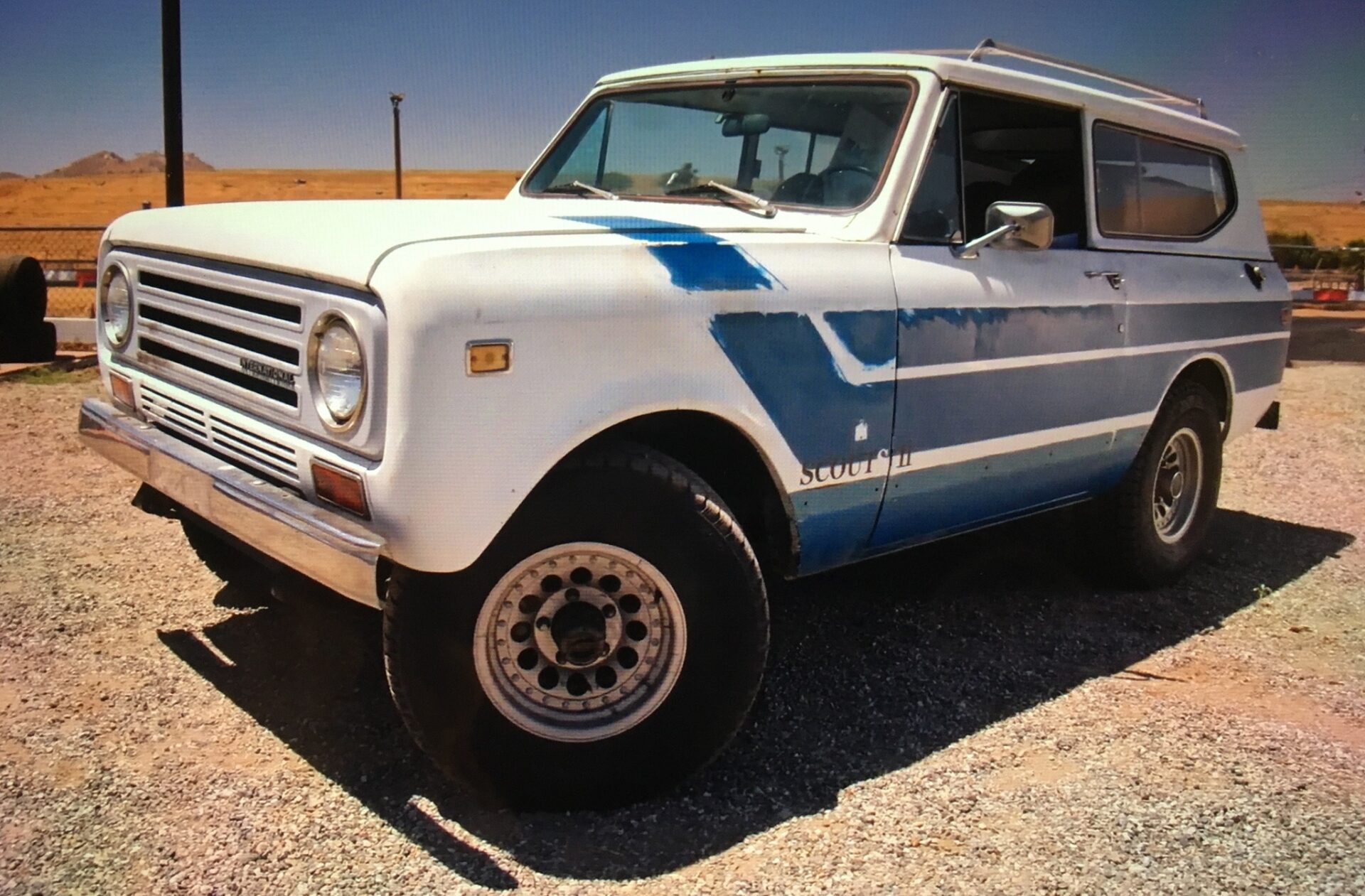
Yes,

Executive Producer Tania: that thing. Thank you. Drawing a blanket. Well,

Mountain Man Dan: with the sunfire was to get women’s attention. They came in these weird pinks and shit like that, that it was for the purpose of getting women in interested in them cars.

Crew Chief Eric: But the problem was they took the, they took the, the Camaro and they tried to shrink it cuz it had the same funky rear end and those wide hips.

It just didn’t look right.

Crew Chief Brad: I think all Pontiac sun fires were owned by strippers [00:10:00] and they all smelled, they all, every single one came from the factory smelling like cigarette smoke.

Mountain Man Dan: Well, you and Strawberry

Mike Crutchfield: Body Joe.

Crew Chief Brad: Yes.

Mountain Man Dan: Here’s a big problem with any of the cars in the US because all of the big wigs in control of design stuff, when there’s a good idea, they shoot it down every time and the is a huge.

Example of that cuz that car originally designed was supposed to be way better and the big was like, nope, we don’t want to dump the money into that. So we’re gonna Then how

Crew Chief Eric: did, then, how did the Aztec make it into production? The same reason the Ford l t d made it into production? No, no. The Ford l t d say what you will about the Ford l t d,

Matthew Yip: but it was just another big American car.

The Aztec looks like it got beat by the ugly stick and then someone broke it over his

Mike Crutchfield: head. They went to all the focus groups and picked one thing out of each focus group. Said they, that they said they wanted, did they? Were they all and threw everything else out?

Crew Chief Eric: There was some redneck in the background.

Go. I [00:11:00] like nostrils on the Firebird. I need that on my suv.

Crew Chief Brad: I for the Aztec. I think the writers and directors from Breaking Bad long before the story was written, went to General Motors and said, we’ve got a story. We want to, we want to write in broadcast. We need a vehicle that says I’m a midlife crisis loser with no life, no soul.

I’m going to die. And that is paradise to me. I need a car for that. So they, they already made that. It

Mike Crutchfield: was called the Geo Metro.

Matthew Yip: No, you know, you know who bought the Aztec? Cuz if you look at, if you look at the packages, the Aztec, nobody,

Crew Chief Brad: nobody bought the Aztec. Well, I’ve seen exactly zero on the road. Well,

Matthew Yip: general Motors, you know, they, you can lease a, uh, a General Motors product if you work for General Motors for, you know, for practically nothing.

And this is when I was working in Detroit, apparently quite a few of those middle managers had Aztecs [00:12:00] because there was nothing else on the roster. In other words, you wanna, you wanna lease a, uh, 60 a Pontiac 6,000 s t e. You have to have an Aztec, you you want to get a Firebird, you have to have an Aztec, you want a Cadillac?

You have to have an Aztec cuz they couldn’t sell them. Yeah, it was the same, was the same reason why Ford corporate guys were driving two door explorer sports forever. Couldn’t sell ’em. I just wanna

Crew Chief Eric: know what the Aztec is built on. Because if, if it anything, if it was built on a GM 360 chassis, like the Trailblazer and the Equinox and all those, it’d be one thing, but it’s kind of like, what the hell is it built on?

It’s a piece of crap.

Mountain Man Dan: I’m gonna speak in its defense for a minute. Because the Aztec did have some cool options, like the camping aspect where they had the tent that came out the back.

Crew Chief Eric: Yeah. Did you just use Cool and Aztec in the same sentence? Sadly, yes.

Mountain Man Dan: It was.

Crew Chief Eric: Well,

Crew Chief Brad: if you, but did it have to be shaped like a juice box?

Matthew Yip: Well, if you don’t look at it, it’s, it was a, it was wonderful, but So is the Porsche 9 [00:13:00] 28? Yeah. I mean

Mountain Man Dan: the, the, it had a lot of cool options. But it was not functional. I mean, if you wanna go camping, where are you going with an Aztec? You’re going to the mall parking lot. You can’t go off-road with it didn’t have road clearance, it didn’t have traction.

Mike Crutchfield: You’re going the same place. Most Jeep owners go the mall parking lot. True. Yeah. When we get to the next car, bring up the link I sent in chat. It’s a comparison of the new Mitsubishi Eclipse, s U v. And a Pontiac. Aztec, it is brother from another mother.

Crew Chief Brad: We talk about this in the drive through and we ask the question, the hard hitting questions.

Why the f does Mitsubishi still make cars? This is a prime example of that question. Why the F Do they still make cars?

Mike Crutchfield: Well, that’s the thing in, in the US market, they don’t make any cars anymore. They only make crossovers and SUVs. This is a

Crew Chief Brad: car I, this is what I mean by cars. I

Mike Crutchfield: don’t mean, but, but specifically a car.

I believe in the Japanese market, they still make small cars cuz they sell, [00:14:00] they’re one of the over here. They don’t sell

Matthew Yip: manufacturers one of the largest industries in the industrial, uh, enterprises in the

Mike Crutchfield: world. You can buy your Mitsubishi TV and haul at home with your Mitubishi Eclipse suv.

Matthew Yip: That’s right.

Mike Crutchfield: Along with your Mitsubishi air conditioner. Right. Well

Matthew Yip: that’s your, that’s, that’s Mitsubishi.

Executive Producer Tania: That’s great if they sell cars in Japan, but they should not sell car, they should not sell vehicles with four wheels that provide forward motion in the United States market.

Mike Crutchfield: They barely do anymore. It’s like, it’s like a zuzu before a zuzu died.

Crew Chief Eric: Uh, see, I’m cool with the Aztec like that as an off-road or I think it’s, I think it’s, if that’s how

Mountain Man Dan: they would’ve built it originally,

Matthew Yip: I would’ve been okay with it. Yeah. Well, but you know, funny except I think it’s two

Crew Chief Brad: wheel drive,

Matthew Yip: but it’s funny you say that because remember the, the Suzuki Samurai was a joke.

There you go right

Crew Chief Brad: there. Then chicken Aztec

Matthew Yip: and then all the four wheel guys wanted bought em because they, cuz they were awesome off road.

Mike Crutchfield: And they were great cuz if they rolled over they were the same height and width and, and and length. So you could roll ’em over easier. [00:15:00] Here’s the Pontiac Aztec tribal

Crew Chief Brad: tattoo edition.

Mike Crutchfield: Well scroll that screams nineties in early two thousands. Oh yeah. And whoever drove,

Matthew Yip: what the hell is that official case? What

Mike Crutchfield: body

Mountain Man Dan: spray? Come on

Mike Crutchfield: Ax. Body sprays

Mountain Man Dan: reserved for hhr. No, trust me that tribal Aztec had plenty. But,

Crew Chief Eric: oh man, that is,

Crew Chief Brad: these are the people that buy the Pontiac Aztec.

Crew Chief Eric: Look at that one with the gray one with the wheels, man, you keep skipping the good ones. That one? Yeah. Hang on,

Mike Crutchfield: hang on. That. I don’t think, here’s the best one. God. I’ve had a good bit of scotch, but no amount of scotch prepared me for that taxi Aztec picture.

Let me tell you,

Mountain Man Dan: I’m, I’m

Mike Crutchfield: okay

Mountain Man Dan: with that. Actually, that looks pretty good. Scroll back up, Brad, because on the top left pictures there was, now keep all

Executive Producer Tania: these cars with double layered headlights and double layered grills just look ridiculous. They look stupid and maybe it’s an artifact that. Most cars aren’t that way and we’re very, [00:16:00] uh, trains in, in thinking of a car has a set of lights and one grill, not, oh, let me decide to double stack front ends.

Mike Crutchfield: So along those lines, and that brings up a good point. The Tesla model three, an the front end of the Tesla Model three annoys me due to the lack of grill.

Executive Producer Tania: Yes, I also dislike that I also dislike no grill, and that also is probably an artifact of just being so trained visually to have a grill on a or on front.

Mike Crutchfield: But yeah, the, the Aztec has like nostrils and of mouth. It just looks weird.

Matthew Yip: Well, the first ones were even worse when they had that cladding on them. Like the, the ones that they had, the cladding were really hideous. The ones that were at least mono color were mono color quite as bad.

Mike Crutchfield: So that the cladding, the only reason the cladding was removed was cuz of the economic crisis, GM one, to save money.

So they made the cladding and option on not just the Aztec, it was also on the avalanche.

Matthew Yip: Wait, you made a shitty decision based on economics. No, that would never happen.

Mike Crutchfield: No. [00:17:00] Actually by, by your definition, they made a smart decision by removing the cladding for economics. No. Yes.

Mountain Man Dan: So you mentioned the, uh, avalanche, Mike and I agree.

When they did the plastic molding for the back section, I get what they were trying to do with going back like a throwback to the seventies and eighties where they’d have like the roll bar or something in the back. But when they did it out of plastic, everything faded so badly. It just made ’em look hideous.

Mike Crutchfield: Well is so they left that part on, they took off the body clad cladding on the bottom side of the door.

Matthew Yip: Yeah.

Mike Crutchfield: Which I, I actually preferred how the Aztec looked with the cladding cuz it provided the contrast without the contrast. It looked weird. Yeah. The

Matthew Yip: top, I feel, I feel the other way around. I, they’re ugly either way, but,

Crew Chief Eric: all right.

What else we got on the list?

Matthew Yip: But you wanna talk about bad general moron’s products? Cadillac Cimarron.

Crew Chief Eric: Oh dude, that is, that, that, I mean, my daughter would design the look of that car. It’s, it’s like what a kid would draw in terms

Matthew Yip: of, well,

Crew Chief Eric: how do you

Matthew Yip: take the shittiest, cheapest car GM makes? I. And then make it worse.

[00:18:00] Let’s add leather and wood.

Mike Crutchfield: But they didn’t learn cuz they made the katera, which was literally a Chevy Malibu with a different badge.

Matthew Yip: No. What? No, actually it was an opal. And in Europe it was an awesome car. But we’re Americans and we want big, soft, cushy, automatic transmission cars.

Mike Crutchfield: I wanted the. Was that the Carra was a, was a Malibu, was an cut list, was the, um, What was the Buick version?

I don’t remember. Skylar. Skylar, yeah. But, but like the, the Katerra of those years was literally the same exact body. They only changed the front grill between the Cadillac and the Chevy and, and the Oldsmobile.

Crew Chief Eric: I thought it was based on like the Opal Omega or the Vector. Yeah.

Matthew Yip: No, it was, it was, it was an opal.

It was, it wasn’t GM parts bin. At least not US parts bin. But then, Gt the GTO O is not, is parts been gm but not us. Parts been either.

Crew Chief Brad: Yeah. That’s Holden. This

Matthew Yip: was

Crew Chief Eric: British GM parts, Ben, if I [00:19:00] recall. Yeah.

Mike Crutchfield: Right. It’s, it’s the Opal omega B. But they, they sold it in the US as all of those, right, right, right.

They sold it literally, they just changed the grill for the, the Oldsmobile and the. A Chevy when they changed from the aro to the Cutlass. You know, Alro had different body style.

Crew Chief Eric: Aro was

Mike Crutchfield: weird, but it wasn’t ugly. Like I could tolerate that car. Christie had one. It was, it was actually a fun little car. And what’s really funny is in, in Germany, they sold it as a Chevrolet.

Matthew Yip: Really, you guys, you guys are way too young for this, but you, you don’t remember this beautiful car from my childhood. The Chevy Citation X 11

Executive Producer Tania: Citation.

Matthew Yip: Citation. Oh yes. The Chevy citation. The first front wheel drive, the X 11 was a V V6 performance car. The citation. I love that. Look. Look it up. Yeah. Yeah.

Crew Chief Brad: It it’s the shit Tation.

Matthew Yip: Yes. So, oh,

Crew Chief Brad: that reminds me. There’s a

Matthew Yip: reason why. So, and there was a kid I went to high school with who had one who thought he was hot shit for years. [00:20:00] All right. So who’s got another one for us to pick?

Executive Producer Tania: Well, I wanna go back to the citation.

Matthew Yip: Yeah. The, the citation. The citation. Yeah,

Executive Producer Tania: because if you, in that time period, if your cha choice was the citation, let’s go with the X 11 cause Yes.

Would you still choose the citation or would you choose the K card? The Plymouth Aries. I’m an I coka man. I’m taking the Aries. Well, it’s considering, talk about the most boring, mundane office car. I hate my job kinda. There you go. I

Crew Chief Brad: was thinking about the

Matthew Yip: Dodge Intrepid was a little barren. Well, come on the, the best ca car ever made was a Chrysler Imperial.

What’s wrong with you people? Oh my God, there’s so

Crew Chief Eric: many Ca K based cars. It’s not even funny. We

Mike Crutchfield: had a Chrysler New Yorker when I was growing up. That had the air ride su, the air leveling suspension in the back. Oh,

Matthew Yip: God

Mike Crutchfield: was the only, the only reason I can think that existed [00:21:00] was so the mobsters could put bodies in the back and it wouldn’t sag.

And you, and you say that like it’s a bad thing.

Executive Producer Tania: Didn’t someone once compare the intrepid to a.

Matthew Yip: You may or you, you, you guys again, are way too young for this. Ford had an advertisement for the Grenada and it was, uh, who wouldn’t need ma car? A Granada that it wrote, it wrote so well that the guy would, that the guy was going to, uh, Cut a diamond in it because the ride was so smooth. And of course he cut his balls off.

Well, well it gets better because Saturday Night Wive did a parody on it with a doing a mall in the backseat of a Granada as it’s been driven. And the Rabbi, you hear why it’s a boy.

Mountain Man Dan: I mean, if we’re gonna talk about ugly Fords, that’s a huge list. But the For Granada, my uncle had one. Two [00:22:00] or four door.

Yeah, the two door. Okay. So it wasn’t quite as bad. It was the inline six. Oh. The hood was like probably eight foot long. Yep. Shorter than a viper. So, and that car was ugly as hell. And for the smooth ride, it’s because you seriously felt like you were going up and down constantly on a water bed. Because there was no stiffness of the suspension.

You were just like floating around water

Crew Chief Brad: filled shocks.

Mountain Man Dan: That’s the road hugging weight that the Ford shocks. And uh, I’ll give it credit though cuz the one my uncle had, Lasted to the point where the frame was about to fall in half. He had, and he finally, actually, it was probably about 12 years ago, finally jumped it.

Wow. He, he drove it. It was so bad, like, and it, and it’s brand new condition. It was hideous, but it was even worse because as the rust spots on it got bad. He would sand her down and he’d prime. Whether there’d be squares or different color of primer in different spots.

Mike Crutchfield: You’re supposed to, you’re [00:23:00] supposed to leave that patina.

Crew Chief Eric: Yeah, I was gonna say it’s least mod now.

Mike Crutchfield: Patina

Crew Chief Brad: Granada.

Crew Chief Eric: We’re gonna go straight to the jugular of the Ford catalog. There is, I only have to say one word, Thunderbird.

Crew Chief Brad: You’re

Crew Chief Eric: gonna tell us, we’re too young to know this, but all I have to say is Ed Soul.

Matthew Yip: Well, yeah, but that wasn’t really a Ford. That was that Well, that was, that was just, that was stupidity in, in Incarnate

Crew Chief Eric: and it is a heinous looking car.

Mike Crutchfield: It looks like someone wanted to, to have something to screw in the garage at night. I.

Crew Chief Eric: That grill man. That grill.

Mountain Man Dan: Woo. All right, so I’m gonna step out of the box a little bit from cars and go to trucks. Oh God. Having to

Crew Chief Brad: Ford F-150.

Crew Chief Eric: Did Mike have Cuz that was a ugly F-150.

Crew Chief Brad: That was an ugly F one 50. That

Mike Crutchfield: was the Taurus F-150.

Mountain Man Dan: Oh my god. So having to drive one on a daily basis. While I was stationed over in England, [00:24:00] the DAF like box truck was a hideous, worthless vehicle. It had a four cylinder diesel, five speed. And I think the top speed I was ever able to get up to was like 38 mile an hour. It’s basically look

Crew Chief Eric: for the nineties.

DAF van. D a f. Yeah. But it’s, so PEO made a van that looks the same. Veco, which is owned by Oh yeah. Fiat.

Matthew Yip: Mm-hmm.

Crew Chief Eric: They all look the same, basically. They’re just, they’re kind of like the, the sprinter of the 1980s. I mean, if you think about it, they’re really nothing fancy.

Mountain Man Dan: Speaking of Veco is their actual box, like a flat nose box trucks.

I had to run one of them when I place, I worked at. Oh, the one where you were like sitting on top of the wheels. Oh, they’re terrible. And that I hated that truck and I’ve ridden

Crew Chief Eric: in one of those. I will never do it again. It is scary. So I used to have

Mountain Man Dan: to make runs from Frederick to Hagerstown hauling auto body supplies and heading up South Mountain.

Crew Chief Brad: That actually doesn’t look that bad to me. If it was lifted with some knobby tires. It actually looks like it’d be pretty good about

Mountain Man Dan: a [00:25:00] DAF fan if you did it right. They were too top heavy cuz you wind up going, turtle and turtle’s not good.

Mike Crutchfield: So you wanna talk some ugly trucks? How about the lm uh, 0 0 2?

Crew Chief Eric: Dude, that thing is pretty gross. And then there was, what? The cheetah, I think was the other version. It is not cool, but on the same token, it is cool because it’s ugly. It’s kind of like, honestly, I see that

Mountain Man Dan: and it makes me think of a Hummer. The Hummer. Well that’s where the Hummer got its inspiration from the Hummers, the vehicle.

Why? The only reason it is

Crew Chief Eric: famous is cause of Arnold. Well, no, not only that. Well the Hummer or this Yeah, the Hummer. Well this is famous cuz it’s a Lamborghini and it has a v12,

Matthew Yip: not just that it has a v12. It has the Kunta V 12 with a five speed.

Crew Chief Eric: Yes.

Matthew Yip: And it’ll do 120 miles an hour. The Hummer is lucky if it’ll move.

Hey, now

Mike Crutchfield: my Nissan pickup, my old Nissan pickup truck did 112. This was known as the Rambo Lambo, right? I mean,

Crew Chief Eric: dude, this thing, I think it might be ugly, [00:26:00] but on the same token, the more you look at it, the cooler it is.

Matthew Yip: Well, it’s, it’s like the M coop. It’s ugly. You don’t like it. Wanna see the taillights. Yeah.

Well,

Crew Chief Brad: I think, I think off rotors are supposed to be ugly. Like I don’t think off rotors are supposed to look pretty. They’re not. They’re not. They’re not designed to be art.

Crew Chief Eric: I’ll put it this way. It’s not any more attractive than any of the old Land rovers. I mean, for that matter. And that’s not the point, what I’m getting at.

Sure. Yeah. I’m gonna throw this question out to the field. Did the LM two two. The uru, which would you take?

Matthew Yip: You don’t mirror what the Uru looks like.

Crew Chief Eric: You, uh, pull it up Brad. It’s the new Lamborghini,

Crew Chief Brad: uh, u v to tap into my Colombian Colombian cocaine drug. Lord roots. I want the LM 0 0 2.

Crew Chief Eric: I’m with you on that.

I bet that comes with bulletproof glass.

Mike Crutchfield: There’s the ugly in the conventional sense, which I think the LM 0 0 2 is ugly in the conventional sense. Yes. US car guys are gonna probably appreciate it more than Joe Schmoe off the street.

Crew Chief Eric: Right.

Mike Crutchfield: And then there’s the, just. [00:27:00] Stop, which is the URIs. Just, just stop.

Just, I kind of

Crew Chief Brad: like the URIs actually. I think it’s cool looking.

Executive Producer Tania: I, I don’t even look at these two and put them in the same category for comparison. I, I’m with you on that, Tanya.

Crew Chief Eric: No, I mean, s your car potentially after a bodily part or function.

Crew Chief Brad: Now the s convertible, that brings me to another classic.

Cross Cabrio.

Crew Chief Eric: Oh man. This turn.

Matthew Yip: Is that the Mor? Is that the Morano? Convertible?

Mike Crutchfield: Yeah, Uhhuh. I passed two in a single day once in Maryland. It was the same one. They were close. No, they were different
Crew Chief Brad: colors. It was white and black. Yeah. It’s still the same one. You just saw it twice.

Matthew Yip: I remember when the Murano first came out, it was the ugliest thing I’d ever seen and then they made it.

Made the convertible.

Mike Crutchfield: It still is. They said, hold my beer.

Crew Chief Eric: My dad used to always say you had to be a morano to own one of those. Oh, they were horrible.

Matthew Yip: Well, they, who [00:28:00] was it? Uh, Michael Johnson’s girlfriend had one and it wasn’t, again, it’s like the 9 28. It’s a very nice

Crew Chief Eric: car. As long as you don’t look at it.

I mean, the nine, so again, the 9 28, the early 9 28. They were made famous, obviously because of Scarface and all that, but the later nine 20, God, look at that thing. Uh, the later 9 28, like the S four and the G, uh, the S four s, which were the very first GT

Crew Chief Brad: and the gts. Yeah, the 9 28 GTS was a great car. It was a great looking car.

I should say.

Matthew Yip: I wouldn’t go that far. It

Crew Chief Brad: might’ve been a great car, but it’s

Matthew Yip: another one of those cars that convertible.

Crew Chief Eric: Well, wait, wait, but let me finish my thought on 9 28. Hold on. Because there is one thing that is. Exceptionally important about the 9 28 and its design. And Matt knows this. I know cuz he’s the one that told me and I had to go look it up and fact, fact check it got its inspiration from the pacer because the German guy that designed the 9 28 of the Porsche Mafia thought nine 20 that the pacer was a good looking car.[00:29:00]

Matthew Yip: So figure that out. What it, what it just shows you is that there was crack available. In Germany in the seventies, they were chasing the dragon.

Mike Crutchfield: They, they had money back then. It was cocaine, not crack.

Mountain Man Dan: Cocaine’s a hell of a drug.

Mike Crutchfield: Ugh. So there’s one car that I think is, traditionally, it’s not, it’s not an attractive car.

It’s not necessarily an ugly car either. First car to do something in the us. And Daniel has probably 5 billion of these things on his, on his lot. Pretty stable wagon.

Matthew Yip: It is

Mike Crutchfield: actually, the Ford Taurus was the first car in the US to have aerodynamic headlights because it had replaceable bulbs rather than sealed beams.

But it is an ugly fucking car.

Matthew Yip: Well, the, the original, I mean the original Taurus Ford Bank banked the farm on the original Taurus.

Mike Crutchfield: Yeah, but when they made the oval, the oval Taurus, yeah. It was the first one with arrow headlights in the US cuz they were the first one to get approval to have replaceable bulbs rather than sealed beams.

I’m wondering though, [00:30:00] Mike,

Crew Chief Eric: I gotta, I wanna, I wanna double check that because the Audi 5,000 was not everybody’s cup of tea, but it also was, had one of the lowest coefficients of drag for the longest time. And I’m wondering if that doesn’t beat out the Taurus in terms of aerodynamic headlights and all that kind of stuff.

So I’d, I’d have to dig into that a

Mike Crutchfield: little bit. By aerodynamic headlights, I mean ones that were not a sealed beam headlight off the shelf that you buy an auto parts store. It actually had a molded piece of plastic that was the lens of the headlight itself,

Crew Chief Eric: right? But the five thousands and the coops and all those cars from the eighties were not sealed beam headlights with the wraparound headlights.

You, you could take the bulb out and change them. So I’m thinking that might, it might be the first American car that way. But I don’t know that it’s the first car that has air. It was, it was supposed to be the first car

Mike Crutchfield: available for sale in the US that had approval to not use seal beam. Well, I mean, I mean, thanks to, uh, what’s that

Crew Chief Eric: guy from, uh, the Green Party?

What’s

Matthew Yip: his

Crew Chief Eric: name? Nader, thanks to Ralph [00:31:00] Nader. The 5,000 wasn’t sold for very long in the us. I’m just kidding.

Mike Crutchfield: So, back to the headlight thing real quick. Yeah, yeah. The, the reference I found is that the, That Ford had to actually request that the N H T S A approve aerodynamic headlights. They might not have been the first to release it, but it said that they were the ones to petition the N H T S A to make that change.

Crew Chief Eric: Nice.

Mike Crutchfield: We’ll, we’ll Snopes

Crew Chief Eric: this later. We will. But anyway. No, I get it. I mean, the Taurus, when you look at the Taurus and profile though, you realize it’s just a bloated Ford Sierra. I mean, it’s the same design. The Monday, it’s all the same stuff. So

Executive Producer Tania: why would you chose

Crew Chief Eric: the Taurus versus the Tempo? Oh, the Tempo is just an amazing vehicle.

Executive Producer Tania: I mean, they looked the same.

Crew Chief Eric: Yeah. Look at that thing. Well, cuz

Mountain Man Dan: the Taurus, you could go with the s h O option, which

Crew Chief Eric: wasn’t even a Ford motor. It was a Yamaha. Yeah. But.

Crew Chief Brad: What is the difference between the Taurus and the Tempo?

Crew Chief Eric: There’s, the tempo is smaller. It’s built on the escort chassis.

Crew Chief Brad: Ah, it’s the Jetta.

The Taurus is the Passat. I get it now. The

Crew Chief Eric: Taurus is built on the, on the [00:32:00] Mano,

Matthew Yip: I think. I think, I think the tempo was its own chassis because one of my buddies, uh, his, his mom had a tempo and then for whatever reason it was a great car to play Cat and mouse in though, cuz we all, we all hated it. So we beat the shit out of it and to get, to get the tempo.

What did she get rid of? Per Audi 5,000.

Crew Chief Eric: And now here’s a winner, Stratus like the seas and the stratus, the early ones, that’s a late, that’s a later stratus.

Executive Producer Tania: These are cars for people who,

Crew Chief Eric: who know nothing about cars. It’s a, it’s a rental car. I mean, you know, those are cars for people who jump bridges in Detroit.

No, that right

Crew Chief Brad: there is how Stratus has come from the factory.

Matthew Yip: It’s a, I mean, it’s a, it’s a rental car. Nobody, nobody buys, nobody actually buys those cars. Yeah.

Mike Crutchfield: I looked at a stratus when I was very, you would, when I was much younger, I was trying to look at an SR or whatever. They were the s r t stratus, and I want you take a [00:33:00] test drive from the Dodge dealership.

He looked at me and said no.

Crew Chief Eric: Yeah. You know what’s funny? You know how, you know that gold one there that you just, uh, hovered over? The best part about this is my next door neighbor. Her mom lives with her and she’s like 157 years old. That’s what she drives. A gold Dodge Stratus, exactly like the one there in the picture.

Crew Chief Brad: I’m surprised it still runs.

Crew Chief Eric: No, I live next. It’s probably got 30,000 miles on it cuz she never drives it. But

Crew Chief Brad: 30,000 miles and it’s on its seventh transmission. Yeah, that would,

Matthew Yip: that would be a Chrysler Caravan. Thank you. They had the ultra drive transmission, which was their first four speed automatic.

And it had a, apparently a, a phenomenal ability to grenade

Mountain Man Dan: for no reason. Well, I’m gonna go out there. We’re going with that. Buys saw like the stratus and things like that. You gotta bring up the, uh, seabring.

Crew Chief Brad: Well, yeah, yeah. Greatest convertible of all time.

Matthew Yip: Hey, I drove one of those cars [00:34:00] in Erie, Pennsylvania at an autocross and won.

I was beating people with street prepared cars cuz that ca, that chassis is so flexible you can turn it anywhere.

Mike Crutchfield: My college roommate, the only reason his his car survived the tornado that hit College Park was probably because it was the eighties Sebring convertible, cuz the roof wasn’t strong enough to have that car lifted up like the cars on either side of him.

Nice.

Matthew Yip: Alright. Remember the

Crew Chief Eric: model right now, but Brad, search for slur Maserati together.

Matthew Yip: Oh, I know.

Crew Chief Eric: The tc. The tc, thank you. The Chrysler tc. So again, a lot of people might think freaking heinous car. There’s one version of this that’s actually a hard top coop that you could get. No, no,

Matthew Yip: it’s It’s a removable hard top.

Crew Chief Eric: Is it a removable hard top? Okay. So the thing I like about this car is that

Crew Chief Brad: they don’t make it anymore.

Crew Chief Eric: Well, the A, they don’t make it anymore. It’s not a [00:35:00] Chrysler Power plant. Slightly repented by Maserati, but you could get it with a manual transmission. So for me, I’m kind of like, this is the unicorn Chrysler of that time period, especially like the late eighties, early, early nineties.

And I’m kind of like, secretly would be like, I would drive that.

Matthew Yip: It is a

Crew Chief Eric: Chrysler

Matthew Yip: motor. The only difference is it has a different head.

Crew Chief Eric: Yeah, yeah. That’s right. That’s right. It’s a Maserati valve train or whatever.

Mountain Man Dan: So no matter how ugly it is, if it’s a manual that makes it at least where you could have a little fun drive.

But I mean, look at

Crew Chief Eric: convertible in profile as a convertible. It’s not bad. Like I could, it looks like a Cadillac. I would take that over a

Matthew Yip: little ante. Yes. My question is this, have you ever driven a manual transmission Chrysler of that genre?

Crew Chief Eric: No. And I kind of secretly want to, and that’s why Matt,

Matthew Yip: no, no, you don’t because I, I used to have to drive it fairly regularly because it was.

One of the two cars that I got to drive if I left my car at my friend’s. Yeah. A Chrysler minivan. Five [00:36:00] speed. What Talk about, talk about rare. All right, so looking at that car I, and shifting that car with made, it makes the VW beetle transmission feel, uh, nacio.

Crew Chief Brad: This apparently is Eric’s dream right here.

This is, this is the sign of his perfect life,

Crew Chief Eric: unfortunately, you know, the quarter zip up shirt in dark green. Yeah, that’s, that’s pretty much me right there if you blew that out. But, you know, I, the one thing I like about the Cadillac for the time period, because it’s a nineties car, it’s got that kind of squarish Audi look like I’m okay with the way it looks, especially with a nice set of wheels.

It came in some interesting colors. I think the biggest problem with the, the ante is that, It’s got a North Star, so it’s got a garbage motor in there and that’s what pretty much ruins it from me. You, you say that now

Matthew Yip: and knowing what I know about the North Star is, I agree with you, but when they were new, compare that motor to the 4.9 Cadillac motor.

You will never say that again.

Mountain Man Dan: [00:37:00] Absolutely. I remember when they first came out, we got it as a rental car. I was TDY down in and we were able to rent a Cadillac that had the North Star in it. And the place that we were authorized to rent through was closed we’re like the hell this only went to the one next to it to get a car.

Cause we were getting 35, 40 minutes from the base. So we’re like, all right, what do you have? We’re authorized X number of dollars. And I think it was like for the entire week and a half, two weeks we were there, it was like an extra a hundred dollars to get this North Star Cadillac. I’m like, Dude, let’s chip in 25 bucks each.

Hell yeah, we’re getting the Cadillac. We did it. Get on the highway and a bunch just stomped into, and it had good acceleration for what it was compared to cars at that time.

Crew Chief Eric: Yeah, yeah, yeah, yeah. I’m not saying, but if you look at that picture of the Benzs versus the Cadillac, obviously I’m gonna take the Benzs over the Cadillac every day.

But only if it’s brown, right? Yeah. It’s gotta come in turd Brown because that’s the only seventies color that matters. So

Matthew Yip: Mercedes hasn’t necessarily made the most beautiful cars either, so

Crew Chief Brad: Well, let’s hear some examples. I don’t hear anybody throwing anything out with the Titan.

Mike Crutchfield: I, so [00:38:00] I will say with the Black Grill it looks better than with the giant chrome thing that mine has.

Matthew Yip: The only Titans I don’t like Mike, sorry, but I hate this, whatever gill thingy is on the front fender, it’s just stupid. And it’s, and it’s functionless.

Mike Crutchfield: Ugh. Yeah. So, and the other, the annoying thing is that, is like, that’s how they announce it. A Cummins or a v8, they’re all actually v eights. Even the Cummins, all the chrome is what annoys me about mine.

And that’s, that’s, I

Matthew Yip: don’t, I don’t mind chrome, but it’s just, it’s functionless. It doesn’t do anything. It’s like the, uh, the exhaust fence on the, the, the. On the front fenders of a TransAm that are nothing but a stick

Mike Crutchfield: ons. Buick did that recently with one of their models to throw back to the old Buicks that actually had functional ones.

They made a newer Buick model that had non-functional ones on the side of the fenders.

Matthew Yip: Well, but Buick Buick has a long history of that. I mean, the port holes on Buicks were around in the fifties. Yeah, they’re stuck on back for no reason.

Mountain Man Dan: They didn’t do anything then either. Brad’s too busy looking up some car porn right now.

Executive Producer Tania: [00:39:00] Debbie Lumina. Yeah. The van. Hey, the

Mike Crutchfield: Lumina. The Lumina won a lot of races.

Executive Producer Tania: The van had

Mike Crutchfield: nothing new with the, oh, the Lumina van. They had a Warner Brothers edition of the Lumina van that came with a little badge on the back that had Bugs Bunny on it. And that was the one that came with the TVs inside for the kids to watch.

Crew Chief Eric: Well, that is, that is the Dustbuster, the van was the replacement for the cylinder. Illumina. Yeah.

Matthew Yip: That. That’s the original dustbuster.

Mountain Man Dan: That’s the original space shuttle like we deal in now. I know, right?

Mike Crutchfield: They uh, when that came out, they’ve raced that in lemons.

Mountain Man Dan: Okay. So look up the Suzuki X 90.

Matthew Yip: Hey, now I want one of those.

They’re hot.

Mountain Man Dan: No it’s not.

Matthew Yip: Oh, that’s awesome. With the plow. The X, the X 90, the

Mountain Man Dan: dry, the X

Matthew Yip: 90 is the only thing I want, aside from a geo metro

Mountain Man Dan: convertible.

Crew Chief Brad: What else we got?

Mountain Man Dan: Oh, I got all sorts of fun stuff. Look up at Suzuki X 90. You’re just asking for. It’s like that’s one of the few, that’s one of the few ugly cars you can still find every now and then too.

Right. But here’s the thing, the Tracker, I think looks better than that. [00:40:00] I mean, look, that’s just Tractor’s a different car. It does look like it’s made by Tom Guy. I mean,

Executive Producer Tania: it’s,

Crew Chief Brad: it looks like it’s made by Hot Wheels.

Executive Producer Tania: I, it looks like it’s made by Fisher Price.

Crew Chief Brad: Yes.

Mountain Man Dan: Yeah, yeah. Fisher Price. That’s, I agree completely on that.

That is terrible. See, and then here’s the thing. Why they tried to do this with the X 90 and I think a lot of it they went the rounded lines and things like that to try to appeal more women to drive it because the Samurai women didn’t like the way it looked so Well,

Mike Crutchfield: didn’t they Also, cuz I remember it was a big thing when I was in high school that Suzuki was getting in trouble for the rollover risk of the Samurai.

Crew Chief Eric: It was the rollover for the Samura, rayan for the trooper. They were very, very top heavy. The amigos, the

Matthew Yip: samurai,

Crew Chief Eric: the

Matthew Yip: samurai had a shorter wheel base and therefore it, it was more prone to rollover than the trooper. I mean, if you, if you, uh, that I know a guy who rolled three of ’em took well, but it, the problem is the exploder, even, even without the tire issues, was more top, was [00:41:00] tippy or was just as tippy as the other two.

Mike Crutchfield: Well in the Explorer, they, they had problems through that production room where one time they upgraded the model to the next generation and forgot to widen the track of where they attached to the, the wheels on the next generation. So the wheels were too close in on one of the generations for the first, the early start of the production run, the explorer had all sorts of issues through its production.

Matthew Yip: Well they were, they were horrible. They were horrible to drive cause it was a ranger pickup truck. It was extended and bloated with all kinds of shit. So it was super heavy. At one point they, I think they gave that model a v8.

Mike Crutchfield: We had one of those with a v8, the Eddie Bauer that, that one a green one. Eddie Bauer edition.

We had one of those. I actually love driving it cuz it was just a nice, nice thing. And when my other choice was the conversion band, that was a nice, uh, change.

Matthew Yip: I actually like conversion vans, but that’s if I were to travel cross country. Cause they’re, I mean they’re, they’re, they’re horrible for anything else.

Conversion vans are great. You know, you, you and 10 of your friends

Mike Crutchfield: and they get [00:42:00] airborne.
Mountain Man Dan: So, Mike, when you speak of the Explorer sport, the two-door version of it, my grandfather had one of those.
Mike Crutchfield: We, we had the, we had the four door. Eddie Bauer.
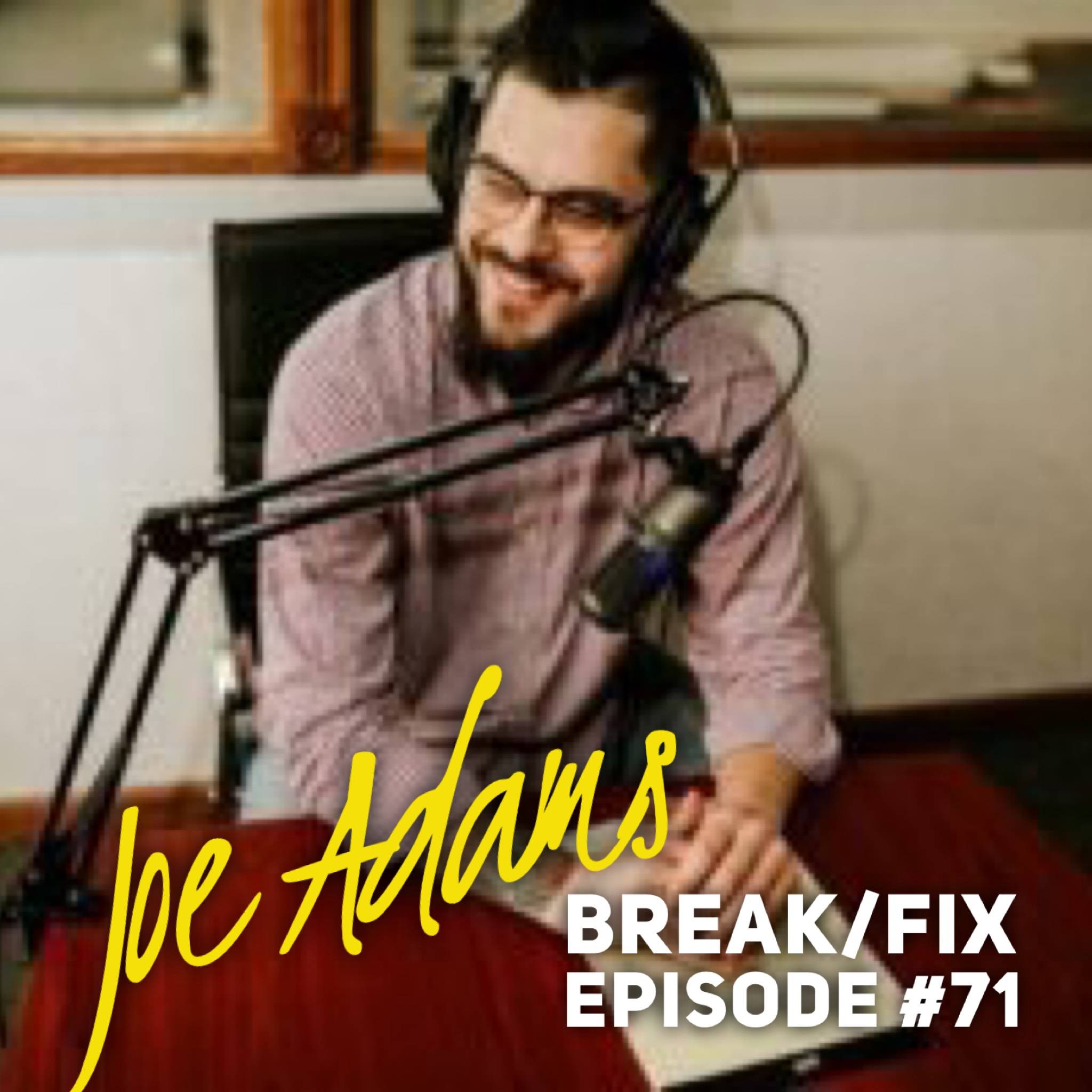
Mountain Man Dan: Yeah. So I will say this, my grandfather always owned international trucks until international stopped making smaller sized trucks.

And they started buying Ford trucks all the way up till it was probably around 97 timeframe when he had that explorer sport and he decided, you know what? I don’t like it. He went, traded in on a uh, Tahoe and that was the first GM he had ever bought in his life. So I have to thank the Explorer Sport for converting my grandfather from a Ford guy to a GM guy.

Mike Crutchfield: Well, okay, so that’s not a fair comparison though, cuz you’re talking about going from a blazer sized vehicle to a 1500. Tahoe size vehicle. So that’s, that’s not apples to apples.

Mountain Man Dan: It, it’s not, but I don’t care. Just, just cause it lured him to the,

Mike Crutchfield: I mean that’s, you know, just cause that’s what [00:43:00] made him sell his soul of the devil.

You know, you can’t, you can’t blame that

Matthew Yip: the Explorer Sport is as much a Ford truck as a, as a, uh, Chevy. Love as a Chevy pickup.

Mike Crutchfield: How about the Explorer Sport track? No, no, thank you. You see

Crew Chief Eric: those?

Mike Crutchfield: I

Crew Chief Eric: haven’t seen one of those in a while, but yes, they’ll be bad. Gran Bronco too. Sable wagon, dude. You’re winning them all.

Good Lord.

Mike Crutchfield: Uh, so I actually, so the, the F-150 I had is also the F-150 that was sold as the lightning.

Crew Chief Brad: Well, there was a lightning before yours.

Mike Crutchfield: Well, the, the 93 was the one that everyone bought. That everyone wanted to be a poser, tuner or whatever. And uh, I absolutely hate the looks of that truck, but I love the idea of that truck.

Mountain Man Dan: I’ll give the Ford Lightning credit for the fact that they were taking that step up, putting a performance engine into a truck, because prior to that, Ford hadn’t really done a whole lot of that, and GMs always had like their SSS and things like that. Don’t,

Mike Crutchfield: well, not, not, don’t even [00:44:00] talk about what an SS badge Chevy will stick anything on.

They had an SS Malibu wagon. No, the Malibu, max Baby, Malibu Max. I mean, they have an

Crew Chief Brad: SSH R. You can’t trust Chevy for shit.

Mike Crutchfield: And it’s the fastest thing on track. Well, in the early years, you know Chevrolet,

Matthew Yip: uh, yeah, gm, GM SS actually meant something. Oh yeah. And then, you know, towards the nineties it started with the Lua.

They, they had, they had the Chevy Cel, the Chevy Lumina, or the Chevy celebrity. And how do you sell a Chevy celebrity? Cuz it sucks. You call it a Euro sport. Why? Because it’s a Euro and therefore it must be worth buying.

Mike Crutchfield: I, I will say that Chevy was fine when they stuck Z whatever on everything under the goddamn sign, but kept SS for actual performance cars.

But once they stuck SS on the Malibu Max and a couple other stupid models, it’s like, the fuck are you doing? Just stop.

Mountain Man Dan: It’s all about branding for people to buy it. Well, that’s what they, and that’s what they did. I mean, [00:45:00] it’s

Executive Producer Tania: just like the Mustang Mach E, which now everybody just calls the Mach E and they’ve dropped the Mustang, but still apparently a Mustang.

Cause people are, except

Crew Chief Brad: in Ford. In Ford advertising, they said, we made the Mustang, blah blah, blah, blah, blah, blah, blah, blah. Electric something. Something something. So what else we got?

Mike Crutchfield: Gy. Woogie.

Crew Chief Brad: Woogie.

Mike Crutchfield: Yeah. Sorry. I’ve had a lot of scotch. Um,

Matthew Yip: I’m trying to remember what year it was that Nissan had a Maxima and it had this giant buck tooth grill, like an Audi, but it had a center bar that was Chrome and it looked like a big giant chrome buck tooth.

Mike Crutchfield: Trying to remember, that would be early, early two thousands I think.

Matthew Yip: I think you’re right. That was the most godawful Well, that was the same car that, uh, Nissan and their infinite wisdom did not install a sunroof. They installed. Yeah, they they had those, the long clear window. Yeah. What the fuck were you think?

Well, their minivan was better. It had little, uh, what do they call ’em? Portals.

Mike Crutchfield: Nissan gave you

Matthew Yip: a skylight over [00:46:00] each seat.

Mike Crutchfield: So that was, that was actually, I. The late two thousands, early 2010 model Maxima, cuz the nineties Maxima was actually good looking. The the one after that was, eh and then the one you’re describing Yeah.

Went to hell.

Matthew Yip: And the best, the best thing I’m learning about maximas, the front core support. What’s the first thing you do when you buy a 10 year old Maxima? Replace the core support cuz it’s rotten. I was gonna say drive it into a wall, but no, they’re, they’re actually not, that, not sell it.

Crew Chief Brad: You sell it, you buy it to sell it.

Yeah. Let’s see, what else do I got? Unless somebody else wants to jump in. Oh. S uh, is zuzu via cross. I like the CROs. I wanted one so bad when it came out.

Mike Crutchfield: I mean, that just shows there’s no accounting for taste.

Crew Chief Brad: The the Iron, the Iron Man via cross I thought was awesome. That V6 with 200 some odd horsepower.

The sea Cross was

Matthew Yip: weird. I was wondering. I

Crew Chief Brad: wanted to buy one and go right to the Dekar rally.

Matthew Yip: I don’t [00:47:00] know that it was ugly. It was just weird. But then, I mean, look, the all time ugly, but kick’s ass car is still the bmw, the original BMW M Coupe. The clown. The clown shoe. The

Mountain Man Dan: clown shoe. So a car that a lot of people love that I thought was ugly, the first generation super, I thought it was an ugly ass car.

In, in no way, shape, or form is appealing to me. Looks wise. The

Matthew Yip: original super was just

Mountain Man Dan: a, it was just a, it was just a, a celica. Yeah. I mean, if you got one of the, but if you got one of the twin turbo ones

Matthew Yip: that fourth,

Mountain Man Dan: a fourth gen a way later. No, no. The first guy know had a, a turbo, like

Matthew Yip: 70, like 78. Yeah. It was, they weren’t turbo.

They were six cylinders. I was gonna say. Yeah. The one he had had a turbo on it and it, that was, that was an add-on. Yeah. Oh, you’re think you’re thinking. You’re thinking that big heavy thing with the teeth, with the, with the, uh, were tar. Yeah, with the tar roof. They were huge.

Mike Crutchfield: But

Matthew Yip: that’s, that’s the

Mike Crutchfield: FC or whatever it is.

Matthew Yip: The tar, the targa roof one. That was, that [00:48:00] was its own. That was its own unique car. It wasn’t, that wasn’t a silicon. Yeah, it was ugly, but it wasn’t. It wasn’t anything special either. Cause it was heavy past and furious.

Crew Chief Eric: Supra, which was the third gen Supra?

Mountain Man Dan: That was the round one. Like Uh, no,

Crew Chief Eric: that was the fourth gen.

That’s the fourth gen.

Matthew Yip: That’s the last supra until the new one.

Mountain Man Dan: I’m trying

Matthew Yip: to, I think the third gen’s, the one that he’s talking about, which is the one right. It had, it had a target top and it was a big, heavy thing. But

Crew Chief Eric: the first two supras were like old school celicas, like the very, very early supras.

Like a, a, a a lift back or whatever. Yeah. Yeah. It was called a

Crew Chief Brad: Celica Supra,

Matthew Yip: correct? Yeah, yeah, yeah. And all. And all it was was a Celica with a six cylinder. Right. Which, which was pretty cool cause I, to be wholly honest with you, I kinda liked the original, the second gen was more, uh, it was still rub wheel dry, but it was that really, really, uh, rectangular look.

Yes. It looked like aerion basically

Crew Chief Eric: is what

Matthew Yip: it looked like. Yeah, yeah, yeah. The second gen. Yeah, that second gen was, it was, I mean, it was square. Square could be.

Crew Chief Eric: I didn’t mind that. I didn’t, I didn’t mind the second gens, the [00:49:00] third gens were just bloated versions of the second of the second gens.

Matthew Yip: Well, the pro, the problem with the, with the, with the third gen was that it had the charger roof and it had a turbo motor, but it was its own unique body and it didn’t do anything.

It was just, It’s sort of like a gtr. It’s big and bloated.

Mountain Man Dan: Right. Well, and then so like speaking of Celicas, when they came out in the early two thousands, when went back to that really boxy look. Oh yeah. The really Yeah. Fan of that look. I just think it’s an ugly look. Well, even the

Crew Chief Eric: ones that Ron has it, they look Little birds, right?

It’s like they never made a super version of that car. They were like, no, Selica super there.

Matthew Yip: Well, they stopped making supers after the last 98, 99. Well, the last Supra had no bearing on O, on Selica at all.

Crew Chief Eric: Yeah, well it did. It did. Because if you look at its lines, especially the fourth gen, it looks like the very last version of the.

Like Carlos Sands era rally cars, if you really look at its lines, they took that car and widened it and lengthened it, but it’s still [00:50:00] basically a, a sica at the end of the day. Yeah, but

Matthew Yip: it’s, yeah, but it was front engine, rear drive, you know, so on and so on and so on. That, you know, and, and the, the sica by that point was front wheel drive.

Crew Chief Eric: Yeah, yeah, absolutely. Absolutely. Except for the all track versions of it, but still, it still retained like the window shape and some of the silhouette of the Celica. So you could say it’s loosely associated with it. But the fourth gen super’s a good day, in my opinion. Much like the rx.

Matthew Yip: Yeah. I mean, and, and they’re, they’re commanding big money.

Yeah.

Mike Crutchfield: So the fourth gen actually had more in common with Alexis than it did a silica.

Crew Chief Eric: Yeah, like the, what was that one called in the SC 300?

Crew Chief Brad: SC

Mike Crutchfield: four, yeah. Yeah. It used the DR the, the drive train parts from those, as opposed to a seller. It

Crew Chief Eric: had some name, it was like a solar name, like Solar

Mike Crutchfield: Soer,

Crew Chief Eric: Soer there.

It’s Soer. Yeah. Which was the original SC, I think right as well was based on that. The SC 300?

Mike Crutchfield: Yeah. Sc, yeah. 300 and 400.

Crew Chief Eric: All right, so what other, what other ugly cars do we have out there? Mike [00:51:00]

Mike Crutchfield: Subaru Tribeca.

Mountain Man Dan: Oh God,

Executive Producer Tania: yeah.

Crew Chief Eric: Oh,

Mountain Man Dan: the first one with the tombstone? Yes.

Executive Producer Tania: That one was on my list, the 2005.

Mountain Man Dan: So I’m gonna throw it out there cuz it’s not a four wheeled, uh, vehicle

Mike Crutchfield: Reliant Robin

Mountain Man Dan: is I, I do agree with that.

Many

Crew Chief Eric: of the three wheel vehicles are just weird looking camera. Well, Brad will fight you on that because he likes the the Morgan three wheel thing.

Mountain Man Dan: Oh, well, the, the trike, they’re cool. They’re weird, but they’re cool. But I’m not, I don’t see it. The BMW C one, it’s a scooter, has like a windshield and everything comes up over you.

It looks like a big old wall cage where you could hit the brakes hard enough and you would just roll over back to your tires again.

Crew Chief Eric: I mean, it’s like, I mean, have you seen the BMW Z one? The prototype before the z threes where the doors would go down into the rocker. Those,

Mike Crutchfield: that was amazing. I saw one in person.

They’re,

Crew Chief Eric: they’re wicked, but they’re not the most attractive car in the world, that’s for sure.

Mike Crutchfield: No, but I saw with the BMW museum down in, uh, North Carolina mm-hmm. At the factory and per like, those [00:52:00] doors are awesome.

Crew Chief Eric: Yeah. They’re pretty sl.

Mike Crutchfield: Did

Crew Chief Eric: you see the episode of Top Gear where Clarkson tried to drive one?

Mike Crutchfield: No.

Mountain Man Dan: Oh yeah. I can’t remember. I wanna say GM had a car back in the, like sixties. It was a prototype where the doors went down into the floorboard under the, well, the

Crew Chief Eric: reasoning apparently, according to Clarkson. I remember watching this episode, the reasoning BMW had for the doors retracting into the rocker panels on Z one was so that because at the time period, women and miniskirts could get in the car without showing off their late

Mike Crutchfield: this’s unless, unless their name was Paris Hilton.

Well, yeah, but that’s, that’s different. She was trying to show off

Matthew Yip: brand new Camry actually doesn’t look half bad. Funny. It’s not nearly as bland as it had been

Mike Crutchfield: except those, like if you look at the performance models of the new Camry, you see those vents on the back bumper that aren’t really vents.

Crew Chief Brad: Oh, look, not, not being bland, it doesn’t mean it’s automatically a good looking car though.[00:53:00]

Just because they made it does not make it good. Look at,

Matthew Yip: look at the new civic. Look at the new Civic. You wanna talk about a bunch of fake vents?

Crew Chief Brad: I’ve got another hot take for an ugly car.

Matthew Yip: Oh, go for it Brad.

Crew Chief Brad: This one’s new. Ooh,

Crew Chief Eric: is that the Senna?

Crew Chief Brad: Yes. It functions or it is it it. Fastest car in the world right now, or whatever, but holy crap, it’s got a face.

Only a mother can love. Yeah, computer and the back and an interior and everything. Only a mother could love, but the car is hideous. I think

Crew Chief Eric: the Senna

Crew Chief Brad: is,

Crew Chief Eric: it’s weird. I mean, they took like a what, a P seven 20 and just really let the, the boffins do whatever they wanted to do on the computer. I mean, it’s, it’s.

It looks like something outta Forza. It’s weird.

Crew Chief Brad: That’s what happens when engineers design a car completely.

If you like what you’ve heard and want to learn more about gtm, be sure to check us out on www.gt motorsports.org. You can also find us [00:54:00] on Instagram at Grand Tour Motorsports. Also, if you want to get involved or have suggestions for future shows. You can call or text us at (202) 630-1770 or send us an email at crew chief gt motorsports.org.

We’d love to hear from you.

Crew Chief Eric: Hey, listeners, crew, chief Eric here. Do you like what you’ve seen, heard, and read from gtm? Great. So do we, and we have a lot of fun doing it, but please remember, we’re fueled by volunteers and remain a no annual fee organization, but we still need help to keep the momentum going so that we can continue to record.

Write, edit, and broadcast all of your favorite content. So be sure to visit www.patreon.com/gt motorsports or visit our website and click in the top right corner on the support and donate to learn how you can help.

Learn More

What else should you buy? Check out other What Should I Buy? Podcast episodes for more car buying “advice” 😉 And remember: the debate never ends – it just shifts gears.

The Prowler drew particular ire. Its pointed nose, plastic fender flares, and underwhelming powertrain made it a poster child for concept-car-turned-letdown. One panelist compared it to Cruella de Vil’s Panther DeVille – if Bowser from Mario Kart drove it.

And don’t get us started on the Crossfire. It had potential, but the execution? Ribbed chrome, awkward proportions, and a bed that looked like a carpeted trunk.

Bulldogs and Toads: Audi’s TT and Friends

The first-gen Audi TT was dubbed the “terrible toad,” and its design spawned a family of equally unfortunate prototypes: the Steppenwolf, the A1, and the Rosemeyer. All shared the TT’s bulbous proportions stretched to SUV dimensions. One panelist likened them to Adam Driver – famous for being ugly, yet somehow iconic.

Even Ferrari isn’t immune. The Mondial T was roasted for its Barbie-car proportions, awkward side vents, and convertible top that made it look like a chopped-up 308. Its only redeeming quality? A cameo in “Weird Science.”

Alfa Romeo’s and the rest of the Hall of Shame

Alfa Romeo, known for stunning designs, also gave us:

  • The GTV6 Spider: A trainwreck from the rear.
  • The Shigera: A Hoover vacuum with wheels.
  • The Arna Lusso: A Corolla made worse.

The panel debated whether the SZ was ugly or misunderstood. In photos, it looks like a Lego brick. In person? Some say it’s squat, wide, and kind of cool. Others say it looks like it was rear-ended by a cricket bat. Some cars are fine from the front but unforgivable from the back:

  • The Marlin: A glass bubble with 11 feet of rear overhang.
  • The TVR Cerbera Speed 12: A picnic table with tusks.
  • The Arna (again): Ugly from every angle.

From the Fiat 128 to the Trabant, Soviet-era cars were roasted for their brick-like simplicity. The Hillman Imp earned a few fans for its roofline, but most agreed these were Clint Howard-level ugly.

The Citroën Ami and DS also took a beating. The Ami’s front end looked like a bug dragging its butt across the carpet. The DS, often hailed as a design icon, was called a “pill bug potato” and “the goddess of hideousness.”

So Ugly It’s Art? – Some cars are so ugly they loop back around to being lovable. Others are just… ugly. Whether it’s a failed concept, a misguided design trend, or a bold experiment gone wrong, these vehicles remind us that beauty is subjective – but bad taste is eternal. So next time you’re shopping for a collector car, ask yourself: do you want admiration… or audible gasps?


Play along – Vote on our UNCOOL Wall


Thanks to our panel of Petrol-heads!

Guest Co-Host: Daniel Stauffer

In case you missed it... be sure to check out the Break/Fix episode with our co-host.
Listen on Apple
Listen on YouTube
Listen on Spotify

Guest Co-Host: Mike Crutchfield

In case you missed it... be sure to check out the Break/Fix episode with our co-host.
Listen on Apple
Listen on YouTube
Listen on Spotify

Guest Co-Host: Matthew Yip

In case you missed it... be sure to check out the Break/Fix episode with our co-host.
Listen on Apple
Listen on YouTube
Listen on Spotify

Don’t agree, let’s agree to disagree? Come share your opinions and continue the conversation on the Break/Fix Discord!


This content has been brought to you in-part by sponsorship through...

From GTOs to G-Wagens: Drew Andrews’ Journey to Off-Road Obsession

At Gran Touring Motorsports, we love a good road story – especially when it veers off the pavement. In this episode of Break/Fix, we reconnect with GTM member David “Drew” Andrews, whose journey from drag strips to dirt trails is anything but ordinary.

Drew’s automotive roots run deep in Western North Carolina, where off-roading is practically a birthright. “My dad had me in a baby seat going off-road in the woods on 6,000-foot mountains,” he recalls. But like many of us, Drew’s early car life was shaped by budget and peer pressure. Cue the early 2000s: Fast & Furious fever, import tuner wars, and Drew’s Pontiac GTP – a supercharged sleeper that left Eclipse GSXs in the dust.

Eventually, he graduated to a GTO – “my sexy jelly bean,” as he fondly calls it. With an LS2 under the hood and IRS out back, it was a proper muscle car with global roots. But the call of the wild never left him.

Tune in everywhere you stream, download or listen!

Listen on Apple
Listen on YouTube
Listen on Spotify

After years of sports cars, Drew returned to his off-road roots. But instead of a Wrangler or 4Runner, he chose the path less traveled: a Jeep Commander Overland. Why?“Everybody and their mother had a 4Runner or Wrangler. I wanted to upend the trend.”

The Commander, nicknamed USS Black Ass, wasn’t your typical trail rig. But it had something special: Jeep’s Quadra-Drive II system, a sophisticated full-time 4WD setup with clutch-pack-actuated locking differentials. “It’s a point-and-shoot system,” Drew explains. “It detects wheel slip and engages each diff individually. It’s magic.”

Spotlight

Notes

  • First offroader was a Jeep Commander – let’s talk about the build and what happened to that car (flood in Ellicott City, killed it, iirc). 
  • Now you offroad with a Mercedes G-wagon, known as “Gretchen” – let’s unpack that. 
  • Where do you take your truck (regularly) for offroading? Where are some of the best places to Offroad? 
  • What would you say is your biggest OOPS moment?
  • What would you recommend to someone just starting out in Offroading?
  • What are some essentials you “must have” for an offroading weekend.
  • Is there a “good starter” offroader? Is there any to stay away from?
  • Do you recommend any books, forums, websites for getting into the sport of Offroading? Any recommendations on parts or mods?
  • Do you watch any of the offroading shows like Truck Night in America, Alaskan Offroad Warriors? Anything like that.

and much, much more!

Transcript

Crew Chief Brad: [00:00:00] Grand Touring Motorsports started as a social group of car enthusiasts, but we’ve expanded into all sorts of motorsports disciplines, and we want to share our stories with you. Years of racing, wrenching, and motorsports experience brings together a top notch collection of knowledge and information through our podcast, Brake Fix.

Boulders, trees, mud, ruts, and sleeping under the stars. That’s right. That’s the recipe for off roading. And tonight we return to the road less traveled with our special guest and former GTM member David Drew Andrews. And as always, I’m your host, Brad, and I’m Eric. So let’s roll. Welcome to the show, Drew.

Hey,

Crew Chief Eric: so Drew, back when we met, you know, back in the before times, you had a Pontiac GTO. We used to sport around that thing and you were big into sports cars, drag racing and all sorts of stuff. But how did you end up in off roading?

David Andrews: I’m from North Carolina and North Carolina has a massive [00:01:00] zoo. Off road community down there.

And I’m from Western North Carolina and a little town called Black Mountain, which is a suburb of Asheville. My dad had me in that bad boy in a, in a baby seat going off road in the woods on 6, 000 foot mountains. Yeah. Yeah. So I’d say I got into it at a really young age,

Crew Chief Eric: but you were driving around in sports cars for the longest time.

So how did you make the transition back to off roading?

David Andrews: Well. I tell people I never really left off roading. I still had a love for it. I just didn’t have the money for it. And it was either one or the other sports car or off road. You can never do both. Well, When you get older, that credit score get up.

I always had a love for off roading and also it was the company I kept at the time we all [00:02:00] were into like. One upping each other. So started out with like little Honda civics and then upgraded to Integra. Now that was the early fast and furious days. So those imports were extremely popular in the early two thousands.

I bucked the mold. I was all about American muscle, but a different kind of muscle. So I had a Pontiac GTP. Oh,

Crew Chief Brad: the three, eight.

David Andrews: Yeah. Supercharged three, eight. And I mean, it, it kind of ripped out of the factory, but once you started like upgrading the supercharger pulley, cold air intake, MSD, ignition, all that good stuff, uh, I surprised the hell out of some of these Eclipse GSX owners.

They’re like, Whoa, this thing is fast.

Crew Chief Brad: Yeah, I think it was fun wheel drive too. Fun wheel drive.

Crew Chief Eric: All I heard, all I heard that description was cha [00:03:00] ching, cha ching, cha ching.

David Andrews: A little bit, you know, put pennies here and there into it and slow and steady wins the race. But then you jump to the goat,

Crew Chief Eric: right? And I, I remember riding in that car and that thing was awesome.

And the goat was still new back then too. So

David Andrews: yeah. Yeah. It’s a shame that that platform didn’t get the love it deserved. That was a extremely well built car. The GTO was not an American car, but it had American horsepower. The generation I had, had the LS two, but the 2004 model had the, uh, LS one, which to this day has so many directions you can go with the upgrades.

But yeah, my GTO had a LS two. I really liked my generation because it was less boring looking, less jelly beanie. Uh, . , that’s a good way to put it. I ain’t gonna lie, that thing looked like a jelly bean. [00:04:00] laughs But it was, it was my sexy jelly bean. But yeah, Eric, you’re right. Cause I remember I bought that and I brought it to the, uh, office brand spankin new.

Crew Chief Eric: Back

David Andrews: in the day cafe. But anyways We had that thing

Crew Chief Eric: sideways more than once, man. laughs

Crew Chief Brad: It had some soft suspension. I know those cars were not, were not very, uh, stiff.

David Andrews: Actually, believe it or not, I mean, compared to what you guys are used to it, it was soft, but out the factory, it had a very competent suspension and it was a very basic suspension.

It wasn’t like, I don’t think the rear had a double wishbone in the rear or anything like that. It was just,

Crew Chief Brad: no, but it was, it was IRS though.

David Andrews: Yeah, it was IRS. Yeah. And I

Crew Chief Brad: test drove one. I test drove an Oh five. I was looking to buy,

Crew Chief Eric: but you know what it did have? It had an exhaust. It would rip your ears off.

And it had 400 horsepower.

David Andrews: 10 years ago. That’s like, that was. Some serious horsepower. Now you ain’t even, you ain’t sneezing on that [00:05:00] unless you have anything less than five 30 now.

Crew Chief Brad: Now Camry’s come to 400.

Crew Chief Eric: So from there, you had a couple of eight eights. I know that. And you have one now. I know that as well.

Oh, yeah, that’s right. Sorry. Essays. My apologies.

Crew Chief Brad: Oh, you got an S8 too?

David Andrews: Yeah, I have a couple S8s.

Crew Chief Brad: Your car history sounds very similar to mine. I had a 01 S8, I had a fourth gen Camaro, two fourth gen Camaros. I started with a Honda Civic. I mean, come on now.

Crew Chief Eric: Okay. Maybe it’s a big

Crew Chief Brad: guy thing.

Crew Chief Eric: So from there, I know you went, you know, kind of left the sports car world, went back to off roading, and you ended up with a Jeep Commander.

Yeah. Which is Different because most guys that are into Jeeps either do Wranglers or Grand Cherokees or stuff like that. So you ended up with the Commander and I know you had a big love for that car. And I don’t remember its nickname or its name, but you’ll, you’ll fill me in there.

David Andrews: Her name was USS Black Axe.[00:06:00]

Crew Chief Eric: So let’s talk about what drew you to the commander, how you had that thing built out, what you did with it, and then what inevitably ended up happening to it, which was tragic, but we’ll get to that point. So let’s let’s talk about the beginning there.

David Andrews: Before the commander, actually, my dad gave me his Jeep XJ.

It was a Cherokee. It’d been in my family since I was 14 years old. I grew up learning how to drive. It was a, it was not the four Oh, it was like the 2. 8 liter with a five speed. And it didn’t have the horsepower to get out of its own way. But when you put that thing in four low, I was crawling up stuff that, you know, these guys would, I love them.

The Toyota guys, Oh, the FJ is the only vehicle that can go throughout Moab. Stop, shut up. That thing is crawling up hills and you breaking axles. So ultimately. I’m 6’3 [00:07:00] and at the time I was banging on like 280 pounds. I did not fit in the Diagon XJ. It was a joke. Like, people would like clown me at my office before I met you, Eric, and would be like, you ain’t got no business being in that little thing.

So, I was like, okay. I agree. So I did some research and I started looking around other vehicles and good old fashioned me, everybody and their mother has either a Toyota four runner or a Jeep Wrangler. And I didn’t like. The whole, you’re either part of this faction or you’re a part of that faction. So I said, I’m going to up in this crap.

I’m gonna go against the trend here. I’m a, I’m a do something illegal. I’m gonna get an I F S on a SUV. And I was scared cause I was looking up under it and I’m like, I went [00:08:00] to go look at it and I was like, wow, this thing actually has legit hardware up under here. And then I started doing research on the different four wheel drive systems.

And just because you have four wheel drive, they are not all created equal. As you know, in the all wheel drive, Industry with the sports cars. So my must haves was it needed to have a heavy duty transfer case, a heavy duty rear end and a hopefully a decent front end. If it’s IFS, you’re going to blow stuff up.

Anyways, I started reading the different four wheel drive systems. And so Jeep has these really cool. Systems that I believe are the best in the world, all the way from rock track, which is what the Wranglers have to the quadrature track systems that the, uh, and WK twos, the, the grand Cherokees and the commander at the time.

And then they had like. An [00:09:00] extreme version called quadra drive two and they had quadra drive one. So quadra drive one was basically quadra track, but it had a low gear in the transfer case. Quadra track has no low gear. It’s just legit all wheel drive with traction control. Very stressful on the transmission transmission.

If you try to off road it and you have the quadra drive two system. Which builds on quadra drive one, but adds in trick differential. So it has the ability to lock. Now the misconception is people don’t understand quadra drive too. So they’re like, Oh, it’s not a real locking differential. The thing is it is a real locking differential because when you open a differential that has lockers on them, there is a solenoid that literally locks.

Both have shafts together and they rotate at the same time and they can’t deviate. So the QuadraDrive [00:10:00] 2 system has that, except instead of it being like air actuated or electronic actuated, it’s clutch pack actuated.

Crew Chief Brad: Yeah.

David Andrews: So you get pressure in the fluid and those plates stick together in the differential locks.

So that’s how QuadraDrive does its trickery. Now, what’s really nice about QuadraDrive is it’s a point and shoot system. I never had to say, Oh, let me lock the center. Let me lock the rear. Let me lock the front. The system would detect wheel slip and engage each differential individually. That was what was really nice about it.

So anybody who’s off roaded knows it’s a bear to turn. your SUV or your Jeep when all differentials are locked. With the quadra drive, it could detect that you were turning and it would unlock the front differential even if you were in the middle of a climb. I looked into that and I was like, okay, that’s really cool.

I might be able to do something with this. [00:11:00] Cause people are going to lose their shit when they see what this thing can do. And that’s how I ended up landing on the Jeep commander overland.

Crew Chief Eric: So what did you end up doing to it after you got it? Cause obviously you can only run it stock for so long when you’re off roading.

So what kind of upgrades did you end up doing to the commander?

David Andrews: I started out with two and a half inch, what you call a puck lift. So basically, uh, the spacer fits in between. The body and the spring and functionally lifts the vehicle up,

Crew Chief Eric: but

David Andrews: you’re still on stock springs and shocks and stuff like that.

Now, when you lift the vehicle, we lift the body higher. You are then allowed to put larger tires on, and you want the larger tires because that’s an added. Lift as well. So you go from having a 28, 29 inch tire, which is like a two to 65, 65 or something like that, and then you upgrade it [00:12:00] to a two, I want to say 275 70 or something like that.

I can’t remember. No, two 65 70, which is I think 30 inch tire. Of course you go off road, you test your upgrades and you realize you want more. And so, so I realized my approach and departure angles were crap. And my bumpers are plastic . So next thing I had to upgrade was my bumpers. You know me, I’m mean all out.

I bought both bumpers at the same damn time. Two grand a pop. .

Crew Chief Brad: I was gonna say, you only need to have one really bad, uh, departure angle, and then it’s fixed. .

David Andrews: Yep. It, there you go. The bumper’s gone. Yeah, not, not a problem. I started realizing that even though the commander had like legit hardware to make it a decent off roader, I can see where the bean counters kicked in, in the development of this vehicle, because they were, [00:13:00] they would put stuff that had no business being exposed.

On an off road vehicle. So the commander, my particular version had rear AC and guess where they ran the AC lines directly under the passenger door exposed, not covered. And then up through the wheel well into the engine bay. And so when I started digging things out, taking the liner inside the wheel well, I was like, how did they get a plastic trash bag in here?

I’m not kidding. It was like a trash bag full of styrofoam. And I’m. I’m like, Oh man, this thing is, Oh. So I ended up having a guy devise me a bash plate for the rear AC line. So if I ever banged on a rock, I don’t crush my AC because if that rear AC goes out, it goes out for the entire thing. That’s how they were interconnected.

They weren’t separate units, but anyways, got the bumper on there. That was an all day, [00:14:00] uh, job. Because of course, for whatever reason, they’re not good. Like design wise, like the Wranglers are like the Wranglers are designed to, you know, um, bullshit bullshit back on there. Whereas my big old hands was reaching behind and under the, the body to, to start the bolt.

And it was just, it was a nightmare. I took that time to get a winch. So winch is very important for recovery recommend that people don’t go out. Without a proper recovery plan. And there are different recovery tools, but I’m sure we’ll get into that later. But anyways, I took that time to bolt on a 12, 000 pound winch.

I upgraded my lift to a four inch super lift. So that then required some real surgery on the vehicle. And it took about a week for them to install everything. Cause they were like, dude, why are you always bringing us the weirdest platforms to work on? And [00:15:00] it’s like, I’ve never seen a commander lifted before.

That’s literally what my shop guy told me. And he was like, but we’re going to make it work, you know? So. So at that point, the vehicle was substantially higher when I got the four inch lift on it and put the 35s on. So I had 35, 12 and a half 17s. Eric, have you seen any of my videos? Cause I’m literally the only guy in the world that offroads a commander.

So I have a ton of YouTube videos.

Crew Chief Eric: We’ll link some in the show notes so people can check it out.

David Andrews: Yeah. Yeah. It’s literally hilarious because people are videotaping and they’re talking mad shit. They’re like, Oh, he has no business being out here. His it’s, it’s funny. And then he’s like, Oh, he doesn’t have to flex to get up that thing.

And she just walks right up. Some of the steepest, most difficult obstacles. And my whole point of that was to prove that IFS is out the box, might not have [00:16:00] the same articulation as a straight axle, but when you have the right setup and you know what you’re doing and you have to change your driving style, it is just as capable, it’s not as sexy looking, but.

It gets the job done. And that was, that was the point of that. So I put the 35s on there, had the rear bumper winch, and then I started blowing up half shafts in the front. And that’s when I was like, Oh, this is going to be a problem. If I got to do surgery on the trail, every time I do a difficult job. So I ended up going online and started meeting a lot of people from around the world, talking to them like, uh, the Australians, man, they are.

Amazing group of people to reference for off road ideas and, uh, best practices and stuff like that, that those guys they’re on another level. But anyways, there was a guy who had a really popular grand Cherokee that was having the same problems. [00:17:00] And he found a company called RCV, which is an American company that literally makes bulletproof half shafts.

And they’re like a Burfield axle. I don’t know. I don’t know if you’re familiar with Burfield, but Burfields, uh, if you look at like in cars, the CV is like what three or four balls in a ring and that’s how, and they’re interconnected through the splines that allow it to be like a continuously variable.

Joint.

Crew Chief Eric: Joint.

David Andrews: There we go. And, um, but Burfields are different in the sense that they have those same parts, but instead of a soft, rubbery, oily cover to protect it, it’s a massive steel cage that contains the outward pressure that happens when the axle is under load and you try to turn the steering wheel.

So that steel, that steel cage. Is literally holding those [00:18:00] balls in place as you’re turning. And I’d never blew up another axle ever again. And I did even crazier stuff.

Crew Chief Eric: So it’s almost like a reinforced CV joint.

David Andrews: Yeah, that’s exactly what it is. Well, that

Crew Chief Brad: sounds

David Andrews: similar to the axles that

Crew Chief Brad: we have on our cars.

Like they’ve got those steel cages too. Yeah,

Crew Chief Eric: we’re, we’re, we run drag axles for road racing because they’re a lot stronger and they can, but they, they do that by using a combination of beefier parts from other vehicles and all that kind of stuff. It’s, it’s, but I’d be really curious to look into the stuff you’re talking about because I could see an application for that.

And I got some ideas. Gears are always turning. Let me ask you a

Crew Chief Brad: question real quick though. Yeah, sure. So I’m assuming that the front suspension and the front componentry of the commander is similar to. The W. K. Ones. Has anybody tried to retrofit a solid axle under one of those?

David Andrews: Actually, the W. K. Ones and the X.

K. S are [00:19:00] actually sister and brother. They’re twins. There’s no difference between the two platforms other than the body was longer than the W. K. And a little bit wider and it weighed more, but the underpinnings, the drivetrain, they’re both the same. So yes, parts are totally interchangeable powertrain wise.

And yes, people do monster retrofits. So I know a couple of guys that have put Dana 44 in the front and a Dana 60 in the rear. I didn’t think there was a need to build it. Do a Dana 60 in a rear, but always bigger means stronger though. Right. But does it come with

Crew Chief Brad: a 44 stock in the rear?

David Andrews: I’m glad you asked that.

So it depended, it depends on the platform. So if you had the quadra track, it had a soft Dana 44, but we know there’s all kinds of parts for Dana 44 is that you could build on it, but you don’t want the quadra track because it didn’t have a low. [00:20:00] a transfer case for a low gearing and then you had uh, the quadra drive systems.

You had a, I believe it was an eight pin or, and then there was a 10 pin Chrysler eight and a quarter was the one I had, which is the equivalent to a Dana 44. I would think, uh, in toughness, the reason why they did the 10 pin like that was that was the only differential that was big enough to house.

Clutch packs and the locking and all that stuff. And so that’s how that works. So I didn’t see a point in getting rid of the rear, but I’ve heard people doing it. And yes, you can do a Dana 44 or Dana 30 upfront. I’ve, I’ve seen a few guys do that as well, but that was going to be a pretty big job because they literally have to cut into the frame and cut the subframe out, uh, for the IFS.

And now it’s all open. So they have to reinforce, it’s not a body on frame. It’s, it’s a. Unibody [00:21:00] uni frame, and I tell people there’s a difference between a unibody and a uni frame. A uni frame is where it is a unibody, but they sandwich a ladder frame to it, which makes it extremely rigid. You could have that truck in full tilt and you could still open all the doors.

It was completely amazing. I was amazed at how strong that frame was, but a lot of people don’t like unibody cause, Oh, it’s, it’s, it’s flexy and all that. So it was, no, we’ve come a long way since the nineties and eighties aired XJs. So. They got to cut all that stuff out and then retrofit, you know, radius arms and longer springs because you know, those, the IFS inherently has shorter springs because it doesn’t have all that room for travel, but the trade off is.

IFS gives you a little bit more ground clearance because you don’t have anything [00:22:00] dangling up under the front. I didn’t see it necessary for what the style of off roading that I do to need to go straight axle up front.

Crew Chief Brad: Now, when you say the style of off roading that you do, a lot of people don’t understand that There’s different styles to off roading.

There’s rock crawling. You need specific rock crawler, you know, vehicles, a rock crawler is going to be different than a mudding vehicle. So why don’t you, uh, tell us a little bit about the different kinds of sub disciplines within off roading.

David Andrews: You’re correct. There are definite lanes to off roading. You have.

What I did is called overlanding, where it’s more of a adventure style of off roading. The idea of overlanding is to be able to survive with only the things that you bring. The idea is to, you know, Go to old ghost towns and, you know, try to dig up buried treasure. No, no, that’s not it, but it’s like a, it’s an [00:23:00] adventure.

You’re, you’re learning about the landscape. It’s a different style of off roading because the lands tend to be a little bit wetter and looser and stuff like that. So there’s not a whole lot of, uh, Rock crawling involved in it. There are situations where you have to climb over a tree or big old boulders or drop down into a river and drive across the river that’s overlanding.

And the term overlanding came around, uh, Range Rover coined it back in the eighties with the, uh, Land Rover discovery, not quite back to the Range Rover classics, but when the discovery came out. In the late 80s, I believe it was. I think that’s when the Disco One came around. It’s Discovery One. They called it overlanding.

And overland vehicles tend to have what you call stadium seating. And the idea of stadium seating is pretty cool. You want the people in the back to have the same experience as the people in the front. [00:24:00] So typical overland vehicles have a step up in the rear and sometimes they have a, if it’s a third row, it has another step up there.

And that’s when you start getting into like skylights in the rear and stuff like that. The Jeep commander actually had that step up. It was called commander view and it was. Pretty cool. You’d be in the back and there’s like these two open moon roofs that had like little shades on them and stuff like that, that, you know, you can look out and look around and see over the driver.

And it sucks if you have a little old lady trying to get in there, cause she’s got to like, you know, reincarnate her, uh, jumping days. My grandmother hated getting in my commander. You have, uh, rock crawling and that’s where a lot of people like to go to parks like Roush Creek, Gore, West Virginia, Flagpole in Virginia.

There’s all kinds of cool off road networks that people like to test their [00:25:00] flex. You got to get the flex, bro. And those are the guys who literally do some of the craziest stuff. Like they’re, they’re literally driving over boulders, the size of small cars. And getting in between them and just extreme articulation.

And this is where lockers are very important for, uh, rock crawling, because you’ll see guys blow their stuff up because they have open differentials and they’re trying to crawl through a quarry and they get stuck. And they have no winch. And then they got to pay somebody hundreds of maybe thousands of dollars to come get them out because they broke or blew up something you have that style of off roading and then you have mudding.

That’s a different breed of people. They, uh,

Crew Chief Brad: Daniel’s people,

David Andrews: mud people, mud and people. Boy, I ain’t never seen anybody [00:26:00] purposely get into a vehicle with no top on driving to the most dankiest, stankiest ass. Prehistoric looking water mud and get skadoosh. Oh, I’m like, oh my God, you know, uh, those people are very special.

Like look at me, bro. I’m muddy, bro. Yeah, where’d you get some mud at? I went over there. I’m like, Oh God, let me get away.

Mountain Man Dan: And you’re not lying about the stankness of that mud because there’s a lot of places that I ride at and go out four wheeling on with ATVs. And there’s always those. It’s that the water’s been sitting for like a month and a half straight. It’s stagnant. It’s got all kinds of like mosquito larva and everything.

And it just has that nasty, wretched smell to it.

Crew Chief Eric: You know, you end up eating a little bit of it. I

David Andrews: mean, come on now. [00:27:00] They go into it. Like I got slow mo videos of people just. And they’re like at the buffet

Crew Chief Eric: as they go and corral, man.

David Andrews: And then it’s just like this wave of

Crew Chief Eric: Nutella.

David Andrews: He is not lying.

Mountain Man Dan: That’s why they say a little dirt never hurt.

Crew Chief Eric: A little dirt never hurt. So let’s kind of circle back and let’s talk about what ended up happening to the commander. I mean, you ran that thing for years.

David Andrews: Yeah, so I don’t know if you guys remember a couple of years ago, but we were getting hammered with some freaky storms up here in Ellicott city and Columbia.

And, and, uh, we had some flash floods. I’m going to Clobey’s to go get me some ribs from the barbecue place. And I’m coming back the back way and I mean it just starts coming down. So I’m going down the hill and I’m like, damn, this is like [00:28:00] the matrix. And I see a car sitting at the bridge. It’s a single lane bridge of where I need to go.

At the time the water was Maybe foot deep, like barely pressing over my foot. So I go to see if anybody’s in the car. Cause the hazard lights are on all of a sudden I’m looking, my Jeep is like right behind him. And I just feel like this energy you like, you can feel it. And then all of a sudden water is now in seconds, ankle deep, knee deep, hip deep.

I was caught in a flash flood and I was down in the Valley when this water was coming through. I was like, I need to get the fuck out of here, dude. I started hauling ass. I look like a Clydesdale running up the hill trying to save myself. You know, I’m just trying to get out of there. And as I got into the [00:29:00] commander and I go to turn around, the water is coming down in there and it’s like rolling.

Up my hood as I’m trying to turn around and then it hydro locks. It sucks in water. As I turn around, I should have just backed out. So now it’s hydro locking. Now the water is when I had to lift, I think I measured it right at seven foot and the water is reaching up to the window

Crew Chief Eric: and you’re inside it still.

David Andrews: Yeah. And I had to run and I had to walk like four miles home, lost my cell phone in the flood, lost my clobies. Lost your jeep, too. I was so mad, man. I was like, I ain’t got no food. I’m fat and wet. I gotta walk home and it’s thundering and lightning. And then nobody’s gonna stop and save me.

Crew Chief Brad: Wait, so you didn’t get the ribs?

David Andrews: I did not get the ribs. They, they went down with USS black ass.

Crew Chief Brad: That’s a travesty right there.

David Andrews: You know what’s a travesty is I named it USS black ass and [00:30:00] it went down in a water.

Crew Chief Eric: So that, you know, obviously, you know, uh, active nature and all that and insurance gets involved. Sometime goes by a little, you know, if you have a proper burial at sea there and all that, And then you decide to get another off roader.

David Andrews: Yeah, buddy. But

Crew Chief Eric: you can’t have anything normal. You already said that.

David Andrews: So I went back to my roots and I got a new vehicle and it has a straight axle on it now.

It’s a Mercedes G, G wagon, G 500.

Crew Chief Eric: Excuse me, what?

David Andrews: It’s a Mercedes G 500. The Galinda wagon. The Galinda wagon, aka.

Crew Chief Eric: Because you see a lot of those off roading too, right?

David Andrews: Well, not in the U. S., no. But around the world, yes.

Crew Chief Eric: So what drew you to the Mercedes? I mean, talk about another oddball, right?

David Andrews: The 3000 Star, [00:31:00] bro.

I’ve been wanting a G Wagon since I was 10 years old, 12 years old. That’s when my love for it came out. I just thought they were super cool. Boxy. You see like these guys bouncing around and jumping over stuff. And, and people are like, why would you do that? Why would you take a G class, a luxury vehicle off road?

And I’m like, ease all that. This thing is a military vehicle first. And people, when they get in it, they’re all excited to get in it. And they’re like, this is it. I’m like, well, what did you expect? It’s a legit truck.

Crew Chief Eric: Making it the same way for like 60 years.

David Andrews: Yeah. Yeah. So they just changed the formula last year.

They are no longer solid front and rear. They have an IFS now.

Crew Chief Brad: So they ruined it

David Andrews: and a solid rear now. So this is the first time that they went straight to the drawing board. And literally redesigned it, but kept [00:32:00] the look. They said they wanted to keep the spirit and the essence, but it’s, it still has the three lockers.

And personally, now that I know how good IFSs are, once you do the right things with them. It’s not a bad setup.

Crew Chief Eric: So I remember when you got Gretchen and you went out like right away, you were out in the woods playing to see what it does stock. So what did you think compared to the commander after all the mods and all the time you spent with it, how did it compare, um, pound for pound?

David Andrews: That is a great question. And I’m going to tell you right now, the G class is on another level from the commander. And it’s stock. I haven’t done anything. If I did the stuff in the commander, when it was stock that I did in the G class at Roush Creek, Oh, she would have broke 20 minutes into the trail. No way the commander would be able to keep up traction wise.

The commander has the same ability as the G wagon. The G wagon is [00:33:00] literally made of tougher stuff. They’re not control arms. They’re called radius arms. The radius arms are different in the sense that in a Jeep you have a upper control arm and a lower control arm. Double wishbones. Yeah, they work like that.

A radius arm is this big honking chunk of steel, right? And it operates as a upper and lower control arm, but it’s just one arm. And what it does is it hooks around the axle itself in a, like a C clamp. It holds the pinion and it holds the position of the axle, just like a upper or lower control arm would.

Then you have leaf spring suspensions, like YJs, YJs. Yeah. Yeah. Had leaf springs and

Crew Chief Brad: the

David Andrews: actual, huh?

Crew Chief Brad: And Corvettes and Land Rovers

David Andrews: and Corvettes. Oh my gosh. The thing that people used to anyways, but, um, [00:34:00] those are the different styles of suspensions, but the Mercedes suspension and overall build is just, it’s a tank.

It’s salt. Like I can literally run that thing into a wall and it will still keep running. So we pick on these soccer moms who got G wagons. The fact of the matter is their G wagon will outlast your Jeep more than likely. And I am a jeep guy through and through, I’ve driven CJs, I’ve driven TJs, I’ve driven YJs, I’ve even driven the JK, and I had the privilege of driving the new JL.

Now that’s an interesting topic right there. Out the factory, none of those vehicles will be able to withstand what the G Wagon can. And the other thing is, the G Wagon is actually super simple to work on. Super duper simple to work on. Like it’s literally three bolts holding one radius arm in place to change the oil.

It’s literally like you just reach in there and you just [00:35:00] pull the daggone thing out and drain during the oil. It’s it’s everything on there is super simple. So I have not had to take it to Mercedes. I’ve been able to do all the work on it myself, change lights, change oil, jack it up, take the wheels off.

You know, it’s super simple to work on.

Crew Chief Eric: So you said so far no mods, you haven’t done any tire mods, no

David Andrews: lift, no nothing. The only mod I’ve done is I’ve put on an aggressive all terrain tire thus far, and it’s got, it’s on 31 inch tires. Now, when I wanted to do 31s on the Commander, I already had to lift it two inches just to get 31.

I didn’t have to do anything on this. And it’s got plenty of room. The wheel well, it’s just really nicely designed. It’s very similar to a Jeep where there’s like no thrills. It’s just an open space with like a little protection to protect the body from like rocks and stuff like that. But like you get [00:36:00] to use the entire wheel well space.

Just like in a jeep

Crew Chief Eric: and power wise. The commander was a Hemi and the, the G wagons of V8. So dollar for dollar, they’re pretty similar there too. Right?

David Andrews: Yeah. They’re dollar for dollar. They’re pretty similar. I’m actually liking the Mercedes V8 better. Because the commander had, I don’t know if y’all have had experience with the Hemmings, but they had that displacement on demand.

And if that thing decides not to work while you’re on the highway, you’re stuck in four cylinder mode. And I had that happen to me a couple of times. I’m like giving it the goose and she will not go into V8 mode. And also I had to replace the motor because it dropped the valve. You know, those motors are like damn near 10 grand.

We know someone who’s had to

Crew Chief Brad: replace a couple of them.

David Andrews: And I was like, why is this motor? It’s a push rod, put an LS in there, you know, or something like that. But it [00:37:00] wouldn’t work because the Hemi has a throttle or engine position sensor that has to made up with another sensor on the transmission. And that’s when I started falling out of love with the commander, because I was like, unless you’ve got like beat pockets to understand this stuff and keep up with it, this thing is going to cost so much money.

If any of these sensors go out and, and that includes the quadra drive system as well. If one of the, there, there are four individual sensors that you got to make sure are healthy in order for the quadra drive to work, because if one sensor goes out,

Crew Chief Eric: that’s it.

David Andrews: You got nothing. If you got a wheel speed sensor that is reading incorrectly, QuadraDrive don’t want to work.

And I hated leaving that up to the system. And now, fortunately, I was one of the lucky ones that never had a situation where it went out on me, but there are lots of stories of people being like, It just stopped working and I don’t know why. [00:38:00] You need to have to do a diagnostic and all that stuff.

Gretchen was a blessing in disguise.

Crew Chief Eric: What’s the Mercedes 4×4 like compared to the Jeep system?

David Andrews: They’re very similar. Think the transfer cases in like the Jeeps. I think it’s the NV gearing. I think they’re belt driven transfer cases in the Jeep. And I think the transfer case in the Mercedes is gear driven and those tend to be tougher.

And, but, uh, you have to keep up with the fluid maintenance on, well, you got to keep up with the fluid maintenance on all of them. Don’t get me wrong. The, the belt driven transfer cases are mad tough. Like. I’m seeing people with Rubicons doing all kinds of crazy stuff, even beyond what I’m willing to do with the G Wagon and their belt driven transfer cases.

It just so happens the gear driven transfer cases are inherently stronger, and it’s just a different solution.

Crew Chief Eric: You’ve been off roading all this [00:39:00] time. Where do you, so you mentioned a couple places, Roush Creek and, and Gore and, and et cetera. Is that where you go the most often, or are there some bucket list places you’d like to go to as well?

David Andrews: Yeah, so Maryland sucks. Off roading is illegal in Maryland. I’ve been pulled over for it.

Crew Chief Brad: Had to do community

David Andrews: service. Oh yeah. I think in some places, like if you off roading like a watershed or something like that where people’s drinking water or some endangered mushroom is at, uh, you’re gonna have a hefty fine and up into jail time.

I tell people the best off roading is legal off roading. There are trail network maps that you can take your vehicle on fire roads. That’s a good way to start, you know, reserve roads that are kind of off the beaten path, but they’re like legit highways. Even though they’re off road, [00:40:00] there’s maps of like scenic off road highways.

Crew Chief Brad: Is that like the transcontinental map or something like that?

David Andrews: Yeah. Yeah. That sounds about right. I have to, I have to look it up. That’s a good way to start also sometimes. You can find properties where off road companies used to use the land as proving ground. So like near me, it’s off of 295 Coca Cola drive.

Coca Cola drive. Yeah. Land Rover used to have proving grounds back there and the tenants now. have no problem with people continuing to use those lands to off road just as long as they stay within the bounds of the proving ground and they don’t be going driving over the train tracks and stuff like that.

Then you have like the off road parts, which would be like a next step up to Roush Creeks, the gores, the wind havens, the big bears and stuff like that. And then there’s some, there’s a park down [00:41:00] in North Carolina, uh, Uwari. That’s going to be a little bit more advanced and also off roading up a mountain is a little bit more different because you got to have cojones to be okay with your vehicle.

You see nothing but trees and sky. And then you look down and you see the Valley thousands of feet below you. So you’re looking at this thing. It’s like one wrong move and I’m going to die. I want to die. So, further out west is the more of the rock crawling stuff like Moab and Rubicon Trail. Those are like, you asked me what’s my bucket list, Rubicon Trail, by far.

Crew Chief Eric: Energy wagon,

David Andrews: energy wagon.

Crew Chief Eric: So you have some very unique vehicles that you off road with humble beginnings with the Jeeps and whatnot. What would you recommend for somebody that’s just starting out in this discipline of motorsport?

David Andrews: I would recommend starting out first off, what is your budget looking like?

[00:42:00] Second, be okay with the fact that sometimes, you know, these Wranglers are expensive. So. You don’t have to start out with a Wrangler. Me personally, I love like the, the late seventies. To mid to late eighties vehicles. So you got like Suzuki Samurais, Isuzu troopers, Jeep XJs. But if your pockets are a little bit deeper, you can start looking at like the Wranglers and you don’t have to get a Rubicon start out with like a Wrangler Sahara or sport, the Toyota, uh.

Hilux or Tacoma, and these platforms have such a following that it’s cheap, like you don’t have to spend a whole lot of money on upgrading, just figure out what is your priorities, so I learned through my mistakes, I wouldn’t say mistakes, as I’ve gone along the way, I’ve learned that before the Lyft You need to [00:43:00] think about recovery.

So you need to figure out does your vehicle have good strong recovery points? If not, where can you fabricate something strong enough to withstand a nasty tug or work on looking at winches and bumpers? Because those are the first things to go. But some people, you know, find that they want to get right into the nasty and they put a two inch lift and a tire on.

So I would say those older vehicles on a budget, depending on which one it is, I think the Samurais are actually going for a decent amount of money nowadays. If you can get your hands on a Land Cruiser, LC80, an XJ, of course, any kind of Wrangler that’s not rusted, got to make sure it’s not rusted out because you’re going to be chasing that forever.

Yeah, you’re done. And then they become unsafe. Don’t take a vehicle that smells funny or and is or are [00:44:00] rusting. If you can find a vehicle out west, go for it. And if, and you can afford to get it here because those vehicles are always going to be in better shape than northeast. Or just East Coast vehicles, period, because all the street seasoning we put on the roads during the wintertime.

Crew Chief Eric: So would you say that there’s a vehicle or a brand or just to stay away from, like, don’t even waste your time?

Crew Chief Brad: Mercedes.

David Andrews: Actually, I think that’s a fair statement. I think that’s, that’s a very fair statement because honestly, you might not have a choice but to stay away from it because those vehicles are not cheap.

My particular model is a 2007 and I purposely picked the 2007 because that was before they started adding all the electric gizmos and radar and all that crap that can go out on you. But even though it’s a 2007, it still costs me like Right at 60 grand. So I think you can get a 2004 [00:45:00] for like 40 something, like in the mid to high forties,

Mountain Man Dan: some of the vehicles you were mentioning for people starting out, you’re mentioning a lot of the more like SUV type vehicles.

What are your thoughts on the trails with guys in trucks? Do you see a lot of them out there or is it more SUV, Jeep type vehicles?

David Andrews: Well, no matter where you go, it’s going to be Jeep heavy. Wrangler is King. And then after the Wrangler, the Cherokees. And then. On the opposite side of that, you have your Toyota guys.

Now those guys tend to be the ones with the trucks, the Tacoma, the Hilux, the

Crew Chief Eric: forerunners

David Andrews: I’ve seen where people take a super duty, bob it and turn it into like, A rig like a legit, like you just bypass all the work you needed to do to make a buggy because you chopped your F two 50 down. It’s got massive axles, front and rear, and cut the body a little bit and put like 40 twos [00:46:00] on it and you got a buggy truggy.

Um, and then I’ve seen where guys have four wheel steering. How about that? That’s pretty cool, huh? You can go in there and be a, uh, just starting out type off roader to like the extreme, extreme. And they all are there helping each other out. Uh, the people, the community is really cool community. Yeah, there’s some ball busting going on between the Jeep guys and the, uh, Toyota guys, but it’s all in good fun.

But the jeeping community, there’s

Mountain Man Dan: some Interesting characters in that.

David Andrews: Interesting characters there. I’ve literally, when I showed up with my commander, I’m like, hey, how you doing? And I had a guy literally stand there and, I don’t know, like IFS, and walked off. I was like, well, peanut butter sandwich to you too.

Bitch.[00:47:00]

And then you got the guys that just you know, All they want to do is drinking off road. I think that’s the like, if you’re going to do that, do that on your own property and your own farm or whatever, but don’t go to a certified place and endanger other people’s lives and endanger the facility’s ability to carry insurance.

Because you want to go out there and drink alcohol and set fire to the forest because you did something stupid

Crew Chief Brad: and never, never drink and get behind the wheel of anything, a sports car, road car, off roader, nothing. Just leave the alcohol at home.

Mountain Man Dan: Leave it out. Well, and the great thing that you mentioned that is I’ve noticed not just with the off road community where that tends to be a common thing where everybody has a cooler, but Brad and I are both familiar with 75 It’s been open and closed multiple times.

And one of the most recent times it was open, in my opinion, one of the downfalls that [00:48:00] had is because spectators can come and drink, bring their own beer. But the problem is they didn’t put any stipulations of it being only in cans. And a lot of the guys that used to go there to run that track, stopped going because of broken glass in the paddock area, like nobody wants to go in there with an expensive brand new set of slits and run over glass and toy brand new tire.

It’s the same thing out in the woods.

David Andrews: Yeah, I tell people it’s like when you get there at like you’re going to someone’s house, don’t go disrespecting their property and they’re ignoring their rules because what’s ultimately going to happen and I’ve seen this on a lot of trails lately, they’re shutting them down because people are completely disrespectful to people’s property because A lot of these trail networks literally go in people’s backyard and they give you permission to go back there and enjoy yourself.

But when you’re littering, you’re just drunk, doing whatever, loud, [00:49:00] one bad person. Person one spoiled individual can ruin it for the rest of it.

Crew Chief Eric: Yeah. And, and, you know, it was something I was going to bring up and I’m, and I’m not as close to it as you guys are with the experience and whatnot, but I’ve seen it on a lot of shows that I watch about off roading to kind of, you know, educate myself on other disciplines.

And I know one of the big things in your guys community is also the environment. And I understand full disclaimer. You know, we are still burning dinosaur blood here. We’re not off roading EVs yet. So let’s put that aside. Let’s take that out of the equation. There’s still a deep respect for the environment itself, where I’ve seen where guys are like, yeah, we’ll cut down a tree dead.

We’ll knock stuff out. We’ll pull stuff off the way while we’re on the trail. But something that’s alive, we’re not going to kill a living tree. We’re not going to try to damage the forest or whatever. So I found that to be really interesting, you know, and when something does go wrong and sometimes somebody does something they shouldn’t, man, there, there’s some serious backlash from that.

So,

David Andrews: uh, yeah. And they’ll shut you down. Like a lot of [00:50:00] people do not use the appropriate recovery strat when they wrap their winch around a tree. You’re dead wrong. If you’re. Putting raw cable up against the tree. Cause that’s literally. slitting the throat of the tree. I think it’s important to know that you need to have proper equipment.

Don’t drink, don’t be taking weapons out there if you’re not authorized because a lot of these places are on federal land. So you get caught with a weapon, you’re done. Yeah, that’s basically it. You’re right. Eric is like, there’s a way to have fun, but respect the area.

Crew Chief Eric: Absolutely. So let’s switch gears a little here, pun intended.

Let’s talk about your biggest oops moment while you’re out on the trail. Well, I

Crew Chief Brad: thought we already heard it. It was getting ribs.

David Andrews: No, that’s not an oops. That’s a odd hail. I got one. So my buddy owns an off road park. His name is AK. Y’all might’ve [00:51:00] heard, uh, of, of his company is, uh, chaos off road. They’re a massive fabrication shop that does all kinds of crazy things for people’s vehicles.

My buddy. Took his TJ to, uh, chaos. And this dude did a one fell swoop upgrade, pretty much turned his Wrangler into a buggy, but it still looks like a Wrangler. 25, 000. Now that I said that, let me get to my oops. So I’m off roading with this guy and he’s got like 20, Something inches of travel front and rear and jumping down off of stuff.

And I’m like, you guys are going to kill me. My airbags are going to go off and I’m going to die today. Anyways, we get to this thing called V notch and I don’t know if you’ve ever been in a vehicle with a 42 degree lean listing [00:52:00] over most people when they, when they get up on a, like an embankment, they feel like the car’s going to roll over.

You’re. 40 something degrees. Your, your, the vehicle’s weight is literally all pressing on the other ax. You’re holding yourself up to, uh, be able to control the vehicle. So we’re going through V notch, and these little buggies have no problem getting by this tree. Now the commander has a horrible viewing angle when it comes to being able to see your surroundings.

So I noticed there was a kick out of the tree at 40 degrees. I’m up there like looking down and I’m like, is that a boulder? No, no, buddy. You’re good. You’re good. Come on. Am I going to clear it? Yeah, you’re going to clear it. You’re going to clear it. And I’m like, okay, you’re my spotter. I trust you.

Passenger door. It looked like. It looked like I hit an iceberg. [00:53:00] The door and I start seeing my door from the inside going like quivering, like, and I’m looking, I’m like, I know they didn’t. So if you look at a video on my YouTube, it’s got like 60, 000 views. I got a crease from the front passenger door to the rear passenger door from that boulder that I had an oops moment on, you know, it’s bad.

They were like, don’t even drive up and they’re just looking at it like this. And I’m looking back at them, like, and they’re not saying anything. I was like, how bad is it? Oh, it’s not that bad. I’m gonna get out and see. No, no, no, no, no. Just, just no stay in the car. And I’m like, Oh heck no. I get out and I’m like.

I’m going to fight somebody. You’re spotter. You got to fight your spotter. Okay. So my spotter is a preacher. He’s a man of God. I can’t beat up a preacher.

Crew Chief Eric: He forgave him. [00:54:00]

David Andrews: I had to forgive him. No, he’s supposed to forgive you. I cussed the hell out of his ass though. Did

Crew Chief Brad: you do confession right after?

David Andrews: I’m not, no.

Crew Chief Eric: That’s awesome. Oh,

David Andrews: I’m still mad at that to this day. That happened like five years ago.

Crew Chief Eric: You know, you mentioned earlier about, you know, recovery gear, a lot of things about guys starting out and all that. What are some essentials for folks that are, you know, getting into this, you know, outside of, you know, just leave it alone, learn to drive.

I mean, that seems to be a common across all our disciplines, right? Leave the car alone until you can out drive the vehicle. Don’t mess with it. Right. But you mentioned there’s some essentials that a person should have when they’re doing this. What would you recommend people put in their trunk when they’re out there?

David Andrews: First and foremost, I would say, never go off into the woods by [00:55:00] yourself. Always have someone with you. That’s the most important thing I’ve made the mistake of going off by myself. And I’ve had a very close situation. Where my vehicle might still be out there. I got lucky. Number two, if you can’t afford a winch, have a come along, a come along with a high tensile strength cable, have the tree protection strap to wrap around a tree.

A winch. I can’t tell you how important a winch is. Like that should have been for me. That should have been one of the first things I got from myself. Because. At the end of the day, if you get high centered, which I have done, and I had no winch up at pots mountain in Virginia with my boy, and I was learning how to reacquaint myself to off roading.

What you should never do is straddle a sand mountain [00:56:00] and the belly of my vehicle sat down on the top of that mountain. And I was stuck for six hours. And you know what people just drove right on by on their motorcycles. They didn’t help me. You’re not going to be able to budget 6, 000 pound vehicle. If you get high centered on something.

So winch recovery, strap recovery gear, you’ll need a shovel. Oh, and the socket set. Those to me are the essentials.

Mountain Man Dan: So to go along with the winch, would you recommend snatch blocks for guys?

David Andrews: Yeah. So snatch blocks essentially double the pulling power of the winch. So in certain cases, like when you’re really stuck, like wedged in between rocks, that’s when a snatch block is a really good power multiplier.

Uh, for your winch. So I don’t think it’s necessary, but it’s a nice to have. They’re super cheap. You might as well get it, but you’re rarely going to use it.

Mountain Man Dan: I tend to use them more and [00:57:00] not when I’m needing to be pulled straight.

David Andrews: I’ll do it

Mountain Man Dan: to where if the only good anchor point is a tree straight ahead of me, but I need to go to, I’ll hook the two trees and use that slash block.

Only the angle I need

David Andrews: to.

Mountain Man Dan: So I’ve never used them for amplifying the power, but I’ve definitely used it for pulling me a different direction than I’m.

David Andrews: Oh yeah. Yeah. You’re right. That’s a really good way. Like if you, if you have a horrible angle and you got the straps for it, yeah, you can put, you can, you can spider web, a couple of trees or.

And, and just pull that short distance and then readjust and whatever. But the real purpose of the snatch block is power amplifier. So what, what happens is you use the snatch block and tie it off onto someone’s truck or something that’s solidly anchored down, right? And then you return the power back to your bumper.

So essentially you have doubled the pulling power of the winch because you, um, It’s a return back.

Crew Chief Brad: All right. So another question for you, which is a debate in the winching [00:58:00] world, is a steel line versus synthetic.

David Andrews: That’s a good question. A lot of people, it depends on who you’re talking to, but I’m gonna tell you right now, the Spydra cable is literally stronger than the steel cable.

And it’s Totally safer than the, than the steel cable, the steel cable people, for some reason, like them because they’re, you’re under the notion that it’s just, it’s a stronger material. Now the Spydra is just as strong as the three eighths steel and it’s safer in a sense because steel cables have a problem of storing the energy of the pool within the cable itself.

And what happens is it can explode and whip. When you get a cable that thick flying around and people are [00:59:00] not being safe standing behind trees or what or don’t put the drop bag on it, that’s a very dangerous item. It can most certainly a really nasty laceration if not If that thing starts flying around,

Mountain Man Dan: I always tell people with the steel cables, be careful because that easiest reference I have is if anybody’s ever seen the movie of men of honor, when the anchor chain snaps, takes his leg off, I’ve seen cables and chain snap and the way they whip back.

It’s I’ve been fortunate not to be in the way of them a couple times

David Andrews: and see now spider cable Synthetic cable does not store that kinetic energy within the cable itself You can literally stand right next to it. If that cable fails, it’s not going with it’s simply just gonna Turn into papier mâché and fall to the ground.

Crew Chief Eric: I like that.

Crew Chief Brad: Poof! One more quick question on the winch. Harbor Freight winches.

David Andrews: [01:00:00] Okay.

Crew Chief Brad: What are your opinions on them versus I just went through this. I was looking for you know, a winch to get for the truck because the bumper has the winch plate. I settled on the Smittybilt XRO Uh, with synthetic cable, 10, 000 pound, but I seriously considered the, uh, the Badlands, uh, 12, 000 pound.

Um, cause they’re both similarly priced. I, I ended up with Smittybilt because of the, I guess the, the reputation, uh, Harbor Freight has. But what are your opinions on that?

David Andrews: There is nothing wrong with Harbor Freight whatsoever. I, I say you should have got the 12, 000 pound Harbor Freight because. The thing is the Harbor Freight winch uses Smittybilt parts.

The difference is the Smittybilt is modular. Like you can take it apart, work on it, and then put it back together and all that great stuff, the Harbor Freight, it is what it is. When it burns up, just [01:01:00] throw that son of a bitch in the trash and get you another cheap one. You can’t take it apart, but if you have the money for like a nicer winch, Your off roading is equivalent to your use.

Like if you do a lot of off roading and you get stuck a lot, probably going to want to get a really good winch because you get

Crew Chief Brad: what you pay for with the one. Yeah.

David Andrews: That Harbor freight will burn out long before a. A Smitty build or mile marker or, or a warn or wor. So me personally, I’ve gone with warns.

I’m getting a warn Zon and this bad boy comes with everything. It is remote controlled. I can control my lights, you know, I can plug up air compressor to it. It, it gives me, it lets me know what the voltage usage load. You’re not gonna get that with a, uh, a Harbor Freight. You just better hope your alternator and battery can deal with it.

Mountain Man Dan: Another quick [01:02:00] thing for winches and being a year on the trails, a lot, a big thing I tell people all the time with winches is because I’ve, I went with the 12, 000 pound Badlands from Harbor Freight, but I don’t off road very often, it’s not that often I need it. So I couldn’t justify buying a higher grade winch.

And other than that, because I have multiple vehicles and tractors and things like that to change around on. I put mine into a cradle system instead of mounting it on a bumper. One of my trucks, because the fact that one thing that I tell people time is a lot of guys, you see it very common with Jeeps is a guy have a winch on the front, but if he doesn’t use it often enough and then everything gets all corroded inside for the contacts.

They get out on the trail, they pull it out and then it won’t go back in. So you’ll see a guy coming back from trail with the lead wrapped around his front bumper because he couldn’t get it to go back in. So do you have any recommendations of any sort of protective stuff for ones that are solid mounted and what’s your thoughts on cradles where you can change front to back as I did with mine?

David Andrews: Yeah, I think it depends on what your requirements are [01:03:00] for the winch. Obviously it’s beneficial to have a cradle because you have more options on where to start to pull from, but the strongest platform would definitely be a static mount. I’ve seen people do static mount winch up front and then keep another winch in the cradle and only put it on the rear when they need it.

They have the connectors and everything going to the rear

Mountain Man Dan: other than that. Do you know like a protective out of the weather elements like covers and stuff? Oh yeah.

David Andrews: Yeah. I forgot about that one. Yeah. You’re definitely going to get more life out of your winch. You’re going to get better response out of your clutch control.

If you protect it from the elements, because what sucks. Is when it’s two degrees outside and you’re trying to handle a winch. That’s all iced up because you didn’t cover it up. That sucks. I learned that lesson a while back ago. It’s probably best to use a [01:04:00] cover. Second, this is where still this kind of going back to what you were asking me, Eric, about still versus Spydra still.

is resistant to U. V. Spider is not. So when the sun bakes the spider cable, the synthetic cable, you compromise its strength. It would probably be best to most definitely cover your winch.

Mountain Man Dan: I’m assuming like you were saying when it was two degrees and if the synthetic had a bunch of water in it, it turns into a solid block and it’s hard to unspool it.

David Andrews: Yeah. Oh yeah. Same thing for, uh, still just cover it. I mean, the cover is like a few bucks and it takes a few seconds of your time to cover

Crew Chief Eric: it. So drew, man, this is all really good information. So for somebody that’s starting out, let me say like myself, that’s not as familiar with off roading like mountain man, Dan is Brad and so on.

And other guests that we’ve had on the show, are there any books, forums, websites, or anything that I could use to [01:05:00] kind of get You know, nerd out on and get more familiar with, you know, now that we’re going into the winter, when a lot of motor sport is closing down, that I could do some research on, is there anything that you could recommend?

You can wheel in the winter,

David Andrews: will in, in the winter. For me, when I started out again, as an adult, we didn’t have this wonderful tool called Google. Just type in like off road parts for whatever your vehicle is. And like, It’ll immediately give you some really cool websites, not magazines, but I mean, obviously four women is probably the biggest one where they show some pretty interesting projects within the magazine.

But for me, I haven’t really been big into the forums as much as. What is out there for me now and how do I make it work for me? I never really looked at other people’s [01:06:00] projects and said, Ooh, I want to do that. So for me, it was go to Google and then you go, you start finding about things like Quadratech, which is a really big one.

Then, uh, there are a lot of off road based communities on Facebook for both. Nissan, Toyota, and Jeep and Ford. Those groups tend to stick to themselves. Like Jeep people don’t talk to four people. Four people don’t talk to Toyota people. And there’s always like,

Crew Chief Brad: and nobody talks to the Mercedes person

David Andrews: yet.

Nobody at shoot. Mercedes people don’t talk to Mercedes people. I’m finding that out right now. I don’t get no waves. Dude, you have to apply for their overlanding group, the Mercedes G Wagon Overlanding of America and all that stuff. And the fact that I didn’t have a G Wagon as my cover photo.

Crew Chief Brad: You’re not overlanding the Bloomingdales.

David Andrews: Oh, that’s what the problem is. [01:07:00] I’ll be like, excuse me, I need to run over this bush real quick. The most entertaining route to me is the Jeep groups. I’m still a part of the Jeep groups. Jeep Colt, Jeeping of America is another one. Those people just want to have a good time, but. They do some of the funniest ball busting.

Like I can’t say it on this, but like, you look at some of the memes that they say, gee, people are like this. And it’s usually like this man’s man and whatever. And then Toyota people are this. And it’s like, eh, I’m not going to say it on here, but it’s all in good fun. I got a question. You guys have seen it before.

Crew Chief Brad: How, how do all those other people feel about the Subaru people? Oh, the Subaru. We won’t talk about the

David Andrews: Subaru folk.

Crew Chief Brad: They’re a special breed too.

David Andrews: Yeah. Yeah. No, the Subaru folk. I’m cool with the Subaru folk. Matter of fact, I did Tell of the Dragon this year, Eric. [01:08:00] Ran into, I was riding with my buddy. He has a, uh, 2012 STI, I believe it is.

The one that gets no love. The ugly one. The ugly one. That’s what everybody calls it. Anyways, so, my boy’s like, Uh, we’re gonna just, you know, take it easy. We’re not gonna do anything. And next thing I know, Womp a bop pow pow pow! And we’re just hauling ass down the road. And then there’s this guy and a No, what is that thing called?

The Subaru The Tribeca, the Forrester? No, not the Tribeca, it’s like, it’s It’s like the Crosstrek but it’s renamed Oh, it’s the

Crew Chief Eric: Impreza Crosstrek, yeah Oh yeah,

David Andrews: okay, yeah And he is keeping up with the STI and his Crosstrek Ah, I was I was dumbfounded, dumbfounded. But they

Crew Chief Eric: were on, they were on pavement, right?

David Andrews: Yeah, we were on pavement. But he, he, he said, he says he has a WRC [01:09:00] loadout, whatever that means. He has tires that are a bit knobby for him to go off road. I’ve heard things where guys say that they have the simulated low gear setting in their Subaru Outback. And I’m like, that ain’t, if it ain’t a transfer case, it don’t count.

And dude, you see these guys, they got them. They’re at Grouch Creek. They’re always like the super skinny, uh, throughout his life. And he’s got like, and he’s talking to you serious about his off road capabilities and then for some reason he tries to drive. Yeah. They start talking junk. Like you paid all that money, bro.

And I can do that. And I’m like, well, you’re like, here, here, here’s my digits.

Crew Chief Eric: Text me when you want me to pull you out. All

David Andrews: right. Yeah, exactly. I need to get a sticker that says, uh, Subaru recovery team.[01:10:00]

Crew Chief Eric: That’s awesome. So you, you, you mentioned Roush Creek a bunch of times. Some of our guys, including Brad have gone there to take the school that they offer. Are there other places like that, that do you want to do courses or do you now, and you also mentioned you’ve been doing this for so Do you find yourself teaching other off roaders how to To work this motorsport.

David Andrews: Actually, I have, I haven’t done any official cadre work simply because I don’t have time, but when I do go off road and we have someone new. You know, we always have, you know, the before the event brief where you get everybody in a big huddle and you go over the basics, who to look for, for information and I do that stuff for my own club.

And then what we’ll do is we try to sparse the experience. Drivers in between the inexperienced drivers. So like every three or [01:11:00] four vehicles, depending on how big the group is, we’ll have an experienced driver lead, then three or four unexperienced drivers or people without the appropriate recovery gear, then we’ll drop in another experienced driver with all the.

Appropriate recovery gear and experience. And then what we do is we call it, it’s called spotting. So if we get to a rather technical obstacle, the first driver goes first, then that driver stays in spots. The next driver, then the first driver takes off. And then the driver who just got over the obstacle spots that driver, or it could just be like one guy just sits there the entire time and just.

He just knows the trail and he just tells everybody where to go. And that’s where the teaching of the inexperienced driver comes into place, or I’ll see somebody like go down a hill a certain way and I’ll tell them to stop. Do not do that because we do not want to roll over a situation because [01:12:00] a lot of people.

We’ll turn away from the hill because they get scared. And when the vehicle is shifting and transitioning into like that in between phase of shifting its weight around, it gets kind of scary for people and they don’t know where their will is. But the last thing you want to do is turn. Away from the, the lean, you want to always turn into the lean and do not stab the brakes because it’ll cause the vehicle to kind of get very unsituated and it can lead to a whole bunch of mess you don’t want.

Crew Chief Eric: So that brings up a really good question. Um, ABS, are you for or against it in off roading?

David Andrews: In off roading, ABS is a really good, Because anything that you can do to increase traction, you want it. And ABS increases traction through just being a traction manager, through slip management. Also, it helps [01:13:00] to prevent, to a certain degree, individual tires locking up.

Now, ultimately, if you’re on loose gravel, ABS ain’t gonna matter because once you start sliding, that’s it. It doesn’t detect that the vehicle’s moving when it detects all wheels are stopped. So it’s not going to try to ABS it up, but like on muddy situations and stuff like that. Oh yeah. ABS definitely helps.

Crew Chief Eric: So is there a structure to moving up in off roading? So is there like so many hours behind the wheel, you know, things like that?

David Andrews: I don’t think it’s a managed structure. I think it’s more, what are you comfortable with? What do you consent to?

Crew Chief Eric: So is it more like. It’s like we got the green hills and the blue hills and the double black diamonds

David Andrews: literally like that.

Yeah, Rouse Creek. They literally have the definitions of the trails, but the green trails are like, you know, stock friendly. Then blue [01:14:00] trail is imminent body damage possible. You’re obviously going to want to have a lifted vehicle at that point. Then you have your black. And those are the trails where they are extremely technical, body damage will happen.

So if you are all about bumping something, getting out and checking it, you don’t want to do a black trail. Then above the black trail, you have the red trails and that’s just the Jesus take the wheel trail. You don’t want none of that sauce right there. I’m going to tell you right now, cause I’ve been in there and I’m sitting there.

Okay. Cool. Some of them trails is sketchy, especially again when you start climbing up house sized boulders going up the hill of a mountain or something like that. That’s buggy level. You need buggy or truggy.

Crew Chief Brad: And to Drew’s point about the different trail levels and stuff, Rouse Creek also has for some of their obstacles, they’ve [01:15:00] got bypasses.

So if you’ve got a recovery vehicle behind you, or you’re an inexperienced person mixing and they don’t want to take, they don’t want to drive through rock Creek and there’s a bypass for it.

Crew Chief Eric: Exactly. So are you allowed to take passengers or only your spotter?

David Andrews: No, you can take whoever paid. Oh, okay. If you can fit them in there, they, they get the ride along.

Crew Chief Brad: Yeah. It’s not, it’s not as structured as a track day.

Crew Chief Eric: I’m just curious. Cause some of our listeners do come from the track world. So, you know, I got to ask these questions, right? Yeah,

David Andrews: yeah, yeah, yeah.

Crew Chief Eric: I mean, I would love, I would love to ride shotgun. So, you know, let’s

Mountain Man Dan: do

Crew Chief Brad: it.

Mountain Man Dan: Speaking of that, you were saying how like Roush you go to quite often and I know Roush charges per Passenger and there are some other parks that don’t and it’s basically you pay for the vehicle and that’s it What are your thoughts on places charging for the passengers or not?

Do you think that’s good for the parks or?

David Andrews: I think if you’re going to come and have [01:16:00] fun and use the facilities, and even if you’re just a ride along, I think, I think it’s fair that you pay a price to come on to the property because these properties are private property and they have to be able to keep the business going.

And also they’re not your friend. It’s, it is a business. So if you show up on their property and you want to ride along, yeah, you got to pay. Now, I don’t think you should pay as much as the driver. Like, and I’ve never seen a park charge the same amount for passenger as they do a driver. Also, there’s a difference between the upfront costs.

So like Roush Creek does like a upfront costs and then you get what’s called a membership card. But I think the price was like 30 or 40 bucks, the upfront costs. But after that, for the rest of the year, it’s only like 12. To get onto the property. I think that’s fair.

Crew Chief Eric: Yeah. I like that too. [01:17:00] Another question for you as we kind of finish out the segment here, there’s a lot more off roading shows on TV nowadays than there used to be.

Right. And it’s made the sport probably more popular. And so, you know, some of them like truck night in America, Alaskan off road warriors. There’s Bunch of shows on motor trend that have to do with off roading and four wheeling and stuff like that. What are your thoughts on stuff like that? Are they overproduced and really don’t show off roading for what it is?

Are they too glitz and glammy? Or is there one that kind of is just right that you would recommend somebody watch that? Yeah. That’s kind of really what it’s like out there.

David Andrews: So those shows are a hit and miss for me. What I can’t stand is when you get a guy who openly admits that they don’t off road and they’re giving.

Sage advice, performance trends on what this vehicle can and can’t do. And then they’re like, Oh, this thing is very off road worthy, you know, stuff like that. I’m like, Oh God. So it gets a little [01:18:00] cringy for me, but then when I think about it, the mass majority of the people who sees those shows, they roading either.

And then sometimes you have a hit, like, I don’t know if y’all remember a few years back, Top Gear America had a off road, I thought that was one of their best shows when they, when Tanner Fowlson took off to Alaska. I thought that was hella entertaining because Those guys actually knew a little bit of something, especially, uh, what was the guy from North Carolina?

Rutledge Wood?

Crew Chief Brad: Yes.

David Andrews: Rutledge Wood, yeah. He actually knew a little bit of something, something about off roading. So I appreciate when these guys have real authentic moments off road instead of like these staged, Oh, get me going up this hill and a tire off the ground. And then Alaska off road warriors. I’ve seen a couple of episodes.

My dad’s been trying to get me into it. [01:19:00] Oh, he’s like, man, you need to see what they’re doing. And I I’m impressed. I’m impressed. Like that’s legit. And I’m also a fan of seeing car reviewers, hop into the passenger seat of an off road vehicle and ask an experienced person about the vehicle and what its capabilities are and all that great stuff.

I’ve seen that a lot, the stuff motor trend is doing. I like their car stuff. He takes the vehicles and does a hot lap at Willow Springs. Oh man, I love that. But off roading. A lot of these series have not hit the mark for me, and I don’t watch it too much.

Crew Chief Eric: So Drew, this has been really cool because we’ve gotten to see a different outlook on off roading.

And like we’ve said, motorsport is deeper and wider than people realize. There are flavors and colors and different styles within every discipline. Of motorsport to include off roading. As you talked about, you got the rock climbers, you got the [01:20:00] overlanders, you got the survivalists, et cetera. So this has been a really cool and technical outlook on a, yet another variation on off roading.

And I’m hoping our audience learned something new today and, uh, maybe a newfound interest in a different type of motorsport. So I can’t thank you enough for coming on the show.

David Andrews: Well, Hey man, thanks for having me. Honestly, I thoroughly enjoyed the conversation because it had me think about some things as well.

So, but thank you. Thank you for having me.

Crew Chief Brad: If you like what you’ve heard and want to learn more about GTM, be sure to check us out on www. gtmotorsports. org. You can also find us on Instagram Also, if you want to get involved or have suggestions for future shows, You can call or text us at 202 630 1770, or send us an email gtmotorsports. org. We’d love to hear from you.

Crew Chief Eric: Hey listeners, Crew Chief Eric here. [01:21:00] Do you like what you’ve seen, heard, and read from GTM? Great, so do we, and we have a lot of fun doing it. But please remember, we’re fueled by volunteers and remain a no annual fee organization, but we still need help to keep the momentum going. So that we can continue to record, write, edit, and broadcast all of your favorite content.

So be sure to visit www. patreon. com forward slash gtmotorsports or visit our website and click in the top right corner on the support and donate to learn how you can help.

Highlights

Skip ahead if you must… Here’s the highlights from this episode you might be most interested in and their corresponding time stamps.

  • 00:00 Introduction to Gran Touring Motorsports
  • 00:30 Guest Introduction: David ‘Drew’ Andrews
  • 00:42 Drew’s Journey from Sports Cars to Off-Roading
  • 05:31 The Jeep Commander: A Unique Choice
  • 06:14 Building and Upgrading the Commander
  • 27:21 The Tragic End of the Commander
  • 30:27 A New Beginning: The Mercedes G Wagon
  • 39:14 Legal Off-Roading in Maryland
  • 39:36 Finding Off-Road Trails and Proving Grounds
  • 40:48 Advanced Off-Roading Locations
  • 41:49 Choosing the Right Off-Road Vehicle
  • 54:54 Essential Off-Roading Gear
  • 57:56 Winch Types and Maintenance
  • 01:04:53 Off-Roading Communities and Resources
  • 01:16:59 Off-Roading Shows and Media
  • 01:19:40 Conclusion and Final Thoughts

Learn More

Drew’s Commander build was a masterclass in thoughtful upgrades:

  • 2.5″ puck lift, later upgraded to a 4″ Superlift
  • 35″ tires for added clearance and grip
  • Custom steel bumpers and a 12,000 lb winch
  • Skid plates to protect vulnerable components (like exposed rear AC lines!)
  • RCV “Burfield-style” front axles to eliminate CV failures

He even became a YouTube sensation – “literally the only guy in the world off-roading a Commander,” he laughs. His videos show the USS Black Ass tackling steep climbs and technical trails, often to the disbelief of onlookers.


Off-Roading Isn’t One-Size-Fits-All

Drew breaks down the subcultures of off-roading:

  • Overlanding: Adventure-based travel with self-reliance at its core. “It’s about surviving with what you bring.”
  • Rock Crawling: Extreme articulation and technical climbs. “You need lockers and serious flex.”
  • Mudding: “A different breed,” Drew jokes. “It’s like a wave of Nutella.”

Each style demands different gear, driving techniques, and vehicle setups. And Drew’s Commander proved that with the right knowledge and preparation, even an IFS-equipped SUV can hang with the big dogs.


A Tragic End—and a New Beginning

The Commander met its end in a flash flood while Drew was out grabbing ribs. “I lost my Clobys, my phone, and my Jeep,” he says. “I was fat, wet, and mad.” But like any true enthusiast, he bounced back – with something even more unexpected.

Enter Gretchen: a Mercedes G500.

Why a G-Wagen?“I’ve wanted one since I was 12,” Drew says. “It’s a military vehicle first, luxury second.” With solid axles front and rear, triple locking differentials, and tank-like construction, the G-Wagen is a serious off-roader in disguise. “Pound for pound, it’s on another level from the Commander – even stock.”

He’s already taken it to Rausch Creek and other trails, and it hasn’t flinched. “It’s built of tougher stuff,” he says. “And it still has that stadium seating and moonroof vibe I loved in the Commander.”

Drew’s story is a reminder that off-roading isn’t about fitting into a mold – it’s about finding what works for you, learning the systems, and pushing boundaries. Whether it’s a Pontiac GTO, a Jeep Commander, or a Mercedes G-Wagen, the adventure is what matters.

And if you’re lucky, maybe next time you’ll get to keep the ribs. 😉


This content has been brought to you in-part by sponsorship through...

From Pit Lane to Purpose: How VETMotorsports is Rewiring the Veteran Experience Through Racing

At the intersection of horsepower and healing, there’s a story that deserves the checkered flag. It’s the story of VETMotorsports – a nonprofit that’s not just wrenching on machines, but rebuilding lives. On this episode of the Break/Fix podcast, we sat down with Peter Cline, founder and executive director of VETMotorsports, to explore how a personal passion for racing evolved into a transformative mission for veterans across the country.

Pete’s journey into motorsports began like many others: with a love for muscle cars, a deep Ford allegiance, and a thirst for speed. After a serious motorcycle crash during a track day in 2004, most would have hung up their leathers. Peter doubled down. He went racing.

From vintage motorcycle events with ARMA to national podiums in Formula 2 and stints officiating MotoGP events, Peter built a resume that spanned the spectrum of two-wheeled competition. But it wasn’t until a Top Gear segment about UK soldiers training for the Dakar Rally that the idea for VETMotorsports sparked to life. “If they can do it,” Pete thought, “why can’t I create something similar here?”

Tune in everywhere you stream, download or listen!

Listen on Apple
Listen on YouTube
Listen on Spotify

In 2013, Pete entered the Harley-Davidson XR1200 series under the AMA Pro Racing banner. But this wasn’t just about lap times. He invited a group of veterans to join his team as pit crew members – many of whom had never been to a racetrack before. The result? A weekend of camaraderie, adrenaline, and purpose that left everyone changed.

From there, VETMotorsports was born – not as a vanity project, but as a nonprofit built to last. “I could’ve kept racing until the money ran out,” Pete said. “Or I could build something bigger than myself.” He chose the latter.

Spotlight

Notes

  • The VETMotorsports Origin Story
  • What are the parallels between Military Culture and the Motorsports World?
  • What is “the Language of Trust”?
  • PitCrew Outreach Program
  • Behind the Wheel Program
  • How does someone become part of the VETMotorsports team?
  • Details and Information about VETMotorsports, VETM Events and more!
  • Peter’s TEDx Talk on “The Language of Trust”

and much, much more!

Transcript

Crew Chief Brad: [00:00:00] Break fix podcast is all about capturing the living history of people from all over the auto sphere, from wrench turners and racers to artists, authors, designers, and everything in between. Our goal is to inspire a new generation of petrol heads that wonder. How did they get that job or become that person?

The road to success is paved by all of us because everyone has a story. For years now, GTM has participated in community charity and philanthropic events like SCCA’s Helmholtz Off to Heroes. And last season we were introduced to the team from Vet Motorsports. An organization that, since 2013, takes veterans with service connected injuries and places them in the motorsports teams as a non clinical therapy program.

Crew Chief Eric: With us tonight is Peter Klein, Executive Director and Founder of Vet Motorsports, to explain how all this works.

Crew Chief Brad: And as always, I’m your host Brad. And I’m Eric. So let’s roll. So welcome to Break

Crew Chief Eric: Fix, Peter.

Peter Cline: Hey, thanks for having [00:01:00] me. And I want to thank everybody for tuning in to the show. Greatly appreciated.

And thanks for having us on.

Crew Chief Eric: Absolutely. So tell us about Vette Motorsports. Where did you guys come from? What’s the backstory? What’s the secret origin story here? How did this all get started?

Peter Cline: So the origin story for me is I used to race motorcycles. I guess you would call pro am or semi pro. Um, I’ve always been a gearhead though.

Like when I was growing up in Cleveland, Ohio, love muscle cars, um, was a big, am still a big Ford guy. That’s how I got into it. Just, I loved vehicles and cars and I started doing track days in 2004 and got seriously injured. I had a closed head injury, but at that point I figured, what’s the worst that can happen?

I’ve already screwed myself up and wrecked my motorcycle. I’m going to go racing. Right. So now we’re just going to go racing and go from track day to racing. So it’s probably like the guy who went out to a track day for HPDE program and hit the wall with his car and said, Oh, at this point, I might as well just go racing at this point.

And this is back in [00:02:00] 04 and it was a little bit different back then than it is nowadays. You know, the internet had just started getting involved in motor sports was really a word of mouth thing. So maybe you knew somebody that had gone racing, or if you were. In the motor sports social club, you know, or new people that had cars or motorcycles, that’s how you kind of got involved.

And so that’s what happened to me. I started out with vintage motorcycling with Arma, and then I went to Wira, which is a sanctioned, both are sanctioning organizations. And just kind of progressed from there.

Crew Chief Eric: But I did notice, uh, I reviewed your TEDx talk and you were featured on a Ohio based TEDx, and you talked about this story about a veteran friend of yours who texted you and it kind of inspired you and shot you off in a new direction where we are today with VET Motorsports.

So do you want to elaborate on that story a little bit?

Peter Cline: How we got involved with veterans is I had the opportunity to go and race in AMA Pro, which is now Moto America. For most amateur or pro am races is really kind of the pinnacle, right? That’s the, the creme de [00:03:00] la creme, the, the top of the pile. And they had a Harley Davidson spec series at that time.

And so I had some sponsorship money and I was also at that time watching top gear, the original top gear, not the new top gear, but the original top gear. And they had a segment on top gear about some UK soldiers that had come back from Iraq, Afghanistan.

Crew Chief Eric: I remember that

Peter Cline: and they were trying to qualify for the Paris to Dakar rally.

So they were, I think at the time racing or competing in a modified Volvo SUV or something along those lines.

Crew Chief Eric: And that was the first time we got to see the Stig without his helmet on, the same episode.

Peter Cline: You know, it’s a 20 minute blurb within Top Gear. And I kind of thought to myself, why can’t I do that with my racing team, as it were, you know, I’ll call you parentheses team, you know, hand quotes, air quotes around team.

Why can’t I create this thing, this [00:04:00] event, this experience that kind of takes everything that I’ve accumulated since 04 and kind of bring it together. And a little more background between 04 in 2013, when I went and did this Harley Davidson spec series, I had. Experiences with MotoGP with a wildcard team at Indianapolis Motor Speedway.

I had been a race official with USAC and FIM for MotoGP for a couple of years doing tire control. I had been a race official with Wira for a couple of years. I had gotten third in the country in Formula 2 on an underpowered Super Motard in Formula 2. Nationally, I think that was 08. And had been doing track day coaching for the super bike KTM school at mid Ohio.

So I had all these accumulative experiences that I felt that I could share, not in like a, Hey, kids get off my lawn kind of vibe, or, Hey, let me tell you how it was done a back in my day vibe, but more of, I think I have something to share. Because I felt that if we [00:05:00] could create this experience as a pit crew, for those that never would have been given the opportunity, it could be transformative.

So I reached out to some veteran organizations, nonprofits, who really thought I was off my rocker and ended up selecting a nonprofit. And, uh, we had a phone conversation and they came over to the house and we talked and they figured out it was legit. And we went off and running. And so my first professional race with AMA pro and the Harley Davidson series.

We did a fundraiser for that nonprofit, raised a bunch of money. I qualified for my race. I finished, I didn’t end up in the hospital and, uh, it was a success. The guys had a great time that were with the team. Um, I brought some people over to manage my team so I could race that I, you know, it’s trying to race and do a fundraiser and manage the vets and all that, it could have been completely distracting, but I had some great people.

I brought over to help manage the program when I was doing it for [00:06:00] the weekend. We knew we had something special. Cause everybody that was involved really had a great time and really love the opportunity. So that was really kind of, you know, the framework of how we got to where we were in the beginning.

And then we just carried it forward. We got more money to go race at Indianapolis motor speedway. The Harley Davidson series was brought over during the MotoGP weekend as kind of a, I wouldn’t say a sideshow, but it was a support race. And I got the race at Indy on the old F1 track that MotoGP was using.

I qualified 20th, but unfortunately in the last five minutes of qualifying, I ended up in the sand trap and broke my collarbone. And that was it. I was done at that point. And we had brought in veterans to be within our team to crew for me. And what was great is all the other teams took him in and basically treated him like they were one of their crew members.

And then. Um, Yeah. From that point forward, I couldn’t race anymore, at least for that year because of my [00:07:00] injuries, and we went to the next race in New Jersey at NJMP and did the same thing, except now we were providing crew members for other teams in the Harley Davidson series, and we kind of walked away from that.

And I mean, we, I refer to myself in a third person crazy sense that I knew that we had something at that point, but how are we going to harness that? Right? How are we going to use that this momentum that we had gained? And we got more sponsorship money to race the next year. The reality was, is I was not in any physical condition to, to race a motorcycle.

The injuries that I had sustained were much larger than what I previously had. I ended up destroying my knee. So I’d have ACL surgery. I’d suffered a concussion, you know, I’d broken a collarbone. Broken a rib behind my scapula. So, I mean, I was still healing up from that event.

Crew Chief Eric: You know, we joke a lot that, you know, motorcycle riders are on a whole nother level of, of the send it philosophy compared to us four wheel folks.

Peter Cline: Yeah. And really I had [00:08:00] to make a decision about racing. And I think we all come to that decision at some point in our life. Mine just was accelerated. Uh, at that point, what I came to was this is I could still do the pit crew thing. With this limited amount of money that we were given to go and race and be known for this guy that had this really cool project until the money ran out and be done with it, or I could take that money and create a nonprofit.

And from that point, it could be something greater than the sum of the individual parts. And so what I did is we formed a nonprofit. I got a whole bunch of people on board that were much smarter than me. And we went forward and that’s, that was in 2013. And we really haven’t looked back since then. And so the, really the concept of it was how can we create a transformational experience to the military community that allows them to be exposed to motor sports as.

A possible vocation as a possible social circle as [00:09:00] a, uh, a way for them to understand that adrenaline anxiety, all that’s normal, especially when you put it in a motor sports environment. Right. And I think as racers or people that are involved in motor sports that are listening, they’ll understand that, but how can you reduce that barrier?

And create a point of entry for people that want to understand what motorsports is about, but just don’t know where to start. And that kind of taps into the beginning of the conversation about when I first started, I didn’t know where to go and how to turn to. And so even with the internet, even with, uh, all the things out there that you can go to on Facebook and social media about trying to get involved in the racing, it can be an abyss for a lot of people.

And especially for those in the military that want to figure out how to get involved. That was how we started. And this is kind of where we end up at, at this point.

Crew Chief Eric: So it’s really interesting to hear your whole story and how you got from where you are to where, where we are today. So is vent motor or sports?

Awesome. Yes, it is.

Peter Cline: Thank you for asking. And I’m glad I can share that

Crew Chief Eric: with you. Let me back this up.

Peter Cline: [00:10:00] So we had this opportunity in 2014 to go to Pike’s Peak with Ducati. And this was lined up through a mutual friend of ours. You know, I’m a gearhead, but I’d never been to Pike’s Peak. I didn’t know much about Pike’s Peak as the hill climb, but I did know that asking to be involved with a team that was sponsored or working with directly with Ducati at the time wasn’t a pretty amazing thing.

So I would have consider that event like a tier one event for our participants. Meaning we had to handpick people that we know that we could send out there. Or be involved that we’re going to be reliable. And so I went out, we had a Marine from the wounded warrior regiment that still lives in the Denver, Colorado area.

Come out with us. We had two Marines come out from Ohio, both are purple heart recipients. We put them on the mountain for, I think like 10 days, you know, we were up at, well, I think we were out of the hotel at two or three in the morning in a van, driving to whatever designated point we had to unload the motorcycles.

And then we were testing, you know, For [00:11:00] a two or three hour, maybe two or three hours at best. And it was cold as hell. And then as soon as the sunlight was coming up, you were rolling the wheels and then you were done and you were back off the mountain. By like 10 a. m. And then working on the bikes or making dinner or doing laundry or whatever.

I mean, you were done by that point. So what did come out of that was a shared experience between everybody, between the Marines that I was with myself and the team, and it was extremely transformational. For me, because I got to see over a longer period of time than just a race weekend of two or three days, a 10 day experience or seven day experience and very adverse conditions with some people that really did some amazing things.

And I think one of the things that. I saw and that I struggle with and not necessarily struggle with, but that I see other veterans deal with is that if you’re coming out of the service and let’s, you know, just because you have that label of specialist or corporal [00:12:00] doesn’t mean that that label that you had in the military is going to define you.

I think, and I call myself an optimist in this case is that you’ve got to shed that, even though that’s what you were in your previous life in the military, you can shed that and really reach your potential to do something else. If you take a risk. And that’s what really came out of that weekend became real close with both Marines, you know, I’ve lost touch with one and then I’ve recently kind of lost touch with another, but, you know, they felt comfortable in their experiences that they came to me, you know, in time of need to talk or, or to make sure that everything was okay.

I mean, they are really good guys and we kind of have that shared bond from that experience, even though we don’t talk right now. So, and I think we’ll always be connected by that experience. Yeah.

Crew Chief Eric: So Pete, are you a former serviceman yourself or what’s the connection back to veterans?

Peter Cline: Uh, no, I never served.

My stepdad was second ID. He was in Korea at the [00:13:00] DMZ during the Vietnam era, which some people call the second Korean war. It was a pretty tense over there at that time. My grandfather, I was in the army air corps during world war two doing pilot training. He never went overseas or was never deployed overseas, but did pilot training, I think in California.

Uh, my other grandfather served during the occupational forces during world war two in Japan. So there is this small connected service history, part of my family, but never served. But I wanted to do something within the military space. Cause I felt not only. I felt this connection for some reason, and I, and I can’t really put my finger on it.

Crew Chief Eric: It’s very noble. I mean, I’ve been, I’ve personally been supporting the military for over 20 years now and I haven’t served either, but you know, I tip my hat to everyone that has, and I, I thank everyone for their service. And that’s why we’re engaged with events like helmets off to heroes. We engage with organizations like yours for philanthropic reasons because we do want to give back and we have that long [00:14:00] lasting connection to the DOD as a whole.

So. How do you connect motorsports to veterans? How did, how did you bridge that gap? Let’s go back to that question.

Peter Cline: Let me just say that when we first started out the nonprofit, there was a lot of miscues and missteps, like with trying to interact with veterans. And I think veterans or military can be extremely distrustful of the media.

They’re very loyal. Loyalty and service are very high up there. And so when working with the military, a lot of it is about trust and it’s about building that trust and building that repertoire or that conversation with somebody that you’re going to work on a weekend. And there’s clearly questions that you don’t ask.

For those listening, you know, you know, how many people did you kill? Or, you know, there’s some really asinine questions that you can throw out there that really can alienate, not only you and make you look like a complete idiot, but those people don’t really want anything to do with you at that point.

You know, my approach has always been, someone’s here to have a great time in motor [00:15:00] sports. We’re going to show them a great time. We’re going to provide them a quality event. And you know what, if they want to talk about their service history, Great. If they want to commensurate with another veteran that’s participating in our program or maybe they’re with the club or whatever, that’s really what it’s about.

But it’s about creating that kind of social environment where they’re acclimating themselves to civilians and understanding that their adrenaline can be controlled. But back to the original question, working with veterans has, it’s been difficult because again, I don’t know, have that vernacular, that vocabulary, that shared experiences that a lot of veterans have.

And it’s not. A shared experience from the deployment perspective, although that really does come into it, especially if they’ve been a combat deployment, but I mean, there’s even on the most basic level from boot camp to advanced training. They all have that kind of shared experience, even if they were never put in a, in a combat situation.

So it’s trying to understand the language. And [00:16:00] the talk and the presence of that, and that just takes time. That’s something that you’re never going to pick up right away.

Crew Chief Eric: Yeah. And you refer to that in your Ted talk as the language of trust. So were you able to find overlap between the motor sports world, especially coming from the motorcycle world with veterans, where you could build that connection and build a bridge between them and start to, I guess, you know, In some ways you do mention in your Ted talk, it’s all about the team.

It’s about being part of something, about building something. So you want to elaborate on that a little bit.

Peter Cline: Again, we’re talking to very general things here. So I don’t want somebody that’s listening to this to think that I’ve got it all figured out, right. How to speak a language to veterans or whatever, but there are some common things that I’ve observed in working as a civilian in the veteran space, this language, as you know, most.

Veterans want to have a purpose. Most people want to have a purpose. They want to have a mission. They want to be able [00:17:00] to trust the people that they’re around. They want to have a camaraderie. And I think when people that are in the service come out of the service, they miss those things, right? And there’s a huge gap between the civilian world and the military world, right?

In the military world, everything’s black and white. And there’s, As far as orders and missions and commands. And there’s this, uh, you know, sense of purpose and that really kind of gets eluded or lost when they come out. And so what we found when we integrated the military and veteran community into motorsports is that for those that have you or that are listening, that are.

Race, whether it’s a car or motorcycle or tractor or whatever, right? You have all that. You have a race schedule. You’ve got a tech sheet. You’ve got more than one person working on the car. You’ve got anxiety. You’ve got adrenaline. You’ve got all these things that really kind of were in the military shoved into this one, two or three or even 10 day event.

In motorsports, right? And so that [00:18:00] was the connection for us. You have in a very simplistic term, you have a population of people that are looking to fill this void that they had in the military, which was camaraderie trust. Adrenaline mission, sense of purpose, and Motorsport does that. Now, to be pretty clear, it’s not for every person that comes to our program, right?

Not every person that comes to us is gonna walk away from a Motorsports event and say, you know what? I really want this. This is what I want to do. I mean, they’re. There are some people leave our events. Some people walk out, they’ll participate, and they walk away and they’re like, you know, that’s not for me.

And that’s fine, but at least they came out and they tried it. They were able to get out of the house. work through whatever anxiety they may have had for the event, participate with civilians and other veterans, and then have a great time and then decide, you know what, this wasn’t for me. And maybe out of that, what comes out of this participation is, you know what, I did this, so I can definitely do this now.

Or, you know [00:19:00] what, I did this, I didn’t like it, but maybe I want to go do that. Hopefully the program’s a catalyst for those that come out to try something different if they didn’t like this. Ideally, we want them to be involved in motor sports. That’s at the best at the worst. They came out of the house and they were able to go in and experience something that they didn’t have prior.

That is the kind of the big dichotomy shift right now is the aging demographic. And can some of the traditional brands stay on top? And much like it is in motor sports and car racing, you’re seeing this Exodus of talent because they were Vietnam or Korean era guys that had money that were spending them on cars and going car racing.

So how do you infuse, and that’s kind of what motorsports does is how do you infuse this younger generation, this younger talent to get involved in the motorsports, whether it’s motorcycling or car racing or whatever. Right. And so that’s an opportunity for [00:20:00] people, right? It’s this crisis of. This vacuum is happening with the, these people leaving the sport, uh, they’re aging out, but it’s also an opportunity for people to create pathways for people to get involved.

And that’s kind of what we’re trying to do at the same time.

Crew Chief Eric: Absolutely. And we talk about it a lot within our organization, you know, this whole concept of fellowship, right. And, and we’re, we’re not a small organization. We’re not huge either, but we do house a lot of former DOD and actually, currently enlisted folk as well.

And so, you know, when we’re in an event together and we travel in large numbers and something goes royally pear shaped, it’s amazing to see the vets and the DoD guys step up right away. They go into action. There’s not a lot of talking. Everybody’s got their, their role and responsibility and things get done quickly.

And, you know, oftentimes people submit. They look like a pit crew, right? And we’ve had some things break and things go wrong and people crash and whatnot. But it’s always very calming to know that you have these [00:21:00] everybody’s there to support each other. And I think to your point, a lot of people miss that.

And so I think you’re doing a great thing. And it resonates 100 percent with what we’re doing. But I also want to expand upon What that motor sports offers. So you have like two different kinds of programs from what I can tell and correct me if I’m wrong. There’s a pit crew outreach program, and then a behind the wheel program.

So do you want to explain what those two are and how people get involved and what the expectations should be?

Peter Cline: Yeah. So for us, we started in motorcycles and I, and you know, that’s how I cut my teeth as a racer and that’s how the program started. You know, we actually started working with Triumph North America and we were able to get a Marine hired into their team as a full time mechanic, uh, when Triumph was racing motorcycles between 2014 and 2015.

So for us, You know, for the listeners out there, the population that we service is any veteran from any era with a service connected injury, any active, Guard or [00:22:00] reserve military member or any gold star family member. And so, you know, we expanded the program to encompass the majority of people in the military, plus a guest.

You think that you want to be involved and you fit into that population that we’re serving. Or even if you don’t, but you know, somebody that is in that service population and you want to get involved. We can probably accommodate you. All I have to do is reach out and we can let you know if you can participate or not.

Our pit crew experiences, they’re across the board. So right now, we’ve done stuff in Formula 2, Formula 3 with SCCA. We’ve done stuff at the Baja 1000 with MAG 7 and Warfighter Made. We’ve done stuff with NASA and some late model teams. We’ve done land speed racing with The Garage Shop based in North Carolina.

They’ve been with us for forever. And we’ve actually, some of our veterans have land speed race. Records with them and we just got it involved into vintage drag racing [00:23:00] which into itself is this completely different I mean for those that drag race drag racing is a culture into itself, but especially vintage drag racing So those are our pit crew experiences and they can range from one day to three days And what we’ll do is we’ll solicit for participants.

We have a registration page that people can go to. We have all of our events from pit crew to behind the wheel, and they can see if they want to participate and they can go and we’ll do some verification of service history. If they’ve never been with us before, connect them to the team and they get to be with that team for whatever period of day or days.

Working on the vehicle or being with a vehicle and hanging with them and doing whatever duties that the team assigns to them. And they don’t necessarily need to have mechanical background or aptitude, although that’s nice, but they just need to be willing to show up and be on time and be there for the team and just kind of experienced the whole event.

Crew Chief Eric: So how do you go [00:24:00] from the guy that’s checking tire pressures and moving the tires around the paddock to the guy behind the wheel?

Peter Cline: So the behind the wheel program. We’ve had a couple opportunities recently. We had a land speed opportunity and the driver of that card, actually, the car was lent to him by one of the members of the East coast timing association.

So thanks Andy, for that. He was able to set a land speed record, but he was a pit crew guy for the garage shop, and so this Marine. Came to us. We gave him a pit crew opportunity. He was looking for a career opportunity. He’s got one now with this team. And then that transferred into getting behind the wheel of this car to do a land speed run and actually hold a land speed record.

It’s not that complicated for somebody that just wants to come to us. So we typically. Do autocross events with the sports car club of America. We’re actually, one of our biggest supporters is the SCCA foundation. They provide us funding to get people involved in autocross and other SCC activities, such as road [00:25:00] rally track night in America, that type of thing.

What we try to do as an organization is again, lower that barrier for those that want to get involved. So if someone comes to us and says, I want to get behind the wheel, We have, I think at least nine national programs right now for autocross across the U S it’s typically more, but with COVID right now in the current situation, it’s a lot of that’s been cut back just due to social gatherings and all that stuff related to COVID we’ll provide a car we’ll provide in car instruction, helmets, pay for the entry fees, and we’ll put them in an autocross.

Event with other veterans and with our program managers. And we’ll, for a day, we’ll get them behind the wheel and just do autocross. Um, we’ve done stuff down at MSR Houston with James Rogerson. We’re actually doing a hand control car now, or he’s doing a hand control car. And if somebody wants to get their race license and they need a hand control car due to their, uh, [00:26:00] catastrophic injuries, or if they can’t use their hand, uh, hands or feet.

There’s a way that the car is set up now where they can go and get behind the wheel and do wheel to wheel racing or wheel to wheel and get their race license. It’s not a stretch to go from pit crew to behind the wheel. There are two different paths because we understand, at least we as the non profit, as Vet Motorsports, understand that not everybody Wants to race a car or has the ability to race a car.

Some people just want to work on a car, right? These people, these veterans, these military personnel that come out have great mechanical aptitude. And so they want to work on vehicles and being part of that team. Others want to get that adrenaline rush, but by beginning behind the wheel. So we offer these two different paths, you know, the behind the wheel one.

And the pit crew one, we have some motorcycle stuff as well for riding in North Carolina. That’s what we have.

Crew Chief Brad: So there’s a lot of opportunities for vets to get involved and you go participate in these programs and everything. Do you have any ways for non [00:27:00] vets to get involved if people just want to help move through donations or if they just want to donate their time or there any type of resources that they may have to help you all out to help you help the vets?

Do you have things for that? That’s

Peter Cline: a great question. And we are for the listener out there, a 100 percent volunteer based organization. So even myself as the CEO, I don’t get paid. Our executive board doesn’t get paid. Our voting board doesn’t get paid. Even our program managers nationwide don’t get paid.

So if somebody is listening to this. Civilian or military and they want to get involved. We are fueled by one donations and they can donate on our page to Volunteers that want to help manage programming or be involved in the veteran community and that’s what makes it happen So we have what’s called a street team.

We use that phrase, uh back from the 70s In 80s, uh, the indie music scene had people that would go out and promote bands and that [00:28:00] kind of thing. I don’t know if I got off topic there for a second, but so we have people that’s called a street team and they’re our program managers. Those are the people that just want to run stickers on their car to promote what we do.

Those are our donors. Those are the people that have gone to the well and drank it and believe in it. And they think that this is as transformational to the military community as we think it is, and we know it is. And they just go out there and spread the gospel as it were.

Crew Chief Eric: That’s awesome. And if you’re looking for coaches, you can always call us because there’s a ton of us.

They were always willing to help out. So let us know, especially if you’re, you know, in the DMV area or we run on a ton of different tracks. So it sounds like it’s pretty easy to become part of the VET Motorsports team. Go to the website, fill out a form, you know, some verification checks and whatnot. The bigger question for a lot of people that might be new to this and they might be wondering is, Are there fees?

Are there costs? Who should they reach out to for more information? You know, some of those other details that may help lower the bar a little bit more, lower that barrier to entry. [00:29:00]

Peter Cline: If somebody wants to get involved with Vet Motorsports, we would ask them to go to VetMotorsports. org, O R G, and we have a contact us form.

Page there or forum and they can send us a message about getting involved from that point. The ball just gets rolling and we, you know, asking where they live. And we don’t really ask for anybody’s service history up front until we actually confirm them into an event. So, if somebody just wants to have a casual conversation about getting involved or volunteering or donating, or whatever the case may be, that’s where you’re going to do it at.

We also have. On our social media couple of forums, you know, we’re on instagram so you can send us a message on instagram We’re at that motorsports there. We’re on facebook At Vet Motorsports, and you can contact us there as well. So we try to have these different social media platforms to not only share our stories, but for people to reach out to us and to get involved.

From there, they can just ask all the questions they want. Try to make it pretty clear on the webpage, but understandably, some people want to have that personal interaction as well. [00:30:00] And then from there, we just try to figure out where to route them to the best opportunity.

Crew Chief Eric: And then costs or fees or anything like that?

How is that managed? No,

Peter Cline: no, there’s no, there’s no annual fee. There’s no, you know, cost as far as we’re going to charge them for anything. We try to cover all the costs for the event upfront. And, uh, from entry fees to food to water, it just depends on the nature of the event. I mean, right now to be pretty upfront money’s pretty tight strictly because of COVID and donations and, and whatnot.

Um, but we’re going to try to try to cover as much of that cost as possible.

Crew Chief Eric: Wow. That’s awesome. Is Vet Motorsports regional, a little more local, or are you guys reaching out nationwide to set up these different types of events and people get connected? How does that network work?

Peter Cline: With us setting up events?

That’s a great question. We work on a lot of different levels. So, you know, you mentioned earlier about how can people get involved if they’re not in the military or if they are in the military as a donor or as a volunteer. For us to set up events nationally, we have a [00:31:00] volunteer base for the autocross program with the SCCA foundation where they manage three to four events a year and we allocate them a budget and they just host the events and so that’s I think in currently in nine states.

When it comes to the pit crew experiences teams come to us, With some opportunities, or we have an established relationship with some people. We know their schedule and we’ll go and put it out there. And sometimes opportunities just come to us out of the blue. Like we talked earlier, I don’t know if it’ll be on this pod in this segment, but we talked about, you know, going to Laguna Seca and being involved with Mazda.

I mean, they just called us right. And so we were able to go out there and facilitate that or with Ducati at Pike’s Peak, or. You know, fill in the blank. Some of the other opportunities that we’ve had, we have had some amazing opportunities from a national perspective. We have a set base of people that we interact with and then people, some organizations [00:32:00] or some clubs or some teams will come to us.

The one off, you know, our first thing with drag racing this year with, uh, the great lakes nostalgic drag racing association was an amazing opportunity for races working on vintage funny cars. Right. And then with the mag seven thing at Baja, they’ll come to us and say, we have an opportunity for some vets in California if they want to go to Baja.

and work in a neutral pit environment that will work on any vehicle. So we set up a schedule for those that we work with on a regular basis. And then if we’re presented a quality opportunity that puts the veteran or military member in the best position to succeed, we We’re going to take that opportunity as well.

Crew Chief Eric: Excellent. I just wanted to make sure that people understood that they could call you from Hawaii or Georgia or New York or whatever, and say, Hey, Pete, I want to do something with veterans, or I want to be part of a team. I am a veteran, et cetera, and know that it’s just not at mid Ohio or wherever. Right.

So that’s really good to know. And that’s great information for everybody that’s out there that may be interested.

Peter Cline: Well, I want to add to that too. I also want to make it pretty clear. [00:33:00] I don’t want to leave people to stray that are listening to this, right? Vet Motorsports can’t be an end all be all for all veterans, for everything, right?

So, If someone comes to us in a location that we don’t have a program in, we may turn them on to a different nonprofit that maybe can give them what they’re looking for. We are constricted as a nonprofit by like any business, any other nonprofit by a monetary constraint, by a time constraint, by volunteer constraint.

So if you come to us, And we can’t do something for you. We probably can turn you on to somebody that can help you out. And so I just want to be pretty clear on that. So if people are beating down our door to get in and have an event and we can’t do it, I don’t want them to be disappointed because we’re not there, but we’ll do our best to maybe put you with somebody that can help you out or provide an experience for you.

Crew Chief Eric: So if I want to find. events specifically, where would I go to find that? Would I go on the website? Would I look on [00:34:00] motorsports reg? What’s the best way to see a list or a schedule of what’s upcoming for the year?

Peter Cline: So the best way to find out what we do is we actually just staple flyers to telephone poles, like bands did in the eighties.

And then no, I’m just kidding. I’m going to do anything like that. You want my mixtape, my hot rock and mixtape. We have an, uh, what’s called an event. Right. So there’s this platform called Eventbrite where people can post up events and they can register and whatnot. And so if you go to Eventbrite and type in Vet Motorsports, our stuff’s going to come up and we’re going to list all of our events nationally there.

So Vet Motorsports on Eventbrite, you go there, all the events will be posted. And we do have a capacity limit for certain events. In some events we don’t necessarily Post because we do have I guess what you would call tier one events where we’re going to hand select Past participants for a unique opportunity based on their reliability.

If you go to our webpage or if you go to Eventbrite, we’ll [00:35:00] have opportunities posted there and just sign up if you’re interested in attending. I’m throwing it out there. Cause I, I guess I’m looking for input, which we’re going to do an iRace fundraiser over Armed Forces Week. So we’re going to do, the concept is we’re going to run it through the SCCA.

There’s a guy that’s doing the unofficial SCCA iRacing. So we’re going to do, I think the concept is going to be a qualification and race using one of the free tracks and cars that’s offered on the platform. So you don’t have to buy anything, but the entry fee will be a donation. And then you get to represent a branch of the armed services.

And so we’ll have all fires. And then there’ll be winners for the race, and then based on a cumulative scoring, like a manufacturer’s points kind of thing that you do for nascar, but for the military. So whoever the top runners are combined, out of all the field of people that we run, that’ll be the top rant of the [00:36:00] military represented that weekend.

Okay. So we’re going to just

Crew Chief Eric: doing one, one race, not a series of races.

Peter Cline: We’re going to do qualifiers and then a race. So we’re going to have, I think capacity at some of these tracks is 60. So what we want to do is like three qualifiers. And then we’re going to take the top, whatever, and then they will be in the main event.

And then we may have an LCQ or something like that. We’re going to sort it out.

Crew Chief Eric: Got it. Okay.

Peter Cline: I want to keep it simple, but I want to make it complicated. I’m not sure. So it’s

Crew Chief Eric: just like our virtual racing league, super complicated.

Peter Cline: I don’t want to make it complicated. I want to get people involved and donate to the cause, but I want to make it fun.

It’d be like a golf outing, but worse. Um, do you have questions after you go to eventbrite? Motorsports, you can send us a message as well. The one thing I do want to talk about for those that listen is, you know, we get a lot of people that come to us and veterans and military community and, Hey, I want to get involved in motorsports.

I want to have a career in motorsports. [00:37:00] And there are some programs out there. I think, you know, the Andretti family has a motorsports program, and there’s some other programs as well. But what I would tell those that are listening that want to get involved in the motorsports as a vocation is, um, there’s a couple of things.

First off, you have to kind of put yourself out there and have the kind of personality to go and meet and talk to people about. Hey, can I do this? Or can I do that? You have to understand that even if somebody says no to you, the next thing you should really ask them is, uh, you know, Hey, I know you’re saying no, but you know, somebody that, may be interested in helping me out.

I think some of the frustration from the veteran and military community, you know, I have this skillset that I developed, you know, while I was serving, you know, working on tanks or combat vehicles or trucks or whatever it can, it does cross over. I do think that for those wanting to get involved, in a crew perspective, there needs to be a better pathway for them to get involved.

[00:38:00] And I’m not saying, I mean, we’ve done direct hire for triumph and we’ve done some hiring and some other teams as well, but it’s like a secondary after effect for lack of a better term. It just happened by chance, right? Or the opportunity was created more importantly, the opportunity was created because the veteran was really willing to kind of put themselves out there And take a risk by showing up to our events or even putting themselves in that position and.

It’s hard for those listening to understand how important that is, that you do need to take a chance, but also to, to understand the reality of being involved in a team, I think a slight misconception by some that it’s romantic and that it’s glamorous. I mean, and it does have that kind of a lure to it, right?

You’re on the road and you’re traveling and around fast cars. And occasionally probably a pretty good looking woman is your umbrella girl or whatever the case may be. Right. But it’s also a lot of work. I mean, you’re at the track eight to 10 hours, you’re [00:39:00] possibly rebuilding a car. And again, that replicates the whole military.

Background of dedication and teamwork, but there is a serious amount of time commitment in being involved in a professional team from a, not only at the track, but in the shop when you’re not at the track and travel. And I really. Want to convey that during this, this interview to those that really want to make motor sports a vocation, you know, I want to summarize that too, but you need to create opportunities.

Now you can come to us and create opportunities and which we can try to put you in the right direction. I think the best thing that people can do is just go out and experience it. Either through, if not our program, other programs and see if it’s something they want to get involved in and then go from there.

Um, but that’s something I really wanted to talk about because we’ve had these conversations with race teams, I’ve had conversations with veterans and military people, you know, there’s really no program right now that really provides a straight path. [00:40:00] And it goes back to the early part of the interview too, where there’s this huge vacuum of people leaving motor sports.

Not because it’s not profitable, but because they’ve aged out, right? There’s a lot of talent that kind of came in after Vietnam that is now leaving. And so there’s always going to be a need. For people to be mechanics, to be involved in IndyCar, to be involved in NASCAR, but you’ve got to find that there’s got to be a pathway that is a little more clear cut than just kind of throwing darts in the basement with no light on trying to hopefully hit the mark.

The one thing that I do want to stress in working with the military community, and especially for those listening right now, is that everybody has the ability to do amazing things. And I can tell you right now through personal experience and working with other people that suicide is not the answer. And for those that have contemplated it or considered it, who [00:41:00] think that they have no value or that problems are not worth working through, I can tell you right now that I would ask those that need help to seek it through their family or through their church or through fellow veterans.

The conversations may be difficult, or you may think they’re difficult. The release that you will get through talking through your problems and talking to people that you can trust or earning people’s trust will go a long way to helping resolve those issues. Maybe some of the pain you’re going through and maybe some of the issues that you’re going through.

I’m not going to sit here at the end of this podcast and tell you that I’ve been there. I haven’t been there, but what I can tell you is that those thoughts and those actions, you can work through them. You’ve just got to be patient and that people understand that people do care that you stay here. And I want to make that pretty clear at the end of this, uh, of, of this interview.[00:42:00]

Crew Chief Eric: Absolutely. I agree with that. And you know, it’s kind of interesting. I think there’s an extra or in there. You mentioned church and this and that. I think the extra war in there is motor sports because I’ve often found, and it’s been demonstrated without provocation that motor sports is cathartic, right?

Even though you’re in the paddock and maybe you’re changing tires or you’re, you know, changing an axle for the hundredth time, there’s these conversations that just start and feelings get expressed and emotions, whatever. And guys just You know, we have a hard time opening up to each other and not saying it isn’t just guys alone, guys and guys.

He is, but there’s something about working on a car, working on a vehicle, being part of that team, that the barriers drop, it just invites conversation and invites, like you said at the beginning, that camaraderie, that fellowship, as we describe it, where you get closer with your teammates. And so you learn more and you’re able to kind of just let go of things.

And then there’s always the, the extremely. Therapeutic part of just cursing at the car until you’ve run [00:43:00] out of expletives, because that is extremely relaxing, at least on my part. So there’s something to be said. There’s something for everybody in motorsport. Right.

Peter Cline: Right. I mean, that’s, what is that? Uh, it’s called a mechanics Tourette’s

Crew Chief Eric: a hundred percent,

Peter Cline: a hundred percent.

Um, so yeah, I, I wanted to say that cause I think it’s, you know, you, you nailed it motorsports does provide that, but I do think that, you know, we provide that Other organizations can provide that. But I think when the rubber hits the road, no pun intended, if you are seriously considering harming yourself or others, I do think there are definitely resources that you can tap into that can get you through that.

Although you may not think. They’re going to help. They do. Right. So I guess you had some other questions, things you want to wrap up with.

Crew Chief Eric: Is there anybody you want to thank or shout outs or anything you want to do? Other sponsors, et cetera.

Peter Cline: Yeah. So there are some people that I definitely want to thank and they’re numerous.

So I’m going to do my best here to recite this. List of [00:44:00] people. And if I forget anybody, I apologize. Certainly that is not the intent. So here it goes. So I definitely want to thank the SCCA foundation and the SCCA incorporated sports car club of America for supporting our programming over the past couple of years and committing themselves to us for 2021.

Um, we could not ask for a better partner. I want to thank the garage shop and everybody over there, especially Aaron Brown for. Uh, bringing on Mike, the Marine, and providing him a land speed opportunity. I want to thank Black Flag Motorsports for logoing up their car, doing grid life with our logos on their car, and also, uh, Champ Car.

I want to thank Sean Clifton, Special Forces, a part recipient for being our brand ambassador along with auto interests. For providing us novice bootcamp opportunities for new drivers to get on track with HVDE programming. I want to thank, Oh my God. There’s so many people that [00:45:00] like logo up their car. I want to thank Steven, Don in Atlanta for logoing up his late model.

I mean, that thing looks super boss with our logo on the hood. I want to thank everybody at one lap of America that raced with our logos on their car. Um, I want to thank everybody that’s donated, especially to our programming. 80 percent of what they give to us as a donation goes directly towards what we do, you know, our average event per event cost is about 550 bucks, not accommodates for veterans and for guests.

And, uh, you know, it’s a life changing experience for them. So all the teams. All the donors, all the volunteers, anybody that’s running our sticker on their car, even their daily beater. If it’s a, you go to the get, you know, to the grocery store running a, uh, a decal, which is free by the way, if you email us, thank you.

Crew Chief Eric: So Peter, I want to thank you. And I can’t thank you enough for coming on our show, spreading the word. The message, you know, this is something that really resonates with us at GTM. You know, we’ve been volunteering with window warriors, helmets, [00:46:00] up to heroes, et cetera, for many, many years now. Again, we have a lot of people in our organization that are currently enlisted, you know, former DOD veterans, et cetera.

So this hits really close to home for us. Really cool that an organization like that motor sports exists in the first place. So this is really awesome. So I want to thank you for coming on, and I wanna remind everybody that Vet Motorsports is an award-winning nonclinical outreach program that honors and empowers the military community through their active participation in Motorsport.

So to learn more about Vet Motorsports, visit their website, VET motorsports.org or search them on Facebook, and you can also email Vet motorsports@gmail.com. So again, Pete, thank you so much for coming on the show.

Peter Cline: I want to thank everybody for listening and super appreciative for the opportunity to speak.

Hopefully we can get back on, uh, at a later time. We could talk, uh, heavy metal. I rock Camaros in Cleveland.

Crew Chief Eric: Absolutely. Cause Cleveland rocks.

Peter Cline: Cleveland rocks.[00:47:00]

Crew Chief Brad: If you like what you’ve heard and want to learn more about GTM, be sure to check us out on www. gtmotorsports. org. You can also find us on Instagram Also, if you want to get involved or have suggestions for future shows, You can call or text us at 202 630 1770, or send us an email at crewchief at gtmotorsports.

org. We’d love to hear from you.

Crew Chief Eric: Hey everybody, Crew Chief Eric here. We really hope you enjoyed this episode of Break Fix, and we wanted to remind you that GTM remains a no annual fees organization. And our goal is to continue to bring you quality episodes like this one at no charge. As a loyal listener, please consider subscribing to our Patreon for bonus and behind the scenes content, extra goodies, and GTM swag.

For as little as 2. 50 a month, you can keep our developers, writers, editors, casters, and other volunteers fed [00:48:00] on their strict diet of fig newtons, gummy bears, and monster. Consider signing up for Patreon today at www. patreon. com. patreon. com forward slash GT Motorsports and remember without fans, supporters, and members like you, none of this would be possible.

Highlights

Skip ahead if you must… Here’s the highlights from this episode you might be most interested in and their corresponding time stamps.

  • 00:00 Introduction to Break/Fix Podcast
  • 00:47 Meet Peter Cline and Vet Motorsports
  • 01:13 Peter’s Racing Journey and Injuries
  • 02:30 Inspiration Behind Vet Motorsports
  • 05:27 First Professional Race and Fundraising
  • 06:55 Challenges and Growth of Vet Motorsports
  • 09:58 Pike’s Peak Experience with Ducati
  • 14:03 Connecting Veterans with Motorsports
  • 21:13 Programs Offered by Vet Motorsports
  • 24:10 Land Speed Record and Pit Crew Opportunities
  • 24:46 Autocross Events and SCCA Foundation Support
  • 25:50 Hand Control Car and Racing Licenses
  • 26:16 Paths for Veterans: Pit Crew and Behind the Wheel
  • 27:13 Volunteer Opportunities and Street Team
  • 28:39 Getting Involved with Vet Motorsports
  • 30:33 National Events and Partnerships
  • 36:47 Motorsports as a Vocation for Veterans
  • 40:33 Mental Health and Support Resources
  • 43:46 Thank You and Acknowledgements
  • 46:29 Conclusion and Contact Information

Learn More

VETMotorsports isn’t about therapy in the clinical sense. It’s about immersion. Veterans with service-connected injuries are placed directly into motorsports teams – no fanfare, no pity, just purpose. Whether it’s crewing for a land speed car at Bonneville or changing tires at an SCCA autocross, participants are treated as teammates, not charity cases.

Pete is quick to point out that trust is the currency here. “Veterans can be skeptical,” he said. “They’ve been through a lot. You don’t ask about their service unless they offer. You just show up, work hard, and earn their respect.”

And it works. From Pike’s Peak to the Baja 1000, VETMotorsports has embedded veterans into some of the most demanding motorsports environments in the world. The results aren’t just measured in lap times – they’re measured in confidence, connection, and sometimes even careers.


Two Paths, One Mission

VETMotorsports offers two primary programs:

  • Pit Crew Outreach: Veterans are placed with racing teams across disciplines – road racing, drag racing, land speed, and more. No prior mechanical experience is required, just a willingness to learn and be part of a team.
  • Behind the Wheel: For those ready to drive, VETMotorsports partners with SCCA and other organizations to provide cars, helmets, instruction, and entry fees for autocross and track events. Some participants even go on to earn racing licenses or set land speed records.

Both paths are designed to lower the barrier to entry and provide a safe, structured environment where veterans can rediscover adrenaline, teamwork, and trust.

Peter, a civilian himself, admits that bridging the military-civilian divide hasn’t always been easy. But motorsports, he says, is a universal language. “Racing has structure, adrenaline, mission, and camaraderie—all the things veterans miss when they leave the service.”

And when things go sideways – as they often do in racing – it’s the veterans who shine. “They don’t panic,” Peter said. “They step up. They go into action. It’s like watching a pit crew form out of thin air.”


How You Can Help

VETMotorsports is 100% volunteer-run. No salaries. No fluff. Just passion and purpose. If you’re a civilian looking to get involved, there are plenty of ways to help:

  • Donate to support travel, equipment, and event costs
  • Volunteer as a program manager or event coordinator
  • Spread the word by joining their “street team” and running VETMotorsports decals on your car

VETmotorsports

And if you’re a veteran – or know one – who might benefit from the program, reach out. Whether you want to turn a wrench or turn a wheel, there’s a place for you on the team.


There’s more to this story…

Some stories are just too good for the main episode… Check out this Behind the Scenes Pit Stop Minisode! Available exclusively on our Patreon.

Peter Cline didn’t set out to start a nonprofit. He set out to share what he loved. But in doing so, he created something far more powerful: a launchpad for veterans to rediscover their strength, their community, and their sense of purpose. As Pete puts it, “We’re not just building race teams. We’re building bridges.”


This content has been brought to you in-part by sponsorship through...

B/F: The Drive Thru #7

0

The Drive Thru, hosted by Brad, Eric, and Tania, is a monthly news recap sponsored by various automotive organizations. This edition, Winter Edition, is the last episode of Season One. The hosts discussed various topics, including the upcoming second season of Brake Fix, the 2022 Volkswagen Golf R, changes in the automotive industry such as the Stellantis merger, the Jeep Grand Cherokee L, and the Tuatara speed record. They also highlighted updates on the electric vehicle market, including Audi e-tron GT, Ford’s Mustang Mach-E, and the global chip shortage affecting car production. The episode also delved into motorsport events like Rolex 24, their virtual racing league, and WRC updates. The conclusion featured the segment ‘Would You Like Fries With That?’ with amusing car stories and a summary of upcoming events and new patron acknowledgments.

Tune in everywhere you stream, download or listen!

Listen on Apple
Listen on YouTube
Listen on Spotify

Showcase

The 2022 Volkswagen Golf R Is The Most Powerful Production Golf Ever And Keeps The Manual

Reader, I have a confession to make: I saw that Volkswagen finally unveiled the 2022 Volkswagen Golf R last night around 6:30 p.m., but I did not act on this news, because [vaguely gestures]. Though I did have a laugh, that VW thought that unveiling this car at that moment in history was a great idea. ... [READ MORE]

1750-HP SSC Tuatara Sets Production-Car Speed Record (for Real This Time)

After a controversial outing in October in Nevada, SSC took its hypercar to Florida and averaged a record-breaking 282.9 mph, pushing it past Koenigsegg's 2017 mark. ... [READ MORE]

Dodge sold 4 Vipers last year despite the iconic American muscle car being discontinued in 2017

The Dodge Viper is one of the most iconic American muscle cars ever made.  ... [READ MORE]

A Brand-New, Street-Legal 1980 Ford Escort Rally Car Could Be Yours

U.K. company Motorsport Tools is building new versions of the legendary rear-wheel-drive Mk 2 Escort that won a WRC championship in 1981. ... [READ MORE]

Iconic Renault 5 Officially Returns As Retro-Futuristic Electric City Car

Renault revealed the 5 Prototype, a show car that’s essentially a modern electric incarnation of the iconic R5 city car, as part of its “Renaulution” strategic plan which includes launching seven new electric vehicles by 2025. ... [READ MORE]

Does GT Racing Still Have a Future at Le Mans?

New programs are rejuvenating prototype racing at Le Mans, but will GT racing suffer for it? ... [READ MORE]

**All photos and articles are dynamically aggregated from the source; click on the image or link to be taken to the original article. GTM makes no claims to this material and is not responsible for any claims made by the original authors, publishers or their sponsoring organizations. All rights to original content remain with authors/publishers.


Automotive, EV & Car-Adjacent News

For a list of all the articles and events referenced on this episode check out the show notes below.

Domestics

EVs & Concepts

Formula One

Japanese & JDM

Lost & Found

Lower Saxony

Lowered Expectations

GEO Metro Convertible – Star of the Superbowl!

Most Insane Barbie Jeep Racing – EVER!

Hellcat on Horse & Buggy Wheels

Cardboard Classic 2020 – Preston & Steve’s Daily Rush

Motorsports

Stellantis

Watch the Fiat 500 Generational Drag Race

Jeep’s “Middle of America” SuperBowl commercial w/ Bruce Springsteen

Tesla

VAG & Porsche

TRANSCRIPT

Executive Producer Tania: [00:00:00] The Drive Thru is GTM’s monthly news episode and is sponsored in part by organizations like HPTEjunkie. com, Hooked on Driving, AmericanMuscle. com, CollectorCarGuide. net, Project Motoring, Garage Style Magazine, and many others. If you are interested in becoming a sponsor of the Drive Thru, look no further than www.

gtmotorsports. org. Click about and then advertising. Thank you again to everyone that supports Grand Touring Motorsports, our podcast, Brake Fix, and all the other services we provide.

Crew Chief Brad: Hello, and welcome to The Drive Thru. This is your host, Brad, speaking. With me, as always, is Eric and Tanya. Hello! This is the Winter Edition, and as you all know, The Drive Thru is our monthly recap, where we put together a menu of local, racing, and random car adjacent news. And now we’re going to pull up window number one for some industry news.

Crew Chief Eric: But before we do that, Brad, I just want to remind everybody that this is the last drive [00:01:00] through episode of season one. So season two of break fix kicks off here at the beginning of March. We’re excited to see what season two brings us. A lot of surprises, probably a lot of changes, lots of great guests and episodes that are.

Coming out here over the next year. I just want to remind people that, you know, it’s been a minute since we’ve done a proper drive thru episode. Hopefully you caught the last couple that came out. We had a really great remastered, would you like fries with that last month? And then some other things that we did in the previous months leading up until now.

So our goal for this. Last drive through episode of season one is to capture some things that happened over the winter. You know, the motorsports world is pretty quiet. The, even the car sales world is pretty quiet. There’s not a lot of debuts, but we found some, I think some good news out there. And we just, you know, want to talk about those things as we get prepped and we get excited for season two, the start of the next racing season, and we go from there and we see where things lead.

So on that note, let’s send it.

Crew Chief Brad: So the first thing I want to talk about. Is Volkswagen 2022 Golf R based on the Mark 8 chassis. [00:02:00] Yeah. I bet you all didn’t know it was coming because they announced on the same day as the election. I don’t know who the marketing guru was that decided we’ve got to announce on this day.

Maybe it’s because they’re over in Germany and like the election is a non factor over there. I don’t know. The 2022 Volkswagen Golf R, I think it looks terrible. Yeah, I’m just going to go ahead and throw that out there, but that’s not what we’re talking about today. We’re talking about the power output, which is 315 horsepower up from apparently 287, 290, something like that in the previous model.

Still the same two liter turbo. It’s still going to have all wheel drive, but it’s updated for motion system. It’s going to work in conjunction with the electronic differentials and the dampening systems. They call it vehicle dynamics manager, torque vectoring and you know, all that funny stuff. Basically in layman’s terms, press the go pedal, spin the wheels, magic happens, and the car just moves no matter what.

Crew Chief Eric: I thought you were going to say in layman’s terms, it’s an Audi A3 or an Audi S3 with different [00:03:00] skin on top of it. You

Crew Chief Brad: Well, it actually looks more like a Q3 than an A3 to me. If you look at it, it looks like a mini minivan. It looks like it’s lifted a little bit. It is.

Crew Chief Eric: It’s right up there with the BMW M8, right?

I mean, it’s gargantuan. I’m not a fan of the eighth series. I mean, I’ve always been a big proponent of the even number series. Volkswagen’s are where they get it, right? Well, I’m with you. I think this one was a bit of a misstep. I mean, a lot of people like it. It’s got a good aftermarket following already, just hasn’t grown on me.

And I haven’t seen too many in person yet. And I think that’s part of the problem. Maybe when I see one in person, it’ll change my mind. But I do have a hard time with that front end, where it shares the look and feel of like the new Tiguan and the Touareg, or I guess it’s not the Touareg anymore. It’s the Atlas.

I just, I don’t get it. But I will say this, hats off to Volkswagen for finally putting out a Golf from the factory with over 300 horsepower. Sadly, I want to know how much this thing weighs, because if it’s, [00:04:00] 3600 pounds. The power to weight ratio is actually probably worse than some of the older R spec cars at this point.

So what have we really gained at the end of the day?

Crew Chief Brad: Well, I can tell you what Volkswagen is doing that is right. And they’re releasing this car with a manual transmission option. Excuse

Crew Chief Eric: me. Excuse

Crew Chief Brad: me. What? Yes. And you’re gonna love this figure. The reason they’re releasing it with a manual in the U. S. Is because Ford 40 percent for 0 percent of all ours and GTI sold in the U.

S. are sold with three pedals. 60 percent of those cars are sold with DSG. That’s mind boggling. In a market where the manual transmission is dying, you know, and all across the board, no matter what, 40 percent of these cars. So V Dub Kids, Dub Kids are keeping the manual alive. Manual Preservation Society is strong in the VAG community.

Crew Chief Eric: I like that. The other side of that is the fact that they’ve gotten rid of the golf. The base level golf now is [00:05:00] gone. You can only get a GTI and then you can get the R package, obviously, on top of that. I think that’s interesting. And obviously, if you haven’t heard the news, there’s no longer a two door golf or GTI anymore, either.

That was a big move they made last year or the year before to do away the two doors. So I look at this as maybe an olive branch to the Volkswagen community to say, Hey, you’re giving us a manual transmission. Thank you for that. Still not a big fan of the four door move, but I get it. They’re trying to maximize the platform.

They’re trying to, you know, minimize the amount of retooling that they’re doing because the A3, the S3, the Golf, all those cars are all the same. It is sad though, to see the Beetle go away as we know that happened not too long ago. But on top of that, I think what pains me even more is there was always that glimmer of hope that we might get the Scirocco and now that along with the TT.

Is done. There is no more of any of those types of cars and it’s heartbreaking, but whatever, we’ve got to make progress or we’re going to make room for other models to come in.

Executive Producer Tania: They got rid of the beetle [00:06:00] and now they’re moving towards EVs. It’s like the beetle is the perfect home for an EV, put the batteries in the back, like the original beetles had the engine.

I mean, it’s a perfect candidate and there’s actually some, uh, you know, renderings of what a beetle could look like in Eevee and pretty much looks like a beetle, but it’s got that futuristic y look. It’s, they’re pretty cool. Reconsider their, their lineup in the future. It would be nice to see the beetle back, but

Crew Chief Eric: I agree with you there.

And honestly. keeping the beetle design. If you kept the previous one and put the motor in the back, as you’re suggesting, and even maybe did all wheel drive, the frunk would be larger by cubic volume than the current hatchback availability that the beetle has. So moving things around actually makes sense and you don’t lose any people space.

You probably gain some at the end of the day. So I’m with you. I mean, They’re doing the, the bus, the ID one or whatever they called that thing or the ID buzz. Right. I mean, that’s a cool idea. The beetle should be right there [00:07:00] with it. And even maybe a Carmen Gia wink, wink, nudge, nudge, but I guess we’ll see what the future holds, but

Crew Chief Brad: with a beetle, I mean, they could do a dual motor version with a motor in the back and a motor in the front called an RSI.

And have four, 500 equivalent horsepower would be ridiculous. All wheel drive beetle.

Crew Chief Eric: No, no, the new, the new mantra is that we all aspire to own rental cars. So, you know, Hey, it’s okay.

Executive Producer Tania: Well, and the other thing is the beetle aesthetically is like designed to be electric because it has no fricking front grill, basically.

Yeah, I agree with that

Crew Chief Eric: too.

Executive Producer Tania: In terms of all these new electrics that look kind of odd sometimes because you lose all that grill for the airflow that you don’t need to an engine. It’s like the beetle isn’t going to look It’s going to look right

Crew Chief Eric: and the Fiat 500 right behind it, right? That’s another one, another icon.

And then I could see the mini going in that direction as well. I mean, again, those were three cars that had been competing with each other for such a long time. It just makes sense. Speaking [00:08:00] of changing the automotive landscape, I don’t know if everybody was paying attention over the last couple of months, we talked about it on several drive thru episodes, the whole Stellantis merger, which is Fiat Chrysler.

Peugeot, Citroen, and all the other sub companies are now under one large conglomeration called Stellantis. It went official and they went IPO on the 19th of January, and they are now the fourth largest automaker in the world. There’s a lot of stuff packed into that. If you’re just kind of going to blow it off and be like, ah, it’s just Chrysler.

And we’re just going to get more challengers making 9, 000 horsepower. That’s not true either. I’ve heard rumors around the mill that. Because of the influence from the French, they’re talking about scuttling the SRT division of Dodge.

Executive Producer Tania: Yes, technically, the division that is known as the SRT engineering team is disbanded.

However, the engineers were just moved into, uh, A new division of the global [00:09:00] engineering team. So they all still exist. It’s just they reorganized the structure and they’re still going to develop cars bad with SRT and all the performance models. It’s just that SRT is a standalone engineering group within the company.

It’s no longer that they’re just rolled up into a larger engineering division.

Crew Chief Eric: To your point. A lot of people don’t know if you look back over the history. SRT was actually started by Iacocca and Shelby as a skunk works to get the Viper off the ground. So it’s been in existence for quite a long time, even though cars didn’t start carrying the badge until way later, but the Viper was the Genesis for that.

So again, I guess there’s a lot of confusion, a lot of clickbait out there to your point. Again, thank you for clarifying that we get excited about this. I don’t think we want to see a thousand horsepower challengers go away because it gives us something to talk about.

Crew Chief Brad: Uh, well, if. SRT was to disappear. I mean, I would be devastated.

I mean, they’re the last like holdout of making all these muscle cars, essentially what they are. I mean, in [00:10:00] the traditional sense, like barbaric, you know, muscle cars, like Mercedes makes muscle cars and BMW. I mean, Mercedes definitely makes muscle cars with the big giant V8 up front and the rear wheel drive and everything, but they’re overly complicated, you know, as the Germans like to do.

Dodge, Chrysler, Stellantis. They still make. 700 horsepower cars for the everyman, which I would be very sad if it disappeared

Crew Chief Eric: and I was really excited about the SRT Pacifica. I mean, who doesn’t want an 800 horsepower minivan?

Crew Chief Brad: I mean, as Tanya was saying, if they’re, they’ve been dispersed throughout the whole company and they’re working in different divisions.

Now, we’re going to have the SRT Patriot. We’re going to have the SRT front wheel drive though. It’ll be perfect. Motor in the back in the, in the hatchback, it’s going to be an 800 horsepower hatchback, all wheel drive,

Crew Chief Eric: like a, like an R5 turbo for the modern age, and we’re going to talk about that car in a little bit.

So there’s a lot of movement going on there. I see Jeep really taking off. I’m just really [00:11:00] not sure about Dodge. I would love to see some French cars over. Maybe we can finally buy a Peugeot, you know, get some hot hatchbacks, stuff like that. I’m being optimistic here, but I still think it’s very cool. Cool.

One other thing I will add from a historical perspective, this has really been in the works since the early 1980s. When Lee Iacocca took over Chrysler the first time, it was his goal and his ambition to build a global car company. And I think Stellantis is a move in realizing that dream that he had. And for those that don’t know, he originally tried to do this with Volkswagen and it didn’t work out.

So this is really cool to see all these. Companies coming together and now in the top five. So Brad, you’re a big Jeep guy. Why don’t you talk about the new Jeep that is coming? And

Crew Chief Brad: well, we were talking about the Volkswagen Golf R and I didn’t get to say the price, the price is about 40, 000 give or take, but for that same money, you can get the new Jeep grand [00:12:00] Cherokee L, which is coming out.

Which if anybody’s been paying attention to Jeep and Chrysler and Dodge, the sister relationship between the Grand Cherokee and the Durango, you will realize that this is really just a Durango because the Durango has always had since 2013, 14 or whatever, seven seats, you know, it’s a three row. Uh, so this is basically going to do the same thing.

It’s going to be a stretched Grand Cherokee. It’s about 6. 9 inches

Crew Chief Eric: longer. Is that 6. 9 liters as well? Or is it just a small motor?

Crew Chief Brad: Nope, nope, nope. It’s just a small motor. It’s just going to come with the 5. 7 liter V8 if you opt for the Overland or the Summit editions. If you go lower, it’s going to be the Pentastar and no diesel option for the Grand Cherokee L.

Yep, not going to happen in the Grand Cherokee L, at least to start. New interior. It’s going to have 10. 1 inch gauge cluster dash 8. 4 engine votainment system. It’s going to have, they’re all going to have the eight speed automatic transmission, new air ride suspension, you know, all this [00:13:00] fun stuff. Regular Grand Cherokee is going to be coming out a little later in the year.

And that’s going to have a hybrid option. So again, no talk of a diesel.

Crew Chief Eric: Interesting. A hybrid option. That’s really cool to know. So I wonder though, is the Grand Cherokee L just the entry level Wagoneer with slightly different sheet metal?

Crew Chief Brad: I would liken it to the same thing as the Range Rover Sport that came out a few years ago.

It was built on the, or the LR3 chassis, but it had the Range Rover bodywork. I think this is going to be kind of like a similar deal.

Crew Chief Eric: And I think it’s good because that helps us deal with that initial sticker shock, like we talked about in the previous drive through episodes about the grand Wagoneer and how expensive it was and who’s going to pay 110 grand or whatever it was for a Jeep, you know, so if they’re giving us an option that’s similar, giving us that third row seat and getting people in at a more affordable price, like you said, in maybe that 40 or 50, 000 range, although even that is a lot of money.

Yeah. That’s not affordable. It’s a better option than double that, you know, [00:14:00] for the Wagoneer. Agreed, agreed. So what else is going on, Tanya?

Executive Producer Tania: So we can recircle back to October, where we had reported on the new

Crew Chief Eric: You can’t pronounce it either.

Executive Producer Tania: No, I can pronounce it. It’s Tuatara. The high performance hyper car, whatever you want to call it, you know, back in October, it said it broke the speed record at over 300 miles an hour, 316.

11 miles to be quite exact for average speed. And then shortly after that was released, suddenly everyone, well, that can’t be right. Fact checking, something’s wrong. Lag on the play. And so since then, they have redone their high speed test runs and have now with verified by whatever sources were there and double checking and triple checking, blah, blah.

They have verified that they have indeed now taken the record for single run and average speed, fastest speed. Test [00:15:00] run. So they averaged 282. 9 miles per hour, which beats the previous record of 277. 87, which was the Konaseg, I believe in 2017. And their single speed run, cause they did a run up and down wherever they were, I think in Florida this time.

They did 286. 1 miles per hour in one drag, and that beat the previous record of 285 miles per hour. So they do indeed now retain the title of. Fastest car,

Crew Chief Eric: but it is a much narrower margin than originally stated,

Executive Producer Tania: much narrower

Crew Chief Eric: margin,

Executive Producer Tania: unclear whether, you know, they were also saying, well, you know, we were still down on power during these runs and this, that, and the other.

I don’t know what all that means. I didn’t research it much further. But for now they hold it and who knows, maybe there’s still more in the motor that they can get out. I guess we’ll see. Maybe it’ll be future test runs.

Crew Chief Brad: I think that it’s a little disappointing that they didn’t get over 300 miles per hour.

I mean, all the, the hype machine was strong with this one. [00:16:00] And when the video came out and all that other nonsense, amazing 300 miles an hour in a, in a street car on a road. Yeah, not, not true. Not the case. This is false news.

Crew Chief Eric: You know where I’m putting my money though? And they’ve been really, really quiet.

Salantas. I’m putting my money on Bugatti with that new car that they’re building. They keep showing us like pictures of it and videos and it looks like the Batmobile. It pays homage to nothing. And it’s really a step away for Volkswagen, the parent company from the, you know, R8 Avis, you know, going all the way back that they, they’ve been reusing that chassis forever that the Veyron and the Chiron, they were all built on basically the same car, this new Bugatti.

Is a step in a different direction, you know, obviously it looks more like a Ferrari Enzo or a Lambo or something like that. And I think this is going to be the car that’s going to go and try to break this record. I mean, the Veyron and the Chiron have always been up at the top, much like the [00:17:00] Koenigsegg and whatnot.

So I’m excited to see what comes next because again, they’ve been very hush hush about the specs and the numbers and that car. And there’s just been a lot of wind tunnel work. So bum, bum,

Crew Chief Brad: bum.

Crew Chief Eric: As we know, during the winter, not a lot of cars debut, it’s just kind of quiet time, you know, especially with, you know, the conditions that we’re still in, you know, with COVID and whatnot, there hasn’t been a lot of buzz in the car world in the spring when people can get out more and in the summer, you’re going to start to see a lot more things pop.

But the Super Bowl, which happened here in February, is one of those bastions of car ads. We’re always looking for the hot new, you know, commercial proposing the new car that nobody’s seen or, you know, the next Jason Statham movie that’s going to feature, you know, an Audi or a BMW or, you know, whatever it might be.

We won’t talk about the game too much, but I wanted to Really kind of hone in on who’s saying what and who’s showing off what’s new. And I was really surprised that right off the bat, GM came out swinging. I saw

Crew Chief Brad: Will Ferrell was [00:18:00] doing some weird stuff and a weird accent with looking all scraggly and stuff.

I don’t know. That was

Crew Chief Eric: the GM commercial.

Crew Chief Brad: That was, okay. Well, I didn’t pay attention then. I don’t know.

Crew Chief Eric: So that’s okay. But in that commercial, there were, it was a two parter and basically it’s Will Ferrell versus Norway, you know, GM for everyone, you know, also showcasing their new logo, which is very EV focused and whatnot.

But you got the first shots, real shots of the Hummer. And the Cadillac Lyric, which we talked about on a previous episode that Tanya went into detail of both of those cars, but you got to see them kind of running and driving and whatever, and they were both showcased, uh, in those videos. So I thought that was pretty cool.

Curious to see where that goes. As we’ve mentioned before, both of those are a hundred thousand dollar car. I thought it was a little off to kind of throw them out there and you go, Ooh, ah, and then if you start to do the research on them, people are gonna be like, Oh my God, you know, these are, These are upper echelon vehicles.

You know, how do we get into that market?

Crew Chief Brad: Why are automakers gearing all these electric, building all these [00:19:00] electric luxury cars, these a hundred thousand plus is I guess they’ve done their market research and there’s a demand in that segment, there’s more of a demand in that segment than in the 20 to 30, 000 mile range,

Crew Chief Eric: like anything else.

The early adopters are always more affluent people, and then they figure out a way to scale those down into the economy where then you end up with the econo boxes, right? So let’s just say the technology that comes out in the Ferraris, they’re gonna put it out there, it’s gonna be expensive, and then it’s gonna find its way into the base model.

You know, Fiat 1 26 or 500 or something, like over time,

Executive Producer Tania: I think it’s a lot more challenging for people that are less affluent to enter the EV market because. If you got a lot of money to burn, then you can be like, Oh, I’m going to trade in my car. I just bought two years ago that barely has any miles. And I’m going to upgrade to EV hotness that’s out right now.

Whereas if you don’t have a lot of money and you’ve still been running your Corolla for the last 10 years, chances are, you’re going to keep running your Corolla till forever for a good many [00:20:00] number of years before you, you upgrade to something else, definitely not going to be able to upgrade to some. 80, 000 Tesla, because not at just the cost of the car, but if you have to put the charging infrastructure in your dwelling, and if you don’t have a home, like what if you live in an apartment where you park on the street or you park in the garage or a lot somewhere?

I mean, it’s a long extension cable. I’m not really sure how, yeah, exactly. A long extension cable. I’m not sure how, how you do that. So it is. geared at the moment towards people that kind of have extra income that they can spend, they’re going to market towards them. I mean, I guess it makes sense as it becomes more commonplace as sales go up, then slowly things level out.

They bring in the entry level vehicles, lower tiers that are more affordable. For everybody,

Crew Chief Eric: the litmus test here is Tesla. So Tesla selling the model S at 90, 000 or a hundred thousand or whatever it is. And if you’re trying to enter that market and be competitive, you’re trying to be competitive with that car, right?

Cause that is the flagship. So I think everybody’s going to come out the [00:21:00] gate and a lot of people have adopted Tesla’s and bought them. If you’re willing to pay that kind of money, then the Cadillac is going to be priced like that. You know, the next thing that comes out is going to be priced the same way.

So I think that’s where they’re at. And then, you know, Obviously Tesla’s has made motions to try to make them more affordable with the model three and the model Y and stuff like that. But they’re at a technological advantage because they’ve already pioneered it and they’re scaling it down and everybody’s trying to catch up.

So we’re going to see it happen, but I don’t want it to be, you know, that there’s the lyric and then we’re back to the bolt again, right? Because that is just. Too much of a disparity between the upper and lower. Yeah, exactly. Something in the mid range. Exactly.

Executive Producer Tania: There’s already been news reported within the last week that, and it’s not a lot, but still Tesla feeling pressure from the other manufacturers coming out with competition and lower priced cars, even if they’re still, you know, way expensive.

They’re actually lowering the price on the model Y and the model three to, um, compete. So, I mean, it’s not like, Oh, it dropped [00:22:00] 10, 000 or anything. I mean, it’s a thousand here, a couple thousand there because they’re seeing that the other manufacturers coming out or have slightly more affordable.

Crew Chief Eric: Is that due to an increase in home Depot parts?

So it’s gotten cheaper to manufacture them.

Crew Chief Brad: I don’t know. Have you been shopping in a home Depot lately? Ever since COVID everybody’s shopping parts. That’s true. Price applies because the demand is high.

Crew Chief Eric: Exactly. So let’s talk about some of the other ads that were during the Super Bowl. I actually thought for once that the car ads were very sparse.

The ones that were there were just kind of like, almost felt like the general ads you would see on, you know, watching like Rolex or something that we’ll talk about later. Like the typical weather tech ads. There was a Paralympics ad with Toyota, which had nothing to do with Toyota’s other than their sponsorship.

There was a car shield ad, which I’m, I’m still confused on how car shield works, but it, it involved, you know, um, It involved Ric Flair and iced tea, and it’s all this,

you know, is there like,

Crew Chief Brad: is that that [00:23:00] undercarriage protection that they sell you at the dealership?

Crew Chief Eric: No, no, that’s something else. CarShield is like this.

It’s like an insurance policy for repairs. Like you pay into this thing. things so that you don’t have to pay, like, if your transmission blows out, you’re paying a, a premium or whatever it might be, whatever the difference is. And then they take care of the rest. I mean, I don’t know, it doesn’t work for me, but it probably works for a lot of people.

But that commercial was interesting. Cause it was like a zoom call and, you know, you got all these celebrities on there and then at the end, you’re like, what did I just watch? But that’s typical of most Superbowl ads. The other ones that were in there were the, you know, Hyundai Tucson ad, which just felt like a regular little dealership ad.

It must’ve been like a local one or whatever. And I, I was not compelled in any way, but then there were three more that were actually interesting. Another Cadillac Lyric ad, but it was a riff on Edward Scissorhands, the movie with Johnny Depp from back in the late eighties, early nineties. And it was Edgar Scissorhands and it was all about like hands free driving and like how he finally gets to drive a car because the Cadillac will [00:24:00] drive itself.

And I got to the end of that and I was like, well, I get it. I don’t know if everybody else did, but it was cute, but it really, I don’t know. I don’t know that it sold me on the Cadillac because that whole autonomous driving thing, as we’ve talked about a million times, it works. It doesn’t work. It’s

Crew Chief Brad: false advertising.

It’s totally autonomous.

Crew Chief Eric: Exactly. And you know, guys falling asleep on the Tesla in Canada doing 180 kilometers or whatever it was, you know, all that kind of thing.

Executive Producer Tania: I was left like, yeah, okay. But I didn’t get it because then there was all this big deal about like, oh, the big deal of this commercial with The actor and I’m like, I don’t understand at first.

I didn’t know who the actor was. I mean, Winona Ryder was in the passenger seat. I got that.

Crew Chief Eric: Yeah.

Executive Producer Tania: I didn’t understand the specialty of Edgar and it’s like, okay, so

Crew Chief Brad: now, now I gotta go watch this. Now I gotta find it. I

Executive Producer Tania: get it. I mean, okay. Was this Edward Scissorhands song? I don’t understand. I

Crew Chief Eric: believe it was.

I don’t know. I mean, for me, I thought it would have been more entertained with [00:25:00] Johnny Depp, you know, surfing the roof of the lyric, like Pirates of the Caribbean and then crashing into a dock. I think that would have probably been more interesting, but whatever, you know.

Executive Producer Tania: Maybe they couldn’t get Johnny to, to, uh, reprise his role.

Crew Chief Eric: I think that was part of the problem.

Executive Producer Tania: Probably would have made more sense to just have the older Edward Scissorhands as it progresses with the time world, you know? Exactly.

Crew Chief Eric: The next one that had me confused, but was very like pulling at the heartstrings was the Middle of Nowhere commercial with Bruce Springsteen and the Jeep Wranglers.

It’s a very strange commercial because you’re not sure if it’s politically charged or if it’s or what the message is. It all surrounds the 80th anniversary of Jeep and they’re highlighting the Wrangler obviously because you know that style of Jeep is what really set it all off.

Crew Chief Brad: Did they have footage of a Jeep atop a mountain biking trail in northern California?

Did they have that footage?

Crew Chief Eric: Negative. But it was very slow. It was just very off, [00:26:00] but in the same token, you were very drawn into it and very engaged. And then when you got to the end, there was just this slow fade, kind of American flag, you know, Jeep logo thing. And you’re like, okay, well, well, that’s cool.

All right. I guess I’ll learn something new today.

Executive Producer Tania: And then three days later, the ad is completely scrapped because Bruce Springsteen. was charged with a DWI or they found out that he was charged with a DWI like a couple weeks before this ad came out. Yeah, that commercial is gone. Find it on YouTube. Well,

Crew Chief Brad: that’s a shame.

That’s not the first time that Chrysler has done something like this either. I don’t know if you remember back when the Chrysler 200 came out. It was imported from Detroit, I think was the whole thing. And they had Clint Eastwood and, and all that good stuff. I mean, that, that, I mean, they, they try to tug at the American heartstrings quite a bit in their advertising campaigns, especially with Jeep.

I mean, I figured the

Crew Chief Eric: next commercial will be set in Paris and it’ll have a, it’ll have subtitles because it’ll all be in French. So [00:27:00]

Crew Chief Brad: it’s going to be directed by Woody Allen.

Crew Chief Eric: There’ll be a Citroen DS. That’s like the beginning of the commercial and you’re like, what are we watching here? But anyway, speaking of cars and speaking of drinking the last one, the one that really got me, the one I thought was the best Superbowl commercial of all, I was wondering

Crew Chief Brad: if you were going to bring this up.

Oh

Crew Chief Eric: heck yeah, dude. Yeah. for two reasons. One, I think it’s going to be a disgusting flavor, which is the new watermelon Mountain Dew, right? That is just two things that don’t go together, and I have a hard time even getting it out. But that Geo Metro convertible driven by John Cena had me on the floor.

floor just cracking up. I literally, I saw it roll out and I was immediate like,

yeah,

the geo has achieved celebrity status. Finally. Now it’s a God awful paint job, you know, with it’s watermelon colored on the outside and on the inside, but I just thought that was epic.

Executive Producer Tania: Yeah, that was, I knew you’d like that commercial.

Crew Chief Brad: When that [00:28:00] car is sold at auction, how much are we willing to pay to get it? For the club,

Crew Chief Eric: 50 bucks. I’m in it for 50 bucks and has Matt, if you’re listening, that is the ultimate Geo Metro convertible. It’s got your name written all over it.

Crew Chief Brad: God, that is disgusting looking. And yeah. Oh my God. It looks like Pepto.

Crew Chief Eric: Pretty much.

Crew Chief Brad: It’s going to be pep Pepto Bismol do,

Crew Chief Eric: but with effervescence, right? With effervescence. So let’s get away from the super bowl commercials. I think we nailed that. There was another bit of news. That we need to follow up on. So Tanya,

Executive Producer Tania: well, it was, uh, I think originally a clickbait article, but what the article is, is the headline is a Toyota GR Yaris.

Yay. Laps faster than Nissan R35 GTR Nismo. Asterix only by four tenths of a second on a short flat track under wet conditions.

Crew Chief Brad: Yes, in the rain. I was waiting for the in the [00:29:00] rain. I knew it was coming.

Executive Producer Tania: It was backwards on this track at night in the rain. And

Crew Chief Brad: Michael Schumacher was driving the Yaris and an amateur was driving the Nismo.

Crew Chief Eric: Yeah. Yeah. Yeah.

Crew Chief Brad: Never, never.

Executive Producer Tania: I don’t know. Apparently that’s some track in South Wales.

That no one’s ever heard of.

Executive Producer Tania: Nothing’s ever heard of. If you’ve heard of Landau circuit. Oh, that’s in

Crew Chief Eric: project cars three. So I have heard of that. Yes.

Executive Producer Tania: So there you go. You can get on project cars and a test driver for yourself.

Maybe they have a Yaris in project cars. Eric,

Crew Chief Brad: I’m seeing a, a virtual rematch of this. Which one do you want? You want the GR Yaris or do you want the

Crew Chief Eric: Nismo? Can I detune the Nismo? So it actually makes sense. I think that’s part of the problem. You put that thing on a short track. It can’t get out of its own way.

Executive Producer Tania: Well, interestingly, the track map is an oval, basically. Like, I mean, it looked like it had two pretty long, well, quote, [00:30:00] long straights. I don’t know what the, how many miles.

Crew Chief Eric: The whole track is an eighth mile.

Executive Producer Tania: Maybe, but, uh, I mean, it had some like really low speed, um, corner kinks and things like that. But. You would’ve thought, I guess, that any straight would be enough for the 600 plus horsepower or whatever the, the GTR is to outperform the little 300 horse, somehow Odd horsepower.

Yaris. I mean, the Yaris does way less, but nimbler, I I, they’re both four wheel drive. I mean, you could

Crew Chief Eric: run that Yaris flat out on that track. I mean, that’s the advantage comes out the average. Speed, right? When you’re trying to do something like that.

Yeah.

I’m not going to say I’m impressed. Let’s redo this on a big track, you know, a VIR or a Watkins Glen or Laguna Seca or something.

And I, I unfortunately hate to say that I think the Yaris is going to get crushed.

Executive Producer Tania: Oh, it will no doubt. I mean, a hundred percent and it can’t, the GTR has twice the horsepower and twice the torque or whatever. I mean, there’s, there’s no way it’s going to compete, but I mean, even there’s hot hatch [00:31:00] fights.

With the Yaris and, you know, the most recent John Cooper works mini and the mini beats it. There’s no way the GTR is ever gonna win.

Crew Chief Eric: Well, in the case of the new Golf R, the Yaris wouldn’t get around it because it’s so big. There’s no space to pass it on the

Crew Chief Brad: track. You could fit the Yaris in the back of it.

Maybe just bump draft it to make the Golf faster. But here’s the real question. Here’s the 87 question. Which would you rather have? The The Yaris or the Nismo GTR? Yaris. Exactly. There you go.

Crew Chief Eric: I would run the hell out of that thing. So let’s, let’s switch gears. Let’s talk about some retro cars like we always do.

Crew Chief Brad: So first of all, I don’t know why you’re calling this car retro. I guess the fact that it’s not made anymore, even though it was only a couple of years ago, makes it retro. But that’s like turning on the classic rock station and hearing Nirvana. It’s, it’s ridiculous. So, yes. 2020 sale [00:32:00] numbers have come out from Chrysler, and they sold a whopping four brand new 2017 Dodge Vipers in 2020.

So let that sink in a little bit. The car was discontinued in 2017. Last one rolled off the the factory line. These four cars, four of them have been sitting around dealer lots. For three years, I guess someone saw it come out in 2017. They were like, you know what? I’m going to save up for that. Three years later, they were able to buy it.

Crew Chief Eric: It begs the question. How many vipers are still sitting on dealership?

Crew Chief Brad: That is a fantastic question. I would love to find that out. But just so you know, year prior, they sold five. I know. Right. If you go around and see a brand new Dodge Viper at a dealership, buy it. Increase their numbers. Maybe they’ll bring it back.

What’s even better is it sold more, Chrysler did, or Stellantis now, sold more Vipers than the Ram van, the Ram cargo van or [00:33:00] whatever, which sold one. That’s hilarious. So if you think about how many cars are sold in the United States on a yearly basis, how many cars are produced, The Ram Van sold one. I want to know what I want to do for GTM for BrakeFix is I want to find that Ram Van owner and I want to interview him 100 percent out of all the choices.

Did you buy a

Executive Producer Tania: Ram

Crew Chief Brad: band?

Executive Producer Tania: Cause it toes.

Crew Chief Brad: Because it toes. Cause it may, it may toe. It was probably Brett. Brett bought it

Crew Chief Eric: because there weren’t any more Ford transits available at the dealership next door.

Crew Chief Brad: But also it gets even better. The Viper also outsold. The Jeep Patriot, which sold three. The

best part about that is the Jeep Patriot was discontinued a year before the Viper. So out there sitting on brand new Jeep Patriots.

Crew Chief Eric: That’s like the scrap metal guy sitting on the metal going, it’s going to go up in [00:34:00] value soon.

Crew Chief Brad: So what I want to know what I’m going to do some investigative journalism.

And for the next drive thru, I’m going to find out how many brand new HHRs

I’m going to find out how many brand new Chevrolet HHRs you can go out and buy on dealership lots right now. I’ll have that researched for you by the next drive thru.

I bet there are some out there. Oh my goodness. Meanwhile, speaking of

Crew Chief Eric: vipers, speaking of vipers, apparently, what do you do with that new viper that you buy?

Well, you got to mod it, right? And if you’re familiar with some of the more famous Japanese tuners and modders out there, I mean, we’ve all seen the RWB 911s and wide body cars that are out there and stuff like that. There’s a gentleman in Japan that took it to a whole new level. He took one of those remaining vipers and turned it into a wide body dually.

And then, to make things even more interesting, gave it a patriotic U. S. [00:35:00] Army Jeep livery. Needless to say, I mean, I love the Viper. This is a little bit sacrilegious, in my opinion. And it does kind of look like a funky Miata build, after it was all said and done, like it was done in somebody’s backyard. It is just, I don’t know what to think.

But, you know, hey, go Army, beat Navy.

Crew Chief Brad: I usually hate stuff like this, but I have to say, I think it actually looks kind of cool. I would never do it. I would never drive it, but the fact that it exists, I think it’s kind of cool. I think the guy thought he was buying a Jeep and, and the Viper just showed up in his driveway.

Crew Chief Eric: They just look so similar. I mean, just from the, you know, they’re built on the same platform.

Crew Chief Brad: It’s

Crew Chief Eric: all the same

Crew Chief Brad: stuff.

Crew Chief Eric: You heard the motors were the same.

Crew Chief Brad: Oh, would you rather have this or an HHR?

Crew Chief Eric: Oh, that’s

a hard, that’s a hard choice. Can I go back to the Yaris? Cause I was okay with that.

Crew Chief Brad: The answer, the answer is no longer Miata.

The [00:36:00] answer is Gazoo Racing Yaris. 100%. Well, what is time to think?

Executive Producer Tania: Oh, of that hideous abomination?

Crew Chief Brad: Yes, of the Viper.

Executive Producer Tania: You know, I, In terms of, you know, engineering and just the fact that he pulled it off. I mean, it’s interesting, but I like how the article says you could have done this for half the price, just starting with the Miata,

we could have spared the Viper and killed the Miata.

Crew Chief Brad: I don’t know how well engineered it is. Cause it looks like they used Pep boy parts. And in Home Depot, there’s probably some duct tape in there. There’s copper piping somewhere, I’m sure.

Crew Chief Eric: Hey, so the build quality is right there with Tesla though. So we’re good.

We’re good. Right?

Crew Chief Brad: Exactly. Exactly.

Executive Producer Tania: Hey, there’s no words. I mean,

Crew Chief Brad: why, why not

Crew Chief Eric: exactly because send it. So speaking of sending it,

Crew Chief Brad: Porsche, you all know, they make cars for the longest [00:37:00] time, tried replacing the nine 11 with a front engine rear wheel drive car called the nine 28. You all remember that car came out in 1977, you know, big VA, decent power, grand tour.

They were trying to replace the nine 11, nine 11 purists. Poo pooed that idea, said, no way, Jose. So they were going to try and turn the 928 into something else. In 1987, they created a prototype with the help of American Sunroof Company to create a four door 928, which, you know, as we all know, eventually came out as the Panamera like 20 years later, but.

Back in the eighties, they tried this idea. They gave it 330 horsepower, five liter V8. They handed it off to American center of company to stretch it and give it, you know, two little coach doors. That company had done work with Porsche before for the convertible nine four fours and things of that nature.

And they were going to try and make a nine 28 line. Well, they only made one. Because by the time it was done, Porsche had some change at the leadership. Uh, the [00:38:00] CEO at the time was ousted. They brought a new CEO in. Instead, they scrapped the car. They scrapped a whole bunch of other projects and everything to become leaner and meaner.

And eventually they, you know, started making Porsche profitable or whatever, but they created this one off 928 four door, which looks okay.

Crew Chief Eric: I mean, for a four door Pacer, sure. It’s fantastic. Thanks. Yeah.

Executive Producer Tania: Terrible .

Crew Chief Eric: Well, it’s rumored that the gentleman that designed the 9 28 back in the seventies took his inspiration from the Pacer.

So I make that joke with some actual truth behind it.

Crew Chief Brad: Well, you know, because they, they had that guy on top gear and he, he did. His little interview or whatever, they were looking at the lines on the 928. They had one in studio and he actually pointed that out. It was like, we looked at the face of for our inspiration.

Crew Chief Eric: That is dead is something to be inspired by, you know,

Crew Chief Brad: but so they made the one it was given to the CEO or the owner of American sunroof company. And it’s sold at [00:39:00] auction for a whopping, are you, are you sitting down? Are you ready for this? 44 Thousand dollars.

Crew Chief Eric: I You thoughts? Terrible. I was

Crew Chief Brad: gonna say million dollars. Nope. You would be incorrect. $44,000. You can buy a golf R or you can buy a four door. 9 28,

Executive Producer Tania: somebody paid $43,999. Too much ,

Crew Chief Brad: $43,950. Too much.

Crew Chief Eric: Exactly. I would’ve still given them 50 bucks for it. One, Bob, at the end of the day, one Bob, one

Crew Chief Brad: 50 bucks. But in the meantime, the, the project was scrapped.

They made the one, Porsche directed their attention. To working with Mercedes on the, what is now revered 500 E, which is a four door sedan based on the E class. It’s a, actually a really cool car. Very rare and power. It’s a Mercedes E class with a Porsche drivetrain, supposed to be really cool.

Crew Chief Eric: But even today, Porsche should just tip their [00:40:00] hat to Mercedes and say, you guys know how to build a sedan and we’re going to stop doing that because the Panamera.

Oh, nevermind.

Executive Producer Tania: I mean, It looks definitely the grandchild or the son of son or daughter of the 928 prototype single production 928 wagon. I mean, it looks better. It still looks like hot trash and Porsche and Ferrari and all those kinds of people should never have a four door model car in their lineup personally, but that’s a different.

But clearly somebody at Porsche has had the picture probably of that wagon 928 on their office wall this whole time. And finally was like, now’s our moment, Panamera.

And they’re like, yes, we finally get to release it.

Crew Chief Eric: Boo. Boo. Boo. Let’s circle back to another retro car that you might be able to get your hands on.

Executive Producer Tania: Yeah, so if you are into Raleigh and into Ford or into one of them or neither of them, I don’t know.

Crew Chief Brad: What’s Raleigh?

Executive Producer Tania: What’s wrong?

Crew Chief Brad: Stop [00:41:00] it. Stop it.

Executive Producer Tania: A UK company called Motorsport tools is building new street legal version of the legendary Mark II Escort that won WRC. What’s WRC?

Crew Chief Eric: Don’t get me started. Don’t get me started.

The

Executive Producer Tania: WRC championship back in 1981 and I mean, I like squarish bodied small cars and square with round lights is also particularly attractive and this checks all those boxes. So how much fun would it be to tool around in this car?

Crew Chief Eric: This also goes back to the EU gets all the cool stuff followed by when is.

The Capri coming back. Sign me up.

Executive Producer Tania: And this can be yours for a mere 90, 000. Oh, dang. Would you rather spend 44, 000?

No, [00:42:00] no, I would not.

Executive Producer Tania: HHR or 90, 000 Mark II Ford Escort.

Crew Chief Eric: GR Yaris. I’m going back. Yet again, I’ll spend 40 grand on the Toyota before I do that. Well, I guess we’ve wrapped up our industry news and now it’s time to jump in to our, our cutting edge EV section known as Jolt Cola.

So Tanya, take us away.

Executive Producer Tania: Well, at long last, the Audi e tron GT has finally arrived.

Crew Chief Eric: I’m salivating. It’s like, it’s like a Pavlovian thing. You said Audi and GT. That was it.

Executive Producer Tania: I mean, you had me at Audi GT since I have one.

Crew Chief Brad: The problem is there’s e tron in the middle there. That’s the part you didn’t hear.

Executive Producer Tania: Well, there’s that.

And [00:43:00] there’s the fact that the standard E tron starts at 99, 900, which is quite a bit far above my, uh, price range. I’m just cutting to the chase here. You can get the Prestige Edition for 107, 100, or the RS will set you back a mere 139, 900. All this could be yours and more stay tuned.

Crew Chief Eric: I take issue with this car, not because it’s ugly or anything like that.

It’s a, it’s a fantastic looking car. The proportions are right. It’s a cool Evie. I’m down with it. The price isn’t even the problem. The bigger issue I take with it is it doesn’t pay any sort of homage. To the cars that bore the GT badge. And that comes from the original Quattro lineage, right? The type 80 cars, the 4, 000 series, all those, they were, let’s face it, fat Chiracos, you know, in some respects, Giugiaro designed, you know, all that kind of stuff.

It doesn’t carry the badge. Well, I could see it as the new a seven. I could see it as the new [00:44:00] Audi 100 from back in the day, like the 100 four door and the 100 coupe and stuff like that. It’s a weird sticking point for me, I guess, as an Audi purist, I still want to see the real coupe GT or the UR quattro come back, they’ve been teasing that for a while, they called it the S one a couple of times, which is also kind of a weird misnomer because of the rally car and things like that.

I think it’s cool. I would just love to see something a little bit more affordable and, you know, whatever name, names are one thing, but it is, it is a gorgeous car. I can’t deny that.

Executive Producer Tania: I don’t know if I a hundred percent agree with you and I’d have to see it in person because photos are always misleading.

Unfortunately to pay homage to those cars and they’re never going to do it. They have to be far more square than this one is. And I don’t see them really doing that in these modern times. Only

Crew Chief Eric: Chrysler can do that. Only Chrysler can make square cars go fast.

Executive Producer Tania: But if it’s not, and I haven’t looked into how long the car is, if it’s not, Long like an A8 or an A7 [00:45:00] or something like that, then I’m feeling a little bit more comfortable because if it’s something that’s short, then to me, that is paying a little bit more tribute to the original Quattro and GT coupes and cars of that nature, because the back, that slope of the rear glass and the trunk looks very short.

It doesn’t have some wide rear end sticking out from the back tires. So that is a little more 90 coupe quattro GT coupe or, or the URQ styling. The pictures are deceiving. So this thing is like 157 feet long or something.

It’s an A6, right? It’s like a yacht.

Executive Producer Tania: Then it’s kind of like, all right, it’s just every other Audi in their line.

If this is kind of like a very compact short car, then it makes me feel good. And it is very stunning looking. I wish it was more affordable. So not to leave out the details, apparently, I think it’s the, I guess this is the standard version. Mated two speed transmission setup is capable of delivering [00:46:00] 469 horsepower, 464 foot pounds of torque.

Apparently there’s an overboost feature that you can engage, which jumps those numbers to 522 and 472. And that gives it the ability to zoom from zero to 60 in just 3. 9 seconds. And it tops out apparently at 152 miles an hour.

Crew Chief Eric: You know what that reminds me of? And it’s for the IT nerds out there of a certain age.

It reminds me of the, the PCs in the old days that had the turbo button, they would like, they would overclock, right? It’s like the equivalent, like you just hit that button and you’re super boost. You know?

Executive Producer Tania: Is that, is that like the, uh, what is it? The, uh, ludicrous? Mode button or something equivalent. So, so the RS package adds 121 horsepower.

So it’s outputting 612 foot pounds of torques before over boost, which brings it up to a 637 horsepower, but still 612 foot pounds of torque,

Crew Chief Brad: leaving out an important fact. It weighs like. [00:47:00] 5, 100 pounds, right? Whoa. The

Executive Producer Tania: RS, yes, weighs between 5, 060 to 5, 139 pounds. Good

Crew Chief Eric: God.

Executive Producer Tania: I

Crew Chief Eric: think that weighs more than your Jeep, Eric.

It does. As a matter of fact, my Jeep is sub 5, 000 pounds. So yes.

Executive Producer Tania: It’s two of my GT coupes.

Crew Chief Eric: Yeah. Those cars weighed 2, 400 pounds when they were new.

Crew Chief Brad: So that’s why it costs so much because you’re getting a lot of car.

Crew Chief Eric: That’s some road hugging weight right there as Ford used to say, good night.

Crew Chief Brad: So you all know there was a new C8 that came out last year.

Crew Chief Eric: Yeah, I don’t, we don’t talk about that car at all.

Crew Chief Brad: No, no. Apparently if you, if you missed it, you know, there was a new C8, mid engine, rear wheel drive V8, you know, all that good stuff. They’re releasing some new, some different versions, you know, to come in the coming years. There’s a Z06 in development.

Sadly, there is not a grand sport.

Crew Chief Eric: Really?

Crew Chief Brad: Good. There’s going to be a hybrid C8 called the E Ray. The

Executive Producer Tania: [00:48:00] E Ray. Oh, I like it. Like the E Ray. Okay. I get it. The electric

Crew Chief Brad: eel.

Executive Producer Tania: Yeah, I see. I see what they did there. I’m

Crew Chief Brad: not sure if

Executive Producer Tania: I like it, but I get it.

Crew Chief Brad: Don’t have a lot of specs on it, but it’s allegedly going to have all wheel drive.

The hybrid system is going to mate to the stock 6. 2 liter V8. So, you know, fun times to be had in the C8 hybrid. It’s probably going to be just like the Tahoe hybrid, just the big honking V8 with like a little itty bitty like tornado sized, you know, electric motor, just to say it’s a hybrid.

Crew Chief Eric: Can I rename it?

I want to call it the ESX. Is that okay? Because I mean, it looks exactly like the NSX. So why, why not? Right?

Crew Chief Brad: Because Acura already has. hybrid NSX. It’s called the NSX.

Crew Chief Eric: And speaking of that, if you guys haven’t seen, and we’re going to post the link to it, Chip Foose recently did a redesign of the C8 and love it or hate it in terms of his design style and whatnot, it’s [00:49:00] worth watching.

It’s sponsored by Hagerty and you’re It’s a time lapse recording of him redesigning the C8 right there in front of you in his studio. And I thought it was fascinating on multiple levels, but I would say go check it out. Leave your comments if you want on Instagram for us or on the show notes or whatever, because I’m really curious to see what people think about Chip’s interpretation of the C8 and trying to make it.

Pull some of the lineage of the previous Corvettes and get it to look a little less like an NSX or a Ferrari or some of the other cars he talks about, uh, in his monologue. So just want to throw that in there for something else to do after, you know, reviewing this episode.

Crew Chief Brad: So what you’re saying is Chevrolet did not reach out and consult with a world class automotive designer like Chip Foose to design their new Corvette?

Crew Chief Eric: Negative, Ghost Rider.

Crew Chief Brad: Not surprised.

Crew Chief Eric: I will say, I think we need to switch gears back to Tanya a little bit here and talk about one of the slowest drag races I’ve ever seen.

Crew Chief Brad: But there’s no gears to shift in an electric car. [00:50:00]

Executive Producer Tania: So there is a video out there and it’s in Italian, but there’s English subtitles for those that do not speak the Italian language.

It’s a, I think like a eight or 10 minute video, something like it takes that

Crew Chief Eric: long to do the quarter mile. But yeah,

Executive Producer Tania: so it’s a drag race of Fiat 500s through the various decades. So there’s four Fiat 500s that are pitted up against each other. There’s the original Fiat 500. There’s the 1995 500 Sporting.

There’s the 2015 Fiat 500, which, it’s the European version, so it’s the 1. 2 liter and not the 1. 4 liter that came to the U. S. And then there’s the new Fiat 500e. And so they put all four of these together in a couple of drag races and knowing that they were drag racing all these cars together, I already knew the outcome of the race, right?

Crew Chief Brad: The original one, right?

Executive Producer Tania: Yeah.

Crew Chief Eric: Yeah. While the 500E was [00:51:00] pushing it. Yeah.

Executive Producer Tania: It was opposite day. So who finished the drag race last? So you’re absolutely right. Actually, there were two knowns going into this. One, that the original 500 was going to lose, and that the electric 500 was going to win. Those two were quite obvious.

So, the video, you know, confirms all this. However, what I found far more fascinating, I mean, the whole thing was fascinating, but far more fascinating was the race going on between the 1995 Cinquecento Sporting, the 500 Sporting, and the 2015 Fiat 500. I mean, the Fiat 500, spoiler alert, it still won, but it was a close fricking race.

And the 1. 2 liter only has 68 horsepower and it weighs 1, 900 pounds. The 500 Sporting has 54 horsepower. It does weigh less. It weighs 1, 620, so it’s got about 300 pounds on it. But, I mean, it kept up.

Crew Chief Eric: So [00:52:00] the best part of that is if you’ve never seen those early nineties Chin Santos, it’s a shopping cart with a roof on it.

Okay. That’s exactly the design. There’s nothing to it. It is a box with four wheels. I have had the displeasure of driving my grandfather’s base version of that, which was an alto Bianchi y 10. It’s an, it’s an a thousand cc version of that car. Brad would take up the entirety of the interior, right? Versus two of us would be shoulder to shoulder and we’d be squeezed in this little shopping cart.

It’s a car that you can’t drive it not at 9, 000 RPM. And then you’re still rowing the gears to make it move because it’s like a lawnmower engine and that thing. So when I saw that race, I mean, I was cheering on that little car off the line. I mean, he, he jumped. I was like, Dang, this is going to be really cool.

And then it was like, by the time he hit fifth gear, it was over that, that time he was going slower.

Executive Producer Tania: It had to [00:53:00] launch on the 20, it

Crew Chief Eric: was close.

Crew Chief Brad: Well, all I’ve got to say is the lack of a barth in this article.

Crew Chief Eric: Yeah, I would have liked to have seen the MultiAir in there just to mix it up and see what it would do.

I bet it’s a lot closer to the 500E in terms of performance, which isn’t necessarily a bad thing. It is more powerful. It’s making closer to like 200 horse or whatever that thing makes, so.

Crew Chief Brad: So, 500 Abarth or Gazoo Racing Yaris?

Crew Chief Eric: I

Crew Chief Brad: don’t know. Cause Tanya’s kind of would be an Italian purist, I would think. So I w I would have picked her to choose the Fiat.

Executive Producer Tania: Yeah, that’s, that’s tough. I think, I don’t know. I really want to do that. Yours.

Crew Chief Eric: I, if I have to, okay. If I have to make a compromise, I would take the Punto SS, which is slightly bigger, it’s a proper hatchback and everything, and it makes more power than the 500, So that would be more in line with the GR yards if I had to go Fiat, but that’s not a card that they sell here.

So,

Executive Producer Tania: well, [00:54:00] it’s also funny in the video was after they were done doing their, the couple of drag pulls that they did. And then he talked about how the, the finishing. Was like opposite to the sound.

Crew Chief Eric: Yeah.

Executive Producer Tania: The sound, uh, performance was like the opposite order. And so then they played like the in car like pull sounds and it was like the worst sounding of course was the EV because it sounds like nothing.

Whistling nothing. They did. They didn’t pump

Crew Chief Brad: in any artificial exhaust.

Executive Producer Tania: No, they didn’t. But then, I mean, they ranked it as like the loudest was the original 500 decibels. I don’t think it was the best sounding. Actually. I think the sporting was the best sounding as it was railing through the gears. It’s

Crew Chief Eric: very throat, very throaty for a 1200, but that’s, but then again, it’s also doing like 8, 500 RPM to get it to move.

I mean, it’s not,

Crew Chief Brad: they didn’t do any emissions testing either. No.

Executive Producer Tania: That’s a fun little video. If you’re interested in [00:55:00] those, those type of cars, check it out.

Crew Chief Eric: Let’s talk Blue Oval.

Executive Producer Tania: So then, of course, there’s all the buzz lately, and there’s more news coming out, and they’re finally here, and some of them, you know, a small amount are in dealerships already, and I’m sure there’s people, you know, like, very excited to get the ones they pre ordered.

What are we talking about? The Mustang Mach E. So Ford,

Crew Chief Eric: strike that. We don’t call it the Mustang anymore. This is thee.

Executive Producer Tania: Yes. Well that was for different reasons. That’s pretty smart. And but we won’t, we won’t get into that. But yes, it is still technically, I believe the Mustang Mach E but for all intents and purposes, people just refer to it as, as the Mki ’cause it is.

It’s aesthetically very different than what people are accustomed to with the historical, iconic pony card.

Crew Chief Brad: It’s very similar to what SRT4 owners are doing with their neons. Yeah, I will start T4 is not the neon SRT for two. [00:56:00] Neon SRT4 purists. It’s just the SRT4. They don’t want to be linked to the Neon.

Where this, people don’t want to link whatever this thing is to the Mustang.

Crew Chief Eric: So, and I will make a suggestion. So Ford, if you’re listening, brilliant campaign to try to go get that Jeep off the side of that cliff in California. Let’s use that person to rename this car, the Puma. Let’s carry that name over.

From Europe or maybe the Cougar or something else, differentiate it from the Mustang.

Crew Chief Brad: I think it should be the Eagle High, the Eagle Eye Hammer Thrust.

Crew Chief Eric: Uh, just let’s not call it the CA because that would not work in New Jersey, New York, or Massachusetts. I

Executive Producer Tania: mean, they can go, if they want to keep with horses, they can just go with stallions.

Crew Chief Eric: We can’t call it the Pinto because we know how that’s going to end. Well, it’s, it’s more like a Clydesdale.

Executive Producer Tania: So at any rate, as. This thing is actually real now, you know, um, and with all EVs, the whole range [00:57:00] saga is a big thing and people, you know, everything’s always compared against Tesla because they were basically the first, so they’re kind of the benchmark, how does it compare, da da da, and the range figures are out for now.

I don’t think they’re, not all the variants of the Mach E, I think, are out. Fully published because the California trim and there’s one other trim. I can’t remember what it is right now. They, I don’t think they finalize what the range numbers are. And I think the California should have the highest mileage range, but the standard range all wheel drive is clocking in right now at 211 miles.

The standard range are real will drive. 230, the extended range, all wheel drive 270, and the extended range rear wheel drive is 300 miles. So those are EPA ratings. If you take the extended range, our wheel drive, the 300 miles is short of what the Tesla model Y can do by, I think like 26 miles or something like that, but that’s not even fair because [00:58:00] the Tesla model Y is all wheel drive.

And now we’re comparing real world drive with all wheel drive. If you compare the all wheel drive model, it’s 270 versus a 326, so it’s falling short.

Crew Chief Brad: What I want to know is how does this, how do they change in the frozen tundra of Texas right now?

Executive Producer Tania: Some things you see when you’re reading about the battery life and all that is, it’s not necessarily The cold itself that is detrimental to the battery, which I don’t know that I fully agree with some of those arguments because I think there’s been proof that batteries are impacted by the cold weather, but I don’t know the significance of that impact.

A lot of what happens in the cold weather is because of people are cold. And so they turn the heat on. And unfortunately in an electric car, some of the battery power has to be diverted to heat the inside of the car in a gasoline or an ice. Vehicle, the heat’s a by product of the combustion of the engine.

And so it’s free, basically, in a way it’s kind of free energy, right? Like the, the fact that your car is running, it’s [00:59:00] creating heat. That heat is pushed into the cabin and whatnot, very simplistically, right? And that’s what gives you the warmth. But in an electric car, you have to use precious battery resources, if you will.

So in the meantime, you’re driving at night, it’s cold. You got the heat on, you got your headlights on, you got the radio blasting, the wipers. You probably got your seat warmers on, and the steering wheel warmer, and you got the infotainment system going, and you know, God knows what else, that all is battery, right?

Whereas at least in an ICE car, the heat component is separate, it’s not draining the battery like all the other things.

Crew Chief Brad: Batteries put off heat, they overheat. I mean, they can overheat and everything. Isn’t there a way, there’s no way to harness that somehow.

Crew Chief Eric: There is some facet of liquid cooling going on.

I just don’t know what those radiators and that heat exchange level is like. I think at best, even if you put a blower across it, like a standard heater core, it’s going to be tepid. It’s not going to be hot. Because the water in an ice engine, whether it [01:00:00] be gas or diesel, it’s close to boiling. So it’s very easy to produce heat at any level, right?

And do all that kind of stuff.

Executive Producer Tania: I don’t think the batteries are probably generating enough heat at all to do anything.

Crew Chief Brad: They generate enough heat to catch fire.

Executive Producer Tania: Because if it did produce that much heat, I think bad things would be happening. You’d definitely be warm at that point. So back to the Mach E range numbers.

So, yes. They don’t look horrible. They’re not, you know, a hundred mile range or anything crazy like that. But the more interesting thing is there’s a separate article that’s recently come out that’s saying that these EPA rating numbers are understated. So the Mach E performs better than what the EPA is saying.

So apparently Edmunds did their own and they do their own independent. Studies and surveys and whatnot, and what they found when they tested the all wheel drive extended range version is that it didn’t get 270 miles. It got 304 miles on a single battery charge. So now the all wheel drive is knocking on the door of its true competitor, the [01:01:00] model Y.

But kind of with that logic, if the rear wheel drive extended range is also understated, then could it see closer to 330 miles? It could, at the very least, meet But then even possibly slightly beat what the model Y is doing. So that’s pretty exciting. And another note in the article to quote them directly is that interestingly Edmonds notes that every Tesla model it tested failed to deliver the numbers estimated by the EPA.

So there’s a big, a history there where. And I think I’ve seen this in different articles to where Tesla numbers are overstated, and they don’t actually perform to what the number is versus even the TACAN is another good example where everyone was in outrage over like the abysmal miles that it gave.

And then when it was actually tested in the real world by somebody else, not the EPA. Did like twice as good twice as well and twice as far or whatever, right? That’s a

Crew Chief Eric: long standing VAG card that they play. They did that a lot in the early 2000s with like the S4s where they understated the [01:02:00] horsepower.

And then when people actually tested them, they were making 30 more horsepower than what was on paper. I think from the VAG family, it’s one of these like cautious. Moves to say, well, we’re guaranteed. If we build it, we’re always going to be able to attain this number, but if you’re able to get 20 percent over good for you, but we’re guaranteeing this number.

Right. And they can hold to that. And then they’re not liable to say, well, you know, you said it was two 40 and it’s really two 20. They’d rather be like, it’s two 40. And in real life, it does two 80, you know, or whatever. And then they just use a

Crew Chief Brad: cheat device by Bosch. If they’re not getting the numbers.

Sick

Executive Producer Tania: burn. And that’s fine. I get there’s, there’s reasons for doing that or whatnot. I think the importance or significance of this is that people shouldn’t get too excited yet over the range numbers until these cars are out there and people are, they’re being tested more and whatnot. And then let, let’s see really how it chips fall.

Right. Because everything is always Well. The Tesla. The Tesla, the Tesla, the Tesla. Well give these guys a chance [01:03:00] here to breathe and get out on the road and show us what we can really do. And, and you know what? If they’re matching the Tesla numbers Ah

Crew Chief Eric: yeah. And the price point is right. And it’s price point

Executive Producer Tania: is right.

And quite honestly, I’m not the price point biggest Ford fan, but. The Mach E, I mean, hands down, is more attractive than the Teslas in my opinion, but that’s, you know, to each their own.

Crew Chief Eric: I saw it at the DC Auto Show last year. I think it’s a gorgeous car. I think Ford’s going in the right direction. I think they might struggle with the Blue Oval loyals, right, that are used to their Mustangs and all the trucks and everything, but I think there’s going to be a contingent of those that are going to sign up and say, Hey, I’m not interested in leaving Ford.

I want to stay with you. Now you have something that’s comparable to the Tesla. And then once you start seeing them on the road, that’s usually the cascade effect. You just see more and more and more of them. They made the right move with the Bronco. I’m now starting to see them on the road and that was very popular.

It was very well received. And I think the Mach E, if they position it correctly and they market it right, it’s going to take off. And I’m, I’m, I’m applauding Ford for that. [01:04:00]

Executive Producer Tania: Ford at the moment. The opportunity for more marketing gold is just like fire hose down their face. I think right now, because if you look at the recent events that have happened across the state of Texas with the winter storm that came through in February of 2021, if you’re listening to this later and you don’t know what, what month that happened, Ford called up a bunch of dealers, apparently down throughout Texas and said, Hey, your F 150 hybrids electrics that you’ve got sitting on the lot.

Send them out to people so they can use them as generators to power their home. Ford built tough Ford, America, Ford, helping for getting, yeah. And we, and

Crew Chief Eric: we talked about that. We’re like, who’s ever going to use that? Why would they ever use that? And now we have this application for it, which makes total sense.

So

Executive Producer Tania: people, there’s a real world application and circumstance that happened where people might, people that were against Ford EVs. That are the diehard, I want my gas, diesel, guzzling, [01:05:00] whatever. They might go, oh wait, wait a second, maybe electric planning ain’t all that bad. I don’t know. We’ll see what happens.

Maybe this will cause an uptick in sales for Ford.

Crew Chief Eric: On the other side of the pond, while Stellantis is being born out of, you know, like Lord of the Rings. Hahaha. Hahaha. The other large French contingent that owns several Japanese companies and many other, you know, corporations down the line known to many of us as Renault has put out a rendering of what a potential R5 EV would look like.

Now there’s really no specs on this car. It’s really an artist rendering of the classic R5 turbo two rally car. And I will say when you Yeah, it’s fantastic. So when you guys see the pictures on the follow on article to this episode, you can take a look at it for yourselves. If you haven’t already seen it, it’s done in the elf livery, right?

Which is the French petroleum company from way back in the eighties. It’s [01:06:00] a black, yellow, and white combination. I think the car looks fantastic. I like the squareness of it. I think the R5 really lends itself to an EV and I’m excited to see this come out. And I think good on Renault, right? We got the new Nissan 400 coming out.

We got all these other cars. I think this is right up their alley and they could make a move to kind of come against the mega muscle machine. That’s going to be Stellantis with, with SRT and all these other things. So I think this is really cool to take them on head on, but also take it from an EV perspective.

Meanwhile, Hyundai. Has decided to put out something known as the Ionic version five or Ionic five. It’s just another EV kind of hot hatch looking thing. I guess we’re expected to see this on the shores. The Ionic was here for a while in a previous version, but it, but it, it wasn’t very popular. You don’t see too many on the roads.

Every once in a while I see one and at afar, you’re like, is that a, like a Elantra or something? Yeah. Prius. You’re like, what is that? And then you, you see the badge and you’re like, [01:07:00] Huh? It’s kind of like the Scion IQ that came out, you know, all those cars, you’re like, what, what are we talking about here?

But they came out with a new version. Again, they’re trying to break into that smaller compact space with EVs, the hot hatch EV friendly, you know, things of that nature. So I’m curious to see where that goes and what it finally looks like outside of the, you know, the spy photos and things that they’ve put into the marketing photos that they’ve put out of the car.

Executive Producer Tania: Well, the renderings are very different than what I would expect from a Hyundai to look

Crew Chief Eric: correct. that have come out right Sonata and the Elantra an know about you guys. I’m those weird headlights th like reverse check marks and there’s a lot of led I thought this car you co In comparison to what they’re putting out right now.

But I think it’s more in line with the E Golf and the ID4 and the Renault and all these things that are being positioned right now. So I think it’s better looking than some of the stuff that they’re, they’re currently pushing.

Executive Producer Tania: If the [01:08:00] photo of its front is going to be anything true to how it actually looks, it, it kind of looks like a BMW because the way they have the headlights.

They’ve got essentially two on each side that are, they’re not full circles, but they’re, they’re half squares actually.

Crew Chief Eric: Yeah. Reminiscent of like the old E30s and stuff. Yeah, exactly.

Executive Producer Tania: So interesting.

Crew Chief Eric: And then we won’t talk about BMW, but I will say this because it’s not EV related. Those new Star Trek looking front ends that the BMWs have, we could have an entire episode on those by themselves.

So I’m just going to leave them there. Love it or hate it. Okay. I have heard though that it is on purpose to get people’s knee jerk reaction to really pay attention to BMW, these new, just gaping open fish mouths that they’re putting on the front of the cars.

Crew Chief Brad: It’s not the first time they’ve done that either.

They did that back in, I guess, 2004 or five with the seven series. Yeah. The

Crew Chief Eric: bagel BMWs. Yeah. Yeah. So Brad, I see that another luxury brand is coming to the EV market.

Crew Chief Brad: [01:09:00] Yep. Rolls Royce, Rolls Royce has come to the EV market with the Vision Next 100 concept. And it looks to me like something out of the thirties, the old gangsta cars.

Fenders that aren’t part of the car, but are part of the car and luggage storage system right behind the, the wheel. And

Crew Chief Eric: it looks like something out of Batman, the animated series, like when they would exaggerate those old gangster cars. Then when I saw the video for it and stuff, I was just like, how does this thing even turn?

Like, it doesn’t make a lot of sense. It definitely gets your attention. There’s no metrics on it that I could find, but it’s definitely a stunner if you’re into that super high end luxury vehicle. So kind of cool to see, you know, a brand like Rolls Royce jumping in there and not doing what they did in the eighties and nineties.

Where they just pretty much cranked out the same stuff they had been making forever. So it’s good to see them taking a step into this world and kind of joining the ranks with everybody else. This was foretold, right? We saw this, we talked about this on several other episodes at this [01:10:00] part, this segment of the show, where it’s like, it’s only going to be a matter of time before the euros and everybody else kind of get into this scene and start to take on, you know, Tesla and everybody else in this Evie world.

So again, curious to see what happens.

Crew Chief Brad: It looks to me like it’s the next logical progression for this car would be the wheels mechanically fold in under the car and it takes flight

Crew Chief Eric: like the

Crew Chief Brad: DeLorean. It’s already got a Rolls Royce motor, you know, Rolls Royce is known for their aviation motors. Here we go.

This is the next logical step for flying vehicles.

Crew Chief Eric: So I guess we would be remiss as Tanya likes to say if we didn’t talk about the Tesla one more time.

Crew Chief Brad: Well,

Executive Producer Tania: I don’t think this is the last time, but it’s literally

Crew Chief Brad: not the last time.

Executive Producer Tania: I mean, I don’t want to belabor this point too much. I mean, it’s just, you know, a report out of essentially, you know, consumer reports, reliability survey to do the reliability surveys all the [01:11:00] time.

That’s a gold standard for. Reporting on that kind of information. And you know, not shockingly, the Teslas don’t do well in consumer reports for liability. So pretty much overall, they sit at second from the bottom of a 26 brand ranking. That’s not so great

Crew Chief Brad: is GM underneath them.

Executive Producer Tania: You know what? I can’t find the list.

I don’t remember who was at the bottom now, who’s at the very, very bottom, but nonetheless, I mean, we all have heard the stories, whether it be the, the home depot parts and all that, but, uh, the misaligned body panels and suspension issues and, you know, the in car electronic issues and all that. And then to a minor scale, which is considered, I think, in the reliability Ports is like things like the finish of the paint being pretty abhorrent and things like that.

I believe all these different categories are weighted. So I don’t think the paint category is, you know, putting too much on the liability, but still it’s measured in there. So,

Crew Chief Eric: [01:12:00] But we’ve seen over the last winter months here, Tesla stock continues to climb.

Executive Producer Tania: Yeah. And, you know, Oh, we’re making so much money and all this.

stuff and I was really confused back in when the years just melt together now

in the before times

Executive Producer Tania: in 2020 with all the COVID not that we’re out of COVID when we were deeper in the COVID last year in 2020 you know there were reports that the earnings were You know, the best ever, even though the factory in California was shut down and all this stuff, and they didn’t sell any cars.

And I’m like, how the hell are you making money if you’re not selling cars and the factory’s closed? I’m not the best with, you know, those kind of finance things, but, um, something didn’t add up for me. So I found it interesting when there was an article. Yeah, it’s a little bit of a grabber title, if you will, you know, Tesla’s dirty little secret.

It’s net profit doesn’t come from selling cars. But needless to say, I [01:13:00] mean, the grabbing this work because I wanted to read what they were talking about. I hadn’t put it together before that they are selling carbon credits. So they’re making all their money, not from selling their vehicles, but from the fact that they have an abundance of carbon credit and they’re selling that to other people.

So apparently they brought in 3. 3 billion over the last five years, which apparently 1. 6 of which Was just in 2020 alone. Whereas apparently the, I think their car sales was something like seven or 21 million. So without all that carbon credit selling that they’re doing, they would actually would add a income loss for people don’t know what that is.

Essentially, you know, the whole admissions and carbon and all that. There’s, there’s a whole cap and trade system. So basically different areas, different regions, different companies, businesses, whatever. You’re capped on how much you can, you know, invest. Emits and pollutes, and then you either obviously need to, if you’re going to exceed your [01:14:00] threshold, you either need to invest and get green, essentially lower your carbon emissions in whatever form that can be, or you can buy carbon credit because it’s this kind of whole market exchange that you can do.

And so you can buy credits from somebody else in lieu of, so, so essentially you can. You can over emit your threshold, but you bought the carbon credits to do a whole offset thing. It’s a whole thing that exists. And so apparently they’re making a ton of money being able to do that because they’re a fully trick based company and they’ve got a ton.

They’re sitting on a ton of carbon credits apparently. So there you go. Fun fact. It ain’t because they’re selling a million Teslas.

Crew Chief Eric: They might not be selling a million Tesla threes either because there’s a shortage On chips globally. So those are all the silicon microchips and everything to go into these new cars and computers and everything.

As we move further and further into the EV world, we’ve become more and more reliant on all these computers and boards and chips and all these stuff. [01:15:00] And apparently there is a global shortage. This has also extended the production lines and production timelines of a bunch of different auto manufacturers.

One of those specifically GM. So again, you know, they’re teasing us with the Super Bowl ads and the lyric and the Hummer and all this stuff. Stuff and they can’t even build the cars yet because there are just aren’t enough chips out there to make it all happen. So, you know, that is a major drawback. I mean, outside of places like Texas that weren’t prepared for the snow and you won’t be able to charge your EV, they can’t even build them right now.

So, you know, we’ll see how that changes. You know, obviously companies are going to have to tool up quickly to be able to, to produce more and more chips as we become more and more dependent on computerized systems in the future.

Executive Producer Tania: Here’s another issue that cropped up also. So there’s two main battery manufacturers for the lithium ion batteries that are in Korea.

There’s SK and there’s LG, basically. And, uh, SK apparently they’re having some sort of legal issue. So there’s some sort of misappropriation of trade secrets on battery [01:16:00] technology. So, so there’s some big thing between SK and LG. what’s happened now is that SK, they had contracts with Ford and Volkswagen for sending over lithium ion batteries.

They’re allowed to continue that for the next four years, but basically they can’t export out the lithium ion batteries to anybody else at the moment. So. There is another issue because now if somebody like LG can’t take up all that slack or another company doesn’t come along, where the battery is coming from then.

So if they can get their act together and resolve whatever their issues are and prove this, that, and the other, then you know, they can go back to doing business, but we’ll see how, how this impacts anything.

Crew Chief Brad: And much like Tesla is selling credits, who’s to say. That, uh, SK can’t sell them to Ford or Volkswagen and then Ford or Volkswagen turn around and resell them once they’re out of Korea.

Crew Chief Eric: I mean, that’s a whole logistics supply chain thing that right. Well above our pay grades, but yeah, you’re right. I mean, there’s all sorts of things involved there from the business perspective, but even those batteries. For a lot of [01:17:00] people that don’t know, I’ve done some research myself on like the anti gravity batteries and stuff for the race cars, there’s boards and chips inside those batteries to do like automatic tending and jump starting and a lot of other stuff.

So even those battery manufacturers are kind of being held to what’s the supply chain like for those chips. I think it’s really cool that those, you know, batteries are becoming that sophisticated, super light. Obviously they weigh almost next to nothing. Uh, when you’re doing, you know, a replacement. Again, we’ll see what happens this year.

And maybe it’s going to be like the Viper. How many EVs are sold for, you know, we are a car enthusiast and motor sport podcast. I guess it’s time for us to talk about motor sports. And so let’s transition and go behind the wall. For some motor sports news. So right up front, you know, at the top of the segment here, most people in our community are interested in circuit racing, club racing, HPDEs and things of that nature.

At the end of the year, obviously month by month, we could tell you what was left on the calendar, which tracks [01:18:00] were, you know, popular, you know, looking at the big ones like, you know, the Glenn and VIR and stuff like that. Now that we’re at the top of the season, which pretty much kicks off in our area in the mid Atlantic, right around the March timeframe, obviously places that are Well, not Texas, but places like Florida have already started early in January, you know, returning to the track, I’m not going to list any events.

I just want to give a big shout out to Dave Peters and the crew over at HPDE Junkie, because they have what seems to be like well over a thousand events already in the system that you can go and search by each track, To figure out who’s there. And those events aren’t just for the next couple of months.

They’re for the entire track season. So if you’re looking for something to do, once the weather breaks, you know, check out HPD junkie. com for all the latest information on, you know, who’s where and when, and why one of the biggest things that happens in the winter every year, and it’s been a tradition for all of us here.

Here at GTM is to get together and watch Rolex like we do in the summertime with Le Mans. So this year was a little different, you know, we [01:19:00] didn’t have the typical viewing party, Brad’s house or somebody else’s house. We did it virtually this year. So we had a 24 hour session going where people could jump in and jump out, comment on the race, get together and all that.

And it worked out really, really well. It was a lot of fun. In the end, it was probably more fun than the race itself. Wouldn’t you say Brad?

Crew Chief Brad: Yeah, the race was pretty boring. It was like the year when we went to the actual race. I don’t know. I don’t have much to say about the race. It

Crew Chief Eric: just, there just wasn’t much luster to it at all.

And it was weird because there were people there and we had some guys on the ground who jumped in on our session and were telling us, you know, we could hear the PA system in the background and the cars going by, which made it super exciting, but it just seemed a little bit. Meh, like that’s the best way I can describe it.

I think it’s also on the precipice of a lot of changes that are coming to IMSA, that are coming to WEC, that are coming to the Daytona prototype, you know, series and things like that. They’re changing the rules. They’re changing the classing for the next [01:20:00] couple of years. You know, by the time we hit 2023, Le Mans, you’re going to see a lot of crossover and blending of these classes.

And it started to surface a lot of articles about the future of GT racing. At Lamont’s and at IMSA.

Crew Chief Brad: Yeah, I don’t know. I personally love GT racing. There’s nothing more exciting to me than seeing cars that you see on the street. Slap a bunch of stickers on them. Now, I know they’re not the exact same cars, but you get the point they’re out there on track.

It gives the every man the sense that, hey, I can go do that with my car, which leads into HBD and autocross all that other fun stuff. I’m not a fan of open wheel too much. I mean, I watch it, but I would much prefer GT racing to see it go away would be a huge disappointment for. Yeah.

Crew Chief Eric: And I think that the restructuring is going to make things interesting, right?

They’re talking about bringing TCR and GT4 up into a new kind of homologated GT3 class, but then that also means they’re [01:21:00] going to do away with GTAM. So all those gentlemen drivers we talked about early on in season one, in that episode, that might not be a thing anymore, but then you’re also seeing the manufacturers pulling out of GTLM.

I mean, I thought GTLM this year was. I hate to say kind of pathetic. It was Corvettes race to lose. They really didn’t have any competition. Even the privateer Porsches and stuff. It was like, eh, I really would like to see that bolstered back up. I’d like to see more production sports cars in there. I, you know, Rolex was the sunset of the 488 Ferrari.

So what’s Ferrari going to come to the table with, if at all, you know, there was, yeah, there was a couple of Lambos in there, so, you know, Volkswagen’s doing their thing or Audi or whatever. What I don’t want to see though, is. And we know that DPI is a weird in between of LMP1 and P2. I didn’t like the whole LMP3 thing.

I didn’t understand why they even needed to do that. But what I don’t want to see is Rolex and some of the other races and Sebring, etc. Or this entire series just become LMP2 cars [01:22:00] because it’s just NASCAR. With prototypes at that point, because they’re all the same, you know, basically the same chassis, same engine.

Does anybody really watch the LMP2 race? Like I couldn’t tell you who to root for the end of the day. So that’s not exciting. And LMP1 is kind of a bust right now. To your point, the excitement is in the GT class because that’s where I can get excited as an enthusiast about cars that I might see at an auto show, or I might see Or I might, you know, or something like that.

It’s closer to reality for me than a lot of the other stuff. And don’t get me wrong. I love my LMP one cars, but there’s just nobody there right now. So let’s talk about other things that happened during the winter, outside of Rolex. In our world, we did some virtual racing. So as this airs, it’s actually airing on the last day on the championship round of our virtual racing league for lupus.

So if you haven’t been catching up on that, we’ve been doing that for the last eight weeks. It was a DTM inspired series. We went back and kind of looked at the classic DTM days. We allowed cars from Audi, [01:23:00] Benz, Alfa Romeo, BMW, Ford, and Opel, because those were the brands that ran in that series. Mixed class racing, just like IMSA.

And we raised almost 1, 500 for lupus in the name of one of our members. If you guys haven’t caught up on that, you can go back and watch the replays of the live streams on Patreon. You can go back and see the scoreboard on our website. Good showing on the part of both teams from Garage Ride and GTM. It was a well thought series.

It was a lot of fun. And I’m really curious to see how the championship race turns out at Road Atlanta, which is a petite, petite Le Mans. 30 laps, two mandatory stops, mixed GTLM and LMP cars. So that should be an exciting finale. If you haven’t tuned in yet, you should tune in for that race. It’s going to be a lot of fun.

So we look forward to that. And, uh, again, thanks for everybody that has contributed. If you haven’t. So far, and you’re still in time to donate to the cause. You can go to our website and search VRL for charity. That’s VRL virtual racing [01:24:00] league for charity, uh, on the website. And there’s links to bring you to those spots where you can donate and do all that kind of stuff.

Outside of that, there were some other things that happened during the winter. We saw a robo race car immediately crash into a wall. Uh, they tried to simulate, you know, what Audi did and a few others with, you know, quote unquote, autonomous driving on track. But this time they did it with an LMP car and it made it straight out of the pits, hooked a Louie and went right into the wall.

Crew Chief Brad: Auto drive technology.

Crew Chief Eric: Somebody has to touch the steering wheel to make it work. So that didn’t end very well, but outside of that, there were a couple other cool things that happened. You guys know, I’m a WRC fan, so this might only hit close to home for two other people in the world that are listening to this, but Yari Mati Latvala, the madman of WRC, one of the remaining kind of veterans of the sport, unlike a lot of the new guys that are in there, decided to throw down and kind of park his GR Yaris.

WRC car to the side [01:25:00] and jump into Carlos Sanz, 1991 Celica GT winning WRC Toyota.

Executive Producer Tania: They took the car out of a museum.

Crew Chief Eric: They take this 1991 Celica out of the museum and Yari throws down the gauntlet and says, I can guarantee you this car is as competitive as the new cars are. And everybody’s like, ah, what are you talking about?

And I’ve said this myself. I wonder if the old group B cars or even the later cars could compete with the new WRC cars. And I tell you what, I don’t want to give it away, but you got to watch the video. You got to check it out. I mean, he throws down in this thing and it is an awesome run. And I mean, he earned the title madman.

WRC for multiple reasons, but he does a hell of a showing. And I will say some of those old rally cars can still really send it at the end of the day. So that was a lot of fun. So check that out. Meanwhile, as we know, Ken Block has kind of pulled out of the gym, kind of world he’s kind of pulled back from the things he’s doing.

Obviously he’s big and still into [01:26:00] Hoonigan stuff and building crazy cars and all that, but Travis Pastrana has picked up the torch from Ken. And has now decided to get into that Jim Connor world and try to create some of those videos and him being from DMV area, specifically from Maryland and whatnot.

As some of you might recall, we talked about him trying to start up a track on the Eastern shore, specifically for rally and things like that. He decided as a publicity stunt, as now he’s engaging in this and involved with Subaru and things like that to jump. His Subaru WRC car across gasoline alley it basically there in the harbor in Annapolis.

And there’s a tons of videos of that. That was really cool to see. There’s some guys that I work with that happened to be there in person. And, you know, they were sending the videos around. Obviously it’s all very practiced and staged and timed, but it’s still kind of cool to see a rally car flying through the air.

In the middle of, you know, Annapolis

Crew Chief Brad: F1 driver, Lewis Hamilton, you know, you may have heard of him. He drives for the Petronas [01:27:00] F1 team from Mercedes, but he won his seventh lucky number seven F1 championship. And that’s all I have to say about that because it’s old hat now. Nobody gives a crap. The

Crew Chief Eric: question is, is he going to go for eight?

Right? I think that’s the question on everybody’s mind. He does

Crew Chief Brad: sign the contract with Mercedes for more time. So yes, he is going for eight.

Crew Chief Eric: So what we’re, what you’re telling me is it’s yet another boring season of F1 to come for 2021.

Crew Chief Brad: My prediction is Daniel Ricciardo is going to destroy in the McLaren and win his first championship.

That’s my prediction. That’s my hot take right now.

Crew Chief Eric: And we know from listening to the International Man of Mystery episode, folks like Judd are getting super excited because Alonzo is coming back this year as well. So true, true. It’d be interesting to dice up, you know, can Alonzo come back and be as competitive as he once was?

You know, I mean, obviously his hopes and dreams of getting that triple crown being the next, you know, Jim Clark, Mario Andretti to win Le [01:28:00] Mans Indy and F1 have Let’s say been shattered a little bit. So I’m excited to see him come back to F1 and dice it up. What I’m worried though, is as Tanya mentioned on the last official drive thru episode we did, you know, maybe he’s more of a Valentino Rossi.

He’s going to give those guys a run for their money, but is he going to push to take that championship away from Hamilton in this 2021 season? That’s what I’m thinking. Personally,

Crew Chief Brad: cause he, he’s going to Renault.

Crew Chief Eric: Correct.

Crew Chief Brad: I don’t think the Renault is. Competitive. So I don’t think he’s going to do well, but one person I’m anxious to see or excited to see is Sebastian hair loss.

Vettel in the Aston Martin. So he lost it. He lost more hair. So he’s lighter now, but in that Aston Martin, you’ll, if you recall, that is the, uh, the former of the racing point car, which was actually very competitive and won a couple of races last year. It’s got a Mercedes drive train. So it’s. It’s actually a really good car.

And I think with [01:29:00] Vettel driving, you know, I I’m excited to see the kind of year he has after such a disappointing year with Ferrari last year. So what I heard was it’s not an Aston Martin. It’s an Aston Martin chassis. I believe.

Crew Chief Eric: But it’s like a Tata power plant and

Crew Chief Brad: a Mercedes drivetrain. So the only thing that can beat a Mercedes apparently is another Mercedes.

Crew Chief Eric: Yeah. We’ll take that with a grain of salt and I guess we’ll see what happens. It wouldn’t be a drive through episode if we didn’t finally get to our fan favorite section, known as. Would you like some fries with that?

So take it away, Tanya.

Executive Producer Tania: Of course you have to click when the title says, Florida Man Builds Very Florida Jeep. You can’t not click and see what that says. Apparently this guy, I don’t know why, he, he does have a 2020 Jeep Gladiator that he cut in half. That seems like a good use. Of, uh, of a Jeep Gladiator.

Anyway, cutting, cut it in half to create this [01:30:00] custom Jeep that looks like it could have been part of Mad Max films. I don’t know. And it’s got two extra wheels in the back. Um, so it’s a six wheel Jeep Gladiator now. Um, I assume for the intents of the photo, the doors are off just to be off. I assume you can put them back on, but maybe you can’t, maybe you just ride open to the wind all the time.

I mean, it’s just. Looks like something preparing for end of days, maybe. And you got like six of the other Florida buddies on the back with guns. I don’t know.

Crew Chief Eric: I mean, is this an attempt to build a cheap six by six G wagon like Mercedes had because

Executive Producer Tania: apparently he put an LS three, 500 horsepower engine in it also.

Crew Chief Eric: Well, okay. Hold on. Why would you buy a new car? Could you just go buy an old like YJ and do the same thing?

Crew Chief Brad: That question is as old as time. That’s what Jeep people do. When I was on the Jeep forums, because I used to be a Jeep person, you would find people [01:31:00] spending 45, 000 for a brand new JK Unlimited Rubicon, taking all the Rubicon out of it and putting another 50 grand into upgraded axles and wheels and tires and suspension and all kinds of the crap.

You’re right. Why not just start with an ax or a sport. you know, something base model or something older and just do that. It, this just baffles my mind. I’m going to spend 60 grand on a Jeep gladiator truck and then spend 250 grand to make it whatever the hell this thing is.

Crew Chief Eric: But it wouldn’t be a Florida man story if it didn’t involve catching on fire, a scented candle, dumpster water, uh, Gators.

I mean, there’s gotta be something, you know, did he print a check? and bought it from Walmart. I mean, there’s got to be more to this, right?

Executive Producer Tania: Apparently, I mean, it’s for sale. So there’s an ad other than the fact that they have poor spellings and grammar and apparently it tows 12, 000 foot pounds.

Crew Chief Brad: What does that mean?

Executive Producer Tania: According to the ad,

Crew Chief Brad: 12, 000 pounds of food. [01:32:00] Feet, it

Executive Producer Tania: that has 12,000 foot pounds of towing capacity. So the hat that for whatever that possibly means,

Oh my God.

Executive Producer Tania: I mean, I don’t know. And, and according to the ad, the listing, it, it can take on and off road challenges and double quote the article in, in that listing effortlessly hits 90 miles an hour on the highway and not be all over three lanes.

Crew Chief Brad: Not me. That is marketing gold right there. I’ll be all over it. So wait, can it mountain bike trail? That’s what I want to know. No, it cannot.

Executive Producer Tania: It can take off road challenges. So I

Crew Chief Eric: mean, if a soccer field is an off road challenge for this thing, I mean, I. Okay, hands down. I get it, but

Crew Chief Brad: I will tell you this thing looks killer parked outside the local Starbucks

Crew Chief Eric: Does it fit in the parking spot?

Crew Chief Brad: It fits in three of them

It does long ones like a cracker barrel [01:33:00] fits it,

Crew Chief Brad: but it’s not all up all over four lanes

Tesla gonna Tesla

Executive Producer Tania: I feel like there’s been more than just this time that it’s happened, or maybe this is the same article I’m just misremembering, or it happened again. Another Tesla model exploding in a garage in China.

Are they being used as bombs? Like, I mean, I’m not trying to make a joke of it, but it doesn’t make a whole lot of sense.

Crew Chief Brad: This, this is a covert ops mission on the US to destroy China by blowing them up with Tesla batteries.

Executive Producer Tania: I mean, there’s never really too much information about these articles. It’s just kind of like, Oh, this happened. And I’m like, I know, I’m pretty sure I’ve heard of it happening before. It’s unclear. I mean, could it be someone deliberately doing this?

Crew Chief Eric: You have a serial Tesla exploder. I don’t know.

Executive Producer Tania: Not trying to start a new rumor. No,

his perfume line, his perfume line is [01:34:00] called Musk by Elon. Well, you know this. That’s the scented

Crew Chief Brad: candle, Musk by Elon. This solves the problem of not being able to heat your Tesla with, you know, so you just start a fire.

Crew Chief Eric: Oh god.

All right, so I’m going to set the stage for you. Okay. Somewhere in This

Executive Producer Tania: is fantastic, and I’ve only watched like two

seconds. Somewhere in Appalachia, there is a race that none

Crew Chief Eric: of us have ever seen before, and it is considered the most insane Barbie racing ever. We posted this on the show notes, so you definitely need to check it out.

Executive Producer Tania: This is, this is 15 minutes, so I’m just going to All

you need is the first 10 seconds.

Crew Chief Eric: It is like a 15 minute video, but to Tanya’s point, you only need about 10 seconds to get the gist of where this is going.

Executive Producer Tania: This is [01:35:00] adults riding power wheels down rough dirt hill. It is

the funniest thing I have seen a long

Executive Producer Tania: time.

Oh, MG the, the, the crazy dangerous things people do and they’re like crashing. They’re like flipping off these things.

Crew Chief Eric: One guy makes it, one guy makes and the crowd goes. And it’s kind of funny because it’s like a J shaped ski slope almost, but it’s super rough to your point. And there’s people lining. I mean, I’m surprised they’re not out there with air horns and like cowbells and stuff like you’d see, but the wrecks are spectacular.

Executive Producer Tania: Is the guy who won, cause I’ve just been randomly fast forwarding through this thing is the guy who won the dude in the, in the United States flag onesie.

Crew Chief Eric: I think he’s the only one that makes it all the way down without the thing, blowing up, flipping over or crashing into the people. But it’s fantastic.

Crew Chief Brad: The guy I just saw, he made it all the way. He had to pick it up and carry it the rest of the way. Oh yeah,

it happens too because like it’s half busted, but it still [01:36:00] counts if they carry it across the line. It is outrageous. I’ve never

Executive Producer Tania: seen anything like this. He did make it down. He did make it down on like a, what looked like maybe a hummer.

Yes, yes, that’s the one.

Crew Chief Eric: Yeah.

Executive Producer Tania: And then he, and then he stands there in his United States flag, onesie, chugging a beer.

Crew Chief Eric: Well, again, motor sports fans, all sorts of different disciplines. And this one I’d never seen before. So apparently downhill power wheel, Super G is where it’s at right now.

Crew Chief Brad: I will tell you that this is not, I mean, there’s something very similar to this in the motorcycle world where they do it with big wheels on roads like tail of the dragon.

Crew Chief Eric: All I know is the rule book for this is non existent. It’s a paperback. And there are no safety regulations whatsoever.

Executive Producer Tania: This guy like went down. I think it was. Get a little G power. He like flipped over and like barrel rolled and all in three of the wheels like blew off its power wheels. That’s the man that takes

Crew Chief Brad: it [01:37:00] up and then carries it across the line.

Crew Chief Eric: It is amazing. This is definitely hashtag hold my beer. Well, I will say this, it’s right up there with some videos that we saw, and we may attach this to the show notes, which is the guys that are building the cardboard sleds and running them down the tube slides. This is right there with it, but this is more of the Shiner approach to that style of racing.

So, both worth watching, both absolutely hilarious. So, if you guys recall from a previous drive thru episode. I clued you in on one piece of would you like fries with that, where a gentleman wanted to figure out how good and show the world how good square bodies really are. So if you remember this clown, you know, it’s 20 minutes of your life you’ll never get back.

Well he created another video where he decided that he needed to put a Hellcat, brand new, on a set of horse and buggy wheels and see how far he could get. So I’m like, all right. Same idiot as before. [01:38:00] Let me clue in on this. Let me watch it. And I’m just baffled. He’s, you know, talking about a sponsor built these hubs for him so he could put these, you know, Conestoga wagon wheels on this thing and he makes it work.

I see the car in the garage. And my next question is, how does this thing turn? Are these hubs big enough? How does this change the geometry of the car? All this kind of stuff. So he pulls it out the garage and, you know, normal stupidity ensues and he’s doing burnouts and like all this kind of stuff and whatnot.

But he drives it into town, drives it through a McDonald’s drive through, like all these kinds of people are looking at him. He gets screwed up. spooked by the cops a little bit because he’s, you know, he’s driving, basically he’s driving around illegally on these horse and buggy wheels. They let him go by.

Then he, you know, tries to do some burnouts and whatnot. And by the end of this thing, you’re just appalled because you feel bad for the car because you notice the amount of damage he’s doing to it. The hubs aren’t big enough. The wagon wheels bashing into the fenders, they’re pinching the body panels and whatnot.

I mean, this brand new Hellcat is basically ruined. And then when he does this kind of final [01:39:00] burnout, the wagon wheel, the tire just like is obliterated. And then because of the way those tires are built, it ends up whipping the side of the car. And it just, it just beats the fenders in and it ruins the pain.

And, you know, they’re having, they’re laughing and having a good time. And I’m just like, this is just more internet brain rot. If you want to see what these guys are up to, check it out. We posted the video, but I just beside myself.

Crew Chief Brad: I’ve only got one question

Executive Producer Tania: for all the Quakers. Oh yeah. Yeah. The Amish rather.

Cause why does he have to dress up like that?

Crew Chief Eric: I don’t know. He didn’t do that in the square body video. So

Crew Chief Brad: I want to know when, at what point in the video does he die of dysentery? We’re gonna call that car the Oregon Trail.

Executive Producer Tania: But you never actually see, there’s never actually video of him turning. All the video is always ever of the steering wheel straight.

Trying to like skip through to see because I don’t understand. The turning radius would be a bit.

Crew Chief Eric: Horrendous, horrendous. I

Executive Producer Tania: mean a Volkswagen would [01:40:00] have a better turning radius. Than this thing.

Absolutely.

Executive Producer Tania: I mean, cause you’re right. The, the little bicycle tire would just hit the fender after a minimal amount of steering wheel input.

That’s just, wow. Somebody who’s got too much money.

Crew Chief Brad: I just feel sad for that. Okay.

Crew Chief Eric: I guess that pretty much wraps up. Would you like fries with that? So let’s just touch on a couple quick pieces of news and some thank yous and whatnot. As we wrap up this final episode of the drive through for season one.

Something to note on our end. You know, we’re really planning to have a really cool year this year. You know, obviously last year was a bit of a bust. Um, we were able to launch the podcast and still do some, some events throughout 2020. We’re hoping 2021 will be a lot better for the GTN members and our fans and everybody else.

So we’ve got some exciting things planned. Obviously we have still not now nailed down. We’re still When and where summer bash is going to be. That’s always the big question. That’s our big anniversary party. So as soon as we know that we’ll let you guys know, we are still projecting on going to some big name events, uh, some [01:41:00] races and whatnot.

We’re going to, we’re going to maybe do some drag racing this year, some off roading this year. We’re going to go to tail the dragon. There’s a lot of really cool stuff 2021 schedule. So it’s not all. Just about going to the track and making some left and right turns and sometimes going straight, you know, look out for that.

Watch the club schedule on the, on our website and just stay tuned for more. I also want to do a quick shout out, you know, to all our sponsors. You know, we picked up some new relationships over the winter. You know, obviously a big thank you to Garage Riot for helping us out with the VRL. Big thank you again to Dave Peters and the guys at HPD Junkie for always supplying us with up to date information there.

You know, the boys at Chazz’s, you know, and so on down the line and all of our sponsors, we did pick up a new one Harper home services of Michigan. So if you’re in our new middle and west region, and you’re looking for somebody to help you out there with home remodeling and things like that, reach out to HHS.

Their website is Harper homes of michigan. com and you can see what’s going on there. But we do have a bunch of [01:42:00] new patrons to thank throughout these winter months. So we’re going to go through that list and make sure we do a quick shout out to all those folks that have been supporting us, you know, and funding us and things of that nature.

Crew Chief Brad: Big shout out to Christine and Amr, Jim and Sue Miller, Rebecca Griffith,

Crew Chief Eric: Harry Brill,

Crew Chief Brad: Michael Sonderby, John and Carolyn Wade.

Crew Chief Eric: And BJ, the better Harrington.

Crew Chief Brad: Well, I would, I would argue that Bruiser is the better Harrington. Well,

Crew Chief Eric: that’s true.

Crew Chief Brad: But we, we, we would be remiss if we did not give a shout out to the, the show’s, you know, creator and, uh, organizer and manager and all around great person.

Crew Chief Eric: Yeah, that’s true. Thank you for a great season one. We look forward to what’s coming in season two. And again, to everybody that’s out there, everything that we’re doing, the podcast, the Instagram, the website, the live streaming, the VRLs, the charity events, everything that we’ve done. We’ve got going on. We are super busy here at HQ.

[01:43:00] None of this stuff would be possible without your guys support as fans, as members, as contributors, as authors, you know, et cetera. And we want to thank all of our guests that have come on the show in season one. I mean, we could sit here and rattle off all their names and go back over the episodes, but you know what?

You can do that by visiting our podcast. You’re already listening to it, so go back and look at all those guests that we’ve had. We’ve put out almost 50 episodes in less than a year. So we are geared up to do about the same next year with all new content, all new guests, really big names, really awesome stuff.

So look forward to great and new content coming into this new year. 2021 season. So again, thank you all. You know, none of this would be possible without you. So we tip our hats and we say, here’s the next season. Goodbye. Bus

cars in back of us all just waiting to order. There’s some [01:44:00] idiot and a Volvo lights on behind me. Highly not going to scream. Hey, what you’re trying to do? Blind me. My wife says maybe we should

Crew Chief Brad: If you like what you’ve heard and want to learn more about GTM, be sure to check us out on www. gtmotorsports. org. You can also find us on Motorsports. Also, if you want to get involved or have suggestions for future shows, You can call or text us at 202 630 1770, or send us an email at crewchief at gtmotorsports.

org. We’d love to hear from you.

Crew Chief Eric: Hey everybody, Crew Chief Eric here. We really hope you enjoyed this episode of Break Fix, and we wanted to remind you that GTM remains a no annual fees organization. And our goal is to continue to bring you quality episodes like this one at no charge. As a loyal listener, please consider subscribing to our Patreon for [01:45:00] bonus and behind the scenes content, extra goodies, and GTM swag.

For as little as 2. 50 a month, you can keep our developers, writers, editors, casters, and other volunteers fed on their strict diet of Fig Newtons, Gummy Bears, Consider signing up for Patreon today at www. patreon. com forward slash GT Motorsports. And remember, without fans, supporters, and members like you, none of this would be possible.

Highlights

Skip ahead if you must… Here’s the highlights from this episode you might be most interested in and their corresponding time stamps.

  • 00:00 Introduction and Sponsorships
  • 00:54 Season One Finale and Upcoming Season Two
  • 01:52 Volkswagen 2022 Golf R Review
  • 04:12 Volkswagen’s Manual Transmission and Model Changes
  • 07:59 Stellantis Merger and SRT Division Changes
  • 11:48 New Jeep Grand Cherokee L
  • 14:03 SSC Tuatara Speed Record Controversy
  • 17:27 Super Bowl Car Commercials
  • 28:35 Toyota GR Yaris vs. Nissan GTR Nismo
  • 31:39 Retro Car Sales: Dodge Viper
  • 33:29 Viper vs. Jeep Patriot: A Surprising Sales Comparison
  • 34:26 Modding the Viper: A Japanese Tuner’s Unique Take
  • 36:56 Porsche’s Attempt to Replace the 911: The 928 Prototype
  • 40:46 Reviving the Mark II Escort: A UK Company’s Ambitious Project
  • 42:16 Audi e-tron GT: A New Era of Electric Performance
  • 47:30 The C8 Corvette: New Versions and a Hybrid Twist
  • 49:57 Fiat 500 Drag Race: A Battle Across Decades
  • 55:02 Ford Mustang Mach-E: A Controversial EV
  • 01:05:19 Renault R5 EV: A Retro Revival
  • 01:06:31 Hyundai Ioniq 5: Entering the EV Hot Hatch Market
  • 01:08:17 BMW’s Bold Design Choices
  • 01:08:55 Rolls Royce Enters the EV Market
  • 01:10:36 Tesla’s Reliability and Financial Secrets
  • 01:14:39 Global Chip Shortage Impact on EVs
  • 01:17:38 Motor Sports News and Updates
  • 01:22:38 Virtual Racing League for Charity
  • 01:24:06 Winter Highlights and Fun Stories
  • 01:40:15 Wrapping Up Season One

Local News

Would you like fries with that?


Other episodes that aired this month…


This content has been brought to you in-part by sponsorship through...