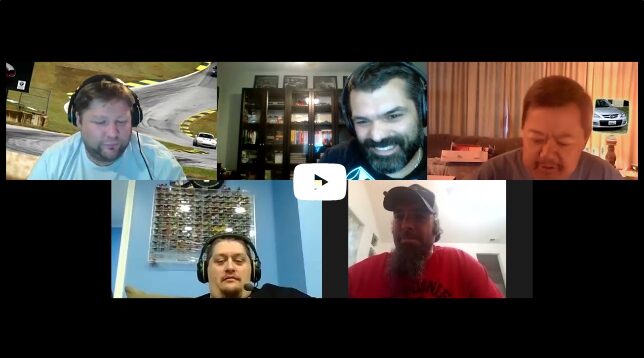

In the latest episode of the Break/Fix podcast, hosts Brad and Eric sit down with Ed Sheets, founder of Bold City Motorsports, for a deep dive into his journey from Maryland’s VW scene to building a purpose-driven motorsports hub in Jacksonville, Florida—and now, launching a groundbreaking app called TunerLog.
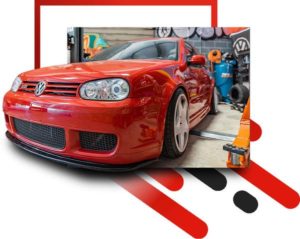

Ed’s automotive journey began in the early ’90s in Bel Air, Maryland, where he and a group of VW enthusiasts formed a local club. Frustrated by the lack of quality service for enthusiasts, Ed and his partner Dave Graf founded New German Performance (NGP), a shop built on genuine passion and technical excellence. After a decade of success, Ed sold his share in 2007 and relocated to Jacksonville for a corporate role – but the car bug never left.
Tune in everywhere you stream, download or listen!



Inspired by his son’s growing interest in cars, Ed returned to the scene with a broader vision: Bold City Motorsports. More than just a shop, Bold City is a community hub for German car enthusiasts, hosting events, supporting track days, and fostering a culture of respect and motorsport education. “If we do it right, the future is bright,” Ed says, emphasizing the importance of paying it forward and creating safe, rewarding experiences for the next generation.
Highlights
Skip ahead if you must… Here’s the highlights from this episode you might be most interested in and their corresponding time stamps.
- 00:00 Introduction to Break Fix Podcast
- 00:34 Meet Ed Sheets from Bold City Motorsports
- 01:06 Ed’s Journey from Maryland to Jacksonville
- 03:55 The Birth of Bold City Motorsports
- 05:21 Track Cars and Family Stories
- 07:11 The Infamous Red R32
- 08:45 Favorite Volkswagen Generations
- 10:51 Bold City’s Future Plans
- 14:07 Introducing TunerLog
- 17:36 TunerLog Features and Benefits
- 28:20 Transparency and Value in Car Sales
- 37:14 User-Based Point System and Badges
- 37:45 Track Insurance and Declared Value Policy
- 38:57 Tuner Log’s Data Privacy Commitment
- 40:00 Monetizing Without Sharing Data
- 42:37 Transfer of Ownership and Receipt Drop Integration
- 55:09 Data Security and Compliance
- 01:00:58 Motorsports Integration and Future Features
- 01:07:32 Final Thoughts and How to Get Involved
Transcript
Crew Chief Brad: [00:00:00] Break fix podcast is all about capturing the living history of people from all over the auto sphere, from wrench turners and racers to artists, authors, designers, and everything in between. Our goal is to inspire a new generation of petrol heads that wonder. How did they get that job or become that person?
The road to success is paved by all of us because everyone has a story.
What’s going on everybody tonight. It’s your host, Brad. And with me as always is Eric. Joining us tonight for an exclusive interview is Ed Sheets from Bold City Motorsports. Maybe you’ve been following them for years at Bold City Motorsports on the Instagram, or maybe this is the first time you’ve heard of this Jacksonville, Florida based German auto shop.
Either way, Ed’s going to share the Bold City origin, which happens to start in Maryland,
as well as clue us in on some exciting future projects they have in store. [00:01:00] Welcome to the show, Ed.
Ed Sheets: Thanks, guys. Appreciate that. Glad to be here.
Crew Chief Eric: All right, Ed, so let’s get into it. Tell us about your origin story there, being a Marylander.
Ed Sheets: Gosh, being a Ravens fan, you mean. Relocated, yeah. So, started in Maryland.
A lot of people would probably know my background through New German performance. And GP racing. So really started, uh, in the early nineties in Maryland, in Hartford County, let’s say Bel Air, you know, area met up with some VW guys started hanging out. We actually formed a little VW club, which was kind of fun.
That was in 1993, 94. We were having a lot of work done on our cars at a couple of the shops that were in the area that were just kind of pop it up. Dave Graff, my former partner and myself kind of got together and said, man, you know, the shops that are out there aren’t really doing such a great job for the enthusiasts.
If we put something together, got some good technicians, got, you know, a good foundation. Based in [00:02:00] the VW scene, really, you know, putting it out there in a genuine way. We could really make something of it. We’re both kind of coming from retail backgrounds. I was in the Marine industry. They’ve managed the audio connection, car stereo shop and performance center over in Towson.
We got together and the rest is history. So we had a really good run. I was part of NGP as Dave’s partner for 10 years, sold my half of the business in 2007. That’s when John Martin came in, another great guy, mutual friend of ours. So then I kind of stepped out of the scene for a few years, relocated for a corporate position, ended up here in Jacksonville.
But you know, when you’re in the car business, and when you are such a diehard enthusiast, you never get it out of your blood. Probably the best story for me as far as being an enthusiast is my honeymoon. My wife and I have been together since we were teenagers. We were high school sweethearts. So for our honeymoon, we went to, uh, Europe for two weeks, but we started off in Germany and actually spent the [00:03:00] first couple of days of our honeymoon in uh, Wolfsburg, you know, VW museum.
It was before the auto stop, unfortunately. But so yeah, you could say it’s, it runs, you know, pretty deep. We had a couple of kids, you know, my son was, became a teenager. He was almost ready to start driving. We decided to go out and pick up a VW and build it for him. And I started to reconnect with a few VW friends.
So I really wanted to come back in to the scene and start something that would be, I guess you could say like a 30, 000 foot view, right? So stepping back from the micro focus on VW and Audi kind of go all German cars, you really all, you know, car enthusiasts, something that would support the motorsport theme, getting people interested in motorsports, having a place for people to come hang out and car clubs to get together and put a car on a lift and do a lunch and learn or whatever.
The idea came about for Bold City Motorsport. Started Bold City, uh, I [00:04:00] guess going on about three years ago now. We basically build a lot of project cars. We try to support the local scene as much as we can. We organize get togethers and events and, you know, support. Local track days and just whatever we can do to really kind of pay it forward.
And now my son’s in his second year of college. Now he’s 19 years old. You know, it’s fun to see that next generation get involved and get interested in motor sports, interested in what I consider kind of doing things the right way. I won’t get into the semantics of the different types of car scenes and whatnot, but just genuinely appreciating the cars for what they are, the engineering aspect of it, the actual motorsport aspect of it.
And a lot of that starts with respecting. Cars respecting what they’re capable of and just the enjoyment of it as a whole. And again, if we do it right, the future is bright. We, we, it’s kind of up to us at this point to pay it [00:05:00] forward and present things the right way and really support it the best we can.
Crew Chief Eric: You know, it’s always sunny in Philadelphia, but I don’t know that that’s necessarily true. It’s always. It’s pretty much sunny in Jacksonville. So you’ve got the luxury of being close by to some, some very famous tracks, rubbling road, road Atlanta, Sebring, et cetera. They’re pretty much in your backyard and you’ve talked about, you know, the track scene and motor sports.
And if anybody’s followed you on Instagram, we’ve seen your blue nine 11. So what is your track car of choice? What is your track weapon?
Ed Sheets: Well believe it or not, the car we took to the track the most of the last couple of years was actually a Mark two eight valve GTI, former, uh, SCCA ITB car that came from Frederick, Maryland, just a couple of years ago, momentum car, just, you know, kind of fun to play around on, but it was perfect card to put my son on the track for the first time.
Great story with that is taking him to the track, putting him in the car. Of course, I went out and did a couple of stints and then, uh, he goes out and he stays out and he [00:06:00] stays out. Then it’s a matter of, you know, the timing and all of a sudden we’re keeping track of the time and, and, uh, sure enough. His first time on the track, he actually bested my time.
So, uh, that was at the firm. That’s a local track here. But so the 997 GT3 it’s a 997. 1 GT3 super in love with that car. Just was out in it literally 10 minutes ago, ripping around. I’m excited to get that car actually out on the track. We’re doing a few more small tweaks to it. We just got a couple months ago, but that will be the track car of choice moving forward, as well as the road trip car of choice.
It’s a really cool story. We’re going to feature it and kind of expose the car a little bit more on social media here real soon, but 105, 000 miles, excellent condition, one owner car, a lot of people, you know, kind of love, hate the Metzger engine and yeah, it runs great and it’s, it’s incredible. The design, but you know, it’s not good for longevity.
This car runs great. We pulled the engine, compression test, leaked [00:07:00] down, tidied up a couple small oil leaks, went over the whole thing. It is amazing. The car runs as good as new. That’s the track car of choice moving forward, I guess you could say.
Crew Chief Eric: So a lot of people may also know you for your infamous red R32.
I’ve seen pictures of your car all over, and I know that is recently departed from the shop. So is that a? Pain point for you? Do you miss it? I mean, let’s talk about that car a little bit. ’cause it is a big part of your backstory.
Ed Sheets: It is, yeah. So oddly enough, I just did a . I prepped for a throwback Thursday by posting some pictures of that car on social media last night.
So phenomenal car. Again, that was kind of a reentry point into opening the shop and having fun with cars again on a much higher scale. You know, level, but I found the car up in New Jersey. It had an HPA kit, single turbo kit car ran phenomenal. I mean, it was, I think four 60 at the wheels [00:08:00] on pump gas, 70, 000 original miles mint condition inside.
Now I truly have not personally seen a more mint condition car. And then with all the work that was done, we took it a little bit further. We did differentials front and rear. And a dual disc clutch and a couple of other things. Cause it was really kind of set up a little bit soft, but phenomenal car sold it to a collector in LA.
He added it to a, uh, quite an awesome collection of cars, including, uh, Mark 5 R32 turbo and some Porsches and some crazy built BMWs. And it’s living a good life.
Crew Chief Eric: Since you’re in the, in the VAG family, going back probably as far as my family has and a lot of other people that are listening to this.
Favorite generation of Volkswagen’s? If you had to pick one.
Ed Sheets: Oh gosh, well I think we already hit it. A lot of people are going to get mad at me about this. I want to say Mark II because of my affection for the Rally Golf. But to [00:09:00] be honest, I mean, And you’ve probably seen my son’s Mark four, you know, Jetta wagon.
I really love the Mark four. I it’s so easy to engine swap. Uh, I guess the only complaint would be, you know, that you’d have to go R32 or a major swap to get the, um, independent rear, but just such a cool car. They’re muscular. They they’re so easy to tune. They’re so easy to dial in. You don’t have to spend weeks and weeks on the track to dial in a Mark four.
Right. You guys know that as well as anyone. So yeah, they’re very predictable. It’s a good chassis. I mean, you know, again, we can talk about my rally golf. It’s pretty famous car on its own, but you know, every time I put that car in the lift, it opens a body seat. You know, it’s sad but true and that’s a rally golf.
So, you know, they’re soft cars So mark four they really started getting tight. They’re a fun platform I might take some heat for it, but it’s got to be the mark four
Crew Chief Eric: very cool So before we get into what’s hot and what’s new [00:10:00] I gotta ask this question sexiest car
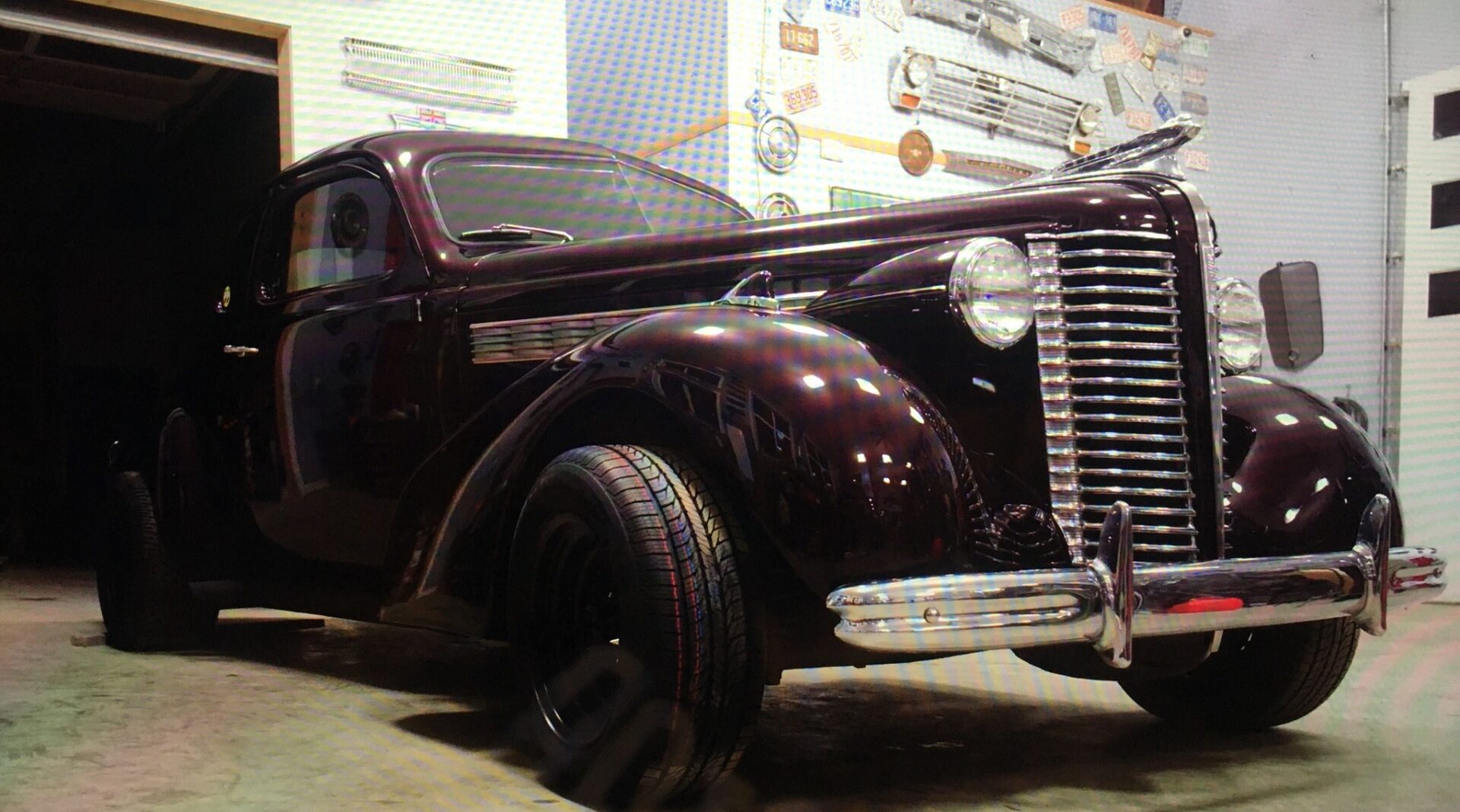
Ed Sheets: Oh, gosh, sexiest car. I would almost say that the sexiest car I’ve ever contemplated would probably be a 48 Buick and that’s crazy.
That’s gone really in a different direction. But as far as body lines on a car that came from the factory. The 48 Buick, I think, is still my all time favorite.
Crew Chief Eric: It is amazing the things that we have heard, you know, E Type Jags, 365 Daytonas. I mean, people are all over the map, and so it’s always a very interesting, you know, kind of knee jerk.
What would you have? You know, what is that pinnacle car? Is there anything else you want to add to kind of the background, the background story of Bolt City or anything, any anecdotes, before we move on to really the meat of our conversation for tonight?
Ed Sheets: I would say in general, some of the reasons why we decided to make the investment to move forward with bold city, which is not [00:11:00] fully developed.
There’s a lot of things that we’re still working on. There’s a lot of things that we’re going to be doing with bold city that are very, very exciting, right? We just landed a container of parts from the UK on Friday of last week. So, you know, I’m still playing in some familiar turf with things that I used to do at NGP and, and with.
One of the branch off companies that I ran, which was ecode parts, you know, it’s good and it’s working and it’s supporting the positive aspects of the enthusiast base in the area. But, you know, I’m still a bit concerned. I still want to make sure that we’re doing the right thing for the younger crowd, people that are coming up.
I really liked the way, uh, our local track, the firm Keystone Heights, Florida. I love the way they push the like teenage defensive driving classes, things like that. Right. So I had personal friends of mine that were killed in car accidents. As a teenager, my kids now, my son’s 19, my daughter’s [00:12:00] 16, almost 17.
They have friends. That have died in car accidents. I, I really, maybe it’s the maturation process. Maybe it’s the, you know, it’s the age and the life experience, but I think I would like to do a little bit more with really bringing home, you know, there’s a place to drive in a certain way. It’s so rewarding.
It’s, it’s such a great thing to experience. I remember going, you know, summit point for the first time for a Friday at the track day and there’s nothing like it. I’m sorry, but there really isn’t. I mean, when you get out on the track and you’re doing it the right way you have a, you know, you have a fun ride.
It’s such a cool thing. I want people to experience that. I want them to enjoy it, but I don’t want them to do it on the street. I don’t want them to kill themselves or hurt other people. So again, Different stage of life, different mindset, maybe obviously than 20 years ago, you know, with NGP or whatever, I love what they’re still doing.
But I think the point is with bold city, we don’t have to worry about covering the rent [00:13:00] next month or, We have to sell, you know, 500 exhaust systems to, uh, to make payroll. We’re keeping it very, very efficient. We’re working very slim. We’re building project cars. We’re having fun. It’s a bit less of a commercialized endeavor, and it’s a bit more of a purpose driven, pay it forward endeavor.
So I would just leave it at saying, you know, we are selling Euro parts. We’re bringing stuff in. We’re building project cars. We’re finding cool cars and flipping them and turning them back out to the local market. Definitely, you know, follow along. Stay tuned. You know, as everyone says, stay tuned. We have some really cool stuff in the works, some really cool projects and some kind of high profile and influence or people that are going to start being involved with what we’re doing for your local shops.
I don’t want to step on anybody’s toes. We have a couple local shops that just opened in the last year here in Jacksonville. I consulted with both the guys that started the shops. I gave them a ton of advice, personal experience. I want them to succeed, support your local shops, have [00:14:00] fun with it, do things the right way, and, and we’ll be good.
We’ll be good for another 20 or 30 years.
Crew Chief Eric: So let’s really get into it. Now, as we prepared for this episode, we talked ahead of time and what the listeners don’t know. Is that you’re taking a step into the world of IT. And what I mean by that is Ed is one of the principal founders of TunerLog. And you guys have heard this application teased for quite a while now, and Ed has kind of a big announcement that he wants to make, and we’re going to dig into the product and talk about it.
And this is an exclusive relationship here between Bold City and GTM to talk about TunerLog and bring this out into the wild. So Ed, why don’t you start us off and tell us. All about the premise of tuner log.
Ed Sheets: Yeah. So it’s, it’s, it’s a big deal. It’s, it’s actually exciting for me to hear you introduce it in that way.
And we have spoken about this isn’t exclusive. This is the first time it’s publicly being discussed after two years of development. Let’s talk about that red [00:15:00] R32 for a minute, actually, not unlike many cars that I’ve had, right? Really great car comes to me with a bunch of work done to it. I do a bunch more work to it.
I go to move the car forward after I’m done with the ownership experience, I start to market the car, put it up for sale. Every single person I talked to said, you know, it’s an amazing car and I would give you exactly what you’re asking. If you had the records, if you had all the documents, if you had the paperwork, I mean, the car has.
Well, the differentials I did, so that was fine. But, you know, it had cans, the turbo kit, it had, um, you know, the suspension, brakes, sway bars, everything. So, some parts we can see, some parts we can’t see, internal engine parts we can’t see, we don’t know. What pistons are in the car, what camshafts are in the car, you know, there’s a lot of things you say that the, you know, the intake manifold is match ported and it’s extrude homes.
Well, we can’t see inside the intake manifold. So a few triggers like that started to come [00:16:00] to me. And then of course, you know, there was a fateful trip with the family where we spent a couple of weeks in the car, driving through California. Reconnected with some awesome friends, you know, Brad Beardo, Matt Crook, um, the guys at 1552 people I had known from the very beginning and, uh, kind of got the, the thoughts flowing.
And at the time I had the R32, you know, marketed and I was taking a lot of feedback and interesting observations from that process. And I said, you know, I really would like to work on a legacy project and I really would like it to pertain to improving the experience of owning a vehicle. To everyone. Now, this is no longer VW Audi specific.
It’s not Porsche specific, which I love. It’s not German specific. You know, this is anyone who cares about their vehicle or even cares about the resale value of the vehicle. How can I? Give them something or provide them with some tool or [00:17:00] mechanism to actually increase the enjoyment of the ownership and increase the resale value and really the lineage of the vehicle, right?
That R32 is a phenomenal car. But if you don’t document and carry forward the lineage of what was done, when it was done, how it was done, who installed it, you know, things like that to say that it has camshafts is one thing. What camshafts are they? What brand are they? What grind are they? You know, what’s the lift?
What’s the duration? No one knows. And truthfully, I didn’t know. I was told they were a tectonics. Well, great. You know, they make two or three different sets of camshaft. So the idea started to come together to create something that was very easy to use, very smart, intuitive, sensible, but accessible to keep records, to record events in the, in the cars history, something That would transfer from owner to owner.
And really the idea of a [00:18:00] log book obviously came to mind, right? So I’ve had plenty of sanctions cars. I’ve had plenty of cars that have come with log books, whether it be NASA or SCCA or whatever. And again, I have a background in the maritime industry. There’s, you know, survey records and log books on engine maintenance and everything else.
I had actually started with the idea of building a better mousetrap through creating a better logbook system. But in my mind, I was thinking of actual logbooks, right? Actual printed books, even did some research on how to get books printed, where and everything. So my teenage son jumped in on that and brought that up to the 21st century for me real quick.
So, uh, we basically turned it into an app. I pulled a lot of experience from my previous corporate position with using Concur, which is an expense program, things like that, that were easy to use that you could take a picture of a receipt. You could upload it, categorize it, save it, [00:19:00] transfer it, email it.
And then there’s, of course, a lot of other programs that we’re all influenced by, right? Amazon, eBay, even Angie’s List, things like that. So the idea kind of grew and grew, got together about a year and a half ago with a couple local guys here in Jacksonville. They have a company called I Drive Fast. Their names are Thomas and Lucas, great guys.
They’re doing a lot of stuff. They’re on social media. If you go to iDriveFast on Instagram or Facebook. So they actually are a development team as well. So they build websites and they do, um, you know, do apps and things like that. So I contracted with them. We partnered up. There’s a lot of synergy there.
They did a great job lending that motorsport. Lifestyle kind of thought process having owned a brand new Camaro ZL1, 1LE, M4CS. I mean, these guys are true car guys, really good backgrounds. Also have that technical side that, you know, is necessary with putting this kind of stuff [00:20:00] together. So we worked together for about a year.
We, you know, the, the beta programs been up and running since January. We’re actually going out for public funding starting next week. So we’re hoping to have the company launched TunerLog by let’s say September, October, and then put the app out after a little bit more development and a few more pieces put together by the end of this year.
So what we have ended up with is basically what I would like to describe as a companion to owning a vehicle. Right. And this isn’t just a car. It’s not just an enthusiast car, but it’s a motorcycle, a car, a race car. It’s, it’s a boat, a jet ski, an RV. I’ve used it on my portable generator, my new flat screen TV, you know, so anything that you want to keep a unique serial number, you want to keep files, data, pictures of receipts, you [00:21:00] Those sorts of things where they can be easily referenced from your phone and app format can also be used from any platform.
So right out of the gate, it can be used on any web based platform. So your laptop, your ipad, your phone is already in the app store and beta format android. So it will be, uh, fantastically accessible. The whole point of this is there’s no charge for the basic program. Completely free. It’s global. It will be available to anyone that has the internet can use this sign up for free.
It’s going to take literally 10 seconds to sign up. You can add a receipt or a record in five seconds. I mean, it’s it’s so easy and simply functional that there should be no issues with the entry point. You know, signing up, using the product, sharing it, you know, really getting all the benefits, moving the cars forward or the vehicles forward, buying, selling those sorts of things.
So then of course there’s a [00:22:00] million layers under that, right? But that’s the overview of what we’ve created. So tuner log.
Crew Chief Eric: So now that you’re kind of. Telling the world that this is becoming more generally available and you’ve already said that it’s really designed for the masses and it’s got a really low entry point at free.
I would assume that there’s probably a tier to this with, you know, probably premium features. I don’t know if you want to outline those or anything like that, but what I’m more interested in digging into, and I’m sure our listeners are interested in, is Who will be integrating into this platform? Are there any early adopters?
Is there anybody on the back end of this thing that would make this process easier? Because it’s one thing to go to advanced auto and get a receipt and take a picture of it versus going to NGP and saying, Hey, download your ticket right into my tuner log.
Ed Sheets: There, obviously, there’s a lot of things we can’t talk about yet.
We actually have a fantastic intellectual property attorney that consults with us. So, I’ve gotten some good guidance on what we can and can’t say. But, I can give you some really good basic [00:23:00] foundation of what the program’s going to do. And it is phenomenal. It’s, we’re so excited. It’s an incredible program, the way it’s grown and developed.
To be completely transparent, there are logbook apps available. Right? I mean, you can go search in the app store today. There’s there’s apps that track mileage. There’s apps that track maintenance. There’s apps that, you know, track spending for tax purposes. So there are little bits and pieces of our concept kind of floating out there in space.
No one’s ever put the entire ownership experience into one program, right? That’s a big deal. But it would take it a step past that. The big difference with tuner log is integration. So you alluded to integrating with partners, very big partners, you know, big players, I should say, in the market with integrating processes such as receipt drop.
We want you to be able to go to some of the largest e commerce retailers in the country. We’re not going to name the names at the moment, but we want you [00:24:00] to be able to, um, to make a purchase. And just as your receipt would be emailed to your inbox, you know, after you complete the purchase, Your email can be dropped right into your cloud storage on your tuner log app, where you can simply go in and drag it into whatever column and categorize it as far as you know, whether it’s breaks, oil change, whatever it is.
So that’s really exciting. And there are some early adopters in line. And again, we can’t really put the names out there right now. There’s a lot of things still in discussion, but But I think we all know, you know, a lot of the main players in the industry, the people that are doing it right are the people that obviously we want to really launch with.
We want people who reflect the genuine motivation to improve the ownership experience. That’s what it’s all about. So what, what we say with TunerLog is that, you know, we, we want to. Increase the the enjoyment of the vehicle ownership experience as well as increasing the value [00:25:00] of the vehicle. So we can do this.
It’s a free program. The basic program is free for the expense of you taking 10 or 15 seconds to enter a receipt or enter a record every time there’s an event with your vehicle. Could literally mean thousands of dollars of additional resale value at the end. So it’s a value based program. There always will be value no matter what stage you use the program.
There will be a paid premium service. It will only be 5 a month. It’ll be launched, you know, sometime probably in the first six to 12 months. Of, uh, TunerLog going public. Paid premium version will have five, six, maybe even seven additional features. There will be, uh, additional, um, communication. There will be some other VIN data history reports that are discounted.
There will be some collaboration functions. There’s really [00:26:00] neat stuff. Again, you know, we, we have had an all star team from day one and a lot of what’s been developed and doesn’t exist anywhere. So it’s, it’s exciting. It’s, it’s going to be a lot of fun to see the reaction as people start to use it and really, really move it forward.
And I guess that’s one, one other thought that I would like to add just, you know, in general. Is that what we’re doing with tuner log is building something for the people that we are right? We’re enthusiasts So we’re going to start by catering to and delivering the product to the enthusiast market Which is one of the reasons why we’re announcing it here first with you guys, you know, it will grow and expand Obviously, it works for everything.
It’s it’s relevant to many different markets, different vehicles, different segments all over the globe. But the point is, we want to bring this forward in a very transparent way, and we want to be very honest about what the program is. And the program will get better [00:27:00] with feedback, and it will get better with people who genuinely appreciate what it provides, using it for free, and helping us build it into what ultimately will be, it’s already the only program of its kind, but will be the best possible version of this program type that it is.
So, so that’s one thing we want to make very clear from the beginning, we want people to use it, give us feedback. We will. Continue to work on and develop the program to be the best it can possibly be. And obviously we’ll be evolving forever. It will be years and years, but we are going to roll out the prelaunch beta version with some very specific partners, you know, and users that can give us good feedback.
And, and as we open it up, we’ll continue to ask for feedback. We want it to be something people can take ownership of, be a part of, you know, not many of us got to give input to, to Facebook, right? Or eBay or Amazon. This is something that could be [00:28:00] absolutely as big as any of those entities globally in the end.
And we want people to take ownership of it. We want them to help us to develop it to be the best it can be.
Crew Chief Eric: If you read between the lines, you shore up the age old discussion about a car is worth more in pieces than it is whole. And that’s exceptionally true when you talk about a race car. And so I wonder how tuner log is going to benefit the motor sports community.
Because now I have this Rosetta stone of information telling me all about the history of this car, much like the SCCA log books and everything you talked about. But now I start. putting two and two together, right? Well, this car has a hundred and fifty thousand track miles, which is like a million in dog years, and you got some Penske shocks on there, so that means that they’re blown out.
You can’t ask me for a top dollar for that type of thing, right? So I start making these mental correlations. So I get the benefit and I know [00:29:00] this is a little bit of objection handling, but I’m trying to think ahead of what maybe some of our listeners might be thinking as they’re hearing this. So how does one now have this conversation as a buyer or a seller when you’re armed with all this extra data?
Ed Sheets: That’s actually a great point, and maybe not the best view into human nature, you know, that you could take, because I’ll be honest with you, and your points are 100 percent valid, you know, we’ve gone out to some focus groups and gotten feedback, of course, you know, in all different stages of this, there have been questions like, okay, well, what if someone fakes the receipts?
Right. What if I tell you, you know, I have a Peliquin differential and I show you a receipt, but that receipts from my other car and it goes the same way with, uh, with track cars in general. Right. So the paid premium version will have the ability to upload video. Which the standard free version doesn’t, right?
Well, you know, what’s more fun [00:30:00] than uploading and sharing videos of your in car shots, you know, at the track? Well, maybe the buyer of your car doesn’t want to see you spinning off the track and, uh, ripping the bumper off, right? So, you know, you go to sell the car and you start deleting videos. Hey, that’s human nature.
I mean, there’s no way that the transparency in the program can be 100 percent verified or justified for that matter. So you always have to understand that you have to do your due diligence. You have to understand that maybe, like in the example you gave, Maybe showing a receipt that those Penske shocks were installed six years ago, you know, is not going to give you a lot of confidence that you should pay extra money for the Penske shocks, you know, because you’re looking at four or 500 each to rebuild them.
So let me put it this way. If I were to offer you my car and I were to put your email address in, which I could do today [00:31:00] for you and send you my entire logbook on one of my cars. How much extra benefit or confidence would you have in purchasing it? If I decided to be fully transparent with you, right? So we’re not creating.
The idea of being transparent or to be honest, we’re not creating the idea of keeping records on cars and sharing them with potential buyers. What we’re doing is we’re repackaging it into a 21st century platform that allows you to easily Keep the records, you know, secure the records for the future, transfer the records, and then add to the records and continue to build the lineage or the history of the car.
So we can’t fix human nature. All we can do is say that additional transparency will continue to separate. The good guys from the bad guys, so to speak, and we’re very positive on that. We think that that’s a very, very good thing. Do
Crew Chief Eric: you think it would [00:32:00] make sense then to aid the seller in adding a capability as maybe a value estimator?
Where it could factor in depreciation, maybe some other things to say, what is my car worth? Because I think a lot of people have a hard time coming up with a number, but there’s also a factor here to your point about the six year old Penske shock, or the Bilstein, or the Eibachs, or whatever you have laying around.
You know, when you bought those six years ago, They were 1100 bucks today. I can get it for 400 because somebody’s trying to clearance them out of their out of their shop brand new. So is there a mechanism or will be there a mechanism on the road map that would allow a seller to more accurately say, you know, this is what I’ve got and this is what it’s worth.
So they’re not Chopping off their nose despite their face, but everybody’s kind of getting a good deal at the end of the day.
Ed Sheets: Yeah, so you just hit on about four primary functions of tuner log all at one time, which is pretty impressive. So one of the things that Tuner log will [00:33:00] do in some ways is kind of reset some evaluation, right?
To say that your car has a certain suspension or a certain set of camshafts or a certain differential or whatever, you assume that adds value. If you don’t have the documentation, it adds absolutely nothing. The red R32, phenomenal car with all these aftermarket modifications, over 30, 000 in modifications done to that car.
Let’s say that I do give you a receipt that shows camshafts. There should be a shop that if I care to move forward with inspecting or confirming modifications that have been done to the car, we’ve already started to construct the foundation for what will be called a tuner log certified shop. So we will vet shops and not so different away as Angie’s list or even AAA on some level.
But we will have the ability to point you in a direction where you [00:34:00] can go to maybe spend a little bit of money to verify that the receipts are legitimate and that could potentially retain the value that you may or may not lose from how long they’ve been in there. Are they in there or not? You know, is it real?
Is it not? But then, on the other hand, There’s the aspect of, okay, well, maybe I’m going to buy this car and maybe the shocks are six years old. So I know that before I go out on the track, I really want to replace those. What do I do with it? So now we’ve kind of negotiated the price. The transparency has given me additional confidence.
I really liked the car. I’m going to go in and actually open my wishlist in my logbook. And I will be able to identify products that I may want to purchase for the car. And I’m curious about what they’ll cost, things like that. Part of the TunerLog backend will be the ability to connect with vendors who have products you’re interested in to [00:35:00] actually look for the best deals possible on the parts that you want to replace.
So we really have gone through from one end to the other of the experience, whether it comes to history or or, you know, purchasing or then purchasing and modifying. There are aspects built into the program from day one that accommodate that, I guess, just to just to flip back on the value, though, I’ll give you a little example of one of the things we’re working on behind the scenes.
So built into the program, even in the free version. is what we call a VIN ID. So we’re partnered with a company called VIN Audit. VIN Audit has the most accurate VIN data history in the USA and Canada based on government records and insurance records. But the one thing VIN data does not have is self reporting or service reporting, such as a CARFAX.
So Any of us who buy and sell a lot of cars know that the Carfax service [00:36:00] history is always spotty. You might see service here, service there, a six year gap of nothing, and then all of a sudden it went in for an oil change. It’s very difficult. Let’s go back to the idea of integration. Self reporting.
Using this program and filling out that data, Will actually supplement what’s lacking in a lot of the vehicle history reports today. So it’s a different world when it comes to evaluating vehicles, you know, yes. Maybe there’s more transparency. Yes. Maybe it, it plays into the value a little bit, either positive or negative, but the fact is we’re already working with the very.
Relevant, very well established partners to supplement what they have with what we have, and you’re going to be able to pull out vehicle history reports along with the tuner log log book, which will really help you make a very good decision on what you’re willing to pay for the car. Our assumption is that it’s going to [00:37:00] drastically improve the value for people who have the very desirable cars with very, very good records, and then it may pull some values down to people who are transparent about less than great, you know, service and support.
The bottom line is there’s a user based point system where you actually earn badges, which will get you discounts with key vendors for using the app. The more frequent that you use the app, the more records you upload to the app, you’ll earn more points and more, you know, favorable discounts and coupons for key vendors.
So we’re encouraging the use of the app, which is going to encourage the record keeping, which is going to actually kind of. Reset the ability to create that value properly.
Crew Chief Eric: What you’re saying is actually really good because I think in the motorsports community, one of the things that people often struggle with, and we talk about a lot on this show is the concept of track insurance and track insurance is becoming more and more prevalent at every event that goes by every [00:38:00] year since track insurance has become a thing.
Thanks to locked in and some of the other groups that are out there, I see the value in a tool like tuner log. When I set up my declared value policy. I can have proof to say, this is what my race car is worth. This is what my high performance street car, my track car, my track rat is worth in parts in totality.
And when you take that to somebody like locked in and say, I need to declare value policy for 50 grand for a mark one rabbit, and they look at you sideways, you have the. Papers in hand to say, yes, it’s worth 50 grand. That’s how much I have sunk into it. So something to consider their listeners as, as we’re talking more about this, but I want to kind of get into a little bit more tougher conversation on behalf of a lot of our listeners that are probably thinking this now, you know, how does something like tuner log.
affect a newer vehicle? We’re talking about warranties and dealing with OEs and even the insurance companies. It’s a very highly sensitive and very touchy topic. So let’s start off with that. How does tuner log play into that whole [00:39:00] equation in terms of accessibility of the data? You know, when I need to go in for service or do a recall or something like that.
Ed Sheets: Great point. Again, I’m going to kind of reference the human nature thing, right? So we’re going to control what we can control. And one of the things we’re going to have to ask for up front is trust. This mechanism that collects and stores data obviously would be very attractive to insurance companies, to OEMs that want to monitor warranties, modifications.
We have to protect that. And that’s a commitment that we’re making very, very boldly from the beginning. So we’ve actually had quite a few conversations about this in the development stage. So we will not sell information or share information externally to anyone. Obviously, there’s a large investment made to create this program.
We’re going out on the street next week for our first round of funding. There’s going to be a lot of money spent to launch the company, to grow the program, to [00:40:00] develop it. There has to be a monetizing function. So, the monetizing function that we focused on is to work, again, to reflect that enthusiast, grassroots based desire to make this valuable.
So, we can use the data that’s inside of the application to benefit the user and related vendors or relevant vendors to that user without actually sharing the data. We don’t have to share your personal contact information. We don’t have to share any information about your vehicle. So let’s say you buy a new C8 Corvette.
So if Borla, I’m sure they do already, has a, you know, a new exhaust system for a C8 Corvette, we can actually partner with Borla, which I’m sure we will at some point here soon, to be an integrated vendor partner. So we can actually push Borla’s announcement or [00:41:00] special tuner log program purchase offer for C8 Corvette exhaust systems to C8 Corvette owners.
Because we have the ability to pull up the contact information and push a notification to the app based on the VIN number that tells us you own a C8 Corvette. But guess what? If you don’t own a C8 Corvette, you’re not going to get any junk mail or spam about exhaust systems from Borla for C8 Corvettes.
We also, in that way, can basically use the data that’s in the program in a positive way. There’s no downside to that. If you own a C8 Corvette, you probably do want to know what’s available for the C8 Corvette, right? That’s very important to us that none of our plan or strategy for monetizing this program has anything to do with externally sharing, selling, or divulging anyone’s information, either personally or on their vehicle.
We just don’t have to do it. We’ve looked at the financial models. We’ve looked at the growth and scale models. We’ve [00:42:00] gone all the way out to five years plus. There is absolutely no need for us to share any data externally so we can control it. We can keep it internal. No offense to Hagerty and all the other people that were already working with.
But we’ve You know, we don’t have to give any of the data on modifications or any, any, you know, personal information on the ownership experience to those companies. Yes, we will work with insurance companies. We’ll work with auction companies, but it’s, it’s going to be in more of a generalized marketing way.
It’s not going to be related to divulging any information on the ownership experience of the vehicle. And that’s very important to us.
Crew Chief Eric: So that leads into, I guess, a transfer of ownership questions. So I sell a car to you and now I transfer my tuner log to Ed. Ed’s got my info, right? So you go, Hey, why did you install this cam?
I’m getting calls in the middle of the night. Car runs like crap. You know, it’s always been the five minute, five mile warranty with any used car. So [00:43:00] how does this play into that whole equation?
Ed Sheets: There’s a couple of things. One is that the receipt drop integration will not include personal data. It won’t include the last four digits of your credit card or any of those things developing the receipt drop integration, which will actually be in a later release.
It’s not going to be in the first release of the program. It’s going to be very simple. And again, we want. People to take ownership. We want the enthusiast market to actually help us, you know, kind of fine tune this program. So a few things will, will come a little bit later, but, you know, receipt drop integration is going to be formatted purposely to protect personal information.
There’s not going to be addresses or phone numbers or anything. And what we will tell people in our tutorial, when you sign up for the program is that, you know, if you’re taking a picture or screenshotting, You know, which is what I do with my log books. I’ll take a screenshot of the receipt. I simply crop it, you know, any of the phones, whether it be iOS or [00:44:00] Android will allow you to screenshot and then immediately go to edit.
You just take down the whole top section. All your personal information is gone at that point. So now let’s, let’s answer your question directly. Okay. So, so I sell you my car or vice versa. What I do is I actually share it based on your email. Your email is actually your login for tuner log anyway. Yeah. I hate to go down this path, but if someone was really bugging you about something, you could always block their email.
I mean, you know, it’s not that hard to do in today’s world with the basic email providers that we all use. But the thing is, there’s not a, an exchange of phone numbers, addresses. You can still keep it very clean. Good. Now to go a step further, we are already working on a program for a marketplace for exchanging vehicle ownership.
In other words, selling vehicles that does have some very progressive, very cool features, such as something that we see in the marine industry, which is like a broker purchase kind of [00:45:00] thing. You know, we already do that. And I bought my 997 GT3 through a Florida performance cars. Jeff down there is phenomenal guy.
I also bought our, our red. 900 horsepower 996 twin turbo from them. The 997 GT3 came from the original owner and it wasn’t even really a consignment type thing. It was a brokered type deal. So I’ve had no contact with the original owner, but I’ve received all of the receipts and all the documentation, the original window sticker, the manuals, everything.
So we can create a situation where people can have that anonymity, but let’s also look at how transactions are made these days anyway, which is completely hands off. We’re dealing with a global pandemic right now. TunerLog actually, by its nature and by bringing the experience of owning, recording and transferring a vehicle to the 21st century actually addresses some of the problems we’re dealing with right now.
We don’t want to have a lot of personal contacts, you know, you know, a lot of dealers now, all dealers probably at this point. [00:46:00] Are doing what they call sight unseen and appraisals. So they’ll appraise your car based on the car facts report and a couple pictures and things like that But the bottom line is we take, you know sight unseen appraisals to a whole new level and i’ve talked to some very good friends of mine who run dealerships, uh, vw and volvo and You know, they’ve said that what this will provide to us is the ability to truly do a sight unseen appraisal Which has not really existed to this point We can look at our All the records, you know, even, uh, let’s say VW, for instance, what they told me is even the VW dealers, you know, don’t all have the same service records only if it’s warranty.
So if it’s basic service and you have all your oil changes done at one dealer and you go to another dealer, they can’t necessarily pull up all of your records. So this platform actually allows you to truly provide a full set of records on the vehicle that allows you to do very intelligent transactions without actually having to be there [00:47:00] in person and handle the car or the paperwork, you know, firsthand.
Crew Chief Eric: Two use cases here. The first one being what if This is my new DRM, my digital records management system of choice. And I am not too keen on paper anymore. So what you told me in this description is I can take a picture of that receipt, crop it, you know, put it in there, et cetera. However, I can’t take a cropped receipt.
back to the store and say, Hey, I bought this and it’s busted and I need it to be replaced without all the corresponding information that goes along with that. So how does that work?
Ed Sheets: Right. So now we’re back to the beauty of the receipt drop integration. If you notice anywhere you go now, e commerce is a little bit different, but anywhere you go retail, let’s say you’re going into Napa, O’Reilly’s, AutoZone, Advanced Auto Parts, they basically take your phone number and your email address and you’ve got a loyalty program.
You’re always signed up for a loyalty program. Doesn’t matter if you go to the grocery store, the auto parts [00:48:00] store, whatever. So receipt drop integration will also be tied in with your loyalty program. So just having the record to reference the product, the purchase date, things like that, will allow them to then turn over to the loyalty program to actually pull up the detailed backend of the receipt.
So if you think of it that way, we’re actually not even going as deep as the loyalty program where you bought the, you know, you buy your wiper blades. They know more about you and they’re actually holding more information on you than we are because we’re not holding your credit card number. So I returned some bulbs for our caddy project.
It’s our little rabbit truck that we’re building. I did some aftermarket taillight and had to, as usual, search out the bulbs and they’re never what they should be. So I took the bulbs back to return them to Advanced Auto Parts yesterday and they didn’t need anything. They punched in my phone number.
They had the credit card that I used. They put it right back on the [00:49:00] card. I didn’t have to even pull my wallet out. That’s way scarier than tuner log, you know? So, so we’re going to leave those people alone with that information. What we’re going to do is be able to extract and trigger enough of the information to keep the record and transfer the record.
Let’s face it. You know, if I buy a car from you and there’s something as a three year warranty and you give me the receipt, first of all. You’re probably not going to give me your receipt with your, uh, you know, last four, your sound decks and your phone number and your email and your home address and all that stuff anyway.
But most purchases are only guaranteed to the original buyer anyway. So, you know, the, the, the relevance of what’s on the receipt, the record of the product that was purchased for. The next owner’s information is actually way more watered down than it would be if we actually needed to go back and get warranty or something like that.
We’re again, we’re not replacing everything that you normally [00:50:00] experience. We’re really just repackaging it. So we’re still not going to replace the data systems that retailers already use.
Crew Chief Eric: Yeah. And what you describe is often the case. If you’ve ever bought a Kony or Bilstein shock, you must be the original owner with original receipt to get anything done.
If I transferred it to, you know, to you, then your SOL, you got to buy new parts. So, you know, I would like to see some of that change in the future, but that’s not the point of this conversation. But my second use case though, still with my, you know, devilish cyber hat on here is what if I’m sitting around going, remember that car I sold to Ed.
I still got the VIN number laying around here. Can I go into tuner log and go look that up and figure out where the car is gone or where it’s ended up now, or maybe it’s, you know, in California all of a sudden, or it ended up in Manitoba. I don’t know. Is there a way for me to figure that out?
Ed Sheets: Yeah. So what’s interesting is the short answer is no, because we’re very, very keen again, you know, being.
User based and building this program [00:51:00] based on what we want as enthusiasts and as hardcore vehicle owners and enjoyers of these cars. We don’t want that. I mean, I, you know, a great story, our rally golf, you know, the rally golf I built when I was still part owner of NGP that we built it with VW Vortex. It was everywhere.
I lost track of that car for 13 years. I just found it with some help of a friend, you know, Nate Brown. A lot of people know, you know, is, uh, at NGP Quite a while. He’s now working for the FCP or a race team. Yeah, he actually helped me find the car, figured out who had it and got me connected to buy the car, right?
What we envision is much like Zillow or almost a combination of Zillow and LinkedIn, the ability to. Let the owner choose whether he wants the car to be found or whether he wants the car to be bought. So you could have the ability and some later versions may actually be a little bit more towards the premium offering [00:52:00] where you can actually turn the car on so that people can search it by VIN number, and there’s a couple reasons for that that may be beneficial.
One is that, you know, let’s say I have the rally golf or I have, you know, some, some rare car mark four R 32, you know, for instance, but which I may or may not be in the market for again. So if I want to know if there’s any mark four R 30 twos within 250 miles of me that may be for sale, it would be nice to have the ability for an owner of that car to be able to, to just click a box.
That says, you know, make me sell is the Zillow term. Obviously we’re not going to steal that from them, but you know, make me an offer or whatever it is. And I would be able as a, let’s say maybe a premium user to go out and search for specific cars, which are going to be referenced by VIN number that identifies the car.
But it’s always going to be with the owner’s approval. They’re going to have to be able to turn that on before they can be seen or found. And then it will have to be for specific [00:53:00] reasons, right? Because they may want to sell it. Let’s say it’s a rare car, and they want to find other owners of similar rare cars, you know, like 997 GT3, you know, there’s not many of those cars around, 997.
1 specifically, so if, uh, if I want to know if anyone else in Jacksonville has that car, it would be kind of cool to be able to click that off, but then again, We’re also going to have integrated groups, like say, uh, you know, PCA. So if I’m a Porsche club member, you know, we could all always have a separate section where you could communicate with other club members of major, you know, significant OEM level type clubs, which would be fantastic.
So, uh, there’s quite a few things we’re working on. Like I said, there’s a lot of things in the works for some future features that will be rolled out. But the important thing is we’re not exposing anyone. We’re not selling or sharing anyone’s data externally. We want this to be a safe, secure place where you can come, [00:54:00] enjoy the benefits of it.
The value is always going to be tremendous for the input. Obviously, entry point at free is, is hard to beat. Spend a few minutes every week or two with it, or whenever you have any kind of event with your vehicle, and you’re going to see the benefits. But on the other hand, you’re not going to be exposed to anything you’re not interested in.
Crew Chief Eric: And, and what you just highlighted there is. kind of a legacy concept being reborn, which is the idea of a registry, right? And so I happen to be part of the 914 registry as a 914 owner. And there are sites out there that probably a lot of newer motor sports enthusiasts don’t know that they exist. You know, there’s a Shelby Cobra registry and there’s a, you know, Sunbeam Tiger registry.
I mean, all, a lot of those old vintage cars, there’s a lot of that out there. And we, you know, we’re friends with the folks In the classic car club of America and the Packard club and stuff like that. And they have those types of lists where they’re trying to keep track of famous cars. Like, Oh, that was the Packard that Clark Gable owned.
Right. And so they have a whole history on that kind of thing. It’s a different sort of record keeping that we’re talking [00:55:00] about here, but I could see that appeal in a more modern way with what you described. Now, I want to close out the cyber discussion here, and I know we didn’t go too deep. But there is one thing that, you know, the Uber nerds are probably thinking about, and I’m going to throw out some acronyms here that people may or may not be familiar with, but it really gets down to the base concept of storage concerns, data at rest, things like that.
Just. Touch briefly on tuner logs, compliance with regulatory compliances, like GDPR, the global data protection regulation, PII storage. You know, this is an ERM or DRM electronic records management or digital records management platform as, as we’ve discussed. So there’s a lot of other things that you guys had to take into account from an it perspective.
So just to put some of our listeners at ease, let’s elaborate on that just a little bit so that they understand that, you know, this is, It’s truly legit and all the painstaking process that you’ve had to go through.
Ed Sheets: Yeah. So a couple of things on that topic. I mean, right now we have a, [00:56:00] our basic security level is the same as using a mobile banking app, right?
I mean, we literally have the same amount of security on transfer security on storage. We take very seriously. We’re actually working on a data security mission statement, kind of an operating outline that we will share publicly that will actually describe how we’re going to hold data. You know where it’s placed.
There is a cloud storage built into the app again in the basic free version that you actually hold. All of your records. And even after you transfer a logbook, you can still hold all the previous records in your cloud in case you buy that same car again. And you want to reference something. It’s fantastic the way it was built out again.
You know, there’ll be a lot more details posted up and actually explained a little bit. We’ve looked at blockchain integration for security. There’s some things that some of the larger [00:57:00] investors actually are keyed in on and focused on when it comes to this type of program and data storage. We’re looking at obviously, uh, as it scales and grows, moving into like an AWS platform, you know, for moving the data around and hosting the program.
So, you know, there’s lots of things to be decided before the program goes live, but most of the architecture. Is built. It’s very secure again from day one. The free service. If you use a mobile banking app on your phone, you’ve got the same level of security for transferring your data as that. So that should give some people some peace of mind.
But we take it very seriously, and it is something that we will continue to make a big investment on.
Crew Chief Eric: Right. And the biggest thing about GDPR, there’s really two pieces. One is not as important, but it pertains to this conversation, which is the ability to opt out of something, right? And that’s been widely known in a lot of things.
You need to be able to unsubscribe from emails and [00:58:00] spam, all that kind of stuff. But the bigger part of GDPR is when I say, as the consumer, the customer, I want out. And I want my records and I need them expunged from the system. Part of that regulatory compliance is that it providers and service providers, application providers must comply to that.
So I just want to make sure that, you know, if I decide tomorrow, Hey, we’re all LGTM signing up for tuner log. And people want to pull out and, you know, they’ve uploaded, you know, what they identify as PII that they know for a fact that when they hit that delete button or I want out that it’s, it’s going to be completely expunged.
So,
Ed Sheets: yeah, so, so that will be part of the security, uh, commitment and agreement. It’s important that people understand the anonymity factor to the receipts, right? So the thing is, when you’re. Exchanging information, trading receipts. If I buy your car and you share with me your log book, [00:59:00] which has copies of your, you know, like, let’s say, you know, watered down copies of the receipts that just references the parts, maybe when they were purchased or they were purchased from, which is really all I have the business knowing.
You are still retaining those copies, so I have to be okay with the fact that you still also have copies, right? So we have to I guess this is really kind of a I’m moving to a generalized type of statement, but we have to be conscious of the Movement of that information. If you say you want that information to be off of tuner log, that’s fine.
And you own that information, but you may be referencing information that two other people already own because they’ve already owned it and transferred it, right? So who actually owns those receipts that you’ve been given during the transfer of the vehicle two or three times or 10 times? You know, I’m not going to lie.
We’re working with some interesting dynamics when it comes to transferring data that really doesn’t exist. But the thing is, you have to be confident that when you do something that’s never been [01:00:00] done before, that you’ll make the right decisions for everyone that’s involved long term. And that’s actually something we embrace.
We’re very excited to almost recreate or reaffirm the confidence people can have in using modern platforms where, you know, you’re uploading data. And it’s up there and, you know, it’s still your data, but it’s, it’s somewhere else and someone’s keeping it and someone else is transferring it or holding it on your behalf.
We take that very seriously and some of that will be further developed as we also reach out to the global market. Because there are some considerations to be made when it comes to data holding and transfer as it pertains to other countries and other regions in the world. So we will have one complete department inside of TunerLog that’s just going to be data compliance and security.
It’s actually going to be a very important function. So
Crew Chief Eric: let’s, let’s [01:01:00] take it to a little lighter conversation, you know, our favorite conversation, which is motorsports. I want to take it back a minute. And. I don’t want to divulge any secrets. So I’m going to play King for a day. So since you talked about making this, you know, amenable to the, to the motorsport community, some of the things I’d like to see in tuner log, I’m going to put it that way.
It’d be really cool. If, as I have my race car in tuner log that I could keep a log of tire pressures and set up and certain tracks and things like that, I think I’d want to take that a step further. Because a lot of times you tell people, you know, I turned to 135 at Rowan Atlanta and they go, yeah, you’re full of it.
Well, you know what if I could upload my aim data and prove it and say here it is Here’s the lap data from that car from the telemetry with this particular setup There’s no doubt just like those receipts that those parts and that setup works in addition to that. I think the transfer Of a race car from one person to another.
Oftentimes there’s some [01:02:00] tribal knowledge that is lost, right? That it’s, it’s just lost from one owner to the other. And you scratch your head and you look at it and go, why the heck did this guy set this car up this way? I just don’t understand. So if there was more in depth logging than just, Oh, well, it’s got a strip cam in it, and it’s got, you know, iBox and, and, and ground controls, it answers the question, why?
Then that means something much more to the motorsport community, uh, in the long run.
Ed Sheets: Yeah, the, the, the motorsport segment is, is just phenomenally exciting. We actually had a, uh, a bit of a consultation type development meeting last week with our good friend, Nate Brown works with FCPR now on the race team.
And, and he gave us some great input last week, you know, just in general of some of his observations and his experiences, but yeah. That’s one of the things that we discussed in that meeting was sanctioned racing, you know, let’s say club racing, amateur racing, you know, specifically, we don’t just want to which we do already have in the basic [01:03:00] format.
We have a track log. One of the logbook segments inside of the logbook you create for your unique vehicle is a track log. Where you can keep tire pressures and you can keep, you know, break pads and you can make comments on how the pads worked or what you liked or didn’t liked about these tires and what size you use, what wheel you used, what offset.
That’s the whole point of the program, right? It would be one thing to just say, okay, we created a structure, a platform that you can keep this information and it’s and it’s easily accessible. You can grab your phone and you can Hit one button and pull up the app and oh, that’s the tire pressure I use. So that’s one thing, and that’s really beneficial, but that’s not us.
You know, we’re overachievers here. So what TunerLog is looking to do is actually integrate with sanctions. Let’s say amateur club racing type level organizations. To where we can actually have your sanctioned logbook for your vehicle in the app. We can have documentation in the app. You can [01:04:00] actually transfer and upload information.
And I tell you, this is something you touched on a second ago that’s really interesting. There are a lot of people now, of course, in the modern world that we live in, who actually are paid to dino tune cars from 2000 miles away, right? You take your car, you put it on a dino and they log in through the internet and hook in your ECU and you’re, you’re running the car or the dino operators running the car and they’re tweaking the map.
You could actually get to the point with this ability to transfer data where you could actually transfer, you know, setups. You could transfer a complete setup on a specific car to someone, you know, whether it be in a business format where you actually sell the setup, or you’re just trying to hook up a friend who’s on the West Coast.
He’s run the same car as you. We do want to work with the tracks. Again, we don’t want to claim that we’re reinventing the wheel. We’re not. There are apps that give you track maps and they give you the ability to log certain functions or keep [01:05:00] records. What we’re saying is, do you want five apps on your phone related to the use of your car or do you want one?
Right. That’s the point. We want to achieve the integration. We will achieve the integration to where this works on your VW Atlas, you know, grocery getter that takes the kids to school and takes you on family vacation to keep records of maintenance and and the ownership experience on that. And you just Scroll left one one spot and you’ve got your mark for, you know, race car with all your detailed information and you’ve got, you know, track maps and you’ve got video uploads on the premium version that you could transfer shared social media.
The whole point is integration and the ability to have it convenient. That’s the whole thing. Convenient to use and convenient to access. So with those driving forces, which come from the grassroots, you know, need to have something that’s useful but easy to [01:06:00] use in a low entry point as far as cost and complexity, that’s that’s what we’re aiming for.
And that’s what the bottom line will be. So a lot of the things you’re you’re hinting towards have already been considered. The development process obviously takes some time, but we do look at it. The enthusiast market to begin with, because we know this is beneficial to anyone who is an automotive or, or enthusiast of any type, whether it be motorcycle, you know, boat car, and then there’s the ultra enthusiasts, let’s say the motor sports fans and people actually use the car for what it was built for or designed for.
So we want to, we want to focus down on that, but we also at the same time, we’re going to be focusing out on more of a, an overall integration, but the compliment each other. They really do. And ultimately what you’ll have is, is something that does everything that you need it to do with one click.
Crew Chief Eric: Very cool.
And you, you conjured up an old memory for me because I worked at electric motor for a [01:07:00] while. And you know, one of the biggest things there was don’t forget to send them a bin file. You have to have that backup file for the ECU all the time. And so I sold one car that had an electromotive on it. And it was like, I gave the guy a laptop and like all this stuff.
So it’s like, if you lose this, it’s on you, man. But having a backup copy somewhere, you know, even if it was in the cloud, it’d be kind of cool to say, I still got that tune laying around if you need it. Or, you know, transfer it to somebody that maybe has a similar build and say, Hey, here’s my tune. Almost feels like Forza in a way.
Hey, let me send you my tune real quick. And you get your car set up real quick. You know, so that’s kind of cool. I like that idea. So, Ed. As we wrap things up here, is there anything else you want to talk about with respect to TunerLog, uh, you know, anything we didn’t mention or didn’t, or you wanted to cover or tell the world about before we decide to sign off here?
Ed Sheets: Well, I would say this, it’s an exciting platform. It’s, it’s almost a little daunting. It’s grown to be such a massive scope and scale over the past couple of years as we’ve been putting it together. No matter how big it is, or no matter how [01:08:00] widespread it becomes, you know, as it’s becomes a global. Entity and all the things that we have planned, we are going to work very hard to make sure people understand the purpose, the intent of what it was built for every aspect of what it does and how it’s used as you go through using the program.
It’s going to reflect our intentions and our goals. So again, you know, we’re, we’re not going to hide from anything where, you know, there’s no smoke and mirrors. It is what it is. We’re being very transparent. But I think the exciting thing is, you know, take ownership of it. You know, we’re, we’re going to listen.
We’re going to have avenues for people to give feedback. We’re going to really, Work hard at making it a program for the people by the people. We’re giving it a great head start. We’ve gotten some phenomenal feedback. We’ve gone in and made some major tweaks in the last six months, just based on, you know, some really good feedback that we’ve received and some internal.
Testing we’ve done, it’s going to be a great [01:09:00] program. We do have a couple extra things like the collaboration function. That’s going to be exciting where if you’re a shop, I can drop my car off to you and click one button in the logbook and it will share the entire logbook with you. Whether you’re an independent person or you’re on a shop account or whatever.
So when you’re working on the car, you can take pictures of the install of the parts. You can take pictures of the install guide, the receipts, upload those so that I can actually go into my log book and watch you work on my car, which is really exciting. When I go to pick up the car, I’m standing there, you know, paying my bill and get my receipt and I can turn it off.
You no longer have access to it. So there’s some really, really smart features that are going to be in the very first version that are rolling out that I think when people start to use them and understand them, they’ll, they’ll see what our intentions are, you know, what we’re really trying to create and, uh, We’re going to have [01:10:00] influencers building crazy project cars that will be shared through tuner log, where you’ll be able to, you know, I mean, how many times have you seen something like a Ken Block, for instance, you know, builds a crazy car.
And, uh, I know at least for me, you know, being a technical minded guy, I’m like, gosh, you know, what rear end is he using? That’s crazy. What transmission? Yeah, I’ve seen flipping through the gears. Okay. So, so I’ve got a Raptor. With a, with a three, five twin turbo V six, what transmission is behind that three, five V six.
I’d love to know what he’s running, you know, pushing a thousand horsepower through that truck for people who are building those big projects and influencers that are putting out the crazy stuff. We all love to watch. How great would it be to go in and go to a public section of tuner log and actually.
pull down the parts list and see what they used. What spring rates are they using? You know, what compound tires are they using? What offset wheels do they have on that, that STI or, or, you know, Evo or whatever it is. So it’s going to be fun. It’s going to be a lot of fun. It’s going to be [01:11:00] really exciting.
And I think some of the people we have involved with TunerLog as well going to be familiar to some people. It’s, it’s going to be fun to see the reaction.
Crew Chief Eric: Well, like I said, I’ve been, I’ve been keeping tabs on to the log for a while because it was, it was snuck out there into the wild a while ago. So it’s been good to see its progression.
It’s good to see that you guys are finally coming out into the light and, you know, big smiling faces saying, Hey, we’re here. We’re happy. Let’s get this going. So why don’t you tell us a little bit as we close here on how folks like. Folks here at GTM can get a hold of TunerLog or the folks that are out there listening out on the big wide internet.
How do they get dialed into TunerLog and especially how do they get dialed into Bolt City?
Ed Sheets: Right. So social media is always the best to be honest with you. We use Instagram more than anything else. So it’s just Motorsport. You can find us on Instagram. You can see kind of a daily peek into our life. You know, the, and my entire family at the [01:12:00] shop Friday and loading a container, you know, out ripping around the GT three with some in car video or at the track with, you know, the Mark two, just, that’s a great way to just kind of see what we do.
We’re again, we’re very transparent. There’s nothing to hide. We’re just, you know, we’re just having fun. So tuner log, we’ve, For a lot of reasons, kind of been, you know, a little protective of some of the details. You guys are getting the exclusive, which is phenomenal. Very proud, you know, to work with you guys on, on pushing this out.
We do have a, a tuner log on Instagram. That would be a good place to keep an eye out. As you said, I’ve dropped a couple of teasers here and there, even some screenshots of the app. Maybe we’ll load a couple videos, you know, of some of the app walkthrough here shortly. So, uh, keep an eye out on that. We’re going to start getting a little bit more active as things get close.
We are out looking for, you know, uh, a short round of funding before the launch, just to make sure that we have what we [01:13:00] need to go out to market. So we’re going to be out on the street with that starting next week. It’s, it’s happening quick. It’s all coming together very quickly. Just keep an eye out on social media.
You can always message us through social media if you’re interested as a, as an investor, as a vendor partner, as, uh, someone who’s interested as, as, uh, you guys are in doing some beta testing maybe before the final launch, which is really exciting. We’ve talked about that off air a little bit, but, so yeah, just stay in touch through social media.
You can always hit us at, you know, you can hit me at at@boldcitymotorsport.com at any time. Contact information is in all the social media platforms. So yeah, it’s exciting. We’re getting real close
Crew Chief Eric: So ed, I can’t thank you enough for coming on the show. This is really cool to get this exclusive again This is exciting times, especially in the automotive world to have something so different So new really bringing together a lot of things that we’re doing manually And at the end of the day just making our lives easier.
So We wish [01:14:00] you the best of luck with tuner log and all the successes you’ve had up until this point. I mean, it’s a really cool backstory for the listeners out there, you know, dig more into bold city, dig more in to tuner log, you know, get excited about this. This is the up and coming latest, greatest thing in the automotive.
And let’s just say it in the motorsport world as well. So we’re really looking forward to see where this is going and we can’t thank you enough again for coming on the show.
Ed Sheets: Yeah. Thank you very much for having me. It was great. Appreciate it very much.
Crew Chief Eric: Hey, listeners, did you enjoy this particular episode? Did you know you can learn more about what we just talked about by visiting the GTM website? If you want to learn more or just review the materials from this episode, be sure to log on to www.gt motorsports.org today and search for this particular episode.
From all of us at GTM, never stop learning.
Crew Chief Brad: If you like what you’ve heard and want to learn more about GTM, be sure to check us out on [01:15:00] www. gtmotorsports. org. You can also find us on Instagram at GrandTouringMotorsports. Also, if you want to get involved or have suggestions for future shows, you can call or text us at 202 630 1770 or send us an email at crewchief at gtmotorsports.
org. We’d love to hear from you.
Crew Chief Eric: Hey listeners, Crew Chief Eric here. Do you like what you’ve seen, heard, and read? Great! So do we, and we have a lot of fun doing it. But please remember, we’re fueled by volunteers and remain a no annual fee organization. But we still need help to keep the momentum going, so that we can continue to record, write, edit, and broadcast all of your favorite content.
So be sure to visit www. patreon. com forward slash GT motorsports, or visit our website and click in the top right corner on the support and donate to learn how you can [01:16:00] help.
Introducing… TunerLog!
The heart of the episode is Ed’s announcement of TunerLog, a new app designed to revolutionize vehicle ownership. Born from the frustration of selling modified cars without proper documentation, TunerLog offers a digital logbook for enthusiasts to record upgrades, maintenance, receipts, and more.
“It’s a companion to owning a vehicle,” Ed explains. Whether it’s a race car, motorcycle, boat, or even a generator, TunerLog helps preserve the lineage and value of any machine. The app is free to use, globally accessible, and designed to be intuitive and fast – adding a record takes seconds.
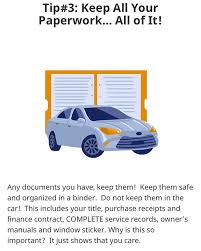
What does TunerLog do?
- TunerLog can be used to record, organize and store receipts, photos and file attachments inside of uniquely identifiable logbooks for individual vehicles
- TunerLog securely holds a copy of all of your uploaded files from your logbooks in inside of a cloud within the program
- TunerLog can be used on any vehicle, of any type (car, plane, boat, lawn equipment, etc.)
- TunerLog can be used anywhere in the world with basic internet access
- TunerLog allows an owner to share a copy of their complete virtual log book with anyone, anywhere in the world via email
- TunerLog offers value added benefits for service providers such as repair and restoration shops whom can “collaborate” on a vehicle logbook by adding documentation to the owners logbook through a simple sharing process the owner authorizes through the app
- TunerLog standard version is a free program that offers real benefit to the user through increasing resale value as well as the quality of the maintenance and modification process experience
- TunerLog is web based and able to be used on any standard electronic device- pc, laptop, tablet or cell phone in mobile web or app mode.
- Learn more about TunerLog.
TunerLog: Integration and the Road Ahead
While Ed can’t yet name names, he hints at major industry partnerships that will allow receipts and service records to be automatically integrated into TunerLog. A premium version is also in the works, offering advanced features like video uploads, VIN history reports, and collaborative tools—all for just $5/month.
TunerLog isn’t just a product – it’s something every enthusiast needs. Ed and his team want users to take ownership, provide feedback, and help shape the future of the platform. “We’re building something for the people that we are,” he says. “It’s about increasing the enjoyment and value of vehicle ownership.” Stay tuned for more updates from Bold City Motorsports and the official launch of TunerLog. Whether you’re a seasoned racer or a weekend tinkerer, Ed’s story is a reminder that passion, purpose, and community can drive innovation in the most unexpected ways.