
As the track season kicks off and the sports car landscape continues to evolve, our panel of seasoned instructors and motorsports veterans return to tackle a timeless question: What should a first-time track day enthusiast buy?
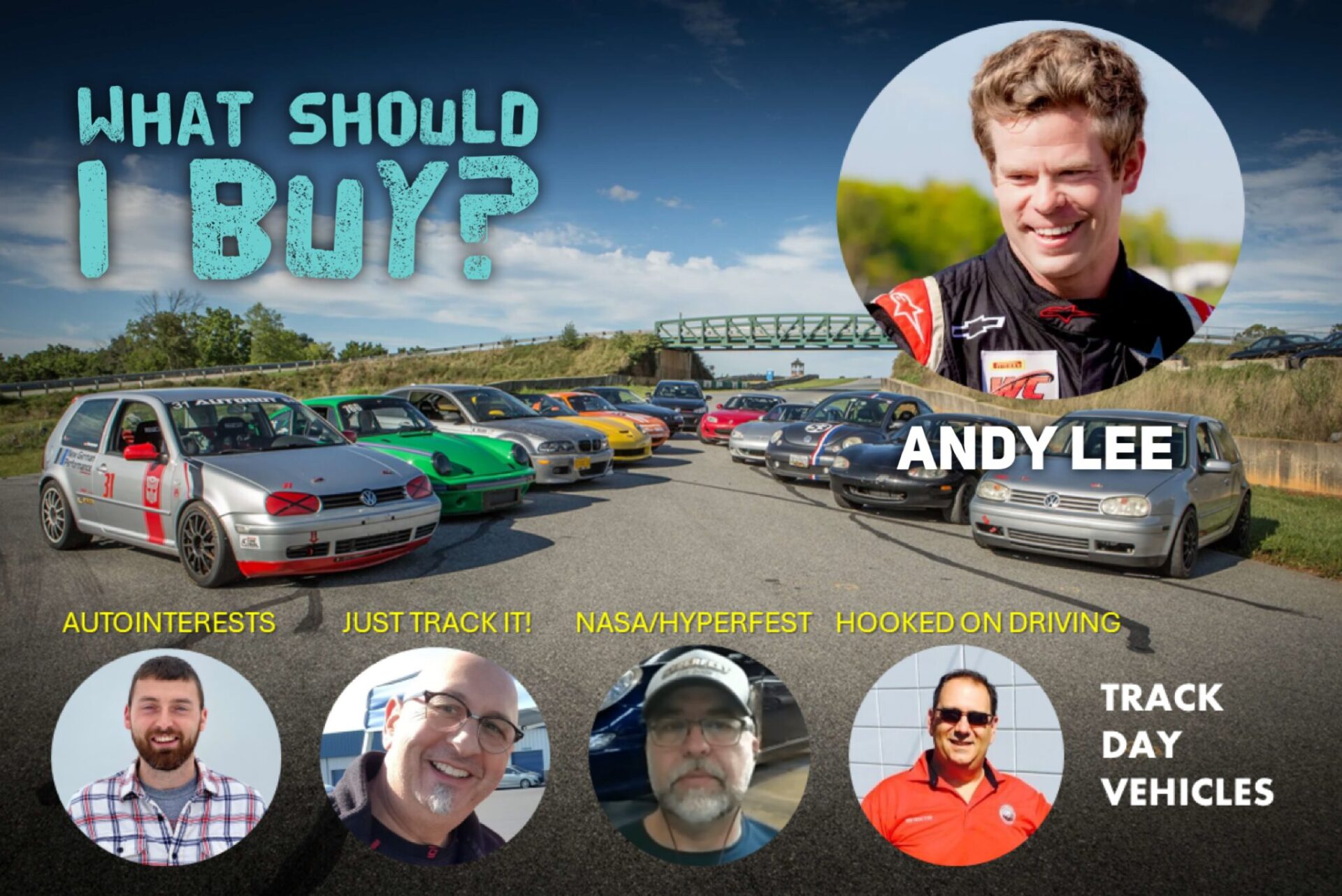
This episode of Break/Fix revisits the original What Should I Buy? debate with fresh insights from HPDE organizers, instructors, and racers. From BMWs and Miatas to Crown Vics and hot hatches, the panel explores the best vehicles for learning to drive at the limit – without breaking the bank or your spirit.
The challenge: Find a car that makes your friends say: “You’re going to run THAT on track?” at the next Cars & Coffee. The panel’s priorities:
- Affordable entry point
- Reliable performance
- Smiles per mile



For true beginners, the panel agreed: start with your daily driver. Familiarity breeds confidence, and you’ll learn faster in a car you already understand. Just make sure it’s mechanically sound and has fresh fluids.
Shopping Criteria
In this episode, a panel of automotive enthusiasts and experts engages in a lively debate aimed at helping a first-time collector choose the best track car. Using criteria such as price, performance, and the ability to consistently put a smile on the owner’s face, the panel discusses various options. The conversation touches on classic track cars like the C5 Corvette, E46 BMW, and Miata, and delves into the impact of new technologies and market changes, including the rise of electric vehicles (EVs). The panelists also share insights on maintaining and modifying cars for track use, the role of driver aids and nannies, the importance of track insurance, and the transition from HPDE to competitive racing. The episode features advice from experts representing Hooked on Driving, Just Track It, Auto Interests, and NASA, and highlights the value of choosing cars that are popular, easily modifiable, and have robust support communities.
- And like all What Should I Buy (WSIB) episodes… we have some shopping criteria. Price, Performance and putting a smile on your face weekend after weekend are a priority. Our panel of extraordinary petrol-head panelists are challenged to find our “first time track day participant” something that will make their friends go “You take that on the track?”
Highlights
Skip ahead if you must… Here’s the highlights from this episode you might be most interested in and their corresponding time stamps.
- 00:00 Introduction to the Debate
- 00:46 Meet the Panelists
- 01:09 Shopping Criteria for Track Cars
- 02:25 BMWs for Track Days
- 08:14 The Spec Panther Series
- 12:53 Miata: The Track Day Staple
- 22:58 Front-Wheel Drive vs. Rear-Wheel Drive Debate
- 28:44 The Joy of Mixed Car Racing
- 29:36 Choosing the Right Car for Track Days
- 30:17 New vs. Used: The Debate
- 31:34 Mustang and Camaro: Reliable Track Choices
- 35:30 The Importance of Learning to Drive
- 46:26 The Role of Nannies in Modern Cars
- 56:07 Track Insurance: A Must-Have
- 57:11 The Importance of Track Day Insurance
- 57:45 Instructor Policies and Insurance Changes
- 59:39 Real-Life Insurance Scenarios
- 01:03:41 The Rise of Electric Vehicles in Motorsports
- 01:04:42 Challenges and Concerns with EVs on Track
- 01:11:36 Transitioning from HPDE to Racing
- 01:12:25 Spec Classes and Car Recommendations
- 01:16:04 Endurance Racing and Financial Considerations
- 01:22:28 Shoutouts and Promotions
- 01:29:56 Closing Remarks and Final Thoughts
Transcript
Crew Chief Brad: [00:00:00] Our panel of break fix petrolheads are back for another rousing what should I buy debate. Using unique shopping criteria, they are challenged to find our first time collector the best vehicle that will make their friends go, Where’d you get that? or What the hell is wrong with you? at the next Cars and Coffee.
Crew Chief Eric: As we head into a new season of track day driving, we’re faced with drastic changes in the sports car and passenger vehicle world. And so we decided to jump back to the what should I buy that started it all. We’re going to talk about track cars.
Andy Lee: And we’re here to answer that very question with our esteemed panel to settle another what should I buy debate.
This time we reach back into our catalog of track day and HPD experts for their advice on what cars they should consider learning to drive at the limit. Joining us tonight are Mike Carrigo. From hooked on driving Nabil Abushara from just track it. Chris Cabetto from NASA and hyperfest Spain and Jason Kennedy joined by his chief instructor, Rick Hoback from auto interests, and I’m your co host.
Of course, [00:01:00] I’m Andy Lee and I’m currently driving for flying lizard in SRO and Lamborghini super Trofeo. And I’m a long time Bondurant instructor. Back in the day, which is currently called Radford Racing School.
Crew Chief Eric: And like all What Should I Buy episodes, we have some shopping criteria. In this case, price, performance, and putting a smile on your face weekend after weekend are a priority.
Our panel of extraordinary petrolhead panelists are challenged to find the first time track day participant something that will make their friends go, You take that to the track? With that welcome to the show guys a lot has changed since the first time we held this What should I buy debate between Brad and I and it’s been going on for years now almost exactly four years So we wanted to take the time to go back and revisit what’s changed in the automotive world what all of us have learned as coaches as CIs as HPD organizers and say These are the cars you should be considering going to the track with.
In season one, we mentioned some really awesome cars. There are some [00:02:00] honorable mentions out there that have stood the test of time. Things like the C5 Corvette, the E46 BMW, the Nissan 350Z. But if you think about it, a lot of these cars that I’m talking about are now celebrating their 20th anniversary, if not longer than that, we need to investigate are some of these tried and true cars.
Still worth going to the track with or have they been superseded by something better? So i’m going to open the floor up because I know a lot of us are comfortable with bmws and i’m going to talk about The later 330s Versus an e36 e46 like base model talking spec cars. What are our thoughts? When we talk about BMW first,
Andy Lee: to me, like the first thing that comes to my balance, every BMW I’ve ever driven has just been easy to drive, forgiving to drive, just kind of a nice place to start.
If you haven’t done this before, you want to get into a car. That’s going to treat you nice until you get your footing.
Chris Cobetto: Both of my sons have a nineties and they’re six speedy nineties. And both of them are three 25s. Oh, actually one’s a three 28, but you know, that car. Has a 3 [00:03:00] liter engine, regardless of whether it’s a 325 or a 330, you can do some really good things just by putting a 3 stage intake on that thing.
A nice tune, you know, some decent exhaust stuff. Difficult finding limited slip differentials, but there is a company in Eastern Europe that do an LSD conversion that you can pick up for about 250 bucks. And if you’re mechanically inclined. Yeah, you can put that thing in and you’ve got a decent lsd. It’s not perfect from what I understand, but it has lasted pretty long.
So it depends upon your budget. You know, if you’re looking for something that you potentially can go racing at some point, all of these cars, the 36 of the 46 of the 30s. They all hit that dip, you know, that valley. E90s are right there. It’s a little harder to find a six speed, but you can pick up an E90 for 3, 000.
That’s going to be something that can go to the track. If you want a little bit nicer one, it’s 6, 000. In today’s prices, that’s pretty cheap to just get started with a car. As far as the new one, it’s still a 3 series. You know, it’s just find the 3 series when they’re down [00:04:00] bottom of the valley before anybody starts missing them.
Mike Arrigo: You know, I don’t want to say it’s a throwaway car, but if you really ball it up, you’re not going to be as upset as you would with your GT four.
Andy Lee: Yeah.
Mike Arrigo: Right. The amount of people that are out there at a track with them that are handy, that are helpful, that have a spare part, it makes it a really good, and it’s a good community for it.
So I think people really enjoy because it makes it easier to become part of a group. You don’t want to be the guy sticking out that no one has anything and no one understands. No matter what you think can happen to you, it’s already happened to someone else. And they’re probably at the track that weekend.
Andy Lee: I always say like you never want to buy a car that you can’t stand the idea of wrecking it or having some sort of damage to it. I’m learning how to ride adventure motorcycles right now. And part of riding adventure bikes is you fall over a lot. So you want to get a bike you can pick up and not cry in your helmet when you’re picking it up.
And so I always have that same approach with track day cars too. I want to have something. If I scratch the whole thing up, bang it up, I’ll still sleep that night. Gotta be able to ball it up
Crew Chief Eric: with the BMWs to your guy’s point. It is a common denominator. When you look around the paddock, you still see high [00:05:00] concentrations of three big brands, BMW, Corvette, and Porsche at any track day.
So that’s why I wanted to start with BMW. Cause there’s always this sort of every man to that car and people want to get into it. It’s rear wheel drive, but it’s not overwhelming like a Camaro or a Corvette or something else. I like how Chris went right to making mods. Cause those of us that are seasoned, we’re like, man, we need to do this.
We need to change that when you do these other things. But when you’re coming in and you’re talking apples to apples, let’s say base model cars, we’re going to pick up on used car lot or cars. com. You know, these potential buyers haven’t even thought of racing junk yet. Or some of the other websites where they could basically accelerate the process quite significantly.
It’s a pretty low barrier of entry. And I think the total cost of ownership, especially from a maintenance perspective is also pretty low.
Chris Cobetto: It depends on how much money you have. It depends upon what you’re going to start out. If you think you’re going to go into something like saying the GTS class, ST2, ST3, if you think you’re going to go there, then I think going straight into an E90 M3 or maybe an E46 M3 right out of the box is probably a smart move because.
You know, you’re not [00:06:00] worried about power plants so much. You just worry about suspension. If you’re going to try to start with an E90 325 and you eventually want to put a V8 in it, or you want to put the power adders on it, you’re just going to run into a whole lot more cost. So it kind of depends on where you want to go.
You know, whenever I talk to people on, they’re just starting out, I always ask them a question if they want to go racing or they just want to go have fun with a car on the track, even if they want to go racing eventually. Do you want to go competitively or hey, I just want to go out there and just want to sort of have fun racing on the track.
And so if you want to be competitive. You’re going to need to go into one of the classes that has a lot of people in it. If you just want to go have fun and you love turbo yugos, hey, you know what? Build a turbo yugo and go have fun. You know, it’s all about getting your jollies, right?
Crew Chief Eric: And that’s very true.
And one of the things I’ve always subscribed to, especially as a coach, and I think we can all agree to this, is never modify the car past the driver’s ability. And so you want to grow with your car. And that’s why I think the BMWs hold a special place that they can continue to be refined and [00:07:00] evolved as you refine and evolve yourself as a driver.
So I want to turn to Jason and Rick to talk about that. Cause I know you guys stress that a lot at auto interests.
Jason Kennedy: We try to tell people not to mod their cars. At all before their first track day, we have mixed success in convincing them because people will contact us before an event and say, Oh, well, my car won’t be ready.
I got to get it in the shop to get this supercharger and coil overs. And it’s like, no, no, no. You’re first timer. Let’s just. Get you on the track and get you started. And the best car to start with is the one you already own.
Andy Lee: I love that comment too though. Like the best car to take to the track is the one you already own.
Like they couldn’t get any more simple than that. And I mean, the first time you go to the track, you’re not going to go that fast anyways. No, you don’t need anything. You’re going to be so overwhelmed.
Jason Kennedy: We also believe there’s a lot of value too in if your daily is decent enough car that it’s in good running condition and fresh fluids, all that stuff, you already know that car very well.
So you’ll actually learn faster on the track that way using the [00:08:00] car that you already know. The driving dynamics though. So if you’re just jumping into a different car, that’s unfamiliar to you for the track, you’ve got two learning curves to overcome all at once. So from just a pure learning standpoint, that’s usually what we recommend.
However, Rick and I started this race series a few years ago, and now we think that those cars that we run are the best cars ever, and that’s InSpec Panther. The timing kind of worked. That the coming out of service cop cars hit a very bottom end price. Turns out they’re incredibly fun to drive. They’ll oversteer.
They’ll understeer. You can make them do whatever you want and sometimes not what you want. Those are a blast and they’re pretty cheap and maintenance is low and the parts are affordable. What is spec Panther?
Chris Cobetto: Yeah.
Crew Chief Eric: Brown Victorious.
Jason Kennedy: I just love the word Panther, number one, just saying. So Ford called that platform, the Panther platform when they created it.
So that’s where the name comes from. So it’s the Crown Vic, the Town Car, the Grand Marquis. What you really want is the P71 package, [00:09:00] which is the police duty Crown Vic.
Rick Hoback: They really jump curbs real easy. They’re super durable. I’ve owned one for five years now. And I simply put it in my trailer. I take it to the track.
I unload it. I don’t check pressure oil. I don’t check anything. I get it all day long. I put it back in the box. I come home for the week. And then the next weekend I go back to the track. It never comes out. It never gets washed. I don’t check anything on it. They just last gets an oil change every other year, break pads every year.
And, uh, having huge breaks on these things, it’s startling how big I was going to swap some C5 calipers on it, just to play around. And when I put them next to each other, I’m like, well, the crown Vic is bigger. It was bigger than C5 Corvette. These things are just super durable. The hardest thing we had with them was keeping brake pads on them.
And I reached out to Hawk and Hawk made a DTT 60 for us. So I run sixties all the way around. They’ll just run forever. I mean, mine was 1800 bucks, had 130, 000 miles on it. I think I’ve changed tie rod [00:10:00] ends on it.
Jason Kennedy: Other super secret things that he won’t say cause he wins the championship.
Rick Hoback: Where are you guys racing those cars?
We go Gingerman, Pitt, Middle Ohio, Nelson.
Jason Kennedy: We’ve done NCM, Summit Point. That’s most of them. How many cars? Well, how big’s the field? They’re not all usually at the track at once, which. It’s something we got to work on, but I think we’re up to about a dozen drivers with them.
Rick Hoback: I think on average, it’s like eight to 12 normally show up.
Nabil Abusharr: Do you run the automatic transmission or do you do a manual swap?
Rick Hoback: No, no swap. The reason we call it spec is you got to leave it pretty stock. No shocks, no springs. You can’t really do anything. We just put transmission coolers on them. It does benefit from that. If there was a weak point on these things, it would be the transmissions getting hot, simple a hundred dollars Summit Racing transmission cooler works wonders.
You know, they’re durable
Nabil Abusharr: to race at night with sunglasses on
Rick Hoback: the lights on them.
Nabil Abusharr: Yeah,
Rick Hoback: some do. Yeah. They run lights, sirens, that cap, motor, cop shocks.
Mike Arrigo: You [00:11:00] just found the next big spec series coming out in the future. Right? Yeah, it’s going
Crew Chief Eric: to be more popular and spec C five
Jason Kennedy: blues brothers. It sounds like a police chase at some of the events.
Well, before we
Crew Chief Eric: go too far afield on Spec Panther, because we’re probably going to spend the whole night talking
Jason Kennedy: about that.
Mike Arrigo: I’m going to buy
Chris Cobetto: one
Crew Chief Eric: right now. He’s on cars. com looking
Chris Cobetto: for
Andy Lee: one.
Mike Arrigo: I know. Well, Eric, when you talk about what should I buy, like, to every person, that’s going to be different. You know, there are people that are out there, their daily driver might be a Urus.
So they’re not looking for a 3, 000 car. Their throwaway track car could be a GT two RS. There’s a wide variety of, in the spectrum of like, I don’t think any of us that are in this group. I don’t think any of us would take a GT two RS and be like, that’s my throwaway car, except for you, Eric.
Crew Chief Eric: In our normal shopping criteria, when we’re talking about collector cars and things, we do try to put the budget of our buyer into a bucket.
To say zero to 50, 000, 50, 000 to a hundred and then a hundred to the stratosphere, because, you know, it can just get crazy. But when [00:12:00] you’re talking about track cars, the numbers get significantly smaller. It’s like zero to 10, 000, 10 to 30, and then 30 and above, which is sort of on the same scale as when you’re talking about collector cars.
So I agree with you guys. I grew up under the auspices of a friend that used to always tell me, and Mike, you know, this, if I can’t put a boot in the side of your door, then this is the wrong car to bring to the track. And that was coming from a road racing background where, you know, SCCA and in other groups where it’s like, you know, they still believe in rubbing his racing and things like that.
Forward thinking you do want a car more like an E30 or a CRX or maybe even a Miata. And I know Nabeel has been patiently waiting to the. Because I failed to mention the Mazda offering earlier on purpose, right? I said there were three brands when you look around the paddock. Porsche, Corvette, and BMW. But that’s not necessarily 100 percent true.
There’s always this flock and gang of Miatas in the background. And I wanted to single them out and talk about them specifically because they’ve always been an excellent starter car. Because if you can drive a [00:13:00] slow car fast, you can drive anything.
Chris Cobetto: I don’t think it’s good to talk about them. They’ve been talked about enough, really.
They
Crew Chief Eric: have, but I want to address them because everybody always says, Miata is the answer. And I don’t know that that’s necessarily true. necessarily true. And here’s why. Just kind of want to throw some stats out there for people who are thinking about an N A or N B Miata. They are now being accepted into the vintage racing group.
Like that has been their whole campaign this year because that Miata is over 30 years old at this point, especially the N A’s. They’re really long in the tooth. And if you get excited about a car that makes 102 wheel horsepower, I mean, yeah, you know, by today’s standards, that’s going to be tough, even at an HPDE versus going into racing.
So I wanted to throw out there that even more importantly, the ND Miata, the newest Miata. Came out in 2015. So it’s closing in on nine years old. So when is the fifth generation Miata going to come out? I don’t know, but they’re all getting old. So I wanted to turn to Nabil who still runs and didn’t see Miata and let you talk about the [00:14:00] Miata experience.
still worth it? Is it still something to consider
Nabil Abusharr: without a doubt? And I think the N A and the N B’s is they’ve been debated to death already. Also, they’re getting harder to find and their price is holding pretty steady. The N C on the other hand, while a heavier car than the N A or the N B is quite a bit faster with the more sophisticated suspension, really easy to find quite capable.
And then of course, now the NDs, as you mentioned, Eric, one of the things that I usually advise people when they ask me that they’re looking for a new track car. I usually say, well, first of all, if you can try to find one that somebody else has done the things that you would need to do to get it ready for the track.
In the case of a Miata, get one that already has a roll bar installed or a cage installed. All those things are mods that, you know, if you’re buying them and having them installed, they’re expensive and you never make your money [00:15:00] back on them when you sell the vehicle. So. When you’re buying one that has all those things already done to it, you’re coming out miles ahead.
The
Rick Hoback: only caveat there is you got to buy something that’s built by somebody that knows what they’re doing. I see so many cars come through loose seat, seat belts on upside down, like their harness, the release is on upside down or the bolts aren’t in correctly for their race harness or this race seat that somebody installed for them or they installed themselves.
So we see a lot of that. If I’m going to buy something or suggest to buy something that’s already built, you really need to take it to somebody that knows what they’re doing and let them look it over, let them see it. Or if you see it on the track, you already know it’s been through tech. You’ve seen it show up a few times, you know, it’s not smoking out the rear.
You could buy something you saw on track at a track day versus something in somebody’s garage that, you know, you drive around the block a few times. You’re like, Oh, I love this car. I want to buy it. That will be my only caveat is make sure the stuff that’s on the car is quality. If you go down a different route where somebody throws a bunch of parts at something, you’re gonna waste so much time and money and energy trying to get that thing sorted out.
Nabil Abusharr: [00:16:00] Yes, Miata, I think it’s still the answer. An NC or an ND, and if you’re looking for one, try to find one that at least Had a roll bar added to it. I’m also gonna agree with some of the other comments. Try it out as it is before spending money on coilovers and sway bars and exhausted. Just make it louder.
Don’t really make it go any faster. Your investments in seat time will far outweigh your investments in mods in terms of lap times. The
Andy Lee: Miata is like the first inductee in the track day Hall of fame. I mean, the car is . It’s been around. Since I started, it’ll be around long past all of us,
Crew Chief Eric: followed by the E36 and the 944 and like a bunch of other
Andy Lee: cars.
It’s always going to be there. I just recommended it to a customer of mine that I coached and I recommended it to him for a couple of different reasons. The car he had before, which was his first track day car was like a 700 horsepower Porsche. And I was like, man, you don’t have any time to. Think you’re in [00:17:00] one corner before, you know, you’re in the next corner.
And the thing I love about the Miata, not necessarily the Miata solely, cause there’s a lot of lower horsepower cars that are great. It just gives you time to process and think about what you’re going to do in the next corner. And as a coach, it’s definitely one of those cars. I don’t mind sitting in the passenger seat.
I’m not terrified like, and usually if they don’t have an exhaust or something loud on it. It’s quiet. They can hear me talking just the benefits go on and on and on as a car. That’s effortless to take from track day to racing. It’s just a seamless transition. You work your way through the HPD groups and you go right into club racing.
And no matter what state you go racing, there’s. Going to be at least a dozen Miatas. You’re always going to have competition. I know it’s not the most fun car to talk about,
Chris Cobetto: but I think it’s always going to be there. A lot of these cars, even going from the E36 and on, they’re not like MGBs. These are modern suspensions for the most part, and they are just good right out of the box.
If you just spent the money on getting them reliable and putting in new parts, new [00:18:00] bushings, and that sort of thing. You’re going to have a very sweet handling car and probably go through HPDE 1 into HPDE 2 before you really have to do anything.
Nabil Abusharr: When’s the last time you saw somebody with a Miata in the paddock working on it unless it had a turbo on it or a supercharger?
Doesn’t happen. They’re dead nuts, reliable, and that’s just another reason that they’re sweet platform
Chris Cobetto: nabile. I think you’re right, man. That’s huge because if you get out there and the car’s breaking, you’re not getting the track time. You’re not able to develop yourself as a driver. So having the reliability is good.
I think also having consistency is good. I do believe that you can come and do your first track day with. Your car as it is, put the good brake fluid in it. And I always suggest say, Hey, look, brake pads are easy to change. Even if you’re going and you’re doing a weekend, you’re going to be picking up speed even by the end of the second day.
To me, having tires, even if they’re say take off Toyo RRs or the Maxis, they drop off competitively, but they don’t necessarily drop off [00:19:00] once they’re no longer competitive. They’re pretty flatline after that. So I try to suggest depending upon who it is. To put a good fluid, pick up some used race tires, even from the used race tire guy, or if you’ve got the budget, buy some new ones if you think you’re going to be doing it for a while.
Because as a student, you are variable enough. If you’re in a car that’s variable throughout the session, and also then throughout the weekend, you don’t know when you’re doing it right, when you’re not necessarily doing it right. If you can eliminate at least the brake side of things, that eliminates one of the variables.
And if you can get good track tires on the car right out of the box, I think that helps out a ton.
Rick Hoback: We really promote to bring all seasons, 500 treadwear tire. Cause we want you to get a little bit loose, a little bit of slip. We’re going to keep you safe in that environment, but we want a little bit of learning to catch the car and learning to slide around a little bit.
Not forcibly, but just it flips a little bit. We’re going to correct it. We’re going to help you fix it. And then once you wear those things out, put a three 40 treadwear and then start coming back maybe the next year. And then eventually the [00:20:00] 200 treadwear. We. Almost never. Actually, I don’t know if I’ve ever told anybody to get slicks or something that’s an R compound to come to the track, even in an intermediate group.
We won’t do that. I’ve had a lot of guys ask me, how do I get better? And I tell them to go buy some junk tires and bring them and I’ll work with them at the track with junk tires and an intermediate. Or even an advanced group setting, because I think it just resets them. As far as like, when you have a Cougar or something sticky, you’re just driving around the track.
It’s just sticking and you’re driving the car extremely fast. That’s great. But if you want to reset your mind, drive something that’s, you know, less grippy, less sticky. It’s going to let loose a little bit. And it’s going to teach you to drive more at that limit.
Chris Cobetto: Having said that some of the modern tires are just stupidly good.
You know, the real high performance. Quote unquote 200 treadwear stuff is still pretty good depending on what they have. Sometimes just going with brakes and fluid is enough to maintain that consistency at least. As they’re getting started.
Nabil Abusharr: But what about when we spend somebody else’s money?
Mike Arrigo: That’s always a good one.
Yeah. I have a different thought because if you look at our novice group, [00:21:00] most of them are not buying a dedicated track car. They want to get into it. They already have something they can use. And if someone likes it, it’s usually going to be a dual purpose car. Nowadays, do I want an E36 or Miata to be my everyday dual purpose drive to the track and then get back?
Probably not. That puts you in a different realm of cars and you know, what do we see most of the time? What is a great dual purpose car where I’m going to drive it to the track, I can drive it on weekends or even every day if I want to, have a good time at the track, not have a problem, be reliable, not have to change tires, not have to change brakes.
And just drive home. I mean, that, I think that’s most of your novices. They already have enough going on in their head doing this. Oh my God, wait, I gotta go change brakes. I gotta get tires. I gotta get this and that. And I think that’s where today’s performance cars. I mean, look at it. A minivan nowadays has more than 300 horsepower, right?
And you know, I’m personal to the car in the background there. I think that’s gotta be one of the best every day, drive it to the track and then have a great time with just. The tires and brakes that come on it and then go home. [00:22:00] See a lot more now of the Mustang EcoBoost cars. They’re just coming. They drive and they have a good time.
They go home. It takes like a season or so before they say, you know what, I might want to do this a little more hardcore. And that’s when the truck comes and the trailer comes because that’s a huge expense. And if we really think about it in the long run, the cheapest part of your track weekend is probably the price you paid to register for the track.
All in all, for most of us that do this a little bit more than the novice, you think about your hotel, your fuel, your trailering, the tires, the brakes, that 400 bucks you’re spending to register is like the bottom of the list on your cost scale, pretty
Rick Hoback: much. Keep the budget down, keep everything cheap, and then maximize your learning.
So someday when you do have the greatest parts in the world. You can actually handle it.
Crew Chief Eric: 100 percent agree. Well, let’s not scare them all off now, Mike. Okay. But I like how Mike kind of brought us forward about 10 minutes, right? In the conversation. I’m clairvoyant. But you know what is going to be fun to talk about?
And we’ve batted this back and forth before, Andy. And this is the age old debate. about rear wheel [00:23:00] drive versus front wheel drive, and I’m going to leave the all wheel drive folks out of this conversation because that’s a whole nother ball of wax. But we do need to talk about this a little bit because our audience isn’t just stateside, it’s around the world.
And when you look across the pond, the ratio of track day front wheel drives, it’s a complete inverse of the United States here. We love our muscle. We love our Camaros, our Porsches, our BMWs, front engine, rear drive layouts. But overseas you got Citroens, Peugeots, Seats, Volkswagens, Hondas. I mean, the list goes on and on and on of these very well tuned high performance front wheel drive cars, which will put a lot of rear wheel drive cars to shame.
So the question becomes. When you’re going to the track and both you and Jason mentioned it, Andy run, what you brung was basically the sentiment there. A lot of people buy front wheel drive cars and nowadays all wheel drive cars as their daily driver. So where are we in the front wheel drive versus rear wheel drive debate, especially thinking longer term track day, maybe going into trials or club racing, something like that.
Mike Arrigo: Talking about [00:24:00] the HPD world, which Paramount is safety. The goal after that is really just to have a good time. If that’s what you enjoy, do it. You look at the, um, the Civic RS, people having a blast in them. And some of the Hyundai’s they’re just having a good time. To me, that’s what it’s mostly about. You know, we’re trying to bring people together.
We’re trying to keep them safe, but we want to really put smiles on everyone’s faces, and if you can do that easily by just having that. front wheel drive car. As you know, when something clicks, it’s just a light bulb and it’s just so enjoyable. You know, you kind of move to the next thing and I like it a lot as opposed to the rear wheel drive car, which is like kind of your meat and potatoes of the track world in the States, like you said, it’s really coming higher and higher and higher where 10 years ago, there was.
Two of them. And now it’s like a third of the field might be a front wheel drive on a real drive car now. So it is moving along that way because it’s easy. I can drive it to the track. I can fit four tires in it. Usually if I want to swap at the track and then I can drive it in the rain without a problem while all the guys in the rear wheel car are suddenly scared.
I welcome it. I
Nabil Abusharr: like
Mike Arrigo: it.
Nabil Abusharr: There’s [00:25:00] lots of front wheel drive cars, but the hot hatches that you mentioned in Europe, they don’t make it here because. People aren’t buying them. So it just doesn’t make good business sense for the car manufacturers to invest heavily in hot versions of their mainstream cars that people buy to commute to work.
There’s not as many to choose from compared to Europe. And there’s a mindset in Europe that those are acceptable cars. Enthusiasts here have been buying Golf GTIs since. They first came in, right? But there’s just not that much to choose from. Hyundai, Civic Type R. There are a few. I race a front wheel drive car and jam car, and it’s a lot of fun.
Jason Kennedy: We continue to see a lot of focus in Fiesta STs. It’s a shame that Ford discontinued all of their cars altogether. But a lot of the big three are just really exiting cars altogether. But the Focus ST, the Fiesta ST, between my wife and I, we’ve owned both. We [00:26:00] still have a Fiesta ST. They’re a ton of fun.
They drive really well. You don’t really have to do anything to them for track duty. You get a decent set of tires and brakes on them and go.
Nabil Abusharr: Yeah. We don’t see very many at all.
Jason Kennedy: Oh, wow. We see a handful at every event. Small cohort of Focus and Fiesta ST. Where are you
Nabil Abusharr: located?
Jason Kennedy: Middle America. That’s why.
We’re in Ohio and the surrounding states.
Rick Hoback: Everybody’s daily driver in Ohio is not going to be real world drive. A lot of them are going to be front wheel driver, even all wheel drive. So I think we see a big influx. The front wheel drive stuff just because they bring their drivers out. It’s weather dependent.
We’re gonna talk about rung what you brung or you know, drive your daily there. Most people aren’t driving a Mustang or Camaro in the wintertime.
Nabil Abusharr: And I’m in Georgia and our track days are in the Southeast and we do track days in December and January and February. Lucky you.
Crew Chief Eric: Yeah,
Jason Kennedy: right. .
Nabil Abusharr: Hey, come on down.
I’m gonna bring the Crown
Chris Cobetto: Vic. I’d love to see it, man. I think there’s been a strong progression just in the front wheel drive chassis. The chassis are so much [00:27:00] better now. I mean, a new Civic Si, that’s not your grandfather’s front wheel drive car that was a 1992 Civic. The torque steer isn’t as bad.
They’ve truly been tuned for sweet handling. They can hold up, but I’m, I don’t care what flavor you dig, man. You know, you like chocolate, you like vanilla, who cares, man? Just pound the ice cream. Have some fun. I like that
Andy Lee: pound of the ice cream. When I grew up watching racing, one of my favorite series to watch was British Touring Car.
Oh yeah. Watching those guys beat the crap out of each other was awesome. And there’s something really cool about watching a front wheel drive car go into a corner, lifting that inside rear wheel off the ground. I just think it looks awesome.
Nabil Abusharr: Or just have the front pull itself through, no matter what kind of mess.
Crew Chief Eric: All I got to say is Randy Popes and Volvo. I mean, then we just leave it there. Right. This argument actually comes from personal experience too. I’ve gone back and forth on different cars. I love mid engine cars, even though I don’t bring too many mid engines to the track. I’ve run front wheel drives for years.
I’ve had rear wheel drive cars. I was even told once, when are you going to get a real car? And I’m out there with a high horsepower front wheel drive, chasing [00:28:00] down, you know, Corvettes and stuff. And I’m like, why, why do I need to go spend a hundred thousand dollars to do exactly what I’m doing right now?
You know, granted. I probably sunk that into my own car, but the point being, I don’t find fault with any of it. And even when I had my E36, people were like, Oh, you’re never going to be able to drive that because you’re driving style. And I’m like, the line is the line is the line. What we learned in HPD and track driving translates to the rest of our driving career.
So what I like to always tell people is mix it up, come to the track with your Nissan Sentra or your Veloster, whatever you got. And then if you want to ride in somebody’s Mustang, or if you’ve got a buddy with a Miata, take it for a lap or two, you know, you can do that in HPD event, you can play around because it’s a more controlled environment.
The speeds are slower, find a car that you like, that you resonate with. And if it is a Honda Civic Type R, then so be it. To Chris’s point, it doesn’t matter the flavor of ice cream, as long as we’re all eating ice cream. So, and we need to all be out there together, right. And having fun. And some of the best battles are in those mixed situations.
It’s not nine 11s running nose to tail. That’s the club race. That’s a [00:29:00] spec race, right? It’s this mixing up of different cars going, wow, that was awesome. I can’t believe I kept up with you, but you’re faster than me in the straightaway a little bit, but I catch you in the turns, you know, we’ve all had those conversations.
And so what I want. Is that the front wheel drive guys out there and even the all wheel drive, the Subaru Mitsubishi crowd and the Audi folks go, I want to come and play too. So there’s a home for all of y’all.
Jason Kennedy: If the all wheel drive guys can keep their stuff running, then yes, well,
Crew Chief Eric: you know, I’ve been known to blow a wheel bearing or two, but I come with spares.
So it’s all good.
Jason Kennedy: But if you want the best of both worlds in front and rear wheel drive, get the Crown Vic. Drives like rear and pushes like front.
Crew Chief Eric: Now, I want to turn the page. And I want to talk about your guy’s picks, you know, looking back again, over the last four years of cars, you would suggest that people are at home right now. I got a minivan and I’m thinking about buying a sports car. It’s time for my midlife crisis. What am I going to buy?
What should I bring to the track? I want to go do what my buddies have been doing for years. Nabil, what’s on your list? Something you would suggest to [00:30:00] somebody that’s really shopping for something right now.
Nabil Abusharr: So this is somebody that’s a beginner looking to get into it, has the funds. Say we
Crew Chief Eric: got 20 grand to spend.
Nabil Abusharr: Oh no, give me more than that, man.
Crew Chief Eric: No. You want to buy a brand new car?
Nabil Abusharr: Yeah. Yeah, okay. Let’s go
Crew Chief Eric: new cars.
Nabil Abusharr: Let’s go new cars. Let’s start there and go down. If you’re going to buy a new car and you’re going to take it to the track, I think it’s important to get a car that the dealer is not going to try to cut you off and your warranty because you took it to the track.
I like manufacturers that understand that their customers are going to the track. And using their sports cars as a sports car. Porsche is one of them. You can do your pre event inspection at your Porsche dealer. They know you’re going to the track. They don’t void your warranty should something happen.
There are some GM dealers in the Atlanta area that are also super friendly to that. So people who take their Corvettes, brand new C8, have [00:31:00] their Z06s on order or just got them. Camaros, et cetera, they get support from their dealer and they have a warranty. And that’s like a dual purpose car. As Mike was talking about, drive it to work, drive it to the grocery store, drive it to the track.
And if you have an issue, you don’t have to worry about, I got to take all this track rubber off of the front because they’re going to deny my claim.
Mike Arrigo: Which is a big issue because in the back of your mind, I’ve said, I’m going to spend. 30, 40, 50, 000 on a car. You know, I don’t want my warranty voided the first time I go in there and a sensor went bad that has nothing to do with anything.
The Camaro is nice. You know, you can do that. You can get a new Mustang, which are nicer, you know, something that’s going to be stand behind it.
Nabil Abusharr: So that’s one place that I would steer somebody in looking to get a car for doing track days, if that’s in their budget. Then definitely there are a lot of choices, especially from Porsche.
Jason Kennedy: If we’re going to go the new route, which I would not recommend, by the way, I wouldn’t go buy a brand new car just for track duty. If you can [00:32:00] spend the 20 grand, like you said, I would go for a solid used Mustang. I’ve had a lot of Mustangs. I had zero trouble with any of them mechanically GT or higher trim and they’re going to be plenty of power.
Generally drive pretty well. If you can spring for some of the higher ones, getting into the mock cars or the Shelby’s, it only gets better as you move up there. But a solid Mustang GT, you could do a lot with there’s incredible aftermarket of parts that are very affordable. So any mod that you want to do down the road, go to Summit Racing and they’ll have it to you the next day and practically turn key.
Chris Cobetto: Would you start with the S197 chassis? Like you don’t want to go back to Fox body or?
Jason Kennedy: No, no. S197 is going to be a good solid starter and be at that. Kind of price point sweet spot was still the solid parts availability and all that,
Crew Chief Eric: especially the boss 302, which I think is like the best of the last before they went to the S five 50 chassis.
Nabil Abusharr: Yeah. The boss 302 [00:33:00] is a good one. Don’t buy the one on Craig’s list. That’s been lauded.
Jason Kennedy: I did that. I actually did do that.
Crew Chief Eric: Oh man.
Jason Kennedy: There’s a whole story there. That was a fiasco, but I still have that car though. It’s a 94 GT. It’s all caged and everything else. Wasn’t an ex Bondurant car, was it? No, definitely not.
Crew Chief Eric: I want one of those old Lincolns that they modified way back when.
Andy Lee: Man, that just made me think about it. We used to have Roush prepared Crown Vics where our instructor cars for a long time. They were manual transmission, paged, they were just, they were incredible. We’re gonna have to track those down. I think there was one on Racing Junk the other day that popped up.
They call them Cobra Vics.
Rick Hoback: They’re like 30, 000 now. I look every time they pop up. I’ve
Mike Arrigo: removed that link from my browser. I don’t want to look on racing junk anymore. It’s like bringing an alcoholic to the bar.
Crew Chief Eric: Yeah. So he spends all his time on bring a trailer. Now it’s the same difference, right?
Mike Arrigo: I mean, you know what my pick is going to be if it’s news.
Crew Chief Eric: Yeah. C8 Corvette all the way to the bank.
Mike Arrigo: It depends [00:34:00] on what someone’s looking for. Like, do you want a two seater car? Do you want a four seater car? I don’t want to mod it at all. I want to drive it. Fun and go home and I want the dealer to take care of everything. You know, those are a lot of questions I would ask somebody.
And so if someone’s like, nah, I want a little something a little older, but I, you know, I wouldn’t mind having a convertible because I’m not going to go to the track 22 weekends a year. I’m going to go three or four times. I might say, maybe look for a good Z four. There’s a car you can take almost anywhere and have fun with, have that power.
You have that platform there mechanically, but you also have that nice top and you can enjoy it on the weekends for a nice drive somewhere and just put it away from the winter in the Northeast. You want something new with that warranty and you want that two seater car. I would definitely suggest the C8.
I love them. Like I said, I have 15, 000 miles on mine. We’ve done. Half of them are on track and it has been great. I, you know, we did 5, 000 miles on one lap of America alone this year in it, me and Mark. And you know, Mark is huge. I’m not the smallest guy in the world and we fit everything in there. Suits, helmets, chairs.
Someone said, ah, I want a [00:35:00] four seater. And if you’re into front wheel drive cars, I would definitely suggest. A Civic R or one of the nicer ones out there. Cause you can have a good time with it. You have space in those cars, you know, with those back seats, you can throw four tires, a jack, change tires out and then not ruin your regular road tires.
You know, there’s a lot of options out there. So it’s really tailored to like what that person’s budget and goal is. I’m going to do three track days a year. I’m going to do 20 because I’m like us,
Chris Cobetto: you know, if they just want to go out there. And they really have an affinity for a particular kind of car.
That’s great. If you really want to learn how to drive, you do it in something low horsepower. The V8 guys, turbocharged, 400 horsepower, 500 horsepower, even really three, 350, when you’re starting out, it hides your mistakes. You just. Don’t get the opportunity to really learn how to drive. Number one, I ask that question all the time.
I say, well, what is it that you want to do? And that helps me to guide you. You love Corvettes and dude, that C8, what a freaking track weapon, man. I’m with you. Those things are great. But for a beginner to come out with something like that. You know, the nannies are [00:36:00] out there fine, but it’s going to cover up the mistakes, the corner speeds that you’re going to try to carry through there because the power is going to get you out of it.
And you’re not going to realize kind of like you do in a go kart when you slide and you bog the motor, that’s what a spec E30 will do that. That’s what a Miata is going to do. That’s what a 330 E46 is going to do. They’re going to let you know, you screwed up good values. The Camaro they’re phenomenal. I see a bunch of those things coming out.
They’re stout. They’re fast, they seem to be pretty reliable, and we’re getting a lot more of those cars out. You know, C5, C6, C7 Corvette, if you still like the front engine, rear wheel drive, and you want to stick, opposed to the flappy paddles, it’s great. I’ve got a Jones for a C8, I wish they had six speeds in them.
But, I also try to tell people like, where are you going, how many of these are you going to do? I think it was Mike that said this earlier, is that you have safety in numbers. So when you show up at the track and there are 15 other people with an E46 out there, if you break something more than likely it’s in the trailer and they’ve got the knowledge on how to fix it and be able [00:37:00] to continue your weekend.
The nice thing about the new stuff is it’s new. It typically doesn’t break and there’s a benefit to that. Certainly specific cars. I think the BMWs are good. The Miatas, as long as you have a roll bar in there. But I tell you, the Mustangs and the Camaros, it’s hard to beat, man, the 197s or either the 550s or the newer Camaros.
They’re good values and they’re fast as all get out.
Mike Arrigo: The M3s, the newer ones, 2015 and up, they’re fantastic. And they’re not out of budget for most people.
Rick Hoback: I have a couple. Do not buy first. Don’t buy a Cobra kit car. I see so many emails come through. People show up the track with these Cobra kit cars.
They’re just not safe. They’re twitchy short wheelbase. They’re terrifying for an instructor. You’re just not going to learn anything. That’s my number one. Do not buy another one, be a one seater car, like somebody’s race car that you can’t put somebody in the right seat. You’re going to learn so slowly.
If you go out there by yourself and try and do lead follow and everything else, you really need somebody to help you out. And then the last one do not buy would be anything with aftermarket boost, [00:38:00] turbo, supercharger, anything like that. It’s going to fail. It’s going to break. It’s not worth it. Just stick with NA stick with what it’s got.
and go. So if you give me 20 grand, I’m buying 10 Crown Vicks. That’s my first one. He’s buying a whole series. Truthfully, that’s kind of how it started like that. But anyway, if that’s not an option, I’m a C5 Corvette guy. I think you could buy a C5 Corvette for 10 grand through time, throw another 10 grand at it and you don’t have to do it all at once.
So I think it’s a great starter car. You can drive it to and from the track, you can upgrade it as you want. They take to park pretty easily, they’re not expensive to put parks on them.
Mike Arrigo: It seems like they’re being harder and harder to find one that hasn’t been, like, just totally trashed, abused, or is a garage princess now.
It’s like trying to find an E36 M3 at a good price is almost impossible now. It’s hard to find, like, a C5Z now that’s not ridiculous in only pricing, like, ever since COVID, everything is just And crazy, at least in my neck of the woods, if they’re not easy to find for a good price where, you know, the history of it, [00:39:00] like I can trust this car
Rick Hoback: for like eight to 10 grand.
And I don’t honestly focus on the Z. I would almost tell somebody not to buy a C5 Z. I just base C5 because you’re going to upgrade all that stuff. Anyway, you know, you’re going to eventually change all the things that matter on a Z. Higher mileage. You can get one for a hundred, maybe 120, 000 miles, not preferable, but they still laugh as long as somebody took care of it, changed the oil, did their thing, they’re going to last a long time.
And we see a lot of them that. You know, guys will bring their kind of worn out. The seats were worn out, stuff like that. But again, you’re going to put a three to 800 racing seat in it at some point to hold you in better. You’re going to upgrade those things. It’s perfectly fine for your first year of tracking, but eventually you’re going to evolve.
Let’s buy one for 10, even if you needed a motor, let’s just say the motor let go at some point. 3, 500 bucks, buy a motor for it, put it in. There’s a lot of room on those cars to modify as you want or slowly, and it may never break.
Crew Chief Eric: Is it still an LS swap when you replace the LS?
Mike Arrigo: That was always one of my choices along with the E46 and everything else [00:40:00] like that.
It just seems that it’s harder to find someone that doesn’t need like a complete set of bushings and everything that along the line. And we all know that’s a slippery slope. You change one thing. I’m like, while I’m doing this, I should probably do this. And then do this, and then it became like a super project car where you’re spending money fixing stuff rather than time behind the wheel.
Eric,
Nabil Abusharr: you know me as the Miata guy, but last month I picked up a C5 06.
Crew Chief Eric: Congratulations! Alright!
Nabil Abusharr: Uh, but I didn’t pay ten grand for it, because this one was from one of my customers and it had some work done to it already, so
Crew Chief Eric: Got that aftermarket turbo on their sledgehammer.
Nabil Abusharr: Way
Rick Hoback: back in the day, I had a goal and ended up in like hot rod magazine.
I built a 200 mile an hour standing mile car for 20 grand total car included. That’s kind of my specialty is making. Cars fast for cheap money. I don’t do what everybody says you think you have to do. I just do what is necessary to go fast.
Mike Arrigo: You know, that was kind of like people will [00:41:00] say, buy the Miata, buy the E36, buy the C5 and I’m forget it’s already 2024s are coming out and you’re ready.
You know, like, Oh my God, look at the years. It ended in 2004. The newest one is going to be 20 years old. Exactly.
Rick Hoback: Another thing, just don’t skip around on cars. Don’t buy a Honda Civic. And then I liked the Miata and then I want to get a BMW. Don’t taste them all. If you want to keep it budget oriented and cheap, pick the car.
Even if your dream car, even if it’s a JDM Integra Type R clone or something, buy the Integra base and slowly upgrade it as you can afford it through time. Because if that’s your end goal and that’s your dream car, and that’s what you really want to do, do that. Don’t buy a Civic first, then buy another Civic and then jump in.
You’re going to be 40, 50 years old before you get your Honda Type R JDM spec finished. I think that’s really what I would do to keep it on a budget. That or a third gen Camaro or whatever your dream car is. Or even if it’s a truck, we haven’t talked about trucks. That’s a whole different category. But if you wanted a square body truck, there’s a lot of companies that make out great stuff.
Like UMI makes fantastic parts for square body [00:42:00] trucks that will be very capable on a track. I see guys race them. I race against them. There’s some fast trucks out there. If that’s your dream, do that. If you want to turn into a cruiser later and jump into a C8 Corvette later, okay, then you got a really cool street truck, and then jump into your C8 down the road.
Andy Lee: I’m gonna plug my daily, but it’s the car I take to the track too, and it’s my Mark VII
Crew Chief Eric: GTI. I knew I liked him. I’m just
Andy Lee: saying, I think the driver aids is a, is a factor in all of this too. Like as you’re starting out, driver aids can be a nuisance. If you go too old, if you go too old, they’re obnoxious, they interfere too early.
They’re just brutal to use. Some of the cars, you know, if you’re looking five years back are not too bad. They can be used in the beginning when you’re getting your footing out there, which I like. And so my GTI has a decent trash control system. I could just throw anybody in the driver’s seat of it, throw them out on track, and I know they’ll be okay.
I haven’t changed anything on it. Literally nothing. I put tires on it and brake pads. That’s it. It’s been the most reliable car and I’ve beat the crap out of that thing. So that’s my front wheel drive [00:43:00] pick. Maybe a higher end car. I’d say the other car I’ve Had a lot of experience on track with in like OEM form is the Porsche Cayman GTS.
You just can’t go wrong with it. And you don’t have to get the GT4 version. I worked at a private track and they had GTSs as like their instructor cars. We beat the crap out of this thing. It was completely stock. never changed anything but tires and brakes. I think it was phenomenal. And then I have my own pick, which is just the car I want to have for a track day car.
I’ve always wanted it, and I’m still looking for the right one, but the original generation Cadillac CTS V. I love that car. I’ve had a chance to drive him a few times. That is probably the easiest car to go sideways. I’ve ever driven the easiest car to learn to drift like bar none. Those are my picks.
Crew Chief Eric: So what I like about this is you guys probably pick from each other’s list without knowing.
And there were a few in here that were definitely on my list. The S 550 S 650 Mustang was mentioned multiple times, and I like that. For the warranty aspect and the problem solving aspect. I tell people this, even when we talk about [00:44:00] EVs, if you want to buy an EV right now, buy a Ford because there’s a Ford dealer just about everywhere you can go.
So parts are plentiful. They’re easy to operate. They’re actually really good on tires and brakes. They’re in some ways like operating a Miata. They’re actually quite cheap. The four cylinder or the V8, they’re well balanced cars that into Jason’s point, you can really scale up a Mustang and make massive power really, really easily.
Andy, you brought up the Cayman. That was on my list. Those cars are awesome. The more basic, the better they’re more fun, just like the boxers are. Although I prefer a fixed roof over the convertible, but there were three other cars that I just want to mention. And I thought a Rego was going to go here with this, the M two.
Is a fantastic track car better than the M three and the M four, because it’s really the size of the old three series BMWs as BMW has gotten older. They’ve kind of proliferated the scale of their vehicles. I mean, remember the jokes about the M eight and IMSA, right? It’s like a school bus compared to everything else.
So the M two is that right size. It’s got that old school wheel base. It. Feels like an [00:45:00] E46 when you drive one, but they’re hella fast. And they’re still at a sweet price point where you can get one, where it doesn’t break the bank, like some of the newer BMWs or even the brand new C8 and things like that.
But there’s two other cars that didn’t get mentioned the Supra, which as we all know, is a BMW, but I’ve poached in them and they’re fantastic. Absolutely fantastic. Ballistically quick, well balanced. The downside is they only come in an automatic unless you buy the smaller motored one. So now you have an opportunity to save some money, but still have that awesome chassis that BMW provided to Toyota in the super package.
And then one other one that I think is constantly being overlooked, even though it borderlines being a GT car these days, I joke that it’s the Japanese 928. And that’s the new Nissan. 400 Z if you want to buy a manual transmission, 350 plus horsepower sports car today for 50 grand or less, the Nissan is a really good buy.
And despite the stupid drag races you see on YouTube and things like that, where it gets obliterated by [00:46:00] other cars, that’s not the point. How does it handle? How does it drive? We’re talking about these Swiss army knives. I think the Nissan checks a lot of those boxes to say, I can drive it to cars and coffee.
I can drive it to the office, to the grocery store and take it to the track. And that’s a hard recipe to fulfill. And the cars that we’ve been talking about, the Mustang, the Cayman Corvette, in some ways, the Supra, the M2, those all check those boxes as well. So if you’re thinking about a new car, especially that’s important.
Now, Andy, you hit on something really, really, really interesting, which is the nannies, as we like to more affectionately refer to them in the coaching world. From your guys perspectives, because you have these driver’s meetings all the time, you’re working with your coaches, you’re out there working with students still.
What are some cars where you’re like, man, you better have the nannies on and others where it’s like, turn them off or a combination thereof, or certain systems that you still don’t really like, or you really like, you think they’re pretty awesome.
Jason Kennedy: I won’t get into specific cars. Necessarily with this, but those have become challenging anywhere that have been, you [00:47:00] has somewhere to do it.
We do car control at most of our events. And we purposely in the car control, like skid pad environment, have people go through it with nannies on and go through it with nannies off and have them doing the same drill so they can feel what the car is doing and they know when it’s correcting and exactly what it’s doing, that’s an important part of our curriculum and dealing with nannies.
And then our general policy is. on the track, they do have to stay on in some capacity. If you have like a sport mode and it’s still there, but it just lets a little more slip angle maybe or something like that, that’s fine. But especially when there’s an instructor in the car, they have to stay on.
Chris Cobetto: We don’t necessarily have a hard and fast rule to say you have to have these on or you have to have these off.
However, much is to do with the instructor and their evaluation of the student when they’re in the car with them. They are. Typically not going to turn the nannies off. I mean, we’ve had guys out there, they got any of these Hellcats. They’re just silly. It’s crazy that how much horsepower these things have.
And you really need the nannies initially, because until [00:48:00] you can develop some smoothness, they really need to be there.
Crew Chief Eric: Some of the systems are so good. To Chris’s point from earlier, you don’t know that the car is saving your behind.
Rick Hoback: 2000 and earlier, the nannies were pretty crappy. 2000, 2010, it’s a mixed bag of, just depends on the manufacturer.
Crew Chief Eric: You’re right. There was a period there where I wish the cars never came with them because they would have just driven better. I don’t know how many people I’ve told just turn that stuff off, especially in a front wheel drive, it makes it worse.
Rick Hoback: Anything after 2010 is a pretty good nanny in general terms.
Sometimes we see a lot of issues like with older cars, with nannies, everything wants to overheat cause it’s trying to overcompensate, grab brakes, grab everything. It gets to be a problem because they’re just not smart enough. The new stuff is very smart. You should always leave the new cars on a hundred percent because it’s so smart.
Jason Kennedy: You know, the point was made that some of the older systems aren’t that great. And some of the newer ones can cover up so many mistakes that there becomes a learning problem.
Rick Hoback: And then if you have an aggressive driver, that’s just driving into the nannies, it’s saving him at every single turn. You [00:49:00] just have to communicate and make him understand why take him to car control, back him down like 50 percent and go, look, you’re driving at 50 percent and the car is all over the place.
You can obviously feel that the car is saving you. So you take, say the
Mike Arrigo: traction control on your. Everyday driver, it’s meant to save you in an emergency. And then we call them nannies, you know, stability control. And then there’s your performance traction management type systems, your Corvettes, your Camaros, your Ferraris.
And, you know, when you have different modes, the nannies on those were designed around being on a racetrack in addition to the weather mode and your regular mode and your touring modes and everything else, it’s a big difference between the two where it can actually help you sometimes. And I’m going to use my car.
For example, there’s a PDR on there. There’s a track mode on there. I’m going to look at that. And of course, everyone wants a cool video of their car. So they’re going to go back and look on it. You’re looking at that video, that traction control light. And every time it’s doing something for you is going to start blinking right in the middle of video.
Even if you’re oblivious, you don’t realize the cars is helping you. When you go back to examine that video and you [00:50:00] look at it, you can see, okay. Yeah, something was going on here. It’s doing things that you as physically can never do. You can’t apply one brake pedal and you can’t stiffen one shock on one side to flatten you out.
So let’s not rely on that because when you get in a car without that, it’s not going to work for you. There’s a balance there between, is it saving me? Is it making me faster? Or can I use that as a teaching tool? One of my goals usually is not just to teach someone how to drive, but to teach them how to self learn also.
If they can learn to pick out mistakes. And feel them as they’re happening. It helps them later on to identify. And if they don’t know how to fix it, you ask questions and you get on with it. You hire a professional that’s going to go over that
Chris Cobetto: data analysis and everything else with you. These cars, the newer ones, nannies are so good on them.
Do you want to learn how to drive? Or do you want to have fun? So the thing is blanking. That’s telling you that you need to learn something, but some people will be like, you know what? I just like going through here and I like hammering the throttle and, and I’m being ham fisted and I’m a squirrel, but Hey, go out there and have fun.[00:51:00]
As long as you’re safe. And as long as everybody’s bringing their stuff back home, the way that they left the, you know, their garage in the first place, then I’m kind of like, you know what, enjoy yourself. You really want to learn how to drive. And understand throttle modulation, threshold braking, those sorts of things.
Then you need to gradually back off of those things. The cars are so incredibly capable. You know, when I started in the late nineties, hot car, it was a E36 M3 I’m not sure what Mike’s car is. What is that? About 650, 700 horsepower, Mike? No. I wish I don’t
Mike Arrigo: have a Z06 yet. It’s 500 horsepower, which is a big difference from my first starter car, which was that M3 on track.
And that was, wow, this car is fast. Now I’m like, that car is fast with a fast driver. A crappy driver in a newer car is just. Unbelievable because of what the cars can do. And I think it started basically that Nissan GTR when it came down with like, you’d have to aim for a wall pretty much. It’s like the hand of God would come down, grab you, turn you.
Nope, go this way. And then you’d be safe. And that level of [00:52:00] intervention, I think hurts people
Chris Cobetto: learning. It depends upon, do you want to drive? You just want to go out there and have fun. And then I think. Comes down to all of us that put these events on is really trying to determine what that is for that particular driver.
But man, I’ll tell you, it is a challenge, the speed of these cars. I was driving this one, you know, woman who does HPDs with us. She has a twin turbo M5, 2016, I think, or 2015, and it’s a stick. So it’s very rare. And she wanted me to put some times down for her so she could have it on her data. I’m going to the braking zone at the Backstreet of VIR at 157 miles an hour in a full four door M five basically stock except for brake pads and fluid.
When I drove my American iron car was an S 1 97 chassis car. Now we’re on 2 75 Toyos, but I think my top speed was 1 53 or 1 54 at the end of the Backstreet of VIR, and I wasn’t even pushing. I’m sure that I could have probably topped one 60 on the Backstreet. The speed of this stuff is just. Bonkers. So that’s where I tend to go at when you’re starting out.
Let’s have some nannies, [00:53:00] but let’s try to dial them back as you gain some experience or you’re just not going to get anything out of it. You want to come out and you want to see the thing blinky blinky, but you’re having fun. Go for
Nabil Abusharr: it. Safety is paramount. We don’t want anyone balling up their car. And if the nannies are going to stop them from doing that, then Thank God that they have them.
I would like to see people recognize when the nannies are kicking in and then learning how they can be just as fast, if not faster, without triggering those. And so when you’re in the car instructing somebody, you can always feel it. Trying to teach them to recognize the same things and then drive accordingly.
But then again, you know, a lot of these modes, it’s not just stability control, traction control, it’s also the weight of the steering, the sharpness of the throttle, the linearity of the throttle application, things like that, and those make a big difference in how fast the car feels [00:54:00] to never have a problem, somebody putting it in sport or sport plus going all the way off.
Not a novice, absolutely not, and I see people who are well on a novice that really lean on those nannies and when we can get in and coach them, we can definitely help them out a lot. If
Andy Lee: you do the track day insurance, they want to know that it’s on if you have an incident and they can figure out through the black box in the car that you turned it off.
Sometimes that’ll avoid the insurance if you do that as well.
Crew Chief Eric: Well, and you touched on something that I was thinking about too, and it goes back to what Rick said before. I actually like that weird, awkward middle ages period of nannies. You were kind of getting this mixed bag of berries and fruit. You weren’t sure what was going on because every manufacturer was trying something different from 98 to like 2012.
And the reason is it goes right along with what you were saying to Beale. You get in the car and the car’s telling you something. These new cars to Mike and Chris’s point, they’re so stealth. You don’t know that the nanny is interfering unless you go back and look at that data. You see that flashing light.
As [00:55:00] a coach, you don’t have time to even look over sometimes to pay attention to what’s going on. I like it when the car kind of does something and I tell the student, let’s not make it do that again. Let’s get to the point where you’re out driving these nannies and you’re not feeling that right. I mean, sometimes that requires you to slow down a little bit, whatever.
I’m a glutton for punishment and I like intermediate students too because their skill level is all over the place. So the cars are all over the place. It’s just complete chaos. But I think that’s where we learn the most. And that’s where we have to hone in is as we transition a little bit more, we are starting to peel back the onion and turn off these nannies and really seeing the characteristics of these cars.
And I think that’s, what’s fun about taking some of these cars that we’re talking about to the track, because you read the magazines and the glossies and the rags, and they’re like, this car is amazing in a 50 foot slalom at 45 miles an hour, but on a racetrack push to its limits, you start to see the darker and uglier side of certain cars that.
Aren’t really as good as they’re written on paper about. I think it’s interesting. And there are certain tracks that are very telling of that too. And I won’t name [00:56:00] names, especially in terms of name,
Mike Arrigo: the
Crew Chief Eric: one with your favorite blend line, Mike, that’s that one.
Mike Arrigo: I love my blend line.
Crew Chief Eric: You guys sort of walked backwards into a conversation about track insurance and there, which is super important nowadays, especially when you’re talking about new vehicles and bringing new vehicles to the track.
The price of even your base model hatchback these days is 30, 40, 000. You can imagine the. Scale of a supercar over 100, 000 in the old days, 9, 11, 100, 000. That was unimaginable. You know, you were buying a Lamborghini at that point. Now, nowadays this whole scale has increased. So when you buy a car like that, whether it’s 50, 000, you bring it to the track.
Track insurance is key. A lot of people are still learning about track insurance. And so I want to hear from all of you all because you do push for those types of services and why it’s so important and maybe the good, bad, and indifferent of that too.
Andy Lee: I worked for OpenTrack and I still promote those guys.
I feel like they still have an excellent product and it’s critical with some of these cars with the cost of them now. And if you have a bad [00:57:00] day, kind of write another check for a car, like a Cayman, for example, a 60 to an 80, 000 car, even the non GT4 version, it takes a lot of fun out of it. If you’re going to take a car that’s north of 30 grand.
It’s probably worth it just to have peace of mind. So you can be on track, you can push a little harder and not think about what may or may not happen, you know, if you have an incident, but I’m
Jason Kennedy: always a fan of it. I think
Andy Lee: it’s a definite plus.
Jason Kennedy: I would add on that too. There’s a lot of things people don’t think about even beyond just the value of the car, some of the newer policies, and you’ve got to really read them carefully because they’re not all the same.
But some of the newer policies also cover track damage and things like that. Because if you want to pour salt in the wound of wadding up your car, get a three, four or 5, 000 bill from the track for their guardrail on top of it. And the other thing to keep in mind too, is there is benefit to instructors driving student cars, but we’ve had to tweak our policies.
on that over the years, because in our commercial insurance as the event [00:58:00] organizer, that used to cover to some extent when an instructor is driving a student car, that’s no longer the case. So a lot has changed in the motorsports insurance industry, especially 2023. There are numerous large players that exited the industry altogether.
So you’ve got to really check up on the insurance requirements. If you’re a student that thinks you may want an instructor to drive your car, which even if they’re doing that, that’s a whole nother discussion too, which is something we try to avoid, but certain carriers and certain providers do cover an instructor driving the car as well.
So there’s a lot to consider there. And we’ve had some drivers who unfortunately had some incidents. And this isn’t something overly common. I know we’ve talked about it a lot, but like, you know, I can count on one hand, the number of cars that have gotten wadded up in the last two years at any event of ours.
It’s, it’s actually pretty rare. So I don’t want to spook people, but at the same time, you do want to be prepared for the worst case scenario, but I’ve had to argue with. Some [00:59:00] insurance, people who didn’t want to cover people’s cars on the track with their regular auto insurance. Thankfully, I’ve been able to win those arguments every single time they’ve happened.
But what people usually find is that then there’s exclusionary language added to their auto. Insurance if the carrier doesn’t just drop them altogether. So in general, I would say most of the large carriers have wised up to the fact that they’re not going to cover anything that happens on a track at all.
Some of them used to, but most of them are writing exclusions for that. So the track day insurance is more important than ever. If your track are costs enough that that would be a financial burden for you. If something happened to it.
Rick Hoback: I had a customer in the shop, he had a Corvette and he had track insurance and they were more than willing to cover it.
I think he stated his value at like 25 or 30, 000 C5 Corvette again. Well, they wanted to write the car off and eventually did. It had a bunch of body damage and stuff, but no structural damage. There was nothing really, but the paint job and all the things equaled more than I think 50 percent of [01:00:00] the value of the car that he had stated that he basically stated what he bought the car for.
Had he stated what it really would have cost to replace, like, you know, a normal track C5 Corvette, let’s say it’s between 35 and 50, 000. If you have all the things, the brakes, the wheels, all the nice parts on it, you won’t get stuck in that where they’re going to write their car off. You can actually save your car.
If you stated your car at 40, 000. You know, whatever car you had, if you stayed at a little bit towards the high side, not absurd, but just a little towards the high side, it’ll give you that little bit of buffer that you might not lose your car and get it written off for something that’s just to the insurance company.
Well, it exceeds our algorithm, our formula, you know, you’re over X amount of the value of the car to repair it. And we’re just going to write it off and cut you a check.
Mike Arrigo: I tell people don’t be penny wise and dollar foolish. If you’re taking a car, it’s expensive enough out there. You want to get insurance.
You want to get that insurance for that negotiated values. Like he said before, you’re stating it. So, well, I could probably buy this car for this or that. No, how much would it cost for you to go out right now and buy that [01:01:00] car already made exactly the way it is. So if it’s a hundred thousand dollars, put it down for a hundred thousand dollars.
If it’s 40, 000, put it for 40, 000. Don’t try and save 400 bucks a year on your yearly policy by dropping that price that much. I buy a yearly policy. You know, is it makes sense? Sometimes maybe, you know, what I’m buying more of than the financial protection, I think more is peace of mind. Okay. I know that this is all good.
I know that if something happens, I’m going to be covered, including up to this car being a total loss. And that’s why I do it. And I just renewed my policy. Not because I want insurance, but because I just want to see Andy’s videos, honestly.
Andy Lee: They also have a liability option too, which is in case you accidentally, you know, you’re new to this, you might hit somebody else.
There’s other things besides you just having an incident, but I just don’t know why you wouldn’t do it if you have a car that’s very valuable. Like the C8 that you’re driving around. I mean, I absolutely have it, you know, under 30 grand. I don’t know. Then it’s like, you’re getting into that space where it’s like, ah.
I might take the chances, but above that, I’d probably have it. And that’s why the answer is
Mike Arrigo: [01:02:00] Miata.
Crew Chief Eric: Cause it can take a licking and keep on ticking. Right.
Mike Arrigo: I don’t know if anyone else is doing it, but open track is pretty much the only ones that are writing a yearly policy. So you’re doing X amount of days a year.
Do the math. That’s like, you can go to any track. As many times you want, and you’re covered for that one price. Take a look at it. If you think you’re going to do this X amount of times, do the math. Then figure out if it’s worth it. Because on top of that, there are a lot of tracks nowadays that companies will not write a daily policy for anymore.
They’ll write a policy at our hooked on driving events. But I noticed there’s more and more places that they won’t write a single day policy or a single event policy for anymore, unless you have. that yearly policy. It’s one of those things where nobody wants to use insurance. You just want that peace
Chris Cobetto: of mind for it.
Several people that I know that have the track day insurance, they’ve needed it. And boy, I’ll tell you what, they’re a lot less depressed than those individuals that I have run into that I’ve had to send a bill for Garbell at VIR to who just wadded up their 40, 000, whatever. It’s a peace of mind. And I think to a certain extent, [01:03:00] it’s almost the mental equivalent of a racing seat.
You know, I remember when I first moved from a stock seat way back when, when I was doing HPs to a racing seat, I was blown away with how much more connected to the car I was. There’s a tension that goes away. Because it’s just a variable that you don’t have to worry about any longer. And I think that with the track day insurance, if you’ve got something that you can’t ball up without you being mad at yourself or some significant other being mad at you as well, probably best to have the peace of mind because you’re here to have fun.
If you’re worried about the car and you’re not going to really learn. What the car’s limits are because you’re concerned with balling it up, you need to get rid of that question mark in your head so that you can just relax and enjoy yourself.
Crew Chief Eric: So at the top of the conversation, especially during the introduction, we talked about the changing landscape in the automotive market.
As we all know, in the last couple of years, especially the increased market saturation of EVs is just astronomical compared to what we thought, you know, Oh, they’re a fad. They’re a joke. They’re never going to catch on. It’s, you know, [01:04:00] Johnny cab. It’s all these kinds of things. In the last four years, since the last, what should I buy track cars?
There are more Tesla’s showing up. There are more EVs showing up at track days. And even there, there’s a mixed bag of reactions, not only from the drivers, but from the tracks and the facilitators themselves. Some tracks have outright banned EVs from participating, you know, if they’re not just in the parking lot.
And there’s others like VIR that are completely embracing the EVs, putting in all sorts of new add ons to the facilities and things like that. So as HPD organizers, I wanted to get your guys thoughts on the increase in EVs, what they’re like on track, how you guys are handling them, special concerns with respect to EMS and EVOC and things like that.
What’s the story on EVs?
Jason Kennedy: There are different rules at different tracks. Thankfully, we don’t go to any tracks that have outright banned them. We get asked for charging stations all the time, which is not always Something that is easily accommodated. So the charging is an issue. Most tracks don’t have any charging infrastructure.
So the amount of time you could [01:05:00] actually use it can be severely limited. But the main concern from the tracks, and I’ve talked to a lot of tracks, fire and safety crews about this, is their ability to put them out if there’s a. Fire with the large capacity batteries and all of that. They’re very difficult to extinguish.
And in the Tesla guidelines that are given to fire departments, it says it takes 8, 000 gallons of water to put out a Tesla if it starts on fire. But there is some new technology in the fire safety market that I’ve learned about because there are. One or two tracks that we actually run our own fire safety crew.
There’s this stuff called F 500. That’s a molecular level neutralizer of flammable substances, and it can reduce that 8, 000 gallons down to like a few hundred, the track safety crews have to get the experience to learn the tools that are available to them to be able to accommodate those things. So I think that’s an issue is the track safety crews, depending on how well they’re equipped.
I mean, I had one track tell us like, [01:06:00] Hey, we have a pit full of water and if any of you catches on fire, we’re going to grab the front end loader and it’s just going to get dumped. That’s your way of handling it. Okay. You know, that’s the main concern is, is fire risk and that’s why they get banned at certain tracks because they either don’t know what to do, don’t want to deal with it, or they Or some combination of those types of things.
That’s the perspective I have on it from a driving perspective. I’ve not driven one on track, so I can’t speak to that, but I know the people that do have a great time with them and there’s nothing wrong with that standpoint. I’ve had
Mike Arrigo: a Tesla. We have two tracks now going on three possibly soon that will not allow EVs at all in any way, shape or form.
One of the things I’m looking at with the tracks, I’m like. You’re not distinguishing between a battery, like a Tesla, that’s, you know, a large car with a hundred kilowatts of storage and a Ferrari SF90 or the new E Ray that’s coming out or the 918, these cars that were specifically designed around a hybrid technology.
For the racetrack, I’ll exclude the 918 cause that’s kind of [01:07:00] special, but look at the Ferraris, look at the new E Ray. They’re not plugged in. They have nothing to do with any part of the car. Your average diesel truck with dual battery setups probably has more potential energy than that little tiny one and a half kilowatt battery.
That’s just there for torque vectoring. And it seems that they’re lumping them all in the same category because they’re worried about how do you put this fire out? The problem with the EVs that it’s happened in some places is that when that battery catches on fire, it will not go out until all the energy has been extinguished from that chemical reaction.
All you can do is try to keep it cooler and cooler and cooler, which prolongs the process, but protects the surfaces and other things. In Europe, when they race those type of cars, what they actually do is like what you would said before, they’re basically taking a payloader and they have like a 40 yard container type of deal with water in it.
It’s getting picked up and it’s getting dumped in there. And that’s it because it just has to keep the battery cool enough while it’s losing that energy. I’m not happy about it, but we have to work with these [01:08:00] tracks and possibly say, Hey, can we buy an insurance policy or something to cover some of these and start to get a list of vehicles where we can all be happy with, okay, you don’t want a Tesla that’s got a hundred kilowatts.
You don’t want these certain cars. With these very large capacity batteries, but you’re banning now performance oriented, strictly track focus type of scenarios that these were designed for. Electrification as a whole is just going to keep going in performance cars, because we’ve maxed out what these natural aspirated cars can do pretty much.
Yeah. And we’ve added turbos to these things on any kind of forced induction. The natural progression is to add electric power. So I think. More and more cars are going to be made in some sort of capacity, whether it’s an extra set of motors to make it all wheel drive, whether there’s something built into future bell housings, it’s going to be there.
I don’t like putting a Tesla on track anymore for a couple of reasons. People don’t seem to. Realized how heavy that car is and how taxing it is on the brake. And when you’re drive by [01:09:00] wire, it’s a little bit harder to distinguish when something might be getting a little too hot. I think there’s a future, but I am not a fan of having an all electric, very heavy car on track anymore.
Chris Cobetto: You’re going to have a hard time with infrastructure. Even if we ended up with 25 percent of the cars out there that would need to have that kind of fast charging capability, I don’t know where they’re going to put it. I mean, some at points ban them just completely.
Mike Arrigo: Yeah. And they have charges there for no one is going to have the infrastructure to have that many cars.
Even when you have a place that’s got 50, 50 amp plugs in there for the RVs, just not enough electricity to charge that car up. So I don’t think the plug in cars that rely solely on electric are a good alternative for a track car. Maybe for a session or two, but they need too much prep work to be safe on track, as opposed to your normal everyday car, which you can go pry for that same price.
Nabil Abusharr: One of our tracks that we go to is bent electric vehicles. Another one, which is actually, if you search for it and put [01:10:00] it electric vehicles. They have most of the stuff that comes up is or how they were one of the first to add fast chargers there, but now they have a addendum that if you bring an alternative fuel vehicle that you hold them not responsible for them.
Moving the car by any means necessary, extinguishing it by any means necessary. And the possibility that they wouldn’t be able to do that and all the damage that it would create. Cause what they’re really
Mike Arrigo: worried about is that car goes on fire. It damages the track service. We’re closed down for a month.
Fixing it
Nabil Abusharr: as a event organizer and promoter. I mean, that’s not something I want. The last thing I want is to shut down an event. Because one reason or another and an electric vehicle fire that can just put a hole in the track. And then if I’m responsible, because absolutely I’m the one who signs the contract, what if they can’t hold an event there for [01:11:00] another two or three weeks or a month?
It’s not a risk that I can take when people ask me, can I bring my Tesla? I say, it’s not a good idea to, and a lot of the tracks don’t allow them anymore to have something else like a Mustang
Crew Chief Eric: or a spec Panther, right? Or spec
Chris Cobetto: Prius, spec Prius.
Crew Chief Eric: I like it. I like it. I
Chris Cobetto: so badly want to drop a Prius from a helicopter at Hyperfest.
I can’t tell you.
Crew Chief Eric: Top Gear got away with it. I don’t know why you guys can’t.
Chris Cobetto: Well, Toyota’s a sponsor of NASCAR, so. Oh yeah, they wouldn’t be happy. I don’t know if they’d be happy with me making fun of the Spurrius.
Crew Chief Eric: Our last topic to cover here quickly, a lot of us have graduated away from. HPDE on a personal level, but we’re still involved in the world as coaches, as organizers, as CIs, et cetera.
But we made this transition in our driving careers. And so we touched on it a little bit earlier, but I wanted to just quickly talk to the people out there that are listening to this, that are already going to the track and are thinking, I want to go to [01:12:00] time trials. I want to go to club race. Is my HPDE car suitable for that?
So I was sort of wondering if everybody put together a list of cars that have that natural progression. Some of them, we talked about the E36, the E46, you guys. got an old 944. That’s a good option. A Boxster. What else is on the list that could move out of HBDE into trials and into club racing? And I’m going to start with Chris at the head of NASA to talk about that progression path.
Chris Cobetto: Well, it kind of depends upon what you dig, you know, what flavor, if you like something that is Japanese, you know, the Miata is a tough one to. To get around really, you know what I mean? There are a million of those race cars out there. Beckmiata, whether you’re running NAs or NBs, you know, if you want to go into cup, that’s the ND, it’s a tough one to not point toward.
Now our Honda Challenge series, and I hate to make it specific about NASA, but there are only a couple of amateur racing organizations really out there that are non denominational. The Honda Challenge actually is going through a transition right now from a lot of the old, you know, 92 civics. [01:13:00] Integras and things like that.
They’re still fast. They’re still competitive. We’re seeing some of the newer cars coming out, you know, the 2000s model civics and things. I think if you’re V8 oriented to look at an S197 chassis Mustang, I think one of those cars is great. The newer Camaros. Haven’t really started to go racing yet. We have a lot of people time trialing them.
There’s a really good place in super touring three for those cars. So I would say that if dig those Camaros, that kind of V8, the newer ones, that’s a good place to go. We’re starting to see a few more of the C5s come in if people can find them. There’s people want the V8s and there’s a sweet spot price wise.
So I think that’s a good one that you can build into a race car. From the German side, it is difficult to get away from Specky46. Specky46 is a phenomenally prolific class that has done very well. And it’s got a lot of support. You know, James Clay from Bimmer World pushes those things. They have great leadership within the series.
It’s a good formula. It’s very close racing. They are reasonable. Can build one if you’re working for 35, 000. You [01:14:00] can buy one for 35, 000 right in there, give or take. Three or 4,000 bucks depending. And if you wanna start with one, you go buy a three 30 for 4,500 bucks or you know, that’s a kind of a beater.
You can drive it around, build it as you want over time as you learn your skills and boom, you’ve got yourself a race car if you want something a little less expensive. The spec threes, you know, the E 36 chassis, the 3 25 and Specky 30. Man, I know this is my. And I’ve done a ton with this and my son and everything, but man, we can’t kill that class.
I wrote the rules for spec three along with Barry Battle when he was working at RRT, but the idea that the spec E30 the natural progression that every class does and eventually die out, man, I’m telling you, Carter Hunt wrote a phenomenal set of rules. Things have been around since 2004. So that class itself is 20 years old almost and still have 400 cars out there racing and it’s phenomenally good racing You can still get parts for the most part Some are a little challenging, but it’s hard not to say start out with one of those cars again I [01:15:00] always suggest start with low horsepower stuff And move your way up.
Mike Arrigo: I’ve only ever raced E30. I’ve never raced any of them. So basically, you know, when I look at that, it’s like, what kind of racing do you want to do? Are you a time trial or time attack? Do you want to do like sprint races or do you want to be in an endurance race? And that kind of makes a difference, you know, for someone who’s going to do normal, like kind of sprint races, I would suggest go through a series of some sort, like Chris had talked about or BMW club racing, or the, you know, the spec E46 or.
You know, your spec me out of classes with NASA or SCCA, because you have a really defined set of guidelines to get your feet wet and not stumble so much along the way you want to do like close endurance races, I would tell people, said, number one, go to a race school somewhere, go to NASA, go to BMW, go to some really accredited.
Real school, not a rubber stamp school. Don’t go on Facebook and say, Oh, look, someone’s renting a seat. And they will teach me how to race on Friday during practice. Don’t do that. Choose wisely what you want to do. And I think a spec class is really one of the best [01:16:00] ways to get started because they’ve already given you a roadmap.
And then from there
Nabil Abusharr: grow. My organization is not a racing organization. I do participate in endurance racing though, with friends and. These are the low buck programs, uh, like ChadCarr. And my friends are chaitree mechanics. They wrench, they can tear apart transmissions and rebuild them. Almost anything is fair game, but you gotta read the rulebook and figure out what makes sense and what could be competitive within the rules.
And most of that is strategy around, can you run two hours on a tank of gas and run a lap time similar to the other people in your class? There are endurance series right now, such as WRL, where you’re seeing factory built race cars. People buying TCR class cars, GT4 class cars, 250, 000. And they used to be a low buck series, not anymore.
Rick Hoback: T5 Corvette for [01:17:00] me would be the natural transition. Again, they’re fairly low starting point. You can build them from 10, 000 up to 100, 000 plus, depending on what you want to do to it and how far you want to go. It’s just an easy way to get in and continue going. A lot of people bring up the C6 Corvette.
They’re essentially the same underneath. The C6 starts with a little bigger, better motor, more horsepower, but really the geometry, some of the parts interchange, I mean, they’re very similar. There probably is more support for body components for a C6 than a C5, but really you’re going to put a wing and a splitter on and you’re going to go.
The easy decision for me would be C5 to really take with you to the next level from HPDE. Up into some sort of racing or time attack. I mean, I do a lot of time attack stuff too. So I didn’t really talk about that, but you know, rather than go wheel to wheel racing, you can go time attack and get fairly radical with whatever you’re building.
A lot of groups, there’s some rules to unlimited builds. You can build anything your imagination can dream up, which is fun. I mean, I like to play around in those arenas because [01:18:00] I don’t really like rules. I like to express myself and go nuts.
Andy Lee: Buy a go kart is what I’d recommend. Every time I get this question, I don’t think people understand the amount of time, effort it takes to go racing when you’re doing it all yourself.
The track time is great, but I mean, when I was maintaining and working on my own car and going to the track. Man, the hours I would pour into prepping it, loading it, unloading it, getting all the supplies, making sure my entry fees are paid, all that stuff. It can take away from the fun. Luckily, I was in my early twenties and I didn’t have any responsibilities, but if you have kids and family and work commitments and stuff like that, it’s a big, big commitment.
And I can tell you that racing a one 25 shifter cart would blow your mind and nothing could even come close. The how incredible that feels to race. And it’s something, if you have kids, you can take them with you. And all you need is a pickup truck, a fuel jug and a cart stand and a small little toolbox and you’re set.
If you go the race car route, you got to get the trailer. You got to get all the [01:19:00] stuff. It’s just a lot more money, but if you’re determined to go race full size cars though. And if the go karts are not cool enough, if it’s me, if I’m going into this world, I want to go see, cause every region’s got a different class structure.
And some classes are popular in the East coast, but not on the West coast. I think you really have to go to the track and visit ahead of time and see which class is most competitive. Cause if you want to race, you want to race. Like you don’t want to be one of three cars in a class. So you want to go out and see what is the most popular class.
I think it was Rick mentioned, like if you’re going to go out and buy a race car to buy one that’s already built. I look at the result sheets from the previous season and try to figure out which cars were winning, which cars were doing well and see if I can offer one of those guys. A little bit of money for that car, something that’s clearly performed and is put together well, but spec series are usually where it’s at.
I was just out in California coaching at a POC event and they had a spec Boxster class, which was awesome. And they had like 25 cars. And so that was pretty entertaining to me. I thought that’d be a fun class to go join. Obviously in NASA, the BMW classes out West are [01:20:00] really nice too. And E30, E46. Those are great spec is nice because although they say it’s the driver.
Yeah, it’s a lot of set up and little tricks of the trade that go into getting a winning car. But it’s a little closer to at least showing where you stand in your ability level, you’re always going to have somebody to race in a spec class, whether you’re at the back or the front. So it’ll be fun no matter what.
Chris Cobetto: I think there’s a financial component to this as well. And one of the things that I try to tell people is, especially if you’re starting out, find a class, there are a lot of other people in because there’s a market. For that you want to run a turbo you go great But you go to resell the thing because you want to move to a spec miata or whatever You’ve pretty much got yourself a car that you’re going to get maybe 25 cents on the dollar that you put into it Whether it’s one of these spec classes e46 e30 miatas There are enough of them out there that specific market prices get established and if you need to get out of it for whatever reason whether you want to try to move on or you just Hey, lost my job having one of those spec type of classes or anything.
That’s got a large following, I think is [01:21:00] really important. I will say one thing too, is that it’s not just about buying the car. It’s about having the funds and understanding the maintenance of the car. It’s about understanding the consumables, all those pieces that go into it. You know, you need to have a reserve 25%.
And I would say that’s maybe a minimum over what you’re going to put into the car itself. Maybe have a
Andy Lee: goal too, or a dream that you’re heading towards. And that’ll kind of put you on a track also of what kind of cars to consider. And another little thing that I usually ask people, like, do you want to stay in GT cars?
You know, like in NASA, if you wanted to do like a prototype sort of thing, you have like the little MP01, if you want to get a chance to feel that, or do you want to do eventually trajectory wise, go vintage or something like open wheel stuff, like you may want to consider buying something that puts you on that path so that you’re not jumping.
All over the place.
Crew Chief Eric: SCCA has the formula enterprise series. If you want to live your dreams of being a formula one driver, you know, you could do all that, but also a nod to the vintage racing places like BRG and SVRA, et cetera. There’s a lot of turnover right now in classic cars. And if you [01:22:00] want to re live those glory days of running MGPs and triumphs and all those E prepared British roadsters and things like that, now’s the time to get into them.
So they are good value for money. And those cars are dirt simple to work on four bolts, the motors out and it’s. Got two wires attached to it, right? One of which works because they’re British, you know how it is. But the point is there’s a lot of open market right now. So we’ve really swung the pendulum one way to the other.
And there’s a lot of things for people to consider and to chew on. So as we wrap up this episode. I have the honor of asking all of you, any shoutouts, promotions, or anything else you’d like to share that we haven’t covered thus far.
Chris Cobetto: We started the whole Hyperfest to help to grow the sport. Y’all are my brothers in speed, and we are all helping to grow this thing that we love.
I have a hard time shutting up about something when I find something that I love, and I just want to tell everybody about it, and I drive everybody crazy. The Hyperfest was sort of an extension of that. We have some fun stuff. Hyperfest GT is a new series based on the ST4 rules within NASA. Our inaugural race was this past year.
We had 54 cars. We started [01:23:00] 50. We had a guy, you may know, Tommy Milner was driving one of the cars. And we had, uh, Chelsea D’Onofrio just won the Formula D championship this year. He was also in the field. That’ll be coming around May 17th through the 19th. This will be the 24th year that we will have put the event on.
Of course, NASA, Mid Atlantic is the underpinnings of all of that, but Hyperfest is a Mecca, you know, if people don’t know what it is, it’s not just road racing, it’s drifting, it’s ride alongs, it’s rally, it’s. off-Road Power Wheels downhill racing. So if you don’t have anything and you can’t afford a Miata, you can always get a Barbie Jeep and pull the motor in the, in the battery out and, and go down the rollercoaster at VIR.
So anyway,
Jason Kennedy: that’s my push for Hyper Fest. I own auto interest, so we really specialize in getting beginners on track. We really focus on the educational elements as well in all groups. So I like to think we’re a little more education focused than your average HPDE. I have a separate company called Trackside Systems.
It does event registration, ticketing, but also [01:24:00] all of the tech for the learning in our HPDE program. So we sell that software to. Quite a few racetracks around the country and some other more traveling customers. We originally built that just for auto interest. And one of the key features of that is we have an 88 point curriculum in there.
The instructors go in and evaluate against each and every one of those points. We keep all those records in a history, and then there’s a very. Clear path to advancement. So a lot of HPD is very subjective as to what novice intermediate and advanced might be. Some might use arbitrary numbers of track days, things like that.
We use actual signed off competencies to get to the intermediate level. There’s a certain set of skills that an instructor has to sign off in the system. And that’s how we manage that. My plug is. It’s obviously for what we do on track, but then also the technology behind that.
Rick Hoback: Besides seeing me at auto interest events, doing my thing there and then behind the wheel of a spec Panther, you’ll probably see me behind the wheel of a race pickup truck sometime this year.
There’s a company called LOJ that they make [01:25:00] conversion. They make LS swap kits for a bunch of different vehicles, including a Nissan Frontier. I’ve been coaching a guy for the last two years. He’s won the Optima Ultimate Streetcar Challenge two years in a row in the truck class with his thousand horsepower, all wheel drive, sequentially shifted, super wide bodied, 345 squared setup for his Nissan Frontier.
There’s going to be a, another version of that truck built and I’ll probably run that truck plus another version of that truck this year. A little bit look for me on some TV shows was at FEMA and a couple of people are reaching out to do some driving for some TV shows and stuff. You’ll see me floating around so you can find me at Rick Hoback anywhere on the social medias and follow up and.
See what I’m doing.
Crew Chief Eric: And a spoiler alert, maybe we’ll have you back on Break Fix for your very own episode.
Rick Hoback: Maybe. I’ve done a lot of different things.
Nabil Abusharr: I run a group called Just Track It out of the southeast. We run basically January through December. Fifteen events on the calendar and probably adding one or two more.
We are proud of our instructor training program. We [01:26:00] have probably the toughest. and most comprehensive instructor training program. We’re definitely committed to the education part of high performance driver education, particularly with novices. We also do offer advanced coaching services to drivers that have moved on out of the clutches of an instructor and are plateauing and not able to progress further or not progress as fast as they’d like.
We’ve got a brand new program for referrals. So if you are referring somebody that’s never driven with us before, you get 10 percent off your registration and they get 10 percent off of their registration as well. As we try to get more people to bring their friends to the track. It’s most fun when you’re at the track with your best buddies, figured that may be a way to encourage that.
We also have a membership program that’s optional where you can pay an annual membership fee and save 10 percent off your registrations. [01:27:00] Makes sense. If you do four or more events a year with us, we love what we do. And thanks for having us on the show.
Mike Arrigo: We had hooked on driving now I’ve been in the Northeast 14 years, but we’re hitting the 20 year mark.
So this’ll be our 20th anniversary coming up. Bean counter just came around. And so we’ve had over 20 million miles. It’s on track so far in our existence and with not one serious injury or anyone ever having to go to a hospital like that. So our safety program works. Our motto of getting people out there, safety is paramount.
Let’s make sure they show them a good time. If they’re having fun in a safe environment, they are going to learn something. You know, the way we run our group leader models, it’s not 150 people out there. It’s you and your 25 people and your group leader, who’s always going to be there to walk you through and help you and work with you, whether you have a coach or you’re a solo or an advanced driver or any of our advanced driver development guys that are out there with us.
I’m looking to now spend a little bit more time. So I’m going to be in [01:28:00] the Southern region for a little bit, visiting Steve. He wasn’t on here, but one of the events I’m really looking forward to doing is Steve put together something really cool, Road Atlanta, a karting day at AMP and then an AMP track day.
Like within three days. So I’m going to be heading down for that. And that is going to be a lot, a lot of fun. You know, every year we do in December and January for a week where we do our frequent driver program, where people can buy a certificate and they get a good discount off, it doesn’t expire. So it’s not like, okay, I didn’t use it this year.
You can buy it now and use it over the next two or three years. However you like. I enjoy doing this with all of you. Uh, I don’t look at any of the people out there as competitors. We’re all in this together. I think we’ve scratched the surface on the availability of people that can do this. You know, this is the golden age of high performance cars nowadays.
So I don’t think we’ve hit 10 percent of the people that can do this out there. There’s a lot of room for all of us, whatever we can all do to help each other, elevate the sport and get it out to people, love everyone that does this, man, because this is a labor of love. No, one’s doing this because they want to be Jeff [01:29:00] Bezos in a year or two.
We do this cause we love it. It shows by everyone’s passion on this.
Andy Lee: Any of you listening or at an. SRO event or at a IMSA Lamborghini Super Trofeo event, find the flying lizard tent, come by, say hi. The Lamborghini that we’re racing right now is bright pink. It was designed by my co driver’s daughter. So you can’t miss it.
It’s got unicorns all over it. The name’s Sparkle Farts. We hand out a bunch of cool stuff to the kids. So if you’re at an event, definitely come by. When I’m not racing though, I do do a lot of personalized private coaching. So if you’re one of those people that have maybe made the transition into club racing or some racing of some level, you’ve got a MoTeC, you’ve got an AimDash.
You got a V Box or something in your. car now, and you’re trying to figure out not where to find the seconds anymore, but where to find the tents. I’m your guy. So, you know, you can find me on Instagram. You can find me on my website, annually racing. Love to help come and help you out.
Crew Chief Eric: Well, I have the distinct pleasure of turning the microphone over to Andy yet again, to take us home and close us out and tell our audience how they can learn more about our panelists today.
Andy Lee: If you’re looking to take your existing vehicle to the track for the first time and [01:30:00] learn how to drive it at its limit in a safe and fun way, look no further than the organizations like Hooked on Driving with Mike and Mona Arrigo. Just track it with Nabil Abushar and Auto Interest with Jason Kennedy and his team.
You can also take your HPD experience to the next level with Chris Cabato and the NASA program. Look for a follow along article with this episode for more details on how you can get involved with these programs.
Crew Chief Eric: That said, I can’t thank you all enough for coming back on break fix. All of you have been on here before.
So if you’re listening to this episode for the first time, hearing these voices, go back into our catalog and check out all the individual episodes of all of our panelists. that we’re on tonight, and I want to say, we don’t usually come to a consensus on a what should I buy episode, but I think we did, kind of almost surreptitiously.
There’s some things that we can pull from this. Even if this is just a bucket list thing for you, get up off the couch and drive that car the way the engineers intended it to be driven. Learn how to drive that car in a fun way. Have a goal for what you want to do. With this car that you bought. Is it the sports [01:31:00] car that you want to enjoy, or is it going to become a collector car in the future?
It’s a decision you have to make. And we talk about that a lot on this show. Run what you brung, but remember that at the end of the day, the track is a diverse place and it’s a welcoming place. So if you’re into cars and you want to share your passion with cars with others. Come to the track even just to check it out because you’re going to get hooked one way or the other.
So I can’t thank you guys again enough for coming on the show and sharing with us.
Mike Arrigo: Thank you. I appreciate that. Thanks for having us and thanks for uh, putting this all together and getting all these great people together because it’s a lot of fun going back and forth. I appreciate it. It’s
Andy Lee: been a blast talking with all you guys and getting to know all of you.
I appreciate you having us. All right. Thank you, Mark.
Crew Chief Eric: We hope you enjoyed another awesome episode of Brake Fix Podcast brought to you by Grand Touring Motorsports. If you’d like to be a guest on the show or get involved, be sure to follow us on all social media platforms at Grand Touring [01:32:00] Motorsports. And if you’d like to learn more about the content of this episode, be sure to check out the follow on article at gtmotorsports.
org. We remain a commercial free and no annual fees organization through our sponsors, but also through the generous support of our fans, families, and friends through Patreon. For as little as 2. 50 a month, you can get access to more behind the scenes action, additional Pit Stop minisodes, and other VIP goodies, as well as keeping our team of creators Fed on their strict diet of fig Newtons, gummy bears, and monster.
So consider signing up for Patreon today at www. patreon. com forward slash GT motorsports, and remember without you, none of this would be possible.
More WSIB
What else should you buy? Check out other What Should I Buy? Podcast episodes for more car buying “advice” 😉 And remember: the debate never ends – it just shifts gears.
Learn More
HPDE Starter Pack
As we head into the spring, we’ve been getting some questions from folks about “what’s the best way” to get themselves, their friends, or loved ones on track. And it got me thinking, most of Season-1 of Break/Fix was devoted to exposing people to the world of Motorsports, especially High Performance Drivers Education (HPDE).

Below is our best-of #tbt for all things related to getting on track!
If you’re looking to take your existing vehicle to the track for the first time, and learn how to drive it to its limits in a safe and fun way, look no further than organizations like Hooked On Driving with Mike & Mona Arrigo, Just Track It with Nabil Abusharr or AutoInterests with Jason Kennedy and his Team. You can take your HPDE experience to the next level with Chris Cobetto and the NASA program, as well as Jon Katz and EMRA, offering: HPDE, Time Trials and Club Racing.
BMWs remain a staple in paddocks across the country. Whether it’s an E36, E46, or E90, these rear-wheel-drive sedans offer:
- Forgiving handling and balanced dynamics
- Strong community support and parts availability
- Low total cost of ownership
Panelists emphasized the E90’s value, with decent examples available for $3,000–$6,000. Modifications like intake upgrades and LSD conversions are accessible, but the consensus was clear: don’t outpace your driving ability with mods.
Spec Panther: The Crown Vic Revolution
Jason Kennedy and Rick Hoback introduced the “Spec Panther” series – track-prepped Ford Crown Victorias with minimal modifications. These ex-police cruisers are:
- Durable and cheap (often under $2,000)
- Surprisingly capable with massive brakes
- Easy to maintain and race-ready with minimal prep
With a growing field and grassroots charm, Spec Panther might just be the next cult favorite.
Miata: Still the Answer?
While the NA and NB Miatas are aging into vintage territory, the NC and ND generations offer modern performance and reliability. Nabil Abusharr and others praised the Miata’s:
- Low operating costs
- Excellent handling and feedback
- Seamless transition from HPDE to club racing
The key advice: buy one with a proper roll bar or cage already installed, and prioritize seat time over bolt-ons.
 C5 Corvette
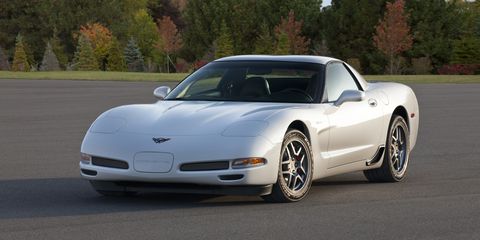
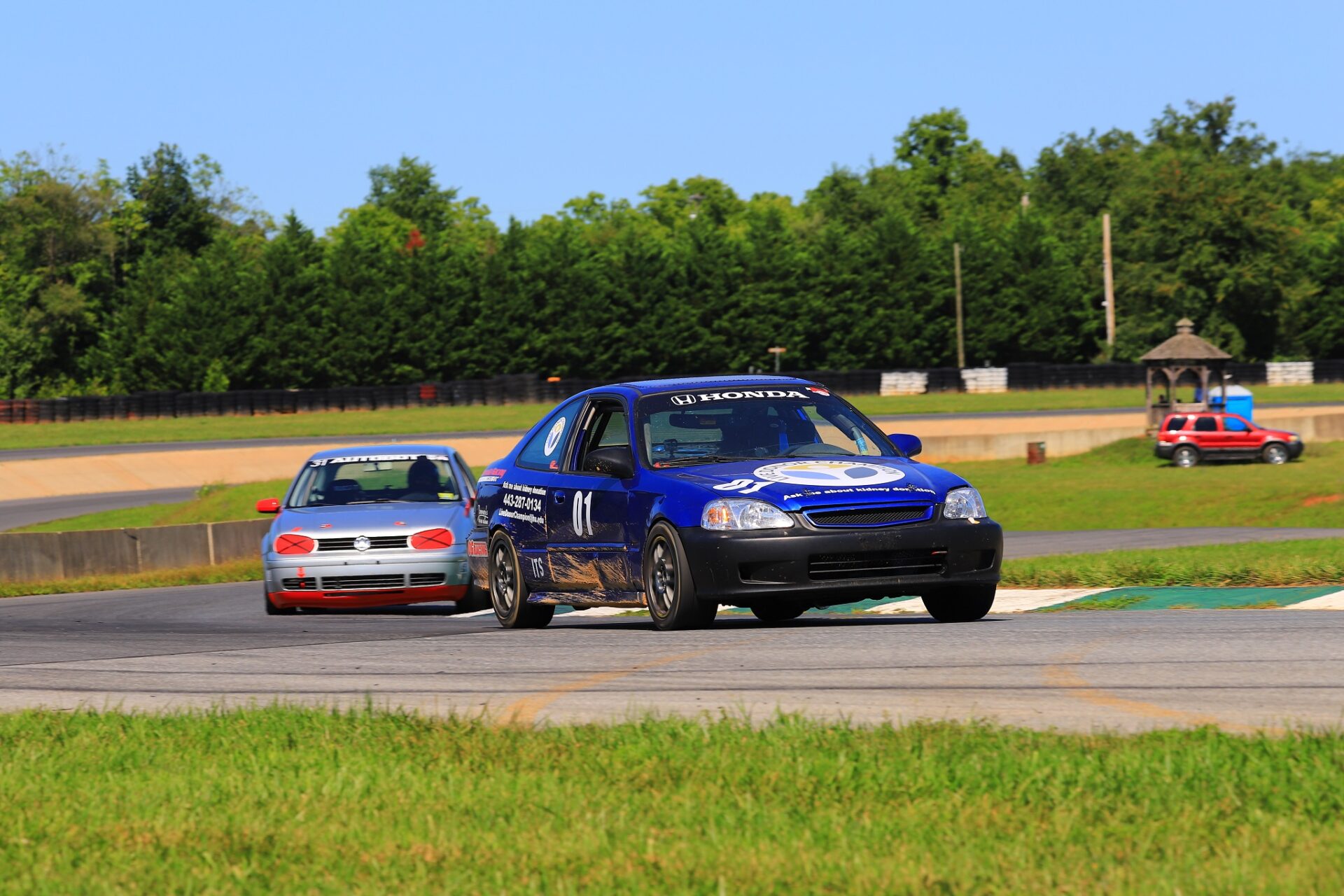
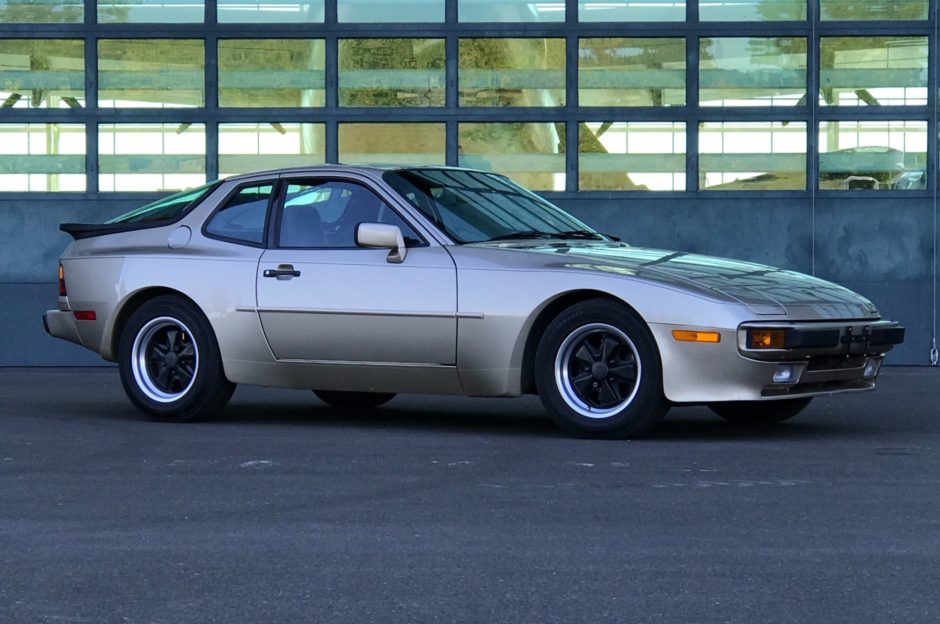
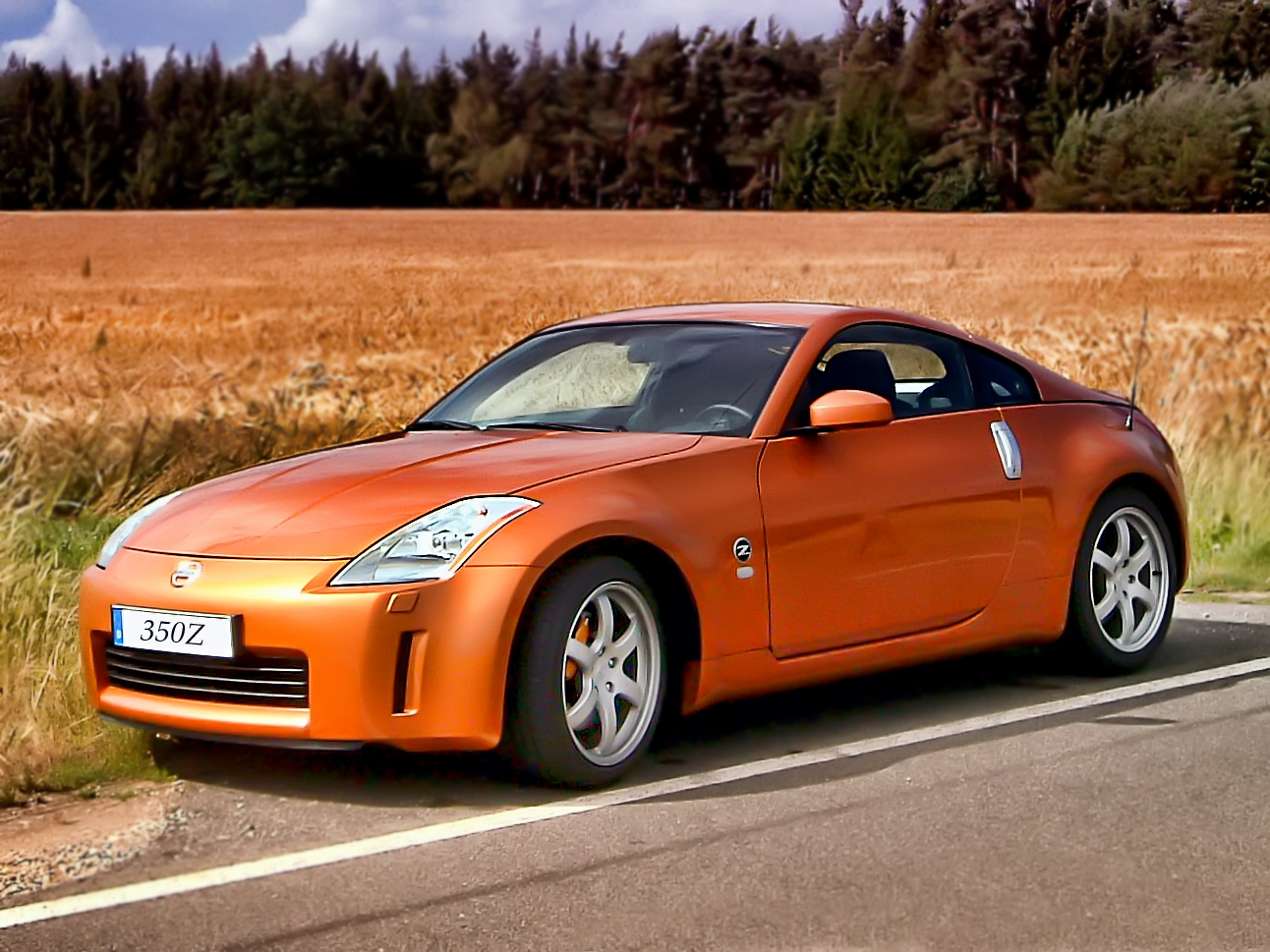
Modding Philosophy: Less Is More
Before your first track day:
- Skip the coilovers and superchargers
- Focus on safety: brake fluid, pads, and tires
- Avoid slicks – stick with high treadwear tires to learn car control
As Rick noted, “Never modify the car past the driver’s ability.” Grow with your car, and let your skills dictate your upgrades.
Front vs Rear Wheel Drive: A Global Perspective
While rear-wheel drive dominates U.S. track days, front-wheel drive hot hatches rule in Europe. The panel welcomed the rise of Civic RSs, Hyundai Ns, and other FWD platforms:
- Easy to drive and maintain
- Great dual-purpose cars
- Rain-friendly and practical
Budget Buckets: Track Car Price Tiers
Track car budgets break down into three tiers:
- $0–$10,000: Entry-level heroes (Miata, E36, Crown Vic)
- $10,000–$30,000: Dual-purpose daily/track cars (Mustang EcoBoost, Civic Si)
- $30,000+: Dedicated track weapons (GT4, M3, Cayman)
No matter your budget, the panel’s advice remains consistent: prioritize reliability, community support, and driver development.
Whether you’re chasing lap times or just looking for a weekend thrill, this episode proves there’s a track car for everyone. From humble Miatas to rowdy Panthers, the journey starts with showing up—and growing from there.
Guest Co-Host: Andy Lee
In case you missed it... be sure to check out the Break/Fix episode with our co-host.Guest Co-Host: Nabil Abushar
In case you missed it... be sure to check out the Break/Fix episode with our co-host.Guest Co-Host: Mike Arrigo
In case you missed it... be sure to check out the Break/Fix episode with our co-host.Guest Co-Host: Jason Kennedy
In case you missed it... be sure to check out the Break/Fix episode with our co-host.Guest Co-Host: Chris Cobetto
In case you missed it... be sure to check out the Break/Fix episode with our co-host.Want to ask us questions or learn from our Guests? Join our Break/Fix Discord!
This content has been brought to you in-part by sponsorship through...





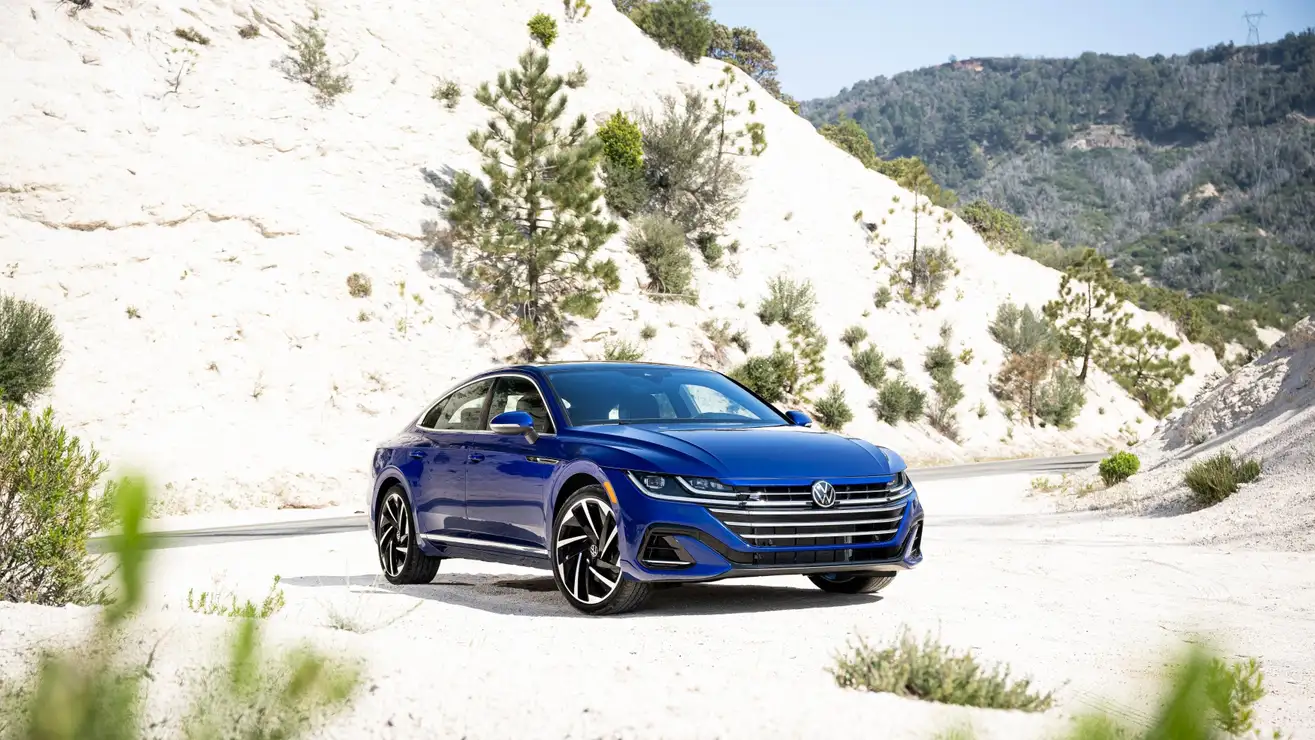
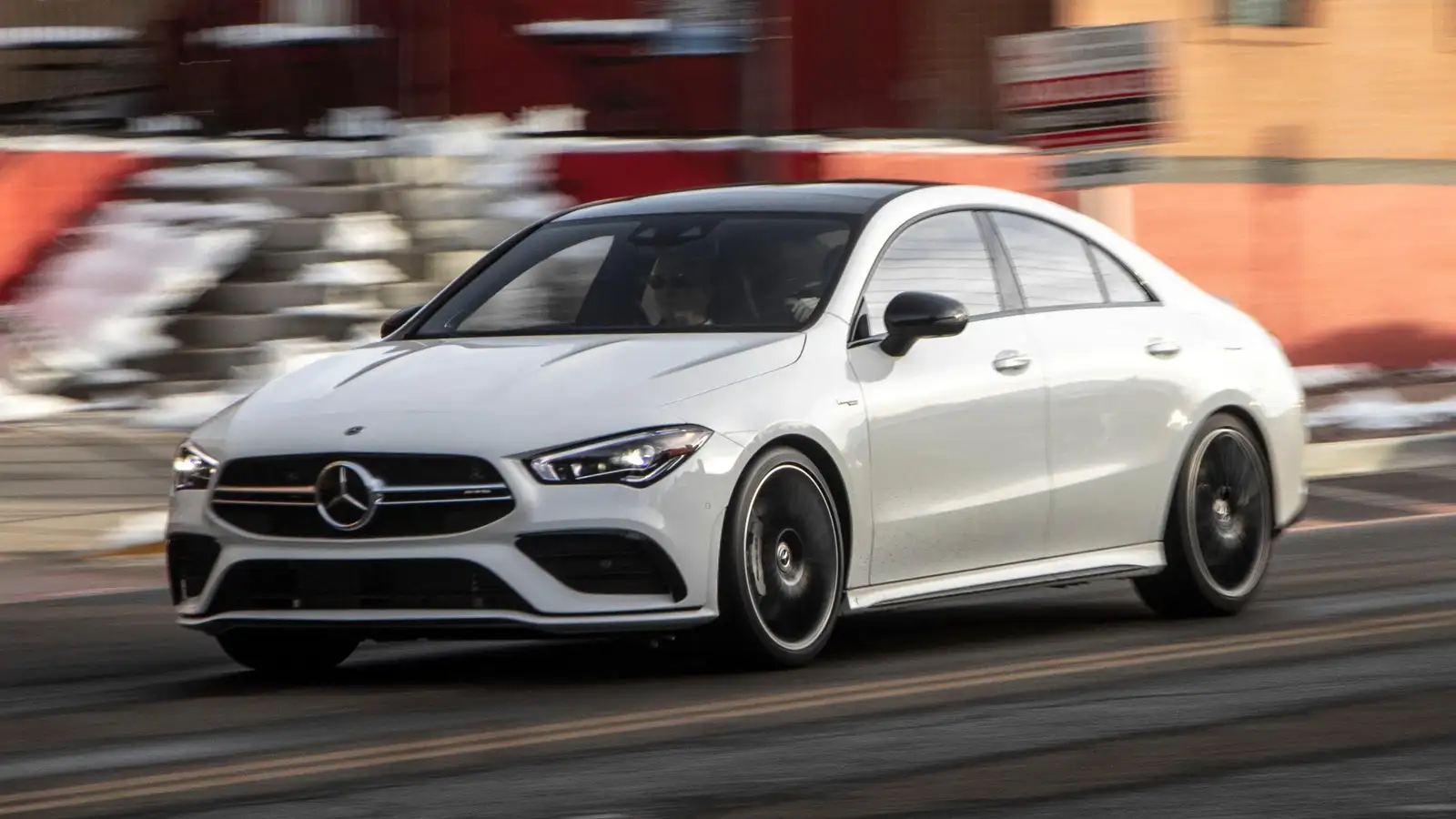
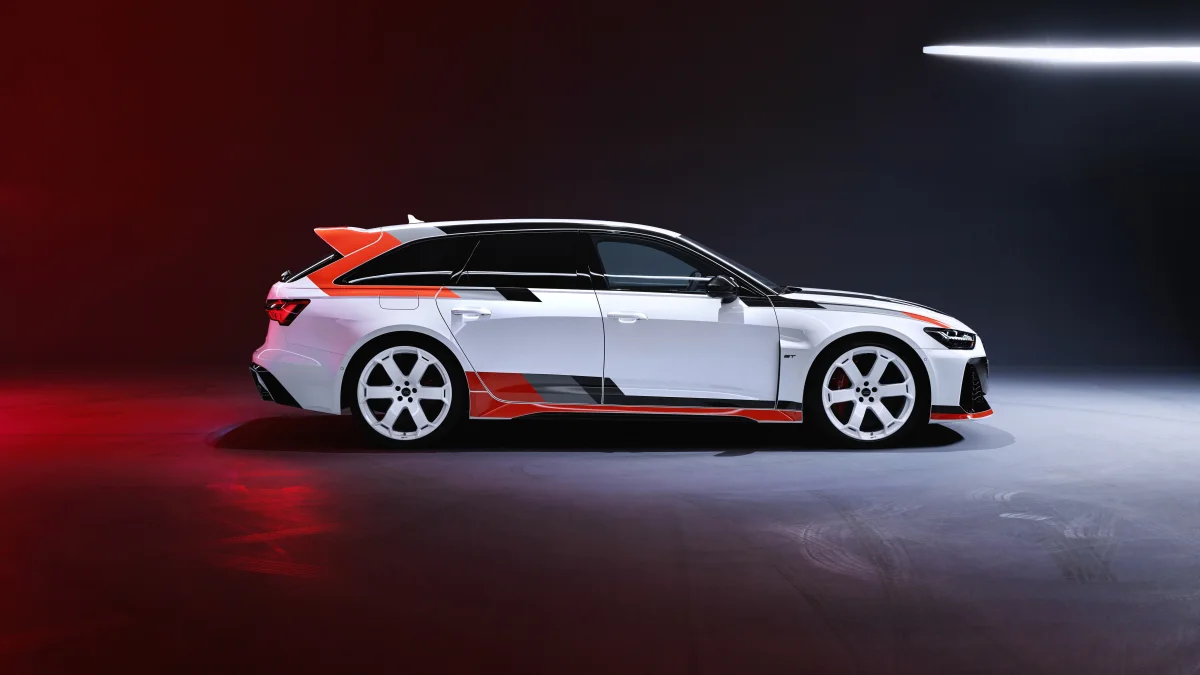
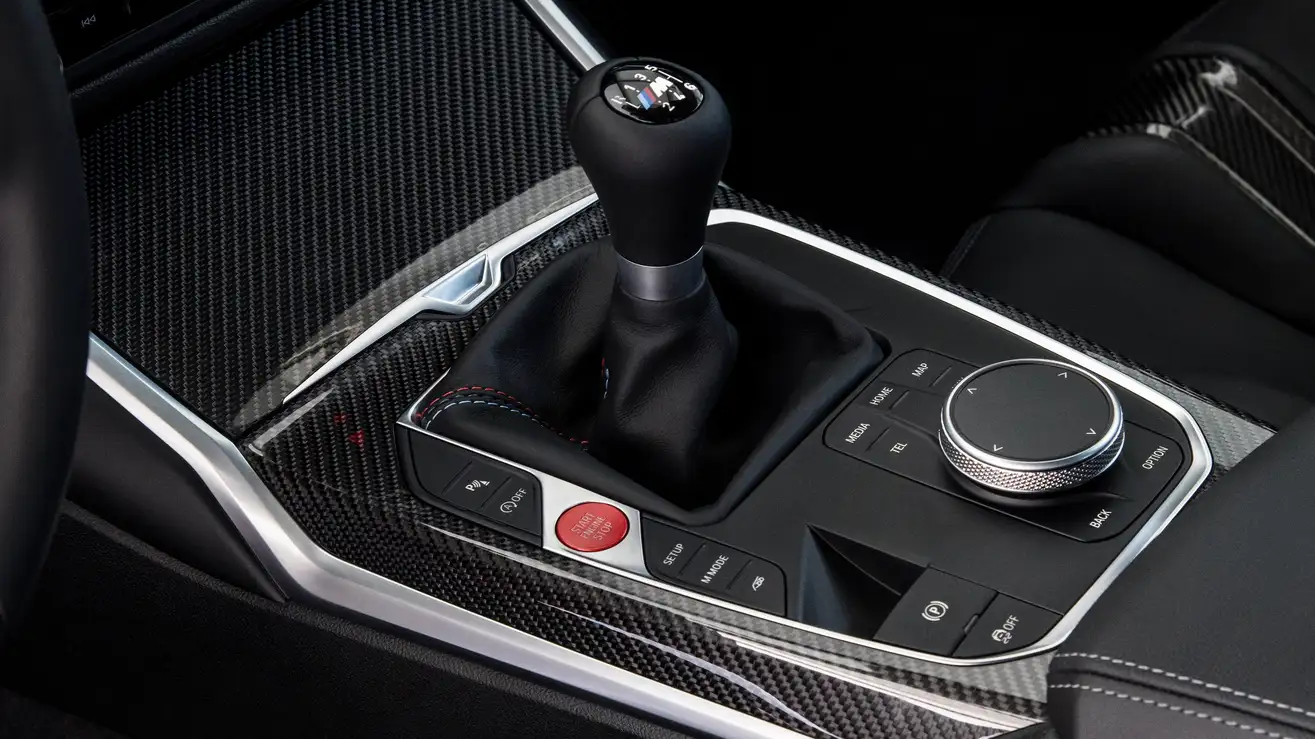



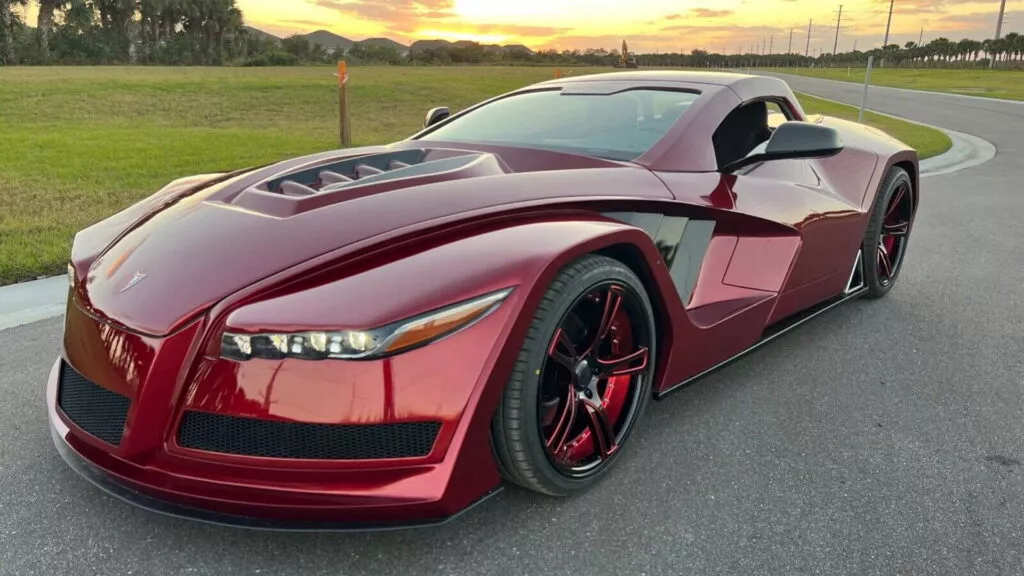
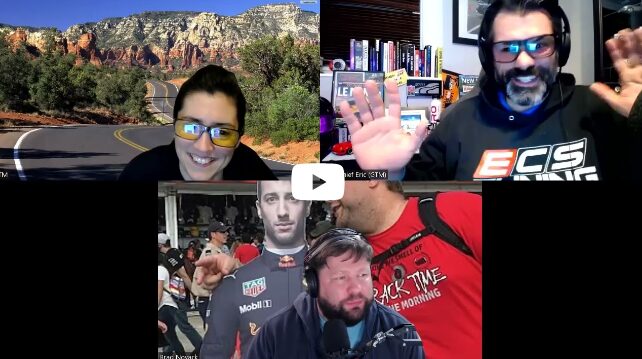





 The symposium is named in honor of Michael R. Argetsinger (1944-2015), an award-winning motorsports author and longtime member of the Center's Governing Council. Michael's work on motorsports includes: