spot_img
Home Blog Page 41

From Pedals to Podiums: Rob Holland’s Unconventional Journey to the Pinnacle of Motorsports

What do you get when you combine a pro cyclist, a passion for racing, and a relentless drive to break barriers? You get Rob Holland – a motorsports maverick whose story defies convention and inspires a new generation of petrol heads.

photo courtesy Robb Holland, Rotek Racing

Rob Holland didn’t grow up in a racing family. His parents saw cars as disposable tools, not objects of passion. Yet somehow, Rob found himself captivated by speed. His first love was cycling, and he turned pro during the infamous Lance Armstrong era. But the doping culture and his own self-awareness – he wasn’t destined to win the Tour de France – led him to walk away.

Still hungry for competition, Rob pivoted to motorsports. A few track days ignited a new fire, and a friend suggested Skip Barber Racing School. “I didn’t know you could really do that,” Rob recalls. Turns out, he was better at racing cars than bikes. That was 20 years ago – and the start of a career that would take him around the globe.

Tune in everywhere you stream, download or listen!

Listen on Apple
Listen on YouTube
Listen on Spotify

Rob credits his parents not for their automotive influence, but for something deeper: the freedom to fail. “If you give 100% and you fail, I’ve got your back,” his dad told him. That mindset gave Rob the courage to chase dreams that didn’t fit the mold – first in cycling, then in racing.

Skip Barber’s open-wheelers. “They’re the crappiest cars I’ve ever driven,” Rob laughs. Even years later, with more skill under his belt, he jumped back in one and confirmed: still awful. But they were his gateway, and they taught him plenty.

Spotlight

Notes

  • How do you go from cycling to cars? Was there always a passion there? How interested in motorsports were you as a child, where did that passion come from?
  • Do you think cycling prepared for a racing career? 
  • Dan Gurney!
  • As a pro driver how do you deal with pressure and recovering from mistakes?
  • How did you end up in Germany? What were the cultural challenges of racing in Germany and England?
  • You raced on some iconic races, including the 12 hours of Bathurst and Macau. You set a record at Pikes Peak. How did all that come about?
  • Rotek’s initiative to increase diversity in Motorsports (starting @ 48min)
  • Thoughts on the documentary “Uppity” the Willy T. Ribbs story.

and much, much more!

Transcript

Crew Chief Brad: [00:00:00] BreakFix podcast is all about capturing the living history of people from all over the autosphere, from wrench turners and racers to artists, authors, designers, and everything in between. Our goal is to inspire a new generation of petrolheads that wonder. How did they get that job or become that person?

The road to success is paved by all of us because everyone has a story.

David L. Middleton: Welcome everyone to another episode of break fix. Our guest tonight is going to be Rob Holland, who is a former pro cyclist who became the revelation of the speed world challenge in the early 2000s. In 2012, Rob rebounded from the late demise of the Volvo factory C30 touring car program to become the first African American in almost 40 years to race in the British Touring Car Championship.

When Rob isn’t racing, he spends his time at tracks around the world working as a personal driving instructor, as well as other things for groups like [00:01:00] Lamborghini, Audi Club of America, and 3Z3 Motorsports. Rob is currently the managing partner of Rotec Racing, which is based at the legendary Nürburgring, and is also known for his grocery getter series on Jalopnik.

He does technical writing in grassroots motorsports and race reporting on speedtv. com. Currently, you can find him racing SRO World Challenge, powered by AWS, in the GT America Series, driving the Ford Mustang GT4 as the only American car in the paddock.

Crew Chief Eric: That’s right, folks. And joining me tonight as my co host is David L.

Middleton from MyRacing, who you might recall from a previous episode of Brake Fix. He also just so happens to be a personal friend of Rob’s, where they met at the Nürburgring. So join me in welcoming Rob Holland from Rotec Racing to the show to tell us all about his unique motorsports journey. So welcome to the show, David and Rob.

Hey, how’s it going guys. So let’s get [00:02:00] into it. Let’s start at the top. How do you go from cycling to cars? Was there always a passion there? Were you always interested in motorsports starting as a child, like David’s story is, or where did that passion come from?

Robb Holland: Yeah. You know, it’s kind of funny. Like that’s probably one of the first questions I get all the time is how did I make that transition?

And For me, I just like racing. Doesn’t make a difference what it is, whether I’m racing bikes or cars or, you know, shopping carts in the middle of the parking lot, you know, you put me in something I’m going to race you. So that’s kind of the genesis of it. But the specifics of it is that I left the cycling world because.

I unfortunately came up during the nineties, which was the Lance Armstrong era, and everybody kind of knows that story. And for me, uh, the drugs and the sports just, just weren’t me. And I was an okay professional cyclist, but I was never going to win the Tour de France. I was never going to be this massive superstar.

And so the combination of having to put stuff in my body that I really didn’t want to, and the fact that I wasn’t particularly good led me to look at some other stuff. And so when I left the sport, I [00:03:00] still had a passion for racing and I’d always been a gearhead in the back of my mind, I love fast cars.

You know, I had some sports cars back in the day. And so I had done like one or two track days and someone was like, yeah, dude, you should go to skip Barbara and, you know, and learn how to race cars and maybe get your license. And I was like, Ooh, that’s a good idea. I didn’t know you could really do that.

And so I kind of found skip Barbara and went to the school and went through the whole thing. The long story short, I was actually better at racing cars than I wasn’t racing bikes. And that was 20 years ago. So just a weird random story that you really, you couldn’t script if you wanted to, like you put it in a movie and no one would believe it.

Crew Chief Eric: So Skippy School Miatas, they really got you going, huh?

Robb Holland: Oh, no, it was even worse. I had the Skippy Open Wheelers, which are like the worst car. Like everybody’s like, one of the questions I get is like, what are the best cars you’ve ever driven? What’s the worst car? The worst car by far is the Skip Barber Open Wheel cars.

Those cars are like. 50 years old and they’ve been wrecked and rebuilt and wrecked and rebuilt. Weird aside, my two best friends decided to go to Skip Barber. This is a few years after I turned pro and I knew all the instructors there. And they were like, Hey, do you want [00:04:00] to jump in a, you know, Skippy car and your friends chase you around and do that?

I was like, Oh, cool. Yeah, I’ll just jump in. And my first thought was. Man, these cars were crap. And I’m like, I was, I was probably not like a good driver back then. Like, it’ll be so much better. And I jumped in the Skippy car and like two corners into Laguna Seca. I’m like, Nope, these are the crappiest cars I’ve ever driven.

And that has not changed no matter what my skill level is. So

David L. Middleton: yeah,

Crew Chief Eric: good old formula neons, right? Yeah,

David L. Middleton: there you go. How influential were your parents in your career and how supportive were they, where you said, okay, I’m going to switch from trying to be a pro cyclist to, hey, I’m going to be a pro driver.

Robb Holland: How influential? Probably not at all. My parents look at cars as disposable objects, the depreciating asset, you buy it, you beat the crap out of it. And then. You sell it off in 10 years and you buy another one, you know, they weren’t this inspiration I could look to, but as far as supportive, I mean, that’s the one thing that I always say about my parents and this is within motorsports and cycling and school and everything [00:05:00] is that the biggest thing they ever gave me was the ability to fail.

And what I mean is that I always had their support. My dad was always like, if you give a hundred percent and you fail, I’ve got your back if you give 99 percent and you fail. You’re on your own. And for me, that one instills this, like, I know I always have to bring my a game to everything I do all the time.

But the biggest thing is, is that especially growing up, you always knew that your parents had your back and no matter what your choices were, they had your back, like literally that that’s the only reason I could do, you know, you look at it. I’m a black kid jumping into on the bikes and then jumping into racecars.

That’s not a normal thing. But the reason I was able to do that is because I knew that if it didn’t work My parents knew that I put a hundred percent in. They got my back.

Crew Chief Eric: So since we’re talking about your childhood and we’re talking about your parents, what was the one car poster on your wall as a kid that your parents wanted you to tear down?

Robb Holland: All of them. I love Lamborghini. So I, I had the classic red Lamborghini [00:06:00] Countach up on the wall, big wing and all, it cracks me up. As a kid, I remember I was reading road and track magazine and, you know, I was just really into cars. I still to this day have no idea where I got it from. Neither one of my parents are car people.

My sisters aren’t car people, like nobody around is car people and it’s just me. And also like really none of my friends were really car people. So I, I still don’t know where I got that bug from, but yeah, I’m glad I did.

Crew Chief Eric: I’m going to remind our listeners that if you’re a petrol head of a certain age, the answer to that question is always Lamborghini Countach.

So that being said, coming from the cycling world, really curious what bikes you rode, but we’ll leave that maybe for another episode. Cause I’m a big bike guy myself, always into French bikes and things like that. Although I have an affinity for French cars too, but let’s not talk about that either. Yeah.

Right. Do you think understanding how grip on the bike works, preparing for cycling and those kinds of races and things like that, did that [00:07:00] prepare you for the car? It

Robb Holland: has nothing to do with the dynamic of the bike. Bikes and cars have nothing to do with each other. Two wheels, four wheels, narrow, skinny tires, all of these things.

The biggest thing that I took away from cycling, and there’s a lot of it, Is all of the mental side of things, first of all, just the mental preparation for any race. You’re going to like the mindset you get into. And then on top of that, you’re looking at spatial awareness within the pack. I’ve got 200 guys around me and they’re all doing various things and be able to keep an eye on things and know where things are.

People are going to be all of those things that you don’t get in a car. Because when you’re driving in a car, it’s sedate, you’re driving to the grocery store. You’re, you’re driving to your friend’s house. You’re driving to, you know, whatever. It’s a completely different mindset that you’re in. So it’s very difficult for a lot of people, especially new guys coming into car racing to put themselves in a mindset of aggressively driving a car.

Whereas for me, like the mindset was, okay, I’m racing go. The thing that I got from going back to skip barber was the instructors were always. amazed at me [00:08:00] because they would say, okay, you’re doing this and this and this wrong in the corner, go do this differently. And I would go and I would do it differently.

Whereas a lot of other people who were kind of like short on mental bandwidth, because there’s so many new things going on, they would just make the same mistake over and over and usually faster and spin off. And so the instructors were like, you’re the, like the one student that we would tell what to do and you would go do it.

Now you might not do it perfectly, but you would make the attempt to make the change. And that was because I had that background experience and I wasn’t so overwhelmed with the concept of pushing something to the limit on the track.

Crew Chief Eric: Where I want to take this question though, and I think maybe the audience might be thinking it too, going from two wheels to four wheels, as you mentioned, was there a point in which maybe you were an impasse and said, I should go into motorcycles and not cars?

Was that ever a thought? Was that ever a consideration? Did you dabble with that at all?

Robb Holland: Yeah, I drove motorcycles throughout college. That’s how I got around. I didn’t actually own a car for a large chunk in college. I was, I was a motorcycle guy. [00:09:00] But the one thing that you realize is that I’m six foot one.

You do not have six foot one motorcyclists. And when I was cycling, I was at my lightest. I was 4 percent body fat. I was super fit, super light. And I was still 170 pounds. And the guys who are racing motorcycles are not my size. And honestly, the weird dynamic of me getting into car racing is, is that there’s always this.

popular misconception that drivers are tiny little guys. That’s true. If you’re in the formula cars, any open wheel car, usually bigger drivers don’t usually make it. You know, you look at maybe Mark Weber or somebody like that as an exception, even a couple of formula one drivers currently going that are bigger guys that in the, in the six foot range, but they’re also 150 pounds, 160 pounds.

And I just could never get down to that weight. That’s also what steered me out of getting into formula cars was I did. Some formula BMW stuff. And I just remember getting out of the car the first time. And it’s like, everything hurt. Cause I was just wedged up against the car all, all over the place. And every time you, you hit a curb, it just like literally like the shock [00:10:00] of the curb would go straight through to your body.

And I was like, yeah, this isn’t for me. And then someone was like, Hey, why don’t you drive a touring car? Why don’t you drive a GT car? And it was like, Oh, I’ve got all this room and space. And yeah, this is great. I could do this all day long.

Crew Chief Eric: So before I ask you about honing racecraft and things like that, I want to ask you one more question about your coming up in the transition from cycling to cars.

Was there, or is there still someone in the motorsports community that you looked up to maybe a hero or an idol that you were like, I want to be like that person that inspired you to help make that transition.

Robb Holland: Yeah, Dan Gurney. The funny thing is, is that I gravitated to Dan originally because I discovered that he was six foot two.

Actually I think six foot three. Like he’s, Dan is a very, very tall guy. Going back to what we said, I never thought tall guys could be race car drivers. And so when I found out, I was like, Oh. So you can be tall in a race car driver. And then after I kind of zeroed in on him because of his height, I then [00:11:00] saw all the things he was doing.

He went over and raced Le Mans and he did all of these brilliant things to me. Then I was like, that’s my type of driver. Like he wants to drive everything. Like he just loves driving. And that’s for me, kind of what I saw in him as a weird. Aside, Dan is a legend and anyone who doesn’t know who Dan Gurney is, go look him up.

I mean, the reason that we spray champagne on a podium now is because Dan Gurney sprayed champagne on the podium when they won Le Mans and that’s the level of guy, like that’s the guy that you just look at in the sport and you go, they will be talking about him. For the next 100 years because he’s that much of a legend.

So I went into British touring car and I’m sure we’ll talk about that at some point, but I was the first actually first American in 40 years to race in British touring car and the American who raced in British touring car before I did was Dan Gurney. So when I went into registering car, all of the media was talking about, ah, it’s first American since Dan Gurney.

And I was tickled pink because, you know, here it is, like I’m being mentioned in the [00:12:00] same sentence of a guy who I grew up admiring. I just thought that was the coolest thing in the world. Circle back probably what four or five months after I made my debut, I was at the 25 hours of Thunderhill and I was doing an interview just like this one.

I mentioned literally just this exact story. And the guy in the middle of the interview goes, well, you know that our PR person is Dan Gurney’s granddaughter. And I said, Oh, that’s great. You’ve got to introduce me. This is tell her that, you know, your granddad’s a hero, a legend. I just want him to let him know that there’s a guy out there that’s thinking of him.

And, uh, halfway through the race weekend, I hear my name called to the paddock and it’s his granddaughter. And she runs over to me and she hands me a cell phone and she goes, my granddad wants to talk to you. And I literally spent an hour and a half in the middle of the paddock in Thunder Hill talking to Dan Gurney.

And he just was talking about British touring car and all sorts of things. And then I finally got a chance to go out to meet him. And so it was just this great kind of like coming full circle for me. So it was just, uh, it’s one of my favorite stories.

David L. Middleton: So we talked a little bit already, Rob, about your dad, [00:13:00] having a big influence on you as far as preparing mentally.

But as a racing driver, you have to prepare basically every single day to give your best. How do you do that? And combined with how do you hone your race craft and how did you hone your race craft from coming from. Humble beginnings at Skip Barber to becoming a professional driver. It doesn’t happen all the time.

Right. So how did, how did that process come about?

Robb Holland: In terms of the influence of my father and always being a hundred percent prepared, that is a life thing. I mean, that isn’t just, Oh, it happens in cycling or Oh, it happens in motorsport. You know, obviously I run road tech racing. I moved over to Germany where I met you 2013.

I lived over there for five years. I founded three companies in Germany, built a home, built a motorsport program. So. It’s one of those things that I grew up pushing myself. You know, there’s, my problem is I don’t say no often enough, but I also like the challenges that life brings me. And I think that’s all part of what my dad instilled at me at an early age, which is always give a hundred percent [00:14:00] and you see the benefits of that.

Every single day. So, um, so from that perspective, that’s my dad’s influence, but as far as the race craft thing, I think a lot of it comes from going back again to cycling. Cycling may not seem like it to kind of the casual observer, but it’s a very strategic sport. And back when I was doing it, I know I’m dating myself, but they didn’t have any radios or anything that the cyclist could use.

So you literally had to be your kind of own team captain. And you’re obviously working with six, seven, eight, nine, 10 other teammates. So you all have to communicate and you ought to learn how to read a race. But you had to read it, not just sitting at your couch and looking at it going, Oh, that guy’s doing that guy.

You were 150 beats per minute heart rate. You’ve been riding for a hundred miles and you, you still had to make split second decisions on the fly. And I think that that translated kind of into the motorsport thing, where you just, no matter how much you’re exerting yourself, you really have to just be able to make good decisions time after time, after time, after time.

Crew Chief Eric: So Rob, you [00:15:00] talked about in joking and in jest that the margin of error that your dad put upon you is about 1%. That translated into your pro racing career. How do you deal with that kind of pressure? I mean, we all make mistakes all the time and how do you recover from those mistakes? I mean, when we’re on track and doing.

Doing things that we’re working with our students and whatever, we’re like, ah, there’s another lap. We’ll get it right next time. You know, we’ll continue to work, continue to progress. But when you’re in a 25 hour race, like you were talking about, the margins become so small and you have to be perfect lap after lap after lap on behalf of the entire team, because you need consistency across the board.

So how do you deal with that? How do you manage that? How do you manage the stress and how do you recover from even the slightest of errors?

Robb Holland: First of all, I don’t stress. Like that’s, I think a big thing is, is that I learned very early on that stressing is useless. Like it doesn’t bring anything. And in fact, it exacerbates all of the bad things.

So when you look at it in that perspective, basically just have to kind of take yourself out of the whole picture and [00:16:00] go look. At the end of the day, it’s a car, it’s a track and you have to go out and just go out and run laps and, and just enjoy yourself. Don’t sit there and put all of this pressure on you to be this certain thing or do this certain thing.

And everybody makes mistakes. Like, yeah, sure. My dad said, you know, you gotta be a hundred percent, but. What he meant wasn’t that I couldn’t make mistakes, he meant that I had to give 100 percent in effort. I make mistakes all the time. I mean, I’m hyper critical of myself. I mean, David will tell you, like, I would sit down and look at data and I’m like, I screwed up there.

I screwed up there. That was terrible. What am I thinking? But it’s all. Positive looking at a mistake I made to correct that mistake. So when I go out again, I don’t make that mistake. Now I’ll make another mistake, but it won’t be that one over and over again. And that to me is the most important thing is don’t make the same mistake over and over again.

Make the mistake, learn from it and move on.

Crew Chief Eric: The old adage is the first thing you learn as a race car driver is how to make excuses. David knows

Robb Holland: I’m really good at that too.

Crew Chief Eric: So sometimes it’s the car, [00:17:00] sometimes it’s you, sometimes you have a day that neither one works, right? And we all, we all know that it’s part of just being human.

It’s part of dealing with machines and things like that. But do you often feel Sometimes it is more the car than it is you and or is it a balance between the two? And I think the other question I have is you were talking about data. Data is extremely important. The more you move up is analyzing the data and achieving that consistency, right?

These 2 kind of questions go together. What I want to glean from that is I’ve also learned that, you know, in teaching students like on an amateur level, it’s all about. The speed comes later. Don’t worry about that. Let’s teach consistency. Want to be consistent, take the turn the same way. You know, maybe it’s the safest line, might not be the fastest line, things like that.

But what I’ve personally discovered is that the data is important, but I tend to drive more by field. So which is it, right? There’s different schools of thought on that. And I know it’s kind of a loaded question, but they’re intertwined.

Robb Holland: Well, the first part of your question, I think everything’s fluid.

There are times [00:18:00] when the car is just not there. And there’s times when the driver’s not there, and there’s times when the driver might be there, and the car might be there, but they’re not working well together. So you really can’t sit there and say it’s any one or the other. And this is actually where data very much comes into play.

There’ll be times, and David even knows from this year, We’re, we’ve just been off the pace and it’s been very, very frustrating to me because I, I feel that, uh, you know, with my level of experience, um, that we should be running at the front of the field on a fairly consistent basis. And there have been a few times this year where I’m just missing a second.

I have no idea where it is. Like I’m out there. I feel the lap is good. Okay. I made a mistake or two here. That’s a 10th or two, but I’m like, there’s a full second. I left out in the track. I don’t know where it is. And the thing that’s really helpful is then going back and looking at the data. If you don’t have the data to compare to you, you’re just lost.

You know, you’re like, I drove my heart out. We were at VIR about a month ago. You know, I was struggling with the pace. We looked in the data. The end of the back straightaway, because I had been in traffic a lot over the, over the course of the practice session, I was [00:19:00] breaking substantially earlier for the last corner coming off the straightaway.

And there was, Six, seven tenths of a second right in that corner, because mentally you’re focused on the car ahead of you. And there’s some other things going on. You’re not just aware that you’re not at the limit breaking into that corner. And boom, there’s your seven tenths right there. So it’s things like that, where you, if you don’t have the data, it’s just a very, very frustrating thing.

So not only do I think that it’s valuable for drivers that are up the ladder and pro level. I honestly think that, you know, I use data for coaching, even the most novice driver, because it allows them to. Hopefully mentally get their head around where they can go faster or where they need to go slower.

Cause a lot of guys jumping into the car for the first time, think that going fast means going the fastest you can through the corner and the car’s all out of shape and they’re hanging on to it. And they’re just like, Whoa, that was fast. And you’re like, Whoa, dude, you’re. about to crash and you’re five seconds off the base.

And people don’t get that. So when I can do a data lap for someone and do a reference lap, and then they can look back and go, well, wait a second. How was Rob so fast? A [00:20:00] lot of guys get in the car when I give a ride along and they’re like, that’s not a fast lap. And I’m like, look at my lap time compared to your lap.

That was five seconds quicker than your lap time. And we were just cruising and having a conversation. Why then you can look at the data and go, Oh, well, you tried to break a hundred meters later than I did going into this corner and you barely got the car stopped and then you were 20 miles an hour slower going through the corner.

And then you couldn’t get the throttle until well after I did. So that’s the reason you were slow. And I think the only way you can really show that to someone is, is in data.

David L. Middleton: Yeah. I agree with you. I think also that’s your job. I think with novices, the breaking point, right? You have somebody new to racing and they’re like, I broke at one 50.

I know I broke at one 50. And then you check the data. It’s like one 80. And I go, when did you break? Well, the minute I saw the one 50 sign, like, well, that’s not one 50. Right. Right. And then to what you said about how they went through the corner, you show them the wheel slip and you say, well, look, this is what your car was doing.

I mean, the good [00:21:00] drivers do both feel and data, right? The prodigies. Probably only to feel, but the prodigies are few and far between, and then they get to a point where they have to look at data.

Robb Holland: I don’t think there’s anyone that I know out there that has gotten to the pro level that doesn’t know how to read data and doesn’t use it on a regular basis.

I mean, you know, we, we come off track and we’re in there. You, me and Brian are in there for an hour. hour and a half going over the data, you know, and these are GT four cars are relatively simple cars when it comes to, you know, all the setup stuff. There’s not a lot we can, we can really do to them. If you’re in a GT three car or prototype, I mean, your data session could be two, three hours easily, you know, looking at the, you know, all the damper pot stuff and all the stuff, all the feedback you’re getting from, from every sensor on the car.

I mean, you’re focused on all the engine stuff and optimizing that. It’s not something that you and I debrief about, but that is still something that’s important to the The operation of the car, and it’s also important in terms of getting a lap time.

Crew Chief Eric: Let’s kind of switch gears a little bit, because you mentioned very quickly that, you know, [00:22:00] you ended up in Germany, but you didn’t explain how you got to Germany.

So, you know, is your story similar to David’s in a way or. Just in a whole different realm.

Robb Holland: Yeah, no, my life is never simple. It there’s never a direct path. It’s I’ve always been very opportunistic, you know, something that opportunity comes along, not be so wedded to what I’m currently doing that I don’t go, Ooh, that’s interesting.

I could go do that. The Germany thing came about. I was racing in world challenge and touring car. We had just finished the Volvo C30 touring car program as a factory program. And unfortunately the demise of it because the C30 was no longer being sold in the U S. And so I was out of a job. Kind of like, okay, you know, what do I do now?

And, you know, I started looking around at other opportunities and that’s kind of when the, the British touring car thing came about, but at the same point in time, two of my best friends, I had taken one of the, one of them was getting married and took him to Germany and the Nürburgring part of the bachelor party.

They’re also very much gearheads did the Nurburgring. We were going to do Lamar. We did spy. It was just a whole thing. It was [00:23:00] fantastic. But when we got back, one of my friends was like, well, Hey, is there any business thing that we could do over there? It’d be great to do some investment over at the Nurburgring and, you know, have some opportunity to spend some more time there.

Uh, and I said, sure. You know, you know, let’s. Take a look around and see what’s out there. And I happen to literally like the day I started looking a workshop and a house came up that was in moist bath, which is basically where the industrial center for all of the manufacturers that are at the Nurburgring.

So if you ever see any of the spy photos of the camouflage cars that lapped the Nurburgring. All of those cars are based in the industrial center right there. And the first building that ever got built in that center is one Gottlieb Dahmer Strava drive. So it’s literally the first building there came up for sale.

But unfortunately the guy had passed away and his, his widow wasn’t interested in doing anything anymore. And she put it up for sale. Nothing ever comes up for sale in the industrial center. Like it just doesn’t. And it popped up and I caught to my friend and he’s like. That sounds good. Let’s go buy that and figure out what we’re going to do later on.[00:24:00]

We ended up buying it with the goal of being the English speaking base at the Nürburgring for American drivers and for British drivers that were coming over that wanted to race over there, but didn’t speak German, didn’t know the ins and outs of everything. We had a 10, 000 square foot workshop, which the guy who owned it before Prior had passed away, had it literally equipped like your, your dream garage.

Like there was every single tool imaginable, lays, then all sorts of just literally everything that you wanted. And we bought all of that equipment with the house. So we had three tool imaginable. The garage was immaculate. It was, you can literally eat off of it, but the house, they had built this and then they really never got much past the, like generally putting.

Drywall up and it was just this absolute mess and it’s actually two small houses that are right next to each other. So I had to go over there and literally we gutted both of the houses. We created a single entry. We did this whole thing with the thought process of building like it’s the best way to put it as [00:25:00] like a ski house.

You know, if you ever go skiing with a bunch of friends, this was a ski house for the Nürburgring. So it was like nine bedroom house that could house not only the drivers, but also the crew mainly focused on 24 hour race and where we were was literally a kilometer and a half, maybe two kilometers away from the entrance for the Nürburgring.

So a mile, a little over a mile. It’s the perfect base because we’re, you know, we can go testing there. We can do all of the tourist sessions. We could coach through there, but for the 24 hour race, it was spectacular because as the driver, you get out of the car. And we had a chauffeur, a chauffeur, a driver that would take you in our team car back to the house.

And so you get out of your stint and then literally 10 minutes later, you’re back at the house with a shower and a warm dinner and a bed. And it’s not a normal endurance race where you’re sleeping in the back of a truck for. For 12 hours. Yeah. So yeah, it ended up exactly. So no, it literally is, it’s the way you want to do a endurance racing.

So it was just the right place at the right time and just a phenomenal experience to be over there for five years and [00:26:00] to start several companies, do the racing program and basically become part of, of German culture. Not so much like David who actually speaks German. I never actually got around to learning it very well.

So, but still living there day in, day out was, was absolutely epic.

David L. Middleton: Well, I beg to differ because once you become part of the like Nürburgring lore, you’re definitely part of the German culture.

Robb Holland: Fair enough. I’m part of the German culture. I just don’t speak the language. You just don’t speak the language.

It happens. It’s happened. There’s just a bunch

David L. Middleton: of people from, from Norway and Sweden who, who are the same way. Speaking of that. So what were some of the cultural challenges in racing in Germany and in England that you went through or were there any?

Robb Holland: You know, it’s really funny. I went in there with this.

Thought process that it was going to be this big thing going to struggle and with everybody and it was just going to be like this constant battle was a little bit when you first get into it because it’s just the racing is different the way they run things. The rules are all fairly the same, but the way they run things and how they do things is definitely a bit different.

And Germans, when you get on their bad [00:27:00] side, they could be a bit intense. So like the first couple of things, you’re just like, Oh, Jesus guy hates me and I’m, I’m an idiot moon there and whatever. But you do it long enough and you, and you realize that, no, that’s just kind of the way they are. Once you break through it, it all goes away and it becomes so, so much easier.

Like I said, that was the reason we were over there because it’s not just having the base for American drivers from the standpoint of trying to find teams to drive for whatever, it’s more about saying, Hey, look here. Are the differences in racing in Germany and racing in the UK, then you experience in the U S far as being accepted, like, honestly, like to this day, I’m I look back on doing British touring car and it was just epic.

The fans were just, they’re the best fans. They literally embraced me right away. I actually, the Scottish fans, I’m huge in Scotland. Don’t ask me why, but like I go up to Scotland and everyone’s like Rob, Rob, Rob, Rob, and it’s just this whole thing. And actually I also can’t understand. Anything that anyone says in Scottish, everybody needs subtitles in Scotland.

They’re like, I know you’re [00:28:00] speaking English, but I know, I just, I don’t know. So I really missed that. They did such a great job in taking me in. So I missed that.

Crew Chief Eric: They put that trill in your name. It’s like Rob, right? They gotta like, Oh, we gotta drag it out.

Robb Holland: It is. It’s way beyond that. Like I, I did this thing.

I like to try, when I go to various places, I like to go in and talk to the kids and try to be inspiring and whatever. And I did this thing with the Scottish Cub Scouts, basically. And I went in there and there’s like 30 kids all trying to talk to me with a Scottish accent. And it just was the funniest thing.

Cause every kid I was like, well, sorry, what again? What was that again? Can you say one more time? No. Can you translate? And so all the older guys would have to like translate and they’d have to enunciate everything. And it was just really good fun. And for me, that was a big surprise. Cause I always figured I was coming in as the big bad American.

You know, I was the easy target. Everybody is like from Europe. It’s like, Oh, America, America, America. It was the opposite. They really were just [00:29:00] so excited that someone from America really thought enough about their series that they would come over and do it, which I. laughed at because I think British German car is one of the best series of racing anywhere in the world.

They were honored that I would come and want to race it. So that was very cool.

Crew Chief Eric: I got to ask a question from a professional perspective, because it sounds like you’ve driven pretty much everything under the sun. I mean, Rotec famous for their Audi’s. Now you’re in a Mustang right now. You talked about the C30, which Not sure if that was some fake me out rear wheel drive concoction, or if it was the all wheel drive C30 or the front wheel drive, but I’m sure you’ve been in everything.

So let’s kind of settle the debate from your perspective. What’s the most fun you’ve had behind the wheel? Was it a front wheel drive? Was it a rear wheel drive? Mid engine? What do you prefer?

Robb Holland: Bit of hubris here. I’m going with front wheel drive, the big, big, big, big caveat to this. So everybody always complains about front wheel drive cars under steering.

They’re not wrong. I mean, when you’re getting into a corner and you’re trying to use the front tires to not only grip through [00:30:00] the corner, but also accelerate off the corner tires can only do so much. So obviously, when you start to accelerate, you’re going to, at some point in time, exceed the limit of grip.

The tire has and the car is going to want to understeer.

Crew Chief Eric: But I have to correct you. I like to call that unplanned track out.

Robb Holland: Fair, fair enough. Well, here’s the thing is that, you know, you’re going to have an unplanned track out plan for it. And what you do is, is that you set up the car to rotate on entry.

Everybody always looks at the, like I said, understeering front wheel drive cars. But if you can get the car to rotate on entry, then you actually use the throttle to save the car from spinning. It’s the most counterintuitive thing, but I call it pitch and catch. You pitch the car into the corner, the car starts to rotate, and then you use the throttle and you basically time the throttle so that you catch the rotation at the apex so that your wheels are straight, and then there is no understeer because all the front wheels are doing is driving the car forward.

It’s an art like as a [00:31:00] front wheel drive driver. You have to do it. It’s honestly I look at it at the reverse of driving a Porsche. I’m hitting all the marks apparently.

Crew Chief Eric: Amen. But

Robb Holland: it is, it is that same style of how you drive a car. It’s like if you look at Porsche drivers, they are really quick in Porsches and there’s just no way you’re going to catch them because if you don’t have that seat time in a Porsche, it’s the same way with front wheel drive drivers.

It’s that same thing. And. The funny thing is, is that when you get into a real world drive car, and I’ve gone back and forth, I mean, I driven literally everything. The real world drive car, you can’t get the car to rotate on entry because if you do, you have no recourse to basically save the car. Going to throttle is just gonna create a spin and then, and you’re done.

Unless

Crew Chief Eric: you’re drifting. Unless you’re drifting. Well, unless you’re

Robb Holland: drifting. But drifting isn’t necessarily fast and you’re burning tires and there’s a whole bunch of things that go with it. But the thing is, is that then if you have an understeering rear wheel drive car, it’s [00:32:00] really difficult to get that to balance out at corner exit.

And you’re just stuck with an understeering car. So I’ve had more fun in the front wheel drive Audi TTRS. It was an Audi factory car at the Nürburgring. I look back, this is at the 24 hour race and there’s 350, 000 people, quickest lap I had ever done at that time at the Nürburgring, I look back at it and just go.

That’s the lap. If I stopped racing right there, I’d be happy.

Crew Chief Eric: See folks. I’ve said it once. I’ve said it a hundred times. Fun wheel drive. You got to experience it for real. None of these rental cars. Listen to the

Robb Holland: man. He knows what he’s talking

David L. Middleton: about.

Crew Chief Eric: We’ll sidebar on that one later.

David L. Middleton: Well, you mentioned the Nürburgring and actually, I think there’s still footage of you driving around the Nürburgring on YouTube.

Some really great footage. So you’ve done the Nürburgring 24 hour. Totally iconic, but you’ve also done 12 hours of Bathurst and you’ve done Macau and you set a record at Pike’s Peak. How do you go from the Nuremberg ring [00:33:00] to going to, you know, some of the other iconic, you basically have set the bar. I mean, what’s missing?

Maybe you need to do, uh, uh, Monaco. I don’t know. I don’t know if you’re hitting on everything. And Lamont, yes? I have not done Lamont. Yes, we need, we need to do them off.

Robb Holland: Yeah. Yes, exactly. Yeah. Um, you basically several million dollars as a sponsor. That’s right. But you hit some

David L. Middleton: iconic races. How did that come about?

Robb Holland: It’s an opportunity thing. Like I go back to how I ended up in Germany, how I ended up in motorsport. It was an opportunity. And I don’t look at things and go, there’s a barrier. People would normally go. Bathurst, that’s Australia. Wow. That’s so far away. And I there’s, that’ll never happen or Macau. I look to find opportunity where I can, and I just kind of go with it.

The Macau deal happened because for a number of reasons, but when I did British touring car, struck up a friendship with Rob Huff and Rob at the time was FIA world touring car champion. A super great guy and he and I just got along well, and he opened up a lot of doors in British motorsport for me. And one of those was a relationship with some of the race teams [00:34:00] over in China.

So I basically got connected with the guys running the Ford factory program over in China. They had a program that they were trying to develop a TCR car. And so we had this connection through Ford. Cause I had been doing some stuff with the Ford war towing car program. And they were like, Hey, can you come over?

And the first. deal was to go and race Thailand in Buriram. And that was the world TCR championships. And that’s actually where I met our good buddy, Brian Ma was literally on the streets of Thailand. And I got introduced to him. We were having dinner, literally on the side of a road in the, in the middle of nowhere in Thailand.

So quite an Epic thing. And so I’d worked with Brian through that weekend. Then the next bit of that deal was that if I helped them out with. The development of the car at Thailand, they had another car that I could drive at Macau and Macau. And I always wanted to do, I mean, it’s not as well known over in the U S but over anywhere in the world of motor sports, it’s one of the most Epic tracks.

It’s, I would say equal to Pike’s peak in the Nürburgring as in terms of level of difficulty and, and also. [00:35:00] Kind of almost penalty for getting it wrong for people who don’t know Macau is basically part of China It’s the Portuguese rule and it is literally three times the size of Las Vegas And that’s what it is is it’s the Las Vegas of overseas It’s the most hedonistic place in the world and then they have a motorsport race right through it with streets that are literally The narrow enough for one and a half cars to get through and yeah, it’s epic.

And the crowds and the, the, what it is, the casinos basically sponsor all the drivers. I mean, it’s the most insane thing that I’ve ever seen. So, so I got fortunate enough to go do that. And then Rob Huff again, had another driver that wanted to go over to go race at Bathurst. So we put a program with Rotec Racing to go over there and race an Audi over there.

We had some issues with the car, but that’s an Audi problem, not a Rotec problem. But yeah, so I, you know, got, got a chance to go do that, you know, and then because of that, then now I’m over in Asia. So I got opportunities to go do Singapore, you know, once again, it’s just, it’s just meeting people and, you know, obviously being competitive behind the wheel, but also I [00:36:00] think generally engaging with people and not being afraid that, okay, I’m in China or I’m in France or I’m in Germany or I’m in wherever, you know, I go and talk to people and shake hands and I like to hear people’s stories.

So I think that affords me some of the options to go and do some other stuff.

Crew Chief Eric: So I have to ask. Yeah. It’s Marina.

Robb Holland: Yep. Have

Crew Chief Eric: you driven it?

Robb Holland: I have not in a race, but I have gone and done. I’ve driven a couple of Porsches there.

Crew Chief Eric: Like Coda. I think there’s, you either love it or you hate it, especially for those of us that have never driven it.

Our only opportunity is to virtual racing, right? Like things that David’s doing. So I’m wondering since you’ve been there and you’ve seen it, I’m sure you’ve seen Coda as well, right? These newer design tracks. What do you think of a course like Yas Marina?

Robb Holland: I struggle with that because I actually like, and I also like to a degree, Yas Marina, like it’s, it’s a good track.

It’s got some good flow to it. It’s got some good sections to it. You know, I like Bahrain. That’s a fun circuit as well. The problem I have with any of the modern tracks is that there is no penalty for getting it wrong. You could get all crossed up, do stupid stuff and [00:37:00] end off in the bleachers. And yet you just drive on two corners later and continue on your lap.

I’m kind of an old school guy and that’s kind of why I like Pike’s Peak. Like I, I’d have no interest in dying in a race car, but at the same point in time, I like the fact that you have to be spot on everything you do. And it’s an old school, big balls. You can’t just go in there and be technical. It’s not looking at doing sim racing and I love sim racing, but there’s also that sim racing mentality where there’s no penalty for getting it wrong.

Crew Chief Eric: So let me follow this up with another kind of pit stop question. Taking away the big tracks, the Pikes Peaks and the Nurburgrings and even Spa, the legendary tracks, if you had to pick your like top three tracks in the U. S. and top three tracks overseas, what would they be?

Robb Holland: Well, let’s expand that to North America.

Cause my favorite track in North America is most port. The reason I like most port is the same reason I like all these other tracks. Like you get it wrong at most port. You’re in the wall. Mid Ohio is next. I don’t know why I’ve always gone fast there. I held the track record there for a number of years.

I’ve qualified on pole there. Like [00:38:00] it just has this great rhythm, this great flow that I’ve always just really, really enjoyed.

Crew Chief Eric: I like to call it Ottercrossers paradise.

Robb Holland: Yeah, literally. Exactly. I think if you’re a good autocrosser, you’ll be fast at mid Ohio for sure. But then you kind of go to the position three and there’s just, there’s so many tracks that you could fit in there.

You know, I love Sebring. Sebring is such a great difficult track. It’s all the bumps and everything else is super tough. I also have a fondness for Laguna Seca. You know, I think we all have a fondness for Laguna Seca. I’ll go with Sebring as my last and favorite track in the US. It is just so difficult to get right.

I think if you talk to every driver that’s ever driven Sebring for the history of the track, if you ever go, have you ever done a perfect lap at Sebring? A lap where you’ve gone out and just gone, yep, that was it, left everything on the track. To a person, they would go, nope, never done it. I don’t care how many laps you have there.

It is just so difficult to get right. It’s just a great challenge.

Crew Chief Eric: So I have to say that’s a first on the show because we do always get, you know, the road Atlantas and the Watkins glens and all those kinds of [00:39:00] things. Epic tracks. I rock all of them, all the above. Right. Kind of makes me wonder before you answer the European slash Asian question, or you can separate them if you want to, what are your bottom three tracks in North America?

Then I’m just curious. If you’re willing to name names, if you want to keep it innocent, that’s okay.

Robb Holland: There are very few tracks that I hate that I’m like, uh, I really don’t want to go there. Oddly enough, Sonoma is actually high on that list and it always is a surprise to people. We literally, we just won there like, what, you know, three months ago.

You know, we’re on poll, we won and it’s not my… But I told the guys going in, I’m like, guys, you know, this is not my favorite track. I’ve never had good luck here. And, you know, the other thing is, it’s funny. I ran world touring car race that I ran was Sonoma. And I’m like, God of all tracks you had to put me on is the one track that I don’t like it.

Why could you do it at mid Ohio or something like that? Just for whatever reason, it just is a track that doesn’t. Click with me very well. That’s probably it. Lime Rock is funny. Like, that was the first track I’ve ever raced on. It was [00:40:00] actually when I was racing bicycles. It should be more fun than it is.

I’ve also just never enjoyed it, which is very funny because then you turn around and the two of my favorite tracks over in Europe, the first is Knock Hill. Which almost no one in the U S knows about. You’ve seen my picture on Facebook with the, the two wheels in the air. I’m literally about to put the car in its roof that was qualifying at Knock Hill and Knock Hill is the bullring.

Just YouTube British touring car at Knock Hill. It’s the most Epic action. It’s the tightest track. It’s got curbing all over the place. You’re literally flying the car through the air. You never have two seconds to rest. It is. It’s epic. It’s my favorite track.

Crew Chief Eric: Is that part of the family of tracks, the Hatch and Olden Park and Snedderton all belong to or is it one of the standards?

It is

Robb Holland: the Scottish track. It’s um, Gordon Shedden, who’s a three time British touring car champion, factory driver. He manages the track up there. I get a big grin every time I go up there, like literally, it’s just the feel of Scotland and everything. I just, it definitely, if not my top of [00:41:00] the not big tracks, it’s up there.

Brands Hatch would have to be the second one of that. Brands is just, it’s the same thing. It’s. Once again, I got to have caveats for both of these because front wheel drive touring cars, that’s kind of where I made my bread and butter. I enjoy driving those cars. The GT four Mustang could be kind of fun, but other than that, like I wouldn’t want to drive a GT three car.

That’s not that type of track. It is a touring car. Type of track and the battles that those types of tracks create are actually legendary. And I think it’s the drivers and the cars, obviously, but I also think that the tracks themselves lead into a lot of those battles. They don’t have super long straightaway.

So you’re always on the brakes because you’re always on the brakes. You’ve got cars. They’re going to try to stuff it up the inside because that’s what touring car drivers do. We’re not afraid of a little contact. So I don’t mind pushing someone through a break zone or is diving a car up on the inside.

And that is for me, I love it. I’m a happy guy. If you can give me all that stuff.

Crew Chief Eric: That’s awesome. So what, one thing before we transition back with all of these places you’ve been to in fabulous [00:42:00] racetracks and not so great racetracks and everything in between, is there still something on your bucket list outside of Lamont’s that you’d want to race at or try?

Robb Holland: Just Lamont. I’d like to have a go at NASCAR to tick the box. You know, I’d love to do one of the road courses in the new gen cars. I think it would just be fun and kind of see what it’s all about, but Lamont. In your head, you have this goal of what you want your career to look like as a race car driver.

And, you know, Le Mans has to be at the top of everyone’s box. That is the best of the best battling for 24 hours on an epic circuit through the French countryside. For me, it is literally the one.

Crew Chief Eric: I got to say, Rob, you had me at Pike’s Peak, and the reason is, oddly enough, I find myself as one of the few people in our organization that actually appreciate World Rally.

And now I’m dating myself. I grew up in the Group B era. So we got the flaming dragons of the Audis and the Lancias and the Renaults and everybody down the line. I remember countless times turning my father and saying, I want to be a rally driver. And I still to this [00:43:00] day want to be a rally driver, but it’s one of those things that in North America is hard to do except for the peak.

Let’s talk about the peak a little bit. And let’s talk about your experience there. And let’s kind of set the timeframe. Was this before it was fully paved and you could still run the race to the sky mostly on dirt, or is this post paving?

Robb Holland: Unfortunately, it was post paving. I shared your dream. Growing up, I got basically two forms of racing.

British touring car. I don’t remember, like, CBS Sports, I think, had some super touring car era racing on it. I just, I was captivated by it. But then, actually, the, the Group B rally stuff. Those guys were epic. And you just look at that and you’re just, you know, still to this day, when you look at the old videos, you’re just…

Blown away by it. So I had this same passion for rally driving, but for whatever reason, my skillset doesn’t quite overlap with the ride. I’ve got great car control. It’s just commitment to memory of circuits that you’ve only seen once. I never thought I could be good at that. And I’ve never really tried it.

So who knows, but it just didn’t seem to be me. When I came to school in [00:44:00] Colorado, Pikes Peak hill climb was going on and a bunch of gearhead friends of mine. So we went down. One year when it was still dirt and it was epic and it was fun, you come back covered in dust and just like feeling like crap, but it was an epic day.

Like, I mean, to see the cars go up the hill, it was, it was mental. And this is before, you know, even long before I even inkling of a thought that I could be a race car driver. So this was me just being in all of these guys driving up the hill as the pure spectator. As I turned pro, there’s always in the back of your head that like, Oh, I now have a skillset that I could probably go do Pike’s Peak.

And I’d always go. It’s dirt and that’s a really long drop off. I’m like, that’s not the place to figure out if you’ve got the skills or not. So, no. So that went on for years. And then I remember reading that they were looking to pave it. And honestly, I felt really bad because to me, Pike’s peak always was the unpaved road.

It was Walter Raul and the Audi guys and the Peugeot guys just ripping it up the hill at insane rates of speed on the dirt. And with those [00:45:00] drop offs and the views and everything, it was, it was, that was to me, Pike’s peak. But when they finished paving it, I said, well, wait a second. You’ve now put that into my domain.

I can do this. I made an attempt at it at 2012, I want to say. And unfortunately, there was massive fires in Colorado Springs that year. They had to push the race back to later in the year. And unfortunately, the date they picked coincided with my British touring car debut. I had to take the British touring car over Pikes Peak, but I had done.

Testing on the mountain. They have a two test weekends prior to the race itself. So I got out there, I was able to get on the mountain literally like this first run. I’m like, Oh yeah, we’re doing this. This is, I get it. I’m all over it. Once I came back from Europe, we’ve done it every year since we brought over the same Audi TTRS that we had raced at the Nürburgring.

And we came out with the intent of breaking the front wheel drive record. The only problem is that we didn’t have the time to convert the car from an endurance race car to a Pike speed car. And we also didn’t. really know what we needed to do to do that because we’d never [00:46:00] really gone and done the engineering side of things on Pike’s Peak.

So we just basically ran the endurance race car and overall it was pretty good. It was just geared for the Nürburgring, which is you’re geared for 170, 180 miles an hour and that clearly doesn’t happen on Pike’s Peak. So we were geared wrong and that was a bit of an issue. We didn’t quite get the tires right because the surfaces changed so much up there.

But even with all of that stuff, we still managed to break the front wheel drive record by over a minute. Us doing that. And then the publicity behind that, it started putting a target on that particular record. And so Acura fired up a program. And I think two or three years later, they managed to beat my record by six seconds, and I’m trying to get that back again, because it’s my record.

Crew Chief Eric: Exactly.

Robb Holland: But epic, epic, epic race, epic race. It’s so unlike everything else that we do. I mean, even when you go to Macau, you’re in the middle of Macau and Vegas and it’s showgirls and it’s this and it’s narrow streets and it’s all this crazy stuff and people speaking Macanese and all these things. [00:47:00] It still doesn’t compare to a day at Pikes Peak at all.

Pikes Peak just is. So epically different from every other form of motorsport,

Crew Chief Eric: to your point, the fans of all these different motorsports are drastically different too. And I mean, you mentioned earlier about, you know, being in England and visiting the kids and all this kind of stuff, traveling the world like this.

What have you learned from the fans of motorsport?

Robb Holland: It’s the most amazing thing. I mean, and I, very few people, I think that can get this perspective. I mean, you, you kind of go back to racing in America, racing up in Canada, racing in the UK, in Germany, in Macau, in Thailand, all of these things. And you have huge spectator counts at all of these events.

And the one thing is, is that they’re all. Gearheads. Every single one of them. And that’s a universal thing. It’s not like this universal language. I mean, that’s kind of a silly comment to make. We still have a language barrier in communication, but someone’s passion for cars is transcended to who they are as people.

The same feeling that I have about cars is the same feeling that the guys in [00:48:00] Thailand have about cars. We were at Spa Frankerschnapps one year. There’s a little bed and breakfast. Really, really great up in Stavolo, like, you know, about five kilometers up the road from the track and they have a big outdoor, you sit down and you order food, everybody, but everyone shares this table.

It’s literally like the UN it’s French and it’s, it’s Flemish. And it’s this, and it’s that, and it’s other couple of bottles of wine in an hour later, all everybody’s talking about is cars. That is just the conversation. It’s this great feeling that, you know, that the passion that you have for cars is universal.

David L. Middleton: So you picked basically to do two things cycling and motorsports were to be quite blunt. There’s not a lot of African Americans. And did you find more or less African Americans participating in cycling or motorsports?

Robb Holland: Oh, motorsport for sure. Grew up in Europe, but then I came back to the U S and was living up outside of New York city.

We used to do training rides out there, Saturdays and Sundays and all the local races and stuff. There wasn’t like a massive amount of black riders, [00:49:00] but there were more than a handful, far more than a handful. And a lot of the guys that mentored me coming up were black, but it was great though, because back.

Then, you know, dating myself, we were the weirdo cyclists. We were the guys wearing spandex. And this is Greg Lamont time, not Lance Armstrong time when everybody was riding bikes. This was before all that. So we were this weird group of guys and I was a black guy in a weird group of guys, which is even weirder.

The thing is, is that we all realized that we were all this just left of center. group. And so that all just bonds you together that never really had any issues being one of a few black riders. And that just, it just never was the thing. And then you go into motorsport and there’s nobody, you know, on the pro level, there’s a half a dozen guys in the world that are racing at the pro level, a few more at the amateur level.

And I’m starting to see more and more diversity within the paddock, which is really great to see. And obviously that’s, you know, one of the reasons our program is, is there is to increase that. The thing I find about motorsports is that it seems a lot of people that are involved are there for legacy reasons, meaning that [00:50:00] their uncle raced or their father raced and their father raced and it’s a family thing.

And that brings in other people that, you know, maybe their friends or cousins or whatever. But obviously that group of people is all homogenous and it doesn’t really look outside of that group. And, you know, whether it’s their. Job to do it or not is, is kind of irrelevant. It’s just that that’s what has happened over years and years and years in the sport is, is that it all just tends to be homogenous because of the people that are attracted to the sport through their relationships, going to a question that you really didn’t ask.

But our goal obviously is to be that foothold within motor sports and going, Hey guys, We’re here come, you know, the door’s open. There’s nothing stopping you. There’s everybody here is great. And they’re all friendly and you might not have seen the chance to have an opportunity to come here, but I’m telling you it’s, it’s there.

So come on in,

David L. Middleton: you know, exactly. This is what this platform is for, for you to, to talk about what you’re doing to preserve your legacy, what you’re doing to, to be inclusive. And going back when you first started as. One of the few, and maybe only [00:51:00] well recognized African Americans in the sport. Did you ever feel that pressure when you used to meet, you know, young men and women who were like, Hey man, I can’t believe you’re a driver.

Like, wow, that’s awesome. Thanks for being out there for us. Like, did you ever feel pressure?

Robb Holland: No, I, you know, honestly, I never did. I mean, I, it’s funny. I’ve kind of had this mea culpa. This is actually one of the genesis of our program. When I came into the sport, I came in not as a black driver. I came in as a guy who wanted to beat everybody else, not be the best black driver, but be the best driver.

That’s what it motivates me. But also I knew that, okay, I’m the only black driver there. And my thought process was, well, if I could be the only black driver there and I can Win races, if that is motivating to someone, then great, I’ll be that guy. I’ll be that role model or whatever you want to call it.

And I thought that that would be enough. I thought that me just showing up and winning races and being black and people would see that would be inspirational enough. I’ve realized after a very long period of time that that isn’t [00:52:00] enough because motorsport hasn’t become more diverse on my watch. And I realized that it’s not enough to just go, well, I’m here.

So be inspired. Like, that doesn’t work. You know, the thought process is, is that I now need to make an effort. Reach out to people and go, I am here. Come on, let’s walk through this door together. I’ll show you all these things that I’ve learned, and I’ll show you how to walk through that door. I’ll show you that, you know, you might not have even known the door existed.

I’m going to show you that the door exists, but I’m also going to hold it open for you. And I’m going to point you in the right direction. And hopefully we can use that to get enough people into the paddock. And the way I look at it is diversity is going to breed diversity. If there’s people that look like me and I can go, Oh, he did it.

I see that and I can now talk to him. I can understand his journey is similar to my journey, or it’s completely different, but he still did it and he did it his way. I can do it and I can do it my way. And that is, I think the overall goal of what we’re looking to try to accomplish here. [00:53:00]

Crew Chief Eric: This conversation about diversity is super important because we’ve talked about on the show before.

The inclusivity of women in motor sport and other cultures and motor sports. So we’re seeing it kind of across the board. It’s almost systemic. We’ve also talked about, and part of our premise as an organization is the proliferation of motor sports enthusiasm across multiple disciplines. And so what you’re talking about is awesome, right?

Bringing people into the sport and being that shepherd and bringing them into touring car, bringing them into TCR or whatever it might be. I also think we have to make a concerted effort to start. At the lower ranks at the grassroots motor sports in karting in motorcycles and all of them because they funnel up to each other.

Even I can’t walk in the door and say, I’m here BMW. I want to run a formula BMW or formula three. It’s not going to happen. Like you have to work your way up. You have to do your time in the trenches. So I think we need to walk in arm and arm somehow and figure out a way or devise a plan to make things more diverse across the board.

And then. To your point, it will happen naturally. [00:54:00] So I’m wondering, how do we do that? Well, like, what’s the plan? What’s your vision of how we make all this work?

Robb Holland: The first thing, and, you know, David will tell you, this is my philosophy is, is that the tough part about motorsports is it’s expensive. Let’s just.

Be blunt. It’s not a cheap sport. And, you know, obviously, as you know, the unfortunate facts are minorities don’t have the level of disposable income that a lot of other people do. So when you getting into motorsport, the first thing people talk about is, is the driver side of things. And of course, cause that’s the most visible side.

I’m looking at it going, okay, look. I can go start a program to get my sponsors on board and go, Hey, guys, I want a program that I want to help fund a young black driver, young female driver, or whatever it is coming up to start increasing more diversity in the sport. But the problem is, is that as soon as that funding stops.

That driver disappears. They’re not there anymore. That then doesn’t end up creating any sort of legacy platform for more and more people to come into the paddock. What I had to look at it is, well, how do you go and do that? [00:55:00] How do you create this self sustaining diversity in the paddock? And the only way to do that is to basically get Black engineers, Black mechanics, Black PR people, Black officials, Black…

People who are getting paid to be there, that whether or not it’s their full time job, that it is still a job, they can then make a living at it, which means that they can be sustainable within the paddock. That is, for me, the only way I really see the possibility of getting sustainable diversity. The thing is, is that, and David will tell you this, is that.

We’ve been searching around for people at the top level in motor sport that are diverse all across the gamut. You know, I don’t want to say just black, it’s Hispanic, it’s black. It’s women, Asian. I just want to see some diversity within the paddock. And we’ve looked very, very hard and literally our team has got.

The best of the best when it comes to the guys in looking for diversity in their positions. So now we’ve got to take a look at going down to the grassroots level and creating a [00:56:00] pool of people that we can then draw from to help draw them up to, to the top level of motorsports. And that’s kind of what What David’s project is, is to start getting kids that are more interested in getting them interested in STEM, getting them interested in motor sports and going, Hey guys, there’s jobs here.

The way I look at it is, is that for kids that are potentially excited about getting involved, whether even on the driver level, I mean, I know a lot of drivers that also work as engineers or mechanics or whatever to support their driving. And still stay relevant within motorsport. What I say is, is that if you go into motorsport, you look at like, say on a mechanic side of things, okay, maybe you can’t get on with the teams at the highest level if you don’t have the skill set or whatever, but you now have a skill, you are now a mechanic.

You look at all of the major automotive manufacturers and they are begging for mechanics to come in. Mechanics are making six figures a year. Right now, you can go to a young kid that maybe is a little disadvantaged and go look. You could learn how to be a mechanic. You know, you’re probably working on your own car already.[00:57:00]

Go to school, go to UTI, be a mechanic, go in and then have the opportunities in motorsport, wrench on your friends cars, honestly show up to the paddock and go, Hey, I’m a mechanic. Does anyone need some help? And I guarantee you, there’ll be a dozen people there going, yep, sure. Come and wrench on my car because I can’t do it by myself.

And that I think hopefully we’ll start feeding that motorsport ladder.

Crew Chief Eric: And you’re right. And I also think that folks. Sometimes I maybe don’t know where to do the research to get in. And I think there are some motor sports that are cheaper than others. They all become expensive after a while. Let’s be real.

And you’re right. But if you start in drag racing’s inexpensive, even if you just run, I hate to say a shit box and you get used to the discipline itself, that’s the important part, you said it before. It doesn’t matter what you bring to the track, bring something and learn the discipline. So drag racing is cheap.

Autocross is cheap. Carding is cheap in the beginning. So you want to go to shifter carts and all this crazy stuff, but people often forget about one of the oldest institutions in North America that helps [00:58:00] foster young drivers and that’s the SCCA and so I want to bring them up and not to take any light away from what Dave is doing because his program is right on point to help us get.

Folks into those positions. And we talked about formula SAE on his show and things like that. But SCCA has a program for pretty much every discipline and you can work your way up. I mean, I remember sitting down and talking to like Andy Pilgrim and he says, I started off auto crossing a GTI and you’re like, your mind is blown.

It’s like your team Cadillac captain. It’s like, how the heck did that happen? You know, but it’s because he started with an organization.

Robb Holland: Same thing,

Crew Chief Eric: exactly. That they help bring these people up through the ranks. And so. If you’re interested in you’re listening to this and you’re a younger driver and you’re enthusiastic about cars, I urge you to take a look at the SCCA programs because they have something for everybody across the entirety of the U S and it’s a great way to get in cheap and then build yourself up.

And then maybe there’s a scout out there. There’s somebody who’s looking, you’re the right day at the right time. You’re competing on a pro am level and that’s your gateway into something else. And [00:59:00] SCCA does continue to grow their programs to get people into. Organizations like yours where they’re running touring car, you know, on the European scene and things like that.

So again, a good jumping off block, but switching back to David, who I think has some follow on questions.

David L. Middleton: Do you have any plans of running a team like Penske or Gnassi? What are your future plans?

Robb Holland: Funny. I used to get asked all this time here, Rob, what’s your, what’s your five year plan, what’s your 10 year plan?

And I’m like, I don’t know what I’m doing tomorrow. It goes back to how I got into car racing in the first place. Like you kind of just kind of go with the flow. Like I’m. Right now, the focus is, is Rotec racing in this program. You know, obviously we’re, we’re talking to a number of manufacturers to see what we can do for the coming years.

And hopefully being involved with a manufacturer, you know, open some doors to go do other things. And sure, if I could obviously get to the level of Penske, that’s a great thing. And to be able to be successful as a, as a team owner would be, you know, maybe not quite as satisfying as a driver, but it would still be satisfying.

And, you know, it also gives me the opportunity to help increase the diversity directly by just saying, look. We’re going to [01:00:00] hire minorities and this is how we’re going to go do it. That to me is, is hugely important. To be honest, I don’t really know what the future holds right now. I’m really just really happy with the way Rotec is running and the impact that I think we’ve made so far and the potential impact we can make for the future.

Crew Chief Eric: So I got to ask where’d the name come from and what does it mean?

Robb Holland: Yeah, very funny story. It’s a lawyer story actually going over to Europe. We’re coming up. And so my partner’s Roland Pritzker and obviously I’m Rob Holland. And we were talking about names back and forth. And so we would throw like a pool of names at the attorneys and they would go scour everything all over the world and say, okay, you know, yeah, you could use this or no, you can’t.

And basically. Everything was coming back. No, you can’t use it. It’s too similar to this. And there’s a conflict in this and that and the other, and this went on for two, three weeks. And we’re just like, guys, come on. And what it turned out, it was just lawyers being lawyers. They’re being like over sensitive and overcautious.

So finally, Roland and I were just like, okay, it’s Robin Rollins, a row and tech T E K kind of a German sounding thing, Rotec boom, done. And we’re like, the lawyers are like, ah, but it sounds like it. We’re like, Nope. Rotec and so we’re Rotec [01:01:00] racing and that’s kind of what it’s been. And it’s funny because we have, we’re not really racing at the Nurburgring anymore because we are leasing out our facilities to Miltec exhaust that are, have a base over there now.

When I came over here to, to race and to start this program, thinking about trying to come up with another name and figure out something else. I realized that. Rotec Racing has been involved in everything. I mean, we have, you know, just, you know, once again, all the stuff that we’ve talked about that I’ve done, Rotec Racing has done that, but plus a whole bunch of other things with a lot of other drivers.

So, you know, I wanted to take that name and that history behind the name and bring it into the U S so that when someone went out and, you know, we’re like, Oh, it’s Rotec is doing a diversity program. And it, I didn’t want it to be this, like someone going, Oh, it’s a small mom and pop team and, Oh yeah, great.

You know, whatever. I want someone to Google Rotec and go, Whoa. They were at Macau where they were at Bathurst. They were at the Nürburgring. They were British touring car. They were okay. These guys are legit. They’re one of the best teams in the country and huge international experience. All right, well, let’s believe what these guys are trying to do.

And let’s take it seriously.

Crew Chief Eric: [01:02:00] On the auspices of this conversation about diversity and everything we’ve been talking about here brought to mind. A documentary that came out during COVID and I’m sure you guys have both seen it and I want to get your opinions on this because many of us on our side had opinions about the film uppity, the Willie T rib story and that and I was a big trans am fan as much as I was a big groupie fan because you had folks like Willie T and Lindsay James and early a wood, and all sorts of you know even hunched up and Walter world came over and ran in those pro am races back in the day, you know, Long Beach and so on down the line.

Was that an accurate portrayal? Was that not so much? And what did you guys think of that story, even having lived through that era as well?

Robb Holland: It’s a difficult question. I mean, obviously, like, and I don’t want to undercut things because there are racist people within motorsports. There are racist people everywhere.

So you can’t just literally by percentages, there’s going to be racist people in motorsport. And did he probably have to go through a lot of that racism? Absolutely. I think that there’s no doubt about it. I do think some of Willie’s issues were self inflicted. He [01:03:00] is not known as the most pleasant person in the world.

My singular interaction with him as a child was not particularly noteworthy. I struggle and also to some of the narrative and I No, I’ve been part of the process of doing TV shows or films and whatever, and I know how sometimes narratives are changed or skewed a little bit to fit what they want to portray the film as some of the things that came through.

I just didn’t quite agree with racism for sure. Did he go through it? Yes. But would Jack Roush blow up his own motor to sabotage? Willie’s race because he wouldn’t support Scott Pruitt in a championship. Now, why would you blow up a hundred thousand dollar motor when decreasing your tire pressure by five psi would probably accomplish the same thing and you come home with a clean car and a motor?

Things like that, I think Willie’s motor blew up because It blew up motors blow up. That’s what happened. So there were a couple of narratives in there that I didn’t quite buy into, but overall, I mean, the thing is, is I think that without trying to completely undercut things, I do think that the movie made some very important points.

[01:04:00] And it also, the bigger thing was, is that it made a lot of people in the industry think, you know, here’s a guy who was clearly a very talented race car driver who had to battle much harder than his peers to win races. All that movie accomplished was. To make other people in the industry think about that, then I think it was well worth it.

Crew Chief Eric: Would you say that helped or hurt the legacy that you’re trying to build?

Robb Holland: You know, I, I don’t really think it has an impact. Willie’s still around and kind of at the periphery of a lot of things. He’s, I think he’s, he was doing, what is it? SRX series or whatever. Just jumped in that, you know, and, and obviously with uppity, his name has definitely resurfaced, but you know, I don’t think it hurt.

The thing is, is that like publicity, there’s no such thing as bad publicity. I think if people are talking about. Diversity, that means that it’s something that’s aware. I think that’s been the problem in motor sports is that it’s just not a conversation. If you, if you’re in a group of the current team owners and racers, 99.

9 percent of them are white. The conversation versus he’s not going to come up, not because people are [01:05:00] racist or not because they don’t care, but because it’s just not something that you think about, it’s not something that’s. Present in your mind. Why would you, and I don’t blame anyone for that. So there’s not, I’m not pointing any fingers.

I’m not saying anyone’s wrong or whatever. I think things like this uppity, I think our program, and there’s a couple other programs out there. I think the more people are bringing it to the forefront, it’s at least in people’s mind, what I want to see is, is that. You know, not only through our program, but we can only funnel so many people through our program.

What I want to be able to do is make an impression on everybody else in the paddock so that the next time a black guy knocks on the door and says, Hey, I’d like to be your engineer or Hispanic guy or a woman wants to be a mechanic. One of the best mechanics I’ve ever worked with is in world touring car and Pippa.

And she was. Phenomenal mechanic. And that was the first female mechanic I’d ever worked with. You go, why? There’s no barrier to entry to be a mechanic. There’s no reason that women can’t be a mechanic, just like a guy. It doesn’t take massive upper body strength or, you know, anything else. It’s just, for whatever [01:06:00] reason, we’ve not done a good job in nurturing that in motorsports.

It’s funny. Like when I have conversations about diversity with my white counterparts or people I deal with in the industry, people get noticeably. Guarded because they’re afraid to say the wrong thing. I’m like, no, no, no, no, no say What’s on your mind say speak your mind because if you’re being guarded Then you’re not really telling me anything you’re regurgitating stuff that you know That will be palatable and i’m going to look I don’t get upset About, you know, having diversity conversations.

If someone comes in and says the wrong thing about being black or I don’t I don’t care. My job here is to educate you. I understand what your viewpoint is. Let me tell you what my viewpoint is. Maybe because you’re now hearing me and talking to me that you’ll go. Okay, I won’t name names, but there are a couple of people within some organizations that I’m dealing with that weren’t as open to diversity.

And the more they sat down to talk to me, the [01:07:00] more they realized that their pushback wasn’t necessarily against diversity. It was against a whole bunch of things that they had built up over the years, what they thought that meant. And then when they realized that it didn’t mean that we’re like, Oh, we got to replace you.

And it’s just like. No, we’re going to open up motorsports to a whole new market. That whole new market brings new fans and new sponsors and potential new media sort of like outlets. Like there’s a whole bunch of positives that come with this. It’s not going to replace you. It’s going to help the sport grow hopefully far into the future because it can’t be self sustaining based on its current audience.

David L. Middleton: I live in the North Atlanta area and I’ve been here for about a year and Done several things and I’ve also run into a lot of African American businessmen. A lot, a lot of men, mostly men. I live 12 minutes from Rhode Atlanta. I live about an hour from Atlanta Motorsports Park and I’ve taken several people up to both those locations.

And these are people who are lawyers. One guy is a doctor at Emory. And when I took him to both places, he’s like, I never knew this [01:08:00] existed. He had no clue. He said, I got kids. I can, you know, you can go carting here. I didn’t know this. And it’s about exposure. And this is a guy who, one of his cars is the brand new eight 50 BMW edition.

You know, he just bought it. So, you know, and so he’s got the money clearly

Robb Holland: has disposable income to come and read and probably has some level of desire to go do it. He’s like, wait, I can drive at 150 miles an hour with my car on the backstretch that rode Atlanta.

David L. Middleton: Yeah. He saw the radical pro program at Atlanta Motorsports Park.

He said, I kind of wanted to come do it, but he just didn’t know. And these are the people that we’re trying to reach. And so we’re saying, look, organizations, you got to reach out to these communities and especially these wealthy African American communities in my mind, bring them to the paddock, let them experience it.

And then they’re going to start spending money to be quite blunt. If you ask most black Americans, what is their sport that they feel that they haven’t been allowed to do? They couldn’t do it. It’s between yachting and golf. And so that’s like the first, those are the first two things they do when they get well, they go golfing and [01:09:00] motorsports never comes into the conversation because they won’t ever think about it.

They

Robb Holland: all own nice sports cars and all sorts of things. And they all drive fast in the highways and don’t know anything

David L. Middleton: about driving.

Robb Holland: Yeah. No. So that’s the thing. So road tech racing and this whole program has come together in partnership with the SRO series, which is the series we race in, which is the X world challenge series that I started off in, in my pro career, Greg Gill, the president of SRO has recognized the lack of diversity in a paddock.

He’s like, look, I can’t tell you what the problem is. But if I walk into the middle of the paddock and turn around, I’d see people who look like me. And so he recognizes that lack of diversity. So that’s where the genesis of this program came from is support with, from guys like Greg Gill. One of the things that we’ve tried to do, especially just recently at Nashville.

And then when we go to Indy, we are doing that, David is, we are reaching out. To the communities there and the feedback that Indy has gotten, you know, and obviously Roger Penske has just taken over Indy, the track and the whole entire series. So you have a whole new fresh set of eyes. Now the Holman family has gone and the Holman family has [01:10:00] run it for, you know, whatever, a hundred years.

So I think that they kind of got that myopic view of, okay, we’re just going to do our thing and keep doing it. And this is, this is fine. When Penske took over, he reached out to the local community and said, Hey, you know, guys, why aren’t you spending more time at our racetrack? And this is obviously a prominently black community and they’re like, we didn’t think we were invited.

Like literally that’s what they got back from the black community surrounding the Indianapolis 500. Greatest event in motorsport and the community that lives across the street has for a hundred years not felt like they were invited at the Indy. That’s something that we have to recognize. And I think then not only us as a program, but all of the series, track owners, whatever, they have to make more concerted effort, not to just deal with the status quo.

They actually have to go out and say, Hey, let’s do some outreach. Let’s reach out to communities that we would not normally go ahead and talk to and try to get them interested in this. And I think that they can do that. And I think it can be successful.

David L. Middleton: Back when Bentley was in GT3 racing, how many African Americans [01:11:00] Own Bentleys.

How many of those African Americans were ever guests of Bentley at a racing event where the dealer said, Hey, you’re an owner. You know, we’re having this event. Why don’t you come out? You know, missed opportunity.

Robb Holland: A hundred percent. And I think the big thing is, is that, you know, you look at like, you know, brands like Porsche, you know, Mercedes.

They’ve got a fairly large percentage of black owners. I mean, that’s always been, but Mercedes, especially it’s been an aspirational brand in the black community for, for years and years and years. So why not use the motorsport side of things to, to reach out to that community and get them involved, get them to the races.

So I think it’s coming, I think in this current climate, I think there’s a lot of talk about diversity. A lot of the manufacturers and organizations are creating diversity boards so that that is a constant conversation and so that these ideas could be. Vetted through there and potentially brought out behind the scenes.

I see a lot of things that are moving. Hopefully that we can kind of help be the Genesis to that and create something that not only is sustainable within the paddock, but also creates a whole new fan base

Crew Chief Eric: growing up in [01:12:00] motor sport. I never felt like you were saying, I mean, racism exists everywhere.

Discrimination exists everywhere at the racetrack. It always felt like. Once the helmet went on, everything became very binary flagstations are either on or they’re off and cars are objects and it’s not Rob behind the wheel and Dave behind the wheel, it’s Mustang and it’s Porsche and it’s Audi. And it’s just, everybody’s fighting.

You’re jockeying for position felt like once the flag dropped, a lot of that stuff just kind of disappeared. I guess my track experience. is, and I’ve talked about this before, is very similar to Eric Banas. Like if you’ve ever watched love the beast, his opening monologue, he talks about, he’s driving it not at Bathurst, but one of the other tracks of Australia.

And he’s out there and he’s just like, he’s in the zone. And he talks about how just everything just disappears. And when you’re behind the wheel, it’s just. Everything’s objective. It’s just object to your car, their apex, their flag on flag off. And so I kind of operate the same way. And that was kind of my point of even driving by feel.

There’s a lot of data. There’s a lot of input. There’s a lot of sensory going on, but when you’re [01:13:00] behind the wheel, it almost becomes very primitive. And a lot of those things that you carry with you in the baggage just seemed to disappear. Now, granted you step back out of the car and reality sets in. I wish it was like that in everything, but I feel like in motor sport.

Unlike a lot of other sports, maybe we are hiding behind the helmet in a sport like basketball or even football or whatever, where you see the opposition, see who you’re up against. It’s just, it’s very different. Cause you are behind the mask. You are behind the windshield. I don’t know, maybe, maybe I have a false interpretation of it, but.

Robb Holland: No, I mean, I wouldn’t disagree with it. I think the, the harder part though, when you’re looking at diversity and women as well in sports, you know, motorsport is kind of the paddock, you know, when you’re in the paddock, it’s a whole different scene and it’s very much a boy’s club. I’ve worked with a lot of women in motorsports, both coaching and kind of mentoring to a woman.

They’ve all said the same thing, that it is probably one of the most inhospitable places for women, because it’s guys being guys, it’s testosterone, it’s A type personalities, and that’s not a comfortable [01:14:00] situation for a lot of women to just drop themselves into, because now you’ve put yourself in with a bunch of A type personalities, and then now you’re going to go race with them on track, and I think that that just creates this tension and this dynamic that just isn’t the most comfortable place.

And honestly, when I, you look at minorities in motorsport, you know, one of the other issues is obviously motorsport is especially on the upper echelon. There are a lot of very, very wealthy, very powerful individuals in motorsport, powerful in the sense that they’ve made their money in the business world.

They’re known CEOs are very high up in a lot of companies. If you’re looking from a lower middle class perspective coming in. Being of a different color, being not of that same education level, being of not of that same income level. And here you’re dealing with the Roger Penske’s of the world. I mean, Roger’s a great guy, but that level of person, that’s the really intimidating thing on a constant basis.

If you’re walking in, dealing with these guys every day, day, day out, and you’re just not prepared for it. I think that’s another barrier. So I think [01:15:00] there’s all these hurdles. And I think that’s the difficult part of motor sports. Playing basketball is easy. Playing baseball is easy. It’s an easy thing to go do motorsport.

There are a lot of barriers. And I think that in order to increase participation, you’ve got to figure out ways to remove them or at least minimize them.

Crew Chief Eric: So Rob and Dave, we’ve gone deep. This is good stuff, right? And we’re opening different pages of the book here. And we’re really looking at this from different angles and I think it’s great.

And I think you’ve brought to light a lot of really important aspects with respect to motorsports, some things we need to consider. As the sport continues to evolve, because it’s evolving right now, even on the engineering side of the house, as we transition away from petrol into Evie, we’re seeing, you know, all female teams at the Indy 500, like there’s a shift in motorsport right now and.

I applaud the early adopters. I applaud the people that embrace this change like yourselves and want to continue to perpetuate motor sports. And again, that’s what we’re all about here is continuing that [01:16:00] motor sports enthusiasm, but I want to leave the audience with kind of two fun ones as we wrap up here, because.

You’ve been all over the world. You’ve been racing for a long time, you know, 20 plus years. Now you’ve been very successful and all that. I got to ask, there’s lots of Audi’s on the website right now. And I’m, I come from a VAG Porsche family. So I’m wondering, is that your favorite brand or something better on the list?

Robb Holland: No, I honestly, I loved outies for forever. I remember back in the day, my dad bought an Audi, uh, 5, 000 and I was really trying to get him to get a quattro. Like I was like in the dealership, no dad’s a quattro. That’s what you really want. And for whatever reason, I’ve just had this love affair with Audi over the years.

And so I was very fortunate to connect with them in Germany, the Nürburgring. In fact, my Current cars and Audi RS6. So, and it’s, it’s my favorite car ever. So yeah, I’m, I’m an Audi guy through and through. So yeah, there’s nothing else in the garage.

Crew Chief Eric: And I’m glad you understand that Audi was created before the year 2008.

So

Robb Holland: I [01:17:00] know I’m, I’m dating myself again. So yeah, it used to be

Crew Chief Eric: like nothing existed before the B5 S4. And now it’s like, wait, they make cars before 2010. I’m kidding aside. But one other question, you’ve been all over the world, lots of tracks, you got your bucket list, but if there was one track. That you could drive for the rest of your life.

What would it be? And why

Robb Holland: Nurburgring because Nurburgring Ends like that’s it. No, uh, yeah, it’s it’s the greatest track in the world. If you’ve never been there, you have to go You don’t understand how epic the track is until you’re there. I, I’d always tell people that. I said, when I, when I went to the Nurburgring the first time, you know, everybody tells you when you go, you’re like, Oh, it’s a cool, it’s so cool.

It’s so cool. You should go. You go see. So you go there and you get there the first day. You’re like, why didn’t anyone tell me it was this cool? It literally takes what you thought you knew about what cool was. Blows it out of the water. The track is epic. All the towns and villages around there are epic.

They all support motorsports. It’s like a big giant ski area for motorsports. Like everything [01:18:00] in the region is there to support the track. So people love cars in the region because they’re in the industry. So yeah, it’s Nürburgring.

Crew Chief Eric: Now, with that being said, I’m going to leave one for David, you know, to follow up with his episode, which is if there’s any one video game that does the Nürburgring justice, which one is it?

Robb Holland: You better say iRacing because I was involved in the iRacing. I was going to say, to be quite

David L. Middleton: honest, iRacing does it the best. People complain about the tire models, but to be honest, iRacing has come a long way and it’s really good. And I think it does Nürburgring the best.

Crew Chief Eric: And since we were talking about Pike’s Peak, they just introduced that Mount Washington is being added.

So they are starting to branch into hill climb and maybe rally in the future in iRacing. So that’d be pretty cool.

Robb Holland: The iRacing guys are great. I’ve known them for years and I consulted with them a bit on the Nürburgring. We were there. They had to track to themselves for three days to laser scan it. So it was a good fun taking those guys around.

That’s why I’m glad you said Nürburgring because that means I did my job.

Crew Chief Eric: [01:19:00] And on that note folks, It’s been an absolute pleasure to have Rob and Dave on the show and having Dave back on the show here as my co host. But I want to leave you guys with some parting thoughts. Think about how we can foster the younger generations and get them incorporated into motor sports and continue to perpetuate.

All this goodness that we have to offer. Not everybody can play stick and ball games. And there are a lot of petrol heads out there that are sitting behind the screen and would love to be on track. And to Dave’s point, there’s a lot of instances where I didn’t realize I could go get out there and explore partner up with other people.

Folks like Rob that are willing to show you the way and get into these programs and experience for yourself, even something cheap like autocross or cart racing or whatever, drag racing, whatever it might be, get out there and try it. Experience something new and enjoy the wonderful world of motor sports.

So for more details on Rob and Rotec racing, visit www. rotecracing. com or follow them on Facebook and Instagram and follow Rob directly. At Rob [01:20:00] Holland three, and don’t forget to check out the episode we did with David about my and his e sports and STEM racing program, as well as checking them out on social media at M I E or my dot racing.

So guys, I cannot thank you both enough for coming on the show and talking about all the things we went over. I think it’s been an absolute pleasure. And again, I just can’t thank you enough.

Robb Holland: Thanks for having me. Really appreciate it.

Crew Chief Brad: If you like what you’ve heard and want to learn more about GTM, be sure to check us out on www. gtmotorsports. org. You can also find us on Motorsports. Also, if you want to get involved or have suggestions for future shows, you can call or text us at 202 630 1770, or send us an email at crewchief at gtmotorsports.

org. We’d love to hear from you.

Crew Chief Eric: Hey everybody, Crew Chief Eric here. We really hope you enjoyed this episode of Break Fix, and we wanted to [01:21:00] remind you that GTM remains a no annual fees organization, and our goal is to continue to bring you quality episodes like this one at no charge. As a loyal listener, please consider subscribing to our Patreon for bonus and behind the scenes content, extra goodies, and GTM swag.

For as little as 2 and 50 cents a month, you can keep our developers, writers, editors, casters, and other volunteers fed on their strict diet of fig Newtons, gummy bears, and monster. Consider signing up for Patreon today at www. patreon. com forward slash GT motorsports, and remember without fans, supporters, and members like you.

None of this would be possible.

Highlights

Skip ahead if you must… Here’s the highlights from this episode you might be most interested in and their corresponding time stamps.

  • 00:00 Introduction to BreakFix Podcast
  • 00:30 Meet Robb Holland: From Cycling to Racing
  • 02:00 Robb’s Transition from Cycling to Motorsports
  • 03:31 Early Racing Experiences and Challenges
  • 04:26 Parental Influence and Childhood Inspirations
  • 07:09 Mental Preparation and Racecraft Development
  • 10:13 Navigating the World of Professional Racing
  • 26:30 Cultural Challenges and Experiences in Europe
  • 29:15 Favorite and Least Favorite Tracks
  • 39:57 Racing Memories at Lime Rock and Knock Hill
  • 41:54 Bucket List Races and NASCAR Aspirations
  • 43:05 Pikes Peak Hill Climb Experience
  • 48:31 Diversity in Motorsports
  • 59:14 Future Plans and Team Ownership
  • 01:00:14 The Story Behind Rotec Racing
  • 01:01:59 Reflections on Diversity and Motorsports
  • 01:16:12 Favorite Brands and Tracks
  • 01:19:06 Encouraging the Next Generation of Motorsports Enthusiasts

Bonus Content

Rob’s cycling background gave him a unique edge – not in vehicle dynamics, but in mental preparation. Racing bikes taught him spatial awareness, strategic thinking, and how to make split-second decisions under physical duress. That translated beautifully to car racing, where mindset is everything.

Why Not Motorcycles?

He tried. Rob rode motorcycles in college, but at 6’1″ and 170 pounds, he didn’t fit the mold. “The guys who race motorcycles aren’t my size,” he explains. Formula cars weren’t much better – too cramped, too punishing. Touring and GT cars offered the space and comfort he needed to thrive.


Racecraft, Data, and the Pursuit of Perfection

Rob’s motorsports idol? Dan Gurney. Not just for his talent, but because he was tall – proof that height wasn’t a dealbreaker. Gurney’s versatility and love for driving resonated deeply. And when Rob became the first American in 40 years to race in the British Touring Car Championship, the last one before him? Dan Gurney.

The story came full circle when Rob met Gurney’s granddaughter at Thunderhill. She handed him a phone. “My granddad wants to talk to you.” Rob spent 90 minutes chatting with his hero. Later, he met him in person. “It’s one of my favorite stories,” he says.

Rob’s approach to racing is rooted in preparation and self-awareness. “I make mistakes all the time,” he admits. But he learns from them. He’s hypercritical, always analyzing data, always improving. “Don’t make the same mistake twice,” he says. “Make a new one.”

He’s also a firm believer in data – even for novice drivers. “Feel is important, but data tells the truth,” Rob explains. Whether coaching amateurs or racing GT4 cars, he uses telemetry to pinpoint weaknesses and unlock speed.


Building a Racing Base in Germany

After the Volvo C30 program ended, Rob found himself at a crossroads. Around the same time, he took a friend on a Nürburgring bachelor party trip. That sparked an idea: what if they built a base for English-speaking racers in Germany?

They bought a workshop and house in Meuspath, near the Nürburgring’s industrial center. It was the first building ever constructed there – 1 Gottlieb Daimler Straße. Fully equipped with every tool imaginable, it became a haven for American and British racers. Rob gutted and renovated the house, turning it into a nine-bedroom “ski lodge for the Nürburgring.”

Rob Holland’s story is one of grit, adaptability, and passion. From cycling to cars, from America to Germany, from fanboy to peer of legends – he’s carved a path that’s uniquely his own. And through it all, he’s stayed grounded, analytical, and relentlessly driven.

As Rob puts it: “It’s a car, it’s a track. Go out and enjoy yourself.”


There's more to this story!

Be sure to check out the behind the scenes for this episode, filled with extras, bloopers, and other great moments not found in the final version. Become a Break/Fix VIP today by joining our Patreon.

All of our BEHIND THE SCENES (BTS) Break/Fix episodes are raw and unedited, and expressly shared with the permission and consent of our guests.


Did you know? Robb’s cars have been featured in Forza Motorsports!


Guest Co-Host: David L. Middleton

In case you missed it... be sure to check out the Break/Fix episode with our co-host.
Listen on Apple
Listen on YouTube
Listen on Spotify

This content has been brought to you in-part by sponsorship through...

BMW: The Ultimate Driving Machine or Just Another German Sedan?

BMWs are everywhere in motorsports – from weekend track warriors to full-blown race builds. But what makes this German marque so magnetic to enthusiasts? In this episode of  Break/Fix podcast, Eric sits down with returning guests Donovan Lara (GarageRiot CEO) and James Clay (President of BimmerWorld) to unpack the mystique, madness, and magic behind BMW ownership.

For many enthusiasts, the journey into German engineering begins with a humble Volkswagen. James Clay recalls his early days wrenching on cars and realizing that German vehicles – especially BMWs – just made sense. “They were well laid out, easy to work on, and hit the perfect balance of performance, cost, and engineering,” he explains. Though tempted by a basket-case Porsche 911, James ultimately chose a BMW, and the rest is history.

Tune in everywhere you stream, download or listen!

Listen on Apple
Listen on YouTube
Listen on Spotify

Donovan Lara’s path was similar. A childhood fascination with Porsche gave way to BMW admiration in college, thanks to a friend’s 318is. “BMWs were special back then,” Donovan says. “If someone had one, it was a big deal.” That allure, combined with the brand’s performance and practicality, cemented BMW as a lifelong passion.

Beyond the cars themselves, BMW ownership comes with a lifestyle. Events like “The Vintage” and active club communities foster camaraderie and shared enthusiasm. Donovan notes, “It’s a cool group to be part of. There’s a real sense of belonging.”

  • Bimmerworld SRO Motorsports
  • Bimmerworld SRO Motorsports
  • Bimmerworld SRO Motorsports
  • Bimmerworld SRO Motorsports
  • Bimmerworld SRO Motorsports
  • Bimmerworld SRO Motorsports
  • James Clay from Bimmerworld on Break/Fix Podcast

James adds that BMWs strike a unique balance: “They’re sporty but not overly luxurious. You can terrorize the track and still fit the kids in the back.”

Spotlight

Notes

  • So WHY? BMW – what’s all the fuss about?
  • Whats the best BMW?, What’s the worst?, Best looking, ugliest?, Best/Worst Engine
  • Which BMW is the best value for money? 
  • 3 car BMW garage, what would be in it?
  • BMWs talked about on this episode: E30 m3, E36 m3, E46 m3, m1, m2, m235i, 135, z8, z4 coupe, e21, pre-war 328/327, 507, 850, 750, M8, and more!
  • READ MORE: The Demise of the ///M-badge by HazMatt.
  • GTM’s e36 “Build Sheet” for Street/AutoCross/Track

Transcript

Crew Chief Brad: [00:00:00] Break Fix podcast is all about capturing the living history of people from all over the autos sphere, from wrench, turners, and racers to artists, authors, designers, and everything in between. Our goal is to inspire a new generation of Petrolhead that wonder how did they get that job or become that person.

The road to success is paved by all of us because everyone has a story.

Donovan Lara: Ovarian motorworks, were in its native tongue Irish motor and VECA ag, commonly referred to as BMW, as a German multinational corporation, which produces luxury vehicles and motorcycles. Founded in 1916 as a manufacturer of aircraft engines, BMW is now one of the most common track cars you’ll see on any given weekend.

Crew Chief Eric: And that’s right Donovan. So we’ve hinted many a time on Break Fix that we were going to have a BMW episode, but it took us a while to find the right people to have this episode with. And so joining me tonight is [00:01:00] reoccurring guest on the Break Fix podcast, Donovan Lara, CEO of Garage Riot, and BMW Aficionado, as well as returning guest, James Clay, president of Bimmer World, to unpack the mystery in the world of BMWs for all of our listeners out there.

So gentlemen, both of you, welcome to Break Fix yet again.

Donovan Lara: Thanks for having me back.

James Clay: Yeah, thanks for having me. And I’ll tell you, it’s no mystery. BMW is just the most awesome manufacturer out there, so I don’t wanna shortcut the process, but you know, I’ll go, I’ll go right there.

Crew Chief Eric: They do tout themselves as the ultimate driving machine.

That was the ad campaign for a long time, and I think that’s a great way to lead into this. So why BMW? What is all the fuss about? There always seems to be this allure and this mystique around BMW. Isn’t it just another. German taxi cab, like a Mercedes or anything else that’s underrated overseas, so let’s talk about it.

James Clay: Well, I’ll tell you, I’ve been in Audis for commercial shoots, some of the stunt driving in those cars. I’ve done that. I’ve owned Porsches and I [00:02:00] still own a Mercedes currently, and my first experience with a German car was my girlfriend. Of, of a long time ago is Volkswagen. Um, see, I just wanna point

Crew Chief Eric: out, it all starts with Volkswagens at some

James Clay: point, right?

Which is pretty much a Porsche, right? Same thing. So, you know, immediately with that car it was a Volkswagen Jetta and like, uh, second or third gen of those things, there was definitely something different. And, and that was, that was my first experience with a German car. There was definitely something different about, about the German cars and, you know, there’s, there’s.

There’s target markets and you know, clearly the, the Volkswagen was more economical than, than A BMW at that point. I was a, I was a college kid and had some student loans that I spent frivolously and including on cars or a car. So I had a little bit of money to spend and at that point I was looking for something that was, was a performance car for me.

That meant, you know, I wanted a German car. I clearly knew I wanted a German car because I’d worked on a number of cars at [00:03:00] that point, and they were just the easiest to deal with. They were well laid out, they just made sense, easy to work on. Okay. I wanted a German car and I wanted a performance car, so that kind of meant Porsche or BMW.

And as luck would have it, I almost got swept into the dark hole of Porsche ownerships, which would’ve been a terrible experience based on the Porsche I was buying at the time, because I was still a college kid and I did not have money for that. Yes. So let me, let me guess.

Crew Chief Eric: I’m 9 44.

James Clay: No, no. Really? Yeah. No way dumber than that.

It was a 1998 roof, nine 11. Ooh. But it was affordable because it was a basket case, so I was gonna buy it and put it together. That was where the black hole comes from. Ah, you know, now in my, in my later years, I, I recognize that would’ve been a black hole no matter how that car had arrived, just because Porsche ownership is more expensive.

You know, I did end up with A BMW and kind of the rest is history. But after owning other cars, and, you know, I, I’m primarily a BMW guy, but that’s, that’s all I really drive, all I really own. After having [00:04:00] experience with and owning a couple of of other things, I will say that BMW. Really does hit the perfect balance of German car, German engineering performance, car cost effective, but not so luxury.

And you can infer whatever you want from those comments and as to what other brands they might apply to. But for me, BMW, it just is that perfect mix of all the things. Donovan.

Donovan Lara: Yeah. You know, I think for me, you know, I, I did kind of grow up as a Porsche guy, you know, as a kid. I, I seemed to always have Porsche cars and toys and models and things, and I remember I was probably, gosh, I don’t know, 10 years old, and, and a neighbor had a, uh, gosh, it was like a root beer colored 9 24.

And I used to go out there and take pictures of it. I thought it was the coolest thing. So I always thought, uh, and I am a Porsche guy still, but I always thought that was gonna be my journey. Went to college in, you know, Edson on, uh, on Garage Riot. Had a, a three 18 is, I thought it was really cool. And for me, you know, kind of growing up in the, in the era of, you know, when BMWs were special, far as they were, they [00:05:00] weren’t very common.

You know, if, if you knew somebody that had a BMW oh my God. Right. That was amazing. And, uh, another member of ours, uh, brains staying, his uncle in-law, I suppose, had I think a three 20 or three series to the point that every time he’d wash it, he’d take the wheels off and bring them inside and clean them individually and take ’em outside.

You know, it was just, it was more special than to have a BMW than, than it is a little bit maybe today. So, you know, kind of grew up with that too. And, you know, when, when I went to college and Edson had his car, which was pretty. Outstanding for a college kid. I mean, it was a fairly new car at the time, you know, we became great friends and I was kind of taken by, you know, BM bmw, so I worked one summer, worked two jobs and, and saved up for my first car.

Uh, after my freshman year of college, I ended up buying a, an older BMWA three 20. And for me, you know, that was kind of the, the entry point. Although I had deviated, you know, I’ve come back and BM W’s always been a part of my life. I was discouraged, I think in, in previous years of buying certain models that, of course I own now that, you know, I paid a premium for it.

And I, I told my friends, you know. Shut up and, [00:06:00] and let me buy ’em. I would’ve gotten into more. But you know, there is a lifestyle aspect of it. You know, there’s the big events like the vintage and things that happen every year and, you know, the clubs are pretty big and it’s a cool, you know, kind of enthusiast group to be a part of.

And James, I agree with you too, on, on some of those points around Mercedes is. I, I think they’re coming back from it now, but, you know, in the nineties they were kind of the big luxury, you know, big seats kind of thing where BMW was still a little more performance oriented for the most part, it seemed, and Porsche is kind of its own thing, right?

I mean, it’s, it’s more sports car where BMW is more, it is sports car, but it’s also utility. You can get the kids in the back, you know, you can go do those things and you can still terrorize the track. So for me, you know, it kind of caught me early and, you know, along with Porsches, those, those both have always kinda been my passion

Crew Chief Eric: with all three of us being petrolheads of a certain age.

I too grew up in a similar era of vehicles, as you guys did. And the vision I always had of BMWs to Donovan’s point was. There was almost a stereotype, like you were either a stockbroker and you or [00:07:00] middle manager and you owned A BMW or you were the guy wearing the yellow polo shirt with the pink sweater wrapped around your shoulders and tied in a knot off to the tennis court.

Right. It had a certain ness, se quois about it. Right. It was like BMW again, there was this mystique. It’s like, who is this BMW owner? Like you knew who all the GTI guys were, you know who all the Porsche guys were. ’cause they, they had Beatles at a previous life, you know, and there was a certain, I guess, culture that grew up around all of those cars.

I grew up in a VW Audi family. We’ve had VWs and Audis since the early sixties. So it was a whole different kind of mindset. You know, my definition of sporty versus yours is very different for me. It didn’t happen with BMW until the E 30 M three, everything else. Before that, it was like, uh, reverse aerodynamic noses.

They’re, they’re boring, they’re sedans. If you want something sporty, get a GTI, I don’t know why anybody would buy A BMW right? It, I would very hard to convince that BMW was the answer granted. If you’re looking for real world drive, it’s the way to go. And compared to a Mercedes, you guys are right. It’s, it’s a lot more sporty, [00:08:00] not nearly as luxurious or as powerful as the AMGs or the Brasses or some of the other things that were out at the time.

Let’s talk about each of your kind of collection of BMWs and maybe some that stand out specifically. Let’s start with James.

James Clay: Collection of B bmw. So current ownership.

Crew Chief Eric: Sure. You could talk about the past. We can go back to the future.

James Clay: Well, I will tell you that my life started with my BMW Life started with an E 30 M three.

And you know, again, I was a college kid, but at that point that stuff was attainable. I had one with an engine swap because, uh, I bought it from a girl that had blown up the motor, didn’t check the oil, blew up the motor, 70,000 miles on the car, 10,000 on the motor because it had an engine swap. It was a, it was a smoking deal.

I got it for, well, less than 10 grand. And it, you know, interior and exterior was just perfect. So that was my first love in the BMW world. So that, that one’s always special. Almost currently, I just went through E 30 M three ownership again, and it was very different this time. So my first ownership of E 30 M three was.

Let’s take this thing to the racetrack and just, you know, immediately I started ripping weight [00:09:00] out of the car and modifying this thing and doing all the, and you know, it was just a rat, well, I say ratted out. It was a track car that I drove on the street and because in college you don’t care and you do dumb stuff like that.

And it was awesome. It was loud and the brakes squealed and everywhere I drove it, it, those things make power in the high RPMs, but it didn’t matter. That’s, that’s where I lived. I was gonna rev that thing out wherever. My most recent E 30 M three ownership was this beautiful henna car, and now I felt like a custodian of a car.

I wouldn’t dare modify it. It was tastefully modified. It has, you know, Evo three rear spoiler, Evo two front, some little Evo parts here and there, but it was. Very stock. You know, I had to be careful when I drove it and you know, it was, it’s not the BMW that I enjoy today. You know, it, it may have been, but I would never do the things to it that make me enjoy A-B-M-W-A lot of the time that I did back in the day.

So I sold the E 30 M three, but I do have that ridiculous E 36 Pikes Peak car. The business has it. So that’s my influence and I get to drive it. So I guess I can be the custodian of that one. I have an E 36 [00:10:00] wagon, which I love. It’s an E 36 touring with a E 39 M five motor, E 46 M three. E nine, two and three.

So I, I’m an m Mcar guy and I’m a three series guy, so a three slash four series. I’ve got, well, GT Moore is what we call it. It’s our project car on a, on an F eight X platform. And, and I’m currently waiting for my loaner, G 80 M three. So I love all the mcar, I love all generations of mcar. I like other stuff too.

But really what makes A BMW for me is something that I can really get in experience, drive, modify, make it mine, and just truly enjoy. While, while I certainly love and appreciate them, I realize that I love and appreciate the classics in other people’s hands. Where I, I don’t have to do the upkeep with less joy of ownership the way I enjoy it to own one.

Crew Chief Eric: Before we go on to Donovan, that’s actually a really good point because the one BMW of I’ve owned was a previous track car that had changed hands several times, right? So countless people have had their hands in the car, [00:11:00] and you know, the body had 300,000 miles and the motor had like 3000 miles on it.

You know, one of those type of stories. It was an E 36, and I wanted to know what all the fuss was about, because all my friends have E 36 track cars, so I figured I’ll buy one too. You know, I, I’ve said it more than once on this show. It was like owning a boat for me, not coming from the BM BMW world. The happiest day for me was the day I bought it, and the second happiest day was the day I got rid of it.

And everything in between was an absolute nightmare. And so you get underneath that car and I pull my hair out and go, what in the hell were they thinking O on a Volkswagen? It’s like, this is super easy, it’s three bolts. Why is this nine links and 27 pieces? And I. Why is this over-engineered? I don’t understand.

You know, and so it drove me kind of nuts. It had, you know, the typical issues had, you know, valve covers and, uh, vanos and everything else that’s wrong with an E 36 that you’re constantly maintaining. So for me, the maintenance, it made it just this daunting task and it, it worried me every time I took it to the track, I’m like, what’s gonna blow up next?

How much more money do I have to sink into this thing? [00:12:00] You know? So I kind of, I backed away from BMWs and I said, ah, you’re gonna have to really sell me hard on my next one. Right. And we’ll talk about that in a little bit, but I want to talk about Donovan’s collection of BMWs before we move on.

Donovan Lara: Yeah, I feel like I kind of need to lead you up to where I am.

So, you know, I mentioned the three 20 and then I had a gap. You know, I kind of got into the fast and furious world before Fast and Furious. Uh, I did that for a little while, did some other things, but finally got back into BMWs after Porsches. But, you know, I got back in with a, with the next five, 4.4, which I loved and I put 230,000 miles on it and it still drove like a champ.

I think the only problem I had with it was the alternator went out once, which apparently was a liquid cooled $1,600 alternator, apparently

Crew Chief Eric: see over-engineered and super expensive. See what I’m talking about? Why do you need a liquid cooled

James Clay: alternator? Easy. We’re just, just be aware that Donovan and I are gonna start double teaming the Volkswagen guy.

So.

Donovan Lara: Right. So yeah, that, and, you know, the, the AC stopped cooling as much, [00:13:00] but I ended up getting rid of that thing. It, it was fantastic. And then I had another little bit of a gap. I’d kind of been looking at the E 30 M threes and, you know, like I mentioned a minute ago, I kept having people that had never owned one telling me why I shouldn’t buy ’em.

Right? Oh, they rust in the back and this, that, and the other. So it kinda kept me away for a little while. So I finally did buy one. It was fantastic, right? That car had been sent back to Germany and had the dog leg and all the EVO bits and everything else on it, which I didn’t quite appreciate at the time.

And, and to give you an idea, I paid 17 for it. I kept it for about two years and sold it for 26. That was the year before they went to 40 and 45 and all those. And I, I didn’t realize, you know, the, the gold that was in the parts, but, so what did I do is I bought another one once they were. 45 50. So I have that one now.

I have E 30 M three. I have two E 28 M fives. I just sold Eric. You know the story about my E 36 M three. Sold it to a 17-year-old kid. It was his dream car, but to me it just felt like this car belonged with him. Two weeks later, he totaled it. I just bought an F 80 M three at the beginning of the year. I haven’t told you this, Eric, but I [00:14:00] found, uh, a 2002 turbo.

Oh, it’s on its way to the states right now, so it’s not a done deal, but hopefully in a month we’ll be talking about, uh, talking about that. But, uh, so fingers crossed. But yeah, you know, the, the, the modifying portion of, you know, the, I I wouldn’t dare modify like the E 30 or the M fives, right? I mean, finding parts alone for the e the, the M five is, is near impossible.

I, I found a dash in the Ukraine or something, you know, to fix. One of them had a crack dash, that kinda thing. It was 1500 bucks, you know, those kinda things. I did put suspension on the, the E 30 M three, but the F 80 is a different story. I mean, that car is fast already. It’s con it’s competition car, but, you know, flashing it and doing some other things.

So I’m on the climb with that car where the other ones, you know, like you said, James, I want to keep a stock as possible. I mean, you know, some cosmetics, maybe some suspension work. But I, I enjoy that car a lot and we go ripping through the mountains with Tesla owners, which. Don’t get me wrong, they’re still faster, but it’s nice to be able to keep up with ’em and not being in a 30-year-old BMW that on the radio saying, Hey guys, hang on while I catch up to you.[00:15:00]

Crew Chief Eric: And we’ve talked a little bit about, you know, your guys’ history, the collections and things like that, and experiences. And I guess that leads me to kind of some opinion questions, right? So I’m gonna, I’m gonna throw these out there. Maybe I’ll, I’ll start with Donovan on this one. What do you guys think?

Just looking back over the history is the best. BMW?

Donovan Lara: You know, I’m probably a little biased. I mean, I, I, I would immediately go to the E 30 M three. You know, you go, I mean, I think that still isn’t that the most winning touring car of all time or something. I mean, it’s, it’s,

Crew Chief Eric: let’s unpack the E 30 M three.

You guys have both mentioned it several times here, so I’m not, I don’t take issue with it because I think that car is awesome and I am a huge fan of DTM as you know, Donovan, but it felt like it was BMW’s attempt to Xerox copy the UR Quattro 10 years too late. I mean, if you look at it, it’s, it’s just like the Ur Quatro.

We got the jackknife flares, which were kind of going outta style in the late eighties anyway, the 9 44 had already done it. The RX seven had already done it. They all copied the Audi from the early eighties, and it’s kind of like similar [00:16:00] shape, similar style, similar idea, kind of homologated rally car type of look and feel to it.

But at the end of the day, just like the Audi, it’s based on a, you know, boring sedan or boring two door. And in the thirties case. It’s an E 30. So what really makes it so special outside of the body work?

Donovan Lara: Well, I mean, you could say by today’s standards, right? It’s the, and I’m gonna say, you know, I hate this word, but you know, to most people it’s the unicorn, right?

Oh my God, I can’t believe, you know, it’s just got this mystique around it that, I mean, they made a lot of ’em, right? So it’s not like they need 300, and I think a lot of ’em were abused and thrown away over the year. So now to see one is, is something special. But, you know, the handling on ’em, and I can’t, you know, James can probably speak better to this.

I didn’t, I’ve never tracked mine and I don’t intend to. But you know, my understanding is, is they track really well. I know people that have tracked cars and, and they’re supposed to do really well at that. But, you know, I don’t know. I mean, and in all honesty, and I, I shouldn’t really say this of that era, right?

I think the, the one 90 E 2.5, uh, Mercedes had a lot to offer in that era too. But again, right, the big. Flared body [00:17:00] work and, and all those kinda things, obviously, you know, for a reason. But, you know, I don’t know. I, I just think it’s special. Right. You know, it’s, to me, I don’t see a lot of manufacturers even current day stepping out and really making a significant leap from the passenger car version of one car to this kind of flared out pi.

I mean, yeah, you could say the challenge and things like that, but you know what I mean. Right. These really kind of special almost, you know, the, the homologated version, I mean, is really what it was. Yeah.

Crew Chief Eric: To that point, the E 36 stock is better than any E 30 M three. Out the gate. Right. I mean, we know that as it’s evolution right there.

I, I wonder if the E 36 is in held in higher regard. I mean, it definitely is in the track world. You see more of them. They’re like Miatas, they’re freaking everywhere. Right. But it’s also a massively produced mcar as well. Right? It was the first one to be like, totally doesn’t have independent throttle bodies, all this fun stuff.

’cause it was built, you know, basically on an assembly line and cranked out as fast as they could get ’em out there. So going to James, why is the E 30 M three so special versus some of the other cars that are out there?

James Clay: Well, you know, I think it’s, I think it’s the, the [00:18:00] opposite of that E 36 that you’re talking about.

To me. Maybe at the time in the, in the late eighties, early nineties, the E 30 M three was special and that were BMW people. They thought that thing was pretty special. They were higher production, right? That way they made 10,000 something like a little over that, over the, over all the production running of years.

They weren’t necessarily flying off the shelf either because they were, you know, they were expensive. They were expensive cars. I think that. Our appreciation for the E 30 M three has gone up over the years and I think the mystique has gone up and it’s special because it’s so special. It’s special because it’s not an E 30.

So that was the first car that I tracked and it, you’re right, it Donovan, it just is amazing. The, it’s so light and it’s light and nimble like a, like an E 33 18 is, but it’s powerful. Like a, like a E 33 25. And so I can remember arguing, and this sounds like a ridiculous argument if I say it today. I remember arguing with, with one of my friends early on in my track career who had an E 33 25 and we were arguing about which one was better.

You know, the E 30 M three or the 3 25. They were [00:19:00] similar lap times. They do it in a little bit different ways, or at least in the trend levels that we were looking at racing them. In retrospect in, you know, in this day and age where the E 30 M three is highly valued. I think what makes them, you know, so special is just how unique they are.

It was the first true mcar I think there, you know, there were in variance of cars up until that point, but there was never one that they just said, this is an m. But what about the,

Crew Chief Eric: what about the M1? Isn’t that the original M car from 1978?

James Clay: He swat me away. He swatted me away. But you know of attainable means, right?

We so we talk about production numbers. Yes, it was, it’s things still looks like a spaceship kind of. And you know, back in the back in the late seventies, that’s not attainable. That’s not something anybody ever show saw on a dealer. Showroom floor E 30 M three is like, what starts to be cool about BMWs to me is they’re attainable.

And that car was in production numbers that became attainable, but it had so much different DNA than the non M cars of the time. You know, so [00:20:00] your original question, or you question a bit a bit ago to Donovan is what’s the best BMW ever? And, and again, you’ve gotta decide how you’re asking that question or what type of response, because to me the best BMW car ever is an E 36 something.

And it’s, it’s an E 36 something, not because the original car was awesome or ’cause the M three is super special or whatever. It’s just like they’re the universal. They can do anything. They were iconic in the nineties. To me. You can throw any motor in ’em and make ’em ridiculously fast and fun and, but, and they’re, and they’re just so out there.

They’re, they were made in such high numbers. That’s why they’re like mi at the track. There’s just, there’s so many made and sure they’re, you can run an M three, which isn’t all that special. It’s not, it’s not special compared to a 3 28. It’s, you know, super similar, use the same transmission, use the same diff all, you know, all these things use the same body work except for, for bumpers.

So all these things that make those things so available and so great to modify and such a great foundation for [00:21:00] anything you would do on the track. That’s the absolute opposite of what the E 30 M three is with so many specialized parts that just make that thing a special level of cool that we just, we haven’t, honestly, I don’t think we’ve gotten since in the BM BMW world.

Donovan Lara: Well, and then you kinda have the crossover, right? You’ve got the E 30 M three with E 36 driveline in it, which, you know. To me, that’s, that’s heresy, right? You should,

James Clay: you should do that to one of yours. No,

Donovan Lara: no. You know, some people think that’s the perfect combination between the two too. So I, I don’t know.

I, I, we talked about it. I don’t think I would bastardize the car to do that, but, uh, it wouldn’t suffer from a little more horsepower power for sure.

Crew Chief Eric: That’s, that’s true. And, and for the money you would spend on that. And for the, the mods that James is talking about, the E 36, I mean, I’ve driven a lot of BMWs.

Like I said, I’ve only owned one, but I’ve driven a lot and I’ve coached a lot. And I do have my likes and my dislikes, but my vote goes to the E 46 M three because I feel like that’s. When they finally figured it out. It was too late though, because they were already moving on. And we’ll talk about the Bengal [00:22:00] BMWs and things like that in a in a minute.

I feel like that’s the last of the true BMWs, to your point, like true drivers cars where you jump in, they’re still very raw, very primitive. No, no real nannies to speak of. You get in and you have fun. Even in stock trim, they’re absolutely amazing to be behind the wheel of. So I think my vote kind of goes to the end of the line of that, that small, you know, let’s say 20 year span there of mcar has gotta be to the E 46 where they, they finally got it right.

But let’s flip this on its head and go back to James and what’s the worst BMW in your opinion?

James Clay: Oh man, there are certainly some models I don’t like. There’s a singular E 21 that holds a special place in my heart for being the absolute single worst car I’ve ever laid my hands on. But I think in general, in broad terms, the worst BMW is that like five, eight years ago, uh, we never got ’em in the us thank goodness, that five door version of the two series active tour or whatever, that, whatever [00:23:00] that thing was in Germany that looks like it’s like A BMW, uh, minivan, but in the absolute worst form you’ve ever seen in your life.

Crew Chief Eric: Yeah, they tried to copy the Audi A two, which didn’t make it here either, thankfully.

James Clay: Ugh, terrible. But, you know, that’s, that may be obscure. Uh, you know, I really don’t like the E 21. One of our guys, uh, at work is a die hard E 21 guy, and I know that there’s some variants that are cool, but suspension design, power output started to get heavy.

Started to do that late eighties, or, or I’m sorry, early eighties, late seventies. Kinda weirdness was the way lights are integrated and bumpers have to have these, you know, rubbery, ribbed things on ’em for the federal stuff. It started to get funky for me then.

Crew Chief Eric: They also had that reverse aerodynamic nose, I call it, where the grill slants into the wind rather than away from it.

But hey, you know, whatever styling is what it is.

Donovan Lara: So I gotta stand up for the E 20 ones a little bit. I just sold one, I sold a sport package car. It was what, 90,000 miles. You know, I [00:24:00] expected that car to be worth more and I kept holding out and finally I was like, I gotta get rid of this thing. But, and all of the things that you guys just railed on with the exception of you, is what I like about it, right?

The, the front end. To me, BMWs were BMWs when the, when the front end was a little square, maybe it kick back. You think about like the six series, right? That, to me was, was great, but didn’t care for the rear end of that car much. But, you know, to me the, the E 21, I always thought of the race car, which I thought was really fantastic.

You know, I don’t know. I mean, I’m not gonna talk performance wise, but I think just visually, I think the Bengal Error five series were not great. The new M cars. I’m still waiting for him to grow on me, but I, I, I just can’t, I think it’s easily fixable, right? You paint the middle support bar and divide the kidneys and maybe that helps out a little bit.

But, you know, I don’t know. I mean, it, you know, you look back at, at some of the Bavaria and things and think, well, but then you see one that’s been, you know, lowered slightly and has nice wheels on it. Like, okay, well maybe I can, I can deal with that one a little bit, but I just have to stick to the designs.

Or some of these grand touring ones that we did get, like the, some of the five series are a little weird, but for me it’s really about the [00:25:00] styling on, on the ones I mentioned before, I think are, I could, I could do without for sure.

Crew Chief Eric: I think it’s funny you guys bring that up and I’ve heard nothing but horror stories about the eight.

Especially the eight fifties. We asked this question of other people before and they’re like, oh, the eight 50, the V 12, that’s, that’s horrendous. That’s like the worst BMW ever Granted, you know, often you, you keep all the Haircuttery jokes to yourself, much like the Miata guys do being a hairdresser’s car and all this kind of thing.

But it was a step out of the normal with the eight 50 and the eight 40 for sure. To your point, maybe not the worst, but it’s probably up there in the top three of probably in terms of maintenance and parts obscurity and things like that. ’cause it shares nothing really with anything else. So I think that’s probably pretty high up there as well.

James Clay: Well, the eight 50 can’t be the worst car because that thing actually looks pretty cool. The worst version of that is a seven 50. When you get more electrical goodies that can fail, but you’ve still gotta maintain that same lump of a motor, which you’re right, is an absolute nightmare. What’s the worst car?

Any seven series with a hundred thousand miles [00:26:00] on it. Blanket statement

Crew Chief Eric: except for the one on the transporter, which is awesome no matter what. Because it had a stick shift, but you know, we’ll leave it there. You know, you kind of hit on something in terms of styling, right? And there’s a lot to be said about BM BMW styling and it goes way back, right?

We’re talking all the way back pre-World War II to the early twenties, you know, with the long, the kidney grill is a signature thing of BMW. Love it or hate it. It’s been around forever. You kind of look at back at all the styling, and I often wonder if BMW was like, Hey, you know what? It’s in modern terms, let’s just send it.

Let’s just see if this style sticks and if somebody likes it. But I kind of feel like that’s been the motto for a long time, because even in recent times, I, as one of our members puts it, there seems to be a seat for every ass when it comes to BMW. They will tool a design for like three people, and they’re like, oh, we’ll call it the five series GT plus Touchback thing.

And you’re like. How many of those did you guys make? Like why, who cares? You [00:27:00] know what I mean? And so I wonder if they’re pushing the envelope. They’re just crazy. I, I mean, I don’t know. It kind of brings up the question of best looking versus worst looking BMWs, kind of in your guys’ opinion. Let’s go with Donovan.

Donovan Lara: Oh man, I go for best. I, I gotta go straight to the race cars. I know that that was kind of outta the bounds of the question, but you know, you think of the, the 3.0 cars, the three point fives, the CSLs back in the seventies I think are just gorgeous. Um, those are some of my favorites. And, and those, to me, really even, you know, when I was a kid kinda looking around, you’d see those and like, wow, what is that?

You know, those are really cool. And I always wanted a, a 3.0 when I got older. I, I’m over that now. I don’t want one now, but, uh, I think they’re pretty cool. Those are definitely great looking cars. But you know, like I said, to me, that era of that kind of. Square nose or the slanted m nose a little bit. To me, that’s when, for me anyway, that’s when BMWs were BMWs when we started getting into some of the plastic, you know, covered surround headlights and things.

It still kind of kept some of that styling. But then, you know, we get into Bengal again. But, you know, the older cars, the original cars and stuff, I think are cool in their own right. I actually know a 3 28 in the storage container somewhere. He’s, I’m trying to get it [00:28:00] from, he won’t, I think he’s gonna die with it,

James Clay: but you know what, what year?

3 28 is that?

Donovan Lara: I don’t know. But he, he, the story goes, he lived in The Bahamas or something and there was a guy on the corner that was always working on cars and he traded him something for it. I forget what it was, and then shipped it here. It’s up, it’s up North Georgia somewhere and disassembled it and then put it in one of those, not the full length storage containers, but the half ones and packed it in there.

And it’s been sitting there forever. And the guy and his son restore cars, but they haven’t gotten to this one, offering him, you know, are you gonna sell it? Are you gonna sell it? And they never would. But they had that 5 0 7 that I did, that we did the video of, so they come across ’em, but. Um, in my understanding, and I, I don’t know the older BMWs that well, but my understanding is the 3 27 is way more desirable.

The three 20 is not as much. But, but you know, those were cool. Right. And I think it’s that identifying factor, right? The kidneys, you can’t really mistake, you know that that’s A BMW I’ve heard several times. I think Chris Harris even talked about it, you know, that the big grills, the big kidneys thing is for the, the Chinese market that that’s an appeal there.

So maybe they’re just trying to expand a little bit. But I was [00:29:00] heading to Florida recently and, and stopped and this lady came in and she had a brand new four series convertible. I asked her, you know, what do you think about it? She’s like, oh, it’s great. I said, what do you think about the Katie? And I didn’t say, I think they’re got awful, right?

What do you think? But I said, Hey, you know, what do you think about the styling? And she said, oh, I think it’s great. And all my friends love it. And like, okay, well, you know, it, it’s, it’s resonating with some people. So I, I think, like you said, you know, some people just, they flock to it and they love it. And then I think others are still.

On the fence about it, but,

Crew Chief Eric: so the ugliest BMWI still have

Donovan Lara: to go back to, well, I’ll just pick, I’ll just pick the current, current name. The one it looks

Crew Chief Eric: like something I’ll babble on five. Yeah. So we’ll, we’ll leave it there. Science fiction BMW’s up next. James, what do you think best and worst in terms of styling?

James Clay: You know, I don’t know what our Bengal count is up. You know, I, we’ve said his name 8, 9, 10 times now. It’s a, it’s a, it’s a drinking game now, you know, I’ll tell you right, I’m an early adopter on this stuff. I’m open-minded. I’m not so absolute on how I feel because I do think there is a period of time that [00:30:00] anything new.

Is not the right thing, especially when you emotionally connect to a car or a car mark that has defined points that make it that kind of car. And so I think that BMW has generally had these traditional styling elements. I mean, it’s not a Kia that picks up whoever’s styling elements that they saw that week and incorporated into their car.

It, it has very consistent styling through the years. So I, I pick up on the stuff. I like it earlier than most. Would. I love the new mcar, I say the new M cars, the new M three and four. I think that looks so mean and aggressive. Of course, I think they could have done themselves a favor. And I think when it was introduced with a Chrome surround, that’s terrible because it highlights the thing I don’t like about that, but I love seeing it on the road cars and probably because I see how it translates into the, the race cars, you know?

And now that the GT four is out invisible, we see that big opening and how they’re using that to pull air through. And those, you know, those scoops on the hood that come down and you can see they just dropped those further and now they get this extraction [00:31:00] from that. I, I just, I think that’s super cool.

So, you know, and I like some of the Bengal stuff earlier than I should have, or earlier than a lot of people did. I guess the, you know, the first Bengal I remember was the, was the seven series, maybe that was the one that the trunk came on, but, and maybe that one wasn’t awesome, but at the time I was, I was pretty ambivalent or slightly positive on the five.

But the Z four I loved. Anyway, that’s a long roundabout to, to say that I do like the new styling, but I queued in on that 3 28 because the 3 28. The pre-World War II car, I think is, is my absolute favorite, BMW. And that’s, I’ve never driven one. I’ve gotten to be around a couple. I think that that’s just elegant and beautiful and amazing and really doesn’t resonate with anything that I do with BMWs or any BMWs that I have.

But I think it’s beautiful.

Crew Chief Eric: I’m with you there. You know, especially talking about like the Bengal cars, like the M six, right? It looks like a angry badger and I’ve gotten used to it and to Donovan’s point with the right color and the right wheel package, and you look at it, you know, calf three sheets through the wind with one eye [00:32:00] open.

It looks pretty good sometimes, but then you have. Other cars not so much. Right, and And I’m with you on the Z four, right? I like the Z four, especially the M coop when they first came out. I think that’s a really cool car. Way better looking than the Z three, the clown shoe. I know people are gonna hate me for it.

The clown shoe is a great car handling wise. I’ve driven a bunch. They’re, they’re cool, they’re fun, they’re twitchy, they do everything right. It’s just not what you bring home to mama at the end of the day. But in terms of like best looking BMWs, I think some of those big sedans, like the late nineties, like the The Transporter seven series, even the eight series that are more elegant, that are a little bit more subdued, that are almost more Mercedes like to me kind of stand out because I like that sleeper look and style.

I’m also a big fan of BMW station wagons. I think the five series precursor to the E 39 station wagon, I can’t remember all the e numbers, but you guys know what I’m talking about, that seaboard. [00:33:00] Yes, the 34 station wagon or the state, or whatever you wanna call it, I think that’s a cool looking ride, especially when they’re done up some basket weed, BS wheels and lowered and all that.

But on the ugly side, I mean, that ugly tree is long when it comes to BMWs, but the one, there’s one that sticks out, right? And you can have fun with some of the old cars like the Zeta and say it’s super cute and it’s quirky because it’s of the era of the Fiat 500 and the Beetle. But I think there’s one car that takes the cake and it’s pretty modern, and there’s a close second, right along with it is the I three.

There is no angle that you can look at an I three and say that it’s good looking because it looks like a three series that went through a trash compactor, right? I just don’t understand it. But the other one is the I eight, and I have a hard time with that one too, because it’s so futuristic. It almost looks cartoonish.

But if you take a page. From the BM BMW kind of prototype playbook, especially stuff coming out of [00:34:00] etal design by Juro. If you look at the Nasca and the Nasca C two and some of the other things that he built, you’re like, I understand where the I eight came from. It’s an evolution of those designs, so I appreciate it on both ends.

But the I three just blah, that takes the cake in terms of terrible at the end of the day.

Donovan Lara: I think there’s two though that we didn’t mention that are on the good side, obviously the, uh, the Z eights. Yeah. Oh, that’s a

Crew Chief Eric: gorgeous

Donovan Lara: car. And I’m gonna go way back to the Dixie, right? Remember their first kind of entry into, I was Emelia Island a couple years ago and there was one there.

It was invited to be, it was a hundred year of an, uh, anniversary of, of BMW and I, I’d been looking for one semi seriously, right? Not to pay a lot of money for one. And there was one there and I asked the guy about it, and uh, I said, Hey, I’m looking for one. And his response was, why? I expected, you know, having it there, he’d have been like, oh yeah, they’re great cars.

He was like, why? I said, I, I don’t know. I just thought they were kind of cool, you know, it’d be kind of cool. He’s like, nah, you, you don’t want these or not

Crew Chief Eric: worth it.

Donovan Lara: I thought those were cool. You’re right.

Crew Chief Eric: So that’s actually a great [00:35:00] segue into another question. So Donovan, since you’re always in the market and buying and selling cars and looking at the market like we talked about on the last episode and whatnot, what’s the best BMW when you think about it from value for money?

Like somebody wants to jump in and say, Hey, maybe it’s not the super rare 3 27, it’s not a Z eight. You know it, but it’s also not an E 30. Right? What’s that value for money car? Where it’s like you’re really getting the most out of it, not spending a ton and might be worth something in the future.

Donovan Lara: Yeah.

That might be better to, uh, question Ask James. I mean, to me, you know, I try to buy BMWs that I think are, you know, I’m prospecting, right? That I think are gonna increase or be worth more in five years, 10 years, you know, 20 years kind of thing. So, you know, when it comes to, and I’m, I’m making up something here, but say, you know, a an E 33 25, that might be a great value.

I don’t know. I’m not really in, in the market of those, but you know, to me I try to find, I think there’s enough. BMWs on the, the more attainable side that, you know, I think are generally, you can [00:36:00] say are, are gonna be a good value. Right? An E 36 M three, we talked about those. They’re steadily growing a little bit.

I doubled the mine when I, when I sold it, um, over a few years. But, um, and of course, you know, the E 30 itself, right? Those, uh, the, the fast and furious crowd graduated from those cars to BMWs and everybody now is after the e thirties and especially the E 30 wagons and stuff. I mean, they’re, you know, in the twenties, which is kind of crazy to me.

But, you know, I think those are, those are kind of good to, to get into the market with if you can find one that hasn’t been abused. But I don’t know. I’d defer to James on that. He probably knows a more than that.

James Clay: You, I don’t even think about that. So that’s, so this is where I’m terrible. The only BMW I’ve ever sold and made money on was that E 30 M three that I bought recently, and that’s just because I dumb lucked into it.

I actually lost money if I consider opportunity cost because if I’d sold it a year later, I would’ve doubled my money. I’m an idiot when it comes to buying cars thinking that I know something about resale value. I know nothing about prospecting for that. I do think in general, cars are seeing more of a bubble in the, in the BM BMW world, the the E 30 M three [00:37:00] was the first one to see that thing really start to blow up super fast, and then some others followed.

I don’t know that E 36 M three will ever enjoy that ’cause I just don’t think that they were as special. If I could have stacked some 50,000 mile E 46 M three five years ago, I certainly would’ve done that. That would’ve been a good buy. I’ll tell you, I love the V eight cars, the S 62, S 65 cars. I feel like those.

Probably have good value, but we’re kind of in that place where people are starting to try to predict the bubble and get ahead of it. And so I don’t know that the costs are as reasonable. And then, you know, I, I think ultimately those cars are gonna be maybe underappreciated. You know, you say Eric, that you love that E 46, M three, and I, you know, I like that as well.

But I, I love the new stuff. You know, once they got turbos funny, I have a buddy that just bought an F 82 M four, the soulless big, heavy, the worst M 3M four BMWs ever made. Says everybody until they make the next new one. And then everybody’s like, oh, we loved that last one. That was awesome. Now this is the worst one ever made.

So, you know, there’s people that are just, [00:38:00] don’t like that change. And he was on that side for a while. And what grabbed him on this car is that it came from a BMW dealership that ordered a bunch of individual cars. And so this thing is in Daytona Violet, one of our favorite E 36 and three colors. He’s like, I, I don’t know that I love this car, but I, I gotta have a Daytona violet car.

This thing’s amazing. And he’s coming out of an E 36 and three. He is like, but you know, they suck. They’re big, they’re heavy, they’re soulless, they’re all, you know, all these things. After three weeks, he’s like, alright, man, I get you. It’s violently fast. It has plenty of power. It is bigger, but it feels nimble.

It just, it does things well in a different way. It’s a modern way. And when I get back in my E 36, you know, his has an engine in it, big cams, et cetera, so nicely modified, so it has some power. He’s like, it’s still, it just feels like this car does everything and it is connected to me. I do think people underappreciate some of that newer stuff and, but I, I don’t know if that’s enough to save the future value of NA cars or not.

Donovan Lara: I’m still waiting on the E 28 M fives to go and any chance I can say [00:39:00] that, you know, they one just sold for 70, I think, on bringing trailer to me. That’s amazing. Right. They only made what, 2200 of them. Oh. And they’re still, people are just still overlooking them. And it’s crazy. I’m still waiting for it to stay in the sun to, to pop.

James Clay: I love those cars. I think they’re, you know, and same thing, the E 30 started to go wild and I’m like, man, well what about the ones that they made so few of, and you know, and I like that car more personally. You know, I love a four-door car. Yeah. I’m shocked that they’re not outta sight.

Crew Chief Eric: So looking at it from a entry level, let’s say motor sport enthusiast’s opinion, I think there’s three.

And they’re pretty modern actually, if you’re looking to value for money. ’cause I, I look at cars all the time too. ’cause you know, what’s my next project? What’s my next track toy? This kind of thing. Now I, I did make an oath. Pretty pronounced one that I would never own A BMW again. But there are a few that do make my list though.

And the first one is, I’ve already mentioned it, it’s the Z four. Now I’m of the old school mentality that I can em it up just like you can make a golf into a GTI, you know, [00:40:00] kind of deal. That’s the old school mentality is I’ll buy all the M parts and make my own m. So you could make a Z four M in some ways or make it better than a Z four M with a Z four.

They’re still going for not a ton of money. It’s a good looking car. If you’re into a two-door coop, which I’m a big fan of, two-door coups, can still get it with a manual because. I, you know, I’m, I’m part of the whole save the manual campaign as well, but I think the car that comes after that, which is also underappreciated, is the E 88, the one 30 fives, and the one 20 eights.

Those are well balanced. They’re kind of small, like the E 36 s work compared to some of the bigger stuff that’s out now. They handle really well. I’ve ridden in those cars and make plenty of power. Also turbocharged in a lot of cases. So you don’t necessarily need the M, you can M it up or pay the M tax.

The third one I, and I’ve had the opportunity to coach in is the two series, either the M 2 35, which I don’t understand the badging thing, and I won’t get on that soapbox or the M two itself. I think both of those cars right now, they are still a [00:41:00] little bit more pricey than the other two I mentioned. But as an all around turnkey package, that two series, and I hear it’s coming back as a matter of fact, ’cause it was discontinued.

It’s kind of like the. Best of everything. You want it to be an autocrosser. It can be. You want be a grocery getter. It can be, you wanna go to the track with it. It can do all of those things and it will surprise the heck out of you. And like I said, I’ve, I’ve coached in several of them and every time I got out of ’em, I turn around and look at the car and like, that’s a BMW huh?

Kind of like that’s the way it should be. So they another one where I feel like the E 46 where they kind of got it right. But it leads me into another question that James, you kind of brought up about the different motors that are out there. There’s brands out there that are known for their motors, right?

And so obviously the classic motor for BMW is the inline six, right? And having inline motors anymore, I mean, that’s reminiscent of the packer days of like an inline eight, right? As long as the hood could be kind of deal. Or even an old Cadillac or something like that. So it’s rare to see those inline motors anymore, but some companies are known for their motors, [00:42:00] like I said, Toyota with the four EGE where the two JZ outta the super and Porsche obviously for the flat six Volkswagen, the 16 valves, the 20 valves, Audi with the five cylinder turbos and things like that where these bulletproof engines.

But then they also have some real lemons too. Like why the hell did they make that? You know? And and Fiat’s got tons of those. Oh wait, did I say that out loud? Uh, so what is on both ends of that spectrum for BMW? What are the motors that are like. God’s given motors. And what are the ones to really stay away from

James Clay: you?

Like you said? Uh, BMW is an inline six and they are very good at those things. Uh, you know, I think the M 30 is a pretty solid motor, M 20, M 30, I think the M 50 variants are. Amazing. I love those things and I, especially when I think about the potential of those things, not necessarily just how they are as delivered from the factory, but what the potential of those motors is.

I love the architecture in them, especially when you slap a turbo on, those things get really impressive. And so you don’t have to go to the newer generation stuff necessarily. So I’m [00:43:00] gonna say M 52 is a really solid motor in that lineup. It’s the 3 28 motor. Those things are, are super reasonable, easy to get plenty of ’em out there, square motor and throw a turbo on it.

And they’re amazing. If you want the factory turbo motor, the M 54, without doing much work to it, just external stuff, those things take a ton of power as is. And then do a closed deck deal and throw some forged parts at it and they get way up there. So I, I love those things. On the other side of that, early four cylinders were awesome.

M tens s fourteens, the, you know, the, the kind of that era stuff. But having to look at and deal with and spend money on for so many years, one of those in twenties, which is the Turbocharge four cylinder from a A two XF three X three series two series. Those things are not my favorite. They just don’t hold up particularly well.

Even in street form, they don’t hold up particularly well. They make okay power. You know, I, I think the defining point from that is, um, you know, we, [00:44:00] we were one of very few teams to race those, those engines and about three years into the program, and we finally figured out how to get those things to live more than two races, two races on a motor, you know, which involved lots of exotic parts and tuning and cooling.

We, we spent two or 300 grand on cooling solution just to make that thing live. We had some BMW engineers over from Germany and, you know, they had their, their new M six that they’re super proud of and yeah, we built this and, and come over and look at what other people are doing and, and they knew of our team and what we were doing.

They wanted to come over because they couldn’t believe that that engine. Lived in a racing environment and they’re like, oh yeah, that was, that was a terrible motor. So it’s like, yes, we know this. This is a terrible motor that’s gonna go on my list of one of the, might not be the worst, but certainly one of the worst that BMW did followed by a 12 cylinder that from that 8 50, 7 50 or you know, some of the eight cylinders, that they just have little niggly things that just don’t go quite right that make that a bad ownership experience for [00:45:00] people.

Donovan Lara: I don’t really have any, any negative experiences. I, I can tell you po positive, obviously I’m, I’m partial to the S 14 in, in the, the S 38, right. The, the derivative of the M 88 that’s in the E 24 M six s and the M fives. Like I was talking a minute ago, I, I love the sound of that, you know, one of my cars has really nice exhaust on it and just the way that, just the natural rumble sound of it, I think it’s fantastic.

And, you know, I gotta say, thank God it was an inline six. I had a, a fuel line that cracked and was spewing gas down the cold side of the motor. Had that been a V eight or something, it would’ve been a fire for sure. So, you know, kind of a side side bonus of, of having a. You know, an inline motor,

Crew Chief Eric: you know I mentioned it earlier, seat for every ask.

So these new BMW designs are all over the planet. And you know, it kind of makes me wonder what do we think about the, the whole evolution of BMW? Because if you look at it, I mean, they started with planes and motorcycles and then finally into cars, and it’s been this constant just churn. We had the Bengal period, and [00:46:00] most people don’t realize that there’s, even Bob Lutz is involved in this famous from gm, right?

He’s the one that coined the advertising phrase, the ultimate driving machine. And there’s tons of jokes around that. You know, the ultimate driving machine, so long as it’s sunny outside, you know, there’s no rain, no snow or anything in the forecast. But what do we think about the future? I know, James, you said you’re an early adopter, but.

BMW’s done some really interesting press releases recently, right? Saying they’re gonna be the last of the Germans with an internal combustion engine. They were saying for the longest time, they were gonna be the last ones with a manual. They were gonna be the last ones to do all these kinds of things.

And what do we think about that? What do we think about the direction they’re headed?

James Clay: I do love so many things about BMW and, and, you know, I, I don’t have a lot of bad things to say or a lot of negative things to say, and I, and I’ll tell you, my ownership experience has been largely positive too. You mentioned your E 36 track car and probably too many fingers in that pie.

And so, you know, that’s a, that’s certainly a factor. But I’ve, I’ve certainly been lucky to some good degree because I, I know there’s stories out there, bad BMW [00:47:00] ownership, but I’ve almost exclusively enjoyed every BMW. I’ve been in different things for different people. I enjoy different aspects of different cars.

I don’t have to love the whole thing. There’s some things I scratch my head up. Certainly I’m, I’m driving and I ate right now. That’s my daily and I, no offense,

Crew Chief Eric: my, my bad.

James Clay: No, it’s, and, and I don’t love those, you know, this one’s a Roadster and I, I think it looks much better than the other version, but, you know, it doesn’t make the most power, but it does some things really well and it’s, it’s pretty cool.

I do think the model proliferation. Is a little rough. I think sometimes a car is made and maybe nobody knows why that car is made. I drove, uh, oh eight fifties when they, the, the recent, the recent version, not the original version, but the recent version, which is a, a, a twin turbo hot BV eight. You know that thing, not the Grand Coupe, not the four door.

And so this thing has like the longest nose on A BMW, it’s like Packard nose and it’s got not enough room to put anything notable in the trunk. I sat in the backseat one [00:48:00] time and had to sit across the two seats. It’s like this massive car with a backseat, like a nine 11 turbo. And yeah, I, I just don’t get that.

And I think unfortunately the market didn’t get that one either. The grand Coops had some success and you know, the, the inmate is a pretty awesome car, but, you know, some of these experience school bus, right? But it’s, you know, I, I talked to, you know, bill Arlin is one of our drivers and he has an inmate competition and he’s like, yeah, that’s what I want.

I want a car that I can go 140 in cruise. And it’s just plush and luxurious. He is like that, you know, some of the M 3M four stuff, it’s hard for us to think of an M three and M four is raw, but compared to one of those inmates, they’re a lot more raw than that. Certainly nothing compared to. You know, what an E 30 M three would be back in the day or, or something like that.

Or even that E 46 M three, which is a high revving motor and, and still makes lots of noise, et cetera. But anything that, you know, the X Series stuff where there’s not enough head room for the back passenger for the benefit of some [00:49:00] styling queue, like the, you know, X four X six, you know, that deal with the slope rear roof line.

I don’t totally get that. Um, I mean, I

Crew Chief Eric: was floored when I saw the X two the first time. I was like, what in the heck is this? Right. I didn’t understand it. I don’t, I don’t get the, the, the round ls on the, on the C pillars either. It makes no sense. But uh, that’s another design choice we won’t get into. But to your point, even about the M eight, the joke I make there is because of all the IMSA jokes, right?

It’s the biggest car on track. I mean, it literally looks like a school bus out there compared to everything else. To your point about the model proliferation, before we go onto Donovan’s feedback on this, what I don’t understand right now, and you said it multiple times, the M 3M four, and you say it together now, M three, M four, what happened to the four door M three and the two door M three?

Why did we have to add. 19 other numbers to the scale, like it’s so confusing now. I don’t get it.

James Clay: You know, our web guys go absolutely nuts because every couple of weeks it feels like we’re adding another chassis code and it’s, I mean, it’s [00:50:00] intense, you know? It’s their new way of cataloging and so be it.

And you know, we’re car guys, like we know that’s an E 36 for the rest of the world. That’s a, that’s a 3 28 or that’s an M three and they don’t, you know, the car, the, the chassis code is, you know, and maybe it seems like everybody I talk to every day, but it’s because I’m, I’m around car people every day. I don’t know that the rest of the world cares as much as my catalog guys or you know, the group of people we’re talking to now because we’re just, we are chassis code guys.

We’re E 30. You know, we, you know, we’re, we’re rarely talking about models. We’re talking about chassis,

Donovan Lara: man. We, we went a while. You gotta remind me the question. What was the question again?

Crew Chief Eric: We were talking about basically where we’re at with all these different new BMW models and where the future is. And I have a follow on to this anyway, but.

Donovan Lara: I think there’s an aspect of BMW that maybe isn’t connected as well to its past and the enthusiast part. And then I think there’s another part that’s very well connected and I think, you know, I will always own A BMW or multiples always. I, I’m sold for, for life. Right? And to me, I think there are other companies [00:51:00] that I believe have kind of lost their way.

Porsche, for example, right? They’re still making fantastic cars, but to me they’re a big corporate machine now. The boutique days are long gone and good for them, right? I mean it’s, it’s fantastic. They’re making lots of money, but $85 for a t-shirt and things like that. And you know, the last Porsche meeting I went to, everybody around me was talking about, oh, I’ve bought my boxer now and you know, you probably didn’t know anything about the history of, of Porsche before that, you know, and kind of the back to the hairdresser car.

And again, good for them. Right? That’s great Success in the corporate world. I think with BMW, I think there is that aspect of somebody in the corporate office going, I don’t know, let’s call it a one, two, three, four, five, six, seven M or let’s, you know what I mean, where they’re just throwing numbers and we got the doors with this, that, and the other.

But I think there’s a large group. I mean, look how many performance cars they make, right? They, they really understand that enthusiast market and really are still in touch with that. And not to say that other companies aren’t, it feels like BMW nurtures that. Right? And, and I think, you know, I made the comment earlier about, you know, a [00:52:00] lot of the fast and furious crowd graduated BMWs E 30 specifically, you know, now some other things I think that’s been great for the brand.

Right now it’s, hey, BMW is important and as these new cars come out and, you know, I know we’ll all get used to the, you know, the G cars and everything else and, and whatever’s after that. But to me, you know, my F 80, when I get in it, it’s to the point where I’m having to learn to trust. The limits of the car that I haven’t found yet going in the mountains and things, I’m like, I don’t know.

You know, I’m I’m little. Oh, it, it hooked up. You know what I mean? It’s, it’s one of those kind of things where it’s just, it’s built to perform and it’s not just another, uh, you know, sedan that they threw. You know, I, I haven’t driven a, a Cadillac CTSV lately, but, you know, I imagine it’s not something like that where they just shoved a big engine in it and hope, you know, for the best.

Right. Go on. It’s designed to be a performance car, which I think is amazing. So I think, you know, for me, there’s kind of two faces there, right? There’s that corporate model of, you know, the marketing group who. Doesn’t seem to pay attention to the heritage of BMW the way that we would, but then there’s that M group that’s really, really kind of [00:53:00] getting in there.

But you know, that journey for me, you mentioned Bob LUTs, you know that his, his book Idiots and Icons, and I’ve heard he takes, you know, credit for more things than he actually was responsible for, but you know, he claims responsibility for the 2002 Turbo and, and Saban the round all the way it was and, and some other things.

And maybe he was, but you know, you look back at those things, you know, the, the, the turbo for example, 2002 and then there was a gap for, you know, the, the 2002 was around for a while and in various forms, tis and things, but really, you know, you had some other cars and then the E 21, which James loves, and then we got to the, to the E 30 M three, right?

And that was kind of the first almost, I know we had M’s, right? We had M fives and M sixes, but it was like, oh, we’re gonna do this again. And then they’ve carried that on and it feels like they’re making more performance oriented cars now than they were before. Um, they are obviously, but where I still get confused though, you know, I saw the other day.

It was an X four M competition. I don’t understand that at all. Right? To me, that’s. Somebody in the marketing group is like, let’s throw some labels on it so we can get a price tag for it. That’s not really a performance.

Crew Chief Eric: Yeah. [00:54:00] We like to call that badge engineering. Right. And that’s where I was kind of going with this in the sense of the future of BMW in that when one of our members, and one of our authors actually wrote an article about this and it was kind of the demise of the M badge, you know, like I don’t think M holds as much value as it used to because they’ll throw the M badge on anything to your point on our X five, on our next two.

And you know, then there’s the M 2 35 and the M1 30, you know, all this stuff and it makes no sense. Now granted, BMW is not the only guilty party here. Audi does the same thing. They will throw an S in an RSS on just about anything, right? It’s like, what is going on over there? So there’s a little bit of, I think, feel like badge engineering going on in the German manufacturers right now.

Maybe they took a page outta Porsche’s playbook because they started adding the alphabet after Carrera, you know, 20 years ago. We get it. But they took that from, from Chevy and, and Ford back in the eighties and, and late seventies. But I guess. It makes me just wonder where things are going. But it also raises another question and people don’t realize.

You know, you hear in the [00:55:00] news now, even right now, Porsche and Rimac, right? It’s a big deal. Like Porsche made a huge investment in Rimac. You know, Bugatti is part of the VAG family. You got Audi, you got Lamborghini, Volkswagen, all these like, it’s now a big conglomerate, right? It’s not just Porsche. And to your point, they’ve really transcended BMW people don’t realize bought Rolls Royce.

They own Mini Cooper, they own a lot of other brands in there. And are, you know, those of us that are in the know we go, oh X one. Yeah, that’s a Mini Cooper, that’s a countryman with different sheet metal on a big deal. Right? Stuff like that. Or you look at the minis and you go, well, it’s a lot of BMW in here.

You know, that kind of deal. Do you guys think that was the right move? Like has MW just kind of stepped to the side and said, oh, we gotta innovate by acquisition, right? We can’t just do it alone anymore.

James Clay: I think there’s a solid core in BM bmw. Donovan kind of, uh, said that as well, I think, and I, I don’t think that just because there’s a solid core to the company, there’s very clearly a group of people in Germany, uh, I’m sorry, in Germany, in BMW, um, in the US and Germany that [00:56:00] are very passionate about the roots of the brand.

And, you know, there are some outspoken folks that won’t let things go too far. Off the rails if they can help it. You know, to me that’s part of a solid core. We lament so many things that the reality of it is we consumers we’re not solely in control of the automotive market is a very difficult market.

And to navigate where you’re going to drive on a winding road that you’ve never seen before, you know it’s tough. And you have to be prepared so far out ahead for so many different possible outcomes and shifts of how the industry goes. Just because you do it wrong occasionally. I think you have to be willing to do it wrong so you can evolve and do it right.

And I think BMW isn’t afraid to, to stick it out there and see if it works. You know, you’re kind of, to your point before, Eric, do we do, are they just throwing it out there? I don’t think that they’re. Willy-nilly throwing it out there and just hoping something is gonna work. I think it’s strategic on a variety of paths, many of [00:57:00] which they feel very compelled to pursue.

I know that they are on this model proliferation on the, the numerous models they now make. I think that that is very specifically to target a way that other manufacturers that they use as benchmarks have sold cars, and they feel like that’s an important thing, that they’d love to just do it their way, but they’re, they’re gonna have to evolve and, and do some of these other things, but they still have that solid core that is a tremendous number of solid performance cars.

Crew Chief Eric: So with that being said, and I know people are gonna hate me for this, and I already made, I already made the comparison between the E 36 and the Miata, but you know it, there’s a lot of truth in that statement. But some of these other brands, specifically German and Italian brands, European, the big brands, they stand on these pedestals of racing, pedigree.

Let’s face it, Ferrari, Mercedes, Porsche, I mean, then the list goes on and on where they have these. Mountains of awards that they’ve won, and BMW [00:58:00] does have racing pedigree, and we didn’t really talk about it too much in motorsport, but I always feel like it’s, it’s a blip on the radar. And so these other companies, you know, their heritage comes from the racing pedigree.

But for BMW, where does the heritage come from?

James Clay: German engineering and tradition. I, you know, I think there, there’s certainly, um, part of that tradition is racing. I don’t think that that’s the only focus, you know, let’s, we know that Porsche makes performance sports cars. That’s what they do. And it’s no shocker that using their production cars, which is performance sports, car market focused, that they have made tremendous race cars.

Same for Ferrari. Mercedes rarely does it with their own production cars. Maybe a little bit recently they’ve dabbled, they’ll build something and then, you know. Put their name on it, or, you know, I’m not gonna make fun of F1, but, but it’s not, it’s, it’s not a Mercedes, you know? Let’s face it. So b bmw. But even to your point,

Crew Chief Eric: even, even to your point there, BMW dabbled in Formula One, it always feels like they’re dabbling in motorsport, right.

For a little [00:59:00] bit. A little bit in IMSA and then they get out, right? They’re always kind of there, but I never feel like they’re at the front of Motorsport like they were for even a minute in lamonts with the V 12 LMR. But again, it’s a blip in the radar because they were overshadowed by Audi, right. For many, many years after that.

And so it’s, it’s always like, what’s going on, guys? Like, pick something. I, I don’t,

James Clay: I don’t think that they are devoted to motorsport at a fool heart level, and not that the others are, you know, foolhardy in their pursuit. But I think there’s always a very measured approach with BMW. And I think the world and the series organizers know that, that, you know, they’re not here to stay.

They’re here to have a program and they put this program together and they run it. And they’re not just headlong into this thing. No matter what happens, we’re gonna have the leading F1 team. And they, they did it for a while and they were successful. And like I said before, they, they are a car manufacturer.

They’re not a racing car manufacturer, and they, they need to pivot as the industry pivots and F1 became not the important thing for them to pursue. If they stop pursuing it, you can’t be [01:00:00] afraid to stick your nose out and you can’t be afraid to pull it back if you’re gonna be an agile business.

Crew Chief Eric: So it makes me wonder like some companies like Porsche and Ferrari, et cetera, that are at the front end of a lot of these motorsport, uh, disciplines that are out there, a lot of the technology that they develop, they use motorsport to refine and build and, and make better, and that eventually trickles its way down into the production cars.

Is the same true of BMW because they don’t spend, let’s say, nearly as much time there. Are they using it as, you know, a science fair project?

James Clay: I don’t, you know, I don’t think it’s a science fair project. You know, they, they got out of F1 when there was questionable future as to, as to what we’re gonna be doing with internal combustion, et cetera.

And then they, they started pursuing Formula E and they’ve gone after that when they were clearly behind in electric technology and they needed to get on board and spend more time on that. I don’t, I don’t think they’re behind. I think they’re innovative people. I don’t think you have to innovate purely on the racetrack.

Sometimes the racetrack is also the place to just show the world what you’ve done. Is it innovation? Is it showing the [01:01:00] world what you’ve created and just, you know, you can’t package it in a production car. So here it is on the racetrack for everybody to see. I like what they’ve done because I think it’s prudent, prudent and racing maybe aren’t the most compatible things.

Um, you know, they’re, they’re certainly not for the most successful, you know, they’re not for Ferrari, right? Nobody would say that their pursuit of motorsport excellence was necessarily prudent. But they took a different path and they, but they’re a different company because of it. I, I think, you know, in this way.

BMW has been true to its roots, which is a solid car. It’s a performing car. You know, I often refer to it as a and and lovingly. So this is a working man’s car. This is a, this is a little bit of a blue collar German car because I’m so fortunate, um, you know, from a Emerald standpoint to be in the BM BMW world.

Because I can sell parts to people that make decisions and then put their hands on those parts when they put ’em on their car. That doesn’t happen in Porsche world and, and Mercedes world, at least not to this level. So to those roots, I think the BM BMW approach has been pretty true.

Crew Chief Eric: Donovan, anything you want to add [01:02:00] before we segue?

Donovan Lara: But I would say, you know, you talk about them being on a blip on the radar, I don’t think that’s totally fair. Right? You think about, you know, Mercedes was gone for many years after the Lamont incident and things, but you know, BMW is is kind of always been there, right? And, and kind of kicking ass when they do, even going back to seventies, like the CSL cars we talked about, you know, some of the other ones, the, the M three, the LMR, when they come on the scene, it’s big, you know, I, I know what you mean about, they kind of come and they go, right?

I’d love to see, you know, another BMW F1 team or a big, you know, l and p team and they’ll get back to it. But I think when they do come in, it’s big news. And you know, it’s interesting. You guys are making a good point though. I never really thought about it this way, that, you know, I think it is absolutely true that Porsche develops nine 11 on the racetrack.

I don’t think BMW does that. Right. And I don’t know. Right. But it, to me, it seems like the other way around, let’s go out and, and test some technology or let’s show off what we’ve done where we’re not designing a race car for the street. It’s kind of the other way around. So that’s, I, I hadn’t thought about it that way.

It’s kind interesting perspective,

Crew Chief Eric: which I think is a great opportunity for us to now change gears. And talk [01:03:00] a little bit about Bimmer World since James brought it up here as we were kind of wrapping up our talk on Motorsport. So for those of you that don’t know what Biber World is, it is a premier North American BMW performance facility.

Bimmer World Racing Drives development and keeps the company on the cutting edge of BMW performance. They make available for their customers applications for street, all the way through professional racing. And they are the most knowledgeable staff in the BMW market. So James, let’s talk about Bber world as I’ve kind of set it up for you there.

And tell us about the origin in the history. You alluded to being in, in BMW ownership from back in your college days, but how did you get from that? To being the president of Biber World.

James Clay: Oddly and I, I figured this out many years later, when you start a business, you are immediately the president of said business.

So that wasn’t that long of a path, as you might imagine, because I started my ownership of the BMW early on. We talked about that, the E 30 M three that I started taking to the racetrack. And since I was in [01:04:00] college and I had enough money to buy the car, but not to do anything else, I started selling parts from the car back seats.

You don’t need those on a racetrack, AC compressor. You don’t need that. You know the things out of the car. By definition, I was immediately president of Bimmer world. So I didn’t, you know, didn’t call it Bimmer World until maybe a couple years into that. And it was a way, you know, Bimmer World really is the name of my experience to be able to own, enjoy, appreciate, drive, race, whatever it is, BMW cars.

And I’m lucky to have ended up, you know, with my nose down in a place that, that turned into a business with lots of great people that sells BMW parts to a, you know, a wide range of customer. But it was a long journey of figuring out how to keep a race car on track and, and do the things I love doing with the people I love doing it with.

And so it, it just kind of turned into a company, I guess.

Crew Chief Eric: So for those that don’t know, what kind of products does Bimmer World offer?

James Clay: These days, we offer everything. We, we sell less expensive maintenance parts. Uh, [01:05:00] you know, the aftermarket in the, in the way that, you know, if you, if you just need to have your car to get to work, we got you covered.

We’re cost effective. We sell floor mats. We sell stuff that my mom needs for her car, and then we, we sell. Racing parts and track parts and, you know, drifting parts. We haven’t pursued some markets to the end of the earth, but we are, you know, in, in my opinion, it’s a, it’s a very wide range of products for anybody that owns A BMW and wants to get them from a supplier who can back them up with the knowledge on how to use them, how to select the right things, how to make the parts work in concert for the best possible outcome, which, you know, as you get more and more into the performance and racing world becomes a more important thing.

Crew Chief Eric: For those of us that have been buying parts from Bimmer world, myself included, in every package you get, there’s generally a couple things in the box. There’s stickers and things like that, but what’s the deal with the Haribo gummy bears?

James Clay: Not the gummy bears, right? The golden baron. So those are, those are straight from Germany and, [01:06:00] and we go to great pains to get them from Germany.

The FDA has tried to shut us down before. It’s difficult to get the quantity of German. Golden baron that we get. But no, I just, I thought that’d be fun. You know, I, this whole business is the thing I like to do with the people I like doing it with. And it’s fun and it needs to stay fun. And, and that’s just one of those things, like I’ve always said to the people in, in our warehouse, you know, when somebody opens up package, it should feel like Christmas morning.

So they should get a package that’s well wrapped, that’s well packaged, you know, that just looks like, gosh, that thing I’ve been waiting for and couldn’t wait to arrive. And so it gets there and then, you know, there’s more fun inside. It’s, you know, there’s parts, but then there’s also, you know, the stickers, the gummy bears, the gold bear.

And then, I don’t know, I just thought it was a nice touch and, you know, it’s, it’s grown into something I never thought it would because sometimes we can be a slave to the bears and, and you know, I, I know when we’re out of bears or you know, when they’ve, when we’ve had a shipment that wouldn’t get clear customs or whatever, because I start getting hit.

On social, you know, where are my [01:07:00] bears? I didn’t get the bears with the last shipment, you know, so it, it’s a thing now, but that’s all right. It’s a fun thing.

Crew Chief Eric: So was that something like when you were first getting started you were just like, uh, you just chuck it in the box? Like, why the gummy bears is just because

James Clay: No, not even because I used to get stuff when I was building my car back in the day with, from summit racing.

I used to get stuff in the, in the box and stickers and stuff like that. I’m like, this, what’s this crap? I don’t need this. You know? I don’t know, maybe I turn the corner, but, you know, at some point I, it just, it became fun, right? It’s, I, I, I have no idea why, and I have no idea why they’re German. I, I’ll tell you what, I do a lot of my best, most creative work at like 3:00 AM in the morning, and, and I don’t do as many 3:00 AM work sessions as I used to, but sometimes, especially when I’m writing something or whatever, it just rolls at 3:00 AM That’s just, that’s the golden hour for me.

And I have a feeling that this is one of those ideas that came up as I’m. At my desk doing work, dumping out whatever, whatever happens at those hours of the, the night. I, I’ve had a lot of horrible [01:08:00] ideas. Um, so I’m, I’m glad we’re talking about gummy bears, not. You know, hundreds of thousands of dollars that we’ve blown on failed racing programs.

But, you know, they, they’re all probably from that similar, uh, period of, of the evening. And for some reason it just felt like a good idea.

Donovan Lara: I think it’s a great idea. To me it’s that added delight of, you know, oh cool, I got something special. And you think about it, package design is really important. Three times you open an Apple product and you’re like, wow, this is really put together well, or you know, and I love the stickers too, so any stickers you wanna throw away, send my way.

And we all have buddies that have them plastered all over their toolboxes and everything. There’s a home for all this somewhere. So I think it’s a really cool,

Crew Chief Eric: absolutely.

James Clay: Awesome. Thank you.

Crew Chief Eric: What’s on the horizon? Is there anything new? Anything you want to tell the audience about with respect to Bimal?

James Clay: We just keep growing and we just keep doing what we do.

I, again, you know, for me it’s a, it’s a lot about being able to do BMW things. I’m working to be able to do more of those things to kind of broaden our horizons. Um, Kevin, our marketing manager, came up with the idea, it’s like, Hey, we’re so focused on this racing world, in this performance world. There’s a lot [01:09:00] of other BMW worlds out there.

So we’re, we’re working to kind of pursue those and enjoy those and participate alongside our customers. I think that’s our current focus. I mean, we’re, you know, we’re working on race cars and new race programs. The GT four or GT three, I guess M four is coming out. We’ve got this pikes car that’s, that’s ridiculous and that thing’s gonna gonna keep getting some love.

And so there’s, there’s plenty of projects that we’re working on, but you know, we’re just trying to do everything BMW and do it well. And you know, I think that’s our pursuit right now.

Crew Chief Eric: And you actually brought up a really good point on our previous get together. When we talked, you were wearing your powerflex hat and not your Biber world hat.

You guys were getting geeked and getting psyched up to take the E 36 2 Pikes Peak. So let’s talk about that. How did it turn out? Good, the bad, the indifferent?

James Clay: So it was good. It was good in that it was a three and a half year project and we finally had that baby. It’s an E 36 in loose words, but it is an E 36 with lots of E 36 DNA.

It did go up the mountain successfully and quickly. You know, with a project this large in scope, I guess wasn’t [01:10:00] really a concern of mine because I know that the guys I’m working with, but I was proud to see that happen. It’s the craziest car I’ve ever driven. The first time I’ve driven it. With the big motor, we dino it at 1,110 horsepower, but we couldn’t put enough weight on the tires to, to keep ’em from spinning.

So we don’t know actually how much it made, but we know that we threw a hundred more millibar a boost at it on the mountain, and we made more power on the mountain. So we assume it’s somewhere around, we’d said initially when we built the car, 1350 at, at the crank. And you know, we’re, we’re probably much closer to that at the tire right now.

So Pike’s Peak is this ridiculous event where you wake up at one something every morning so that you can be at, you know, on the mountain in line at three 30 in the morning, and you go up to your section in the dark, and then just as the sun starts to peak up and you’ve had your third or fourth coffee, you’re starting to wake up a little bit.

You strap into this thing and get launched, like it’s a space shuttle and it’s quite the wake up call and that was one of the most [01:11:00] terrifying things I’ve ever, you know, to get woken up like that every morning, like here we go in this ridiculous machine. It was nuts. But it was amazing to get to your point, we finished third in class, ninth overall, we didn’t get to run to the top ’cause there was ice on the top of the mountain, snowed eight inches the night before.

It was foggy on the way up. It was an interesting event. But I love the car, I love the car I was in. I had so much fun in that thing and I’m gonna have a lot of fun as we continue to develop it for next year’s hundredth running of that event.

Crew Chief Eric: So I gotta ask, because I’m sure the audience is wondering too, 1300 horsepower, let’s just say theoretically, out of which BMW motor.

James Clay: It’s an E 36, so it’s, you know, wait, it has to be an E 36 motor, right? No, no, of course not. It’s, and that’s the best thing about an E 36. They can be anything. So that’s out of a P 63, which is the Motorsport version of an S 63 tu, which is the current and outgoing M six GT three motor that we’ve hopped up quite a bit.

So V eight twin turbo. [01:12:00] Lots of boost.

Crew Chief Eric: That’s gnarly, man. That’s really cool. So, any lessons, any lessons learned from that car?

James Clay: That’s an experiment. It’s also just throw it out there and show what we figured out, show what we can do, and we work with our partners on a build like this. And we do, we do stuff that’s, it’s really hard to translate it into things our customers will do.

We certainly learned things. We’ve, you know, we were on a, a set of MCS four ways that, that’s their new damper design and we got some good experience with those and, you know, had some revisions and so forth that, that will serve us well as we, as we bring those to market various things. It, you know, we’re, we’re not gonna put a transaxle in a lot of people’s cars.

We’re not gonna put arrow at the, the level that this car has it on anyone’s car, but, you know, we’re, we’re gonna go to the wind tunnel and we’ll get to, we’ll get to play with Arrow on a project that has the budget for that, and then we’ll be able to translate that in general terms to things that we do with customer cars and our own product line and so forth.

So there’s always learning opportunities and the better you get at translating ’em to the [01:13:00] things that make money instead of just blow money, the more successful we are at our business.

Crew Chief Eric: In closing, anything else you’d like to add about bimmer world that you wanna share with the rest of the audience?

James Clay: I say it and, and maybe, uh, not often enough.

First of all, in the, and the core thing is, you know, Bimmer world is, is our people. And, and I love people I work with and what we do, and I love that our customers do as well. I get a lot of great feedback on that. We’re all here doing it because we love doing it. And so that’s kind of a core piece to me.

But I love growing stuff. I, I love just for growing stuff, just for that reason. Just like, I want to go fast just because I want to go fast, because I wanna win races just because you should be standing at the top of the podium. It’s just, it’s, you know, the, the drive to grow things. But I’ll tell you in the, in the world of larger business and private equity and all that stuff, I’m really thankful to have chosen a career that I’m able to still do what I love with people.

I love doing it with and without any of the BS that seems to, if you’re not careful, find its way into to the thing that you like doing and. Make it not as much [01:14:00] fun as it used to be. Thanks. Thanks everybody for supporting us and giving me that opportunity. And I, we get thanks a lot for, you know, the things that we do, but can’t thank my staff and my customers enough for really allowing me to do what I do.

So

Crew Chief Eric: yeah, that’s awesome. A lot of us are still trying to realize that dream, right? Doing what we love and getting paid to do it, I suppose. But, uh, that, that’s super admirable and very awesome and congratulations on all your guys’ success over these many, many years of being in business with Bimmer World and going from just BMW enthusiasts to, you know, this, this big company and big support system for BMW and BMW enthusiasts.

So I do have one. Kind of pit stop s question that I’ve been holding before we wrap up here. And it’s for both of you guys. So I’m gonna make this one optional. We ask this a lot. It’s the, you know, the island question we call it, or the the three car garage. So I’m curious your guys’ opinion, and I’ve probably asked you both this before on previous pit stops, but just to refresh our audience’s mind, you have the option of filling your three car garage with three BMWs and it’s the only three BMWs you [01:15:00] can have for the rest of your life or any three cars.

And money is no object. So I’ll start with Donovan. What’s in your three car garage?

Donovan Lara: Oh man, I’m gonna say BMW since this is a BMW question and I’m gonna exclude anything that I currently own. So I’ll go high side M one’s gotta be in there just for the collector value. I think Dixie and A and an O2 turbo.

I think those are gotta be, I mean, and I’m taking the, the collector ish out of it, right? Assuming they’re all equal. Yeah, we’ll stick with that.

James Clay: James,

Crew Chief Eric: what do you think?

James Clay: Yep. BMWs, because that’s what we’re talking about. I think I’m gonna put that 3 28 in there and I might take it out of the garage occasionally, especially since I didn’t pay anything for it.

It just transported its way into my three car garage, which I also don’t have. But you know, whatever, there’s gotta be an E 36. I absolutely love them. And since I get to choose whatever I want, I wanna take that chia E 36, because I think that’s the most gorgeous car BMW made and you know, of a, of an arrow of the touring cars that I just absolutely loved.

So the chia E 36 will be in [01:16:00] there. And then, because we’ve gotten the opportunity to talk about ’em so much tonight, and a little thumb of the nose to some people out there. I’m gonna put a G 80 in there because I think they’re gorgeous and I’m gonna back that puppy in so that when I open the garage door, all you get to see is the the grill.

And I think you may not appreciate it now, but you’re gonna learn to love it

Crew Chief Eric: whether you like it or not. Oh, that’s awesome. That’s awesome. Well folks, for more information on BMWs, your source has got to be Bimmer World. You can find them@www.bimmerworld.com or Instagram and Facebook at Bimmer World. But if you wanna continue this chat or express your opinions, be sure to join Donovan on Garage.

Riot the social media platform for Petrolhead like you@www.garageriot.com or download the Garage Riot app. From the Apple or Google Play stores and sign up today for free. So that being said, both of you gentlemen, this has been a blast. I know you, [01:17:00] I gave you both grief. I, I understand both your passion, your love, and your pain for BMWs.

And you know, I can’t thank you both enough for coming on the show. I think this has been a lot of fun. Believe people learn something along the way and, you know, if you’ve got comments, questions, or suggestions, you know where to put ’em, drop us a line on, uh, Instagram or Facebook or any of the social media platforms we’re on.

We’re happy to hear from anybody out there. But again, thank you to both of you guys for coming on here. This has been really awesome.

Donovan Lara: Yeah, thanks for having me again.

James Clay: Yeah, thanks so much. And, and this is a podcast, so it’s audio only. So everybody won’t get to appreciate. One of the things that I enjoyed most is every time you would say something about BMWs, it was negative.

I love Donovan’s eye roll and then like, look up in the corner or whatever. Amazing. So just know that, that you’re up against two BMW guys and it’s not a fair fight tonight.

Crew Chief Eric: Alright, well we’ll have you back for the VAG episode then. Then I, I can really get beat up on

James Clay: Oh boy.

Crew Chief Eric: And on that phone, Michelle,[01:18:00]

Crew Chief Brad: if you like what you’ve heard and want to learn more about gtm, be sure to check us out on www.gt motorsports.org. You can also find us on Instagram at Grand Tour Motorsports. Also, if you want to get involved or have suggestions for future shows, you can call or text us at (202) 630-1770 or send us an email at crew chief@gtmotorsports.org.

We’d love to hear from you.

Crew Chief Eric: Hey everybody, crew Chief Eric here. We really hope you enjoyed this episode of Break Fix, and we wanted to remind you that GTM remains a no annual fees organization, and our goal is to continue to bring you quality episodes like this one at no charge. As a loyal listener, please consider subscribing to our Patreon for bonus and behind the scenes content, extra goodies and GTM swag.

For as little as $2 and 50 cents a month, you can keep our developers, writers, editors, casters, and other [01:19:00] volunteers fed on their strict diet of fig Newton’s, gummy bears, and Monster. Consider signing up for Patreon today at www.patreon.com/gt motorsports. And remember, without fans, supporters, and members like you, none of this would be possible.
Highlights

Skip ahead if you must… Here’s the highlights from this episode you might be most interested in and their corresponding time stamps.

  • 00:00:00 History and Evolution of BMW
  • 00:00:57 Meet the Guests: Donovan Lara & James Clay
  • 00:01:37 Why BMW? The Allure and Mystique
  • 00:01:52 Personal BMW Journeys
  • 00:08:06 BMW Collections and Experiences
  • 00:15:06 Best and Worst BMWs
  • 00:27:05 BMW Styling: Best and Worst
  • 00:35:01 Value for Money: BMW Investments
  • 00:37:40 Debating the BMW F82 M4
  • 00:39:00:25 Entry-Level Motorsport Enthusiast’s Picks
  • 00:41:37 BMW’s Iconic Engines and Their Pitfalls
  • 00:45:44 The Evolution and Future of BMW
  • 01:02:59 BimmerWorld: Origins and Offerings
  • 01:09:35 Pikes Peak Adventure with BimmerWorld
  • 01:13:04 Closing Thoughts and Future Plans

Bonus Content

James’s BMW journey began with an E30 M3 – a car he tracked relentlessly in college. “It was loud, raw, and perfect,” he recalls. Years later, he owned a pristine Hennarot E30 M3 but found himself more custodian than driver. “I realized I enjoy modifying and driving hard. Classics are better in other people’s hands.”

photo courtesy James Clay, BimmerWorld

His current stable includes an E36 wagon with an M5 motor, an E46 M3, an E92 M3, and a Pikes Peak E36 race car. “I’m an M car guy and a 3-series guy,” James says. “They’re the perfect platform for performance and personalization.”

Donovan’s collection is equally impressive: two E28 M5s, an E30 M3, an F80 M3, and- soon – a rare 2002 Turbo en route from overseas. “I keep the classics stock, but the F80 is a different story,” he says. “It’s fast, fun, and modern enough to keep up with Teslas in the mountains.”


The Best BMW Ever?

When asked to crown the best BMW, Donovan leans toward the iconic E30 M3. “It’s the most winning touring car of all time. It’s special, raw, and still turns heads.” James agrees but adds nuance: “The E30 M3 is unique and historic, but the E36 is the most versatile. It’s the Miata of BMWs—everywhere, easy to modify, and endlessly fun.”

“das boot” – Eric’s e36 s50 ///m3 as mentioned on this episode.

Eric casts his vote for the E46 M3. “It’s the last of the true drivers’ cars – raw, analog, and just right before BMW moved on to more complex designs.”

And the Worst?

Not every BMW is a winner. James singles out the obscure 2 Series Active Tourer and the early E21 as low points. “The E21 was heavy, underpowered, and awkwardly styled,” he says. Donovan adds that the Bangle-era 5 Series and oversized kidney grilles of modern M cars are hard to love. “Some designs just don’t grow on you.” Eric brings up the infamous 850i V12 coupe. “It’s a maintenance nightmare and parts unicorn. Cool, but not practical.”

BMW’s legacy in motorsports and enthusiast culture is undeniable. Whether it’s the homologation hero E30 M3, the track-ready E36, or the refined E46, there’s a BMW for every kind of petrolhead. As James puts it, “BMWs are the perfect mix of German engineering, performance, and personality.”


There's more to this story!

Be sure to check out the behind the scenes for this episode, filled with extras, bloopers, and other great moments not found in the final version. Become a Break/Fix VIP today by joining our Patreon.

All of our BEHIND THE SCENES (BTS) Break/Fix episodes are raw and unedited, and expressly shared with the permission and consent of our guests.

So, is BMW truly the ultimate driving machine? For these enthusiasts, the answer is a resounding yes – warts and all.


Guest Co-Host: Donovan Lara

In case you missed it... be sure to check out the Break/Fix episode with our co-host.
Listen on Apple
Listen on YouTube
Listen on Spotify

Guest Co-Host: James Clay

In case you missed it... be sure to check out the Break/Fix episode with our co-host.
Listen on Apple
Listen on YouTube
Listen on Spotify

The following content has been brought to you by GarageRiot. The Social Media Network for Vehicle Enthusiasts.

GarageRiot is place for all Car Enthusiasts to gather, share and socialize. No matter what you drive, GarageRiot is the place for you. Join GarageRiot “The Car Enthusiast Social Network”: https://www.garageriot.com/

B/F: The Drive Thru #15

0

In the 15th episode of ‘The Drive Thru’, GTM’s monthly news show, hosts recap various automotive and motorsport news sponsored by partners like HPDEjunkie, Hooked on Driving, and AmericanMuscle. The show starts with the latest on Japanese cars, particularly the new Civic Type R and discussions around Honda’s evolving lineup. Topics also include new electric vehicle sub-brands from Honda and Mitsubishi’s new plug-in Outlander model. Further discussions revolve around battery plant investments by Ford and Toyota, and the potential environmental impacts of lithium battery production. The episode touches on upcoming Lamborghini hybrids, Stellantis’ quieter developments, and a Volkswagen’s Nürburgring lap with the Dodge TRX. The hosts also explore teaser news around the new Chevy Z06 and reaction to Ford’s new Maverick based on early test drives. The segment ends with intriguing lost automotive treasures and unique cars, including a GTI and BMW bike auctions. Lower expectations stories highlight humorous and bizarre moments, such as creative art pieces, unusual vehicle conversions, and odd laws. The show closes with upcoming motorsports events and listener shoutouts.

Tune in everywhere you stream, download or listen!

Listen on Apple
Listen on YouTube
Listen on Spotify

Showcase: Japanese & JDM vehicles

The Honda Civic Type R Flexes In Camo

Honda shows off its next-gen Type R before its full introduction. ... [READ MORE]

The 2022 Honda Civic Si: This Is It

The updated Si loses five horsepower. Is that so bad? ... [READ MORE]

2023 Acura Integra Will Offer a Six-Speed Manual Transmission

Based on an audio clip of the engine, we expect the new Integra to have a turbo four shared with the Civic when it arrives next year. ... [READ MORE]

Honda Will Launch New EV Sub-Brand, but Not Here

A whole lineup of electric models is on the way, but chances are slim of seeing these in America. ... [READ MORE]

2023 Mitsubishi Outlander Plug-In Hybrid Revealed, Confirmed for U.S.

The PHEV version of the crossover will go on sale in the second half of 2022, and more info is coming October 28. ... [READ MORE]

Toyota, Stellantis Spending Big on North American EV Battery Production

Separate announcements today show both automakers are preparing for mass production of electric vehicles and their batteries in the U.S. ... [READ MORE]

Toyota Mirai makes world-record 845-mile journey on single tank of hydrogen

This fuel-cell vehicle record is Guinness-certified—5.65 kilograms of hydrogen, zero emissions ... [READ MORE]

**All photos and articles are dynamically aggregated from the source; click on the image or link to be taken to the original article. GTM makes no claims to this material and is not responsible for any claims made by the original authors, publishers or their sponsoring organizations. All rights to original content remain with authors/publishers.

Guest Co-Host: Donovan Lara

In case you missed it... be sure to check out the Break/Fix episode with our co-host.
Listen on Apple
Listen on YouTube
Listen on Spotify

Automotive, EV & Car-Adjacent News

For a list of all the articles and events referenced on this episode check out the show notes below.

Domestics

EVs & Concepts

Formula One

Lost & Found

Lower Saxony

Lowered Expectations

Motorsports

Fassbender’s “Road to Le Mans”

Tesla

VAG & Porsche

TRANSCRIPT

Executive Producer Tania: [00:00:00] The Drive Thru is GTM’s monthly news episode and is sponsored in part by organizations like HPTEjunkie. com, Hooked on Driving, AmericanMuscle. com, CollectorCarGuide. net, Project Motoring, Garage Style Magazine, and many others. If you are interested in becoming a sponsor of the Drive Thru, look no further than www.

gtmotorsports. org. Click about and then advertising. Thank you again to everyone that supports Grand Touring Motorsports, our podcast, Brake Fix, and all the other services we provide.

Donovan Lara: Welcome to the drive thru episode 15. This is our monthly recap where we’ve put together many of automotive, motorsport, and random car adjacent news.

Now let’s pull up to the window for some automotive news.

Crew Chief Eric: That’s right, everybody. Donovan’s back and congratulations first up to Brad and his wife. For having their little baby boy delivered this week as we’re recording. So Donovan has graciously come to fill in for Brad while [00:01:00] he is now officially on paternity leave.

So Donovan, thanks again for coming on the drive through and let’s jump into it.

Donovan Lara: Awesome.

Crew Chief Eric: So this month we are going to kick off with something we don’t normally do. We’re talking about Japanese cars. First up, the new Civic Type R. I took a look at this. I think the camo is super interesting. That’s about the most interesting part of this car.

And it’s got a new wing. Aren’t we excited? But in reality, when I looked at this new Type R, there’s really not a whole lot of words to put around it, other than the fact that I see it as foreshadowing of the new Integra.

Executive Producer Tania: I thought the Civic was sunsetted. I thought they were done with it. That’s

Crew Chief Eric: where I was going with this.

We said that like two or three months ago that they were done with the Civic.

Executive Producer Tania: Maybe that was just the two door Civic?

Donovan Lara: Because it has a different name when it gets here. Maybe it’s not going to be called the Civic anymore.

Executive Producer Tania: Because there’s this Type R, which is a sedan. And there’s also the 2022 Civic SI four door that’s coming out.

So that’s two civics. When I thought we were done with Civic,

Crew Chief Eric: I am gonna [00:02:00] fact check that, but I guarantee about three episodes ago we said the Civic was no more,

Donovan Lara: but if you’re getting 25, 30 5K over sticker on the special editions, you’re gonna keep making them, right? I

Crew Chief Eric: suppose so. But the two-Door Civic, and the Hatchback Civic.

Look like they’re no longer available. So this four door Civic, I mean, the more I look at it, especially that nose, the more I see the new Integra.

Donovan Lara: Is that the line? Is that the pitch line?

Crew Chief Eric: Yeah, yeah. Integra.

Donovan Lara: I love, absolutely love the camo. I can’t stop looking at it.

Crew Chief Eric: It’s really appealing compared to the normal black and white.

Something about the red, but red also throws off your depth perception. So it’s really hard at certain angles of the pictures to really discern what it is.

Executive Producer Tania: I feel like the front end looks more like a skyline.

Crew Chief Eric: Oh, interesting.

Executive Producer Tania: I could see that. I could definitely see that. R 32, whichever one it is. I don’t remember the numbers.

You know, one of of those type of skylines, like that’s what that front looks like.

Donovan Lara: There’s nothing about this that says civic to me though, and I don’t know. You know, like with all the brands, right? You see a BMW short of the new hideous [00:03:00] S, but you know, and you’re like, oh, those are all BMWs. Or you see an Audi, like those are all Audis.

Like this car to me doesn’t look like. Anything and not in a good way. Like I don’t recognize this. If you took the badge off, granted it’s camouflaged, but I wouldn’t recognize it as a Honda or I don’t know what in that bolt on wing from 20 years ago. Fast and furious is

Crew Chief Eric: why are we keeping that stuff around?

Can somebody explain it to me?

Executive Producer Tania: I feel like that’s a type R thing. The wings have gotten audacious in the last several iterations. They’ve just been ridiculous. Even

Crew Chief Eric: like that because Subaru doesn’t make stupid wings anymore because they make sedans now.

Donovan Lara: But the difference is, you know, usually they’re like molded pieces, very nice looking.

This looks like they ran out of time and they were like, just go down the auto zone and grab what you can find and bolt it onto the back of the car with the scaffolding.

Crew Chief Eric: Back in our day, it was order from the JC Whitney catalog. Now it’s just going to

Donovan Lara: say, yeah, right.

Crew Chief Eric: Just like we talked about last month with the new WRX and the WRX SDIs and all that, they were starting to look Honda esque.

Maybe Honda had to make a quick change so people [00:04:00] would stop comparing the new Impreza to the Civic.

Executive Producer Tania: I don’t know, because if you look at the SI version that’s coming out, which is not in camo or anything, the shot from the rear end, It’s an Acura call it the next, whatever Acura, no, it doesn’t look like an Integra, but it looks like it could be any other Acura from the rear, from the front, I think it’s going to have the same front end as this type R type R is going to have the same front end as the SI, which should come out sooner.

Crew Chief Eric: I’m not seeing any spectacular numbers either. I mean, I’m guessing it’s going to be the same 300 ish horsepower turbo four cylinder that there’s been in the type R for a couple of years now. So. I mean, I’ve ridden in one of the new Civics. They’re not gentle on my eyes. I’m not a big fan of the way they look.

They’ve been kind of weird for a while now, but as a performer, keeping with front wheel drive, it is really, really good. I would say, and this is, this company means a lot coming from me. It’s better than the GTI and I have my issues with the GTI, but in reality. Both the Civic [00:05:00] and the Veloster N having been in the right seat of both of these cars as front wheel drives, evolving that technology, they’re really, really good out of the box.

Donovan Lara: Is there something extra special about the C pillar on these cars? Because I noticed they’ve disguised The little kink in the back, for some reason, does that give it more horsepower?

Crew Chief Eric: It’s where you put the stickers.

Donovan Lara: That’s the sticker reserved for, I see. That’s a big claim though. Better than the GTI, but you know, it’s been a while since I’ve been in a GTI, you know, I wonder if it’s a case where Honda is doing something special.

So they really want to wring all the performance out of it, where GTI is kind of table stakes, right? It’s there. Kind of Mustang GT and it’s just like what it is, if they would do, and I’m not aware of any special edition GTIs, maybe they would do that too. Are

Crew Chief Eric: there any? Well, the Golf R, the Golf R. So yeah, but

Donovan Lara: still kind of similar.

Like if there was like a super special limited edition GTI or Golf R or something that would be. No,

Crew Chief Eric: no, we don’t do that anymore. They used to have the Fahrenheit editions and all this kind of stuff that that’s, that’s, we don’t do that. It’s too, too risqué for the Germans now.

Executive Producer Tania: I will give them that. I’m impressed.

That [00:06:00] the SI, and I guess I would assume the type R will as well is keeping a manual transmission.

Crew Chief Eric: Yes. That’s the big news about the new Integra is that it’s going to have the 6 speed manual because it’s a Civic and the Civic has a manual. So I mean, they’re not saying it, but let’s face it. They’re going to share the same chassis, the same platform.

Maybe the Acura gets lucky and it gets all wheel drive or something different, but that’s going to add. to 500 pounds if they go down that route. I mean, I’m just speculating here a little bit, but I will say just really quick before we talk a little bit more about the Integra, I relooked at the Civic Type R and immediately my mind went to mid 2000s Nissan Sentra SER.

That’s the front end.

Donovan Lara: Interesting.

Crew Chief Eric: Going back to the Integra for just a moment, This new spy photo of the rear end, I’m really disappointed compared to the copper car that we talked about a couple episodes back. It’s starting to look like a Infiniti G37 from behind. I am not a fan of that. I wasn’t a fan of it on those cars and I don’t think it’s [00:07:00] the right move for this Integra either.

Donovan Lara: That is weird. That’s exactly what I thought of too. When I saw that, has there been a full reveal of the entire car yet? I’ve only seen bits and pieces of it.

Crew Chief Eric: No, it’s all these renderings from different angles. And the only one that looked like a full car was that copper one that we talked about on the last episode.

Donovan Lara: Yeah. That’s going to be interesting if it is a surprise. It’s the G 35 from 15 years ago. It’s going to be, it’s just smaller now. That’s going to be disappointing. Is it

Crew Chief Eric: though? Or is it the size of an Accord? That’s what we really want to know. Right? I mean, I’m, I’m not trying to throw stones because the jet is as big as a Passat, so whatever, right?

They’re all getting bigger. I guess there’s other news from Honda this month.

Executive Producer Tania: Apparently they’re going to, I guess they’re going to follow in the steps of like BMW, how BMW has their i series for their electric platform, Honda is going to have an EV sub brand. But I don’t think it’s coming to America.

Sounds like it’ll stay in Asia.

Donovan Lara: ENE,

Executive Producer Tania: colon, n , . What does that mean? [00:08:00]

Crew Chief Eric: Did Elon and Grimes name this thing is, is that word do not just letters and symbols and stuff? Well,

Executive Producer Tania: it does sort of look like. Maybe Elon helped them design it.

Donovan Lara: So I will always call these the E colon. You know, the thing that as soon as I see the picture of these, though, it frustrates me because you know, they’re not gonna look anything like this.

And I will give Tesla credit for that, right? The Tesla truck, when you first saw that, you’re like, yeah, that’s just a concept. They’re never going to build it. They actually are. But these. They’re not going to build these, but I will say kind of something we talked about the last time I was on the podcast with you guys was, you know, we talked about EVs and where can they go?

Right? They’re only going to get so fast. You’re going to have grocery getters. They’re all going to do 3 seconds. You’re a 60s top speeds, not a factor anymore. I think styling is where it’s at. And I think they could actually get away with these kind of radical designs now, because. Drag, although still exists, doesn’t really matter anymore.

If you’re doing three seconds, zero to 60, you can still get there just as quick. So that would be pretty cool. If they did keep this really very angular styling and do something different. I think that’d be pretty in contrast to what we’re just talking [00:09:00] about with the civic, right? That looks like everything else.

Crew Chief Eric: I have a response to that with respect to these. Could we make one vehicle and now this would be the modern inspector gadget car and two by looking at the nose on the three of these, the coupe, the GT and the SUV concept, are they amphibious?

Donovan Lara: They look like Dr. Evil’s ship.

Executive Producer Tania: They’re a straight. Up rip off of Nissan’s IDX concept that they never built.

Look at the front end of an IDX. Somebody was heavily inspired, I think, by that vehicle.

Crew Chief Eric: I think they were inspired by the duck boats in DC. That’s what I

Executive Producer Tania: see. But I do have an answer for E colon N.

Crew Chief Eric: Okay. Oh, God.

Executive Producer Tania: Not that it’s good or bad. So the E is from E colon technology, the collective brand name for Honda’s electrification technologies.

Then the N stands for new or next, representing new value creation for the next generation of mobility. So they’re trying to energize. People [00:10:00]

Donovan Lara: energize your colon and drive a

Crew Chief Eric: Honda’s up until this point that I’ve used as rental cars. I always joke that there’s a little needle that comes out of the headrest and anesthetizes you because they’re just so numb, but maybe this one gives you a colonoscopy instead.

It’s more exciting. Meanwhile, what else is going on?

Executive Producer Tania: Apparently Mitsubishi. It’s coming out or has revealed there. Thank you. That’s my takeaway. We’re not even going to get into this article. Cause my whole takeaway after reading this was they’re still selling cars in America. What? But Hey, if you’re looking for a plug in hybrid and Mitsubishi is bringing the 2023 Outlander as a

Crew Chief Eric: what dealership.

I haven’t seen a Mitsubishi dealership since the Lancers disappeared and there weren’t many dealerships then.

Donovan Lara: I’ll give you 20 bucks if you can name three Mitsubishi models other than this one right now.

Crew Chief Eric: 3000 GT.

Donovan Lara: No, I’m talking about current models.

Crew Chief Eric: Oh, forget it. Nevermind.[00:11:00]

Donovan Lara: I had a 97 Eclipse GST, love that car. That was before, you know, we got the Evo’s they did like Nissan did, although Nissan recovered with the Skyline, they waited way too long to bring the Evo’s over and then they neutered the Eclipse to me, they did it to themselves. Right. And then I was talking to somebody recently that was talking about, I guess they had a deal back in the early two K’s where it was like zero down 0 percent interest for so many years.

And that really kind of screwed them financially. But yeah, looking at this, what is this thing called Outlander? Again, I think the design is wrong. Look at companies like Kia and Hyundai that, you know, were. Nothing. Right. And then they started getting some nice styling and everybody’s like, Whoa, okay. And even when they were still garbage, and I’m sure they’re a lot better now, people were like, well, okay, I buy with my eyes.

I think it’s cool. This thing, I don’t know. It looks like another two things made it in the front and there’s extra, what’s the Nissan juke. It looks like yeah, it’s bigger brother, I think so,

Crew Chief Eric: which is by the way, is a Renault Clio, but we’ll get into that at another point. You’re right though. You bring up a very valid point.

A lot of people ask me all the [00:12:00] time. Why do you guys talk about aesthetics so much? Why do you talk about the way the car looks and you’re right. People buy with their eyes. So it’s really important that when you’re shopping for a car that it’s appealing. Granted, you’re going to sit on the inside and you can’t see it while you’re driving, but everybody else has to put up

Executive Producer Tania: So this is kind of a mixed one between Toyota and Stellantis.

They’re both Announcing that they’re going to build battery factories in North America to supply American EVs and hybrids.

Crew Chief Eric: Now I’ve heard, and people could correct me if I’m wrong. A lot of the hybrid technology out there, the patents are all owned and basically controlled by Toyota. So even if Ford has a hybrid or Chrysler has theirs or whatever, it’s some derivative.

Of Toyota’s older technology. And they’re all kind of licensing it and modifying it from there. It’s almost like open source, right? Where it’s like, well, we’re done with the code and now you can take it and modify it and do whatever you want with it, you know, based where we’ve already moved on to the next generation.

That’s really interesting to see Stellantis and Toyota partnering up to build batteries. [00:13:00] Any indication of where they’re going to be doing that?

Executive Producer Tania: I believe Stellantis might be a year ahead of Toyota. In 2024, Toyota following in production in 2025, but it’s unclear where that’ll happen. I mean, we do know that believe Ford has production in Tennessee and also Kentucky.

So question would be, would it be somewhere kind of in that belt or somewhere new? I mean, we do know Tesla’s got their battery factory that they’re trying to build in Texas. But

Crew Chief Eric: that’s right, they’re on the move.

Donovan Lara: When are people going to start protesting battery plants? That seems like kind of the next move, doesn’t it?

Crew Chief Eric: Yeah, I mean, we do all these environmental impact studies of a lot of other factories and things and carbon credits are necessary. But I mean, when you’re building batteries, you’re dealing with chemicals and precious metals and rare earth metals. And it’s got to be caustic and toxic as all get out to build batteries on a massive scale like this.

I’m still wondering where all the raw materials are. Maybe we’re harvesting it off of the moon or from Mars or, you know, whatever SpaceX is doing this week,

Executive Producer Tania: maybe more interesting is, I don’t know your comment about Toyotas and their patents [00:14:00] and all that stuff, but they’ve been very other than the Prius, which they’ve had for a long time being a hybrid.

They’ve been a little bit more reserved or closed around going full EV. I feel like they’ve had the Prius they’ve had that, but there really hasn’t been the seemingly huge push from the brand, but they have pushed hydrogens in the past and currently, and they have that Mirai. Which is their hydrogen fuel cell vehicle.

Right. And that’s been around since like 2016, at least I believe. However of note more recently, he does hit a Guinness world record, the Toyota Mirai for an 845 mile journey on a single tank of hydrogen that took only five minutes to fill. The record is the journey, but. To note five minutes to fill that hydrogen tank.

And they took it down the coast of California for an 845 mile journey.

Donovan Lara: How fast is it? Did it take five days to get there? I can’t imagine hydrogen’s that fast. Two day trip. I’ve always thought that hydrogen would be kind of the ideal way to go. Right. For obvious reasons. And you wonder, [00:15:00] obviously we were doing batteries a hundred years ago, but you know, did we go to batteries now because the performance is there and it was.

Easier. It was quicker or there can’t be too much research involved in hydrogen. I mean, think about all the research we’re doing in batteries. Like why hasn’t hydrogen caught on more? It’s obviously very readily available. It’s gotta be a performance issue is the only thing I could think of. Right.

Executive Producer Tania: Part of the problem is.

getting hydrogen because you’d have to do some electrolysis processes and things like that. But I think there’s also a big stigma around the safety of hydrogen because of past Hindenburg to name one. And I don’t know if they’ve worked out. Hydrogen is highly flammable, so there is definite need for very good safety around the hydrogen fuel cell and whatnot.

You know, someone’s in an accident and you know, it’s always stupid when you see in the movies that car rear end somebody else and violently explodes into flames. Right. That’s very rarely happens, but I don’t know with hydrogen, you know, two metal objects [00:16:00] create a spark and the tank opens and now you got pure hydrogen floating out.

That is very flammable. So I don’t know. It’s been a while since I’ve gone back and dug through kind of where the research is on it.

Donovan Lara: You wonder too about the people, you know, just filling it up, you know, I’m sure they would figure out a way to do it. But somebody smoking a cigarette, like you see the guys at the gas station that still don’t understand.

Hey, it’s not just a liquid.

Crew Chief Eric: It turns into that scene from Zoolander, except with hydrogen, I don’t even know that we’d get that far, right? You wouldn’t get soaked in it before it combusts.

Executive Producer Tania: There’s also. Compression that has to happen, right? Cause it’s a gas that’s going to occupy a huge volume. So in order to get the amount you need as fuel, you have to compress it, right?

Uh, propane, all that stuff is in compressed cylinders. And obviously that could be expensive to manufacture as well.

Crew Chief Eric: It’s a cool idea. I just, I don’t know. I I’d love to see, you know, some of maybe the hybrid technologies that they use in Europe coming to the table. I mean, they’ve done diesel propane.

They’ve done propane gas. They’ve done all these other kinds of things over there. They’ve been playing with propane. for what feels like forever. Maybe, you know, we [00:17:00] have a lot of CNG, compressed natural gas here in the States. Maybe that’s an option or an alternative to hydrogen. Granted, natural gas is not fast.

You have to partner it with something else. One of the best pairings is probably with diesel, but we know there’s a huge stigma. It’s very taboo now to talk about diesels. I have to remind people, they can be run on other types of fuel. It’s not necessarily the engine that’s in it. It’s dirty. It’s the fuel that we run through it.

That’s pretty gross. And then how we deal with it, because if you run a diesel and veggie runs a lot cleaner than it does on this low sulfur garbage that you’re buying at the pump these days,

Executive Producer Tania: be interesting to maybe research a little bit more as to why the hydrogen is not taking off into cars. Because actually there’s a lot of Metro buses, city type buses that actually run on hydrogen.

They’re actually, I think like a hydrogen electric kind of hybrid. So clearly it’s possible. And there’s vehicles out on the road today. And I think that’s a great use in public transportation. Cause gosh, those petrol buses are huge polluters [00:18:00] and smog generators. So these buses running around cities, churning constantly clean energy, I think is a great alternative for them.

So it would be interesting to understand what the difficulty is on the car scale.

Crew Chief Eric: So I wanted to dovetail real quick, Tanya, off of something you said before about Toyota quietly working in the background, you know, that’s really been their MO for what’s. Seems like a very long time. I watched some things on history channel recently on a motor trend that we’re talking about the history of Honda, Mercedes, and, you know, machines that built the world and Toyota was part of that.

And it’s always kind of been their MO to be quietly in the background and all that kind of stuff and innovating. And then suddenly shocking us with something new. And you said, you know, they don’t have a whole lot of hybrids outside of the Prius. They’ve quietly released the Lexus RX hybrid. These,

Executive Producer Tania: yeah, I was going to say you got to count on the Lexus side.

They have the. Number X series. So the UX, the NX, the RX, the CT 200

Crew Chief Eric: H, which is a Corolla or whatever. Well,

Executive Producer Tania: that they don’t no longer make it. That’s Already however many years old, [00:19:00] but the current lineup is the X series, so the UX and XRX in increasing size, and those are electric hybrids. And

Crew Chief Eric: I found out that the Pacifica is no longer the only hybrid minivan.

Toyota just released the new Sienna. As a hybrid as well. And that was pretty quiet launch as well. So it’s pretty surprised and we’ve been talking for the longest time. Why haven’t Honda and Toyota come to market with the hybrid minivan? Why is Chrysler the only one maybe it was a licensing agreement, maybe something there to give Chrysler a boost.

Who knows I’m speculating, but. The Sienna is now here as a hybrid as well. Granted, it’s not a plugin. It’s more like the Prius. The Pacifica is a, is a plugin using apparently Ford’s technology to make all that work. So very curious to see where that goes in the future and how it’s going to evolve. Now that Toyota’s pretty much put both feet in the water into that hybrid space with vehicles, pretty much in every category between the Lexus, the Prius and the minivan, but I guess we got to move on to Volkswagen, Audi and Porsche news.

So last month we [00:20:00] talked about BMW and their. Motorcycles, not to be outdone, Porsche has revealed their new air cooled model. And I thought this was absolutely hilarious. Came across my desk from PCA, the Porsche club of America, and Porsche is also developing a bicycle.

Donovan Lara: Can’t tell you how irked I was when I clicked on this article.

Clickbait, right? I mean, it is what it is. Bikes are cool. I remember, you know, kind of first getting into the automotive bikes when Lotus was doing them back in the nineties, things pretty cool. Yeah. I think it’s cool. I, the video is, is kind of cheesy and corny, but I think it’s the, you know, and, and, and people will snatch those up they’re destined for somebody’s wall to hang is, you know, wall art for sure, but it was cute.

I suppose

Crew Chief Eric: I was the same. I was like air, cold Porsche. What now? Like, this is super cool. You know, maybe some EV or something, because maybe they figured out a way to do without liquid. I don’t know. And then they reveal it and they made it look like a. car, which was cool. It was actually two bikes together.

And I was like, Oh, okay. Yeah. We’re just going back to Porsche design from like the eighties. I’m [00:21:00] like, they’ve had bikes over the years. I mean, it’s not a first for Porsche to have a pedal bike. I’ve only ever seen one in person. I’ve never ridden one, but it’s also not uncommon for bicycle manufacturers to have been tied to auto manufacturers.

Take Bianchi as an example, right? Alto Bianchi is the automotive Arm of Bianchi, the bicycle company, but it’s cool. I mean, it’s a good looking bike. I honestly, I gotta say, just like in real life, I think the Porsche bike looks better than the BMW one, but I’m not gonna spend 25 grand on a bike. If I am, it’s going to be something really awesome.

Donovan Lara: So it’s funny. I didn’t even pick up those details because I only watched enough for the video to see that it was a bike. And then I got pissed and went away, but it’s interesting. You talk about the way it was covered, you know, with the race car, they just came out with, you’re talking about it on garage ride, I can’t remember what it’s called, like the R 300 or whatever it is that’s supposed to be a Cayman or something.

So to me, it was like, Oh, well, if they came out with that car, that doesn’t look like any of their production models, maybe this really is some kind of new version of an air cooled car. And you’re right. The way they had it covered, it was [00:22:00] pointy and weird, and I wasn’t expecting the bike at all. And I was like, is this some kind of, the manufacturers do that?

No roof, no windshield kind of thing. I was like a spider. No, but it was, it was a bike. Like I said, I didn’t go far enough to see that it was 25, 000. That’s crazy. But it goes along with your 95 t shirts, I guess. Yeah,

Crew Chief Eric: yeah, yeah. And 7, 000 sunglasses and stuff, you know, whatever, but you know, Hey, they’re made of magnesium.

So, you know, super light because, you know, aluminum isn’t good enough, but

Donovan Lara: black forest, right?

Crew Chief Eric: Special order as a Porsche part number, just like those sausages that Volkswagen has. So speaking of other things, Volkswagen, yet another King of the Hill moment, the Veyron versus the, and I got to question this, is it the Chiron or the Chiron, but they’re pitting them against each other for the hyper car crown.

Does anybody actually care? Uh,

Executive Producer Tania: is

Crew Chief Eric: it, is that the French way? Cause the Greeks say Chiron. I was, you know, that was the most interesting part of this whole thing.

Donovan Lara: I’ve heard every version. I actually was in a Bugatti dealership in Zurich. I went there. [00:23:00] Sharon, she said it. Oh, that’s how she said it was out and she told me not to take pictures of it.

I did. Anyway, I’ll send ’em to you. But to me, this video, again, it’s almost was as frustrating as the bicycle one. It’s like, hmm, let me take a car and one that’s 10 years newer and see which one’s faster. Which one you thinks gonna be faster. Right. It’s like so dumb. But I like the headline. What does it say?

The way to embarrass the Bugatti owners to bring a, A faster Bugatti. That’s .

Crew Chief Eric: Again, I wanna remind people they are French, you know, sounds Italian. They are French. They’re the most famous French auto manufacturer, probably on the planet in terms of race cars. I mean, right there with Renault, right. But still they are part of the VAG family.

You know, they are on an aging R eight platform. We’ve already covered that, but you know, on

Donovan Lara: that note and kind of sidebar that same trip, and speaking of Bugatti, there’s a museum in France over on the eastern part of France called the Schlump Museum, and it’s the largest Bugatti museum in the world.

They have 132, I think they had a bear on there when I was there, but if you ever get the chance, uh, it’s, it’s pretty cool.

Crew Chief Eric: So Donovan, [00:24:00] I jokingly mentioned the aging RA platform. So I would be remiss to use Tanya’s phrase to not talk about Lamborghini. So what’s their vision of the future?

Donovan Lara: You know, it’s hybrid, which, okay.

They’re easing into the electric, right? We all know they’re going to go there. I mean, what did they say by 2024? They’re going to be hybrid. I guess that’s cool, right? I mean, you think F1 has been doing it. Everybody’s kind of easing into it. So I got the engine in there, but I think we’ve all known that the charm of these cars, right, is the big B12 in the back or the B10 or the sound, you know, I’m fortunate enough to have.

A guy right now and you know the sound of it alone. That’s why I want to drive that car, right? Yeah, performs great, but just that sound. So once they start to lose those kind of things. I think that’s concerning. You imagine 20 years from now, somebody going to go to the Lamborghini dealership and go, Oh, I want this car because it’s beautiful, but it sounds like the wind.

So I don’t know, you know, I really wonder, you know, what’s going to happen to the supercar, hypercar market when all this happens. I mean, the Bugattis we were just talking about, you know, when they don’t make any sound and you’ve got a 250, 000 Tesla [00:25:00] roadster that’s faster, you know, that makes no sound either.

I think those companies are gonna be in real trouble, but I did want to point out the most interesting part of that article. They say in there that. One out of every 11, 000 cars in the world is a Lamborghini. There’s no way

Crew Chief Eric: that’s BS. I flag on the play.

Donovan Lara: There’s no way Baldy, the guy, or however you want to say it, Italian says that one in 11, 000 vehicles in the world is a Lamborghini, which is tiny compared to a massive automaker.

Like Toyota, I find that hard to believe. I know they made a lot of guy or does. And they made a lot of hurricanes and now they’re making a lot of Uris or Uris or however you want to say it. But if so, I want to say Toreg. Yeah. Yeah. Slash Panamera slash the exciting part for me about this is okay. Cool.

When EVs aren’t alternative source vehicles anymore and combustion engines are Kuntosh is now or half a million dollars, you know, give or take, can you imagine what they’re going to be worth? Once you can’t buy a V12 Lamborghini anymore. So buy them up now. A

Crew Chief Eric: hundred percent. Ken Block. We talked about him last month.

He has transitioned from [00:26:00] Ford over to Audi. And it’s kind of more of the same. As he’s making his foray into the Audi world, they’ve taken him through the history of Audis in a multi part video series that I was watching. They’ve given Ken the keys in these videos to multiple, what they call, Audi. Legacy or Audi heritage tribute cars, like, you know, the DTM V8 and the Audi sport Quattros, you know, from the rally era and the IMSA ITU 90s and things like that in typical Ken Block style.

What does he do? He puts them on track and goes completely sideways. The one that hurt me the most is watching him drive Hans Stuck’s V8 DTM car, trying to drift it around this road course. And I’m just like, this car was never intended to do this. That flat plane V8 doesn’t like that. And neither does the car.

And it’s too big. And I’m like, I can’t believe Audi’s letting him do this stuff and he’s getting it done. But I’m just like, I feel for those cars. I mean, if it wasn’t a rally car, it’s not supposed to go sideways.

Donovan Lara: [00:27:00] I think it’s kind of disrespectful, honestly. I mean. Yeah, it’s cool. It’s PR hype and maybe do that to rally cars.

But like you’re saying, I think there’s certain cars that you just don’t do that to, you know, you wouldn’t take a nine 17 K and try to drift it. It’s what is, you know, it wasn’t designed that way. There should be some respect for the history of the vehicle and things, but it was pretty crazy. And I didn’t know that hidden, uh, what is it called?

The tradition center or something. That’s pretty cool. And obviously none of us can get in there. It’s super secret air quotes, but the car that I was most taken by, and I can’t remember the name of it. It’s the one that’s in the thumbnail, that white one to the right of the bug eyed one.

Crew Chief Eric: Oh, at the group, a car.

Yeah. The prototype that never ran. That was pretty crazy. It

Donovan Lara: was pretty cool to see a lot of these cars. It was interesting too, when he walks in and he skips that whole first set of cars. And then just pretty much wants to focus on the Quattros and everything else was, was interesting. But yeah, I mean, definitely a PR stunt, right, for Audi and for him, but, uh, it’s pretty cool.

I’m excited to see some, something different in his videos.

Crew Chief Eric: And I know there’s going to be tons of people are all, well, whatever, just drive the car, send it, blah, blah, [00:28:00] blah. The problem is if you take like a DTM car or like the ITU car, any of those that were designed for road racing, the types of. Lateral pressure you’re putting on those suspensions.

They were not designed for that. They don’t have the steering articulation. You’re taking a 30 year old car or older out on track and then just abusing it. I mean, granted it’s Audi. They can just make more parts, but their job in life at the museum is to not go then repair Hans Stuck’s race car. That’s been in storage pristine forever.

I mean, it just, I don’t know. It hurt me to watch that and I’m like, Yeah, I get it Hoonigan and bring everybody with you from Subaru and try to convince them that Audi is awesome. But I think they need to reinvent the way they’re doing this. We can’t do more of the same hats off to Ken. Hopefully maybe something cool will come of this.

I don’t want to see history repeated. You know what I mean?

Donovan Lara: What would the Audi version be of the Ford F 100 pickup that he had?

Crew Chief Eric: It’s going to be the RSQ8 or whatever that thing is that they’re running around the [00:29:00] Nürburgring right now, which we’re going to talk about a little bit,

Donovan Lara: what’s an old 60s, early 70s Audi that he can put huge fenders on and

Crew Chief Eric: yeah, yeah, old Audi 100 or whatever.

They’re all sedans back then. Yeah,

Donovan Lara: cool. I think it’s going to do a lot for the brand though. I mean, I think, you know, there’s a lot of people Younger people that watch that. And I think they’re going to be Audi fans after it. So I think it was pretty good move for them. Yeah.

Crew Chief Eric: The only disconnect there is the price range.

Audi doesn’t make anything that young people can just go by. Right. And even the GTI is starting to escape people’s grasp. And that’s why cars like the Civic that we talked about at the top of the show, their price point is still higher than it’s ever been, but still lower than some of the German entries, the low end, you know, even the low end three series, BMWs, which used to be attainable.

Now, 50, 60, 000. I mean, young kids can’t jump into that. Like they couldn’t eat 30 and the resale value on a lot of those cars, because people are leasing them it’s high, it’s a catch 22. So, you know, Ford has done the young drivers of disservice as well. By doing away with the Fiesta and the Focus and other cars, you know, we’ve seen them all [00:30:00] disappear.

So I’m really curious, you know, maybe when my daughters start driving, the car that they’re going to drive at 16, 18 years old hasn’t been created yet. So I’m kind of curious to see where the market is and, you know, what will be a used car when they’re old enough to drive.

Donovan Lara: Granted, right? It’s a, it’s a huge PR move for Audi, but you know, was it?

Audi Germany, was it Audi US? Because obviously in Germany, Audis are more attainable because of the lower interest rate. But that’s kind of a narrow focus. So surely Audi, you know, corporate was thinking broader than that, but that’s, I mean, you make a great point that I never really thought of before with Ford, you could go buy an inexpensive Ford or an inexpensive used version.

Audi, not the case. Subaru still, but yeah, I mean, unless they’re going to try to do something else with the market. I mean, think about all the PR they got from kicking everybody’s butt for years. Maybe that’s all they’re on is just a big PR machine.

Executive Producer Tania: I’m confused and I find both videos pointless.

Crew Chief Eric: Yes.

Executive Producer Tania: It’s better done in the URQ, an actual rally car.

However, the URQ and Audi doesn’t need Ken Block to prove that it’s a [00:31:00] rally car. Audi effing proved that already 30 years ago and they changed the game now. It’s super cool. I guess with. Ford. That’s not known for that. I mean, yeah, they had the Cosworth and things like that, but the types of cars that, you know, the Hoonigan craft Ford, isn’t known like Audi for revolutionizing rally and being a world champion, unless I’m mistaken, the heritage, the pedigree, the infamy of Audi.

I don’t know. It speaks for URQ and it’s rally livery and everyone should just shut up. And I’m not impressed because he barely could fricking drift the URQ and the IMSA car, the DTM car doesn’t want to be drifted. Correct. That’s

Crew Chief Eric: what I keep saying.

Executive Producer Tania: It was such a forced effort. It’s like, what, what is the point?

It’s not like you said, it is not designed to do that.

Donovan Lara: I had a thought. I wonder if it. here. So we were talking recently, and I think we might’ve talked about it last podcast too, but talking about BMW, we were talking about it this weekend. I was at a BMW meet there is heritage and history with BMW, right?

Just think about [00:32:00] the M three, for example, the original M three, the only reason we had one is they needed them to race, right? They were two door cars. Rah, rah, rah. So through the years, they sort of kept that heritage until the four door version came out as the current M3, which should have been M4, you know, and there’s been other missteps along the way with the way they number their cars and things, but the whole point of that conversation was, do you think that a lot of these manufacturers now gotten to the point where maybe generations have moved on and newer generations are going off the bus, but they’re not thinking the tradition of the vehicles, right?

So the marketing team for the current. M4 isn’t thinking, oh, that should be an M3 because of this. The

Crew Chief Eric: problem with that Donovan is the marketing team that’s doing this right now is our generation of petrolheads. So where did we go astray? We’re going to get lost, right?

Executive Producer Tania: I agree with everything you’ve said Donovan.

And I think that makes sense because that speaks to how Everything that was once old is new again, all these remakes and redos, even in the movie world where it’s like, okay, sure. It’s new for the new [00:33:00] generation, but you know, some of us have already seen it. If Audi or anyone else is trying to market the new generation, like you’re saying, why are you bringing back a car from 30 years ago that these people have no idea existed?

Donovan Lara: Well, that’s what I’m saying though. I think part of it is the market they’re trying to reach, but I think partially internally as the corporation, those people don’t get it to your point, Tanya, about, you know, we all remember a groupie and we know Audi’s heritage in there and they kicked ass, but let’s say the new marketing team is.

You know, millennials are wise or cues or bars or whatever they’re called. Now, all they know is there were a bunch of cool Audis and video games. Let’s go get the mothballs off and have Ken Block. Who’s a current cultural icon, drive the crap out of them. Cause those things seem cool and split them. This guy and they’re awesome.

Instead of somebody going, Whoa, to your point, Eric, that was hunched. Duke’s car, right? That car was important. It’s still important. We know that it was important. We knew it existed for what it was. Let’s not touch it. I feel like there’s a disconnect these days between whatever it is, the marketing group or whatever in the history of the [00:34:00] brand, I think a lot of that’s getting lost and I think about the book that Lutz wrote when he worked at BMW about them wanting to change the round ball and he was like, no, no, no.

That’s. The heritage of the brand. They’ve changed it now, of course, since, but you know, they wanted to change it to something completely different. It was kind of that. No, that’s what people recognize. Right. And my point in that is I think, you know, people have gotten lost in that. And I wonder if that’s out of here because you’re taking, Tony, you nailed it again, right?

You’re taking these cars that we already know we’re key, right? We don’t need to prove it anymore. They’re still in our memory and our, in our minds and trying to do something different with them just because it’s cool. There’s these old cars that I’ve seen, you know, elsewhere. So I feel like brands are losing their way.

Crew Chief Eric: But if we flip that. Coin over and look at the other side, a well done version of this heritage meets the future video was actually between Stig Blumfist, one of the original Group B drivers, maybe not as well known as Walter Rural, Michel Mouton, but he was one of the key players on the team along with Hanno Micola and a lot of other folks that ran for Audi back in the Group B days.

So they brought out Lucas Degrassi, who [00:35:00] runs the Formula E car for Audi, and they did a driver swap. They had Lucas Drive, Walter Rural. You are Quattro, not Stig’s. I looked at the tag on the side of the car, plus the numbers. And I’m a geek. So I figured all that out. And then Stig drives the new e tron GT, the quote unquote, let’s call it a two door, but not a two door all electric.

I thought that was really cool. That was the past meeting the future. And both of them gave their opinions on the car. They drove it around this European road up in the mountains or whatever. And they drove the Stig. track at speed and I thought it was fantastic. And what was great is, and I always enjoy as mild mannered as he is in soft spoken Stig, the real Stig, Stig Blumfist is still the man and he can drive and he’s so smooth.

And I want to point out one important thing, cause I studied this video, he shuffle steers and I’m just going to leave my microphone right there.

Donovan Lara: That’s interesting. It’s the, it’s the past meets the future. And it reminds me too, of the swap, not the past meets [00:36:00] the future, but you know, Hamilton and Rossi doing the swap.

That was really cool. Maybe there is something in an Audi, if you’re listening, I want some credit for this, but put Ken Block in one of the old rally cars and put him on one of the old rally stages and check his time against that, you know, do stuff like that where a lot of people didn’t watch rally back in the day.

Right. So they’re not going to know the drivers that set the time, but you know, Hey, this was the record in this car. That would be really interesting. And I think that would probably be a better use of that.

Crew Chief Eric: Happened earlier this year. So I talked about it in one of the other episodes, Yari Matilatvala drove his father’s Toyota Celica from the post groupie era.

So the early nineties, the Carlos signs car, and he drove it. He goes, I can drive this just as fast as a modern Toyota. And people are like, what do you, you don’t know what you’re talking about. But you’re a mad man. Cause he is the mad man of WRC. And he did it. I mean, he got close. His times were phenomenal.

He’s a phenomenal driver. Granted he’s now pulled out of WRC. He’s a team owner. He’s not driving anymore. So he’s basically retired to sunset your career like that and go, [00:37:00] look, I’m driving my dad’s car and it can still kick ass against a new rally car. I mean, what does that say about new rally cars? It says a lot about the old cars too.

Right. And so again, the past meets the future and stuff like that gets your attention more so than some of these other publicity stunts.

Donovan Lara: The other part is, you know, Kim Block is actually a good race car driver. Right? He’s not just a drifter guy. Right. And you see, what is it, stadium Cross, is that what it’s called?

When they’ve got the joker loop and all that stuff on there? Yeah, the rally cross. Yeah. Yeah. And he’s actually beaten some current champs and stuff. What? You know, it’d be nice to see him, and I know the donuts are what sells and things, but again, right. He’s kind of in his element there. So let him do something that’s worthy.

But

Crew Chief Eric: the hat’s off the Stig for still getting behind the wheel. I was wondering if that was his original driving suit or not. I’ll leave that where it is. All right. So let’s move on to the rest of lower Saxony. Shall we? How about some BMW and Mercedes news?

Donovan Lara: Yeah. So now BMW has this very special painting process where they can paint very fine lines and patterns and things without having to mask them.

Uh, of the [00:38:00] rest of the car that I think that’s really special, you know, the, the M four is they’re going to release, I guess they’re going to release a handful of them with stripes and, you know, special designs and liveries and things. I’m excited to see where that’s going to go. Somebody is going to get crazy with it and have, you know, we’ve got all these wrapped versions of cars.

I saw one the other day, it was the silhouette ghosts on a Lamborghini, which was really cool. It would be really interesting to see if you could go in a dealership now and say, I want. This painted on the side of my car and, you know, do paint to order that way. Just means there’s going to be some really overly priced hideous cars on the market, but I think it’s going to be a pretty cool feature.

And I’m interested to see how it’s going to translate the rest of the automotive world. If it works, you know, if it turns out to be another GM process with the, what was the white? Vehicles, you know, that five years later, the paint was falling off. That’s going to be just,

Crew Chief Eric: well, I mean, they can do a lot now considering the advances in technology with 3d printing and lasers and things like that.

So I can see these bespoke BMWs being a thing, like we mentioned on a couple other episodes. I think the fail point is always going to be, I can’t order what I want. I can’t go on the website and I [00:39:00] want it purple with green stripes and the Joker’s face on the side of it and all this kind of thing. It’s going to be, Oh, well, you want a purple one?

Well, it only comes with yellow stripes. Are you okay with that? And you’re like, man, again, and the Germans have been doing that forever. You want a black interior? Well, you can only get it with a silver car. Like, well, that stinks. I want triple black, you know, move on. Speaking of moving on,

Donovan Lara: yeah. So Mercedes or the parent company is a Daimler AG is spinning off the truck division.

I think it’s pretty interesting. I guess they feel like it’ll be more successful when it’s off on its own and focusing more on, you know, where the technology of hauling cargo is going to go. So, you know, they’re testing these long haul trucks using liquid hydrogen. As we tie that into this. Part, you know, fuel cells and everything else.

So I think it’s going to be interesting. It seems like an odd move to me though, that they’re spinning off one of their divisions, particularly one that seems to be pretty successful. So I’m not sure what that’s really about.

Crew Chief Eric: I don’t know, but that sounds a lot like VAG spinning off, you know, all their trucks into man and man, right?

So it kind of makes sense to divide it up. Dodge did the [00:40:00] same thing, right? Ram is all the trucks and they’re not going to cross brand them anymore. So. Curious to see how Daimler does. I mean, obviously they’re probably going to be still sold through the same dealer network and all of that service at the same locations.

I mean, all these sprinters that are running around, even the Dodges and things like that, there’s still Mercedes underneath rebadged and whatnot. So good for them. And if they’re going to experiment with all electric, they’re probably going to have it before Tesla does. And if they’re going hydrogen, I’m really curious to see how that works too.

I mean, I think hydrogen might make sense. In a semi, right? Maybe slightly more protected than a passenger vehicle. But then again, you’ve got a like kind of rolling torpedo there, you know, you get into some of these accidents with the semi truck. So, you know, again, safety is the biggest concern with hydrogen at the end of the day.

So moving on to Stellantis. Now, Stellantis, as we know, you know, we have been partying hard with Stellantis for like 18 months now. And we had that moment about two drive thru episodes ago where, you know, mom and dad were flicking the lights, you know, if anybody remembers those days of house parties, [00:41:00] flicking the lights.

It’s time to go home. Everybody. They said no more charger, no more challenger, no more Hemis. We’ll let you guys know what’s coming next. The news in Stellantis has been really, really quiet over the last couple of months. I’m not really worried, but there’s nothing new to report except for the guys over at MilTech Racing decided to put a brand new Dodge.

TRX, which is the 702 horsepower Hellcat engine, basically Ram 1500 on a lap around the Nürburgring.

Donovan Lara: Hold my beer. I think that’s really cool. I was late to really appreciate the TRX, I guess. And in fact, it was just on a Leno’s garage last week. Really cool. I had no idea that, you know, they were making something like that.

And I think it’s still zero to 60 in like three seconds or under three seconds. It’s crazy fast. Anytime you get a truck like that, you know, on a performance course or a racetrack, you know it’s gonna roll like crazy. But I bet it was a lot of fun in the streets.

Crew Chief Eric: What they did is they set up, there were two miltech cars.

One is a miltech [00:42:00] prepared Audi, like RSQ eight or something like that. Basically the big SUV, so big V eight twin turbo, eight pot brakes, like all this crazy, you know, Audi stuff that you expect. And so he is chasing this TRX, which is basically stock, stock tires, you know, for the factory. All this. They put an exhaust on it, which it sounds really good.

And then it’s got the regular old. Chrysler supply two pot break that they’ve been making for like a hundred years. And that was one of the things they were joking about. They’re like, we don’t know that this thing’s going to stop. It weighs like 9, 000 pounds. Right. Watching the video, especially from the chase Audi, when he would get on it, he was out running the Audi.

And I’m like, that’s a pickup truck people. And then you you’re seeing like, you know, little, you know, BMWs and people getting out of the way. It was just like, it’s like three tons of coming. Right. And I mean, then he’s at the point where the front brakes are smoking, going into the turns because he’s trying to stop that mass.

And it was, it was just hilarious to watch this thing. And the guy in the Audi, I mean, he was kind of like, whatever. I mean, I was kind of annoyed listening to him just the [00:43:00] way he was talking. It almost felt like he was making fun of Americans in a way. But then he was like, dude, look at the back of the truck, like leaning over.

You’re about to flip. I’m like, he’s not about to flip. Oh, the one thing I thought was interesting was it was limited to 190 kilometers. And for those of you that don’t do metric conversions in your head quickly, that’s 118 miles an hour. So it’s not as fast. Fast as a challenger or 9 11, it’s governed to 118, but it gets there quick.

That’s for sure.

Donovan Lara: How did they come up with that number to govern?

Crew Chief Eric: That’s probably the point at which things get stupid. Once you cross 120 in a, in a pickup truck, it probably gets really, really dangerous. You know,

Donovan Lara: breaking distance is half a mile at that point

Crew Chief Eric: to Tanya’s point about the earlier videos.

Does it have a point? Absolutely not. The point is why the F not. So if he’s got the truck and they’re going to let him run it, cause that was their concern, whether they’re going to let him on the road or not. The one thing I thought was shocking was how much traffic there was on the ring. I mean, they might as well have been on the beltway, like bumper to bumper [00:44:00] going through there, I mean, at a hundred miles an hour, but still I was just like, it’s craziness.

Donovan Lara: So is the next iRacing season or are virtual racing going to be?

Crew Chief Eric: I think that is a good plan. I like

Donovan Lara: that.

Crew Chief Eric: But I think it’s time that we move on to some more domestic news. And our domestic news is brought to you in part by AmericanMuscle. com, your number one resource for Chevy, Ford, and Mopar performance parts.

So check them out when you get a chance. AmericanMuscle. com. So Tanya, what’s up for Ford and Chevy?

Executive Producer Tania: Well, it kind of gave it away earlier when you’re talking about Toyota and Stellantis’s plans around factories being built. So Ford also announced. Uh, earlier this month, they’re planning, I think, to spend over 11 billion to build, I think, four factories split between Tennessee and Kentucky that are dedicated to EV.

I think the Tennessee campus is going to be where the F series pickup truck and battery will be assembled. Whereas I believe in Kentucky, they’re going to actually be manufacturing lithium ion batteries, um, with their partnership. With SK [00:45:00] pretty interesting. We’re talking about they’re doing battery factories.

Tesla’s doing battery factory, Toyota, everybody’s doing battery factory. And I guess it kind of makes sense thinking about it. Cause how are they shipping these batteries from Korea? Cause that’s where SK and LG, which are the two big battery producers, how are we even moving these things around? Cause there’s a lot of restrictions around the shipment of lithium batteries.

To the point that a lot of lithium batteries can’t be shipped if they’re not in the product that they’re designed for. There’s a lot of restrictions, especially for air, because it’s considered hazardous and dangerous material. So if they’re not being able to be shipped within the product, which we know they’re not, the trucks are coming off the assembly line in the U.

S. These companies are then must be having to either pay. A lot of premium to go by land as much as they can, and then maybe by sea if the restrictions are different, or they’re having to pay maybe a premium for proper packaging somehow these batteries if they are doing air freight. So I guess it kind of makes sense when you think about it that more and [00:46:00] more factories are going to be popping up in different parts of the world to satisfy demand in those markets.

Crew Chief Eric: I just want to know when I’ll be able to buy the knockoff battery on Amazon for like a tenth of the price.

Donovan Lara: Batteries plus version.

Crew Chief Eric: Exactly. It’s only going to work for three charges and then it only holds 20%, but, but yeah, to your point, you’re right. I mean, and if they’re moving them by ship, like a lot of cargo, which is still tied up in ports because remnants of COVID right.

The fallout from that, I don’t know how that’s done. And then I wonder too, like, let’s say, God forbid we have another Valdez type of incident where it’s a shipping container or a ship full of lithium batteries If I remember correctly, electricity and water don’t mix, right? So that can’t be a good idea.

You know, if something were to happen tragically. I

Executive Producer Tania: mean, as long as there’s no fire.

Donovan Lara: That’s the other thing. And that’s what you know, I’m not a super crunchy tree hugger guy, but I am to a degree, you know, the process, you know, all the lithium and stuff that they [00:47:00] mine and all those, and you got these batteries that, 30, 40 years later?

I mean, You know, I know they can recycle. I think it’s what, 70 percent of them or something with your process, but it’s really expensive. Will we actually do it, but really concerns me about places like Kentucky and stuff. That’s very green. And, you know, like you said, if something was to catch on fire, what was the, the Rimac and I’m not going to say it the way you’re supposed to, cause I think it’s pretentious, but the Rimac that, uh, no, no, no.

Crew Chief Eric: What is it? What is it?

Donovan Lara: It’s remosh, I guess.

Crew Chief Eric: What it is? I thought it was the RIMAC. I thought

Donovan Lara: it was RIMAC

Crew Chief Eric: too.

Donovan Lara: RIMAC cause I’m American, but you know, the, the one that what’s his face wrecked on grand tour. And they said that it burned for four days because the batteries would start to ignite and they put them out and the next one would start.

So you think about something like that, you know, in the Appalachians and, you know, something happens with all those trees around and that bourbon and all that other stuff. And something catches on fire. And That could be catastrophic potentially. You know, it’s, it’s really scary to me. I don’t know.

Executive Producer Tania: That’ll be the next California wildfire was started from Tesla that was burning [00:48:00] for six days or something. It’s not funny, but it’s funny. I’m sorry. Your favorite Evie. I mean, it’s not funny. I feel sorry for poor Californians, idiots starting these forest fires because. Of stupid reasons. I mean, it’s a legitimate concern, actually.

What if something happened, you know, like that incident in Texas, you know, allegedly we don’t know who was driving or not driving and who was in which seat of that Tesla when it slammed into a tree and burst into flames. And allegedly the fire department had some trouble putting out that fire too, that it raged for several hours or whatever.

Someone’s driving somewhere and an accident and then they set a forest fire.

Crew Chief Eric: It’s conceivable. That’s the other thing too, that I don’t think we’ve considered either. It’s the other EV, the emergency vehicles now need to be equipped with additional hazmat and electrical fire capabilities, like dealing with that.

And I think the firefighters are going to have to retool their suits, you know, for electrical discharge. Increased BTU’s from the fires because electrical fires are very different than, you know, fuel fires and things like that. So obviously [00:49:00] a lot of them are getting training on that sort of stuff. And I’ve talked to some individuals that are volunteer firefighters and what they’re going through, but now there’s an added expense to the fire departments to have to deal with that.

You know, Halon systems, like all this kind of stuff that they have to now incorporate onto the fire trucks when they get a report that there’s a Prius that’s, you know, burning on the side of the road.

Donovan Lara: Well, and now imagine half of the factory is on fire. Yeah,

Crew Chief Eric: exactly. What do you do? Yeah.

Donovan Lara: Just let it burn.

I think we need to send mountain man, Dan, to protest.

Crew Chief Eric: I’ll pay to

Donovan Lara: fly. We’ll fly him there and just, he’s got to stand there with, how about naked with his boots on with a sign that says no EV factories and on

Crew Chief Eric: the back of a square body Chevy, like,

Executive Producer Tania: yeah, I mean, for now, if their number one method of quenching the fire is just continuous deluge, that’s one thing, hopefully we don’t.

Now create some other sort of firefighting foam specifically for EVs, which then has a chemical impact on, you know, the world, because we see that now with the current firefighting foams, that there’s groundwater [00:50:00] contamination and these PFOAs in everybody’s drinking water that are forever chemicals, essentially, they don’t break down and they just tend to build up in your body and whatnot, and then can lead to adverse health effects.

Uh, it’s like, okay. I mean, it’s great. As long as it’s water, water’s water’s life, right? Of course, where are we getting all this infinite amount of water from also, right? Always a catch 22.

Crew Chief Eric: It’s going to become like demolition band where you wreck and the car just turns into styrofoam and that’s the end of it.

And you crawl out of it. I’m just seal. It’ll just air seal everything. And that’s the end of it.

Donovan Lara: I’m sensing something here. I think we’re going to put together a garage riot, GTM protest, and we’ll all go to the mountain with our signs on the back in boots. I don’t even own cowboy. Will

Crew Chief Eric: you show me how to use the three seashells as well?

Speaking of weird reveals, Chevy has said enough is enough. It’s time to reveal the Z06. And guess what folks, if you’re listening to this, On the day that it airs, October the 26th, 2021. [00:51:00] Today’s the big day. The Z06 has finally been revealed. They leaked spy photos on Instagram this month, showing everybody what it was going to look like.

And I don’t know, here’s my bigger question. They can’t even fulfill the orders of the regular Z51 Corvettes, the stingrays. How are they going to fulfill the orders of the Z06s? And I thought we weren’t making Corvettes. I thought there was a stop order on those, just like there wasn’t the Camaros and everything else.

I am so confused.

Donovan Lara: That’s bizarre. I will say though, they talk about in the article, they’re not sure what the engine’s going to be. I don’t know if you guys happen to see that. Was it an Instagram feed where somebody was at a party and they cranked one up? Flat plane crank? Yeah. I mean, just. Oh, incredible.

So whoever that was, I’m sure it got fired the next day, but I mean, if that’s really what it’s going to sound like, and I’ve always preferred, I think everybody does, right? Does he have six versions of the stock versions for their looks and things? I think that’s going to be fantastic. But you know, the question I have is this one, the next, you know, version, the, the ZR [00:52:00] one, like, how are they going to get faster than what they already are?

I mean, you know, you get the hybrid, the stingray one. I mean, the stock one’s already what, three seconds, zero 60. So what is it going to be? 2. 9 and 2. 8, 2. 7. So I wonder if they’re having kind of a crisis again, similar to what we were talking about before with, okay, we came out with the news, you know, C8 and it’s super fast and everybody’s going, Oh my God, it’s super fast, but now where do we go?

We can’t go much faster than this. So

Crew Chief Eric: there’s, there’s two problems with the new Corvette outside of the million recalls that we joked about throughout this year that the C8 already has. The other problems that it has are, I still argue that the Corvette community isn’t prepared for this car, right? It’s really leaning towards a younger generation of folks.

And I’m not trying to like stereotype Corvette drivers and all jokes aside, right? New balances and gold chains and gray hair and all that. But it’s just. So different, I still argue they should have a classic front engine rear drive Corvette. The C7 was just so good. Like the C8, I haven’t gotten a [00:53:00] chance to coach one yet.

Maybe I will. I just, I’m not convinced. The other thing that doesn’t convince me is they tried really, really hard to copy the Ferrari and the, and the NSX. And I don’t like split exhaust. V8 flat plane V8 or otherwise. I don’t think they sound right. It’s because of the short headers and everything else.

It just sounds like two really angry four bangers running together. And I just, I don’t know.

Donovan Lara: I don’t think though, you know, you talk

Crew Chief Eric: about

Donovan Lara: are the credit owners ready for it? I think a lot of these, they’re going to be really expensive, right? I’m sure they’re going to be a buck and a quarter. You know, 150, I think they’re going to go right from the showroom, right?

And somebody’s garage, you know, some retired folks that keep it and take it out to their cars and coffee.

Crew Chief Eric: So what happened to the 69 grand bargain basement entry Corvette that was supposed to be so affordable for everybody. Is it because of COVID that now they’re all 150 grand? Because even the regular Corvettes right now, if you can get one are ridiculous.

Donovan Lara: They were losing 20 grand per car on the [00:54:00] original one. Something like that. So, you know, they knew they were selling them on their market. I think they realized, Oh, we can ask a lot more money for these cars. Now that we’ve got the initial PR buzz out of them and let’s do them. I see them all the time now, which is crazy.

And I don’t know how, cause you know, if you still can’t get them, there’s three in the Mazda dealer lot down the road. You know, I granted now they’ve been out for a year or something, but if they’re in that high demand, so I think they’re pretty cool. I think they still have an identity crisis front end rear end kind of thing, but, uh, I’m kind of excited to see

Crew Chief Eric: that rear end is.

Just tragic. I don’t think the Z06 is going to make it better from that spy photo though. The wing looked different. So much like that civic type bar we talked about, it’s getting another ridiculous wing upgrade on the back. So maybe that’ll help that Camaro. They grafted onto the back of it though. Just

Donovan Lara: in the perception though, did you see the picture I posted on garage ride of the guy that I was behind that said L Lambo on his tag?

Oh yeah. Yeah. I don’t know about that.

Crew Chief Eric: Yeah, I don’t know about that either. I mean, at the end of the day, what I do know, and I’m still holding out hope for is the 400Z. If they’re right about the price and the car is as [00:55:00] fast as they say it’s going to be, it looks good. It’s going to sound good. It’s going to be good.

I’m putting a lot of faith in Renault, right? The parent company of Nissan to get this right, to do the heritage thing. They’ve done a good resto on that. If the price point is anywhere between 50 and 60, I think that car is going to sell like crazy and it’s going to be that replacement for the Corvette, right?

That folks like us want, unless you buy a used C7. Switching gears back to Ford for a moment. Remember last month, I mentioned the Maverick and we talked about the factory in India that was closing and Ford was losing money and apparently the Maverick was supposed to built there. Guess what? It’s going to be built in America.

And the guys from Jalopnik have already driven one. I thought the article was rather entertaining. He does a really good job of comparing this Maverick to what it could be. So he compares it to like a Spitfire. That’s a Triumph for those that don’t know. He compares it to a previous generation F 150. He compares it to the Ford Capri.

He compares it to all sorts of other things to say where [00:56:00] it got its design inspiration. I look at it and go, this is the Ranger. The real Ranger that we were supposed to get, not this other thing with a four cylinder. That’s the size of an F one 50. I think it’s cool. And I do agree with him in his early part of the statement where he compares it to the BW combi, which is for those that don’t know the type two Vanagon as a.

truck without a cap on it. The Maverick has a very similar look to it. I think it’s kind of cool and you could do some really tasteful mods to it to give it that combi kind of feel, especially out in California with some surfboards and different kind of rims and things. If you’re looking for a pickup truck of that style, is it useful for every day?

I don’t know, but it’s still going to be relatively large. Probably Canyon, Colorado size. Like I said, the way the Ranger should have been not the size of the old F 150.

Donovan Lara: That blue didn’t help. Yeah, I don’t know, man. I mean, it’s boring to me. I, you know, I [00:57:00] think the article is kind of neat, but I think it’s a little bit of a stretch where, you know, he talks about the Capri front end piece, but he’s trying to jazzercise

Crew Chief Eric: it, right?

You’re like, ah, it’s so exciting. Yeah, I mean,

Donovan Lara: I’ll say this. I think this is all you really say. It starts at 19, nine, you know, it is your go to Hertz and rent a car. That’s what they’re going to pull around with. I mean, most of the ones in the picture here have the steel wheels on them. So the shape’s a little odd though, to me, it’s kind of like first gen Ridge line.

Yes. Yeah. I see that too. Yeah. I mean, I do like where Ford’s going with the trucks and stuff. They’re like, the Broncos are cool. Even the little one, I think it has potential, man. I think like this to me could be the next like kid tuner truck, you know, the nineties, the little C10 or whatever, everybody has C10s

Crew Chief Eric: and the Tacomas and all those, the Jimmy’s and whatnot.

Yeah.

Donovan Lara: So I think this has a place in the market for sure. I didn’t see all the engine options. What is a four cylinder? Was there a EcoBoost

Crew Chief Eric: like from the Mustang and from the Bronco and all those.

Donovan Lara: So I mean, it’s fine. I mean, this would be like your 16 year old son needs something new and reliable. We’ll go buy him one of these.[00:58:00]

Exactly.

Crew Chief Eric: Like everything else, Ford is changing, right? We’re starting to see, I heard somebody say the other day, they understand now my comments about why the Mach E looks just like an Escape because it’s built on it. I mean, there’s some platform sharing going on with Ford. Good for them. You know, that’s a good thing.

That’s a smart move following after the Germans, but they are innovating and there’s some really cool features on the F 150 that. We didn’t really know about another funny article from Jalopnik. It’s kind of a lesser known capability of the F 150 and they’ve been teasing this idea of self scaling trucks for a while and Ford has actually done it.

And the only way you can tell. That it’s active and working is by looking at the rear taillights. There’s a set of LEDs buried in the inner part of the rear taillight that light up like a progress bar to let you know where your toe limit and your toe capacity is. And I actually think as somebody who toes all the time, you’re telling the race car and everything.

I think that’s brilliant [00:59:00] because I don’t have a way of judging that other than with my eyes. And then my air suspension kind of takes care of the rest of it. So I’m kind of wondering, you know, when can I adapt this to something else? You know, I think this is really, really cool.

Donovan Lara: I think that when fifties are super cool, always have, I think it’s amazing.

And what I think is really cool, like with the scale and the tail lights and a lot of the things that the truck manufacturers are doing, they’re trying to outdo each other and all of the features they can come up with, right? How many ways can I. Create a foldable tailgate that has speakers in it and steps in it and everything else to me.

You know, it’s crazy to think that in a lot of ways they already are pickup trucks out there are some of the most technologically advanced vehicles on the road, which is pretty crazy. And what is it? Ford sells 2, 500 F. One fifties a day, it’s like

Crew Chief Eric: the fastest selling car in North America.

Donovan Lara: Good for them.

And, you know, I think, you know, that, that market obviously is very competitive, not as much for them because they’re crushing it, but it’s these little things that are going to keep them, you know, ahead of the pack that, you know, there’s all these neat little features that people need. You know, it’s neat, you, like you just said, you could use that in towing or you imagine [01:00:00] somebody doing something like that.

It’s not just a flashy something. It’s not LEDs under them or neons underneath. It’s something usable. So I think it’s really, really cool.

Crew Chief Eric: Now it’s time to move on to Brad’s favorite section. Lost and Found, which covers hidden secrets, historical news, and things like that. So first up, this month, a video came across my desk.

I believe it was from Garage Riot, and it is the most interesting, over dramatized, and boring video I have ever watched. It all wraps itself around a long lost, AMC, American Voter Corporation, AMX 3. For some of you, you’re all groaning, going, Oh, the gremlin, oh, the pacer, ugh. You know, yes, they’re all crap, I get it.

However, the AMX 3 is special in the fact that it is a prototype. It was built from 1969 1970. There are six different versions of it that were publicly seen and released. There were nine total. And apparently the backstory on this car and the story, this whole story could be told in like [01:01:00] three minutes, but they drag it out in this video.

But some guy is, I don’t know, on Facebook marketplace or something. And he stumbled across this dude with this giant, like Clown bow tie thing. And I don’t even know why he’s shopping for this in the background. He happens to be a car guy. And he’s like, wait, is that an AMX? And they had heard some rumors about this car being lost in Michigan, somewhere in this net.

And then they discover the car. Right. And so the car was actually built by Carmen in Germany, who’s famous for also building many other famous cars, like the Scirocco and some of the Audis and BMWs and things like that. So there. A coach builder and so they helped a MC build this mid-engine two-door sports car that very much looks like a Pantera, just smaller, right?

So a ditch Mazo Pantera. And so pretty cool car. Not a lot of history on it. Only resources out there outside of the A MC club and things like that. You go to Wikipedia and there’s a big writeup on these cars and their evolution and BMW was involved with them and, uh, in [01:02:00] Carmen and Volkswagen, et cetera.

So a lot of hands in building these prototypes. It just never really went anywhere because AMC didn’t last too much longer into the seventies before they got absorbed by Jeep and Chrysler and the Lee Iacocca era of Dodge, right? And Plymouth and all those, those companies being rebranded and reformed and amalgamated, which by the way, guys, if you didn’t know, Jeep was part of AMC a lot, which is why Chrysler bought them.

But at any rate, moving on from that, what other things? Did we find that we can buy on places like bring a trailer and cars and bids there, Donovan?

Donovan Lara: Oh, there’s a fairly low mile GTI right now. It’s an 84 with 63, 000 miles that I’ve got my, uh, papers on. Car is beautiful. It looks, you know, from the pictures, it looks almost Mint.

It has horrible, horrible. What are those Chrome side panels on the side? Mm-Hmm? . That R, was that a factory option?

Crew Chief Eric: I don’t remember it being one, but it could have been. But all the ones I knew [01:03:00] were, they only came in three colors. Silver, red, and black. And then your interior choices were black, blue, jean or pumpkin?

Donovan Lara: Pumpkin. I don’t think I’ve seen the pumpkin in. So I’m, uh, let’s see. We’ve got three days left. It’s a 27 5, um, 27

Crew Chief Eric: 5 for a mark. One GTI. Are you nuts? You can buy a golf cart for that price.

Donovan Lara: I’m betting this car goes over 40, so, uh, pretty cool. But, uh, yeah, I’d like to, I’ve been looking for one for a while and I think, you know, it’s probably gotten to the point where there are more than I’m interested in, in buying particularly this one, but we’ll see, you never know.

Maybe one day I hate

Crew Chief Eric: to say if I was standing in your garage and you have the keys to the Gallardo in one hand, the keys to a GTI and the other one. Probably going to pick the GTI, just letting you know,

Donovan Lara: that’s the car enthusiast though. Right. Then, you know, that’s, that’s exactly it. But there’s also, I just saw there’s a 32 mile BMW M4 GTS on here, which is pretty interesting as well.

I don’t need another F 80. BMW, but I actually shopped those before I bought the Gallardo. That was consideration. And, uh, I’m glad I did. It’s

Crew Chief Eric: only [01:04:00] 4 million. I’ll bring a trailer, right?

Donovan Lara: They’re in the nineties usually, but this one, yeah, with 32 miles, it’s probably going to be something stupid, but yeah, it was too close to what I already have.

The other thing on here, I’ll just mention cause I saw it is there’s an old BMW bike on here. If anybody listening has one or knows of one, I want one, I don’t want it running. And if the engine doesn’t work, that’s cool. I just think they’re cool to look at. I like to park it in the man cave somewhere. But yeah, you’re

Crew Chief Eric: talking BMW motorcycle, right?

Like, yeah, yeah, yeah, yeah. Sorry.

Donovan Lara: Not bike. Like we were talking earlier, but yeah, pre 1960s motorcycle.

Crew Chief Eric: I also saw that Pablo Escobar’s. 911 was for sale.

Donovan Lara: Yeah. Everybody’s going through the jokes right now in their head. For sure. Right.

Crew Chief Eric: So the back history on this thing, I looked at the pictures ago. Oh, I know that car.

That’s Emo’s car. And what do I mean by Emo’s car? Emerson Fittipaldi’s car. So that was a Penske built 9 11. I rock RSR international race of champions, something we don’t do anymore. And I am missed. Deeply. I thought IROC was super cool to see all the champs from all the different disciplines going at each other [01:05:00] in different cars, every year, MO sold that car to a Porsche aficionado who ran a Rolex almost kind of thing.

And I don’t know how it ended up in Pablo Escobar’s hands. And then eventually made its way back to the States in the nineties. Apparently the car has gone through a heck of an evolution to get it back to its original state. Apparently Escobar had a wide bodied it to a nine 35 style, you know, a bunch of other stuff.

Nothing that I. Would take issue with because it’s all classic nine 11 stuff, but for the purist to say, this is Emerson Fittipaldi’s IROC car, obviously we got to bring it back to standard. The going rate on that auction at the time of reading the article was a low, low, low price of 856, 000. 1, 000. So yeah, let me, I’m going to get to, but speaking of other weird things, when I bring up the word winkle, what do you think?

Not wanker, not wanker.

Donovan Lara: Oh, okay. That’s different. I think

Executive Producer Tania: in the auto mechanic shop,

Donovan Lara: wanker working on the

Crew Chief Eric: winkle [01:06:00] or you think Mazda, right? You immediately go RX seven, right? Anything rotary power for those that don’t know, or is it broken? Not really. What is it? Frederick Winkle or whatever his name is.

Fred Winkle. He designed this engine apparently when he was 17 years old, probably playing with a spirograph, but actually it was invented in the 1920s. He patented way back when, you know, the first Winkle powered cars or rotary engine cars came from NSU and Mazda just about the same time, 1961, 1964. As I’ve always said, if the Germans, Thought it was a good idea.

They would have hung on to it. So, you know, the Wankel has forever lived on in Mazda’s portfolio into the RX cars. But did you know that there was a motorcycle powered by a Wankel?

Donovan Lara: Is that better or worse?

Crew Chief Eric: So when you watch this video, which is kind of weird because it’s got a male Siri voice. And then there’s actual footage of bikes running at like motocross events and things like that.

At first I was like, that’s just a regular old two stroke. Like, why do I, what do I [01:07:00] care? And then suddenly it does like 27, 000 RPM. And you’re like, well, that’s really, really different. So as you dig into this very long video that came to us via mountain man, Dan, part of his whole mountain view thing that he’s doing, it’s a single rotor Wankel powered dirt bike.

It’s mounted horizontally in there. It’s all this. Really interesting engineering to make it work and make it fit. So it’s not super huge and doesn’t have like 12 spark plugs hanging out from it. It’s actually quite compact and almost looks like an AC motor attached to the bike and the way it works and made by a company called Hercules, which I know Hercules from the pedal bikes from England.

So I didn’t do enough research to see if there was a connection there between the two brands. They were, it was just neat. But at the end of the day, I’m like, whatever it’s. It’s a rotary and it’s a dirt bike and I wouldn’t know what to do with it.

Donovan Lara: A couple fun facts, right? He was not trained at a university.

Pretty interesting for a guy that created that. Like Dr. Porsche? Yeah, he was a big time Nazi sympathizer, participator guy, but did give us the 787B, [01:08:00] so.

Crew Chief Eric: Well,

Donovan Lara: indirectly, I suppose.

Crew Chief Eric: Indirectly, yeah, yeah, yeah. That’s, that’s by, uh, by proxy. Well, that wraps up Lost and Found for this month. Well, now it’s time to move on to random new EVs and concept cars.

But we dovetail right into a Restomod and there’s another British company converting classic cars to EVs. And this time it’s Aston Martin DBs and we’re talking DBs 4s, 5s, and 6s. They’re starting with the DB6s, which not to be confused with the famous James Bond DB5, is a slightly larger version with similar lines to it.

What I got out of this, super awesome, but the price tag. Is extremely hefty because a number one, you have to buy a rare Aston Martin to begin with, and then you have to convert it. It’s going to cost you upwards of anybody want to take a guess.

Donovan Lara: Million bucks.

Crew Chief Eric: Yes, sir. That’s a million dollars for an EV.

How many Teslas can I buy for that?

Donovan Lara: So, okay, I’m going to compare this to a [01:09:00] 911. How many 911s do you see these days that somebody cut and put wide fenders on and ruined a car that was once valuable? Because at the time, they thought that was the cool thing to do. And now you look at it and go, Oh my God, you destroyed that car.

That’s what I see. But

Crew Chief Eric: you have to look at it for the time period. If you’re looking at the seventies and eighties, they made a lot of 911s. There’s a lot of nine elevens. You could say the same thing. Why’d you turn that piece of historical, you know, investment into a race car. There’s a lot of nine elevens that have been thrashed and trashed, so there’s so many of them.

Unless it’s Emerson Fit, Aldi’s nine 11. Does it matter if it was cut up? It was just somebody’s base model nine 11 At the end of the day,

Donovan Lara: not, yeah, you’re right. Not at the time, but now. But you know, to me it’s like, you know, I looked at, I think we talked about this on graduate as well, you know, I’ve been looking at EV swap in the nine 11, the 73, and you know, the thing that appeals to me about that is.

You know, there’s a company that does a swap, but the thing that’s great about it is it’s a direct bolt. There’s no cutting the body. There’s no modifying the chassis that really appeals to me. Right. And the kit is [01:10:00] something like 15, 000, which is basically the cost of a rebuild of the motor itself. You got a car like mine that the motor has been sitting outside the car.

Since 1986. Maybe that’s the way to go. But what I really like about that is you can take it back out. You didn’t hurt anything. I have to assume that’s what they’ve done here, but I don’t understand the million dollar price tag. If I can convert a nine 11 for under 20, 000, what kind of batteries exactly are we using for this Aston Martin here?

That’s a million dollars.

Crew Chief Eric: They’re shaken, not stirred, right? Special ones,

Donovan Lara: or they’re doing some special body work and some reconfiguring of this car that You know, is going to take it out of collector view in the future years, if they try to cut it back or turn it back. So I don’t know, it sounds cool, but then again, you know, it gets back to lots of things we’ve talked about.

If a real car enthusiast wants that feel, wants that sound, I think you’re going the wrong way in the DV six. And again, after 2030, somebody is going to look at this when they’re all of their cars or EVs and go. Man, I wish this still had the petrol engine in it [01:11:00] because that’s different. So how much

Crew Chief Eric: does it devalue a classic, even though they’re going to turn around and sell it for a million bucks, it’s not going to be worth a million dollars, right?

Cause let’s face it, it’s no longer in American terms, a numbers matching car, not that. Older European cars had a whole numbers matching system like the Americans did, but it kind of takes away from it. But so yes, from the outside, it’s still db six or db five, but yeah, it’s not James Bond’s right now, even though Q might’ve built an Evie db five for, for Sean Connery.

Donovan Lara: Well, and it’s crazy because db sixes are half a million dollars, right? You know, you buy one and you do that to it. And then, you know, you got to swap it back, but it’s crazy.

Crew Chief Eric: Well, I heard that Volvos. Making a game change.

Executive Producer Tania: Apparently they’re getting on with the EV revolution as well. And I think they’ve made a commitment to go electric only by 2030.

But along with that, they’re also making a sustainability commitment. And so they’re switching some of their interior materials of construction to more sustainable textiles. So. I’m kind of surprised. [01:12:00] I didn’t realize that Volvo was still offering real leather interiors. Cause I thought pretty much most everybody had moved away from real leather to, you know, synthetic leather, which is nothing but plastic aside from your Ferraris or your Porsches or, or, you know, something very high end.

So kudos for them, but also more kudos for them, I guess, for not. Wanting to continue to slaughter cows to make car seats. I think they’ve got a whole slew of materials that they’re going to use that are more sustainable recycled pet bottles, polyethylene, not pet like an animal, but PET bottles, corks from wine industry, materials like that, that are more bio and recyclable.

They’re going to use to make interior textiles essentially. And apparently they will still offer some, I didn’t realize either. Apparently they have wool interiors, I guess. Maybe there’s some wool in, in some of their fabrics, but that’s going to

Crew Chief Eric: be itchy there.

Executive Producer Tania: Well, it depends. Some, some of it can be woven quite smooth, but yeah.

Crew Chief Eric: Well, people complain about leather being hot in the summer. What is [01:13:00] a wool

Executive Producer Tania: set of

Crew Chief Eric: seats going to be like,

Executive Producer Tania: I don’t know. There’s so many things shocking me in this, in this article. They’re also committing to making sure that I guess whatever sheep farms that are getting their sheared wool. It’s certified responsible wool sourcing.

Does the

Crew Chief Eric: Volvo come with like a full history, medical shots and like adoption papers too? I mean, it’s like an episode of Portlandia when you go and buy a new Volvo, right?

Donovan Lara: Here’s the problem though. What does it smell like?

Crew Chief Eric: Like sheep,

Executive Producer Tania: well, your seats might smell like maybe a fine aged wine. If it’s coming from the corks, just kidding.

Well, they’re calling

Crew Chief Eric: this new textile Nordico, if I pronounce that correctly. And you’re right. It’s made from a combination of different recycled materials. I just have a feeling that you’re going to get in the car and go cool. This feels like when they make a playground out of recycled tires. No,

Executive Producer Tania: you know, probably it’s going to feel like pleather.

Crew Chief Eric: I also think it’s a lot along the lines of that mini Cooper that we talked about where they call that the strip or that guy designed things out [01:14:00] of cork and other materials in that mini Cooper that we joked about, you know, who’s going to buy that stripped down race car. But now it sounds like Volvo might be taking a page out of that book.

Executive Producer Tania: I mean, honestly, as long as the touch sensation isn’t gross,

Crew Chief Eric: weird, you know, can’t be any worse than that. Soft touch stuff from the early two thousands that every European car had,

Executive Producer Tania: which is great until, you know, 15 to 20 years later, it becomes a sticky nightmare mess that stains everything. But anyway, digress.

I mean, as long as it’s not a weird feeling, who cares? I mean, it’s done. Better that we find a use for all this plastic and waste that we’re generating, that’s, you know, more sustainable. And if they can then re recycle the materials in the future, I mean, that’s just a win for the environment. So, I mean, as long as it’s not terrible, I don’t see a problem with it.

I mean, good on them for innovating in that space.

Donovan Lara: What does it smell like?

Executive Producer Tania: I don’t know! Crayons! That’s what everybody says Volkswagen smell like after a while.

Donovan Lara: It’s true they do smell like old crayons. It’s [01:15:00] weird. It’s gonna have a smell, right? Every car has a smell, and like, all E36 M3s smell a certain way, all, you know, certain whatever smell the same way.

It’s gonna have a smell, especially as it starts to break down. Well, as long as it’s not

Executive Producer Tania: offensive, who cares?

Donovan Lara: I don’t know. What does partially broken down plastic smell like?

Crew Chief Eric: Not good. Well, moving on, I’m going to bring up a name that some of you may know, and others may not Gordon Murray awkwardly pause for you to guess who that is, former designer of McLaren has spun off and started to develop his own cars.

The very first one he designed, he calls it the T 50. And now he’s introducing a cheaper version, even though the T 50 isn’t available for anybody called the T 33. So I’m already kind of thinking like, what? Tesla S versus Tesla three and all this. I bring this car up. I was digging around a little bit and maybe it was the gods of the interweb, you know, targeted ads and things like that.

And things coming across my desk. I happen to be having a conversation with, and spoiler alert here, Gonzalo, the CEO of heel tread. And he [01:16:00] mentioned this as his. You know, sexiest car of all time poster on his wall. This is the car he strives to get. He wants this T 50 Gordon Murray. And so as I was digging around, I discovered all this other stuff about it.

Donovan Lara: I think it’s beautiful. The first time I saw it, I was like, wow, it looks like the modern interpretation of the F1 in that orange, that bright orange color. I think is. It’s gorgeous, the silver, a little less, but let’s be honest. It is, it is a newer version of the F1, which I think is really, really cool. And the back I think is fantastic.

It’s interesting. How much is the T33 going to be? And I don’t see an Exxon like performance wise.

Crew Chief Eric: Nope. I don’t, I don’t think there’s really anything out there. Cause there’s not a whole lot of information on the T50 either. I know that production will be limited to about a hundred units. So, you know, that when they’re building cars, boutique like that, you know, sub 1000 numbers, they’re going to go for it.

Astronomical pricing. I mean, I’m going to guess here 250k easily. It’s got to be more than that.

Donovan Lara: I’m looking at the T 50 Niki Lauda version with the four liter B12. [01:17:00] There we go. That’s going to be incredible. That’s the big, is there a fan in the back? I can’t quite figure that out.

Crew Chief Eric: Yeah. That’s like this weird chaparral thing that they’re doing with the fan in the back.

And if you notice this, like you mentioned about the F1, because I believe Gordon Murray was involved even way back then with McLaren, it has that almost centered seating position with the offset driver’s seat and all that. So it’s almost a single seat cockpit and, you know, Lambo style doors and whatnot.

So it is an interesting design. You’re right. It’s kind of a modern version of the F1, not a fan of low offset wheels. I just. I miss the deep dish wheels of the 80s and 90s. It has some Pagani look to it too from the rear. I mean, he’s definitely borrowing some design cues. I think the headlights look like he stole them right off of a 918.

You know, it’s just, there’s only a couple of designs at the end of the day, right? I’m not saying it’s ugly, but I feel like I’ve seen some of this before.

Donovan Lara: I think that’s a good point. The more you look at it, I saw it a few weeks ago and then I saw it again earlier this week. It does start to look a little bit familiar, which is [01:18:00] concerning.

Right. You know, you see something and maybe the first time you’re like, I don’t know. And then it grows on you and you start to appreciate that. This is kind of the opposite to me. It was, it was kind of hot flash at the beginning. I wonder how sustainable that is, right. You start to like really looking at the side of you now you’re like, it’s a proportion, right.

But yeah, I love the interior, you know, obviously being kind of an independent. You know, boutique manufacturer, they can’t do all the crazy electronics. So I like all the toggle switches on the ride. Like the old style, just flip switches are really, really cool. I bet it’s amazing to drive.

Executive Producer Tania: That is not my cup of tea.

And the rear end is not particularly attractive. Kind of reminiscent of the GT40 that has that Angry Birds rear

Crew Chief Eric: end look. I give you that. I give you that. I mean, like I see, I see the Pagani in there too, you know, where that fan is. Think about those four exhaust pipes coming up the middle. It’s like the same thing, you know?

So it’s odd, but I’m curious to see what the numbers are again, nothing about whether it’s going to be a hybrid or if it’s going to be an EV or whatever. Cool to look at for the moment. You know, you need to have the Matchbox car version in my case. That’s in my collection. That’s for [01:19:00] sure. But kind of switching gears to another car that triggered an emotion for me on multiple levels, the Pieck or the however, you don’t want to pronounce it.

Some people say peach, et cetera, but Pieck as in Ferdinand Pieck, the cousin nephew, the Porsche Pieck family, there is now a Swiss manufacturer using the Pieck name to come out with a classic sports car look for the electric age. So this is not. An EV restomod. This is a ground up designed in their, you know, laboratory car.

They’re boasting 603 horsepower and it’s supposed to be a GT cruiser, right? A boulevard cruiser grand touring car. The Swiss mark Piek was founded in 2017. I think that coincides right along with when Ferdinand Piek. Passed away, but I was also kind of thinking, you know, what other Swiss brands have there been out there outside of is Dara, right?

The commendatory and all the prototypes that they built and stuff like that. You don’t see a lot of cars coming out of, out of Switzerland or the Swiss Alps because all the restrictions they have, [01:20:00] obviously it’s going to be an EV. It’s going to be. that’s important. I thought it was low weight. 39 68 is the current weight on the car, which compared to a lot of other EVs you’re hearing Teslas and some of these Audis weighing five and 6, 000 pounds with their battery packs and whatnot.

Tanya knows more about the kilowatt hours. They’re claiming a 75 kilowatt hour battery. That’s going to allow up to 310 miles of Range. So I thought that was pretty good. Zero to 60 numbers of three seconds and zero to one 20 in nine seconds. Before I give you my hot take on this car, I want to get your guys feedback on what you think it looks like.

Executive Producer Tania: The profile looks like a Ferrari that I can’t remember the numbers of.

Donovan Lara: I think the side profile nailed it. I think it’s gorgeous to me. It’s kind of Aston Martin ish, Ferrari, California ish, but better. And then in the article, as I start to go down, I start to see other angles. The front end reminds me of the TVR was the one of the late nineties T vs.

Tuscan. I think the back’s okay, but then [01:21:00] when you see the Threequarter front shot, I’m like, Nope, I’m out. It’s like a . Nope, I’m out. Love it. Vanilla Aston Martin looking kind of car, but side profile is. Beautiful light that that’s wall art, like, you know, poster, the rest, not so much.

Crew Chief Eric: So I agree with the front end, very Aston Lotus look like the old Elans with that big kind of gaping, you know, hole.

And then some angles, if you close one, I kind of was like Miata from the front as well. The back has that look like a 400 Z it’s got a similar tail to it, which I actually like that coming together of the, of the wide hips and the integrated ducktail and the lift back and all that. The side profile, I agree dead on looks really good, but you know, which car reminds me of the most and Tanya is going to go, Oh yeah, that one, the Alfa Romeo eight C

Donovan Lara: I can see that.

Window shape, maybe.

Crew Chief Eric: Yep. Yeah. It has a very similar style look. Even when you look at the headlights and stuff, you’re like, really looks like the Alfa Romeo. And I’m okay with that. I think this car would look better in a different [01:22:00] color other than this tungsten that it comes in. Maybe with some accents and things.

I think it would look kind of cool in something else. I’d like to see some other pictures of it, but I would drive one. I think this is really neat.

Donovan Lara: I don’t see any interior shots. Something about the back is very familiar and I can’t quite place it. Is it another TBR? Like the Z

Crew Chief Eric: car? It looks like an old Z car.

Yeah.

Donovan Lara: You know, and you gotta give them props though. I mean that, you know, a lot of concept cars come out or, you know, these, these boutique manufacturers and they’re like, man, you can’t actually, this looks like something that People right away and sell really well. So

Crew Chief Eric: they’re saying we’re gonna have to wait until 2024 though.

So we’re a little ways off before we get to see final production, get to see the car, you know, behind, you know, with Chris Harris behind the wheel on on top gear or something like that. But I’m really curious to see what happens. I don’t know that they listed a price tag on this yet, but I can only imagine that this car is gonna cost a hundred grand, if not more.

I mean, there’s nailed it,

Donovan Lara: 99,000. Oh, no, sorry. That’s the competitor. Yeah.

Crew Chief Eric: They’re going to compete against the Audi e tron GT, which we mentioned earlier with the [01:23:00] Stig. So kind of cool. Something different, you know, very definitely pretty to look at. I would also add that to my Hot Wheels collection if there was one available.

Donovan Lara: Me too.

Executive Producer Tania: So the last one, is it something that’s going to be mainstream or coming to the market or something you can purchase anytime soon, but I think it’s pretty impressive feat by these engineering students, essentially. Apologize for mispronunciation, but at the Eindhoven University of Technology, 22 students designed and built a 100 percent solar powered camper van.

It took them nine months from design to build, which is pretty impressive considering They’re students and they don’t have access, you know, necessarily to Ford manufacturing or equivalent. And they took it on a, what was I think technically supposed to be a 3000 kilometer journey from the Netherlands to Spain, but the vehicle actually only did 2000 of the kilometer.

So just over 1200 miles, I believe they, they had to tow it the first a thousand miles [01:24:00] of the journey due to some sort of drive train issue, which. Remarkably, they were able to solve and fix and reprint a part or whatever that they needed to get it, you know, up and running. So I think it’s a, it’s a good testament to these students and the capability of their solar powered car.

We can easily get into solar power. How stupid when it rains, you don’t have sun. Two, three days for this thing to, you know, fully charge you and say, who, man, that’s so stupid, blah, blah, blah. Take it for the engineering feats and the capability of these 22 individuals. I think it’s pretty impressive and good on them.

Crew Chief Eric: So I have two questions. One of them I’m going to ask for Donovan, which is what does it smell like?

Donovan Lara: That’s a new segment now.

Crew Chief Eric: What does it smell like? The sun. Yeah, burning electric and the other one is I applaud them for their ability to build this thing because it’s pretty epic with like the Westfalia roof and these wings that like come out, I guess, which are solar panels and [01:25:00] all this crazy stuff that it has.

But why is it shaped like this? Like a giant Johnny Cab slash suppository. I mean, what is going on with this thing?

Executive Producer Tania: I mean, they must’ve had some sort of design reason. Maybe, you know, they’re, if they’re students, maybe they did some aerodynamic calculations that told them that that’s what they should be doing.

I don’t know. Or maybe they wanted something funky and futuristic looking.

Crew Chief Eric: How heavy are those doors? Those things are huge.

Executive Producer Tania: So they say the whole thing weighs 3, 700 pounds. No

Crew Chief Eric: way.

Executive Producer Tania: The specs listed put the weight at 1, 700 kilograms or 3, 748 pounds.

Crew Chief Eric: Wow. That, I mean, like any other RV that’s made out of tinfoil and Well, it’s fairing strips.

Executive Producer Tania: It’s supposedly an aluminum chassis with glass fiber and aluminum foam core on the aeroshell. So I’m going to

Crew Chief Eric: give them, I’m going to give them this. If their solar technology is what we’re really focused on here, which it is, it’s not the vehicle. No, if that, if that solar roof works [01:26:00] and if those, whatever those butterfly wing things are, when it’s fully extended work, you have my attention because, you know, this is something we’ve been talking about, you know, Tesla and it was a Fisker.

promise, you know, these solar roofs and they really never went anywhere. Wouldn’t it be really cool if you could charge the batteries while you’re driving around and use the battery power at night or when it rains, blah, blah, blah, blah. Like you were saying, if this works, that’s the point of this at the end of the day, not the fact that it looks like a Johnny cab.

Executive Producer Tania: Well, and I believe that there’s a time and a place for everything, so to speak, right? Diversification. of the Energy Portfolio is not a bad thing. There can be a good use for this. Maybe it’s not on the roof of your Tesla or Taycan or whatever as you’re going to the grocery store. But let’s go back to those city buses that are doing nothing but sitting around or crawling through traffic.

What if they had some sort of use? Solar panel wings that came out and they’re able to capture some of that sunlight and, you know, transfer it to battery recharge or [01:27:00] things like that. Maybe there are applications for it and we can diversify the energy portfolio that we’re not solely bound to one thing or the other,

Donovan Lara: you know, they probably would have gotten that first thousand iPhones on the trip.

Crew Chief Eric: I want to know how they got 22 people inside that Johnny cab.

Executive Producer Tania: No, so in fairness, the issue was allegedly had nothing to do with the solar panels, but was a mechanical issue again with the drive train. And there’s only room for two people. Wait, that thing’s

Crew Chief Eric: the size

Executive Producer Tania: of a

Crew Chief Eric: school bus.

Executive Producer Tania: Well, it’s designed for two people.

Or two people because they have like fricking like pull out double sofa bed thing in there and all, and all this other stuff. It’s a camber man, right? It’s, it’s not designed like a big RV to bring, you know, you and your family of six and the dog. It’s maybe two, maybe three people. I don’t know. But so the real question is, which of the two of the 22 got to take it on the journey

Crew Chief Eric: con?

I know what it smells like. . It smells like Ikea. [01:28:00] It smells like Swedish meatballs. Yeah, yeah, yeah. No, you’re high. Ikea has all that like super lightweight furniture that you got to assemble,

Executive Producer Tania: but this is the Netherlands, not Sweden. So it

Crew Chief Eric: doesn’t, it doesn’t matter. I mean, what do you think they put in that thing?

It’s all like three pound tables from like Ikea and stuff. So I guess we got to move on since we’re already talking, you know, we’re talking about these new EVs because we would be,

Executive Producer Tania: we would be remiss not to bring up Tesla.

Crew Chief Eric: Oh Lord.

Executive Producer Tania: I mean, nothing bad this month. We already knew that Elon moved to Austin, um, personally, a year or so ago, I guess now.

Donovan Lara: And he lives in one of these solar Eindhoven things.

Executive Producer Tania: No, there’s too many round edges on, on the, uh, The glass won’t break if you

Crew Chief Eric: throw something at it.

Executive Producer Tania: Yeah. There’s not, they didn’t put the laser beams on the windshield. So to wipe the water away. Yeah. So he personally moved to Texas to be closer to SpaceX and all this other stuff.

I’m sure he had issue, you know, other issues being angry at California. It’s been recently [01:29:00] announced that he is going to move the headquarters. Out of Palo Alto to Austin. Nice.

Donovan Lara: It was every other Californian

Executive Producer Tania: along with every other big California company. And part of it is citing the fact that California is just ridiculous in different ways in terms of just congestion and cost of living, you know, aside from the very stringent regulations.

that they have in place and whatnot. So, uh, it’ll be interesting to see how happy those California workers will be to move to Texas. They don’t plan on shutting down the facilities they have in California. If anything, they’re, you know, alleging to ramp up production in the, in the manufacturing plants there.

Crew Chief Eric: So what I am hopeful here. On this one is Tesla moves to Austin. Steve Wynn owns DeLorean, which is also in Humboldt, Texas, not too far. They get together and we get an EV DeLorean. This is what I’m waiting for people.

Donovan Lara: The way it should have always been.

Crew Chief Eric: A hundred thousand percent. But in other Tesla news,

Executive Producer Tania: there’s another drag [01:30:00] race.

And it’s this 14 minute video that you got to fast forward to the nine minute mark. And then again, to like the, I don’t know which minute mark to see anything remotely interesting, but it’s between a thousand horsepower McLaren, whatever the hell it is. And a Tesla plaid S version blue, they did three runs.

They did a standstill drag race run, which the Tesla obliterated the McLaren, which off to no one’s

Crew Chief Eric: surprise. Right. I mean,

Executive Producer Tania: I, and it was to no one’s surprise that was. Present for this drag racing. I mean, off the line, electrics have the advantage. We already know this. Then they did a rolling start drag due to the fact that of course, McLaren’s going to suck off a dead stop line and the Tesla still really obliterated it.

And then their third one was a rolling start. with advantage to the McLaren. So I think it started with however many feet ahead of the Tesla and the Tesla still caught up basically. And I think it was ended up being [01:31:00] like a nose to nose kind of finish. Hey, I got to add

Crew Chief Eric: to the funny part of the end of this.

Not only did the Tesla outrun the McLaren, it also apparently has better brakes.

Executive Producer Tania: Yes, because the guy in the McLaren must’ve had a code Brown moment because essentially he ran out of racing. He ran out of runway or whatever they were drag racing on. He ran out of drag race. And apparently literally managed to stop the McLaren an inch from hitting like a fence or a wall or something.

The barrier at the end of the track strip, you did some late breaking.

Crew Chief Eric: I have to say, I mean, you know, we talked about Ken Block earlier. Obviously he’s sold off Hoonigan. This is another Hoonigan video. He’s kind of distanced himself from that, even though he’s. Kind of still affiliated or whatever. It’s still Hoonigan stuff.

It’s whatever you’re right. The first like seven minutes is all about like cleaning products and, Oh, isn’t my car cool and all this kind of thing. It’s it’s whatever I looked at the clickbait, you know, McLaren versus plaid, and this is the same as the Corvette one they did, which the Corvette also got [01:32:00] obliterated.

It was some like 2000 horsepower, you know, nitrous injected quad turbo Corvette or whatever. And it was like, all right, yep. The Tesla wins every time. And it went great. Hey, look yet. Another. drag race between a Tesla and something else that’s going to get crushed. But you’re right. That ending made the whole video worth it.

So I just tell you guys to skip like the first 13 minutes and just watch that last poll because it’s the best.

Donovan Lara: After I lost interest after about five seconds. Cause like you said, there’s a bajillion of these. I had an idea that’s not drag racing anymore, right? Nobody cares. I want to see a triumph TR seven and a Fiat X one nine drag race.

Yes. Old school. Think that video was long. Wait till they figure out how to keep those running long enough to get to the end of the that’s the drag race. I want to see what do they smell like, like fire and oil and

Crew Chief Eric: they’re running rich. That’s for sure. There’s other Tesla news this month, which is kind of funny, but also kind of scary.

Executive Producer Tania: Uh, you know, honestly, this is more I feel like [01:33:00] sensational click baity than anything else. The way the headline reads Tesla tempted drivers with insane mode and now is tracking them to judge safety. Experts say it’s ludicrous. Honestly, that title has nothing to do with the point that’s trying to be made here.

And so what’s happening is Tesla’s doing another beta test of their, you know, full autonomous driving bullshit that. Again, even Elon is admitting doesn’t really work yet. Okay. It’s not full self driving. They’re doing like another beta rollout and they want to do actual testing with Tesla owners, as opposed to just dummy vehicles going around.

And so he’s created this vetting process where he’s created this checklist, if you will, of grading scale for judging who will be allowed to beta. Test this new software update. So essentially he is tracking how people are driving. It’s a very stringent grading scale to the extreme of any kind of like hard breaking, you get docked [01:34:00] points.

And so you have to get like a perfect hundred hundred score or however your scale is. To be allowed to beta test the new full self driving software. And he’s doing this because he only wants safe, trustworthy people should be trying this out to be the Guinea pig, if you will. So it’s not so much that he’s trying to spy on everybody and, and, and track their every moves and control their driving habits.

Not to say that things don’t morph into other things, but it’s supposed to be this vetting process for people to pilot the new beta software. And honestly, this isn’t new. If people are going to get all in there, Oh my god, everybody’s spying on me. Meh, meh, meh. Guess what? Who was it? Progressive did this already?

Like, Five, 10 years ago where they gave you that little sensor to plug in OBD port and they were tracking how you drive and you were supposed to save on your car insurance and all this bullshit. So guess what people it’s already been out there, been there, done that. Let’s not go conspiracy theory.

Crew Chief Eric: Ancient automotive enthusiasts contend that it is Skynet at the end of the day, but Donovan, go ahead.

Donovan Lara: [01:35:00] How many ways can we rip this part of the article apart, right? It’s just. Um, first of all, experts say it’s ludicrous. That was, that’s obviously a Tesla mode, right? So either somebody scanned an article and they’re like, Oh, there’s a little good, let’s give somebody the fastest mode in the car.

And if they don’t drive it safely, then we’re going to do what?

Executive Producer Tania: I don’t think it even has anything to do with the mode in the car. It’s just nowhere. Have I seen where it says the beta is being tested in the cars with the ludicrous mode and whatnot. It’s just a thousand Tesla owners. are going to get to pilot the new software and he’s vetting them by tracking how they’re driving.

Crew Chief Eric: So, so two things on that. First of all, all those dudes from Hoonigan that we just talked about, they’re out. They’re off the list. Second of all, I’m wondering, can you game the system by using the current, we’re going to put air quotes around autonomous driving, you know, level, whatever. To get the perfect score.

So you’re actually using the current system to qualify yourself for the new system?

Executive Producer Tania: Probably not. Cause I assume he’s able to track that.

Donovan Lara: We definitely need Edson for these particular [01:36:00] articles, but, you know, I don’t know if you guys have ever noticed, like every Tesla article you read is Something they’re doing wrong or something that’s great.

And then you, you get in the actual cars and realize they’re doing it all right. And this article looks just like another attempt to twist it. Tonya, like you were saying around the, make it seem like, Oh, they’re at it again. They’re doing something dumb there. You know, you don’t want to buy a Tesla. I don’t understand why everybody has the hate for the Teslas, but.

I don’t know. I think Edson Paul’s, we keep calling him Edson on GarageRat, you know, show me things like his, in his model three, where, you know, there was a feature, somebody asked for, Hey, can we get these cameras now? And I’m going to butcher it for the Tesla owners out there, but there’s like the rear view.

And then there’s like the corner ones that weren’t normally on and somebody tweeted it or something. And Musk was like, Oh, that’s a great idea. Sent the software upgrade and boom. Now they’re there. He also thought

Crew Chief Eric: that open butthole was a good idea. I mean, come on now.

Open butthole. Yeah. You remember that

Crew Chief Eric: for the gas tank?

Yeah. You open the gas tank voice command. You say open butthole and then it’s open my [01:37:00] butthole, like open the trunk or something ridiculous. He thinks everything’s a good idea,

Donovan Lara: but still, you know, the fact that we’re quick to market with something, somebody made a suggestion. That’s a great idea. Let’s do it.

That to me makes Tesla the winner in the automotive market. So, but it’s also

Crew Chief Eric: kind of scary too, that your car is controlled by over the air software update. So they can render you useless. I also heard about something that came across my desk earlier about. That Tesla is also talking about the cars will put in their own orders for maintenance parts.

Can you imagine if the car ordered its own set of tires suddenly and then you got docked, you know, 1200 bucks because it’s the only tire that’s available for Tesla. No, thank you. There’s certain parts of that I want to be disconnected from.

Donovan Lara: There’s all kinds of, and you should get Paul in here and do maybe just a spin.

Specific Tesla interview, but there’s all kinds of things about eventually like he can’t buy his car. My understanding is he can only lease it because they plan to have this back as a fleet later automated. That’s

Crew Chief Eric: the Ferrari pyramid scheme.

Donovan Lara: Well, it’s a, it’s a, they can basically have them as automated Ubers down the road and they’ll be able to go, you can send it, pick up your [01:38:00] dry, clean, all kinds of crazy stuff.

So I don’t know. It’s, I think it’s pretty interesting, but I’ll take

Crew Chief Eric: that 84 GTI you were talking about. Me too. That’s all I need. Me too. We’ll split. And with a big sigh, we move on to our next segment,

Executive Producer Tania: lowered expectations.

Crew Chief Eric: It’s the last time you’ve been on things have evolved.

Donovan Lara: You’ve got my attention now.

Crew Chief Eric: So, you know, I’ve gone to a few Porsche parades over the years and, you know, we’ve all done the car show and the swap meets and things like that. And there’s always, you know, there’s always that one guy kind of back in the corner. He’s selling like, you know, his hand painted art of Lido. Steve McQueen and the nine 17, or, you know, even Dr.

McDreamy and his nine 11s and all those kinds of stuff. But this latest one that I came across this article in auto week, where there’s an artist that’s using these natural mosaics to paint pictures. Of legendary race cars. And I thought this one of the nine 17 made of butterflies is actually quite beautiful.

It’s, it’s really cool looking. And it’s one of those [01:39:00] things that you can just kind of continue to stare at and kind of move your head and just see different things and you kind of zoom in and out of the perspective. And I really do appreciate stuff like this. And I know it’s, it’s kind of car adjacent and probably well out of the all posters.

com price range, you know, to get a full print of that or whatever. But I just thought it was kind of neat.

Donovan Lara: It’s cool. I feel bad for the butterflies that died. I hope you didn’t kill them to make.

Crew Chief Eric: Yeah. And that’s why it qualified for lower expectations. Cause that’s where my brain went to. How do you stage that?

Cause it’s not painted. It’s actually made, you know, these different, uh, renderings that he does are done with, you know, natural materials and things like that. So it’s cool, but on the same token, I’m like, wow, that’s, that’s a lot of effort there.

Donovan Lara: It’s sad at the same time.

Crew Chief Eric: Exactly. Right.

Executive Producer Tania: How many butterflies were killed in the making of this?

Donovan Lara: I was like, it’s got to be several hundred, right?

Crew Chief Eric: Can you imagine these guys out there? I mean, people collect butterflies. I mean, it’s a thing, but I mean, whatever.

Donovan Lara: It’s very creative.

Crew Chief Eric: So right along with that, but on an entirely different side of things, Begging the question, what could go wrong? [01:40:00] Ford removes the credit score qualification requirement for 84 month loans.

First of all, I didn’t even know seven year loans were like a thing, but good God. I mean, what could possibly go wrong? Everybody gets an F 150. It’s like an episode of Oprah and you get an F 150 and you get an F 150 and you get an F

Executive Producer Tania: 150. It’s okay. I don’t want an F 150. Thanks. I

Crew Chief Eric: mean, 0 percent APR on a seven year loan on a 70, 000 truck.

I mean, it’s not going to suck me in the door, but for somebody that’s looking to buy a truck right now, if you can get one, despite the semiconductor shortage, that’s really not a bad deal. I don’t know how I feel about 84 months of interest.

Donovan Lara: It’s going to be one of those. You’re going to go down there and they’re going to go, Oh, that was this one particular stock model.

And we don’t have that one anymore.

Crew Chief Eric: It’s the Maverick. You came in for the F 150, but you’re getting the Maverick.

Donovan Lara: How long before these end up at title loan? Right? That’s crazy. Yeah, you can do, I know you can do longer finance on, you know, exotics and things. So not crazy, but 0 percent [01:41:00] APR. That’s amazing.

But you know, and the other thing that’s crazy is, you know, all of these, particularly right now are holding their value. There’s a good chance you buy that, drive it for two years and sell it back to Ford for what you have in it or more.

Crew Chief Eric: That’s true. And the other thing I will warn people about is when you’re sitting at the table, there’s always a lot of pressure to buy a new car, especially if you’re excited about it and the sales rep wants to get their commission and all that kind of stuff, even though they tell you they’re not paid on commission.

One of the things my wife did many years ago, and I still will never forget this. We were buying a VW. And it was one of their promotion, you know, weekends, which happened to be there at the right time. There’s always that, you know, zero down, zero APR, get the car for free, you know, you know, drive, arrive and drive, you know, the whole campaign that they had.

So we’re there and she’s sitting down and she’s kind of furiously scribbling on a piece of paper in this, in the, right in front of the financier’s desk. And she’s like, what are you doing? She’s like, we need to change the terms of this loan. And she’s like, what do you mean? She’s like your 0 percent APR loan is actually more expensive than if I take the shorter, more aggressive loan [01:42:00] with a higher yield, I will end up paying less over the period than I will with the zero.

And she was like, the lady that was there was like, that’s. The first time somebody’s actually sat down and done the math and I’m like, yeah, that’s my wife, right? So I still give her mad props for that. And I’d like to share that story as a reminder to people to just take a minute when you’re sitting there and take the pressure off and breathe and think about what you’re signing on the dotted line on.

So do the rough calculations yourself. If you do the math, see where you end up. Cause some of these things are not to your advantage over the long run.

Donovan Lara: I have many stories along there. I’ll give you two quick ones. First of all, I’ve discovered money factor in these. If you guys don’t know what that is, you need to, that’s how they calculate your finance rate and they hide that from you.

So do your research there. But one of my ex girlfriends, we went in and she was buying a car and I didn’t think about it at the time, but they said, yeah, yeah, go ahead. You know, take it. We’re going to have to have you come back in a couple of days, finish up. Paperwork. So she took it and when they came back, they had dropped her credit score and, Oh, we made this mistake and did all this.

[01:43:00] And, you know, we told him, give back the keys and she was in love with the car. I’d never seen that scam before, but you know, another, this apparently is my Paul Edson podcast night, but we’ve been, I think I’ve talked to Eric. We’ve been looking for operators. So we went to Jeep and trying to buy some Jeeps.

So Jeep currently, and they might still have it on their website, has this 275 a month deal for their hybrid 4XE, which of course doesn’t exist. I went into three different dealers, called all of the Metro ones, nobody has the stock. So we found a dealer that had two, and we had gone into a previous dealer and said, we’ll take two, but they didn’t have any.

So we went to this dealer and said, if we can do the numbers right, we’ll take both of them. At the end of the story, first of all, the first numbers they came back with on a 275, A month loan was 890 a month, right? So we looked at the paperwork, said, no, that’s quite right. Paul’s MBA, super smart guy before it was all said and done.

I kid you not. He was teaching the finance manager how to quick calculate costs and figure out factors and stuff on the online in the dealership. So I say that for two reasons. One is Paul’s super smart, but to [01:44:00] your point, the people that. That are pulling the numbers don’t always know, right? Sometimes they’re just given a calculator or a formula or whatever, or they’re, they’re trying to stick you.

So yeah, definitely do those numbers. And, uh, I’ll give props to Honda, uh, another future sponsor of your podcast. Hopefully for leases, they’re the only, as far as I know, they’re the only manufacturer that does not allow their dealers to change the money factor on a lease. So that’s how they, they, the dealers make more money.

They have to do what corporate gives them, which gets us back to this forward. Uh, 0 percent APR. How are the dealers going to make any money off of this? Right. And again, shopping recently, I went into a Nissan dealer and they had dent proofing as part of their add ons, dent proofing, right? Good luck. Yeah.

They’ve got the undercoating. All right. So I would have to believe that any kind of zero APR F 150 probably has dent proofing and muffler bearings.

Crew Chief Eric: Does it come with muffler bearings and blinker fluid?

Donovan Lara: Yep. Blink of fluid. So,

Crew Chief Eric: oh Lord, they see, this is why it’s on lowered expectations. Speaking of [01:45:00] lowered expectations, how about the United nude low res

Donovan Lara: you have me at nude,

Crew Chief Eric: another art piece, you know, I’m a big fan of Tron.

I mean, if folks know me, they know this to be true. I like all the things about that movie, both the original and the new one, you know, those super angular futuristic cars. But when I saw this, I was like, W. T F and apparently this is a real car. And the part that really got me about this, like I could have cared a less like, Oh, this is some, you know, Wraith Knight Rider BS for a movie that somebody made publicity sign.

It was made for a United nude, which apparently they make like sports apparel and all this kind of stuff, you know, you know, yoga pants and all that kind of, yeah, whatever. But their definition for this car is an abstract low resolution version. Of the Lamborghini Countach, and I’m like, what? I mean, everything is square.

Even the steering wheel is like a hexagon. I’m like, I don’t [01:46:00] understand. At least it was, it’s bogus. I mean, when they lift the lid on this thing, cause it’s like a big old, like, you know, single cockpit Lotus seven underneath or whatever. It’s ridiculous. And then I’m looking at these numbers and I start laughing and it’s like both power numbers of a five kilowatt electric motor paired with a single speed transmission.

And I’m like, this is like the Bugatti baby too. What does it do? Like 30 miles an hour. And it goes like 10 feet. It’s ridiculous. Exactly. It only

Executive Producer Tania: goes. 31 miles

Crew Chief Eric: an hour. It’s insane, right?

Donovan Lara: You can’t wear pants in it. Apparently, no, you have to

Crew Chief Eric: be united and nude, whatever that means. It has to be low res.

Everything’s blurred when you drive it. Right. But the best part is the part that gets me, it goes back to what I always say about auctions on bring a trailer and other places like that, that people have lost. They’re ever loving minds. I mean, this isn’t even like a piece of history, right? This is a publicity stunt car, 111 grand.

I’m like, really? I wouldn’t give you 111 bucks for this thing. Like it’s terrible.

Donovan Lara: What’s crazy is if you look at this, [01:47:00] the winner of the auction, it’s a United low new, no kidding.

Crew Chief Eric: But what does it

Donovan Lara: smell like? Right. I don’t want to know.

Crew Chief Eric: I don’t, I don’t want to know either. As we continue to lower our expectations, Tanya mentioned California earlier, what’s going on.

Executive Producer Tania: This is, I guess, car adjacent fuel or fuel adjacent. We already know California is very strict emissions laws. They’ve got their California air resources board, AKA CARB, regulating a lot of things around passenger cars and whatnot in the state, but they are going. further and saying that starting in 2024 there will be a new law passed banning gas powered lawn equipment.

Crew Chief Eric: The world is done. It’s over.

Executive Producer Tania: Lawnmowers and leaf blowers will need to be electric because allegedly what I guess the scientists or whomever have calculated is that one hour lawnmower use is equivalent to driving 300 miles. From LA to Vegas and [01:48:00] one hour of leaf blower use is apparently equivalent to driving 1, 100 miles from LA to Denver.

What

Crew Chief Eric: economy of scale did they calculate that on? Because my lawnmower literally uses a gallon in an hour.

Executive Producer Tania: So what it also says is that they’re saying that they’re the best selling commercial lawnmower for an hour emits as much smog forming pollution as you would by driving a 2016 Toyota Camry around 300 miles.

Donovan Lara: It doesn’t really matter because everybody’s going to be in Austin by the time this, uh, well, there’s no

Crew Chief Eric: grass there anyway, so it doesn’t matter.

Executive Producer Tania: So at any rate, if you’re in California, you better start stocking up on your electric leaf blowers and lawnmowers before you can’t find any.

Crew Chief Eric: I mean, so with that band, that’s going to hurt.

The landscaping industry, agriculture industry, it’s going to hurt the residents. It’s going to, I mean, there’s going to be a lot of riding lawnmowers for sale, which would be awesome. We’re just going to have to go to California to get it. Whoever’s starting that, you know, cars and bids version for lawn equipment.

Let me know. I want to get in on that early.

Executive Producer Tania: [01:49:00] No, what we need is somebody who’s going to retrofit batteries onto the gas powered lawnmowers.

Donovan Lara: I think it’s just a solar powered. leaf blower. I think that there you go. Problem solved.

Executive Producer Tania: We need those guys and gals in the Netherlands to help us.

Crew Chief Eric: So terrible. But let’s live in the mood a little bit and talk about our favorite section, most anticipated section of the show, the Florida man stories.

Executive Producer Tania: Well, our first one is More of a public service announcement and kind of sad, not kind of sad, it is sad. So we’ll start off low and then end it on a high note.

Crew Chief Eric: Our expectations were already low. So

Executive Producer Tania: this is a Florida man story, unfortunately, and a man killed two people by driving a Tesla through a house.

At 116 miles an hour. And this has nothing to do with Tesla, but with the stupidity of some people, apparently this car had just been purchased several hours before the incident. It wasn’t even the owner [01:50:00] driving, but he let his friend drive. And then there were also two other passengers. In this Tesla, and they were in a 30 mile an hour zone, essentially in a neighborhood, and I guess decided 30 was too slow.

And the report says the car was doing 160 miles an hour. When he blew through a stop sign, ended up over the curb, up an embankment. So I want to say you kind of shot in the air, went through the roof, through the house, very sadly, the house owner and your dog were in the house and they were struck obviously so violently were found in the front yard of the property outside the house.

And obviously they did not. So don’t be a dumb ass. Why are you doing 116 miles an hour on McLaren? He saw a McLaren. He had to

Crew Chief Eric: take the challenge.

Donovan Lara: That sounds more like though they didn’t know how to drive the car. There are brakes, but not really, right? You decelerate by kind of letting off the pedal and things.

I mean, to be that egregiously stupid, you think it was just. Driver [01:51:00] error. Maybe they couldn’t figure out how to slow it down or something. I

Executive Producer Tania: mean, it’s possible. Maybe they realized they were going a still too fast on the road speed, but nowhere near that aggressive. And then made a mistake and further thought

Crew Chief Eric: the flux capacitor was working when he hit 88 miles an hour, they would go back in time,

Executive Producer Tania: but he wishes that that was true.

But,

um,

I think he’s in jail now, rightfully so, if he was an idiot. Yeah, that is really unfortunate. So be careful here in Florida. We could digress into EVs and it’s, it’s a whole thing when they accelerate so fast. Hold on,

Crew Chief Eric: hold on, hold on. Wait a second. Wait. I just realized I had this mental picture.

First of all, how tall was the house? Because this, this Tesla went airborne. I

Executive Producer Tania: mean, it’s Florida. So I imagine it’s probably one. Oh, okay. I was thinking like a two

Crew Chief Eric: story Victorian or something like chop it off.

Executive Producer Tania: It’s Tampa. So it looks like a one, like a rancher.

Crew Chief Eric: I thought it was like the car from Harry Potter, you know, or like flies around.

Executive Producer Tania: I think it [01:52:00] kind of like definitely probably came airborne and came like. Clip the roof and then like came down in the house. Probably.

Donovan Lara: That’s definitely sad. And I think, I think I need a hug now. I know. Right. Yeah.

Executive Producer Tania: Start it. So you need a hug. Well then why don’t you head on over to Texas where a Houston woman known as pink celebrity, there’s not much text.

You just need to watch the video and it’s. NSFW, I would say. She is a very scantily clad woman riding in various positions on the exterior of, I believe it was a Charger, as the driver is doing doughnuts in some parking lot and she’s barely dressed, twerking. Hanging out the side of the car on the windshield, wherever she can hold on, just twerking it as he’s drifting.

Donovan Lara: I just want to know, is this an actual legitimate news? It’s Fox. This is an actual [01:53:00] news channel. They

Crew Chief Eric: only show the best news.

Donovan Lara: They show her twerking, right? Her ass is all out in the, in the, the tagline reads the pink celeb twerks her ass on a car. They actually put that on the broadcast. Really? You know, somebody was having way too much fun with this and they slipped that in there, probably last minute on Leo.

We’ll put that on and see, but I don’t know. It’s talent. She’s hanging on. And I

Crew Chief Eric: mean, both the driver and her, I mean, this is pretty awesome. I’m not gonna lie. This is really good.

Donovan Lara: How are you supposed to get the dollars to her though? She’s moving too fast. It’d be funny if there weren’t two guys running behind the car, throwing dollar bills at her.

Crew Chief Eric: The paint job is, leaves a little to be desired though. Like I’m not a fan of the baby blue and the pink, but you know, I mean, better than the woman in Britain that was doing the same thing and fell out onto the highway or actually kill herself. Right. I mean, so, I mean, wow. I mean,

Executive Producer Tania: I mean, at least, yeah, they were confined to a parking [01:54:00] lot trying to keep it safe doing it for the gram, you know, but doing for the tick tock, I don’t know

Donovan Lara: now, now, Eric, you want to know what that car smells like

Crew Chief Eric: and sin.

So that smells like

Donovan Lara: it says she’s the CEO of the car club. All right. What? Imagine that board meeting. My goodness. What’d you all do on Friday?

Executive Producer Tania: So in other news, Fargo. So we’re going north for this one. And, uh, obviously if this is Fargo, uh, I believe in North Dakota, right? It gets cold up there. Animals like to hibernate sometimes in the, in the cold months, they like to store food because obviously when everything dies in the So one, you know, entrepreneurial.

The owner of his Chevy Avalanche, great SUV there, found, when he decided to open the hood of his Chevy Avalanche, or maybe tried to turn the car on and started hearing some weird noises or something, I don’t know, he discovered [01:55:00] 42 gallons, or 150 pounds, which is more meaningful, 150 pounds of black walnuts stuffed inside.

Everywhere in the engine bay on a Chevy. Why

Crew Chief Eric: are so weird?

Donovan Lara: I’m going to regret this. Cause I know you’re going to tagline it out somewhere else, but those are the biggest nuts I’ve ever seen. They’re huge. Those look like lemons. Yeah.

Crew Chief Eric: So I have black Walnut trees here on my property and they’re about the size of tennis balls when they’re fully mature.

And by the way, They are hard as rocks. You could run them over with that avalanche and they will not bust open. I do not know how squirrels open those things up. They are just insane. They might as well have made us cement, but yeah, 150 pounds of black walnut. That’s a lot of wall.

Executive Producer Tania: I mean, mad props to that squirrel.

He was busy,

Crew Chief Eric: but this guy never drives his car right. Or is he driving around town? accumulating nuts.

Executive Producer Tania: Apparently, I guess a [01:56:00] few days had gone by. That’s

Crew Chief Eric: quick.

Executive Producer Tania: So I mean, this squirrel, I mean, shit. Apparently he started giving the walnuts away to people. How rude that that poor squirrel did all that work, all that heavy lifting to have his spoils just unceremoniously removed from, from the treasure chest of the avalanche.

Crew Chief Eric: Well, 48 hours later, it was full again. I’m sure squirrel is industrious.

Donovan Lara: I must resist. I’m trying so hard not to comment on this any further. You guys are just loving them up there.

Executive Producer Tania: All right. This next one, I don’t know.

Crew Chief Eric: It came to us courtesy of garage ride. I’m just

Executive Producer Tania: apparently came to us courtesy of garage rides.

Kind of first laying my eyes on this one headline man arrested after shooting at car thieves on the headline of it. I’m kind of like, okay, I’m not sure. I think the funniest part ish is apparently backstory is this is Some dude in New Jersey, who’s CEO of Meat Innovations Incorporated, whatever that is.

[01:57:00] Sure. Yeah. Okay. Clearly he’s got a lot of money. Cause he’s got an exotic and luxury car collection that apparently has been, had attempted robberies on it 18 times in the last two years. And the most recent attempt, which this is a recent article, but it’s commenting on the March 25th, 2020 attempt that woke him in the middle of night, which had him running out of his mansion in the nude.

Donovan Lara: Now we know why it’s called meat innovations.

Executive Producer Tania: In the nude with his AR 15, nothing but his AR 15 strapped around him.

Crew Chief Eric: Is he, is he in the same car club as the pink celebrity?

So what gets me is about this article is like Donovan said earlier, by going to the protest and his cowboy boots and nothing else, but the sign, this guy’s already there. He’s got his AR and he’s running out after his car. He’s ready to go. [01:58:00] You

Donovan Lara: know, he’s serious too. He’s like, this guy is crazy. He’s naked.

AR 15.

Executive Producer Tania: What we really learned here is that he sleeps in the buff.

Donovan Lara: Maybe. We don’t know what he was doing. I

Executive Producer Tania: mean, that’s true. You’re right. It was the middle of the night. We don’t know what he was doing. I don’t want to know what he was doing. But he got all his guns confiscated, not sure they necessarily were all

Crew Chief Eric: so

he’s

arrested for guns,

decent exposure.

And then he still got his car stolen.

Executive Producer Tania: And it was a bad day in New Jersey. Oh, man.

Donovan Lara: Well, they keep talking about these cars have been attempted. They’ve attempted to steal these cars. 25 times since 2019. Stop parking

Crew Chief Eric: them on the

Executive Producer Tania: road!

Donovan Lara: Right, or move them, or get a better security system, or, I mean There’s so

Executive Producer Tania: many things you could do here before you run in the nude with your AR 15 confronting

Crew Chief Eric: In the middle of the night too, right?

You’re like, come on! Ugh. You can’t make this stuff up.

Executive Producer Tania: Well, and then you have the guy in Missouri who [01:59:00] serves as a public service announcement for everyone. Well, not everyone, if you’re going to sell catalytic converter online, and you’re going to take photos of your catalytic converter, post them, be cognizant of what’s in the background of your photos, probably not a good idea for your bag of meth.

To be on display.

Donovan Lara: I don’t know anything about meth, but that looks like a big bag of meth. We all learned about meth from

Crew Chief Eric: Breaking Bad. Come on now, you should know, you should be an expert. I still

Donovan Lara: have yet to watch that. I need to catch up on this.

Crew Chief Eric: I’m right there. Drive. You need to watch that and I’ll watch Drive to Survive, all right?

All

Executive Producer Tania: right. So apparently it was 48 grams of meth, which probably is a lot. I don’t know. And he had a pistol that he wasn’t supposed to be having. So it was a bad day for that guy. All

Crew Chief Eric: this on Facebook Marketplace.

Executive Producer Tania: All of this caught on Facebook marketplace by someone who could, by someone who could recognize a bag of meth and report it to the police.

Donovan Lara: Good point. How come they didn’t put a stop on this is, [02:00:00] uh, not appropriate for the

Crew Chief Eric: same guys that were searching for the big clown bow tie and happened to find that AMX three that we talked about earlier. I mean, you know, Facebook Marketplace. Nevermind. I’m not going to go there.

Executive Producer Tania: We’ll go back down. The new

Crew Chief Eric: Craigslist.

Executive Producer Tania: We’ll go back down to Florida real quick. And you know, this is just Florida men doing a Florida men do. And I’m pretty sure there’s been other reports of this, but again, there’s a Florida man caught mowing and going, as they say, so he needed something from 7 Eleven down the street. And he hopped on it, riding down John Deere tractor and just pulled up to 7

Eleven.

What’s wrong

with that? Apparently the legality of riding your lawnmower on a public road. But aside from that, the neighbors just think it’s good fun.

Donovan Lara: Where he screwed up is he should have cut the grass while he drove along and then he would have gotten polluted, right?

Crew Chief Eric: Exactly. Two more things to add to this.

Number one, soon this will be illegal anyway if California has their way so he’s going to get his [02:01:00] confiscated and two, at least he didn’t end up like that other guy that was driving a tractor on the road and somehow managed to flip it over. If you remember last year.

Donovan Lara: There’s the video of the guy that gets the DUI on his lawnmower.

How is that even a thing? I don’t know. You have to look. It’s on YouTube somewhere, but yeah, he is hammered and on a dirt road somewhere and they give him a DUI.

Executive Producer Tania: So speaking of tractors, we’re going to go down under for this one. Like quickly down under? So we’ve got one coming out of Australia and

Crew Chief Eric: yeah,

Executive Producer Tania: this gentleman really wanted to steal two motorbikes from a dealership and thought that a big yellow tractor, like construction tractor would be the perfect theft vehicle and getaway vehicle for this.

So he was quickly intercepted at which point dropped the bikes, but then. proceeded to bring the police on a chase, which if you think about it, he had a pretty good vehicle because he cut across [02:02:00] lawns and farms and train tracks and all this stuff before abandoning on foot. I mean, you wouldn’t have been able to do this in a car.

So maybe he didn’t have the wrong idea after all.

Donovan Lara: And to be fair, that’s a wheel loader. That’s not a truck. And I’ve actually driven one of these. They’re really cool to drive. But yeah, I’m with you. He’s got basically a lift on the front. So there is nothing getting in his way. He wants a house. He just picks it up, tears it apart.

So did they say he got caught or did he get away?

Executive Producer Tania: No, they did arrest him. 41 year old man, several offenses. Hold on

Crew Chief Eric: a second. Okay. First of all, the tractor wheel loader, skid loader, that dump truck made by Rolls Royce from last month. It doesn’t matter. I’m going to ask a very pointed question. What is the suspected top speed wheel loader?

Donovan Lara: 25. Are

Crew Chief Eric: you kidding me? Yeah, let’s be real. He’s probably doing like. Four. Okay, so the Mounties or whatever they’re called down there, they can’t catch this guy. I mean, seriously, you could [02:03:00] probably run and catch this tractor, let alone whatever it is. And they’re dirt

Donovan Lara: bikes, right? And I don’t know, it’s been a while since I’ve been on one.

Do they have keys? I mean, he busted the window. Could he not just driven the dirt bike away? That’s what he

Executive Producer Tania: wanted two of them. He couldn’t drive two of them at the time.

Donovan Lara: That’s where his plan failed.

Crew Chief Eric: We know that those motorcycle chariot races, you can run two of them at the same time. I

Executive Producer Tania: was going to say he’s not aware of the chariots.

That would have been the true getaway vehicle. Is he an expat from France?

Donovan Lara: Because he has another friend. If so, why didn’t friend help him out? Or maybe that’s the problem. Maybe he was trying to get a friend and do a good deed. And then the police screwed it up. I think that’s what it is.

Crew Chief Eric: Again, like 4 miles an hour.

Okay. I just want to reiterate the fact that this is a tractor. I mean, if you’re not well versed in driving 1 of those, there’s no way he’s going to go like that. Top speed, even if it is 25, but 25 is still slow. Even those freaking Astra diesels or whatever they use over there. [02:04:00] It’s got to be able to catch this tractor, right?

Donovan Lara: And you see, he takes that turn and picks the front wheel up off the ground. He almost rolled it over. That would have been a better hint of the story.

Crew Chief Eric: Maybe that explains how the guy flipped that other tractor over from last year. Tanya. I mean,

Executive Producer Tania: he was riding that thing. So

Donovan Lara: nobody’s even asking where he got the wheel loader from, so he obviously stole that.

So it was a

Crew Chief Eric: chain of events. Right? Exactly. There was

Donovan Lara: a whole lot of screwing up going

Crew Chief Eric: on. That’s

Executive Producer Tania: part of the multiple offenses he’s charged with.

Crew Chief Eric: Geez. Well, I guess it’s time for us to go behind the pit wall and talk about motorsports news. Apparently Ricardo won a bet or lost the bet, but it ends in him driving one of Dale Earnhardt’s NASCARs at the American GP.

So I don’t know if he’s being punished or being praised, but apparently he’s going to be, Campaigning one of Dale Earnhardt’s 1984 Monte Carlos at the American Grand Prix. So what’s

Donovan Lara: the American Grand Prix talking [02:05:00] about the F1 track?

Crew Chief Eric: Yeah.

Donovan Lara: He’s going to drive a NASCAR at the F1 track. Yes. Nothing about that makes sense.

Nope.

Crew Chief Eric: He’s going to do it. Like they do all those other parade laps and you’re like, yay, whatever. I was like, I was like, how did this even make news? But I was like, ah, well, okay, fine, whatever. I mean, there’s so much drama in Formula One every week, but I was like, this is NASCAR adjacent. Normally Brad like follows all that kind of stuff and reports on it.

So I didn’t spend a whole ton of time, but I was like, Oh, that’s cute. That’s fun.

Executive Producer Tania: I don’t think he’s actually. Competing in a race. I think he’s just doing a couple of laps in it.

Crew Chief Eric: Maybe he’ll drift it. We can get Ken Block to go sideways around the Dale Earnhardt’s Monte Carlo. Last month, we talked about Volkswagen and F1 and, you know, talked about the whole, you know, hybrid system and how they’re looking to use Volkswagen technology to replace the current system that they have and all these fun, really technological things.

And you can go re review that episode and go re review that article. This new article that came out about. Two weeks later from the one we talked about last month, the only important part that came out of this [02:06:00] article that’s super important to F1 is something that I have been hoping, wishing and praying for, for many, many years, which is Audi or Porsche coming to Formula One.

And that’s the speculation right now from F1 insiders are saying if Volkswagen makes this move to provide power plants and whatnot, we may see Audi and Porsche or maybe Porsche Audi, like in the old Can Am days branded. Formula one cars, but we’re not going to see them until 2026. So I’m really excited about this.

Donovan Lara: I’ve seen different snippets of articles and things, and I can’t tell one article look like they were going to come separately as two different teams, and then I’ve heard kind of together, I think if they were different teams, that would be amazing,

Crew Chief Eric: but it would be alpha and Ferrari at that point. It’s like, what’s the difference, right?

Red Bull, Toro Rosso and Red Bull. I mean, come on, speaking of Alfa Romeo, you know, there’s There’s been a lot of connecting the dots from, I’m going to put air quotes around it again, Formula One insiders about Team Andretti, which we talked about last month. And basically it looks like Andretti [02:07:00] might be making a minority interest investment, or maybe it’s going to be a majority interest investment.

in Alfa Romeo, the former Sauber Formula One team. So maybe that’s how they’re going to fast track their way into Formula One next year. I mean, they’ve already signed up Grosjean, or Grosjean, however you pronounce it, for 2022 under Team Andretti. So I was wondering how they were going to do that. You know, get a kick of adrenaline here and get it done.

But you know, if they’re going to buy into alpha or male, maybe that’s the way to do it.

Donovan Lara: So I didn’t understand this article either, because they were talking about, they’ve been looking to get an F1 for a long time. There’s at least two teams that have changed hands in the past couple of years. Right.

What were they just not eligible? Uh, are they gonna, and then you look at Porsche, the conversation we just had Portionality, my understanding is right. There’s only so many available spots for teams in formula one. So you got two teams potentially coming in one, maybe he’s going to buy one. So what’s going to happen to you?

Are they going to expand or how that’s all going to work? I think it’s going to be really interesting to watch, especially with the new cars and everything [02:08:00] next year. I think the next couple of years are going to be exciting, especially with this year.

Crew Chief Eric: The one thing I thought though, that I’m still confused about is I thought Williams was done and then I just hear their name being thrown around again.

And Oh, Williams for next year. And I’m like, I thought they were like bankrupt or something, but they were bought by

Donovan Lara: the investment group. Yeah. Those guys. And then a racing point. So

Crew Chief Eric: for Cindy or whatever they were called before that and all that, that kind of thing, I just wish the big brands would come back.

You’d have team Lotus and all this kind of stuff. Not all these, like, you know, it companies basically plastered on the side of the cars. One other article that came across my desk. From the formula one side of the house that I thought was kind of interesting were races that were planned for the last couple of years that didn’t happen because of COVID.

Obviously, the big one everybody knows Vietnam was supposed to happen on the street circuit that they built there look kind of cool. We saw these drone footage of where the cars were going to be and how they were going to navigate the street course. But I was like, okay, whatever. But then as I was scrolling through this list, I see things like Zuhai.

That’s cool. Ontario, what port Imperial street circuit. That’s [02:09:00] pretty interesting. Cause that’s in New York. Not sure how that was going to work. A street circuit in Rome, the course looks absolutely mental. And then you had the Autopolis. So they were planning on like six new tracks up through the 2022 season that none of these are now going to happen.

I mean, I’m glad they brought back like Zandvoort and some of the other classic Formula One tracks. I’d love to see like Zolder and some other stuff returned to the schedule as well. You know, Formula One does need to mix it up a little bit. I mean, there are a lot of tracks that have just been walked away from, and it’s a shame, you know, you know, And so we’ll run their occasionally prototypes will run their other forms of racing, you know, TCR and things like that.

But, you know, it’d be nice to see the big boys, you know, bring it in. It’s kind of like, you know, when the Olympics come to a new town, it brings in tourism, brings all this other kind of stuff. And I think, you know, F1 is the messenger for that. And I think it’s a good thing for those economies. So,

Donovan Lara: so they did bring Zandvoort back, right, which was pretty cool.

Uh, it’d be cool to see them come back to South America. I just saw the other day that this is, it’s either this year or next year is the last year for [02:10:00] Sochi and they’re moving to St. Petersburg. I think a new track somewhere else in Russia,

Crew Chief Eric: but that’s a new old track is didn’t they run St. Petersburg like a million years ago?

Donovan Lara: Oh, is it? I thought it was a brand new purpose. Or maybe, or maybe

Crew Chief Eric: no, I’m thinking about the indie track in Florida, which was St. Petersburg. My apologies. Yeah, well, then you got

Donovan Lara: Miami coming next year. So yeah, I think it’s cool to see some tracks they haven’t been on in a long time. A couple of this year, they were just somewhere they hadn’t been since 2010 or something.

So I like that track though. The Rome track that looks amazing. That looks like something straight out of Forza.

Crew Chief Eric: Yeah. And that should be in Forza. Like some of these are in project cars, which I think is pretty cool. Like I’ve driven Zuhai, some of the other ones that are on this list in that game, which is kind of neat.

I’d love to see this in Forza Motorsport 8 whenever that comes out. So who knows, right? But I guess we’ll talk about more about the VRL as we. Head deeper into the fall. Outside of that, the only other thing that came across my desk that I thought was actually interesting was coming from the IMSA side of the house or the WEC side of the house.

Michael Fastbender has a new set of videos. It’s like a, almost like a drive to survive. They’re on YouTube, he [02:11:00] calls them the Road to Lamonts and. I hate to say they’re not Drive to Survive and they’re not quite Truth in 24 either. You know, there’s no Jason Statham narrating or anything like that. If you’re into following Michael Fassbender or any of his stuff, or you want to see, get introduced to Lamont’s, watch it.

I’m not discouraging anybody from doing that. It’s just, I’m kind of like, okay, I already, I already know a lot of this stuff. So it’s not really for me, but you know, hey. Check it out. Something different. Something to kill some time in the evenings now that we’re heading into the fall and into the winter.

So switching into our final section, kind of wrapping up with some local news here. Our year is coming to a close. We have not yet set the date for awards night. And if you’re listening to this, the Watkins Glen HOD three day is already over with. So it pretty much wraps up the season for most of us as it’s getting to be colder and colder.

There’s a few events left out there, you know, thanks to HPD junkie, taking care of keeping the, all those track dates up to date all the way into the end of the calendar year, because there are events going on in the South, especially where it’s warmer and at West and [02:12:00] things like that. But for us here in the mid Atlantic and the Northeast, you know, tracks are beginning to close down.

And so you still do have the end of year events, you know, with Audi club, you know, traditionally at BIR in November, you know, things like that. So keep an eye on. the schedule helmets off the heroes with SCCA is at Shenandoah again, the beginning of November, very close to veterans day, not on veterans day, you know, look for those types of events.

And obviously there’s still going to be some autocross events as well in the DC area because they’re doing track cross hosted a lot at summit point, which is really cool to watch. And some of our members actually do that, but there’s some other big news coming this fall, right? Donovan.

Donovan Lara: Yeah, that’s right.

So garage ride is moving platform. So Eric’s been helping out a lot with that doing a lot of the work there. So we’ve been working pretty closely together, but pretty excited to announce that we’re moving sort of, we’re definitely changing platforms. Our old one’s been around for five years. It’s served us well, but we’re excited.

Some of the new features coming and some new stability in the platform. So If you haven’t already, you can visit the, uh, the new [02:13:00] platform. Uh, there’s links on the current. com site. We hope to have everything built out and switched over officially sometime in November. So look forward to seeing you online.

Crew Chief Eric: That’s right. And there’s a new phone app coming out as well. Right. So we should be looking for some big changes.

Donovan Lara: That’s right. Yeah. Those will replace your existing apps should just be a regular update from the app stores. So, yeah. Looking forward to it.

Crew Chief Eric: Very cool. And if you have any feedback, there’s still a bit of an open beta left.

So reach out to Donovan. If you’re an existing GarageRiot member, go ahead and check out the old site for details on how to get to the new one, do a passive reset and get in on the new platform now, and, you know, start making your transition over early because we are accepting, Early access into the new platform.

Now, outside of that, what else is exciting going on Donovan? We’re going to Rhode Atlanta.

Donovan Lara: That’s right. Petite Le Mans, right?

Crew Chief Eric: And we are looking to get together with some of our friends that have been on the podcast before folks. Like David Middleton from my racing episode. That’s going to air here in November.

We’re going to see Rob Holland from Rotec racing. We’re going [02:14:00] to see Phil and Brendan from max speed track days. We’ll probably run into Mark Hicks from chin as well. Everybody’s located down in the general. Atlanta area. So it’s going to be good to get together with some of our guests. And our plan is to take photographs and maybe do some live streaming from down there between a garage riot and GTM while we’re on site at the petite Lamont’s for those two, three days that the races are going on.

So we’re looking forward to that. It’s going to be a lot of fun.

Donovan Lara: Yeah, definitely. We’ll have to get you up to some of the mountain roads too, while we’re here.

Crew Chief Eric: I get to pick keys from a, from a bowl, right? Is that how it works?

Donovan Lara: Uh, it’s not that kind of party, but Hey, you never know

Crew Chief Eric: outside of that sneak peek, a little bit of a spoiler alert of some other things that are coming.

Online here in the fall, look forward to some really cool podcast episodes. Like we did last year, some lookbacks, some retrospectives, also our holiday shopping guide coming out. But also we are looking forward to going out West and reporting live from the mint 400 in December. So stay tuned for details on that and look For some upcoming [02:15:00] episodes in the following weeks on what that’s all about and why that’s super important to the motorsport landscape and to motorsports history.

So I’d also like to remind everybody, a shout out to GTM’s newest sponsor, americanmuscle. com, your source for Mustang, Camaro, and Mopar performance parts. So remember to check out americanmuscle. com for details. And we look forward to having them on our show on a future episode. So stay tuned for more on that.

And if you have any questions, reach out to us, reach out to them. They’re. Our logos are on all our websites, but remember AmericanMuscle. com for all your high performance domestic parts, accessories, and performance needs.

Executive Producer Tania: In case you missed out, check out the other podcast episodes that aired earlier this month.

We went on the attack with Emrah, chatting about time trials and global time attack in a double episode. And remember, if you want early access to part two, be sure to check out our Patreon. You might still be catching up on episodes of Clarkson’s Farm, but But did you know Porsche made diesel tractors?

Neither did I until I listened to this month’s episode with Mountain Man Dan, who interviews Sal Fanelli, president of [02:16:00] Porsche Diesel USA. And finally, as we prep for fall motorsports, we revisited part two of Drew’s All the Tourcums episode called Jesus Take the Wheel, as we got his opinion on the fall season.

Future of off roading and some great Pitstop banter. Thank you to everyone that came on the show this month, and please look forward to more great episodes this fall.

Crew Chief Eric: So no new Patreons this month, but a big shout out to Donovan for working together with us on this project on Garage Riot 2. 0, we’re going to call it.

So thank you again for that. Some other shout outs this month to folks that are celebrating anniversaries in GTM, Doug Turner, six years. Ben Scherf, six years, Chris Waite from the DC area is celebrating his third year with the club. Mike Ruber is celebrating his first year and Nate and Emily, who we were introduced to by way of garage ride and also by the crutch fields are celebrating their first year.

And I do want to take a moment. If Nate and Emily are listening to this episode, we wish Emily a speedy recovery from her recent car accident that she was in. So we wish you the best. And we hope [02:17:00] that this podcast is helping you spend some time as you recuperate. So again, big thanks and big shout out to Donovan for coming in, filling in for Brad.

We always love having you on the show. You’ve been on a multitude of break fix episodes. You can actually find all of the episodes Donovan has been on, on the new Garage Riot platform. There’s a special page for them and future episodes that he’s going to be on will also be listed there. So if you’re a Garage Riot member.

Check them out, go back into that time capsule and see where Donovan’s participated and, you know, added massive value to all these episodes and look forward to really cool episodes coming this winter and early spring as we collaborate more on some new ideas that we have. And again, you know, I want to remind everybody that we can’t do this without you.

So we want to thank you for all your love, your support, the fans, the families, the friends, the members, everybody that makes this happen without you guys. It absolutely wouldn’t be possible.

Donovan Lara: Yeah. Thanks for having me on guys. And Brad, thank you for letting me keep your seat warm. I still haven’t gotten my check from the last one, by the way, Eric.

So if you want to send that to me, that would be awesome. But I get paid in, [02:18:00] uh, noodles and hugs and kisses too. So I don’t know where that was going. So what’s his

Crew Chief Eric: dressing room smell like?

Donovan Lara: Anyway, no, I appreciate the GTM community and especially those right now that are helping us beta test the new site.

And I look forward to meeting guys in person hopefully soon and seeing you online and spread the word.

Crew Chief Eric: Right on. Oh yeah. And Tanya, our executive producer. Thank you. As always. Thank you. All right. That’s a wrap.

Crew Chief Brad: If you like what you’ve heard and want to learn more about GTM, be sure to check us out on www. gtmotorsports. org. [02:19:00] You can also find us on Motorsports. Also, if you want to get involved or have suggestions for future shows, you can call or text us at 202 630 1770. Or send us an email at crewchief at gtmotorsports.

org. We’d love to hear from you.

Crew Chief Eric: Hey everybody, Crew Chief Eric here. We really hope you enjoyed this episode of BreakFix, and we wanted to remind you that GTM remains a no annual fees organization, and our goal is to continue to bring you quality episodes like this one at no charge. As a loyal listener, please consider subscribing to our Patreon for bonus and behind the scenes content, extra goodies, and GTM swag.

For as little as 2. 50 a month, you can keep our developers, writers, editors, casters, and other volunteers fed on their strict diet of Fig Newtons, Gummy Bears, and Monster. Consider signing up for Patreon today at www. patreon. com. patreon. com forward slash GT [02:20:00] Motorsports and remember without fans, supporters, and members like you, none of this would be possible.
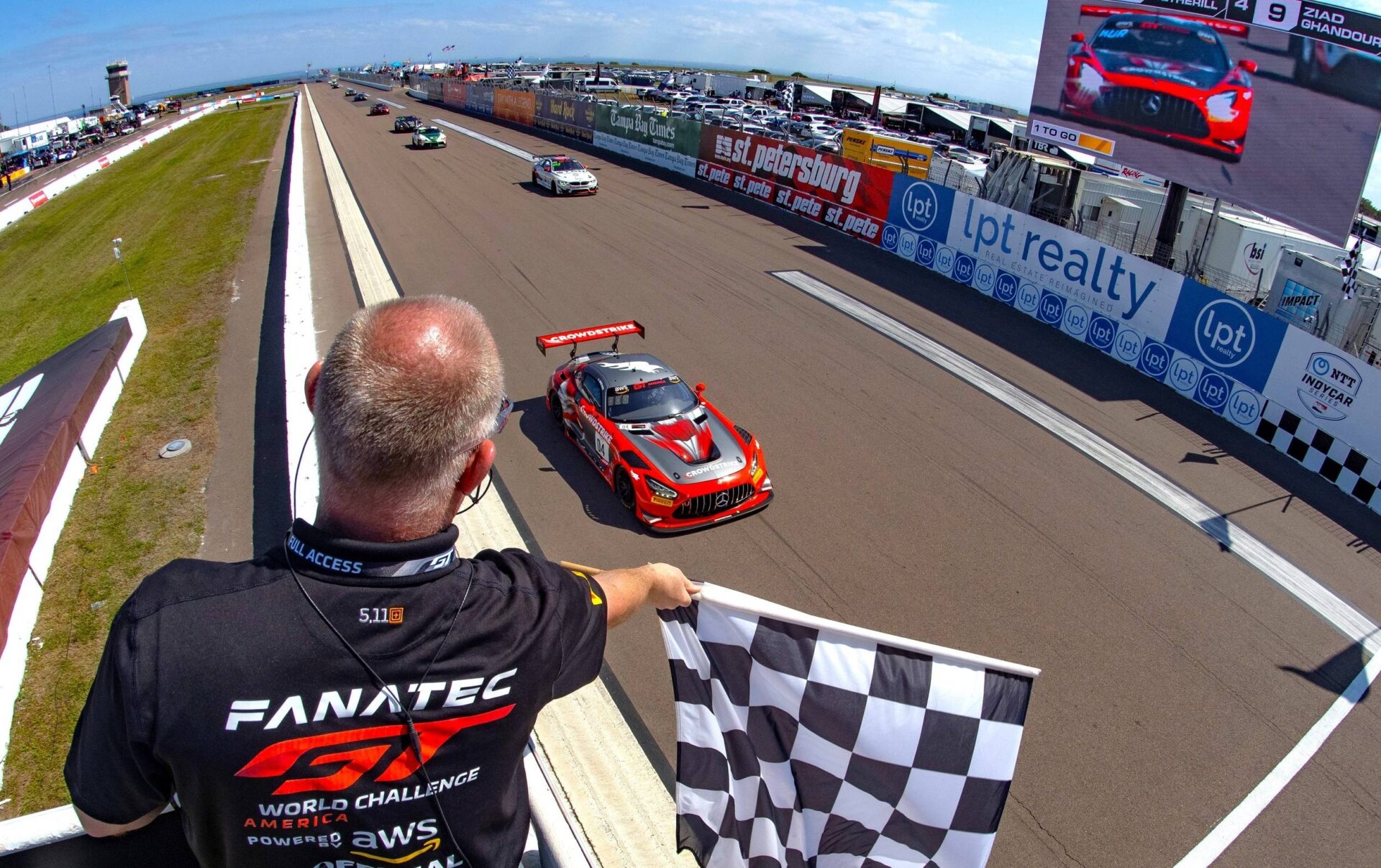
Highlights

Skip ahead if you must… Here’s the highlights from this episode you might be most interested in and their corresponding time stamps.

  • 00:00 Introduction and Sponsorships
  • 00:33 Welcome to Episode 15
  • 01:06 Japanese Car Spotlight: Civic Type R
  • 07:38 Honda’s EV Sub-Brand
  • 10:20 Mitsubishi’s Market Presence
  • 12:14 Toyota and Stellantis Battery Factories
  • 13:55 Hydrogen Fuel Cell Vehicles
  • 18:12 Toyota’s Quiet Hybrid Expansion
  • 19:46 Volkswagen, Audi, and Porsche Updates
  • 25:56 Ken Block’s Audi Adventures
  • 34:37 Heritage Meets the Future: Stig Blomqvist and Lucas Di Grassi
  • 36:03 Ken Block and Rally Legends: A Nostalgic Challenge
  • 36:28 Jari-Matti Latvala’s Toyota Celica: A Modern-Day Rally Comparison
  • 37:51 BMW’s Innovative Painting Process
  • 39:20 Daimler AG’s Truck Division Spin-Off
  • 41:02 Stellantis and the Dodge TRX Nürburgring Lap
  • 44:34 Ford’s Massive EV Investment
  • 50:51 Chevy’s Z06 Reveal and Corvette Community
  • 55:26 Ford Maverick: The Real Ranger
  • 01:00:10 Lost and Found: AMC AMX 3 and More
  • 01:08:12 Restomods and EV Conversions: Aston Martin DBs
  • 01:10:04 Aston Martin’s Million Dollar EV Conversion
  • 01:11:36 Volvo’s Sustainable Interior Revolution
  • 01:15:16 Gordon Murray’s T50 and T33 Supercars
  • 01:19:00 The Swiss-Made Piëch GT Cruiser
  • 01:23:09 Solar-Powered Camper Van by Students
  • 01:28:21 Tesla’s Move to Austin and EV DeLorean Dream
  • 01:29:58 Tesla’s Drag Race Dominance
  • 01:32:51 Tesla’s Autonomous Driving Beta Test
  • 01:39:59 Ford’s 84-Month Loan Controversy
  • 01:44:59 The Bizarre United Nude Low Res Car
  • 01:46:22 Auction Madness: The Ridiculous Car
  • 01:47:10 California’s New Emission Laws
  • 01:49:14 Florida Man Stories: Tragic and Bizarre
  • 01:56:37 Naked Hero: Defending Exotic Cars
  • 02:04:34 Motorsports News: F1 and NASCAR
  • 02:11:28 Wrapping Up: Local News and Announcements

Local News

  • Upcoming/Recap GTM Events: Road Atlanta “Petit LeMans” and Mint 400
  • HPDEJunkie.com report – HookedOnDriving season finale at WGI October 22-24th. More events in SE and West througout the fall and winter; check out HPDEjunkie for details.
  • Birthday and Anniversary shout-outs for GTM Members!: Doug Turner (6 years), Ben Scherpf (6 years), Kris Waite (3 years), Mike Ruber (1 year), Nate Burton & Emily Fox (1 year)
  • In case you missed out- check out the other Podcast episodes that aired earlier this month… Thank you to everyone that came on the show this month, and please look forward to more great episodes in Season 2!
    • We went on the attack with EMRA chatting about Time Trials & Global Time Attack in a double episode. And Remember, If you want early access to part.2 be sure to check out our patreon!
    • You might still be catching up on episodes of Clarkson’s Farm, but did you know Porsche made Diesel Tractors? Neither did I until I listened to this month’s episode with Mountain Man Dan who interviews Sal Fanelli, president of Porsche-Diesel USA. 
    • And finally, as we prep for “fall motorsports” we revisited Part.2 of Drew’s “All the Torquems” episode called “Jesus Take the Wheel” as we got his opinion on the future of offroading and some great PITSTOP banter. 

Would you like fries with that?


There's more to this story!

Be sure to check out the behind the scenes for this episode, filled with extras, bloopers, and other great moments not found in the final version. Become a Break/Fix VIP today by joining our Patreon.

All of our BEHIND THE SCENES (BTS) Break/Fix episodes are raw and unedited, and expressly shared with the permission and consent of our guests.


Other episodes that aired this month…


This content has been brought to you in-part by sponsorship through...

What I’ve learned from owning a Lamborghini, so far…

I believe that a Lamborghini, or any exotic for that matter, should be loud and bright. I stand by that belief in my, very loud, very green, Lamborghini Gallardo. I’ve owned the Gallardo for about four months now and it’s amazing. It’s everything you’d expect it to be and more. It’s fantastic to drive, it’s looks incredible and gathers attention and people everywhere it goes. So let me share some things I’ve learned about owning a bright green Lamborghini.

Attention Everywhere

If you don’t like attention then stick to your Camry or mini van because this car has it in spades. My favorite story was after a mountain run with my buddies. It was the first time I had taken the Lamborghini out on any distance and I was still learning the car. We had stopped at this little country gas station, like we always do, to grab a drink and to stand around and chat a bit. Regular traffic was passing by and we hear a little boy scream “OH MY GOD!! IT’S A LAMBORGHINI!!!” from the open window of his Dad’s SUV. Everyone at the gas station heard it and started cracking up. The Dad turned around and pulled into the gas station where the little boy, probably 10 years old, and his two buddies got out in awe of the cars there. My friend Steve had his Ferrari there, we had a highly tuned GTi and three Tesla’s. The Dad asked if it was okay that they took pictures and of course we were all cool with it. Steve let the boys sit in his car and the Dad took pictures. They made their rounds with the Lamborghini and a few other cars. It was great to share the cars with future enthusiasts. We were all there at that same age.

Otherwise, if I go into a store there is generally a person or two hovering around the car taking photos. At the gas station I usually get a walk up or two and I’ve been singled out inside a store by someone wanting to tell me they liked my car and saw me get out of it. I generally offer to open the car up and let people take a look and some inside photos. I’ll even let them sit in from time to time. It’s not a big deal but I know I appreciate it when people who have cars that I admire, talk to and share them with me.

It’s a Photo Magnet

Every single time I drive it people are snapping photos with their cell phones from their cars behind me, next to me and in my blind spot and believe me when I tell you that car has a huge blind spot. It draws crowds at gas stations, parking lots and in traffic.

People are overly kind

To date, I have not had anyone say anything other than nice things to me about the car. I’ve had people ask me how fast I’ve had it, how much do I like it or just telling me they like the car. It’s been really cool to get acknowledgement from people about.

Car Enthusiasts are unified

Along the lines of people being kind, I generally get the thumbs up, hand waves, light flash etc. from other car enthusiasts in their cars. Something about the Lamborghini doesn’t feel like we are competing, it just feels like we all appreciate it other without bias. Really cool.

Motorcyclist Respect

Unlike any car I’ve ever driven, the Lamborghini gets respect from most everyone but amazingly enough from Motorcyclists. Motorcyclists are a special breed and a tight group. I’m not sure I’ve ever gotten even a head turn from one before, however in the Lamborghini it’s constant. I get the hands out, the head nods and seemingly general appreciation from our two wheeled brothers. Pretty cool if you ask me.

Old People Don’t Notice It

Yes, it’s invisible to anyone over about 50. Which is fine, but really? How can you not see or even look at a bright green car driving by no matter what it is?

Revved on by a select few

Okay maybe not everyone and maybe this is in slight contrast to the unified car enthusiasts, but it does happen. Today I was revved on by a 30 year old Toyota Corolla that looked like it hadn’t been wasn’t since the 1990’s. The guy even had to shift his automatic transmission into neutral to do it. Why? I also got revved on by a Harley rider. Um… Otherwise though, it’s a rare occasion.

Overall though, the Lamborghini is an amazing experience all around. The sound, the feel, the speed! It’s long been a dream car of mine and I’m happy that I finally get to own one.


The following content has been brought to you by GarageRiot. The Social Media Network for Vehicle Enthusiasts.

When Porsche Went Farming: The Untold Story of Porsche Diesel Tractors

When you hear the word Porsche, your mind probably jumps to sleek sports cars, the iconic 911, or maybe even the Cayenne Diesel. But what if we told you that Porsche once built tractors – yes, honest-to-goodness, diesel-powered farm tractors?

On a recent episode of the Break/Fix podcast, we sat down with Sal Fanelli, President of Porsche-Diesel USA, to dig into this lesser-known chapter of Porsche’s history. With co-host Mountain Man Dan – our resident agricultural aficionado – we unearthed the fascinating story of how one of the world’s most revered sports car brands once plowed fields instead of racetracks.

Tune in everywhere you stream, download or listen!

Listen on Apple
Listen on YouTube
Listen on Spotify

The roots of Porsche Diesel go back to the 1930s, when Dr. Ferdinand Porsche – yes, the same man who designed the Volkswagen Beetle – began developing a “people’s tractor” to complement his “people’s car.” But with the onset of World War II, those plans were shelved as Porsche was redirected to design military equipment.

After the war, Germany needed to rebuild, and agriculture was a top priority. However, due to post-war restrictions, Porsche couldn’t simply reopen his factory. Instead, he partnered with Allgaier, a German tractor manufacturer, to bring his tractor designs to life. Thus, the Allgaier-Porsche (AP) tractors were born, with production starting in 1950 for the 1951 model year.

Spotlight

Notes

  • History of Porsche-Diesel
  • Did they have a color scheme? Such as the notorious John Deere green?
  • Did Porsche utilize any of their agricultural R&D and apply it to their cars or was there a definitive line between the 2 sections of the company?
  • Porsche is not the only manufacturer to be involved in Agricultural equipment: Lamborghini Tractors, Ferrari Tractors, etc. Did they some-how compete?
  • The different types of Porsche-Diesel tractors, models, engines, etc
  • Apparently Porsche Tractors are very sought after – what does the market look like?

Porsche-Diesel Tractor Quick Facts

  • First year of production: 1950
  • Last year of production: 1963
  • Total production between 1956-1963: over 125,000
  • Original price: $3,600 (in 1956)
  • 4 sizes and 4 engines (1-4 cylinder air-cooled diesels) known as Junior, Standard, Super and Master

Transcript

Crew Chief Brad: [00:00:00] Break fix podcast is all about capturing the living history of people from all over the auto sphere, from wrench turners and racers to artists, authors, designers, and everything in between. Our goal is to inspire a new generation of petrol heads that wonder. How did they get that job or become that person?

The road to success is paved by all of us because everyone has a story.

Mountain Man Dan: When you hear the phrases Porsche and diesel in the same sentence, or some of you out there, you might be thinking cayenne diesel, or maybe your mind jumps right to the diesel gate from recent years. And for most of us, our imaginations most likely move right to the sports cars. But what if I told you Porsche actually produced diesel tractors?

Yep, I had no clue either.

Crew Chief Eric: And if anyone at GTM knows about agricultural equipment, it’s definitely the one and only Mountain Man Dan. So I welcome him tonight as my co host as we speak with Sal [00:01:00] Fanelli, President of Porsche diesel USA to talk to us about the lesser known history of such a famous motorsports icon, the brand Porsche and their tractors.

So welcome to break fix, Sal.

Sal Fanelli: Great to be here. Thank you very much for the invite.

Crew Chief Eric: Absolutely. So, you know, there’s this craze going on right now. A lot of petrol heads and their wives and significant others are all hooked on Jeremy Clarkson’s Clarkson’s farm, right? So suddenly farming is cool, but I think farming was cool a long time ago, but this lesser known Porsche history makes it even more exciting.

So why don’t we jump off with that? What is the history of Porsche diesel?

Sal Fanelli: So basically where it all starts is with Dr. Porsche back in the early mid 30s. He started developing what people refer to as the people’s tractor, just like the Volkswagen, the people’s car. So he started developing a tractor. As he progresses along, of course, you know, war is imminent and all of that.

So he gets transitioned [00:02:00] and he’s told by, you know, his leadership, by Hitler. that, you know, you need to go do something else. So he started designing equipment for the German war machine. So the stuff like the tractor and all of that pretty much, you know, got set aside. So of course, you know, we have World War II, it ends.

And then at the end of the war, this is where it gets kind of interesting. There’s now this drive, this requirement, if you want to call it that, to get Germany back up and running, you know, the farmers and all that stuff. So Dr. Porsche wants to go into production with his tractor, but the agreement to end the war was that any facility that was building equipment for the German war machine could not reopen and make something else.

Only people who were building farm equipment or cars or whatever were allowed to go back into production. So Dr. Porsche teamed up with a tractor company then called Elgire. So in 1950, they have an agreement. They begin production of what they call the Elgire [00:03:00] Porsche tractors or as we call them AP. So he goes into production in 1950 for the sales year 1951 and you know off and running they go.

In fact within my workshop right now I have one of the earliest APs on record that is still running. We have seen other serial numbers get recorded but those people won’t tell us if those tractors are running or not. But according to the American Porsche diesel registry, it is the oldest known running Porsche diesel tractor in the U S probably in the world.

Crew Chief Eric: So to clarify, this is Dr. Porsche senior, not Ferry Porsche, who designed the nine 11. This is Porsche who designed the beetle.

Sal Fanelli: Yes. Beetle. I mean, of course that’s pretty good.

Crew Chief Eric: You know, in Porsche. fashion, every vehicle has a type number. So obviously the cars started with the 901. Everybody thinks it’s the 911, but there’s the 901 and obviously the [00:04:00] 356.

And you have all the other ones outside of that. So did the tractors have a type number as well?

Sal Fanelli: When Dr. Porsche worked with Allgaier, again, you know, so their AP Allgaier Porsches, they were AP. So the first one was an AP 16. It was then replaced or the subsequent one was the AP 17. And then there was the AP 22.

So as the horsepower of the tractors increased, the type designation changed. You knew what the difference was. If you look at the AP 17 as an example, there was a Series 1 and a Series 2. And there are differences between them, and you can see them if you have both of them next to you. But really what it came down to is the first ones were relatively low on horsepower, 11 horsepower.

But as we know, as, as diesel owners, it’s not horsepower that we’re worried about. We’re worried about torque. And these things produce a tremendous amount of torque. So as the horsepower goes up, so does the torque. So the 17 was a much more [00:05:00] powerful engine. Then when they went to the AP 22, 22 basically stood for 22 horsepower in their terms.

It was, it was a beast. It was a very, very popular tractor. Later in production, El Guyer went backwards and created a one cylinder, which they called the P one 11. I don’t understand why they dropped the, A designation was to call the P one 11, but then in the two cylinder, and now, now we’re talking about a three cylinder chart that they introduced.

They use just the A. So it was an A 122, an A 133, then an A 144. So the earlier delegations are really confusing. And what I tell everybody, if you really want to learn, there’s a book out there. This is what I consider to be the Bible. It’s only in German, so you’ll learn a little German. It’s technical German.

And a lot of the technical German words are the same in English. You can read it, but that book by, um, Armin Bauer really gives you the details of the years to makes the models. So [00:06:00] eventually I don’t really understand, but I think Elgire wanted to get out of the tractor business. Or maybe do something on their own.

So, the Porsche part of it was sold to another company, Mansmann, okay, and they’re the ones that began Porsche diesel tractor manufacturing in Lake Constance. And as soon as that transition took over, the AP designation was dropped, and they just became P. So, the first one was the P111. And the interesting thing is that the way Porsche did it, one was a designator for the number of cylinders.

Then they came out with the P217, the 218, two cylinders. Then your three cylinders, you had the 308, the 318, the 319. So you began to understand how easy it was to figure out, or how many cylinders your tractor had, just by understanding the designation of the model numbers. So now there’s, there’s no 901, there’s no 902.

I kind of wish there was. [00:07:00] Living in this world, I can talk different nomenclatures all day long with people. I bought the business close to 10 years ago. It’s almost becoming, You know, my second life just, you know, living and breathing these things.

Crew Chief Eric: Brings up another really great question. How long were Porsche diesel tractors made?

How many were made? When did they come to the United States? You know, let’s talk about some of that history.

Sal Fanelli: So we’re talking about early production 1950 for the 1951 model year. And I’ve never actually seen a number as to how many were produced by Allgaier Porsche. Now, in Mr. Bauer’s book, he talks about approximate numbers.

I just never got around the sitting down, writing all the type numbers out and how many he thought was made to figure that out. But now we fast forward to 1956 when the company was taken over, became Porsche Diesel with the dash. The dash is important. We’ll explain that in a minute. So Porsche Diesel It spun up 1956 for production in 1957, [00:08:00] and they produced tractors until 1963.

In 1963, the owners of the company realized that at this point, there are so many tractor companies out there that they really want to continue to invest more modern designs and change things to fulfill their mission. A saturated marketplace did make business sense. They basically shut it down. So whatever parts were left over in 1963, they continued production in 1964 for a while until they finally ran out of parts, you know, and shut the doors.

In that time frame, according to the books and the publications, About 125, 000 tractors were manufactured. So, you know, mostly Europe up into the UK, Australia, where they were sent out to. There was a certain type of tractor that was sent down to Brazil with others. But of those 125, 000, approximately 1, 000 tractors were imported into the U.

S. through the American [00:09:00] Porsche Diesel Corporation. Which was originally based out of an office building in New York City, but then they moved the entire operation to Pennsylvania. So tractors were imported by the American Porsche Diesel Corporation into Pennsylvania and then from there they were sent to their distributors.

What a lot of people understand or don’t know is that the American Porsche Diesel Corporation also imported them into the West Coast via a single dealer distributor. that received the tractors, a company called Viking Equipment. They received Porsche diesel tractors and distributed them through Northern California, Oregon, uh, Washington State.

Canada had its own import way, I don’t really know much about or how many tractors.

Mountain Man Dan: You mentioned the fact of how they initially were AP and then they transitioned who was manufacturing them. Were there issues with the older ones getting parts or were the, the individuals took up manufacturing the newer version [00:10:00] continue to make parts for the older ones?

Sal Fanelli: So German law states that anything that you make that’s in production or concurrent production The company has to continue to supply parts for a minimum of 10 years. So the interesting thing about the engine itself, excuse me, the engine and transmission were pretty much identical until the end, what, what changed was bore and strokes.

You actually could take one of the older ones and put larger pistons on it if you wanted to. So you could go from. A 90 millimeter, say, to a 95, a 95 to a 98, if you understood the books and knew, you know, the right combinations. Now, the one thing I did learn, when Porsche early on went from a 95 to a 98 millimeter system, the cranks really weren’t strong enough.

So, those series tractors quickly went by the wayside, and that’s why Porsche changed the center number. Talk about a three cylinder. So you got a three cylinder truck that’s called a 308. Three [00:11:00] cylinder, all three cylinders are the same, 95 millimeter piston. Then there was a 309, bigger horsepower, more torque.

It had a 98 millimeter piston, but it used the same wrist So they were not reliable. What Porsche did after that Is they changed that middle designation to a one. So instead of a 308, it became a 318, a 319, a 328, a 329. Because they reinforced all of that. There were many, not many, but there was a series of tractors brought into the U.

S. It was a four cylinder. Called a 408. According to the books are about 25 of them that were brought in. I pretty much know are about 14 or 15 of them are, they all have broken crankshafts. It’d be one of those that it’d be really great if I could collect them all. But the cheapest price I could get on duplicating a crankshaft is somewhere between seven or 8, 000.

Good night. So

is it worth it? Yeah, you know, I mean, those tractors for the people are really collecting tractors and when I have one of every size, then [00:12:00] it might be worth it. But this is a small business, so it’d be just too much of a gamble for me.

Mountain Man Dan: With Porsche, did they have like a color scheme, you know, such as the notorious John Deere?

Sal Fanelli: Yeah, actually it’s true. Algyre is slightly different. So there are algyre portions. I’ve seen them in silver. Generally, you see algyre tractors in what they call signal orange, which is a very, very bright orange, you know, the body, the chassis, the fenders and that. And then they did the seat and the rims and what they call tomato red.

So you have an orange tractor with tomato red rims, or you had a green tractor with tomato red rims. And from what I understand, the ones who were painted green because they were supposed to stay within the eu, European Union, the ones that were orange, were the so-called export tractors. So in the US you’ll see several elk air Porsches that were brought in that were actually the signal orange.

This 1951 I was telling you guys about earlier, it’s silver, it is [00:13:00] orange, it’s green. It’s got all sorts of different colors on it. Uh, we thought somebody had done that, but when you look at it, it’s actually the company kind of put it together. So the owner recognizes the fact that the way Allgaier did it, it should be signal orange.

So I’m in the process of making sure this tractor comes out signal orange with tomato red rims. Now when it comes to Porsche, Porsche in 1956 settled on two colors. Primarily the red. A lot of people think it’s guardsman red, but it’s not. Not sure if you guys are familiar, but over the EU, they have colors that they refer to as RALs.

I’m not sure what RAL stands for. But it’s a color chip that is recognized all over the world. Porsche adopted RAL3002.

And depending on where you go, generally it’s called Carmine Red. It has a more orange tint to it. I don’t want to say it’s orange. When you look at it compared to Guardsman Red that we’re all familiar with, you can see there’s a bit more orange in it. [00:14:00] Okay, and that was the standard Porsche color until the end.

Now when it comes to the rims, the rims were paid in the RAL color, and the number is 1014, 1014. And depending on what website you read, it’s either called Creamy Yellow. Or mimosa. I say creamy yellow because I feel like an idiot every time I say mimosa. I’m sorry, I’m not getting drunk before I get in my truck and drinking a mimosa.

So it’s, you know, it’s creamy yellow. So something interesting happened and I’ve had this discussion with people about what the color rim should be. And this is where it gets a little confusing. The America Porsche Diesel Corporation quickly realized that if they brought a tractor into the U. S. that wasn’t finished, that it was a parts tractor or unfinished.

The duties and fees were greatly reduced. So the tractors would come into the port, and they would order rims and tires from somebody, which I’ve never been able to figure out who. They’d [00:15:00] show up at the port and put them on. Most of the time they showed up with rims that were painted creamy yellow. But toward the end, all the rims came in that primer greenish type color.

And I can’t remember what it’s called, but I think you know what I’m talking about. So they would show up in that zinc chromate type color and everybody said that’s the factory color. I disagree with them. I think it’s just that whoever America Force Ideas was ordering their, their rims from probably either it wasn’t on their purchase order, they didn’t get the memo, whatever, but they showed up with these zinc chromate colored rims.

It’s not wrong, but in my book, it’s not really right either. So with all my customers, I tell them the rolling chassis should be Carmine Red 3002. The rims should be Creamy Yellow 1014. This is the funny one. When you get to the seat, the top of the seat’s creamy yellow, the bottom of it is red. But not all the time.

Depending on the tractor that you [00:16:00] get, I would say 90 percent of the tractors I have received here Are the two colors, but I’ve had quite a few that were the seats all red or the seats all creamy yellow in that causes not really confusion, but the customer calls and they want that emblem or that detail.

It goes on the back of the seat. I asked them. What color are you painting your seat? Because I’m either going to send you, if it’s an older tractor, um, you’re going to get a, a tan one if it’s a true export tractor later on, they came out with a sticker that was kind of a bright yellow, and then for the tractors that came in with all creamy yellow seats, you had a red decal on there.

So I get real specific about what my customers have to make sure. That they’re putting their tractors back together as authentic as possible.

Crew Chief Eric: It sounds like the primary market was the EU with a 10 percent export. Let’s just call it that to the United States and probably to Australia. So majority of them are in Europe.

And then I’m sure most of [00:17:00] them have made their way over here. here via the gray market and other mechanisms, right? For collectors and things like that. But, you know, it kind of got me thinking I was doing a little bit of mental gymnastics and in my limited research on the Porsche tractors, I was, I saw that the average going price for one of these in 1950s dollars was about 3, 600 bucks.

So I was like, well, let me see what the conversion rate would be in today’s dollars. And it comes out to round about 41. 1, 000 in today’s money. So these things were not cheap, especially in post war Europe. This brings us to a conversation about competition. Porsche was not the only game in town, right?

And I think there’s some really funny stories out there about Lamborghini and their tractors and Ferrari and his Denso and his tractors and whatnot. So how did that all play out? Who else was making tractors? Who was Porsche competing against?

Sal Fanelli: Let’s go back for a second. So the price you quoted, the 3, 600, that was for a three cylinder tractor.

What Porsche quickly figured out in the U. S., the market was either for the [00:18:00] one cylinder, the junior, which back then was about 1, 800, or the three cylinder. Okay. Like you said, at 3600, it was a tough sell because they were expensive for what they were, but it was hard to convince people that the price of those tractors, there were advantages.

You got a diesel instead of a gas motor. You got something that’s got a lot of torque, you know, a one cylinder junior can do a whole hell of a lot more work. Than a two or a three cylinder tiny gas engine, you know, we’ll say in a farm all club. I’m not picking on cubs alone I have a cub I think everybody has one But anyway, so you could do a lot more with one cylinder diesel and when you get to the three cylinders Most things are beasts.

They’re unbelievable. It’s just the traction You know and the weight you could put on them, but the other advantage Back then was that it was air cooled. So no water, all those parts you have to worry about the fan belt, the water pumps, overheating, blowing gaskets. None of that went away. [00:19:00] Porsche advertised it as turbo air cooling.

I always got a kick out of the name turbo air cooling. But when you look at the squirrel cage in the front, the way it was designed. You begin to understand, you know, the turbo flow. I honestly can tell you like a three cylinder when it’s running right and everything’s clean and that fan’s doing its thing, that tractor never gets up to operating temperature.

So all these tractors had an air blade. that you could throttle back, slow down that airflow. And if you looked at the temperature gauge, it had a white zone, which meant it was too cold, a green zone, perfect operating temperature range, and a red zone. The smart farmer would sit there and adjust his air control flow valve and get that tractor running in the green zone for maximum horsepower output and torque.

People had to be taught to do that. It wasn’t just automatic like, you know, a typical thermostat on a car, you get up to 160, it opens and it controls itself from there.

Mountain Man Dan: So to add on to what you were mentioning, the Farm Wall Cub as a comparison being a [00:20:00] gasoline engine, the farm Wall Cub, I’m a little bit familiar with some farm walls because I own a super ray myself and, okay.

Yep. I grew up driving around on a farm wall cub that my grandfather owned, working in the fields and stuff. Farmwell cub was a four cylinder gasoline engine, which if I recall correctly. Around 13 horsepower, if that much, and exactly so you were saying that the single cylinder Porsche was roughly how many horsepower.

Sal Fanelli: So it was an early junior called the 111 that was 11 horsepower. But then the later one, the 108, which is the most popular one in the US. It was 14 horsepower. And then the later version, which was called a one Oh nine was 15 horsepower. What they did is the flywheel, the clutch pack and all of that kept getting heavier and heavier.

I mean, when you look at a one Oh nine, I’d have to look at the books. But the flywheel and the clutch mechanism weighs probably 150 to 160 pounds. So you get that thing spinning up. Boy, it’s got a lot of torque behind it. The master that i’m working on Of course, it’s a hydro drive. We’ll get into that later But that [00:21:00] hydro drive mechanism, along with its vocal gain or the dual clutch is over 200 pounds.

So when I have to take it apart, I have to take it apart piece by piece, by piece instead of one big chunk.

Mountain Man Dan: Our listeners will be able to tell, like, even though you were saying the, the lowest horsepower, the single cylinder was 11 horsepower. The amount of torque the diesels put now was way more than a gasoline engine, especially back in the fifties.

So for that’s a little tracker without less power, but easily double the torque of what one of the small farmhalls would. I can see how that’s a huge benefit to any farm.

Sal Fanelli: You’ll love this. There’s a 108 that I, I got out of Canada. It’s now sitting in a museum. The original owner bought the tractor, understood the whole diesel thing, but hated it because it was loud and it vibrated too much.

I got it. Okay. If you’ve got a properly tuned junior and you play with it and you slowly decrease it, You can get it to idle down around 375 to 400 rpm. Of course, you know, we’re talking about a compression [00:22:00] ignition engine. When that compression hits and it goes bang because of the rotation and all the mass, it almost lifts the left front tire off the ground.

Wow. So this particular individual didn’t like the tractor, didn’t like the noise, the vibration. It sat for years. It’s only got 10 hours on it. It’s not sitting in a, in a museum with probably 12 hours

Mountain Man Dan: on

Sal Fanelli: it.

Mountain Man Dan: That’s amazing that you were saying the RPMs were only down around 400 RPM. That’s a very low RPM.

Sal Fanelli: If you knew how to play with the governor, you know, and all that, you could do that. Generally, it takes a long time to learn how to do that. I mean, these tractors like to idle at around, you know, 5, 550. Max RPM on any of them is 2100. I don’t rev very high, but think about 2100 RPM and look at a master.

They got 200 and some odd pounds swirling around. There’s a lot of torque there competition back then, you know, I mean, there were a lot of different companies, you know, that competed the one thing that I’ve talked about to people for years, [00:23:00] Porsche diesel in Germany, never understood, they couldn’t figure out why they didn’t get more traction in the U S and I told them, basically, there’s, there’s three reasons, you know, it was the cost because of the cost of them compared to the other stuff we’re talking about.

All the hardware is all metric. I mean, you know, you don’t go into true value or whatever and go get yourself an M8 by 1. 25 volt. People look at you and you want a what? There are stuff that’s 516s in there. And then when you wanted parts, you had a right to the America Porsche Diesel Corporation at 808 Parker Street.

And, uh, Wait for them to send you a quote and then you sent them a check and then he sent you your parts and for those of us in the farming business, like, you know, if your tractor is not running, you’re not making money. I think that hurt him.

Crew Chief Eric: But if you look at, you know, historically, and you told me this story not long ago about, you know, Enzo and Lamborghini, you know, going at it and the tractors and all that, but Lamborghini is still making tractors today.

Which is kind of surprising. Porsche is not. I don’t think Ferrari is either. Although I hear rumors that Fiat [00:24:00] and Case New Holland are kind of in bed together, right? So there’s still some agricultural stuff going on there with the European makers. Maybe not, you know, with their brand name right up front.

So I think that’s kind of interesting. Have you looked at some of maybe the Italian tractors that were at the same time? Are they better? They worse? They about the same?

Sal Fanelli: There’s a Lamborghini tractor out there. I think the model is called an R1. I’m not sure if Porsche designed their tractor to compete against that or vice versa.

But that was pretty much competition if you’re looking at a, at a one cylinder. In fact, I think the Jay Leno race was a Porsche Junior against a Lamborghini. Again, I think it’s called an R1, I’m not sure. You know, that’s what that race was all about. But yeah, Lamborghini made very, very good tractors. I mean, most people don’t know that.

Lamborghini made tractors before he made cars. It was his meeting with Enzo Ferrari that led him to making race cars. Okay, we’ll get into that in another story. You’ve got them, you’ve got Deutsche, I mean, there’s, you know, there’s the webpage I don’t [00:25:00] happen to have up, but it lists all the different tractor manufacturers back then and some of the designs and what they were doing.

At that point Porsche just said, hey, there’s so much competition out there. And I think they just gave up. I mean, their next generation tractor, of which I’ve heard different stories, there’s either two or four of them that were made, or they took one of the four cylinders and made it four wheel drive, because they were the only company that didn’t have a four wheel drive.

Today, you pretty much have to have a four wheel drive tractor.

Crew Chief Eric: So that’s actually a really great segue. And one point of clarification as we do this, you’ve kind of mentioned some things that I hear either came from the automotive manufacturing side of the business, or maybe made its way into the automotive side of the house.

So I guess my question is, you know, did any of their agricultural R and D apply to the cars and vice versa? And one of the things I heard Was air cooling, right? Obviously famous for that with the beetle, the flat engines, you know, leading all the way through the nine 11s up to the nineties, right? Air cooling was Porsche’s [00:26:00] signature thing.

So that’s one that four wheel drive system. You hear about the Audi Quattro that came from the Iltis, which was a world war two Jeep, where they took that technology and put it into road cars. It seems like there’s a lot of back and forth between agricultural military and road vehicles. So how much Porsche technology went back and forth?

Sal Fanelli: When you look back, Dr. Porsche was designing a tractor and the engine was really, if you want to call it, it was modular. So, you have a one cylinder, which were the one series, then you had a two cylinder, which were the twos, then the three cylinder. All he did was stack cylinders on top of cylinders, next to each other.

Except for the crankcase and the crankshaft. Everything else was identical. No matter what year, make, or model that you have, all the parts are interchangeable. So if you’ve got a tractor today, those cylinders are still made because they fit so many different tractors. Now, again, we’re talking about air cooling.

So what does he do? He just takes them. He stacks them. He orients the fins all the same way. There’s a blower [00:27:00] mechanism. It’s over designed. And what he does is the sheet metal shroud Cools them, he just stretches it and makes it longer and longer and longer for two, three, or four cylinders. All the parts to hold it on, they’re all the same.

All the nuts and bolts are all the same. It’s just modular. And when you think about it, what was the Volkswagen? That’s a modular engine, right? You have a problem with the cylinder, you take that cylinder off, you throw the crap away and get another one. And that of course, you know, bled into the 356. So here’s the really cool thing.

And I tell people this and they think I’m nuts. Some of the parts in the one cylinder and the two cylinder tractors, you find the equivalents on the 356.

Crew Chief Eric: Really?

Sal Fanelli: There’s quite a few parts. I’ve told people, call me, go, Hey, I’m looking for a whatever. And I’m like, Hey, you know, go to any of the 356 guys and here’s the part number that you buy.

It’s the same thing.

Wow. Oh

yeah. Battery holes are the same. A lot of the connectors are the same. Some of the lights are the same. It’s really kind of funny when you get into it, that you see some of these similarities.

Mountain Man Dan: I’m sure [00:28:00] by doing that also after the war, because of coming out of, you know, lack of money, having it towards the parts could be interchanged, help them drastically get up off their feet and get things into production rather quickly compared to if everything is one good point.

Sal Fanelli: Yeah. Oh, yeah. But I mean, it’s, it also goes to the cost of manufacturing, you know, you’re gonna make 100, 000 or something, the price goes down. As compared to making a thousand or something. So you get that huge price break when the volume goes up. And once you set up the machines to do boring, the milling in the drilling and all of that, man, he did, they start cranking out parts.

Crew Chief Eric: So going back, you mentioned several times, different models, the junior, the master, et cetera. So are those more colloquial names for the different types like the three Oh eight and the one 11 and things like that, or are they different sized tractors

Sal Fanelli: to actually answers both? So a one cylinder is known as a junior.

It’s always been called the junior. So the difference is they had a junior that was a model one 11, then they had a junior model one Oh eight, then they had a junior model one or [00:29:00] nine. And then there were letter designators after that, that told you the way the tractor was configured. from the factory.

You know, a V, a G. The special one that everybody wants is a 108S. The 108S was a junior, but it was narrowed. It’s what they call a vineyard. So it could go up and down the vineyard rows without damaging the vines. There were 400 vineyards made between 1957 and 1960. 14 in the U. S. right now. I’m not sure how many were actually imported because we don’t have all the records.

So the ones that are in the country, I’ve got them all, uh, recorded and tracked. Those are all originals that I know of, but there now are a couple that have come in, you know, from overseas. But the really cool thing about the Vineyard S, for 1960, they only made 20 of them. So serial numbers ran from one Through 400.

So starting at serial number 381 and up, those were the 20 vineyards that were made in [00:30:00] 1960. And in my personal collection, I happen to have serial number 381. I just got lucky and found it and bought it. So then we transitioned to the two cylinders. And they have always been known as the standard, the standard tractor.

Don’t know where they came from, they just call it standard. But the thing is, it was pretty much the standard model for Europe. Everybody wanted two cylinders. Two cylinders seemed to be the best combination for them over there. So we’re talking about two cylinders, and we’re talking about like 208. After that’s the 217, 218, 219.

So all of those, uh, all those two cylinders were called standards. Some were called standard stars. Some were called standard exports. Specific configuration that they exported. Then from there, we go to the three cylinder, which is called a super. You know, you’re starting to get into a bigger, heavier, much beefier tractor.

Horsepower’s going up, torque’s going way up, tires are getting a lot bigger, and I’ll tell you, driving the three cylinder without front weights, yeah, you gotta be really careful. It’s got so much torque, [00:31:00] that front end will come up on you. Pretty much every three cylinder I’ve ever seen always has either three or four optional weights on the front.

Again, it’s just called a Super. Cool name. It’s amazing how many people call me and go, they want to buy a Super because of the name. They don’t want a standard because, well, that’s just a standard truck. It’s like, I don’t want a standard car. I want, you know, I want a better version. And then, of course, you get to the four cylinder, which is called the Baster.

The 419s, massive tractors, really heavy, lots of torque, lots of horsepower. You know, I wish you guys could be here to drive a Master. The one I currently have here, it’s a Master. It’s a four cylinder. It’s got 14. 9 inch wide tires on the rim, you know, on the rear, which is massive. And I tell everybody, when you fire that thing up, throw a little RPM to it, get up around a thousand RPM.

Put it in gear, let the clutch out, you don’t move. It rotates the earth up underneath you. That’s so much better. And you gotta [00:32:00] experience it. You really have to experience it. I mean, you get on this thing, you fire it up and you’re like, it’s a beast. They were designed to pull what they call a six gain plow.

Have a customer that has a 318. So it’s the same size as the Mazda, the transmission’s the same, wheels are the same. before he got ahold of me. He goes, Hey, I think my clutch is slipping. Like, what do you mean? Your question is slipping because well, it doesn’t seem to want to go anymore. So I went up, got on it, fired up, drove it around.

So there’s nothing wrong with this thing. He’s like, are you sure? I said, yeah, you have to understand these are. Lower geared tractors. They’re not going to be fast. They’re not going to haul butt down road at, you know, 20, 25 miles an hour. I said, but, you know, this thing will pull a six gain plow at 20 miles an hour all day long.

You’ll just never know. It’s just, they’re not designed to go fast. It’s really funny. The speedometer, so it’s of course in kilometers per hour. So thinking about owning a vehicle back in the late fifties, early sixties, that the speedometer was in kilometers per hour. Farmers are like, what? [00:33:00] When you got a tractor and the maximum speed on it is 40 kilometers per hour.

Well, we do the calculation. That’s 24 miles an hour. That being said,

Mountain Man Dan: a speedometer on a tractor is not a very common thing. So any of the older ones I’ve been around, I’ve never seen a speed at one. So that’s very interesting. They came with that.

Crew Chief Eric: This is

Mountain Man Dan: a Porsche. You expect a cut above everything else.

You know, we, we speak about this with cars all the time for the badging. And you were saying everybody wants to buy a super instead of a standard. It’s good to see that happens in the tractor world as well.

Crew Chief Eric: I would like a, a Porsche diesel turbo S thank you very much. Which actually is a great segue as we dive deeper into this technical part of the conversation.

I guess my question, you know, in hearing all this, and it’s actually really cool, even different sized tractors, motors, power output, and all that kind of stuff. Were they always naturally aspirated or did they venture into turbo charging? And I bring that up because Porsche senior is famous for being involved in the Mercedes SSK build, which was one of the early supercharged Mercedes, right?

So I’m [00:34:00] wondering if some of that technology made its way into the tractors.

Sal Fanelli: None that I know of. I’m like, I’m sure you guys are familiar with the famous tractor race at the last run sport. Kind of scary. They wanted me to go out there. I just refused because personally, I didn’t think it was a controlled event.

So you saw people out there trying to drive tractors and you probably heard all the gear grinds and stuff like that. Well, you know what? These don’t have synchro transmissions. Nobody really understood how to really drive those tractors because From what I understand, it wasn’t until the owners got there that they were told, well, you can’t drive your tractor.

A professional driver has to drive your tractor. Well, you know what? When you find that out, you begin to understand why Patrick Long won. He’s a professional driver. He’s got a Porsche diesel tractor. You got parts for me, you know, because he understood the tractor. Okay. And it’s not as if the junior is the fastest thing out there.

He just knew how to drive it. Um, and I can honestly tell you from that tractor race, I [00:35:00] have sent clutches and shift forks and all sorts of parts to about eight different tractors so the guys could get their tractors back up and running again. The reason why I bring this up is that it’s some of the juniors came of it, but the two, three, and four cylinders Came with, which was revolutionary back then, a hydro clutch.

Think about that for a second. It’s a hydro clutch. Today, we kind of call it a torque converter. So here you have Dr. Porsche designing this hydraulic coupler. Crankshaft’s turning this big ass flywheel, attached to the flywheel is an impeller. Separate from that, there’s another impeller attached to your clutch.

So these parts are spinning in fluid. So it’s got to spin and create fluid pressure to drive the other side. That in turn drives your clutch. So if you really know how to drive one of these tractors, again, we have to go back. They do not have synchro transmission. You do not shift on the fly. You take your tractor, you put in whatever gear you want, you let the clutch out, it’s not going to stall.

The engine will [00:36:00] finally build up enough torque through fluid pressure and start driving the other side and off you go. So if there was anybody in that tractor race that understood that. I would have got on that tractor, gone wide open, put it in fourth gear and let the clutch out and just hauled butt down to the track.

But these people are trying to leave in first gear and shift to second and shift to third. You know, all you hear was gear grinding and I mean, I sat there when I watched the video, I was like, Oh God, I don’t want to hear this. So, you know, of course, you know, Patrick Long’s got a 108 that doesn’t have a hydro mechanism in it.

So he just puts it in fourth gear and throttles it, you know, and off he’s gone. So that is one of the really kind of the innovative things that was going on was that. Hydrostatic coupler that he created, which made a huge difference because you could start out in any gear you wanted. I don’t know if it still goes on, but there’s a competition in California every year as to who has the slowest tractor.

The guys show up, they throttle, what are you going to laugh? They throttle their tractors down, they put it in gear, they let it [00:37:00] out and they measure it. Uh, yeah, yours is going like, you know, one and a half miles an hour. There’s an option for all the Porsche diesel tractors, but basically it lowers the gear ratio even more.

So you take your tractor, you go out there in first gear. I take that back. You don’t go up first, you go out in fourth gear. So you get maximum slow pitch. You put it in fourth gear, creep, it’s called the creeper gear. You put the creeper gear in it, you throttle it down and you let the clutch out, not enough RPM to really build up enough pressure.

They get this thing to move forward since it’s in fourth year, but it will finally start to move. And it crawls along at about a quarter of a mile an hour.

Crew Chief Eric: Oh my God.

Sal Fanelli: He’s got all these trophies. He does the same thing every year. And I just laughed. He figured it out. You

Mountain Man Dan: mentioned the hydro coupler. Did they experiment with any like hydrostatic transmissions that were starting to be innovated at that time?

Are they all just manual or the hydra?

Sal Fanelli: Not that I’m aware of. They had that. And of course they had a separate hydraulic system for your three point hitch. What was nice about the [00:38:00] hydraulic system is there were ports in different places, if you wanted to tap off to it. To run another hydraulic mechanism for your planter, your seeder, you know, whatever those things are that people buy you

Mountain Man Dan: did Porsche themselves manufacture a lot of the implements for them or did they have third party companies that people would buy them

Sal Fanelli: from third party companies do that.

I don’t know who the companies were over in the EU. But in the U. S., they teamed up with a company called F& W, and the gentleman’s name, his last name was Funk, and the other gentleman’s last name W, I believe it was Williams, Williamson. You could order a Porsche diesel tractor, and if you wanted a bucket, a backhoe or something like that.

Porsche would get it to H& W, which was in Connecticut, and they would configure it with your bucket, whatever you wanted on it, and then transport it to whoever the buyer was. But H& W was the only authorized

Mountain Man Dan: company to do that. For the hydraulic systems they had, was it all Hydraulic fluid or did they use any sort of pneumatic [00:39:00] systems like some of the old farmhalls did?

That was all hydraulic fluid.

Sal Fanelli: The way the systems were designed, pump up in the front, and you could change the pump 5 liter, 10 liter, or 20 liter per minute, I think. But depending on what you were doing, if you needed more flow, two screws, take it off, pop the new one in place, exact same hose connections, and you went from a A 10 liter to a 20 liter per minute pump.

Mountain Man Dan: And then you mentioned for like some of the attachments, most of the Porsche tractors, most commonly with like two point or three point hitches on the rear, three point hitch for everything.

Sal Fanelli: Yeah.

Mountain Man Dan: Yeah. No, during that time of the fifties, like a lot of the tractors and still had two points and the three point was the new thing at that time.

That was so much greater three point implement. It’s so much better than a two point. It’s, it’s amazing, much better control.

Sal Fanelli: Yeah, no, the only thing that I know of that you could order. From the factory to get delivered into the U. S. was a sickle bar mower. So the factory over in Germany would attach a sickle bar mower for you before it got shipped to the U.

S.

Mountain Man Dan: Was the sickle bar mower that they would provide, was it one [00:40:00] that sat on the back of the three point or was it one that tied onto the side of the tractor?

Sal Fanelli: Side of the tractor ran off a pulley, so in other words, a center mounted pulley. So all the tractors came with a shaft in the middle that you could mount a pulley on.

Mountain Man Dan: So they didn’t have to do like the farmhouse where you had to run off the PTO with all the pulleys drawn up underneath for a belly component.

Sal Fanelli: No, no,

Mountain Man Dan: I wasn’t going

Sal Fanelli: to buy one of those for mine. I’m like, uh, no. I mean they did it, got it. That’s really awesome. But I’m like, I really don’t need this. So kind of the interesting thing about horses is that depending on your make and model, you know, the juniors had one PTO off the rear, the two cylinders had one out the rear, one in the middle.

When you get to the three cylinders and the four cylinders, and some of them had two PTOs out the rear. One in the middle and then one out the front, you could actually get attracted with four PTO outlets, all individually controlled by, you know, levers in key positions. What style were they, were they live PTOs?

Mountain Man Dan: I mean, you mentioned they were [00:41:00] individually controlled, but I was just curious what style PTOs they work. So I know there’s like three or four different types.

Sal Fanelli: So the front PTO ran off the crankshaft, whatever the engine RPM was, that was the RPM going out the front. The cinema PTO and the rear top PTO were driven off the clutch.

So basically in which clutch was out, they engaged. And then the other one in the rear was engine RPM all the time.

Mountain Man Dan: So

Crew Chief Brad: a

Mountain Man Dan: lot of

Sal Fanelli: the engine RPM is it went straight off the back. It’s amazing

Mountain Man Dan: how different PTOs work and everything. Cause I’ve got. Other than my old Farmall, which of course, if you want the PTO to run, you have to have the clutch out because that’s a clutch PTO.

More modern tractor, I have a newer tractor, it’s a couple years old, it’s a Mahindra. Instead of just one to engage the PTO, it actually has its own clutch that doesn’t run off the transmission. So I engage it to turn it on and then engage the clutch by hand for it to run to where I can have the clutch in moving and the PTO

Sal Fanelli: works.

So the later generation tractors, like I’m working on a 318 now, [00:42:00] it’s still, it’s a double clutch, so when you Let the clutch out the initial bite is for the PTO and that last bite is for the transmission to move it. So you always engage the PTO first before you move the tractor

Mountain Man Dan: electronics on them. So like I mentioned for gauge, why they came with attack on them, what other sort of like gauges did they have as well as their charging system, stuff like that?

Like, were they six volts, 12 volts, 24 volts?

Sal Fanelli: So all the tractors were global. The early ones were. Two 6 volt batteries, and then eventually they went to a single 12 volt battery. Yes, and that’s only because the availability of 6 volt batteries was more common over there 12s. Totally no, but you know, so they have two batteries that are nested together.

So you open the cover, you slide out of the tray, and there’s your two batteries, you know, to service them. 90 percent of the tractors, that slide out tray is long gone, and everybody just puts a 12 volt battery in there. Which I completely understand. So for some of my customers, they want authenticity boy, I play health finding one of those trays, but I’ve got a lot of [00:43:00] outlets around the world, a lot of individuals that I can go to and, you know, when you find the parts that I need.

Now, when it comes to gauges, they were very basic. You could get a tractor that had no gauges at all, except for it had a device that they call the. Four function control lamp. What you and I would refer to as idiot lights on a dashboard of a car. Okay. One for oil pressure, one for you generating, make sure it was charging.

There was another one that would illuminate when you got low on fuel. And then the fourth one, it was where differently sometimes it illuminated when you had your high beams on other times it was a blinker because the EU is when they make a, a safety change. They don’t care if you’ve got a 2021 tractor or a 1954 tractor on road.

You have to go and update it. So that fourth bulb a lot of times was used to indicate that you have a directional light on someplace. So that was the basic dashboard. The next thing is pretty much everybody was smart. They put an engine [00:44:00] temperature gauge in it. Standard mechanical temperature gauge, you know, the pitot tube type.

Screws into the head, monitors the head temperature. You know, that’s cool. Then from there, on some tractors, have a speedometer with the odometer on it. So you know how fast you were going and how many kilometers you put on your tractor. Kind of cool. There’s another option for an hour meter. See how many hours were on your tractor.

What I’ve learned from my diesel tractor is more about how many hours you’ve got on it. When you do for service, not how far you’ve driven it. So like that, the bigger tractor, like the four cylinder, you could actually drill a hole and put a clock on it if you want to know what time of the day it was.

Right in the center of the dashboard, when you look at a picture of one, you’ll see this chrome cover. It’ll look like a pepper shaker. Okay, and that’s your glow indicator. So before you start the tractor, right, you put the key in, you initiate a switch, And you look through the pepper shaker, and in there there’s a wire.

As that wire changes color, as it gets brighter and brighter orange, that tells you how [00:45:00] hot your glow plug is. So once it starts to glow orange, you wait a few extra seconds and you pull the starter, So your fuel is getting injected on that and helps attract your start. There’s an interesting thing about this.

It’s got a really, really cool feature. So this glow indicator you put in the dashboard and it’s got, I think it’s an inch and a 16 nut that tightens it down. And then the chrome cap comes off separately. And I thought for the longest time, why did they do that?

Crew Chief Eric: So what you’re telling me, Sal, is They had a built in cigarette lighter on this thing.

Sal Fanelli: Bingo. Exactly. So you can take the cap off and when it glows, you can stick your cigarette in there and light it. I haven’t told myself like, oh, this can’t be. I came across a tractor once and I pulled the cap off and looked down inside and there were cigarette ashes in it. I’m like, I’ll be damned. Yeah.

And then next to the cigarette lighter, they had a power outlet. Which today we would call a cigarette lighter plug, but it was a completely different size so that you could pull power to run. I don’t know what that probably, you know, a work light or something like that. All those gauges, knob [00:46:00] switches were all very common in many cases, but we’re talking about Bosch.

We’re talking about Hella. They still make the exact ones today. So when somebody wants to restore their tractor, the authenticity, once I know the year, make and model. I know what horn they’re supposed to have, what kind of switches they should have, you know, what is your temperature gate supposed to look like?

So you can do all of it.

Mountain Man Dan: Speaking of the glow plug thing, I’m familiar with what you’re speaking of because some of the older military equipment that I ran when I was in the military had the same thing where you had to manually turn on the glow plug before you could start it. I wasn’t familiar with that.

They go out there and have the engine cranking over for 10 minutes straight with it not starting and you have to go back, look. flip this switch to turn a glow plug on, and they finally get it started.

Crew Chief Eric: To your point, Sal, about parts availability still being a thing today, 60, 70 years later on some of these tractors.

I mean, that’s, that’s awesome. And if you think about it, it’s also probably due to the fact that they actually made quite a A lot of these in a short amount of time, 125, 000 tractors is not a small order by any stretch of the [00:47:00] imagination, especially over slightly over a decade. So we talked about parts scarcity before in sports cars where you’re in low numbers, you know, they only built 1500 of them.

And even in the classic car world, it’s really, really hard to get parts, but it almost seems like for the Porsche tractors, even though they’re not. As famous as a Farmall or an international or John Deere, like we’re accustomed to here in the States. It’s actually pretty popular tractor in, in, in the reality of things.

So this is, this has been good, obviously for business and it’s good for the longevity of the brand. It’s actually really cool. And to your point, there’s a lot of really in very Porsche style, innovative features on a tractor. That’s 60 plus years old.

Sal Fanelli: Again, you know, we talked about commonality of all these parts, cylinders, pistons, all this stuff is available.

Cool. Heads aren’t, but I’ve got my own process where even if I get one that’s correct, I can save it and put it back together. So those aren’t a problem. But here’s a really interesting thing. If somebody calls and wants a wiring harness, I can get them a new [00:48:00] NOS wiring harness. They go, what? I go, yeah. The reason why I say that is because the same gentleman that made them for Porsche Diesel, In Europe, Phil makes them today.

He has turned the business over to his son. Which you can call him. He has, you know, the boards. So you put the wire up to a certain length and you cut it off here. You know that? To me, it’s a factory wiring harness.

Crew Chief Eric: Yeah,

Sal Fanelli: absolutely. I’ve located the gentleman who used to cast the emblems. So the emblems that I sell people, the, on the side come from the same gentleman.

He’s in his eighties. The gentleman that makes all the trim work still makes it today. He’s in his eighties. It’s kind of cool because I tell people, so why are you selling reproduction parts? I mean, to me, if it comes from the exact same person and the same vendor, it’s not reproduction. It’s continuous production.

Absolutely. Now there are people out there that are selling, you know, repops, you know, as we call them. And I’ve seen some stuff come in from China. I’ve ordered some of these things just to look [00:49:00] at them. And I kid you not, I, I got a switch in a few months ago. That was a copy of the Bosch switch, you know, obviously made in China.

I got that thing. I stuck a key in it, started playing with it. Like I threw it in the garbage. Like I’ll never sell something like this to my customer. It was half price, but you know what? They’re not going to be happy with it. So in the garbage, it went.

Mountain Man Dan: I was I heard you mention the generator on them for these tractors.

Was it a standalone generator or was it a generator starter combination?

Sal Fanelli: Standalone generator.

Mountain Man Dan: I had an old main amp, a small one when I was younger, that the generator and the starter were one component.

Sal Fanelli: Most people don’t know is that if you take a generator and you put power across the field and all of that, it starts turning as a motor.

So that’s really how you check them. I get a tractor in, I’ll pull it off. I’ll do that quick little check and go, yep, it’s good. I mean, most of the times I still pull them down, clean them, check the brushes, you know, do all that, stick it back together. But people are always saying, is it hard to get a generator?

Actually, it’s pretty easy. They go, you get it from Germany? Like, nah, just go down to your [00:50:00] local Napa store and ask for a 12 volt generator for a 356. It’s the same damn thing. Like some of the filters, it took me hours and hours and hours, but I researched the original size, the micron rating, the height, all of that for the original Porsche tractor.

And I spent hours on the WICS site finding the equivalents to those, and I converted them to U. S. standards. So if somebody calls and says, hey, they need a fuel filter, well, you know what? Go down to NAPA and tell them you need this part number, and you’re good to go. Same thing with oil filters. So there’s really no reason to bring them in from overseas.

In fact, actually, the oil filters that I sell to people have better capacity than the factory and a lower micron level. What’s being filtered What’s going back in the engine is significantly cleaner than the factory filters.

Crew Chief Eric: And, you know, that brings up a really good question, Sal, because we’ve just done some episodes recently about oil and oil analysis and things like that.

We’ve had, you know, Liqui Moly on, we’ve had Blackstone [00:51:00] on, and it brings up a good question because the oils that were used in the motors and a lot of the petroleum products 70 years ago are different than they are today. Leaded fuels, how. Are you evolving or modifying the tractors to deal with low sulfur diesels?

And what type of motor oil are you running in these tractors in today’s modern times?

Sal Fanelli: When it comes to engine oil, do not use synthetic. Don’t use a synthetic blend. I call it, I jokingly refer to it as dinosaur oil. Go get dinosaur oil. Ford, Motocraft. Ford has a phenomenal diesel oil that’s old school.

And what’s nice about it, when you do the research on it, it has a higher level of zinc in it, which is what these tractors really want. Synthetic, all that stuff, you know, they’re taking all the zinc out of it. So you want the older, you know, again, I call it dinosaur oil. You know, you want that. The base Rotella works just fine.

You know, multi grade. These tractors are actually designed for straight 30. Yeah, you know, that’s fine. You can, if [00:52:00] you can find it, use it, but your standard out the door rotility, that’s a 10w30. Go for it, you know, and don’t worry about it. Hydraulic fluid, again, nothing special. Actually, these tractors, when it comes to hydraulic fluid, They were actually designed to either use a thicker hydraulic fluid or SAE 10.

If you can find straight SAE 10, just use that. Now, when it comes to diesel, if you look at the original emblems that the American Porsche Diesel Corporation put on the fuel tanks, It says specifically that these engines were designed to run a number two fuel oil. What’s number two? Home heating oil. So if you get home heating oil, run it on that.

And the reason why is because it’s not that it has more additives in it, but the way it’s processed, there’s things that are left behind. They run great on them. If you do have to use, pump diesel. See if you can find the station that has non road use diesel. That’s the way to go. I mean,

Crew Chief Eric: that’s, that’s [00:53:00] amazing.

I mean, to keep these things going after so many years is just absolutely incredible. But I think Dan has maybe other technical questions about the tractors.

Mountain Man Dan: Earlier, you’d mentioned that Porsche created the narrow model for in the vineyards. I was curious if they did. I’m all having like a hot proper designs and things like that as well.

Or if that was like the one, like off design that they built,

Sal Fanelli: I’m going to cover three different ones. So they made a vineyard model and they made the vineyards in the one, two and three cylinders. So the three Oh nine that I mentioned, I have here earlier, the three Oh nine was made as a vineyard. So you’ve got this 98 millimeter monster motor in this somewhat lighter tractor.

And it’s really narrow. It’s scary to drive because it’s fast, and it’s got that narrow word base. And if you turn a little too quick, you’re like, whoa. So you have to back off. And again, it’s a 98 millimeter. So it’s a bear. So they did that. So they had a vineyard. Now, the 3 cylinders and the 4 cylinders, [00:54:00] so the Supers and the Masters, you could order in what they call the high crop version.

So you went from the standard tire size, I know it basically back then was 26, you would go from a 26 to a 36 inch tall tire. So very, very tall tire, but narrow, not really wide. And your front rims, instead of being 16 inch, would go to 20 inch. This way the tractor would sit, you know, somewhat level. So yeah, they were called High Crops.

They had their own special fender configuration. Again, tall, narrow tires. There’s one for sale right now, like for example, in California. I know there’s one in New York. There’s not that many high crops around, but it’s, it’s a really neat configuration. An interesting thing about the high crop is if it’s a factory high crop, it actually has like a little baby step ladder that comes off the side of it.

So for short people like me, I got something to step on so I can get up in the tractor, get up there and drive it. But without that, It’d be like one of those running, leaping things for me, [00:55:00] you know. But that leads me into the neatest tractor that they ever built. And it was called a P312. They only made 200 of them.

They made them specifically for the coffee bean fields, the mountains, the coffee bean areas in South America. So they’re all in Brazil. Every one of them. Rarest hen’s teeth. There’s at least two or three in the U. S., you know, that I know of that have been professionally restored. It’s a really unique tractor.

You’d have to pull it up online, but it has this cowling that just continues along, you know, and sweeps over. Because they didn’t want to damage the coffee bean plants. So it was designed to take the branches and kind of gently, you know, move them out of the side. Couple interesting things about that tractor.

So when you think of tractors, we think about the weight of a tractor. Is it 4, 000, 5, 000, 6, 000 pounds? This coffee bean tractor had magnesium rims on it. Why they were keeping them light, I have no idea. It’s got little funny 10 inch magnesium rims on it. Yeah, they look [00:56:00] just like something that came out of the original Coopers.

I like mini Cooper rims, or Austin Cooper, I should say. So it’s kind of funny. So you’ve got this big shroud. I mean, it’s very artistically designed. I mean, you know, You kind of look at it and you go, gee, it’s got, it kind of got the lines of a three 56 and years ago I was traveling over in the UK and we got an email from a lady over there that had purchased one of these and wanted me to go look at it, figure out what was there, what was missing and all that.

I meet up with her husband and her son, you know, and we go out and we look at this tractor and there it is. It’s pretty much all there and I get on it. And what you quickly find out is that there are 312s around for sale, but most of them, all that sheet metal is missing. So it’s like, what do you do with it?

I couldn’t understand why until I got on the tractor and started it up. Again, right? We’re talking air cool. All the heat from that engine blows right on your face. It is horrible. No wonder they took the shrouds off for this thing. You had to get rid of the heat someplace. Of course. You know, so finding one that’s all intact with all the pieces, you know, [00:57:00] it’s really amazing.

But here’s the cool feature about the 312. The engine came with a whole box of parts and you could convert it from diesel to gasoline to kerosene to whatever else happened to have around that you could burn. Wow. It’s like a tri

Crew Chief Eric: fuel.

Sal Fanelli: Yeah. I really haven’t studied them all that much, but the way it was designed, you started it on gasoline because they only had like eight and a half to one compression ratio.

And once it got up and running and hot, You could switch it over to diesel. It would continue to run.

Mountain Man Dan: There’s a model or a farm. All that’s very similar to, I can’t remember the model of it, but you started on gasoline and converter. You switch it over the diesel.

Crew Chief Eric: We’re talking the same thing. How does that work without a spark plug though?

Sal Fanelli: I don’t know. I’ve never researched them. Of course, you know, I keep telling my wife I’m getting an airplane and go down and go buy one. But talk about one of the most dangerous things in the world you could ever do. Cause everybody down there, they like to deal in cash. Uh, yeah, I’m not going to walk around with 20, 30, 000 of a pocket.

Because they don’t even know where my body went. Right.

Mountain Man Dan: Well, you mentioned it [00:58:00] now, the three 12 was multi fuel all of the other ones diesel, or did they also have some gasoline engines or experiment?

Sal Fanelli: Only the three 12 was the multi fuel one. So they never experimented with gasoline or anything else. You know, early on, I mean, you know, diesels weren’t really well known back then, you know, people didn’t really talk about diesel engines and, you know, like everything else, he was just out there to perfect it and make it work.

Crew Chief Eric: Probably buddies with Rudolf Diesel, right? I mean, he’s got to get, he’s got to market his new engine somehow, right? If you think about the time.

Sal Fanelli: Well, yeah. But it

Crew Chief Eric: actually begs an interesting question that we didn’t cover earlier in Porsche fashion, right? Kind of looking at those motors back then, this would have been a pushrod engine or was it an overhead cam?

Sal Fanelli: These are all pushrod engines

Crew Chief Eric: with the collapsible tubes, just like on the flat fours. Yep, exactly. Yeah, so the

Sal Fanelli: difference is instead of it being a collapsible tube, the way it’s designed, the base of the tube has a long spring with a spot [00:59:00] washer and then a sealing washer. So what you do is you kind of put it in place and they have a special tool that compresses and holds it all together.

You get it where you want it, you line it up, you make sure it’s lined up, and then you just quickly pull this special tool out of the way, it pops in place. The first time I went to use it, I thought, what the hell is this? I couldn’t get it to seated right and all that. So I probably took some time, step back and look at it and figure out how I write.

This is how this really works. I’ve been using it the wrong way. And once I figured that all out and stuck it in there, I have never had one leak.

Crew Chief Eric: Get another carryover, let’s say from the beetle and any of those flat fours. Cause all the way through the nine 14, the big block four cylinder, they use that same technology, right?

Sal Fanelli: Yeah. The same thing that, you know, it said the company started here in the U. S. in 1956. And these special tools we’re talking about, I have them all in my inventory and I use them almost on a daily basis to work on customers tractors.

Crew Chief Eric: It’s like the Schwaben tools for the modern Volkswagen. You got to have all this specialty stuff to work on these cars, you know?[01:00:00]

Mountain Man Dan: You were talking earlier about the fact with the Vineyard model, how it was kind of scary for the fact that you turn it, want to try to lean over. Porsche tractors, were they made as tricycle front Or were they all wider front end tractors?

Sal Fanelli: So no tricycle front ends at all. The junior, one of them came with a fixed width front end.

The others all came with adjustable. And the reason why is you can take your back tires. You’ve got the center sections that would go this way or this way. And then you can take the tires and flip them. So you can have, you know, various different widths and you could adjust the width of your. Front track can be the same as the rear.

Do threes and fours all have adjustable front ends.

Mountain Man Dan: Did they offer any door rear wheel setup or was all single rear wheel on those tractors?

Sal Fanelli: That’s an interesting question. There is one photo out there where there’s a junior vineyard with dual rear wheels. And I looked at that photo for the longest time and I’m like.

That’s had to be special rims. Being an engineer, I pulled mine out and experimented with it. [01:01:00] With the factory rims, you could actually take and put one hub on this way, put the other one on this way and line it up and it works and the studs coming out of it are exactly the same. Pure Sterling went out and found another set of rims and I’m currently creating a dually vineyard.

That’s awesome. Just because there’s one out there. David, I want to have the other one.

Mountain Man Dan: So I assume when you’re saying that the center hub of the wheel came out much like many of the older tractors did to where the center hub could come out to swap it to which direction and then the outer rim would actually bolt.

Sal Fanelli: Exactly. So that’s exactly what it is. So you take the center. Okay. That, you know, basically it looks like this and you take one and you reverse it. The vineyard they took and they reversed both of them, but tuck it in as closely as could be. Well, then you take another one of those and you flip it this way.

So you’ve got this configuration. Then again, the rims, because of the location of the lug, and where it is, because it’s offset, you could put it on, you know, and [01:02:00] change the stance of the tractor. So you take the inside flange, bolt it on this way. Take the rim and put it on so it protrudes into the tractor.

Then you do the opposite for the other side and you have this dual rear vineyard, which I laugh at because I thought the configuration of the vineyard, so it could be as narrow as possible. But again, these things have so much torque, you know, who knows what they’re doing. So I decided I’m recreating that one.

I went out and found a set of fenders for it. So it’s going to have dual wheel rears. That’s pretty cool. A little hot rod. So

Crew Chief Eric: let’s transition into our third section where we talk a little bit more about how you came into this business. Right. You’ve mentioned a couple of times, former engineer and things like that.

So tell us about the origin here, how you got into it. And you’ve told me in passing, there’s actually an interesting story about. This is the legitimate Porsche Diesel USA. And so let’s get into all that. Let’s talk about the business

Sal Fanelli: again. So the folks overseas decided they wanted to [01:03:00] try to sell Porsche diesel tractors in the U S in 1956, they create the American Porsche diesel corporation originally out of New York city, you know, and then they moved it to Pennsylvania.

They were in operation until about, I believe about 1970, because although they went out of production in 64, they still had to continue to supply parts for the tractors that were out there. And then sometime, I don’t know when, they shut their doors down. The last thing that they did is they went to all their dealers and distributors around the U.

S., borrowed all the parts back, and they sat in a warehouse,

Mountain Man Dan: You mentioned that they’ve moved from New York to Pennsylvania. Where in Pennsylvania were they at?

Sal Fanelli: It was 808 Carker Street, Eastern Pennsylvania. I was up that way a few months ago and I wanted to go back to the original site, so I pulled it up on Google Maps and did the map view.

It’s a parking lot. Oh, well, so the original Porsche Diesel Corporation’s been flattened. Oh, well, that’s okay. Employee number [01:04:00] one of the American Porsche Diesel Corporation, name is Roland. Roland’s now out near Colorado Springs. He finds the parts. He buys them from, I don’t know who the hell he bought them from.

He buys them, give them to him, whatever. And this is about 1990 ish. He starts selling parts to keep these tractors up and running. Or for the people who wanted to restore them to try to sell, you know, parts to restore them. I’m out in Yuma, Arizona. I’m doing some work with the Marine Corps, and a friend of mine is taking me to see this World War II Jeep that he’s restoring.

And as we pull into the area where the Jeep is, about 40 acres, and there’s just farm tractors all over the place. Well, the gentleman’s primary business was repairing farm tractors, but then also restoring them. Which is kind of cool. Well as he pulled I just happened to glance off my left shoulder and I see this unique looking red tractor parked up underneath the tree with this interesting [01:05:00] nose.

So I’m like, man, what is that? So we’re looking at the jeep and his name was Bill. I happened to mention to Bill, I said, what’s that red tractor up there? Oh, that’s a Porsche tractor. I said, oh, very funny. He goes, Oh, really? It’s a Porsche diesel farm tractor. What? Porsche never made farm tractors. He goes, oh yeah, they did.

Go look at it. So I walked over and here’s this junior. It’s a 108. It’s a G model, which means it came from the factory without any hydraulics on it. Oh, I’ll be damned. My locus is made in Germany. It’s got Porsche diesel on it. So I walked back. That’s amazing. Is it for sale? No, it’s my mom’s. Oh, okay. Years go by, his dad passes away, mom wants to reduce the inventory of this truck that goes up on the auction block, and I bid on it, and one, it comes here.

And that’s when I find, then it was called Porsche Diesel. So I get a hold of Roland, call him what I have, give him the serial number, he validates that it’s one of the original ones that came into the country, and I start buying parts from him to slowly do the restoration. He happens to mention to me in passing in 2009, that this is getting to be a [01:06:00] lot more work than he thought.

You know, he was getting on in age, you know, he really wanted to try to sell the business. He had mentioned it to people, and they all talked, but nothing ever happened. So we got into this great conversation, pretty quickly got the inventory, I see the price and all that, I’m like, the hell with it. I’m buying Porsche diesel.

My wife and I go out to Colorado. We do the inventory. We stick them all in U Haul and we drive back across country. And I set up Porsche diesel here and we named it Porsche dash diesel USA LLC. The significance of the dash is because the name Porsche is controlled by Porsche. You can’t use Porsche by itself.

So by having Porsche dash diesel. I’m legal. I don’t have to really worry about them, you know, and they don’t really give me any trouble anyway. So we started Porsche Diesel USA. Then happened to be talking to a friend of mine who’s good friends with a lawyer who looks at trademark stuff. And I went, could you have him check and see what happened to the original company name, which was the America Porsche Diesel [01:07:00] Corporation.

And they check. And when they shut down the operation, they vacated the name. It was never trademarked, never registered. So we have applied. For that name. Oh, that’s awesome. Yeah. So the paperwork’s in. So as I understand it, it won’t be long. And I can actually call myself the America Porsche Diesel Truck Corporation.

Just like they did in Eastern Pennsylvania back in the 60s.

Crew Chief Eric: You mentioned at the top of the conversation, there was something important to remind you about, about the AP and the AP changing. And it has something to do with the company history. Yes,

Sal Fanelli: yes, yes. Thank you for reminding me about that. So if you remember in the early days, it was Elgar Porsche.

Well, Porsche Diesel decided that. There were a couple of model extractors they wanted to keep that were the same as the Elgar’s. So the AP, they changed to mean aluminum Porsche. Oh. Because there were, there’s a series of the, only the two cylinders or the crankcase is made out of aluminum instead of cast iron or cast steel.

So whenever, yeah. So whenever somebody says, I [01:08:00] have an AP, I go, do you have an Elk eye or do you have an aluminum portion? You have to know because, so the differentiation is between up to 1956 and then 57 on out, any of those tractors that they call the P218s are also known as an AP. Which it means aluminum Porsche.

Crew Chief Eric: So I gotta ask, did they let you join PCA with one of the many tractors that you have, or do you own a Porsche road car as well?

Sal Fanelli: So the answer is I own a Porsche road car. I own a 2016 GT4.

Crew Chief Eric: Oh wow,

Sal Fanelli: congratulations. Yeah, it’s something I’ve wanted for years. You know, I kept waiting for them to come out in 17, then 18, then 19.

I’m like, okay, they’re never going to reintroduce this car. So I started looking around for a used one, found one at one of the auction sites. I bought it really right because I submitted my bid and the auction site froze up. So all the other people were bidding on it. Their bids were never accepted. It’s the only reason why I have the cards.

I got really lucky. Anyway, the guy that owned it before me, we still keep in touch. He just bought a [01:09:00] 2021 and the standard joke with him is It’s like, okay, 2021. So in 2024, I’ll call you so I can buy your used GT4 and I’ll sell mine. We just laughed about it. He’s a great guy. He’s a, he’s a pilot for United.

Just a super guy. Been a member of the Porsche club for years. Cause my original Porsche. I bought an 87, nine 11 target. So it wasn’t until, you know, just recently when I got the GT four, cause my membership had lapsed. And when I put in for it again, they agreed to let me keep my same Porsche club number and all that.

I can’t think of her name right now, but the lady that runs the Porsche hospitality tents at the various races, for example, like VAR, she has asked me to bring a tractor to the next VAR. So I’m hoping that. The master I’m working on is going to be done in time for that. It’s October, you know, and I’ll bring that down, show people, teach them about Porsche diesel, Porsche diesel truckers, you know, because what [01:10:00] they do in the hospitality tent is they have presentations by different people, you know, 20 minutes.

Um, you know, in between races and stuff, and maybe she’ll give me a spot to do a presentation on the tractors.

Crew Chief Eric: I’d ask and wonder if your GT4 is Carmine Red with Mimosa colored wheels, you know, because we have these, these fancy terms, but, uh Racing

Sal Fanelli: yellow. It’s racing yellow. I did my damnedest because I did not want a white or a black or a gray one.

There you go.

When you eliminate those three colors, you’re down to red. There is a green one out there. Like there’s a guy in Arizona that owns a Brewster Green one, which is really kind of awesome because it’s the same color that they use in the 3 56 for one year. I think it was like 1962 or something.

Yeah, one those made, and there’s been a few that have shown up that are red, but when this yellow one popped and it was in, in Staten Island and New York. I just got really lucky that I was able to buy it

Crew Chief Eric: earlier in the conversation. We talked about what it would cost in today’s dollars to buy a Porsche [01:11:00] tractor.

And obviously there’s more in the country now than there was ever before. And I’ve heard many a time that the Porsche tractors are actually quite sought after as collector’s items in your opinion, as a professional and being at the, kind of the top of this. What does the aftermarket look like for somebody that would want to get into a Porsche tractor, and what does it cost to, you know, maybe restore one or in terms of like price to maintain and things like that.

So why don’t we unpack that a little bit?

Mountain Man Dan: Yeah. Please. Also, to add that for someone who’s looking to get into it, is there a particular model you would recommend over the others for someone to seek out

Sal Fanelli: Good questions When it comes to the tractors. Most of your collectors want to buy juniors, and the reason why, they’re lightweight, they don’t take up a lot of room, they’re easy to maneuver, you want to bring it someplace you don’t need a big trailer, okay, and those are probably the most popular ones, and you see prices on those all over the map, seeing them as low as 5, I’ve seen them sell as high as 71, [01:12:00] 000.

Only on break in trailers, though. Don’t get me going on your 71, 000 tractor. But anyway, an unrestored running Pantene tractor should be between 10, 000. That’s about what there were. Some people will tell you they’re worth more than that. Some people will tell you, no, it’s not that much. But you have to look at the individual tractor.

What’s there? What’s missing? What kind of damage is there? How well does the engine run? I’ve come across juniors, you know, for three and four thousand dollars, but the problem with those is that they’ve got four or five thousand dollars worth of parts that are missing. If you’ve got a damaged hood, if your hood can’t be fixed, you’re out of luck because you can’t find the hood anywhere.

Fenders, somebody can probably duplicate hoods, really, really difficult. All the engine parts available, electric, all the gauges we talked about, the wiring, all that stuff is there. So if you’ve got one that’s running, You’re talking at least 5, 000. Now, a junior restored depends on, you know, your make and model again, because some of them were very basic, a very [01:13:00] basic restored tractor should go for probably 20, say basic, I mean, another frills, no hydraulics, you know, and all that.

And then you get into the opposite end of the spectrum. Uh, as an example of vineyard, a professionally restored concourse level vineyard is worth, you know, like 65, 000. Because again, there’s not that many of them, especially if you have like one of mine, which was a 1960. The later versions, the 109 vineyards, I’ve never seen one because again, there were only maybe 50 or 75 of those made.

I have to pull out the Bible and get you the real number. Okay. That’s why I have that book, you know, by my wayside all the time. So if you were to find a decent running one cylinder tractor in junior, And buy it for in the 8, maybe 11, 000 range. Depending on what you wanted to do with it, if you wanted a real true restoration, now to me a restoration is where you completely pull it apart, clean up everything, rebuild stuff as necessary, and replace the clutch and you’ll put it back together.

[01:14:00] You’re putting 10, 000, 12, 000, 15, 000 in it. There are people out there that just do repaints. They leave the wiring harness alone, you know, they just throw some paint on it. They still look good. But to me, that’s not really a restoration. Now, what I’m coming across now is something in between. They’ve done the homework and they’ve done a really, really good paint job on it.

And they’ve gone through and they’ve done some work on the engine and maybe it still has the original wiring harness, some other stuff. So I referred, um, I came up with a term. I call them repurposed. It’s a repurposed tractor. It may or may not go out into the field. It may or may not be sitting in somebody’s showroom, but all those repurposed tractors show up.

On the 4th of July at a parade someplace and it’s really cool to see. A lot of the folks that I’m working with, you know, my age or older, they just love taking them to parades. They just think it’s really cool. The two silver tractors, I mean, they’ve gone up in value, but not as much as you would think.

And I think the reason for that is the name. It’s It’s called the standard and everybody thinks, well, it’s just a standard. Yeah. It’s just, it’s a nomenclature [01:15:00] thing. Then you get to the three cylinders. The real collectors are starting to get into the three cylinders because it’s a super, you know, I’ve got a couple of guys I’m working with, they finally understand, you know, they’re buying two summers, but the three cylinder tractors, you know, they’re 20, 30, 40, 000.

Now there’s a tractor for sale right now. I’m not pimping this tractor, but. Here’s an interesting one. Here’s a tractor that Porsche Diesel sent to F& W to have a bucket loader and stuff like that put on it as a demonstrator, which they did. And they demonstrated the tractor. It’s never been sold. So it’s still on my records as an unsold tractor.

So I tell everybody who’s called me about it. It’s like, hey, If you’re interested in that tractor, and you buy it, F& W will give you a sales receipt, and I will write you a receipt to prove that that tractor was never sold to anybody. Think of that. That’s a 50 some odd year old tractor that’s never been sold.

Still on the American portion of the U. S. Registry as an unsold tractor.

Crew Chief Eric: I think that sets the [01:16:00] record for Brad’s lost and found on the drive thru of the oldest thing that you can still buy new off a dealer lot.

Sal Fanelli: This is it. That tractor is currently sitting right here. So it’s got, it’s got some leaks. I’m going to turn the leaks for it.

I tell people it’s like, it’ll be sold to you and you’ll be the original owner, factory certified.

Crew Chief Eric: That’s awesome.

Sal Fanelli: Because the one thing that’s nice about having the American Porsche Fusel Corporation, I’ve got the listings of all the serial numbers of the tractors that came into the U. S. And you know how Porsche Cars North America will give you a, well they used to call it a Certificate of Authenticity, they keep changing the name.

I can do that now for your tractor. I just finished tracing one that came from Europe, got shipped to the West Coast, was sold from the West Coast distributor. I found the original receipt to the original owner, who never sold a tractor. His son’s restoring it. So I’m putting together a letter for him that says, this is what it was made.

This is what it was shipped. Boom, boom, boom, boom. You’re the original owner was passed down to you from your [01:17:00] dad. I think that’s pretty cool. So the three servers, you know, three servers are getting upwards, you know, into the low forties. Now that we come to the master, if you can find the running master for less than 65, 000, you need to buy a couple out there that are really, really rough can buy them for less.

But. When you look at them, you know, the engines need to be rebuilt. Hoods and fenders are in rough shape. It doesn’t have the correct wheels and tires on it. Okay. It’s a master. It’s running everything else you can fix. There was one recently that the guy advertised as a 419. And in the Porsche world, I have a 418, which was a 95 millimeter system.

The 419 was a 98 millimeter. They only built 50 of them, I believe it was. Okay, this guy claims to have one. So I saw the data tag. The data tag is correct. There’s a tractor. It looks correct. But I asked him if he could validate the fact that it had 98 millimeter pistons. I never got an answer. So I was [01:18:00] talking to people who are thinking about why and I said, look, if you look at the data tag, you can see those are not, the factory never used hollow rivets.

They used what they call dry block rivets. Those are hollow rivets. That data plate’s been off and back on. Unless I see the engine number with the born on date. Did I explain? I’m going to give you guys a lesson on born on date. Um, with the born on date and the same thing with the transmission with its born on date.

I can’t validate that it’s a 419. Well, it didn’t sell, but the bidding only got up to half of what they thought they were going to get out of

Crew Chief Eric: it. And what were they thinking they were going to get? I’m just curious.

Sal Fanelli: The guy was hoping to get two hundred and some odd thousand dollars out of it. Whoa. He claimed he had sold one recently, another one.

So wait, wait, wait. The rarest hen teeth and how’d you end up with two of them? Apparently claim to be sold another one for right at 200, 000. Good night. I’m not sure what it got up to, but they finally, you know, pulled the blinds open and said, well, the minimum bid was 185, 000.

Crew Chief Eric: Never got that. So [01:19:00] what’s the elusive 312 go for since they’re pretty rare as well.

Sal Fanelli: Oh, in the U S they can fetch up to a quarter of a million dollars. Wow. But it has to be all there. So when I say all there It has to have all the shrouding and this and everything else, the magnesium rims, not the steel rims and all the parts that you can convert it. If you wanted to permanently convert it from one field to another, to another, all of that stuff is almost impossible to find.

There’s actually a website in Brazil, but there’s a guy down there that has a couple for sale and they’re 75, 80, 000, which is a pretty decent price, but you’re looking at picture. You had no idea what it looks like underneath because nobody ever, you know, Lifts the skirts and shows you what’s up underneath there, you know, and you know, as well as I do Bondo does wonders for like six or eight months, right?

A hundred percent. So typically if you’re looking at a master, you’re looking at somewhere in the 70 to 125, 000 range. And that’s stripped. So in the case of [01:20:00] mine, I’ve got the front weights, the rear weights, I’ve got, you know, all the PTOs, all the PTO covers. The three point mechanism in the back had a bazillion pieces.

I’ve got ’em all. There’s a seat that goes between the fenders. ’cause you have to remember, back in Germany, some people bought tractors instead of cars. So they would have a seat so they could put the family on and go to church on Sundays. Mine’s got the original seat on it. Wow. You know, so all of that just starts adding and adding and adding to the features.

And then I have a full dashboard, so I’ve got this pedometer, you know, I’ve got all the gauges and everything on it, and now it’ll work. So that drives the price up.

Crew Chief Eric: So you mentioned a couple times now, tractors in use, and so I’m wondering, are people still using these tractors for what they’re intended for?

Are they mostly museum pieces or collector pieces sitting in storage somewhere? Or is it kind of a mix of everything?

Sal Fanelli: It’s a mix of everything. So I have tractors that I’ve done for collectors that sit inside museums and air conditioned, perfect environmental conditions. You know, that’s really cool. The last two I just delivered [01:21:00] were tractors that were used on farms that the people sent here.

One came from North Carolina. The other one came from Virginia for service. They hadn’t been serviced in years. So I did a complete service on them. There’s one gentleman that he really wanted his tractor back before the July. I’m thinking, hey, I got it. He’s a farmer. Is there a crop that’s got again or something?

Does he really need it? So hurry up and got it done. No, no, no, no, no. He wanted to put it in the 4th of July parade, which is cool. So, I mean, he took this tractor home to North Carolina and he sent me this awesome photo of him in the 4th of July parade. There’s another one that I delivered back to its owner this past weekend.

Same thing, service. It just needed to be completely serviced. It had some lakes where it really wasn’t quite running right. Took care of all of that. He has a 200 acre farm that he uses his Porsche diesel tractor on. So, yeah, I’ve got customers, you know, that do all sorts of things with it. But yeah, there’s quite a few in the U.

S. that are still This 1951 that I was telling you about, until the guy [01:22:00] brought it here a couple years ago, he was still using it. He had a mower that he was pulling behind it. He had seven or eight acres of grass that he was mowing with it. Unbelievable. I was like, dude, you got a 1951 Porsche diesel. You got an Elgar Porsche.

It’s the oldest one in the world that’s still running. You’re doing what with it?

Mountain Man Dan: The limited research I did prior to this for Porsche tractors, the one thing you mentioned about them having a seat on them. That was one of the biggest things that popped out to me because all the years I spent riding one offender that was hard as could be bouncing up and down.

I would have loved to have had a pack. Sit on while riding along on a tractor.

Sal Fanelli: Well, the interesting thing about the seats, so of course you’ve got your driver’s seat and they had different configurations of seats you could put on top of each of the fenders. Now, when it came to the junior, it was just this light tubular one because the fenders weren’t really structurally designed for average 150, 160 pound person.

It was really for like, you know, the kids or the grandkids, you know, to go for a ride, but two threes and fours, they had real seats, [01:23:00] structural steel, wood slats that you could actually sit on and go for a ride or go to church. But the really cool thing is that one of the options that came along late was a cushion for those seats.

So you could actually put cushions on the seats as you drove around on them, which is kind of neat. I’ll tell you again, if you guys ever want to come down and drive one of these around. I’ll tell you, driving a Porsche diesel tractor without a cushion, it hurts. They have no suspension. You said you’re doing research.

Take a good look at the design of the seat, the bump. Biggest bump in the world and it’s in the worst possible place. It’s a

Crew Chief Eric: horribly designed bicycle seat. That’s for sure.

Sal Fanelli: Exactly.

Crew Chief Eric: So Dan, I think you have some wrap up questions. You wanted to ask

Mountain Man Dan: Sal with your restoration work as you were talking about the different levels of restorations or anything.

I was curious about a couple of things. One is for the collectors. How are they with authenticity? Are they very picky about [01:24:00] that? And I’m sure that those are more complete, definitely are what draw the bigger numbers. But then like for your website, you claim New old stock or reproduction parts for the stock.

What sort of parts commonly go bad? Like what is one of the biggest parts that you sell?

Sal Fanelli: Two good questions. Let’s get to the restoration thing. First, if a customer sends me a tractor, asked me to find the tractor to do a restoration on, we sit down and I go through the tractor, top to bottom, front to rear.

What do you want me to do? And I tell them, I say, you know, are you looking for a true up restoration? Or I’m going to go completely through the engine and rebuild it. Or are you looking for a repurposed tractor where I’m going to replace what I have to replace and leave everything alone? Do you want a wiring harness?

I painstakingly go through all of this stuff, all these different pieces and parts, and I give them an estimate for what the cost is going to be. They also estimate my labor hours because when it comes to parts, last October, November, the exchange rate was. 1. 05. [01:25:00] So it was 1. 05 to the euro. Today, with our economy, it’s up to almost 1.

25. So the price of parts has gone up 20 percent ever since the election. This is why I tell everybody, I will estimate it for you because I have no idea. what the exchange rate is going to be tomorrow. So what I encourage folks to do is that if you want me to do a restoration, let me buy the parts now.

Fork over this major chunk of change now so that we’ve got the parts here and we’re fixed on the exchange rate. It may go down. It may go the other way. You never know. You just have to hope for the best. So the killer right now is wiring harnesses because the exchange rate has gone from 105 to, like I said, you know, 125.

The cost of shipping to get one here has gone up, and the cost of copper has gone up. I used to be able to sell, for example, like a junior wiring harness for about 410, 415. That same wearing harness today is over 500. Jeez. There’s somebody in the U. S. that makes them at charges of 1, 000, so it’s still cheaper.

So I tell [01:26:00] people, it’s like, you know, I don’t know what the cost is going to be. Now I’ve got somebody that I just got done quoting a clutch kit for, for his three cylinder. Today, it’s gonna cost you right at around 1, 200, the longer you wait. I have no idea where it’s gonna go. I sit down, ask them exactly what they’re looking for, tell them the levels that I do.

For example, like my trackers, anything that I can disassemble and take off of it. I have a friend of mine that runs a powder coating facility. Funny as this sounds, R A L 3 is a standard color powder coat. He takes my stuff, he blasts it, he acid s washes it, puts everything together, and I get it back powder coated.

And what’s nice about powder coating, Mike Jr. I take it to shows. I really don’t care if people climb on it. You’re not going to hurt it. Armor

Mountain Man Dan: code is extremely durable, which is much better than paint.

Sal Fanelli: Exactly. What’s really cool is to see the glow in some little boy or little girl’s eyes when they know they can sit on this really, really cool tractor and have mom and dad take a picture.

I mean, it just makes my [01:27:00] day. So that’s why I do that. When it comes to the restoration, I detail the hell out of everything. So these customers are exactly. I signed a document. They sent a document. They know exactly what they’re going to get when time comes. You know, this is not a mass process shop. I don’t do one a week.

It takes me anywhere from 18 to 24 months to do a tractor. Honestly, I won’t do more than one at one time. I’m going to focus on that tractor. The last one I did when it was quote unquote done, I sat back. I looked at that tractor for three weeks and kept changing stuff because it wasn’t good enough for me.

When I delivered it to the owner, he had other restoration experts come in and look at it. There’s not a one of them. Had a single complaint about the tractor. Not really proud about that. Yeah, so what you’re gonna find with these tractors is the ignition switch is the biggest pain. And the reason why is it sits there on the dashboard.

It’s at 45 degrees and it’s an open hole. So later on, Porsche came up with a little flip over cap. So you have to lift the cap, put the key in it. When you pull the key out, it closes [01:28:00] it. Ignition keys, you know, aren’t really a problem anymore. You know, the little glow indicator, you get dust and dirt down there, it’s not too bad.

The early wiring harnesses were actually a little too undersized, so you did have a problem with wires getting hot, so you have to watch for that. I tell all my customers, like, I’m not trying to sell you something, but you ought to replace the wiring harness and reason why, and this is, here’s all your reasons.

And I can send you pictures of tractors that have caught fire because of wearing heart problems. Other than that, really what you get down to is the early tractors, the valves that were designed, the materials that were designed, were really substandard. What happens after a while, you’ll have, you know, today’s valve spring pressures are real high, right?

We’re talking about valve spring pressures of like 25, maybe 30 pounds, that’s it. But the valves eventually, because of the heat and all of that and material that’s selected, they actually have a tendency of rounding over and getting pulled up into the head. And what happens after a while is they [01:29:00] break and they drop down a cylinder and then you’re done.

I tell my customers, it’s actually cheaper for me to sell you a cylinder kit, which is a cylinder The pistons, a new wrist pin, and piston rings. As compared to you sending your cylinder, I have to bore it. I have to order a custom sized piston and put it back together. The difference is a few dollars and you have it in a few days as compared to months.

Usually it seems to last forever. Of course, you know, 50, 60, 70 year old tractors, you’re going to get leaks from various seals and all of that. Over the years, as I’ve had to replace a seal on a tractor, I’ve done the research and converted that European seal to a U. S. equivalent. You call and go, hey, I need a crankshaft seal.

I tell you, hey, go get a, um, a CR and I give you the number and it’s, it’s the same damn thing. But the other thing that I’ve done is I’ve also converted them from a single lip. They’ll be good for a hundred years from now.

Mountain Man Dan: And then you mentioned telling your customers, it’s sometimes easier to order the [01:30:00] piston wrist pin and all of that for any of the cylinder heads on those.

Do you have them re sleeved? Is there still production of those where we can get new ones?

Sal Fanelli: Now cylinders, new production today, they’re available. Really what I do is I just, I order a single part number and you get a new cylinder, you know, and everything that you need. And then what I do, I think you guys are familiar with this, but when you put the cylinder on.

There’s a critical height that you have to maintain for a diesel. So you get the right compression ratio. Well, there’s a stack of shims that goes up underneath that. So what I do is I, there’s four different sizes. I send my customers a complete kit and I charge them for four shim. I said, but you know, if you don’t need them.

If you don’t want them, send the ones back and I’ll refund your money. The ship kits are like 28. So, you know, it’s like, you’re going to use one. What are you going to do with the, you know, the other three, you don’t need to be wasting that 17, 18, whatever it comes out to, you know,

Mountain Man Dan: other than doing the restores yourself and everything.

Do you offer parts to say someone like myself, who’s a DIYer that [01:31:00] works on my own equipment and things like that?

Sal Fanelli: Yeah,

Mountain Man Dan: absolutely.

Sal Fanelli: I primarily started out the business to supply spare and repair parts. The net transitioned into repairing cylinder heads because the issue with these tractors, if you run them too hot aluminum head, it’ll crack.

Sometimes they’ll crack by where the fuel injection port is it’s inside. It doesn’t make it, it doesn’t make any difference, but if you run them too long. Hot. They’ll crack in between the intake and exhaust valves. And if the crack goes deep enough, you’ll have cross flow. I’ve got a process set up now with a friend of mine that runs a machine shop.

Heat the heads up, pop the valve seats out of them, cut it down, heli arc it, rig it. We got a CNC machine. We re cut everything, put it all back together. You can’t tell it’s ever been done. So I save the heads. That’s awesome. Okay, I do all that. I do that for customers. I have four reconditioned heads sitting, you know, on the shelf.

So if somebody sends one in, I just take one off the shelf, you know, and ship it to them. So their tractor’s not down for months at a time. It’s down for just a couple of weeks. But everything else is available for [01:32:00] folks. If the wiring harnesses, as an example, are custom ordered, I don’t keep them on the shelf because, you know, I have to know the year, make, and model.

You know, did it come with directional lights from the factory? Did it have four way flashers? Did it have The trailer socket on the left fender, the right fender on the outside of the fender or on the inside. Those are all significant changes to get the specific wiring harness that you need for your tractor.

But getting the wire harnesses four or five ways.

Mountain Man Dan: Very impressed with the fact that the wire harnesses are half if you order them from Europe than if the gentleman that builds them here in the U. S. That’s an amazing thing. Finding in the U S is cheaper, but for the people that you mentioned, the gentlemen that wanted his tractor back for 4th of July for the parade, other than things like that, because I know recently in the past week or two, there was a Jack town tractor show up in banger PA, which is primarily for gas and steam engine tractors.

But I’ve myself, uh, tractor shows I’ve been to. I don’t think I’ve ever seen a Porsche [01:33:00] tractor in person. Is it a common thing to where they go out to these other shows or do Porsche tractor shows tend to have only the Porsche tractors at them?

Sal Fanelli: Well, there’s only ever been one Porsche only tractor show, and that was held Hilton Hut Island, South Carolina, about eight, 10 years ago.

And my junior wasn’t ready, but it was for Porsche tractors only. I have no idea how many showed up, but I believe it was about 50 or 60 of them. Here’s the amazing thing is that the majority of the Porsche diesel tractors are sold in Pennsylvania. So you would think that they would show up and it shows up there, but they don’t.

What we find out is that most of them are out in the field. Some place just got stuck over in the corn because it didn’t run anymore. There’s a gentleman up there right now. That’s got a master. He goes, are you interested in buying my master? I’m like, yeah. Well sure, send me some pictures about how much you want for it.

He goes, well, you can have it for 500. I went 500. Send me pictures right away. It’s just the chassis. Everything else has been taken off of it. There’s no wheels. There’s no tires. There’s no front suspension. The engine’s gone except for the block. I’m like, [01:34:00] I can’t do anything with this. It’s really. And I said, wait a minute.

I said, is this a 408? He goes, yeah. I said, oh, it’s got a broken crank. He goes, how’d you know that? Like, I know, but you can’t do anything with it. Okay. The transmission’s good, but what do I do with just the transmission? You know, I, you know, who knows if something’s ever needed, but I was just surprised that you don’t see more of them in Pennsylvania since they were so popular.

But going back to what you said, I took my tractor. You’re going to love this story. Once a year in the area, they have a concourse, the elegance for German vehicles only. So it’s Porsche, BMW, Mercedes. They won’t let Volkswagen in. They won’t let Audi in. I have no idea why, like, wait a minute. So I find out about this show and I submit an application, 1960, Porsche.

Model 108. I just leave it at that. I thought they’re gonna lock me out of this thing. 10 15 minutes later This guy said, hey, congratulations. We’d love to have you come and bring your Porsche. He goes da da da da I show up the guy at the gate is like, uh, [01:35:00] sir. This is an attractor show I said no, this is the concourse the elegance for german vehicles.

Here’s my application. Here’s my approval to be here He looks at me and goes I have no idea What they’re going to do with you, but just go to the top of the hill. So I drove up to the top of the hill and the guy that ran the, um, the Porsche stuff, he’s like, Whoa, what did I improve this? I said, yes, you did.

He looked at me. I went, I know you didn’t really read it. Did you? He goes, no, he goes, tell you what you unloaded here, park it over there. So I loaded it and parked it. Well, he had. Put me way the hell out where nobody was going to be. Like, uh, no, I’m not playing this game. So I fire the tractor up and I roll it up to the top of the hill right at the beginning of where the, um, all the Porsche cars are.

And of course, a lot of attention. People loved it. And, um, you know, they shut the show down and it’s time for awards and I’m going to fire the tractor up and put it on the trailer. He goes, where are you going? So I’m going to go home. He goes, no, you need to go to the award ceremony. They gave me this giant plaque for the most unique portion in the show.[01:36:00]

So I got this big, beautiful award, you know, it’s see through. So I, so, you know, so I hold it and you can. You can see what it says. You see the red tractor in the background and you know, they present it to me and everybody’s, I’m really happy. I got, this is really cool. I got my first award with a tractor.

And as I walk away, the guy follows him and he goes, don’t come back. He did not let me come back. That’s awesome.

Crew Chief Brad: I

Sal Fanelli: got my tractor award. I don’t care. Life is good. Yeah. I take my tractors to, you know, as many shows as I possibly, you know, when I have one, I brought my junior to a tractor show is called the father’s day car show in Manassas, and they allow tractors.

So I register, I go up there. I got there early, but really not. And people are coming by and I’m answering questions and, and there’s a couple of gentlemen that are walking, you know, down the street and they had these clipboards, which I didn’t quite figure out initially. I see one of them point to my tractor and start laughing.

And he’s like kind of tapping his butt, he’s laughing at it, you know, and all of it, and joking back [01:37:00] and forth. And as they get closer and closer, this laughter goes away. My wife is like, what’s going on? I’m like, I’m not really sure. I’m going to meet him at the tractor. So bright sun, shiny day, we were hiding under a tree.

So I walk out and I meet him. And I said, do you have any questions? And then he looks at me and goes, is this really a Porsche deals with tractors? I said, yes, sir, it is. I didn’t know Porsche made tractors. So I gave him the whole story. He goes, this is amazing. I didn’t, you know, I didn’t even know this existed.

He goes, I’ll be back. And he takes off. Didn’t think much of it. Another gentleman shows up who’s a Porsche technician. Been working for Porsche for years. And I’d only heard about the tractors. Didn’t think they actually existed. And here was one. He’d never seen one in his life. I’m like, look at it. Get on it.

Play with it, you know, enjoy it. Well, the guy that was the clipboard, next thing I look down, he’s got like 10 people from all the clipboards blends up, be in the evaluation committee and they’re all looking at my tractor and they’re asking questions and can I open the hood? And what’s this doing? What about this?

And can you start it? I’m just having a great time with these guys. Of course, I walk out with first place, [01:38:00] but it’s nice to have the trophy, but just the education to teach people as to what these things are. And that, you know, and Dr. Porsche actually did the tractor when the production of a tractor before he did the three 56 just blows people away.

Crew Chief Eric: Absolutely. I could not agree more. And you know, Sal, as we close out here, I want to give you an opportunity, if at all, are there any shout outs, any promotions, anything you want to tell the audience, anything coming up that we should be aware of?

Sal Fanelli: I’m doing my best to get the master done so I can bring it down to the VIR in October.

I kind of want to go down there. I actually, two years ago, I delivered a two cylinder to one of the race teams down there. One of the owners wanted a Porsche diesel tractor. So I brought it down to V. I. R. I delivered it and he was driving it around V. I. R. over there. That’s kind of cool. I tried to convince him that we needed to take his tow vehicle, you know, to pull the car onto the racetrack and then hook up a strap and pull it with a Porsche diesel tractor.

But he’s like, but that’d be a really [01:39:00] good idea. There’s only one problem. I said, yeah, I know it’s too slow. He goes, yeah, exactly. The other thing that I tell people is yes, I run the business. Yes, I own it. But if you want to call and get technical information, it doesn’t matter if you’re buying parts or not for me, I don’t care.

I just want to see as many of these tractors. Up and running and people enjoying them as possible. Just reach out. If, if I don’t know the answer, I’ve got sources all over the place. I’ve got rolling out in Colorado point number one for the America Porsche diesel corporation. Just a great guy. What I do when it comes to parts, I give everybody the lowest possible price.

And again, it’s all based on. What I have in stock and, uh, what the exchange rate is.

Crew Chief Eric: Sal, you know, I think this might not have been the episode everybody was expecting when they read the intro paragraph, but I tell you what, I think we all got an education tonight. This is a corner of the motorsport and or sports car adjacent world that now we all have a different outlook on.

I mean, [01:40:00] incredible that brands like Porsche, like Ferrari, like Lamborghini

Mountain Man Dan: I’m going to say the Porsche tractor truly gives new meaning to grassroots.

Crew Chief Eric: All that being said, Porsche Diesel USA is a full service provider of parts and support for your Porsche diesel tractor, whether you own one or now you’re thinking or considering one.

For more details on Porsche diesel, be sure to reach out. To Sal at Porsche Diesel usa@gmail.com or check out www.porschedieselusa.com and use the contact us there form there, or just reach out to Sal directly. Like he said, he’s a wealth of information. He’s very well connected and you know. Maybe further your education on these absolutely phenomenal tractors.

So, Sal, I can’t thank you enough for coming on the show. This has been awesome. Dan, I thank you for coming on and sharing your expertise in this arena. So thank you both. And this has been awesome.

Sal Fanelli: Great talking to you guys. And hopefully, [01:41:00] you know, the next time we have our poets thing, maybe I’ll bring a tractor up to it.

There you go.

Crew Chief Brad: If you like what you’ve heard and want to learn more about GTM, be sure to check us out on www dot gt motorsports dot org. You can also find us on instagram at grand touring motorsports. Also, if you want to get involved or have suggestions for future shows, You can call or text us at 202 630 1770, or send us an email at crewchief at gtmotorsports.

org. We’d love to hear from you.

Crew Chief Eric: Hey everybody, Crew Chief Eric here. We really hope you enjoyed this episode of Break Fix, and we wanted to remind you that GTM remains a no annual fees organization. And our goal is to continue to bring you quality episodes like this one at no charge. As a loyal listener, please consider subscribing to our Patreon for bonus and behind the scenes content, extra goodies, and GTM swag.

For as [01:42:00] little as 2. 50 a month, you can keep our developers, writers, editors, casters, and other volunteers fed on their strict diet of Fig Newtons, gummy bears, and Monster. Consider signing up for Patreon today at www. patreon. com forward slash GT Motorsports. And remember, without fans, supporters, and members like you, none of this would be possible.

Highlights

Skip ahead if you must… Here’s the highlights from this episode you might be most interested in and their corresponding time stamps.

  • 00:00 Introduction to Break Fix Podcast
  • 00:27 Porsche’s Diesel Tractor History
  • 01:40 Dr. Porsche’s Early Tractor Development
  • 02:28 Post-War Production and Collaborations
  • 04:05 The Evolution of Porsche Diesel Tractors
  • 07:15 Porsche Diesel Tractors in the US
  • 10:01 Technical Specifications and Models
  • 12:05 Color Schemes and Export Details
  • 17:31 Competition and Market Challenges
  • 25:30 Technological Innovations and Legacy
  • 37:44 Hydraulic Systems and Attachments
  • 40:29 PTO Configurations and Gauges
  • 46:38 Parts Availability and Restoration
  • 53:09 Special Tractor Models
  • 01:02:34 Business Origins and Expansion
  • 01:10:26 Rare Porsche Tractor Colors
  • 01:10:55 Porsche Tractor Market and Restoration Costs
  • 01:11:37 Popular Models and Their Prices
  • 01:13:46 Restoration Levels and Repurposing
  • 01:17:02 Collector’s Market and Authenticity
  • 01:20:43 Porsche Tractors in Use Today
  • 01:24:16 Challenges in Restoration
  • 01:33:01 Porsche Tractors at Shows
  • 01:38:16 Conclusion and Contact Information

Bonus Content

Like Porsche’s cars, the tractors had type designations. The early models included the AP 16, AP 17, and AP 22 – numbers that roughly corresponded to horsepower. Later, as the partnership with Allgaier ended and production moved to a new company called Mannesmann, the naming convention shifted. The tractors were now labeled P111, P217, P218, and so on, with the first digit indicating the number of cylinders.

  • P111: One-cylinder, 11 horsepower
  • P217/P218: Two-cylinder models
  • P308, P318, P319: Three-cylinder beasts
  • P408: A rare four-cylinder model (only ~25 imported to the U.S.)
  • Porsche Diesel Ap16 Sicklebar Mower
    AP16 with sickle-bar mower
  • Porsche Diesel P108 Junior Tractor
    P108 "Junior"
  • Porsche Diesel P218 Standard Tractor
    P218 "Standard"
  • Porsche Diesel P308 Tractor
    P308
  • Porsche Diesel P309 Vineyard Tractor
    P309 "Vineyard" - narrower tractor designed for vineyards
  • Porsche Diesel P312 Tractor
    P312 Tractor - designed for the coffee fields of Brazil
  • Porsche Diesel P108 Tractor Dashboard
    P108 Dashboard with "Pepper Shaker" glow plug access port + cigarette lighter
  • Porsche Diesel P108 Tractor Rear seating
    Passenger seat for heading to church on Sundays
  • Collection of Porsche Diesel Tractors
    Bill Scott (yes, that Bill Scott >> Summit Point Raceway); Porsche Diesel collection, from left to right Master > Super > Standard and Junior models.

These machines weren’t just about horsepower – they were torque monsters. A single-cylinder Porsche Junior could outwork many small gas-powered tractors of the era, thanks to its diesel engine and massive flywheel.

One of the most ingenious aspects of Porsche’s tractor design was its modularity. Engines were essentially built by stacking identical cylinders, and many parts were interchangeable across models. In fact, some components were shared with the Porsche 356 sports car, making parts sourcing a bit easier for collectors today.

photo courtesy Sal Fanelli, Porsche-Diesel USA

Red, Creamy Yellow, and a Dash of Confusion

Color schemes were another area where Porsche’s attention to detail shone through. While early Allgaier models came in signal orange or green with tomato red rims, the later Porsche Diesel tractors adopted a standardized look:

  • Body: RAL 3002 “Carmine Red” (not Guards Red!)
  • Rims: RAL 1014 “Creamy Yellow” (sometimes called Mimosa)
  • Seats: Usually a mix of red and creamy yellow, though variations existed

Interestingly, some U.S.-imported tractors arrived with primer-colored rims due to cost-saving measures during importation, leading to some confusion among restorers today.


A Short Run, A Lasting Legacy

Porsche Diesel tractors were produced until 1963, with leftover parts assembled into complete units through 1964. In total, about 125,000 tractors were built, with only around 1,000 officially imported into the U.S. through the American Porsche Diesel Corporation. Today, these machines are prized by collectors, with some early models—like the AP 16 in Sal’s shop—possibly being the oldest running examples in the world.

Despite their engineering prowess, Porsche Diesel tractors struggled in the U.S. market. High costs, metric hardware (a challenge in an SAE-dominated country), and a slow parts supply chain made them a tough sell. Meanwhile, competitors like Farmall, John Deere, and even Lamborghini (yes, that Lamborghini) were offering more affordable or locally supported alternatives.

Still, the Porsche Diesel story is a testament to the brand’s engineering versatility. From racetracks to cornfields, Porsche’s legacy is more diverse than most enthusiasts realize.

Whether you’re a gearhead, a farmer, or a history buff, the story of Porsche Diesel tractors is a reminder that innovation often sprouts in unexpected places. And thanks to passionate stewards like Sal Fanelli, this unique chapter of automotive history continues to thrive—one meticulously restored tractor at a time.


Guest Co-Host: Daniel Stauffer

In case you missed it... be sure to check out the Break/Fix episode with our co-host.
Listen on Apple
Listen on YouTube
Listen on Spotify

This content has been brought to you in-part by sponsorship through...

EMRA: A Legacy of Racing, Reinvented for the Future

More than 50 years ago, a handful of car clubs in the Northeast came together with a simple but powerful vision: create a better, safer place to race. What began as a grassroots rebellion against street racing has evolved into the Eastern Motorsports Racing Association (EMRA) – one of the premier sanctioning bodies on the East Coast.

In a recent Break/Fix episode we sat down with EMRA Chairman and Chief Instructor Cory Canzone and CIO/CTO/Marketing Lead John Katz to explore the club’s rich history, its evolving mission, and its unique place in the motorsports landscape.

Tune in everywhere you stream, download or listen!

Listen on Apple
Listen on YouTube
Listen on Spotify

EMRA’s origin story is pure motorsports folklore. In the mid-1960s, car enthusiasts from various clubs – British roadsters, Corvettes, and even the South Shore Sports Car and Beer Drinking Society – were tired of getting in trouble for racing on public roads. So they joined forces to create a legal, organized alternative: EMRA.

The club was originally a coalition of seven car clubs, each with its own representative on the board. While some of those clubs have faded with time, others like the Long Island Corvette Owners Association (LICOA) and FRCCA (Formula Racing) remain active participants in EMRA’s governance and events.

Spotlight

Notes

  • The long legacy of EMRA – Who/When/Where — and explain the history (started as a NYC car club, 50+ years ago?)
  • Key differentiators from other clubs, ie: SCCA, NASA, etc – WHY EMRA?
  • EMRA offers: Club Racing, Time Trials, and more!
  • What is EMRA’s HPDE program like?
  • How do you find, and where do you register for EMRA events? What’s involved in getting on track with EMRA?

and much, much more!

Transcript

Crew Chief Brad: [00:00:00] Grand Touring Motorsports started as a social group of car enthusiasts, but we’ve expanded into all sorts of motorsports disciplines, and we want to share our stories with you. Years of racing, wrenching, and motorsports experience brings together a top notch collection of knowledge and information through our podcast, Brake Fix.

A little over 50 years ago, a few local car clubs joined together with the vision of building a better place to race in the Northeast. Since then, the Eastern Motorsports Racing Association, better known as EMRA, has grown to become one of the premier sanctioning bodies on the East Coast. EMRA’s wheel to wheel racing series is designed to deliver close, competitive racing for cars of all makes and models, and their goal is to provide top competition without sacrificing any of the enjoyment.

And remember is race hard and always have fun.

Crew Chief Eric: That’s right, Brad. And with us tonight is Corey Kanzone, chairman and chief instructor of Emra, along with John Katz, the CIO, [00:01:00] CTO, and marketing for Emra to tell us all about their new and improved program. So welcome to the show, John and Corey.

Jon Katz: And I’m happy to be here.

Crew Chief Eric: All right, guys, like any good story, there’s always an origin. And we’re talking about a 50 plus year old story here. So tell us about the who, what, when, and where, and explain the history of EMRA and where you guys came from.

Cory Canzone: Well, I guess it was around the mid 60s. There was a bunch of guys, Who were sort of street racing around New York and Long Island.

They all belong to different car clubs back then, depending on the kind of car you had, you know, was the club you belong to. So there was a bunch of different clubs, like all the British cars, you know, the little roadsters, and they were always trying to race the Corvettes and stuff. So the clubs, they would organize sort of street racing.

They kept getting in trouble and they decided, well, listen, why don’t we, uh, fight this out on the track? [00:02:00] Yeah. You know, the legal way. So they joined together, they created a club called Emera. The club consisted of the seven different car clubs. And they would hold monthly meetings to organize it, to figure out the rules and to create a system that they could go in and race their cars legally.

Crew Chief Eric: And some of my research, you know, kind of looking back over the history of EMRA, it seems like they were one of the first racing organizations to really kind of splinter off of SCCA, which is the oldest sports car club in the United States. You guys are very closely tied In terms of being like, let’s say second place there for the oldest car club or racing club in the U S and I was looking over it to your point, the British car owners association, the Long Island Corvette owners, Long Island sports car, South shore sports car and beer drinking society.

I was like, there’s some really kind of interesting clubs that make up the original core of Emory. You know,

Crew Chief Brad: more about the. South Shore Sports Car and [00:03:00] Beer Drinking Society. That sounds like it’s right up my alley.

Cory Canzone: That’s actually the shirt that I have on right now because I have been a member of that club since I started with EMRA, dating myself back in the mid nineties.

The clubs were a big part and there was volunteers, COA, the Long Island Corvette Owners Association is still around today. And they’re still a part of us. A lot of the other clubs, the membership sort of fell away because you had Liverpool, there’s not really a lot of those cars that are easy to come by anymore and Bosco and the others, the membership kind of dwindled as you know, the members got older and, um, the South shore sports car and beer drinkers society.

Was open to any car the same as Scooter X. Uh, the other clubs, they, they kind of catered toward a specific model or a specific make. We tried to keep that going as long as we could. We still have a [00:04:00] representative and now where the board of directors. Used to be few of the main players that needed to be like the chairman and the race director.

And then you have a secretary and treasurer and that kind of thing. Then you had a representative from each of the seven clubs. And so now we have a representative who covers most of the clubs. And then we have FRCCA as well, and LICOA that still join our meetings, you know, because they have a vested interest in what’s happening with the club and their members.

They want to have a place to be able to take their cars out to drive on the track or race or compete in time trials, however they want to do it.

Crew Chief Eric: So for those that don’t know, the FRCCA is formula racing, mostly open wheel cars, etc. And it’s kind of funny because We’ve had a few GTMers that have joined our ranks that have come from Emra.

And so there’s, you know, obviously it’s a small community and there’s always [00:05:00] cross pollination and things like that. You know, we’ve heard of Emra for a long while, but then when we came on the scene in the, you know, 2018 season, let’s call it that, we noticed that Emra. Was embracing other groups and seeming to kind of continue to foster that idea of adopting smaller clubs.

Cause when we got there, you guys had the 86 group, which was the BRZ FRS guys. They had their own class. They were competing against each other in the same way that this started 50 years ago. So, you know, that’s actually really cool. And it’s very rare to see that anymore because most organizations want you to bend to whatever they got, right?

If you’re, it’s a Corvette club. You got to drive a Corvette or a Porsche club. You got to drive a Porsche SCCA and NASA. Obviously they’re so big that it doesn’t matter what you drive. They figured out how to class everything and make it work. Sort of, I’m going to put an asterisk around that,

but

yeah, I think it’s really cool because this is very unique and I don’t want to call it an old school mentality, but.

It’s very inviting to bring in these smaller groups that are trying to find their way. And Emra is [00:06:00] a great home for them to either launch their program, or I hate to say get absorbed into the greater Emra itself.

Jon Katz: Yeah, I was going to add also, and it’s the same philosophy with trying to bring on new drivers.

So what we try to do is create a, I don’t want to say safe place, but kind of a safe place for new drivers that have never been out on track before. Come take our student program. Get involved, you know, the same way that we take on smaller clubs that want to come and may not be able to rent a track. Come join with us and we can all, you know, do this for the greater good.

Crew Chief Brad: Since you’re, you were made up or you, you, you started from splintering from many, or you’ve got a group of many different clubs, what if for the new, I guess, leaders of some of the smaller clubs that might be listening to this today, what do they need to do if they want to get involved with Emra like the 86 group and, you know, and have their own class or whatever, like what did they have to do?

Jon Katz: Emra. org slash contact, reach out. We reach out, we’re always speaking with different clubs, always speaking with people who want to join forces and, and come run with us. You know, we’re [00:07:00] are always ever evolving and, and growing and morphing and again, we’re just looking to push this to the next season and, and get more people involved and, you know, just get more people out there to join the Emer family.

Cory Canzone: The cost of renting tracks is growing exponentially year on year and it’s. I understand it. I understand that they are running a business. That’s what they have to do, but it gets more difficult for smaller clubs to come up with six digits for a three day weekend somewhere. This has been happening to other clubs as well.

And because the community is small, we get to talk to a lot of different people about where they’re running and people who want to step up from autocross to come and experience what a track event is going to feel like. It’s easy to say that. Uh, we’ll just take anybody because there’s so many people that are, that are out there that don’t know what to do or how to begin.

And so these small clubs, you have to integrate correctly. [00:08:00] It can’t just be anyone, you know, on track etiquette and safety. Of course, that’s always the most important things. We’ll talk about that later with, with instructing and what we do with students and classroom and all sort of stuff like that. But the groups also have to fit.

You can only run a certain number of cars on track at a certain time. What is your end goal? Are you looking to compete or are you just looking to get some experience to start to see if that’s something that you want to continue or

Crew Chief Brad: or aim towards? Speaking about Emra, what are some of the key differentiators between you all and some of the other clubs that still exist today.

The SCCAs, the NASAs, the PCAs, you know, as a, as a participant or a driver or even a small club, uh, I guess leader, why would I want to choose Emeril? What’s your elevator pitch?

Jon Katz: At the expense of sounding cheesy, we’re, we’re a big family. We really are. You know, I, we keep in touch with each other on track, off track, always looking to help each other.

I had an aha moment. It was my [00:09:00] second season out. So I started, I’m, I’m relatively new in the, in the motorsport industry, but I’ve been doing this about a little over three years now, but the first day that I trailered my car to Pocono by myself, no friends or anything, I get there. I go to unload, my car is stuck on the trailer.

What am I going to do? I’m by myself. I don’t have any tools. Like my lip was hanging over the trailer. I couldn’t get the thing off. I’m about to pack up and go home. Everybody was like, stop. People were running over with tools. I mean, we had five guys in a matter of 10 minutes taking apart the trailer to get me off of the trailer to compete against them.

Like it’s unbelievable the, you know, that, that was my aha moment. Like right there. I was like, wow, these people actually care, like coming from kid growing up, drag racing is like, everybody’s like, Hey, like I’m hiding this from you because I need to be a 10th faster. It’s like, no, here it’s like. We want to help you get a 10th faster.

Why don’t you try this in the next corner? Yeah, it’s a family atmosphere. It really is. I could say another differentiator. We don’t make you run [00:10:00] VDE for three, four years before getting into time trial. Your instructor says that you’re capable at this point, put a transponder on the car and start running against the clock and start competing with other people in your field range.

Yeah, let’s do it. Let’s get you starting to compete. And we basically, we give drivers the opportunity to grow and really with their comfort level on the track, just start competing besides that we’re not for profit. So at the end of the day, we’re not looking to pet our pockets. We’re looking to break even at the end of the season, just so we can push again for the next season and do it again.

So we try to keep our pricing, you know, as, as a dead break, even breaking even for us is a win. That’s what we look to do. I could say our style of time trial, you know, we align with global time attacks, time trial dial, where you know, get out there, you have a few sessions to do it, but run fastest time of the day on one lap and post your time up.

And we’re not breaking this out into two separate days. We’re not breaking you out into a, you know, a half track sprint and then averaging times and stuff. It’s very [00:11:00] similar to the global time attack style, who we’ve aligned with. You know, what we’re looking to be is the premier regional time attack organization.

To prep people to potentially compete on the national level. And that’s really what we’re going to do.

Cory Canzone: You know, John touched on it before. The people that come, they realize the atmosphere. And it’s nice because it is competitive. Rob and Randy, who, who helped John get his block stuck Cadillac off of his trailer.

You know, they, they get the car off the trailer and then they say, all right, now I’m going to go kick ass. You know, but there is, there’s that competitiveness is there, but at lunchtime where everybody’s flipping burgers and I do, I think that’s an important part of it because that’s what really has kept me around it and made me want to.

Keep Emer around and to help out. I mean, we’re all volunteers. We do it because we love it. And we want other people to love it [00:12:00] the way that we do.

Crew Chief Eric: To John’s point, I think it was a great segue talking about becoming the premier time trials organization. I think you guys have a massive foothold in that. I think there’s a lot of other organizations that are trying to catch up in that respect.

And I’m not going to name names, but. Some of them will do it in conjunction with their DE program. Some of them will do it in conjunction with their club racing, right? They need to fill the spots to pay the bills as you say, but there’s not this dedicated vision and direction and target of we want to be time trials.

And for me, especially, I came from the autocross world, from the pro solar world, you know, grew up in that and everybody makes fun of the trialers sometimes, especially the club racers like, well, that’s just qualifying. And I’m like, great. I’m going to qualify at the front. Where are you going to end up?

Right? So think about it

that way. Time trials is awesome for that one respect, because sometimes the race is determined on where you started. And so it’s really, really important.

Crew Chief Brad: So it’s Eastern Motorsport Racing Association. What is the footprint define Eastern? I should say, what are some of the [00:13:00] traps you guys run at?

We have run at a lot of

Cory Canzone: different,

Jon Katz: I was going to say, we have to break this up because we’re in a rebuild year right now, being a not for profit last year hurt us. Because again, we run at basically zero because we want to break even, we don’t want to make money. We want to make sure that we’re giving back to the community, making sure that our pricing is in line with what we’re paying.

So the problem becomes when a year like COVID hits, our down payments are gone. So we’re basically in a rebuild year right now. We aren’t able to run the tracks this year that we used to run. So yeah, sorry, Corey, I interrupted you. No, it’s

Cory Canzone: all good. Started out very locally to the tri state area. We ran Bridgehampton, Lime Rock.

You know, we used to go to the Old Briar, which is now New Hampshire. You know, and we go as far south as Summit Point. Summit Point is, you know, one of our favorite places to go. And we have a good group of guys who love the track. And we end our season there. We’ve been to Watkins Glen. We’ve been to Beaver Run.

Which is now pit race, which that’s a little, [00:14:00] it’s a little far. It’s, it’s a little bit of a stretch when we’re going to do an event like that. We try to coordinate with another group or we’ll reach out to some of the car clubs that are local out there. And, you know, just to get the word out, but we’re excited about Palmer.

We started Palmer three years ago, right before the pandemic. And. We had a great event there. We had great weather and the turnout was nice. Then we had to cancel in 2020. You know, going back this year was tough, but we had a, we had an amazing event there. We had a lot of new drivers showing up from autocrossing routes.

Crew Chief Eric: But that actually gets us into a conversation about EMRA and the services that it offers. So when we joined with EMRA and came out during the 2018 season, it was still kind of this mixed bag. of there was club racing, time trials, and DE all at the same time. So is that still the case or has it now shifted in 2021 as you guys [00:15:00] are rebuilding?

Cory Canzone: It has shifted a little bit. Our focus was always on the time attack. We like to have the club racing. That is a session, and it’s fun for everyone to watch. Our club racers are, are very dedicated. I, I am one of them. But the global time attack is where the community is moving towards, and we’ve been noticing that.

I mean, back the way it used to be, What Emra would do is we would have a weekend, it would be Saturday was time trials day and Sunday was race day. There started to be a shift as times changed and the cars sort of changed and people wanted to take their street cars and bring them to the track and go compete for a trophy.

It’s a little harder to police. I’m not gonna lie about that because you’re a street car. You’re changing it all the time. You’re driving it every day. You’re doing little things. And so every time you come to the track, [00:16:00] your car is a little bit different. So how do you, how do you really keep tabs on that?

You know, whereas like a race car or a dedicated track car will have a logbook. So we’ve tried to adjust and uh, John hates it this way, but the way that time trials used to happen, you would practice for the day. You would have your two or three sessions. For the day, and then at the end of the day, you would line up, depending on the track, three or four cars that were on track at the same time to do two time laps.

That was actually, like, really, like, qualifying. You would just go out there and lay, lay it down. You know, for your two laps, all your practice for the day, you could have ran three seconds faster earlier in the morning, but it doesn’t matter. It was before transponders and transponders made it easy to track everything you were doing all day long.

So we had volunteers with stopwatches and So I thought it was fun and I thought it really, like, it sort of defined the [00:17:00] day. You know, you were aiming towards something. Which I don’t like.

Crew Chief Eric: I’m with you on that. I’d rather, yeah,

Jon Katz: I want consistency. Yeah, consistency. You’re learning throughout the day. You’re getting potentially faster all day.

You know, Corey, you mentioned Palmer. I could tell you again, I’m a very new driver. So for me, the beginning. Of Palmer to the end of the day at Palmer was night and day difference. I learned so much this season just from that like weekend at Palmer that I could tell you, yeah, I may have been, I was probably faster at the end of the day, but the, the track is getting greasy or something, you know, something goes wrong with the car.

Like I’m all about like, Hey, if you get out there at first session, nine in the morning. And you just ran a killer lap and you can’t touch that for the rest of the day. That should be your killer lap. I

Crew Chief Eric: hear you on that. Cause when I came to Emra to do time trials, I had already been trialing with SCCA. It was funny is somebody from Emra, one of the veterans that was there, he said to me, and I was kind of like, I kept talking about [00:18:00] how I was reaching.

I had this target time in my head and I’m keep reaching for it. And you know, I’m just burning gas and tires at this point. And he goes, he says to me, if you can’t do it in nine laps, get off the track. It’s like, and you know, what’s funny, I still hold that true to this day, even if I’m at a DE and I’m just playing around with the car.

If I can’t get done when I need to get done in nine laps, I’m off the track. That’s it. It’s not worth it at that point. Cause you’re just wasting time, fuel and energy. Yeah, exactly.

I

thought that was funny, but those are the things you pick up, right? Every organization, every discipline of motorsport brings something different to the table.

And this is one of those things I, you know, I’ll never forget. So this is great. So there’s like three different offerings here. Club racing. We kind of get what that is. Bunch of cars going out class, running for points, time trials. It’s you against your buddies in your class against the clock. It’s qualifying.

It’s like Ottercross, et cetera. Then there’s HPDE. And I don’t think a lot of people realize that Emra offers high performance driver’s education. And to John’s point earlier, your guy’s goal is to transition people into more competitive racing, [00:19:00] either time trials or. Or club racing. Let’s talk about the DE side of Emra for a little bit, because that’s where a lot of people are going to want to get their start.

I think people may be a little bit arm’s length to say, I want to go racing. There’s a few of us that are nuts like me and Brad that would say, all right, let’s just do it from the word go, but you know, you got to ingratiate people into the system, so let’s expand upon your DE program. Let’s talk about a little bit and get people familiar with what you offer.

Jon Katz: So basically what we offer is a student program. Student program does consist of classroom sessions and one on one instruction in car. And what we do is start the day with track etiquette. That’ll be your first classroom session, safety, etiquette, understanding that you, you know, you need to see flaggers and flag stations and what the flags are.

Your first time out with the instructor, you’re now seeing this firsthand on the track. You come back in, we go back into the classroom session and Let’s start working on your line and how you’re going to drive on the track. You go back out with your instructor and they’re, they’re showing you that firsthand.

So what we [00:20:00] like to do is a one on one instructor to student. In your own vehicle. And it can be anything from a stock lease through a, you know, a prepped race car. If it’s your first time out, we’re going to stick you in the car with an instructor to go through this program. And we do this for a while.

You know, we want to make sure that the instructors say like, Hey, you’re okay for me not to be in the car. Now you understand weight transfer and, and, and lines and, and etiquette. And you’re looking at the flaggers and you know what the flags mean, and you’re getting more comfortable on the track. They’ll take a step back to say, okay.

You know, maybe it’s now time for you for your novice license. What that means is you can go out by yourself. We’re going to watch you, obviously, but you can get out there in our student group without an instructor in the car will eventually allow you to have a transponder in the car and you can start looking at your times and saying, Hey, you know, I’m beginning to get faster on the track.

I’m beginning to understand how to drive. And that’s what we try to do is, is mold you into a better driver. To eventually start running real time attack or time trials. And if you want to get into racing, we can sponsor you in our race [00:21:00] program as well.

Crew Chief Eric: You talked about track etiquette, and that’s kind of a loaded term, which I like it.

It’s a great term, but I think inside of that, especially at Emra, the stress that I saw as a coach was. On passing passing is the most important thing because of the way your guys events are structured, especially when you move into competitive racing. So do you want to talk about that just a little bit more,

Jon Katz: you know, in our red student group, it’s basically red is our novice and student group point to pass in designated zones only.

And obviously Look out for a blue flag. You’re holding up the crowd. You know that that’s etiquette as well. Yeah, what we do is in our drivers meeting and in the classroom sessions at each track, we say, Hey, these are the designated zones that you’re allowed to pass in. It has to be a point to pass. It’s when you move up into the white group, which is your intermediate.

There’s other passing zones on these tracks, but we want to make sure that people are following where they’re supposed to be passing and point to pass when they’re supposed to be pointing people past. If you’re pointing somebody past, don’t drag race them to the end of the, the straight, let them pass.

[00:22:00] So these are the things that, that we need to police. And we do police because it’s important, obviously safety on the track and for. All of us to learn, but

Crew Chief Eric: eventually you move into open passing and passing with no point buys as well. Correct?

Jon Katz: Correct. Yeah. Once you step past that intermediate group into the blue group, that’s the advanced group.

Yes, that’s open passing.

Cory Canzone: We recommend having some sort of safety in the car. We’d like to see more than just a three point harness. And, you know, we’d like to see a, a harness bar, you know, at the very least with some sort of Hans device because factory cars are getting really, really fast and you’re turning some real fast lap times.

It can be dangerous. And so we want to keep it as safe as possible. We’re recommending Hans device or something similar and harnesses and keeping it safe. We like to know who’s in the blue group. They’ve been around us for at least a couple of years so that we’ve seen them on track. We, we know how [00:23:00] they act and the people in the blue group, you know, all those advanced drivers, they know the other advanced drivers who are showing up to the track that day.

If there’s someone that, that you’re passing in an area, you know, That you maybe, you know that person, you’ve seen him before and you say, you know what, I know this guy’s lying through here and I’m not, I’m not going to try it right now, I’m going to wait until the next straightaway and I’m going to pass him over there.

And I think that’s part of that learning process and it’s super important to take the car home in one piece.

Jon Katz: It’s mutual respect too, you know, you, you mentioned the, the drivers know each other. I can tell you even in, I, I race in the, in the white group. And I can tell you that I know the people I’m competing with.

I know who’s faster than me. I know where they’re going to overtake me in what corners. So it’s mutual respect. You see someone coming up on you, you let them by. Again, especially in the time trial world, they’re trying to lay down a fast lap. You don’t want to get in their way. Same way. I’m running a great lap.

I don’t want someone in my way. So when you see someone popping up behind you, you give them the point by it’s mutual [00:24:00] respect.

Crew Chief Eric: And you give it to them early. Absolutely. Absolutely.

Jon Katz: You know, you stay on your line, you point them by, they go on the outside. I mean, if you lose a tenth on that, you’re golden, you know, keep going.

Exactly.

Crew Chief Eric: I want to clarify something for those that are listening. John, the instructed group, the coached group, the DE group is red. Once you transition out of red into white, now you’re in a trials group. Is that correct?

Jon Katz: That is correct. Yes. The red group is both student and novice. It’s the same people that are sitting in the classroom sessions on their first, second, third day out there.

are going to be the people that are racing for their first season in the same group. So we keep the novice group together. If we notice somebody is getting more comfortable, we’ll notice somebody is, is really pulling times, you know, that they’re, they’re getting better. They’re learning. We may approach them and say, Hey, it’s time for you to bump into.

The white group, it’s a little more aggressive in that white group. So maybe let’s get an instructor to jump in your car for the first session and see if you’re okay with that. If you’re not comfortable moving, you can stay in the red group. You know, it’s all about how comfortable you are [00:25:00] and how safe you’re being.

And again, it’s about respect on the track as well.

Crew Chief Eric: So this means that your guys progression model is a little bit different than the standard DE organization, because as you move from that introductory group into intermediate, as you guys call it, or white group, now you’re racing. It’s you against the clock, against the buddies in your class, right?

As you said, you know who you’re competing against, you know who’s fast on track. So how does somebody then progress from there up into, let’s say, blue group, the advanced group, or even become an instructor with an EMRA? What’s that model look like? Because it is slightly different than the way everybody else handles it.

Cory Canzone: It definitely still takes some time. We feel that the people who are coming to EMRA know that, that we are a time trial group, that our focus is on competition. We like for the students to have at least two instructors ride with them. If the first instructor signs them off, then we say, Okay, let’s see how another instructor feels you are in the car just to get a, you know, a different sample.

You get signed off to [00:26:00] run solo. We want to see you have, you know, no incidents, no infractions for three events. Then you’ll get that novice license. So after that year, we’ll see how you feel, how comfortable you are. Where you’re at with your car a lot of the thing that is difficult with the intermediate group Is that you have guys who are fresh out of the red group?

And then you have guys who are in there or you know guys or girls who are in there who are ready to step up Into the advanced group. It’s a really big gap between the driver experience Sometimes you know, you could have a a car in there. That’s a spec miata You You know, and then you have a car in there that’s a Z06 Corvette that’s hugely faster.

And so that’s the multi class type of thing is what you really are learning in the lower classes.

Jon Katz: I’m gonna jump in and also say that certain tracks, drivers may be in different groups as well. When I first started running [00:27:00] in the white group, if we went to a track that I’ve never been at before, I’m not gonna run in the white group.

My first session out, I’m going to run in the red group. I’m learning the track. I’m learning the corners. I don’t need to hold anybody else up in the white group while I’m learning the track, but the same regard, I’m not going to be flying up on people in the red group. Cause I know they’re students. That makes absolute sense.

Yeah. And

Cory Canzone: maybe you want to request the, you know, an instructor. Hey, you know, can you show me the line? We like that one on one and we like for everybody to have an instructor and then, you know, so after that first sessions, you, you come back to the classroom, you talk about what happened, you discuss it and were there anything that you thought that was Maybe alarming or you weren’t comfortable with or were there other things that you were surprised that you acclimated so quickly to and what they what your experience was because you know you you talk about it and you’re excited about it and that’s all part of the learning process.

People will stay in the white [00:28:00] group. Some people will stay in that group indefinitely. They like it there. They don’t want to do anything else to their car. They really, they don’t feel that they need that added safety because they’re not trying to go much faster than they’re already going. And we’re, you know, we’re okay with that.

That makes the group sort of gel because there are veterans there that the new guys can talk to and say, you know, what are you, are you seeing anything from me? And, and everybody’s pretty open about that family type atmosphere, but he’s open about, Oh, well, this is what I’m seeing. You know, this is when I came up on you or when you came up on me and.

You know, you’re maybe breaking a little bit too early for this. I think you can go deeper. And so that sharing of information and that camaraderie, it really helped to get back to your question. If you want to become an instructor with us, you’ll need to be at least with us for a couple of years. And we need to, to really [00:29:00] know how you drive on track.

We’ll have instructors sit with you and then we’ll have you sit as the instructor with one of our instructors and then play that back and forth. Our new classroom instructor, Bill O’Brien. He’s super good. He’s down from your guy’s area, actually Summit Point. He’s a spec me out a driver and he’s. Huge powerpoint with so many different points and we go over so many different things It’s hard to really take everything from the classroom session in on one day You know, I mean they go over everything from the green flag to the moss line.

It’s like it’s so broad You’re like holy crap, you know This is too much information to take in so we recommend what what we think what new drivers should do and Sitting in on the classroom a second time to me more information is always better It’s a very difficult day when when you’re on that first day you’re learning so much and you’re so amped and you don’t know what to expect that [00:30:00] I feel like Sitting in on that classroom session the next time you come or the third time you come you’ll pick up You Even more information because you know what to expect.

You’re not thinking about what’s going to happen with my car when I get in my car. Who’s my instructor going to be all of these different things. And you can really sort of focus on the information and I think you get a lot more.

Crew Chief Eric: And I think there’s a couple really good points you made in that, that we need to unpack and clarify for people that are listening to this and kind of comparing it to a standard DE type of organization or even a club racing organization.

When you move into that white group, you made a comment about how some people seem to stay there forever. The first thing that came to my mind was it makes 100 percent sense if you’re playing the points game. If you’re in a class, in a competitive class, and you know that if you do something, the car is going to move you out of that class.

Or if you move into this other group, it’s going to mess up. You have your target time that you know you can achieve. It’s messing with your points, especially if you’re competing for a championship. So when you [00:31:00] get into that mindset on the competitive side of the house, it. It’s a big game of chess. It’s not about being the fastest car on track every weekend.

It’s about being consistent. It’s about getting your points because you’re going to beat out the guy at the end. He had the fastest lap this weekend, but he only showed up for one event and you did three, right? And so you’ve, you’ve nailed it at that point. So there’s a lot more dynamics. To this whole, let’s call it game, then what you would have in a standard progression model where it’s like, I got to get to advanced group so I can just be left alone and drive it my fastest I can ever drive kind of doesn’t really matter.

It doesn’t really matter. Right. From what we’ve witnessed, a lot of groups in EMRA are actually based on how the person has prepared their vehicle. Like you said, is it a street car? Or is it a full on race car, you know, TTU car, STM car or something like that, where it’s like, yeah, it’s fully prepped. It doesn’t belong with pedestrian vehicles.

You know what I mean? Let’s put it that way. Touching a lot of different things. Even the coaching is different. Like when I was coaching for Emra in the 2018 season, I actually really enjoyed it [00:32:00] because it was the time where I got to sit down and strategize. With other drivers and say, this is how I can make you faster.

There’s still the safety aspect in all of this, but it’s very different in a standard organization where you’re just like, okay, we’re going to be safe. We’re going to have fun. And if you learn something, that’s awesome. Instead at Emra, it’s like, let me teach you how to take turn 10 at some point at 90 miles an hour, flat out, right.

In a Miata, you know, that kind of thing. And that’s exciting. That’s exciting for everybody because it’s a different way of teaching. If you want to. Develops you as a driver. If you want to. Absolutely. If

Jon Katz: you want to.

Crew Chief Eric: Absolutely. But I’m segwaying here. I know this is a long way for me to get there, but there’s always that safety aspect, right?

We need to be cognizant of that. You know, the growing trend nowadays. In the D E world is this idea of track insurance. And I only bring it up because I want to make sure that people understand. We have had locked in on here. We had a representative come on and explain to us how it works. And so I want people to know that the minute you put the transponder [00:33:00] on the car, you’re no longer at a D E.

So it’s very important to understand that red group and how it works at Emra. So if you’re there learning and doing the D E stuff, you’re not running against the clock, you’re covered. But the minute you move out and you put timing on it, now you’re racing. It’s very, very different. So I just wanted to kind of throw that out there so that people understand that, but also leads to get another question, which is if I do want to go racing, what kind of additional equipment do I need?

Are transponders provided? What should I be buying? What should I be looking for? You know, things like that.

Cory Canzone: You’re absolutely right. It’s track insurance. Once it becomes a competitive event, track insurance for the competitor is much more expensive. Yeah. It’s more expensive for us as well to hold a competitive event.

You know, our track insurance that we have to get. You know, it’s not like a non competitive day. Like, you can just kind of, Oh yeah, we’re just going to be out of the track, where nobody’s competing. Like you said, once you put that transponder on the car [00:34:00] and you’re posting times up and giving out trophies, it’s a whole different ballgame.

So there’s also people who run

Jon Katz: in white and blue. That don’t use transponders. They’re out there, they’re competing, quote unquote, but they’re not looking at times. They’re out there just to chase down people and enjoying just being in the faster groups.

Crew Chief Eric: So that would still qualify for track insurance if there was an oops moment, let’s just say, because they’re not officially competing.

They just happen to be in a run group that has a lot of competitors in it. For those that want to transition to time trials, right? To time attack. We all know the safety stuff. We’ve got to buy belts and harnesses and fire extinguishers and all that fun stuff that we should have. Anyway, if we’re really dedicated to this motor sport, whether it be club racing, D E or time trials for that matter, but what extra do you need for time trials specifically,

Cory Canzone: you don’t really need much.

If your car passes tech. All you need is a transponder. We’re going to try and get you in the right class and you’re going to be competing. It could be that easy. [00:35:00] Once you start to look at the rules and people will come and they’ll, you’ll see a car in your class, they’ll just be so much faster than you.

And you’re like, how the heck is that possible? How can this be in my group? You start looking at the rules and, oh, well, his tires have a 200 tread wear or got a dedicated set of wheels and tires and taken some weight out or, or links across the car replaced, which are free. The rules were updated last year.

We thought we needed a refresh. We worked with a, a guy, Mario, and we were able to keep the rule book short so that it’s not huge volume that no one’s ever gonna read. But Emory sort of created the improved touring type of classification, which is very minimal if any power modifiers talking about. Just a simple intake and exhaust.

You got to keep all the [00:36:00] mechanicals in the engine factory stock and the brakes factory stock and can’t move the battery around and different things like that. We had a little bit of modifications to that, like allowing fender flares or rolling of the fender. Fenders and different lightning mods and stuff like that.

You know, suspension is pre, as long as you use the stock mounting locations. But as technology progressed, you were able to get like wicked, awesome stuff in those stock locations that completely changed, you know, the dynamic of the car, where you were just putting a Kony or a Bilstein up in there. Now you’re putting a three way adjustable remote reservoir in the same thing, and you’re like, well, I bolted it to where the Bilstein bolted, so, you know, that’s fair, right?

We’ve changed a lot, and we got the car classifications list, and it’s ever growing. You know, there’s always new cars [00:37:00] coming out, and You have to have, like, 10 different classes just for Corvettes, let’s say. Because even this year, you have the C7, the Stingray, the Z06, and the C8. What the hell? They’re all in different classes.

You know, they all have different abilities and different speeds. It’s a difficult game. We have a good points system for it, and we’re confident that this year it has worked pretty well. And the cars are becoming, you know, more fair. I think that based on sometimes we may start to require safety because we’ve seen a couple of bad incidents, not just within our own group, but within other groups with the community.

There was A couple of bad crashes with NASA as well this year. Thankfully everybody’s okay, but it really begs the question, you know, how much safety, how fast are you going, and how much safety do you really need in the car? The

Jon Katz: cars

Cory Canzone: are getting

Jon Katz: so fast now.

Cory Canzone: [00:38:00] So fast.

Jon Katz: Yeah, I always say like, Hey, a stock, you know, civic type bar from the factory, change your brake fluid.

You’re out on track and you’re going fast in that car.

Crew Chief Eric: Yeah. I mean, your mom’s Camry makes 300 horsepower these days. So just put that in perspective. So going back to something you mentioned several times, Corey, you don’t need much to do time trials, but you do need a transponder. What our guests and our audience can’t see is I’m holding my, my laps in my hand, and a lot of people are probably thinking, Oh man, this must be some big old box.

I got a mount in the trunk with antennas. So I look like a cop car or something from IMSA or, you know, something like that. And in reality, this thing’s about the size of an old flip phone and you mount it pretty much anywhere in the car. It’s, you know, remote charge, remote signal, all that kind of stuff.

And you put this somewhere in the vehicle and it reports to the tower at the track and basically gives you guys position and time of every lap of where each car is. And so the investment in one of these. You know, depending on what you want to do, if you want to buy one, especially one [00:39:00] of the old school ones, you know, go on eBay, the prices are really high for a hardwired one, the new, my laps, you know, they’re pretty much, I’d hate to say the only game in town for this sort of thing, but it’s what everybody uses for both motorcycles and cars.

It’s a subscription based service. They almost throw this thing at your head. But you got to pay the license fee for every year. And they do some promotions and whatnot. Let’s call it, I think the last time I renewed, it was like a hundred bucks for a year or something like that. But don’t quote, don’t quote me on it.

Right. So it fluctuates from time to time. So you’re in it for an extra, let’s say a hundred bucks, 200 at worst to go racing, not doing anything else to your car, like you’re saying outside of maybe some safety stuff. Maybe you want to have a fire extinguisher with you, better tires, you’ll break stuff that you’d be spending money on at a DE.

Anyway, so to be official, you need one of these little boxes, right? And that’s your point is all you really need to go competitive time trialing at the end of the day. Yeah. Yeah. What’s

Jon Katz: nice also is with registration, we also rent transponders as well, if you don’t own one. So we have a bunch of [00:40:00] those that we pay the subscription on every year, and when you get to the track.

We assign you a transponder with a mount, a couple of zip ties, right onto tow hook, your front bumper, wherever you want to drop that. And you can start timing your car.

Crew Chief Eric: That’s right. Now I will say in car is really up to you these days. There’s a lot of really cool options that we talked about them on our drive thru episode, a couple of times.

You’ve got the new Garmin that just came out. You’ve got the traditional, the aim solos. You’ve got guys using their phones, using Harry’s and track addict and things like that. So. For in car feedback, guys, just understand that the my laps is not designed to give you immediate feedback. It is designed to talk to the tower at the racetrack and give officials your time and position on track.

So if you’re looking for something in car, there’s a lot of different options and I can’t suggest one versus the other. Cheers. Cause they all provide a different feedback and different training, especially the new Garmin was developed to give immediate feedback and give training and things like that versus some of the older like legacy tools that are out there.

So lots of other stuff, [00:41:00] you know, once you don’t have an instructor in the right seat with you anymore, to try to help you become a faster driver and a better time trialer.

Cory Canzone: Absolutely. To be clear, we couldn’t accept times from your, from your Yeah,

Crew Chief Eric: exactly.

Cory Canzone: We need an, you know, we need an official time score and that’s what the transponder is.

So that’s for us and you can watch it live. I mean, we have a few different dreaming, you know, race hero and different things where you’ll be able to see your times as they come through. You know, once you pull back into the pits, it’ll have your session. It’s instant.

Crew Chief Eric: Which is also hilarious when you have friends and family at home, especially your wife texting you going, well, that session sucked for you, didn’t it?

Race hero is awesome for that. You know, that, that positive feedback.

Jon Katz: Hopefully your wife’s at the track having a picnic though, while you’re out.

Crew Chief Eric: Sometimes. Yes. But otherwise she’s on, she’s on race here or watching from home, [00:42:00] but still it’s, it’s kind of cool to have that ability, right? for so your friends can see what you’re doing.

It

Cory Canzone: wasn’t that long ago where it was with stopwatches and writing stuff down. And we had a bunch of volunteers, Marty Barnett and Callie and Ginny and Caroline, and they, they would have their stopwatches and you’d be waiting, standing, waiting for them to come out with the sheet to see where you were and.

It’s so crazy how much it’s changed in in such a short amount of time.

Crew Chief Eric: Technology has been a good thing for time trials. That’s for sure. I can’t say that for a lot of other things, but in this case, it has really, really helped. But I think there’s one one final question Brad has about kind of the structure of Emron, how you run your weekend and how things work.

And I think it’s a little bit more in line with what With coaching before we transition to our next segment. So Brad,

Crew Chief Brad: first of all, with the coaching. So you mentioned before that you want to coach with Emra. You need to be with Emra for a while. So is that to say that you don’t accept certifications from reputable, uh, other [00:43:00] groups like SCCA or NASA or PCA or BMW, or even motor sports safety foundation?

Do you take those credentials? And give them any way when you’re trying to decide if you’re going to allow somebody to coach with you.

Crew Chief Eric: Yeah. Is there any reciprocity there? I think is what Brad’s getting at.

Cory Canzone: Yeah, we absolutely accept that and we welcome it. The instructors that we get from, especially from the safety council, that’s You know, that’s like first and foremost, it’s just, it’s amazing.

And those guys are there, you know, they’re great. We offer obviously discounts and different things for instructors who come along. Typically instructors that come from other places. We’d like to know you a little bit before we would allow you into any of our run groups because of that, that whole safety thing.

And. Who are you running with? And what are you used to? Because we don’t know how you drive, but you know, instructors can go out in any session. If we know who you are, you know, hey, you’re [00:44:00] here, you’re doing work for us, and you go out and have fun whenever you have the time available to you. to you during the day to go and do that.

We absolutely accept all credentials and all licensing. You know, even if you have a time trial license with NASA or even a HPD one or two or three with NASA, you know, we’ll try to put you in the group that we’ll, we feel that you’re most comfortable with. And if we say, Hey, listen, we, we don’t really know you, you don’t really have a lot going on, but.

So, you know, we can see, you know, another thing for technology is we can see where you registered and who you ran with and when the last time that you ran an event was so it’s like, well, okay, so we’ll put you in the red group for now, and come talk to registration or one of the group leaders, because each one group has a has a group leader that anybody in the group can go to.

During the day with any questions or concerns, and you think maybe you’re a little too advanced for this [00:45:00] group, or maybe the group is too advanced for you. Listen, I’d like to step down or I’d like to step up. What do you think about that? And this happened just at New Jersey. We had a gentleman come to run with us and we didn’t know his credentials and we had him in the red group.

And one of our other drivers knew him said, Oh, you know, I know this guy we’ve run together and we’ve different events and stuff, and I think that he’s ready for the white group. So we moved him up. And after that first session, it was. Like okay, the corner workers didn’t tell us, you know, hey that car number Whatever was doing some crazy stuff We asked him if he felt comfortable and and he wasn’t so that was that was where he stayed.

So Most of the basic points are there with all the instructors We would accept them Signing off on people as well, but then again, we would have one of our regular instructors also go to sit in the [00:46:00] car with someone before we would let them go solo and just to make sure that they’re on par with our sort of way of doing things.

Crew Chief Eric: So I want to pull a couple of threads there for instructors and coaches that may be listening to this episode. It’s something you hit on and something I know I’ve experienced working with them around the past. Everybody pays to play. So that’s really important because coaches have come accustomed to a certain way of being, I will put it that way.

I don’t mind it because to your point, John earlier, it’s a nonprofit organization. The bill’s got to get paid. So I don’t mind throwing in and saying, Hey, it’s going to cost X for the weekend, even if it’s at a discount. But the upside of that is. Coaches get to

Cory Canzone: go anywhere they want

Crew Chief Eric: and they get to compete as well, right?

So that is correct. Yeah. So you’re racing as well. So that’s kind of an added bonus is you’re giving back, you’re teaching, you’re prepping other, you know, potential racers and whatnot. You still got to pay to play because you are a competitor as well. So that’s really important, but let’s talk about [00:47:00] expectations of the coach during today.

What’s the student to coach ratio, you know, things like that. Are there anything else special to Emra That coaches should be aware of coming to the organization for the first time.

Cory Canzone: We expect the coaches to be interactive with the student most of the day, on track, off track as well. Answer any questions that they might have.

Go ahead, John.

Jon Katz: Yeah, I was gonna say share the experience. Again, you’re learning something in the classroom. You’re looking at a, at a PowerPoint deck. When you get out onto the track, you’re experiencing it. To be able to share that experience and, and to coach through that experience is what we’re looking for.

Cory Canzone: Yeah. We want the coaches to make the students feel as though they’re important to them during the day. Cause in the past it’s, you know, there’s been instructors who are like, Oh, I gotta, I gotta go, you know, my sessions coming up. Well, listen, this isn’t your only session. You can go and run in any session you want.

Take the time and, and help to groom them. Cause we want them to be happy. And we, we want them to enjoy the experience and to get something out [00:48:00] of it. If they want to continue, we want them to continue with us.

Crew Chief Eric: And you never know that guy that you’re teaching might become your rival, might end up in your class, right?

And who knows, might actually beat you, get that hot lap that one day, you know?

Jon Katz: And it’s, so it’s a one to one ratio. You’ve mentioned the ratio before. We have a, an instructor one to one with a student. That instructor is assigned to the student all day.

Cory Canzone: Yeah, we’ll go through the registrations and we’ll sort of see what the vehicle is that they’re bringing and what their prior experience was, if any, and then we’ll assign them and the instructor will have an interaction with them even before the event, just to kind of say hello, familiarize themselves and.

You know, tell them what to look for when they get there. Like I had said before, it’s a, it’s a lot in one morning, you’re like nervous and you got all this tension and. I’m going here. I got to register. I got to get my car tech. I got to meet my instructor and then I [00:49:00] got to go to the classroom and it’s like it’s just, you know, information overload.

And so we want to try and make that experience as easy as possible.

Crew Chief Eric: So 1 last thing about this experience. Are there students evals and are there instructor evals, you know, vice versa where people are grading each other. And if so, how does that work?

Cory Canzone: Absolutely. John, you want to touch on that? You know the system better than I, but yeah, yeah, go for it.

It’s an automated system where the emails will be sent to both the instructor and the, the student for the day, as well as there is a sign off sheet for the student that the instructor and the student both will fill out together before they hand it in at the end of the day. Emails

Jon Katz: go out. They’re basically surveys.

They go out after the event, but the sheet gets filled out the day of the event.

Cory Canzone: It’s anonymous. It’s only anonymous because we don’t share that information with the instructor or the student. It’s really for us, and maybe if [00:50:00] there are concerns. and things. We’ll discuss it with the instructor and the student the next time that they show up.

Because we don’t want people to hold back if something happened that you didn’t like. By the same token, you want people to also say what they enjoyed, you know? You want to have that positive feeling, that positive vibe that Hey, you know, this was great. I had so much freaking fun structure was great. And I’m coming back.

A couple of our instructors are super awesome and we always get great evals from them. You know, they have great feedback and you know, what can you say? You just say, Hey, instructor of the weekend, you know,

Crew Chief Eric: I think we’ve done a really good job of covering. To your point, the vibe, the field, the way Emra is and how you guys operate.

So I think it’s time we transition a little bit and, you know, we’ve got guys now listening to this going, you know what, I want to give Emra a go. So now we need to get down to the nitty gritty. And so I’m going to turn to Brad for some follow on questions.

Crew Chief Brad: Yeah. So I’m new to [00:51:00] Emra. I’ve never run with you guys before.

I mean, I have, I’m just pretending.

Crew Chief Eric: He’s role playing now.

Crew Chief Brad: Where do I find an Emra event? How do I register? Where do I register?

Jon Katz: Yeah. So you can find us on any of the social media channels, uh, at Emra racing on Instagram slash Emra racing on Facebook, Emra racing. org on the worldwide web, but if you go to Emra racing.

org slash events, we will show the events for the season included in your, uh, your, uh, your, uh, your Your registration now is photography. So you’ll see all the past event on the site as well. But yeah, you can find us, you know, that way. Do

Crew Chief Eric: you register through Emera’s website or do you use something like MSR or club registration?

So

Jon Katz: we’re, we’re using a MSR.

Crew Chief Eric: Motorsports Reg for those that aren’t familiar, right? Yeah. And the

Cory Canzone: link, the link for all the events, you know, on the webpage, it will link directly to MS Reg. Most of us have a, an MS Reg account. At this point and you just type in Eem a, all the events that are [00:52:00] available to register for will show up.

Crew Chief Brad: Okay. And then so what’s the average cost for a weekend at a, at an Eem R event?

Jon Katz: So it depends on the track. Obviously we mentioned before prices are going up. There are more expensive tracks, less expensive tracks. What we try to do is estimate the potential turnout. Based on previous years, divide that by what it costs us.

And that’s what it’s going to cost for the day or the weekend. Typical events going to cost you between 275 to 325 for the day. Try to reduce that if you come for the weekend. So anywhere between let’s call it six 50, 700 for the weekend. Certain tracks are cheaper than that, but we’re able to bring the cost down.

On top of that, again, if you want to rent a transponder. I believe it’s 40 for the day, 60 for the weekend.

Crew Chief Brad: You mentioned that, you know, you’re concentrated in the tri state area, you know, I guess up there near, near Lime Rock and, you know, those type of tracks up there, what would you consider your home track or your home base?

Crew Chief Eric: Yeah. Where you have the most events per year, I guess.

Crew Chief Brad: Bridgehampton.

Jon Katz: No, no. Um,[00:53:00]

I think at this point it would have to be either Lime Rock or New Jersey Motorsports. I think at this point our premier event of the season has become New Jersey Motorsports. We do something unique there, which is Lightning one day, Thunderbolt the next day. So we’re able to split that up. We now do go karting on Saturday night.

Try to, uh, Break things up, get everybody in a, in a spec cart, you know, get everybody out there together.

Cory Canzone: Don’t walk over to the go karts with a beer in your hand, though. Whatever you do,

Jon Katz: no beer in your hand.

Cory Canzone: Everybody comes walking over with a beer and they’re like, you can’t go. You can’t go. You can’t go.

We’re like, what?

Jon Katz: Yeah, so that weekend is it really is a great event, you know, I wish I had it on video But man, it is funny watching everybody go from like lightning over to Thunderbolt It’s like half put together trailers and cars hanging off This train of cars and trailers coming through is is awesome

Cory Canzone: I would call that our [00:54:00] premiere event But I do think that probably Lime Rock is our home track because we’re doing two events there a year And we’re gonna also incorporate the autocross and the skid pad.

The morning will be the autocross and the skid pad, and then we’ll go on track from one to six. A very quick day. You’ll have five 20 minute sessions. in that time and we’ll run them quick, they’re gonna run like clockwork. It’s a lot of fun and it adds a bit of variety to the events. I’d

Jon Katz: say Lime Rock’s a little rushed with five 20 minute sessions.

Typically you get a little more track time, it’s closer to two hours of track time in the full day events.

Crew Chief Brad: I’ve looked at your schedule. I’ve picked NJMP because I like Thunderbolt. So I’m picking that Sunday. I’ll probably come out Saturday for go karting. What do I need to do now? Do I just show up and I can drive?

Do you guys do tech? Not everybody does tech, but if you’re a racing organization, I’m assuming that you guys [00:55:00] do, and what’s involved with tech, what are the drivers need to know?

Jon Katz: So every car gets tech. that goes out on track. I could speak for at least the personal safety, long sleeve shirt, closed toe shoes, long pants.

Corey, you did tech, man. You should take over on this one.

Cory Canzone: It’s a pretty rigorous test because the car is going to be out there doing things it’s not normally doing. You know, every day you have a race car or a dedicated track car that we issue a log book. And we’ll do a season tech on that, which is once a year.

And then you just kind of come over with your helmet and your log book. And you say, Hey, I’m here. I’m checking in and get you a sticker and, and you’ll be good to go. But for the other cars, you know, when you show up, you’ll go to registration and you’ll be contacted prior to showing up by the registrar.

If there’s any questions from him or. Also, just to give you the information packet to familiarize yourself with what the schedule of the day is going to be and where you know where to go, there’ll be a map of the [00:56:00] track and the paddock and everything. And it’ll point out where registration and tech is going to be.

You’ll go through that. You can line your car up at tech inspection. There’s usually. Three or four guys there who are looking over the cars. So you have to empty your car out, nothing in it. We even require you to take out the floor mats, which some people have a problem with because floor mats today, they’re, they’re molded in and they got hooks.

And if something happened, God forbid a hook broke or something, and that mat bunched up onto your brake pedal, you couldn’t get the pedal pressure that you needed. When you needed it something bad might happen. So everything comes out if you’re gonna do some sort of in car video Or things like that You’re gonna need a tether on that camera I know cameras are getting smaller and smaller and probably if it’s gonna hit you in the head with your helmet on You’re not even gonna feel it at this point But we still do require a tether because we don’t want you to get hurt in [00:57:00] that regard So then we’ll check the battery You want to look for any sort of open wires.

We need the positive side covered that it’s securely mounted. And this is just for DE sort of stuff. Then we’ll check, you know, that the wheels are tight. We’ll look for any play or listen for any sort of loose fittings or bushings in the suspension. As much as you can, you know, just in a static state, look for anything else that’s or maybe seems like it’s not installed correctly.

And then all the glass, we need both the front windows down, and if there’s a glass sunroof in the car, you’ll need to have some tape on that. And that’s really just to kind of keep the glass together, in case something happens, it gets hit with something, or if it breaks. Since it’s tempered, there’s a plastic film in between the sort of glass layers anyway, so it’s really gonna stay there, but We’d rather have it keep in one shattered piece instead of all [00:58:00] over the track.

Then they got to come clean it up. And then 20 minutes goes by, you know, you drop an oil and, you know, we look for leaks and oil and things like that. And then also we need your class designation and a number. And that’s for the corner workers so that they can point you out when you’re naughty. But you don’t,

Crew Chief Brad: you don’t require someone to have their vehicle checked by like a mechanic or something before coming.

Cory Canzone: We offer a sheet for you to have that completed. We are still going to go over the car. Of course, we won’t go over it quite as rigorously because, okay, we’re going to trust that this mechanic, you know, had looked at it, but we’re still going to check the battery. We’re still going to make sure everything’s out.

And also don’t forget your helmet or any other safety items because we have to check for dates and all of that and tracks are starting to require their own sort of safety items as far as helmets go open face helmets [00:59:00] are no longer allowed at New Jersey Motorsports Park. recommend that everybody get a full face helmet.

Even last year, there was, uh, some delay with the 2020 helmets. And so, there was a ton of confusion about who’s accepting what helmets. You know, because you have to replace it every 10 years. They recommend that you replace it more often than that, but that’s the requirement. So, the SA 2010 was not supposed to be good for this year.

But because of delays in production and raw materials, they were saying, Oh, we’re going to allow it now. So the tracks were flip flopping and other groups were flip flopping. So it was a really tricky year for that. After this year, the 2015 is going to be. Your oldest rated helmet that you’ll be able to use.

Crew Chief Eric: You know, you touched on something, going through that tech explanation about numbers and classing. We all have our favorite numbers and that’s fine, but classing, you did talk [01:00:00] about it, you kind of alluded to it earlier. So let’s just touch for a moment on how classing works at em A.

Jon Katz: So we’ve re-written our rule book, as Corey mentioned, for this season.

So what we do now is. We start a base class by power to weight ratio. So if you’re running in a time trial group and your car comes out of the factory and it’s a hundred horsepower and weighs a thousand pounds, you’re set in a base class. On top of that, you have exception points. I always like to use that Honda Civic Type R.

You know, that Honda Civic Type R sitting next to another Honda Civic Type R that has 40 tread wear tires on it. It’s going to be a couple of seconds faster. It’s hard to put those two cars in the same class. So that’s where exception points come in. So what we do is we have your base class with exception points.

Now, Corey mentioned before, you know, suspension is free as long as it bolts to the same, you know, mounting points and sway bars are free. Certain things like power upgrades and big arrow will allow exception points, which may bump you into, uh, Let’s say another class up and again, you take that Honda civic type R [01:01:00] with those 40 treadwear tires.

You put big arrow on there and a tune. That’s a much faster car and it shouldn’t be in the same class as that factory stock type R. So that’s how we class is a base class with. Power to weight ratio with exception points on top.

Crew Chief Eric: So guys, we covered a lot about what is Emra, where you come from, how to get there, what to do the track day, all this kind of stuff.

I think we’ve got people really revved up to come out and try an event here. And so what I wanted to ask is, is there anything we didn’t cover? Are there any other services that folks should be aware of that Emra? One of them I, I know about, and I’m kind of wondering if it still exists is the annual endurance race.

Is that still something that Emera puts on? And what other things like that would folks maybe not know about for turning in for the first time?

Jon Katz: I’m going to jump in and say, we haven’t talked about award ceremonies. Oh, okay. After every event, not the weekend, literally every day, we do have an award ceremony.

We do present awards to the race and the class winners of the day. At the end of the season, we do [01:02:00] an awards dinner. We’ve been teaming up with FRCCA for that. And again, we’re presenting the championship from that season. Basically the point winners in each class and race. For the season, but I’ll let Corey take over for the rest.

Cory Canzone: We do not run the endurance races anymore. It was taking up a lot of time that we no longer had available to us on the track days, unfortunately. We ran 50 years of the four hour night race. Which was honestly my favorite race of the year. It was like the last hurrah of the season, you know? You would take whatever you had left and just put it out there on the track and see how far you could make it.

I really enjoyed the event and if we have the interest I would most certainly look at running the endurance races again. If we had the interest we would definitely consider doing that again. I would like to approach some point with doing that again but You know, like I said, we, we need the interest and, you know, with [01:03:00] AER and the different clubs that have sort of focused on that type of racing, we’re moving sort of away from that, whereas those groups are focusing on that kind of racing.

Crew Chief Eric: Absolutely. You guys are hyper focused on time trials and, you know, the times are changing and, you know, you’re giving. Time trials, it’s day in the sun, which is great. And focusing on that global time attack and all that, I think it’s the right direction. And sometimes you just got to let things go. I mean, to do things for tradition, just to keep doing it.

And to your point with interest waning, but now you’ve got all this new interest in something exciting, like time trials and you’re building on that. And I think you’ve got an awesome foundation to continue that going. And you know, that foundation wouldn’t be there Without the help of sponsors and other organizations and people coming to the table.

So is there anybody that you’d like to give a shout out to while you have the opportunity and you still have the audience listening? So I’ll turn to John in marketing for that one.

Jon Katz: Sure. Sure. So first you mentioned global time attack. We’d like to thank Jason. We do speak [01:04:00] with him a lot. We cross promote events with him.

So definitely like to thank Global Time Attack. Couple of our sponsors. We have Metro Auto Body, Race Align out in Deer Park, Exineering Motorsports, List Technologies, Island Motorsports, Otis Ford, Fast Forward, OnTrack Photography, those are our main sponsors. K& S Brakes, they certainly help out. Dry Shine, Wireless Car Care.

There’s a bunch of them,

Cory Canzone: and I think something that we touched on before we have a photographer taking pictures of everything all day. And this is part of what you’re getting now as well. And you can go to the website and download any of the pictures of any of the cars or any of the paddock action, the trophy ceremonies, everything, you know, and I think that’s great because.

It helps you to sort of remember the day and go off a little bit to your friends, too. Like, dude, check this out where I was this weekend, you know? And if

Crew Chief Eric: I remember correctly, Zipkin is part of that car club and beer drinking society we talked about at the top of the conversation. [01:05:00]

Cory Canzone: That is correct. He is actually our representative.

Crew Chief Eric: Different beer at every meeting, right?

Jon Katz: Love it. I just want to add to what Corey was saying. We actually have on the site now a, uh, photo request form as well. Any event that you, you know, you want photos from, fill that form out and we’ll go ahead and send you all the photos that we have for your view. I

Cory Canzone: mean, we’re taking drone footage and, and I mean, there’s all sorts of video and, and everything and it’s all available.

Crew Chief Eric: Well, folks. If you’ve never heard of Emra before, I don’t know how, because they have been doing grassroots motorsports racing since 1969. Can you believe that? Celebrating over 50 years of endurance, club racing, time trials, and DE. So if you haven’t checked out Emra yet, check it out. You should emmeracing.

org for more details, the Eastern Motorsports Racing Association, emmeracing. org, follow them on Facebook and on Instagram at emmeracing and use the online [01:06:00] contact us form on the website to get a hold of John and Corey directly. If you want more information or more details that were not expressed in this particular episode.

So with that guys, I cannot. Thank you enough for coming on here and sharing the Emra story, telling people what it’s all about, getting people excited again about time trials, you know, another flavor, another discipline of motorsport that maybe somebody is just hearing about for the first time. I didn’t know I could do that.

Didn’t know I could compete against the clock against somebody else in my class. You know, all these kinds of fun things that we’ve come accustomed to in the time trials world. So I thank you both for coming on and, and sharing your story.

Jon Katz: Can’t thank you enough for having us on and allowing us to share, you know, the story.

Cory Canzone: Uh, amazing to be here and we appreciate the opportunity.

Crew Chief Eric: That’s right. Listeners. If you enjoyed this episode, be sure to check out our Patreon for a follow on pit stop, mini sowed. So check that out on www. [01:07:00] patreon. com forward slash GT motorsports and get access to all sorts of behind the scenes content from this episode. And more.

Crew Chief Brad: If you like what you’ve heard and want to learn more about GTM, be sure to check us out on www.

gtmotorsports. org. You can also find us on Instagram at grandtorymotorsports. Also, if you want to get involved or have suggestions for future shows, you can call or text us at 202 630 1770 or send us an email at crewchief at gtmotorsports. org. We’d love to hear from you.

Crew Chief Eric: Hey everybody, Crew Chief Eric here.

We really hope you enjoyed this episode of Break Fix, and we wanted to remind you that

GTM remains a no annual fees organization, and our goal is to continue to bring you quality episodes like this one at no charge. As a loyal listener, please consider subscribing to our Patreon for bonus and behind the scenes content, extra goodies, and GTM swag.

For as little as 2 and [01:08:00] 50 cents a month, you can keep our developers, writers, editors, casters, and other volunteers fed on their strict diet of fig Newtons, gummy bears, and monster. Consider signing up for Patreon today at www. patreon. com forward slash GT motorsports, and remember without fans, supporters, and members like you.

None of this would be possible.
Highlights

Skip ahead if you must… Here’s the highlights from this episode you might be most interested in and their corresponding time stamps.

  • 00:00 Introduction to Grand Touring Motorsports
  • 00:22 History of EMRA
  • 00:52 Welcome Cory Canzone and John Katz
  • 01:09 Origins of EMRA
  • 02:23 EMRA’s Unique Club Culture
  • 06:05 Embracing New Drivers and Clubs
  • 07:11 Challenges and Rebuilding Efforts
  • 08:30 Time Trials and Competitive Racing
  • 18:48 High Performance Driver’s Education (HPDE)
  • 25:03 Progression and Safety in EMRA
  • 33:57 Transponders and Track Insurance
  • 34:28 Transitioning to Time Trials
  • 34:59 Understanding Car Classifications
  • 37:31 The Importance of Safety in Racing
  • 38:14 The Role of Transponders in Time Trials
  • 42:48 Coaching and Instructor Credentials
  • 50:58 Registering for EMRA Events
  • 54:55 Tech Inspection and Safety Requirements
  • 59:56 Classing and Power-to-Weight Ratio
  • 01:01:45 Awards and Special Events
  • 01:03:40 Conclusion and Final Thoughts

Bonus Content

Get behind the scenes on the original EMRA episode, when we dig deep and discuss changes to the Time Trials classing system, the legendary EMRA Enduro, and much more! Special thanks to Cory Canzone (Chairman and CI) along with Jon Katz the (CIO/CTO) from EMRA for having this open debate and clarifying a lot of questions surrounding the difficulties of properly classing vehicles for competition.

Some stories are just too good for the main episode… Check out this Behind the Scenes Pit Stop Minisode! Available exclusively on our Patreon.

Learn More

“Grassroot racing since 1969!” — For more details on the EMRA – The Eastern Motorsports Racing Association program visit – https://www.emraracing.org/ follow them on facebook and instagram @emraracing or use the online “contact us” form on their website to reach out to Jon and Cory directly.

What makes EMRA truly special is its open-arms philosophy. Unlike many organizations that require you to conform to a specific make or model, EMRA welcomes diversity. Whether you’re part of a niche group like the 86 Club (BRZ/FRS enthusiasts) or just a solo driver looking to get started, EMRA offers a place to race, learn, and grow.

“We’re a big family,” says John Katz. “We help each other on and off the track. I had an aha moment my second season when my car got stuck on the trailer at Pocono. Within minutes, five guys were helping me unload—people I was about to compete against.”

photo courtesy Jon Katz, EMRA

Time Trials with a Purpose

EMRA’s focus has shifted toward time trials, aligning with formats like Global Time Attack. Drivers compete for the fastest lap of the day, not just average times or multi-day sprints. This format is ideal for those transitioning from autocross or looking to test their skills without the full commitment of wheel-to-wheel racing. “We want to be the premier regional time attack organization,” says Katz. “Our goal is to prep drivers for national-level competition.”

High Performance Driver Education (HPDE): The Gateway to Racing

EMRA’s DE program is designed to ease newcomers into the world of motorsports. It starts with classroom sessions on safety and etiquette, followed by one-on-one instruction in the driver’s own car. As students progress, they earn the opportunity to run solo, compete in time trials, and eventually move into advanced groups or even club racing.

“We mold you into a better driver,” says Canzone. “And if you want to race, we can sponsor you into our race program.”

Passing etiquette is a major focus, especially in the novice (red) and intermediate (white) groups. Point-by passing in designated zones ensures safety and respect on track. As drivers advance to the blue group, open passing is allowed – but only for those with proven experience and proper safety gear.

Why Choose EMRA?

  • 🏁 Inclusive culture: All makes, models, and experience levels welcome
  • 🧠 Education-first: Robust DE program with personalized instruction
  • ⏱ Time trial focus: Aligns with national formats like Global Time Attack
  • 💸 Non-profit model: Pricing designed to break even, not profit
  • 🤝 Community-driven: Volunteers, camaraderie, and mutual respect

Like many grassroots organizations, EMRA faced challenges during the pandemic. Track deposits were lost, and the club entered a rebuilding phase. But the spirit remains strong. From historic venues like Bridgehampton and Lime Rock to modern favorites like Palmer Motorsports Park, EMRA continues to offer thrilling events across the Northeast.

Whether you’re a seasoned racer or a curious newcomer, EMRA offers more than just track time – it offers a motorsports family. And as they say at EMRA: race hard, and always have fun.


This content has been brought to you in-part by sponsorship through...

An original 1955 Porsche 550 Spyder

0

A few years back I was fortunate enough to attend the Porsche Rennsport Reunion V in California at the Mazda Laguna Seca Raceway. You can’t really understand the quality and quantity of Porsches at this type of event unless you’ve been in person. Porsche flies cars over from the factory to put on display. Over one hundred historic racecars are in attendance and participating in a series of events over the weekend and the parking lot is jam packed with every variation of Porsche made since the 50’s.

I came out to the event both Saturday and Sunday to see what the event had to offer. The first day I mainly spent taking thousands of photos and the second day I just took in the sights and sounds. Total I must have walked Laguna Seca a dozen times and had full access to the pit area, the infield and the outfield including the famous “corkscrew”. It was at the end of the second day that I happened upon this incredible Porsche 550 Spyder.

I’ve been to the factory many times and I’ve had opportunity to see many Porsches in person and in museums and while I have seen a 550 Coupe racer, I don’t recall ever seeing a 550 Spyder in person. Up close anyway. As I walk up to the car, a man comes out of a nearby racing trailer with what appears to be some wire, opens the rear clamshell of the car and steps up into the engine bay. You can only imagine everyone’s thoughts as they see someone step on and into one of the most rare and desirable production Porsches ever made. One recently sold at auction for 4.5 million dollars.

I’m not close enough to see what he is doing, but I am close enough to take some photos while he is pre-occupied with the engine bay. From what I can tell the car appears to be all original by the patina and tarnished metal badging on the car. I take some photos in the front, the sides and eventually around the back after the owner finishes up his best MacGyver skills on the engine. I’m shocked at how small the car is as it appears to not reach my waist. The condition of the interior is perfect and unlikely original, and very sparse.

I finish my quick photoshoot and make my way to the exit as the event comes to an end. Leaving the pit area, we are all stopped by the race stewards as the most recent set of race cars are pulling in and exiting the track. He holds all the spectators back so that the cars can make quick entry to their pit area. As I’m waiting, I happen to look to my left and see it. The same 550 Spyder and the parking lot mechanic turned owner/driver has driven up next to me and is awaiting the same group of race cars to pass.

I’m curious of the cars history so I decide to ask the owner a few questions while we wait. I ask, “All original?” hoping to get an answer as to the cars condition and history. I’m assuming he thought I asked if he was the original owner, to which he responds, “No. 2 mil”. I make a joke about him being my Uber driver and we chat for a few more minutes before traffic clears and he sets off for the interstate in a true piece of Porsche history.

And that is how I came across a 2 million-dollar, original condition 550 Spyder and an owner who likes to climb on things. I never did find out what he was doing with that wire.


The following content has been brought to you by GarageRiot. The Social Media Network for Vehicle Enthusiasts.

Ralph McFillens Lark Spur Blue 1957 Chevrolet Bel Air Sport Coupe

0

I originally saw this beautiful 1957 Chevrolet Bel Air Sport Coupe at the GarageRiot.com “SummerRiot 2018” event and was struck by the beautiful lark-spur blue color and condition of this car. Ralph McFillen was nice enough to share it with me one late Fall afternoon. That afternoon I took my first ride in a ’57 Chevy and it was definitely memorable.
The first thing Ralph says to me when I get in, after I ask where the seat belts are, “No seatbelts. You’re in the danger seat too. I at least have the steering wheel to keep me from flying out of the car.” Seat belts were an option in 1957, although Chevrolet was the first manufacturer to offer them starting in 1956. Luckily we weren’t driving far. I couldn’t help but notice how small the car is inside. 57 Chevys have always looked very large to me from the outside. Maybe it’s the long fins and the tall front end of the car that deceived me, but the interior is actually much smaller than it seems.

This is the second time Ralph has owned a lark-spur blue 57 Chevy. The first he purchased in 1961 and later traded for a 1965 Pontiac LeMans. After retiring he decided it was time for another. In 2007 he finally found the exact color 57 Chevy that he traded in 1967, but this time was different and Ralph has been the proud owner ever since.

A true American icon the 57 Chevy was the last of what many have dubbed the “Tri-Five” Chevys. Many options were available in 1957, most leaning towards comfort and luxury, including air conditioning, power seats, power windows and some more interesting options like the “Autronic Eye” which was a dash mounted sensor that dimmed the cars headlights to oncoming traffic.

Many thanks to Ralph for sharing this beauty.


The following content has been brought to you by GarageRiot. The Social Media Network for Vehicle Enthusiasts.

Who doesn’t love “cheap” racing, especially if it is endurance racing?

0

Who doesn’t love “cheap” racing, especially if it is endurance racing? Well I followed a team on the quest for victory over the weekend in the Champcar Endurance Series at Barber Motorsports Park in Birmingham, Alabama. Not only was it cold, sporting 48 degree high on Saturday, it was wet too. The rain was constant all day ranging from medium rain to heavy drizzle. This of course wreaked havoc on the cars and drivers. During one 10-minute span alone, three cars wrecked and were pulled from the race. The carnage continued throughout the day on Saturday with less chaos happening on a less rainy, slightly drier Sunday. In the evenings, some of the cars were inspected and dyno’ed to ensure no cheating was taking place, that they could prove anyway.


“Team Honey Badger” are veterans at endurance racing, closing in quickly on their tenth year going head to head with other teams across the United States. While currently racing a mildly modified, early 2k Honda Accord, the teams stable has previously included an 86 Mustang, 88 Mazda RX7 and a slew of Acura Integras. This Accord belonged to their west coast efforts, racing at such tracks as Willow Springs Raceway in California, but was relocated to the East Coast after their previous Integra met its ultimate demise.
The team did well all weekend with consistent pit stops which typically consisted of a driver change (mandatory maximum 2-hour driver stints mandated by Champcar rules) and a refueling. Fortunately, the team managed to steer clear of any serious incidents and other than being tapped in the rear bumper twice and a hydroplaned 360 here and there. The weekend left the Honey Badgers Accord ready for the next race and a third in Class podium.
The drivers themselves were another story. Fueled on Moon Pies, Red Bull and Brazilian Steakhouse food, they braved the weekend with much complaining, soaked racing suits and full exercised use of their explicative vocabulary.

At the end of the day, it was a great weekend of comradery among teammates and other teams as they all braved the rain and the cold to compete for the glory among the beautiful Alabama countryside.


The following content has been brought to you by GarageRiot. The Social Media Network for Vehicle Enthusiasts.

Ferrari 365 GTB/4 aka “Ferrari Daytona”

0

Who doesn’t remember Crockett and Tubbs flying through Miami in a beautiful Ferrari Daytona? Yes, it was a replica, but the iconic Ferrari became mainstream to everyone who watched that show. Not only one of the most iconic Ferraris of all time, officially known as the Ferrari 365 GTB/4, the Ferrari Daytona is certainly one of the most beautiful.

Designed by Pininfarina, Ferrari built just over 1,400 of these cars from 1968-1973. The car pictured here is a competition version of this classic. While not officially raced by Scuderia Ferrari, these cars were quite successful by private teams at Le Mans and Daytona including several class wins.

The street versions of the Daytona are very collectible and today can bring anywhere from 500k-750k for nice examples. One very special and rare aluminum bodied car sold at auction in 2017 for 1.8 million Euros.


The following content has been brought to you by GarageRiot. The Social Media Network for Vehicle Enthusiasts.