
Home Blog Page 5

Isky: The Camfather’s Legacy Through Cheyanne Kane’s Lens

In the world of hot rods and drag racing, few names carry the weight of Ed “Isky” Iskenderian. Known as the Camfather, his pioneering camshaft designs didn’t just shape engines—they shaped an era. Now, thanks to filmmaker Cheyanne Kane, his story is immortalized in the documentary Isky, a heartfelt portrait of innovation, resilience, and community.

Cheyanne Kane’s path to Isky wasn’t a calculated career move – it was destiny. With a background in hot rodding and a lifelong love of cars, she first encountered Ed through a friend deeply embedded in the hot rod scene. What began as casual visits quickly turned into hours of filming, capturing the spark of a man whose curiosity and creativity never dimmed. “I was surprised there hadn’t been a movie about him,” Kane recalls. “So I thought, well, then I’m going to do it.”

Tune in everywhere you stream, download or listen!

Listen on Apple
Listen on YouTube
Listen on Spotify

Stepping into Isky’s shop was a revelation. The grinding machines, the rhythm of tools, the hum of creativity – it was a symphony of engineering. Kane leaned into this sensory experience, weaving shop sounds into the film’s score. With composer Marty Beller (of They Might Be Giants fame), even camshaft parts became instruments, blending mechanical precision with artistic expression.

Spotlight

Synopsis

In this episode of Women of the Autosphere on Break/Fix, we delve into the groundbreaking story of Ed ‘Isky’ Iskenderian, chronicled in Cheyanne Kane’s documentary ‘Isky.’ Cheyanne shares her journey from a demolition business to filmmaking, spurred by her passion for cars and meeting Ed through a friend. The film explores Isky’s innovative camshaft designs, his humble beginnings as the son of Armenian immigrants, and his profound influence on American racing culture. Through heartfelt moments, archival footage, and candid conversations, Cheyanne captures Isky’s relentless curiosity and impact on generations. Highlighting Isky’s creativity beyond mechanics, the documentary integrates shop sounds with a musical score to immerse viewers in his world. The episode concludes with Cheyanne discussing the film’s reception, her personal learnings, and the future of her filmmaking endeavors.

  • What first drew you to telling “Isky’s” (Ed Iskenderian’s) story through a documentary?
  • When you began researching, what aspects of Isky’s life surprised you the most?
  • How would you describe the impact Ed Iskenderian had on car culture and motorsports beyond just camshafts?
  • Were there any moments in interviews or archival footage that gave you a deeper emotional connection to the project?
  • What challenges did you face in balancing the technical side of Isky’s innovations with the human story behind them?
  • What lessons from Isky’s journey do you hope younger generations of builders, racers, or creators take away from the documentary?
  • Looking back, what do you feel this project taught you personally—about storytelling, innovation, or perseverance?

Transcript

Lauren Goodman: [00:00:00] Welcome to Women of the Autos Sphere. On Break Fix, we dive into the stories of trailblazers, engineers, racers, designers, and disruptors who are shaping the automotive and motor sports industries. From the pit lane to the boardroom, from concept sketches to championship podiums, these women are driving change breaking barriers, and inspiring the next generation.

Whether you’re a lifelong gearhead, a curious newcomer, or someone who simply loves a good story. You are in the right place. This is more than a podcast. It’s a movement.

Crew Chief Eric: Welcome to today’s episode of Break Fix, where we dive into the heart of hot rod history through the lens of director Cheyanne Kane’s powerful documentary Isky. This film tells the story of Ed Isky Arian, the legendary cam father whose vision and innovation helped shape the golden age of American racing.

From his groundbreaking camshaft designs to the culture he inspired. [00:01:00] Iki isn’t just a story about machines, it’s about people, passion and the drive to push beyond limits. Join us as we explore the legacy of a man who turned a love for speed into a movement, and the filmmaker who brings his journey to life on the screen.

And with that, let’s welcome Cheyanne to break fix.

Cheyanne R. Kane: Hello. Nice to be here.

Crew Chief Eric: Well, Cheyanne, like all good break fix stories. There’s a superhero origin story, but we’re talking about a superhero in the motorsports world. Tell us what drew you into Ike’s world in telling his story through a documentary.

Cheyanne R. Kane: I am a filmmaker, but I do have a lot of hot, rotting background.

I love cars. I love driving. I love driving alone. I love driving with people. I love learning about cars, and I think it was meant for Iki and I to meet each other. Uh, when I was younger, I used to work in a, uh, automotive demolition business, which actually made me sad when I [00:02:00] saw these hot rods, older cars come in, being pulled apart, smashed, and then melted.

You know, I used to think, wow, what I could do with these cars or figure them out. I used to try to see how they worked or drive them. I’ve been driving since I was 12 years old. So uh, when I did meet Ed, I just immediately felt connected to him and I was really surprised that there hadn’t been a movie about him.

I thought, well, then I’m going to do it.

Crew Chief Eric: So how did you meet Ed? Was it a series of events with your own car or something that led you to end up in his shop?

Cheyanne R. Kane: Actually, I met him through a friend that has, my gosh, I’ve lost track how many hot rods he has, you know, and it’s in his blood. And his father worked for Ed.

Ed used to go to his house. I got to meet him. I would hang out with them, heard all his stories, and just naturally [00:03:00] picked up my camera. And watching the footage afterwards was just so inspiring. I, I just could never keep my eyes off him. And clearly the camera loved him as well.

Crew Chief Eric: So when you began researching.

Being there with your camera and capturing all these moments, what aspect of his daily life or his routine or what he was doing in the shop really surprised you the most?

Cheyanne R. Kane: You know, when I went to his shop for the first time, I was blown away. The cam grinding machines, everybody working on different parts of the camshaft to seeing how the camshaft comes together.

The lighting in the shop was just brilliant, and the sounds were extraordinary. In fact, even before I realized I had this story, that I was clear on a story that I wanted to tell, but it wasn’t until I got to the shop that I started to think, wow, the sounds in this shop and what you could [00:04:00] do with the different pieces.

You know, it was really an amazing experience to find a composer to do the music and the types of things that we did with actual shop. Sounds completely took me away.

Crew Chief Eric: So, hanging around the shop, did Isky ever let you in on the secret sauce? What makes an isky cam better than anything else?

Cheyanne R. Kane: Filming him for many, many years, always trying to find out exactly what that is.

He did have a secret door, or does have the secret door. I’m still, I’m sure he still does today. A lot of people that are entrepreneurs are probably going into that business to make money or that’s a big part of it, at least for the people that I interact with. Ike’s journey started with pure love, pure curiosity, and that allowed his creativity and his imagination to blossom and to not censor himself and to try things.

So this journey of following [00:05:00] Iki, creating the business that he has and the influence that he has had on this. Entire automotive era. It all started with doing what he loves and being curious. You know, it was a surprise to him when, you know, he decided to make his first camshaft and realized, wow, I can make money doing this too.

I don’t feel ever in his mind it was about creating this huge impact on the industry that really happened because of the interactions that he had with the people pioneers of that time. It was just the hands-on curiosity, how fast can I make this thing go without killing myself? But really. What inspired me and, and captured me is Ike’s curiosity to this day.

His curiosity, not just for the cars and how they [00:06:00] work, the mechanics, but the curiosity of each individual and who owns the cars, you know, and their story and how they all got started with it. You know, what I really started to see is this community of people. That is so beautiful. And when I was younger, I didn’t really realize that that existed.

And having to meet Iki going into the world of drag racing, motor sports, and just the connection in the. The relationship with people was just really beautiful.

Crew Chief Eric: And if memory serves, ed is 104 years old this year. You’re there following him around the shop. How old was he when you were recording this?

Cheyanne R. Kane: Well, I first met him in, uh, 2007 when I started recording him with crew and different types of cameras. That was around 2015. That’s when I was able to see another part [00:07:00] of what he created and how he created it.

Crew Chief Eric: So you met him in his eighties and obviously started filming him well into his nineties. You ever wondered what was Iki like in his prime?

And so did that put you on a quest to find videos back when he was much younger to incorporate into the documentary? And if so, what did you discover by going on that quest?

Cheyanne R. Kane: Well, I definitely wondered what he was like when he was younger. There is quite a bit of archival footage that you can find and you see him as a young man.

I think what was really wonderful too is because there are so many people in the community that I would go to and try to find. Different types of archival footage that maybe wasn’t in the, in our world of the internet. John Athens, who’s his best friend, he had passed away already, but his wife let me go through all his photos and videos.

And I found the [00:08:00] coolest videos fishing, um, being at the drag races and in the pit and with his wife. And there’s just this funny moment of where his wife takes a hot dog and. Puts it right in his mouth and he’s got his two sons next to him. Seeing him as a young man, every time there’s a smile on his face, there’s a cigar often in his hand or his pocket or his mouth working on the cars during the races.

It was really incredible to find out about him.

Crew Chief Eric: You mentioned some of the funnier moments there, like the hotdog scene. Is that in the documentary? Did you incorporate that in?

Cheyanne R. Kane: It’s actually not, it, it, it didn’t fit into the story, but you know, I have over 300 5400 hours of footage.

Crew Chief Eric: So of that content, maybe things that just got left on the cutting room floor, are there some of those where you personally connected with them more deeply and more emotionally that [00:09:00] maybe we’re not gonna get to see as viewers?

Cheyanne R. Kane: You know, so much of what Iki did is so impactful, and both of these moments did make it into the film, which are so impactful in a way I can’t even begin to express what it really means. To, uh, me and, and what I experienced personally. The first moment would be early on when he is talking about building cars and finding the pieces and going to an actual junkyard, which is not much different than a recycling auto shop business, which is where I worked in, and, you know, there’s this image.

Of all the cars just piled up and that moment just took me back in time and could only imagine what it was like for him and John and you know, these guys building hot rods and just going out there and, and trying things. That would be one. Another [00:10:00] moment that’s very impactful is Iki talked about his mentor, ed Winfield.

Ed Winfield being a pioneer in, in the automotive world, ed had told me that he would go visit him and record each other so he would have audio tape because it was important of what he was talking about. And Winfield really was brilliant. I said, you recorded them so you have these recordings. And so it was something he was looking for for quite a while.

So we went on this journey to find these cassette tapes. Lo and behold, we did find them. Finding them was just one moment of like, wait a minute, this is from back in the seventies. Once we got them and having him listen to them for the very first time, it was as if he left this world and went completely traveled into time hearing Ed Winfield’s voice for the first time since he passed [00:11:00] and that moment.

Was just so in incredible and I felt like I was traveling with him just when we were filming it, and then when I saw it on the big screen, all I can say is, wow, it’s just so heartfelt.

Crew Chief Eric: I’m glad you went there because you’ve been talking about the impact that Iki has had on various people, whether they’re in the motor sports industry, whether it’s car culture, you know, beyond the world of camp shafts in general.

I’m wondering. What have other people said or how have they reacted to the film as they’ve seen it?

Cheyanne R. Kane: I am grateful for the, the people that have seen it and have had just, I guess I would say maybe a shocking, a shocked response. It was his grandchildren didn’t realize who their grandfather was. It’s been very emotional responses.

A lot of people have thanked me that this is here. ’cause it’s really surprising to me that nobody has [00:12:00] done a film on him with how much he’s impacted the automotive world, not just with Cam chefs, but his marketing sense to utilize whatever was happening in the moment and taking that to another level.

As we know marketing is. Is a huge part of the automotive world. I look at him as a self-taught engineer. There was no formal college or education in that way. The audience, I think they really love seeing it so that he will be remembered and that we know what history is about. I think sometimes maybe people don’t always remember.

For example, I’ll give an example as a, a filmmaker, I was hiring a DOP for a project and they went to school, I think it was UCLA and film school and, and I was asking her questions and were talking about things, and she had no idea who Jack Nicholson. And I went, wait, what? I was like, you [00:13:00] don’t know who Jack Nicholson is?

I was like, wait a minute. You don’t know the films, his whole beginning and how inspiring that is. So I, I think long answer to your simple question is I got a reaction from a lot of people of just thank you for telling this man’s story this. Portrait of this human being that artistically and creatively influenced an automotive racing world of motor sports, but so much more.

Crew Chief Eric: So it’s safe to assume that Isys seen his own film. What has he said to you?

Cheyanne R. Kane: He has seen it and, uh, I, I actually showed him different versions of it, would take his notes and actually he just saw it on a huge screen, a 70 foot screen, which is how I would love everybody to see this film because how it is made.

His reaction was that he loves [00:14:00] it and how much is in it. The last thing he said to me as we were walking to the car is, I love it. So that is the best response from anyone I could have.

Crew Chief Eric: So let’s talk a little bit more about the making of the film. You mentioned earlier about how you use the complex sounds of the shop.

Then added a musical score to it and created this whole ambiance by infusing these two basically diametrically opposed things. Let’s say classical music with the sounds of a machine shop. So what other challenges did you face in terms of balancing the technical side of Ike’s work and his life with the human side of the story that you were trying to tell?

Cheyanne R. Kane: You know, in talking about the music, I. Want to uh, share. You know, I did speak with several composers and musicians that I might work with. Marty Beller, who is the drummer for, they Will be Giants, but he was the first one that didn’t laugh and say, that’s ridiculous. I [00:15:00] want to send you a camshaft. He’s a drummer, and I want you to play the camshaft.

So sending him parts, actual parts from the shop. My key sound person that I worked with was fantastic. We went to the shop for hours and just recorded the sounds of the shop so that we could incorporate it. That’s ultimately what I sent Marty, and it’s an original soundtrack. That is just when you hear it and watch the film on something like a 70 foot screen, it just takes you to another world.

And I bring all that in because that too is the technical and the artistic. That’s Isy. He’s a highly creative and artistic individual. Medium happens to be engineering and mechanics, so they feel like they go together very well. The artistic and, and the technical and human story actually is all [00:16:00] part of who Isci is as this creative and curious individual.

Crew Chief Eric: As a motor sport enthusiast myself, you know, I recognize there’s multiple disciplines of motor sport and we can get excited about them in different ways. And so we’re talking specifically about, you know, straight line drag racing. We’re talking about some circle track, things like that where isky was more prominent than let’s say, you know, other forms of motor sport.

To an outsider, when you look at motorsport, ah, it’s just cars going around in a circle, or is cars going fast in a straight line? You know, to simplify what I was just saying, but how do you convey that to an audience that might be watching this that isn’t necessarily from the Motorsport community that would immediately identify and.

Understand what was happening. So how were you able to do that in the film? So it makes sense to the outsider?

Cheyanne R. Kane: I hope I did achieve my goal because from the beginning, Iki really spoke to me and inspired me as not just a car guy. But somebody [00:17:00] that is interested in life in how things were and his upbringing, very humble, you know, from a son of two Armenian immigrants.

He, at one point told me, people told him, you know, he’ll never make much of himself, especially using his name, Arian. People shortened it, obviously, but. I think it’s a very universal story of this man that is so inspired and curious about life and has not just done well financially, but has inspired so many generations of racers.

But it’s not just about the racing. It really is that human story of perseverance. Of interest. And while that for us is in the automotive world and is obvious, there really is this other story of a human being in this world caring about other people, [00:18:00] helping other people. That’s the other thing. You know, the education that he put out, you know, they would’ve never called it education, but the top tuner tip booklets the information in just one of those.

Books is probably an entire year of a mechanics course. So helping people and hearing their story, you know, I really do hope it reaches a larger audience than just our built-in automotive world and just that straight line of racing. When you think of those drag racers going from zero to whether it’s 180 or lt, who am.

Four, 112 I think it was, or you know, miles per hour. I mean, I think of that and I’m still, I’m blown away. I remember when I went to my first drag race and I was like, what? Like it’s just, wow.

Crew Chief Eric: Isky being 104 years old, he’s seen a lot of change in this world. He’s been alongside shoulder to shoulder with other greats [00:19:00] in the motorsport and automotive world who have been innovators and agents of change and have.

Brought forth all sorts of revolution. A lot of the folks that maybe people recognize or align with, a lot of their invention came as a result of like World War II and being in the service and what they learned from aerospace they brought to racing and things like that. You talked about Isky being an immigrant, coming from Armenia.

What do you think sets him apart from those other innovators like the Colin Chapmans and the Enzo Ferrari and all the other people that are in the history books?

Cheyanne R. Kane: I would say what sets him apart is all the different avenues of his influence. And again, I, I always go back to his curiosity. I mean, to this day, and I just saw him the other day, his, his.

Curiosity surpasses many 20 year olds, 30 year olds that I’ve met today. You know, going beyond just the camshaft, the marketing, the education, the working together, [00:20:00] the cam Wars. But having fun joking with each other and having that competition there, wanting to better each other, and he has spanned decades of his influence.

Each decade. He, he nevers. Stop. I mean, even today, you know, the questions he’ll ask people is hopeful and encouraging to watch.

Crew Chief Eric: And what’s interesting about his story is compared to a lot of other people, you know, you talk about folks that made it big or became celebrities or pro this and awardee of that, and they grew up maybe after an era began like, oh, I was part of the hot rod era, but I wasn’t there at the beginning.

Iki was there at the beginning of a lot of things. And so I wonder. His inventive spirit. You keep referring to his curiosity, his innovation. Does he recognize that he’s at the epicenter of hot rod culture in America?

Cheyanne R. Kane: I don’t think I can really answer what he thinks, but I can only tell you what I feel from what I [00:21:00] see.

And I would say he, he so humble. He doesn’t really realize to the degree. Of the impact that he has had and continues to have on generations of the motor sports and racers. When I had the screening, I was lucky enough in, uh, one of the other screenings to meet a young man, maybe in his twenties, and he brought as many friends as he could in this last screening.

And just them shaking his hand. It was the rock star.

Crew Chief Eric: He’s a legend.

Cheyanne R. Kane: He is a legend. He is the legend of speed. His need for speed early on is what I was like, oh, he has to go. There’s a need for it. Or as you say at the beginning, the love for speed. You know, that is something that is in our DNA. And so that too is why it was so important for me to make the film.

Knowing that there’s no other films out there, so that this younger generation can see where it came from. And I hope [00:22:00] inspire them to use their hands to not be afraid, of course, of where our society is going with computers and cell phones, but to step away from it once in a while and. Working with our hands, maybe bringing shop classes back to our schools.

Welding, you go into a zone is what I feel at least like when I’m with my car or motorcycle or I’m driving. It’s really I, I get to go into another world and. Something happens that you just can’t always experience in the world trying to do everything

Crew Chief Eric: the way you paint Ike’s picture for us. You know, listening to you recount the story and how this was all put together.

Not to get too metaphorical, but it reminds me sort of, you know, of the Greek gods and so he doesn’t realize he’s the reincarnation of Festus, right? And he’s building the swords and the shields for the gods to go out and do these wonderful things or you know, the wage war, whatever it is, and. Same way he’s building these cams [00:23:00] and supplying it to pro drivers that went on to become legends in their own right in the hall of fame and whatnot.

Yeah, so he’s back there toiling away building these components for people. It’s absolutely incredible as I continue to think about this. And you mentioned the younger generation, you know, coming to see the film. What do you think is the big takeaway for them? What’s the lesson learned outside of the, you know, go learn how to weld and use your hands?

What’s that big point that you wanted to drive home, that they take with them for the rest of their lives?

Cheyanne R. Kane: I think about it a lot. I hope they will be inspired. I hope that they won’t be afraid to try things. And experiment and make mistakes and fall down and get right back up, not give up. I feel like for some reason with the internet and the technology and the changes that’s happened, I hope it brings them to come back together and learn from each other and not to be afraid of [00:24:00] that.

You don’t have to hide your secrets, you know, you just work together and have fun. The other. Beautiful quality about Ed is he has fun. The smile on him, on all of those years that I have filmed him, I just, I cannot take my eyes off when he smiles. So I, I hope the younger generation will just be inspired by him to go for it, whatever that dream is.

Crew Chief Eric: So Cheyanne looking back. What do you feel this project taught you personally about storytelling? About innovation, or even about perseverance?

Cheyanne R. Kane: Wow. Sorry, that just so sorry. I didn’t expect this. Um, you know, I’m so sorry. I am so grateful to have been able to make this film to, um, be with Ed to [00:25:00] go to him and say.

Let’s do this, let’s do this together. And, uh, it has shown me not to give up and when I have a vision to trust it, you know, because along the way, in all of our lives, we’re going to have naysayers or you can’t do this or you can’t do that. And, uh. It really took me to another level of not everybody is going to be your cheerleader, and that is okay.

It’s because you have to believe in yourself and what you’re doing and have the perseverance and have some faith.

Crew Chief Eric: For those at home that haven’t seen the film yet, where’s the best place to see it? Is it gonna be available on streaming? Are there gonna be some live presentations where we can see it on the big 70 foot screen?

Where can we get a look at Iki?

Cheyanne R. Kane: So right now we’re still on the film festival circuit on our [00:26:00] Instagram at Iki, the documentary. We post everything there Whenever we have a film festival screening, right now we’re in talks and works with sales and distribution of the film and. There might be some other avenues that we’re working on, which I’ll definitely keep everyone abreast of at iki.

The documentary on the Instagram

Crew Chief Eric: now that is C’S all done and wrapped up. It’s in the can, as they say in Hollywood Speak.

Cheyanne R. Kane: Right?

Crew Chief Eric: What’s next for you, Cheyanne? Any other automotive or related films in the works? Any other spoilers you can give us?

Cheyanne R. Kane: Well, there are other films in the works and some within the.

The same genre. And you know, there’s so many stories in the automotive world. I too, like Iki became captivated by each individual’s story and how they had their road into the automotive world. So there’s a few, but nothing that I can really speak about as of.

Crew Chief Eric: All [00:27:00] right. Well we’ve reached that part of the conversation where I like to invite our guests to share any shout outs, promotions, or anything else you’d like to share that we haven’t covered thus far.

Cheyanne R. Kane: When Iskey found Ed Winfield’s tapes, you know that, that on so many levels, that was a brilliant moment. And it inspired myself and my, uh, partner, Carrie Ann Enright, who’s the producer of the film. We had a beautiful still photographer, Sean Murphy, who took really wonderful stills, and so we took photos of the present.

He also took photos of the archival footage and photos that I found. And we made a table book because those cassette tapes have Ed Winfield and Iki speaking. So that moment of Ed hearing Winfield’s voice and what they’re actually talking about, we took some of their conversation and we put it and it has these beautiful, both archival and contemporary [00:28:00] photos.

And then in between we have the, the dialogue between Ed Winfield and uh, Iki. It’s a really beautiful book and we have a website, www dot iki, the documentary. There’s a link to the book and other merchandise.

Crew Chief Eric: Thank you for joining us for this special conversation, Cheyanne, about the documentary that you put together called Iki Ed.

Iki. Derian story is more than just racing history. It’s a testament to innovation, resilience, and the passion that drives us forward. So folks, if you’d like to learn more about the film, follow updates, or connect with the team, you can visit www.ikithedocumentary.com and make sure to follow Iki on social media at Iki, the documentary on Instagram.

You can also reach out directly by email@infoatvigilance.media for screenings media in inquiry. And collaborations. And with that, Cheyanne, I can’t thank you enough for coming on Break Fix. This has been such a heartfelt [00:29:00] retelling of Ike’s life. You’ve obviously made him a part of your life in a very deep and impactful way, and we are thankful to you, like many, many others, for taking up his torch and really sharing the stories of a living legend on a global scale.

Cheyanne R. Kane: Thank you. Thank you so much. It’s been incredible to, to meet you and, and talk with you. Thank you.

Crew Chief Eric: We hope you enjoyed another awesome episode of Break Fix Podcast, brought to you by Grand Tour Motorsports. If you’d like to be a guest on the show or get involved, be sure to follow us on all social media platforms at Grand Touring Motorsports. And if you’d like to learn more about the content of this episode, be sure to check out the follow on article@gtmotorsports.org.

We remain a commercial free and no annual fees organization through our sponsors, but also through the generous support of our fans, families, and friends through Patreon. For as little as $2 and 50 cents a month, you [00:30:00] can get access to more behind the scenes action, additional pit stop, mini SOS and other VIP goodies, as well as keeping our team of creators.

Fed on their strict diet of fig Newton’s, Gumby bears, and monster. So consider signing up for Patreon today at www.patreon.com/gt motorsports. And remember, without you, none of this would be possible.

Highlights

Skip ahead if you must… Here’s the highlights from this episode you might be most interested in and their corresponding time stamps.

  • 00:00 Diving into Hot Rod History with Cheyanne R. Kane
  • 01:27 Cheyanne’s Journey into Filmmaking
  • 02:33 Meeting Ed “ISKY” Iskenderian
  • 03:23 Exploring Ed’s Workshop
  • 04:13 The Secret Sauce of Isky Cams
  • 04:43 Ed’s Impact on the Automotive World
  • 07:22 Archival Footage and Personal Moments
  • 11:29 Audience Reactions and Emotional Responses
  • 14:10 The Making of the Documentary
  • 18:56 Isky’s Legacy and Influence
  • 24:30 Cheyenne’s Reflections and Future Projects
  • 28:16 Conclusion and Final Thoughts

Bonus Content

There's more to this story!

Be sure to check out the behind the scenes for this episode, filled with extras, bloopers, and other great moments not found in the final version. Become a Break/Fix VIP today by joining our Patreon.
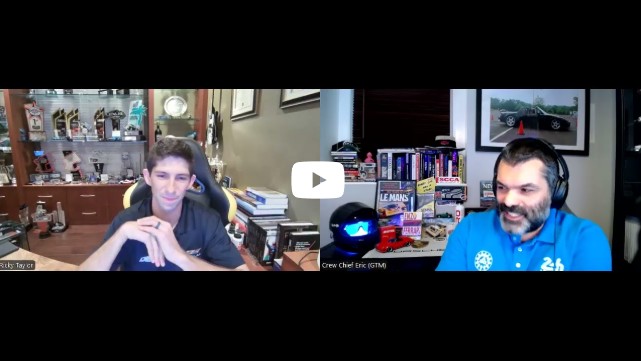
All of our BEHIND THE SCENES (BTS) Break/Fix episodes are raw and unedited, and expressly shared with the permission and consent of our guests.

Learn More

The project also inspired a companion table book, pairing archival and contemporary photos with excerpts from Winfield and Isky’s conversations. It’s another way to preserve the voices and images of a generation that built motorsports from the ground up.

To learn more, visit iskythedocumentary.com or follow updates on Instagram at @iskythedocumentary.

The documentary isn’t just about present-day Isky. Kane scoured archives, unearthed rare footage, and even discovered cassette tapes of Isky’s mentor, Ed Winfield. Hearing Winfield’s voice decades later was a transformative moment for both filmmaker and subject—a bridge across time that underscored the depth of Isky’s legacy.


Community and Connection

Beyond the machines, Isky’s story is about people. His curiosity extended to every racer, every builder, every enthusiast he met. Kane emphasizes that his influence wasn’t born from a desire for fame or fortune, but from pure love of speed and the joy of collaboration. Generations of racers, engineers, and fans have been touched by his generosity and ingenuity.

Even his grandchildren, upon seeing the film, realized the magnitude of their grandfather’s impact for the first time.

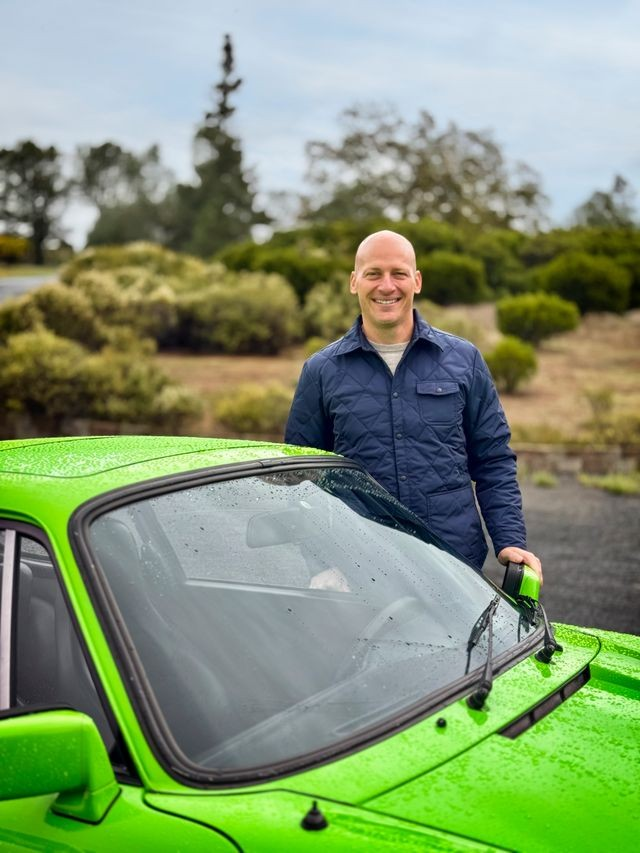
Photo courtesy Cheyanne R. Kane

While rooted in motorsports, Isky transcends racing. It’s a universal tale of perseverance, creativity, and humility. From his beginnings as the son of Armenian immigrants to becoming a cornerstone of American hot rod culture, Isky’s journey resonates far beyond the drag strip. “He’s a legend of speed,” Kane says. “But more than that, he’s a legend of curiosity.”

Audiences have responded with gratitude and awe. For younger generations, the film is a call to action: to experiment, to build, to embrace mistakes, and to rediscover the joy of working with their hands. For veterans of the automotive world, it’s a reminder of the roots of hot rodding and the camaraderie that fueled it.

And for Isky himself? After seeing the film on a towering 70-foot screen, his verdict was simple: “I love it.”

Be sure to pick up a copy of Cheyanne’s book, “ISKY and the Old Master” as described in this episode. https://www.vigilants.shop/shop/p/isky-and-the-old-master

While Kane hints at future projects within the automotive world, Isky remains her most personal and profound work to date – a testament to storytelling, perseverance, and the enduring power of curiosity.

Photo courtesy Deborah Gilels, LA Media Consultants

Ed Iskenderian’s story is more than racing history. It’s a reminder that innovation often begins with curiosity, that resilience is born from passion, and that legends are forged not just in speed, but in the communities they inspire.


This content has been brought to you in-part by sponsorship through...
Motoring Podcast Network

Sammy Swindell: A Lifetime of Winning and Innovation

0

Few names in sprint car racing carry the weight and respect of Sammy Swindell. With over five decades behind the wheel, his story is not just about victories – it’s about resilience, technical mastery, and a relentless pursuit of excellence. At the Eastern Museum of Motor Racing’s Racers Roundtable, fans were treated to a rare, candid journey through the milestones of his career.

Swindell’s commitment was evident before the conversation even began. After enduring canceled flights, sleepless hours, and a long drive from Philadelphia, he still arrived ready to share his story. That grit mirrors the determination that defined his racing career.

Tune in everywhere you stream, download or listen!

Listen on Apple
Listen on YouTube
Listen on Spotify

Sammy’s racing journey began in Memphis, Tennessee, where his father was deeply involved in the local racing scene. By age 12, Sammy was already maintaining cars, building motors, and absorbing every detail of the sport. By 15, he was racing – and winning. His early years were marked by long weekends of competition across multiple divisions, often running three classes in a single night.

By 1975, Swindell had already claimed 22 sprint car victories across five states. Along the way, he raced against legends like Bubby Jones and Hooker Hood, learning from the best and proving himself against them. His philosophy was simple yet powerful: “Go find the winners, because you’ll learn more from them than from the guys in the back.”

Highlights

Skip ahead if you must… Here’s the highlights from this episode you might be most interested in and their corresponding time stamps.

  • 00:00:00 Introducing Sammy Swindell
  • 00:03:59 Sammy’s Early Racing Years
  • 00:07:06 Rising Through the Ranks
  • 00:19:03 The World of Outlaws and Beyond
  • 00:25:43 Partnerships and Innovations
  • 00:32:37 Success at Syracuse and Racing Strategies
  • 00:36:18 TMC, Independent Front Suspensions & Turbocharged V6s
  • 00:45:26 Dominating the ’90s and Winning Big Races
  • 00:48:34 High-Speed Events and Racing on Pavement
  • 00:58:42 Williams Grove National Open and Racing the Posse
  • 01:00:45 Analyzing Competitors in the Pits
  • 01:01:55 Achievements and Retirement
  • 01:02:59 Rivalry with Steve Kinzer
  • 01:06:07 Success at the Chili Bowl
  • 01:09:19 Venturing into IndyCar and NASCAR
  • 01:25:55 Memories and Tributes

Transcript

Crew Chief Brad: [00:00:00] Welcome to The Racers Roundtable, a podcast sponsored by the Eastern Museum of Motor Racing where history meets horsepower and legends live on each episode brings together voices from across the motor sports world, from grassroots heroes to seasoned veterans as they share stories, insights, and behind the scenes tales that shaped their racing journeys.

Whether you’re a diehard fan of dirt tracks, drag strips, or open wheel icons. The racers round table is your seat at the table for candid conversations and timeless memories from those who lived it strap in tight because it’s time to talk racing history one lap at a time.

Dave Hare: Now, uh, we’ve got Sammy Swindell and, and Sammy is a guy that was at the top of the wishlist. And I’d like to thank Justin sites. Justin sites, he and I are friends on Facebook. Of course, even in the racing community, you, you have a lot of folks that you know through Facebook, through social media. And Justin had gotten in touch with me and said, Hey, I’ve got a car of [00:01:00] Sammy’s.

Said I’m restoring. And I’m actually going down to see him in a couple weeks. And if he was agreeable to a round table at the Eastern Museum of Motor Racing, would that be something you’d be willing to entertain? I said, well, you know, it’s, it’s interesting because Alice and I had been talking and she said, put together a wishlist, and Sammy was at the top of that wishlist.

So the timing was perfect, and we certainly appreciate your commitment to the calls, brother. Yeah, thank you.

And for those of you who didn’t hear already, uh, most of you have, but for anyone who ever questioned Sammy’s character, he spent the better part of eight hours at the uh, airport. Yesterday, all flights were canceled Somewhere around midnight, he made new flight arrangements. He has been up since two 30 this morning.

He flew to Charlotte, from Charlotte to Philadelphia, and then he just drove from Philadelphia here to the museum with Alan Kreitzer, which I might add is comparable to running Syracuse with no roll cage. So Sammy, thank you. Thank you so much, brother. We [00:02:00] appreciate you. You’re welcome.

So for those of you that have attended the round tables here at the Eastern Museum of Motor Racing, at least the ones that I’ve been involved with and they’ve been so much fun, we like to work through things frequently, chronologically, and we’re gonna do some of that today. In the first part here, we’re gonna cover some sprint car stuff, and then in the second part of the round table, we’re gonna talk about Sammy’s pursuits and other racing venues.

You’re gonna be impressed, even hardcore fans are gonna go away with a greater appreciation. For those of you that know Sammy as a sprint car driver who’s come through Central Pennsylvania, when you leave today, I think you’ll have just a tremendous amount of respect for the man. Well, you’re all familiar with the stats, the three titles, the 394 Feature wins with the World of Outlaws, his five Chili Bowl titles, and the countless wins at the highest profile, most lucrative events in the sprint car world.

Flatly stated, he’s done it all, but what I’m hoping you’ll take from today’s discussion is a greater appreciation for his accomplishments away from the dirt track arena and how his technical prowess has [00:03:00] impacted the motorsports landscape. His book released in the spring of 2023 chronicles his ambitious and innovative journey through the world of motorsports.

It is simply titled and appropriately so. Sammy, 50 plus years of Winning. Please welcome back to the Eastern Museum of Motor Racing 2006 National Sprint Car Hall of Famer. One more time. How about it for Sammy Swindell?

You know, we talked earlier about, uh, everything that’s been happening here at the Eastern Museum of Motor Racing and how it’s grown over the last 50 years since the Williams Grove Alzheimer’s was um, established. We’ve got some great pieces here. Speaking of great pieces, if you’re looking for some of Sammy’s cars, I think they’re pretty well displayed out at the, uh, museum of America’s speed in Lincoln, Nebraska.

They still have that going on with them. Yeah, yeah.

Sammy Swindell: There’s still

Dave Hare: a few cars out there.

Sammy Swindell: Yeah. Sometimes they move them to different places, but I think there’s three or four there. Yeah. Um, we’re hoping to get some more out soon. Good. Some of. Go in and out of there.

Dave Hare: Yeah. [00:04:00] Well, Sammy, let’s, uh, let’s take a walk back in time.

Talk about your early years, man. You’ve been at this so long now. Your dad was the guy that was involved in racing down in the Memphis area?

Sammy Swindell: Well, he started racing the same year I was born was at the racetrack, like a few days after that. He had done real well there. Mm-hmm. Once a lot of the championships right around there.

Mostly in the, the sprint cars were the A class and the modifieds were the B and the late miles for a C called the C car. So he ran, the ones he built were B cars that he ran most of the time, but he ran all three of them at one point there for quite a few years. He ran the Memphis Race Car Club, was the president there.

So. Got to go to the racetrack and we’d go to the meetings and all the different things. So I got to see a lot about how everything works from him building the cars and building motors and stuff and through every part of it. And you know, and I was always interested in everything.

Dave Hare: You self described tinkerer,

Sammy Swindell: is that right?

Yeah, and sometimes I too much, I spend too much time on [00:05:00] details, but I like it to be right. So. By the time I was 15, you know, they, they had a little practice earlier and the year the track was open up in Milan, Tennessee, and we went up there and ran and, and everybody thought it did pretty good. He was building another car, didn’t get it finished till like the first part of July.

Dave Hare: Okay.

Sammy Swindell: So that’s when I started in 71. We went to Milan but he’d crashed the car and we got there late ’cause we were working on his car. I got in and expected it to be kinda like it was and it, and it wasn’t. Yeah. And um, we found out the steering had a tooth broke in it, but mm-hmm. You know, we got there a little late, but they pushed us out and we both got to make some laps to qualify so, or time.

So it kind of hit the fence over here and was over there and Yeah. It’s like something’s not right. Something’s not quite right. Yeah. So, so I didn’t get to run the very first night I run

Dave Hare: second night out

Sammy Swindell: things went much better. Right. Yeah. The second night, ’cause it was fourth July weekend, they ran Friday and Saturday at West Memphis.

Friday night he ran third, not run fifth. Hmm. [00:06:00] The next night I won.

Dave Hare: Simple as that. Yeah. Get in the car and win. Yeah. You were sort of prepping for this though, for years. I mean, from an early age you were a sponge, you were absorbing this stuff. Yeah. And before you even got in the car, if I remember correctly, you were pretty well responsible for good portion of the maintenance on your dad’s car, weren’t you?

Sammy Swindell: Yeah. Well, I was doing a lot of the things, you know, because he worked, he was a superintendent for commercial contractor.

Dave Hare: Okay.

Sammy Swindell: By the time I was 12, I was doing a lot of the maintenance on it, a lot of things, or I’d have things ready Yeah. That I couldn’t do for him to do. When he got there, started learning about how everything kind of went together.

You know, was able to build motors by the time I was probably 13. Wow. Learned a lot of stuff from my uncle about the carburetors, about how to set those up and different things, and was with my dad working on his and doing the setup stuff and tire stuff for that. But from the whole time since I’ve been around, I was always in the shop with him.

Dave Hare: Yeah.

Sammy Swindell: And that’s, you know, [00:07:00] probably four or five years old. So. He’d have me doing something

Dave Hare: that’s certainly played to your favor over the years. 1973. Then you graduated from high school and drive a sprint car for the first time.

Sammy Swindell: Yeah, we started running, well, I was running both the classes there. Mm-hmm.

But we could run the B cars down at Greenville, Mississippi on Friday nights.

Audience: Okay.

Sammy Swindell: It was like the next week. The second weekend I drove, uh, we went down and I won there and I won like every race down there that year. I don’t know, it was just something that fell into my car thing. We were just, it was easy down there.

But I mean, at, at at West Memphis, they, they started all the cars and a lot of times they’d have 40 cars. Oh wow. I remember starting on the front, taking off and I’d go down the back stretch and West Memphis isn’t really big, but when you got 40 cars, there’s guys that still hadn’t took off yet.

Dave Hare: Yeah. That could be probably that.

So by the time

Sammy Swindell: I made a lap, we were in traffic. Yeah. So, um. It was a good place to learn. It was a sticky track pretty fast there with some banks, so it, it taught me a lot about [00:08:00] going to other places and, and, but I started driving the sprint car and it was a bit different. Won a few races, but we were always up near the front all the time.

But they had a lot of really good guys there at that point. And some of the cars were better than one I had, but worked

Dave Hare: hard at

Sammy Swindell: it and got better.

Dave Hare: I think one of the common themes in your life story has been travel. You’ve been traveling. When you, when you started running, uh, I guess it was Bobby Sparks the first owner in the spring car.

Yeah, yeah.

Sammy Swindell: We started in, that’s who ran four in 73. Yep. In 74 we’d start going on Sundays. They ran up at Hobs spot. Mm-hmm. Which is about 300 miles north of us. And uh, we’d go up there. It didn’t take long. We won some races there And you guys were going to Devil’s Bowl in Florida? Yeah, a lot of times we, in 74 we’d go to Devil’s Bowl ’cause they ran on Friday nights.

Go to West Memphis on Saturday and go to HubSpot on Sunday. So that’s a few miles. Yeah, it

Dave Hare: is

Sammy Swindell: because I’m about 450 miles from. That was bowl. Wow. 300 up there. So it, you’re doing 6 [00:09:00] 1 1600 miles there in the weekend. Yeah. Well, when you’re 17, it’s okay,

Dave Hare: but things got busy, uh, at West Memphis because as you mentioned, you’re driving in a couple divisions and at some stages of your career.

Early on, I believe you were running three divisions. Yeah, it was just like

Sammy Swindell: in probably 70, maybe the last part of 73 or 74, I was running the stock car late model. There was quite a few times. I won all three.

Dave Hare: All three

Sammy Swindell: in the same night.

Dave Hare: Yep.

Sammy Swindell: So I was running a lot of laps and had to have two helmets for that.

Though we didn’t have tear offs so much like we did then, but we had like two visors or pull one off and different times. Yeah. A lot of times you’re ducking. It was pretty

Dave Hare: muddy down there. Sometimes here in this area, we’re pretty Pennsylvania centric. There’s a lot of talent, a lot happening down in that Memphis area.

Tell us about some of the folks you were racing against or maybe even some of the folks that you mentored with. They you looked up to.

Sammy Swindell: You know, when we first started traveling some there in 74, you know, Bubby Jones would come down. He drove for M Ma [00:10:00] Brown and my dad used to race against him. Mm-hmm.

Because, uh, he had a big car up there that they ran at Milam. Okay. They never really came down with that in Ma didn’t, but then we had sprint cars. He would come down, you know, they were sponsored most of the time by Bruce Gel Ford. Mm-hmm. So, um, Mr. Gel come up from Alabama, got a relationship going there because he would come.

That was when he was winning a lot of races with that car. But yeah, I was making it hard on him to win there at West Memphis. So, yeah, we had some pretty good races. He, he beat me some, but I think I beat him more. You know, that got me in a relationship to a ride down the road later

Dave Hare: on, and that was a, that was a big ride.

I love a good quote, Sammy and I, and I’m gonna share one here with you. I think this is approach you’ve always taken, but probably it was more prevalent in your formidable years. You said people would ask, what’s the best way for a young racer to get going in this sport? And your response, hang out with the best people.

Go find the winners because you’ll learn more. What are you gonna learn from the guys who run in the back if they knew [00:11:00] enough to teach you anything? They wouldn’t be back there in the first place. Yeah, it’s just true. And, and that’s why you sought out guys like Yeah, like Bubby and, and Hooker Hood was another guy down there.

It was hot. Yeah.

Sammy Swindell: Well, Rick Kel would come down there, off and on. It was a lot of people that came down there because Birchville was pretty good for that time. You know, I think they were paying a thousand dollars to win, which most places might only been. Three or 500. It doesn’t take long, you know, it’s like you don’t want to ask the guy that’s running last how to go faster when you’re already ahead of him.

There you go. It’s logical. Some people don’t get my dry sense of humor sometimes, you know, and I’m kind of to the point, but I’m consistent.

Dave Hare: There you go. Looking at some of your stats in early on, one of the stats that really impressed me was by 1975, and here you’re still very early in your career at that point.

In 1975, you had 22 sprint car victories in five states and you were running Bob Guine. [00:12:00] Gillett. Okay, thank you. One of those victories took place that in a little bull ring out in Stewart, Iowa. Yeah, you’d be the guy that was a pretty big name at the time. Yeah, I wasn’t

Sammy Swindell: supposed to do that. We’d come up to Knoxville before with Bobby Sparks.

So Bob took a little time off from his construction company, went, did some races, and we went up there and that place wasn’t a lot different from West Memphis, Stewart Sort. It was kind. Maybe the same size, maybe not banked quite as much. I know we didn’t really start up near the front, but we wound up winning there.

And uh, was that the one that beat Reer or Opperman? Opperman, yeah. Okay. Pretty big deal. Yeah. That was a Wingless show. Yeah. Yeah. We were Wingless there and you had The Wing with you. You never know which you would go back and forth all the time. Yeah. ’cause we run wings. Well they run both at West Memphis and then we’d run Wing.

A lot of times we’d have a wing and then go run Stot and they did run wings.

Dave Hare: Okay.

Sammy Swindell: Or he’d go someplace and run one night with a wing one night without. But yeah, that was special. You know, we didn’t have all the stuff we have now, the social media stuff, but I [00:13:00] still knew about this guy. I don’t think it went over too well.

Dave Hare: You said we didn’t have everything then that we have now social media, but that also includes the comforts of travel. I mean, at that point you’re hauling from Memphis Stewart is 45 minutes to an hour west of Des Moines off of Route 80. And so that’s a pretty good hike. And you’re doing that stuffed in a pickup.

Well

Sammy Swindell: then

Dave Hare: with

Sammy Swindell: Bob it would just be

Dave Hare: me and

Sammy Swindell: the other

Dave Hare: one. Okay. Just the two of you. Two of us really? Okay.

Sammy Swindell: Yeah.

Dave Hare: Yeah. But that’s still a pretty good home.

Sammy Swindell: Yeah.

Dave Hare: So you’re making a name for yourself early, you talked about a ride that’s on the horizon, but in between there, there was another ride that you had from um, a Memphis based car, the Bobby Davis Electric number 71.

Sammy Swindell: Bobby had hired Bill Anderson. Some of y’all might know that. Been around for quite a bit. Okay. But you know, in the winter he would drive trucks for. Ma Brown and he worked on the race cars during the summer and he was, he was with Bobby anyway, he went to work for Bobby. It was Tommy Nolin that was driving the car at the time and I guess they kinda had a falling out.

So, okay. [00:14:00] Bill told me he sat down and he said, well if you wanna win the races, you need to call Sammy. He said, Bobby about spit out his coffee. You know, he was always wanting to beat me. Yeah, yeah. You know, but, and he had a B car before that so that Ricky Hood drove. So we had a lot of races together and we started that and it went pretty good.

But to do a little more travel and a little more things that I haven’t done yet. A lot more places that I haven’t been to.

Dave Hare: And you guys ran Knoxville Nationals, I think you went to

Sammy Swindell: Skagit. Yeah. That was a little bit later I think Bill Anderson wound up going back and I had, I got Tommy Sanders that worked for Bobby Allen up here.

I’m glad you brought that up. We got the, and he was the one that brought me up here the first time. We got to do a lot more race in a lot, a lot of places, and all the way out to the very northwest corner of Washington state. Yeah. Got to go up and down the road quite a bit.

Dave Hare: And that’s quite an experience, uh, for a young man.

And to be able to explore the country like that and race as often as you are, that led you to a crossroads. You decided to enroll in [00:15:00] college. I mean, you’re a college student and you’re racing. Mm-hmm. And at some point you said, I need to make a decision.

Sammy Swindell: Yeah. If we go,

Dave Hare: we go back

Sammy Swindell: to 73 or so. I’m in high school, living at home, and I’m making thousand, over $1,500 a

Dave Hare: week in high school in 1973.

Sammy Swindell: Cash.

Dave Hare: They didn’t give you checks back then, right? Right. So anybody has an inflation calculator, plug that in. A thousand, $1,500 a week. I think most of us would take that in 1970 $3. Yeah, you’re doing well.

Sammy Swindell: Yeah. There’s a lot of people I had that I went to school with, they make, make 25 or $30 a week.

Mm-hmm. But at the same time, uh, you know, when I go to West Memphis, it was $5 to get in and it cost me about $3 for gas. The B car stuff that went on a percentage of the gate, it would be from two 50 to $500. And I didn’t have to split that with anybody. That always helps cost me seven or $8 to get in and race.

Yeah. [00:16:00] Your

Dave Hare: profit margin’s pretty

Sammy Swindell: good at that point right after I got going, it’s like, wh why do

Dave Hare: I want to do anything else? So tell the folks where you were attending college and what your interest, what your major was at that point.

Sammy Swindell: First of, I was going to, um, Memphis State then is what it was called, and I was doing mechanical engineering.

They just wanted to make you do a lot of other things, English and other things there that, that I didn’t have any interest in. And so I went there for. A year. Then I went over to the state technical college. You know, when I did the mechanical engineering, we were drawing gears or doing things, you know, just pieces and didn’t make a lot of sense to me.

But, and my granddad built some houses and stuff, so, um, I, when I moved over to State Tech, I just went into architectural engineering. Okay. You can build something there, design something, then you can see it, you know, when you’re designing gears or something. Some people doesn’t know, won’t ever see that.

Right. I gotcha.

Dave Hare: So you made the decision that [00:17:00] college is not gonna be the course you’re gonna take. Racing looks pretty good.

Sammy Swindell: Yeah. Well, I did try talk to all of my teachers and stuff there and like still want to do this, but I’m doing this and half of ’em was like, okay, we can do that. Then the other, there was some that said, no, you have to be in school.

And I said, well, you don’t understand. I’m paying my way through school, uh, because my parents couldn’t afford to do that. You know, it’s like, well, I can always go back. This racing thing doesn’t work out.

Dave Hare: Yeah. Well I think, uh, I think you’ve done okay. Yeah.

Sammy Swindell: Well I’m, I’m here today.

Dave Hare: There you go. You mentioned the name earlier, ma.

Brown car owner. He had what Trucking company. Down that way. Yeah. He was a, uh, 2019 National Sprint Car Hall of Fame inductee. And one of the great stats about Emmy Brown, I think over the course of roughly 10 years or so, he had nine national Sprint car Hall of Famers behind the wheel of his number 44 Bruce Kogel Ford sponsored car.

And of course that was the ride that you eventually picked up in when it was [00:18:00] like August of 77, somewhere around there.

Sammy Swindell: Yeah. Yeah. It was just right after the nationals driving, before the FedEx car. They wanted to go racing. So they gave me a chance to go to a lot of places and do a lot of things. And it was like that one was different because, um, back then I don’t think he had a motor that was under 400 cubic inches getting in that car.

It showed me that, that when you’ve got everything you can have, how much easier it is. We came to a lot of places and and did fairly well with it Might’ve been, we might’ve come up to Port Royal and I was, I think I was leading the, I think the Eastern run, was it 75 lap race or something up there?

Dave Hare: Where’s my Port Royal people? Yeah.

Sammy Swindell: And we were up there running that and it was actually leading for quite a while and had a flat. But that was a little scary ’cause the stands were so close and you’d have all the little kids waving the flags. I kept thinking I was gonna hit one of them.

Dave Hare: That’s Pennsylvania.

That was a high profile ride. I mean, you’ve had good rides up to this point. This one’s taken you to [00:19:00] another level, and you’re fully prepared to take advantage of that opportunity. 1978. Ted Johnson forms the world of Outlaws. And you’re in the Ma Brown car on tour, so to speak, with the Outlaws.

Sammy Swindell: Yeah. I think we only ran maybe 10 races though Ma likes to see his car run stuff, so we, he wanted to be around, we’d let us go different places, but uh, we’d always have to come back and run at West Memphis some and or, or places around there, or places he could go to be it hob stock.

But we did get to run a lot of the, like I said, we came up here. Mm-hmm. Cut to do a lot of, a lot more traveling. It’s hard to remember all the races we went through back there, but I don’t know. We won a fair amount in that car.

Dave Hare: Mike Brown

Sammy Swindell: m ma son. Mm-hmm. You still in contact with him? Yeah. I’ll see him every now and then.

Yeah. And he’ll come down to West Memphis or he’ll show up someplace I’m at. He’s restored a few, a few of the cars.

Dave Hare: Yeah. The 44 is gorgeous. Yeah. And he did beautiful.

Sammy Swindell: I think he did the TMC car too. Did he? He did one of those, as one that he [00:20:00] restored. Seems to do good work. He worked there with j and j with Jack.

He’s a real good fabricator.

Dave Hare: You mentioned the FedEx car, 1979 inbound. There, you, you make the move and you’re in with a guy by the name of AJ Jeffrey. Tell us what the connection was there.

Sammy Swindell: Well, that was the guy I started running his late model. His late model? Yeah, his late model. And so we, if we go back, he, he was one of the three or four guys that started with Fred Smith when they were at and started FedEx and he brought it to Memphis.

So we run his late model. We won a lot of races in that around locally there. We just got together and he wound up getting Fred to give us a bunch of money or give him a bunch of money. Yeah.

Dave Hare: And that was big deal. ’cause with a national tour forming to be able to bring in a company, and it wasn’t as large as it is today, of course.

No. But at that point, to be able to bring that type of company in, that was pretty significant move.

Sammy Swindell: Yeah. It was still a big company just getting started. Mm-hmm. But, uh, it just didn’t, that one didn’t [00:21:00] last real long, but, but when it did, it did. Yeah. It was, I think, uh, you had quite a few, we won a lot of races for that

Dave Hare: too.

79, I think you were third at the Knoxville. Nashvilles after coming through the b

Sammy Swindell: mm-hmm.

Dave Hare: Ran behind, uh, Ron Schumann and Randy Smith.

Sammy Swindell: Yeah. And we had, um, Carl Kinzer’s 3 55 motor in there. It was a little slick track. Well, we had a problem blur motor, so he, he loaned us one that probably didn’t make anybody’s notes.

Dave Hare: 1980, probably the car I first remember seeing you in when you came to Pennsylvania. And this was just another step in your career, another step up the ladder you ran for Laverne Dance. That was a high profile ride at the time it seemed, and I think you were a big part of making that a high profile ride.

Sammy Swindell: Yeah, that was a lot going on there. It was George Gillespie calling me one day. He said, Hey, you need to go out there and see Laverne, so I did. So we went in there with him and his wife in his office and he said, and he, first thing he said to me, he says. I don’t think I can afford to [00:22:00] have you. I said, you can’t afford not to have me.

Then went on to explain the stuff I’d learned in the short period of time, just the way I looked at doing things, or we can do this and do, I said, we need to build a car that a guy with a toolbox this big can put it together and go race. You’re a machinist. He said, yeah. I said, you could make fixtures where everything’s the same.

Yeah, you could make the cars the same. You can make all this stuff exactly the same. I said, well, I want to do this. We build the cars and stand them up, build the sides and do it this other way. But all the parts, you know, like the body or the, everything has to be the same. So you can just take a part off.

A guy can put it on, because that was the biggest thing back then. You bought something while you had to work on it. You had to file on it or cut it or something, or fit. You know. Nothing was that close. So it was like always when you could get some parts or you got something that always you had to

Dave Hare: work on.

Yeah. So you’re looking for consistency of operation. Yeah. You’re [00:23:00] looking at the the minute details to make sure that when you’ve got a car, it’s what you had before and you know where you’re gonna go with

Sammy Swindell: your

Dave Hare: adjustments.

Sammy Swindell: Yeah. I told ’em I wanna put everything on a schedule that we run so many laps on everything, so it doesn’t break.

That was

Dave Hare: brilliant

Sammy Swindell: because it’s, I said, you, you’re a manufacturer. You’re the stuff you don’t make, you buy at a discount and you make a profit on. So it’s like it’s gonna cost us too much to fall outta races, you know? ’cause we were talking about going to run the whole world of outlaw series. That’s the biggest deal, is we’ve gotta finish every race, but we’ll put it on a schedule.

We’ll do all this stuff. And I said, you won’t have any problem selling my cars. And we’ll just say, we’ll run ’em for a little bit and then get another one. That one kind of almost backfired on me because then he was wanting to, well, can I have another car?

Dave Hare: Yeah. He didn’t get much time in ’em then.

Sammy Swindell: No, but on your parts deal, instead of just selling the guy radius rods and es, you know, make the fixture where all the cars are the same, we can just make fixtures.

Your grandkids could go out and [00:24:00] build radius rods and have ’em set. Instead of selling a rear arm and this and that, you sell it with the pitch bolt, the shark bolt, the rod in. It’s all set up. All he has to do is slide it on the car. When I drove for him right before that, his car, man, it’s like you could adjust everything on it.

There was all kinds of things, and he was a little reluctant to take a lot of that stuff off. So it’s like we just bolt this one together and you can’t really mess it up. But then I asked him, I said, well, how many cars did you sell last year? He said, 45. I said, well, I bet you we can do over 200. Wow. He’s like.

I said, well, you’re gonna have to hire another welder. Mm-hmm. The one guy’s not gonna be able to keep up. And so it, it started that year. We ran 136 nights and I felt a lot of two races. One was a flat tire and one, we got a hole in the oil filter. No, no mechanical failures. No mechanical failures at all in that many races.

And we won 56 races and the world of Outlaw championship.

Dave Hare: And that became sort of a calling card for you, you being a [00:25:00] driver, but with a business mindset, someone who knew how to run the entire team. You saw the big picture. Mm-hmm. What it took to be successful.

Sammy Swindell: The more I knew,

Dave Hare: the

Sammy Swindell: more I’d be worth. The more I could do, the more I was gonna be worth, you know, just being able to do everything.

You know, A lot of people probably wouldn’t want to take that on, but you know, I won a race and this was gonna gimme a chance to run the whole world out all for all the races, all the big paying races. We even got to run a lot of other races, you know, and all that comes with, well, every time you run it and you win.

Well that makes my bank account look a little better. That’s what, it just all adds up. If I could control it all, I knew what I wanted to do and I could, was able to do that.

Dave Hare: Sam, I think one of the other areas where you were proved invaluable to the, not only Nance, uh, Laverne Nance, but other chassis companies down the road, is you formed relationships with these folks and then you were able to provide input to the design of their chassis and they would incorporate that input, [00:26:00] make a better car.

And to your point earlier, sell more cars. Well, if we back up

Sammy Swindell: to the FedEx car Sure. Went out to Phoenix a few times and was at some races and I got to know Gary Stanton. Mm-hmm. And so, uh, we got to be pretty good friends and stuff. So he said, well I want to build you cars. And I said, well, I want to make some changes from the car you got.

So he said, well, I’ll build you a couple cars however you want ’em. At the same time he made three cars. I said, what are you doing? Why are you doing three cars? And he said, well, I’m gonna have one here sitting here. You know, so it didn’t take me about about three weeks of running that one. And he showed up with Ron Schumann with us.

I said, oh, you got my other car out here. He said, well, it’s been looking pretty good, but you know, there’s just a lot of little stories down through everything. But you know, to get back, there wasn’t a lot of corporate stuff in the race and it was just a guy had some owned a business or had to had a car, you know, or something like that.

So when we went out. To, uh, Phoenix, if we go back to 74 the first time, well, you know, Bubby Jones [00:27:00] showed me how to, well, we talked to this promoter and, and he’ll give you this money. You can get this money or you can get a hotel room or you can get, you know, money, show up money and

Dave Hare: okay, whatever.

Sammy Swindell: So we’ll go out there, talk to Keith Hall and got this room for the whole week and had to spend time out there.

And, uh, that’s when I was driving for Bobby Sparks and, and so Ben Foot for Mascot comes down to him and he says, we want you to come over to the Pacific Co sofa the next week. And I said, well, it’s really not up to me. Lemme see how the guys can come over there. And he said, well, I got this. I can give you this much money and I could give you a room for the week on the beach.

And it’s like, well go back and talk to Bobby. Oh, okay. Well he called his dad. Yep. Yeah, we went over there and did that. So I got to go see a lot of the manufacturers that, that was out there. So I got started just building more and more acquaints, you know, stuff that we would have a problem with the car.

This is what would break first or mm-hmm. This, we had issues with. I could deal with them while seeing how they made pieces and did the things. So I was [00:28:00] able to help in making their parts better.

Dave Hare: So you provided feedback to the manufacturer sponsors, the folks that Yeah. You had developed relationships with.

Mm-hmm. They had enough trust in you to make that a reality, then they knew it would benefit them as well. Yeah. Even though I was 18, 19 years old. Wow. Sammy, one of the other things, uh, I thought was, was interesting. When we talk about your ability to manage a team, you’re a guy that, let’s say you’re involved with a tour and the tour’s going from Knoxville and they’re gonna go out and run Chico and up through Skagit, you would sit down and do the numbers and say, financially, does this West Coast swing make sense for me, for our team,

Sammy Swindell: there was a lot of guys that I drove for that couldn’t run the whole world of outlaw schedule, and so we would just pick out things and see what made sense.

Mm-hmm. Or we thought we could make the most money for what we were doing, and that was okay. There was plenty of races going around. The first part of the Outlaws, they went to a lot of different places and it was quite a bit of money to stay out on the road back then. But [00:29:00] we would put a schedule together with.

Kind of what owner was looking to spend.

Dave Hare: Yeah. And you had to stay within that. One of the things I wanted to touch on just briefly here, while you were with the Nance team, Tommy Sanders, still with you, I think, at that point, and there’s another fellow whose name would reappear throughout the course of your career.

Ken Jenkins.

Sammy Swindell: Ken was out there and that was another thing that he was trying to get me to go out there. At the same time too, you know, that he was over at Gambler and he had the his own deal out of Dodge City there for a bit, but we did a lot of things together over the years as different places. Yeah.

Comes back to those relationships. Mm-hmm. Yeah.

Dave Hare: Well, after the Nance deal folds, your next move from there you went met up with a guy named Raymond Bele,

Sammy Swindell: I believe. Yeah. That was just a deal. Like at the end of the year I got on a plane, I was just gonna go down to the Wins Cup race in Atlanta. Okay. I flew into Dallas and went from Dallas to Atlanta.

I got on a plane and wound up sitting next to Raymond Beetle and so we start talking about stuff and he’s, that’s when he’s telling me he’s [00:30:00] trying to put a cup team together and he’s got his funny car, you know? He said, well, maybe we could add a sprint car deal and then put you in a few races over there.

Part of the deal for me, leaving Nance, we were still gonna run his cars, but then he decided to let his son run the business and he wanted to go a different direction. Mm-hmm. So that’s kind of where that split. But that brought me back to Ken Jenkins and gambler. We started running those cars. We didn’t run the full schedule, but we ran quite a few races and it gave me an opportunity to run some of the NASCAR stuff.

Yeah,

Dave Hare: and we’re gonna get into that a little bit more in the second half of today’s round table. And what, when we do, I want you to think back on everything that we’ve talked about here in the early portion and understand that while all this is happening over here, Sammy’s also doing this over here that we’re talking about right now.

It’s, it’s super impressive. You’re with Raymond Beetle, 1983 Knoxville Nationals.

Sammy Swindell: We should have won that one,

Dave Hare: [00:31:00] or we did. Yeah,

Sammy Swindell: we

Dave Hare: did.

Sammy Swindell: Yeah. We had some pretty good runs and that brought me into, he had Bob Westfall there. Okay. Working at his shop. He built the motors. They were starting to build some motors there about the middle time of the year, a lot of guys had the aluminum, four 30 motors and we were still running a steel block.

Okay. 4 0 6. It was about just before the NA nationals that we got, the aluminum four 30 and it’s like, put that in. It’s like, oh my gosh, it is just so much better. And, uh, I think we won about six races in a row and counting the nationals. And uh, you know, then after we ran so many races on it, he had to take it back and wanted to look at it and it’s like, man, you’re gonna make me go back to this other, I’m, I’m spoiled down.

This, it’s way easier to pass people with this, this lighter motor with way more, you know, another a hundred horsepower. Wow. That had to be huge. Yeah, that was huge. Was this the point Du Sterl came on board right about this time? Yeah. He, he was there and the one guy that was from Wichita [00:32:00] that come over to nag me, Steve Cox, he followed me over to Beatles team.

We’d been together a couple years and then Deuce comes down and it was all good. We had some good runs, a lot of good times. We didn’t get to run as much as we wanted to, but, you know, we had four years with Raymond. Oh. And all good. Learned a lot of other things too. You know, there’s a lot of that. He, he owned Chaparral Trailers, which that was Oh yeah, that’s right.

Cadillac of the thing to have at the time. So we said, well, we just need to build a trailer for the sprint car. And we did that. He sold a lot of those. Mm-hmm. Too. That gave me another project to work on.

Dave Hare: Yeah. Yeah. You were with Raymond’s team 1984. You were second in world of outlaw points. You wanted Syracuse.

Why were you so good at Syracuse? I think there’s probably a couple factors, but I read somewhere you won like half your starts there, like five out of 10 or something like that. I don’t know. You might get upset here.

Sammy Swindell: No, have at it brother. But you know, somebody asked me about that. Well, how come you go so much better on the miles than [00:33:00] most people?

It’s like, you know, I think these guys are used to running the half miles and they run 120 mile an hour like Syracuse and you run 185. That’s ridiculous. Well, they’re hitting the chip at one 20, so it’s like the rest of the way. It’s like, oh shit, I ain’t gonna make it. I was talking with Al on the way up here.

He was asking me something about, about why, why are you so good on the bigger track? It’s just like, I don’t, I liked him. You know, you just, you get your card dialed in just right and you’d just go around there and just like you’re going down the freeway. I mean, speed’s there. But if, you know, if you didn’t want to go fast, you didn’t need to be in there anyway.

Yeah.

Dave Hare: Yeah.

Sammy Swindell: Like to go fast. Just like Ricky Bobby. Yeah.

Dave Hare: Perfect. But I remember you said at one point speed has a way of weeding drivers and cars out. Yeah. Well that was, you know, there’s some guys that

Sammy Swindell: just, I’ve seen been around enough people that run quarter miles where they have trouble going to the next step.

Mm-hmm. Yeah. I’ve seen guys go from three sixties to run four tens and they, they can win [00:34:00] 360 races, but then they can’t do any good four tens or so much quicker. And it’s the same with the bigger tracks. Always liked the faster places because I had fewer people to compete with. It narrowed a lot of them out.

Yeah. And some of it was just we had better cars or had better stuff, but still it’s trying to get all that out of it. You know? I did win most of the mile tracks. I think that’s why they quit going to them.

Dave Hare: It’s a conspiracy. Yeah. At this point, you know, we look back, Sammy, you had those two back to back titles with Laverne Nance, 81 82.

Between 1981 and 1989, you had one season where you were below the 20 win mark. So you’re getting it done, and though you do like the fast tracks at another great quote here, and I want you to talk about this. The strategy you developed was unique, but I certainly see where you’re coming from. You once said I wanted to win, going as slowly as I could.

Sammy Swindell: That’s something, you know, I tell people if I can get my car [00:35:00] where I can run 90% and win. I’m not hard on it. I don’t make very many mistakes.

Audience: Mm-hmm.

Sammy Swindell: The thing is, if like somebody comes up to challenge me, I still got that 10% to go and that spoils their day.

Dave Hare: And meanwhile, on the flip side of that coin, some of your competitors.

They might be running 110%, one lap, and then the next lap, they’re in recovery mode.

Sammy Swindell: Yeah. Well, that’s what I’ve told a lot of people though, helped and stuff. And you know, it’s like you can’t do a hundred percent every lap. 90% is still hard to do if you just add it up. If you make half your laps a hundred percent and half of ’em 50%, you’re only at 75%.

So my 90% wins every time. Yeah. At 90% it feels like I’m going slow until you get to Victory Lane. Yeah. Well, that way I can, you know, at Syracuse I can go change the radio stations back and forth because you just relax and go, but I tell [00:36:00] a lot of these kids and stuff, it’s like. I just wanna go for a ride, you know?

And if I can go for a ride, then I’m having a good time and I’m not stressed out. Yeah. You know, it’s like, I don’t know if some people play golf, but if you’re tense, it is a long ways to that hole.

Dave Hare: Love the perspective. Sammy. 1988, you partnered with another gentleman out the Des Moines area, an iconic ride.

The TMC number one,

Sammy Swindell: that was

Dave Hare: another Ken Jenkins

Sammy Swindell: deal. Okay. He wound up that the Harold did bystanding out. Yep. A couple years after, or a year or so after I was there. I guess me and the Harold got along pretty well, you know, ’cause he wanted his stuff clean with nice. And, uh, he, he liked to win. So they had me come down and I drove his car at Knoxville and we won.

And they hadn’t won all year. So it’s just things go from there.

Dave Hare: So he bought Gary Stanton operation, moved it to Des Moines and renamed it Challenger. Yeah. 1989. Is that when you, you went to run [00:37:00] with USA, right? Probably, yeah, probably was. Um, so Larry Clark was the president and he had a what, a relationship with Harold.

Sammy Swindell: Yeah. If you ever look at the cars, the early ones, it’s like on the fuel tank, he’ll have Larry Clark, CPA, and that’s what he did for Harold.

Audience: Okay.

Sammy Swindell: Harold was wanting to make racing better of the sprint car stuff, and he had backing to do it at the time. He talked with Ted quite a bit, so he says that they’d come to terms on a deal and he’d write him a check, and Deb would push it back a lot more, you know?

Mm. And so after about the third time, he wasn’t very happy with that. So yeah, he thought he could start his own deal. I mean, he had the right intentions, but the problems they ran into with that was Ted wound up having all the tracks tied up.

Audience: Okay.

Sammy Swindell: So there was a lot of places that we couldn’t go to.

’cause they were

Dave Hare: committed to the world of

Sammy Swindell: outlaw store. Yes. Okay.

Dave Hare: Well, that season, um, I believe you had 12 feature wins with USA, another four with the World of Outlaws here in the area, [00:38:00] Hagerstown Speedway seems like it’s been a pretty good stop for you over the years. I keep seeing that name pop up.

You won there in May with the Outlaws, and then you went back, I think August and September and won with USA. What about Hagerstown suits your style? You know, if we even

Sammy Swindell: go back to Hobbs stock. Sure. I’m, I’m running the bottom and everybody’s at the top. It’s like I could run the bottom pretty well.

Audience: Okay.

Sammy Swindell: At Hagerstown I could run the top fine, but when there was something down there I could really go where a lot of people couldn’t.

Dave Hare: Yeah. You know, and it’s

Sammy Swindell: a fairly fast place, but there’s some finesse to it. There’s some finesse to it, you know, trying to run that inside wall. Okay. I was there some times back in the seventies and I watched a guy named Smokey Run down there quite a bit.

Yeah. So it’s like, there might be

Dave Hare: something to that also. Uh, 1989, Sammy, and this is, speaks to that whole tinkering mindset. You debuted a car with independent front suspension and rack and pinions steering. Well,

Sammy Swindell: after I took it down to Volusia, Ted called me and told me I couldn’t run it. Why? Why was that?

There’s not a rule in there that says you can’t. [00:39:00] He says, but there will be. So that was a lot of work for not much. I run an all star races, but there were some things I’d learned from being around the stock cars. Okay. You know, and so I learned how to do the bumps here. I could do my own stock car, how to set the front ends up and, and all the different things you could make it, do, all the adjustments and, and things that you could change that you couldn’t do with a regular B Maxwell.

Every time I ran it, I was fast time, but we had a problem with the rack. You know, after looking at it, I could, I could have went right back to the regular steering and it would’ve been really good. Uh, there was just a lag because. And there again, I learn something. You know, it’s like the sprint cars, the pumps right there and the lines are real short, so it has to move really quick.

So the, so it’s very responsive in the traditional Yeah. So we had a little bit of a lag. Okay. You know, like qualifying, you’re wide open. You don’t hardly, you just nowhere to loose. You could just not much wheel. And so I could make it roll around there, but the thing [00:40:00] was, I could run the car way softer in the back.

I could run the car with less stagger because I could make the front end turn. It would’ve been a big advantage for I don’t know how long, but we never got to deal with it because I wasn’t gonna be able to run it. Right. Learned a lot of things from that, but, uh, it, it’s still there. If we could ever get it back somewhere again, you still have it.

Well, I’ve got all the blueprint, all the prints. Oh, okay, okay. Yeah. You know, it’s all laid out. I there, so, but it, it’s funny that that comes up because just yesterday a friend furnishes the motors from a chili bowl cars, Tim Bertand. He says, I want to do a independent frontend tq. I said, you can, it’s, it’s gonna be a little tight.

And then he said, this guy’s got this. There’s a guy that’s got one. He looked at it and I said, yeah. It’s like, well, it could probably be cleaned up on some details, looking at some pictures. But I could help him out with what it’s going to do or how it’s gonna change his car and what he can do. It was all fun.

It was all learning experience. It was just, you put your heart and soul in something and it’s legal when you [00:41:00] built it, but when you take it to the track, it’s not, that’s

Dave Hare: not fair. No, I get it. But as I understand it, you had a computer program, this is 35 years ago. Mm-hmm. That would illustrate or give you some sort of visual as to what changes you made with the mounting positions, what that would do to the car and what it would look like.

Sammy Swindell: Yeah. We gotta realize the computers and everything were a lot different. Yeah. But I can put it in there and you could move the front end up and down and it would tell you where the points, and you could see how it would all work together with the everything moving. If you had to input all the dimensions and then it would tell you that when you could move it or when it rolled either way, what was going on.

And I would think for sprint

Dave Hare: car racing, that would be pretty cutting edge for the time.

Sammy Swindell: Oh yeah. Even for me.

Dave Hare: And so I wanna talk just for a minute, Sammy, about Sammy Swin, innovator. You know, we’ve touched on a couple things, but there were some other areas where you were doing some experimentation, where you saw maybe a shortcoming and came up with a practical solution.

[00:42:00] 1987. Tell us about the Kodiak Big Tube car.

Sammy Swindell: Well, it was just from the Indy cars, you know, they used to build aluminum tubs and stuff. Mm-hmm. And being around some of the guys I’ve known, you know, and spent some time with ’em, what little time I had extra to spend. But you know, and then a guy comes out and builds a carbon fiber tub that Johnny Rutherford’s driving and he’s like, way faster.

Well, it was stiffer. I’d had some cars. Even when we go back to MA Brown’s car, the 44, he had two cars that we were running and, but we would always say, this car is perfect. One of the best cars he’s had, that’s when he used to have the top rail. Jack EAM built it. The rail went under the headers and then back up and over the car that ran the vest, they put the bar back in above the headers.

The other car didn’t have that. And he says, you gotta run 1100 bar in the right front. It’s the only way it works. Getting to run both of them, I could see what he was talking about, but you had to run the other car different and so it would [00:43:00] flex and the only way to get it out was to put the bigger bar in and kinda like preload the car.

So from then on it’s like the stiffer I can make the cars times it’s, I can make it a hundred percent by just using the shocks and the bars and all the air pressures and stuff, or the car that flexes. If you’re on a little track, maybe that might be better. But you go to a bank track, it’s gonna flex too much and then you won’t like it.

So I was into building cars that were stiffer Okay. Or stronger when we designed some cars, and even if you look at the one on the back that we built in 77, I moved the Benzs in the frame where the top rail goes and made it a bigger space in between a lot of little things that made it stronger and it had X in the front, X in the bottom, and uh, that car won a lot of races, but it wasn’t all so much about what a design, but it was probably about 250 pounds lighter than what everybody else was running at the time.

Oh, okay. See, I [00:44:00] pick up some things from Bobby Allen every now and then. Because this stuff’s always lighter than anybody else’s, or it was, yeah.

Dave Hare: One of the other things I thought was interesting. At one point, were you looking into Turbocharged v sixes?

Sammy Swindell: Yeah. Yeah. I had a deal going, you know, back when we were just starting to do that, the Indy Clear stuff, they had the Buick V six Fine Engine and the Turbocharged at that time.

It didn’t, there wasn’t anything there that said anything about you couldn’t have a turbo. How long did that last? Well, we never got started this time. I called Ted said, Hey, I got this corporate deal. You know, maybe you could get some money from GM and I could get these motors and, but I guess they didn’t want to give him any money because before we ever got it off the ground, you know, there was a rule.

No turbos. It was gonna be lighter. You know, there was a car that run up here that the Cook Brothers had that they ran quite a bit, ran pretty good, and it was definitely lighter. Yeah. But with the [00:45:00] turbo, we could, you know, they, they were telling me how much boost they could make and, and make it live with a thousand horsepower.

Well, at that time, that was like, you know, and you just got the no, you can turn a boost up and down. It’s like, okay, well this is qualifying mode or this past mode. This is like race mode. It is like, we could cut it up and down. I mean, that would’ve thrown a big can of worms and stuff there. But that’s one that never got off the ground.

That never got off the end.

Dave Hare: Let’s jump ahead here. 1990 and 91, combine those two seasons, 69 wins. And among them, I think we got here Seals Grove National Open, that was 50,000 and a headdress. That was kind of goofy, wasn’t it? You got a $50,000 check, you don’t care what you’re wearing.

Sammy Swindell: Yeah. When they come out and it’s like, what’s the,

Dave Hare: okay.

Syracuse Nationals. Yeah. Won them twice. Yeah. Ohio speed week twice. There was a little thing called the Fram dash at North Texas Speedway paid 65,000 win. You took [00:46:00] their money and ran.

Sammy Swindell: Yeah. That was the only two they had.

Dave Hare: I guess they, they got tired of, uh. Writing checks to you? I don’t know. 1990 of course was a big year here in Pennsylvania.

’cause Bobby Allen, the hometown boy wins the Knoxville nationals. That was a dual with you. Tell us the story behind the oil leak

Sammy Swindell: was the TMC car. We were running Girdy motors back then. We had those barroso valve coverage that were stamped out there were pretty thin. You know, you had to be careful or you’d bend it too much, you could tighten it down.

You know, you just had to be careful with it. Okay. And um, uh, they had some trouble with the gaskets. You know, they would try to push out or push in, you know, and if they pushed in a little bit, they’d hit the valve springs in the valve springs, like pull ’em on in. Wow. They decided they would make a gasket with a steel piece in the middle.

I got some that they used a different glue on. Some run somewhere. Somebody grabbed the wrong sauce. Hmm. It slid in the, on the right side, so it was making a big mess. [00:47:00] You were pretty well saturated. You couldn’t see, ’cause it would blow up in your face and then it was just, uh, tear offs, so you’re just wiping oil visor.

Well then, but your hands would get so wet that on one yellow, they, I got ’em to get me some tear offs and then I threw my gloves out and they threw me some more gloves. I put them on under caution. Yeah. Wow. Yeah, I had some talented guys.

That knew what I was talking about. Yeah, yeah, yeah. Hand signals. But that was another one up there. I could’ve won fairly easily, but it got so bad and the steer one got so slippery that I was having to drive it, holding onto the spokes. I tried to run the bottom ’cause that’s where Bobby was. I knew if I could just run the bottom that, but I couldn’t see it good enough to hit it, you know, slid out.

But

Dave Hare: I guess the lighting wasn’t, the track lighting wasn’t as good then as it as it is now. So that’s gonna play into it

Sammy Swindell: when you Yeah, but have lifted this, you know, they, they paint their wall a lot up there, Knoxville, so I just follow the white line up at [00:48:00] the top. But it was just a little more than I could, he was good enough to be better than my off day.

Yeah. It wasn’t very easy to drive, but I sure wanted the wind. I didn’t crash. Ran second.

Dave Hare: Yeah. I remember watching that event and the thing I didn’t consider at the time was, was how slick that steering wheel. Would’ve been between not being

Sammy Swindell: able

Dave Hare: to see and not being able to, hold on. Yeah. Yeah. Generally, you like to have both of those things planted in your favor.

Yeah.

Sammy Swindell: Well, I was in the car and it was pretty ugly, me driving and bouncing, hitting this and that, but kept my foot down.

Dave Hare: There you go. 1991. 92. World of Outlaws did a little experimenting. They ran some pavement races that played to your strength. You had three wins twice. You were a runner up and a top five.

Was that partly because of, at the time you were

Sammy Swindell: doing

Dave Hare: some pavement

Sammy Swindell: racing? I don’t know. I think that my take on running the tracks that get brokered up, you know, it’s like you’ll see a lot of guys that, that when a track gets locked down mm-hmm. You know, they’re still wanting to gas [00:49:00] it and have the back out a little bit and they, you see ’em, it looks nice, they’re tired smoking.

But I was always good at just finesse with the throttle and stuff to keep everything straight. And carrying a lot of speed. And so when we got the payment stuff that suited me, and I think that was another reason they may have decided not to do that. That, yeah. Uh, the other guy was having a trouble with, didn’t win a race on payment.

There

Dave Hare: was another guy.

Sammy Swindell: Well, he should be on your list.

Dave Hare: Yeah, no, I was just, I didn’t know if you wanted to elaborate. We can come back to that later. Um, yeah, let’s come back to that later. 19, uh, 92 33 wins, including the King’s Royal Silver Cup at Lerner V. And incidentally, this is your third consecutive year with 30 or more wins.

And I’m gonna mention this one because I think our videographer, Steve Gigas, I think he has footage of this. You won at the Suncoast Dome in Florida. That was uh, earlier indoor race. Yeah.

Sammy Swindell: Yeah. That was different. Running in a baseball [00:50:00] field.

Dave Hare: Is that what that was? It didn’t pay very

Sammy Swindell: good. No, we didn’t get paid at all.

I’ll go down in the Get us book Oral Records of whether the World Outlaw Race that paid zero

Dave Hare: $0. Another series I’d like you to talk about. Sammy, winner of 92, 93 and then again 93 94. And I remember when this hit television, diamond P Sports and Pat Patterson, that slick 50 Sprint car World Series. What did that do for the sport?

Sammy Swindell: Uh, well, it brought some live TV in, you know, I think there was some before with the TNN. Right? You know, it was just a deal that Pat Patterson put together. He got some money from SL 50 and was able to promote those races alive. It just gave another opportunity to do that. And, and, you know, TV brings in, it’s a lot easier to, to get the corporate money when you’re on tv.

Dave Hare: Yeah.

Sammy Swindell: I don’t think that at the time it, the stuff they had or the way, you know, they could really do a, a great job with it and some of [00:51:00] it they wanted to do it at a certain time so it wasn’t the best time for a dirt track. Okay. Uh, ’cause a lot of what we were doing. You know, before the sun went down. But you know, it gave an opportunity to do sprint car races on live tv.

Dave Hare: Yeah.

Sammy Swindell: Was that January?

Dave Hare: Yeah. Okay. I believe, I believe it was So first year it was a Manzanita. You’re in the TMC number one. I think you had three wins that year. Second season you had a victory. It was hosted at Canyon Speedway and then you were in uh, I think Jeff Gilliam’s car.

Sammy Swindell: Yep.

Dave Hare: You talked about corporate money, you talked about exposure.

That’s something you were acutely aware of from the beginning. Mm-hmm. Presentation is part of the game. You gotta bring a quality product to the table, but a better look good as well. You got a better chance of bringing some money in.

Sammy Swindell: Yeah. Well that was from probably me going up to the speedway there at Indy and seeing Roger Penske stuff, and I decided I needed to be like that.

Dave Hare: Not a bad model. No. 1995 you established Swindell Motor Sports. First off, it’s the Hooters number one win. 10 out of 48 starts that year, including [00:52:00] five straight with the world of outlaws. Starting your own team. That’s a pretty strong effort.

Sammy Swindell: Yeah, it was expensive too. But yeah, we did that that whole year.

We had two cars and, and uh, one motor didn’t get to run like a whole season with the Ls, but you know, I was able to run quite

Dave Hare: a few races following year. Channellock comes on board, and then in 1997 you claim your third world of Outlaws title. And I think significantly, that’s no longer an issue, but at the time, people questioned whether you could do it at your age.

Yeah. You were what, 41 going on 42?

Sammy Swindell: Yeah.

Dave Hare: And in the process became the first owner driver to win a World of Outlaws title. I

Sammy Swindell: never thought of that.

Dave Hare: You seem to take a great deal of pleasure in proving people wrong, proving that you can do what you set out to do, and I think that’s, that’s a great trait to have.

Sammy Swindell: Yeah. Well, this past year I ran 18 races. One six

Dave Hare: did I see you were out in Victor Lane pretty frequently. Were you out in [00:53:00] Colorado? Am I remembering correctly?

Sammy Swindell: Yes. Mm-hmm.

Dave Hare: Okay. Whose car are you in there?

Sammy Swindell: I’ve been in different guys’ cars out there, but I’ve been there five times and won four of ’em. Shoulda have won the fifth time, but.

I started fifth and got a good run. I went to the top, so I was behind the guy that started on the front. Well, he spins out. There’s a guy right underneath me, so there’s no place. I just had to stop. So started 23rd and I think I run fourth, but it got rubber up, but it was hard to pass. But I was doing it and did more of the same this year.

Well, no, haven’t been out there since I’ve been 69.

Dave Hare: Dude, you gotta keep it rolling. You gotta keep your streak alive. Yeah, it’s like

Sammy Swindell: at some point I’m gonna be too old.

Dave Hare: I don’t think I’ve thought I’d ever hear you say that. Well, that’s what everybody else says. Well, yeah. Okay. 97, 7 straight winds on a West Coast swing.

That’s almost unheard of anymore.

Sammy Swindell: Well, that was right after losing another Knoxville [00:54:00] National.

Dave Hare: Was that the Mark incident or am I misremembering

Sammy Swindell: man? It might’ve been. I don’t know. There’s a bunch of ’em.

Dave Hare: Too many. Yeah. But you did win your first Williams Grove National Open.

Sammy Swindell: Yeah, that

Dave Hare: was nice. It was swept the weekend.

Oh, okay. That was a sweep the weekend and, and Sammy’s defense. Let me share this and, and I think this is. Perfectly logical. He said, people will ask him from time to time about a certain event, certain race, that type of thing, and it just escapes him. But he has had so much success that sometimes it’s difficult to remember everything that you have accomplished.

Whereas if I’m a racer and I’ve got two big wins, I’m gonna be able to tell you every lap and who I beat, you know, what I ate for dinner that evening, that type of thing. But, uh, swept the weekend. Now let’s jump ahead. 1999, another $50,000 check for winning your Second Kings Royal.

Sammy Swindell: Well, I’ve always enjoyed running at Eldora.

Dave Hare: What is it about Eldora that you, is it go back to that whole Syracuse mindset,

Sammy Swindell: some of it, but that’s where I got my nickname too. I’m listening. Well, you know what it is.

Dave Hare: [00:55:00] I know what one is, but I, I was under the impression that slamming Sammy came from your father being swinging Sam and they started calling you, slamming Sammy when you were really young.

Sammy Swindell: No,

Dave Hare: no, no. We’re gonna have to talk to Bob Mayes then. Yeah, well this was at

Sammy Swindell: El Dora and, um, Terry Bal I to announcer Earl son. And uh, I was one of the first people to run wide open around there. Okay. So that’s where he was. I was slamming the corner, so. Okay. The nickname went from there. Okay. Yeah, there’s a lot of ’em that could fit.

Dave Hare: So going back to high speed events, Bristol Motor Speedway, 2000, 2001, and this is ridiculous, you turned a qualifying lap of 1 38 0.44 and if I’m remembering correctly, and I could be off here, but I think that was faster than the cup cars.

Sammy Swindell: Yeah. Channellock wanted me to go up there since they were sponsoring event, asked me to go up there and run on the pavement.

They had, it worked out where I could go out there right before the cup race started and there was a lot of guys there that didn’t want me to do that. [00:56:00] No. And uh, we just put some pavement tires on our car and went out, ran and, uh, on the pavement and it was. I might have run faster that day, but I wasn’t the right gear in it.

It’s like, oh, it’s like if I put a gear in, it’ll run about 160. It should be okay. But it wasn’t. It wasn’t because it was about 8,600, about halfway down, so I was just pedaling it, but I still ran a half a second faster than the cup cars. Wow. A lot of guys came down there, officials and was looking at it because they were worried that I would crash or something would happen because their race was gonna go right out after I was on the track.

Oh, okay. But I was friends with Gary Nelson at the time that was running, so he said, you’re gonna be all right. I said, sure. It was different running on that because you know, when they put the dirt on, it went all the way down to the inside wall. So it was maybe, you know, I think they said 24 degrees or it’s 36 up on the pavement.

I don’t know. Once I took off and kind of got rolling, it like [00:57:00] can’t see where the wall is ’cause the winds and like leaning down, geez, when I’m coming off the corner to see, well it’s coming up good to know when I come it’s like, well I gotta think about that when we come back. But that was a blast just cruising around there and still going that fast.

I was a little worried ’cause the tires I got were some super modified tires of Goodyear. That’s all they had that they used to run like up in the northeast and I think they were probably 15 or 18 years old. Well that’s comforting.

Dave Hare: So it’s

Sammy Swindell: like, are we really gonna make it. Yeah. When we went there, we practiced the first Bristol Dirt event.

When I was walking out later, there was a state trooper up there and he said, you’re the fastest one. I said, oh, yeah. He said, got you on a deal. I said, how fast am I going? He said, 180 5. That’s cool.

Dave Hare: That’s cool. You won both of those shows. I remember the 2001 show I was there with SCN Radio. We covered that.

Wayne [00:58:00] Harper and I were there. Mm-hmm. Ridiculous Dual with Jeff Shepherd.

Sammy Swindell: He was just a pest for a while.

Dave Hare: For a while. Well, I did win,

Sammy Swindell: but

Dave Hare: no, I just mean Jeff’s the guy that likes to stir the pot. That’s all. I mean, yeah,

Sammy Swindell: we’d been riding motorcycles earlier the day. We were both friends with Les Stewart.

Yeah. I didn’t start him before I had start back, so I had to get through a couple cars pretty quick. But you know, I passed Jeff on one end and the other end he passed me back. We did that about three times and I said, okay. I’m gonna change this up. I’m gonna pass him at the end. He passes me, then he disappeared.

He couldn’t pass me back on the other. End out a rhythm out nowhere. Out of balance.

Dave Hare: Oh, let’s go. 2010, your second stint with Todd Queering, you’d filled in before for Terry MCC Carl, you win your second Williams Grove National Open. You set fast time that night. Couple things worth mentioning here. I was actually watching it last night on the vault on uh, dirt Vision pass on the restart for the lead.

He went through [00:59:00] the middle was brilliant. And that win ended a streak of nine consecutive wins by the posse. Sorry, Lee. Lee style for, uh, Greg Knick’s mechanic is uh, here and they had won three or four straight I think. But that was a strong effort. I think Jason Myers was

Sammy Swindell: leading it. Yeah, he seen me on the bottom.

So he moved over. I think you came from seventh that night. I know the night before it was like we had a late number, so we went out and made the rates, but we started to way back and my guys were like, what are we going do for tomorrow? And I said, nothing. We just gotta get a good number. And it’s like I got the first one first out.

Dave Hare: That’s right. You were first out fastest car. Yeah, yeah,

Sammy Swindell: yeah, that’s right. I forgot that. Yeah. I took a car that qualified like 28th or something the night before. Mm-hmm. And didn’t touch it. Sometime you just need that little bit for everything to fall in place.

Dave Hare: Yeah. And you gotta take advantage of it.

Take advantage of it. Let’s talk about racing the posse. The fans historically get juiced when the world of outlaws come to town. Some of the drivers do likewise. And you took a lot of money home to [01:00:00] Tennessee over the years. 16 career wins at Williams Grove. They never victories at Hagerstown in the region here.

S Grove, even out Lerner, uh, where you took the Silver Cup on numerous occasions. You’ve done well up this way.

Sammy Swindell: I’ve always enjoyed coming up. It was different, you know, when I first come up here, these were tracks like I’ve never been on before. Just the guys I got to race with. Think Lynn Paxton had a good relationship for a long time, you know, and Bobby Allen, um, smokey.

Mm-hmm. Those a lot of guys we’d race and then we’d come in and they’re all come down and we’re talking, you know, it’s like you didn’t have that a lot of places, but, uh, there was just a lot of guys that was real friendly and they didn’t like me beating them. But yeah, I don’t know if they were coming down to talk to me or they coming down to just.

Check out my car.

Dave Hare: Yeah, something that you would do, you would walk through the pits. I think I read somewhere you said where, you know, some guys might go down through the pits and they might look at tires, or they might look at this particular area. You said there might be like 30 things you’re looking at.

How do you [01:01:00] take all that in just on a stroll through the pits?

Sammy Swindell: Well, you can’t always see all that every time, but. There’s things that might make a difference. You know, one thing that helped when I was running full-time or, or when I run with some of these guys, some there, there’s guys that like their cars a certain way and there’s guys that would run their cars other, you know, it’s like I just paid attention to who was going fast at that time and I figured that if I could make my car like theirs, I had a 50% chance of beating them.

It’s always seemed to work, but you know, it’s being able to race with guys a lot and they have their tendencies. One guy likes more right rear, one more guy likes more left rear. And you know, when guys jacked their cars up and stuff, you can look at it and see how it looks and it gives me an idea of which direction to go.

And so if I’m off a little bit, I’ll try to see cards. That’s the fastest, not the slowest. Yeah. Yeah. It gives me a direction to go.

Dave Hare: Yeah. 2012 King’s Royal Win. That’s your third and 13 world of outlaw [01:02:00] wins. And you’re doing all this at age 56. So the winning just continues. 2014, retirement 2015. Unre Retirement didn’t last long, huh?

No, that was just a time came back filled in for Jason Johnson, I believe for a while. Yeah. I got the

Sammy Swindell: call for the second time. I think you got a lot of calls. Didn’t I Filled in for, yeah. Yeah. A lot of, I was on the list a lot. When somebody couldn’t make it, they called me.

Dave Hare: I don’t think that’s a bad call is it?

For them? It wasn’t. I. You filled in for Jason Johnson then, uh, got behind the wheel of the Chad Clemens car, swept the Jackson Nationals, and that’s CJB number five. Following year 2016, you won the Knoxville 360 nationals with the ag and G range. 3G In doing so, became only the second driver ever to win both four 10 and 360 Knoxville nationals.

Well,

Sammy Swindell: that’s pretty good,

Dave Hare: I would think, given the list of entries. So, hey, I wanna talk about that other guy that we, that we touched on here a while back. [01:03:00] 2016 you won at Lebanon Valley in New York and what turned out to be Steve Kinzer’s final race. Is that a legit rivalry?

Sammy Swindell: If he told me he was going to quit, I probably would’ve let him win.

Really? But it’s like we’re out there and I won and he comes up and it’s like, didn’t know what he would be mad about, but then he retired. I was surprised. Yeah. There was a lot of stuff that we got along fine for a lot of things. Just every now and then it, it didn’t work out. But you know, we were able to do a lot.

The two of us being that young to be put in the spot that we were in for so long. Mm-hmm. We’re sort of two different people Really. Yeah. And there’s nothing wrong with that, but it worked out perfect for both of us really. There’s a lot of things that we did together that people never believe or understand that we did, but it was always good for both of us.

Dave Hare: I think it was two guys whose passion to win was almost equal and neither guy was backing down.

Sammy Swindell: You know, I don’t know what the percentage would be, but I think [01:04:00] we got a real good percentage that finishing races, you know, uh, people wanna look at the part, well, this happened or this happened, but, uh, we, we did tank a couple times, but we never had a radio.

We could talk to each other. So there’s a lot of times he didn’t know where I was going and I didn’t know where he was going. And we met in the middle. Fair

Dave Hare: enough.

Sammy Swindell: We ran a lot of races together. You know, if, if you go back and add all that up, it’s like, it’s probably gonna have some pretty good odds.

Yeah. That we got a lot of races that we ran together. I didn’t get to run all these outlaw deals like he did. So he had the opportunity to run more races than I did. But it’s the way it works out. But it, it was good. It was fun. I probably wouldn’t have had a book if it hadn’t been for

Dave Hare: him.

Sammy Swindell: And I hear he’s got one.

Yeah, he’s working

Dave Hare: on a book right now with Dave Aride. Lemme

Sammy Swindell: promote his,

Dave Hare: that’s very kind of you. 2017, you become the first five time winner of the I 30 Short Track Nationals. The following year, 2018, you’re now 62 years of age and you [01:05:00] embark on the A SCS National tour. You had eight wins that season.

48th consecutive year with a feature win.

Sammy Swindell: Yeah, it’s, it’s all been good. It’s just some days are better than others.

Dave Hare: Uh, let’s see here. You jumped into a car, uh, from a fellow in the upper Midwest, Brandon phone. You won an all star circuit of Champions race at I 34. You were 62. And then, dude, I gotta tell you, I love this and I’m sure anybody who was watching in home loved it.

2019, you sat on the pole for the King’s Royal at 63 years of age and they decided to interview you. Yeah. Before the race in the cockpit. And your response. I said, who is this? I didn’t see that coming. That was great. Yeah. Tell the fans about that. And for those who may not have seen that interview, what happened there?

I just got excited. It was like WWE e in the cockpit.

Sammy Swindell: Yeah. What’s the, what’s the guy’s, the wrestler’s name?

Dave Hare: Rick Flair. Yeah. Little Rick

Sammy Swindell: Flair.

Dave Hare: Yeah. Yeah. Fans loved it. Yeah. Eldora [01:06:00] fans, they went nuts. Yeah. Yeah.

Sammy Swindell: I heard ‘

Dave Hare: em and I don’t hear good. Yeah. Talk for a little bit, if you would, Sammy, about your success at the Chili Bowl.

You don’t spend a whole lot of time wheeling a midget. You’re the only five time winner. 19 89, 92, 96, 98. And again in 2009,

Sammy Swindell: you know, if we go back to, I think it’s 76, and I’m at Erie, Colorado. We’re out there running Overrates with the Bobby Davis car. That’s where they had the, they had the Rocky Mountain Midget Association and the one guy who got there, he asked me to drive his car.

I said, I’ve never seen a midget, but I’ll drive it. First night I won that, but not to take anything away, but it’s like, you know, the sprint car is like, you’re like riding a rocket and then you get in these lower class cars. It’s just like things seem so slow compared to what you’re doing, that you’ve got all this more time for me to think.

You know about what I’m doing or how I’m doing it or [01:07:00] what I need to change. I would think anybody would still say that, you know, if you get out of this card that’s like just hauling butt and you get in one that’s half as fast, it’s gotta be easy because the things come at you so fast. It’s like your brain or your computer’s like going overtime and so when you get in something else, it’s like just all goes down.

Yeah, yeah, yeah. It’s, it’s different. And I can see that everything I drove away, you know, like when I got that late model early, the first night I drove it, it was terrible. There was a lot of things, I mean, you had to pump the brakes and, and a lot of times I don’t like that. I don’t like that. We gotta change this and, and then we come back and did a few other things and then like won ever race, you know?

But it’s just, once you did this, the other stuff’s easier. Okay. And it’s not to take it away from anybody that does this or that, but you know, like when we first went to Tilly bowling or, or first time I even went to Ascot, it’s like, these guys are backing [01:08:00] in the corner. It’s like, I don’t think I need to do that.

That’s helped with doing some of these other things. That’s the deal to win no matter what you get in. Yeah. Every time we figure out how to do it. But once you’ve run these super fast cars, the lower ones are a lot easier. Yeah. Everything else falls for me anyway. It’s uh, it just gives you a lot of time to think.

Dave Hare: Well your success with the Chili Bowl historically now has made you a bit of a marked man. When you go down there, people see the swindell car and they get up on the wheel.

Sammy Swindell: Yeah. I think some of it is the people we race with have got a lot younger. Maybe some of their dads push ’em on, but haven’t had very good luck there the last few years.

Going back next year. Yeah, I’m gonna do that because I’m going to at least run a race when I’m 70. There you go. It might be the only one, but love it.

I’m guessing you don’t feel 70 some days. A lot of times I feel like I’m 35 or [01:09:00] 40 with old plumbing.

Dave Hare: I feel like we’ve only scratched the surface of what Sammy’s accomplished, uh, in open wheel, dirt track stuff, but it gives you a pretty good sampling of where the guy’s been, what he’s done in the remaining time we have, I wanna run through what he was doing while he was doing all that. 1982, you passed your rookie test at Indianapolis.

I mean, uh, you’re fresh off of, uh, a couple World of Outlaws titles and you’re dipping your toes into the Indianapolis swimming pool. 1984, your first Daytona run with the Bush series in a Pontiac Ventura finished 12th. And I think, uh, your comments regarding your experience at Daytona were similar to what you experienced with the midget.

You’re wide open. You felt like everything was slow motion.

Sammy Swindell: Well, not that time, but, but then later on I went down and was asked to come down to do a test with, uh, Dick Mosos car, his cub car. After Robbie had passed, one of the older crew chiefs, you know, and he’s [01:10:00] talking to me and, uh, I come in, I took, well, the car’s doing this, it’s doing that.

And he says, how make up cars you drove down here? I said, this is the first one. He says, how do you know all that? I said, well, when I get down to the corner, I just let go of the wheel and see which way where it goes. You know, whether it goes down or goes up, and then I can tell you exactly what it’s doing because I have no influence over.

He says. You take your hands off. I said, I don’t put ’em behind my head. You just release it and let the car, because the Daytona is like, you don’t wanna scrub any speed. If you got a death grip on it, you can’t tell. But if you just relax and just track it so big, we’re still going fast, but there’s nobody else out there.

Yeah. You got time to breathe. Yeah. But it’s still really narrow when you get other guys out there. Yeah, sure. You just gotta let it flow. But I guess he wasn’t ready for that answer.

Dave Hare: I wouldn’t imagine So. [01:11:00] Following year, 1985. You went back to Daytona. Here. Sammy Swindell, the innovator comes into play, I guess the year before.

You had problems with the, what? The transmission tunnel with some heat on your leg?

Sammy Swindell: Yeah.

Dave Hare: And so what did you do to, uh, solve that problem? Uh, we just

Sammy Swindell: put the deals down to the Hold Your leg off? Yeah. An extension off the seat. The extension went all the way to the front on both sides. Who else was doing that?

Nobody. But there was a lot of guys come over there and looked at that. And they had, they had ’em shortly thereafter? Yep. Because, um, I was in a car. It was an old car. It was one of the first front steers cars and, um, it wasn’t quite right. We, but I had a buddy par helping me, so he was pretty good. He’d worked for quite a few Good guys.

And we were having a little trouble figuring out, but I mean, we got it better. But you know, I was out running along. I come up behind Dave Marcus and got within about two and a half cars behind him and going into what’s [01:12:00] used to be turned three. His starter fell off. So this stuff just goes everywhere.

You can’t miss 50 pieces of stuff going. It just shrapnel everywhere. Ran over it. Well, it blew out the right front tire, and so I’m just trying to let it go up the hill to beat off some speed. And about that time, I guess Kyle Petty was coming while he hits me in the rear corner and turned to be 90 degrees.

Into the wall. The first thing was, it was, um, you know, when it hit the wall it was pretty hard. And we had those goggles, you know, so I had You were open face helmet? Yeah, it was open face. Okay. But I had a nice pair of Scott motocross goggles. I think they hit the windshield, which is about three feet out.

It doesn’t matter which way I turned my head, it’s gonna come back.

Dave Hare: Yeah. This is gonna hurt. Right.

Sammy Swindell: But that it was like, yeah, my feet dangled around too in that, so it’s like when I ran, the next time we put those extensions in, I had a sprint car seat in there that we had to [01:13:00] insert in. Had a lot of guys coming over looking at that stuff.

But they didn’t like my aluminum steering wheel.

Dave Hare: No,

Sammy Swindell: no inspector. Throw that one out. Oh, okay. I didn’t know

Dave Hare: it wasn’t working. I didn’t know all the roles. Yeah. Yeah. That was your cup start in Atlanta, qualified 30th out of 50 plus cars that same year, 1985. You drove Cliff Bar’s. Number 11, modified for the Shafer 200.

Anybody want to guess where he qualified on the pole? 113 miles an hour.

Sammy Swindell: Never been in one before. Unbelievable. And they picked Syracuse.

Dave Hare: That’s

Sammy Swindell: their mistake. Huh? It wasn’t their mistake. I don’t think so. Then the guy that was second quick was a sprint car guy. I can’t think of his name. But anyway, he said I seen me go in that corner and didn’t lift, and so I didn’t go when he drove his.

Yeah, we were, it was kind of weird. There’s two sprint car guys on the front of the biggest modified race in the world.

Dave Hare: Yeah, exactly. 1985 Also. I think this was an eyeopener. You qualified 12th for the [01:14:00] Michigan 500 IndyCar race. That was the race where you lost the right front wheel. But I think there was a lesson here about politics of the game.

You had a teammate by the name of Fit Polty.

Sammy Swindell: Yeah, he’s South America’s biggest orange producer or family was Okay, so two time world champion. Nice enough guy, but he doesn’t like to have somebody go faster than him.

Dave Hare: You out qualified him, right? Yeah. And then you passed him in the race. Yep. And then what happened?

I got a call. Yeah. What’d the call say? I said I need to let

Sammy Swindell: him go back by. Why is that? Because he’s racing for points and I’m not, probably didn’t sit real well. No,

we come down the front stretch and I told him to go ahead.

You know what happened next?

Dave Hare: No, please tell me. [01:15:00]

Sammy Swindell: My right front tire took a guy’s windshield out in the parking lot.

Dave Hare: Oh, that happened right after that?

Sammy Swindell: Yeah.

Dave Hare: So you were going roughly how fast when the right front came off.

Sammy Swindell: Two 30 at the end of the back stretch.

Dave Hare: And the right front comes off.

Sammy Swindell: I’m sitting, I start to turn in the corner.

It’s like I’m gaining toe

Dave Hare: and it, you can see that you’re processing all this in the

Sammy Swindell: IndyCar. The front tires are right here. Yeah. Yeah. Okay. And it’s like, oh man, this is my first race. And when these things crash, they tear up people’s feet. I just figured it out and drove it to my pit stall.

Dave Hare: Never crashed.

Never

Sammy Swindell: crashed.

Dave Hare: That wasn’t the last time that happened to you? No,

Sammy Swindell: when I was back, there was 86 when it drove John Bertera’s IndyCar.

Dave Hare: Oh, I think it was 87.

Sammy Swindell: 87. Yep. Yep, that’s right. Go to Indy. And of, first I’m going down the front stretch and thing starts gaining toe again. I said, I’ve been here before.

Geez. I kind of figured out, I just slowed down a little bit and um, the wheel [01:16:00] came off. So we were trying to get the rookie deal done. You had the retest? Yeah, it was a retest. Okay. You know, since I didn’t get the race the other time. So they come there, they wrap up the bottom of the car, gotta pick it up, gotta take it, takes about 45 minutes to get the car back and they put another wheel on it and try to tighten it up a little tighter.

And then we go back out, we’re run it again, run again. And it’s like, whoa, here it. Goes again. Every time going into one, I don’t know, it must be downhill or something. So the second time that tire comes off, I jump out, leave the motor running and go gather all the parts up. Then they get over there and I sit here, just pick this up and put it on.

I’ll drive it back to the pits. It got, gets on the radio and No, no, I can’t do that. I said, here he can hold my helmet. I’m just gonna go slow. No, they won’t. They had to pick it up and do. It’s like we’re burning up a lot of time. You know, my IndyCar experience is probably had the most right front tires fall off and never crash.

Dave Hare: [01:17:00] It’s pretty amazing. Yeah, pretty amazing. What else was going on? 1985 you ran the Poco Do IndyCar race. That coincided with the Knoxville National. So you’re flying back and forth. 86 Cliff Barkum puts together a bush car. You ran 17th at Daytona, also in 86 Indie Lights, American Racing Series. You were fifth on two occasions.

And again, folks keep in mind. He’s still running sprint cars during this time and, and doing so successfully. There’s just so much going on.

Sammy Swindell: Yeah. Well we need to

Dave Hare: back up Pocono with aj.

Sammy Swindell: AJ

Dave Hare: Ford. Yeah. Talk about that.

Sammy Swindell: Yeah. Well, I had a friend, Cecil Taylor from Kansas City and he, he was at, came to a lot of races, sprint car races, stuff, but, uh, he was always with, aj did all his tires for years and he was always trying to get me in the car.

So it’s like, come down and he says, Hey, uh, AG wants to talk to you. It’s like, oh, okay. And I go down. He says, you wanna run the car? I said, sure. Just like that. Yeah. You wanna run the car? Yeah. But he says, you got a seat. And I said, I don’t run these cars. I don’t have a seat [01:18:00] that’ll fit in their, um, so what’d they do?

We just put towels or blankets, corporate blankets and stuff in there and filled it up the past tech. Well, nobody ever checked.

Dave Hare: Okay?

Sammy Swindell: He comes there and he tells me to pull the car out. We get, I get situated in there, take it out, and he says, okay, we’ll go out here, run it in this gear, go this one, then go up to this gear and warm this up, make a lap and come around.

And then when you come back around the next time, pick the throttle up there in three. We didn’t have a radio or anything, so we’ll have on the board for you. He asked his guys, gimme a timing sheet and he says like, look, uh, when you get to a two 10 average, we’re gonna put you in the qualifying line. So it was like, I made my slow lap, went around and made the lap.

When I come back around, it’s in and it’s like, well, what’s going on? They’re waving you

Dave Hare: in at this point?

Sammy Swindell: Yeah. Okay. After one lab? Yeah, I guess so. But you know, I had to come all the way around. So then I, then I had to run the threequarter lab, pull in and say, what’s wrong? Oh, you just run two 13? Okay, we’re gonna put you in the [01:19:00] qualifying line.

Well, what’s it’s like, well just stay here and, and we’ll get over there and we get, you get back in and you go out. And so I go out and make my two laps qualifying. It comes in and he says, what do you think of the car? I said, well, it’s a little tight. The front’s pushing. He said, well, my car’s not. And I said, well, look at me and look at you.

And we’re sitting on the front tires. You know right up front. Yeah. It says, oh yeah, yeah, that might make a difference. Jesus says, you’re ready for the race. So it’s like, I’ve got three laps and I start a 500 mile race. They only have one pit crew that for both teams, so they gotta run back and forth. Well, our first stop, I come in to get some fuel and they couldn’t get the nozzle.

They’re messing, and they’d send me back out. Well, they had to change it. And then I come back in and they thought it was gonna run out, but they didn’t tell me till later. I didn’t have a radio, so I had to watch for the So you’re running the whole show without a radio? Yep. And we can only do hand signals for the pit, you know, whatever.

[01:20:00] It’s like I just gotta drive the car. Whatever it is, it’s what it is. I’m just trying to stay outta trouble, go as fast as I can. And I didn’t know until after the race, but they said Goodyear was gonna make ’em stop because they’d never run a set of tires 250 miles before the halfway point that I was gonna have to put tires on.

So they had to go get another set of tires. Mounted up. Mm-hmm. And so I ran half the race on one set and half the race on another. Or the other guys are using TID sets every time they come in they put new tires on. Yeah. I talked with Rick Meers earlier. I said, well, I got three laps in. What am I gonna expect?

He said, well, the tires fall off after about 30 laps, so, so it’s like 200 laps. I’m still going on the same ones. Floyd says, well, that’s the best he’s ever had. Two cars finish in probably 30 years where he finished fourth and I finished ninth.

Dave Hare: That was an adventure. Uh, you mentioned little John John ERO in 1987, qualifying for the Indy 500 qualified four laps at 2 0 [01:21:00] 1 0.84, and got bumped about 25 minutes remaining in qualifying same year.

Ran an SCCA race at Memphis International Qualified six. You were third coming off the final corner and there was some sort of mechanical issue.

Sammy Swindell: It just

Dave Hare: turned off. Is that what it was?

Sammy Swindell: Yeah. Coasted, but it was uphill. Oh. A little bit. Uh, but that was, that was cool to drive a road race car, TransAm car, and to get in and like we practiced and, and when I stopped, the guys were, we’re in the fast five.

We’re in the fast five. And I said, what is that? We get to race for the bull fastest. Five cars. Must been all right.

Dave Hare: Yeah.

Sammy Swindell: Never been in one

Dave Hare: making it happen. 91. You ran. Uh, Dick Mosos Olds in the Daytona 590 3-year-old buddy Harold Annette from, uh, Des Moines puts together a NASCAR Bush team ran Darlington, Dover Milwaukee, and IRP 95 NASCAR Truck series with Channel lock five top fives.

Best finish a fourth at Bristol. [01:22:00] Another good outing at Bristol.

Sammy Swindell: Yeah, should have won that one. Didn’t have a very good motor, but the car was great. They hired a guy that tested a lot there, Roland Bka, and he said, we’ll be on a pole. And it’s like, okay, that’s fine with me. But we were second, but we didn’t get any practice because the oil tank was leaking.

That was when you, everybody ran the bottom. But if I could get five laps in, then the front cross member quit hitting, hitting, going in the corner. It would hit scoot up. You know about a foot? Is that tire pressure thing front? Yeah. Okay. Yeah, some of it. So we had whatever the few laps to go, well, I could just pull away when we get to the traffic.

I didn’t know any better. They all stayed on the bottom. I just go around the outside of the. The lap cars and we’d get so far ahead, but then they’d line us back up to put the guy right behind you. So going in the first corner, he just drove in there and nailed me. Mm. So I slid up. It was all cup guys ahead of me.

If I could have got through them first 2, 3, 4 laps, I was gone again because I, I was running almost wide open.

Dave Hare: If you were down on power, that would make [01:23:00] sense. You could do that. Good. Yeah. Yeah. I know we’re getting toward the end. ’cause see, I wanna wrap up with, tell you what, two things here. Another quote.

To be completely secure, you’ve got to be the one who controls the money.

Sammy Swindell: That’s what I’m talking

Dave Hare: about. You know, the IndyCar thing with the fedal

Sammy Swindell: worked pretty hard. First I started, went to Patrick’s ’cause there’s a lot of guys that worked on the sprint cards and stuff that worked there. So I, I got him to first talk to him and then let me come there and just leave my trailer and we’d come work, do some work at the shop.

Yeah. Okay. While we were up that way, team man or come by. So he, he’d let me go test sometime. Well finally we, we run into that. But it was too an odd way. Their new car coming from England from March chassis company over there. They were trying to get it flown in so they could test it. Midland, Texas and Chicago was like all froze up or the airport was closed.

So he asked me, he said, you got a shop down there? And I said, yeah. I said, I got a nice shop, big shop. And so they flew the [01:24:00] car in down there, assembled it at my shop. Mm-hmm. Their new car and let me go out. Emerson started running, ran laps in the old car to get a base deal and then he ran the new one. And then when he left, they let me drive the old one.

What happened? Well, I guess I did all right. ’cause they asked me to come to another test. I’d never been in an Indy car, never been on a road course. Never been at that place. Yep. And I was only. Four tenths off what he ran in it.

Audience: Yeah.

Sammy Swindell: And so they let me go there. We went to Phoenix and I think Poncho Carter drove the car.

I got in it the next day and went faster than him, just like it was right off Then. One world outlaw race, said Aberdeen, South Dakota. Okay. Team manager calls me up, Hey, can you come to Michigan and test Emerson’s been here for four days and uh, they had another guy, Bruno Elli or something like that. Okay.

He’d never run on an hole and the bumps and you know, can you come here and run? Said, sure. Just figure [01:25:00] out a way to get me there. Go out. The first time they said, well, Emerson did this. You can run it wide open. You can do, you know, we put more wing on it, it’ll be a little slower, you know? But then I wound up running in five laps.

What? He ran in one with a less wing. Then they started talking, what do you think? What do you think? I said, well, if I was at Eldora, I would do this, or I would change the weight this way. Or change this pressure and stuff. And even with still with more wing on it, we went, kept going faster. Yeah. So then they decided they would invite me back for the race, but I didn’t know they weren’t gonna let me win.

Dave Hare: Yeah, yeah. No fun there. Your tires have to

Sammy Swindell: stay on.

Dave Hare: Yeah. I don’t know, man. I thought about that after I read that a couple times. I’m like, that’s just amazing. Being able to bring that car back in one piece, and not only once, but a handful of times there. Yeah. Later on down the road. Well, Sammy, uh, we certainly appreciate you coming by today.

I’m really looking forward to this. I tell you what, to close things out earlier today, we dedicated to Kevin Gore Gallery, [01:26:00] gore Family’s here. There was a nice display in there dedicated to Kevin. You had an opportunity to race with Kevin. We lost him September 24th, 1999. You ended up sweeping that weekend.

I think you provided a very nice tribute to him. If I understand correctly, in Victory Lane on the, the second night of the program, if you would, a couple remembrances of Kevin Gore. Never had a problem racing with

Sammy Swindell: him. Never had any problems and we always had some good talks the few that we had. This is just a shame things

Dave Hare: happen, but sometimes things happen for a reason.

I think maybe the common ground for the two of you would be the passion and the work ethic.

Sammy Swindell: It, it seemed we were kind of the same, but I wasn’t around him a lot. Sure. To really, really knowing him that that well, but kind of a lot on the same page. Same deal, same thing. You know, we could have got along for a long time.

Dave Hare: Yeah. Well, I appreciate the thoughts. Victory lane’s that second night of the program. Did you put a special hat on that night? I think somebody said you may have dawned an amaco cap in Victory Lane. Does that sound right? Yeah. Yeah. Nice tribute. And then, uh, Sammy, I know you’ve got to get up the [01:27:00] road here soon, but you got time to sign some autographs Oh, and whatnot.

Yeah. Yeah.

Crew Chief Brad: We hope you enjoyed this journey through racing history and the personal stories that keep the spirit of motorsports alive. The Eastern Museum of Motor Racing is a premier destination for motor racing enthusiasts, showcasing a vast collection of historic racing cars, artifacts, and memorabilia. To learn more about the EMMR or to be a part of the next in-person racers round table, you can plan your visit or support the museum’s mission to preserve and celebrate the legacy of racing by heading to www dotr.org.

Follow them on social media for the latest news, upcoming events, and exclusive content. Until next time, keep the engines running and the memories alive.

Crew Chief Eric: This episode has been brought to you by Grand Touring Motorsports as part of our Motoring Podcast network. For more episodes like [01:28:00] this, tune in each week for more exciting and educational content from organizations like The Exotic Car Marketplace, the Motoring Historian, break Fix, and many others. If you’d like to support Grand Tour Motorsports and the Motoring Podcast Network, sign up for one of our many sponsorship tiers at www.patreon.com/gt motorsports.

Please note that the content, opinions and materials presented and expressed in this episode are those of its creator, and this episode has been published with their consent. If you have any inquiries about this program, please contact the creators of this episode via email or social media as mentioned in the episode.

Swindell’s career quickly expanded beyond Memphis. He raced across the country, from Mississippi to Iowa, often traveling thousands of miles in a single weekend. These experiences not only sharpened his skills but also opened doors to high-profile rides, including the Bobby Davis Electric #71 and eventually the iconic Ma Brown #44.


Rising with the Outlaws

In 1978, when Ted Johnson formed the World of Outlaws, Swindell was already primed for national competition. His partnership with Ma Brown gave him access to powerful equipment and the chance to prove himself on the biggest stages. By 1979, he was piloting the FedEx-backed car, a groundbreaking sponsorship that signaled the growing professionalism of the sport.

Perhaps one of Swindell’s most influential chapters came in 1980 with car builder Laverne Nance. Sammy didn’t just drive – he revolutionized operations. He introduced manufacturing consistency, maintenance schedules, and a business-minded approach that elevated Nance’s chassis program from 45 cars a year to over 200. That season, Swindell ran 136 nights, won 56 races, and captured the World of Outlaws championship – all without a single mechanical failure.

Swindell’s book, Sammy: 50+ Years of Winning (2023), chronicles this remarkable journey. It’s a testament to his dual identity as both a driver and a technical innovator, someone who shaped not only his own destiny but the broader motorsports landscape.

Sammy Swindell’s career is more than a list of wins – it’s a story of perseverance, ingenuity, and passion. From his Memphis roots to national championships, his journey reminds us that racing greatness comes not just from speed, but from vision and relentless dedication.


About the EMMR

The Eastern Museum of Motor Racing is a premiere destination for motor racing enthusiasts, showcasing a vast collection of historic racing cars, artifacts and memorabilia.

Each roundtable brings together voices from across the motorsports world, from grassroots heroes to seasoned veterans, as they share stories, insights, and behind-the-scenes tales that shaped their racing journeys. Whether you’re a die-hard fan of dirt tracks, drag strips, or open-wheel icons, the Racers Roundtable is your seat at the table for candid conversations and timeless memories from those who lived it.

To learn more about the EMMR, or to take part of the next in-person Racers Roundtable, you can plan your visit, or support the museum’s mission to preserve and celebrate the legacy of racing by heading to www.EMMR.org. Follow them on social media for the latest news, upcoming events, and exclusive content.

Tune in everywhere you stream, download or listen!

Listen on Apple
Listen on YouTube
Listen on Spotify

Copyright Eastern Museum of Motor Racing. This episode was recorded in front of a live audience at the Eastern Museum of Motor Racing. This content in this episode has been remastered and published with the EMMRs consent; and has been reproduced as part of the Motoring Podcast Network and can be found everywhere you stream, download or listen to podcasts! 

Formula Fanatics: Looking Ahead to the Wild World of F1 in 2026

Formula 1’s 2026 season is still months away, but if you’ve listened to the Break/Fix crew over the past year, you know the speculation never stops. With new regulations, new teams, new engines, and a driver market that looks like a roulette wheel, the next era of F1 is shaping up to be one of the most unpredictable in years.

Tune in everywhere you stream, download or listen!

Listen on Apple
Listen on YouTube
Listen on Spotify

The episode kicks off with a look back at Lewis Hamilton’s first season at Ferrari – a year that started with sky‑high expectations and ended with… well, a whimper.

  • Midseason, the excuses faded.
  • The interviews got shorter.
  • The relationship with Ferrari seemed frostier than a Pirelli tire in winter testing.

Even Hamilton’s final radio message of the season – a heartfelt thank‑you – was met with awkward silence from the Ferrari pit wall. Not exactly the warm Italian embrace he might’ve expected.

So the big question: Is 2026 Hamilton’s last year at Ferrari? Given the tension, the performance struggles, and the month‑to‑month‑feeling vibes, the panel isn’t convinced he’ll stick around.

Synopsis

In this episode of Formula Fanatics, a subseries of the the Drive Thru News, the hosts dive into the latest Formula 1 news and provide analyses and predictions for the 2026 season. The discussion covers a wide range of topics including the current state and future performance of top drivers like Lewis Hamilton, Max Verstappen, and emerging rookies. They also examine upcoming changes in car designs and engine regulations, speculate on team dynamics, and humorously discuss the performance expectations for new entries like Cadillac and Audi. Furthermore, they consider the impacts of team management and sponsorships on driver performance and fate. With enthusiastic banter and in-depth analysis, the episode not only recaps the past year’s highlights but also builds anticipation for the upcoming F1 season.

Skip ahead if you must… Here’s the highlights from this episode you might be most interested in and their corresponding time stamps.

  • 00:00 Welcome to Formula Fanatics
  • 00:39 Reflecting on 2025 Predictions & Lewis Hamilton’s Season Recap
  • 02:31 Ferrari’s Future and 2026 Changes
  • 04:02 Who’s moving to IndyCar?
  • 05:05 Sponsorship and Branding in F1
  • 07:28 New Tracks and 2026 Season Updates
  • 09:04 Driver Lineup Speculations
  • 12:42 Ferrari’s Decisions and Hamilton’s Performance
  • 15:09 Predicting the 2026 Season
  • 16:21 Haas vs. Audi: A Comparative Analysis
  • 19:03 Driver Predictions and Team Strategies
  • 23:29 Closing Thoughts and Lightning Round

Transcript

Executive Producer Tania: [00:00:00] Welcome to Formula Fanatics, the high octane subseries of break Fix podcasts, drive through Motorsports News. This is your pit stop or all things formula one from breaking headlines and race recaps to insider analysis and paddock buzz. Whether you are a diehard to foso, a Red Bull loyalist, or just love the thrill of wheel to wheel racing.

We’ve got you covered with UpToDate F1 News delivered at full throttle. Strap in because the lights are out and we’re underway. This is formula fanatics.

Crew Chief Eric: All right, let’s talk 2026. Let’s do it. So let’s go back to our predictions. You’ve heard the last 11 months as we’ve ranted and raved about Formula One. So I wanna say, I wanna go back to the beginning. We battled back and forth last January about Formula One, and I made some pretty bold statements. None that I can’t [00:01:00] come back from because I think they all came true at the end of the day.

Did I or did I not say Third Race would lock in Lewis Hamilton for the rest of the year?

Crew Chief Brad: I don’t know what you said that would require me to listen to the podcast, which I don’t do, so

Executive Producer Tania: I’m sure you did, but I don’t think any of us said he was gonna win. No, but there was all this, but Louis, but

Crew Chief Eric: Louis, but Louis, but Louis.

Executive Producer Tania: Back marker. You can’t be considered a back marker to finish. Sixth. Overall, what did Ricky Bobby say? I

Crew Chief Brad: first July, my point, I

Executive Producer Tania: mean, so then there were 19 people in last place, and Lando was in first. Okay. Yes.

Crew Chief Brad: Yeah, so they, they were all tied for last.

Crew Chief Eric: So going back to Lewis for just a second, did you notice.

Like Midseason, the excuses started to peter off kind of when we settled into sucking, like there was no more the engine breaking. There was no more this, there was no more that, there was no more blah, blah, blah, blah. I did see a bunch of stuff on the internet about how oh, everybody should listen to what Lewis has to say.

Ferrari’s not listening to him, blah, blah, blah. And then you saw a bunch of social [00:02:00] media posts about how. Ferrari’s not gonna build that new F 40, you know, all this stuff. And I’m like, yeah, they were never gonna do that to begin with. I kind of wanna know what happened halfway into the later part of the season.

Did he just buckle down and say, that’s it, I, I, I got nothing else to add. Like even his interviews were really curt and short.

Crew Chief Brad: He may have gotten a call from Ferrari saying, Hey. Stop it. The car is great. Or maybe he just didn’t care anymore. He went right into full. I’m just gonna call it a paycheck. I don’t care.

Executive Producer Tania: They know the car wasn’t gonna do anymore, so what’s the point?

Crew Chief Eric: Do we think the next year’s car’s gonna be any better? At Ferrari?

Executive Producer Tania: They’re all gonna be different, so we don’t know. They’re shorter wheel based. They’re narrower. The wings are more adjustable. The MHU thing is gone. They’re what? V six. Twin turbo

Crew Chief Eric: hybrids, something or other.

I thought they were already V six twin turbos. Now. I don’t remember. They’re really small. Six cylinders, like one and a half liters or something like that. Something’s

Executive Producer Tania: changing.

Crew Chief Eric: No kidding.

Executive Producer Tania: Formula one’s 2026. Engine changes shift to a roughly [00:03:00] 50 50 combustion electric power split. Using a hundred percent sustainable fuel, significantly boost the electrical power for closer racing, eliminating the complex MGUH, whatever that means.

The motor generator unit. Well, I know what that is. Yes. Sorry, thought you said, I don’t know what that is. So who knows how the car, any of their cars are gonna be,

Crew Chief Brad: I predict Ferrari’s gonna be one and two

Executive Producer Tania: in a different racing

Crew Chief Eric: series. Lama.

Crew Chief Brad: That’s my bold prediction.

Crew Chief Eric: Yeah. Okay. I

Executive Producer Tania: have no idea. Audi one. No

Crew Chief Eric: kidding.

There is no way. No, they’re going to be terrible. Have they announced the second driver yet? Bto? No, they’re keeping it. Yeah. Holberg and Bline. Oh my God. That’s, they’re gonna be terrible. They’re, they’re terrible now.

Executive Producer Tania: Hey, you know Nico finished 11th, Gabrielle 19th.

Crew Chief Brad: Where did Anoa finish?

Crew Chief Eric: 17th? No, he finished an Indy car.

Yeah, because he’s out.

Crew Chief Brad: Eno’s gonna race in those movies with Jackie Chan. That’s where he’s gonna be.

Crew Chief Eric: Good lord. Well, he’s [00:04:00] joining Mick Schumacher over at IndyCar as well. IndyCar the place where Formula One drivers go to retire. They’re never coming back from that. There’s no way. I don’t think it’s actually confirmed

Executive Producer Tania: that he’s going to IndyCar,

Crew Chief Eric: so the way it reads is he’s going to be a reserve driver for Red Bull slash whatever they’re calling the other team this year.

What I also read was that he had a seat waiting for him in IndyCar. Yeah, I think you can be a reserve driver and still race in another series, because basically when you’re on reserve, they’re probably not gonna call you. Mm-hmm. What motors do they use in IndyCar? They’re still using, normally aspirated, or no, I’m sorry.

They’re using like turbo eights or Turbo sixes. Okay, so they do have Honda Motors.

Executive Producer Tania: Well, so the problem is possibly allegedly if he’s a reserve driver for Red Bull. He’s challenged to go to IndyCar because of the motors, because it’s not a Honda motor anymore in the Red Bull and there’s no Ford motor in IndyCar.

What’s that got to do with the [00:05:00] price of T? I don’t think he’s allowed to. I think there’s a sponsorship issue.

Crew Chief Eric: I’ve never seen Max, not in his sort of Red Bull uniform. You ever noticed that

Executive Producer Tania: they have to, they have to wear all their sponsorship stuff, like even to the point that they can’t. Be seen drinking something that isn’t, whatever their sponsorship is.

So like he has to be like seen holding a red Bull, like all of them are like that. I remember when I had the opportunity to meet Tony Stewart and run around like an idiot trying to find him branded whatever was his sponsored drink, like the bottle of water, like to get him a bottle of water, had to be Dasani because I think Pepsi was who the back sponsor was.

So it was like either you have like a cup that has nothing on it. Or you had to have something that was branded per the sponsorship. Like God forbid it was Aquafina

Crew Chief Eric: made by Coke. Yeah, the sponsorship

Executive Producer Tania: was gonna get upset.

Crew Chief Eric: So how does it work for BOTAs when he is like naked all the time and Lewis wears his own stuff?

Max is like a machine. I think he sleeps in his Red Bull uniform. Like that’s what I’m getting at. Like everybody else has their thing, right? But it’s craziness.

Executive Producer Tania: I [00:06:00] think whenever they have to do the promo stuff, though, they have to be in their sponsored gear. I mean, max really doesn’t do more than he has to.

You know what I mean? So I think that’s why we never see him in any other form, is because he wants to be left alone and just do his thing. Hmm.

Crew Chief Eric: It’s rich energy, right?

Executive Producer Tania: Maybe. No, that matters. I don’t know. I don’t freaking pay attention.

Crew Chief Eric: IndyCar, the most popular, not watched motor sport on television.

Crew Chief Brad: No, that’s rally.

Crew Chief Eric: Hey. Hey now. Hey, now don’t

Crew Chief Brad: start. Don’t start.

Crew Chief Eric: So Mick Schumacher on his way to IndyCar as well in 2026. That is interesting. Move there too. But good to see him behind the wheel of. Something,

Crew Chief Brad: not an Uber or delivery car.

Crew Chief Eric: That’s what he’s been doing in the meantime.

Crew Chief Brad: Exactly.

Crew Chief Eric: Speaking of that, you guys talked about Audi a little bit for 2026.

I mean, obviously we have Cadillac coming online. I am enjoying every social media post by BOTAs. They’re hilarious. Just some of the stuff he’s putting out there, like, do you see the goodbye to Mercedes? Thing that he did, basically the punch on is they strip him down ’cause they want all of his Mercedes logoed stuff back.

Like he’s not allowed to keep [00:07:00] it. So he ends up basically in his underwear at the end of this video and he’s like so sad. And then he like jumps in like a lake or something and it’s, it’s just. Totally bizarre, but it it was really kind of funny. It’s totally

Crew Chief Brad: bogus.

Crew Chief Eric: Yeah, exactly. But it, it was hilarious.

I’m glad to see him coming back and we’ll see how he does a Cadillac with Checko.

Crew Chief Brad: Oh, that’s right. Cadillac. Cadillac’s gonna be one and two.

Crew Chief Eric: Yeah. Okay.

Crew Chief Brad: Okay.

Crew Chief Eric: Maybe an IMSA but not, and Formula One. So we talked about changes to the cars, any new tracks. Coming? Yes to the schedule. Next year. What’s going on?

Crew Chief Brad: Maple Valley.

Crew Chief Eric: Maple Valley

Crew Chief Brad: backwards. That’s two thousands. That’s what they’re bringing back.

Crew Chief Eric: What was the one in Grand? Theres mode. That was like Apricot Hill.

Crew Chief Brad: Apricot Hill. What’s Apple? Teeny Valley.

Crew Chief Eric: What new tracks we have next year? Tanya, another one in Italy. They are bringing back. Portugal.

Crew Chief Brad: What? Oh yes. I love Portugal with that giant sweeping turn. That’s my favorite. [00:08:00] Yes. That means there’s hope.

Crew Chief Eric: Maybe we’ll get a French Grand Prix after all these years. Can we go back to Mag Core?

Like seriously, there’s some of the best races. We’re at that track. Oh, but it’s not coming till 2027. Oh, get outta here. Get outta here. Wwo. Yeah. What else is going on? Anything else changing that we know about yet other than Adrian Newie? Is gonna be team principal at

Executive Producer Tania: Aston. Well, there are rumors slurring about who sits in a corner.

Mr. Horner. Oh Lord. Perhaps there’s a

Crew Chief Eric: home for him at Alpine. I thought you were gonna say with Gunther Steiner over running motorcycles.

Crew Chief Brad: I wasn’t gonna say at Rikers

Crew Chief Eric: Alpine. Really? Rumors.

Crew Chief Brad: The rumor mill is a buzz.

Crew Chief Eric: What’s he gonna do with Kop? Pinto and whoever the other guy is. Gly? Yeah. I can never remember who drives for Alpine.

Crew Chief Brad: He’s already fired Gly once. He’s just gonna keep firing. He is gonna follow Gly around. Oh geez. Fire him throughout F1.

Crew Chief Eric: Poor [00:09:00] guy. He might quit. If Christian Horner comes back, he might just be like, I’m out. This is stupid. Other than what we talked about during the recap, do we know of any drivers that are stepping up outside of, you know, Checo and BOTAs and things like that?

Daniel Ricky Hardo? No, no, no. He’s done. That ship has sailed. Yeah. Who’s gonna be Lawson’s teammate? Guess somebody went for the money, then

Executive Producer Tania: they’re

Crew Chief Eric: gonna bring Duhan

Executive Producer Tania: back. No, they brought in a new guy. His name is Arid Linblad.

Crew Chief Brad: Is that a name?

Executive Producer Tania: Arvid Lindblad. Sorry, what country is that? He’s a British motor sports racing driver.

I

Crew Chief Eric: was thinking Scandinavia,

Executive Producer Tania: but alright. Swedish father in Ah, there it’s mother of Indian heritage.

Crew Chief Eric: Okay. All right. That’s exciting. Some more rookies. I mean, we do seem to be having a changing of the guard in 2026 except for Alonzo. Apparently that

Executive Producer Tania: was Helmut’s Helmut’s last thing that he brought him on and then that guy got sacked.[00:10:00]

Crew Chief Eric: We were talking about that in Discord, where like it’s like. Helmut’s last race at Red Bull. Next week, Helmut starts at Aston because everybody leaving Red Bull is going to Aston, right? So it’s like, what are we doing? Daddy?

Executive Producer Tania: Warbucks got a lot of money. Daddy Warbucks, he can just make it rain.

Crew Chief Eric: They’re trying to put together a winning team at Aston.

Let’s just be real about it. They’re trying to make a competitive run. Oh, of course. They don’t have the manpower. I’m just gonna say it that way. To get there from behind the steering wheel. Who do they get rid of in 2026 to get them to the podium? There’s only one option.

Executive Producer Tania: One would argue they have half the manpower because they have two time world champion Fernando Lanzo in zero time.

World champion baby stroll.

Crew Chief Eric: Does daddy Warbucks want his son to be on the podium? Of course. Is it a tax write off? He

Executive Producer Tania: can’t go away.

Crew Chief Eric: Do you get

Executive Producer Tania: rid

Crew Chief Eric: of Alonzo? Yes.

Crew Chief Brad: Yes you do. Is that Hamilton’s next stop.

Crew Chief Eric: I was wondering that. Would Hamilton go to Aston? Would he do that?

Executive Producer Tania: What are we [00:11:00] doing here? We we doing another?

We’re just gonna jump ship every year we’re doing it. Danny, Rick, constantly be on like

Crew Chief Eric: the losing team. Is he gonna lose less at Ferrari or lose less at Aston? Let’s be real.

Crew Chief Brad: Is it a losing team because it’s a losing team or is it a losing team because of who’s on the team? The, the same thing keeps happening over and over to somebody.

Then that person’s usually the problem.

Crew Chief Eric: I mean, that’s sort of what SER was alluding to last year, right? Is

Executive Producer Tania: no, but he wasn’t referring to it that it was the driver’s fault because he was saying, we’ve changed the drivers, we’ve changed the car. Yes. We, I think what he was alluding to is we haven’t changed the upper management Ferrari.

Crew Chief Eric: Oh yeah. Well that, no, that’s for sure. Is this Hamilton’s last season at Ferrari? If he stays at Ferrari and nothing happens over the winter,

Crew Chief Brad: what’s his contract say?

Crew Chief Eric: I don’t know. It says month to month. Like his cell phone plan.

Executive Producer Tania: He has a bad relationship with them.

Crew Chief Brad: Yeah, from day one started off rough.

Executive Producer Tania: They don’t like him.

I don’t know what it is because it was very. Sad. The end of the race, his radio, if you saw [00:12:00] like the transcript from his radio communication with the team where he was like, thank you so much, you know, blah, blah, blah. And then there was silence and they didn’t acknowledge him and he is like, are you guys there?

And they’re like, oh yeah. Ha ha ha. We were talking. Yes, thank you. Great season. How do you act that way to your driver? Why did they hire

Crew Chief Eric: him in the first place? I don’t know. And that’s not a slight against Louis. No, that’s a slight against Ferrari. Why did you do this? You could have kept signs or was there so much friction between signs and LeClaire that wasn’t really being exposed, that it was sort of like, pick one of us, but neither of us is staying?

I don’t think so. Then why did they need to get rid of? Who knows? Why would signs go to Williams for crying out loud? He didn’t

Executive Producer Tania: have a choice. His contract was done. Ferrari’s choice to renew it or not.

Crew Chief Eric: He didn’t have a choice. But if I’m an analyst at Ferrari and I’m looking at the numbers and I look at how Hamilton had been doing.

Up until that point, those last couple years, it wasn’t that great. He wasn’t great last year either. Why would you take [00:13:00] on somebody like that if you know your car is sorta eh, and you got signs who’s already accustomed to the car, renew his contract and he probably cost less. No, for sure. Then bringing on Lewis,

Crew Chief Brad: I think it’s delusion and ego.

I don’t think they thought their car was, nah. At least to start the year. I, I mean, not everybody goes in thinking they’ve got a good car. But I feel like Ferrari. Ferrari themselves, and they refuse to accept the fact that the car is the problem. I could believe there’s a certain level of arrogance.

That’s the word I was looking for. Arrogance.

Crew Chief Eric: Well, they are the only works team in Formula One. They are the only pure STEM stern. They provide their own motors in their own chassis. I thought that

Crew Chief Brad: Mercedes too. No, not McLaren. Mercedes. Oh, McLaren uses Mercedes. But I feel like Mercedes uses their own their own shit too.

Crew Chief Eric: But I think Mercedes, the chassis aren’t their as they’re made in England or something like that. But like the Ferraris are built by Ferrari. They are Ferrari through and through. They’re built in Martinello. They’re tested at [00:14:00] Fiorano. It doesn’t leave Italy like secret. Stay at home. You know what I mean?

I think Mercedes is a little bit more spread out. So it’s not a pure works team like Ferrari is. So Porsche’s the same way. I mean, other than the 9 63, which is a Delara underneath, but up until that point, Porsche’s a Porsche’s, a Porsche, right? I mean, it’s built by them. So Ferrari’s a similar way. They don’t wanna give up their secrets to anybody else.

I think they’re faced with the challenge of not being able to borrow, let’s say, technology from somebody else. They are sort of stuck in their ways. That presents a bigger challenge. But on the same token. I don’t understand. Their management moves to the bigger point here. And I think that is what Vassar was getting to.

You’re exactly right, Tanya. And maybe it’s a level playing field with all new cars.

Crew Chief Brad: We said that the last time they did this.

Crew Chief Eric: Yeah. And when was the last time, was it when they had the other Kimmy Reichen in? Right. It was the last time the Ferrari won. It was like 15 years ago now, or something like that.

It’s been forever. No, I,

Crew Chief Brad: I mean. The last time, like all the, the major car changes, we said it was gonna be a level [00:15:00] playing field and the usual suspects came out on top like they usually do

Crew Chief Eric: despite the spending caps, despite everything. Right. So, I don’t know.

Crew Chief Brad: Are we gonna predict?

Crew Chief Eric: Yeah, go for it. What do you wanna predict?

Crew Chief Brad: I, I’m still hanging on a Cadillac. No, I think it, I think it’s gonna be Max’s year. And if Jar. Can stick with them. Red Bull will come in first. In Construc?

Crew Chief Eric: Yes. Because Haja will score higher than Sonota did by driving normally.

Crew Chief Brad: Although I, I will say personally, I don’t see why they got rid of Perez. ’cause I thought Perez was good.

I mean, he had a couple bad races here and there. Yeah, but I think for the most part I thought he was, I thought he did well. Well that’s a good thing.

Crew Chief Eric: Cadillac has ’em, so it’d be all right.

Crew Chief Brad: Him and Bodis

Executive Producer Tania: Red Bull probably wouldn’t have. Won the constructors, but they would’ve came in second instead of third if had he had had a teammate making any points.

Crew Chief Brad: Yeah, exactly.

Executive Producer Tania: I mean, 4 69 Mercedes 4 51, red Bull. I mean, that’s 449 points that were were

Crew Chief Eric: were max. That’s [00:16:00] true. That’s very true.

Executive Producer Tania: Which is sad because he beat. Ferrari, basically by himself. Yeah, with two drivers that were consistently in the points, let’s say. There were a couple races where there were DNFs, but for the most part they both did finish in the points almost every race and Max still

Crew Chief Eric: by himself.

Crushed it. All right. I’m gonna throw one out there. Haas is gonna do better than Audi next year. Excuse me. Volkswagen. Anya

Crew Chief Brad: has a look of confusion on her face.

Crew Chief Eric: I gotta hand it to Ocon. I talked about Beerman in the retrospective and how he’s one to watch out for, but Ocon being almost 30 or just turned 30 this year.

He’s doing pretty good. He’s always sort of in the middle. He is fighting, they’re, they’re actually pretty clean racing compared to Ocon of the past where just taking people out like a missile. And the reality is, I think the Haas have gotten better, the Williamses have gotten better. There was some exciting racing happening in the middle where TV coverage just watching, you know, [00:17:00] Lando or Oscar or Max just lapping like they’re at an HPDE, there was nothing exciting really happening at the front.

There were no real battles. The real racing was happening in the middle. I feel like if Haas keeps going, and it’s been this long, arduous journey for them since the days of rich energy and whatnot, I think they’re gonna do better than Audi next year. Which breaks my heart because Volkswagen’s putting all the cards on the table to be able to afford the Audi program for next year.

But it’s just gonna be terrible. Is it going to be Audi or is it

Executive Producer Tania: going to be the drivers?

Crew Chief Eric: I would’ve driver changed already. Maybe that’ll still happen. There’s still time. That also makes me wonder, is it going to be a whole Audi production or is it gonna be Audi supplying stuff to Salur? And it’s more of the same, just like when it was Alpha Romeo, or it’s always been Salur for like the last millennia.

But if it’s a ground up Volkswagen program and they’re putting their back behind it,

Executive Producer Tania: so Audi, so according to the all knowing interwebs. They’re providing their own power unit. Are they providing their own [00:18:00] chassis? I knew they were providing their own motors. So Audi is partnering with the solver team for their 2026 Formula one entry with the Swiss teams hidden wheel facility, developing and building the actual car chassis and handling race operations.

While Audi develops the power unit in Germany, they’re effectively becoming a factory team. Chassis development is happening at the former Solver headquarters in hin Will Switzerland with significant collaboration and integration with Audi’s Power Unit development in Germany.

Crew Chief Eric: Is Haas gonna be deeper in with Toyota?

Are they ditching the Ferrari motors? Are we gonna have a Gazoo power plant in the Formula One car?

Executive Producer Tania: No, they’ll still have the Ferrari Power Unit. Ugh.

Crew Chief Eric: So we’ll have three teams with Ferrari motors out there running. Okay. It’s gonna be an interesting year.

Executive Producer Tania: I don’t know what to make predictions of. I mean, I’d love to see Audi at the top.

I’d love to see Audi at least in the upper half, if nothing else. ’cause that would be pretty impressive on a debut. Season, I don’t know that I have the confidence in the

Crew Chief Eric: drivers. See, and I think a way to prove that would be take last [00:19:00] year’s cars, the 2025 cars and switch all the drivers around. So you put the back markers in, the fast cars and the fast guys and the slow cars and see what happens if you put Hulk Inberg in Tappin’s red.

Or in Oscars McLaren, he’d still be like, 14th, max still wins, right? You put Max in in the Haas or Williams or whatever and he’s gonna be in the front. I’m telling you that’s how that plays out.

Executive Producer Tania: Uh, yeah. I don’t know. It’s gonna be interesting to see. It’ll be interesting to see. Cadillac too, right?

Everybody’s gonna be thinking they’re gonna be hot shit. Are they? I mean, at least they have seasoned drivers. So like BOTAs and Sergio will be able to drive Cadillac’s coming in with a brand new car, air quotes, brand new car, blah, blah blah. It’s whoever they’re copying and pasting with last year’s Ferrari motor modified seasoned drivers.

So I’m not worried about the drivers. And then you’ve got Audi coming in totally brand new and with like. Eh, well, with one rookie, basically, because Gabrielle’s [00:20:00] first season was this season, and he did crap. Basically, you effectively still have one rookie seat, and then Nico’s been around the block.

Crew Chief Eric: Nico’s like the longest running rookie in Formula One. He drives like a rookie. How

Executive Producer Tania: old is that guy?

Crew Chief Eric: He’s must be 37. He’s old. He looks old. 38. I, I called it, called it. Dude needs to retire. He might as well be Alonzo

Crew Chief Brad: without the the winning.

Crew Chief Eric: Other motor sports disciplines beckon, Mr. Kinberg, just saying,

Executive Producer Tania: oh, I saw something that, I don’t know if it was fake or not, but it was basically implying a potential LeMans team.

Crew Chief Eric: Oh, here we go for

Executive Producer Tania: staffing. Alonzo and Charles, what it probably was like a clickbait bullshit thing, but nonetheless, we know that Alonzo’s done Lamont before.

Crew Chief Eric: He’s already won it with Toyota,

Executive Producer Tania: and we know Max has interest in all that endurance racing stuff, and I’m sure Charles would be [00:21:00] interested too. So that would be an interesting combination.

Crew Chief Eric: I can’t really see the three of them getting along as teammates.

Executive Producer Tania: I don’t think there’s any bad blood between Max and Charles though. ’cause I think they were sort of buddies through Go-karting.

Crew Chief Eric: Notice how you left Alonzo out of this.

Executive Producer Tania: Well, I was starting with those two. Ah yeah. And then I don’t know that Max has any bad blood with Alonzo either.

’cause like who is Alonzo to him? His grandpa, his older brother.

Crew Chief Eric: It’s no, no. Alanzo. Get him outta here.

Executive Producer Tania: I mean, they’ve never really. Had to go head to head ever. And they’ve never been teammates. So there’s time.

Crew Chief Eric: There’s time

Executive Producer Tania: in theory. He’s just like, oh, it’s two time world champion Alonzo. Yeah, you were good 20 years ago,

Crew Chief Eric: back in the days of Schumacher when Schumacher was at Mercedes and he was done.

But yes, those guys at Lamont. So speaking of Franz Herman, like I am excited to see what happens in,

Executive Producer Tania: so he’s been racing, man, never stops racing as they say. Like he’s been [00:22:00] test driving a Mercedes.

Crew Chief Eric: Mercedes, like GT three. GT three. Oh yeah. He’s been doing laps. Did you see the video he did with Chris Harris?

I don’t know if it was in Austria or in Australia. We went by really fast on the Instagram reel and he’s in one of the new dark horse mustangs. Oh yeah. I watched the, the whole thing, Chris is like chatting his ear and, and Max is just driving and he is like zero personality, right? Because he just cares about the driving.

And at one point Chris Harris asked him like, what does he think about the car? And he’s like. It’s, it’s pretty good as he’s like power sliding through a turn. Completely like unfazed by what’s going on.

Executive Producer Tania: Yeah. I watched that whole thing. That’s the video and that’s the, or the interview thing where he made the comment that front wheel drive was Ah, okay.

Uncool. And then, yeah, they go out because now he has to promote and everything Ford, because Ford’s the new engine for Red Bull and they, yeah, they took the Mustang out and it actually started raining while they were doing the laps.

Crew Chief Eric: When do the cars get revealed? When do we get to see them look exactly like they [00:23:00] did last year?

Crew Chief Brad: It’s usually around February, I think. Around February. Okay. So we have to talk. They start in February,

Executive Producer Tania: isn’t Cadillac, aren’t they gonna debut? I wanna say it was gonna be during the Super Bowl is when they’re gonna reveal the Cadillac car. Makes sense. Still February.

Crew Chief Eric: Yeah, that makes sense. Well, for our very first.

Formula fanatics of the 2026 season as this is abbreviated because we don’t have a ton of news yet, but we’ll be keeping up with these as we go along, as we stay glued to our Apple TV subscription. Can’t wait for that to kick in. Let’s do this as we close out this formula fanatics episode, lightning round.

Team driver, who are you rooting for? 2026 Go. Brad

Crew Chief Brad: Cadillac Boas.

Crew Chief Eric: Tanya Audi, neither driver

Crew Chief Brad: Audi for stopping.

Crew Chief Eric: If you couldn’t tell by what I’m wearing, I’m gonna go with Ferrari, the car versus stopping the championship, that’s where my heart lies to be disappointed and broken yet again.

Executive Producer Tania: I mean, yes. I mean, I want Ferrari to win.

I wanna see Audi do really well. And that’s where it lies. And if [00:24:00] Max Fortin wins the championship, I don’t hate him as much as I used to. So same. It’s okay. Same.

Crew Chief Eric: You know what? There is hope there is somewhere. Ferrari is gonna win next year. Mark my words. Forza. 24 hours of Lama 4, 9, 9 p hitting in the world.

Four times the road. Let’s go. Ferrari. Ooh. Can they four? Pete,

Crew Chief Brad: team and driver, you’re rooting against. Oh,

Crew Chief Eric: Lando.

Crew Chief Brad: McLaren.

Crew Chief Eric: Done. Not Aston Martin. No, that’s gonna be like an episode of the Three Stooges. Like I’m just waiting. It’s like Keystone cops over there. Just, just wanna see what happens.

Crew Chief Brad: I mean, I’ve got two drivers I’m rooting against.

I’m definitely rooting for stroll to completely just f everything up just ’cause I, I don’t like Daddy Warbucks back there funding his entire fantasy that he doesn’t deserve. But also Russell, I’m rooting against Russell ’cause I think Russell is a tool bag.

Crew Chief Eric: That guy gets under my wanker skin.

Crew Chief Brad: He’s a bloody wanker.

Crew Chief Eric: And those eyelashes. Too. Oh, like snuffle up against, like they really kind of freak me out a little bit.

Crew Chief Brad: He [00:25:00] just looks like someone I wanna punch in the face. So you said driver team, driver or team, like it would, whatever. I don’t know what team I’m rooting against.

Executive Producer Tania: No, I’m saying Eric, his original question.

So you’re not rooting for Antonelli?

Crew Chief Eric: I am. I am. But I, I wanna see Max come back and win and put McLaren in their place.

Executive Producer Tania: Do we think Ferrari

Crew Chief Eric: No. Is

Executive Producer Tania: ruining. Not signing into Nelly. An Italian driver.

Crew Chief Eric: Yes.

Executive Producer Tania: In an Italian car.

Crew Chief Eric: Yes. Or an Australian with a Italian sounding name. They should have hired Piore, you know, adopted him as a, as an Italian, it would’ve been all right.

Actually. I think Piore would be a good fit at Ferrari. He’s got that sort of stoic, kind of like a Schumacher. He dries very clean. He’s very professional. He is very consistent. I could see him eventually making a transition there. If Lewis gives up his seat, because Charles ain’t gonna do it. If Charles leaves Ferrari, I think he’s gonna leave Formula one [00:26:00] period.

Executive Producer Tania: I don’t know where he would go. I mean, his dream was Ferrari and that’s where he is and it’s not panning out yet. Turn into a nightmare. That is sadly the meme about his life.

Crew Chief Eric: All right, Tanya, so as we close this out, who are you rooting against? Audi and

Executive Producer Tania: against? No, I’m not rooting against Audi. I’m not, I don’t know that I’m even this season was actively rooting against any team.

Crew Chief Brad: McLaren. You can pick a driver.

Executive Producer Tania: I don’t mind. McLaren. I would’ve loved to see Oscar win it. Yes,

Crew Chief Brad: I agree.

Crew Chief Eric: I agree.

Executive Producer Tania: So I have no problem with McLaren. Like, I don’t like Liam Lawson, so I won’t be hurt if he doesn’t do well.

Crew Chief Eric: That guy is a punk.

Executive Producer Tania: Yeah, I don’t know. The rooting against is hard. Like I don’t like George either.

’cause he is a whiny little baby.

Crew Chief Eric: Just say that you don’t want Lando to win again. Just say it.

Executive Producer Tania: Yeah. I mean, I’m okay with that. I mean, it’ll be interesting to see how he does. Like, is he a [00:27:00] one hit wonder And that was it.

Crew Chief Eric: On that other disappointment, I think we’re good.

Executive Producer Tania: The drive-through is our monthly news episode and is sponsored in part by organizations like Collector Car guide.net Project, motoring Garage Style Magazine, the Exotic Car Marketplace, and many others. If you’re interested in becoming a sponsor of the drive-thru, look no further than www.motoringpodcast.net, click about, and then advertising.

Thank you again to everyone that supports the Motoring Podcast Network. Touring Motor Sports, our podcast, break Fix and all the other services we provide.

Learn More

Formula Fanatics, the high-octane sub-series of Break/Fix Podcast’s Drive Thru Motorsports News! This is your pit stop for all things Formula 1 — from breaking headlines and race recaps to insider analysis and paddock buzz. Whether you’re a die-hard tifoso, a Red Bull loyalist, or just love the thrill of wheel-to-wheel racing, we’ve got you covered with up-to-date F1 news delivered at full throttle. Strap in, because the lights are out and we’re underway — this is Formula Fanatics!

2026 Regulations: A Reset or a Repeat?

The new rules promise:

  • Shorter wheelbases
  • Narrower chassis
  • More adjustable aero
  • A 50/50 combustion – electric power split
  • 100% sustainable fuel
  • The elimination of the MGU‑H

In theory, this should level the playing field. In practice? Historically, the “usual suspects” (ie: McLaren, Redbull and Ferrari) still rise to the top. Will 2026 be different? The crew is skeptical.


Two major manufacturers have entered the chat…

Audi (via Sauber)

  • New 100% Audi power unit
  • Sauber-built chassis in Switzerland
  • Drivers: Nico Hülkenberg & Gabriel Bortoleto
  • Predictions: “Terrible. – Worse than Haas. – Volkswagen is going to cry.”

The consensus? Audi’s debut season is going to be rough – especially with one rookie and one veteran who’s been mocked as “the longest-running rookie in F1.”

Cadillac (with Ferrari power)

  • Drivers: Sergio Pérez & Valtteri Bottas
  • Expectations: Surprisingly optimistic
  • The vibe: “Cadillac P1 and P2!” says Brad (…okay, maybe in IMSA.)

At least Cadillac has two seasoned drivers. Audi… not so much.


Silly Season Shenanigans: Who Goes Where?

The driver market is a circus heading into 2026:

  • Mick Schumacher (who left F1 a long time ago, but is worth mentioning here) is likely heading to IndyCar, and will probably never return to F1.
  • Liam Lawson gets a seat as the primary at Racing Bulls, but remains polarizing
  • Arvid Lindblad joins the grid as a promising rookie as the number two driver at Racing Bulls
  • Fernando Alonso refuses to age or retire
  • Rumors swirl about Christian Horner possibly landing at Alpine
  • Kimi Antonelli becomes the hottest young talent Ferrari didn’t sign!

And then there’s the Aston Martin situation… Aston wants to be a championship contender. They’ve hired what feels like half the Red Bull paddock. They’ve spent a fortune. They’ve built a new facility. But there’s one problem: Lance Stroll is not leaving.

So who gets pushed out in 2026?

  • The crew agrees: Fernando Alonso is the likely sacrifice.
  • The spicy take: Could Hamilton could end up at Aston next?

Imagine that storyline!

Even with a struggling teammate, Max nearly single‑handedly beat Ferrari in the Constructors’ standings in 2025. The panel expects 2026 to be another Verstappen‑dominated season – especially with a stronger second driver in Isack Hadjar.

The prediction: Red Bull takes the 2026 Constructors’ Championship.


Midfield Madness: Haas, Williams, and the Real Racing

While the front of the grid in 2025 was often a Verstappen, Norris or Piastri solo act, the midfield delivered the real entertainment, and carries us into ’26 with the notions that:

  • Haas has improved
  • Ocon rediscovered consistency; still aggressive but more importantly, less crashy.
  • Williams improved thanks to Carlos Sainz, and ever scored a podium in ’25.
  • The battles were cleaner, tighter, and more dramatic

One bold prediction: Haas will outperform Audi in 2026. Given the driver lineups, that’s not as wild as it sounds.


Buckle Up for 2026

Between new teams, new engines, new rookies, and new drama, the 2026 Formula 1 season is shaping up to be a glorious mess – the kind of chaos that makes F1 irresistible. Here’s who we’re rooting for (and Against) – subject to change without notice 😉

  • Cadillac & Bottas
  • Audi (the brand, not the drivers)
  • Ferrari (always, painfully)
  • Max Verstappen (even the haters are softening)

Rooting Against:

  • Lando Norris (is he a “One-hit wonder?”)
  • George Russell (so much to complain about, none of it good.)
  • Lance Stroll (“Daddy-funded chaos incoming.”)
  • Liam Lawson (“#punk.”)

Ferrari fans will hope. Red Bull fans will expect. Audi fans will pray. And everyone else will tune in to see what breaks first. Bring on 2026!


This content has been brought to you in-part by sponsorship through...
Motoring Podcast Network

Driving to the Future: Racing, Reflection, and the Meaning of Life

Formula One has always been more than a sport. It is a crucible of speed, risk, and human willpower. Yet in Driving to the Future, Dr. Mario Felice Tecce reframes racing as something larger: a meditation on existence itself. Through his voice – equal parts scientist, philosopher, and motorsport devotee – we are invited to see the track not only as asphalt but as metaphor, a place where choices, courage, and meaning converge.
Mario begins with the “last turn” – that decisive curve where instinct takes over and clarity emerges. He recalls Gilles Villeneuve, commanding an unstable car with sheer defiance, teaching that driving is not about control but surrender. For Mario, the last turn is both literal and symbolic: a reminder that life’s defining moments are rarely about speed, but about understanding what truly matters.

Tune in everywhere you stream, download or listen!

Listen on Apple
Listen on YouTube
Listen on Spotify

From Jackie Stewart’s virtuous drive at Monza in 1973 to Ayrton Senna’s transcendent lap in the rain at Donington in 1993, Mario sees racing not as conflict but collaboration. Competition, he reminds us, comes from the Latin cum petere – to seek together. Rivals are not enemies but fellow seekers, pushing one another toward excellence. Each lap becomes a shared search for truth.

Mario’s reflections stretch across decades of motorsport history. He recalls Giacomelli’s missed chance to showcase Italy’s dream at Monza in 1979, Senna’s tragic death at Imola in 1994, and Jacques Villeneuve’s surreal pole position in 1997 – three drivers setting identical lap times down to the thousandth of a second. For Mario, these moments are not coincidences but symbols of justice, redemption, and the pursuit of meaning even when outcomes defy effort.

Spotlight

Dr. Tecce received his M.D. and PhD. at the University of Naples, Italy, and is currently full profession of biochemistry at University of Salerno. Besides his molecular research about cancer mechanisms, he explored race car driving as a major reference paradigm of pursuing the best and of free will exercise.

Synopsis

This audio adaptation of Dr. Mario Felice Tecce’s book of the same title, narrated by Crew Chief Eric from the Motoring Podcast Network and Revel Arroway from you’re listening to radio revel, covers profound reflections on life, death, and choices through the lens of Formula One racing. Mario, a narrator with decades of experience in motorsports and science, uses his story to explore metaphors of driving for understanding existence. Highlighting legendary racers and pivotal moments, Mario discusses themes of free will, virtue, hope, and love. He juxtaposes motorsport experiences with reflections on biology, theology, and metaphysics, illustrating the philosophical and emotional depth of racing. Mario’s reflections extend to deeper questions about the meaning of life, the role of virtues, and the nature of immortality. The book weaves personal experiences, historical races, and philosophical inquiries into a narrative that honors the pursuit of excellence and the eternal race we all run.

Highlights

Skip ahead if you must… Here’s the highlights from this episode you might be most interested in and their corresponding time stamps.

  • 00:00 Introduction to “Driving to the Future”
  • 00:29 Prelude
  • 02:20 Scene 1: The Last Turn
  • 05:08 Scene 2: Three Turns
  • 09:49 Scene 3: More Turns
  • 17:24 Scene 4: The Dream Turn, The Real Turn.
  • 21:11 Scene 5: Beyond the Last Turn, Faith & Hope.
  • 27:22 Scene 6: Turning to a Wonderful Smile and Seeing Love.
  • 32:30 Scene 7: Turning, Driving, Choosing… Free Will.
  • 36:46 Scene 8: Turning by Fundamental Virtues
  • 40:39 Scene 9: Turning Around… Molecular Energy for Life.
  • 45:50 Scene 10: The Last Turn. The Infinite.
  • 49:59 Prologue
  • 50:53 Outro & Learn More!

Transcript

Crew Chief Eric: [00:00:00] Driving to the future Living Life following Formula One. Racing by Dr. Mario Felice Tecce.

Adapted for audio and read by crew Chief Eric from the Motoring Podcast Network and Revel Arroway from your listening to Radio Revel

driving to the future.

This is not just a story about racing. It’s a meditation on life, death, and the choices we make in between. Told through the voice of Mario, a reflective narrator shaped by decades of motorsports, science and personal experience. Driving to the future invites us into a journey that begins on the track, but reaches far beyond it.

Across the 11 chapters of his [00:01:00] book, Mario explores the metaphor of driving as a lens for understanding existence. He revisits legendary races and iconic drivers like Jills v nv, ton Sena, and Jackie Stewart. Not to dryly recite statistics, but to eliminate character, courage and conviction. Each turn on the circuit becomes a philosophical pivot toward memory, excellence, loss, and redemption.

The narrative weaves together the experience Mario has with Motorsports history, his career as a molecular biologist, and his thoughts on theology and metaphysic. Mario draws parallels between the roar of the racetrack and the silence of the biologically microscopic. Between the sometimes depth defying risks of overtaking at Monaco and those risks involved in Loving Deeply, Mario reflects on free will, virtue, hope, and the Infinite always returning to the central question, what does it mean to live well?

Mario’s story is a tribute to those who take the steering wheel in their hands, not only on the asphalt, but in the driving [00:02:00] of their own lives. It honors the racers who have never lifted, the thinkers, who have never stopped asking, and the loved ones who smiles carried us through the toughest turns. It’s a story of motion, meaning, and the eternal race wheel run.

Now let’s let Mario take the wheel.

Scene one, the last turn.

Revel Arroway: I always keep the last turn in mind, not just on the track, but in. It is the place where everything slows down, where instinct takes over, and where you understand what really matters. I’ve taken many turns in my life, some fast, some reckless, some cautious, but the last turn is different. It’s not about speed, [00:03:00] it’s about clarity.

I think of Jesus, he never slowed down, not even in the last turn. He believed in pushing beyond limits, even when the car protested, even when the world said no, that was jz. Pure defiant, beautiful. I’m watching JZ drive at Z. The car is twitching, unstable, but holds it together with sheer will. He isn’t driving the car, he’s commanding it.

And in that moment I understood. Driving isn’t about control, it’s about surrender.

Crew Chief Eric: When Mario speaks of Gils Vnu, one can almost hear a certain reverence. Not just admiration, but a connection, a shared understanding between drivers who see the world through the lens of velocity and risk. Mario doesn’t romanticize his vivid memories. He doesn’t [00:04:00] glorify danger either. He respects it. He knows what it takes to face the last turn and what it costs him to never back down.

Revel Arroway: I’ve lost friends to that last turn. I’ve seen helmets, fly engines explode, silence fall, and yet we keep driving. Not because we are fearless, but because we are faithful. Faithful to the road, to the machine, to the dream

Crew Chief Eric: for Mario. The last turn is both a metaphor and a reality. It’s the curve that tests everything you are, and when you emerge from it, if you emerge, you’re changed.

Revel Arroway: I don’t race anymore, not like I used to, but every time I get behind the wheel, I feel it. That pull, that whisper, that question. Are you ready? And I answer not with words, but [00:05:00] with motion.

Crew Chief Eric: Scene two three turns.

Revel Arroway: I remember Jackie Stewart at Monsa in 1973. The parabolic turn so fast, so unforgiving. Jackie’s, Tyrell dances through it with precision, like the car is stitched through the asphalt. He wasn’t just driving, he was fox trotting. Every movement had intent. Every choice mattered. He started fourth that day, but a puncture forced him into the pits.

In those days, pit stops were rare, almost a guaranteed loss for your race. But Jackie came back from last place. He surged forward overtaking with Grace in Fury, [00:06:00] finishing fourth and cleansing his third world championship. That drive wasn’t just fast, it was virtuous. It became the pursuit of excellence.

Crew Chief Eric: Mario sees Jackie Stewart’s performance not just as a technical feat, but as a moral one for him, it’s a demonstration of fortitude, patience, and purpose. It’s a reminder that greatness isn’t always about winning. It’s about how you respond when the odds turn against you.

Revel Arroway: A few weeks later, Stewart retired.

His teammate Francois er, had died in a crash er, had been waiting for his moment in the spotlight, helping Jackie learning, growing. But fate intervened like Gil’s never got the chance to demonstrate what he could become. And 1973 marked the beginning of the global oil crisis. Suddenly [00:07:00] driving was discouraged, fuel was rationed.

Sundays in Italy became car free. It felt like the world was turning against everything. I loved. Some even called for motor sports to be banned, to save fuel, to set an example. But the point of motor sports was being missed. Racing isn’t about waste, it’s about striving. It’s about doing the best you can together.

Crew Chief Eric: Mario’s defense of motorsport is philosophical. He sees competition not as conflict, but as collaboration. The Latin roots of competition combine cum with Petra to seek together as in to aim higher, not against each other, but with each other.

Revel Arroway: Sena always understood that he was collaborating with his rivals on the track.

So did Jesus. So did Jackie. They weren’t fighting one another. They were searching together, searching for the edge, for the truth, for [00:08:00] the best version of themselves. For example, I think of Gilles in Argentina in 1981. His Ferrari is over steering, drifting off the racing line, but Gils holds the car, controls it, pushes it.

That in movement is etched in my mind, his car dancing on the limit. I didn’t see recklessness. I saw mastery. I’ve always believed that excellence isn’t just about results, it’s about commitment, about doing your best, even when the odds are stacked against you. I remember watching Sena take his first lap in the rain at Dunnington in 1993.

He’d started fourth. Yet, by the end of that lap, he is leading. It was like watching a miracle unfold before my eyes. He wasn’t just faster, he was transcendent. Now, I don’t worship drivers or teams, so you’d be hard pressed to call me a teso, [00:09:00] but that lap moved me. It was pure. It was beautiful. It was the kind of moment that reminds you of why you care.

Crew Chief Eric: Mario’s reflections are not just about motorsport, they’re about life. His memories are tactile. You can feel the tires skidding, the engine roaring the tension in the air. But beneath this detail, you can almost sense a deeper question being mold upon. What does it mean to live well? To do good, to be good.

That comes down to choices and the pursuit of something greater than victory. It is in the rain,

Revel Arroway: in the chaos, in the silence after the race that I find meaning

Crew Chief Eric: scene three more turns.

Revel Arroway: It is 1979, the Italian Grand [00:10:00] Prix, Bruno Ali’s Alpha Romeo, is flying through the parabolas that’s sweeping final curves, so respected at Monsa. The movement is fast, aggressive, beautiful. For several laps. Gia Lee has been faster inching closer. He’s closing in on Nikki Lau’s. Braum ready to overtake. And then just as the past seems inevitable, GIA Melli loses control and spins off the track.

This was heartbreaking, not just for the race, but for the all Italian dream that it represented. Gia Elli, an Italian driver piloting the Alpha Romero, an Italian car powered by an Italian engine, engineered by an Italian, built at an Italian factory, and it is this Italian dream all converging into.

Beautiful reality at Monsa, the temple of Italian Motorsport, that moment was [00:11:00] more than a missed overtake, more than an embarrassing retirement from the race after only 28 laps, it was a missed opportunity to show the world what Italy could do.

Crew Chief Eric: Mario’s disappointment wasn’t just technical, it was cultural.

Giacomo’s Alpha Rome was a symbol of national pride and its failure felt personal. But even in defeat, Mario saw value. The potential was there. The dream was real.

Revel Arroway: The 1979 Grand Prix was won by two Ferraris. Jodi Schechter took the championship, Gilles V following team orders had hung back, did not take his chance to win.

Gilles was loyal, he was patient, but that chance to win would not come again. Formula One and the world have changed so much since those days. In racing, the championship was mostly European and Italy had a much stronger industrial political role in the [00:12:00] world. That role was given a new reinforcement with the visit of the Pope Pope John Paul II visited the Ferrari factory in 1988, just months before Enso Ferrari died.

The Pope stepped outta a stately protocol and asked for a ride in a Ferrari around Theran North Circuit. John Paul II demonstrated an understanding of the spirit of the place. That moment of faith meeting engineering was unforgettable.

Crew Chief Eric: Mario’s memories stretch across decades, but they’re not just snapshots like the race cars.

He’s loved watching. The memories are living moments in movement. He revisits races that didn’t just shape motorsports, but helped shaped his own sense of possibility, pride and disappointment. Italian dreams, global shifts and personal reflections converge in the turns of Monza EZ and Monaco.

Revel Arroway: Senna’s death [00:13:00] in 1994 still haunts me.

He was trying so hard, pushing so much, he deserved better. Then a tiny piece of suspension pierces his helmet. Had that final crash, had mola not occurred, Sena would’ve won in 94, 95, 96. Maybe even 97, but sometimes effort doesn’t match the outcome. That’s life that’s racing. It is 1997 and Jacques Vi Gil’s son clocks an excellent lap time that earns him his position on pole at the European Grand Prix in Jez.

Then the unbelievable occurred. Two other drivers set the exact same lap time identical down to the thousandth of a second. A third driver did the [00:14:00] same. What seemed a coincidence? Felt surreal. Having set time. First Jacques kept pole and the next day he won the championship. It felt like divine justice for Jacques’s father, Gilles, for Sena, for all the good, their untimely deaths had denied them and the world.

Crew Chief Eric: Mario doesn’t believe in coincidence. He believes in meaning that race with its impossible symmetry and the poetic justice of the outcome. The Grand Prix of EZ was more than a sporting event. It became a moment of redemption. He sees justice in both results and in effort, and also in commitment. The willingness to do good even when the world doesn’t seem to reward it.

Revel Arroway: Louis Hamilton is winning at Monaco and. 2008 in the rain. The track is changing constantly, but Hamilton keeps getting faster. His yellow helmet drifting through the Grand Hotel, hairpin Hamilton’s [00:15:00] command of the car and the track brought back memories of Sena in 89. Same track, same brilliance. Hamilton was going to accomplish a lot that day.

I saw it clearly. Driving is more than a movement. It’s a way to feel your potential to go fast as marvelous. But not because of the speed, rather because of what it reveals. Your instincts, your courage, your control. I started with motorcycles, a 50 cc Vespa, then in 1 25 CC Gera later cars. I love the sound, the throttle response, the feeling of acceleration.

Oh, I never liked diesel. Too dull, too slow. I wanted to be a racing driver, but of course, life took me elsewhere. I studied, I taught, I worked at a university. Still the desire for speed and its marvels never

Crew Chief Eric: left me. [00:16:00] Mario’s admiration isn’t blind. It’s earned. He sees greatness not in fame, but in moments, in choices.

In turns well taken. Mario’s journey isn’t one of regret. It’s one of reflection. Though he didn’t become a racer, he became a thinker, a storyteller, and a seeker. Mario sees excellence everywhere in skiing and racing and in life. January

Revel Arroway: 18th, 1975. The slalom ski champion Gusta Thony races downhill at swell.

No one expected thony to do well in that downhill, but he did. He committed, he excelled even as only three thousandths of a second separated him from the winner. France Clammer. That performance helped Thony win the Alpine Ski World Cup. That’s what I admire. Not just the result, but the [00:17:00] effort. TH’s downhill run reminded me of Formula One, high speed precision.

Risk and the pursuit of something greater to live well. To do Good. That’s the turn I keep chasing.

Crew Chief Eric: Scene four, the dream turn, the real turn.

Revel Arroway: Scott Stoddard is driving fast, too fast. He’s closing in on his teammate who doesn’t want to be passed. Monaco is unforgiving and overtaking there is nearly impossible, but Scott tries anyway, coming out of the tunnel, driving into the chica, the teammates collide. The crash is violent. Flames erupt. Scott is seriously injured, [00:18:00] but he didn’t give up.

He came back, he raced again. Scott Stoddard demonstrates the ambition, the pain, the determination, even though they are on the screen, they are real. They represent the reflection of the spirit of drivers like Lorenzo Badini, who died in a similar crash at Monaco just a year after the film was released.

Crew Chief Eric: The story of Stoddard portrayed by Brian Bedford in the movie Grand Prix resonates to Mario because it captures something he believes to be essential, the willingness to risk everything for excellence, not out of recklessness, but out of purpose. And he finds himself exploring the emotional truths revealed through the fictional characters in the movie as they mirror real life drivers, their risks and their choices.

Revel Arroway: Stadard in the film wasn’t being reckless. His was commitment. He knew the risks and he accepted them. That’s what racing [00:19:00] was. In those days. The cars were dangerous, the tracks were unforgiving, but the drivers weren’t suicidal. They were seekers. Today, the risks are lower. Technology has made the sports safer, but that essence remains the pursuit, the drive, the dream.

Crew Chief Eric: Mario can draw parallels between the fictional stoddard and the real driver. Nikki Lauda, who returned to racing after a near fatal crash, Lau’s comeback at Monza in 1976 was legendary. His decision to stop racing in Japan later that year was controversial, but deeply human. Lauda was always in my

Revel Arroway: thoughts.

I followed his career closely. I read his interviews, I watched his races. I felt like I knew him even though we never met. When he died, it felt personal, like losing a friend. He was buried with his original Ferrari racing suit. That gesture said everything. I remember loudest words when he left Ferrari in [00:20:00] 1977.

He wondered to himself where he and Ferrari would be in two years. Ironically, Ferrari won the championship exactly two years later. 21 years would pass before Ferrari would see their next win. And in the middle of those 21 years was 1982, the year in which Geo’s Vinu

Crew Chief Eric: should have won. Mario’s connection to Nikki Lauda is emblematic of how fans experience motorsport, not just as entertainment, but as a relationship.

Through media, memory and emotion, drivers become part of our lives. His reflections are layered with irony, insight, and longing, and he sees the sport not just as a series of races, but as a tapestry of choices, consequences, and character. We

Revel Arroway: follow drivers, we admire them, we learn from them, and sometimes we feel like we know them, but the truth is we only know [00:21:00] fragments.

Still. Those fragments matter. They shape us.

Crew Chief Eric: Scene five, beyond the last turn, faith and hope.

Revel Arroway: I am running late for a meeting, driving at about a hundred kilometers per hour, reasonable for a moderately crowded road in ideal conditions, but this time I am pushing the limit. It’s raining and visibility is poor. I’m just coming out of that tight curve when I see the two lanes of stopped cars, barely 50 meters ahead.

The road is slick. Breaking hard, seems impossible. I downshift from fourth to third, the engine roaring. The gears resisting. I jerk the steering wheel and the car begins to drift. Somehow the rear wheels swung around, helped to break the speed. Then [00:22:00] miraculously the car straightens and slips through the narrow gap between the two lanes of cars.

Once I stopped, I saw I had only had a minor bump, just a broken mirror. I was alive, unhurt, but shaken in those few seconds as I managed my auto into that unlikely safe stop. I saw death. I found myself revisiting my life, my youth, my studies, my marriage, my children, my work, like the refrain of a favorite song.

My thoughts began focusing on three questions. Had I lived well, had I done good, was I afraid to die?

Crew Chief Eric: A moment of crisis, a tight turn, a blocked road, and the looming possibility of death. Yet he doesn’t dwell on the fear, jumping at the chance the experience gives him. He [00:23:00] reflects on life mortality and the search for meaning. His questions are universal. They echo through philosophy, religion, and science.

What is life? What is death and what does it mean to live well?

Revel Arroway: Here is an image that taunts me. Eton Sena on the grid at Ola helmet off. Eyes closed moments before what will be his final race. Sena looks troubled. Of course. He was troubled that crash just yesterday that had taken Roland Rut, Berger’s life during the second qualifying session.

Today, Sena had packed an Austrian flight to unfurl after the race in Roland’s honor. And yet, perhaps the trouble behind his brow is something anchored more profoundly in his soul. He closes his eyes, his expression softens. He is ready not just to race, but to [00:24:00] face whatever the race might bring. Only seven laps later.

He would be gone. I’ve watched that footage many times. It forces me to confront the question. So many of us avoid asking ourselves, what is death? Why do we fear it, and how do we live knowing it’s always near.

Crew Chief Eric: Not one to shy away from the hard questions. Mario confronts them with logic, science and faith.

His background in medical biochemistry gives him a unique lens, one that blends molecular precision with metaphysical inquiry.

Revel Arroway: Professionally, I am a medical biochemist. I’ve studied the chemistry of life, the textbook definition that defines life as reproduction, growth, substance exchange, adaptation. Yet these definitions falls short.

Life is more than molecules. [00:25:00] We are all familiar with the never ending debate on the origin of life. Evolution versus creation. Evolution explains how life changes. But does it explain how life began? Oh, yes. Amino acids could form in early earth conditions, but that primitive formation we know about doesn’t explain the how of existence itself.

How does a hydrogen atom exist? How does anything exist? Aristotle spoke of the premium move-ins, the unmoved mover. St. Thomas Aquinas echoed this, everything that moves is moved by something else. And this concept leads to the need of a first cause. A creator,

Crew Chief Eric: Mario’s logic inevitably leads him to faith, not as superstition, but has reason.

If existence has a [00:26:00] cause, then that cause must be beyond matter. And if that beyond matter cause is a creator, then death is not the end. These are not abstract reflections. They’re grounded in experience, in moments of fear, in memories of loved ones, in the quiet realization that life is finite, but meaning is infinite.

Faith gives us hope,

Revel Arroway: real hope, not wishful thinking, but certainty. Certainty that something good will happen, that life continues beyond death. The Sermon on the Mount says,

Voice of the Spirits: blessed are the poor in spirit for theirs is the kingdom of heaven. Blessed are those who mourn for they will be comforted. Blessed are the meek for they will inherit the earth.

Revel Arroway: These words are not just poetry. They are promises. We all live with expectations. We say we hope for a better life, but true [00:27:00] hope is not statistical. It’s not about chances. It’s about truth. If we are immortal, then hope is real. And if we were created out of love, then death is not a failure. It’s a transition.

Crew Chief Eric: Scene six, turning to a wonderful smile and seeing love.

Revel Arroway: It is July, 2019. I’m at Goodwood in the uk. Jackie Stewart has returned to the circuit in a blue car, the mantra. He drove to his first championship 50 years earlier in 1969. He will be followed by two Terrell’s, both driven by his sons, Paul and Mark. Jackie stops before loading himself into the mantra and looks back to an elderly [00:28:00] woman who has accompanied him sitting in her wheelchair.

This was Helen, his wife, and as she smiles towards him, he approaches and hands her the flower he’d secretly brought with him. Just for her that tableau stayed with me. It wasn’t just a nostalgic moment between an old married couple. It was love, a love that had endured decades, victories, losses, and illness.

A love that had grown

Crew Chief Eric: deeper with time. Mario sees in Jackie and Helen Stewart, something timeless, not just a racing legacy, but a human one. A relationship built on care, respect, and shared experience, it reminds him of his own journey. Love isn’t defined by sentiment alone, and for Mario, it’s a metaphysical reality and unselfish force that transcends biology, logic, and even time.

March, 2011.

Revel Arroway: Spring is in the [00:29:00] air. I am not in the mood for spring, though I’m in the ICU after having suffered a heart attack. Myocardial infarction is what my doctor notes in my chart. I know exactly what is happening. My medical training makes it impossible to ignore. A stent has been placed, the damage has been contained, but just as in the moments after slipping between two rows of stopped cars on a rainy highway.

I find myself shaken as I lay in that hospital bed. I look to my left and see Lisa, my wife, standing there in a surgical gown as she notices me glancing at her, she smiles. And in that moment, that shaken feeling melts away. That smile my wife offered me went beyond comforting. It was transcendent, embedded in the upturn corners of her lips, the lines that bracketed her mouth, the fanned out [00:30:00] wrinkles around her eyes.

I could visualize our past, our present, our future. It was love, real love, the kind that doesn’t fade, the kind that reveals something

Crew Chief Eric: eternal. Mario’s reflections turn inward. The racetrack fades and in its place emerges something quieter, more intimate, A smile, a memory, a moment of grace. Love for Mario is not just an emotion, it’s a metaphysical truth, A force that binds individuals across time, space, and spirit.

Love is not just

Revel Arroway: attraction or affection. It’s a gift, an unconditional donation. It’s not about preserving oneself or one’s species. It’s about giving even when it costs you. St. Paul said

Voice of the Spirits: Love is patient. Love is kind. It is not jealous. It is not pompous. It bears all things, [00:31:00] believes all things, hopes all things, endures all things.

Love never fails.

Revel Arroway: Like the words of the Sermon on the Mount, these lines are not simply poetic. They contain description of self, something real, something that exists beyond physical matter.

Crew Chief Eric: Mario’s Reflections on Love are grounded in experience, in smiles, in memories, in the quiet moments that reveal eternity.

Mario sees love as proof of the metaphysical. If love exists and it does, then so must the soul. So must the creator. Ergo so must meaning. Each person

Revel Arroway: has a unique molecular identity. Our genes, our environment, our experiences, they shape us. But love goes further. It connects us not just horizontally with others, but vertically with our origin.

Love is a [00:32:00] three dimensional relationship. It is the bridge between individuality and universality between the finite and the infinite. Lisa’s smile in that ICU wasn’t just beautiful. It was a revelation. It reminded me that love is real, that life has meaning, that we are not alone.

Crew Chief Eric: Scene seven, turning, driving. Choosing free will.

Revel Arroway: I remember Alto a good driver. More importantly, a good man when asked at Monaco in 1982 about the risks of racing, he didn’t romanticize them. He simply said his wrists were no greater than those faced by the Carre, the Italian police who confront danger every [00:33:00] day. That humility stayed with me, though.

While Barreto’s career was brilliant, he was never fully rewarded. He did nearly win the championship with Ferrari in 1985, but technical failures cost him dearly. Then in April, 2001, Reto is testing, uh, LA Man’s prototype. He’s 44 years old, no longer in Formula One, but still racing, still chasing excellence until a mechanical failure sends him into a wall.

He died instantly.

Crew Chief Eric: Mario sees Al Barreto’s life as a testament to quiet integrity. Not every great driver wins championships. Not every good person is recognized, but the choices they make, the risk that they accept, reveal something profound. Mario, of course, must confront the concept of free will, and not as an abstract philosophy, but as a lived experience through the lives and choices of drivers [00:34:00] like Michaela ato, Nico Rossberg, and Lewis Hamilton.

He explores how decision making under pressure reveals character, courage, and conviction. Commitment is the

Revel Arroway: only part of success that deserves reward, talent, luck and resources matter, but only commitment comes from choice. Nico Roseberg has to pass Max Verta to win the championship at the Abu Dhabi Grand Prix in 2016.

Overtaking the Dutch Belgium driver will be risky. Verta is a hard one to pass yet Roseberg does not hesitate. He drives inside. He goes wide. He nearly collides but makes it, and with that move wins the title. He then retired from racing. That decision shocked everyone, but I think he actually decided during the race, perhaps at the moment when he realized how close he came to losing everything he had achieved his goal.

That was enough. [00:35:00] Louis Hamilton is pushing it hard on the soaked track at Austin, Texas in that final practice in 2015. Everyone else is being cautious, but Hamilton is having none of that. He dances on the edge, sets the fastest lap, beats them all by nearly a second. Hamilton didn’t need to take that risk.

The championship wasn’t at stake, but he chose to compete, chose to excel. Hamilton exercised free will. Free will allows us to choose to be good, to do

Crew Chief Eric: good. Mario believes that knowing when to stop is as important as knowing when to push on. Free will is not just about action. It’s about discernment. He also sees driving as a metaphor for moral agency.

Every turn is a choice. Every lap is a test. To drive well is to choose. Well.

Voice of the Spirits: St.

Crew Chief Eric: Paul said.

Voice of the Spirits: Do you not know that the runners in these stadium [00:36:00] all run in the race, but only one wins the prize run so as to win.

Crew Chief Eric: Mario’s Reflections on free will are grounded in experience in racing, in medicine, and in teaching.

He sees choice not as a burden, but as a gift, and driving for him remains one of the purest expressions of that gift.

Revel Arroway: With the coming of autonomous self-driving cars, drivers, and driving may soon become obsolete, but the act of choosing of steering one’s life that will never disappear, we will always drive, even if not with wheels, then with will.

Crew Chief Eric: Scene eight. Turning by fundamental virtues.

Revel Arroway: Sebastian Betel is driving for Toro Rossi, a team [00:37:00] no one expected to win. We at Monsa, the year is 2008. Viel takes the poll possession and wins the race. Despite the rain, despite the treacherous conditions of the track, Batel drove with precision, courage and grace. He didn’t just win. He revealed something deeper.

The power of virtue that weekend reminded me of Donnington in 1993 when Sena won in the same kind of dangerous, rainy, wet conditions with an inferior car. But Patel’s wind was different. Toroso wasn’t just under powered. It was underestimated. And yet he prevailed.

Crew Chief Eric: Mario has shifted gears on us, literally and metaphorically.

He explores how the fundamental virtues that guide human behavior also apply to motorsport. Racing for him is not just about speed or skill, it’s about character, about choosing well under pressure, about living with purpose. [00:38:00] Mario uses vet’s performance as a reflection of the cardinal virtues. Not just talent, but prudence, justice, fortitude and temperance.

Each playing a role in the dance between driver and machine.

Revel Arroway: Prudence is the charioteer of the virtues. It guides decisions at Monsa, the BOL turn demands it. You must break just enough. Not too early, not too late. You must accelerate with care. Knowing that the exit speed determines your lap time prudence is in caution.

It’s wisdom. Justice comes next on the main street at 340 kilometers per hour. You’re not alone. You’re surrounded by others, each with their own goals. Justice means respecting their space, their rights, their dignity, even in competition. Fairness matters. Fortitude is tested in the first chicane. You break from top speed to [00:39:00] a crawl.

It’s violent, it’s risky, but you must commit, you must endure. Fortitude is not bravado, it’s resolve. Temperance arrives at a sca. The temptation to overdrive is strong, but excess leads to error. Temperance, moderates desire, it balances ambition

Crew Chief Eric: with control. Mario’s reflections are not just technical, they’re moral.

He sees racing as a crucible for character, a place where virtues are tested, revealed, and refined. Mario’s view of racing is expansive. It’s not just about cars or circuits. It’s about humanity, about the pursuit of excellence, about the choices we make and the virtues we embody. Motor

Revel Arroway: sport is a relationship horizontal between drivers, vertical, between man and meaning.

It’s not just about winning, it’s about striving, about [00:40:00] doing good, about being good. The Theological Virtues, faith, hope, and Love guide our goals. The Cardinal Virtues, prudence, justice, fortitude, and Temperance guide our actions. I’ve seen many drivers win, but the ones I admire most are those who drive with virtue, who compete not just to beat others, but to better themselves.

That’s the real race and it never ends.

Crew Chief Eric: Scene nine, turning around molecular energy for life.

Revel Arroway: It is a beautiful engine, not the one you hear roaring down a straight way, but the one that hums silently inside every living cell. The A [00:41:00] TP syntheses an exquisite molecular machine that rotates like a turbine driven by a stream of protons. This motor assembles the energy currency of life. Without the energy this motor creates, we wouldn’t move, think, or breathe.

Its structure is perfect. It’s function precise, and yet it’s invisible to the naked eye measured in nanometers, a billionth of a meter. Some call it proof of intelligent design. I don’t, I see it as evidence of something deeper. The mystery of existence itself.

Crew Chief Eric: Mario often uses this molecular level rotary cell motor as a pole position from which he may present a more fundamental question. How does anything exist at all? Not how it functions, but how it came to be. He easily draws [00:42:00] striking parallels between the natural elegance of this motor and the roar of the engine in a Formula One car.

For Mario, science and spirit are not opposites. They’re intertwined. While we can

Revel Arroway: explain transformations, how molecules combine, how energy flows, explaining existence continues to escape our abilities. Aristotle doesn’t clear the concept for us with his unmoved mover. Neither did Saint Thomas Aquina suggesting an instigator of all movement, and that’s where my faith begins.

Not in complexity, but in origin. I admire the invisible organic engine working silently deep within the mitochondria in the same way I admire a Ferrari V 12 roaring with compression under the brightly painted hood. Both are engines, motors that convert energy into motion.

Crew Chief Eric: Both

Revel Arroway: are beautiful.

Crew Chief Eric: Mario’s [00:43:00] scientific training gives him clarity, and Mario’s reflections are not dogmatic.

They’re deductive. He sees science as a tool for understanding, not a weapon for argument, but his philosophical curiosity gives him depth. It’s not just a molecule, it’s a metaphor. He sees the molecular world, not just as a system, but as a story. That being a story of creation, purpose, and possibility.

We’ve come a long

Revel Arroway: way. We’ve mapped genomes, build molecular models, synthesized lives, building blocks. We’ve disproved the old idea of V Vitalis, the vital force. But in doing so, we’ve risked throwing out our humility with the bath water. Not being able to locate a soul in a cell doesn’t prove it, isn’t there?

Not physically. But

Crew Chief Eric: metaphysically Mario’s reflections of molecular biology lead him back to the human condition, to fear, to hope to the [00:44:00] COVID-19 pandemic. It’s March,

Revel Arroway: 2020. I am confined in my hometown of Naples. Confined like so many others here, like so many others across the globe. The streets are empty, the sun is shining, but the city is quiet.

People are quietly confined with their worst fear. Not of the virus, but of death, mystery, the unknown. These paralyze us despite our knowledge, our technology, our progress. That mystery stops us in our tracks. Of course, we searched for answers. Naturally, we clung to statistics, to headlines, to hope. But real hope doesn’t come from probability.

It comes from truth. Truth requires education, not just information, but formation. The ability to think, to discern,

Crew Chief Eric: to choose. Mario sees the [00:45:00] pandemic as both a medical and philosophical crisis. COVID-19 exposed our fragility, our ignorance, our need for meaning. And so his reflections returned to the drivers.

He admires not just for their speed, but for their choices. For example, Gunnar Nielsen, who died of cancer at age 30, founded a research foundation that still supports oncology today. Ni didn’t just

Revel Arroway: race, he gave. He chose to do good even as he was dying. That’s what it means to live well, to drive well, to turn well.

We are driven by energy, by love, by hope, and even when the track is silent, the race continues.

Crew Chief Eric: Scene 10, the last turn, the infinite.

Revel Arroway: Pete [00:46:00] Aaron stands alone on the Manza circuit. The grandstand are empty. The track is still littered with the debris from the race. The day before he had won the championship, but Sati had died. Stadard had suffered. Aaron walks slowly, silently asking himself, did I deserve this? Did they deserve more? That final scene from Grand Prix with James Gardner portraying Peter Darin always stayed with me.

It wasn’t about victory, it was about reflection, about the weight of consequence, about the mystery of fate.

Crew Chief Eric: Air in silence holds a universal truth. Our lives are shaped by both our choices and by circumstances beyond our control. We must keep walking, driving, and choosing, and therefore Mario considers this truth to show a beginning [00:47:00] rather than an ending. A leading transition from the physical to the metaphysical, from the racetrack to eternity through the lens of motorsport.

He explores death, not as defeat, but as a doorway to the infinite

Revel Arroway: cena’s final lap at Ola Jill’s final qualifying run. It’s older. Both were chasing excellent. Both were betrayed by circumstance, and yet both lived with purpose, with passion, with love. Their deaths were not the end. They were transitions.

Their lives did not end with the body. They continue in memory, in meaning in the infinite. I believe we are immortal, not metaphorically. Literally, our souls do not die. Our choices matter. Our love endures. I imagine Sena and Jills still [00:48:00] driving, not on Ola or Z, but on a track beyond time, a circuit of light, a race without end.

I see them side by side. Their cars glowing, their hamlet’s bright,

Crew Chief Eric: their spirit’s free. Eternity is more than an abstraction. It’s also a destination, a place where justice is restored, where love is fulfilled. Where hope is realized. Mario’s reflections transcend motorsport. He sees in every turn a metaphor, in every race, a parable in every driver, a seeker of truth.

Revel Arroway: I remember the words of St. Paul.

Voice of the Spirits: I have competed well. I have finished the race. I have kept the faith.

Revel Arroway: That’s what I want, not just to drive fast. Mm-hmm. Not just to [00:49:00] win, but to live well, to do good, to finish the race. With faith, I’m getting older. My body is slowing, but my spirit is accelerating. I am ready for the next turn, the eternal turn, and I know I won’t be alone.

My final turn will not be a farewell. It’s a promise, a commitment to keep driving through memory, through meaning through the infinite.[00:50:00]

Crew Chief Eric: We are all drivers, some of us with engines, others with ideas, with love and with hope, but all of us face turns moments that test our courage, our character, and our commitment. And in those terms, we discover who we are. Mario’s journey reminds us that life is not measured in laps or trophies, but in choices and in the way we treat others, but also the way we respond to loss, on the way we keep driving.

Even when the road disappears, the track may change, the car may age, but the spirit, that being the will to strive to love and to believe remains so as we approach our final turns, may we do so with grace. With memory, with faith, and may we find beyond that last curve, not an end, but a beginning to something infinite because the race never truly ends.

It just changes lanes. We hope you enjoyed this audio adaptation of Dr. Mario TE’s book, driving to [00:51:00] the Future, living Life Following Formula One Racing. The part of the narrator was performed by Crew Chief Eric from the Motoring Podcast Network. And the voice of Mario was provided by Revel Arroway. From your listening to Radio Revel, driving Through the future is a deeply personal and philosophical journey told through the lens of Motorsport.

Across its chapters, Mario reflects on excellence and purpose through the lives of drivers like Gils, VV Ton Sena, and Jackie Stewart. Mario explores the pursuit of greatness, not for fame, but for meaning. Racing becomes a metaphor for striving towards one’s best self. He also covers memory and reflection because the past is not romanticized, but revisited with clarity.

Mario honors moments of triumph and tragedy using them to ask deeper questions about justice, legacy, and the fragility of life. He also talks about virtue and free will racing demands, prudence, fortitude, justice, and temperance. Mario sees these virtues not just as overtakes and pit stops, but the moral choices drivers make on and off the track.

He leans into love and [00:52:00] relationship from Jackie and Helen Stewart’s enduring bond to his wife. Lisa’s smile while in the ICU Love is portrayed as a metaphysical truth, an unselfish force that transcends biology and time. With his background, he also leans into science as well as faith. Mario Bridges, molecular biology and metaphysics, drawing parallels between a TP Synthes and Ferrari engines.

He sees in both the fingerprints of design, mystery, and divine origin, and finally, he touches on morality and hope. Death is not feared, but contemplated. Mario believes in the soul’s immortality and in the continuation of meaning beyond the body and the eternal race. We all run. If you wanna learn more about Dr.

TE’s original book, you can pick it up today by searching, driving to the future, living life. Following Formula One Racing. Pick up a hardcover copy for 1399, a paperback for $5 and 30 cents, or on Kindle all through amazon.com.[00:53:00]

We hope you enjoyed another awesome episode [00:54:00] of Break Fix Podcast, brought to you by Grand Tour Motorsports. If you’d like to be a guest on the show or get involved, be sure to follow us on all social media platforms at Grand Touring Motorsports. And if you’d like to learn more about the content of this episode, be sure to check out the follow on article@gtmotorsports.org.

We remain a commercial free and no annual fees organization through our sponsors, but also through the generous support of our fans, families, and friends through Patreon. For as little as $2 and 50 cents a month, you can get access to more behind the scenes action, additional pit stop, minisodes and other VIP goodies, as well as keeping our team of creators.

Fed on their strict diet of fig Newton’s, Gumby bears, and monster. So consider signing up for Patreon today at www.patreon.com/gt motorsports. And remember, without you, none of this would be [00:55:00] possible.

Learn More

If you wanna learn more about Dr. Mario Tecce’s original book, you can pick it up today by searching: Driving to the Future, Living life following Formula One Racing. Pick up a hardcover copy for $13.99, a paperback for $5.30, or free on Kindle all through Amazon.com.

The narrative shifts from the roar of engines to the silence of mortality. Mario recounts a near-death experience on a rainy highway and his time in the ICU after a heart attack. These crises force him to confront universal questions: Have I lived well? Have I done good? Am I afraid to die? His scientific background in molecular biology blends with theology, leading him to see faith not as superstition but as reason – a belief that death is not an end but a transition.


Beyond the Track: Faith and Mortality

Perhaps the most poignant passages are not about racing at all, but about love. Mario recalls Jackie Stewart handing a flower to his wife Helen at Goodwood, and his own wife Lisa smiling at him in the ICU. For him, love is not sentiment but metaphysical truth – a force that proves the existence of the soul, the Creator, and meaning itself. Love, like racing, is commitment, risk, and transcendence.

Mario closes by reflecting on free will and the virtues revealed through racing. From Nico Rosberg’s daring pass in Abu Dhabi to Sebastian Vettel’s improbable win at Monza in 2008, he sees prudence, justice, fortitude, and temperance alive on the track. Racing becomes a crucible for character, a place where choices matter more than results. Even in an age of autonomous cars, Mario insists, the act of choosing – the steering of one’s life – will never disappear.

Driving to the Future is not just a book about motorsport. It is a meditation on life, death, faith, and love, told through the lens of racing history. Dr. Mario Tecce invites us to see every lap, every turn, as a metaphor for existence itself. To drive well is to live well. To commit is to find meaning. And to love is to prove that eternity is real.

Guest Co-Host: Revel Arroway

In case you missed it... be sure to check out the Break/Fix episode with our co-host.
Listen on Apple
Listen on YouTube
Listen on Spotify

Other Recommended Reads

Reading List

Don't miss out on great book like this one, or other titles we've read and covered as part of the GTM Bookclub on Break/Fix Podcast.
My Travels On Racer Road: Can-Am and Formula 1 in their golden age
DeLorean: The Rise, Fall and Second Acts of the DeLorean Motor Company
A French Kiss with Death
Driving to the Future: Living life following Formula One racing
Tales From the Garage
Geared for Life: Making the Shift Into Your Full Potential
Ultimate Garages
Fenders, Fins & Friends: Confessions of a Car Guy
Racing While Black: How an African-American Stock Car Team Made Its Mark on NASCAR
The Last Lap: The Mysterious Demise of Pete Kreis at The Indianapolis 500
James Dean: On The Road To Salinas
Performance Thinking: Mental Skills for the Competitive World...and for Life!
The Other Side of the Fence: Six Decades of Motorsport Photography
Racing with Rich Energy
Little Anton: A Historical Novel Complete Series
Lone Rider: The First British Woman to Motorcycle Around the World
Iacocca: An Autobiography
Colin Chapman: The Man and His Cars: The Authorized Biography by Gerard Crombac
Paved Paradise: How Parking Explains the World
Shipwrecked and Rescued: Cars and Crew: The


Gran Touring Motorsports's favorite books »

Goodreads

Gran Touring's book recommendations, liked quotes, book clubs, book lists (read shelf)

This content has been brought to you in-part by sponsorship through...

Motoring Podcast Network

The 2025 Formula One Season: A Year of Chaos, Comebacks, and the Crown No One Saw Coming

0

The 2025 Formula One season began with a strange tension in the air – the kind that precedes a storm. New regulations loomed on the horizon. Power units were about to be rewritten. Teams were already shifting resources toward 2026. And yet, somehow, this was the most unpredictable, volatile, and emotionally charged season in a decade.

It was a year where rookies rose, veterans unraveled, and the sport’s brightest star nearly pulled off the impossible. A year where McLaren rediscovered its swagger, Ferrari rediscovered its misery, and Red Bull rediscovered that Max Verstappen is still Max Verstappen.

And in the end, the championship was decided not by dominance, but by inches – by a single overtake, a single steward’s ruling, a single moment that will be debated for years.

This is the story of 2025…

Tune in everywhere you stream, download or listen!

Listen on Apple
Listen on YouTube
Listen on Spotify

I. The Fall of the King

Lewis Hamilton’s arrival at Ferrari was supposed to be a coronation. Instead, it became a cautionary tale.

The early races revealed a driver out of sync with his machinery – a seven‑time champion wrestling with brakes he didn’t trust, a chassis that refused to rotate, and a transmission geared for a world that didn’t exist. The Ferrari SF‑25 was a paradox: sluggish in a straight line, unpredictable under braking, and allergic to acceleration.

Hamilton’s frustration seeped through the radio. His engineer’s patience thinned. The tifosi’s hope evaporated. By mid‑season, the verdict was clear: Hamilton hadn’t joined Ferrari — he’d been swallowed by it.

Photo created by Microsoft Co-pilot using the information from our episode.

II. The Rise of the Papaya Empire

McLaren, meanwhile, had built a weapon.

Lando Norris and Oscar Piastri opened the season like a two‑headed hydra, trading wins in Melbourne and Shanghai. Their car was light, agile, and devastatingly quick in clean air. For a moment, it looked like the Constructors’ Championship would be wrapped by summer.

But beneath the papaya paint, cracks formed.

Team orders grew murky. Radio messages sharpened. And Norris — brilliant, emotional, combustible – began driving like a man who wanted the crown now, not later.

Piastri, calm and calculating, refused to yield.

McLaren had the fastest car on the grid. They also had the most volatile driver pairing.

It would matter later.

Synopsis

This special episode of The Drive Thru News provides a comprehensive wrap-up of the 2025 Formula One Season with discussions on races, team strategies, and driver performances. The season opened with Lewis Hamilton’s unexpected move to Ferrari and McLaren’s early dominance. Highlights include Max Verstappen’s relentless pursuit of victory, McLaren’s strategic missteps, and unforeseen upsets like Lando Norris claiming the championship. The narrative weaves through various races, controversies, and memorable moments, concluding with reflections on the thrilling climax at Yas Marina and speculation on future seasons.

Skip ahead if you must… Here’s the highlights from this episode you might be most interested in and their corresponding time stamps.

  • 00:00:00 2025 Formula One Season Overview
  • 00:01:28 Hamilton’s Move to Ferrari and Classic Car Debate
  • 00:05:13 Mercedes’ Struggles and Team Dynamics
  • 00:11:09 Bottas’ New Persona and Social Media Highlights
  • 00:13:10 Driver Changes and Team Strategies for 2025
  • 00:17:11 Hamilton’s Ferrari Debut and Race Analysis
  • 00:30:41 Rain Races and Driver Performances
  • 00:35:18 Upcoming Races and Predictions
  • 00:35:58 Debating Hamilton’s Performance
  • 00:36:51 Ferrari’s Pit Strategy Woes
  • 00:38:48 Comparing Teams and Drivers
  • 00:40:36 The Frustration with Modern F1
  • 00:43:23 Driver Age and Performance
  • 00:47:18 Red Bull’s Driver Dynamics
  • 00:48:32 The Return of V10s?
  • 00:50:35 Monaco Predictions and Criticisms
  • 00:56:40 Ferrari’s Transmission Troubles
  • 01:01:12 The Future of F1 and Disney Partnership
  • 01:08:50 Mad Max Racing Ideas for Monaco
  • 01:09:40 Ferrari’s Struggles and Team Orders
  • 01:11:39 The Challenges of Canadian Grand Prix
  • 01:16:19 Movie Theater Experiences and F1 Movie Discussion
  • 01:17:41 Proposed Wing Changes and Ferrari’s Performance
  • 01:18:55 Max Verstappen’s Dominance and Future Prospects
  • 01:21:38 Formula One’s Popularity and Future
  • 01:37:20 Cadillac and Audi’s Entry into Formula One
  • 01:42:05 Porsche’s Three Strike Strategy
  • 01:43:00 Wacky Car Commercials
  • 01:45:18 Franz Herman’s Racing Triumph
  • 01:46:39 US Grand Prix Highlights
  • 01:48:09 Max Verstappen’s Championship Comeback
  • 01:52:51 Formula One 2025 Game Review
  • 01:57:38 Brazilian Grand Prix Drama
  • 02:04:42 Yas Marina Season Finale
  • 02:05:29 Formula One 2025 Season Recap
  • 02:19:49 Future of Formula One Coverage

TRANSCRIPT

Executive Producer Tania: [00:00:00] Welcome to Break Fixes, Drive-Through News, your monthly recap for everything fast, fascinating, and usually four wheeled. We’re serving up a fresh batch of automotive headlines, motorsports madness, and car adjacent curiosities, all with zero wait time and maximum flavor from Formula One, drama to concept car debuts with garage built legends to the quirkiest stories rolling out of the state of Florida.

We’ve got your fix. So grab your coffee, buckle up, and let’s cruise through the latest in the world of wheels with a side of entertainment and just a dash of tire smoke.

Crew Chief Eric: During 2025, formula One was more than a championship. It was a saga of speed, rivalry, and redemption. From Melbourne’s opening roar to Abu Dhabi’s final curtain.

The season unfolded like a high octane drama. McLaren’s resurgence, ver stop in’s, relentless pursuit. Russell’s defiance and Ferrari’s gamble with Hamilton all collided in a year that tested the limits of man and machine. This is the story of the 2025 formula One season told month by month, race by race, and moment by [00:01:00] moment.

ANNOUNCER!: The year began not with the roar of engines, but with whispers in the paddock. Hamilton’s move to Ferrari sent shockwaves through the sport while Bahrain’s winter Sun revealed McLaren’s hidden speed. The stage was set, the players assembled, and the world held its breath.

Crew Chief Eric: Now that Hamilton is over at Ferrari, and we’ll talk about that more.

Especially the photos that came out, him looking like Shum me and stuff that he gave some really profound investment advice over the winter break. He says, hypercar are boring. You should buy a classic car

Crew Chief Brad: and art.

Crew Chief Eric: Yeah. Okay. Thanks. Rich guy. I mean, what do you say to that? The ocean has water in it and it’s wet.

Moisture is the essence of water.

Executive Producer Tania: I mean, cool. Right? His version of it. So we all can buy a classic car. Yeah, right. Dan’s got a mountain of them [00:02:00]

Crew Chief Brad: now. Now, hold on. Right. There’s a difference between a classic car and whatever’s going on at the mountain. Big difference. Do you call the cars at a junkyard classics?

Executive Producer Tania: Well, it depends on the level of classic because of a certain age

Crew Chief Brad: cars of a certain age.

Executive Producer Tania: You could start calling it a classic and even normal people can buy a classic car. You could have a sixties Mustang. That would be considered a classic. Yeah, yeah, for sure.

Crew Chief Brad: A sixties Mustang. Yes. Ford Taurus that nobody wants.

It’s not a classic.

Crew Chief Eric: I had two. Two Mercury Sables.

Crew Chief Brad: Tanya, your point is like what happens on classic rock radio where Nirvana is classic rock now, so everybody listens to classic rock.

Executive Producer Tania: Hamilton’s comment is like, okay, cool, you’re gonna go buy a classic car. You’re not gonna go buy a 20 grand, 1960s Mustang or a Camaro or something from that age.

You’re gonna go [00:03:00] buy some classic car that’s gonna cost $750,000 or $2 million. Some Mercedes, one of a kind gold wing sl, blah, blah, blah.

Crew Chief Brad: Don’t buy a La Ferrari. Buy a two 50 GTO.

Executive Producer Tania: Yeah. He’s talking about shit that nobody can afford. So cool for you. Yeah. Everybody should buy a classic car, but everybody that can buy a classic car is gonna be buying.

Not those things.

Crew Chief Brad: Buy a classic car, not a shitbox.

Crew Chief Eric: Sound. Buying advice from Lewis Hamilton

Executive Producer Tania: and Art who can afford art. Really? I’m sure I can go buy the, the knockoff reprint.

Crew Chief Eric: Yes. Hold on. All posters.com. Yeah.

Executive Producer Tania: Yeah.

Crew Chief Eric: Everybody go

Crew Chief Brad: to display and, and, and get your art there.

Crew Chief Eric: Oh boy. That’s definitely not a, what should I buy episode in the making Rich people.

What should I buy? What art goes with my car? People would probably listen to that more than some of the other, what should I buys? We’ve done like 25. What should I buys? And that’s the one people will probably listen to is what Van [00:04:00] Gogh or Renoir goes with my Bugatti like, Ugh, stop.

Executive Producer Tania: See, in the Picasso we go with the cyber truck.

Crew Chief Brad: I feel like you are grossly overestimating the buying capacity of our listeners.

Crew Chief Eric: All three Arbitron rated listeners. We have.

Crew Chief Brad: Yes. I don’t think Mark Hewitt is out there buying a Aron.

Crew Chief Eric: Nope.

Crew Chief Brad: Or Chiron or, or whatever. And then he’s gonna steal and buy the Mona Lisa.

Crew Chief Eric: Well we opened the door and I already mentioned you’ve seen him now in the Ferrari driving suit, pre-practice and all that kind of stuff.

I still think it’s weird to see him at Ferrari. People are, you know, already creating memes about him there. Ferrari headquarters in the big black double trench coat and all that stuff. Looking very much like Schumacher did the same thing, you know, 25 years ago. Okay, sure.

Crew Chief Brad: I think it’s awesome.

Crew Chief Eric: Hamilton’s at Ferrari, he’s going to suck.

Crew Chief Brad: They’ve been actually fairly competitive the last two seasons. They’ve had a good car, team orders and like some poor mistakes made [00:05:00] by the drivers. I actually feel like this is good and I think he’s gonna be better than people are giving him credit for.

Crew Chief Eric: I don’t think so. I think he’s done. I think he’s too old and if he was still good, he’d be good.

And he’s not good.

Executive Producer Tania: No, there’s no way. Like the Mercedes, it got better. They improved it definitely in the last season. The season before even the two seasons before the car was crap. Like it was visible. There’s no amount of anything he could do. When you saw the straight line speed and the disparate difference in that speed, there’s no way he or Russell could have competed in that version of the car.

In those seasons, the car was crap. It was so freaking slow. Absolute garbage. Tappin could have been in it and he wouldn’t have won.

Crew Chief Eric: That’s ’cause I think they were cheating if you compare him to the rest of the cars. He wasn’t doing that great. There either, but the car

Executive Producer Tania: was not good against, it was better than like Haas and like Williams and those cars, but it wasn’t better than Ferrari.

Even in those seasons, they struggled to even be like the top 10. The car was so bad does, and then in the last [00:06:00] season at least they were getting podiums.

Crew Chief Eric: How does Mercedes struggle to build a car? Like that to me, doesn’t make sense.

Crew Chief Brad: They were struggling to build a competitive race car.

Crew Chief Eric: I think that’s bs.

I’m calling Flag on the play. You can’t tell me the Mercedes that has a racing pedigree that’s longer than anybody there. Can’t build a car.

Executive Producer Tania: Well, they didn’t because they went through that whole purposing thing where the car was completely unstable and jumping around. So they did something. But that was happening to everybody though,

Crew Chief Eric: wasn’t it?

Crew Chief Brad: Yeah, but Mercedes took the longest to figure it out and they, they had it more drastic. You know what? I feel like the catalyst was for Mercedes and it’s probably doesn’t make any sense or whatever, but Nikki Lauda when when Lauda passed, he was doing a lot for them still up until then.

Executive Producer Tania: Yeah. He was team consultant.

Crew Chief Brad: They lost his expertise in years of experience and knowledge and I feel like it seems to have had an effect on them.

Crew Chief Eric: Maybe he was the Mercedes whisper. Yeah. But he was the Ferrari whisperer before that. Basic suspension. Yeah, sure. That’s all the [00:07:00] same. But I think the technology far surpassed. LA’s expertise because he raced in the seventies and the eighties we’re 40 years in the future, the cars aren’t even close to being the same.

Executive Producer Tania: Yeah. But he was an engineer. He didn’t walk away from Formula One. He stayed in it that whole time. And as an engineer, he probably learned

Crew Chief Brad: exactly. I just because he wasn’t racing doesn’t mean he wasn’t driving the cars.

Crew Chief Eric: He’s not Adrian Newey

Crew Chief Brad: I, he was doing better than Adrian Newey was. When he was alive, the team was winning.

Crew Chief Eric: The point is not one person designs the car. And you can’t tell me that Mercedes doesn’t have talented people that could design a car, that could be competitive, as competitive as everybody else.

Crew Chief Brad: Apparently not. Not as talented as Red Bull and Ferrari and McClaren. It

Executive Producer Tania: was wildly uncompetitive against many other manufacturers for at least two years.

So I know you wanna say Red Bull was cheating if you take Red Bull out of the picture. Their performance with everybody else was hot garbage. So was everybody else cheating as well? And it was just Mercedes.

Crew Chief Brad: They were only faster than the back markers.

Executive Producer Tania: Basically. That’s all that car could do.

Crew Chief Eric: It’s a mid-pack team.

I get it. Point being though, I don’t think you’re [00:08:00] going to see a whole hell of a lot outta Lewis at Ferrari. That’s my prediction. It’s gonna be more of the same.

Crew Chief Brad: I think he’s going to be better than your predicting and that. That’s my prediction.

Crew Chief Eric: Okay.

Executive Producer Tania: I look forward to seeing it. Well, this is funny.

Eric’s very strong about his opinion and he hasn’t watched a Formula One race in like 20 years, but he’s very confident and strong about all of it.

Crew Chief Eric: I secretly keep up with it. I don’t have to watch the races to get the race results and read and understand.

Crew Chief Brad: That’s how I feel about rally.

Crew Chief Eric: Stop it. Stop it.

Crew Chief Brad: Okay. This is us making our picks like for the NFC Championship game coming up. You know Exactly. Mexicans versus the Eagles. Who’s gonna win the the F1 championship this year?

Crew Chief Eric: It’s not gonna be Ferrari.

Crew Chief Brad: Who, who’s gonna be, who’s gonna win the driver’s championship and who’s gonna win the constructors?

They do not have to be the same.

Crew Chief Eric: It’s gonna be stopping again as long as he’s still driving and whatever other, blah, blah, blah. Because everybody, the cash, that’s not who won the Constructors

Executive Producer Tania: championship

Crew Chief Eric: this year? See? Yeah. So McLaren won the Constructors championship. I know that. [00:09:00] The whole Zach Brown thing, it’s like, okay, so it’s McLaren’s year.

Let’s see what happens. But I don’t think Ferrari’s gonna do it. Ferrari doesn’t feel like it’s been competitive for a while.

Executive Producer Tania: Ferrari was very competitive last season. They were a lot more competitive than they have been in the last X number of years.

Crew Chief Brad: I feel like Ferrari made an upgrade in Driver.

Executive Producer Tania: Yes.

With

Crew Chief Eric: dots after

Executive Producer Tania: it.

Crew Chief Brad: So as long as their car is still as competitive as it was in prior years, and if they made an upgrade in driver, then that should tell you that they should perform better, at least as good as they did in prior years or better.

Executive Producer Tania: I think it’ll be interesting to see. I think you could tell with the Mercedes being.

So uncompetitive Hamilton didn’t give a shit. And why should he? What is he gonna bust his ass out there to come in 10th. Okay, he came in 10th, but it’s like, how much more is he gonna bust his ass? He was never gonna come in first. So your drive and your passion gets killed a little bit when you’re like, I gotta drive this fricking turd and there’s nothing I can do.

And it’s like, I know I’m a better [00:10:00] driver than these people, but like I haven’t, I can’t compete like you put me in a Pinto and I’m racing against. GT forties,

Crew Chief Eric: he wants to be Sena. That was his role model. That’s the Sena in the Tolman story where the Tolman was. They were like Haas back then. He ended up almost winning that Monte Carlo race, even though they cheated and took it away from him.

But there’s all these regulations and shit that was used against him. But I don’t know if it’s apples to apples. But the thing is, if you have the determination as a driver, you’re going to try regardless and not just be like complacent and take a paycheck. And that’s the thing is if Hamilton has been resting on his laurels for the last couple of years, it means he’s lost his edge, which means he’s not gonna be fast.

Executive Producer Tania: Here’s the question that I have. Maybe it won’t matter, but Mr. Verstappen, will he lose his edge now that he’s going to be a father?

Crew Chief Eric: I am surprised he didn’t quit at the end of this season and just be like, I’m done. That’s it. Four. That’s all I need.

Executive Producer Tania: He has a contract. He’s not allowed out till like 2028. I mean, I’m sure he can buy himself out, but technically he’s got a contract till then

Crew Chief Eric: or until he [00:11:00] underperforms enough that they really need to get rid of him, of course they’ll kick

Executive Producer Tania: him out.

Crew Chief Eric: But are they gonna do that if he causes enough nuisance? He, I’m sure he will. You know what I mean?

Crew Chief Brad: He’s just got a curse on air a couple times. Let’s move on to another former Mercedes driver that I think is doing great things.

Crew Chief Eric: You talk about BOTAs.

Crew Chief Brad: BOTAs is my spirit animal. He is my new favorite driver in F1.

He is just, he’s awesome. I love Boas.

Crew Chief Eric: Thought he was hilarious. ’cause Tanya goes, that man needs to get a haircut. And I said, I’m glad you mentioned that because there’s an Instagram

Crew Chief Brad: video.

Crew Chief Eric: A buck test, getting

Executive Producer Tania: a haircut. He needs to shave that mustache off. It’s so

Crew Chief Eric: nasty.

Crew Chief Brad: That’s the point.

Crew Chief Eric: I know it is. Have you seen the whole thing now?

The gimmick with his stunt double Who looks nothing like him?

Executive Producer Tania: It’s hilarious. He just, I just saw a thing of him doing, I think I actually coincidentally and also in Australia. ’cause he’s very big into cycling as well. Yeah. Um, and he, and he competes in a lot of different races

Crew Chief Brad: and nude swimming in creeks.

Executive Producer Tania: And he was doing, no, it was a nude bike ride was quote nude, like he was just in his underwear and he was, [00:12:00] and like everybody was just like in their underwear basically doing this bike ride. I was like, oh my god. Also one that sucks ’cause the underwear don’t think was padded. So that’s rough bike ride.

Have fun with that.

Crew Chief Brad: Some guys like that.

Executive Producer Tania: Yes, he was sporting his mustache and living his best life naked on his bike.

Crew Chief Brad: Bicycle, bicycle. Bye. And I think his

Executive Producer Tania: stunt double must, her stunt dude must have been with him. ’cause there was another guy like next to him on a bicycle that like looked a lot like him.

Yes.

Crew Chief Eric: That’s the guy. Yeah. A hundred percent.

Crew Chief Brad: Uh, but this is a good follow on social media. He’s he’s good stuff.

Crew Chief Eric: He is entertaining, that’s for sure. See I keep up with formula when I keep up with the right stuff in for me. Go on. Mm-hmm.

Crew Chief Brad: The stuff that matters. Bois’s haircut. That’s, this is the podcast that we should be having.

This is Bois’s Fashion and haircut. There you go.

Crew Chief Eric: Hey, there are podcasts out there that built themselves around that whole principle, not throwing any

Crew Chief Brad: shit. I know they’ve been former guests and,

Crew Chief Eric: and they are no [00:13:00] longer producing shows. So that’s that.

Crew Chief Brad: Oh, they’re not?

Crew Chief Eric: No, they’re off the air. Did you miss that?

They retired at the end of the season. They’re done.

Crew Chief Brad: So sad.

Crew Chief Eric: So Bottas Perez is out. He doesn’t have a seat. Nope. Okay. He’s out li going into the season. Vin’s teammate is gonna be Lawson. Yep. How’s that gonna work?

Executive Producer Tania: If the guy holds his ego in check. Should work out fine. He’s gotta be a team player by team player.

Max Tappin is number one.

COMMERCIAL: Yeah.

Executive Producer Tania: And you do everything to protect him and he’ll always be in front of you. So it’s shoo me and Barra all

Crew Chief Eric: over again. I get it. We got Lawson moved to Red Bull, we got Carlos signs, went to. No. Williams. Williams, he went to Williams. Williams. Okay. And then Hamilton went to Ferrari.

And Le Claire is still at Ferrari? Yes. Are any new drivers coming in for this season? Yes, a

SFX: couple.

Crew Chief Eric: There’s a lot of youngins with no experience. Are they driving for Audi Gazoo or Andretti at any point in 2025,

Executive Producer Tania: even though it’s Audi, it’s still Saber for 2025, they’ll officially be Audi in [00:14:00] 2026. And so Audi has brought on Nico Holgenburg, they moved him from Haas and he’s going to be the Audi driver in 2026, but he’s already gonna sit in the Saber next year.

And then they brought in a Brazilian driver, Gabrielle Bto, who’s the other number two chair.

Crew Chief Eric: So speaking of Audi, what is this that they were looking to sell out their investment and get out of Formula One before they even got started? Is that true or is that crap?

Executive Producer Tania: I think it’s crap because if you go on Audi’s website, they have a whole page dedicated, uh, formula One talking about their entrance in 2026 and that they also, I think they got some

Crew Chief Eric: guitar investment money as well.

And there is still rumor on the street, and I brought it up because I wish them the best that Andretti and GM are coming to Formula One at some point.

Executive Producer Tania: So Cadillac’s coming to Formula One, which is General

Crew Chief Eric: Motors,

Executive Producer Tania: that was. I think green lit. If it isn’t, it’s about to be, it might not be completely complete.

It seems like it actually is gonna happen versus the Andretti one, which is [00:15:00] just, that makes no

Crew Chief Eric: sense. That doesn’t mean that Andretti can’t come along with General Motors. I mean, pretty much, and then at some point, general Motors says, have you met Michael? And then passes the baton and then Andrettis in Formula One.

I mean, what is this backdoor nonsense that we’re doing? I don’t know.

Executive Producer Tania: Because there’s also been talks about like, oh, maybe Perez will come back and could race for like Cadillac, blah, blah, blah, blah, blah. Okay, we’ll see. What year is that gonna happen? I think they’re trying to do it for 2026. Okay. Yeah, because that’s when the rule, there’s a rule change that’s happening in 2026, so that’s why then think an engine to something.

So that’s when Audi can officially come in.

Crew Chief Brad: Apparently Andretti is scaling back his role in the team and in the organization, which I guess that is making F1 more accepting of having all this happen.

Crew Chief Eric: So you drop back and you punt and then burst down.

Crew Chief Brad: It also says that Cadillac’s motors aren’t gonna be ready until 2028, so it’s gonna be a GM branded car with a different engine supplier.

How funny would be, it was a Ford. [00:16:00]

Crew Chief Eric: Yeah. Or it’s a, a Honda with a GM badge. Which is the Porsche thing. Right. Where it was gonna be a Honda engine with a Porsche badge. It’s like, whatever. Yeah. When do they reveal the new cars that look just like the cars from the year before? That’s in think February of the next couple months.

Okay. Yeah.

Crew Chief Brad: It starts like into January. There’s a whole schedule out there of the team reveals and stuff.

Crew Chief Eric: Are we still doing Visa Cash app steak, Chipotle, MoneyGram? Like, is that all like a thing or have all the teams changed again?

Crew Chief Brad: Well, isn’t that Audi now

Crew Chief Eric: they’re Kick Saber

Executive Producer Tania: or whatever.

Crew Chief Brad: MoneyGram was Haas

Executive Producer Tania: Visa Cash app, blah blah, blah is now Racing Bulls Toro rso, but Racing Bulls Alpha Tar.

It was Alpha Tar then it was something, I don’t know. It was Alpha Tar Toso, visa Cash app, something, something, and now it’s Racing Bulls.

Crew Chief Brad: Why do they need to keep changing the name?

Executive Producer Tania: All right. All

Crew Chief Eric: that aside is Ocon back or not? He’s ha, terrible. All right. That’s all I needed to know. I’m rooting for Ocon O Con’s.

Gonna take it this year. He’s gonna take all of ’em. Ocon. [00:17:00] Yeah. Right. That’s my prediction. He,

Crew Chief Brad: he’s gonna take ’em all out. Out is what he He’s gonna take them all out.

Executive Producer Tania: Take got his partner

ANNOUNCER!: preseason Buzz Lewis. Hamilton’s blockbuster move to Ferrari. Shook the grid. February. Testing in Bahrain revealed McLaren’s pace hinting at a season of dominance.

The engines hadn’t yet roared in anger, but the paddock was already a blaze with speculation.

Crew Chief Eric: Formula one season hasn’t started yet. Russell is the senior driver at Mercedes now. Yep. Yeah. Is there anything else to

Executive Producer Tania: say? He thinks it’s gonna launch a new era for himself or a new chapter, whatever, but he has no team support ’cause he is got, forget who now is the dude, but he’s a complete rookie green, green, green in F1.

Oh, that’s antonelli.

Crew Chief Brad: Antonelli.

Executive Producer Tania: So that’s great. But it’s also helpful when you have a teammate that at least is marginally competitive alongside you that can do things like help block or fend off the [00:18:00] approach of everyone else. But I, I see him being mostly alone and he’s probably gonna struggle.

Crew Chief Eric: Antonelli is what? How old is he now? 20,

COMMERCIAL: 25?

Crew Chief Eric: Well, I don’t know. Well he’s 19. I think he’s like the youngest Formula One driver on the grid. I don’t think he’s the youngest to start a Formula One race, but he’s the youngest in Formula One and right now, and it’s just like, apparently Mercedes handpicked him when he was 11, back when he was go-karting and stuff.

And so, I don’t know, they, I guess they’ve invested a lot of money in him and time and resources over the last eight years, so they’re hoping he’s gonna be the next prodigy. Didn’t he have like a big, massive, unnecessary wreck? One of his first races? I believe so, yeah. I don’t see good things for Mercedes this year.

Yeah. But there is rumor that your boy BOTAs.

Executive Producer Tania: He’s a reserve driver again for them. Yeah. Which honestly would mean if Antonelli doesn’t deliver, maybe there’s a chance they kick him out and put BOTAs back in the seat. But then BOTAs would be the senior driver. Would he though? Or is he gotta take team orders

Crew Chief Eric: [00:19:00] from Russell?

I guess it would depend on, uh, what the performance looks like. BOTAs is faster than Russell. We already know that. Right. So what is he gonna do? Just sandbag the whole time.

Crew Chief Brad: And are we just saying senior driver as like as a product of their age? Or do we mean like they’re seniority? The lead driver, like the, yeah, the driver one and driver two.

Executive Producer Tania: By senior we mean the lead for the team.

Crew Chief Brad: Okay.

Executive Producer Tania: Which generally should be dictated by experience.

Crew Chief Brad: Oh, it should be dictated by wins. Whoever’s performing the best,

Executive Producer Tania: which would then be BOTAs.

Crew Chief Eric: I was gonna say, ’cause Russell has none and Antonelli has none.

Executive Producer Tania: No Russell’s one. I don’t know, three,

Crew Chief Brad: four. There’s more that goes into it obviously than wins and, and stuff like that and experience and everything.

But it’s who they’re hanging their future on,

Executive Producer Tania: which probably wouldn’t be BOTAs

Crew Chief Brad: because BOTAs is towards the end of his career. But Russell is still very much in the middle of his career. He’s like reaching his peak or his prime. Antonelli is starting. You know what they’re hoping is a really good career, but.

To talk about something Mercedes adjacent, who [00:20:00] is the quote unquote senior driver now at Ferrari? Is it Hamilton or is Cleric still driver one?

Executive Producer Tania: It’s

Crew Chief Eric: gotta be Hamilton.

Executive Producer Tania: That is something I’ve been wondering because that is a very ugly political drama that they are now in

Crew Chief Brad: because Cleric was driver one when signs was there, right?

Executive Producer Tania: Correct. Supposed to be.

Crew Chief Brad: Yeah.

Executive Producer Tania: But how do you bring the seven time World champion onto your team and say you

Crew Chief Eric: are number two? And this goes back to what I said last time about Lewis Hamilton not being able to do Jack of All at Ferrari because if they play Ferrari politics like they always have just like the opportunities when Bar had to win over Humie and they said get outta the way Ruben’s Michael’s coming through.

If Le Claire’s senior driver, Hamilton has to follow team orders ’cause that’s the way it works and he’s not gonna amount to Jack. At the end of the year because he is always gonna be in second place to Le Cla. Unless he’s outperforming Le Claire. Then they’re gonna [00:21:00] tell him, depends on how his contract is written.

If his contract is written that he is the number two driver he’s done,

Executive Producer Tania: there is no way his contract is written that he’s a number two driver. He is going for eighth world champion. There’s so, there’s no way he’s gonna sign something that’s gonna prevent him from being an eight time champion. Then that answers your question.

Crew Chief Brad: Yeah, I guess it does. There you

Executive Producer Tania: go. But if he’s not performing, I don’t think they’re just gonna be like Le Claire sandbag and make sure you know, you let Lewis win. Right. But if he actually is a contender, there’s no way they’re gonna tell Le Claire. Yeah,

Crew Chief Brad: that’s true. And to Eric’s point, in previous episodes, they have to actually be in a position to win a race.

Duh. That’s before any of this. Yes. Comes in question Anyway. So they’ve still got a lot of work to do.

Crew Chief Eric: This is all posturing now because we don’t know what’s gonna happen. The only thing we do know is they revealed the new cars, which to me look exactly like the cars from last year. They

Crew Chief Brad: always do. Like a couple years ago I got super excited about all the car reveals and I looked at ’em and like sometimes they release ’em in [00:22:00] like really cool colors or something really unique and then comes race day and it’s like, it’s the exact same cars before.

What did you change? What is this? I don’t care.

Crew Chief Eric: I’ve been saying that and everybody makes fun of me, but whatever. It’s fine. And the Mercedes especially looks the same as it did the W 16, whatever the hell, whatever. Who cares? Same car as last year. With Suckier drivers.

Crew Chief Brad: When does your album come out?

Crew Chief Eric: What

Executive Producer Tania: do we call my album?

Boomers and Bends? If I may digress for a moment. Just tangentially, I finally started watching the Netflix Docudrama Senna. Oh,

Crew Chief Eric: did you?

Executive Producer Tania: I am on the final episode course. I know how it ends. It’s like Titanic. No spoilers. No spoilers. Don’t spoil it for us, unfortunately. I know how it ends. Wow, that’s an interesting, uh,

Crew Chief Eric: yeah, interpretation.

Yeah, yeah, yeah. You gotta listen to the podcast episode we did with John Summers and, uh, will Ross

Executive Producer Tania: and I have not, because I’ve wanted to experience the series for myself. [00:23:00] You’ll have to come back and tell us if we were right. Well, I will say, and you don’t have to confirm or deny anything, there’s definitely a sense of.

This is Jesus Christ.

Crew Chief Eric: So the word the motoring historian John Summers likes to use is beatification. That is the official word he uses to summarize that sentiment, that Sena is God.

Executive Producer Tania: Yeah. Very interesting.

Crew Chief Eric: And pro is Darth Vader, but you know, whatever. It’s all good. Is

Executive Producer Tania: that completely untrue?

Crew Chief Eric: Well, you need to listen to the episode for sure.

’cause we get into all that. So that being said, last little bit of Formula one stuff, your boy Toto, Mr. Mercedes, highest paid player and Formula One. This is why Mercedes can’t win anything. They’re too busy paying Toto salary. He had a response to Hamilton’s iconic recreation of Schumacher’s photograph at Martinello.

What do we think? I don’t actually know what his response was. The article is

Executive Producer Tania: clickbait.

Crew Chief Brad: No, they, they have it down there. It’s a little bit like you divorce amicably and it’s all [00:24:00] good and you see your ex-partner for the first time with a new friend. But I’m

Executive Producer Tania: really happy for him and I told him that those pictures were iconic that he made.

It was so well curated and no surprise with Lewis. So it was all good fun. He’s fine.

Crew Chief Eric: Do people not realize it is literally a copy of something that Schumacher did 30 years ago? Literally everybody realizes that. Yes, it’s nothing new or iconic. It was already done and it was iconic then. It’s weird. Am I wrong?

Crew Chief Brad: Well, he’s trying to tap into his inner Schumacher.

Crew Chief Eric: This is my problem with Hamilton, if you remember him when he was really young and he showed up on top gear and he was like the last one to drive the old piece of junk celebrity card that they had. And he was like super fast and he blew everybody outta the water.

And he was just a young guy. That was the last time I think I saw Hamilton like. Be himself. He turned into this machine of the media kind of thing and and he’s like a little ken doll that they dress up. I feel like he never gets to be who he was then when he [00:25:00] was up and coming in racing and he was fast and he was good, and not saying he isn’t good today, but he’s older, he is more mature now, and I think he’s part of the machine rather than just being himself.

Crew Chief Brad: So that brings up a good point. You think this photo was put together by Ferrari and it wasn’t Hamilton’s idea?

Crew Chief Eric: I do think that, yes. He’s like a little dress up toy. He’s a puppet. See

Crew Chief Brad: that

Crew Chief Eric: Ferrari’s trying to make a statement. You have to remember Ferrari too. You don’t go to Ferrari and give them an idea.

They tell you what needs to be done. That’s what they wanted. And maybe in their eyes they see Hamilton as Schumacher’s replacement. Schumacher never got the eighth. He left after his seventh. Right? He went to Mercedes. Speaking of Mercedes never accomplished anything there. And then obviously the tragedy of the accident and all that kind of stuff.

And now they have Hamilton and they’re like, we can be part of the eighth that we never had with Schumi. So let’s sort of pick up where Schumacher left off. But it’s not just let him be who he’s gonna be. And, and I get, I don’t know. That’s what turns me off about it. [00:26:00] Versus like, I know that Alonzo’s, the elder statesman, I’m not a huge Alonzo fan, but Alonzo’s always been Alonzo.

When he was in wac, when he was in Formula One, we went to IndyCar. It’s like, Hey, you just kind of follow him around. You go, it’s Alonzo, you know? He is who he is. But there’s been, for me, this transformation with Lewis that I, I don’t understand, but I’m glad to see BOTAs back. He’s the fin that’s gonna be in Australian soon, right?

Like that’s, he’s making his own transformation, but in a good way.

Executive Producer Tania: We won’t belabor it. No. But I think he is being who he is and who he is, is a person that evolved from where he was when he was younger. And whether we like what that evolution is, it’s an evolution for him. That’s fair. That’s fair.

Crew Chief Eric: Well, on that depressing bit of food for thought,

ANNOUNCER!: when the lights went out in Melbourne, the waiting was over.

Lando Norris seized victory igniting McLaren’s charge. A week later in Shanghai, Oscar Ptri answered back, proving this would be no one man show. The season had begun [00:27:00] and the papaya orange was impossible to ignore.

Executive Producer Tania: Guess what I subjected him to.

Crew Chief Brad: You made him watch a race.

Executive Producer Tania: I made him listen to it. It was on the laptop in the garage while we were doing some work.

I had the race playing, so he at least was listening to it, possibly sometimes seeing it.

Crew Chief Brad: So I’m just sitting here waiting for Eric to say, I told you so.

Executive Producer Tania: Thank

Crew Chief Eric: you. He said it multiple times. He said it multiple times.

Crew Chief Brad: Thank you.

Crew Chief Eric: I’m gonna be nice.

Crew Chief Brad: Bullshit. When are you ever Nice

Crew Chief Eric: flag on the play. I’m gonna start with Alonzo’s.

He was baffled by his unlucky crash that came out of nowhere because it was the same freaking corner that everybody was trying to cut in the rain through the sand trap. And if it worked for the first guy, it must work for the rest of us. Meanwhile, crash off into the side eating a sandwich. He’s done. I kept saying it.

I was like, every time somebody came through that turn to that chicane, I’m like, guys, you know it’s raining. The curbs are slicker than snot. And you’ve got this [00:28:00] garbage sand on the inside and you saw it happen with Ptri. He coded his tires, he made it to the next corner, and then he was off because he had zero traction After putting it through the sand trap and you’re confused by what happened.

This is like racing 1 0 1, driving in the rain. The rain line is where you have grip.

Crew Chief Brad: Also, don’t touch the curbs.

Crew Chief Eric: No kidding. Like we learned all this crap in HBDE, like we learned it all a million years ago. But again, their Formula One are the best drivers in the world. They need to go back to HBDE. I think he was surprised by the crash.

Meanwhile, there’s all the Instagram videos of Alonzo. I never wanna speak to the media again. I have nothing to say to you people. There is nothing new to talk about. I am a robot. Do not interview me anymore. I’m like, whatever, dude. Isn’t it time freaking retire?

Crew Chief Brad: It was a Sunday. Jesus was busy. He didn’t have time to take the wheel in that case.

Crew Chief Eric: Let’s get to the punchline here. Okay. The juiciest part of the episode is about to [00:29:00] happen. Hamilton first

Executive Producer Tania: race of the season, McLaren wins. Lando Norris P one. Oh, max for staffing P two because of posh three’s. Unfortunate slide in the last few laps of the race, as was just mentioned. Russell. Mercedes P three.

Crew Chief Eric: Give us the rest of the drivers between Russell. Mercedes. The inferior Mercedes. Mercedes can develop a car.

Executive Producer Tania: Mercedes. Rookie driver, Jimmy Antonelli. Fourth place Uhhuh. Alex Alvin Williams. Fifth place Uhhuh. Lance Stroll. Aston Martin. Sixth. Nico Holberg’s. Kick Solver. Seventh place. Oh, okay. Charles Le Claire Ferrari.

Eighth place. Wait, wait, wait, wait. What happened? I heard. Yeah. Oscar Ptri McLaren Ninth Place. Who should have been second? Wait, hold

Crew Chief Eric: on. We’re at ninth place. We’re like almost out of the points at this point. A two position

Executive Producer Tania: drop from his qualifying position of eighth Place.

Crew Chief Eric: Who was

Executive Producer Tania: in 10th place? Who was it again,

Crew Chief Brad: sir?

Lewis Hamilton. [00:30:00]

Executive Producer Tania: Seventh time world champion. Louis Hamilton. Oh, okay. Alright. With his debut Grand Prix with Ferrari.

Crew Chief Brad: Now, I will say a couple things. One, the Williams team really surprised me.

Crew Chief Eric: Science was in P two during practice. I’m sorry, feel bad that he

Executive Producer Tania: wrecked himself out on like Lab three,

Crew Chief Brad: another one where Jesus was busy.

And then the next thing I’ll say,

Crew Chief Eric: not today, not today, not today. Carlos

Crew Chief Brad: Jesus put up a sign and said out to lunch,

Crew Chief Eric: it’s the time difference in Australia. He was like, nah, man. True, true, true.

Crew Chief Brad: He was in another part of the world. I’ll also say it was mostly a rain race the whole time. Pretty much rain races are very unpredictable and a lot of shit happens and a lot of the grid doesn’t turn out like it usually does during a dry race.

So rain races do have a lot of variability.

Crew Chief Eric: Flag on the, I can’t even use the referee whistle anymore. I’m gonna get a vula and be like. Because isn’t Hamilton [00:31:00] touted as like one of the rain gods? Like when the weather gets bad then Hamilton comes to life and all this bs.

Crew Chief Brad: Maybe in the Mercedes he was,

Crew Chief Eric: that’s the Hamilton of 20 years ago.

Because the Hamilton I saw in Australia in 2025. Hang it up, brother. You’re done.

Executive Producer Tania: We’ll give him the benefit of a few more races to see how things turn out. We’re gonna

Crew Chief Eric: make it to the third round and I’m gonna tell you it’s gonna be the same from

Crew Chief Brad: then on. He was also having trouble with the team strategy and like understanding the team strategy and stuff.

It’s, I mean, I’m not saying, I’m not saying you’re wrong.

Executive Producer Tania: Ferrari. Ferrari though.

Crew Chief Brad: Yeah. Ferrari did what Ferrari does

Executive Producer Tania: in offense or defense, whatever would be appropriate for here. They did Ferrari themselves because when it did start raining hard at the end of the race. Everybody else pitted and they stayed out too many laps, kept trying to go on the hard tires and when they all finally pitted it f LeClaire, he would’ve been way higher up based on where he was had he pitted with everybody else, but they [00:32:00] kept them out and they did a typical bullshit Ferrari strategy of like two years ago.

Crew Chief Eric: Yeah, they looked like they were in the drive through line in McDonald’s, like one car behind the other. Like what are we doing here? You know what I mean? This is ridiculous. The thing is that strategy, I don’t know how to understand how you can’t understand it. Like they’re gonna tell you to pit and you come pit, but the strategy behind the wheel, when you’re on track, you’re driving and you’re supposed to be driving to your limits and pushing past your limits and being the the God amongst Gods

Executive Producer Tania: actually not anymore.

See, because they actually tell them not to as the strategy.

Crew Chief Eric: Then what is the point of this anymore?

Executive Producer Tania: What I’ve observed over the last few years of coming back in and watching it is they go really hard, like the first two, three laps, they try to like win at the first corner basically, and then after the first couple laps, everybody just dials it back and they go into cruise mode.

Crew Chief Brad: It’s tire preservation,

Executive Producer Tania: and then they all try to punch it in the last two laps of the race. To win it again, but no, it’s not like 20 years ago where it was like, we’re going hard every lap. 12 tenths the whole [00:33:00] time. No, they go like 11 tenths the first laps, and then they go seven tenths for 40 laps out of the race, and then they start dialing it back in.

Like they literally, like, you can listen to the strategy where they’re like, oh, you know, don’t push, don’t push. Or, or then they’ll be like, okay, it’s time to push now. Can you go faster?

Crew Chief Eric: Are they giving birth? Like what is all this push to,

Crew Chief Brad: you know, Eric, to your point, they don’t make drivers like they used to.

Crew Chief Eric: Can’t all be Sena, can’t we? Oh, oh, I, I’m just saying Hamilton wrecked the Ferrari at the test track. I don’t think it’s gonna get any better for him and I don’t wanna hear about how, oh, new team B. B, you guys told me all this stuff,

Executive Producer Tania: bill, pull that. ’cause I already saw a thing where it showed his first years in any of the three teams he’s driven in.

He did not win. So even when he moved to Mercedes the first time, his first year was crap. He got points, he got some podiums and all that, but he was not one the first time. And the same thing [00:34:00] with like McLaren for the one year that he did it, I guess, or whatever it was. And then so people are gonna say if he has a bad year, they’re still gonna hang it and they’re gonna be like, oh, he did it in with the other teams too, so we’re gonna hold out for, you know, next year.

Uhhuh.

Crew Chief Eric: Yeah, sure. Just like every football team. But the point is, by that point, he’ll be two years older than when he transitioned over. Oh yeah. So he’s aging out of Formula One, he just needs to stop. You can’t beat father time.

Executive Producer Tania: And it might just be that, you know, reflexes are down the drive to risk your life.

Crew Chief Eric: He’s already proven what he needs to prove. Now the thing is, if he’s still got it in him to say he wants to better Schumacher and not be tied with Schumacher, then he’s gotta do it. But if he can’t, then he can’t. It is what it is. There’s plenty of other champions out there that have settled for, I did what I came to do and I’m done.

And what’s the point of hanging on and collecting a paycheck at this point? Because to come in 10th. 10. Well look at Alonzo. I don’t understand what Aston Martin’s doing. Two time

Executive Producer Tania: World champion

Crew Chief Eric: coming in back marker. [00:35:00] Well, mid pack,

Crew Chief Brad: they’re like Tom Brady.

Crew Chief Eric: It would’ve been hilarious if Alonzo hadn’t wrecked.

He would’ve finished in front of Hamilton. But to have Lance Stroll and all these other guys in front of you that we make fun of all the time, you know, in previous years, you’re like, dude, you’re done. Like you’re not Haas, but you might as well be.

Executive Producer Tania: Well, this weekend is the Chinese Grand Prix, so we’ll see what happens there.

We shall see. I’m coming over we’re, which I saw

Crew Chief Brad: something. They’re having issues with tires, logistics like getting tires, BS with tires. I don’t want hear it.

ANNOUNCER!: Suzuka belonged to Sapan, a reminder of his relentless grip on the crown. But Bahrain and Jeda told a different story. Oscar Pietri, young and Fearless, claimed back-to-back wins.

April was no longer about defending titles, it was about rewriting them.

Crew Chief Eric: Again, I’ve devoted 2025 to watching every race to the formula one. See you guys. I didn’t know you called me out. You said, what do I know? I’m not a fan. [00:36:00] I don’t watch blah, blah, blah, yada yada. Hamilton’s gonna be the best. You’re gonna see Ferrari, blah blah, blah.

The Mercedes is inferior. I

Executive Producer Tania: don’t think we went that far. Blah, blah, blah, blah, blah, blah, blah. I think we’ve just said we couldn’t count him out yet.

Crew Chief Brad: Yeah, we said he’s not gonna be a back marker. Like Eric said he was going to be.

Crew Chief Eric: Oh really? Oh really? And I told you, and I’ll put money on this, that by the third race, he would cement exactly how he was gonna do for the rest of the season.

And we’re at what race? Five now? Yes. We’ve had

Executive Producer Tania: five races, I would say. I don’t know yet. He, he’s not gonna win a championship this year, that’s for sure. Not gonna win one next year either. He’s so far been in the top 10 for the five races. Ninth is in the top 10. Yeah, you’re right. No, he’s currently sixth in points.

He’s not ninth. His best finish was fifth. Technically, his best finish was first in the sprint race.

Crew Chief Eric: It doesn’t count.

Executive Producer Tania: But nonetheless, Bahrain in the middle of that race, both he and La Claire. There was like a light switch moment where they were like [00:37:00] flying around the track. I don’t know what turbo mushroom they got when they went into pit, when they came back out.

I mean, there was like night and day and they were like flying around the track. They were gaining time. And then it’s like, I think they went back for like another pit stop and suddenly like the mushroom wore off or something. So that was disappointing.

Crew Chief Eric: It’s like, remember Mario Kart 64 where you got the gold mushroom?

And you kept hitting the button as fast as you could. Yes. Because you wanted to go, you know, the super boost and then when it ran out you were like, oh no, that was the middle of that

Executive Producer Tania: race. It was like, holy shit. Like the Ferrari suddenly like work software upgrade. Yeah.

Crew Chief Brad: They didn’t pay their subscription fees.

Executive Producer Tania: Yeah. What it was they, they only did a temporary subscription. First 30 minutes free,

Crew Chief Brad: wasn’t it? That there wasn’t there a yellow and they had put mediums on and everybody else put sauce or something like that. Their pit strategy is garbage.

Executive Producer Tania: Yes. It was something with the tires, like they were doing really well on the tires they had and then they switched off of them and then suddenly it was like garbage.

And it was like, why did you switch to these? ’cause you already knew from another team that these were garbage and yet you chose them. Winning strategy. Great job. [00:38:00] Well, Ferrari’s

Crew Chief Eric: gonna Ferrari.

Executive Producer Tania: Yeah. And they do. It’s so dumb. Unfortunately, if you’d watch the last like three, four seasons, they literally make the most bonehead decisions.

Whether it’s timing of pitting their people, the order of pitting, them, team orders in general, the value of their pit stops, the value of their tire choices. They usually make the most astine choices and then they suffer and they lose position. So yes, Ferrari’s gonna, Ferrari has become a thing because of the way they’ve managed themselves over the last several seasons.

Crew Chief Eric: As a Tizi, I’m gonna die of a very old age. Like I’m gonna live to be 200 waiting for Ferrari to win a championship again. Like this is unreal. The keystone cop garbage that I’ve been watching, like this is why I stopped watching Formula One. And every race is painful because it’s like, what are you clowns doing?

And then last year, if you go back even to the Formula One special and all that kind of stuff, and I talked about you wanna tell me that Mercedes can’t build a car, you guys are, oh, what’s inferior? And Adrian knew it. Over a [00:39:00] Red Bull. It was. It was. And it’s all bullshit. It’s all

Executive Producer Tania: bullshit.

Crew Chief Eric: No. Adrian Newey goes to Aston Martin and nothing changes.

He’s

Executive Producer Tania: not doing anything yet. That’s why. Well, yeah,

Crew Chief Eric: because apparently they’re making cars with scribes and ads and stuff from the Egyptian period.

Executive Producer Tania: I don’t know what the deal is with this magician, Adrian Newey. Okay. That apparently anytime he’s been on the team that they’ve won the Constructors for like the last 30 years or something like that.

I don’t, I have any idea. I really could give a shit. But if you watch the other races, the straight line speed and the out of cornering speed of the Red Bull was incomparable with anybody else.

Crew Chief Eric: They were cheating.

Executive Producer Tania: It passed the Mercedes and shit like it was parked in the paddock.

Crew Chief Eric: But the Mercedes this year,

Executive Producer Tania: because they do upgrades every year at the end of the season, the car is different and they change something.

Does

Crew Chief Eric: Ferrari do downgrades every year? Yes.

Executive Producer Tania: Yes they do. Downgrades? Yes, a hundred percent. Just like Mercedes did a big downgrade last year. ’cause their car was garbage compared to the year before.

Crew Chief Eric: Apparently they can’t get their electronics right as we saw [00:40:00] with Russell. Which race was it? Bahrain?

Executive Producer Tania: I don’t remember.

But yeah, he’s. Timing system basically shut the whole everything

Crew Chief Eric: down on the track. And he still survived without it. It was amazing. Well, he

Executive Producer Tania: barely made it because on like the last lap, it was like his whole car. Remember I joked, it was like, I was like, dude is like gonna have total electrical failure and he is gonna not make it to the end of the race.

It was like the last lap. He is like, uh, guys, uh, my steering wheel’s not working anymore. Like something wasn’t working and it was like the car was shutting down.

Crew Chief Eric: Yeah.

Executive Producer Tania: I don’t think he had any more lap in it.

Crew Chief Eric: Outside of all that. I mean, Mercedes is doing great. Red Bull’s doing Red Bull, Ferraris, whatever.

China was, meh. Suzuka was a complete snooze fest. So boring for such a legacy track with so much character and so much history. And you watch the old races of, you know, Sena at Suzuka, the track hasn’t changed other than the repaid. The

Executive Producer Tania: cars have changed. The cars are twice as long as Senna’s days. Yeah, I mean it’s an exaggeration, but they’re so much bigger.

The rules are different. The parody is [00:41:00] different. So boring. Basically watching it to finally one day be there to see something happen. Because honestly, after the first couple opening laps where you’re checking to see if they don’t wreck and turn one or wreck anywhere in the first lap, it basically becomes

Crew Chief Eric: an HPD where

Executive Producer Tania: they’re just

Crew Chief Eric: going around awful.

And then Bahrain was the most exciting race so far. Hands down. That was really good. And then Saudi is like a go-kart track. There is no space. There’s zero space for error, as we saw with Sonota in the second turn of the first lap. What the heck are you guys doing? And then. Max cutting off turn two because there was no room and that whole debate and debacle.

But that track was boring. Like once they set their pace, it wasn’t any better than Monaco where there’s, there’s no room to pass because the cars are too big. So the whole excitement of Formula one in the old days was then cutting it up and dicing it up and why can’t we go back to the smaller wheel based card?

Because then they’d be slower and then they can’t be slower. Do they really have to do 200 miles an hour? I mean that’s what the endurance cars do, [00:42:00] right? Or more than 200 to do like two 30, but they’ve got the space to do it.

Executive Producer Tania: I think they should go back to manual gear boxes also to make it more interesting.

Yeah,

Crew Chief Eric: the whole tire thing is dumb and the pit stop strategies are weird and well,

Executive Producer Tania: there’s no more refueling. So you took that variable out of it. Like you didn’t have the guy running outta fuel in the last lap, you know, had the minimum fuel load. So it was lightweight and going faster and miscalculated.

Crew Chief Eric: I noticed this year they got rid of the whole energy thing where they have the virtual refueling that’s gone. Right. I haven’t seen that again, they don’t really highlight it too much.

Crew Chief Brad: That wasn’t F1 that was in emsa. That was uh Lama.

Executive Producer Tania: Oh, maybe you’re right. There is a thing where they gotta do something but they don’t usually publicize.

Well

Crew Chief Eric: anyway, Hamilton is not doing so great.

Executive Producer Tania: He’s not impressing. There’s lots of excuses, if you will. That’s the right word for it. And I know if you wanna say excuses, but explanations that he gives, like the latest one he was talking about was how different the brakes on the Ferrari are from what he is used to.

He said, we made a point of saying that he is never engine braked. Ever. And that’s [00:43:00] something that you do in the Ferraris. And so he is not used to it. Which if that’s true, I mean, you could lose a lot of time if your break points aren’t correct.

Crew Chief Eric: But if they’re using engine braking, then that means they can go deeper into the corners and use the engine to help slow the car down.

It’s not like the braking zones became longer as a result of it. ’cause Le Claire isn’t complaining about those problems. Yeah.

Executive Producer Tania: But Le Claire’s been driving the car for like five seasons or something, so he’s gotten used to it.

Crew Chief Eric: Million time world champion. Louis Hamilton doesn’t know how to drive a Formula one car.

Is that what you’re telling me?

Executive Producer Tania: I’ve never driven a Formula One car. I don’t know how easy it is to go from one to the other.

Crew Chief Eric: It’s like spec me. They’re all the same, right? I mean,

Executive Producer Tania: come on. I mean, in theory the, it’s all the same, but how do you eke out your 12 tenths. Yeah, you eek

Crew Chief Eric: it out when you’re 18 years old and not 40 or 65 like Alonzo.

Executive Producer Tania: And that might be true, although Alonzo had like, I forget how many, like a hundred points last season. Like he actually podiums once, no, in the first like 10 races. I think he was on the podium every time. And then the car like totally would became [00:44:00] like an ass. I don’t know what they did.

Crew Chief Eric: They upgraded

Crew Chief Brad: it.

Executive Producer Tania: They downgraded it.

Crew Chief Brad: Eric, you’re just an ageist.

Crew Chief Eric: No, I, okay. Look at the rest of the field. The median age of the drivers. I mean, come on. They’re all in their early twenties.

Executive Producer Tania: It’s funny how he like rooting against, ’cause in fact, like I’d love to see somebody who’s 40 years old go out and kick the ass of all the 18-year-old new rookie drivers.

Yeah, I, I

Crew Chief Brad: think he’s just being contrarian because people like Lewis probably like, oh fuck, Lewis Hamilton,

Executive Producer Tania: he never liked Lewis. So that’s part of it too.

Crew Chief Eric: This is just like when Lada spent one too many seasons behind the wheel and he should have retired earlier than he did.

Executive Producer Tania: I mean, that’s probably true, but they’ve all done it.

Schumacher

Crew Chief Eric: should

Executive Producer Tania: have

Crew Chief Eric: stopped those two seasons with Mercedes were crap. He should have never done that. Like a hundred percent. I don’t disagree with, and he was in his forties as well. And no, I’m not saying that, you know, somebody in their forties or 65 like Alonzo couldn’t win. A race or win a championship.

But the point is he’s not showing any enthusiasm, like even the background shots of Hamilton, like he’s disconnected. [00:45:00] They keep saying he doesn’t get along with his race engineer. There’s all these excuses, blah, blah, blah. Then why did you leave Mercedes? Because obviously the Mercedes suddenly got better overnight or did it get better because you weren’t there sucking in the driver’s seat?

So which is it? I am throwing shade, but I’m not trying to be any sort of way to be like, look, if you can’t do it, then hang it up. There’s a lot of young drivers in F two that wanna move up and other people that want an opportunity, and both him and Alonzo are sucking up a seat as the second chair collecting a paycheck.

Go do something else. Go race at Lama. Go do touring car. I don’t care what you do. But in Formula One, I think he’s done. I don’t think even if Hamilton runs another couple of years and say he goes to 43 or 44 like Alonzo is, that’s his real age folks. That’s another four years. I don’t think he’s got a championship in the next four years.

I just don’t see it. I don’t see it with Ferrari. So who does he go to? Is he gonna go Red Bull? Is he gonna pull a Sena and go to like he did with going to Williams in his last year? And then Well that, we know how that ended. But the point [00:46:00] is all that shuffling around, I think the younger guys, they just have the advantage and I’ve been impressed ’cause we make fun.

Haas with Toyota has been doing really great this season and Williams has been shockingly good. Bottom of the barrel teams, unfortunately Albers just there.

Executive Producer Tania: Williams was middle pack last year also. So where they are right now is really no different than they’re not suddenly a magic that they’ve never been before.

Alban was doing pretty decently last year and then they’ve got the benefit of Carlos in the other car. Which he was a higher position person when he was in Ferrari. So there’s obviously a difference between two cars ’cause he’s not in the top five at any point.

Crew Chief Eric: Again, they’re putting the cars together with chisels and spoons or something.

I don’t know. But they’re

Executive Producer Tania: all the same. It’s, it’s mi aup. Right? That’s what I’m saying. You should be able to take pole and being first again,

Crew Chief Eric: Aston Martin should have come out the gate with Adrian Newey on the payroll and won the championship. Fernando Alonzo Champion 2025.

Executive Producer Tania: He’s not. And you even [00:47:00] read the article that said that Newey has gone in there and said you all are sitting here with the most antiquated bullshit.

Yes. 20-year-old stuff. What is he gonna work with? It’s gonna take him, God knows how many races in months before he gets things. Probably how he wants it.

Crew Chief Brad: And then he is gonna get somewhere else. Pretty much.

Executive Producer Tania: Yeah. Not as long as Daddy stroll’s paying.

Crew Chief Brad: Daddy wore once a dollar.

Executive Producer Tania: The

Crew Chief Eric: Sonota Liam Lawson thing is.

Hilarious. It’s not

Executive Producer Tania: surprising at all to anyone who’s, who knows how the Red Bull people operate. This was a zero shock and should have been seen coming

Crew Chief Eric: a mile away. It’s amazing how they could just switch. But then it’s not amazing because it’s all the same team. They have four cars. One’s a junior team and one’s a senior team, and they can move drivers around all day long.

It’s not like they fired him.

Executive Producer Tania: They would’ve fired his ass anyway. ’cause they did that with the junior team last year. They got rid of a driver completely.

Crew Chief Eric: Yeah.

Executive Producer Tania: If they didn’t like suno enough to move him up, they probably would’ve gotten somebody from anywhere else and brought him in. They don’t give a

Crew Chief Eric: shit.

Do you think he’s gonna make it to the end of the year?

Executive Producer Tania: I don’t know. Because if they’re gonna, I don’t know. When he didn’t crash out, he [00:48:00] was okay. He was better than Liam at least. So they probably gonna give him a little bit more of a chance. But if he starts wrecking every race or finishing in the bottom, I don’t know if there’s like a driver swap limit in a season,

Crew Chief Eric: they’ll bring Botox in.

That’s what they’ll do. Oh, no wait, he is a Mercedes as a backup driver. Nevermind.

Crew Chief Brad: They’ll bring back Checko

Crew Chief Eric: a check. Checko or Daniel Ricardo. They’re like, yeah, we’ll settle for Ricardo. It’s fine. We’ll just bring him back. It’ll be okay. It’s gotta be better than this. So there’s other controversy going on, allegedly, supposedly, maybe.

This is again, hokey pokey. And I read this on the Audi Club news that v tens could be returning, but Audi’s not happy about that because that goes against their whole EV thing. So they’re taking a stand and they might pull out, but they might stay in. But I don’t know what’s going on. But I’m excited. V tens returning to Formula One.

Hallelujah. That’s awesome.

Executive Producer Tania: The latest says they’re not gonna do the V tens, but

Crew Chief Eric: who knows again, the hokey pokey. But in some Formula one Florida man, you mentioned Carlos, you had me cracking up about [00:49:00] this the other day. Phyllis in

Executive Producer Tania: feel bad for the guy ’cause he got a 10,000 euro fine that he had to pay for being five seconds late to the Japanese anthem as it was playing at the very beginning of the festivities.

So with tariffs, that’s like $50,000

Crew Chief Brad: if you do the math. I mean, he’s set to make $10 million this year.

Executive Producer Tania: Oh, it’s nothing.

Crew Chief Brad: It’s the, yeah, it’s the equip. It’s 10 basis points. It’s point. It’s not that he can’t afford it, it’s nothing. Yeah, it’s It’s the point.

Executive Producer Tania: It’s nothing like really, it’s like I was late ’cause I was having a bathroom emergency.

Crew Chief Brad: He’s making a big stink about it.

Executive Producer Tania: He literally flushed money down the toilet.

Crew Chief Brad: Yeah, yeah.

Executive Producer Tania: And they had very strict protocols and rules in F1 about being where you need to be and all that stuff. And he actually received a 50% penalty ’cause they took pity on him. And the reason he was late was because he literally had to go to the bathroom.

Number two. He even has a medical doctor saying that he was having stomach issues and that like legitimately, yeah. Like he had to go to the bathroom and [00:50:00] they, they were like, no, we’re still gonna give you a 10,000 Euro penalty. So basically stand there and crap. Your pants is the better answer than being a human and having like a gastro

Crew Chief Eric: issue.

He should get sponsored by Pepto. That’s what he should do.

ANNOUNCER!: Miami’s heat, Mila’s heritage, Monaco’s, glittering streets. Each stage brought its own drama. Ptri struck in America, Besta and fought back in Italy, and Norris claimed the jewel of Monte Carlo. May was a month of glamor, but beneath the champagne, the battle lines were drawn.

Crew Chief Brad: Predictions for Monaco.

Crew Chief Eric: It is a

Executive Producer Tania: snooze fest.

Crew Chief Eric: Yeah, it’s a procession.

Executive Producer Tania: Sounds like it might rain during qualifying. There’s a slight chance, but looks like there’s sun during the race, so there you have it.

Crew Chief Eric: No. Yeah, wherever they qualify is where they finish, unless somebody wrecks and that’s pretty much it.

Or Ocon tries to take ’em all out again. One or the other.

Crew Chief Brad: I’m gonna predict Lance Stroll is not gonna win.

Crew Chief Eric: I was [00:51:00] gonna say,

hold on. I’m gonna do the Great Carac for a minute. And Louis Hamilton eighth place?

Crew Chief Brad: No, I think Louis Hamilton’s gonna get sixth place, please. I think Alonzo’s gonna win.

Crew Chief Eric: No Alonzo’s too busy just being a jerk. Like does he want everybody to hate him? I read these articles about Alonzo and he’s just like, I don’t get it.

Like if you’re done with Formula One, retire,

Crew Chief Brad: he’s not done. He’s not done with this.

Crew Chief Eric: Oh, is that what it is? Yeah. It’s not done with the money. The Benjamins. No,

Crew Chief Brad: of course not. Okay.

Crew Chief Eric: Okay. God. He drives me nuts though. He’s got such a chip on his shoulder and I was hopeful there because the Mila race last weekend was one of the most exciting races we’ve seen so far, at least to a point.

And it was like, oh look, Alonzo, he’s up near the front and then it was like boom, garbage back of the pack. I realized he is there to tow Lance stroll around. He is paid to be in front of [00:52:00] Lance and just do lead follow while a race is happening. It’s like a de, it’s ridiculous. That’s

Executive Producer Tania: not a bad gig I guess.

Crew Chief Eric: Yeah dude, I would be so pissed.

Executive Producer Tania: Depends how much money he is getting.

Crew Chief Eric: Go do something else. Go race WEC or

Crew Chief Brad: But what else? What else does he have to prove? He’s won Lama, hasn’t he won an F1 championship? Yeah, a couple of them. So what else does he have to prove? Who gives a shit? Will you think? Fine. Did

Crew Chief Eric: he win Indy as well?

Crew Chief Brad: No, his car broke down.

Crew Chief Eric: Ah, okay. So he doesn’t have the triple crown. He was in the

Crew Chief Brad: Hondas. That kept breaking down I think.

Crew Chief Eric: Well then he should go do like the Berg ring 24 or something different. I think

Crew Chief Brad: he’s gonna go do whatever the hell he wants and he doesn’t care what any of us think. He’s got his money, he’s got his championships in two different motor sports.

He’s fine. Go run to car, go Valentino Rossi and go to motorcycles. Go the other way.

Executive Producer Tania: I’m not sure that transition works as well.

Crew Chief Brad: Uh, it it, it does not. It is a very different discipline. That’s

Crew Chief Eric: when, uh, like Hockman went to go do rally and he is apparently the only finished person without rally jeans in his [00:53:00] DNA and he was absolutely terrible at it.

Crew Chief Brad: Does he have NASCAR jeans and stuff?

Crew Chief Eric: Oh, like you kidding me? Yeah. No, no, no, no. Alright, so continuing the saga of the Tizi and Ferrari and Lewis and all this happy horse hockey Miami. Is a terrible track.

Crew Chief Brad: It’s a terrible event. Yeah, boy, it’s a waste of time.

Crew Chief Eric: Terrible track. It sucks. But there was a moment of just absolute radio glory.

It was the funniest thing. So Tanya, do you remember it was like after all the rain debacle and weather, it was gonna rain, whether it was gonna rain, there was all that stuff at the beginning. So it was a little bit exciting. And then once there was no more call for rain, it got super boring and everybody just kind of fell into place.

Much like with some of the other tracks. There was that moment though, where Lewis is fighting with Le Claire over the radio because one is arguing that the other one is holding them up and the team orders and the team wasn’t giving in the, giving the point by let him through, right? Yes. So Brad, did you see this race?

Crew Chief Brad: No, but I think I [00:54:00] saw blips of what you’re talking about.

Crew Chief Eric: So LeClaire at some point is like, all right, give me back the position, blah, blah, blah, blah, blah. So he is gotta let Le Claire through. And Hamilton didn’t really want to. Although he made a big stink about having better tires and he really didn’t gain anything by being in front of Le Claire.

It’s like, because the Ferrari’s are like, I don’t know, they’re just dog shit. They must be four cylinders while everybody else is six because they can’t get out of their own way. To that end, he lets Le Claire through and then his engineers like on the radio and he is like signs, 1.6 signs, one point whatever signs.

Science is behind him and then Lewis is like, do you want me to let him through too? And I just died. That is the funniest thing I’ve heard in Formula One in like forever Apparently it like went over like a lead balloon, right? As it should. But I was like, I was not expecting that from Hamilton for him to like sort of bite back and be like, Hey, why don’t we let me let signs pass too?

He’s very frustrated.

Crew Chief Brad: Was this the same race where he said that it like, [00:55:00] just go have a tea or something like that?

Crew Chief Eric: Yes. Yeah. That was later because he is like, the strategy was complete bunk and he’s like, these guys don’t know what they’re doing. And it is just, it’s a absolute mess. And obviously he’s comparing them to many years of being with Mercedes.

That race in Miami was, it was boring. The second half was whatever. Other than that it was, yeah, it was boring.

Crew Chief Brad: It seems like over the last couple years, Ferrari has just not been able to figure out a strategy that works.

Crew Chief Eric: So why did he go to Ferrari? It was stupid. Oh, it’s about that. It’s about that again.

It’s about the tariffs. I got it again. How

Crew Chief Brad: many championships does he have? What does he actually have to prove? I don’t hear what he says in public facing.

Crew Chief Eric: Yeah, but

Crew Chief Brad: what does he actually have to prove? Absolutely not a God thing. Collective

Crew Chief Eric: paycheck.

Crew Chief Brad: Yes, exactly.

Crew Chief Eric: Like I’ve been saying. So Emila the uh, Emelia Romania Grand Prix.

That was a good race. That was exciting. Lots of interesting stuff’s happening. Suddenly the Red Bull is fast again. The McLaren’s, you know, they want to take each other out. I think Lando is kind of playing dirty. I don’t just let [00:56:00] Piore do his thing. He’s faster than you get out of the way. It’s all these games there too.

But I think LeClaire, you really got to see some of his true colors come through at that race. He got angry and he was driving in anger and I think it was hilarious. And there was that moment there on the radio too where he’s like, is this what racing has become? Right? Where it’s all BS team politics and they can’t just race anymore because we have to go to Plan Delta.

We have to go to plan this and that, and blah, blah blah, and all this shit. It’s like, just let ’em drive. Just let them drive. Stop screwing around with tires and pit stop nonsense. Build a better mouse trap. Go out and race the hell out of ’em. And let’s see who wins. But Tanya, you kept talking about turbo mushrooms during that race.

The Ferrari cars have a problem

Executive Producer Tania: and it’ll be interesting. Whatever that problem is, is ever unearthed because they are incredibly slow and sluggish. They barely can pass each other. They can’t keep up with the fricking Williams, with [00:57:00] DRS wide open. They can’t make a pass. Everything is super slow. But then there’s moments where it’s like he got the turbo mushroom in Mario Kart, and suddenly like he’s raking people in and like the lap times are coming down and it’s like, holy crap, here we go.

Let’s go. And then suddenly it’s like, do. And the mushroom ran out and is back to being turd. They can’t get it out its own way and accelerate. Like what is wrong?

Crew Chief Eric: That, or the geral wore off one or the other.

Executive Producer Tania: Even LA Clare’s car is the

Crew Chief Eric: same thing. Yeah. Personally, watching some of that video of the Incar when they’re running for top speed, even with DRS open, they’re like an eighth gear foot to the floor and the thing just hangs there at like 6,000 RPM in the wrong part of the rev range and it just, it won’t pull.

And I turned to Tanya as we were watching, I said, I think the Ferrari needs to redesign their transmission. I think the gearing is wrong. And that’s keeping those cars behind. If they could shorten up their gear pack a little bit, six, seven, and eighth [00:58:00] gear, maybe they could get back some of the speed that they’re missing.

But if you’re sitting there in eighth gear at 6,000 RPM doing 190 miles an hour and it won’t pull, what is it geared for? 300? Like, it doesn’t make any sense. Those stupid engines turn like 14,000 rrp. M you’re barely in the power zone at that point. You might as well just leave it in seventh. You know? So I, I think their gearing is maybe what’s killing them.

And then we’re gonna hear excuses about the floor design and this and that. And the wing here. And the wing there. I think it’s the transmission. I think that’s the Achilles heel of the Ferrari.

Executive Producer Tania: And we heard Hamilton, I think it was even in the last. Keeps complaining about the brakes. The brakes are very different.

The design is different than what he is used to from Mercedes. He mentioned before that he’s never had to engine brake one of the cars before, and he’s having to learn how to do that here and it’s okay. So maybe one to chalk it up to he’s sing the violin, singing a song, complaining. But at this last race.

LeClaire through qualifying in like [00:59:00] practice was bemoaning the brakes. Like, my God, my God, my God. Apparently they were like behaving. So I don’t know what their technology or their brakes is, but it would, they, they’re

Crew Chief Eric: electric.

Executive Producer Tania: They would behave one way in a certain time and then suddenly they were behaving differently at another time.

And it’s like, if you brakes don’t work. If they’re not carrying the right speed or decreasing the speed in the zones and, and having the right power to come out, and if they have a sluggish motor, the transmission’s not geared correctly. I mean, they’re losing time everywhere.

Crew Chief Eric: Yeah.

Executive Producer Tania: They can’t get outta their own way.

Crew Chief Eric: It’s horrible.

Executive Producer Tania: I mean, LA Clara’s not a bad driver. He’s fighting. And we could say the Louis Hamilton’s not a bad driver either, right? And he’s doing crap. But then you see that them when they’re side by side with the other cars and it’s like the disparity is kind of evident. They are not competitive against the Red Bull or the McLaren.

We’ll see how it changes. What

Crew Chief Eric: race number is this? Like 10? Uh, I don’t know that there’s been that many, but my prediction has held true by the third race. He wasn’t gonna do any better than where he is at.

Executive Producer Tania: But [01:00:00] if the car is a problem, then it’s not fair either,

Crew Chief Brad: because where are the Mercedes?

Crew Chief Eric: They’re at the front doing better.

Antonelli started like second at Amala. It was insane. You guys told the Mercedes is inferior. They don’t know how to build a car, blah, blah, blah, and now they’re like kicking butt. I don’t

Crew Chief Brad: think anybody said that

Executive Producer Tania: the Mercedes as last year’s season. So Mercedes fell off and they were wildly uncompetitive.

You talk about how, yeah,

Crew Chief Eric: yeah.

Executive Producer Tania: Ferrari can’t accelerate and get out of its own way. It was pathetic. The Mercedes as the season last year, wound down their improvements. You could see they were doing better, the Mercedes was becoming more competitive. So whatever they’ve done coming into this year, yes, they have a more competitive car.

So maybe had he stayed with Mercedes, it’d be a whole other story right now.

Crew Chief Eric: Russell’s doing great. Antonelli’s doing great. Guess we’ll see. Too bad. Super disappointed in Ferrari this year, but I’m gonna tough it out. I promise you guys we’re gonna, we’re gonna ride to the end. That

Executive Producer Tania: would’ve been the last five years as well.

[01:01:00] So, I mean,

Crew Chief Eric: and you wonder why I don’t watch. I’m telling you guys spend a year following IMSA and WEC and you will see much better racing than the garbage that Formula One is putting out. And now we’re gonna bring Mickey Mouse into the equation now. Now there’s partnerships with Disney. Once I read that, I was like, thank God this is the only year I can go back to watching real racing and not this trash.

He acts like somebody put a gun to his head doing it for you guys. You called me out. You said, I didn’t know we told you to watch Drive to Survive.

Crew Chief Brad: Yeah. You’re not a real fan unless you watch Drive to Survive.

Crew Chief Eric: Well, let’s correct that. Emmy Award-winning drive to Survive. Let me puke a little bit.

Executive Producer Tania: Netflix’s Emmy Award-winning.

Crew Chief Eric: Yeah, yeah, yeah. It’s like giving yourself your own. Yeah. It’s such garbage. Whatever. No, thank you. There is no reason to watch Drive to Survive if you watch the races. I mean, I’m just gonna flat out say that,

Crew Chief Brad: but you don’t get all the drama.

Crew Chief Eric: Ah, you know what’s gonna have a bunch of drama in it, this Brad Pitt movie.

Are we gonna go see it? I mean, eventually I will see it when it’s at the bargain bin. [01:02:00] Free 99 on your streaming service.

Executive Producer Tania: Preferably, but I, I guess I could spend money on it. I think I have a gift card.

Crew Chief Eric: Wow. I’ll use someone else’s money to watch this terrible movie. Third one of the night, Brad Pitt movie, or completely unrelated, but car adjacent the Paul Walker story.

Which would you watch?

Crew Chief Brad: I need more. Is it any Brad Pitt movie or

Crew Chief Eric: the Brad Pitt Formula one movie is what I’m referring to.

Crew Chief Brad: So driven two or the Paul Walker story?

Crew Chief Eric: Yeah. Yeah.

Crew Chief Brad: Um, I would rather sit there and watch Sesame Street with my kids for two hours.

Crew Chief Eric: Again, you’re gonna be able to watch Disney with F1 soon enough.

So that’s the future.

Crew Chief Brad: That’s the future. That means ESPN owned by Disney too, so yeah. Yeah.

Executive Producer Tania: Wait, is that what the partnership is that like you’ll be able to stream Formula One

Crew Chief Eric: on Disney. All I saw were pictures of Mickey Mouse with a Formula One car and I was just like, I’m done. I’m out.

Executive Producer Tania: No, I’m not out.

’cause if you’re regular streaming Disney Plus, if you’ve got a subscription to it, now you can watch Formula One without paying. Another [01:03:00] subscription to the F1 channel.

Crew Chief Brad: Can we rename the F1 drivers with cars characters? Oh man, that’d be

Crew Chief Eric: so funny.

Crew Chief Brad: The winner of this year’s championship becomes Lightning McQueen.

Crew Chief Eric: Mm.

Crew Chief Brad: And then we’ve got the other guys, I don’t remember their names.

Executive Producer Tania: Oh, is there gonna be a Pixar Cars? But F1.

Crew Chief Brad: There was an F1 car. He was Italian in cars too.

Crew Chief Eric: Yes. I just don’t see F1 TV giving up the goat to Disney giving them the rights. No, I don’t think

Executive Producer Tania: that’s what this is. They’re trying to appeal to the very younger crowd by like partnering to have the mascots.

But then I would question, do young kids even watch Mickey Mouse? Henry likes it.

Crew Chief Eric: They’re still on. Okay. Maybe it’s the other way. Formula One is trying to bring Disney up to its level, not the other way around.

Crew Chief Brad: They gonna move the Miami race to Orlando.

Crew Chief Eric: It’ll be on an oval and it’ll be run by Indy cars.

Crew Chief Brad: Oh wait, wait.

They already do that. Go 45 minutes east and just run it a Daytona.

Executive Producer Tania: Well, I guess we’ll have to report on the developments of this as they come to [01:04:00] light in the upcoming months.

ANNOUNCER!: Yes. Spain fell to Ptri, but Canada belonged to George Russell. A defiant reminder that Mercedes had not faded. Austria returned Norris to the top step.

June was a carousel of champions. Each victory reshaping the narrative of the year.

Crew Chief Eric: All right. Ferrari, three pizzas at lama. How come Ferrari Formula One can’t build a car? That’s worth a damn. I’m just gonna lay it out there.

William Ross: F1 is getting very, very boring. You don’t say especially watching Monaco. That’s just a joke.

Charles LeClair, however you wanna pronounce his name, Charles, whatever, you’ll never be anything other than angry. Yes, angry. Angry, little Frenchman. I’m sorry, manganese, or however we pronounce that

Crew Chief Brad: Mangas.

William Ross: I think Louis Hamilton’s passed his prime new regulations come in next year and it’s either hit or miss.

’cause then you’re always chasing it. But it’s whoever can nail it right outta the thing is gonna win. I mean, look what Mercedes did. And all of a sudden, now it’s Red Bull came into it. Now all of a sudden it’s [01:05:00] McClaren. McClaren just got it, refined it and nailed down the little things to it. But now all of a sudden, next year, it’s completely new regulations.

You know, I always look at both sides and say, well, you know, if you look at qualifying that it’s either no more than second or second half between lap times and everyone’s always in 10 tense, this and that. But then you watch the race and everything spreads out and just why they can’t get their shit together.

And I just can’t believe that they would get rid of Asur that quickly. Yeah. And put it all on him. Come on, whoever nicked the idea of bringing Newie and not just, oh, here, here’s the checkbook, Adrian, how much you want. Whatever you need, get it. Why they didn’t sign him. I don’t know. Someone’s ego got in the way.

They didn’t wanna have him there, and I don’t know if it was au, whoever it was, but that was a huge F up on their part for not getting Adrian Newey huge. Especially next year, Aston Martin comes out and starts just crushing it. Heads will roll because they’ll just prove the point. I mean, as we all know, Adrian knew he is just, you know, he’s the man that’s that.

And they’ll have Honda engines, so they’ll have the power, how they can still call themselves as to, Martin is beyond me. I mean, [01:06:00]

Crew Chief Eric: so Tonya, you have this meme here. Well,

Executive Producer Tania: it’s not a meme, it’s a quote. Who’s saying this? Fred Ser, apparently.

Crew Chief Eric: And who is he referring to himself? I don’t know who

Executive Producer Tania: the one thing is.

Crew Chief Eric: Is it the car at this point? The motor. Why don’t you read it for our audience? ’cause they’re not looking at this.

Executive Producer Tania: Fred Vaser is quoted as saying we must ask ourselves the right questions. If Ferrari hasn’t won for years. We’ve changed the team principle, the drivers, we’ve changed everything. Except one thing

Crew Chief Eric: is that his resignation.

What is that?

Executive Producer Tania: Well, he’s the principal that’s changed, so they’ve already done that. I don’t know. Is it higher ups in Ferrari?

William Ross: I think he’s talking about their mentality, I would think. But I mean, obviously there’s more than that that needs to change. But the problem with Ferrari is they’re so bureaucratic in regards to how they run everything internally.

It’s. Horrendous.

Crew Chief Eric: How is the LAMA team? How are the 4, 9, 9 P guys getting away with it? They built a killer car three years in a row.

Crew Chief Brad: You said it already. They’re not a factory team. They’re a private tier.

William Ross: Mm. And if they [01:07:00] poach the guy that’s running that now and put him in charge, get rid of Aser and put him in, then okay.

Then there goes your Lamas team. They’re done. Yeah. If they’re trying to say that’s the case, then they both suck. Yeah. Then they’re both bad.

Crew Chief Eric: That’s why I said Ferrari has to leave Lamont after this year. They need to stop and go out on a high, three in a row. You know? Wait another 52 years to come back

Crew Chief Brad: and just call it a day.

I feel like that’s cowardly lying. They can’t do that. Ford’s coming in next year. They’ve gotta go against Ford. They have to.

Executive Producer Tania: We need a new movie. Ford V. Ferrari part two.

Crew Chief Brad: Part two. It’ll be like hot shots. Part part two. Yeah, part part two. Hot shots, part

Crew Chief Eric: two.

Crew Chief Brad: That’s awesome. The second one,

Crew Chief Eric: as long as it doesn’t end up like Highlander Part two and nevermind.

Like the naked gun, two and a half or whatever it was. Oh, there

Executive Producer Tania: is a new naked gun coming out. Let’s not go there.

Crew Chief Eric: Yeah, right. Oh, sweet. Don’t search for that on the internet kids. So let’s talk about Monaco just a little bit longer. Although it doesn’t need any more airtime than it’s already gotten.

Executive Producer Tania: The drivers hate the race.

Crew Chief Eric: The fans hate the [01:08:00] race.

Executive Producer Tania: Why are they still racing there? Other than that quote? It’s Monaco. And who gives a crap? What’s that Musical Tradition. Tradition. Bitler on the roof. Yeah,

Crew Chief Eric: there you go.

Crew Chief Brad: I don’t even think it’s got anything to do with tradition. I think it’s money.

William Ross: Oh yeah. Now moving the date too.

They’re changed all up. Not gonna be on Memorial Weekend anymore. Yeah, just a cash grab. Yeah. I mean, that’s what it boils down to, you know, using that excuse. Oh, it’s traditional. Oh, there’s, yeah, Tanya said Everyone hates it there. Drivers hate it. Teams hate it. The cars are too big, there’s no passing, there’s nothing.

Executive Producer Tania: And they tried to make it more interesting by forcing additional pit stops and it did nothing. Yeah, it did absolutely nothing. It did not change the order of anything.

Crew Chief Eric: That should have been a no pit stop race. Just get it done. And there

Executive Producer Tania: should have been blue flag, black flags for people that were just worse than parade lapping and holding people up.

Like get outta the way.

Crew Chief Brad: I think for Monaco, I think they should. Yeah. Like Eric said, note pit stops and then remove all FIA regulations. Just let ’em go. [01:09:00] Just the the, the Mad Max race.

William Ross: That would be awesome.

Crew Chief Brad: Thunderdome

William Ross: and every 10 laughs. They gotta switch cars with their teammate. They gotta jump in each other’s car.

That would make it way better be like Formula E. In the old days, they gotta switch cars.

Crew Chief Brad: Yeah. And they, they should start a reverse grid. There we go. Ooh. And then maybe every 20 laps the drivers get out and fight. They get out into a fist fight.

Crew Chief Eric: If they did reverse grid, that might be the only opportunity.

Lance Scroll will ever win a race.

Crew Chief Brad: Lance scroll. Lance scroll.

Executive Producer Tania: If they would’ve reversed Grided, Monaco, Antonelli would’ve been first. Ah, that’s

Crew Chief Eric: true. Haas could get a win. If they reversed grid. It’d be amazing. They still wouldn’t get a win. I’m impressed with Haas this year. I have to say like they’re kind of middle of the pack.

There’s no reason to really make fun of him anymore. And there’s other teams where you’re like, all right, Sal’s just there waiting for Audi to take over. And Aston Martin’s pathetic. And Williams is sort of, again, fighting in the middle, so I can’t really say too much. But the ones I poke the most fun at is Ferrari.

[01:10:00] And it’s heartbreaking. Every race. Is pathetic. I don’t understand. Their dog shit’s slow. That’s all I can say. I don’t unders like DRS wide open drafting somebody and you still can’t get around them. Oh, which

Executive Producer Tania: race was it? Catalonia? I don’t remember, but I know you didn’t believe me for the longest time when I said the Ferraris are slow.

There is a problem with them. And then you saw it when it was like Hamilton verse LeClaire and the DRS Open couldn’t pass him. LeClaire couldn’t pass Hamilton with the DRS open. What are you talking about? Yeah. And then you see like whoever the hell else has with their DRS open and they’re like, shoot by somebody.

It’s like, what is that? It’s an air break instead of like a speed up.

William Ross: It was team orders. Yeah. They get on the radio, let him by. Why? Made this sense. You know why?

Crew Chief Eric: Because you end up like Lando in Canada. That’s why. Oh, what a knucklehead. What was he thinking?

Executive Producer Tania: That guy is his own worst enemy and he chokes.

He chokes. What a knucklehead. Yeah. Where do you think you were going?

Crew Chief Eric: Yeah, [01:11:00] that was a eye racing move. Like he was suddenly gonna have traction and space on an island that is the size of Brad’s shoe.

Executive Producer Tania: Well, he, he must have thought Pire was just gonna move over for him. ’cause Pire held his line. He didn’t move to the left, he didn’t pinch him off.

He was in a position and he held that position and then he thought he was just gonna fit. In half the size of a Formula one car.

William Ross: Maybe he thought he was gonna pull that. Uh, what that guy did, the NASCAR movie where he just pinned it against the wall and just pinned it and went around. He figured you just slammed the wall and go

Crew Chief Eric: No, no.

Like the cars movie where he bounces up and then he flips over and lands on the other side. Yeah, that would’ve been great. Yeah. There we go. Fantastic. Some James Bond stuff. Ugh. Canada was boring. Just like Monaco because it’s too small. It’s too tight. It’s just one car width wide. I mean it’s just, Ugh.

That’s another one that, it’s tradition. They run Canada ’cause they, they have to have a Grand Prix in Canada I guess.

William Ross: Well I thought they were getting away from that track. I thought they were supposed to go um, where to Mosport? I thought they were moving away from the island for that [01:12:00] reason. ’cause one going racing, two accessibility.

’cause it’s a nightmare in regards to Yes. There’s only those two ways or one way to get on and off that island. And you gotta get bused on. Yeah, you can’t

Crew Chief Eric: park there. There’s no grandstand.

Executive Producer Tania: Well there are grandstands stops saying that you saw them

Crew Chief Eric: compared to Kona. There’s like no grandstands. There’s like nothing.

There might as well be three chairs and 10 people like playing, you know, musical chairs.

William Ross: Yeah. I always thought they were moving it to downtown or something. Like they were gonna do actually. Oh, that’d be

Crew Chief Eric: even worse. We went to Montreal a couple years ago. The streets downtown.

William Ross: Oh yeah. Horrendous.

Crew Chief Eric: It might as well be Jeep Wranglers racing, not formula cars.

Executive Producer Tania: Not even that, but Montreal is a very grid laid out. Plus city courses are all terrible.

Crew Chief Eric: Yeah, they’re all awful. Look at Monaco.

Crew Chief Brad: They should move it to Toronto and drive around the skydome parking lot.

Crew Chief Eric: Oh, that’s like what they’re trying to do for indie car. Right. And down in Texas or whatever. Down in Dallas, around the stadium.

But then that ends up like Miami. Right. And then you’re like, that’s horrible. Sucks too. Now I will say I have a newfound appreciation for [01:13:00] Catalonia. That was actually a decent race. The Spanish Grand Prix was pretty good. The outcome was nothing short of to be expected. So I was like, all right, whatever.

But again, Ferrari can’t get outta their own way.

Executive Producer Tania: Hey, that’s the first race they podium

Crew Chief Eric: by luck.

Crew Chief Brad: How many cars were Uh, yeah, dnf. Yeah. Disqualified. Exactly. Three. What were there? Were there 18 cars? Dnf.

William Ross: And nothing’s gonna change now for Ian season because no one’s doing anything more with their cars this year.

And it’s all going to 2026. There might be one or two changes here and they’re very minimal, but, so nothing’s really gonna change in the order. Pastor’s gonna be world champion.

Executive Producer Tania: The Spanish GP was exciting because we hadn’t seen him for a while. We got to see Tappin’s true colors once again.

William Ross: Oh, that was so good.

Oh

Crew Chief Eric: man, that was good.

William Ross: God. I wanted him to get somehow some ways, so he got that last point on his license so he could get banned for the next race. Get suspended. That’d been awesome.

Executive Producer Tania: It’s astonishing that at the very least he wasn’t DQ from that race.

William Ross: Yeah.

Executive Producer Tania: Collusion. I mean, he pretty much was on the radio saying, I’ll show him.

And then purposely [01:14:00] tried to punt him off the track.

Crew Chief Eric: I have said it before, you can take the racer out of the cart, but you can’t take the cart racer out of the boy. He drives like a cart racer.

Executive Producer Tania: No, that was not a cart racing move at all. That was a an aggressive vindictive move. High

Crew Chief Eric: racing move,

Executive Producer Tania: premeditated because he had all the space in the world not to do that.

Crew Chief Eric: I agree with all

Executive Producer Tania: of those things and that sends a bad message to people that are watching.

William Ross: So you think Red Bull will pay him a hundred million dollars next season to stay? That only thing that would keep him there cash. Rumor is he wants to leave. Saw that too. But I,

Executive Producer Tania: I don’t know. Then there’s rumors. He is gonna go to Aston or he is gonna go to Mercedes.

He is gonna go here. He is gonna go there. Really? I don’t know. Is he gonna go to Aston? ’cause Adrian’s there.

Crew Chief Eric: That’s the only reason. Is he gonna be the second driver to Lance who?

Executive Producer Tania: Yeah. Who do you get rid of? Let’s play this game. Who do you get rid of? Stroll or Alonzo?

Crew Chief Eric: Who does Daddy Warbuck’s fire? Well, Alonzo’s 62 years old, so he needs to retire.

But [01:15:00] he’s

William Ross: a better driver than Stroll. Well, but Lance can’t go do tennis now ’cause of his wrist. So he is stuck in F1. Yeah.

Crew Chief Brad: Oh, poor baby.

Crew Chief Eric: And the, and the worst part is, and I’ve said this by watching the race Alonzo, they like give him a little taste of like being like at the front again and the excitement of the old days.

And then it’s like Fernando get back in line and start towing Lance around because that’s what he’s paid to do. He has Lance on his ass the whole time cutting through traffic and just toes lance around. That’s what he’s paid to do. I wouldn’t want that job. And if I was for stopping, I wouldn’t want that job either.

Regardless of Adrian Newey. No. ’cause that’s what you’re signing up to do is tow that guy around.

Crew Chief Brad: If I was making the money that they’re making, I would tow Lance Stroll wherever the fuck you wanted to go for his entire life. I don’t even care. You want to tow to McDonald’s? Let’s go. Yeah. You wanna tow the Starbucks?

You want me to tow you through the Starbucks drive through? Let’s do it. No, no, no. Do you wanna

Executive Producer Tania: toe to Timmy’s Tim Hortons?

Crew Chief Brad: Oh yeah. You, you wanna tow [01:16:00] to the Horton?

Crew Chief Eric: Yeah, let’s get it right. Let’s get it right. Official sponsor of the F1 movie is KFC. You’re gonna tow him to get some Kentucky Fried chicken.

Crew Chief Brad: Oh hell yeah. Can tow you the KFC.

Crew Chief Eric: You seen those commercials? They’re so he stupid. I thought it was Taco Bell. Is it? No, it’s KFC. Well it’s the same company anyway. KFC, taco Bell, McDonald’s, whatever.

Crew Chief Brad: It’s all,

Crew Chief Eric: it’s all Pepsi. Yeah. Yeah, exactly.

William Ross: Well, so speaking of the movie, is anyone here going to pay to go see it in the theater?

They’re gonna wait until it comes out on Apple.

Crew Chief Brad: I have small children. I will not be paying to go see anything.

Executive Producer Tania: Oh, coming out on Apple. Oh, that’s right.

William Ross: Don Apple don’t have Applet. You it. Yeah. So four weeks after it’s released, it’ll come on Apple. It should be. Or six weeks. I’ll get it on Voodoo.

Crew Chief Brad: Yeah. I just canceled my Apple tv, so Yeah, I won’t be watching it for another year.

Executive Producer Tania: I mean, I think I have a gift card to a MC.

Crew Chief Eric: God. God. Well, you’re gonna do an episode about it if, if you go see it, I know you’re gonna go see it, William, come on.

William Ross: Yeah, I’m gonna go see it. We got this great new theater that opened up that’s got the reclining seats and everything. That, and tickets are only like $11 dirt cheap instead of like the 20 something.

Yeah, it’s, it’s awesome. It’s Phoenix [01:17:00] Theaters new first one in this area, I guess, or something. Or they’re starting, I don’t know. But yes, $10 and 79 cents or something like that. That’s not just Matt and Nate that’s like that anytime. Wow. At night you can go. It’s like me and my wife and daughter went the other night, saw movies.

All three of us tickets were only 32 bucks for all three of us. Do you have to make your own popcorn in the back? Well, I mean, I was smuggling my own candy, of course. And my diet. Mountain Dews.

Crew Chief Brad: Do you gotta

William Ross: stand there and run the reel? Yeah. Well it’s good exercise.

Crew Chief Eric: That’s why one arm’s bigger than the other.

William Ross: Yeah. All you have to do is clean up and vacuum after the movie. That’s, oh, there you go. Put on a vest and just clean up.

Crew Chief Brad: You gotta sell concessions to the next movie, the, the next time slot too. Exactly.

William Ross: It’s all give and take.

Crew Chief Brad: Yeah.

Crew Chief Eric: So Tanya, you mentioned to me the other day that there are proposed wing changes.

That means that the Ferrari’s are gonna be even slower. Is that right?

Crew Chief Brad: They’re just gonna remove four bolts.

Executive Producer Tania: Yeah, there you go.

That was a headline that was floating out there, but I think in the end it does all have to do with the [01:18:00] crackdown on the front wing deflection. Ah, okay. But I think they ended up changing more of the front wing design as a result of that. And so I think it went into effect ahead of Canada. So I don’t know that it necessarily negatively impacted ’em.

’cause they were as slow as normals.

Crew Chief Brad: They didn’t get any slower. That’s a plus,

Executive Producer Tania: but that’s a slow

Crew Chief Eric: track

Executive Producer Tania: too.

William Ross: But Claren didn’t change anything from my understanding. They didn’t change nothing. Everyone else had to change or they changed it. So then that’s why they’re trying to file protests or something like that and said No, it’s within line.

I mean, I know who the biggest culprit was of that flexi wing, Adrian Dewey. I’d love to see his, you know, his office and just seeing him go to town on the big drafting table, still using the mechanical pencil and everything. That’d be unbelievable to see.

Crew Chief Eric: No,

William Ross: it’s like that

Crew Chief Eric: episode of the office where he walks in and he shuts the door and he closes the blinds and he sits down and he starts crying at his desk.

That’s what Adrian is doing at Aston right now. What’d I do? What’d I do? That’s what he is doing.

ANNOUNCER!: Silverstone erupted as Norris triumphed before his home crowd. Belgium [01:19:00] swung back to Ptri Hungary, tilted again to Norris and in Zor. Ptri silenced for Staffan on Dutch soil. The summer sun burned hot, but the title fight burned hotter.

Still

Crew Chief Eric: since you’re here, William, but I’ve gotta ask because we joked we made fun of your $10 movie theater. Did you go see the F1 movie?

William Ross: Hell yes. It’s awesome. Is it, I think it’s a, I think it was a fantastic movie. I thought it was really good. And again, though I can asking, I said this like with Ford verse, fire up.

This is for entertainment. It’s not trying to nail it down, but they did a hell of a job capturing like the speed, the sound, everything. I mean, some of the shots that they got were ly. ’cause I mean you saw when they were filming how immersed they were with the actual F1 after races and everything like that.

Obviously you can clearly tell lots of CGI stuff this and that. Like, oh, that’ll never happen. So there’s a lot of stuff you go like, uh, but you gotta take with a grain of salt. It’s pure entertainment purposes.

Executive Producer Tania: Most of the racing footage was. Literally real racing footage that they went and CGI didn’t [01:20:00] change the colors of the car, so there wasn’t, you know, an Alpine or a Red Bull and stuff like that.

William Ross: Well, the one cool thing is they go back to, in the eighties when he like got into it, they used Martin Donnelly’s actual crash video and footage of him crashing, lying in the middle of the track, the whole nine yards. Wow. So it’s like that, it’s the actual video of it. So they used some real stuff in it.

They kind of cji to make, you know, so it was him in the car driving that lotus, but they used a lot of old footage back then, kind of having flashbacks and kinda how like he was supposed to be the next big thing just, and it’s kind of based Martin do never got back into an F1 car. No spoilers.

Crew Chief Eric: All right, so let me ask this.

Yeah, lemme ask again. Brad Pitt, blah, blah, blah. It’s like Tom Cruise and the rest of ’em. And you talk about the CGI and all this cool stuff in my mind, I think that the storyline, the plot, the acting, the, oh, it’s crap. Okay, so it’s like Grand Smo then, right?

William Ross: Yeah. I mean, come on, you go look at the thing. Oh, this would never happen.

It’s a complete joke. Oh, come on this guy. You’re trying to do the math in your head. Okay. If he was. Even [01:21:00] 18 or 19 when they’re saying he would have to be in the eighties when he break, and then what the years now would be, he’d be in his sixties. I

Crew Chief Eric: would never, ever freaking happen. It’s Alonzo. It’s just the story of Alonzo.

That’s, it’s

William Ross: Brad Pitts. All right. He’s made some good movies, but I mean, every movie he is in, he, he is the same demeanor, same. It’s just plug and play and doing it how he acts. But I enjoyed it. I think it’s definitely worth it to go see it. We didn’t stay for it, but we actually went to the drive-in the other night and it was the second movie.

We went and saw Superman and it was supposed to be the second one, but I was like, yeah, I don’t feel like staying. I, that’s when I’ll wait till it comes back out on Apple TV and I’ll watch it, you know, on my TV again. But I thought it was good.

Crew Chief Eric: Speaking of Apple tv, I heard that Apple is bidding for Formula One coverage for next year.

I

William Ross: think they got it.

Crew Chief Eric: Did they really? No, I thought Disney did. What is the deal with Disney and Formula One?

William Ross: Everyone’s trying to get on the bandwagon and depending on how long they buy the rice for to do it, if they buy it for any more than five years, they’re gonna be effed because I guarantee in five years the.

Popularity [01:22:00] here in the stage is gonna start waning big time. It’s gonna do that NASCAR thing where NASCAR was boom, boom, boom. Yeah. You know, same thing’s gonna happen here with that. What? Because everyone’s gonna just like, nah, it’s the same to your point, weekend to

Crew Chief Eric: your point, we heard a lot of that when we were at Lamont Classic and we were talking to other people about other racing disciplines and you know, people were surprised.

200,000 people showing for a vintage event is just ridiculous numbers. But you heard the same thing from a lot of people. I’m really tired of Formula One. The racing’s really boring, the drama is really fake, blah blah, you know, the same thing. And it, and I know I’ve been saying this, hearing it from other people, unsolicited, you’re sort of like, well, I guess I’m not alone on Survivor Island.

Okay. First of all, formula one TV has always been boring. I mean, it just doesn’t matter what era you pick. Kind of like you’ve always said, you watch the beginning, you snooze in the middle, you watch the end and it’s over. But now it’s to me more spec racing than it’s ever been, at least during the C days.

And Schumacher, the cars were sort of different, you know, especially during the Senate days, you had the flat 12 Ferraris and the [01:23:00] V eight Judds and you know, the turbo this and the that. Yeah. So it was a mixed bag of stuff. And then the V 10 era was obviously amazing, but now, I don’t know, it’s just hard.

And I think the whole COVID o’s over for a long time now. People have gone back to, let’s say, quote unquote normal, and Formula One doesn’t have the same draw because we’re not also. Stuck at home with nothing else to watch.

William Ross: I agree. I mean that’s why I say, you know, the shine will come off of that diamond or everyone I call it, it’ll

Crew Chief Eric: be Shinola when it’s done.

William Ross: Yeah. I especially like the Vegas race of Miamis. I’ll be amazed at that Miami Rays last another three or four seasons because it’s just crap. You know, Austin’s always gonna be there ’cause you’re gonna have that one Austin, you know, great tracker like that. But, and in Vegas too, I think it’s just,

Crew Chief Eric: I’d rather watch the WEC race at Austin than the Formula One race at Austin.

William Ross: I, I agree with you on that. A thousand percent. So, yeah, I mean, and the obscene amount of money that either Disney or Apple, whoever ends with is gonna have to pay. I mean, Liberty Media is just cash cashing and it would not surprise me within the next five years, Liberty Media ends up selling up to the oil rich nations of Saudi Arabia.

Yeah. One of those UAE funds, whatever. And just walks away [01:24:00] making their billions and billions of dollars. ’cause it’s at that point, saturation 24 races. I mean, that’s just too many. I mean that’s, and it’s total cash grab

Crew Chief Eric: to close out this thought on Formula One as we sort of wrap out this impromptu bitter sports news.

I gotta give props to Hulk burg. It’s taking him like 25 years to podium.

Executive Producer Tania: You know, I’m sad to miss that race ’cause that actually looked like it was a really good race at Silverstone. I watched the highlights,

William Ross: you know, that’s why they always wish for rain at every race because it’s evens things out. I make everything interesting when it’s rained.

I’ll watch the whole race. I’m be like, okay, this will be interesting. Yeah, for sure. I’ll watch the thing if it rains.

ANNOUNCER!: Mona’s Temple of Speed bowed to vest happen. Baku Streets echoed his dominance once more. September was Red Bull’s resurgence a reminder. That the reigning champion would not surrender easily.

Crew Chief Eric: Well, we don’t often have motorcycle news, but we do have motorcycle news and I think this one would shock you guys. We’re probably not [01:25:00] sad to see him leave Formula One, but all I’m gonna say is that it’s gonna make Moto GP super interesting. Now, the Gunther Steiner is a team principle. Is he of what? Yes.

Yes. And he owns a Moto GP team now or whatever.

Crew Chief Brad: It’s gonna make Ride to Survive season one. Really interesting.

Crew Chief Eric: I didn’t know Gene Haas bought a motorcycle team. God fucking Gene

Executive Producer Tania: Haas. Can

Crew Chief Eric: you imagine? I mean, maybe it’s the right place for Gunther. I don’t know. Good luck to him. Going into next year, he is gonna be at the head of Tech three Racing Moto GP team, full ownership.

Crew Chief Brad: It’ll be back marker team. So in order for him to get the job as team principal, he had to buy the team.

Crew Chief Eric: I mean, if you ate first, your last. Right. Well, on that note, ’cause I know this is big news for you. I wanted the biggest things for you and I thought this is just so important. Here it is. Get ready. Get your Kleenex out. Daniel. Ricardo confirms [01:26:00] retirement for motor racing. This is why I put this first and foremost, retirement for motor racing.

Period. Full stop. There are no disciplines. Just no more. Are you sad? Are you heartbroken?

Crew Chief Brad: I don’t care what

Crew Chief Eric: you’ve always cared about

Crew Chief Brad: Ricardo. I mean, it’s not like he died or anything. He’s just not gonna be racing anymore. He’s still got his brand on

Crew Chief Eric: Chante. What’s that translate too? I’ll pass.

Crew Chief Brad: Yeah, I signed up for the newsletter and I kept getting like product information and stuff and it’s all not my style.

Crew Chief Eric: What do you think that says about him? What do you think it says about Alonzo that should be making the same statement?

Crew Chief Brad: And according to you, Hamilton too,

Crew Chief Eric: there’s truth in that statement as well.

Executive Producer Tania: I mean, Daniel’s getting up there in age.

Crew Chief Brad: I don’t think age has anything to do with it though. I think he just lost his passion for it.

Executive Producer Tania: So he lost his passion for all racing then? Yeah. Yes.

Crew Chief Brad: I can relate. I feel like I’ve kinda lost my passion for track driving. Like the last couple times I went and did it. I didn’t really have any fun. I broke the [01:27:00] car, you know, I didn’t really get to go out on track much. I mean, when I say that the pumpkin spice lattes probably not gonna see the track.

It’s probably a fair statement.

Crew Chief Eric: No, it’s gonna see it when you pull up and you park.

Crew Chief Brad: It’s gonna see it when I go to an IMSA race or professional race or something, but it probably won’t touch a track. Maybe parade lapse.

Executive Producer Tania: Before we move on, we need to discuss endurance racing a little bit more. Oh, okay.

Because Franz Herman, AKA Max Tappin, he participated recently in a Berg four hour endurance race in order to qualify for his GT three. License so that he can this weekend participate in a norlife endurance race. And let’s just talk about how he did in that permit race. He was in a Cayman seven 18 GT four car is what he drove.

However, they de-tuned him because of his quote, rookie standing. They de-tuned him 130 horsepower, holy cow. And added weight. He finished in his class seventh, he [01:28:00] finished overall of, I think 114 cars. 27th. Wow. That’s seemingly impressive.

Crew Chief Eric: So if they, they hadn’t basically neutered the car, he would’ve came in first and probably higher up

Executive Producer Tania: the gym.

I’m wondering. So it’ll be very interesting to see how he does. This weekend in a non detuned car, which he’ll be driving a Ferrari this weekend. All the cars that are available in I I racing. I get it.

Crew Chief Brad: That’s a pre, that’s a premonition.

Executive Producer Tania: Which funnily enough, his co-driver is someone who’s coming up through sim racing.

He’s got like a his own league academy thing that he is doing. So his co-driver is gonna be some sim racer dude. So that’ll be interesting to see how that goes. We’ll put a pin in that

Crew Chief Eric: for a minute ‘

Executive Producer Tania: cause

Crew Chief Eric: we’re gonna come back and talk about Max. I don’t wanna talk about every race that’s happened over the last two months ’cause it’s just too much.

I don’t even remember. Right. So I just wanna say Belgium was a nightmare. The race was delayed for over an hour. It was just WW the whole thing was want want. And that was just an annoying race to sit through. [01:29:00] Budapest. What an amazing race between two people. The McLaren’s. Watching their team strategy is mind-boggling.

I don’t understand what’s going on over there. Can we just let Oscar score point so that Max doesn’t, what is this BS between Lando and Oscar? Like it just needs to stop. They’re already gonna win the manufacturer’s championship for crying out loud, like Red Bull doesn’t stand a chance there. At least bunch of other blah, blah, blah, blah, blah.

Races in between. So let’s fast forward to Azure Bajan Max Power, right? We are going full bore, and I’m reading stuff about how people are saying that Max is now stacking the end part of the season to try to win the remaining races and take the championship away from the McLaren drivers. Full stop. It’s been done before.

And apparently if he wins every race from here on out, the math works out. Do we think it’s gonna happen? What’s the over under on this?

Executive Producer Tania: They’ve sorted that car out, then yes, it’s probably possible.

Crew Chief Brad: I don’t have any [01:30:00] love for any of the F1 teams really. Go Cadillac.

Crew Chief Eric: We’re gonna get to that go Audi. We’ll get to that too.

You know, I’m not a ti fso. My heart breaks for Ferrari and kind of secretly I want McLaren to win. But then I don’t want McLaren to win ’cause I don’t like the BS that they do amongst their own team. I’m kind of like rooting for Mercedes to kind of like come through as the underdog and just take all of it home.

But that’s not gonna happen either. So I can’t put my focus on any one team ’cause they kind all suck. You know what I mean? Stake. Yeah, stake. Yeah. Yeah. Holgenburg is gonna take it all home. Uh, any rate Max for stopping Champion this year? Do you think it’s gonna happen?

Executive Producer Tania: He won every single race but won last year.

He had a 14 second lead, I think 14, 15 seconds He ended at Azure. Bajan? Yeah. And he started slowing down because that gap was bigger and I think he just wasn’t pushing anymore. ’cause there’s no reason George Russell wasn’t catching up

Crew Chief Eric: even after the pit stop. Let’s be real.

Executive Producer Tania: Yeah, let’s be real for a second.

And he just, [01:31:00] they told him, you know what, save the motor, save the car. Cruise the last couple laps.

Crew Chief Eric: I mean, you could tell from the videos when they showed you, he is like short shifting and just cruising around and you’re like, wow. And you still can’t catch him.

Executive Producer Tania: So if they’ve sorted out that car and it’s back to levels that it was at last year,

Crew Chief Eric: it’s over for McLarney.

It’s over. Yeah,

Executive Producer Tania: it’s over.

Crew Chief Eric: So this is what’s gonna make the rest of this formula one season exciting because so far it’s been a bit of a dud, but now it’s getting interesting to see how this is gonna play out. And maybe it, it just comes down. I will argue there’s what seven races left. I think we said Tanya, it’s, it’s too many 24 races in the year.

It’s insane. It’s like every two weeks basically, right? I mean it’s just, it’s bonkers, but we’ll see. I think it’s gonna be interesting. But on a side note, speaking of listeners checking in with us, I got a call from Alabama, Jeff, one of our listeners, and he says to me, he goes, obviously you guys know more about this stuff than I do in his southern draw.

He goes, I just got into F1 recently like everyone else. But he goes, wouldn’t [01:32:00] you say stopping is just one of the best drivers hands down. And so I wanted to open that up to go back to what we were talking about with endurance, with this whole math game, him coming out and potentially winning the championship if everything goes in his favor.

Do we think stopping is in a class? Like a Schumacher or a Sena or somebody like that. Is he that level of driver?

Crew Chief Brad: I think it’s hard to answer that question. Is he a great driver? Is he an amazing driver? Yes. The reality is, I think some of it’s the car,

Crew Chief Eric: but you gotta be able to pilot that car and it,

Crew Chief Brad: you gotta be able to pilot the car.

Yes. But because they’re not all driving, it’s hard to make these comparisons ’cause they’re not all driving the exact same car.

Crew Chief Eric: Well, in Red Bull’s case, the rumor on the street is Son’s car is basically specked identical to ver stop’s car as almost like a backup to Ver stop’s car. And it’s reportedly undrivable.

People used to say the same thing about Sena, where Senna’s car was like, I don’t know how the hell he drives this thing. You know what I mean? Is he at that level or is it just he’s got a particular driving style? What [01:33:00] is it? I

COMMERCIAL: mean, it could be,

Executive Producer Tania: I am changing my opinion of him and I think it’ll be very telling what he does in GT three.

Because if he’s dominating there, then he is definitely

Crew Chief Eric: one of the best

Executive Producer Tania: probably. I think he’s matured a lot from the arrogant asshole he was when he first started out in Formula One.

Crew Chief Brad: And he’s a father now, right?

Executive Producer Tania: Technically now he’s a father, yes. But he started maturing even before then. But maybe that’s ’cause he kind of had a step kid in Kelly’s first daughter, Kelly pk.

So maybe he was already changing there. He’s very consistent. He’s a very consistent driver hitting the mark, laugh after lap, after lap, after lap.

Crew Chief Eric: So that I racing

Executive Producer Tania: and maybe it is, I mean, someone else who tends to be that consistent also is Ptri. So I’d really like to see him if it comes down between him and Norris, I’d like to see him win the World Championship for sure, because I think he is probably the stronger driver.

But I mean Vertin, he’s definitely something. [01:34:00] So it’ll be interesting to see

Crew Chief Eric: if he wins this year. And to your point, if he does something in sports car and endurance racing, you know, let’s say he gets a couple other championships of different disciplines under his belt. I think when we jump forward 10 years and look back, we’re gonna go over stop.

And he might not have eight world titles in Formula One like Lewis was trying to get to, or like Schumacher had seven and you know, all that. But I think we’re gonna regard him in the similar level as like a Jimmy Clark or a Sena or some of those, some of the greats where we didn’t recognize it at the time, but now when we look back, we’re gonna be like, holy heck,

Executive Producer Tania: his contract I think goes till 2028.

So if he wins this and he wins the next. Three seasons, he would have eight world championships.

Crew Chief Eric: He would, but he also, to me, he needs to win Lama because a lot of those old time Formula One champions, not Sena, but a lot of, you know, the Andrettis, the whatevers, they went off and did other big races.

Executive Producer Tania: He’s gonna go do other things he wants to do.

He’s all this GT three stuff he’s doing is ’cause he wants to do the 24 hours of the nerve burger ring.

Crew Chief Eric: [01:35:00] Yeah.

Executive Producer Tania: Once you do that, I’m sure Lamont’s probably isn’t that far behind. Why wouldn’t he?

Crew Chief Eric: 24 hours of Lamont carries more weight, you know, on your resume than 24 hours of the ring does. No offense to the ring.

’cause it’s an awesome thing. Mm-hmm. But in the stratosphere, it’s like the Indy 500 Monaco and Lama or the big three. Right. They’re the triple crown.

Executive Producer Tania: Which is funny because Lamont gets all the attention, but the Nors life is. 10,000 times more difficult. It is, and it’s also 10,000 more times difficult to

Crew Chief Eric: televise.

Executive Producer Tania: Well, and that’s why it doesn’t get the hype it gets, but it’s more impressive. Like if he won first time going to the basically nerve burging Yeah. Kind of deal. And then he like, were to win the 24 hours. Oh my God.

Crew Chief Eric: He wants to go there because the ring is available in I racing and Lama is not. So that’s, that’s why, that’s what it’s all about.

Executive Producer Tania: The other thing about him that I’m liking more is kind of like paying a little bit more attention and learning more about him. Like he really does seem to enjoy all the racing and all the different kinds. Like I watched that one video where he made the negative comment about front wheel drive cars, but like [01:36:00] he was going out test driving the Mustang or all this stuff and he, he got on track in his Mustang for like the first time and, and it starts like raining and I mean, he’s got complete control of this.

Monster, whatever, r blah, blah, blah. Huge beast Mustang thing that he was driving and it’s like he seems like he can maybe get into any car and learn it quickly.

Crew Chief Eric: Yeah. Like Sena would do. Yeah. The same kind of thing. I don’t know. I’m, I’m hopeful. I, I too am changing my opinion, although secretly like you, I’m sort of rooting for Oscar and then sadly I’m crying into my Cheerios because of Ferrari.

I mean, what a pathetic.

Executive Producer Tania: Ours are terrible.

Crew Chief Eric: They’re so bad. Everybody else is doing two 15 with the DRS open and Ferrari’s like 2 0 4. 2 0 4 maybe. Eh. And then it’s like the DRS opens and then they go backwards 180 miles an hour and it’s like, it’s like it’s awful. What a mess. God. Ferrari. I think they can know how to build a formula car.

We mentioned Audi. We still don’t [01:37:00] know. Well we do know, but I’m like, I’m really disappointed with the driver choice. Like without, that’s gonna be a wash next year.

Executive Producer Tania: Did they say who? The, I don’t remember. Who’s the second driver?

Crew Chief Eric: Holgenburg and I don’t know. Weren’t they gonna bring back Schumacher?

Executive Producer Tania: I don’t think they’d announced the second driver yet.

All we know is it’s Holgenburg. I

Crew Chief Eric: thought they did. And it was some other German or something like that, or whatever. Anyway, it doesn’t matter. My point is we’re gonna go full mullet with Cadillac. We’re bringing back BOTAs. That’s gonna be awesome. BOTAs with the bow tie. Come on. And then Perez, we’re gonna bring back Perez to run with ca.

What do we think about this team up?

Executive Producer Tania: Some people would say like, oh, they should be putting the rookies in, you know, blah blah blah. But like honestly, you have a brand new team. The quickest way to get up to speed is two veteran drivers. And who, other than, I guess Alonzo didn’t wanna move, so

Crew Chief Eric: Strolls paying him too much.

Executive Producer Tania: So he’s, he’s holding on for that Newie, he’s waiting Uhhuh for that car from Newie. Yeah. So he is sticking there. People [01:38:00] poo pooh him BOTAs, but like he did well in Mercedes and maybe you could argue maybe it was the car. I don’t know. He has a decent record and I mean Perez was fine when he was in the Red Bull for the most part.

So there are two veteran seasoned drivers that know what’s going on and they can help bring the Cadillac team to who are all gonna be rookies. They can help build that team out and then eventually they’ll get replaced. But we’ll see how it goes.

Crew Chief Brad: To Tanya’s point, like both of those drivers, even though they didn’t win the championships, they came from championship winning teams.

Yeah,

Crew Chief Eric: yeah, right. Bottas was no slouch when he was at Al Alpha Romeo either. I mean, salur, whatever it was. Right. So just to make sure I got my facts straight, Cadillac powered by Ferrari.

Executive Producer Tania: I think so. At least until they switch

Crew Chief Eric: motors right Beginning. Yeah. Man, how weird is that gonna be?

Crew Chief Brad: They might wanna rethink that.

Crew Chief Eric: Can they bolt a carburetor on it

Executive Producer Tania: so

Crew Chief Brad: it’s it’s gonna be a tester.

Executive Producer Tania: Well, so here’s the thing. A lot of the problems with the Ferrari, [01:39:00] I don’t know if they’re the motor because a lot of things that you can read, they blame. Maybe this sounds silly. Also, it’s not because if they really have a bunch of problems with the braking system, if you’re wasting time early braking and not going in with good entry and then exit speed, you’re never gonna hit the same top.

You just neutered yourself every time you come out of a corner. And then if you’re fighting the car, which allegedly is happening with Hamilton, because these, I don’t know, his style of braking is not compatible with whatever the hell is going on with the Ferrari’s, if this is all true, okay, allegedly then he’s wasting so much time.

He’s constantly trying to counters steer the car because it’s twitchy af through every corner. And it’s like, well how can you be competitive then? You’re inherently always slow. So maybe Cadillac stands a chance if Cadillac’s doing Arrow Cadillac’s doing suspension, break all this stuff, and then they just have the power plant.

Maybe the power plant’s decent and the rest of the car is trash.

Crew Chief Eric: I feel as though Cadillac stands the same chance in its first year. That host does.

Executive Producer Tania: If they’re on the [01:40:00] podium, go on guard. Yeah. Right. Mean, okay, that’s gonna be impressive. Then it’s really gonna be like Ferrari, what the, are you people doing?

Right. ’cause clearly the motor’s fine.

Crew Chief Eric: Well, we’ll just have to wait and see, but I’m excited for the rest of the season. I’m also excited for it to be over.

ANNOUNCER!: Singapore’s night belonged to Russell, America’s wide open planes to vest, apen and Mexico’s altitude to Norris. Three continents, three victors. The pendulum swung wildly and the championship remained unsettled.

Crew Chief Eric: See, I think it’s all about reducing their loss leaders. See, it’s all about the bean counters because they gotta pay for Formula One. I just keep bringing this up. Volkswagen has to figure out how to pay for Audi to go to Formula One next year. So anywhere they can cut the fat, they’re gonna cut it.

Crew Chief Brad: So Volkswagen obviously hasn’t heard the saying, how do you make a small fortune in racing?

Start with a large fortune. They haven’t heard that before because now they’ve got a small fortune and they’re going [01:41:00] racing

Crew Chief Eric: at Dieselgate too, right? So we talked last month about how Volkswagen pulled the plug on the Lambo program in Hypercar, right? For WEC and for Imso. You said yourself, Brad, you were like, I didn’t even know they had a Lambo running in the upper classes in endurance racing.

Fine, fine. Well, we pulled the plug on that. Well, guess what? Surprise, but maybe not a surprise. ’cause I said it from the beginning and people are like, no, you’ll see. It’s gonna be the greatest comeback since the 9 62 and blah, blah, blah, blah, blah. This is Porsche’s new halo car and yada yada. The 9 63. The 9 63, the 9 63 is gonna win Lama four years later.

It still hasn’t won anything. Yes. Okay. It got constructor championship or whatever it is in fine. Great. But it didn’t win Lama. It didn’t win anything of significance. So the factory, again, because I think they need to put their money to Formula One is pulling the plug on the Porsche 9 63 hypercar. It is done as of Petite Lama.

That’s [01:42:00] it. That was its final race. Do you think they would’ve continued on with it had it been more successful? I think Porsche’s got this three strike strategy. They either win three times and stop, or they lose three times and stop. I think that’s what it is. But the 9 63 was kind of a loser from the beginning, right?

I mean, you could argue, oh, well balance of power is in the favor of Ferrari, blah, blah, but Ferrari doesn’t compete stateside. They compete at Lama and then they go home, or they do some other big race. They go back to Ello and they ignore everybody for another year. The 9 63 comes over here and competes against Cadillac in Acura or Aston in the Valkyrie or whatever it is, and gets his butt handed to it.

It’s just been hit or miss. And granted, yeah, you got the power of Penske and all these other independent privateers and all this kinda stuff. It hasn’t come together for this car. And so I said after the first year, I’ll be amazed if the 9 63 makes it three years. And here we are at the end of the third year going into the fourth season and they said, no, that’s it.

It’s done. Sad but not sad. I don’t care [01:43:00] about that car. So I think we’re gonna try to start something new here. And it’s Tanya’s goal as a result of last month’s mental gymnastics, trying to figure out Jonathan Price and the Infinity commercials and whoever this British guy is that eats the apple that we still don’t.

It’s like the sin bad movie. We tried, oh, you should have gone through the exercise with us. We were asking like chat GPT and we asked Steve, Izzy, and all these other people, do you know about the British guy eating the apple and the white suit and the commercial, blah blah. I

Executive Producer Tania: know he was somewhere, there’s some sitcom where he’s gonna show up one day, some old TV show where he was in an episode.

Also, one day this mystery will be solved probably on Fraser. Oh. It was he.

Crew Chief Eric: I gotta go back and watch Frazier. I’m just giving her an excuse to watch Frazier at this point. I don’t think you need

Crew Chief Brad: to give her an excuse to watch Frazier. Yeah,

Executive Producer Tania: I mean it’s been like five minutes since I’ve watched the whole thing, so I gotta start again.

Crew Chief Eric: So

Executive Producer Tania: this little

Crew Chief Eric: gem that Tanya found, I think we’re gonna try to do this every month. It’s [01:44:00] fine. Wacky car commercials that maybe have like celebrities in there. Brad, have you seen this one yet?

Crew Chief Brad: I think I saw it when, when Tanya posted it. Yes.

Executive Producer Tania: I would also just like to say that this gem is in the vein of the mystery British guy biting the apple at the end commercial.

And what is this commercial for? God knows

Crew Chief Eric: Canon Pixel jet printers starring Don’t Ansel. It’s like a Japanese commercial only aired in Japan.

COMMERCIAL: Good.

Crew Chief Eric: But the ending is what gets me,

Executive Producer Tania: what is with the strawberry, what I don’t know in his creepy face, what is happening. Yummy.

Crew Chief Brad: That’s a very Japanese thing to do, I think.

Crew Chief Eric: Yes. Did you also notice that his eyebrows are his bushy as his mustache?

Crew Chief Brad: Wonder what else is,

Crew Chief Eric: I mean, I could just watch those last five seconds on repeat where he’s like, Hmm.

Good. Yeah, and eating [01:45:00] the summit, it’s, it’s very creepy, but very satisfying at the same time, like, I have a whole new respect for Nagel mantle as a result of this commercial. This is amazing stuff. Amazing stuff. Hmm. Good.

COMMERCIAL: Right.

Crew Chief Eric: You know, petite’s not the important bit of news. We need to catch up and find out about Franz Herman and how he did at the Berg ring.

He did fantastic.

Executive Producer Tania: Oh yeah. He has a racing team for staffing.com racing and so his co-driver is a stem racer and first Daman did a first and, and he was so far ahead of everybody else. The gap was ridiculous. And when his co-driver came in for his stint, that gap closed down so much that he’s lucky that Max was his teammate or he wouldn’t have, uh, finished in anything.

So Max is gonna Max and he debuts on a norlife and dominates

Crew Chief Eric: because he’s one of the best apparently. So Franz Herman we’re, we’re gonna [01:46:00] watch out for more Franz Herman action. Didn’t he also exit stage? Right? Like he did his stint and then he pieced out. So he left his teammate there to like sort of finish the race and he didn’t care how it ended.

Executive Producer Tania: So it looked like that, but in the end, no. He actually was, I think on the podium with him, but it definitely looked like he might have, he was gonna just leave. That’s awesome. Which is also Max maxing.

Crew Chief Eric: We have what, five, six more races to go? It seems like it’s unending. I mean, we still have Mexico and we’ve got Las Vegas and we got this and we got that.

We got so many races to watch before the end of the season that comes to its crescendo at Yas Marina in Abu Dhabi, which I’m super looking forward to that race ’cause I really do enjoy that track on the Sims. So let’s just talk about Coda,

Executive Producer Tania: shall we?

Crew Chief Eric: The US Grand Prix.

Executive Producer Tania: Oh

Crew Chief Eric: one of three. ’cause we got Miami, we’ve got Texas, and we’ve got Las Vegas.

But Coda’s the most interesting of the three. I don’t know about you, Tanya, but I think the sprint race was more exciting than the actual race.

Executive Producer Tania: I mean, the sprint race was Forza [01:47:00] turn one chaos. Absolute

Crew Chief Eric: chaos. I love the whole Zach Brown blames Huen Berg and then he retracts it and then everybody’s blaming Hulking Berg.

But it’s not Hu Berg’s fault. Is it really Land’s fault or is it Oscar’s fault? Nobody knew whose fault it was, but all I know there was a pile of rubble in that turn. And it was exciting. Which soulful. It’s always strolls. No, no. Stroll had his own moment, which was absolutely hilarious. Who did he wipe out?

Ocon. Yeah. Yeah. And he, he did a hit and run. He tried to drive off. His front wheel is like bouncing, barely connected. And he’s driving as he goes around Ocon, he waves at him like, oh, so sorry. And he tries to drive away. Like, what? Dude, I was dying. It was the funniest thing I’d seen in Formula One all year.

I was like, stroll, what is going on, bro? Wow. Unreal. No, the sprint race was absolutely amazing, but it was good for stopping, right? He took [01:48:00] an extra eight points home, which leans into his first place win. So it’s 25 points for the win. Yep. So now he’s got 31 extra points towards the championship. And I, I turned to Tanya and I said, is he going to make the ultimate comeback in Formula one?

’cause nobody’s ever done this before. Even in the, the modern times and the old times. The Senate days Schumacher before. Nobody’s done over a hundred point swing to come back and win the championship, but I think he can pull it off. He can’t do it alone, though.

Executive Producer Tania: There is a chance mathematically he can do this as long as the Oscar screws up

Crew Chief Eric: and he wins everything, including the sprint

Executive Producer Tania: races, it Max wins everything.

So just running some simple scenarios. If he wins the last two remaining sprint races and the last five races, Oscar can come in second every time except one time. And Max will win. But if Oscar comes in second every time in the races and the sprint races and Max comes in first, [01:49:00] there’s a three point difference.

Crew Chief Eric: You know what I’m gonna tell you that’s gonna make sure that Oscar doesn’t achieve that. Okay. It’s two things. Roll. The first one is Lando and the second one is Norris. Okay? Lando is not gonna let it happen, right? He’s either gonna take him out or he is gonna call up Big Papa Papaya, Zach Brown. He is gonna say, team orders.

You need to put Oscar behind me because I’m the primary driver this week. Remember, that’s what’s gonna happen.

Executive Producer Tania: Mathematically. Max wins the next five races and the next two Sprint races. Even if Lando comes in second, in all those races, he cannot beat Max.

Crew Chief Eric: Oscar can’t beat Max.

Executive Producer Tania: Lando can’t beat Max. That’s

Crew Chief Eric: what I’m saying.

Burins got it in the bag because McLaren’s gonna take themselves out

Executive Producer Tania: if that happens. If they are not podium or they take each other out completely. And if Max can win, every is done. He’s, he is a five time champion

Crew Chief Eric: telling you it’s gonna happen. The crystal ball, it’s gonna happen. It’s gonna happen.

We’re not gonna see the stupidity [01:50:00] that we saw earlier this year where Max is taking people out and coming in like 13th and like whatever he was doing in the middle of the year. Well, he

Crew Chief Brad: was doing that for Christian Horner.

Crew Chief Eric: Well, yeah. Yeah. Right. But I’m also wondering if some of that was like, to get to this point, right?

Like, all right Max, you gotta throw these races away

Executive Producer Tania: because then No, no, no. Max max. In the little that he lets you know about himself. ’cause he is a very private person and although he is having his own documentary coming out, I forget on what service

Crew Chief Eric: would be as exciting as that Scott Dixon thing

Executive Producer Tania: we

Crew Chief Eric: reviewed.

Executive Producer Tania: Yes. Because he’s that kind of person. But to my point, he is not the kind of person he would give a big middle finger to you. If someone came to him and said throw a race. He is never going to do that. He is always going to want to win. Just like how can he race at Nors life in the middle of his F1 season?

How can he go do GT three racing and all this other stuff? Has any other driver ever gone and done another series? Usually it’s like, oh my god, you can’t even go fart in the corner. ’cause God forbid you get injured and [01:51:00] you can’t race. Right. And yet he’s out here doing whatever the f he wants because he can and he will and he doesn’t care.

So there’s, I no way. I believe that he was throwing anything, his car was crap and he dealt with it the best way he could.

Crew Chief Brad: Eric just wrote the next script for Drive to Survive that he’s not gonna watch.

Crew Chief Eric: I’m never gonna

Crew Chief Brad: watch. I think also like Max didn’t start racing in in GT three, you know, sport car racing until Christian Horner left.

Am I correct in saying that

Crew Chief Eric: it all happened last time? I don’t know. I thought

Crew Chief Brad: he was doing a ton of sim racing, but he never actually competed in a real world. I thought he did

Crew Chief Eric: that test with the Acura like last year and some other stuff. Well, was it an actual official race? The Franz Herman is new for this year.

Executive Producer Tania: Well, even the sim racing, he’s been told not to do it, and he’s basically said. F you because he’ll do sim racing where he is racing all through the night, right. Especially like these endurance sim racings. And then the next day, you know, he is getting a couple hours of sleep next day getting the Formula one car to race.

And basically his answer was, I just won the race. What’s the problem? Yeah.

Crew Chief Brad: And, and I think that is a [01:52:00] valid answer,

Executive Producer Tania: touche, like yeah,

Crew Chief Brad: where’s my number two?

Executive Producer Tania: Yeah. I stayed up all night playing my sim racing, but I just came out here qualified on pole and then won the race. So

Crew Chief Eric: because he downs like a six pack of Red Bull, I mean, come on, it’s gotta be in his veins.

He’s racing with rich energy. Oh man. That’s the secret formula right there. I didn’t realize until I was going through all this stuff with the clubhouse and going through the vault and the pictures. When we went to Coda in 2018, spend a minute pre COVID, max was already running at Red Bull. I mean he’s been in Formula One for quite a long time.

To, to your point, Tanya, he doesn’t care anymore. He was

Executive Producer Tania: basically one of the youngest people. He was like 17 or something. He was like controversial too of him getting his license. Like at the age that he did.

Crew Chief Eric: I’m telling you he’s gonna be up there. People are gonna be talking about him like Schumacher and Fangio and Senna.

He’s gonna be the next one. Crystal Ball says so. Well, since you brought up sim racing this weekend, EA Sports gave F1 2025 a way for free through [01:53:00] Steam from Friday night through Monday afternoon and we got our hands on it. What do we think? What do we think about the Formula One simulator? It was a lot better than I was expecting it

Executive Producer Tania: to be ’cause I still remember, I haven’t played a Formula One race game since, I don’t know, formula one, 2002 or something.

I don’t know, like 1998,

Crew Chief Brad: the last time it was free

Executive Producer Tania: and it was horrible. They were like unplayable as soon as you’d try to accelerate, you know, spin like a top. And it’s like every time you try to accelerate out of a corner, they’re sideways and spinning and they were unbearable, but I was expecting something similar to this and instead it was not at all like that.

And it felt very smooth. And I mean you could tell it was different than like a Forza or you know, some other, if you wanna call it sim, some other racing game, if you will. But I was pleased with it,

Crew Chief Eric: man. You played a lot newer Formula One game than I did. The last Formula One game I played was the Nigel Mantle World Championship on Super Nintendo.

That’s like a step above pole position.

Executive Producer Tania: No, I’m sorry. It was the, the last [01:54:00] formula one game I played was the Tiger Handheld. Oh man, you’re going way back.

SFX: And that was the

Crew Chief Eric: only sound effect. Yeah, no, to your point, I tried it out too, and I liked it. Now the question is, do I wanna spend the 80 or a hundred dollars or whatever it costs? Yeah, that’s the problem, the buy in. And the problem is here we are at the tail end of the formula one season and EAs like, oh, we’ll give it to you for free because 2026 is coming out.

And unlike EAs, other products where like WRC, they just keep adding to it. All you had to do was buy it in 2023, and they’ve continued to just add on to it and add onto it. And add onto it. Formula One is like Madden, it was like, oh, Madden 22 and 23, and 24 and 25. So they’re following that model and that’s what sucks.

It’s like, well. I’m gonna pay full price or maybe the discounted price because of this promotional weekend, but it’s like the new ones around the corner again, do you wait for 2026 to come out, [01:55:00] but you’re gonna pay a hundred bucks or do you buy 2025 and look at Dohan, you know, and other drivers that aren’t in the field anymore, you know, on the 2025 roster.

I don’t know.

Crew Chief Brad: My problem with those games is like how much improvement is actually made other than the roster changes, how much do they improve the game itself, the gameplay, the graphics and everything year over year? Like

Crew Chief Eric: you probably played Madden or NBA back in the day, so you know, a lot of the times it was like re-skinning new boxing.

Crew Chief Brad: It never really felt any different

Crew Chief Eric: and every so many years they would change the mechanics or they would change the ui or technology would advance and it would force them to change and they couldn’t just kind of lather, rinse, repeat. And I think the same is a Formula One. It’s like, okay, well we use the ego engine and it’s tuned for Formula One and blah, blah, blah.

And so none of that stuff really changes because if you think about it, the way the cars are shaped don’t mean a hill of beans in the digital world because there’s no airflow. So the cars run at a prescribed speed and all those kinds of things. To [01:56:00] your point, I think there’s a little bit more of that regurgitation going on in the formula one side than there would be maybe in any other game or franchise, you know?

COMMERCIAL: Yeah.

Executive Producer Tania: You know what’s kind of hard to get into with the Formula One game, which I found a little bit of a struggle as I sat there, you know, playing it is I enjoyed going to Coda. Because I know Coda from literal firsthand experience. And then you look at the rest of the roster and you’re like, oh, well I don’t know any of these tracks.

Like other than a Yeah, spa. No spa. ’cause you’ve played spa on other racing games. But then it’s like Miami, what a trash heap. That’s a terrible track. Horrible, terrible course, right? Like at least you know, you go to something like Forza or whatever and it’s like Watkins Glen and VIR and you have these other tracks that maybe a little bit more familiar, which makes it fun as well, right?

Because there’s a little bit of attachment there. I don’t know. Go into some of the tracks that are in the Formula One rock. It’s like this track sucks. Like I don’t even like

Crew Chief Eric: watching

Executive Producer Tania: it, let alone

Crew Chief Eric: playing it. Fictitiously [01:57:00] definitely got a bunch of those on my list too. So those are all in the negative column in the con column of why I don’t wanna spend the $80 on, you know, the next title of Formula one.

I’d rather have something with a little bit more diversity,

ANNOUNCER!: right? Brazil Crowned Norris again, but Las Vegas under the Neon Lights delivered chaos. Affan won yet. McLaren’s double disqualification sent shockwaves through the standings. November was not just a twist, it was the season’s gamble.

Crew Chief Eric: Shall we talk a little bit?

Formula one? Definitely. Why? You’re wearing that hat a thousand percent right? The only thing that we need to talk about is Brazil. Who saw the Sao Paulo race? Highlights?

William Ross: Yeah. How the hell everyone’s saying, oh God, forta it coming from last to third. Something’s fishy about that.

Executive Producer Tania: He did it before in the rain, 17th to first.

So had he not had the stupid That’s true. What? Lap two tire change.

Max Kaiserman: Yeah. Wait, he got stuck in a pit and got down to 17th?

Executive Producer Tania: No, he started in [01:58:00] pit because he changed the engine overnight and a bunch of other modifications and he failed out of qualifying for the first time like ever in Q1?

COMMERCIAL: Yeah, I saw that.

So he

Executive Producer Tania: started at a pit and then like literally like a handful of laps in, got a puncture and had to go pit in and change tires. But still managed to finish the race in third. It was unreal breathing down the neck of Antonelli in second place. If there was like one more lap, he would’ve Oh yeah. He would’ve had ’em in second place.

Max Kaiserman: Something with max stopping and we share the same first name. So I appreciate him quite a bit. The uh, the, the other shoe’s gonna drop on him one day. I just have a feeling it’s gonna be like Lance Armstrong and they’re gonna say, oh my God, this guy has like, well it is probably not drugs or anything like that, but it’s like they’re gonna analyze his brain and realize he fucking sees in slow motion or something, you know, so he can react faster.

I mean we’ve all seen it like he’s made passes that shouldn’t be possible on tracks and stuff. This guy is just a monster and now he’s doing it in computer games and stuff. He’s like a computer gamer and he’s a monster at [01:59:00] that too. I don’t know if that necessarily always translates, you know, real driving to computer driving.

William Ross: Yeah, well as hell, he is running at the Berg ring. He is got his, with that GT three team, whatever. Yeah, that’s how these last few races I think are gonna be interesting ’cause especially Vegas being the street race and then the last two. So, you know, a lot of stuff can happen in regards to that. I mean, the points, I mean, he is not that far off.

I mean, I think all it takes is for Orlando to crash and not finish one race. He’s not racing in

Max Kaiserman: Lamont 26, is he? No. When is that gonna happen? When is he going over to supercar?

Executive Producer Tania: Everything he is been doing now is to do the Nors life. Endurances. Right? Yeah. Basically.

Max Kaiserman: Does he not have sponsorship to get to Lamont or is he uh.

Executive Producer Tania: I’m sure he does, but I wonder if there’s some sort of F1 contractual Yeah.

William Ross: Block. Yeah, I had that same thought. But if there was then how could they wouldn’t have let him run the Berg ring.

Executive Producer Tania: Yeah.

William Ross: For the GT three. So, but I mean, who knows though? ’cause those contracts are insane in regards to you can do this, you can’t do that, does that, and

Executive Producer Tania: I have a feeling his contract must say middle [02:00:00] finger, I’m gonna do what I want and if you don’t like it, I’m gonna go to another team who let me do what I want.

William Ross: Yeah, exactly. I wouldn’t doubt it. You’re break, correct? Yeah. Red Bull’s not gonna let it

Max Kaiserman: go. No. There was the Canadian Grand Prix is what kicked him out of Lamont for some reason this year.

William Ross: Yeah, ’cause they always have conflict on the calendar. Correct. ’cause of the same weekend.

Max Kaiserman: Same weekend.

William Ross: Well now here’s a big thing too, is now they effed up Memorial Day weekend in regards to moving Monaco to two weeks before now.

And so there’s only gonna be the two instead. That was always a great day. You wake up and watch the F1 Monaco and the Indy 500 and you got the CocaCola 600, you know, and now it’s screwed up.

Crew Chief Eric: So Sal Paulo, just for a second to go back. There was a moment though, and the radio call was awesome. So Max makes it from worst to first.

He’s in. First place in the pit cycles and all this kind of thing, but he’s on a harder compound tire and they tell a max, I didn’t think I was gonna be able to tell you this, but you are currently in first place. And he goes, that’s not bad. Right? [02:01:00] And then he just keeps driving. But like two or three laps later, they pitted him to put him on soft, which I thought was stupid.

They should have just left him on. He would’ve been fine on the mediums for the rest of the, and he actually would’ve won the race. But I think that pit stop actually caused him to throw that race away, which I think was dumb. I think he could have done it. He had enough lead on Lando that he could have just achieved a miracle.

Basically. Nobody, they said nobody has ever been able to do this in the history of Formula One, which was come basically from last place from the pit and win a race. I mean, he already achieved the fact that he podium, but to win would’ve been incredible. I think they should have left him out there. So that was a mistake on Red Bull’s strategy.

But I will say the rest of the race, I thought MLO was exciting this year and there was a couple others that were like, Ooh, this is good. You know, this race was the best race of the year. It had everything just shenanigans Rex, like all this stuff was going. I was like, this is why you watch Formula One.

Like it’s, it’s sort of like they took ’em all off the leash and let ’em do whatever they wanted to do and it was amazing. Right. [02:02:00] The one thing I noticed, the last couple of races, correct me if I’m wrong, did Lando get a talking to, or is it team orders? Like what’s going on at McLaren because there’s no more Oscar Lando?

Executive Producer Tania: Well, they’re not even bracing against each other. Oscar’s. I don’t know what’s happened to him. He is fallen off the podium. Exactly.

Crew Chief Eric: And suddenly Lando every race. He’s like a machine super consistent. The fastest car head by 20 seconds. And I’m like, what gives, where was the, where’d this come from?

Crew Chief Brad: Swapped cars?

Yeah,

William Ross: yeah, yeah. He’s

Crew Chief Eric: driving Oscar’s car. That’s what it is. Yeah.

William Ross: Well the Australians are having a heyday in regard to conspiracies, in regards to all that stuff and Oh

Crew Chief Eric: really?

William Ross: Oh God. Yeah. Well, they’re saying, you know, why they’re favoring Lando? ’cause they want a British driver to win and a British team, blah, blah, blah.

That kinda stuff. And you know, Orlando’s been there forever. So all the Australians are saying there’s, they’re favoring him and sabotaging Oscar. I mean, you know, that’s not true. Do we? I know Lando kind of had his midseason maybe. Maybe. You know, Lando had his little personal pep talk where he quit drinking all his stuff and says I gotta do [02:03:00] this, this, and this.

So I mean, he really narrowed his focus back to how it should be all season. A few, um, races back. So, I mean, I don’t know, maybe that played a role, but I mean, he’s got his shit back together, that’s for sure. The kid can drive, that’s for sure. But he, he doesn’t have that. He can’t drive like Max? No, he doesn’t have that bitten his teeth where it’s just, it’s all or nothing.

Crew Chief Eric: Yeah.

Max Kaiserman: Did it start raining or something? Why did they switch his tires?

Crew Chief Eric: No, it was weird because that track’s not that long. It’s two and a half miles. Everybody pitted like three times, like other races. Like we’re gonna go to plan a one stop strategy, blah, blah, blah, blah, blah. You know, we’re gonna stretch out the medium tires for 56 laps kind of garbage.

And then this time they pitted like every 10 minutes. D absolutely nutty. The

Executive Producer Tania: dg,

Crew Chief Eric: it’s the D, it’s the, yeah, the tire. They were talking about how like sound Paolo is built on a part of the earth that it’s constantly moving so the track is never the same. And like all this like, it sounded like Bill N, the science guy all the time.

And I was like, what are we, this has gotta be bs. Like somebody called MythBusters. ’cause there’s no way this is true.

Max Kaiserman: [02:04:00] Michelin was the sponsor. They wanted more tires going,

Crew Chief Eric: oh, that reminds me of that indie race where like four cars started because everybody was protesting Bridgestone or whatever it was that year.

It was terrible. Yeah. That was

William Ross: horrendous. That’s what killed that race at Indy.

Crew Chief Eric: Yeah. That it really was. Well, big factor in it. Yeah. Yeah. Well then Ralph Schumacher hit the wall. Right. That wasn’t really good either for, you know. No, that

William Ross: was, yeah, that was bad. You know, hindsight’s 2020, but you know, so where it got to now, back then, I mean, I don’t wanna say a blessing, but No, Austin’s been fantastic.

Vegas and Miami are gonna go by the wayside in another five years, but Austin’s not gonna go anywhere.

Crew Chief Eric: It’s dedicated track. They gotta pay for that thing.

William Ross: Yeah, I mean, I think they just signed an extension of 2036 or something for that too. Oh my goodness.

Crew Chief Eric: Well, I look forward to seeing how the Formula one season closes after the last race of the year, which is Yas Marina.

Looking forward to that too. I like that track on all the simulators. We’ll see how it all came together, and whether or not I stick with Formula One next year, I will have [02:05:00] achieved my challenge, though. I’ve seen all the races this year. You can’t say that I didn’t watch ’em.

ANNOUNCER!: Qatar’s Desert Heat, Abu Dhabi’s Fading Sunset.

The final battles decided the Crown, and as the fireworks lit, the Yas Marina Sky, the 2025 season closed its book a year of rivalries, redemption, and relentless speed etched forever into Formula One history.

Crew Chief Eric: Ah, so we have made it to the crescendo of the formula one season.

Crew Chief Brad: Crescendo or climax.

Crew Chief Eric: You know, that’s dealer’s choice on that one. Sorta like Las Vegas was dealer’s choice, but we’re gonna leave that where it is. We have suffered through, well, sorry. I’m sorry. Is that, is that the wrong adjective Suffered through I?

We have made it through 24 races this year, and we now have crowned a new Formula One champion.

Crew Chief Brad: Congratulations, land stroll. Congratulations. Land stroll. [02:06:00]

Crew Chief Eric: Before we get into he said, she said, were they right? Were they wrong? What do we think about our new crowned Prince of Formula one?

Crew Chief Brad: I think the silence speaks volumes.

Crew Chief Eric: Tanya’s face alone. I wanna discuss something really, really important about the race at Yas Marina. The move on Synoda by Lando.

Executive Producer Tania: Somehow that’s legal, even though he was four wheels outside the white line.

Crew Chief Brad: Right. But Synoda, I think the stewards rationale was Synoda made the extra moves and forced him to basically do that.

So it was soon Sonoda was at fault.

Executive Producer Tania: They called it aggressive weaving, but he didn’t move. I’ve seen there’s been people that have moved way more freaking aggressively than Sonoda did.

Crew Chief Brad: Like Lando at the start of the previous race when he almost took out Max when they left the line.

Crew Chief Eric: To me it was a repeat of the shortsighted tactic that he took in Canada against [02:07:00] Oscar.

When he put it in the wall, it was the same move. But what I thought was interesting about the whole Yas Marina debacle outside of the fact that they penalized Sonota and then let Lando go, was just before that Red Bull gets on the radio with Sonota. And was like, it is now time for the nuclear option or whatever they said to him.

And Sonota goes, sweep the leg. Yeah, pretty much. Right? And he’s like, I know exactly what I need to do. And we are sitting there just rubbing our hands. We’re like, this is the moment we’ve been waiting for because soda’s signature move is to put a front wheel in a side pod and you end up somewhere in a different racetrack and he continues driving and he’s like, oh, I didn’t see you there driving my line, blah, blah, blah, blah, blah.

It didn’t ha I was, I was so beside myself like I think it was the biggest f you to Red Bull because he did know what he needed to do. Everybody knew what he was going to do. They were waiting for it. And he [02:08:00] said, uh, and he sort of like half-assed it. But unfortunately Lando did this other, we’ll call it the Canada maneuver and it was all bullshit.

It was terrible. That was the moment. Had the FIA done what they should have done, which was penalize. Lando should have penalize both of ’em. Probably. Yes, both. I don’t care. The sono, it didn’t matter if they penalize Sonota

Executive Producer Tania: when they did penalize sonota, but what does it matter?

Crew Chief Eric: Yeah. It’s like who He’s going to IndyCar, who cares?

But if they had penalized Lando, max would’ve won. Ah, it’s so close, so close. So close. That is a moment in F1 history that I think will just live in infamy as like the deciding moment that made Lando the champion. Somebody got fired for that.

Crew Chief Brad: Yeah. Synoda.

Crew Chief Eric: Get outta my head. Max lost by what? Two points after everything was said and [02:09:00] done. Correct. He was so close. Which race? Could have been the race had everything else played out the same way, would’ve made the biggest difference for Max.

Executive Producer Tania: They say it’s the race where he crashed

Crew Chief Eric: into Russell. You know what’s funny about this whole Lando now the Formula One champion, everything on social media has come to like a grinding halt.

There really wasn’t anything like after every Formula One race, it’s like my phone explodes, you know? And there’s the typical Connor and all those guys doing their thing and their impressions, but that it all died off really quick. There has been nothing. It’s been quiet. Shouldn’t there be some Lando memes or, or something like some goodness out there?

Nothing. What would the meme be?

Crew Chief Brad: We’re all depressed.

Crew Chief Eric: I think you’re right.

Crew Chief Brad: The only people that wanted Lando to win was Lando.

Crew Chief Eric: Pretty much his,

Crew Chief Brad: his own team didn’t even want ’em to win. They were

Crew Chief Eric: papaya rules. Papaya rules, which are totally lame. Nevermind again, I told you guys, I don’t like the way they [02:10:00] handle themselves on that team.

I just, I don’t get it. I don’t understand what they’re trying to do good on them. I mean, we predicted that they were gonna win the Constructors Championship and they did. I mean, that was many, many races ago. Collusion aside, it was a hell of a season finale though, whether it was staged for television or otherwise.

I mean, it literally came down to the wire. It came down to like the last pit stop, and there was a moment there where I thought Max was gonna take it. I mean, it really did. Does it light a fire under his butt for next year, or,

Executive Producer Tania: I mean, of course he’s not gonna sit back and be like, oh, I’ll just lose.

Crew Chief Brad: I feel like he’s gonna be championing a new co-driver.

Executive Producer Tania: Well, here’s the problem. They’re already setting us up

Crew Chief Brad: for

Executive Producer Tania: Max not to win because you know, McLaren stopped developing their car mid-season so they could focus on development of the 2026 car. But Red Bull really kept focusing on developing the car this season for the end, and that’s why he was doing so much [02:11:00] better.

So really now they’re on the back foot for 2026 plus they’re gonna have the new engine so they don’t stand any chance. Blah, blah, freaking blah. Isaac got moved into the Red Bull seat, so we shall see if the second seat curse continues and if he will suck a butt or be able to be halfway decent.

Crew Chief Eric: I saw some videos where Haja was outspoken about how he does not like Max and they do not get along, so that’s gonna be really, really interesting.

Crew Chief Brad: When was the last time Red Bull didn’t stand a chance?

Crew Chief Eric: Right.

Crew Chief Brad: They stood a chance this year against McLaren. They stood a chance pretty much every year in the Mercedes years. I mean, yeah, there. There were some times where the Mercedes were just clearly like a lot faster, but Red Bull was always right behind them.

Since I’ve started watching, which is relatively recently, I can’t think of a year where Red Bull was not in the hunt.

Crew Chief Eric: With all the changes happening at Red Bull. New management, new designer, [02:12:00] new engine, new car, new co-driver, new everything, right, new. If they end up doing better than Aston, what does that say about the magical powers of the wizard, Adrian Newey?

Well, we won’t know till next year.

Crew Chief Brad: I think what that says is one man does not make a championship F1 team.

Crew Chief Eric: Ain’t that the truth? It is an army to put these cars out there. We argued many times about the inferior Mercedes. I think Mercedes put a pretty good show up this year, especially considering surprise of the season rookie Kimmy Antonelli.

That kid can drive, especially when he crashes into other people.

Crew Chief Brad: He can drive. He just can’t see.

Crew Chief Eric: Well, you know there’s other Crashy people out

Executive Producer Tania: there like Lance. I don’t think Lance crashed anybody this season. You remember the sprint race? Dakota? He definitely

Crew Chief Eric: crashed people. No, that

Executive Producer Tania: wasn’t him.

Crew Chief Eric: I thought that was Holgenburg.

No, when he ended up plowing into and then he waved at the guy. Remember that? Mm.

Crew Chief Brad: Wasn’t it signs? Didn’t he run into signs, I

Crew Chief Eric: thought, yes, yes, yes.

Crew Chief Brad: So he had [02:13:00] one

Executive Producer Tania: crash the whole season.

Crew Chief Brad: I think that’s a non-zero number one, one crash involving another car.

Executive Producer Tania: Yeah.

Crew Chief Brad: Yeah.

Executive Producer Tania: That’s basically no crashes for him.

Crew Chief Brad: You need to take himself out.

Crew Chief Eric: I am very hopeful for Kimmy Antonelli going into next season. I think he’s got some real promise looking at what he’s been capable of doing this year with quote unquote the inferior Mercedes and he’s a rookie not knowing half of the tracks.

Crew Chief Brad: Are we making predictions for next year already?

Crew Chief Eric: Not yet. Not yet.

Crew Chief Brad: Not yet. Okay. I, I, because I, I’ve got mine.

Crew Chief Eric: We’re still talking about this year’s stuff. I still think quote of the season is David Tard mid-season talking about the fact that they still let pensioners out on the track. I am determined that Alonzo needs to retire. Nope. 42 is the new 75. Like what is, guess who finished

Executive Producer Tania: in 10th place?

Crew Chief Eric: Alonzo Boo. That’s like first place in FP two. He’s gonna

Crew Chief Brad: have an Adrian Newey car next year

Crew Chief Eric: with a Honda Engine. So they’re gonna get all the old Red Bull [02:14:00] motors. They’re gonna get the Red Bull designer. And when does Christian Horner show up?

Crew Chief Brad: Well, he’s too busy trying Tom on the, the lady mechanics and stuff.

Yeah, that’s his work. No, I think the quote of the year was, I think there’s some water in the car in the, in the team. Yeah. It must be the water.

Crew Chief Eric: You know, the only thing entertaining about Russell though is his constant complaining.

Crew Chief Brad: I think that’s why I don’t like him

Crew Chief Eric: paddle

Executive Producer Tania: tailing, petal. They all do it child, but

Crew Chief Eric: yeah, they do.

He’s the winer one though. Exactly. So you kind of love it because you wanna hear it and they play it over the air because it adds something to the extremely boring races. And you know, I’ve wondered about, we’ve talked about this while we watched the races. Are those clips from the drivers actually in real time?

Or they just sort of grabbing stuff and throwing it in when they feel like it to spice up the race? You know?

SFX: Yeah,

Crew Chief Eric: his stuff does add a little bit of just comic relief to some very boring races sometimes.

Executive Producer Tania: I think the best one [02:15:00] was, and I think it was. Last season, not this past season. He was agitated ’cause it was raining.

It was raining. He’s like, guys it’s raining. And then he was like, oh wait a second, it’s my sweat. Like you couldn’t tell it was on the inside of your visor. No, we need to close that. The outside big

Crew Chief Eric: eyelashes. It’s like windshield wipers. He was

Executive Producer Tania: splashing it up. You’re right. I hadn’t thought about that.

Crew Chief Eric: I like that.

One time the Red Bull messed up the pit strategy and they put Max on those hard tires and he comes with a radio and he’s like, what are these tires like? He had no clue what they had put on the car and it was like absolutely horrendous. It was so, so bad.

Crew Chief Brad: Maybe that was the race that decided it.

Crew Chief Eric: So rounding out 2025 I think another surprise of the season, Ollie Beerman.

We gotta keep eyes on Ollie Beerman. Those last couple races. Especially in the ha Holy smokes. Dude was flying. Like obviously [02:16:00] they did some redesigns and things like that late season, but still he’s a kid that can drive. I think we need to keep eyes on Ollie Biman going forward. So thanks to wrap out 2025.

Tanya, did you watch the Formula One movie? No. Oh dang. So we’re gonna have to carry that into next year. Then we’re gonna keep pestering you about the movie until you watch it.

Crew Chief Brad: It’s gonna become the Mad Damon Jimmy Kimmel joke

Executive Producer Tania: once I get my Apple TV subscription, because you have to watch Formula One next year on Apple tv.

I guess then I can watch the Apple movie because it doesn’t stream anywhere, including on airplanes. So there you have it.

Crew Chief Brad: I think I saw it on Prime, not for free. Yes, I, I forgot. There’s a caveat there.

Executive Producer Tania: You pay for Prime to then pay more to watch the stop on Prime. No, thank you.

Crew Chief Eric: That being said. There are rumors of them making another Formula One movie.

Guess who’s gonna be in it? Have you heard about this?

Crew Chief Brad: Zel, Washington? Wait,

Executive Producer Tania: wait. I know. So we had Brad Pit, the first one, [02:17:00] then Brad Pit will be back in the second one. We’ll add George Clooney and then we’ll add Matt Damon and then we’ll add

Crew Chief Brad: Ocean’s Formula One.

It’ll be a casino heist at the Las Vegas Grand Prix. You’re close.

Executive Producer Tania: There is going to be an Oceans. Something coming out.

Crew Chief Eric: 17. Yeah. Oceans F1. There you go. It’s perfect. You’re close. You wanna take another stab at who they could possibly get? Uh, I’ll give you a hint who has recently retired from a long running movie franchise.

Executive Producer Tania: Oh my God. Been diesel. Paul Walker.

Crew Chief Eric: He said, Linda, you let rest in

Executive Producer Tania: peace. He said, Tom Cruise. I said, Tom

Crew Chief Eric: Cruise. Yes, Tom Cruise. They are talking about bringing in Tom Cruise for the second Formula one movie. Of course they will. Bullshit.

Executive Producer Tania: We need

Crew Chief Brad: whole trickle making a comeback. We

Crew Chief Eric: need piece of thunder part two.

If they remade Days of Thunder now, what would that be like?

Crew Chief Brad: We’re getting [02:18:00] days of DRS instead. I thought

Executive Producer Tania: the drive to survive. No, they can’t remake Days of

Crew Chief Brad: Thunder. They’d have to continue it. Yeah, they’d have to continue it. They didn’t remake Top Gun. They continued

Executive Producer Tania: it. We digress from Formula One. It’s Days of Thunder never come out.

When it did and it came out today, that’d be some boring ass shit.

Crew Chief Eric: Would be pretty terrible. It would be terrible. It would be bad.

Executive Producer Tania: Like there would be, what would be the drama be? It’d be like fisticuffs. I mean, I guess there were fisticuffs and Days of Thunder too, but I don’t know. I don’t think

Crew Chief Eric: it would hit as well. Come on down here and get yourself some ice cream.

Executive Producer Tania: That is the best quote. Eric’s

Crew Chief Brad: favorite quote from any movie ever. Ice cream. Ice cream.

Executive Producer Tania: When they went to the hospital, weren’t they like drag racing each other in Le Barons or something?

Crew Chief Brad: They were rental cars. Yeah.

Executive Producer Tania: Were they Le Barons or what were they?

Crew Chief Brad: No, I think one was a Was Illumina. Illumina, because that’s what they raced back.

Crew Chief Eric: They were the street versions of [02:19:00] whatever the NASCAR cars were.

Crew Chief Brad: I think it was Illumina and a Taurus,

Crew Chief Eric: and they were

Executive Producer Tania: hot garbage, but it worked. Can you imagine, what would they do today? A Camry

Crew Chief Eric: and a Camry.

Executive Producer Tania: Camry and a Camaro. I guess

Crew Chief Eric: a Impala. So looking back over the year, it was an exciting year. I mean, I’m glad you guys, I’m gonna say, forced me into watching the season and giving up rally, and I didn’t watch anything else.

That sounds like a personal choice. I watched Rolex and I watched 24 hours of Lama, but Formula One for me still isn’t what it used to be. There’s a lot of things I could do without, but unfortunately I feel like I have to commit to another year. Yeah, of course.

Crew Chief Brad: Commit to the bit

Crew Chief Eric: with all these changes that are coming and the new teams and the new regs and the new cars and new old drivers.

Yeah, I think that leads us to a bit of an issue with the way we’ve been handling Formula One as part of break fix and the drive through and everything else. So here’s an [02:20:00] idea. If we’re gonna commit to another year Formula One and really digging into it, why don’t we spin off a subseries of the drive through.

I got this like idea just scratching away at my brain. I’m thinking formula fanatics and all we do is talk about Formula One and if you don’t like it, you can skip over it and you don’t have to listen to us on the drive through, talk about it. We can actually focus on real news and not our own version of Drive to Survive.

What do you think?

Executive Producer Tania: Like a short, 30 minute segment, what do we do for the other 24 minutes?

Crew Chief Brad: Revisit our predictions each race and see how close we are.

Crew Chief Eric: We get to talk about the races, the results, what happened, the drama, all of it. It’s gonna be awesome.

Crew Chief Brad: And at to Tonya’s point, what do you do with the other 26 minutes?

Executive Producer Tania: A lovely idea. I think people will enjoy that. Brad, are you in? Are you committing?

Crew Chief Brad: I am in with the caveat that we do not call it formula fanatics because I think that name is just [02:21:00] atrocious.

Crew Chief Eric: Well then that’s the name we’re going with.

Crew Chief Brad: Great. I’ll make sure I am not prepared for any of those episodes.

Crew Chief Eric: And so as the echoes of the 2025 season fade, we’re left with more than just statistics and standings we’re left with memories. The roar of Melbourne, the glitter of Monaco, the heartbreak of Vegas, and the sunset of Abu Dhabi a year where legends were challenged, rookies rose, and the balance of power shifted with every turn of the wheel.

Formula one is never just about who wins. It’s about the relentless pursuit, the rivalries that define an era, and the stories that remind us of why we watch the 2025 season gave us all of that. And more so as the engines fall silent and the paddock empties, one truth remains. The [02:22:00] chase never ends because in Formula One, tomorrow is always waiting just beyond the next corner.

Executive Producer Tania: The drive through is our monthly news episode and is sponsored in part by organizations like Collector Car guide.net Project, motoring Garage Style Magazine, the Exotic Car Marketplace, and many others. If you’re interested in becoming a sponsor of the drive-through, look no further than www.motoringpodcast.net, click about and then advertising.

Thank you again to everyone that supports the Motoring Podcast Network, grand Touring Motorsports, our podcast Break Fix, and all the other services we provide.

Retrospective

III. The Red Bull Reawakening

For the first half of the season, Max Verstappen looked mortal.

The RB21 was twitchy. The balance was off. The team was distracted by internal politics and the fallout of Christian Horner’s departure. Verstappen crashed, collided, complained — and yet, even in the chaos, the raw speed was unmistakable.

Then came the turning point.

Red Bull stopped developing the 2026 car. They threw everything at the present. And the RB21 transformed. From Belgium onward, Verstappen was a force of nature. He won in Baku. He won in Singapore. He won in Vegas. He won everywhere.

Suddenly, the impossible was on the table: If Verstappen won every remaining race – and every remaining sprint – he could steal the championship.

It had never been done. It shouldn’t have been possible. But this was Max.

And he nearly did it.

Photo created by Microsoft Co-pilot using the information from our episode.

IV. The Season of Strange Heroes

2025 gave us unexpected brilliance in unexpected places.

  • George Russell — The Desert King: He won in Canada. He won in Singapore. He complained constantly, but he delivered when it mattered.
  • Kimi Antonelli — The Rookie Revelation: Thrown into the Mercedes seat with barely a warning, he drove like a veteran. Brave, fast, occasionally reckless — but undeniably gifted.
  • Nico Hülkenberg — The Long‑Awaited Podium: After a career defined by near‑misses, he finally stood on the box at Silverstone. The paddock roared.
  • Ollie Bearman — The Haas Miracle: Late‑season upgrades turned the Haas into a weapon, and Bearman wielded it with shocking precision.
  • Yuki Tsunoda — The Chaos Merchant: His signature move – front wheel into sidepod – remained undefeated. His radio messages remained unhinged. His final act of the season would become legend.
Photo created by Microsoft Co-pilot using the information from our episode.

V. The Championship Decider: Yas Marina

The final race of the season was a masterpiece of tension.

Norris entered Abu Dhabi with a fragile lead. Verstappen needed perfection. McLaren needed discipline. Red Bull needed a miracle.

They almost got one.

Photo created by Microsoft Co-pilot using the information from our episode.

The Moment That Changed Everything

Late in the race, Verstappen was closing. Norris was vulnerable. And Yuki Tsunoda – armed with a cryptic radio message (“You know what to do Yuki”) – found himself defending against Norris with the subtlety of a sledgehammer.

What followed was chaos.

Norris went four wheels off. Tsunoda weaved. The stewards blinked. They penalized Tsunoda. They let Norris go.

Had they reversed the call, Verstappen would be champion.

Instead, Lando Norris crossed the line as the 2025 Formula One World Champion.

A title won by brilliance, luck, controversy — and a single steward’s ruling.


VI. The Aftermath

The paddock reaction was muted. Social media fell strangely silent. Even McLaren’s celebration felt… restrained.

Because everyone knew the truth: This championship was decided by inches. By politics. By timing. By the smallest margins the sport has ever seen.

And 2026 – with new engines, new aero, new teams, and new chaos – promises to rewrite everything again.


VII. Looking Ahead

Audi arrives. Cadillac arrives. Adrian Newey becomes team principle at Aston Martin. Max Verstappen makes a bigger push in GT3 – and perhaps soon at Le Mans. Hamilton faces the twilight. Antonelli rises. Piastri sharpens. Norris defends.

And the Motoring Podcast Network? We’re not done either.

2026 will bring a new chapter – and a new show.

Formula Fanatics. A dedicated, race‑by‑race breakdown of the world’s most dramatic motorsport.

Because if 2025 taught us anything, it’s this: In Formula One, the chase never ends. It only accelerates.


Support our Creators!

We hope you enjoyed another awesome episode of the Drive Thru! We remain a commercial free and no annual fees organization through our sponsors, but also through the generous support of our fans, families, and friends through Patreon.

For as little as $2.50 cents a month, you can get access to more behind the scenes action, additional Pit Stop mini-sodes and other VIP goodies, as well as keeping our team of creators fed on their strict diet of Fig Newton’s, Gummy Bears, and Monster. Consider signing up for Patreon today. And remember, without *YOU*, none of this would be possible!


This content has been brought to you in-part by sponsorship through...

Motoring Podcast Network

From Scalpel to Startup: Dr. Matthew D. Jones and the Birth of Towlos

Every Break/Fix episode begins with a story of transformation, and few journeys are as bold as that of Dr. Matthew D. Jones. After more than a decade in medicine at Northwestern in Chicago, Matt traded the operating room for the open road – launching Towlos, the world’s first peer-to-peer trailer sharing marketplace. Think Airbnb or Turo, but for trailers.

Photo courtesy Matt Jones, Towlos.com

What sparked this radical career pivot? A Corvette, a track day, and the realization that renting the right trailer was nearly impossible.

Photo courtesy Matt Jones, Towlos.com

Matt had long been an Audi enthusiast, eagerly awaiting the RS6 Avant’s arrival in North America. When told he’d have to wait two years, he did what any car lover would: bought something else in the meantime. His criteria were simple – naturally aspirated engine, manual gearbox, modern comforts, and a price tag under $80K. The answer? A C7 Corvette Grand Sport, purchased sight unseen during the pandemic.

Tune in everywhere you stream, download or listen!

Listen on Apple
Listen on YouTube
Listen on Spotify

That Corvette became more than a stopgap – it was the gateway to track days, friendships, and eventually, entrepreneurship. With buddies in Chicago, Matt began exploring iconic circuits like Road America, Mid-Ohio, VIR, and Road Atlanta. But hauling cars to distant tracks revealed a glaring problem: renting a proper trailer was nearly impossible. U-Haul’s car haulers were designed for Camrys, not Corvettes.

Spotlight

Synopsis

This Break/Fix episode features an interview with Dr. Matthew D. Jones, an orthopedic surgeon turned tech entrepreneur. After ten years in medicine, Matt faced a personal challenge finding a car trailer for a track day, leading him to launch Towlos, a peer-to-peer trailer sharing marketplace. Inspired by marketplace giants like Airbnb and Turo, Towlos connects trailer owners with renters, aiming to make trailer rentals more accessible and efficient. Matt shares details about his career shift, the operational aspects of Towlos, and his personal journey from medicine to entrepreneurship. He highlights the platform’s features, insurance complexities, pricing models, and the importance of community and technology in scaling the business. Matt’s story emphasizes resilience, the importance of supportive partners, and embracing risk to pursue new ventures.

  • What inspired you to make such a dramatic shift from orthopedic surgery to entrepreneurship, and what was going through your mind when you decided to take that leap?
  • What were some of the biggest challenges you faced in turning the concept of a peer-to-peer trailer sharing marketplace into a functioning, scalable business?
  • How does it work?
  • Is there built-in roadside assistance? What about extra insurance? Who is liable, who’s at fault? What if the trailer damages the car? 
  • Where do you take the trailer to get it certified? What about registration/tags? Could someone report the trailer stolen? 
  • How is pricing structured, is that set by the owner? Or the platform? What are the fees like? 
  • As towlos continues to grow, what strategies are you using to scale while maintaining quality, community, and trust among your users?
  • For professionals considering a major career pivot like yours, what advice would you give them about embracing risk and redefining success?
  • What are some of the most valuable lessons you’ve learned since founding towlos—especially ones you wish you’d known at the beginning?

Transcript

Crew Chief Brad: [00:00:00] Break Fix podcast is all about capturing the living history of people from all over the autos sphere, from wrench, turners, and racers to artists, authors, designers, and everything in between. Our goal is to inspire a new generation of Petrolhead that wonder. How did they get that job or become that person?

The Road to Success is paved by all of us because everyone has a story.

Crew Chief Eric: Today on Break Fixx, we’re joined by Matthew D. Jones, a man who’s truly redefining what it means to take a bold career pivot. After a decade in medicine at renowned institutions like Northwestern Medicine in Chicago, he made the remarkable leap into entrepreneurship in 2022, driven by a personal challenge during a track day road trip when he couldn’t find a trailer to rent.

A former orthopedic surgeon turned tech entrepreneur, Matt is the founder and CEO of Towlos, the world’s first peer-to-peer trailer sharing marketplace. Through Towlos, Matt is [00:01:00] transforming an underutilized asset class trailers that sit idle 90% of the time into income generating opportunities for owners while giving renters affordable on demand access to haulers across the United States.

Think Airbnb or Touro. For trailers. And with that, let’s welcome Matt to Break Fix.

Dr. Matthew D. Jones: Great to be here. Thank you, Eric.

Crew Chief Eric: Every good break fix story starts with the superhero origins. So tell us about your adventures in the world of motorsports and what inspired you to make such a drastic shift from the world of orthopedic surgery into entrepreneurship.

Dr. Matthew D. Jones: Yeah, man, it was a car. It was, uh, the car that you may see behind me it was the C seven Corvette. That was kind of what spearheaded this whole thing. So I’ve been kind of an Audi fan for a long time and I’ve had a few Audis in the past. 2019, came around then 2020, and you know, I think for the first time.

In history, the RS six platform was coming to North America. You know, read about [00:02:00] that in Car and Driver or something and got excited and called my local dealer in Chicago, Fletcher Jones, who I have to give a shout out to. ’cause they were great and they were working with me. Really. That was a great experience and I, you know, they were gonna get me a, an RSS six Avant at sticker, but they told me, here’s the bad news, it’s gonna be two years.

And I was like, oh, you know, it’s amazing how like your emotions get so high and then they get dashed when you, man, that’s a long time to wait. So I did what any logical thinker does, which is okay, what other car am I gonna get in the meantime? And so I talked to my wife. I think she kind of got it a little bit, or at least she played along.

And so then I started just thinking what might be a good car to get in the meantime that I can kind of have. And then I’d sell when the RSS six was available in, in two years. And so I really kind of started on this little journey where I think I had four criteria. So it was one, I just wanted a, a naturally aspirated engine knowing that those are going [00:03:00] away.

Number two, I wanted a car with a manual gearbox. Number three, it needed to be in a specific price range. You know, I, I couldn’t afford a $150,000 car, so I was looking more maybe between. Let’s say 50 and $80,000, something like that. And then I guess number four is I was looking for something that it wouldn’t probably be a daily driver, but something that it would be comfortable enough.

It had ac, it had power steering, and so it was a little bit more of, let’s call it 2000 plus rather than nineties or eighties type cars. So those were my four kind of criteria. So then. Course start looking around. Right. And you can help me out. You could probably could just name like five or six cars that fit that criteria right now.

Crew Chief Eric: Well, this is shaping up to be a what should I buy episode.

Dr. Matthew D. Jones: Okay. Exactly. Exactly. What would you buy?

Crew Chief Eric: Well, I mean, you had me at Avant, I mean, anything long roof. I mean, I’m into wind.

Dr. Matthew D. Jones: Yeah, yeah.

Crew Chief Eric: But what you ended up with is about as diametrically opposed as you can get.

Dr. Matthew D. Jones: Right. I, I’ve never been a Corvette guy, but I kind of came across Mustangs, right?

I the Porsche Cayman. What [00:04:00] else? There’s a few other vehicles that, that was manual gearbox, naturally aspirated, you know, not terribly old, and then was in the right price range. So I kind of stumbled across the C seven Grand Sport was a COVID purchase, as many can attest. Bought it sight unseen, I think from Kansas City.

It was awesome. 3000 miles on it and I just kind of really fell in love and it, you know, I’ve definitely. I got new balance shoes and found my jorts and become a Corvette guy. And so got that car in 2020 and then it turns out the RSS six came a year early, which never happens, right? So then of course I had this dilemma and I didn’t wanna get rid of the Corvette and, and I was fortunate to be able to keep both.

So I can tell you about the RSS six on another story, but I’ll continue with the Corvette because that is basically what helped spearhead this Towlos adventure. Of course met a couple buddies with Corvettes. My good buddy Trent was kind of my enabler, and he was like, Hey, do you track [00:05:00] your car? And I was like, well, no, I, I’ve been to a couple different racetracks with Extreme experience and some other deals like that.

I had, one of my buddies was in the Viper Club back when I was in med school, and so I would do Ridealongs with him, but very limited track experience. And so I was like, no, I. You know, he’s like, well, you know, again, we’re living in Chicago right at the time. And so he’s like, we like going to tracks around here, a couple tracks around Chicago.

And then they had gone up to Road America a couple times, and so they were like, Hey, let’s swap out the brake fluid and then you’re pretty much ready to go. Like, and so I was like, okay, so you always need a buddy, right? You always need an enabler into these money losing adventures.

Crew Chief Eric: That’s one way of putting it.

Dr. Matthew D. Jones: And so that was 2021. When that happened and we were able to drive to Road America, which is about two hours away, that didn’t really seem too bad, but we, we all kind of caught the bug. There’s about four of us, and that’s when we were like, Hey, we would love to plan some weekends where we can just go to tracks farther and farther from [00:06:00] home.

We wanted to go to Amid Ohio. We wanted to go to NCM, we wanted to go to VIR, you know, we wanted to get to Road Atlanta, you know, all these iconic tracks over the us. And that was like, okay, let’s just rent a car hauler. My buddy had an F four 50, so all we needed was a double car hauler. Then we can ride together.

This will be great. Then we, we won’t get stuck at the track. And it was amazing how hard this is, 2021 and it still is how hard it was to rent the right trailer. You could rent a trailer, but it was so hard to rent the right trailer, the right tool for the job. Right. And that’s kind of how Tolo started. We identified.

U-Haul, they make a car hauler that works for Toyota Camrys and Honda Accords. People have Jerry rigged it and, you know, kind of made it work. ’cause that was the only option to get their race cars to the track. I mean, I, I’ve been to a bunch of grid life races and you see all these U-Haul haulers out there in the yards with like stacks of three, two by twelves on them to get them high enough so that the splitter.

Gets over top, then [00:07:00] the car door gets over the fender. Those U-Haul haulers are just not meant to haul a race car or a sports car. And so that’s kind of how things started for Towlos. And by the way, I’m working as an orthopedic surgeon at this time. I ended up doing both for about a year. And then I kind of felt my legs starting to split, and I realized that there was just no way to do both well, and so I was gonna have to make a hard decision.

Crew Chief Eric: So what’s in a name? Where’d the name Towlos come from?

Dr. Matthew D. Jones: I wanted to make up a word. You know, you’ve heard all these crazy words like Turo, you mentioned Turo, Airbnb. I mean, that’s not even really, that’s kind of a combination of a couple words, right? Uber, I mean, I guess that’s a word we, so we wanted to kind of follow that same kind of geeky, techy kind of thing.

The other reason that we wanted to make the word up was. When you make a word up, you can own its definition, and so you don’t have to play on somebody else’s presuppositions about what some word means. The challenge you have, of course, is, as you know, how do you pronounce that made up word? So we wanted to make up the word that was number one I I [00:08:00] wanted it to be two syllables.

Often a two syllable word rolls off your tongue a little bit better. Uber Turo, Lyft is one syllable, but I wanted it to be two syllables and I also wanted it to be six letters or less. If it was six letters or or fewer fits better onto a logo. There was several things here, Eric, that I just kind of got lucky as I was going through these criteria.

’cause I didn’t realize till about a year later that there was like, Hey, there’s some real method to that. And I was like, well, at the time I was just kind of winging it. But then the most probably important criteria is that it has to be a domain that’s available. And so we went through this whole list, and so we wanted something that had hitch or tow hall.

Hitch Lee was one of the ones we kinda liked for a while, you know, so we just kinda landed on. Towlos, T-O-W-L-O-S. And that was kind of the origin for the name.

Crew Chief Eric: Well, as long as nobody’s calling you up, Taos,

Dr. Matthew D. Jones: that happens and that’s fine. And even now, Google likes to auto correct me to say, did you mean towels?

And I’m like, no, I’m not [00:09:00] searching for bathroom towels. You know? We know we’ll have made it when Google stops trying to auto correct us.

Crew Chief Eric: Alright, so you made the jump from the medical industry into tech. That is just like going from the RSS six to the Corvette. They could not be any more different, like I always say, apples and chainsaws.

What were some of the biggest challenges you faced in turning your career? Into this peer-to-peer trailer sharing marketplace and making it a scalable, functional, profitable business

Dr. Matthew D. Jones: that was at least five years in the making. You know, you, you don’t make a decision like that overnight, right? As some of your listeners may know, when you’re a surgeon, you basically go to school for your entire life, or at least that’s what it feels like.

So I did 14 years of training after high school, so that’s four years of college. Undergraduate, then four years of medical school, then five years of orthopedic surgery residency, and then I did an optional one year of sports medicine [00:10:00] fellowship. By the time I finished training, I was 32, and then I worked, as you mentioned, in Chicago, worked at Northwestern Medicine, which was a great institution to work for for 10 years.

You know, did orthopedic surgery for 10 years. I really, I enjoyed parts of it. Most parts of orthopedics I liked. I mean, I, I think ortho is one of the best professions within medicine and we in, in medicine and people inside medicine will probably appreciate this. Those outside might not, but there’s, there was a real separation in my head between orthopedic surgery and American medicine and American medicine changed a lot in the.

The 20 years that, that I was a part of it, there was a lot of bureaucracy that has come in a lot of corporatization. You know, insurance has, has played a large role in just the deprecation of the professionalism of the field. There just seemed to be a wedge that was being driven between the patient and the doc and that’s just not fun for the patient and that’s not fun for the doc.

And so, you know, it became a little bit of a grind and, and people [00:11:00] are in the medical field, are pretty familiar with burnout and there’s a lot of docs that are burning out. There’s not too many of ’em that make this crazy pivot like I did, but a lot of them are seeking some type of intellectual outlet outside of their chosen profession.

That was a, at least a five year in the making. I, I don’t remember saying this, but my wife reminds me that probably two or three times a week, I would say, man, I don’t, I don’t know how much longer I can do this. In my head, I, I just kind of thought, Hey, I spent hundreds of thousands of dollars to go to medical school and, and undergrad.

You know, you really kind of silo yourself into this and you learn a lot about a little sliver of the world. It’s hard to pivot from that.

Crew Chief Eric: So, earlier you talked about your buddies in your car adventures, you know, getting you into the world of Corvette. You never go at it alone. Kind of like hiking, kind of like off-roading and a lot of other things.

In the world of tech, usually there’s someone else in the equation. So who was your buddy on this adventure? Or did you just pick up a bunch of [00:12:00] programming books and go to town?

Dr. Matthew D. Jones: I am the sole founder. I also now have a co-founder named Jeff who’s been an at. Great partner, but I did kind of go this alone, I guess.

Primarily I started building a team around me ’cause I don’t know how to code. I had to find a full stack developer and then a ui ux designer, and it was basically, we were the three amigos. For about a year as we were building this and we were benchmarking Toro, we were benchmarking another peer-to-peer marketplace called Outdoorsy.

They do RVs and travel trailers, so people are, they want to kind of go on an adventure. That’s not our space. We focus on car haulers. Enc. Closed trailers, boat trailers, horse trailers, dump trailers. That’s kind of our niche. And so for travel trailers or campers, outdoorsy or RV share are great options.

And so we kind of benchmark some of these other peer-to-peer marketplaces just to kind of see how they did it. Almost kind of copy some of the lessons that they learned. One of the parallels as an orthopedic surgeon is [00:13:00] we kind of extreme attention to detail into the design of Towlos. And, and I’d encourage anybody in this listening just to kind of go to Towlos tw os.com and, and check it out.

And I’d love a honest, candid review. We are looking for that. And you can call me, you can email me, I’ll put in our information at the end, but I didn’t really have a. Buddy in a sense, like I kind of went alone in a way, and then started building a team around me. I think that’s one of the things that you learn as a surgeon.

Of course, when you’re in the operating room, you are in charge. In my situation, you’d be working with the anesthesiologist, also, A-C-R-N-A. There’s your scrub tech, there’s the circulator. Often there’s a device rep. Many times there’s also a resident or a medical student that’s there in the room. I had my PA that was kind of assisting me often, you know, so there’s probably a team of let’s say, six to 10 people in the room and you’re working as a team.

So there’s a real comradery, and that was something that at least I was familiar with in that [00:14:00] capacity as a surgeon, that has served me well as I’ve built this team. Here at tos.

Crew Chief Eric: So let’s switch gears and get into the meat and potatoes of Towlos. Alright. Let’s talk about how it works.

Dr. Matthew D. Jones: Let’s do it.

Crew Chief Eric: You mentioned some peer-to-peer marketplaces.

You mentioned specifically in the trailer space with respect to campers and RVs. We’ve mentioned some peer-to-peer market spaces people would be familiar with if they’re on holiday or taking vacations like Airbnb and even Turo with the car rental stuff. How does it work? For race trailers and car trailers and even some of the extensions to this, you know, the horse trailers and dump trailers and stuff like that.

How does it work?

Dr. Matthew D. Jones: U-Haul would be the household name. That would be our, eventually would be probably our direct competitor. Okay. Think about U-Haul as the company that worked well for the 20th century. We think of ourselves as U-Haul for the 21st century. So we’re bringing technology. We’re bringing a safe and secure platform.

So the way it works, you know, you need a specific type of trailer, then you just go on Towlos, you put in your city and [00:15:00] state and you put in the dates that you need it, and you hit go. And then it’ll bring up just all the list of the available trailers. And then you can filter by type. So if you know you need an enclosed trailer, just filter for an enclosed trailer.

If you know you need a horse trailer, you filter for a horse trailer and it’ll show you just all the options. And so for those that are familiar with Turo, it works very similar to Turo. So it’ll look and it’ll feel like Turo. So you’ll see the list of trailers there. Then if you see one that seems interesting, you click on that and then it brings up.

The trailer page and it has all the information, the photos, the videos, the hitch size, the GVWR, the capacity, the dimensions, and then all the description right there.

Crew Chief Eric: So the person renting has to go to the person that’s listed their trailer. Up on Towlos and go get it, right?

Dr. Matthew D. Jones: Mm-hmm. Mm-hmm. Okay. As far as going to pick it up, you mean?

Crew Chief Eric: Yeah.

Dr. Matthew D. Jones: Mm-hmm. Basically, if you see a trailer that you kind of like, all right, this is gonna work for my needs ground clearance, the approach angle, everything that [00:16:00] seems to work, okay. These are low fenders, so I can get my car door up over the fender. You know, you just follow the steps to create an account and rent it right there.

And what it’ll do is it’ll shoot a request to the owner. We call the owner, the host, the owner will kind of review the request. You have to answer a few questions. Towing experience, what’s your plan? Tow vehicle, where are you planning to go? You know, what’s the approximate mileage? And then what are you planning to haul, you know, and what’s the approximate weight of that?

Those four vetting questions really gives the host a real sense for, hey. Who’s this guy that’s trying to rent my trailer?

Crew Chief Eric: It’s interesting you bring that up because I kept thinking, does the system do any matching to say, tell me about your rig, about your truck. What are you gonna be pulling this trailer with?

Because for those of us that have our own trailers, we bought trucks that match our trailers or vice versa. So we know what we’re towing, we know what our payload is and our tongue weight, and you know how we need to position the car and all this kind of thing. But if you’re just a casual track day goer.

You know, your wife drives a Nissan Pathfinder. Well, it doesn’t have a [00:17:00] ton of tow capacity. So does the system match up and say, Hey, all of these trailers aren’t compatible with your vehicle, or is that up to the host to make that decision?

Dr. Matthew D. Jones: Right now? We leave it up to the host. So those four vetting questions basically then get pinged to the host, you know, and so then when the hosters are reviewing that request, they see, oh, this guy, he has a Ford Ranger.

Yeah, that’s not gonna work with my trailer. Oh, this guy has an F two 50. That’ll be, you know, that’ll be fine. So we will probably do some, and this is where we’re kind of leaning into some of the cool AI tools that are now becoming available. And so that might be one where we’ll kind of do some kind of automatic matching.

Right now we’ve allowed just the host to kind of do that compatibility match.

Crew Chief Eric: I show up at the host house to pick up the trailer, and I look at his trailer and I go, Hmm. I mean, I saw it in picture, but in person, you know. A picture’s worth a thousand words until you see something live, right? Mm-hmm.

What’s the onus on the host to keep the [00:18:00] trailer up to snuff and up to spec? I mean, trailers are kind of strange because they don’t get inspected like cars do, and there’s not a ton of facilities that you can take a trailer too to have it gone through. I’m very fortunate. I have one around the corner where I drop my trailer off and I have it serviced and all that kinda stuff.

So what’s the obligation on the owner’s side to make sure that the trailer’s in tiptop condition?

Dr. Matthew D. Jones: I’ll answer that, but first, can I. Kick it back to you and I, ’cause I’m kinda curious, what’s the process that you go about keeping your trailer serviced? And how often do you typically do that? Is it usually an annual thing?

Crew Chief Eric: So trailers are when and not if.

Dr. Matthew D. Jones: Mm-hmm.

Crew Chief Eric: So there’s no set number of miles. It’s always the, the amount of time that it sits.

Dr. Matthew D. Jones: Mm-hmm.

Crew Chief Eric: So when I take my trailer in, when I was more actively trailering, it would go every two years. Mm-hmm. So at the end of the second season, it would go in for a full overhaul.

Bearings, brakes, tires, lights. Wiring because generally the chassis stuff doesn’t really have any sort of issue. Take a look at the Leaf Springs, Reese, the Jacks, you know, that kind of thing. And then you don’t worry about it again for maybe another year or two. Now that it’s sat [00:19:00] a little longer, I haven’t taken it in because I haven’t used it, but as soon as I start using it again, it’s the first thing on my list is gotta take the trailer in because it’s been sitting for too long and that whole checklist has to be gone through.

So again, it’s when and not if, and it’s definitely not miles, right.

Dr. Matthew D. Jones: Do you mind telling me approximately how much that costs to kind of do that type of service? Do you have any, just an estimate.

Crew Chief Eric: The last time I took it in for service to include a new set of tires and everything, I don’t know, it was like four or 500 bucks.

Dr. Matthew D. Jones: You know, not nothing, but also not $2,000. And, and that includes probably four new tires, right? Probably. Exactly. And so we follow the same thing, and actually this is something we’re working on right now. As you can imagine, there is some built-in motivation for these trailers to be in great working condition.

The hosts, we’ve had really good track record with this so far, is that they upload photos that. Obviously you can upload a photo that doesn’t show that a tire is dry rotted, but then if you show up, that could be different. We’ve not had any, any issues with [00:20:00] that so far. One of the things we’re working on right now, the concept we’re kind of rolling around is kind something called Towlos verified, which would be similar to, you know, a super host on Airbnb where they get perks, they get, they’re higher ranked in the algorithm.

There’s some perks that we do to give them that carrot to kind of fulfill certain things. Everybody has to go through an annual inspection. Some people do it with a, a shop, some people do a self inspection. That helps to kind of keep the quality up. And then what we’re gonna do is continue to kinda lean into that and try to kind of gamify it a bit by giving people a carrot rather than a stick to be even more motivated to keep their trailer in good working condition.

Crew Chief Eric: So, you know, the adage. Two is one and one is none, especially when it comes to spare tires. On the trailer is the owner, the host, obligated to provide spare tires, gear for changing the tires, extra things for the trailer in case something goes wrong.

Dr. Matthew D. Jones: Every Towlos trailer is required to have a. A spare tire.

We don’t have specific [00:21:00] requirements for jacks or for, you know, things like that. Most of the guys do keep those kind of things in their toolbox, but we do have a requirement that every to trailer has to have a spare tire.

Crew Chief Eric: So what happens if something goes wrong? Is there insurance? Is there roadside assistance?

What are some of the other things that get added when you’re booking the trailer?

Dr. Matthew D. Jones: Does Towlos provide insurance? That’s probably the number one question that we receive, both from the host, the trailer owner, and maybe not as often from the guests, but we often get hosts. Again, these are guys that care about their assets, right?

They care about their race car, they also care about their trailer. So it makes sense, and I’ll tell you probably the biggest challenge that I’ve had in this entrepreneurial adventure is solving the insurance. Problem. So all these insurance companies, and we’ve, I think we’ve talked to every major carrier out there.

There’s this chicken and egg problem. They don’t want to really put a lot of effort and money and time into, you know, creating all these policies for this startup that may or may not make it, and it’s not [00:22:00] providing them with $500,000 minimum in premiums per year. It’s like, well, how do we get from where we are now to where we wanna be?

And there’s this kind of always been this chicken and egg problem. The short answer right now is that we have a tiered process for safety. And I’ll just kind of run through that real quick with you, Eric. So one thing is there’s obviously very clear wording in the terms of service that put all the legal responsibility for that trailer onto the guest.

’cause they’re the one operating the trailer. So it’s their responsibility. So there’s very clear wording in the terms. Number two. All the guests upload a photo of their ID and a photo of their insurance card, and that gets uploaded into Towlos, and that’s available in what we call the rental record, kind of in a, an electronic record of that rental transaction.

Number three is the host. Can set a refundable security deposit for every rental. That range is typically somewhere around 200 to $300, depending on the value of the trailer. We have a minimum, but we allow for the [00:23:00] kind of the host to set to have some autonomy on that refundable security deposit. So that ends up covering probably 93% or so of all.

Incidental damage. So you back a trailer into a tree or something, you scratch break the taillight. You bend something. Obviously won’t cover total loss, won’t cover theft, but it covers about 90 plus percent of all incidental damage. What we don’t offer yet is this integrated insurance plan. I was actually working on that earlier today ’cause that’s something that’s we’re gonna be offering here in the next couple months.

And so that will be an integrated insurance option for those trailer owners. There are insurance companies out there and you can get a policy. We work with, there’s a couple different insurance companies that quite a few hosts use. You know, they take out a policy that covers physical damage for the trailer.

Crew Chief Eric: Some of the track day insurance providers that we’ve spoken to, like Lockton and Open Track and places like that have extensions to their track day [00:24:00] policy that can cover the vehicle while it’s on the trailer in motion or at mm-hmm. In the paddock and things like that. They’re very carefully worded, so it’s really interesting because I always feel that trailers are, they’re a liability.

They’re not as. Set. It’s like you paid for it, you use it, you consume it, and something goes wrong. And it’s really unfortunate. There’s really no recourse at the end of that conversation. You know what I mean? But in this case, I’m borrowing somebody else’s trailer and it can go either way. Did my trailer cause your car to have a problem?

Or did you do something to my trailer? Or did your car do something to my, you know, it gets really gray and really muddy really fast. It

Dr. Matthew D. Jones: actually doesn’t. We have hundreds of rentals where it goes smoothly every time. Is that a possibility? Yes. But it’s amazing how things go smoothly almost every single time.

That’s been our experience. We’ve talked to a couple guys that work in insurance, and of course those guys are always thinking about the worst thing that can happen, and I tell those guys, you’re not a good fit for Towlos. That’s just the truth, right? But I’ll tell you, almost [00:25:00] every progressive State Farm, you know, a lot of these major companies, they have a specific trailer policy.

So this is not the paddock insurance that you’re talking about. This is a separate policy for the trailer, and those are often not that expensive just because the trailer is what, 8,000, 9,000, $10,000, you know, unless you’re getting a nice high-end intech trailer or something like that. Right? Probably our average trailer is value is somewhere between eight and $12,000.

Crew Chief Eric: So what about tags and registration? Anything special there for the trailers that have to be considered for the host?

Dr. Matthew D. Jones: We do require a registration for all Towlos trailers. You know, there are a few states that don’t require trailer registration. We require it. Again, that’s just a kind of a safety mechanism.

If something goes south, it’s a little easier to track. Just we require, even though not every state requires that, we require a registered trailer to be able to list it on Towlos.

Crew Chief Eric: I’m sure there’s some folks thinking about this right now. Hey, my trailer’s sitting around. It might be a good idea to rent it out, make some money off of it.

It’s like renting a parking spot, you know what I mean?

Dr. Matthew D. Jones: Mm-hmm.

Crew Chief Eric: [00:26:00] When the minute comes that you cross that threshold and you watch your trailer go off down the road with somebody else pulling it. I’ve had this moment myself where friends borrow my trailer and I kind of cringe.

Dr. Matthew D. Jones: You’re not a good fit for Towlos.

Crew Chief Eric: Is there any sort of tracking for the trailer? Because let’s just say, I don’t wanna say somebody’s gonna report it stolen, but you kind of wanna know where your trailer is.

Dr. Matthew D. Jones: Yeah, absolutely. And that’s another, you know, GPS trackers are very common at this time. We don’t require, they have a GPS tracker on the trailer, but we strongly recommend it.

And I think about. 80% of our trailers have GPS trackers. That’s another thing that we’re working on from a software perspective, and this is where some cool stuff comes in, is we’re working towards being able to do contactless rentals. So you physically don’t even have to be present. Obviously, if you want to be present, and especially sometimes we encourage it for the first time you’re meeting a, a renter, but say, you know Bob, you know he’s a good guy.

He takes his Miata to the track. He’s already rented your trailer on Towlos a couple months before. Now he wants [00:27:00] to do it again. You’re in the office through contactless rental, he can come pick it up and you can initiate everything kind of in a contactless manner and you can do that right now. We have the capability right now, but we’re making it better with some of the integration of some of the technology that comes along.

So you, with some of the geofencing, the automated alerts that like. Hey, you know, your guest is at your trailer. You know some, some of those real time alerts that you can get with different hardware and different device technology. So the short answer again, is that we don’t require GPS trackers, but we strongly recommend them.

So then you know where that trailer is. At all times. There’s also a lot of these trackers that have accelerometers on them. So then, you know, you can also kind of know if something’s being moved when it shouldn’t be. Also, that’s good information for the guest, you know, is if for some reason he’s at a track day and he knows that he parked the trailer in the paddock and should, should just be there overnight and you know, he is getting an alert that says, Hey, this thing’s being moved.

You know, like, okay. That’s a problem [00:28:00] that shouldn’t be happening.

Crew Chief Eric: How is pricing structured? Obviously that’s set by the owner. Is that set by the platform? Mm-hmm. What kind of fees are involved in this?

Dr. Matthew D. Jones: We provide suggestions on pricing, and that is getting better and better every month as we scale. Then just there’s economies of scale that we can, you know, give better recommendations, give suggestions, but we allow each host to set their price.

Per day.

Crew Chief Eric: So where do you see the break even point, where the time comes, where you go, well, I’m gonna just buy my own trailer?

Dr. Matthew D. Jones: Yeah, that’s a good question. So what we found is it’s not so much the price for some of us, it’s the buying a 8,000, $10,000 trailer. That’s not nothing. But that’s also, I mean, how much does your race, car cost?

You know, like. 30, 40, $50,000, 60, 70, you know, like you can keep going. Right. So it’s, it’s often somewhere like 20% of the cost of your car or something. Right. So it’s often we found that it’s not so much the price, that’s the barrier, it’s the convenience, it’s the, Hey, I don’t have the space I live [00:29:00] in. Park, you know, outside of Chicago and I just don’t have the space for a trailer.

I could afford a trailer. I’d rather just rent one. So that’s tends to be where we find a lot of folks that would rather just rent the trailer. Especially now that they know that they have access to the right trailer. Before it was like, ah, I guess I’ll rent a U-Haul. ’cause that’s all that’s out there.

And now that people are finding it out, oh man, I could rent the right trailer. I’m happy to pay a hundred bucks a day. Our national average for a, a single. Car open Hauler is one 16. The unit economics are actually quite favorable for the host. You know, think about it. If you know, if you rent a trailer out for, let’s say four, two day rentals, that’s eight days, somewhere around $800.

I mean, that’s a decent amount. So the unit economics are quite favorable. You asked about the pricing and just kind of the business model. Towlos, like most other marketplaces, just takes a marketplace fee. So we just take 17% of that daily rate. So you list it for a hundred bucks, you keep [00:30:00] $83, and then Towlos keeps 17

Crew Chief Eric: future renters or maybe future owners looking to list their trailer.

They always like to hear about. Other people’s experiences and testimonials are at the top of that list. Do you have any feedback from current owners or renters? Things you can share? Stories that have shaped the evolution of the platform.

Dr. Matthew D. Jones: One of the things that we have realized recently is that third party credibility is huge.

You know, like if I say it’s great, people are like, okay, cool. I’ll check it out. If, I don’t know if you know Rutledge Wood, if you know Rutt, we’ve become buddies with him. You know, if Rutt gets out there and says, Hey guys. Check this out, this thing’s pretty cool. That’s huge, right? Kind of getting that third party credibility I think is really important and just kinda helps that brand awareness and then the brand trust, just ’cause we’re only being three years old.

Nobody’s heard about us yet, and that’s one of the big struggles. Again, I think that one of the things as a, as an orthopedic surgeon is. We don’t necessarily are the smartest guys in the room, but we’re probably one of the guys that has some of the most persistence and the most grit of anyone. [00:31:00] That’s one of the things I’ve brought to the table is just having that perseverance, that resilience, that grit to kind of keep pushing through.

So yeah, the, I think the testimonials, I think you’re exactly right,

Crew Chief Eric: as Towlos continues to grow. Any strategies that you’re employing to scale the business while maintaining, you know, quality that community and the trust amongst the owners and the renters? I mean, you mentioned AI is one avenue to pursue anything else.

Dr. Matthew D. Jones: We see ourselves as not so much a trailer rental company, but as a company that allows people freedom, brings experiences. So you think about getting a horse to another state to get to a competition. You could borrow a friend’s horse trailer. Or take advantage of the convenience in a safe and secure platform like Tolo.

So we really see ourselves as helping people have more fun, and it just, the tool is a trailer, and so we’re really leaning into the experience, the passion. That’s one of the reasons we love the Motorsports community. I mean, that’s where Tolo started on a racetrack, [00:32:00] specifically Road America. And we love the passion.

We love the community. We see ourselves being defensible by building a community of passionate people. You know, you and I talked about Grid life before we came on air and just the community and what we found. It’s amazing. So we have, you know, we have the Towlos chat, and I cannot tell you how many times, you know this one guy, oh, I have my GT three.

I’m thinking of a specific scenario where one of our hosts has a Futura trailer, which are amazing trailers. Those are those aluminum lowering trailers, right? And so they were back and forth and talking about, oh yeah, I have some small race ramps that I use. Because I have a big splitter on mine and so you’re welcome to use those.

And just like there’s a real sense of community and like helping each other and we love that. I mean, that’s how, why I started this, and it’s just, it puts a smile on our face when we see these conversations and we see these guys helping each other and basically expanding this already very vibrant.

Community, and we’re just trying to add to that.

Crew Chief Eric: Matt, [00:33:00] let’s switch gears yet again into our final segment, and let’s turn back to you. You know, we did a lot of data crunching there, a lot of figuring out how Towlos works. But let’s talk about how, not just the transformation of the platform, but your personal transformation.

So what have you learned after a couple years of going through this process, transitioning from the operating room to Towlos and into the startup world?

Dr. Matthew D. Jones: A couple things come to mind. You know when you’re in pre-med and then med school and then residency, and then fellowship, right? Your, your head is down, you don’t really come up to breathe.

You’re just going, and then you wake up and you finish training and you’re 32. You know? So you did that for your entire teens and twenties. One of the things that’s been a really cool, I think, professional and personal journey for me. My last surgery was December 18th, 2021. I do miss it sometimes, especially if I’m thinking about this, talking about it like this, but I’m so intellectually stimulated now, and I’m not bored.

I think if I was bored or if Towlos [00:34:00] wasn’t as exciting or something, you know, I, I would miss it more. But I’ve realized at least two things. One is that I’m actually more naturally a generalist. Of course when you go to medical school, you have the opportunity to be a general practitioner pediatrician, more of a primary care doc.

Of course, I kind of went the other route where I was a specialist and actually a, what’s considered a subspecialist, and as I’ve kind of reflected on my natural personality, I love being a generalist. I actually love learning a little bit about a lot of things, you know, whether it’s cars and I don’t do everything that you guys do as far as, you know, just pulling engines out.

But now I can change the rear diff fluid and the clutch fluid, and the brake fluid and the trans fluid and the Corvette and, and that, you know, learning a little bit about that. I’m now learn a little bit about social media, a little bit about marketing, a little bit about web development. And so what’s been fun for me is to identify people with talent, try to position them in a way that they’re set up for success, and then figure out how to get out of their way.[00:35:00]

That’s been something that’s been real exciting. And so I see in myself in some ways as more of a chief inspirational officer, someone who I can inspire people. I have a plaque right over here that I’m looking at. So when I was in high school, one of the sports I played was basketball, but I wasn’t very good, and so I was still playing JV when I was a junior.

Then I got the plaque. It wasn’t even most improved. It was most inspirational. That was the plaque. I’m looking at it right here. I keep that there as a reminder, Hey, you may not have talent, but you can inspire others to do great thing. And so that’s been something that I’ve continued to aspire to do.

Second thing I think that I’ve learned, Eric, is I’m naturally more risk tolerant. Of course, in medicine, we’re taught to be very risk adverse, which I think is appropriate. You don’t want some cowboy saying, Hey, I think we can fix that rotator cuff. I used to do a lot of rotator cuff surgery, a lot of ACL reconstruction, you know, Hey, I think we can fix that.

I mean, you don’t want some cowboy just. Trying [00:36:00] to figure it out. Let’s see how it goes. So you want docs to be very risk adverse and you want, you know, that success ratio to be up 95 plus percent. Of course, in the startup world, you almost have to be the opposite. You have to be very risk tolerant, you have to be willing to kind of try things.

We call ’em high risk, low data decisions. And we, we make those every day. And so I’ve found that actually naturally my personality is more risk tolerance. So I would say those would be two things that I’ve kind of learned as I’ve reflected back on my journey.

Crew Chief Eric: So if you could talk to Matt on December the 19th of 2021, the day after you retired from medicine.

Knowing what you know now, what would you tell ’em?

Dr. Matthew D. Jones: One of the advantages of being a first time founder, which is what I am, is that you’d not been through the pain before. So you just don’t know. In some ways, our naivete is our greatest asset. If you knew how hard something was gonna be, you just wouldn’t do it.

You’d be like F that you [00:37:00] just wouldn’t do it. Right. So I guess what I would tell myself is. Hey, continue to basically do what you’ve done your entire life, which is just keep taking one step forward every single day. And I, I have a little bit of a, I have a quote right here that I’m, I memorized from one of my heroes, Winston Churchill, and it says, success is stumbling from failure to failure.

With no loss of enthusiasm. And so I would remind myself on December 19th, 2021, just, Hey, the definition of success is stumbling from failure to failure, but not losing enthusiasm. And, and that’s, I think what I would encourage your audience, Eric, is for those people who feel kind of stuck in what they’re doing, whether it’s their career, whatever they’re in, and, and it most often applies to a particular position at work or, or, you know, a career is that.

Have the courage to step out because if you do nothing, you guarantee the outcome.

Crew Chief Eric: So, Matt, what’s next, not just for Towlos, but for you personally? Is there a new direction, [00:38:00] technology, partnerships, anything you’re particularly excited about?

Dr. Matthew D. Jones: There’s a couple partnerships that I can’t speak about publicly yet that we’re really excited about.

What we’re kind of right at the beginning of right now is raising a venture capital round, and so we’re raising a couple million dollars and that’s both exciting and intimidating. ’cause that’s, again, not something that I’ve done before. You know, I’ve been working on a pitch deck for the last couple months.

We’ve just started to talk to some believers. That’s what really what they are at this point. People that are in the motorsports space. They see the passion, they get it, they see an opportunity, and they wanna be a part of that, and they believe. And so that’s what we’re kind of looking for. So if anyone out there has an interest and wants to talk, thinks that they may be interested in investing or maybe be able to help in an advisory capacity, I’d encourage them to reach out.

I’d love to have a conversation. Uh, you know, I have a rule in life that’s, um, it’s always talked to Bob. I don’t know if you’ve heard this one.

Crew Chief Eric: I know about the Bobs from office space and what about Bob, but who? Who’s this next? Bob?

Dr. Matthew D. Jones: Exactly. This one’s a different [00:39:00] Bob. Alright, so here’s the deal. I’ve adopted this philosophy, which is always talk to Bob.

You know, you got somebody, you’re telling him about some problem you have. Let’s say, you know, I need an AI engineer. That was the problem for us about two months ago. We need somebody who is a software engineer, who has a passion for ai. And so of course you always have people that say, Hey, I have this friend Jim, you know, I know this guy, Jim.

I think he might be good. And he’s describing what Jim does and you’re just like, you’re thinking in your head, no. Way, this is not a good fit. Jim is not gonna be the person I’m talking to. You know, that’s gonna kind of solve my problem. What I’ve kind of just told myself is, if at all possible, always meet, in this case, Jim, and I can’t tell you how often you have this conversation with Jim and he says, Hey, I get what you’re going for.

I’m actually probably not the best person for that, but I have a friend named Nancy. She’s been working in this space, and she starts just, he starts describing her skillset and you’re thinking, oh. Okay, now we’re getting somewhere. And it is amazing how many times, [00:40:00] Eric, you end up finding Nancy, only because you first talked to Bob and so you would’ve never talked to Nancy if you wouldn’t have first talked to Bob.

So I, I have this, I always gotta always talk to Bob philosophy,

Crew Chief Eric: man. I’m gonna change my name to Bob ’cause I seem to play that role quite a bit.

Dr. Matthew D. Jones: Do you really? Yeah. Okay. We need to talk Bob.

Crew Chief Eric: Well, Matt, we’ve reached that part of the episode where I like to invite our guests to share any shout outs, promotions, thank yous, or anything else we haven’t covered thus far.

Dr. Matthew D. Jones: You know, one of my main goals for being on this podcast today is just to kind of inspire people that feel stuck. You can apply that same principle to I think a lot of things. Again, not too many people are kind of making a really crazy shift. If you talk to my father-in-law, he, he would, he wanted my head examine you.

Imagine like your daughter getting married to some orthopedic surgeon. Oh, that sounds good. And then he’s like, no, you know, given this up, pursuing some startup that has no guarantee of success. It’s been a, it’s been a real journey. I’ll tell you, [00:41:00] there’s a couple criteria I think for this and, and I would say one, if anyone’s considering doing a tech startup startup of any kind, you gotta just go in knowing that that’s gonna be difficult.

And I would say, I don’t know if this is an absolute criteria, but I would probably consider this as a criteria, is make sure your partner or your spouse is on board. If there’s tension there, you know you’re going in this direction because you kind of feel. That’s the direction you want to go. That’s gonna be hard just on its face.

But then I think you’re really introducing a lot of additional tension and hardship if your spouse, if your partner is not also on board. So I have to give tons of credit to my wife, Emily, for just being willing to let me take this leap. I guess one thing that I’ll say is as I was preparing for the podcast, I was listening to the episode with Boris said, and I would say if anyone that’s listening to this right now has not listened to that one, go back and listen to that.

That was like, that was so good. I found myself laughing a ton. I mean, just kind of like reliving some of [00:42:00] his memories, the way that he can kind of describe and bring to life some of the experiences that, that he had. So that would be one shout out is go listen to Boris said. The other thing is anybody that wants to reach out to me, matt@Towlos.com, MATT, at Towlos, T-O-W-L-O s.com, love to hear from you.

Thirdly, if you are looking for the right trailer, the right tool for the job, we created a, just a custom promo code that you guys, that your listeners can insert at checkout called fix 15 for 15% off your, your first rental, so FIX 15, and just put that promo code in at checkout.

Crew Chief Eric: Well, folks, that’s a wrap on today’s conversation with Matt Jones, founder and CEO of Towlos, the world’s first peer-to-peer trailer sharing marketplace from the operating room to the open road.

Matt’s journey is a powerful reminder that innovation often begins with a personal need and the courage to do something about it. If you’d like to learn more about Towlos. And how it’s transforming the way people rent and share [00:43:00] trailers. Visit www.Towlos.com or follow them on social media at Towlos for the latest updates and stories from the community.

And with that, Matt, I can’t thank you enough for coming on Break Fix and sharing your story with us. And I have to say that the idea of transforming idle trailers into income generating assets. Absolutely brilliant. It’s one of those ideas that’s so simple, you sit back and go, dang it, why didn’t I think of that?

It’s amazing to see that even in 2025, there’s still something new that can be built, that can be created and that can blossom into something great and we wish you and to los the best of success in the years to come.

Dr. Matthew D. Jones: It’s been a real pleasure. I really appreciate you extending me this opportunity. Um, it’s been a real honor.

Really, really appreciate it.

Crew Chief Eric: We hope you enjoyed another awesome episode of Break Fix Podcast, brought to you by Grand Tour Motorsports. If you’d like to be a guest on the show or get [00:44:00] involved, be sure to follow us on all social media platforms at Grand Touring Motorsports. And if you’d like to learn more about the content of this episode, be sure to check out the follow on article@gtmotorsports.org.

We remain a commercial free and no annual fees organization through our sponsors, but also through the generous support of our fans, families, and friends through Patreon. For as little as $2 and 50 cents a month, you can get access to more behind the scenes action, additional pit stop, minisodes and other VIP goodies, as well as keeping our team of creators.

Fed on their strict diet of fig Newton’s, Gumby bears, and monster. So consider signing up for Patreon today at www.patreon.com/gt motorsports. And remember, without you, none of this would be [00:45:00] possible.

Highlights

Skip ahead if you must… Here’s the highlights from this episode you might be most interested in and their corresponding time stamps.

  • 00:00 Meet Dr. Matthew D. Jones: From Medicine to Entrepreneurship
  • 01:34 The Car That Started It All
  • 04:44 The Birth of Towlos
  • 09:06 Challenges and Pivots: From Surgery to Tech
  • 12:01 Building the Towlos Team
  • 14:05 How Towlos Works
  • 18:01 Ensuring Trailer Quality and Safety
  • 22:16 Legal Responsibilities and Security Measures
  • 23:24 Insurance Options for Trailer Owners
  • 25:25 Trailer Registration and Tracking
  • 28:01 Pricing and Business Model
  • 30:05 Community and Testimonials
  • 32:59 Personal Transformation and Reflections
  • 37:52 Future Plans and Partnerships
  • 40:21 Final Thoughts and Promotions

Bonus Content

There's more to this story!

Be sure to check out the behind the scenes for this episode, filled with extras, bloopers, and other great moments not found in the final version. Become a Break/Fix VIP today by joining our Patreon.

All of our BEHIND THE SCENES (BTS) Break/Fix episodes are raw and unedited, and expressly shared with the permission and consent of our guests.

Learn More

Create a new account on Towlos, use our promo code FIX15 to receive 15% off your first rental.


If you’d like to learn more about how towlos is transforming the way people rent and share trailers, visit
towlos.com or follow @towlos on social media for the latest updates and stories from the community.

Seeing an unmet need, Matt envisioned a platform where underutilized trailers – idle 90% of the time – could generate income for owners while giving racers and enthusiasts affordable access. Thus, Towlos was born. The name, a made-up word, was intentionally short, two syllables, and domain-friendly – allowing Matt to define its meaning from scratch.

Like Turo, Towlos connects renters with hosts. Users search by city, state, and trailer type –  whether enclosed, horse, boat, or dump – and filter results to find the right fit. Hosts vet renters with key questions about towing experience, vehicle compatibility, and cargo weight. It’s a system built on trust, transparency, and community.

Photo courtesy Matt Jones, Towlos.com

Matt’s pivot wasn’t overnight. After 14 years of medical training and 10 years in orthopedic surgery, burnout and bureaucracy pushed him to seek new intellectual outlets. Building Towlos required assembling a team – developers, designers, and eventually a co-founder – while benchmarking against platforms like Outdoorsy and RVShare.

Insurance proved the biggest hurdle. Trailers are assets, and owners want protection. Towlos currently uses a tiered safety system: clear terms of service, renter ID and insurance verification, refundable security deposits, and optional host policies. Integrated insurance is on the horizon, alongside innovations like GPS tracking and “Towlos Verified” inspections to gamify maintenance and reliability.

Photo courtesy Matt Jones, Towlos.com

Matt’s story is proof that passion can fuel reinvention. From orthopedic surgery to motorsports entrepreneurship, he’s built a platform that empowers enthusiasts while modernizing an overlooked industry. For racers, hobbyists, and haulers alike, Towlos offers freedom, flexibility, and peace of mind.

As Matt puts it, “We think of ourselves as U-Haul for the 21st century.” And with every trailer that rolls out under the Towlos banner, he’s paving a new road for motorsports culture – one rental at a time.


This content has been brought to you in-part by sponsorship through...

Motoring Podcast Network

Bobby Rahal: Bridging IndyCar Glory with the Legend of Le Mans

For more than a century, the 24 Hours of Le Mans has stood as one of motorsport’s ultimate tests of endurance, skill, and resilience. While Bobby Rahal is best known for his triumphs in IndyCar, his ventures into Le Mans during the late 1970s and early 1980s reveal a fascinating chapter of his career – one that underscores his versatility and passion for racing on the world stage.

The Apple 935; Photo courtesy International Motor Racing Research Center

Rahal’s path to Le Mans was rooted in sports car racing. Growing up around his father’s campaigns at Sebring and Watkins Glen, he was immersed in the world of endurance racing long before his IndyCar success. Watching legends like Brian Redman, Jo Siffert, and Peter Rodriguez in Porsche 917s left a lasting impression, fueling his own ambitions to compete in Europe’s greatest events.

Tune in everywhere you stream, download or listen!

Listen on Apple
Listen on YouTube
Listen on Spotify

By the late 1970s, Rahal was racing Formula Atlantic, Formula Three, and even making appearances in Formula One. Yet sports cars remained close to his heart. His partnership with Bob Garretson and Garretson Enterprises opened the door to Le Mans, beginning with the iconic Porsche 935.

Synopsis

In this episode of Evening With a Legend, Bobby Rahal, renowned for his IndyCar accomplishments, takes center stage. Rahal shares his stories and reflections on his experiences at the 24 Hours of Le Mans during the 1980s. Despite endurance racing not being his primary focus, Rahal’s versatility and adaptability shine through as he narrates his journey, starting from sports car racing roots and his partnership with Bob Garretson. Rahal elaborates on his experiences driving the 935 Porsche, his challenges at Le Mans with the March GTP car, and the influences it had on his career. The conversation concludes with insights into Rahal’s ongoing passion for motorsport and aspirations to return to Le Mans as a team owner.

  • What initially drew you to compete at Le Mans, and how did that opportunity come about in the context of your open-wheel career?
  • First impressions are everything – Was Le Mans the first time you’d raced in Europe? How did you prepare for Le Mans?
  • Were there any cultural or technical differences between American and European racing that you noticed during your time at Le Mans?
  • What was it like sharing a Porsche 935 with Bob Garettson and Alan Moffat  during the 1980 race?
  • How did your approach to racing at Le Mans differ from your strategy in IndyCar, particularly in terms of endurance and team dynamics?
  • Let’s talk a little bit more about the 1982 race. Porsche by this point had stopped producing the 935s and had moved on to cars like the 956 and later the 962. Why did Bob (Garettson) decide to move to a March Group C car instead of sticking with another Porsche?
  • What stands out to you most when you look back at your time driving the Porsche or the March in the world’s most famous endurance race?
  • How did racing at Le Mans influence your perspective on motorsport as a whole, or affect your approach once you returned to open-wheel competition?
  • What lessons or memories from Le Mans have stayed with you the most throughout your career in and out of the car?

Takeaway: Bobby Rahal’s Le Mans chapter may not have ended with trophies, but it enriched his legacy as a driver who embraced every challenge. His journey reminds us that motorsport’s greatest stories aren’t only about victories – they’re about the pursuit, the passion, and the people who make racing unforgettable.

Transcript

Crew Chief Brad: [00:00:00] Evening With a Legend is a series of presentations exclusive to legends of the famous 24 hours of Le Mans giving us an opportunity to bring a piece of Le Mans to you. By sharing stories and highlights of the big event, you get a chance to become part of the Legend of Le Mans with guests from different eras of over 100 years of racing.

Crew Chief Eric: Tonight we have an opportunity to bring a piece of Le Mans to you sharing in the Legend of Le Mans with guests from different eras of over 100 years of racing. And as your host, I’m delighted to introduce Bobby Rahal, best known for his accomplishments in IndyCar. He also made notable appearances at the 24 hours of Le Mans during the 1980s.

Though endurance racing was not the primary focus of his career, Bobby showcased his versatility by competing in [00:01:00] the iconic event multiple times, driving for teams like Porsche and March. Despite setbacks preventing a top finish, Rahal’s participation highlighted his adaptability and competitiveness on the world’s stage and his involvement in Le Mans reflects the broader scope of his racing legacy.

Bridging American open wheel success with international endurance prestige. With that, I’m your host crew chief Erick from the Motoring Podcast Network, welcoming everyone to this evening with a legend. So Bobby, welcome to the show.

Bobby Rahal: Well, thank you. Nice to be with you.

Crew Chief Eric: Everybody’s got a superhero origin story, so let’s focus in on the part of your career that surrounds Le Mans.

What initially drew you to compete at the 24, and how did that opportunity come about?

Bobby Rahal: Some people who’ve known me for a long time would know that the early parts of my career were spent in sports car racing. That’s where I started. Specifically with SCCA, but you know, my father raced at Sebring in Watkins Glen from 1969 to 1971.

So we participated in the 12 [00:02:00] hour and the six hour races. I grew up around sports, car racing primarily. I mean, yes, open wheel racing was what I, I wanted to do, but at the time as a kid, I was involved with his racing. I went where he went, so, so, um, in any event, racing in those years. I got the chance to watch the greats at Sebring Watkins Glen, and got to know my well later on.

Got to know, but got to see my friend Brian Redmond, you know, raced the nine 17 Porsches. Of course, Joe Sifford, Peter Rodriguez, you know, all the great drivers that drove for Porsche. And then of course, you know, the Ferrari drivers Alfa Romeo. I mean, it was an amazing period of time. And so that really motivated me to a large degree.

So really before I got to IndyCar racing, you know, I’d won Daytona 24 hour. I had raced at Le Mans. So racing sports cars. Was really, uh, something that was a, frankly a, a goal of mine. And to race at a place like Le Mans was a goal of mine. And I was fortunately, although not [00:03:00] successfully, but fortunately, I was able to participate in

Crew Chief Eric: your road to Le Mans also involves the partnership and friendship that you grew with Bob Garretson.

Bobby Rahal: Yes.

Crew Chief Eric: How did that come about and how did he help get you to Le Mans in your first attempt with the 9 35?

Bobby Rahal: Yeah, well maybe go back a little bit in, in 78. I was racing mainly Formula Atlantic in the United States. I raced in New Zealand at January of 78. Came back. That’s when I was introduced to Walter Wolf, who owned the Wolf Formula One team, which Jody Sector drove for and after.

After the race at Long Beach in 78, Walter, he came to me and said, Hey, I want you to drive our Formula Three car. That was based at Dallara, the Dallara that we know of today. It was based at his small, small factory in Ano Italy. And with the idea that I would race certain Formula Three races in 78 with the idea of racing Formula One races at the end of that year, which I did.

I moved to Italy, lived over there for about six months or so, began my [00:04:00] relationship with this wonderful man named Dr. Del in GaN Lau. Great guy. Wonderful. Drove his first Formula three car ever. Of course, later on he would design and build cars that would really dominate Formula Three. And frankly, now, I don’t know, a series in the world that doesn’t rely on Dallara to a certain degree for providing automobiles to go to race with.

But in any event, at the end of 78, I did the US Grand Prix, Canadian Grand Prix. You know, the hope was I was going to drive for Wolf in 1979. They decided not to run a second car, which meant that I was on the outside looking in. Of course, I, I then went to drive Formula two in 1979 for the Chevron factory.

Great experience. Loved racing in Europe. I mean, I really loved racing. For me, even from the days I watched the movie Grand Prix, which had such a huge effect on my life to the idea of racing in Europe was, to me, that was like, that was, that was the goal. And, and of course I had heroes like Dan Gurney, who had done that for years and been very successful, you know, and Phil Hill, you know, many others.

[00:05:00] So, seven nine drove Formula two. Uh, halfway through the year I was hired by a fund named Herb Kaplan to replace George Fulmer and his Canam car. Did that. We were pretty successful in that car, but really my goal was still to race in Europe, you know, hopefully get back to Formula One. That, as I said, didn’t transpire, but at the end of 79, I went to Daytona for the last EMSA race.

And I went there purely to meet people. ’cause I didn’t really know, even though, you know, I’d come from kind of a sports car background. I didn’t really know many of the people involved in sports car racing. Uh, in those days it was John Paul Sr. It was the Whittingtons. You had, of course the Garson team, Dick Barber, you know, in the 9 3 5.

Porsche of course was really the car to have at the time. So I went to Daytona purely to just introduce myself to everybody, which I did. To be honest with you, I can’t really recall the meeting I had with Bob Garson, but the next thing you know, I’m in Mountain View, California, which is where Garson Racing was based.

And uh, we’re there and here’s this really [00:06:00] awesome 9 3 5 Porsche with Apple computer all over it. And, uh, they hired me. It was, I think about six races. In fact, I think we only did six with that car. John Fitzpatrick was the primary driver for Garson, for Dick Barber racing Garson Enterprises, and he had the sax 9, 3 5.

He won the championship in, in 1980, I believe, with that car. In fact, the car, that Apple car really was an amazingly successful car. It won Sebring as a 9 34. It won Sebring. I don’t think we ever won Sebring with that car as a 9 35, but of course we won at Daytona with it in 81. And then maybe even more famously, in 19 79, 78, I think it was Paul Newman finished second in the same car at Le Mans, currently owned by um, Adam Corolla, who has it restored in the colors that Paul Newman drove in, but an amazingly successful car.

So in any event, I’m trying to think. The first race we did with that car, I believe was Sebring. We did Riverside, a six hour Riverside race, did Sears Point, [00:07:00] Watkins Glen. I was on pole at the Watkins Glen six hour race ahead of the works. Lance is, and you name it. Everybody in the world was there at uh, most part we raced it and I’m not quite sure, I can’t remember the la the other race.

But in any event, I just got this opportunity through Garson, through Bob and probably Dick Barber. I would assume it to some level. It was a great experience and I loved driving the car. And of course then a year after that we go to Daytona with Bob and Brian Redmond and win the 24 hour. So, you know, had a lot of success with that single car.

Crew Chief Eric: You already had a bunch of experience driving in Europe.

Bobby Rahal: Yeah.

Crew Chief Eric: But Le Mans was still one of the crown jewels. Yeah. You on your bucket list you wanted to race at and then you finally get there in 1980. Yep. Did it live up to your expectations?

Bobby Rahal: It, it was such, such an amazing. Event. You know, Le Mans it like they say, they say the three biggest races are Le Mans, Indy 500 and Monaco Grand Prix, and I think that’s so right.

Because the environment is just so unique and so amazing and so electrifying that with all due [00:08:00] respect to all the other races around the world. You go to Le Mans in India, or Mon Monaco and I, I’ve raced at Monaco in the Formula three series with Dallara. You know, these are bigger than life, these events, and certainly Le Mans was no different.

I mean, I’ve watched the Steve McQueen movie. When I was a teenager, 17 years old or whatever. Again, for me, because I wanted to race in Europe, to go to Le Mans was just a dream come true, and it didn’t let me down in any respect at all. I mean, it was an amazing circuit. Of course, it still at that time had the original moles on straight, all three miles or so of it.

It didn’t have the original part that was like White House corner and, and things like that, but it was still pretty much the original Le Mans. It had the Dunlop curve, which was a fantastic coming up the front straightaway and we go underneath the Dunlop Bridge fast corner, very high risk corner, especially when it was raining.

But yeah, you know, I, I really ticked that, you know, that little box on your bucket list or whatever to race at Le Mans, even though we ended up not finishing the race that year, we had been competitive [00:09:00] and, and so disappointing not to finish, but so satisfying just to have been there.

Crew Chief Eric: So, a lot of other legends that have been on the show and, and are within your era.

Mm-hmm. There’s like a 20 year span there. Talk about preparing for Le Mans, how difficult it was compared to today, where you have, every simulator has a version of Le Mans that you could race and try. How did you prepare for Le Mans? Did somebody give you notes or pointers or did you just figure it out on your first out lab?

Bobby Rahal: No, you know, in my day, as you say, you didn’t have simulators. I don’t remember people taking much in the way of notes about anything. I mean, it’s not like today. No, it was on the job training. You would, uh, go out and do practice regardless of what track you were coming to, especially if it was for the first time.

Your ability to be competitive was based on your ability to really learn the circuit quickly and to just have that ability to take it all in as quickly as possible and then take advantage of it. And of course, every session you drove, every time you went out, you were just building up that knowledge of the circuit.

And that even held true [00:10:00] during the race, during each stint that you drove. You know, there was just something else you would learn and you get better at it. So no, there was, there was no racing. There was no Jim Russell, there was no, uh, again, no, as you say, no simulator. No. It was just up to you and the team.

And Yes. If you had, for example, I mean, I was so lucky to have to drive with Brian Reman on a number of occasions. Because Brian would kind of fill you in, Hey, you gotta look for this, look for that. But I would also tell you that most drivers, they didn’t share that much. It was, it’s up to you kid to learn.

And so you took advantage of every second you had on the track. And again, tried to learn everything you could every time you were in that car and, and that’s just kind of the way that was the way it was.

Crew Chief Eric: So let’s dig into the 1980 race just a little bit more. Mm-hmm. You touched on some of the highlights.

As a private tier team, Garson Enterprises. Right. This wasn’t a Porsche backed team. You guys were on your own. Right. You know, small operation. What was it like strategy wise compared to what you were used to coming from IndyCar, coming from other racing? How did you have to adapt? Challenges you had to overcome?

Bobby Rahal: [00:11:00] Well, remember again, I hadn’t been in IndyCar until 82, so when I went in 80, you know, my experience was mainly Formula Atlantic, a year of Formula three, year of Formula Two and two Formula One races. But Garson Enterprises was just a phenomenal organization, and yet it was really based on, yes, there were a couple professional people within that organization.

Jerry Woods was pretty much dedicated to building the engines, and he was a great engine builder is a great engine builder, and of course Bob Garson, you know, he had been to Le Mans a couple times prior to my being there. He was a very studious guy, amateur, but very good driver and really kinda led the team not just on track, but off track and by example.

Bob was a wonderful man who just passed away about three, four months ago. But that team was made up for the most part of weekend Warriors, and these guys and ladies were so dedicated to this. Even today, there’s guys like Marty Roff. He, he was an IBM guy. In fact, I think he just retired from [00:12:00] IBM. Only a year or two ago he spent, he’s, like I told you, he always kidded him.

He was the, the longest remaining employee of IBM. But these guys was just not Martin or Marty as we call him. You know his brother Mark and still is involved with him. So for many years, and Mark was involved a certain degree, but there was just a bunch of other people that were. Involved yet, you know, but very knowledgeable, very dedicated.

These were amateur, these were weekend warriors that dedicated themselves to Garrisson Enterprises. I mean, they loved the racing. You know, they traveled all over the place and I mean, it was a phenomenal team that I would put up against any pro team anytime. I mean, that was just the nature. The quality of the people that were involved, some of whom are no longer with us, but the quality of the people, dedication and the knowledge.

I mean, it just, it was amazing, which is what attributed to their success as a, as an organization and how they could beat very professional teams that came outta Europe. I mean, Garrett’s an enterprises, they were as good as it got, regardless of who we were up against. And so, [00:13:00] uh. You know when you went to places like Le Mans and in fact John Fitzpatrick that year with the 9 3 5 with that team was very successful across the board.

I mean, when I drove there in 1980, it was raining at the start of the race. It rained for a lot of the race. I remember going at night, now we get to night and the road, you know, it was convoluted. The straightaway, there’s dips and there’s, you name it, and so you’re going down there, you’re thinking, is that a puddle or is that just a shadow?

And you’re going 200 miles an hour, and if you hit a puddle at 200 miles an hour and you’re not really prepared for it, that might have bad consequences. I mean, it was a super challenge in the race. Fitzpatrick and I were running together. I think he was maybe a lap ahead of us at the time, but anyway, right.

It was. Dry at this point, and I was right up underneath his rear wing. The headlights on my car are like bleaching out all the sign writing on his car. They’re so bright, but in the back of his car is literally on fire in the sense that, you know, the exhaust system’s glowing red, the turbos are glowing red.

There’s fire coming outta the turbos and outta the wastegate exhaust, and it was just the most [00:14:00] amazing site. You’re in the middle of the night, so it’s black all around this. Cars all lit up like a Christmas tree. I wish John had a camera. I wish I could have taken a shot ’cause it, it would’ve just been an awesome picture.

John was a tremendous driver, is a tremendous driver. But that team really is what empowered him to have the success he had. And I think he would agree with me on that. I had the benefit of the same people, so. It was a bunch of weekend warriors, but these guys were pretty damn good at what they did, and they could go out and compete against anybody.

Crew Chief Eric: So let’s talk about the 9 35. We had Rick Nup on, yeah. Last year. Who raced Kremmer nine 30 fives. Mm-hmm. Later evolution of the same car you drove, or similar car that you drove. Everybody that’s talked about 9 35 say how unruly they are. They’re just beasts that you got a manhandle for Rick, it sort of suited his driving style, but for you it was at its early stages of development.

What did you think of driving the 9 35?

Bobby Rahal: Well, you know, in 1979 I won a a sports car race with Brian Redman in MidOhio, and a Canadian driver named Vic Heim, who was one of the [00:15:00] real star of Canadian racing. He had a 9 3 5, but it was a single turbo, 9 35. I drove the car and practiced at MidOhio and I thought, oh my God, I don’t know how you drive something like this.

’cause the throttle leg in the car was so bad. One of those, you put your foot down and you count to like five, and then all of a sudden the power comes in. I elected not to drive that car That weekend. Drove with Brian. We won the race two liter sports car, but by 1980 now, they’d all gone to twin turbos and that changed that card dramatically because it now it had response.

The 9 3 5 did several things very well. One. It went like a bat outta hell. You know, it had a lot of power. Two, the brakes were pretty good on it. All of that was mitigated by the fact that it was a basically a nine 11 chassis. I mean, we had a adjustable front roll bar on the car, and I swore that I could move the roll bar wherever I wanted to, and there’d be no difference.

There was probably that much flex in the chassis. I mean, remember it had an aluminum tube roll cage, which you look back now and you think. Good thing. I never had an accident in that [00:16:00] car. ’cause I can’t imagine a aluminum tube roll cage would do much. But the car was a flexi flyer. I mean, it is one of those deals that when you really drove the car, I mean you could drive it with some oversteer in it.

Some of that was induced by power, but some of it was by tuning the car a bit. Was it the best handling car I’ve ever driven? No, but you know, at the time it was the most competitive car and so you wanted to be in a 9 3 5 Porsche. Great story was in, I think it was 1980. In fact, we’re at El Car Lake and I’m in the car and John Fitzpatrick’s in the um, Sox car.

We’re practicing and he’s like, three seconds, four seconds faster than me. And I’m just like, there’s no way. ’cause I’m driving the wheels off it and there’s no way he’s four seconds quicker than me. And I, you know, I was told, oh, you can only go to 1.2 bar barometric pressure on the boost. Well, as you know, Elkhart Lake has three very long straightaways amongst other things, and I think it was before qualifying or, or right after.

But one of the mechanics came up to me and said, you know, John’s using 1.4 bar. Oh really? Yeah. [00:17:00] Yeah. He’s using 1.4. Hmm. Okay. That’s good to know. Thank you for that. So I went out and, uh, in qualifying and of course you could raise the, there’s a, I wanna say a little wheelhouse or whatever. You’d adjust the boost by down by the gear shift.

So what the heck? I’m gonna see what this does. And I didn’t beat John, but I got within a 10th or something of ’em. ’cause now when you go 1.4 bar, now you’re going a lot faster down the strai at one than you are at 1.2 and you’re coming off the corners a lot harder. At 1.4 engine power was. Almost everything in that thing.

So it was the best car to drive at the time. Uh, was it the best car period? No, but it was a great car and uh, we had lots of success in the car and if you treated it right, careful with the gearbox as we did at Daytona in 81, didn’t get greedy with it. I mean, you could have great races in it, as we did at Daytona 81, and it was really a, at the time, just the car to have.

Crew Chief Eric: So let’s switch gears and talk about your second attempt at Le Mans 1982. Let’s

Bobby Rahal: not.

Crew Chief Eric: Porsche at this point had really stopped [00:18:00] producing the 9 35. Right. Although they were continued in private tier entries for a couple more years. Right. They were focusing their attention on the 9 56 and then subsequently the 9 62 after that.

Yeah. However, there was a big shift, especially at Garson Enterprises to move to a March group C car instead of sticking with Porsche and maybe doing a 9 56. Why was that decision made? Do you have any inside baseball on that?

Bobby Rahal: Well first, and you might remember this, that in 81 I drove with Jim Perro Moretti in the Yost.

It was a Moby Dick car. Basically. It wasn’t a factory car, but Yost had built his own version of the Moby Dick right hand drive, which, you know, all the nine three fives were left hand drive ’cause they’re based on a stock nine 11 chassis. But this one was right hand drive. Of course, on road courses, most of those road courses go clockwise.

So you wanna be on the, you know, on the inside of the corners. It was a left hand shift that took a little getting used to. But in terms of pure, probably speed, that was a very, very quick 9, 3, 5. We [00:19:00] didn’t have a lot of success with it. I think we finished second in mid Ohio with it and, and what have you, but it was an amazing car, so that was a thrill.

But, so in 1981, it was clear that the 9 3 5 was pretty much at the end of its line. Lola had come out with a T 600 that Brian drove to a championship win in in IMSA in 81. And that was powered by a six liter Chevy, a normally aspirated stock block. Very strong car. Especially compared to the nine three fives or anything else that was out at the time.

So Garson, Dick Barber, I think everybody was of the view. Why don’t we combine the best of English designers, IE Lola. And with the best of what Germany could provide, which was 9 3 5 engines and gearboxes, they decided we would go to Le Mans with a Lola T 600 powered by a 9 3 5 engine 9 3 5 gearbox. You know, sadly, or whatever.

It’s like anything that just wasn’t given enough time, perhaps not enough resource. But I remember flying, gonna go to Le Mans. I was on my way to Europe to prepare for Le Mans, and they said, come [00:20:00] to Sears Point. And they called it in those days, and now it’s Sonoma.

David Lowe: Mm-hmm.

Bobby Rahal: And they said, come to Sears because we, we wanna do a test with the car before we put it on the airplane to go to Paris.

So, okay, so I fly to San Francisco, drive up to Sears Point, get there and nobody’s there. I’m there, but nobody else is there and I’m waiting, waiting. No transporter, no car, no nothing. Finally at like, I think it was two or three in the afternoon, I’d been there probably six, seven hours at the time. I called ’em up and I said, Hey, what’s going on?

Are we, does this test happen? He said, no. No, we’re not gonna be able to do the test. So I drove to the San Francisco airport and flew over to to Europe. Well, you don’t go to the Le Mans 24 hour with a car that’s never turned a wheel prior to getting there. And that was the case with this car. If you looked at it, you say, oh, this thing, nobody stands a chance.

But it had not turned a wheel, and it’s, of course, now Brian Redmond and I are gonna drive the car. We get to Le Mans, everything’s by all rights, looks like it should, you know, just dominate. Over the couple days, we couldn’t [00:21:00] build up any boost pressure in the car. The intercos leaked and God knows what all else.

And again, it never turned a wheel. Frankly, we couldn’t qualify the car because it wasn’t fast, ’cause it just didn’t generate the power and it wasn’t fast enough. I think probably in the end that probably was a good thing because if it had been running like a 9, 3, 5 engine car should run, it might have killed one of us.

’cause frankly, you know, we’d have gone very, very fast. But very disappointing for everybody, I think. And, and the team had busted their butts working late nights. Again, remember this is semipro team. People working on the car also have jobs during the day, not just working on that. And these people were working all night long and.

It was an experience that everybody looks back now and truly understands why it wasn’t able to perform. You know, very sad. Could have been so good yet it was kind of so bad and in the end we didn’t qualify and went home with our tails between our legs.

Crew Chief Eric: So that was 81.

Bobby Rahal: That was 81

Crew Chief Eric: and 82.

Bobby Rahal: 82. Again, it’s clear that the GTP category is the category.

It was in SA, I mean, we, we [00:22:00] had a March 82, March, GTP cars to drive at Daytona. I said pole position, lap record with the car. Amazingly, we had a great engine, a guy named Franz Weiss. Franz was Jim Hall’s engine builder at Chaparral. He built my engines in IndyCar, Mario Andretti’s engines in IndyCar. I mean Franz Weiss and his company was, and especially stock blocks Can-Am stuff like that.

If not the best, I’m not sure who had been better. Just produced great product. So we’re at Daytona again, six liter Chevy V eight, normally aspirated. And I, I was on pole. I mean, I remember driving past, I think it was Fitzpatrick on the banking. You know, you think the nine 30 five’s fast in a stray line.

But this march with this engine, and of course it was a much smaller frontal area compared to a 9 35, of course, it had instant response with the stock block Chevy, again, set it on pole and amazingly we were like running, I think third overall or so with maybe an hour and a half, two hours at most to go.

And finally the gearbox gave up the ghost. But the fact that it was that [00:23:00] strong in the right, in the 24 hour and was fairly reliable, that caused us to all think a lot about what do you do at Le Mans? You know, we went to Sebring a month and a half later. So again, I set pole position, lap record. That still exists today on the 5.2 mile circuit.

The gearbox was kind of the Achilles heel to the car, but we lost two of the four gears. I think we only had second and fourth. Even with that, and of course a testament to Franz Weiss’s engines. ’cause I go down the back straight at Sebring and it’s like pegged at 8,000 RPMs or whatever. I mean, it, it is just, there was no fifth gear to go to and ’cause it was gone.

And yet, I mean the thing ran and ran. We finished second to John Paul’s 9 3 5 by, I think it was 18 seconds maybe, or eight seconds, something like that. You know, and sea ring was just so tough in those days, physically on the car. So. In any event, his car showed that it could be competitive with anything out there, so we went to Le Mans with it that year.

Crew Chief Eric: At this point, you’re also running Indy cars, right? So when you compare a group C prototype with Downforce and everything else, that’s different than the Indy car, what were they like when you compare and control? Were they similar to [00:24:00] drive or were they horses of a different car? Well, the

Bobby Rahal: Indy cars were faster, even 82.

I mean, they had a lot of power, a lot of downforce lighter. Those cars still had a fair amount of throttle lag. The Indy cars did single turbo. You know, and of course, you know, on a road course, they were considerably faster than anything out there. The Indy car was just a faster race car than IMSA or GTP.

But GTP cars were still great cars to drive. You know, as I tell people, I think the thing that always impressed me when I first started driving Indy cars in 82 was that the car never stopped accelerating no matter how long the straightaway was. Whereas in a sports car, a 9, 3 5 or a March or whatever.

You know, you go to Moison at Lemo, for example, and it basically stopped about halfway down the street, you know, accelerating, just kind of sat there, but, you know, different cars. It’s just the reality. But yeah, the, the March again, you’re talking about a car built by March Engineering. Much more sophisticated than the nine three fives, the chassis design, the componentry, you know, the 9 3 5, in many respects was still a, a [00:25:00] well-developed nine 11, whereas a march was a pure racing car.

And so consequently the performance of the two were different. But in the end, especially in endurance racing, the the nine, the Porsches, the nine three fives had, you know, years of experience, they had reliability. The engines were super reliable. Gearbox was, as long as you were good to them, super reliable brakes were good.

But that’s what made the difference. Whereas the march was really a car that was meant to go at most six hours and to ask it to do more was probably asking too much.

Crew Chief Eric: For those that don’t know how 1982 ended, is that how it ends for the March story at Le Mans?

Bobby Rahal: Well, you know, we split a fuel tank at Le Mans.

Disappointing. Yeah, we got there. We had run outta money. We no longer had Franz license engines. And of course the mul on Straits A along straightaway, if you don’t have any power, you know, we went there and we just didn’t have any grunt. The engine manufacturer we had who will go unnamed, the engines just weren’t good enough.

You know, arrow wise, maybe the march carried a little too much drag in it compared to the Porsches, which you [00:26:00] didn’t really necessarily see a place like Daytona or Sebring, but you’d see it at Le Mans. In any event, you know, we qualified, but not that well. And of course, in the race, the fuel tank split after about three hours and.

That was, that we were done. We, we did run the car, uh, numerous SA races following Le Mans. You know, one of the things we found after Le Mans, which was that Seabring had basically destroyed the chassis. You know, the rivets had in the cock had been loosened up or fell out, or, I mean, the car was not prepared well, again, financially, it wasn’t garson, it was the sponsor of the team.

Ran outta money, and so the maintenance of the car suffered as a result. And of course the different engine builder, all these things contributed to not really having a competitive proposition at Le Mans 82. Of course, then again, the fuel tank splits and very disappointing. I’m not sure we would’ve been as competitive as say we were at Daytona Sebring.

We should have been more competitive than we were in. In any event, we went back to the states, ran a few more races again, with not very good engines, [00:27:00] again, suffered the consequence of that. So the glory races for that car for us at least, was Daytona and Sebring. Now the next year with creepy crawley, they’re the ones that put a 9 3 5 gearbox boxing engine in a march and dominated Daytona and won a lot of races.

And then of course, later on in 84, now I’m driving Bruce Levins 9 6 2 Porsche, one of the first ones. We’re racing against Randall Lanier in the Whittingtons in a march Chevy, and that car had been fully developed and that was the car to have. So the, the March chassis was the right chassis. It’s just we didn’t have the resource to really run it properly and we suffered as a result.

Crew Chief Eric: Did your Le Mans’s journey stop in 82 because of your rise in IndyCar, or were there other attempts to go back to Le Mans over the years?

Bobby Rahal: Oh, well, for the most part, yes, because of IndyCar. The Portland IndyCar race used to always be on the same weekend or thereabouts as Le Mans in June. One of my great what ifs with my great friend, Jochen Moss, who he and I won Sibr together in 87 with the 9 [00:28:00] 6 2, is that he asked me to drive with him and in the Saber, the Mercedes and I think it was 1989, you know, ’cause we had obviously won Sebring together.

We became friends, you know, good co-drivers together, good relationship. I had to say no. And of course that’s the year he won Le Mans, or one of the years he won Le Mans with the Mercedes powered sober. As you can imagine what ifs, right? The thing that kind of disappoints me in myself is that when I started to focus more just on IndyCar racing, I think probably around 19 90, 91, that was a mistake.

Having had the success, I’d had an IndyCar, I’D won the 500. By that time, I’d won a couple championships. I had won Sebring in 87, a number of other SA races in 87. And I don’t know why, but I thought, uh, I just, I’m, I don’t wanna travel that much or something. And I decided not to, to get out of sports car racing.

And I really think I lost opportunities that could have perhaps enabled me to win Le Mans because I really think that would’ve been great to say, you know, you want indie, you, you want Le Mans. [00:29:00] Never won Formula One World Championship. But, you know, those are two pretty good championships to win. In any event, I, I look back and I think, you know, I shouldn’t have done that because as I say, I think I had, I would’ve had opportunities, but it is what it is, you know?

Now for me it’s really about, you know, I want RLL Raul Letterman Lanigan racing to go to Le Mans. Well, I may not be able to win it as a driver. I can win it as a team owner, and that’s certainly something that I’ve been disappointed over the last several years with BMW. We weren’t asked to do that. But you know, maybe one of these days we can go there as a team and, and win the race.

That won’t maybe be quite the same as winning as a driver, but it’ll be pretty nice.

Crew Chief Eric: Since we’re talking about lessons learned, one of the things that a lot of the pro drivers that we have on the show talk about is how Le Mans’s. Profoundly changed them as a driver and the things that they took away, the memories obviously, that they created that enthusiasm.

They reached their bucket list. Yeah, there’s a whole new experience. How did Le Mans change you? What did you learn from it? Lessons, memories that you took back with you to IndyCar [00:30:00] maybe made you a better driver?

Bobby Rahal: Well, I think that. Yeah, Le Mans, especially in the, with the 9, 3, 5, you know, remember it didn’t have a rev limiter.

I mean, it was a synchronous transmission. It wasn’t straight cut gears. It wasn’t like today where the gearings electronically or hydraulically motivated, or, I mean, it was a conventional gear box. It was conventional brakes, and Brian Redmond was really a great teacher for me about this. Is that, you know, this is how you have to drive the car in order to get it to the end of the race, whether it’s Daytona, Sebring, Le Mans, whatever.

And it really did teach me how to get the maximum out of the car. Having minimum, I don’t wanna say consequence, but you know, get the most feet outta the car at the least price to the car. In other words, taking it easy on the brakes, careful on the gearbox, making sure when you make the shift that you’re in gear.

I mean, all these things because you didn’t have the protections that you have today. You know, I remember Redmond telling me that one year he and CFR were. Pretty much ready to win Le Mans maybe in two hours to go [00:31:00] and sit. Missed a gear shift on the front, straight over rev the engine in the nine 17 and it blew up.

And that was that. You know, that was the same with the 9 3 5. I mean, you had to be sure of everything you did and you had to be careful everything you did and you had to drive it carefully as you could go and yet as quick bay as you could go. And that later on with Indy cars and everything else, I drove 9 6 2, whatever that later on was, gave me great experience, great lessons to learn from.

It gave me the success that I had in later years.

Crew Chief Eric: Alright, Bobby, so before we transition into our last segment here, wrapping up this episode, there’s a couple crowd questions for you. Sure. So first off, Ron Meyer writes, can you please ask him about the Otter Pops sponsor?

Bobby Rahal: Well that was IndyCar. Yeah. Paul Pope owned a company called Otter Pops, that’s frozen popsicles, right.

He regrettably passed away a few years ago, but just a great guy. Had a great time with him and he got hooked up with Maury Cranes who owned Kraco, who was the owner of the Kraco team. I went to drive for Kraco in 89. Otter Pops was [00:32:00] one of the associate sponsors. Yeah, we were very popular in the paddock area ’cause we had all the Otter pop bars for everybody.

But yeah, I guess one of the best things about racing over the years for me is uh, and I tell people this, is that you meet really fabulous people. Some aren’t so fabulous, but frankly, most are. And Paul was certainly one of those. Maury Cranes was certainly one of those, and I was fortunate to count them as friends and fortunate to drive for them, and fortunate to have a lot of experiences with ’em.

Crew Chief Eric: Bob Varsha,

Bobby Rahal: oh boy.

Crew Chief Eric: The Bob Varsha wants to know, what advice would you give your son Graham about continuing his driving career when everything else is going so well? And do you see yourself running a Le Mans’s Classic with him?

Bobby Rahal: So first off, in 2005, Graham was running, what do they call it? Uh, Mazda Super Mazda or something like that.

He finished second in Montreal for the Montreal Race Grand Prix. And we got on a plane. I said, we’re gonna go to Le Mans. I really was pushing him to say, one of these days, you’ve gotta go run Le Mans, you gotta do it. So I took him [00:33:00] over there now in 2005. So in oh five he was 16 years old. So we flew over and we didn’t stay for the race, but we flew around and we walked around the track basically, you know, we’re hacking through the bush.

I said, I want you to go down, we’re gonna go down to this place called Re, which is halfway down the Mulsanne Strait, right. And there’s a bar on one side restaurant and, and I said, I want you to go down, we’re gonna go down there. And we got through the bush. Watched the cars go by at 200 miles an hour. Then we went back to the paddock, went up in the Ferris wheel.

Very kind of emotional kind of thing, you know, that all of these sensations that I had experienced over my years that I wanted him to get a feel for and appreciation of, and got up in the Ferris wheel there right by the last chicane and. At night practice. And you know, as I’ve always told him, and I still tell him, I said he’s still a young guy.

He is 36 years old, so he’s got plenty of time if he wants to go there. But there race and Le Mans. What a great experience it was for me. I hope he does it one day. ’cause I think he’ll feel the same way as far as the, uh, Le Mans Classic. I’ve done that twice. Brian Redmond, I, I had a nine 17 Porsche in [00:34:00] 2002. The first Le Mans Classic.

He and I drove that car there. I thought, who better than to get Brian Redmond to co drive with you at, you know, in a nine 17 Porsche. We had mechanical issues, so we didn’t finish, but still a great experience. And later then I went and raced in a three liter Lola prototype. Three or four years later, I’m, I’m done racing, you know, my day’s over and I don’t think Graham’s ready to, I think he always thought I was crazy doing these races with these old race cars.

’cause there’s certainly no safer today than they were in the day, which wasn’t very safe. Right. So. I doubt I can get him into one, but yeah, that, that’s a great event. You know, Le Mans’s a great event. Le Mans classic’s a great event, especially if you love the old historic cars and, and you see many of them.

And, and I was very fortunate. I drove a Fellow’s two 50 LM Ferrari one time there at the Le Mans Classic. The Lola T 2 86 was a three liter DFE Cosworth powered car. Of course the nine 17 and others. So, I mean, Le Mans is Le Mans, it doesn’t matter what’s driving on the track, it’s a hell of an event and a hell of an experience.

Crew Chief Eric: So since you brought up classic, that would’ve been [00:35:00] the new track format because yes, it started way after the redesign. When you compare driving Le Mansn now, let’s say in a classic event compared to then, what do you think of the evolution of the track?

Bobby Rahal: Well, you know, I’m a traditionalist in a lot of ways.

I can understand maybe one of the chicanes, um, za, I’m not sure about two, but I can understand that. I mean, I was fortunate and I feel fortunate to say to people today, oh yeah, no, I drove the real moan, rait. There is no question that the risk factor was high, no question about it. Maybe I feel less concerned about it because nothing ever happened to me on that part of the track, but for sure a lot of risk.

I’m glad we, I experienced that, so I understand why they made the chicanes that Le Mans, but frankly, I think they caused more incidents than they had before. The most disappointing change for me at Le Mans today compared to when I drove is the Dunlop Curve coming up, the front strait, going up the hill underneath the Dunlop Bridge.

It was a, a fast bend that then led down to that left [00:36:00] hand corner. I can’t remember the name of it. I’m not, I’m gonna say Tet Rouge, but I don’t think it is. And that was an amazing corner, you know, fast and yet, you know, really attest, you know, not horribly risky, I would say, but still, just some really great corner and a great sight on the track arcing over the the hill.

And turning right slightly. And that’s gone. And what they’ve got now is, you know, I’m not a big fan of it, but the rest of the track is really not a whole lot different than when I drove it. In fact, when I drove my nine 17 there, you know when you went and came through Mulsanne Corner and went towards Indianapolis, that’s pretty much the same as it was 1970 or 71.

And, and so when I told people, I said, when I went through there, you’re going there 200 miles an hour. And I went through, you know, there’s two kinks, right between Mulsanne and, and Indianapolis and the second one has a little bit more elevation to it. And you go through there, you don’t just squint too much to think it was 1970, it was really right out of the movie Le Mans there, you know, the rest of the track is not a whole lot different, but as I said, I kind of get Mulsanne.

But I really disappointed about the changes [00:37:00] they made at, at.

Crew Chief Eric: So, Bobby, earlier you talked about what ifs, a lot of thinking about what ifs. So what if we could transport Bobby Raha 1980 to 2025? What car would you jump in to run the 24 hours of Le Mans this year?

Bobby Rahal: I think you’d have to say it’s gotta be a Porsche.

You know, the odds are pretty good if you’re in a Porsche. My dad raced at Porsche Carrero six. We had an Elva Porsche, of course I drove the nine three fives, drove 9 6 2, which I did five races in 87 in Imon. I won three of ’em with the 9 6 2, and then I won two other races with 9 6 2. So I mean, it was an amazing car.

And I have the feeling that driving the current Porsche is not a whole lot different, which is why they win a lot of races. ’cause if there’s a company that understands endurance racing, it’s Porsche. If I’m gonna go back and if there’s a car, for sure, a manufacturer would be Porsche.

Crew Chief Eric: So looking back, how do you think your participation in Le Mans contributes to the broader story of your racing legacy?

Bobby Rahal: Well, I think there’s just the fact that I did it again, I wasn’t successful doing it, but you know, I, I was willing to [00:38:00] try just about anything to further my career. And for me, clearly because of my father’s experience racing at Seabring and Watkins Glen, my being there from a gopher to a weekend warrior mechanic, teenager, to seeing the racing, I mean, sports car racing was always very important to me.

Still is last 17 years or 18 years, for me, some of the best has been associated with BMW. In their sports car racing program. We’ve won Daytona twice, won sea ring a couple times, a lot of other races. I mean, I just love sports, car racing, you know, it’s like anything, I don’t think I made Le Mans in any way. I think it made me in in certain ways.

You know, it’s disappointing not to go back to be able to drive there or be a team owner there, at least for the moment, but clearly one of these days. And just being able to tell people my experience going down the mos on straight. Or my experience of going through Indianapolis or any, or the Dunlop Curve.

I mean that to me that I have an experience that few people have, and that’s something that I treasure and it’s something I think has value for people when they’re interested [00:39:00] in talking about great events like the Lamo 24 Hour,

Crew Chief Eric: what’s next? You kind of hinted at a couple things. What’s going on?

Bobby Rahal: Well, I mean, I’m hopeful.

Next is us as a team running at Lamo one of these days. That’s the big goal. Mean, obviously we still want to go win Indy again. We’ve won that three times as a team and for me once as an owner, so four victories at at Indy. Wanna do more of that? I mean, anything we enter, we want to win. But I would love to be able to go back to Le Mans as a team and competitively race against the other teams and.

You know, potentially win that race. Maybe I’d hang it up after that. I’m not sure. ’cause F FDA won India, Daytona and Le Mans. Kinda like, well what else is there? Right.

Crew Chief Eric: On that note, it’s time for me to pass the torch to our A-C-O-U-S-A President for some final thoughts. Bobby? Thank you so much.

David Lowe: It’s been an honor and a pleasure on behalf of the a CO, the A-C-O-U-S-A community.

Thank you. You’re so gracious with your time. Thank you.

Bobby Rahal: Thank you. Well, it’s great seeing you and you know, this is an important event for all of us, right? And, uh, I love talking about it. Wish I [00:40:00] could talk more about it. Wish I had more experience, but I love talking about it. And uh, as I say, one day maybe we’ll be back there.

Crew Chief Eric: We look forward to that.

Bobby Rahal: Thank you,

Crew Chief Eric: and that’s the finish line for this evening with a legend where we took a closer look at the endurance racing chapter of Bobby Ray Hall’s storied career known to most as an indie car legend and team owner Bobby’s Ventures into the 24 hours reveal, a driver eager to push boundaries and compete on the world’s biggest motorsport stage.

Bobby’s experiences behind the wheel and lessons learned in the grueling environment of Le Mans adds yet another layer to his already remarkable legacy. So to keep up with Bobby’s ongoing work in Motorsport, check out ray hall.com or follow Ray Hall Letterman Lannigan Racing on your favorite social media platforms.

And we hope you enjoyed this presentation and look forward to more evening with a legend throughout the season. And on behalf of everyone here and those listening at home, thank you Bobby, for sharing your stories with us.

Bobby Rahal: My pleasure and thank you so much for giving me the time to chat with everybody and with yourselves and, and it’s been a real pleasure.

Crew Chief Eric: And on a [00:41:00] personal note, it has been an absolute honor to interview you tonight. So thank you. Watching you growing up on tv, all those kinds of things. Absolutely amazing.

Bobby Rahal: Thank you. Take care.

Crew Chief Eric: This episode has been brought to you by the Automobile Club of the West and the A-C-O-U-S-A from the awe-inspiring speed demons that have graced the track to the courageous drivers who have pushed the limits of endurance. The 24 hours of Le Mans is an automotive spectacle like no other. For over a century the 24 hours Le Mans has urged manufacturers to innovate for the benefit of future motorists, and it’s a celebration of the relentless pursuit of speed and excellence in the world of motorsports.

To learn more about or to become a member of the ACO USA, look no further than www.Le Mansn.org, click on English in the upper right corner and then click on the a CO members tab for club offers. [00:42:00] Once you’ve become a member, you can follow all the action on the Facebook group, A-C-O-U-S-A Members Club, and become part of the Legend with Future Evening with the legend meetups.

This episode has been brought to you by Grand Touring Motorsports as part of our Motoring Podcast network. For more episodes like this, tune in each week for more exciting and educational content from organizations like The Exotic Car Marketplace, the Motoring Historian, break Fix, and many others. If you’d like to support Grand Touring Motorsport and the Motoring Podcast Network, sign up for one of our many sponsorship tiers at www.patreon.com/gt Motorsports.

Please note that the content, opinions and materials presented and expressed in this episode are those of its creator, and this episode has been published with their consent. If you have any inquiries about this program, please contact the creators of this episode via email or social media [00:43:00] as mentioned in the episode.

Highlights

Skip ahead if you must… Here’s the highlights from this episode you might be most interested in and their corresponding time stamps.

  • 00:00 Bobby Rahal’s Early Racing Career
  • 02:58 First Experiences at Le Mans
  • 05:47 Racing with Garretson Enterprises
  • 07:32 Challenges and Triumphs at Le Mans
  • 14:29 Driving the Porsche 935
  • 17:54 Switching to the March Group C Car
  • 21:51 Daytona and Sebring Successes
  • 23:49 Comparing Indy Cars and GTP Prototypes
  • 25:30 Challenges and Disappointments at Le Mans
  • 27:34 Reflections on Racing and Missed Opportunities
  • 29:36 Lessons from Le Mans
  • 31:26 Crowd Questions and Personal Stories
  • 37:47 Final Thoughts and Future Aspirations

Bonus Content

There's more to this story!

Be sure to check out the behind the scenes for this episode, filled with extras, bloopers, and other great moments not found in the final version. Become a Break/Fix VIP today by joining our Patreon.

All of our BEHIND THE SCENES (BTS) Break/Fix episodes are raw and unedited, and expressly shared with the permission and consent of our guests.

Learn More

Evening With A Legend (EWAL)

We hope you enjoyed this presentation and look forward to more Evening With A Legend throughout this season. Sign up for the next EWAL TODAY!

Evening With A Legend is a series of presentations exclusive to Legends of the famous 24 Hours of Le Mans giving us an opportunity to bring a piece of Le Mans to you. By sharing stories and highlights of the big event, you get a chance to become part of the Legend of Le Mans with guests from different eras of over 100 years of racing.

The Porsche 935 was the car to have in endurance racing at the time – fast, powerful, and notoriously demanding. Rahal recalls its quirks vividly: the early single-turbo versions suffered from severe throttle lag, while later twin-turbo evolutions transformed the car into a more responsive, competitive machine. Despite its flex-prone chassis and aluminum roll cage, the 935 was a proven winner, and Rahal’s stints in the car included pole positions, victories at Daytona, and unforgettable battles at Watkins Glen and Riverside.

At Le Mans in 1980, Rahal joined Garretson Enterprises in a privateer effort. Racing through rain-soaked nights on the original Mulsanne Straight, he experienced firsthand the electrifying atmosphere that makes Le Mans one of the “big three” races alongside the Indy 500 and Monaco Grand Prix. Though mechanical issues prevented a finish, Rahal describes the event as a dream fulfilled – an essential milestone in his racing bucket list.

Rahal’s 1982 March 82G; Photo courtesy MECUM Auctions

By 1981–82, endurance racing was evolving. Porsche shifted focus to the 956, while privateer teams explored alternatives. Garretson Enterprises partnered with March Engineering, combining English chassis design with Porsche power. On paper, the March GTP prototype promised speed and sophistication. In practice, it was plagued by reliability issues—gearbox failures, leaking intercoolers, and even a split fuel tank at Le Mans 1982. Despite flashes of brilliance at Daytona and Sebring, the car never realized its full potential.

Rahal reflects on the challenges of racing a car that hadn’t turned a wheel before arriving at Le Mans. For a semi-professional team of “weekend warriors,” the effort was heroic, but the odds were stacked against them. Still, the experience highlighted the passion and dedication of Garretson’s crew, who competed fiercely against factory-backed giants.


Comparing Worlds: IndyCar vs. Le Mans

By 1982, Rahal was also racing IndyCars, offering him a unique perspective on the differences between American open-wheel machines and European endurance prototypes. IndyCars, lighter and more powerful, never stopped accelerating, while sports cars plateaued halfway down the Mulsanne. Yet both demanded precision, adaptability, and courage – qualities Rahal embodied throughout his career.

Though Rahal never claimed a podium at Le Mans, his participation remains a testament to his versatility. He bridged the gap between American open-wheel success and international endurance prestige, proving that true racers thrive wherever the challenge lies. His stories of rain-soaked straights, glowing turbochargers, and the camaraderie of dedicated privateer teams capture the essence of what makes Le Mans legendary.


ACO USA

To learn more about or to become a member of the ACO USA, look no further than www.lemans.org, Click on English in the upper right corner and then click on the ACO members tab for Club Offers. Once you become a Member you can follow all the action on the Facebook group ACOUSAMembersClub; and become part of the Legend with future Evening With A Legend meet ups.


This content has been brought to you in-part by support through...

Liepert Motorsports Impressive Performance Despite Unfavorable BoP at Malaysia 12H

0

Leipert Motorsport competed last weekend with a Lamborghini Huracán GT3 EVO2 in the 12H of Malaysia, part of the Creventic 24H Series, held at the Sepang International Circuit. In the GT3 category, the Proficar-backed team fielded an all-Swedish driver line-up. Led by former Formula 1 driver and Indy 500 winner Marcus Ericsson, the cockpit was shared with Hampus Ericsson, Thomas Karlsson, and Axel Bengtsson.

Photo courtesy Liepert Motorsport

A particularly emotional highlight: For brothers Marcus and Hampus Ericsson, the 12H of Malaysia marked their first-ever race together — a meaningful moment for the entire team.

Intensive Preparation and Strong Qualifying

Thursday was fully dedicated to extensive track time, allowing the drivers to get to grips with the car and circuit. For three of the four drivers, it was their first time at Sepang — and a crucial day to practice key procedures such as driver changes and pit stops. The weekend also marked the GT3 race debut for all four drivers — and with the exception of Hampus, none had previously driven a GT3 car. Their progress was clearly visible and carried over seamlessly into Friday.

  • Photo courtesy Liepert Motorsport
  • Photo courtesy Liepert Motorsport
  • Photo courtesy Liepert Motorsport
  • Photo courtesy Liepert Motorsport
  • Photo courtesy Liepert Motorsport

Qualifying further confirmed this upward trend. Hampus Ericsson set the third-fastest lap time, which was unfortunately deleted due to a track limits infringement. Based on the average time from all three qualifying sessions, the team secured eighth place on the grid.

Race Start Incident – Strong Comeback Over 12 Hours

Starting driver Marcus Ericsson delivered a very strong opening stint. However, after around 30 minutes, the team suffered an unexpected technical issue: a rear wing bracket broke, requiring an unscheduled pit stop and wing replacement. The stop cost the team valuable laps, initially dropping the Lamborghini to the back of the field. From that point on, the four drivers began a focused comeback. The Huracán ran flawlessly for the  remainder of the race, allowing the team to deliver a consistent and error-free

“For our driver line-up, this was a weekend full of firsts – which makes it all the more impressive how quickly they adapted and how professionally they approached the challenge,” said Managing Directors Marc Poos and Marcel Leipert. “It proved especially valuable to have such an experienced driver like Marcus Ericsson on board — not only for his performance on track, but also as a clear leader for the rest of the team. The BoP classification for this event, however, was unfortunate. Although an adjustment was made during the race weekend, it wasn’t enough to properly balance the car’s performance.”

Photo courtesy Liepert Motorsport

Nonetheless, the team was very satisfied with both the drivers and the overall performance. Leipert Motorsport will be back in action in just a few weeks: the next race is the 6H of Abu Dhabi on January 9–10, followed by the 24H of Dubai on January 17–18.


About Liepert Motorsport

Leipert Motorsport was founded in 2002 and became one of Europe’s top GT-Teams in Sprint- and Endurance-Racing. Spreading its GT-Engagement even wider across the continental borders, this step is the logical consequence for the German team after being a front runner and championship winning team in multiple competitions.

Carrying the Shelby Legacy Forward: A Conversation with Aaron Shelby

The Break/Fix Podcast has always been about capturing the living history of the automotive world – stories from racers, wrench-turners, designers, authors, and enthusiasts who’ve shaped car culture. In this episode, we welcomed Aaron Shelby, grandson of the legendary Carroll Shelby, to explore what it means to carry one of the most iconic names in motorsports into the future.

Photo courtesy Aaron Shelby

For Aaron, Carroll Shelby wasn’t just a racing icon – he was simply “Grandpa.” Born in 1971, Aaron spent his childhood between Dallas and Los Angeles, visiting Carroll at his wheel company office or swimming at his Marina del Rey apartment. Much of their time together was spent at Carroll’s East Texas farm, where family weekends were filled with stories, food experiments, and the famous chili that became a Shelby trademark.

Still available at your local grocery store

It wasn’t until Aaron’s teenage years that he began to understand the scope of Carroll’s influence. By then, Carroll had reemerged in the car world through his partnership with Chrysler, bringing the Shelby name back into headlines and onto racetracks.

Tune in everywhere you stream, download or listen!

Listen on Apple
Listen on YouTube
Listen on Spotify

Aaron’s first car wasn’t a Shelby – it was a humble Acura Integra. Guided by his parents, he learned the value of starting small before stepping into performance vehicles.

Photo courtesy Aaron Shelby

Professionally, Aaron pursued finance, eventually becoming a banking executive in Dallas. But when Carroll passed, Aaron was asked to step into the family legacy. With his business acumen and passion for motorsports, he now serves on the board of Carroll Shelby International, helping steward the brand into the future.

Spotlight

Synopsis

This Break/Fix episode features an in-depth interview with Aaron Shelby, the grandson of legendary automotive icon Carroll Shelby. Aaron discusses his upbringing surrounded by automotive history, his efforts to preserve and expand the Shelby name, and his role on the board of Carroll Shelby International. The conversation covers various aspects of the Shelby legacy, from iconic vehicles and racing history to the importance of auto tech education and the Carroll Shelby Foundation’s charitable work. Aaron also shares insights into future projects and developments at Shelby American, including new vehicle lines and international expansion, while emphasizing the brand’s core values of innovation and performance.

  • Growing up as the grandson of Carroll Shelby, what are some of your earliest memories of the Shelby name and its impact on car culture?
  • How has your perspective on your grandfather’s legacy evolved as you’ve taken on a more active role in preserving it?
  • Shelby has always been synonymous with performance and racing innovation—how do you see that spirit carrying forward in today’s motorsport landscape?  And in the media (Ford V Ferrari, etc.)?
  • Are there particular races, cars, or moments from the Shelby racing legacy that resonate most deeply with you?
  • What are some of the biggest challenges you face in keeping the Shelby name relevant to both lifelong fans and younger generations?  How do we keep younger people interested in racing, tuning, engineering, etc.? 
  • If Carroll were alive today, what do you think he’d say about the direction of racing, particularly with electric and hybrid technology becoming more prevalent?
  • Shelby cars have always embodied a blend of American ingenuity and performance—how do you ensure that DNA remains intact in current and future projects?
  • When you think about the future of the Shelby legacy, what excites you most, and how do you personally hope to shape that vision? And what’s next for Shelby? 

Transcript

Crew Chief Brad: [00:00:00] Break Fix podcast is all about capturing the living history of people from all over the autos sphere, from wrench, turners, and racers to artists, authors, designers, and everything in between. Our goal is to inspire a new generation of Petrolhead that wonder. How did they get that job or become that person?

The Road to Success is paved by all of us because everyone has a story.

Crew Chief Eric: Today on Break Fixx, we’re honored to welcome Aaron Shelby, grandson of the legendary Carroll Shelby. And while his grandfather forever changed the automotive and racing world with iconic machines like the Cobra and the GT 40. Aaron has carved out his own path and is a steward of that legacy,

Max Kaiserman: serving on the board of Carroll Shelby International, and leading efforts to preserve and expand the Shelby name.

Aaron Blends business acumen with a deep passion for motorsports and automotive culture. In this conversation, we’ll dive into what it means to carry on one of the most recognizable names in racing [00:01:00] history, how Aaron connects the past to the present and the exciting ways he’s keeping the Shelby spirit alive for future generations.

Crew Chief Eric: That’s right, and joining me tonight is returning guest. Max Kaiserman, who you might remember from our Luna Replicas episode. So welcome back, max.

Aaron Shelby: I see you.

Crew Chief Eric: And with that, let’s welcome Aaron to break fix.

Aaron Shelby: Hey guys, happy to be here today.

Crew Chief Eric: Normally we would start out an episode, tell us your superhero origin story, but you are the descendant of a superhero.

So let’s talk about growing up as the grandson of Carol Shelby. What are some of your earliest memories of your grandfather and the Shelby name and the impact that it had on you? The impact that you saw in car culture?

Aaron Shelby: Sure. You know, I was born in 1971, so my first decade roughly, Carol wasn’t in the car world.

We split some time. I was born in Dallas, we lived in LA for a bit. He and my father were partners in a company called Carol Shelby Wheels, a manufactured aluminum wheels in the garden area of Los Angeles. And so I would go up to the office every now and then as a little kid, and he would be up there sometimes, but it was just grandpa.

I’ve got a brother that’s two years [00:02:00] younger and we’d hang out with him a little bit. He lived in Marina del Rey in a high rise apartment that had a pool. I remember, you know, a number of times my mom taking us over there to go swim in the pool and hang out with him for lunch. And you know, a lot of ways, very typical.

We spent a ton of time with him in his farm in East Texas. That was where he was from originally. That’s where he always liked to go and recharge. And so we do a lot of. Family weekends out there when he was in town and he was just Carol, there was no car business out there. He never brought up car business.

He didn’t talk about it at all unless you really poked on him with it. Most everybody that saw him in East Texas was somebody he knew from high school or family, friends or cousins, and they didn’t talk about it. They were just, Hey, remember this time in 1940 when we did this and you know, we hung out and did this after school or whatever.

It was just very typical from that perspective. Until my teenage years,

Crew Chief Eric: almost like you were talking to a veteran of like a foreign war or something like that. It’s like, we won’t talk about it unless you ask me about it. Right.

Aaron Shelby: That’s exactly right. And one funny thing from him from that time period, you know, it, it changed as technology changed, but the man [00:03:00] lived on the telephone.

And he had this phone book that was like a Bible. It was huge. You know, assistant would type it all up and he had everybody’s phone number in there. And when he’d get a little bored, he’d just sit there and dial people’s numbers up and talk and see what was going on. And sometimes it was business related, sometimes just catching up with friends, but.

Every now and then he’d start yelling at somebody on the phone. And that was, you know, later in life that was, seemed to be his way to, uh, lead in or manage people. As the louder I yell, the more it’s gonna happen. And he’d always kind of do it with a smile on his face. I mean, it wasn’t, I don’t think out of anger necessarily ever, but it was just, that was his methodology on getting his point across loud.

Texans. Yes, exactly.

Crew Chief Eric: Speaking of last year, we had the privilege of having Leanne Patterson on, who was actually one of Carol’s PR folks, especially during the Dodge years. Yes. And she made it sound like every time you went to the ranch, quote unquote, there was always a pot of chili ready, and it was Carol’s secret sauce, and it was very down to earth.

Is that exactly, I mean, does it play out like that? That

Aaron Shelby: was pretty much it. You know, Carol was, um, an experimenter in the kitchen, let’s say. He, he did know how to cook things [00:04:00] and some things he cooked were really good. Could he do it again the next day? Probably not because he didn’t pay much attention to what he was doing or how he did it.

But yeah, there was definitely some surprise pots of things every now and then. And then there was some really good stuff that he cooked. You know, he had friends that raised cattle out there and he’d go buy fresh steaks and have a big freezer full of those. And it was like, oh, just go grab a few steaks outta the freezer.

We’ll do those tomorrow night for dinner. And at a bit of it, I’ll actually take back to his childhood and growing up in the depression era where his family did not have a lot. His ability to then make his own stuff and gather what he wanted from a food perspective, I think always played to him. And then later in life, you know, after his heart transplant particularly, he lost a lot of his sense of taste.

And so things that to him tasted good, were always a little strong to everybody else. Whether it was too salty or too hot or whatever. He was just trying to elicit some kind of taste outta it. It was definitely interesting and I had some, some good things and some interesting things out there.

Max Kaiserman: You know, the slogan for the, uh, Carol Shelby Chili is Fix it the way you like it.

There’s like a pound of hot powder in there you could add to it. That’s exactly

Aaron Shelby: right. And that’s what he wanted you to do. I mean, he knew [00:05:00] everybody was different. He wanted you to be able to customize that. And you talk about the chili, that was one of his just kind of whims of he caught lightning in a bottle there and just, it really worked for him.

Max Kaiserman: Still made today. It is, you know, coming from this family and, and with Carol’s legacy, what, what is your background? What did you find yourself at throughout life? So I’m

Aaron Shelby: a numbers guy. I’m not necessarily an idea guy, although I have a few of them, but nothing like Carol did. And then when my father started racing cars when I was eight, formula Ford’s initially at like Riverside and Willow Springs and places like that.

And your father was Michael, right? Patrick. Patrick. Oh, so he was the youngest son. He’s the youngest of the three? Correct. And you’re the older of your I’m the oldest of the grandkids. I’m the oldest of my brothers, but I’m the oldest of the six grandkids as well. Cool. You start to get. A little more of that Shelby history.

And then right on the heels of that, Carol joined Chrysler, the Dodge Years as I call him for the 1980s. All of a sudden, he’s on magazine covers again, and all the stories are talking about the Shelby history [00:06:00] from the sixties and where’s Carol been for the last 10 years, and which is a whole nother.

Story we’ll get into, and there he is in the car world again. And so I gotta go to some pretty neat races. When I was a kid, I went to the Las Vegas Grand Prix in 1982 I think it was. He was a Grand Marshall, so my mom and I flew over and met him there, and that’s when I met Mario Andretti. And so there’s certain things like that that popped up, but it really wasn’t until later, probably my teenage years that.

I began to understand more the scope of his history, what he and the team at Shelby American created and where he was going in with his life. What was your first car? Let’s see, probably a year old, maybe a year and a half old. Acura Integra. There was a base model with a five speed, and I loved it. It was great.

It was a good first car. I really wanted one of the Dodge Shelby cars. Probably pestered Carol for a year and wanted like the Shelby Lancer, the Daytona or whatever at the time, and he said, absolutely not. You need something that you can learn on and then maybe you can get one of these later on. My mom went out and bought this Acura for me and gave it to me when I turned 16.

It was awesome. [00:07:00] I loved it and had a couple of Acura after that and enjoyed ’em all. When I got outta school, I was a finance major. I went into banking and my grandmother and her side of the family, so Carol’s first wife, they’re, I could say prototypical Texans. They were an oil and gas and real estate and banking and all those things.

When dad sold the wheel company in the late eighties, he bought into a small bank in the Dallas market that my grandmother had ownership in and became chairman. And so I didn’t start there initially, but wound my way up there in 2003. And have been in that bank for, you know, 22 years now, almost 23 years.

So that’s where I’m comfortable, you know, do a lot of lender finance. We’ve sold the bank a couple of times now, so we don’t, family-wise, we don’t have much ownership there, but that’s my daily job run. Dallas-Fort Worth for this bank, in addition to our single family mortgage group, was really opportune for me on the side 10 plus years ago, almost 12 years ago now, to be able to jump into the Shelby world, it’s something I always had a passion about.

But it was Carol, you know, there wasn’t a succession plan in his mind [00:08:00] on I want this family member to be involved or that family member. My dad, like I said, was in racing. He’s always been passionate about the cars. My uncles liked it as well, but neither of them were wanting to step into that role, and so they asked me to come in and, and take a shot at it, and I’ve enjoyed it immensely.

So I think bringing that finance background that I have. Whether you’re talking about the foundation side of things and what we do or the business side of things, I do help Gary quite a bit when it comes to budgeting and kind of talking through numbers, and so I enjoy that. That’s what I bring to the table and just, I also look at what Carol did for so many years and he just made people feel comfortable.

You know, he made him feel like family and he made him feel like it’s just another guy you’re sitting down and talking to. And so I spend a lot of time with that as well. In today’s enthusiast world, we have the Texas Concourses Dallas area, and we had a little panel and a couple of guys have known Carol for.

35, 40 years, and they both said the same thing. He’s like, he was just somebody you could sit down next to and have a three hour conversation about fishing in the Gulf of Mexico and you never talk about cars. But he knew about it. You know, he just could talk about anything. And he made it about you. He [00:09:00] made it about what your interests were, not what he was interested in.

He would throw his knowledge in, of course, with different questions, but that’s really kind of where I saw he was successful and what’s helped that brand grow. And so that’s, you know, where my background is and where I try and carry us forward today.

Max Kaiserman: How have you seen the evolution of his legacy and how you’ve interacted with the legacy as you’ve become more involved with it?

Aaron Shelby: One of the best things that he wound up doing in life was joining back with Ford Motor Company in 2003, four timeframe. Obviously the next new Shelby didn’t come out till oh six, but that first couple years and just putting him back in that fold and with that team at Ford at that point in time, Edsel being a prime driver behind all that happening.

Really reenergized him. You think about that he was getting, you know, late sixties, early seventies, really, probably early seventies at that point in time. The end of the nineties was a struggle for him financially and business wise. He was, I wouldn’t say lost. There was plenty going on in his life, but there wasn’t a lot of constant in his life and.

That joining back [00:10:00] together with Ford and what that created for the last 10 years of his life was really critical to not just his personal wellbeing, but the brand today being what it represents. Had he not done that, I think we would be looking at a much different Shelby brand today than we are.

Crew Chief Eric: I don’t wanna discount the Chrysler years though, because.

As we know, Carol went to Chrysler because of Lee Iacocca, who was with him at Ford. And there’s all that partnership and friendship there. But the Viper and the Viper coup, which are basically the next generation Cobra and then Daytona coup are in their own right classics. I mean, they’re amazing vehicles.

I I don’t wanna shortchange them in any way. So is there anything happening between Shelby and Chrysler in the foreseeable future?

Aaron Shelby: Not at this point in time. You, you never say never on anything. Those were important years. I look at him as important ’cause it was my teenage years. So that’s kind of when I saw Carroll get in the car business and he and his team did a lot with a little, he first got over to Chrysler.

I think the comment was, you can go to our parts bin, but we don’t have a whole lot. We have no money to give you to do anything. Just [00:11:00] see what you can put together here. And I think for a 10 plus year partnership, they did a really good job. Putting out some fun cars. Carol was always really proud of the work was done with Chrysler and the vehicles that came out.

Given, again, kind of the budgetary constraints, the engine technology at the time, and doing those little turbo four cylinders. He had a lot of fun with that. Obviously culminating into Viper, which was how do you hit it outta the park? More than that, as a. Final feature before you leave. So really neat. We have a 92 Dodge Viper in our family collection.

I think it’s a really important piece of Shelby history that he was involved in that project, and I’ve been fortunate to be able to meet a lot of the team members that worked with him on that through the years. And it’s a scary car. Kinda like the four 20 seven’s a scary car, but it’s a important piece of Shelby history and in that important piece of Dodge and Chrysler and Shelby history as well.

Crew Chief Eric: So since we’re still waxing poetic about the Shelby legacy and a lot of the really cool cars that people identify with, like the GT 40 and the three. 50 and all those. There’s a couple unsung heroes in this list, and I’m not talking about the Omni GLHS or the Daytona or any of those cars. [00:12:00] What I’m referring to specifically is sort of that middle period there.

And you alluded to it earlier, Aaron, where Carol was experimenting, he was still trying to be in the car world and there were some offshoots. You had the series one, the series two, and then the V 10 Cobra concept in 2004, which is not too far off of the copperhead concept that Chrysler had put together.

So I wanna show a little love. For those cars. For the people out there that really like those and hope that they had gone into mass production, how are they reflected in the celebration of Shelby?

Aaron Shelby: The series one particularly, is an important vehicle. I’ll be real upfront. It’s my least favorite Shelby because I know the history of it and kind of the about bankrupted him, and I just knew a lot of the behind the scenes.

But from a engineering perspective and a company perspective, it’s really important. It’s actually the only ground up Shelby ever made as far as. Chassis created from nothing and just truly ground up. So there is that important part of Shelby history in that vehicle. We have one in our collection. You know, there was only 249 that got produced ultimately, uh, they were shooting for 500 and they just [00:13:00] didn’t have the money, nor the desire, I think, in the public to buy ’em at that point.

But I tell you, if I take that thing to a cars in coffee today, it turns heads. ’cause nobody ever sees one. And so I think from that perspective, they know it’s a Shelby. It, it’s not like some of our modern cars that have Shelby all over it. It has series one badging and you see Shelby on there one or two places and that’s it.

So you gotta know what it is and we get a lot of, particularly with the kids that don’t have any idea what it is, they get fascinated with it. You know, another interesting one, if you go back to the, the sixties timeframe is the Sunbeam tiger. And a lot of people don’t know what Carol had to do with that one.

And it’s unfor, I don’t fit in those cars, so I don’t have one. But, uh, does anybody

Crew Chief Eric: fit in those?

Aaron Shelby: It’s a neat little piece of history, you know, getting that 2 89 motor in there and, and really turning that thing into a fun little car. So. You look at that stuff, and it was Ford’s project, but the Shelby GR one, which was kind of an updated Daytona coup prototype car, if you want, came out around oh four.

So that car still looks fantastic today. It’s amazing how many people ask, well, why don’t you just license that? Start doing that on your own from Ford. I’ll be honest, super performance looked at it a while [00:14:00] back. It’s just kind of too difficult, unfortunately in today’s world to do something like that, but that design is really iconic.

You mentioned the V 10 Cobra, Chris Theodore that was on that team that did that, he actually bought it a number of years ago, hashed out the motor to make it work again. You know, it was an Unrun prototype. When they got rid of it, they plugged up the motor and all that. Well, he cleaned the whole thing out and got it running again, and he’s since sold it at auction.

But I just had somebody ping me wanting to know. We wanted to buy it. It’s coming back up for sale again. So it’s a neat piece of history as well. And I think there’s a lot of Shelby prototypes that are littered through there that will continue to gain value through the years. You look at what Craig Jackson has and the Little Red and the Green Hornet mustangs that were prototyped vehicles that tested different parts and just the story around that stuff.

It’s what continues the legacy to be as strong as it is today.

Crew Chief Eric: Can we give a little bit of credit to the instinct? Success. That was the GT 500 KR that came out a couple years after his return to Ford. I mean, that was a monster of a Mustang that hit the roads.

Aaron Shelby: It really was. And I think between oh seven and 12, that whole run of both Mustangs that Ford put together and [00:15:00] Shelby did with Ford’s help really just re-energized the Mustang brand, the Ford brand, and Shelby.

And what it meant to be a performance car company. Obviously the GT and oh five and oh six was a top-notch vehicle. I don’t want to discount that at all, but very limited and not everybody could obtain one of those. When you talk about the every man sports car in the Shelby Mustang, that really was the launchpad for where we are today.

Max Kaiserman: Shelby has become. Was even in the sixties in its own time periods, the synonymous with performance and racing and racing accessibility specifically. You go buy a Mustang and drive it to work on a Friday and drive to the track on a Saturday, it became a lot more accessible. And how do you see that spirit carrying forward today?

Is racing still accessible? Is the Shelby name still accessible?

Aaron Shelby: Yeah, I think we’ve evolved a little bit. I would love to get us. Personally back into racing. We’re not today. Obviously our cars are very performance driven and we encourage everybody to go take ’em to the track and have fun with them, but there’s not [00:16:00] necessarily a team component and certainly not a Shelby team component at the track today.

That’s something I think, and I’m speculating a bit ’cause I wasn’t in the room, but when Ford and Shelby were working on things back in oh seven to 10 to 12, Ford had some racing programs and ultimately when the three 50 came out, they did run that as a GT three car for a bit. I think that was important, but they really have their own racing umbrella, so it’s up to us if we wanna do that.

And I will say a step we’re taking in that direction next year is working with Turnkey Automotive. And what we have is our GT three 50 R model coming out for the TransAm Spec series next year. It’s not gonna be us running it, we’re gonna do it as a customer car to start with. But that’s kind of getting our toe back into the official racing waters,

Max Kaiserman: but it’s still available to the public.

It’s something that through SCCA or FIA, people could enter their own cars on a weekend or something. Exactly,

Aaron Shelby: and that’s

Max Kaiserman: the whole

Aaron Shelby: point of this one. So what you’ve got is your production stuff that any of our stuff you could take to the track today and have some fun with on a production basis. But this is gonna be more track geared under TransAm rules and it’ll be available to [00:17:00] anybody that wants to buy one and go race in that series.

Crew Chief Eric: That’s really interesting you bring that up because as of this year, Ford has. Campaign, the whole Dark Horse series as part of IMSA and the G, the lower GT three support races and things. And so are you aiming to compete against the Dark Horse with the dark horse as a replacement too? How is that gonna play out politically?

Aaron Shelby: So we talked to Ford about that a little bit. We specifically picked the TransAm series because Ford’s not corporately involved there. So it’s not a direct competition there. There are some of the drivers that race Mustang based cars. I won’t deny that, but there’s no Ford backing. Ford doesn’t have a sponsorship agreement with TransAm, et cetera.

So that was part of our choice. In addition to Turnkey, who’s helping us build those cars out of Michigan right now has a long history with the TransAm series and is well respected for creating some of their race cars, whether Camaro based or otherwise, over the last 10 years. And so they’ve helped us kind of navigate those political waters with TransAm and.

That we thought was a good entry point for us so that we’re not in direct conflict with Ford.

Crew Chief Eric: So I’ll add to this, ’cause [00:18:00] normally I ask this next question to our pro drivers about how they feel about something called BOP or balance of performance. Mm-hmm. So let’s just say a Shelby car comes to the forefront and is gonna run against.

The rest of the makes in, let’s say, GT three and IMSA or in WEC or at LAMA or something like that. How do you feel, let’s say, if you were the team principal about the balance of performance, do you think it would be in Shelby’s favor or against,

Aaron Shelby: I’ve watched this a lot in the last, well, I’ll say last 10 years.

I mean, when I started going in 16, when Ford went back with the GT and, and whether MSO or, or the a CO or, or wc. I don’t know that there’s a secret sauce to balance the performance. I think it’s a trial by error. And as soon as somebody other than Ferrari, I’ll say, gets out in front too far, they like to just reel ’em back in.

Whether it’s dialing back horsepower or putting more weight on you or doing something and it, it doesn’t seem to have a lot of rhyme or reason to it. And you talk to some of the team owners, doesn’t matter to the make, and they get a little frustrated with how it works ’cause they feel like they’re all being anchored back somehow from performance.

So from a Shelby [00:19:00] perspective, I like to think we’d be a little innovative and get out there with something that would blow everybody away. The first couple races. Then we’d have to get dialed back. That’s looking at our history and looking at, I think, where we would evolve into things.

Crew Chief Eric: I’m glad you you phrased it that way because I think at the heart of that is the ingenuity that American ingenuity that was brought to the forefront with the Shelby brand.

Something that I think a lot of us still continue to hang our hats on is it’s that roll up your sleeves to tenacity of, you know, never given up and wanting to win, and all the crazy stories that come out of that. Over the years, the Shelby cars obviously have embodied that. How do you ensure that that DNA.

That idea that ethos remains intact with current and future projects at Shelby.

Aaron Shelby: So for me, I’ll say I’ve got the easy role in this right now. The hard part of that falls on the team at Shelby American in Las Vegas, Gary Patterson, our CEO and President, and Vince La Violette, who’s our chief engineer and development officer there.

They both spent a lot of time working directly with Carol. These aren’t new hats to this. You guys may have probably met both of them through the years. They know Carol, they [00:20:00] know what he wanted. And they carry that DNA into the company today for any new associates, employees that come in and trying to train up what we’re doing, whether it’s working with our supplier partners and describing what we’re trying to accomplish with the vehicle or directly with the folks on the shop floor and just describing what the Shelby ethos looks like.

They have that burden more than I do, I think. ’cause I’m not there on a daily basis. You know, I act as a brand ambassador and I get to Vegas probably three or four times a year. But I meet with Gary probably every two weeks via phone call or something, so I know what’s going on. But they’re the ones that carry the mantle on innovation and efficiency and how do we push the envelope?

On something that maybe Ford couldn’t do because of, you know, they’re a big political company and there are just certain things they can’t do, and we’re gonna sell a hundred of something where they need to sell 5,000 of something to make it make sense. I don’t view it as pressure for me, I think it’s a live thing and it’s a live piece of Shelby DNA that we just try and instill through.

The various Shelby channels that we touch people with today.

Max Kaiserman: And I can say from the vintage perspective that I’m, I’m [00:21:00] sort of part of the vintage Shelby legacy of the sixties, what we do that’s incredibly alive and well. That is one of the most collectible cars, vintage GT three 50 or GT 500 Mustang.

They are still trading in the. Quarter million dollar range for a, a nice example. And people are very proud to have one. I have a clone, I have a 66, 3 50. Yeah. But even the Hertz legacy with Shelby Oh for sure. Has been renewed in just the last few years. The new GTS and the GT 500 H, you know, are now hitting the public because they’ve come off of the rental circuit.

It, it means something and

Aaron Shelby: that’s what is, I think if anything surprises me, it’s. The enthusiasm around the brand. I was just at the Goodwood Revival and while there was nothing Shelby specific this time, I just went to go have some fun and visit with some friends. You know, there was still a dozen cobras in two different classes that were racing.

There was two GT three 50 Rs that were racing in a separate race. And when you start to talk Shelby and you, if I wear my Shelby pitch shirt like you guys have on right now, people come up to you and ask you questions. There’s something about that brand and that. [00:22:00] Time period and the vintage cars and what they represent.

It’s just really special and it’s not something that can be recreated. You’ve got obviously a huge Porsche community in Corvette community and Ferrari community, but they’re different. One thing I hear repeatedly is how the Shelby community is like family. And it’s a small community based on comparing to some of those others.

But it’s a strong community and it is really all pulling in the same direction all the time, which I find interesting and, and a bit humbling. I think, to me, that’s something I didn’t expect when I started this 10 years ago.

Max Kaiserman: Well, the real hot rodders, and I think that’s the difference is, you know, a PORs.

You can buy a great Porsche outta the box. You can buy some of these other cars right out of the box. Uh, a Shelby Mustang, the original Daytona coup was a hot rotted and, and aluminum paneled modified British racing car from the fifties. I mean, like, and they, and it was winning. I mean, it was winning against purpose built cars.

Yep. In the mid sixties, Carol would say it’s an old car with buggy springs and, and they were getting it to win. To me, that’s the brotherhood. That’s somebody that says, we’re gonna put our [00:23:00] minds together. And anybody, the kids sweeping the floor might even have an idea that gets us an extra two seconds or something.

Exactly right. Peter Brock and Chuck Cantwell and you know, you name it, they’re still singing that song. Hey man, we were, we were a team. This was a real team.

Aaron Shelby: That’s exactly right. I was actually with both those guys at the SAC 50 out in Sonoma, you know, and Peter’s been a great friend to us. He’s in Las Vegas, so Vince and Gary involve him a lot.

And what we’re doing on the next car, so to speak. And they usually get him involved in looking at our design and the renderings. They love to have his input and I believe he just turned 89 years old. He is super active. His mind is still super sharp when it comes to talking aerodynamics and looks and what you want to see in today’s world.

And he was 20 when he did this stuff. It was crazy. He was a kid. Yeah. And Chuck is the same. I mean, what he added in that couple years that he was at Shelby, particularly the GT three 50 program, I guarantee you just talking to him today, he never envisioned that there would be this much celebration about that car.

60 years on. I mean, obviously he went on to a very [00:24:00] successful career with Penske and some other things later on, but we’re so fortunate to be able to have some of those. Folks that tie us to the past and tell their stories again, today, it’s uh, not gonna be many more years when we won’t have anybody left.

Unfortunately,

Max Kaiserman: also not for nothing. They are the nicest people in the world. Peter will sit there and talk to you for an hour. Chuck Cantwell. He’s so quiet. Sometimes you gotta lean in. But he has the greatest stories, you know, he does.

Aaron Shelby: And it’s just one of the things that I think. I certainly missed, I met some of these folks when I was younger around Carol, you know, I didn’t do a ton of events, but would show up every now and then.

I gotta meet Phil Hill and Dan Gurney and these guys, and, and I knew who they were, whether I was too shy or just didn’t know the questions I asked. I just kind of sat there and didn’t ask enough. I mean, I look back on it now, I’m like, well, I should ask ’em about this and that. I, I just didn’t, it wasn’t top of mind.

You know, these folks won’t be around forever, and I think that’s one of the neat things about all the vintage events today, whether it’s Goodwood or Sac, or Pebble Beach, whatever it is, they bring these guys together to tell their stories, to get their stories out to a wider audience.

Crew Chief Eric: So Aaron, you mentioned the Texas Concor this year at [00:25:00] Pebble Beach.

Shelby was the featured mark at the Concord to Elegance. Were you able to go out and participate and get involved in that?

Aaron Shelby: The team says Shelby kind of took over the peninsula on the weekend. I mean, we had an awesome weekend, not just. We had a team, Shelby group of enthusiasts, about 40 people out there.

But you know, at the track, obviously there’s always cobras and mustangs, but at the quail on Friday there was a GT three 50 class. We took our 65 R model out there for that. There was, I think, 12 cars in that class. It was great to see all those sitting there. In addition to Craig brought little red out for that, and in addition to two other prototype 60 sevens that were out there by their owners.

So really some neat recognition. Come into Sunday and you’ve got six cobras on the lawn at Pebble Beach. It was awesome that, you know, that kind of 65, 66 bumps up into the end of what they celebrate out there. So we were really fortunate to be able to have the cobras out there. Thursday, Gary Patterson and I were on a panel at Pebble Beach talking about Shelby history and, and what it means to be out there.

I was fortunate then to be able to give out the awards to the class winners in the Cobra class as well. A [00:26:00] lot of Shelby recognition. Really appreciate the team at Pebble Beach for helping put that on this year, and it was a special time for sure to celebrate the 60 years.

Max Kaiserman: Are there any historic races or current races that are still going, that are moments in Shelby racing that particularly resonate

Aaron Shelby: with you?

For me, I mean, it’s. The granddaddy of them all, so to speak, is the Lamont 24 hours. You know, Carol still is the only person to have won that as a driver, a manufacturer, and a team owner. I don’t think that’ll ever happen again. I just in, in today’s environment, how much it costs to go do that. I just don’t think it, it will.

So it’s a special place I try and go. Most years I was actually at Lamont in Lamont Classic this year, which was a lot of fun. The neat thing and we talk about the enthusiasts and the market that follows Shelby today, the French and the folks around Lama really appreciate the Shelby history there, winning it with Aston Martin in 59, and then the Daytona Coop winning its class in 64, and then obviously ultimately with the GTE forties under the Shelby umbrella in 66 and 67.

So there’s a lot of history and they appreciate that. Texan outlook, if you [00:27:00] will, and just what he came over and did more or less on a, I wouldn’t call it a shoestring budget with the gts, but it was a struggle to get there with the Daytona coops, and nobody expected anything outta that team. And this little ragtag bunch of Southern California guys came over and beat Ferrari.

It was, it was enormous at the time. And that still plays well over there.

Max Kaiserman: Well, I’d like to jump ahead real quick and talk about that for a second. The legacy of the hot Rodder, the chicken farmer that was beating Ferrari. Yeah. What do you see how that applies today? How do you, how do you get someone engaged in, Hey, you can do this too, we’re not special kind of thing.

Aaron Shelby: The best way to describe that part of the Carol Shelby Foundation today, one of our core pillars is auto tech education, and that is providing scholarship dollars for kids either while in high. School or usually a local community college to get their full auto tech degree and certificates on whatever it is that they need to work on.

And that’s a lot of what I talk about with these classes when I go talk to the kids. We’ve got five different schools around the country that we support with scholarship dollars in addition to. Several new car dealer associations that sponsor [00:28:00] different competitions and things that we provide some dollars to, and I talk about the opportunities that this can afford them.

You’re not having to pay for four years of your university. You’re getting usually a pretty inexpensive, if not free education, and there is a ready stream of jobs for this group to come out, whether it’s at a dealership or a mod shop or something like that. It can be a stepping stone. It’s not, I was telling somebody at lunch today.

You don’t qualify, get your certificate and go work on brake for the next 50 years. I mean, if you want to, you can, but you go work on brake for one or two years, then you move on to something else in the dealership and you move up and then all of a sudden you’re an assistant manager of the shop floor or you’re a manager of the shop floor and you’re making $250,000 a year.

We try and promote that side of it. There’s a different component to it where we have some internships that have come through Vegas. We don’t currently have any relationships. But in the past we’ve had some relationships with some NASCAR teams. We’d had internships out there. I’ve helped a couple of people get some jobs in the IMSA programs through the years.

There is that path. A lot of these kids just need a door to get open for them to get that opportunity. [00:29:00] Uh, to me it’s critical, I think, on how our society infrastructure is going to succeed going forward. We’ve gotta have those technical skills.

Max Kaiserman: You touched on earlier about Carol Shelby Foundation and the work you guys do with education.

Could you talk more about that?

Aaron Shelby: So Carol actually started the foundation after he had his heart transplants actually started up and officially was incorporated in 1996. We’re coming up on its 30 year anniversary next year, but it was a Shelby Heart Fund. Originally, he wanted to help families with children getting heart transplants.

That’s a pretty narrow scope that he realized pretty quickly and pretty expensive. So he broadened it. Through the years and now our focus is auto tech education as we discussed earlier. And then we also help families with children going through transplant care, not just hearts, but any kind of transplant.

So we work with five different transplant hospitals, pediatric

Max Kaiserman: transplant hospitals around the country. My best friend who I was just the best man at his wedding is a, uh, pediatric pediatric anesthesiologist Oh, wow. At Johns Hopkins. Yeah. Guys are linked in to Hopkins at all. I can get you connected with them.

Aaron Shelby: Yeah, that one [00:30:00] would be good. We use, uh, university of Pit. Bird Medical Center up there. We have a good relationship with, we’ve got one in Southern California, Loma Linda Children’s here in Dallas, one in Kansas City. A lot of these introductions start through our team Shelby Group meetings, and sometimes it’s somebody that they know and we do some local fundraising for them, and then we tie that relationship in, so it’s.

It’s impressive. I’d

Max Kaiserman: love to help with that in some way. Just Hopkins is huge on the East coast here. Of course. Major, major, major medical system.

Aaron Shelby: We also work with Children’s Organ Transplant Association out of Indianapolis. If you are a family in a rural area and your kid needs a kidney, a liver, whatever, they literally have a playbook for you.

This is what you need to think about. This is how you need to raise some funds to help yourself. You know, it’s not everybody that has a. Pediatric transplant hospital in their backyard. So it’s gonna involve a lot of travel and care for other family members or pets or travel and time off work. And Coda’s a great organization.

We do not have any kind of infrastructure to help with that, but we give money to Coda because they’ve got a staff that really helps families around the country. I think last year they helped 300 [00:31:00] families through that process. So you know, at the end of the day, the Carol Shelby Foundation is where Carol wanted his legacy to be remembered most.

And so having those core pillars of helping families with healthcare needs. And the auto tech education is critical for us to continue that Shelby legacy and brand.

Crew Chief Eric: See, I thought Max was gonna go in a totally different direction because I know his heart aligns with the Ford versus Ferrari movie ’cause some of the, the work he’s done with that.

So I’m wondering, going back to the California hot rodder and touching all those things you highlighted, let’s just dive into that for a second. How true. Was the movie to some of the stories, you know, or what did they get wrong and what did they get right?

Aaron Shelby: Some of the things that were correct. Obviously the overarching story is correct.

You are cramming five years into two hours, so there’s some things they gloss over, have to kind of Hollywood eyes to, so to speak. But the overall arching story is correct. It was this group that was not expected to do much. Became successful, got Ford’s wallet basically, and after their success to go make Ford successful.

And they did. There was a lot of politics involved. We’ve got [00:32:00] some commentary in our archives between Shelby executives and Ford and Ford executives and Pullman Moody and you know, the Ford executives were playing both those teams off of each other. That took place for sure, depending on who inside Ford had, what desire.

I think Matt Damon did a good job of getting Carol’s character across. I wasn’t necessarily a fan when I first heard he was gonna play Carol. I liked Matt a lot. I just didn’t see it. But he really did a good job bringing his character to life and I talked to him about it at the red carpet. I gotta meet him.

And I said, you know, you play a lot of real life characters. If you could look across his movie spectrum. How did you get into this role? And he said, you know, Aaron, your grandfather was one of the easiest because he’s got hundreds of hours of interviews on YouTube. And I just went and started watching interviews and watching interviews and, and it wasn’t all from like 2010, it was like 1962.

And then, you know, 1994 and 1987, there was all kinds of different ages and he really picked up a lot of Carol’s mannerisms and characteristics that way. And I thought he did a really good job of getting that across in the movie. Who would your grandfather have wanted to play him? [00:33:00] Well. I’ll, I’ll give you who I would’ve picked.

I would’ve picked Matthew McConaughey tall, skinny, Texan, just like Carol would’ve, sounded just like Carol. I don’t think that would’ve been a stretch at all.

Max Kaiserman: Was he as calm though? You know, McConaughey has this vibe of everything’s all right all the time.

Aaron Shelby: I, I think Carol could play that pretty easy. If you talk to the team, particularly back in the sixties, I mean, he was the leader and he was the pied piper, so to speak.

He didn’t have to be yelling at everybody to. Get ’em to do things. They wanted to do it ’cause they wanted to succeed and I think he could have done that pretty well. So it, it would’ve been interesting. Matt did a good job and I think in general played it in a really good light. I will expand just a little bit back to both of your questions.

So that movie has done more to gather a younger generation of Shelby fans than I think anything we could do outta the company today. It just really created that genesis story and got people to recognize. Even more modern enthusiasts that have become in the Shelby world in the last 15 years. When he joined back with Ford, a lot of ’em didn’t know the origin story, didn’t really understand that Carroll was a race car driver, and the success that the Cobra had and what [00:34:00] all happened back then.

That movie really opened a lot of eyes to the Shelby Ford partnership and where that success came from. You know, going back to the Ford versus Ferrari movie, outside of the Shelby recognition, the best thing it did was bring 10 miles achievements to light. ’cause so many people did not even know who Ken Miles was.

And he was so critical to the success. And he was a fantastic driver

Max Kaiserman: and an engineer. I mean, he was a, he was a born engineer. Phil Remington. Charlie apu. I mean these guys that really were critical to this. Phil Remington especially, and he designed mm-hmm. The whole control arm replacement system. Yeah.

For the UP engine G GT 40. These guys made that happen and it’s so great that it has a rebirth. You know that vintage history has a rebirth and now you know, has a modern take on it. Yep, that’s exactly right. Carol saw the rebirth of the electric car. You know, it had been a thing in the 10th century. Yes, yes.

What would he say today about the direction of electric vehicles in daily use and in racing as well? If you

Aaron Shelby: look at Carol’s history, he was a look forward guy and he was a technology guy. [00:35:00] He loved technology. And while a lot of stuff that he tried didn’t work, we actually have him on, in one of his last interviews in 2011 talking about electrification and that he was really excited about what he was reading about electrification for cars, but knowing that he wasn’t gonna see the optimum performance of that, whether you’re talking track or just daily use, but knowing it was coming from the engineers he was talking to.

And so I think he would love to see where it sits today. Would he base the whole company around it today? Probably not. Just like we’re not today. I think at some point. If there’s a spot for a Shelby Electric vehicle, we’ve done a couple little trial runs on some machs and things, but I don’t think the technology nor the market is where we need it to be.

To be a Shelby vehicle today. Doesn’t mean it won’t always be that way. At some point we might get there, but I do think Carol would really like it. What people don’t understand a lot of times is Carol was a, he was an entrepreneur. And he was an idea guy, and so he tried hundreds if not thousands of things through the years that just never worked and he didn’t care.

He just wanted to try ’em out. And I think electrification, he would be looking at the battery technology and the [00:36:00] software and he’d be looking at everything that the tech guys are looking at today and say, how do you make this better? I mean, it’s one thing to get in a Tesla and go, you know, zero to 60 in two seconds, but how do you get that thing to last for 20 laps in a race?

You can’t, doesn’t mean it won’t always be there. It’ll get there at some point in time.

Max Kaiserman: It’d be a killer drag race though. Oh yeah, for sure. Instant torque. You know? I can only

Crew Chief Brad: imagine. Yeah, he would love that.

Max Kaiserman: Yeah. Carol would’ve loved instant torque. I mean, it really was What, where the rubber hits the road literally.

Yep. And the endurance comes later. Right. That’s, that’s the, but in his own words, you know, Carol said he was a serial entrepreneur and had adult a DD. He just, he went from one thing to another. Thing when he got bored with it. But it all had a, a similar vein of that sort of innovation and engineering.

Exactly.

Crew Chief Eric: And I’m glad you guys went here with the electrification and the rebirth of the partnership with Ford. You know, and that’s getting stronger every day. Ford has been talking, there’s no longer rumors they have made it official. Right. There’s some Formula one stuff going on and we’ll leave that to the side side.

But they’re returning to LAMA for the projected 2027 season in the LMDH.

Aaron Shelby: Yeah. The [00:37:00] hypercar class. Mm-hmm. Yeah, exactly.

Crew Chief Eric: The GT P class. So are we gonna see a quote unquote, let’s call it another Ford GT in the upper echelons of racing? And is Shelby gonna be involved there, or can you say Aaron?

Aaron Shelby: Well, I, I can’t really say with any real knowledge on that.

I, I’m excited that Ford’s doing that. I tell you that I think from a Shelby perspective and just a racing enthusiast perspective, it’s gonna be really neat to see. I have had a lot of fun the last two years seeing the Mustangs race and the GT class over there. You know the Corvettes sound okay, but there’s nothing like that Mustang coming down the MO saying Strait.

It is just an awesome sound. It does not sound like a Porsche, Ferrari or Aston Martin by any means. So I think this is a logical step for Ford to take and I’m excited to see what the program looks like and and how they end up performing in 27.

Crew Chief Eric: You mentioned the family collection a couple of times for those that want to see Shelby’s up close.

There’s a couple collections. One in Boulder in Las Vegas, but is there a museum?

Aaron Shelby: So there’s really. Three, I’d almost say four museums at this point in time. Obviously at the Simeon, you’ve [00:38:00] got the 2287, the Daytona coop that’s there. I think they’ve got a Cobra as well, if I remember. But as far as official museums, the Shelby American Collection in Boulder is probably the most extensive when it comes to racing history, and whether it’s the cars or the memorabilia there.

The Miller Family Collection is housed there in addition to a number of other owners that keep their cars there, so that’s really a impressive one. It’s been open probably almost 30 years now. You’ve got the Cobra experience in Northern California, run by Drew Serb and his daughter Emily. Really neat history there.

They’ve done a good job of getting a lot of paraphernalia, let’s say, out of the old Venice shop and things that are on display in addition to all the great cars and a little film they put together. Just a ton of record history there. And then in Orange County you’ve got the Segerstrom Center. Ted and Ray Segerstrom opened this up about five years ago, and they’ve got a huge warehouse that they put their Shelby collection in.

They essentially had a collection of cars. They didn’t know what to do with it, so they wound up hiring museum design group and created a museum out of it. And they do events there, and it’s opened to the public. It’s really a neat place. So on the top of that, on the. Fourth [00:39:00] side, you’ve got Shelby American in Las Vegas.

We have a small museum there. What we curate through there changes a lot of stuff’s on loan. Some of it’s replica, some of it’s original stuff. We try and refresh things pretty frequently, but we give tours and tell the Shelby story there. Four really neat spots around the country you could go to to learn Shelby history and see some of these cars up close.

Max Kaiserman: When you think about the future of Shelby, what excites you the most and how do you personally hope to shape that future moving forward?

Aaron Shelby: So two things that I really think that we can add to our success level in. We have a lot of opportunity internationally. You know, it’s not just the movie, but. I will tell you in Europe, Australia, South Africa, there was already a really hardcore Shelby enthusiast group in, in all those areas to be able to get that out there.

I will tell you, it’s not easy when you’re trying to talk about homolog, getting these cars to go overseas and things like that. So that’s been a bit of our struggle, but. We’re getting there. We’ve got a good opportunity. We have a good distributor in Europe that’s working with some Ford dealers over there.

We were really doing well, kind of up to [00:40:00] 2019 into COVID and we got kind of kicked back with all that thing slowed down on us. Now the tariff stuff’s gonna probably kick us back a little bit as well, but to me that’s where we have a lot of opportunity and, and we see that in addition to licensing side, I think we have a lot more opportunity there.

This year. There’s been some neat things that came out. Lego did their first Shelby 4 27 Cobra Lego kit came out in July 4th, which I thought was apropos for that. I think they’ve been having great success with it, from what I understand. Just recently, Oliva introduced a new Shelby watch that’s gonna be a worldwide sale and they’re really fired up about it.

They had some at Pebble Beach and went to several events and were really enthused with the response that they got out of everybody that saw it. In addition, fossil earlier this year did, did a watch. Really limited run. It was only. 500 units. So that was a pretty small run, but I think they’re gonna be in line to do something else.

So, you know, I don’t see us being Harley Davidson, so to speak, and having the name on everything, but there’s other opportunities to partner with some pretty exciting companies out there on the licensing side, and that’s gonna be where we lead to success and continue to build just the brand awareness in the future.

Crew Chief Eric: [00:41:00] So leading off of. What Max was just asking you about shaping the Shelby legacy for the future. What’s next for Shelby? Any new vehicles, anything exciting? Any spoilers you can share with us?

Aaron Shelby: Yeah, we’ve got a few things, a few exciting announcements this year and what we realized a number of years ago is kind of from what we do with Shelby American in Las Vegas.

It’s doing more niche production runs. It keeps that desire out there and keeps the need out there. And so we introduced a Bear Jackson in January, the brand new GT three 50 that we’re producing at Shelby. A limited run of cars this year. We’ll do another limited run next year, but that’s our entry level Shelby Mustang right now, and we’re excited about that.

We already had the super snake that we had introduced last year. On top of that, at Pebble Beach, we introduced the supers snake R. So we have a more track oriented top end Shelby.

Crew Chief Brad: We

Aaron Shelby: put a ton of engineering work into that car. We’re only doing a hundred of ’em this year, and they’re already all called for excited about what we’ve got on the Mustang side.

And then what. A lot of people don’t recognize too, while we’re known for that work trucks is 70% of [00:42:00] our business today. You know, we’ve got five different Shelby truck platforms out there right now, and those evolve a bit as Ford updates, models and things. But anything from our super Baja F two 50, down to a kind of modern day Ford Lightning, if you want to call it that.

It’s our Shelby Supers snake, but single cab, short bed, lowered truck. With a supercharger on it. Probably I’ll do a hundred of those this year. So there’s a lot of neat stuff that we’re doing and always kind of tinkering and evolving whether you want to be off-road or on road with the trucks. And then all the track oriented stuff that we do with the Mustangs is really exciting.

Crew Chief Eric: So what I heard you say is that the Viper truck is coming back too, right?

Aaron Shelby: Uh, you might have read between the lines somewhere. We’ll see.

Crew Chief Eric: Well, on that note, Aaron, we’ve reached that point of the episode where I like to invite our guests to share any shout outs, promotions, thank yous, or anything else we haven’t covered thus far.

Aaron Shelby: Well, you know, I’ve gotta thank you guys for having me on for one, and just the Shelby community in general. It’s been so great to meet so many great people around the country and around the world that we deal with. None of this happens without the team at Shelby American, Gary Patterson and Vince Levi Violette, Tracy [00:43:00] Smith, et cetera.

You know, it takes a team to put all this together and make it look easy, although everybody knows it’s not behind the scenes. There’s a lot of effort just like you guys put on your show here. So just thank you to all of ’em and, um, continue to see people throughout the year. We got a few events left this year, and if anybody is out there and runs into us, come up and say

Max Kaiserman: hello.

From his personal memories of growing up being a part of the legendary Shelby family to his current role guiding Shelby International into the future, Aaron reminds us that history isn’t just something we preserve, it’s something we carry forward. The Shelby story is one of passion, innovation, and relentless pursuit of performance, and Aaron continues to keep that spirit alive for both longtime enthusiasts and new generations.

Discovering the brand. If you’d like to learn more, be sure to visit shelby.com and follow Shelby American across social media for the latest news events and performance cars.

Crew Chief Eric: And with that, Aaron, I can’t thank you enough for coming on break fix and sharing part of the Shelby legacy with us and the exciting news of all the things that are coming, we are looking forward to one of the best known, best American brands to [00:44:00] continue, especially in the Motorsport world for years to come.

So thank you for what you’re doing and keep up the great work.

Aaron Shelby: Will do. I appreciate it guys. Thanks for the time today.

Crew Chief Eric: Thank you.

We hope you enjoyed another awesome episode of Break Fix Podcast, brought to you by Grand Tour Motorsports. If you’d like to be a guest on the show or get involved, be sure to follow us on all social media platforms at Grand Touring Motorsports. And if you’d like to learn more about the content of this episode, be sure to check out the follow on article@gtmotorsports.org.

We remain a commercial free and no annual fees organization through our sponsors, but also through the generous support of our fans, families, and friends through Patreon. For as little as $2 and 50 cents a month, you can get access to more behind the scenes action, additional pit stop, minisodes and other VIP goodies, as well as keeping our team of creators.

Fed on their strict diet of fig Newton’s, Gumby bears, and monster. So [00:45:00] consider signing up for Patreon today at www.patreon.com/gt motorsports. And remember, without you, none of this would be possible.

Highlights

Skip ahead if you must… Here’s the highlights from this episode you might be most interested in and their corresponding time stamps.

  • 00:00 Welcoming Aaron Shelby
  • 01:25 Growing Up with Carroll Shelby
  • 05:10 Aaron’s Early Career and Family Background
  • 09:15 Shelby Legacy and Racing History
  • 11:44 Shelby Prototypes and Unique Cars
  • 15:43 Shelby in Modern Racing
  • 20:57 Shelby Community and Legendary Figures in Shelby History
  • 24:56 Shelby at Pebble Beach
  • 26:07 The Legacy of Shelby Racing
  • 27:32 The Carroll Shelby Foundation
  • 31:30 The Ford vs. Ferrari Movie: Fact vs. Fiction
  • 34:47 Shelby and the Future of Electric Vehicles
  • 37:43 Shelby Museums and Collections
  • 39:19 Future of Shelby: New Vehicles and International Expansion
  • 42:38 Closing Remarks and Future Events

Learn More

STEM & Automotive Education Programs

  • Scholarships for Automotive and Diesel Technology Students CSF partnered with the College of Southern Nevada to provide $37,500 in scholarships for students in automotive and diesel technology programs. This includes:
    • Ten annual scholarships of $2,500 each
    • Split across Fall and Spring semesters
    • Designed to support students pursuing careers as certified technicians
  • Support for Automotive Training Centers CSF contributes to educational infrastructure, such as the Carroll Shelby Automotive Technology Center at Northeast Texas Community College, helping students gain hands-on experience in automotive engineering and repair.
  • Mission to Teach Life-Changing Skills Aaron Shelby emphasized that the Foundation’s expanded mission includes teaching kids skills that help them succeed in the auto industry, addressing the national shortage of qualified technicians.

Medical Assistance & Health Advocacy

  • Support for Children with Life-Threatening Illnesses Originally founded to assist children needing coronary and kidney care, CSF continues to provide:
    • Funding for major surgeries
    • Grants to organizations conducting research in organ transplant management
  • Global Charitable Impact CSF has helped charities worldwide raise funds and launch healthcare programs and facilities.

Additional Educational Support

  • Scholarships Beyond Automotive Fields CSF also provides scholarship money to students pursuing education in automotive and related fields, not limited to technical training.
  • Customized Fundraising Initiatives Through merchandise and commemorative items (like the authorized Carroll Shelby signature), CSF raises funds to support its programs

LEARN MORE AT https://foundation.shelby.com

Bonus Content

There's more to this story!

Be sure to check out the behind the scenes for this episode, filled with extras, bloopers, and other great moments not found in the final version. Become a Break/Fix VIP today by joining our Patreon.

All of our BEHIND THE SCENES (BTS) Break/Fix episodes are raw and unedited, and expressly shared with the permission and consent of our guests.

Aaron emphasizes that Carroll’s genius wasn’t just about cars – it was about people. Carroll made everyone feel like family, whether they were talking about fishing or racing. That ethos continues to guide Shelby American today, where innovation and accessibility remain central.

From the GT500KR Mustangs of the mid-2000s to rare prototypes like the Series 1 and the V10 Cobra Concept, Aaron sees each chapter of Shelby history as vital to the brand’s identity. Even lesser-known projects, like the Sunbeam Tiger or Chrysler collaborations, hold a place in the Shelby story.

Photo courtesy Aaron Shelby

While Shelby American isn’t currently fielding a factory-backed race team, Aaron revealed exciting plans: the company is working with Turnkey Automotive to launch a GT350R TransAm-spec car for customer racing. It’s a step toward reconnecting Shelby with its racing roots, while keeping the spirit of accessibility alive – any enthusiast can buy one and compete.
Photo courtesy Aaron Shelby

Perhaps the most powerful part of the legacy is the community. Shelby owners and fans form a tight-knit family, united by a passion for performance and ingenuity. Whether at Goodwood Revival (above) in the UK or a local cars-and-coffee in Texas, the Shelby name sparks conversations, admiration, and connection.

Aaron sees this as the true measure of Carroll’s impact: not just the cars, but the people who carry the spirit forward.
Photo courtesy Aaron Shelby

Carroll Shelby once said, “I never made a damn dime until I started doing what I wanted to do.” Aaron Shelby embodies that same philosophy – blending business discipline with a love for motorsports, ensuring the Shelby name remains synonymous with innovation, accessibility, and passion for generations to come.


Guest Co-Host: Max Kaiserman

In case you missed it... be sure to check out the Break/Fix episode with our co-host.
Listen on Apple
Listen on YouTube
Listen on Spotify

This content has been brought to you in-part by sponsorship through...

Motoring Podcast Network

David Hobbs on 1960s British Club Racing and the White Ferrari GTO

Every so often, Break/Fix takes a detour from its main episodes to deliver a Pit Stop Mini-sode featuring bonus content that digs deeper into motorsport history. This time, we had the privilege of sitting down with legendary driver and commentator David Hobbs to revisit the vibrant world of British Club Racing in the 1960s, and to explore the fascinating story behind John Coombs’ famous white Ferrari 250 GTO.

Tune in everywhere you stream, download or listen!

Listen on Apple
Listen on YouTube
Listen on Spotify

Hobbs’ journey into racing began humbly in 1959, behind the wheel of his mother’s Morris Oxford. By 1960, he was campaigning his father’s Jaguar XK140, still learning the ropes and discovering the importance of racing tires the hard way. As a Jaguar apprentice, Hobbs found himself under the watchful eye of Lofty England – Jaguar’s managing director and former Le Mans-winning team manager – who quickly recognized his talent.

Despite being chastised by supervisors for neglecting his apprenticeship duties, Hobbs was soon tapped to test prototype cars at Silverstone. That moment, walking past skeptical managers alongside Jaguar’s top brass, marked the turning point in his career.

Spotlight

Learn more about David Hobbs and his fabulous racing career on this episode of Evening With A Legend. Go Behind the Scenes via our Patreon.

Synopsis

On this Pit Stop mini-sode of the Break/Fix podcast our team, consisting of Crew Chief Eric, William Ross (Ferrari Marketplace Podcast) and Jon Summers (The Motoring Historian) delve into the history of British Club racing in the 1960s with legendary pro-driver and commentator, David Hobbs. The discussion covers David’s early racing career, the dynamics and culture of club racing during that era, and significant figures such as Lofty England, John Coombs, and various renowned drivers like Graham Hill, Mike Hawthorn, and Jack Sears. Hobbs shares personal anecdotes, his experiences with different racing cars, including the famed white Ferrari 250 GTO and Jaguar E-Type, and his interactions with key personalities in the motorsport world. The episode also touches on the transition from amateur to professional racing and the evolution of race car engineering.

Transcript

Crew Chief Brad: [00:00:00] We always have a blast chatting with our guests about all sorts of different topics, but sometimes we go off the rails and dig deeper into their automotive and motor sports pasts. As a bonus, let’s go behind the scenes with this pit stop mini episode for some extra content that didn’t quite fit in the main episode.

Sit back and enjoy and remember to like, subscribe and support break fix on Patreon.

Crew Chief Eric: It is always fun to get back together with John, the motoring historian, and William from the Exotic Car Marketplace. But today is extra special because we are gonna take a deep dive into 1960s British Club racing with. None other than legendary pro driver and commentator David Hobbes. So I wanna welcome David Hobbes back to break Fix as we dive into this interesting part of Motorsports history.

David Hobbs: Well, good afternoon, gentlemen. Thank you for inviting me for a, a recap of 60 odd years ago.

Crew Chief Eric: Well, David, this comes about because John, William and I have been working on a [00:01:00] project about John Coombs and his famous white Ferrari, two 50 GTO, and when we were digging into the history, you start to realize how small the motor sports world is.

Your name starts popping up because that’s when your career was starting to come about. And so we figured, well, let’s ask a living legend about living history. So let’s dive into British Club racing in the 1960s. Can you take us back? Well, British Club

David Hobbs: racing in the 1960s was actually very, very healthy.

And of course, in those days it really was club racing. The first two cars I drove in 1959, I drove by Mums Morris Oxford. Which was hardly a racing car. I drove it, took it from the tracks when I didn’t have it towed, how that is. And in 1960, I drove my dad’s XK one 40. But unfortunately I was so naive and, uh, so raw that I had never quite understood the, uh, ports of racing tires.

And I raced out on Michel X. In the very first race with I ever turned at, at Alton Park on the last [00:02:00] lap of a GT race and was outta the race. I, I modified that ’cause I was actually a Jaguar apprentice at the time. I had started off buying, being a Damer apprentice, but then I became a Jaguar apprentice ’cause of my dad’s affiliation with Daimler, with his, uh, automatic gearbox.

I, you know, I, I chose the school, so I couldn’t go to university, so I became an apprentice. But of course, I got so involved in the racing and luckily, loft England, who was the managing director of Jaguar when I became a Jaguar apprentice, was the team manager who won Lamont for. Jag in 1950, what? Five, six, and seven.

Lofty was a team manager. He had worked his way through the company and by the time I was the apprentice, he was the managing director, but he also was a clerk of the course, what you’d call a chief steward at lots of silvers to the club racers run by the British racing driver. Luckily for me, lofty took rather fancy to my driving style, and so he was a great help.

I had, uh, a funny incident and the apprentice supervisor, whose name was Harold Barker called me into [00:03:00] his office and tore me off a strip and said I was the worst apprentice I’d ever had. I was never there. I’d ever went to tech, I’d ever passed any examiners, which I didn’t. I. I did spend a lot of time at the racetrack.

By 1961, I was driving the Low Elite, which my father’s company had bought me to help promote the gearbox because it had dad’s automatic gearbox in it. So although Harold Barker tore me off this terrible strip, just said, I dunno what you’re gonna do ho. He said, I think I just don’t see a life for you.

You’re gonna be probably be homeless. And he said, you’re absolutely completely useless. Well, luckily a couple of weeks later I was working in experimental department and the foreman called me. I was, says here, Hobbs. He says, Mr. England wants to see you in his office. So I thought, oh, blindly. This seems got a bit outta hand now.

So I went up to the office and Lofty said, oh Hobbs, we have an experimental car. We have a prototype car, and we’d rather like you to take to silver to drive it for us. Would would you be able to do that? I said, I’m sure I could. So, so the next thing, I’m walking through the [00:04:00] main office block with the Lofty England as the managing director with, uh, Jim Haynes, who was the, uh, chief engineer at Jaguar.

Wally Hassen, who was the chief engineer man, and, uh, Mike McDowell, who was the competition manager for Ja. And we walked past Mr. Barker’s office and I was there. He was look in the door while I’m walking down with all these heavy hitters and say, oh, afternoon, Mr. Barker’s still here.

That was the high point of my apprenticeship. Anyway, we did go testing and Michael Parks, if you remember the name, Michael Parks was going to run me that afternoon. He and his girlfriend were there and his girlfriend. Ultimately became Enzo Ferrari’s personal secretary. And she is still alive and kicking, apparently living in Italy and I just can’t remember her name.

But she was a very bright young spark and uh, Michael was very attracted to her. But anyway, I spun the car going through the old Abbey curve, which in those days was pretty much a flat out lefthander. It’s gone now, but I spun it the flat spot, all the tires ’cause they hadn’t got [00:05:00] his spare tires. So we went back to the factory.

So during 1961, dad had a bit of a windfall in the Westinghouse breaker signal. Bought some shares in the company and I thought it’d be a great idea if we raced the loads of elite with the gearbox, which of course the big thing about dad’s box was it was the four speed, the friction drive, no fluid drive.

So it used very little power. It had four speeds with automatic or and full manual override. So it made a perfect racing mops and we were very successful in the Loads League. Well, or races. Of course, during that time, lofting was a, was a big supporter, and when I finished my apprenticeship at the end of 1961, a lot of things happened.

The Army draft finished at the end of 61. I finished my apprenticeship in December the 31st, and I got married on December the 16th. And Lofty had got me a professional drive with a guy called Peter Berry who had a 3.8 mark, two Sudan and an XKE, both in green. Bruce McLaren had driven for him in [00:06:00] 1960 and he asked me to drive for in 1961 and Lofty got me that drive in 1962.

So when I left apprenticeship, I got up to a flying start with my racing career by driving for Peter Barry. And of course our biggest competitor, one of our big competitors, was for two big competitors, a key endeavor, which is run by a guy called Tommy. So with, and John Coon. So I met John Coons fairly soon.

You know, after leaving Jag. He knew that Lofty England knew me and thought a lot about me. Funnily enough, in my last year while the apprentice supervisor was slagging me off, I got a call to see if I’d go to entry because it was the British Grand Prix today entry, and one of the supporting races was a GT race.

And I rushed up there. He said, can you go and drive for Tommy? Sat with an Ike endeavor, E type, and of course I rushed up to Adrian. By the time I got there, Jack Sears, who was another very, very, very good amateur driver. I mean, he is a farmer, but he [00:07:00] was a hell of a driver. Unfortunately, Jack Sears was also there and he hadn’t gotta drive that weekend.

So before I got there, they had actually put him in the car. They did gimme some lapse in it. I was a bit nervous ’cause I’d never driven a big car before. I’d only ever driven the elite, so I was used to about 85 horsepower, not whatever. The Jag gave a couple of hundred, 250, something like that, and a much bigger vehicle.

Obviously John Coons was there at that meeting as well because Graham Hill was driving John Coombs as E type. This is before the Ferrari came along. Coombs was very successful. Graham Hill drove for him in the, uh, in the 3.8, mark two, which was also white. He drove for him an E type, which was white, and then of course they got the.

The two 50 GTO, which of course was a hell of a car, and they had some very spirited races with people like Tommy, who was a pretty good driver. Michael Parks drove for him. Obviously, he was a very good driver and some chap called Sterling Roth drove for him as well. In in the number seven before the GTO, he had a, a [00:08:00] Ferrari, uh, two 50 short wheel base, which was a hell of a car.

Those races used to be really exciting because they were very, very. Compared to today. I mean, these were modified street cars. You could take the seats out or you could put lighter seats in and you could do other weight saving, but you couldn’t do much. They didn’t. They didn’t have a space frame like most race cars do today, so they were much more difficult to actually get stiffener.

The chassis were never stiff. But it made them very exciting racing and the, and the public loved it, and John Coombs was a huge part of that.

Crew Chief Eric: David, there is so much to unpack here. I’m sure we all have questions.

Jon Summers: Our understanding is that Coombs bought this GTO because the E type was not competitive. And in an interview that John Coombs had with.

Simon Taylor from Motorsport Magazine 15 years ago now. He says that he had a meal with Bill Haynes, where he said to Bill Haynes that this car’s like a pendulum. If you don’t make it lighter, [00:09:00] I am going to have to race my Ferrari. And coming outta that lunch, this white Ferrari apparently spent the winter of 1962 at Jaguar.

Evolving and this process gave us the lightweight e type. That’s what we think happened. Do you have any insight on that or were you in Daytona meeting, bill France at that time?

David Hobbs: I’m afraid I don’t have any insight on that. No. Uh, that would’ve been above my pay grade, but I couldn’t believe that a lot of people have done that, taken cars that take ’em apart, and obviously the lightweight E type was very, very good.

It still wasn’t quite as good as the Ferrari. I dunno whether it had a bit less power. The V 12 and the Ferrari was a great engine and the chassis was pretty good too. The uh, GTO was in the end was quicker than the lightweight. Now obviously, lightweight E types now have evolved enormously. They’re not really jags anymore.

They’re so different. But, uh, yeah, so I can, I can believe that being true. And John Cobs is a huge, huge Jaguar fan, so I know [00:10:00] he would’ve liked to have made the Jaguar faster than the Ferrari, because after all he was a Jaguar dealer in Guilford.

Jon Summers: I just want to touch on that. You talked about how a lot of the lightweights now are not really anything like they were years ago.

I assume that for WPD. The Coombs car might be in that category. ’cause you see it being raced at Goodwood all the time and it presents like a new car. I wonder if you, you are familiar with the cars at Revs, the Briggs Cunningham lightweight E type. Is that as far as you are aware, more like an original lightweight

David Hobbs: E that Briggs Cunningham car got a name.

What’s this type? Is it the EJ two or whatever it’s called, the e something.

Jon Summers: I don’t, I don’t know. I I, I’m just trying to think of what, where would be like an original lightweight E Yeah, that would be a good comparison point. What we are thinking about is, can you look at this Ferrari and say, well, the guys at Jaguar obviously looked at this Ferrari and then made these changes to the Jaguar as a result, and therefore [00:11:00] we need an early lightweight e

David Hobbs: point of comparison.

I think really that the Jaguar we’re trying to, uh. I don’t know about crib, but to try and actually improve the E type by following some of the Ferrari practices, uh, rather than the other way around. I mean, I think the Ferrari was always the quicker of the two cars. Well, ’cause the E type in those days, they didn’t have the material ology that you got today.

These are E type straight sixes. Give over 400 horsepower. Well, when that straight six engine first came out, it gave about 160. So to give four 60 is a massive increase, which obviously you wouldn’t be able to do with the original blocks, crank shafts and main eng, main bearings and that sort of thing. So the only reason they can do that is because of modern materials.

You know, I mean, I don’t know that the in outs and the depths of the. Cos England relationship or the Coombs Jaguar relationship. But I just know that John was a very, and at one stage he was talking about trying to get me in one of his cars. But of [00:12:00] course, Graham was always there. And so that was, uh, unlikely to happen.

But, uh, Coombs was always a very nice chap. Terribly, terribly, terribly, terribly posh. You know, it was a terrible English, terrible. Like myself, who’s rather unc Coth very, very smooth and urban was our

Jon Summers: cobes. You told us that fabulous story a moment ago about, you know, walking past Mr. Barker’s office with the chopped brass.

Yeah. From Jaguar there. Yeah. Let’s imagine our Ferrari arriving at Brown’s Lane here. You know, when BMW buy a Tesla. They strip it down to the component parts and they measure all those component parts to do, you know, we imagine men in in white coats doing that. Is that what Brown’s Lane was like? How many people did Lofty England or did Bill Haynes have?

To be looking at this and what would the process have been like? Would they have driven it around on the streets? Would they have booked Silverstone for a day and driven it down to Silverstone to do that? What do you think that process [00:13:00] would’ve

David Hobbs: looked like? Hard to help you there, but I mean, I worked in the experimental department at Jaguar, which is where all that type of person would’ve been, and there wasn’t very many people in there.

I mean, there’s Mr. Walker who was the foreman. And uh, he was really a farmer. Obviously Bill Hayes would’ve been all over it and people like Mike Kimberly, who was an ex apprentice but was riding rapidly through the ranks and he ran the XJ 13 when I tested it at Myra in 1967. He was still a Jag, but by then he was one of the chief engineers.

And of course she ultimately went to work for Lotus and ran Lotus for many, many years. So people like him would’ve been all over it, like it run, you know, looking at checking everything out. And like all engineers, my dad had terrible issues ’cause my dad was a fruit farmer from Australia. His father had a fruit farm, his grandfather had, it was an orange grove in Adelaide.

And dad was one of nine children, seven of whom were boys. And it was assumed that he would just go into the business, so he didn’t go [00:14:00] to university. But it turned out from a very early age that he was a, a mechanical engineering kind of genius, and he invented that automatic gearbox entirely on his own and started when he was about 19, invented all sorts of mechanical.

Machines ’cause of his day. You know, those early cars back in the, in the mid-teen 19 teens, they were all crash boxes. He didn’t think they were much good for women, so he thought they could probably have an automatic gearbox would be a good idea. So he started working on it when he was about 19 and he had this problem all the time that people would look at his stuff and say, well, Howard, you don’t have a degree in, in mechanical engineering.

Probably don’t know enough about that and I, I can guarantee it. The people like Bill Hayes would’ve looked at that RA and say, oh, well we could have done that, or, or we wouldn’t have done that, or whatever. They would look at it, but they would always be looking at it with slightly jaish eye it, which obviously some of it bought on by, I suppose.

Jealousy. Why didn’t, I think it,

William Ross: [00:15:00] obviously you, you ran your dad’s box in your car. Yeah. What other race cars did you guys try it out in? Or did someone start using it on a continuous basis? I mean, how much success did that have in the racing?

David Hobbs: Well, it had a lot of success, but dad always had the problem of manufacturing, you know, that everybody wanted him to make the gearbox.

They didn’t wanna make it themselves. Ford had a lot of prototypes. We never had the gearbox in any other racing applications except that race where I met Bill France. Jimmy Clark drove my load sleep in the GT rate in the very first, what was now the Rolex 12 hour, which was in those days, the continental three hour, which is what took me to Daytona just a few weeks after I was.

Colin Chapman had called me back in like October and said, could we borrow your car for Jimmy Clark to drive in America? So they borrowed it. They flew in over there, they and Jimmy Clark drove it and he was leading the class by about five minutes. And unfortunately when he came here for a one and only fuel stop, the start had [00:16:00] got Friday and it wouldn’t start when dad’s company finally went belly up at the end of 63.

Which is just over a year and a half later on the floor on the shop floor was a five speed automatic Formula one car for Colin Chapman. So Colin Chapman had certainly tweaked that this was the way to go. Dad had had designed and developed and manufactured a gearbox for him, which never actually got used.

But Dad spent a lot of time also with Jack Braman. Jack Braman came to see Dad on multiple occasions asking to talk to him about putting the automatic in the Formula One car. You know, it, it would’ve been perfect. I mean, obviously now with electronic controls instead of hydraulic, it would’ve been better.

Obviously, you know, things have gone way further than dad had, but he was the first guy to build a four speed automatic transmission. Although, uh, Jim Hall gets the credit for having the first automatic racer. I’m not sure that I didn’t beat him to it in 1959 with mum’s boys up, but I’m sure. That will certainly go [00:17:00] unheralded.

Even if it was the case, we never, we never raced it in anything else.

Crew Chief Eric: So let’s go back to the club racing scene. I want to get a better understanding of what that meant because when we look back on the history with our eyes now, we see famous names, Graham Hill, Roy, Salvador, Jack, Sears, as you mentioned, racing in these race.

The caliber of the racing and the British club racing scene. In my mind, I’m thinking when I hear club racing, I think SECA, like grassroots, amateur racing, but you already had these pro drivers in there. Was it a feeder system to something else? Were the pro drivers using it just to make money? Were they using it to jump off to bigger races like LAMA or SPA or something like that?

Kind of tell us about how it worked.

David Hobbs: It certainly wasn’t ever used. I mean, no professional driver ever went back at the club racing. We had a lot of races in England, which would be national races. They would be club racers sort to, but they’d be very high end club racing. Not really club racing. When you got people like Graham Hill, obviously Graham Hill started club racing.

They all did. I mean, Jimmy Clark [00:18:00] started in club racing. I did. Everybody did Sterling mos. Of course there was no go-karting, so you could take that outta the equation and nobody could start until they were 17 in England because you had to have a driving license before you could race a car. Unlike today, where you can race a four in one car when you’re 12 if you got the skill.

Yeah, some of that racing. In England there was, we had a lot of racing in England, which was a, was a very high level and it was basically semi-professional. Now the prize money was obviously negligible. Club racing, had no prize money. Very, very small cups. Trophies.

Jon Summers: You were in Leamington Spa. David, how far would you travel?

Would you travel all the way up to Scotland for a race or,

David Hobbs: well, I never did, but I did go, uh, I think the farthest north I went was Alton Park and the far south I went was Goodwood. I never raced at Castle. Coon raced a lot of Silverson because it was close to home, which is at Leamington Park Race at Mallory Park.

I don’t even know that Mallory Parks exist. Race at Alton Park Ston. Dub that [00:19:00]

Jon Summers: Mallory does say exists. I was there a couple of summers ago watching, uh, motorcycle racing. Oh yeah. Yeah. So got the front end light over the start finish. Yeah.

David Hobbs: I like Mallory Park. Yeah. Had some good race at Mallory. I won a race there.

Load as things had moved on in 1965. I won the, I won the sports car race and load the T 70, which is a bit of a handful around Murray Park. So, I mean, I mean I drove, I drove the Jag and I drove the Morris to and from the races, the elite. We did have a two wheel trailer, but it was an open trailer. It was just a two wheel trailer, and I had a Ford Zephyr to pull it with.

So we had about two spare wheels, maybe a jack and a hammer, and that was sort of about it really. Club racing in America. Now it’s just so bizarrely. Club racing. I mean, everybody comes with a closed trailer and a mechanic and a manager and all sorts of high tech equipment and yeah, everybody got racing tires, obviously.

But it is just a completely different situation to, uh, [00:20:00] the club racing. I started with now club racing in England also has evolved and a modern club racing. I have no idea. I’m, I haven’t been back to England for a club race for. 40 years probably. So I don’t follow it, but I’m sure it also has advanced enormously from my day.

My day was real, real amateur stuff. No driver schools. Jim Ru started the first driver school at Sefton, but he didn’t start that till. The mid sixties, it was very different and it really was club racing. Spent more time in the cafe, in the pub, in the bar after the racing we did.

Crew Chief Eric: Going back to John Coombs for a moment, when he took delivery of the Ferrari, you were already in the States, am I to understand that correctly?

David Hobbs: Probably still there, but. I don’t particularly remember him taking delivery of it. All I know is a grave hill suddenly appeared in it, you know, instead of the lightweight, he’d suddenly eat type.

Crew Chief Eric: So having encountered John and, and you mentioned that he was a bit posh, is there any reasoning behind the white paint that he chose?

Was it to stick out because he [00:21:00] wanted to sell more cars if he raced on Sunday, went on Monday sort of thing? Or was there a reason behind the white?

David Hobbs: No idea. Probably didn’t like it. He used to wear very light gray suits or maybe light gray. But what,

Crew Chief Eric: let’s talk a little bit more about the drivers. I’m sure you’ve got some on your mind, William, that David has already mentioned that we kind of wanna dig into a little bit more that either owned this Ferrari or drove and raced this Ferrari at some point.

William Ross: Well, I mean you get into, you know, obviously with the club racing, but at what point to take that step up, was there something in between club racing and then professional, obviously like, you know, Mike Parks and that, but then you had. Jack Sears stepping up, but then you know, Roy Salvador and that jumping in, I mean, where’s that stuff?

Is it just a big leap from club racing all of a sudden now you’re going against the big guys or how did that kind of progress?

David Hobbs: Absolutely, yeah. I mean, you are racing, club racing and obviously it was a feed of system of sorts beyond drivers. Obviously there were some older drivers, not many, and a lot of people that did club racing had no interest in going any further.

People like me [00:22:00] and Jack Sears and Graham Hill and Jimmy Clark. They had designed on, on going into professional racing, even though there wasn’t much money in it. Really very little money at the time. Well, I think when Jimmy Clark won the World Championship, the first year he won, I think his total take was about a hundred thousand pounds.

You know, now we talk about drivers who are getting two and a half billion dollars a race, but then a hundred thousand pounds back in 1962 was significantly, yeah, would be a lot more than that now. But I mean, yeah, I just won some races and then people started asking me if I would drive for them. In better club race club racers that might have some money attached.

And they would actually ask me how much money I wanted to drive, or they would tell me how much, and I would say, well, how about 50 pounds more? Or whatever. And we’d sort of haggle over of the driving fee, which was pretty low. It’d be somewhere between 25 and a hundred pounds. But also in club racing, when you started to do well.[00:23:00]

Like I did with the elite, the elite became successful, so it became somewhat of a draw. You could go to someone like Clive Worm Layton who ran Mallory Park and you could ring him up and you say, look, I’m wanting to enter the the B-R-S-C-C race. In May. How about some starting money? And they’d say, Ooh, I dunno about that.

People starting money. And you’d say, well, I don’t want much. I didn’t want like a hundred pounds. And you’d finally, you’d settle on about 50 and so you would get some money, but there was no prize money. But there was what we call starting money, you know, appearance, money really is what it was pretty low, but still.

Literally

Jon Summers: just pick up the phone and Yeah. Yeah. And call the track owner and, and say when you were planning the season Yeah. Just to see where you could

David Hobbs: Yeah. Called call the guys at Silverton and try and get some starting money.

Jon Summers: Yeah. Years ago, Orlando C told me that those of you that used to be like roll.

Representatives, or whatever the phrase was when [00:24:00] asking for payment from a TV company or a journalist or something. What he used to do was he and Y and Mass, I think was the other guy used to do it with, they would ask what Sterling asked for and then ask for half of that. Now that gives the impression that everyone talked amongst themselves.

So would you talk with Graham Hill and if Graham Hill was getting a hundred dollars starting money, you might ask for 50 or 75. Was it like that?

David Hobbs: Well, I wouldn’t be talking to Graham Hill ’cause he would been above me, but I’d be talking to other club drivers, people like Chris Ashmore and David Piper and Richard Atwood, you know, people like that.

We were all, where we all started together. Graham was a good bit ahead of me. He is like four or five years ahead of me. You know, I never get my first races when I drove in professional races and I was driving against people like Graham Hill or Jack Sears, Michael Parks, you know, I could find, hardly believe that I was actually in the same race that they were in, you know, where they’d actually talk to me or say something.

You

GROUP: know,

David Hobbs: Graham Hill usually had somebody horrible to say. But other than that, everybody else was fairly nice. So[00:25:00]

Crew Chief Eric: let’s talk a little bit more about Jack Sears. He owned the car for how long? William?

William Ross: Uh, he had it for a long time. 30 years. What does he own? The one car he owned that GTO for a long time, you know, after it kind of, I guess you’d say retired from professional racing, you know, he took it a lot of club racing and stuff.

But Jack owned that car for

Jon Summers: a long time. Oh yeah. After John Coombs had it. Jack’s his, seems to have had it all the way through the 1970s. Oh, did he? There’s quite a lot of photographs of Jack Sears with the car painted red. With it being around, uh, events. I was sort of. Surprise, the number plate is EUP.

And I’ve realized that it appeared in a number of books that I’d looked at and I think I may have even seen it. Uh, shows,

David Hobbs: believe it or not, I’m not really a huge car man. I really only race ’cause I like the racing. I’m very poor on cars. You asked me what model that is. I mean, I’d say I don’t know I’m gonna, but I mean, Jack Sears was a gentleman farmer.

He had a pretty big farm [00:26:00] out in East Anglia, didn’t he? Hell of a driver and a, and a absolutely terrific guy. I mean, he was such a g he was a real GI liked Jack a lot and he was very, very fast. But yeah, I, I didn’t realize, I didn’t realize he owned that car, but I see it’s gonna be an auction down here in Florida and then

William Ross: Yeah, in January at comb.

David Hobbs: Yeah.

William Ross: Yeah. You know, going back in, obviously trying to make the jag make it turn into lightweight to compete with the fraud, besides trying to improve the motor, get more horsepower and making it lighter. Do you know what else they attempted to do or did on that Jag to try and get it more competitive with that Ferrari?

David Hobbs: Not really. I was doing on my own thing, so I, I don’t really know, but I mean I drove that XJ 13, which was gonna be their next big thing. That’s awesome. By that time, Jaar was somewhat constrained by the fact they’ve now become part of British Leland, and of course the guy that ran British Leland, was it the Donald Stokes period?

Yeah. Stokes exactly. S he put the kibosh on the, uh, [00:27:00] XJ 13. He just said, forget it, put it away. Because Richard Atwood and I, I, I drove it four or five times at Myra. Mike Kimberley was the engineer in charge, and Malcolm Sayer, the, you know, the renowned body work guy from Jag was there, and Sir William was there.

Lofty was there, obviously. And a couple of mechanics and we ran it on Sunday morning at six o’clock in the morning in sort of in secret. Ultimately it was exposed. We went to a test day at Silverstone and Richard Atwin and I drove it. It was Richard’s first time in it to give them a, a workless, you know, of what needed to be done.

’cause we were running five or six seconds off things like GT forties. And the reason that Lofty wanted me to test the car and not Norman Jewish, who was the Jaguar test driver. Because by that time I had driven GT forties, lower T seventies and other big engine powerful stuff. So he asked me to drive it.

Norman Dures never quite got over it. He was pissed off to the end of his life that I’d driven the car.

William Ross: What was the potential you [00:28:00] feel for that car? I mean, do you feel with enough work on it, you know, engineering, that that could have been competitive with the GT forties?

David Hobbs: Well, the best thing about it by a country mile was its engine.

It had the twin overhead cam version of the V 12, which back in 1967 was giving 570 horsepower. I mean, it was an incredible engine. In 1967, the car was very ancient. It had the E type type of suspension where the drive shaft is like your bottom link. It had rubber bushings everywhere. It had Dunlop disc brakes, and Dunlop hadn’t made disc brakes for years.

It had like seven inch rims on the back and five inch rims on the front, where now we replicate GT forces, which had got 11 or 12 inch rims on the back and it had an all done up our five race tires on it. So it was very difficult to get a really good feel of how good it was. And of course, that Malcolm Sayer, that swoopy looking body was so fantastic at Lamar back in the fifties when you know you were looking for air, that [00:29:00] you were looking for speed.

Relatively low horsepower, but you know, the days of downforce had started to appear, the lower T 70 dad flaps on the front and they had a, a, uh, spoiler at the back. Just didn’t have any of that. This was very slippery, but probably had horrible lift at speed, front end, lift at speed. I think the car needed a lot.

Richard and I gave them a, a good work list, which would’ve helped obviously decent sized wheels and tires, but made a. You’ve only gotta look at the difference in Formula One between the soft tire and the medium tire for qualifying to see the difference between a 1960s Dunlop R five Treaded Tire, which is like maybe six inches wide and a tire that’s got a slick no, no tread or very, very, those very early slicks.

A bit of tread, a little tiny tread about 12 inches inches wide. I mean, just right there. You, you are looking at four or five seconds.

William Ross: Yeah.

David Hobbs: And then of course, would the car have stood that sort of the chassis when the chassis started to flex badly? Um, when you’re [00:30:00] starting to put the loads and those tires could generate through it.

If you added some sort of spoiler or wing to it. So I don’t know. But the engine would’ve certainly been right on the top of the tree. ’cause the GT fortune when I was driving the GT 40 for golf in 1968, I mean, they were giving about 385 horsepower. With the what? With the heads? The um, Westlake? Yeah. With those heads.

They were giving about 385 horsepower.

William Ross: Out of all the cars that you had the privilege of racing and driving, what was your favorite car?

David Hobbs: Well, I drove so many, it’s hard to tell, but I think the GT 40 was a very special car in its day. I mean, it was great long distance car. The engine, by the time I got round to drive 68, were pretty reliable.

Had that beautiful ZF gearbox, which was terrific. It, uh, was reasonably slippery. It had very little down force, and it was really easy to drive and easy to set up. Small adjustments of roll bars and bit of ride height and maybe a camba, little bit of camba change would make a big [00:31:00] difference. Didn’t get too hot inside, which was great for long distance racing.

Had good visibility and it had no vices. It didn’t have any severe push on certain corners or snap over steer or anything like that, so it, it was a good car to drive. The 9 62, you know, 10 years later was another incredible long distance car. I mean, amazing, reliable as hell. You run a whole thousand kilometer race, then you go to the next thousand kilometer race and run all the practice sessions and on that same engine, then you might put a fresh engine for the race.

You might not. So that was a hell of a car. Single seaters. Probably one of the best cars I ever drove was M 16 at, uh, Indy in 1974. The McLaren, that was a hell of a car, but in some ways the very best car I ever drove was the last McLaren Canam, the M 20, which had been Peter Re’s car in 1972. Then McLaren pulled out because of the Porsche on saw and I drove that car in Carly Black label colors [00:32:00] for uh, Roy Woods in 1973.

And that was a hell of a, I can see why McLaren had won the championship for like five years, six years in a row ’cause it was just slightest touch to a flat change or ride height. Major magic difference. Had incredible traction. One of our best races probably ever was in the, uh, cannon race at Watkins Land in 1973.

I came second to Mark Donahue in the 9 17 30 against which we had absolutely no hope ’cause it had about three, at least 300 awards about, and we did. And I beat all the other nine seventeens. The, with Brian Redmond and Jody Shechter, George Farmer, and a bunch of other, no name has been, never was drivers, you know, like that.

People like Shechter know, obviously. No good at all. To me, that was one of my best ever races. Uh, came second to, uh, Dar

Crew Chief Eric: so to go back to drivers for a second, one of the other folks that drove the white Ferrari that we’ve been talking about. Oh, we’re talking about a white Ferrari. Are we, we were, we were, yeah.

David Hobbs: Carry on. [00:33:00]

Crew Chief Eric: So Roy Salvadori, did you have any interactions with him? Can you tell us anything about him? His personality, his driving?

David Hobbs: Well, Roy was another driver who, who I couldn’t believe I was racing against ’cause there’d been a name for my youth. But of course Roy was really all those guys. The only guy that really, really, really, really, really, really meant it was Stern.

All the others, I mean, Graham, Graham, Hilde, but Sterling was the ultimate professional. I mean, he was the first real professional driver. I mean, he worked out, he didn’t drink much. He didn’t have sex the night before the race, an more that was supposed to do, but he thought he was so sterling was, was the man and, uh, he was the man really to beat.

He, he was the guy that sort of would accept standard. The Roy Sam was obviously incredibly good. Winning Lamont with, uh, Carol Shelby, 1959. I mean, I knew Roy. I didn’t know any of ’em very well, but he was always a bit of a hero of mine. It was very quick.

Crew Chief Eric: So speaking of heroes, and I know this is a soft spot for [00:34:00] John Summers, John being a expert in the history of Mike Hawthorne, was Hawthorne an inspiration for you?

Was he a hero? Did he inspire you to go into racing?

David Hobbs: Well, unfortunately he didn’t because he was up against Sterling. Although he handed to Sterling, he gave Hawthorne. His championship. It hadn’t been for Sterling. Mos Hawthorne would never have won that championship because Hawthorne spun in the Portuguese Grand Prix, which was in downtown Lisbon.

And to rejoin the track, he drove against the traffic and he was disqualified and sterling ever. The gent went to the stewards afterwards. Of course, unlike the stewards today. They listened to driver input. Sterling said, I say chaps, that’s a bit unkind. You know, I mean, the chap had to go back ’cause he had spun the car.

So he, he had to, to rejoin the race. He, he had to go against the traffic, you know, but not for long and didn’t hurt anybody without the way, so they reinstated Hawthorne who won the championship by one [00:35:00] point. If you don’t be for Sterling, you would never won it. Sterling would’ve won it. He’s won and only championship.

But I liked Hawthorne and loved England, loved him. He thought he was the best six to sliced bread because he was. That English gen always wore his bows tie always down the pub having a drink. But I recognized even then that Sterling just had that extra something. Mike didn’t, I mean, not to say that Mike wasn’t a hell of a driver.

I mean, he was an incredible driver, but to me, Sterling was, I mean, I was only like 14 or 15. So Albert Sterling to me was the bee’s needs.

Jon Summers: David, you’ve said a, a couple of things about Lofty, sort of taking a personal shine to you and you just applied there. He sort of took a personal shine to Mike Hawthorn.

I mean, I always felt like Mike Hawthorn was quite a good. Advertisement for Jaguar cars. He was. Do you think Lofty England was thinking like that or literally do you think it was looking back on your relationship with Lofty England, do you think he was just like, this is he’s one of us. I just like the guy [00:36:00] personally.

I can work with him personally. Do you think that’s what it was, or?

David Hobbs: I think he just had a lot of respect for Mike. I do know he was a great fan of Mike, but I’m not quite sure about their relationship other than I don’t know how well he knew him In my case. The only reason he liked me was. I lived in a place called American House, which is halfway between Leviton and Coventry, and I would come out the drive on my motorbike, going to work as an apprentice.

A lofty would go swooping by an E type, so I would race him to work going to, uh, Brown’s Lane. The only thing is when I got there, lofty would be standing arms at Kimba and he’d look at his watch. Ho, I’m supposed to be here at nine o’clock. You are supposed to be here at eight.

But then when I drove the Jag, my dad’s Jag, having rolled it at the first race, I had it repaired by one of the guys in the body shop at Jag. He repaired it at his house in dorm tree in the garden shed at the bottom of his garden. And he [00:37:00] knocked out. We had to get a new hood ’cause the hood had opened on the way home.

And uh, I was with my girlfriend Margaret, who’s in the other room now painting. So I repaired it. Unfortunately, when Joe went to spray repainted, it was duck in blue. By the time he got home from work, it was like a May evening, so it was about seven o’clock by the time he got around to spraying it. So it was a typical English May evening.

The humidity was high, so the car came out. It was a mat car, Matt finish, which today of course is very groovy. But this was a rough mat. This wasn’t as smooth, Matt. This was, this was, and the hood was a real makeshift job. Knocked up the hood out of sort of canvas or something. So he always looked terrible, but as I say, he was often the clerk of the course.

He had saw me at one race, race for DB four and we swapped leads pass, pass, REPA pass, rep pass, and eventually I won the race. He was probably a 10 and a on the club circle at Silver, the club circle as it was. Lofty. He thought I’d done a good job. He said, what I like about you Holmes, is you, you race, you race well.

You [00:38:00] race like you mean it. And he said, I like that. That’s very commendable. And from then on he, he followed my career. So, uh, he became a bit of a fan. So that’s how uh,

Jon Summers: you lofty. What was your bike? So I can pick to you racing him to work.

David Hobbs: When I was 16, my parents bought me a lamb better. Scooter, me and Margaret used to drive around flat out on his scooter.

I go about 55 mile an hour. So I swapped in the board of T Triumph speed twin, which was before the swinging arm. He’d only had a sprung hub, which had suspension without that much, you know, bug roll suspension. And uh, we used to drive around a couple of lunatics on that bike. I love that bike. It was driven so smooth, silky smooth, silky smooth by the horizontal twin engine was terrific.

American police used to have those triumph speed twins and the triumph tiger one hundreds in those days. So, uh, that’s what I like to ride. I wouldn’t wanna write it now, but,

Crew Chief Eric: well gentlemen, I think that’s been an interesting look back into [00:39:00] early 1960s British motorsport. I appreciate David joining us yet again to come on the show and talk to us.

I think we got what we need, right?

GROUP: I think so. Uh, nice to meet you. That’s fantastic. Thank you very much, David. Thank you for your time. Thanks David. I’m sure we’ll meet again.

Crew Chief Eric: It’s been a pleasure. Thank you, David.

GROUP: Alright, thank you Eric.

Crew Chief Eric: We hope you enjoyed another awesome episode of Break Fix Podcasts, brought to you by Grand Tour Motorsports. If you’d like to be a guest on the show or get involved, be sure to follow us on all social media platforms at Grand Touring Motorsports. And if you’d like to learn more about the content of this episode, be sure to check out the follow on article@gtmotorsports.org.

We remain a commercial free and no annual fees organization through our sponsors, but also through the generous support of our fans, families, and friends through Patreon. For as little as $2 and 50 cents a month, you can get [00:40:00] access to more behind the scenes action, additional pit stop, minisodes and other VIP goodies, as well as keeping our team of creators.

Fed on their strict diet of fig Newton’s, Gumby bears, and monster. So consider signing up for Patreon today at www.patreon.com/gt motorsports. And remember, without you, none of this would be possible.

Highlights

Skip ahead if you must… Here’s the highlights from this episode you might be most interested in and their corresponding time stamps.

  • 00:00 Special Guest: David Hobbs
  • 01:23 Early Racing Days; Apprenticeship and Career Beginnings
  • 03:13 Racing Success and Challenges
  • 08:30 Club Racing Insights
  • 14:59 Technical Innovations and Gearbox Development
  • 17:04 Evolution of Club Racing
  • 21:11 Exploring the Drivers of the Ferrari 250 GTO
  • 21:23 The Journey from Club Racing to Professional Racing
  • 22:29 Negotiating Driving Fees and Starting Money
  • 25:02 Jack Sears and His Long-Term Ownership of the GTO
  • 26:35 The Jaguar XJ13 and Its Untapped Potential
  • 30:23 Favorite Cars and Memorable Races
  • 33:07 Sterling Moss and Other Racing Legends
  • 35:33 Lofty England’s Influence and Personal Stories
  • 38:55 Concluding Thoughts and Farewell

Bonus Content

There's more to this story!

Be sure to check out the behind the scenes for this episode, filled with extras, bloopers, and other great moments not found in the final version. Become a Break/Fix VIP today by joining our Patreon.

All of our BEHIND THE SCENES (BTS) Break/Fix episodes are raw and unedited, and expressly shared with the permission and consent of our guests.

Central to Hobbs’ early racing was his father’s pioneering four-speed automatic gearbox. Installed in a Lotus Elite, the gearbox offered both automatic and manual override, making it uniquely suited for racing. Hobbs recalls how Colin Chapman borrowed the car for Jim Clark to drive at Daytona in 1962, underscoring the gearbox’s potential. Though the company ultimately folded, the innovation left its mark – years ahead of its time.


Club Racing: Grassroots Yet Star-Studded

British club racing in the 1960s was a curious mix: grassroots in spirit, yet populated by names who would become legends. Graham Hill, Jim Clark, Jack Sears, Roy Salvadori, and Stirling Moss all cut their teeth in these events. Prize money was negligible, but “starting money” or appearance fees kept drivers motivated. Hobbs describes phoning track owners directly to negotiate fees – sometimes as little as £25, sometimes closer to £100.

Unlike today’s polished club racing scene, the era was raw. Cars were often driven to the track, trailers were minimal, and spares consisted of little more than a jack and a hammer. Yet the racing was fiercely competitive, with modified street cars thrilling spectators.

British Club Race 1961, Photo courtesy Jon Summers, The Motoring Historian

John Coombs, Jaguar dealer and gentleman racer, became a central figure in this landscape. His cars – always painted white – were driven by Graham Hill and others, and when the Jaguar E-Type proved uncompetitive, Coombs turned to Ferrari. The arrival of the 250 GTO (above) shifted the balance, inspiring Jaguar to develop the lightweight E-Type in response.

Hobbs recalls the rivalry vividly: the Ferrari’s V12 and chassis gave it the edge, though Jaguar engineers worked tirelessly to close the gap. Over time, lightweight E-Types evolved far beyond their origins, but in the early 1960s, the GTO remained the benchmark.

After Coombs, the GTO passed into the hands of Jack Sears, as Hobbs puts it “a gentleman farmer and formidable driver.” Sears owned the car for decades, racing it extensively and preserving its legacy. Today, the car, having bared the registration EUP 4 for a time was a fixture at historic events and more importantly – is now up for auction – serves as a living reminder of the era’s glamour and grit.


The Spirit of the Era

For Hobbs, the essence of 1960s club racing was its authenticity. Drivers were amateurs in the truest sense, racing for passion rather than fortune. The paddocks were filled with camaraderie, pub gatherings after races, and the thrill of competing against future world champions.

Looking back, Hobbs acknowledges the Ferrari’s superiority but celebrates the ingenuity, determination, and character of the British racing scene. It was a time when innovation – like his father’s gearbox – could change the game, and when club racing served as the crucible for motorsport legends.


Guest Co-Host: William Ross

In case you missed it... be sure to check out the Break/Fix episode with our co-host.
Listen on Apple
Listen on YouTube
Listen on Spotify

Guest Co-Host: Jon Summers

In case you missed it... be sure to check out the Break/Fix episode with our co-host.
Listen on Apple
Listen on YouTube
Listen on Spotify

This content has been brought to you in-part by sponsorship through...

Motoring Podcast Network