
spot_img
Home Blog Page 9

Forbidden Fruit: The Gray Market Collector’s Guide to Cars & Coffee Glory

What do you get when you mix a panel of seasoned petrol heads, a fictional collector with no budget constraints, and a challenge to find the most eyebrow-raising import for Cars and Coffee? You get a raucous, laugh-filled episode of Break/Fix that dives deep into the world of gray market vehicles – those tantalizing machines never officially sold in the U.S., now eligible for import thanks to the 25-year rule.

This episode was inspired by the video above, but kicks off with a twist: no Nissan Skylines. The R34 may finally be legal, but it’s also “unobtainium” – everyone with deep pockets has already scooped them up. Instead, our panelists are tasked with finding the weird, wonderful, and obscure. Think “Where’d you get that?” meets “What the hell is wrong with you?”

Tune in everywhere you stream, download or listen!

Listen on Apple
Listen on YouTube
Listen on Spotify

Returning guests include Chris Bright (formerly of Collector Part Exchange), motoring historian Jon Summers, and regulars William “Big Money” Ross, Mark “Data Cruncher” Shank, and Don Weberg of Garage Style Magazine.

Shopping Criteria

Our panel of automotive enthusiasts gathers for another What Should I Buy? debate, focusing on finding the perfect gray market car for a first-time collector. The discussion covers a variety of cars that were never officially sold in the United States but are now available to import, courtesy of the 25-year import rule. The panel examines unique options from turbocharged rally monsters to high-revving Asian exotics, exploring cars from Japan, Europe, and Australia. They discuss the challenges and potential rewards of importing cars like the Toyota Chaser, Alfa Romeo Brera, Renault Clio V6, Venturi models, TVRs, and more. The episode also touches on the intricacies of the import process, including registration, insurance, and parts availability. The panel concludes with personal picks for gray market cars and a bit of friendly banter about the best “understeery” car they’ve driven.

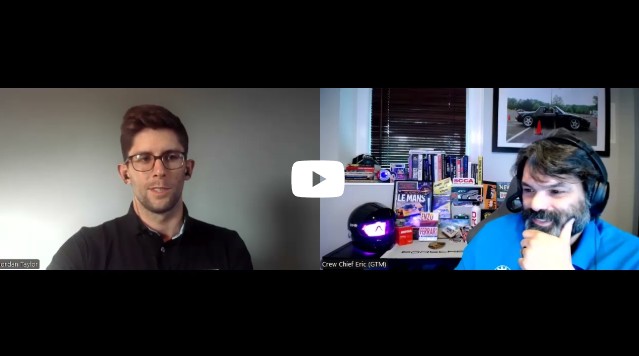
  • Back during Drive Thru #53 – I came across a video from James Humphrey, formerly of Donut Media, highlighting some of “the awesome” that is now available as grey market imports to the US. Were we satisfied with his answers… ???
  • Restrictions: If anyone has Skylines on their list… let’s just go ahead and scratch a line through ALL of those cars, right now.
  • Gotcha’s: Registering and Insuring a grey market car, how about getting parts?
  • How many cars are available right now, on BAT where someone else has already done the heavy lift?
  • There is a slight loophole… Canada can import cars starting within 10 years of manufacture that weren’t sold in Canada, and the US can import vehicles from Canada that are 21 years old; thereby buying you 4 years if you can thread the needle; instead of waiting the entire 25 years. However, with US trade relations being what they are in the year 2025, you might want to wait a bit.
  • LIGHTNING ROUND – BUYING YOURSELF A GRAY MARKET CAR – WHAT IS IT?

Highlights

Skip ahead if you must… Here’s the highlights from this episode you might be most interested in and their corresponding time stamps.

  • 00:00:00 Exploring Forbidden Fruit: 25-Year Import Rule
  • 00:00:45 Setting the Stage: Gray Market Cars
  • 00:05:53 Diving into JDM Cars
  • 00:17:02 Exploring Holden and Australian Imports
  • 00:21:28 TVR and British Imports
  • 00:33:03 Exploring European Rally and Touring Cars
  • 00:33:35 The Appeal of British Cars
  • 00:41:22 Diving into Italian Cars: Alfa Romeo and Beyond
  • 00:59:36 The Allure of French Cars: Renault, Peugeot, Citroën oh my!
  • 01:14:21 The German Car Market’s Hidden Gems
  • 01:23:29 Importing Cars: Tips, Tricks, and Legal Loopholes
  • 01:27:50 Investment Advice for Car Collectors
  • 01:32:33 Lightning Round: Dream “Gray Market” Cars
  • 01:36:45 Conclusion and Final Thoughts

Transcript

Crew Chief Brad: [00:00:00] Our panel of break fix petrolheads are back for another rousing what should I buy debate. Using unique shopping criteria, they are challenged to find our first time collector the best vehicle that will make their friends go, where’d you get that, or what the hell is wrong with you, at the next Cars and Coffee.

Crew Chief Eric: We dive into the world of forbidden fruit. Cars that were never officially sold in the United States, but are now hitting our shores thanks to the 25 year import rule. From turbocharged rally monsters to high revving Asian exotics, these gray market gems have long been the stuff of dreams for American enthusiasts.

And now, many of them are finally within reach.

Crew Chief Brad: On this episode, we’ll explore the art of the possible. With some special guests, we’re welcoming back Chris Bright, formerly of Collector Part Exchange, along with John Summers, the motoring historian. And then we’ll round out our fabulous, what should I buy panel with veteran members, William, Big Money Ross, Mark of the Daydare Cruncher Shank, [00:01:00] and the one and only Don Wieberg from Garage Style Magazine.

Crew Chief Eric: Thanks, Brad. And on this episode, our panel of extraordinary petrol heads is challenged to find our collectors something that will make their friends go. Wait, how’d you import that beer? At the next Cars and Coffee. With that, gentlemen, welcome back. Welcome back, Chris Bright.

Chris Bright: Great to be here. Really excited.

This is a hot topic. I’m really excited to get into it.

Crew Chief Eric: Well, Chris, I have to say, first of all, it’s been a minute. I think the last time you were officially here was the Italian exotics episode. So we went right off the rails from the start. Crack pipes. and stolen Alfa Romeos and stuff like that.

Chris Bright: Is that, is that where we’re going to go this time?

I got my car back. For those that don’t know it, my car had gotten stolen and I recovered it. I have a 1974 Alfa Romeo Giulia Super. That’s my daily driver. It got lifted one day and I got it back through a network called the PDX Stolen Car Network. I’m out in Portland. It’s a Facebook group and everybody just keeps an eye out for stolen cars.

Mine was pretty easy to spot, but I got a bonus crack pipe and, uh, [00:02:00] some other paraphernalia out of the whole deal. Nice. Still driving that car every day though, by the

Crew Chief Brad: way. Nothing like a bonus crack pipe. It’s a good return on that.

Chris Bright: I almost kept it, but then I decided no. It’s a green skull. It was kind of cool.

Crew Chief Eric: All right. So Brad, this particular, what should I buy episode comes courtesy of you. By way of drive through number 53. So do you want to set the stage for our panelists and kind of paint the picture of why we’re talking about gray market cars?

Crew Chief Brad: Because in the words of the great Conan O’Brien in the year

Crew Chief Eric: 2000,

Crew Chief Brad: apparently 2000, everybody’s been waiting for this moment because there are so many really, really cool and exciting cars that for whatever reason came out in 2000, the last couple of years have been really good too, with the Skyline R33s and stuff like that, but.

I think this is the first year the Skyline R34 is eligible to be imported and another slew of just amazing cars from around the globe. So it’s a really exciting time to be alive as a content.

Crew Chief Eric: That and one of [00:03:00] your favorite influencers was talking about this and his Barker lounger and his garage sort of mumbling and trying to eat the microphone.

Crew Chief Brad: You know, I don’t even know that guy’s name. Yeah. So James Humphrey, the dude who used to be on the donut, who’s not on the donut. He’s on.

Crew Chief Eric: Is that how he does it now? It’s not all like everything you did already got to get

Crew Chief Brad: him to speak. It’s it’s it’s it’s spelled with about four E’s.

Crew Chief Eric: Oh my goodness. But,

Crew Chief Brad: but anyway, yeah, he did an article in a YouTube video highlighting some of the cars that are eligible now, and I thought it would be a great kind of what should I buy to see if we could.

Come up with things that might not have been on his list. I

Crew Chief Eric: think we were sort of satisfied with what he put on the list, but it just didn’t really, there were only a few cars that got us excited.

Crew Chief Brad: Yeah. His list was very basic to use the basic girl kind of terminology. His list was basic. It was pumpkin spice latte.

That’s what it was. We need to be a little more exciting and a little more different or at mid break.

Crew Chief Eric: What is it that the Gen Alpha say now? It’s mid.

Crew Chief Brad: It’s it’s mid. His list was mid.

Mark Shank: This was mid. [00:04:00] My daughter said that to me right before this call.

Crew Chief Eric: Gentlemen, we are going to slay. This is not going to be skippity.

Crew Chief Brad: Please. Okay. Please tell me you’re going to edit all of that out.

Crew Chief Eric: So like all, what should I buy episodes? We are buying for a fictitious collector. In this case, we are sort of. Ignoring the one thing that Chris hated the most, which was the bracketing. The money is no object. We are at the point where we are buying cars for a collector who’s coming through the x gray market.

So really money doesn’t matter at this point. But what does matter is something that Brad Said which is skyline skyline skyline and much like our muscle and malaise episode. No kudas. No mustangs No camaros, so no skyline So if you have skyline on your list, just go ahead right now and put a line Right through it because we’re not going to talk about skylines.

We know we can import them. You’ve been able to import them For the last decade through companies in Florida and things like that. So we’re trying to find something a little different, something a little [00:05:00] obscure

Crew Chief Brad: and plus the skyline are 34. It’s almost unobtainium because everybody’s been waiting for these cars.

So anybody with enough money, I mean, they’ve pretty much just all taken care of at this point, I would say.

Jon Summers: Surely though it’s the Porsche nine 12 syndrome, the nine 11s. They’re like, so you look for the nine 12. I mean, I’m no JDM expert, but I’ve spoken to two people in the city here who are like, I was on bring a trailer and was looking at a Stygia.

Now, Eric, I don’t want to mess you up, but don’t Stygia’s GTS versions rather than the GTRs, they do a sedan version of most of what kind of looks like a Skyline. There’s a lot of Porsche 912. Yeah. If you were in the business of flipping to make money rather than being a collector and wanting the very best, you wouldn’t need a GTR.

You could do with a GTS or

Crew Chief Eric: a Staggier or something. For sure. Absolutely. That’s

Jon Summers: a great point.

Crew Chief Eric: John set us off down the path of JDM. So why don’t we continue with some Asian cars? Who’s got something on their list?

Mark Shank: I [00:06:00] saw one that was fun. I didn’t read this article on the list of 25, but The Toyota Chaser.

Ooh. It looks like a Camry, but it’s rear wheel drive. It has the Jay Z Supermotor 5 speed. It’s not actually separated and bring a trailer. There are four transactions listed. Now, I realize you just were telling everybody that, kind of money’s no object. These are certainly on the lower end. They’ve sold Between 000 on bring your chair out here.

So last year, one sold for 13 actually looked pretty clean and then one sold very recently for 23 just a few weeks ago, but it’s a really cool car and you’re certainly not going to see anything like that at cars and coffee. And I think with the cult following around the JZ motor, it would certainly have some fans.

Crew Chief Brad: Yeah, the only equivalent that was sold in the U. S. I guess is the Lexus G. S. Yeah, you get that three leader in that. Yeah, but it’s the styling. You’re right to an unsuspecting person. It’s a Camry sleeper. Yeah, but then you add the rear wheel drive and all that fun stuff. That’s a cool car. I like it.

Crew Chief Eric: Okay, so rear wheel drive [00:07:00] toyotas that are sort of Lexi that have to jay Z’s when you want to Step it up a notch and go full grand Turismo and do like a Toyota soarer at that point and import that, which is basically the LS 300.

Mark Shank: You’re getting the stick in the chaser. To me, the chaser just is a little bit more of a sleeper. Like it looks like a total dad car and it’s a bad ass. Yeah. I like it.

Crew Chief Brad: I will say I’ll, I’ll see your, your sleeper chaser. And raise you, of course, to the pinnacle of the Toyota Century.

Crew Chief Eric: Yeah, I had that on my list.

Yeah, it was next on my list.

Crew Chief Brad: If anybody’s got an unlimited budget, pull one of those over because those cars are just immaculate.

Mark Shank: They’re beautiful.

Crew Chief Brad: Yes, they’re very unique.

Mark Shank: They’ve On the bringer trailer, just in the last 12 months, they went from having eight transactions in the last 2018 to 2024. In the last 12 months, you’ve gotten 30 transactions.

Crew Chief Brad: What’s the, the average price for those transactions?

Mark Shank: They’re all pretty cheap. They range from sold for 5, 000. Very recently [00:08:00] all the way up to the most expensive one. They have recorded is uh is 27 000 It’s not for a

Crew Chief Brad: century interesting. That’s not bad at all.

Mark Shank: They depreciate guy retires. He buys it new.

It’s it’s an accomplishment thing It’s it’s putting a capstone on his career And then they sit

Crew Chief Brad: and I think I saw a special on the centuries and like parts availability, especially for the older ones is very, very difficult to obtain replacement parts for them.

Crew Chief Eric: Well, they were super specialized.

Crew Chief Brad: Yeah.

Yeah. I mean, they’re, I think they’re like all hand built and everything. It’s yeah. They’re very special cars.

Crew Chief Eric: And when I was looking into this, I also thought I saw that there was a variant on the Sentry that actually came with a V12, which is like super rare coming from Toyota. Yeah. If you’re gonna go ridiculous and like, oh, everybody’s getting a Sentry, I’m gonna get this one with a V12, you know, just to be different.

Crew Chief Brad: Oh yeah, you got to.

Crew Chief Eric: Since we’re talking about JDMs or Japanese car not Japanese domestics, because we’re importing in post grey market now, is it worth even talking about some of the more desirable Subies and Lancer Evolutions [00:09:00] and stuff like that?

Jon Summers: Yeah. Yeah. All the Special Editions, because it’s always about the Special Editions.

That was actually my next bullet point, was with the Subarus. Maybe 10 years ago, I was approached by a friend of a friend, who was like, hedge fund, can we do a hedge fund around classic cars? And I narrowed it down to Subarus and things like that. There was some BMWs as well, but the point is that. I reached a point where I felt like I didn’t know enough about the Subaru Special Edition to be able to know what was going to be valuable and what wasn’t.

So to illustrate it, there was a version that was available in Britain only that was called the RB5 that was tuned for British roads. RB stood for Richard Burns. It was tuned by Richard Burns. It was a four door one rather than the two door one. Which is less collectible now, but was more practical in period it had.

I feel like there’s pretty rich niche you could explore, but I’m not your guy, because I don’t know all the different versions. [00:10:00] You had to be the geek in period to be able to understand what you were doing with that.

Crew Chief Eric: So in looking at that RB5, it’s the generation after the one everybody salivates over, which is the 22B STI.

We got the 2. 5 RS. Here in the United States, a sort of like massively detuned neutered version of that car. The RB5 looks to be like the next generation. It’s not a bad looking car. I see your point. It’s a four door. So that would be maybe more everyday friendly in that respect. That would be interesting.

I mean, if you can’t afford a 22B or you can’t find one, I wouldn’t mind this RB5 at all. Mark, are you seeing any on Bring a Trailer? Has anybody started to bring them into? the country.

Mark Shank: Not at all. I haven’t seen anything. And they’re legal. I mean, they’re from 1999 and around there, so they should be able to bring them in, but nothing’s coming up

Jon Summers: with the evos.

It was the Tommy Mackinnon one. And I looked at those and even thought of buying one myself personally, but those hideous Marlboro colors, I mean, now it’s collectible, but years ago it was like, it looked like you were an advertiser in a cigarette company. It was just, they weren’t [00:11:00] that appealing. But now

Mark Shank: that’s cool.

Crew Chief Eric: You want to be the Marlboro man now. And I agree with you, John, on the Evo, because you can import an Evo 2 and an Evo 3, the really old ones, if you want to, but you sort of lose all the technological whiz bang stuff that really started to happen in the Makinen editions, like 4, like those Evos. But since you brought up Mitsubishi, if I’m going to import one of those brands, I’m going to go after the Pajaro.

The little bird, the Evo, the truck. It’s basically like a homologated rally truck, typical of period flared fenders, big wheels, the whole nine, you know, turbos and snorkels and spoilers and all that. But if you have to get a Pajaro or Pajero, I guess this is like the halpa jalpa thing all over again. Right?

So if you were to import one of those and you’re more of a truck person than a car person, I would definitely look for one of those.

Mark Shank: Ooh. All

Crew Chief Eric: right. That is cool. Right?

Mark Shank: So the Pajero.

William Ross: All right. They’re very

Mark Shank: popular

William Ross: in Africa, by the way. Yes. Well, a ton of those in the, uh, when they [00:12:00] do the Dakar classic too.

Crew Chief Brad: Yeah, they had an evolution Dakar homologation special.

Crew Chief Eric: I’ve always liked those. I think they’re just absolutely sick.

Crew Chief Brad: It reminds me of that is Zuzu. You

Crew Chief Eric: mean the trooper? Not the trooper. Whatever

Crew Chief Brad: it was that they sold here in the States for a short time. I can’t remember.

Crew Chief Eric: Don’t say the Via Cross. The V Cross?

Yes,

Crew Chief Brad: the V Cross.

Crew Chief Eric: Oh yeah, that thing.

Crew Chief Brad: 220 horsepower. Didn’t they have like an Iron Man edition or

Mark Shank: whatever? They were awful. The Evo version of this looks absurd. It’s rad. I mean, this is one of the most ridiculous, it looks like something from a nineties TV show for like the bad guy to, to drive in the future.

like retro futurism.

Crew Chief Eric: Now you know why I like it. You know, I really struggled with the JDM. I don’t know about you guys. And I tried to go backwards too, where it’s like, don’t give me the top 20 Japanese cars to import in 2025 because the list kept to Brad’s point earlier, Skyline this, Skyline that, Skyline Skyline Skyline.

And then it’s like Honda [00:13:00] S2000. I’m like, other than the fact that they were right hand drive, we can buy an AP1 and S2000 here. That’s not that big of a deal. MR2s, I was like, all right, let me subtract a year. I went all the way back to like 2018 and I was like I wasn’t seeing anything that was really sticking out to me other than the few that we’ve already mentioned where it’s like there was an American version of these cars and I was trying to stay away from Silvias and S14s and S180s and because we got a variant of those here too as well they weren’t nearly as good.

But they sort of already exist, you know, 86 is all that stuff. So really looking for some diamonds in the rough. I have a Honda

Jon Summers: for you, Eric. Oh boy, let’s go. It was a UK market only because Honda had a factory in Swindon, west of London. There was a UK market only developed for the British touring car championship.

Accord Type R. So it was the like, blobby Accord body style from 20 years ago. It had some super high revving VTEC motor. [00:14:00] Front drive, and then it had a Ferrari F40 style hoopie. Because it was the sedan body. They weren’t that loved in period, and they were like a cheap used beater 10 15 years ago when I was around in England, but they were a UK market only car, and I think they’ve become fairly collectible.

And if you had one of those, you’d be the only bloke with them, because they were only right hand drive.

Crew Chief Eric: You know what’s funny about this car as I look at it now? At first glance, I thought it was an IS300 from the late 90s. Honda tried really hard to copy that Lexus look. From the back, it looks very different.

And I see that whole F40’s high spoiler and everything you’re talking about. But the front, my goodness. Yeah.

Crew Chief Brad: I thought it was a Mazda Speed 6.

Crew Chief Eric: I remember those.

Crew Chief Brad: Those with the turbo. I mean, those, I mean, here in the States, you get them, but this is, I like this, this is really unique. So it’s worth importing, you know, the right hand drive Accord would certainly throw somebody off.

And then the, I mean, everybody wants a good VTEC motor.

Mark Shank: Yeah, I mean, I don’t want to move on so quickly [00:15:00] from JDM and that they did have where Jonathan was going with the special editions. You’ve got the Type R NSX. Sorry if that makes me basic, but it was still pretty badass. Pumpkin spice, Mark.

Crew Chief Brad: Civic Type R.

Mark Shank: I mean, but like we haven’t talked about the Silvia. Yeah. Which I feel like at this point, I give more street credit to the Sylvia importers than the Skyline importers and they had some, uh, spec R and other kind of special editions. I don’t claim to know them all, but yeah, I mean, outside of the special editions and outside some of the obvious or more niche market ones, they had some crazy minivans from the nineties.

I’m just saying they’re out there.

Crew Chief Eric: He wants a Toyota Hiace. That’s what he wants. Right. Which actually now’s the time to import a Hilux as well. Right?

Crew Chief Brad: Yeah. I thought about that and I was looking at them and they’re that year. They’re pretty God awful. I would just buy a Tacoma here in the States. I mean, they were pretty terrible.

But trying to do a little bit of research and I was watching some YouTube videos and I found that apparently there is a Buick not sold in the U. S. Mark went down the [00:16:00] minivan thing. There’s a Buick minivan that was not sold in the U. S. It was built specifically for the Chinese market of all things that you can import now.

I can’t remember what it was called, but it was like a luxury minivan and they were trying to market it as This transporter limousine kind of minivan thing. And it was a Buick.

Jon Summers: Well, it was because the Buick was the first car that the emperor rode into the forbidden garden. Well, something like that. I would say there’s some like special relationship between the emperor and China, which is why Buick survived.

Mark Shank: Yeah. Buick crushed there for years. The Buick GL eight.

Jon Summers: Yeah. It’s because of this special thing with the emperor. It’s really weird to me because I have an old Pontiac. And if you think of it, Buick, old Pontiac, really Pontiac with the coolest mark, they were the one that should have survived, but they’re gone.

And Buick survived thanks to the emperor in China. Very peculiar.

Crew Chief Eric: Mark’s going, what? See this, we’re used to this with John. He’s an encyclopedia of automotive history. I’m just letting you know,

Chris Bright: since we’re in this kind of a mode of, you know, [00:17:00] subsidiaries, I have an off the wall one, which is. In that part of the world, but not exactly, it’s from Australia.

Oh boy. You may recall I’m a whore for racing additions. I would love that Tommy Mackinnon Marlboro. I’d ride around that in a white cowboy hat just like Arturo Marzario, if you know who that is. I do. But down there they have a brand called Holden, which is a subsidiary of GM. And we’re now starting to get a little more aware of the V8 series, but they’ve had the Australian supercar challenge and whatever variance it is.

So this Holden, they did like a Holden HSV club sport R8, it’s right hand drive, you know, and there’s all sorts of different variants that they did because they’ve been very successful in the supercar championship. So they’re just kind of cool, hot sedans. They look kind of American, you know, they’re Pontiacs or GM.

Variants and things like that, but I, I don’t know. They’re pretty cool. And if you want something a little different,

Crew Chief Eric: so the Hs VR eight’s a lot newer though, so we have to kind of go rewind the clock a little bit. Right. So we need to talk about like the Commodore vt Yeah,

Chris Bright: yeah. The and the vi. [00:18:00] Yeah, that’s right.

That’s right. Yeah.

Crew Chief Eric: And the ute, the Malu. Yeah,

Jon Summers: yeah, yeah. You gotta

Chris Bright: get the Ute. You’re gonna

William Ross: do it. Get the Ute.

Jon Summers: No, but there were special Peter Brock edition of the HSV weren’t,

Crew Chief Eric: no, there was a bunch of different

Jon Summers: edition. And I think that was when Peter Brock was going through that peculiar phase where he was doing.

Or the spiritual healing. So there was even an edition of the Holden you could get that had this magic spiritual box in it. If you Google up Peter Brock and that time that he spent, he got with this weird hippie woman and really went off the rails at the end there.

Chris Bright: I can’t use a weird hippie woman, but that’s another story.

Jon Summers: And you’re so Oregon.

Mark Shank: I love it.

Crew Chief Eric: Am I to believe that there were chakra stones on the dashboard that you needed to rub before you started the car? Like

Crew Chief Brad: he got some stones rubbed.

Jon Summers: Something of that sort. I disappeared down that rat hole some years ago when I was looking at.

Chris Bright: You don’t have a cigarette lighter.

It’s got an incense lighter in it.

Crew Chief Eric: It’s [00:19:00] really teeny. To add to Chris’s imagery of the big white cowboy hat. I think you’d look good in a ute. There’s gotta be a ton of utes from Australia that it’s time to import those things. Tons of them. I had that on my list too. I had the Holdens, I had the Commodore VT, I had the Maloo.

And then I, I dawned on me sort of a. Vauxhall, but of Australia, of Holden, partnered with Lotus. It’s one of Mark’s favorite cars that he’s brought up before. What about the Carlton?

Jon Summers: Yeah, I have that. The Lotus Carlton. I have that one down as well. I feel like there’s so few of them that you could control the market.

Without wanting to sound like an investor.

William Ross: There was only a couple of hundred of those built, wasn’t there?

Jon Summers: Especially, they were mostly black, but there were a few green ones. And I think there were a few blue ones as well. And if you look at the Sierra Cosworth market, the rare colors, they’re worth a ton more than the more common colors, even though.

You know, I don’t know. I mean, I sound like a crypto person. If you expect one to do the same as the previous, you know, if one’s a [00:20:00] cycle behind, if you assume that the Lotus Carlton is going to do the same as Sierra Cosworth’s have done, then I feel like that’s a really good investment and linked to that.

The police in Britain used to use a model called the Vauxhall Senator that had the same motor but without the twin turbos, basically. You’d have something nobody else would have if you had a Senator in America. They were German built. You can get

William Ross: those Lotus Carltons in left hand

Jon Summers: drive too, right? Mm hmm.

As Opel Omegas. Oh,

Crew Chief Eric: the Omega, yeah, that’s right. So

Jon Summers: you just have to rebadge it. Like the Holden’s and the Chevy SS’s, you know, it’s a bit like that.

Crew Chief Eric: And I’m glad you brought up Opel. They’re going to come up again in this conversation here probably pretty shortly, but that reminds me there’s the Omega, the Vectra and the Calibra.

The Calibra especially is a DTM dominator. That’s another car that it’s about time people started importing them into the United States.

Jon Summers: But guys, I need to place a disclaimer at this point, right? I was a sales rep in period. I thrashed the crap out of all of those [00:21:00] cars. Boards were good, the Renaults were okay, the Vauxhalls, ooh.

Ooh, I’ve had a lot of moments of massive understeer on greasy roundabouts. I don’t matter whether it was a Calibra or a Cavalier or what it was, they were understeery and you didn’t want the keys. Give me the Subaru instead, if I can’t have the Ford. That’s how I used to feel.

Crew Chief Eric: Fair

Chris Bright: enough. Fascinating tale from Jonathan.

I like it.

Crew Chief Eric: Mark is scouring Bring a Trailer right now. What are you seeing?

Mark Shank: Let’s go in a little bit different direction. I always had a soft spot for TVRs and maybe that’s because I never drove one or owned one.

Crew Chief Brad: Oh, you’re speaking my language.

Mark Shank: I just coveted them from the other side of the pond. I feel like the Cerbera and some interesting options that are coming of age around that 2000 timeframe.

That was when TBR got an injection of, I think, Russian investment, uh, right around then, and they did some remodeling and of course they crashed and burned like they always do. But it was an interesting time period. The movie swordfish.

Crew Chief Brad: Yes. The TVR Tuscan speed six.

Jon Summers: That was [00:22:00] TVR coming of age.

Mark Shank: All I remember that movie is Haley Berry.

I thought there was a spiker in swordfish. That was a TVR. I thought that was the spiker. There’s a Tuscan in

Jon Summers: it.

Mark Shank: Yep.

Jon Summers: They look really cool. I

Chris Bright: don’t know. I think they hold

Jon Summers: up. I feel like they do as well with the Tuscan, particularly that that swoop over the hood, which sort of emphasize that. TBR at that time were doing their own inline six engine, which was commercial suicide.

But as a collector now, just such a cool thing. Yeah. And they, they had some power too. Yeah. I know traction control. They were like a cross between a Viper and a Corvette. They’re like a British Corvette. Yeah. It’s a good way to die. The town that they were from Blackpool, it’s the town that working class people used to go on vacation to.

So even if it rains, they’d be on the beach and. Then they’d go out and get plastered in the pubs and, you know, go build a car. Well, yeah, do the same thing the next day because TBR it’s the guys, the [00:23:00] founders initials, his name was Trevor. So he just sort of abbreviated it.

Crew Chief Brad: I would love to import a Trevor.

Jon Summers: Have you seen this model? I was thinking about them before we came on air here. Have you seen this model? The 450 SEAC, this is what they were doing immediately before the sort of swordfish. Tuscan. Oh,

Crew Chief Eric: that’s the Tasman 280i on steroids. That

Mark Shank: is

Crew Chief Eric: an

Mark Shank: interesting car. Look at that.

Crew Chief Eric: I drove a Tasman 280i. It was Cortina engine, two frame car with half of it was Mercedes parts out of a bin, you know, all this kind of thing.

Interesting car, you know, it felt almost like a Triumph TR7 in that realm, but I always argued that it needed more power because I thought that a Cortina engine was just a little too anemic for the weight of a Tasman. And the Tasman’s not that heavy, right? Because it’s mostly glass and the whole nine yards, but the 450 is indicative of the four and a half liter V8 that’s in this thing.

So it’s like, yeah, okay. That’s a good plan.

Jon Summers: And that motors, the Rover V8 [00:24:00] Rover. The 8, which was the old Buick all aluminium 215 that Rover bought off Buick all those years ago. So it’s fundamentally an American motor. It’s, the car’s kind of transatlantic. The styling is so, the 420s and the 450s, they’ve so obviously got a Ford Capri door.

That’s what I sort of struggle with a little bit with them.

Crew Chief Brad: I was almost going to say, it’s a good thing Don’s not here because I feel like, and this is probably an unpopular opinion, it’s like a better looking DeLorean. Ooh.

Mark Shank: Ooh. That’s not hard to do in my opinion, so I have to agree with you. That’s true.

I

Chris Bright: think it’s like a shittier looking Halpa.

Crew Chief Brad: Well,

Mark Shank: everything’s

Crew Chief Brad: a shittier looking

Mark Shank: Halpa.

Crew Chief Eric: It screams Gembala 944. It has that body panel kind of like look to it. Like it’s very. 80s body kit, but the Tasman that it’s based on wasn’t completely terrible, but it’s a wedge. Classic Lotus, Triumph type of shape of that period.

What kills me is that wing in the back though. That is just, what [00:25:00] is that?

Jon Summers: After the wedge era, after the 450 SCAC, that’s when they went to the Chimera and the Griffith.

Crew Chief Eric: And the Sagittarius or whatever that other one’s called.

Jon Summers: Oh, no. The Cigaris.

Crew Chief Eric: Yeah, that’s it.

Jon Summers: Cigaris. That’s one of the last ones. We should talk about the Chimera and the Griffith.

They’re the two like open top V8 ones that if you were going to make a business importing them into the U. S. and flipping, it would be, I think, Chimeras and Griffiths. And the thing with them is that they’re fiberglass. And then the under bits, they all rust out. So you need to have somebody basically roll around underneath them.

Somebody who knows what they’re doing. And then you could, I reckon, buy them remotely from auctions. And, you know, the Griffith 500s, those obviously they have the most growth potential, but a Chimera is like a 15, 000 or 20, 000 proposition. I mean, that seems super reasonable for something that was built in its hundreds, not in its thousands, you know, in terms of a future collectible.

The other thing I’d noted down here whilst we’re [00:26:00] talking about these is there are a number of cars that were built, especially for Peter Wheeler. All for special customers. And there are rumors of a 3000 M. So the model before the wedge one, most of those add Ford V sixes, those rumors of one that was built, especially for Peter Wheeler that had a Mustang three Oh two and it was breathed on.

So something like that, that would be a one of one. I mean, is it ever going to be worth what Ferdinand PX personal 911 is? No, absolutely not. But is that going to be sort of peak TVR? Yeah, probably. And those cars are out there.

Crew Chief Eric: So since we stumbled backwards into the UK, Please mind the gap between the train and the platform.

Is there anything else from the Asian domestic market or from Australia that we didn’t cover before we dive a little deeper into the Brits?

Crew Chief Brad: I think we’ve covered it. Yeah, I’m, I’m ready to go with Brits.

Mark Shank: I don’t think anybody said Ford Falcon. I think everybody knows it exists and it’s cool. Yeah. It’s called the Mustang in the United States.

They have the Street Six. [00:27:00] Turbo Street Six is a different setup. But them offies

William Ross: love their four doors. That was the thing though.

Chris Bright: I’m just trying to think about Jonathan has suggested like an import car business that we should set up and thinking if we want to make a little money importing these types of cars, we should start with a lot of money.

William Ross: Yeah, I end up with a little,

Crew Chief Eric: it’s the final effect. That sounds like a startup there, Chris. I thought

Jon Summers: about the TBR thing and I was discussing it with my wife and we would drive into a baseball game. My son, who’s 10, was in the back and I was doing quite well. And then my son went, Oh, you’ll fall in love with the car and want to keep it, dad.

You’ll never sell it. And my wife was like, we’re not discussing this anymore.

Crew Chief Eric: Well, John, let me throw a curveball at you. Let’s bring us closer to the late 90s, early noughties. What about the Puma? Especially the RS edition of the Puma. Oh,

Jon Summers: good one. Good one. So those Pumas, they were available in 1. 7s and 1.

4. You could thrash the Propolar out of them and they were really good. They actually were based on [00:28:00] the Fiesta, but as a blokey sales rep, you could still sort of get away with them. They all rusted away though, they had problems with rust, so they mostly disappeared. The RS ones, you never saw those on the road, so I feel like those have already entered Ford and Obtanium, because Fords are on a real pedestal, in Britain at least, I’m not sure about the rest of Europe.

But in Britain, you guys will remember the Mercury Capri that was sold here in the early 70s? I love it, everyone! It was a sort of junior Mustang. Those, I feel like you could make money taking them from California and selling them in Britain. Because any Beta V6 Capri With a stick is a 5, 000 pound car. I mean, cause there were no Mustangs or Camaros, right?

Crew Chief Eric: So now we’re exporting cars. Chris, you hear this? The business goes the other way. Now, I know. And

Crew Chief Brad: well, that’s you, you make money shipping them out and you lose money bringing them back.

Chris Bright: I’m sure we would hit it about the time they got tariffed, but that’s a whole other, we’re going to tear up [00:29:00] 1989 to.

2001. We’re going to leave that right where it is.

Crew Chief Eric: All right. So Ford Puma is an interesting one for me, but it also led me down the slippery slope of, well, if you didn’t like the Puma, did you know you could import the car now? Why not? You remember those commercials? The car commercials are awesome!

Crew Chief Brad: With the cat?

The evil car? The one with the cat that loses its head? Yes. The evil car? The sports car?

Jon Summers: They were, um, they were good. I had Easter 1999. Two friends and I drove a rental one from London to Amsterdam and slept in the car and then drove back again. We went to Brussels and then Brussels was boring. But, I mean, that illustrates how they’re actually pretty practical.

They’re actually a good site. You wouldn’t import it. It’s too boring and terrible. It’s too much like a Geo Metro and not enjoyable on American roads. I mean, I’ve got a Fiesta ST. My best friend in England’s got a Fiesta ST. He thinks his is the best thing in [00:30:00] the world. Mine’s eight years old. I’ve only put 20, 000 miles on it.

Because here, I’d rather drive something with automatic transmission, and high seats, and comfortable, and all of that. Whereas in Europe, you can make do with the lanes, and all the winding, and all of that. But the car? No, it can stay in Europe, if you ask me.

Crew Chief Eric: What about the original Focus RS? That’s old enough now to come over.

Jon Summers: It is. You’d have to fight the European enthusiasts for it. That one, it was Ford’s first attempt at doing one of those trick differential. Torque sensing, yeah. The motoring press at the time said that it didn’t work very well. Everyone was struggling at that time with more than 200 horsepower through the front wheels, and Ford didn’t do the job as well as Volkswagen or whoever were at the time.

Although the value on those Mark 1 Focus RSs have gone up. The sort of sleeper there is there’s a sort of Focus RS light called the ST170.

Crew Chief Eric: Oh yeah, I remember that.

Jon Summers: Sometimes if I’m in England for more than a couple of weeks, I always try and look at buying a car rather than renting one. And for a long [00:31:00] time, those Focus ST170s have been the sort of under a thousand dollars kind of might not break down kind of thing that I’ve just about almost persuaded my wife that it was a good idea to do instead of the rental car and then not.

Crew Chief Brad: It’s funny. All these gray market cars that we want to import are all Fords. It’s like, why didn’t Ford just give us the good cars in the first place?

Crew Chief Eric: Which is funny because when John was talking about the Sierra and the Lotus Carlton a little bit ago, I was thinking to myself, our audience doesn’t know what that is because we got the Mercure XR40, which is

Crew Chief Brad: a big piece of crap.

I personally, I think those cars are terrible.

Jon Summers: Brad, they’re another one that we should ship home to Britain. They were a hundred and seventy horse. I look on Facebook marketplace. They’re cropping up all the time. Even ones with stick shit. I feel like you could chuck a couple in crates, ship them home, take them to a Ford show in Essex.

You could triple your money. I really think you could. I really think you could, because they’re so similar to Sierra Cosworths and Brits are so mad for [00:32:00] any hot rod Ford, Cosworth.

Chris Bright: Yeah, I think that shows though, Brad, like the hot hatch market and all those sorts of things really come out of Europe where they have smaller requirements, you know, there’s Regulatory limits on engine sizes and things like that, that really drove those cool, small cars, you know, and that’s why out of my world, I being an Italophile, all those cool, old, small engine, Italian cars, Fiat’s and Alfa’s I’ll get to my list of Alfa’s that I’ve got.

Crew Chief Brad: Assuming the one 47 is on there.

Crew Chief Eric: We’re going to work our way into the

Chris Bright: Italians. But I agree with you. Like, I think in our market in the U S you know, we always had these big ideas of muscle cars and big motors and big white spaces and not having to handle well, but get off the line fast. Right. Yeah. These cars are so much more interesting and engineered.

And that’s why I like when NASCAR is trying to sell. crappy rear wheel drive cars back in the eighties and stuff. Actually, they raced the rear wheel drives and they [00:33:00] sold front wheel drive cars, which is just terrible. Right. Yes. So, but, but you look over in Europe and you go, you know, again, kind of getting on the racing theme.

You look at the rally cars and you look at the touring car championships all over. They are so cool. I mean, I would own any of those before a lot of the cars that we would get here.

Crew Chief Brad: And I think to your point, like here in the U S especially with the American brands, they had the muscle car, the Camaros, the Mustangs, the Firebirds, but then they had the rental cars, the Taurus.

It’s the Impala Malibu. There was no like fun in between things unless you went Volkswagen or something like that. I mean, there was nothing in between, but to stick with the British cars, the one that I would import is the Ford Mondeo, but they had a Ford Mondeo as state ST two 20.

Crew Chief Eric: Oh man. I was wondering.

You and your Mercury Sable wagons.

Crew Chief Brad: Hey, this is not a bad looking wagon. It actually reminds me of your Jetta.

Crew Chief Eric: So the Mondeo ST two twenties of that time. Those are cool. I always liked that front end sort of [00:34:00] angular, like the original mark one focuses were and all that. That’s a good looking car. I will give you that.

Jon Summers: It is an ST two hundred version of the mark two Mondeo that was super rare. And that Mk2 Mondeo, arguably is a better looking car than the Mk3. The Mk3 was quite square. The Mk2 is a much swoopier shape. If you google up the ST200. I have a particular love of these because 10 years ago, I was successful in buying a cheap Beta for a trip to England.

And it was a Mondeo ST24. That thing was awesome. That Yamaha motor, it would do 140 miles an hour. Really would. And it would do it all day long. And I paid. 300 pounds for it in a Sainsbury’s car park the day before Christmas. Awesome car.

Chris Bright: Isn’t that considered child abuse if you had your kid with you?

Jon Summers: No, I didn’t have my, that was pre child.

All right. One day I was, uh, was pre child. I was a little worried there for a second there.

Crew Chief Brad: I gotta say though, it’s very intriguing to me to want to show up at a Cars and [00:35:00] Coffee with a right hand drive Ford. I mean, that would blow people’s minds if you just showed up at a Cars and Coffee with a right hand drive forward here in the States, and people wouldn’t know what to do.

Crew Chief Eric: So here’s where I disagree with John in the respect that I like the very angular and clean look of the Mark III. It’s just something about it, it’s very much more German, and I’m okay with that. But when I look at the ST 200, I go, oh yeah, I remember this one. And then immediately my brain went, didn’t they sell this here as the Jaguar X Type?

You can buy the same car, right?

Jon Summers: No, no. I watched a video just recently. So it’s YouTube, so it knows whether it’s true or not. But it was making the point that the X Type and the Mondeo were actually quite different cars. And people say they’re the same, but really they aren’t. The engineering, the suspension, the gearbox, all of that stuff is different, even if the platform is the same.

Crew Chief Eric: And again, I don’t know if it’s true or not either, that they shared a lot of similar DNA though, at the end of the day.

Crew Chief Brad: But the Mondeo shared a lot of parts and DNA with Aston [00:36:00] Martin too, but I wouldn’t say that Aston Martin’s a force.

Crew Chief Eric: Well, you know, Hey, they’re all Tata’s now. So, you know, Hey,

Crew Chief Brad: do

Crew Chief Eric: we have anything else for the Brits?

Cause I have sort of a crescendo as we move into mainland Europe for the Brits.

Jon Summers: I have a couple of like PVR lights, you know, instead of the nine 11. of the TVRs. There are other stuff. If it was Italian makers, you’d call them the Ezzettarini. That’s what the Pebble Beachers call, like, the Morettis and the Direttis and Otto Bianchi and all of those.

So I’ve got Ginetta,

Crew Chief Eric: Elva,

Jon Summers: Ilburn, Marcos. Noble and Ultima.

Crew Chief Eric: Oh, the Ultima GTR, yeah.

Jon Summers: Yeah, and they’re kits, but some of them were built professionally, and they’ve got Chevy small blocks, a lot of them, so does that really count? I’m not really sure. But the Noble, they’re really well built, boutique British.

Crew Chief Eric: You’re talking about the M600, the big one, right? Because that is within the time range now.

Jon Summers: Yeah, it would be an early one. Marcos, I [00:37:00] dislike TVR, but kind of uglier. Yes. But the Cos is the Costin of Cosworth. Ginetta and Elva, you know, they are kind of racing cars. So you’d be getting something that was very lightweight and flimsy and not as well built as a Morgan and not as flashy as a TBR.

Crew Chief Eric: So there’s another one, the Aero 8. If you like the aesthetic of it, that’s a car you can gray mark it in now.

Jon Summers: And that’s really something because they have a E39 M5 drivetrain.

Crew Chief Eric: Chris with the Roman boat, he downboats. Nope. They are

Crew Chief Brad: so ugly.

Crew Chief Eric: Do you guys remember the original Total Recall and the scene in the bar, the woman with the three breasts?

That’s what the front of the Arrow 8 looks like.

William Ross: Oh, cross eyed?

Chris Bright: Oh no. Why did you have to do that?

Mark Shank: Oh god.

Chris Bright: All right, you can’t unsee that, now you know. Can you cut his mic for a little while? Put him on timeout for a friend.

Jon Summers: I had a couple more as well. The two others I had were the Jaguar XJRS, which is like an [00:38:00] XJS but it was a British version.

It had a body kit on it, it had different wheels on it. I never felt it was that good looking in period, it was mildly breathed on. But again, if I’ve never seen one here, it was a TWR body kit. So Tom Walkinshaw, it was those. I was kind of thought about those, but you know what? I really think there is a market around and you could make a market around it.

If you had booleaned it, you know, if you really talked it up and were like Lamborghini, Lamborghini, Lamborghini, these are awesome. Lamborghini, Lamborghini. I do this. I do that. I’m cool. young’uns be like me with my cool beard and my cool shoes. Be like me. Buy my watch. Buy Lamborghinis. You know, if you really Trump shilled it up in the way that he did, I feel like you could really make a lot of money with Lister Volga hot rods, but they’re so rare.

That if you get enough modern idiots in them, the same will happen as to Lister prices. It’s happened to roof prices. That’s my theory. If you were being very cynical, I mean, so [00:39:00] Lister Jag.

Crew Chief Eric: Do you remember the Lister Storm? The one they used to race back in like IMSA? That was really cool.

Jon Summers: Yeah. That a seven liter V12, didn’t it?

Yep. Seven liter Jaguar V12.

Crew Chief Eric: That’s when IMSA was still great. Yeah. Unlimited classes, man. They were awesome. Oh man.

Chris Bright: I was going to Watkins Glen and watching the Jags and the Corvette and the. Porsches and Mazdas and the Nissan GTPs. Those are the days, my

Crew Chief Eric: friend.

Crew Chief Brad: I’m in on the Lister Jag. Those are pretty,

Crew Chief Eric: yeah, they are sweet.

That’s a good poll. I forgot about Lister altogether. It’s sort of like the Tresser cars on the German side, right? They had their whole thing with the Volkswagen’s and the Audi’s and the Mercedes and stuff. So yeah, Lister, that’s a good poll. So anything else on your British list?

Jon Summers: Only Shooting Brake versions of Jaguar.

Okay. They get Shooting Brake XJS’s and things like that.

Chris Bright: I think that’s a great call, because for me, Shooting Brakes or any wagon, they are so underrated. We race over here stupid trucks. Why don’t they have a series where they race? Station [00:40:00] wagons and shooting brakes. That’d be amazing. They would

Crew Chief Eric: do it in

Chris Bright: Australia.

Those are great cars and they’re super practical too, but they look amazing, I think.

Crew Chief Eric: As we wrap out the Brits here and move to mainland Europe, I’m going to throw out one car that is actually like six cars in one, all based on the same thing, Vauxhall VX220, Opel GT Speedster, Pontiac Solstice, Saturn Sky, it’s all sort of the same car at the end of the day, but specifically gray market.

The Vauxhall VX220 and the Opel GT Speedster. Love it. Yeah. How can you not like those cars? Brad doesn’t like those cars. I already know that.

Crew Chief Brad: I don’t fit. So I don’t care. That’s

Crew Chief Eric: his answer to everything. Brad? Ozempic. That’s all I got to say. Nice.

Crew Chief Brad: I’d say it’s not my weight. It’s my height.

Crew Chief Eric: Yeah, I know. Yeah.

It’s six foot four. He doesn’t fit in a lot of things. Comfortably.

Chris Bright: There’s like no room in those things. And I’m six feet. And like some of these cars are just. You got to break your knees to get the steering.

Jon Summers: I have a friend in the city who’s bought and built a Caterham Super 7 [00:41:00] recently. And when I said to him, you need to worry about the size of the, he’s a big guy.

I’d said to him, have you driven one before? He said, no. I said, you need to worry about the size of the pedal bar. Because I remember the first time I drove one, going for the brake and hitting the throttle as well at the same time.

Crew Chief Eric: Terrifying. It’s even worse when you’ve driven an original. Seven that we won’t even go there.

But that being said, let’s dive into mainland Europe now. And we’ll give the mic over to Chris and William to talk about Italian cars. And I’m sure the list is as long as your guy’s arm.

Chris Bright: And William, if you have some strong opinions, we probably share a common list. I bet, but I’m an Alfisti, so I’m just going to start there.

The Apex Predator, I think of that era, is the 147 GTA. That doesn’t even count as a hot hatchback. That’s a lot of power. And that Busso engine is just one of the all time greats. There’s just no two ways around that. To be in a car that small with the Busso engine ripping along, screaming, it’s hard to imagine something better than that.

Crew Chief Eric: Yeah, you know what’s better than that? The Alfa Romeo SZ. [00:42:00] That’s what’s better than that.

Chris Bright: Yeah, that’s cool. It’s a little earlier than this vintage. I looked that up. In fact, I pulled out all my Alfa books and it’s like, there’s the SZ right there. I love that car.

Crew Chief Brad: I saw one at a Cars and Coffee down here in Richmond not too long ago.

Crew Chief Eric: Little secret. We’ll see if I can post about it later this year. I’m going to get the opportunity to drive one here stateside, so. I saw those cars when they came out new, and I have been salivating since I was a kid. So let me tell ya.

Chris Bright: They’re so rare, they still look incredibly interesting. That’s the

Crew Chief Eric: right word for it.

Yeah.

Jon Summers: It’s Italian Brutalism, isn’t it? It’s Brutalism like when you go to EUR Ugly concrete and it’s all like is Mussolini still with us? Has the look of like Mussolini in the side and and so on yeah I was going to say the 147 gta and my understanding was the 156 gta was a sort of more complete car to drive True.

And older, I think. Yes.

Chris Bright: I think this whole era of Alpha is really, the good cars are [00:43:00] built around the Busso engine, you know, the 155s, all that. The 155ti, I mean, if you’re going to

Crew Chief Eric: import

Chris Bright: anything, right? There’s a sport wagon that they did, kind of on that platforms.

Crew Chief Eric: And then they also, at that time period, they had the new The re release GTV6 at that time, right?

The really angular one.

Chris Bright: Yeah. Just called the GTV and it’s like the ultimate wedge car. It’s amazing. They were pretty good with the twin spark. Correct.

Jon Summers: I mean, they were, they’re worth more with the Busso.

Chris Bright: Yeah. Twin spark’s great.

Jon Summers: Yeah. And they, and handles better, you know, I, I feel like, you know, in these ages we’re moving towards where, you know, whatever you’re driving is going to be slaughtered by the Tesla minivan next to you, that.

Handling and the theater the buso is great because the noise but those twin spark motors in the 75 at least, you know, Milano That was a better car without the buso.

Chris Bright: Yeah, I couldn’t agree more that they had some really good lumps at that point in time And the one that I’m waiting for it’s not eligible yet for the gray market, but it’s a few years out still is the Alfa Romeo Brera.

Yes. I’m [00:44:00] salivating until I can get one of those here. And the coupe, it’s kind of like, it looks like a shooting break, actually. I mean, I think a shooting break technically has four doors though, if I’m not mistaken, but, or five. We

Crew Chief Eric: had

Chris Bright: this argument on a whole nother episode. Those Breras, I think if they just sold those today in the same exact body styles, when they came out and they still look great.

Crew Chief Eric: I a thousand percent agree with you. And I always saw the Brera as. The modern version of the SZ especially from the front because it’s got the six little headlights and all that kind of thing.

Chris Bright: I see that. I wouldn’t

Crew Chief Eric: have thought about that. But there’s an alternate version, but unfortunately it’s in the same timeframe, which is the Brava, which is more like the 147.

So if they’re all like the next generation to your point, Chris, so you’re going to have to wait now another five years or so before you can get them in.

Chris Bright: I was so excited to talk about that. And then I looked and it’s like, yeah, we’re missing it by just a few. But you know, it’s like for a runabout car, like a family car, they are just so freaking sexy and they’re very capable.

They’re incredibly capable. Anyhow.

Crew Chief Brad: This car is [00:45:00] very much like the Italian version of the new Scirocco to me.

Crew Chief Eric: A hundred percent. It’s all in that same sort of design language for sure.

Jon Summers: I had one for a bachelor party years ago. Oh yeah. Bachelor party to the Nürburgring. So I rented it and did it and did that.

It’s a bit understeery and it was diesel one. It was a 2. 4 JTD. It was new and it was rung out 149 miles an hour. That was, I had no more to give.

Crew Chief Eric: 149 in a diesel? That’s.

William Ross: John, you seem to have the same problem with all your cars with understeering problem.

Crew Chief Eric: Yeah. Are you trying to say it might not be the car?

It might be the driver. That’s a good call. That’s a

William Ross: bit understeering. It’s like, you said that before.

Crew Chief Eric: Could

William Ross: be the

Chris Bright: driver.

Crew Chief Eric: Could

William Ross: be. I’m just saying.

Crew Chief Eric: So let me, let me ask you, William, is it even worth talking about F40s at this point? No,

William Ross: I mean, yeah, all the difference you got, I mean, obviously the big thing is the tanks.

I mean, that was kind of personal preference, but a lot of people switch them over because the U S gas tanks were aluminum, whereas the [00:46:00] European ones were bags and he had to change it was every five years or something, no matter what you had to change the gas tank got out of any thousands of dollar proposition for it.

But I mean, there’s really no difference. The ones you’re looking at, it’s not available yet. will be the Enzo’s that these are going to try and change up the market here in the United States because there’s only the 120 some Enzo U. S. production ones and especially you start getting into colors and stuff so once you also you could open up into the European ones that people bring them in because it’s just having the car because I don’t think it really affects price so much because if you look at F50s European versus the 80, whatever, 55 U.

S. Prussia. I mean, you’re still in that 4. 5 to 5. 5 million range on them. I think the ends of one’s going to be interesting because they were so few in various colors. I mean, majority of them are red. So I think that’s going to be interesting. And then the other one would be, you know, now, especially with doing these swaps is the five, seven, five.

Mark Shank: Yeah,

William Ross: especially manual. I mean actual factory manual. So I mean, you can bring in a European one, you can start getting your hands on them instead of having to do that swap. But, you know, I guess it’s all personal preference.

Jon Summers: What’s the price difference on a [00:47:00] 575 with a manual and a 575 with the.

William Ross: Oh shit, you’re probably at least double on a factory manual.

I mean, that’s why I always tell them, look, I mean, let’s, if you want to do a 575, you’re just saying you want to drive it, why not buy the F1 tranny, maybe drive a little bit, then do the swap if you want. After even doing the swap, what’s going to cost you, everything like that, you’ll save a hundred grand.

But if you’re looking for it, cause you want to try and make an investment, find a factory manual, but then you’re afraid to drive it cause putting miles or anything like that. I mean, if I had my drugs, I’d just buy an F1 tranny one and do the swap and drive the piss out of it. I mean, I think we’re all in agreement.

I mean, anything we buy, we’re going to drive. We’re not just going to sit there and stare at it.

Crew Chief Eric: Absolutely. Hell yeah. And the Enzos are definitely within the time window, 2002, 2003, 2004. We’re getting close, meaning in the next couple of years.

Chris Bright: Yeah. So let me actually see how that plays out. I didn’t think about the exotics because, you know, they were already so aimed here, you know, in terms of all the Lambos, all the Ferraris, uh, even the high end Maseratis, which came back online at that era.

That’s when they were the. Made in the Ferrari [00:48:00] factory like the 3200 and the coupes and those sorts of things, you know

William Ross: Well this thing with those is a lot of time I don’t think so much lamborghini either you find this with I guess a lesser valued cars usually saw a big difference between the u. s market car and a european market car in regards to Horsepower engine choice wise as you get into Ferraris Lamborghinis and stuff like that You’re pretty much spot on with the mechanicals and horsepower wise and stuff.

So it really wasn’t much of a difference It was just some of the things to meet us dot standards and shit. Yeah,

Mark Shank: I found an interesting italian one digging around It was interesting because it’s so expensive over here, if you can find one to buy, which was the Maserati Shamal. Oh,

William Ross: yeah.

Mark Shank: It’s not a bad looking car.

Yeah. It looks great from every angle except directly on the side. It looks really oddly proportioned if you’re perpendicular to the car.

Jon Summers: Not really weird rear wheel on

Mark Shank: every other angle. It looks great. It’s like a

Chris Bright: Lancia Delta or something, but I think the Lancia is better. But yeah, I think it’s a handsome car to be [00:49:00] honest with you, but I just

Mark Shank: thought it was interesting because the only transactions I can find for it are in the eighties of thousands of dollars.

And it’s based on a bi turbo, which I think comes free. If you buy a sweater at a Maserati gift shop or the factory or something. They’re still trying to get rid of old stuff.

Jon Summers: If you go on any search and do like Maserati lowest price, the first half dozen entries are always basket case i turbos, aren’t they?

And I mean, William, is that why the Shamal suffers in price? Because people look at it. But it’s so

William Ross: expensive. It’s not suffering. It’s crushing it. It’s a good car, but mechanically wise, it’s a little touch and go as with any Maserati.

Crew Chief Eric: See, this is the moment that Don would have gone off the rails and talking about the

Mark Shank: T.

C. Maserati. They keep

Crew Chief Eric: bringing Don

Mark Shank: in, he’s here in spirit.

Crew Chief Eric: Yeah, that

Mark Shank: would have been

Crew Chief Eric: an hour. So, I agree with you there. I look at this and I just immediately think [00:50:00] Maserati Bi Turbo. And you know the joke about Bi Turbos. You buy the one with the highest mileage because you know it was a runner, right?

Otherwise, don’t walk, run away from a Bi Turbo. It does scream 90s bolt on JC Whitney body kit stuff. Like it is so un Italian in a way.

Jon Summers: It would pair well with the TVR 450 SDAC. Thousand

Crew Chief Eric: percent.

Jon Summers: Especially if they’re in similar colors.

Crew Chief Eric: You did an ugly car show. Yeah, you’d

Jon Summers: have a hell of a pair for Radwood.

And

Crew Chief Eric: the back, the back looks like there was a Peugeot. The later. 405 or 505 or whatever, like from the nineties had that same rear end as the Shamal. Like, ugh, it’s not for me, bro. I’ll pass.

Chris Bright: I like the front end. It’s got a very slopey. That rear wheel arch,

Mark Shank: trapezoidal rear wheel arch is amazing. That is amazing.

Crew Chief Eric: Kuntosh, the Kuntosh

William Ross: had weird stuff like that. I know everyone’s like doing Google search. Like, did you see that Restomod of that Shamal?

Crew Chief Brad: Yes. With the big

William Ross: flares. Oh, it looks awesome.

Crew Chief Brad: The [00:51:00] Restomod looks. Really good. Yeah.

William Ross: M8 01. Yeah, that doesn’t look bad at all. I mean, obviously it’s all new body work and everything on that thing.

That’s not bad looking.

Crew Chief Eric: All right. You know, you mentioned the launch of Delta Integrale. It’s

Mark Shank: the R34 of Italy.

Crew Chief Eric: Yeah. I took all those off. I just struck all those through, I mean, as much as I’d love to talk about, you know, the 93 different versions, the flared, the unflared, the eight valve, the 16 valve, the gen one, the gen two, the, you know, blah, blah, blah, blah, blah.

It’s like, they’re all the freaking same and they’ve been importing them now for a bunch of years. So we could just kind of scrap all those cars.

Jon Summers: And the HF Turbo, the little one, was just too poxy for American.

Crew Chief Eric: Well, and the fact that the Stig, Ben Collins, and then the other guy from counting cars in the UK, would have Chris Harris.

So Chris Harris and Ben Collins have been going back and forth in this sort of urinary Olympics about their launch of Deltas. And at that point, it sort of got turned off. Even though I love those cars. I’m like, yeah, I’m kind of done. I don’t really care anymore. Too mainstream for me.

Jon Summers: Before we move off the alphas, the one six, six, you got the one six four here in the [00:52:00] States, the one six, six.

I don’t know when that would be eligible. 2003. That’s the Busso motor. It’s a good size American car. The stylings I, it worked for me, but a lot of people don’t like that funny clamshell. Hood. I like it.

Chris Bright: I like it when people mod them and give them more like fender flares and things like some kits you can do.

I kind of like those versions a little bit more. They look more like the touring car, the racing. They have trans I mean, they are great cars. They really drive amazingly. But they’re ugly. Yeah.

Crew Chief Eric: It does have a very Cyclops from the Odyssey look to it with that. Oh, like that front end is. That’s a face only a momma could love.

Pindu, you’re a momma joke, but I decided to win.

All right, so, so Italian cars. I got to give a nod to my sister. She’s here in spirit. I’m just going to say pretty much any Fiat Panda, because you can, and they’re pretty awesome. And the 4×4 one. The Sisley, yeah.

Jon Summers: Now my car YouTubers in [00:53:00] Britain rave about the 4×4. Pandas. And the early ones were built by stare poo.

They weren’t even built by fear. James May swears by

William Ross: them. Yeah, 100%. Loves them.

Crew Chief Eric: So I wanted to just say the panda, I wanted to put it out into the universe and all that, but did you know you can now import the ugliest of uglies?

Jon Summers: Go ahead, Eric. I thought you were going to say the Fiat Coupe, Eric.

Crew Chief Eric: Oh, okay.

The 20 valve coupe? Fiat Coupe, yeah. Yeah. You stole my Trump card. I was going with ugly and then uglier.

Jon Summers: I’m sorry, Eric.

Crew Chief Eric: No, to your point, both of those, right, are in period, they’re cheap. The Multipla, I’ve seen some crazy stuff with that now. There’s some guy that’s got this rear engine Nürburgring monstrosity that he’s running around sort of like a ring taxi and it suddenly is super cool.

It’s still way ugly. But the coupe, we saw that on the, was it the police interceptor episode of Top Gear? If anybody remembers that far back, he put the Bodecier spikes on the wheels and the whole nine yards. [00:54:00] I saw those cars again when they came out new and I happened to be in Italy that year and I thought they were just so quirky.

Jon Summers: I don’t feel they’ve aged well. No they haven’t. You know when you judge cars at car shows you try and judge elegance and those Fiat coupes they’re cool but are they elegant? No. Not in the way that like an Alfa 159.

Crew Chief Eric: But what does it is if you’ve ever heard that motor and if you’ve ever heard that 20 valve run.

It sounds really good. And that’s sort of what makes up for it. It’s like, well, it’s ugly, but they say they’re fun to drive. I’ve never driven one, but they sound really good. And so that’s sort of like what makes up the difference, right? I guess maybe it’s like that alpha one, six, six.

Jon Summers: So the, I think the early ones were four cylinders, weren’t they?

And then the later ones were five cylinders. Hence there was a 16 valve and 20 valve and a 20 valve turbo. You could get that 20 valve motor. In the sort of golf sized hatchback that Fiat were doing at the time called the Brava. And I actually tire kicked one on a [00:55:00] used car lot in Liverpool some years ago, a Brava HGT.

But anytime you put the key in the lock and try and start the car and it cranks and won’t start on their dealership lot, that’s probably a sign that you should thank the man and leave. So sadly, I didn’t buy a Brava HGT, but yeah, that was the other home for that five pot. Actually, I say that. There was also a, the Mireya, there was a sort of boring midsize called the Mireya and that five cylinder 20 valve motor was in the Mireya.

And those of you who like wagons, there was a weekend version of the Mireya that, I don’t know, I mean, I don’t know if you’d want to import it. There’s a guy in Britain who’s got one, one of the British YouTubers.

Crew Chief Eric: That’s like saying you want to import a Lancia Tema, really? I already have a Geo Metro, I don’t need

Jon Summers: one.

Those Temas, I thought, as in a bit boring. Bobby Basic, you know, the obvious one of those is they did one of those with a Ferrari motor, the 8. 32.

Crew Chief Eric: Yes. Yeah, they

Jon Summers: also did one with the turbo one, which is [00:56:00] vaguely interesting. Uh,

Crew Chief Eric: they also rebadged the Chrysler 300 later as the Tama and tried to have us like, come on, this is a joke, right?

Anybody got anything else on the list coming from the Italians? It’s actually worth, I want to take it to a car show.

Jon Summers: The Fiat Strada 130 TC, the greatest hot hatchback of the 1980s. The advert in the 80s was a photo of the car. And underneath, just a table that had horsepower, top speed, and 0 to 60, comparing the Strada with the Golf GTI, whatever, Peugeot 205, 309, whatever you care to mention, Escort XR3i, the Strada was faster.

It was bigger. It had two Weber carbs instead of fuel injection. It was super unreliable. It rusted away. Hardly any of them are left. They’re unobtainium now. Really cool. That’s my vote.

Crew Chief Eric: They’re not because of the Fiat Ritmo lineage. And so suddenly I get the Agida. Just burned them all to the ground.[00:57:00]

Jon Summers: You’re a Ritmo hater, are you? Oh

William Ross: god, they’re awful. The big problem though with those Stratos was though.

Jon Summers: Understeer.

I was going to say William, I don’t know, I’ve never driven one.

Crew Chief Eric: I mean, when you, especially the Mark IIs, it looks like a Saab 900 had a baby with a GTI. It’s like, I don’t know, they just make me cringe every time I look at it. Yeah, everyone,

Jon Summers: that was the thing in period. Nobody even knew what they were.

Right. So you just floated below the radar and looking back, I wish I’d had the courage of my convictions to say to my dad, I’m going to get one. Instead of when I put it to my dad, it was like twin carbs. Oh, I had a friend who had a tripe PI. He could never balance the carbs. You know, you can’t buy it. You need a special tool.

And I shouldn’t let me put me off. I might have said about having had three Cortinas. I might’ve had a fit strata one 30 instead.

William Ross: Well, I see that Fiat all of a sudden came back with it, reintroduced it, but it looks like it’s a pickup truck now. Oh, that’s awful.

Mark Shank: In this time frame, [00:58:00] the late 90s, Italy, we haven’t brought up this brand at all.

The DiTomaso, what do they call that? The Guara? The Cuvale. Oh, yeah. No, they have, it’s, it’s with a G. Guara? Guara? It’s a very cool looking car. It was very 2000.

Crew Chief Eric: The Guara? Yeah, I see what you’re saying. Yeah. It’s like the Jaguar XG.

Chris Bright: 220 kind of

Crew Chief Eric: kind of, but if you’re going to buy at that time period, you buy what they called the Q valet, which was the 1999, which was also sold as the new Mangusta, which it looks nothing like the original Mangusta.

If you’re familiar with those cars, it’s all very low to Ceylon MG F.

Chris Bright: It’s all, I disagree. I think it’s cool. That was a good call.

Mark Shank: No, it’s definitely cool. Eric’s just wrong. It’s okay.

Jon Summers: Yeah, is that its own chassis

William Ross: and everything?

Jon Summers: Mustang based, I thought. I thought so too. I

Crew Chief Eric: thought it was a Ford, yeah.

William Ross: Well, because like your point, Eric, with that Corvalli thing, whatever it was, wasn’t there a Ford version of that they had here you could get in the States?

Crew Chief Eric: I’d have to think [00:59:00] about what it was, unless it was based on like, the Mustang

Crew Chief Brad: Well, before the SN95, I think it was the Fox Body.

Crew Chief Eric: So, okay, then it would have been the first of the new stuff, then after the Fox Body. Or

William Ross: was it, what’s his name, um The Shelby?

Crew Chief Brad: No.

William Ross: Atlanta. Don Pano’s? Yeah. Did Pano’s do something with the Cavalli?

Crew Chief Brad: The Pano’s Esperante?

William Ross: Yeah. The Guara is ugly though. I know he dabbled in a few different things or his kid did whatever.

Crew Chief Brad: Yeah, the Esperante looks similar ish to it, but I think it’s a bigger car. Probably just the body.

Crew Chief Eric: I’ll pass. That’s not for me, Don. All right, so Italians. Anything else Italian before we move a little bit more?

Inland in Europe. Go for it. All right, how about the French? I

Crew Chief Brad: mean, we all know what

Mark Shank: car is coming with them.

Crew Chief Eric: Can you guys guess which one Brad and I have already selected?

Mark Shank: R5 Turbo is the R34 of France.

Crew Chief Eric: Well, the next generation, so not the Williams Clio. But the, the Renault Clio sport [01:00:00] V6, the mid engine one, those are right for the picking.

Jon Summers: Yeah. That was my top pick. That good. Didn’t they call it the Clio 24 valve?

Crew Chief Eric: Yes. It came out alongside of the R32 Volkswagen, not the skyline to compete with that and other hot hatches of the period, but it is the ultimate B road bomber if there ever was one. And it’s still, if you don’t look at the mark one Clio sports, you look at the mark.

Two’s slightly newer, like 2003, 2004 timeframe. Still again, within our window, those are the ones to have, I’ve seen that there are some Mark ones running around in California and stuff like that. They’ve already been imported, but if you can get your hands on that 3. 2 liter mid engine. Second generation that is still a good looking car to this day and a performer.

I don’t think it’s very understeery. I believe it has some snap throttle oversteer.

Jon Summers: The last car I had in England was a Laguna. So that was like Renault’s Mondeo with that same V6 motor, which it was a revver. It was a 24 valve revver, but it was down on power next to the [01:01:00] other stuff. So when that Clio V6 came out.

It didn’t have the impact that I feel like it should have had. And when you listen to people who have them now, they have a hell of a reputation. They’re sufficiently rare. You compared them with the Golf R, but the Golf R still got the engine in the front. I feel like they’re not in the same category.

It’s something far more like the Puma RS in terms of something. Really special.

Crew Chief Eric: The advantage that the R 32 had the original golf R had over the Clio was that it was all-wheel drive so you could put all 250 horsepower to the ground versus the Clio was rear wheel drive, which makes it more fun and more agile and all the other things that come with it.

But the R 32 wasn’t a normal GTI. It was a TT with a GTI body on top of it. So it’s a whole different ball of wax at that point. ’cause you’ve got Quatro and a really smart Hal deck.

Mark Shank: Yeah.

Crew Chief Eric: So the only other car I came up with. And it’s an oddball because it sort of leans into what we talked about with Toyota.

Mark, you brought up some of the big cruisers and the [01:02:00] sleepers, and I sort of found a Renault sleeper that’s in this time period, and it came as a twin turbo.

Jon Summers: The Saffron Bi Turbo. Right?

Crew Chief Eric: It’s an elegant car. It’s kind of handsome, you know, in that sort of subtle Cosworthy Vauxhall sort of way as well. And I think nobody’s looking at these.

And if you dress it up with a set of wheels, you’ve got something to write home about.

Jon Summers: Now that’s super rare. They were not sold in Britain. And because I had the Laguna at the time, the Saffron looked like a big version of the Laguna. And it was the time in Europe when. Big Renaults, big Vauxhalls, big Fords just weren’t selling.

So that’s the Franc. The high trim ones never came to England. We never got right hand drive ones. And the last time I had a vacation to France, I actually frustrated my family by stopping and turning around. Getting out at a garage at the side of the road and looking, because I thought I saw a saffron by turbo in the yard at the back.

It wasn’t. It was a Saffron Monaco, which had the same [01:03:00] wheels and trim, but it was not a by turbo

Mark Shank: rated at over 400 horsepower back in the late nineties. That’s crazy. Total sleeper.

Jon Summers: Yeah.

Mark Shank: It’s ugly as sin, though.

Jon Summers: Just blobby and ugly, right? Yeah. Very 90s. And inside, plasticky. The Laguna was, I had a top trim Laguna, and it was still plasticky.

My understanding is the Safrans weren’t much better. Maybe the Biturbo was. The other Renaults to think about in that period that are much more interesting than the Safran, Is the Valsatis and the Avanti.

Crew Chief Eric: The weirdly angular hatchback van

Jon Summers: thing. One was a coupe, like a minivan, a two door minivan. I think that was the Avanti.

Yeah. And then the, so one was like way out there. And then the other one was like, let’s try and be a bit practical here. And that was the Valsatis. I always felt that was pretty interesting. That would be best had probably with a diesel rather than with the V6 petrol.

Crew Chief Eric: If I’m going to go that way with it, I would then just buy a Renault Esprit.

Time period because that’s one of those minivans sort of like the euro [01:04:00] van and I hate to say the dustbuster the silhouette and some of those other quirky ones where people are like, that’s a really cool van because it’s so different. So if I’m going to spend the money on something very French, the Aventine, I’m going to kind of push to the side and go, I’m going to get into spas because.

I’m gonna show up at the Cars and Coffee and be like, Wait, where’d you get that?

Jon Summers: That’s cool. The Esplats is a boring shape. The Avantime and the Valsatis, if you want something unique. I wouldn’t do them. I’m not trying to buy a Valsatis. I’m getting out looking at the Saffron by Turbo, aren’t I?

Crew Chief Eric: In that same time period, you said something that triggered it in my head.

One of the best movies of the late 90s, which is right in this time period. And you can gaze at all the cars in the background while you’re watching it as the movie Ronin. And in Ronin, you had that Citroen XM. So what about something from that camp?

Jon Summers: All right. So Citroen for me, the AX GT, the AX was the little one.

The GT was the hot rod one. This thing weighs about the same as a Coke can. They were fun to drive. Super dangerous, but fun to drive. How

Crew Chief Eric: understeery was it? [01:05:00]

Jon Summers: Bigger model, the BX. There was a version of those that had, we’ll talk about Peugeots in a minute. The same as the Peugeot 205. Same motor as that 1. 9 16 valve head thing could do 140 miles an hour and it had Citroën’s weird hydropneumatic suspension.

So if you look up Citroën BXGTI 16 valve, there’s one that the British YouTubers have been sharing that’s called Tomato. I mean that car, it’s not super weird old Citroën like Citroën GSA was sufficiently mainstream to have real. appeal and actually cross over to Cortina man,

Crew Chief Eric: but if you’re going to spend that kind of money, you wouldn’t go back and buy a BX four TC, like the rally car that never was.

Jon Summers: No, because that’s like a full on rally car, right? This BX 19 GTR. That’s like a hot rod, that’s a five, ten, fifteen thousand dollar proposition rather than a The other one I’ve got that I think is really interesting, and if I was actually trying to help a [01:06:00] collector build something that was going to impress people out of cars and coffee.

How about the Citroen CX Turbo? You can get a three row wagon version of that as well.

Crew Chief Eric: Oh yeah!

Jon Summers: They’re rare! There’s even a version of that a newspaper firm in France used. If you look up, so there’s like a van version of it that was designed to deliver like Figaro all over Europe. It’s like a three axle trailer one that some guy in Paris used to build that I fell down a rat hole of reading about.

But look, a turbo Citroen CX, that has to be a wow moment.

Crew Chief Eric: The problem I’ve always had with is the same problem I have with the DS, right? The Diane. I just I can’t and then I look at it and I go was Citroen challenged to make an Audi 200 Avant because that’s what it looks like. I don’t know there’s something about these Citroens that makes my blood curdle.

Jon Summers: I mean Citroens you do either love them or hate them and I am not a Citroen [01:07:00] guy. To drive they’re really weird they have like hydropneumatic brakes so the brakes are like really really sensitive and they have this super like Bloaty ride, like a lot of French cars of that period have a good ride, Peugeot or whatever will handle well and be compliant.

But Citroens, they were in a different class for ride quality. The big ones in the BXs, you know, the AX is just like a little hot rod.

Chris Bright: I don’t think it got mentioned, but the Peugeot 206, they had a rally car version, hot hatch kind of deals. Any of those hot hatch special editions, I think just are automatically cool.

Jon Summers: I agree. Yeah. For Peugeot, I had the 6, which had the same wheel as. The 205 Turbo 16, the 205 GTI 1. 9 that had different wheels on it. That’s how you can tell them apart. If you’re watching Anglia car auctions and watching them roll through, there was also a model called the 309. Now that was interesting because that was designed by the team in Coventry before Peugeot took over [01:08:00] what was left of.

Chrysler and it was due to be the last Talbot or the last Sunbee and the 309 in GTI form is considered to handle better than the 205. I never had one. I came close, 500 quid was agreed in the pub car park and then the bloke no showed and I never did get the 309 GTI with the two week MOT on it. The other one to think about, and these are rare now, is the 405 MI 16.

So that’s the same motor as in the BX 16 valve, but a Peugeot 405. So arguably more boring.

William Ross: Well, aren’t those 205s hugely popular or even now and back then?

Crew Chief Eric: People are importing the rallies as well, which is like the base model version of them.

William Ross: Pricing are crazy from my understanding.

Jon Summers: But the rallies were rarer and were arguably an even more pure form of what Peugeot were doing.

There’s another model, they did a smaller model called the 106, and the 106 rallies are arguably even cooler. If we’re looking at that [01:09:00] small size, talked about the Clio 24 valve, that had the engine sort of in the back seat and like wide tires and a good stance. You could get like a Clio William, as in the Williams Formula One team.

So this was when Renault were in bed with Williams and had Williams building their British touring car team. There was a special Williams breathed on version of the Clio 16 valve. So this was like 1. 8 liters, 180, 190 horse, but tiny little car, lovely gold wheels handling by Williams. I feel like the challenge with those is that they’re so well loved at home.

that you wouldn’t buy for a cheap price. If you were trying to impress people at a Cars and Coffee, great, nobody else is going to have one. If you’re trying to make money, I feel like if you filled a shipping crate with Alpha GTVs that you’d paid 3, 000 for in England and you could sell here for 8, 000 or 9, 000, I feel like you might be able to make money with that.

Similarly with the TVRs. But I feel like with the hot hatches, They’re just [01:10:00] too poxy and slow for American enthusiasts to really get them. Perhaps with the exception of Chris there.

William Ross: Didn’t they make that Cleo Williams? Did they make a super special rare one that was named after one of their drivers? Like they make like one was like 25 cars or something.

Jon Summers: And that’s like your JDM special edition ones that if you. of a guy that remembers that, because one of the reasons why I like TVR is that my best mate in England lent a car to a TVR guy to go to Le Mans one year because his TVR was broken and that favour has never been repaid. And I’ve always said to my buddy, you know, if we ever want to buy TVRs, you know, get Stu, come car shopping with us because Stu still has TVRs, still knows people in the community and knows which mechanics are the good ones and which are the expensive ones and And I feel like you need that unfair advantage if you’re going to make a business out of it.

If you’re just going to impress people at the cars and coffee, totally different matter.

Crew Chief Eric: Well, that’s what we’re all about here, John. Well, I’ve got one for you from the French [01:11:00] camp that you all have probably forgotten about. Three letters, sort of like TBR. Instead, this is MBS. They created the Venturi, they had the Atlantique, they had the 300, the 300 GT, but more specifically the MVS Venturi 400 GT.

That is the car to get.

Mark Shank: Yeah, that was on my list. I was about to bring that one up as well. I was going to be a little more brave. The whole, all Venturis are cool in my opinion. Thousand percent.

William Ross: That was the one that they erased it actually didn’t do too bad at Le Mans, didn’t it, in a couple of years?

Crew Chief Eric: Correct. They erased it in their version of IMSA over there before it was WECC. But yeah, they did pretty well. And they were just an independent French brand kind of shooting after the likes of Lotus. I mean, the cars have similar design and things like that. And in borrowed parts, like always, they still look good today, especially if you buy the right one.

But the 400 is a little bit more ostentatious. Because it’s sort of the last of the line, it’s got the most horsepower. It’s got the big wine, it’s got the big wheels and the flares. And it just, it looks like a homologated GT three car, right? [01:12:00] So that to me is a huge draw and you show up with something like that.

And immediately people are going to ask you what body kit is that on your Lotus Esprit. But the reality is it’s French and it’s cool and I wouldn’t kick it out, that’s for sure.

Mark Shank: I think it’s a little bigger than that though. Like if you want your Lotus Esprit body kit and a low volume French maker, how do you, is this Hamel?

Hamel? I only knew it from Gran Turismo 20 some odd years ago. And then doing some research for this caused me to kind of dig it back up. But the Pommel Berlinette, it’s a short wheelbase wide. It was made by a former race car driver. He started the company and they made one model 1990, 2003. Like I said, I only knew of it cause I, 25 years ago, I played it in Gran Turismo.

But it is very much in that kind of 200 horsepower, lightweight four cylinder kind of style. I think probably going head to head to the, with the Elise in the mid nineties, when the Elise first started coming around.

Crew Chief Eric: So the Hamel or Hummel, depending on how you put it. Yeah. Yeah.

Mark Shank: It

Crew Chief Eric: has that [01:13:00] sort of Celica STS look to the front of it, like the gen three, you know, X rally car with the four headlights in the front.

And it has some design keys from some other cars. It’s peculiar, especially that GT 40 reverse scoop in the hood and all that kind of stuff. I mean, it’s different. I would drive one, I just wonder how understeery it is.

Mark Shank: LAUGHING You’re joking the

Jon Summers: show. No, but we’ve been talking about those hot hatchbacks, this is what, as Americans, get enthusiastic about.

They are understeery.

Crew Chief Eric: Since we’re talking French and we’re talking quirky, and I think, unless we find something totally obscure outside of that, I want to give a nod to Sort of a French cousin coming from the Swedes. And we actually have an episode in our catalog that you can go back and listen to about importing a gray market Volvo.

And that’s the Volvo 480i turbo, which shares a lot of Renault parts. It’s an interesting design. It gave way to cars like the C30 and, uh, things like that. So it’s another hot hatch coming from Sweden. That’s another one that there aren’t many. I mean, I [01:14:00] know there is one a couple of miles from me. I can go see it whenever I want.

And they’re super nice people. And, you know, they told the whole story of how they got it here and all that, but you’re not going to see too many of those in the States. I know when Nate and Emily take theirs to a show, people are like, what is that? I didn’t even know Volvo made a hatchback. So that’s another kind of cool one to consider.

And that sort of brings us to the last country. I think we need to talk about, which is the Germans. Do the Germans really have anything that they didn’t send to the States?

Mark Shank: RS2?

Crew Chief Eric: You can build an RS2, that’s the problem.

Jon Summers: Fair enough. That’s that Audi wagon that Porsche built, is that right?

Crew Chief Eric: I don’t even want to get into a debate on that one.

Yes, so Porsche supposedly, allegedly, massaged the engine. And as like they did for Mercedes and some other things. But the reality is that car Once you take the 911 wheels off and the big brakes and you know, whatever they did to the tuning of the motor, it’s still a boxy Audi 90 Avant with a big turbo.

Right. That’s why [01:15:00] I say you can build those cars. My dad had a replica S2, which is the coupe version of that Avant. And that was built in Florida by BAT. So it was a North American S2. It had all the bits and pieces from Europe and all that stuff. Brad remembers that car later got a V8 because he wanted more power.

That being said, I mean, yes. Sure, but doesn’t, what’s his face from Cars and Bids have one of those? Doug DeMuro? Yeah, Doug DeMuro has one, right?

Crew Chief Brad: He’s got the S2 wagon, yeah.

Jon Summers: I was offered one, my last job in the city in London. We hired like some city whiz kid dude and he raced historic group C cars at the weekend.

And one day we were in the pub and he said, Summers, I’ve got this Audi wagon. Do you want to buy it? And I was like, maybe. Cause I was not longing into the Laguna at that time. And I wasn’t selling a lot of software. I was reaching the point where I was like, I’m done with this shit. 10 grand he wanted for it.

Oh, it was an M plater. So that would have meant it was 95, 96 and it had done 85, 000 miles at the time, 10, 000 pounds.

Chris Bright: Away. [01:16:00] If we’re talking Germany and Mercedes Benz, there are quite a few that they did not bring over. Okay. But they’re all trucks.

Crew Chief Eric: Oh, we’re doing some Unimogs?

Chris Bright: Even better are fire trucks or ambulances.

In looking at this, there’s a cattle truck that I saw that you could turn into a car hauler easy. I crave one of those. Wouldn’t that be amazing? I think you’re alone on that island. But

Mark Shank: I support you. I just don’t know what.

Chris Bright: Well, everybody has all these idiot things that, you know, they go out and spend all these big renter vans.

It’s like, wouldn’t it be cooler to have like an airport fire truck that you convert into a camper van? Wouldn’t it be cool to have a Mercedes ice cream truck? It’d be way more badass rolling into the mountains, you know? It might be an Oregon thing. Did

William Ross: BMW have quite a few of the wagons? Was those the 3 series or the 5 series ones?

They did them over there, they didn’t bring them over here. And then they would flop where they’d bring them here and not over there.

Crew Chief Eric: Then some alpena that we never saw and then like all sorts were some too. But like [01:17:00] on previous, what should I buy is when we talk about that, you can sort of to the point of the Audi as well.

Yeah, build it. You could build it. If you take an E 36, which there’s like a B eight, E 36 alpena, something that we, I saw that pop up on the list and I’m like, great, so tell me what’s different and I’ll build one. Because overall the chassis and everything is the same. It’s sort of like, you know, the the M versus the non M argument.

I struggled with the Germans quite a bit. I did find something,

Crew Chief Brad: but to William’s point, the touring, you can’t just go out and just take a regular E 36 and slap the wagon rear end on it. I mean, I feel like they’ve probably imported, I don’t know if they’ve actually chopped up the car and. Welded on the wagon rear end to ’em.

I mean, where are the receipts?

Crew Chief Eric: Right. , . I mean, if I’m gonna do that, I want an E 30 wagon. Those are cool, especially the late ones, like 90, 91, 92 at the tail end of the e thirties. I think those are super cool as a station wagon.

William Ross: Yeah. Weren’t those like three eighteens or [01:18:00] three sixteens or something?

Something like that? Yeah. Yeah.

Crew Chief Eric: I think those are really neat. I’ve seen some of those stateside and I’m always like, ah, it’s a good looking car.

William Ross: I think it does an all wheel drive too. I think it was too. Yeah.

Jon Summers: Yeah. The three, two, five IX.

William Ross: IX. Yeah.

Jon Summers: Cause you couldn’t get them in Britain. I remember years ago being in Europe and seeing them in Europe and thinking the IX ones always road higher.

Whereas the three, two, five ones road that little bit lower. For me, that was the game changer. And like, I like a car to be low, not. Looking like an SUV.

Crew Chief Eric: And that’s the same in the Volkswagen camp. You know, once they ditched the whole Synchro moniker, they went to what they called with the Mark 4s and the Mark 3s.

They had the Variant and the Variant was their 4x4s. So you could get like a Golf Estate 4×4, you know, all this kind of stuff. And like, okay, that’s cool. There’s guys that cut the floor pans here and then they, you know, bolt up Audi rear end. So again, that’s in that weird restomod. Category, like if you want to spend the money, it’s probably cheaper to build one than it is to import one in some ways.

Unless you want like a right hand drive Mark 3 [01:19:00] GTI, you know, something bizarre like that. Like then you’re kind of going only to England to kind of bring that stuff in. The only thing I came up with, and it’s German by proxy, and it’s a lot older than the stuff that we’ve been talking about. And it made me scratch my head going, why haven’t we imported more of the Mexican and South American variants?

Mark Shank: The Super Beetle?

Crew Chief Eric: Well, not even the Super Beetle, but like the Brasilia. All the parts are interchangeable with the Carmen Ghia, and with the 911, and the Beetles, and everything that it’s based on. And it’s like, how cool would it be to have a Brasilia?

Mark Shank: Not that cool. Is your ice cream shop? This is Eric’s ice cream truck.

I went in the other direction. Like, there are some, what do you call them in the UK? Like, Hedro Automated, like two guys in a shed with some spanners or whatever. You know, you have Weissmann. I think from that time period, it was like the MF3 around 2000. Curatec, they would put like inline. You know, it almost looks like a German Morgan in that kind of retro styling.

They’re actually still around. [01:20:00] They didn’t die off somehow. They’re still making stuff. Similar kind of old, uh, retro styles. And then there was Gumballa. Were they around or was that more like 2005, 2006?

Crew Chief Eric: No, Gumballa was all the way back to the 80s.

William Ross: Yeah. Cocaine could only make those designs. Like DeLorean.

Crew Chief Eric: Gumballa, man. Any time I think about those, oof. Let’s make a slant nose, even more slanty. Let’s put some lines on the sides. Yeah, big test to roast the straights down the side. I’m like, what is this? Did you ever see the Gimbala 928? That thing just will melt your brain. It’s so bad. I love 928. Yes. Left alone.

They’re perfect.

Mark Shank: We were kinder to Japan. It feels like, right. We were willing to kind of cater to the special. It’s like you have all these aftermarket, right? You know, AMG wasn’t acquired until late nineties. You know, there are other big tuners in Germany, some for Mercedes, some for Porsche, like a Brabus, the you got Brabus, you got rough, but not all those things made [01:21:00] emissions for the US, right?

Like there’s got to be some special editions worth farming out there to bring back, I would think.

William Ross: Well, there’s a bunch of those, like a lot of the AMGs and stuff like that. I mean, I always thought was odd is they Japan only sale original whatever, but they were left hand drive. And then AMG had a, I was a dealer or it was themselves, but They actually ship them there, then the conversions were done there in Japan, to make them the AMG and stuff like that.

But like, Curated does a crap load of stuff like that from Japan. Getting like a lot of those AMGs, like they’re big on those, but get big money for those cars. Non Mercedes owned

Jon Summers: AMG cars. It’s a weird thing with cars from Japan though, when I’ve written about a number of them for auction houses, and they’re always in superb condition, but with zero history.

So I wrote about an E30 AMG. Alpina, and from the photographs, the car looked like it was a brand new car, but there were no service records and no history with it whatsoever, because the Japanese are that obsessed [01:22:00] with privacy. Like, you’ve really got to challenge with those AMG cars, like that version of Ed Boleyn, who you see on VinWiki, who’s trying to do the same thing with AMG as Ed Boleyn’s done with Lamborghini.

I feel like he’s got a hell of a challenge because the history just isn’t there. Any car that comes from Japan, there is just zero history. There’s no, like, if I’m writing about a Corvette and I can see that the Corvette’s been worked on by a mechanic, I’ll call that mechanic and ask him. Whereas with the Japanese, they won’t supply any of that information, even if you were ready to pick up the phone and Break out your best Japanese to talk to.

Crew Chief Eric: Well, the last one for the Germans. I’ll give a nod back to James Humphrey because it was one of the few German cars he had on his list outside of some Audi station wagons like the RS four. Again, another car you can basically build with Boltons here in the United States was the Luo GTI. We actually battled back and forth about this car on the drive through episode and whether it was worth.

doing that or finding yourself an original Mark 1. You’d be better

Jon Summers: off [01:23:00] with a Saxo GTI. The best hot hatch of that period, small one, was the Citroën Saxo GTI. And the proof of it was, it’s probably still true in Southern Italy, in Spain, France, those kind of places now. The youth tune the Saxo GTIs, they don’t care about the Lupo GTIs.

Less understeering, I get it. I see what it’s all about.

Crew Chief Eric: Alright, so as we wrap this thing out, like we always try to do before we do our lightning round is actually give some sane advice. To our collectors that are listening to this again, I will say, let’s refer back to the Volvo 480i episode with Nate and Emily, where they talk about bringing in a car from Sweden, the process going through the docs, like the paperwork and registration and all those kinds of things, because they gave a lot of detail.

And I don’t think we need to cover all that again. We will have a link in the show notes to an article that’s very well written that I found that also goes through a more modernized version of all the rules and the regulations and like what it takes to bring these cars into the states because [01:24:00] even though they’re legal now doesn’t necessarily mean that the process It’s still a challenge to get these cars delivered, verify that they are what they are, that you’re not getting scammed and all those kinds of things.

And then there’s some shops, reputable or otherwise, that they specialize in import export. And so, your mileage may vary on all that. I will also say that I found a loophole. You can bring cars through Canada. Now that might change this year, we don’t know. Canada can bring in cars as new as 10 years old.

But if you want to export from Canada into the United States, you only have to wait 21 years and not 25 years. So we have a four year gap that you can work with between us and Canada. But now you got to take that other step. You got to get somebody to bring it into Canada and hold it, and then bring it into the United States.

State. So are you really buying any time? They’re very interesting debate, but the reality is the hardest part in this process. And William, maybe you could talk to this is registering, insuring, and getting [01:25:00] parts for these cars. It’s almost like buying an exotic.

William Ross: Yeah. Bring it in. You’re going to have all your hurdles and stuff.

You got to jump through. I personally try not to get involved in that aspect of it. I’ll try and steer them to something or not because I just don’t want the liability. So it’s not something, again, it’s kind of same thing like with transport, everything like that. Here’s some bunch you could call if you want.

I’m not recommending them say yes or no to any of them, but here you go. I don’t want to have that ball because something goes wrong and you know everyone’s looking to blame someone else. You know, hey, it’s your fault, your fault. I always recommend going to, especially as companies, not trying to do it yourself.

I mean, unless you wanna start doing it multiple times and hey, learn to process, spend the money a few extra dollars and have it just brought in. Have them do it all there. There’s actually cars International with the shipper. There’s some in there that will actually do from door to door and all your pay, everything, doctorate, nine yards, shipping it, the whole nine yards, not just say once you get here, then they’ll handle it.

I mean, they do everything. So once it hits the port, then it’s end, then they ship. They do it all. These companies are starting to get more one stop shop because that’s what people want. They don’t want to be calling [01:26:00] five different entities to try and get a card here. So they actually want to make one phone call.

But again, it’s like reputation, whatnot. Any company, they’re always going to have a hiccup here and there. Won’t go smoothly a hundred percent of the time. Let them do it. Except they do on a regular basis. I don’t say, Oh, use this or do this. I just don’t want the liability. Parts wise, though, that’s the big thing, though.

Okay, now you have it here. Is there any here? Are you going to be shipping everything over? Should you just start buying parts just to stay ahead of the game? Wait till something, you know, it’s kind of that thing. You start hoarding stuff. Depending on the model and stuff, like, does the factory even make them anymore?

Are you going to go complete aftermarket? I mean, are you going to need to hunt down NOS? I mean, there’s so many different avenues to go on that stuff, you know?

Crew Chief Eric: You bring up a really important point that I kept kind of mulling around in my head. If I had to buy a gray market car myself I would probably lean towards something that either had cross part number pollination with a vehicle that was in the United States that it was easier to get like you start buying French cars and it’s sort of like going to the track and you look around the paddock and you’re the only one with that car [01:27:00] and something breaks well nobody can help you right it’s the same thing you bring a French car and you’re all by yourself unless you find a specialty shop versus you bring in a weird Volkswagen or Some of these BMWs that we talked about, or even some of the Asian cars where they share a lot of DNA with their U S cousins, you’re like, ah, well, that’s actually the same part they used on the Camry or the Lexus GS 400, you know, and you can like kind of cross match it.

So you can build to your point, that sort of repository of parts without having to bend over backwards, but you bring in something really odd ball. You’re in exotic territory where it’s like. Go find a fabricator. Cause you’re on your own.

William Ross: Yeah. And you’re going to spend it 10 times as much too. That’s the other problem.

But again, you know, it’s one day if you poured it and then something happens, then you’ve got a nice little savings account because then you could start selling stuff or a nice markup. Look at the price side of stuff, right?

Crew Chief Eric: So our import export startup guys. John, Chris, and especially Mark, you’ve been looking at BAT and some of this, where do you think people should be putting their money?

Should it be into Asian cars, something from mainland Europe, Australia? Where do you think [01:28:00] the best investment is?

Mark Shank: Sure. From an investment perspective, you know, you just, you got to ride the demographics. And so as your millennials move into their peak income, you know, they haven’t gotten there yet. I think there’s still an upward trajectory on those 95 to 2005 cars.

I think even in this show, we showed a little bias towards the JDM cars. I’m guilty of that as, as anyone else. And so I think, yeah, I would lean in that market, you know, but you got to be smart about it. The buying advice, you didn’t ask me for buying advice, but I’m giving it anyway. It would be buy something that somebody else already imported.

That that would be find somebody who was super passionate and super in love with that car and for whatever reason they have to get out of it now. It’s really unfortunate that they have to get out of it. That’s the best card. I takes a while to find those. You got to look for a long time, but that would be 100 percent my advice.

Crew Chief Eric: Chris, what do you think? Where would you put your money?

Chris Bright: I think there’s some edge cases and we talked about a few where there’s. kind of a car that’s relatively unknown, but when you bring it [01:29:00] over, it would really catch attention like that Venturi or something like that. I mean, that’s probably not a great example because they’re super rare, but I’m more thinking about what’s going to get the biggest crowd at Cars and Coffee and less about the money side of things.

And again, this shows my own personal taste, but it’s like, I’m all for like, you know, modded or upgraded race car style, especially the Tommy Mackinnon, especially that one.

William Ross: That’s an awesome car. That’s a cool car.

Chris Bright: I think they’re very impressive and they’re very authentic. I just think there’s a real connection with the racing lineage from which they came.

It’s where those win on Sunday, sell on Monday kind of vibe. And I really relate to that. I really feel like you’re not getting the car that’s on the track necessarily, but you’re getting something that’s extremely evocative of that, unless you have those little fantasies. Whether it’s rally cars or touring cars, anything in that vein, I think, is where I put my money.

Crew Chief Eric: All right, so John, as our import export expert, how about some fatherly advice for our listeners? Where would you put your money? [01:30:00] Are you siding with Mark and Chris about kind of sticking with the Asian domestic market?

Jon Summers: I definitely like the idea of reducing the hassle and buying something that somebody else has already had all the hassle doing.

I mean, that’s like The whole thing of instead of buying a project car, you buy the car that somebody else has already built, you buy it off them and then you can drive it straight away kind of thing. So I feel like there’s a lot to be said for that. In terms of investability, it is about the demographics, but I think it’s also about rarity.

And it’s also about that fundamental thing of whether or not it’s cool. So that DiTomaso, Bangusta or Cavell or whatever you want to call it. Rare as hen’s teeth. Maybe desirable for some people, but it’s a small minority. Most people are just not, uh, You know, certainly if I was going to do it as a business, you know, I like TVR.

Although they’re super unreliable, I feel like if I greased Gammy’s mate Stew’s palms properly, Stew, and Gammy went with him, we could make sure that whatever was [01:31:00] arriving at the docks in Southampton in England, was okay. And I feel like I could then with my buddy here to have something that I could drive round and then he could sort out and flip on and perhaps just maybe we might be able to make some money out of it.

I feel like the French stuff’s really interesting. You know, the hot hatches. All of that stuff. I feel like there’s not necessarily money to be made there. The one four seven GTA. Now that’s something different because I’ve seen alpha GTV that were not worth very much at home, make ridiculous prices here.

And if you are at that cars and coffee and somebody’s never seen an alpha one four seven GTA before, and they go out for a drive in it. And that torque steer snatches the steering wheel out of their hands. They’re probably gonna wanna buy the car because it’s thrilling and exciting. And so I feel like those, I mean I, I was watching a car auction just the other day, Anglia car auctions in Britain and they had now for GTA and it rolled through for like 12,000 [01:32:00] pounds or something like that.

Well, I feel like you could probably sell it for about double that here if, but there’s a big risk associated with I importing it and fixing. And, and, and, and, and. So yeah, so I like the TVRs. I like that Alpha GTV. I’d try and do the Murcas and the Capris back to Europe, I think.

William Ross: I tell you what though, Professor Sommer’s imports would be one of the funnest dealership showrooms to go visit.

Crew Chief Eric: Did you like how he masked the understeer by talking about torque steer instead? He’s like, pay no attention to the understeer. Jerking the wheel out

Mark Shank: of your hands.

Crew Chief Eric: So that being said, it is time for our lightning round. In honor of John being the newest on our, what should I buy handle this time? We’ll start with you, John, you get to pick a gray market car, and I’m going to give you a little bit of leeway here, and this goes for everybody.

It might not be importable today, but maybe in the next two or three years, that way I give Chris some breathing space. You get to pick a gray market car of your choice. Maybe it’s completely off this list. You’ve been hiding that ace up your [01:33:00] sleeve. Money is no object and your favorite understeery car of all time.

Do you get to get picked too? So John go.

Jon Summers: I do a Strada 130 TC. I never had one in period. I’d really love to have some teeny light. Hot hatch, but I would never recommend that to anybody else.

Crew Chief Eric: Best understeering car of all time. Ford

Jon Summers: Mustang.

Crew Chief Eric: You got a Mustang to understeer?

Jon Summers: Wow. Yeah, they push on entry, don’t they?

They push on entry and then you need to come in the gas.

Chris Bright: I think we’re seeing the pattern here of a Ford Mustang understeer. You should go to a driving school.

Crew Chief Eric: He’s driving backwards. Don’t talk about those 911 guys like that. Don’t insult Mark. That said, Chris, you’re up next.

Chris Bright: Yeah, obviously, the Alfa Romeo Brera, that’s literally on my list, like, when I can do that, I’ll probably do that, just because I’ve been waiting since I visited there, you know, oh, those many years and saw them on the road, so I would definitely take that.

That’s first in. Y’all gave me a lot to think about, to be honest with you. I really like [01:34:00] that, I hadn’t heard of it before Venturi looked really cool. I don’t know, I thought that was sexy as hell. I’d probably check one of those out.

Crew Chief Eric: Alright, let’s pop over to your arch rival.

Mark Shank: I’m gonna go with the first car I talked about tonight.

The Toyota Chaser. I just think it’s very unique. You’re not going to see one over here. It’s a good practical car. It’s, it’s something you could build on top of and make really fast, inexpensive to get into, easy to get parts over here, even though they never sold one because it is a Toyota.

Crew Chief Eric: I really thought you would pull a Mitsubishi FTO out of your hat.

You know,

Mark Shank: my favorite understeering car was my 1998 Eclipse GST. That car was a lot of fun and very, very understeering.

Crew Chief Eric: William. Money’s no object. You’re buying yourself a gray market car. What is it?

William Ross: Probably an E36 M3 GT. Ooh. One that won’t be for another, what, two years? E46 M3 CSL.

Crew Chief Eric: Yeah.

William Ross: Understeery, I don’t know.

Any front wheel drive car is pretty much all understeery. Anything older than 10 years old front wheel drive is going to be understeery.

Crew Chief Eric: [01:35:00] Writing them all off like John.

William Ross: Yeah, those are the ones I’d look at.

Crew Chief Eric: Bradley, what you got for us? What are you buying?

Crew Chief Brad: You know, I’m kind of digging that Lotus Carlton.

Either that or any early 2000s Land Rover Defenders.

Crew Chief Eric: Yeah, we didn’t talk about those too much. I love those.

Crew Chief Brad: No, I’m looking at one right now. It’s a really cool, it’s a Defender 130 double cab pickup truck. I mean, that’s super unique here. I mean, never seen one here. It just looks really, really bad ass.

It’s really well done. Uh, and then understeery car. I mean, any stock Mark four Volkswagen is pretty damn understeery before Eric dials in the suspension. And then it’s very oversteery.

Crew Chief Eric: 100 percent oversteery. Go completely the other way. All right. So for me, I’ve been hiding one right here, right in my sleeve.

It is my extra ace. I only have to wait one more year. I’m going to give a nod to my sister. A couple other people because I think they would buy one of these too. I would have in my garage, it only came in silver. It only came with a roll cage for [01:36:00] interior. And that’s the 2001 Beetle RSI with a 3. 2 liter VR6 and all wheel drive.

That’s the precursor to the original Golf R. Those things are awesome. And that’s what I would have as my gray market car. And in terms of understeery front wheel drives, you know, the worst front wheel drive car I ever drove was my grandfather’s Alto Bianchi Y10, which is the Y10. It had the skinniest tires on the planet, the worst suspension, and the most wheel deflection I have ever seen, that I literally curb rashed the wheels from its understeer.

That’s how bad it was. Complete rollover. Absolutely horrible, horrible handling car. There you have it folks, yet another what should I buy in the bag. So Brad, take us home.

Crew Chief Brad: From JDM icons to forbidden European speed machines, we’ve explored the thrills and potential pitfalls of bringing these once unattainable cars to US roads.

Whether you’re dreaming of owning one in the middle of an import process, or just love the [01:37:00] idea of these automotive uniforms finally getting their moment stateside, the adventure is just beginning. And if you’d like to continue the conversation or expand on some of the topics here, don’t be shy. Check out our break, fix discord, where you can get in contact with the panelists you heard here tonight.

And I want to thank all of our panelists for another great, what should I buy debate? Sorry, Don Weaver, we ran out of time. We’ll have to have you on next time, you know, and uh, good night.

Crew Chief Eric: And with that gentleman, I can’t thank you enough for returning yet again for an evening of frivolity and. Seriously, thank you for coming back on, sharing your thoughts, and I look forward to seeing all of you back for yet another What Should I Buy?

We got some others lined up for the season, so thank you again for sharing your wisdom and your comic relief. Careful

Crew Chief Brad: with that understeer. Ha ha

Chris Bright: ha ha ha ha! Next time I come through, head south, I’m gonna drop in on you, Jonathan. I’d like to meet you properly, Chris. Thank you. Great, thanks. And thanks for the invite, fellas.

Appreciate it.

Mark Shank: Thanks, man. It was a lot of fun.

Chris Bright: Ciao.[01:38:00]

Crew Chief Eric: We hope you enjoyed another awesome episode of Brake Fix Podcast brought to you by Grand Touring Motorsports. If you’d like to be a guest on the show or get involved, be sure to follow us on all social media platforms at GrandTouringMotorsports. And if you’d like to learn more about the content of this episode, be sure to check out the follow on article at GTMotorsports.

org. We remain a commercial free and no annual fees organization through our sponsors, but also through the generous support of our fans, families, and friends through Patreon. For as little as 2. 50 a month, you can get access to more behind the scenes action, additional Pit Stop minisodes, and other VIP goodies, as well as keeping our team of creators Fed on their strict diet of fig Newtons, gumby bears, and [01:39:00] monster.

So consider signing up for Patreon today at www. patreon. com forward slash GT motorsports, and remember without you, none of this would be possible.

Bonus Content

There's more to this story!

Be sure to check out the behind the scenes for this episode, filled with extras, bloopers, and other great moments not found in the final version. Become a Break/Fix VIP today by joining our Patreon.

All of our BEHIND THE SCENES (BTS) Break/Fix episodes are raw and unedited, and expressly shared with the permission and consent of our guests.

Learn More

What else should you buy? Check out other What Should I Buy? Podcast episodes for more car buying “advice” 😉 And remember: the debate never ends – it just shifts gears.

The panel quickly veers into Japanese territory, but with a twist. Forget the usual suspects – this is about sleepers and oddballs.

  • Toyota Chaser: Rear-wheel drive, Jay-Z engine, manual transmission. Looks like a Camry, drives like a Supra. A true dad car with bite.
  • Toyota Century: The Japanese Rolls-Royce. V12 variants, hand-built luxury, and surprisingly affordable on Bring a Trailer.
  • Mitsubishi Pajero Evolution: A homologated rally truck with flared fenders, snorkels, and Dakar pedigree. It’s absurd in the best way.
  • Subaru RB5: A Richard Burns-tuned British market special. Four doors, rally DNA, and a unicorn in the U.S.
  • Honda Accord Type R (UK): VTEC-powered, right-hand drive, and tuned for British touring car glory. Looks like a Lexus IS300, drives like a screamer.

Aussie Muscle & Spiritual Boxes

Australia gets its due with Holden’s hot sedans and utes:

  • Commodore VT: GM muscle with Aussie flair. Think Pontiac G8 with more attitude.
  • Holden Maloo Ute: A pickup with performance cred. Perfect for hauling groceries and gapping Mustangs.
  • Peter Brock’s Spiritual Box Edition: Yes, really. A Holden variant with mystical energy devices. Only in Australia.

Euro Oddities: Vauxhalls, Opels, and TVRs

The panel then crosses the Channel to explore British and European curiosities:

  • Lotus Carlton: Twin-turbo Vauxhall madness. Rare, fast, and once feared by British police.
  • Vauxhall Senator: The police-spec sibling to the Carlton. Understated and ripe for import.
  • Opel Calibra: DTM heritage, sleek lines, and a surprising lack of traction. A sales rep’s nightmare turned collector’s dream.
  • TVR Cerbera, Chimera, Griffith, and Tasmin: British fiberglass rockets with Rover V8s and zero traction control. Swordfish movie star Tuscan Speed Six included.

This episode wasn’t just about finding cool cars – it was about celebrating the obscure, the forgotten, and the misunderstood. Whether it’s a Marlboro-liveried Evo or a right-hand drive Accord with a spoiler taller than your kid, the gray market is full of surprises.

So if you’re looking to make a splash at your next Cars and Coffee, skip the Skyline. Go weird. Go wonderful. Go gray.


Thanks to our panel of Petrol-heads!

From JDM icons to forbidden European speed machines, we’ve explored the thrills—and potential pitfalls—of bringing these once-unattainable cars to U.S. roads. Whether you’re dreaming of owning one, in the middle of an import process, or just love the idea of these automotive unicorns finally getting their moment stateside, the adventure is just beginning. And If you’d like to continue the conversation or expand on some of the topics here, don’t be shy. Check out our Break/Fix discord where you can get in contact with the panelists you heard here tonight. And I want to thank our panel for another great What Should I Buy? debate! 

Guest Co-Host: Chris Bright

In case you missed it... be sure to check out the Break/Fix episode with our co-host.
Listen on Apple
Listen on YouTube
Listen on Spotify

Guest Co-Host: Jon Summers

In case you missed it... be sure to check out the Break/Fix episode with our co-host.
Listen on Apple
Listen on YouTube
Listen on Spotify

Guest Co-Host: William Ross

In case you missed it... be sure to check out the Break/Fix episode with our co-host.
Listen on Apple
Listen on YouTube
Listen on Spotify

Guest Co-Host: Mark Shank

In case you missed it... be sure to check out the Break/Fix episode with our co-host.
Listen on Apple
Listen on YouTube
Listen on Spotify

and in Spirit… 

Guest Co-Host: Don Weberg

In case you missed it... be sure to check out the Break/Fix episode with our co-host.
Listen on Apple
Listen on YouTube
Listen on Spotify

Don’t agree, let’s agree to disagree? Come share your opinions and continue the conversation on the Break/Fix Discord!


This content has been brought to you in-part by support through...

Screen to Speed: Alex Goldschmidt

In Episode 46 of Screen to Speed, powered by INIT eSports, host Lyubov Ozeretskovskaya (@LoveFortySix) features Alex Goldschmidt, who shares his inspiring journey from being a Formula 1 fan to becoming a dedicated motorsport commentator.

Alex recounts his early experiences at Brands Hatch, his fascination with Ayrton Senna, and his transition into commentary through voluntary work and various gigs, including Formula E. He discusses the challenges and funny incidents during his travels for work, the importance of preparation in commentary, and the emotional significance of commentating at the Berlin Formula E race. Additionally, Alex talks about his podcast ‘Commentators Corner,’ where he delves into the stories of various personalities in the motorsport industry. He also shares his thoughts on the future of electric racing and sustainability in motorsports. So buckle up – Screen to Speed starts now!

Watch the livestream

Tune in everywhere you stream, download or listen!

Listen on Apple
Listen on YouTube
Listen on Spotify

Highlights

Skip ahead if you must… Here’s the highlights from this episode you might be most interested in and their corresponding time stamps.

  • 00:00 Meet Alex Goldschmidt
  • 01:30 Alex’s Early Passion for Racing
  • 03:47 Journey into Motorsport Commentary
  • 15:28 The Community Aspect of Motorsport
  • 18:30 Emotional Moments in Commentary
  • 22:03 Involvement with Formula E
  • 25:46 Electric Racing and Sustainable Fuels
  • 28:15 Technological Advances in Motorsport
  • 32:48 Embracing Electric Vehicles
  • 35:05 The Evolution of Formula E
  • 38:20 Starting a Podcast: Commentators Corner
  • 45:16 Advice for Aspiring Commentators
  • 47:16 Conclusion and Final Thoughts

Transcript

Crew Chief Brad: [00:00:00] Welcome to Screen to Speed, powered by Init eSports. In this podcast, we dive into the journeys of remarkable individuals making waves in sim racing and bridging the virtual with the real. From the thrill of digital circuits to the roar of real life racetracks, we explore the passion, dedication, and innovation that drives the world of motor sports.

We’ll hear from athletes, creators, and pioneers sharing their stories, insights, and the powerful ways sim racing is connecting communities and creating pathways into motor sports. So buckle up screen to speed starts now.

Lyubov Ozeretskovskaya: Hi, everyone. Welcome to any talks. Uh, happy see everybody here. We didn’t, uh, have any talks long time. Uh, first of all, want to, uh, say that we got [00:01:00] Alex, uh, Goldschmidt with us today. Welcome, Alex.

Alex Goldschmidt: Hi, Lou. Hi everybody. Uh, good to be on. Thanks for the invitation and really looking forward to a good chat over the, the next few minutes or so.

Lyubov Ozeretskovskaya: Yeah. Thank you so much for being here with us. Uh, guys, want to remind you that, uh, for screen to speed, we’re going to have upcoming event on April 19th, uh, with Sned and informal one 600. So if you’re interested to watch this race, uh, with us. So please, uh, follow the channel and, uh, let’s start Alex. Uh, so how did your love for racing first start?

Like was it car or like you watched some races or something else?

Alex Goldschmidt: Um, I go back to, I’m, I’m gonna really show my age here, Lou. Uh, I go back to the mid 1980s. Um, my dad and a few of his friends were big petrolhead and we got the opportu, well, myself and my best friend at school at the time, we ended up going to Brands Hatch, and this was back in the day when Formula One had pre-qualifying.

We missed pre-qualifying by [00:02:00] 20 minutes. Ended up watching Formula forward, uh, from then. Dad made it a usual thing. I think the first Grand Prix we watched together was the iconic 1988 Monte Carno Grand Prix when Sena was trying to lap frost, put it in the, uh, in the barriers just before the tunnel. But it was that sense of, um, how Aton drove the car.

Like he, it was like it was his tango partner on the dance floor. It just captivated me, the sound, the noise, the, just the visceral nature of motorsport. And then I became a really, really big fan. We, we were watching as many Grand Prix as we could, depending on what the family was doing. And, uh, it just went on from there.

Uh, after every single, you know, like four one was part of my life, uh, the best part of two decades. And then I. Started enjoying other motor sports. So like sports cars, feeders, single seaters, uh, single seaters. Uh, DTM was another one. Um. That I really got into. And [00:03:00] then most recently, in the last decade, you know, ims, a world sports, uh, you know, the World Endurance Championship and, and there’s so much more motor sport out there to, to really enjoy.

And I’ve become a lover of all, all things that’s got an engine note and burns tires, burns fuel, and provides great racing.

Lyubov Ozeretskovskaya: So you’re really passionate about racing all the noises and all the stuff that’s really cool. So I think we all, uh, we hear, uh, all really like, uh, that in racing. Definitely. Uh, do you remember the first time you realized like that.

Really your thing. So not like you like watching races and, uh mm-hmm. You know, go for events. Uh, you realize that you, uh, can jump into industry and be in it.

Alex Goldschmidt: Um, I sort of got an itch that I wanted to scratch back in the late two thousands, so like 2008, 2009. And I wanted to be like the best F1 reporter going, you know, formula One was what I [00:04:00] really, really loved, and it was, it was like at that level a little bit higher than everything else.

Um, so I got in touch with some people. Um, I didn’t really have any experience, uh, but my mom always told me that when I was younger, she said. You found it, uh, that I would find it better to communicate on, uh, a pen and a piece of paper rather than speaking to people. And through that I made some connections with, say, a pop culture website that needed a, uh, a motor sports writer.

I then ended up going through multiple different websites, um, whereby it was voluntary work so you weren’t getting paid for what you loved doing. Uh, and it was then when I got to like 2015 where commentary became on my radar. Mm-hmm. And I got the opportunity to do some voluntary work on, uh, downforce radio.

Uh, a channel that was founded by a good friend who was still a good friend to this stage. Jake Sanson and I ended up doing the [00:05:00] four hours of funk up, ran Hatch indie. We had every single chaotic situation. We had multiple safety cars. We had. Slippery surface flags. The weather came in 30 minutes before the end of the race and we were red flagged with 90 seconds to go.

’cause the Rangers went completely ballistic. And then I thought after that I just went, you know what? I’d rather do the commentary because you’re able to provide your personality, but also. Tell the story the way that you see it mm-hmm. To the general viewers or listeners out there. And so I got bitten by the bug and commentary is now my livelihood.

I I, I travel around so many places I. I think I did 80,000 kilometers worth of travel last year, 43 flights, and that’s every single kilometer measure. So from like driving to the airport, flying in the plane to a location, I think my longest trip last year was London Heathrow to [00:06:00] Kuala Lumpur in Malaysia to commentate at the Sang karting circuit.

And that was about a good 18,000 kilometers travel there and back with a stop off in Doha. On each journey, so, mm-hmm. It was, um, it’s crazy how chaotic my life has been at weekends. But the good thing is I’ve got a very, very close family and it’s always nice to come back home and sleep in your own bed when you’ve been away for three to four days and you’re just like that.

I just need the comforts of home.

Lyubov Ozeretskovskaya: Mm-hmm. Uh, let’s talk a little bit about your travels. Uh, do you remember any. Pan things, uh, which happened also. Uh, good to know that you visited, uh, Sipan. I race here a lot of times, uh, with formal BMW, then with formal war, um, just in love with the circuits. Uh, conditions are tough, but, uh mm-hmm.

Sipan is, is great one. Um.

Alex Goldschmidt: Yeah. Um, funny travel stories. Actually, most recently, [00:07:00] uh, we’re talking probably within the last month, if anyone might remember that London Heathrow was shut down due to the, the sub power station. Three miles south bursting into flames. Uh, well I was due to, I was due to fly to Brussels to go to Kati Dian in southern Belgium, right off the Franco Belgian border.

So there’s been no notifications on my smartphone, no notifications on the N 25 leading to e throw. And I rock up to the car park and they go, uh, the barrier’s up. So like, instantly you think, what’s going on here? And they said, um, he throws clothes today.

Like this. And I go, what are, are you kidding me? I, I’ve got a business trip. And like, he looked me up and down. He said, you didn’t like look, look like you’re going on business. I said, am a motor sports commentator? Come on. I said, don’t judge appearances by, by the, by the cover. You know? Um, and so I said, well, what’s the [00:08:00] situation?

Oh, well, the. The, the, the parking provider will get in touch with you. Obviously your flight provider will get in touch with you, which I have to give shout out to British Airways. They were absolutely spot on. Um, flight was canceled and I was able to reboot my flights for another time. So. The good thing is being in the southeast of the United Kingdom, you are not that far away from the Euro tunnel.

Lyubov Ozeretskovskaya: Mm-hmm.

Alex Goldschmidt: So, and this is like 20 past five in the morning, Luke, and I’ve just gone. Right. The only way I, so I looked on flights for Gatwick direct to Brussels. None. Lutin none. Stan Stanzi, no. Uh, London City Airport. No. And I went, okay. Right. The only way I can do this is, uh. I’ve gotta book the Euro tunnel and rebook the flights for another time.

So, which luckily enough, I had an event mm-hmm. To the same location two weeks later. So there I was at seven o’clock in the morning booking euro tunnel, uh, [00:09:00] Euro tunnel, uh, crossings to and from Bruss, uh, to and from Cali. And I was communicating with my assistant. She’d gotten up early because my. Um, my nephew Austin, who’s the apple of our eye here, um, he’s five years old, he’s turning six in August.

He’s fully autistic, nonverbal, um, and is very, very sensory sensitive. So like, say noise, light, um, sudden sounds, um, sudden movement even. Um, she’d kept my sister up a little bit during the night from about three until five that morning, and I said, right, okay, I need to book the Euro tunnel ticket. She said, well, you’ve gotta do the work.

You’ve gotta do it, so just get it done. I then had to stop off at the local, local, um, cast spares place to pick up a first aid kit. ’cause that was the only thing I was missing. So I had the, the high visibility vest, the hazard triangle, the bulb kit. Um, and then the first aid kit was the only thing I [00:10:00] needed, and I think I drove about 1400 kilometers in total there and back and all these, mm-hmm.

Surrounding mileage. Um, so that was, um, that was a, my most recent, uh, funny experience. Other things that have happened to me, um, I’ve had higher car companies, major higher car companies actually say we’ve run out of vehicles. Like literally you are having, then you have to find another provider and then you find that provider’s more expensive, yada, yada, yada.

So it’s like minor things, but it, when I got to Marburg, um, I spoke with a couple of the team. They said, how are you feeling? And I just started laughing and they said, why? What’s happened? And I went. If I tell you the journey that I’ve had just now, you’d probably tell me to go away and just say, shut up.

That’s not true. Um, and we just all had a laugh, uh, over dinner and a drink over it. So that has been, [00:11:00] I think, the most, um, in terms of funny travel stories. Uh, the, there was also one in 2020. I’m just trying to think now. Uh, 2023, I was due to go over to the Bahrain International Carting circuit, uh, for work for Rotax, and I get a phone call the week before I’m due to fly.

Oh, uh, what’s your availability like? And it was the dates for the week after and I said, well, you realize I’m in Bahrain. Um, so then. Uh, the deal, the, the agreement was made pretty, pretty quickly within 48 hours of the initial discussion. And then I remember having to wait three hours because the flight for, for British Airways to London, Heathrow from Bahrain was delayed.

So there I was on my smartphone watching Motorsport TV for about three hours waiting until I could check my bag in. But the, the, the recent travel to, to Belgium, I think is the worst sort of [00:12:00] problematic. Journey, but you just have to, it’s, it comes with the territory. It’s first world problems as the hashtag suggests.

Um, and it is what it is. It’s just part and parcel of it. You just have to roll with punches. And if you’re gonna be running a little bit behind you just tell the organizers saying, look, this is the situation. I’ll be with you soon as I can.

Lyubov Ozeretskovskaya: Mm-hmm. Well, we got a really, uh, busy life and a lot of adventures in it.

Definitely.

Alex Goldschmidt: Yes, that’s, that. That’s very, very true, Lou. I mean, um, yeah, it’s 43 flights last year, I think already we’re, we’re now what coming up to. I’ve got three. Oh, well, um, just for you folks out there that do follow me on socials, I’ve got Super GT Motorsport TV for Saturday and Sunday, Porsche Switzerland, Saturday all day Dutch, uh, Dutch karting championship season over the in Bergham.

So I think probably by [00:13:00] the time I get home at about midnight on Monday morning, I’ll have done just 5,000 kilometers worth of traveling alone that weekend.

Lyubov Ozeretskovskaya: So, yeah, it’s really hard to be a commentator for motor sports events. Definitely.

Alex Goldschmidt: Yeah. It, it, it is, especially when you are, you are one person that’s, uh, in demand. I mean, especially with the, uh, the carting because the week next weekend I do the first round of the German car championship. Fun enough, inbo, which means I’ve got flights of Brussels again.

Mm-hmm. Heath. Don’t let me down. Please don’t let me down. So it’s, it’s the case. You have to be on a bit of a wing and a prayer. Like I say, Lou, it’s just, um, you roll with the punches, but there’s, apart from the travel, there’s just so much more involved in, in being a commentator. You are, you are constantly researching and like, like for instance, this is my Bible.

This goes everywhere with me and it’s got all my notes that I’ve spent the last. Like literally [00:14:00] entry. Well, from, from what people can see, there’s like entry lists. I’ve got notes underneath. Mm-hmm. I’ve got track maps, um, championship standings. Like literally that has taken me multiple conversations to sort out, because people might say, oh yeah, well, you know, all this information as a commentator.

Yes, but you’ve got to be fully prepared. And if you can’t get the information before the event, if you are there the day before or two days before, you can try and find the drivers, um, and speak to them and say, right. Okay. I dunno much about your past history. Can you tell me a little bit about yourself in the next couple of minutes?

And then what you also need.

A good old note because, well, just in case with a pen. I mean, I never go, I never leave home with any, without any of that. It’s just, um, part and parcel of of, of being in this industry. [00:15:00]

Lyubov Ozeretskovskaya: You know, definitely if you got different events, like you said, you got Porsche, you got carting and, uh, different drivers completely in this series.

Uh, so you need to be up to date every time and yeah, that’s good that you got this folder and you’re well prepared every time. That’s great. Uh, can you tell me what’s your favorite, uh, part about, uh, mentating outside of, uh, travels, some funny, uh, situations which happened with you?

Alex Goldschmidt: Um, to be honest with you, I think the, one of the biggest things for me is.

When you travel, uh, this is aligned with the travel side of it. When you meet people in the paddock and you get to know not just the driver, but you get to meet the people that work with the driver, like the engineer, the mechanic

Lyubov Ozeretskovskaya: mm-hmm. The

Alex Goldschmidt: team boss. You get to, you get to spend time with people. And uh, that’s the thing, as a commentator, you are the person that is the voice of that.

Championship or one [00:16:00] of the voices of that championship. So you’ve got to be a little bit, uh, on the mic. You could be a bit more of an extrovert, a bit more outgoing with your personality. Uh, but you’ve got to be that people person. You’ve gotta be that, you know, professional, but you still have that positive mental attitude.

And, and that’s one of the biggest things that I love about real life motor sport. Um. Is the, the, the, the people that you work with as part of the organization, the people that you meet. And it’s not just the teams and the drivers, it’s also the families.

Lyubov Ozeretskovskaya: Mm-hmm.

Alex Goldschmidt: You know, let’s say younger sister, younger brother, elder sister, elder brother, mum, dad, grandparents.

Um, I’ve, I’ve had it where four generations were in the same paddock at one time. So you had daughter

Lyubov Ozeretskovskaya: mm-hmm.

Alex Goldschmidt: Racing driver, mom. Grandmother. And then because of the, well, because of the, the [00:17:00] genetics in the family, from what I was told, the great grandmother was there as well. Wow. Uh, which was, which was mind blowing.

Um, but it’s, it’s more the case of it is about the people and it is about the, you know, when everything’s calmed down on the track loop, it’s more the case of, it’s the, the ambiance, the atmosphere. Like everyone has just gone. Right, the racing’s done. Time to chill out, get to know people. Uh, and there’s been times when families or teams have invited me out for dinner and I’ve accepted because I.

You wanna make sure that, okay, yes, people might say, well, you are, you might just be freeloading. No, it’s, it’s about the spirits of community. And it doesn’t matter whether it’s sim racing or real life, there is a big community aspect about what we do. And you cannot, you cannot deny that because we’re all part of the [00:18:00] human condition.

Lyubov Ozeretskovskaya: Yeah, that’s really true. So this is exactly what I really like about sim racing and, uh, doing my streams on Twitch, uh, and I racing community as well. That’s all about people who into this industry and, uh, all my streams also, I’m all the time happy to see them and, uh, they all got, uh, different stories in their lives, but we connect here, uh, with some racing with, uh, streams and, and that’s a really good thing.

Definitely. Um. Do you have a race, uh, which, uh, you’ve called that you will never forget in your, uh, commentary career?

Alex Goldschmidt: Um, well, as the surname suggests, ladies and gentlemen, I act, I’m actually, uh, I’m part German by descent. Uh, my grandfather was born in the suburbs of Bergen, Berlin, uh, not too far away from the Alexander Platz and the Belling Temple Health Airport, which is now, uh, used predominantly for Formula E.

Uh, [00:19:00] 2023, uh, I was the circuit commentator for the circuit experience for Formula E for that round of the championship and completely in German. I was commentating the whole weekend on every free practice session, qualifying and both races, and just to think that, um, I was only 25 minutes away by taxi.

From the place where my grandfather was born was quite a seminal and quite an emotional moment. Luke and I remember our broadcast director, uh, Del Brown, he said, Alex, for the final time this weekend, well done. You may stand down. So, um, I, uh, I, I basically, I cried by I, my tear ducks dry for about five minutes.

Mm-hmm. Just because of the realization of how. From my grandfather Habb, who passed away when I was five. He legally immigrated to the [00:20:00] United Kingdom before the Second World War and had to go to the local constabulary in London every six months with a document called the Aliens Order, where they would interview him, ask him where he is been, what he is been doing, and then they would stamp the book and say, okay, you’re good for another six months.

And to have that. Where you’ve got grandfather to father to son, uh, to son.

Lyubov Ozeretskovskaya: Mm-hmm. And

Alex Goldschmidt: having that sort of full circle, I, I got really emotional and like people could see that my eyes were like red. Mm-hmm. Not, not on the pupils or anything, but like the, like my tear ducts were dry, my face was bright red and they, they, they wondered why.

And so I told them and they went, that’s just really, really awesome. And it, and it was quite nice because, um, I. Oh God. Yeah. Now, now I’ve reminded myself of another bad journey home and it was funny enough, it was that weekend, but, uh, I’ll give you the version of that in a second. But it was, it was just like.

People connected on that emotional level. Mm-hmm. [00:21:00] And, and that again, goes to that community side of things. But that weekend, Berlin had an air, uh, had a airport strike at Berlin Brandenburg. So I had to take the train to Hamburg, got delayed by an hour and half, leaving Ha Hamburg hub, bun Hor, got to the hotel at one in the morning, thought okay, his flight’s at six 30.

I’ll get up at, I’ll get up at like four 30 and have a shower. My alarm woke me up at five o’clock and I just went. Ah, I’ve gotta get through security and I made it by last call. Uh, and then I was quite happy to get back to home, uh, to UK soil at London Gatwick, even though I’d flown from E. But yeah, it, it that, that to me, um, is the most emotional moment.

I will, I. Never forget at all.

Lyubov Ozeretskovskaya: Mm-hmm. Yeah, I think it, it’s really good to, you know, return back to places, uh, would give you some emotions and you share this emotions with other people. And also that makes, uh, like easier situation by the end, [00:22:00] uh, for you. So it’s really cool. Mm-hmm. Definitely. Um, let’s pick about, uh, formal EA little bit so I know that you’re doing some commentary on them.

Um, so tell me more about this.

Alex Goldschmidt: Well, it was, um, I. It was, uh, I’m, I’m part of the Loudspeaker Agency, which is run by Gemma Scott and Louise Beckett. Two women that have made their careers as presenters and pit lane reporters in Motorsport most nightly GT World Challenge, powered by AWS for Gemma. And Louise Beckett was the Pit Lane report and for the World Endurance Championship, uh, for the World Feed, um, for many, many years.

And, um, about five years ago, uh, they set up a loudspeaker agency, which is to help other talent get the opportunity. To, uh, commentate or present or be involved within, not just Motorsport, but other sports beside it. ’cause some of the commentators that I know, such as Chris McCarthy, who’s just become the, uh, world Feed [00:23:00] commentator for FIA Formula two, following in the footsteps of Alex Jakes.

Um, Chris was their first ever client, and I’ve known Chris since 2017. He was the one that gave me my start in this business as a commentator. Um. Ha records racing saying that’s convenient. I’m heading to Miami. Yeah. Miami on Saturday for Formula E. Have to give a shout out to my good buddy who’s now the World Feed commentator, Tom Brooks.

Um, it’s quite funny how a lot of people that I know in the industry that are going, you know, that are making these stride strides forward, are now getting that recognition. Um, so for me, I, I just was, uh, I got contacted by Gemma, I think it was late 2020. Two or early 2023 and she said, you, you are being shortlisted for the Formula E gig in Berlin.

Two weeks before the event I got the call, I was, uh, sitting down having dinner with my family and I’ve seen her number and I’ve gone, I need to answer this. And they said, is it what we think it is? I said, now we find [00:24:00] out. So I walked away from the table and she said, yeah, you got the gig. Mm-hmm. It’s the only time I’ve done for me to read commentary, but um.

One of the funniest things, one of the funniest stories there, I got the brightest, um, you know, like where you get these mo, you know, these really, really brightly colored like, uh, Caribbean style hoodies. Well, I had the one that maybe looked like I’d come from Barbados only and needed a tan on my face and it had formulary and pink letters.

And one of the things that was happening was that after qualifying one of the presenters, either Toby or Kayana would come into the, the Porter cabin. Which is literally just off the start, finish rate and asked me, well, you know, what a great qualifying, and then I was getting, I was, I’d like, I’d become a mini celebrity.

I was like, thinking why are, why aren’t people in, uh, interested in, you know, like say Nico Miller or maybe even Daniel Apt, who is mm-hmm testing the new Gen three car I said. Why am I getting, uh, and then I end up on [00:25:00] someone’s Instagram story and my picture with them is above Daniel, uh, Danny Fiat of all people mm-hmm.

Who was doing the young driver test the following week in Berlin. And I was like, thinking. This is really, really crazy. And then the amount of comments for people that had actually been there either on the Saturday or the Sunday, they either messaged me personally and said, thanks for, thanks for doing such a great job.

Really enjoyed your commentary. Hopefully you’re back next year. Unfortunately it didn’t happen. Um, but you know, you have to take these opportunities whilst you get the chance.

Lyubov Ozeretskovskaya: Yeah, sure. I, I think that was great experience for you anyway. And, uh, would like to ask you, because you mentioned, uh, before that you like about racing and motorsport, the sound of engine and all this stuff.

So what do you think overall about, uh, electric racing and, uh, we would have a future and maybe we’ll go on to see like more serious, uh. Like this.

Alex Goldschmidt: Well, based on 25 years of [00:26:00] automotive experience, I was in the auto industry until September 1st, 2020. I think electric is part of the future. It is not the complete solution.

Uh, you’re seeing championships like DTM, uh, super, GT over in Japan, rot on sustainable fuels, you know, so they’re using these CNFs, which are carbon neutral fuels. You are seeing total energies. For instance, for the crowd, for, for the 24 hours of spa and for the world, you know, like part fuel partners are now going into sustainable fuels, like say Total energies for the 24 hours of Lamar.

The, they, they did, they, they did something which I thought was quite quirky, but actually was a quite good marketing ploy. They did the total energies based their sustainable fuel on, uh, wine grape residues.

Lyubov Ozeretskovskaya: Mm-hmm.

Alex Goldschmidt: And then they did, uh, then they had the 24 hours of Lamar Virtual powered by Total Energy Energies energy bars, which [00:27:00] were made from the same residues.

Lyubov Ozeretskovskaya: Mm-hmm.

Alex Goldschmidt: So you can see that how, uh, the, the technological advances we are, we. Uh, I’m looking at electric as a, as as a partial solution. Fuel cell technology is so underrated. It is obscene, uh, I mean like Hyundai with the IX 35 fuel cell vehicle back in late 2000 tens. Then they came out with the, the nexo, which was the second generation of it, BMW with the ix, uh, with the X five.

They’ve had like multiple. Uh, hydrogen fuel cell cars being trialed by companies. Um, carbon neutral fuels definitely the way to go. If Porsche can set, spend over 150 million Euros mm-hmm. On a planted Chile to keep the nine 11 they halo car alive. Well, you could be damn sure that other fuel partners like, say, shell, like, say total.

Um, so, you know, [00:28:00] all the big brands I think have. You know, yes, they’ve drilled for so many years, but it’s now, it’s their time to help keep internal combustion engine cars on the road. We, it is. I think it’s just that they’re from when, like say people were saying we are gonna be net zero by. Formula.

Formula One is a perfect example. They wanna be carbon neutral by 2030.

Lyubov Ozeretskovskaya: Mm-hmm.

Alex Goldschmidt: Not all of their production team is on site at the circuits. They’re located at FOM headquarters in Biggin Hill. Like say Chris McCarthy, Alex Brandle, some of the other commentators, they will go to Biggin Hill. They will not be flown on site because that CO2 being pumped into the air by more people flying.

And it’s easier on the environment. You know, a hundred percent sustainable fuels will be coming in I think for 2026. And now you are seeing a lot more motorsports [00:29:00] are doing it. So if the motorsport industry can do it, why can’t the automotive industry

Lyubov Ozeretskovskaya: mm-hmm.

Alex Goldschmidt: See behind, see past the end of their, is my honest opinion as a, having been a professional, I saw so much technology.

Like say when, if anyone might remember the old Mark four golf GT TDIs with, what was the Pomper Doer Direct injection diesel technology, which revolutionized the market. Um, that, that was, that was a, a fantastic technology. It’s only Euro six emissions that basically said Volkswagen you can’t do, or Euro five Volkswagen couldn’t do it anymore.

But I think it’s, it’s more the case of motorsport can lead the way for automotive. Mm-hmm. And we see that with the technological advances at the mall. Especially with the the LMDH cars, we now see there’s a varying amount of solutions, different power plants, like a twin turbo V eight, and the Lamborghini squatter.

Across the 63, you’ve got the four liter. Uh, now this is an interesting bit of information. I didn’t [00:30:00] know this until I found out about the spec of the car, the B-M-W-M-V eight hybrid. The engine that’s in it is the original four liter V eight that’s now got two turbo chargers on it, and it’s the engine that powered the original returning BMWM three when BMW made its return to the DTM in the early 2000 and tens.

So there are solutions to every problem and I, I think that these, you know, the governments in some respects have. Try to, try to look into their crystal ball that’s obviously broken and go, well, okay, we, we need to make sure all cars are, you know, uh, all new cars are electrified, fully electrified by 2035.

That will never happen. Mm-hmm. Because the amount of r and d, the amount of development, the time crunch that the, the manufacturers are under. You know, and that’s why you are seeing Mercedes going away from the two [00:31:00] liter four cylinder turbo charge C 63. They’re bringing back the V eights. So you are now seeing that government, government forcing restrictions on manufacturers are hurting the reputations of said manufacturers.

I don’t, and. I’m glad that they are bringing back the v eights. It’s what Falta bark is known for. So I think t the automotive industry with the help of their motorsport arms can really progress the technologies further. And if Motorsport can develop tech, uh, get like say l and DH cars on the road in a couple of years, who’s not to say they can help accelerate the r and d programs.

Of their automotive cousins, like say at Munich for BMW. Stu Guard for Mercedes-Benz. English stuff. For Audi and so on and so forth. There is a i I think that if you let the motor sport arms help the development race, we’d be along a lot better than we would be now at this point. [00:32:00]

Lyubov Ozeretskovskaya: Yeah, I think I agree with you because, uh, all the best technologies we can test like in motor sports and then apply them to, um, like normal cars and, uh, I kind of agree that uh, electric cars not only one solution so we can, um.

Use different options, uh, for this to make mm-hmm. Environment better. And it’s also to have, uh, like opportunity for people to choose, uh, what the best for them. Uh, because not, not really, uh, all people are crazy about all electric cars and, uh, they can be a little bit hard to travel, uh, by. Long distance.

Uh, that’s still a problem, I think. Uh, so yeah, I think that you, that you’re on point with this. Definitely.

Alex Goldschmidt: I, I think also coming on to, you know, in some respects trying to, I. Look at my own carbon footprint. You know, I do. I uh, I do drive a lot. I do fly a [00:33:00] lot, but most recently, um, I’ve actually been embracing using electric vehicles as higher cars.

Um, when you’ve got, like, say the Polestar two, the Polestar three, you look at what BMW’s now doing with the I five. Um, I, um. I think it was January, late January of this year, I was going to a carting event, and six actually also upgraded me for no additional cost. So I like books. Uh, I think it was the IX one, which is their entry level SUV electric vehicle.

Mm-hmm. And then I’m waiting for, ’cause this, I think this is, yeah, this is another thing that happened this year. We had a problem where Belgian air traffic control was, uh, the compute, the main mainframe computer had, um. Bone gasket and shut down. So, uh, I looked and I ended up in A-B-M-W-I five E Drive 40 M Sport Touring, which had 340 brake horsepower rear wheel drive.

I. But it had a range of [00:34:00] about 480 kilometers.

Lyubov Ozeretskovskaya: Mm-hmm.

Alex Goldschmidt: Which, for a car that weighs nearly two tons is pretty good. I think it’s just that when cars, like the Nissan Leaf came back, came out when Carlos go, was in charge of rental in Nissan and, and tried to spearhead the electric rev vehicle revolution. The technology wasn’t at that point where we could say, yes, you can do 10 to 80%.

In 20 minutes, and that will give you 300 kilometers of range, meaning that if you are 210 kilometers away, you know you’ve got that window. Mm-hmm. Back then, electric vehicles were probably, if you were lucky, getting a hundred, 110 kilometers from a full choice, full state of charge, which in my money is about 7 62 to 72 miles.

Per, per full charge. But now the technology is accelerating to the point where Tesla is not gonna be the big power player. The, the automotive big [00:35:00] brands are catching up.

Lyubov Ozeretskovskaya: Mm-hmm.

Alex Goldschmidt: And it’s just about finding all these alternatives. I think it’s just, but I, and I actually enjoy, I’ll be honest with you, I love any kind of motor sport.

Even Formula E, when they went gen, now they’ve gone Gen four, four wheel drive. Can do nearly 200 plus miles an hour on a city street.

Lyubov Ozeretskovskaya: Mm-hmm.

Alex Goldschmidt: Now you’ve captured my attention, but now I’m worried as sort like thinking. Does Formula E have to move away from city circuits? Uh, from City Street circuits to actual tracks?

Um. That’s the big hurdle that, that I think they’ve, they’ve gotta overcome extreme E the rally cross series has now become extreme HH standing for hydrogen. So there are people that are willing, like, uh, Alejandro a gag. He is the biggest catalyst. For this revolutionary change in motor sport. Mm-hmm. And when Lucas Degrassi was the first test, you know, Lucas Degrassi has been a part of Formula E from [00:36:00] day one.

He was the first employee that a gag wanted him on board. They knew each other very well, and people laughed at formulary. I don’t see people laughing now. And now we’re in, I think it’s season 11 and they’re off to Miami. It’s, it’s always about the doubt, the naysayers, and just carry on your own path. And that’s exactly what Alejandro gag and so many other people have done.

Lyubov Ozeretskovskaya: Yeah, definitely world, uh, changing and, uh, good alternatives to have. Uh, that’s a great thing. Definitely. I also noticed that I, we, we got a lot of, uh, electric cars, uh, outside, uh, and um. It’s, it’s great. It’s great. And, uh, good to see that formal e finally, um, you know, taken the reputation from people and people really enjoy, uh, racing this cars and that.

That’s great. Um, I really like about formal E. That’s, uh, I think they running the same chassis. I [00:37:00] really like series like this, uh, like IndyCar for example. Uh, because I think that drivers can show their skills, uh, here. Of course, formula One is good in its own way, uh, with all this, um, you know, fights between teams and, uh, engineers.

It’s really cool also. But, uh, as a driver, I really like Sirius, where you can show your driving skills.

Alex Goldschmidt: I, I, I think that’s also another thing that, um, is very much overlooked these days. Um. It’s just a case of, um, showcasing talent rather than needing a budget. Mm-hmm. Um, so it’s, uh, it’s just one of those things where I.

You just have to sort of like, say back in the seventies, back in the eighties, drivers got drives because they, they earned it or they were picked up. Now it’s all about academies. And [00:38:00] I can understand motor sport is a business. We’re in a very, very different time. Things have evolved so quickly. Um. And now I would rather see drivers given the benefit of the doubt through what they’ve achieved, rather than how much money they have to bring to the table.

Lyubov Ozeretskovskaya: Yeah, absolutely Agree with you in this. And, uh, let’s move on and speak about your own podcast. I know that you’re doing it. Uh, so tell me more about, uh, how you want to start your own podcast. What actually lead you to this?

Alex Goldschmidt: Um, well, my podcast, uh, which is on my own YouTube channel, is called Commentators Corner.

Uh, it’s to give an insight of the personalities behind the people who have certain roles within the industry. So from commentators, presenters, uh, driver, coaches, drivers, uh, personalities, let’s say. And it’s more to, you know, uh, it’s a bit of a, more of an anecdotal podcast, if you will. [00:39:00] Um. And it’s, it’s about finding about characters, about people, um, talking about the community and talking funny stories going off on tangents.

And I think the longest episode was with my good friend Adam Weller, which was about the best part of nearly two hours we were talking for. But it was one of those conversations where you just had to let it flow. Um, it is available on YouTube, so if you go to youtube.com at Alex Gold. You should find me.

Um, and then it’s available on, I’m now doing, uh, the vid, well, the video version is not only on YouTube, but now on Spotify, uh, it’s on Apple Podcasts. And, um, I’m really enjoying doing something whereby I get to speak to people that I know or people who, I dunno in the industry, find out about them. A bit like what you people do here at, at eSports with the unit talks, it’s really, really good to.

Find [00:40:00] out about, um, different personalities, different individuals.

Lyubov Ozeretskovskaya: Yeah. That’s, uh, why we got this, uh, podcast to show people who’s in motor sports, uh, who can. Inspire people to jump into this industry and be a part of it. Definitely. Um, can you tell me what’s different, uh, for you and what’s the preparation for you?

Um, like, uh, what’s different, uh, with commentary and, uh, with podcasts? So, uh, what are you doing differently for this one

Alex Goldschmidt: podcast is basically let it flow. Just get the guest I, I, I think you can. You can have a set line of questioning, but it doesn’t make the podcast feel natural. Mm-hmm. In my, in my eyes, I, I look at it rather than, rather than quantity.

I look at qua quality and you’re talking about the personality of the individual? Individual, sorry, trying to get my words out right. Sorry. I, I know, I know we’re gonna be short on time in a second because I’ve got a [00:41:00] sim racing broadcast to do very shortly. Um, but it’s basically let the conversation flow, but with the commentary is.

Have so much information that your mind is, uh, is swamped by it, but it helps you to do your job right. And it’s a famous saying here in the United Kingdom, and I know quite a few people will, uh. Will, will definitely be on the, the, the same wavelength as me, which is called the seven Ps. Piss pull preparation promotes piss pull performance.

And I stand by that mantra every single time because if I don’t prepare, I don’t feel I’ve done enough to make sure that my job is safe. Mm-hmm. Um, commentary is a cutthroat business. Um, a lot of us are, are good friends, but we are all out for a specific goal. Um, I look at my, my commentary career so far that I’ve, [00:42:00] I, I’ve been very, very fortunate to work with some great people.

I continue to work with some great people, and there’s other people that I’ve, I’ve worked, I mean, I’ve got to know Steffi Bow really, really well, and I love her. You know, let’s just roll with it. Um, and, and that’s how my podcast is. It is basically on, it’s now based more on her mantra of what she said to me, uh mm-hmm When we finally met in person.

Hopefully, uh, uh, Steffi, we get to catch up very, very soon. So chow, uh, over to California. Um, it’s more, it’s more the case of the podcast needs to be a living, breathing entity. And if you strangle that with. Predetermined questions, which I did for the first 15 episodes, and I just went, it doesn’t feel, you know, when you just get that, that, that feeling of the pit of your stomach where it doesn’t feel right.

Lyubov Ozeretskovskaya: Mm-hmm.

Alex Goldschmidt: And that’s exactly what I felt. Um, there is one person that everyone will [00:43:00] know in the sim racing commentary space, uh, George Morgan. Um, he’s the only guest that I’ve interviewed twice, and it was mainly I wanted to, uh, I had a rebrand of the show, so new graphics, new look, and I thought, right, who can I bring on?

That was one of my original guests, and we talk about what’s changed since that interview and now mm-hmm. And George. Wonderful, wonderful guy. Absolutely passionate. Um, and he, he was up for it. And it was, it was, I mean, I looked back between after I’d recorded that episode, uploaded it, premiered it. I looked at the first episode and I just went, I.

Just look how far you, Alex, not anybody else. You, through passion, through grit, determination, have managed to get this podcast to where it is now.

Lyubov Ozeretskovskaya: Mm-hmm.

Alex Goldschmidt: And now I’m looking at thinking, [00:44:00] okay, so I’ve done another further revision of the graphics that where I’m talking to my guests. Um, it just makes so much more sense.

And I’m looking at other ways in which, okay. How can I, how can I change it up? And I’m, I love the format because it just means it’s completely 100% natural. It’s not forced, and it’s my podcast. Mm-hmm. And no one can take that away from me, which is, which is one of the wonderful things.

Lyubov Ozeretskovskaya: Yeah, that’s, uh, good that you mentioned.

You can have a look on yourself, uh, like on four first, uh, videos, which you made. And it’s really cool opportunity actually to have, uh, because, uh, sometimes I watch my first dreams and also like, oh, you’ve come really long way to where you are now, so it’s really cool.

Alex Goldschmidt: Yeah. Yeah, definitely. Uh, I, I couldn’t agree more.

And, um, yeah, I’m still, uh, still commentating on sim racing. Like I said, uh, in about 10 minutes time, I’ve got a [00:45:00] bit, we’re going live with the radicals at Suzuka. Mm-hmm. Um, as much as I’d love to continue this conversation, Lou, I think, uh, I need to skid out because, uh, my producer’s call, uh, trying to call me as we speak.

Bless him. Okay. But it’s. I’ve got one bit of advice for you people out there that want to do commentary. Um, from my perspective, make sure that you work hard, but you enjoy every single step of the journey because if you don’t enjoy it, you’re gonna be basically falling flat on your face. If you don’t have, you know, the, if you don’t have the relevant.

Know how, in how to get into this industry. Find one of us, talk to one of us, see how we can help. I’ve given, um, I mean as of you’ll, you’ll know this lady as well, Lou Ash, van Deley. [00:46:00] She came to me and asked me for advice, which then led onto the SRO job in the United States. She came to me for a, for, and I said, Ash.

If you know what you’re worth, go and get what you’re worth. It’s like a famous saying from Rocky Balbo. From Rocky Balbo in one of his movies. And when you have to look at these monologues, they’re actually quite powerful. But there’s also a very, very interesting answer that David Croft lead commentator for Skyport F1, said to me when I interviewed him at the Autosport Show, which is never give anyone a reason to tell you no.

He started from hospital radio, and now he’s been in Formula One as the lead commentator for Sky Sports for the best part of over two decades alongside Martin Brule. And if that’s not, uh, a way of saying, don’t let people tell you no. Mm-hmm. David Croft is the epitome of that.

Lyubov Ozeretskovskaya: Yeah, I [00:47:00] think main thing, just to be passionate to what you’re doing and uh, this is what will lead you and motivate you to go forward and improve, uh, like step by step and go to the future.

Uh, so yeah.

Alex Goldschmidt: Yeah, ex exactly. Um, so really I have to say, Lou, it’s been an absolute pleasure. Uh, Johnny you here on, on Init talks and, uh, yeah. Um, I’m. I’m just looking forward to what, not just in eSports, but also uh, screen to speed. Uh, it’s gonna be doing obviously a lot coming up, uh, so I’ll be keeping my eyes on it and, uh, don’t worry, you’ve definitely got a cheerleader in this corner here in the United Kingdom.

Lyubov Ozeretskovskaya: Okay, I’ll thank you so much for being here. It was a pleasure to talk with you and, uh, also get a lot of, uh, new things. Uh, for myself. Uh, guys, thank you so much for watching any talks. Uh, don’t forget the 19th of April. We’ll have events on Init eSport channel and we’ll see you next time. Thank you so much.

Bye.[00:48:00]

Crew Chief Brad: Innate eSports focuses on sim racing events in digital tournaments. They bring eSports content to fans and sponsorship opportunities to brands while maximizing audience reach across multiple sports industries and platforms. Innate eSports is a woman-led company where diversity, equity, inclusion, and accessibility is in their DNA and their platform aims to combat bullying and cheating to help make the eSports world as safe and fair as possible to learn more.

Be sure to log on to www.initesports.gg or follow them on social media at init eSports. Join their discord, check out their YouTube channel or follow their live content via switch.

Crew Chief Eric: This episode has been brought to you by Grand Touring Motorsports as part of our Motoring Podcast network. For more episodes like this, tune in each week for more exciting and educational content from organizations like The Exotic Car [00:49:00] Marketplace, the Motoring Historian, break Fixx, and many others.

If you’d like to support Grand Touring Motor Sports and the Motoring Podcast Network, sign up for one of our many sponsorship tiers at www.patreon.com/gt Motorsports. Please note that the content, opinions and materials presented and expressed in this episode are those of its creator, and this episode has been published with their consent.

If you have any inquiries about this program, please contact the creators of this episode via email or social media as mentioned in the episode.

Copyright INIT eSports. This podcast is now produced as part of the Motoring Podcast Network and can be found everywhere you stream, download or listen! 


More Screen to Speed…

Dive into the journeys of remarkable individuals making waves in sim racing and bridging the virtual with the real. From the thrill of digital circuits to the roar of real-life racetracks, they explore the passion, dedication, and innovation that drives the world of motorsports. They hear from athletes, creators, and pioneers sharing their stories, insights, and the powerful ways sim racing is connecting communities and creating pathways into motorsports.

INIT eSports focuses on sim racing events and digital tournaments. They bring eSports content to fans and sponsorship opportunities to brands, while maximizing audience reach across multiple sports, industries, and platforms. INIT eSports is a woman-led company where Diversity, Equity, Inclusion and Accessibility is in their DNA, and their platform aims to combat bullying and cheating to help make the eSports world as safe and fair as possible. To learn more, be sure to logon to www.initesports.gg today or follow them on social media @initesports, join their discord, check out their YouTube Channel, or follow their live content via Twitch.

At INIT eSports, founder and CEO Stefy Bau doesn’t just settle for the ordinary. She creates extraordinary experiences by producing thrilling online competitions and real-life events that transcend the boundaries of the eSports universe. And she’s here with us on Break/Fix to share her story, and help you understand why you need to get more involved in the world of eSports. 

Tune in everywhere you stream, download or listen!

Listen on Apple
Listen on YouTube
Listen on Spotify

A tribute to the Ultimate Weekend Warrior: David Crowther

In the world of motorsports, legends aren’t always forged in Formula 1 paddocks or Le Mans garages. Sometimes, they’re built in snowy fields, slalom cones, and club newsletters. David Crowther was one such legend – a grassroots racer whose passion spanned three decades, countless disciplines, and a lifetime of weekend competition.

David Crowther featured on the cover of “World of Wheels” Magazine. Photo courtesy of Nancy Crowther.

From the 1960s through the late 1980s, David Crowther raced nearly every weekend from January to October. His disciplines ranged from autocross and rallying to ice racing, each event meticulously documented in a treasure trove of race results, programs, clippings, and even banquet menus.

Tune in everywhere you stream, download or listen!

Listen on Apple
Listen on YouTube
Listen on Spotify

Thanks to Alana Roberts and her husband Trevor, this collection – once at risk of being discarded – now lives on at the International Motor Racing Research Center (IMRRC).

Alana presenting at the 8th Annual Argetsinger Symposium. Photo courtesy Motoring Podcast Network.

Alana, a racing history enthusiast and novice autocross competitor, first encountered the IMRRC during a vintage festival at Watkins Glen. That visit sparked a journey of archival passion. When entrusted with David’s collection by their friend Mark Law, Alana and Trevor recognized its historical value and committed to cataloging and donating it to the IMRRC. The collection includes:

  • Race programs and results spanning three decades
  • Club newsletters and correspondence
  • Driver school materials and provisional licenses
  • Trophies, photos, and personal memorabilia

Spotlight

Alana Roberts is a graduate of Mount Holyoke College and the University at Buffalo School of Law. She is a novice autocross competitor and racing history enthusiast with a passion for classic British cars along with her husband, Trevor. Among their collection are a first year production 1959 Austin Mini and a 1958 Austin Healey Bugeye Sprite. Beyond her automotive interests, Alana enjoys spending time with her corgi, Alexander Hamilton, and her pony mare, Dixie, with whom she practices dressage.

Through their connections to the classic mini world, Alana and Trevor became custodians of David Crowther’s collection of race results, programs, and various other racing ephemera. While cataloging the collection to donate it to the IMRRC, Alana’s passion for racing history merged with her love of academia and it is an honor to present the collection and her experience cataloging it.

Synopsis

This episode of The Logbook, our History of Motorsports series, focuses on ‘David Crowther: The Ultimate Weekend Warrior’ and details the legacy of Canadian grassroots racer David Crowther, whose racing career spanned from the 1960s to the 1980s. Presented by Alana Roberts, the episode explores how she and her husband Trevor inherited and cataloged Crowther’s extensive collection of race results, news clippings, and memorabilia. The importance of this collection in preserving motorsport history is emphasized, highlighting the role of research centers like the International Motor Racing Research Center (IMRRC) in preserving the legacies of non-professional drivers. The script also includes anecdotes and interviews with Crowther’s wife, Nancy, and details the various racing disciplines and tracks Crowther participated in, ultimately celebrating his passion for motorsport.

Follow along using the video version of the Slide Deck from this Presentation

Transcript (Part-1)

Crew Chief Brad: [00:00:00] Breakfix’s History of Motorsports series is brought to you in part by the International Motor Racing Research Center, as well as the Society of Automotive Historians, the Watkins Glen Area Chamber of Commerce, and the Argettsinger family.

Crew Chief Eric: David Crowther, The Ultimate Weekend Warrior, by Alana Roberts. Alana Roberts and her husband received a collection from a Canadian race driver’s estate. David Crowther, the driver, competed from the 1960s to the late 1980s in various events, including autocross, rallying, and ice racing, participating almost every weekend from January to October.

The collection comprises extensive race results, news clippings, programs, and even race banquet menus, offering a remarkable glimpse into the life of an everyman driver. Alana’s presentation discusses how the International Motor Racing Research Center supports both researchers and race enthusiasts while preserving the legacies of drivers, like David Crowther.

This presentation will not only celebrate David’s extensive racing career, but also emphasize the [00:01:00] importance of archival research centers in maintaining motorsport and driver heritage. Alana Roberts is a graduate of Mount Holyoke College and the University of Buffalo School of Law. She is a novice autocross competitor and racing history enthusiast with a passion for classic British cars along with her husband Trevor.

Among their collection are a first year production 1959 Austin Mini and a 1958 Austin Healey Bug Eye Sprite. Through their connections to the classic mini world, Alana and Trevor became custodians of David Crowther’s collection of race results, programs, and various other racing ephemera. While cataloging the collection to donate to the IMRRC, Alana’s passion for racing history merged with her love of academia, and it is an honor to present the collection and her experience cataloging it.

Kip Zeiter: Alana Roberts, she’s going to tell us about David Crowther, the Ultimate Weekend Warrior.

Alana Roberts: Thank you so much for having me. Obviously I’ll introduce Dave in a little bit. Just briefly, you may have read in my abstract that I was going to bring props, and I did. [00:02:00] Right here we see David Crother’s helmet from 1961 and his rallying clipboard.

It’s just, it’s cool. As you’ll see, this collection is comprised of so many papers, so many photographs, newspaper clippings. But it’s kind of cool to see the stuff that was touched by Dave, right, that was held in his hands. So three years ago today, or rather in September of 2021, I experienced my first vintage festival here at the Glen.

I can still recall how completely enthralled I was with all of it. Gorgeous cars, the way they smelled, and the way they sounded. It was also the very first weekend that I got to set foot in the IMRC. As a book lover, I wish I could say that it was the books that first caught my attention, but it was not.

It was the energy, the passion that goes beyond cars, racing, even books. It was the people there. I was and I [00:03:00] am hooked. We are so lucky that a place like the IMRC exists and helps, along with the Society of Automobile Historians, host amazing events like the one we are at today. Last year I attended as a mere guest, an auditor, and I left with the thought that maybe, hey, I could do that too.

I am not a professional historian. Just someone with a love and an appreciation for motorsport. But maybe that is why I think it is so cool today that I get to share a collection of a driver. Not a professional, but a true everyman grassroots driver, who I hope you leave today, now having gotten to hear a little bit of his story.

David Crother, the ultimate weekend warrior. In my presentation, I largely introduce David and the context of his cars, his races, the tracks he spent time on, and the clubs whose membership’s own [00:04:00] stories are preserved within the collection. I then describe why this collection, not of a driver like Sterling Moss or A.

J. Foyt, has a meaningful place in the IMRC and how I hope it can inspire others. to be donated and catalogued. My husband Trevor met David through our classic mini friend, Mark Law. And after David passed away, Trevor and I were entrusted with boxes of his racing life. Numerous programs, countless results, club newsletters, and other ephemera.

Some of it we are still going through. So please know that this collection, as I understand it, is only going to continue to grow. To many, it is just papers, cool papers, but papers that may have been bound for the trash if it weren’t for Mark recognizing that Trevor and I Racing nerds would probably like to see it.

[00:05:00] Thankfully, that was not the case, and it did in fact make its way over the Canadian border to us. I cannot tell you how cool it was the first evening we really dug in. There was so much. We quickly realized that this incredible collection belonged somewhere it could be appreciated by many. So we decided to donate it to the IMRC.

This collection, at least to me, serves as David’s life. his racing career, and hold significance. And I hope to honor his legacy and encourage others to spend time telling grassroots motorsports stories. We can’t have a racing driver without a race car, of course. And Misty, seen here with David behind the wheel, and also Trevor behind the boot, is a pretty incredible car.

A 1964 Austin Cooper S. With the rare 1071 engine, 549 exported that year, Misty [00:06:00] would have been a pretty competitive car for her day. And as you’ll see, competitive it was. Misty still exists today, in the trusted care of Mark, on behalf of David, and his wife Nancy, whose role I will talk about in a little bit, or allow her to talk, as you’ll see.

David was not a professional driver, but he approached motorsports with passion and dedication. Here, we see him taking the flag in a meet at Harewood as a novice. From autocross to ice racing, Dave raced in a variety of disciplines from January to October, spanning three decades. David’s career began in the 1960s with events like driving skill tests, slaloms, and winter rallies.

This decade showcases his early involvement and skills building. Grassroots motorsports events focusing on precision driving, rally [00:07:00] navigation, and time challenges reflect the popular style of motorsport at the time in Canada. Events that would not break the bank. and could be done with an average entry level sports car of the time, such as Minis, Triumphs, MGs, and Datsuns.

The 1970s show a transition into more competitive slalom and solo events, as well as continued participation in rallies. Slalom racing involved navigating a course of cones, while solo events were timed runs on closed circuits, kind of a precursor to autocross as we now know it. This period also marks the most prolific period of racing for David, with the greatest number of entries.

In the 1980s, David took his racing to a new area, focusing heavily on ice racing, which became one of his specialties, and where I can attest to his competitiveness, as we have a box of his trophies at home. I am still [00:08:00] trying to collect more information from this period of his racing life, but when doing a beginning dive into him on social media, I This was the period where drivers still around remember Dave from.

It’s a sad reality that we are losing drivers like Dave every day, but their collections allow their memories to live on. One of the highlights of diving into David’s collection was his proclivity for keeping everything, or what felt like everything. Here we see his provisional racing license from a driver’s school he attended in 1968, along with a write up of the event and a list of fellow drivers.

It not only gives us a perspective on grassroots racing education, but also the variety of cars and drivers that took part. Over the past year, I have spent time at the IMRC as one of the selling points I made to Duke and Mark when donating this collection was that I would also be the one to [00:09:00] catalog it.

It was difficult picking through four or five archive boxes of materials to pick the things that I think Dave would want seen. I felt that it was important to highlight the materials that show not only his prowess and passion, but also the community that he was a part of, of the grassroots racing scene in Canada in the 60s through the 80s.

Dave possessed a skill I envy even beyond his ability to throw a Cooper S around. He was meticulous. The next few slides are scans from his photo albums, generously loaned to me for this presentation by Nancy Crother. In these albums, beside each image, Dave also cataloged his results from that particular race.

And again, we can see the variety of cars that took part. Dave was very proud of his results and his racing career. Throughout his collection are not only meticulous notes about his results and points for the season, but [00:10:00] also news clippings featuring him and his fellow drivers. One great clipping that unfortunately did not make this presentation is a clipping about a local solo event.

causing a stir in the community due to the noise generated, and a letter circulated to the competitors apologizing for having to cut the event short. These were not events at Gilded Tracks. This was true down and dirty hobbyist racing. And there he is taking the checkered flag. His wife Nancy initially gave him a year to get it out of his system, but soon Nancy herself was equally captivated by the racing world.

Turning what was meant to be a brief phase into a lifetime of mutual enthusiasm and competition. Mark had told us stories about Dave, and I knew his wife Nancy is still alive. But up until recently, I had not had the honor of meeting her. During a trip this year to Canada for Bronte British Car Day, Mark and Trevor [00:11:00] surprised me with the opportunity to sit down and talk with Nancy.

I was only mildly annoyed that I hadn’t had a chance to prepare questions, but it didn’t matter. Nancy knew Dave, and Nancy was there for his passion in more ways than one. Instead of trying to sum up Nancy’s role, I’d instead like to play a clip from my time spent with her.

Nancy Crowther: He had a best friend named Colin, who had an MG.

And Colin had a, um, a very terrific father. Colin’s father was born in England. And he was just a factory worker, like Colin’s father. Dave’s father was like a manager. He was higher up. Now it was Colin’s father, not Dave’s father, but he said to the boys, Colin and Dave, I’m going to give you boys 500 each for entry fees to go racing, okay?

And in those days that was, that was, you know, that was, you know, [00:12:00] okay. So, uh, both of them, they went as a team. Both were red, like, Davis, Misty, and then the MG. And they, they, um, raised, and the year before we got married, he did it. Uh, we were engaged, but, but I said, You gotta get that out of your system.

Because once we’re married, You know, like, other things, right? But I could tell, right from the beginning, like, motorsport was his love. So, he decided that’s what he wanted. A year of racing. And he thought he’d sort of get it out of the system. But it ended up, immediately went into a driving skill slalom.

And we did that for a long, long time. And did the whole Ontario circuit. And it meant traveling along. We started out very basic. David would change the tires at the event. He put the, uh, racing tires in the back [00:13:00] seat.

Alana Roberts: You knew that now, wasn’t it?

Nancy Crowther: We didn’t have a trailer. That’s how we started. I used to always, always go with him.

Uh, he’s more or less a crew. You know, like I keep track of all of his scoring. I love doing it. I enjoy being there. That explains why all the scoring is so neatly written. Well, I don’t necessarily agree with that because he was very neat too. But, and he, you know, wasn’t he? Very, very organized. And very meticulous as well, so it was probably him, not me.

Paul Baxa: I’ve seen both your handwritings, they’re both pretty good. Yeah,

Nancy Crowther: yeah, they are. But, uh, Now, so when he was road racing, I was always involved. Like, I enjoyed timing and lap scoring. We belonged to a car club, and I got a reputation for the timing and the lap scoring, so when the car club was doing events, I always got stuck in the timing and the timing end of things.

I like right from the beginning. I enjoyed, you know, I enjoy cars, I enjoy racing and I was happy doing what I was doing. I, [00:14:00] in those days, it was very, very few girls that actually competed.

Alana Roberts: Funny because when I met my husband, he was also Autocrossing and I sort of started as crew and then wound up bracing myself and actually wound up working in timing for a bit.

So it’s funny, the parallels you find in a collection like this, the sort of self insert you find. And I really, the entire interview was not an interview, it was just Nancy telling stories about Dave for two hours. And certainly we’re going to find a way to incorporate this two hour interview into the collection itself as it exists.

So I’ve briefly described the extent of this collection, but I’d like to highlight the true breadth of it. Single spaced, size 12 font, the catalog extends four pages of programs, race results, entry lists, rules and regulations, newsletters, and numerous other pieces of ephemera, including correspondence.

Race [00:15:00] results span three decades, documenting not just Dave’s finishes, lap times, positions and points, but countless other drivers. Potentially someone’s father, someone’s grandfather, or even someone’s grandmother, as women were not immune to the lure of racing in Canada at this time period. Throughout these results, we can also track the evolution of drivers themselves, with women drivers becoming more common into the 70s and 80s, and the types of cars ever changing.

The collection also includes local club newsletters, capturing the efforts taken on by a community of like minded men and women. As an autocross competitor myself, It should not have surprised me the excitement and sometimes the drama these newsletters captured as well as the sheer number of people they revealed that had to be involved in order to put these events on.

Autocross remains a popular motorsport today and [00:16:00] having a collection of rules and regulations from the 1960s onward helps track the development and the evolution of the sport from then to now. I was overwhelmed at the project initially, and probably definitely didn’t take it on more than I anticipated.

But it was truly a worthwhile endeavor. One thing that struck me is kind of odd, but I think helps demonstrate David’s collection, how unique it is. Are the things kept, or maybe you or I might have tossed them. Banquet tickets to year end award dinners, and not just that, but the food menus. Dave kept it all.

Events such as the 1962 and 1963 Canadian Winter Rally were extremely well documented, including the entry packet, acceptance letter, correspondence, and results. Again, the novice meet at Harewood was equally well documented. A date at Harewood was a chance for amateur drivers to experience a notable track, and [00:17:00] events held at Harewood are throughout David’s collection.

The Midas Muffler Slalom was one of the slalom events in which David participated, offering a platform to better his driving skills. These events, popular in the 60s and 70s, required drivers to navigate a cone course with precision and speed, testing their car control and agility. The event packets included in the collection often have the course diagrams as well, offering insight into early and evolving course design.

Hosted by the British Automobile Racing Club of Toronto. The driving skill test was a vital part of early motorsport development in Canada. Events like these were instrumental for grassroots racers, providing a controlled environment to enhance driving skills. and earned recognition in the community.

Ice racing, particularly through the British Empire Motorsports ice sprints, became a significant aspect of [00:18:00] Dave’s racing portfolio in the 1980s. Ice sprints involved navigating a course on a frozen surface, which required advanced handling skills and quick reflexes. Nimble British cars, like Dave’s Ice Racing Mini, a 1962 Cooper named Minerva, We’re adept at ice racing and the standout tracks.

Mossport, now known as Canadian Tire Motorsport Park, is a renowned motorsport venue located in Ontario. Approximately 75 kilometers east of Toronto. The circuit was the second purpose built road race course in Canada, and was designed and built in the late 1950s. We mentioned Harewood. Harewood Acres was a popular motorsport venue, also in Ontario.

Originally an airfield during World War II. It was later converted into a racetrack and became a central hub for racing events in Ontario from the 1950s [00:19:00] through the 1970s. Green Acres was a motorsport circuit located near Port Albert in Ontario, and it was active from 58 to 62. The track hosted various sport car events, attracting numerous enthusiasts and competitors during its operational years.

Unfortunately, it ceased operations in 1962, unable to survive for a longer period of time. In Waterford Hills, to my knowledge, Dave’s only foray into racing in the states near Detroit. Established in 1958 on the grounds of the Oakland County Sportsman’s Club, it stands as one of the oldest racetracks in the United States.

and the sole road racing course in Southeast Michigan. Dave was invited to compete in an event hosted by a local Corvette club, hoping to expand their horizon. He came along with nine other Mini drivers for an event held in May of [00:20:00] 1964. I don’t yet have the results for this particular event, but as I was told, the mighty Minis held their own against the larger and more outright powerful Corvettes.

And in true hometown legend fashion, sometimes the story, I think, is more important than the facts. Before World War II, there was little in the way of organized auto racing in Ontario. There were stock car races and some dirt track racing as well as motorcycle races. Organizations like CASC, The Canadian Automobile Sport Club changed that in the 1950s.

In 1967, CAS was recognized by the FIA as the governing body of motorsport in Canada. This affiliation allowed CAS to sanction major events, including the Canadian Grand Prix, and to collaborate with other sanctioning bodies, such as the SCCA in America. Today, C. A. [00:21:00] S. C. is an association of over 30 member clubs within Ontario, sanctioning events, licensing competitors, setting safety standards, and handling administrative matters.

The British Automobile Racing Club, Ontario, B. A. R. C., established in 1959 by motorsport enthusiasts in the Toronto area, is a volunteer driven organization still around today, dedicated to organizing, and participating in motorsport activities across Ontario. The London Automobile Sport Club, LASC, based in London, Ontario, is a sports car racing club affiliated with CASC.

Established in 1958, LASC remains a hub for motorsport enthusiasts in the region, organizing and participating in various racing events. And finally, we have the British Empire Motor Club, BEMC, established in 1928 in Toronto. It’s one of Canada’s [00:22:00] oldest and most influential motorsport organizations.

Initially focusing on promoting British motorcycles, the club expanded its scope over the decades to include various forms of motorsport. In 1939, BEMC began accepting car enthusiasts. As full members, and the club’s first combined motorcycle and car event took place in 1950 at an old airport. And this event marked the beginning of their involvement in auto racing.

Now, I would be remiss if I did not mention that Dave, in fact, made several pilgrimages to the Glen like many racing fans. These racing pictures come from his photo albums and show drivers, thanks to Bill Green for identifying these, such as Jack Ratham and Sterling Moss and local meccas like Smalley’s Garage.

I was initially unaware of David’s travels to the Glen until I was generously loaned some of his photo albums. And it was a really cool full circle moment to know that he had [00:23:00] journeyed to our backyard to take in the sights and the sounds of the Watkins Glen Grand Prix. David’s collection is far more than a mere assortment of old programs, race results, and trophies.

It’s a rich time capsule that offers us a rare glimpse into the history of grassroots motorsports in Canada. It tells a compelling story of dedication, passion, and the spirit of individuals like David Crother, who are not professional racers with sponsorships. But ordinary people driven by an extraordinary love for competition and community.

Through this lens, we see how they transformed their weekends into competitive pursuits, turning airstrips and frozen lakes into racetracks, and challenging each other not for fame or fortune, but for the sheer thrill of the sport. David Crother was a [00:24:00] quintessential embodiment of this grassroots motorsport spirit.

His journey through three decades of racing, from driving skill tests and rallies to slaloms and ice races, paints a picture of a man who thrived on the camaraderie, challenges, and rare excitement that came with motorsport. This was a time when racing was more about innovation and resourcefulness than about technology and big budgets.

By preserving David’s legacy through this collection, we do more than honor a single racer. We safeguard an entire chapter of motorsport history that might otherwise fade into obscurity. It is a testament to the everyday enthusiasts who built the Racing Foundation in Canada. Grassroots events required a team of volunteers, as seen by the list of volunteers in the center, [00:25:00] often comprised of mostly the drivers themselves, along with a few good hearted spouses and friends.

And as seen here by one of Dave’s many notes on his racing expenditures and budgets, this was not a hobby of unlimited resources. While piecing together this presentation, I’ve come to realize that we’re only scratching the surface. There’s more to uncover, more stories to tell, and more details to explore.

Collections like these may initially come from one driver, but as you can see here, there are countless drivers who are just waiting to be unearthed from someone’s boxes of memories and join the IMRC’s archives. I can’t tell you where we go from here, but I hope this collection reminds us all that from humble beginnings, stories worth telling can grow.

And as you can see, this is what I mean. We’ve got lists of entries. They [00:26:00] actually have biographies of some of the drivers themselves, and this just makes up One hundredth of this man’s collection. Thank you to the IMRC, to Duke, Bill, Mark, Dwayne, Kip, Kors, Nancy and David Crother, Mark Law, Trevor, and all the other drivers whose stories are yet to be told.

Thank you.

Kip Zeiter: Thanks Alana, that was fascinating and as you point out, this is one story of one man. Goodness knows how many more are out there. We at the IMRC are always ready, willing and quite happy to receive material like this and preserve the legacy of those people. Does anyone have any questions for Alana?

Ken Yohn: The motocross is a, a venue I’ve heard a lot about.

I’ve seen false bannerings. You’re involved in it. How many, would you have a guess, how many people are involved in the event? [00:27:00] In

Alana Roberts: an autocross? Do you mean nationally?

Ken Yohn: Like, when we talk about as, as, in the state of New York, or in, or county, or Does anybody have any idea?

Alana Roberts: Yeah. I would say, at every competition, there’s probably, what do you want to say, 60, 60 drivers.

Trevor Roberts: Uh, I can tag in on that. We generally in the Finger Lakes region have anywhere from a really slow weekend of about 85 drivers, upwards of, when we do the national tour here, several hundred.

Ken Yohn: We have this line in Kansas, I mean, it’s a, it’s a pervasive motor

Alana Roberts: sport. It’s a great way to get involved from every level, you know, drive what you brought, automatic.

I personally stalled every single start my first event, and I kept coming back with a smile on my face It’s not just because of the event itself, but the people involved.

Trevor Roberts: To kind of shift to Alana’s last slide here, too, that one picture on the left side of the screen is a very, very special picture for the fact that that was David’s garage.

He spent hours out there just sitting there, [00:28:00] reading, drinking, doing whatever, enjoying his cars, even when he wasn’t able to drive them anymore. One of those blessing moments, he passed away in the chair in the back of that photo, in that very garage.

Alana Roberts: Looking at his cars. With a beer in his hand. Yup.

Trevor Roberts: With a nurse by his side.

Alana Roberts: Yup.

Trevor Roberts: And that was his last warm fuzzy memory about auto racing.

Alana Roberts: This is, this is truly a collection that has come to, to not only, I think, embody Dave, but so many other stories. I was worried I was going to get teary eyed on the last slide. And thanks Trevor, you kind of did it. But no, this is, this is a really cool collection.

And just thank you so much for letting me share it with you all.

Kip Zeiter: How did you become interested in this one particular gentleman?

Alana Roberts: So my husband and I, Trevor, met because of our Mini Coopers, and so we have a large group of friends, right? Mini drivers tend to find other Mini drivers. It’s a small community.

And our friend, Mark Law, was good friends with Dave, in fact, kind of like a son. They, Dave never had kids. And so when, when Dave passed [00:29:00] away, Mark is not at all a paper guy and was kind of threatening to throw this collection to the trash. And we put our foot down and said, absolutely not. Please let us hoard it.

I don’t know what’s going to happen with it. But pretty much instantly, the first time I started looking through the collection, I knew it belonged at the IMRS, I see.

Kip Zeiter: That’s great. Well, thank you for your interest. Thanks for preserving it.

Crew Chief Eric: It’s terrific. Terry Johnson writes, a question for Alana, but also for the historians at the IMRC.

Do you have any suggestions for the preservation of old documents, programs, photos, etc., archival materials used?

Alana Roberts: Yes, if it’s at all possible, I might punt this to Joe as our, as our new archivist here at the IMRC. Welcome, Joe, because I think that would be really important, right? People want to know how they can preserve their, their dad’s, their, their grandfather’s collections.

Joe Schill: Thank you, Alana. First of all, I would say, If you’re interested in donating things, please reach out to us and let us know what you have. You can contact us. Our information is online. That would be the best. Course of action, I would suggest because when you [00:30:00] donate it to an organization like ours, it becomes public and we can make it accessible to other researchers.

If you’re just interested in caring for things at your house, I mean, try to keep them out of the basement, out of the attic, out of the garage. Keep them in your house so that the temperature is not erratic and not super humid and not super dry. Archival materials are expensive. If you really want to preserve things, you can look around for acid free archival quality materials.

They’re available online through a number of vendors.

Alana Roberts: Thanks Joe. And I will say just briefly, it’s really cool, again, from coming here last year as a, as a spectator and, and getting to be involved, I’m just very grateful. Yes, Paul? Um,

Paul Baxa: not just a question, but just a note of gratitude to you and your husband for accepting that material.

And then for cataloging it and then donating it. Uh, as an historian, the work that people like you guys do is absolutely essential, because otherwise it gets thrown out. And plus, I’m, I’m a Canadian, and this is really Oh, so great! This really hits home. So thank you very much for a [00:31:00] wonderful.

Alana Roberts: We’re lucky to live so close.

Thank you very much.

Kip Zeiter: Okay, thank you again. Wonderful.

IMRRC/SAH Promo: This episode is brought to you in part by the International Motor Racing Research Center. Its charter is to collect, share and preserve the history of motorsports, spanning continents, eras and race series. The Center’s collection embodies the speed, drama, and camaraderie of amateur and professional motor racing throughout the world.

The Center welcomes serious researchers and casual fans alike to share stories of race drivers, race series, and race cars captured on their shelves and walls. And brought to life through a regular calendar of public lectures and special events. To learn more about the Center, visit www. racingarchives.

org. This episode is also brought to you by the Society [00:32:00] of Automotive Historians. They encourage research into any aspect of automotive history. The SAH actively supports the compilation and preservation of papers, organizational records, print ephemera and images to safeguard, as well as to broaden and deepen the understanding of motorized wheeled land transportation through the modern age and into the future.

For more information about the SAH, Visit www. autohistory. org.

Crew Chief Eric: We hope you enjoyed another awesome episode of Brake Fix Podcast brought to you by Grand Touring Motorsports. If you’d like to be a guest on the show or get involved, be sure to follow us on all social media platforms at GrandTouringMotorsports. And if you’d like to learn more about the content of this episode, be sure to check out the follow on article at gtmotorsports.

org. [00:33:00] We remain a commercial free and no annual fees organization through our sponsors, but also through the generous support of our fans, families, and friends through Patreon. For as little as 2. 50 a month, you can get access to more behind the scenes action, additional Pit Stop minisodes, and other VIP goodies, as well as keeping our team of creators Fed on their strict diet of Fig Newtons, Gumby Bears, and Monster.

So consider signing up for Patreon today at www. patreon. com forward slash GT Motorsports. And remember, without you, none of this would be possible.

Transcript (Part-2)

Crew Chief Brad: [00:00:00] Grand Touring Motorsports started as a social group of car enthusiasts, but we’ve expanded into all sorts of motorsports disciplines, and we want to share our stories with you. Years of racing, wrenching, and motorsports experience brings together a top notch collection of knowledge and information through our podcast, Brake Fix.

Crew Chief Eric: In this special Pit Stop Minisode, Alana Roberts chats with Nancy Crowther, widow of the late David Crowther, featured in Alana’s Argensinger Symposium presentation, The Ultimate Weekend Warrior. They chat about his extensive racing history and their life together in Canada. Dave was a passionate motorsport enthusiast.

He raced various Mini Coopers in different disciplines of motorsport, including road racing, autocross, and ice racing. The interview weaves through anecdotes about Nancy and Dave’s journey, starting from their meeting, dating, and into their 59 years together. It highlights significant events like Dave’s victories, their shared experiences, from simple beginnings of their racing with no trailers, [00:01:00] camping at events, and the camaraderie within the racing community.

Dave’s story also touches on cherished memorabilia that he kept, like news clippings and trophies, which was all part of his meticulous nature. Alana’s goal in this is to preserve his legacy, underscoring his modesty and his passion for racing. And this episode serves as a wonderful reminder of the constant evolution of motorsport at every level, and the preservation of these memories for future generations.

Alana Roberts: His wife Nancy initially gave him a year to get it out of his system, but soon Nancy herself was equally captivated by the racing world. Turning what was meant to be a brief phase into a lifetime of mutual enthusiasm and competition. Mark had told us stories about Dave, and I knew his wife Nancy is still alive.

But up until recently, I had not had the honor of meeting her. During a trip this year to Canada for Bronte British Car Day, Mark and Trevor surprised me with the opportunity to sit down and talk with Nancy. I was only [00:02:00] mildly annoyed that I hadn’t had a chance to prepare questions, but it didn’t matter.

Nancy knew Dave, and Nancy was there for his passion in more ways than one. Instead of trying to sum up Nancy’s role, I’d instead like to play a clip from my time spent with her.

Mark Law: So they’re doing like, uh, It’s a symposium. It’s a symposium, so it’s basically she’s going to be talking about Dave and his racing history, and just all about Dave, and Misty, and Minerva and Gumby.

Alana Roberts: Yeah. Not so much about Gumby, but there’s not too much about Gumby. No, no,

Mark Law: not much on Gumby, but Minerva and all of his racing time. Oh, Minerva

Nancy Crowther: and I go to, yeah. Exactly. And I was like,

Mark Law: Nancy will have a million Well, Minerva was

Nancy Crowther: number four, I think, right? I think there was a three. But they were all Minervas.

Mark Law: Of course. Well, there’s no other Minerva. Minerva is Minerva.

Nancy Crowther: Yeah. I name all my cars. Oh, I name mine, and so did Dave, so. Oh, they all have to have a name.

Alana Roberts: Personality. [00:03:00] Even

Nancy Crowther: my master has a name.

Alana Roberts: I have questions that I prepared, that I just kind of figured.

Nancy Crowther: What? I’m supposed to tell you? When we met, Dave and I, uh, like we were married 54 years, and we dated for 5. So 59 years of my life. When we actually, we met at work. He was my boss. Uh, yeah. Um, I was engaged to someone else. Oh my gosh. Instantly with Dave and I, there was like a, a zzz, an attraction, you know, like, cars didn’t enter into it.

It was just like a, an attraction. Then when I got to know him, of course, I heard all about the cars. Now he was driving a Mini. I should have known. You know, and um, all his friends had Minis.

Mark Law: Well, he raced in the, um, no, yeah, the Herald.

Nancy Crowther: Oh, yeah, yeah, before the Mini, he had a Triumph Herald. That was his first car.[00:04:00]

Mark Law: And he raced in the, uh, what was that? San Diego Grand Prix.

Nancy Crowther: I mean, no, no, no, sorry, the, um, Winter Rally.

Mark Law: The Winter Rally, yeah, in 62.

Nancy Crowther: Won Winter Rally. That was before me. Ah, okay. Okay. He had a best friend named Colin, who had an MG. Colin had a, um, A very terrific father. Colin’s father was born in England. He was just a factory worker, like Colin’s father.

Dave’s father was like a manager. He was higher up. Now it was Colin’s father, not Dave’s father, but he said to the boys, Colin and Dave, I’m going to give you boys 500 each for entry fees to go racing. Okay? And in those days that was That was, you know, that was, you know, okay. So, both of them, they went as a team.

Both were red, like Dave’s Misty, and then the MG. And they raced, and the year before we got married, he did it. [00:05:00] Uh, we were engaged, but, but I said, you gotta get that out of your system. Because once we’re married, you know, like, other things, right? But I could tell, like, right from the beginning, like, Motorsport was his thing.

So, he decided that’s what he wanted, a year of racing. And he thought he’d sort of get it out of the system. But it ended up, immediately went into the driving skills slalom. And we did that for a long, long time. And did the whole Ontario circuit. And it meant travelling a lot. We started out very basic.

David would change the tires at the event. He put the, uh, Racing cutters in the backseat.

Alana Roberts: We do that now, isn’t it?

Nancy Crowther: We didn’t have a trailer. That’s how we started. I used to always, always go with him. More or less a crew. You know, like I’d keep track of all his scoring. I loved doing it. I enjoyed being there.

That

Alana Roberts: explains

Nancy Crowther: why all the scoring is [00:06:00] so neatly written. Well, I don’t necessarily agree with that because he was very neat too. And very meticulous as well. It was probably him, not me.

Mark Law: I’ve seen both your handwritings, they’re both pretty good. Yeah.

Nancy Crowther: Yeah, they’re now, so when he was road racing, I was always involved.

Like I, I enjoyed timing and lap scoring. We belonged to a car club and I got a reputation for the timing and the lap scoring. So when the car club was doing events, I always got stuck in the timing, in the timing of things, like right from the beginning. I enjoyed cars, I enjoyed raising, and I was happy doing what I was doing.

I, in those days, it was very. There are a few girls that actually competed, it was more a men’s sport, and I really, really, really did not want to put the strain on the car, like blow out the transmission or something. You know what I mean? So, I was fine doing with what I was doing. With the solo events, eventually it got to the stage where I wasn’t enjoying it.

Being in [00:07:00] a parking lot with no trees,

and no shade, I can’t

Nancy Crowther: take sun, I burn and I peel, I burn and I peel. Even with a hat and long sleeves and everything, you know, because you used to have to work when you went. Yep, you still do. Still do, yeah. Marshalling and checkpoints. Now you don’t have to climb, of course.

Now it’s everything is still up on it, right? But, it got to me. It really got to me. I used to have to take gallons of drinks, like lemonade, water. And, um, of course, then you have to use the washroom. Mm-hmm .

Alana Roberts: Yep. It’s all port potties and a washroom.

Nancy Crowther: Like, just wild, you know? Yep. And like Mo, even most for like, that’s real, really come, it’s been upgraded of what they call now, um, Canadian Tire, motor Sport Park.

It’s no longer called Mosport, but used to go, it was like outhouses or Johnny’s on the spot and they were not. It was like male and female, it was like,

Trevor Roberts: yeah,

Nancy Crowther: so you [00:08:00] go in and you’d end up with wet jeans and pinch your nose and yeah, like, yeah, with, with the girls, like you’d end up all your jeans would be wet.

A couple of times I went at night before we settled down and I got grabbed by the ankles, like, getting my way through these people that were passed out and drunk and they went to pull me like on my ankles and I came back to them and I was shaking. And they said, what’s happened? I said, well, I. So, right, I’ve got a cat going to the bathroom, okay?

Yeah. No problem. No problem. We’ll go back to sleep. So, anyway, yeah. Yeah, when I said I was sort of losing interest in the slalom, we were living in Mississauga in Port Credit, and the event was at Square One, so it was just like a ten minute drive. I said, I’ll come up, if you tell me approximately when you’re running, I’ll come up and I’ll watch you.

But I’m not going to spend a day there in the sun. So, he looked really thoughtful when I said that. He was losing interest too. He was getting tired of it. That’s sort of, I think, all I needed. I like to think that [00:09:00] anyway. I don’t like to think I was instrumental in him stopping because he did really well at it.

He had like walls of plaques. Oh yeah. Does that sound familiar?

Yeah.

Nancy Crowther: In Canada, all you get is a trophy or a wall plaque. You don’t get money. Well done! Another plaque for your wall.

Trevor Roberts: Here, here’s your plastic cup. Yeah, really, really. In our region, if you get first place, you get a glass pint glass. Oh yeah,

Alana Roberts: so we have a few of those in our cabinets at home.

Is that right?

Trevor Roberts: It’s kind of funny that you mention that, because of course, I’ve been autocrossing for a number of years, I’ve gotten her into it. Yeah,

Nancy Crowther: yeah, yeah.

Trevor Roberts: And, uh, it’s like I enjoy it, but at the same time, it’s, I want more.

Nancy Crowther: Well, we found, we got invited through the slalom one year, the United States invited us down for an invitational solo event.

And it was done through the Corvettes. I remember seeing the program for this. We should have, widened up to that. Yeah. Corvette Club invites you to. And so, but it was me [00:10:00] going down because it was, we had I think six minis, seven minis. Nice. And we went through the tunnel. And the guard was at the end, like, you know, like, the American guard was at the end and he, the look on his eyes, his eyes were getting bigger and bigger.

It was like the Italian job, because we all had these abrasive exhausts on. Oh my God. And like all, they were all Cuberessas, right? So, vroom, vroom, vroom, vroom, you know, and the guard’s looking like, what the hell is coming at me? You know, these six little minis. Here we go. And vroom, vroom, vroom. So, anyway, that was us.

But when we got there, we didn’t know what to expect. So, we’re watching the Corvette, probably this Corso. It was in a park. It was very pretty. I don’t know if it’s changed now, but down there, And they marked the course with a chalk. Chalk. Yep. They still do that. Yeah. I could not believe it. You can’t go off course.

All the little Right now, when Dave took me out, clubs that [00:11:00] allow passengers mm-hmm . He’d take me out and until he did that, I had no idea how hard it is. How fast they’re going. Yeah. I mean, my god, like I, I got out of the car. I said, how do you do this? How do you not get lost? You know? Yeah. That’s how they were.

And wherever the Corvettes lost the back end mm-hmm . Mm-hmm . They’d make it wider. I said to Dave, well this, we came all this way for this, you know, I said, there’s no way the minis are gonna win with And the long straight. Yeah. Yeah. Hardly any corners, right? Mm-hmm .

Mark Law: Keep it

Nancy Crowther: wide open to Corvette life.

Mm-hmm. Yep. And so anyway, and then we saw where they booked us into, uh, holiday in. And it was Detroit. And, um, Beautiful breakdown. So I’m looking when we get to our room and Dave says, what are you looking at? And I said, there’s holes in our window going out to the balcony. I said, are those bullet holes?

Dave says, yeah. [00:12:00] I said, we’re changing sides on the bed tonight. You get the window side. You get the balcony side. So anyway, yeah, I was not impressed at all with coming down for the American Slip On, and none of us did.

Alana Roberts: I know exactly what event you’re talking about. Oh yeah, yeah, yeah. Because he saved the postcard, and he saved the directions down to the event.

Nancy Crowther: Yeah, yeah,

yeah.

Alana Roberts: That’s what’s so cool about this, is I can tell exactly which event you’re talking about. It’s the

Trevor Roberts: detail in which he kept it.

Nancy Crowther: Yes. It’s amazing. I know, it was like that. Yeah. Like even his drawers, I could never take the laundry in. Yeah. Everything had to be. Just so. All the socks had to be lined up,

Trevor Roberts: colors

Nancy Crowther: all together.

Trevor Roberts: I remember the one time I was privileged enough to meet Dave. We came out, I think you were picking up either engine parts or something like that. I can’t remember exactly.

Mark Law: I was picking up all the, uh, the stuff from The barn or whatever. Down in the, down in the shop in, uh, where the rest of that [00:13:00] Cooper ass had gone.

Um, where the engine was.

Trevor Roberts: Yeah. But, it was just, again, like, walking to the garage, and I was like, This shelf is this, this shelf is this. Well, his

Nancy Crowther: garage was. Like when he was alive. got pretty messy after you done right? I’m sure. Well,

Mark Law: it wasn’t even messy after, you know, it was still pretty organized,

Nancy Crowther: but like, it was just all the junk was together.

Trevor Roberts: I, I remember seeing all the

Nancy Crowther: tires I had

Trevor Roberts: seeing Misty for the first time.

Nancy Crowther: Yeah.

Trevor Roberts: But also I saw he had the accessory ashtray in the door and all that. Yeah. Yeah. I saw the box and I was like, the box, oh, I, it

is life dying.

Mark Law: Yeah. He goes, yeah, just leave it right there. . Alright. Box goes with the. It was with the ashtray that’s in the door.

I know he’s never

Nancy Crowther: seen this, the mini, right? Yeah. And when I wear it and somebody knows, where did you get that? Of

Mark Law: course, because it’s very unique.

Nancy Crowther: Dave just found it. Yeah. He didn’t order it. He just found it. And he knew that I’d love it. Of course. Of course he got the chain and everything, but he found the charm.

Mark Law: The charm’s, the [00:14:00] charm’s then after he

Nancy Crowther: got it, I could have, I could have probably sold 500 of them and asked Eight hundred dollars a piece for them, you know. Where did you get that? Well, I didn’t save it.

Alana Roberts: Trevor bought me a necklace just like

Nancy Crowther: that. Oh, did he? Yeah, it’s amazing, you know. I’ve never seen another one.

It’s nice to have. It didn’t come in bold.

Alana Roberts: Going through his things, it’s like He kept everything. I mean, the

Nancy Crowther: banquet tickets, the menus. Yeah, and Mark said you’re into horses. I am. I’m a horse girl.

Alana Roberts: Dave

Nancy Crowther: was into horses too. That’s my bear. He went through a stage of, aww. Yeah. Harness horses. Okay. Like, he got out of it and I’m glad because I don’t know about your type of horses.

I fall in love with animals.

Alana Roberts: Me too, yep. Like, I totally fall in love with

Nancy Crowther: animals. That’s why I have animals everywhere. I was gonna say your chipmunk mark took That’s my Sammy at my house. Yeah. [00:15:00] I had a tamed chipmunk and actually Dave really did most of the taming, but she was used to both of us chicken.

Oh, yep. Onto your shoulder and cake peanut. That’s great. And Mark was feeding her there. They’re supposed to have a life of seven years. We know. She, she was around for 10. Oh my gosh. Oh my gosh. But I’m sure it’s all the peanuts we gave her. Yeah. For the, she kept her going through the winter. Right. No, it’s just a phase Dave went through, and then he decided he liked cars better.

Yeah. I still like the car. I find

Trevor Roberts: them more predictable.

Nancy Crowther: Yeah, I think it was like a midlife thing he was going through. You know, like, one of his midlife things. That and his motorcycle. Oh, yeah. Oh,

Trevor Roberts: yes. Did Dave ever do any racing in the States? Other than, uh, the solos? No. Okay.

Nancy Crowther: Not that I know of.

Trevor Roberts: Okay, so I know he’s got like a checkered flag from Watkins Bluff.

We regularly

Nancy Crowther: go down to race. Yes. Okay. To watch, yeah. We went together often. Yeah,

Trevor Roberts: that’s around where we live. Okay. So we love it down there.

Nancy Crowther: We went before we were married, too, for one. It [00:16:00] was cute. Bunch of girls and a bunch of guys and the girl end of things. One of the girls had arranged for the tent.

Ended up to be a Boy Scout tent that was used. Oh. And it was humongous. Humongous this tent. And we ended up having half the camping area in our tent. That’s fantastic. Because the ones that the guys got wasn’t big enough. Yeah, yeah. They ended up in the tent. And then there was a few that came that were sleeping in the back of their trucks.

Nice. They didn’t have any. So everybody’s like, come on in. So

Trevor Roberts: was that for Formula One races? I

Nancy Crowther: think that was. Yeah. I feel good about it. Yeah. It gave us into, not into it, but through our car club we got involved in the Indy. Okay. The Indy series, it was because our car club took care of the supporting races when I won the Toronto Indy.

Oh, that was very cool. Okay, so it was BARC, British American Racing Club. As I said, like I had the timing, [00:17:00] that’s what my thing was, and Peter Wright was our ice racing pal and his wife was in timing as well. Lori and I were in the timing end of the supporting races and it would change every year like we did it for seven years Players challenge one year Formula four is one year.

So it’s all different a good

Trevor Roberts: mix

Nancy Crowther: and basically, you’re just doing the mock grid and Before they go out before the public season, right? I’m making sure these approved and they got the sticker and safety and that’s all we did and then David Peter though They got They were in the hot part of the track.

And if we had to re grid the race, you know, if something had happened, they had all the stats to re grid the cars. So they were with the Indy, right? They could go into the paddocks. Oh, that’s really cool. But we used to find, like, when we did it, we used to take a week’s holidays each to do it. Okay. We used to take the Indy.

Like at home. Because you see more on TV. Oh yeah, absolutely. Well yeah, I mean, you know, with a podcast, you can go any, you know. Yeah, yeah. But no, you don’t see the whole race. No,

Trevor Roberts: you see [00:18:00] a couple of corners at a time. You’re better

Nancy Crowther: off than watching it on TV. Yeah.

Trevor Roberts: We 1.

Nancy Crowther: Yeah. Yes. And we were at the first Formula 1 race in Montreal.

Oh, very cool. So we went to that. And I was not impressed the way you have to sit in grandstands. Yeah. Yeah. Again, all you saw was one silly corner, right? Yeah. And they didn’t have the TV screen up there. Yeah. Yeah. And also it was like, to me, it was like.

Trevor Roberts: It’s like 20 cars go by.

Nancy Crowther: But he was like that. And we did the ice racing every winter.

Trevor Roberts: I remember the first time I saw Minerva was when Mark picked her up. I

Nancy Crowther: know.

Trevor Roberts: And we were saying, this is seeing some serious ice time. I don’t think there was a straight panel on that car.

Nancy Crowther: I don’t even think Mark really knew that ice racing existed until he sort of stopped in and saw Dave. Because he, he was more into Misty than he was Minerva.

And when he went in the crash, of course Minerva’s there, right? And he left and it’s all dimpled and dented. It wasn’t a flat part of the body, right? It was so

Trevor Roberts: pretty though.

Nancy Crowther: And, uh, we [00:19:00] rolled in that car. I was with him. Yeah, that’s what Mark was saying. What was that like? Glad

Trevor Roberts: you survived that.

Nancy Crowther: I found it slow motion for Daniel.

Trevor Roberts: Yeah.

Nancy Crowther: For Dave it was really fast. Yeah. But with me it was like, and apparently it’s something that happens. And I thought, oh. We’re going to

Trevor Roberts: roll.

Nancy Crowther: That’s

Trevor Roberts: how

Nancy Crowther: I felt.

Trevor Roberts: Yeah. Yeah, yeah. Did it have a cage or no? Oh,

Nancy Crowther: yeah. Okay. Yeah, like, I was upside down.

Trevor Roberts: Yes.

Nancy Crowther: Hanging from my harness. Now, my head was really heavy because I had the full face.

Yeah. Yeah,

Trevor Roberts: yeah.

Nancy Crowther: And I was swinging in the harness. Oh, yeah. A friend of ours, who drives a Mini, I don’t know whatever possessed him, he’s trying to steady my body, and he said, it’s okay, I got you. And he’s trying to touch my release button. Oh, geez. Yeah. I said, don’t touch it. Don’t tip

Mark Law: me over.

Nancy Crowther: Don’t tip me over.

Don’t hit the jacks.

Alana Roberts: Yeah, just make the car the

Nancy Crowther: right way. Meanwhile, there’s no windscreen left. [00:20:00] Dave and Peter ran all weekend with no windscreen.

Trevor Roberts: Oh, that’s a chilly day.

Nancy Crowther: And it was like minus, I think it got to be minus twelve or something like that. Yeah. And there was snow coming in the car. Your job when you were in the Mini, like, I was the second, was to scrape the inscription.

The green screen so that they could see where they were going. Our job got a whole lot easier. Yeah, yeah. And like, uh, ours had a welded diff on the front. But before we welded the diff, the job of the passenger is to get Wait over the driveway. Yeah. All right. So yeah, you had to be a certain way, you know Yeah, you get the weight down, but you didn’t want anybody to have it.

Yeah, you know, yeah, so it was all a matter of science So that’s it. They would look at me like when the points were really tight for the last couple of races and we were lining up There was a guy that was just neck and neck with us in points, and right at the last, his passenger got out of the car, and Dave said bye to me, like, get out of the car, like, you know, get out of the

Trevor Roberts: car.

Say, say, wait, [00:21:00] move on. Yeah,

Nancy Crowther: yeah, yeah. And, uh, the weather was so nice that race.

Trevor Roberts: Yeah, I need more grip. Here, eat this cheeseburger.

Nancy Crowther: We watched the race from somebody’s dock in shorts. Oh my

Alana Roberts: god it was a nice warm

Nancy Crowther: day in Palm

Alana Roberts: Beach. It was gorgeous! Yeah.

Nancy Crowther: And the ice was separating. The ice was separating from the shore.

Mark didn’t enjoy ice racing. You didn’t get the equipment you need. You need to have snowmobile suit, snowmobile boots. And you need to be ready for cold. Oh yeah. And he was like, every time we went, well, we came every A couple of times, yeah. Your wife did, but we didn’t.

Trevor Roberts: Nope, gotta be fair to Nicole up there.

Nancy Crowther: He was chattering. His lips were, you know.

Alana Roberts: He was so calm. You’re so weak willed, Mark.

Nancy Crowther: And I could tell he wasn’t enjoying it. And I sort of thought, well, geez. We really burst the guy’s bubble. He was looking forward. It was good fun

Mark Law: that you’re on the track. The rest of it was kind of like Yeah. Cold and

Nancy Crowther: wet.

Yeah, yeah. No, you didn’t. I could tell. I didn’t

Mark Law: enjoy it. No.

Nancy Crowther: Not what [00:22:00] you thought it was going to be.

Mark Law: No. No. I prefer the warmer weather. Yeah, I

Nancy Crowther: know you do.

Mark Law: I prefer the warmer weather probably. I’m a short cinnamon sandals kind of individual. Yeah.

Trevor Roberts: So obviously, Dave did it all. Oh yeah. He autocrossed, he ice raced, he road raced.

Did he have a particular favorite or any favorite track or? I

Nancy Crowther: would say it’s gotta be, he always wanted to go back to vintage. So it’s probably road racing. Okay. If he hadn’t gotten sick, cause he couldn’t breathe. If he hadn’t been chained to the oxygen, you probably would have seen him in Varac in Minerva.

Mhm. Pretty

Nancy Crowther: cool. In the middle of a challenge car, yeah. Oh, he used to be on the World Atlanta every year. Oh, very cool. With three other fellas, it was no women, it was just a bachelor thing. Yeah, yeah. And, uh Who was your They met Paul Newman. Oh, that’s cool. Uh, yeah. And, have you met Scott Lucas? No. I don’t think so.

No. Okay. He, um, he was a mini driver at a friend of Dave’s. And, you have to know Scotty, like, he’s just a hell of a [00:23:00] guy anyway. He was struggling along. He’d had a beer. He’d had a beer or two. So the story goes with David. Somebody was honking behind him. So he moved over and they still kept honking. And so he swore at them.

Yeah. Yeah. I don’t know what he said. Yeah. Yeah. And they said, Do you realize who you just told that? Paul probably loved it.

Alana Roberts: You know, like, Scott, do you realize

Nancy Crowther: who that was? You know, like, and he said, Well, who was it? He said, well, it was Paul Newman, and he says, big deal. He said, I still would have said it, you know, like.

That’s awesome, yeah. So that evening, he came over to their campfire. They always used to put a Canadian flag up. Yeah. He came over. Now, I don’t know whether he came over because Scott told him to F off. I don’t know. He just sat down, the four of them, I guess their jaw dropped. He’s like, what are you doing?

And they’re like, why are you here? And he said, I just came over to see if you guys have got any of that good Canadian beer. So he said, Oh, [00:24:00] sure. Yeah. And he spent all like three hours at the campfire.

Trevor Roberts: Those were some of my favorite stories. It’s just the people you meet. Oh yeah.

Nancy Crowther: Now when Dave and I went down to the Killing Indy race, we did that through PBG.

Dave worked for Reynolds Aluminum, and PPG did the dye for their aluminum siding. So that’s how this all happened. So they had a PPG Reynolds Aluminum seminar. They wanted them to mingle. So when dinner came, they mixed all this, they took the names, typed it, and

Alana Roberts: mixed it.

Nancy Crowther: Dave ends up sitting beside the president of PPG.

Now Dave could talk to anyone, he was really good with people, very good with people. So anyway. This guy says to him, he says, Oh, he said, you’ll have to excuse me. He said, I’m so tired. He said, it was my weekend to host the hospitality tent at the last Indy race. He said, so I didn’t get a lot of sleep. So Dave starts talking, racing, he said, Oh, yeah, yeah.

So they started talking racing. So he said, so you and your wife [00:25:00] like racing? They said, Oh yeah, my wife loves it and I love it too. So he said, well, how would you and she like to go on a weekend on us? To any Indy race that you want to go to. Oh my gosh. Oh wow. On us. You know, like, you’d have to get there.

Yeah. But like, the whole, the entry, and we’ll all be covered by PPG, right? Oh

yeah, yeah.

Nancy Crowther: Just, you know, so David had just bought our slide in camper to fit on our pickup truck.

Yeah.

Nancy Crowther: And he used to say to me, had it been an outhouse, that would have slid into the truck.

Yeah.

Nancy Crowther: He would have bought it because I hated the bathroom so much, but it was gorgeous king size bed Nice furnace fridge kitchen with four burners stove in an oven a bathroom gorgeous All I needed

Alana Roberts: yeah

Nancy Crowther: Like I said, we just bought it it was used We just bought our house and Dave fell in love with a motorhome.

And because of this racing, he thought we should buy the motorhome. And we just bought our [00:26:00] first house. Motorhome’s important. Oh, very!

Alana Roberts: I’m trying to get him to send the video in here. Our house cost

Nancy Crowther: 62, 000, I think. The motor home was more, the motor home was $90,000, right? Yeah. Okay. On sale for $90,000. So this wheeler dealer salesman says, well, what you and the, the little lady kept calling me.

You and the little lady who had a good job at the bank, which they factored into the scheme of things. Yeah. You just sign here on the dotted line. And you’ll never have to make a motorhome payment, because what they do is they lease it out for you, and you’d let them know how many weekends you want it, but what they don’t tell you is you have to keep replacing the motorhome, because you’re putting people that you’re leasing, you’re putting miles on it, depreciates, so every year and a half, you’re having to buy a bigger and better motorhome, right?

So I said, I said to him, we were having issues about it. I said, look, I said, if it comes to a decision, whether we [00:27:00] have to pay the house payment, the mortgage payment, and Or the motorhome payment, which is what I’m going to pay. I don’t want to live in a motorhome. I waited a long time for house, so I said no, I’m not signing.

It’s not that we couldn’t have done it, but I just didn’t want to be financially hurt. Yep, absolutely. He didn’t speak to me for probably a whole week. But then he said he admitted it was the right thing to do. And then he found this slide at me. And we picked it up for 700.

Much better.

Nancy Crowther: And we were completely broke because we just got the house, spent every cent that we owned.

You know what it’s like when you buy your first house. We luckily had some bonds that hadn’t matured, so we just got a manual demand loan through the bank and when they’ve got a bonus at work, you plonk it down, you know, and we hadn’t paid in no time. But they used to call it, our friends at Raised. The Ritz Hilton, the sliding camper that we got.

Because a lot of them slept in customized vans, with coolers and Coleman stoves. We [00:28:00] went through that. I mean, that’s how we started. But I mean, like, we were beyond that. And now we were into solid comfort. In our latter years. Yeah, so we really, really, really enjoyed that. They thoroughly enjoyed the racing times and the camping times, just judging by how many camping stoves he had.

When he actually road raced, everybody in those days flat toed their car. No one had a trailer. We still had the A triangle bar that you flat toed with. Everybody slept in the tent, like a pop tent, like not a grandiose tent, like a very basic tent. You were lucky if you had a warm sleeping bag. You were lucky if you had an air mattress.

And that’s how people raced. And camp. That’s how it was. It’s changed so much. It’s changed so much. It’s sad.

Trevor Roberts: Even you look at Formula 1, they used to be in like these little campers and trailers. Yeah. Now they have basically a luxury accommodation. Oh, the motorhomes.

Nancy Crowther: Yeah. You go to like, most sports. Yeah.

And the motorhomes are still there, because part of racing is you have to have [00:29:00] the

motorhome.

Nancy Crowther: They don’t use them. Yeah. The camp. You’re expected now to go to motels and hotels. Yeah. Half the fun of racing, when Dave and I did it, was after the race, the camping. Being around the campfire, talking about the day.

Oh

yeah.

Nancy Crowther: And it wasn’t like a drunken thing, because most people had to run the following day. So it was, you know, good, clean fun, right? We really, really enjoyed it. But now it’s changed so much. I think that they’ve taken all the fun out of it. The more money

Trevor Roberts: you get into anything,

Nancy Crowther: the worse it gets.

Alana Roberts: It’s so untouchable now for average day folks.

Yep. You know, and

Nancy Crowther: they used to do like, uh, dances right on the track. Oh, nice. Oh my

Alana Roberts: gosh.

Nancy Crowther: Like after the thing was over, they get like a group and we’d be right in front of the pits.

Mark Law: You used to get

Nancy Crowther: the bands

Mark Law: as well, people,

Nancy Crowther: their guitar.

Yeah, yeah,

Mark Law: yeah. It was totally like festival, like back then. Yeah. It was a, it was a hangout for

Trevor Roberts: people.

You and I were talking, too, and it’s like, I’d [00:30:00] love to get into vintage racing. I still, like, I want to get my license. It’s the

Nancy Crowther: way to go racing.

Trevor Roberts: Yeah, and it’s I mean, but it’s

Nancy Crowther: still expensive. Yeah, it’s still very expensive. You go through a set of tires

Trevor Roberts: a week. But a racing mini is quite pricey if it’s already set up these days.

It’s You’ll go through, like,

Nancy Crowther: two tires a week. Oh, yeah. You’ll have to like, the front’s going to the back, and then he’s going to get to you. What

Mark Law: the cost is, and all that. Yeah. Because Buddy might race his TR7s, and just how much he’s Because he’s raced for many years, but he’s gotten a lot more serious.

Yep. A lot more serious this year. It’s been visibly financially straining on him because of how many of his other projects he’s had to let go, how much time he’s spent on it. It’s just crazy.

Nancy Crowther: Dave fell in love with the Mustang. He fell in love with that when we went to Indy. Because the Pace car was a Mustang.

And our trip, our weekend involved Pace car. We went out with a head face scarf. Yeah. And not for me. They had me in the back seat. [00:31:00] They was in the front, that was good. All in the harness, that was cool. But you were like sliding around. I’m in a normal seat belt, normal mustangs, black belt. No helmet. No helmet.

Just relax, you’ll be fine. He’s flopping around. Cause as I’m talking to him, I used to call him that. I was just gonna say.

Trevor Roberts: It sounds terrifying, but also very funny. I was just gonna say it sounds funny. But he’s

Nancy Crowther: dropping back, like he’s the leader. And he had twelve little, I call them smurfettes. They were little driving girls with pink driving suits and little pink helmets.

But they could drive. And it was like synchronized, you know, like synchronized swimming with cars. And he let them get ahead of him. And he was giving them orders on the mic. And they said, why are you backing off? And he said, because I’m coming through. He said, I’ve got people in the car right now. So he looks back at me and says, you ready?

And he floors this Mustang AWOL. Dave, I’ve never seen Dave’s sold. I’ve never seen him look like that on Dave’s show. [00:32:00] Dave’s sold. Wow! Dave’s a little bit faster than a Mini, right? Yeah. Just a bit. Yeah, yeah, yeah. So he totally fell in love with the Mustang. Then he came home with a Mustang convertible. I know for anniversary specials, and we went everywhere, but it’s sort of in his old age and the sickness It became his car of choice because it was easier to drive.

Oh, that is way more comfortable. Yeah

Yeah. Which is fair. Yeah. Yeah.

Nancy Crowther: Air conditioning and Yeah. Being a convert, you know, convertible’s so great. Oh yeah, that’s, they’ve,

Mark Law: they’ve been driving a convertible all day. Yeah, no,

Alana Roberts: like the air flow, they’re sold. It’s gorgeous. I, I feel

Trevor Roberts: like I’m in the lap of luxury.

’cause I was in this TR four I know, and I, I’ve owned a TR three for 25 years, and I never realized how uncomfortable that car was. Because I never allowed myself to believe it. But then sitting in that thing, driving across the 401 all day, I was like, this is amazing. And

Mark Law: she was a cutie, too. He took good care of that car.

It was me. Well, you kept it clean. [00:33:00] Got washed every day. You kept it clean. He got some good stuff in there. Well,

Nancy Crowther: he was like 10, guys. Yeah,

Mark Law: he kept it up very nicely. He changed a lot of weird parts that you would be like, Oh,

that’s

Mark Law: the one thing about it. Yeah, you’re like, there’s a brand new piece here.

It’s like, nope, that’s used. He kept the used one, because he did replace it.

Nancy Crowther: I think a lot of people wondered why he went to the Mustang though, you know. You were so used to him pulling up in the Mini.

Mark Law: Yeah. Well, the

Nancy Crowther: Mustang is just We started taking the Mustang into the car show. Yeah, because, I mean, it was a nice cartoon.

Yeah.

Trevor Roberts: We were at this dinner to honor Zach Brown. Oh, yeah. The International Water Research Center did. And outside was James Hunt’s car.

Alana Roberts: Oh, wow. But you were in the picture with Zach Brown, yeah.

Oh.

Alana Roberts: He’s very handsome. Yeah, it’s amazing, you know. And very

Nancy Crowther: down to earth. Yeah.

Trevor Roberts: Come on, you clean up the best out of all of us.

No,

Nancy Crowther: we met at the Indy race. We were in the hospitality tent. Thoroughly enjoying, like, this gourmet dinner that we were having. [00:34:00] Oh, yeah. We couldn’t believe it. And meanwhile We didn’t know what to expect, so I had to light the camper. The fridge was packed with food. Yes. You name it, I had it in there. For sandwiches, for barbecue.

You opened it and things fell. That’s how much food was in there. Oh my

Alana Roberts: gosh. And we

Nancy Crowther: had the whole weekend. In the hospital. Oh, and

Alana Roberts: it’s, I’m sure,

Nancy Crowther: yeah.

Trevor Roberts: So you had everything that you ever wanted.

Nancy Crowther: We Other than Dave had beer. Well, you gotta have it. So anyway, we were eating away and a boy says to us, Is there anybody sitting here?

And we just carried on eating. We said, No, no, that’s okay. And he said, Anybody sitting here? We said, No, no, mind if we sit? No, no, go ahead. Michael and Mario and Dreddy. Right? So they plopped down at our table. So I look up. And Your mouth is so big. What?

Trevor Roberts: I wonder why my mouth is hanging out.

Nancy Crowther: You know, nice. Oh, just nice people.

Genders. They’re just normal people. [00:35:00] As normal as can be. You know, they don’t put the dog on. We were really impressed.

Trevor Roberts: Well, they were part of the circus back then. It was a community still. People had to know each other and be nice.

Nancy Crowther: And even when, uh, when we were working the Indy, like Peter and Dave got to talk to the Indy teams and the Indy drivers and everything, you know, and that’s what he said.

He said, they’re all just like Peter and I, they race, just normal guys, a little bit richer than us, but a little bit more of a budget than us. He used to say to me, he sort of had a, sort of like a guilt trip. He said that. His life had become my life, you know, like I was sort of dragged along and he said didn’t you ever want to do and he said you’d had no time to do it because you’re always supporting me and I said no I wouldn’t have done it and I hadn’t enjoyed it I said look at what I did with this solo like I said enough yeah I’ve had it it would have been the same thing with any of the racing that he did but while I participated I was enjoying it you know you And as I [00:36:00] said, things have changed a lot.

When I was doing it, women weren’t given a chance to compete and drive. Now, She got her own car.

Alana Roberts: My one claim to fame is we both did a novice season in autocross and he didn’t win novice of the year, but I did.

Trevor Roberts: Yay! I came in like, I think, fourth in my novice class. Your novice class

Alana Roberts: was stacked.

Trevor Roberts: Well, yeah, but you also cleaned house.

Like, you did a great job. I had a lot of

Alana Roberts: fun. You also

Trevor Roberts: had a much nicer car to show me, too.

Alana Roberts: But it’s like, I grew up riding horses. Oh, yeah. And jumping courses, so you would walk the courses. Yeah, I would walk the course just like I’m walking a horse. Yeah, I know.

Mark Law: I always look through some of the, um, Yeah.

When he was racing in the, in MISTI, he kept a lot of his, he had a picture from each track that he raced at, and the standings for that race. That’s cool. Yeah, and he actually, the year

Nancy Crowther: that he did road race, I hated it, because in those days, There’s no radio communication in the hummus and like with the mini, I couldn’t hide it anyways.

Yeah. Three minutes, two minutes. Yeah. [00:37:00] Right. And if he didn’t come when he was supposed to, start worrying, you yell. See the safety car going out. Yeah. And then you’re

Mark Law: like, And then,

Nancy Crowther: oh, yeah. You know, that’s how I started going gray, right? At 30. People used to say to me, where’d you get your hair streaked?

And I’d go, what’s that color? I said, lots of natural, really. Living with a race car life. Yeah, I’m married to a racing driver. What

Trevor Roberts: else do

you need to

Nancy Crowther: know? I just panic. Nowadays, it’s so great. It’s all, you can hear them, and talking to you all the way through, and changed a lot. Not in those days. Not so much.

I found two in the states through doing Indy, like when we did a supporting races. Always always Indy is suicidal heat. The weekend that they hold the Indy in Toronto, like 103 Fahrenheit, right? Yeah. They have very strict fire regulations, CASC, not so in the United States, right? So it’s getting better. You have to have like, if you’re in the pits, full jeans, long sleeves.

[00:38:00] Socks for fire. Yeah, absolutely. None of the shorts and halter tops. No, none of the cute, yeah. No, no, little pockets. He’s very nice. And we had a very strict woman in Bark named Mary Wobbin. She’s from Scotland. She used to like be so rigid about your attire when you were in the pits.

Trevor Roberts: I can certainly picture this.

Nancy Crowther: Oh, yeah. With the Scotch accent, right? She’d just grab women. Uh, no you don’t, not dressed like that. You don’t, you know, like, you’re out, you’re back over to the camping area, get dressed properly if you’re coming into the pits, yeah. If I could be dying, it would be so hot, yeah. They didn’t have the nice tech fabric like they do nowadays.

And we used to have like, being indie, white jeans, but they were still heavy. Oh yeah,

Trevor Roberts: white denim still warmed up. Yes. Yeah, any denim’s warmed up.

Nancy Crowther: And then they tried the poisonous every year with two box lunches with mayonnaise. Oh, in the

Alana Roberts: heat, oh no. Spoiled eggs, nothing better.

Nancy Crowther: Two years in a [00:39:00] row, we went back to Berry to get the cooler and for me to make sandwiches.

As I said, I’m not eating any more of that food. No.

Mark Law: The cooler’s actually out in the truck right now. Yeah.

Nancy Crowther: Oh, it’s so cool. I was wondering if you took Old Faithful with you. He used to love that cooler. That cooler’s awesome. I It gets so much attention. I get a picture of it every time I see it. Everybody loves that cooler.

Did you take the racing chairs? I didn’t want to take the racing chairs. No, but they’re, you know, they’re a little too big for your cars. Oh, they’ll fit in the truck. They’ll fit in the pickup. Alright.

Mark Law: The cooler fit in the pickup. The chairs would’ve fit in there. I had some other stuff that I was dropping off to some friends at the show.

The little

Nancy Crowther: black canvas ones. They were mini chairs. I found them specially. They’re a little bit smaller than the normal canvas chairs. Those are our special mini

Mark Law: chairs. But those checker ones are my favorite. Oh

Nancy Crowther: yeah, those are so cool. Those checker

Mark Law: ones are awesome. Do you know how

Nancy Crowther: old those chairs are?

Mark Law: Nineteen Eighty four.

Nancy Crowther: It was 1970. They were way Oh wow. And it all rotted. And we kept having to re web. And then we found a guy [00:40:00] up in Barrie that did that. And that’ll never wear out. And he charged us. Something ridiculous like five dollars a chair. Oh my god. Wow. To do that job with all the knots. It’s amazing.

Yeah I know.

Mark Law: I have another one of those chairs that’s got the Toronto Blue Jays on it. My grandmother used to do them.

Yeah

Trevor Roberts: Before I knew the history of the cooler, cause I mean obviously with the part being in the pawn business. Oh, yeah. Yeah, it was like Where’d you get that really awesome cooler? Can I buy it from you?

Yeah, he’s like, no. Okay, I know not everything’s for sale. And then he’s like, no, it was Dave. I think it was a special person. Yeah, and then he’s like, no, it was Dave. I get it.

Nancy Crowther: When Dave went, like, it was suddenly, it was a heart attack. We knew that the COPD was getting bad, but we weren’t expecting him to hear the day gone tomorrow type thing.

I’m glad he went like that. That he didn’t have to suffer anymore. But no, I know he thought the world was that cooler. Oh, that’s going to be amazing. It’s part of his life. Like when we did Gizzy, he said, I go before you, you gotta promise me that, you know, this will go to the right person. I’ll make

Alana Roberts: sure a picture of it is in the [00:41:00] presentation.

I was going to say, is there anything that you think that he would need or want in that presentation? Oh, well. What do you think? That he would not be left out.

Mark Law: I think, uh, I think a big part for Dave was a lot of his ice racing. Yeah. That was really a major That was, that was a really At the

Nancy Crowther: end when he gave it up, he was tired.

Mark Law: Giving up all the rest of it, but he still kept ice racing. That was

Nancy Crowther: his We were really competitive still. Yeah. Exactly.

Mark Law: When he stopped racing, when Minerva stopped racing And that may have

Nancy Crowther: been it. And we were, like, it wasn’t a challenge anymore. Exactly. Like, I was gonna tell you, one of the last races that he ran that he would really Blew my mind.

That race that he told me to get out of the car. Mm hmm. The kind of day it was, it was mild, and you always had to look at the ice conditions. It was like driving on pavement. The ice was real gummy. It was starting to melt like the steers. So even if you hadn’t tractionized your tires properly, you got good grip.

And the fact that we were, um, no the, well the dip. [00:42:00] Like that used to send us flying anyway. He actually lapped. He lapped cars. Oh my gosh. Oh no! That’s like Jim Clark level of, uh, accommodation. He was just wearing, like, steak. And I was watching from the dock, because he told me to get out of the car. He threw me out of the car.

I just could not believe that he left the car. He was just flying.

Mark Law: It was like that zen moment. Minerva

Nancy Crowther: had wigs. She was just flying. And you’ve got pictures

Alana Roberts: of the ice racing, right? You’ve got some pictures? Oh yeah,

Nancy Crowther: yeah, yeah. Oh yeah, I’ve got pictures. I want to scan some

Alana Roberts: pictures into the, uh, internet.

And when he

Nancy Crowther: started, he really enjoyed it.

Mark Law: Yeah, he always really enjoyed it, ice racing. It

Nancy Crowther: was Peter that really decided that we were going to start ice racing, not really Dave. We had the extra car, you see. Dave was

Mark Law: fully into it, though. Like,

Nancy Crowther: he used to come up to ice

Mark Law: racing, even That was supposed to

Nancy Crowther: be my car.

Oh, yeah. It was sitting in the underground, but we never got it, you know. So Peter was looking, and he said, ooh, nice car. So yeah, it’s gonna be my car. No, it’s not. [00:43:00] This is going to be our ice racer, you know.

Trevor Roberts: Are there any particular racing memories for Misty that are important?

Nancy Crowther: I would say him getting checkered flag in Misty.

Okay. He got a lot of them though. I know. He got a lot of them. And it was bog stock in those days. Yeah. Like he did more after the racing because I did have first solo. Oh, yeah, yeah.

Mark Law: Because most of the pre stuff, because he blew his engine. He blew the engine in Picton and then left it behind and put it in the 1275.

Nancy Crowther: And the car club that we belong to, like Oshawa, the reason we switched over to Oshawa was it was mainly a slum club. So what they used to do, they’d rent a truck for the weekend and have like a club thing where you could set your car up. But it was a fun weekend, like you could camp all weekend, you had barbecues.

Like a long tested. Yeah. Oh, yeah. And it was phenomenal food, like for 20 bucks for the weekend, you know, I mean you couldn’t go wrong. And, uh, one of the fellas in our car [00:44:00] club was a butcher, so he’d bring like porterhouse steak. Oh, wow. Yeah, and grill it.

Alana Roberts: We

Nancy Crowther: have,

Trevor Roberts: uh, friends that are engineers in our region, but big barbeque guys, like smokers.

So, it’s kind of the same

Alana Roberts: kind of thing. We have

Trevor Roberts: like a rolling lunch through the day, and it’s usually like pulled pork, or birria, or rump roast. It’s nice.

Nancy Crowther: It’s some stuff. Hasn’t changed. Picton, they had, um, you know, the garbage barrels. It’s like they sawed the barrels in half and welded them together.

Yeah. And make one big long barbecue. Oh, that’s nice. Put all the charcoal in with the grates on top. And so give each guy’s tools and you cook your own steak. And then another guy owned and managed the Kentucky Fried Chicken franchise in Oshawa. So he’d bring all the salads. Oh, nice. Coleslaw. Yeah, the coleslaw’s good.

And tomato salad. Yeah, so we had, the whole weekend was gourmet. Gourmet. Yeah. He used to enjoy that, like the setting up of the car type thing, and we were setting up, of course, for a solo.

Trevor Roberts: From what I understand too, you’re not a big fan of [00:45:00] Gumby.

Nancy Crowther: I know why. He took hmm. And he’s never done that in a car before.

And it’s like, from England. Mm hmm. And it’s Opposite from what he’s used to. Right hand

Mark Law: drive. Everything about it was all wrong.

Nancy Crowther: And because I’m a wife and I’m always I thought he was going to do something to himself. You know, like And it was a little bit more potent. A little quicker than A little quicker than Misty.

Much

Mark Law: quicker than Misty.

Nancy Crowther: I know. I

know. I

Trevor Roberts: know. But much to Mark’s annoyance, I have an obsession with that car. Well,

Alana Roberts: Gumby?

Trevor Roberts: Yeah. Gumby. Oh,

Alana Roberts: do you?

Trevor Roberts: Everybody loves Gumby. Oh,

Alana Roberts: Gumby’s great. Well, it’s pretty Gumby. Well, I mean Is Pumpkin

Nancy Crowther: Man still in Gumby?

Trevor Roberts: Of course Pumpkin Man’s still in Gumby. Well, I mean, obviously, you know, it’s a very nicely prepped car and all that.

Well, I’m on the

Nancy Crowther: Bull of it, so. Yeah.

Trevor Roberts: And the artwork is fun. Oh man. But it’s just, to me, it’s, that’s the kind of car that I [00:46:00] Gumby

Nancy Crowther: on it, right? The guy that owned it, he was only, what, 19? Oh my gosh. The guy that bought it from me. Yeah, young kid, yeah. That’s why. David never put, I don’t think David ever painted Gumby on his own car.

He came and then he deleted it.

Mark Law: How many Gumby’s did they pick up over the years? Oh, well, everybody

Nancy Crowther: would give us the Gumby’s. Gumby’s

Mark Law: were good. All

Nancy Crowther: they had to do was see them in the garage, and everybody would give us a Gumby whenever they saw it. So we didn’t have the heart to take it off the

Mark Law: roof.

They’re all still there. Oh,

Trevor Roberts: yeah. To a degree, that’s effectively how I’m going to get my Ben Jerry’s. I’m going to find something like that car.

Yeah. Yeah. You

Trevor Roberts: know, it’s like, I mean, it’s not a pristine Coopers to go out and destroy, you know? I don’t, I can’t do that. I need, that’s one

Nancy Crowther: thing with ra, there’s very little body contact.

Mark Law: Yeah. Yeah. Mm-hmm . They’re usually pretty good.

Nancy Crowther: Yeah. It does happen.

Mark Law: What did Dave hit with Misty? I

Trevor Roberts: remember

Mark Law: hearing the picture or seeing the pictures. Yeah, there, there was a kink in the bottom. On the driver’s side of Misty at one point in time, in the years.

Nancy Crowther: Harewood had hay [00:47:00] bales that were petrified.

Mark Law: Yeah, no, it wouldn’t have been a No, it was, it was underneath. It was like underneath the driver’s side. Almost like it

Nancy Crowther: was

Mark Law: a curve. It could have been a curve, or I

Nancy Crowther: used to always be happy when he was racing Harewood or Shenandoah. Because you could see them all the way around. Yeah. But most port, that’s when I started going grey.

Mark Law: When we were first talking to my dad about it, he was like I remember Harewood. He’s like, oh, and straight into it. I’m like, this racetrack was closed before I was born. Yeah, it was

Nancy Crowther: great. Had to find a handle, so if you went off course and hit a hay bale, it would have taken a mini out. That’s how bad these hay bales were.

They have pictures of Dave, like, when he was at Harvard and he was, he’s only on one tire.

Mark Law: Mm hmm. I have those pictures. I didn’t get

Alana Roberts (2): to

Mark Law: see those. Yeah, I have those pictures. He had one very good race where there was a professional photographer there. I’m getting copies, yeah. Yeah,

Alana Roberts: we want copies. That’s one thing about this presentation is I want it to be [00:48:00]

Visual.

Alana Roberts: For people to feel like they’ve met him through this presentation. You know, I want to sort of All the presentations they talk about famous Yeah. Famous drivers. And this is like the guy who reminds me of all of us. Right? He was. He was. He was. He’s your every man driver. That’s, the title is

Nancy Crowther: David Crawford, the every man driver.

And he would, like, if you guys were camping beside us, he would just come over and just sat down and offered you a beer and you’d be instantly. Yeah, a real beer. Yeah. No, but that’s what Dave was like. That was Dave’s life. It was

Mark Law: just, I met him. And that’s what’s so

Nancy Crowther: cool to

Mark Law: me. I met him at a car show.

Nancy Crowther: And I was literally

Mark Law: at his house like four days later.

He was, he was an awesome, he was an awesome fellow. I

Trevor Roberts: need to thank you for introducing me as well. I mean, it was just literally dumb luck I was up here picking stuff up from you. Cause again, I met Mark because I needed parts for a 59 Mini. Of

Alana Roberts: course.

Trevor Roberts: And just through Facebook, he’s like, yeah, I got a set of seats.

And I met her through Facebook because of our Minis. That was 2017, we’ve been friends ever since. Like, [00:49:00] we keep horse trading stuff. I got to meet Dave, we get to meet you because of that. It’s what it’s all about. It’s the community.

Nancy Crowther: Mark’s wife didn’t really have anything to do with supporting his interest in cars.

And I think that had a lot to do with why the marriage turned out the way it was. We found the balance. Oh yeah. He comes to the

Alana Roberts: barn with me and sees the pony have kids. No.

Nancy Crowther: See, we didn’t have kids.

Alana Roberts: We’ve got the corgi, the pony, and the cars. And people

Nancy Crowther: look at you, and it was like, with cars, it’s no toys to have kids.

I’m not saying we were anti kids. No, no. If it hadn’t happened. Yeah. Yeah, because a couple times we thought we were. And Dave and I were both happy. Yeah. But it turned out not to be, you know. And no, I’ve actually seen through racing how it can destroy a marriage. Yeah.

Trevor Roberts: Like, we’ll go to, like, a big car show somewhere.

Like, we, it was, I think it was in the fall. We went down to just somewhere in, like, Amish country in Pennsylvania. There’s this gorgeous British car show [00:50:00] there. So, what did we do after the car show? We found, like, two or three tack shops to go to for her. Yeah, yeah. Buy some stuff

Alana Roberts: for the pony. He comes to the bar and he brings offerings for the pony.

So, she can, gets like It’s funny

Nancy Crowther: that you did that, because Peter is His wife, totally into horses. We know a lot

Alana Roberts: of couples like that, jumping,

Nancy Crowther: like

Alana Roberts: jumping.

Nancy Crowther: Cars and horse people. Yeah,

Alana Roberts: well it’s horse power. Scott,

Nancy Crowther: Scott Lucas, this fella that told Paul Newman of, um, love that. His wife, totally. And they have two daughters.

One of the daughters is on the Canadian Olympic. Oh,

Alana Roberts: very cool. Takes care of the horses.

Nancy Crowther: Oh, she’s still ahead of them. Yeah, that’s still an accomplishment in itself. She travels with them, she goes down to Florida. I did that. I worked for an Olympic rider. I know. It was really cool. And she loves it.

Trevor Roberts: People that take care

Nancy Crowther: daughters, they’re not going to get married.

They’re both in their thirties. His daughters.

Alana Roberts: I didn’t think I was going to get married. Somehow suckered me into it. It happens. I think a lot of people

Mark Law: were She was, she was [00:51:00]

Alana Roberts: I think a lot of people were worried you weren’t going to get married. It’s, it’s, it’s been a long time coming.

Mark Law: I was going to say, I hope

Trevor Roberts: Dave’s not looking up at

Nancy Crowther: us.

No, not at all. Having a beer. Yeah. Yeah. Having a beer is, yeah, nice.

Alana Roberts: And

Trevor Roberts: that’s one of my other favorite things about Misty, too, is where he covered up the hole in the barbershop. Oh, with the, yeah, I love that. That’s

Nancy Crowther: because the first scrutineering we went through, we were illegal because of that hole. Yeah.

And like, we had everything done, like the holes and everything was done, and they wouldn’t pass them. And the only thing that It’s still there, I love it. The only thing that Colin’s father had was a can of beer. We’re done. Like, that’s the only metal that we could find. And like, after he did it, I said, we should really Take that off and put a metal plate on it.

No, it’s awesome. He said it’s part of her heritage. I have to leave it on there.

Mark Law: It’s just the same as the ashtray that was in the door. Yeah. Dave quit smoking.

Nancy Crowther: Yeah, I know.

Mark Law: Mid [00:52:00] 90s. Well, for the first time.

Nancy Crowther: Well, he

Mark Law: never took that ashtray though. And it was part of Misty. It’s, it’s her life.

Nancy Crowther: Well, if you ever see the for real ashtrays in a mini, I mean, it’s, you know,

Alana Roberts: I love that in the room for the gin.

He liked his gin, so they had room for gin. There are times

Nancy Crowther: we took Misty We didn’t drive her a lot because, like, one winter we took her to Montreal. I remember And it was, like, minus 30 with the windshield. He had to keep it on defrost, right? It was cold. He told me, he told me, he says, It’s gonna be cold.

Dress warm, and I had a snowmobile suit. And it was freezing and my snowmobiles

Alana Roberts: were

Nancy Crowther: on a blanket and we could see our breath from the other side of the car. Oh, it was

Trevor Roberts: awful, awful, awful. When the, uh, when the concrete finally cured the barn we built at our house, I had my car stored in my dad’s garage and it was 2 degrees Fahrenheit outside.[00:53:00]

So driving the 62 Mini was terrible. Because you’re enclosed. I didn’t have the top on the TR three and it reminded me of being 16. ’cause my first car was a TR three and I didn’t have a top, at first, I had the tau cover only. So I drove that thing top down through the winter.

Alana Roberts: I wore a big, like, you know, winter suit to, for that drive of Carhartt facing the

Nancy Crowther: bibs.

You’re a Carhart farmer. Bib. Yep. Now I, I think Dave would’ve said road racing vintage. That would’ve been his, he didn’t go.

Mark Law: Would’ve been his favorite.

Nancy Crowther: Yeah. That’s what, if he hadn’t have gotten stuck. For sure, he would have taken, that was his dream to get. Well, he

Mark Law: wanted to go, he wanted to go hill climbing.

When he and I first talked about me buying Gumby from him, He was like, maybe, maybe, but I want to get, I’m thinking about getting it set up and I want to go hill climbing. That might have

Nancy Crowther: been at the start of it, but he kept talking about Verac.

Mark Law: No, I think it was at the end when he couldn’t, he realized he couldn’t do Verac anymore.

And he was like, well, the hill climb, I can probably still do. And it was people,

Nancy Crowther: Nancy had heard what you paid to go with Bay Rack . [00:54:00]

Mark Law: But I, I think it was just, it was a

Nancy Crowther: weekend of Bay Rack.

Mark Law: It was towards the end. ’cause it was not long after I bought Misty. Yeah. That he and I talked about gum the first time.

Yeah. And he was like. What about Minerva? I never bought this. What about Minerva? And we talked about Gumby. And he was like, I want to try to get it and go hill climbing with it. He’ll climb around the corner because of being so close to Blue Mountain.

Nancy Crowther: Like all of that has changed as well. We used to be able to, in Canada, you could print Tickets off.

Okay. And you could get in for free.

Trevor Roberts: Yeah.

Nancy Crowther: And it was a great, I guess, uh, from even various, like a, an hour’s drive. Oh, that’s not bad. Yeah. And in the convertible and the Mustang, you know. Oh yeah. Put the cooler in the car. Yep. Pick a corner. Go from corner. You didn’t need a launcher. With the top down. Yeah.

Like I said, it didn’t cost, other than the gas. But now, no. Oh, I know. For a day it’s like 55 each, 45, 55 each. Yeah,

Mark Law: 45 I had

Nancy Crowther: to get through the year. Just for the [00:55:00] day. Yeah, but if you did Lime Rock it was 88. Oh, Lime,

Trevor Roberts: yeah, Lime Rock was ridiculous. Yeah.

Nancy Crowther: That’s changed.

Trevor Roberts: Yeah, I think to go to the Saturday Vintage Races at Lime Rock it was 180 for us, US.

Nancy Crowther: But the only track that I’ve seen in the States is Watkins Glen. Yeah. Dave was saying Road Atlanta was. It’s not too bad. I never saw a road atlanta.

Trevor Roberts: I’ve seen the old Watkins Glen tickets from the 60s,

Nancy Crowther: they were like 2. I know it was beautiful. Oh yeah. We love the Glen. But then we have tracks in Canada that are St.

Jovi is You’ve never been there, have

Mark Law: you? That’s just on Quebec.

Nancy Crowther: Top of Mont Tremblant by, um I

Mark Law: think I’ve probably been on that track.

Nancy Crowther: Have you?

Mark Law: It’s gorgeous. I think I’ve been on that track. There’s not very many road tracks in Quebec. They used to have a

Nancy Crowther: Canadian runoff at that track. It

Mark Law: was an event with Mini Canada.

Nancy Crowther: Yeah.

Mark Law: And we did drag racing and road courses.

Nancy Crowther: It’s nicer than most

Mark Law: places. Yes, it was nice. Top of the mountain.

Nancy Crowther: Close your mind. It

Mark Law: took us forever to get up there though. Eight hours

Trevor Roberts: later.

I know.

Nancy Crowther: [00:56:00] I

Trevor Roberts: skied Grey Rocks, but Tremblant is a beautiful

Nancy Crowther: area. Plus, you hit Montreal and they can’t speak English. Oh yeah.

They can, but they don’t want to.

Trevor Roberts: They feel superior.

Nancy Crowther: As soon as you hit the border. This is why I speak French.

Alana Roberts: Did he have any superstitions or any rituals that he would do? It wasn’t very superstitious at all.

Nancy Crowther: Yeah, I thought I’d know. Definitely not. I’m more superstitious than you.

Trevor Roberts: So did you have any?

Yeah, there you go. What were your

Nancy Crowther: superstitions before the race? She told me you had to come home. Never make number 13. Yeah. It’s like, I get a call here from, oh, the nurse came in. He said, now the hospital just called about your appointment this Friday the 13th. Oh, yeah. And I looked at her and I said, I don’t have an appointment on Friday the 13th.

Oh yeah, you have a test. Uh huh, yeah. Not today. So I had to phone the hospital to find out the doctors that I had when I had my appendicitis. It’s like a follow up, but they never told me that I was supposed to have this stupid test. So everything’s booked and done and I’m not going on Friday the 13th.

No, no way. [00:57:00] So I phoned them and said, no, don’t see me coming here. Reschedule.

Alana Roberts: I don’t think I’ve had any, I have my list of questions here, we’ll see if there’s anything we didn’t touch upon. But, I want to make sure I do him justice. Oh, yeah. Well, it’s nice that you’re doing it. No, I think,

Nancy Crowther: I, I, I feel, he’ll feel honored that you’re doing that.

Won’t he?

Mark Law: Mm hmm. Very much so. He’s a very quiet individual. He was always one

Nancy Crowther: to put himself down, wasn’t he? Yeah. Make light of his accomplishments. Exactly. People would come down to the basement where all his trophies are and blow their minds, you know, and he’d never tell them.

Alana Roberts: Well, the one thing that struck me was he kept all the news clippings.

I know. And he was so proud of his accomplishments. Yeah. And that’s when I really kind of started thinking, well, I need to apply. presentation about this because he’d want this stuff to be saved and seen and preserved. Yeah, you know, yeah.

Mark Law: He just didn’t want to be the one to show it to anyone. No, I, I, I,

Alana Roberts: I feel so privileged to really get to.

We’re lucky

Trevor Roberts: to live near the IMRC for that reason. Yeah, exactly. Because it will be saved. Because there is a motorsport archive up here. But [00:58:00] what they do is they scan everything, so it’s all digitized. Oh, that’s

good. Well,

Trevor Roberts: then they trash the original. Oh, that’s

not good. So we’re happy

Trevor Roberts: to have it. It’s in an archival condition box.

And it

Trevor Roberts: sits on a shelf in a climate control room. And then if anybody else needs to reference, because again, like, there’s, there’s,

Nancy Crowther: there’s Can I get any of the pictures on the wall? Like, the checkered flag and, no? Uh, I don’t know, I think you have those. I think I have them. We’ll give some,

Trevor Roberts: we’ll give them some copies.

I think, I think you might have given us a photo of the herald. Yes. Yeah, yeah. Probably have us on the far wall. Because I am a fan. Plus, he’s

Mark Law: a tribe

Alana Roberts: guy. Yeah. But it’s like, I love it. It’s not only going to preserve his legacy, but all the guys he raced with, too. Oh, I know, it’s just, that’s what’s

Trevor Roberts: We’ve got to get that, speaking of, since we talked about the Herald, we need to get good quality photos of those Winter Rally plates.

Yes. The license plates. Yeah. Those, again, need to be seen by the people. Yeah, I

Nancy Crowther: just want a presentation that’s going to be That’s one thing that blew my mind. We used to go up to the start every year of the Winter [00:59:00] Rally. And until we started doing that, I had no idea how fast Rally could be. Oh, it’s insane.

It’s so cool. I mean, it’s insane. And I looked at Dave and I said, I’m really glad we didn’t do that. You know, until

Trevor Roberts: you add up all the navigating. Especially like the group B years. I know. The rally. It’s crazy. It’s

Alana Roberts: like you’ve got his. Rally board. Yeah. Yeah. And that’s actually what I’m gonna do the presentation from is I’m gonna put that up on the podium and clip my notes to it.

I guess you

Nancy Crowther: get used to it, you know, like

Alana Roberts: Yeah. It’s like I, I grew up eventing where you go galloping in a field, jumping these big solid jumps and you just, it’s, I’m used to, yeah.

Trevor Roberts: It’s just, we seriously, we appreciate the time, obviously, you know, she’s been dying to meet you. She’s, oh, I’m glad you have met

Alana Roberts: you.

Yeah.

Nancy Crowther: Too bad. You live in the state.

Alana Roberts: I was gonna say if I can, um, get your number, maybe call you and just see if there’s any pieces I need filled in. I’d really love that.

Crew Chief Brad: If you like what you’ve heard and want to learn more about GTM, be sure to check us out on [01:00:00] www. gtmotorsports. org. You can also find us on Instagram at grandtorymotorsports. Also, if you want to get involved or have suggestions for future shows, You can call or text us at 202 630 1770 or send us an email at crewchief at gtmotorsports.

org. We’d love to hear from you.

Crew Chief Eric: We hope you enjoyed another awesome episode of Brake Fix Podcast brought to you by Grand Touring Motorsports. If you’d like to be a guest on the show or get involved, be sure to follow us on all social media platforms at GrandTouringMotorsports. And if you’d like to learn more about the content of this episode, be sure to check out the follow on article at GTMotorsports.

org. We remain a commercial free and no annual fees organization through our sponsors, but also through the generous support of our fans, families, and friends through Patreon. For as little as 2. 50 a month, you can get access to more behind the scenes action, additional Pit Stop minisodes, and [01:01:00] other VIP goodies.

As well as keeping our team of creators fed on their strict diet of Fig Newtons, Gumby Bears, and Monster. So consider signing up for Patreon today at www. patreon. com forward slash GT Motorsports. And remember, without you, none of this would be possible.

Highlights

Skip ahead if you must… Here’s the highlights from this episode you might be most interested in and their corresponding time stamps.

Part-1

  • 00:00 David Crowther: The Ultimate Weekend Warrior
  • 00:45 Alana Roberts’ Passion for Racing History
  • 01:44 David Crowther’s Racing Career
  • 03:48 The Significance of the Collection
  • 10:29 Nancy Crowther’s Perspective
  • 14:36 The Breadth of the Collection
  • 20:19 Preserving Motorsports History
  • 24:37 Conclusion and Acknowledgements
  • 26:47 Q&A Session; Closing Remarks and Credits

Part-2

  • 00:00 Interview with Nancy Crowther
  • 00:39 Dave’s Racing Journey
  • 01:23 Life and Racing Together
  • 03:11 Challenges and Triumphs
  • 04:29 Racing Adventures, Camping and Racing Culture
  • 16:40 Vintage Racing and Modern Changes
  • 30:44 Dave’s Love for Mustangs; Convertible Adventures
  • 33:53 Indy Race Hospitality
  • 35:36 Ice Racing Stories
  • 37:34 Racing Regulations and Safety
  • 39:18 Memorable Racing Chairs
  • 40:34 Dave’s Legacy and Presentation
  • 43:03 Racing Community and Friendships
  • 58:56 Winter Rally and Final Thoughts

Livestream

Bonus Content

There’s more to this story….

David’s wife Nancy Crowther initially gave him a year to get racing “out of his system.” But her involvement quickly turned into co-piloting roles – keeping lap times, managing results, and becoming part of the racing scene. In a heartfelt interview, Nancy recounted stories of racing across Ontario without trailers, changing tires trackside, and keeping meticulous records together. “Very, very organized. He was meticulous… I used to keep track of all his scoring. I loved doing it,” Nancy recalled.

Nancy Crowther (left) and Alana Roberts (right); photo courtesy of Alana Roberts.

In the following Pit Stop mini-sode (below), Alana Roberts chats with Nancy Crowther, widow of the late David Crowther, featured in Alana’s presentation “The Ultimate Weekend Warrior” (above).

Tune in everywhere you stream, download or listen!

Listen on Apple
Listen on YouTube
Listen on Spotify

They chat about his extensive racing history and their life together in Canada. Dave, was a passionate motorsport enthusiast, raced various Mini Coopers in different disciplines of motorsport including: Road Racing, AutoCross and Ice Racing.\

Learn More

If you enjoyed this History of Motorsports Series episode, please go to Apple Podcasts and leave us a review. That would help us beat the algorithms and help spread the enthusiasm to others. Subscribe to Break/Fix using your favorite Podcast App:
Listen on Apple
Listen on YouTube
Listen on Spotify

Consider becoming a Patreon VIP and get behind the scenes content and schwag from the Motoring Podcast Network

Do you like what you've seen, heard and read? - Don't forget, GTM is fueled by volunteers and remains a no-annual-fee organization, but we still need help to pay to keep the lights on... For as little as $2.50/month you can help us keep the momentum going so we can continue to record, write, edit and broadcast your favorite content. Support GTM today! or make a One Time Donation.

David’s beloved 1964 Austin Cooper S, nicknamed Misty, featured a rare 1071cc engine and was a formidable competitor in her day. Later, his 1962 Cooper, Minerva, became his ice racing weapon of choice. These nimble British cars were ideal for the grassroots events David favored – affordable, agile, and endlessly fun.

David with his Road Racing MINI Cooper S. Photo courtesy of Nancy Crowther.

David’s racing journey evolved with the times:

  • 1960s: Driving skill tests, winter rallies, and slaloms — events focused on precision and navigation.
  • 1970s: Competitive solo events and autocross-style racing — his most prolific period.
  • 1980s: Ice racing dominance — where he earned a reputation and a box full of trophies.
David Crowther taking the checkered flag in his Cooper S. Photo courtesy of Nancy Crowther.

What makes David’s collection extraordinary isn’t just its breadth – it’s the care with which he preserved it. From handwritten lap times to annotated photo albums, David documented not only his own achievements but those of fellow competitors. His wife Nancy, who initially gave him “a year to get it out of his system,” became his timing crew and lifelong motorsport partner.

Nancy’s stories, shared in a heartfelt interview, reveal the joy and camaraderie that defined their racing life. From changing tires in the backseat to timing laps for club events, she was there every step of the way.

Photo courtesy of Nancy Crowther.

The collection includes:

  • Entry packets and course diagrams from events like the Midas Muffler Slalom
  • Materials from iconic Canadian tracks: Harewood Acres, Green Acres, and Mosport
  • Documentation from clubs like CASC, BARC, LASC, and BEMC
  • Ephemera from the Watkins Glen Grand Prix, including photos of Sterling Moss and Jack Ratham

A Call to Preserve Grassroots History

Alana’s presentation at the IMRRC wasn’t just a tribute to David – it was a rallying cry. Grassroots racers like David built the foundation of motorsport culture. Their stories, often tucked away in garages and attics, deserve to be preserved and shared.

As historian Paul Johnson noted during the event, “The work that people like you do is absolutely essential, because otherwise it gets thrown out.”

David Crowther passed away in his garage, beer in hand, surrounded by the cars he loved. His story – now immortalized through the IMRRC – reminds us that motorsport isn’t just about speed. It’s about community, passion, and the joy of the drive.

If you have a collection, a story, or a box of racing memories, consider sharing it. Because every grassroots racer has a legacy worth preserving.

This episode is sponsored in part by: The International Motor Racing Research Center (IMRRC), The Society of Automotive Historians (SAH), The Watkins Glen Area Chamber of Commerce, and the Argetsinger Family – and was recorded in front of a live studio audience.


Other episodes you might enjoy

Michael R. Argetsinger Symposium on International Motor Racing History

The International Motor Racing Research Center (IMRRC), partnering with the Society of Automotive Historians (SAH), presents the annual Michael R. Argetsinger Symposium on International Motor Racing History. The Symposium established itself as a unique and respected scholarly forum and has gained a growing audience of students and enthusiasts. It provides an opportunity for scholars, researchers and writers to present their work related to the history of automotive competition and the cultural impact of motor racing. Papers are presented by faculty members, graduate students and independent researchers.The history of international automotive competition falls within several realms, all of which are welcomed as topics for presentations, including, but not limited to: sports history, cultural studies, public history, political history, the history of technology, sports geography and gender studies, as well as archival studies.

The symposium is named in honor of Michael R. Argetsinger (1944-2015), an award-winning motorsports author and longtime member of the Center's Governing Council. Michael's work on motorsports includes:
  • Walt Hansgen: His Life and the History of Post-war American Road Racing (2006)
  • Mark Donohue: Technical Excellence at Speed (2009)
  • Formula One at Watkins Glen: 20 Years of the United States Grand Prix, 1961-1980 (2011)
  • An American Racer: Bobby Marshman and the Indianapolis 500 (2019)

This content has been brought to you in-part by support through...

Motoring Podcast Network

Best of the Bay – Showdown Part Deux!

In the continuation and conclusion of Jon’s review of the ‘Best of the Bay 2024 car event. He reviews several additional vehicles, discussing the Fiat 500e, highlighting its small size, aggressive regenerative braking, and plasticky interior, questioning its value considering depreciation. Next, he delves into the Dodge Durango Hellcat, lauding its 707 horsepower engine but critiquing its high price and overall build quality compared to competitors like Lexus and Genesis.

Photo courtesy of Jon Summers – jonsummers.net

At the end of Part-4, he briefly evaluates the Acura ZDX, noting its competent performance but ultimately finding it unmemorable. Throughout, Jon shares anecdotes about technology glitches and driving experiences.

Tune in everywhere you stream, download or listen!

Listen on Apple
Listen on YouTube
Listen on Spotify

In the final chapter in this mini-series, Jon provides his insights on the latest vehicles in the Best of the Bay road test series. He discusses and compares three standout cars: the 2025 Toyota Camry XSE, the full-size Range Rover, and the Lucid. The Camry is highlighted for its exceptional combination of performance and value, with characteristics comparable to a Lexus.

Photo courtesy of Jon Summers – jonsummers.net

The Range Rover impresses with its luxurious leather interior and commanding presence, though it is costly. The Lucid, despite being the most technologically advanced car tested and priced at double the Camry, stands out for its futuristic design and performance, making an impression on both Jon and a passerby during the review.

Photo courtesy of Jon Summers – jonsummers.net

Tune in everywhere you stream, download or listen!

Listen on Apple
Listen on YouTube
Listen on Spotify

John concludes with endorsements for the vehicles based on different consumer preferences. We hope you enjoyed this Best of the Bay mini-series and look forward to more Motoring Historian reviews in the future. Be sure to check out jonsummers.net for additional adventures!

The Motoring Historian

Jon Summers is the Motoring Historian. He was a company car thrashing technology sales rep that turned into a fairly inept sports bike rider. On his show he gets together with various co-hosts to talk about new and old cars, driving, motorbikes, motor racing, motoring travel.

Highlights

Skip ahead if you must… Here’s the highlights from this episode you might be most interested in and their corresponding time stamps.

Part-4

  • 00:43 Review of the Fiat 500e
  • 04:08 Technology Glitches and Driving Experience
  • 07:05 Dodge Durango Hellcat Review
  • 16:44 Acura ZDX and Final Thoughts

FINALE

  • 00:33 Best of the Bay Road Test Series Overview
  • 01:43 Toyota Camry XSE Review
  • 04:22 Range Rover Review
  • 08:14 Lucid Review
  • 16:49 Conclusion and Sponsor Message

Transcript (Part-4)

[00:00:00] John Summers is the motoring historian. He was a company car thrashing technology sales rep that turned into a fairly inept sports bike rider. Hailing from California, he collects cars and bikes built with plenty of cheap and fast, and not much reliable. On his show, he gets together with various co hosts to talk about new and old cars, driving, motorbikes, motor racing, and motoring travel.

Good day, good morning, good afternoon. It is John Summers, the motoring historian, part four. Of the best of the bay driving days that I did so a review of the Fiat 500e the electric one the Dodge Durango Hellcat the one with the 707 horsepower Hellcat motor as you might expect from the name and the [00:01:00] Acura ZDX which that company was kind of forgettable but yeah without further ado So it’s applicable that I’ve just taken a swig of my espresso because the next thing I drove was the Fiat 500e.

This is easily the smallest and, uh, you know, least impressive of, uh, of the stuff that we drove in terms of like, you know, look at my swinging kind of thing. But. A perfectly adequate product. Plasticky on the inside, but I mean, who cares, right? This is an economy car. I actually like the simplicity of the design.

As I say, I struggled to, as I was saying in another part of the presentation here, I struggled to find out how to make it go. You know, I was in, I found the start button, then I was like, how do I put it into gear? And they’ve moved the buttons onto the center console, like where normally the heater controls or the radio would be back in a car in the, from the 20th century.

But you know, obviously once somebody, it’s like cut and paste, once they’ve showed you how to do it, once you know how to drag and drop a paragraph around in Word, you’re like, Oh, [00:02:00] you know, my life has changed forever. It’s that feeling, you know, once you know how to do it, it’s easy, right? And it becomes hard to believe that you were ever numpty enough not to know how to pop it in gear.

First thing I wrote down about it was that it has a very aggressive regenerative breaking and you can modulate that. But it’s clear that there’s less thought gone into the design of how the one pedal driving experience is far less than, you know, Hyundai spent on the Ioniq or Lucid did, and really the comparison between the Fiat 500 and the Lucid, it shows just in the, you know, with practice, you can drive the Fiat smoothly, but it does Take a little bit of practice and it’s a little bit herky jerky more as Citroen used to be than you’re the way my mum used to be trying to drive a car with a clutch.

Forgive me, mum, but very jumpy in that white Fiesta that we had. So 500 was a facelift, right? So it’s got like strakes across the lights and [00:03:00] things on the face of it. You might look at it and be like, is that even a new model? The answer is yes, it is. The more you look, more you’ll see how is the new model stylish?

Actually, when you look closely stylish evolution of the, of the design, it’s got a big ev wine, like a real, like, hi, I’m electric. You know, like that milk flow sound. For those of us who grew up in suburban England in the late 20th century, the wine of the milk flow is, is there, I’m not a fan. I mean, I never was gonna be a fan of this kind of car and I don’t like as, as I’ve.

I think I’ve said elsewhere in the presentation, I don’t like the fact that Fiat 500s always have this sit up and beg position. Did I like it? No. Was it a good car? Yes. Is it the right solution for many people? Yes. Although I just wonder, you know, would you buy it new and eat the depreciation? You know, I’d probably try and find some.

Secondhand EV where some other tree hugging schmuck had eaten the depreciation pill [00:04:00] earlier. I wrote here, tire roar noticeable. It’s fine around town. Screen and air conditioning are easy to use. Oh, there’s an amusing thing that happened. A couple of times, a couple of the cars, the technology sort of tripped up.

So the Honda, it like wanted to break cause it saw the car in front breaking. So it was like, ah, emergency, like car in front, it’s stopping. Like, ah, you got a break. And I’m like, dude, I’m like 50 feet away from the car in front. Like cool your boots. And it settled down once the car had like turned off, but I’d never had that before where the car had been like, Oh, we’re going to crash.

Like, cause like the gauge flashed red. I don’t know what kind of car has 500 horsepower and isn’t, and is like a old mother hen like that. It’s really bizarre. Sorry, Acura. Jake, the, the rep from Acura, really nice guy, but the product is, it’s not that the product is off the pace. Because it isn’t, right?

Because that, on the [00:05:00] prologue, that low wide stance, really cool. But there was, I don’t know, I mean, the car had only done 100 miles. The Acura ZDX that did this like flash for me. So I don’t know, you know, maybe those kind of warning systems were still tuning themselves in. But that was the most serious incident where, You know, where the technology got in my way and was like, you know, when, and you’re like, dude, just settle the fuck down and act like you were a 1980 CRX, the Fiat 500.

It’s one was the AI. They’re like the voice listening their voice. Sensing thing must have been working because at one point I was talking to myself. I don’t know what I said, but I said something out loud and the car was like, what was that? Can I help you? Pardon? And all this kind of cars trying to start a damn conversation with me.

And all I’d done was like mutter about somebody moving into my lane. It was like I’d done like a fucking L or something [00:06:00] like that. I just had one of those in the car was like, what? Like, can I help you? Sir, you know, would you like a paper hat with that? And I’m just like, out of my face, dumb technology. Oh, I also triggered the emergency break.

That’s the other thing. It was for a second triggered the emergency breaking on the fear. The Acura that I just talked about, that was a, that was a separate incident. Now, I think of it, those were the three things. So I guess whilst I like the fear, that technology feels like it’s not quite tuned in properly yet, even for the kind of people who like it.

And I obviously. Hate that kind of technology. I quite like this little Fiat, despite it, even despite it asking me, you know, over waiting on me and, uh, the emergency braking going off. Cause it said I was too close to the traffic in front. It’s like, who’s driving me or you car, but I’m driving.[00:07:00]

So from the sublime to the ridiculous, cause it went from the Fiat 500.

To the Dodge Durango Hellcat. I think it was some silver bullet last call. Get a gas guzzling V8 while you can kind of special edition. Silver matte black hood really looked good. This is a three row SUV with a 707 horsepower supercharged V8. Nice bull’s blood leather. Interior in it that actually was kind of nicer than the rest of the interior.

There was that sort of a mismatch and I sat in it and I’d driven it before I looked at the price. [00:08:00] And were it the same price as the Genesis and the Lexus, you might allow your heart and that epic engine to win you over. But, hand on heart, even died in the war confirmed gearhead like me, were it my money, for the same money, I’d take the Genesis GV Coupe over the Hellcat Durango.

That’s if they were the same money, but the GVs, they were 70 to 80ish. This Hellcat. It was 115. 113. One was 115, one was 113. It was the range and the Durango were the two most expensive. I’m here to tell you, the Durango felt overpriced. It felt like a, you taking the piss because this is not in the same, the bill quality was not even like close to the Lexus.

And the Lexus is like 30 grand less. Like you [00:09:00] literally, you could have had the Lexus and the Lan Elantra n. Instead of the Hellcat, but that’s missing the point. Isn’t it? The last best of the bay. I wasn’t able to make it because I wasn’t able to go for the whole time, but their best car was, you know, the best debate they picked was a stick shift Acura.

And, you know, Michael did joke at one point. What were you going to do if the Hellcat one kind of thing? And You know, I’m a sufficient Luddite that I steeled myself to make a good judgment and not allow myself to be blinded by that epic engine because I knew the engine was going to be impressive. And it was right.

It is an awesome thing. You know, one of the awards that we had to give was the best piece of technology. And honestly, without a trace of facetiousness, the best piece of technology we experienced there wasn’t the Lucids. Regen breaking, which I’ll talk more about later on, but that really is, that’s an awesome feat [00:10:00] of engineering.

I mean, that is an awesome feat of engineering, but it is not in the same league as 707 Horsepower of supercharged V8 let loose on the highway, that is just a thing unto itself. So you’re never allowed to forget about the engine in sport mode. It’s incredibly loud in normal mode. It’s bloody loud. You know, you don’t ever forget these cars about the engine.

It’s like a Porsche 911 or a Suzuki tach is right in the middle and the speedo and all the other stuff is just off to the side. It’s got all these track modes and launch modes. I didn’t play around with with any of that stuff. I just got out on the highway and pressed the loud pedal. You know, for a while I looked at those Ram SRT10 pickup trucks.

That is a Ram pickup truck with a Dodge Viper [00:11:00] 8 litre normally aspirated V10 in it. In concept, it’s pretty cool. They don’t, they can’t tow that much, but you can tow a car in them. The gas mileage is bad, but what would you expect? They’re expensive to maintain, but you know, what would you expect kind of thing?

But really what put me off is that for a truck you want torque, and this is a race motor that makes all its power high up. So really, you know, people burnouts and then sell them. A lot of them have very, uh, have a very high number of, of owners. So as I sort of. Passed out that I didn’t really want this SRT 10 truck.

One of the things that always stuck in my mind about them was that that motor in the Viper makes it like a 200 mile an hour car, 190, 200 mile an hour car. The truck can do 140. Arrow limited, and I would never have thought that, you know, I’d have thought 500 horsepower was 500 horsepower. If, if an E type with 270 horsepower can [00:12:00] knock on the door of 150 miles an hour, if my a MG Mercedes de restricted when new, you know, a 2000 and, you know, W2 10 E 55, supposedly called to Wikipedia de restricted, can do 175 miles an hour, 350 horseback Ferrari, Daytona.

350 horsepower AMG Benz. This is mid 170s, isn’t it? So it seems to me, I thought, you know, 500 horsepower would inevitably mean that you were looking at more than that. But the error effect is significant in the case of those rams. The same is the case with with this Durango, and I was surprised by how error limited it was.

It was pretty stable high speed. It certainly was fun. Um, it certainly is. more fun. There is a difference in the organic power delivery of a gasoline or [00:13:00] diesel powered vehicle versus the electric whoosh of Of an ev right there, there is a difference. So it’s not about the amount of horsepower, it’s the way that the power is, is delivered.

And that contrast was actually most noticeable between the Ionic five N and the Elantra N. It’s the, just the way the power comes in. And the Elantra just left me feeling like an old pair of slippers, whereas the Ionic five left me feeling like was I, I feel like halfway between a PlayStation and real life.

The Durango is definitely on the real life section. It’s an absolute beast. I wonder if the price is even relevant because this is a future classic. Like, you can’t get that V8 anymore after this year. You can’t get it in a sedan or coupe wrapper even now. You know, it’s, it’s over. And yes, this new inline six that they do, they’re going to turbo charge for more power soon enough.

[00:14:00] But this, this Hellcat is the last of the American V8s. And if you look at that. In that context, it’s not the last is the Ford Mustang will be, but if you look at it in, in that context, it seems a bit silly to wrap it in a three row SUV body, to be honest. Like, I feel like, you know, if you want a Hellcat buy a 50 grand Challenger and a 50 grand Hemi Durango.

You know, when, and yeah, to say I was underwhelmed is completely the wrong thing. I wasn’t underwhelmed. Like I loved it. Like I, I drove further than I drove. Any of the other cars drove beyond the end of the designated test route. And I still didn’t want to turn around. And I drove up a little lane and the surface was rough and it was twisty.

And I, you know, I wanted to fling it down there and see how it rode the bumps. See if I could try and make a case for a 700 horsepower, three row SUV. And I got out and, you know, walk around it and took [00:15:00] pictures and, and was, was smitten with it. But not only was it not the best, it just wasn’t the most charismatic, just complete package.

It was, uh, rather like. Reminded me a lot of that SRT 10 RAM that the engine was epic and the idea of pickup truck was epic. But you know, you don’t want mustard on ice cream and, and that was how I felt. You know, the mustard belongs on the roast beef and the chocolate sauce on the ice cream. And you know, that engine in the GV80.

Oh, now I see why people love Hellcat Chargers. Why the Chargers was so popular, even alongside the Challengers. So I wrote down that it had a Harmon card stereo, which you’d expect for the price point, wouldn’t you? The lovely smell, our canara steering wheel, so it felt sporty. It had a fan seat, so like you could have the, like, the cool air blowing up your ass crack, and the, our canara steering wheel being heated and [00:16:00] that was, was pretty cool.

I wrote noisy and guttural, even in normal mode, let alone sport. The modes were really easy to use. And it was easy to sort of bespoke up the suspension and you could do that on the fly, you know, so that felt really usable. There is a noticeable supercharger whine and it is a million times cooler than that irritating EV whine.

Like here comes the milk float that a lot of them, that a couple of the cars had. Yeah, I just wrote the motor is always there.

So the Acura ZDX. So this is maybe more familiar to a lot of you as the Honda Prologue. I know somebody in the school pickup line is one of these Honda Prologues and, and where a lot of SUVs are going down the [00:17:00] sort of narrow, tall, kind of design, you know, more like Rivian, uh, more like the Land Rover Discovery and the Lexus is an example of that.

The Prologue’s of that in that it’s wider and lower, so it actually appears more like a sort of square or wider station wagon, traditional American station wagon or a state car, than it does seem like, uh, an SUV. I didn’t poke around in the trunk properly. I’d got back ended on the, the times and it was the last car of, of the day.

And I’ve got to say, I was feeling tired. So did I give it a fair crack of the whip? I certainly tried. As I mentioned earlier, it, it got upset with me because it said I was following another car too closely and, and tried to do the, uh, the emergency, uh, braking on me. At 544 horsepower, apparently, so, you know, the thing had plenty of, uh, of, of giddy up.

It didn’t feel that fast. I didn’t toggle with the modes very much. And [00:18:00] sadly, at the end of the day, it didn’t make that much of an impression. I did go back to look at it again afterwards, but I actually was distracted by the Lexus, and I went back and looked at the Lexus. I set out from, you know, at the end of the day, when I was looking at stuff right at the end, about before I did my voting, I set out to look at it again to try and form more of an opinion about it and, uh, ended up sitting in the Lexus again and thinking, Oh, that’s really nice quality.

So, you know, maybe within this, right, there’s a metaphor for the challenge that Acura have at the moment, which is that was this a bad product? Absolutely not. But was it in any way memorable in comparison to the other things that I experienced? No, no, it really wasn’t. You know, is it better objectively than the Hellcat?

Of course. Slight. By a country mile, but what the Hellcat had, and in fact, what the Genesis has in spades, the sort of design swagger, just the [00:19:00] coolness, just, uh, I’m paying 700 pounds, 700 a month for the next five years, but it’s cars. Bloody cool. I’m not sure if you’d feel like that about the ZDX. You know, I can’t remember what the interior looked like.

As I said, I was tired. Right. A lot of this, this might be more about me than about the car. And certainly I did lean on it before I’m driving wise. And you know, it just as all EVs tend to do, it just like did it all. It didn’t like fall apart at really high speeds. It just like did it all. I should say as well, the Fiat.

Enough speed for any normal bear, normal time. You know, I explored, uh, I explored that much. So for the Acura, I wrote the toggling for mode’s not perfect. Awesome ride, great ride, and it feels planted on the road. So sorry, Acura, that I haven’t given you as fair a crack there. I should have really driven that car again afterwards, so sorry about that.[00:20:00]

This episode has been brought to you by Grand Touring Motorsports as part of our motoring podcast network. For more episodes like this, tune in each week for more exciting and educational content from organizations like The Exotic Car Marketplace, The Motoring Historian, Brake Fix, and many others. If you’d like to support Grand Touring Motorsports and the motoring podcast network, sign up for one of our many sponsorship tiers at www.

patreon. com forward slash GT Motorsports. Please note that the content, opinions, and materials presented and expressed in this episode are those of its creator, and this episode has been published with their consent. If you have any inquiries about this program, please contact the creators of this episode via email or social media as mentioned in the [00:21:00] episode.

Transcript (FINALE)

[00:00:00] John Summers is the motoring historian. He was a company car thrashing, technology sales rep, that turned into a fairly inept sports bike rider. Hailing from California, he collects cars and bikes built with plenty of cheap and fast, and not much reliable. On his show, he gets together with various co hosts to talk about new and old cars, driving, motorbikes, motor racing, and motoring travel.

Good day, good morning, good afternoon. It is John Summers, the motoring historian, and this is part five of my Best of the Bay road test series. This is the shortest episode, but this has the two cars that I thought were all together the best, and the best of really a pretty good bunch. So, I felt all round the best was the Camry, which I talk about first, and that was just because of the amount of performance it had next to the amount of money it cost.

[00:01:00] Money no object, the Lucid was the best. I liked the Genesis G80 better, but the Lucid was the best car. But I guess the, the other car in this group is the Rangey, the full Fat Range Rover and kind of what an awesome piece of kit that was. If the Lucid is next generation, the Range Rover was the very best of what we have been doing up to now, or you know, or at least the leather.

Alright, so then there was an overnight and then the following morning there were the last three cars. First, the 2025 Toyota Camry, XSE. So could anything be more boring? The first thing I wrote was Camry gonna Camry, and that was after I’d sat in traffic in it, because the traffic was clearer and I’d done the [00:02:00] forest route up the hill, winding around a little bit.

It was nice. It was premium. It felt, if you just shut your eyes, you’d have thought it was a Lexus. And that is, has been the way Camrys have been for, for as long as I can remember, they’ve always felt a little bit better than they should have done. out on the fast sweepers. Was it as good as the Elantra N?

No. Was it nearly as good? Oh yeah. Was it a lot better than you ever would have expected a Camry to be at speeds far, far higher than you would ever have expected it to be able to cope with? Yes. It was really a Good car to drive and completely inoffensive. You know, all of the modes were easy to use. It was modern, but it wasn’t too much.

It was techie, but it’s just all of the things that Camry does so well. This just did all of those things so well. And then when you look at the price and it’s 37 grand, you’re like bloody hell. This is without question, the [00:03:00] best. Combination of value here. When you actually step out of the car and look at it and think, if it was my money, would I want to write the check?

You know, the car looks good. It has a visual, it makes a visual statement. I like this sort of waterfall grill, holy waterfall grill that the thing has. I mean, it’s, I still struggle with that much visual aggression against the like front wheel drive four cylinder car. But, you know, if you look at it for what it is, if you compare it with, with Accord, you know, it competes head on and in a convincing way.

And, and yeah, normally I’d be all about the Accord, but having driven this Camry, I would urge anybody who’s in that market to look closely at what they have on offer. I mean the guy’s doing like awesome gas mileage like it was in the 40s when I toggled for it’s a hybrid so it’s quiet ish around town but there’s no range anxiety fear it’s just most of the people most of the time this was just [00:04:00] the regular boy’s choice and and If you really are looking for car buying advice and you just want something practical and you’re only shopping from this, you know, of the stuff we drove, this was the best car.

It filled the definition of car best for most people, most of the time. So then from the really, I mean, I’m not sure from the sublime then, because that is a sublime piece of design. We went to the, I’m not sure if you’d describe it as ridiculous, but I mean, the Range Rover, I opened the door and smelled the leather and my word.

You just sign on the dotted line if you’re in the dealership. Just the way the leather looks, the way the leather smells. Between the moment you open the door and there’s the smell, and then you park your arse on the seat and you feel what the leather feels like. My word, we British can do interiors very, very well.

I know the reliability on Land Rovers and Range Rovers is, is dodgy, but when you’re spending six figures brand new, you know, you hope not to worry about those kinds of things to your humour. Um, that’s the way I’d feel about it. If you’re the [00:05:00] first, you know, reliability, something for the second customer to, for the second owner to worry about.

No sport mode, just a comfort mode, half a dozen different off road modes, snow, wading, all of this kind of stuff. Obviously I didn’t try any of that. I just. Like the fact that it had a distinctive feel to the screen and that kind of interaction, like distinctive Range Rover y kind of feel, but easy to use, you know, easy to use, easy to understand, big buttons, big touchscreen buttons, you know, you weren’t like diving into irritating menus, it was.

I played with the infotainment unprovoked of the traffic light, and then instead of being like, that was irritating and not playing with it again, which is what happened with most of the cars, I played with it again afterwards and, and, you know, saw if I could lower the suspension anymore or any of that kind of thing, but this is not the Range Rover’s party piece, right?

The Range Rover’s party piece is when you just get up in the saddle and stab the throttle, you feel like you’re, uh, [00:06:00] member of the aristocracy. I mean, you just do, you like float along the highway. You know, was it that fast? No. Was it adequately fast? Yes. To all intents and purposes, it’ll get down the road plenty fast enough for most people and it’ll change direction fine.

But most importantly, it’ll ride so well. And the thing that I wrote and, and that really is, is the takeaway is that. Without question, this was the most civilized car that we tested. It just felt so well thought out and luxurious. With the Durango, you were trying to justify spending all the money. With this, the difference between.

The leather used in the Range Rover and the leather used in the Genesis, that alone justified the 30 or 40 grand price differential. Yes, you could have had a Camry in between that, but you didn’t want a Camry in between because you wanted Range Rover leather, Range Rover design, the Range Rover aesthetic.

You know, it’s [00:07:00] not my thing. I couldn’t do a Range Rover and a bloody Corgi, right? I’ve already got the Corgi. That’s ridiculous enough. I can’t do a Range Rover as well. But this one, it set me thinking a little bit. I mean, that YouTuber I follow, Chop’s Garage, he has a Range Rover. And as I look at his, covered in mud, parked up outside his, uh, his dealership, I’m like, you know, There is something cool about an old Rangey, so I don’t know, maybe, uh, let me do my old Jaguars first and then I might get around to my old Rangeys.

Yeah, for the Rangey I wrote, the leather double exclamation mark, smell, touch. Then I wrote, no sport, comfort only on road mode. Then I wrote civilized. I think I just said all those things, so you can probably trim those out, but maybe if you weren’t listening, you know.[00:08:00]

And this leads us on to the last and, and objectively speaking, the best car that we drove. So it’s double the price of the Camry, which is why it’s hard to recommend it. But. You know, in terms of, was it the best piece of technology? Yes, it was. And that’s the Lucid. So it was what? Probably two years ago now that I drove that 1100 horsepower air edition one.

It’s the first of these pods. They told me to slow down on highway one. They said, did I want it in sport mode? I said, all right then. So they put it in sport mode and then on the piece of road where it opened out where I’ve done obscene speeds on sports bikes, I just did obscene speeds in the Lucid and it was just a point and squirt, right?

It was not, uh, you know, and you just squirt and when they expected me to lift off, I carried on squirting and it squirted all the way up to a bonkers speed, frankly, to the extent that even I was a bit scared and then they asked me to slow down. So that’s what happened on the last one. We were kind of running out of road as well.

I was, I was worried, [00:09:00] actually, I was a little worried that that might have, have affected whether or not they would let me drive this new one. Anyway, right, Lucid, as we know, are in a bit of trouble financially. Apparently, I spoke to the rep. Because of this whole, like, funded by the Saudi government thing, they’re not going anywhere.

This car that they brought was about half the price of the one that I’d driven. Visually, it looked pretty similar. The rep described it as decontented. It didn’t have a moonroof. It had 430 So you’re driving it thinking, is this too decontented because prior to driving that 1100 horsepower one, they had one in a mall somewhere in Silicon Valley and, uh, I was at a loose end with my father in law was in town.

It was me, my father in law and my son, when my son was, you know, younger and I’d signed up to get mailings from Lucid and they were like, do you want to come to our showroom in, you know. Festival mall or whatever it was called. It’s some cheesy [00:10:00] mall in San Jose. I hate the place. But anyway, we went there.

The guy was really keen to do his spiel before we got in the car. And afterwards I realized why. Because, uh, the materials, they looked great from 10 feet away. But when you went close and touched them, my god, the quality was terrible. Well, when I said that to the people who, when they introduced the Dream Edition that was the 1100 horsepower one, they were shocked by that because they really wanted the car to have this Awesome California luxury kind of feel and that 1100 horsepower one really did.

So then I was like, Oh, wow, these guys are lucid. They’re really good at baiting and switching, you know, impressing us with an 1100 horsepower moon roof, you know, feels like restoration hardware, luxury furniture store inside, right? They’re great at doing that and then, you know, now in order to get from 200 grand to 80 grand, you know, not only if they shed horsepower, right, what’s it going to feel like inside?

Is it going to have cheapened out too much? That was my fear. [00:11:00] And the answer is absolutely not. You know, had it been my 70 or 80 grand, I’d have bought the G80, but I like steak and potatoes. Most people, most of the time, it is Mercedes S class quality, right? The smoothness. Every element of the way the vehicle’s designed is thought about well, so I drove, I drove out and leaned on it a bit.

So when I drove back, I very much had a feeling that, you know, I’d done this test driving, I leaned out of the high window in terms of my driving license for the last Two days, and I didn’t want to lean out any further, so I just put the cruise on and sat, and I found I had my wheel, my hand, on the flat bit of the steering wheel at the bottom, and my thought was, wow, this flat bit is a really good piece of design, and that’s just.

Uh, a little vignette that shows you the way that the Lucid is, uh, is, is designed. Their shift mechanism is a little bit like [00:12:00] Mercedes have been. So it’s like a, a little toggle lever, toggle switch. And you just like, you push the button and then knock it up or knock it down to make it go into gear. No moonroof.

And obviously, you know, quite hard plastics on the inside. You could see it was, you know, a 318, not a 325 kind of feeling if we’re going to use E30 BMW kind of comparisons, but you know, it did not feel, it still felt really, all the things that were cool about the 1100 horsepower one that I drove, they were still cool about this one.

And you know, would I have wanted a moonroof? Yeah. You know, you can order the base one and have the moon roof. And similarly, this mega technology with the motors. Yeah. I wanted to talk about the regen braking. So around town, it’s quite aggressive regen braking, but if you’re like really leaning on it and doing high speed, if you come out of the gas, that regen braking is nowhere near so aggressive.

It’s there, but it’s nowhere near so aggressive. It just acts like [00:13:00] engine braking. Like, if you came out of the gas in, like, if you were hard in the gas in top gear in a big German sedan, if you came out of the gas, imagine the kind of engine braking that you would get. Controlled deceleration. That’s how this, this Lucid is.

So it means that the car doesn’t need to be pointing straight for you to be able to use that deceleration and use it in a controlled way. The Fiat, you’d be worried you were going to spin off into the scenery if the car was in any way not pointing straight and you were. going to trigger the regen braking at north of 60 miles an hour.

Three modes, smooth, swift and sprint. It seemed to be about how the power was delivered. I actually liked smooth best. Sprint seemed just to be about, you know, putting a crick in your neck. The interior, whilst it was nice and whilst it was similar to, you know, the previous one, price is similar to the G80 sedan.

So with the cars I drove, that was the obvious comparison point. [00:14:00] In comparison to that, the G80 just bloody destroys it because the quality of materials is just so much nicer. And even if you do prefer, you know. Roughly recycled plastic over leather. I just feel like the way that it was put together, the Genesis was just a nicer place to be.

But, you know, I, I dunno, like I’m an old dude, you know, I’m sitting recording this in my man cave library garage space. And, you know, I’m sitting on a leather Chesterfield to do it. So, you know, I like. the leather and the wood and cars as they have been. So if I’m thinking about what’s best here, you know, even maybe on the interior, I could see some people who like a clean California, modern look and feel, that person is going to choose not the Genesis.

They’re going to. Choose the lucid. Yeah. So this is what I put it that the lucid it makes the G80 and the Range Rover. It makes them feel very old. It makes them feel a [00:15:00] previous generation technology. So on those last days, I did the same route each day and I drove and turned around in the same. lay by.

And now I stepped out to take pictures. I might even include some of the pictures in, in the thing of that first of the Rangy and then of the, uh, of the Lucid. And when I was photographing the Rangy, I noticed at the side of the lay by, there was a guy who was obviously traveling and camping in his Prius.

So he’s got like a Prius with a tent off the side of it. He’s got a couple of big German shepherds and they were like lying around the place. And I noticed that because they’d noticed me because, you know, I’d like turned around and approached in it at the car, the car. So, uh, as I’m photographing the Lucid, the dude yells out, I’ve just got to say something that thing is sick and we talked a bit more about the car and he was like, you know, I’m sorry, I interrupted you and all of that.

And I was like, no, dude, I’m so glad you did because. This is a good way to end this review, right? The, of all the cars I drove, the only one that [00:16:00] provoked comment from a passerby was that one, because that’s how futuristic this quote, decontented, close quotes, lucid is. So I wonder, maybe this decontent, this, this did not, you know, I don’t need.

In my Caesar salad, I don’t need the chicken. I don’t need the cheese. I still enjoy Caesar salad without those things. And, and maybe that’s what we’re talking about with this, uh, Lucid. I don’t know what the edition was because that’s how they, they name it. But yeah, if you’re in the market and you’ve got the money to spend, um, that definitely is of the stuff that we drove the most tom tomorrow.

Kind of vehicle. It was, uh, truly next generational. I wrote that and, you know, I’ll stand by it. Truly a next generational vehicle. Well, thanks for listening.[00:17:00]

This episode has been brought to you by Grand Touring Motorsports as part of our motoring podcast network. For more episodes like this, tune in each week for more exciting and educational content from organizations like The Exotic Car Marketplace, The Motoring Historian, BrakeFix, and many others. If you’d like to support Grand Touring Motorsports and the Motoring Podcast Network, sign up for one of our many [00:18:00] sponsorship tiers at www.

patreon. com forward slash gtmotorsports. Please note that the content, opinions, and materials presented and expressed in this episode are those of its creator. And this episode has been published with their consent. If you have any inquiries about this program, please contact the creators of this episode via email or social media, as mentioned in the episode.

Copyright Jon Summers, The Motoring Historian. This content is also available via jonsummers.net. This episode is part of the Motoring Podcast Network and has been republished with permission.


More Motoring Historian!

Jon Summers is the Motoring Historian. He was a company car thrashing technology sales rep that turned into a fairly inept sports bike rider. On his show he gets together with various co-hosts to talk about new and old cars, driving, motorbikes, motor racing, motoring travel.

Tune in everywhere you stream, download or listen!

Listen on Apple
Listen on YouTube
Listen on Spotify

Racing Against the Odds: The Enduring Legacy of Andrea Robertson

In the high-octane world of endurance racing, where factory-backed giants dominate the grid and privateers often fade into the background, Andrea Robertson’s story roars with defiance. Her story isn’t just a recounting of lap times and podiums—it’s a meditation on grit, innovation, and the quiet power of belonging.

Photo courtesy of David Murry

“We weren’t just racing – we were proving we belonged.” That quote, delivered with the weight of lived experience, anchors Andrea’s emotional core. Her journey from outsider to icon wasn’t paved with privilege or corporate backing. It was carved out through relentless determination, technical ingenuity, and a refusal to be sidelined.

From left-to-right: Andrea Robertson, David Robertson, and David Murry. Photo courtesy of David Murry

Diving deep into the technical challenges of Le Mans – where every second counts and every decision can make or break a campaign – is what sets Robertson apart. It isn’t just mechanical mastery, it’s the way engineering becomes an extension of identity. Every tweak, every strategy, every sleepless night in the garage was a declaration: “We’re here. We matter.”

Andrea at Le Mans in her Ford GT. Photo courtesy of David Murry

Listeners are taken behind the scenes, into the cockpit and the paddock, where the stakes are personal and the victories hard-won. The Robertson’s team with the help of pro-Driver David Murry didn’t just build a car – they built a culture of resilience. Beyond the track, the episode (below) explores how motorsports can be a site of cultural disruption.

Tune in everywhere you stream, download or listen!

Listen on Apple
Listen on YouTube
Listen on Spotify

Andrea’s presence challenged norms, expanded representation, and redefined what success looks like in a sport often resistant to change. This isn’t just a racing story – it’s a human story. One about carving space in a world that wasn’t built for you, and doing it with grace, precision, and unapologetic passion.

Synopsis

This Evening With A Legend covers Andrea Robertson’s journey to racing in the prestigious 24 Hours of Le Mans, highlighting how she and her late husband, David Robertson, against significant odds, campaigned as privateers with their iconic Ford GT40. It recounts Andrea’s evolution from a teenage drag racer to the first American woman to stand on the Le Mans podium in 2011. Andrea shares insights into their preparation, the challenges faced, and the camaraderie with other teams. The script also reflects on Ford’s initial reluctance to support their efforts and how they were ultimately embraced by the racing community and fans. Andrea’s dedication to racing, both mentally and physically, is emphasized, along with the impact of her achievements on future generations of female racers.

  • What initially drew you to endurance racing, and how did your journey lead to competing at the 24 Hours of Le Mans? Why did you choose the GT40?
  • Le Mans is one of the toughest endurance races in the world—what were the biggest challenges you faced leading up to and during the race?
  • Le Mans is as much a mental challenge as a physical one—how did you prepare yourself for the intensity of the race?
  • Racing as a privateer comes with its own unique set of obstacles. How did you, David, and David Murry manage to compete against factory-backed teams?
  • What was it like to drive a Ford GT40 on such an iconic track, and how did the car perform throughout the grueling 24 hours?
  • What do you feel is the most challenging part of driving at the 24 hours of LeMans?
  • Can you walk us through the emotions of standing on the podium as the first American woman to achieve that in Le Mans’ 100-year history?
  • Looking back, what does that historic race mean to you personally and professionally, and how has it shaped your life beyond the track?

Transcript

Crew Chief Brad: [00:00:00] Evening with a Legend is a series of presentations exclusive to Legends of the Famous 24 Hours of Le Mans, giving us an opportunity to bring a piece of Le Mans to you. By sharing stories and highlights of the big event, you get a chance to become part of the legend of Le Mans, with guests from different eras of over 100 years of racing.

Crew Chief Eric: Tonight, we have an opportunity to bring a piece of Le Mans to you, sharing in the legend of Le Mans with guests from different eras of over 100 years of racing. And as your host, I’m delighted to introduce Andrea Robertson, a woman who carved her name into Le Mans history. In 2011, she became the last American woman to date to race in the 24 Hours of Le Mans, and more importantly, the first ever to stand on the podium in the race’s 100 year history.[00:01:00]

She and her late husband, David Robertson, along with pro driver and former Evening with the Legend guest David Murray, took on the grueling challenge of Le Mans as privateers, fielding their iconic Ford GT40 against some of the biggest names in endurance racing. With grit, determination, and sheer passion, they defied the odds and made history on one of motorsports biggest stages.

How’d they do it? What was it like to go wheel to wheel against factory backed giants? And what does Andrea’s success mean for the future of women in endurance racing? That’s what we’re here to find out. And with that, I’m your host, Crew Chief Eric from the Motoring Podcast Network, welcoming everyone to this evening with a legend.

Andrea, welcome to the show.

Andrea Robertson: Thank you so much.

Crew Chief Eric: Every good story has an origin, and this one has to be probably one of the most unique ones. So take us back to the beginning. Did you just get up one morning and say, I want to race at Le Mans. Like, how did you get into endurance racing? Take us on the journey through your beginnings of even high performance driver’s education, meeting up with David Murray.

And what led you to competing in the 24 [00:02:00] hours of Le Mans?

Andrea Robertson: I go back to when I was a teenager back then. We had their classic cars now. But I started drag racing unbeknownst to my parents. I had a niche. I had friends and we had a good time. I was at the drag strip pretty much every weekend. Then of course, work gets in the way, your career, both David and myself, aviation people.

We met in the early nineties and then we always talked about racing. We watched Formula One together. There was an interest in racing. And then he came home one day and he says, Oh, we’re going to get a race car. We’re going to start racing. We’ll start at our home track in Michigan, Waterford Hills. I said, okay.

So we got a Spec Racer Ford. We shared it for the first year or two. It was great. Had a good fun. The next year he decided he wanted to go into Formula Ford, which he was too big for. I thought he was. He squeezed into it. But I stayed with the Spec Racer and we just kind of built ourselves up through the years.

He said, we’re gonna go to different racing schools, which we did throughout the United States. And we just kept building up and we liked it. We were at the track all the time. Then we ended up, we got a couple Painos [00:03:00] GTSs. We ran those for a bit. Just kept working on the skills, working on the skills. And you know, we ran some races here and there, SCCA.

And then one day Dave comes home and he goes, Oh, we’re going to run in the American Le Mans series. And I kind of rolled my eyes. I said, Oh, come on. What are you talking about? You know, craziness. And he was dead serious. So we kept going again through the schools, got our licensing built up. Watched ourselves.

This is what his goal was. So I think it was way back in 2006. We bought a Painos. It was not a real good car. We campaigned it for part of a year and we parked it. The handling was just, it was not a good situation. We kept looking. He said, well, we’re going to do the American Le Mans series. And I was a little apprehensive because I thought, oh boy.

That’s a series. That’s tough competition. We got to really be on top of our game. So we went and looked at a couple different cars and he wanted to try the Ferrari, but he couldn’t fit into it properly. And then we weren’t sure about a Porsche. We were looking all over and then we got a [00:04:00] call out of the blue.

There were some GT40 frames over in Kevin Duran’s shop in Lebanon, Ohio. I think we went out there and we decided, well, let’s build our own car and let’s try it. So we took that task on the team. We had. built the car from scratch. We debuted it in 2007 at the 12 hour Sebring. We were doing pretty darn good considering, you know, brand new going up against so many pro drivers.

And again, I was very, very nervous. But prior to that, we did a whole lot of driver development. We bought another GT40, a street car with a two seat. Terry Borcheller was my coach. And then David Murray was a coach for Dave. So we rented tracks. We were at Carolina Motorsports. We went to VIR. We went to Road Atlanta.

We went to Sebring. We did a lot of driver development and I studied real hard. Dave Murray will probably tell you, I probably worked the hardest out of all of us because I just felt as a female, I had a disadvantage, I guess that’s the word I want to use. I had a disadvantage. I felt it. When we debuted at [00:05:00] Sebring in 2007, I was very self conscious as a female, but then I thought, ah, you know what, when you put your helmet on, nobody’s going to really know if you’re male or female.

You just go out and do your thing. So we ran for seven hours. We were actually holding our own and doing pretty good. And then my David got in the car and the water bottle failed and he dehydrated and he crashed and turned 10. So we were out of the race, but it’s like, well, You know, these things happen.

He was okay. And then we continued on better and better. It was our money all on ourselves. No factory help. No, nobody. Cause Ford was against us. They didn’t think it was right that we were campaigning a Ford GT. They didn’t want nothing to do with us. We didn’t ask him for help. It’s like we had enough other people coming forward, even from some of the other teams that we made friends with.

There were people that came to us, you know, what do you need? You need help? You know, we had wind tunnel. We sometimes shared tracks for tire testing driver development and we kept at it. We just kept at it. And then Dave says to me the one day, Oh, we’re going to do the 24 hour Lamar. And I rolled my eyes.

I said, Oh, come [00:06:00] on, you got me in the American Lamar series. Now you want to do the 24 hours. I just thought, okay, Okay. So you get into it, you just tell yourself, okay, it’s a big undertaking. And it was a big undertaking because it was all on ourselves for shipping the cars and the team, who is going to go.

We kept that even with the American Le Mans series. We had one year, we were pretty much a top 10 finisher all through the year. We had some good finishes here and there. But, you know, you’re going up against factory teams that had all the money, all the backing, every three years they get a new chassis.

They had all kinds of stuff. What we did was all on our own with the very clever people we had and, you know, the determination and the fun. He wanted to do 24 hour Le Mans. Okay. So, April that year, 2011, we were trying to get both cars in. One of the cars was going to be Dave Murray, Colin Braun, and Anthony Lazzaro.

And then Boris said was going to be with me and Dave and the other car. We went over in April. We had to qualify. You had to [00:07:00] qualify. So we did. We did the night session. We qualified. We did good. We held our own. One car was in. The other car was the first on the reserve list. And we were waiting for Aston Martin because they weren’t sure they were having problems with the one car.

Then they decided they were going to take that spot. So the 04 car got bumped out. So we ended up, Dave Murray drove with us. And, you know, we had half of the team instead of the whole team. Big undertaking. But we did it. And then when we were over there in April, Aston Martin invited us over to England.

They had a simulator because we had never been on the track. So they had a racing simulator. So we were over to England with Aston Martin and taking turns on their huge, I’ve never seen a simulator that big, the screen that big. There were some good people there that they talked to us. They guided us, helped us.

I studied, studied, studied, studied. I thought, you know what? If Dave’s going to get me into this, I’m going to be the best I can be. And I wanted to outshine him. That was kind of my goal was to outshine him, smarty pants. So I worked, I did [00:08:00] everything possibly could to become a very, very good driver. So thanks to Anson Martin.

We came back home, got ready, got prepped, flew into France, went to Le Mans. Wow.

Crew Chief Eric: Let’s pause there for a second and get everybody caught up. There’s a couple things that we can unpack from your story. ALMS in the early two thousands, there were other women drivers at that time. Some that had been on other programs that we have on the NPN, people like Cindy Lux, and even there was, you know, Lindsay James, there’s a women’s variant.

Series of ALMS. Did you compete in that as well? What was the paddock like? And how did you feel like being mixed in that environment coming away from SCCA club racing and things like that?

Andrea Robertson: Intimidating because we weren’t a factory team. We were a husband and wife team. I was a female and for years, I believe I was the only female that ran.

I remember one race Cindy Lux was in at mid Ohio, and that was the only one that I remember, but it seemed like I was always. the only female. And so I tried to really be conscious of [00:09:00] the fact of going against pro drivers and minding myself out there and watch. I listened very, very intently to Dave Murray, Terry Borcheller at the time, and even the other drivers that we got to know, like got to be good friends with Seth Nyman from the Porsche team, Flying Lizards.

And there were some other good people that we got to know. And, you know, we listened. I listened very intently what to do out there, what not to do, how to be, how not to be. And I didn’t want to cause any trouble. I wanted to keep my car safe, keep myself safe. And then we finally, we made friends. I mean, people would stop by from the other teams and they’d come by and chat with us.

How’s the car? You need any help? How’s it going? And we got to be friends with some of them and I didn’t feel so intimidated. Maybe after about a year and a half, I started to feel more comfortable with the environment that I was put into by my husband.

Crew Chief Eric: Let’s unpack that for a moment to Dave kept coming with these new challenges.

We’re going to do this. You know, we’re going to go spec racer Ford. Oh, we’re going to go formula [00:10:00] Ford. We’re going to go SCCA. We’re going to go IMSA. We’re going to go, you know, and kept stacking, stacking, stacking. When was the point where you suddenly shifted from, all right, Dave, we’ll do this too, I really want to do this too.

Was there a moment at which you said, this is suddenly real. We are going to Lamar. It manifested itself in you that you really wanted to do this.

Andrea Robertson: We’ve always competed with each other. We were type A personalities. Both of us worked for aviation backgrounds and Dave, he was borderline genius and he held many positions in aviation besides a pilot and flew just about every airplane out here.

I was in aviation too and I’m a private pilot. I have a dispatch license so I worked just as hard even though I wasn’t a commercial pilot like he was. But it got to be the point where that’s all we talked about was racing and friends and family, it was racing. So I just told myself, you know what, I’m going to show you that I’m the better driver.

And I worked real hard at that. Cause we would get asked that a lot of times, you know, Dave would always want to be the first [00:11:00] one to say, well, you know, sometimes she’s faster. Sometime I’m faster. And then it got to be a certain point where we’d be asked and I would stand there quietly and he’d kind of acknowledge grudgingly goes.

Andrea’s the better driver. She’s always faster than me. So I thought, finally, he realizes. He put me into this, but I worked hard. I was always on our home simulator. I was reading track notes. I listened, I talked, and then it got to the point where, oh, you know what, I just want to be in the car, because I felt that was the best learning tool.

Be in the car, feel it, do it, become one with the car and the tracks. And then Dave would start asking me, well, what are you doing different out there? Because we each had a different driving style, which you know, every driver does. You can coach and you can take the feedback, but ultimately when you’re in the car, you follow the rules, but you become your own driver.

Crew Chief Eric: The road to Lamar, you mentioned 2010, 2011 timeframe. You mentioned Aston Martin and we recently had Adrian Fernandez on it and he was on the Aston Martin team and [00:12:00] they had some complications. And so, you know, it’s. It’s funny how small the world is, especially when it’s in the same timeline. Do you just call up the ACO and say, Hi, I’m Andrea and I want to compete with my GT 40.

Like I understand when Aston Martin goes to Lamar and then they call up somebody like Adrian and they say, we need you to drive for us. And the, you know, there’s all these contracts and all this stuff. It’s very different for the pro drivers. How did you broker this deal as a privateer to go campaign your car?

Andrea Robertson: Well, it’s been quite interesting to say the least. In 2009, we had a personal invitation to bring our team and race in the Asian Le Mans Series over in Okayama. I remember Dave got off the phone, I think Scott Atherton might have called him, he was in charge of ALMS at the time and said, Personal invitation, you’re invited to go to the Asian Le Mans Series.

It’s like, really? So we did that in 2009. We got some help transporting the car over all the way to Tokyo. That’s a long, I think it was a 14 hour flight for us. But we did that. I think we got a sixth place and an eighth place finish [00:13:00] over there. So we didn’t do too bad. And the people just welcomed us. We don’t know the language.

We had an interpreter we hired because of the language barrier. But the fans that came to the track were so gracious. They showered us with gifts. Here were this little mom and pop team. Our interpreter would come. You have some guests. I have never bowed so much in my life because they would come over and they’d bow to you.

And we would bow back and they would present us with baskets and boxes of beautiful things. Asia was good. Japan was good to us. And then when Dave started, well, we’re going to work up to the 24 hour Le Mans. That’s my goal. My goal. It’s like, okay, okay, okay. So when we got to that point, I kept, I’m going to work hard.

I’m going to work hard because if he wants to do this. I want to be on top of my ballgame with this endeavor. What it was is, in 2010, there was talk, I believe, with Scott Atherton from ALMS, because that year, I believe, Jaguar went over to the 24 Hour Le Mans. Their campaign didn’t do very well. So then it was the next year [00:14:00] between Dave broaching the subject with Scott Atherton of what about us going to Le Mans?

So I think there was phone calls had been made. Maybe Scott campaigned on our behalf. And the next thing I know, I think it was in January of 2011, Dave came home all excited. He goes, we’ve been accepted. We have an invite to go to the 24 hour to participate. And I just looked at him. I said, really? So he goes, here’s the plan.

We have to go over in April and qualify ourselves and the car. Cause that’s their rule. Okay. So we started right away getting everything ready. Passports for everybody. Who’s going to go shipping the cars over. But we did get an invitation. And we took it. We went over and we took it again, April of that year.

And both cars were left with Aston Martin after we were done with qualifying and the night qualifying. So Aston Martin said, yeah, we left the cars in England with them. And then everything would be transported over in June for the 24 hour

Crew Chief Eric: previous guests of the show. You know, we’ve asked them questions about what were your first impressions of Lamar?

How were you receiving? by the [00:15:00] French by the other teams and things like that. There’s a whole other layer of complexity here. Was it different being a privateer and not being one of the big name teams where you looked at differently and gender aside, what was it like stepping foot at hallowed ground, like Lamar for the first time as a privateer?

Andrea Robertson: We were welcomed. The French were so kind to us. All the ACL officials were so kind to us. And even like other teams, it’s so funny how, I think because Dave was 6’4 and I’m shorter, that’s how we stood out to a lot of people. Oh, there’s the husband wife team. And it would be hilarious that people would call our names.

Oh, Dave and Andrea, Dave and Andrea, can I have an autograph? How do they know we’re Dave and Andrea? But the other team’s friendliness, most of the other teams were very friendly to us, very gracious. We got very high compliments from the French officials at ACO. This was from Scott Atherton. He said, after the fact, he said that they complimented us on the little American team that came over and didn’t cause any problems.

The team was gracious. We [00:16:00] respected the country. We respected the people. We respected the race itself, the whole venue, and we didn’t do anything to get ourselves in trouble on the track. We were one of the only teams that didn’t have speeding in or out of the pit lane. I was specifically told no burnouts, which is kind of disappointing.

But I was told by my engineer, no, no burnouts and ALMS. We could do nice big fat burnouts going out of the pit lane, not in France. But yeah, we stressed to the team, you know, we’re guests in another country. Represent the United States and us as a team. Just represent us the highest standards that you can.

And we did it.

Crew Chief Eric: And in a weird way, it sort of parallels the Garage 56 experience from a couple years ago, right? It’s like, who are these guys? Where’d they come from? But again, super well received, well respected, everybody minded their P’s and Q’s. Yeah. LeMans, as we know, Is one of the crown jewels of racing.

It is one of the toughest endurance races in the world, and it’s highly regarded. It’s over a hundred years old now. So [00:17:00] for you, and I’ve heard part of this story from David Murray about how hard you train or one of the hardest working drivers out there, but what was some of the biggest challenges you faced leading up to race day and on race day itself?

Andrea Robertson: I wanted to make sure I was mentally and physically fit. One of the things I’ve always strived for, and I used to get made fun of by my Dave, he goes, you’re always working out with the weights or in the exercise room. I said, well, I have to be on top of my game. And one of the things, when we first started in ALMS, the GT cars did not have air conditioning in them.

And we saw drivers that would literally come out of their stint and almost collapse on pit lane. It’s hot in those cars. And the next year, of course, the rules change and air conditioning was allowed in the GT cars. Good for Dave, my husband. But what I told myself, that’s a mechanical part. If that fails What do I do?

I don’t want to rely on the air conditioning. So I conditioned myself. I worked, worked, worked. When I drove in the car, I didn’t turn the air conditioning on because I always told myself if that fails, [00:18:00] I don’t want to be the driver that fails because the air conditioning failed. So I made sure I was always as fit as I could be physically as well as mentally and emotionally.

When you’re in the car, you kind of put the blinders on. You’re focusing on what you’re doing. You’re driving that machine and what you’re doing out there on the track. Like I said, I didn’t use the air conditioning. It’d be sparingly. If it was real hot, I’d click it on. Cause you know, a cool suit only works for a couple laps anyway.

So this is the difference between me and Dave. I said, if the air conditioning fails, you don’t want to fail as a driver. So I stressed that even today, you know, I just got back from Sebring two weeks ago and I don’t use the air conditioner. If I don’t need it, I don’t use it, but I wanted to make sure that as a driver.

I wasn’t going to cause a failure for the team. I wanted to be the best I could be because I’m also representing my team because we worked so hard together to come to this big endeavor. I always felt that after reading and researching the biggest race in the world, the 24 hours of Lamar,

Crew Chief Eric: David Murray also mentioned that during the race.

You had a hard time [00:19:00] keeping up with the caloric intake, forgetting to eat or not wanting to eat. Did that weigh on you? There is a special moment in there because I believe the race occurred on your anniversary as well.

Andrea Robertson: I’m still about that weight. Again, we were at Sebring and we have a cook and he’d come around with the food and when it’s right before I’m getting, no, no, no, I don’t like food.

I will eat breakfast and I will eat a little bit for lunch, but I don’t feel myself. But at Lamar, I did a three hour stint overnight. And I would go out, come in for tires and fuel and go back out, go back out. And then my engineer radioed, he goes, okay, I need to get you out of the car. And it was so funny because at that point in time, I thought, man, I’m hungry.

I just got ravenous. So I radioed, I said, this is what I want to eat. Tell my little gal, we had helpers, you call it. I said, I want salmon. I want green beans. I want potatoes, salad, a roll, get me something to drink. No pop, but she was made sure we had these bottles of electrolyte. I still have my bottle with my straw in it.

I still have it, but [00:20:00] my drink. And I said, maybe a cookie. I said, have that. That’s what I want to eat. So Lee gave that to the little gal that was taking care of me. So I come into pit lane and I’m thinking, yeah, I just, all of a sudden it was like, I want to eat. I want to eat. I wanted to drive more, but I was hungry.

So I get out of pit lane and then Lee, my engineer, he goes, Oh yeah, Dave’s here. He’s got something special for you. I’m like Dave Robertson. Yeah, it was our anniversary. So he’s standing on pit lane waiting for me. He had a bouquet of flowers. He told one of the boys to go to Vanessa’s. She was our hospitality gal and he goes, go get some flowers from one of our tables.

So he’s, he was standing there and it was hilarious. I didn’t know this. So I get out of the car and I get my baby seat out. I drive with the baby seat because we had such a height differential between me and Dave. The seat was made for him and I had to ride with an insert. So I’m getting my insert out.

Dave Murray gets in the car and Dave goes, Oh, happy anniversary. So he’s giving me a kiss on my helmet. I will thank you. And it was hilarious because Speed Channel was there filming me. It was just comical in a way. But I said Well, [00:21:00] thank you. I love bouquet. And now I’m going to go and strip out of my uniform and wash up and wait for my meal to come

Crew Chief Eric: the anniversary scene around the world.

I think we all saw that moment on television. You were always trying to best your husband, even on the day of the race. And you talked about driving overnight. We’ll get into that a little bit more. But one of the things That David Murray had mentioned when he was here. He talked about the fact that Dave, your husband sort of did the shortest amount of driving and you split the load between yourself and David Murray.

So when you took on the extra stints and the extra time, did that play a toll on you physically, mentally? How did you stay focused for all those hours of driving?

Andrea Robertson: Not at all. I was on a mission. So yeah, we kind of not let Dave be in the car. Sometime he would lose his focus or something. And me, um, you know, I’d do two hour stints, and then I did three hour stints.

I could do more, but Lee was trying to make sure I didn’t burn myself out. But I loved driving. The car was so good. Once you got comfortable with everything at Le Mans. It was no [00:22:00] issue at all. And I drove a lot through the night, which was fine. My Dave, he was not big on the night driving. So, you know, okay.

So I took a lot of driving. I think we let him in maybe one more time and then me and Dave Murray finished off the rest and then I took the checker, but the car was so good. It was so smooth. It breaks so straight. And it responded so well. We had two hiccups that I can remember. One of my earlier stints, the paddle shift fail.

So I had to bring it back in, but I tell you, the team was smart. They left the sequential shift in. It was just bolted down. When I radioed, I said, paddle shift fail, paddle shift, we’ll limp it in, limp it in, limp it in. So when I got to pit lane, I was rolled into the garage. They took the hood or the lid off the back of the, by the engine.

They put the sequential shifter back up. The paddle shift was done. And then inside the cockpit, we, I did the zip tie, brought the sequential shifter up. I thought, Oh boy, I’m going to be rusty. But you know, after one lap, you’re back into the groove. Yeah. The paddle shift was brand [00:23:00] new that year. And you know what?

It failed. So what, but guess what? Because. The crew was smart enough to keep the sequential in that saved us because I think there were two other teams, their paddle shift failed. They were out, so it kept us going. So after one lap, I got the rest out. I can do this. I had been used to the sequential, but yeah, I did love the driving.

So for me, it didn’t drain me physically, mentally, or emotionally. I took it methodically. Even when it was my rest period, I really don’t think I rested. I’d come in and strip because you’re all wet because you got your long racing underwear on under your driving suit. So I’d come in, we had little cubbies, little trailers or whatnot.

Ours just happened to be right under a speaker and it was so loud. All you heard was whatever was on the speaker, but I tried to rest as best I could, and then there’d be a knock on my door. Andrea, you’re up. Get dressed and get dressed and go out to our garage and I’d be ready to rock and roll. But I wasn’t tired.

I wasn’t worn out. My mind was still sharp. I [00:24:00] tried to stay as focused as I could and I kept myself hydrated. And again, my little gal kept giving me these electrolyte drinks to make sure I had that at least in my body.

Crew Chief Eric: So you mentioned one issue with the car was the shifter. What was the second one?

Andrea Robertson: Oh, The second one, Dave Murray got a flat tire way on the other side of the track.

You know, Lamar’s about what, 8. 46 miles carbon fiber from a previous crash. You know, it’s cleaned up as best as can be. We feel he must’ve ran over some carbon fiber, got a flat tire. So he brought that in change and out he went. Those were pretty much the only two hiccups that I can remember we had. And we just kept going.

Hold your line, get out there, and just keep at it. So, we kept at it.

Crew Chief Eric: Racing as a privateer comes with its own unique set of obstacles, because you don’t have as many resources and spare parts, and you’re trying to maintain the car for 24 hours. Talking a little bit more about the car and the driving, you know, David Murray mentioned how he spent a lot of time, he was very conservative, did a lot of drafting.

He felt that maybe you guys had a slight performance differential between some of the factory teams and things [00:25:00] like that. Did you have the same impression of the GT or did you feel like you were in the mix with everybody else?

Andrea Robertson: We had a slight disadvantage as a privateer team. Yeah. We didn’t have the resources like Ferrari Corvette had.

And yeah, some of those cars were blindingly fast, but I will tell you. What I noticed, sometimes the drivers got a little bit too aggressive and they crashed themselves out right away. I saw that with the Audi with Alan McNish coming out of Dunlop turn. He collided with a Ferrari and knocked out that Audi R18.

One of my early mornings, since it was Corvette was battling with someone else. They passed me on the Porsche curves, which is fine. I’m holding my line. I’m keeping my business, doing my business. I come up to the Corvette corners and here’s a Corvette smashed out pretty bad, and it’s over aggressive driving, but you know what, we did have some rain in the morning too, but I was trying to be, and like Dave says, you be conservative, go out there and be fast when you can, but be conscious of the fact of what you’re doing out there.

We’ve always felt that, yeah, we were [00:26:00] always a little bit behind because we didn’t have the same thing that the factory drivers had. And then there’d always be like, Oh, you, you’re restrictor. You got to have this. We didn’t always feel that everybody was on the same playing field, so to speak. With restrictors or weights, but that’s just, you know, paddock talk.

Crew Chief Eric: And at this point racing at the 24, based on all your ALMS experience, you were used to running in mixed class racing. And obviously the ALMS schedule doesn’t always include what would have been considered at the time LMP one cars, P1 cars, which are now GDP cars. Again, the speed differential, the United.

States. Even though the cars are the same is different because the tracks are a lot smaller. You don’t have cars doing necessarily over 200 miles an hour at every track in the United States. So what was it like being at Lamar with LMP one cars bearing down on you at over 200 miles an hour? Did you spend a lot of time in your mirrors?

Andrea Robertson: No, I don’t want to drive that way. I glance, but I don’t drive in my mirrors. I always ask my team, especially on the front when they’re in the engineer stand, I’d always say, give me a [00:27:00] heads up. Give me a shout out that Audi or Peugeot five, six seconds behind. That helps me. And then you watch for the corner workers.

You see a flag. Nighttime, it was easier because the GT cars, we had gold headlights and the prototypes had a whiter headlight. So, you know, when you glanced, so we had a rear in car camera rear view. So I would glance at that and I could tell immediately prototype coming, or there was a GT car coming at me.

So at nighttime, it’s easier to see just glancing, but I refuse to drive in my mirrors because I figure if I’m holding my line, I’ll glance to see a radio call from the engineer stands goes a long way. And once I would get that, you know, five or six seconds or whatever it may be Audi Peugeot or whoever it may be.

Has that in my mind. And I, you know, I would just kind of do a quick glance and I’d calculate. It’s like, I’m holding my line. I don’t have to do anything silly. So it worked out very, very well, but yeah, those cars are fast, especially on the most on straight and coming out to Indianapolis, it’s like, Holy moly.[00:28:00]

Crew Chief Eric: So when you compared it to other tracks you drove on, what did you think of Lamont? Did you enjoy turning laps there?

Andrea Robertson: Oh, heck yeah. Yeah, very much. It was an honor to be there.

Crew Chief Eric: Would you consider it a favorite or do you have something that you keep above it?

Andrea Robertson: That’s one of my favorites just because of what we did and we weren’t expecting it.

What we told ourselves going over, our goal was let’s do Lamar. That’s Dave’s Dave wanted to do Lamar. And we said, if we can finish the race, that would be great, man and machine. That means that we have a good car and we did it. And that was kind of our goal was to be able to finish the race without crashing out or mechanically being thrown out.

The podium was just an added, what a bonus.

Crew Chief Eric: What was it like crossing the checker, realizing you were in third place on the podium for the first woman to ever podium at Le Mans?

Andrea Robertson: Well, it was kind of surreal because when I got my call, the knock on my little cubby door, you’re up, get dressed. And I went into our [00:29:00] garage and I’m looking at the monitors and I’m like, okay, we’re in fourth place.

You know, some of the team, Andrew, we’re in fourth place. Okay. I played it cool because you don’t ever count anything ahead of time because you don’t know what could happen. I thought, okay, well that’s pretty good. You know, cause Dave Murray was in the car, he was coming in. I thought, okay, fourth place, this is good.

So I got on, just kept doing my own thing, and then toward the end, as we started getting to the end of Le Mans, Lee came on the radio and he says, Andrea, P3. I said, What? Excuse me? He goes, P3. Just keep doing what you’re doing. Okay. So I thought P3. I didn’t allow myself to get excited. I didn’t allow myself any type of emotion.

The only thing was focus and drive the car till the end. There’s no way I was going to celebrate something that I didn’t know if it was really going to happen. You can’t because I’ve seen too many drivers disappoint themselves. And then Lee gets on, he goes, you got one more lap, he goes, bring it home, he goes, we’re still in P3.

Okay, Lee, thank you. Come around, you know, off of the Porsche curves, Corvette corner, I [00:30:00] see the checker up there. So as soon as I got the checker, Lee comes on, he goes, congratulations, we are P3. And it’s like, then, I don’t know, I just had this big, like, grin came on me. I said, oh my god, P3 after 24 hours, I could go for another 24 hours.

I was pretty psyched up about it. And then it was the most hilarious. thing because after the checker flag went out and we were, you know, all out there on the track, you couldn’t move. The track was inundated with corner workers and the flags and people were beating on your car and they were yelling your name and Lee would come on.

He goes, Andrew, where are you at? And I said, well, I’m at, and I tell him where I was on the track. Well, what’s taking so long? I said, I can’t move. The track has people all in it with corner workers and flags. And I said, they’re yelling our name and beating on the cars, like pounding the fenders. It was hilarious.

So I finally get in, you know, I’m directed to park for me. I thought, okay, so I’m going over to park for me. I get out and I’m kind of standing there and I thought, I have no [00:31:00] idea where to go from here because I’m hearing all these different languages. I’m seeing all kinds of different drivers. I didn’t know where I was supposed to go.

And it’s so funny. There was a driver, like I was saying earlier, people knew who we were. One of the European drivers and he called me, goes, Andrea, come with me. He goes, I take you. He goes, I know where your team is. Okay, thanks. I don’t know who he was, but he knew me. So he took me, there was a car there. He goes, you get in here.

They’re going to take you up to the podium. And then Joey Hand got in. I knew Joey. He was a BMW driver. They got a third place in their class. So then we went up to the car and we couldn’t even move. There was just So many people when we got up to the podium, and then I’m walking up and there were people again that I’m standing there.

I didn’t see anybody. I know, but people knew with Andrea over here over here and they would yell for me or somebody would come and get me. Finally, I caught up to the crew. Then we were like, kind of being organized your team and when you’re going to go out for what not onto the podium. And it was really surreal.

There were [00:32:00] 249, 500 people at Lamar. And when you went up and walked on that podium, it was stunning. There were people yelling our names or American flags flying. So we were waving to people and then, you know, people were calling our names, screaming, and I’m looking and I thought. This can’t be happening.

And everybody was just a joy for all the teams, for all the drivers that we did this. We ran for 24 hours. Our car lasted, our car was a good little car and we did it.

Crew Chief Eric: You mentioned before that Ford wanted nothing to do with it. Can’t believe campaigning our car, privateer, all this kind of thing. And obviously you chose the car because it was what Dave could fit in.

When you think back, Ford hadn’t won at Le Mans in a very long time, especially in the GT40. We’re going to put air quotes around that. You’re up there on the podium, privateer to GT40. A GT40 hasn’t won at Le Mans since the late sixties. Did it suddenly give you the feels? That had to have been a heck of an experience.

Andrea Robertson: Again, I can still see walking up on that platform, all the people that are looking at you and they’re [00:33:00] calling your name. It was a moment to be proud. And I remember me and Dave and Dave, we hugged and we were like, you know, we can’t believe we did this. A little guy like us. And you know, some of these other teams, these factory teams had, you know, maybe campaigned in two or three cars and maybe one or two crashed out.

It’s like, we did it. And mine and Dave’s phone was going nuts. There were friends from the States that watched and the messages was, we watched you and we’re crying. Because we’ve known you guys, you raced with us at Waterford or wherever. And this is the response is what we were getting messages from people.

We were crying, watching you on the podium, but we’re so proud of you. And it’s like, wow. Okay.

Crew Chief Eric: So did Ford ever come back and say anything after it was all done?

Andrea Robertson: You know, there were some of the Ford people did, they invited us to dinner. And I don’t remember the one he was from Ford. He was one of the grandsons and he kind of apologized, said some real kind things, talked to us, you know, like last year I was at road America and Edsel [00:34:00] Ford came up to me.

I went to the bathroom and then my team said, Hey, somebody here to see you. Brian Redmond was there, which I know Brian and then Edsel Ford. And he wanted to shake my hand. He goes, this is a beautiful car and thank you for bringing it and driving it. And I said, it is a beautiful car. I said, I think it was one of the best.

years and one of the most beautiful, iconic Ford GTs there are. This was last year. And then again, after Le Mans, there was some outreach from Ford. We were invited to events, car shows and come to speak and whatnot. And then in 2016, we got an invitation from Ford because they debuted. Remember Chip Ganassi, they brought the new Ford GT to debut at Le Mans.

And we got an invitation to bring our winning Le Mans car over. So I could drive in the parade lap before the start of the race. And there was some other GT winners of 66, 67. So we were all there with these cars. So that was a personal invitation from Ford in 2016.

Crew Chief Eric: One and done.

Andrea Robertson: Right.

Crew Chief Eric: So Dave said, we did it all.

We even podium. We did better than we expected. There was [00:35:00] no bucket list after that. There was no more reach. Why not a second attempt?

Andrea Robertson: Because. We didn’t have a new chassis. Basically, it was like after about three years, you retire a chassis and Ford didn’t make anything after that year. And then, you know, we kind of thought the technology was advancing so well with like the other manufacturers.

We would always be down here without anything new for us going forward. Yeah, we talked about it. It would have been nice. But again, that was kind of like the norm of every so many years, everything changes with the technology. And that wasn’t us. We were the mom and pop team. What we decided or when Dave was still alive, he said, what we’d like to do is go back and if we could get the invitation to go back and do the vintage Le Bon.

We said, Oh yeah, that’d be great. If we ever come to that point. And if that point ever comes, I’ll go back and have Dave Murray go, we’ll do it to honor Dave, if that ever comes.

Crew Chief Eric: Well, the classic is coming back this year for the first time in a very long time. So maybe that will become a reality [00:36:00] here soon.

So I hope so. So switching gears a little bit, as we sort of wrap out here, one of the things that is a common thread when you talk about Le Mans, what did Le Mans teach you? How did it change you as a driver? What did you take away from the experience and does it still affect your racing today?

Andrea Robertson: Yes, it does.

It truly was an honor that we got to go. I felt we represented ourselves very well for who and what we were as the little guys. Kept ourselves out of trouble and I learned a lot by listening to the other drivers, you know, who we got to be friends with, who we got to know. And you take some of their skill sets or their thought processes.

Today even, girls might come up and talk to me. I was just approached a couple weeks ago about, actually I got two speaking engagements I’m supposed to do for females. And I said, yeah, I’ll be happy to do that. What I want to do, especially when we went over to La Mom, and I told this to my day because I said, don’t get cocky.

Do not ever, ever get cocky because that can knock you out of a race right away. When you have that [00:37:00] type of attitude, I always felt even keeled matter of fact about the whole situation and you don’t get above yourself because I’ve seen this happen. If you get that type of attitude, it gets you in trouble.

So I. Still see the moments. I can relish the moments. I can see it right as I’m talking to you now. I’m driving the track. I’m seeing the track and I’m driving and I remember when I was there for the night qualifying when I was running and I wanted to take that as a perspective back to even what I do here in the States.

I got to do that, but it changed me to be a better driver to know that I can do it. I trained myself physically, mentally, and emotionally. I know I can do it. So if there was another 24 hours, I’d be on it. And again, I want to say thank you to France. What a great place. The sights and sounds of everybody, all the different teams, all the different languages, and the people you meet.

everybody was gracious. I didn’t see anybody out of line there. Even all the fans, everybody was so gracious and so kind and so [00:38:00] excited. So excited

Crew Chief Eric: when you look back over the last almost 15 years now, since your podium, you’re still the last American woman to run at Lamont and you’re one of the only women to podium at Lamont.

How does that make you feel when you think back? And how does what you did impact the future of motorsport? What do you think we can do different to get more women to compete at the level that you did?

Andrea Robertson: You have to really commit to it. You have to want it and you have to commit. I know it takes money. It takes money and time.

And like I’ve told some gals that I’ve spoke to. When you do driver development, and then as I started to be at the end of the ALMS, I used to do the setup, work with the tires, tire testing. I said, you have to want to do this. And you have to be open to criticisms and suggestions. It has to be in you. You have that excitement.

You want to be one with the car and the track. And if you can’t commit that way, 110%, then you’re just going to be a weekend driver at your local club. But to go as what me and Dave did, we [00:39:00] took the racing schools. We kept advancing our licenses. We kept advancing our driving skills. I listened very, very intently to Dave Murray and some of the other people that came along that was in our life.

But I tell gals today that if you can’t commit fully, and I understand money could be a factor with some of the young gals. But you have to be committed 110 percent that I want to do this. I want to get out there and prove it and do it.

Crew Chief Eric: Andrea, if you could go back today and run one of the cars in the last couple of seasons, 2023, 24, and now the new announcement for the 2025 cars.

What would you drive?

Andrea Robertson: I love the Ford GT. I’ve been spoiled with it, so to speak. Very much spoiled with it. I was invited. I forgot how many years back it was a prototype. Would I come over and run it in a prototype? And I don’t know. I’m not keen on it. So I kind of passed on it. Perhaps a Ferrari. But if there was another Ford GT, I’d for sure get into that.

I’d like to see what the technology, what it’s. change from our year to what it is today.

Crew Chief Eric: What do you think about the [00:40:00] Mustang, especially with its win at Rolex? Is that a good jumping off point for Ford, especially with their recent announcement that they are going to come back and compete at Le Mans in GTP?

Andrea Robertson: I want to see, because I think the Mustang’s a heavier car than the Ford GT. I don’t know what engine they have in it. It’s got me intrigued. Back in the day when I drag raced, there would be Ford Mustangs that would drag race. And I always thought they were a heavier car and more boxier. If they’ve streamlined the aerodynamics on it, it’s going to be interesting.

I’ll watch it closely and see. We ran at Miller Motorsports. They had a school out there and they used the Mustangs. Me and Dave drove the Mustangs. They weren’t bad, but they were school cars over at Miller Motorsports over in Utah.

Crew Chief Eric: Well, the new ones definitely proved that they got the legs on the car.

Corvette team. So GM’s got some work to do after all these years.

Andrea Robertson: Oh, all right. Well, I have to keep my eye on it then.

Crew Chief Eric: Go Blue Oval, right?

Andrea Robertson: Yes.

Crew Chief Eric: So that said, Andrea, what’s next? You’re still racing. What’s left to do?

Andrea Robertson: I’m still racing. Like I said, I just got back from Sebring and I’m running next week. I’m going to [00:41:00] Road Atlanta.

I’m still having fun. I never realized I was talking to somebody last week and she was asking me about the race and I was telling her and then she sat there and she looked at me. She goes. When you talk about racing, you just light up. She goes, your face lights up, your eyes sparkle. I said, really? I just thought I’m relaying what goes on out in the track.

She goes, well, it affects you. And she goes, you can see it in your aura. And it’s like, But I like it. The car is still so good. I just had the engine rebuilt, the transmission, paddle shift. We did everything brand new. We started at ground zero this year at Sebring and Sebring went pretty well. I still want to keep doing this and I want to honor Dave because this was his baby, so to speak.

It is hard at times without him. I get kind of choked up and emotional about it, but I think he rides with me. I think he does.

Crew Chief Eric: Well, as we close out here, Andrea, we are very fortunate because you never know who’s going to be in the audience. And there is a special guest with us tonight, the first American woman to ever run at Le Mans.

So I’m wondering if Margie would like to take a [00:42:00] moment to say something and let you guys chat for a second.

Margie Smith-Haas: Andrea, I just want you to know, I appreciate so much you’re telling your story. Your ability to pull your listeners into the car with you is so special, even into your dressing room and how you have gone on with your goals to race and your positive attitude.

And I so can identify with you with the loss of your husband. Cause I had the same things happen when I won my championship. We had cancer that year, but I lost my husband almost two years ago. But you will always have the memory and experience with him and your crew and everyone, and always will remember those flowers being delivered to you for your anniversary.

But I do hope that you have a lot of success in your remaining racing. And please, please speak as many times as you can. You’re absolutely amazing that everything you do, every word you say, I could not take myself away from listening to your [00:43:00] story. You’re a true legend, and I know you’re a major person who will help young thrivers and technicians and so forth to pursue their goals.

Congratulations. I’m very proud of you.

Andrea Robertson: Thank you. And sorry about the loss of your husband. And again, when I got this invitation to speak. And I got the book out and all Dave’s notes in it and those little dog eared pages I just choked up. I thought, Oh my God, I remember that. This was great. I remember that.

I remember that. The memories come flooding back. And it seemed like it was just yesterday.

Margie Smith-Haas: You can imagine he, he enjoyed the experiences with you and probably had a lot of pride in helping you along your path. I’m glad you beat him.

Andrea Robertson: But I got to Al Qaida because he outshone me in aviation. He could fly every airplane out there and I was just private pilot and I worked in flight control. But I’d do his paperwork for him when he’d have to go pick up airplanes out of Iceland or wherever we picked them up. I’d give him all his paperwork and all his credentials.

So [00:44:00] I played an important part in getting those MD 80s back over here.

Margie Smith-Haas: That’s great. Congratulations. Thank you.

Crew Chief Eric: All right. And on that, I would like to pass the mic over to David Lowe, ACO USA president for some parting thoughts. Andrea,

David Lowe: thank you so much on behalf of the ACO and all the ACO USA members that are watching today or will be watching the rerun.

It was so great to meet you up in Pontiac.

Andrea Robertson: Yes.

David Lowe: Thank you so much for this evening.

Andrea Robertson: Thank you for inviting me. What an endeavor from us just thinking we wanted to finish in one piece.

David Lowe: Again, Andrea, thank you on behalf of the ACO for your contribution. and we look forward to checking in soon.

Andrea Robertson: Absolutely. I’m your girl.

Crew Chief Eric: Thank you. And on behalf of everyone here and those listening at home. Thank you, Andrea, for sharing your stories with us from the grit and determination it took to race as a privateer and making history as the first American woman to ever podium at Lamar. Andrea story is nothing short of legendary.

Andrea and her late husband David and David Murray proved that passion, [00:45:00] perseverance, and a little bit of Ford GT magic can take on even the toughest competition in endurance racing. Their journey wasn’t just about speed, it was about breaking barriers, defying expectations, and proving that anyone with enough heart can make their mark on motorsports biggest stage.

And we hope you enjoyed this presentation and look forward to more Evening with a Legend. And with that, Andrea, I can’t thank you enough again for coming on the show and sharing your stories. You are a legend. You are an inspiration. You completed a circle that started with Margie and has yet to be broken at this point.

So thank you for what you’ve done. It’s absolutely amazing. And keep up the good work.

Andrea Robertson: I’m going to keep at it as long as I can.

Crew Chief Eric: This episode has been brought to you by the Automobile Club of the West and the ACO USA. From the awe inspiring speed demons that have graced the track to the courageous drivers who have pushed the limits of [00:46:00] endurance, the 24 Hours Le Mans is an automotive spectacle like no other. For over a century, the 24 Hours Le Mans has urged manufacturers to innovate for the benefit of future motorists, and it’s a celebration of the relentless pursuit of speed and excellence in the world of motorsports.

To learn more about or to become a member of the ACO USA, look no further than www. lemans. org, click on English in the upper right corner, and then click on the ACO Members tab for club offers. Once you’ve become a member, you can follow all the action on the Facebook group, ACO USA Members Club, and become part of the legend with future Evening with the Legend meetups.

This episode has been brought to you by Grand Touring Motorsports as part of our Motoring Podcast Network. For more episodes like this, tune in each week for more exciting and educational content from organizations like The Exotic Car [00:47:00] Marketplace, The Motoring Historian, Brake Fix, and many others. If you’d like to support Grand Touring Motorsports and the Motoring Podcast Network, sign up for one of our many sponsorship tiers at www.

patreon. com forward slash GT Motorsports. Please note that the content, opinions, and materials presented and expressed in this episode are those of its creator, and this episode has been published with their consent. If you have any inquiries about this program, please contact the creators of this episode via email or social media as mentioned in the episode.

Highlights

Skip ahead if you must… Here’s the highlights from this episode you might be most interested in and their corresponding time stamps.

  • 00:00 Meet Andrea Robertson: A Trailblazer in Le Mans History
  • 01:45 The Journey Begins: From Drag Racing to Endurance Racing
  • 03:09 The Big Leap: Preparing for the 24 Hours of Le Mans
  • 04:25 Challenges and Triumphs: Competing as Privateers
  • 05:53 Facing the Ultimate Challenge: The 24 Hours of Le Mans
  • 11:50 The Final Push: Competing at Le Mans
  • 22:38 Pit Lane Repairs and Adjustments; Overcoming Shifter Issues
  • 24:38 Challenges of Racing as a Privateer
  • 26:24 Navigating the Track and Competitors
  • 28:44 Achieving a Podium Finish
  • 36:01 Reflections on the Le Mans Experience
  • 41:48 Closing Remarks and Future Plans

Bonus Content

There's more to this story!

Be sure to check out the behind the scenes for this episode, filled with extras, bloopers, and other great moments not found in the final version. Become a Break/Fix VIP today by joining our Patreon.

All of our BEHIND THE SCENES (BTS) Break/Fix episodes are raw and unedited, and expressly shared with the permission and consent of our guests.

You can also hear from David Murry about this Le Mans experience from his perspective too. Tune into the episode below!

Tune in everywhere you stream, download or listen!

Listen on Apple
Listen on YouTube
Listen on Spotify

Learn More

Evening With A Legend (EWAL)

We hope you enjoyed this presentation and look forward to more Evening With A Legend throughout this season. Sign up for the next EWAL TODAY!

Evening With A Legend is a series of presentations exclusive to Legends of the famous 24 Hours of Le Mans giving us an opportunity to bring a piece of Le Mans to you. By sharing stories and highlights of the big event, you get a chance to become part of the Legend of Le Mans with guests from different eras of over 100 years of racing.

Andrea couldn’t have done it without her late husband Dave, and continues to race her Ford GT in his honor. Photo courtesy of David Murry

Andrea’s legacy isn’t confined to a single race or season. It lives on in every privateer who dares to dream, in every engineer who sees racing as both science and soul, and in every fan who finds themselves reflected in the margins of motorsport history.

This very special Evening With A Legend interview with Andrea Robertson reminds us that endurance isn’t just about surviving the race – it’s about reshaping the track.


ACO USA

To learn more about or to become a member of the ACO USA, look no further than www.lemans.org, Click on English in the upper right corner and then click on the ACO members tab for Club Offers. Once you become a Member you can follow all the action on the Facebook group ACOUSAMembersClub; and become part of the Legend with future Evening With A Legend meet ups.


This content has been brought to you in-part by support through...

B/F: The Drive Thru #55

0

In this episode, the monthly automotive and motorsport recap show ‘Drive Thru’ returns with episode number 55. Sponsored by various automotive organizations, the hosts cover a variety of topics including car sales, personal car updates, and new automotive news. They discuss the resurgence of certain car models like the Toyota FJ Cruiser and challenges with Tesla’s camera-based driving system versus LIDAR technology. Additionally, there are updates on global motorsport events such as the Chinese Grand Prix and the World Rally Championship. The episode also features some humorous and outrageous stories involving car chases and mishaps, including a man stealing an ambulance and an individual test driving and wrecking cars from dealerships. The segment closes with details on upcoming track events and specialty car shows.

Tune in everywhere you stream, download or listen!

Listen on Apple
Listen on YouTube
Listen on Spotify

Showcase: Dashboard Confessionals

2025 VW Golf R First Look: The World's Fastest Volkswagen Gets More Expensive

Here's what to expect when the updated 2025 VW Golf R hatchback goes on sale early next year. ... [READ MORE]

GM sued for selling driver data to insurers

In a new lawsuit, the Arkansas Attorney General alleges deceptive practices by GM and OnStar. ... [READ MORE]

2026 Toyota FJ Cruiser: Everything We Know

Toyota’s next off-roader could be a compact FJ revival. ... [READ MORE]

End of an Era: Nürburgring Bans Motorcycles from TF

 ... [READ MORE]

Renault’s insane 5 Turbo 3E electric hot hatch ships in 2027, limited to 1,980 units

More data or just more teasers... ... [READ MORE]

76 Percent of Drivers Are Saying No to Automakers’ Grubby Subscription Services: Study

The study found that while drivers aren't completely opposed to subscriptions, the value just isn't there yet in automakers' connected services push. ... [READ MORE]

According To You: Cars That Never Got the Engines They Deserved

 ... [READ MORE]

**All photos and articles are dynamically aggregated from the source; click on the image or link to be taken to the original article. GTM makes no claims to this material and is not responsible for any claims made by the original authors, publishers or their sponsoring organizations. All rights to original content remain with authors/publishers.


Shownotes & Supporting Stories

For a list of all the articles and events referenced on this episode check out the show notes below.

EVs & Concepts

Formula One

Japanese & JDM
Lost & Found

Lowered Expectations
Rich People Thangs!

Stellantis

Tesla

VAG & Porsche

TRANSCRIPT

Executive Producer Tania: [00:00:00] The drive-through is our monthly news episode and is sponsored in part by organizations like Collector Car guide.net Project, motoring Garage Style Magazine, the Exotic Car Marketplace, and many others. If you’re interested in becoming a sponsor of the drive-thru, look no further than www.motoringpodcast.net.

Click about and then advertising. Thank you again to everyone that supports the Motoring Podcast Network, grand Touring Motor Sports, our podcast Break Fix, and all the other services we provide.

Crew Chief Brad: Welcome to drive through episode number 55. This is our monthly recap where we put together a menu of automotive, motor sport, and entertaining car adjacent news. Now let’s pull up to window number one for some automotive news.

Crew Chief Eric: One for the thumb baby. Season six, we’re kicking it off, and I know you’re gonna correct me.

You’re gonna say, but that’s not right. That doesn’t make any sense. ’cause one for the thumb is a fifth one, right? I don’t know. Technically this is our fifth full season coming up [00:01:00] here because our first season was super short and it was only half. So I count this one as our fifth full one for the thumb baby.

I mean, we’ve done 55 of these. Did we even do drive-throughs

Crew Chief Brad: in the first season?

Crew Chief Eric: Yeah, we did. Our very first one was like in the second month of the show.

Crew Chief Brad: Really?

Crew Chief Eric: Yeah. Like August or something like that. Wow. We sold out that early. We sold out.

Crew Chief Brad: I have news.

Crew Chief Eric: You have news? What’s going on?

Crew Chief Brad: Actually, a lot has going on. Um, your car’s done. Uh oh. It it’s done. It’s cooked.

Crew Chief Eric: Hooked.

Executive Producer Tania: What does that mean? Yeah, what does that mean?

Crew Chief Brad: Oh, it’s somebody else’s problem now. Oh.

Executive Producer Tania: Oh, you sold

Crew Chief Brad: it. You sold it. I sold it. Whoa.

Crew Chief Eric: Professional. Let’s get into it.

Crew Chief Brad: This, this is, this is, uh, break fix dashboard, confessionals.

Dashboard confessionals with Brad.

Crew Chief Eric: Look, he’s a little misty-eyed about it for the first time in a very long time. You are not a Volkswagen owner anymore.

Crew Chief Brad: I know. And it’s gonna be for a while. I can’t [00:02:00] remember the last time I didn’t have two vehicles.

Crew Chief Eric: What made you kick the habit? Uh,

Crew Chief Brad: I got tired of throwing good money after bad.

Crew Chief Eric: That’s the definition of Volkswagen ownership. What are you talking about?

Crew Chief Brad: Exactly? So when I have my, what should I buy? I’m gonna have criteria, but it’s basically I was, it was the right kind of car. It was the wrong. Car though it was the wrong specific car.

Crew Chief Eric: Right.

Crew Chief Brad: But it was what I wanted, but it, the car was too ragged out and beat.

It was like, I enjoyed working on it, but I would’ve enjoyed working on it, making it better, not fixing the shit that the previous owner had fucked up the whole time. Like, yeah, I don’t wanna sit there and change brake calipers and fix wheel bearings and all, and wheel hubs and all that bullshit. I want to throw turbos and shit on it, and superchargers and coil overs and all the fun stuff.

And I kept throwing. Good money after a bad situation and it just kept getting worse. And the more I did to it, the worse it got. And I mean, I was double into it [00:03:00] what I originally paid. At least

Crew Chief Eric: it sounds like my BMW.

Crew Chief Brad: Exactly, exactly. Which is why I’m making a statement now. There are only three, maybe four German cars.

I will consider purchasing in the future ever

Crew Chief Eric: and 17 Japanese ones. So what are these four German cars? I’m very curious.

Crew Chief Brad: So the first one is a mark four R 32, because I’ll do it right and get the og. Good luck. Yeah, exactly. Exactly. So that would be the first one. The second one is an E 46. M three. Yeah.

Just because I’ve lusted after those cars ever since they were ever made. The third one is a nine 11, because who doesn’t want a nine 11?

Crew Chief Eric: I don’t want one.

Crew Chief Brad: Well, that’s you. You’ve already got a Porsche. You’ve already got a P car. The fourth one is probably even more unobtainium than a Mark four R 32. And that is the Mercedes CLK Black series.

Crew Chief Eric: Oh yeah. That’s number one on my list if I have to buy. We, and it’s funny, Tanya and I were just talking about Mercedes before we got on air, and she did some car spotting [00:04:00] on the road. She’s like, I’m not sure if it was a one 90 modified resto mod or if it was an actual EVO two or if it was a, you know, 4 65 60 SEC.

We’re trying to figure out exactly like what late eighties. Model it was or whatever. But yeah, the CLK black is definitely right up there.

Executive Producer Tania: I’d like to interrupt our program here in Arlington, Virginia. You can purchase yourself a 2004 Volkswagen, R 32 with 108,336 miles for the low price of $17,981.

Crew Chief Brad: What color?

Silver. They’re not unobtainium. They’re just more expensive. Which is fine because I’m not going to be in the market until the kids are outta daycare.

Executive Producer Tania: You’ll never get one of these. Then I, I’m going

Crew Chief Brad: to go ’cause they’ll all, they’ll all be trashed or they’ll all be destroyed.

Executive Producer Tania: Oh wait, you said daycare? I was thinking like when they were old enough to drive.

Nevermind.

Crew Chief Brad: Oh, no, no, no daycare. So like four years from now.

Executive Producer Tania: Yeah.

Crew Chief Brad: I’ll be able to pick one up then,

Crew Chief Eric: or I’ll

Crew Chief Brad: get something else.

Crew Chief Eric: Still a 20 plus year old mark. Four that needs everything. So you’re in the same boat all over again.

Crew Chief Brad: Yeah. But at least at that point, I’ll know what I’m getting into and I’ll [00:05:00] be a lot more choosy about the vehicle that I buy.

And I won’t buy a car that was at auction.

Crew Chief Eric: Well, yeah, but the thing is, the mark fours and the mark fives don’t share any DNA. So you’re going back in time. You know what I mean? I know. I prefer the mark

Crew Chief Brad: fours.

Crew Chief Eric: Oh, I, I feel you. I feel you. They’re just more specific, you know what I mean? Yeah. But

Crew Chief Brad: one thing I did find, you know, not to keep going down this train.

Crew Chief Eric: Oh no. You dropped the bomb.

Crew Chief Brad: So yeah, I just dropped a truth bomb for the first, for the first episode of the new season.

Crew Chief Eric: Now we’re going down this road.

Crew Chief Brad: The one thing I did find out between the mark four and the mark five is there’s a lot more aftermarket support for the mark four than there is the mark five.

Funny enough

Crew Chief Eric: to this day across the board, yes.

Crew Chief Brad: Exactly. So that was another thing I kept running into problem wise, is aftermarket support and even just stock part support for that car was really hard to find. Like I was, I, I needed, after doing all the rear suspension and everything, it was to the point where I, I basically [00:06:00] needed to replace the entire rear subprime Ooh.

Crew Chief Eric: Because it was

Crew Chief Brad: so rusted out and everything, and. I couldn’t find one anywhere.

Crew Chief Eric: Yeah. ’cause there were only a handful of those cars to begin with.

Crew Chief Brad: Right

Crew Chief Eric: Now, I will say build numbers wise, there are less Mark four R 30 twos globally than there are Mark fives. Like they brought 1500 to the US but I think total production numbers was still under 5,000, which is not that much.

Crew Chief Brad: No. Considering they brought 5,000 mark fives to the US alone.

Crew Chief Eric: Right. Exactly. So that then, which is really weird that you would think you’d have more stuff available, but now you’re in that weird period of, well, how much of it is shared with the second generation TT and you know, all that kind of crazy stuff.

So, so I

Crew Chief Brad: say, I say this and what I’ll, what will actually ended up happening is I won’t be able to find one. I’ll still have the itch for another Volkswagen and I’ll, I’ll shoot for the star, the R 32 and I’ll land on a 24 Val VR six. That’s what’s going to happen.

Crew Chief Eric: I got one on the trailer, it’s ready to go.

Crew Chief Brad: I know, but I, I don’t think you’re selling it and it’s not street [00:07:00] legal.

Crew Chief Eric: Everything has a price tag.

Crew Chief Brad: Everything’s for sale.

Crew Chief Eric: As for street legal, you know, that’s a whole nother problem. But anyway,

Crew Chief Brad: those are the only German cars that I will consider buying in the future. I will not buy another German car.

Crew Chief Eric: Wow.

Crew Chief Brad: The

Crew Chief Eric: lesson is finally learned. I guess German cars suck. No, I’m just kidding. That’s not true. I’m kidding. They’re just not for me. And to your point, my list of German cars keeps getting shorter every year.

Crew Chief Brad: Yeah, yeah. The older I get, the less I want to deal with all that. Fucky.

Crew Chief Eric: Chicanery. Yes, exactly. I don’t, I don’t wanna, okay.

Any

Crew Chief Brad: German listeners? Anybody that speaks fluent German, can you please translate fuckery to German so I can use that word?

Crew Chief Eric: Farik. Newgen. That’s what it,

Crew Chief Brad: the translate. It’s fucking stupid. That’s what it’s,

Crew Chief Eric: uh, yeah. All right. So why don’t we continue this thread. This is now the showcase. We’re gonna talk golf Far because that’s the first article coming out of Volkswagen, Audi Porsche News by talking about the latest R edition of the golf that’s coming.

Executive Producer Tania: What makes it an R? What makes any of these anything [00:08:00] anymore?

Crew Chief Eric: I don’t see anything special. You tell me, is it wheels in the Brakes? Because those brakes, they’re not even Brembo. I mean, look at these things. They look like the stuff you get at Advanced Auto that say like Corvette on the side. You just screw ’em into your actual calipers.

It looks like you have a big brake kit.

Executive Producer Tania: I mean, what makes this different than A GTI? Do they even make the GTI anymore?

Crew Chief Brad: Is that the problem? All wheel drive and more horsepower. Like a hundred more horsepower.

Executive Producer Tania: Oh, so it does still have all wheel drive?

Crew Chief Brad: Yeah,

Crew Chief Eric: it has our center caps for the wheels.

Crew Chief Brad: And a really stupid looking R on the back under the Volkswagen symbol

Crew Chief Eric: and that goofy exhaust and everything else that goes along way.

Yeah, by outward appearances, other than the color, the Subaru Blue, going back to the original mark for R 32, that Volkswagen R Blue is specific to the r’s. You can only get it on those models. Whoop Deep frick. It looks like every other STI out there. And it was on purpose because it was competing with the STI and the Lancer Revolution when those cars all came out together.

So they’ve kept that traditional, it comes in limited colors [00:09:00] otherwise, but they’re standard Volkswagen colors, black, white, red, silver, blue, you know, whatever. Compared to the previous golfer, what makes it so special? I don’t even know what addition we’re on the mark. 8.75 or some happy horse hockey like that.

13 more hearse PERS than the last one.

Crew Chief Brad: They just kicked up one more PSIA boost.

Crew Chief Eric: Yeah. More than likely it’s still dressed up with two 30 fives. They’ve been running the same wheel size since the mark fours. How pathetic is that? You got a car this big and they haven’t stuffed more rubber underneath of it.

Crew Chief Brad: It does look like it’s lifted.

Crew Chief Eric: It looks like a Tiguan. It does.

Executive Producer Tania: Well, the best part is. There will be a wagon variant that the US won’t see. Ah. And it will have the exact same performance in a heavier car. Ah. They even said it’ll be slightly slower. No kidding. You’re putting the same power in it, but you made it bigger

Crew Chief Eric: and heavier.

And that begs the question, how much more does this weigh than the previous golf R? Because 13 more [00:10:00] horsepower keeps it at the same power to weight ratio that it had before. So it’s not any faster.

Crew Chief Brad: The car weighs between 34 72 and 3,500 pounds. 3,500 pounds. Still heavy for a golf. That’s what my old one weighed.

Yeah.

Crew Chief Eric: The golf R have always been heavy. The original R 32 was like 33, almost 3,400 pounds, right?

Crew Chief Brad: Yeah.

Crew Chief Eric: Although they claim zero to 60 and four point whatever, 4.6 seconds and a top speed of 1 67. On what planet

Crew Chief Brad: nor life.

Crew Chief Eric: Yeah, right, exactly.

Crew Chief Brad: Who would pay $50,000 for this car though?

Crew Chief Eric: That’s the punchline I wanted to get to.

’cause I called it, I said the golf R is gonna be 50 grand and the GTI is gonna be right behind it with a 10 grand delta.

Executive Producer Tania: Who’s gonna spend 50 grand on it? And you know what? I already, I have the memory of a nat these days as I was listening to WTOP on my ride in this morning, as I do now, people still listen to that.

Yeah, man.

Crew Chief Brad: It’s the only thing she gets on her tape.

Executive Producer Tania: I was gonna say the am fm radio. Well see, here’s the problem. I’ve already heard the [00:11:00] 10 songs about 150,000 times, so I gotta like stop listening to the broadcast radio stations until there’s a new 10 songs that I can get sick of hearing.

Crew Chief Eric: So you can switch to Spotify’s Mix, which is the same 10 songs over and over again, at least those

Executive Producer Tania: 10 or 10 that I most likely selected.

But um, at any rate,

Crew Chief Brad: you were listening to NPR,

Executive Producer Tania: sorry, I was listening to WTOP. One of their new segments this morning was talking about the price of cars and how there’s this boom happening of more people buying cars at a hundred thousand dollars or more. And I’m like, who are these people? They started talking about Land Rover.

So that right there, that’s a very niche market. Of course, yes. Okay. But also, who are all these young Americans or whatever they were saying that are buying these a hundred thousand dollars cars? I mean, on the one hand, A GTI is $50,000. Everything’s creeping up a corolla’s. $40,000. I mean, pretty soon.

[00:12:00] Yeah. It’s gonna be pretty normal to be like, oh yeah, I spent $80,000 on, uh, you know, grocery getter. That’s pathetic.

Crew Chief Brad: These people, the young Americans are YouTubers and OnlyFans models, and I guess all these 10 99 ERs that are in the entertainment industry,

Crew Chief Eric: we’ve talked about this before. How many of these are leased versus bought?

Like, whoa, you know, you old Z deal boomers buying your cars? Ha ha, ha ha. Idiots. Okay, fine. But you know what? I like my freaking car. So over the long term depreciation, it’s gonna end up costing me less if I do the minimum amount of maintenance and not lease it. I mean, again, I don’t wanna get into that argument.

Yeah, you can have a hundred thousand dollars car if you’re renting it. Sure. What do you care? Woo, woo, woo. Rent that money, I guess. So we’ve seen those stories.

Executive Producer Tania: Don’t do the math. At the end of your life, you’ve spent how many hundreds of thousands of dollars

Crew Chief Eric: and you have nothing to show for it. You could have owned a My box when it was all said and done.

You probably own multiple my box. [00:13:00] So anyway, let’s ground ourselves back in Volkswagen News. So one thing I wanna add to this Golf R story. It started with your recently departed Mark V golf there, Bradley? Yes sir. That was the first R golf that came only in automatic and the new one is only coming in automatic.

So we’re gonna repeat the same mistake we made the first time, which is why the mark fives didn’t sell. Well. I do not have high hopes for this.

Crew Chief Brad: I don’t understand why they did that for the US market, because you could get it with a manual in, in, in the zeros

Crew Chief Eric: outside of the BMW and Porsche. People that are like, save the manual, save the manual, keep the manual, all that kind of thing.

There’s been a lot more people saying, I don’t care if it shifts in 0.3 milliseconds on the street. It makes, no, it doesn’t matter who gives a crap. We’re not at the berg ring. So it doesn’t matter if it shifts the most efficiently that it possibly can. They don’t even sound good with the DSG. It’s all this, eh.

And it’s like it shifts in 10 seconds and it’s [00:14:00] over and you’re like, well that was lame. At least, you know, if I wanna granny shifter or if I wanna rev it out and you know, blip shift and all that kind, you can’t do that with an automatic, it’s just, oh, it’s lame. Yes, yes, but it’s the bragging rights.

Executive Producer Tania: Oh, my car shifts in 0.23 seconds.

So much better than yours.

Crew Chief Brad: And I’m still dog shit slow around Summit Point, Maine.

Crew Chief Eric: Well that, and you don’t watch the lights properly and know how to read ’em. Then I got you off the line because by the time you figured it all out, I’m already taken off. Right? So it’s like big deal at that point.

Crew Chief Brad: And nobody can steal my car

Crew Chief Eric: and you’re still gonna get.

Your ass handed to you by a Tesla. So it doesn’t matter

Crew Chief Brad: at the end of the day what you have, but the Tesla is gonna get lighter as it goes down the road because its panels are gonna fall off.

It’s

Crew Chief Brad: like the F1 strategy where the cars get faster as they use their fuel uhhuh. The Teslas get faster as they drop weight, literally down the middle of

Crew Chief Eric: the road.

We’ll get to that a little later. The other thing that bugs me about this $50,000 [00:15:00] golf R is that when you bought. A golf R, especially the original R 30 twos. You got a super nice interior. Those Koenig high back racing seats hand stitched this and embroidered that and the black Alcan roof, it was special.

Exactly. It was a special car. Well, Audis were always really, really luxury and really, really nice. Especially starting in the nineties when they started to figure themselves out. You had like really fine leather and wood trim and you know, one of the first cars to have the mobile carone, all that kind of stuff in it.

I know that’s ancient technology bystanders, but 30 years ago it was a big deal. Now there’s these articles coming out that Audi is even admitting that their interior quality is getting worse every year with every model that they’ve put out. But the price of the cars to Tonya’s Point, continues to climb.

So you’re paying more and getting less, which is what bugs me. Again, going back to that Golf R situation, are you really getting something special for 50 grand over a GTI

Executive Producer Tania: are. We surprised the quality of [00:16:00] everybody’s stuff, for that matter, I’m sure has been going down. I’m sure it’s not just them.

Crew Chief Brad: There’s been talks about Mercedes quality going down ever since the.

Basically people would say that the best Mercedes cars were the ones in the nineties and before. Yeah. Anything after that generation. It’s all shit. Yeah. It wasn’t it. Back in the nineties, Ferraris and Lamborghinis and Maseratis and like the Italian brands were notorious for terrible dash quality and like the dash up there on top of the steering wheel and all that were known to like crack and blister and break apart and all that.

Yeah.

Crew Chief Eric: Porsche had that problem too, right? Because they were experimenting with weird new plastics and composites and all this kind of stuff. The materials didn’t hold up well to uv. Then you got the fun things, like you remember the nine 40 fours where they would put this like carpet on the dashboard to cover all the cracks and stuff.

You’re like, oh, that looks so,

Crew Chief Brad: yeah. Yeah, yeah.

Crew Chief Eric: Terrible. But you know, they solve those problems over time.

Crew Chief Brad: Yeah. The accountants are running the shop now. They’re making sure that they cut all the costs that they can.

Executive Producer Tania: Of course. And then you [00:17:00] get inferior products that don’t last long or you know, and you know, no one’s gonna have a real leather interior anymore.

Not cars that are meant more for the masses. Yeah. There’s, you know, a Ferrari somewhere, even if they still do maybe something super high end. Maybach.

Crew Chief Brad: That was something that Bentley always took pride in. Like they would get cows from a very special region. We’re cage free. Like no fences,

Executive Producer Tania: no way. That’s lying in your Lexus going down the road.

Crew Chief Brad: No, it’s all pleather.

Executive Producer Tania: It’s all fake stuff. And then you already had decades ago, everyone using whatever that stuff is called, that nasty spray stuff to make everything look so wonderful and and nice on the interior. And then you know what happens after 20 years, it becomes this gross, disgusting, melted mess that stains everything that touches it and looks like garbage.

Crew Chief Brad: 20 years, those cars are all gonna be in the junkyard after that amount of time.

Executive Producer Tania: Well, and that’s what I wonder with these new interiors that are admittedly lower quality by the manufacturers, it’s like, what are these gonna look [00:18:00] like in 20 years? What are they gonna look like in 10 years? Are they even gonna make it five?

Crew Chief Eric: What is it that Tanya used to say? Hot garbage. Hot garbage. That’s what they look like. I guess Audi’s gotta pay for that Formula One program. Somehow there, we found out the secret that in the new R eight that’s supposedly coming, who’s buying that? The article is talking about, you know, hybrid V eight and all this kind of stuff.

And I said, that’s great. The only thing that gets me excited about a new RA coming is that maybe Audi might return to IMSA in the GT three classes with something that’s sort of cool. But again, if you’re funneling all your money into Formula One right now, I don’t think they can be distracted with other high dollar racing programs like ISA or even WEC.

So I was like, oh, you know, I wonder if Audi’s gonna go back to lamont. It’s not gonna happen. I mean, unless money is suddenly growing on trees at VW and Porsche. And all we’ve heard about for the last year is plant closures, downsizing, how they’re losing money. And now we got dealerships that are being sued for [00:19:00] underperforming what?

How do you sue a dealer? What does that mean?

Crew Chief Brad: I hope they counter sue for the manufacturer making shitty cars.

Crew Chief Eric: Thank you. Thank you. ’cause that’s what I kept thinking, like is it the dealership’s fault that they can’t sell something that nobody wants?

Crew Chief Brad: I mean, if that was the case, who wants to be a Volkswagen dealer?

Crew Chief Eric: Well, and that’s just it. And I know one of the ones in our area, it was the same thing. It was Volkswagen Subaru and Subarus outsell. VWs nowadays, like three to one, if not more. And it became over the last couple years, Subaru only, there is no Volkswagen dealer here locally. So we’re like, oh, okay. Well that’s interesting.

Not that it matters. I order all my parts from ECS anyway. To your point, Brad, I mean, make a better car. I mean, they make some boring stuff. I will say Tanya and I drove by one of the dealerships the other day. There is still one up this way, and they had three ID buzzes out front.

Crew Chief Brad: So speaking of the ID buzz, I saw one rolling down the road today, may have been a wrap.

It was identical to the Teenage Mutant Ninja Turtles bus. [00:20:00]

Crew Chief Eric: Oh, nice.

Crew Chief Brad: It looked pretty sweet. I, I gotta say, I didn’t see if it was Leonardo or Donatello driving, but it did look pretty, pretty sweet.

Crew Chief Eric: One of the ones that we saw was that yellow that they have, I don’t know even know what to call that color?

Crew Chief Brad: Sunflower yellow or something.

Crew Chief Eric: Yeah. And then they have the blue orange, and then they had an all white one. And the all white one was like striking because it didn’t have the, it was absent of color and you’re like. Oh, that’s really interesting looking, you know, all one color. I’m like, I wonder what it would look like in black, you know, or dark gray.

Yeah. Like a eurovan instead of this two-tone sixties hippie bus thing. It’s like, I don’t know. I, I don’t like the hippie bus colors.

Crew Chief Brad: Eric, just for you. I just put something in the chat.

Crew Chief Eric: All blackness. Look at that. This needs some red striping.

Crew Chief Brad: Yes. It needs to be the 18 van.

Crew Chief Eric: Yes. Oh, I see it. Now. We need to put a VR six in this though.

Get rid of that electric garbage. Yeah,

Executive Producer Tania: I guess if you read through this a little bit more, so the complaint actually has been [00:21:00] going on since 2011 when they first started failing to meet whatever their sales target quotas were. And what they’re actually saying is that there’s other nearby dealerships that are selling well and meeting the targets.

So that could be indicative of a particular problem at this particular

Crew Chief Eric: location. Or they just care to focus more on their Subaru sales than their Volkswagens. Yep.

Crew Chief Brad: It could be anything. ’cause their customers don’t want the Volkswagens. Yeah. Their customers go to the other dealers for the Volkswagens, one of

Crew Chief Eric: the other Volkswagen dealerships.

Sell other than Volkswagens couldn’t tell you. So let’s move on to Lower Saxony. We did that last month and we don’t need to talk about it again for like what, another five years or so?

Crew Chief Brad: Yeah, yeah, yeah, yeah. I think that’s our cycle.

Crew Chief Eric: Yeah. Yeah. Yeah. BM, BMW and Mercedes not relevant. We know what they have.

We know we’re getting,

Crew Chief Brad: that’s the next time you talk about cars that nobody wants.

Crew Chief Eric: That brings us straight into STIs.

Crew Chief Brad: STIs

Crew Chief Eric: talk about a company that can’t find their butt from a hole in the ground right now. Ah, [00:22:00] this is what the British call taking the piss. I’ll just read the headlights. Stellantis taps Swedish startup for Quadric cycle production technology that uses a flat pack chassis.

We’re talking Ikea style, build it yourself kind of stuff. This is what Stellantis is focusing their attention on. Company doesn’t have anything to sell. This ain’t coming here,

Executive Producer Tania: so if they’re marketing it in Sweden, I bet it’ll do really well. Where is this being sold?

Crew Chief Eric: Not here. Look at this vehicle. In what Total recall.

Blade Runner

Crew Chief Brad: demolition, man, it’s, it’s the murder, death kill cab.

Crew Chief Eric: This thing is horrible. Nobody wants a car that looks like this.

Crew Chief Brad: You know what they’re doing? They’re adding more fuel efficient vehicles to their fleet to lengthen their mile per gallon average, or increase their mile per gallon average.

So they can build a 1200 horsepower Hellcat demon, Satan, Lucifer, Morningstar. Ooh,

Crew Chief Eric: the Lucifer Morningstar edition. Yeah. Yeah. There

Crew Chief Brad: you go.

Executive Producer Tania: Is this [00:23:00] actually a car that’s going into production or is this like a concept that they’re trying to prove this flat pack technology or whatever else they’re doing?

Crew Chief Brad: I’m gonna ask a question on top of your question, and my question is, who cares? Who cares?

Crew Chief Eric: So, I will say this, to answer Tanya’s question, the car in the picture. Exists already. That’s the lovely o whatever that Swedish manufacturer is, St whatever, FRG and Bergen. But the point is, it’s like Stellantis is partnering with lovely O to develop their own version of this not so lovely looking vehicle.

I mean, this thing is. Oh, this is bad. Just bring us a new charger or challenger for the love of Pete. All right, domestic news. We got some domestic news. Actually, Brad, I think you called this a while ago. This is the greatest fear of all this stuff come true. Headline reads, GM is sued for selling driver data to insurance companies.

Executive Producer Tania: Let’s be fair to gm. [00:24:00] GM sold your data to a third party. Third party, then sold data to the insurance company. Let’s make sure that we factually report that

Crew Chief Brad: GM has to sell your data because they’re not selling many cars,

Crew Chief Eric: Bazinga.

Crew Chief Brad: They gotta find a revenue stream somewhere.

Crew Chief Eric: There’s so many old cars to still enjoy.

Executive Producer Tania: It is just sad. This is the world we live in, where everything soon. It’s gonna be standard. And I think we literally said this probably in the past, talking about the same conversation is like soon your freaking toilet is gonna be smart and it’ll be feeding information. I don’t know where the Charmin,

Crew Chief Brad: pretty sure there are smart toilets that link to an app on your phone.

I saw advertisements, not for the toilet, but for smart water bottles that link to an app on your phone.

Crew Chief Eric: Why do you need that?

Crew Chief Brad: Because people can’t just write down or remember how many cups of water they’ve had in one day. They need an app to blink and tell them, Hey, time to drink some water. You. Is it that complicated to know that

Crew Chief Eric: [00:25:00] you need to hydrate?

Am I such. A Neanderthal that I can’t just drink when I’m thirsty. And if I’m not, I don’t, I mean, not to divergent into that conversation, but this is technology, be getting technology for the sake of technology for no good reason. And now that water bottle costs $250 and comes with a warranty plan for Verizon or something.

Why?

Crew Chief Brad: Because it’s cellular data. Yeah. Yes. The, the problem is people buy this shit. I don’t know. What’s the bigger evil that this stuff exists or that people buy it, which therefore make it exist.

Crew Chief Eric: And it’s all running on Amazon Web services. And don’t even get me started on that. That’s a whole other episode better than

Crew Chief Brad: CrowdStrike.

Crew Chief Eric: That’s a whole nother thing. But still, I mean, some things just need to be dumb. That’s that. All right. General Motors. And now we move to Asian domestic news. Brad, you brought us this one.

Crew Chief Brad: Yes. They’re bringing out a new FJ cruiser, and I never liked the first one. I thought [00:26:00] they were dumb. I had a friend that had one and he flipped it over trying to off road through a construction site.

What?

Crew Chief Brad: No, no, he was, he wasn’t off-roading through a construction site. He was off-roading at a friend’s farm on his birthday and flipped it.

Crew Chief Eric: I’m still gonna go with what, that’s my response to that.

Crew Chief Brad: That’s all I know. I wasn’t there. I wasn’t there. That’s what I heard. That’s the, the scuttlebutt around the water cooler.

So yeah, they’re bringing out another FJ cruiser. It looks like a Toyota version of the Land Rover defender, which is exactly what it is.

Crew Chief Eric: It looks a little better than the original. This is a rendering, so we don’t know if this is chat GPT due and it’s thing or not, but I agree with Tanya. It’s better looking than the previous one.

Crew Chief Brad: Well, yeah, the previous one looks like a turd.

Crew Chief Eric: It’s just goofy with that little door, like whatever.

Crew Chief Brad: Well, if this is what it looks like, it looks like literally a Toyota version of. The defender.

Crew Chief Eric: Well, that’s the prompt you put into chat, GPT. Please re-render the Land Rover as a Toyota boop. And there it goes.

Crew Chief Brad: Yep.

Crew Chief Eric: That rear end is terrible though.

Crew Chief Brad: Regardless of what it looks like. There is a desire for a Toyota [00:27:00] off rotor. I mean, they redesigned the Land Cruiser. They redesigned the Sequoia, you know, when they did the Tundra refresh. So the Land Cruiser was made a little bit smaller and a little bit more like off-road focused.

Yeah. Than the previous one, which was a tank of a vehicle. Jeeps sell well, Broncos sell Well, I’m not surprised that they’re trying to compete in that market

Crew Chief Eric: and the scout is allegedly coming. Let’s put air quotes on that one.

Crew Chief Brad: Here’s my question. You know, I always like to pose a new question each episode.

What comes first, the New Scout or the new DeLorean?

Crew Chief Eric: Considering there’s multiple companies with the quote unquote new DeLorean, they might make it to market first. Picking up where you left off on flipping FJS over in a construction site or a car park or a farm, or whatever it was. What about this next one?

Executive Producer Tania: What’s the point? Because other than the body panels, what is left of this being a two 40 sx? I don’t know. And for those that can’t see what we’re talking about, it’s an article about some Japanese company [00:28:00] that did a conversion to make a Nissan two 40 SX into basically a Baja, a pre-runner. So it’s got a hood, it’s got half of the front bumper, the headlights and the door panels, and the roof, and the rest of it is a custom chassis and everything

Crew Chief Eric: else.

So what kills me about this is why can’t this be like a remote control car, kinda like nascar, right? Where you put a plastic body on the top of this frame and it looks like a Nissan two 40, why did we have to sacrifice a two 40 SX to make this?

Crew Chief Brad: So I’m gonna theorize I have an idea of what I think happened.

I don’t care what the article says. I don’t care what the guy said, if he said anything about why he built it. I think he had the chassis. For the PreRunner. He had a two 40 SX that was sitting in a field somewhere, didn’t run. Mm. He was like, I’m just gonna take these body pan. I, I need a body for the PreRunner I’ll, that car’s not running and I’m not gonna fix that.

Let’s just go ahead and slap it together.

Crew Chief Eric: That’s like the top gear. How hard could it be? Yeah, yeah, yeah. Something like that.

Crew Chief Brad: So, I mean, [00:29:00] the offroad in me thinks it’s kind of cool. I mean, it would be kind of cool regardless of what body it had on it. If it had a Toyota RAV4 body, if it had a Toyota Super Body, the thing that would make it sacrilege is if they actually cut up a good working car.

But if they cut up a car that was already junk, then who cares? I mean, yeah, if I kept that R, things kept going wrong with it, I could totally see doing something like this with that. Because the only thing good about that car was the body panels. Are you sure about that? Well, two or three of them.

Crew Chief Eric: Yeah. I was gonna say you replaced some fenders and whatnot.

Crew Chief Brad: I replaced the fenders, the hood. I’ve still got the door downstairs that I need to sell with the wheels and a bunch of stuff.

Crew Chief Eric: Well, Brad, if that hasn’t gotten you upset enough, I know you’re a bike guy too. You’ve had plenty of motorcycles and this next one hits not so close to home for you. Were you planning on going to the Berg ring with the motorcycle anytime soon?

Crew Chief Brad: Yeah, I was gonna go next week, so I probably Oh, nice. Which is really, it really sucks. So I guess I’ll just have to stick with the Isle of Man.

Crew Chief Eric: So article reads, end of an era, the Berg [00:30:00] Ring Bans motorcycles from the Nord sfa. That’s significant because. S, they have a massive amount of folks that ride bikes on the ring, and I get it.

It’s a whole safety concern, is the reason why they decided. But more importantly than that, it’s not just safety of, okay, well, it’s motorcycles running with other motorcycles. Nope. The craziness of the berg ring as it always has been. It’s like, yeah, we’ll send the cars out and the pedestrians and the motorcyclists and the bicycles and the trucks and anybody that wants to pay to do a tourist lap of the ring, you can just go out and do a lap of the ring and they just send them out and people go varying speed.

It’s not like a controlled track day when bikes and cars come together, which we’ll talk about a little bit later. It’s not so good. I don’t fault the ring for saying no MAs, but on the same token, maybe they could have handled it a little differently. Instead of just cutting ’em off, they are giving them a couple of events and there’s a big bike only event that they do every year that I think is still gonna happen.

But as far as during those. [00:31:00] Tourist laps that they do. Tourist faran, I believe is the German term for it. That’s no longer a thing for motorcyclists cars only.

Executive Producer Tania: Well, if you’re into two wheels, oh boy, they still do the 24 hour bicycle race on the berg ring.

Crew Chief Brad: That sounds like torture.

Executive Producer Tania: Sounds amazing. How many laps do they actually get to do?

Crew Chief Brad: If I’m riding one lap? One lap in 24 hours?

Executive Producer Tania: It depends who’s riding it depends how big your team is. ’cause you can be on a 2, 4, 8 person team.

Crew Chief Brad: Sweet.

Crew Chief Eric: But yeah, so no fun anymore for bikes at the ring. But to your point, Brad, there’s still aisle of man, there’s still plenty of other places to go ride your motorcycles.

Yeah, it stinks, but I don’t disagree.

Crew Chief Brad: I like you. I feel like they could have handled it differently. They could have had like, like do go a swimming pool, you know, you run cars for 50 minutes and then you take 10 minutes. For 20 minutes and let motorcycles run. And then you go back.

Executive Producer Tania: Adult swim.

Crew Chief Brad: Yeah, you do a adult ride.

There you go.

Executive Producer Tania: Yeah. But there’s a lot of logistics there. ’cause now you gotta [00:32:00] act like a ski resort and then you gotta have somebody that goes on the back end and goes, all right, this is the last car. Yep. The track’s clear. Release the motorcycles. Oh, you mean organized? You’re gonna have a time delay in there and it all becomes, it’s gonna

Crew Chief Eric: be

Executive Producer Tania: organized, logistical nightmare.

It’s like last rundown. You gotta make sure all the people are down the mountain. Right. It’s like, well, you gotta make sure nobody parked their motorcycle on the side and wanted to wait for their buddy and their nine 11 GT three to show up. And then they go racing off together, you know? Good way to get yourself banned.

But that’s how they do it now, which is apparently

Crew Chief Brad: what they did because now they’re all banned.

Crew Chief Eric: Well, let’s switch back to EVs and concept cars and we’ll head to France.

Crew Chief Brad: Why

Crew Chief Eric: for, you know, some creep, Suzette. Oh, because

Crew Chief Brad: for, for what? You guys are lusting after.

Crew Chief Eric: Yeah. Because it is a giant tease constantly from Renault. With this, we’re gonna build the new R five, which is known as the R five [00:33:00] Turbo three E.

Executive Producer Tania: And they are, but they’re only gonna make 1,980 units, which is a throw to 1980.

So they’re gonna make 1,980 units of this awesome looking electric hot hatch. They

Crew Chief Eric: add more a Coutre Mall to this vehicle. Every time I see it, it gets better.

Executive Producer Tania: They just need to put a motor in it. Like a gasoline motor and sell it. Okay. Make this EV version, but also make a petrol version that looks like this and people will buy it.

Maybe it doesn’t need 540 horsepower, but maybe it does.

Crew Chief Brad: You all won’t be able to buy it here in the US for another 25 years,

Crew Chief Eric: of course.

Crew Chief Brad: So 2052.

Crew Chief Eric: Why do you have to. Burst my bubble like that, Brad, why you gotta bring in logic and realism and just let me live this French fantasy of owning this super hatchback

Crew Chief Brad: That ties into our, what should I buy?

Episode. We just,

Crew Chief Eric: I know, I know. A nice little intro there for folks as [00:34:00] they get to tune in for the rest of the season. This is the hotness. This isn’t just a hot hatch. This is El Fuego. This is the hotness. This thing is awesome.

Crew Chief Brad: That’s what they should call it. El Fuego.

Crew Chief Eric: They had a Reno Fuego. It was terrible.

Go look it up.

Crew Chief Brad: It was hot trash.

Crew Chief Eric: It was terrible.

Executive Producer Tania: Hot

Crew Chief Eric: cottage.

Executive Producer Tania: Well, here’s another de do moment. Did anybody not expect this? You know, there’s reports that say that by the year 20 30, 90 6% of new vehicles will be connected cars. You know, having built-in wifi, connectivity, access to all your services and whatever devices.

But of course. It comes with a cost because all that stuff is subscription based. Cool. Yeah. Every car has all this from a Kia to a Bentley, but recent reports would suggest that 76% of people in their survey that they did actually don’t want any of it. ’cause they don’t want to guess what paid the subscription fee.

Crew Chief Brad: Here’s a novel idea. Somebody buys a car, they pick and choose the features and stuff that they want. It [00:35:00] comes with the car. They buy it and then that’s it.

Executive Producer Tania: No, you don’t have to pay anything else ever again. And we’ve talked about this too. We’ve moved away from that model in life. Everything is microtransaction based and they’re just trying to do it in the cars too.

Oh, you want your heated seats? Here’s the subscription. You wanna be able to use your windshield wipers in the rain. Here’s the subscription. You wanna listen to the radio. Another subscription.

Crew Chief Brad: So I’ve got a logistics question.

Executive Producer Tania: Uhhuh,

Crew Chief Brad: from a manufacturing perspective, is it more cost effective to build all the cars with all the features already built in?

Like for example, the one Tanya just said, heated seats. You build the cars, you put the seats with the heated seats in, and then charge people to turn it on. Or is it cheaper to save on the materials and have some cars with the heated seats? In some cars without the heated seats, like, which is more cost effective.

Crew Chief Eric: So I’ve always argued that long term it’s cheaper to have all the features in there and then have them disabled than it is to have cars with and without because they [00:36:00] make them so hard to update backdate because what are you gonna do? Like as an example of our, you run a new

Executive Producer Tania: loom for your heated seats.

Crew Chief Eric: Yeah. You’re gonna run your own wiring for heated seats, just put the wiring in there and then it doesn’t, you know, there’s not a switch to activate it, which is actually the point of a video I saw on Instagram the other day. A guy has a newer BMW and he’s getting around some of these things because they put what would be a physical plate for like buttons and it has no buttons.

But he realized inside of there there’s like a little control board. So he 3D printed these little like actuators and he made like the fog lights work and he made some other stuff work that like had no physical buttons that were quote unquote subscription only because again, the computer is just turning on a circuit, on something mechanical.

He was able to get around it and I said, that’s gonna happen. Then they’re gonna be like, oh, that’s like piring the car, blah, blah. We’re gonna come after you

Crew Chief Brad: void your warranty. Yeah, yeah.

Executive Producer Tania: FBI warning. Right. Although it’s not anything that already hasn’t been happening [00:37:00] because cars that are sold in Europe are different.

Slightly, yes. And the car sold in the US take the comfort climate control switch that I need to install in my mark for in Europe. Was a standard feature that you could have one touch turn signals, not a standard feature on the US cars, however you can get the module and install it on the US based car because all the stuff is there.

Yep. This has already been happening. They already do this.

Crew Chief Eric: They’re just making more work for themselves at the end of the day.

Executive Producer Tania: I mean, I think I agree that it’s probably long term cheaper if you just put everything in there and then you either turn it on or off or you hide it, but it’s also. Why they had packages and cars, right?

Like, yep. To your point, Brad, of I wanna be able to choose what I want. Well, it’s okay. Well, I want the midnight murder edition, and that comes with, you know, X, Y, Z, other features and duh duh. Or I just want the Conno Box Toaster edition, and I have roller crank windows still in it.

Crew Chief Eric: Yeah. I think though we should make the distinction with these [00:38:00] cars that the interior stuff should be all the same.

All the creature comforts all the human stuff. Touch the button, get this, the heated seats, the heated mirrors, the power window. Like that chef should be standard. I think the exterior packages should be optional. Do you want the midnight murdered out, no Chrome Edition? Do you want the big wheels? Do you want big breaks?

Do you want stuff that can be bolted on to the basic car that you don’t necessarily need for every day? But as a commuter, as a driver? And I think that’s the other thing too, is the Europeans especially. They drive, but they don’t drive as far as we do. And, and I’m gonna just lay that out there. America’s a lot bigger and we do go a lot more distances in our cars.

You know, it’s not like a hop, skip and a junk from the DC area to Florida. I mean, granted, we can get on a plane, but the thing is, if you’re taking these long trips like we’re used to in America. You want those things, you might not need them. You know you live in Texas, but that one time you went to Denver to visit your friend and it was freezing ’cause [00:39:00] you were skiing.

It’s nice to hit the button to turn the heated seats on. Even though 99.9% of the time in Dallas, you don’t ever use them. Just give me the stuff and I’ll use it when I want to.

Executive Producer Tania: Well then that feeds into their subscription based model because 99.1% of the time I’m not using it. But that 0.9%, uh, let me just pay the month subscription.

’cause I’m gonna be skiing this month.

Crew Chief Eric: Cars shouldn’t have micro transactions because how much did you pay? As we talked about many times for that Tesla, for that F-150, for that nine 11 for the BMW. You’re a hundred thousand dollars into this car and now you want me to pay 4 99 for the heated seats for a month.

Hell yeah, get outta here.

Executive Producer Tania: But they’re brainwashing people into that because every other aspect of their life is that way. It’s awful. It needs to stop their third appendage.

Crew Chief Eric: I call it the digital enslavement device.

Executive Producer Tania: Or whatever the extension of their hand, the cell phone is nothing but a microtransaction suck.

They had to try. They all had to try, right? They [00:40:00] had to try and get on the bandwagon and see if they could make it work, but unfortunately. This is an area where, yes, people spend a lot of time in the car, but at the same time they don’t spend as much time as other things. So I don’t think they’re willing to pay for that kind of stuff because their digital enslavement device, they’re staring at that while they’re driving, not anything else in the car.

So what the hell do they need all these other special features for? ’cause they’re just staring at their phone anyway, going down the road.

Crew Chief Eric: They’re warming you up to the idea of the autonomous vehicle.

Executive Producer Tania: That too.

Crew Chief Eric: And like a lot of those futuristic shows, you know, you watch like upload or you watch, you know, the new this, the new that, whatever it is, and they’re like, oh, hello John Smith, blah blah, you’re on your way to the blah blah blah.

Would you like me to queue up this for you? And then it’s like B deducted from your bank account because you know it’s part of that concierge service now rather than part of the driving experience to have those, you know, creature S Can you imagine

Executive Producer Tania: you could get into your car and it knows your order so it already contacts Starbucks as soon as you get in the car and your order’s there and then you drive [00:41:00] through the touchless personless drive through, it’s Starbucks and it goes chaching deducted and then you pick it up out of the window and you just keep going on your way.

Crew Chief Eric: There are people right now going, yes, yes. Yes, I want that. This is like the smart water bottle. Some things should be dumb. You Boomer. I’m a Neanderthal. That’s what it is.

Crew Chief Brad: This is like that episode of Black Mirror. All the people are riding the bicycle like, and they have to, to ride the bike to generate Yes.

You know, points to do things. And then they spin their points, Dogecoin, their government efficiency coins. And then

Executive Producer Tania: they’re dicks.

Crew Chief Brad: No, they’re, they’re dicks.

Executive Producer Tania: I’ve merged the Doge in the efficiency coins. Sorry,

Crew Chief Brad: this is scary to me is what it is. What you guys are talking about. It’s very scary.

Crew Chief Eric: And you’re a hundred percent right because if it works with cars.

Generally it works with other things.

Executive Producer Tania: You can already pay $5,000 for a refrigerator that it will tell you what’s in it. It’s connected to wifi, Bluetooth, whatever to your phone. And I think it can create like a [00:42:00] grocery list. ’cause it knows you’re low on milk and gives you a warning, Hey, you need to buy milk.

So what stops it from going, Instacart needs gallon of milk. Do, do, do, do. And then boom, you have a milk delivery at your door.

Crew Chief Eric: Again, there are people going, yes, yes, I want this. I need this in my life.

Executive Producer Tania: And they’re the same people in the movie Wally that are just. In the wheelchair thing,

Crew Chief Eric: more like Idiocracy watching the nut Punch videos.

There you go.

Crew Chief Brad: I have a sure fire way to see what’s in my refrigerator and know when I need to go grocery shopping.

Crew Chief Eric: Here we go.

Crew Chief Brad: It’s really simple. I walk over to the refrigerator, it takes me about 10 steps. I open it and I use these things called eyeballs.

Executive Producer Tania: No, but look at all that energy you’re wasting by having the door open to look if the fridge can just tell you or have a camera for you to view inside

Crew Chief Brad: it.

You know, Tanya, it must be my new health conscious lifestyle that is driving this non laziness for me. I’m sorry I, I know [00:43:00] that’s not majority of the the world.

Crew Chief Eric: You got it all wrong guys. See, this is where. Married life comes into play. You learn the game and you turn to your significant other and you say, Hey honey,

Crew Chief Brad: go check the fridge.

Crew Chief Eric: Do we have any mustard? And they go, Nope. And you go, okay. I didn’t even waste the trip to the refrigerator. Look, I don’t need a smart refrigerator. I got a smart spouse. What the hell do I what I need on this electronics?

Crew Chief Brad: But what Eric isn’t telling you is he’s asking his smart spouse from his office, she’s sitting on the couch in the living room, he’s asking her a question to go check the fridge.

She doesn’t get up. She just says no. And now Eric has four bottles of mustard.

Executive Producer Tania: There’s a Samsung refrigerator meme that says the Samsung’s new fridge will ping your phone if you leave the door open. And the reply is. Why the fuck doesn’t it just close the door itself if it’s so smart?

Crew Chief Brad: The next thing they put hydraulic openers on the, like, the Rolls Royces

Crew Chief Eric: and a fridge will cost $5,000.

Crew Chief Brad: No, I, I got it. So, so I figured out how me [00:44:00] as a layman who doesn’t have a smart fridge, can see what’s in my fridge without having to get up. I put my GoPro in the refrigerator because I’ve got a GoPro lying around. I put that in the refrigerator and I just queue it up and I can use the GoPro app to my phone and then I can pull it up and say, Hey.

We’re outta beer.

Crew Chief Eric: Well, this next one is actually something smart for change. I came across this article, I found it fascinating. I was like, wow. Something I can kind of nerd out on. And coming at the heels of a lot of these EVs being in production for over a decade now, and it talks about how firms are putting a new spin, pun intended, on EV motor technology and how they’re trying to recycle and harvest materials out of older EV motors into these new designs that they have and how much more efficient these new motors are, and how much more power they can generate and all this kind of stuff.

So I won’t get into all the technical details, but the punchline is. As we’ve always [00:45:00] said, EVs are extremely wasteful because of all the precious materials that are used to create them, not to mention their detriment to the environment. You know, harvesting all these rare earth metals and all this kinda stuff.

So these firms like zf, you know, one of our favorite German manufacturers is working on. How do we take these older motors apart, reuse some of the pieces, you know, recycle them down, melt them down, turn ’em into something else, whatever it is. And so I thought this was actually really cool and I just wanted to share it.

Crew Chief Brad: Obviously this is a great idea, but isn’t this something that ice manufacturers have been doing with ice cars? The cars go to the junkyard, they get broken down to their raw materials. Aren’t those materials recycled and then put back into other things?

Crew Chief Eric: Why do you have to come in with that pin again and burst my balloon with this logic and realism?

No, absolutely. Now, the thing is there are rare earth metals in things like catalytic converters, but it’s not nearly the same amount of quantity or quality that that exists in an ev. So they have to go about it in a completely different way to [00:46:00] recycle.

Crew Chief Brad: Of course. I feel like ironing out the recycling process years ago would’ve been smart.

Yeah. Is

Executive Producer Tania: that the point of this article?

Crew Chief Brad: Probably not.

Executive Producer Tania: Well, it is and it isn’t because I thought they were also talking about using a whole other motor technology. Correct. I only skimmed through it. So magnets. But they’re magnets made from rare earth elements, but then those earth elements are actually recyclable and they could remake magnets once the magnets wear down.

Correct. And so you kind of have this. Cyclical never ending. I mean, sure, sure. At some point you get to a point where you’ve lost enough of it that you need to replenish with new. But that’s interesting. If they’re coming up with a different motor technology that’s not necessarily relying on what they’re doing today.

Crew Chief Eric: Exactly.

Executive Producer Tania: Still doesn’t solve the problem of mining for rare

Crew Chief Eric: earth metals for the batteries yet. That hasn’t changed yet, although there’s a whole fit, Panasonic and lg, and there’s all these new batteries that are coming that are not supposed to be lithium based, but we’ve heard about that for the last.

Five years. So who knows? Well these [00:47:00] things take time. They do. Well now it’s time we move on to Lost and Found. Brad’s favorite part of the drive through where we try to see what Chuck led Duck and Gray Chevrolet have to offer us this month.

Crew Chief Brad: Well, I’m not going to cars.com, but I will see that apparently there was an abandoned Ford Escort Cosworth.

Crew Chief Eric: Two

Crew Chief Brad: of them

Crew Chief Eric: actually.

Crew Chief Brad: Yeah.

Crew Chief Eric: One only has 12 and a half thousand miles on it. And as we learned from an upcoming, what should I buy episode, the Brits go nuts for anything with a Cosworth badge on it. Right.

Crew Chief Brad: Correction. Apparently the Brits go wild or anything with a blue oval on it. Not necessarily just,

Crew Chief Eric: yeah, that’s true.

Crew Chief Brad: For whatever reason, they loved them over there. So

Crew Chief Eric: these cleaned up, got running again. They will sell for a pretty penny, so they are projecting the cars could fetch over a hundred grand.

Crew Chief Brad: Then someone could take that money and buy a civic.

Crew Chief Eric: Ain’t that the truth?

Crew Chief Brad: Mm-hmm.

Crew Chief Eric: All right. Continuing with Lost and Frown.

Brad, this was another one you brought us. It’s from Haggerty, according to you, you being, not you Brad, but the audience [00:48:00] cars that never got the engines that they deserve. And I went through this extremely long list. I didn’t really need to go past the first one on this list.

Crew Chief Brad: The Dodge Dart.

Crew Chief Eric: Yeah. So I love the writeup on this where the crowd is saying, oh, the modern Dart should have got basically Alpha’s one T that came in the four C and blah blah blah, and this and that.

And you know this. And I’m like, another four banger. Who cares? Put a V six in this thing,

Crew Chief Brad: put a straight six in it, five cylinder. I don’t care. Ooh, a five cylinder would be cool. Yeah, yeah.

Crew Chief Eric: Don’t take a 1.4 turbo and then say, oh, I’m gonna put a 1.8 turbo in it. Like. Really, 400 cc does not make that big of a difference.

You can turn up the wick on those Abarth motors pretty high and make really good horsepower if you’re gonna do something, put a six cylinder in it,

Crew Chief Brad: what it really should have had, because the Dodge Dart actually wasn’t a bad looking car. It was a pretty cool looking car. You know, if I was in the market for a little, a little con car, yeah, I would’ve probably considered it.

They should have made an SRT version with the motor from the, [00:49:00] the SRT neon.

Crew Chief Eric: Yeah, for sure.

Crew Chief Brad: The, what was it, the two liter or 2.5 liter or whatever it was. The turbo motor. The Perche motor, yeah. That is what they should have put in this car.

Crew Chief Eric: Yeah, I agree with that. A thousand percent, but they just never did.

Yeah, they did the Abarth motor instead because fiat, and that’s that. Although those 1.4 liter turbos, they sound really good. They’re really throaty for what they are. But again, it’s a front wheel drive, like you know what you’re getting yourself into.

Crew Chief Brad: Yeah. It’s ANCA car. It’s not meant to be anything else but Anca car.

Crew Chief Eric: There’s all the usual suspects on this list. The Fiero, the Prowler. I was surprised by the Citro and Ds and the Cadillac ante. And then there were things like the Fiat X one nine should have had a different engine. And I just sort of scoffed at that going. Yeah. And what did Fiat have in 1973 when the X one nine came out, other than a one and a half liter engine?

Like, give me a break. What are you gonna put in it? And then there was some talk about the Panther chassis, which is, you know, your Crown vs.

Crew Chief Brad: Which I think is dumb. I think the Crown Vic was fine with the 4.6. Yeah. It was built for longevity, [00:50:00] not for performance. Exactly. You could get the performance version, which was the mercury marauder, which did have the modular motor, uh, make it 300 plus horsepower.

So quit crying about it. If that’s not what the car was designed for. Some vehicles are designed for certain purposes and they don’t need all of that. And then one, one that kind of got me here is the cc. Yep. I thought there was a V six cc. Yeah. You

Crew Chief Eric: read that too, right? Because I was, I read that and went, did you guys not realize it came with a 3.6 liter VR six?

Hello? I don’t know. That was sort of a stupid nomination there. Then there’s the, one of all, the ones, the most obvious one outside of all the malaise era cars, which there’s a reason why those cars got those pathetic engines that they had, you know, the gas crisis. We’ve talked about that on what should I buy as before?

It’s the DeLorean. Yeah. We all know should have got a bigger motor. There were reasons for that too. So my argument to a lot of this is. Some of these cars are old enough now. Do the swap.

Yeah.

Crew Chief Eric: Or they’ve already been done. People putting Hellcat engines and LSS and every, [00:51:00] it’s Ls swap the world folks. If you have the money in the wherewithal, you can take any of these, I hate to call them gutless wonders, but they are.

And turn them into something awesome because that technology, those engines that we want them to come with didn’t exist until way after they were out of production. So it was a nice little fluff piece

Crew Chief Brad: going down that little tangent. You know what would be really cool? In a DeLorean, what’s that? A two, Jay-Z, A big turbo.

Straight six Toyota, two Jay-Z and a DeLorean.

Crew Chief Eric: I don’t know that it would fit back there.

Crew Chief Brad: No, I, I don’t, I’ve never seen the back. Two

Crew Chief Eric: Jay Z’s pretty long. It is the DeLorean’s big, but it doesn’t have that much space back there. Like it’ll fit a V eight because the, like a LS is tight, but yeah. Uh, in line six, I don’t think you’re getting it back there.

Crew Chief Brad: Okay, well nevermind then.

Crew Chief Eric: It’s a good idea though. I like it. I mean, you know, we could just cut the back of it off and just have it hang out there. So it’s all good.

Crew Chief Brad: I mean, you could. That’s an option.

Crew Chief Eric: Alright, well we said we weren’t gonna talk about Tesla,

but this month it’s unavoidable. We [00:52:00] have to talk about this one, right? Tanya?

Executive Producer Tania: You know what, we’ll talk about the two things. We’ll talk about the first one, which is a public service announcement To those of you out there who have elected for reasons that you can keep to yourself about purchasing a cyber truck.

But if you have, there is a total recall on every single cyber truck that’s been produced and sold due to. Exterior panels, trim pieces in particular that may detach themselves from the vehicle at any point in time, including when driving

Crew Chief Brad: weight savings.

Executive Producer Tania: So please make sure you get into a service station to get that fixed before you injure somebody.

Crew Chief Brad: So wait a minute, is there a Tesla service station?

Executive Producer Tania: There is

Crew Chief Eric: one in that WH and Diesel

Executive Producer Tania: video. I have seen some and there’s normally a tremendous amount of Teslas parked in the parking lot. I don’t know what that means.

Crew Chief Brad: Well, the Tesla’s not selling them, so they need a place to put ’em. So they just park ’em in the service station?

No,

Crew Chief Eric: they’re

Crew Chief Brad: recalling them. Oh yeah, they’re recalling all of them. All the ones that they did sell. The ones they can’t sell, they’re just sitting there. It’s like the Ford [00:53:00] F two fifties sitting in mall parking lots and stuff, because chips,

Crew Chief Eric: I think a lot of people are hoping that they’re just going to stay there when they recall them and maybe crush them or something.

Crew Chief Brad: I think nowadays

Executive Producer Tania: that might be the case.

Crew Chief Brad: So somebody brought up a good point about that too, is what happens to the cyber trucks that have been wrapped or painted? Is Tesla gonna pay to have those wraps redone?

Crew Chief Eric: No. Those are actually being held together by the wrap, so they’re probably more stable. Oh, oh, the, the

Crew Chief Brad: adhesive from the wrap is better than the Elmer’s glue that.

Tesla used originally.

Crew Chief Eric: You got it.

Executive Producer Tania: Moving on from that, there is an interesting article. This is so good, that was posted by Electric and it’s discussing this YouTube video from a former, I think NASA engineer now turned, you know, YouTuber as everybody does at a certain point in their life apparently. But the point of the video and his assessment was to compare LIDAR versus the camera system of a Tesla.

You guys watch this? I did.

Crew Chief Eric: I did. Yes.

Executive Producer Tania: So it was 18 minutes long for those, they [00:54:00] might be interested. The first about eight minutes of it actually had nothing to do with Nope.

Crew Chief Eric: Typical YouTube garbage people stop watching. So they didn’t actually see what happened because they broke the seven minute mark.

Executive Producer Tania: Yeah, so it was about eight minutes and 30 seconds of nothing to do with the cars. It had to do with Lidar technology, but as it was applied to. Taking Lidar footage of Space Mountain at Disney World and the Haunted Mansion ride, which if you’re into that kind of stuff, I found the Haunted Mansion part.

Interesting. ’cause I didn’t realize how far away the ride actually was to the entrance outside of the park fence line. At any rate. Fast forward about eight minute 30, where he then starts to go into a comparison test between a Lidar vehicle and a Tesla model three. It was a model Y. They all looked the same, correct?

It was a model Y. So basically he ran it through six different tests, which were pretty interesting, trying to simulate real world events. The first test was stationary. Dummy of a child in the road. Can the lidar see it? Can the [00:55:00] Tesla camera see it? Both the cars were able to see the random child object that was standing in the road.

No problem. Then they did the test. Of course, the child that shoots out in front of the road from behind another car, you know, stimulating that neighborhood experience you might get

Crew Chief Eric: that is so fake because kids don’t play outside anymore. So that is not a valid use case.

Executive Producer Tania: That was an unrepresentative use case.

Could be a, a dog. I guess

Crew Chief Brad: that’s when they, when they start adding player characters to fours. A horizon.

Executive Producer Tania: Yeah. There you go. And speaking of dogs, if you own an all black dog, please don’t let it out on the street at six o’clock in the morning when it’s dark outside, because it’s really hard to see when it’s standing at the edge of the road.

Not if you have xito light bulbs. I don’t think I would’ve seen it even with those. The dog was not harmed. It was busy sniffing at a tree. Any rate. So second test, child running out, both passed it. Then it gets interesting. They tried to simulate fog or whatever. So they had fog machine, da, da, da, lidar, wind, Tesla, camera fails, [00:56:00]

Crew Chief Eric: which was awesome.

And then I knew the next one, it was like rain. I was like, this is gonna be exactly the same,

Executive Producer Tania: which was a deluge of rain that they shot like three different fire hoses out. Was not representative of a normal rain situation, though it could be representative driving through a hurricane. Lidar winds, Tesla fails.

Then they did

Crew Chief Eric: the xito headlight test. Yeah, the xito

Executive Producer Tania: headlight challenge, which I actually was kind of wondering if the Tesla was gonna make it or not. But they both passed that test. I will say the lidar passed all the tests better. I think it stopped sooner. It recognized, yes, the object faster than the cameras.

And then there was the final test.

Crew Chief Eric: So funny,

Executive Producer Tania: which, oh God. Which was, which was the hook kind of on the whole article. ’cause it’s Tesla autopilot drives into Wiley E Coyote, fake road wall in camera verse lidar test. And they literally set up a fake wall. Very much Looney tune styles that blended in with the background of what they were.

But [00:57:00] to the human eye, you instantly could see the guy wires holding this wall up. You, you knew that there was a wall there. So what do we think happened?

Crew Chief Brad: I know what

Crew Chief Eric: happens

Executive Producer Tania: besides what the title says.

Crew Chief Brad: Wiley Coyote hit the wall.

Executive Producer Tania: Wiley Coyote not only hit the wall, went through the wall, it was like a styrofoam wall and everything.

Obviously, he didn’t wreck his Tesla for this. I mean, it just goes to show the superiority of the Lidar system because. As he said in the video, the lidar doesn’t care what you had painted on the wall. The lidar knows there’s something there that shouldn’t be there. The camera couldn’t distinguish that it was fake.

It just saw, oh, open road. It couldn’t tell that that was an object Impeding the lane of travel. So it blew right through. It didn’t even hit the brakes.

Crew Chief Eric: Not only that, the lidar could penetrate through stuff, which was part of what they were showing even at the night vision where it was picking up things.

If you notice it was lighting up things on the side of the road because it’s lidar. Right? Right. So it’s, it’s getting that resonance back so it knows where [00:58:00] objects are, regardless of what’s going on. So it could have done the Wiley Coyote test in the dark? Oh yeah. With the headlights off in all the conditions.

The rain could, you could’ve done every condition and the lidar would’ve won. Overall, the Tesla would’ve gone through every time. A hundred percent.

Crew Chief Brad: Two points. One, didn’t Elon say something about Lidar being dumb or stupid, or not usable or, or something like that? Wasn’t he quoted saying something like that?

Crew Chief Eric: They were never gonna use anything but cameras on the Tesla is what he, I believe he said,

Crew Chief Brad: yeah. For some reason, I thought he said, like, specifically said something about lidar not being good at technology or something like that. And two to the Tesla’s defense, 90% of the drivers out there in in the world would not have been paying attention enough to see that it was a Wiley coyote wall and they would’ve hit it as well.

I don’t, I don’t know that that’s necessarily,

Executive Producer Tania: that’s probably true when you’re looking at TikTok instead of driving. You probably would’ve driven through it.

Crew Chief Brad: Yeah. I mean, if you’re on the road, you’re doing about 50 miles an [00:59:00] hour. I mean, unless your situational awareness is where ours is, I can see how Joe Blow soccer dad ends up just driving right through it.

’cause it was pretty convincing.

Executive Producer Tania: And they did a really good job with the wall. I will say, I believe in the early, early days of Tesla, I thought they started out with radar, if not a mix of radar and camera. And then he basically, I think at some point was like, well, the radar technology’s not here, so we’re gonna go camera, we’re gonna double down, quadruple down, quintuple down.

And I think he’s so dug in that the cameras are superior. He doesn’t wanna backtrack, although like what does he care? ’cause he is happy to backtrack on anything, I think. But I don’t know what it is that they’re so dug into the cameras, but it’s like, come on the Lidars way superior.

Crew Chief Brad: Can you record Lidar footage and sell it?

Executive Producer Tania: No. No. You cannot have your Tesla watch your neighbors doing inappropriate things for others to be viewing through their front windows. From the driveway. Correct.

Crew Chief Eric: [01:00:00] Inside or correct outside the car. Do there, but your Tesla

Crew Chief Brad: is always recording.

Crew Chief Eric: Yeah. It’s ridiculous. And

Crew Chief Brad: it’s doing something with that data.

But the car is using lidar. I mean, they’re not recording the lidar. No. It’s just, it’s live. It’s what? So I think that’s, that’s good point. Think that’s one of the reasons. I mean, it’s storing data and data is money.

Crew Chief Eric: There you go. There we have it. The other thing that came out of this also was some further investigation about the autopilot system.

And in a situation like this, whether or not it was true or false, that it disengages and they prove that it disengages right before it figured out that it was gonna have an accident. It’s too late. Yeah. There’s been arguments about, oh no, well autopilot, you know, blah, blah, blah, blah, blah. So I’m like, okay, we’re, we’re just gonna leave that where it is.

But I think we already know where things stand with respect to autonomous driving.

Executive Producer Tania: You can’t do it with camera alone. There’s no way you’re gonna have access. You’re gonna kill people. But the

Crew Chief Eric: thing is, it’s not only that, it’s the liability on Tesla that basically they caught it on camera as the system disengaged itself.

So then if you looked at the black [01:01:00] box recorder, autopilot wasn’t engaged at the time of the accident. Now the liability’s back on the driver because they weren’t handling the car correctly.

Executive Producer Tania: Well yeah, of course. ’cause you were always supposed to have your hands on the wheel. You’re supposed to still be paying attention.

Well, if I had to fucking pay attention and put my hands on the wheel, then I’ll just drive. Then I might as well be driving the car.

Crew Chief Brad: Difficult. I know. It’s like smart water, which is why autopilot it does not exist.

Executive Producer Tania: No, it does not. And I won’t get on my soapbox.

Crew Chief Brad: It sounds like the Tesla people say, let go, let God.

The Tesla did the same thing. You got to the point where it’s like, I’m gonna let go. Let God Jesus take the wheel. Jesus took the wheel right through the wall. Well, that’s unfortunate. Lower expectation.

Crew Chief Eric: I read this next article and I just said, is this a Daniel thing? The only thing I could say is, stop buying cars on Facebook. Marketplace. I would never buy a car on Facebook. Marketplace. I would never buy a car site unseen. Go put your hands on it. Go see it. To verify it. Do your Carfax. Like, I know all that stuff is annoying, [01:02:00] but you know what?

I don’t wanna deal with individual sellers anymore. I will go to CarMax, I will go to whatever. I just don’t wanna deal with it anymore. Right. I don’t wanna deal with the hassle. And I know, Brad, you just sold your car privately and all that. I’m not trying to say anything.

Crew Chief Brad: No, I didn’t sell it privately.

Crew Chief Eric: Wait, how’d you sell it?

Crew Chief Brad: Carvana.

Crew Chief Eric: You sold your car on

Executive Producer Tania: Carvana. Ooh, they came and picked it up. Damn. Just like the commercials.

Crew Chief Brad: They came and picked it up. I didn’t wanna deal with tire kickers and all that bullshit. I just like, you know, and they gave me a good deal. So I was like, you know what, screw it. I mean, they gave me more than I paid for it originally, so.

Crew Chief Eric: Well, they’re gonna just take it to auction. They’re not gonna do anything with it. Well,

Crew Chief Brad: exactly. I, I asked the guy, I was like, this car’s destined for auction, isn’t it? And he was like, yeah, I mean, it’s too old. Too many miles. It’s too beat up. I was honest. I put it, it’s in rough shape. They’re gonna take it.

They’re gonna take it straight to auction. They’re not even gonna mess with it. Yeah. But whoever gets that car is gonna be lucky. ’cause it does have the United Motorsports triple tune on it. Nice. They’re lucky.

Crew Chief Eric: Unfortunately, this other gentleman who bought a Ram 2,500 from Facebook marketplace, he is out 28 [01:03:00] grand and then he was two weeks later surrounded by the police.

That took him and his truck away because it turns out the car was stolen. But he didn’t know that

Crew Chief Brad: red flag. Number one for me is that it’s a 3-year-old Ram 2,500. So heavy duty for only $28,000. Right. That’s a red flag to me.

Crew Chief Eric: Well, that’s why he jumped all over it. He was like, that’s a good deal. That truck

Crew Chief Brad: should be easily double that.

Executive Producer Tania: I wouldn’t pay 28 grand for that truck.

Crew Chief Brad: Well, no, but think of the mulch you can haul with that truck, Don ya. Ah,

Crew Chief Eric: think of it, that short bed. The moral to the story is just stay away from Facebook in general. But that’s a whole nother conversation for a different podcast, not this one. Well, that’s unfortunate for that person.

It is. I feel bad because. Stuff like that happens all the time. And, and I bring it up jokingly about Daniel because he’s got a story, his first of three Duallies whole transaction and it disappeared in Texas somewhere. And I’m like, oh my God, man. Like it is what it is. But that’s really, really unfortunate.

But do your homework. At least run the VIN and make sure the car isn’t stolen, because I wouldn’t want the [01:04:00] poppo showing up somewhere along the line. Somebody would’ve flagged it. You know what I mean? Like

Crew Chief Brad: where’s the title for the vehicle?

Crew Chief Eric: Exactly. The title

Crew Chief Brad: would be in the dealership’s name. How was he able to title the vehicle or get plates for it if he didn’t have a title?

So many questions. This story stinks for some reason.

Crew Chief Eric: It does. It really does. It’s a little fishy. As we transition into our next segment, I wanna close out lowered expectations with the rest of the center story. Did you finish it, Tanya?

Executive Producer Tania: Yeah. So I did finish the Netflix Sena Docudrama series, whatever we wanna call it.

The

Crew Chief Eric: Shusha

Executive Producer Tania: love story. Yeah, Suha love story. Um. I did not listen yet, unfortunately, to the podcast review. So am I giving my comments now or am I waiting till the next time?

Crew Chief Eric: I mean, that’s up to you.

Executive Producer Tania: So I will say cinematically and all that stuff. I think it was. Well executed. It was a good production of a, of a show, of a series.

I mean, his family and everything had, I think, [01:05:00] a big hand in the script and, and the development of and everything. Right. I think you can tell that because maybe those that aren’t familiar with the Senna background wouldn’t have picked up on it. Or maybe you would, but there was very much a reverence through the whole thing.

It was almost like it was Jesus Christ on the screen. Every time you saw him. It was always this

Crew Chief Eric: passion of

Crew Chief Brad: the center.

Crew Chief Eric: That’s the sequel comes out on Easter,

Crew Chief Brad: that a Pontius pile and it, it pros

Crew Chief Eric: punches pro.

Crew Chief Brad: Punches pro sent Christ and punches prost.

Executive Producer Tania: Oh my gosh. No, but there was definitely just like this awe and this reverence constantly and the way the cameras and everything was was on him and he was so soft spoken and I don’t know. And he was kind of, I guess. Softer spoken in real life too, but I don’t know him, obviously I never got to meet him, all that stuff.

Was he really as nice a guy as they [01:06:00] portrayed him to be like off the track? On the track? I don’t think they quite portrayed his, his ego, his red mist, all that stuff that he think he could be. I think they glossed over a lot of that. I don’t know if it’s true, and you probably talked about it in the podcast and I’ll have to listen, but.

After a while toward the end they portrayed his relationship with pros to be very chummy. And I’m like, did this really happen? They’re like, suddenly their B, f, F and it like they were hardcore bros on like his final day alive and all this stuff. And he, it was like prot was the last guy he ever spoke to before he died and all this stuff.

And I’m like, that’s like a complete. Fricking 180 from what we thought the relationship was. Is that even true? It’s like, was it drama, theatrics, their relationship and they were actually chummy? Or is it just we threw the chum in there. That pro was like, y’all can’t make me be the devil here.

Crew Chief Eric: You need to listen to the podcast episode.

So I’ll answer will be revealed. [01:07:00] That’s right. So we’re gonna put a pin in this and next month you’ll come to us and tell us what you thought about the three-way crossover between me. John Summers, the motoring historian, and William from the Ferrari marketplace. So you’ll have to let us know. I

Crew Chief Brad: feel like this should just be a segment for the entire season.

Like we spend like two minutes talking about Tanya’s review of this and the podcast and like we only get two minutes for it. Tune in next week for whatever else happened with the podcast. And Tanya, same times, same center channel.

Crew Chief Eric: There you go. We have some rich people. Fangs sponsored by Garage Style magazine.

’cause after all, what doesn’t belong in your garage? The only really. Bit of important news here that I wanted to point out. We got a press release by way of William Met Exotic Car Marketplace. Concorso Italiano. One of the main events during Car Week over in Monterey is celebrating its 40th anniversary this year and they’ve already put tickets on sale to the event.

These big name Car Week events sell out fast. So if you are headed to Monterey this year and [01:08:00] you wanna get in on Concorso, which is a gorgeous show I attended, the one in 2023, all Italian cars, everything you can think of, including some gray markets, get your tickets now because they will not be available if you wait to the week of to go check out Concorso.

So all the details in the show notes, very, very cool stuff. So Tanya Brad decided that we were gonna rename Florida Man to at least for this month. Are you faster than an interceptor? So it’s time we go down south and talk about Roscoe Pico train.

Executive Producer Tania: Roscoe p Coltrane. Apparently Roscoe in North Carolina has just gotten a big upgrade to his vehicle fleet in the form of a Ford Mustang V eight interceptor, and the title is Feeling [01:09:00] Lucky, and I stopped there.

Crew Chief Eric: It’s like dirty, hairy. Make my day punk.

Executive Producer Tania: And I said, okay, V eight Mustang. We’re talking high speeds, feeling lucky.

We’ve all seen cars and coffee, so maybe

Crew Chief Eric: feeling like you might get away.

Crew Chief Brad: What happens if it’s a police interceptor Mustang chasing another Mustang?

Executive Producer Tania: So what you do is you go into a parking lot and then you exit the parking lot.

Crew Chief Brad: The Mustang’s Achilles heel. Yeah. Okay. Yeah, you got it.

Crew Chief Eric: See? See? Well, that’s like that shot on Instagram of all the highway patrol Mustangs at the parking lot of the police station.

How many of those survived on exit? But you know, this is not uncommon for the state of North Carolina. They’ve, for some reason, always had the fastest cars in the country as their highway patrol. They had Camaros back in the day. They’ve had Corvettes, they’ve had all sorts of stuff.

Crew Chief Brad: So did Florida.

Crew Chief Eric: Yeah.

And [01:10:00] so this is not anything new, but to your point, when he’s sitting in the woods. You might have a minute or two before he catches up with you.

Executive Producer Tania: Oh my gosh. Well, we are gonna go north actually for a hot second, and uh, I have been to Sunday River in Maine, so this one is an idiot. You don’t sing. An idiot, Subaru Impreza driver who decided that he was going to try and drive on a ski slope.

I

Crew Chief Eric: just wanna know what he was trying to recreate. Was it the classic eighties commercial from Audi where they drive the 5,000 up the ski slope? Or is he trying to recreate the grand tour where they came down the ski slope? So which one is it?

Executive Producer Tania: He didn’t get very far from what I could tell. He basically made it from the little short news clip that they showed.

He didn’t make it up anything. He was basically at the bottom of a green at the start of a lift, hit the lift. So they say he did like $45,000 of [01:11:00] damage to the ski resort, let alone the damage to his own car, which apparently was a lot of excessive body damage that they didn’t show a picture of his car.

33 years old. You should know better. Should you though. You should. You know, if it’s a 23-year-old,

Crew Chief Brad: maybe he’s originally from Florida,

Executive Producer Tania: transplanted up from Florida,

Crew Chief Brad: you, he’s a Florida man transplant. The Maine

Crew Chief Eric: doesn’t understand how all-wheel drive actually works. Know ground clearance is important. You know, not street tires.

Executive Producer Tania: Yeah. ’cause basically deep ruts, I mean, just. Buried it, uh, whatever wasn’t idiot.

Crew Chief Brad: But that’s not how Subaru sells their all-wheel drive systems. Some giron take their Subarus out to Roush Creek, the off-road park. Oh my God. They’re lifted. Foresters, you know, it’s, it’s a terrible idea, but they do it because Subaru drivers are special.

Bless their hearts.

Crew Chief Eric: Earlier we talked about the new R eight and we talked about bikes, and we talked about bikes and cars coming together.

Executive Producer Tania: I don’t even understand what the R eight did to go off the road into a tree.

Crew Chief Eric: [01:12:00] Everything in this video is dumb,

Executive Producer Tania: and then I don’t understand. The motorcycle had so much time to see what was happening.

How the fuck did you still run over the debris of the R eight and

Crew Chief Eric: fall? I laughed at that because I was like, what are you doing? I mean, obviously this wasn’t staged because why do you wreck a a hundred thousand dollars car, whatever the RA costs? What I saw from the R eight was they were booking pretty good because the video starts and the bike’s already doing 90, and the Audi’s way ahead of him.

Executive Producer Tania: Oh shit. You’re right. Okay. Didn’t see this pedometer. Yeah. Yeah,

Crew Chief Eric: and then he breaks. In the middle of the turn at Apex and then the carb gets away from him and there’s no runoff room. So he just wipes out. He almost went like

Executive Producer Tania: straight off.

Crew Chief Eric: Yeah, I don’t know what tree he hit ’cause there’s no tree there anymore.

So he obliterated whatever tree that was. This is like that F 40 that wrecked like the same thing. You know we saw that other video, but to your point, the bike, I laughed ’cause I was like, where were you looking? There’s nobody in the left lane just get outta, you ran over the rear bumper and then dropped the bike.

Like what are [01:13:00] you doing? Yeah, I don’t know. It’s the most bizarre 30 seconds ever. But again, this is why I. Bikes shouldn’t mess with cars on the street and vice versa because it always ends poorly one way or the other. And I’d hate to say, you know, go get your jollies off at the track. But unlike the berg ring, we already know cars and bikes don’t mix, so we don’t do that.

Crew Chief Brad: You can go to a track day with a bike. I mean, they have bike track days.

Crew Chief Eric: Yes, but this isn’t the bike’s fault like this all started.

Executive Producer Tania: No, the Audi,

Crew Chief Brad: yeah, the Audi needs to go to the track too. Going to the junkyard.

Executive Producer Tania: We don’t know what was happening before. This is a clip of that guy’s video, so we don’t know what Yeah.

Ass hattery they were doing up until this point. And the motorcycle just caught a glimpse right before he nails the drive axle or the bumper or whatever that was, uh, in the road. He was doing 25 miles an hour. So he slowed down from the 90 plus and still hit it. Oh God, but still hit it.

Crew Chief Brad: Well, he was doing Dave’s of Thunder.

You’re trying to drive through the smoke.

Executive Producer Tania: The other driver too. I’m like, okay, first of [01:14:00] all, you shouldn’t have been doing 90 at that curve. You should

Crew Chief Brad: not

Executive Producer Tania: on that road

Crew Chief Brad: at

Executive Producer Tania: all. But also, why

Crew Chief Eric: are you staying in your lane? You should have been like cutting. Yeah. If you could see around the corner, you apex that corner,

Executive Producer Tania: you don’t pretend like you’re like on a slot car track and try to stay in the lane.

Crew Chief Eric: Just because you have a fast car doesn’t mean you can drive

Crew Chief Brad: it. If you’re gonna drive illegally, go full illegal.

Crew Chief Eric: Yeah, exactly.

Executive Producer Tania: I mean that car is totaled. Hopefully the passenger wasn’t injured and the driver wasn’t too fiercely injured. Alright, now we go back down to Flora. Actually, I don’t, what did, where did that one take place?

Where were we with the R eight? Did it even say no? It, I don’t think it did. I don’t think it said, we don’t know. We were somewhere where that happened.

Crew Chief Brad: We were on earth.

Executive Producer Tania: Maybe we don’t know where we were, but now we’re going to florid. Oh my. And you know, we, we haven’t had one of these in a while, so we are due three months into 2025 and we hadn’t had a beer fueled stolen ambulance chase, but here it is, folks.

Oh

Crew Chief Brad: God. [01:15:00] Bingo. Bingo.

Executive Producer Tania: You got your Florida Bingo card

Crew Chief Brad: at my card is complete. Bingo

Crew Chief Eric: Dodge Dart at NASA Space Flight Center. We got ’em all now we’ve checked all the boxes

Executive Producer Tania: and I don’t even need to say anything else. I. He steals an ambulance, he’s drunk, he goes on a chase, they catch him. You know, it’s typical Saturday night things.

Crew Chief Eric: Yes, but what were the cops driving? That’s what’s really important. Now that’s what we need to focus on,

Executive Producer Tania: not the mustang va interceptors. So

Crew Chief Eric: what you’re

Executive Producer Tania: saying was he had a

Crew Chief Eric: chance. He had

Executive Producer Tania: a chance. He had a chance. So for those of you who are playing Florida, bingo, hopefully one of these days will have a nice, uh, gator story or hops into the crick to escape the poppo.

Crew Chief Eric: Oh, those are my favorite. And they get naked while they do it too. It’s, it’s amazing. And we

Executive Producer Tania: also need a good drunken lawnmower chase. Oh, those are excellent. Alright, now this last one is less funny than like piss you off a [01:16:00] little bit. So apparently there’s some guy down in Texas who is going around and there’s a video, there’s a couple like video clicks, short little Instagrams that you can see of him, quote, test driving these cars and they got the dealer guy and his passengers.

He’s just abusing the F out of these things and I’m like, why are you doing this first? It’s stupid. Some of the times he is like on a public road with other people in traffic just driving like an ass hatt begging to have an accident like the R eight and like, what are you getting out of this other than trying to get your Instagram likes up.

Why are you doing this?

Crew Chief Eric: Because he saw the Jeff Gordon stage videos from 20 years ago of the, remember he would go in Yep. In disguise to the dealerships. Mm-hmm. And drive the Camaros. But that was all produced by gm. It was all on purpose. It the Super Bowl commercial or whatever too. Yeah. I guess he’s trying to do the real relay version of that.

But I mean, he’s getting the likes on Instagram, 175,000 views or whatever.

Executive Producer Tania: It’s funny, they can’t catch this guy yet, apparently. ’cause I guess he’s using a fake name and then he never shows his [01:17:00] face in any of the videos. So I don’t think they’ve actually caught the guy yet.

Crew Chief Eric: Wouldn’t

Executive Producer Tania: the dealerships

Crew Chief Eric: have cameras?

Wouldn’t they see him? Isn’t that,

Executive Producer Tania: I don’t know. And don’t you have to provide a driver’s license? They don’t just give you, unless you have a fake ID and everything lies on it. I, I have no idea. Like how you haven’t caught this guy yet. Yeah.

Crew Chief Eric: Is confusing. This could also be BS as well to get people to go into those dealerships for all you know.

Crew Chief Brad: So I have a confession to make.

Crew Chief Eric: Uh oh,

Crew Chief Brad: dashboard confessional. Yes. This is my dashboard confessional. When I was younger, in my twenties or so, one of my hobbies was going to car dealerships and test driving cars. Some of them were cars that I was interested in. Many of them, most of them were cars. I really was not going to be able to buy, but I wanted to be able to drive them so I would take them for a drive.

Now they were all normal test drives and you know, it wasn’t like I was doing what this guy was doing, but when I met my friend Andrew, he was working at CarMax, the first time I ever met him, I went with this other guy and we went to CarMax and they [01:18:00] had a 96 or 98 SVT Cobra on the lot. And I was like, Hey, can I test drive that?

And he was like, sure. I mean he, he thought I was a potential buyer. And so I took it and that one was a little more reckless. I got the car sideways a couple times, almost did a cars and coffee and yeah. And now we’ve been friends for 25 years.

Crew Chief Eric: There you go.

Crew Chief Brad: What this guy is doing is trash.

Crew Chief Eric: Are you sure you did it or did the Mustang actually do it to you?

It might actually be the natural behavior of the Mustang.

Crew Chief Brad: It was like the movie Maximum Override, like I was just along for the ride like everybody else. Autopilot Pontius pilot took the wheel. That’s what Tesla needs to call it. It’s not autopilot. It’s Pontius Pilot. Pon

pilot.

Executive Producer Tania: That’s awesome. Oh, and just like him, the autopilot washes.

Its hands of it by disengaging

Crew Chief Eric: man,

Crew Chief Brad: Jesus. Oh, you can’t take the wheel.

Crew Chief Eric: That’s right. Oh,

Crew Chief Brad: [01:19:00] Jesus’. Hands are tied at the moment.

Crew Chief Eric: Now we have to go behind the pit wall

Crew Chief Brad: and talk about motor sports news. Brad, what did I, what did I what? What happened? Guess what?

Executive Producer Tania: Guess what? Guess what?

Crew Chief Brad: Um,

Executive Producer Tania: guess what? I subjected him to.

Crew Chief Brad: You made him watch a race.

Executive Producer Tania: I made him listen to it. It was on the laptop in the garage while we were doing some work. I had the race playing, so he at least was listening to it, possibly sometimes seeing it.

Crew Chief Brad: So I’m just sitting here waiting for Eric to say, I told you so.

Executive Producer Tania: Thank you. He said it multiple times.

He said it multiple times.

Crew Chief Brad: Thank you.

Crew Chief Eric: I’m gonna be nice.

Crew Chief Brad: Bullshit. When are you ever nice

Crew Chief Eric: flag on the play. I’m gonna start with Alonzo’s. He was baffled by his unlucky crash that came out of nowhere because it was the [01:20:00] same freaking corner that everybody was trying to cut in the rain through the sand trap. And if it worked for the first guy, it must work for the rest of us.

Meanwhile, crash off into the side eating a sandwich. He’s done. I kept saying it. I was like, every time somebody came through that turn to that chicane, I’m like, guys, you know it’s raining. The curbs are slicker than snot and you’ve got this garbage sand on the inside, and you saw it happen with Ptri. He coded his tires.

He made it to the next corner and then he was off because he had zero traction. After putting it through the sand trap and you’re confused by what happened. This is like racing 1 0 1, driving in the rain. The rain line is where you have grip.

Crew Chief Brad: Also, don’t touch the curbs.

Crew Chief Eric: No kidding. Like we learned all this crap in HPDE, like we learned it all a million years ago.

But again, their Formula One, they are the best drivers in the world.

Crew Chief Brad: They need to go back to HBDE. I think he

Crew Chief Eric: was surprised by the crash. Meanwhile, there’s all the Instagram videos of [01:21:00] Alonzo. I never wanna speak to the media again. I have nothing to say to you people. There’s nothing new to talk about. I am a robot.

Do not interview me anymore. I’m like, whatever, dude. Isn’t it time freaking retire?

Crew Chief Brad: It was a Sunday. Jesus was busy. He didn’t have time to take the wheel in that case,

Crew Chief Eric: let’s get to the punchline here. Okay. The juiciest part of the episode is about to happen. Let’s get to it. Hamilton first,

Executive Producer Tania: race of the season.

McLaren wins. Lando Norris, P one oh Max for stopping P two because of p’s. Unfortunate slide in the last few laps of the race, as was just mentioned, Russell. Mercedes. P three.

Crew Chief Eric: Give us the rest of the drivers between Russell Mercedes, the inferior Mercedes. Mercedes can’t develop a car.

Executive Producer Tania: Mercedes. Rookie Driver, Jimmy Antonelli.

Fourth place Uhhuh. Alex Alvin Williams. Fifth place Uhhuh. Lance Stroll. Aston Martin. Sixth. Nico Holberg’s. Kick Solver. [01:22:00] Seventh place O. Okay. Charles LeClaire Ferrari. Eighth place. Wait, wait, wait, wait. What haven’t I heard yet? Oscar Ptri McLaren. Ninth Place. Who should have been second? Wait, hold on. We’re in ninth place.

We’re like almost out of the points

Crew Chief Eric: at this point.

Executive Producer Tania: A two position drop from his qualifying position of eighth Place.

Crew Chief Brad: Who

Executive Producer Tania: was in 10th place? Who was it again,

Crew Chief Brad: sir? Lewis Hamilton.

Executive Producer Tania: Seven time World Champion, Louis Hamilton. Oh, okay. Alright with his debut Grand Prix with Ferrari.

Crew Chief Brad: Now I will say a couple things.

One, the Williams team really surprised me.

Executive Producer Tania: Science was in P two during practice. I’m sorry, feel bad that he wrecked himself out on like Lab three,

Crew Chief Brad: another one where Jesus was busy. And then the next thing I’ll say,

Crew Chief Eric: not today, not today, not today, Carlos

Crew Chief Brad: Jesus put up a sign and said out to lunch,

Crew Chief Eric: it’s the time difference in Australia.

He was like, nah, man. True, true, true.

Crew Chief Brad: He was in another part [01:23:00] of the world. I’ll also say it was mostly a rain race the whole time. Pretty much rain races are very unpredictable and a lot of shit happens and a lot of the grid doesn’t turn out like it usually does during a dry race. So rain races do have a lot of variability

Crew Chief Eric: flag on the, I can’t even use the referee whistle anymore.

I’m gonna get a vula and be like. Because isn’t Hamilton touted as like one of the rain gods? Like when the weather gets bad, then Hamilton comes to life and all this bs.

Crew Chief Brad: Maybe in the Mercedes he was,

Crew Chief Eric: that’s the Hamilton of 20 years ago. Because the Hamilton I saw in Australia in 2025. Hang it up brother.

You’re done.

Executive Producer Tania: We’ll give him the benefit of a few more races to see how things turn out. We’re gonna

Crew Chief Eric: make it to the third round and I’m gonna tell you it’s gonna be the same

Crew Chief Brad: from then on. He was also having trouble with the team strategy and like understanding the team strategy and stuff. It’s, I mean, I’m not saying, I’m not saying you’re wrong,

Executive Producer Tania: Ferrari.

Ferrari though.

Crew Chief Brad: [01:24:00] Yeah. Ferrari did what Ferrari does

Executive Producer Tania: in offense or defense, whatever would be appropriate for here. They did Ferrari themselves because when it did start raining hard at the end of the race, everybody else pitted and they stayed out too many laps, kept trying to go on the hard tires and when they all finally pitted it f LeClaire, he would’ve been way higher up based on where he was had he pitted with everybody else, but they kept them out and they did a typical bullshit Ferrari strategy of like two years ago.

Crew Chief Eric: Yeah. They looked like they were in the drive through line in McDonald’s, like one car behind the other. Like what are we doing here? You know what I mean? This is ridiculous. The thing is that strategy, I don’t know how to understand, how you can’t understand it. Like they’re gonna tell you to pit and you come pit.

But the strategy behind the wheel, when you’re on track, you’re driving and you’re supposed to be driving to your limits and pushing past your limits and being the the God amongst Gods

Executive Producer Tania: Actually not anymore. See, because. They actually tell them not to as the strategy

Crew Chief Eric: then what is the point of this anymore?

Executive Producer Tania: What I’ve observed over the last few years of coming back [01:25:00] in and watching it is they go really hard. Like the first two, three laps, they try to like win at the first corner basically. And then after the first couple laps, everybody just dials it back and they go into cruise mode.

Crew Chief Brad: It’s tire preservation

Executive Producer Tania: and then they all try to punch it in the last two laps of the race to win it again.

But no, it’s not like 20 years ago where it was like, we’re going hard every lap. 12 tenths the whole time. No, they go like 11 tenths the first laps and then they go seven tenths for 40 laps out of the race and then they start dialing it back in. Like they literally, like you can listen to the strategy where they’re like, oh, you know, don’t push, don’t push, or, or then they’ll be like, okay, it’s time to push now.

Can you go faster?

Crew Chief Eric: Are they giving birth? Like what is all this push up?

Crew Chief Brad: You know? Eric, to your point, they don’t make drivers like they used to.

Crew Chief Eric: Can’t all be sna can’t we? Oh, oh, I, I’m just saying Hamilton wrecked the Ferrari at the test [01:26:00] track. I don’t think it’s gonna get any better for him. And I don’t wanna hear about how, oh, new team, you guys told me all this stuff.

Executive Producer Tania: They’ll pull that. ’cause I already saw a thing where it showed his first years in any of the three teams he’s driven in. He did not win. So even when he moved to Mercedes the first time, his first year was crap. He got points, he got some podiums and all that, but he was not one the first time. And the same thing with like McLaren for the one year that he did it, I guess, or whatever it was.

And then, so people are gonna say if he has a bad year, they’re still gonna hang it and they’re gonna be like, oh, he did it in with the other teams too. So we’re gonna hold out for, you know, next year.

Crew Chief Eric: Uhhuh. Yeah, sure. Just like every football team. But the point is. By that point, he’ll be two years older than when he transitioned over.

Oh yeah. He’s aging out of Formula One. He just needs to stop. You can’t beat Father

Crew Chief Brad: time.

Executive Producer Tania: And it might just be that, you know, reflexes are down the drive to risk your life. He’s

Crew Chief Eric: already proven what he needs to prove. Now the thing is, if he’s still got it in [01:27:00] him to say he wants to better Schumacher and not be tied with Schumacher, then he’s gotta do it.

But if he can’t, then he can’t. It is what it is. There’s plenty of other champions out there that have settled for, I did what I came to do and I’m done, and what’s the point of hanging on and collecting a paycheck at this point? Because to come in 10th. 10th. Well look at Alonzo. I don’t understand what Aston Martin’s doing.

Two time

Executive Producer Tania: World champion coming in back

Crew Chief Eric: marker. Well, mid pack,

Crew Chief Brad: they’re like Tom Brady.

Crew Chief Eric: It would’ve been hilarious if Alonzo hadn’t wrecked, he would’ve finished in front of Hamilton. But to have Lance Stroll and all these other guys in front of you that we make fun of all the time, you know, in previous years, you’re like, dude, you’re done.

Like you’re not Haas, but you might as well be.

Executive Producer Tania: Well, this weekend is the Chinese Grand Prix, so we’ll see what happens there. We shall see. Champ, I’m coming over. We’re, which I saw

Crew Chief Brad: something. They’re having issues with tires, logistics, like getting tires, BS with tires. I don’t want hear it.[01:28:00]

Crew Chief Eric: Real quick, WRC News. I got hit over the head this past weekend. I wanted to get caught up because we’re moving into Kenya and some of the other rallies. Red Bull has started geofencing their race coverage, so the first three rounds are blocked in the United States. Can’t watch Monaco. Can’t watch Sweden.

Can’t watch Kenya. On Red Bull tv, so I am now forced to consider finally moving to WRC Plus, and then I found out WRC Plus is not available on the Roku Boo.

Crew Chief Brad: Did you use A VPN?

Crew Chief Eric: You know that’s a whole rat hole. How do you get a Roku to use a VPN? Figure that out. Right? That’s the problem. We gotta put the whole house in A VPN.

Yeah, that’s a mess. Does any rate. I just want to call back that we did a lot of coverage this month on different disciplines of racing, specifically TransAm and our friends at the I-M-R-R-C and the sponsor of our Motorsports News is now the Hall of Fame for TransAm and one of the 18 inductees. Amy Ruman was [01:29:00] featured on our panel earlier this month, so I invite everybody to check out the second week of March.

We did a whole TransAm week, covering the first 50 years Amy’s championship year in 2015 into 16 her, she actually won back to back and then this new panel with some champions of TransAm, which was a lot of fun. So check that out in our catalog of shows. And as I mentioned, the International Motor Racing Research Center is our sponsor for our Motor Sports news.

We do have more virtual center conversations coming for the rest of the season. We are just coming off this four parter. For International Women’s Month. By the time you listen to this episode, we’ll have wrapped that out and moved into our next block of programming and the Corvette Suite Stakes closed.

But the IMR seat stakes is back again. No more Corvettes, but you can enter to win a 2025 Porsche nine 11 T manual transmission six speed, or $75,000 cash option. So Brad, now that you got all that Carvana money, it’s time to enter this IMRC sweepstakes. Get yourself a new nine 11 and the [01:30:00] details are available at Racing archives.

Dot org and then click on sweepstakes in the top right corner.

Crew Chief Brad: As a reminder, you can find tons of upcoming local shows and events at the ultimate reference for car enthusiasts. Collect our car guide.net

Crew Chief Eric: time for the GTM Track side report. Just a couple quick things. There are some new developments from hooked on driving.

They have some additional information about their 4th of July weekend bash at Watkins Glen. It’s gonna be the one of the highlights of their season. It’s gonna be more than just a track day. They’re doing fireworks, they’re doing food trucks, they’re doing vendors. Live events for kids activities and more.

So your event registration for the 4th of July, HOD Northeast event includes all of those paddock activities, festivities and camping. So be sure to sign up early before it fills out because it is expected to sell out. So that’s hooked on driving.com for those details. And coming from hooked Dun driving, they have a newly formed HOD Mid-Atlantic region that they just announced.

It’s gonna fill in the gap between the northeast and southeast regions. They’re gonna be [01:31:00] covering tracks like National Corvette Museum, Carolina Motorsports Park, VIR. NC Car, which is the North Carolina Center for Automotive Research that Brad and I tried out many, many years ago. So we have their details in the show notes, but you can reach out to the new Hooked on Driving Mid-Atlantic region for more details on their upcoming schedule.

And we’re gonna have those events posted on our calendar as well. And PCA Potomac Region for those of you in the DMV has released their full autocross schedule for the season, and we posted that on our calendar as well. Most of the events do take place at Summit Point, so maybe you could double down do an autocross day and a track day while you’re there because there’s a high probability that one of the other tracks is gonna be busy and all of that can be registered for on motorsport reg.com.

Crew Chief Brad: Don’t forget, if you’re looking for that extra special automobilia to make your garage office den or man cave, be sure to check out garage style magazine.com for a list of upcoming auctions and events. Along with a curated list of items going up for sale all over the country [01:32:00] because after all, what doesn’t belong in your garage.

Executive Producer Tania: Welcome again to season six of Break Fix, brought to you by Grin Touring Motorsports and the Motoring Podcast Network. The month of March was dedicated to the fearless female trailblazers of the autos sphere. So be sure to jump back into the catalog. We interviewed 19 drivers over the course of the month, along with other great content.

And once you’re done with that, stick around and check out other programs we offer like screen to Speed, the Ferrari marketplace, the motoring historian. Evening with a legend, the log book, break fix, and of course the drive through.

Crew Chief Brad: And we’ve also got lots of great extras and bonuses to explore on our expanded Patreon page.

So if you’d like to learn more about our bonus and behind the scenes content and get early access to upcoming episodes, consider becoming a break Fix VIP by clicking the blue join for free button in the middle of the page when you visit patreon.com/gt motorsports.

Executive Producer Tania: And remember, for everything we’ve talked about on this episode and more, be sure to check out the follow on article and show [01:33:00] notes available@gtmotorsports.org.

Crew Chief Brad: And thank you to our co-host and executive producer Tanya and all the fans, friends and family who support Grant touring, motor sports and the Motoring Podcast Network. Without you. None of this would be possible. And this is my dashboard confessional.

Crew Chief Eric: And congratulations again on selling your card.

Combine that with your tax return. You might be able to buy

Crew Chief Brad: thinking a rotisserie chicken from Costco.

Crew Chief Eric: Well, does it cover your cyber truck allotment? Hey,

you didn’t make any comments about my hair. I’m disappointed

Crew Chief Brad: you didn’t make any comments about my hair, bro.

Crew Chief Eric: Oh, you’re looking neat and tidy there, my friend.

Crew Chief Brad: I know. I got a, I got a fresh cut. A

Crew Chief Eric: fade. Fade. He’s got all that money in his pocket now. ’cause he sold his car, you know, he’s like, I’m good. Rich now.

Make rain. Make rain. Uh,

Crew Chief Brad: no, no,

Crew Chief Eric: no. Alright, go ahead and do the intro.

See, all he did was he turned on his computer. He is just [01:34:00] teasing us now. That’s what it’s

Executive Producer Tania: What is that? From

Crew Chief Brad: Halloween. Oh, that’s

Crew Chief Eric: right.

Executive Producer Tania: Oh, is it?

Crew Chief Eric: It’s a good thing we don’t live stream this.

Crew Chief Brad: That would be fun.

Crew Chief Eric: Can you imagine

Crew Chief Brad: what bothers me about this is that I, I don’t get any warning. So I’m talking and talking and you guys keep talking over me and I don’t know if like I should be mad because you’re just like ignoring me or if you like you just don’t hear me.

And

Crew Chief Eric: it is the latter. Not the former my friend. It is, it is that

Crew Chief Brad: I figured, I figured

Crew Chief Eric: he’s got the touch a

Crew Chief Brad: touch too much.

Crew Chief Eric: No, he is, she’s talking like, uh, Stan Bush. She got the pow or the Transformers movie.

Crew Chief Brad: Yeah, I was thinking the ac DC song.

Crew Chief Eric: Yeah, yeah.

Well here we are in the drive through line. Me and her cars in front of us, cars in back of us all just waiting to order. There’s a idiot in a Volvo with his brights on behind me. I lean out the window and scream, [01:35:00] Hey, what ya trying to do

blind me? My wife says, maybe we.

Crew Chief Eric: We hope you enjoyed another awesome episode of Break Fix Podcast, brought to you by Grand Tour Motorsports. If you’d like to be a guest on the show or get involved, be sure to follow us on all social media platforms at Grand Touring Motorsports. And if you’d like to learn more about the content of this episode, be sure to check out the follow on article@gtmotorsports.org.

We remain a commercial free and no annual fees organization through our sponsors, but also through the generous support of our fans, families, and friends through Patreon. For as little as $2 and 50 cents a month, you can get access to more behind the scenes action, additional pit Stop, mini sos and other VIP goodies, as well as keeping our team of creators fed on their strict diet of Fig Newton’s, Gumby bears, and Monster.

So consider signing up for Patreon today at [01:36:00] www.patreon.com/gt motorsports. And remember, without you, none of this would be possible.

Highlights

Skip ahead if you must… Here’s the highlights from this episode you might be most interested in and their corresponding time stamps.

  • 00:00 Kicking Off Season Six
  • 01:24 Volkswagen Ownership Woes
  • 03:04 Dream German Cars
  • 07:45 Volkswagen Golf R Discussion
  • 23:52 GM’s Data Dilemma
  • 25:55 Toyota’s New FJ Cruiser
  • 44:24 EV Motor Recycling Innovations
  • 47:12 Lost and Found
  • 51:57 Tesla Cybertruck Recall
  • 53:33 LIDAR vs. Tesla Camera System
  • 01:01:46 Buying Cars on Facebook Marketplace
  • 01:19:03 Motorsports News and Updates
  • 01:32:02 Episode Wrap-Up & Event Information

Track Side Report

  • July Fourth Weekend Bash at Watkins Glen – One of the highlights of our season will be our 4th of July event at Watkins Glen International. This will be more than just a track day – we’re planning fireworks, food trucks, vendor showcases, live entertainment, kids’ activities, and more! Your event registration will include access to all the festivities and paddock camping. Be sure to sign up early, as this event is expected to sell out.
  • Newly Formed HOD Mid Atlantic Region – We’re excited to announce that Hooked On Driving has formed a new Mid Atlantic Region. This new region will fill the area between our region and the Southern Region, covering tracks like NCM, Carolina Motorsports Park, VIR, and NCCAR. Ryan Lohrman and Devon Bain are leading the region and are currently looking for coaches to join their roster. Please contact Ryan, their Head Coach, at ryan.lohrman@hookedondriving.com for more information.
  • PCA Potomac Autocross Schedule has been released; and we posted on our MS calendar. Most events taking place at Summit Point, registration on MotorsportReg.com

MORE DETAILS ON OUR MOTORSPORT CALENDAR

Would you like fries with that?


There's more to this story!

Be sure to check out the behind the scenes for this episode, filled with extras, bloopers, and other great moments not found in the final version. Become a Break/Fix VIP today by joining our Patreon.
All of our BEHIND THE SCENES (BTS) Break/Fix episodes are raw and unedited, and expressly shared with the permission and consent of our guests.


UnCOOL-wall! 

The Cyber Truck has been on our Uncool Wall since before it was released. Weigh in and cast your vote against 60+ other cars. Has the Cyber Truck cemented a place in “pop-culture coolness” or will it always be “meh.” You decide. 

Now is your chance to rate some of the best of the worst from our Drive Thru NewsParking Lot Gold and What Should I Buy? series. Vote early and often!


This content has been brought to you in-part by sponsorship through...

Motoring Podcast Network

Race of Remembrance Update!

Raleigh, N.C., March 25, 2025 – The 2025 CrowdStrike Veterans Race of Remembrance powered by AWS is proud to announce Sunoco Race Fuels as the official race fuel supplier for the inaugural sportscar endurance event, taking place at VIRginia International Raceway Nov. 7-9, 2025. This partnership solidifies Sunoco’s commitment to motorsports excellence and honors the service and sacrifice of military veterans through the power of motorsport.


The CrowdStrike Veterans Race of Remembrance Powered by AWS, organized by Operation Motorsport®, is a 12-hour endurance race dedicated to recognizing and supporting military veterans and active-duty personnel through motorsport nonclinical recovery therapy. The event brings together veterans, competitors, race teams, and supporters from around the world to commemorate those who have served, blending high-performance racing with a poignant weekend of remembrance and reflection.

“We are honored to welcome Sunoco Race Fuels as the official fuel supplier for the 2025 Race of Remembrance,” said Jonathan Vance, VRoR Planning Director. “Their dedication to motorsports and their unwavering support for the veteran community aligns perfectly with the mission of this event. Together, we look forward to delivering an unforgettable experience for both competitors and spectators.”

As the official race fuel provider, Sunoco Race Fuels will supply competitors with its high-performance race fuels, ensuring optimal engine performance and reliability throughout the grueling endurance challenge. Known for its industry-leading formulations, Sunoco fuels are trusted by top racing series worldwide, making them the ideal choice for an event that demands peak performance and durability.

“Sunoco is proud to support the 2025 Race of Remembrance and the incredible work done by Operation Motorsport,” said Ritchie Lewis, Sunoco Race Fuels, Partnership Sales Manager. “This event not only showcases the spirit of endurance racing but also provides a platform to recognize and support our military veterans. We are excited to be a part of such a meaningful initiative.”

The 2025 CrowdStrike Veterans Race of Remembrance powered by AWS will feature a full weekend of racing and activities, including the final rounds of the Mustang Cup, Radical World Finals, a tribute service, pitlane reflections, and a competitive endurance race featuring diverse teams, including veterans actively engaged in their recovery through motorsport involvement.

For more information on the Race of Remembrance and to stay updated on event details, visit https://operationmotorsport.org/veterans-race-of-remembrance/


About Operation Motorsport

Operation Motorsport® is a Veteran Led and Operated, Canadian Registered Charity, based in Brighton, Ontario, serving Canadian Service Members and Veterans and is based on three core values: Team, Identity, and Purpose. Operation Motorsport supports the recovery of medically releasing or retired Service Members affected by military service through Motorsports opportunities. Our motto is One At A Time.

Tune in everywhere you stream, download or listen!

Listen on Apple
Listen on YouTube
Listen on Spotify

Sim to Track: Women Driving the Future of Motorsport Training

March is International Women’s Month, and the Break/Fix podcast is celebrating the fearless women redefining motorsports—on real-world tracks and in the fast-growing world of sim racing. Host Eric, joined by Mike Nause from INIT Esports, welcomes four trailblazers: Tatiana Calderón, Brenna Schubert, Nina Hahn, and Sally Mott. Together, they share their origin stories, training rituals, and the challenges they’ve faced as women in a male-dominated sport.

About our Panelists

Tatiana Calderón is a Colombian racing driver known for breaking barriers in international motorsport. With an impressive résumé spanning open-wheel racing, endurance racing, and even Formula 1 testing, she has cemented herself as a versatile and determined competitor. Tatiana first gained recognition in European junior formulas before advancing to FIA Formula 2, making history as the first woman to compete full-time in the series. She has also served as a test driver for the Alfa Romeo Formula 1 team, further proving her capability at the highest level of racing.

Photo courtesy of Tatiana Calderon – https://www.tatianacalderon.com

In recent years, Tatiana has expanded her career into endurance racing, competing in the European Le Mans Series and the IMSA WeatherTech SportsCar Championship. She also made history as the first woman to race full-time in Japan’s Super Formula Championship. Known for her perseverance and commitment to paving the way for women in motorsport, Tatiana Calderón continues to push boundaries and inspire future generations of racers.

Nina Hahn is an emerging talent in the world of sim racing, making waves in the highly competitive virtual motorsports scene. Known for her precision, adaptability, and racecraft, she has quickly built a reputation as a formidable competitor in online racing leagues and esports championships. With a background in high-level sim competitions, Nina has demonstrated her ability to go wheel-to-wheel with some of the best virtual drivers in the world.

Photo courtesy Nina Hahn

Beyond her racing skills, Nina is also an advocate for greater representation of women in esports and motorsports. She actively engages with the sim racing community, sharing her experiences, insights, and strategies to help grow the sport. As sim racing continues to bridge the gap between virtual and real-world motorsports, Nina Hahn is a name to watch—both on the digital track and beyond.

Tune in everywhere you stream, download or listen!

Listen on Apple
Listen on YouTube
Listen on Spotify

Brenna Schubert is a promising talent in the world of motorsports, known for her versatility behind the wheel. Whether competing in karting, road racing, or endurance events, Brenna has demonstrated exceptional skill, determination, and racecraft. Her ability to adapt to different racing disciplines has set her apart as a well-rounded driver with a bright future.

Photo Courtesy Brenna Schubert, Racing Prodigy

Beyond her achievements on the track, Brenna is passionate about inspiring the next generation of racers, particularly young women looking to break into motorsports. She actively engages with fans and fellow drivers, sharing her journey and advocating for increased diversity in racing. With her competitive spirit and dedication to the sport, Brenna Schubert is making her mark and paving the way for future racers.

Sally Mott is a rising star in the racing world, known for her competitive edge and passion for motorsports. Whether behind the wheel of a kart, open-wheel car, or sports car, Sally has shown impressive skill and determination, quickly gaining recognition as a formidable racer. Her ability to adapt to different racing environments and consistently improve her performance has made her a driver to watch.

Photo courtesy of Sally Mott – https://www.sallymottracing.com

Beyond her on-track success, Sally is committed to growing the presence of women in motorsports. She actively engages with the racing community, sharing her experiences and inspiring others to pursue their racing dreams. With her relentless drive and ever-expanding skillset, Sally Mott is carving her own path in the world of racing and setting the stage for an exciting future.

Tune in everywhere you stream, download or listen!

Listen on Apple
Listen on YouTube
Listen on Spotify

Synopsis

This episode, sponsored by Women in Motorsports North America, celebrates the contributions of women in motorsports, both in real life and sim racing, for International Women’s Month. The host, Crew Chief Eric, and co-host Mike Nause (from INIT ESports), chat with trailblazers Tatiana Calderon, Brenna Schubert, Nina Hahn, and Sally Mott about their journeys and challenges in the industry. They discuss the pivotal role karting played in their careers, the influence of sim racing in their training, and their ambitions. The conversation covers the support systems, mentorship, and efforts required to create a more inclusive environment for women in motorsports. The panel also talks about the importance of STEM/STEAM programs, the impact of social media, and the necessity for proper gear tailored to women. The discussion emphasizes the need for systemic changes to support women not just to participate but to excel in the sport.

  • Let’s briefly talk about how everyone got into motorsports – which came first, the racer or the sims? What first sparked your passion for racing, and how did you take your first steps into the sport?
  • How do you mentally prepare for a race (either virtual or physical), and do you have any rituals (maybe odd) or techniques to stay focused under pressure? 
  • Because of the lack of real-world physics and G-force on your body, many feel that sim racing (and all eSports) isn’t “realistic” in the general sense of the word. How does that compare (for example) when driving an MX5 in real life and in sim?
  • We’ve been very fortunate to have several female pro-drivers on this show, but there are also many in the category of “history’s forgotten female racing drivers” – Are there any dead/alive that you’d like to meet or have a chat with?
  • What unique challenges have you faced as a woman in motorsports or sim racing, and how have you overcome them? What are some misconceptions people have about female racers, and what do you wish more people understood?
  • How do you think the racing world, both real and virtual, is evolving to be more inclusive for women?
  • The importance of not just STEM, but STEAM programs, let’s talk about why that’s crucial for the younger generations of petrol-heads, and why the “A” is significant in those programs.
  • filling in for Lauren Goodman from the REVS Institute in this episode, we have Mike Nause from INIT eSports as our co-host. 

Transcript

Crew Chief Eric: [00:00:00] The following episode is brought to you in part by Women in Motorsports North America, a community of professional women and men devoted to supporting opportunities for women across all disciplines of motorsport by creating an inclusive and resourceful environment to foster mentorship, advocacy, education, and growth, thereby ensuring the continued strength and successful future of our sport.

Lauren Goodman: This International Women’s Month, we’ve been celebrating the fearless, trailblazing women making waves in motorsports, on real world tracks, and in the fast growing world of sim racing. We’ll dive into the journeys of Tatiana Calderon, Brenna Schubert, Nina Han, and Sally Mott. Chatting about their challenges and the adrenaline fueled passion that keeps them pushing for the podium from real life racers Breaking barriers to sim drivers redefining the competition from behind the screen These women are proving that racing isn’t just a man’s game It’s anyone’s race to win

Crew Chief Eric: and with that I’m your host crew chief Eric from the motoring podcast network and filling in for [00:01:00] Lauren Goodman from the Revs Institute We have Mike Noss from Innit Esports as our co host welcoming everyone to our center conversation So Tatiana, Brenna, Nina, and Sally, welcome to the show.

Tatiana Calderon: Hello. Thank you. Thanks for having us.

Crew Chief Eric: Like all good stories, there’s always a super heroine origin. So let’s briefly talk about how everyone got into motorsports. And let’s answer the question. What came first? The Sim? Or the racer. So who wants to take that on?

Brenna Schubert: I guess I’ll go first. For me, the racer came first.

Me and my dad were at a miniature golf course when I was nine years old, and they had these rinky dink little go karts there, and I begged my dad to try them. He was not too keen about it, but I was persistent, so I hopped in the go kart, and as soon as my foot hit the gas pedal, I was hooked to the adrenaline.

So that’s kind of where it started for me.

Crew Chief Eric: Nina, how about you? So

Nina Hahn: as a kid, we went like a couple of times to karting tracks and that was really cool. And I really enjoyed it. And for just being a kid, I wasn’t that bad, [00:02:00] but then for a long time, it just died down because my family wasn’t really into like motorsports or cars in general.

And then through video games, I started playing just some normal games and then getting a sim and getting into it that way. Sally? For

Sally Mott: me,

Nina Hahn: the

Sally Mott: driver came first. Kind of similar to Brenna’s story. Got in a go kart at eight years old. Did my first race, got hooked, and

Crew Chief Eric: here I am. Tatiana, how about you?

Tatiana Calderon: Yeah, back when, when I started, there was not such thing as simulators.

So, um, I started also like in a go kart rental that was near my house. My sister took me, she’s seven years older than me. I got the buck straight away. Like I love the adrenaline, the speeds. Nobody in my family has ever raced. It was just the two girls. I have a younger brother who never was really interested.

He was like, Oh no, this is for girls. So for me, it was like. Okay, I’m going to try this out because I really love being behind the wheel and quickly it went into karting and then I can’t believe I’ve been here for over [00:03:00] 20 years so lucky to call this my job.

Crew Chief Eric: I’m starting to notice a common thread here.

Karting. Everybody starts in karting and that’s really interesting. So does that mean that your first, and I’m going to use the term loosely, sim was then some sort of karting game? Maybe it was Mario Kart, maybe it was something else. Let’s talk about your first experience. What was the game that got you in or the title that got you deeper into motorsport and made you more passionate about motorsport and started using that as a tool?

Sally Mott: I actually got hooked with Gran Turismo 3 on my PS4, I think it was. My dad actually made a wooden simulator, like a chassis. He put a go kart seat. It was literally like a go kart, but it was a simulator. It had wooden stuff. He just nailed plywood together. And I would sit on that thing for hours. And just try to focus as hard as I could for an hour straight and then go to the go kart track and I would just be that much better.

It really, really helps my performance. But

Nina Hahn: for me, it was Gran Turismo 3. I think Gran Turismo 4 on the PlayStation 2 was my first, but it might [00:04:00] also have. Spin Nitro Speed underground too. It’s one of the few games that I had for the PlayStation and then I just played them a lot when I really got into what I would call like sim racing with a wheel and stuff was with Dirt Rally because I saw it at a Friend’s and yeah, and just really was fascinated by the Pace Notes and started to learn that and drive that.

And from there I progressed onto like air racing and stuff.

Brenna Schubert: For me, I guess the first ever sim would probably be Mario Kart. My parents were never really big on video games when I was growing up. So I didn’t really have access to anything like that other than when I was at a friend’s house. But then more recently was when I actually got into sim racing and the mobile game street cars on my phone was how I got my prodigy pass into racing prodigy.

So that was also go cart. involved as well. But now I’m lucky enough that I actually live with three other race car drivers and they all have super nice racing simulators. So now I actually get to play with the real deal a little [00:05:00] bit. But

Tatiana Calderon: similar to Brenna, I never really, uh, I sucked at video games. The only thing I actually liked was Mario Kart.

I think it was like quickly through the pandemic that I really got into understanding sim racing and how much it translate into the real racing and really Got excited about it and fascinated by how much it has evolved since then. So I think it’s a amazing tool that any racing driver, any aspiring race car driver should be doing, and I’ve been impressed because I’ve been coaching and prodigy with TC racing and.

Honestly, like I can see like sim racing being a huge tool that I have been incorporating more for my racing as well

Crew Chief Eric: So nina hit on something, you know She talked about her first sim sim dirt rally is actually a really good example of that because that was a step away From the dirt series and some of the more simcade games like gran others that exist out there So i’m wondering now fast forward you [00:06:00] all are using Sim as a tool for being on track.

And Nina, you spend a lot more time doing sim racing as well, you know, weekly, daily, et cetera. What Sims are you gravitating towards like proper Sims? And I know there’s a limited number of titles there. We could talk about iRacing, Assetto Corsa, things like that, but what is your go to for training?

Nina Hahn: My go to is definitely iRacing.

I just feel that the physics are really, really good and they constantly keep improving on it, because, you know, it’s subscription based, so they regularly bring like big updates and always making it better, scanning new tracks, reworking old stuff. Yeah, that’s definitely my go to, but for stuff like GT3s, I actually prefer ACC, for example.

I just feel like I understand more what the car is doing, and I understand more what the tires are doing specifically, like the GT3s and iRacing are just always a bit vague for me, for my feeling. It’s more about like drifting than also the original Assetto Corsa is great for like simulating [00:07:00] drifting on street tires.

So every different simulator has its little thing that it does best. All of them are really great tools and depending on what you want, you can use them effectively.

Sally Mott: Kind of similar to Nina, like we drive on the sim a lot. I like iRacing. I feel like it’s super duper realistic. Like she said, they laser scan the tracks.

And for me, it helps me with gearing and braking going into race weekends. Like how I’m going to a race weekend this weekend. I’ve been on the sim a lot and it’s definitely translates. To the real world I think,

Crew Chief Eric: and we’ll talk about that a little bit more as we go along here. So Tatiana, what about you?

What’s your sim of choice?

Tatiana Calderon: I have to say I racing, since I started doing more races in the US I feel like the tracks are really accurate and I really enjoy I racing. I also have like a BL race tech, they’re collaborating with me. They’re develop sort of a platform for racing drivers so we can do like even set up with our own engineers.

A bit more, you’ll be using like sort of the [00:08:00] parameters that you use in the car. Real for real. So I think it’s, it’s just evolving towards being able to work with your race team as well. But yeah, my, my go-to for now at my home sim is, uh, I racing,

Brenna Schubert: I would have to say I racing, but I also really like a set of corso because it has a lot of different mods for tracks that aren’t found on iRacing.

For instance, when we go to Nola Motorsports Park, that’s not on iRacing. Atlanta Motorsports Park is not on iRacing. So this season I’ve had to use a set of Corso a lot to prepare.

Crew Chief Eric: For the folks that are listening to this at home and they’re thinking about, you know, oh, you know, racers and sim racing, using it as a tool and things like that.

Sims are still categorized in the world of eSports. Prodigy Racing League is eSports. Innit eSports, right? Is iRacing, Assetto Corsa, all the racing titles, are they still considered a niche compared to what a lot of other gamers classify as eSports? You know, we’re talking like Fortnite and League of Legends and Dota 2 and stuff like that where it’s like racing, that’s not really eSports.

That’s [00:09:00] something else. Let’s talk about that a little bit and what the world of sim racing looks like versus the rest of eSports.

Nina Hahn: Well, it’s probably Similar to other categories of sports in real life, where you also have like the big ones like soccer or American football or those kind of things, but then you also have like the smaller ones and it doesn’t make them any less of a sport.

And in the same way, I just think that eSports in terms of racing, it’s still eSports. because you use a computer and race or compete against others. But it’s still like a niche because there aren’t that many people in it yet. And also, since for most games, the only thing you need is kind of a keyboard and a mouse and you can already start playing.

But for Sim, You need to actively decide to go out and buy a steering wheel and sets of pedals or something like that. Even though the entry barrier for sim racing is significantly lower than for real life motorsports, it is still higher than for a lot of the other eSport variants.

Brenna Schubert: I mean, I’m not super familiar with eSports in general, so excuse my ignorance, but [00:10:00] I feel like sim racing has a lot more physicality involved, even though it is still electronic sport, but it teaches you more valuable lessons for the real life side of it than maybe some other e sports might.

Mike Nause: You know, one thing also we often talk about here with sim racing and the differences between real life and virtual, I know, especially we have some here that are quite. Expertise in a, in MX fives in particular. So this is one in specific when it comes to the SIM versus real life in the G force department.

Some people often say, Oh, this isn’t a realistic feeling because you don’t have the G’s. You don’t have the leaning through the corners or the bumps necessarily to. But I’m curious to hear on your guys perspectives. So, uh, why don’t we start off with Sally? Because I’m very interested to hear her perspective on that as well.

Sally Mott: I get that question a lot. I actually feel like the braking and the gears are very, like, dead on accurate. I feel like the car handles more like a spec Miata. It doesn’t really handle like a cup car just because of the way that The rubber bushings [00:11:00] in the back cause it to transfer weight more abruptly.

You can kind of manipulate that with your footwork on the Sim. I feel like the handling could be more realistic. It’s pretty good, but I would say the GR cup as well on iRacing feels pretty similar to the MX 5. Kind of a combo of both would be perfect. But they got the gearing and the braking, like, dead on.

I mean, it’s helped me so much. Like, when I show up to a track that I’ve been practicing on in iRacing, I got the gearing, I got the braking down. Now it’s about getting the feel and really understanding the weight transfer, because you don’t have that in a sim if it’s not a motion sim.

Brenna Schubert: I’d say it’s pretty realistic.

I mean, I’m not sure exactly about The G forces. I mean, of course, you’re only really going to feel that on the racetrack, but I always try and make sure that I’m setting my force feedback as high as possible. So it’s similar to the radical because the radical takes a lot of upper body strength. You know, if my steering wheel is too soft, I’m like, Nope, we got to bump this up.

Got to get my arm pump going.

Tatiana Calderon: I come from a single seater background and most of those cars had no power [00:12:00] steering, so I can identify myself with going up with the force feedback on the steering. They’re on the single seaters. The G forces are such a big part of driving it. Right? So for me, like if I, if I drive a GT on the same or sports cars, it feels a little bit more similar to what I would do in, in real life, still missing a little bit of that braking deceleration.

It’s hard for me to feel in the, in the same, but I think the gearing and exactly where you, or where I struggle in the. Sim, it relates to where I’m struggling at the track most of the time. So I think it’s a good indication of what you would probably struggle with and how you’re going to adapt or improve.

You have a bit more time to think about it before you hit the track. So I think that’s a great tool from the same, but I still definitely miss a little bit of that GeForce feeling. Makes sense. And, uh, and lastly, Nina for this one.

Nina Hahn: Very similar to the others. My real life racing time has been somewhat limited and I usually like to compare it to my Formula [00:13:00] Student days because it’s also open wheel and stuff.

Since the tracks were so tight and had so many corners and stuff and you quite frequently pulled like two or three G’s in the corners, it did fatigue your legs and arms way quicker than sim obviously. But in sim racing, I think what’s really impressive is more like the mental endurance that some top drivers really put forward because the top drivers are really good at just putting out the same lap time for an hour straight or something.

And that is definitely very impressive.

Mike Nause: Do you guys think that gear makes it better? Do you think you need a Logitech G920 versus the Fanatec CSL elites versus the top of the line motion? Simulators, I’m curious on what your guys takes are from the top all the way down to the bottom of those

Sally Mott: it definitely matters If you have better equipment, it’s gonna be easier to feel like on iRacing.

Okay Sebring, for example I started with the 29 Logitech I now have a Simagic wheelbase and just better equipment everything pedals like overall it’s an [00:14:00] investment but I’m taking my racing career more seriously. So it’s more of a tool. I can feel the track way more better. Like just talking about Sebring, cause there’s so many bumps.

The force feedback is insane and it’s so realistic. So I want to be able to take advantage of it. So I think it definitely matters. You have to get the best equipment if you’re going to take it seriously, cause it’s realistic.

Nina Hahn: Good equipment is important if you want to really get to the top, but it’s also that like, you need to.

No, your basics, the equipment alone is not going to make you faster. So you still have to practice. And it’s not as easy as just saying, Oh, I’m going to buy the most expensive wheel. And that will make me faster.

Mike Nause: It will at a point, but getting the fundamentals of breaking while turning and everything beyond that, yeah, absolutely makes sense.

And Tatiana, I know you had something that you

Tatiana Calderon: wanted to add. For me, it’s like more like the closer you get to like feeling like the real car, the more you’ll straight away jump in the car and be quick straight away. But I think. For me, it was very difficult when I didn’t have a good enough equipment to really be learning something.

Cause I was like treating it like a game more than a [00:15:00] training session. So I think for me personally, it really did make a big difference once I got some proper stuff with feedback and especially the pedals as well. So it’s like your brain treats this a little bit differently as a more realistic. for where you’re going, rather than a game.

Has anyone here, does have anything on motion, Brenna?

Brenna Schubert: I’ve had a little bit of experience with motion sims. I actually kind of just prefer a really good simulator over a motion simulator. In my opinion, I feel like the motion simulators. Weren’t that accurately, you didn’t really add much to the experience for me, you know, I’d much rather just jump in a SIM and be like, wow, this is the best similar I’ve ever been in.

You know, it works with my driving style in real life because that’s always something that I’ve struggled with is like, since I didn’t start out SIM racing, I feel like sometimes it’s harder for race car drivers to be fast on the SIM. If they started on real life, because the skills don’t translate as well that way.

So I’ll [00:16:00] be honest, I am not the best sim racer here by far, but you know, I try my best to prepare for my races, but it’s really important for me to jump in a sim. And. Have it feel similar to what I feel in real life, or else I’m just going to get too frustrated from spinning out all the time. And then I’m just like, quit.

Yeah.

Crew Chief Eric: What you said is extremely important. So I want to pull on that thread, Brenna, and I want to pull on another one that Sally laid out before we transition to our next section. And as Sally said, talking about Sebring or VIR, Watkins Glen, or any track, you know, like the back of your hand, you get back on the sim and you’re like, Oh, that car doesn’t do that like that in that turn.

I’ve driven this track a hundred times. Sebring and I racing. Let’s talk Brasstacks full honesty versus Sebring in your car. How realistic is it really? And how close are the sims to what you’re really doing on track?

Sally Mott: If I had to put it on a scale of like one to ten, if we’re talking about MX5 Cup Sebring, because I just recently [00:17:00] tested there and I can also get on the sim and do that.

I’ve been practicing for that test. It’s hard to say. I mean, it’s at least in like the seven, it’s a, it is a, it’s a good seven, I’d say It’s very realistic in terms of the gearing, the braking, and they do have the bumps down. I mean, they’ve laser scanned every track, obviously. I would say the thing that it’s missing is.

The handling of the car specifically, and then obviously when you’re in the car, you’re feeling the force feedback of like, okay, you’re in the middle of the corner, the steering wheel gets light, or it gets tight, especially in the MX 5 coupe cars, we have power steering, so in the middle of the corner, it gets really light, and you’re like, whoa, and for my sims specifically, I don’t feel that, it’s just Linear the entire time, which might be a setup thing.

I mean, it could be changed, but it’s good enough. I obviously prefer real life, but it definitely is good for the mental. And like Nina was saying, like if you can do consistent laps on the SIM driving in real life, in my opinion is easier. So when you drive in real life, you’re just going to be very, very good.

I would rate it a 7.

Crew Chief Eric: And I’m glad you said that, and it goes also back to [00:18:00] something that Brenna said about motion. Like, I’ve said it publicly, I’m not a huge fan of motion, because you get into a motion sim, and again, you’re like, the car doesn’t do this. A car does not move you a foot in the air when you accelerate.

The motions are very slow. Subtle of a car, the suspensions on a race car are very taut, especially in open wheel racing. I mean, they’re very, very stiff. So you feel a lot through the steering wheel. You feel a lot through your butt as you’re sitting in the seat, but the car itself, there’s a little bit of body roll there, but it’s not as exaggerated again.

It’s not an arcade game. So I struggle with that too. But again, if we take this under the auspices that it’s a teaching tool and it’s a learning tool and it’s a gateway to other things. Well, now we can continue the conversation, right?

Mike Nause: One of my favorite questions to ask any driver in general, regardless of it’s sim racing or real life, is your mental preparations, either pre events, post events, to lead up to calm those nerves, especially, and I know some drivers have some weird routines, so if you do have any weird routines, kind of fun things, do share, but even if it’s just a more normal one, what are those kind of pre race rituals that you guys do have?

Tatiana Calderon: [00:19:00] Oh, good question, you know, I think it varies. It has varied. For me, at least, how do I switch my mind into like a race mode and calm myself down, but also be super focused. So for me, like listening to music before I jump in the car, having my warmup routine with some like tennis balls as well for some coordination reaction, which is usually with my sister.

So it’s a way to understand like how you’re feeling and if you’re too quick catching a ball or if you have to calm down. I think it’s about just self awareness, what I try to do, but yeah, it has varied through the years. I used to also like just wear the same pair of underwear or same, you know, it was the same pair of of booze or stuff like that, but then I grew up and started to do this a bit more, but it involves having that dopamine of physical activity and relaxing your mind or activated with music.

Mike Nause: I love the juicy details to Nina, why don’t you go next?

Nina Hahn: I meditate quite regularly when I [00:20:00] do start feeling the stress before a big race or something. I just use some deep breaths to get myself into like that focus state for meditation. Yeah, I use that to calm down and start being focused. Awesome. Sally?

Sally Mott: For a race, I also, I like to meditate. If I’m like really nervous, I like to jump rope and kind of get some energy out and try to like calm myself because I do the best whenever I am just like very centered and very calm, not thinking about anything else. So jump roping and meditating and, and some music.

Sometimes I listen to California girls

Brenna Schubert: by Katy Perry. That’s my free race ritual. I discovered it at homestead because my crew chief played California girls before I went out and then I podiumed in the practice. So I was like, yep. That’s going to be my ritual from now on,

Mike Nause: but that’s your song.

Crew Chief Eric: Before we get deeper into that, let’s kind of switch gears a little bit and talk more about your experiences in motorsport since we’re celebrating international women’s month.

I want to take a [00:21:00] moment just to talk about some women that have. Inspired you in racing, either in the virtual world or in the real world.

Tatiana Calderon: When I started like 20 years ago, I think obviously, you know, you get a look at somebody like Danica Patrick who won an IndyCar race at that time, it was Maria de Villota was testing in formula one.

And I was really close to formula three when she started testing. So I think she was a reference, but before, you know, Michelle Mouton, Linz and James. I think they all in their field really inspire us to know that it was possible. But when, when I started, there were not that many women actively racing in the highest category.

So I think that’s been sort of a trend. I think we have to see it to believe it. And it’s great that today with social media, with. All the documentaries and everybody pushing for women in sport in general. We’re finding out about these incredible stories. So yeah, hopefully more to come.

Brenna Schubert: When I was younger and started out in carding, I honestly was just [00:22:00] happy to be there.

Whether there were other women or not, but I think now that I’m older, it’s so much more inspiring when I see women who are in professional series higher than me, just people that I can look up to now. For example, just. Tatiana, the fact that she’s here at these races, coaching us at Prodigy is just amazing.

And Catherine Legge is there as well. So it’s really cool to be in the same atmosphere as these people on a regular basis and just trying to take in the knowledge from them.

Nina Hahn: As I mentioned, I really started to get into it with third rally, obviously Michelle Mutton, but also when I was racing as a kid in the rental cars, similar to Brenna, I didn’t really.

I noticed myself as like different because when you’re in the cart, everyone has a helmet on and you might see some long hair under the helmet. But apart from that, it’s like a helmet and a lap time. My goal was always just to faster than ideally everyone else,

Sally Mott: especially this year. My [00:23:00] biggest inspiration is the Iron Dames.

I’ve actually modeled my livery this year and my suit, my whole theme after them, because they inspire younger women to pursue their dreams. And their slogan is, Every Dream Matters. They actually invited a bunch of younger girls, like in STEM, to actually write on the car what their dream was. There was a lot of them like, I want to be a race car driver.

I want to be an astronaut or I want to be the president. And it was really inspiring to me. And so I look up to them because they are just badass all around. They’re repping the pink, which is something that I’ve been doing for a while, trying to set myself aside. But the coolest thing is that they’re giving back and that they’re inspiring younger women to come up and just.

do what they want to do, whatever their dream is, regardless of what society tells them. And so I would say that’s been my biggest inspiration for a couple of years now.

Crew Chief Eric: I’m glad you went there because I want to highlight the fact that we’ve been very fortunate to have many female pro drivers on the show.

And there’s also this sort of category that’s been coming up in other shows, you know, [00:24:00] history’s forgotten female racing drivers. So Cindy Sisson likes to call them she rows. I know Lynn does as well. So I’m sort of wondering, is there a Shiro out there that you would like to sit down and have a cup of coffee with and talk about racing or learn from them?

Who would that be?

Tatiana Calderon: I’ve been fortunate enough to like be able to sit down and talk to them. You know, I think there’s still a lot of barriers in the sport for women in motorsport. And we need to work together towards change because there is a reason why we haven’t had many chances in this sport. Just to be able to sit down with them and discuss and compare what happened like 20 or 30 years ago.

Is it still happening today? How do we address this? How do we change this? And I think we have incredible like role models that are really trying to change the game for us. Uh, I was fortunate enough to be at the commission of the women in motorsport when Michelle Muldoon was there, I’ve been talking to Lynn and to Cindy about it, even with Susie [00:25:00] Wolf, and it’s great that we can all like come together and try to change it for the next generation, for the sport to be a bit more accessible for us.

There’s not been that many women, unfortunately, but we will change that.

Sally Mott: I actually want to give a shout out to Margie Smith Haas. She is a legend. I actually met her at the San Diego, um, ACO club. She’s on this call, actually, and she is someone I look up to because she was one of the first, and she is overall badass, and she’s amazing.

She is definitely an inspiration. Miss you. Yeah, I’m going to say her.

Brenna Schubert: I would have to say Michelle and Tom because I love her quote where she said, you know, somebody asked, what does she feel before she gets inside a race car when she’s in a race car? And she said, I feel nothing. And I feel like that really resonated with me because I kind of felt the same for a really long time.

And right now I’m trying to get back to that because when I felt that way, I was winning all the time. And now I’ve kind of lost that confidence and I kind of think too much when I’m in the [00:26:00] car now. So I’m trying to get back to that point. So maybe she would be able to help me with that.

Nina Hahn: Similar. to what Brenda said, like Michel Motard, but also maybe one of the earliest, or the earliest, I’m not 100 percent certain on that, like Helene Nys, and also with what Tatiana mentioned, is to ask like, okay, what were their biggest struggles back in those days, and to compare that to what the struggles are today.

On the one side, appreciate what maybe has gotten better, and what has changed, but also to just emphasize what problems are still there after all these years. Would be very interesting to talk about those different types of motorsport. I’m

Mike Nause: actually really glad that you did bring that up as well as both you, Nina and Tatiana making that comment.

Cause this is something of course, that we would love to talk about here as well. What challenges have you faced as a woman in motorsports? And what are some of the ways that we can address those moving forward as well?

Brenna Schubert: Well, I know for me, I’ve gotten in my head a lot because I don’t want to. Prove the [00:27:00] stereotype right.

I want to prove the stereotype wrong. But there’s always that pressure that it’s like, as a girl, you have to perform well, because all the eyes are on you looking for you to mess up. If a guy doesn’t perform well, nobody bats an eye, but they just had a bad race. But a girl could be performing well on multiple occasions, but people only remember how bad she did that one race.

It’s really hard to get past that personally and just keep my head clear and keep that confidence that I used to have when I was younger when I didn’t think about what it means to be a woman in motorsport because I was just a little kid. So I’m trying to get back to that mindset.

Sally Mott: I want to piggyback off of that because Last season, especially, there was only two of us.

It was myself and Heather Hadley, and we had a whole docuseries on us. And so it was kind of like 10 times the amount of eyes and pressure. And since I was one of the only girls, I felt like if I messed up, it’s going to be the end of the world. And people are just going to be like, Oh yeah, just another girl driver who sucks.

Everything in me wants to prove them wrong, [00:28:00] because at the end of the day, the car doesn’t know who’s driving it. It’s extra motivation, to be honest. I let that fuel me, but sometimes I do get in my head, and then I will make a mistake, and then I’m like, why did I do that? I just proved them right. So at the end of the day, it is more motivation, but it is something that I do struggle with every now and then.

Mike Nause: I love, as well, bringing up that Lindsay James quote as well. Of course, it’s not the car that knows whether you’re male or female. It just cares if you hit your braking markers at the end of the day. So no, absolutely. I love that. Why don’t we go to Nina next?

Nina Hahn: With the previous two, but also finding racing gear for women.

That’s cut for women, especially fireproof bras. I think there has to be more gear available because we aren’t just this very like niche thing anymore. Like there are lots of women who need race suits and not just race suits, but also mechanic suits, you know, working in pits, for example, on the side of the racetrack.

I would really appreciate. if there was a bit more, let’s say, entry level priced stuff for women.

Mike Nause: Very [00:29:00] interested here, Tatiana, to hear exactly what you can say, as well as, like I said, when it comes to some of the ways that we can move forward in improving it as well, because somebody who’s been in the scene for such a long time, I feel, might have some pretty good insight here.

Tatiana Calderon: Oh, thank you. I think it resonates with what we’re discussing, right? Like, just even the gear, it’s a big topic, but if you go beyond that, it’s like The cars are all designed with male measurements, you know, even in like a road car, you’re more likely to get hurt if you’re a woman because they take the base measurements of male.

We have to train in a different way because we have a period every month, so our hormonal system is very different to men. The way we see the world, our vision, the way we feel the car, our muscles, the way we break, there are differences, but everything has been designed to suit. Men’s nature and not woman’s nature.

And when you’re looking for tenths of a second, that’s the difference in any category these days, you got to take those into account. So I feel like we’ve [00:30:00] always been on the back foot naturally. It was not really our fault, but it’s our responsibility to make sure that people are aware of. The changes that need to be made in order for us not only to be safer, but to be able to show our full potential.

So the way you set up a car for a man, I mean, everybody is a bit different, every driver, but there are certain characteristics that a woman needs. In order to be quick because our thought process also is different. So I feel like there’s so much research to be done on that area. And sometimes that’s why we’re being judged so quickly, right?

They give you two races and otherwise you’re out. It takes me longer to get up to where I feel the car is comfortable and I can drive it and convince those engineers and convince people to make those changes. It takes longer for us. So I think there’s so many things that still need to be changed for women not to participate, but to have the possibility to win.

And that’s the [00:31:00] game changers. I’m very passionate about trying to do some studies with even Purdue University with other different aspects to make sure that they’re taking us seriously. Seriously in the design of cars and in so many other ways.

Mike Nause: Makes sense. And I think this is actually a really good segue to get us into some of the misconceptions that you guys have faced throughout the years of sim racing, racing in general, of course, with females just being involved in the scene.

There’s some flack that’s been thrown in the way and obviously some ways to deal with that as well. So I’m curious to hear on some of the stories that you guys have had regarding that and again, ways that we can improve that as well, moving forward. So why don’t we start off with Nina?

Nina Hahn: difficult to put, like, all the stuff into words.

What I sometimes felt like is that people think that women are, like, less interested or less motivated to, like, even just learn about the cars and learn about the physics and are only there because our parents said us. down into cars as kids or something. The reality is we all [00:32:00] fell for the love of speed just as any man.

Tatiana Calderon: Yeah, I think there’s like some misinformation about women that it’s out there. Oh, you’re never going to be able to risk as much as the guys or you’re never going to be as. Strong as them. So you’re never like the winning horse in a team. And you’re always like not being taken seriously in a way. So I think that’s like the most frustrating, but at the same time, motivates you to like prove them wrong and prove that doing your way, you can do a lot of great things, but you’re never taking that seriously.

And they tell you that for a girl, you’re doing really good. And it’s like, I don’t care. I want to meet all these people. That really is a coin that can bite on both ways.

Sally Mott: I feel like at the track, especially when I’m getting coaching, for example, and we’re looking at data and we’re overlaying with my teammates who are top five or even winning the race.

And we’re looking at data and maybe I’m struggling and the coaches are almost like, they’re talking down to you in a way because they’re like, Oh, you’re a girl. Like we [00:33:00] have to be more sensitive and we can’t be like, all right, you suck here. Like. pick it up. I have to tell them. I’m like, Hey, tell me like bluntly be as blunt as possible.

Like you suck. You need to do better here because that’s how I learned. And if they sugarcoat it because I’m a girl and I can’t take it, then I’m never going to get better. I just feel like sometimes you have to be like very assertive with how you want to be talked to and how you want to be coached.

Because I agree with what Tatiana said. Sometimes they’ll be like, well, you’re doing good for a girl. And that’s not why we’re here. We’re not here to be top finishing female. We’re here to be the best, not the best girl. And so that’s something that I think a lot of the mechanics, even the mechanics and the coaches and my crew chief, I have to be like, Hey, you need to talk to me like I’m a boy.

Just tell me how it is. That’s something that I think is very prevalent.

Brenna Schubert: I’ve always found that, you know, there’s always an excuse if we do perform well. Also, I mean, when I was growing up, when I was younger and carding, everyone would be like, Oh, well, you know. You weigh a hundred pounds less than I do.

I’m five foot 11 and I weigh 190 pounds. So I don’t really think that that’s accurate, [00:34:00] but you know, things like that, like it was just, there’s always an excuse to everything if we do happen to perform better. And I think it’s also when we do start performing well, then. People start getting threatened as well, kind of get intimidated.

There’s never a happy balance because people are hating on you. If you’re not performing well, and then if you are performing well, they get threatened. I feel like

Mike Nause: again, another great segue to, uh, the next topic that we have here is maybe a little bit lighter form of topic here for some of the moments that you guys have had in your career, maybe setback.

That have pushed you forward and gotten you to be better off where you are and made you kind of the person that you are today.

Brenna Schubert: I was going through a lot of social media hate about two years ago from actually my direct competitors in carding. It was pretty devastating. I mean, they were making full on hate pages about me with like photoshopped pictures and everything.

And it was interesting to get that from not just random people on the internet, but from your direct competitors. I actually ended up having to get the [00:35:00] series involved and things like that. But I’ve kind of now just realized that there’s nothing really that I can do about any of that stuff other than to just try and block it out and just do my best.

So I’m just, again, trying to get that confidence back into my system to just know that I belong here. I’m not an imposter. I deserve to be here just as much as anybody else.

Sally Mott: Actually, last year, my first year in MX5 Cup. Especially at the beginning, getting Top Finishing Female Award even when, you know, I finished 18th or 19th because I’m so new and I was trying to figure everything out.

I remember specifically one time I posted, I worded the caption wrong. I said, Podium and Race 1 or whatever it was and it was a picture of me holding Top Finishing Female Award. And then there was just hate comments like, oh wow, like, you know, it was like 18 people finished ahead of you and I was like, you know what, you’re right.

But that clicked for me. I was like, you know what? This isn’t something that I’m striving for. I’m not striving to be top finishing female. I’m striving to be the best. And so I kind of stopped promoting that because I was like, you know what? It [00:36:00] doesn’t mean enough to me for me to like push it out there.

If I get a top 10 or if I get a top five, that’s when I’m going to be super excited. But. Just the comments were like, wow, like, that’s what you’re happy about? Like finishing, you know, 18th and 19th. And I was like, you know what? No, just because I got this check. Cause I meet one other person. It’s not good enough for me.

Kind of pushed me to be better and have a different mindset.

Nina Hahn: Yeah. Well, one setback that is still sometimes on my mind is. In the Formula Student times, we always had these driver selections each year, because one of our team was then selected driver to be competing against the other universities. And in the first year that I was part of the driver selection, there was like, on the track that they laid out, was like a bump.

And then they told us, hey, be careful in that bump, like don’t break the car. I did take it carefully there. Everyone else didn’t, and I didn’t make it into like the last stage because of a couple of tenths, which you lost a lot of time if you didn’t go full there. Basically that switched something in my brain and where I was like, I’m just gonna go fast.

I know it’s [00:37:00] not gonna break the car, so it’s gonna be fine. And I’m not going to be held back by some people. I don’t know, thinking I would break the car there or whatever.

Mike Nause: You do your thing on that one. And then of course, Tatiana, lastly for this, and I know you probably have one in the back of your mind as well with W Series and everything on that round.

I’m very curious what you have to say on this.

Tatiana Calderon: I have a strong one. Unfortunately, like when I was racing in formula two, my teammate lost his life in a, in a big accident. And for me, that was like a moment of, wow, you’re exposed to a really high risk. sport. You can really get hurt. But also like all we have is the present.

I think sometimes with the amount of pressure that we put in ourselves because we’re representing women, because we want to do better, we forget to enjoy what we have and make the most out of every race. And I think when you enjoy what you’re doing, that’s when results start to come. For me, it was like a hard reminder of you’re there because Because you enjoy [00:38:00] doing it and I will keep doing it because if something happens to me, I rather be doing something that I love that is a big reminder every day of really enjoying all the opportunities you have and make the most of what you have and really don’t care about.

Anything else and the results and everything will come from it.

Mike Nause: One thing we also want to touch on here, which we’ve already kind of touched on a good majority already with the SIM gear and various other things, but let’s maybe dive into a little bit more with both getting women more involved with virtual as well as real life racing series, but sort of just being more inclusive as a whole, what are some.

Massive steps forward that we can take to improve on that.

Sally Mott: I would say getting them started in carting. So promoting more women in carting, and that’s something that I’ve done some coaching with some like eight year old girls and you know, it’s just the best thing ever because it almost reminded me of like a little me, right?

Cause the way that I saw the world was just so different. And I was like, Whoa, like I’m driving a go kart and this person is coaching me. And I’m just like, I can’t imagine, like, if that person coaching me was a [00:39:00] girl racer who was racing in the highest ranks of whatever. One of my personal goals is actually, in the future, create a racing school that actually has the ladder system set in stone.

Because I feel like there could be more of a ladder system. And to get young girls from karting into either open wheel, oval stuff, or sports car. But I would say start at the grassroots level and get them up from there. We need more experience. I feel like there’s a lot of girl drivers out there who just simply did not start at the same time that most of the guys did.

Because they started so young and they thoroughly worked their way up the ladder. For me personally, I skipped a lot of steps because of the Women’s Initiative Scholarship and I wish that I had that extra experience to fill in those gaps because I would be a lot better by now.

Mike Nause: True to my heart as well from teaching carding schools.

I used to do that myself. So that’s just, I love it. Yeah. Brenna, curious to hear what you have to say on this one.

Brenna Schubert: I think a big thing is Just a positive attitude and your engineers, your coaches actually listening to you and taking your feedback into consideration. I mean, a few of us have [00:40:00] mentioned that it’s hard for us to get them to actually listen.

Well, what we’re saying at the last race at Homestead, I finally had that for one of the first times ever. I had two amazing coaches, Fittipaldi, and they listened to everything I had to say, same with my crew chiefs, you know, listen to every feedback that I gave were so supportive, you know, at one point in the new car I was put in, my foot was leaning against the brake pedal.

I would have been dragging the brake the whole time. And the first guy that came up, he was like, well, there’s nothing we can do about that. And then Pietro and Enzo were like, absolutely not. You’re going to change that yada, yada. And then magically they were able to change it all of a sudden when they, they said they couldn’t.

Just having that positive support is such a big thing. Additionally, I don’t know if this falls into gear or not, but we definitely need women’s carding seats because the hip bruises and everything are insane in the male carding seats. It’s just absolutely terrible. And that’ll probably help with more girls getting into carding.

Nina Hahn: Yeah, obviously I agree to the first two, but [00:41:00] I really enjoy just be seeing way more women on social media doing racing where maybe it wasn’t on my radar a few years ago, but that was something that really inspired me a lot and really made me to really set myself the goal of racing in real life. After a while, I just saw more and more women doing this and was like, Hey, maybe it isn’t impossible.

Maybe. Maybe there are women who do this and there are many cool communities out there for specifically women in motorsports or sim racing where you can connect with them and it’s obviously easier to talk to them about maybe like the same issues that you had because you’re a woman and then connect that way and also maybe have different ways of explaining, different way of understanding stuff and just really like how the whole social media and communities are.

Tatiana Calderon: You know, the increase of getting news and getting the exposure that women need, I think it’s naturally going to inspire more girls in all aspects of motorsport. [00:42:00] So I think we need to keep pushing for that visibility, but there’s still a lot to be done in like the sponsorship side of things and really creating better support for the young girls.

starting because, you know, it’s a very expensive sport in any way you look at it. There’s more to be done there. As I said before, I think it’s great. Participation is a big step, but then it comes down to performance as well. And I think that’s the next step that we need to achieve to focus on making sure that women have the right tools to perform.

It will come, but it just takes a little bit. Longer than what we want. We’re naturally raising drivers, not very patient. And I would like to see more change in that and more participation and more opportunities with sponsors. But I think we’re all moving in the right direction with the right organization, like WIPNA, like FIA, Women in Motorsport and other various organizations, like Nina was saying before.

Crew Chief Eric: So our audience is probably wondering where we’re going with this. Were we supposed to be talking about sim racing? We spent a lot of time in the [00:43:00] second segment talking about your personal journeys, but we’re actually going to circle back to sim racing now in our final segment, and you guys touched on something really important and that’s why we have this discussion.

You started talking about the feeder series and how we bring more women into racing. And I noticed something really interesting. Maybe it’s a generational thing. You all, as we said at the beginning, started in carding, more carding, more carding, carding has become more and more popular. It became less recreational.

And again, yet another tool, just like sim racing is to get into motorsport. But when you talk to a lot of the pro drivers. of a previous generation, like Margie, like a David Murray and Andy Pilgrim, all those groups of drivers that came up at the same time, they started an autocross, a totally different discipline in motor sport, which has sadly sort of died off over the years, but it was another cheap way to get into racing.

When we take all that aside and just put the lens of sim racing on top of this, How is sim racing? Being used as a pathway into motor sports. So I’m going to [00:44:00] kick this off with Nina because she’s very familiar with this. And so how are programs like entity sports and even prodigy racing, building SIM drivers into real driver?

Nina Hahn: First of all, up SIM in general, it is a great tool because you’re just not limited to the amount of fuel or the amount of tires that you have on track. You can drive as much as you want in the same conditions, day or nighttime. Whenever you have time, you don’t have to drive to a track in here and there.

So you just have way more time that you can spend on practicing exactly what you need to practice on. Yeah, and then obviously if you have these competitions online, these feeder series as you call them, you can compare against people worldwide and really see, okay, How good am I? Or was I just maybe good at my local karting track?

There aren’t that many opportunities yet to really get from sim into a car directly, but they start to get more and more. And big series, for example, ENA’s car, where you have some people who start out in sim and then go through the roster and improve and improve. And learn [00:45:00] basically what the differences are between sim and real life, and then become really good racers because they have so much practice, they can quickly adapt to like new cars or new tracks and changing conditions in real life.

Crew Chief Eric: So Tatiana, working with Prodigy Racing League and being a coach there, how are you building those pathways into motorsports for these young ladies? I

Tatiana Calderon: have to say, I’ve been hugely impressed with the level of performance of all the stuff. that are in Prodigy. So to me, it was a like eye opener, like I said before.

So I think it’s, it’s a clear pathway for young girls to start. Like Nina was saying, if you need to go to the track and you put tires and, and you need so much money to get started and to really learn the basics and even like. From the data points, you can shortcut so many things by training in the same.

So I think it’s going to be making it more affordable. There are some sim racers. I found out as well, you get paid in certain teams to do the job. Sometimes, you know, [00:46:00] as a racing driver, you suffer a lot to even get a salary sometimes, so it’s. To me, it has opened a big opportunity to increase the participation and the training of young girls.

Super proud to be part of the prodigy racing league to see them doing so well. And I will be pushing from my side as well, to make sure that there’s more opportunities for female drivers between the series as well, because sometimes, you know, if you want to change something and you want to give women a chance.

You need to invest in it. It’s a great timing for that.

Crew Chief Eric: So as I turn this over to Brenna and Sally, I want to also add to this, the importance of all the STEM programs that are also adopting sim racing as part of this larger ecosystem, this feeder pathway into motorsports. But I also like to remind people, it’s not just STEM science, technology, engineering, and math, it’s steam science, tech, engineering, arts, and math.

So I wanted to just address that with your thoughts on STEM programs and sim and how that’s. Well,

Sally Mott: [00:47:00] there’s a lot of opportunities within sim racing. Like I have a friend who does sim coaching and he literally looks at graphs, just like the real world. Like, what does your brake trace look like? What is your throttle chase?

And it’s like, it’s offering jobs to people, especially like Tatiana saying race car drivers who need more income, you can actually provide coaching services on the sim. And you can kind of coach the engineering as well, cause you can create your own setups on iRacing, especially, and you can play with how the car is handling, how it’s feeling with the conditions.

And that I think ties perfectly into the STEM and the STEAM community. It just offers a lot of jobs like that, that are pretty similar to real

Brenna Schubert: life, but it’s just. It’s on the simulator. So I brought up a good point, but you know, even with regards to steam with the arts aspect, I’m sure they need people to design deliveries in sim racing and stuff like that.

So all types of aspects that go into sim racing, as far as jobs are concerned. Nina had mentioned she was in formula student. I was in formula SAE. We definitely would use the sim to practice for our yearly [00:48:00] competitions. A lot of the jobs now in engineering, they pretty much only hire you if you competed in Formula SAE, so all of that combined together, I think it’s definitely opening up pathways for everybody, not just the drivers.

Crew Chief Eric: So I want to close this thread with Nina, who we started with, specifically because Init has the Sim4STEM program as well as the Screen2Speed program, which you’ve come through, and so I wanted to get your take on that, what that means, and how all of this is enveloped together.

Nina Hahn: Init Esports does certain STEM events.

And I’m not too much involved because I’m in Germany, so I can’t really do much stuff like on site in America, sadly. But they do go out on tracks or like to schools and just build up a rig and give especially young girls a go and just showing them the ways around and like all the different destinations within that big field.

Yeah, and with Green 2 Speed, for example, in 2022, I believe, or 23, it was before I joined the program. They, for example, had a program in Las Vegas where they flew [00:49:00] contestants out, and the winner actually got some seat time in a Porsche GT3 or Porsche Cup, if I remember correctly. As I said, it was before my time.

But yeah, you can definitely find a lot of info about that on the homepage.

Crew Chief Eric: I have two daughters, both of which have grown up, unfortunately, influenced by the world of motorsports, specifically sports car and endurance racing, although my favorite discipline has always been rally. That said, they’ve both taken an interest in motorsport and they both do jump on my sim from time to time, although they’re starting out with fun things like Forza Horizon where they can just drive forever and, you know, stuff like that, because they’re not really ready.

to do laps, although they’ve talked about, Hey, dad, when are we going to go to the cart track? If my eldest walked up to you and said, Tatiana, why do you race? What would you say to her? What advice would you give to her at almost 11 years old to become a female race car driver?

Tatiana Calderon: What do you say? Unfortunate?

No, there’s so many barriers that still are there for women. But I say that. And I, I remember when I was nine years old and I turned on the TV and I wanted to become a [00:50:00] formula one driver. Um, Yeah. I’ve driven a Formula One car coming from Columbia where we had one race track. So at the end of the day, it’s about how much you want it.

I could not imagine like my life without racing, even if it’s sometimes we look at like achievements as trophies. It’s more than that is. How can you just make this world more accessible? That is a, is a trophy in itself. So my advice would just be like, to really do what you love. At the end of the day, you will be able to learn so much from your discipline.

The, the barriers. It makes you a much complete person being in, in a space. that challenges you, where communication is so important. So I think it’s about finding that passion and really going for it and not putting any limits because it’s all in our head. If we want people to define how far we can come, it’s in their interest to put you limits.

But you gotta believe in yourself and do the best you can and see how far you come. I don’t want to ask [00:51:00] myself what if I had just tried one more year, you know? So I think it’s about finding that purpose in life and enjoying what you’re doing because then everything comes. I

Brenna Schubert: would just say if it’s what you love, you’ll know that you, you want to do it forever.

I mean, just like Tatiana said, it’s a passion that keeps on giving, even though it might hurt us sometimes as well. It’s something that’s just addicting and expensive, but mostly just. addicting. You know, some people shop when they’re stressed. I want to, I want to race when I’m stressed. It takes away all the outside pain in life and just gives you a purpose.

It’s really the only purpose that I find myself needing to do.

Crew Chief Eric: Nina, what advice would you give?

Nina Hahn: Go for it. Try it out. Sims aren’t that expensive. You can get into it quite cheaply. And just try out what you enjoy because there are many different categories from like circuit racing, rally, hill climb, drifting, ovals, [00:52:00] truck racing.

There’s so much variety within racing in general. Just go for it and take your chances. That’s How I got to be in a driver selection for an electric F4, I just went for it and was like, okay, I’m actually gonna put my effort into it, write a proper application, give all my history on it and see how I prepared this in that way for it and everything.

And at the end of the day, this got me into a really, really great experience of racing an open wheel car. Definitely go for it and realize that if you put your mind to it, it is possible.

Sally Mott: I would say the same thing. Go for it because you can do it and it’s so empowering. To me, it is literally my purpose in life and it brings me so much joy and so much happiness and it’s like what I strive for.

It’s what wakes me up at 5 a. m. every day. I mean, and it’s so rewarding. The lows are low, but the highs are so high, and I’ve learned so many life lessons along the way. So I would tell her to absolutely go for it, and if she loves it, she’s going to put her all into it, and it’s going to [00:53:00] be the best thing in the world because it’s so empowering, and it’s very rewarding.

Mike Nause: We’ve talked a lot here about past presence, but we haven’t talked too much about The future necessarily. So I’m very curious here. And why don’t we start off with Nina? What is the future for you for Nina Hahn?

Nina Hahn: When I really started to take some racing seriously, it kind of came as just a step to reach my goal, which is to race in the 24 hours of Nürburgring on the Nordschleife, which may be coming from Germany.

Maybe I’m a bit biased, but it’s just such a great race. And I’ve been there. Last year, for the first time, sadly it was cut short a bit, but I do plan on spending quite a bit more time on the track this season. And, as I said, my goal is definitely to race in that. To get there, you need to do, like, the different licenses, and because it’s so long and difficult track, you have to get special licenses to be able to race in that race.

And I’m currently still finishing my education, so I need to do that first because that’s also very important to me, but on the side, like on the weekends and [00:54:00] everything, I try my absolute best to get as many steps done as possible to one day race in the 24 hours.

Mike Nause: And now Tatiana Calderon, what does the future hold for you?

Tatiana Calderon: Well, that’s, you know, I’ve been fortunate enough to race in many series, but of course I want to win a 24 hour race, either if that’s. Daytona or, or LeMans on, on my car. And I want to be back here racing in IndyCar. I’ve never had the chance to do the Indy 500 and it’s something that I’m passionate about.

And I am still with the energy to hopefully one day make it there and make a good impact. Love it.

Mike Nause: Sally Mott, what does the future hold for you?

Sally Mott: My dream is to be on the podium at the 24 hours of LeMans. That’s something that I’ve always wanted to do. Probably, hopefully in a Porsche.

Mike Nause: Let’s go. And now last but not least, of course, Brenna Schubert, what does the future hold for you?

Brenna Schubert: Well, right now I’m just trying to focus on racing prodigy, trying to make it to the P2 championship [00:55:00] next season, eventually, I mean, it’s. It’s definitely a big ask. I’d love to compete in NASCAR at some point, obviously I’m shooting high, but Hey, if I end up a little bit below that, that’s still a great thing.

Racing anything is, is awesome. But I just think NASCAR is a really cool platform. I did get a chance to do some legend car racing this season for the first time. I’m trying to get more experience, more on that path and doing some dirt racing and oval stuff. But I’d be happy doing anything.

Crew Chief Eric: Well, ladies, we’ve reached that part of the episode where I like to invite all of our guests to share any shout outs, thank yous, promotions, or anything else that we haven’t covered thus far.

Of

Brenna Schubert: course, I definitely want to thank racing prodigy for all they’ve done to get me where I am sucker punch pickles as well. And I also, I’m an incorporating Cadillac racing instructor at the Ron fellows performance driving school at spring mountain motor sports ranch. So I wanted to give them a little.

Shout out. It’s such a great program that they have going. I mean, I’ve been to a few [00:56:00] different racing schools and this one’s by far the best and most thought out in their preparation. So they’ve helped me a lot with my driving as well. Just being able to be in those cars and talking about what I’m doing and teaching the students, it’s helped my driving as well.

Sally Mott: MX5 Cup for the scholarship and basically changing my life. I did my first season last year and it has elevated me as a driver, as a human being, as a proposal writer, as a sponsorship getter, as a businesswoman, as an entrepreneur, everything. It’s literally changed my life and then bringing this docuseries on is going to do amazing things for the series as well.

And then I do want to thank my dad because he’s my number one. I mean, he’s the reason why I’ve gotten this far and he’s pushed me past my limits. And I never thought that I would be here. If you told me that I was going to be here five years ago, I would just be mind blown. Then I also want to thank Mazda Motorsports as well for everything they’ve done.

Tatiana Calderon: Of course, all, all my partners are AV Ray Stick Wonder Studio. There’s a very [00:57:00] famous Colombian artist. Her name is Carol G, and she has a foundation to empower women. They’re, they’ve been supporting me for the last two years, and of course, my family. for supporting women in motorsport and giving us access to these platforms.

So yeah, hopefully together we can keep growing and yeah, thank you for that support.

Nina Hahn: I want to give a shout out to Olympus Esports, my main Esports team that I’m racing with. As well as Innit Esports for number one, getting me onto this panel. I got the connection through them and also just for connecting with Beits Gewisser, which I’ve done like two sim racing events with, which has been very insightful, very cool to race with real life drivers.

And also to the Shift Up Now organization, because I really felt that when I joined them, they had like some great webinars that helped me a lot personally in how to really do more social work and promote myself more. And I really feel that that has made a big [00:58:00] impact.

Crew Chief Eric: Well, before I turn this over to our title sponsor for a few closing words, you never know who’s going to drop in on the audience.

And I see that Steffi Bau, one of our sponsors from Innit Esports is here. Steffi, do you want to say a couple of words before we close out?

Stefy Bau: Yeah, it’s been a pleasure and you ladies keep going, never give up. You know, I used to be a racer as well, and I think sim racing is the way to go, you know, in regards to opening up more pathways and opportunities.

I’m proud of all of you, and let’s do this all together.

Crew Chief Eric: I will turn the mic over to our title sponsor, the International Motor Racing Research Center, for a few parting words.

Kip Zeiter: Ladies, I’ve just sat here in awe of each and every one of you for the last hour. It’s just been great. This has been a wonderful series.

I think this has been a great way to wrap it up. Hopefully we’ll continue with this. For Brenna, Nina and Sally and Tatjana, thank you all for your time. Thank our associate sponsors, Society of Automotive Historians, ACO, WMNA, Racing Prodigy and Innit Esports. Again, thank you all for taking the time. It’s been wonderful.

Really appreciate it. Thank you so much.

Crew Chief Eric: And I have to give a special shout out to Mike Noss [00:59:00] for filling in for Lauren Goodman tonight on short notice. So thank you, my friend, for coming on and co hosting with us. And on behalf of everyone here and those listening at home, thank you ladies for sharing your stories with us.

Lauren Goodman: And that’s a wrap on our International Women’s Month coverage. We celebrated the fearless women pushing limits in motor sports and sim racing. A huge thank you to our panel for sharing their journey, insights, and passion. If you loved this conversation, be sure to share it with your fellow racing fans.

And if you want to keep the conversation going, follow us on social media and Discord. And let us know, who are the drivers inspiring you? You

Crew Chief Eric: that’s right. And we hope you enjoyed this presentation and look forward to more center conversations throughout the season. Be sure to follow subscribe and stay with us for more incredible discussions from the world of motor sports.

To learn more about upcoming center conversations, please visit www. racingarchives. org and click on events for those details. And until next time, keep the wheels turning and the throttle wide open. Woo. [01:00:00]

Nina Hahn: Thank you. Thanks for having us. Yeah. Thanks for having us.

Crew Chief Eric: Thank you ladies. It was really terrific. And that’s a wrap.

Women in Motorsports North America is a not for profit organization that began in 2022 known as WMNA. It is a community that focuses on advancing, connecting, and enabling with its many partners, including industry executives, drivers, team members, OEM sponsors, racetracks, and more. WMNA welcomes all who share their passion for motorsports.

The Women in Drive Summit continues its mission to bring together motorsports professionals. This unique event offers new pathways for individuals to explore career opportunities, discuss current industry challenges, And provides mentorship and resources for future growth in the industry. If you’d like to stay informed about WMNA and the Women in Drive Summit, be sure to log on to www.

womeninmotorsportsna. com or follow them on social media at Women in [01:01:00] Motorsports NA on Instagram and Facebook.

IMRRC/SAH Promo: This episode is brought to you in part by the International Motor Racing Research Center. Its charter is to collect, share, and preserve the history of motorsports. Spanning continents, eras, and race series.

The Center’s collection embodies the speed, drama, and camaraderie of amateur and professional motor racing throughout the world. The Center welcomes serious researchers and casual fans alike to share stories of race drivers, race series, and race cars captured on their shelves and walls and brought to life through a regular calendar of public lectures and special events.

To learn more about The Center, visit www. racingarchives. org. This episode is also brought to you by the Society of Automotive Historians. They encourage research into any aspect of automotive history. [01:02:00] The SAH actively supports the compilation and preservation of papers, organizational records, print ephemera and images to safeguard, as well as to broaden and deepen the understanding of motorized wheeled land transportation through the modern age and into the future.

For more information about the SAH, Visit www. autohistory. org.

Crew Chief Eric: We hope you enjoyed another awesome episode of Brake Fix Podcast brought to you by Grand Touring Motorsports. If you’d like to be a guest on the show or get involved, be sure to follow us on all social media platforms at GrandTouringMotorsports. And if you’d like to learn more about the content of this episode, be sure to check out the follow on article at gtmotorsports.

org. We remain a commercial free and no annual fees organization through our sponsors, but also through the generous [01:03:00] support of our fans, families, and friends through Patreon. For as little as 2. 50 a month, you can get access to more behind the scenes action, additional Pit Stop minisodes, and other VIP goodies, as well as keeping our team of creators Fed on their strict diet of fig Newtons, gumby bears, and monster.

So consider signing up for Patreon today at www. patreon. com forward slash GT motorsports, and remember without you, none of this would be possible.

Highlights

Skip ahead if you must… Here’s the highlights from this episode you might be most interested in and their corresponding time stamps.

  • 00:00 Meet the Panel!
  • 01:12 Origins: How They Got Into Motorsports
  • 03:08 First Sim Racing Experiences
  • 05:35 Preferred Sim Racing Platforms
  • 10:15 Realism in Sim Racing vs. Real Life
  • 18:38 Mental Preparation and Pre-Race Rituals
  • 20:58 Inspirational Women in Motorsports
  • 26:46 Challenges and Misconceptions in Motorsports
  • 32:13 Facing Gender Bias in Racing
  • 36:19 Setbacks and Lessons Learned
  • 38:17 Promoting Women in Motorsports; Sim Racing as a Pathway?
  • 49:43 Advice for Aspiring Female Racers
  • 53:03 Future Goals, Aspirations and Shoutouts

Bonus Content

There's more to this story!

Be sure to check out the behind the scenes for this episode, filled with extras, bloopers, and other great moments not found in the final version. Become a Break/Fix VIP today by joining our Patreon.

All of our BEHIND THE SCENES (BTS) Break/Fix episodes are raw and unedited, and expressly shared with the permission and consent of our guests.

If you enjoyed this History of Motorsports Series episode, please go to Apple Podcasts and leave us a review. That would help us beat the algorithms and help spread the enthusiasm to others. Subscribe to Break/Fix using your favorite Podcast App:
Listen on Apple
Listen on YouTube
Listen on Spotify

Consider becoming a Patreon VIP and get behind the scenes content and schwag from the Motoring Podcast Network

Do you like what you've seen, heard and read? - Don't forget, GTM is fueled by volunteers and remains a no-annual-fee organization, but we still need help to pay to keep the lights on... For as little as $2.50/month you can help us keep the momentum going so we can continue to record, write, edit and broadcast your favorite content. Support GTM today! or make a One Time Donation.

About this Series

Lauren Goodman is the Supervising Producer of Media and Exhibitions at Revs Institute in Naples, Florida. Widely regarded as one of the top automotive museums in the world, Revs Institute is dedicated to the study of the automobile and offers visitors an exceptional opportunity to view over 100 of the most influential automobiles of our time. After earning her MFA in screenwriting from Florida State University’s College of Motion Picture Arts, Lauren spent the next six years in Hollywood in creative development for film and television, as well as in production for TV and new media advertising. A chance visit to Revs Institute led to volunteering at the museum and researching the history of women in racing.

Learn More

More Screen to Speed…

Dive into the journeys of remarkable individuals making waves in sim racing and bridging the virtual with the real. From the thrill of digital circuits to the roar of real-life racetracks, they explore the passion, dedication, and innovation that drives the world of motorsports. They hear from athletes, creators, and pioneers sharing their stories, insights, and the powerful ways sim racing is connecting communities and creating pathways into motorsports.

INIT eSports focuses on sim racing events and digital tournaments. They bring eSports content to fans and sponsorship opportunities to brands, while maximizing audience reach across multiple sports, industries, and platforms. INIT eSports is a woman-led company where Diversity, Equity, Inclusion and Accessibility is in their DNA, and their platform aims to combat bullying and cheating to help make the eSports world as safe and fair as possible. To learn more, be sure to logon to www.initesports.gg today or follow them on social media @initesports, join their discord, check out their YouTube Channel, or follow their live content via Twitch.

At INIT eSports, founder and CEO Stefy Bau doesn’t just settle for the ordinary. She creates extraordinary experiences by producing thrilling online competitions and real-life events that transcend the boundaries of the eSports universe. And she’s here with us on Break/Fix to share her story, and help you understand why you need to get more involved in the world of eSports. 

Tune in everywhere you stream, download or listen!

Listen on Apple
Listen on YouTube
Listen on Spotify

Support Women in Motorsports North America

The following episode is brought to you in part by Women in Motorsports North America, a community of professional women and men devoted to supporting opportunities for women across all disciplines of motorsport by creating an inclusive, resourceful environment to foster mentorship, advocacy, education, and growth, thereby ensuring the continued strength and successful future of our sport.

Women in Motorsports North America is a not-for-profit organization that began in 2022. Known as “WMNA,” it is a community that focuses on Advancing, Connecting, and Enabling with its many partners, including industry executives, drivers, team members, OEM sponsors, racetracks, and more. Learn from co-founder Lyn St. James about how and why WIMNA got started by tuning in below.

Tune in everywhere you stream, download or listen!

Listen on Apple
Listen on YouTube
Listen on Spotify

The Women with Drive summit continues its mission to bring together motorsports professionals. This unique event offers new pathways for individuals to explore career opportunities, discuss current industry challenges, and provides mentorship and resources for future growth in the industry.

If you’d like to stay informed about WIMNA and the Women with Drive Summit, be sure to log on to www.womeninmotorsportsna.com or follow them on social media @womeninmotorsportsna on Instagram and Facebook.

This episode is sponsored in part by: The International Motor Racing Research Center (IMRRC), The Society of Automotive Historians (SAH), The Watkins Glen Area Chamber of Commerce, and the Argetsinger Family – and was recorded in front of a live studio audience.

Every racer has a moment when the engine roars to life. For Tatiana, Brenna, Sally, and Nina, that moment began with go-karts – rental tracks, childhood outings, and the irresistible pull of adrenaline. While some started in real-world racing before discovering sim racing, others found their way through video games like Gran Turismo, Dirt Rally, and even Mario Kart.

  • Brenna’s dad built her a wooden simulator with a go-kart seat, sparking her obsession.
  • Nina transitioned from casual gaming to full-blown sim racing after discovering Dirt Rally.
  • Sally began racing at eight and now lives with three other drivers—each with high-end sim setups.
  • Tatiana, a veteran of over 20 years in motorsports, discovered sim racing during the pandemic and now uses it as a serious training tool.
Photo courtesy Brenna Schubert, Facebook

Sim racing isn’t just a game – it’s a training ground. The panelists agree that platforms like iRacing and Assetto Corsa offer realistic physics, laser-scanned tracks, and valuable preparation for race weekends.

  • Nina prefers iRacing for its physics and ACC for GT3 tire feedback.
  • Sally uses Assetto Corsa to train on tracks not available in iRacing.
  • Tatiana collaborates with BL Race Tech to integrate real-world setups into her sim training.
  • Brenna uses sim racing to sharpen her braking and gearing before hitting the track.

Is sim racing still niche in the broader eSports world? Compared to games like Fortnite or League of Legends, sim racing demands specialized gear – steering wheels, pedals, and sometimes motion rigs. While the entry barrier is lower than real-world racing, it’s still higher than most eSports. Yet, the physicality and mental endurance required make sim racing uniquely demanding.


Mind Over Motor: Race Day Rituals

Mental preparation is key. From meditation to music, each driver has their own pre-race rituals:

  • Tatiana uses tennis ball drills with her sister to gauge her focus.
  • Nina meditates to calm nerves and sharpen concentration.
  • Sally jump ropes and listens to “California Girls” by Katy Perry before hitting the track.
  • Brenna focuses on staying mentally aligned with her real-world driving style.

The conversation turns heartfelt as the drivers reflect on the women who paved the way:

  • Tatiana cites Danica Patrick, Maria de Villota, and Michelle Mouton as early inspirations.
  • Sally honors the Iron Dames and their “Every Dream Matters” campaign.
  • Brenna gives a shoutout to Margie Smith Haas, a motorsports legend.
  • Nina and Sally both admire Michelle Mouton’s fearless mindset and legacy.

Being a woman in motorsports comes with unique pressures. Sally notes that female drivers often feel they must outperform to be taken seriously. Mistakes are magnified, and consistency is scrutinized. Tatiana emphasizes the importance of collective action to dismantle barriers and create more opportunities for women in racing.

This episode is a powerful reminder that motorsports isn’t just a man’s game – —it’s anyone’s race to win. Whether behind the wheel or the screen, these women are proving that passion, precision, and perseverance know no gender.


This content has been brought to you in-part by support through...

From Powderpuff to the W Series: Tracing the Evolution of Women-Only Racing

Motorsports has long been a male-dominated arena, but women have never stopped pushing the boundaries of the track. From early cross-country tours to modern Formula racing, female drivers have carved out their own lanes – sometimes through necessity, sometimes through defiance. In this episode of The Logbook, our History of Motorsports series, independent scholar Chris Lezotte takes us on a compelling journey through the history of women-only racing, exploring how these segregated events have both empowered and constrained female participation in motorsport.

In the early 20th century, wealth – not gender – determined who could drive. Affluent women joined men as driving enthusiasts, embarking on cross-country trips that doubled as publicity stunts and statements of independence. But when racing became more competitive and gasoline-powered cars entered the scene, societal fears about speed and power led to bans on female racers. In 1909, the American Automobile Association officially prohibited women from participating in its events.

Tune in everywhere you stream, download or listen!

Listen on Apple
Listen on YouTube
Listen on Spotify

Europe, however, offered a different trajectory. Venues like Brooklands allowed women to race in special events, and organizations like the Ladies Automobile Club and the Automobile Club Féminin de France provided support networks. These early efforts laid the groundwork for future generations of female racers.

Spotlight

A Motor City native, Chris Lezotte spent part of her past life writing car commercials. After exiting her advertising career, she pursued a master’s in Women’s and Gender Studies at Eastern Michigan University and was awarded a PhD in American Culture Studies from Bowling Green State University. Now working as an independent scholar, Chris continues her research focused on the relationship between women and cars in a variety of contexts, including women’s participation in traditionally masculine car cultures as well as representations of women and cars in popular culture. Her work has been included in popular culture, women’s studies, transportation history, media studies, masculinity studies, and automotive history journals. Chris’s first book, Power Under Her Foot: Women Enthusiasts of American Muscle Cars, was published in 2018.

Synopsis

This Logbook episode, presented by Chris Lezotte, traces the history of women-only racing in motorsports, highlighting its evolution from early 20th-century media stunts to the modern W Series. Despite the historical exclusion of women in motorsports, women have used unique strategies to enter the male-dominated field, often starting with women-only racing events. The discussion touches on the controversies surrounding women-only races, the benefits they offer for skill development and community-building, and their impact on expanding women’s participation in motorsports. The episode also covers notable female racers from the early 1900s, the post-WWII Powder Puff races, the emergence of all-female racing teams in the 1970s, and the establishment of the W Series in 2018. Financial challenges and societal perceptions continue to shape the future of women in motorsports. The presentation concludes with a Q&A session, exploring the broader implications and strategies for fostering female interest and participation in motorsports.

Follow along using the video version of the Slide Deck from this Presentation

Transcript

Crew Chief Brad: [00:00:00] Breakfix’s History of Motorsports series is brought to you in part by the International Motor Racing Research Center, as well as the Society of Automotive Historians, the Watkins Glen Area Chamber of Commerce, and the Argettsinger family.

Crew Chief Eric: From Powderpuff to W Series, the evolution of women only racing by Chris Lezotte.

Throughout its storied history, motorsports has been unwelcoming to women. Consequently, it has been necessary for female racers to develop unique strategies to enter what has long existed as an exclusive masculine enclave. While entry can be facilitated through a familial relationship with a male driver, women without such connections often get their start through participating in women only racing events.

Although these races have provided women with the opportunity to enter the track, they have not been without controversy. Detractors argue that women will not be considered legitimate racers until they compete on the same track as men. Proponents view women only racing not only as a way to attract more women into the sport, but also as an important [00:01:00] source of skill development, support, and community building.

This paper investigates the evolution of women only racing from its early introduction as a media stunt to its current incarnation as providing ground for serious female open wheel racers informed by archival resources and motor sports scholarship. It considers how women only racing complicates, facilitates, and liberates women’s entries, participation, and recognition in the masculine world of motor sports.

A Motor City native, Chris Lezotte spent part of her life writing car commercials. After exiting her advertising career, she pursued a Master’s in Women’s and Gender Studies at Eastern Michigan University and was awarded a PhD in American Culture Studies from Bowling Green State University. Now working as an independent scholar, Chris continues her research focused on the relationship between women and cars in a variety of contexts, including women’s participation in traditionally masculine car cultures, as well as representations of women and cars in popular culture.

Her work has been included in popular culture, women’s studies, transportation history, media studies, masculine studies, and [00:02:00] automotive history journals. Chris’s first book, Power Under Her Foot, Women Enthusiasts of American Muscle Cars, was published in 2018.

Chris Lezotte: Good morning, everyone. To introduce myself, I’m Chris Lezotte, an independent scholar.

My research focuses on the relationship between women and cars in a variety of contexts. This presentation from Powder Puff to W Series traces the complicated history of women only racing in Europe and the United States. In 2019, I was asked to contribute a chapter on the rather broad topic of women in motorsports, to be included in a compiled volume on the history and politics of motor racing.

At the time, the W Series, an all female, single seater racing championship, had just been introduced. This announcement created a fair amount of controversy in the racing community. WSeries proponents praised the racing championship as an important platform for women to showcase racing ability, as well for its potential to carve a pathway to higher level racing.

Opponents decried the series as aggressive and belittling to women, claiming [00:03:00] segregated racing carries the implication women aren’t capable of competing at the same level as men. The question of whether female racers are best served by separate or equal opportunities has long been a subject of discussion and unwavering opinion.

Thus, I thought an examination into the history of women only racing could perhaps provide some insight into the ongoing debate. This presentation is taken from the chapter that was eventually published in 2023. Although the W Series was suspended in 2022 due to financial issues, the question of how to best advance women in motorsport remains relevant today.

Women’s interest in motorsport began shortly after the automobile’s introduction. In the early auto age in both Europe and the United States, the horseless carriage was accessible primarily to those with considerable financial means. Although the association of the automobile and mass transit accepted as a given throughout automotive history, at the turn of the 20th century, it was wealth and status rather than gender that determined who could operate a motor vehicle.[00:04:00]

Thus, it was not unusual for well off women to join men as driving enthusiasts. The permission awarded to early women drivers allowed them to call upon the automobile to expand social, physical, and political horizons. Female motorists of significant means were, in fact, the first to engage in cross country automobile trips.

While these tours often served as auto company publicity stunts, they also effectively presented women on the national stage as legitimate motorists. Yet for some women, long distance tours were not enough. To satisfy a new pound passion for driving, they turned to racing. By the early 1900s, informal and formal racing events were being held in Europe and the United States in a variety of venues.

On both sides of the Atlantic, upper class women gained notoriety, if not success, as female racers. Camille Dugas of France was recognized as the first female star of motorsports. Through her impressive racing accomplishments, Britain’s Dorothy Leavitt earned the right to call herself the fastest woman on Earth.

Joan Newton Cuneo went on to [00:05:00] become perhaps the most well known female motorist in the U. S. until abruptly shut down in 1909 by the American Automobile Association, when women were officially forbidden to participate in the organization’s motorsport events. The situation differed in Europe, however.

Motor racing at Brooklyn’s was beginning to draw large crowds. Eyeing a potential for profit, race authorities relented and allowed women onto the track, albeit in special event women only races. Taking over the motor racing circuit after her husband’s death in 1926, Ethel Locke King created new opportunities for women.

Organizations such as the Ladies Automobile Club at Brooklyn and the Automobile Club Féminin de France became important networks for the development and promotion of female racers. In these European venues, women had the opportunity to demonstrate they could race as competitively as men. World War II altered the possibilities for female racers in both Europe and the United States in conflicting ways.

In Britain, the post war period witnessed a change in attitudes regarding female racers. New personnel at [00:06:00] Brooklands, the retirement of former female racers, and increased emphasis on the dangers of the sport contributed to the return of traditional opinions opposing women drivers involvement in motor racing.

The prevailing mood was no longer conducive to women on the track. Public spirit required that every woman look after her war veteran and produce children. In post war America, however, women, nearly invisible on the track since the AAA ban, were the beneficiaries of new motorsport opportunities.

Motorsport, which had long existed as an activity for the rich, soon became accessible to those of lesser means. These amateur competitions became fan favorites, as anyone with a vehicle and a bit of daring could participate. Women who accompanied boyfriends or husbands to the racetrack were soon offered the opportunity to compete in separate ladies races, most often referred to as powderpuff.

In the late 1940s and early 1950s, powderpuff races were created to address a number of concerns. Women who accompanied male racers had little to do once arriving but [00:07:00] watch and wait. In the masculine world of motorsports, women served primarily as uniform washers, picnic lunchmakers, and cheerleaders.

Confined to the sidelines, female interest in the race experience soon began to wane. Race promoters, fearful women’s lack of enthusiasm would keep boyfriends and husbands from entering events, saw an opportunity to keep women occupied and in the process increase the gate. Role friends and wives were encouraged to borrow cars from male companions and race against each other as a special attraction.

Powderpuff participants often had limited driving experience, but were encouraged to take part to show support for a male companion’s motorsports hobby. While many women participated tentatively, there were some dissatisfied with roles as tag alongs. who desire to race competitively. But because most tracks prohibited women from racing against men, powderpuff competitions became the primary way to develop confidence behind the wheel, gain track experience, hone racing skills and strategies, and show the guys that they could do it too.

On most tracks, powderpuff races were often more spectacle than serious [00:08:00] competition. As an auto journalist recalls, the women also had to participate in a gong show type agenda. They might have to run so many laps. Stop to eat a piece of watermelon, roll up into the stands and kiss the man of their choice, then resume the race, or stop after so many laps to wrestle with a greased pig.

As another noted, Powder Puff were the type of events in which women were treated as less significant and where the men would kindly lend their race cars to women for just a few laps around the track. Clearly, women competitors were not taken very seriously. Yet despite the negative attitudes toward women racers, participation in Powderpuff often had a positive and powerful effect on women’s lives.

Women raced not only to support male companions, but also to expand social networks, gain confidence, and escape from everyday lives. Powderpuff provided women with the opportunity to develop advanced driving skills, make important contacts, gain a little notoriety, and prove themselves as serious racers.

Many, including those featured here, who went on to achieve a number of firsts in women’s [00:09:00] motorsport, began racing careers in powder puff. Other than premier events such as the Indianapolis 500 and NASCAR championship, American post war racing was primarily an amateur pastime. Races were run for trophies.

Cash prizes were banned as were donations from sponsors, car makers, or local businesses. While the conditions under which men and women raced were not the same, women received less track time and had fewer and shorter races than male counterparts. All racers were held to the same restrictions in terms of sponsorships and financial remuneration.

As the decade concluded, top drivers from the sports car circuit were being lured by the considerable cash prizes of international competition. U. S. racing organizations fought back by creating racing events with comparable financial awards. Smaller venues, losing top drivers, and paying crowds. So it sponsors to stay in business while the move toward the commercialization of motorsports affected all amateur racers, regardless of gender, it was ultimately responsible for the decline of all female racing [00:10:00] without amateur ladies races.

Women lost an important platform from which to gain experience and exposure. While ladies races were often the subject of derision and disparagement, they were without question instrumental in bringing the racing experience to an increasing population of female motorsport enthusiasts. As the professionalism of racing resulted in reduced possibilities for female racers, women’s racing teams emerged as one of the few opportunities to fill the void.

During the 1970s, two racing organizations in Europe and the United States developed all female racing teams. While the primary motivation was the marketing and promotional potential of photogenic female racers, the very existence of these teams allowed for increased women’s motor sports participation.

During the early 1970s, Bob Mayrett, a French tennis and former rally competitor, convinced Aseptical, a brand of toothpaste created by his company, to sponsor a European all female rally team. As part of Aseptical’s wide reaching PR campaign, the team was composed of [00:11:00] attractive women with varying degrees of driving skills, outfitted in matching pink racing ensembles that complemented the red, white, and strawberry pink racing cars.

The team’s first outings in 1973 were early season alpine rally events in France and provided challenging competition, as well as all important promotional opportunities over the next 20 years. Team Aseptical had varying degrees of success. Team Aseptical inspired the formation of other all ladies rallies teams in Europe.

And while the women serve primarily as marketing tools for the owner sponsors and race promoters, it also brought attention, both positive and negative to individual drivers in particular. And motorsport women in general, many who spent a season or two driving for team aseptical were able to fashion solid careers as rally drivers get more significantly team aseptical and the all female racing teams inspired suggested that women in motorsports were not in fact exceptions to the rule, but we’re part of a growing population of serious and competent female racers.

Around the [00:12:00] same time in the United States, the Macmillan Oil Racing Team sponsored a group of female racers known as the Motor Maids. The team was first assembled in 1966 to compete in the Daytona 24 Hours. Yet much like the European racing scene, the focus was on the all female team was more promotional than professional.

Publicity focused not on driving skills, but personal appearance. A 1966 press release described motor maid Donna Mae Minns as a bubbling, bouncing blood bombshell of energy. Her famous pink wardrobe on the track has become her trademark. News devoted to Leanne Ingemann called attention to her clothing choices.

Leanne’s trademarks are her white turtleneck sweaters and a purple racing outfit that emphasizes the fact that this racing driver is all girl. Emphasis on physical appearance served two purposes. First, of course, was the utilization of attractive women as a promotional device. As women were a rarity in motorsports, female racers garbed in bright pink racing apparel made them stand out.

They were perceived as a novelty, eye candy for male [00:13:00] spectators, or an exciting diversion for speed enthusiasts. Secondly, it determinedly and purposefully framed female racers as appropriately feminine. Post war culture increasingly stereotyped female athletes as unfeminine in demeanor, masked in their appearance, and incapable of maintaining heterosexual relationships with men.

Calling attention to women’s sexual attractiveness implied that not only are unfeminine, code for lesbian, Women absent in motorsports but participating in motorsports will not move a woman’s sexual orientation in that direction. Selecting heterosexually appealing women and outfitting them to accentuate their femininity assured spectators and participants of both genders that female race car drivers were non threatening women who adhere to traditional female gender roles as attractive sexual partners.

Yet despite the focus on personal appearance, participation as a Motor Maid did create opportunities for a few of its members, including Janet Guthrie, who went on to become the first woman to qualify and compete in the 1977 Daytona [00:14:00] 500. She was also the first woman and top rookie at the Indianapolis 500 the same year.

Competing as a Motor Maid provided its drivers with experience, exposure, and future racing possibilities they were unlikely to have received otherwise. 50 years later, in September 2020, two all female crews, the Iron Dames and the Richard Mule racing team, competed in the 24 Hours of Le Mans, the world’s most famous endurance race.

Although faced with shortened training sessions due to COVID, both teams had modestly successful runs. The Iron Dames claimed ninth place from the 22 starters in the LMGTE AM category. The Mule team finished an impressive ninth of the 24 LMP2 crews. In their debut outing, the inclusion of these teams resulted in the highest female participation in the 24 hours since 10 women competed in 1935.

Unlike previous all female racing teams, promotional possibilities took a backseat to talent on the track. The teams were built around strong, experienced, and serious racers. The marketing focus [00:15:00] was on individual and collective ability rather than on femininity or the color of the racing suits. Within the historically masculine motorsport enterprise, there is perception that female only teams and the drivers that inhabit them are inherently second rate.

Many competitors expressed reluctance to join the teams for that reason. However, the talent and teamwork on display at Le Mans demonstrated that with support, sponsorship, and opportunity, women could achieve success and respect in the motorsports arena. In the early 2000s, the women’s racing series emerged as an alternative all female racing concept.

While the all female racing team expanded the opportunities for women’s participation in high performance racing events somewhat, women remained a significant minority. The Women’s Racing Series, therefore, was created to address the lack of women in the higher echelons of motorsport by providing more openings for more women to develop the skills and experience necessary to move on to the next level.

One of the earliest and more unconventional examples of this concept was [00:16:00] Formula Women, an all female based motor racing championship created and marketed in association with the British media from 2004 to 2007. More than a race series, Formula Women shared many of its components with the UK’s burgeoning reality television boom.

The promoters did not solicit established racers, rather a team of 16 finalists was selected from over 10, 000 applicants. Respective drivers were subject to a series of assessments in driving skill, physical fitness, and media and public relations management. The series was also promoted as a male free zone.

As the applicant invitation read, the charm of Club Formula Woman is that we operate in an entirely female environment, removing the stigma of intimidating male dominated driving days. Formula women drivers were initially intrigued by the prospect of participating in an all female motor racing series.

As relatively new to the racing scene, the women believed the unique experience would mold them for a possible career in the sport, and hoped the television exposure would create [00:17:00] lucrative promotional and sponsorship possibilities. However, problems with the format, organization, and financial backing led to difficulties on and off the track.

While Formula Women was created with the intent to provide increased motorsport opportunities for women, as well as to expand female interest in the sport, it ultimately failed to do either well. However, that over 10, 000 applied to Formula Women program certainly suggests a growing female interest in motorsport and despite its inability to capture a loyal audience in its original incarnation, the Formula Women series was relaunched in post COVID 2021.

The media attention brought to the W Series has unquestionably provided an impetus for various racing organizations, including Formula Women, to encourage female interests in motorsports. The W Series was introduced in October, 2018 as a unique groundbreaking free to enter single seater motor racing series.

For women drivers only, the formula three championship series was conceived to promote female drivers into [00:18:00] formula one. The objective was not only to produce top notch racing for spectators and viewers on a global scale, but also to equip its drivers with the experience and expertise with which they may progress their careers.

In its inaugural season, 18 drivers representing 13 countries, chosen from nearly 100 top female drivers across the globe, participated in six races at some of Europe’s premier F1 racing venues. Those selected are required to take part in rigorous training programs centered on driving techniques, simulator exposure, technical engineering approaches, fitness, and media conducted by instructors with Formula One experience.

Efforts were taken to address the inequalities that plague many of the world’s premier racing series. Drivers were not expected to attain sponsorships nor to shoulder any financial responsibility. All expenses were covered by the series organization. The 2019 series was a modest success. It experienced an increase in viewer interest and ratings after each race.

By the end of the first season, the [00:19:00] W Series was broadcast in over 50 countries, reaching up to 350 million households. At the end of the season, it was reported that in 2020, the top eight championship drivers would collect points toward an FIA super license, an important entryway into Formula One.

Despite the mostly positive press, W Series entered the racing arena under a cloud of controversy with much to prove. Not everyone, the media, racing organizations, race promoters, and the women themselves, was convinced a woman only series was a step forward. Opponents argued since motorsports is one of the few competitions in which women can compete directly with men, female racers should take every opportunity to do so.

Detractors claim that much like the all female racing competitions that preceded it, WSeries was primarily a PR move. As women’s success in these venues had little influence within the masculine effluent culture. The debate surrounding the W Series echoes that which has accompanied most configurations of the female motorsport since powderpuffs entered the racing arena.[00:20:00]

For much of its existence, women’s racing has been constructed as a frivolous sideshow, a trivial endeavor. A catwalk of second rate drivers in pink racing suits. Although women’s racing has come into its own in the 21st century, it cannot completely escape such long standing, disparaging associations. It is not surprising, therefore, that many choose to dismiss all female racing as a way to distance themselves from these pervasive sexist, stereotypical representations.

Secondly, throughout automotive history, critics have drawn on gender stereotypes, women as emotionally unstable, physically weak, and intellectually deficient, to frame women as interior drivers. These assumed biological character deficits have carried over into motorsports, where women are considered less able to perform in a competitive field.

The arguments against the W Series assume an either or position. Only one platform, segregated or non segregated, best serves female racers. However, the W Series framed itself as an addition to, rather than replacement [00:21:00] for, non segregated racing. The W Series objective was not to compete with non segregated events for female support and participation, but rather to increase opportunities for women throughout motorsports.

The COVID pandemic cancelled the 2020 W Series. The 2021 season featured eight races in support of the 2021 Formula One World Championship. The 2023 season was shortened due to financial issues and the W Series was ultimately dissolved. Britain’s Jamie Chadwick was the winner of all three seasons.

Chadwick went on to become a development driver for the Williams Formula One team and race for Andretti Global in Indy and XT. In November 2022, Formula 1 announced the creation of F1 Academy, a female only, junior level, single seater racing series aimed to develop and prepare young drivers for higher levels of competition.

Like Formula Women and the W Series that preceded it, it was established to address the lack of female drivers in other racing series. Now in its second season, the [00:22:00] Academy has already witnessed an increase in female participation, with a 265 percent increase in cadet age females qualifying for the British Carding Championships, the first step in a young woman’s racing journey.

In 2024, the F1 Academy Racing Series will compete across seven countries spanning three continents for the first time. Each side of the gender segregated versus integrated racing conundrum makes a compelling gaze for how women in motorsports are best served. Champions of integrated racing argue women will not be considered equal in motorsport until they compete head to head with men.

Those on the opposing side contend because women have traditionally had fewer avenues into motorsports than male peers. Female racing provides an important and necessary entryway into the higher echelons of competition. There can be little question that the history of motorsports is a masculine one, even in its earliest years, when well connected societal women were conditionally accepted into the racing arena, traditional assumptions and biologically deterministic attitudes toward women [00:23:00] frame motoring and motorsports as exclusive male preserves.

100 years later, the position of motorsports as a nearly impenetrable male enterprise remains. Women with an interest in racing, therefore, have had to devise particular strategies to enter what has long existed as an exclusive masculine fraternity. Without many of the connections available to male racers, rising through the ranks of karting, coming from a family of racing enthusiasts, having an intermediary in the racing community, and racing mentors, women must often rely on other methods, and one of those is participation in women only racing events.

This examination of female only racing over the past 75 years does not attempt to answer the question of whether or not women are best served by gender segregated racing. Rather, it offers insight into how women have and continue to construct alternative avenues into the historically masculine and often unwelcoming motorsports arena.

Through an inspection of women’s engagement in female racing venues, from Powder Puff to W Series, it provides an [00:24:00] opportunity to consider how segregated racing has both limited and empowered women’s motorsports participation. Thank you for your attention. The photographs in this presentation are from the following resources.

Kip Zeiter: Thank you, Chris. I have a question, actually. The two series that you talked about seem to be mostly, if I’m correct, European oriented. Is there any U. S. or North American equivalent that has been tried or is currently being run? Um,

Chris Lezotte: not recently. Not that I’m aware of.

Audience Q&A: In the early part of your presentation, you talk about how women were initially accepted into racing and then ultimately prohibited.

What was the sort of impetus or I guess more likely pretext for that prohibition? My theory is

Chris Lezotte: that the prohibition happened right around the time when the gasoline powered automobile was introduced. And before they were driving these low powered cars, society was opposed to women driving gasoline powered automobiles because they had too much power.

They liked them in electrics because they didn’t go very fast [00:25:00] and they didn’t go very far. I think that that’s one of the impetuses that said, you can’t race. It’s too dangerous. It’s too fast. Too much power.

Audience Q&A: I wonder when you looked at the 60s and 70s and all the promotion and advertising, clearly that was geared toward the male viewer.

We know that as we entered into the 2000s that the majority of financial decisions in a household is made by women. So do you think there could be an examination of how we advertise if we focused on Women and saying like I don’t think given that type of promotion. I would ever have steered my daughter into motor sports I know I wouldn’t have in fact I didn’t soccer.

Yes, basketball. Yes, and other sports. Absolutely I wonder if an examinations ever been on that.

Chris Lezotte: Well, I think part of the issue is that girls are not exposed to motorsports or even cars in the way that young boys are. They don’t even know that it’s something that they can pursue. It’s not even in their wavelength.

And by the time they want to do it, it’s usually too late. [00:26:00] If they’re 16, when they decide they want to become a race car driver, they’re already eight years behind the guys. So it’s really hard for them to catch up. And that’s why, like, the F1 Academy is helping. They’re starting with girls that are younger.

They’re also doing that in the United States. I’ve been to a couple of seminars that Lynn St. James has held. You know, her organization is doing a lot to promote young women. And they had a young girl there that was 15 that was also into carding and actually her family was moving to the south so that she could sort of do this all year round where the weather was better.

You know, that’s a really hard commitment to make.

Crew Chief Eric: We got one from John Summers. He says, Women buying the groceries and controlling the family finances. Wasn’t that why Tide got into NASCAR?

Chris Lezotte: Makes sense, but I couldn’t verify that. It’s

Kip Zeiter: always worked that way in my household, I’ll tell you that.

Audience Q&A: In, uh, SCCA sports car racing in the late 50s, they referred to them as the ladies race.

Then eventually they were able to run against the men and there was a picture of Donna Mae Mims there. She [00:27:00] was the first national champion in SCCA in the H production class. She, uh, built her own cars. She was an amazing lady.

Chris Lezotte: Thank you. Yes,

Audience Q&A: the one thing that they all seem to have in common, all of the women’s teams is that they’re all pink.

So the iron dames who are still racing in world endurance, their sister car or the brother car is iron links. And that is the same car but bright yellow. Even though the iron dames are much more about, as you say, opening the door to women races and giving them an avenue in. Can you foresee a woman’s only team not being pink?

Or do you think no matter what happens, that’s going to be part of it?

Chris Lezotte: I can foresee it, although now with the whole Barbie thing, I think pink’s going to be around for a while. Because, you know, she’s got that pink Corvette. With Lynn, if you recall, she was sort of torn with this question also of whether it’s better to race against men or to promote these all female racing teams.

When somebody raised the question of all female NASCAR, she said, no, no. But then she also said, you know, but I went to the W [00:28:00] Series, and I was on the panel, and they provide all of this for women, and it’s great for them. So again, there’s no right answer. I don’t have the answer. I think it’s just very individual.

These all women platforms are important. Just brings more women and increases the feel. Yes.

Audience Q&A: I just have a comment and then a question. Some years ago I was, I consider myself fortunate to have spent some time with Linda Vaughn, Ms. Hurst Golden Shifter.

Chris Lezotte: Yeah.

Audience Q&A: Given the general popular perception of her as being unintelligent and just a model, I found her a very warm, engaging person.

Which was just a remarkable contrast. So there was kind of some interplay between popular culture and the reality. More to my question though, these voices have been clearly silenced. As we saw in our literature review yesterday. How did you go about researching this and how did you bring those voices out?

Chris Lezotte: W Series was new, so that was just basically reading the journal, you know, the automotive press on the W Series. A lot of the stuff I found in secondary sources, I really didn’t go back into. to research all of these at the primary source. But I found it [00:29:00] through secondary sources in print and online.

Crew Chief Eric: Jay Hungerford writes, What do you think the future is for women in motorsports?

Is it normalizing or will it remain a novelty?

Chris Lezotte: I would like to see it normalized, but I think We’re still a ways away. We need a star, and I think that will bring more women into motorsports, they’ll become more aware of it. We need a star like Caitlin Clark, you know, she brought attention to women’s basketball.

Motorsports needs the same thing.

Audience Q&A: Do Girl Scouts of America have an automotive?

Chris Lezotte: I don’t know, but that

Audience Q&A: would be a

Chris Lezotte: good one,

Audience Q&A: yeah. With the promotion of STEM education among high schoolers, science, technology, engineering, and math, and the UNOH programs, when I see women in motorsports, I don’t just automatically think drivers.

I think, like what I do, I think about riders, and motors, and engineers, and the like. So I’d like to see you do some research on that. I think you’ve covered this one well.

Chris Lezotte: Well, thank you. I know that’s what the F1 Academy is doing, that they’re increasing opportunities for women in [00:30:00] all aspects of motorsports, like the ones that you mentioned, and when St.

James organization is doing the same thing, they’re not just concentrating on drivers, but they’re concentrating on all aspects.

Audience Q&A: I would say we’re starting to see a little bit more of that with the stars coming out, I mean, even through namesake Leah Block, who is obviously the daughter of Ken Block, the rally driver, all of that has started to make her way in the rally series and the F1 Academy series.

And then even in representation in Formula One, you have the strategist for Red Bull, who is a very prominent female figure in the sport.

Kip Zeiter: I would also say regarding stars and racing and probably because we showed the Shirley Muldowney movie. What some people consider kind of a niche sport is drag racing, but drag racing certainly has more than its fair share of stars that are female stars.

Yes, Erica Enders and John Force’s daughters. And well, I mean, Shirley Muldowney started it all years and years and years ago, but I think drag racing probably is as [00:31:00] well represented. In terms of stars for women in racing as, as any series.

Chris Lezotte: But again, like the daughters of John, I wonder if they would have gone into drag racing if he had had sons.

Kip Zeiter: Well, that’s a good point. Which I can’t answer that. They had a clear advantage. Yeah, and that’s a way that

Chris Lezotte: women get into this. A lot of women get into this is through family participation or if their family’s interested in motor sports. If they participate, they get into it too. It’s harder for women who don’t have that family connection.

Right.

Crew Chief Eric: So to add to that, John Summers says, It’s a great point about needing a star performer. The unfortunate issue with Danica was that she was just okay as drivers goes. She’s not Schumacher, Senna, Andretti, or a Foyt.

Chris Lezotte: Danica Patrick was also not a great promoter of women. She wasn’t a role model. So, I think that had some influence also.

She wasn’t like when I’m talking about how turning around and promoting women and young women into motorsport and Danica Patrick This is just my impression. [00:32:00] I don’t know really anything about her. I just don’t think she was interested in that

Kip Zeiter: I think Danica was more of a self promoter than a woman’s promoter.

Yes, honestly

Chris Lezotte: I was just wondering, who is Jaye Stanridge? She was a writer for Open Wheel back, I think that was the 60s. She was a columnist, and this was from one of her columns.

Kip Zeiter: Well, Chris, that was great. Thank you very much. Very informative.

IMRRC/SAH Promo: This episode is brought to you in part by the International Motor Racing Research Center. Its charter is to collect, share, and preserve the history of motorsports, spanning continents, eras, and race series. The Center’s collection embodies the speed, drama, and camaraderie of amateur and professional motor racing throughout the world.

The Center welcomes serious researchers and casual fans alike to share stories of race drivers, race series, and race [00:33:00] cars captured on their shelves and walls. And brought to life through a regular calendar of public lectures and special events. To learn more about the Center, visit www. racingarchives.

org. This episode is also brought to you by the Society of Automotive Historians. They encourage research into any aspect of automotive history. The SAH actively supports the compilation and preservation of papers, organizational records, print ephemera, and images to safeguard, as well as to broaden and deepen the understanding of motorized wheeled land transportation through the modern age and into the future.

For more information about the SAH, visit www. autohistory. org.

Crew Chief Eric: We hope you enjoyed another awesome episode of Brake Fix [00:34:00] Podcast, brought to you by Grand Touring Motorsports. If you’d like to be a guest on the show or get involved, be sure to follow us on all social media platforms at GrandTouringMotorsports. And if you’d like to learn more about the content of this episode, be sure to check out the follow on article at gtmotorsports.

org. We remain a commercial free and no annual fees organization through our sponsors, but also through the generous support of our fans, families, and friends through Patreon. For as little as 2. 50 a month, you can get access to more behind the scenes action, additional Pit Stop minisodes, and other VIP goodies, as well as keeping our team of creators fed on their strict diet of Fig Newtons, Gumby Bears, and Monster.

So consider signing up for Patreon today at www. patreon. com forward slash gtmotorsports. And remember, without you, None of this would be [00:35:00] possible.

Highlights

Skip ahead if you must… Here’s the highlights from this episode you might be most interested in and their corresponding time stamps.

  • 00:00 The Evolution of Women-Only Racing
  • 03:34 Early History of Women in Motorsports
  • 06:40 Powderpuff Racing and Its Impact
  • 10:17 The Rise of All-Female Racing Teams
  • 15:28 The W Series and Modern Developments
  • 22:19 Debate on Gender Segregation in Racing
  • 24:12 Q&A Session
  • 32:27 Closing Remarks and Credits

Livestream

Learn More

If you enjoyed this History of Motorsports Series episode, please go to Apple Podcasts and leave us a review. That would help us beat the algorithms and help spread the enthusiasm to others. Subscribe to Break/Fix using your favorite Podcast App:
Listen on Apple
Listen on YouTube
Listen on Spotify

Consider becoming a Patreon VIP and get behind the scenes content and schwag from the Motoring Podcast Network

Do you like what you've seen, heard and read? - Don't forget, GTM is fueled by volunteers and remains a no-annual-fee organization, but we still need help to pay to keep the lights on... For as little as $2.50/month you can help us keep the momentum going so we can continue to record, write, edit and broadcast your favorite content. Support GTM today! or make a One Time Donation.

Post-WWII America saw the rise of amateur racing, and with it, the powderpuff race – a separate event for women, often framed as entertainment rather than serious competition. Women borrowed cars from their male companions and raced in events that sometimes included watermelon-eating contests or greased pig wrestling. Despite the spectacle, powderpuff races gave women a chance to gain track experience, build confidence, and prove they could compete.


Marketing Over Merit: The Motor Maids and Team Aseptical

In the 1960s and ’70s, all-female racing teams emerged, often driven more by marketing than motorsport. The Motor Maids, sponsored by Macmillan Oil, and Team Aseptical, backed by a French toothpaste brand, dressed their drivers in pink and emphasized femininity over skill. Yet these teams offered valuable exposure and experience. Janet Guthrie, a Motor Maid alumna, became the first woman to qualify for the Daytona 500 and the Indianapolis 500 in 1977.


A New Era: Iron Dames and the W Series

Fast forward to 2020, and the Iron Dames and Richard Mille Racing Team made history at the 24 Hours of Le Mans. These teams prioritized talent over appearance, signaling a shift in how female racers were perceived. The W Series, launched in 2018, furthered this momentum by offering a free-to-enter, all-female Formula 3 championship. With rigorous training and global exposure, the series aimed to propel women into Formula One.

Despite its success, the W Series faced criticism and financial hurdles, ultimately dissolving in 2023. Yet its legacy lives on in initiatives like the F1 Academy, which is nurturing the next generation of female racers.


Segregated vs. Integrated: The Ongoing Debate

The question remains: should women race separately or alongside men? Integrated racing promises equality, but segregated events offer crucial entry points for those without connections or early exposure. As Lezotte argues, women-only racing isn’t a replacement – it’s an addition. It’s a strategy for inclusion in a sport that has historically excluded women.

From powderpuff races to the W Series, women-only racing has evolved from sideshow to serious sport. It has provided community, skill development, and visibility for female racers. While the debate over segregation continues, one thing is

This episode is sponsored in part by: The International Motor Racing Research Center (IMRRC), The Society of Automotive Historians (SAH), The Watkins Glen Area Chamber of Commerce, and the Argetsinger Family – and was recorded in front of a live studio audience.


Other episodes you might enjoy

Michael R. Argetsinger Symposium on International Motor Racing History

The International Motor Racing Research Center (IMRRC), partnering with the Society of Automotive Historians (SAH), presents the annual Michael R. Argetsinger Symposium on International Motor Racing History. The Symposium established itself as a unique and respected scholarly forum and has gained a growing audience of students and enthusiasts. It provides an opportunity for scholars, researchers and writers to present their work related to the history of automotive competition and the cultural impact of motor racing. Papers are presented by faculty members, graduate students and independent researchers.The history of international automotive competition falls within several realms, all of which are welcomed as topics for presentations, including, but not limited to: sports history, cultural studies, public history, political history, the history of technology, sports geography and gender studies, as well as archival studies.

The symposium is named in honor of Michael R. Argetsinger (1944-2015), an award-winning motorsports author and longtime member of the Center's Governing Council. Michael's work on motorsports includes:
  • Walt Hansgen: His Life and the History of Post-war American Road Racing (2006)
  • Mark Donohue: Technical Excellence at Speed (2009)
  • Formula One at Watkins Glen: 20 Years of the United States Grand Prix, 1961-1980 (2011)
  • An American Racer: Bobby Marshman and the Indianapolis 500 (2019)

This content has been brought to you in-part by support through...
Motoring Podcast Network

Where Horsepower Meets Heart: Women of Drag Racing Blaze the Trail

In honor of International Women’s Month, the Break/Fix podcast got revved up for a special panel featuring four powerhouse women of drag racing: Erica Enders, Ida Zetterström, Megan Meyer, and Maddie Gordon. These trailblazers gathered to share their journeys, challenges, and triumphs in a sport that demands grit, precision, and passion.

About our Panelists

Erica Enders has solidified her place as one of the most successful and influential drivers in NHRA history. A multi-time NHRA Pro Stock champion, Erica shattered barriers as the first woman to win a Pro Stock world championship, proving her dominance in one of drag racing’s most competitive categories. With her sharp reaction times, precise driving skills, and deep technical knowledge of her race cars, she has consistently been a top contender in the ultra-competitive world of Pro Stock.

Photo courtesy of Erica Enders – https://www.ericaendersracing.com

Starting her career in Junior Dragsters, Erica quickly climbed the ranks, making her professional debut in NHRA Pro Stock and becoming a household name in motorsports. Over the years, she has accumulated numerous national event wins, setting records and making history along the way. As a trailblazer for women in drag racing, Erica continues to inspire the next generation of racers while maintaining her position at the forefront of NHRA competition. Her relentless pursuit of excellence has cemented her legacy as one of the greatest drivers in Pro Stock history.

Ida Zetterström is a rapidly rising force in the world of drag racing, making waves as one of Europe’s most talented and determined drivers. Originally from Åland, Finland, Ida first gained attention in the drag racing scene through her success in the Super Street Bike category, where she demonstrated exceptional skill and fearlessness on two wheels. Her transition to four-wheeled competition in the high-horsepower world of drag racing has been nothing short of spectacular.

Photo courtesy of Ida Zetterstrom – https://www.idazetterstrom.com; Photo by Remco Scheelings, Dragbike.com

Now competing in Top Fuel, the pinnacle of drag racing, Ida continues to impress with her blistering reaction times and ability to handle the immense power of 11,000-horsepower nitro-fueled machines. She has already claimed historic wins, record-breaking runs, and significant milestones, solidifying her reputation as a serious competitor on the European drag racing circuit. With her relentless drive and passion for the sport, Ida Zetterström is well on her way to becoming one of the top names in global drag racing.

Megan Meyer is a highly accomplished drag racer who made history in the NHRA’s Top Alcohol Dragster (TAD) category. As the daughter of legendary racer and team owner Randy Meyer, Megan grew up immersed in the world of drag racing and quickly established herself as a formidable competitor. Her precision, discipline, and natural talent behind the wheel propelled her to back-to-back NHRA Top Alcohol Dragster World Championships in 2019 and 2020, making her the first woman to achieve consecutive titles in the class.

Photo courtesy Megan Meyer – https://randymeyerracing.com/megan-meyer/

Beyond her success on the track, Megan has become an influential figure in the motorsports community, inspiring the next generation of racers—especially women in drag racing. After stepping away from full-time competition, she has focused on mentoring young drivers, managing the family’s racing team, and expanding her presence in the motorsports industry through media and branding initiatives. Her legacy as a fierce competitor and dedicated advocate for women in racing continues to shape the future of the sport.

Maddi Gordon is an up-and-coming drag racer making waves in the NHRA sportsman ranks. As part of the next generation of talented young drivers, she has quickly gained recognition for her skill, determination, and passion for the sport. Competing primarily in the Top Alcohol Funny Car category, Maddi has shown impressive performance on the track, piloting high-horsepower machines with precision and confidence.

Photo courtesy Maddi Gordon – https://www.maddigordonracing.com

Coming from a racing family, Maddi has embraced the challenge of competing in one of drag racing’s most intense classes, gaining valuable experience and earning respect from fellow racers and fans alike. As she continues to develop her career, Maddi Gordon is poised to become a key figure in the future of drag racing, carrying on the tradition of strong female competitors in the sport.

So buckle up, because we’re diving into the thrill of competition, the challenges of the industry, and what it truly means to be a woman in the fast lane.

Tune in everywhere you stream, download or listen!

Listen on Apple
Listen on YouTube
Listen on Spotify

Synopsis

This episode, sponsored by Women in Motorsports North America, features a panel discussion with top female drag racers Erica Enders, Ida Zetterstrom, Megan Meyer, and Maddie Gordon. The episode celebrates International Women’s Month by highlighting their journeys, challenges, and triumphs in a male-dominated sport. The racers share their origins in drag racing, inspirations, and experiences of racing at high speeds while managing physical and mental demands. They also discuss the business side of racing, difficulties in securing sponsorship, and their passion for the sport. Additionally, the impact of track closures, importance of women-centered communities like WMNA, and visions for the future are explored. The session concludes with their racing plans and aspirations for the upcoming season.

  • What first drew you to the world of drag racing, and were there any female role models who inspired you along the way?
  • Drag racing is all about adrenaline. Can you describe what it feels like to be behind the wheel at top speed?
  • What are some of the biggest misconceptions people have about women in drag racing, and how do you respond to them?
  • Drag racing has traditionally been a male-dominated sport. Can you share a moment in your career when you felt like you were breaking new ground as a female racer?
  • Sadly there are drag strips that are closing around the country, as a younger generation what would you do to raise drag racings exposure and interest?
  • What’s next for our Panelists? Anyone considering another discipline of motorsport? 

Transcript

Crew Chief Eric: [00:00:00] The following episode is brought to you in part by Women in Motorsports North America, a community of professional women and men devoted to supporting opportunities for women across all disciplines of motorsport by creating an inclusive and resourceful environment to foster mentorship, advocacy, education, and growth, thereby ensuring the continued strength and successful future of our sport.

Lauren Goodman: Well, welcome to everyone here because this is pretty special tonight. Where horsepower meets heart and speed knows no limits, we’re shifting into high gear for a special panel in honor of International Women’s Month. From burning rubber on the track to breaking barriers in a male dominated sport, today, we celebrate with the fearless women of drag racing.

Joining us Our Eric Enders, Ida Zetterstrom, Megan Meyer, and Maddie Gordon. Incredible drivers from around the world, pioneers, champions, and all around speed demons who prove that racing isn’t just for the boys. So buckle up, because we’re driving into the thrill of [00:01:00] competition. The challenge of the industry and what it truly means to be a champion.

Crew Chief Eric: And with that, I’m your host crew chief, Eric, from the motoring podcast network, along with Lauren Goodman from the revs Institute, welcoming everyone to this virtual center conversation, Erica, Ida, Megan, and Maddie. Welcome to the show.

Maddi Gordon: Thank you. Thanks for having me.

Crew Chief Eric: Well, like all good stories, there’s an origin.

So let’s. Briefly talk about how everybody got into motor sports, more specifically drag racing. What drew you into the world of drag racing? And were there any female role models that inspired you along the way? Go ahead, Maddie.

Maddi Gordon: I’ve kind of been born into it. I went to my first drag race at seven days old, never looked back.

My grandpa started drag racing and then my dad, and then now my sister and I, so I mean, we’ve been involved in it since we were kids. Grew up through the junior drag racing program and did super comp and worked on the funny car ever since we were little kids. But as far as women role models, that has inspired me really honestly, even though my mom’s not a driver, she’s inspired me so much and really [00:02:00] helped, of course, me and my sister through everything in life.

Through the ups and the downs, racing is very challenging and really can beat you down sometimes, but my mom has always been there and always has a way of cheering us up or kind of keeping us in line. But so I would say my mom’s definitely being my biggest woman role model for sure.

Crew Chief Eric: Ida, how about you?

Ida Zetterstrom: So yeah, I also grew up at the drag strip. I was three weeks old when I was there first time. So Maddie beat me to it on that one a little earlier, but yeah, I’ve definitely been at the track for a long time. My parents and especially my dad has been involved with racing and didn’t really race himself.

During the years I grew up, he raised before I was born, but worked with other teams. He has American car repair shop and engine dyno builds engines and so on. Worked with a lot of pro stock teams and promo teams. He actually raised pro stock himself in the late eighties where I was born. So I kind of always been at the track, started racing unit tracks to around eight years old.

I always knew I wanted to start racing. We never really chased a championship when I raced the juniors, just because I always went to the races where my dad worked. So we [00:03:00] kind of just loaded that dragster in together with the team that he worked for and then just went to the races where it fit in. But we had a really great growing up in that class, had a lot of success and we, it was just a perfect in, you know, if you.

Getting into drag racing and you’re really getting the hold of that class. Like you understand the business of drag racing or like what it goes down to. And I feel like a lot of the champions today and the really great drivers, they got to start there. So I’m really happy I got to get my start in there.

I feel like growing up, I can’t pinpoint one specific female role model. I think that there’s been many of them along the way. Drag racing has always had a lot of strong female drivers throughout the years I grew up. Not just in the classes that I’ve been in, but in others too. You and growing up in junior drag, so we were almost 50, 50 on girls and boys.

So it was never really a thing that women wouldn’t be there racing. We had the top fuel champion, uh, Anita Meckler was running when I grew up and raised other classes, and obviously that was a big inspiration and even looking at a lot of the female drivers [00:04:00] overseas, I feel like there’s a lot of them here in NHRA that I admired a lot when I raced over in Europe and many of them for different reasons.

I mean, some of them I might admire because. They were so good at their marketing, their social media, like how they presented themselves. Some of them were just badass drivers. I remember I always looked up to Erika for her great reaction times and her just being a really badass female in that class and dominating.

In a class, there haven’t been a lot of women. A lot of the other classes, there has been, but that was really somewhere where it’s like she was a pioneer. in that and there’s just been many of them throughout the years where I feel like at the track you are constantly surrounded by strong female role models and it’s very empowering to see.

Erica Enders: Well thank you Ida, I appreciate the compliment. Yeah much like the other ladies I got my start growing up at the track from the time I was a little kid probably before I could walk and then growing up watching my dad race and I’m a daddy’s girl. So he’s my hero, still is, and just wanted to follow in his footsteps.

He never raced professionally, just in the sportsman ranks and as a hobby. It’s all I ever wanted to do and [00:05:00] I started junior drag racing when NHRA came out with the junior drag racing league in 92. I was eight about to turn nine and that was kind of the beginning of the end. My sister’s three years younger than me and when she turned eight, she started as well.

So we toured the country driving juniors. My dad sold his stuff to help us focus on what we wanted to do. And we raced juniors for nine years. I competed in the Lucas Oil Series for five years. And this is my 22nd year in Pro Stock. Like everyone else here, I dedicated my whole life to the sport. And it’s something that I’m extremely passionate about and love very much.

Work hard at it every single day. I’m fortunate enough to work at the shop every day as well. And it’s just all hands on deck all the time to make our dreams come to fruition. And that’s pretty much it. But as far as female role models growing up, I was a huge Shelly Anderson fan. She had the Jolly Rancher sponsored back then.

And my sister and I were kids. We were like those super annoying fans. I think we stood outside of her ropes. and got her autographed like four or five times a weekend. So she probably got sick of seeing us around, but it’s definitely [00:06:00] cool to see her out there still with her husband and her two kids are competing as well.

And that’s really awesome. But I mean, you can’t deviate from the Shirley Maldoney legend and, uh, Angel as well. Those are the gals that I followed when I was younger and through the years. became friends and allies and just been drag racing all day, every day, all the time.

Megan Meyers: Megan, how

Crew Chief Eric: about you?

Megan Meyers: Yeah, well, very similar story to all the other ladies here.

My dad started racing in the 70s. I have no idea when my first race was as a kid, but I’m pretty sure I was Still, you know, a newborn back then I got started with junior dragsters when I was 10 years old, had to wait for my little sister to turn eight. So that way we could get it at the same time. I still remember the day we picked up those juniors.

I was completely obsessed. So it was. Two brothers that were aging out and we got everything that they had cause they didn’t need anything else anymore, including their fire suits. That was way too big for me, but I put the whole thing on including like the neck harness and everything and just would not take it off and had a very [00:07:00] successful career with junior drag racing one, two track championships there.

And we had. Such a great community there. Just like what you do was talking about. It was about like 50, 50 between boys and girls that we were racing junior dragsters with, and my older cousins were racing with us at the same time. So we had a very good support system because my dad was still chasing.

NHRA in his top alcohol dragster. So he missed a lot of the races that we had at our local track growing up. And so it was either my mom would load us up in the dually and the trailer and take us there, or my uncle or someone else’s parents would have to take us until I was actually old enough to drive myself.

And then it’s so funny. Cause. When my sister and I were in the same class back then, which was the 13 to 18, I’d have her be like the very first car up in the staging lanes. I’d start her junior dragster and like, you know, set her idle. And then I’d run back. I’d have mine up there at the front of the staging lanes.

And I’d wait till everybody else ran. And I’d get my [00:08:00] suit on and have someone else’s parents start my junior dragster, and I can go and do my run. We learned at a very young age that if we wanted to do it, we had to be. very dedicated. We have to give it 100 percent and very similar to Maddie’s story. My dad made us work on the cars nights and weekends.

We would rather be out playing with our friends, you know, but we were dedicated to drag racing and still am for me growing up quite a few role models, including Erica, especially when, you know, her movie came out is right when I was at that perfect age for it. Also, Ashley Forrest, When she was racing in Top Alcohol Dragster, we were still pretty young.

She was sponsored by Barbie. That was at the time where my sister and I were playing with the Barbie dolls, and she was the nicest person ever. And like, we’ll never forget this, how she treated us like we were like her little sisters. Even though, you know, she has her little sisters. But she’d always let us come into her motorhome or her trailer, and we’d get to watch movies with her between her runs.

Like, she just was so nice with hospitality with us and would [00:09:00] send us Barbie dolls for Christmas gifts. And she’d even still send us like handwritten cards. And so she made such a good impression on us of how to treat other people in this sport. And then also another role model that I had growing up is Diana Harker, who she doesn’t race anymore, but she was the first female driver on our team.

And it was. back in like 2007 2008 when she drove for my dad. She has a twin sister who actually drove for a different Top Alcohol Jaxxer team, but Diana taught me so much with how to like race competitively, but then also how to have your eyes set on other stuff outside of racing and so she was a photographer and her twin sister was in marketing and so they were doing a bunch of graphic design and websites and photography and all that stuff.

They had amazing branding and all that and so that’s what led me on to the path of wanting to. Get into marketing and social media and do all that when that became big in racing. So, um, [00:10:00] which led me to something completely different than I thought.

Crew Chief Eric: Listening to your guys stories, this being the third of four in our mini series here dedicated to women in motorsport for International Women’s Month is how similar.

A lot of the, what I call intergenerational racing. There is across all the disciplines. A lot of people are like, yeah, my dad and my uncle and my brothers and my sister, and it’s so family oriented, especially short track is very close to you guys in that sort of way. You know, everybody’s hands on and this and that, but a lot of us grew up around the track and some people go away from it, maybe school gets in the way.

They mature out of it somehow. It’s just not interesting anymore. And I’ve always wondered, especially drag racing, how did you stay committed? What kept. you there what makes drag racing so kind of sticky to use a pun what was that for you that kept you racing after all these years from coming up as a little kid

Ida Zetterstrom: you can go you know well for me i was actually out of it for a few years i mean i’ve always known i wanted to race like i said i started racing when i was eight when 16, I was able to get my license in super comp [00:11:00] dragster.

Always had my eyes set on top fuel. That had been, you know, my goal since I can’t even remember. I remember seeing like a video of me recently when I did a TV in June when I was like eight and they asked, so what’s your plan? And I’m like, I’m going to raise top fuel when I’m 18 and then I get to 18. And I realized like, that’s not that easy.

That’s not really how it happens, but obviously the passion for it and the will to do that had been there from a very young age, but I did not have the finances. to do it on my own and obviously my parents paid for my racing when I raced junior dragsters. They obviously owed everything and we went to the races where my dad was working basically, and I got to race at the same time.

But they were also very open with the fact that when I graduate out of junior dragster, I’m on my own feet. Racing wise, obviously they’ve always helped and supported me. Just financially, like it’s more been the support system that I’ve had around for other things. But when I turned 16 and I was in school, I did not have the money to buy anything myself.

So for Dan, I got my supercomp license and I was actually out of it [00:12:00] for quite a few years before I found my way back. In 2017 when I started racing bikes and the main reason I started racing bikes was because it was cheaper Like it’s so much cheaper racing a motorcycle. It is to race something on four wheels Everything is cheaper for part, you know They just to buy it the time it takes to work on it can many times be a little less not not a whole lot less It’s still a lot of work on that.

But just getting to and from the track you can easily Pair up and have two bikes in a van and then, you know, have a mattress and sleep in the van, like you can do for a really low cost. And this class was still a pro class. So in us pro stock bike is a pro class, but over in Europe, the class that I raised, that was super street bike was also a pro class.

So that meant I could do it at a really high level. With getting my sponsors, the exposure and doing everything that I would do in a pro class, but for a lot less money. But the main reason I did that was just because that passion was there. Like even for me being away from the track, all I could think about was how to get back.

Like, how could I find the money to get in there? I [00:13:00] wouldn’t say that I had an easy. You know, hey, here’s a bigger car. Here’s, you know, you know, you graduate from one class and you have the opportunity to jump into something else. Like I had to actively take time away from the track to find the money to be able to get back.

And that was obviously money from working, but also from sponsorship and like trying just to get all of that. Get it to get back. And that’s where the passion comes in. I feel like there’s a lot of juniors that raise maybe because you have the opportunity, same way that we all did. We had the opportunity there with our parents supporting us to do that on the track, but a lot of the times you see a big percentage of them growing out of it.

You know, you do it for a few years, but maybe something else comes in. You have other sports or your other hobbies or life just happens. But I think for us that sits here, I believe that it’s the passion. I guess that everybody else here has that same feeling that you don’t want to do anything else. This is what takes up all your life.

Just like Erica, I’m also in the shop every day working with my team to make everything. This takes up everything. And I think if you don’t have that passion and that feeling for it, you will have a hard time [00:14:00] getting to this top level. Cause it will really take everything to be able to get. And I think either you kind of have that or you don’t.

I hear a lot of the times where other people talk about, I want to race cause I want to be a strong female role model, or I want to raise cause I want to inspire others. I want to race because I want to be here like they’re not doing this for anybody else. This is for me and for what we’re doing with our team.

And if that inspires others, absolutely. I’m happy for that, but I’m not doing it for anybody else, but for the fact that I love it. And I think that’s what drives me and makes me be able to stay in it. You know?

Megan Meyers: Yeah. Very well said. I have the passion. I love to win plain and simple. I hate losing. When I lose, it tears me up.

I’ll analyze it and be like, where exactly did I go wrong? And how can we fix that so it doesn’t happen again? Like with juniors, when I first transitioned to that older age group and had a faster car, I red lit almost every single race that first year. It was like the worst year I’ve ever had, but I didn’t quit.

Totally could have and probably wanted to like every weekend, but I knew that [00:15:00] like this was what I wanted to do, like in my bones and like I had to get better and I wanted to win. My dad always. taught us whatever we do, we have to give it a hundred percent. We can’t half ass anything. He always says, you’re only as strong as your weakest link.

And so if the driver’s your weakest link on your team, then like, you’re never going to win a race. So he is always training us be better, be faster, be stronger, whatever we could do to have that leg up on our competition. And so, for me, mental, physical strength, that’s so huge. I feel like that’s what helped me when I did finally go pro in Top Out College Axter.

Like, I had so much success early on and within a very short time frame, because I was very well prepared for that. But I also put in the Hours and the years to get to that point. Whereas like when you see kids that their parents just give them everything they want, they don’t have to actually work for it.

You can completely tell it’s not what they actually want to do. Like they’re just there because [00:16:00] mom and dad want them to be there or they think that’s what they want to do, or they don’t want to get a job. So they decided to become race car drivers or they just want to get famous. And with us having our rental car program, we see that all the time and you can completely tell.

Who actually came up and grew up and worked for it versus those that it was just given to?

Maddi Gordon: We say that we all have a disease over here. Like, we just are absolutely obsessed with drag racing. Sometimes my mom sees both sides of it. You know, she didn’t grow up as a drag racer. She loves it and she comes to every single race.

She’s never missed a race. But you can see the other side of life too, the normal people’s side of life. The side of life that it’s like, Hey, do you like want to go hang out with your friends on a Saturday instead of go to the race car shop? I was never forced to learn how to race. It was something that was an option if I wanted to.

But if I wanted to, I was going to put in the work. It was never like, Oh, here’s your race car. And you can go do whatever you want on the weekends. And that’ll work on it. My parents always taught us how to work on the cars. We just loved it. My sister and I, we both [00:17:00] love the mechanical side of the race car.

In 2020, COVID messed up a lot of things, but it changed my sister and my life for the best way possible. When school went online, we were like, well, shoot, we’re at home. So let’s go racing with dad. So we actually became the full time crew with my dad’s team. And it was the first year in 2020 that my dad ever won a world championship.

And it was so Special to do it as a family. We race with my grandma, my grandpa, my dad, my mom, me and my sister. And that’s our whole team. Everybody’s Gordon drag racing for our family has truly brought us so close. So it’s not only something we love to do. We not only love to win, we love to work on the race car, but we get to do it as a family.

And it’s just so. Special. It’s just the most amazing thing. And before we make a run, my sister, my dad fired the race car. My mom backs me up. My grandpa gives me the biggest fist bump ever before I go into the lights. And it’s my life. It’s my world. It’s everything to me. It’s literally everything I do. I don’t know [00:18:00] what I would do without drag racing, but it’s my world.

That’s what I love. I

Erica Enders: feel like the four of us are pretty similar in a lot of ways. You know, starting off in Junior Dragsters as a kid and having really big dreams and feel like you have huge footsteps to follow in part of the magic of being a kid is actually believing that it can happen. And I, and we on this call have been really lucky to see it all come to fruition.

And it’s. I want to focus on like they did about the hard work and the effort and the sacrifice that it takes to get to where you’re going. And Maddie, you talked about a normal life. What is a normal life? I don’t really know. I don’t think many of us do. I mean, through junior high and high school, I played stick and ball sports as well.

I felt like I was pretty well rounded. But when it came time to Choosing between a volleyball tournament or a track meet or a golf tournament, you know, I always picked drag racing and eventually everything in my life went to the wayside and it’s hard to be a good friend When you can’t attend weddings and baby showers and all the [00:19:00] things that are important to other people and eventually you stop getting invited So is all encompassing.

It just, it swallows you up. And I think like the best advice that I have heard and that I try to give is like, make sure that it’s a true desire of your heart, because if it is not something that you just kind of think you want to do, you should probably not do it. It takes a lot of time and effort. Talk about hours and years and decades.

It’s everything. And to be able to drive is one thing, but to be really great at it is another. And it takes a whole nother level of commitment. It’s definitely tough, but I think what made me stick was just my family’s love for the sport and Maddie being left to talk her saying, like, it’s a whole family deal.

And that’s what makes everything about it so special is you get to do what you love for a living with the people that you love most in the world and to be great at something. I think you have to kind of have that. positive mental attitude. And Megan talked about physical and mental toughness and all of these things apply.

So I think everyone has great stories and things to offer. But [00:20:00] the newer generation of drivers and kids, I feel like in any aspect of life, everybody’s about instant gratification and they want the results now and they don’t realize what it actually takes to get there. And seeing the dynamic of Pro stock change over the years.

When I first started, it was kind of like the good old boys country club. I competed with a bunch of middle aged men and I was 19 years old. So I can’t even imagine what they thought about me coming into it, but it’s changed. And now I’m one of the ones that’s been in the class for a really long time.

And you have all these kids coming in who their first experience with it is they get to get in state of the art equipment with really great horsepower and run at the front of the packs. That instant gratification thing, like is false hope in a sense that the results are just going to come immediately, seven years and seven final rounds before I finally got my first one in pro stocks, but it’s awesome that we’re able to give these people like with our team at elite motorsports.

We have a bring your helmet and drive program. Obviously you have to pay for it, but it opens the door [00:21:00] for opportunities like that, that I wish were around when I was a teenager. It’s really cool to see how it’s evolved. You know, what made it stick for me was just having that burning in my gut for drag racing and wanting to do whatever it took to make it work.

You know, going to college, I picked my electives based around drag racing and intake science. I took meteorology because weather plays a part in drag racing or, or racing. I was a marketing and business management major because if I wasn’t drag racing, I was going to find a way to put the money together, the marketing programs to make it happen if it wasn’t for me, for someone else.

So it’s always been racing. And I guess the one word answer for that would just be passion.

Lauren Goodman: Erica, and to all of our panelists, I could listen to y’all talk about your passion and your stories. All night long, but for me, my background in terms of understanding the history of motorsport was more road racing, so I’m really fascinated by drag racing.

And what I want to know, since I have y’all on the horn right now, what does it feel like? You’re talking about sort of like the iceberg, like all of this work, [00:22:00] all of this preparation goes into that like one moment there when you’re in the seat, and it’s over like that. I would find it hard to deal with, like, I would find it hard to deal with the fact that, like, my victory was decided like this and not over the course of, say, a hundred laps.

Could you walk me through what it’s like

Megan Meyers: being in the seat? It takes so much out of you that, for me, like, it’s five and a half seconds is my pass and then I’m done, that, like, it’s physically, like, so demanding, not, like, endurance wise, but, like, it’s like a sprint. And like by the time I’m done with that, like five and a half seconds and I’m getting out of the car, you’re trying to like catch your breath.

It’s so much like G force and like the acceleration. And then the deceleration when your parachutes come out, like for us, it was like positive three G’s off the starting line and then negative three G’s when the parachutes come out within five and a half seconds at 270, 80 miles per hour, like on your body, it takes a toll.

And so that’s why, like I was saying, like physical fitness is important. But like mental fitness is too, [00:23:00] because you’ve got to like mentally prepare, like say, like you won that round, you’ve got to do it all over again and get ready for that next competition. And just try to keep that momentum going with your adrenaline.

So yeah, it’s, it’s very different. It’s a short amount of time, but it’s just a sprint, not a marathon.

Maddi Gordon: I do definitely agree that mental and physical fitness is very important. Your mental game can make or break you as a driver because everything literally happens so quickly. If you’re down on yourself, you’re going to have a bad light or you’re going to shift wrong or something like that if you’re having all these negative thoughts and so mental fitness is so important and physical fitness is really important as well and.

You know, we have a team of six people, so I do the clutch in between rounds. And if we heard a motor or something like that, I go from clutch and I jump on the motor and I’m helping tear it down or take the blower off or go through the blower, whatever needs to be done. You know, last year was my first year driving the funny car.

And it was really tough when we were at our first race. Last year, we went to the final round, which was absolutely amazing. And before that final round, I was [00:24:00] so beat and I was torquing the clutch. I was putting the last nut on. The wrench slipped off. I literally flew backwards, landed in between the tables, hit both of my wrists on the tables.

And I was like, it was just so much because I was just so tired. I got through it. Everything is fine. But coming this season, I started going to the gym, working on physical fitness so I can be up to par throughout the whole weekend. Not just when I’m fresh at the beginning of the weekend. But as far as going through a run.

I always say the calm before the storm. When you’re just sitting there, the cars in front of you have gone down the racetrack. It’s like silent and you’re just waiting for them to tell you to fire it up. It’s like, I swear you can hear my heartbeat. Like it’s so aggressive. For me, I drove a funny car. So the motor sits right in front of me.

I can see my dad and my sister fired up. And as soon as the motor fires up, it’s just business. Like it just, all the nerves really go away. And especially when they lower the body down, it’s weird, but it gets like Calming. It’s kind of like a calm feeling when they lower the body down and it just kind of turns into business.

You just got to do what you got to do. And I guess you just don’t want to get nervous anymore. At least [00:25:00] I don’t. Definitely extremely a lot of G forces and just like what you fiend for every day.

Lauren Goodman: What about you, Eric? What about bad lights? What does that mean? I

Erica Enders: hate them, but doing this for as long as, as we have, or I have, there are way more values than there are peaks.

And you just have to try to keep a positive mental attitude about it. Like Maddie said, if you get down on yourself or if you have a negative attitude, it shows on your report card. Drag Race is an instant report card. You get to see how great you did or how bad you screwed up in a matter of seconds. And at Elite, we always say we win races before we leave the shop.

And it’s a lot of hard work and effort, but being prepared when you’re out in the field, having everything in order for when something does go wrong and you have to thrash and swing engines and change things and. Being a driver is one part of it, but also working on the car, you know, adds another aspect to it.

And that’s something that I enjoy. I feel like working on the car makes me a better driver, understanding everything that goes on. And, you know, after I serviced the engine in between runs, I go up and meet [00:26:00] with my crew chiefs and we go over the data, so it’s like super mentally and physically demanding.

And then like the fun part of it, right. Is when they shut the door and you hit the starter button and everything goes calm, like Maddie said, the nerves go away. And like, that’s my. My happy place. Like I love that. I love when they shut the doors and the way of the world’s on my shoulders, everything that we’ve done collectively as a team, we’ve done to the best of our ability, and now it’s time for us to go shine.

And I love that part of it, but the adrenaline rush is super intense. You know, the G forces driving a pro stock car. We leave with it. And we have a five speed Liberty. So we’re in high gear by half track, which is just at four seconds into the run. So everything happens really fast, but you have to perform as perfectly as possible because you mentioned a hundred laps, right?

You don’t have another turn to make up a mistake. You have to execute as perfectly as possible. We win and lose races by thousands of a second when the weekend’s over, or when you either win the race or you’re eliminated, that adrenaline crash is super intense and [00:27:00] it’s not something that I really understood before I went through it and was super hands on with the pro stock operations.

Just a quick story. Like going back to our first world championship in 2014, we skipped two races cause we didn’t have the funding throughout the summer, but we led the. the entire year. We got to Brainerd, we had a transmission failure first round and lost and we lost the points lead. From that point on the rest of the season, which is now the countdown, we had to battle and it came down to the final round of the final race of the year between myself and Jason Lyon, winner take all.

And every single round he ran in front of me, Maddie talked about like how quiet and calm it was when the race was over in front of you and everything that’s happening. Will you watch him turn on the wind light? Well, now in order to have a chance at winning the world championship, I have to turn on the wind light and it went tip for tap all day long.

We ended up winning the race and winning the championship. But when we got done with the winner’s circle, I remember laying in the floor of the trailer and I’m like, I don’t even have the energy to take my shoes off. Uh, the adrenaline crash is definitely, definitely real, but [00:28:00] it’s intense. And that’s the fun part.

Like when you hit the starter button or when somebody fires your car, that’s your and your team’s time to shine. And it is like, nothing replaces the feeling of turning on the wind light at about 4 30 on Sunday afternoon.

Lauren Goodman: Ida, I wanted to ask this. I’m so fascinated by, it sounds like all the adrenaline of racing that might be spread out over many laps is compressed into just a few seconds.

And so the highs are even higher and the lows are even lower. Has that been your experience too? That’s what it’s sounding like from the other panelists.

Ida Zetterstrom: Everything that the others say is so true. I mean, everything from, we were very much chasing perfection in drag racing. Just like Erica mentioned, you don’t have a second lap to make up for a mistake.

You can’t say, ah, I didn’t do that. Perfectly. I’ll make up for it in the other 30 rounds or whatever it might be. We don’t have that chance. So if we don’t execute perfectly, we’re usually out. If we don’t get a lucky strike every now and then, and they don’t come around that often, then we are out if we make a mistake, it’s such a teamwork, everything we do in the car and obviously how the car is performing, how the team.

Like, all these other girls, [00:29:00] I’m very hands on with the car when we are in between runs. The guys are working on the engine, but I’m mixing my own fuel, I’m fueling the car, I’m doing my shoots. Like, all of this takes time, and there’s no more extra time in between runs. Like, you need to hustle as soon as you get back in the pit.

There is a big drop of energy, cause You get back in the pit, you know, you got to get your fuel on. You got to get it in the car. You got to get your shoots in. You got to warm up and off the warmup. You need to get more fuel in the car and mix more fuel and go put your suit on and head down to the lineup.

It’s not the actual run. I mean, I run about 3. 7 seconds. That’s not what wears you out. What wears you out is actually everything around and everything that happens like throughout the whole race weekend. And also just like Erica said, we win races from what we do in the shop. So there’s so much. Work that has been put in prior to getting there, which means that there’s such a long build up until we actually get to this point.

And I think that that’s what makes these high and low so much extra high or extra low. For me personally, there is a big toll on your body, obviously. I experience around positive 6G and [00:30:00] about negative 6G when we pull the parachute. So it’s a big variation there. It’s about 330 plus miles per hour in 3. 7 seconds.

So obviously it takes a toll on your body. But when we talk about adrenaline rushes, It’s not driving the car that gives me the adrenaline rush. For me, if we do qualifying, like if you don’t qualify, you won’t make the show. If it’s just a normal qualifying session, I don’t get any adrenaline rushes. My adrenaline rushes comes from winning.

If I turn the wind light on, my adrenaline rush. You can almost get like a negative adrenaline rush if you just get so mad at yourself. Usually that’s, you know, my experience. But those big adrenaline rushes, those really high peaks. Those are when you win. And I think that’s why you’re so mentally drained after a weekend.

Cause obviously if you lose, you go into your mode of trying to analyze. Why did we lose? We do not want to do that again. And you go through all that, but when you win, even like again, okay. Explained when you go through a long race week and it has been so much pressure on there’s so long time and you turn those wind lights on and you get adrenaline, but you need to get back in your mode of blocking everything out and be in race mode.

By the end of the day, there’s nothing left. Like you don’t have any more energy source tap off. You’re just [00:31:00] drained. And I felt like from the beginning, when I’m in good physical shape and like I eat well, sleep well, and all that, the recovery period is a little bit easier the day after. It’s still as hard when you come to the races and you will still get that feeling by the end of race day.

But I feel like when I’m in a really good shape, I can recover better the day after. I remember my first races. It was right around COVID and I had been sick and I was just not feeling it. We won a race and the day after I felt like I had been hit by a train, but like someone ran me over, like I was just so worn out and it wasn’t ’cause that race was anything extra than the others.

It was just my body. I don’t think you could take those high and lows going back and forth for a full race day and a full race weekend basically.

Lauren Goodman: This is incredible. This is giving me this window onto a discipline that I know some about. I saw that incredible documentary about Joshua Boey and I got to hear her talk.

Which what a trip she is like a full force of life even now, but I’m also sort of curious about the business of racing, but if there were an aspect of your career right [00:32:00] now that you could either get rid of magically with a wave of a wand or delegate to somebody else. It’s costing you nothing. What would it be?

Ida Zetterstrom: I would never leave taking care of my sponsors because that’s one of my highlights. I love taking care of my sponsors and you know, everything that we do to take care of them. But the pressure of finding money, like right now I’m in a situation where I do not have a full schedule. I have a 10 race schedule and I am not fully funded.

I do not come from money. I don’t have any money myself to tap into and I am really working to make this full season come together and be able to chase the championship. This pressure of actually finding the sponsors is my hardest point. I feel like taking care of them, even closing the deals, having those meetings, I love it.

But getting myself in the room, it’s a hustle. And I’m guessing that other people might have felt this too, but. I am not an American. I do not have any contact net over here in us. I don’t have people. I know that I could call that either has money or knows who has money. So pitching myself is what I hate the [00:33:00] most when I’m actually in the room and I can explain what we can do for sponsors.

I know we have so much return on investment to offer, and I have closed a lot of business to business deals where we have been able to, you know, help sponsors set up global networks to sell their products or. Anything from a marketing standpoint, when it comes to social media or in venue, or even doing, you know, a lot of events, whatever it might be, but just that business to business side is something I feel like I’m really good at, but opening that door for myself, basically calling someone and, you know, pitching why they should go for me.

That is why I find it’s the absolute hardest.

Lauren Goodman: What about the rest of our panelists?

Megan Meyers: Are you all in the same

Lauren Goodman: boat?

Megan Meyers: Yeah, for me, it would also be setting up the pits because. I hate doing that. It’s just so repetitive. Do the same thing every weekend. I don’t miss having to do that part.

Maddi Gordon: No, I have been very fortunate, you know, in our, in our racing program, my grandparents built a very successful cabinet company in our hometown and my dad runs it and I actually worked there.

I do sales there. I’ve been very, very [00:34:00] fortunate that, you know, I haven’t had to go out and find money for our operation. You know, I have so much respect for EDA and everybody out there who has had to go through that because That is really tough and hard and very difficult to do that. But yeah, so I’m very fortunate in that aspect.

But as far as things I would take away, I honestly can’t think of anything off the top of my head. I love the mechanic side of it. You know, I can see if somebody who didn’t love the mechanic side of it, they would hate what I do. That’s like, all we do are the five seconds of race down the racetrack. But gosh, I just.

I love this sport. Probably like what Erica said, you basically don’t have a home life. I mean, if you commit yourself to drag racing, you literally don’t have a life at home. You know, it’s hard to keep friends because you’re just never there. You can’t be a good friend because you’re never home. So, you know what, I guess that would be my take.

It’d be easier to have more friends or whatever, but you know, it just comes with the sport. It comes with the category. It comes with Racing. So this is what it is. And you got to take the goods with the bads. I guess.

Erica Enders: The selling your, yourself thing. I’ll agree with Eda [00:35:00] there. It’s extremely uncomfortable for as long as I’ve been racing, we’ve had to dig and find the funding to do it.

Last year, when Jay, she came on board with us. In addition to Melling and some other great partners that we have, it’s the first couple of years that we’ve been fully funded on my car, we operate nine pro stock teams out of our shop and not all of them are funded. So it’s a continuous effort on trying to find the money.

And the day of sponsorship is completely over. In my opinion, it’s, I don’t say it’s sponsorship. I say partnership because you end up going to work for these people. And the majority of the decals on my car are business to business deals. So. Ultimately, we end up going to work for them and giving them a return on their investment to make sure that they stay on board with us.

It’s like having like a ton of full time jobs. I can’t really think of something that I wish to get rid of them. Like the negative crap on social media. Like I wish that I could pay someone to do all that for me because I hate it. And I want, like, I come from a family, like you don’t say [00:36:00] nasty things. To people like you didn’t learn that in Sunday school, so you’re not gonna treat others the way you don’t wanna be treated.

I can’t fathom telling a stranger something awful about their self, whether it be the way they look or how much they weigh, or, you know, a lot of times it’s not even focusing on your driving ability or lack thereof. It’s something more personal. And so I guess I don’t understand that aspect of it, and I never will.

I would rather knock their teeth out than to have an argument on a keyboard with someone. So if I could get rid of one thing, it would be to delegate that to someone else. But everything else, again, I like being hands on and working on the car and, you know, working hand in hand with our partners and having them in their gaps out at the racetrack.

Very unique atmosphere to do business in a less traditional way to do business. And I really liked that aspect of it. So nothing, nothing bad except for the negative haters on the, on the interweb haters to the left.

Maddi Gordon: As we were talking about the sponsors and things like that, like EDA and Erica were talking about like selling yourself and having to go in front of doing your meetings, responding, things [00:37:00] like that.

I have been very fortunate that I haven’t had to do that yet. But when we were basically just fully funded by my grandparents company, we weren’t able to really run for a world championship. But when Beta came on board and Lucas Oil and GK, everybody came on big with us in 2020. That is when we won our first world championship and we were able to get the best of the best parts and the best.

equipment and all that kind of stuff and run all the races for a world championship. So although I haven’t had to do a lot of hard work like you guys do with that aspect of things, we have been really, really fortunate to have amazing partners who have truly stepped up our program to where we are a world championship caliber car.

Lauren Goodman: Here’s what I’m fascinated by drag racing and its sanctioning body. We’re looking at a sport that has a lot of gender parity when in wider motor sports, we’re not seeing the same thing. And to me, I’m sure you all have friends who are driving in other disciplines, or you’re a fan of other disciplines in motorsport.

So what is it that drag is doing right that other disciplines could learn from?

Erica Enders: I think NHRA [00:38:00] offers a really great platform to kind of stair step your way to the top, starting off with the Junior Drag Racing League and Our entire sportsman organization, you can drive something as slow as a super street or a stalker and go 10, 11, 12 seconds at barely a hundred miles per hour, or, you know, all the way up through alcohol, dragster and funny car who are five seconds at 280 miles an hour.

So there’s like an array of classes that you can choose from, including bringing your own street car. So I think the platform is there to be able to stair step in the diversity in NHRA is not. Something that I feel like we need to work on because it’s super natural there. It’s again, family oriented and a lot of people that raise their dads and grandparents have raised, and it’s a generational hobby and lifestyles.

I love that part about NHRA drag racing. You know, it’s something that they want to talk about in NAVCAR and. all of the other roundy round classes that are out there that, you know, I went to college with a girl that was in NASCAR’s Drive for Diversity program, and that’s not something NHRA has ever had or [00:39:00] that we’ve been a part of.

I’m thankful for that aspect of it because it’s just, it’s super natural because the platform it provides.

Ida Zetterstrom: Too, it’s never been a thing. Like, growing up, just like Megan said too, like, even both here and over in Europe, we were about 50 50 girls and boys. There was never anyone that said, hey, you gotta raise a girl.

Like, it was very common to raise a girl. It was very common to have girls around. In the pit, both from lower to higher classes. So it’s like, we never really made a deal out of it. Like it’s always just been that way. I have seen other sports where I’ve been involved in other motor sports where you separated girls from boys at an early age until you turned a certain age and then you were supposed to like integrate the girls and the boys together.

And that could cause some problems. Cause all of a sudden it was like, Hey, we don’t want to race with the girls or whatever it was be, but we’ve never had that problem. It’s never been something that anybody would ever question. And I think that that’s something that they’ve done really well. Like it’s just always felt very natural.

I think that’s definitely something that helps. And also with drag racing, girls don’t just participate. We’re dominating, setting records, winning championships. We’re really here being [00:40:00] great at what we do. And I think that that’s a big difference too, because a lot of the times I see. Other sports or other multi sport disciplines highlighting that they have a girl in the start field.

And I’m like, you know, we have that all the time, but we have girls out here that are really, really racing the bar with what we’re doing.

Maddi Gordon: Having all the different categories is just awesome. You know, you don’t just have the top, like NASC, it’s just like. Only 30 people will get there. Like there’s a lot more people who want to be involved in it than just the, who is at the very top, but all the different variety of classes that you have, I feel like it just makes it so welcoming for everybody from somebody who just wants to literally bring their Kia out to the racetrack, like they can race and race for a win in the wind light and get that same adrenaline, whether you’re racing 20 miles an hour or 300 miles an hour, you can still turn out on that one line and still.

Get that adrenaline rush that we all feed for.

Megan Meyers: I mean, we all shared it in our stories. We’re all second or third generation racers. So we had the members that were there to support us. And like one thing with my dad is [00:41:00] he had two daughters, you know, he always wanted a son. He didn’t get a son. He didn’t treat us any different because of our gender.

And I think other people saw that and didn’t discredit us. Because we were girls,

Crew Chief Eric: that’s a really interesting point you make there, Megan, because I was thinking about this as disciplines go, drag racing has the most, as Lauren put a gender parody. And then probably behind that is going to be some of, as Erica said, the roundy round or the short tracks and that kind of thing, and then it starts to diminish as you go further and further into sports car and endurance racing and things like that.

And I think about this a lot because I have two daughters, right? And they’ve been obviously biased by my background coming from sports car and endurance and road racing and stuff like that. But if my eldest, who’s almost 11 came up to you and said, any one of you and said, Hey, I’m interested in racing, but.

Why drag racing? Why should I do this versus something else? What would you say to her?

Megan Meyers: You know, I get this question a lot, whether it’s like at the tracker in DMS on social media. And like the easiest way to get started is just [00:42:00] to go to a race and check it out. Gets to know the people that run the track, could talk to the track operator or manager, or like the announcer.

You know, they’ll point you in the right direction of, Oh, you should go talk to this team or this driver. You know, someone that could relate to you. Drag racing is very easy to get into. You don’t have to spend a lot of money. Like Maddie said, you can just have your daily driver, your Kia and tracks also offer test sessions, usually on like.

Friday nights where it’s just open to anybody. There’s no classes, literally anybody with a car or a bike can go make passes down the drag strip. So I would go to the track, get to know the people there and do a test session with your daily driver and just see if you like it.

Maddi Gordon: Just going to a race is the best way, in my opinion, to get started because like she said, you don’t have to have a ton of money to get started, much like other sports, but going to a race and just.

Getting involved with the drivers. And what’s so amazing about NHRA is like Jon Forrest always said, every path is a pit pass, which is so amazing. You can go right up to the drivers, talk to them, really get a feel for the race cars. [00:43:00] So I think going to a race is the best start to kind of get your feet wet in drag racing.

Crew Chief Eric: Ida and Erica kind of switching this question a little bit, focusing on the younger drivers, Megan and Maddie sort of covered it into say, how do you get in? Now, how do we keep them there? You guys have had a long career at this. How do we keep that 10 year old in drag racing for the next 20 years? Like you guys did

Erica Enders: like just hanging around too.

If you can’t drive something, I always say, drive anything you can, anytime you can, but also keeping your name and your face out there is important. There have been plenty of years and races where we didn’t have the funding. And I was out there pounding the pavement and shaking hands and kissing babies, but also being a true.

You know, I’d go up when Pro Stock would run and I’d sit on the guard wall and I’d watch my competitors tendencies and what they like and didn’t like and how they do their burnouts and like just always trying to learn and to be better. But driving anything you can, obviously, is a great way because it’s like you’re addicted to something.

It’s crazy how much that you can fall in love with it by [00:44:00] just being around it. You don’t necessarily have to be behind the wheel, but if you can, obviously that’s the best way.

Ida Zetterstrom: Everything that Erica used. said, it’s obviously how you can stay in it. And a big part of it is again, going back to the passion.

Like if you have the passion for it and you know, you want to be out there, that’s when you do all of those things. If you feel like you don’t have the passion for it, then you don’t. That’s usually when we lose them, you know, no matter which age we get them in, that’s usually where you realize that maybe the real life on the outside for many people, there’s more than this basically, but.

For me, I’ve been in the exact situation that she just mentioned where I don’t have the money. Like last year I raced eight races, but I was still at all the 20 NHRA events. And just like she said, shaking hands, taking care of our sponsors, meeting people, did interviews, had autograph sessions, like did all of that that I would normally do as a driver.

I also mixed the fuel, fueled the car and so on for my teammates. So I was basically doing all the driver duties except for driving the car. And it’s the same this year. I will not be racing a full schedule as it looks right now, but I will still be at all those races. So meet all [00:45:00] the people, take care of our partners and, uh, obviously have a lot of stuff lined up at the track.

I’m actually taking a, um. Announcing side gigs, so to say, with NHRA on the side. Well, I’ll be one of their in venue announcers for that. And that’s again, to try and, you know, meet people, be in front of our partner’s eyes or new potential partners, and also learn more. Everything you do out there is to get better.

This is stepping out of my comfort zone again, like. Doing this announcing English is my second language. This is not in my comfort zone, but that’s how you grow. So I know that the more I do it, the better I’ll feel at it. And I do feel like doing stuff like that is also going to help me in my own interviews when I’m in the car and I’m on the other side of the mic and all of these are opportunities to learn opportunities to meet new people and put your face out there and show that your passion is here and this is what you.

want to do. So I feel like you just have to try and open all those doors and be open to, yeah, okay, I don’t have a full time ride right now, but I can’t sit at home and wait for something to fall into [00:46:00] my lap because it will not. You need to be out there working your butt off to basically show that you belong out here.

And that’s exactly what I’m trying to do right now.

Crew Chief Eric: So I want to dovetail off this with one of our crowd questions. And so William Ross writes, Sadly, there are drag strips that are closing around the country. And as we bring a younger generation into drag racing, what would you do to raise the exposure and the interest?

How do we combat these closures?

Maddi Gordon: That’s really true. I mean, unfortunately, drag racing caps are closing a lot, especially myself. I live in California. With all the rules and regulations in California, it makes it extremely difficult for track owners to have a racetrack in California. There’s just so many laws in California that make it so difficult.

Unfortunately, I know that’s why there are less drag strips, at least in California, but it is so sad to see a lot of them closing in. I gotta be honest. I don’t have an opinion on how to fix that.

Erica Enders: Well, like my home track with Houston closed. That’s where I grew up watching my dad. The first drag strip I ever went to.

We were lucky enough to win the [00:47:00] last national event that they had there before they closed but in that track Circumstance it was the land was sold for a lot of money I think they’re building like industrial buildings out there Atlanta closed because I think they put like a battery factory in there where they’re building apartment complexes for a huge battery factory That was down the road and in that sense I don’t really know if you can avoid it when the owners are getting offered I don’t really see how to change that, but a lot of people are advocating for small hometown drag strips and talk with some guys about being on a board of directors to help keep the drag strips alive and something that we all definitely have to give effort to, but I’m not really sure that you can put your thumb on a specific answer.

Like Maddie said, California has rules and regulations and the crazy government that they have out there. And then other states It kind of depends. Each situation is that in itself, a situation by itself. So I don’t really know if there’s an answer, but definitely sucks to see them close.

Crew Chief Eric: So that’s fair, but also, is it something that [00:48:00] keeps you guys sort of up at night?

Does it worry you? Because as the tracks begin to close, and then the dragstrips become more exclusive, then your travel costs Your travel time, preparation, all that stuff goes up and up and up. So does that now create a barrier of entry into a sport that was so accessible to any of these drivers, male or female alike?

Again, does that worry you guys for the future of drag racing?

Megan Meyers: We’re in the Midwest, we’re in Kansas and both of my home tracks closed down. That does affect us because we do a regional series as well and we have to travel further outside of our region now to collect. enough points for this series. So yeah, so it does, I mean, it’s not something that I think keeps us up at night because we are able to include that in the budget, but I know for smaller teams out there that even just them getting to that race, that racetrack, that’s even just a few hours away from home to them that now they’ve got to travel twice as much.

Yeah, like I can’t imagine what that’s like.

Ida Zetterstrom: Growing up in Europe, we traveled a lot for our races. We did not have a super close drag strip. [00:49:00] My season over there, we raced. throughout Europe. I mean, I lived on a small island between Sweden and Finland, and we went to Sweden, to Norway, to Finland, to Germany, to UK several times a year.

Like, it was a lot of travel for us, and I feel like we still had a lot of teams that did all of that, and a lot of teams that showed up, and that kind of showed me that the passion for the sport don’t really know those limits. Obviously, it might make it a little harder for for people to get into it in the beginning.

But I do feel like when there’s passion for the sport, people do travel. So that’s kind of why I don’t think of it as much. I know when I got started, there was a lot of local smaller drag strip where you could run basically your street cars or your unit dragsters and so on. So the opportunity to get into the sport in that way were easier, but there wasn’t tracks where we could run top fuel dragsters on our pro classes.

It got harder when you moved up for class. So that ain’t but enjoyable. classes still have access to tracks that were at least within four or five hours or so long, which is [00:50:00] close for us.

Lauren Goodman: I want to talk a little bit about WMNA. One of their missions now is by growing women in the sport, we’re growing the sport.

But I also want to talk about in your sport, which has almost gender parity, which is. Incredible. Do you still find it really special to have a place where you can connect with other women who are in the same field? Not even necessarily the driver’s seat. They might be on the sponsorship side. They might be on engineering side.

For those of you who are involved in WMNA or going to some of the summits, the importance of having that special space.

Erica Enders: Before women in motorsports North America, Lynn St. James had a program called Women in the Winner’s Circle. I was not old enough to travel by myself the first time that I was invited there.

My mom went with to Indy, but I think it’s really nice to have people like Lynn and Cindy who believe in the whole women aspect of it, but not like completely, totally dwelling on it and in a negative way. But so it is cool to have a group that gets together that share the same love and passion for something.

And. Like Lauren said, you don’t have to be a [00:51:00] driver, but you know, just involved in the sport. Like my sister grew up driving and now she works for Flow, which is a streaming company, but she found her little niche in the sport where, you know, it’s not behind the wheels. It’s definitely neat. There’s like a, in a way, like a negative connotation to it.

Like growing up, you’re competing for the same spot, but once you get old enough to realize that it’s more of like a sorority than something that you have to like, be a hater of and be jealous of, like you can work together and share the spotlight and instead of fighting for one specific spot. And I think that’s something that these programs really shine a light on.

So we’re, we’re definitely grateful to have them.

Megan Meyers: Yeah. And that’s so well said. Um, I can’t say enough good things about WMNA. I first joined a few years ago and. From the moment I walked into the doors, just absolutely loved it. Lynn and Cindy are so gracious and so inviting, and it’s just amazing the reach that they have in all different types of motor sports.

I was able to meet a lot of the [00:52:00] ladies that I follow on social media in person that are in other types of racing. And I was just like, so starstruck by them. And like, now I can call them some of my good friends. Like, you know, we’re in text groups and DM groups on Instagram and all that type of stuff.

stuff. I absolutely loved it. It’s helped open doors to different possibilities for me in both racing and business. You know, even before I joined WMNA, I was a part of other groups like women in auto care. Just being able to kind of have that, like Erica said, like a sorority and having like that sisterhood in this industry that is.

male dominated and sometimes it’s still some of that like old school mentality that people have especially in, you know, more of the corporate world. For us it’s so great to be able to have that commonality and come together and work together to try to change things. I just, I absolutely loved it. It’s helped change my life and I will be.

WMNA supporter forever.

Maddi Gordon: First, like, official interaction with the WMNA program. I have briefly chatted with Sydney before, you know, back in PRI [00:53:00] and stuff. It is so cool. I was, I did see all the social media stuff that was done at PRI and it is such an amazing group of women and just such a great thing to have.

You know, I think everybody in drag racing is very supportive, very welcoming, very kind, and it is really cool to kind of have those little groups and just, I guess, like a gathering. For all the women, I guess we all kind of embark on the same journey and share the same passion. So it’s just really a really cool group that Linda has created.

Ida Zetterstrom: Lin and Cindy’s energy is very nice to be around. Like it, it inspires you to see their energy and their passion for it. I think that was something that struck me right away when I went to my first When I went last year, I just basically the energy that they had and the energy that they kind of projected into this whole project.

And I think that that was very cool to see, obviously, like Megan said, very nice to be able to meet people at a place where you might’ve been following them for years on social media. It felt like you already knew each other, but you have actually never met in person and you got that opportunity to do that.

I think that was very [00:54:00] cool. We also had some really good speakers when we were there that we could hear about some really passionate stories and just. Be able to see another side of it. And something that struck me again, then was just how inclusive drag racing is. Cause we get to hear stories or groundbreaking moments in other forms of motorsport, where I noticed that it struck me that, Hey, that happened a long time ago in drag racing, where I kind of reminded me of how good we have it in drag racing with all of the attitude that it’s never been a thing.

We just belong here. So it was very cool to see, and I’m very happy to see the work they’re doing for women in motorsport.

Lauren Goodman: We’re coming down to the end of it. So I’m really curious to know what is next this upcoming season for each of our panelists. And I think this is a question from our audience. Is anyone considering maybe testing a car from another discipline?

Megan Meyers: Yes, I am. I mean, it’s very, very beginning, so I can’t really say much yet. I’ve been in drag racing for. My entire life, 31 years, and I’m very interested in trying [00:55:00] something else out. So I stepped away from being a professional drag racer in 2020 when my son was born and yeah, just exploring other options that are out there.

But for me, I am still racing, just doing fun. No competing for points because I know as soon as I do, I’ll do it a thousand percent and be so obsessed with it that I’ll never be home. At this season of my life that I’m in right now, I’m just trying to have fun with it while having a three year old who’s also in love with cars.

So we’ll figure out what that’s going to look like in a few years for him. But yeah, so I’m just going to be doing two races this year, possibly a third one this summer for fun. And then outside of that, my full time job is to be the team manager, marketing manager. for my dad’s team, which is Randy Meier Racing.

They race two cars in the top alcohol dragster class, and we’ve got two new drivers to our team this year. So we have our first race coming up, the Baby Gators, followed by the Gator Nationals, which is the first NHRA [00:56:00] national event. I do want to plug in that the week between those, on Tuesday, we are doing a Press conference at the state Capitol in Tallahassee.

We’re going to have both of our cars on display there. We are making the debut of our funny car and NHRA. So we’re very excited for that. And we are working with the towing and recovery association to promote and spread awareness for the slow down, move over law. It’s a law in all 50 States. The law is if you see an emergency vehicle on the side of the road, the law is to slow down and move over and change lanes so that way there’s no.

other incidents where someone might get struck, especially, you know, with distracted drivers and all that. And I could go on about that forever, but my parents and I also have a background in the towing industry. So does my uncle. And unfortunately in 2021, he passed away on a towing recovery job. So ever since then, we’ve been very passionate about trying to spread awareness for us.

So we’re very excited to do, uh, this really big. Press conference. We’re going to have members [00:57:00] from the Senate there as well. That will be speaking with me as well as government highway officials, first responders, emergency workers. And of course, we’re going to have as many tow trucks there as we can on display as well.

So very excited for that.

Maddi Gordon: This is going to be my second year in tobacco, funny car, which is like, literally so crazy to say, because I’ve dreamed of that my whole entire life, but this year we’re very fortunate that all of our sponsors from last year have stuck with us. Very loyal to us, which we appreciate so much.

We do have some really exciting stuff on the horizon coming up next year. But as we come into the second year of my Top Dog on Funny Car career, you know, we’re hoping to chase the world championship. We’re going to run enough races. to technically qualify for that. I’m obsessed with drag racing and I want to be the absolute best I can.

And I’m very hard on myself. And I set goals when I set goals, I want to achieve them. And if I’m not able to achieve them, I’m hard on myself. So we have the team, we have the race car. I have so much learned my driving. But hopefully we can have some good success this year and [00:58:00] maybe come out with a number one, but we got, I got a long ways to go and we’ll see what happens, but really excited for this season.

Ida Zetterstrom: It’s my second year with JCM racing. I had a part time schedule last year. I actually debuted it by the end of the year and made last eight races. We were. Part of work before that and building my team and everything that came with that. And that’s a big job in itself. So this year I have a 10 race schedule as it looks like now, obviously I moved across the world to come here to chase championships and that’s what it’s all about.

You can’t chase the championships with only 10 races. So my other biggest thing to do this year is to try and find the correct partners to be able to be out here and actually chase that championship. For hopefully this year and years to come, but as it looks right now, we have a minimum of 10 races that we will reveal a schedule on which races those will be.

And I’m hard at work on trying to fill in those gaps to make it a full one. So for me, it’s a lot of work with that. A lot of work at the shop every day with the team, I will be at all of the other events, except for, I think maybe two other events that actually collide with some [00:59:00] other marketing opportunities.

I have with NHRA where I will be promoting the sport at other events. So that’s going to be very exciting as well. But just basically trying to jump on all of those opportunities that I have to make this dream work. That’s the main goal. And just like Maddie said, I’m also very, very hard on myself. I don’t reach my goals and I did not move across the world to not reach them.

So I am definitely hard at work on making this all come together. And I am very positive that we have what it takes to be out here chasing championships. I know what type of driver I can be when I’m at my best. I’ve seen it when I’ve raised previous classes or when I’ve raised. in, in Europe, but we won our championships and I feel like over here in us, I still do not have that much seat time in this car.

And I am not one with the car in the way that I know I can be. So I look forward to more seat time, more races and really becoming one with the car because I do feel like that’s when you drive at your very, very best. And I have more potential to tap into the team has more potential to tap into. I have championship winning crew around me.

So I [01:00:00] know that I have the right. Guys in my corner and everybody working on my car and with my team are absolutely the best. And I feel like we have so much out here to still prove, so to say. And when it comes to other forms of racing, I have run other bikes or cars and not professionally. I mean, my boyfriend raced motocross, so we did go out and run a lot of motocross years ago.

So I always loved that, but it’s something I haven’t done in a few years now. Did recently go to an off road event called King of Hammers with the BP racing and got to run in a trophy truck. And it was definitely eyeopening. I do feel like that’s something I would at one point like to try not to race. I would say, cause drag racing has my full attention, but if I could dabble more into stuff like that, I thought it was really cool.

It was actually something I’ve never seen before. And I’m actually going to a sprint race, and I’ve never been to a sprint race before either. So we’ll see what I feel about that. I’m trying to check off all these new experiences on my list, and I’m loving it.

Crew Chief Eric: Well, Erika, you’ve collected enough rings, and you’re starting on your second hand.

Are [01:01:00] you going to fill out all the fingers? Is it going to be a ring for every finger? What’s next for you? You’ve done it all.

Erica Enders: Oh, I still have a lot of goals. I feel like, I mean, we’ve, we’ve definitely been fortunate to click a lot of them off, but I think the one that hangs over our head right now is our 50th national event win on the heels of winning back to back championships.

I had a really lackluster season last year. We started off with a bang. We won the Pro Superstar Shootout, went to Gainesville. That race I tried to win for 20 years in Pro Stock and never was able to until last year. So we won the Pro Race and we won the Gator Nationals, and then had some final round appearances throughout the year, but never able to seal the deal.

So it’s kind of like one of those things, like getting my first win, right? It’s right there within reach, but you just can’t seem to get it done. So that 50th one is on the horizon and in a couple weeks in Gainesville, it marks the year since I’ve been in the winner’s circle, which really doesn’t make me happy, but you know, I’ve kind of buried myself in, in work and helping my teammates and you know, my teammates.

Aaron Stanfield and TJ and [01:02:00] Jake Coughlin had really, really successful years. Aaron was in the hunt for the championship right down to the wire last year. So that was fun to be a part of, but I think just checking off the number 50th and then obviously every driver’s goal is to win a world title. And we’ve been so blessed to be able to have accomplished six of them.

To get the seventh would put us in really cool territory. I think the only ones that have more would be John Forrest, Bob Glidden, and Tony Schumacher. So it’d be uncharted waters for sure to, to win the seventh. So that’s obviously a goal and we have to take action to accomplish that. So, you know, having the year that we had last year for me personally getting mad and wanting to improve when I saw the stats at the end of the year, I was really disappointed in myself and that, you know, the other ladies.

Talking about how when you set a goal and you want to win and you hate to lose and you’re hard on yourself if you don’t accomplish those goals. Well, my goal wasn’t accomplished last year because of me. So I, uh, I really just want to dig deep and get hungry and get mad. And, you know, I came [01:03:00] out swinging in 2022 cause I was.

Just for lack of a better way to say it, I was just pissed off at, at a lot and I came out swinging and my team and I had our best season in my career. We won 10 races and went to 13 final rounds and in 18 events. So it was a really cool year. So anyway, I just want to, I want to have a better year than last year.

I had realistic goals, but to click off the number 50 and you know, to contend for a seventh world title would obviously be a dream come true. But again, we’ve got really great partners with JHD and Melling. CTECH and CHE and Gallagher. I mean, without these people’s support, we wouldn’t be able to do what we love.

So they’re first and foremost, but having a solid, huge team like we do and all working together, I think the sky is the limit for us. I’m going to put my head down and go to work.

Crew Chief Eric: Well, ladies, we’ve reached that part of the episode where I get to turn the mic over to our title sponsor, the international motor racing.

research center for some closing thoughts.

Kip Zeiter: Ladies, this has been truly a treat. I am so impressed with your professionalism, your, the way you articulate your [01:04:00] sport and most of all the passion that you bring to it. I think it’s been certainly a treat for me. I hope it’s been a treat for everybody that’s tuned in on this.

Erica, Ida, Maddie, and Megan, I wish you nothing but success in the coming year. On behalf of the International Motor Racing Research Center, we really appreciate you taking time out of your busy schedules to, uh, be part of this. Thank you so much.

Crew Chief Eric: And on behalf of everyone here and those listening at home, thank you ladies.

For sharing your stories with us.

Lauren Goodman: And that’s a wrap on this high octane conversation, celebrating the fearless women of drag racing. A huge thank you to our incredible panelists for sharing their stories, their struggles, and their victories on and off the track as we celebrate international women’s month, let’s remember that speed has no gender and passion knows no limits.

These drivers are proving every day that the future of drag racing is faster, bolder, and more inclusive than ever.

Crew Chief Eric: That’s right. And we hope you enjoyed this presentation and look forward to more virtual center conversations throughout the season. So be sure to follow, subscribe, and stay [01:05:00] with us for more incredible discussions from the world of motorsport.

So until next time, keep the wheels turning and the throttle. Wide open.

Megan Meyers: Thank you.

Crew Chief Eric: And with that, ladies, I can’t thank you enough for coming on and sharing your stories. You are an absolute inspiration and role models, I think, for every other discipline of motorsport that’s out there. We have a lot to learn from drag racing.

We really do. So thank you for doing what you’re doing.

Maddi Gordon: Thanks for having us. Yes, thank you for having us.

Crew Chief Eric: Ladies, that was really terrific.

Megan Meyers: Thank you. Thanks for having us. Yes. Thank you guys.

Crew Chief Eric: Best of luck this year. We’ll see you soon.

Women in motorsports North America is a not for profit organization that began in 2022 known as Wimna. It is a community that focuses on advancing, connecting, and enabling with its many partners, including industry executives, drivers. Team members, OEM sponsors, racetracks, and more. WMNA welcomes all who share their passion for [01:06:00] motorsports.

The Women in Drive Summit continues its mission to bring together motorsports professionals. This unique event offers new pathways for individuals to explore career opportunities, discuss current industry challenges, and provides mentorship and resources for future growth in the industry. If you’d like to stay informed about WMNA and the Women in Drive Summit, be sure to log on to www.

wmna. org. Dot women in motor sports, na. com, or follow them on social media at women in motor sports, NA on Instagram and Facebook.

IMRRC/SAH Promo: This episode is brought to you in part by the international motor racing research center. It’s charter is to collect, share, and preserve the history of motor sports, spanning continents, eras, and race series.

The Center’s collection embodies the speed, drama, and camaraderie of amateur and professional motor racing throughout the world. The Center welcomes serious researchers and casual fans alike to share stories of race [01:07:00] drivers, race series, and race cars captured on their shelves and walls. and brought to life through a regular calendar of public lectures and special events.

To learn more about the Center, visit www. racingarchives. org. This episode is also brought to you by the Society of Automotive Historians. They encourage research into any aspect of automotive history. The SAH actively supports the compilation and preservation of papers. Organizational records print ephemera and images to safeguard, as well as to broaden and deepen the understanding of motorized wheeled land transportation through the modern age and into the future.

For more information about the SAH, Visit www. autohistory. org.

Crew Chief Eric: We hope you [01:08:00] enjoyed another awesome episode of Brake Fix Podcast, brought to you by Grand Touring Motorsports. If you’d like to be a guest on the show or get involved, be sure to follow us on all social media platforms at GrandTouringMotorsports. And if you’d like to learn more about the content of this episode, be sure to check out the follow on article at GTMotorsports.

org. We remain a commercial free and no annual fees organization through our sponsors, but also through the generous support of our fans, families, and friends through Patreon. For as little as 2. 50 a month, you can get access to more behind the scenes action, additional Pit Stop minisodes, and other VIP goodies, as well as keeping our team of creators Fed on their strict diet of fig Newtons, gummy bears, and monster.

So consider signing up for Patreon today at www. patreon. com forward slash GT motorsports, and remember without you, none of this would be [01:09:00] possible.

Highlights

Skip ahead if you must… Here’s the highlights from this episode you might be most interested in and their corresponding time stamps.

  • 00:00 Meet the Panelists
  • 01:18 Getting into Drag Racing
  • 01:50 Role Models and Inspirations
  • 10:35 Challenges and Commitment
  • 21:36 The Thrill of Competition
  • 31:49 The Business Side and Challenges of Drag Racing
  • 37:38 Gender Parity in Drag Racing
  • 41:51 Getting Started in Drag Racing
  • 43:05 Keeping Young Drivers Engaged
  • 46:12 Drag Strip Closures and Their Impact
  • 50:00 Women in Motorsports North America (WMNA)
  • 54:37 Upcoming Season Plans & Closing Thoughts

Bonus Content

There's more to this story!

Be sure to check out the behind the scenes for this episode, filled with extras, bloopers, and other great moments not found in the final version. Become a Break/Fix VIP today by joining our Patreon.

All of our BEHIND THE SCENES (BTS) Break/Fix episodes are raw and unedited, and expressly shared with the permission and consent of our guests.

If you enjoyed this History of Motorsports Series episode, please go to Apple Podcasts and leave us a review. That would help us beat the algorithms and help spread the enthusiasm to others. Subscribe to Break/Fix using your favorite Podcast App:
Listen on Apple
Listen on YouTube
Listen on Spotify

Consider becoming a Patreon VIP and get behind the scenes content and schwag from the Motoring Podcast Network

Do you like what you've seen, heard and read? - Don't forget, GTM is fueled by volunteers and remains a no-annual-fee organization, but we still need help to pay to keep the lights on... For as little as $2.50/month you can help us keep the momentum going so we can continue to record, write, edit and broadcast your favorite content. Support GTM today! or make a One Time Donation.
About this Series

Lauren Goodman is the Supervising Producer of Media and Exhibitions at Revs Institute in Naples, Florida. Widely regarded as one of the top automotive museums in the world, Revs Institute is dedicated to the study of the automobile and offers visitors an exceptional opportunity to view over 100 of the most influential automobiles of our time. After earning her MFA in screenwriting from Florida State University’s College of Motion Picture Arts, Lauren spent the next six years in Hollywood in creative development for film and television, as well as in production for TV and new media advertising. A chance visit to Revs Institute led to volunteering at the museum and researching the history of women in racing.

Learn More

Support Women in Motorsports North America

The following episode is brought to you in part by Women in Motorsports North America, a community of professional women and men devoted to supporting opportunities for women across all disciplines of motorsport by creating an inclusive, resourceful environment to foster mentorship, advocacy, education, and growth, thereby ensuring the continued strength and successful future of our sport.

Women in Motorsports North America is a not-for-profit organization that began in 2022. Known as “WMNA,” it is a community that focuses on Advancing, Connecting, and Enabling with its many partners, including industry executives, drivers, team members, OEM sponsors, racetracks, and more. Learn from co-founder Lyn St. James about how and why WIMNA got started by tuning in below.

Tune in everywhere you stream, download or listen!

Listen on Apple
Listen on YouTube
Listen on Spotify

The Women with Drive summit continues its mission to bring together motorsports professionals. This unique event offers new pathways for individuals to explore career opportunities, discuss current industry challenges, and provides mentorship and resources for future growth in the industry.

If you’d like to stay informed about WIMNA and the Women with Drive Summit, be sure to log on to www.womeninmotorsportsna.com or follow them on social media @womeninmotorsportsna on Instagram and Facebook.

This episode is sponsored in part by: The International Motor Racing Research Center (IMRRC), The Society of Automotive Historians (SAH), The Watkins Glen Area Chamber of Commerce, and the Argetsinger Family – and was recorded in front of a live studio audience.

For these women, drag racing isn’t just a hobby – it’s a legacy. Maddie Gordon attended her first race at just seven days old, following in the tire tracks of her grandfather, father, and now alongside her sister. Ida Zetterström was three weeks old when she first hit the track, growing up in the shadow of her father’s engine dyno and pro stock legacy. Erica Enders and Megan Meyer also started young, both entering the Junior Drag Racing League at age eight, with family support fueling their dreams.

Despite different paths, one theme echoed throughout their stories: drag racing is a family affair. From loading up trailers with mom and dad to wrenching on engines with siblings, these women were raised in the pits and on the strip.


Role Models in the Rearview—and Ahead

While some found inspiration in legends like Shirley Muldowney, Shelly Anderson, and Angelle Sampey, others looked closer to home. Maddie credits her mom as her biggest role model, not for driving, but for unwavering support. Megan recalled Ashley Force’s kindness and mentorship, and the Harker twins’ branding savvy that sparked her interest in marketing.

Ida emphasized the abundance of strong female racers she encountered growing up – many admired not just for their driving, but for their professionalism, social media presence, and business acumen. Erica, once the fan waiting outside the ropes for autographs, now finds herself inspiring the next generation.


The Sticky Grip of Passion & Five Seconds of Fury

Drag racing is not for the faint of heart – or wallet. Ida stepped away for several years, unable to afford the leap to Top Fuel, only to return via motorcycles, a more financially accessible route. Megan and Maddie spoke of the sacrifices required: missed social events, long nights in the shop, and the relentless pursuit of perfection.

Erica summed it up best: “Make sure it’s a true desire of your heart.” Because drag racing demands everything – time, money, energy, and soul. And if you’re not all in, the sport will chew you up and spit you out.

Unlike road racing’s long-haul battles, drag racing is a sprint. Megan described the physical toll of five seconds at 280 mph – positive and negative G-forces, adrenaline spikes, and the mental reset required between rounds. Maddie added that physical fitness is crucial, especially when you’re also part of the crew, torquing clutches and tearing down engines between runs.

But once the body drops and the engine roars, nerves vanish. It’s all business. Erica called drag racing an “instant report card” – you know immediately if you nailed it or blew it. And that pressure, that intensity, is what keeps them coming back.


Racing for the Right Reasons

While some chase fame or sponsorships, these women race for themselves. Ida put it plainly: “I’m not doing this for anybody else.” The passion is personal, and the victories are hard-earned. Whether it’s Erica’s seven final rounds before her first win, or Maddie’s family-powered championship season, the road to success is paved with persistence.

This panel wasn’t just a celebration – it was a masterclass in dedication. These women aren’t just breaking barriers; they’re building legacies. And for anyone wondering what it takes to thrive in drag racing, the answer is clear: heart, hustle, and horsepower.


This content has been brought to you in-part by support through...