
Home Blog Page 24

B/F: The Drive Thru #43

0

In this latest episode of The Drive Thru, hosts discuss various automotive and motorsport news, starting with the cost and hassle of owning an EV, including a deep dive into upgrading household infrastructure for electric vehicles. They review updates on Cybertruck resale prices and compare its performance against Rivian and Ford Lightning. The episode covers unexpected high auction prices for classic cars, ridiculous car thefts, and misuse of gas pump rewards cards. They also delve into the fate of Hertz’s Tesla fleet and vibrant conversations about F1 races and other motorsport events. Additionally, they touch on upcoming automotive releases and provide updates on sponsor activities and events.

Tune in everywhere you stream, download or listen!

Listen on Apple
Listen on YouTube
Listen on Spotify

Showcase: Real Talk about owning an EV!

Future Electric Vehicles: The EVs You'll Soon Be Able to Buy

These EVs aren't for sale yet but are in various stages from concept to production—and perhaps a few may never see the light of day.  ... [READ MORE]

Marcello Gandini, Storied Italian Designer, Dead At 85

Born in Turin, the touch of a considerate designer was clear in all of Gandini’s work. ... [READ MORE]

There's a Truck Full of Porsche Cars That a Dealership Just Can't Sell

A dealership from the United Kingdom has been trying for quite some time to sell a very odd package. It comprises six super exclusive Porsche cars and a truck. Yes, you read that right. But it just can't seem to be able to sell them all.  ... [READ MORE]

2025 Mercedes-AMG GT43 Features a 416-HP Turbo Four that Feeds the Rear Wheels

Unlike the more powerful AMG GT55 and GT63, the new entry-level GT43 coupe forgoes all-wheel drive for cheaper RWD fun.  ... [READ MORE]

Hyundai IONIQ 9 looks big and bold after the three-row electric SUV was spotted testing

 ... [READ MORE]

Reborn Renault 5 Is A Super Cute, Super Cheap EV With A Baguette Holder

The new Renault 5 won't set any distance records, but it doesn't need to.  ... [READ MORE]

Could The Rivian R3 Be The Brand’s Best Seller?

Rivian's smallest model won't be here for a while, but its lower price could bring new buyers to the brand.  ... [READ MORE]

Enter code MARNEWS50 for 50% more chances!

2024 Corvette eRay 3LZ Convertible Sweepstakes continues through April 2024, Still time to register to win! ... [READ MORE]

**All photos and articles are dynamically aggregated from the source; click on the image or link to be taken to the original article. GTM makes no claims to this material and is not responsible for any claims made by the original authors, publishers or their sponsoring organizations. All rights to original content remain with authors/publishers.


Automotive, EV & Car-Adjacent News

For a list of all the articles and events referenced on this episode check out the show notes below.

Domestics

EVs & Concepts

Formula One

Japanese & JDM

Lost & Found

Say What?

Lowered Expectations

Stellantis

Tesla

VAG & Porsche

TRANSCRIPT

Executive Producer Tania: [00:00:00] The Drive Thru is GTM’s monthly news episode and is sponsored in part by organizations like HPTEjunkie. com, Hooked on Driving, AmericanMuscle. com, CollectorCarGuide. net, Project Motoring, Garage Style Magazine, and many others. If you are interested in becoming a sponsor of the Drive Thru, look no further than www.

gtmotorsports. org. Click about, and then advertising. Thank you again to everyone that supports Grand Touring Motorsports, our podcast, Brake Fix, and all the other services we provide.

Crew Chief Eric: Wait, where’s the button?

Crew Chief Brad: Welcome to drive through episode number 43. This is our monthly recap where we’ve put together a menu of automotive, motorsport and random car adjacent news.

Now let’s pull up to window number one for some automotive news.

Crew Chief Eric: This is our season five kickoff heading into a long run of a hundred different episodes coming your [00:01:00] way. If tuning in for the first time.

Crew Chief Brad: And that’s just next week. Yeah,

Crew Chief Eric: right? We have a very aggressive schedule here. No, season five is action packed.

But first, before we jump into our automotive news, Brad, we need a cyber truck update.

Crew Chief Brad: The update is there’s no update.

Crew Chief Eric: Oh, come on. Have you been able to ditch that? Allotment yet.

Crew Chief Brad: Nope. But I will say I saw on cars and bids that somebody is selling a cyber truck. And the current bid is up to 150, 000 just for the allotment.

Well, no, that’s for the actual truck. I believe they took ownership and then they’re selling it. Is Tesla suing them yet? I don’t know. It didn’t say in the ad whether they were being sued or not. But if you think about it, that’s actually not that. I mean, I guess it is a lot. It’s 33 percent

Crew Chief Eric: markup

Crew Chief Brad: profit.

Crew Chief Eric: The Cybertruck is definitely not out of the news. I actually avoided putting it into this drive thru episode because we talked about it so much and it’s just unending. I mean, the internet is obviously full of trolls, but it’s also relentless. In terms of the things that are going on with the Cybertruck.

There’s literally like a plea out there to say stop [00:02:00] abusing Cybertrucks. Like people are doing the craziest things to them and say like, see, they’re just big pieces of junk. And it’s like, all right, guys, give it a rest.

Crew Chief Brad: The same shit happened when the Ford F 150 Raptor first came out. There’s a lot of hate because people were taking them out to sand dunes and stuff and literally.

Jumping them five, six feet in the air off these jumps. Then the trucks were landing and the frames were cracking. Like the bed was separating from the body of the truck. I mean, the cab was breaking. I mean, there are all kinds of problems. And this is the original Raptor with the V8, not the EcoBoost Raptor.

At that time, that is how Ford had advertised the truck, but Ford was getting a lot of hate for the Raptor. Haters going to hate, I think is the key term here.

Crew Chief Eric: And players going to play. Haters always going to

Crew Chief Brad: hate. Yeah, play is going to play hate is going to hate.

Crew Chief Eric: Jokes aside, we kick this off talking about the cyber truck again, because the showcase for this month is a little bit different.

It’s a little bit more personal. And I wanted to touch on some homework that I’ve done about what is the [00:03:00] real cost of ownership of an EV in the year 2024? What I’ve done Come to realize is there’s a lot of hearsay and speculation and tinfoil hats about what’s going on in the EV world. And there’s just some real concrete information that I’ve come across.

And I’m going to get into this as we go along. I got to first start off by saying, if you’re listening to this for the first time, we do own quote unquote an EV. So does Brad now you have a hybrid, we have a plug in hybrid. Both of us have vans. My wife’s had hers since 2019. The plug in hybrid tries to be all electric all the time.

And then it switches the gas 16 kilowatt battery, get 33 to 36 to almost 40 miles out of the battery, depending on the temperature. You know, if it’s summer versus winter, stuff like that. You know, she loves it record setting miles per gallon, you know, almost 50 miles of the gallon. She’s gone almost 1100 miles between Phillips, like all this astronomical stuff, like blowing our previous diesels completely out of the water, right?

Like, wow, this thing’s [00:04:00] incredible, but here we are. Five years later, and what’s it really like to own a plug in hybrid or an EV or whatever it is?

Crew Chief Brad: Oh, we’re going to qualify this, but what’s it like to own a plug in hybrid EV? And then what’s it like to own a Chrysler plug in hybrid EV? Cost of ownership and convenience expense and things like that.

Crew Chief Eric: We’re going to get into that. But what kicked off this entire investigation? Actually goes back to many drive through episodes we’ve had in the past, talking about the electricity availability, the infrastructure in our homes, the infrastructure commercially available, the power grid states that can’t even maintain their air conditioning in the summer because the grid is overstressed, all this kind of stuff.

And people are like, yeah, yeah, yeah. You know, we’ll put up some more windmills or, you know, we’ll make up the difference somehow. But the reality of the situation is. We live in a house that was built in the late seventies, early eighties. A lot of stuff that was to code back then doesn’t meet the code of a house that was built, let’s say in 2019 [00:05:00] when my wife’s Pacifica was built.

And so we got a letter in the mail. Yeah, we still get those, you know, like paper mail. So I got this letter in the mail from our utility company and it was talking about upgrading, adding a level two charger to your garage and this and that. And I’m reading this letter and it sounds really good. It was very technical and not a lot of marketing.

Fluff. So I was like, you know what? You’ve got my attention. I’m going to reach out, contact this number, fill out this form, all this kind of stuff. And in this solicitation, it says 1, 100 and I’m like, that’s the magic number. As we know, working on race cars, everything’s 1, 100 every time you turn around. So I’m like, you’ve got my attention.

Let me see how bad this is going to be. What started as an 1, 100 offer has turned into an 11, 000 nightmare. And let me explain. So real talk, there is a lot of moving parts when it comes to upgrading the house to make it acceptable to have an EV. Not just a plug in hybrid that has a small battery, but imagine a Tesla.

[00:06:00] Or a Rivian or a Volkswagen ID where it’s got a much larger battery with that extended range three, four, five, 600 miles. You don’t want to wait a week like that guy in Canada with a Hyundai to be able to charge it. Level two charger is sort of the minimum. Now we’re still in a level one hundred and ten bolt charger and we can get the van charged roughly overnight.

So how did we get to 11, 000? Well, let me explain like a lot of people, especially on the East Coast where houses are a lot older, but there are new developments popping up all the time. But if you have a house from the 1950s through the early 2000s, a lot of the code and all that kind of stuff was the same.

The service to the house ours is on the one 50 side because we were built in the late seventies. So the first hurdle became, well, your service is too small. We need to upgrade the entire fuse panel in the house. Okay, well, what do we got to upgrade to? Well, technically. 200 in the house to be code just for the house to future proof the house.

You got to upgrade to 200 amp, but realistically you need a separate 200 amp service in the garage [00:07:00] because of the way the house is built and this and that and yada, yada, and then we got to make sure that the power lines underground are enough to deliver 400 amp to the house. You know, maybe we have to run new service underground.

That’s on us to do that, but maybe there’s a hidden cost there too. We’re not a hundred percent sure yet. It started to compound and then you need this, and then you’ve got to buy this And then because you have two separate services, one on the garage side and one on the house side, then you need a kill switch because the code says that you have to be able to terminate all the electricity in one spot and more and more and more and more and all this stuff.

The next thing you know, the guy comes back and he goes, well, here’s your quote. It’s 11 grand. Obviously your mileage may vary. It could cost you five grand. It could cost you 12 grand. What I heard from the utility company was the average was about 8, 800 bucks to do the upgrade if you don’t have 200 amp service and all this other stuff, right?

You don’t have a much more modern house. So that’s still, let’s say 10 grand. And I’m like, what? I don’t think I’m special. We live in a modest home. And I think a lot of other people, not [00:08:00] just in my neighborhood where the houses were built at the same time, but across middle America would be faced with the same problem if they’re trying to go to EV and just solely EV, not just a small battery plug in hybrid.

And I’m like, this is an astronomical amount of money for people. Not everybody has. 11, 15, 20 grand sitting aside to make this massive utility upgrade to their houses. So I’m scratching my head going, how is this tenable long term?

Crew Chief Brad: Well, two things. One, I must be the luckiest guy in the world because my garage already has a separate power account with a 200 amp board.

So I’ve already got 200 in the garage separate from the house, completely separate, separate account, separate everything to that’s what home equity loans are for bud. You overextended up to detonate to their eyeballs. Remember that old commercial? The guy’s like, I’ve got a mansion and I live on a golf course and I’m riding my lawnmower and I’m up to my eyeballs in debt.

Crew Chief Eric: And that’s true. And that’s [00:09:00] where, again, it becomes this total cost of ownership thing. And we talked about low budget. EVs before Hyundai’s got some all the way up to 40, 000. That’s like the low budget now, right? We’re like the Mach E all these other kinds of cars that sort of fit in that window between 25 and 40, 000.

I’m sitting here going, you go and buy this EV and you have this fantasy that I’m going to get free electrons at the library. Well, guess what? You got to swipe a credit card there. I’m going to get free electrons when I park at Ikea. Guess what? You got to swipe a credit card there because it’s all.

AmeriCharge and CradlePoint and all these different services, it doesn’t cost nothing. It’s very rare to find free electrons anymore. And so I’m like, okay, well, do you want to sit in the parking lot at the library for 45 minutes to charge? I mean, it’s a long time. Granted, you could be doing other stuff.

Maybe you could go for a walk, take the dog, you know, whatever it is fine, but you’ve got to go out of your way to get power. If you don’t have like you have the 200 amp extra service to set up that level two charger at home. You just bought a 30, 000 Model 3. That’s what they’re supposed to cost. And now you’re faced with an 11, [00:10:00] 000 bill, maybe a 20, 000 upcharge on that.

So now you’re 50 grand in the hole on this EV. And Tonya and I talked about this, how much gas. And diesel for that matter, can you buy for 10, 000? So these are things you got to think about. Yeah, I get that. We’re saving the planet and all these kinds of things.

Crew Chief Brad: That’s debatable too. Exactly.

Crew Chief Eric: I’m still interested because I want to future proof my garage.

I’ve got some other things I want to do. Some heavier equipment that we’ve had issues with, you know, mountain man, Dan brings over a welder and it’s like a minor brownout. You literally cannot run a vacuum cleaner in the garage while the van is charging, because it’ll knock all the circuits out. Like it’s just, it’s a mess.

So I’m sort of like, well, if I make the investment, maybe we’ll get it back out of the house later if we sell it, because you can come in and say, look, we’re already set up for EV and we have his and her chargers on both sides of the garage and you know, all this wonderful stuff. Still, it’s hard to get away from a five figure price tag.

It’s like, ah, that hurts. If we take that [00:11:00] off the table and say, everybody’s just got a tax return. They got an extra 15 grand to spend on upgrading their house. So they can, everybody can get an EV in the future. What about the grid tax returns? Are these getting 15 grand back? We’re living in fantasy land now, right?

Yeah, we are. Pull our pennies, but let’s just say you could find the money to upgrade your house. Do you do it? Do you not? But then also the stress on the grid. Are there parts of the country that are better prepared? Like Tennessee, especially like Chattanooga near TVA, stuff like that. They have the self healing power grid, very modern, very progressive, but that doesn’t exist everywhere.

We know California struggles. We know Texas can struggle. The East Coast, maybe not so much. But I think if everybody here from Massachusetts to Florida converted their houses to be EV ready, we’d have a really big problem.

Crew Chief Brad: We’re also just talking about houses. There’s also people that live in apartment complexes and things like that.

Are they excluded from being able to have an EV because they live [00:12:00] in such a facility? Or are we going to require these landlords to upgrade their service? Not only For one family, but the entirety of their property and their unit.

Crew Chief Eric: And that actually is a really great segue back into the episode we did with Henry Grabar, because a lot of those complexes, the apartment buildings and condominiums and all that is predicated on parking availability.

And so I won’t get into all that, go back to that episode from the end of last year. It’s fascinating. He wrote a whole book about it, about how parking changes the world. And it really explains how parking dictates. How houses are built. But we did talk about it on his episode about the EV grid, how this is going to work, parking lots are going to have to be changed over.

So that’s another whole layer of complexity, but you’re right. Apartment buildings, not everybody lives in a single family home. Here’s the other thing. It’s not an overnight process. They make it seem like it’s going to take a day. They can come in and do it. Sure. If you’re already set up for it, they’re going to add another breaker.

They’re going to install the level two charger, which by the way, you have to purchase separately. [00:13:00] So you’re looking at a juice box, you’re looking at a whatever, and that’s another six to eight hundred bucks that you gotta spend. But they’ll sell it to you, you know, they get them in volume, you get a slight discount, it’s like fifty bucks less than what you’d buy for on Amazon if you ordered it.

Okay, fine, sure. You’re gonna be without power for multiple days. Because they got to do this whole upgrade. Not only are they changing my main service panel, they got to change my meter box on the outside. They’re like ripping everything out down to the bare wires to be able to do this project. If the underground wiring is insufficient, which they still have to figure out at this point because they have to do a service call and this utility has to get involved and all these kinds of things.

If they have to add more power underground, they got to go all the way back to the transformer. They might have to upgrade the transformer. Now there’s all these other moving parts. It takes almost two months to get that part done. So we’re still waiting for their initial survey to be completed to see is there enough service underground?

Because we don’t have power lines in this neighborhood. It was one of those like early, we’re going to do everything underground sort of deals. So they got to go investigate all that. And then once [00:14:00] they get that done, it could be another month before they can get us in the loop to schedule the process, to even begin to take the house offline for a couple of days, change out the service and add all this stuff.

Then they’re punching holes in the walls, you know, all this kind of thing. This is going to be like a 90 to 120 day effort.

Executive Producer Tania: And I would have zero expectation that anything happens in two months. Because you as a residential query are very low on the order in the utility company’s work list, the priority who is going to go to hospitals or other things like that, they’ll get the priority of the work.

They might have said two months, but I wouldn’t be surprised if you’re dragged on for months and months and months.

Crew Chief Brad: We’ll catch back up with Eric in season six.

Crew Chief Eric: A hundred percent. Yeah, we’ll still be talking about my level two charger that I don’t have. Again, just bought my EV. I don’t have my charger. I want to upgrade the house.

I still got to go to the library, you know, to go find free electrons because I still can’t charge at home. That’s the other thing. Time is [00:15:00] valuable. How much is it costing me to sit there to get my electrons at the library? And then how much is it going to cost me later when my bill spikes? Because they got to do some other metering and all this kind of thing when you plug the EV in to say, we’re not going to charge you at the maximum rate because the price of electricity has also gone up.

This is all getting really, really complicated very quickly. And I already noticed that our electric bill had gone up when we got the Pacifica, but five years ago, our electricity, you know, negotiated rate and all this kind of stuff. It was low. It was like, Oh man, what’s an extra 40 bucks a month. I would pay more than that in fuel.

But now Five years later, our electricity bill has doubled. Is that a result of the van? Is that a result of the price of electricity? It all plays a factor and we’re not getting any special sub metering or off hours when we plug in the band. We’ve asked, we have a level one. Can we get the exemption? You know, when it runs between these hours and the power company’s like, nah, it’s just like, you’ve got a stove running for 13 [00:16:00] hours at a time.

And that’s exactly what it is. It’s like a stove running with the broiler on. All night. So it’s costing a ton. I’m starting to wonder, is it worth it? What really brings into the question, is it worth it? You made jokes about the cost of ownership of an EV versus the cost of ownership of a Chrysler EV. So this is where it gets ironic.

President’s day, everybody’s off from school. We’re home, got the day off, you know, that kind of thing. We’re like, what are we gonna do? President’s day. And my wife goes, Hey, you know, there was a recall letter from the dealership. This is a great day to take the van in to get it done because I could drop you guys off and you know, the whole thing, right?

We took it in for this recall and it’s had something to do with power control module and all this kind of stuff. And we’re like, oh, okay, cool. She mentioned to me the week before. That the van was doing something weird. It would flash the check engine light and then would go away. It wouldn’t stay on.

It’s like an intermittent code. My wife’s got an Autel scanner. She hooks up her phone, Bluetooth to it, pulls down. She showed it to me later. She goes, it kind of aligns itself with the [00:17:00] recall. This is perfect timing. We’re going to take the van in, get the recall done. Then check engine light goes away.

We’ll report the whole thing and blah, blah, blah. And the service writer’s like, yeah, yeah, yeah. Great. This is awesome. Nobody shows us the scan codes and whatever. And they did their own scan and their own stuff. A week goes by. You don’t hear anything. It’s like, what the hell is going on? Chrysler service is neither here nor there.

I’m not gonna badmouth the dealership or anything like that. They’ve been good to us. But we were smart to buy the super extended max care 12 year warranty on this thing. Because I knew going into this, it’s not Chrysler’s hybrid. It supposedly, allegedly is Ford’s. It’s not their transmission, you know, all this kind of stuff.

So yaddy yaddy. I don’t want to have to work on this, nor do I want to have to pay when something goes belly up. We finally get a phone call and the guy’s like, Hey, been meaning to call you, put in a ticket to Chrysler. Star, which is the organization that does all the parts distribution, is sending a new transmission.

And I’m like, what? So it’s sort of like went in for a health check, had to amputate your arm. What the hell is happening here? So the guy’s like, it’s [00:18:00] all just intertwined and we got to put a new tranny in it. Because the hybrid is in the transmission. A lot of people don’t know that. So if your hybrid’s going, your forward motion is going to go because it’s all built into the trans.

Crew Chief Brad: For those of you following at home, I believe this is Eric’s 15th transmission in this Pacifica. You’re not

Crew Chief Eric: far

Crew Chief Brad: off. I think you get transmission bingo!

Crew Chief Eric: To bring everybody up to speed, it is not the original trans. The first trans, the stock one, I don’t know what happened to that because it went bonkers to the point where you would put it in drive and it would either decide to like lurch forward like the parking brake was stuck on or it would just go backwards at maximum speed.

You had a hard time stopping because the brakes are electrically connected. It was a nightmare and we literally beached it on the side of the road and told AAA, or actually we called Chrysler, take this directly to the dealership. Not our problem. So they put a new trans in it then, but they put an updated transmission in it.

So we’re like, Oh, cool. This is going to be awesome. This thing is going to last forever between trans two [00:19:00] and this one. It’s only been a year and a half. She’s only put maybe like 15, 000 miles on it, maybe a little bit more, 20 or so. So it hasn’t been that long, right? We’re like, Oh, this is nuts that they’re telling us we need another transmission.

Then two more weeks goes by. So the van is gone for three weeks. We were talking about time is money. Luckily she’s driving my car and I’m driving my hoopty that, you know, sits for long periods of time. So we got an extra car. We’re very fortunate in that respect. Not a lot of people are fortunate with that, but it’s something to think about.

You hear these. Horror stories about Teslas and accidents. And they’re out for months and months at a time because the parts just aren’t there and because chips, and in our case, the van was down for three weeks. The first time the trans went, it was down for a month. Again, no communication. Suddenly we get a call one day and it’s like, van’s ready to be picked up.

Uh, okay. So we go through all that and we come home. And, but I’m reading the sheets. Not one sheet that says transmission replaced, did service check at 80, 000 miles or whatever, right? No, it’s [00:20:00] pages of stuff. What I sort of discern from all this is, I think they pulled the trans. Because inside of this whole combuberation that they’ve created, there’s some auxiliary water pumps and it was leaking.

And I don’t know if that interferes with the electronics. I’m sort of like trying to read between the lines. I’m trying to do some homework. And it’s one of these deals that like a proper German car would be. You can only reach it. When the service position is engine out, they got to get the hybrid out.

And I’m looking at the parts list and all this stuff. They changed. Luckily, we didn’t have to pay a cent for it, but I asked the guy, I was like, how much would it have cost if I had to replace this thing? And here we are. We’re back to that magic number, 11, 000. That’s parts and labor, right? And I’m like, this is insane.

So thank goodness we had the foresight to buy the extended warranty and they’ve been super awesome about covering everything and any problem we’ve ever had with it. To your joke from earlier, the Chrysler has been amazing. So I haven’t been paid for anything. And it’s actually been, except for this.

Which I [00:21:00] don’t blame Chrysler for, because it’s really not their hybrid. It’s been trouble free, but the trouble it’s had has been debilitating, right? So it’s Sketch 22.

Crew Chief Brad: Didn’t it also brick itself in your garage at some point?

Crew Chief Eric: That happened within the first month we got it. And what that was really all about was, we bought it as a 2019.

It was an S model, de chromed, like all this kind of stuff, and a special paint color, whatever. Apparently it had been sitting on the lot. Where we got it from for like an extended period of time and they weren’t running it or whatever. And I guess there was a drain on the main battery. Basically the main battery, the main 12 volt battery, like any car has shit the bed.

It bricked itself because it wants to be an EV first. It wouldn’t even try to kick over to gas, run the alternator or anything like that. We were stuck. So they came and hauled it. They replaced the battery for free and it’s never been an issue. So I’m like, you know what? That happens on a regular car.

Batteries go bad. They have bad cells, you know, summer to winter. I don’t [00:22:00] fault them for that either. It’s like, man, you’re going to replace the battery. Big deal. What was happening in those three weeks though, was a really big discussion between me and my wife. And it became a three week long. What should I buy?

Because we said, and we asked Chrysler. How many more times is this going to happen? When does this become a lemon law problem? When do we get a new one? Or when do you buy it back from us and we get something else? And so we’re sort of running those permutations going, if we got to get something else, what do we get?

What is there to buy right now? What are our options? Are we screwed? I brought my wife into van life sort of kicking and screaming because she was a wagon girl. Before that, she had a hatchback and kind of this progression of the vehicles are getting larger, but basically the same thing. So now we’re at van life.

She loves the van. The sliding doors sell it, which is why I make jokes about kids and SUVs. It’s like, dude, you don’t understand how glorious sliding doors are until you have them. And the cargo space of a van is amazing. You just went through this, Brad. There’s three options, right?

Crew Chief Brad: At least for me, there was only one option.

Yes, [00:23:00] technically there are three options. There’s the Honda Odyssey, which runs a traditional naturally aspirated V6. There’s the Kia Carnival, which I don’t know the powertrain, but I’m assuming it’s a standard naturally aspirated V6. Then there’s the Toyota, which in 2021 switched over to a hybrid. For me, we went with the Toyota, one, because of the hybrid, and two, because the backseat design in the Honda didn’t leave enough room for us to put the car seats in.

And have the seats go all the way back. My wife and I are very tall and we could not put the seats back to our comfortable position and have the car seats in. So we would have been in the same issue that we were in, in the Honda pilot. The backseat is just, it does not have enough room. The Toyota was, we didn’t even consider the carnival for you.

I think the Toyota is it. You’re not going to get 50, but you’re going to get over 30, 30, 35 or so. My brother in law with his Honda Odyssey does not get 30.

Crew Chief Eric: Again, if we had the level two charger, do we wait for the ID buzz? The Volkswagen all electric van, which is [00:24:00] bigger than I realized until I saw it at person.

So I know my wife likes that. She thinks it’s cute. Tanya’s seen it in person as well. The inside is very well appointed. And then we’re back in the Volkswagen family. I’m scared of that thing because I never want to be the first. One to buy the first new thing. It’s sort of like software or a computer.

It’s like, we’ll wait a generation or two until they figure it all out. You always wait for Windows service pack two. The other option that I threw on the table for her, because she’s driving my Jeep every day, was what about the 4XE? The hybrid Jeep. I don’t know whose hybrid that is. It’s because that’s a totally different layout.

It’s longitudinal. It’s all wheel drive. It’s not that borrowed Ford technology or whatever. Maybe it’s Chrysler’s own or they developed it alongside of Toyota because Toyota, a lot of people don’t realize owns the patents for a lot of this hybrid technology. What they do is then they license it out to other manufacturers.

But it’s never the most current [00:25:00] generation technology. It’s always like a couple generations old. So you’re getting the old software. You’re getting Windows 7 and not Windows 11. You know what I mean? That was another option because those are getting in the 30s from what I understand. And then all wheel drive and all those kinds of things.

Now the price tag on the Jeep is hefty. Don’t get me wrong.

Executive Producer Tania: You can get a wagon here.

Crew Chief Eric: At a hundred and fifty

Executive Producer Tania: thousand

Crew Chief Eric: dollars. Yeah.

Executive Producer Tania: You

Crew Chief Brad: know, you guys should just get a Hummer.

Executive Producer Tania: Well, just sell them your Cybertruck thing.

Crew Chief Brad: Yeah, you guys can have my Cybertruck allotment. Yeah.

Crew Chief Eric: The problem is I don’t think the Cybertruck will fit in my garage.

Although I know a Suburban will fit in my garage, but I don’t think the Cybertruck will fit.

Crew Chief Brad: You can’t charge it yet.

Crew Chief Eric: That’s true. And I think the Hummer’s too wide to fit in my garage.

Crew Chief Brad: Yeah, but once you pull it in and then you crab walk it around so you can perpendicular.

Crew Chief Eric: That also brought into question, do we get something older?

Do I go look for another diesel Grand Cherokee? Do we go find an older Chevy Nomad, Chevy Nomad, or Jetta station wagon with the TDI? And I go back to diesel because you [00:26:00] can still get diesel everywhere. Granted, it’s 4 and something a gallon here on the East Coast, but diesels of diesels run for freaking ever.

So it’s like, okay, whatever.

Crew Chief Brad: Like, what’s the conclusion for that? Did we ever close out the conversation of true cost of ownership or did we just kind of leave that twisting in the wind?

Crew Chief Eric: We don’t know. We really don’t.

Crew Chief Brad: I think we do. It’s called expensive. That’s what it is. You need a side hustle just to pay for your EV.

Crew Chief Eric: You know, it’s starting to look that way. It really, really is.

Executive Producer Tania: Just like any car purchase, unless you absolutely need a new car, it’s not financially advantageous to change from what you already have unless it doesn’t run or it was in an accident and doesn’t run or you have disposable income and no bigs if you go change to a 60, 000 car.

But if your car If you already have one and the mileage is reasonable, even if it needs whatever service [00:27:00] interval major work done to it, it’s not going to be 60, 000.

Crew Chief Eric: And I think where people misconstrued the whole mathematics is replacing the engine is a quarter of the value of the car, you know, the car’s 20 years old or whatever.

But you don’t think about it that way. Think about how much the car is costing you over the long term. And if the car has been trouble free for a really long time, it owes you nothing. It is more than paid for itself. It’s paid off. I mean, unless you bought like that lady did, what was it? That. Ford Escort ZX2 and

Executive Producer Tania: there’s somebody else who just bought a Camry and they have like a 72 month loan at 630 a month or something.

Poor person. Oh my God.

Crew Chief Eric: But the point is, the longer you keep your car, if it is relatively trouble free and you keep up with the maintenance that’s required and you can do maybe some of it yourself, that car will pay you dividends. Even if the motor transmission blows up, you’re like, man, I get another motor for 500 bucks, throw it in there and go another 150, 000 miles, you know, like who cares versus that car [00:28:00] note.

Crew Chief Brad: Yeah. And people also are in a very bad habit. Listen, cars of today are not the cars of the seventies and eighties. That a hundred thousand mile mark is not a death sentence. It’s not the nail in the coffin. Oh my God, I’ve got to get rid of this car. Tanya, how many miles are on your diesel right now?

Executive Producer Tania: 183, 000.

Crew Chief Brad: I had a diesel that had, when I had it, it had turned over 300, 000 miles. And to this day, I believe the person I sold it to is still driving it up and down the East coast to different track events. And granted, those are two examples of diesels.

Crew Chief Eric: My station wagon is a VR six. I got 226, 000 miles on it. It still runs.

Crew Chief Brad: I’ve got 130, 000 miles on my R. 100, 000 miles is not a death sentence. 100, 000 miles is usually a turning point for inexpensive maintenance, a timing belt, a timing chain, things like that. But as long as you kept up with the regular maintenance of the vehicle, it’s probably been trouble free up to that point.

You do that. Do you put. A couple hundred dollars to maybe a couple thousand, depending on the car. And you should [00:29:00] get another a hundred, 150, 200, 000 miles out of it. Again, as long as you keep up with the maintenance, just because your vehicle has a hundred thousand miles on it does not mean you need to run out.

And as Tanya said, spend 60, 000 on something new, which is close to like the average price of new vehicles, especially these days, shit is expensive. It’s wild. What vehicles cost right now.

Crew Chief Eric: I have never advocated for this in the past, but I can see the value in it today because of the expense of the cars.

If you’re the type of person that likes having a new car a lot, or you’re like, you know what? Do that a hundred thousand miles. I’m not really interested. You know, blah, blah, blah. And keeping it all that kind of stuff, lease the car. And here’s why. And again, I would, I don’t usually condone this. But it makes sense with these EVs or these spaceships where it’s like, you know what?

I had it for three years. I had fun. I’m going to get another one for three years and another one for three years. Because if you sort of amortize that because of how expensive they are, you’ll pay the 60 grand over 10 years or whatever it is, [00:30:00] but you’ve had three or four cars. In that span of 10 years that have always been kind of fresh and kind of new.

And now there’s somebody else’s problem.

Crew Chief Brad: Two questions about leasing though. One, if you lease a new EV, do you still get the federal tax credit? I don’t think so. Do manufacturers like Tesla even have leasing programs?

Crew Chief Eric: I don’t think Tesla does.

Crew Chief Brad: I mean, I know Ford and like all the, all the traditional

Crew Chief Eric: ones.

Crew Chief Brad: Yeah, but if people are buying Teslas and Rivians, I mean, if they don’t have a leasing option, then

Crew Chief Eric: you’re screwed.

Crew Chief Brad: Yeah, for sure.

Executive Producer Tania: If you’re buying a Tesla or Rivian, you’ve got money.

Crew Chief Eric: Maybe. Or you’re just in debt up to your eyeballs, like you said before, Brad. So there’s a lot of really interesting.

Permutations to sit and calculate. Now it used to be really straightforward. You’re like, I got 30, 000 to spend. What can I buy for 30 grand? I’m going to go to the, you know, blah, blah, blah. But now there’s so many different types of cars, power plants, drive trains. What can I buy for 30, 000? Next to nothing, unless you want like a base model Corolla, [00:31:00] it’s really hard.

And that’s where, again, I go back to that squishy center of the population, the gooey marshmallow between the graham crackers and the schmores that makes up the middle class. And it’s like, this cannot sustain longterm. This is not tenable. Between what we were talking about, upgrading the infrastructure in your house, the power grid, the cost of cars, it’s just coming to a head in a really, really interesting way.

So to answer your bigger question about where does this leave us with total cost of ownership? I don’t have an answer yet, and I’m not at the end of this journey, and I won’t be surprised going back to the earlier conversation. If the utility company comes back to me, says, remember what we said, 11. Well, we really met 17 and at that point, I’m checked out.

Crew Chief Brad: We really meant 111.

Crew Chief Eric: I’m not calling it a bait and switch or anything like that. It’s just the realism of the situation and all the different moving parts that are involved. It’s not just, Ooh, I’m going to buy a Tesla today. You know, it’s not that simple. Not anymore, but that actually leads us. [00:32:00] Into our very first article.

And so where I’m going with this whole discussion and Tanya brings this to the table and answer to my question. What do we buy future electric vehicles, EVs that you’ll soon be able to buy. So within this year, talking about new cars in 2024, what do we think?

Crew Chief Brad: Tanya, do you have any thoughts on what Eric should buy for Jess?

It’s Jess’s car. You have thoughts. I know you do. What do you think she should

Crew Chief Eric: buy? I have no idea. I know what I would buy off of this list, though. The second car on the list? Hell yeah! The Alfa Romeo? The

Crew Chief Brad: Toyota Sienna?

Crew Chief Eric: No, it’s the Alfa Romeo Giulia EV. Dude, that is just Oh,

Crew Chief Brad: you’re looking at the, uh, no.

Crew Chief Eric: That’s awesome. Come on, I thought Alfa was gone. Now they’re teasing us with this? But we’re gonna get an Alpha Julia EV, that’s gonna be faster than the Quadrifoglio, I guarantee it.

Executive Producer Tania: Well, until the battery dies.

Crew Chief Eric: And the upside is, it doesn’t look like it came out of the Jetsons.

Crew Chief Brad: It looks like a regular Julia Q4.

Don’t Alphas have electronics problems to begin with? And then they’re doubling down with the EV.

Crew Chief Eric: Only in [00:33:00] Formula One they have those problems. Shush, shush you.

Crew Chief Brad: No, no. People can’t even get in and out of their driveways because the car bricks itself trying to get in when it goes to a certain angle.

People, driveways are a little steep.

Crew Chief Eric: It is a Stellantis product.

Crew Chief Brad: It would be like a Range Rover EV.

Crew Chief Eric: Yeah, well there is a Bentley on this list. The rest of this list is interesting cars that we’ve actually talked about throughout the year, the BMW 3 Series EV concept, a bunch of other BMWs on here, the Buick Electra, which they teased a while back.

Executive Producer Tania: The Chevy Bolt. I thought that went away. Or was it the Volt?

Crew Chief Eric: Dude, that is such a hokey pokey.

Executive Producer Tania: It’s coming back in 2025.

Crew Chief Brad: Apparently. So Eric would get the second car. Hell yeah. Before I can make an informed decision based on the cars on this list, how close were the girls to Being out of car seats,

Crew Chief Eric: my youngest is almost out of her booster and my eldest is completely out.

Crew Chief Brad: And then why not? The A6 e tron

Crew Chief Eric: dude, that thing is sexy.

Crew Chief Brad: Yes. The Audi electric cars are whatever. [00:34:00] Eric’s about to spend 25 million to upgrade his panel. I mean, what’s another. Yeah, right. 100, 000 for an EV.

Crew Chief Eric: I love that there’s three Fiskars on this list and they can’t even fix the ocean, but they’re going to introduce three more cars.

I’m like, nope, hard pass.

Crew Chief Brad: I didn’t even know Fisker was still a company.

Crew Chief Eric: But there’s a lot of stuff. The Honda Prologue is on here, which we’ve talked about. The Honda Saloon actually looks like the Wraith. Yeah, it does. And there’s the new Ioniq 7 and the Ioniq 9, which we’ll talk about a little bit more as we go along.

Executive Producer Tania: Then there’s all the N versions of the 5. Yeah. What about this Lexus EV supercar?

Crew Chief Eric: That is interesting looking.

Crew Chief Brad: Why do they always have to throw out rappers and shit when they talk about the Escalade? It’s popular with 70 year old white women too. Why not talk about them?

Crew Chief Eric: There’s a lot of Cadillacs on this list talking about the elderly people.

Crew Chief Brad: Yeah, I do like the Celestique. I think we talked about it because it looks very, very French. It looks very Citroen.

Crew Chief Eric: I really like the lucid gravity. Did you guys see this thing? [00:35:00] Yeah. Looking for it. I didn’t know that they were going to make an SUV. This thing looks cool.

Crew Chief Brad: I like the canoe pickup truck. Yes.

That thing is freaking brutal looking.

Crew Chief Eric: Guess what? There’s a Mercedes Benz EQG, and it looks like every other G Wagon they’ve been making for a hundred years.

Executive Producer Tania: And I’m okay with that. I’m okay with that.

Crew Chief Brad: God,

Crew Chief Eric: these Mini Coopers are huge.

Crew Chief Brad: By the way, did you guys see the Rivians, the R3 and the R3X? The electric Fiat Panda looking things?

Those things look pretty cool.

Crew Chief Eric: But what’s really interesting about this list, then there’s like 30 cars on here. The Toyota Tacoma. EV now it looks like a regular taco, like anything else. And they got rid of the grill and all that. But again, we talked about Toyota, not really playing in the pool with everybody else and here they are.

Here’s another one we didn’t know about. And if they’re really going to come to the table in 2026 with a taco EV, maybe they are pulling back hard on what they said before

Crew Chief Brad: they’re testing the waters. They’re big enough where they can test the waters [00:36:00] of vehicles and not go completely all in. Do you never go full Tesla?

Look how it worked out for Polestar.

Crew Chief Eric: Well, before we switch into some Volkswagen, Porsche and Audi news, we have some sad news to report, right Tanya?

Executive Producer Tania: Earlier this month, we lost a legend in the automotive design industry of Italian fame, Marcello Gandini, who died at the age of 85. He is known, or he is responsible for a few cars you might’ve heard of.

The Lamborghini Diablo, the Lancia Stratos, the Mark I Polo, you know, a couple things like that. He was part of the Bertone company.

Crew Chief Eric: Yeah, he designed some really ugly cars. I mean, this guy. Really ugly. Yeah. No, all kidding aside, a legend in the automotive design world has left us. And he lived a good long life.

He designed some really, really cool cars. And the ones that you mentioned are just a few in his portfolio. Maybe not as epic as Giugiaro. But Gandini will definitely be missed. But I’m really curious [00:37:00] to see what comes next though, right? And what comes next is Volkswagen is making a stripped down, beefed up version of the Polo available only for farmers.

Not farmers only. Don’t be confused. They’re just making it for farmers.

Executive Producer Tania: Oh, this isn’t farmer needs a wife. Sorry. No, no, no.

Crew Chief Eric: Farmer needs a BW Polo. Apparently. Sorry.

Executive Producer Tania: Haha. Why is this a farm vehicle?

Crew Chief Brad: I don’t get it. The same reason the smart car was turned into a, a vineyard runabout.

Crew Chief Eric: Yeah, but that makes sense because it’s basically a glorified golf cart, but a VW Polo, like really?

Executive Producer Tania: I mean, I guess they’re trying to be like, be a panda.

Crew Chief Eric: Okay. First of all, it’s as big as a Mark 4 GTI was 20 years ago. So it’s not a small car. Let me throw some specs at you. One liter. One liter. Normally aspirated three cylinder making 84 horsepower and 75 pound feet of torque with a five speed manual.

Well, it doesn’t need to be fast. Here’s where the article is misleading. Okay. They [00:38:00] call it the Polo Robust. That ain’t robust. There’s nothing robust about this.

Executive Producer Tania: How much does this thing weigh?

Crew Chief Eric: 73, 000 tons because it’s German. Oh my

Executive Producer Tania: god, I would smoke it. On foot. Would smoke it in my Audi.

Crew Chief Eric: I’ll never forget driving my grandfather’s Alto Bianchi YDH, which is the Y10.

It was a one liter engine, four cylinder, five speed manual. The whole car weighed like 900 kilos. I mean, it was like a shopping cart with two seats in it, right? Even that if you wanted to pass somebody, it took like a half a mile of preparation and wringing its neck at 9, 000 RPM to get the stupid thing to move to like 60 kilometers an hour.

It was insanely slow. So I can’t imagine a 3, 200 pound VW Polo with a normally aspirated one liter, not even a diesel petrol. There are probably mark one rabbit diesels that are faster than this. Seems [00:39:00] sad. Volkswagen has lost their minds.

Executive Producer Tania: This should just be a street car, but with more power.

Crew Chief Eric: With a big turbo, like a Yaris.

That’s also a three cylinder, but it’s got a turbo. Big turbo. Big snail under the hood is what this thing needs. Well, you know what Volkswagen would do though? Nah, they’re gonna go, Oh, I know the solution. We’ll put a supercharger on it and call it a G40 like they did 20 years ago because they did have that for the Polos and it’s going to be pathetic and it’ll blow up and nobody will want it.

Bad, bad ideas, bad ideas. My reaction to this next article was, well, at least they’re not stuck on a carrier ship sinking in the middle of the Atlantic Ocean.

Executive Producer Tania: I mean, this is rich people things.

Crew Chief Eric: Right?

Executive Producer Tania: He’s trying to sell the car carrier with the six Porsches.

Crew Chief Eric: Headline reads, there’s a truck full of Porsches that a dealership just can’t sell.

This is like, what, two million dollar package to buy this? Each one of these 911s has got to be 300 grand.

Executive Producer Tania: It’s the package. It’s the six exclusive [00:40:00] Porsches and the truck. He’s

Crew Chief Eric: trying to sell them like a Hot Wheels collection.

Executive Producer Tania: Yes! It’s the car hauler with six 911s!

Crew Chief Eric: And they’re different 911s, although that top row, they look oddly similar.

This is some Austrian rich people stuff. The collection includes a 2018 911. 2 GT3 Club Sport, 2016 911 R, A 2018 911. 2 GT3 Touring, 2019 Wysock, a 2018 911. 2 GT3 Cup, and a 2018 991 GT3 R Carbon. Apparently he was going to take them to Goodwood to celebrate Porsche’s 70th anniversary. So he’s been sitting on these cars for six, seven years.

And the truck, let’s not forget, which is a man. TGX. Good luck, man. There’s no way he’s going to sell all these. He’s got to break this up.

Crew Chief Brad: He would make more money breaking it up, given the portions that are in this collection.

Executive Producer Tania: Who’s he going to sell it to? He’s only going to sell it to some celebrity who’s got millions of dollars or [00:41:00] something like that.

Or I don’t know, some sort of king.

Crew Chief Eric: The Sultan of Oman or something, you know, whatever.

Executive Producer Tania: I mean the picture right underneath the little wooden Porsche. It’s cute. Hauler with the, the cock, you know, even that is probably out of price range.

Crew Chief Brad: To me, the cars don’t even make sense together. There’s no cohesiveness between the colors or theme.

Like if they were all white, the truck’s white or all black. It seems kind of cool to me, but it just seems like a weird buffet of Porsche goodness.

Crew Chief Eric: It’s literally the Hot Wheels grab bin of whatever 911s were available at that time. That’s all. Yeah,

Crew Chief Brad: yeah, yeah. And why was he going to take them to Goodwood?

Does he work directly for Porsche? No.

Crew Chief Eric: He’s just a dealer. It’s time we go to Lower Saxony, talk a little bit about Mercedes.

Crew Chief Brad: Oh my god, we have Mercedes news.

Crew Chief Eric: Yes, they still make cars. And every once in a while, they make something that definitely gets my attention.

Executive Producer Tania: I don’t like the back though. What?

Crew Chief Eric: This is hot.

This is the scaled down [00:42:00] version of the GT three.

Executive Producer Tania: It’s all good until you get to the back. And then you’re like, what are these mom jeans with the 15 feet of like ass cheek? Okay. It’s in a terrible color.

Crew Chief Eric: A lot of people like yellow. That’s fine. I’m not a big fan of yellow cars. Imagine it in dark gray or in black.

Executive Producer Tania: And maybe the color would help, but there’s just something about the other AMGs with the haunches. I don’t know. It’s like this swooping rear and maybe it’s the angle and the color.

Crew Chief Eric: This thing’s got hips.

Executive Producer Tania: You can’t see them in this color, I guess.

Crew Chief Eric: No, you can’t, but it’s definitely got wide hips. Now, what are we talking about?

We are talking about the new 2025 AMG GT 43.

Executive Producer Tania: And it’s real drive.

Crew Chief Eric: It’s like the AMG version of the A class, except the A class is front wheel drive and a turbo four cylinder, two liters, something like that. This is. Still a four banger, rear wheel drive, but it makes 416 horsepower.

Executive Producer Tania: Still a lot of a two liter.

Crew Chief Eric: I [00:43:00] wonder what it sounds like though. Cause AMGs have that guttural earth shaking. It better sound amazing.

Crew Chief Brad: It’ll sound like half that. It’ll sound like that, but it’ll be two octaves up.

Crew Chief Eric: Just better not sound like a Honda with a fart can. I’m

Crew Chief Brad: not impressed.

Crew Chief Eric: What? Ah, I guess maybe I’m a fan of the 928. So I like stuff like this.

The

Crew Chief Brad: 928? What did the 928 have? The V8. Ding, ding, ding. You lost me.

Crew Chief Eric: I’m

okay with turbo fours.

Crew Chief Eric: Not

Crew Chief Brad: for a hundred

Crew Chief Eric: grand. There it

Crew Chief Brad: is.

Crew Chief Eric: There’s the problem with this.

Crew Chief Brad: I would pay 45 to 50 grand for this car. There you go. Thank you. I’m not paying a hundred thousand dollars for this fucking thing.

Crew Chief Eric: Yes, the price is the problem.

A hundred thousand dollars for a four cylinder AMG when you could go buy a turbo civic for 45. That’s a hard conversation. This is,

Crew Chief Brad: this is in a completely different league than a civic. Oh, let’s not get it twisted, but still something just irks me about paying 100, 000 plus for a two liter instead of the Honda civic, you could get a Volkswagen, which I [00:44:00] think would be in a closer league luxury wise.

You get a Golf R with similar to more horsepower and you put. 500 into it or 1, 000 to a chip.

Crew Chief Eric: 1,

Crew Chief Brad: 100. Yeah. 1, 100. And then you’re making 600. How, how much torque did Bruce get out of his car? It was 460 some odd torque. Yeah. And that, that wasn’t even an R. So

Crew Chief Eric: like you said, you love V8s and for a hundred thousand dollars, Tanya, what else could Brad get?

Executive Producer Tania: Mustang. You could get the Jeep Wrangler V8 final edition. For only 101, 890.

Crew Chief Eric: Finally. Atlantis money. Woo! It does come with a 392, 470 horsepower, 6. 4 liter V8 engine. Standard. Zero to 60 in a Wrangler in four seconds, brah. But it gets 13 miles to the gallon. I mean, who cares

Crew Chief Brad: about gas mileage these days?

Crew Chief Eric: If you

Executive Producer Tania: had 100, 000, which would you buy?

Crew Chief Eric: Oh, I’d buy the Benz.

Crew Chief Brad: If I had 100, 000, I’d buy a used 911. Or an Audi R8 or like a Nissan [00:45:00] GTR or something like that. I

Crew Chief Eric: mean, he has a point.

Crew Chief Brad: No, actually, I would buy a CLK AMG Black Series.

Crew Chief Eric: But you’d have the coolest sort of Hellcat Jeep Wrangler to take to the mall.

Crew Chief Brad: Or I would have the coolest blacked out Mercedes to take to the mall.

Executive Producer Tania: 100, 000 and you can get you the correct Mercedes. 100,

Crew Chief Brad: 000 get you a four cylinder Mercedes. How fucked up is that?

Crew Chief Eric: Well, let’s Let’s continue our domestic news brought to us by AmericanMuscle. com, your source for OEM performance and replacement parts for your Ford, Chevy, or Stellantis vehicle.

Executive Producer Tania: So going back to our Chevy Bolt B.

Crew Chief Eric: Is that the Colt? Oh, they need to bring that back. Or Colt. Colt? Or Colt? The Colt is the square body, people, but that’s another episode to itself.

Crew Chief Brad: And then the Colt is a Tesla thing. We’ll

Executive Producer Tania: So this guy who purchased his new back then [00:46:00] 2018 Chevy Bolt Ev has now amassed 240,000 miles Wow. On that little grocery gutter.

And the only thing he’s done, he says, is the battery was replaced under a safety recall at 150,000, but no other problems. Besides, like, brake maintenance.

Crew Chief Eric: That’s impressive! Good job, Chevy!

Crew Chief Brad: I mean, you got a ways to go with your diesel, apparently.

Crew Chief Eric: Well, I gotta say this, and the Green Grand Prix is coming up again this year, and plan on being there, live streaming and doing some other stuff, but I was really impressed by the Chevy Bolts.

Regardless of stock or modified like they had at the Green Grand Prix, especially during the autocross, if you go back and look at the live stream that we did, they were quick and they handled well. And everybody kept saying like how fun they were to drive. And I’m like, Chevy Volt, are you, are we talking about the same car?

And these guys, man, they were hooning it up with these Chevy Volts and they were loving them and they couldn’t say enough good things about them. And I’m like, man, [00:47:00] like, what am I missing here? Absolutely

Crew Chief Brad: nothing. They’re trying to convince themselves that they have a good car. I

Crew Chief Eric: mean, it’s not a Prius, right?

I mean that you know what you’re getting there,

Crew Chief Brad: which I have seen a Prius at a track event.

Crew Chief Eric: I have two. They’re not allowed anymore, though, from what I understand. Certain tracks, at least.

Crew Chief Brad: According to a track test by Jeremy Clarkson, a BMW E46 M3 is more fuel efficient than a Prius to get the same track time

Crew Chief Eric: at the same speed too.

Executive Producer Tania: Speaking of that tangent, I don’t blame them for banning the EVs. at track day events. Because you have one catch on fire, and then 1900 years later, when they put it out, everyone’s track day has been ruined.

Crew Chief Brad: And what damage does it do to the asphalt, the surface, you know, wherever it’s parked, when that thing melts down and just goes full scorched earth?

Crew Chief Eric: Well, This next one, I am still scratching my head.

Executive Producer Tania: This was, I think, a concept a couple years ago, but it’s like back, they’re still doing something with it. What is this Buick? It looks like something from that show Viper. [00:48:00]

Crew Chief Eric: Yes, which I love. Was this generated by like Mid Journey or one of the other AI programs?

Because it’s almost Forza quality supercar that we’re looking at here. And I don’t associate Buick. With something like this and especially the name that they chose the wildcat, which as we know, Tanya, our cousin’s dad had a wildcat and that thing was 11 million feet long. It was like the biggest car to this day that I’ve ever seen.

I mean, it was literal land yacht. So to call this the wildcat, I’m going to get it because it’s like a fun name and it’s aggressive. If I think about the original one, I’m not the red

Executive Producer Tania: car. Yes. Oh my god, I didn’t know that. Okay. Yeah,

Crew Chief Eric: it’s a Buick Wildcat 2 door.

Crew Chief Brad: Am I the only person in the world right now that is surprised that Buick still exists?

Executive Producer Tania: Not your grandparents car company anymore.

Crew Chief Eric: They say it’s because of the Chinese market. They really, really like Buicks for some reason. I don’t get it.

Crew Chief Brad: American weirdos.

Crew Chief Eric: Yeah, right? I’m just, I don’t [00:49:00] understand it. But, I saw another Buick the other day and I don’t remember the name of it. And I thought it was a Polestar.

It had the same sort of shape and same sort of look to it. And Buick has also revamped their logo. So it just has those three like downward facing pennants instead of the ring and all this stuff. And they silently changed that

Crew Chief Brad: like the Camaro logo now.

Crew Chief Eric: Yeah, exactly. And so we actually kind of were buzzing through traffic to see this car because I was like, what is this?

And I’m asking my wife and she’s like, I don’t know. I don’t know. And we finally got close enough to it and we’re like, Oh my god, that’s a Buick? I feel like Buick is silently changing their cars over. Maybe they’ll make something that we’re more excited about, or because we’re getting older, they’re building stuff that appeals to us

Crew Chief Brad: as old people.

So when do we see a new Grand National?

Crew Chief Eric: Right? Let’s switch to Asian domestic news and talk a little bit about Kia and Hyundai and some other manufacturers here that we [00:50:00] alluded to earlier. What’s going on in Korea, Tanya?

Executive Producer Tania: So apparently Kia is winning in the affordable mass market EV category.

Crew Chief Brad: Duh, they’re winning in the affordable ICE category too.

Yeah,

Executive Producer Tania: I don’t know what they’re comparing to. They only mentioned the Kia EV3, so I don’t know what they’re saying. Second one is, which is weird though because I guess they’re comparing it to EVs that don’t even exist yet because the R3 aren’t even out yet. So cool. You’re winning in a category that you’re only in.

Crew Chief Brad: Like Toyota Lama.

Crew Chief Eric: The important part about this article has nothing to do with Kia. It’s zooming in laser focused, hypersensitive. On what? To the Rivian R3X. Tell me that’s not a Lancia Delta or a Golf GTI Mark II silhouette.

Executive Producer Tania: Some people think it looks like an AMC Gremlin. If you’re listening, you need your eyes checked.

Crew Chief Eric: It looks like [00:51:00] anything designed by Giugiaro from back then. The Golf. The Panda. Just the way the back door is cut, the back glass, the B pillar.

Executive Producer Tania: If you take the Mark II Rally

Crew Chief Eric: Golf Oh, it’s a carbon copy.

Executive Producer Tania: Just put a roof rack on this thing.

Crew Chief Eric: It is so cool. Like, this is the coolest new EV I’ve seen in a while.

Like, if this is gonna be for real, and I like the little hippo nostrils front end that the Rivian has, that’s neat. The problem is that’s never gonna come here. That’s going to be for the European market because that appeals to all the launch a Delta lovers and the Volkswagen people and the Renault Clio folks out in the world.

But man, that’s what I’m excited

Crew Chief Brad: about.

Executive Producer Tania: Well, they’re saying 2027.

Crew Chief Brad: How absurd is it that they’re winning the most affordable EV 54 nine base price for an EV nine.

Executive Producer Tania: The EV9’s big though. That’s a sedan.

Crew Chief Brad: But the EV9 was their big SUV.

Executive Producer Tania: Oh, is it the SUV?

Crew Chief Brad: What’s the cheapest electric, like all electric vehicle out right now?

The

Executive Producer Tania: Chevy Bolt. It’s like twenties, I [00:52:00] think.

Crew Chief Brad: Twenties?

Executive Producer Tania: Well, I don’t know what the new one will be because they stopped making it, I thought.

Crew Chief Brad: Nope, it’s back.

Executive Producer Tania: You can pick up the used ones. You can pick them up with real low mileage for in the twenties.

Crew Chief Brad: Yeah, but that’s. But I think even

Executive Producer Tania: new, they weren’t anything over.

I don’t think 30.

Crew Chief Brad: The Volt is a plug in hybrid.

Executive Producer Tania: No, no, but the Bolt, the B. Oh,

Crew Chief Brad: Bolt. You’re saying Bolt. Oh, the one that’s the size of an Air Force One Nike. Yeah, your left shoe. Okay. Okay. So that’s more reasonable, but just, I’m just flabbergasted by the cost of brand new cars.

Executive Producer Tania: You can get a 2023 Chevy Bolt EV.

I think they stopped. So I don’t think there’s a 2024.

Crew Chief Brad: No, there isn’t.

Executive Producer Tania: 26 5.

Crew Chief Brad: Why aren’t they on this list for winning? Because they have the most affordable.

Executive Producer Tania: It probably has to do with number that are being sold too. Which doesn’t make sense because I don’t know why they’re listing the EV9 because the R3, the Rivian, allegedly is going to be 35, 000.

That’s

Crew Chief Brad: a good deal! Oh, like the Tesla Model 3.

Executive Producer Tania: Allegedly. So we’ll see what actually [00:53:00] happens.

Crew Chief Eric: This R3X is cool. I’m sorry, this is so cool.

Executive Producer Tania: It

Crew Chief Eric: is. We have another article in the show notes that has more pictures of it. This thing is cool. The interior is cool. Everything about this is cool.

Executive Producer Tania: Got a nice silhouette.

Crew Chief Eric: Yeah, it really does. Well, continuing to talk about the Koreans. We talked about the EB 9 being the biggest one in the fleet. As we know, Hyundai is the parent company of Kia and also of Genesis and a lot of other brands. It’s not a stretch of the imagination to say that just like Audis and Volkswagens are based on one another, there’s Hyundais and Kias that are based on one another.

So Hyundai is rolling out the IONIQ 9. It’s big, it’s bold, and it’s green, but I don’t like it.

Executive Producer Tania: Uh, it doesn’t have a nice profile. Not at

Crew Chief Eric: all.

Crew Chief Brad: It’s very square, unless you’re looking at the windshield. The windshield is at like a 60 degree angle, and then the rest of it looks very square but roundish.

Executive Producer Tania: Square but round.

Crew Chief Brad: Tell me I’m wrong. It’s very rectangular. [00:54:00] It’s rectangular round.

Crew Chief Eric: And I will submit Exhibit A, the fenders. Oh

Executive Producer Tania: yeah.

Crew Chief Eric: Look at these fenders. They’re round and then just cut straight. know what

Crew Chief Brad: that is. That’s, I don’t like it. The front end too. The front end is very perpendicular to the ground and then like slight curve and then parallel to the ground.

You put a level on it, it’s going to be level.

Crew Chief Eric: Why do the fenders of the Ioniq 9 and 7 have LEDs in them? What is the purpose? Federal

Crew Chief Brad: mandate. Look

Executive Producer Tania: hella cool.

Crew Chief Brad: The same reason the Ferrari 360s have to have those stupid side markers in the U. S.

Executive Producer Tania: Yeah, I was gonna say, it’s no different than a side marker that just moved it 8 inches forward.

Crew Chief Brad: Why

Crew Chief Eric: is it so fugly though?

Executive Producer Tania: Well Because it’s Hyundai. You know?

Crew Chief Eric: I don’t see this selling well. And there’s no pictures of the back, which means it must be absolutely heinous. If you’re not willing to show it from the back It must be really really bad and just looking at that d pillar and that weird glass They’ve got all this.

Yeah. I mean the pencil broke when they got to the back of the car There’s just no way this thing [00:55:00] looks good.

Executive Producer Tania: You know, speaking of kids. I saw an ionic 6 I saw it on the road

Crew Chief Eric: sob.

Executive Producer Tania: Yeah, I saw one and

Crew Chief Eric: was Kevin Bacon driving

Executive Producer Tania: it It was coming at me. So I really only saw it from the front And then as it passed me, I recognized it immediately.

I was like, Mmm, that’s that Saab ish thing.

Crew Chief Eric: Ev, like Ev. So dumb. Stupid commercials. Well, speaking of cars you thought were dead.

Executive Producer Tania: I thought the GTR was gone. They still make it?

Crew Chief Eric: Because of the Gran Turismo movie. We gotta bring it back.

Executive Producer Tania: I thought it went away. But apparently you can get a 2025 one, or at least in Japan you can.

Crew Chief Eric: It says here, this could be the end of the line for the 17 year old Godzilla.

Executive Producer Tania: I thought it already was! I’ve only seen one, maybe two, in the last 17 years in the real world. Did anyone buy these?

Crew Chief Eric: I’ve seen a handful of track days and it’s never the same person twice. I feel like they take them to the track one time and then that’s it.

They put them away in storage or something. And they’re big cars. I mean, they’re huge. They’re [00:56:00] rolling arcades. They basically drive themselves. But did it come out in 2007? That feels like a long time ago.

Executive Producer Tania: I don’t know. I guess.

Crew Chief Eric: Here’s another car that’s 100, 000. Do you buy a GTR? Or do you buy the Mercedes?

Executive Producer Tania: I buy the GTR.

Crew Chief Eric: What?

Executive Producer Tania: I buy the Mercedes.

Crew Chief Eric: I buy a Nissan Z at this point because I say 50 grand beats you all out.

Crew Chief Brad: No, I still buy a used 911 or a Dodge Viper.

Crew Chief Eric: Overrated. Okay, now you have my attention. Again, I didn’t know the GTR was still being made. So, okay. Good job, Nissan. Your marketing department wins again.

If you’ve seen three GTRs, that’s three more than the Nissan 400s. I have seen zero on the road. Like, they do not exist.

Crew Chief Brad: Oh yeah, I haven’t seen any

Executive Producer Tania: of

Crew Chief Brad: those.

Executive Producer Tania: I thought I saw one the other day, I remember, but it wasn’t.

Crew Chief Eric: So this next one, as we talk about random EVs and concepts, this is an all Mon Dieu moment.

This is one of those, don’t tease me, because I want this so bad.

Executive Producer Tania: You want that baguette holder?

Crew Chief Eric: [00:57:00] Well, yeah, they’re stale, aren’t they? But this is so cool.

Executive Producer Tania: What about the Renault R5? So

Crew Chief Eric: I saw the Alpine version of this when I was at Le Mans last year, and it is just the hotness. It is sick. This is cool. I can’t wait for the R5 to come back.

Having driven an original R5 Turbo II, this speaks to me. Is it as cool as like the Peugeot 208 and 308s and some of the new ones that are out? I like those better from a modern aesthetic perspective of a hatchback. But this being a retro car and being an EV, man, it checks all the boxes. And how much is it going to cost?

I don’t care.

Executive Producer Tania: It’s never coming to the United States. So it all doesn’t matter.

Crew Chief Eric: It’ll be a dollar nine. When I buy the hot wheels version at Walmart, that’s how much it’s going to cost. True. That’s what’s going to happen there. What else we got going on?

Executive Producer Tania: Brad is looking for that low cost EV and you might find it in a domestic.

Crew Chief Brad: I see

Executive Producer Tania: Ford is said to be [00:58:00] planning on a $25,000 compact EV for 2026.

Crew Chief Eric: BBBB. Did you read the fine print European market?

Executive Producer Tania: There you have it. Nothing good comes here.

Crew Chief Eric: Nope. And it’s going to use the new lithium iron phosphate battery, blah, blah, blah, all this kind of stuff. And that’s great. But here’s the problem I have with it. They’re going to take it to Europe, and they’re going to call it the Explorer. That’s not an Explorer.

Executive Producer Tania: Oh, no. We already have an Explorer here that is. EV or will be EV was listed in the upcoming.

Crew Chief Eric: We need to come up with a new name for this. This it’s not going to be sold as an explored.

Crew Chief Brad: Okay. Let’s do it. Let’s, let’s come up with a new name. I only see the one picture. What do we think it should be called?

If the pickup truck is maverick, I think this should be goose.

Executive Producer Tania: Why not? Mustang something.

Crew Chief Brad: The Mustang mock D’s

Crew Chief Eric: mark D’s. Something along the lines of the car.

Executive Producer Tania: No, this is too big.

Crew Chief Brad: A Mustang is a wild [00:59:00] horse. What is a wild mini horse? It’s the Pinto. Oh, we figured it out. It’s the Pinto. The Mustang Mach E too.

Crew Chief Eric: And just like the Pinto, if you hit this thing hard enough in the back, it’s going to explode and melt to the ground.

So it’s perfect. Done. We figured it out. Ford, we’ve solved your marketing problem at this. See, that’s what we’re here to do. Solve problems.

Executive Producer Tania: We mentioned Polestar earlier as new EVs coming in this year or next year. However, Volvo has lowered its stake in Polestar, relinquishing more of the control to the parent company Geely or Geely, however that’s pronounced.

She reminds me of that movie. With

Crew Chief Eric: Ben Affleck

Crew Chief Brad: and what’s her face? And Jennifer Lopez.

Executive Producer Tania: Was that called Geely?

Crew Chief Brad: It’s called Geely. It’s

Crew Chief Eric: called Giggly.

Executive Producer Tania: At any rate, they’re relinquishing part of their stakes, or they’re not completely going to zero. They’re around 18%. So what does this mean for Polestar? Who knows?

Crew Chief Eric: [01:00:00] Means they’re still going to have cars that look like Volvos.

Executive Producer Tania: I know. Anticlimactic. Time will tell, I guess. It’s not apparently impacting their plans for the upcoming three and four crossovers, et cetera, et cetera. So we’ll see what is in store in the future for Polestar.

Crew Chief Eric: Alright Brad, it’s time for your favorite section of the drive thru, it’s time for Lost and Found, where you scour the internet looking for the newest old car available on dealership lots.

Crew Chief Brad: Well, I already told you about the Tesla Cybertruck Founders Edition that was on Cars and Bids. I think the current bid was 150, uh, let’s see here. God, I feel so sorry for the person who owns this 2005 Ford GT, the yellow and black one, because it is still for sale. 450, 000 estimated payment, 7, 365 a month.

Wow. Still cheaper than an EV. Taxes, tags, title included. Woo! Yep. That’s all. There’s nothing really exciting out here. [01:01:00] Nothing fun.

Crew Chief Eric: Are you kidding me? I found the newest old car for sale. You want to know who the previous owner was? Eric. Nah. The former design boss at Stellantis. He sold his 1992 Lancia Delta Integrale HF in Tornado Red.

This thing is The sickness. Yeah. It was on bring a trailer. There you go. It’s an Evo one and not an Evo two. And guess what? It’s sold for 93, 000. So going back to our question before, if you have a hundred grand to spend, what do you buy? You buy this?

Crew Chief Brad: No, no, no.

Crew Chief Eric: How can you not love an Italian hot hatchback?

That is twin charge, supercharged and turbocharged make it 300 horsepower plus all wheel drive.

Crew Chief Brad: I mean, I like it. I don’t a hundred thousand dollars like it.

Crew Chief Eric: I hear they steer like a bus.

Crew Chief Brad: You’re not selling me on it.

Crew Chief Eric: Well, I mean, it’s 1980s technology wrapped in a 1990s shell. So, you know, you get what you get and you don’t get upset.

I’m not going to kick it out of the garage. I would take this car [01:02:00] hands down. Not for a hundred thousand dollars. Tonya, would

Crew Chief Brad: you

Crew Chief Eric: spend

Crew Chief Brad: a hundred thousand dollars on this car? She’s got to think about it, Brad. Look at that face. For 93, 000, she’s just trying to find the article.

Executive Producer Tania: No,

Crew Chief Brad: a

Executive Producer Tania: hundred thousand on this or the Mercedes.

Yeah. What

Crew Chief Brad: do

Crew Chief Eric: you buy?

Crew Chief Brad: That’s a good question.

Crew Chief Eric: Mercedes has air conditioning. This probably has a rat blowing over an ice cube. Mercedes has AC, but this car has more windows. What

Executive Producer Tania: makes this car 93,

Crew Chief Eric: 000? It’s a Lancia Delta Integrale HF Evo one.

Executive Producer Tania: That’s it. Should it really be? Thank you.

Crew Chief Eric: Thank you, Tanya. Thank you.

It’s wrong with you people.

Executive Producer Tania: This is an icon. I know this is like

Crew Chief Eric: a fashion statement.

Executive Producer Tania: Is it

Crew Chief Eric: $93,000 though? It was like $93,000 when it was new in 1990 $2 when you converted. So it’s a, it’s a bargain.

Executive Producer Tania: This is hard decision.

Crew Chief Eric: No, it’s not. It is a simple decision. You take the Shield and the Lance

Crew Chief Brad: and you put your 93, 000 in the bank.

Well, there’s that. So there is a car we haven’t [01:03:00] talked about yet. What’s that? Do you spend 100, 000 on the Lancia Delta Integrale or do you spend 100, 000 on a 1985 Porsche 940? Oh my God. I can’t believe it.

Executive Producer Tania: All day, all night.

Crew Chief Brad: I’m in agreement with

Executive Producer Tania: Tanya.

Crew Chief Eric: This is where auctions get out of control. I could not believe this.

Executive Producer Tania: Is this even a turbo?

Crew Chief Eric: No, it’s a regular 944.

Executive Producer Tania: F that noise. Piece of crap.

Crew Chief Eric: No, I love 944s. The base model ones are probably the most boring car I’ve ever driven, and I mean that in the most positive way. They don’t do anything you don’t expect. They’re not nervous. They’re very calm. They’re subdued low gear ratios.

Like it’s just an Autobahn cruiser, but on the same token, just like my M3 was, it doesn’t excite me, right? 944s have never gotten me excited. Even the turbos. You’re like, Ooh, that was fun. Great. This is again, where auctions get out of control. 100, 000 for a base model 85 [01:04:00] 944? Okay, it’s got Fuchs on it.

Whoop dee doo, so does every other 944 on the planet. I don’t see it. I think they messed up. This is a 15, 000 car. I could see maybe paying 10,

Crew Chief Brad: 500.

Crew Chief Eric: There’s a typo here. There’s no way this sold for 100, 000 bucks. I mean, the car better have, like, 12 miles on it, but at that point, you’re gonna have to rebuild it.

Anyway, it’s going to need a head gasket as soon as you look at it.

Crew Chief Brad: No, thank you.

Crew Chief Eric: You know, talking about Daniel and square bodies and stuff. I saw a square body with the camper attachment thing. You’ve seen those back in the 80s. They would put that like literal physical box in the bed with like a door.

Like, I don’t even know what you call that, right? It just looks like a bio dome that you carry around with you in the bed of the truck. They had 1 of those sell at me come. For like a hundred thousand dollars. It was absolutely bonkers. I’m like, where are people coming up with the money for this stuff?

And that’s where I say, if you spend a hundred thousand dollars on an 85, nine 44, I will go down to the Mercedes dealership tomorrow and go buy that GT 43, because it doesn’t make any sense. [01:05:00] 944, they literally made hundreds of thousands of these cars. It’s the car that saved Porsche from going bankrupt in the 80s.

It’s a mass market car. And you want to tell me it’s a collector item at 100, 000 now? No freaking way. If you’re gonna spend 100, 000 on a 944, it better be Cup car? Yes, cup car. It better be an S2 Cabriolet, like the last year, like a 92 and a half, with all the options, and the blue leather, and like all that crazy stuff that you could get, the pearl paint, and you know, they only made like three of them kind of deal, but a Guards Red, Black Leather, Black Fuchs, 944, this is like the most basic vanilla latte Starbucks Porsche on the planet.

Come on, 100, 000. Get the f out of here. Take your 944 and go home. Well, we’ve reached that part of the episode where we would be remiss. We didn’t talk about [01:06:00] Teslagate.

Executive Producer Tania: Was that the Law and Order music? What

Crew Chief Eric: kind of shenanigans is Elon up to this time?

Executive Producer Tania: Not much, just a quick check in with Hertz and their, their mis investment.

I love

Crew Chief Eric: that the most exciting thing we have to talk about with Tesla’s rental cars. This is amazing.

Executive Producer Tania: So we recall a couple years ago, they hedged a big bet. Went all in buying 100, 000 Teslas into the Hertz rental fleet, high expectations on this, and now that CEO has resigned from Hertz after he grenaded the company into a hole and the new CEO has to dig themselves out of this huge investment to divest all of these Teslas.

Crew Chief Eric: Wow. They took a bath on these things.

Crew Chief Brad: So if anybody’s looking to buy a used Tesla,

Crew Chief Eric: no, that guy’s looking for a job. That’s what he’s looking for. If you want to hire a CEO that will ruin your company, check the Hertz website. That’s the [01:07:00] guy.

Executive Producer Tania: And they bought high and they’re having to sell not as high.

Cause there’s been a number of price reductions on Tesla’s over the

Crew Chief Eric: years.

Executive Producer Tania: Claim high repair costs. Like, well, what does that mean? The maintenance shouldn’t be Depends, though, because people rag on rental cars. So if they’re bashing them into things, and suddenly you have all these EVs that have been in mild accidents, and then they have to get checked out, maybe brought back to service dealers to make sure everything’s All good.

God forbid you rent it out and lights on fire or something because there’s a problem with the batteries. Wonder what the rental insurance liability is for the EVs. I couldn’t have been cheap.

Crew Chief Eric: Do you have to take out extra fire insurance?

Executive Producer Tania: I don’t know because I’m sure the rental was really expensive per day on these.

So it’s like who are you expecting was going to go Buy these. Most people are trying to find the cheapest rental car they can.

Crew Chief Brad: Eric, you got to add that into your total cost of ownership. Yeah, yeah, for sure. Does your homeowner’s insurance [01:08:00] go up because of the risk of fire if you’re parking an EV in your garage?

That’s true. It has, Matt.

Executive Producer Tania: Well, I wonder if they ask those kind of questions now when you’re filling out your home insurance, right? I

Crew Chief Eric: mean, Chrysler tells you not to park your EV in the garage to begin with. Just leave it outside.

Executive Producer Tania: What is the point of the house I bought for my car to not put the car Is that what the

Crew Chief Eric: garage is for?

Crew Chief Brad: Oh, you bought your car a house.

Executive Producer Tania: Yes, the garage is the house for the car.

Crew Chief Eric: No, the garage is for all your crap that doesn’t fit in your house.

Crew Chief Brad: No, it’s for the car.

Executive Producer Tania: All right, well, enough of that. Now, the more interesting thing. So, Motor Trends has done a comparison test. Before you read the answer, between the Cybertruck, the Rivian R1T, and the F 150 Lightning, which truck do you think came out on top?

And, of course, they looked at the real world mileage. They looked at off road capability, acceleration. They did some like figure eight tests.

Crew Chief Eric: How many Porsches were they towing in this exercise?

Executive Producer Tania: They towed [01:09:00] some 3, 200 almost pound camper trailer.

Crew Chief Brad: All right. The real question is who comes in second.

Executive Producer Tania: Okay.

Because

Crew Chief Brad: we already know who comes in first.

Executive Producer Tania: No. Who do you think comes in first? Go bottom up. Who’s number three?

Crew Chief Eric: I think the Lightning is at the bottom.

Crew Chief Brad: Ooh, I was going to put the Lightning at the top.

Crew Chief Eric: No, we already know the Lightning’s second. It sucks at towing. Like we’ve seen those real life tests with the guys with the tampers and all that stuff.

I think that’s at the bottom.

Crew Chief Brad: We haven’t seen a real life test with the Cybertruck of the Rivian.

Crew Chief Eric: No, it’s towed a 9 11. That’s all we needed

Crew Chief Brad: to know. It beat a 9 11 towing a 9 11. You can tow a 9 11 down a quarter mile, not 300 miles down the interstate. How

Crew Chief Eric: far is your home depot from your house?

Crew Chief Brad: About 4.

5 miles.

Crew Chief Eric: There you go. That’s as far

Crew Chief Brad: as

Crew Chief Eric: you need to go. That’s it.

Crew Chief Brad: But then can you shovel mulch over the side?

Executive Producer Tania: You laugh. But in the cargo carrying category, they commented that the Cybertruck, you can’t easily shovel mulch out over the side rails as you can in other trucks. Boom. Mulch.

Crew Chief Eric: I’ve never seen anybody shovel mulch out of their truck.

Is that a [01:10:00] thing? Like all these guys with their pristine bed liners. I’m like, you buy bag mulch. Come on.

Executive Producer Tania: I don’t think they actually put mulch in these. I think it’s just a funny way of saying like the way that the bed sides are angled. It’s not really great for getting stuff out. Anyway, so you think number three is lightning.

So who do we think is number two?

Crew Chief Eric: I don’t want it to be the Rivian. Is this one of those like, it’s slanted in favor of the Cybertruck because everybody’s given it so much grief?

Executive Producer Tania: Who do you think is number two?

Crew Chief Eric: I’m gonna roll hard. I’m gonna take a chance. And say the Rivian beat the Tesla.

Crew Chief Brad: I have to abstain from voting because I saw the result.

Executive Producer Tania: Oh, dang.

Crew Chief Brad: All right. So what, what happened?

Executive Producer Tania: The Rivian is number one in this comparison, followed by the Cybertruck and then followed by the F 150 Lightning.

Crew Chief Eric: Logic prevails.

Executive Producer Tania: Yes. So.

Crew Chief Eric: So what I learned from this, just from this opening picture, because I didn’t scroll any further than that. I didn’t realize the [01:11:00] headlights are in that gap, which I assume is a panel gap between the front nose and whatever that thing they call a bumper is at the bottom. Like, so that streak of light across the front of

Crew Chief Brad: that, that’s a daytime running light.

Crew Chief Eric: Exactly. I thought that was the headlights.

Crew Chief Brad: Oh my God. That makes the truck. Even stupider

Crew Chief Eric: so ugly and then now that I’m scrolling down. This is the first time I’ve gotten a very clear Picture of the wiper blade.

Executive Producer Tania: Oh, so speaking of the wiper blade.

Crew Chief Eric: What does that wipe

your ass?

Executive Producer Tania: I thought it, Brad said it. How does

this work?

Executive Producer Tania: Here you go. So a new driver venturing into a big puddle will learn that with the wheels and windshield so far, so commenting on Tesla, Tesla presents a curve. That’s so steep. We worry about Turo renters who may not get much familiarization. So stepping into a cyber truck versus something more normal, a new driver venturing into a big puddle will learn that with the wheels and windshield so far forward, visibility can be completely obscured.

By the splash of potentially muddy water. A [01:12:00] terrible time to learn the two step process for activating the Giga Wiper. Thumb the tiny button on the steering wheel with the windshield washer icon, then look down and choose your wiper setting from a pop up menu on the screen.

Crew Chief Eric: Wow.

Executive Producer Tania: It got really poor marks in terms of like visibility.

Apparently you can’t see out of the thing.

Crew Chief Eric: They summarize it in two words. It says further in the article. Bunker visibility.

I also like the other comment in the con column. Cosplay quote unquote off road tires.

Executive Producer Tania: Apparently they were horrible. They mudded up immediately and it went like spinning and sliding. Whereas like the Rivian and the Ford on their like, Whatever normal street tires were, it was like, fine. And they’re Cooper’s

Crew Chief Eric: that they got, you know, like whatever.

I also like the borderline dangerous secondary trolls.

Executive Producer Tania: Yeah. Like that windshield wiper

Crew Chief Eric: is great. It never [01:13:00] ends.

Executive Producer Tania: Like there’s a reason why, and it goes back to the manufacturers now also back peddling on the whole infotainment. Let’s control everything with this big, huge. iPad in the middle of your console, the tactile, the levers behind the steering wheel, knobs that you can intuitively just reach for, feel, and you don’t have to look at them.

I shouldn’t have to divert my eyes to use my windshield wipers. I should just be able to flick if they’re on immediately.

Crew Chief Eric: I feel like the Cybertruck is this giant social experiment. We’re gonna throw the craziest crap at this and then see how people react to it. Who’s the engineer that said, you know what?

I’m going to make the windshield wiper work like this. Let’s see what they think about it. It’s like, here, hold my beer. Like the whole truck is here. Hold my beer, right? It makes no sense whatsoever. But again, these are some of the clearest pictures I’ve gotten of the windshield wiper, the side mirrors, the headlights, some other things about the truck.

Everything else has sort of been obscured. And what’s also fun about the picture of the [01:14:00] cyber truck just above the pro and con column. Look how gross.

Executive Producer Tania: I don’t, I have like, it’s just like, yeah, it looks dirty.

Crew Chief Eric: It’s just awful. Like, disgusting.

Executive Producer Tania: It looks like, you know, you haven’t washed your car in a month and it gets that grime that’s like streaking down the sides.

I’m like, just go look at your stainless steel appliances in your kitchen.

Crew Chief Eric: Come on. And that roof line, I mean, it looks like combination Frank Lloyd Wright meets a kindergartner. Like who wants their car to look like a house? In profile. Like, it doesn’t make sense. I could make something less angular out of Legos, and with better precision as we know, than this Cybertruck.

Like,

Executive Producer Tania: oh god, it’s terrible. It’ll be interesting the day we finally see one on the road.

Crew Chief Eric: We’re never gonna see one on the road. There’s only like three Crest Cybertrucks running around. That’s what it is. Nobody actually owns these things. So bad. Well, enough of that. My expectations are once again [01:15:00] lowered.

Lowered expectations. I told you guys I would check in. Did you watch the Ferrari movie? Nope.

Crew Chief Brad: What Ferrari movie?

Crew Chief Eric: This is becoming like Drive to Survive. So is it going to be one of these deals where if I watch an episode of Drive to Survive, you guys will watch the Ferrari movie? Is that where this is going?

Yes.

Executive Producer Tania: No, I’m not, not watching it for any particular reason. I’m just not watching it. For the same reasons I’m not watching a lot of other movies that have just come out. I just haven’t made the time.

Crew Chief Eric: I thought you were going to say because they suck.

Executive Producer Tania: There’s always that potential too.

Crew Chief Eric: Whatever. I’ll get your guys opinion on it eventually.

If you didn’t have enough things to watch or review with Steve and Izzy from Everything I Learned From Movies, here’s another one to add to the list. This one’s called The Lionheart and it’s on HBO Max.

Executive Producer Tania: Yes, it is about Dan Weldon, who was a British motor racing driver and he was in the IndyCar series.

But he died in 2011 in a racing incident.

Crew Chief Eric: And I have been told by some folks that watched it, they said, quote, if you haven’t watched it, I’m ashamed of [01:16:00] you. You need to watch it now. Okay.

Executive Producer Tania: That was what Sam said.

Crew Chief Eric: All right. So that’s on my list to watch and report back on and see what that’s all about. I don’t know that story.

I don’t follow IndyCar that much. I’ve heard that it’s good. So I’m curious. I did see it pop on my feed the other day and it kind of glazed over it because I was like, Oh, IndyCar. Yeah, I’ll get to that now that it’s been reinforced. I guess I’m sort of feeling guilt tripped into watching it.

Executive Producer Tania: I think I remember when this happened.

Obviously I don’t know all the particulars and I didn’t follow the series that closely, but I think I do recall when it happened.

Crew Chief Eric: Well, this next one, it was a toss up of where we were going to put it. Is it Florida man? Or is it lowered expectations? It’s pretty close.

Executive Producer Tania: How? Nebraska woman used a rewards card loophole for 7, 000 gallons of free gas?

She ain’t ever changing to EV.

Crew Chief Eric: So now you know, we talked about how much gas can you buy for 10, 000. Well, for 27, 000 equivalent, that’s 7, [01:17:00] 000 gallons of gas. That’s a lot.

Executive Producer Tania: How does she do this?

Crew Chief Eric: This woman is accused of improperly using her rewards card from Pump and Pantry in Lincoln, Nebraska, at least 500 times over six months.

Executive Producer Tania: What does that mean? I don’t understand.

Crew Chief Eric: It says here, there’s usually nothing wrong with using a rewards card, but police say the woman took advantage of a software update from November 2022 that managed orders and rewards cards at the fuel pump. She hacked the fuel pump, I think is what we’re saying here.

Dang. According to this, She used the rewards card 510 times. She’s accused of being paid to give her card to another woman to get free gas.

Executive Producer Tania: So if you had a 14 gallon tank, that’s 500 tanks of fuel that you could fill.

Crew Chief Eric: That’s a lot of driving. Where was she going to Canada and back?

Executive Producer Tania: Fill up say twice a month, then that’s 24 times a year.

That’s almost 21 years.

Crew Chief Eric: [01:18:00] Wow. She was filling semi trucks or something like I don’t get it.

Crew Chief Brad: That’s ridiculous.

Crew Chief Eric: So if you two know how to hack the TV based gas pump, like they have it pump and pantry, you can get some free gas apparently.

Executive Producer Tania: But you got to unload that gas pretty fast because Right? Where did she store 7, 000 gallons?

How do you launder it? Oh my god, it’s like the Sonny and

Crew Chief Eric: Philadelphia episode. He shows up with a 90 gallon trash can and then he starts trying to sell it door to door, you remember that? Same thing, or those crazy people. What was it, we were having the gas shortage thing, like temporarily there for like a minute during COVID and everybody’s like buying gas and people are trying to put it in trash bags.

You remember that? How do you move 7, 000 gallons in six months? That’s a lot of gas.

Executive Producer Tania: How did they not notice this sooner? This woman’s going with like 18 gas cans.

Crew Chief Eric: I’m gonna say it again. Pump and Pantry, Lincoln, Nebraska.

Executive Producer Tania: Is that the name of a city?

Crew Chief Eric: No, that’s the name of the [01:19:00] gas station. Where

Executive Producer Tania: are you from?

Oh, I’m from

Crew Chief Brad: Pump and Pantry, Lincoln. That’s in Nebraska.

Executive Producer Tania: Oh, it was Lincoln, Nebraska. Got it. Okay. Sorry. No offense to anybody from Nebraska.

Crew Chief Brad: My family’s from Nebraska.

Crew Chief Eric: The other thing is if she hacked the machine, maybe she found the Easter egg, touch this corner, dance on your head, pick your nose at the same time.

Noob Saibot. Yeah, right. But it doesn’t usually work that way. If you’re going to hack the thing. So she’s out there with her laptop, plugging into the card reader and like hacking into the machine. Like how did, or is it like, you know, you see in like blacklist and she puts the thing and it starts beeping and 93 million numbers start going.

How do you hack a gas pump to make this happen? I don’t know. But this is also why I don’t buy gas from no name gas stations.

Crew Chief Brad: Why? It would have been in your bed. That’s when you pay with cash.

Crew Chief Eric: You could have gotten 7, 000 gallons of just watered down crap too. You know what I mean?

Executive Producer Tania: Yeah, you could have been in for a rude awakening.

Crew Chief Eric: This could have been a Florida Man story. It’s right there. It’s borderline.

Crew Chief Brad: [01:20:00] Yeah, the fact that it didn’t make it to Florida Man leads me to believe that we’ve got something really spicy in the Florida Man

Executive Producer Tania: section. No, I don’t know that we do, unfortunately.

Crew Chief Eric: Does that mean we gotta go down south for alligators and bear?

Executive Producer Tania: Was this one in Flowrider? No, this was in Arizona.

Crew Chief Eric: We’re adding states. We add Nebraska. Let’s say that other one gets an honorable mention. It counts.

Crew Chief Brad: I feel like we need a map of the United States behind one of us with little pins on where these stories are from. Tanya and I talked about this. We’re going to put it on the website.

Executive Producer Tania: We’ve hit a lot of states. We are missing some.

Crew Chief Eric: I ran a report. We figured out where all our stories are coming from. Did you use the Power BI?

Executive Producer Tania: Used Excel, like Williams.

Crew Chief Eric: Nobody needs [01:21:00] that sophisticated AWS, just use Excel spreadsheets.

Executive Producer Tania: Tried and true, baby. You can do a lot with Excel. I do try to look in the lesser known states in this segment.

Crew Chief Eric: The best stories come out of Florida.

Executive Producer Tania: Have yet to find South Dakota man, you know, but I’m looking, I do try to look.

Crew Chief Brad: They don’t have communication out of South Dakota. You have to actually go there. You have to go to Sturgis to.

Executive Producer Tania: I might have to be more specific. I might have to be like city specific.

Crew Chief Brad: Like a pump and

Executive Producer Tania: pump and pantry, South Dakota pump

Crew Chief Brad: and pantry.

Crew Chief Eric: This story is a lot like the carjacking story, though.

Executive Producer Tania: This is stupid criminal file. So guy gets out of jail needs the way home somehow randomly comes across Like a Volvo car hauler loaded up with over 1, 000, 000 worth of Corvettes. So that’s how many Corvettes were on this thing. And he steals it to drive home to wherever Pumpin Pantry, [01:22:00] Arizona.

There must be like 900 lojacks on this thing. And like satellite tracking to make sure the million dollars of merchandise doesn’t get stolen.

Crew Chief Eric: Let’s also be real, this ain’t Smokey and the Bandit. That thing is slow.

Executive Producer Tania: Exactly! I mean, the cop probably could like, run up next to him.

Crew Chief Brad: Look at the road that they’re on.

I can’t imagine that there’s a lot of traffic. So this is probably his only option.

Crew Chief Eric: You know what would have been really funny though? This guy gets in the truck, locks himself in there as the story says, and then he just drives away, blah blah blah. But what would have been really funny is, He gets in it and looks down, and it’s a manual, and he goes, Ah, shit.

Executive Producer Tania: What’d have been really funny is if he knew how to use the hauler, and he took one of the vets off and then drove the vet away. Well, that’s what he should have done.

But how gullible was the truck driver, too?

Executive Producer Tania: Where was the truck? Where is this truck in the middle of a freaking desert? Where was he?

Crew Chief Eric: According to the story, allegedly the truck was parked at the Wilcox Lowe’s truck stop in Wilcox, Arizona.

Executive Producer Tania: Oh, so this is where they caught him. This is the [01:23:00] picture they’ve apprehended him at this point. No,

Crew Chief Eric: no. Where’s the Lowe’s? No, Love’s, the truck stop. It says here, Oh, Lowe’s. When Walker, not to be confused with Texas Ranger, began to strike up a conversation with the truck driver at the truck stop, the driver attempted to climb into the cab of the truck, And Walker grabbed the driver and threw him to the ground, at which point Walker got into the truck, locked the doors, and drove out of the parking lot.

Executive Producer Tania: So he turned down this random dirt road and then got caught.

Crew Chief Eric: That’s where he got caught. Yeah.

Executive Producer Tania: He had missed a seal in the truck, but not the Corvettes.

Crew Chief Eric: No, it’s like Ron White. I was not drunk at all. In public until you put me in public, right? He didn’t steal the Corvettes, he stole the truck.

Crew Chief Brad: If you think about it, how many counts of Grand Theft Auto is he going to be charged with?

Executive Producer Tania: I guess 10 vets in a truck.

Crew Chief Brad: Oh, it says 11 accounts of theft of means of transportation.

Crew Chief Eric: What’s the thing in Monopoly? Do not pass go, go directly to jail, do not collect 200. Yeah,

Executive Producer Tania: he got out of jail just to return revolving door [01:24:00] right back. Oh, well.

Crew Chief Eric: Do we have a real Florida? We have a real

Executive Producer Tania: Florida man. Yes.

Sweet. We’re diverging a little from the norm. It’s a motorcycle. What?

Crew Chief Brad: Those are the best.

Executive Producer Tania: Florida man with mullet.

Crew Chief Eric: Wait, say that again.

Executive Producer Tania: That’s not really shocking. Florida man with mullet. Oh,

Crew Chief Eric: damn. Oh, okay.

Executive Producer Tania: Florida man with mullet. Fleece from cops with mullet. Will Run license plate.

Crew Chief Eric: Wow, advertising.

Executive Producer Tania: Yeah, so there’s a video of this, and there’s a picture of him and his glorious hair.

Crew Chief Eric: Hold on a second, is that a mullet, or is that like, just got out of bed hair? Cause like, my hair looks like that some days. I

Executive Producer Tania: don’t know.

Crew Chief Eric: Like, you know, you’ve been laying on a pillow the wrong way, and then you get up and your hair’s like all feathery and large. Like, is that really a mullet? His hair doesn’t go to his shoulders.

Executive Producer Tania: And there’s a video. He passes the Daytona beach signs. So you fast forward to minute 10.

Crew Chief Brad: Of the video.

Executive Producer Tania: And it hit play. Is he by the track?

Crew Chief Brad: Yeah, he’s by the track. Where we walked across that bridge. Right?

Crew Chief Eric: Oh, yeah, yeah, yeah, yeah. And

Executive Producer Tania: then you see [01:25:00] the Hooters. He drives by the Hooters. Oh,

Crew Chief Eric: yeah, that’s right by Daytona International Raceway.

Executive Producer Tania: The best part, this chase goes into the night time, they find, like, the helicopter’s like,

Crew Chief Eric: Really?

Executive Producer Tania: Well, into the night time, I don’t know, because it went into, like, night vision at the end of the video. I don’t know what time of day it was, but the best part was the last, like, seconds of the video, I think the cop complimented him.

Crew Chief Eric: I thought they weren’t supposed to pursue.

Executive Producer Tania: They pursued him with the helicopter.

Crew Chief Eric: Oh, okay.

Executive Producer Tania: So they weren’t chasing him at speed. I think the helicopter was pursuing him, but then they kept having cops in the vicinity and then like, I don’t know why he finally like stopped and then they rushed him. There you have it.

Crew Chief Eric: Yeah, man.

That’s

Crew Chief Eric: a real, real strong on the motorcycle.

Executive Producer Tania: He goes, yeah, man, you’re real strong with the motorcycle.

Crew Chief Eric: Whatever. It’s Florida, okay? It’s like, none of it makes sense. It never will. But we need to go behind the pit wall and talk about motorsports news. So, I have to admit, I finally watched an F1 race.

It must have been a blue moon or something. Would you like to know my [01:26:00] reaction?

Hello.

Crew Chief Brad: I think you fell asleep. Oh, I you slept. More F1 races this year than I have.

Crew Chief Eric: It was boring. And I thought it was stupid. I can’t watch F1 anymore. I mean, max for stopping plus 20 seconds ahead of the rest of the pack. I was like barf Bahrain, not the most interesting layout either.

And I kept saying to myself. You know, and there was a bunch of us watching it together, kind of did a little viewing party. And I’m like, how do you guys watch this manufacturer’s championship? That’s what it is. I don’t get it. It’s not the formula one I grew up with.

Executive Producer Tania: You pretend that Max isn’t there. And then it’s who is coming in second place.

Crew Chief Eric: I’ll stick to sports car and rally. Sorry. So boring. There’s been like what? Two other races since Bahrain? Since the last time? Uh,

Executive Producer Tania: no, one.

Crew Chief Eric: And what happened? Same thing? Lathering’s repeat?

Executive Producer Tania: I think so. Oh, that’s the race that signs got appendicitis. Right before. And unfortunately he couldn’t race. And so Academy Ferrari driver, [01:27:00] Ollie Beerman, British racing driver.

He stepped in as the reserve driver. He qualified in the top 10 and then finished in the top 10. So what a debut for his first time in an F1 car and he only had one practice session to acclimate to the car, essentially.

Crew Chief Eric: So what you’re saying is the secondary quarterbacks are better than the guys that are out playing the game all the time.

Executive Producer Tania: I wouldn’t say that. I would, I’m pretty sure Saenz would have done much better than what he did, but I think it’s pretty impressive for what he was able to accomplish versus some of the other veteran people on the grid, right?

Crew Chief Eric: You know what veteran means? Oh,

Executive Producer Tania: well, yes, there’s Alonzo, but then there’s people that have been there for years now, like Stroll, and Okon, and Ricciardo, who’s back, and it’s like, that guy just, I’m sorry, no offense to the people who love him, but he’s a personality.

Otherwise, he’s doing crap, and he’s gonna lose his seat.

Crew Chief Eric: Again, for like the sixth time.

Crew Chief Brad: He hasn’t done shit since he left Red Bull. He’s been trash,

Crew Chief Eric: but he’s your heartthrob, Brad. I mean, how are you going to [01:28:00] give up on your man?

Crew Chief Brad: What have you done for me lately?

Crew Chief Eric: Oh, is that how it is in the Ricciardo household?

I see

Crew Chief Brad: how it is. I just posted in our show notes, a commercial it’s F1 adjacent. Have you all seen this Uber car share commercial with Valtteri Botis?

Executive Producer Tania: No, he needs to really cut that mustache and

Crew Chief Brad: No, he doesn’t. It is a maze balls. But sadly, he’s

Executive Producer Tania: not

Crew Chief Brad: built for

Crew Chief Eric: the

Crew Chief Brad: famous Ozzy Watts.

Crew Chief Eric: That mustache makes him look like Harry at your bachelor party.

Crew Chief Brad: Doesn’t it though? For me, the star of the commercial is the car.

Executive Producer Tania: Mullet aeration technology.

Crew Chief Brad: And the fan behind him. The

Executive Producer Tania: fan. It’s fucking awesome!

Crew Chief Eric: Budgie smuggler drying system. That is, I love this. This is great.

Crew Chief Brad: For the listeners at home that don’t know what we’re talking about, Volterra Bodas, recently retired, is now doing commercials for Uber share.

Executive Producer Tania: Did I miss that he retired?

Crew Chief Brad: Or is he still driving?

Executive Producer Tania: He’s still driving. What? Yes, he’s driving [01:29:00] steak because it’s not alpha anymore.

Crew Chief Brad: Oh, okay. So let me rephrase that. No, you get to keep that one. Okay, that’s fine. I thought he was retired. He should be retired. I thought he started a new career in entertainment.

Crew Chief Eric: I thought he had like the same personality as the ice man, like Kimmy. Like he was never talked or did anything.

Crew Chief Brad: No, Voltaire is hilarious. There’s

Crew Chief Eric: pictures

Crew Chief Brad: of

Crew Chief Eric: him.

Executive Producer Tania: He’s always naked recently.

Crew Chief Brad: Laying naked in a creek.

Crew Chief Eric: That’s all for two girls, one formula. That’s just for them.

Executive Producer Tania: It’s not Steak. It’s Kick Sauber now.

Crew Chief Eric: They changed the name again?

Executive Producer Tania: I noticed, because I was pulling him up and seeing where he placed in the last race, and it said Kick Sauber under his name. And now I’m on the team’s roster on F1. com, and he is part of Kick Sauber.

Crew Chief Eric: Well, there was also rumor that Audi’s gonna put their livery on the car like a year early too, but I don’t know how true that is.

Executive Producer Tania: Okay, there’s Steak F1 Team Kick Sauber. Sure.

Crew Chief Eric: That’s like Visa, Cash App, MoneyGram, Chipotle.

Executive Producer Tania: Visa, Cash App, RB [01:30:00] Formula One team, yes.

Crew Chief Eric: Oh my god, terrible. Well anyway, in other disciplines of motorsport, can confirm WEC can be watched on HBO Max. And the best part is it’s the same feed as overseas. So you get all the awesome stuff that they would have over there and not some Americanized version.

It’s legitimately from overseas. So if you have HBO Max and you’re a fan of Sports Garden Endurance Racing, especially the World Endurance Championship, check it out on HBO Max. Highly recommend.

Crew Chief Brad: Can you go back and re watch races?

Crew Chief Eric: Yeah, it’s all there. Our motorsports news is brought to us in partnership with the International Motor Racing Research Center out of Watkins Glen.

A quick reminder, this is the last month to get in on the sweepstakes for the Corvette E Ray. I have seen pictures of it. It is real. It is out of production. It is ready to go. It is gorgeous. It is silver with blue stripes, beautiful interior. It is a Corvette E Ray. Ray three LZ convertible. There is a couple [01:31:00] promo codes floating around.

The latest one is on racing archives.org. In the news and events section, pull up the blog and you’ll be able to get the latest promo code so you can double down on your chances to win that array. You still have a month to go before they declare a winner. And I’m hearing some rumors about what the next sweepstakes car is going to be, but I can’t say it just yet.

So stay tuned for further updates in May and throughout the summer on what the next sweepstakes car is going to be, but you still have an opportunity to jump in there and get that 2024 Corvette E Ride. Meanwhile, the couple events that are important to the IMRRC schedule and regardless of what motor sport you’re interested in, opening day at Watkins Glen is April the 6th.

So there’s a couple different meetups there. I know the Audi club’s doing something at opening day at the Glen. There’s a lot of stuff happening that weekend at Watkins Glen. On May the 11th, they’re going to be doing a center conversation called as we go. Supers a legacy of speed at the steel palace, and they’re going to have the Purdy deuce on display at the center [01:32:00] during that time.

So that’ll be May 11th on June 22nd. They have another center conversation scheduled called the greatest Corvette story ever told. And it’s about the Camerati Corvette, which will also be on display at the center. And then later in the year, September 12th, they’re going to have the Cameron R Argettsinger award for outstanding contributions to motorsport.

The nominee is going to be announced later this year, and that will be followed up in November by the eighth annual Argettsinger symposium on November the 1st and 2nd, which we will be live streaming yet again, this year, we’re still doing all the planning. We have not figured out the schedule, who the presenters are going to be.

The keynote is being kept under wraps, but it’s going to be pretty exciting. So we’re really looking forward to the IMRC schedule. This year, we appreciate their continued sponsorship of Brake Fix and the Motoring Podcast Network. And now it’s time to wrap it up and take us home, right Brad?

Crew Chief Brad: Yes, and as a reminder, you can find tons of upcoming local shows and events at the ultimate reference for car enthusiasts, TheCollectorCarGuide.

net.

Crew Chief Eric: And if you’re still [01:33:00] planning your HPDE schedule, don’t forget to check out HPDEJunkie. com. And you can get a list of all. All up to date events from across America and Canada on their website. And you can filter by location and find the perfect HPD event for you. So get up off the couch and get out on track and drive your car the way is intended to be.

And be sure to keep an eye out on our motor sports calendar on gtmotorsports. org forward slash events to learn about other special events and happenings in various other disciplines of motor sport that you shouldn’t miss.

Executive Producer Tania: This month we celebrated International Women’s Month with 11 new episodes featuring women from all over the autosphere, so be sure to tune in to Brake Fix to learn about fascinating people with fantastic jobs helping to continue spreading vehicle and motorsports enthusiasm.

Meanwhile, we just crested 321 episodes of Brake Fix while you’ve been listening to this episode, but more importantly, we’ve expanded our catalog as part of our new motoring podcast network, where you can enjoy programs like The Ferrari Marketplace, the Motoring [01:34:00] Historian, the History of Motorsports Series, BrakeFix, and others.

Search for Brake slash Fix, or Gran, no D, Touring, everywhere you download, stream, or listen. And be sure to check out www. motoringpodcast. net for reviews of the shows, new episodes, bios of our on air personalities, and descriptions of the services we offer.

Crew Chief Eric: And thanks for bringing that up, Tanya, because we’re also adding Evening with a Legend, sponsored by the ACO USA.

That’s the ACO, the governing body of the 24 Hours of LeMans to our motoring podcast network. And I am, as you guys heard in the past, the new MC for Evening with a Legend. We did our first one in February with Rick Newp, who’s actually the special guest of the ACO this year, returning to LeMans for the first time in 40 years since his second win there.

Not only that, little spoiler alert, we got some awesome news. Awesome names and some former guests of break fix coming to talk on evening with a legend in subsequent months here throughout season five of our show. So look forward to some really cool evening with a legend [01:35:00] episodes and also some special guests.

So if you’re not a member of the ACO today, you can check how to become a member by going to motoringpodcast. net.

Crew Chief Brad: Hey, did you know you can sign up for our Patreon for free, lots of great extras and bonuses, even on the free tier. But if you’d like to become a break, fix VIP, jump over to www. patreon. com slash GT motor sports and learn about our different tiers.

Join our discord or become a member of the GTM clubhouse by signing up at club. gtmotorsports. org. Drop us a line on social media or visit our Facebook group and leave us a comment. Tell us what you like dislike and send us ideas for future shows. Please. We need help.

Crew Chief Eric: That’s right, brad and good point.

Don’t forget to follow our new instagram handle and on facebook at motoring podcast network Where we’ll be dropping all the latest updates of break fix episodes evening with the legend for our marketplace all that kind of stuff Make sure to follow at motoring podcast network

Executive Producer Tania: And remember for everything we talked about on this episode and more, be sure to check out the follow [01:36:00] on article and show notes available at gtmotorsports.

org.

Crew Chief Brad: Tonya, thank you

Executive Producer Tania: for nothing,

Crew Chief Brad: for being a great co host and executive producer on the show and to all of our fans, friends, and family who support GTM without you, none of this would be possible. Oh, true. Cue the music. How did I end up in Volvo? You’re way too far. You’re way too far. I had to click the show more and then it just took me to the bottom.

Crew Chief Eric: Are you a cardboard cutout like Daniella Ricardo?

Crew Chief Brad: Daniella Ricardo.

Crew Chief Eric: You ran it through that Facebook app that turns him into a woman, right?

Crew Chief Brad: No. Who’s Daniel? Yeah. Daniel who? Tell me of this Daniel. Who have you seen mommy with?[01:37:00]

Crew Chief Eric: We hope you enjoyed another awesome episode of Break Fix Podcast brought to you by Grand Touring Motorsports. If you’d like to be a guest on the show or get involved, be sure to follow us on all social media platforms at GrandTouringMotorsports. And if you’d like to learn more about the content of this episode, be sure to check out the follow on article at GTMotorsports.

org. We remain a commercial free and no annual fees organization through our sponsors, but also through the generous support of our fans, families, and friends through Patreon. For as little as 2. 50 a month, you can get access to more behind the scenes action, additional Pit Stop minisodes, and other VIP goodies, as well as keeping our team of creators Fed on their strict diet of fig [01:38:00] Newtons, gummy bears, and monster.

So consider signing up for Patreon today at www. patreon. com forward slash GT motorsports, and remember without you, none of this would be possible.

Highlights

Skip ahead if you must… Here’s the highlights from this episode you might be most interested in and their corresponding time stamps.

  • 00:00:00 Introduction and Sponsorships
  • 00:00:35 Season Five Kickoff
  • 00:01:08 Cybertruck Update
  • 00:02:54 Real Cost of EV Ownership
  • 00:05:39 Home Upgrades for EVs
  • 00:16:05 Chrysler Hybrid Issues
  • 00:32:06 Future Electric Vehicles
  • 00:36:14 Remembering Marcello Gandini
  • 00:37:01 Volkswagen’s Farm-Ready Polo
  • 00:39:33 Porsche’s Unsellable Collection
  • 00:41:41 Mercedes’ New AMG GT 43
  • 00:45:55 Chevy Bolt’s Impressive Mileage
  • 00:47:55 Buick’s Surprising Comeback
  • 00:49:52 Kia and Hyundai’s EV Innovations
  • 00:57:50 Ford’s Affordable EV Plans
  • 00:59:22 Polestar’s Future with Geely
  • 01:00:16 Lost and Found: Classic Cars
  • 01:04:34 The $100,000 Porsche 944 Debate
  • 01:05:52 Tesla’s Rental Car Fiasco
  • 01:08:32 Electric Truck Showdown
  • 01:15:05 The Ferrari Movie and Other Must-Watch Films
  • 01:16:37 Nebraska Woman’s Gas Rewards Scheme
  • 01:24:01 Florida Man’s Motorcycle Chase
  • 01:25:50 Motorsports News and Updates
  • 01:32:46 Wrapping Up and Thank You

UnCOOL-wall Nominee! 

Nothing new this month – But you can always VOTE NOW for our current nominees!

Now is your chance to rate some of the best of the worst from our Drive Thru NewsParking Lot Gold and What Should I Buy? series. Vote early and often!


Celebrating Women of the Autosphere!

This month we celebrated International Women’s Month with 11 new episodes featuring Women from all over the Autosphere, so be sure to tune into Break/Fix to learn about fascinating people with fantastic jobs helping to continue spreading vehicle and motorsports enthusiasm.


Would you like fries with that?


There's more to this story!

Be sure to check out the behind the scenes for this episode, filled with extras, bloopers, and other great moments not found in the final version. Become a Break/Fix VIP today by joining our Patreon.
All of our BEHIND THE SCENES (BTS) Break/Fix episodes are raw and unedited, and expressly shared with the permission and consent of our guests.


This content has been brought to you in-part by sponsorship through...
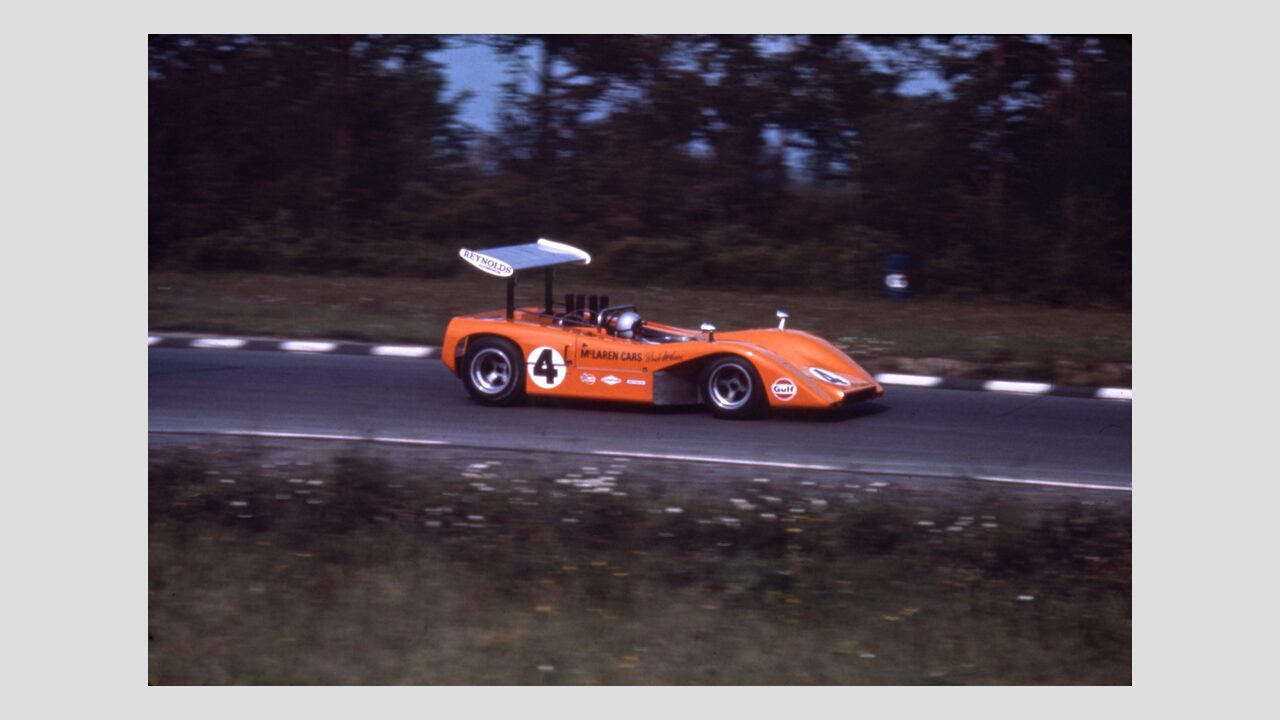
Motoring Podcast Network

From Wind Tunnels to the Brickyard: Lauren Sullivan’s Journey from Aerospace to IndyCar

Lauren Sullivan didn’t set out to become a motorsports engineer. In fact, she thought she was destined for a career in aerospace – until a childhood science fair project and a lifelong love of racing quietly charted a different course. Today, she’s a key figure in the NTT IndyCar Series with Team Penske, and her story is a testament to the power of curiosity, persistence, and the unexpected intersections of passion and profession.

Photo courtesy Lauren Sullivan, Team Penske

Growing up in Southern California, Lauren was immersed in motorsports from an early age. Her family’s super late model team at Irwindale Speedway gave her a front-row seat to the world of racing. But it wasn’t until a fifth-grade trip to the NHRA Winter Nationals and a middle school science fair project on aerodynamics that her fascination with the invisible forces shaping speed truly took hold.

“I can see what I can’t see,” she recalls thinking after visualizing airflow in a homemade wind tunnel built with her father, a former Boeing engineer. That moment planted a seed – one that would take years to bloom.

Tune in everywhere you stream, download or listen!

Listen on Apple
Listen on YouTube
Listen on Spotify

Lauren pursued aerospace engineering at Parks College of St. Louis University, a pipeline to Boeing’s St. Louis operations. She landed a job as a wind tunnel test engineer, fulfilling what she thought was her dream. But after five years, she realized something was missing.

Photo courtesy Lauren Sullivan

“I don’t think I like airplanes,” she admitted. “I wondered, what else could I do with wind tunnel testing?” A quick Google search: “wind tunnel testing in motorsports” – lit up her screen and her imagination.

Photo courtesy Lauren Sullivan

Only one team responded to her applications: Penske. Twice.

She joined as a design engineer and quickly transitioned into wind tunnel testing for the NASCAR program. Over time, she became the lead for full-scale testing. But it was a call from Tim Cindric in 2021 that changed everything.

Spotlight

Notes

This Break/Fix episode features a conversation with Lauren Sullivan, an engineer for Roger Penske’s NASCAR and NTT IndyCar series programs. Highlighting her motorsport journey, the episode delves into Sullivan’s experiences from growing up in a racing family to working at Boeing and eventually transitioning into motorsports, notably with Beth Paretta’s female-powered team at the Indianapolis 500. Sullivan shares insights on the technical aspects of wind tunnel testing, the similarities between aerospace and motorsport engineering, and the importance of inclusion and mentorship in the field. The episode also touches on the Women in Motorsports North America organization and its efforts to support and create opportunities for women in the motorsports industry.

  • You came from a Racing Family – your family was into Super Late Models. What was that like growing up going to the track? Lots of kids “phase out” and maybe don’t follow in their parents footsteps, what drew you in? What helped you stay committed?
  • Tell us about the Road to Penske – how did you go from Super Late Models to Boeing, to NASCAR, then Indy Cars.
  • How much of what you learned in Aerospace carried over to motorsports?
  • Not only have you worked as an engineer, you’ve also moonlighted as a spotter for folks like Josef Newgarden – we’ve never had anyone on the show that was a spotter – let’s unpack that a bit; what does that responsibility entail?
  • Who were the women at the time, as you were starting out that inspired or helped you build a career in motorsports? 
  • Let’s talk about the good, the bad and indifferent of racing – the business side of things. 
  • We had LSJ on the show in Season 3, to tell her story and share about WIMNA – talk about your role in the organization, how you’ve seen it grow, and its involvement in the motorsports community, but the good it’s also doing for ladies in the sport. 

Transcript

Crew Chief Brad: [00:00:00] BreakFix podcast is all about capturing the living history of people from all over the autosphere, from wrench turners and racers to artists, authors, designers, and everything in between. Our goal is to inspire a new generation of petrolheads that wonder, how did they get that job or become that person?

The road to success is paved by all of us because everyone has a story. The

Crew Chief Eric: following episode is brought to us in part by the Women in Motorsports North America, a community of professional women and men devoted to supporting opportunities for women across all disciplines of motorsport by creating an inclusive, resourceful environment to foster mentorship, advocacy, education, and growth, thereby ensuring the continued strength and successful future of our sport.

Our guest is the daughter of a super late model team owner and former Boeing engineer. She has worked for Roger Penske’s NASCAR and NTT IndyCar series programs since 2015.

Lauren Goodman: But [00:01:00] what Lauren Sullivan experienced with Beth Paretta’s female powered 500 team at Indianapolis Motor Speedway It stands as the most impactful moment of her career.

And she’s here with us on BreakFix to share her motorsports journey with you.

Crew Chief Eric: And with that, let’s welcome Lauren Sullivan to BreakFix.

Lauren Sullivan: Well, hello to you both. It is great to be here.

Crew Chief Eric: And I have to introduce Lauren number two. That’s Lauren Goodman, supervising producer of media and exhibitions for the Revs Institute.

So welcome back to BreakFix, Lauren. Well, thank you. So like all good breakfast stories, there’s a super heroine origin story. So Lauren, in the intro, we talked about how you came from a racing family, but what was it like growing up at the track? And one of the things I want to also highlight is that a lot of kids phase out of that lifestyle as they get older and they don’t follow in their parents footsteps.

So what drew you in? What helped you stay committed to motorsport?

Lauren Sullivan: Growing up, I was always around motorsport in some form or another at a really young age. We would go to the [00:02:00] NHRA Winter Nationals in Pomona, California, which wasn’t too far from where I grew up. When I hit about fifth grade, my family started a super late model team at Irwindale Speedway.

As soon as I hit 16 and was old enough to be in the pits, I was right there doing what I could to be involved with the car. And that’s kind of where the passion First ignited and to me, it was always just a hobby. It wasn’t ever something I was going to make money at.

Crew Chief Eric: One of the things I find fascinating about your story, and it’s a thread that you and I have in common is right at that middle school, early high school period, I too did a science fair project about automobile aerodynamics in a slightly different way.

I had no intentions on going to work for Boeing or anything like that, but I was inspired by Giorgetto Giugiaro because I wanted to design cars. And so I saw that come up in another interview of yours where there’s pictures of you at the, you know. 7th, 8th grade science fair with your aerodynamics project.

What about aerodynamics at that age, 13, 14 years old, got you excited.

Lauren Sullivan: It was the ability to see what you can’t see or to understand [00:03:00] what you can’t see. Once we did flow viz in this one tunnel that my dad helped me build and I could see the flow around these different objects we were testing. Like, it was just like a light bulb of like, I can see what I can’t see.

And I can make decisions with this information, you know, from there. I was like, well, what else can you see the flow around? I didn’t know then that what I was doing was engineering. And I didn’t even realize the one subtle connection I had to my middle school project till I think after Boeing or in the middle of Boeing, like I’d forgotten about that completely.

And then I saw it in a scrapbook my mom had put together and I was like, Oh my gosh, this path makes so much sense. Now it’s always been where my interest has been. So. Going into high school and then college, I was always geared towards science and math and did the science thing in high school, but there weren’t any robotics clubs back then or anything like that that I could do that was motorsport except my family’s race team.

And then in college, I decided to major in engineering and the school also had a formula society of automotive engineers. program or FSAE. And I got involved with [00:04:00] that. I got to continue motorsport in that way. But at the college I went to, Parks College of St. Louis University, everyone kind of ended up at Boeing because Boeing is right there in our backyard in St.

Louis, at least Legacy McDonnell Douglas is. And I was an aerospace major. And so that was kind of like the conveyor belt, if you will, Boeing hires, a lot of parks grads. And to me, it never dawned on me that I could make my hobby, my career. So even being involved in motorsport, all those years, I set my sights on what I like to do within aerospace engineering, which was wind tunnel testing.

That’s where my passion within the engineering field is upon graduation. I got a job with Boeing as a wind tunnel test engineer, and I did that for about five years. And then kind of just got to a point of like, I don’t think I like airplanes after all this time. Like I don’t mind flying in them or anything like that, but it just wasn’t exciting to me as much as I thought it would.

So I was kind of having a moment of like, what would I do for her to change? And I’m like, the only thing I’m. Good at or that I know how to do is wind tunnel testing. And I’m like, [00:05:00] man, well, I wonder if they do that in racing. It’s just a hobby. I can, you know, we’ll see. So I, I start Googling like wind tunnel testing and motorsport.

And of course the results just like lit up like, Oh, okay. We might be able to do something here. So started applying to jobs. Really, again, just not thinking this is going to be a career path for me of all the teams I applied to and all the motorsport wind tunnels I applied to. I only heard back from Penske, but I heard back twice.

I first heard back from the aero department on the NASCAR side. And then like within a week or so, I heard back from what’s called Penske technology group, which actually runs our scale model wind tunnel. And I was confused for a second. Cause I didn’t know about PETG at the time. And was like, why, why is Penske calling me twice?

And then Someone finally explained it to me. So once that kind of merged into one, I was hired at Penske to be a wind tunnel test engineer for their NASCAR program. Actually, it started out as a, just a general aero engineer, design engineer, doing some CAD for them. And then once I started doing wind tunnel testing over the [00:06:00] years, I started essentially leading the full scale testing efforts we would do.

In 2021, Tim Sindrick, who’s the president of Penske, reached out to me and asked if I’d be interested in helping this female forward team that Beth Paretta was putting together for the Indy 500. I immediately jumped to that and said yes, not having any idea what I was getting into or what was about to unfold.

Growing up with the super late model team and stuff like that. I was always NASCAR, always NASCAR. It’s rather ironic because I actually met my husband at parks college on that race team. I was in, we were friends for about nine years before we did anything about it. So we’re just friends through college and all that.

But way back then he was like, you would like open wheel. You would like open wheels. Like, no, no, no, I’m NASCAR. I’m NASCAR. I’m not doing open wheel. I’m doing stock car. I came back from the Indy open test. That’s in April. In 2021 and looked at him. I was like, I really like IndyCar. And I think I want to switch.

At that point, he was like, I’ve known you for 16 years, 16 years. I have been telling you, you would like IndyCar. So [00:07:00] then I went to my management at the end of that year, after the 500 and said, Hey, if there’s. A spot over there I’d like to switch and explore a management path of some kind, see what we can do.

Nick came back and said, how about a engineering and team logistics coordinator for our IndyCar team?

Crew Chief Eric: And here we are. You know, as you were coming up through the ranks, evolving your career from aerospace, Into motorsport, who were some of the women at the time that you were looking up towards? Who were the folks that inspired you or helped you build your career in motorsport?

Lauren Sullivan: When I look back, first and foremost, definitely my mother. She instilled the knowledge in me that I can do anything I wanted. Nothing was off the table. And she supported me with all the different things I tried over the years. She kind of taught me never take no for an answer. Just find another way. But I would say in general, what was a motivating factor for me coming up through the ranks was being other women be the only one in the male dominated field.

I was drawn to people like Amelia [00:08:00] Earhart and stuff like that and found that in motorsport engineering. And what I have learned is how much I don’t want that in terms of how much I don’t want to be the only female and how much I want other women around me. So even though What I liked seeing was like the girl with all the boys in terms of just being able to do what they say you can’t do, if you will, I realized that like that image needs to change and there are still sometimes I see it where there’s other women I’ve come in contact with in engineering, motorsports, stuff like that, that.

Want to be the only female and feel threatened when there’s others around them. I’ve just come to realize that that is not how you succeed. And to the point now that, like, it’s frustrating to me to see any situation where there’s only one token female, if you will. If I really, like, dig into my spiky, I guess.

Probably what was driving me was that I don’t want to see this only female anymore. Like we need to upset the status quo. Cause that’s all I [00:09:00] did see back then was the one female wherever I was, if it was motorsport or math or science engineering related, that was all I saw. Now I don’t see that and that makes me happy, but I want to see it even more.

I want to be seeing equal distribution.

Lauren Goodman: We are all on the same wavelength. 100%. My background before I came to Cars was the film industry. It’s the same thing. Yep. So I want you to tell me about the first time you met Beth Perretta.

Lauren Sullivan: I remember being nervous because it was Beth Perretta who like, I could already sense this is going to be big, especially when like, Cendricks come into you and like Roger wants to do this with Beth.

It’s like, okay, this is big. And I just remember the anticipation of talking to her on the phone for the first time. And after I got off the phone with her, I was like, that was just like talking to a friend. We were talking only pretty much about motorsport and a little bit about my history because she’s trying to get to know me and know what to expect out of me at the Indy Open Test and at the 500.

But it was just like, man, this is someone I can relate to. It really energized me because I was like, oh, this is, this is good. This is not a [00:10:00] dog and pony show. This is not. Someone’s seeking attention. She is genuine about this. This is in full alignment with me. And like, I have this huge passion for outreach and just taking any opportunity I get to speak to the next generation, especially girls.

Once I realized that there wasn’t any ulterior motive at play after she and I talked, I was like, Oh, this, this is good. Not only am I excited to do this, but I’m behind this.

Crew Chief Eric: And you said jokingly that, you know, you were kind of tired of planes. You want to move on to other things. As you transitioned into motorsport, how much of aerospace carried with you into motorsport?

How much of it is relatable and how much of it did you sort of just check at the door?

Lauren Sullivan: A lot of it’s actually relatable. IndyCars specifically, especially when they’re at IMS or just upside down airplanes. What’s holding them to the track downforce is the same thing that’s pushing an airplane up, which is lift.

Just a sign convention change. Honestly, at that point, cars have lifting services again, if we’re going to just focus on an IndyCar front wing, rear wing, you have those main lifting services and airplane has lifting surfaces. There’s things that [00:11:00] induce drag on it. Halo induces drag, the mirrors induce drag on an IndyCar, stuff like that.

So at a. Not even too high of a level. There’s a lot of the same concepts at play. The more you put it at a basic level, they’re almost identical. It’s just a different shape, a different form and understanding that. The only, what I would consider the biggest difference between the two is the presence of the track.

With the car and how those two interact in aerospace and wind tunnels, we call that wall effect or ground effects because when an airplane’s in the sky, there is no influence from anything around, or we hope not, at least there’s no influence from a ground, a wall or anything like that. And once you start to bring something like that close to a lifting body, an airplane or a race car, the math changes and how the forces generally react changes and the flow structures change.

So that’s the biggest difference, but there are parts of the car that are completely out of that effect too.

Lauren Goodman: This is fascinating to me because of course, as a F1 fan, ground effect is a triggering [00:12:00] word. It sends us into spasms. Don’t you know, here’s what I want to know about IndyCar specifically as its own series, when it looks at the idea of ground effect and because IndyCar is my understanding is because all of the chassis are Dallara.

A lot of that like balance of performance is really equalized across the teams. So you as an engineer, especially having a background in aerodynamics, where is it that you can find the little advantages? What parts of the car represent opportunities? That’s the elusive question.

Lauren Sullivan: Well, like you said, Since it’s single source supplier for a lot of the parts on the IndyCar, it would appear that you lose a lot of the ingenuity advantages that teams have with engineering testing and thought.

There’s a lot to be said in the margins. It’s all the same parts, but how you fit them together, how you make them together while mating two parts together seems insignificant when you multiply that across the entire car, it can be significant. And on top of that, you have very sensitive surfaces. [00:13:00] Some areas of the car are insensitive and others are extremely sensitive.

Once you can identify those areas on the car, then you kind of know where those margins matter. Then you can even get into like how you prep it. Just again, it’s in the details. It’s really bringing all the details together. One thing I do talk about a lot is like, okay, when you’re in a wind tunnel, you have an error band.

And so it’s kind of like, yeah, we said something’s 10 pounds, but it’s probably plus or minus two pounds. And so when you find something that’s like a pound, it’s hard to say with certainty if it’s worth a pound of downforce or not if your air band’s two pounds. But if you have five different things that are worth a pound, if you put them all together, now you have five pounds.

Now you’re outside that error band. It’s finding those sensitive areas and they’re not always obvious. And then exploiting them in the margins and the details. Do

Lauren Goodman: you think your background in NASCAR really helped with that?

Lauren Sullivan: I do actually, because when I was in NASCAR, that’s when the Hawkeye system rolled out, NASCAR went from checking with just templates where the name of the game was.

Okay, if the template fits here in X and if it’s here in X, whatever you do in [00:14:00] between doesn’t matter. And you had, you had a lot of room to play, I guess I would say, because it was like the template fit, but it had to be plus or minus 50 thou, which doesn’t sound like a lot. But if you like move the anchor point where that template aligns by 50 thou, well, three feet down the road, it’s way more than 50 thou.

But then they moved to the Hawkeye system where they were scanning the car. And you’re thinking like, okay, now everything’s way tighter. Well, there was a huge learning curve there too, just with how to use this Hawkeye system and what it could see and what it couldn’t see and stuff like that. So, but that’s where it got into again, the margins and the details.

And so then going over to IndyCar, where it is a single source supplier, you’re already in that mindset.

Crew Chief Eric: Lauren brought up Formula One and you know, you hear it all the time, especially the last couple of years, if only we had unlimited wind tunnel time, like we used to have. And I sort of wonder, There’s a setup for every track.

Does the aero really change that much from track to track? I can imagine in the IndyCar world, it probably does because the brickyard is going to be different than some of the smaller ovals versus running at, you know, Watkins Glen or at the street [00:15:00] courses. St. Pete. Exactly. Would it really make that big of a difference if they had unlimited wind tunnel time in Formula 1 again?

Lauren Sullivan: So it’s hard to say because I’ve seen a series go from unlimited to limited. And when I started at NASCAR, it was unlimited and we were there. All the time and now NASCAR is limited on wind tunnel testing and it was when I was there too before I jumped over to IndyCar. Yes, track to track is wildly different in some respects.

Again, there’s always parts of the car that are kind of insensitive to the track or the ground effects, if you will, especially talking about different speeds. The thing with the wind tunnel, though, is. You can’t really change that. You don’t have a wind tunnel for St. Pete. You don’t have a wind tunnel for IMS.

You don’t have a wind tunnel for Barber. What you have to do instead is understand where the car is at in relation to ground effects, or in relation to the ground, rather. When you’re at those tracks, I get some tracks, you’re sitting way lower, some tracks, you’re higher. And therefore you put the car at those averages and then get data at these averages.

And then you try to extrapolate and [00:16:00] interpolate to where the car is actually going to be when you’re at those tracks. Having more one funnel testing time helps because that database can be bigger and also more refined. You have more data to rely on and you can try more. Things where I see it start to diverge from an advantage is honestly on the business side of things.

What happens is the teams with money are the ones then producing this huge advantage and it kind of allows the field to run away from itself or diverge because then the teams without a lot of resource to do all this one tunnel testing aren’t having that same advantage. You just get repeat winners. So in a way, it’s like its own DOP.

Crew Chief Eric: In the advent of generative AI, let’s say you were to take previous data sets, current data sets, put it all together and let the AI munch it through. Aren’t there only so many shapes of the wings and the spoilers and the body itself? There’s only so many permutations there. Wouldn’t an AI based assistant be able to help you generate those numbers and those setups that you need without having to resort to more wind tunnel [00:17:00] time?

Lauren Sullivan: So it would probably help where it’s not going to help. And honestly, we’re a one time that might not even be as helpful. It’s just kind of the unpredictability

Crew Chief Eric: of weather

Lauren Sullivan: weather’s one of them, but like just on track interactions, you are talking, whether you’re talking dirt, you’re talking to car in front of you, a car beside you, and yeah, you could probably put all of that into AI, at least putting a car in front of you and stuff like that, which you’re not capturing as well is.

tire rubber buildup on some of these surfaces and any damage you happen to get or anything like that. So there’s still a lot that having a general database of data to rely on would help with. And I think AI would help probably create a Baseline. I’m not sure it can predict real life racing with all the different systems that are going on.

Crew Chief Eric: Lauren pointed out, you know, obviously an open wheel car, like a formula car and Indy car is going to be more sensitive to a lot of the things you’re talking about, but if you kind of look at a NASCAR and it reminds me of, you know, when we built RC cars as a kid, you know, you kind of slap a different body on the same.

Yeah. [00:18:00] It’s also something that we can relate to as drivers of everyday cars. It’s hard for us to relate to an open wheel car because you know, you can’t drive those on the street. But if you think about a NASCAR, it’s like, well, it’s sort of a brick on wheels. It’s not a Volvo of the eighties, but there’s these arguments to be made about design language these days that there’s only one design that cheats the wind.

And so if you look at supercars and hypercars, they all kind of look the same, whether it’s a Ferrari or the new Corvette or the NSX. Then you have Chrysler coming to the table with a challenger that looks like it’s straight out of the 70s, making gobs and gobs of horsepower. And it’s like, well, how aerodynamic do these cars really need to be on the street?

So how do we compare and contrast what we’re seeing at the racetrack to what we’re getting on a Monday morning when we go buy a new car?

Lauren Sullivan: A lot of consumer car technology starts in racing on multiple different fronts, whether it’s materials or the manufacturing process or the design process, you know, racing is a great test bed because it’s to an extent a controlled [00:19:00] environment, not always, but you know, Firestone and IndyCar has been trying out renewable rubber and the sidewalls of some of our alternate tires at street courses.

And before that ever makes it to consumer tires. They’re running it through its paces and racing same with like oils and fuels, like shell went completely renewable with IndyCar last year, even some safety things too, with how they reinforce certain areas of the chassis. There’s a lot of those fronts where you’ll see aspects of racing translate over to consumer vehicles.

And again, back into the design process, like some of that gets fed into it as well. From an aerodynamic perspective, there’s a lot of systems that feed each other. They’re like, for one, I’ve, you know, over the last several years, I’ve seen 18 wheelers evolve. aerodynamically. You see these skirts that they have underneath now, or these flaps at the back that they have, and all of those are determined in wind tunnels.

And it’s the same wind tunnels that we use in motorsport, but like the need for a rolling floor wind tunnel was kind of demanded by motorsport because we needed to find a way to [00:20:00] test our cars without going to a track. There’s other things too, just like the general aerodynamic structure of like, where to put the mirrors, what shape they should be, things that are big, like what we call needle movers for drag and stuff like that, that can also come into play, as well as the underbody form, because we call that the underwing in IndyCar, because it’s perfectly smooth.

For the most part, and now NASCAR kind of is too. And actually when NASCAR wasn’t smooth under there, and it was a lot more stock in the underbody, there was a lot to be discovered with like where you are actually getting dragged because you have a gap between your exhaust pipes and stuff like that. So a lot of that does eventually translate over to consumer cars in that respect.

That being said, the speed most. People typically go in a consumer car is not going to be the speeds you obviously see in an Indy car. And therefore a lot of this stuff can become irrelevant because some things only matter when you’re going over 200 miles an hour, which don’t try that at home.

Crew Chief Eric: How far are we away from what I like to call Star Trek technology?

And you’re [00:21:00] starting to see this on a lot of the Teslas and I’m going to single out the Cybertruck because it originally was intended. Not to have mirrors and you’ve brought up mirrors more than once. And the reason I’m bringing that up is because they’re using combinations of LIDAR cameras and other sensors.

Is that going to find its way into racing where one day you’re not going to have mirrors and maybe it’ll be in the helmet or on a heads up display?

Lauren Sullivan: That’s a good question because my next question is then if you can put that amount of technology in a race car, that’s fast enough, because I will say with something that is.

It’s transmitted, which something like that is a transmittable piece of data. It has to be fast enough for the driver to receive it and process the information as things are unfolding. So while on the road, an 18 wheeler doing 65 miles an hour, if its cameras see something and then send it to its display, that has to be able to happen faster when an IndyCar is going 200 miles an hour.

And so let’s say, okay, we outfit IndyCars with these sensors, so you don’t need mirrors. Do you need spotters then? Because at IMS. [00:22:00] We’re required to have two spotters when we’re on the oval. You know, they’re the eyes in the sky for these drivers, the human reaction to seeing something and even seeing something come together before it happens can be critical.

So that would be my next question is if we get to that point, how would it be used? Would it eliminate spotters from the industry? It’d be interesting to see.

Crew Chief Eric: Do you think it could also be used to determine if there’s like dirty air, if somebody’s running too close, where the optimal distance would be to catch the draft or something like that?

Could you see it being used as an advantage that way?

Lauren Sullivan: Press reports would see that over cameras because press reports are what are used to pick up flow and like see what you can’t see. So the camera system, if we’re going to talk about that, where it simulates your mirrors for you, I can see it more for behind the driver and like telling them what’s coming versus what’s ahead.

Cause I will also say that’s kind of why there was some chatter initially when the new halo at arrow screen came out. It has saved countless lives since it came out. There’s a huge improvement. , but the drivers could feel the air from the car in front of them and know where to [00:23:00] put their car based on the drag bubble as it’s called, or the wake that they could physically feel.

And so it’s hard to replace that. No delay there. There’s no transmitting of data that has to happen when you’re feeling it’s as fast as your brain can register it.

Crew Chief Eric: You’ve mentioned spotting and how crucial that is in how it takes two spotters at the Indy 500. I heard that you’ve also moonlighted as a spotter, so sort of other duties as assigned, and you’ve done that for Joseph Newgarden and some other people.

What does that responsibility entail? You know, we’ve never actually talked to a, an official spotter before. So what are you doing? What are you signaling to them? What are you looking for?

Lauren Sullivan: So it depends on the track ovals are definitely an IMS in particular is a much different beef than. Road course and street course.

For example, let’s say Texas and St. Louis or Gateway. From one spotter stand, you can see the entire track and you can always see the car. At IMS, with how big it is, where the spotter stands are, you cannot see the car around the entire track, which is a problem because you have to be able to pick it up as it comes out from behind a tree or something like that.

And then with road course [00:24:00] and street course, it’s even more complicated in terms of seeing your car because. None of those tracks, you can see everything. So typically you’ll stand at one of the trickier parts of the track for them or where there’s going to be a lot of passing because that’s when they want to know if someone’s gaining on them and if they’re looking to pass them high or low or something like that.

The main overarching responsibility of being a spotter is to be a second. pair of eyes for the driver on the track, but let him know what situations are unfolding around them. So you’re looking both ahead and behind them, behind them for who’s coming and ahead for any wrecks that are happening. Because if you can see a wreck and let them know ahead of time if they need to go high or low.

is crucial because they will just trust you and put their car there to know that’s how they’re going to get through if they can’t see it and register it in time. The drivers rely on the spotters to paint the picture of what’s going on on the track around them. So you give them the information, let them make the decisions with the information of what they want to do.

You know, you don’t tell them, okay, pass this guy. You just say he’s going high and just leave it at that. And he knows he can go low. You give them the [00:25:00] information. You let them decide what they want to do with it. At tracks where it’s extremely high speed, like IMS and the other ovals, it’s even more crucial to look ahead to where they’re going versus what’s going on behind them or even around them at that moment.

Because they’ll know who’s around them, especially at IMS. If they’re coming out of Turn 4 and there’s a wreck in Turn 1, it is so fast that they’re going to be there. It’s unbelievable. You honestly can’t even get on the radio and tell them, go low in Turn 1 before they’re in Turn 1 when they were in Turn 4 when the wreck happened.

Paying attention to a lot of different movements, things, information at once, deciding what’s the most critical information that the driver needs to know in that moment, and communicating it in the least amount of words possible.

Lauren Goodman: I love American motorsport. I love European based motorsport. And in Formula One, it’s all one person telling them this.

And in IndyCar, you have a spotter who’s live eyes. It is. Truly, I think almost an analog process. It is not based as it is in formula one, like just reading data [00:26:00] from whatever transmitter. It’s somebody with a pair of binoculars being like behind you in front of you. Do you think that’s superior in a way?

Because in formula one, they have problems all the time with them saying, you didn’t tell me so and so was on my rear left trying to pass me. Do you feel like just having a human element there? Is better in IndyCar?

Lauren Sullivan: I do, especially at these higher speed tracks, just cause as a human, you can multitask and like literally you can stand and be watching your car come in your peripheral and watching turn one and your other peripheral and like You’ll learn when something doesn’t look right, even though you’re not looking right at it, and you’ll know you need to jump on the radio and say something.

There’s also a relationship that starts to develop because some drivers want constant chatter and want to constantly hear from their spotter, and other drivers want you silent unless somebody’s in the wall. You have to learn their preferences and kind of what they want to know or what they need to know.

Like some drivers like, yeah, as soon as there’s another car, like 10 car lengths back, I need to know he’s there. And other drivers are like, just let me know when someone’s going to pass me. And there’s also an advantage kind of knowing [00:27:00] if we’re in our, any rivalries even exist. Sometimes you’ll just let them know there’s a car coming versus which car is coming.

So they kind of know, okay, that’s a rookie. I’m going to give them some space or I race this driver pretty well, so we can go at it. So I think there’s a lot of those subconscious decisions that go on from the spot or two, like kind of just knowing everything else that’s at play. The

Lauren Goodman: human element.

Lauren Sullivan: Yes.

The human element for sure. And it even comes into inflection in your voice. Sometimes there’s one driver, I think it was Rick Mears. Who said the best spotter they ever had was someone who had a different inflection for inside or outside, even though they’re still saying inside or outside, the word didn’t have to register because what was registering was the inflection of their voice.

Crew Chief Eric: It’s sort of like when you’re coaching at the track, you could be like, we’re going into turn one, a little too hot break. Or you can be like break, break, break. They’re going to instinctually press the brake pedal a little harder every time you get more excited.

Lauren Sullivan: And it’s funny because that’s the one thing you don’t want to do on the radio is get excited.

Crew Chief Eric: Good or

Lauren Sullivan: bad. I mean, you can get excited when it’s [00:28:00] good if it’s after the checkered flag. Especially with something bad, you literally want to be like, there’s five cars in the wall right now. They’re all sliding down, just go low. And you don’t even want to say right now that’s too many words, but you want to be as monotone as you can.

Because what’s been interesting for me to learn is how you can pass on energy and emotion on the radio just by how you say something. So you don’t want to make them panic any more than they already are just by hearing five cars in the wall. And actually, the more I think about it, you don’t even need to say that.

I’m going to say cars in the wall, again, the least amount of words possible. And that’s, What I’m still learning, what my phrases are for the same things you see over and over again, that is the smallest phrase to say it. Some people say, when they’re talking about the gap that a competitor has to you and there’s three car lengths back, they’ll either say three back or by three, which means the same thing.

I just say, whatever’s natural to me, because you don’t want to be jumbling up on the radio and you don’t want to be. Making it longer than you have to, something like that. I just now consistently say three back or five back, but there’s situations I don’t encounter all the time that I’m still learning of how do I [00:29:00] want to say this?

It’s also thinking ahead of, okay, I got a street course. I’m in this turn. This is all I can see the tracks. I’m not gonna be able to tell them anything else. How am I going to call a wreck there or how am I going to call a wreck here? What am I going to say? And like telling myself, this is what I’m going to say.

If that happens, just so I don’t have to think about it. And really it all becomes like a dance. Habit forming is what you’re trying to do with stuff on the radio.

Crew Chief Eric: You know, in all this talk of IndyCar versus Formula One and talking about your career, there’s a big question that we failed to ask you, Lauren, which is.

It’s obvious you’re working in IndyCar now, but what do you prefer working on the stock cars or the open wheel cars?

Lauren Sullivan: I prefer as an engineer, IndyCar, but I grew up with NASCAR and I think as a fan, I prefer NASCAR. Always loves the big wrecks and that hurts to say as someone who’s on the other side now and has to react to that kind of stuff.

Those big wrecks in IndyCar are not good. Whereas NASCAR ones are generally more show than damage or harm. I should say the reason I like IndyCar from an [00:30:00] engineering perspective is the amount of data we have on the cars and the amount of information we have from the cars to make educated decisions with NASCAR.

You don’t have that kind of feedback. If the driver says the car’s loose, you take his word for it, and you try to figure out what your normal knobs are, that’ll tighten up the car with IndyCar. If they say it’s loose, we can pull data and be like, yeah, no, you’re right, and it’s happening in this turn and it’s happening in this turn, and it looks like this part of the car.

We can make an adjustment here, and that typically makes the car go tighter for this part of the track. Just using the data and information available to make decisions is what draws me to IndyCar as an engineer,

Crew Chief Eric: as we all know last. year at the 100th Le Mans, NASCAR kind of shook the apple cart pretty hard with the garage 56 Camaro.

So that’s a leap and a bound when we go from the sixth generation NASCAR to the seventh as an engineer, what do you think?

Lauren Sullivan: I think it’s great. Cause I think it’s thinking outside the box and it’s situations like that, where you push boundaries, you push limits and you discover something new and that’s [00:31:00] often how new techniques, new.

Processes come about is from putting two things together. You didn’t think we’re ever going to be together.

Lauren Goodman: As a student of history and a lover of Lamont and working at a museum that has a lot of cars that went to Lamont, all I can say is Eagle Sound, Eagle Sound, Eagle Sound, because that is.

Crew Chief Eric: Having been there to see it in person, you knew where it was at any given moment on the set.

Lauren Goodman: And that goes back to Briggs Cunningham bringing American cars and Chrysler engines to Le Mans back in the 50s. And the French loved it. They were obsessed with it because where could you get that torquey, low American engine sound, except from the Americans.

Crew Chief Eric: Yeah. Wasn’t coming from anybody else. Yeah.

Let’s talk about the good, the bad and the indifferent of the racing industry. You’ve been in motorsport now for a number of years. You’ve seen it from different angles. You know, a lot of people fantasize about what it’s going to be like when they get there.

Lauren Sullivan: Cause it’s [00:32:00] funny. Cause I look at my life a lot of times and I’m like, who decided to trust me with this because I don’t trust myself with this.

Then you look around and realize like everybody else is asking themselves the same question. Some days you’re like, I don’t know how I got here and I don’t think I know enough for this. At the same time, then you look at it and it’s like, oh my gosh, we’re designing cutting edge technology. We’re racing at unbelievable speeds, right on the knife edge of disaster.

And so what to expect if you’re looking and you’re going to have probably a lot more fun than you think, and you’re going to work a lot more than you think. You know, a lot of people are relatable. It becomes a very close knit tight community for sure. Cause you’re on the road all the time with your teammates and with people on other teams, even.

I guess one thing that probably surprised me getting into motorsport. Was how much behind the scenes there isn’t the rivalry you see on the track.

Crew Chief Eric: You mean it’s not like Drive to Survive?

Lauren Sullivan: I mean, it’s, it’s interesting just, you know, the drivers is one thing, but like the crews that are just cross pollinated with [00:33:00] friends, if you will.

You know, like two teams can have a standing rivalry, but I’m going out to dinner with one of their engineers because she and I are friends or something like that. Like it’s, and you know, we won’t even talk about work. I think that’s probably what surprised me was like actually how friendly it is behind the scenes just because it has to be.

It’s a small community as it is. And What happens on the track days on the track a lot of the times

Crew Chief Eric: earlier, you talked about how things have changed in motorsport where it used to be like, you know, you were the only woman and now you want to see that change. You know, there’s more, there’s obviously a lot more women in motorsport than there used to be.

And then you talked about Peretta Autosport, which was touted as an all female team between the crew and the drivers and everything like that. That was an awesome thing for all of us to witness. There’s a lot of things that have springboarded off of that. And as a result of that, because the question is still out there looming, and it’s really not about gender in motorsport.

It’s really about making the paddock more diverse. [00:34:00] So how do we make motorsport more inviting for everyone?

Lauren Sullivan: You attack it from several different angles. I think there’s an obligation to, for individuals that are in motorsport and in particular in the paddock to make it a welcoming environment. When I see a new female in the paddock, that’s clearly on a team.

I will make a point to go up and introduce myself because you definitely get these just like we pass by each other. We don’t look at each other. I’m not sure if I’m supposed to like you. I’m not sure if you hate me already. Like that or not. I’ll just go up and be like, hi, I just wanted to say, Hey, and if you ever need to know where the bathrooms are, the good bathrooms, just come grab me.

I’ll tell you where they’re at. So just cause I wasn’t new to professional life when I joined Penske had already been in Boeing for five years, but I just remembered what it was like to be new and just kind of figure out my own way. And it’s like, for me, that’s not necessary. And if, when I see someone who’s learning again, I just tend to see the target, the females who’s new.

That I hadn’t seen the years prior, you know, I’ll go up to them. So they just have a friendly face that they can come reach out to if they need to. And so I think it even comes down to like, if we’re going to talk about [00:35:00] men, when they see new people, male or female, doesn’t matter. And I will say, if I see new men, I need to do the same thing.

Just going up and just saying hi to those people because there’s a lot of self imposed fear. This is across all lines, all gender, race, everything of I can’t ask questions because then it looks like I don’t know what I’m doing. It’s like, well, if you’re new, you’re expected to ask questions. But I think the barrier for a lot of people is feeling uncomfortable enough to do that.

One angle is just it’s on individuals to go up to it. Those who are new on their team at their work in the paddock that they see and just say hi and introduce yourself. I also think from a series perspective or a more global perspective, if you want to look at it that way, getting in classrooms sooner, I think it’s huge.

In fact, I was lucky enough to have that motor sport exposure when I was growing up, but nowhere in my academic career did I have it till I got to college. And so I actually made a point last year of going back to my high school in Southern California and giving a presentation on [00:36:00] motorsport. I started at the big top level, like you’ve got NASCAR, IndyCar, F1, NHRA, dah, dah, dah, and then dialed it down.

Sort of the different series, dialed it down into IndyCar and then dialed it into Engineering and aerospace and STEM, but then also touched on all the other careers that are in motorsport, because we have chefs that travel with us. We have doctors that travel with us. We have PTs, you have marketing, you have photographers, you have social media influencers.

It’s not just engineering and mechanics. There’s a lot more to it than that. And so try to like make kids realize if you have an interest in motorsport, but you don’t want to do the mechanical thing or the math thing, you don’t have to, you can still be in motorsport and do something else. But I wanted to do that with my high school because The only reason I knew about it back then was because of my family’s hobby.

And I think the younger we put that in front of kids and the more it’s in their thought as they’re making decisions on what high school to go to, what clubs to be in, what the college and university to go to, what to major in as they’re making those decisions and they know what those options are. And I think if they [00:37:00] see that as an option for them and it’s achievable and it’s not out of reach, like, Oh, well, I’m not going to get an engineering degree.

I’m not even going to get a college degree. You don’t have to be in motor sport. You can go to a trade school.

Crew Chief Eric: Well, what I think is interesting about this point that you’re bringing up, Lauren, is Maybe sometimes motorsport has a stigma associated with it and it keeps people at arm’s length and maybe we need to sort of change the narrative and say, it’s not about motorsport.

It’s about the evolution of mobility, moving people around. And that’s where you can bring in. The engineers and the physicists and the chemists and the artists, you know, we can talk a little bit more about steam rather than stem at that point. Right. People sometimes relate cars to appliances and it just gets under my skin and I start to boil and I’m like, do you understand that?

It’s not one person that pens a car. It’s a team of people, whether. Scientists and engineers and artists and everything that goes into that. It’s such a beautiful piece of the human element as Lauren likes to call it. There’s something to [00:38:00] behold and something to wonder, but they also give agency to the past.

When you look at how cars have evolved, they probably evolved more than anything else in the history of the planet.

Lauren Sullivan: So the A in STEAM or the art that is involved with science, technology, engineering, and math is critical. And it really is critical because, you know, I’m 35 years young or old, however you want to look at it, whatever side of that you’re on.

But I’ve done a lot of things from school sports and, you know, motorsport and engineering and the clubs I’ve been involved in. It’s pretty varied and never, never had I, have I seen success in a silo. And what I mean by that is I’ve never seen. An engineering project succeed without creativity and some form of art involved.

I have never seen a race team succeed without a marketing department. There’s this codependent relationship between art and science. If you want to just put an umbrella over science, technology, engineering, there’s a codependency and they each need each [00:39:00] other. So much so that if one exists by itself in a silo, whatever is being applied is not going to succeed because it’s not going to have this other element that it needs.

Especially motorsport. We see a lot of the arts come in through the obvious like marketing and social media stuff and graphic design and photography and so forth.

Crew Chief Eric: But it’s even in what you’re doing because aerodynamics in a way is more akin to art and engineering too.

Lauren Sullivan: Oh yeah, especially when it’s like an empty slate.

It’s how you’re gonna create this idea from nothing, if you will, and just bring in the parts and pieces together to function at like the most efficient and optimal level. You can say you need a smooth wing surface for the best performance, but it’s in how you design it, and like, also the look, because that’s another thing you have to keep in mind with these cars, too, is like, if it’s functional, but it doesn’t look like it’s going to go fast, like, there’s this whole fan base anyway, like, there’s a balance of where engineering still needs to go.

Be [00:40:00] functional and appealing.

Crew Chief Eric: So to take it back to aerospace, it’s sort of like the Concorde. It looks fast, even when it’s not moving. And it is fast, ballistically quick.

Lauren Sullivan: Yes, it is. Yes. Yeah, it looks and, you know, cause like you see an IndyCar and you’re like, that car goes fast. You don’t see an IndyCar and think, Oh man, I bet, you know, that’s just someone’s daily driver.

Like it’s how it looks. And then it’s backed up with the data.

Lauren Goodman: No one’s like, I’m going to use that to go get groceries. No,

Lauren Sullivan: no, no, no. And it’s, you know, you know, it’s an art form because it’s what a lot of consumer cars will kind of try to bring in elements of that to have that same draw or to have that same feeling they play on the art form of.

the cars that go fast.

Lauren Goodman: If engineering is about thinking outside the box and approaching a problem from a new angle, is there an example, either from NASCAR or Open Wheel, where you can illustrate this? Because a lot of people don’t think that engineers are creative.

Lauren Sullivan: Yes, I see this. And actually I have two [00:41:00] examples.

I have one from motorsport and one from my aerospace days to show the thinking out of the box. So from motorsport, I have to be careful cause I can’t reveal too much, even though this is like eight years ago now, but one of my first one tunnel tests with Penske, we were testing something on the car that I’m just going to call access doors as just an access door for right now.

And we were doing what’s called flow biz, where you put a colored liquid, usually it’s an oil all over the car. Then you turn on the wind tunnel, let it do its thing, and you’ll see the flow structure on the car. And so we did that with these access doors. I asked the question of like, okay, so now that I understand the flow structure, like what does the rule book say on these, on these access doors?

And they’re like, they just have to be there because when you have to access this point on the car, sometimes I’m like, okay. So they just have to be in these certain panels. Yeah, they just have to be in these certain panels. So I go, what if we move these doors and we could still access what we need to, but they aren’t in this spot, but they’re in a different spot.

They’re like, there’s no rule against it. I’m like, well, let’s move them. And we move them and it produced a generous amount of downforce. Fast forward about three years. Now there’s [00:42:00] a rule against it. They have to be at exactly this location. They have to be exactly this size. You have this rule book in motorsport.

I kind of liken it to a toddler who’s always like, but why? But why? But why? They go down that like list of questions. And so like as an engineer, sometimes you’re like, yeah, but, but does it say this? But what about this? But what about this? Like, it says this, but doesn’t say this. And back to even my mom instilling in me, never take no for an answer.

Like, okay, you said we have to have these, but you didn’t say they had to be here. Like that happens all the time. If you have a rule book, out of the box thinking is what’s winning races because everyone has to abide by the same rules. It’s just playing in the margins.

Crew Chief Eric: How you interpret them.

Lauren Goodman: I’m from a family of attorneys.

I fully respect this. It is looking for, where is the margin? I’m not breaking the rule.

Lauren Sullivan: I’m

Lauren Goodman: not breaking the rule. I’m just bending the definition. And if the scrutineer can’t nail me for it, then it’s legal. And I can use it. That kind of

Lauren Sullivan: stuff is going on all the time. My other example that comes from aerospace and this I see in motorsport a [00:43:00] lot as well, but this is a very applicable one to share.

I guess it paints the picture perfectly of what I see all the time in motorsport and engineering in general is really where something that was designed for a different purpose ends up having a purpose within engineering and motorsport purely because of a conversation somebody had or somebody’s hobby or something.

I was like, Hey, I use this. And this, and it could probably fix this problem over here. My example from aerospace is in wind tunnel testing, specifically in high speed, I’m talking like above the speed of sound, high mox, almost hypersonic testing. There’s a problem where you have your model outfitted with pressure tubes that’s running down the mounting hardware that’s in the tunnel.

And so it’s exposed to the flow and you need to protect it. Otherwise, like as soon as you turn the tunnel on, it’s just going to rip those pressure tubes apart. Cause they’re. Very fragile. But those tubes have to go somewhere and go down the mountain hardware because that’s how you get your data. We actually used to protect those when we were doing Mach speeds with the casting material they put on your arm if you break your bone is how we would protect it [00:44:00] because there’s no tape that can withstand Mach 5 without peeling up.

But what they cast your arm with can withstand it. And so we would wrap the mounting hardware with the cast, rub it with water and let it set. And again, that was designed for the medical field, but somebody somewhere, I wasn’t part of that conversation. That was well before my time was like, Hey, we could use this in lint tunnel testing.

Cause it’s easy enough to apply easy enough to remove and can withstand mock speeds.

Lauren Goodman: Isn’t that what’s great about racing?

Lauren Sullivan: Yep. Like that kind of stuff happens all the time. And there’s a lot of stuff we use. Like we use a lot of dental tools sometimes for kicks. Especially when it’s all testing, those are pretty handy to have, if I thought about it longer, there’s many more examples in motorsport, but a lot of that stuff comes to the surface or comes into use because it’s like, Hey, my wife is, you know, a dentist.

And she showed me this the other day. And I was like, Ooh, I can use that at work for this. And that just speaks to collaboration. And again, even if you want to take it back to steam, when engineers are talking with [00:45:00] artists and all that, that’s where these ideas come to life. And these problems get solved by things that already exist.

Crew Chief Eric: A couple of seasons ago, we had Lynn St. James on the show, and she’s at the head of the Women in Motorsports North America, which is an organization that you participate in. So I wanted to get your take on how you’ve seen it grow, its involvement in the motorsports community, the good that it’s doing for ladies in the sport.

And what’s your role in the organization?

Lauren Sullivan: So my role is I am a working group member, which means I’m available for mentorship, um, and outreach and stuff like that. And I do a lot of that through people that reach out to me on LinkedIn and so forth, just looking to connect. One of my priorities with my career is to leave the door open for the generation behind me.

Kind of a cool moment with winning the Indy 500 last year. So as you guys probably know, Caitlin Brown was the over the wall inside front tire changer on Joseph Carr. She is Penske’s first female that to go over the wall. And she is the first female in the history of IndyCar to go over the wall and win the Indy 500.

Huge, [00:46:00] huge moment. While I wasn’t on the two carves specifically for that race, I have a connection with the first female to ever go over the wall in IndyCar. And I was able to call her after the race and just be like, Hey, what you started years ago, I finally just had a female over the wall when the five hundreds.

And her name is Anita Millican. I have a connection to her actually through my husband. He was her tenant when he lived in Indy and worked in IndyCar her phone number still. And she and I connected a couple of times in the past, but for me to be able to be like, knowing Anita’s story and watch Caitlin live out her story was.

Again, a full circle moment where like, Oh my gosh, we’re doing what we said we wanted to do. And this is the progress we want to see. And it’s honestly a short timeline. The fact that, you know, Lynn St. James and Anita are still around to be there as these big milestones are happening. It’s huge. With that role with WMNA, I’ve seen it grow really fast over the last couple of years.

I was able to attend the [00:47:00] summit that was here in Charlotte in 2022. And the summit that was in Phoenix in 2023 was even bigger. And it’s reach is growing even more. The group photos is one thing that’s fun to look at. Cause you can see the group size just grow and grow and grow and grow as more people are being brought into it’s reach.

When it has a presence at a lot of the IndyCar races and then my teammates on our sports car side, they are seeing it a lot at a lot of the sports car races. There’s actually a group of us here in the Charlotte area, a group of us women who get together quarterly. To just hang out, connect, network, and so forth.

It’s kind of like its own Charlotte chapter of WMNA, if you will. And even that with every event we’re adding, Oh man, I want to say like three to five people every quarter. And like now the distros in the fifties or sixties, just for the Charlotte area. And we’ve only done like five or six events. And so to see the momentum this has, as well as it has the support and attention of some big corporations and some big sponsors in the industry that have great initiatives.[00:48:00]

It’s becoming a really good access point for women who want to get into motorsport. When I went to the summit in 2022, one of the things I took away from that was how accessible everybody was. Like I was there in a room and at tables with the CEOs of some companies and stuff like that. And they were just like, yeah, super friendly.

And we got to know each other. And now you have this connection going forward. And there’s even some college girls that came up to me. And a year later, they were emailing me asking me. For some advice and stuff like that. And that’s what it’s all about is creating these pathways for women to find their way into motorsport.

Crew Chief Eric: Some of those CEOs were probably in as much awe of you as you were of them. And it sort of makes me wonder who is like one of the coolest people you talk to at one of the conventions or heard present, who are some of these folks that you’re like, wow, I got to meet that person.

Lauren Sullivan: One of them, and I met her before WMNA, but I’ve gotten to know her more and interact with her more through WMNA is Lynn St.

James. I [00:49:00] met her through Prada Autosport because she was there supporting us and there at the Indy 500. And I remember when I saw her and I was like, Oh my gosh, you know, she was one of the trailblazers for this to happen. This is like seeing it come full circle. This is incredible. She’s probably one of the main ones that has stuck out to me, like getting to interact with routinely through events that WMNA hosts.

Crew Chief Eric: Say you’re at the 2024 WMNA convention or you’re at the next Indianapolis 500 and a little girl walks up to you and says, Lauren, why motorsports? What would you say?

Lauren Sullivan: Motorsport. Because there’s still so much to do. The frontier of it is undefined. There is no limit. I felt like in aerospace, we kind of found the limit to a certain degree in terms of commercial aircraft isn’t evolving very much.

It’s refining itself, but it’s not necessarily evolving and advancing. And same with defense, like the birds, as we call them. Fighter jets I was testing were designed in the sixties [00:50:00] and there aren’t new ones yet because we don’t need to, but it’s just one of those things that you, you kind of found a limit and I feel like in motorsport, we haven’t found these limits yet.

Things just keep evolving on many different fronts, whether it’s the car itself. I mean, even just look at IndyCar rolling out hybrid later this year, things you didn’t think you would see are coming together faster than you were expecting. But there’s still a lot of work to do in motorsport in terms of inclusion and equality and equity.

That limit’s not there. That’s why I choose motorsport. Cause there’s always something new. And like, once you cross one milestone, there’s another one right in front of you. Ironically, there is never a checkered flag.

Lauren Goodman: You’re speaking my language because working at a museum where we have race cars going back to 1903.

That’s been the party line. Racing improves the breed because the finish line is always just over the horizon.

Lauren Sullivan: Yeah. Yeah. Like it just, as soon as you cross it, it just moves again. It’s always something new and it’s the cutting edge. Cause again, like back to consumer cars, it’s influencing other industries.

It’s finding the new technologies and the new processes and the new ways. I know we already mentioned this earlier, but back to [00:51:00] like the renewable rubber that Firestone’s bringing out, we’re going to see that eventually. On consumer cars, this hybrid system that IndyCar is rolling out. We’re going to see that eventually in consumer cars.

Just being part of that is exciting. And you’re just always chasing the next finish line. I want any young girl out there, any young guy out there who’s hearing, who’s listening to this thinking like I want to get into motorsport and this is something I want to do. We’re knocking down these barriers as fast as we can.

There’s a lot of us holding open the doors as wide as we can for you to come through. And I think you would be surprised if you go to the races and you reach out to any of us of how many of us will stop and chat and make ourselves available because we didn’t have that person growing up. And a lot of the people I work with in Penske and on other teams are willing to share their journey and their path and their network.

So it’s easier for the next generation.

Lauren Goodman: And Sebastian Vettel, he’s taking care of the, um, artificial fuels. Yep.

Crew Chief Eric: Porsche too.

Lauren Goodman: Right, exactly. He’s taking care of that. What’s next for Lauren Sullivan? Oh boy. She’s

Crew Chief Eric: a [00:52:00] Penske. Are we going to see you working on the Porsche 963 anytime soon?

Lauren Sullivan: I don’t know. If I’m going to be honest about that one, I’m going to say I like garage hours.

Uh, what’s next for me? I don’t know. And I, I don’t need to know because I never set out when I was young to be in motorsport and I ended up here. I just take opportunities as they come. When I got into motorsport, IndyCar was never even on my list. And I just took the opportunity as it came. Instead of confining myself to a box, a dream, a goal, I’m just ready for whatever is next.

Crew Chief Eric: Lauren, it’s that part of the episode where I like to invite our guests. to share any shout outs, promotions, or anything else that we haven’t talked about thus far.

Lauren Sullivan: So also talking about the A in steam, there is a balance and they can’t exist independent of each other. And I even find that in myself at work, I’m always doing these highly technical things, but one of my hobbies is big gourmet cakes.

Actually, I don’t do it for money or anything. I just do it for friends, family parties, I go [00:53:00] to, and you can actually follow that on Facebook that has a page that suits my sassy. That’s my creative outlet that I have found that when I look at my life, I don’t know where that skill came from or how it got developed, but it’s the yin and yang I have in a

Crew Chief Eric: motorsport career.

But are they motorsport inspired cakes? Do they look like formula one wheels or IndyCar wheels, you know, Firestone tire?

Lauren Sullivan: No, and the reason is because I’m not good at shapes, but I can do abstract art. It’ll be like a blend of black and red, the Penske colors, but it’s just a round cake.

Crew Chief Eric: Again, the Porsche 963 cake.

Lauren Sullivan: Okay. I mean, yes, this is true. This is true.

Crew Chief Eric: Aerodynamic, right? Put your cake in a wind tunnel.

Lauren Goodman: Yeah, they are aerodynamic, perfectly smooth and delicious. Lauren holds the honor of supporting the first female Ford IndyCar team. Peretta Autosport at the Indianapolis 500 as an engineer, and to quote her directly, quote, everyone is taught the same thing in school.

Therefore, on paper, everyone looks the [00:54:00] same. What you learn outside the classroom is your leverage. And she’s living proof of that. To learn more about Lauren, be sure to log on to womeninmotorsportna. com or connect with her via LinkedIn.

Crew Chief Eric: With that, Lauren, I can’t thank you enough for coming on Brake Fix and sharing your story with us and all the young, inspiring petrolheads that are out there.

And I have to say, that whole expression of no limits. I think summarizes you. You have one of the coolest jobs in motorsport. And what dawned on me is people need to spend more time interacting with the people at the track because you never know who’s walking down the paddock and what job they hold and what their history is.

And we can all learn from each other. And I have to applaud you for what you’re doing and how you’re reaching back to young ladies and young petrol heads that want to get involved. So keep spreading motorsports enthusiasm.

Lauren Sullivan: Well, I will. This has been a great time and thank you very much for the opportunity.

Crew Chief Eric: Officially founded in April of [00:55:00] 2022, Women in Motorsports North America is an official 501c3 not for profit organization. Because of its partners, WMNA is proud of what it’s been able to accomplish. And don’t forget that each year, over 450 women and men from all disciplines of motorsports attend their annual summit.

Attendees are open to industry executives, drivers, team members, OEM sponsors, racetrack representatives, and anyone working in the sport or wanting to learn more about opportunities in motorsport. If you’d like to learn more about women in Motorsports North America, be sure to log on to www.womeninmotorsportsna.com or follow them on social media at Women in Motorsports, NA, on Instagram and Facebook, or at underscore wm NA on Twitter.

We hope you enjoyed another awesome episode of Break Fix Podcast brought to you by Grand Touring Motorsports. If you’d like to be a guest on the show or get involved, be sure to follow us on all social media platforms at [00:56:00] GrandTouringMotorsports. And if you’d like to learn more about the content of this episode, be sure to check out the follow on article at GTMotorsports.

org. We remain a commercial free and no annual fees organization through our sponsors, but also through the generous support of our fans, families, and friends through Patreon. For as little as 2. 50 a month, you can get access to more behind the scenes action, additional Pit Stop minisodes, and other VIP goodies, as well as keeping our team of creators Fed on their strict diet of fig Newtons, gummy bears, and monster.

So consider signing up for Patreon today at www. patreon. com forward slash GT motorsports, and remember without you, none of this would be possible.

Highlights

Skip ahead if you must… Here’s the highlights from this episode you might be most interested in and their corresponding time stamps.

  • 00:00 Meet Lauren Sullivan: A Journey in Motorsports
  • 01:34 Growing Up in a Racing Family
  • 02:23 From Science Fairs to Engineering
  • 04:31 Transitioning from Aerospace to Motorsports
  • 06:04 Joining Penske and the Female Forward Team
  • 07:16 Challenges and Inspirations in a Male-Dominated Field
  • 10:27 The Role of Aerodynamics in Racing
  • 23:12 Spotting in Motorsports: The Human Element
  • 29:17 The Dance of Habit Forming
  • 29:23 IndyCar vs NASCAR: An Engineer’s Perspective
  • 30:35 The Evolution of Motorsport Engineering
  • 31:46 The Reality of Working in Motorsport
  • 33:24 Diversity and Inclusion in Motorsport
  • 37:11 The Intersection of Art and Science in Motorsport
  • 40:42 Creative Problem Solving in Engineering
  • 45:05 Women in Motorsports North America
  • 49:22 The Future of Motorsport and Personal Reflections
  • 52:32 Closing Thoughts and Shout Outs

Bonus Content

There's more to this story!

Be sure to check out the behind the scenes for this episode, filled with extras, bloopers, and other great moments not found in the final version. Become a Break/Fix VIP today by joining our Patreon.

All of our BEHIND THE SCENES (BTS) Break/Fix episodes are raw and unedited, and expressly shared with the permission and consent of our guests.

Lauren admits one of her guilty pleasures, and a way to decompress after the challenges of being a racing engineer, is to create motorsports inspired… CAKES! You can check out all her delicious creations on her facebook page.

Photo courtesy Lauren Sullivan

Learn More

Support Women In Motorsports North America (WIMNA)

Women in Motorsports North America is a community of professionals devoted to supporting opportunities for women across all disciplines of Motorsport by creating an inclusive, resourceful environment to foster mentorship, advocacy, education, and growth, thereby ensuring the continued strength and successful future of our sport.


To learn more about Lauren be sure to logon to womeninmotorsportsna.com or connect with her via LinkedIn.

Cindric asked if she’d be interested in supporting Beth Paretta’s groundbreaking, female-forward Indy 500 team. Lauren didn’t hesitate. “I had no idea what I was getting into,” she laughs. But after one phone call with Paretta, she was all in.

“This wasn’t a dog and pony show,” Lauren says. “Beth was genuine. She wasn’t seeking attention—she was building something real.”

That experience not only deepened Lauren’s commitment to motorsports – it shifted her trajectory. She moved from NASCAR to IndyCar, becoming the Engineering and Team Logistics Coordinator for Team Penske’s IndyCar program.

Photo courtesy Lauren Sullivan, Paretta Motorsports

While IndyCar’s spec chassis might seem to limit innovation, Lauren sees opportunity in the details. “It’s all about how you fit the parts together,” she explains. “The margins matter. Sensitive surfaces, prep work, even how you mate components – it all adds up.”

Her background in NASCAR, especially during the transition to the Hawkeye scanning system, taught her how to find performance in the smallest of tolerances. That mindset translated seamlessly to the tightly regulated world of IndyCar.

Photo courtesy Lauren Sullivan

Throughout her journey, Lauren has often been the only woman in the room. Early on, she admired trailblazers like Amelia Earhart and drew strength from her mother, who instilled a belief that nothing was off-limits.

But over time, Lauren’s perspective evolved. “I don’t want to be the only woman in the room anymore,” she says. “We need to upset the status quo. I want to see equal distribution.”

She’s candid about the challenges women still face in motorsports and engineering—and passionate about mentorship and outreach. “There are still women who feel threatened by other women in the room. That’s not how we succeed.”

Photo courtesy Lauren Sullivan, Team Penske

Lauren’s versatility extends beyond engineering. She’s also served as a spotter for Team Penske drivers like Joseph Newgarden. Whether perched high above the Indianapolis Motor Speedway or navigating the tight turns of a street course, her job is to be the driver’s second set of eyes – communicating track conditions, traffic, and danger in real time.

“It’s about giving them the information they need, in as few words as possible,” she says. “They trust you completely.”


Looking Ahead: Tech, AI, and the Future of Racing

As motorsports embraces new technologies – from renewable fuels to AI-driven simulations – Lauren remains both curious and cautious. Could AI replace wind tunnel testing? Maybe, to a point. But real-world variables like weather, tire rubber buildup, and on-track chaos still require human intuition.

And what about replacing mirrors with cameras and sensors? “It would have to be fast enough,” she notes. “At 200 miles per hour, there’s no room for delay.”

Lauren Sullivan’s story is one of rediscovery – a reminder that sometimes our childhood passions are more than just hobbies. They’re breadcrumbs leading us home.

From a science fair in middle school to the roar of the Indy 500, she’s followed the flow of air – and her heart – into a career that’s as technical as it is transformative.


Guest Co-Host: Lauren Goodman

In case you missed it... be sure to check out the Break/Fix episode with our co-host.
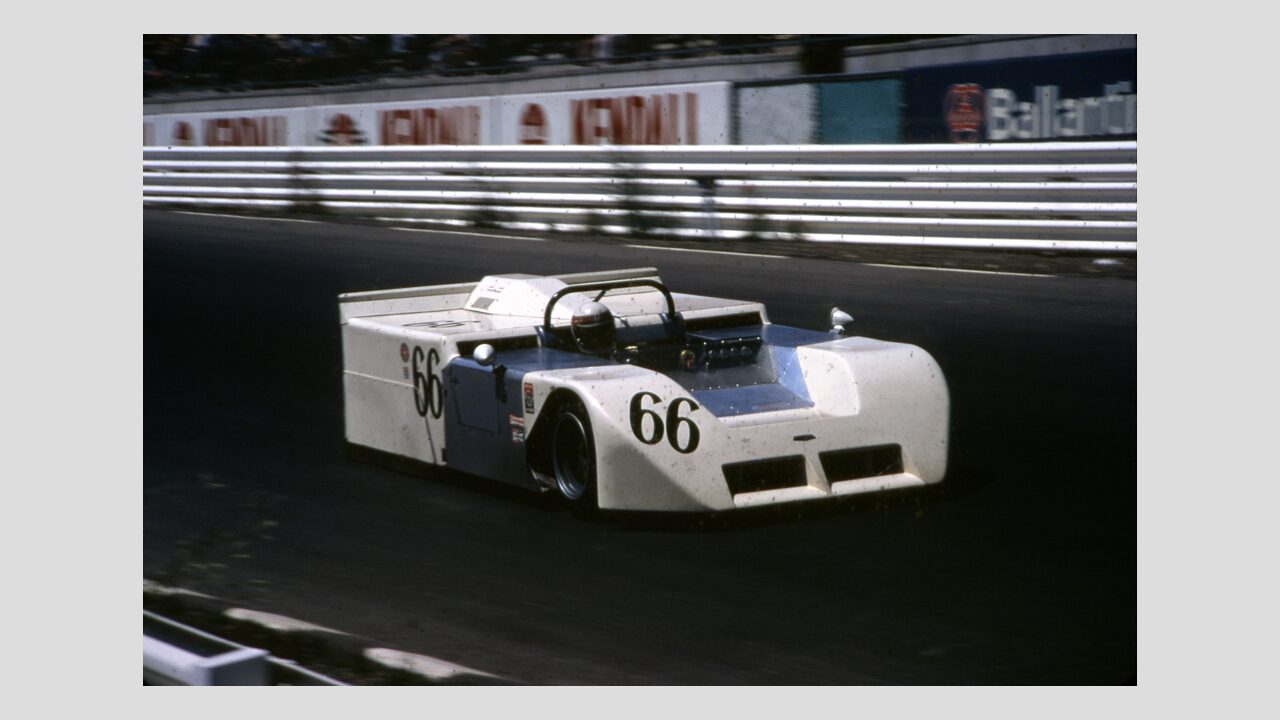
Listen on Apple
Listen on YouTube
Listen on Spotify

This content has been brought to you in-part by sponsorship through...

Motoring Podcast Network

Taylor Ferns: Racing Toward a Legacy in Open Wheel and Beyond

From quarter midgets to USAC Silver Crown, Taylor Ferns has carved a path through motorsports that defies convention and embraces grit. In this episode of the Break/Fix podcast, we dive into the story of a driver, law student, team owner, and motorsports advocate whose journey is as multifaceted as the cars she races.

Photo courtesy Taylor Ferns

Taylor’s motorsports origin story begins in Michigan, where family weekends revolved around the Daytona 500 and tales of her uncles racing stock cars in the ’80s. At just six years old, she sat in a quarter midget for the first time – and never looked back. That moment sparked a 22-year racing career that would span dirt and pavement, sprint cars and stock cars, and a growing list of firsts for women in motorsports.

Tune in everywhere you stream, download or listen!

Listen on Apple
Listen on YouTube
Listen on Spotify
Photo courtesy Taylor Ferns

After stepping away from racing to pursue her education, Taylor earned her bachelor’s and master’s degrees with honors and began law school. Her time working at a law firm not only reignited her racing career – thanks to sponsorship support – but also clarified her future: combining her legal expertise with motorsports. Her goal? To represent drivers, negotiate contracts, and advocate for racers from within the industry.

Photo courtesy Taylor Ferns

Spotlight

Synopsis

This Break/Fix episode features Taylor Ferns, an accomplished race car driver, team owner, law student, and writer. The episode, supported by Women in Motorsports North America, dives into Taylor’s expansive 22-year career in racing, her numerous accomplishments, and the challenges she faced. Taylor shares her journey from being inspired by family members who were racers, her early accomplishments in USAC, to taking breaks for education, and her eventual return to racing. The discussion highlights her love for open-wheel cars, particularly sprint cars, and her aspirations of merging law with motorsports. Taylor emphasizes the importance of mentorship, the role of diversity in racing, and how women in motorsports can continue to thrive. The episode also touches on the impact of sim racing, Drive to Survive, and the globalization of motorsport. Taylor’s narrative is a testament to her passion, resilience, and dedication to motorsports and supporting the next generation of racers.

  • Let’s talk about The who/what/where/when/how of Taylor – how did you get into Motorsports? Did you come from a racing family? Something you picked up as a hobby or by way of friends?
  • So you’re a lawyer too (or soon to be), eh? Tell us about that… Why law? (does the racing drive the law career, or the other way around?)
  • Who were the women at the time, as you were starting out that inspired or helped you build a career in motorsports?
  • The role of Sim Racing in the future of the sport. Circle/Short Track is getting some love from iRacing – does simulation help/hurt Motorsports?
  • Let’s talk about the good, the bad and indifferent of racing – the business side of things.
  • If a young girl walked up to you today and asked, Why do/did you race? What would you say?
  • What’s next for Taylor? Any spoilers? Big events you’ll be at? 

Transcript

Crew Chief Brad: [00:00:00] BreakFix podcast is all about capturing the living history of people from all over the autosphere, from wrench turners and racers to artists, authors, designers, and everything in between. Our goal is to inspire a new generation of petrolheads that wonder. How did they get that job or become that person?

The road to success is paved by all of us because everyone has a story. The

Crew Chief Eric: following episode is brought to us in part by the women in motorsports, North America, a community of professional women and men devoted to supporting opportunities for women across all disciplines of motorsport by creating an inclusive, resourceful environment to foster mentorship, advocacy, education, and growth, thereby ensuring the continued strength and successful future of our sport.

Tonight’s guest is an accomplished race car driver, team owner, law student, writer for Speed Sport, and co host of On the Drive. Throughout her 22 year racing tenure, she has won numerous races, [00:01:00] championships, awards, and set records that not only pertain to her gender. but also in a diverse portfolio of race cars on varying race surfaces.

Lauren Goodman: As a United States Auto Club USAC champion, Taylor Ferns has carved a name for herself within the open wheel ranks, including, but not limited to, being the youngest female driver to win a sprint car race. Becoming the first female to win a USAC midget and sprint car races at a multitude of racetracks.

Being the second female ever to win a USAC championship. Having the most USAC silver crown starts by a female and having the highest finish. By a female and USA sees 51 year silver crown history. She’s here with us on break fix to share her motor sports journey with you.

Crew Chief Eric: And with that, let’s welcome Taylor to break fix.

Taylor Ferns: Hi guys. Thanks for having me. I’m excited to chat with you all.

Crew Chief Eric: And joining us tonight is our returning cohost break fix. Lauren Goodman, supervising producer of media and exhibitions for the [00:02:00] revs Institute. So welcome back to the show, Lauren.

Lauren Goodman: Thanks for having me.

Crew Chief Eric: Well, Taylor, like all good break fake stories, there’s a super heroine origin story.

So tell us about the who, what, where, and when of you, how did you get into motorsports? Did you come from a racing family? Did you pick it up as a hobby? How did you get into this?

Taylor Ferns: Like a lot of people, I feel like you interact with and motorsports. A lot of them come from some forum of a racy background or parents, you know, that were mechanics or did something within the motorsports community in some way.

My two uncles on my maternal side actually raced late models and stock cars back in the eighties and early nineties. As soon as I came around, you know, I would just always grew up around it. Daytona 500s were like the Superbowl to us and kind of always had an idea at a young age that I was going to do something in motor sports as weird as it sounds like reflecting on it.

But at such a young age, there wasn’t a lot of visible females within the industry. So I never really was sure what that was going to be. When I was six years old, my [00:03:00] dad and my uncle, who had previously raced, had did some research, and a neighbor of ours had a quarter midget, which is like a go kart with a roll cage around it, and they found one for sale in nearby Lansing, Michigan, like an hour and a half away from our home.

It was like a family weekend trip. I have two younger siblings, and my parents all hopped in the Yukon, and we drove to Lansing, and as soon as I sat in the car, I just fell in love with it. I’ve been hooked ever since, 22 years on, and You know, I’m still here. You know, I did take a few years off there. I had some gap years, you know, racing’s expensive.

So it takes a lot of money, a lot of support to do this. And I knew if I was to go any further, I was going to need a lot more money than what I was already fortunate to have access to, but it was going to take even more than that. And so my dad was just kind of like, you know what, it’s time to maybe focus on the education and kind of always come back and do this.

Took some time off, went for my bachelor’s, graduated with honors. Went for my master’s, I started at law school and my job that I had, I worked for five [00:04:00] years as an operations director at the San Bernstein Law Firm. Working there is what brought me back in a way because they helped sponsor me and when I started racing again in 2019, they helped get me back on the track.

If it wasn’t for them, you know, maybe I wouldn’t be talking to you right now.

Lauren Goodman: I have lawyers coming out the wazoo in my family. My dad, my sister, my first cousin, once removed. My time in the law firm showed me that the law wasn’t for me. But what’s really, but I really like track. Yeah. The question is you who love being on the track.

What is it about the law that is still really interesting?

Taylor Ferns: When I was in high school, I was obsessed with racing. Obviously I still am, but as a teenager in high school and already missing 60 days a year, I was like, I don’t even see myself going to college. Like that was my mentality. When I started going to Grand Valley State University and I took my business law class.

I joke and say this story, but the first two weeks, the professor was like, Oh, you know, Michigan state has a special three and three program. If you’re interested, come see me. And I would just laugh. I’m like, there’s no way [00:05:00] I’m going to put my time and be done. Two weeks later, I was in professor Sanford’s office.

Like, how do I get into this Michigan state three and three program? I mean, I was just obsessed with the business law class. You know, at that time I wasn’t racing. And so, you know, I put so much time, focus, energy, competition. And to me, a lot of it, I think was the competition and the speed with racing. And so when I didn’t have that anymore, I was trying to compete with my academics.

And this isn’t a dig or anything on marketing, but I was originally like marketing and entrepreneurship major. And I ended up switching to finance and economics cause I wanted something that was just going to be super challenging for me. I think it was almost like the way of like complex thinking really challenged me.

And then I felt like I had a lot to relate to as far as like the business realm goes, seeing my parents growing up, like run their own businesses. And you know, my grandfather, the same way, there’s a lot of overlap there. You know, here I am, I’m graduating this May. So I definitely think a lot of it just goes back to the challenge of it.

You know, I love challenging myself. And so [00:06:00] I feel like. People will see that in a lot of the things that I take on.

Crew Chief Eric: Talking about the family business and sort of assessing the lay of the land and bringing your law degree with you. Have you found a way to partner together your racing career and your law aspirations?

Are you looking for a way to marry the two up?

Taylor Ferns: 100%. Actually, it was when I first sat down to take the LSAT, it was like a light bulb went off in my brain because. You know, I come from an open wheel racing background. And then when I was 16, 17, I dabbled in late models and stock cars a little bit, like with Arca and I raced with the Venturini’s for a few races because I wanted to go NASCAR racing in that time.

I dealt with a lot of contracts and, you know, sponsorships. And so I ended up. An attorney that did a lot of that work within motorsports. So, you know, when I sat down and took the LSAT, I was like, I want to do what Alan Miller does and represent drivers and work on contracts and things of that nature, and it was all business related ever since then.

It was my [00:07:00] vision from then has. almost come to fruition now because I talked to some of the sanctioning bodies I have close relationships with and that I network with and one of them was like you know what when you’re done with law school we’ll set you up with an office in Indy and you can work out of here and do a lot of the racing stuff for us.

I know I might have opportunities working in other law firms that do like contract work and things of that nature within racing as well. I’m definitely going to stay within motorsports. It’s definitely going to be the merger of two passions.

Crew Chief Eric: So let’s dive into your racing a little bit more. You’ve mentioned some of the different cars you’ve driven, and obviously you were thrown right into the arena of circle track and short track racing.

Your world is really interesting and people don’t really realize how nuanced it is and how many different disciplines exist. Dirt versus asphalt versus short track versus sprint cars and midgets. I mean, there’s so many different things going on there. What was the progression like for you? You wanted to go to NASCAR, but did it get easier as you went up?

Did it get more [00:08:00] difficult? Which cars were the most fun to drive? You know, those kinds of things.

Taylor Ferns: For someone who wanted to go to NASCAR, that was a very unconventional route that I went. I started off in quarter midgets, you know, I did bandoleros, I went 600, micro sprint racing, and then I just automatically, by the time I was 12 and 13, I started in full size midgets.

And then I got into sprint cars when I was 14, and then I started racing USEC Silver Crown when I was 16, while at the same time dabbling in late models and Arcas. Mixing up the open wheel cars with the fender cars. At a young age, you kind of go with what you know. So when I was younger, I grew up around NASCAR.

Like that was the epitome, especially for my family. So it was natural and organic for me to be like, I want to go NASCAR racing. Well, at the same point in time, I loved open wheel. When I started racing the late models and the stock car stuff, I loved it. And I took naturally to it. Obviously for me to continue on, that was going to take a lot more money.

And for me, I love any race car I can get into and drive. But as far as my [00:09:00] favorite cars to race, I will always say it’s sprint cars. And obviously, like you had said, there’s so many different variations of that. I mean, you could have a wing pavement sprint car, you could have a wing dirt sprint car. A non wing pavement sprint car, a non wing dirt sprint car.

Then obviously then you have the different engine sizes, so on and so forth. You know, I started racing sprint cars when I was 14 and I’m 28 now and I’ll still say, I make it known that I love sprint car racing.

Crew Chief Eric: You really like the open wheel cars, but what I didn’t hear in there was. Supermodifieds. Isn’t that the next step?

Taylor Ferns: Yeah, honestly, I’ve never raced a supermodified. Can’t even say I’ve had an opportunity to do it, but I’m sure if I put a blast out there, tried calling somebody, might know some people within that realm. I’m sure it’s something wouldn’t be hard to do. You never know. You might see me at a supermodified race one of these days.

Crew Chief Eric: The aspiration was to go to NASCAR. And I wonder, was that because at the time you were seeing personalities, like let’s say Danica Patrick on television as a woman in NASCAR, or [00:10:00] were there other females in motorsport that you were inspired by? And one of the names that pops out, especially in your world is someone like Aaron Crocker, Everham, which everybody knows from Winged Nation, the first woman to win an outlaw race.

Who were you striving to be? Like?

Taylor Ferns: I was lucky coming up, like there was a handful of females, like Danica obviously, and indie car, and that was someone when I was growing up that I really looked up to. ’cause I really thought she was a great indie carri open wheel driver. And then obviously she transitioned to nascar.

Didn’t see as much success there, but you know, she. still like a prominent fixture as far as like drivers that I looked up to was like meeting more of the crossover drivers, like Tony Stewart or Jeff Gordon, you know, that came from open wheel and then transitioned over to NASCAR at some point. And then that’s really where they made their name more.

So for me wanting to go to NASCAR was, it was always because. When on Sundays sell on Mondays, I feel like when you bring up NASCAR racing, like, I don’t come from a prominent racing community, so to say, in Metro Detroit. But, you know, you bring up NASCAR and people recognize it, [00:11:00] whereas, like, if you try, and I hate to say it, I become a big fan of IndyCar, but you try to bring up an IndyCar and it’s not as relative, maybe, or it’s not as, like, well known, I feel like.

As you grow, your dreams evolve at the same time, and so I think right now, I’m definitely more aiming towards the IndyCar route, maybe if I had the opportunity to do something in that realm, because as far as like the easier access goes, and then relating more to what I come from now, that might be more of a realistic goal.

Lauren Goodman: I love that just because as a student of motorsport history, looking at all the American greats who cut their teeth on dirt tracks. In midgets in sprint car and turn that into an incredible career at Indy. To me, that makes total sense.

Taylor Ferns: For me, it’s always like bringing back the nostalgia about it. I’ve become close and I’ve interacted a lot with the vintage Indy guys.

They have a shop based out of Brownsburg, Indiana, and they restore a lot of vintage Indy cars. And you learn a lot about the history of the sport, but specifically the USAC ranks and when those guys came from USAC to IndyCar. [00:12:00] You know, that’s kind of something in a way that I was hoping to bring back because I feel like it’s forgotten.

I feel like when I talk to a lot of IndyCar teams now, you almost kind of have to sell the USAC Silver Crown model to them. It’s almost like a lot of people forgot that history. That’s something that I’d like to bring back because I feel like there is so much relation and overlap there. Consider my bias, right?

But there’s a lot of the guys from, like, the USAC ranks, specifically the Silver Crown drivers, who I have a lot of respect for, but I think that they’re overlooked in a lot of ways.

Crew Chief Eric: With that said, dirt or asphalt? What do you prefer?

Taylor Ferns: Uh, this is such a tough question for me because if somebody was to ask me this when I’m running better on dirt than I am pavement, naturally when I was younger, I’d be like, Oh, dirt.

And then, you know, same thing the other way around. I love them both. I love having the opportunity to go back between both of them. I think it really creates a diverse and complete driver. But, you know, I will say right now, I do lean more toward the pavement because that’s always been something [00:13:00] that’s just come natural to me and organic.

Whereas the dirt has always been something that I’ve really had to work at. But, you know, if you think about it, like, when you go silver crown racing, there’s only, like, five dirt Silver Crown race is on the schedule. Well, you’re racing against guys like Justin Grant, CJ Leary, Brady Bacon. They race those dirt nine win cars like 80 times a year.

For me to do that only five times a year. You don’t want to show up and be already defeated, but you already know at some point to be realistic. You’re fighting for fifth through 10th. I don’t like that mentality, but you got to take into context all the seat time. Right now, I just don’t have a lot of the dirt.

I definitely try to focus more on the pavement because I know that’s my strong suit right now. But just always taking away whatever I can when I race the dirt stuff.

Lauren Goodman: When you look at other drivers you’re with, just like certain tennis players will say, he’s great on the clay, she’s amazing on the grass.

Then he’s great on, on asphalt. Do you see that in the other drivers?

Taylor Ferns: Yeah, I see that in the other drivers. Even my family’s like, you’re one of the best [00:14:00] pavement drivers. Sometimes they try to like even steer me away from messing with the dirt right now. Everybody has their thing, you know, it’s like what you said, no different than basketball or football or whatever.

So everybody’s going to have their thing if they take two more. I used to think I was a pretty decent dirt driver. Practice makes perfect and I haven’t practiced it a lot.

Crew Chief Eric: With all of your driving experience. experience. There’s comes these moments for all of us that participate in motorsport and they’re learning moments.

What’s gone wrong at the racetrack and what have you learned from it?

Taylor Ferns: So I will say this past season, so 2023 season definitely did not go the way that I wanted to in any way at all, did not meet any expectations that I had set and nor did we achieve any goals that I set for. Myself and my team. And so we had to overcome a lot of adversity and a lot of problem solving.

When I reflect on that, I say that there was a lot of growth there. And there is a quote that I like to turn to from Denzel [00:15:00] Washington. And he said, don’t view things as problems, view them as opportunities. For example, if I qualify bad and you know, I got to start towards the back, it’s like, what an opportunity I have to pass a bunch of cars, be hard charger or whatnot.

But there was one moment in particular that stuck out last season. And it was my very first Dirt Silver Crown race back in eight years. And we were out in Belleville, Kansas. We had just put together a brand new car, brand new frame, parts, engine, you name it. Everything was brand new. You don’t normally get a practice day racing.

After four laps on practice, my motor blew up. We didn’t have a spare. All my guys were like getting ready to load the trailer to go home, head back to Indiana. And I was like, nope, we’re going to find another motor. A buddy of mine had one for sale in Brownsburg, Indiana. I had another buddy go and pick it up.

Drove all night to Belleville, Kansas. We put it in and I raced. And we ended up finishing 9th or 10th. It wholly encapsulates, like, our entire season last year. But what it comes back to is just never giving up. And, you know, it’s [00:16:00] easier to give up than to keep going. To quote Winston Churchill, you know, it’s the courage to continue that counts.

We’re never out of the fight. And I definitely gained a lot of mental strength from that last year.

Lauren Goodman: If I were your magic sponsorship fairy, And I came down right now and tapped you. And I said, you could drive at any other series and any other track. What would you like to do first?

Taylor Ferns: Number one would be the Indy 500.

Obviously at MIS. That’s on my bucket list. Something I’d really want to do and something I’m really working hard towards. But on top of that, you know, I always. Say if somebody says I had my perfect scenario with a sponsor that would let me do whatever I wanted to do or whatnot, I would say winged dirt, sprint car racing all the way.

And formally it was always like when I was winged dirt, sprint car racing, when I was a teenager, I was always like, I want to be an outlaw and race with the world of outlaws. Now, you know, there’s kind of like that split field, you know, right now between High Limit and World of Outlaws. Winged Root Sprint Car Race is something that will always have my [00:17:00] heart.

It’s between those two.

Lauren Goodman: I think that’s wonderful. We can hear your passion for

Taylor Ferns: it. Thanks. For

Crew Chief Eric: sure. Going back to your aspirations for NASCAR, There’s been a lot of changes happening lately and especially last year. And I want to kind of get your take on things like garage 56 and how that really shook up motor sports.

Taylor Ferns: It’s a really interesting concept. It’s a really great marketing tactic. A brings a lot of extra attention. And as far as like globalization goes, like international influence, bringing those international fans over, because also overlaps with the whole formula one drive to survive on net. That really brought in the American fan base because the statistics prior to drive to survive and how formula one was like barely making it, or they barely got the field that they do now.

As far as like fan base goes at circuit of America is an awesome. And now they’re selling now and now added. Two American races within the past two years. That’s unheard of. And NASCAR is probably trying to do the same thing. [00:18:00] Steve Phelps with NASCAR, I’ve interacted with him a handful of times at the women in motorsport events.

And, you know, he definitely really has that corporate mindset and, you know, That I think that comes with globalization and trying to target those fans overseas because NASCAR historically was kind of like grassroots Americana. The garage 56, I think is just the evolution of NASCAR.

Crew Chief Eric: Did drive to survive convince you in any way?

Are you a fan too?

Taylor Ferns: Yeah. You know, honestly, I didn’t know too much about F1. Before that, just little tidbits here and there. I try to keep up with it now as much as I can. And, you know, it is also interesting, you know, hearing from international drivers, how much they train in their mindsets, you know, a lot of that like relates and I can connect with them in that way, as far as from a competition standpoint.

If you’re a competitor, no matter what it is, whether it’s racing or basketball or football or whatever, you know, you all have this similar mindset. I’m really interested in human behavior and so learning from other people and what makes them tick. And so I think that’s something [00:19:00] that drive to survive brought to light as well.

Crew Chief Eric: And you touched on something really important, which is the training that the F1 drivers go through. And I’m glad you brought that up because one of the other things that has changed in the last couple of years, and it’s a result of the pandemic in some ways. Is the explosion in the sim racing world.

And a lot of people are saying it’s the future of motorsport. There’s all sorts of titles out there and simulators that really lean towards formula one or sports car and endurance racing, and even rally in some respects. But there’s a little bit of love for short track and circle track out there through the iRacing community.

Do you use sims at all to practice? And do you think it helps or hurts motorsports?

Taylor Ferns: Utilize some simulator training. I have a relationship with Dallara and they let me go into their facility and Speedway, Indiana, and I’ll use some of their simulators that they have there. And then I also train at Pit Fit down in Indianapolis and they have a simulator in there as well.

For me, I’m trying to get used to some road course racing right now. And so that really helps as far as [00:20:00] adapting and getting used to the tracks, maybe breaking points and downshifting growing up. I’ve kind of always utilized. The phrasing I mind race, I don’t I race saying that I’m kind of implying that there still is a lot to getting used to when you get in the actual car and you’re on the track versus the simulator.

And I don’t think anything will be able to like really replicate that. I know there’s like three simulators in the world that are as realistic as it can get. And I know that I think Dallara has two of them. And then I think there’s like maybe a NASCAR facility, like Toyota or Chevy or something that has one also.

I’ve heard that those are pretty legit. But as far as maybe what like the common folk has access to, I think there’s still nothing comparable to getting actual seat time in a car at a track. I was at Skip Barber Racing School in September doing some road course training, and there was a student there that was in the school and he had just always sim raced.

And so this was his first time like actually [00:21:00] getting on the track, utilizing those skills that he had learned on the simulator. And it was really interesting because You know, he did have some speed, but it was funny because one of the trainers was like, Oh, you can tell he’s an eye racer based on some of like his technique.

You know, I wish I would have inquired a little bit more about what he meant as far as like his techniques and like how you could actually tell, but I just thought that was like a funny takeaway.

Lauren Goodman: I’ve experienced Only very low speeds at high performance driver education, but I’m telling you the effects on your body are extreme.

Yeah, I was not anticipating how it’s like running a marathon driving a car for long periods of time. Yeah, I’ve of course subscribed to like all the things all of like the F1 TV and the WRC plus blah blah blah and then they’ll often feature their This is our e racing, our sim racing. And like these children who look like they could not lift a twig are there.

And I’m like, there is no way you could try a sports car for a three hour stint because the conditioning you have to [00:22:00] have is like you’re a performance athlete.

Taylor Ferns: It’ll be surprising. Cause sometimes I’ll look at people who are racing the silver crown stuff will race a hundred mile races. And. For an open wheel car, like that is endurance racing, especially for what we do.

I mean, you’re seesawing at the wheel for a hundred laps. And so you gotta be in peak condition. I mean, it’s no joke. And sometimes, you know, you kind of look around at the field, like what you said, and you’re like, how is this kid wheeling that? You know, he looks like he’s like maybe a hundred pounds soaking wet.

It amazes me as well, but I know how hard I train to do it. And since a young age, you know, I’ve always worked out really hard to try to stay in the best. physical shape. And even now, sometimes at the end of a silver crown race, I’ll look around and some of those mile races will race and it’s like 100 degrees out on the dirt miles.

And you know, it gets pretty hot in there and we’re in open wheel cars. And I know like also when I used to race stock cars on a hot day, geez, it’s like 50 degrees hotter in there than it is outside. It’s pretty grueling. So you know, a lot of that not even just working out but sauna training. [00:23:00] Sometimes I’ll sit in the sauna for an hour just to get used to the heat.

It definitely takes a toll on your body. And then I’ve definitely learned over the years staying hydrated. I’m really big on the whole liquid IV packets now and staying on that. And it’s a lot. Also, when you add in all the traveling on top of that, too,

Lauren Goodman: sleeping in strange hotel rooms or motels, there’s a weird light outside and there’s a buzzing in the room you can’t get rid of.

And you can’t sleep.

Crew Chief Eric: So you’ve been to mid Ohio is what you’re saying. I got you. It’s all good.

Lauren Goodman: I’m sure all that’s going to mess with your performance. The business of racing. I’ll just bring this up because I have a degree in screenwriting. Believe it or not. When you’re in Hollywood, you discover that a lot of the business of screenwriting has very little to do with screenwriting.

And I think racing is the same way. Is that so much of what you spend your time doing is not actually being on the track. It’s the things you do. I’m bringing this up because I’m almost positive we maybe shook hands at the women of drive summit in Phoenix, but of course [00:24:00] I shook 800 million hands, which was amazing.

It was amazing to be in a big space with women who were all excited about this and wanted to help each other. There were so many incredible speakers there. I feel like I’m still digesting some of the things I learned and took from that conference. At first it was like, I’m like, Oh, am I a little out of place here being from like, A car museum and my specialty being like automotive history, but it made perfect sense as I looked at a lot of the struggles I saw young women drivers facing with the exact same struggles.

I saw women drivers from the past facing. It comes down to money because racing is a sponsorship. A lot of the famous women drivers of the past either came from money or had a connection who helped get them in the door that was almost the equivalent of money. And I think it’s still kind of the same.

And I think the conference did an amazing job for a lot of these young drivers saying, like, we’re going to give you workshops and breakouts about, okay, you can’t control this thing, what companies are going to decide to spend on [00:25:00] marketing. You can control these other things. One of the keynote sessions was about this is that companies don’t realize.

What a good deal women in sports are. I’m just curious, you know, does that reflect what you’ve experienced? Is that for companies, why aren’t they pouring money into this? Because people who follow women’s sports and women in sports, they spend the money. They’re committed.

Taylor Ferns: I was doing some testing. And I connected with an agent of some sorts and she represented a manufacturing brand.

We had conversed a lot, so on and so forth throughout the couple of days. And she ended up telling me, I get a lot of high profile brands all the time. They want to get in women in sports. And she was saying, it’s such a hot commodity right now. We’re trying to find everywhere we can to allocate money to women in sports.

So I’m like over here, raising my hand, me, me, me. But this is kind of a recent phenomenon in a way. And I think 13 ish years ago, that was maybe the early onset of it, but it was nothing then like how it is now. And the [00:26:00] reason why I bring that up, because when I won my USAC championship in 2011, when I was 15, I had won this grant or sponsorship from eBay motors.

And I think a lot of it, I had heard. From their marketing director was because they wanted a female. And I was not only that, but I was a highly competitive one. Like I had just won the USAC championship, so on and so forth. So that’s what they were looking for. So I was the ideal candidate really at that point in time.

That was the first time I had ever really heard that from a company. Granted, I was so young, but I really never heard anything like that again. Until really the past, like three years, if I would have had more access or there was larger access pools of that when I was in my late teens, before I took time off, I probably would never would have left.

And that’s a big thing with women in motorsports, North America, you close with Lynn St. James. She’s been a mentor of mine since I was 13. And I’ve worked closely with Beth Parada and Cindy Sisson. And at first we kind of came up with this theory, like the funnel [00:27:00] effect. And for me, it was like, you know, if you look around to a lot of the successful females in motor sports around the ages of like 18 to 22 to 23, you start losing them because they get to this point to where, and it’s no different with girls than it is with males, but because there’s so few females involved, especially from a driver perspective, when you already only have, let’s just say 8 percent of the school.

And you lose like your 6%, you know, when you get to that certain segment or like ladder, you’re losing a lot of your participation. We figure that, you know, girls are getting opportunities to go elsewhere, whether they’re going to get an education or they settle down and get married and have kids because they realize it’s kind of like the glass ceiling.

Like there’s nowhere to go from there if they don’t have access to. Money, not to say that’s just specific to the girls, because it does happen to the males too, obviously in greater proportions to the females, because there’s so few, now you see this big drive with women in sports [00:28:00] and, you know, a lot of people wanting to allocate money towards it, we just got to bring them to the racing realm.

There is like a certain look, you’ll see a NASCAR, like some of the girls that are in it now, they all have the look, but some of them, they’re just not performing, but they have the money. That’s where they have the upper hand. I mentor younger girls now. And what I try to tell them is like, I just try to pass on what Lynn St.

James taught me. The way you market yourself, how you present yourself, how you talk. Yeah, you can drive a car on the racetrack, but if you can’t do what it takes off the track, your chances just basically went down to almost zero.

Lauren Goodman: You’re going to be a development driver in that case. You’re going to be a test driver.

Yeah.

Crew Chief Eric: They still make a paycheck too. Everybody’s got a job.

Lauren Goodman: They play an important role. But I’m just saying from a historical perspective, as I look at some of the greats from our past, this has always been the case. This is nothing new, but you’re absolutely right. Because the racing funnel is always in Hollywood is the same way, always whittling down people.

But if you don’t have a 50 50 split at the [00:29:00] top of the funnel. Obviously, you’re not going to have a 50 50 split when the funnel gets narrower. Yeah. So it becomes a vicious circle where only the wealthy, only the white, and only the male are getting the opportunities because they can show up for the opportunity and not have to go to school and not have to raise the kids.

Crew Chief Eric: I attended a expo in Philly which catered to the circle track late model dirt world and What was really interesting about that is I went to booth to booth and teams are there, you know, they’re representing their engineering or representing the drivers. I was sort of taken aback by how many young women drivers there were in the different disciplines of short track and circle track racing.

And I was like, wow, you don’t see this in open wheel, Indy lights, even formula W is gone. Let’s just say there hasn’t been another female rally driver in like 30 years, you know, those kinds of things. And even in sports car and endurance. Other than the iron dames and a couple of others, they’re sort of few and far between.

But when I walk through those doors and I’m looking around, I’m like, there’s women everywhere. And then, [00:30:00] oh, I’m the team principal and I’m the owner. And, you know, I’m on the edge and I was like, wow, there’s a thriving community that maybe is sort of being overshadowed by the lack of women and other disciplines of motor sport.

And I feel like Taylor, you’re in the right place. To blossom as a woman in motorsport

Taylor Ferns: for sure. And I think a lot of it, you know, I credit women in motorsports, like spanning my perspective, because when I was coming up through the ranks, when I was a younger driver, I always thought that’s all I wanted to be was a driver.

So I was like, if I don’t make it as a driver, what am I going to do? So then I went off. to school. And I, at one point thought, you know, that was it. I wasn’t going to have anything else to do with racing. Then when I came back and started racing again, and I reconnected with Lynn and Beth Perretta, and you see Beth, you know, she owns her own team with Perretta Autosport.

That kind of got me thinking. It was, I didn’t always have to just be the driver. I couldn’t afford to race anymore. I could have went off and been an engineer, worked on the pit box and done something or been a team manager. It’s not like I still can’t do that stuff [00:31:00] when I’m done driving. You know, we talk about being an attorney in motor sports, really credit WMNA to that as well, because sometimes social media and stuff.

Now you kind of have greater glimpses to that. 10 years ago, the visibility wasn’t as high. You know, I credit them for expanding my perspective. And so, you know, I try to pass that on to the younger girls I work with as well.

Lauren Goodman: If you could make one change to USAC right now that you feel would expand the table.

What do you think that would be?

Taylor Ferns: Diversify their board.

Crew Chief Eric: Let’s unpack that for a second because, you know, there’s this talk about gender in racing, but there’s a bigger conversation to be had about diversity, whether it’s in ages, whether it’s in gender, whether it’s in creed, color, and otherwise. And I started to stand back from this conversation sometimes, and I like to think about it and go.

How do we make the paddock more diverse in general, more inviting for everyone that might have an inkling of interest in motorsport? And I think you said earlier, you know, drive to survive sort of invited a whole bunch of people to the table, but how do we get them off the couch [00:32:00] and on the track?

Taylor Ferns: Yeah, and I think it’s like a top down approach, right?

You know, from what I know, like I said, I have close relationships with the hierarchy at USEC. And, you know, I’ve known them for a long time. And so I think I have a lot of insight in this way to where I know some of the people on the board, but I know that a majority, if not all, is all Caucasian males, a lot of people, you know, in motor sports and ways are like minded people, who’s to say someone from a different race or a different gender.

And you add them on the board, imagine like all the greater concoctions of ideas that could come from that and how it would benefit the growth of the sport. I hold a lot of meetings with them and try to, you know, pick their brains and give them ideas on stuff to do to kind of expand as far as like the grassroots racing with the Silver Crown, the Midget, and the Sprint Cars that you set kind of overseas.

Maybe one day you’ll see me on the board. I don’t, you know, I don’t know.

Lauren Goodman: I was about to say, I will start your campaign. Do you want that right now? I will run your campaign. Yeah. Taylor for the board.

Taylor Ferns: [00:33:00] Contact Kevin Miller. I’m going to call him. I’ll make it tomorrow.

Lauren Goodman: You joke, but I will be making calls. All right.

And then suddenly Cindy Sisson is going to be on the case and then it’s all over. Oh

Taylor Ferns: yeah. I got you. You’re going to be on the case. She’ll be barking up that tree for sure.

Lauren Goodman: If young girl walked up to you today and asked, why do you race?

Taylor Ferns: Because I love it. It’s my passion. But aside from that, I’m obsessed with the lifestyle. I’m obsessed with the art of competition. The speed, the adrenaline rush, like the challenges. And I think overseeing in the long run, like how a race unfolds.

Folds, analyzing the cars around you and where you can pick up speed and how, you know, there’s just so many elements that go into making, not only making a car go around the track, but making it go around the fast and the fastest. Maybe that’s why I also am going to law school at the same point in time.

Cause it’s all the complexities. But you know, for [00:34:00] me, it’s like an all encompassing thing. I feel like with racing, you have to love it all. Otherwise, you’re not gonna be completely enthralled with it. You have to love to travel. Otherwise, I mean, there’s so much that comes into it. You’re gonna have to, at some point, interact with the business stuff and the business side.

But if you don’t have the passion for it, You’re most likely not going to go very far. Just be a weekend warrior. It’s all of it together.

Crew Chief Eric: That said, what’s next, Taylor? Any spoilers? Big events are going to be at something you want to tell us about.

Taylor Ferns: So I will be working with Skip Barber again in a few weeks.

I’ll be in Sebring testing a road course car. And then also with my podcast on the drive, we’ll be following the sprint cars. Maybe hit some late model races up and things of that nature. As far as my racing plans. Kind of saying this year, I’m going to be a little noncommittal and take it race by race.

Cause last year, you know, I put a lot of pressure on myself with all the issues that we had. And I was like, no, we have to be at every race. I [00:35:00] told them take it race by race, but you never know. Maybe I’ll pop up at a Indy car race or an Indy next race or a late model race or a wing sprint car race. Right now, you know, I’m focused on finishing up law school.

I’m focusing on my upcoming season with my sprint cars and my silver crown cars. We’ll kind of let the higher powers take it from there.

Crew Chief Eric: Well, Taylor, we’ve reached that part of the episode where I like to invite our guests to share any shout outs, promotions, or anything else we haven’t covered thus far.

Taylor Ferns: Yeah. So just a big shout out. Obviously I wouldn’t be able to participate in my past couple of seasons without the support of Bradford Allen, my sponsor. So I’m super grateful for them and believing in me and just helping me grow and prosper. Mobile One, the San Bernstein law firm that I worked at for like five years for kind of helping me bring me back to the track.

And, you know, without the support of my family, like each individually, my mom, my dad, my brother, my sister, my extended family, you know, they’re all just as obsessed with racing as I am. [00:36:00] And, you know, my number one supporters, you know, my grandma and grandpa, they live in North Carolina and they’re tuned into flow racing, watching all my races.

And so, you know, it’s all about having a great support system. And, you know, I have that. With my team as well, my crew chief, Common Beesacker, and my guys that help us out at the track, like Justin Upchurch and Michael Guglomucci, and surround ourself with a positive group and, you know, the opportunities are endless.

So I’m looking forward to the season.

Lauren Goodman: Over the years, Taylor’s perspective on the motorsports world and her placement in it has evolved. She now recognizes the power and greater meaning behind being a woman in a male dominated trade. With that, she has made it a personal mission. To give back to a sport she is so passionate about by mentoring younger girls interested in racing.

Taylor is also an active member of Women in Motorsports North America, regularly taking part in professional speaking engagements, and she is a contributing writer, podcast co host, and founder [00:37:00] of the Safety Bank. To learn more about Taylor, be sure to log on to TaylorFerns. com or follow her on social media at TaylorLFerns on Facebook, at TaylorFerns on Instagram and Twitter, as well as her YouTube and TikTok channels.

And you can always connect with her via LinkedIn.

Crew Chief Eric: With that, Taylor, I can’t thank you enough for coming on Break Fix and sharing your story with all of us. And I have to say, One of the things I really noticed is your passion for motorsports as a whole, not just your discipline in motorsport. And you said something really important earlier.

It’s a philosophy that I also subscribe to. So I’m going to paraphrase what you said, which is there’s no such thing as a bad situation, just problems looking for a solution. And I see that with you and your involvement in motorsports and in WMNA and how you’re engaging with the community. And I have to applaud you for what you’re doing.

So please keep spreading motorsports enthusiasm and good luck. This season.

Taylor Ferns: Thanks guys. I appreciate the conversation and looking forward to chatting with you a bit more, hopefully down the road.[00:38:00]

Crew Chief Eric: Officially founded in April of 2022, women in motor sports, North America is an official 501 C three not for profit organization because of its partners. Women as proud of what it’s been able to accomplish. And don’t forget that each year, over 450 women and men from all disciplines of motorsports attend their annual summit.

Attendees are open to industry executives, drivers, team members, OEM sponsors, racetrack representatives, and anyone working in the sport or wanting to learn more about opportunities in motorsport. If you’d like to learn more about women in Motorsports North America, be sure to log on to www.womeninmotorsportsna.com or follow them on social media at Women in Motorsports, NA, on Instagram and Facebook, or at underscore w na on Twitter.

We hope you enjoyed another awesome episode of break fix podcast brought to you by Grand Touring Motorsports. If you’d like to [00:39:00] be a guest on the show or get involved, be sure to follow us on all social media platforms at Grand Touring Motorsports. And if you’d like to learn more about the content of this episode, be sure to check out the follow on article at gtmotorsports.

org. We remain a commercial free and no annual fees organization through our sponsors, but also through the generous support of our fans, families, and friends through Patreon. For as little as 2. 50 a month, you can get access to more behind the scenes action, additional Pit Stop minisodes, and other VIP goodies, as well as keeping our team of creators Fed on their strict diet of fig Newtons, gumby bears, and monster.

So consider signing up for Patreon today at www. patreon. com forward slash GT motorsports, and remember without you, none of this would be [00:40:00] possible.

Highlights

Skip ahead if you must… Here’s the highlights from this episode you might be most interested in and their corresponding time stamps.

  • 00:00 Spotlight on Taylor Ferns
  • 02:07 Taylor’s Early Racing Journey
  • 03:50 Balancing Education and Racing
  • 06:11 Merging Law and Motorsports
  • 07:28 Diverse Racing Experiences
  • 14:22 Challenges and Growth in Racing
  • 16:12 Future Aspirations and NASCAR Insights
  • 19:19 Simulators in Motorsports
  • 21:24 Physical Demands of Racing
  • 23:33 The Business Side of Racing
  • 24:33 Women in Motorsports
  • 34:23 Future Plans and Mentorship
  • 35:22 Conclusion and Shoutouts

Bonus Content

There's more to this story!

Be sure to check out the behind the scenes for this episode, filled with extras, bloopers, and other great moments not found in the final version. Become a Break/Fix VIP today by joining our Patreon.

All of our BEHIND THE SCENES (BTS) Break/Fix episodes are raw and unedited, and expressly shared with the permission and consent of our guests.

Learn More

Support Women In Motorsports North America (WIMNA)

Women in Motorsports North America is a community of professionals devoted to supporting opportunities for women across all disciplines of Motorsport by creating an inclusive, resourceful environment to foster mentorship, advocacy, education, and growth, thereby ensuring the continued strength and successful future of our sport.


To learn more about Taylor be sure to logon to www.taylorferns.com or follow her on social media @taylorlferns on Facebook, @taylorferns on Instagram and Twitter, as well as her YT and TikTok channels and you can always connect with her via LinkedIn. 

Taylor’s racing resume is packed with milestones: youngest female sprint car winner, first female USAC midget and sprint car victor at multiple tracks, and the highest-finishing woman in USAC Silver Crown history. Though she once aimed for NASCAR, her heart belongs to open wheel – and her sights are now set on the Indy 500. She’s passionate about preserving the legacy of USAC drivers who historically transitioned to IndyCar, and she’s determined to bring that narrative back into the spotlight.
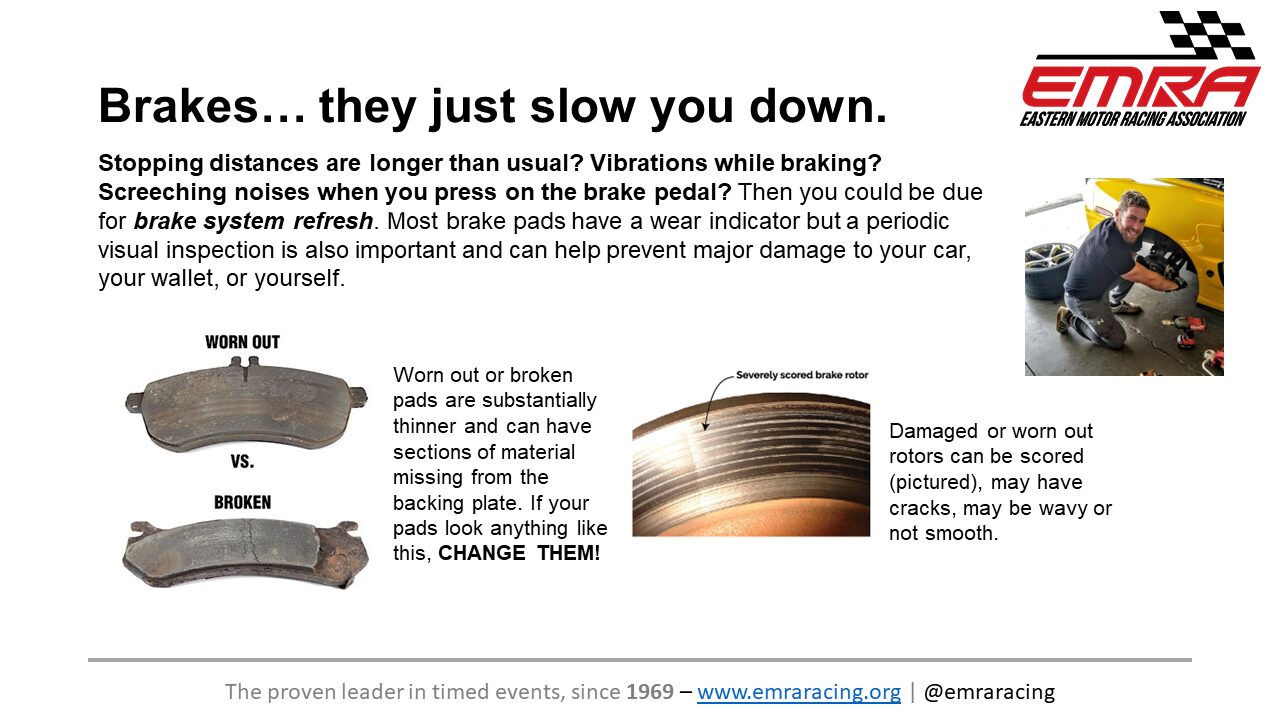
Photo courtesy Taylor Ferns

When asked to choose between dirt and pavement, Taylor admits it’s complicated. Pavement comes naturally to her, while dirt demands more effort and seat time. Still, she values the versatility and growth that come from mastering both. Her favorite? Sprint cars – especially winged dirt sprint cars, which she says will always have her heart.


Lessons from the Track: Resilience and Opportunity

Taylor’s 2023 season was riddled with setbacks, including a blown engine during her first dirt Silver Crown race in eight years. But instead of packing up, she sourced a new engine overnight and finished in the top ten. Her takeaway? “Don’t view things as problems – view them as opportunities.” It’s a mindset she applies both on and off the track.

Taylor trains at PitFit and uses simulators at Dallara to prepare for road courses, but she’s quick to point out that nothing replaces real seat time. Racing demands peak physical conditioning, mental toughness, and heat endurance – especially in Silver Crown cars during 100-mile races in sweltering conditions. Her regimen includes sauna training and hydration strategies to stay race-ready.


Women in Motorsports: Sponsorship, Visibility, and Change
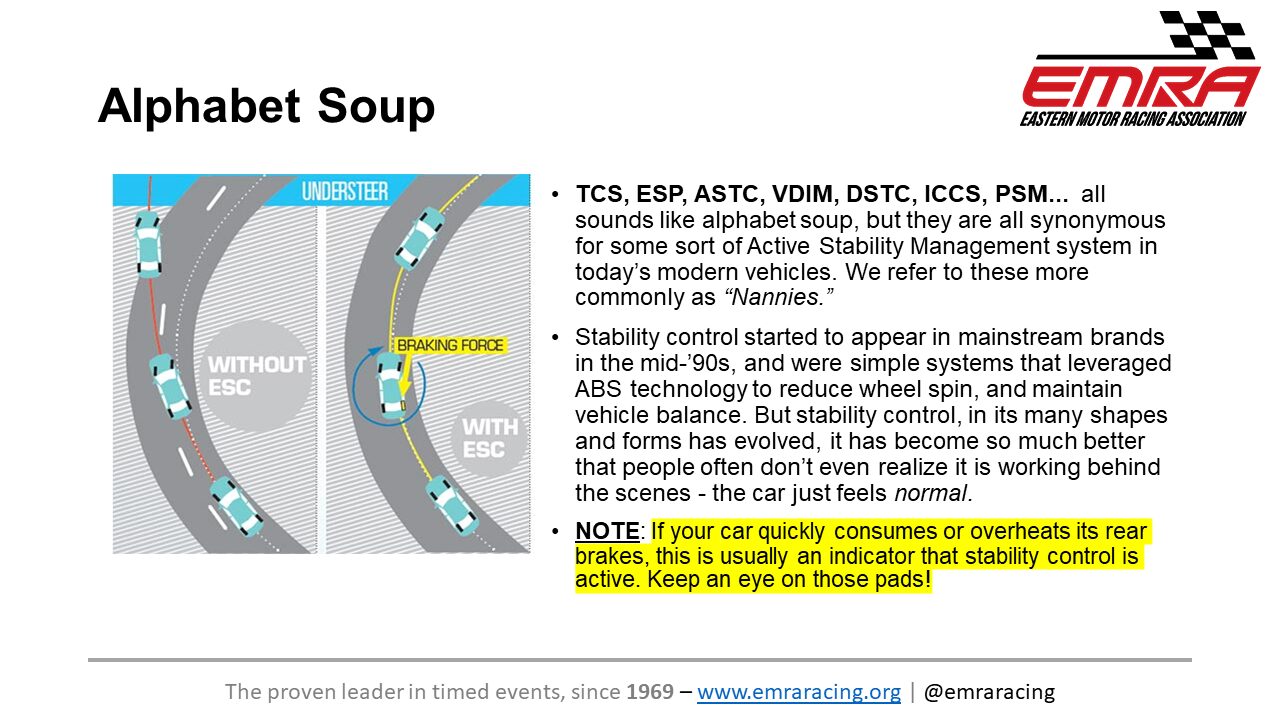
At the Women with Drive Summit, Taylor connected with fellow female professionals and reflected on the evolving landscape of sponsorship. While companies are increasingly investing in women’s sports, she notes that access and visibility remain key. Her own experience with eBay Motors in 2011 was an early example of a brand recognizing the value of a competitive female driver – a trend she hopes will continue to grow.

Photo courtesy Taylor Ferns

If granted a sponsorship fairy wish, Taylor would choose either the Indy 500 or a full-time winged dirt sprint car campaign. Her passion for racing is matched only by her commitment to shaping its future – through law, advocacy, and relentless determination.


Guest Co-Host: Lauren Goodman
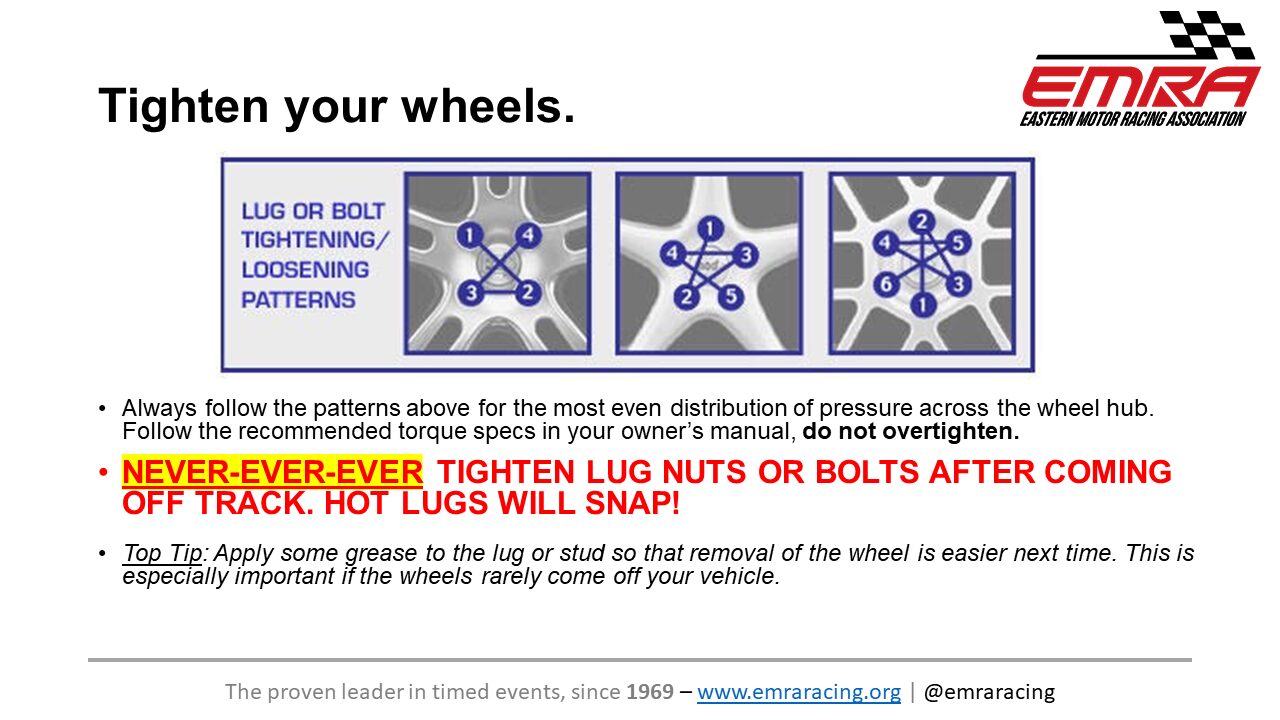
In case you missed it... be sure to check out the Break/Fix episode with our co-host.
Listen on Apple
Listen on YouTube
Listen on Spotify

This content has been brought to you in-part by sponsorship through...

Motoring Podcast Network

From Trade Shows to Palette Knives: Lyn Hiner’s Journey from PRI to Porsche-Inspired Fine Art

What do you get when you combine a childhood steeped in the scent of motor oil, a detour through the business side of racing, and a life-altering accident that reignited a passion for painting? You get Lyn Hiner – a professional artist whose vibrant palette knife work captures the soul of classic cars and the resilience of the human spirit.

Photo courtesy Lyn Hiner

Lyn Hiner’s story begins at the prestigious Pratt Institute, where she pursued her love for art. But like many creatives, she faced the practical challenge of turning passion into a paycheck. “My dad said, ‘No problem—just find a way to make money at it,’” Lyn recalls. That advice led her to the Performance Racing Industry (PRI), where she spent nearly a decade managing trade shows and learning the language of business.

While PRI didn’t directly influence her art, it gave her something just as valuable: the skills to run a business. “Anyone who wants to make money at art needs business acumen,” she says. “They don’t teach you that in art school, but they should.”

Tune in everywhere you stream, download or listen!

Listen on Apple
Listen on YouTube
Listen on Spotify

After years as a full-time mom, Lyn felt the call to return to art. But she didn’t dive in blindly – she researched, networked, and sought mentorship. One pivotal figure was Rick Delante, a successful local artist who generously shared his time and insights. “All boats rise with the tide,” Lyn says, echoing the spirit of generosity that now defines her own approach to mentoring.

Photo courtesy Lyn Hiner

Spotlight

Synopsis

This Break/Fix podcast episode with Lyn Hiner captures her journey from studying art at the Pratt Institute, working in the business world as a trade show manager at PRI, to becoming a professional artist specializing in automotive art. Underlining her story is a deep appreciation for the influence of her family and mentors. Lyn discusses her transition from the racing industry to art, leveraging her business acumen to succeed as an artist. She also details a pivotal life incident involving a severe burn injury that transformed her artistic style, leading to the creation of emotionally resonant, vibrant works. Throughout, Lyn emphasizes the importance of creativity, business insight, and finding one’s voice in art. The episode also explores her views on modern car design versus classics, the importance of integrating art into STEM education, and offers advice for aspiring artists.

  • Which came first, the artist or the petrol-head? 
  • There’s so many facets to Art and Painting – How did you decide to pair the two together? What was the inspiration? Was it a race/event, a car, a photograph you saw?
  • The Accident –  “Petals” collection, initially titled “Beauty from Ashes”
  • There’s all sorts of different styles of Art – what’s your chosen style/medium, and why?
  • There’s a new trend of “photo realistic” paintings popping up all over social media; what are your thoughts on these types of pieces?
  • There’s also a conversation to be had around AI-generated art, new systems like Stable Diffusion, Dall-E, Midjourney – in your opinion where is their place in the future of Art?  
  • How do you choose what you’re going to paint next? 
  • Acquiring Lyn Hiner art: Do you work on custom commissions? Where can someone purchase one of your pieces?
  • What’s next for Lyn Hiner?

Transcript

Crew Chief Brad: [00:00:00] BreakFix podcast is all about capturing the living history of people from all over the autosphere, from wrench turners and racers to artists, authors, designers, and everything in between. Our goal is to inspire a new generation of petrolheads that wonder. How did they get that job or become that person?

The road to success is paved by all of us because everyone has a story.

Crew Chief Eric: Studying art at the Pratt Institute in New York. Our guests ended up working in the business world as a trade show manager for PRI. You might be familiar with a performance racing industry. And for nearly a decade, she enjoyed everything about the racing industry and learn the value of good business acumen.

But those early experiences helped shape the course of Lyn Hiner’s life as she decided to become a professional artist. And she’s here with us on Break Fix to share her story with you. And with that, welcome to Break Fix, Lyn. Thank you for having me, Eric. Well, like all good [00:01:00] Break Fix stories, there’s a superheroine origin story.

So tell us about your time at PRI and how that transformed into becoming a professional artist.

Lyn Hiner: Well, I think the professional artist track was probably earlier. Established then PRI. PRI was my, Oh nuts. I need to actually make money. To be blunt and honest, one of the things my dad had said when I said I wanted to apply to art school was, Hey.

No problem. Just find a way to make money on it. And that’s what I wanted to do, but I didn’t actually finish school. So when I came out of school and I came back to California, I actually started a little road trip of my own of what’s going to be the fit and the fit happened with PRI trade show manager came as I went along and honestly, the journey has been littered with a lot of superheroes.

My dad, my mom, the guy I worked for Steve Lewis, he actually taught me so much. About business. And I would have [00:02:00] never guessed it would have affected this path that I’m on now. It did. And so I’d have to say the family who has supported and even pushed at times, but also been patient on the journey.

Crew Chief Eric: So while you were managing the trade show, which is a big to do, I mean, I’ve spent many a time in a convention center hall for other types of trade shows, including PRI there’s a lot to do.

There’s a lot of spinning plates. You mentioned that affected your art. And so were you always drawing and painting in the background? Were you doing it as a hobby? How did one influence the other?

Lyn Hiner: PRI wasn’t necessarily an influence on my art specifically. What it did was teach me how to run a business and anyone who actually wants to make money at art, you actually need to have some business acumen and some sense about you.

I don’t know why in art school, they don’t teach you that part. It’s such an important thing to know. Marketing, business, basic math, writing a letter. You know, those things are actually super important. My [00:03:00] boss, he would often say, Lyn, do you not know how to form a proper letter? Which is a little humbling to say that now, but it was true.

That was one of the things I didn’t really understand was just the language of business. And now I do.

Crew Chief Eric: So does the term starving artists? Apply to you or did you find your way to not

Lyn Hiner: know? I eat, I eat, I enjoy, I like a good bottle of red.

Crew Chief Eric: So with all of this that you learned through the business side of the autosphere, you were able to put food on the table, which is excellent.

And a lot of artists struggle with that. So what would you say is like the biggest thing? Outside of how to run a business that an artist needs to learn to really put themselves out there, maybe to market themselves, because that’s the other side, maybe the darker side of the business, especially today, when we think about it, social media and things like that,

Lyn Hiner: the professional side of doing art didn’t come to me until much later, even after I left PRI, I was mom for many years, and that was [00:04:00] my role and an important one.

And I was grateful for it. When the call came for being an artist, I didn’t go into it. Like, Ooh, I just want to do art. I hadn’t been creating in a very long time, but I knew the technical skills of it. And when I came back to it, I did a lot of research. I didn’t just wait for all that information to come to me.

I went and sought it out. Even as far as reading any newsletter, there’s an excellent, I would say shoes. Partly a mentor in a way for me, it was Maria Brophy. She reps a lot of artists. Well, specifically she reps her husband, but she trains or whatever. She comes alongside a lot of artists. She, she was writing only newsletters at the time when I came into it.

But she later wrote a book called art, money, success, and basically all the newsletters and all the podcasts and things I could hear from her, I devoured. And then any local artists, which at the time weren’t very many who would spend time [00:05:00] talking to me. I would reach out to them and ask them questions and of course, understanding business.

I didn’t do it while they were working. I would send them an email or ask, you know, Hey, can I pay you for your time? And out of the probably 20 that I reached out to, there was one local guy who is in his own right, very successful and has the most generous heart, Rick Delante. And he came over and spent hours with me.

I asked him, could you critique the work? Could you kind of take me through the process of how did you pick how much to charge and what did you do? And what do you, his generosity was that phrase, all boats rise with the tide. Reminded me that we can only be generous as far as we are willing to be generous.

And so from that, I’ve never, ever like any artist who’s ever asked me, I always will say, call me when I’m not working. Cause they’ll often ask me when they meet me while I’m working, but call me when I’m not working and let’s talk, let’s chat. And so that’s how I’ve spent more time with [00:06:00] Sam and with a handful of other artists.

I think that is the right thing to do.

Crew Chief Eric: Now we need to really peel back. Some of the layers here and talk about your petrol head side and we’re going to dive more into the artistry itself because there’s different types of art, you know, you’re not doing portraits and you’re not doing impressionism. You specifically are focusing in on automotive art and more importantly, Porsches.

Were you a petrol head before you were an artist? How did all this culminate?

Lyn Hiner: I grew up with my dad rebuilding and amateur racing Porsches. You can’t not have that influence your life. Gosh, I bet I could find it. I found it recently. There was a photo I pulled out from my high school wall and had a big Porsche with a whale tail on the back of it, and then I had a few posters on the other sides of it that I didn’t even remember I had, and there it was in this photo, and I was like, yeah, I geeked out, I geeked out on Porsches very specifically because my dad, he was the guy I.

Loved and admired. And here he was when I was very little, [00:07:00] had a Porsche, Hey, honey, put your hand on the shifter. Okay. Ready? Do you hear it? Do you hear it go? And he would have me shift. And so I would listen and I would understand and I would know. And then there were the smells and you know, your tiny little butts swishing around on the bucket seat of that car.

It cannot be undone. Those very formidable memories. Man, I loved them. I could tell you at night when they would drive by, I could hear them when I’m in my studio, my home studio, I can hear him go by and I know I immediately can see him drive by, I know the engine sound, everything. I don’t go in the engine and play around.

Let’s be fair. That’s not what I know. I know the car, I can point anything out. And as much as I love Porsches and I will always, you know, that will be my first love of cars. There are too many beautiful cars out there for me to not say. Uh, yeah, thank you. I will paint that. And yes, I would love to paint that.

I just finished two pieces for the upcoming Amelia Island Concours, DV5 and uh, Ferrari 330. They were stunning cars and I was grateful [00:08:00] to get to do them. Yeah, it’s not just Porsche in my paint world. So you asked me very specifically, how did I get there? Well, it was actually because I do other work. And in that other work, a collector asked me to do his car and it happened to be a Porsche.

And in doing that, I was like, okay, that was a lot of fun. Now, would I have put the two together when I came back to it professionally? Nope, not even a little, I never considered that to be a marriage made in heaven, I guess, because what I was doing was leaning into my fine art side. And at the point when I found my voice with knives.

Everything I knew about automotive artwork was very realistic. And so I don’t even think it was a fleeting thought until I did that car. I had fun. I had a great reaction on social media from people who saw me doing my other work. I was like, okay, is this a thing? Could I make this a thing? I don’t know if this is going to be a thing.

And all of a sudden I’m like, okay, this is the thing I’m going to do this other one and see if it’s a thing. So in the middle of prepping for another show, I put a blank [00:09:00] canvas on my easel and I pulled out a photo I had taken a year earlier at our local car show. And I started the same process I had done with that commission work that Portia, as I was putting the lines of this 427 Cobra on, I was like, I can see the whole collection.

I can see an entire body of work. I wonder if this is a thing. And as I was starting a third painting, a couple of months later, Peter McGillivray from SEMA reached out and said, Hey Lyn, If I found a spot for you, do you want to exhibit this? I like what you’re doing. Would you want to have a spot at Art Walk?

And I didn’t understand the gift he was giving me by that invite. If I had said no, I would have never had that opportunity and I would not be here now.

Crew Chief Eric: Well, you sort of walked us backwards into one of our most famous pit stop questions on Brake Fix, which is, you know, the most beautiful car of all time.

And so from an artist’s perspective, that’s quite subjective. You mentioned a few and I think it’s interesting that you did sort of cut your teeth on Porsches because especially the early Porsches are [00:10:00] unique in the car world because there’s not a seam on them. They’re very fluid in the design. They’re very round.

There aren’t any hard lines compared to other 50s and 60 cars of the time where you have big fins and angular lights and everything super futuristic looking. Maybe we put the Porsches aside or tell us what the best looking Porsche is, but what’s the most beautiful car of all time?

Lyn Hiner: Good gravy, Eric.

That’s a tough one. Cause there really are, if I’m going to go with my guttural first instinct, my first, like in my head, the car that I long to have would be a speedster without a doubt a speedster, but how do I not confess my absolute adoration for a five 50 spider, both Porsches. But if somebody is going to twist my arm, I am going to take my, I’m going to take it.

Let’s see, a 2 75 or three 30, I wouldn’t have a problem in the Ferrari realm. I would also add a Jaguar E type. No doubt in my mind, there are just too many beautiful cars and there’s my list, not [00:11:00] necessarily in a order of. Preference. But yeah, for sure. They would all be in my garage.

Crew Chief Eric: I’m glad you brought up the E type because it is our reigning champion.

A lot of people default that the E type Jag is one of the most beautiful designs. And I think second to that is the 250 Testarossa pontoon fender and a couple other cars of a similar era. It brings up a really interesting question. And this is specifically from a design language perspective as an artist, do you feel that modern car design Is on par with some of the classics.

Like, have we gone too far afield? There’s a lot of aerodynamicists that’ll say there’s one design that cheats the wind and that’s why Ferraris and NSXs and Corvettes all look the same. Now, do you think we’ve lost touch with design?

Lyn Hiner: I think we’ve lost touch with the beauty. I don’t know how else to say it.

Modern cars are aesthetically interesting. But I don’t know if I would categorize them as beautiful. And the problem for me is if it’s ever going to be part of my personal collection, the ones that I create at the beginning of the year, I almost [00:12:00] always, always lean into, I’d say probably 95 percent early sixties cars.

There are a few later sixties, but something about that. And I hate to use the word sexy because I think it’s relative, but unfortunately I just think that’s so true. There is an aesthetic that I can. Appreciate in a modern car, without a doubt, there’s some beautiful lines to them, but they’re very angular usually.

And in that angular ness, as type A as I am, if I walk into a room and I see a painting that’s not squared up, dear Lord, I don’t even know if I know the person I’m squaring it up for them because I’m like, how do you live with that? But on the beauty of a car, give me rounded lines. Give me rounded lines.

There’s something that’s so lovely about it. Maybe that’s why Porsche is such a favorite because even as modern as it gets, it stays rounded and in that they have stayed true to that beauty.

Crew Chief Eric: Well, there’s another side to this coin. The ugliest car of all time.

Lyn Hiner: [00:13:00] Oh dear. Small economical seventies cars are usually my least favorite cars I ever have seen.

But a close second are the early versions of electric cars. Holy moly. Those suckers are ugly, ugly, ugly. What were the designers thinking? You can’t make it. So it’s pretty to drive. No, you got to make it like it stands out. And it’s, Ooh,

Crew Chief Eric: yeah. Foxy seventies cars. Some of us do appreciate square bodies with round headlights.

I don’t mind them.

Lyn Hiner: I’m not talking about a beefy 70s Mustang here. I’m not talking about even a Challenger or Charger even for that matter. Oh

Crew Chief Eric: man, that is not a good era for design for me. Because there is a designer out there that is notorious for designing some of the most iconic boxy cars of that era.

Lyn Hiner: God willing, he’s not listening.

Crew Chief Eric: Giorgetto Giugiaro is not listening, but he did design cars like the iconic GTI. So I’m wondering, does that fall into the same category? [00:14:00]

Lyn Hiner: Not, not necessarily.

Crew Chief Eric: It gets a pass. It’s not a gremlin. I get it.

Lyn Hiner: Yeah. Well, and even a gremlin, you know, maybe because it’s like Beat up in this series of how awful can an awful car be a Gremlin or a Pinto is usually up there.

I get it. There’s something that’s sort of grotesquely fascinating, but not enough to make me want to have one.

Crew Chief Eric: Well, let’s drop this thing into second gear and let’s talk a little bit more about art. So there’s a lot of facets to art and painting, and we heard about your inspiration and how you got involved in this, but there’s a turning point, and you call it the accident.

It has to do with your petals collection, initially titled Beauty from Ashes. So I want to unpack that story a little bit for the audience that may or may not know what that story is all about.

Lyn Hiner: So in 2012, I was down at the beach with my daughters and some friends, and we were doing some rock [00:15:00] hunting.

And, It’s common if you live at the beach and we live in Southern California. And even if we were in the desert, we’d find interesting rocks and we’d collect small ones and put them in our pockets. And I was the only one wearing shorts. My daughters were both in their suits. We were hours into this journey and at the point when we finally got home, I was getting ready to go on a date with my husband.

We were celebrating his birthday, the rocks that were in my pocket and, uh, all the stuff And I felt an acute pain in my leg and I had no idea what it was, but the only thing that made sense in that split second was, Oh my goodness, something’s biting me, but it was hot. So I was thinking it’s something big.

So I kind of haul off to hit it. And when I looked down, I had a rather large flame coming out of my shorts. It had already burned a hole through the cargo side of my shorts. Cause my husband and I were talking at the counter. I started to back up and I said, my shorts are on fire. I wasn’t that calm by the way, but my shorts are on fire, get it off.

[00:16:00] And I’m still trying to hit it out. You know, like when you try and smoke out a fire, I’m trying to hit it out. What exactly caught fire in your pocket? It ended up being a piece of white phosphorus. I thought I was picking up a teeny weeny little bit of amber. You know, I had sea glass and I had a couple of pretty rocks.

And then there’s, Ooh, I found a little piece of amber on the beach. How cool is that? No, it wasn’t. It literally ignited like two hours later. So white phosphorus, if it is exposed to oxygen, it will ignite immediately. Well, the theory from all the investigators was. And there were a lot of them, man, it had been out there since they probably started doing maneuvers from Pendleton eons ago, decades ago, but it had probably rolled into crust of salt and sand and all that stuff that was protecting it so that when I came chomping up my stairs.

With the other rocks, it probably broke the crack and that’s when it got oxygen. It became a spurious [00:17:00] acid, had a 1200 degree flame. Plus this liquid fire that then coated all the other rocks, which then caused my floor to catch on fire because we had wool floors and it was a messy deal. We were out of our home for two and a half months while they were trying to rebuild our kitchen.

And it wasn’t like it did like catastrophic damage, but it was toxic damage. And so they had to take all that stuff out. Fast forward, it ended up being 10 days in the hospital and two grafting surgeries and a year of follow up, smaller surgeries because of scar tissue repair between my hand and my leg.

I had second and third degree burns that was. It’s a pretty trying season and you start walking around, no matter that you’re wearing compression garments and going in for another surgery in another week or two, people thought everything was fine. And hunky Dory, I had some bandages on my hand and my leg, you know, I always had to wear something comfortable with the [00:18:00] compression, but people just assumed everything was fine.

And so there’s this really weird space of challenge. Difficulty, you look fine from here down. I can’t believe it. I mean, even now, like people see my hands and you can’t tell unless you start really looking, but that hand, I was ready to have my finger cut off. The scar tissue had bent my finger in such a way.

I could not sleep at night. I was, I was constantly wrestling with it. And I went back to my surgeon who did all the work on me. And I was like. You know what, could you just cut it off? I’m left handed. This is a right finger. I don’t care. It’s impractical. It’s actually driving me a little nuts. Could you just take it from me?

And she’s like, well, no, I can’t just cut your finger off for that. Yeah. We would just start from scratch. She’s talking about taking everything off and starting from scratch with the grass. Oh, all that to say. That year was one of the hardest in my life. It was actually more than a year. The last surgery was almost a year later, but the [00:19:00] therapy and everything went for a few years longer.

And at the end of it, when I really was finished with all of it and my husband and I were kind of talking about what’s next, and I had been teaching art for a while before the accident, he was talking about in the scheme of things, what do you want to do next? And I said, I, I don’t know. Let me think on it.

After a week of praying about it and really considering what that would look like. I didn’t want to work in retail. I certainly didn’t want to go back to trade show. That was very demanding. I had done some consulting. I liked teaching, but I actually felt called back to art at that point. And when I came back to it professionally, I hadn’t created anything in literally decades.

So what was I going to do with that? I spent a year just getting accustomed to brushes and canvas and paint flowing on canvas. I was doing hyper realism because technically trained, that’s what you do. You go back to what you know, and that was what I knew. I didn’t have a lot of joy in that. So it was sort of an interesting problem, but I was having people buy some stuff, little [00:20:00] bits here and there.

About a year later, I had gone to, I don’t know, I was trying to jumpstart something and a friend of mine had said she was going to go take this class of all things on abstract and at school, it was probably the thing that bothered me the most was abstraction. I didn’t understand it. It was weird. It usually looked like somebody had lost their mind on canvas.

Those are immature thoughts, but that’s where I was at when I was going to school. At the end of it, through this class, I had to explore things and expand my consideration on a lot of things. Not the least of which is it isn’t nuts. It’s somebody’s interpretation of something. Yes, some people are intuitive.

Well, when I do intuitive abstraction, it often, at least in the early days, I’d say it was purple vomit. That was the only thing I could equate it to. It looked like junk. I didn’t like it. But as I took those paintings and I started to build on top of it, I couldn’t, practically speaking, I don’t cut off canvases when I don’t like something.

I gesso over it or I paint over it. You don’t [00:21:00] waste things, right? You just don’t waste. After I’d created Purple Vomit on canvas, which is the first piece, that’s why I call it all Purple Vomit at first. I sat with it, really had to explore why didn’t I like it? What was I going to do with it? Well, I created another painting on top of it.

And instead of using brushes, if I’m exploring everything that’s uncomfortable to me, let’s see what it looks like with knives. And so I did, I took my college knife and I took that old beat up knife that I used to use just for mixing paint. And I said, let’s see what it looks like. And I started to play with it.

And I realized, Oh my word, you use an obscene amount of paint. I kind of got a little upset about it, but I was like, no, no. We’re leaning in, we’re leaning into what we don’t know. How are we going to do this? And so the first couple of paintings I did with knives were these funky reflective water pieces.

And I was like, okay, I get it. As I moved past that and I was seeing the layers coming through from that first purple vomiting painting to this water reflective painting, that was not much of anything, but it was important. I started [00:22:00] thinking about the process of making something beautiful. And flowers came to mind and that’s where this whole idea of, okay, I see this layer, this layer that I didn’t like, but it’s part of the process.

And I see this beautiful part. And then I started to think about the florals and this whole concept of painting like this, what would that look like? Simultaneously, a dear friend asked me to paint her a large scale floral of all things. I wasn’t doing florals at the time. But as I was building on this layering process and doing things like that, I did this idea in my head, this abstraction.

And then I did this background and the background was kind of little dark, but moody and important. And then I built these really bright red poppies on top of it. And all of a sudden I was like, Oh my word. This feels important. This whole process was super important. I had allowed the drips in this purple vomit painting.

If this is important, let me, let me re explore this drippy thing I’m doing here and the imperfection of it [00:23:00] going from these tight. Perfect paintings to using knives and everything’s loose and allowing these drips, which really had a deep effect on me because as perfectionist as I was, I was allowing these things that were imperfect.

It’s a very painful process, but it was also, I, I immediately understood there was something important here. And as I finished that, I started working on a second one before I was even finished with the first, and then I started a third, and then I started a fourth. And what I realized was this was a conversation I was having with God about how my body, which had no ill issues before, was suddenly now scarred.

And disfigured in a way, not hugely, it’s not like I can’t walk, but it’s scar tissue. And it’s a big patch of scar tissue. And my finger wasn’t working for a long time. All of a sudden I realized, even though I had to go through this very dark season in my life, the outcome was I was ready to have this [00:24:00] conversation with God about something.

That was painful, actually still is very beautiful and allowing for that beauty and that joy to have a place in the dynamic of who I was, not to shove it aside, but to actually really lean into it. Here we are nearly a decade after this series started, which was in 2014. to that process of then building a collection, starting to show at shows, having a collector several years later who asked me to do a Porsche for him and that becoming part of that series.

And then they ran in tandem. Both series had a place. And so I was doing festival of arts in Laguna and I was doing big shows down in San Diego and other events that were still harnessing this conversation because people were so emotional about this. It touched people in a way I had no idea would.

Touch, but then to take that same process and apply to the cars, which I actually had, um, it wasn’t a moral issue with it. It was, it felt so [00:25:00] different. It was such a weird dichotomy of taking something that was constantly fun in my youth and taking it with something that was super emotional in my adult life and putting them together.

And then what I found was some of the people were having the same reaction about the cars. I had a guy in one of my displays having a literal emotional reaction to that’s my grandfather’s truck. And my grandma’s name was the name of the truck. I named this painting and we’re having a whole conversation about the memory of it.

And I’ll have people who come into my booth at Amelia and they will have 45 minute conversations about the car that let get away. And that’s it. There it is up on your wall. That’s my car, but it’s not so tight that it’s the car. It’s the memory of the car. And when I realized that is what was affecting people was the emotion of it.

It became so clear. It wasn’t just this frivolous thing I was painting. It was still this memory and something that was deeply important to people that. It’s kind of a cool deal [00:26:00] and I get to be a part of it.

Crew Chief Eric: But it defines your signature style. And as Kelly Telfer said, who is a guest on the show and a friend of yours as well, he said, if you want awesome palette knife work, you go to Lyn Hiner for that sort of thing.

But I think you hit the nail right on the head and it’s. Something I didn’t realize until you mentioned it, even seeing your art, when we got together during car week at Monterey, that palette knife work, when you look at even the images of the cars, it does have that hazy dream state to it, where it’s almost like you are recalling a memory.

And that’s something that other art styles don’t provide for you. And it makes it very unique. It’s very you. And that’s what is super cool about the artwork that you’re putting together, whether it’s the cars or whether it’s other things that you’re painting.

Lyn Hiner: Yeah, that is the whole point of not trying to just paint your car for you.

I’m trying to

Crew Chief Eric: evoke a response.

Lyn Hiner: Yeah. I’m trying to give you an emotion. I guess that’s the best way to say it. I want you to have the emotion. If we’re going to paint something, let’s have it be something that elicits a reaction. I want it to be a beautiful [00:27:00] reaction. I don’t want it to be the one that is reactive in a.

What the hell is that? Which actually I’ve gotten to,

Crew Chief Eric: we’ve had a couple other of your friends on the show, Samantha Zimmerman and Chris Dunlop to name a few, Samantha had high praise to say about you. And she also mentioned that you’ve mentored her and you’ve been an inspiration to her work. She has a totally different style.

She takes from some of the classic artists and masters that are out there. So have you collaborated with her on any projects or are there any other artists that we should be. Thinking about in the autosphere that had done some work with Lyn Heiner.

Lyn Hiner: I haven’t had a collaboration like that before, although all the artists that I’ve worked, not side by side with, but have shown side by side with at SEMA, we had a big idea one year and then of course COVID hit and it obliterated the idea, but the concept was really cool.

And I hope we do it at some point, which is let’s take one car and let’s all do our interpretation of it. I just think that would be beyond [00:28:00] cool for the audience to see, because we all have our preferences. I tend towards the Euro and most of the other artists who are there are clearly more in the Americana side of things and all of it has a place, but how cool would it be to see how each person interprets that car?

But other than that, no, I travel so much and my work schedule is such that it’s really hard for me to do some of those funner projects, but I’ve sort of settled. We finally got ourselves a proper studio here in San Clemente and we’re building out my wall, but on my wall, I’m going to have the special projects corner.

And that is going to be the spot where new works and new ideas start to formulate. And I’m excited about that.

Crew Chief Eric: You mentioned that during your art school training, you. Focused on hyper realism. These days, a lot of people recognize it as photo realistic art, and you see a lot of that cropping up on social media.

One of the folks that comes to mind, especially in this space, who does a lot of Porsches is Manu Kampart. Beautiful work. [00:29:00] Absolutely. And I want to get your thoughts on. This sort of Renaissance in this photo realistic art. And the question I get from a lot of folks is why would I buy that painting when I could get a blow up or a poster or a photograph, because that’s what they’re basing it on.

So what are your thoughts on hyper realistic art, especially in today’s construct?

Lyn Hiner: Well, the person that I know, and I deeply admire because he is among those photorealistic would be Ed Tilrock or Tom Fritz, both of them have. Just an incredible technical skill. What that brings to the table is a wealth of knowledge, not just from an artistic point of view, but also an engineering point of view.

And I would probably guess, I know Ed was a, uh, an architect. He has engineering in his mind. I’m thinking so does Tom. I’ve always had quotes around my home studio, but this one I brought to our new studio and it says to copy the object in a still life is nothing [00:30:00] one must render the emotion they awaken.

Now, that was a quote by Henry Matisse, like that was. An early quote I had slapped on my studio walls probably like around 2010. To know that quote was there even after I hadn’t been painting and then now painting, and to know that that’s sort of how I want to live it out, that’s important to me. Like I’ve had people call my work lesser because I don’t do realism and it’s like, dude, I can do it.

I just don’t. I choose not to do it. But the idea for somebody to say one is better than the other, it’s just a different approach. There is a place for both, but at the same time, it definitely describes how I create. It was like the essential of what I am trying to do, the essence of it. But it really is, it’s delicate territory because there are just so many gifted realists out there and I applaud them for it.

There’s just never any joy for me in it. For somebody who’s creating in the realism realm, when you [00:31:00] have that kind of skill, first of all, it’s very hard to. Pull away from that knowledge. It took me a full year of pushing out of working in that sphere in that realm. I had no joy in it. If you have joy in it, it will come through in your paintings.

So saying that as an observer, as a collector, I think there’s an understanding what goes into that. It’s. Copious hours and very small brushes oftentimes that are required and the patience that it requires. And I applaud and celebrate that. And I think it should be celebrated in the idea of why would we want everything to be so one way versus so another way, I think there is a place for all of it.

And it’s a beautiful gift that they have and they bring. I don’t personally think it’s a problem or good or a bad thing. I actually am super excited to see it all in one space. When we have automotive artists who are all showing together to see each person’s [00:32:00] style and voice come forward, I think it’s awesome.

Crew Chief Eric: This leads us into the most modern of art forms. You’re seeing this crop up all over the place. So I have to ask you about generative. Artificial intelligence or AI, there are systems out there like stable diffusion, Dolly mid journey and others. Where is your opinion on this? And what is their place in the future of art?

Lyn Hiner: I have some very close friends who have very strong opinions about it. That being said, some of them who are designers think it’s brilliant. The technology is incredible. How can you deny the technology? It is incredible. However, AI can’t put that space on the wall in that one corner of their studio.

That’s going to create something new. It could maybe put in my name or my style and say, Oh, I’m going to create like Lyn. In this moment, but it is not going to necessarily repeat how I’m going to create in the future. And knowing that, knowing [00:33:00] that that creativity is actually pulled from somebody. It’s not really intelligent in the truest sense of the creative intelligence that it requires.

It is taking somebody else’s concepts and putting it into an algorithm that feeds an idea. But it’s not going to take my ideas and make art. That’s going to be my future art, my art from when I started like this piece behind me is one of the very first out of the series, right? It is extraordinarily loose.

It has way more color. I am much tighter, which is sort of funny. I don’t know why that is going the other way. But if you were to look at this piece behind me versus a piece that I just finished. They have changed. You still know it’s my style. You still know it’s me, but it’s definitely still changing as I go in the artificial intelligence sphere of artwork.

It’s just somebody else’s idea and filtering it through this. computer. There’s no beauty in that. There’s no [00:34:00] cleverness in that. There’s no seeing that particular light and the joy that’s processed through that. I think it’s interesting, but I don’t think it has a true place in creativity. I know that there are people who are playing with it and they’re probably going to pursue that.

And that’s. Fine. Just like, how did it go? We went from vinyl to tape to CD back to vinyl and music. This is going to be the same thing. There’s always going to be a place. If you fight it, I don’t know. There’s something to be said about. Allow for the process to continue and see where it goes. But I haven’t found anyone yet who doesn’t appreciate art for art’s sake.

I have had people ask me if this is a photo that I’ve run through my computer before. To which I laughed heartily in their face.

Uh, no, pal. No. Nope. Uh, not going to be that easy. No.

Crew Chief Eric: Speaking of future art pieces, how do you [00:35:00] choose what you’re going to work on next?

Lyn Hiner: All my pieces for this year’s collection, I have two more that I didn’t get finished before Amelia, so they’ll probably come up in an event later, whether it’s Pebble or something that’s coming in.

We’ll see when the time affords me, but right easels and There’s a couple of pieces that are actually landscape. I’m doing one of Lake Tahoe right now, so that’s kind of fun. I don’t get asked to do a lot of that. And I have five automotive, one Lake Tahoe, one floral. Those are the pieces in process right now that are commissioned works.

Crew Chief Eric: So there’s a lot of talk lately about the A in STEM. People are like, wait, what? So it’s referred to as STEAM, science, technology, engineering, art, and mathematics. What’s your opinion on jamming that A in now, now that STEM has kind of found its place, and adding art to that?

Lyn Hiner: I think it’s critically important.

I helped to develop an art program for my kids elementary school. Because of that program, it was myself and two other [00:36:00] parents, two other moms who one was an architect, I was the artist and the other one was a jewelry maker. And we wanted to move away from a particular program that our school was currently using, which was academically driven and we wanted it.

Kids to have something that was creatively based. And we had kids that first year who would cry, not understanding that it was actually meant to be fun. Not there’s no grade on this. Let’s fast forward several years. That school became a steam school, a steam certified elementary school. And it was large in part due to this program, this create program that we had established.

Why do I think this is important if we do everything on one side of the brain, if everything is all left brain driven and we don’t apply what is happening on the right brain and we expect our children to be not just well rounded, but actually whole it’s half of a whole, you cannot just lean on this academic side [00:37:00] and not expect creative thought to emerge.

from nothing. You have nothing but numbers and digits and analog without the color and vibrancy of art, music, all of it. It’s half of a whole. It’s going to be bad in the future. In my opinion, talking about something I feel strongly about, this is where I feel strongly. I watched so many kids who came out of this generation, these last Decade and a half with no art.

That’s actually how I got paid for a lot of the time. I was just, just being mom. I would teach art because every parent who is desperate to have their kids learning something other than academic had to go outside the school. That was stuff we had in school. I, I remember vividly my elementary, middle school and high school, all having art as a pivotal part of our education.

And that’s why all these creative people through the 90s and 2000s, who were my age, create all these incredible things.

Crew Chief Eric: And the reason I bring it up is because we do have a propensity to talk to a [00:38:00] lot of engineers, pro drivers, things like that on the show. They talk a lot about STEM, and we talk a lot about diversity and inclusion.

I find that in the artist camp, it’s Just natural, there are so many different types of artists and so many different flavors and styles and this and that that the conversation around diversity maybe isn’t as strong as it is in other disciplines of education, but the one question that we can pull from this is.

When we relate it to the autosphere, let’s say a young lady walks up to you and says, Lyn, why paint cars?

Lyn Hiner: Why do I paint cars? Because I love them. I mean, they’re beautiful. Why wouldn’t I? I haven’t created the car. So let’s be fair. I, my artwork is an homage to the designer, the designer who took something that is mechanical and purposeful and made it beautiful.

Having said that. I’m just playing with it. I’m hot rodding it right now. Essentially a painting is my interpretation through the filter of my lens and I’m putting it onto canvas. If I can’t think [00:39:00] through how I want to make that personal to me, that might help you have a reaction towards it. Then I’ve lost all sense of.

What is emotion, feeling, beauty. Those are the things I want to evoke from you. I don’t know if that designer was necessarily doing it, but doggone it, when you look at some of the cars and the details on them, and you think somebody spent time putting that wood, they picked that wood for that dashboard, or they pick that Chrome detail right there.

Didn’t need to be there, but look at how beautiful it was. It was so thoughtful. That goes beyond just academics. That’s approaching a feeling, an experience, a guttural, like something deep. That doesn’t come from just the academics. So it goes back to, I found something beautiful. Florals are beautiful to me.

Cars are beautiful to me. I get to paint them. I’m gonna paint them. Why not?

Crew Chief Eric: So for someone that’s just starting out and trying to find their way, what’s the best advice you give them? What are some gotchas, [00:40:00] some lessons learned, things that you look back on your many years as an artist and say, if I knew then what I know now, this is what I would have done differently.

What could you pass on to a younger generation?

Lyn Hiner: Well, when I do have kids or the parents of kids who come to me, the first thing I say is let them play. Let them have fun with it. But I also say it’s not usually a straight line. It might be in some weird person’s life. I don’t know too many people who have a straight line from this is what I studied in school to this is what I do professionally.

Take all those experiences and honor them. They are part of the process. If you told me that working at PRI was going to affect the way I became an artist and. Made money at it. I would have laughed. I would have said, why would this have anything to do with it? But it does, it fully had an impact and I’m grateful for it.

So if somebody comes to me and asks about those early years, I’m like, don’t fight that you need to put food on the table, go have food on the table. It’s important. And then. As you are [00:41:00] doing this job that is putting food on the table, figure out how that is going to make you better at what you do later.

All those life experiences affect who we are and how our art comes to be. Once I found that voice, I was prolific. I probably did 150 works of art that first year. And I’m not talking about Itty bitty things. I’m talking about big scale pieces, but I also did little ones too. The idea is everything has an impact on how you can, you continue to create.

I’m now much slower in it because now I’m more thoughtful about it. But when I first started, once I allowed my life to just be what my life was, and now I was doing it professionally, there was so much to say, and there was so much joy. How do you not want to just keep doing it? It’s not like this explosive, Holy cow.

I created that look at it. It’s amazing. And you’re not doing it from a heart of I’m being arrogant, but a heart of pure joy that that came out of me, those things are because of [00:42:00] a life fully lived. So what I will always say to anyone who’s young, who’s talking to me, or the parent of somebody who’s young, who’s trying to dissuade their kid, or maybe encourage it and say, how does my kid make money at this, just keep living your life.

Do you. Do it well, don’t do it on the backs or on the heels of somebody else. Figure out your voice copying is part of the process. That’s how we learn, but then find your voice in it. If your school or whatever is not going to teach you how to make money on it. Well, then go find a real job, a real quote unquote, real job, a nine to fiver, I guess is a better way of putting it and find out.

How to make a living, understand why that guy’s marketing his business this way. Understand why a budget is important. Make sure you apply it because that’s how you’re going to make money. Know who your clients are, know who your people are, and then make sure you surround yourself with really good people who are going to encourage you and cheer you on.

I think it’s valuable.

Crew Chief Eric: So what’s next, Lyn, any upcoming projects, spoilers, anything you can share events in [00:43:00] 2024 that we should be looking out for you at,

Lyn Hiner: I am super excited to say that I just signed with some people who want to be Lyn Heiner, Japan, which is kind of this crazy idea and makes my hands sweat a little bit, but their hope and mine, I guess, is this idea that they are going to not just represent, they That they want to be my ambassadors, which is such a weird thing to me.

Kind of makes me a little weepy, actually wants to take what I do and they love it so much. They want to take it to their audience there. So that’s kind of cool. That’s happening right now. I’m not sure if we’ll be there, but the ideas will probably be there in April as they launch. But this is a three years in the making deal.

Like I met them three years ago and then we started having a conversation about this. year and a half ago. And we spent all of last year working out the details, which is not always easy with a language barrier, but we’re figuring it out. And so that’s kind of exciting. We’re going to go back to the UK this year and actually have a [00:44:00] display at Goodwood.

And that’s at least the plan. Let’s see if that all works itself out. Cause last year we thought we had it and then it fell apart. Right at the last minute, fell apart, still went and we had a great time. And now I understand their market and their requirements. They’re better. We’ll keep going from there.

Honestly, Eric, if somebody would have told me, not only that I’d make money at being an artist, I’m certain I would have laughed at them when I was younger. But even when I came back to it about a decade ago, I would have. Never known it was possible. And I sit here today saying that by God’s grace, my husband and I get to work together and do this together.

It does take more than one person to make it happen. Because if I want to create art, I cannot always be on the business side. And I was the only one doing both for a lot of years, but when he retired from his job and came working with me, I saw the value in that and that’s where we are, we’re building this thing that I want it to still be very personal and [00:45:00] intimate with the people that I get to do it with.

I have some really great clients that believe in me and that continues to grow, which I’m overwhelmed by. When I talk about these global things, it’s sort of like this, what,

Crew Chief Eric: me?

Lyn Hiner: But it’s kind of this really cool thing that is happening and I’m really grateful for it. It’s just trying to figure out how to make it all happen.

Crew Chief Eric: Well, since we’re still talking about futures, say we fast forward the clock several decades, you’ve left a presence on the world. You have to nominate a handful of your artwork to be hung, let’s say, at the Peterson or Revs or one of the other automotive institutions that are out there. What would you choose?

What would you nominate from your collection?

Lyn Hiner: There’s still more that’s coming and that’s going to be. Monumental. If you’re talking about like a retrospective, it would have to be the car. That is the homage to my dad’s car. The first piece in the series. Those are probably the 2 and I would say at least the Cobra.

So all of those have names, but the Cobra, that was the piece that I knew was going to become part of the [00:46:00] collection. The reason. Is that those are important, but there are going to be other works that I’m going to say are the pieces that I’m like, Oh my goodness. I’m so incredibly proud. I actually did that.

And there are a few of those in there, but those are the three that I feel are the most important in the collection.

Crew Chief Eric: Well, with that Lyn, we’ve reached that part of the episode where I like to invite our guests. To share any shout outs, promotions, or anything else that we haven’t covered thus far.

Lyn Hiner: First of all, thank you, Eric, so much for having me on here.

And you mentioned two people who are important, Kelly and Samantha, who I adore and are doing great things in their own right. And then they’re just very talented and Chris is among them as well. There are many who are out there, but if I’m going to do a shout out right now, just personally, it’s going to be to my husband, Rob, who really that guy, he is behind the scenes.

He has just the most supportive heart and works incredibly hard to make everything happen. So I don’t have to think about that. I don’t need to think about the crates or [00:47:00] he worked tirelessly to make sure that all happens. He does that. For everything we do. And I am honestly, incredibly grateful for that.

So that would be my shout out. I will say I’m kind of stymied by this idea. We have a new studio and a lot of people have come to it and it’s become this little bit of a gallery and a place for people to come when they come to Southern California, that’s kind of becoming a cool deal for me and hopefully you’ll stay in touch because there’s more coming.

Crew Chief Eric: To quote artist Rick Delante, Lyn Heiner’s paintings express the joie de vivre that she so vibrantly embodies in her personality. Whether an abstract study of shape and color, or an emotional impression of land, sky, or sea, Lyn sees through the essence of what she observes, and more importantly, feels.

She describes the world she sees with color, joy, and sensitivity. Her artworks are real life and interpreted through a worshipful lens. To learn more about how you can acquire a piece of Lin’s work, look no further than linhiner. com or follow her on social at LinhinerArt and [00:48:00] at LinhinerCars on Instagram and Facebook, as well as at LinhinerStudios on Facebook.

And don’t forget to check out her YouTube channel or connect with her via LinkedIn. And with that, Lyn, I can’t thank you enough for coming on break fix and sharing your story with us. And I have to say as a witness to your art, to Rick’s point, I feel your passion for the autosphere coming through every piece.

And what’s important about that is for somebody setting eyes on one of your paintings. That is another way in which we can continue to spread motor sports and vehicle enthusiasm, which is really important these days. As we talked about earlier, designs are changing. The beauty is lost, but they evoke that emotion.

They keep us connected to a time gone by, but also why we love cars, why we love mobility and why we love driving. And that comes through your art in every painting. So I appreciate that and keep up the good work.

Lyn Hiner: Thank you so much, Eric. Seriously, really appreciate being on here with you and much success to [00:49:00] you, my friend.

Crew Chief Eric: We hope you enjoyed another awesome episode of Brake Fix Podcast brought to you by Grand Touring Motorsports. If you’d like to be a guest on the show or get involved, be sure to follow us on all social media platforms at GrandTouringMotorsports. And if you’d like to learn more about the content of this episode, be sure to check out the follow on article at GTMotorsports.

org. We remain a commercial free and no annual fees organization through our sponsors, but also through the generous support of our fans, families, and friends through Patreon. For as little as 2. 50 a month, you can get access to more behind the scenes action, additional Pit Stop minisodes, and other VIP goodies.

As well as keeping our team of creators fed on their strict diet of fig Newtons, gumby bears, and monster. So consider signing up for Patreon today at www. patreon. com forward slash GT motorsports, [00:50:00] and remember without you, none of this would be possible.

Highlights

Skip ahead if you must… Here’s the highlights from this episode you might be most interested in and their corresponding time stamps.

  • 00:00 Introduction to BreakFix Podcast
  • 00:27 Lyn Hiner’s Journey from Business to Art
  • 02:12 Balancing Art and Business
  • 03:50 Becoming a Professional Artist
  • 06:06 Passion for Porsches and Automotive Art
  • 14:31 The Turning Point: The Accident and Petals Collection
  • 24:32 Emotional Reactions to Art and Cars
  • 26:01 Signature Style and Palette Knife Work
  • 27:11 Collaborations and Special Projects
  • 28:40 Thoughts on Hyper Realistic Art
  • 32:04 Generative AI in Art
  • 34:57 Choosing Future Art Pieces
  • 35:33 The Importance of Art in Education
  • 39:53 Advice for Aspiring Artists
  • 42:54 Upcoming Projects and Global Reach
  • 45:20 Legacy and Final Thoughts

Bonus

There's more to this story!

Be sure to check out the behind the scenes for this episode, filled with extras, bloopers, and other great moments not found in the final version. Become a Break/Fix VIP today by joining our Patreon.

All of our BEHIND THE SCENES (BTS) Break/Fix episodes are raw and unedited, and expressly shared with the permission and consent of our guests.

Learn More

To learn more about how you can acquire a piece of Lyn’s work, look no further than lynhiner.com or follow her on social @lynhinerart and lynhinercars on Instagram and FB, as well as @lynhinerstudios on FB, and don’t forget to check out her YouTube channel, or connect with her via linkedin. 

Though Lyn grew up around Porsches – her father rebuilt and raced them – she never imagined they’d become central to her art. That changed when a collector commissioned her to paint his Porsche. “I had so much fun,” she says. “I started to wonder, ‘Could this be a thing?’” It was. One painting led to another, and soon she was exhibiting at SEMA’s Art Walk, thanks to a serendipitous invitation from Peter MacGillivray.

Her automotive art, often focused on classic European cars like the 550 Spyder, Ferrari 275, and Jaguar E-Type, is anything but photorealistic. Using palette knives and thick layers of paint, Lyn creates dreamlike impressions that evoke memory and emotion. “I’m not trying to paint your car – I’m trying to give you a feeling,” she explains.


Beauty from Ashes: The Accident That Changed Everything
In 2012, Lyn’s life took a dramatic turn. A piece of white phosphorus – mistaken for amber during a beach outing – ignited in her pocket, causing severe burns and leading to multiple surgeries. The physical and emotional toll was immense, but it also became a crucible for transformation.

During her recovery, Lyn began experimenting with abstraction and palette knives. Her “Petals” collection, originally titled “Beauty from Ashes,” was born from this period. “It was a conversation with God,” she says. “Even though I had to go through this very dark season, the outcome was something beautiful.”

Photo courtesy Lyn Hiner

Today, Lyn’s work spans both her emotional floral pieces and her dynamic automotive art. Her style is unmistakable – bold, textured, and deeply personal. Fellow artist Kelly Telfer calls her the go-to for “awesome palette knife work,” and her pieces often spark emotional reactions from viewers. “It’s not just a car,” she says. “It’s a memory.”

Though she hasn’t yet collaborated on a shared canvas, Lyn dreams of a project where multiple artists interpret the same car in their own styles. Until then, she continues to inspire, mentor, and create from her studio in San Clemente, where a new “special projects” wall hints at future innovations.

Lyn Hiner’s journey is a testament to resilience, reinvention, and the power of art to connect us to our past. Whether she’s painting a 1960s speedster or a vibrant poppy, her work reminds us that beauty often emerges from the most unexpected places.

To quote artist Rick Delanty: “Lyn Hiner’s paintings express the joie de vivre that she so vibrantly embodies in her personality. Whether an abstract study of shape and color, or an emotional impression of land, sky, or sea, Lyn sees through to the essence of what she observes – and more importantly, feels. She describes the world she sees with color, joy, and sensitivity. Her artworks are real life, interpreted through a worshipful lens.” 
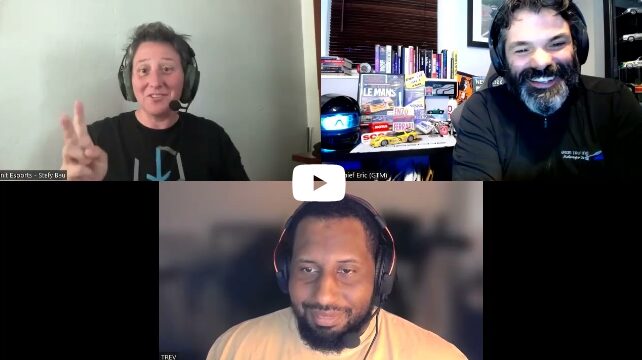
Photo courtesy Lyn Hiner

This content has been brought to you in-part by sponsorship through...

Motoring Podcast Network

Dedicated, Fast & Fearless: Cindi Lux

In the world of motorsports, few stories capture the grit, hustle, and heart it takes to succeed like that of Cindi Lux. With 14 road racing championships, over 90 victories, and a resume that includes being the first ALMS Women’s Global GT Series champion, Lux has carved out a legacy as one of North America’s most versatile and respected drivers. But her journey to the top wasn’t paved with privilege – it was built on determination, duct tape, and a Dodge Shelby Charger.

Photo courtesy Cindi Lux

Cindi Lux was born into a racing family. Her grandfather raced in the grueling Pan-American Road Race, her father piloted Ferrari Testarossas, and her brothers were both racers – one on the drag strip, the other on road courses. But as the youngest and only girl, Cindi wasn’t allowed at the track. Instead, she grew up showing horses and competing in sports like skiing, martial arts, and tennis.

Tune in everywhere you stream, download or listen!

Listen on Apple
Listen on YouTube
Listen on Spotify

It wasn’t until after college, while living in Southern California and working for Toyota Motor Sales, that she stumbled into racing. A trip to the Long Beach Grand Prix sparked something deep within her. “I was like, you know what, this is kind of cool,” she recalled. “My family does some of this.” With no tools, no crew, and no real plan, she maxed out 14 credit cards to buy a beat-up Dodge Shelby Charger and dove headfirst into the world of racing.

Photo courtesy Cindi Lux

Cindi’s early days on the track were anything but glamorous. She rented a U-Haul trailer to tow her car, stored it in a makeshift garage, and often slept in her vehicle to save money. “I had no business doing this,” she admitted. “But I was going to figure it out.”

Photo courtesy Cindi Lux

Her first big wake-up call came at Riverside Raceway, where she was lapped by the second lap. The factory Shelby team, racing the same car, took pity on her and offered to help. After tuning her car and proving it was capable of much more, Cindi had a revelation: “It’s me that’s not being able to figure this out. So, all right, let’s get to work.”

Spotlight

Synopsis

On this episode of the Break/Fix podcast, Cindi Lux, a highly decorated driver with 14 road racing championships and over 90 victories, shares her journey from a non-traditional start in motorsport to becoming one of North America’s most respected and versatile drivers. Lux discusses her family background in racing, her own unconventional entry into the sport, and her rise through the ranks despite numerous challenges. She details working with major automotive brands like Toyota and Dodge, her transition to full-time racing, and her efforts in building Lux Performance Group. Cindi also highlights the evolving landscape of motorsports, particularly for women, and her involvement with Women in Motorsports North America. Throughout, Lux reflects on her dedication, the support she received, and her commitment to inspiring and mentoring the next generation of petrol heads.

  • Let’s talk about The who/what/where/when/how of Cindi – how did you get into Motorsports? Did you come from a racing family? Something you picked up as a hobby or by way of friends?
  • Who were the women at the time, as you were starting out that inspired or helped you build a career in motorsports.
  • What was your biggest oops moment (“code brown”) and what did you learn from it?
  • Let’s talk about the good, the bad and indifferent of racing – the business side of things
  • We had LSJ on the show in Season 3, to tell her story and share about WIMNA – talk about your role in the organization, how you’ve seen it grow, and its involvement in the motorsports community, but the good it’s also doing for ladies in the sport. 

Transcript

Crew Chief Brad: [00:00:00] BreakFix podcast is all about capturing the living history of people from all over the autosphere, from wrench turners and racers to artists, authors, designers, and everything in between. Our goal is to inspire a new generation of petrolheads that wonder. How did they get that job or become that person?

The road to success is paved by all of us because everyone has a story. The

Crew Chief Eric: following episode is brought to us in part by the Women in Motorsports North America, a community of professional women and men devoted to supporting opportunities for women across all disciplines of motorsport by creating an inclusive, resourceful environment to foster mentorship, advocacy, education, and growth, thereby ensuring the continued strength and successful future of our sport.

Our guest has won 14 road racing championships, more than 90 victories, over 170 podium finishes and more than 55 pole positions. Included in that are accomplishments like being [00:01:00] crowned the first ALMS Women’s Global GT Series champion. She was a Dodge Motorsports team driver, competed in World Challenge.

She’s also a NASA bronze and silver medalist, as well as the second woman in history to win the SCCA June sprints. Twice. She’s dedicated, fast, and fearless. Cindi Lux is recognized as one of North America’s most talented and versatile drivers. And she’s here with us on Brake Fix to share her story. And with that, let’s welcome Cindi to the show.

Cindi Lux: Hey, thanks. Thank you very much. I appreciate this. This is going to be fun.

Crew Chief Eric: Well, like all good Brake Fix stories, there’s always a super heroine origin. So let’s talk about your background. How did you get into motorsports? Did you come from a racing family? Did you pick it up as a hobby? Was it by way of friends?

I came from a racing family.

Cindi Lux: My grandfather raced the Pan America Road Race, USA down to Mexico. My father raced Ferrari Testarossas and a whole variety of stuff. And then my two brothers raced also. One is a drag racer and the other’s a road racer. But the key thing is actually being the youngest girl in the family.

I was never allowed [00:02:00] to go to the racetrack. I never really was a part of it. I grew up showing horses. I grew up doing other stuff. I was quite a bit younger than they were. It’s in the family, but no, I didn’t go the traditional route of kind of hanging out at the racetrack as a young kid, watching everybody race and stuff.

And so it really wasn’t until I graduated from college. Grew up out here in the Northwest and graduated and I don’t want to say unmotivated, but I took a couple months off and just went skiing and used the rest of my savings account for after graduation. And then I knew I liked cars, but again, I didn’t want to go to work for the family dealerships.

I think our first dealership was back in 1924 and my brothers were all in the family business. But again, I didn’t want to. going with that. So I graduated from college and then I actually, you know what, I want to try the corporate world. I took a flight down to Torrance, California, and that’s when all the imports, Toyota, Honda, Nissan, and all that stuff were done in Southern California.

And I just went down there and just dropped off some resumes and hung out at the beach for a little bit. On the way back to the airport, I got a phone call. I said, Hey, come back for an interview. I kind of got into the automotive aspect that way. Went to work for Toyota Motor Sales and then went to the Long Beach Grand Prix.

And I was [00:03:00] like, you know what, this is kind of cool. My family does some of this. Living down in California, I didn’t know anybody, lived in an apartment. Started talking to people and no shop, no nothing. And I was like, this is actually pretty cool. And went out and bought a race car. I maxed out 14 credit cards to get the cash to do it.

And what was that first race car? It was a Dodge Shelby Charger, like the old L body. The thing was a hunk of junk. It really was, you know, but it was the only thing I could afford. I look back on it now and I truly, I don’t know what I was thinking. I really, really don’t because I legitimately went down and read another U Haul.

Trailer to pick it up and I brought it back and I found a storage places. I can kind of stuff cars into. And again, I’m like, I don’t know what I’m doing. I was going to load it and then I’ll figure it out later. And that was back in 1987 when I was living down in Los Angeles and then kind of one thing led to another.

And it’s a weird story. I mean, even my family are just like. You’re just weird, you know, like, I

Crew Chief Eric: know,

Cindi Lux: I

Crew Chief Eric: know with your brothers influencing you and even your dad having a background in racing, but it also sounds like there was a mixed set of disciplines in there. How did you [00:04:00] settle on road racing versus maybe circle track or dirt or something else?

There’s so many other disciplines of motorsport. What drew you to road racing?

Cindi Lux: I didn’t really know there was other forms out there other than roads racing. You know, when I went to the Long Beach Grand Prix at that time, when there was still callback, I just thought everybody turned left and right. I was really pretty ignorant to the world of motorsports a little bit, but I was fascinated by sport.

I mean, I ski raced. I did martial arts competitively. I was on the swim team. I played on the tennis team. So I have a very much of a competition background. When I went there to the Long Beach Grand Prix, I was like, yeah, this is, this is kind of cool. I’m going to go figure it out, you know, saved up my nickels and went to the school up in Willow Springs, California.

And, you know, again, I had, I had no business doing this. I really, really didn’t. But again, you know, here sat this race car. I went and bought and I had again, no tools, no crew, nothing. One thing kind of just led to another. I started meeting people and they kind of probably felt sorry for me more than

Crew Chief Eric: anything else.

At that time in the eighties. There weren’t, let’s say, too many other women out there racing, especially in SECA and amateur racing, things like that. There’s some names that [00:05:00] come to mind, and we’ll talk about them as we go along. Were you starting to hear, oh, she reminds me of so and so, or oh, you know, other drivers like this and that and the other?

Were you starting to see maybe some other women in motorsport that you could look up to some other stories that you could pull from?

Cindi Lux: No, I wish I could, you know, I was out there on my own trying to do this thing. And luckily the men, you know, the other drivers and stuff, I think they kind of more admired the fact that I was out there trying, even though I was fumbling over things, I didn’t know what I was doing.

And I think they kind of, I don’t want to say took pity on me, but they kind of say, Hey, if you’re going to do this, you know, you need to at least be safe and put some air in your tires or, Hey, you need to kind of do this. Oh, really? I didn’t, you know, again, I was about as new. But when I told my family I was doing this, they were all very supportive.

This is fantastic, this is great, but you need to learn it on your own. My dad was very old school. He’s like, you know, I raced for a lot of years. You know, if you’re going to do this, you’re going to learn to do it on your own. At first, I was kind of like, geez, dad, you know, everybody else kind of gets help a little bit from family and Now looking back on it, I’m very blessed because he taught me the business side of racing a little bit [00:06:00] more and have to kind of put my big girl panties on and go figure out how to get it done without someone just sitting there stroking a check or making my life easy and stuff.

I mean, the family is very supportive, but did they go out to the racetrack with me? No, not at all.

Crew Chief Eric: There weren’t a ton of, let’s say organizations like exists today, like high performance driver education groups, HPDEs, you kind of jumped into a Barber or Roosbertal or one of these schools, and then you went club racing, right?

Or you, you went into the pro am circuit or something like that. It’s really trial by fire. And when you’re learning like that, there’s a lot of learning moments, you know, shadowing other drivers, things like that. You’re picking up their lines. What was your biggest, what we call oops moment or code Brown.

And what did you learn from it?

Cindi Lux: I just knew I wanted to do it. I was just every weekend trying to get out there and just learn from others. I think the biggest thing, I think when some of my couple of other competitors that drove the same car, when I was being lapped, probably by lap number two, during a race, kind of came over and said, okay, if you’re going to do this, we need to kind of get you up to speed a little bit more because it’s embarrassing you driving this [00:07:00] car the same as ours.

And you’re pathetic slow. And they said, Cindi, it’s not the car right there. It really was kind of an aha moment in terms of, well, if you promised me my car’s fast, Then I will learn, I will get the help, I will figure this out, I will become a student of the sport to figure out what it takes behind the wheel to make a car fast.

Right when I was beginning is when Riverside Raceway kind of closed down, I was at that event and that’s where I honestly I was like I said lapped in lap number two and I think it was the factory Shelby team that was there racing the same body style cars as myself. They said, give us the car for a couple of hours.

They went through it. They kind of changed some stuff. They put one of their drivers in it, sitting on the racetrack. It went ungodly faster than I ever did. This was before the world of data. This was before the world of other things. But at that point I said, I was excited because I knew it was up to me.

The car was good. And so it kind of inspired me. And I think that’s where, you know, like I said, I grew up on a farm, raised animals and did a lot of horse showing and competition and you got to learn how to do things right. I just got fascinated. Well. It’s me that’s kind of a wanker right now. You know, it’s me that’s not being able to figure this [00:08:00] out.

So, all right, let’s get to work. And so from there, I just studied as much as I could. I went to every single event to watch and talk to people. I wasn’t racing myself. I just volunteered and hung out and just watched. And, you know, I was just a big sponge looking for any type of a knowledge base. I mean, I was going diving through the garbage dumpsters looking for tires, takeoffs, you know, I had no money whatsoever, you know, and, and they’re just like, okay, Cindi, you don’t need to be sleeping in my car because you couldn’t afford a hotel room on a race weekend.

And people, once they saw the passion and once they saw the commitment I was trying to make, they’re apt to hear, here’s some takeoff use pieces of crap we’re going to throw away. You can have them and kind of run with them. So. I think truly that big moment of mine was once I realized my car is quicker than what I’m doing behind the wheel, then, okay, this is awesome.

And I was like, okay, that means I can fix this. I can figure this out because I have the trust in myself.

Crew Chief Eric: It’s funny how we look at motorsport and it is competitive, but at the same time, it’s a fraternity or sorority, right? We’re all there to help each other get to not only the grid, but to the finish line, right?

Because it’s no [00:09:00] fun to be out there by yourself. You want to compete with your friends. Right. It’s an interesting dichotomy, but at the same time, you develop some rivalries along the way. So who would you say were your biggest allies and maybe your biggest rival?

Cindi Lux: First starting out, the Factory Shelby team, luckily they were like maybe a mile from where I lived when I was kind of down living in Southern California and stuff.

And you hear the stories now, you know, but being a girl at that point, and I was probably maybe 22, 23. And I was still working at the corporate level at Toyota. At the end of the day, I’d run and change into my jeans and, you know, sweatshirts and whatever, and run over the factory Shelby team. And I would be picking up a broom and learning stuff.

And any other race team, you know, around there and stuff, I would just go do that. I think at that point, though, there were so many people that wanted to help, but it was never financial. It was more just, hey, let me kind of show you the ropes of this deal. Once I started getting a little bit better, well I should say better, but I mean I wasn’t embarrassing myself, I’m getting lapped on lap two at least, you know, pick up the pace a little bit and it was kind of interesting.

I remember the first time that I actually won a small little regional [00:10:00] race at Willow Springs, you know, outside of Lancaster in California. And I remember going into the, I don’t want to call it the winner’s circle, but he’s coming to impound, you know, and they, you know, look at the car and look at you and give you a flag, you know, the sticks, I call it a piece of fabric, you know, and a 3 trophy.

That was really the first time that I had an encounter, and I wouldn’t even call it an encounter, it was just more like a, maybe an aha moment where, hmm, one of the wives of one of the drivers that I just beat, you know, wasn’t a, hey, Right on. This is really awesome. Congratulations. This is really cool.

You’re a girl, you know, you’re out there do it’s more like, who are you beating my husband? And it was really weird. It was almost like, I was like, look, and I’m like, she’s mad because I actually beat her husband. And the husband came over later and he’s like, Hey, I’m really sorry about my wife. You know, she’s kind of myth that I got beat by a girl.

I’m like, Huh? Well, that’s, that’s kind of not how it should be, but

Crew Chief Eric: okay, whatever. You said the Shelby was a whim, but that was the jumping off point into bigger things.

Cindi Lux: I had the support down there, and I think that if I would have done it any other way, I think I would have probably thrown in the towel many years ago at this sport, and I think this just gives you a [00:11:00] solid base of if you want anything in life, you just got to work hard, and you just have to get used to the word no.

You know, I look back on it now and I cringe at some of the stuff that I did starting off, but like they say, you know, The ends justify the means or the means justify the end or whatever that the theorists say It was something where it was I didn’t know any other way So it’s kind of strange because I didn’t know I was doing things the hard way It’s really kind of the only way I really knew how to do it

Crew Chief Eric: As you continued, obviously cars came and went, and your first car was a Dodge, and you got deeper into the Dodge lineup as things went along.

You know, you kind of alluded to the business of racing a little bit. How did you find yourself after your first, and your second, and your fifth, and so on seasons? Did it become easier? Did it become harder? Did the money suddenly appear as you started winning more? How did all that sort of shake out?

Cindi Lux: I met a gentleman that ran the Mitsubishi race team again, just kind of hanging out, going to their paddock and I started asking him questions and we ended up going to lunch and he says, we’ll come by the race shop and he kind of realized it’s a newbie at this thing and he says, well, let me just tell you, [00:12:00] you’re going to have to learn how to get.

Money to run a program like you’re doing and whatnot. And he says, well, the very first thing is to get a tire sponsor, you know? Okay. So I made presentations, a typical five a night, terrible presentations. Long story short is I got hooked up with Toyo Tire and I think they were with me for almost five, six, seven years, but they taught me and thank goodness.

Cause it’s still a little bit today this way. You get financial support, you get product support, but it’s not just winning on a racetrack. And that’s very important. You still have to kind of win races to get ahead of life. That’s to say, but they taught me the business side. They taught me, you know, it’s making the appearances.

They taught me it’s going to the dealer openings. They taught me it’s doing this and that. So I think my very first sponsorship from Toyota really taught me, I need to figure this out. So then, then from there, I talked to mobile one oil and they’re like, okay, let’s do this and then it kind of morphed and so everything just kind of snowballed at that effect.

And so I think the business side really started taking off a little bit more, but again, I was still an amateur, still just trying to rub two nickels together to go racing on Saturday and Sunday when I was still living in California and still working for Toyota motor sales [00:13:00] because I was an employee of Toyota back then they had a corporate policy that Toyota employees could not receive any sponsorship, any type of assistance to raise a Toyota product.

Because back then that would be considered a monetary gift. I don’t want to call it a gift, but it’d be a

Crew Chief Eric: conflict of interest.

Cindi Lux: Yeah. If you and I both work for Toyota, then all of a sudden Toyota said, well, Hey, Cindi’s an upcoming, we’re going to put her in an MR2 or something like that. We’re going to give her a car.

We’re going to give her some tires, you know, when we’re going to support her. They had a concern that the other employees would consider that favoritism, regardless of the background or credentials to get this. So they made a flat out policy that there’s nobody’s going to receive any type of motor sports sponsorship.

If you worked for Toyota motor sales, I was like, okay, well, then that kind of made my life actually a little bit easier because I go race for another manufacturer without getting in trouble because ethically I had struggled because here I was making my living producing products for Toyota in the parts industry Monday through Friday.

But on weekends here, I was racing another product. I was a little bit confused by that and it was kind of the way it was back then. And so. There was a point where I actually stored [00:14:00] my Dodge race car in the tech center at Toyota’s technical proving grounds in the corner covered up. I mean, I had no place to work on it.

And a couple of guys that worked in the technical side like racing and so forth. And so they’d help me out at night or on weekends working on my car. I said, but I don’t have a place to store it. Can I shove it in the back in the corner? I said, yeah, yeah, we got room, but man, just make sure you cover it up.

I’m like, okay, so here it was, here was a Dodge sitting in the corner of all the R and D cars, Toyota stuff they brought over from Japan at that time.

Crew Chief Eric: So there’s an interesting scenario here that I would say is not common for most people, or maybe it is, you know, waiting tables by night, trying to race a car on the weekend.

You hear those stories too, but you have this corporate job where it helps to sustain the racing hobby that’s turning into a career. And it sounds like you were able to leverage that, capitalize on maybe some connections and other things that you had. Did you face any other types of adversity? What kind of challenges were you presented with trying to build your career and then eventually sort of switching over to making driving a full time [00:15:00] thing?

Cindi Lux: My career at Toyota started taking off also, which required me to travel a lot more. My job for Toyota at that time was traveling around to all the U. S. based vendors and to teach them about the Toyota production line system and the efficiencies of production and so forth. And so I was kind of moving up through the ranks and I was trained over in Japan and The whole Kaizen, you know, constant improvement type thing that was happening back in the 80s and 90s.

I was traveling a lot more, which really started to hurt my little local racing effort. But it was also affording me the financial means to pay. I can go buy used tires now versus, you know, getting them out of the dumpsters or something like that. So I really kind of had to decide what’s more important.

And luckily at that time, I always told myself I need that. I need to have a paycheck. You know, I’m not willing to jump off the deep end into the flames per se. And try to go racing when I really didn’t have the talent at that level. I was smart enough to realize that. I still had to collect the paycheck and then on the weekends to kind of work with the sponsors and so forth.

There wasn’t really any a ha. Everything just kind of kept growing more. My [00:16:00] career at Toyota started going crazy and then my racing got a little bit better. I started getting newer cars. I was always just getting, you know, used pieces of crap that I buy off people or whatever. But it wasn’t really until I moved.

Out of Los Angeles, back up to the Northwest where my family’s from. At that point, I was starting to do a lot more testing for other manufacturers on the side. Started wearing many, many hats like everybody kind of does. It really was, you know, almost 30 years ago to the day that I said, well, I’m done with the corporate stuff.

I am going to go ahead and jump into this thing because I’ve been able to make enough money doing other things besides the racing, you know, but doing product launch and, and, you know, the typical ride and drives. And I just formed my own business. And I was at that point on the road constantly. But then it also afforded me that I can.

Travel when I wasn’t racing. So I was kind of more the creator of my domain at that point. And so that was a real scary moment for me to leave the corporate world and to start my own company. And so at that point, you know, we just kind of did it and held our breath and it’s kind of worked out.

Crew Chief Eric: And that’s the genesis of the Lux Performance Group.

Correct. What does that provide? How did you take with you the [00:17:00] knowledge from Toyota and spin it into your own company? Is it devoted strictly to motorsports? Is it tied into the dealerships that your family had? How does Lux Performance Group work? So

Cindi Lux: really I just formed at that point, just a company name just so I can go off and subcontract out to these other manufacturers.

I worked an awful lot for Mercedes, BMW, you know, again, doing these product launches. And so really I just had to form more of an agency for me to go off and do all these other subcontracting world. But then really things started taking off personal life. I finally met my soon to be husband and he worked for 20 some years for Mitsubishi racing team, and we ended up getting married.

I mean, so it was kind of, I don’t see a match made in heaven, but at that point he was the crew chief for Mitsubishi’s efforts, all the Baja truck builds, all the escort endurance cars. He built all the Pikes Peak cars. So at that point it was. Hmm. Well, we might be able to team up together here and let’s expand my personal company.

And so at one point they said, well, Cindi, what does your company do? And I said, I know it sounds strange to say, but we do almost everything in the world of automotive, whether it’s racing, whether it’s doing prototypes for auto shows, [00:18:00] doing cutaways. I mean, we had a sub business, you know, within the main umbrella where we built robotics for battle bots, you know, mtv shows for many years and so forth.

So basically, it’s my husband and I, we just kind of started building race cars, and then I started getting clients that wanted to do driver training, and so my coaching career started taking off, and then from the engineering side, so it was great, because he didn’t really do the things I love, and I, you know, obviously can’t do the things that, you know, the engineering side that he does, and then basically Lux Performance started, geez, I want to say almost 25, 30 years ago, and it’s just, Kind of grown every year and we’ve always been very diversified.

We just don’t know how to say no and we’re very small. It’s not a large company. So primarily right now, you know, we build race cars. We supply, we call people’s cars around the country. We provide trackside support, coaching. We do the whole thing for them. And it’s kind of nice because we’ve gone the real big route, had transporters going to separate locations doing all sorts of craziness and stuff, but nowadays it’s kind of like we’ve pulled things back a little bit more and kind of saying, Hey, we don’t need to be big to be successful, but it was a learning curve.

It was [00:19:00] interesting starting off, but it was a lot of hard work. I loved it so much because I had more control of my racing, and I want to say that’s when things really took off. When I made the relationship with Dodge back in 2005, it really afforded us to really kick our company and also my driving career into high gear.

Crew Chief Eric: For each tipping point, You seem to move forward in lockstep, or at least it’s like a three legged race with your driving career and your personal career and everything continues to just move forward in a really interesting way. And we’re gonna get back to your time in 2005 with the Dodges. Let’s back up a second and talk about racing.

You’ve raced all over the country, as you said, transporting cars all over the place in one of what we call our pit stop. What is your favorite or worst track? And you know, they say, you know, your favorite

Cindi Lux: racetrack

Crew Chief Eric: is

Cindi Lux: the last one you win on, you know, that’s kind of boring and generic, but I love high speed tracks.

I really adore the road Americas, the Watkins Glen, VIRs, road Atlantis. You know, I, I don’t know why anything well over, you know, 170, 80 miles an [00:20:00] hour, it just seems to click for me because I think I’m able to really give technical feedback back to engineers from aero grip to mechanical grip in bigger size cars.

Once I kind of figured out. The difference between that from an engineering standpoint, I think my career from a high speed tracks really kind of evolved the least favorite. Geez, there’s kind of least favorite.

Crew Chief Eric: Well, let’s just say a track that you struggled with the most and maybe you’ve learned to overcome it.

Yeah.

Cindi Lux: I think the biggest was, I want to say Mossport. Up in Canada, that one kind of really threw me for a loop, mostly because my first race weekend in world challenge, huge rain, it was just a rainstorm, you know, and I was just struggling and it was just not a good weekend. And I just never have, I never has been able to wrap my hands around that place.

And I just think that one’s kind of been my nemesis. I love all sorts of race. I mean, it’s kind of weird. It’s there’s very few racetracks that I cringe. Had a couple pretty serious accidents and people kind of usually tend to kind of shy away from those tracks, you know, after you have that, but to me, it’s kind of like slaying the dragon.

I want to go back and I’m gonna get back on the horse at this track and show who’s boss kind of sort of, but I’m so weird. I just [00:21:00] love driving. I just love the art of racing and I just love all tracks.

Crew Chief Eric: Any bucket list tracks or events that you still want to do, check off your list. You know, I want to go do the Bathurst

Cindi Lux: 1000.

I’d like to do a little bit more racing overseas a little bit. You know, there’s some things in the works right now that we’re actually trying to do in the next couple of years to get over there to do some stuff. From a cost standpoint, this is going to seem crazy, but I’ve got several of my compadres, you know, or several of my friends in the industry.

They’re like, Cindi, I’m spending less money. I am a racing in Europe than I am in the States. And I’m like, you got to show me the spreadsheet on that, because that makes no sense. But let me just tell you, it’s like. Huh.

Cindi Lux (2): Well,

Cindi Lux: they did. So anyways, yeah, I would really like to go do a little bit more racing in Europe, just kind of maybe, you know, endurance racing.

I’ve always loved endurance racing more than a sprint driver type of a deal, but I’m just so fortunate to get into a race car all the time and I’m just so blessed. I think the older I get, the more I really realized that you just got to keep putting one foot in front of the other and keep what they call swinging the bat.

And so. My biggest bucket list from a race standpoint actually is the Australian touring cars. I would love to go down and just go compete with them. I’d probably be towards the [00:22:00] end of the pack, but it doesn’t matter. I just think it’d be awesome.

Crew Chief Eric: If you’re in a V8 supercar, it doesn’t really matter at that point.

Not at

Cindi Lux: all. Not at all. I mean, that would just be, I mean, a total bucket list.

Crew Chief Eric: Well, before we get into a conversation about Ford versus Holden, a lot of times we like to ask our guests, Porsche versus Ferrari, you know, stuff like that. But I think in your case, I want to ask you this question because you’ve been behind the wheel of both of these cars, and it is a rivalry that is often for.

Because it’s 20 years old at this point, if you look back over the days of ALMS, Grand Am, and before it all got enveloped into IMSA, it’s Corvette versus Viper. Of the two, which do you choose and why?

Cindi Lux: Yeah, you’re talking about putting my head into a snake pit. You gotta realize too though, because I used to race Corvettes.

I loved them. I mean, they’re just a different beast. I gotta kind of be a little bit careful here, but the cars require a different type of driving style. The fans are completely different. The enthusiasts for the Corvettes versus the Vipers. The cost of emissions and back in its day for a [00:23:00] Corvette was a little bit less to go racing, but I was putting a lot more parts on the car on a weekly basis.

You can just kind of read between the lines there. Back in 2005, when I was racing a C5 Corvette, loved it. I mean, I just loved the car and the cars was great, but it became very apparent. It was kind of an eyeopening deal, even on the amateur level, how much factory support was being given at that point. I was really kind of beating my head against the wall and it wasn’t until that season was just about over in 2005.

And I’m like, this is not right. And I’m not going to get mad and I’m not going to point fingers, but I’m like, I’m never going to compete with the. Quote unquote the people that get the good stuff. Let’s just say and i’m not pointing figures I’m, not saying we weren’t doing well because they had all the good stuff This is where the business side comes in i’m like well I’m, never going to be able to get into that secret handshake club Okay, and at that point I just picked up the call and legitimately it was in the end of 2005 I just googled somebody’s name and just Picked up the phone cold called that point.

It was the SRT motorsports at Dodge and introduced myself and just said, I want to meet him and here’s what we want to do. And [00:24:00] I just flew back there and met with them. And that was it. It was a hard transition because I did race for the Corvette brand for about four years. Back then it was the amateur level of T1 and we developed a lot of fans.

And when we switched over to the Viper. Oh my God, you would have thought that I ran over their puppy or something. I mean, it was, they were not happy. It took a while for people to kind of chill out a little bit and get used to the Viper. But the one that even to this day, the Viper itself, I’ve been fortunate enough to get in with Dodge and fortunate doing some testing behind the scenes for new cars, new gen Vipers have come out, gotten to know the people that work at Dodge Motorsports versus Chevrolet Motorsports truly is.

You know, about 1 8th in size, but when I’m able to talk to the head of the Dodge Motorsports on a Sunday morning, when we have a question going on versus pick up the phone and call him at home, they’re just operating a much different level, you know, stop as corporate per se.

Crew Chief Eric: And the Viper project was very much a skunk works project.

Cindi Lux: Very much so.

Crew Chief Eric: Yep. You go back into his history. And more importantly, IACOCA is actually quoted in his first autobiography as saying something along the effect that. He always [00:25:00] admired the Chrysler engineers, even when he was at Ford, because they were always thinking outside the box. But the problem was they were asked to do surgery with screwdrivers and wooden spoons, rather than given the tools appropriate to execute on their ideas.

And I think he finally got to realize some of that stuff when he crossed the threshold at Chrysler and then birthed the Viper project alongside of Carroll Shelby and all that kind of stuff. So I personally have a sweet spot for the Viper. You know, and I’ve coached both Corvettes and Vipers. I’ve driven both on track, on the street.

And I tell you what, the Viper went through a much more interesting evolution process than the Corvette did in some ways because you can tie the Corvette to these generations where they’re kind of based on each other. Where Dodge sort of took and said, all right, we’re going to rip that page out. We’re going to start over again.

The only thing that stays the same as the engine, when you get up to the fifth gens, the last ones, the ACRs, I mean, I got an opportunity to get in one of those at Watkins Glen with the gentlemen. And it was just like, I got out of the car and I was like, this thing is unstoppable with the right driver.

And you can keep [00:26:00] all your Corvettes and your GT three, nine 11s. The Viper is just an amazing vehicle. So I wax. Poetic about it being an actual pro driver of a Viper. What’s it like to run one on track? Is it as unruly as they say it is when it’s at the limit?

Cindi Lux: It is. And it’s almost scary. And I don’t mean scary.

Like I’m going to crash scary, but it’s almost like, really, you guys produce this car to be on the street in some regards, you know, you got to understand that car that you drove, that version of the Viper, the gen five Viper, which is the last one they started producing back in 17. That was the first Viper that Chrysler at that point or Dodge finally said okay legally we have to put some type of traction control System in the car, but there were four generations of Vipers that had absolutely zero what I call nannies You know or any type of assisting and I give them credit I wouldn’t want to be a lawyer at that point for Chrysler or SRT Back in its day when you have umpteen 600 horsepower with zero traction control or any type of stability control system.

So, you know, you’re talking the carbon on carbon brakes on the new gen five. You’re talking just an [00:27:00] ungodly amount of downforce on the deal. I give them credit even to the last day. I can tell you the name of the five or six guys and I still talk to them. In fact, I talked to them this weekend, even though they’re retired from Chrysler.

They still do work for us. Hey, I need you know, this I need a new ecu program for this type of a track and blah blah blah They’re still doing stuff for us But anyway, the point is I think honestly people think the viper is all about the v10 They think it’s all about the horsepower and it’s like you know what?

Even with the car that I race right now in trans am I will go door handle to door handle with any other sports car whether it be a Porsche, Corvette, BMW, whatever, and I promise you I will be able to outbreak them. So the point is, it’s not just, you know, grunt. People keep saying, especially, and one thing just still just makes me, I don’t want to say giggle, but it’s just, I shake my head and I have to leave the room.

It’s when I hear the announcers on TVs when, you know, back in the day when, you know, the Vipers were racing and, you know, they’re all like, hey, look at the horsepower, you know, coming from this car. They’re known for the straight line speed. And it’s like, God, people, The car’s got so much finesse. It’s got so much ability to go around the corners.

It’s got so much more than the straight line [00:28:00] speed. And why don’t you ask them how much of a restrictor plate is put on us, you know, in a lot of this stuff. And so I’m with you, you know, I just give them credit. I’m so blessed to be a part of that family and so blessed to be a part of it, you know, during a time that it really was a family, you know, kind of an entity type of a thing.

But I don’t think the Viper’s dead, to be honest with you. Yeah, I know there’s a lot of talk, and I think it’s a lot of, you know, changes in the guard, but I think someday the Viper will be joining us back again from a production level car.

Crew Chief Eric: I agree with that, and I think it’s also interesting, Stellantis, the parent company, which comprises Fiat, Chrysler, and PSC, and which in the halls are also Ferrari, but back in the day, Ferrari was fascinated by what was going on.

With the Viper project, there has been rumors too, that things like the Alfa Romeo 8C might resurrect itself as a viable platform for a new Viper with Fiat and Ferrari having that intrigue. And I think that’s part of the reason why they bought Chrysler on top of Jeep, because it’s the most lucrative line in the family.

There was never. A good reason to get [00:29:00] rid of Viper, but I think if a sixth generation does come, it might be a little more front engine Ferrari, but it’s still going to have that DNA in it.

Cindi Lux: I agree. And I think the covers will come back. I think the true stories will come out. What really happened with all these buyouts and all these changes and so forth was happening back at the corporate level.

You’re exactly right. There was so much fascination by the Ferrari camp regarding the Viper on so many things and especially back in 08 when the automotive industry tanked, you know, I hope they do some type of a historical story on it because, you know, let’s just say that there were cars shipped to us during that time when they were going through bankruptcy.

That all that was said is just keep these cars for us for a while. And we put them in the back of the shop, put car covers on because all the auditors is the way I, you know, I just heard of horror stories when they were really declaring the bankruptcy or going through all this stuff that everything in motor sports was being physically destroyed from an accounting standpoint.

In the skunk work department and stuff like that. So it was interesting. I yeah, I mean one viper finally left like three to four years later Finally, I [00:30:00] said, okay. Hey, we’re gonna send a truck and pick that thing up and i’m like sweet Anyway, that was just kind of a weird story. But yeah, it was just I mean legitimately on a sunday I got a text or a phone call saying yeah, I think reliable is dropping off Some cars tomorrow for you guys.

Just don’t ask any questions and just hang on to them Okay. Strange.

Crew Chief Eric: So Cindi, you cut your teeth on the third gen Viper, which I jokingly always refer to as the Mercedes Viper, because that’s when Daimler that period, you know, they kind of came in and shook the Apple card a little bit, but it doesn’t have the nostalgia of the first two.

And it doesn’t have the refinement of when Fiat got its hands into the fourth and fifth gens and things like that. So the third gen is, it has that German utilitarian. To it. And a friend of ours actually has a third gen and I’ve driven that one as well. And I mean, I love all Vipers, but do you still go back to that third gen?

Do you prefer the newer ones? What about the early cars?

Cindi Lux: Yeah. You know, it’s interesting because even back with the gen two Vipers, those cars were not easy to drive the differentials in them and then the whole variety of reasons [00:31:00] of geometry and some other stuff, I don’t want to say it where they was kind of a point and squirt type car, but at that point, your biggest concern is trying to get out of the race car without burning your.

Crew Chief Eric: The snake bite.

Cindi Lux: Exactly. Yeah. I’m trying to teach people that. But I think when we jumped into Gen 3, it was refined more so than the Gen 2. But it was still a difficult car. The geometry still wasn’t proper, let’s just say in a few things. And I just remember the differential, we could not get that out quick enough.

It was a tough car to drive, but luckily the class we ran, we were able to put the parts on it legally wise, rule wise, that were really suffering with the car. Absolutely hands down, the Gen 4 Viper, when that came out, it was truly a refined car. I think it really addressed some of the inadequacies of the Gen 3 car so much, to the point where that’s still my favorite car, even when we’re in Gen 5 right now.

From a race car standpoint, I just cannot tell you what a fun car that the Gen 4 Viper is. And it’s such a pleasure to drive, but again, they really took seriously the enhancements, the improvements, even though it’s gen three had the 8. 3 liter motor, and then it went to an 8. 4 liter [00:32:00] with the gen four, the gen four, I think started production in the 08, you know, then that went to the drive by wire versus, so there’s a lot of changes per se from a racing standpoint.

I don’t remember the first time I started racing the gen fours. I’m like, we got to reprogram this ECU. We got to do something because when you lift the throttle, you know, I can count to 30. By the time before it revs, you know, so tweaks like that, we were finally able to make on like, so we went in the reprograms and stuff, and so we made it more of quote unquote, racy, tailor made more on a racetrack environment versus a street environment.

But I just give them credit. I really do. But I think the gen five is by far. A absolute beast. It is a work of art. The fit and finish is fantastic. I mean, look what they’re bringing right now where they’re being resold in the market for God’s sakes. But I think that the stars aligned from a fit and finish the interior, the sexiness, everything about it is just fantastic.

But. I think the bang for the buck price tag for a zooted up, you know, or just a proper gen four ACRX versus a gen five. I mean, you’re talking a difference that easily, easily of over a hundred plus thousand dollars between the two. I still think the gen four, you have a hard time beating it.

Crew Chief Eric: You mentioned earlier about [00:33:00] coaching.

I commiserate with you on that. You know, I spend my weekends in the right seat teaching people how to go around racetracks. Fast, maybe not at the same level you’re at because you’re doing all sorts of diverse stuff. But, you know, HPDE is where we all sort of get our jollies off when it comes to passing down our motorsport knowledge to other people.

There’s some interesting videos on your social media, one of which I just saw recently again, and it was about heel toe downshifting and stuff like that, which is super important in the Viper. But there’s another one that I think is really, really interesting. You were teaching a blind person how to go around the track.

How did that play out? How did that even happen?

Cindi Lux: Yeah, well, again, I don’t know the word. No, this is actually a friend of mine. Who’s also in the racing industry that, Hey, there’s a gentleman here turning 70 years old. He’d lost his vision about 20 years prior. He was kind of a gear head himself and kind of a.

Hot rod guy, but the family wants to know if there’s any way that he can at least in a straight line, like on a drag strip type of environment, can he drive his car? I want to say it’s one of those police interceptors. Those things, you know, had a fair [00:34:00] amount of scoot. So long story short, while I was testing out here in Portland, Oregon on test day, I made the arrangements.

Okay. At lunchtime, I went to the organizers. I’m like, Hey, can I have the racetrack by myself, but leave medical here. Don’t pull medical, have medical there. I’ve got kind of a private thing I want to do. And, and okay. So then. I spent about I’d say 15 minutes with him in the parking lot and just kind of taught him the basics, you know, of just communication.

He was a driver before he went blind, so that was a good thing. We just set up certain cues and certain commands on how to use the wheel and just a rating system, one being light, ten being extreme or whatever. And we kind of played around in the parking lot a little bit and he was very intuitive, I mean super intuitive.

And I’m like, I got no problem. So let’s go. And so they open up the racetrack to us. And I think we did like maybe two or three laps on the racetrack. I was never physically scared. And I want to say in the backstretch, we were doing about 95 miles an hour. I was not touching the wheel. I mean, he was driving the car.

I just kind of kept him giving him cues, as you know, from your teaching experience. It takes by the time you say something to where that student [00:35:00] sitting behind the wheel processes that thought by the time it goes in Their brain by the time their brain says, okay. I need to lift off the gas the brake They say right now about 1.

6 seconds So you really have to be a lot more in front of the car with this gentleman than I normally am So once I change my teaching style a little bit It helped him out. So no, we just went around and, you know, it was a real special experience for him. And I just love doing stuff like that. I really, really do.

He just had a great time. And it was neat because the people in the paddock, the other race teams that were broke for lunch, the word must have spread. And. When we came off in the paddock area, it was kind of like not the extreme, but you know, that scene when Dale Earnhardt finally won Daytona 500, you know, not that much, but there were people clapping for this guy and it was just really a cool thing.

Yeah, I do crazy stuff like that. I never feel scared or whatnot. I deal a lot with people that get in serious crashes that have gone through windshields that have been brain trauma type of thing. Then people that. Physically can’t sit in a race car due to PSTD or whatever it may be and I work a lot with those people [00:36:00] as well.

You just talk to them, read their body language like everything else and you just kind of work. But you know, that’s the thing about the automotive world is it’s not just building cars. It’s not just racing. It’s not just drawing cars. It’s not just writing about them. It’s just Everybody has a story of some way about the four wheels or two wheels that they drive on the street.

Crew Chief Eric: It’s

Cindi Lux: fun.

Crew Chief Eric: It is a testament to your ability to teach and the types of programs that are out there. And, you know, we kind of fringe sometimes was like, Oh man, I’ve heard the same spiel at every instructor’s meeting, apex, turn in, track out, blah, blah, blah. But those simple commands helped you drive the car from the passenger seat.

And I’ve joked before a good coach can drive a car. From the passenger seat, not touching that person’s wheel, giving them the commands at the right time. And this just goes to show, I mean, with a visually impaired driver, it can be done and you did it and that should be celebrated. That’s really, really cool.

Cindi Lux: You’d have no problem doing it. You really, really would. I mean, I’ve even taught paraplegics on how to drive and stuff like that.

Crew Chief Eric: Yeah, it’s kind of crazy. One of the things I wanted to talk about [00:37:00] was the Women in Motorsports North America organization, which you’re a part of. And we were fortunate to have Lynn St.

James on the show in season three. And she came and told her story and about the organization and things like that. So I wanted to take the opportunity to talk about your role in the organization, how you’ve seen it grow its involvement deeper in the motorsports community and the good that it’s doing for ladies in the sports.

Cindi Lux: It’s a great organization, the Women in Motorsports North America, and it’s a wonderful group of people that has now expanded to the corporate level as well, is to really bring limelight but also funding or just the experience and just the avenues to teach people that there are professions for females in the automotive world.

It’s not just the driving aspect, it’s the engineering, it’s the race team type of a thing, it’s the track promoters, it’s the announcers, it’s doing podcasts, anything that has to do with the automotive world. It’s growing leaps and bounds. And when the whole thing came to the inception, I think it was like three years ago at this point, when I got a call from Lynn saying, Hey, Cindi would like to have you on the original board of directors [00:38:00] for this organization.

I’m like, Oh, really? What do we, why? I mean, she had to kind of sell it to me because again, I’m like, Lynn, you know, I don’t want to start opening up doors for females. That’s not fair to the men out there trying to make a career. I want to make sure that. This is done properly. You know, we talked about it.

We had many, many, many conversations and it’s been an eyeopening ordeal. And so I just actually signed on for another three years as one of the board of directors. It’s a who’s who, you know, in the world. And the neat thing about it is I sit on this board and I’m in awe. What am I doing on this board? I’m so humbled.

And I learned so much from the people that are on this board. I think it’s really a great organization because it’s just opening up communication, allowing people to talk more about what’s out there. It’s really gotten very strong about the last 18 months, and I think it’s going to ramp up even more so.

But as I tell them, and I’m probably a little bit more old school, I think Lynn, God bless her, you know, she probably has to Pull me off to the side and tell me to be careful. I’m like, Lynn, again, I’m just saying, male or female, we as a female, we have to do the same job as [00:39:00] good as the men. Just because we’re female does not allow us to get any more opportunities.

But we gotta learn how to keep our jaws. We gotta learn to be the best we can be. But it’s the same for the men. So I think my role, to be honest with you, Eric, on anything else on this organization is kind of a little bit more of a check and balance is to really make sure that we are providing people educational opportunities.

Whether they tell us at the racetrack or they talk to high schools, or I go talk to Girl Scouts, whatever it may be, if they have a passion towards anything, they can just do it. It’s cool. It really, really is cool, and I think you’re going to see some huge analysis coming up for 2024 on the things that we’re doing.

Crew Chief Eric: You’re talking about equality in racing, and that is really important these days, and obviously there’s the idea of, if I can see myself in the paddock, then I can see myself there, you know, that whole mantra. Going back to your origin story, when you mentioned yourself, I was the only woman. A lot of guys supported me, not monetarily, but they were helping me, those kinds of things.

Now that you’re sitting on the board of WMNA and you’re looking back over your 40 years in racing, how have you seen motorsport change for the [00:40:00] better? Maybe it hasn’t stayed the same, but how have you seen it evolve as a woman in motorsport?

Cindi Lux: Yeah, I think it’s evolved 10 times. I think it really has. I think a lot of the females getting jobs now are being more accepted.

They’re not as kind of like a novelty. We had a young lady that was interning with our team out here in Portland, Oregon. She was out with us for two years. Long story short, we got her a job with McLaren with the IndyCar team and she was the left front tire changer for the last two years for Pato for the Indy 500 and all the other races and stuff and kept in contact with her and just chatted and stuff.

And she says, Penny, it’s, I want to say the higher you get in the pro level, the easier it gets just in terms of acceptance, she says, but I’ve had to work very, very hard because now she’s oversees the dampener program for the IndyCars. And I’m like. Girl, four years ago you were pushing a broom in our shop and she says you get the opportunity and people believe in you, you go for it.

You know, and I do get a lot of young ladies and moms and dads from that matter come up and say, Hey, would you mind, you know, talking to my little girl about this? I love it, but I’ll do the same for a guy too. You know, a little 10 [00:41:00] year old boy that wants to get in the race. Come on, jump on the race car, you know, or let’s go jump on the mini bikes and let’s go out to the turn one.

I’ll kind of explain kind of what’s going on here a little bit. It’s becoming more accepting, which is great. You look at the race organizers, you look at the promoters, you look at the track managers. There’s no boundaries anymore. And I think that, you know, it’s not a them versus us type of a thing, but I think that women are just finally feeling more confident to say, no, I’d like to give this a shot, just

Crew Chief Eric: tell me what I need to do.

But that also means that the job of evolving motorsport is far from over. And so I wonder, how do we make the paddock not just more diverse in this case? Which spans a multitude of different things, but more inviting for people to come to the track. And so that motorsport continues to thrive because we have seen it on the decline over the years.

So how

Cindi Lux: do

Crew Chief Eric: we

Cindi Lux: fix that? That’s the magical question that I think a lot of people are scratching their heads. I don’t know if it’s just the world changing right now. I don’t know if it’s the whole

Crew Chief Eric: evolution,

Cindi Lux: but yeah, I mean, it might be, you know, in some cases, some of this stuff is, I don’t want to say it’s run its course, but life changes, the world changes [00:42:00] and.

We’d have to be smart enough and flexible enough and we need to adapt to the future. I don’t really have it. I wish I knew the most inviting way. I just know that I’m doing more talks. I’m doing more chats. I’m doing more presentations. I’m doing more just explaining how to get into the industry and explaining more that a car, you know, it doesn’t.

You have to be male dominated in terms of, don’t feel bad if you really like a car. You don’t need to go in the corner and play with dolls. If your brother’s over here playing with race cars, go join him. Go do whatever. It’s kind of an interesting question you pose because from a spectator standpoint or an interest, I mean, look what happened in the trade industry.

We can’t get people to work with their hands. Mechanics. We can’t get all this stuff. And so. I think it’s just really the change that we’re going to have to address at some point.

Crew Chief Eric: You mentioned before about, you know, taking kids around the track and showing them things and talking them through stuff.

That initial conversation, a young girl, maybe 10 years old, walks up to you and says, Cindi, why do you race? What would you say?

Cindi Lux: To me, it’s just a sport. It’s

Crew Chief Eric: no different

Cindi Lux: than playing tennis. It’s no different than playing basketball. It’s no place different than downhill skiing a little bit. It’s [00:43:00] a sport that I love kind of looking at it.

Well, is it that simple? I said it kind of is when you go play tennis. It’s probably more accessible You grab a tennis racket and you go to the local thing and you can start playing This one takes a little bit more so maybe to go to a go kart track but it’s just a sport and I think when you kind of put it very simplistic kind of look at you like Oh, okay.

I try not to overstate how difficult it is and the dedication that it takes. What I don’t want to do is scare people away. You want to make it achievable. It’s like this big event out at our race shop. And it truly is just people that they came to, because Portland had a big, one of the, the E race, not Formula E, but whatever the electrical Formula cars that came last year to the United States and they ran here at Portland.

That event absolutely drew people. Out of the woodwork motorsports wise and I probably have gotten 20 or 30 people that found out because I did deal with bosch For that event inviting out a bunch of people that are in the trade industry Then I went out there a day prior spoke to them and stuff We’re having kind of round two at our shop in a couple weeks And these are people that didn’t know anything about motorsports at all zero And to do a big event, [00:44:00] we’re just going to talk to them because we do a lot of EV stuff ourselves on some other stuff, but we’re having to change a little bit of our ways of doing business and our race team.

As long as everybody’s flexible and kind of addressing the fact, which is fantastic. It’s a moving target, kind of like that little book, Who Moved My Cheese? Kind of like that, we have to be very adjustable.

Crew Chief Eric: And it’s a bit of a curiosity still, right? It sort of feels like old days of going to Ripley’s, believe it or not.

You’re like, are they really going to run around a track with a battery operated car? You know, things like that, not to divulge into a whole conversation about the evolution. We can put a pin in that and talk about it another time when we get together, but you’re a hundred percent right. And I think it does draw a different crowd.

People want to see what an electric race car is all about. Is it, you know, is it. Sci fi or is this reality? But it does lead into an interesting way to look at what’s next for you. So what is coming next? What other big events? Any spoilers? What’s next for Cindi Lux?

Cindi Lux: Yeah, that’s the million dollar question right now.

We’re going to get back into the Trans Am stuff this year. We don’t know when just yet. I’ve got to go in and get a little bionic improvement here in the next couple of weeks on my knee. [00:45:00] You’ll love this. I was running to a plane, heading off to Road America for a race last fall. I swear someone took a shotgun and just blew out my knee.

It was just kind of one of those weird things. Anyway, long story short, I’m having to get my knee kind of fixed up and stuff like that. So that’s going to put me out of commission for about three or four months. I’m going to take care of that. But anyway, no, we’re definitely building new cars. We’re going to get back into the Trans Am stuff.

It’ll probably be a little bit of West Coast based a little bit, but you know, we’re going to get back into the scheme of things and hopefully the world will settle down a little bit. Prices of fuel will kind of normalize. Stuff like that and I get back on the bandwagon. So we’re looking forward to that.

I really adore the Trans Am series. I really, really do. I think it’s the best for our markets per se and our team. And I think from a cost standpoint too, you’re not having to stroke huge checks with several six, seven zeros, you know, on the backside, I call it blue collar professional series. We really love it.

So we look forward to getting back into the Trans Am portion of this summer.

Crew Chief Eric: All right, Cindi. Well, we’ve reached that point of the episode where I like to invite my guests to tell us about any shout outs, promotions or anything else they’d like to share that we haven’t covered thus far.

Cindi Lux: [00:46:00] Talking motorsports or automotive or anything that has to do with cars, bikes, and I just love it.

And I’m getting to the point in my career where I love to give back. I like to get people inspired. But then again, you know, it is pretty funny. The day someone started talking, use the retirement word. And I looked at him, I’m like, Are you serious the day I can’t drive? I will certainly, you know, hang up my helmet But you guys got to remember paul newman drove until he’s what 80 years old and i’m like, yeah, I got several years left guys You know, probably 25 years left.

So give me a break. But no, I just love the art of racing. I love the sport I love the team aspect. I tell us to everybody So the happiest person that I am is when I put the helmet on and it has nothing to do with oh I get to go race to me. It’s just As I’ve always said, it’s just me, the race car, and the track.

And we just learn to dance together, and that’s all we do. And if I happen to be out there with 60 other cars doing the same thing at that particular moment, then so be it.

Crew Chief Eric: City Lux has to balance her busy race schedule with a demanding business schedule. As one of the leading program managers in the world heading up Luxe Performance Group with her husband Fred.

She gets to premiere new product [00:47:00] lines through the automotive media dozens of times a year, and if that wasn’t enough, she’s involved in overseeing a multitude of racing school programs and a family of dealerships. To learn more about Cindi, be sure to log on to www.Cindicdiluxelux.com, or follow her on social media at Cindi Luxe on Instagram, Facebook, and Twitter, and you can always connect with her on LinkedIn.

And with that, Cindi, I can’t thank you enough for coming on break, fix podcasts and sharing your story. And I have to say, you know, we talked about your origin and women that inspired you. And you were sort of that lone wolf out there trying to make your way and find your way through this career in motor sport.

But whether you realize it or not, you’ve become one of the women that other women look up to in this industry and in this sport. So I can’t thank you enough for what you’re doing, being involved with WMNA and continuing to perpetuate and spread motor sports enthusiasm.

Cindi Lux: You’re very kind for saying that I’m no different than anybody else out there, but there’s just a lot of passion and I just look forward to tomorrow and [00:48:00] every day it’s just keep swinging the bat and see what fun we can get into.

Crew Chief Eric: Officially founded in April of 2022, Women in Motorsports North of America is an official 501c3 not for profit organization. Because of its partners, WMNA is proud of what it’s been able to accomplish. And don’t forget that each year, over 450 women and men from all disciplines of motorsports attend their annual summit.

Attendees are open to industry executives, drivers, team members, OEM sponsors. Racetrack representatives and anyone working in the sport or wanting to learn more about opportunities in Motorsport. If you’d like to learn more about women in Motorsports North America, be sure to log on to www.womeninmotorsportsna.com or follow them on social media at Women in Motorsports.

Na, on Instagram and Facebook or at w Im Na on Twitter. We hope you enjoyed another awesome [00:49:00] episode of break fix podcasts brought to you by Grand Touring Motorsports. If you’d like to be a guest on the show or get involved, be sure to follow us on all social media platforms at Grand Touring Motorsports.

And if you’d like to learn more about the content of this episode, be sure to check out the follow on article at gtmotorsports. org. We remain a commercial free and no annual fees organization through our sponsors, but also through the generous support of our fans, families, and friends through Patreon.

For as little as 2. 50 a month, you can get access to more behind the scenes action, additional Pit Stop minisodes, and other VIP goodies, as well as keeping our team of creators Fed on their strict diet of fig Newtons, gummy bears, and monster. So consider signing up for Patreon today at www. patreon. com forward slash GT motorsports, and remember without you, none of this would be [00:50:00] possible.

Highlights

Skip ahead if you must… Here’s the highlights from this episode you might be most interested in and their corresponding time stamps.

  • 00:00 Introduction to BreakFix Podcast
  • 00:47 Introducing Cindi Lux: A Racing Legend
  • 01:30 Cindi’s Early Life and Racing Beginnings
  • 03:10 First Race Car and Initial Struggles
  • 04:52 Learning the Ropes and Gaining Respect
  • 11:45 Balancing Corporate Life and Racing
  • 16:53 Founding Lux Performance Group
  • 19:32 Favorite Tracks and Racing Challenges
  • 21:04 Bucket List Races and Car Rivalries
  • 24:11 The Viper’s Rocky Start
  • 24:20 Inside Dodge Motorsports
  • 25:28 Evolution of the Viper
  • 26:08 Driving the Viper on Track
  • 28:15 The Future of the Viper
  • 33:28 Teaching a Blind Person to Drive
  • 36:58 Women in Motorsports North America
  • 39:33 Cindi Lux’s Racing Journey
  • 44:45 What’s Next for Cindi Lux?
  • 45:50 Conclusion and Shoutouts

Bonus Content

Craziest Moment on Track? 

Cindi has no fear, and she’s quote as saying “I don’t know when to say no” – but how about coaching a Blind driver around the Portland International Raceway?

Learn More

Support Women In Motorsports North America (WIMNA)

Women in Motorsports North America is a community of professionals devoted to supporting opportunities for women across all disciplines of Motorsport by creating an inclusive, resourceful environment to foster mentorship, advocacy, education, and growth, thereby ensuring the continued strength and successful future of our sport.

To learn more about Cindi be sure to logon to www.cindilux.com or follow her on social media @cindilux on Instagram, Facebook and Twitter, and you can always connect with her on LinkedIn. 

Cindi’s path wasn’t just about learning to drive fast – it was about learning the business of racing. A chance meeting with a Mitsubishi team manager led to her first sponsorship with Toyo Tires. They didn’t just give her tires; they taught her how to represent a brand, make appearances, and build relationships. “They taught me it’s not just about winning on the racetrack,” she said.

At the same time, her corporate career at Toyota was taking off. She traveled the country teaching lean manufacturing principles, all while racing on weekends. Eventually, she made the leap, leaving the corporate world to start Lux Performance Group – a motorsports business that would become a full-service racing and engineering outfit.

With her husband Fred, a seasoned engineer and former crew chief for Mitsubishi’s racing program, Cindi expanded Lux Performance into a powerhouse. From building race cars and providing trackside support to coaching drivers and even building robots for BattleBots, the company became a reflection of Cindi’s relentless drive and versatility. “We don’t know how to say no,” she laughed. “We’re very small, but we do almost everything in the world of automotive.”


The Dodge Years and Beyond

Cindi’s relationship with Dodge began in 2005 and marked a turning point in her career. With factory support, she was able to elevate both her driving and her business. Her love for high-speed tracks like Road America, Watkins Glen, and VIR became her signature, where her technical feedback and feel for aero grip made her a formidable competitor.

But not every track was love at first lap. Mosport in Canada remains a personal nemesis, thanks to a rain-soaked debut in World Challenge. Still, Cindi’s philosophy is clear: “It’s kind of like slaying the dragon. I want to go back and show who’s boss.”

Even with decades of racing under her belt, Cindi Lux isn’t done. Her bucket list includes racing in Europe and tackling the legendary Bathurst 1000 in Australia. “I’d probably be toward the end of the pack,” she joked, “but it doesn’t matter. I just think it’d be awesome.”

Cindi’s story is a masterclass in perseverance, passion, and the power of saying yes – even when the odds say no. From sweeping shop floors to sweeping podiums, she’s proof that the road to success isn’t always straight – but it’s always worth the drive.


This content has been brought to you in-part by sponsorship through...

Motoring Podcast Network

From Fenders to Fine Art: Christi Schimpke’s Jewelry Journey

What happens when fine art meets fender benders? For Christi Schimpke, it sparked a revolution in sustainable fashion. On this episode of the Break/Fix Podcast, we dive into the story behind Crash Jewelry – a brand that transforms luxury car scrap into wearable art.

Photo courtesy Christi Schimpke, Crash Jewelry

Christi’s journey began far from the autosphere. With a background in museum education and art history, she was a self-described “frustrated artist” tired of institutional bureaucracy. Her creative pivot came after marrying Dan, a body shop owner in West Los Angeles. As she explored metalsmithing, her studio slowly migrated into one of Dan’s garages – where inspiration struck.

Watching high-end vehicles like Aston Martins, Porsches, and Bentleys roll in for repairs, Christi began to wonder: what happens to all that discarded metal? The answer became Crash Jewelry.

Tune in everywhere you stream, download or listen!

Listen on Apple
Listen on YouTube
Listen on Spotify

Early experiments were anything but glamorous. Aluminum, surprisingly tough to bend, posed a challenge. Steel was easier to shape but sharper – leading to frequent cuts, splinters, and tetanus shots. Christi’s first successful piece came from a Mercedes SL in Disegno Matte Gray. Using a bench shear, belt sander, and rivets, she created a simple cuff that preserved the car’s original paint.

Photo courtesy Christi Schimpke, Crash Jewelry

Her process evolved through trial and error: heating, bending, sanding, and grinding – all while preserving the factory finish. Today, Crash Jewelry exclusively uses car metal, leaving behind traditional silver and gold.

Spotlight

Synopsis

On this episode of Break/Fix, the guest is Christi Schimpke, founder of Crash Jewelry. Christi discusses her journey from art history to metalworking and how she began creating sustainable unisex jewelry from the metal scraps of luxury cars like Aston Martins, Porsches, and Lamborghinis. Through experimentation, she developed a unique process for shaping and preserving the metal’s factory paint, transforming it into desirable pieces like cuffs, rings, earrings, and corporate gifts. Christi’s stories include notable projects with Cadillac, Bentley, and partnerships for charitable events. She shares insights into the challenges of working with different materials and the personal connections people form with her jewelry. The podcast also introduces new co-host Lauren Goodman from the REVS Institute and highlights upcoming events and promotions for Crash Jewelry.

  • Let’s talk about The who/what/where/when/how of Christi – how did you get into cars?
  • How did CRASH Jewelry get started?
  • Where does the source materials come from?
  • Outside of the cuffs … What types of items have you been able to create from the pieces you’ve acquired
  • How has the jewelry inspired people?
  • One of the coolest features about the jewelry isn’t just the piece, but what it comes with. Can you describe that for our audience?
  • How does one go about getting CRASH Jewelry? Can someone have a piece commissioned?

Transcript

Crew Chief Brad: [00:00:00] BreakFix podcast is all about capturing the living history of people from all over the autosphere, from wrench turners and racers to artists, authors, designers, and everything in between. Our goal is to inspire a new generation of petrolheads that wonder, how did they get that job? Or become that person.

The road to success is paved by all of us because everyone has a story.

Crew Chief Eric: Tonight’s guest has a background in art history and began metalworking when she discovered her passion for jewelry fabrication a few years ago. Today she makes sustainable unisex jewelry from the metal of luxury automobiles. like Aston Martins, Porsches, Maseratis, Mercedes Benzes, Lamborghinis, Audis, Bentleys, and many, many more.

Lauren Goodman: Christi Schimke’s vision for Crash materialized when she was working in her garage studio. During breaks from work, she observed the gorgeous cars that arrived for repair and wondered, what happened to the cast off metal? After many months of [00:01:00] experimentation, she discovered her own unique process of cutting, bending, shaping, and sanding scrap metal.

And Crash Jewelry started to take shape, and she’s here with us tonight to tell the rest of her story.

Crew Chief Eric: And with that, let’s welcome Christi to Break Fix.

Lauren Goodman: Hello, thank

Christie Schimpke: you.

Crew Chief Eric: And joining us tonight is our newest co host to Break Fix, Lauren Goodman, supervising producer of media and exhibitions from the REVS Institute.

So welcome back, Lauren. Lovely to be here. Well, like all good break fix stories, there’s a superheroine origin story. So, Christi, tell us about how you got into the world of cars, how you stepped into the autosphere, and how crash jewelry all started to come about.

Christie Schimpke: I was working previously in the museum field in education.

My background’s in art history, so I was always sort of a frustrated artist. I was really tired of the bureaucracy of these big institutions. When I met my husband a while back, he has a body shop here in West Los Angeles. I had never been in a body shop. I didn’t really [00:02:00] know much about cars, especially luxury high end cars.

But as the marriage went on, I started taking metalsmithing classes and just absolutely fell in love with it. I was like, this is what I want to do. This is exactly what I want to do. And I was just making more traditional types of gold, silver, metal smithing. You said your background was art

Lauren Goodman: history and fine arts.

Did you grow up in a car culture? Are you surprised by this

Christie Schimpke: new connection that you have? My brother was always into muscle cars. I never had a super nice car. I’m absolutely surprised. It was a departure for me because I didn’t really know anything about it. And then when I did start doing it. It was more about the tactile nature of it is about the paint and how it’s going to behave.

But as I’ve been doing it, I’ve learned more and more and more about cars. And my husband is great because if I have a question, even though it’s on a small scale about jewelry, it can extrapolate. And we can talk about, well, this is how, when we’re doing this particular thing, when we’re rebuilding this, we use these rivets.

And [00:03:00] then I can maybe apply that technique or whatever to the jewelry. And a lot of times it’s been very, very useful, but yeah, now the car community, I love it. I’ve met so many great people. I feel like I know so much more about cars. My life has completely changed, but after a while I moved my studio into one of the garages, which is where I am now at work.

I was still making the silver and gold jewelry, but I wasn’t making anything from the cars yet. I would see these cars come in and was always admiring them. And especially the paint. Which reminded me of enamel, I just started thinking like, you know, I wonder, I wonder where this metal goes. I wonder if I can make jewelry from it took a while, you know, it was just one of those thoughts.

So I started doing that. And after a lot of trial and error, it took a little while to get there and it’s been about 10 years, but we finally got to the point where I’m just making crash jewelry. I’m not doing. The silver and gold any longer.

Crew Chief Eric: Tell us about those early trials and errors. What was your first successful piece, especially in terms [00:04:00] of harvesting the metal from these automobiles?

Christie Schimpke: We had no idea really what we were doing. So it’s interesting because when I first started doing this, I thought, Oh, you know, everything’s aluminum practically that we’re getting in. It’s going to be piece of cake to bend aluminum, but it’s the opposite. It’s very, very, very tough metal. And that was a real problem trying to manipulate and bend that metal into a curve.

So the steel was much more malleable, but sharper.

Lauren Goodman: I’ve only had to deal with cut sheet metal working on my own car once, and it ended up with me needing like six stitches. First of all, do you have any good stitch stories? But also, this must be part of your artistry, that you’re able to deal with these materials without losing a hand.

Christie Schimpke: Just very careful. I mean, I’ve had a tetanus shot because I’ve cut myself with metal. I cut myself all the time. I pull out little metal splinters from my hands. Yeah, my hands are a mess. You know, I wear gloves a lot of the time, but it needs to be tactile. I need to feel the surface when I’m shaping and when I’m sanding.

If you’re going to wear it, I want to know that, okay, I don’t want this to hurt Lauren’s wrist. You know, [00:05:00] I want it to be easy to go on, easy to come off. So it’s very important that we get everything. smooth as we can get it along the edges. It’s just a matter of taking your time and making sure you don’t have any burrs or anything like that.

It’s either aluminum or steel, and these are new cars. We don’t work on classic cars or anything like that. It was all about preserving the factory paint, keeping it intact. So Dan would start cutting it up and he would cut up a hood and they give me smaller pieces, which I would then take. And it was very, very crude.

I mean, I had to use a bench shear, which I still do. We were using a little belt sander to sand. We were using rivets that we use the little tiny riveter with our fingers and then trying to bend things. The paint would crack. The paint would come off, especially where we drill holes for rivets. The pressure points there.

We had to say, okay, well, first of all, we can’t drill and bend. We’re going to have to drill, bend, then rivet. So everything had to be made on a curved surface, most things, the cuffs.

Crew Chief Eric: So a [00:06:00] cuff is a wide bracelet, right? So

Christie Schimpke: we make anything from a half an inch up to three inches and yeah, we leave a half an inch for the opening, which was a challenge in and of itself since nothing was really automated.

I’m very, very much of a Luddite process. So in the very beginning, I guess the first piece I made was from a Mercedes SL, a beautiful car and the color was Disegno Matte Gray, beautiful sort of a khaki gray color. Just made a real simple cuff and after that we just kept going on.

Lauren Goodman: Your harvesting was essentially, to some people, junk off of these beautiful automobiles.

The kind of work your husband does in his shop. We’re not talking about like serious accidents. We’re talking about bodywork, right? In case anyone was worried, does this come from a serious accident?

Christie Schimpke: Yeah. So we work with dealerships, Beverly Hills and Santa Monica. So we get a lot of cars that come in that had been maybe some lot damage or valet damage.

We work with concierge services. So we get a lot of beautiful high end cars that are just coming in to say, [00:07:00] have a quarter panel replaced. So if a car is It’s total, it’s not ours. We can’t touch it. It belongs to the insurance company straight away. So I see the cars when they come in, kind of look at the damage, mostly fender benders.

And again, if it’s total, I can’t touch it.

Lauren Goodman: You see an opportunity there because otherwise it goes to a landfill. So you say we could do something beautiful with this,

Christie Schimpke: right? There are people that do recycle the metal that will come around and find scrap. But yeah, to some people it could be considered like, Oh, you know, well that’s not really worth anything, you know, because that’s just.

Scrap, but to car aficionados or to even anybody really I mean when you tell the back story and you talk about it And you talk about they came from a Ferrari 360 Challenge Stradale and Rosso Corsa It’s just like their eyes just you know light up

Lauren Goodman: It’s interesting to me because this is something that goes on at Rev’s Institute in the workshop is when they look at conserving cars Some of the conservators who come in are fine art conservators.

They come from a fine art museum [00:08:00] background. In fact, one of my favorite people, Dr. Gundula Toot, she came from just a purely, like, preserving painting background. I got interested because Picasso enjoyed using auto paints in his work, and she became interested in the properties of auto paint. When she comes in, she’s looking with the eye of somebody with an art history and fine art background, but so many of those same principles are really applicable in collecting really special cars.

Christie Schimpke: Really, it is an art, but just reminded me what Lauren was saying about gaso and automotive paint. This is another story about a gentleman in Sydney, Australia, Ron Goodman. He is a really well known Porsche restorer, and he drives a lot of 356s. And he sent me parts of his car that he had an aboriginal painter paint.

Because he was taking it into the Outback to raise money for Sydney Children’s Hospital. So he gave me a part of the car with the aboriginal painting on it, and we made items for them to auction off to raise money for the hospital.

Crew Chief Eric: Having worked on my own race cars, you know, a lot of [00:09:00] times you got to pull a fender, you got to pull a hood off.

The underside of that metal

Christie Schimpke: is not the nicest

Crew Chief Eric: metal. It’s not nearly as finished as the outside. People just think, Oh, the fender, you know, it’s the same inside as it is out. And it’s not. And so I wonder, let’s say you’re talking about the cuffs. How do you treat the piece to make it comfortable, not only just on the edges, but to the wrist?

And you don’t end up having like a reaction. Some people have different reactions to metal types and things like that. So what are you doing to treat the pieces?

Christie Schimpke: It’s interesting you say that because the doors are the worst doors, hoods, there’s all this infrastructure that you have to deal with to take out, separate it.

And that in and of itself is a pain. huge pain. And then a lot of the cars have this really thick, like sound proofing, hard rubber that we try to heat slowly with a heat gun. And we basically have to take a chisel and a hammer and just get it off as much as we can. Some of it comes off easily with a chisel.

Some, we just have to keep reheating it and trying again. A lot of times we [00:10:00] just grind it off if we can, but it’s always interesting. Seems to be the same cars that use the same materials over and over again that we always hate. We get the inside, the back that touches your skin as clean as possible. We do a lot of sanding, a lot of grinding.

And we also engrave the name of the car on the inside, give it a VIN, not an actual VIN, but it’s our VIN so that we have a reference. If you wanted to reorder, I’d say, Hey, you know, what’s your VIN? And then I would know what size you want.

Lauren Goodman: It looks like almost everything has to do with the body parts that are made out of aluminum or sheet metal.

Have you thought about incorporating or planning to do anything with carbon fiber or other kinds of. Hard materials that come out of the car, be they interior or exterior. I can’t

Christie Schimpke: work with carbon fiber. It just breaks if you try and bend it. Can’t really work with that.

Crew Chief Eric: What about ABS plastics, like bumpers and stuff?

Christie Schimpke: Nah, it’s just nasty. I, I have worked with Corvette Museum. They sent me a bunch of C8 panels.

Crew Chief Eric: Which are fiberglass.

Christie Schimpke: I, I said, I don’t think this is going to work because it can’t bend it. [00:11:00] So everything was going to have to be flat. So the way we got around that was grinding everything down. So it’s just a very thin layer of this stuff on the back and the paint on top.

And then I would set it in resin because you don’t want that next to your skin. Sure. That’s as good as I can get with Corvette. So, and I, I have tried bumpers before. It’s, it’s not much fun because it is plastic and it’s the same concept. I can’t bend it. It’s just, it’s gotta be flat.

Crew Chief Eric: To Lauren’s point.

Have you thought about maybe branching into using, let’s say. Convertible tops or the leather from the seats or door cards or something like that from a wrecked car.

Christie Schimpke: I did use some upholstery in the beginning to line the insides. It was just so intensive to get the leather inside and to get it perfect that if I was going to charge what it cost me to make it, nobody would buy it.

But yeah, as far as other things, other bits of the car, I haven’t, Oh yeah, I did use a window sash from my box. It’s aluminum and I’ve made some things with that and I’m [00:12:00] making some earrings now. So that’s been really great. There’s not a whole lot other than the car panels itself because it’s about preserving that paint.

However, we are branching into fashion. We’re making butterflies. that are made from a Porsche, two different Porsches, and we’re going to put pins on the back and then we’re going to bend the wings up. And then I am wearing these on a special suit that I’m having made for me to the motor car cavalcade.

So it’s going to be my butterfly suit. I love that. That’s amazing. Yeah. And I was thinking these would also be good on shoes. Like you could put them on shoes if you add a little clips too.

Crew Chief Eric: Or maybe for your hair as well.

Christie Schimpke: Absolutely. Like a comb.

Crew Chief Eric: Mm hmm. Talking about bending the metal. A lot of times the paints will crack.

There’s different paints out there. Do you have to apply a lot of heat in order to get the paint to stay together? And how are you protecting the edges? Is there some sort of again, urethane or something that’s keeping it from peeling back? Without giving away any secrets.

Christie Schimpke: Yeah, we are using [00:13:00] heat, but very slowly.

It’s a very slow process. We heat it for a little bit. Then we start to bend it. We heat it. We bend it. We heat it. We bend it. What we’re doing now is we’re using a laser engraver. I have a guy that works with me, Brian Bischoff, and he is an engineer and he’s figured out how to use a very powerful laser engraver to actually.

burn through the paint and expose the bare metal underneath. So what we’ll do a lot of times is we will burn the shape of the cuff. So it creates like a little divide. So then we, when we cut it out, we make sure we cut outside that little line so that the paint can stay within the boundaries of that laser line.

So that when we are bending it or sanding it, it doesn’t crack. It does sometimes. Red paint is the worst. Absolutely the worst. I think it has a lot of iron oxide in it. After we bend it, then we grind it again along the edges. It’s a grinding, sanding, heating, bending process over and over again.

Crew Chief Eric: Who’s got the best paint?

Christie Schimpke: It [00:14:00] depends. I could probably tell you guys the worst paint.

Crew Chief Eric: Okay, and we’ll go there too.

Christie Schimpke: I’ll get in trouble. Some of the Lamborghinis are great. Some of the Ferrari is good, not all. It also depends, I think, on the age of the car and where it’s coming from on the car. How many millimeters it is in thickness.

For example, I have a lot of metal from a 599 GTO in this pearl white. It is so incredibly thick. And then I have the Rosso Corsa, which is brittle and not very thick. So it doesn’t make much sense.

Crew Chief Eric: Well, yeah, to hear about a white Ferrari is pretty rare, because I always joke they either come in ketchup and mustard, and that’s the only two colors they have, you know?

Christie Schimpke: I know, I know.

Crew Chief Eric: So, I guess in fairness, I’ll ask this then. Who has the best color palette?

Christie Schimpke: I would say between Porsche and Lambo. Bentley also has nice colors. I wouldn’t say their paint’s very good, but just from what I’ve been working on.

Crew Chief Eric: You know, it’s really interesting you mentioned that, considering the parent family is BW of all those brands you mentioned.[00:15:00]

So since this isn’t your conventional jewelry, how does one service these pieces? Meaning keeping them clean. Do you wax them with Meguiars or Turtle or something like that?

Christie Schimpke: I do. I use detail spray and I even put them in the dishwasher like they’re going to the car wash. So you can do that. No, they’re easy to clean.

You can use Windex even, but I just use detail spray.

Crew Chief Eric: It’s a very valid point about Washington because all the modern metals on the cars, everything’s galvanized and treated. So it’s all really waterproof and it won’t rust, which is really, really nice.

Christie Schimpke: Right. And I think you mentioned that earlier about sensitivities people may have to metal, and that’s one of the things I’ve never really met anybody that’s.

had an issue with the aluminum. It’s usually always has a primer inside. You have a protection between you and the metal.

Lauren Goodman: And I will say I know that we carry some of your things at the gift shop at Rev’s Institute, which we love to feature them there. So I’ve seen you do cuffs. I’ve seen cufflinks, earrings.

Christie Schimpke: I think [00:16:00] necklaces, too. Mm hmm. Yeah. And then we’re also doing rings. We do some corporate gifting things where we’ll do keychains, dog tags. I made a series of desk clocks for the La Jolla Concord elegance and Hilton head. So that’s real nice because what I did was each judge got a clock made from the metal of the class that he or she was judging.

It had a personal meaning. So they were thrilled. When I come back, the judges still come up to me and say, this is the best gift I ever got. So that makes me feel good.

Lauren Goodman: Because people have a connection to their cars unlike anything else. I bet you found this making jewelry for car people.

Christie Schimpke: Oh my God. Yeah.

Yeah. I get people contact me all the time. People send me metal from their cars. A particular woman who had this beautiful BMW M5 competition. Oh my God. It was a European delivery. Somebody hit her and they totaled it and she was just devastated. So she sent me part of her car and we keep making jewelry for her.

Crew Chief Eric: You have all these different grades of cars. [00:17:00] And when you got to go buy a car on the. car lot. Obviously, Ferraris are worth more than Mercedes and so on down the line. Does the jewelry scale that way too, or does it matter where it came from?

Christie Schimpke: If it’s something that is really rare, then yes, but it’s mostly labor.

If we put gemstones or minerals or anything like that, any sort of embellishment that’s going to enhance it will increase the value, but it’s mostly labor.

Crew Chief Eric: When you give somebody this, As a gift or it maybe it came from their car, you know, long lost rack or something like that How has the jewelry inspired people

Christie Schimpke: for some people?

It’s aspirational. There’s a young woman who bought a Porsche cuff from me. I think it was last year right at christmas time And she was telling me how much she really wanted this particular Portia, everything she was looking at was way too expensive and she really was gonna keep working hard. And the next time I saw her, which is at Amelia Island, she came up to me and she was wearing the cuff and she said, I got my Portia.

It’s exactly what I’m wearing. And she goes, I just can’t help but [00:18:00] feel that somehow there was this connection.

Crew Chief Eric: Have there been any other folks that have reached back out to you about stories? about receiving the jewelry or other things that were tied to the piece itself?

Christie Schimpke: Yeah, for example, there’s a young woman, stunt driver and a drifter.

She lives in Malibu and she had a beautiful BMW. She called Sophie. She used it for all of her drifting and other things. And she was away during the Woolsey fire, which was a few years ago. She lost everything. She lost her home. She lost her cars. Everything burned to the ground. Sophie was just this burnt.

Husk unbeknownst to her, her friends went and cut a piece of it out and brought it to me from that. I was able to make a special cup with sort of the burnt patina because there wasn’t any paint. And then from three other cars, I was able to do the empower diagonal stripes and we engraved a really nice note on the inside and wrote Sophie and she just broke down, [00:19:00] you know, she couldn’t believe it.

So they have lots of stories like that, you know, and it’s a keepsake for them. And she wears it all the time when she’s driving, when she’s doing her stunts or drifting. And she feels like it keeps her safe, too.

Crew Chief Eric: What do you think’s the most important piece you’ve ever worked on, or the one that meant the most to you?

Or your favorite?

Christie Schimpke: Just recently, we partnered with Cadillac, and they reached out and said, it’s the 20th anniversary of the Black Wing, and we were wondering if you could make Something like an ornament or a keepsake that we could sell on our site. So I was like, well, sure, but I don’t work on Cadillacs traditionally.

So they sent us a vendor of a prototype color chartreuse metallic, and they were amazing to work with because the head of marketing there, she said, I just want you and your team. To come up with some ideas and let’s see what you come up with. It just gave us free reign to do what we wanted. And so we came up with this incredible ornament and it’s a spiral and it’s got all the Cadillac marketing assets [00:20:00] lasered on the inside and there’s only 50 of them, so they’re marked one of 50, two of 50 and so forth and sold out.

Like within two days, that was like one of the most. Interesting ones we’ve done, we’ve done a lot of other things. Like we partnered with Lynn St. James to do a cuff for her and her nonprofit, which helps young women in the racing industry worked with her. We created a speedometer from two different Mustangs.

The numbers represent her qualifying times. We did a limited run. We did only 90 because that’s her number. So again, you know, that was great because a big part of that went to her nonprofit.

Lauren Goodman: Which is Women in Motorsports North America. Yes. And I was privileged to be at the last conference and got to hear Lynn speak, which is really special.

And I’d looked at the bracelet, the cuffs too are also beautiful. And I thought, what a cool idea. And I’m really glad that connection there with Lynn, you’re able to express something that’s just really important to me personally. And I think to everyone in that room.

Crew Chief Eric: And we’ve been very fortunate to have Lynn on Break Fix, fortunate to be able to [00:21:00] work with them over the years as well.

So it’s pretty cool.

Christie Schimpke: I love that. And I’m so glad to see so many more people getting involved with it. I think it’s going on. It’s what, Third or fourth year coming up.

Crew Chief Eric: You know, I’m super excited about this. I think I know what I need to get my wife for Christmas this coming year. One of the things I noticed when I was shopping on the website is that one of the coolest features about the jewelry, and you alluded to this earlier, isn’t just the piece itself, but what it comes with.

Christie Schimpke: So for example, this is from an Aston Martin. Once you get it, you get it in a logo box. Inside is a crash registration card. Basically, we list the name of the car, the make, the model, its crash VIN, the color, any other information that we have, like if it has gemstones or whatever, we’ll list those. So you actually do have this really cool registration card that looks like a DMV.

card.

Crew Chief Eric: Again, I’m psyched. I’m interested in acquiring some of this jewelry and I’m sure some other people are too. So other than just going to the website, that’s pretty on the nose [00:22:00] in terms of order it and get it. As you’ve mentioned, you can have pieces commissioned. Can you also seek out source materials from specific cars?

Let’s say I don’t have a Lamborghini, but you can. Get it from the new Kuntosh.

Christie Schimpke: If I have it, I wish I had that, but yeah, I get a lot of people, especially this last year with Porsche’s 75th anniversary for very, very specific about what they want. If we have it, that’s great. If not, I’ll just put you on a list.

And if something comes in, I’ll let you know, but it’s usually great. If somebody can send me metal too. We get a lot of that. Sometimes race car drivers, for example, a Ferrari, uh, Challenge Evo and, uh, Giallo Modena. So it’s beautiful yellow color. They sent it to us from road Atlanta because they crashed into the wall.

That’s an example of somebody who’s like, Can you please make me something from this? You know, this is my car.

Crew Chief Eric: And that process isn’t going to be on the website, fill out a form or a shopping cart. That’s pick up the phone, talk to Christie and get that set. Yeah.

Christie Schimpke: Just get it set up. And depending on what it [00:23:00] is, it’s easy to ship it super easy.

And a lot of times we don’t even need that much. It depends on what you want. I’ve even had somebody send me a gas.

Crew Chief Eric: And how long does it usually take to get a piece made if you have the materials?

Christie Schimpke: Not that long. I mean, it depends on what it is and what time of the year it is. But usually I think I say four or five business days just to be safe.

Crew Chief Eric: Well, Christi, we’ve reached that part of the episode where I like to invite our guests to tell everybody about any shout outs, promotions or anything else they’d like to share that we haven’t covered thus far.

Lauren Goodman: In that case. What is next for you and Crash Jewelry? Big events coming up. Any bucket list items you have on the docket for the next couple years?

Crew Chief Eric: Yeah, some spoilers.

Christie Schimpke: Yeah, well, I’m getting ready for Miami that I mentioned. Motor car cavalcade. I’m the featured artist this year, so that’s exciting. I get to do a lot of fun things that I’ve never done before, like Participate in the rally on Saturday morning. So I’m looking forward to that. And then we have the Amelia coming up.

I’m going to be in two different places [00:24:00] there. I’m going to be inside and also outside. So that’s going to be big this year for me. I’m going to be there like four or five days selling. And then back to California, there’s more concourse, La Jolla, San Marino. And of course, Pebble beach is the Zenith. For me anyway, that’s the hype.

I did it last year. It was amazing. Actually a bucket list would be going overseas to do Le Mans, but we’ll see.

Crew Chief Eric: And when you were at car week last year, where I ran into you, you were at Concorso and a couple other places, or where do you plan to be this year?

Christie Schimpke: This year, I’m just going to stick to one place last year.

It was crazy. I’m going to do retro automobile again.

Crew Chief Eric: Oh, nice.

Christie Schimpke: Yeah. That’s a great one. That’s Thursday through Sunday. Yeah. Last year I did three events. During car week, trying to maximize my time there, but it’s just too hard. It’s too difficult.

Crew Chief Eric: Well, it’s easier if you stay in one spot, we all come to you, right?

Then we know where you’re going

Christie Schimpke: to be. Absolutely. Well, you know how it is. Just getting around that area during the week is a nightmare. So we don’t really have any promotions. [00:25:00] However, we do offer to our customers first time and returning. A 15 percent discount. So if anybody is interested in that, just get in touch with me.

But as it does take us a little while to make things, we suggest getting your orders in early and you can just come to our website, crashjewelry. com. Super easy to remember. I’m very accessible either by text, email, pick up the phone, happy to talk to anybody. about their ideas or what they’re looking for.

Lauren Goodman: Christi Schimpke, the founder of Crash Jewelry, came up with the idea to create fashion jewelry from cars when she moved her studio into her husband’s Los Angeles body shop, Beverly Coachcraft, which specializes in collision repairs for late model European cars. To learn more about Christi and Crash, be sure to log on to CrashJewelry.

com or follow her on social media at Crash Jewelry on Instagram and Facebook, Twitter, or Pinterest. And you can connect with her.

Crew Chief Eric: With that, Christi, I can’t thank you enough for coming on break fix and sharing your very [00:26:00] unique story about your place in the auto sphere. I am intrigued by this. I’ve seen these pieces in person.

I think they’re gorgeous. They’re amazing. And they’re so different. And if you’re a petrol head. Or your significant other is a petrol head or maybe wants to be, this is a great way to be engaged and be able to carry it around, like you said, and remind people like, Hey, this was my BMW, this was my Porsche, this right on your wrist or right under your ears or whatever it is.

So I think this is super cool and keep doing what you’re doing. And I’m really looking forward to seeing what comes next. Cause you never know what car is going to come in the shop.

Christie Schimpke: Absolutely. Well, thank you so much. I thoroughly enjoyed myself and I feel honored that you asked me to be on your podcast.

Crew Chief Eric: We hope you enjoyed another awesome episode of Brake Fix Podcast brought to you by Grand Touring Motorsports. If you’d like to be a guest on the show or get involved, be sure to follow us on all social media platforms at GrandTouringMotorsports. And if you’d like to learn more about the content of this episode, be sure to check [00:27:00] out the follow on article at GTMotorsports.

org. We remain a commercial free and no annual fees organization through our sponsors, but also through the generous support of our fans, families, and friends through Patreon. For as little as 2. 50 a month, you can get access to more behind the scenes action, additional Pit Stop minisodes, and other VIP goodies, as well as keeping our team of creators Fed on their strict diet of fig Newtons, gummy bears, and monster.

So consider signing up for Patreon today at www. patreon. com forward slash GT motorsports, and remember without you, none of this would be possible.

Highlights

Skip ahead if you must… Here’s the highlights from this episode you might be most interested in and their corresponding time stamps.

  • 00:00 Meet Christi Schimpke: From Art History to Metalworking
  • 00:47 The Birth of Crash Jewelry
  • 01:29 Christi’s Journey into the Autosphere
  • 03:54 Early Challenges and Successes
  • 05:12 The Art and Technique of Crash Jewelry
  • 07:47 Special Projects and Collaborations
  • 16:34 Customer Stories and Personal Connections
  • 23:19 Future Plans and Upcoming Events
  • 25:27 Conclusion and How to Connect

Bonus Content

There’s more to this story…

Check out the Behind the Scenes tour of the CRASH Jewelry facility given by founder Christi Schimpke. For more behind the scenes, Pit Stop minisodes and other goodies, check out our Patreon.

Learn More

To learn more about Christi and CRASH, be sure to logon to www.crashjewelry.com or follow her on social media @crashjewlry on Instagram & Facebook, Twitter, or Pinterest; and you can connect with her on LinkedIn. 

Christi’s work is more than just upcycled metal – it’s storytelling. Each piece carries the legacy of its vehicle, complete with a custom “crash VIN” and registration card. Whether it’s a cuff from a Ferrari 360 Challenge Stradale or earrings made from a Porsche hood, the emotional connection is real.

One standout story involved a stunt driver who lost her beloved BMW “Sophie” in the Woolsey fire. Friends salvaged a piece of the car, and Christi crafted a cuff with the burnt patina and M stripes. It became a talisman of resilience and remembrance.

Photo courtesy Christi Schimpke, Crash Jewelry

Crash Jewelry isn’t just about cuffs anymore. Christi has experimented with window sashes, resin-set fiberglass from Corvette panels, and even fashion accessories like butterfly pins made from Porsche metal. She’s also collaborated with Cadillac on a limited-edition ornament and with Lyn St. James to create a speedometer-inspired cuff supporting Women in Motorsports North America.


Where to Find Crash Jewelry

Christi’s creations are available at www.crashjewelry.com and select locations like the REVS Institute gift shop. Custom commissions are welcome – whether you’re salvaging a wrecked race car or dreaming of a cuff from a Lamborghini you don’t (yet) own.

She’ll be showcasing her work at upcoming events like the Motorcar Cavalcade in Miami, Amelia Island Concours, La Jolla, San Marino, and Pebble Beach. And yes, Le Mans is on her bucket list.

Crash Jewelry proves that beauty can rise from the wreckage – literally. Whether you’re a car enthusiast, a fashion lover, or someone chasing a dream, Christi’s story is a reminder that creativity knows no bounds.


Guest Co-Host: Lauren Goodman

In case you missed it... be sure to check out the Break/Fix episode with our co-host.
Listen on Apple
Listen on YouTube
Listen on Spotify

This content has been brought to you in-part by sponsorship through...

Motoring Podcast Network

Revving the Rostrum: Lydia Fenet’s High-Octane Leap into Car Auctions

When Lydia Fenet first stepped onto an auction stage, she wasn’t selling million-dollar Ferraris or rare Porsches. She was auctioning off puppies at 11 p.m. charity galas, often to rooms full of distracted, wine-soaked guests. But that’s exactly where she found her voice – and her power.

Photo courtesy Lydia Fenet, Broad Arrow Auctions

In a recent episode of the Break/Fix podcast, Lydia joined hosts Crew Chief Eric and Lauren Goodman to share her remarkable journey from a curious college student in Louisiana to becoming the principal auctioneer for Broad Arrow at Monterey Car Week and Amelia Island. Her story is one of grit, reinvention, and the kind of confidence that only comes from years of showing up, night after night, and learning what works.

Tune in everywhere you stream, download or listen!

Listen on Apple
Listen on YouTube
Listen on Spotify

Lydia didn’t grow up dreaming of wielding a gavel. In fact, she stumbled upon the world of auctions through a Vanity Fair article about Princess Diana’s dresses being sold at Christie’s. Intrigued by the glamour and global reach of the auction house, she cold-called her way into an internship – literally. “I called every day for two weeks,” she recalls. “I just wore her down with persistence.”

Photo courtesy Lydia Fenet, Broad Arrow Auctions

That persistence paid off. Lydia landed the internship and never looked back. Four years in, Christie’s opened up auctioneer tryouts to the entire company. Lydia jumped at the chance, made it through four grueling days of cuts, and found herself on stage in Kansas City the following week.

Spotlight

Synopsis

This Break/Fix episode features Lydia Fenet, a renowned auctioneer and author, discussing her career journey and experiences. Lydia shares her unique path into auctioneering, beginning with an internship at Christie’s and culminating in her role at Broad Arrow. She highlights the challenges she faced, particularly as a woman in a traditionally male-dominated field, and how she found her authentic style through practice and self-awareness. Lydia also talks about her podcast ‘Claim Your Confidence,’ her books, and her role in women’s empowerment. Additionally, she touches on adapting to the car auction world and providing advice for young women aspiring to similar careers.

  • Let’s go back to the beginning. No one goes to school to become an auctioneer, or do they?
  • You didn’t start off in “car auctions” – take us on that journey. How did you end up at Broad Arrow?
  •  The “classic” or Hollywood auctioneer 50-50-50-do I have-55-do i hear 55… and so on; that’s not your style, how does it differ, and why?
  • You’ve also branched out into podcasting, though we won’t count this as an official crossover episode, tell us about Claim Your Confidence.
  • n your recent book, you cover practical ways to combat the dreaded imposter syndrome. You’ve got a great mnemonic for it, “SLAM”. What is ‘SLAM,’ and why is it so key to acting with confidence?
  • If a young woman walked up to you at the next Broad Arrow Radius event as asked “why do you do this? How can i be you?” what would you say? 

Transcript

Crew Chief Brad: [00:00:00] BreakFix podcast is all about capturing the living history of people from all over the autosphere, from wrench turners and racers to artists, authors, designers, and everything in between. Our goal is to inspire a new generation of petrolheads that wonder. How did they get that job or become that person?

The road to success is paved by all of us because everyone has a story.

Crew Chief Eric: Using skills honed over two decades, performing in front of thousands. Our guests understands what it takes to engage, motivate, and inspire an audience. She speaks on topics ranging from women’s empowerment and leadership to motivating sales teams to perform at their highest level.

Her speaking style is inclusive, engaging, and witty, keeping audiences learning and laughing at the same time.

Lauren Goodman: Since leading her first auction in 2001, Lydia Fennett has taken the rostrum for over 1500 auctions, gracing stages and engaging [00:01:00] audiences all over the world. Car lovers will recognize her as Broad Arrow’s principal auctioneer at Monterey Car Week and Amelia Island.

And we are very flattered that Lydia has joined us to share her road to success. And with that, let’s welcome

Crew Chief Eric: Lydia to Break Fix.

Lydia Fenet: Thank you so much, Eric and Lauren. I’m so excited to be here.

Crew Chief Eric: And joining me tonight is our newest co host, Lauren Goodman, supervising producer of media and exhibitions from the REVS Institute.

So welcome to the show, Lauren. Thank you. Happy to be here. Well, like all good break pick stories, there’s always a super heroine origin story. So let’s talk about the who, what, when, and where of Lydia. Let’s go back to the beginning. And I’ll preface that by saying no one goes to school to become an auctioneer.

Lydia Fenet: Well, in my case, I did not go to a school to be an auctioneer. I read an article in college in Vanity Fair magazine about a place called Christie’s Auction House in New York City. I grew up in Louisiana. My parents were not art collectors. I was not aware that there was an art world where things were not hung on a [00:02:00] wall like they are in the museum.

You know, I didn’t realize that people transacted art in much the same way they transact many things. And so I read this article about Princess Diana’s dress is being sold at a charity auction in New York City at this place called Christie’s. And everybody who worked there was glamorous and traveled the world and had access to this incredible art.

And I became completely mesmerized by this world. And as a result of that, I really started to dig in and try to learn more. And again, this was before the internet. I know many of your listeners are probably quite youthful and perhaps that was not the way that you went to college, but the internet was just coming out when I was.

Graduating from college, frankly. And so I really use a lot of word of mouth marketing and question asking pretty much anyone I came in contact with to find out more and more about Christie’s. And eventually I was able to secure the information for the internship coordinator. And I called her. Almost every day for two weeks to try to get an internship, which at that time was completely full because in New York city, people start looking for internships a year out.

And I was about two months out before the [00:03:00] summer and I was just wore her down with persistence. I just kept calling day after day and I did not take the answer that the internship was full. I took the answer that the internship was full, but eventually I was able to seek for that summer and I really never left.

About four years into my time at Christie’s, auctioneering tryouts were open to the entire company for the first time. Up until that point, it had only been officers in the company. Pretty much everyone there ended up being sort of in their thirties and forties. They had families, they had lots of commitments.

And as a result of that, there were times where they couldn’t make it to auctions, especially charity auctions at night. And because this happened a lot in my fourth year at Christie’s. They opened it up to the entire company and I marched myself right downstairs for tryouts and spent four days doing exactly what everybody else was doing, sort of pretending to be an auctioneer, like the auctioneers that we had seen.

And at the end of four days, I was one of four people still standing. They passed all four of us. And I was on stage, I think the next week in Kansas City crying out what I learned in those classes. And that was kind of how it all started.

Lauren Goodman: Does every auction house have their own class, their own [00:04:00] style that they teach the people that there are part of their organization?

Lydia Fenet: Yes, there are two types of auctioneering and an auction house are two types of auctioneers. There are auctioneers and charity auctioneers. And when I was training, it was pretty much guaranteed if you were an art auctioneer that you were a charity auctioneer, but it was not the same if you were a charity auctioneer.

So the stakes to become a charity auctioneer, frankly, were a lot lower. And that was kind of how I got my entree into the world of auctioneering the time. I think there were maybe two female auctioneers and they were taking the sales that Seemed really underwhelming to me, the sort of book sales in front of maybe two or three people.

It was like a half to completely empty sale room versus the big blockbuster evening sales that you see on the cover of the New York times where people are selling a billion dollars. Those were never women. Whereas the charity auctions, those stages were kind of open for anybody who would get up there.

And I got on stage and I started doing everything auctioneering class, which was selling things that nobody wants at 11 o’clock at night. Like you would sell a Picasso and as you can imagine in a room of [00:05:00] crowded people who’ve been drinking all night when you’re acting really serious and trying to sell a puppy at 11 o’clock at night the way that somebody would try to sell a Picasso, you’re going to get a kind of muted reaction to say the least, but because that was the way I had been taught and frankly, Because I was a woman and I felt really uncomfortable doing a job that most of the people were like, wait, who’s the real auctioneer?

I have to sort of laugh like, I’m really the only person here who’s going to be able to do it. So if you want an auctioneer, I’m your only choice. You know, that was really my attitude for about eight years of my auctioneering. Nope. It’s yeah, I’m still the person. It’s going to be me. Sorry. There’s no one else coming to save you.

About eight or nine years in, you know, I was taking at that point, 50, 60, 70 auctions a year. I mean, I was on stage pretty much every night during auction gala season just because nobody else really wanted to take them. And I just didn’t feel like I was good and I wanted to be good. And for me, that always equates to practice just learning what is it that makes an audience pay attention.

What is it that keeps them coming back? How do you push an underbidder a little bit harder? That’s all learned from practice. That’s learned from standing on stage and having people talk over you and realizing that maybe this [00:06:00] joke will make them listen. Or maybe if I say this, or perhaps silence is the answer.

I was probably almost a decade into my charity auctioneering career. So if you can imagine somewhere between like five and 700 really mediocre charity auctions where people just talked over me. I had a night where, frankly, I felt terrible. I wasn’t feeling good, and I called all the other auctioneers, but it was a Saturday night, and they all sort of said, listen, you take the auctions nobody wants, and nobody wants to take an auction on Saturday night, so nobody’s taking your auction.

And I remember rolling into the Central Park Boathouse, and I was so sick. I was sitting next to the podium, like, literally dying from what felt like the worst flu ever. And I didn’t have that adrenaline boost that put me back up to the place where I pretended that I was an older British gentleman selling Picassos at 11 o’clock at night.

And I just became kind of a sassy late 20 year old woman, which is who I was at the core. And I started tearing into the audience just with total abandon the way that I would with my siblings, like making jokes about people making, you’re just having fun. And in a way it was the first time I’d ever seen an audience pay [00:07:00] attention.

And I’d ever seen them react in the way that I had always wanted them to react. And I realized that just because I’d already seen something done in a certain way didn’t necessarily mean that it had to be done that way. For me, that night was such an aha moment, and I never looked back. Honestly, if that had been it, you know, if I’d done that night and that had been it and nothing had ever come of it, that would have been fine.

I would have had that great night on stage. But what happened was that quite quickly, the chairman of Christie’s called me and said, I got a call from somebody who was asking for that woman they saw. And that must be you, because nobody else is taking auctions at 11 o’clock at night, except for you. Would you want to go take this one?

And then it got to the point that The senior guys who never really felt comfortable charity auctioneering, because they were really established art auctioneers and they loved the formality of the increments and they loved the roster where they stood. Whereas I loved the big stage where I could walk and grab a microphone and, you know, call people out.

All of those things I realized became this differentiator for me. And it was making a difference for the charities. You know, they were making twice as much as they had the year before [00:08:00] just by having something completely new and different on stage. And I really found my footing and I just accelerated into it.

So the auctioneering tryouts that I was telling you about, the sort of four days of survivor where you just get cut day after day until a few people are left. I taught that class for over a decade at Christie’s and I got to handpick the charity auctioneers out of them. It really is amazing to me. And still, even as I entered into car auctioneering, which for me just happened this past year.

Is that same feeling of doing something differently and showing people that it can be done differently and it’s not good or bad. It’s just different.

Lauren Goodman: It almost sounds like you had the education of a standup comic, which is you have to go out and bomb for years and years and begin to learn through practice.

How do I personally, how can I authentically manage an audience, which is for you, you learned how for 10 years, how. It wasn’t working. And when you tried something new, you said, Aha, something feels natural here. Something feels like almost not work, even though it definitely is work. Is there anything else that you found besides just the practice and the bombing?

Another [00:09:00] discipline, let’s say, that helped you hone that particular approach that felt

Lydia Fenet: authentic to you? One of the most important things is self awareness about your performance. When you get on the stage, I talk about in one of my books, Really having this feeling constantly of seeking the approval from the audience.

I can remember so many times getting off stage and somebody would grab my arm as I walked past their table, completely deflated after a really mediocre auction. And they would say, Oh, it was a tough crowd. And I would think to myself, Oh, my God. They know how badly I did. Like, and it was just this spiral.

I would leave in tears, just, Oh, I couldn’t control the audience. It was so bad. And now when somebody grabs my arm and says that I usually grab their own back and say, I’m a charity auctioneer. There’s no other crowd. Like there is no crowd. That’s easy. This is what I do. The skill that I’ve established over this time is this discipline of assessing how my performances grow.

You know, I can tell you when I get off stage on a scale of one to 10, where I did that night. I will give it my all every single time, but I can always look back on a performance and think, I could have said that at that moment. [00:10:00] I should have said that at that moment, or I’m going to use that in the next one.

That joke really worked kind of like an improv standup. I have a whole group of jokes that I can go into when things aren’t going well. And I have a whole group that I can lean into when they are going well. depending on how the crowd is doing, how to encourage them, how to maybe give them a nudge, how to give them a nudge with a hood and a wink, you know, what it takes to really get them to come back to me, especially when they’re tired and they don’t want to be there anymore.

Crew Chief Eric: We are here to talk about cars as well as auctioning. And so part of your journey goes from Christie’s. To broad arrow, why don’t you take us on the rest of this trip and explain how that came to be?

Lydia Fenet: I can’t tell you how surprised everyone was. And no one was more surprised than me. I’ll be honest. So in the beginning of 2022, I was transitioning from a full time role at Christie’s into an ambassador position, meaning I wasn’t going to be running a full time team, which I’d been doing for the company for over two decades.

At that point, I was just going to be a charity auctioneer for them. That for me was really about being able to create this platform and to [00:11:00] continue building it outside of the four walls of the company that I grew up in that I love so much. The beauty of that was that I was going from a full time role to a consultant role, which really cleared the deck for anything else that I wanted to do.

As you can imagine, having worked at a company for so long, it’s weird to lose that part of your identity because for so many years, I mean, really since college, everyone’s like, well, Lydia works for Christie’s ex. And it was always about Christie’s. What I really wanted to see was what happened as I started to drop that and to shed that identity.

And so I had the ambassadorship. I could continue taking auctions as a charity auctioneer from Christie’s, but that left a lot of room. I’m a big believer in business that we’re always looking for the white space. I never say no to anything. I don’t really think of anything as failure. If it works great.

If it doesn’t, it was a learning lesson. And so as I left Christie’s, there was a gentleman who knew Ian, who is the head of marketing for broad arrow and broader, it was really just launching at this point. I mean, they were. Gearing up for their first sale at Monterey during the pebble beach week. And I didn’t really know that much about it, but I got an email from this guy named Ian and just asking if I would have breakfast with [00:12:00] them.

They were thinking about trying something new from an auctioneering standpoint. They’d watched a lot of my videos on YouTube, which by the way, I didn’t even know I had videos on YouTube. So the whole thing was just kind of making me laugh. And I honestly was laughing as I left that morning. I was laughing at my husband.

I was like, yeah, can you even imagine like a car auctioneer? You know, what is that? We went out for breakfast that morning. This is why I will say to everyone who is listening, like you should always take a meeting because timing is a really weird thing. And Ian and I sat down and I think we spent almost two hours talking.

At first, I was like, this is not something I would ever consider. And by the end of breakfast, I was, I couldn’t stop thinking about it. As I left Christie’s, I’d also had conversations with Sotheby’s, and it was a little sticky because Sotheby’s, RM, and Broad Arrow had parted ways. And so that in itself was its own thing.

Did I eventually want to go to Sotheby’s if I left Christie’s full time? I mean, these were all just things going around in my head. There were so many different components. And I will say one thing that I have loved about the Broad Arrow team since the beginning is They are very forthright. [00:13:00] There’s no ambiguity.

They were like, we want you. You tell us what you need to make that happen. I kept thinking of things that I could throw in there that maybe would make them say no. And they just never said no. I think when you realize that somebody really wants you for what you do, there’s nothing as flattering. And they had nothing but faith in what I did.

And that to me, after so many years was just such an incredible moment of clarity. I was like, you know, I’ve created something that somebody really wants. And here we go. We’re on the same page. And I’ll tell you, I walked into that sale in Petal Beach or at Monterey in August of 2022, and it really could have gone either way.

I stood up on that stage and it didn’t feel like every single person in that audience really wanted me on that stage. I can tell you just looking into the audience, it felt a little bit like my first charity auction. I feel like the guys at Broad Arrow knew that they could not have been nicer. It was anything I could think of.

They were like, what do you need? They know I drink Diet Coke. Do you need a Diet Coke? Do you need more water? I mean, it was like anything. At one point, I think we were selling a princess carriage. I was like, if you guys could just get the princess carriage, I think we’d be all set. I just [00:14:00] need a new car to be your auctioneer.

That’s all I need. And at the end of that sale, I think we both felt like it was a fit. Over the past year, I took five sales with them from year over year, Monterey to Monterey. I think every single one, we just got closer and closer and closer to a lockstep this year at Monterey. I mean, I was on stage for two days, five and a half hours each day without a break.

And there was never a point where I felt like either one of us didn’t know what was happening. You know, we figured out every one of our hand signals, you know, it’s all, it’s its whole language, car auctioneering. It’s been such a blast. I cannot even tell you how much I love working with the team, and I’m so excited to be with them.

I just flew out this past weekend to take the Peterson Museum, and they all showed up to support it, and it’s just great. I love it. I love the car world. I love the people in the car world. I love learning about cars again.

Crew Chief Eric: Who knew? And I was kind of thinking to myself, you know, charity auctions, art auctions at Christie’s, you couldn’t be any more diametrically opposed to

Lydia Fenet: cars

Crew Chief Eric: in a way.

Has there been a huge learning curve? How are you preparing for these auctions? How are you studying? Do you have [00:15:00] somebody coaching you on what to say? And not just, it’s a red Ferrari from 1968. Like, how are you prepping for these versus what you’re used to in the past?

Lydia Fenet: It’s amazing. I mean, it really is, as I said, and you just said this too, it is its own language.

So there’s a ton of prep work that goes in. The catalogs are sent to me in advance. I pour through them. I’m basically reading all of the essays and everything about the provenance, but a lot of it similar to the art world just comes from osmosis. You know, walking around with a specialist during the specialist meetings.

We were laughing during one of the early interest meetings before the sale where we were flipping through the cars and I saw this one car and I was like, Oh, this must be like, you know. The car that’s not going to sell. And everyone was like, Oh, there are 11 people who are interested in buying this car.

And I said to Alan, the reader from broad arrow, I kind of whispered. I was like, really? I thought this was like the dump of the sale. I didn’t think anybody, he just started laughing so hard. And he had to tell everyone at broad arrow that I’d said that because they just thought it was so funny. Every single one, if I say something like that, they’re like, let me tell you why, you know, they’ll laugh, but then they’re like, but no, let me explain to you why this is [00:16:00] important.

Let me explain the provenance. Let me explain what makes this type of car, this curve, this angle. And it’s really incredible to understand more. And I find myself every time I’m with them, looking at a car. And thinking to myself, Oh, that’s the reason that that one is going to sell for more. Or I understand that because of this part of this history of this car, this particular year is going to be the one that’s going to sell.

It’s like wine or art. It’s all a similar pattern in many ways, but at the same time, it’s completely different.

Crew Chief Eric: So I’m going to take the opportunity to ask you a pit stop question with respect to the fact that now you’ve been through two Pebble Beach seasons. Is there a sexiest car? of all time, or most beautiful, however you want to phrase that.

Lydia Fenet: I took a sail down at the Porsche Center in Atlanta. I think as a result of that, I’ve kind of fallen in love with that car. I don’t know if I’m going to get completely alienated by the car community for saying this. I don’t know what a good car is versus a bad car. I can just tell you, I think that a 1960 Porsche is a very sexy car.

And if anyone is giving those to auctioneers, please know that I would be [00:17:00] a grateful recipient.

Crew Chief Eric: You mentioned earlier, as part of your origin story, this Idea this picture that was painted about what auctioneering would be like, and I think many of us might have that same sort of fallacy about the world that you live in and you work in.

And for most of us, it’s that, you know, classic, you know, Johnny Cash, 51, 52, 53, and we’re going through the numbers and it’s like a rodeo auction in a way. But I take away this illusion that it’s like the red violin. If you’ve ever seen that movie, very sophisticated, very high brow and those kinds of things.

Is it really like that? What is the auctioneering world like for those that have never attended one?

Lydia Fenet: I think it all depends on what type of auction you go to. You know, it even depends on the auctioneer who’s on stage. I worked with a broad arrow auctioneer up in Gloversville when we were selling the collection of Jim Taylor, who he is trained as a traditional car or cattle auctioneer.

I mean, he is ripping through the increments. Everything is a chant. It’s a completely different style than the style that I use. I think at Christie’s it [00:18:00] is very Red Violin esque. There’s so much that goes on behind the scenes. There’s so many things that you would never even imagine when you watch an auctioneer.

There are mathematical increments that are flying through your head. There are reserves that are set by the buyer that you can’t exceed. There are so many things to think about, and I think a really talented auctioneer would never show you that. So to that extent, I do think it’s a little bit like the Red Violin.

I think the car auctioneering is a little different, but at the end of the day, it’s all the same. You as the auctioneer are essentially the conductor of the orchestra and everybody’s looking to you to ensure that it’s going well. And one thing I’ve always said about training auctioneers, it doesn’t matter if the sky is falling, keep a smile on your face because nobody knows that things are going wrong unless you show them.

And I truly think that that’s really what auctioneering is about. It’s like, you’re figuring it all out. You’re the duck with their little feet paddling as fast as possible underneath, but on the top, it’s supposed to look elegant and seamless and beautiful.

Lauren Goodman: Speaking of which, when you’re talking about the preparation, especially for something like [00:19:00] Amelia Island and Pebble Beach, those are momentous occasions.

Those really are anchors in the calendar. It is a lot of pressure. Some of the press that came out about this past year’s Monterey Car Week was a little bearish about, oh, like maybe sales are kind of down. But I’m also wondering a little bit if when you’re looking at your audiences and maybe because cars is a newer thing for you, you don’t have the years under your belt to be able to compare.

But maybe also the audience you’re talking to is changing. It’s something we’re talking about with cars. And maybe what they’re into is also changing. So just like the status quo, like, oh, auctioneering means you talk like this. But wait, why does it have to be like this? Maybe also looking at the market.

Okay, the kind of people who come to the car auction are this. Well, maybe they’re actually moving a little this way or a little that way. Is that a

Lydia Fenet: trend that Broad Arrow is talking about? Like all companies right now, one of the most interesting things to consider is the online market. You know, I think that that’s in any auction business is crazy not to look at the online market and think, how can you push [00:20:00] boundaries?

How can you entice new bidders? Because the more bidders you have, whether online or in the room or coming in, frankly, on the phones. The more chance you have to get an underbidder and it was the auctioneer. That’s all I’m looking for. I’m looking for the person to push ultimately the person who wants it.

I’ll probably get it, but how far can I push them up? You know, I think that the markets are changing. I think to be savvy, you have to keep up with that. There does still seem to be an appetite in the car community. As far as I can tell when you’re in, in the community around it, people want to be there for the rallies.

They want to be there for the early morning donuts. You know, they want to be there for all those moments. In the calendar to see one another and to bond over something that they all love, which in this case is the car community. Again, I come from the art world. It’s a very similar thing in the art world.

You know, if I was in Hong Kong, London, or New York at a certain time of the year, I would always bump into people because they were there for the sales. I do think that that’s the beauty of these communities. And hopefully the answer is you’re bringing in younger, more energetic buyers, as well as courting the people who’ve been there for a long time.

And that knowledge is being passed down generation over generation.

Crew Chief Eric: Not [00:21:00] only have you been an auctioneer, you’ve run your own agency. Now you’re involved in the car world. You’re also into podcasting. And though we won’t count this as an official crossover episode, tell our audience a little about your show, claim your confidence in what it’s all about.

Lydia Fenet: During COVID, I, like many people, was a little stir crazy. I’m a complete extrovert in every sense of the imagination. And so it was really difficult being at home without anyone, except my kids and my husband in four walls and homeschooling and running a team and all the different things that we were all juggling at that point.

And a nonprofit that I had worked with for a long time reached out to me called the River Fund. And said, listen, we can’t do our auction this year and we need cash. There’s a food pantry line that is going around the block four times. It’s dire. Is there anything you can do? And I’m just sort of sitting there and I was like, listen, I could start interviewing people and ask people to donate to the river fund if they were interested in listening as just something to do.

And my first book [00:22:00] that I wrote was called the most powerful woman in the room is you. And in that book, I have case studies from different women who. Just basically gave knowledge about things that had happened in their life. People like Martha Stewart, Barbara Corcoran, Arianna Huffington. So I just emailed every single person I could think of and said, listen, if I was to set up this Instagram live 4 PM every afternoon during COVID, would you come on?

And I can just ask you questions about what you’re doing because we’re all kind of struggling and I’m sure tips could be used COVID.

And then Rockefeller center had seen that happening. One of the women who worked in Rockefeller center. And so when they opened a podcast studio, they called me and said, listen, we have this podcast studio. We would love for you to bring the most powerful woman in the room is dot, dot, dot to Rockefeller center.

And I actually sold my first book to Netflix. So I don’t own that name anymore, but I just written my second book called claim your confidence. My podcast idea was really simple. I live in New York. I bump into powerful women all the time. I thought, why not just interview them and ask them what it was like and what they are like as it [00:23:00] pertains to confidence.

If they’re confident now, if they grew up that way, what it took them to get there. And a lot of times you find that people may have had confidence. They might’ve lost it along the way, but we hear those stories on the podcast. So I’m coming to the end of season one, January 31st, and I’m opening up season two to men and women.

Henryk Blundquist, the New York Rangers goalie, is going to be my first guest on season two. So we’re going to start it in a new direction and talk about confidence with men and women, which I think will be really interesting and open the conversation to a new audience as well.

Lauren Goodman: Well, speaking of confidence in women, is that how you came to Slam.

Lydia Fenet: The slam. Slam your imposter syndrome. Yeah. You know, I, I’m a writer. I write to a white space. I write about everything that’s going on in my life. I mean, it’s almost like a diary that just keeps going. And because there have been so many seismic shifts in my life in the past five years, those all become fodder for chapters.

And imposter syndrome was something that I felt so much when I was younger. All the time. I can remember sitting in meetings and walking in and just being like. I’m never going to [00:24:00] open my mouth because everyone’s going to be like, who is that woman sitting in there? He doesn’t have anything to say, or she’s not saying the right thing.

And I say a lot in the book, like nobody thinks that it’s what we think about ourselves and how we fill our minds with who we are and the space that we take up. And so slam your imposter syndrome was really just about. Stopping those negative thoughts about ourself, listening to what people say, accepting, as I said earlier, that we give ourselves a gold star.

Nobody else gives you a gold star for living the life you want and making our point and not backing down when you know you’re right about something. And it seems intuitive, but sometimes just hearing somebody else say it is all you need, that and having a gavel and being able to slam it down. Those two things are always very helpful for me.

Lauren Goodman: I do need more gavels in my life. I think that’s going to help me a great deal at my own job. So I’m going to adopt that.

Lydia Fenet: Well, Lauren, I will tell you as a salesperson that today I launched a gavel charm necklace called the strike method to give you confidence when you don’t have it. So for those of you who are out there and you want a gavel to wear on days when you don’t feel so [00:25:00] great, or you just need a little confidence boost, I literally launched it today.

And I would say for all the. Dad’s daughters out there as well. I launched it on both of my daughters because I want them to feel confident and ready

Lauren Goodman: to

Lydia Fenet: go at anything for anything.

Lauren Goodman: Oh, that’s wonderful. I love that. I love that. I do want to touch on though. I really liked the, what really stuck out to me in slam was listening to what people are saying, not what you think.

They’re saying, and I felt personally attacked by that advice, but thank you for calling me, calling me to the front like that. But could you just expand on that a little bit for our listeners?

Lydia Fenet: So I had three children in a row as some of us do in life. I had them all within four years. I had been working at Christie’s for 13 years when I had my first child.

It was definitely on my mind. I didn’t even tell anyone I was pregnant with my first child until I was well into my fourth month, just because I didn’t want to be counted out. This was 10 years ago. So it wasn’t the conversation that is taking place today. And I really can’t tell you how many times [00:26:00] people would say things to me and I would take them in the worst way possible.

And I say in the book, really good guy friend of mine who I’d worked with forever. And I have a really, really, like, I love a sense of humor. I have two brothers and a sister, and really all we do is just make fun of each other all the time. So I’m always down for being made fun of. I’m always down for making fun of other people.

But my guy friend, as I walked in, said something about, I can’t even remember what the exact sentence was, but it was something like nice to see you back here or something like that said in the most innocent way possible. And the spiral of negativity that came out of that comment to me, all I could think of was.

Oh, he means that I’m not here all the time because I have three kids at home. He must be thinking that I’m not here anymore and that I’ve taken all these maternity leaves and what a slacker and just on and on. And so I say in the book, listen to what people say. And also if you’re going to have a narrative.

Make it a good one, right? Why do I go down that negative spiral? I say in the book, what I should have said to myself is like, he said to you, like, how are the kids at home? Like glad to see you back or something. [00:27:00] And what I should have said was Lydia, great to see you back here. God, three kids at home and you’re still put together and getting into work on time.

Like, here’s to you. What’s wrong with that story? Why give myself the opposite one? So if you’re going to make up a story, Make it a positive one. But first and foremost, listen to what people say and don’t assume based on where you are, what you’re thinking that what they’re saying is not nice or negative.

Crew Chief Eric: I think that’s actually the perfect segue into this next question, which we have reformulated for different guests on the show, especially women in the auto sphere to ask them. a perspective for a younger version of themselves, or my daughters, or your daughters, or anybody else’s that are out there. So if a young woman walked up to you at the next Broad Arrow Radius event and said, Lydia, why do you do this?

And how can I become you? What would you say?

Lydia Fenet: First and foremost, send me a video and I can either Help you learn how to be an auctioneer or I can represent you as part of my auctioneering agency. No, I’m kidding. You know, I would just say to them, listen, if this is something that you’re passionate about, [00:28:00] there are definitely auctioneering schools that you can go to.

Most importantly, start public speaking. That, for me, is always the key to good auctioneering. Take an improv class, get comfortable being on stage, and then start learning about cars. Start educating yourself about this industry that you want to be in. Same with the art auctioneering. If it’s something that you want to do, do the work.

Because at the end of the day, there is absolutely no substitute for doing the work. And once you do it, you’ll realize that the more you do, the more successful you’re going to be. So if you want to be an auctioneer, I would say start taking some public speaking classes. Take a couple of improv classes, start taking an auctioneering school.

If there’s one close to you, if not, just start watching videos. None of this is rocket science. It’s just practice and getting comfortable on your feet in front of people.

Crew Chief Eric: Well, with that, Lydia, any shout outs, promotions, or anything else you’d like to share that we haven’t covered thus far?

Lydia Fenet: Well, I say to everyone, I am busiest on Instagram, which I, Live on because I think it’s such a fun thing.

And also my mom watches it in that way. She always knows where I am, which is [00:29:00] helpful. I have two books, the most powerful woman in the room is you and claim your confidence, which are both available on Amazon. And as you mentioned earlier, I have a claim your confidence podcast. So be sure to tune into that, but otherwise you will see me back on stage with broad arrow and Amelia in March and next year in Monterey as well.

And I think we have some other sales 2024. So if you’re looking for me in the car world, that’s where I’ll be.

Lauren Goodman: Lydia Fennett is the founder and CEO of the Lydia Fennett Agency, a boutique agency representing best in class charity auctioneers. Over her two decade long career, Lydia served as the Global Managing Director of Strategic Partnerships for Christie’s and reshaped the fundraising landscape as the world’s leading charity auctioneer.

She has single handedly raised over 1 billion for more than 800 organizations and broken down countless barriers for women in the auction industry. To learn more about Lydia, be sure to pick up a copy of her book, Claim Your Confidence. Visit her website at LydiaFennett. com or tune into her podcast of the same name everywhere you [00:30:00] stream or listen.

You can also follow her on social media at LydiaFennett on Instagram and threads or connect with her on LinkedIn. And if that’s not enough, catch up with her at the next Broad Arrow Radius auction near you.

Crew Chief Eric: With that, Lydia, I can’t thank you enough for coming on BreakFix and sharing your road to success story with us and any women in the autosphere or petrolheads that are out there that are interested in this corner of the automotive world.

And one thing that I’ve noticed about this conversation and you exude it every time we’ve gotten together and talked, it’s that old adage. Do what you love and you’ll love what you do. And you epitomize that statement. And for those that haven’t seen Lydia in an action, I highly recommend it. So thank you again for what you’re doing and inspiring other automotive enthusiasts out there.

Lydia Fenet: Oh, thank you, Eric and Lauren for the opportunity and thank you to all the listeners for tuning in.

Crew Chief Eric: We hope you enjoyed another awesome episode of Brake Fix Podcast, brought to you by Grand Touring Motorsports. If you’d like to be a guest on the show or get [00:31:00] involved, be sure to follow us on all social media platforms at GrandTouringMotorsports. And if you’d like to learn more about the content of this episode, be sure to check out the follow on article at GTMotorsports.

org. We remain a commercial free and no annual fees organization through our sponsors, but also through the generous support of our fans, families, and friends through Patreon. For as little as 2. 50 a month, you can get access to more behind the scenes action, additional Pit Stop minisodes, and other VIP goodies, as well as keeping our team of creators Fed on their strict diet of fig Newtons, gumby bears, and monster.

So consider signing up for Patreon today at www. patreon. com forward slash

Highlights

Skip ahead if you must… Here’s the highlights from this episode you might be most interested in and their corresponding time stamps.

  • 00:00 Meet Lydia Fennett: Auctioneer Extraordinaire
  • 01:33 Lydia’s Journey to Becoming an Auctioneer
  • 03:57 The Art and Challenges of Auctioneering
  • 10:27 Transition to Car Auctioneering
  • 21:05 Lydia’s Podcast and Personal Insights
  • 28:46 Final Thoughts and Farewell

Bonus Content

There's more to this story!

Be sure to check out the behind the scenes for this episode, filled with extras, bloopers, and other great moments not found in the final version. Become a Break/Fix VIP today by joining our Patreon.

All of our BEHIND THE SCENES (BTS) Break/Fix episodes are raw and unedited, and expressly shared with the permission and consent of our guests.

Learn More

Auctioneer & Author! 

Photo courtesy Lydia Fenet

To learn more about Lydia, be sure to pick up a copy of her book Claim Your Confidence, visit her website at www.lydiafenet.com or tune into her podcast of the same name everywhere you stream or listen. You can also follow her on social media @lydiafenet on Instagram & Threads, or connect with her on LinkedIn. And if that’s not enough, catch up with her at the next Broad Arrow/RADIUS auction near you! 

But it wasn’t all smooth sailing. Early on, Lydia mimicked the traditional, buttoned-up style of her male colleagues – many of whom were British and decades her senior. “I was pretending to be an older British gentleman selling Picassos,” she laughs. “And I was selling puppies.”

It wasn’t until a fateful night at the Central Park Boathouse, while battling the flu and too sick to fake it, that Lydia dropped the act. “I just became kind of a sassy late-20s woman, which is who I was at the core,” she says. “And for the first time, the audience paid attention.”

That night changed everything. Her authentic, witty, and engaging style resonated with audiences – and with clients. Soon, she was in high demand, not just for her ability to move lots, but for the energy and humor she brought to the stage.


Shifting Gears: Enter the Car World

After two decades at Christie’s, Lydia transitioned into an ambassador role, opening the door to new opportunities. One of those came from Broad Arrow, a then-new player in the collector car auction scene. A breakfast meeting with Ian Kelleher, Broad Arrow’s head of marketing, turned into a two-hour conversation that would change her trajectory.

“I was laughing as I left,” she says. “Can you even imagine me as a car auctioneer?” But the Broad Arrow team saw something in Lydia’s style – something fresh, dynamic, and perfectly suited to the evolving world of car auctions.

Her debut at Monterey in 2022 was a leap of faith. “It felt a little like my first charity auction,” she admits. “But the team was incredible. They believed in me.” Since then, Lydia has become a fixture on the collector car circuit, bringing her signature flair to the rostrum and helping Broad Arrow double down on its mission to modernize the auction experience.

Transitioning from art to autos wasn’t without its challenges. “It’s its own language,” Lydia says. She dove into catalogs, studied provenance, and leaned on Broad Arrow’s specialists to understand what made each car special. “It’s like wine or art,” she explains. “There’s a pattern, but it’s completely different.”

Her curiosity and humility have made her a quick study – and a fan favorite. “I love the car world. I love the people. I love learning about cars. Who knew?”

Confidence, Community, and Claiming the Stage

Beyond the auction block, Lydia is also the host of the podcast Claim Your Confidence, where she interviews powerful women (and soon, men) about their journeys with self-assurance. The show was born during the pandemic as a way to connect, inspire, and raise money for the River Fund, a nonprofit food pantry in New York.

Her message is clear: confidence isn’t something you’re born with – it’s something you build. “I write to the white space,” she says. “I write about everything going on in my life. Imposter syndrome, seismic shifts, all of it becomes fodder for chapters.”

And when it comes to auctioneering, Lydia’s advice is simple: “You’re the conductor of the orchestra. Even if the sky is falling, keep a smile on your face. Nobody knows things are going wrong unless you show them.”

From the art world to the automotive elite, Lydia Fenet has proven that authenticity, resilience, and a little sass can take you anywhere – even to the driver’s seat of the collector car world.


Guest Co-Host: Lauren Goodman

In case you missed it... be sure to check out the Break/Fix episode with our co-host.
Listen on Apple
Listen on YouTube
Listen on Spotify

This content has been brought to you in-part by sponsorship through...

Motoring Podcast Network

From Screenplays to Sports Cars: Lauren Goodman’s Journey into Motorsport History

What happens when a screenwriter stumbles into a car museum? If you’re Lauren Goodman, you become a supervising producer at one of the world’s premier automotive institutions and fall head-over-heels for motorsport.

Photo courtesy Lauren Goodman

Lauren Goodman didn’t set out to become a petrol head. Armed with an MFA in screenwriting from Florida State University’s College of Motion Picture Arts, she chased the Hollywood dream – internships, assistant gigs, and freelance work in TV commercials. But by the time the pandemic hit, burnout had set in. She returned home to Naples, Florida, unsure of her next move.

Then came a birthday gift from her sister: tickets to the Revs Institute, a local car museum Lauren had never heard of. Expecting a few dusty Thunderbirds, she instead found herself face-to-face with racing legends: Sterling Moss, Graham Hill, Dan Gurney’s Eagle. “I thought I needed a paper bag,” she joked. “I was going to hyperventilate.”

Tune in everywhere you stream, download or listen!

Listen on Apple
Listen on YouTube
Listen on Spotify

Lauren’s motorsport awakening began with Netflix’s Drive to Survive, which she credits for sparking her obsession with Formula One. “I couldn’t consume enough,” she said. “Watching every free practice, signing up for the app, watching old races – I was hooked.”

Photo courtesy Lauren Goodman

She’s since attended multiple Grands Prix, including Austin and Miami, and while she admits the racing is clearer on TV, the atmosphere at the track is electric. “You’re there for the fellowship with crazy people who love this,” she said. “It’s infectious.”

Spotlight

Synopsis

This episode features Lauren Goodman, from the REVS Institute and a newly minted petrol head. Lauren shares her journey from receiving a Master’s in Fine Arts in Screenwriting to volunteering and eventually working full-time at the REVS Institute in Naples, Florida. She recounts her transition from the film industry in LA to discovering a passion for cars, fueled by a visit to the REVS Institute and her newfound love for motorsports. Lauren discusses her involvement in the track community, acquiring and working on her own sports car, and her experiences at Formula One and other motorsport events. The episode highlights her work in developing media content for the REVS Institute to engage the public and preserve automotive history. Additionally, Lauren sheds light on the REVS Institute’s resources, including their extensive car collection, library, and archives, as well as educational programs like Rev’s Ed. The podcast concludes with a discussion on Lauren’s future plans and her role in furthering the appreciation and knowledge of automotive history, especially highlighting women’s contributions to motorsports.

  • You worked in Hollywood for a while, what was that like? Any highlights?
  • How did you get involved in the autosphere? Because your background isn’t in this arena. What drew you in? 
  • You bought a MIATA!?! Her name is Kitty Raikkonen?
  • You’re a member of the SAH – what drew you to that organization?
  • You presented at the 2022 IMRRC/SAH Symposium on motor racing history; with a wonderful presentation we featured on Break/Fix about Lucy O’Reilly Schell – why Lucy?
  • You find yourself at REVS; and there’s a story there too – how did that come to be? 
  • What’s next for Lauren?

Transcript

Crew Chief Brad: [00:00:00] BreakFix podcast is all about capturing the living history of people from all over the autosphere, from wrench turners and racers to artists, authors, designers, and everything in between. Our goal is to inspire a new generation of petrolheads that wonder. How did they get that job or become that person?

The road to success is paved by all of us because everyone has a story.

Crew Chief Eric: Tonight’s guest received her master’s in fine arts in screenwriting for the college of motion pictures arts at Florida state university. While volunteering at the Revs Institute in Naples, Florida, she encountered one of two Maseratis entered by Lucy Schell in the 1940 Indianapolis 500. Wanting to know more and diving headfirst into the research, Lauren Goodman became an overnight petrolhead, now owns a sports car, and finds herself as the supervising producer for media and exhibitions at the Revs Institute.

And she’s here [00:01:00] with us tonight to share her story with you. So welcome to break fix, Lauren.

Lauren Goodman: Hello. I’m so happy to be here.

Crew Chief Eric: Well, like all good break fix stories, there’s a super heroine origin story. So let’s talk about the who, what, where, and why of you. And it’s a little bit of a roundabout way to CARS.

So let’s start with your career in the movies.

Lauren Goodman: I received my MFA in screenwriting from a terrific little film school headed out to LA as most of us do a few friends. Went to Atlanta, but starting out in LA, I did a little bit of everything that you’re supposed to do. I did internships. I worked as an assistant.

I ended up making a living in TV commercials for a while, learning about producing them and then getting a chance to even write a couple, not major ones. We’re not talking about for the giant agencies, but for some smaller brands, looking to break into TV as a market. I think all of it was. educational for the work I do now, even though I didn’t realize that’s what was going on.

I was just trying to [00:02:00] find a way to make ends meet. Basically, L. A., you’re always robbing Peter to pay Paul, especially when you freelance, which I did for quite a while. And by the time the pandemic rolled around, I really was kind of done. I had set out to become a TV writer and And even with my foot in the door taking a look around at the people I was working with, the environment I was working in, it didn’t appeal to me.

I couldn’t see myself doing that for the next 20, 30 years. Of course, at that kind of time, I ended up moving home like so many people did. And like a lot of people, I decided, you know what, I don’t think I’m going to go back. Then the question becomes, well, what do I do now? I have a degree in screenwriting.

What am I possibly qualified to do? And while I was basically working a job here in my hometown, I discovered that my hometown, Naples, Florida, has one of the premier car museums in the world. Let’s see, my first time at REVS, it was just after my birthday because my sister had gotten us tickets for a tour for my birthday.

I gotta tell you, REVS is one of the best kept secrets in Florida because a lot of people [00:03:00] who work at the higher level of car collecting or attend heritage events that have really incredible cars are familiar with the cars in the collection. But locally, it’s kind of like the best kept secret in the area.

There are a lot of people like me who grew up here or spent many years here and don’t know it’s there. So when my sister said, Oh, I have some tickets to this car museum for your birthday. I was kind of like, okay, it’s going to be like a Model T. And a couple of Thunderbirds or something. It’s just going to be a silly way to spend an afternoon before you go to lunch.

Crew Chief Eric: So was there already an inkling there of being interested in cars? Why did she pick specifically going to Revs for your birthday?

Lauren Goodman: So I am at home during the pandemic, jobless, living in my teenage bedroom, feeling like an absolute winner. Just. Everything’s going great around this time. I still love film and television.

I love that it can introduce people to new things, either as a documentary, even great narrative films can get you really interested in a new topic. So I [00:04:00] love Ford versus Ferrari. And I love the Senate documentary. It was the first time I’d ever heard of something called Formula One. And Netflix was kind of like, you, uh, want to watch some hot guys drive some Formula One cars.

And I said. That sounds good. I don’t have anything else to do.

Crew Chief Eric: Oh, maybe I should ask you this piss stop question. Sexiest Formula One driver of all time?

Lauren Goodman: Ooh, ooh, all time. Oh, sir, I wasn’t ready for that curveball. Here it is. It depends on what you go for. Because I gotta say, Jim Clark is up there for me.

But he’s, he’s very much a gentleman. Like, it’s almost, it feels… Ungentlewomanly to call him sexy because it’s kind of like this handsomeness and this respectability. I do have to put Senna up there. Like the man just had a, a light on him. Just very special. I think the current crop of drivers, I think we’re very hashtag blessed in the looks department there, which is nice.

Crew Chief Eric: Nobody ever votes for Nigel Mansell and the push broom mustache.

Lauren Goodman: Okay. First of all, I do love Nigel Mansell and I do love that mustache. Big [00:05:00] fan. So I am one of the generation of people who came to Formula one through drive to survive, which some people look down their noses at, but I, I’m of the opinion, whatever gets somebody in the door.

And for me, it became an obsession very quickly, like watching every single free practice, signing up for the app. So I could watch old races. I couldn’t consume enough.

Crew Chief Eric: Since you’re coming up to speed on Formula One over the last couple of years, have you attended a race in person yet? Do you want to attend one?

And if so, where?

Lauren Goodman: I went to the US Grand Prix at Kota twice. The very first Grand Prix I went to was at Austin. That was 2021. So it was the first one after COVID. And I went just as a General Admission Hoi Poloi with my blanket and my little lawn chair, my sister and I. The following year, through a friend, I got tickets to some of the grandstand seats at turn one.

And that was a stupendous view. And then I also went to the inaugural Miami Grand Prix. So there are many more Grand Prix on my [00:06:00] bucket list.

Crew Chief Eric: And your thoughts being there in person versus on TV.

Lauren Goodman: Okay. So I’m going to level with you. It’s better to watch the racing on television. It just is being at your house.

The TV broadcasts are so good. Now you have a much better idea of what’s going on when you’re at the track. You will have very little idea what’s actually going on. That’s been my experience. So really you’re there for the atmosphere. You’re there to enjoy some fellowship with crazy people who love this and want to spend their days baking in the sun to watch these cars go round and round a track.

It’s kind of ridiculous when you think about it, but we’re all so happy to be there. It’s infectious.

Crew Chief Eric: Have you investigated any other disciplines of motorsport, maybe sports car and endurance, any NASCAR, anything else?

Lauren Goodman: There is no way you can spend all your time at the Rebs Institute and not get into sports car racing, especially because in our collection, especially if you’re into Porsches, we have some, some pretty terrific Porsches.

Y’all should come on down and check it out. These cars, not only is the history behind them incredible, [00:07:00] but when I get to go to events and I get to see them still right on the track. That’s also pretty spectacular. I would say that the majority of our collection is sports car focused. And I also, I enjoy Rally.

I have my little WRC Plus subscription now, so I can watch my little onboards whenever I want, on demand. Love that.

Crew Chief Eric: Well, that’s good, because I’ll have to have you on, and we’ll just do a Rally recap, because we’re the only two people on this show that like it.

Lauren Goodman: Rally’s so great! Oh my gosh, I love the Group B stuff.

I’m talking about like, The original Carlos Sainz. The old school

Crew Chief Eric: stuff.

Lauren Goodman: Michel Mouton. Oh, the best. All the Audis. The launch of Delta Integrale is probably my dream car. I don’t know why. I just love those boxy hot hatches. They’re the best.

Crew Chief Eric: All I’ll say to that is never drive your heroes. Having driven a bunch of those cars from that era.

Yeah. Yeah. The homologation rules were not kind to those vehicles. That’s all I’ll say.

Lauren Goodman: Yeah. I think a lot of it was. A, I was searching for something to be passionate about. And at that point, LA [00:08:00] broke my heart a little bit. I was looking for what was the next thing that was going to spark me. And motorsport ended up being the perfect place for me.

I love the camaraderie of it, especially at the upper echelons. The Motorsport is about being a team and it’s about every member of that team working in unity and doing the best of their ability. Which a really great film said is the same way. It’s people operating at the absolute limit of their endurance, of their talent, of their efforts in order to achieve one goal.

That excited me. And the more I learned about it, the more I wanted to learn. And that’s why my sister said, let’s go to a car museum. I read it’s good for people who are into F1. But I was thinking local museum, like it’s not going to be anything that interesting. But lo and behold, there’s a collection of almost 120 cars, which are some of the most beautiful examples of whatever it is they represent in the world.

And I remember on this tour, by the time we got up to the upstairs gallery, which is where all the open wheel racing is, I thought I needed a paper bag. I thought I was going to like [00:09:00] hyperventilate. I was like, I’m sorry, did you just say Sterling Moss? One in this car? Is there a different Sterling Moss? I don’t understand.

How could you possibly have this? I’m sorry, you mean Graham Hill? You mean Graham Hill, like Damon’s dad. You must be confused. It must be a different Graham you’re thinking of. You can’t possibly have the car he won the championship in. And yet they did, and I remember the first time coming around a corner and seeing the Gurney Eagle for the first time, which Dan Gurney was driving to Oakland at Spa in 1967, first time an American driver in an American constructor car won a Formula One Grand Prix, like, just goosebumps.

And I couldn’t believe it was there, and I just thought, I have to figure out how to spend time with these cars. How to come back. How, how is this here? My tour guide, who is now one of my very good friends, and track instructor, Rock, said, Well, you know, we take volunteers. And also, if you ever want to know more about driving yourself, I’m a track instructor.

Here’s my card. It was kind of off to the races from there.

Crew Chief Eric: A chance [00:10:00] birthday gift now presents you with a job opportunity. So you go in as a volunteer, let’s call you an intern. What was the Revs Institute having you do at that point?

Lauren Goodman: I think one of the most interesting parts about REVS Institute is its volunteer organization, which I think at last count was something like 130 people and growing.

It’s not people who just sent up for our newsletter. They’re dedicated individuals who go through lots of training and mentorship in order to participate in keeping the collection open for the public. So one of the first things you do is you kind of shadow a mentor. And you get training on every single car in the collection, which, you know, that made me pretty nervous when I volunteered because I said, I’m still pretty new to cars.

I know a lot and I, I’m learning more, but I’m by no means an expert. And they said, that’s okay. Cause we can teach you everything you need to know about these cars. What we’re looking for are people who want to engage other people with their excitement about whatever it is that draws them to this museum.

Crew Chief Eric: So it sounds like they were gearing [00:11:00] you up to really become what’s known in the upper echelons of the museum and card collector world as a docent. That walking encyclopedia of information so you can engage with the audience, which you never know what that’s going to be about anything and everything in the museum.

Now, obviously fielding questions could challenge you in certain ways, but those are things you learn along the way. Lean over to your mentor and say, Hey. Uh, you know, once you step in here and help me out,

Lauren Goodman: what was pretty neat is it allowed me that, you know, I’d go in on a Saturday for a few hours and you’d be stationed in one of the galleries.

You function a little bit as security because we’re very unusual. We don’t have any ropes around any of the cars. It’s really kind of an honor system and people have tried to get into the cars at some point, but it’s mostly being able to connect with individuals. As they look at the collection, people who are just their general admission, they’re not on a tour, they’re beginning to identify somebody who they seem kind of interested, but also maybe a little lost or sometimes I like identifying the person who’s there has been clearly dragged along, you know, like, [00:12:00] oh, my God, I’m with my car spouse or my car child.

and I’m not a car person. If I can see that person and I can engage them and tell them about not a car, but a person behind the car, suddenly that person’s engaged in a different way with a people’s story. And I found that really rewarding because cars are really about people ultimately.

Crew Chief Eric: But a byproduct of all this, ditching your daily driver for a sports car.

Lauren Goodman: I want to say I’ve been very responsible. I have kept the daily driver. It’s a hybrid. It’s very boring. I frequently lose it in a parking lot because I forget what it looks like. It’s anonymous, which was perfect in Los Angeles because I never got broken into because I look like every other car, but the volunteer organization, besides being a lot of really passionate people, very knowledgeable people and people who also like driving.

A few of them like to get together and we all go to Sebring to do a track day. And I said, Oh, I think I might like to try that. And they said, Oh, okay. Well, one Saturday we were up, just drive up and take a ride along. Just [00:13:00] see if you’re into it. Yeah. I think I was maybe through the first corner riding along on my buddy’s Mustang.

And I thought, Oh yeah, this is for me. Please put this in an Ivy bag. Give me a central line. Whatever this is. I need more of this and my buddies afterwards were delighted because they said, listen, when somebody rides along, you have one or two reactions. Somebody gets out and says, don’t ever do that to me again.

That was horrible. The other type of person says, hi, are you my dealer now? Do I buy from you? Direct from you? Like, how do I get this? Track rats are wonderful. I really enjoy them a lot. There’s a camaraderie there at the track. Everyone’s easy to talk to anything you want to know about. You just walk up and you’re like, Hey, what’s that thing on your car?

They’ll tell you. There’s no, there’s no snobbery about it. In fact, they’re dying to tell you. They’ve just been waiting for somebody to ask. And that kind of education is invaluable. It’s invaluable. So I said, well, I want to do this. And they said, well, you need to get a car. And of course, Miata is always the answer to [00:14:00] everything.

That’s what it stands for. Miata is always the answer. I found one on Craigslist. And I called up my buddies from the museum because I said, will you come out and kick the tires? And then also test drive it because it’s a manual and I don’t know how to drive stick. So I also learned how to drive stick by buying this car off Craigslist.

I put in the roll bar myself. First time I’d ever changed oil in my life. That was an adventure because the first time you do it, it’s, you know,

Crew Chief Eric: you make a mess.

Lauren Goodman: I think I’m making a little bit of a mess. At some point installing the roll bar, I took out the package tray, six stitches later, you know what I mean?

I thought I was handling, I’d forgotten where I placed it and I bumped it. It was a whole thing. But, I gotta tell you, getting the car prepped and then being out on the track in that car, It was a level of pride I hadn’t felt in a long time.

Crew Chief Eric: Well, it’s common in the car community, especially in the Volkswagen community, for owners to name their cars.

So is this tradition upheld in the Mazda community as well?

Lauren Goodman: I think some of them do, some of them don’t. I certainly name my car, she’s a [00:15:00] 2003, so it’s the second gen NB2 Miata with the variable valve timing, which is broken. And I know that, I’m gonna fix it. But I call her Kitty Raikkonen. Oh! After, of course, Hello Kitty, because she’s Japanese.

but also Kimi Raikkonen because I love Kimi Raikkonen. That’s it. People say, it seems like you kind of just went all in on this car thing. I said, yeah, that’s kind of what my personality is. But I think also it was finding a community of people. And then at my first volunteering at Revs and then Essentially, they needed some help with some marketing writing.

So I came on board as a contractor for a little bit, which turned into, would you like to just be on staff? And I said, yes, please. I already showed up for free here on Saturdays. Why wouldn’t I want to show up Monday through Friday to make a career out of it?

Crew Chief Eric: You’re a full time employee at REVS now. So let’s talk about REVS a little bit more for those of us that are listening to this, not in Florida, not familiar with, and as you said, it’s sort of a best kept secret, a diamond in the rough, if you will.

So what’s the history [00:16:00] behind the REVS Institute and some of the things that you’re working on now that you’re a part of the staff and you’re part of media and production?

Lauren Goodman: It’s a really exciting time to be part of REVS Institute. In short, REVS Institute is a 501c3. Three devoted to the exploration of the automobile as an archaeological object as a subject worthy of historical study.

It comprises a museum that we’re most known for. The museum is home to the Miles Collier collection, which is nearly 120 cars that are really significant. And there’s a lot of cars that are significant for motorsport history. It also comprises. A massive library and archive, which I wish more people could see because it’s not just about the stacks and stacks of books, all devoted to automotive topics.

We’re talking about the papers and personal archives for former drivers, for editors, for automotive writers, for designers, we have old goggles and helmets. We have plans for all types of cars going [00:17:00] way, way, way back. These are the kind of things, these little objects that are worthy of preservation. And unless somebody steps up and says, we’re going to take care of them.

They’re the kind of things that end up in the waste bin over years and years and decades.

Crew Chief Eric: So what’s in a name I’ve been asked before, does Rev stand for something? Yeah. Where does the name come from?

Lauren Goodman: No, I think there was a marketing thing a while ago where they wanted it to stand for something, but no.

It’s just refs.

Crew Chief Eric: In your new role there, what are you working on?

Lauren Goodman: This is what’s really exciting. It’s really the museum is at the point now where media is going to be such a crucial part of preservation of not only the cars in our collection, but cars generally. The reason being, media is still one of the best ways to meet people where they’re at, to educate them, and to get them excited.

So, for example, one of the things that’s really interesting about the cars in the collection at REVS Institute is that they all still run. Streetcars are still taken out and driven on the street for exercise on a regular basis. Racecars are still raced. So most famously [00:18:00] events like Goodwood and just recently Velocity Invitational are some of the few places where cars of historic significance, race cars, can come together and be exercised.

And anyone who’s a gearhead knows an engine has to be exercised. And for us, we have a philosophical belief that cars aren’t really a car unless they run. You can’t really understand them unless you hear them and smell them and see them. Just like a musical instrument, Just like a watch, if a watch didn’t run and were seized up, is it still really a watch?

Or is it a bunch of gears just stuck together? So what’s really interesting about taking these cars out is, it’s good for the car, but more importantly, it gets people excited about the car. People love attending these events, but not everybody can attend these events. So if we can use media to share these events and share the excitement of the car with a greater portion of the world, I think that’s what’s going to guarantee getting the next generation excited about maintaining these cars.

I think in our lifetime, we’re going to see the internal combustion engine disappear. So it will become a [00:19:00] matter of the term hobbyist. can be a loaded one, but I mean it affectionately. Amateurs and hobbyists, people who do it out of love, not just out of, it’s their profession, maintaining these cars and the culture around the cars to keep them alive.

Crew Chief Eric: It’s an interesting paradigm that you guys have put together for the museum and for the library as well, because It’s very dynamic and I can only name a few museums with the same strategy of keeping objects in motion that should be in motion versus static displays. And you’re like, man, that thing hasn’t run in a hundred years and it’s a hundred years old.

So it’s good that you’re doing that. And I love that philosophy. I love that ideology because as everyone likes to say, cars are meant to be driven. They’re not meant to be stored. If you wanted a model car, you buy a model car. One of the other things that you’re involved with and that Revs is stepping up to is you guys have been named as part of the official heritage partners for Formula One.

Lauren Goodman: It’s really exciting. So F1, as you know, commissioned an official exhibition that opened in [00:20:00] Madrid and had a great run there. And now they’re opening their next leg in Europe and Vienna. REVS Institute has been named as one of the heritage partners, along with names like BRM and Lotus. The idea being, they’re not only engaging present F1 teams to tell the story of F1, but also people who are recognized as keepers of F1’s heritage.

That’s pretty exciting, and as the F1 exhibition continues to travel around the world, it will present more opportunities for places like REVS to engage with them and to offer things from our treasures to a whole new audience.

Crew Chief Eric: As you mentioned, you know, you’ve gone in it 110 percent head over heels.

You’re a petrol gal now. You’re in the space with the rest of us drinking from that IV bag right into the main vein. And then you find yourself as part of the Society of Automotive Historians. How did that happen?

Lauren Goodman: First of all, Rose Institute is really involved generally in the community of people who are interested in automotive history.

Which is not as big of a world as you think it might be because it’s an area [00:21:00] that’s really rich for academic study. Any kids out there in a PhD program for history, I strongly encourage you to think about automotive history because it’s a totally untapped field where there’s just still starting to dig into, I mean, you can still go out and discover a primary source is what I’m saying.

Like you can dig up stuff nobody else has seen. Automotive history for a long time was kept. By these, kind of, almost these oral histories and these legends. It was like, oh, people are like, oh, Kars. Like, that’s not history. That’s not a, but of course it is. A kar is an archaeological object. Just like a pottery shard.

Just like an ancient manuscript. Just like a building. It’s a record of human time and talent. And by investigating it, we tell better stories about ourselves. I think that’s the big appeal. And I think that’s what’s so interesting about the Society of Autovotive Historians. And that’s where we met, was at their conference they put on in Watkins Glen with the International Motor Racing Research Center.

I ended up presenting there only because I had been doing a research project at [00:22:00] REVS when I was a volunteer. that I got really into about Lucy O’Reilly Schell. She was many, many things, but one of the cars in our collection was a car that she sent to the Indianapolis 500 in 1940 with Rene Dreyfus and Rene Lebesgue as drivers.

And in doing this presentation, I enjoyed it so much. And the librarian at Rose at the time said, you should publish it. I said, where? This is, you know, there’s a journal for the Society of Automotive Historians. I said, there’s a Society of Automotive Historians? That sounds great. Anyway, I get online, they’re having a call for papers.

I say, Oh, don’t mind if I do. Tippy tack. And the next thing I know, I’m on a plane to Watkins Glen. That was a fun weekend.

Crew Chief Eric: And for those of you that are wondering about Lucy O’Reilly Schell and the work that Lauren has put together, you can actually go back into the BreakFix catalog and revisit that episode, which is the first time, but not the last time you’ll hear Lauren’s voice on this show.

There’s these names throughout motorsport, women’s names, and you don’t hear them too often. But when you do, they are lightning rods, just like [00:23:00] Lucio, Riley shell, Michelle Mouton, the queen of rally. And so you’ve jumped into that side of motorsport as well, kind of investigating more. resurfacing some of those stories and you most recently went to the women with drive summit.

So I wanted to give you an opportunity to tell people what that was all about.

Lauren Goodman: Oh, that was fabulous. This is a conference. This was its third year. It’s a conference put on by women in motor sport, North America, which is in St. James’s organization, when St. James and Beth Paretta it’s growing year over year.

This year, we had to do the Phoenix raceway 450 in attendance. I’m sure it’s going to double for next year when we’re at the Indianapolis Motor Speedway. I really enjoyed going because this is devoted to women in motorsports present day, to making women visible and to gaining equity in terms of sponsorship, getting the dollars needed in order to put women in the car and to make it feasible.

What I loved is having a historical perspective showing up and saying, Hello, I’m from a car museum, and you have a long line of women who came [00:24:00] before you who were drivers. You know, the very first real road race, Paris Madrid, Camille Degas, a woman driver, was in it. So since the very beginning, we’ve been here.

So as much as we talk about creating more seats at the table, which is really, really important, I think sometimes it’s also nice to know the seat was kind of ours to begin with. And we were shoved out. The rules that prohibit women in racing originated because women were racing, and they didn’t want that.

Crew Chief Eric: If you go through some of these dusty tomes that exist in the libraries like Rev’s, one of them that jumps out at me a lot, and I reference it quite a bit, is Chapman and His Machines, written by Cromback. He mentions in there that Colin, in the early days, developing the original Lotuses, he developed them for his wife.

Because they were doing hill climbs. He was the engineer mechanic and she was the driver. And so the original lotuses were built for her. And so it’s really kind of interesting how some of these stories just are forgotten sort of on the winds of time. And it’s really cool to go back and read some of [00:25:00] these older books where they were chronicled and explained and reignite the interest in those stories and dig a little bit deeper and give them the credence that they always deserved.

Lauren Goodman: One of the things that really struck me when I started doing some research, Into a Lucy O’Reilly show, which by the way, this is a great chance to plug Neil Bascom’s book faster, which is what got me interested. Fabulous book that covers not only Lucy, but Rene Dreyfus in this era, sort of the French versus the Nazis in Grand Prix racing.

A terrific book. But I think what I found really interesting is I went through all the French newspapers at the time, the race results, you know, it would be listed. Monsieur, monsieur, mademoiselle, monsieur, madame, madame. Monsieur Mademoiselle, from the very beginning, women were participating wherever they could.

And in fact, so many women were interested in motorsport in France that one of the newspapers sponsored a women’s only championship, which was hugely attended and had some of the finest racers of the day in it. L. A. niece, for example, very famous, the Bugatti Queen, Lucy participated in the, when Lucy [00:26:00] transitioned from a driver of hill climbs and from rallies, she and her husband did Monte Carlo numerous times and came P2 in 1936, which I think is bananas.

Then she decided I want to be a team owner and on her sports car team, she included women. So from the very beginning, women had their fingers anywhere. Somebody didn’t forbid them from being, they were. And it wasn’t until they were forbidden that they were chucked out. Even somebody like Jill Scott, her photo portrait is in the National Gallery of the UK.

We have one of her Bentleys at Rev’s Institute. She was the first woman inducted into the Royal Automobile Club. And then the Royal Automobile Club decided they don’t actually want to permit women. They moved her to honorary member status. Things like that.

Crew Chief Eric: I actually recently picked up and it was buried under a bunch of other books from Vintage Motor Books.

I found a copy of Todd McCarthy’s Fast Women, the legendary

Lauren Goodman: Ladies of

Crew Chief Eric: Racing. This covers McLuggage, Evelyn Mull. And a bunch of other famous names and to go back and reread their backstories again, kind of [00:27:00] highlighted in this one book with other women has been actually quite fascinating. You know, I recommend more titles like this to people to be like, Hey, we all know Andretti’s story.

We know our Earnhardt’s story. We know a lot of the Roundy Round and dirt track guys. But go back and discover some of these lesser known stories. ’cause they’re absolutely fascinating.

Lauren Goodman: They really are. And I think. Anyone interested in telling stories, be they academic, be they a fiction writer, be they a screenwriter, I think this is a rich area and I can’t recommend enough.

Dig it a little deeper. You’re going to be very well rewarded.

Crew Chief Eric: And that’s a perfect segue into one of the other reasons why you’re here with us tonight. You’re going to be showing up more on break, fix in the future. And so I wanted to give you an opportunity to kind of tell the audience, maybe some of the things we’re going to talk about, some of the guests we’re going to have on the show, what are your thoughts for your role on break, fix podcasts?

Lauren Goodman: Well, I would love if I could participate not only about women in the autosphere, but also the interesting tidbits from history that maybe get missed. To me, the human story is always the human angle is [00:28:00] always the one that I look for. And cars represent such a rich field for looking for those stories. So I think it’s not only pulling in, you know, women, but also pulling in.

People have a really interesting take or really interesting. Viewer experience on cars and motorsport and motorsports, my particular passion, but really anything about cars interests me ultimately.

Crew Chief Eric: Well, we have some great guests lined up for the future and I don’t want to give out too many spoiler alerts, but I’ll say soon after this episode airs, you’ll be back on quite frequently.

And so we look forward to having you on the show and co hosting with me and maybe co hosting with Tanya and some of the other folks on break fix. So that’ll be fantastic and welcome aboard. So thank you.

Lauren Goodman: Thank you for having me. Bye.

Crew Chief Eric: Well, with that, what’s next, Lauren? What else is on your horizon? What’s your five year plan, as they like to say in an interview?

Lauren Goodman: Oh boy, five years. Well, certainly working with Rev’s Institute to increase their media presence. I’m really looking forward to right now we’re working on essentially [00:29:00] developing a YouTube series that each episode focusing on a different car in the collection. Being a really engaging way to take a closer look, a slightly deeper dive into some of the cars.

And especially the people behind some of those cars. So the first episode is actually going to be about Briggs Cunningham. If you don’t know who Briggs Cunningham is, I highly recommend you watch, because you’re going to be blown away by this incredible American and what he attempted to do at Le Mans.

As I’ve made lots of connections with more and more women. Either presently working in cars or connected some way through history. I’ve been looking around to see if there’s a database essentially of where all this stuff about women in motorsports and women in the automotive sphere is. Is there just one place I can go look and see, oh, if I want to know where the personal paper is about, you know, Elizabeth Jennegar, and I want to know about the women who worked in the GM design studio, where do I go to find those things?

If there’s a database. It doesn’t seem that there is. I’m hoping that by putting out this APB, maybe somebody will either contact us and say, Oh, I know of a database. And if it doesn’t exist, I’ll [00:30:00] just plant my flag in the sand and say, I’ll do it. I work at Rev’s Institute. Yeah, we’ll do it.

Crew Chief Eric: Very cool. And I think it’s much needed as well, and it’ll be a great resource for folks.

Doing research on these advanced topics. Like you said, ladies that are getting their PhD in history, looking for source material, I think this is going to be the place that they’re going to want to go.

Lauren Goodman: Especially because so much now I’m really looking to about figuring out how to better record oral histories because the generation now that’s passing away, they have a whole encyclopedias in their head.

And it’s disappearing. That’s one of the things that we talked about when we were at

Crew Chief Eric: Watkins Club. That’s why it’s also important to do shows like ours and others that exist where you’re capturing the living history of these people because who better to have you tell the story than that person in their own words.

Now granted it is their perspective and sometimes time changes history but it’s still coming from the source. Reading an autobiography versus a biography, same kind of thing. So podcasts are a great medium for that. There’s other ways to do it. I think what you’re doing and what you’re planning to do is fantastic and [00:31:00] really great that you have the power of Revs behind you to do it.

Lauren Goodman: Incredible resources there. Absolutely.

Crew Chief Eric: We’ve reached the point of the episode, which we like to ask our guests any shout outs, promotions, or anything else you’d like to share that we haven’t covered thus far.

Lauren Goodman: The one thing I’ll mention that additionally that Revs is doing is they’ve realized that there’s a lack of knowledge about.

Some of the basics about how cars work and people feel uncomfortable working on their own cars. So they actually started something called Rev’s Ed, which is essentially like shop class for grownups. I don’t know how else to phrase it, but they’ve written this whole curriculum and it’s portable. And some people can either come and study at the Rev’s workshop, which is an incredible place to study in, or they could take it to where they are.

Learn how to work on their own cars. It’s designed to be a really fun way to get people comfortable working on their own cars. I think that’s fabulous.

Crew Chief Eric: That would be invaluable to a lot of people, especially even in our age group where we’re thinking about taking over the role as the custodian for some of these more classic vehicles.

And then you get this 1940s [00:32:00] MG and you’re like, well, what do I do with it? Well, how do I work on it? It runs now, but when something breaks the previous owner or that club of people, they’re gone. And you know, you’re starting all over again. It’s like learning how to make fire, chronicling this, documenting it.

It’s going to be super critical to the life expectancy of these classic cars.

Lauren Goodman: That’s actually a huge part of what we do is documenting those things. Step by step. So future generations say to themselves, how do you fix? And I should know two more.

Crew Chief Eric: Exactly. Well, with that, Lauren, we’re going to wrap up here and I will let people know how to get ahold of you.

And if you’re interested in learning more or getting touch with Lauren and discussing the Rev’s Institute, or if you happen to be in the Naples, Florida area, stop by the Rev’s Institute for a visit. Get a personal tour or learn more about the museum and its collections and other services. You can check out www.

revsinstitute. org or follow them on social media at Revs Institute on Facebook and Instagram, or check out their YouTube [00:33:00] channel at The Revs Institute. So with that, Lauren, I can’t thank you enough for coming on the show, sharing your story as a newly minted petrol head and joining the team. So we really look forward to seeing you on future episodes of the show.

Lauren Goodman: I think it’s going to be okay. That’s my life motto right now. It’s going to be fine. It’s going to be fine. Just go, just go. It’ll be fine.

Crew Chief Eric: This episode has been brought to you in part by the REVS Institute. The REVS Institute is more than a car museum. It’s a place to see society through a different lens.

It’s an invitation into a working educational institution dedicated to the study, preservation, conservation, and restoration of historically significant automobiles. Explore the rich historical materials and images that define the automobile’s role in society and motorsport. Step into an amazing world of meaningful cars at the Rev’s Institute.

So if you’re in the Naples, Florida area, stop by the Rev’s Institute for a visit, get a personal tour and learn more about the museum, [00:34:00] its collection and services. For more information, visit www. revsinstitute. org or follow them on social media at Rev’s Institute on Facebook and Instagram or their YouTube channel, the Rev’s Institute.

We hope you enjoyed another awesome episode of Brake Fix Podcast, brought to you by Grand Touring Motorsports. If you’d like to be a guest on the show or get involved, be sure to follow us on all social media platforms at GrandTouringMotorsports. And if you’d like to learn more about the content of this episode, be sure to check out the follow on article at GTMotorsports.

org. We remain a commercial free and no annual fees organization through our sponsors, but also through the generous support of our fans, families, and friends through Patreon. For as little as 2. 50 a month, you can get access to more behind the scenes action, additional Pit Stop minisodes, and other VIP goodies.

As well as keeping [00:35:00] our team of creators fed on their strict diet of fig Newtons, gumby bears, and monster. So consider signing up for Patreon today at www. patreon. com forward slash GT motorsports, and remember without you, none of this would be possible.

Highlights

Skip ahead if you must… Here’s the highlights from this episode you might be most interested in and their corresponding time stamps.

  • 00:00 Introduction to BreakFix Podcast
  • 00:27 Meet Lauren Goodman: From Screenwriting to Petrolhead
  • 02:38 Discovering the Revs Institute
  • 03:59 Falling in Love with Formula One
  • 05:21 Experiencing Grand Prix in Person
  • 10:10 Volunteering at the Revs Institute
  • 12:46 Embracing the Track Life
  • 13:56 The Miata Journey Begins
  • 15:47 Introduction to REVS Institute
  • 16:20 Exploring the REVS Collection
  • 17:28 The Importance of Media in Preservation
  • 19:45 REVS Institute’s Role in Formula One Heritage
  • 22:51 Women in Motorsport History
  • 27:31 Future Plans and Initiatives
  • 31:12 Rev’s Ed: Shop Class for Grownups
  • 32:29 Conclusion and Farewell

Bonus Content

Learn More

About the REVS Institute

Widely regarded as one of the top automotive museums in the world, Revs Institute, in Naples, Florida, USA, is dedicated to the study and celebration of the automobile. It exists to foster a new level of understanding of the automobile, not only as a technological device, but as an agent for social and economic change worthy to be considered among the masterpieces of human creativity. Housed in the museum is a collection of over 100 influential automobiles that meet rigorous standards for historical importance, rarity and technical, aesthetic, or social significance. Revs Institute also has an extensive archive and library of books, periodicals, photos, ephemera, brochures, advertisements, and multilingual technical publications. We welcome journalist inquiries. The library is available as a resource for those interested in automotive history. Revs Institute is a not-for-profit 501(c)3 organization, housed in an 80,000 square foot, purpose-built facility. For more information, including hours, tour times, and ticket prices, visit revsinstitute.org or call +1 (239) 687-7287. Regrettably, walk-up visitors cannot be accommodated.

To learn more about or get in touch with Lauren, if you’re in the Naples, FL area – stop by the REVS institute for a visit, get a tour, and learn more about the museum and its collection. For more information check out www.revsinstitute.org or follow them on social media @revsinstitute on FB and IG, or @therevsinstitute on YT. 

That birthday tour led to volunteering at Revs, where Lauren trained to become a docent – learning the history of every car in the collection and connecting visitors to the human stories behind the machines. Her enthusiasm and storytelling chops soon landed her a staff role in media and exhibitions.

Photo courtesy Lauren Goodman

Now, she helps bring Revs’ philosophy to life: cars aren’t just artifacts – they’re living instruments. “If a watch doesn’t run, is it still a watch?” she asked. “Same with cars. They need to be exercised, heard, smelled, seen.”

Revs regularly sends its cars to events like Goodwood and Velocity Invitational, and Lauren’s team captures these moments to share with the world. “Media is crucial to preservation,” she said. “It’s how we meet people where they are and get them excited.”

Lauren didn’t stop at storytelling – she got behind the wheel. Encouraged by fellow volunteers, she bought a second-gen Miata off Craigslist (manual transmission, broken VVT) and named it “Kitty Raikkonen.” She installed a roll bar herself, learned to drive stick, and now hits the track at Sebring with her crew. “There’s a camaraderie at the track,” she said. “Everyone’s easy to talk to. They’re dying to tell you about their car. That kind of education is invaluable.”

Championing Automotive History and Women in Motorsport

Lauren’s passion for motorsport history led her to the Society of Automotive Historians, where she presented research on Lucy O’Reilly Schell – the pioneering team owner who sent Maseratis to the 1940 Indy 500. Her work was inspired by Neil Bascomb’s book Faster and supported by Revs’ extensive archive.

She’s also a proud attendee of the Women with Drive Summit, hosted by Women in Motorsports North America. “From the very beginning, women were racing,” she said. “We were there until we were shoved out. Now we’re reclaiming those seats.”

Lauren’s historical lens adds depth to the push for equity in motorsport. “It’s nice to know the seat was kind of ours to begin with,” she said.

Photo courtesy Lauren Goodman

As one of Formula One’s official heritage partners, Revs Institute is helping shape the F1 Exhibition, alongside BRM and Lotus. With nearly 120 historically significant cars, a vast archive, and a commitment to keeping vehicles alive and running, Revs is more than a museum – it’s a living tribute to automotive excellence.

Lauren Goodman’s journey reminds us that passion can be sparked in the unlikeliest of places. From screenplays to Sebring, she’s proof that storytelling and speed make a powerful combination.


This content has been brought to you in-part by sponsorship through...

Motoring Podcast Network

What Should I Buy? – for the Track! Season 4’s Ultimate Track Car Debate

As the track season kicks off and the sports car landscape continues to evolve, our panel of seasoned instructors and motorsports veterans return to tackle a timeless question: What should a first-time track day enthusiast buy?

This episode of Break/Fix revisits the original What Should I Buy? debate with fresh insights from HPDE organizers, instructors, and racers. From BMWs and Miatas to Crown Vics and hot hatches, the panel explores the best vehicles for learning to drive at the limit – without breaking the bank or your spirit.

Andy Lee on Break/Fix Podcast
co-hosted by Andy Lee, currently driving for Flying Lizard Motorsports in SRO and Lamborghini Super Trofeo, and he’s also a former, LONG TIME, instructor at the Bondurant Racing School.

The challenge: Find a car that makes your friends say: “You’re going to run THAT on track?” at the next Cars & Coffee. The panel’s priorities:

  • Affordable entry point
  • Reliable performance
  • Smiles per mile

Tune in everywhere you stream, download or listen!

Listen on Apple
Listen on YouTube
Listen on Spotify

For true beginners, the panel agreed: start with your daily driver. Familiarity breeds confidence, and you’ll learn faster in a car you already understand. Just make sure it’s mechanically sound and has fresh fluids.

Shopping Criteria

In this episode, a panel of automotive enthusiasts and experts engages in a lively debate aimed at helping a first-time collector choose the best track car. Using criteria such as price, performance, and the ability to consistently put a smile on the owner’s face, the panel discusses various options. The conversation touches on classic track cars like the C5 Corvette, E46 BMW, and Miata, and delves into the impact of new technologies and market changes, including the rise of electric vehicles (EVs). The panelists also share insights on maintaining and modifying cars for track use, the role of driver aids and nannies, the importance of track insurance, and the transition from HPDE to competitive racing. The episode features advice from experts representing Hooked on Driving, Just Track It, Auto Interests, and NASA, and highlights the value of choosing cars that are popular, easily modifiable, and have robust support communities.

  • And like all What Should I Buy (WSIB) episodes… we have some shopping criteria. Price, Performance and putting a smile on your face weekend after weekend are a priority. Our panel of extraordinary petrol-head panelists are challenged to find our “first time track day participant” something that will make their friends go “You take that on the track?”

Highlights

Skip ahead if you must… Here’s the highlights from this episode you might be most interested in and their corresponding time stamps.

  • 00:00 Introduction to the Debate
  • 00:46 Meet the Panelists
  • 01:09 Shopping Criteria for Track Cars
  • 02:25 BMWs for Track Days
  • 08:14 The Spec Panther Series
  • 12:53 Miata: The Track Day Staple
  • 22:58 Front-Wheel Drive vs. Rear-Wheel Drive Debate
  • 28:44 The Joy of Mixed Car Racing
  • 29:36 Choosing the Right Car for Track Days
  • 30:17 New vs. Used: The Debate
  • 31:34 Mustang and Camaro: Reliable Track Choices
  • 35:30 The Importance of Learning to Drive
  • 46:26 The Role of Nannies in Modern Cars
  • 56:07 Track Insurance: A Must-Have
  • 57:11 The Importance of Track Day Insurance
  • 57:45 Instructor Policies and Insurance Changes
  • 59:39 Real-Life Insurance Scenarios
  • 01:03:41 The Rise of Electric Vehicles in Motorsports
  • 01:04:42 Challenges and Concerns with EVs on Track
  • 01:11:36 Transitioning from HPDE to Racing
  • 01:12:25 Spec Classes and Car Recommendations
  • 01:16:04 Endurance Racing and Financial Considerations
  • 01:22:28 Shoutouts and Promotions
  • 01:29:56 Closing Remarks and Final Thoughts

Transcript

Crew Chief Brad: [00:00:00] Our panel of break fix petrolheads are back for another rousing what should I buy debate. Using unique shopping criteria, they are challenged to find our first time collector the best vehicle that will make their friends go, Where’d you get that? or What the hell is wrong with you? at the next Cars and Coffee.

Crew Chief Eric: As we head into a new season of track day driving, we’re faced with drastic changes in the sports car and passenger vehicle world. And so we decided to jump back to the what should I buy that started it all. We’re going to talk about track cars.

Andy Lee: And we’re here to answer that very question with our esteemed panel to settle another what should I buy debate.

This time we reach back into our catalog of track day and HPD experts for their advice on what cars they should consider learning to drive at the limit. Joining us tonight are Mike Carrigo. From hooked on driving Nabil Abushara from just track it. Chris Cabetto from NASA and hyperfest Spain and Jason Kennedy joined by his chief instructor, Rick Hoback from auto interests, and I’m your co host.

Of course, [00:01:00] I’m Andy Lee and I’m currently driving for flying lizard in SRO and Lamborghini super Trofeo. And I’m a long time Bondurant instructor. Back in the day, which is currently called Radford Racing School.

Crew Chief Eric: And like all What Should I Buy episodes, we have some shopping criteria. In this case, price, performance, and putting a smile on your face weekend after weekend are a priority.

Our panel of extraordinary petrolhead panelists are challenged to find the first time track day participant something that will make their friends go, You take that to the track? With that welcome to the show guys a lot has changed since the first time we held this What should I buy debate between Brad and I and it’s been going on for years now almost exactly four years So we wanted to take the time to go back and revisit what’s changed in the automotive world what all of us have learned as coaches as CIs as HPD organizers and say These are the cars you should be considering going to the track with.

In season one, we mentioned some really awesome cars. There are some [00:02:00] honorable mentions out there that have stood the test of time. Things like the C5 Corvette, the E46 BMW, the Nissan 350Z. But if you think about it, a lot of these cars that I’m talking about are now celebrating their 20th anniversary, if not longer than that, we need to investigate are some of these tried and true cars.

Still worth going to the track with or have they been superseded by something better? So i’m going to open the floor up because I know a lot of us are comfortable with bmws and i’m going to talk about The later 330s Versus an e36 e46 like base model talking spec cars. What are our thoughts? When we talk about BMW first,

Andy Lee: to me, like the first thing that comes to my balance, every BMW I’ve ever driven has just been easy to drive, forgiving to drive, just kind of a nice place to start.

If you haven’t done this before, you want to get into a car. That’s going to treat you nice until you get your footing.

Chris Cobetto: Both of my sons have a nineties and they’re six speedy nineties. And both of them are three 25s. Oh, actually one’s a three 28, but you know, that car. Has a 3 [00:03:00] liter engine, regardless of whether it’s a 325 or a 330, you can do some really good things just by putting a 3 stage intake on that thing.

A nice tune, you know, some decent exhaust stuff. Difficult finding limited slip differentials, but there is a company in Eastern Europe that do an LSD conversion that you can pick up for about 250 bucks. And if you’re mechanically inclined. Yeah, you can put that thing in and you’ve got a decent lsd. It’s not perfect from what I understand, but it has lasted pretty long.

So it depends upon your budget. You know, if you’re looking for something that you potentially can go racing at some point, all of these cars, the 36 of the 46 of the 30s. They all hit that dip, you know, that valley. E90s are right there. It’s a little harder to find a six speed, but you can pick up an E90 for 3, 000.

That’s going to be something that can go to the track. If you want a little bit nicer one, it’s 6, 000. In today’s prices, that’s pretty cheap to just get started with a car. As far as the new one, it’s still a 3 series. You know, it’s just find the 3 series when they’re down [00:04:00] bottom of the valley before anybody starts missing them.

Mike Arrigo: You know, I don’t want to say it’s a throwaway car, but if you really ball it up, you’re not going to be as upset as you would with your GT four.

Andy Lee: Yeah.

Mike Arrigo: Right. The amount of people that are out there at a track with them that are handy, that are helpful, that have a spare part, it makes it a really good, and it’s a good community for it.

So I think people really enjoy because it makes it easier to become part of a group. You don’t want to be the guy sticking out that no one has anything and no one understands. No matter what you think can happen to you, it’s already happened to someone else. And they’re probably at the track that weekend.

Andy Lee: I always say like you never want to buy a car that you can’t stand the idea of wrecking it or having some sort of damage to it. I’m learning how to ride adventure motorcycles right now. And part of riding adventure bikes is you fall over a lot. So you want to get a bike you can pick up and not cry in your helmet when you’re picking it up.

And so I always have that same approach with track day cars too. I want to have something. If I scratch the whole thing up, bang it up, I’ll still sleep that night. Gotta be able to ball it up

Crew Chief Eric: with the BMWs to your guy’s point. It is a common denominator. When you look around the paddock, you still see high [00:05:00] concentrations of three big brands, BMW, Corvette, and Porsche at any track day.

So that’s why I wanted to start with BMW. Cause there’s always this sort of every man to that car and people want to get into it. It’s rear wheel drive, but it’s not overwhelming like a Camaro or a Corvette or something else. I like how Chris went right to making mods. Cause those of us that are seasoned, we’re like, man, we need to do this.

We need to change that when you do these other things. But when you’re coming in and you’re talking apples to apples, let’s say base model cars, we’re going to pick up on used car lot or cars. com. You know, these potential buyers haven’t even thought of racing junk yet. Or some of the other websites where they could basically accelerate the process quite significantly.

It’s a pretty low barrier of entry. And I think the total cost of ownership, especially from a maintenance perspective is also pretty low.

Chris Cobetto: It depends on how much money you have. It depends upon what you’re going to start out. If you think you’re going to go into something like saying the GTS class, ST2, ST3, if you think you’re going to go there, then I think going straight into an E90 M3 or maybe an E46 M3 right out of the box is probably a smart move because.

You know, you’re not [00:06:00] worried about power plants so much. You just worry about suspension. If you’re going to try to start with an E90 325 and you eventually want to put a V8 in it, or you want to put the power adders on it, you’re just going to run into a whole lot more cost. So it kind of depends on where you want to go.

You know, whenever I talk to people on, they’re just starting out, I always ask them a question if they want to go racing or they just want to go have fun with a car on the track, even if they want to go racing eventually. Do you want to go competitively or hey, I just want to go out there and just want to sort of have fun racing on the track.

And so if you want to be competitive. You’re going to need to go into one of the classes that has a lot of people in it. If you just want to go have fun and you love turbo yugos, hey, you know what? Build a turbo yugo and go have fun. You know, it’s all about getting your jollies, right?

Crew Chief Eric: And that’s very true.

And one of the things I’ve always subscribed to, especially as a coach, and I think we can all agree to this, is never modify the car past the driver’s ability. And so you want to grow with your car. And that’s why I think the BMWs hold a special place that they can continue to be refined and [00:07:00] evolved as you refine and evolve yourself as a driver.

So I want to turn to Jason and Rick to talk about that. Cause I know you guys stress that a lot at auto interests.

Jason Kennedy: We try to tell people not to mod their cars. At all before their first track day, we have mixed success in convincing them because people will contact us before an event and say, Oh, well, my car won’t be ready.

I got to get it in the shop to get this supercharger and coil overs. And it’s like, no, no, no. You’re first timer. Let’s just. Get you on the track and get you started. And the best car to start with is the one you already own.

Andy Lee: I love that comment too though. Like the best car to take to the track is the one you already own.

Like they couldn’t get any more simple than that. And I mean, the first time you go to the track, you’re not going to go that fast anyways. No, you don’t need anything. You’re going to be so overwhelmed.

Jason Kennedy: We also believe there’s a lot of value too in if your daily is decent enough car that it’s in good running condition and fresh fluids, all that stuff, you already know that car very well.

So you’ll actually learn faster on the track that way using the [00:08:00] car that you already know. The driving dynamics though. So if you’re just jumping into a different car, that’s unfamiliar to you for the track, you’ve got two learning curves to overcome all at once. So from just a pure learning standpoint, that’s usually what we recommend.

However, Rick and I started this race series a few years ago, and now we think that those cars that we run are the best cars ever, and that’s InSpec Panther. The timing kind of worked. That the coming out of service cop cars hit a very bottom end price. Turns out they’re incredibly fun to drive. They’ll oversteer.

They’ll understeer. You can make them do whatever you want and sometimes not what you want. Those are a blast and they’re pretty cheap and maintenance is low and the parts are affordable. What is spec Panther?

Chris Cobetto: Yeah.

Crew Chief Eric: Brown Victorious.

Jason Kennedy: I just love the word Panther, number one, just saying. So Ford called that platform, the Panther platform when they created it.

So that’s where the name comes from. So it’s the Crown Vic, the Town Car, the Grand Marquis. What you really want is the P71 package, [00:09:00] which is the police duty Crown Vic.

Rick Hoback: They really jump curbs real easy. They’re super durable. I’ve owned one for five years now. And I simply put it in my trailer. I take it to the track.

I unload it. I don’t check pressure oil. I don’t check anything. I get it all day long. I put it back in the box. I come home for the week. And then the next weekend I go back to the track. It never comes out. It never gets washed. I don’t check anything on it. They just last gets an oil change every other year, break pads every year.

And, uh, having huge breaks on these things, it’s startling how big I was going to swap some C5 calipers on it, just to play around. And when I put them next to each other, I’m like, well, the crown Vic is bigger. It was bigger than C5 Corvette. These things are just super durable. The hardest thing we had with them was keeping brake pads on them.

And I reached out to Hawk and Hawk made a DTT 60 for us. So I run sixties all the way around. They’ll just run forever. I mean, mine was 1800 bucks, had 130, 000 miles on it. I think I’ve changed tie rod [00:10:00] ends on it.

Jason Kennedy: Other super secret things that he won’t say cause he wins the championship.

Rick Hoback: Where are you guys racing those cars?

We go Gingerman, Pitt, Middle Ohio, Nelson.

Jason Kennedy: We’ve done NCM, Summit Point. That’s most of them. How many cars? Well, how big’s the field? They’re not all usually at the track at once, which. It’s something we got to work on, but I think we’re up to about a dozen drivers with them.

Rick Hoback: I think on average, it’s like eight to 12 normally show up.

Nabil Abusharr: Do you run the automatic transmission or do you do a manual swap?

Rick Hoback: No, no swap. The reason we call it spec is you got to leave it pretty stock. No shocks, no springs. You can’t really do anything. We just put transmission coolers on them. It does benefit from that. If there was a weak point on these things, it would be the transmissions getting hot, simple a hundred dollars Summit Racing transmission cooler works wonders.

You know, they’re durable

Nabil Abusharr: to race at night with sunglasses on

Rick Hoback: the lights on them.

Nabil Abusharr: Yeah,

Rick Hoback: some do. Yeah. They run lights, sirens, that cap, motor, cop shocks.

Mike Arrigo: You [00:11:00] just found the next big spec series coming out in the future. Right? Yeah, it’s going

Crew Chief Eric: to be more popular and spec C five

Jason Kennedy: blues brothers. It sounds like a police chase at some of the events.

Well, before we

Crew Chief Eric: go too far afield on Spec Panther, because we’re probably going to spend the whole night talking

Jason Kennedy: about that.

Mike Arrigo: I’m going to buy

Chris Cobetto: one

Crew Chief Eric: right now. He’s on cars. com looking

Chris Cobetto: for

Andy Lee: one.

Mike Arrigo: I know. Well, Eric, when you talk about what should I buy, like, to every person, that’s going to be different. You know, there are people that are out there, their daily driver might be a Urus.

So they’re not looking for a 3, 000 car. Their throwaway track car could be a GT two RS. There’s a wide variety of, in the spectrum of like, I don’t think any of us that are in this group. I don’t think any of us would take a GT two RS and be like, that’s my throwaway car, except for you, Eric.

Crew Chief Eric: In our normal shopping criteria, when we’re talking about collector cars and things, we do try to put the budget of our buyer into a bucket.

To say zero to 50, 000, 50, 000 to a hundred and then a hundred to the stratosphere, because, you know, it can just get crazy. But when [00:12:00] you’re talking about track cars, the numbers get significantly smaller. It’s like zero to 10, 000, 10 to 30, and then 30 and above, which is sort of on the same scale as when you’re talking about collector cars.

So I agree with you guys. I grew up under the auspices of a friend that used to always tell me, and Mike, you know, this, if I can’t put a boot in the side of your door, then this is the wrong car to bring to the track. And that was coming from a road racing background where, you know, SCCA and in other groups where it’s like, you know, they still believe in rubbing his racing and things like that.

Forward thinking you do want a car more like an E30 or a CRX or maybe even a Miata. And I know Nabeel has been patiently waiting to the. Because I failed to mention the Mazda offering earlier on purpose, right? I said there were three brands when you look around the paddock. Porsche, Corvette, and BMW. But that’s not necessarily 100 percent true.

There’s always this flock and gang of Miatas in the background. And I wanted to single them out and talk about them specifically because they’ve always been an excellent starter car. Because if you can drive a [00:13:00] slow car fast, you can drive anything.

Chris Cobetto: I don’t think it’s good to talk about them. They’ve been talked about enough, really.

They

Crew Chief Eric: have, but I want to address them because everybody always says, Miata is the answer. And I don’t know that that’s necessarily true. necessarily true. And here’s why. Just kind of want to throw some stats out there for people who are thinking about an N A or N B Miata. They are now being accepted into the vintage racing group.

Like that has been their whole campaign this year because that Miata is over 30 years old at this point, especially the N A’s. They’re really long in the tooth. And if you get excited about a car that makes 102 wheel horsepower, I mean, yeah, you know, by today’s standards, that’s going to be tough, even at an HPDE versus going into racing.

So I wanted to throw out there that even more importantly, the ND Miata, the newest Miata. Came out in 2015. So it’s closing in on nine years old. So when is the fifth generation Miata going to come out? I don’t know, but they’re all getting old. So I wanted to turn to Nabil who still runs and didn’t see Miata and let you talk about the [00:14:00] Miata experience.

still worth it? Is it still something to consider

Nabil Abusharr: without a doubt? And I think the N A and the N B’s is they’ve been debated to death already. Also, they’re getting harder to find and their price is holding pretty steady. The N C on the other hand, while a heavier car than the N A or the N B is quite a bit faster with the more sophisticated suspension, really easy to find quite capable.

And then of course, now the NDs, as you mentioned, Eric, one of the things that I usually advise people when they ask me that they’re looking for a new track car. I usually say, well, first of all, if you can try to find one that somebody else has done the things that you would need to do to get it ready for the track.

In the case of a Miata, get one that already has a roll bar installed or a cage installed. All those things are mods that, you know, if you’re buying them and having them installed, they’re expensive and you never make your money [00:15:00] back on them when you sell the vehicle. So. When you’re buying one that has all those things already done to it, you’re coming out miles ahead.

The

Rick Hoback: only caveat there is you got to buy something that’s built by somebody that knows what they’re doing. I see so many cars come through loose seat, seat belts on upside down, like their harness, the release is on upside down or the bolts aren’t in correctly for their race harness or this race seat that somebody installed for them or they installed themselves.

So we see a lot of that. If I’m going to buy something or suggest to buy something that’s already built, you really need to take it to somebody that knows what they’re doing and let them look it over, let them see it. Or if you see it on the track, you already know it’s been through tech. You’ve seen it show up a few times, you know, it’s not smoking out the rear.

You could buy something you saw on track at a track day versus something in somebody’s garage that, you know, you drive around the block a few times. You’re like, Oh, I love this car. I want to buy it. That will be my only caveat is make sure the stuff that’s on the car is quality. If you go down a different route where somebody throws a bunch of parts at something, you’re gonna waste so much time and money and energy trying to get that thing sorted out.

Nabil Abusharr: [00:16:00] Yes, Miata, I think it’s still the answer. An NC or an ND, and if you’re looking for one, try to find one that at least Had a roll bar added to it. I’m also gonna agree with some of the other comments. Try it out as it is before spending money on coilovers and sway bars and exhausted. Just make it louder.

Don’t really make it go any faster. Your investments in seat time will far outweigh your investments in mods in terms of lap times. The

Andy Lee: Miata is like the first inductee in the track day Hall of fame. I mean, the car is . It’s been around. Since I started, it’ll be around long past all of us,

Crew Chief Eric: followed by the E36 and the 944 and like a bunch of other

Andy Lee: cars.

It’s always going to be there. I just recommended it to a customer of mine that I coached and I recommended it to him for a couple of different reasons. The car he had before, which was his first track day car was like a 700 horsepower Porsche. And I was like, man, you don’t have any time to. Think you’re in [00:17:00] one corner before, you know, you’re in the next corner.

And the thing I love about the Miata, not necessarily the Miata solely, cause there’s a lot of lower horsepower cars that are great. It just gives you time to process and think about what you’re going to do in the next corner. And as a coach, it’s definitely one of those cars. I don’t mind sitting in the passenger seat.

I’m not terrified like, and usually if they don’t have an exhaust or something loud on it. It’s quiet. They can hear me talking just the benefits go on and on and on as a car. That’s effortless to take from track day to racing. It’s just a seamless transition. You work your way through the HPD groups and you go right into club racing.

And no matter what state you go racing, there’s. Going to be at least a dozen Miatas. You’re always going to have competition. I know it’s not the most fun car to talk about,

Chris Cobetto: but I think it’s always going to be there. A lot of these cars, even going from the E36 and on, they’re not like MGBs. These are modern suspensions for the most part, and they are just good right out of the box.

If you just spent the money on getting them reliable and putting in new parts, new [00:18:00] bushings, and that sort of thing. You’re going to have a very sweet handling car and probably go through HPDE 1 into HPDE 2 before you really have to do anything.

Nabil Abusharr: When’s the last time you saw somebody with a Miata in the paddock working on it unless it had a turbo on it or a supercharger?

Doesn’t happen. They’re dead nuts, reliable, and that’s just another reason that they’re sweet platform

Chris Cobetto: nabile. I think you’re right, man. That’s huge because if you get out there and the car’s breaking, you’re not getting the track time. You’re not able to develop yourself as a driver. So having the reliability is good.

I think also having consistency is good. I do believe that you can come and do your first track day with. Your car as it is, put the good brake fluid in it. And I always suggest say, Hey, look, brake pads are easy to change. Even if you’re going and you’re doing a weekend, you’re going to be picking up speed even by the end of the second day.

To me, having tires, even if they’re say take off Toyo RRs or the Maxis, they drop off competitively, but they don’t necessarily drop off [00:19:00] once they’re no longer competitive. They’re pretty flatline after that. So I try to suggest depending upon who it is. To put a good fluid, pick up some used race tires, even from the used race tire guy, or if you’ve got the budget, buy some new ones if you think you’re going to be doing it for a while.

Because as a student, you are variable enough. If you’re in a car that’s variable throughout the session, and also then throughout the weekend, you don’t know when you’re doing it right, when you’re not necessarily doing it right. If you can eliminate at least the brake side of things, that eliminates one of the variables.

And if you can get good track tires on the car right out of the box, I think that helps out a ton.

Rick Hoback: We really promote to bring all seasons, 500 treadwear tire. Cause we want you to get a little bit loose, a little bit of slip. We’re going to keep you safe in that environment, but we want a little bit of learning to catch the car and learning to slide around a little bit.

Not forcibly, but just it flips a little bit. We’re going to correct it. We’re going to help you fix it. And then once you wear those things out, put a three 40 treadwear and then start coming back maybe the next year. And then eventually the [00:20:00] 200 treadwear. We. Almost never. Actually, I don’t know if I’ve ever told anybody to get slicks or something that’s an R compound to come to the track, even in an intermediate group.

We won’t do that. I’ve had a lot of guys ask me, how do I get better? And I tell them to go buy some junk tires and bring them and I’ll work with them at the track with junk tires and an intermediate. Or even an advanced group setting, because I think it just resets them. As far as like, when you have a Cougar or something sticky, you’re just driving around the track.

It’s just sticking and you’re driving the car extremely fast. That’s great. But if you want to reset your mind, drive something that’s, you know, less grippy, less sticky. It’s going to let loose a little bit. And it’s going to teach you to drive more at that limit.

Chris Cobetto: Having said that some of the modern tires are just stupidly good.

You know, the real high performance. Quote unquote 200 treadwear stuff is still pretty good depending on what they have. Sometimes just going with brakes and fluid is enough to maintain that consistency at least. As they’re getting started.

Nabil Abusharr: But what about when we spend somebody else’s money?

Mike Arrigo: That’s always a good one.

Yeah. I have a different thought because if you look at our novice group, [00:21:00] most of them are not buying a dedicated track car. They want to get into it. They already have something they can use. And if someone likes it, it’s usually going to be a dual purpose car. Nowadays, do I want an E36 or Miata to be my everyday dual purpose drive to the track and then get back?

Probably not. That puts you in a different realm of cars and you know, what do we see most of the time? What is a great dual purpose car where I’m going to drive it to the track, I can drive it on weekends or even every day if I want to, have a good time at the track, not have a problem, be reliable, not have to change tires, not have to change brakes.

And just drive home. I mean, that, I think that’s most of your novices. They already have enough going on in their head doing this. Oh my God, wait, I gotta go change brakes. I gotta get tires. I gotta get this and that. And I think that’s where today’s performance cars. I mean, look at it. A minivan nowadays has more than 300 horsepower, right?

And you know, I’m personal to the car in the background there. I think that’s gotta be one of the best every day, drive it to the track and then have a great time with just. The tires and brakes that come on it and then go home. [00:22:00] See a lot more now of the Mustang EcoBoost cars. They’re just coming. They drive and they have a good time.

They go home. It takes like a season or so before they say, you know what, I might want to do this a little more hardcore. And that’s when the truck comes and the trailer comes because that’s a huge expense. And if we really think about it in the long run, the cheapest part of your track weekend is probably the price you paid to register for the track.

All in all, for most of us that do this a little bit more than the novice, you think about your hotel, your fuel, your trailering, the tires, the brakes, that 400 bucks you’re spending to register is like the bottom of the list on your cost scale, pretty

Rick Hoback: much. Keep the budget down, keep everything cheap, and then maximize your learning.

So someday when you do have the greatest parts in the world. You can actually handle it.

Crew Chief Eric: 100 percent agree. Well, let’s not scare them all off now, Mike. Okay. But I like how Mike kind of brought us forward about 10 minutes, right? In the conversation. I’m clairvoyant. But you know what is going to be fun to talk about?

And we’ve batted this back and forth before, Andy. And this is the age old debate. about rear wheel [00:23:00] drive versus front wheel drive, and I’m going to leave the all wheel drive folks out of this conversation because that’s a whole nother ball of wax. But we do need to talk about this a little bit because our audience isn’t just stateside, it’s around the world.

And when you look across the pond, the ratio of track day front wheel drives, it’s a complete inverse of the United States here. We love our muscle. We love our Camaros, our Porsches, our BMWs, front engine, rear drive layouts. But overseas you got Citroens, Peugeots, Seats, Volkswagens, Hondas. I mean, the list goes on and on and on of these very well tuned high performance front wheel drive cars, which will put a lot of rear wheel drive cars to shame.

So the question becomes. When you’re going to the track and both you and Jason mentioned it, Andy run, what you brung was basically the sentiment there. A lot of people buy front wheel drive cars and nowadays all wheel drive cars as their daily driver. So where are we in the front wheel drive versus rear wheel drive debate, especially thinking longer term track day, maybe going into trials or club racing, something like that.

Mike Arrigo: Talking about [00:24:00] the HPD world, which Paramount is safety. The goal after that is really just to have a good time. If that’s what you enjoy, do it. You look at the, um, the Civic RS, people having a blast in them. And some of the Hyundai’s they’re just having a good time. To me, that’s what it’s mostly about. You know, we’re trying to bring people together.

We’re trying to keep them safe, but we want to really put smiles on everyone’s faces, and if you can do that easily by just having that. front wheel drive car. As you know, when something clicks, it’s just a light bulb and it’s just so enjoyable. You know, you kind of move to the next thing and I like it a lot as opposed to the rear wheel drive car, which is like kind of your meat and potatoes of the track world in the States, like you said, it’s really coming higher and higher and higher where 10 years ago, there was.

Two of them. And now it’s like a third of the field might be a front wheel drive on a real drive car now. So it is moving along that way because it’s easy. I can drive it to the track. I can fit four tires in it. Usually if I want to swap at the track and then I can drive it in the rain without a problem while all the guys in the rear wheel car are suddenly scared.

I welcome it. I

Nabil Abusharr: like

Mike Arrigo: it.

Nabil Abusharr: There’s [00:25:00] lots of front wheel drive cars, but the hot hatches that you mentioned in Europe, they don’t make it here because. People aren’t buying them. So it just doesn’t make good business sense for the car manufacturers to invest heavily in hot versions of their mainstream cars that people buy to commute to work.

There’s not as many to choose from compared to Europe. And there’s a mindset in Europe that those are acceptable cars. Enthusiasts here have been buying Golf GTIs since. They first came in, right? But there’s just not that much to choose from. Hyundai, Civic Type R. There are a few. I race a front wheel drive car and jam car, and it’s a lot of fun.

Jason Kennedy: We continue to see a lot of focus in Fiesta STs. It’s a shame that Ford discontinued all of their cars altogether. But a lot of the big three are just really exiting cars altogether. But the Focus ST, the Fiesta ST, between my wife and I, we’ve owned both. We [00:26:00] still have a Fiesta ST. They’re a ton of fun.

They drive really well. You don’t really have to do anything to them for track duty. You get a decent set of tires and brakes on them and go.

Nabil Abusharr: Yeah. We don’t see very many at all.

Jason Kennedy: Oh, wow. We see a handful at every event. Small cohort of Focus and Fiesta ST. Where are you

Nabil Abusharr: located?

Jason Kennedy: Middle America. That’s why.

We’re in Ohio and the surrounding states.

Rick Hoback: Everybody’s daily driver in Ohio is not going to be real world drive. A lot of them are going to be front wheel driver, even all wheel drive. So I think we see a big influx. The front wheel drive stuff just because they bring their drivers out. It’s weather dependent.

We’re gonna talk about rung what you brung or you know, drive your daily there. Most people aren’t driving a Mustang or Camaro in the wintertime.

Nabil Abusharr: And I’m in Georgia and our track days are in the Southeast and we do track days in December and January and February. Lucky you.

Crew Chief Eric: Yeah,

Jason Kennedy: right. .

Nabil Abusharr: Hey, come on down.

I’m gonna bring the Crown

Chris Cobetto: Vic. I’d love to see it, man. I think there’s been a strong progression just in the front wheel drive chassis. The chassis are so much [00:27:00] better now. I mean, a new Civic Si, that’s not your grandfather’s front wheel drive car that was a 1992 Civic. The torque steer isn’t as bad.

They’ve truly been tuned for sweet handling. They can hold up, but I’m, I don’t care what flavor you dig, man. You know, you like chocolate, you like vanilla, who cares, man? Just pound the ice cream. Have some fun. I like that

Andy Lee: pound of the ice cream. When I grew up watching racing, one of my favorite series to watch was British Touring Car.

Oh yeah. Watching those guys beat the crap out of each other was awesome. And there’s something really cool about watching a front wheel drive car go into a corner, lifting that inside rear wheel off the ground. I just think it looks awesome.

Nabil Abusharr: Or just have the front pull itself through, no matter what kind of mess.

Crew Chief Eric: All I got to say is Randy Popes and Volvo. I mean, then we just leave it there. Right. This argument actually comes from personal experience too. I’ve gone back and forth on different cars. I love mid engine cars, even though I don’t bring too many mid engines to the track. I’ve run front wheel drives for years.

I’ve had rear wheel drive cars. I was even told once, when are you going to get a real car? And I’m out there with a high horsepower front wheel drive, chasing [00:28:00] down, you know, Corvettes and stuff. And I’m like, why, why do I need to go spend a hundred thousand dollars to do exactly what I’m doing right now?

You know, granted. I probably sunk that into my own car, but the point being, I don’t find fault with any of it. And even when I had my E36, people were like, Oh, you’re never going to be able to drive that because you’re driving style. And I’m like, the line is the line is the line. What we learned in HPD and track driving translates to the rest of our driving career.

So what I like to always tell people is mix it up, come to the track with your Nissan Sentra or your Veloster, whatever you got. And then if you want to ride in somebody’s Mustang, or if you’ve got a buddy with a Miata, take it for a lap or two, you know, you can do that in HPD event, you can play around because it’s a more controlled environment.

The speeds are slower, find a car that you like, that you resonate with. And if it is a Honda Civic Type R, then so be it. To Chris’s point, it doesn’t matter the flavor of ice cream, as long as we’re all eating ice cream. So, and we need to all be out there together, right. And having fun. And some of the best battles are in those mixed situations.

It’s not nine 11s running nose to tail. That’s the club race. That’s a [00:29:00] spec race, right? It’s this mixing up of different cars going, wow, that was awesome. I can’t believe I kept up with you, but you’re faster than me in the straightaway a little bit, but I catch you in the turns, you know, we’ve all had those conversations.

And so what I want. Is that the front wheel drive guys out there and even the all wheel drive, the Subaru Mitsubishi crowd and the Audi folks go, I want to come and play too. So there’s a home for all of y’all.

Jason Kennedy: If the all wheel drive guys can keep their stuff running, then yes, well,

Crew Chief Eric: you know, I’ve been known to blow a wheel bearing or two, but I come with spares.

So it’s all good.

Jason Kennedy: But if you want the best of both worlds in front and rear wheel drive, get the Crown Vic. Drives like rear and pushes like front.

Crew Chief Eric: Now, I want to turn the page. And I want to talk about your guy’s picks, you know, looking back again, over the last four years of cars, you would suggest that people are at home right now. I got a minivan and I’m thinking about buying a sports car. It’s time for my midlife crisis. What am I going to buy?

What should I bring to the track? I want to go do what my buddies have been doing for years. Nabil, what’s on your list? Something you would suggest to [00:30:00] somebody that’s really shopping for something right now.

Nabil Abusharr: So this is somebody that’s a beginner looking to get into it, has the funds. Say we

Crew Chief Eric: got 20 grand to spend.

Nabil Abusharr: Oh no, give me more than that, man.

Crew Chief Eric: No. You want to buy a brand new car?

Nabil Abusharr: Yeah. Yeah, okay. Let’s go

Crew Chief Eric: new cars.

Nabil Abusharr: Let’s go new cars. Let’s start there and go down. If you’re going to buy a new car and you’re going to take it to the track, I think it’s important to get a car that the dealer is not going to try to cut you off and your warranty because you took it to the track.

I like manufacturers that understand that their customers are going to the track. And using their sports cars as a sports car. Porsche is one of them. You can do your pre event inspection at your Porsche dealer. They know you’re going to the track. They don’t void your warranty should something happen.

There are some GM dealers in the Atlanta area that are also super friendly to that. So people who take their Corvettes, brand new C8, have [00:31:00] their Z06s on order or just got them. Camaros, et cetera, they get support from their dealer and they have a warranty. And that’s like a dual purpose car. As Mike was talking about, drive it to work, drive it to the grocery store, drive it to the track.

And if you have an issue, you don’t have to worry about, I got to take all this track rubber off of the front because they’re going to deny my claim.

Mike Arrigo: Which is a big issue because in the back of your mind, I’ve said, I’m going to spend. 30, 40, 50, 000 on a car. You know, I don’t want my warranty voided the first time I go in there and a sensor went bad that has nothing to do with anything.

The Camaro is nice. You know, you can do that. You can get a new Mustang, which are nicer, you know, something that’s going to be stand behind it.

Nabil Abusharr: So that’s one place that I would steer somebody in looking to get a car for doing track days, if that’s in their budget. Then definitely there are a lot of choices, especially from Porsche.

Jason Kennedy: If we’re going to go the new route, which I would not recommend, by the way, I wouldn’t go buy a brand new car just for track duty. If you can [00:32:00] spend the 20 grand, like you said, I would go for a solid used Mustang. I’ve had a lot of Mustangs. I had zero trouble with any of them mechanically GT or higher trim and they’re going to be plenty of power.

Generally drive pretty well. If you can spring for some of the higher ones, getting into the mock cars or the Shelby’s, it only gets better as you move up there. But a solid Mustang GT, you could do a lot with there’s incredible aftermarket of parts that are very affordable. So any mod that you want to do down the road, go to Summit Racing and they’ll have it to you the next day and practically turn key.

Chris Cobetto: Would you start with the S197 chassis? Like you don’t want to go back to Fox body or?

Jason Kennedy: No, no. S197 is going to be a good solid starter and be at that. Kind of price point sweet spot was still the solid parts availability and all that,

Crew Chief Eric: especially the boss 302, which I think is like the best of the last before they went to the S five 50 chassis.

Nabil Abusharr: Yeah. The boss 302 [00:33:00] is a good one. Don’t buy the one on Craig’s list. That’s been lauded.

Jason Kennedy: I did that. I actually did do that.

Crew Chief Eric: Oh man.

Jason Kennedy: There’s a whole story there. That was a fiasco, but I still have that car though. It’s a 94 GT. It’s all caged and everything else. Wasn’t an ex Bondurant car, was it? No, definitely not.

Crew Chief Eric: I want one of those old Lincolns that they modified way back when.

Andy Lee: Man, that just made me think about it. We used to have Roush prepared Crown Vics where our instructor cars for a long time. They were manual transmission, paged, they were just, they were incredible. We’re gonna have to track those down. I think there was one on Racing Junk the other day that popped up.

They call them Cobra Vics.

Rick Hoback: They’re like 30, 000 now. I look every time they pop up. I’ve

Mike Arrigo: removed that link from my browser. I don’t want to look on racing junk anymore. It’s like bringing an alcoholic to the bar.

Crew Chief Eric: Yeah. So he spends all his time on bring a trailer. Now it’s the same difference, right?

Mike Arrigo: I mean, you know what my pick is going to be if it’s news.

Crew Chief Eric: Yeah. C8 Corvette all the way to the bank.

Mike Arrigo: It depends [00:34:00] on what someone’s looking for. Like, do you want a two seater car? Do you want a four seater car? I don’t want to mod it at all. I want to drive it. Fun and go home and I want the dealer to take care of everything. You know, those are a lot of questions I would ask somebody.

And so if someone’s like, nah, I want a little something a little older, but I, you know, I wouldn’t mind having a convertible because I’m not going to go to the track 22 weekends a year. I’m going to go three or four times. I might say, maybe look for a good Z four. There’s a car you can take almost anywhere and have fun with, have that power.

You have that platform there mechanically, but you also have that nice top and you can enjoy it on the weekends for a nice drive somewhere and just put it away from the winter in the Northeast. You want something new with that warranty and you want that two seater car. I would definitely suggest the C8.

I love them. Like I said, I have 15, 000 miles on mine. We’ve done. Half of them are on track and it has been great. I, you know, we did 5, 000 miles on one lap of America alone this year in it, me and Mark. And you know, Mark is huge. I’m not the smallest guy in the world and we fit everything in there. Suits, helmets, chairs.

Someone said, ah, I want a [00:35:00] four seater. And if you’re into front wheel drive cars, I would definitely suggest. A Civic R or one of the nicer ones out there. Cause you can have a good time with it. You have space in those cars, you know, with those back seats, you can throw four tires, a jack, change tires out and then not ruin your regular road tires.

You know, there’s a lot of options out there. So it’s really tailored to like what that person’s budget and goal is. I’m going to do three track days a year. I’m going to do 20 because I’m like us,

Chris Cobetto: you know, if they just want to go out there. And they really have an affinity for a particular kind of car.

That’s great. If you really want to learn how to drive, you do it in something low horsepower. The V8 guys, turbocharged, 400 horsepower, 500 horsepower, even really three, 350, when you’re starting out, it hides your mistakes. You just. Don’t get the opportunity to really learn how to drive. Number one, I ask that question all the time.

I say, well, what is it that you want to do? And that helps me to guide you. You love Corvettes and dude, that C8, what a freaking track weapon, man. I’m with you. Those things are great. But for a beginner to come out with something like that. You know, the nannies are [00:36:00] out there fine, but it’s going to cover up the mistakes, the corner speeds that you’re going to try to carry through there because the power is going to get you out of it.

And you’re not going to realize kind of like you do in a go kart when you slide and you bog the motor, that’s what a spec E30 will do that. That’s what a Miata is going to do. That’s what a 330 E46 is going to do. They’re going to let you know, you screwed up good values. The Camaro they’re phenomenal. I see a bunch of those things coming out.

They’re stout. They’re fast, they seem to be pretty reliable, and we’re getting a lot more of those cars out. You know, C5, C6, C7 Corvette, if you still like the front engine, rear wheel drive, and you want to stick, opposed to the flappy paddles, it’s great. I’ve got a Jones for a C8, I wish they had six speeds in them.

But, I also try to tell people like, where are you going, how many of these are you going to do? I think it was Mike that said this earlier, is that you have safety in numbers. So when you show up at the track and there are 15 other people with an E46 out there, if you break something more than likely it’s in the trailer and they’ve got the knowledge on how to fix it and be able [00:37:00] to continue your weekend.

The nice thing about the new stuff is it’s new. It typically doesn’t break and there’s a benefit to that. Certainly specific cars. I think the BMWs are good. The Miatas, as long as you have a roll bar in there. But I tell you, the Mustangs and the Camaros, it’s hard to beat, man, the 197s or either the 550s or the newer Camaros.

They’re good values and they’re fast as all get out.

Mike Arrigo: The M3s, the newer ones, 2015 and up, they’re fantastic. And they’re not out of budget for most people.

Rick Hoback: I have a couple. Do not buy first. Don’t buy a Cobra kit car. I see so many emails come through. People show up the track with these Cobra kit cars.

They’re just not safe. They’re twitchy short wheelbase. They’re terrifying for an instructor. You’re just not going to learn anything. That’s my number one. Do not buy another one, be a one seater car, like somebody’s race car that you can’t put somebody in the right seat. You’re going to learn so slowly.

If you go out there by yourself and try and do lead follow and everything else, you really need somebody to help you out. And then the last one do not buy would be anything with aftermarket boost, [00:38:00] turbo, supercharger, anything like that. It’s going to fail. It’s going to break. It’s not worth it. Just stick with NA stick with what it’s got.

and go. So if you give me 20 grand, I’m buying 10 Crown Vicks. That’s my first one. He’s buying a whole series. Truthfully, that’s kind of how it started like that. But anyway, if that’s not an option, I’m a C5 Corvette guy. I think you could buy a C5 Corvette for 10 grand through time, throw another 10 grand at it and you don’t have to do it all at once.

So I think it’s a great starter car. You can drive it to and from the track, you can upgrade it as you want. They take to park pretty easily, they’re not expensive to put parks on them.

Mike Arrigo: It seems like they’re being harder and harder to find one that hasn’t been, like, just totally trashed, abused, or is a garage princess now.

It’s like trying to find an E36 M3 at a good price is almost impossible now. It’s hard to find, like, a C5Z now that’s not ridiculous in only pricing, like, ever since COVID, everything is just And crazy, at least in my neck of the woods, if they’re not easy to find for a good price where, you know, the history of it, [00:39:00] like I can trust this car

Rick Hoback: for like eight to 10 grand.

And I don’t honestly focus on the Z. I would almost tell somebody not to buy a C5 Z. I just base C5 because you’re going to upgrade all that stuff. Anyway, you know, you’re going to eventually change all the things that matter on a Z. Higher mileage. You can get one for a hundred, maybe 120, 000 miles, not preferable, but they still laugh as long as somebody took care of it, changed the oil, did their thing, they’re going to last a long time.

And we see a lot of them that. You know, guys will bring their kind of worn out. The seats were worn out, stuff like that. But again, you’re going to put a three to 800 racing seat in it at some point to hold you in better. You’re going to upgrade those things. It’s perfectly fine for your first year of tracking, but eventually you’re going to evolve.

Let’s buy one for 10, even if you needed a motor, let’s just say the motor let go at some point. 3, 500 bucks, buy a motor for it, put it in. There’s a lot of room on those cars to modify as you want or slowly, and it may never break.

Crew Chief Eric: Is it still an LS swap when you replace the LS?

Mike Arrigo: That was always one of my choices along with the E46 and everything else [00:40:00] like that.

It just seems that it’s harder to find someone that doesn’t need like a complete set of bushings and everything that along the line. And we all know that’s a slippery slope. You change one thing. I’m like, while I’m doing this, I should probably do this. And then do this, and then it became like a super project car where you’re spending money fixing stuff rather than time behind the wheel.

Eric,

Nabil Abusharr: you know me as the Miata guy, but last month I picked up a C5 06.

Crew Chief Eric: Congratulations! Alright!

Nabil Abusharr: Uh, but I didn’t pay ten grand for it, because this one was from one of my customers and it had some work done to it already, so

Crew Chief Eric: Got that aftermarket turbo on their sledgehammer.

Nabil Abusharr: Way

Rick Hoback: back in the day, I had a goal and ended up in like hot rod magazine.

I built a 200 mile an hour standing mile car for 20 grand total car included. That’s kind of my specialty is making. Cars fast for cheap money. I don’t do what everybody says you think you have to do. I just do what is necessary to go fast.

Mike Arrigo: You know, that was kind of like people will [00:41:00] say, buy the Miata, buy the E36, buy the C5 and I’m forget it’s already 2024s are coming out and you’re ready.

You know, like, Oh my God, look at the years. It ended in 2004. The newest one is going to be 20 years old. Exactly.

Rick Hoback: Another thing, just don’t skip around on cars. Don’t buy a Honda Civic. And then I liked the Miata and then I want to get a BMW. Don’t taste them all. If you want to keep it budget oriented and cheap, pick the car.

Even if your dream car, even if it’s a JDM Integra Type R clone or something, buy the Integra base and slowly upgrade it as you can afford it through time. Because if that’s your end goal and that’s your dream car, and that’s what you really want to do, do that. Don’t buy a Civic first, then buy another Civic and then jump in.

You’re going to be 40, 50 years old before you get your Honda Type R JDM spec finished. I think that’s really what I would do to keep it on a budget. That or a third gen Camaro or whatever your dream car is. Or even if it’s a truck, we haven’t talked about trucks. That’s a whole different category. But if you wanted a square body truck, there’s a lot of companies that make out great stuff.

Like UMI makes fantastic parts for square body [00:42:00] trucks that will be very capable on a track. I see guys race them. I race against them. There’s some fast trucks out there. If that’s your dream, do that. If you want to turn into a cruiser later and jump into a C8 Corvette later, okay, then you got a really cool street truck, and then jump into your C8 down the road.

Andy Lee: I’m gonna plug my daily, but it’s the car I take to the track too, and it’s my Mark VII

Crew Chief Eric: GTI. I knew I liked him. I’m just

Andy Lee: saying, I think the driver aids is a, is a factor in all of this too. Like as you’re starting out, driver aids can be a nuisance. If you go too old, if you go too old, they’re obnoxious, they interfere too early.

They’re just brutal to use. Some of the cars, you know, if you’re looking five years back are not too bad. They can be used in the beginning when you’re getting your footing out there, which I like. And so my GTI has a decent trash control system. I could just throw anybody in the driver’s seat of it, throw them out on track, and I know they’ll be okay.

I haven’t changed anything on it. Literally nothing. I put tires on it and brake pads. That’s it. It’s been the most reliable car and I’ve beat the crap out of that thing. So that’s my front wheel drive [00:43:00] pick. Maybe a higher end car. I’d say the other car I’ve Had a lot of experience on track with in like OEM form is the Porsche Cayman GTS.

You just can’t go wrong with it. And you don’t have to get the GT4 version. I worked at a private track and they had GTSs as like their instructor cars. We beat the crap out of this thing. It was completely stock. never changed anything but tires and brakes. I think it was phenomenal. And then I have my own pick, which is just the car I want to have for a track day car.

I’ve always wanted it, and I’m still looking for the right one, but the original generation Cadillac CTS V. I love that car. I’ve had a chance to drive him a few times. That is probably the easiest car to go sideways. I’ve ever driven the easiest car to learn to drift like bar none. Those are my picks.

Crew Chief Eric: So what I like about this is you guys probably pick from each other’s list without knowing.

And there were a few in here that were definitely on my list. The S 550 S 650 Mustang was mentioned multiple times, and I like that. For the warranty aspect and the problem solving aspect. I tell people this, even when we talk about [00:44:00] EVs, if you want to buy an EV right now, buy a Ford because there’s a Ford dealer just about everywhere you can go.

So parts are plentiful. They’re easy to operate. They’re actually really good on tires and brakes. They’re in some ways like operating a Miata. They’re actually quite cheap. The four cylinder or the V8, they’re well balanced cars that into Jason’s point, you can really scale up a Mustang and make massive power really, really easily.

Andy, you brought up the Cayman. That was on my list. Those cars are awesome. The more basic, the better they’re more fun, just like the boxers are. Although I prefer a fixed roof over the convertible, but there were three other cars that I just want to mention. And I thought a Rego was going to go here with this, the M two.

Is a fantastic track car better than the M three and the M four, because it’s really the size of the old three series BMWs as BMW has gotten older. They’ve kind of proliferated the scale of their vehicles. I mean, remember the jokes about the M eight and IMSA, right? It’s like a school bus compared to everything else.

So the M two is that right size. It’s got that old school wheel base. It. Feels like an [00:45:00] E46 when you drive one, but they’re hella fast. And they’re still at a sweet price point where you can get one, where it doesn’t break the bank, like some of the newer BMWs or even the brand new C8 and things like that.

But there’s two other cars that didn’t get mentioned the Supra, which as we all know, is a BMW, but I’ve poached in them and they’re fantastic. Absolutely fantastic. Ballistically quick, well balanced. The downside is they only come in an automatic unless you buy the smaller motored one. So now you have an opportunity to save some money, but still have that awesome chassis that BMW provided to Toyota in the super package.

And then one other one that I think is constantly being overlooked, even though it borderlines being a GT car these days, I joke that it’s the Japanese 928. And that’s the new Nissan. 400 Z if you want to buy a manual transmission, 350 plus horsepower sports car today for 50 grand or less, the Nissan is a really good buy.

And despite the stupid drag races you see on YouTube and things like that, where it gets obliterated by [00:46:00] other cars, that’s not the point. How does it handle? How does it drive? We’re talking about these Swiss army knives. I think the Nissan checks a lot of those boxes to say, I can drive it to cars and coffee.

I can drive it to the office, to the grocery store and take it to the track. And that’s a hard recipe to fulfill. And the cars that we’ve been talking about, the Mustang, the Cayman Corvette, in some ways, the Supra, the M2, those all check those boxes as well. So if you’re thinking about a new car, especially that’s important.

Now, Andy, you hit on something really, really, really interesting, which is the nannies, as we like to more affectionately refer to them in the coaching world. From your guys perspectives, because you have these driver’s meetings all the time, you’re working with your coaches, you’re out there working with students still.

What are some cars where you’re like, man, you better have the nannies on and others where it’s like, turn them off or a combination thereof, or certain systems that you still don’t really like, or you really like, you think they’re pretty awesome.

Jason Kennedy: I won’t get into specific cars. Necessarily with this, but those have become challenging anywhere that have been, you [00:47:00] has somewhere to do it.

We do car control at most of our events. And we purposely in the car control, like skid pad environment, have people go through it with nannies on and go through it with nannies off and have them doing the same drill so they can feel what the car is doing and they know when it’s correcting and exactly what it’s doing, that’s an important part of our curriculum and dealing with nannies.

And then our general policy is. on the track, they do have to stay on in some capacity. If you have like a sport mode and it’s still there, but it just lets a little more slip angle maybe or something like that, that’s fine. But especially when there’s an instructor in the car, they have to stay on.

Chris Cobetto: We don’t necessarily have a hard and fast rule to say you have to have these on or you have to have these off.

However, much is to do with the instructor and their evaluation of the student when they’re in the car with them. They are. Typically not going to turn the nannies off. I mean, we’ve had guys out there, they got any of these Hellcats. They’re just silly. It’s crazy that how much horsepower these things have.

And you really need the nannies initially, because until [00:48:00] you can develop some smoothness, they really need to be there.

Crew Chief Eric: Some of the systems are so good. To Chris’s point from earlier, you don’t know that the car is saving your behind.

Rick Hoback: 2000 and earlier, the nannies were pretty crappy. 2000, 2010, it’s a mixed bag of, just depends on the manufacturer.

Crew Chief Eric: You’re right. There was a period there where I wish the cars never came with them because they would have just driven better. I don’t know how many people I’ve told just turn that stuff off, especially in a front wheel drive, it makes it worse.

Rick Hoback: Anything after 2010 is a pretty good nanny in general terms.

Sometimes we see a lot of issues like with older cars, with nannies, everything wants to overheat cause it’s trying to overcompensate, grab brakes, grab everything. It gets to be a problem because they’re just not smart enough. The new stuff is very smart. You should always leave the new cars on a hundred percent because it’s so smart.

Jason Kennedy: You know, the point was made that some of the older systems aren’t that great. And some of the newer ones can cover up so many mistakes that there becomes a learning problem.

Rick Hoback: And then if you have an aggressive driver, that’s just driving into the nannies, it’s saving him at every single turn. You [00:49:00] just have to communicate and make him understand why take him to car control, back him down like 50 percent and go, look, you’re driving at 50 percent and the car is all over the place.

You can obviously feel that the car is saving you. So you take, say the

Mike Arrigo: traction control on your. Everyday driver, it’s meant to save you in an emergency. And then we call them nannies, you know, stability control. And then there’s your performance traction management type systems, your Corvettes, your Camaros, your Ferraris.

And, you know, when you have different modes, the nannies on those were designed around being on a racetrack in addition to the weather mode and your regular mode and your touring modes and everything else, it’s a big difference between the two where it can actually help you sometimes. And I’m going to use my car.

For example, there’s a PDR on there. There’s a track mode on there. I’m going to look at that. And of course, everyone wants a cool video of their car. So they’re going to go back and look on it. You’re looking at that video, that traction control light. And every time it’s doing something for you is going to start blinking right in the middle of video.

Even if you’re oblivious, you don’t realize the cars is helping you. When you go back to examine that video and you [00:50:00] look at it, you can see, okay. Yeah, something was going on here. It’s doing things that you as physically can never do. You can’t apply one brake pedal and you can’t stiffen one shock on one side to flatten you out.

So let’s not rely on that because when you get in a car without that, it’s not going to work for you. There’s a balance there between, is it saving me? Is it making me faster? Or can I use that as a teaching tool? One of my goals usually is not just to teach someone how to drive, but to teach them how to self learn also.

If they can learn to pick out mistakes. And feel them as they’re happening. It helps them later on to identify. And if they don’t know how to fix it, you ask questions and you get on with it. You hire a professional that’s going to go over that

Chris Cobetto: data analysis and everything else with you. These cars, the newer ones, nannies are so good on them.

Do you want to learn how to drive? Or do you want to have fun? So the thing is blanking. That’s telling you that you need to learn something, but some people will be like, you know what? I just like going through here and I like hammering the throttle and, and I’m being ham fisted and I’m a squirrel, but Hey, go out there and have fun.[00:51:00]

As long as you’re safe. And as long as everybody’s bringing their stuff back home, the way that they left the, you know, their garage in the first place, then I’m kind of like, you know what, enjoy yourself. You really want to learn how to drive. And understand throttle modulation, threshold braking, those sorts of things.

Then you need to gradually back off of those things. The cars are so incredibly capable. You know, when I started in the late nineties, hot car, it was a E36 M3 I’m not sure what Mike’s car is. What is that? About 650, 700 horsepower, Mike? No. I wish I don’t

Mike Arrigo: have a Z06 yet. It’s 500 horsepower, which is a big difference from my first starter car, which was that M3 on track.

And that was, wow, this car is fast. Now I’m like, that car is fast with a fast driver. A crappy driver in a newer car is just. Unbelievable because of what the cars can do. And I think it started basically that Nissan GTR when it came down with like, you’d have to aim for a wall pretty much. It’s like the hand of God would come down, grab you, turn you.

Nope, go this way. And then you’d be safe. And that level of [00:52:00] intervention, I think hurts people

Chris Cobetto: learning. It depends upon, do you want to drive? You just want to go out there and have fun. And then I think. Comes down to all of us that put these events on is really trying to determine what that is for that particular driver.

But man, I’ll tell you, it is a challenge, the speed of these cars. I was driving this one, you know, woman who does HPDs with us. She has a twin turbo M5, 2016, I think, or 2015, and it’s a stick. So it’s very rare. And she wanted me to put some times down for her so she could have it on her data. I’m going to the braking zone at the Backstreet of VIR at 157 miles an hour in a full four door M five basically stock except for brake pads and fluid.

When I drove my American iron car was an S 1 97 chassis car. Now we’re on 2 75 Toyos, but I think my top speed was 1 53 or 1 54 at the end of the Backstreet of VIR, and I wasn’t even pushing. I’m sure that I could have probably topped one 60 on the Backstreet. The speed of this stuff is just. Bonkers. So that’s where I tend to go at when you’re starting out.

Let’s have some nannies, [00:53:00] but let’s try to dial them back as you gain some experience or you’re just not going to get anything out of it. You want to come out and you want to see the thing blinky blinky, but you’re having fun. Go for

Nabil Abusharr: it. Safety is paramount. We don’t want anyone balling up their car. And if the nannies are going to stop them from doing that, then Thank God that they have them.

I would like to see people recognize when the nannies are kicking in and then learning how they can be just as fast, if not faster, without triggering those. And so when you’re in the car instructing somebody, you can always feel it. Trying to teach them to recognize the same things and then drive accordingly.

But then again, you know, a lot of these modes, it’s not just stability control, traction control, it’s also the weight of the steering, the sharpness of the throttle, the linearity of the throttle application, things like that, and those make a big difference in how fast the car feels [00:54:00] to never have a problem, somebody putting it in sport or sport plus going all the way off.

Not a novice, absolutely not, and I see people who are well on a novice that really lean on those nannies and when we can get in and coach them, we can definitely help them out a lot. If

Andy Lee: you do the track day insurance, they want to know that it’s on if you have an incident and they can figure out through the black box in the car that you turned it off.

Sometimes that’ll avoid the insurance if you do that as well.

Crew Chief Eric: Well, and you touched on something that I was thinking about too, and it goes back to what Rick said before. I actually like that weird, awkward middle ages period of nannies. You were kind of getting this mixed bag of berries and fruit. You weren’t sure what was going on because every manufacturer was trying something different from 98 to like 2012.

And the reason is it goes right along with what you were saying to Beale. You get in the car and the car’s telling you something. These new cars to Mike and Chris’s point, they’re so stealth. You don’t know that the nanny is interfering unless you go back and look at that data. You see that flashing light.

As [00:55:00] a coach, you don’t have time to even look over sometimes to pay attention to what’s going on. I like it when the car kind of does something and I tell the student, let’s not make it do that again. Let’s get to the point where you’re out driving these nannies and you’re not feeling that right. I mean, sometimes that requires you to slow down a little bit, whatever.

I’m a glutton for punishment and I like intermediate students too because their skill level is all over the place. So the cars are all over the place. It’s just complete chaos. But I think that’s where we learn the most. And that’s where we have to hone in is as we transition a little bit more, we are starting to peel back the onion and turn off these nannies and really seeing the characteristics of these cars.

And I think that’s, what’s fun about taking some of these cars that we’re talking about to the track, because you read the magazines and the glossies and the rags, and they’re like, this car is amazing in a 50 foot slalom at 45 miles an hour, but on a racetrack push to its limits, you start to see the darker and uglier side of certain cars that.

Aren’t really as good as they’re written on paper about. I think it’s interesting. And there are certain tracks that are very telling of that too. And I won’t name [00:56:00] names, especially in terms of name,

Mike Arrigo: the

Crew Chief Eric: one with your favorite blend line, Mike, that’s that one.

Mike Arrigo: I love my blend line.

Crew Chief Eric: You guys sort of walked backwards into a conversation about track insurance and there, which is super important nowadays, especially when you’re talking about new vehicles and bringing new vehicles to the track.

The price of even your base model hatchback these days is 30, 40, 000. You can imagine the. Scale of a supercar over 100, 000 in the old days, 9, 11, 100, 000. That was unimaginable. You know, you were buying a Lamborghini at that point. Now, nowadays this whole scale has increased. So when you buy a car like that, whether it’s 50, 000, you bring it to the track.

Track insurance is key. A lot of people are still learning about track insurance. And so I want to hear from all of you all because you do push for those types of services and why it’s so important and maybe the good, bad, and indifferent of that too.

Andy Lee: I worked for OpenTrack and I still promote those guys.

I feel like they still have an excellent product and it’s critical with some of these cars with the cost of them now. And if you have a bad [00:57:00] day, kind of write another check for a car, like a Cayman, for example, a 60 to an 80, 000 car, even the non GT4 version, it takes a lot of fun out of it. If you’re going to take a car that’s north of 30 grand.

It’s probably worth it just to have peace of mind. So you can be on track, you can push a little harder and not think about what may or may not happen, you know, if you have an incident, but I’m

Jason Kennedy: always a fan of it. I think

Andy Lee: it’s a definite plus.

Jason Kennedy: I would add on that too. There’s a lot of things people don’t think about even beyond just the value of the car, some of the newer policies, and you’ve got to really read them carefully because they’re not all the same.

But some of the newer policies also cover track damage and things like that. Because if you want to pour salt in the wound of wadding up your car, get a three, four or 5, 000 bill from the track for their guardrail on top of it. And the other thing to keep in mind too, is there is benefit to instructors driving student cars, but we’ve had to tweak our policies.

on that over the years, because in our commercial insurance as the event [00:58:00] organizer, that used to cover to some extent when an instructor is driving a student car, that’s no longer the case. So a lot has changed in the motorsports insurance industry, especially 2023. There are numerous large players that exited the industry altogether.

So you’ve got to really check up on the insurance requirements. If you’re a student that thinks you may want an instructor to drive your car, which even if they’re doing that, that’s a whole nother discussion too, which is something we try to avoid, but certain carriers and certain providers do cover an instructor driving the car as well.

So there’s a lot to consider there. And we’ve had some drivers who unfortunately had some incidents. And this isn’t something overly common. I know we’ve talked about it a lot, but like, you know, I can count on one hand, the number of cars that have gotten wadded up in the last two years at any event of ours.

It’s, it’s actually pretty rare. So I don’t want to spook people, but at the same time, you do want to be prepared for the worst case scenario, but I’ve had to argue with. Some [00:59:00] insurance, people who didn’t want to cover people’s cars on the track with their regular auto insurance. Thankfully, I’ve been able to win those arguments every single time they’ve happened.

But what people usually find is that then there’s exclusionary language added to their auto. Insurance if the carrier doesn’t just drop them altogether. So in general, I would say most of the large carriers have wised up to the fact that they’re not going to cover anything that happens on a track at all.

Some of them used to, but most of them are writing exclusions for that. So the track day insurance is more important than ever. If your track are costs enough that that would be a financial burden for you. If something happened to it.

Rick Hoback: I had a customer in the shop, he had a Corvette and he had track insurance and they were more than willing to cover it.

I think he stated his value at like 25 or 30, 000 C5 Corvette again. Well, they wanted to write the car off and eventually did. It had a bunch of body damage and stuff, but no structural damage. There was nothing really, but the paint job and all the things equaled more than I think 50 percent of [01:00:00] the value of the car that he had stated that he basically stated what he bought the car for.

Had he stated what it really would have cost to replace, like, you know, a normal track C5 Corvette, let’s say it’s between 35 and 50, 000. If you have all the things, the brakes, the wheels, all the nice parts on it, you won’t get stuck in that where they’re going to write their car off. You can actually save your car.

If you stated your car at 40, 000. You know, whatever car you had, if you stayed at a little bit towards the high side, not absurd, but just a little towards the high side, it’ll give you that little bit of buffer that you might not lose your car and get it written off for something that’s just to the insurance company.

Well, it exceeds our algorithm, our formula, you know, you’re over X amount of the value of the car to repair it. And we’re just going to write it off and cut you a check.

Mike Arrigo: I tell people don’t be penny wise and dollar foolish. If you’re taking a car, it’s expensive enough out there. You want to get insurance.

You want to get that insurance for that negotiated values. Like he said before, you’re stating it. So, well, I could probably buy this car for this or that. No, how much would it cost for you to go out right now and buy that [01:01:00] car already made exactly the way it is. So if it’s a hundred thousand dollars, put it down for a hundred thousand dollars.

If it’s 40, 000, put it for 40, 000. Don’t try and save 400 bucks a year on your yearly policy by dropping that price that much. I buy a yearly policy. You know, is it makes sense? Sometimes maybe, you know, what I’m buying more of than the financial protection, I think more is peace of mind. Okay. I know that this is all good.

I know that if something happens, I’m going to be covered, including up to this car being a total loss. And that’s why I do it. And I just renewed my policy. Not because I want insurance, but because I just want to see Andy’s videos, honestly.

Andy Lee: They also have a liability option too, which is in case you accidentally, you know, you’re new to this, you might hit somebody else.

There’s other things besides you just having an incident, but I just don’t know why you wouldn’t do it if you have a car that’s very valuable. Like the C8 that you’re driving around. I mean, I absolutely have it, you know, under 30 grand. I don’t know. Then it’s like, you’re getting into that space where it’s like, ah.

I might take the chances, but above that, I’d probably have it. And that’s why the answer is

Mike Arrigo: [01:02:00] Miata.

Crew Chief Eric: Cause it can take a licking and keep on ticking. Right.

Mike Arrigo: I don’t know if anyone else is doing it, but open track is pretty much the only ones that are writing a yearly policy. So you’re doing X amount of days a year.

Do the math. That’s like, you can go to any track. As many times you want, and you’re covered for that one price. Take a look at it. If you think you’re going to do this X amount of times, do the math. Then figure out if it’s worth it. Because on top of that, there are a lot of tracks nowadays that companies will not write a daily policy for anymore.

They’ll write a policy at our hooked on driving events. But I noticed there’s more and more places that they won’t write a single day policy or a single event policy for anymore, unless you have. that yearly policy. It’s one of those things where nobody wants to use insurance. You just want that peace

Chris Cobetto: of mind for it.

Several people that I know that have the track day insurance, they’ve needed it. And boy, I’ll tell you what, they’re a lot less depressed than those individuals that I have run into that I’ve had to send a bill for Garbell at VIR to who just wadded up their 40, 000, whatever. It’s a peace of mind. And I think to a certain extent, [01:03:00] it’s almost the mental equivalent of a racing seat.

You know, I remember when I first moved from a stock seat way back when, when I was doing HPs to a racing seat, I was blown away with how much more connected to the car I was. There’s a tension that goes away. Because it’s just a variable that you don’t have to worry about any longer. And I think that with the track day insurance, if you’ve got something that you can’t ball up without you being mad at yourself or some significant other being mad at you as well, probably best to have the peace of mind because you’re here to have fun.

If you’re worried about the car and you’re not going to really learn. What the car’s limits are because you’re concerned with balling it up, you need to get rid of that question mark in your head so that you can just relax and enjoy yourself.

Crew Chief Eric: So at the top of the conversation, especially during the introduction, we talked about the changing landscape in the automotive market.

As we all know, in the last couple of years, especially the increased market saturation of EVs is just astronomical compared to what we thought, you know, Oh, they’re a fad. They’re a joke. They’re never going to catch on. It’s, you know, [01:04:00] Johnny cab. It’s all these kinds of things. In the last four years, since the last, what should I buy track cars?

There are more Tesla’s showing up. There are more EVs showing up at track days. And even there, there’s a mixed bag of reactions, not only from the drivers, but from the tracks and the facilitators themselves. Some tracks have outright banned EVs from participating, you know, if they’re not just in the parking lot.

And there’s others like VIR that are completely embracing the EVs, putting in all sorts of new add ons to the facilities and things like that. So as HPD organizers, I wanted to get your guys thoughts on the increase in EVs, what they’re like on track, how you guys are handling them, special concerns with respect to EMS and EVOC and things like that.

What’s the story on EVs?

Jason Kennedy: There are different rules at different tracks. Thankfully, we don’t go to any tracks that have outright banned them. We get asked for charging stations all the time, which is not always Something that is easily accommodated. So the charging is an issue. Most tracks don’t have any charging infrastructure.

So the amount of time you could [01:05:00] actually use it can be severely limited. But the main concern from the tracks, and I’ve talked to a lot of tracks, fire and safety crews about this, is their ability to put them out if there’s a. Fire with the large capacity batteries and all of that. They’re very difficult to extinguish.

And in the Tesla guidelines that are given to fire departments, it says it takes 8, 000 gallons of water to put out a Tesla if it starts on fire. But there is some new technology in the fire safety market that I’ve learned about because there are. One or two tracks that we actually run our own fire safety crew.

There’s this stuff called F 500. That’s a molecular level neutralizer of flammable substances, and it can reduce that 8, 000 gallons down to like a few hundred, the track safety crews have to get the experience to learn the tools that are available to them to be able to accommodate those things. So I think that’s an issue is the track safety crews, depending on how well they’re equipped.

I mean, I had one track tell us like, [01:06:00] Hey, we have a pit full of water and if any of you catches on fire, we’re going to grab the front end loader and it’s just going to get dumped. That’s your way of handling it. Okay. You know, that’s the main concern is, is fire risk and that’s why they get banned at certain tracks because they either don’t know what to do, don’t want to deal with it, or they Or some combination of those types of things.

That’s the perspective I have on it from a driving perspective. I’ve not driven one on track, so I can’t speak to that, but I know the people that do have a great time with them and there’s nothing wrong with that standpoint. I’ve had

Mike Arrigo: a Tesla. We have two tracks now going on three possibly soon that will not allow EVs at all in any way, shape or form.

One of the things I’m looking at with the tracks, I’m like. You’re not distinguishing between a battery, like a Tesla, that’s, you know, a large car with a hundred kilowatts of storage and a Ferrari SF90 or the new E Ray that’s coming out or the 918, these cars that were specifically designed around a hybrid technology.

For the racetrack, I’ll exclude the 918 cause that’s kind of [01:07:00] special, but look at the Ferraris, look at the new E Ray. They’re not plugged in. They have nothing to do with any part of the car. Your average diesel truck with dual battery setups probably has more potential energy than that little tiny one and a half kilowatt battery.

That’s just there for torque vectoring. And it seems that they’re lumping them all in the same category because they’re worried about how do you put this fire out? The problem with the EVs that it’s happened in some places is that when that battery catches on fire, it will not go out until all the energy has been extinguished from that chemical reaction.

All you can do is try to keep it cooler and cooler and cooler, which prolongs the process, but protects the surfaces and other things. In Europe, when they race those type of cars, what they actually do is like what you would said before, they’re basically taking a payloader and they have like a 40 yard container type of deal with water in it.

It’s getting picked up and it’s getting dumped in there. And that’s it because it just has to keep the battery cool enough while it’s losing that energy. I’m not happy about it, but we have to work with these [01:08:00] tracks and possibly say, Hey, can we buy an insurance policy or something to cover some of these and start to get a list of vehicles where we can all be happy with, okay, you don’t want a Tesla that’s got a hundred kilowatts.

You don’t want these certain cars. With these very large capacity batteries, but you’re banning now performance oriented, strictly track focus type of scenarios that these were designed for. Electrification as a whole is just going to keep going in performance cars, because we’ve maxed out what these natural aspirated cars can do pretty much.

Yeah. And we’ve added turbos to these things on any kind of forced induction. The natural progression is to add electric power. So I think. More and more cars are going to be made in some sort of capacity, whether it’s an extra set of motors to make it all wheel drive, whether there’s something built into future bell housings, it’s going to be there.

I don’t like putting a Tesla on track anymore for a couple of reasons. People don’t seem to. Realized how heavy that car is and how taxing it is on the brake. And when you’re drive by [01:09:00] wire, it’s a little bit harder to distinguish when something might be getting a little too hot. I think there’s a future, but I am not a fan of having an all electric, very heavy car on track anymore.

Chris Cobetto: You’re going to have a hard time with infrastructure. Even if we ended up with 25 percent of the cars out there that would need to have that kind of fast charging capability, I don’t know where they’re going to put it. I mean, some at points ban them just completely.

Mike Arrigo: Yeah. And they have charges there for no one is going to have the infrastructure to have that many cars.

Even when you have a place that’s got 50, 50 amp plugs in there for the RVs, just not enough electricity to charge that car up. So I don’t think the plug in cars that rely solely on electric are a good alternative for a track car. Maybe for a session or two, but they need too much prep work to be safe on track, as opposed to your normal everyday car, which you can go pry for that same price.

Nabil Abusharr: One of our tracks that we go to is bent electric vehicles. Another one, which is actually, if you search for it and put [01:10:00] it electric vehicles. They have most of the stuff that comes up is or how they were one of the first to add fast chargers there, but now they have a addendum that if you bring an alternative fuel vehicle that you hold them not responsible for them.

Moving the car by any means necessary, extinguishing it by any means necessary. And the possibility that they wouldn’t be able to do that and all the damage that it would create. Cause what they’re really

Mike Arrigo: worried about is that car goes on fire. It damages the track service. We’re closed down for a month.

Fixing it

Nabil Abusharr: as a event organizer and promoter. I mean, that’s not something I want. The last thing I want is to shut down an event. Because one reason or another and an electric vehicle fire that can just put a hole in the track. And then if I’m responsible, because absolutely I’m the one who signs the contract, what if they can’t hold an event there for [01:11:00] another two or three weeks or a month?

It’s not a risk that I can take when people ask me, can I bring my Tesla? I say, it’s not a good idea to, and a lot of the tracks don’t allow them anymore to have something else like a Mustang

Crew Chief Eric: or a spec Panther, right? Or spec

Chris Cobetto: Prius, spec Prius.

Crew Chief Eric: I like it. I like it. I

Chris Cobetto: so badly want to drop a Prius from a helicopter at Hyperfest.

I can’t tell you.

Crew Chief Eric: Top Gear got away with it. I don’t know why you guys can’t.

Chris Cobetto: Well, Toyota’s a sponsor of NASCAR, so. Oh yeah, they wouldn’t be happy. I don’t know if they’d be happy with me making fun of the Spurrius.

Crew Chief Eric: Our last topic to cover here quickly, a lot of us have graduated away from. HPDE on a personal level, but we’re still involved in the world as coaches, as organizers, as CIs, et cetera.

But we made this transition in our driving careers. And so we touched on it a little bit earlier, but I wanted to just quickly talk to the people out there that are listening to this, that are already going to the track and are thinking, I want to go to [01:12:00] time trials. I want to go to club race. Is my HPDE car suitable for that?

So I was sort of wondering if everybody put together a list of cars that have that natural progression. Some of them, we talked about the E36, the E46, you guys. got an old 944. That’s a good option. A Boxster. What else is on the list that could move out of HBDE into trials and into club racing? And I’m going to start with Chris at the head of NASA to talk about that progression path.

Chris Cobetto: Well, it kind of depends upon what you dig, you know, what flavor, if you like something that is Japanese, you know, the Miata is a tough one to. To get around really, you know what I mean? There are a million of those race cars out there. Beckmiata, whether you’re running NAs or NBs, you know, if you want to go into cup, that’s the ND, it’s a tough one to not point toward.

Now our Honda Challenge series, and I hate to make it specific about NASA, but there are only a couple of amateur racing organizations really out there that are non denominational. The Honda Challenge actually is going through a transition right now from a lot of the old, you know, 92 civics. [01:13:00] Integras and things like that.

They’re still fast. They’re still competitive. We’re seeing some of the newer cars coming out, you know, the 2000s model civics and things. I think if you’re V8 oriented to look at an S197 chassis Mustang, I think one of those cars is great. The newer Camaros. Haven’t really started to go racing yet. We have a lot of people time trialing them.

There’s a really good place in super touring three for those cars. So I would say that if dig those Camaros, that kind of V8, the newer ones, that’s a good place to go. We’re starting to see a few more of the C5s come in if people can find them. There’s people want the V8s and there’s a sweet spot price wise.

So I think that’s a good one that you can build into a race car. From the German side, it is difficult to get away from Specky46. Specky46 is a phenomenally prolific class that has done very well. And it’s got a lot of support. You know, James Clay from Bimmer World pushes those things. They have great leadership within the series.

It’s a good formula. It’s very close racing. They are reasonable. Can build one if you’re working for 35, 000. You [01:14:00] can buy one for 35, 000 right in there, give or take. Three or 4,000 bucks depending. And if you wanna start with one, you go buy a three 30 for 4,500 bucks or you know, that’s a kind of a beater.

You can drive it around, build it as you want over time as you learn your skills and boom, you’ve got yourself a race car if you want something a little less expensive. The spec threes, you know, the E 36 chassis, the 3 25 and Specky 30. Man, I know this is my. And I’ve done a ton with this and my son and everything, but man, we can’t kill that class.

I wrote the rules for spec three along with Barry Battle when he was working at RRT, but the idea that the spec E30 the natural progression that every class does and eventually die out, man, I’m telling you, Carter Hunt wrote a phenomenal set of rules. Things have been around since 2004. So that class itself is 20 years old almost and still have 400 cars out there racing and it’s phenomenally good racing You can still get parts for the most part Some are a little challenging, but it’s hard not to say start out with one of those cars again I [01:15:00] always suggest start with low horsepower stuff And move your way up.

Mike Arrigo: I’ve only ever raced E30. I’ve never raced any of them. So basically, you know, when I look at that, it’s like, what kind of racing do you want to do? Are you a time trial or time attack? Do you want to do like sprint races or do you want to be in an endurance race? And that kind of makes a difference, you know, for someone who’s going to do normal, like kind of sprint races, I would suggest go through a series of some sort, like Chris had talked about or BMW club racing, or the, you know, the spec E46 or.

You know, your spec me out of classes with NASA or SCCA, because you have a really defined set of guidelines to get your feet wet and not stumble so much along the way you want to do like close endurance races, I would tell people, said, number one, go to a race school somewhere, go to NASA, go to BMW, go to some really accredited.

Real school, not a rubber stamp school. Don’t go on Facebook and say, Oh, look, someone’s renting a seat. And they will teach me how to race on Friday during practice. Don’t do that. Choose wisely what you want to do. And I think a spec class is really one of the best [01:16:00] ways to get started because they’ve already given you a roadmap.

And then from there

Nabil Abusharr: grow. My organization is not a racing organization. I do participate in endurance racing though, with friends and. These are the low buck programs, uh, like ChadCarr. And my friends are chaitree mechanics. They wrench, they can tear apart transmissions and rebuild them. Almost anything is fair game, but you gotta read the rulebook and figure out what makes sense and what could be competitive within the rules.

And most of that is strategy around, can you run two hours on a tank of gas and run a lap time similar to the other people in your class? There are endurance series right now, such as WRL, where you’re seeing factory built race cars. People buying TCR class cars, GT4 class cars, 250, 000. And they used to be a low buck series, not anymore.

Rick Hoback: T5 Corvette for [01:17:00] me would be the natural transition. Again, they’re fairly low starting point. You can build them from 10, 000 up to 100, 000 plus, depending on what you want to do to it and how far you want to go. It’s just an easy way to get in and continue going. A lot of people bring up the C6 Corvette.

They’re essentially the same underneath. The C6 starts with a little bigger, better motor, more horsepower, but really the geometry, some of the parts interchange, I mean, they’re very similar. There probably is more support for body components for a C6 than a C5, but really you’re going to put a wing and a splitter on and you’re going to go.

The easy decision for me would be C5 to really take with you to the next level from HPDE. Up into some sort of racing or time attack. I mean, I do a lot of time attack stuff too. So I didn’t really talk about that, but you know, rather than go wheel to wheel racing, you can go time attack and get fairly radical with whatever you’re building.

A lot of groups, there’s some rules to unlimited builds. You can build anything your imagination can dream up, which is fun. I mean, I like to play around in those arenas because [01:18:00] I don’t really like rules. I like to express myself and go nuts.

Andy Lee: Buy a go kart is what I’d recommend. Every time I get this question, I don’t think people understand the amount of time, effort it takes to go racing when you’re doing it all yourself.

The track time is great, but I mean, when I was maintaining and working on my own car and going to the track. Man, the hours I would pour into prepping it, loading it, unloading it, getting all the supplies, making sure my entry fees are paid, all that stuff. It can take away from the fun. Luckily, I was in my early twenties and I didn’t have any responsibilities, but if you have kids and family and work commitments and stuff like that, it’s a big, big commitment.

And I can tell you that racing a one 25 shifter cart would blow your mind and nothing could even come close. The how incredible that feels to race. And it’s something, if you have kids, you can take them with you. And all you need is a pickup truck, a fuel jug and a cart stand and a small little toolbox and you’re set.

If you go the race car route, you got to get the trailer. You got to get all the [01:19:00] stuff. It’s just a lot more money, but if you’re determined to go race full size cars though. And if the go karts are not cool enough, if it’s me, if I’m going into this world, I want to go see, cause every region’s got a different class structure.

And some classes are popular in the East coast, but not on the West coast. I think you really have to go to the track and visit ahead of time and see which class is most competitive. Cause if you want to race, you want to race. Like you don’t want to be one of three cars in a class. So you want to go out and see what is the most popular class.

I think it was Rick mentioned, like if you’re going to go out and buy a race car to buy one that’s already built. I look at the result sheets from the previous season and try to figure out which cars were winning, which cars were doing well and see if I can offer one of those guys. A little bit of money for that car, something that’s clearly performed and is put together well, but spec series are usually where it’s at.

I was just out in California coaching at a POC event and they had a spec Boxster class, which was awesome. And they had like 25 cars. And so that was pretty entertaining to me. I thought that’d be a fun class to go join. Obviously in NASA, the BMW classes out West are [01:20:00] really nice too. And E30, E46. Those are great spec is nice because although they say it’s the driver.

Yeah, it’s a lot of set up and little tricks of the trade that go into getting a winning car. But it’s a little closer to at least showing where you stand in your ability level, you’re always going to have somebody to race in a spec class, whether you’re at the back or the front. So it’ll be fun no matter what.

Chris Cobetto: I think there’s a financial component to this as well. And one of the things that I try to tell people is, especially if you’re starting out, find a class, there are a lot of other people in because there’s a market. For that you want to run a turbo you go great But you go to resell the thing because you want to move to a spec miata or whatever You’ve pretty much got yourself a car that you’re going to get maybe 25 cents on the dollar that you put into it Whether it’s one of these spec classes e46 e30 miatas There are enough of them out there that specific market prices get established and if you need to get out of it for whatever reason whether you want to try to move on or you just Hey, lost my job having one of those spec type of classes or anything.

That’s got a large following, I think is [01:21:00] really important. I will say one thing too, is that it’s not just about buying the car. It’s about having the funds and understanding the maintenance of the car. It’s about understanding the consumables, all those pieces that go into it. You know, you need to have a reserve 25%.

And I would say that’s maybe a minimum over what you’re going to put into the car itself. Maybe have a

Andy Lee: goal too, or a dream that you’re heading towards. And that’ll kind of put you on a track also of what kind of cars to consider. And another little thing that I usually ask people, like, do you want to stay in GT cars?

You know, like in NASA, if you wanted to do like a prototype sort of thing, you have like the little MP01, if you want to get a chance to feel that, or do you want to do eventually trajectory wise, go vintage or something like open wheel stuff, like you may want to consider buying something that puts you on that path so that you’re not jumping.

All over the place.

Crew Chief Eric: SCCA has the formula enterprise series. If you want to live your dreams of being a formula one driver, you know, you could do all that, but also a nod to the vintage racing places like BRG and SVRA, et cetera. There’s a lot of turnover right now in classic cars. And if you [01:22:00] want to re live those glory days of running MGPs and triumphs and all those E prepared British roadsters and things like that, now’s the time to get into them.

So they are good value for money. And those cars are dirt simple to work on four bolts, the motors out and it’s. Got two wires attached to it, right? One of which works because they’re British, you know how it is. But the point is there’s a lot of open market right now. So we’ve really swung the pendulum one way to the other.

And there’s a lot of things for people to consider and to chew on. So as we wrap up this episode. I have the honor of asking all of you, any shoutouts, promotions, or anything else you’d like to share that we haven’t covered thus far.

Chris Cobetto: We started the whole Hyperfest to help to grow the sport. Y’all are my brothers in speed, and we are all helping to grow this thing that we love.

I have a hard time shutting up about something when I find something that I love, and I just want to tell everybody about it, and I drive everybody crazy. The Hyperfest was sort of an extension of that. We have some fun stuff. Hyperfest GT is a new series based on the ST4 rules within NASA. Our inaugural race was this past year.

We had 54 cars. We started [01:23:00] 50. We had a guy, you may know, Tommy Milner was driving one of the cars. And we had, uh, Chelsea D’Onofrio just won the Formula D championship this year. He was also in the field. That’ll be coming around May 17th through the 19th. This will be the 24th year that we will have put the event on.

Of course, NASA, Mid Atlantic is the underpinnings of all of that, but Hyperfest is a Mecca, you know, if people don’t know what it is, it’s not just road racing, it’s drifting, it’s ride alongs, it’s rally, it’s. off-Road Power Wheels downhill racing. So if you don’t have anything and you can’t afford a Miata, you can always get a Barbie Jeep and pull the motor in the, in the battery out and, and go down the rollercoaster at VIR.

So anyway,

Jason Kennedy: that’s my push for Hyper Fest. I own auto interest, so we really specialize in getting beginners on track. We really focus on the educational elements as well in all groups. So I like to think we’re a little more education focused than your average HPDE. I have a separate company called Trackside Systems.

It does event registration, ticketing, but also [01:24:00] all of the tech for the learning in our HPDE program. So we sell that software to. Quite a few racetracks around the country and some other more traveling customers. We originally built that just for auto interest. And one of the key features of that is we have an 88 point curriculum in there.

The instructors go in and evaluate against each and every one of those points. We keep all those records in a history, and then there’s a very. Clear path to advancement. So a lot of HPD is very subjective as to what novice intermediate and advanced might be. Some might use arbitrary numbers of track days, things like that.

We use actual signed off competencies to get to the intermediate level. There’s a certain set of skills that an instructor has to sign off in the system. And that’s how we manage that. My plug is. It’s obviously for what we do on track, but then also the technology behind that.

Rick Hoback: Besides seeing me at auto interest events, doing my thing there and then behind the wheel of a spec Panther, you’ll probably see me behind the wheel of a race pickup truck sometime this year.

There’s a company called LOJ that they make [01:25:00] conversion. They make LS swap kits for a bunch of different vehicles, including a Nissan Frontier. I’ve been coaching a guy for the last two years. He’s won the Optima Ultimate Streetcar Challenge two years in a row in the truck class with his thousand horsepower, all wheel drive, sequentially shifted, super wide bodied, 345 squared setup for his Nissan Frontier.

There’s going to be a, another version of that truck built and I’ll probably run that truck plus another version of that truck this year. A little bit look for me on some TV shows was at FEMA and a couple of people are reaching out to do some driving for some TV shows and stuff. You’ll see me floating around so you can find me at Rick Hoback anywhere on the social medias and follow up and.

See what I’m doing.

Crew Chief Eric: And a spoiler alert, maybe we’ll have you back on Break Fix for your very own episode.

Rick Hoback: Maybe. I’ve done a lot of different things.

Nabil Abusharr: I run a group called Just Track It out of the southeast. We run basically January through December. Fifteen events on the calendar and probably adding one or two more.

We are proud of our instructor training program. We [01:26:00] have probably the toughest. and most comprehensive instructor training program. We’re definitely committed to the education part of high performance driver education, particularly with novices. We also do offer advanced coaching services to drivers that have moved on out of the clutches of an instructor and are plateauing and not able to progress further or not progress as fast as they’d like.

We’ve got a brand new program for referrals. So if you are referring somebody that’s never driven with us before, you get 10 percent off your registration and they get 10 percent off of their registration as well. As we try to get more people to bring their friends to the track. It’s most fun when you’re at the track with your best buddies, figured that may be a way to encourage that.

We also have a membership program that’s optional where you can pay an annual membership fee and save 10 percent off your registrations. [01:27:00] Makes sense. If you do four or more events a year with us, we love what we do. And thanks for having us on the show.

Mike Arrigo: We had hooked on driving now I’ve been in the Northeast 14 years, but we’re hitting the 20 year mark.

So this’ll be our 20th anniversary coming up. Bean counter just came around. And so we’ve had over 20 million miles. It’s on track so far in our existence and with not one serious injury or anyone ever having to go to a hospital like that. So our safety program works. Our motto of getting people out there, safety is paramount.

Let’s make sure they show them a good time. If they’re having fun in a safe environment, they are going to learn something. You know, the way we run our group leader models, it’s not 150 people out there. It’s you and your 25 people and your group leader, who’s always going to be there to walk you through and help you and work with you, whether you have a coach or you’re a solo or an advanced driver or any of our advanced driver development guys that are out there with us.

I’m looking to now spend a little bit more time. So I’m going to be in [01:28:00] the Southern region for a little bit, visiting Steve. He wasn’t on here, but one of the events I’m really looking forward to doing is Steve put together something really cool, Road Atlanta, a karting day at AMP and then an AMP track day.

Like within three days. So I’m going to be heading down for that. And that is going to be a lot, a lot of fun. You know, every year we do in December and January for a week where we do our frequent driver program, where people can buy a certificate and they get a good discount off, it doesn’t expire. So it’s not like, okay, I didn’t use it this year.

You can buy it now and use it over the next two or three years. However you like. I enjoy doing this with all of you. Uh, I don’t look at any of the people out there as competitors. We’re all in this together. I think we’ve scratched the surface on the availability of people that can do this. You know, this is the golden age of high performance cars nowadays.

So I don’t think we’ve hit 10 percent of the people that can do this out there. There’s a lot of room for all of us, whatever we can all do to help each other, elevate the sport and get it out to people, love everyone that does this, man, because this is a labor of love. No, one’s doing this because they want to be Jeff [01:29:00] Bezos in a year or two.

We do this cause we love it. It shows by everyone’s passion on this.

Andy Lee: Any of you listening or at an. SRO event or at a IMSA Lamborghini Super Trofeo event, find the flying lizard tent, come by, say hi. The Lamborghini that we’re racing right now is bright pink. It was designed by my co driver’s daughter. So you can’t miss it.

It’s got unicorns all over it. The name’s Sparkle Farts. We hand out a bunch of cool stuff to the kids. So if you’re at an event, definitely come by. When I’m not racing though, I do do a lot of personalized private coaching. So if you’re one of those people that have maybe made the transition into club racing or some racing of some level, you’ve got a MoTeC, you’ve got an AimDash.

You got a V Box or something in your. car now, and you’re trying to figure out not where to find the seconds anymore, but where to find the tents. I’m your guy. So, you know, you can find me on Instagram. You can find me on my website, annually racing. Love to help come and help you out.

Crew Chief Eric: Well, I have the distinct pleasure of turning the microphone over to Andy yet again, to take us home and close us out and tell our audience how they can learn more about our panelists today.

Andy Lee: If you’re looking to take your existing vehicle to the track for the first time and [01:30:00] learn how to drive it at its limit in a safe and fun way, look no further than the organizations like Hooked on Driving with Mike and Mona Arrigo. Just track it with Nabil Abushar and Auto Interest with Jason Kennedy and his team.

You can also take your HPD experience to the next level with Chris Cabato and the NASA program. Look for a follow along article with this episode for more details on how you can get involved with these programs.

Crew Chief Eric: That said, I can’t thank you all enough for coming back on break fix. All of you have been on here before.

So if you’re listening to this episode for the first time, hearing these voices, go back into our catalog and check out all the individual episodes of all of our panelists. that we’re on tonight, and I want to say, we don’t usually come to a consensus on a what should I buy episode, but I think we did, kind of almost surreptitiously.

There’s some things that we can pull from this. Even if this is just a bucket list thing for you, get up off the couch and drive that car the way the engineers intended it to be driven. Learn how to drive that car in a fun way. Have a goal for what you want to do. With this car that you bought. Is it the sports [01:31:00] car that you want to enjoy, or is it going to become a collector car in the future?

It’s a decision you have to make. And we talk about that a lot on this show. Run what you brung, but remember that at the end of the day, the track is a diverse place and it’s a welcoming place. So if you’re into cars and you want to share your passion with cars with others. Come to the track even just to check it out because you’re going to get hooked one way or the other.

So I can’t thank you guys again enough for coming on the show and sharing with us.

Mike Arrigo: Thank you. I appreciate that. Thanks for having us and thanks for uh, putting this all together and getting all these great people together because it’s a lot of fun going back and forth. I appreciate it. It’s

Andy Lee: been a blast talking with all you guys and getting to know all of you.

I appreciate you having us. All right. Thank you, Mark.

Crew Chief Eric: We hope you enjoyed another awesome episode of Brake Fix Podcast brought to you by Grand Touring Motorsports. If you’d like to be a guest on the show or get involved, be sure to follow us on all social media platforms at Grand Touring [01:32:00] Motorsports. And if you’d like to learn more about the content of this episode, be sure to check out the follow on article at gtmotorsports.

org. We remain a commercial free and no annual fees organization through our sponsors, but also through the generous support of our fans, families, and friends through Patreon. For as little as 2. 50 a month, you can get access to more behind the scenes action, additional Pit Stop minisodes, and other VIP goodies, as well as keeping our team of creators Fed on their strict diet of fig Newtons, gummy bears, and monster.

So consider signing up for Patreon today at www. patreon. com forward slash GT motorsports, and remember without you, none of this would be possible.

More WSIB

What else should you buy? Check out other What Should I Buy? Podcast episodes for more car buying “advice” 😉 And remember: the debate never ends – it just shifts gears.

Learn More

HPDE Starter Pack

As we head into the spring, we’ve been getting some questions from folks about “what’s the best way” to get themselves, their friends, or loved ones on track. And it got me thinking, most of Season-1 of Break/Fix was devoted to exposing people to the world of Motorsports, especially High Performance Drivers Education (HPDE).

Below is our best-of #tbt for all things related to getting on track!

If you’re looking to take your existing vehicle to the track for the first time, and learn how to drive it to its limits in a safe and fun way, look no further than organizations like Hooked On Driving with Mike & Mona Arrigo, Just Track It with Nabil Abusharr or AutoInterests with Jason Kennedy and his Team. You can take your HPDE experience to the next level with Chris Cobetto and the NASA program, as well as Jon Katz and EMRA, offering: HPDE, Time Trials and Club Racing. 

BMWs remain a staple in paddocks across the country. Whether it’s an E36, E46, or E90, these rear-wheel-drive sedans offer:

  • Forgiving handling and balanced dynamics
  • Strong community support and parts availability
  • Low total cost of ownership

Panelists emphasized the E90’s value, with decent examples available for $3,000–$6,000. Modifications like intake upgrades and LSD conversions are accessible, but the consensus was clear: don’t outpace your driving ability with mods.

Spec Panther: The Crown Vic Revolution

Jason Kennedy and Rick Hoback introduced the “Spec Panther” series – track-prepped Ford Crown Victorias with minimal modifications. These ex-police cruisers are:

  • Durable and cheap (often under $2,000)
  • Surprisingly capable with massive brakes
  • Easy to maintain and race-ready with minimal prep

With a growing field and grassroots charm, Spec Panther might just be the next cult favorite.

Miata: Still the Answer?

While the NA and NB Miatas are aging into vintage territory, the NC and ND generations offer modern performance and reliability. Nabil Abusharr and others praised the Miata’s:

  • Low operating costs
  • Excellent handling and feedback
  • Seamless transition from HPDE to club racing

The key advice: buy one with a proper roll bar or cage already installed, and prioritize seat time over bolt-ons.

  • C5 Corvette
  • Hondas
  • Honorable mention… Porsche 944
  • Honorable mention… The 350 Z
  • Honorable Mention… Dodge Neon

Modding Philosophy: Less Is More

Before your first track day:

  • Skip the coilovers and superchargers
  • Focus on safety: brake fluid, pads, and tires
  • Avoid slicks – stick with high treadwear tires to learn car control

As Rick noted, “Never modify the car past the driver’s ability.” Grow with your car, and let your skills dictate your upgrades.

Front vs Rear Wheel Drive: A Global Perspective

While rear-wheel drive dominates U.S. track days, front-wheel drive hot hatches rule in Europe. The panel welcomed the rise of Civic RSs, Hyundai Ns, and other FWD platforms:

  • Easy to drive and maintain
  • Great dual-purpose cars
  • Rain-friendly and practical

Budget Buckets: Track Car Price Tiers

Track car budgets break down into three tiers:

  • $0–$10,000: Entry-level heroes (Miata, E36, Crown Vic)
  • $10,000–$30,000: Dual-purpose daily/track cars (Mustang EcoBoost, Civic Si)
  • $30,000+: Dedicated track weapons (GT4, M3, Cayman)

No matter your budget, the panel’s advice remains consistent: prioritize reliability, community support, and driver development.

Whether you’re chasing lap times or just looking for a weekend thrill, this episode proves there’s a track car for everyone. From humble Miatas to rowdy Panthers, the journey starts with showing up—and growing from there.


Guest Co-Host: Andy Lee

In case you missed it... be sure to check out the Break/Fix episode with our co-host.
Listen on Apple
Listen on YouTube
Listen on Spotify

Guest Co-Host: Nabil Abushar

In case you missed it... be sure to check out the Break/Fix episode with our co-host.
Listen on Apple
Listen on YouTube
Listen on Spotify

Guest Co-Host: Mike Arrigo

In case you missed it... be sure to check out the Break/Fix episode with our co-host.
Listen on Apple
Listen on YouTube
Listen on Spotify

Guest Co-Host: Jason Kennedy

In case you missed it... be sure to check out the Break/Fix episode with our co-host.
Listen on Apple
Listen on YouTube
Listen on Spotify

Guest Co-Host: Chris Cobetto

In case you missed it... be sure to check out the Break/Fix episode with our co-host.
Listen on Apple
Listen on YouTube
Listen on Spotify

Want to ask us questions or learn from our Guests? Join our Break/Fix Discord!


This content has been brought to you in-part by sponsorship through...

Motoring Podcast Network

B/F: The Drive Thru #42

0

In episode 42 of ‘The Drive Thru,’ GTM’s monthly automotive news series, the hosts thank their sponsors such as HPDEjunkie.com, Hooked on Driving, and AmericanMuscle.com, among others. The episode kicks off with a discussion about various automotive and motorsport updates, including Tesla’s Cybertruck controversies, Super Bowl car commercials, and the unveiling of the RS6 GTO concept. They also discuss the reliability of brands like Volkswagen and Fiat, BMW’s stance on manual transmissions, and Chrysler’s new Halcyon concept. Highlights from GTM’s ‘Brake Fix’ Season 4 include interviews with notable guests like Mario Andretti and Monster Jam’s Bryce Kenny, crossovers with other podcasts, and a look back at significant motorsport events. The episode concludes with lost and found car deals, amusing Florida man stories, motorsport news, and a teaser for Season 5.

Tune in everywhere you stream, download or listen!

Listen on Apple
Listen on YouTube
Listen on Spotify

Showcase: Season 4 Finale!

Best 2024 Super Bowl commercials: All 59 ranked according to USA TODAY Ad Meter

 ... [READ MORE]

Arteon? More Like Arte-Gone; Volkswagen Suddenly Cancels The Previously Planned 2024 Arteon

VW planned to execute the Arteon after the ‘24 model year, but decided to pull its plug one year early  ... [READ MORE]

Consumer Reports Says Not To Buy These Popular Cars, Offering Alternatives You Should Buy Instead

 ... [READ MORE]

Audi reveals the ultra-limited 2025 RS 6 GT

Only 85 will come to the USA, all looking exactly like this  ... [READ MORE]

‘It’s Over’: BMW Boss Says The Manual Transmission Is Going Away For Good Sooner Rather Than Later

The manual transmission M car is not long for this world.  ... [READ MORE]

Introducing the Chrysler Halcyon

 ... [READ MORE]

WEC Series Expands for 2024!

 ... [READ MORE]

**All photos and articles are dynamically aggregated from the source; click on the image or link to be taken to the original article. GTM makes no claims to this material and is not responsible for any claims made by the original authors, publishers or their sponsoring organizations. All rights to original content remain with authors/publishers.


Automotive, EV & Car-Adjacent News

For a list of all the articles and events referenced on this episode check out the show notes below.

EVs & Concepts

Formula One

Japanese & JDM

Watch A Hyundai Ioniq 5 N Lap The Nürburgring Quicker Than A 997 GT3 RS In Sport Auto's First EV Test

Lost & Found

Lowered Expectations

Motorsports

Travis Pastrana reviews ELECTRIC! Stark VARG Electric Dirt Bike Review

EVs in NASCAR

News

Stellantis

Tesla

VAG & Porsche

VW "An American Love Story" Superbowl Commercial

TRANSCRIPT

Executive Producer Tania: [00:00:00] The Drive Thru is GTM’s monthly news episode and is sponsored in part by organizations like HPTEjunkie. com, Hooked on Driving, AmericanMuscle. com, CollectorCarGuide. net, Project Motoring, Garage Style Magazine, and many others. If you are interested in becoming a sponsor of the Drive Thru, look no further than www.

gtmotorsports. org. Click about, and then advertising. Thank you again to everyone that supports Grand Touring Motorsports, our podcast, Brake Fix, and all the other services we provide.

Crew Chief Eric: It’s a button. Welcome to the drive thru. I was going to say, should we kick this thing off? I’m ready to put it in first gear.

It’s a button.

Crew Chief Brad: Oh, yeah. Breaking news. Welcome to drive thru episode number 42. This is our monthly recap where we’ve put together a menu of automotive. Motorsport and random car adjacent news. Let’s pull up to window number one for some automotive news. Bam! Let’s pick it up a notch.

Crew Chief Eric: Let’s do some smoky burnouts.

Crew Chief Brad: Isn’t that [00:01:00] what Emeril Lagasse used to do?

Crew Chief Eric: Bam! Bam! Brad, we have an update. We have breaking news. There is a cyber truck update. We found out a little secret when we were doing a crossover episode with one of our guests.

Crew Chief Brad: Did Elon Musk snort my hundred dollars up his nose? Is that what happened?

Crew Chief Eric: Well, he must’ve spent it on something because you didn’t get your day one t shirt that you were supposed to get as a reservation holder.

Crew Chief Brad: Did you get it as a reservation holder or after you place your order?

Crew Chief Eric: No, you were supposed to get it when you placed your reservation. Oh, I didn’t

Crew Chief Brad: get

Crew Chief Eric: anything. That’s what we were told. Remember, you were all upset about that.

Crew Chief Brad: It wouldn’t fit me now.

Crew Chief Eric: Anyway,

Crew Chief Brad: I don’t know

Crew Chief Eric: what happened to my t shirt. You know, what’s funny is that t shirt might be worth more than that Cybertruck allotment at this point.

Executive Producer Tania: And those were some expensive t shirts, a hundred dollars.

Crew Chief Brad: If everybody got one and they’re like millions of people put in orders for Cybertrucks.

Crew Chief Eric: I figured it out. It’s like the fire festival. Everybody put in all this money.

Crew Chief Brad: Yes. Yes.

Crew Chief Eric: Some people got a t shirt.

Crew Chief Brad: Tesla is the fire festival of the automotive.

world. Where is your order? Have you received Dogecoin? I have been spending all my [00:02:00] time, literally 24 seven for the last month, trying to cancel my order and, and just not having any luck canceling my order.

Crew Chief Eric: We will come back to the cyber truck.

Crew Chief Brad: No, please don’t. Oh, we will. We will. It’s. Please. Please don’t it’s still in the news,

Crew Chief Eric: but you know, what else is in the news?

We need to talk about a couple things that happened here in the month of February. And what’s important about this particular episode is this is our season four finale. Wait a minute. What? You didn’t know? Season four? Yeah. We’ve been doing this for. Four years. We are getting close to the point where if you are tuning into this show for the first time today, it’ll take you a year to listen to all of the episodes that we have.

That’s how close we’re getting. Wow. I didn’t realize that’s insane. And season four was pretty epic. And we’ll talk about that in a minute here, but We also want to talk about some other exciting things because February is a great time of year. We get to talk about the new cars that are projected for the rest of the year.

Because remember new car season starts [00:03:00] in August, September timeframe. So we only got six months to go until the 2025 model start hitting.

Crew Chief Brad: You got to slow down, slow your roll with the 2025. It’s barely 2024 fiscal year

Crew Chief Eric: 2025 starts in September.

Crew Chief Brad: No, we are nowhere near September back off that soapbox.

Crew Chief Eric: We want to talk about those awesome Superbowl commercials.

And we want to talk about the Superbowl racing, which is the Rolex 24 hours. Let’s jump into it. Which came first, the Rolex or the Superbowl? Well, it was the Superbowl. So let’s talk about those Superbowl commercials.

Executive Producer Tania: Two car commercials. I think

Crew Chief Eric: there were

Executive Producer Tania: six or two. There

Crew Chief Eric: were

Executive Producer Tania: six

Crew Chief Eric: and here they are in no specific order.

And I’m going to save the best one for last. There was the perfect 10, which is the Kia EV6 commercial, which we’ve been seeing for a couple of months. That was

Executive Producer Tania: one of them. And then there’s the other one. That’s the last one you’re going to mention.

Crew Chief Eric: Which is the redo of the Toyota commercial from last year with the Joneses.

Remember keeping up with the Joneses? Well, this one was the STFD handle or shut the front door handle or the daredevil handle. It was a couple of different titles for that one.

Executive Producer Tania: What are you talking about? Shut

Crew Chief Eric: the front door. I [00:04:00] linked it in the show notes.

Crew Chief Brad: There is a USA Today article that shows all the links.

Crew Chief Eric: Yes, it has all the links. I watched it.

Executive Producer Tania: Is this the ATV one?

Crew Chief Eric: No, that’s a good one too. The ATV, the mullet, that’s a funny one. You guys saw that one too? Well, I watched the Super Bowl, so yes.

Crew Chief Brad: Whoa! Tanya watched the Super Bowl? Of

Crew Chief Eric: course, I always do. I didn’t know you got

Crew Chief Brad: down like that.

Crew Chief Eric: She literally watches it for the commercials.

Executive Producer Tania: No, I used to have small little gathering every year for the Super Bowl. very much.

Crew Chief Eric: I wasn’t invited. When, when, when was

Crew Chief Brad: this? My first call. Yeah. My, where was my invites? Did it get lost in the mail? Is that what happened? Well, you sent it to my old address. We’re with my Cybertruck t shirt.

Executive Producer Tania: When I used to have them.

I don’t know if you were going to travel. I

Crew Chief Brad: would have traveled to Texas to hang out with Tanya for the Super Bowl. We traveled to go to an F1 race, for God’s sake.

Crew Chief Eric: That sounds like a good time. All right, so we’ve listed three so far.

Executive Producer Tania: Okay, fine. I remember the Toyota one. It was stupid. That’s why I forgot it.

Crew Chief Eric: So we got the EV6. We got the Toyota Tacoma commercial. We got the mullets with [00:05:00] the Kawasaki ATV UTVs, which I thought was Funny, especially when he blows by the bald guy who’s chopping wood. And then suddenly it’s like business in the front party, in the back, then you’ve got the Christopher Walken BMW commercial, which I’m not even going to try to imitate Christopher Walken.

But all I know is I wanted more cowbell by the end of that virtual.

Crew Chief Brad: And I just say, I am so excited to see Christopher Walken. Cause more times than not, I’m just like, where the hell is Christopher Walken? Like, I was like, he just fell off the face of the earth. You don’t see him in anything anymore. And it’s like, Oh, there he is.

Crew Chief Eric: The best part of that commercial wasn’t even all the people making fun of him It’s that scene where he’s at the dining table with usher and he’s like don’t you have somewhere else to be and then when he? Leaves he’s doing the whole chemical brothers dance thing on his way out. I was like, that’s cool.

That’s really good If you remember that music video, I thought that was really good.

Crew Chief Brad: Yeah Yep,

Crew Chief Eric: yep. So it’s a tie for number one in my book. There’s two more to go.

Executive Producer Tania: Is your tied one even a car commercial?

Crew Chief Eric: It’s car adjacent

Executive Producer Tania: because there was a helicopter in it. The bridge is [00:06:00] out.

Crew Chief Brad: Oh my god.

Crew Chief Eric: Get out like a good neighbor.

Crew Chief Brad: Neighbor. Yeah.

Crew Chief Eric: Like a good neighbor.

Crew Chief Brad: Neighbor.

Crew Chief Eric: So good. And the sheep. Oh my god. I was dying laughing. I was like, Oh, this is. I appreciate the comic stylings of Arnold Schwarzenegger and it counts because it’s car insurance with State Farm You know

Crew Chief Brad: as we said in the intro car adjacent news car adjacent commercials and then DeVito To reprise the twins role that was bad to me was the best part

Crew Chief Eric: It’s epic, but to Tanya’s point it is a tie for first in my book But if we’re going to get super specific I think the number one commercial, the one that really pulls at the heartstrings, the one that gives you the feels,

Executive Producer Tania: the Volkswagen American love story commercial.

Crew Chief Eric: Oh my God. What a piece of advertising going back to the days of like Das Auto, all the things that they alluded to in Mad [00:07:00] Men. Felt like old timey Madison Avenue marketing, and it was beautiful. It was super well done. The cinematography was a made all the black and whites and this beetle, you know, going through town ends up in the showroom and then all the little clips of Herbie.

And, oh man, what a great commercial. It’s long though, too. If you watch the unedited version, it’s like over two minutes long. There’s all sorts of other people qualify as great commercials from the Super Bowl, like the Dunk Kings.

Crew Chief Brad: That was stupid.

Crew Chief Eric: I just didn’t get it. It

Crew Chief Brad: was painful.

Crew Chief Eric: I’m looking for the car commercials because they are a staple during the Super Bowl, that there’s going to be car commercials.

And there’s been some epic ones in the past, like the 400Z commercial with Eugene Levy and the Fast and Furious stuff, the Transporter ones from back in the day with the Audi. I mean, there’s been some really interesting commercials. They

Executive Producer Tania: weren’t as memorable this time around, other than the Volkswagen one, and then Probably the Christopher Walken one.

Like the Kia one is,

Crew Chief Brad: it’s a normal Kia commercial. It’s

Executive Producer Tania: like the same commercial they had at Christmas time, basically. It [00:08:00] probably was the rejected Christmas commercial and they saved it for the Superbowl.

Crew Chief Eric: It’s like the B reel of that one, get the boppy where he’s driving through the cement tunnels and he’s driving to go get the little bear and bring it back to his son or whatever.

Executive Producer Tania: Yeah. That was the Christmas commercial.

Crew Chief Eric: Yeah. But were they a good neighbor? We posted the list in our show notes of all the Super Bowl commercials. I think there’s like 50 plus of them out there, but we obviously weren’t highlighting the car commercial specifically, I enjoyed all of them. Honestly, whether it was the Tacoma commercial or the Kawasaki’s or whatever, they were all pretty good, but you know, I wish.

That Rolex had commercials like these, because that’s what’s missing. Like the Rolex watch or the Rolex race? The Rolex race. They don’t have cool commercials. Like it’s always the NBC sports, blah, blah, blah, fill the airtime. So I don’t know about you guys. We did a viewing party here. We had people rolling in and out through both days of the race.

And, you know, I tried to stay up as much as I possibly could. Like always, I think I give Le Mans a little bit more attention than I do Rolex, because the track is shorter and [00:09:00] it does kind of get boring. Unless something happens in the middle of the night. This year was like any other year at Rolex.

Wouldn’t you say, Brad?

Crew Chief Brad: Yeah, there was nothing really that stood out.

Crew Chief Eric: Other than cars were dropping like flies.

Crew Chief Brad: Yeah, but every so often they go through years like that.

Crew Chief Eric: They do. And unfortunately it was Porsche’s race to lose. The odds were stacked in their favor. They had more cars than everybody else. We saw the demise of all the Cadillacs and the Acuras, the BMWs.

By the end it was like, all right, well, it’s going to be Porsche, Porsche, or maybe it’s Porsche. I don’t know who’s going to win this race. There’s people arguing, oh, the 963, da da da da da. I still don’t think that car holds a candle to some of the other ones that are out there. The difference is that it lasted the 24 hours, and that’s really the point of an endurance race.

But in terms of speed, in terms of performance, I don’t Think it holds a candle to some of the other cars, especially when we go back to Lamont’s this summer and we put it up against the Ferrari 499 again, I think the Ferrari is just going to clean their clocks.

Crew Chief Brad: Porsche didn’t do well at Lamont last year either.

Nope. They did not. [00:10:00] No, they didn’t have a good showing at all. Obviously this was the season opener for IMSA, but how is Porsche doing in WEC?

Crew Chief Eric: So there’s eight races in the WEC series, rounds they call them. And so the calendar started with Qatar, which is sort of like a prologue race that happened last week.

So if you’re listening to this on Tuesday, when it aired, that race has already ended. And then they’re going to do round one at Qatar on March the 2nd, then they go to Italy in April, Belgium in May. Then they’re at Lamar in June, Brazil in July. They’re in the U S in September. Then they go to Japan in September and then they’re in Bahrain in November.

So the calendar runs February to November, much like our show does, but there’s only eight races in the season.

Crew Chief Brad: I need to really pay more attention to WEC.

Crew Chief Eric: Well, you should, because you know what else they’ve done? They’ve signed a contract so that you can tune in to WEC on what was HBO, HBO max. It’s just called max now.

So if you have a subscription to max, you’re going to be able to pick up WC. [00:11:00] Now, if you don’t have a subscription to max. You have a decision to make because you could become a member of the ACO USA, which if you look at the annual membership, it’s a little bit cheaper than signing up for HBO and you can get access to the live stream of those WEC races.

So you kind of have a choice to make in terms of how you want to watch the eight rounds of the WEC to include Le Mans. So the cool part about this is if you’re at home this year. For Lamont, you’ll be able to watch it on two different services, HBO max and the ACO streaming service. So I think that’s really, really cool.

Crew Chief Brad: That is cool. I’m looking forward to watching.

Crew Chief Eric: Well, there is some good news coming out of Rolex. It wasn’t like last year where we had Porsches and GT three trying to take each other out and some action there in the last five minutes, I was thinking that the end was going to be a little bit more climactic than it was, but really the one thing that we wanted to celebrate was.

The Ferrari 296 and more importantly, Reesey competition winning their class and GTLM, so it’s a double win for Reesey winning Rolex [00:12:00] for the first time and winning it in the new Ferrari. Last year, we had still had that mix of 296, 488 going on. And it wasn’t a great showing for the 296, but this year you’re starting it off, right?

And it’ll be good to see the 296, hopefully win the championship. Cause it got really close last year up to third place, despite not starting off the season, very strong. You know, last year we were at Rolex in person, whole different ball game, watching it on TV, man. It is so nice to just flop on the couch and

Crew Chief Brad: go to sleep.

Crew Chief Eric: Well, there’s that too.

Crew Chief Brad: I’m going to forget that and still want to go back again at some point. Maybe when the kids are older, I can take one of them with me.

Crew Chief Eric: I think it’s more fun to revisit every couple of years and you kind of leapfrog it.

Crew Chief Brad: Yeah, yeah, yeah. I wouldn’t do it annual. It would just be brutal.

Crew Chief Eric: You know, that does kick off the IMSA schedule for the year, which has a lot more rounds than the WEC schedule has. But the thing to remember about the IMSA schedule Look at it closely, because if you’re into the prototype cars, they don’t run all the rounds in a season. [00:13:00] There’s tracks like Lime Rock, there’s tracks like VIR, Mid Ohio, where it’s only gonna be the GT cars, the amateurs and the pros, running on those smaller tracks.

And the reason they do that is all those, those tracks are safe, but they’re just not designed from a safety perspective for the larger LMP cars and the type of speeds that they can carry. You know, those natural terrain courses like a mid Ohio or a lime rock that were designed eons ago at this point, great places to be all of us here have driven on them, they’re fantastic, but.

I can understand when you got these 200 plus mile an hour missiles, that there’s just no room for error and there’s just not enough runoff at some of those tracks. So pay attention to what you’re tuning into. So don’t be disappointed if you suddenly realize, man, where did all the prototypes go? It’s just, they run a slightly different schedule than everybody else does.

Alright, so we gotta move on. Just like every February, it’s time for us to reflect on the previous season, and like I said at the beginning, this is the Season 4 finale. What do you think, guys? Let’s put together a little playlist of episodes that people should tune into if they’re listening to the show for the [00:14:00] first time, or if they’re not caught up.

I think Season 4 was pretty epic, wouldn’t you say?

Executive Producer Tania: Yes, of course. I would say that the biggest I don’t know the whole season was our movie review of that. God awful stunt man.

Crew Chief Brad: It’s not two girls, one formula.

Executive Producer Tania: Was it this season? Did we also did the, um, Travolta movie?

Crew Chief Eric: So trading paint was in this season and it was released in this season.

The stunt man actually comes out in season five. We’ve recorded it in season four. It’s a little spoiler alert.

And there’s another everything I learned from movies, Steve and Izzy crossover coming in season five, which is going to be a lot of fun as well. So I don’t want to give that one away.

Executive Producer Tania: Obviously a highlight amongst all the wonderful guests that came on a true gem was none other than Mario Andretti.

Crew Chief Eric: Episode 200 goes down in the books as probably one of the most. Epic guests we’ve ever had on the show and that’s not to discount any of the other celebrities [00:15:00] we’ve had on the show But we did have the one and only Mario Andretti on break fix So if you have not listened to that go back and check out episode 200 you can learn all about his time in Formula One, his relationship with Ferrari, his time at Le Mans, as well as some adventures he had with Bobby Unser racing at Pike’s Peak.

So those are some of the things that we talked about on that episode. And I got to give a big shout out to William Big Money Ross for co hosting that episode with me, where we got to interview Mario Andretti. So lots of good stuff there. Well, Brad, you know, I know your favorite section of the drive thru is Lost and Found, but that goes hand in hand with probably one of the most popular sub series.

On break fix, which is what should I buy? We did quite a few of those this season.

Crew Chief Brad: I mean, I liked the whole series of going through the decades. We didn’t start that in season four. I think we started that in season three. So no, we started with the nineties, didn’t we? And then we kind of bounced around.

Yep. Those were some of my favorites. And then the, uh, kit cars and posers. Episode I thought was kind of fun just because you didn’t know what to [00:16:00] expect. Everybody came to the table with something different. I learned of a car that I wanted to buy.

Crew Chief Eric: Oh, that Coontosh that isn’t a Coontosh. Yeah, that thing’s slick.

Crew Chief Brad: Yes, the,

Crew Chief Eric: the

Crew Chief Brad: Foontosh.

Crew Chief Eric: And we actually had, I don’t want to call it an oddball. What should I buy in there? And if you’re playing the break, fix trivia game at home, it’s the only episode I technically wasn’t on, even though I was present, which is what Tanya?

Executive Producer Tania: I know that one. I was in a, what should I buy?

Crew Chief Brad: The ladies, the EV, the EVs.

You hosted the EVs.

Crew Chief Eric: That was

Executive Producer Tania: this

Crew Chief Eric: season? Yes. That was the beginning of the season. That’s how far back that was.

Executive Producer Tania: Well, we’ve gone through like the hundredth day of January. So like, it feels like it was three years ago. My goodness. That was an excellent episode. Highly recommended. What a great panel of ladies.

Crew Chief Eric: It was. And a lot of people have commented on that episode. I’ve actually had some other ladies that I’ve met who have asked for advice about buying a new car and I’ve sent them the link to the episode and they came back and they’re like, that was awesome. What an excellent job the panel did on that.

And I have to say, you guys did a fantastic job and it is probably one of [00:17:00] my favorite episodes because I had nothing to do with it.

Crew Chief Brad: It’s also probably one of the better, what should I buy is cause it’s less. Bullshitty. More factual based and less like happy hour.

Crew Chief Eric: Every joke has a grain of truth in it, man.

That’s all I know. We crossed that 200 episode threshold, but we also crossed the 250th episode threshold. And as you’re listening to this, we’re beyond the 300th episode threshold now. So it’s been a really long year. Season four is by far our biggest season. And for episode 250, Mountain Man Dan and I got a chance to To sit down with Bryce Kenny from Monster Jam.

You know, we’ve been reaching out to different disciplines, trying to get folks to come on and represent their motorsport and talk about it, what it’s like. And you know, Monster Jam came a call and we were like, Hey, why not? Bryce was a great guest. He’s written a new book. He’s a motivational speaker. He has lots of really interesting things to say about the business of racing.

So it’s not just all about doing tricks with big trucks and big tires. He really has a message he’s trying to [00:18:00] put out there. And his life story is pretty interesting as well. And he gives a lot of credit to his grandfather and growing up through the top thrill dragster discipline of motor sports. So a very dynamic episode.

So if you didn’t get a chance to tune into that, I highly recommend going back and checking it out.

Crew Chief Brad: Definitely.

Crew Chief Eric: So I have a confession to make.

Crew Chief Brad: I knew it. Welcome to the confessional. No.

Come tell us your confession, my child.

Crew Chief Eric: This is why I tell people they need to sign up for Patreon and check out the behind the scenes, because you never know the bloopers that’ll come out of an episode, the screw ups, the things that just get left on the cutting room floor. But we had this moment on one of our episodes and that was actually the Bob Garrison Apple 935 episode.

So like I said, I have to confess. You can see this in the behind the scenes. It’s hilarious. So Bob is on the phone with Mike Carr and I, and Mike is our resident golden age of sports car era guru. [00:19:00] Before we got on the episode, we’re doing our research. We’re trying to figure out who this guy is. And all we were told is you need to interview him.

You need to interview him. Blah, blah, blah. He’s 90 years old. Get him on the show. Okay. I reached out to the records archivist. It’s at the International Motor Racing Research Center, I reached out to Revs, nobody’s got any information on this guy, like, who is this Bob character, like, I don’t know. So we get on there, we kind of like tee him up with these easy questions, and we’re literally trying to get to know him on the fly, and then at some point, the story just diverges and he starts talking about Steve Jobs and Wozniak and Apple and he had already talked about how he was developing these 935s and this and this.

I’ll never forget the look on Mike Carr’s face when I think at the same time we got struck by lightning we figured out who he was and we’re like holy crap this is the Apple 935 guy like this is one of the most iconic. Porsche race cars, like of all time. When you watch the behind the scenes, you kind of see how it all unfolds.

And then how we try to pick up all the pieces and rebuild this [00:20:00] episode. Because again, lightning struck and we’re like, Whoa. So when you listen to the edited version, it’s an incredible story and Bob’s story is amazing. And when I see people that have decorated their car with that livery, I run up to them and like.

Do you know the story of the Apple nine 35? Do you know why this livery is so important? And they’re like, no, well, we interviewed the guy that had the original card. You need to check out this episode. So I always like to recommend this as one of our best ofs. If you’re putting together a playlist of break fix episodes, so check out the Bob Gerritsen and Apple nine 35 episode.

Brad, we tried to cater to the two wheel community this year. I know that’s a soft spot for you. Motorcyclists,

Crew Chief Brad: the traveling, Larry lives, have a cool and Elspeth beard.

Crew Chief Eric: All of these guests had amazing stories. Larry going around the country, basically doing his own one lap of America on a motorcycle. Clive who’s holds the record on a BMW motorcycle at Pikes Peak.

And then you got Elspeth beard who went around the world on a motorcycle. I mean, absolutely amazing stories. And they weren’t the only bikers. [00:21:00] That we had on the show in season four, but those are three of the most epic stories.

Crew Chief Brad: So when are we going to have you and McGregor?

Crew Chief Eric: It’s coming, man. It’s kind of, I’ve, I’ve reached out to Hollywood, you know, they said, we’ll do lunch, you know, we’ll call you.

Don’t call us.

Crew Chief Brad: Emma McDreamy. I’ll do it together.

Crew Chief Eric: A hundred percent. And, and Eric Bana too. That’s another one. I want, you know, to trifecta. Love the

Crew Chief Brad: beast. What about the crossover episodes we had this year?

Crew Chief Eric: Dude, we had a ton of crossover episodes. I mean, obviously we have Steve and Izzy on every quarter doing movies and stuff like that, and we’re a little delinquent on getting them out on time, but that’s okay.

We had an. Action pack season this year. We had episodes with like Danny P on cars. We did stuff with Mark Green from cars. Yeah, just you name it. Right. One of the ones that was the most fun and she was on Tanya’s ladies and Evie episode was I got called up by Carolyn Ford again, and she wanted to do a crossover episode with her friend, Tracy Bannon from MITRE to talk about cybersecurity and cars, which actually related back to a article that we wrote that was on gt motorsports.

org tying together. Automotive security and [00:22:00] cybersecurity kind of stuff. And we did it as a Halloween spooktacular kind of thing. That was the vibe of it, but it turned into a really great conversation about data hygiene, renting cars, you know, where you should use your mobile device. Don’t ever plug it into that Malibu that you picked up from Hertz, you know, all that kind of stuff.

It’s actually a very informative episode, not always to do with cars, but a lot to do with cyber. And it’s also fun to find out that Tracy has a fun car herself and it’s one of Tanya’s. Favorite Mercedes, one of the older SLS from the eighties. So gorgeous car, Tracy’s a friend. We hope to have her back on the show, but if you haven’t checked out, look that up.

That was right on Halloween this past year. So another cool episode we did sort of how to left field talking car adjacent, just like cybersecurity. We had David page, the creator of diners, drive ins and dives. From Food Network on Brake Fix. And that was a lot of fun. And the Pit Stop episode, which is available on Patreon, is a great one too, because he talks about owning a [00:23:00] Maserati Biturbo and what that was like.

And his dad frying the clutch and all this fun stuff. He shared some really great stories. And we talked about how food influenced cars and vice versa. Just like we did that episode way back when, Brad, remember how we did music in cars? It was kind of in the similar vein. So it was a lot of fun.

Crew Chief Brad: Didn’t it come out in that episode?

Spoiler alert. That the red Camaro that Guy Fieri drives is actually David’s?

Crew Chief Eric: The original one was, and then he didn’t tell the story, but alluded to the fact that that one was wrecked. And then they bought another one to replace it with. So it’s a replica of the original Camaro. That was David’s. Correct.

And the new one apparently is Guy Fieri’s Camaro. So like he owns it or whatever. He owns several Camaros, but yeah. Is it Fieri or Fieri? Depends on how you want to say it.

Crew Chief Brad: Just like, is it Favre or Favre?

Crew Chief Eric: Do you have those Favre with, uh, Chianti? Favre beans? Exactly. A little out of left field, but dovetailing into one another.

You know, we did the whole DeLorean Legacy Project mini series with Kat DeLorean. We had the [00:24:00] designers and some of the engineers on and all that kind of stuff. Coming from that, we also got an opportunity to sit down with Malcolm Bricklin, who was very close with John DeLorean back in the day. What a character.

That’s a two part episode. The first half covers the early days, the Bricklin SV1, how he brought Subaru to America and founded all that really, really interesting story behind Malcolm Bricklin. And then the second half of that talks about the new car that he’s building under the banner of visionary vehicles.

So he’s got this vehicle called the three EV. It’s actually a three wheeled EV, really, really innovative and interesting stuff. And at well into his. Twilight years. I mean, he’s still trying to build cars and trying to get out there and revolutionize the market and shake things up. Really interesting to get to sit down and talk to Malcolm Bricklin about his 60 year run, if not more in the automotive industry.

And Tanya, you mentioned The Stuntman in season four, but there’s another movie you forgot that we reviewed with Steve and Izzy. Corvette Summer?

Executive Producer Tania: Wait, no, that wasn’t this season. [00:25:00] That was No,

Crew Chief Eric: that was our hundredth episode. That was way back when. Yeah, I don’t listen to podcasts. This was where we had Scotsman Gabriel Byrne playing an Italian

Executive Producer Tania: Oh, that horrible Lamborghini movie.

Crew Chief Eric: Yeah,

Crew Chief Brad: you remember that?

Executive Producer Tania: Oh, that one, like, awkward scene that didn’t need to be there. Yeah, okay.

Crew Chief Brad: The whole movie was that scene that didn’t need to be there.

Executive Producer Tania: Oh yeah, because we watched that at Rolex.

Crew Chief Eric: We did, along with that weird Adam Driver movie where he’s going down the river in a grand marquee’s woody wagon.

Executive Producer Tania: That was the most bizarre, yeah, I don’t remember what that was called. That was so weird.

Crew Chief Eric: Yeah, we did a double header. It was like a double feature. We’re gonna watch that and then we’re like. Well, Lamborghini’s gonna be like, a walk in the park. We get to the end of Lamborghini, and thank God they threw up that disclaimer that says, This isn’t even based on anything in reality, it’s a loose interpretation of fiction.

Ugh, what a mess. I gotta say this, though. Season 4 is not quite over yet, guys. This is the second to last episode because there’s one more [00:26:00] because February has an extra day in it this year. So you get an extra episode in season four. Leap episode, leap season. That’s exactly it. And I’m not going to tell you what it’s about, but it’s a good one.

It’s got a great panel of folks on that. So tune in on Thursday for the. Extra bonus season four episode. And we kick off season five on March 1st, heading into international women’s month. And I tell you what, it is an action packed season five. We have some awesome content coming. And now that we’ve expanded into the motoring podcast network, look for more episodes from the Ferrari marketplace.

From John Summers, the motoring historian, there’s going to be Evening with a Legend. We have a new show coming called Pixels to Pavement. There’s all sorts of other really cool stuff coming in Season 5. And so we committed, even just on break fix, to double the amount of episodes we were going to do in Season 5.

Season five. But this is going to take us way over the top. So here comes episode 500.

Crew Chief Brad: What Eric’s not saying is that starting March 1st, we’re going to be releasing [00:27:00] one episode every hour for the entire year.

Crew Chief Eric: If only.

Crew Chief Brad: Yes.

Crew Chief Eric: If only. The goal is to make sure that people tuning into the show for the first time, you have to listen to break fix every day for 365 days in order to get caught up.

Crew Chief Brad: So here’s a question for you. Just, you know, looking into our five year plan, who’s going to have more episodes, top gear or brake fix?

Crew Chief Eric: It’s going to be cars. Yeah.

Crew Chief Brad: Yeah.

Crew Chief Eric: 2, 500 and change. And I have to give a shout out to Mark Green. He has publicly announced. That he is looking to retire. He’s looking for new ownership of cars.

Yeah. He’s looking to move on. I mean, what an incredible journey he’s been on. And we’ve been fortunate enough to work with Mark, to be mentored by Mark, have Mark on the show. We were on cars. Yeah. A couple of times ourselves. I mean, what a great guy. What he is entrenched in the car community. He knows so many people.

I don’t know if you could ever, you could spend the next 10 years trying to get caught up on cars. Yeah. I mean, 2, 500 episodes. What’s on his playlist. Start

Crew Chief Brad: with Eric and my episodes.

Crew Chief Eric: That’s right. But listen to it on break fix. Cause you can get it there too [00:28:00] and you don’t have to look for it.

Crew Chief Brad: Yes.

Crew Chief Eric: Well guys, it’s time we switch over and talk about Volkswagen, Audi and Porsche news.

And I have to pull back something I said last month. Maybe we spoke too soon. The end is nigh. The GTI is dead. Well, the day after we released drive through number 41. Volkswagen came out and said, here’s the design for the Mark 9 GTI.

Crew Chief Brad: They were probably listening to the podcast, and they heard us, and he was like, well, we’re not taking that shit.

We’re gonna release these images, and we’re gonna tell BrakeFix to suck it. And that’s what we got.

Crew Chief Eric: Can you tell me the difference between This car and the Scirocco at this point, four doors

Crew Chief Brad: instead

Crew Chief Eric: of two. I mean, if we squish that nose anymore, it’s going to look like the third gen, the

Executive Producer Tania: Scirocco

Crew Chief Brad: replaces the two door GTI and the four doors, just the golf,

Executive Producer Tania: four doors, a Jetta,

Crew Chief Brad: they get rid of the Jetta because nobody’s buying that car anymore.

Executive Producer Tania: No, because it’s the size of

Crew Chief Eric: one

Crew Chief Brad: Jetta is the size of a

Crew Chief Eric: facade. What are you talking

Crew Chief Brad: about? The facade’s the size of an S class.

Crew Chief Eric: Would you bring [00:29:00] up a valid point? Right? So we got all this shuffling going on and Tanya sent me something earlier about how the Scirocco might come back as an EV and all this kind of stuff.

I don’t want to get my hopes up. I don’t even want to acknowledge it. Just saying the word Scirocco just kind of pisses me off. Like I want one so bad. But I have to wait until they become a gray market car to get the good one. Right? Because how long is it going to 2008, 2009, 2010, those Scirocco R’s are fantastic.

And I’m like, ah, it’s killing me. But on the other side of the coin, we’ve talked about how the Passat is gone. You know, the jet is huge. The golf, I don’t know, whatever, but is anybody really surprised or does anybody actually care that the Arteon is dead ahead of schedule?

Crew Chief Brad: The what? I can count on one finger how many Arteons I’ve actually seen in the wild.

Every time I see it, I’m like, is that the new Phaeton? I don’t think it’s Arteon. I don’t understand the point of the car. They had the Passat, which was a fairly luxurious car, before they Americanized it and made it more like the Camry. Yeah, I don’t get it either. And,

Crew Chief Eric: and I could never figure out the Arteon’s [00:30:00] place, right?

Because, as all the VW’s got bigger, seemingly moved from, let’s say the A chassis to the B chassis and the B’s moved to the C’s and so on down the line. Was the RT on the A6? The thing is huge, which is why I jokingly say it reminds me of the Phaeton because the Phaeton was an A8, but the A8’s gotten bigger.

To your point, Brad, I don’t know where it fit.

Crew Chief Brad: The Phaeton was like a show of Creative force at Volkswagen to say, Hey, here’s what our engineers and design team can do. If money is no object, this is what they can do kind of thing. But this car doesn’t, I just don’t understand the point of it. The Phaeton I thought was a statement.

Crew Chief Eric: It was, but they didn’t need to build the Phaeton and they lost money on everyone that they

Crew Chief Brad: built. That was the beauty of Volkswagen in that era was they would just build shit to build it. And they would make up the difference selling clean diesels. Yes, yes, yes. And then the clean diesels turned out to be

Crew Chief Eric: Forever unclean.

Crew Chief Brad: Yeah, forever unclean diesels. Thanks, Bosch.

Crew Chief Eric: ILLUSION! You know what? Consumer Reports is at it again. And you [00:31:00] know how I feel about this. I’ve written articles about this time and time again. You know, Consumer Reports on your next track toy and how it’s an unreliable piece of crap. Here we go again. And basically the punchline is, don’t buy a Volkswagen, buy a Mazda.

Really?

Executive Producer Tania: That’s not the main focus of it. That just happens to be one set of the cars that they put in there.

Crew Chief Eric: Aren’t we talking about Volkswagens?

Executive Producer Tania: But you’re insinuating, like clickbait, that the whole article is just about that when it’s not.

Crew Chief Eric: Oh, I know. It’s about punching holes in everybody else’s line card.

Executive Producer Tania: Let’s back this Consumer Reports article train up a hot second because the title is not to buy these popular cars offering these alternatives instead. I’m sorry, the Chevy Trax is a popular car. Okay, yeah, you’d avoid it, but it’s a popular car really. I find fault with the whole thing just off the bat.

Crew Chief Brad: This is like the Mary of Kill List. Marry this car, kill this car. So I agree with Tanya. What is a Trax?

Crew Chief Eric: It’s the evolution of the GeoTracker, isn’t it?

Executive Producer Tania: They’re a little weird, smaller SUV.

Crew Chief Eric: Didn’t you [00:32:00] just describe the GeoTracker?

Executive Producer Tania: Sure. I did have one as a rental once. I mean, it went from point A to point B, but it was.

Crew Chief Brad: Didn’t Buick have something too? Over, under the quality and ride of an Impala. Oh man.

Executive Producer Tania: I would take the Chevy Trax.

Crew Chief Brad: There you go.

Crew Chief Eric: So one of them on this list is kind of funny. The Mercedes CLA, the claw into the club, a good neighbor, but in this case, the alternative is to buy an a three and their gripe is it’s an all around better car, but it doesn’t have a ton of leg room.

Well, the Benz doesn’t have a lot of headroom. So which one is it?

Executive Producer Tania: Well, they said the Benz has no backseat. Essentially.

Crew Chief Eric: But the Benz is a bigger car than the A3. I don’t This is weird. Well,

Executive Producer Tania: then that’s quite telling if it’s a huge riverboat that you can’t put a passenger in the back seat.

Crew Chief Brad: The Benz is a longer car.

There’s no headroom because of that stupid coupe like greenhouse. It’s like the BMW SUVs, the X4 They’ve got that really stupid greenhouse that makes it so you can’t use the back [00:33:00] half of the car at all.

Crew Chief Eric: And it reminds me of the old BMWs, if you remember the three series in the five series right around the E 46 and the E 30 nines and even the E 36 s.

They were like, the M five is so much bigger. It has three inches extra leg room in the back compared to the three series. And I’m like, the five series should be bigger, but it’s really not. It’s when you get to the seven and so on that they get drastically bigger. So yes. On the road, the Mercedes looks huge, but to your point, it has a lot less headroom than the A3, so aside all this other stuff, don’t buy a VW, buy a Mazda, that was the one that stuck out to me, was the Mercedes Audi thing, and I’m like, if I’m spending the money, I don’t know, if you’re rolling up to work, what do you want to be seen in, you know?

To me, the A3 is a little bit too Jetta.

Crew Chief Brad: And then there’s don’t buy a C Class, buy a 3 Series.

Crew Chief Eric: But you know what has tons of headroom, tons of legroom, is this next car. A convertible. Oh, no. This thing is absolute fire. This is the RS6 by Audi, Avant, which [00:34:00] means station wagon, GTO concept. Find something wrong with this car, please.

Silence because it’s perfect. It’s beautiful. It’s a wagon high horsepower. It’s all wheel drive It’s still gas powered. This thing is a freaking monster and it has a spoiler on it It is just beautiful and that homage to the late 80s early 90s Early Haywood, Honstuch, IMSA, GTO, Audi 90.

Executive Producer Tania: There’s only going to be 85 of them.

How much is this thing going to cost? Like

Crew Chief Brad: 350, 000,

Crew Chief Eric: 700, 000.

Crew Chief Brad: And then it’s going to sell at auction for 20 million.

Crew Chief Eric: A hundred

Crew Chief Brad: percent. The thing that does it for me, I love the white wheels. Oh, they’re gorgeous. The white wheels do it for me. And they remind me of the old S4 wheels.

Crew Chief Eric: They do have a similar style to that.

You’re a hundred percent right. I can attest as an owner of white wheels. They are extremely hard to keep clean.

Executive Producer Tania: What? You know what else is hard to keep clean? I’m just kidding. We’ll get to that later.

Crew Chief Eric: Oh boy. Smell Tesla in that statement. That’s sarcasm. Race goes brown. You know, I [00:35:00] know Tanya loves small little hot hatches, especially Fiat Pandas, but who doesn’t love a VW Lupo?

Making over 500 horsepower.

Executive Producer Tania: I mean, why not?

Crew Chief Eric: Right? This is one of those WTFN moments.

Executive Producer Tania: Look at

Crew Chief Eric: this thing.

Executive Producer Tania: I’m surprised it goes without screeching tires.

Crew Chief Eric: No, you know why it goes? It’s not front wheel drive. They did the whole Renault Turbo 2 thing. They put the motor in the back. Oh, yeah, yeah, yeah. I

Executive Producer Tania: know, I know.

Crew Chief Eric: Thing is mid engine. Look how much they had to widen it. The wheel literally sits outside of the original fender well. This thing is bonkers. And it’s got an RS4 swap, right? So, I mean, this thing is an absolute rocket ship. This makes me happy. We need more of this.

Executive Producer Tania: Oh, I’m sure there’s a lot more of this, just not here.

Crew Chief Eric: I mean, can you imagine getting smoked by this thing at like spa or the Nürburgring?

Crew Chief Brad: It looks like it could smoke you though. It’s incredible.

Crew Chief Eric: And you know what else it has, Brad? It’s got white wheels. And it’s got the bumper bands. It does. What he yells when he, when he goes by. Cinder! [00:36:00] All right, we need to move on for Volkswagen out of Porsche news and talk about the rest of Lower Saxony.

We actually have some BMW news for a change. Can you believe it, Brad? They’re still in business.

Executive Producer Tania: There was some Mercedes news and I don’t remember what it was. Oh well.

Crew Chief Brad: Their cars should be avoided.

Executive Producer Tania: No.

Crew Chief Eric: They are beautiful though. I mean those GTRs, GTSs, what was the SLS? Those things are just unbelievably amazing.

Oh no, I love Mercedes cars. All AMGs. We kid because we care. Yes.

Executive Producer Tania: I mean, if anybody wants to give me a Goldwing Mercedes.

Crew Chief Eric: Yes, a thousand percent. We will give Tanya

Crew Chief Brad: an A Class.

Crew Chief Eric: No, no, no, I want the Coupe. Oh my god, those SLSs, GT3s, all those, god. And I told you guys before, I got a chance to drive a CLK Black, which is what Clarkson owned years ago.

That’s the predecessor to the SLS and all that stuff. Dude, that car was unbelievably good. Unbelievably good. I got in the driver’s seat and I’m like, nah, I don’t know. This is going to be lame, but out on track. Ooh, what a weapon. And I can only imagine it was good. [00:37:00] Then they’ve only gotten better since, right?

Because that’s the German way you continue to refine those ideas and they get amazing. So I can’t imagine what a new GTS or GTR is like in comparison to that CLK black. But that’s not what we’re here to talk about. We’re here to talk about BMW. Will they, won’t they? This hokey pokey continues. What won’t they, will they?

The manual.

Crew Chief Eric: Weren’t they the ones saying that they were going to be the ultimate holdout? They were going to be the last ones with the petrol engine. They were going to be the last ones with the manual transmission. BMW is going to be the long pole in the tent. Sure. Yeah, okay.

Executive Producer Tania: They’re going to be the flag in the wind that changes direction, however the wind blows.

Crew Chief Eric: So BMW is now saying, It’s time to say goodbye to the manual transmission again, because we went through this with the M three and the M four, they got rid of the manual transmission. And then the owners all took up pitchforks and torches and BMW caved and said, okay, okay, okay. We’ll put manual transmissions back in them.

And now they’re saying, nope, nope. We’re done. No more manuals in BMWs. I don’t care anymore. What? Is there [00:38:00] a place for a manual transmission in 2024? Yeah, you’re Honda Civic. Man, you’re making me feel like a dinosaur. Love me, my manual transmission. I mean, you say that about yourself.

Crew Chief Brad: Yes, I would love to be able to shift gears and get a manual transmission in every car, but it’s just not realistic anymore.

I’ve made the conversion and I survived. How’s your left calf these days? Slightly smaller than your right. Just as big as the right. You can come measure it yourself.

Executive Producer Tania: I don’t know. It’s, it’s hard because if they transition, well, it’s never going to happen, but if the goals of electrification happen, the manual is dead.

And with all this autopilot stuff, the more that that gets put into. Even conventional cars, what do you need a manual for if the car is driving itself?

Crew Chief Brad: Yeah, Johnny Cab. It seems like the whole direction is to remove the driver from the driving experience from the car. We can’t be trusted. The car’s gotta do it all.

Crew Chief Eric: Ugh. Ugh. It just takes the fun out of driving.

Crew Chief Brad: Not necessarily. You have to find fun in other ways. Like the sound. The wind in your hair. Oh, yeah.

Crew Chief Eric: The sound. Sound that comes through the [00:39:00] speakers because the car doesn’t make any noise. I’m not talking about,

Crew Chief Brad: I’m not talking about the electric cars I’m talking about with the manual versus an automatic car.

And the automatics aren’t the same as they used to be.

Crew Chief Eric: I’m going to bet you in five years, they’re going to make it so that we don’t have opening windows in cars anymore, that the air is pumped in and filtered artificially. It creates too much aerodynamic drag to open the windows. And why would we want to add the extra weight and this and that, and blah, blah, blah.

And the mathematical computations that say we should all be driving eggs. On the road.

Crew Chief Brad: Well, if we’re not driving, period, why do we even need windows? Just sheet metal. Sheet metal’s a little lighter and thinner than windows. Little eggs.

Executive Producer Tania: Well, it could just be cameras. Like, Polestar getting rid of the rear glass and it’s just a camera.

You just have cameras everywhere. Yeah,

Crew Chief Brad: everybody’s gonna be driving around in panel vans. Panel vans! We’re all driving HHRs!

Executive Producer Tania: Just take me out of this life. Future!

Crew Chief Brad: Is coming to America.

Executive Producer Tania: Now go get a horse.

Crew Chief Eric: It’s all going to end up like an episode of Upload or Black Mirror.

Crew Chief Brad: Black Mirror. It’s going to be Black Mirror.

Crew Chief Eric: Well, you know, it’s not the only kind of scratch your head [00:40:00] moment going on. As we transition to talk about Stellantis, you know, they’ve been going through their reorg and obviously the big merger was bringing in Peugeot and Citroen and all that and trying to figure out what to do with the French. And there was an opportunity last year or the year before that they were talking about bringing Peugeot back.

But instead we saw the demise of Alfa Romeo. You know, we talked last month that they only sold 600 Fiat’s in North America last year, which is insane. The other brand in the fleet that’s really sort of on the fringes right now is Chrysler. So Dodge is okay. As long as they bring back the Challenger and the Durango and Charger and all that.

So Jeep is the flagship and then you’ve got Ram as well, but Chrysler sort of been in the wings. The only Chrysler left was the Pacifica. What they did is they gave the Pacifica a facelift when they got rid of the caravan. And then they took the old Pacifica body and they called it the Voyager for like a year or two.

And that I think is gone as well. So they’re sort of left with, okay, they make a minivan. All right. It’s not as popular as like a [00:41:00] Sienna or an Odyssey. So it’s not going to be the first minivan that people go to. Then here comes Chrysler going quietly, updating their logo, their emblem, the symbol on the car.

Very EV looking, very kind of like LED. Looks like something from Batman Beyond or from Tron. And I’m like, okay, well, what’s that all about? A little bit of Hubbaloo about that only within the, you know, the Dodge Chrysler camp of people that actually care about that. And then a couple of weeks later, they came out.

And they revealed this thing called the Halcyon. Have you guys seen this?

Executive Producer Tania: I mean, it’s a concept. Let’s be clear. It’s not necessarily ever going to see the light of day.

Crew Chief Eric: It’s not. But it also called into question sort of two things. Why are we bringing back the Chrysler 200? Which already failed. Because that’s what it looks like.

It’s just sort of like a Tron interpretation of that. And then it made me scratch my head going, weren’t they going to come out with the Airflow? Do you guys remember that? It was like a low slung CUV, sort of built on the Cherokee, not the Grand. It was kind of cool looking, aerodynamic, EV, [00:42:00] all this kind of stuff.

Whatever happened to that? Why are we focused on this Halcyon when they were talking about coming to the market with the Airflow? And they built a couple of Airflows.

Executive Producer Tania: I would just like to. Respond to your previous statement that it looks anything at all resembling a Chrysler 200 because if you didn’t know this was a Chrysler, you wouldn’t go, Oh, it’s a Chrysler.

Crew Chief Eric: You don’t see it in profile. It, the shape is like the same as a 200.

Executive Producer Tania: Now in the back and three quarter, I’m like, Hmm, that’s a take in. I see where your inspiration came from.

Crew Chief Brad: Or an Audi. Biggie Tron, BT, or whatever that is. Yeah, with that single light.

Executive Producer Tania: And then the front even, I’m like, Hmm, are you lucid y a little bit?

Not quite, but maybe.

Crew Chief Eric: If you compare this to Angel Guerrera’s concept of the new DeLorean, I think the front end was also copied from that. It has a lot of that design language in it. Low slung, angular, but also curved front end. When I looked at it, it was like, Man, this car has a lot of different cars. And it’s DNA.

Executive Producer Tania: And Chrysler 200’s not one of them, other than the name.

Crew Chief Eric: I bet it’s on a 200 chassis. [00:43:00] Those wheels even look like they’re off something else. It doesn’t say Chrysler to me.

Crew Chief Brad: Maybe that’s the point. Yeah, maybe. They’re rebranding and reinventing themselves. You don’t want to look like what you’ve looked like in the past, especially because their products were seen as shit.

Crew Chief Eric: The 300 was cool. Those were fun to drive.

Crew Chief Brad: The 300 was a Dodge, the Alpine or Alpine or whatever. That was a rebranded Durango.

Crew Chief Eric: That’s true.

Crew Chief Brad: Chrysler was like Oldsmobile. It was just rebranded products of somebody else. The Pacifica excluded,

Crew Chief Eric: which was just a caravan with a different body on it. I like it, but I don’t.

It’s interesting, but it just doesn’t say Chrysler to me.

Executive Producer Tania: But it’s not even about what it looks like. The bigger piece of this that they’re pushing is all the tech that’s inside. If you read like all the things this car is capable of doing and it’s lithium sulfur battery can charge 40 miles back every minute of charging all this stuff.

I mean, that’s ridiculously fast or much faster than what’s out there now.

Crew Chief Eric: How much of that is theoretical though?

Executive Producer Tania: Yeah, I’m sure all of it, but. You know, still, in theory, wow, that’s incredible. But then, like, all this biometric [00:44:00] recognition as you approach the vehicle, like, repositions. That’s kind of creepy.

Uh, and then it’s got chill mode, and I guess reclines your seat a little bit while the autonomous level For auto driver takes over and you get like a moon view out of the sunroof

Crew Chief Eric: and some sort

Executive Producer Tania: of augmented reality happens.

Crew Chief Eric: Oh, we’ll talk about that too.

Executive Producer Tania: Watch TV, sit back, relax while your Chrysler drives you into a ditch.

Crew Chief Brad: My mind went somewhere else when Tanya was talking about the car doing things for you when you lean back and It sounded like a spa day. It sounds like something. It sounds like going to a strip club and the car is going to take care of you.

Executive Producer Tania: Tells you to relax. Lets you rest and relax.

Crew Chief Brad: Oh my

Executive Producer Tania: god. The dimmable glass roof and canopy.

Crew Chief Eric: That’s horrible, but yes.

Crew Chief Brad: I think it’s weird that the rear door is so tiny and the front door is so big.

Crew Chief Eric: Just like the 200. That’s what [00:45:00] I’m saying.

Crew Chief Brad: The 200 wasn’t this bad though.

Executive Producer Tania: Yeah, but the doors open. What’s that called when they open?

Crew Chief Eric: Suicide doors. Suicide?

Executive Producer Tania: Yeah.

Crew Chief Eric: Like a 63 Lincoln. I mentioned earlier.

Quick shout out to William, big money Ross and to John Summers, the motor historian during February, we put out an episode almost every day of the week, and we focused on the Mille Miglia and the reason I bring it up as part of slant is because Ferrari is part of this group as well. So it was devoted to the history of Ferrari and the Mille Miglia, which is a thousand mile race around Italy.

There’s lots of great stuff to learn there. We put some episodes in between. And then after that, William also covered things like the Cavalino classic, but one of the other episodes that he put out, and I got a chance to finally watch this was the Ferrari movie. I don’t want to spoil what William had to say about it.

Cause he talks about it from a historical perspective, but I wanted to see, did you guys finally get a chance to watch the Ferrari movie? Nope. Get a chance to watch it and then answer this question. Who is this movie really about? That’s what I was [00:46:00] left with at the end.

Executive Producer Tania: Lamborghini.

Crew Chief Eric: Lamborghini. Meanwhile, we’ll continue our domestic news brought to you by AmericanMuscle.

com, your source for Chevy, Ford, and Mopar performance and OEM replacement parts.

Executive Producer Tania: Do you remember everyone’s favorite muscle car that went to Le Mans?

Crew Chief Eric: Oh

Executive Producer Tania: ho ho! So the Garage 56 car has made its debut at the 2024 Lightning Lap.

Crew Chief Eric: Is that a VIR?

Executive Producer Tania: Yes.

Crew Chief Eric: And what did it do? God, I need to go there for this. It

Executive Producer Tania: did a lap time of 2 minutes 26.

7? I don’t know if that’s good or bad.

Crew Chief Brad: Wait, what? That’s on grand course. I

Crew Chief Eric: was gonna say, because if that’s full course, I can go faster in my car than that. What are you talking about?

Crew Chief Brad: No, that’s grand course. Yeah, that’s quick.

Executive Producer Tania: So they went up the climbing S’s at 158 and a half miles an hour. Wow.

Crew Chief Eric: Wow.

They’re saying that’s

Executive Producer Tania: 20 miles an hour faster than any of the other street cars that have left.

Crew Chief Eric: Well, it’s not a street car, it’s a race car. How fair is that?

Executive Producer Tania: Of course, it’s not fair.

Crew Chief Eric: It’s a two frame, two chassis race car.

Executive Producer Tania: Well, that’s what they’re comparing it to.

Crew Chief Eric: Compared to [00:47:00] a stock ZL1 Camaro, yes, it’s going to be ballistically fast.

Still, I would love to know where that ranks. If they’re just doing the top gear leaderboard, or if they separate it by race car. Versus, you know, streetcar.

Executive Producer Tania: Fell short, apparently, of whatever Subaru.

Crew Chief Brad: The Subaru Air Slayer.

Executive Producer Tania: So it fell shy of that record, I guess.

Crew Chief Brad: Which is just a souped up STI, it looks like.

Crew Chief Eric: Was it factory built or was it privateer? Because I don’t think it’s fair if it’s a privateer. Because they could make it make 2,

Crew Chief Brad: 000 horsepower. It’s 860. The two horsepower WRX built for Jim Connor by Subaru motor sports partner, Vermont sports car. So it’s built by Vermont sports car, but it was commissioned by Subaru motor sports.

Crew Chief Eric: So it’s basically a Hoonigan special. Yes. It’s a super corn to your point. If you took the Hoonicorn out there, that Mustang that makes a gajillion horsepower, right? Ken blocks car do the same thing. So I feel like these cars are in a special category compared to, let’s say the Tesla. Or, you know, the Taycan or some of the other lightning laps that they’ve done in the past, you know, whether it’s car and driver or some of [00:48:00] the other places that do these lightning laps at VIR.

Executive Producer Tania: But you can watch the lap from in car of Garage 56.

Crew Chief Eric: 226 on Grand Course, you know, every possible turn.

Executive Producer Tania: And apparently he locked it up in turn one. So there you have it. He could have been faster.

Crew Chief Brad: That’s respectable. That is absolutely respectable. There is video at the front of this article too. I need to go back and watch.

Crew Chief Eric: You just listen to it because the sound is glorious. Oh my,

Crew Chief Brad: yes. It’s the greatest sounding car ever. I will say, I love this little quote or the last line of the article. It’s an all NASCAR endurance race. Might be more fun than the 24 hour race in France, I would watch a 24 hour NASCAR race at a real track, not like a oval, but like a real track, 24 hours of NASCARs.

Oh my God. The sound that would make,

Crew Chief Eric: I think if they did 24 hours on an oval, like

Executive Producer Tania: how boring would that be? But

Crew Chief Eric: it would end up like trade and paint. You know, we were talking about the guy with the baseball bat on his forehead going around in circles. It’d be like a Tilt A Whirl. [00:49:00]

Executive Producer Tania: Well, so if they did a 24 hours NASCAR race, obviously there’s not enough NASCAR drivers to fill seats.

Right? Who do you have stepping in to make the teams up?

Crew Chief Brad: You get gentlemen drivers.

Crew Chief Eric: No, it becomes the IROC series again, which we all want to come back. Right? So now you bring out formula one drivers, you bring out rally drivers, anybody that you can get in there. You got to make teams and people that want to pay to drive.

Well, yeah, that too. All right, well, we need to move on to Japanese and Asian domestic news. And you know how we make fun of these stupid drag races between Teslas pulling Porsches and Porsches and drag races with Tesla Model 3s and hot laps of the Nürburgring and this and that and the other thing and why is it important?

Who cares? And this next one, I had to stop and I had to check it out. When they said an Ioniq 5N edition lapped the Nürburgring quicker than a Porsche.

Crew Chief Brad: Not just any Porsche, a two generation old GT3 RS. [00:50:00] Oh, you picked up on that too, did you? Yeah, for people that know the Porsche. Model numbers and stuff.

Yeah. It’s two generations old.

Crew Chief Eric: So it’s like a nine, nine, one dot one or something like that. Yeah.

Crew Chief Brad: It’s a nine, nine, seven.

Crew Chief Eric: Oh, wow. It’s even older. Holy smokes.

Crew Chief Brad: Oh, cause they’re on the nine, nine, two now, aren’t they? Yeah. Yeah.

Crew Chief Eric: Nine, nine, two dot two or something. Yeah. Because now they’re doing like software revision numbers.

It’s insane. I got to tip my hat for a front wheel drive EV that weighs. like a small truck. It’s respectable. I like that car. I still think it’s cool.

Executive Producer Tania: It does also say that it beat the Lamborghini Gallardo Ferrari 599 GTB along with the 997 996 in was seconds off of a Cayman GT4 BMW M2 and the Type R Civic.

That’s

Crew Chief Eric: not bad.

Executive Producer Tania: And it almost matched the Taycan Turbo, so I’m like shocked. But then again, it’s not an IONIQ 5. It’s this. Monster version,

Crew Chief Brad: the N edition. Yeah. A 640 horsepower version.

Executive Producer Tania: It can only do two laps. [00:51:00]

Crew Chief Brad: One of my biggest gripes about Hyundai, then this is from driving a couple of them, they look great on paper.

They put up good stats. Somebody like this can get a decent laugh. So I’m out of one, but every time I’ve ever driven one myself, I’ve never been impressed. They feel numb. They’re not fun cars to drive, even like a Genesis coupe or something like that. They just, I don’t feel it connected to the car. I haven’t driven a Veloster.

Crew Chief Eric: I had the opposite experience with a Veloster N, especially on track. I walked away from that going. This is the best GTI built in Korea because I feel that the new GTI is super numb. It’s got too many electronics, too many nannies, everything’s fly by wire. I’m surprised the brakes aren’t fly by wire at this point.

And so driving the Hyundai, it was like, wow, this reminds me of the old days. This is farfignougan, right? But you know, they discontinued that car. So, you know, there’s a lot to say there as well. But I, I like the fact that Hyundai sort of has their version of the. Our line, right? Which is this N series. So there’s an N version [00:52:00] of pretty much everything in their lineup and they didn’t stop.

They said, we’re going to do an ionic N. And I think that’s super cool. Maybe not all Hyundai’s are equally built. And to your point, the regular ones are kind of boring, but I think they all suffer the same problem, which is you take it to your local target and you can hack into the USB and drive the car away, you know, that whole, yeah.

Exploit thing. So there’s weird stuff like that. That makes you scratch your head going like, what are you guys doing? Would I turn one away? Nah, looking back, if I had to do it over again, kind of knowing what I know now, I would have seriously considered a Veloster and some of the other, even the Elantra N and some of those are really interesting cars.

If I had been in the market at the time that they were new. Well, in another twist of fate, you know, we talked about BMW doing the hokey pokey and changing their minds about manual transmissions, Toyota. Seems to be backing down off of their no EV policy. And we know they did put out that electric RAV4 thing.

I don’t even know if they’re really selling that, but they’re taking a different [00:53:00] direction with this. And they’re talking about investing in the Kentucky factory to build a three row SUV that’ll be all electric. I mean, where did this come from?

Executive Producer Tania: Out of the blue. Seemingly,

Crew Chief Eric: they’re not just throwing it at like, Oh, we’re going to build one.

They’re throwing 17 billion with a B dollars at this. That’s a big investment to make.

Executive Producer Tania: It did have an all electric land cruiser concept,

Crew Chief Eric: but those are just concepts like they can play with the idea, right?

Executive Producer Tania: Well, they’re taking that concept and they’re going forward. I guess

Crew Chief Eric: they’re also talking about bringing over the century, which is going to replace some of the higher end Lexus or the Lexi.

What is the plural of Lexus? The Lexi, I don’t know. So they’re talking about bringing the centuries over, which they’re not the centuries of old, you know, the big Luxo boat sedans, like we’ve talked about, which were the inspiration for a lot of the Lexuses, but this is like the replacement for the Lexus LX 600.

And some of those kinds of things, these things are just huge SUVs. This is really interesting, especially because we’ve heard from Toyota so many times [00:54:00] that they’re sticking to hybrid. They’re sticking to hybrid. They’re sticking to hybrid. And it’s like, wait, now you’re investing all this money to start building EVs.

Executive Producer Tania: Well, they have two. It’s not that they don’t have any, because they have that weird alphabety. BZR4, BZ4X. This is a

Crew Chief Eric: RAV4, basically.

Executive Producer Tania: And then there’s a Lexus, I think, that’s all electric.

Crew Chief Eric: The new one that replaced the LX600, yeah, that they showed after the Super Bowl. TX. Because I kept thinking T Rex every time I heard it.

Executive Producer Tania: I don’t know what it means in their future. Just because they’re putting a handful of all electrics in their portfolio doesn’t mean they’ve necessarily abandoned their stance that hybrid is a better option, or even hydrogen. But I think the problem, the hydrogen, they’re dealing with the infrastructure problem.

Crew Chief Eric: Well, it doesn’t help that Shell is closing all of its hydrogen fueling pumps. Sadly, I didn’t even know that was a thing. I have never seen a Shell station in the United States that has hydrogen. Have you?

Executive Producer Tania: Of course they’re not in the United States.

Crew Chief Eric: Okay. So they’re closing them down in the rest of the world.

[00:55:00] All right.

Executive Producer Tania: I think so. I don’t think they’re in the United States. I could be wrong, but

Crew Chief Brad: actually it says right here, Shell permanently closes all of its hydrogen refueling stations for cars in California.

Executive Producer Tania: There you go.

Crew Chief Brad: There you

Executive Producer Tania: go. California.

Crew Chief Eric: Well, we’ve sort of fallen backwards into EVs and new concepts.

So Mountain Man Dan sent us one. Travis Pastrana reviews an electric motocross bike. I’m not really sure what to think other than that. It’s cool. It’s neat to see Travis out there doing what he does on bikes with an EV. The question is, and Dan has brought this up before that they are. Using in them in competition, one of the championship races last year, something like that, the EV was like clearly doing well until something catastrophically broke and then it was over, but that’s like any motor sport, right?

Stuff happens, things break, and you learn what to fix because you’re stressing these pieces of machinery to their limit on the racetrack, whether it’s on road, off road or otherwise. So I think it’s cool. We’re going to link to the video in the show notes and you can check it out, leave your comments, let us know what you think about the new [00:56:00] electric motocross bike that Travis was.

Checking out, but I think we have some other random EVs and concept cars, right, Tanya?

Executive Producer Tania: The Fisker Ocean, we haven’t talked about in a while, and I actually think it was sometime early last year, was passing at car transporters filled with oceans, which was interesting to see. However, I wonder how all of those are doing because according to reports, they’re not doing so well.

Crew Chief Brad: Uh oh.

Executive Producer Tania: Tesla’s not the only one with problems sometimes. Apparently they’re plagued with a lot of gremlins. Even the cars that people high up in Biscar have received have failed. So they’ve had multiple like high level people that took ownership of the cars and then they’re driving down the road, complete power failure, car dies, multiple reports of that.

Even if normal people have taken ownership, other issues around brake loss and in all sorts of other electrical gremlins of. But the fob’s not working, other sensors, this, that, and the other. So that’s not really a good sign if they’re plagued with a lot of software or electrical issues.

Crew Chief Eric: I’ve got a simple solution for the brake problem.

You want to hear what [00:57:00] it is? So what we’re going to do is. We’re going to have this reservoir filled with hydraulic fluid and then we’re going to push a pedal and it’s going to make these pistons move these plates that are going to create friction and slow the car down. I’m on to something here, guys. I can

Executive Producer Tania: solve the key fob problem too.

Because what you do is you get this thing called a lock cylinder and then you make a key that has a metal piece protruding from it and then you stick that in and then it moves these tumblers and it moves a lot.

Crew Chief Brad: Wow. Oh, you can fix the power failure problem by adding this motor. It’s called a internal combustion and there’s an explosion that happens inside each cylinder.

You’re going down the road and this just keeps the motor going and going and going and it transmits the power through what’s called a transmission and it sends that power to the wheels.

Crew Chief Eric: We are onto something.

Crew Chief Brad: We are innovators,

Crew Chief Eric: visionaries. No one has thought of this before. This is incredible. We are in uncharted territory.

Like, I got to start contacting patent lawyers today because we are going to solve the problem. We’re going to

Crew Chief Brad: cut all [00:58:00] this out so people don’t steal our great ideas, right?

Executive Producer Tania: Uh, all jokes aside, hope they get their stuff figured out.

Crew Chief Brad: I hope they don’t.

Executive Producer Tania: I could care less, honestly, but you know, I’ll send them good vibes.

Crew Chief Eric: Well, like we talked before, people are going to be driving eggs. That levitate down the road soon because Polestar has removed the rear window in their vehicles. I’m like, really guys,

Executive Producer Tania: why, why one more thing to break

Crew Chief Eric: because Polestar is a hot mess. I’m going to lay it out for you right now. Hot takes.

Executive Producer Tania: Yeah.

They just got like kicked to the side. A

Crew Chief Eric: hundred percent Volvo ditched them. And the Polestar CEO comes out and says, you know, there’s issues in the EV market because the used car market is complete garbage. When it comes to EVs, they’re worth. It’s sort of like buying somebody else’s used dust buster. Do you really want to do that?

I’m not going to buy used Ryobi tools. Like that doesn’t make sense. So the EV market on the new side is flooded with just junk. And then I read this report recently that there’s a place, I think it’s down in Texas where they have these Teslas. For just like acres and [00:59:00] acres, they’re insurance cars and they’re destroyed from different angles and they’re basically totaled, but they don’t know what to do with them.

And it’s not like we’re going to make three good cars out of two, take parts from this one. And it’s just, I watched this video and this guy’s just walking down and it’s model three, model Y model one after the other, after the other, after, and you’re like, whoa. And then we’ll talk about this in lost and found.

Brad, if you scroll through cars. com or autotrader, you’re not going to find a lot of used EVs on there. People sort of keep them until they’re consumed or wrecked and then it’s like single use plastic. Well, one and done and kind of move on and buy something else.

Executive Producer Tania: We’re so conscious about the environment.

Crew Chief Eric: Shush, shush you. Remember, we’re going to get the patents on this new way of doing it. I’m going to call it clean diesel.

Crew Chief Brad: Diesel is such a bad word. You got to call it something.

Crew Chief Eric: Is there a bleep button for diesel? Like every time it’s like Brad, it’s time. We move on to your favorite part of the drive through lost and found where you get to scour the internet, looking for [01:00:00] the newest old piece of crap available in dealership lots.

Crew Chief Brad: Oh my God. The Ford GTs are multiplying. There are now two Ford GTs out here. Both of them, 450, 000. Oh, one yellow with black stripe. One looks just like Jeremy Clarkson’s old car. It probably is Jeremy Clarkson’s old car. Yeah. I thought Doug DeMuro bought that one. And then there’s a 2008 Shelby GT 500 convertible for 71, 000.

A 2012 Fiat 500 lounge. If we can’t sell new Fiat’s, we’re definitely not going to sell this.

Crew Chief Eric: Who puts together an appearance or comfort package called lounge?

Crew Chief Brad: The Italians do apparently this car is an athleisure wear accessory. That’s it. There’s not much going on out here. There’s a bunch of Volkswagens.

Crew Chief Eric: You know what there is going on. We have another nominee. For the uncool wall. What? Have you guys heard of the Vetter slash?

Executive Producer Tania: Hot garbage.

Crew Chief Eric: Take a look at this thing.

Executive Producer Tania: This looks like something from another decade that belongs in like a TV show.

Crew Chief Brad: They put a rear window on the front.

Crew Chief Eric: Because [01:01:00] Polestar doesn’t need them anymore.

So there’s a clearance sale on those. They just put them on.

Executive Producer Tania: Like what bastardization is this? What got butchered and put back together?

Crew Chief Eric: Is that a Pontiac badge on the front?

Executive Producer Tania: Looks like it.

Crew Chief Eric: This started its life. Believe it or not, Corvette C six, Corvette

Executive Producer Tania: poor thing should have been put out of its Missouri.

Crew Chief Eric: This looks like something out of Batman, the animated series. But when I first saw it, because of this burgundy color, it brought me back. Do you remember the Bradley, which was like a C3 Corvette, that the guy tried to put it Ford, crown Victoria on top of, and it was like this color and it was kind of put together in the same weird way.

So I immediately, I went back to that. I was like, this is the modern Bradley,

Executive Producer Tania: look at this thing. It’s. Terrible. From the front, suddenly I’m like, oh, is it trying to be a Bugatti, like a Veyron?

Crew Chief Eric: This is like something I

Crew Chief Brad: expect to see on Car Masters now. Yes, like that car that they built with the weird vents and shit.

Executive Producer Tania: So many angles. Oh my god, the back.

Crew Chief Brad: What is going on with this interior? They [01:02:00] took a Nexus 7 tablet and just put it everywhere, glued it to the dash. And then they covered it in this material that was taken out of a Dodge Viper from the 90s. Why? Why would you do this to a Corvette?

Executive Producer Tania: So what are reverse?

What are those called?

Crew Chief Eric: Stupid. So those are called, I’ve never seen reverse scissor doors. How the hell do you get in and out of this thing? So imagine it, if you’re listening at home or go look at the show notes, because this car is an incredible feat of engineering. The doors pivot at your hip and they open upwards like a Lamborghini or a McLaren, but they open backwards

Executive Producer Tania: out and back.

It’s like,

Crew Chief Eric: well, this is going up on our uncool wall and you can vote for it later today. So cast your votes. There are, I think, 65 other cars on the uncool wall now. And one of the things we added when we remodeled the uncool wall, it’s still. Terrible to look at on purpose by design, but we actually added badges to the car.

So you can go back and see our staff [01:03:00] picks our drive thru nominees and some of the ones coming out of our discord and things like that. And honorable mentions are on there as well. So a lot of fun. You can go back and vote as many times as you like on our uncool wall. And you can find that on gtmotorsports.

org. What’s next it’s that time again. It’s time to talk about Teslagate. We

Crew Chief Brad: would be remiss.

Executive Producer Tania: Yes, so, Tesla.

This first article about a driver in a Cybertruck driving with VR or AR goggles on. First of all, I think it was a stunt, so there’s that. The more concerning thing is don’t put this out there in the world for people to try to go do. That’s the more concerning thing at the moment because the Cybertruck doesn’t have autopilot.

So it’s a stunt because there’s no way that it’s self driving and he’s just not paying attention. So boom on that. But second of all, don’t put this out in the world. So people are like, Oh, I can go do this too. Or some [01:04:00] asshat’s going to go do it in their Tesla, which is another article they’ll accidentally.

Bow over a woman and her dog killing them and then go, I didn’t realize I, uh, ran anybody over. While they were checking emails on their phone in autopilot, allegedly. I mean, what a great excuse to like, bow somebody down and be like, Oh shit, oh crap, what do I do? Oh, you know what? I was on autopilot. Like, it’s not still your fault, asshole, and you didn’t notice?

Like supposedly there’s some like street cam that’s like the woman was on your hood for a hot second, you know, dying. Like, what

Crew Chief Brad: the f To Tanya’s point, there are no cars in existence today that have autopilot. Go read the fine print. They all say the same shit. The car does not drive itself. Don’t be fucking delusional.

Crew Chief Eric: Mm hmm. I will say you missed the point entirely, Tanya. Nope. She’s, she got it. She good. The whole thing with the VR goggles. It’s just like when I sit down on my simulator, I don’t need to use my monitors, I can plug my Oculus or MetaQuest into my sim and play the game through that. So, [01:05:00] when you plug your Oculus into the Cybertruck, you don’t need a windshield.

Remember I said, we’re going to be driving eggs that levitate. So, how do you know where you’re going? You put on your VR, AR goggles and it’s just like being

Crew Chief Brad: outside. Elon Musk was a visionary. He saw the writing on the wall. You don’t need a windscreen wiper because you’re not gonna use the windscreen.

Crew Chief Eric: You won’t know that it’s raining.

Crew Chief Brad: The laser goes across your meta quest. They use the same laser from that eye surgery.

Crew Chief Eric: They’re giving you LASIK.

Crew Chief Brad: From the LASIK, yes, LASIK technology. Then your meta quest that goes across and cleans your windshield. The simulated rain in your simulated world. Just like they added simulated rain to iRacing.

We’ll see how that turns

Crew Chief Eric: out. No, no,

Executive Producer Tania: no, no, no, no, no, no. See the neural link.

Crew Chief Eric: Oh God.

Executive Producer Tania: The neural link. Put in you and then that’ll connect you intimately with the car.

Crew Chief Eric: Didn’t they put the neural chip in somebody’s head? Like Tesla did that. I

Executive Producer Tania: think so.

Crew Chief Eric: Cannot wait until [01:06:00] they have complete cranial meltdown because I feel like I have that when I’m reading these articles.

I can only imagine if that thing’s self combust inside your head. Good night.

Executive Producer Tania: They did put it in someone and allegedly they can move a mouse, like computer mouse with their mind.

Crew Chief Brad: You know, I think I’ve got a new invention. It’s called a hand, and you put the hand on the mouse, and you can move it without even needing to use your mind.

But you use

Crew Chief Eric: your mind to

Crew Chief Brad: move

Crew Chief Eric: your hand! You see, it’s that telekinesis powers

Crew Chief Brad: that we have. I don’t, I don’t need wireless! Touch it! I can push the buttons! You’re

Executive Producer Tania: not telepathic! You don’t have telekinetic powers! What, the mouse must have a chip in it or something? Like, and you’re like microwaving like waves out of your brain to control it?

Crew Chief Eric: There is no spoon. So all you do is tilt your head and that’s the mouse. It’s like the old trackball mice. No, no, go back, go

Executive Producer Tania: back! Like Night at the Roxbury! Refresh! [01:07:00] There’s already technology like that where your eye movements can be tracked, and so that you could move things on a computer screen in that way.

Crew Chief Eric: Right.

Executive Producer Tania: I think they’ve already designed that stuff for people with disabilities. I don’t need to embed a chip in my brain and then all of a sudden have like, I’m going to get charged to go to the facilities in my own home or something.

Crew Chief Eric: Just imagine how many Camp Lejeune emails you can get straight to your brain.

Executive Producer Tania: You’re going to get paywalls. I need to pay for my subscription to, I don’t know, use my brain. I get like shut down because my Neuralink subscription expired. Like

Crew Chief Brad: yeah, cause you didn’t pay your bill. Dear Lord, please start the apocalypse. Start over. I mean, we are

Crew Chief Eric: solving the world’s problems. And you know what, Brad, we alluded to earlier, there’s more news with the Cybertruck.

And this one is just ripe for the picking. This is delicious.

Executive Producer Tania: See, it’s all misunderstood. The problem is the type of stainless steel they have chosen is magnetic, has slight magnetism to [01:08:00] it. Therefore the metal fallout from everywhere, be it brake dust. passing a railroad track, factories, they’re sprinkling little metal pieces that are attracted to the stainless steel body panels and then they get attached there and that metal is what’s rusting.

Lies. Not the actual Cybertruck.

Crew Chief Brad: Yeah, flag on the play. I call bullshit.

Executive Producer Tania: So even normal painted cars. Have this problem. What

Crew Chief Brad: I call bullshit. Cause there’s nothing that’s attracted to the cyber truck. All right.

Executive Producer Tania: Just go get some barkeepers friend and just polish your thing all the time.

Crew Chief Brad: Yeah, I guess you can’t use like Google on or whatever that the bug stuff is to get rid of it.

We

Crew Chief Eric: just take this back to basics. The whole point of stainless steel is that it’s not supposed to rust. The fact that it’s rusting indicates to me that it’s stainless steel.

Executive Producer Tania: It’s the stainless steel itself is not rusting.

Crew Chief Brad: It’s the metal that attaches to [01:09:00] it.

Executive Producer Tania: There are deposits of metal that are falling onto the stainless steel body and getting stuck there.

And those little pieces of metal are what is rusting and creating the little orange flecks everywhere.

Crew Chief Brad: Are we on that game show to tell a lie? We’re going to tell you three statements. Two of these are true. Yeah. One is a lie.

Crew Chief Eric: Two truths and a lie. Yeah, this is like, wait, wait, don’t tell me now, right? I mean, this is insane.

Crew Chief Brad: Did DeLorean have these problems?

Executive Producer Tania: Apparently they did change their grade of stainless steel at one point to make it more repelling, less magnetic. I don’t know enough about DeLorean’s history because I’ve never heard, but again, the community is very small. So who’s to say?

Crew Chief Brad: So is the Cybertruck community.

It’s getting

Crew Chief Eric: smaller every day. It’s getting smaller and smaller. Based on precedent, on all the other things we’ve learned about Tesla, and all the other adventures that we’ve been on through TeslaGate over the years. I don’t

Executive Producer Tania: know what to believe.

Crew Chief Eric: Exactly. And it will come to pass in several years that it’s really [01:10:00] actually brushed sheet metal posing as stainless steel, and the cars are rusting.

Executive Producer Tania: Regardless, if I paid 100, 000 for it, I don’t know, put an effing clear coat on the stainless steel.

Crew Chief Eric: Ya

Crew Chief Brad: think? No, you just put a wrap on it. Did

Executive Producer Tania: that defeat the purpose again? We’re happy to offer you that as an extra fee.

Crew Chief Eric: One of the most genius moves ever. But also has a negative side effect. If you guys remember the original McLaren F1, the way those cars were painted, it was actually really, really cool.

They would do the color and all that kind of stuff. And then they would literally lock it in with like a thick urethane that was basically impermeable. So the color would never fade. It could never get shipped, but you also couldn’t repaint the car because it was locked into that particular color. It was basically sealed.

To your point, Tanya, I don’t know why they couldn’t have done this with the Cybertruck. It’s not like it doesn’t already weigh literally 10, 000 pounds.

Executive Producer Tania: There must have been something they could have sealed the panels with to prevent this, if it’s truly the industrial fallout.

Crew Chief Eric: They could have used great stuff because the doors leak like every other [01:11:00] Tesla does, right?

The point is More of these issues are coming out. Like we’ve said, it was kind of rushed to production.

Executive Producer Tania: Rushed, hasn’t it been in product? Have been trying to build for like a decade. It’s been rushed.

Crew Chief Brad: Rushed to production. . Wow. Rushed to production.

Executive Producer Tania: rushing it for a decade.

Crew Chief Eric: Two lies and a truth. Well, there you go.

Crew Chief Brad: Two. Two truths and a lie. . That was clearly the truth.

Crew Chief Eric: It’s unbelievable. It is. It is. I don’t know that my expectations could get any lower, but these next couple of articles have really put me there.

Crew Chief Brad: Lowered expectations. Riders on the

storm.

Crew Chief Brad: That’s

Crew Chief Eric: what

that

Crew Chief Brad: sounded like. Riders on the storm.

Crew Chief Eric: So the great not state of representation without taxation, the District of Columbia in our fair capital.

is pushing for speed limiters on cars.

Executive Producer Tania: How does that work? Like, like they could only impose that on DC registered cars.

Crew Chief Eric: No, no, no, no, no, no. Because [01:12:00] if California has their way, because they are the neck that turns the head of the snake, California is trying to adopt a European style speed limiter. To impose on the rest of us, but it’s only really going to work on new cars from the sounds of it.

Executive Producer Tania: And my old car is going to be worth so much money. I got it. No, right. For a while.

Crew Chief Eric: But you remember back in the seventies when they made the speedometers only go up to 85 miles an hour. So that way you thought you were saving gas because you couldn’t go past 85. Although some cars could do like 120. You just bury the needle and go for it.

So same kind of thing, but this is going to be electronically controlled. And I said this before there was going to come back to bite people in the butt with all this auto driving, self driving nonsense that we’ve been talking about. Enjoy driving the speed limit. Cause they’re going to. figure out a way to limit the cars with GPS to that speed.

Executive Producer Tania: Nationwide tried that already. Put our transponder in there for your good driver saving so we can charge you when we see that you go over a certain speed.

Crew Chief Eric: No, thank you. I’ll pass.

Executive Producer Tania: I don’t understand why people don’t get it. Like if we really did truly at the [01:13:00] snap of a finger could move tomorrow to this futuristic sci fi world where everyone is in a self driving car, i.

e. trains, essentially, right? Like, like, essentially, like, the world is just a bunch of series of monorails because the cars are all going to be computer controlled and they’re going to follow the leader.

Crew Chief Eric: Remember they’re levitating eggs, levitating eggs. Whatever,

Executive Producer Tania: the levitating eggs are going to follow one speed and someone’s going to decide what that speed is.

And maybe it’s 55 miles an hour, certain roads and 30 others, or who knows? Maybe it’s. 155 miles an hour, I doubt it. But there you have it, you know, it’s all going to be controlled. Because in order to have a system like that actually work, you can’t have multiple speeds going on. I mean, you can, but it’s more complex programming, and who’s going to bother doing that?

Crew Chief Eric: Exactly. And the GPS systems already know, because of the mapping software, what the speeds are of the roads as they exist. today. But it does bring up an interesting conversation because the more local roads, the B roads, the city roads, those speeds are dictated based on the number of pedestrians and sidewalks and all this kind of stuff to determine what the speed of those [01:14:00] boulevards and avenues should be.

But on the highways, the National Safety Commission, National Highway Commission designates the national speed limit based on fuel economy. And let’s just say in an ideal. Sci fi world where it’s like Demolition Man and we all have our levitating eggs with foam and all that kind of stuff when they wreck.

55 mile an hour speed limit, which has been raised to 65 in a lot of places. The 55 mile an hour speed limit, let’s just say, which is the national average, doesn’t need to exist anymore because it’s based on fuel economy. So what should the new speed limit be on the highways?

Executive Producer Tania: Well, it’ll be based on electrical economy.

Because you’re not gonna go 80 and then drain your battery faster. So there’s going to be an optimal point where you’re in a range, even of speed and power drawing off the batteries that makes sense.

Crew Chief Eric: Isn’t part of the whole thing with EVs? Especially with electric motors is once you get to a certain point, you need a very minimal charge in electromagnet to keep it spinning at that constant speed.

Theoretically speaking, a higher average speed limit could be attainable without [01:15:00] consuming more power,

Executive Producer Tania: but there’s still a volume of cars problems,

Crew Chief Eric: but they’re going to take care of that. They’ll make all the petrol cars illegal, you know, it’s coming or at least the conspiracy theorists believe it that way.

There’s probably an ounce of truth to that, but it’s going to take a very long, it’ll be beyond our lifetime before we see the last petrol car, not able to drive on the road.

Executive Producer Tania: It’s a scary thing with all the computer stuff and how integrated and in the cloud the cars are becoming. I mean, who’s to say that somebody doesn’t just push a button and slows your car down.

Crew Chief Eric: Or stops traffic altogether. I mean, you make fun of these movies like the Italian job where they took over all the traffic lights and the Fast and the Furious where they hacked. You know, it’s kind of thing, but let’s just say in the real world, some of these it systems are not that secure or not as secure as they could be.

And there’s new vulnerabilities and exploits being derived, you know, zero day attacks and all these kinds of things every day. So let’s just say somebody could get through and stop Skynet and all of the levitating eggs just suddenly freeze and you’re locked. In it, it’s got no windows, no artificial recirculating air, and your [01:16:00] VR goggles are still showing you Cupman or whatever, you know, video game you’re playing while this is going on.

It’s kind of a scary reality, if we get to that point.

Executive Producer Tania: No thanks, I have a horse.

Crew Chief Eric: There’s a lot of movement going on. So, Europe influences California, California influencing the District of Columbia. I understand the District’s complaint at the end of the day.

Executive Producer Tania: If you read the article, they’re not saying they’re blanket doing this.

I can’t say necessarily, I disagree. If this is truly that it’s repeated offenders would get a governor installed.

Crew Chief Brad: I saw where it said first time offenders.

Executive Producer Tania: Is it first time?

Crew Chief Brad: Would get it for a year. Yeah. Well, that’s

Executive Producer Tania: a little bit harsh.

Crew Chief Brad: For like major speeders.

Executive Producer Tania: Well, first of all, drunk driver shouldn’t.

Crew Chief Brad: That’s a different story.

Executive Producer Tania: Punishing people like that, by all means.

Crew Chief Eric: And part of DC’s problem, and I get it, is the fact that they have a lot of Unrecognized revenue based on all these speeding tickets and cameras and all this kind of stuff because a lot of the folks that are speeding through the district are from out of [01:17:00] state.

Well, let’s face it. DC is like what, seven square miles or something like that? It’s not that big. It’s like, okay, everybody’s out of state. So you’re going to put all these punitive legislation against the, so many people that live in the district. And then how many of those are a diplomat tags where they get everything waived anyway.

So it’s like, there’s a small percentage of the population in the district of Columbia that actually lives there. That’s actually registered there. And they’re the ones that are going to be getting nailed. Does this really solve a problem? And then what you put a restrictor on my car. If. Maryland and Virginia and Delaware and everybody else doesn’t have any reciprocity.

Executive Producer Tania: I don’t see how they could do that. And how could they put it on the out of states? What’s their jurisdiction?

Crew Chief Eric: They don’t have any. See, again, it’s the taxation with no representation thing. It’s never going to get anywhere. It’s big talk. But if California has their way, then it’ll become part of these new rules.

And all the manufacturers will have to bow down to that. That’s the scary part is you will start seeing cars that are GPS limited. And as we said before, it’s going to come in the cars. That have all these fancy fly [01:18:00] by wire features. Think about this. We joked about the solution to the electronic brakes failing on the Fisker Ocean, but when your brakes are electronic, I can override them and slow down the car.

And it doesn’t matter how hard or how you didn’t hit that pedal. The analog systems are still unhackable at the end of the day, unless you bust the brake line, which is pretty rare. Well, this next one, you know, we need to lighten the mood a little bit. So there’s a great meme that we found, and this one’s specifically for Tanya, and we’re going to post it in our show notes.

And it’s a picture that says GTR or RX 7. And what are the pictures of, Tanya? Garbage. It’s a Chevy Impala from the early 2000s and a Ford Taurus from the same time period. So which one do you choose? GTR or RX 7? Horse. Walk. Bicycle. These are the two cars we get to pick from, guys. Which would you choose?

These are the only two left on Rent A Wreck. All the other levitating eggs are out. These are the two cars that are left. Which one do you choose? [01:19:00]

Executive Producer Tania: You know, honestly, because I’ve never driven one, I’m just gonna choose the Escort.

Crew Chief Eric: It’s a Taurus!

Executive Producer Tania: Oh, yeah, sorry, Taurus.

Not on here.

Crew Chief Eric: What about you, Brad? Are you a blue oval or Chevy man?

Crew Chief Brad: What do you pick? I’m going to choose the Impala because I feel like it would be a more comfortable ride as I go off the cliff and plummet.

Executive Producer Tania: That you’ve done the Louise yourself.

Crew Chief Brad: I think Ford has more spontaneous combustion issues in their lineup than Chevy, so I’m going with the Chevy.

Executive Producer Tania: Oh, good, then it’ll be put out of its misery quickly.

Crew Chief Brad: I’m going the lap of luxury. I’m trying to really pull on those distant, distant, distant Cadillac relative genes in the

Crew Chief Eric: Impala. I guess that leaves me to break the tie. I’m going to choose the RX 7. I mean, the Taurus. The Escort. I Yes, only because I know it shares DNA with the ever popular, [01:20:00] globally renowned Monday and I wouldn’t be caught dead in an Impala of that era.

So, sorry, they’re terrible. You wouldn’t be caught. You’d be in the trunk. Ain’t that the truth. Well, speaking of getting stuck in things. Have you seen this Instagram reel of Jeremy Clarkson and McLaren?

Executive Producer Tania: Why can’t he get out of it?

Crew Chief Eric: That’s the point.

Executive Producer Tania: He can’t figure out where the door handle is?

Crew Chief Eric: And the best part is, you don’t realize it’s him until he starts talking to the other person.

Executive Producer Tania: That’s funny.

Crew Chief Eric: Well, it’s not all fun and games in Lowered Expectations. This next one is sad. And I think it needs some explanation. Right, Tanya?

Executive Producer Tania: I mean, I don’t know why they just vandalized this Waymo card just because the people in San Francisco just lit it on fire.

Crew Chief Eric: I don’t get it either. And I was just in San Francisco in December and I saw these running around town.

I mean, they’re pretty benign. You know that they’re there. They’re riddled with cameras and stuff. Why it felt like you remember back in the nineties, Brad and university of Maryland winning the football game. And they’re like knocking down the goalposts and trying to burn the college down. Is that what we’re doing here?

Crew Chief Brad: Yeah. I was wondering, does this have [01:21:00] to do with the 49ers with the Superbowl and the 49ers?

Executive Producer Tania: It was February 11th. Oh, Superbowl Sunday.

Crew Chief Eric: So maybe because there’s nobody in it, they figured they could go crazy and riot and just burn a wemo to the ground.

Executive Producer Tania: There’s a lot of purple gases. That are released when batteries are burned, so these people aren’t of high intelligence.

I

Crew Chief Brad: feel like the fact that it’s a Wemo is just like an anecdote.

Executive Producer Tania: I don’t condone, I couldn’t vandalize anything like that or anything

Crew Chief Brad: at all. It was just a coincidence that it was an electric car. I don’t think they single out that car and say, we’re going to destroy this electric car because it’s an electric car.

I don’t think that’s what happened. I think they were just a bunch of drunk people that thought they were having a good time and were just being really dumb. But

Crew Chief Eric: in a really fun cartoon sort of way, I would have liked to have seen a video of it fleeing the scene on fire and like panels falling off.

There’s nobody actually driving the car, but it’s like, it starts screaming, must return to base. Let’s return to

Executive Producer Tania: base. That would have been so sad for the machine.

Crew Chief Eric: A little bit too, uh, WALL E, you know? [01:22:00] Weemo

Crew Chief Brad: 5 is alive.

Crew Chief Eric: Well, it’s time to go down south and talk about alligators and beer.

Executive Producer Tania: Okay, so we will go to Florida, but first we’re going to be up north around Grand Rapids, Sturgis, Michigan.

Crew Chief Brad: The Florida of Michigan. I thought Sturgis was like in the Dakotas.

Executive Producer Tania: Well, there’s multiple, like, cities all have the same names, right?

Crew Chief Brad: There’s a Springfield in every state. There’s a Sturgis in every state.

Executive Producer Tania: Well, anyway, we’re in Michigan. We’re 90 miles south of Grand Rapids. Is there a big Amish population in Michigan?

Crew Chief Eric: Yeah, just like there is in Ohio and Pennsylvania. Is there really?

Executive Producer Tania: Yeah, yeah, yeah. In Michigan? Yeah, it’s there. I didn’t appreciate that. Okay. Well, this woman stole a horse and buggy from some Amish folk, Walmart parking lot, which also the Amish [01:23:00] shop at Walmart.

Crew Chief Eric: We got to start with that.

Executive Producer Tania: What are they buying at Walmart? I don’t know. I don’t admittedly know much about the Amish.

Crew Chief Eric: Maybe they were reenacting the Griswold family vacation where they were on rumspringa to Walmart.

Crew Chief Brad: It’s Michigan. Where else are they going to go? Detroit?

Executive Producer Tania: Well, who knows, but the problem is, though, for whatever her purposes was, legally, it was better to have stolen a car to have received a misdemeanor instead of by some horse laws and getting a felony.

Oh, ho, ho, ho, ho,

Crew Chief Brad: ho, ho, ho. How is Grand Theft Auto a misdemeanor? It doesn’t endanger a horse. Well, how much horsepower was in the car? There was one

Crew Chief Eric: horsepower in the buggy.

Executive Producer Tania: The distinction to your question is, if she was just doing this to go joyride, it would have been a misdemeanor on the auto thing. If she was stealing it to steal it permanently, then I think it becomes a felony.

But there is no question, I think, when it’s a horse and buggy, whether it was a joyride or not, I think it’s a felony.

Crew Chief Brad: Oh my god. It’s felony.

Executive Producer Tania: It’s the livestock aspect of [01:24:00] this.

Crew Chief Brad: It’s a horse, of course. This is insane.

Executive Producer Tania: Well, and then what do you do with it? Are you prepared to take care of a horse?

Crew Chief Brad: She’s like, I’m going to rescue you.

You’re going to be my friend.

Crew Chief Eric: I am going to give you carrots. It could have been an act of saving the horse or something like that. I mean, I, I mean, wilder things go through people’s heads. But I would be like, okay, cool. There’s a horse over there. Whatever.

Crew Chief Brad: What a time to be alive where we get to talk on this show about a tool bag sitting in a cyber truck, playing with his hands, with his VR and a woman stealing a horse and buggy in the same show in the same country

Crew Chief Eric: in 2024, how does stuff like this still happen and what possesses people to be like, you know what I’m going to steal that horse and buggy.

We could put this on Ripley’s, believe it or not, you know, again, two lies and a truth, right? Or whatever it is. So here we are. Did she get caught? Uh, I mean,

Crew Chief Brad: did they catch her? Did the police have their own horse and buggy chase?

Crew Chief Eric: This is slowest getaway in the history of the world. It ended up looking like the LA in the nineties.

It was a low speed chase, [01:25:00] multiple cop cars. They’re boxing her in the whole thing. Jerry’s and Barry’s man.

Crew Chief Brad: Did she ditch the wagon and just hop on the horse to go faster? What is this West

Crew Chief Eric: world?

Crew Chief Brad: Yes, it was Dolores.

Executive Producer Tania: So, yes. They found the horse and buggy abandoned, and then they found her nearby at a motel.

Crew Chief Brad: Covered in horse poop. Yeah, she was at a motel.

Executive Producer Tania: You had to get somewhere. The only option was the horse.

Crew Chief Brad: Did she hitch the horse to a post when she went to the inn?

Crew Chief Eric: If you’re gonna steal something from a Walmart parking lot

Crew Chief Brad: Honestly, that’s probably the best thing to steal from a Walmart. There’s probably not much else there you’re gonna Steal a couple of Impalas, some F 150s from the 80s.

Crew Chief Eric: It goes back to what we were talking about earlier. Simple solutions for simple problems. In this case, why steal a horse and buggy? Get a bicycle. It’s going to be faster. Like, I

Executive Producer Tania: don’t get it. I just don’t.

Crew Chief Eric: So what’s next? What else is for Florida man?

Executive Producer Tania: Well, that was Michigan. Now we’ll go to Florida.

Crew Chief Eric: Oh boy.

[01:26:00] Was there a Rolex man? That’s what we really need to dive into. And can you imagine if the Superbowl had been in Florida? Good night. We’d have stories for the next 20 years.

Executive Producer Tania: No Rolex man.

Crew Chief Eric: Okay. Well, what happened in Florida then?

Executive Producer Tania: Well, I’ll start with the worst of the two and worst being like, this is just absurd.

So this Florida man carjacks someone. That’s still a thing? Yes. But who does he carjack? He carjacks his grandmother. Ha

ha ha ha ha ha! Ha ha ha ha

Executive Producer Tania: ha ha! You know, he knows it’s his grandmother. Carjacks, of course, gets arrested. And then writes her a four page apology letter.

Crew Chief Brad: Meemaw, I’m sorry. Meemaw, please don’t put me in jail.

Please don’t press the charges on me, Meemaw. Can I have some meatloaf? Unreal. How about you not carjack your grandmother?

Crew Chief Eric: You just asked your grandmother to borrow the car. What did he do? Carjacker at the end of the driveway? Get out. I need to go to Walmart. I need to meet somebody head of motel after they pour some muggy.

But let’s flip this around. Imagine you’re the carjacker and it’s like old school 90s carjacking. [01:27:00] So you just run up at the intersection and grab the person out of the car. Like they were doing it in LA and stuff. Right. Can you imagine running up and you’re going, man, this car looks familiar. And then you grab your grandmother driver’s seat, leave her in the middle of the road, like seriously, I’ll see you later.

He

Executive Producer Tania: had her come outside to unlock her car under the pretense of getting something out of the trunk. And then he like. Grabbed the keys out of her hand and like, sadly pushed her to the ground and then like, stole the car.

Crew Chief Eric: Okay, wait,

Executive Producer Tania: is that really carjacking? I mean, loosely, but nonetheless, you couldn’t have just been like, Hey, I need to borrow the keys to get something out of the car and then steal the car.

Crew Chief Eric: Drugs are a powerful thing.

Executive Producer Tania: Well, speaking of drugs. This next person in Florida allegedly stole an Amazon van and then went on a 20 mile joyride.

The best

Executive Producer Tania: part is the sheriff’s office having a great comedic sense on social media. Quote, is your package late? Wow. [01:28:00] Wow. Wow. So not only is this guy charged with grand theft, meth trafficking, possession of weed.

Which, is that a problem in Florida anymore? I don’t know. But yeah, he was lost in the neighborhood. And so I thought that taking the van would help him get out of the neighborhood he was lost in. What?! Kids, don’t do drugs!

Crew Chief Eric: Unbelievable. Is your Amazon package running late? Definitely.

Executive Producer Tania: This last one is in Texas.

Oh

Crew Chief Eric: boy. And it’s

Executive Producer Tania: not necessarily, eh, I mean, take it for what it is. A 9, 000 pound Hummer EV. Sink so deep in Texas mud, a tow truck has to come pry it out. And this was like the Hummer with the super awesome off roading package, whatever it’s called, that they have

Crew Chief Eric: the same all terrain tires the Cybertruck comes with?

Executive Producer Tania: It must. But it had the GMC Extreme Off Road Package with 35 inch mud terrain tires in extract mode! Except it had to get extracted by something else.

Crew Chief Brad: I’m surprised a regular tow truck was able to extract it.

Crew Chief Eric: [01:29:00] They used the one they pull semis with.

Executive Producer Tania: Yeah, that’s probably what

Crew Chief Brad: you need. Yeah.

Executive Producer Tania: 9, 000 pounds for sure.

And then 9, 000 pounds plus the suction force

Crew Chief Brad: of the mud, which pretty much doubles or triples the weight of the vehicle.

Crew Chief Eric: And for those that don’t understand what we’re talking about, have you ever stepped in mud and lost your shoe? Because that’s exactly what we’re talking about here.

Executive Producer Tania: In fairness, I think like anything would have probably gotten stuck in this like mud pit that he parked his car at his parents house or something to go charge it.

For some reason in this grassy it was already swampy and wet from the rain and then parks it there and then it like slowly sank and then he tried to like get it out the act of getting it out made it dig in and sink even further and then it just it got beached there.

Crew Chief Eric: So they pulled it out with the F 350 dually?

Executive Producer Tania: They pulled it out with a Cybertruck now. Ah.

Crew Chief Brad: All I can think of is the scene with Marissa Tomei on the stand and my cousin Vinny. Everybody knows when you get stuck in the mud in Alabama, one wheel turns, the other one does nothing. [01:30:00]

Crew Chief Eric: Oh, I love me some Florida, man. What can I say? Well, what I can say is it’s time to go behind the pit wall and talk about motorsports news.

And this month, the month of February, not only do we have the Super Bowl and the 24 Hours of Rolex, we also had the Daytona 500. So we dedicated to the month of February. To NASCAR and its derivatives. So we kicked it off with origin stories about Bill France, the evolution of NASCAR, all the way into a discussion about NASCAR in space.

And we had special guests, Steve Post, who’s been the voice of NASCAR on MRN. That’s the motor racing news network for over 20 years on the show. We caught up with him. We did a two parter with Steve, and there’s a lot of other great content on Brake Facts that you can go back and check out. But did you also hear that they’re going to start campaigning EVs in

Executive Producer Tania: NASCAR this year?

What do they do, like three laps and then?

Crew Chief Eric: I’m trying to figure that out because I wasn’t sure how you put a four speed and four [01:31:00] barrel car on an EV. You know how the rules are in NASCAR sometimes. I mean,

Executive Producer Tania: they did it with the Formula E, I guess. Why not?

Crew Chief Eric: All jokes aside, with the new sprint race format, which Formula One has Started to sort of adopt as well over the last couple of years, I can see them building an EV that lasts long enough to run those shorter races.

And to your point, they probably have to change cars, especially a longer race, but I think we’re going to start to see more EVs campaigned in NASCAR. So. Between the seventh generation garage, 56 type Camaro, all that kind of stuff. There’s lots of technology advancements happening in NASCAR. So if you’re not a fan today, I would say start paying attention because there’s a lot of really cool stuff going on.

Crew Chief Brad: I mean, running in formula E braking and you’re not flat out for 500 laps is very different than Running around an oval, it flat out for an extended period of time. I don’t see how that went around the wait and see.

Crew Chief Eric: Well, what does it sound like?

Crew Chief Brad: Can

Crew Chief Eric: you imagine? Yeah, that’s pretty much it, right? We got to switch to [01:32:00] formula one because there is so much drama going on right now.

Danny Rick, Danny Rick, what can we say?

Crew Chief Brad: So he’s with our. B now?

Executive Producer Tania: Visa, paycheck,

Crew Chief Eric: cash app, blue thing. Is that an Indy car? It’s not a Formula car, right? What? It looks like an Indy car. The way they decorated it.

Executive Producer Tania: Delivery.

Crew Chief Eric: Because all the other Formula cars look all the same every year. I can never tell. The Aston looks like an Aston.

The Ferrari is still red. The Mercedes is silver. I don’t know. They always look the same. Everybody makes such a big deal.

Crew Chief Brad: This steak doesn’t look the same. Is it still steak? I thought they were, they couldn’t be steak.

Executive Producer Tania: They can’t use that name.

Crew Chief Brad: Why can’t they use steak?

Executive Producer Tania: I don’t know, but I thought I saw Are they

Crew Chief Brad: vegetarians?

They’re vegans, aren’t they?

Executive Producer Tania: But it’s not! The Vampire Coalition should be involved. It’s not like a steak like you eat. It’s like a steak, steak in the ground.

Crew Chief Brad: I know, it’s the Lumber Coalition. The Lumber Coalition’s involved.

Crew Chief Eric: Isn’t it a betting thing? Like a sports book?

Crew Chief Brad: It is, exactly.

Executive Producer Tania: I don’t know if they’ve officially changed from steak, but I thought I saw something that said that they can’t use that.

Crew Chief Eric: All kinds of cool stuff about [01:33:00] Christian Horner, though. Christian Horny. We will get into that, for sure. What in the heck is going on in Formula 1 in 2024 and not just new liveries like the Visa, Cash App, MoneyGram, Chipotle special.

Crew Chief Brad: There’s nothing going on. Formula 1 has been so boring this off season.

All the drivers are staying put. The team principals have their jobs for next year. There’s been zero controversy. I mean, I’ve literally slept through the entire F1 off season. What about you, Tanya? What did I miss?

Executive Producer Tania: You’re absolutely right. I haven’t heard any news. It’s been pretty quiet. Obviously they started pre season testing this weekend.

So other than that, I mean, it’s business as usual.

Crew Chief Eric: Andretti got his team, right? Is that what I heard?

Crew Chief Brad: Andretti got his team. Porsche and Audi are both coming. Christian Horner is a standup citizen. Susie and Toto Wolf. Were not investigated. And then Uninvestigated, Gunther Steiner is still at Haas,

Crew Chief Eric: so this is like 16 lies in a truth.

Even I’m paying attention to this and I don’t generally pay attention to Formula One that much anymore.

Crew Chief Brad: Yeah. What else did not happen? Lewis Hamilton is going to sign with [01:34:00] Mercedes for the rest of his life, even after his career. He’s going to sign on for an ownership deal and he’s gonna wear the three pointed star on his.

Tombstone.

Crew Chief Eric: If this was the April Fool’s special, I’d say you all are correct. Everything that has been said is the exact opposite. So where do we start with this?

Executive Producer Tania: So has Christian Horner been, like, what’s happened with that? Like, he’s accused of some inappropriate conduct towards a female employee.

Crew Chief Eric: What it means is He updated his LinkedIn and it now says open to work

Crew Chief Brad: down to clowns.

What it says, I

Executive Producer Tania: think that’s what got him in trouble to begin with. Maybe allegedly possibly or ginger spice,

Crew Chief Eric: poor Jerry Hallowell. Yeah. That blows my mind, man.

Executive Producer Tania: He seems like such a nice. But I

Crew Chief Brad: knew Christian Horner was a tool bag. You said that many times before. Well, cause I’ve got, I’ve got a man crush on Toto.

That’s why. Okay.

Crew Chief Eric: Is that second to your Daniel Ricardo man crush as well?

Crew Chief Brad: Toto’s a man. Daniel’s just a boy. Toto’s a man. Oh, okay. I have a boy [01:35:00] crush on Daniel. Real talk. Does this

Crew Chief Eric: open the door to allow Gunther Steiner to come back? Does he get Christian Horner’s job? That

Crew Chief Brad: guy is No. Steiner never should have had the job at Haas.

He like bullshitted his way to get that job. As much as I love him, this is not for you, my friend, find a new day job.

Crew Chief Eric: Can you imagine how all this is going to play out in Drive to Survive? You need Gunther in there.

Executive Producer Tania: Well, he’ll be in one more season and that’s it.

Crew Chief Eric: So in Dreddy’s Out, they rumored a possibility of Formula One racing in Chicago.

We’re not sure if that’s the same street course they use for NASCAR and IndyCar, things like that. That’s kind of interesting. That would put us up to what, like four locations in the United States. For Formula One Grand Prixs, that’s huge. I mean, why we can’t go back to Watkins Glen is beyond me, but Hey, you know, that was the old Formula One Grand Prix of the U S back in the day.

Crew Chief Brad: Could you imagine these cars at Watkins Glen though?

Crew Chief Eric: I can, and I want to dream and I want to hope. Yeah.

Executive Producer Tania: They talked about it, but who knows? It’s not on the schedule this year, so it’s not happening. Yeah.

Crew Chief Eric: But in the future, we could be adding another [01:36:00] track to the schedule. Can you imagine four races in the U S for Formula One?

That’d be pretty good.

Crew Chief Brad: Four races that are still too expensive for me to go. Oh, a hundred percent.

Crew Chief Eric: So Christian Horner’s on the outs, Gunther’s looking for a job still, he’s on the unemployment line, Andretti’s out, like, out, out, like, I think, hopefully that’s either finally dead, or, I don’t know what they’re gonna do there, maybe he’ll just buy Haas.

I don’t think it’s finally dead, I think

Crew Chief Brad: they’re still He’s still trying, and I agree, Gene Haas has not been happy with his team’s performance in F1 since I’ve been watching.

Crew Chief Eric: They’re touted as the all American F1 team, right? So it’s like, why doesn’t Andretti just partner with Haas? Is there some other blockage going on there?

Or just Gene, he’s just trying to be a

Crew Chief Brad: dictator? I don’t get it. Maybe he’s just trying to be something with the word dick in it. He’s just trying to be a, yeah, I don’t know. And then. Yeah, we’ll see Leclerc and Norris lock their contracts. Who’s Leclerc going to be driving for? Ferrari?

Executive Producer Tania: Yeah. So

Crew Chief Brad: alongside of Lewis Hamilton.

Executive Producer Tania: Next year. So

Crew Chief Brad: here’s the question, which one’s going to be the primary driver? Which one’s going to [01:37:00] be number one?

Executive Producer Tania: Yeah, because he is the primary Ferrari driver. How do you let him be the primary Ferrari driver when seven time champion, whatever he is? Louis Hamilton is on the team.

Crew Chief Eric: Is it seven or eight?

It’s not eight. It’s seven. But I thought everybody said he had more championships than Schumacher and Schumacher had seven. No. I think he tied Schumacher. I heard it was eight time champion. Maybe I’m wrong about that.

Executive Producer Tania: No. He’s got seven titles but I think he’s got more total wins than Schumacher.

Crew Chief Brad: Okay. He definitely has more total wins.

Crew Chief Eric: Like

Executive Producer Tania: podium. First place podiums.

Crew Chief Eric: Which doesn’t mean anything. The championships. Matter more,

Executive Producer Tania: they’re tied.

Crew Chief Eric: Point being, I thought Hamilton was not, no way, not know how. I’m never going to Ferrari because he never wanted to be considered like Schumacher.

Executive Producer Tania: It said that it’s been a childhood dream to drive for Ferrari.

Crew Chief Eric: So which is it?

Executive Producer Tania: I don’t know. I’ve never heard him say that he didn’t wanna be associated with Schumacher,

Crew Chief Eric: but he could have gone to Ferrari ages ago. That doesn’t make any sense.

Executive Producer Tania: No. Why would he have left the cash cow Mercedes that was winning [01:38:00] championship after championship?

Crew Chief Brad: Yeah. It wasn’t until two years ago that Mercedes fell off a little bit.

Executive Producer Tania: And not to Ferrari.

Crew Chief Brad: Where’s Ferrari been? I can’t remember the last time Ferrari was like legitimately competing. Yeah, it was Vettel. I think Vettel and Kimi.

Executive Producer Tania: I heard something about Ford engines on Red Bull.

Crew Chief Eric: I heard Ford might be making a comeback to Formula One after all these years. Yeah, not this year though.

But a lot of these changes, like even Hamilton going to Ferrari doesn’t happen until next year. Right? So let’s just say by the grace of whatever powerful being, he wins a championship with Mercedes this year, which is probably a stretch of the imagination to say that

Executive Producer Tania: not

Crew Chief Eric: gonna happen. Let’s say he gets his eighth.

Is there even a point of going to Ferrari?

Executive Producer Tania: Sure, why not?

Crew Chief Eric: Money. I guess. Say you

Executive Producer Tania: drove for Ferrari.

Crew Chief Eric: Yeah, but why would Ferrari want a backmarker? Because he’s like middle of the pack now.

Executive Producer Tania: Wait, you just said if he won a championship, why would he go to Ferrari? If he, of course, Ferrari will want him if he wins another championship.

Crew Chief Eric: No, my point is you get your eighth, you [01:39:00] have all the records. You got the most wins and the most championships. Wouldn’t you just hang it up and be like, I’m done. I’m good. Would you

Executive Producer Tania: go drive for a Ferrari? Cause what the hell do you have to else to lose?

Crew Chief Eric: Yeah. You

Executive Producer Tania: look

Crew Chief Eric: good in red. Yeah. But then you go to Ferrari and you don’t have to really participate.

You can just kind of show up kind of like Schumacher did when he came back after he left Ferrari, he was kind of like, yeah, whatever I’m here. I’m the car. I don’t really have

Crew Chief Brad: to drive that hard. I don’t know that I believe that. I think if you’re a competitor, you’re a competitor. Long shot, if he wins again this year, he will try to win with Ferrari as well, unless they make a strategic decision as a team that the cleric is the future and the cleric is the number one.

And Lewis is in a more support role given his age and where he’s at in his career, his stage,

Crew Chief Eric: it ends up just like it was in the eighties with Gerhard Berger and John Lazy and playing that stupid game. You had burger kind of there, just like, or, you know, whatever, just. To have a second person with a name in the car.

He’s not a

Executive Producer Tania: backmarker, because if the car is competitive, then Leclerc should be in first position, and Hamilton becomes Botas. He’s there to [01:40:00] take second in block.

Crew Chief Brad: This is about the team and the constructors championship at this point, and trying to get points for that, versus the drivers championship.

Crew Chief Eric: That’s not what Formula One is supposed to be about, though. And to me, this is why I can’t watch it anymore. It takes away from the spirit of the sport. It’s all this politics.

Executive Producer Tania: There’s always been drivers orders. That’s nothing new.

Crew Chief Eric: There is a cutoff point, like in the prost days with Senna, like that didn’t really exist.

They drove as hard as they possibly could and damn near killed each other every time they went out.

Executive Producer Tania: Because they said, I’m not listening to the

Crew Chief Eric: orders. Yeah. And

Crew Chief Brad: did every team have two drivers?

Crew Chief Eric: Yeah. It’s always been that way. It’s forever.

Crew Chief Brad: It’s always been that.

Crew Chief Eric: There was a point that it changed. And I remember the team orders being a big deal when it was Schumacher and Barrichello.

Because up until that point with like Eddie Irvine and all that stuff. like, yeah, like whatever, but when it was Schumacher and Barrichello, then it became a whole deal where there were a couple of times where like Rubens was going to win the race and they’re like, you need to let Michael come by. He’s got to take the lead.

Even though you’re like way ahead, you know? And so [01:41:00] team order started to become a thing there in the late nineties, early two thousands. And it’s just like,

Executive Producer Tania: yeah, so it’s been like 30 years. It’s nothing new that there’s team orders in the formula one. It’s not like five years ago they started doing team.

No,

Crew Chief Eric: but even then it wasn’t as. Prevalent is it is now where it’s like literally we’re all tuning into the driver broadcast and you’re hearing them just tell the drivers like what to do and they’re just kind of doing it and it’s like they’re not racing anymore. They got their spotters telling them exactly what to do.

To me, I feel like it takes away from the sport

Executive Producer Tania: could be wrong. You don’t even watch.

Crew Chief Brad: I feel like what you just described is in every racing. Program, I’m sharing with the multiple teams. There’s team orders. Now, every once in a while, the team models will be let them race case in point with team Corvette, it’s the legendary Daytona race at the final laps where they were battling it out with each other.

Botas and Hamilton did that a few times when they were teammates.

Executive Producer Tania: Well, there’s also the team orders of y’all are one and two, stop fucking around and crash and not be one and two at all and be DNF, right?

Crew Chief Brad: Yeah. The team orders that these cars are [01:42:00] expensive. Let’s not have to be jackasses kind of thing, but it’s in every, it’s not just formula one.

I guarantee you any team motor sport, there’s team orders. Guaranteed.

Crew Chief Eric: I think they’re just different, the way they’re executed. Like, I think the IMSA team orders are like, Hey, you’re going to be out for this amount of time and to do this. Like, it’s different in endurance racing than it is in Formula One, right?

Executive Producer Tania: Well, endurance racing, you have time to be like, Well, in 45 minutes, you’re going to let the guy, whatever. Like here, it’s like in four seconds, he’s up your ass. Just give him the pass.

Crew Chief Eric: Well, maybe I’ll start tuning in, because I found out the other day that you can somehow access Formula 1 through ESPN Plus, but I got a resource for you.

No, you can’t.

Executive Producer Tania: You cannot access it.

Crew Chief Eric: But it’s false advertising. That came from Hulu.

Executive Producer Tania: What did it say? Free with your Disney Plus access?

Crew Chief Eric: Well, why did they show

Crew Chief Brad: Formula

Crew Chief Eric: 1

Crew Chief Brad: there with all

Crew Chief Eric: the other stuff?

Crew Chief Brad: Because they want you to buy.

Executive Producer Tania: Yes, they want you to realize that suddenly you have to buy the ESPN subscription.

Because

Executive Producer Tania: ESPN plus is just the app to ESPN. [01:43:00] It’s like the most convoluted thing. Like you still have to pay for ESPN, and then you pay for the app to watch the shit from ESPN. And if you want to watch it on Hulu, you have to pay 75 a month for Hulu live. When you can pay that for a year subscription of F1 TV, and F1 TV gives you so much more if you’re really interested in Formula 1 because you choose the drivers and you can go into their like live.

Feeds and like be on board with them and do all that. And listen to their

Crew Chief Brad: team orders.

Executive Producer Tania: You get access to like everything, which anywhere else, you’re just going to literally see whatever the broadcast is. Right. So true fan, like that one TV makes sense. If you already have ESPN, then awesome. You get to watch formula one, but I already went through this.

They’re like, oh, I’ve got Disney Plus with the ESPN Plus, and everyone’s telling me, oh, you just did thing, and then found out these people that were like, oh, yeah, oh, but I have ESPN. Oh, so that’s why you watch it.

You’re

Executive Producer Tania: paying for ESPN. You can try in like two weeks when the first race is there. I tried, and it doesn’t exist.

It’s not there. You have to buy the other subscription.

Crew Chief Eric: That’s okay. I’ll be on [01:44:00] HBO Max watching the WEC races anyway, so it’s all good. There’s plenty of rally to catch up on too. But that being said, you know, we mentioned that earlier, it’s interesting to see more of these streaming services picking up different forms of motorsport instead of having to go to just one place, but I agree with you, F1 TV, IMSA TV, WRC plus, there’s some great services out there if you want to get all those extras and all that other access.

Speaking about access, press release went out recently from the ACO USA, and I’m going to do a humble brag here, but yours truly is going to be the next Master of Ceremonies or host of their Evening with a Legend series. Yeah, I get to sit down and interview legends of Le Mans, folks like Doc Bundy, Rick New, and others.

I can’t spoil right now. I want you guys to tune into that. If you’re interested in becoming a member of the ACO, Membership dues are actually not that bad. You’ve probably wasted more money on lesser things, but it does also give you access to WEC discounts at the Lamont [01:45:00] store. They have their travel service.

If you want to go to Lamont’s, there’s discount on tickets, things like that. There’s lots of other benefits that you can get from the ACA USA, but you’ll also be able to tune into those evening with a legend episodes on break fix. Later in the year. So if you want that early access, become a member, get into the zoom sessions, live, get your questions answered by these legends of Lamont’s.

Otherwise you can tune into it later in the year on break fix. So I want to remind everybody that our motor sports news is brought to us in partnership with the international motor racing research center and watch. Kens Glen, their sweepstakes for the 2024 Corvette Ray is still underway and it’s going on through April this year.

So if you haven’t bought your tickets yet, you still have a chance to enter to win a 2024 Corvette Ray. It is a three LZ package convertible silver with blue stripes, gorgeous card. I have heard that it is on the assembly line, so it is a real thing. It’s gonna be here soon and they are taking a delivery of it, so it’ll be just in time.

For [01:46:00] some lucky winner to take it home in April. Well, now it’s time that we wrap up this drive through news episode. Brad take us home.

Crew Chief Brad: As a reminder, you can find tons of upcoming local shows and events at the ultimate reference for car enthusiasts, collector, car guide. net.

Crew Chief Eric: And as part of our HPDJunkie.

com trackside report, Hooked on Driving Northeast is leading the charge with their first event of the year at Virginia International Raceway, better known to many of us as VIR, on March the 7th and 8th. Also, we want to make note that HOD Corporate, based out of California, has also recently changed their management, and we wanted to wish Outgoing owner and friend of the show, David Ray, a happy retirement.

If you’re still planning your track season, look no further than HPD junkie. com for an up to date list of events from all across North America on their website. You can filter by location and find the perfect HPD event for you. And be sure to keep an eye on our motor sports calendar on gtmotorsports.

org forward slash events to learn about [01:47:00] other special events happening in various different disciplines of motorsport all across the country.

Executive Producer Tania: We just crested 310 episodes of Brake Fix while you’ve been listening to this episode. But more importantly, we’ve expanded our catalog as part of our new motoring podcast network, where you can enjoy programs like the Ferrari Marketplace, the Motoring Historian, the History of Motorsports series, Brake Fix, and others.

Search for Brake slash Fix or Grand, G R A N, Touring everywhere you download, stream, or listen, and be sure to check out www. motoringpodcast. net for reviews of the shows, new episodes, bios of our on air personalities, and descriptions of the services we offer.

Crew Chief Brad: If you’d like to become a BrakeFix VIP, jump over to www.

patreon. com slash gteammotorsports. And learn about our different tiers, join our Discord, or become a member of the GTM Clubhouse by signing up at club. gtmotorsports. org. Drop us a line on social media or visit our Facebook group and leave us a comment. Tell us what [01:48:00] you like, dislike, and send us ideas.

For future shows.

Executive Producer Tania: And remember for everything we talked about on this episode and more, be sure to check out the follow on article and show notes available at gtmotorsports. org.

Crew Chief Brad: And a big shout out and thank you to our executive producer, Tanya, for yet again, another fantastic drive thru show and a fantastic season with drive thru episodes.

And to all of our fans, friends, and family who support GTM, without you, none of this would be possible. Outro.

Crew Chief Eric: That’s the season four outro,

Crew Chief Brad: isn’t it?

Crew Chief Eric: Quatro! Oh, it’s Quatro! Hey! Ooooo! I was gonna say, what’s that thing that Jim Carrey used to do?

Crew Chief Brad: I don’t remember that. I just remember

Crew Chief Eric: Let me tell you what happened!

You look like Christian Horner when you do that.

Crew Chief Brad: Well, I got to do it via text. I’ll send you a pic of it.

Crew Chief Eric: Where’d Tanya go?

Crew Chief Brad: Uh, the bathroom.

Crew Chief Eric: Oh, there she is.

Crew Chief Brad: She’s on a hike. She’s on a hike in the Grand Canyon somewhere.

Crew Chief Eric: Oh, got it. Got it. Oh my God. What do the kids call it with it? The dab?

Crew Chief Brad: [01:49:00] Gosh.

Crew Chief Eric: The most boomer thing I’ve ever said, I think.

Crew Chief Brad: What is that thing that kids say these days? Ha ha ha

Crew Chief Eric: ha ha. OOOTRO! And we’re out. Here

we are in the

bus, cars in back of us, all just waiting to order. There’s some idiot in a white Zahn behind me. I lean out the window and scream, hey whatcha tryna do, blind me? My wife says maybe we should

Crew Chief Eric: We hope you enjoyed another awesome episode of Brake Fix Podcast brought to you by Grand Touring Motorsports. If you’d like to be a guest on the show or get involved, be sure to follow us on all social media platforms at GrandTouringMotorsports. And if you’d like to learn more about the content of this episode, be sure to check out the follow on article at GTMotorsports.

org. [01:50:00] We remain a commercial free and no annual fees organization through our sponsors, but also through the generous support of our fans, families, and friends through Patreon. For as little as 2. 50 a month, you can get access to more behind the scenes action, additional Pit Stop minisodes, and other VIP goodies.

As well as keeping our team of creators fed on their strict diet of fig Newtons, gumby bears, and monster. So consider signing up for Patreon today at www. patreon. com forward slash GT motorsports, and remember without you, none of this would be possible.

Highlights

Skip ahead if you must… Here’s the highlights from this episode you might be most interested in and their corresponding time stamps.

  • 00:00 Introduction and Sponsors
  • 00:34 Kicking Off the Episode
  • 01:02 Cybertruck Update
  • 02:21 Season 4 Finale and February Highlights
  • 03:26 Super Bowl Car Commercials
  • 08:38 Rolex 24 Hours Recap
  • 10:01 WEC and IMSA Updates
  • 13:46 Season 4 Highlights and Memorable Episodes
  • 28:02 Volkswagen, Audi, and Porsche News
  • 36:33 The Mercedes-Benz Experience
  • 37:14 BMW’s Manual Transmission Dilemma
  • 38:24 The Future of Driving: Autopilot and Electric Cars
  • 39:57 Stellantis and the Chrysler Conundrum
  • 45:09 Ferrari and the Mille Miglia
  • 46:11 American Muscle at Le Mans
  • 49:30 Hyundai’s Surprising Nürburgring Performance
  • 52:40 Toyota’s EV Shift
  • 55:17 Electric Motocross and Concept Cars
  • 01:00:48 The Uncool Wall: Vetter Slash
  • 01:03:17 TeslaGate: Cybertruck and VR Driving
  • 01:11:42 Speed Limiters and the Future of Driving
  • 01:13:07 The Future of Autonomous Vehicles
  • 01:13:47 Speed Limits in a Sci-Fi World
  • 01:15:16 The Reality of Computer-Controlled Cars
  • 01:16:09 DC’s Speeding Legislation
  • 01:18:24 The Great Car Debate: GTR or RX-7?
  • 01:20:31 Vandalism in San Francisco
  • 01:22:52 Horse and Buggy Theft in Michigan
  • 01:26:11 Florida Man Strikes Again
  • 01:30:04 Motorsports News and Updates
  • 01:46:09 Upcoming Events and Final Thoughts

UnCOOL-wall Nominee! 

The C6 Corvette Based “Vetter Slash”VOTE NOW!

Now is your chance to rate some of the best of the worst from our Drive Thru NewsParking Lot Gold and What Should I Buy? series. Vote early and often!


Would you like fries with that?


There's more to this story!

Be sure to check out the behind the scenes for this episode, filled with extras, bloopers, and other great moments not found in the final version. Become a Break/Fix VIP today by joining our Patreon.

All of our BEHIND THE SCENES (BTS) Break/Fix episodes are raw and unedited, and expressly shared with the permission and consent of our guests.


Other episodes that aired this month…


This content has been brought to you in-part by sponsorship through...

Motoring Podcast Network