
spot_img
Home Blog Page 26

Putting the “Sports” in Sports Cars: A Journey Through Time

0

What exactly makes a car a “sports car”? Is it speed, style, or something more elusive? In a captivating lecture from the Break/Fix Podcast’s History of Motorsports series, Professor Elton “Skip” McGoun dives deep into the origins and evolution of the term “sports car,” unraveling its layered meanings across competition, recreation, and style.

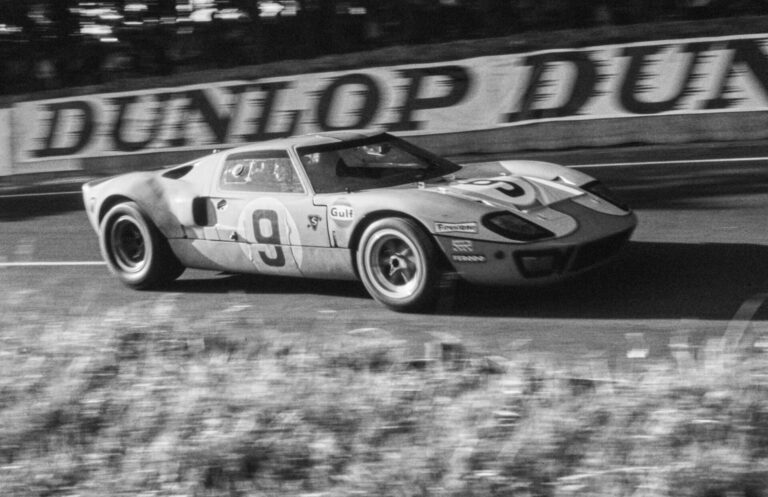
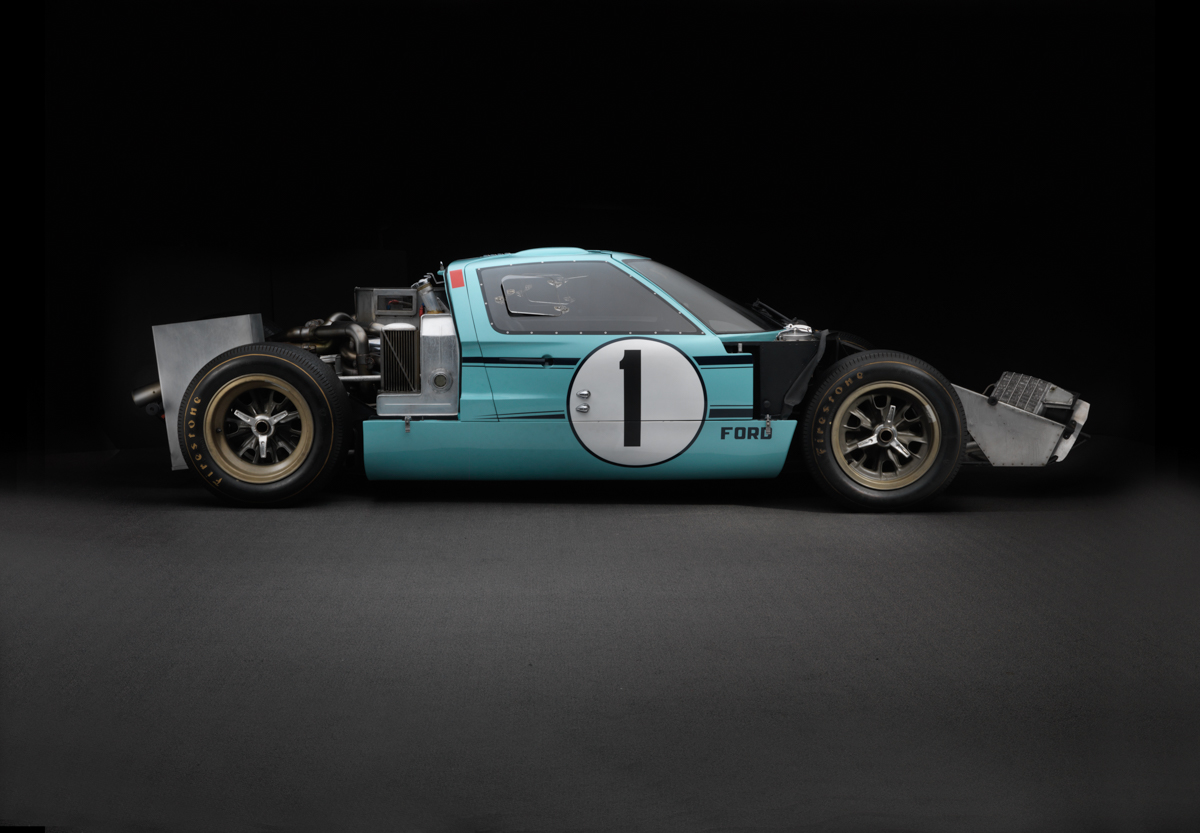
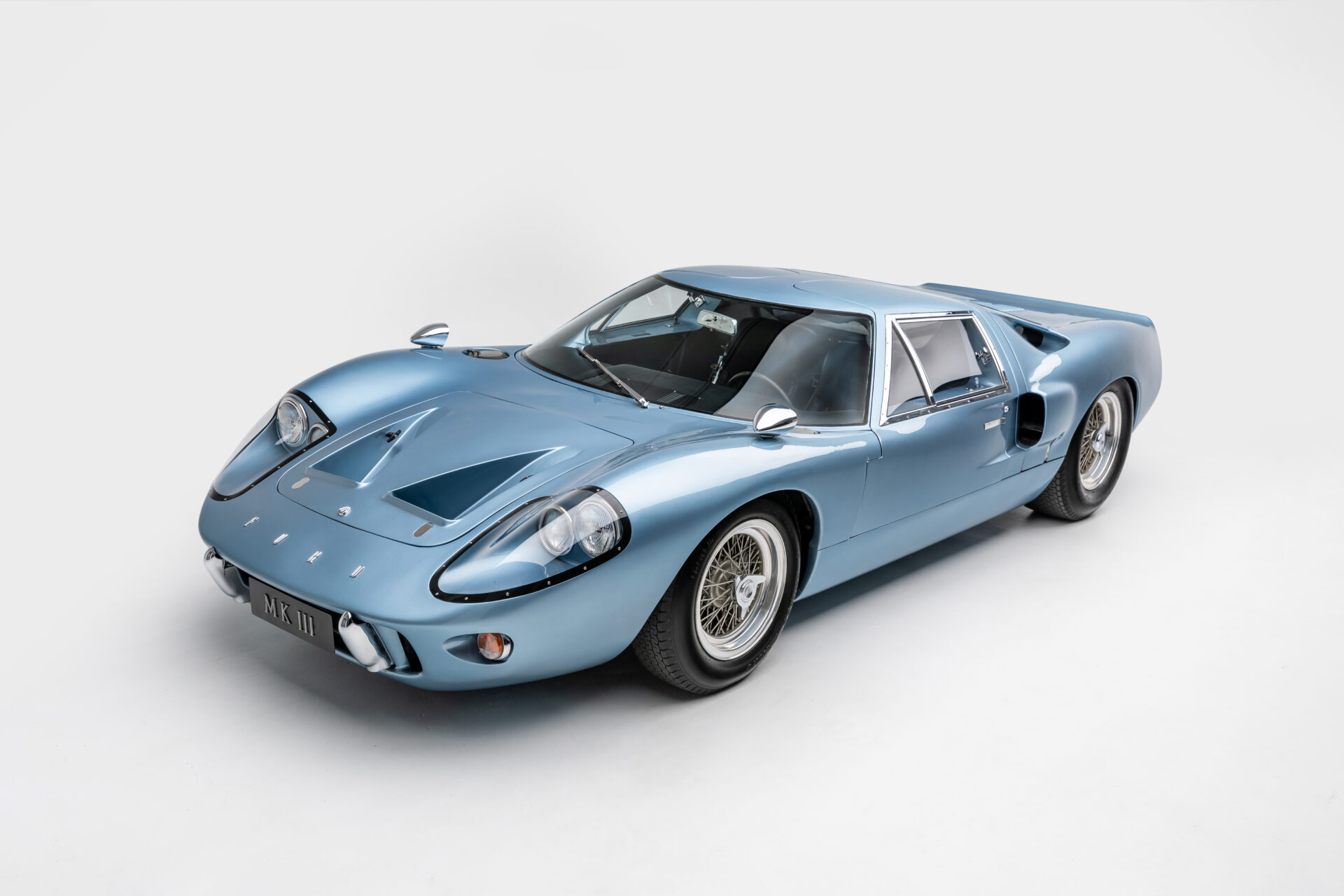
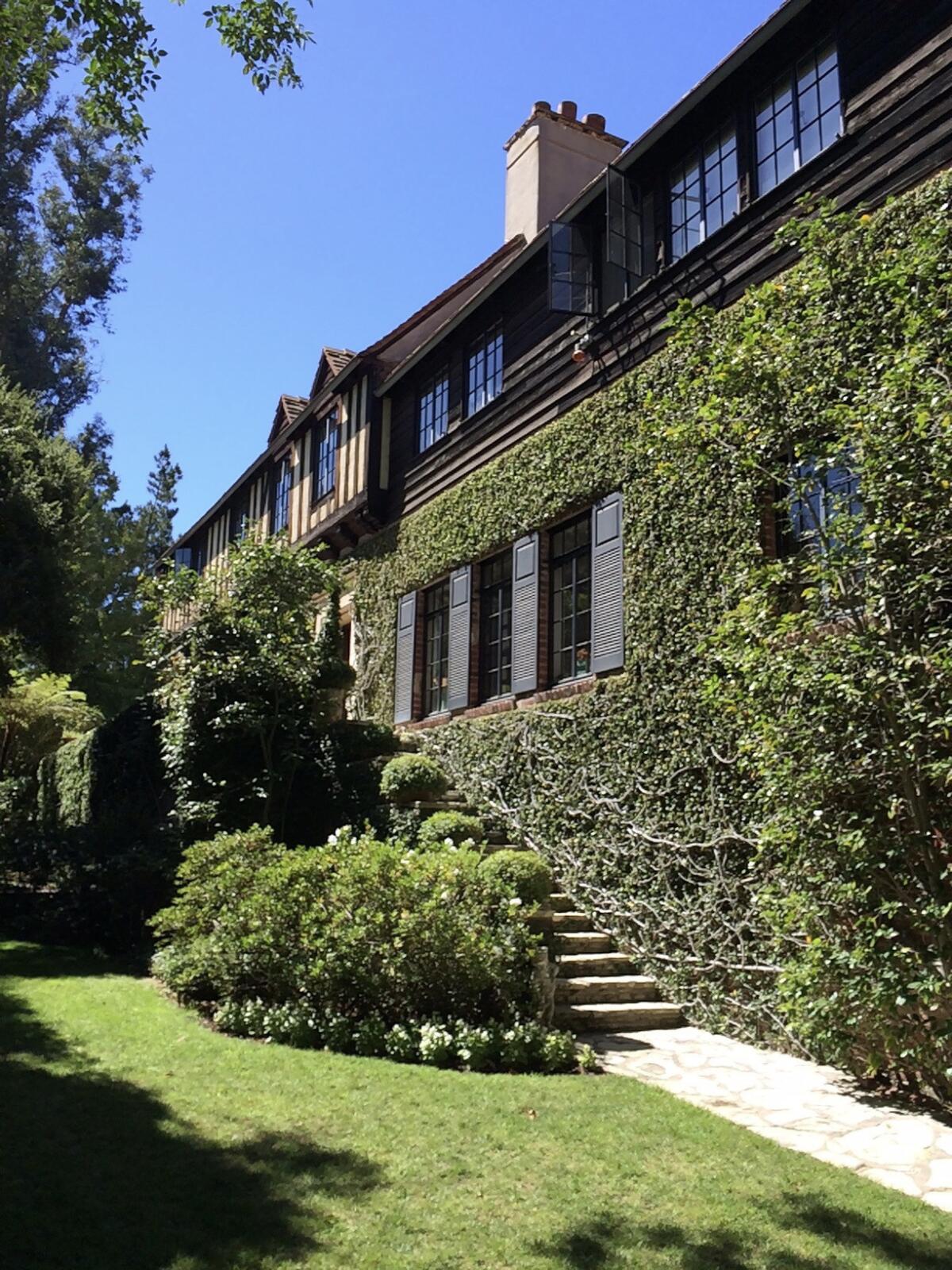
Photo courtesy Garage Style Magazine

Skip begins by challenging our assumptions about the word “sport.” While competition is the most obvious association, he argues that recreation and style are equally vital. Think of sportswear: it’s not just about athletic performance – it’s also about aesthetic and lifestyle. This broader lens sets the stage for understanding how “sport” shaped the identity of the sports car.

Tune in everywhere you stream, download or listen!

Listen on Apple
Listen on YouTube
Listen on Spotify

In the early days of motoring, every car was arguably a sports car. Why? Because driving itself was a challenge – bad roads, unreliable equipment, and unpredictable weather made every trip a test of endurance. Yet it was also recreational. People drove because they loved it.

As cars evolved, so did their roles. Racing cars became specialized machines, while touring cars served everyday needs. Between these extremes emerged a fascinating “gap” – vehicles that were a little less than racing cars but a little more than touring cars. These were the original “sporting cars.”

Spotlight

Elton G. “Skip” McGoun is an emeritus professor of finance at Bucknell University and a visiting professor at the University of Ljublijana in Slovenia and at the University of Donja Gorija in Montenegro.

Synopsis

On this episode of The Logbook, our History of Motorsports series, we present a lecture by Elton ‘Skip’ McGoun, a finance professor and automotive historian, who explores the term ‘sports car’ and its evolution from the early 20th century. McGoun discusses how sports cars were initially considered ‘sporting cars’ capable of both racing and everyday use before World War I. Throughout the 1920s, the term evolved into ‘sports models’ and finally ‘sports cars’ by the late 1920s. The lecture explains the gap between racing and touring cars, highlighting that sports cars can embody competition, recreation, and style. McGoun addresses how early advertisements marketed these vehicles and how the term became mainstream in English via translations from German and Italian terminologies. The episode also includes a Q&A session where McGoun answers audience questions about various car types and their classification as sports cars.

Follow along using the video version of the Slide Deck from this Presentation

Transcript

[00:00:00] Break/Fix’s History of Motorsports series is brought to you in part by the International Motor Racing Research Center, as well as the Society of Automotive Historians, the Watkins Glen Area Chamber of Commerce, and the Argettsinger family. Putting the sports in sports cars by Elton G. McGowan. Elton Skip McGown is an emeritus professor of finance at Bucknell University and a visiting professor at universities in Slovenia and in Montenegro.

He has presented and published the History and Culture of Finance as well as Automobile History and Culture and served as area chair of the Vehicle Culture section of the Popular Culture Association. He considers the two senses of the word sports. Competition and Recreation and their relative roles in the creation of the class of vehicles known as sports cars.

Alright folks, next up is putting the sports in sports cars by some guy named Elton [00:01:00] McGowan? Oh, you mean Skip. Skip McGowan. Skip McGowan. This is not a formal occasion. Skip. Okay. Well, we heard the term sports car at least a few times this morning. Of course, that’s not so surprising in a venue like this, but it is a term that you hear all the time in all sorts of places.

But the uses don’t always seem to be compatible with each other. In the 15 years following World War Two, There were a whole series of books published on sports cars. In the introduction to each of the books, or in the first chapter, they would provide a definition of what they considered to be a sports car, and then they would go through and list all of the sports cars that had been manufactured up until that point.

Not surprisingly, The definitions differed. The lists differed. And I have to admit, I’ve always been kind of intrigued by the question of just what is a sports car. Now, [00:02:00] for me, the car part was not a problem. Maybe it should have been, but it wasn’t. The problem I had was with the sports part. Now, what I’d like you guys to do is think.

The word sports. What images do you have, what associations do you have, what connotations do you have with that word sports? Some are probably obvious. One is the notion of competition. Sports, competition. I think that might be a little too simplistic. Because when you think of sports, you also think of just recreation.

This photo here kind of implies there’s a connection between recreation that we see here and maybe ultimately some sort of competition. But if you think about it, it doesn’t necessarily have to go that way. You don’t necessarily have to start with the competition and then move on to the recreation. You can [00:03:00] start with the recreation and move on to the competition.

After all, there wouldn’t be professional sports of any sort if people didn’t find the subject enjoyable and had an interest in it. There’s another connotation or association of sports that might not pop into your head immediately, but when I show you the image, it should become clear. Sports is a style.

And I put the term sportswear up there because it’s very common. What’s the connection between sportswear, competition, and recreation? I looked at these pictures, which are photos that I got when I googled image for sportswear. And I had kind of a hard time associating that with competition. Now obviously the footwear on at least the two models to the right might have something to do with track and field.

And the model on the right is [00:04:00] wearing something produced by Nike, which we knew at least initially was designing competitive sportswear. Nonetheless, though, even though these associations, the competition, the recreation, the style, in some way go together. But also in some way can be very different with that sort of introduction.

Let’s move on to something a little more closely related to sports cars. I’ve encountered books in which at least a couple of authors had said in the beginning, all cars were sports cars, but what did they mean by that? Well, in one sense, they could have meant that all motoring was competition. The obvious form of competition was.

competition with other motorists. You know, in fact, I’ve seen it said that, you know, motor sports developed when the first car met the second car. But keep in mind, there were other forms of competition. Early motorists were [00:05:00] certainly competing with bad roads. They were competing with bad weather. They were definitely competing with bad equipment.

You could certainly say that early motoring Was all competition in one form or another, even if you were out there by yourself, you were competing with something. However, if you look at it a little differently, you could argue that at the time, all motoring was recreation. No one would have been doing this if they didn’t enjoy it.

Sure, technically you could look and say, they were competing. But you also could say that this was a pleasant recreational activity, at least pleasurable in some way. Then motoring evolved. It evolved in two ways I think that are relevant here. One is, automobiles actually became useful. People discovered that these weren’t anything necessarily [00:06:00] frivolous.

You could actually use an automobile to make your life better. The automobile enabled you to perform necessary tasks much more easily than you ever could before. Another change had occurred around the same time that racing cars became much more specialized. Originally, maybe anyone could get out in their car and compete, but it didn’t take too long before the competition reached such a high level that racing cars were very, very specialized.

They were very different than the cars that people were using for other purposes. What this meant was we had product differentiation. So on the left, we had racing cars, which were highly specialized for racing. And on the right, we had what at the time were called touring cars. Pretty much touring car meant.

A car [00:07:00] you just use for normal, everyday purposes. Keeping in mind that the word touring does have some kind of recreational connotations to it. So you’ve got racing cars, and you’ve got touring cars. Now obviously this wasn’t an either or proposition. You know, you didn’t have one or the other. You had what I’m calling a gap in between the two, which was certainly filled by vehicles.

What was in the gap? What I’m calling at one end of the gap might have been a car you could call just a little bit less than racing. It was competitive in certain forms of competition but at the same time it could be driven on the road. You could drive the car to the competition, you could compete creditably and then when it was over you could drive it back home again.

And you might even drive the car someplace during the week. [00:08:00] Okay, so it was a car that was maybe a little bit less than a racing car. It kind of fell into that gap. On the other hand, you had cars that you could say were maybe a little bit more than touring. They were practical cars, but at the same time there was something special about them.

There was something fun about them. They had a little zip, a little pizzazz. Something that kind of stood out from your generic touring car. The question though is, how big is this gap? What sort of range of vehicles do we find within it? Early on, the question I think that you could ask was, could a car that I’ve described as like, a little less than racing, be essentially a car that was just a little more than touring.

Are we talking really about the same vehicle? And it turns out, we actually could at the time, before World War I. So before [00:09:00] World War I, these cars, in this gap between racing and touring, were referred to as sporting cars. Seriously, I mean, this was the generic term. Sporting cars. You know, this is not a term that I ever think was formally defined, at least nowhere that I could find it.

But the idea was that a sporting car was a touring car that could easily, and notice easily is in quotes, you know, what’s easy for one person could be nearly impossible for another. But these were touring cars that could be easily modified for competition. And the images that I’ve shown there are both W.

O. Bentley. Who was the English distributor for DFP on the right, we see him looking rather sporty himself in one of the vehicles, but on the left we have what I understand is pretty much the same vehicle he was selling in the showroom, but modified for [00:10:00] him to be very competitive in the tourist trophy race pre World War One sporting cars.

Same car, a little nicer, a little more fun than the regular touring car, but also easily modified to be a competitive car. What this did was it kind of facilitated marketing. Okay, so we have two posters here for the DFP. And you can see that the orientation of the poster on the left was kind of targeting this sort of racing image of the vehicle.

Whereas the poster on the right, notice is emphasizing the very practical aspects of the car for doctors, officials, veterinarians, business travelers, same car, but the same car could be marketed in these two different ways. And in fact, you could actually market the car [00:11:00] for both at the same time. On the left, you have a voiture de sport ou d’agrégement, which means sports or leisure car.

This is high school French, so don’t put a whole lot of weight on it, okay? Or you have a voiture utilitaire ou de fer, in other words, a utility or business car. So here we’re saying, you know, you got something that’s really kind of works for everyone. And you’ll notice on the right, the advertisement for DFP says that the sole distributor of the vehicle in Australia is Sporting Cars Property Limited.

We heard the phrase this morning, race on Sunday, sell on Monday. I have to admit, I believe this has serious limitations. However, These limitations did not apply at this time, mainly because the car that was on the track on Sunday was real [00:12:00] close to the car that was in the showroom on Monday, or could be made really close to it.

Early on, when you’re looking at a small gap like this, yeah, you could race them on Sunday, and that would be excellent marketing for sales on Monday. World War I shows up. What happens after the armistice? We know the automobile industry boomed in the 1920s. However, the question then is, what sorts of cars would companies build, and, at least equally important, how would companies market these cars?

You know, as we saw before World War I, racing could be used to market cars very effectively. Could we still do that after World War I? One of the problems is that the top tier racing cars were getting increasingly different from the cars that were in the showroom. What you were seeing on the track was a lot different than you would see [00:13:00] on Monday.

Admittedly, they could have the same name. So you might imagine that there was some sort of aura or spirit associating them. You know, some sort of brand identity. This is something that would take time to develop. There wouldn’t be that really close relationship. What happened as a result of this, which I think is fascinating, we saw this in the past presentation, you tried to move the racing closer to the other end.

So the real innovation to me with Le Mans race was the idea that the vehicles had to have been produced in certain size batches. So what this meant was it was Increasingly likely that the car that you saw on the track winning something. Obviously there were so many classes you had to win something eventually.

The cars on the track that were winning something could be pretty close to the cars in the [00:14:00] showroom again. If the company had had to make a certain number of them. This worked real well for the race organizers. Because it attracted manufacturers and the manufacturers were attracted to these races because this was an excellent opportunity to advertise their vehicles.

Nice strategy. The result was that companies responded by producing what they were calling sports models. You had a broader product line. But within that product line, you had a model that was differentiated in some way, referred to as a sports model, and that this sports model would satisfy the manufacturing requirements to qualify for the racing.

So, for most of the 1920s, we saw sports models. So before World War I, we had sporting cars. Through most of the [00:15:00] 1920s, we had sports models, and this was the reason Amelcar was one that really took full advantage of this. German and Italian manufacturers had their own terms. Mercedes had Stadtwagen, Turnwagen, and, what we’re interested in, in German, Sportswagen.

In Italy, Alfa Romeo had Le Più Famoso Vettura Sportiva del Mondo. A German term, and we had an Italian term. Sportswagen Vettura Sportiva. They began selling their vehicles in England. I think these ads are from like around 1928. So, if you’re going to sell your vehicle in England, you’re going to have to advertise your vehicle in English.

So you’re going to have to translate the foreign term into English. So, sportswagen, not surprisingly, was translated as sports car. [00:16:00] Vettura sportiva was translated as sports car. Alfa Romeo used the same slogan, but in English, the world’s finest sports car. I believe that this was how sports car first appeared in English, and moved into the English language as a term.

It was picked up by Bentley, and I believe Bentley was one of the first to do so, at least one of the first that I was able to find. So they picked up the literal translations of the German phrase and the Italian phrase, labeled their four and a half liter Bentley the British Thoroughbred Sports Car.

Notice, very clearly emphasizing British, not foreign. And emphasizing thoroughbred, in other words, a distinguished heritage. Also keep in mind [00:17:00] that these were the years that Bentley was winning Le Mans. And most of the um, newspaper stories about these wins emphasized it was a British car. It was only somewhere down in the body of the article that you discovered it was a Bentley.

These were no longer considered sports models. This was a standalone vehicle. Where did the sports and sports car come from? Well, it was a sporting car before World War I. It was a sports model during most of the 1920s. And at the end of the 1920s, and then on into the 30s and beyond, it became a sports car.

But, what did sport mean? And here’s where I go back to the first part of the presentation. This is the theory that you can decide whether or not you agree with. Anything [00:18:00] positioned in the gap between racing cars and at least what were referred to as touring cars is somehow associated with sport.

However, if that vehicle is kind of more in the direction of the racing, it kind of captures the competitive connotations of the word sport. Somewhere in the middle are cars that are sports cars more in the recreational sense of the word sport. And I would argue that over on the right side, there are cars that could legitimately be called sports cars, but in the sense of sport as a style.

What is a sports car? Your call. Thank you very much.

Thank you, Skip. Any questions? Where would the [00:19:00] post World War II hot rod movement fit into this, if at all? Model A Fords, modification of cars that be considered sports cars or not? First of all, I mean, people can use the term what they want. I’m thinking more of this term in terms of manufacturing and marketing.

As opposed to really creating independent vehicles like that. But cars that were deliberately created, not maybe for the personal use so much. as for the intent to make money by selling them. Underline your one definition of sports cars. When I was growing up in the 50s, sports cars were often defined as a car that you could use both as racing and on the road.

And that was a defining idea. The other thing I remember quite well is that when the Sunbeam Alpine came out, it had roll up windows. And hence, was not a sports car. Yeah, that’s true. You know, a lot of the definitions that you really do see are, I would call [00:20:00] them kind of purist definitions. And they can get really technical, you know, it has to not have this, it has to have this, it doesn’t have this.

With this, what I’m trying to look at is the word sport more encompassing, you know, and to address. other uses of the word sports car. Lots of folks would not consider those sports cars. But I think in a broader sense of the word sport. Yeah, they are. Is it fair to say that Detroit rarely use the term? And if so, why?

I don’t know if that’s true, because I know a lot of the Detroit cars are being referred to as sports cars in retrospect. What I would have to do is look and see exactly how they referred to them in contemporary terms. That’s what was interesting about doing this is so many cars from before World War I and during the 1920s were referred to as sports cars in these books that were published after World War [00:21:00] ii.

But if you actually go back and look at the advertisements, look at the road tests in magazines, The word sports car, I could only find it used once in 1925 in relation to an Aston Martin. It really wasn’t until the late 1920s that sports car actually showed up. And even then, it was a slow transition. It appears as if some magazine publishers were adopting the term earlier on than others.

So, you know, it’s not like it happened all of a sudden, it happened over a period of time. And then, eventually, when you came to the SS, that was advertised as a sports car from the very beginning. Let me ask you about three cars. A Jordan Roadster, a Mustang, and a Thunderbird. Which of those would you call sports cars?

Depends on what you call sports. Again, I’d have to look back at the time. I [00:22:00] think you can call those sports cars… Kind of in a recreational or a stylistic sense. They probably wouldn’t fit the more restrictive definitions that drift over to the left of that. I don’t see a problem with calling them sports cars.

Because sports is a very, very encompassing term. I mean, some of them came to extremes. It was like the Packard Caribbean was called a sports car. Can you give a contemporary example of each of those categories of racing a gap? A sports car and a touring car. How contemporary? Today. Oh gosh. Indy, could you say a BMW M4 is a touring and a red BMW or the M4s that they race at the moment.

That’s the racing part. And then, depending upon whether you order the M4 competition or the M4 non competition, whether you order the normal or series that has soft [00:23:00] suspension and, uh, So that one BMW 3 Series can fit. My argument here is, I’m hypothesizing, I might be wrong, a current, say, BMW M4 or 4 Series, in its small, Gas motor automatic transmission mode it sits near a touring car But when in the form when it’s prepared to race it in the German touring car championship or something It’s the pure racing car.

So with that one car the BMW m4, for example, I believe that that Fits in the gap, you know, the current fiat convertible, I would say maybe fits kind of in the middle, but, you know, maybe the about the version kind of move, which actually is sitting in a lot downtown here. I didn’t even know they could import them.

Okay, where do you put the early hot rods? You’ll cut down 32 Ford’s for about the West Coast in the late 40s in the sports car picture. Yeah, [00:24:00] that was. They were also recreational vehicles. That was similar to the first question, but you know, with this, what I’ve tried to do is really focus on the automobiles that were manufactured for sale to the public as opposed to something like that.

All right, thank you, Skip. Thank you.

This episode is brought to you in part by the International Motor Racing Research Center. Its charter is to collect, share, and preserve the history of motorsports, spanning continents, eras, and race series. The center’s collection embodies the speed, drama, and camaraderie of amateur and professional motor racing throughout the world.

The Center welcomes serious researchers and casual fans alike to share stories of race drivers, race series, and race cars captured on their shelves and walls and brought to life through a regular calendar of public lectures and special events. To learn more about the Center, visit www. racingarchives.

org. This episode is also brought to you by the Society of [00:25:00] Automotive Historians. They encourage research into any aspect of automotive history. The SAH actively supports the compilation and preservation of papers. Organizational records, print ephemera and images to safeguard, as well as to broaden and deepen the understanding of motorized, wheeled land transportation through the modern age and into the future.

For more information about the SAH, visit www. autohistory. org.

We hope you enjoyed another awesome episode of Brake Fix Podcast brought to you by Gran Touring Motorsports. If you’d like to be a guest on the show or get involved, be sure to follow us on all social media platforms at GrandTouringMotorsports. And if you’d like to learn more about the content of this episode, be sure to check out the follow on article at GTMotorsports.

org. We remain a commercial free and no annual fees organization through our sponsors, but also through the generous support of our fans, families, and [00:26:00] friends through Patreon. For as little as 2. 50 a month, you can get access to more behind the scenes action, additional Pit Stop minisodes, and other VIP goodies, as well as keeping our team of creators Fed on their strict diet of fig Newtons, gumby bears, and monster.

So consider signing up for Patreon today at www. patreon. com forward slash GT motorsports, and remember without you, none of this would be possible.

Livestream

Learn More

If you enjoyed this History of Motorsports Series episode, please go to Apple Podcasts and leave us a review. That would help us beat the algorithms and help spread the enthusiasm to others. Subscribe to Break/Fix using your favorite Podcast App:
Listen on Apple
Listen on YouTube
Listen on Spotify

Consider becoming a Patreon VIP and get behind the scenes content and schwag from the Motoring Podcast Network

Do you like what you've seen, heard and read? - Don't forget, GTM is fueled by volunteers and remains a no-annual-fee organization, but we still need help to pay to keep the lights on... For as little as $2.50/month you can help us keep the momentum going so we can continue to record, write, edit and broadcast your favorite content. Support GTM today! or make a One Time Donation.

Skip highlights how manufacturers like DFP cleverly marketed the same car to both racers and professionals. Posters emphasized either speed and flair or practicality and reliability. The term “sporting car” captured this dual identity: a car that could be easily modified for competition but still serve as a stylish daily driver.


Post-WWI: The Rise of the Sports Model

After World War I, racing cars became even more specialized, widening the gap between track and showroom. Enter the “sports model” – a production car tweaked for performance and built in sufficient numbers to qualify for races like Le Mans. This strategy allowed manufacturers to link racing success with consumer sales.

As European brands like Mercedes and Alfa Romeo entered the English market, their terms- “Sportswagen” and “Vettura Sportiva” – were translated directly into “sports car.” Bentley was among the first British manufacturers to adopt the term, branding its Le Mans-winning 4½ Litre as the “British Thoroughbred Sports Car.”

Skip’s central thesis is that sports cars occupy a spectrum between racing and touring. Those closer to racing embody competition. Those in the middle reflect recreation. And those leaning toward touring express sport as style. It’s not a rigid definition – it’s a flexible framework that accommodates everything from hot rods to modern BMWs.


So… What Is a Sports Car?

Skip leaves us with a provocative conclusion: the definition of a sports car depends on how you interpret “sport.” Is it about racing? Leisure? Aesthetic flair? The answer, he says, is up to you.

Bonus: Audience Q&A Highlights

  • Hot rods? Recreational, yes – but Skip focuses on cars manufactured for sale, not custom builds.
  • Roll-up windows disqualify a sports car? Some purists think so!
  • Detroit’s use of the term? Possibly rare in period advertising, but common in retrospective classification.
  • Modern examples? BMW’s M4 spans the gap – from touring to racing depending on configuration.

This episode is sponsored in part by: The International Motor Racing Research Center (IMRRC), The Society of Automotive Historians (SAH), The Watkins Glen Area Chamber of Commerce, and the Argetsinger Family – and was recorded in front of a live studio audience.


Other episodes you might enjoy

Michael R. Argetsinger Symposium on International Motor Racing History

The International Motor Racing Research Center (IMRRC), partnering with the Society of Automotive Historians (SAH), presents the annual Michael R. Argetsinger Symposium on International Motor Racing History. The Symposium established itself as a unique and respected scholarly forum and has gained a growing audience of students and enthusiasts. It provides an opportunity for scholars, researchers and writers to present their work related to the history of automotive competition and the cultural impact of motor racing. Papers are presented by faculty members, graduate students and independent researchers.The history of international automotive competition falls within several realms, all of which are welcomed as topics for presentations, including, but not limited to: sports history, cultural studies, public history, political history, the history of technology, sports geography and gender studies, as well as archival studies.

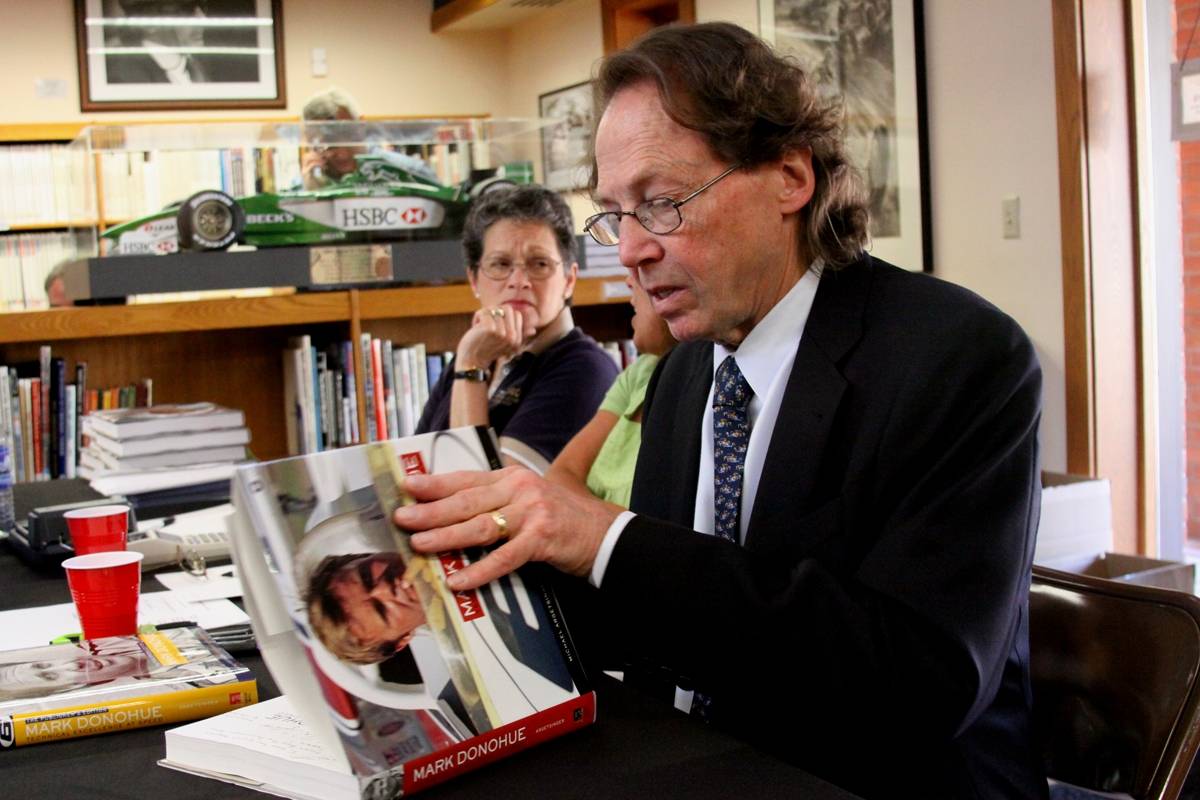
The symposium is named in honor of Michael R. Argetsinger (1944-2015), an award-winning motorsports author and longtime member of the Center's Governing Council. Michael's work on motorsports includes:
  • Walt Hansgen: His Life and the History of Post-war American Road Racing (2006)
  • Mark Donohue: Technical Excellence at Speed (2009)
  • Formula One at Watkins Glen: 20 Years of the United States Grand Prix, 1961-1980 (2011)
  • An American Racer: Bobby Marshman and the Indianapolis 500 (2019)

This content has been brought to you in-part by support through...

Motoring Podcast Network

Malcolm Bricklin: The Relentless Visionary Who Dared to Reinvent the Road

From selling scooters out of Long Island to launching Subaru in the U.S., from building gullwing-doored safety sports cars in Canada to dreaming up hydrogen-powered revolutions, Malcolm Bricklin’s life reads like a screenplay too wild for Hollywood. But it’s all real – and he’s not done yet.

In this two-part Break/Fix podcast episode, we sat down with the man himself for a no-holds-barred conversation that spans six decades of automotive disruption, entrepreneurial improvisation, and unshakable belief in doing what you love- even when the world says you’re crazy. “You want to do something, do it. That’s all there is to it, kid.” says Malcolm.

Tune in everywhere you stream, download or listen!

Listen on Apple
Listen on YouTube
Listen on Spotify

Bricklin’s origin story doesn’t begin in a boardroom – it starts in a Corvette packed with three kids, a U-Haul, and a dream. After a chance encounter with a jukebox entrepreneur, Bricklin found himself in Italy, trying to sell a film-based music machine called the C Box. When that venture fizzled, he stumbled into a warehouse full of unsold motor scooters and somehow convinced the New York Police Department to buy thousands of them for meter maids and Central Park patrols.

Photo courtesy Malcolm Bricklin

That hustle led him to Japan, where he discovered a quirky little car called the Subaru 360. It was cute, cheap, and – thanks to a loophole in U.S. regulations—exempt from federal safety standards. Bricklin didn’t just import the car; he founded Subaru of America in 1968 and built a national dealer network from scratch. Despite a scathing Consumer Reports review that nearly tanked the brand, Bricklin’s tenacity helped secure a “perpetual” contract with Fuji Heavy Industries and laid the groundwork for Subaru’s future success.

Spotlight

Synopsis

In this two part Break/Fix podcast, we interview Malcolm Bricklin, a pioneering figure in the automotive industry. Bricklin discusses his journey from importing small cars from Europe and Japan in the 1960s to founding Subaru of America in 1968 and introducing the Subaru 360 to the American market. He also recounts his effort to create his own sports car, the Bricklin SV-1, renowned for its safety features and distinctive gullwing doors. Throughout the conversation, Bricklin shares anecdotes about his dealings with automotive giants and his ventures, including his involvement in the electric bike industry and his plans for a revolutionary hydrogen-powered vehicle. The discussion highlights Bricklin’s entrepreneurial spirit, his ability to navigate industry challenges, and his ongoing influence in the world of cars.

  • Growing Up in Philly – I can’t think of too many automotive titans that have their origins starting in Pennsylvania other than Lee Iacocca – What sparked your interest in cars? What was the path or paths you took to get out of PA and into the industry?
  • Why Subaru? Why not other brands, like Italians or French? What did you see in them?
  • What was the catalyst that made you say “I want to build my own car”
  • Why gullwings?
  • The Corvette was the only car at the time made from Fiberglass… Did that influence the SV-1 design?
  • Why Canada? How does the SV-1 story end?
  • Why start another car company? What was the driving force there? What were your plans for VV? 
  • Let’s talk about the new car: The Bricklin 3EV – specs, details, etc that you can share. Why 3 wheels? Where did the design come from? Are there advantages/disadvantages?
  • What’s next for Malcolm Bricklin?

Transcript - Part 1

Crew Chief Brad: [00:00:00] Break Fix podcast is all about capturing the living history of people from all over the autos sphere, from wrench, turners, and racers to artists, authors, designers, and everything in between. Our goal is to inspire a new generation of Petrolhead that wonder, a. How did they get that job or become that person?

The road to success is paved by all of us because everyone has a story.

Crew Chief Eric: Our guest tonight began his career in the automotive industry in the early 1960s when he started importing small cars from Europe and Japan to sell in the United States. In 1968, he founded Subaru of America and helped introduce the Subaru 360 to the American market.

Don Weberg: The 1970s, Malcolm Bricklin turned his detention to creating his own sports car, the Bricklin Ssv one.

The car featured Gulling doors and a fiberglass body and was powered by a V engine. 2,854 units were sold before [00:01:00] production ceased in 1975. Today, Malcolm remains an active and influential figure in the automotive industry, continuing to explore new ideas and business ventures in the pursuit of his entrepreneurial vision.

And he’s here tonight to explain to us just exactly what he’s been up to.

Crew Chief Eric: Thanks Don. And with that Malcolm, welcome to Break Fix.

Malcolm Bricklin: Uh, well thank you very much.

Crew Chief Eric: So Malcolm, like all good break fix stories. Everybody has an origin. So let’s talk about how you got into this whole automotive industry growing up in Philly.

I mean, personally, I can’t think of too many automotive titans that have their origin stories starting in Pennsylvania other than Lee Iacocca. So what sparked your interest in cars and what was the path or paths you took to get out of Pennsylvania?

Malcolm Bricklin: Here’s the story. Once upon a time, I decided to move my family from Orlando, Florida, where my wife and my first three kids, a one year old, a three-year old and a five year old, decided we’re moving to Philadelphia where I was born and lived [00:02:00] till I was 10 years old, but I had relatives there.

I don’t know why I decided. I said, I’m, let’s do it now. My wife at the time was absolutely not interested on getting on an airplane. And we happened to have a Corvette with a hatch bath. So picture three kids in the back of the thing and a U-haul it, and of course they truck with all the furnitures coming behind it.

I traveled from Orlando, Florida to Philadelphia in a Corvette with my wife and three kids, three little kids. All right. How fun is that? So now we’re in Philadelphia and one of the people I get introduced to is a man by the name of David Rosen, who owns Coin operated machines, cigarette machines, jukebox, you name it, that kind of stuff.

He an old to me older man. I was in my early twenties and he in the worst way wanted me to, and I was not interested, but I used come by and have some coffee and we talk about stuff and one day he said, I got something and I think you’ll be interested in it. What is that? It’s a C Box machine. What’s the C Box Machine?

What it is is a big thing that looks like an egg painted red on the back, on the shell part. And the front [00:03:00] has a television set and it’s a jukebox. The television set. So now it’s M T V before M T V and we go to Corin, where we meet the Innocente Corporation, Innocente Corporation, big equipment, heavy presses.

Almost every car company had one or two or 10 or 50. And they also did Morris Minor with their license from England and they did, uh, Loretta Motor scooters and they were building this C Box machine, which they thought was going to be a big deal. Everybody who saw it thought it was a big deal. It was one little flaw, but we didn’t figure it out yet.

We ordered a dozen and they come, and then we realized we don’t have film. This is not M T V, we don’t have a platform to get any film. And without film, we don’t got a jukebox that chose film. So I went off to Hollywood to go get somebody to start paying attention. What a good idea. This is gonna be everywhere.

Well, they didn’t think so because nobody was gonna give us a hit team of any musicians that are gonna do it. And I got 12. That’s my distribution 12 and I’m never gonna get past 12 unless [00:04:00] I get somebody to do something and it’s gotta be more than one because you get bored pretty fast. The only solution to that was my guy who had all these pieces of equipment and also had a lot of R-rated film, which of course they like seeing in bars and I like seeing ’em too.

I just didn’t feel like being in the business. So I bowed out. But before I did, I got rid of the 12 with a company called Food Fair that was a food store that was popular in at least the Philadelphia and New York area. And I convinced them they ought to put these machines. On top of the checkout counter have the people who are selling their products, put their commercials in there, pay ’em, whatever the hell they can get from ’em.

And when people are waiting in line, they may see something they like and they go get it. That’s what point of sale advertising. So I got rid of my 12 and they seemed to like what they had, but that was the end of that program. Now I am sitting home on a Sunday, having a Sunday breakfast with my three kids and my wife eating a lox and bagel, as a matter of fact.

And I get a call and it’s from in corporation and in Medium English. [00:05:00] They tell me they want me to get on a plane tomorrow and come to Milan and don’t tell anybody. They’ll pick me up at the plane. I won’t be going through customs. I think that was before James Mo, but it for sure as hell felt like a James moment.

I couldn’t wait. I don’t know why I’m going. I have no idea why the hell they’d call me and why they’d go to all these secrecy, but I couldn’t wait. So I get on a plane and they pick me up and we go someplace and there’s a board of directors and a gorgeous room. And I go, what in the heck could this possibly be?

And they say to me, we have a problem. Okay, what’s your problem? We manufacture ated, a motor scooter. It was very popular one with in the United States because of the movie and all sorts of, yeah. But then mopeds came out and mopeds are now selling in. You forget about scooters are now happening in the United States.

We have 25,000 of ’em sitting in Long Island. Financially, it’s no big deal. I mean, you’re talking about scooters sold for a couple hundred dollars back then they said, that’s not our worry. But for some reason it has gotten out and it’s extremely embarrassing for us and the board. And it doesn’t matter what it takes.

We gotta get rid of ’em and we want you to do [00:06:00] it. And I said, well, you just picked the worst guy in the universe to go do that because I never had one. My parents wouldn’t let me have one. I couldn’t have a motorbike. And you’re telling me I should go help you sell the damn thing. I have zero knowledge except I wanted one.

That’s it. That’s as far as I go. Well, we have a problem. We don’t know Anybody else we can ask? I said, well, I, I’m telling you, you are asking the wrong guy. I would love to do it for, I just dunno where I would even start. Would you do us a favor? Would you go back and go look at the place? We have two guys working there.

Would you tell us what you recommend? Great. So I go out to Long Island. I meet two people who are nice gentlemen from Italy and speak. Broken English. I mean, they’re having a good time, but they’re not selling anything because if you want one, you gotta call ’em up and beg ’em just about if you can find them at all.

So I go back to Italy, I said, I have no other suggestion, but you’d be better off with nobody because it is not the way you sell vehicles in the United States when nobody wants ’em. I said, it’s more of a hard sell, and I, I wouldn’t email where to start to tell you the truth. And if there’s anything I can do for you, I’ll be very happy to do it for you.

[00:07:00] No, no, no, no. You can’t leave make us any kind of deal at all. I’m thinking, what can I say that would let them know it would be stupid for them to pursue me? Not that I didn’t wanna do it, I just didn’t have the slightest idea. So I said, okay, I want $5,000 a week and I want an office in new, a one year contract, no matter what happens.

Okay? I’m going, do you understand? I’m going to go to New York every day. We have an office in New York and we have a secretary, so you can have the secretary in the office. Great. So you know what I’m gonna do? I’m gonna read papers and then I’m gonna go to lunch and I’m gonna go back and I’m gonna try to figure out, I wonder what I would do if I, these were mine and I’m telling you I don’t have the slightest idea now.

Be clear. Okay, great. So I go out and I buy myself a used rolls for about 67,000 new ones. Cost about 29, 30 plus. I bought one for that price off the showroom for, and I got myself a driver. And every morning in Philadelphia, I’d come down in my pajamas with the pillow and my suit and tie in, go to sleep in the back of the rolls.

When they got at the end of the freeway near Dozi Freeway, I would, they would pull into a gator [00:08:00] station. I would go and put my suit and tie, go to the time and life building. That’s where he would park. Hello, Mr. Brooklyn. Now I was living my novels that I used to read. You’d go into a big building in New York and the guy would know who you are.

I go upstairs to the office, a very nice Italian young lady is my secretary, and I read all the papers. Now it’s time for lunch. Where am I gonna go to lunch? 21. A little more than I wanna do stuffing park just because, but right next door is a place called Tch Shores. And Tut Shores had a table, table in their restaurant, a round table, and anybody could sit at that round table.

But when you sat there, you sat there because you wanted to talk to other people. People like Chairman General Motors would get how the real man thinks about things. It was a good place for people to be very comfortable, to ask people of different experiences, answers, questions, or just talk to. It was a very cool place in that regard.

Well, I sat next to a guy that had an office across the street from the office. We were at time and life building because his customer was across the street next to [00:09:00] me, JC Penney’s. He sold furniture. He represented a North Carolina furniture place, and he sat next to me and this guy was a police groupie.

He loved the badge. He loved talking to everybody in the police force. He just loved everything about being a policeman or helping them or being involved with them, or being able to talk to them. After about two weeks after we talked about crap, he said, give me three librettos. I said, great. What? Four? He said, I’m giving them to the New York Police Department.

They’re gonna use it for their meter maids. Okay. I guess for the meter maids, it’s not a bad idea, but I wasn’t sure. But anyhow, it didn’t matter. So we gave ’em three and one week later. It comes in with a letter that says, we have come to the conclusion that this replaces five meter MAs, but rather than fire anybody, we’re gonna be moving them up.

Those that are not gonna be meter MAs any longer, and let them start to become more police women. And we’re very excited. Everything. And we want a thousand. So I work out a commission. I called in and I say, listen, we just sold a thousand. I’m gonna have to pay the man [00:10:00] 5% of the whatever the bill is for that.

Is that okay? Yeah. Okay, good. Can we’re gonna be able to ship it tomorrow. Who do? And I tell him, oh, they’re all very excited. Okay, well, I just sold a thousand things go wrong. A week goes by now, remember, this guy’s excited. He’s making money and he’s dealing with the police. He’s the happiest human being ever happened.

The next thing I got is I need, uh, three more scooters, but four. Well, at that time, central Park was not a safe place to be in day or night. Lot of little petty robberies. Running after people on this terrain was not the coolest thing ever happened. And the truth of the matter is a small wheel vehicle was not the ideal choice.

It should have been a bigger wheel if you’re gonna be running over these rocks and all the other crap. Nobody asked them. This guy is out selling all the time because now he had an end. They just bought a thousand things and he’s getting excited about making money. So we give him three. And about a week later, there’s an article in the paper how the scooter patrol has made a portion of Central Park safe and the police department is buying a thousand.

It’s 2000 we have [00:11:00] just sold and we’re getting credit for cleaning up Central Park and increasing the people who are getting kicked up in their jobs because of the Scoot Patrol. So everybody is about as happy as can be. I’m not doing anything, having lunch and reading my papers. Everything is going again.

Pretty good now. I sold 2000, but enough is enough. This is not gonna happen in every city in America. They made one, two, or three. And that’s a long run to get rid of another 23, other thousand of these things. And I gotta get rid of them because I don’t wanna have to think about this anymore and I’m realizing this is how I’m gonna sell it.

I’m just gonna come to this round table and talk to this nice guy and he’s gonna figure it out. ’cause he just couldn’t make you happier. Then he comes back to me and says, gimme 15,000. Okay, what do you want it for? We’re running an ad in the police Gazette and both people in charge of the park and in charge of the meter maids are gonna allow to put their names on it and their phone numbers.

And you, the police department can call them up and they’ll tell ’em what happened. And we set out all for them brothers. Now I got about, I don’t know, [00:12:00] eight, nine months to go. I got nothing to do, but I’m liking what I’m doing, so I’m gonna keep doing it. But I start reading specifically what’s going on in the scooter world and I find something is starting to happen called rental scooters for $15 an hour, $15 an hour to rent a scooter that cost you maybe $300.

That’s unbelievable. So I go and I check ’em out and I start traveling around a little, and I come to the interesting conclusion that the fallacy in what’s happening is nobody can get insurance. So what happens when you are now renting a scooter that nobody’s been on that has to have a shift while you balance is probably the most dangerous thing, you can probably rent for $15 an hour because you’re gonna get in an accident or you’re gonna drop it on, or something’s gonna happen because you gotta do too many new things.

And where you’re going, you’re going out in the street. And that’s what happened. They rent ’em like crazy and you know, making money. And then somebody would get hurt and that goes down because they didn’t have insurance. So I went, oh, isn’t this interesting? So I went out and I went to State Farm and I [00:13:00] made a deal that I would pay them a dollar an hour for every rental if I decided to get into the scooter rental business.

So now I had insurance and now I had to find a scooter. The world umbrellas that’s over. They sold their factory. There’s no more them in there. I gotta find a scooter and I’m reading my paper. And in the Wall Street Journal, it was a little thing about a guy in Boston who was 450 rabbit motor scooters that are on rental, but he needs a $75,000 guarantee.

And the story was he was overdue to pay a 75,000 loan to New England Merchants Bank. That was an S B A loan that they guaranteed but is now due. So I fly to go see him and his story is he makes a fortune renting the scooters out because they have an automatic transmission. Oh my God, I have insurance and an automatic transmission and he rents ’em out.

But now come fall or winter, you gotta put ’em in storage. It ain’t so good. Rent those things out in the snow and the ice and the other. So one, he has to pay for it instead of an income coming in. [00:14:00] He is the distributor for the United States. So he has parts he has to take care of warehousing, and he has a airplane that he loves.

I say, okay, let’s go to the bank. We go to the bank and I say, listen, I’m willing to make a deal. I’ll guarantee the 75,000. If it’s not paid off and what we’re gonna do, then I’ll personally pay it off. I tell him he can keep the airplane and he keep the 450 scooters too. I said, all I want is the new inventory you have, and all I want is the parts which I’ll take care of and I’ll guarantee the loan.

And he was a happy camper. Oh, and what other little condition? The contract you have to bring him into the United States has to be assigned to my company. Call me when you got that. Bank calls me, we got it. And I come in and sign the note and I proceed to put together a little package to sell a dozen of these things to gas stations because they have the cash to put in it.

They have the people to fix it, they have the location to rent it from it. None of that do they think cost them any money. So it’s all profit as far as I’m concerned. And there were a lot of people who owned their place so they could borrow against the place. And it was an inch in cash. No, by the way, we got insurance.

You don’t have to close in case you got an accident. So we had a couple [00:15:00] hundred of the thing and I sold em out in about a week. Now I need a whole bunch. I find out the address and I buy a telex machine and it telex the Fuji. Things are really good here. I wanna come over and talk about buying your whole supply of scooters, and I’d like to show up and they tell me, excuse me, who am I?

Didn’t they know that they are not building these scooters any longer? They sold it to Israel. I go call up the bank and say, excuse me, I have a small problem here. Oh yeah, we knew all about it, but we figured there wouldn’t be a problem You. Now let me go find out what I can talk them into is what I got.

So I got myself a ticket and I said, I’m coming over because we have a small problem here. I was told we have a contract. So now they’re on the defensive right away because, oh my God, United States, this is 1967. Everybody was cautious. The United States was a big, scary place to be from. So now I came over and I just had all my presentation, why I can sell everything.

Whatever deal you make, I’ll pay for it. I’m telling you everything you make I can buy, I’ll give you letters of credit [00:16:00] for it. And they then took me in their style to show me everything. They build up all over Japan. They build planes and they build cars. I was getting a little uncomfortable here. They were so nice.

Now, they were being nice because first of all, they thought I came from Mars. I had sideburns down to here. I had Peter Max ties and double breasted suits, and I’m 20 something years old. The youngest guy there is 50 something and they’re wearing gray and gray and gr and here I come waltzing in there with buy everything.

With my waving my hands around, they show me everything. And I see the bigger car and I see the little car, and I stole prices. Six 40 bucks and it sticks in my head. Boy, I’m sure I could sell that, but I didn’t want that. I wanted the bigger car. Now this is the only two other cars with Toyota and Datson out there.

And they’d come back and the quality here now was at this moment superlative. You could smell it. It looks so everything they we’re doing. So I think I’ve convinced ’em to open the factory ’cause they shake their head a lot us. So I forgot. I didn’t know that us so meant we understand not, yes, you got a [00:17:00] deal.

So I go back happy as can be. And two weeks later I got told really sorry. And they showed me the factory and it wasn’t being dismantled. So they weren’t lying to me at all. Okay. I can’t convince ’em, I can’t believe I didn’t convince ’em. So I said, okay, I’m coming back to talk to you about the little car.

And I fly back. Now they have a problem. What do they do with me? I have been very nice. There have been no threatening about anything. They’re still nervous and uh, they say, okay, we’ll be happy to, we don’t think you can sell ’em in the United States. You know, people are too big in the United States for a small car like that, ba blah blah.

They said, yeah, I know I fit in it. And I was a little bigger before I started shrinking over the years. But I fit really comfortable. I could put a hat on and sit in a silver stick. It was really well engineered.

Don Weberg: Malcolm, you’ve often said you didn’t know anything about the car industry when you brought Subaru over.

Right? When you go into that, I don’t understand. How is it that some guy walks in off the street and says, Hey, Subaru, that looks like a cute little car. I could sell those and brings them in here with the same alacrity of say, oh, I don’t know. I’m gonna import trash cans. I mean, how do you do that? That’s a major, [00:18:00] major step.

Malcolm Bricklin: Well, here’s how, if you saw a little car that you could sit in and be about six foot six in this little egg car, and it was cute as can be, and it had another interior and white wall tires and a radio and tinted glass, and you could buy it for 640 bucks, F o b Yoko helmet, and you know what? I’ll bet you I could do something for 30 or $40 a month.

I’ll bet you I could do something. And they wanted a million and a half dollars because the next year you start meeting the federal regulations. They ordered to meet ’em. They, and they never would’ve met ’em. But besides that, of course I’m not giving them money. I’d never been in the car business. I don’t remember even buying a car.

Somebody already leased it for me. He gave it back to them. And so I had the least experience in retail. What I learned was how the world works in the import world. And I was able to get whatever the hell I wanted when I wanted a country or a car that I thought I could do something with. And I learned how to make sure that met all the regulations.

Crew Chief Eric: To dovetail off of what Don said. He said the Subaru was a small car, it was cute, whitewall tires, radio, all this kind of thing. But in 19 66, 67, 68, there were a lot of choices there. You had the [00:19:00] Fiat 500, the Mini Coopers were out the Doche Vott,

Malcolm Bricklin: well wait, wait, wait. Not in 68. In 60 out the Honda. No, not the Honda.

They came in fourth. The, uh, Datson and the Toyota had had a bad reputation. They came in a couple years beforehand. The quality was really funny. That’s when Japan was known for funny quality. But the year I brought the Subaru in is the year Japan changed from having ah, To incredible the highlight of the world on quality.

I have to correct, not correct exactly, but add onto something that just annoys me when I read it incorrectly. Everybody goes from, I brought the 360 into the United States. We were selling like crazy and consumer report killed us. Oh, it was terrible. It was unsafe because we got here without having to meet the regulations.

’cause it was under a thousand pound. That wasn’t my first choice. My first choice was I wished I’d gotten the front wheel drive and then the all wheel drive that they were developing, but they didn’t wanna give it to me. So they said, okay, finally. And this was to put [00:20:00] me off, give us a million and a half dollars and we’ll converted to meet the regulations for 1968.

I said, wait, stop. Let me go find out about the regulations and I’ll be back. And I fly to Washington. I go to n Gimme the rules on the regulations that come out next year. They gave a book about three inches stick and I started reading the first couple pages and I put it down after myself. I don’t understand what heck I’m reading and I’ll never, this is not the way to go.

But I go to the first page and it says, these regulations apply to all cars over a thousand pounds. Curb weight. Back in, excuse me. What’s curb weight? Oh, that’s all the fluids in your car when it’s sitting at the curb, your air conditioning fluid in there, windshield wiper fluid and your gasoline sitting in.

But the brochure says nine 60. How fast can you change the law? Here’s how it works. First, we have to have a lot of complaints. After we have a lot of complaints, then we have to have hearings. After the hearings. If we decide to make a change, it takes two years. I said, what I’m hearing is no matter what happens, I got two years.

No, what you’re not hearing is you probably got, [00:21:00] maybe never will we change it, but at earliest, if everything went really terrible, it’s five or six years. No kidding. What do I do? Take that brochure down to the I R S, they’ll give you an exemption. So I do, and I now have a paper that says the Subaru 360 I bring in does not have to meet the regulations.

I tell ex Fuji and said, I’m coming over with one of my team and I had no team by the way, and I hired a guy that was 55 years old. His job was to be old. Don’t open his mouth, don’t say anything, just be old. And we go there. It was snowing in Tokyo, which was a big rare deal. So now I go there. I had asked for the board to show up, they have the board there.

And I said, listen, I wanna tell you a thank you all for your incredible hospitality. I know you were just trying to appease me because he didn’t know what the liability is. You have no liability. No matter what happens today, you have no liability. You had nothing to do with it. It was a defrauded by the bank.

And even that didn’t actually hurt me and brought me here. So as far as I’m concerned, thank you. It was really a pleasure [00:22:00] meeting you. But I didn’t tell you one thing and I tried to not, but I’m going to, In the United States. I’m very powerful politically, and I know you think I’m full of shit because I’m too young for that.

So here’s the deal I’d like to make. And by the way, I’ll give you a thing in writing saying you have no liability to make now or any date from here down. I said, if I have what I just said, I have from the United States government, you tell me you’ll gimme the car. ’cause you don’t have to meet the regulations.

So you don’t need the million and a half dollars, they said. Absolutely. And I pulled out the paper. Subaru of America was born and we did all that and met all the regulations in 14 months. And they gave me the little car figuring I’m not gonna sell that many anyhow. And they would make nights. I figured if I brought the 360 in, they’re gonna have to gimme the bigger car.

’cause I’m setting up Subaru dealers. You can’t set up two sets of Subaru dealers. Well, what happened was right in the middle of it all consumer report in effect, killed us because all the banks read it and they cut off the floor planning. So now I had no car, but I had plenty of cars coming in [00:23:00] on letters of credit.

One I had to get rid of them, and two, I needed the bigger car. So I went to Japan and I spent a week with everybody telling me no. And I had a meeting with the chairman of the board as my last resort at dinner and the next day I was leaving because I didn’t know what else to do. They, everybody said no.

They were polite. They listened to the story of why, how important it was, but they said no.

Don Weberg: Are you still involved with Subaru?

Malcolm Bricklin: We got a contract. We asked for a perpetual contract because that would get us when we came back, millions of dollars from an investment banker who said if we came back with a 25 year contract, we would have the money with the contract.

So I decided to push it and say, I’m coming back with a perpetual contract. Well, they didn’t want to even hear about that, but because I got it with the chairman of the board, changing his mind, it appeared as if we had more strength than we had. And so after all sorts of incredible things in negotiations, like, we’ll give you $10 and we’ll put it in the bank in Tokyo.

And I said, we’ll all go to jail. Because you can’t do that legally when [00:24:00] you’re a public company. So I said that doesn’t go anywhere. Well, how about if we give you the word perpetual, but we, you can’t tell anybody I said we’re a public company. Every year it’s gonna be on the first paragraph of every financial statement we ever put out.

The end of the story is they gave me perpetual, and it was in the front first paragraph of everything that came out financially on the year end report. So now, 20 years later, not right after the 360 started to fail, 20 years later, Fuji Heavy Industries bought out the stockholders and it became a private company.

What’s interesting in my life, I’ve been an importer five times. If you put all the other people in the last century to put it together as zero Hoffman in the late forties, early fifties, sort of got everybody in Europe and they had all the brands, but he never sold brands, you know, two or three BMWs. He sold the companies back to the companies because the truth of the matter, major companies in the car business do not wanna have another importer.

They wanna be the [00:25:00] importer, and they set up distributors. Volkswagen did that, Toyota did that, SHA did that. And then after everybody’s successful, they buy ’em all back. Audibly wonderful prices, as a matter of fact. And two of my Subaru distributors refuse to sell Northeast and uh, new England, and they’re making so much money they have to shovel it.

Two Toyota distributors also didn’t sell and they were offered billions, and Moran is out there having a good time not doing that. So being a distributor is a big deal, but being an importer sets up the distributors, and that’s what I was five times. The least equipped human being on the planet from a car point of view to be.

That was me starting off and I got all the distributors because I didn’t know how or what dealers were the best in the area, and they did, and I made them buy stock. Split 10 for one went to 300. Every car we sold, whether it be a Brooklyn or a Hugo, made money as a dealer.

Don Weberg: Why Hugo

Malcolm Bricklin: and the Hugo from Yugos Savia, that was about as bad a factor as you’ll imagine in the world with grease.

About a foot and a half in the [00:26:00] first piece of equipment was a quarter of a million dollars to get a machine to clean the grease off the floor and everybody smoking and putting in the cars and of course that burns everything in there. Had to get the not to smoke and they were welding without goggles and burning their eyes out because on top of that, they had 50,000 people in the factory that needed 2,500.

Isn’t that nice? And a hundred percent of the cars that came off the line did not meet our qualifications. So we had to build a little factory outside the factory where our people did it, and then clean the rust off the trucks to the trains and take them, pave the ports into the port, bring in unleaded gas ’cause they didn’t have any, and get ships to go to Yugoslavia to pick up cars, car carriers.

We did all that.

Crew Chief Eric: Alright, there you go. So as we switch gears now, you’re becoming deeper invested into the automotive world, whether you liked it or not, coming from the scooters and through the Subarus and even the Yugos later, how did you get to the point where you were building your own car?

Malcolm Bricklin: Now remember, as I started bringing in these cars, the thing that put me in the worst jeopardy was [00:27:00] consumer report saying it was unsafe.

So I decided, because I’m reading now Automotive news, I’m reading everything I can read about that has anything to do with the world of automobiles because I am now gonna become the expert on the world on how the world works in importing cars, because that’s my new business. So if I might not know about how you fix a car, but I should know how to bring a car in and meet the regulations and deal with the people over there and get the shipping and make sure everything is there and make sure I have distributors that put money into the company that finances them and get letters of credit that stretch out.

So I have five or six months to pay for ’em, even though they’re always guaranteed. So I can negotiate with the banks to get lots of ’em because they’re gonna have cash for a whole bunch of time, on and on. And that I knew better than anybody in the universe. What happened next was unexpected because they wrote this article and all of a sudden floor planning drained up and I was dead.

Now that forced me to convince them to gimme a bigger car, and once I had the bigger car, now everything started to smooth out. There was no more of this craziness. I found a way with a thing [00:28:00] called Fast Track. I built a little track and ripped the cars apart, made ’em into race cars racing against the clock, and people went and paid a dollar a ride that took about 35 seconds and they couldn’t get enough, and I had ’em all over the place until I finally got paid for all my things in a dollar a piece all over the country.

I then met John Doan, who loved the idea, and I said, I’m only in it to get rid of the cars, and he said, he and Penske would love to do copy of it. Be my guest. They did Malibu Grand Prix. So that got me comfortable and friendly with John Horian, who I had great admiration for. So now by getting the bigger car, all of a sudden we’re in a different position.

Now, my executive Vice President, Harvey Lamb, who was actually running the company, company, one of the best managers in the U universe, he came from having a furniture store that his peak sale was, they financed the hell out of it. That’s where he came from. When he would go with me with Japan and tell them the safety regulations.

All the things I don’t want to do. He did fabulously. So it was a good partnership. He was really important, and then he ended up running the company.

Don Weberg: What [00:29:00] was the catalyst that made you say, I wanna build my own car?

Malcolm Bricklin: Because I decided I’m gonna show them a mount not safe. I’m gonna build the most gorgeous, absolute safest car I can imagine with 10 mile an hour bumpers, no damage to the body.

An acrylic body, you could not dent. It would be the same 40 years from the day, and it’s 50 years from the day as good as it came off the line, because it’s an eighth ty of solid paint. You can’t dent it, but you can make a hole, but you can put the hole back in and it just buffet. It’s amazing.

Don Weberg: The Corvette was the only car at the time, made of fiberglass.

Did that influence the SV one’s design in construction? What was the SV one designed to compete against? Was it the Corvette? Was it the nine 11? Who was the intended target? The number one competitor

Malcolm Bricklin: when I was still in the prototype phase in Livonia. The and her grass ended up taking the original design that I had done.

For one, it made it really cool. Hell, and did the clay and all the stuff you do back then took care of the 200 engineers we had drawing. Every day I get a call [00:30:00] from John. He’d already done the Malibu Grand period, and he calls me up and he said, Hey, next time you come into Detroit, let me pick you up. Okay, great.

It was another couple days and I’m there and he picks me up in a stretch Chevy and he says, do you have a problem if I go see what you’re doing with the prototype? And he said, not at all. In fact, you’ll probably know everybody there. I stole ’em all from Corvette. Okay, great. So we go and he spends about an hour talking to all the guys.

He knew all the guys and it looked like he was in heaven. I mean, he loved watching that to me. I thought it was interesting. But I just wanted the car, come on, let’s get done. Let’s get the car. So afterwards he says, let’s go to lunch. Okay, great. He says, uh, Malcolm, what would you say if I told you I would leave General Motors and go to work for you as your president?

I said, John, I’d kiss your ass in Mason’s window. I don’t know what I’m doing, building a car. I would love it to have somebody like you. I mean you. No, that would be the best.

Crew Chief Eric: You were on MotorTrend, seduced by Speed, a series where you told a story on the DeLorean episode, which fills the gap between the book on a Clear day, which explains John’s departure from gm.

[00:31:00] And when he started, the D M C

Malcolm Bricklin: said, well, I leave General Motors, I’m gonna lose 1,000,006. I said, so you’re saying 1,000,006 buys me a quarterback, John, get your lawyer. Come to Philadelphia tomorrow. You’re gonna meet John Ing chairman of the first Pennsylvania bank. He said, I’ll put up some more in my super stock.

I’ll borrow 1,000,006. He said, you ready to move? I said, you wanna go slower? We can do a general motor style. How about next year you’ll show up and we’ll talk about it? He said, okay. He said, you’re serious? I said, yeah. So next day he met me in Philadelphia. John Bunning absolutely loved the idea. Malcolm, I love this idea.

Oh, Todd, oh my God. Couldn’t be better. I said, so I got the money. Yeah. So everybody shakes hands. John says to me, Malcolm, this is less than 24 hours since I talked to you. Yeah. I would like to keep moving fast. John. Only thing you need outta your head is we’re not moving at general motor speed. We’re moving at my speed.

My speed is you do everything and you get it done and you make decisions and you don’t keep on dragging it out. That’s all the difference. And you know what to do, so it shouldn’t be a problem. No, no. I love it. I love it. He goes [00:32:00] home and about eight o’clock that night I get a call. Malcolm, my attorney and I, we still can’t get over it.

We never heard of something so fast. We’re so excited about it. But he sort of told me that I should get the money after taxes. So I thought about it. I said, John, it’s a couple hundred thousand more. And to tell you the truth, it shouldn’t make any difference at all. I’m still getting you and that’s what I’m buying.

I got a problem. ’cause while I was thinking about it, I was thinking about we’re both sort of narcissists. And I think we’re gonna end up having a fight over whose name goes on the back of the car. And that’s not up for negotiation. So I have a feeling we should back off and see wherever it goes. And he agreed on the phone.

’cause I think he was getting nervous. I mean, he’s lived in a General Motors game and he realizes this is a different game. Completely. Okay. And he knew it was right. He wanted his name on the back.

Crew Chief Eric: Let’s dig a little bit deeper into your relationship with John DeLorean.

Malcolm Bricklin: How about dinner next time you’re here?

Absolutely. We sit down, said, uh, you wanna guess what we’re gonna talk about? I said, there’s no guessing you wanna build a car with your name on the back, Jeff, any suggestions? I said, well, you know ’em all. You need a paint factory. You can’t [00:33:00] afford $300 million, so you better find a material that allows you to not need a paint for, oh, I’ve been building out a stainless steel.

Wow, you can actually do it. Yep. I said, okay, I’m gonna give you a free piece of marketing. Take it for whatever you wanna take it. No matter how good you build anything and whatever color, in this case, stainless steel, once you start building a lot of them, everything loses. Its pizazz and all of a sudden you can’t sell what was the coolest thing in the world.

You can’t just do the same. If you’re going for volume, you going for no volume. You can get away with it. No, no. Stainless steel. We can anodize. You can’t anodize because anodize looks like shit for what people want. They want shiny. Mm-hmm. He said, yeah, you’re right. But I said, blah, blah. Okay, fine. He said, okay.

Last thing. Can I use your prototype in the film you use to raise some money? Be my guest. We have a gray car that’s in some museum I gave it to. And if you put it next to a DeLorean would almost look exactly, which was my permission. They did whatever he wanted to do fine, but took me two years and $30 million.

Took him six years and $300 [00:34:00] million. And the only difference is I had enough sales for four years from dealers who were, were getting deposits from people all over the place. And his problem after 5,000 vehicles was sales because they were bored of stainless steel and he tried to anodize and a looked like ship.

That’s when he got involved in the stupidity. That got ’em all in publicity with just eight. I mean, for a man that is as narcissistic as he was and he, he made me look like a humble person almost. For that to happen to him publicly ripped his insides out.

Don Weberg: Who designed the SV one?

Malcolm Bricklin: Irv bras. What a cool guy.

He was Dolly looking guy with a big shaggy beard and his wife was a stripper and he was just as happy as could be. A great couple really were, and I’m looking for designers in Detroit because I’ve been told that this prototype that I got Bruce Meyers to build for me, it looks pretty close to what I want.

Not one nutter bolt from that is gonna be in the real car that it had nothing to do with being engineer, nothing to do with nothing. It [00:35:00] looked like pretty close to what I wanted. So now I had to go find a designer and they tell me about a clay model. One 10,000 of an inch. It takes hundreds of hours. Oh my God.

And as soon as they pull the plaster, it’s all ruined. So I interviewed a number of designers, and by the way, I work at the office early in the morning, one or two o’clock in the morning. Sometimes I don’t go back. I sleep on the floor, herb grass. He says to me, ’cause I tell him I hardly sleep. He said, well, you can come visit at two o’clock.

He’d probably get me at the office. So one day at two o’clock I show up at his office and I walk into his office and there he is, sitting with his secretary and she’s naked and he is painting her, painting her. Not the canvas painting her and I go and I see him and I say, you know what? You’re just my kind of guy.

You’re hired. So that was the reason I hired her graph.

Don Weberg: It was the seventies. Know? Yeah. Oh

Malcolm Bricklin: no. Let me tell you. He did an incredible job and he did it fast. Remember from the day I woke up and said I’d do it to the day I came off with the false prototype to begin with, with the clay prototype, with all the tilling that had to be made and they shrink at different temperatures.

Oh [00:36:00] my God, what a thing. And it all got done.

Don Weberg: I was always curious, SV one, why go wing doors? Oh,

Malcolm Bricklin: the whole purpose of building the car was to go wing doors to show you how great things come from the silliest little things in the world. I had at the time, three kids. Three boys and on Saturday morning was cartoon time on television and that was a really wonderful time.

’cause they got ’em, they’re almost quiet. They didn’t have to break up fights with all the other happy horse shit. So we would always watch cartoons or various shows. And one of the shows that was on Saturday morning, I think it was called 99 a Space Odyssey, something like that. And every week what would happen is a car would silently pull up and the doors would go.

And that was about 15 seconds of the reel every time. And I went, I wanna build a car that looks like that. I went to doors and go. And that’s why I built a car. It was a cartoon. Well, it wasn’t exactly, it was an actual human show on the moon. Oh, on the moon. And that car was on the moon.

Don Weberg: That’s awesome.

Malcolm Bricklin: But I looked [00:37:00] forward every Saturday to look at the car.

It had trapped me, so it was obviously in my destiny. I mean, I didn’t think of it that way until one day I said, I gotta build a safety car. Car’s gonna look like that. And the go. That was the reason I wanted to build those doors. You understand Where the whole purpose of me deciding to build a car. Now we have all the engineers and all these people who are really car guys and they know they’re working for a guy Jetson, admitted doesn’t know cars.

The way they think. I had to know it in order to do it. So they would try to influence me in lots of things. One of ’em was, forget about the push button going doors. Forget about the window going up and down, because the physics out here and the physics here is way different in the door. Okay. And how much safety you sit as a safety thing.

What if you’re upside down? Oh my God, I said the glass going come down. You’re gonna have a hand grenade pin there so you can pull it and kick if you’re upside down. And.

There’s three ways to get out of this thing. The window, kick out the door, go behind it better than any car you ever had. I said to them, now [00:38:00] I want a push button door. I wanna be able to push it walking to the car and see the damn thing go up, whether the window’s up or down. And they kept telling me, we can’t do it.

We can’t do it. Remember, I’m doing it for the doors and I’m not getting the doors. That’s not gonna happen. I pulled everybody together. I said, here’s the story. I’m leaving back to Philadelphia. I’ll be back next week. If the doors work, great. If not, I’m closing down the. As I’m walking out to the car, one of the kids that works in the place comes out and says, Mr.

Bricklin, can I talk to you? Sure. He said, I know how to do the door, but they don’t wanna do it the way I, I know how to do it, and if they know I’m talking to you, they fire me. I said, no. First of all, you’re not getting fired. Second of all, tell me what you’re talking about. I said, well, just take the hydraulic thing off the convertible and put it on the B pillar, and you got a hydraulic belt and you’re gonna have a glass go up and back.

Nobody gives a damn. The hydraulic will take almost anyway, so I take him and I walk him back in. I said, gentlemen, this young man just told me the following story and I have now given him full charge. I’m coming back next week. If I push a button that the door opens, we stay [00:39:00] alive, and if not, we close it down and if anything happens to the kid, whoever had anything to do with, it was out.

I came back a week later and they had it out there and all I had to do is push the button and it opened up. There was a flock that I didn’t know about until we’re now selling the cars. I am in Philadelphia with a Brooklyn in my driveway with the galling doors up, so I can just sit and look at it, and it starts to rain, so I run out to close the door.

Well, the hydraulics, it takes six seconds to close. That means if I wanted to get in, it would take six seconds to open and six seconds to close in the rain. I’m dead. I am absolutely dead. What am I gonna do? I called my friend Frank Turner, a inventor in Graham, Texas, who’s the genius of the world. I said, Frank, I got a problem.

I don’t know how to solve it. I tell him what it is. He says, I’ll be right there. And he flies into Livonia and he tell, I’m taking one of the cars. I’ll be back next week. And about five days later, he calls me up. He said, I’ll be there in about half a day. I’m already on the way. I said, [00:40:00] and he said, and it’s fixed.

All right, now we come. Everybody comes out there and he says, push the button. I push the button. He goes, push the button and close. It goes, stop six inches above it and closes. Oh my God. That’s perfect. That’s absolutely amazingly perfect. And you can put your hand there. Unlike the hydraulic, it doesn’t go break your hand off.

It’s flexible. Oh my God, what did you do? How much is it gonna cost? How long is it gonna take? The tool? He said, nothing. You don’t have to do almost anything. You drain the hydraulic. I put air in it. The engine makes the air. You got a box frame, air doors end the story.

I loved it. And I loved him.

Crew Chief Eric: So it begs the question, why did John want gold wing doors?

Malcolm Bricklin: Because it’s cool. And I told him, if you build a car and he doesn’t have gold wing doors, God bless him. He’s gonna have to spend a lot of money on advertising. The Gold Wing doors will sell it. People like the gold wing doors.

It makes ’em feel they’re in a really special, rich car. It makes ’em feel rich, it makes it special. That’s why they buy the car. They didn’t buy the Delo and they didn’t buy the Brooklyn for [00:41:00] any other reason is they wanted it. Nobody needed either one of ’em.

Don Weberg: The seventies were seen as sort of a safety era.

There were no convertibles. There were issues with the Pintos blowing up. People were really concerned with safety. You’ve got Volvo and Saab out there. Mercedes is right there too. Was the intent to compete with those companies that were already lining themselves with the safety brand? Is that really where the SV one came from?

Malcolm Bricklin: From the day I woke up and said, I’m gonna build it to the day it came off the line with all the engineers in Livonia, 200 of them, no computers at that time, by the way. I did all of that in two years. Met more than all the safety regulations, and it was the safest car ever built. The Bricklin SV one, ingenious things that nobody ever copied, nobody wanted to do it because you lose money.

If you have a bumper, 10 miles an hour, no damage. That makes you a lot of money. So that’s why the factories didn’t jump on the five mile an hour, no damage. It was $1,200. They were gonna lose a car every time you bumped up the bank. So they didn’t want it. I didn’t wanna make money that way. I wanted to sell you something cool that [00:42:00] my kids would love.

Don Weberg: What did you envision for the future of the SV one? What was the long-term vision where other cars are designed in the work? Was there an ssv two?

Malcolm Bricklin: Nah, nah. The next car we were gonna build was called the chairman’s car. I wanted an all black car, which is a bitch, by the way, ’cause they didn’t have acrylic that way.

But I was trying to talk them into it with all silver trim, and it was gonna sell for $15,000 or something. No big deal. I mean, then it was a big deal and it was going to be called the chairman’s car, not to sell a whole bunch, you know? 50 a month. We were trying to get up to a thousand a month with the other thing to meet this four year supply of Wonders.

We have,

Don Weberg: what was the chairman? Was it a big four door or what?

Malcolm Bricklin: No, same. Same exact car painted, just black and silver. It was no big, it was just a, an upgrade of what you had.

Crew Chief Eric: Sort of like the John Player edition. Lotus’s. Same idea. The black and Gold outfit. Yeah,

Malcolm Bricklin: yeah, yeah. It was the acrylic that was gonna look and the silver everywhere you had the name, it was silver.

Every, I mean silver. So then you know every, the problem was everybody was gonna steal everything we had, but other than that small little problem,

Crew Chief Eric: because [00:43:00] at this time you’re talking about Henry Ford ii, who’s at the head of Ford. So did you also cross paths with Lee Iacocca?

Malcolm Bricklin: Oh, Lee Iacocca. I’ll tell you that story.

Alright.

Crew Chief Eric: You just made my day.

Malcolm Bricklin: You got me into the good stories. I’m about to build the car. I made a deal with American Motors. It’s been engineered with the American Motors four Barrel and we’ve done the 50,000 mile test, which is a royal fucking pain in the ass. And I, I mean, it is seriously a pain. I get a call, Mr.

Bricklin, we have a problem. The order we gave, the contract we have, they’re not gonna sell us yet. Ah, are you kidding me? No. And we just got a call from Berg’s office. I said, well call back the office and tell him I wanna be in his office tomorrow morning. And I get a call now the secretary tell the secretary he would like to see me tomorrow morning, or he can read about it in the paper.

Okay, I’ll be there nine o’clock. So I go there with a couple of my guys. He has a couple of his guys in there and he said, uh, I’m only seeing you because you made a threat and I don’t like threats. I said, no, you de broke a contract. You have a contract with me and I spent [00:44:00] $3 million engineering that car with your engine in there and you’re selling me.

You’re not gonna give it to me. I don’t think so. It’s not the way the world works, Mr. Gutenberg, you’re throwing me out the window. I’m going out hanging on your tie ’cause I’m leaning on your stomach because when I walk out here without an engine, I’m gonna Washington to talk about how the big three had decided they didn’t want me building safety car.

And let’s see how much fun that’s gonna be by not just honoring your contract, you.

It was pretty vulgar. He said, I’m gonna tell you why you’re not getting it. I’ve worked a long time to sell these cars and now I can sell every car I build, and every time I give you an it’s a car I can’t build, never going to happen. I said, okay. Then when I’m in Washington and you can start reading the papers about how you break contracts and how you’re looking to put me out of business, but you’re in collusion with all the other boys out there that they think you’re doing anyhow, then you’ll see whether it was worth breaking the contract with me to sell a few cars instead of keeping a word.

You okay? I’m gonna give you seven engines. Get the hell outta the office. Don’t call me again. Thank you, [00:45:00] sir. I’m sorry if I was rude, but you had put me in a position where you’re putting me out of business and it was really a little bit, let’s say uncomfortable. So please accept my a apology. Get the hell outta here.

You a little. Okay. Now I go back to the office, what am I gonna do? I gotta replace the engine in something that fits and do a 50,000 mile test again. Oh boy. So I walk into the office of Libo and Keith is sitting there and another guy that I don’t know. Come on back, Keith. He said, listen Malcolm, I’ve been asking you to do a story and not only don’t you do a story, but when my photographer tried to sneak into your place, your broke his camera.

Yep. We told everybody, don’t go on our property and start trying to sneak in. We’re not gonna do it. Malcolm, what is wrong with you? It’s Subaru. You knew our value. Did you forget? He said, no, I’m just not ready. I don’t know who you building it yet. I don’t know a whole bunch of stuff. And why would I go premature?

I can’t do anything with it if a lot of people start calling me up. I’m telling you, you’re making a mistake, Malcolm. And by the way, why is House Sperlock in your waiting room? I said, who’s Hal Sperlock? He said he is. I a cook’s right here, ma’am. No kidding. He’s out [00:46:00] there. Keith, tell you what, you got a story.

Gimme a call next week. I’ll give you whatever the hell you want. You can even take pictures as long as we are a little bit clear about what, where we’re at in the game. Thank you so much. And I push him out the door. How screw up comes in. Hey Halal, how are you? Uh, why are you here? Leon Coka sent me. Oh yeah.

How come? Well, he wants to know what you’re doing. Is it okay? Absolutely. You wanna go see it? Absolutely. I am so glad you came. Don’t you have a 3 51 Windsor in Canada? Yep. I need more Canadian content. What do you think about selling Maybe about a thousand engines a month. No problem. I’ll handle it. Great.

I’ll take it down. You can go look at whatever you wanna go look at. He does, and we get a contract. Fast forward, we’ve now re-engineered it. Not a hot, if it fits pretty good, it’s not as good as the American Motor 360. And we did the 50,000 mile test, and now we’re getting ready. It’s Christmas time. I’m in the LA airport with the kids and my wife and I get a call from my secretary.

Ford is not gonna ship us the engines. Oh my God. Here we go again. I call up Henry [00:47:00] Ford. He doesn’t take my call. I call up blue guy Coca. He doesn’t take my call. I call Hal Bur, he takes my call. Now, I can’t believe I’m gonna have to tell you this, but I’ve just been told you’re not gonna sell me the engines, and I want you to know where I am.

I’m in the LA airport, I’m about to get on the plane to fight Acapulco. If I don’t hear back that those engines are coming, like we have in the contract, I’m getting on a different plane. I’m going to Washington, and you know where it goes from there. He said Malcolm, I honestly did not know that they and anybody said that it had to be our lawyers.

And I certainly wasn’t. Let me get to the bottom of it. I said, but you gotta do it really fast ’cause I’m not going to apora. So he calls me back, he said, no problem. You got the answers said What happened? Oh, the lawyers came up with the following scenario, which by the way is not wrong. And they said, what are we doing?

We are selling ’em a thousand engines. If anything happens, we’re liable for what? We’re not making enough money to give a damn. So we’re doing something that doesn’t do anything that has a liability attached to it. We recommend you don’t go forward. He said, we made a deal. You got the deal. Don’t worry about it.

Thank you very much Al. And they, [00:48:00] they honored the deal. Now fast forward,

Don Weberg: how does the SV one story end

Malcolm Bricklin: The deal was real simple from the premier, who I thought was a great premier, his goal of why he financed the factory, which was an old paint factory they gave us that we had to turn into a real factory.

He funded the second part of the money. I put in the money for all the engineering and the prototypes. He put in the money for the factory and he did it because he wanted publicity for New Brunswick when nobody ever heard of. And they all considered they’re fishermen and woodcutters and they didn’t know anything else.

And this would put ’em right out there because this was about as outstanding as anything. And I brought him around with me everywhere TV shows, talking in the Harvard business. Well, he was with me and he loved the attention he was getting ’cause it gave him a bigger stage and a bigger voice. And he was a bachelor.

So we are now friends. They’re putting in money and one day he comes walking in and says, I need three brick ones. Okay, what color do you want? Tells me Where do you want ’em? Tells me, I said, what do you want ’em for? He said, oh, I’m calling an election. First car is gonna pull the crowd. The second car comes in with my [00:49:00] mother.

The third car comes in with me the day after the election. Front page of the papers is a cartoon character of him flying out of the top of a bricklin with the gold wing doors open and him in the Superman, and it says, Premier. Premier win the largest popular vote in the history of New Brunswick elections.

He wins the Bricklin election and I go, oh, I own this province da. Not that I was gonna do anything different, but I liked it. It sounded like somehow it said worked out to my favor. It is what I thought. Well, three months later, premier comes in to say hello with the Can I see your loan, Malcolm? Yeah. He said, I’m closing it down.

I said, excuse me. You do understand we got 46,000 back orders and we got 1200 people making more money than anybody ever made in the province. We’re happy as hell and you’re getting all the publicity ever want. Is that a bad joke? He said, no. Let me tell you what’s happening since the election. You know the one, the Bricklin election?

Well, when I come down every day to talk to the press, there’s only two questions they wanna hear from. [00:50:00] How’s Malcolm and how’s the car? That’s it. They have zero interest in anything else. I sold my political future and voice box because I used the car to win and I won’t. So big. So here’s what I’m going to do.

I thought about this for a long time and I really hate to do it, but I’m doing it. It’s either this or my political career. So I am gonna close you. I’m gonna get abused, but then I’m going to election and a year from now it’s gonna be my election and I’m gonna win. And he did. Everything you just said, and that was the end of that story.

Don Weberg: What did you learn from the experience? What could have been done differently? What would you have done differently? What would you, you know, what would you hope from the Canadian government?

Malcolm Bricklin: So we built that car and we did it inexpensively and we had 46,000 back orders. By the way, I learned that I can for $30 million, That was the penalty of ego.

Don Weberg: It be the great title of a book. The Penalty of Ego.

Malcolm Bricklin: I like that. Yeah. Oh boy. I bet you that kills a lot of people.

Crew Chief Eric: So obviously a lot of years passed from when the Brickland factory in Canada closed and things like that. So take us on a quick journey [00:51:00] between the years 1975 and 2000. What were you up to?

Malcolm Bricklin: Well, let’s see. In the end of the 79, I’m at the first automotive news that they had ever was at the Hyatt Hotel across from the Ford headquarters and Henry Ford was the guest speaker, and the next year I was the speaker. The next John De Hoan was the speaker I had my good friend, Turner. The inventor called me up and says, Malcolm, I need your help.

Anything you want, Frank. He said, I have built a new kind of engine that is beyond revolutionary. He said, it creates a hundred foot pounds of torque and a hundred R p m and goes up to over 7,500 R P M. I said, well, he said, at 500 RRP m I can get 500 horsepower. I got a 500 horsepower, a 200 horsepower, a 20 horsepower engine made on Dinos.

They’ll revolutionize the world. Malcolm U I know don’t know shit about an engine. You can take mine apart and put it back together in five minutes with the screwdriver and a fire. There’s only eight moving parts. [00:52:00] I said, that sounds great. He said, yeah, but I can’t get any publicity or anybody to talk to, so I wanna make a deal with you.

Put your name on the engine with me. Get me publicity. I’ll give you 50%. I said, stop. I’m not taking 50% and I don’t wanna put my name on something that you created That does not feel good, Malcolm. We’re not gonna get any attention any other way. I said, okay, here’s the deal. We’ll put my name on it. We’ll call it the Brooklyn Turner Power Plant.

Good enough, good. I’ll get your publicity. But publicity doesn’t count unless it turns into something. If it turns into something, I want 10%. You’ve helped me all along. I want to be able to say I do own a piece of it so I’m not lying about it. And then I am excited. I’ll be that when I come see it. So I fly down and boy, he puts it on the, the most amazing thing you ever saw a little one about this big as 20 horsepower beyond?

I didn’t know too much about anything, but I, when I saw this, I knew there was had something fabulous. So I called up and account illustrated it. I told ’em exactly what the story was and they came down and looked at it, put it on a thought and went nuts. Put it on the cover of the magazine. The only thing that they did that was hurtful, I thought they called it the Brickland Power Plant on the cover.

They [00:53:00] did call it the Brickland Turner when they wrote the article, but it did not make me feel good. An incredible, in fact, the article was basically saying unbelievable. But we saw it all work. So now I got the magazine, I got the guy, I have the film. That’s what my talk is about in automotive news. And I have a deal with Henry that when I’m finished talking, I go over there and say hello for a half hour.

I get finish my speak. I take the little engine and my wife at the time and we go up to the 14th floor to go meet Henry. Now the 14th floor was Henry’s floor. That was him. He had the floor five times as wide as the normal hallway. And everything was so quiet. All the people were men, secretaries wearing gray suits and white gloves.

And Henry Ford’s office was the corner office and I don’t know who the hell they were or the others, but nobody ever seemed to walk out in the hall. So I come there and we sit and talk. And of course my lovely wife, he definitely paid a lot of attention to, I take the 20 horsepower and I hand it to him.

I said, here’s the deal. Everything I’m about to tell you is absolute fact. When you read the article, here’s the magazine, I’m gonna give it to you. You own it for [00:54:00] five years. Whatever you get from it, it’s yours. But you have to promise you engineer it into a car with that engine. Henry, you could own the car business.

Oh, I couldn’t own the car business. Why Henry? He said, because I don’t have enough money. I smile. I said, Henry, you give me your name for a day and a half. I’ll get you all the money you want. Ha ha ha. I like the deal. Okay, great. What do we do next? I said to him, he said, I’m gonna send my head engineer down to Graham, Texas to see it for himself, even though it says it in the magazine.

I want him to come back and tell me. Fabulous. We make a date. I fly down to Graham and engineer is sitting in their office waiting for me. Comes over to me. Can I talk to you, Mr. Brooklyn? Yeah. He pulls me aside. He says, I’m here to invalidate the program. Whoa. Invalidate the program. And then I got it. It was like, what is wrong with me?

I’m asking this man, if it is all the things I say, he has to throw everything he owns away his, his transmissions, his bodies, his tooling, everything because it makes it all different, smaller, blah. The balance. It’s a whole new guy. He can’t do that. If he wanted to, they would fire [00:55:00] him before they’d throw everything their own away and then invest it over here.

And I went, that’s why nobody ever went for the engine. Nobody wants to replace what they got already. It cost him much damn money. And so I said out loud, the next time I have anything to do with an engine, I’m gonna put it in my car. Fast forward, Leon Coca retires. He lives in California. I’m living in Malibu.

I’m building electric bikes with Dr. Malcolm Curry, who had just retired as chairman of used aircraft and did the EV one for General Motors and hated it when they pulled ’em all back and start crushing ’em. And let’s figure out how to build cars and used cars. Well, we’ll put batteries in them. Oh, remember we have lead acid and nickel metal hydride.

That’s your choice. So we use little batteries that came from computers, but we got it really fine if you like 40 or 50 miles between charger. One day I’m driving and I realize, oh my God, what happens when all of a sudden I run out of electricity? There is nothing. Nobody gives a damn about electric cars.

So I tell Dr. Carr, you know what? We made a mistake. We’ve spent a year, so what? Nobody’s gonna buy it. I can’t sell this [00:56:00] crap. I won’t ride it. So he agrees with me and he says, we sat around. What can we do? Does something in transportation electrically? We came up with, and we started the electric bike industry in the United States with a.

To go to Google to see it. So Lehigh Coco is now retired. He is living there. He gives me a call, you know I’m retired, but I hate to be retired. I see you’re building electric bikes. Yep. He said, I wanna be in that business. I said, I think that’s great. I think you’re doing great with it. It’s an okay business.

It doesn’t turn me on by the way. I said to him, what would you like? He said, well, I’d like to know about it. Do you mind could come on over and saying, hi, come over. And he has a room. All four wars are filled with the front covers of him being on the front cover. He was on time thing 10,000 times in news.

I mean, that man really got publicity. So anyhow, we start talking about it and every day, for 30 days, I picked him up. We had breakfast in his house. He had somebody there serving it. And then we’d take, get my car, show ’em electric bikes and show ’em what happens and show ’em where we’re producing it at the Burbank Airport because every there they were looking to [00:57:00] have environmentally clean stuff in their facilities on the air.

Anyhow. So after 30 days, he says to me, okay, you’re saying I can use the guy you have in Taiwan to do the bike? Yeah. And you can get the batteries from Yeah. So I can actually copy anything I want. Yeah. What do I care? He said, there’s a guy who’s working for you. Turns out that guy was married to my first wife, still married to her by the way.

So I hired him ’cause I wanted them to be really happy. He said, can I hire him to be my president? Absolutely. He’d love to be away from me and be his own boss. And he knows everything He. Smart move. So they designed their bike and they do their bike and it’s starting to come in and one of the batteries catches fire and burns out a garage.

So it scares him as it should and he decides to get out of the bike industry. But here’s where it shows how smart this man is. Now he’s read up everything there is about electric and deaths and that and the government and the next thing you know, he is buying used golf carts and converting them to electric and giving them away and [00:58:00] getting $10,000 from the government and it cost him about $2,500 to buy and put this crap together.

I thought. Now there is a smart man that what a great recovery from a burn down. How cool is that?

Crew Chief Eric: So Malcolm, as we prepare ourselves for part two of this episode, when we talk more about visionary vehicles, any spoilers, shoutouts, promotions, anything else you’d like to share?

Malcolm Bricklin: Alright, so you’ve got my good stories.

Now I’m going to tell you something. I’m gonna leave you with it and I’ll give you a hint. I’m going to be building a four door of the car I have right now, and it’s gonna run on a new kind of hydrogen, a liquid hydrogen and room temperature that is combustible but not volatile. We are almost signed with all the paperwork to have it for the United States for vehicles, and I will say no more, and it will revolutionize the world as we know it.

Three minutes, you fill it up and oh, by the way, you’ll get a hundred to 150 miles to a gallon. Unbelievable. But it all works. And I went looking for it. Didn’t expect to find that, but I found it the most amazing, truly changed our world. It comes from [00:59:00] water, nothing’s put in it, and it turns into a liquid hydrogen at room temperature.

I mean, I have already tested this over thousands of people and 99.999 said, how do I buy it right now? But it’s getting better because what we’re about to do, we haven’t even told anybody, and it will change the world we know. How’s that one for a sort of modest

Don Weberg: exclusive? Yeah. Throughout his career, Malcolm Bricklin has been known for his unconventional ideas and his willingness to take risks.

While his ventures have not always been successful, he has remained a respected figure in the automotive industry and a symbol of American entrepreneurship. He has also been the subject of numerous books, documentaries, and articles, chronicling his many successes and setbacks in the business world. If you’d like to learn more about Malcolm and keep up with all the progress over at Visionary Vehicles, be sure to log on to www.vvcars.com.

Or follow him on social [01:00:00] via LinkedIn or Facebook.

Crew Chief Eric: Well, Malcolm, I’ll say this in closing. I’m really looking forward to part two of this story when we get to dig a little bit deeper into visionary vehicles and kind of expand on what you’re doing now. This has been a wonderful walk down. Well, I guess it’s a speedy walk down memory lane.

Thank you very much for all this insight and information.

Malcolm Bricklin: Go to vv cars.com and see the Brooklyn e v three and all that stuff and know, I’m not sure I will open my mouth or not, but I might tell you what we’re really gonna produce for the world. Not that after spending six years and millions of dollars, I found something that does not have to worry about electricity being not enough or that we don’t have enough chargers by about 2 million minus.

And if you don’t own a garage, charge your car. Don’t ever buy an electric vehicle ’cause you will hate it.

Crew Chief Eric: We’re prepared for part two. We’re prepared. Believe me, we’ve got questions.

Malcolm Bricklin: Oh good. Good, good guys. It was a pleasure talking to you.

Crew Chief Eric: Alright, very good. Thank you Malcolm.

Don Weberg: Bye. Thank you.[01:01:00]

Crew Chief Brad: If you like what you’ve heard and want to learn more about G T M, be sure to check us out on www.gt motorsports.org. You can also find us on Instagram at Grand Tour Motorsports. Also, if you want to get involved or have suggestions for future shows, you can call our text us at (202) 630-1770 or send us an email at Crew chief@gtmotorsports.org.

We’d love to hear from you.

Crew Chief Eric: Hey everybody, crew Chief Eric here. We really hope you enjoyed this episode of Break Fix, and we wanted to remind you that G T M remains a no annual fees organization, and our goal is to continue to bring you quality episodes like this one at no charge. As a loyal listener, please consider subscribing to our Patreon for bonus and behind the scenes content, extra goodies and G T M swag.

For as little as $2 and 50 cents a month, you can keep our developers, writers, editors, casters, and other volunteers fed on their strict [01:02:00] diet of fig Newton’s, gummy bears, and Monster. Consider signing up for Patreon today at www.patreon.com/gt motorsports. And remember, without fans, supporters, and members like you, none of this would be possible.

Transcript - Part 2

Crew Chief Brad: [00:00:00] BreakFix podcast is all about capturing the living history of people from all over the autosphere, from wrench turners and racers to artists, authors, designers, and everything in between. Our goal is to inspire a new generation of petrolheads that wonder. How did they get that job or become that person?

The road to success is paved by all of us because everyone has a story.

Crew Chief Eric: Our guest tonight began his career in the automotive industry in the early 1960s when he started importing small cars from Europe and Japan to sell in the United States. In 1968, he founded Subaru of America and helped introduce the Subaru 360 to the American market.

Don Weberg: The 1970s, Malcolm Bricklin turned his detention to creating his own sports car, the Bricklin SV one.

The car featured Gullwing doors and a fiberglass body and was powered by a V engine. 2,854 units were sold [00:01:00] before production ceased in 1975. Today, Malcolm remains an active and influential figure in the automotive industry, continuing to explore new ideas and business ventures in the pursuit of an entrepreneurial vision.

And he’s here tonight to explain to us just exactly what he’s been up to.

Crew Chief Eric: Thanks, Don. And with that, picking up where we left off in part one, welcome back, Malcolm. Thank you. We were somewhere in the middle of the late 1990s. You were talking about Lee Iacocca, electric bicycles, all sorts of stuff like that, kind of leading up to the founding of visionary vehicles.

Talk us through this, how and why did you start another car company?

Malcolm Bricklin: Well, this time I went around the world looking for a car company that would do exactly like I told them I would buy a hundred percent of their production with letters of credit and their job was only to do what I told them. Meaning, go to Pininfarina and Bertone for design, go to ABL for their engines, and let me approve the design that we’re willing to buy.

So I was going to [00:02:00] find a factory that was going to do everything I want, and for that they were going to have no responsibility. Just build a good quality car, and I was going to pay four letters of credit. I went all over the world, and one of my sons, who’s a filmmaker, Live with me for four years. He went everywhere I went and filmed every meeting I had during those four years.

And we had a group that edited in the company, and we sent out what I was doing to their potential dealers. Until we found China. And I found somebody at Cherry who said, I love it. Now, a little history of Cherry. When we got there, they had a brand new factory, but they had built their factory without asking the central government for a permit.

They got away with it because there were people in the province who were a part of the government old timers, and they had a lot of respect, so they sort of got away with it, sort of got away means they were punished. They had to give 20 percent of their stock to SAIC. SAIC was a definite owned by the [00:03:00] government and had Volkswagen and General Motors as two of their partners.

And they had to give 20 percent of the stock and the company was called SAIC charity. That was their penalty. We came there. We made a deal. The deal had two parts in it. We were redefining the price of luxury. We were going to build a car that looks like, feels like, and was a 35, 000 car, but we were going to sell it for 20, 000 to 25, 000.

Everybody was going to make money on it. Instead of a cheap Chinese car. Listen, a beautiful design doesn’t cost you one penny more than a ugly design. It’s just not the way they sell cars. Vanilla is under 30 and it goes up a little bit better as it goes up in price. We said to hell with that. We’re going to give you a great coming in.

Everything, no excuse. They loved it. They loved it so much that when we did our publicity in China, the central government loved that so much that SAIC gave back their 20 percent, it was now just called Cherry, and Mr. Yin won man of the year. We have him on film [00:04:00] saying, oh my god, it was Mr. Bricklin who did this, we went from the bastard tile to the favorite song blah blah blah, and bragged and bragged and bragged.

We brought our dealers to China in groups, they met with the people, they talked with the people, they saw the factory, they saw what we were building, they already had put in the AVL factory for the building of the engines, they were doing everything we said. One of the paragraphs that was in the contract, that delayed us by about two months because I refused to change a word, and they were having a problem putting it in like I said, and it said the following.

This paragraph is not negotiable. It cannot be changed. It is part of our total understanding that you do not ask visionary vehicles to invest in a factory in China. I am in the import business. I am in selling cars, designing cars. I am not in building cars. They got it. All right. Fast forward, we are now going out and talking to dealers and in order to [00:05:00] get a territory, a nice size territory, they had to buy $2 million worth of stock in our company and a $3 billion valuation.

What we had was a contract period that you could verify by going to China with us, we had $157 million in escrow in the bank. When I got notified by Cherry, they wanted 200 million for a factory in China. I told them, read the paragraph. They said, we never read it. We’re not doing anything. We’re just not going to do anything until you give it to us.

We’re not breaking any contracts. I said, you understand the reason? If I have to raise 200 million outside of the dealer’s money, I have to give away control. There’s no way in God’s earth I am going to stay when somebody who knows less than me is in charge because they put up the money. That’s the price you’re going to pay.

And believe me, that’s a serious price because it’s not going to be a success. That simple. No, they want their 200 million. So I said, okay. And the first person that agreed to give me my 200 million was [00:06:00] George Soros. Oh, my goodness. Not my favorite person. I was a little nervous taking his 200 million. But they put it in the escrow.

They wanted 60 days of due diligence. We agreed. And then we were all going to meet in Hong Kong when that was over. And each one of us would either say we’re going forward or we’re not. And so we met after 60 days in Hong Kong, and everybody said we’re moving forward. Everybody was excited, except me.

Friday, Saturday, Sunday, comes Monday, I am in Soros’s office in New York to talk about what they would like to do next before the money goes live. And Jonathan Soros, son of, comes out with his little troop and says, uh, we decided not to go forward. Now, that was four days before they had met in Hong Kong and said, we’re going forward.

I said, would you mind telling me what happened? No. Okay. They said, oh, we’re leaving the money in escrow. When you replace it, we’ll take it out. Now, that was pretty scary because George Soros and I are not buddies. [00:07:00] That’s number one. And that’s his not normal style of doing business. If he’s finished, he’s finished.

Give me my money and I’ll see you later. For him to leave it in there made me extremely nervous. Something of course happened, except that we don’t know what it is. We finally found out under deposition when we sued everybody, which was my second dumbest move, even though we won everywhere. That money went to attorneys and went to expenses for a 10 year suit in every country known to man.

But remember, we had films on every single meeting we had. There was no argument. There was no defense. We said you did it. And here’s you saying it. End of story. All right. What we had to do is go through all the baloney that lawyers make over a period of years that just cost money. We found out that they had made a deal with Cherry.

Brooklyn doesn’t get the money, you know, we’ll take over. All right. So now I have to find another 200 million. So I get introduced to the Afar brothers. Afar brothers, richest family in Israel. If not the number one, number two. Daddy came there when they, Israel just [00:08:00] starting and got the license for everything.

For oil, for shipping, for you name it. And the geniuses, Made a lot of money by having a monopoly on everything and they were not well liked in Israel. That being said, they sent in an ex executive vice president of Volkswagen who had a very bland career. Nothing good, nothing bad, just, it was there. And he came in to do his due diligence for them.

And we filmed everything, of course. And we made them sign everything, of course. Oh, don’t worry, these are honorable people. I said, we don’t care. You’re going to sign everything. You’re going to say everything on film. Under no circumstance, when we introduce you, no matter what the issue says, if we don’t do business, you don’t do business with them for five years.

Selling Mickey Mouse watches, you don’t do business with them. Oh, no problem. No problem. Okay, no problem. So now we fast forward, they’re doing their due diligence, everybody’s happy, they’re all excited about it. The Alford brothers are going to fly in on their airplane to China, and we’re going to have the big [00:09:00] meeting with the executives of Terry for some reason in my 65 years in the car business, this is the only time I said to myself, don’t be at that meeting.

Wow. That is an impossible scenario. For me not to be at the much less important meetings to be like that, that’s not even a consideration normally. But my gut said don’t be there. So I had my vice chairman who was a shipping magnate who arranged all our shipping, who was investor in the company, who they loved because of the shipping and his knowledge.

And he went and about four other of our staff went. Top guys. And in the meeting, the offers said to Jerry, why would you have to deal with the brick home? Why don’t we just go to the right? They said, yeah. And my guy gets up going, why are you out of your mind? We spent 30 million. We have all this, you’re out of your mouth.

And you know, you can’t break the car. And he says to him, come with me. And he takes them. Don’t worry about it. We’ll take care of you. Now, his choices were, do I lose my money because they’re going to fuck us, [00:10:00] or do I not lose my money and find a way to touch him? So he chose to calm down, which I think was a smart thing for him to do.

There’s nothing more he could have done no matter what. And they started offering us all sorts of deals, which were just totally stupid. That was the end of it. And then after about six months, I decided I couldn’t take it any longer. I had a suit everywhere, in Hong Kong, in Detroit, you name it. And what I found was the justice system in this world truly sucks.

Truly, truly sucks. I was once told something by a very wise man when I was much younger. He said, Malcolm, if you’re in the right, don’t sue. You could lose. But if you’re not, go ahead and sue. You might win. And that’s basically where the justice system is. We sued the Israelis in New York, because that’s where we held all our meetings, and that’s where our offices were.

And we had all the film to prove it. And we got venue in New York. They had the most expensive lawyers [00:11:00] in New York City. And for a year, we passed back and forth papers. That the judge asked for, that they asked for, that we asked for, and we had venue. We were waiting for about a week or two, and we were going to have our jury trial started, and we were going to just win billions.

Not maybe, positively, or at least hundreds of millions. We really lost a fortune, proven by the dealers that signed up already, and what they were going to order, and what that meant in profit. Two weeks before we’re ready to go to court, we get an announcement that the other side, the Offer Brothers, have added another law firm to their law firms.

They didn’t get rid of the older one, they added. This particular law firm was a one man law firm. That one man law firm took the judge out for lunch and the next day we lost venue. That’s impossible. That’s impossible. That’s an outright, no question, bribe or threat of some kind.

Don Weberg: Yep.

Malcolm Bricklin: And that was the end of it.

We couldn’t sue anywhere in the United States because of that [00:12:00] judge’s ruling after one year having met you and it being ready for a court case. What

Don Weberg: a surprise. You were probably winning. And the other side couldn’t stand that, so they played dirty pool. Oh no, of course nobody

Malcolm Bricklin: ever fought us. There was no such thing as we were losing.

How could we? We said they did this, and we showed them a film. There they are doing

Don Weberg: it.

Malcolm Bricklin: Right. Here’s what they said. Here’s the film doing it. Here’s what we said. Here’s the film doing it.

Don Weberg: But those guys

Malcolm Bricklin: couldn’t stand losing. It was a cut and dry. There was never any argument on the other side.

Crew Chief Eric: So now you find yourself in the early 2000s with the name of a company, but no car.

So where do you go from here?

Malcolm Bricklin: Visionary Vehicles was a company that was going to do what I had already done five times before, but this time not find a car that they were building, find a company that would build the car I want them to build. That was a major difference. And it took me four years to find this company.

I went everywhere. I talked to everybody. I got films as a chairman and board of Europe and a meeting in Switzerland with us. You name it. I was there. Tata in India. I [00:13:00] went everywhere.

Crew Chief Eric: So then let’s dive into the birth of the 3EV. Cause in part one of your story, you talked about how you got to ride an early EV car.

You were familiar with Dr. Curry, who designed the EV one, things like that. And you didn’t think there was a future in that. And obviously there were issues even with the electric bikes, as you mentioned in the first part of the story. So now you’ve turned your attention to the EV world. Because lithium

Malcolm Bricklin: ion batteries had come to the forefront.

Up to then the batteries were nickel metal hydride or lead acid. That’s what the difference was, and I saw it coming, even though I thought hybrids were the only thing that made sense, with the lack of charging stations and the lack of five minute charges. The only one that agreed with me and stuck to his guns as long as he could was Toyota.

So I played with fuel cells. I played with everything, except the Postal Laboratory. Trying to find what it was, and then came down real simple. If I could give them gorgeous at a great price, I would. That’s the only thing everybody was not doing. [00:14:00] And that’s how the three wheeler got there, when I got desperate and said, How much weight do you save if you take one wheel off?

I expected a couple of hundred pounds. It’s 1, 500 pounds with all the things that adjust to that one wheel. And that was half the kilowatts.

Crew Chief Eric: So let’s expand upon that for a second to get a little technical. So eliminating a wheel saved 1, 500 pounds. How much does the vehicle weigh in total?

Malcolm Bricklin: Our vehicle, when it’s in production, because remember things were made by hand and I put it.

Pieces of steel that won’t be there, et cetera, et cetera. Our car will weigh about 2, 200 pounds. The average car weighs with that battery about 3, 600 pounds.

Don Weberg: Malcolm, what I’m wondering about, you got three wheels, 2, 200 pounds. That is a lightweight car. Now I live in Texas. I live in the land of, you know, big trucks and scary drivers.

I think about a 2, 200 pound three wheel car going toe to toe with a big F three 50. And I think. Where’s the safety in that?

Malcolm Bricklin: Number one is the size of a regular car. It also is the widest you can make a car 80 inches wide. [00:15:00] So I have a wide front end. I got 800 pounds of batteries on the floor. It is the safest car you will ever drive.

It handles. Unbelievable. It does not bend in a curve. It stays flat. It’s unreal. So we made it and we did not have that big ass wheel in the back sticking up like they do in a three wheel car. I mean, it’s like they designed the front end and then they give you a wheel.

Crew Chief Eric: Yeah, like a Polaris slingshot.

Malcolm Bricklin: We have to tell people it’s a three wheel car, but the truth is nobody gives a damn.

They just see something that is extremely exciting, that is way out of their price range. That is not way out of their price range. And that is such a phenomenal piece of information that the people who look at this car, who start off with it, just beautiful. And they want to know about it because they can’t possibly own it.

And then when they guess the price and the average is 115, 000 guests, and we tell somebody it’s 29, 000. It’s like, how fast can I get money out of my pocket to make sure I get a reservation? I want one. This is not a car you need. [00:16:00] This is a car you’ll want.

Don Weberg: It’s a 2200 pounds. What’s the body? Fiberglass?

Malcolm Bricklin: Right now it is, but it’s going to be hemp.

Don Weberg: You’re building a hemp. No kidding.

Malcolm Bricklin: Well, it’s 10 times stronger than steel and it’s light as hell. And I can get three growth. Harvest a year.

Don Weberg: Yeah, you’re taking the Ford approach.

Malcolm Bricklin: They played with it. And of course, Henry played with it for sure. But it’s gotten a lot better since then.

Don Weberg: Is the chassis, the frame, everything is hemp? Or just the body?

Malcolm Bricklin: No, no, no, no, no, no, no. We first are starting from building everything I can to make it the safest car in the world.

Don Weberg: Now, I heard a rumor. Don’t know how true this is, so correct me if I’m wrong. You’ve got some sort of fancy seatbelt situation going on in that car.

Malcolm Bricklin: Once upon a time, I owned the Phoenix International Raceway. It was on wide motorsports twice a year. So the Andretti’s and the Answers, those are the people who raced in the speedway. And I got to know a whole bunch about racing. And I saw that harness belts were kept a lot of people safe in incredible kinds of accidents.

So I wanted to put harness belts in. I wanted to do that in the original Brooklyn 50 [00:17:00] years ago, but I couldn’t because the law says you put the strap in that you see in every car. That’s the way it is. That’s what you put in. I couldn’t put it in the harness belt, even though it’s better. You put it in that way or go change the law.

Well, I got a three wheel car, so I can put whatever I want in there. So I started with the harness belt. I’m putting in the harness belt. Why? I got kids and grandkids. I’m going to drive the car. That’s why I’m with Sandy Monroe and I’m talking about the car and talking about him getting involved in that and he said, Oh, you can’t use the harness belt and I’m ready to give him an argument why I’m going to use it and he says, I designed the belt for the airlines.

Really, it brings out the belt and all it is, is a belt, a regular seatbelt, and you’ll see on the airlines now in the newer airplanes. I’ve already been on the airplanes and seen them. One side is about an inch thick, and when the airbag goes out that’s in that seatbelt, it goes up and down. So it’s a full body airbag.

How cool is that? No [00:18:00] in your face from the steering wheel. This is perfect. That’s what I’m going to use. But if I put one more wheel on that car, I can’t use it.

Crew Chief Eric: And why is that?

Malcolm Bricklin: Because this is a three wheel car. It’s called a motorcycle or an auto cycle. So you don’t have to meet very many rules. You have a seatbelt on a motorcycle.

Crew Chief Eric: I get it. I’m curious, who is this car targeted for? Who’s the audience of a two seater with scissor doors and three wheels?

Malcolm Bricklin: Everybody. Anybody. Who wants to own cool for a really great price is our customer. A Lamborghini guy was right next to me at a light. He started yelling at me. So I pushed the button and the window goes down and said, can I help you?

Yeah. Oh my God. That’s gorgeous. What is it? And then we turned the light on the back cause the name changes colors on the back. And we said, I said, so what do you think it should sell for? Oh, I don’t know. 300, 000. Oh yeah. What would you say for 29, 000? I want 10 of them right now. This is a beautiful car.

My judgment on if [00:19:00] it’s beautiful is if I keep on wanting to look at it and I’m sure as hell no, it is always outstanding. The interior is beyond belief. It makes you feel rich and there’s stuff in there you’ve never seen before in any interior. That being said, it drives unbelievable. It takes corner without leaning.

It’s just. Amazing. And it’s faster than hell. So all that put together is something that 90 percent of the people cannot afford what that represents. That’s an expensive car that you’ve got to be rich to own, except you don’t. And that difference gets everybody who sees it, whether they’re interested in another car, whether they can afford another car, they don’t give a damn if it’s electric, they don’t give a damn if it’s three wheels, they want that car.

That’s all. And that’s what we built it for.

Crew Chief Eric: I’m intrigued. There’s definitely precedent for a three wheel car. Forget

Malcolm Bricklin: three wheel. It’s not a three wheel car. It’s a gorgeous car that’s out of everybody’s price range except it’s not. That’s all it is. Forget about everything else about it. How it [00:20:00] got there is not important.

Nobody gives a damn. This is a Bricklin vehicle. It doesn’t look like, it doesn’t smell like, it doesn’t feel like. This is an exotic car. This is a car of your dreams that you can now afford. Holy moly, that’s it.

Don Weberg: One thing I’m curious about, and this might be a dumb question. The rear tire on the EV3, how do you change that thing?

It’s a bitch. Yeah, okay. So is it like a motorcycle where you’ve got two pieces of frame? It’s worse than

Malcolm Bricklin: that. No, no, let me give you worse than that. I got two front tires that are a different size than the back tire. So if I needed to put in a spare tire, I’d have to put in two spare tires. So I’m not putting in a spare tire.

And what I’m doing is looking around to find anybody who’s building a tire that never gets flat. Not the 50 mile top. I’ll never get flat tire because if they don’t have it, I’m going to sponsor. I don’t ever want to fix the tire.

Don Weberg: What about using a run flat? Is that what you’ve got on there? You’re going to use a run flat.

Malcolm Bricklin: No, no, no, but I want better than [00:21:00] just the run flat. I want a tire that never gets flat.

Crew Chief Eric: Yeah I think he’s talking about like those solid core tires like they use on agricultural equipment

Malcolm Bricklin: solid. Yeah That number one, number two, I want to electrify the doors because they’re a pain in the ass for, I think a lot of people to pick up and lower.

I enjoy them, but I don’t think there’ll be a lot of people that will have the same joy that I have in there. And then I need a soundproof the car because what we do is we hear the tire noise that goes through the two holes where they. Big hinges that anchor the door. So it’s just too noisy for me.

Don Weberg: That’s your prototype car. Your production car will be a lot quieter, I’m sure. No, no,

Malcolm Bricklin: no. Not a lot quieter. It’s going to be.

Crew Chief Eric: As he mouths the quietest. Yeah, that good.

Don Weberg: What’s the range on this? It weighs 2200 pounds. It weighs nothing. You have a full size battery going on in there. The range must be pretty serious.

60 kilowatts.

Malcolm Bricklin: Yeah, yeah, yeah, it gets 350.

Don Weberg: 350.

Crew Chief Eric: Out of 16 kilowatt hours, that’s [00:22:00] really, really good because that’s about a half a, that’s about a half a gallon of gas equivalent. And as an example, my wife’s Pacifica Hybrid, it only gets. 36 miles or so on a full charge. Wow.

Malcolm Bricklin: Something’s wrong.

Crew Chief Eric: It’s a 5, 000 pound van.

Malcolm Bricklin: Oh, that’s what’s wrong. Yeah.

Don Weberg: Malcolm, your battery, what does that compare to? I mean, is that like a Tesla size battery? Is it smaller? Is it, what are we talking about here?

Malcolm Bricklin: It’s bigger than Tesla. Because everybody is not as advanced as Tesla is, and it’s actually LG.

Don Weberg: Oh, no kidding.

Malcolm Bricklin: Well, wait, there’s a but.

We are now talking to various people about building our car, because I do not want to build our car. And whoever we use will have their own platform, whether it’s Foxconn, or anybody else of the 14 different companies we found around the world, including in the United States, who will build cars for other people.

Electric cars, we’re talking about. Magna, I mean to name some of the big names in the game. [00:23:00] They all have skateboards, so whoever manufactures it, we have to re-engineer to match the skateboard that they got, which is not gonna be a big deal, but it is something that has to be done and whatever battery we’re using now, will probably not be the same battery, which I don’t care.

But I have looked at, as everybody who’s in the electric vehicle business has, and they know there are two glaring facts that cannot be ignored. Numero uno, there is not enough electricity. to handle all these cars charging, no matter what anybody says. And they can’t get more electricity as fast as you need.

There are no five minute charges, which makes this an adventure every goddamn time you want to charge the car. There’s not enough charging stations by two million. Forget about your garage. If you got a garage, you can buy the car. As long as you’re not planning on going big trips. And why? You may have enough miles to go to a big trip, but at the end of that trip, you’re talking about Four or five hours for 99 percent of the chargers that are [00:24:00] already out there.

So you got to go, go to sleep someplace. You got to go eat someplace to get the damn car charged. So you can go back. Oh, that really turns me on big time. I got to experience it. I’m in a rental home. They got 220 in the house, but not the one that fits the plug for the charger. So that meant I’m out there testing the car.

I got to go charge it and have my wife pick me up or sit in the car for a couple hours. What a wonderful way to hate your car. I hated my car. I was ready to trash it until I got somebody to come over and got permission from the owner to put 220 outlet that fits my thing on the outside of the garage.

And every time I come home, I just plug it in. That’s the only way to own an electric car. What a stupid thing that is. And when you have the millions of cars coming from the half a trillion dollars that had been invested by all the car companies, producing 300 different models, you are going to find a lot of people hate [00:25:00] their car.

After they own it for the first week and realize that you’re consumed by where the hell you charge this car 24 hours a day.

Crew Chief Eric: So why aren’t we making a shift then in the paradigm here to push EVs towards delivery, transit, mass transit, vehicles that currently now are either diesel or gas that just sit idling all day long, rather than foisting this upon the consumer market that needs to get around with basically unlimited range.

Malcolm Bricklin: That would have been very smart.

Crew Chief Eric: You said would have been past tense.

Malcolm Bricklin: But oh, it’s way too late. Everybody’s going down that road. They’re going off the cliff no matter what. Nobody’s going to stop them. Except I refuse to accept that I am going into a stupid situation. I’ll sell all my cars. I ain’t got no problem with that.

But this is a dumb industry, the way it’s all going. And people are going to fail big time. There’s nothing to stop them. They’re throwing away combustion cars and all those assets and all those sales. So the way I am, I can’t stand for things that don’t make [00:26:00] sense. So I start anytime somebody called me up with any technology that would either make a five minute charge or something else that could make sense, I went and looked at it and never found what I was looking for until I did.

Crew Chief Eric: So do you see the market coming back full circle? Like will ice power plants make a resurgence?

Malcolm Bricklin: With what I have, every car company in the world will continue making the cars they’re making now. It will cost them a little less, but they will have something that takes three minutes to fill up your tank.

The tank will go about 3, 000 miles before it needs to have another three minute refill. And our dealers can go to their house or their business and fill them up. Anytime they want for a 10 subscription,

Don Weberg: it sounds like you’re not on board with the electrification of cars.

Malcolm Bricklin: I’m not on board with that. It’s ready for all the amount of vehicles that they’re going to pour into the market That’s what i’m not on the board for

Don Weberg: now that being said toyota.

He’s the only one right? Yeah, toyota and [00:27:00] bmw They’re going hydrogen. They like that idea. Have you thought about? Doing that with the EV3.

Malcolm Bricklin: Their hydrogen is primitive. It’s all going through fuel cells.

Don Weberg: Did you think about this for the EV3?

Malcolm Bricklin: We will build a four wheel car that will look very similar to our three wheel car and it will run on something that nobody ever imagined.

It already does. It’s not a matter of conversation. It’s a matter of it works.

Don Weberg: Okay.

Malcolm Bricklin: And it’s readily available and nothing could be cleaner in the

Don Weberg: universe. So let’s shift gears. What I’ve been curious about, and you mentioned it just briefly, is the dealership network. How is that working out? Who is going to sell these cars?

Let’s say this. I want to buy one of your cars. Where do I go? How do I do this? What do I do?

Malcolm Bricklin: First of all, my history, whether it be Subaru, Pininfarina, Bertone, Yugo, whatever it is, Modis Operandi was set up as a distributor. Case of Subaru, 14 of them. By stocking the company, they therefore give cash. They set up dealers, the dealers buy stock in the company.

So everybody [00:28:00] has a reason to be successful besides just selling the car. And in every single situation, they all made money on that. So I set up the dealers and I set up the distributors and it always worked and I have thousands of people. Who the fathers I did business with a retired, but the kids are still working and the kids all know the name and the car is something that they know they’ll sell every single one they can get and they know they can bring in traffic and sell all the other stuff they got.

And we encourage that kind of thing soon as we decide on who’s going to manufacture it, then we will sign up our 10 distributors. And they will sign up 50 dealers each in their areas. Now, why do the dealers do the things that I want them to do? Because we treat them one with respect. Because we really respect them.

We really know you need service. We really know you need people. No matter how much you can sell on the internet, it gets to a point people would like to touch the car before they buy it. They would like to drive the car before they buy it. And they would like to know they’re going to get service tomorrow if it breaks down tomorrow.

[00:29:00] Not two months from now they’ll get an appointment. So all these people selling on the internet have a good time, wait till the numbers get big, and they find about what people do when they love a car and they can’t get it serviced. They start hating, and they go with venom, and the more they like the car, the more venom they come when they can’t have it.

And that’s going to start happening to Mr. Musk, who has the money and the brains to figure it out, but he better figure it out.

Crew Chief Eric: So what are your thoughts on the future? of Tesla. Do you think they will be absorbed into one of the other larger companies later on? Or do you see them being around perpetually?

Malcolm Bricklin: Tesla is a success because of Musk. The rest of the companies are not a success because they don’t have a Mr. Musk. They have all the people over here in that building that come from combustion engines. And they’re having to tell people who have an all different outlook on the world and the technology.

They’re not in charge. These people over here are in charge. And these people over here are used to [00:30:00] taking forever to make decisions. So they don’t make the wrong decision. Well, you’re going into a market where everybody’s moving too fast down the road. And they’re just like a bunch of sheep going off the other end.

It doesn’t work. It just doesn’t work. Nothing about it works. If EVs work, all the guys that are sitting in the offices get fired. If it doesn’t work, everybody gets fired. What a great position to be in. I’ll make you a bet that Mary Barra and everybody else who is CEOs of these car companies, sometimes around 2030 take retirement right before the shit really hits the fan watch.

It’s not like we know it and nobody knows it. Everybody knows everything I’m saying.

Crew Chief Eric: So there’s an argument to be made about the majors, the Toyotas and the Volkswagen’s and the Fords of the world. They know how to build quality cars. They’ve been building them for a hundred plus years. No, no, the

Malcolm Bricklin: Mustang cars.

They know how to build combustion cars.

Crew Chief Eric: Let’s delete the powertrain from the equation altogether. It’s not

Malcolm Bricklin: the powertrain, it’s everything. In electric, it’s only the powertrain.

Crew Chief Eric: Right. But do you see a [00:31:00] future where Tesla says, I stopped building a car, this object, and sell the drivetrains? To the Toyotas and the Fords and the VWs of the world.

And now it’s a marriage of the two, right? The fast moving technology with people that know how to build quality vehicles.

Malcolm Bricklin: I’m telling you, the people who build cars come from combustion. It’s a different game in electric. It’s a whole different game in electric. And their electric is moving from whatever the hell they invested in today.

Two years from now, they’re going to have to start changing because it’s going to be a better technology. And then they’re going to be, oh, I don’t know, I got too much invested over here. And then, oh my God, wait till you see what’s going to happen with that nonsense. All right, I’m telling you, it’s upside down, but with what I have found, they will be able to keep their factories open.

They will be able to keep building the cars they’re building, and it’ll actually cost them a little less. And those cars will be cleaner than the electric, so they’ll have both to sell. Electric [00:32:00] over here, and this over here, that’s a three minute fill your tank whenever they want.

Crew Chief Eric: So do you see the R& D that Porsche is doing as a threat to that with their synthetic fuels that they’ve been working on to keep ICE cars on the road?

Malcolm Bricklin: All the crap they’re working on are kindergarten compared to what we got. I promise you, I promise you, it’s something that nobody ever heard of before, but yet it’s everything everybody knows about. It’s crazy. At first they were scared to show the world at all, so they decided to use it, and they’re using it now to build a utility running on it, and we’re going to be using it for vehicles in the United States.

Don Weberg: I can see Eric is thinking about where is he going with this? What’s he going to make it power by? Malcolm, Who’s going to build the, you’re looking for somebody to build the car. It’ll be built here in America.

Malcolm Bricklin: We’re talking to two people that I can’t disclose yet.

Don Weberg: In Michigan. Will it be built in America?

Canada?

Malcolm Bricklin: Mexico? In America.

Don Weberg: I read somewhere or heard somewhere you’re looking to make sure that it’s a veteran workforce. Is that true? Or is that falling to the wayside? It

Malcolm Bricklin: will be heavily veteran. [00:33:00] Yes.

Don Weberg: And

Malcolm Bricklin: we have people who, like Tom Ridge, who was Secretary of Homeland Security, happens to be president of the Wounded Veterans of America.

Paul Buca was a Medal of Honor winner, and he was military advisor for Bush and Obama. Ken Fisher, the Fisher Houses, all those guys are involved in our company, and they are involved because they like the fact that we like To have veterans be building our cars as much as we can get. Why? Because these people are dedicated.

When they do something they love and get paid really well, you got people who are going to build it with love instead of just going to work. And that’s what I want.

Don Weberg: Who is helping you on the backside? Engineering, R& D, et cetera. Is that all coming from the mind of Malcolm? Oh,

Malcolm Bricklin: no, no, no. Forget me. I don’t know anything about cars.

I know everything about the car industry, but when it comes to technical, I listen, but I have people who are better than me that makes decisions on it for me. We have found a way to get the benefit of other people’s work. Like, for instance, do you know how many engineers that are hired to do the platform to get the batteries [00:34:00] and the motors and everything else in the car connected?

We don’t have one of them. We buy the whole thing and go bump.

Crew Chief Eric: So history sometimes tends to repeat itself, and you find yourself again crossing paths with the name. DeLorean. Any thoughts on the new car?

Malcolm Bricklin: Oh, absolutely. First of all, John and I were old friends before he died. John was going to be my president.

I think I told you that story. His daughter called me up and said, Dad told me before he died that I ought to meet with you. He did him lots of favors. I said, absolutely, be happy to. We came out, we had lunch, and now we communicate. She’s really after knowing everything about daddy and building a car or doing something for him.

Whatever it is, she’s out there to do it for John, her daddy.

Crew Chief Eric: Obviously, you’ve seen the new design. What do you think of the DNG?

Malcolm Bricklin: Uh, I don’t know that that’s her. There’s two other people that are building cars that both say they have DeLorean’s rights. And I asked her about that and she mumbled something.

I think she just doesn’t want to deal with the facts. But [00:35:00] somebody has bought it and somebody thinks they own it. God bless them. The one I saw, I thought was beautiful. Do you think Kat’s going to be able to build the car? Who cares? It’s a 175, 000 car. So if you, DeLorean people will buy it. God bless them.

Crew Chief Eric: I think there’s still room for more supercars in this world. I’m all in favor of something else to look at on the road, you know?

Malcolm Bricklin: Oh, I agree. I agree, and it would be nice if everybody started making a pretty car anyhow, but it’s not their sales pitch.

Crew Chief Eric: Too bad. Now we’ve gotten to the point where only one design cheats the wind.

You just put a different badge on the front of it, right? So I don’t get it.

Malcolm Bricklin: They’re still going to have the same problem. You got to charge that car every single day. It’s a different kind of animal. All of a sudden, that animal becomes part of your life, and I don’t want my car to be part of my life. I’m buying it, but they’re not intruded, and that car does.

Don Weberg: In your car, the EV3, you don’t have to charge it every single day.

Malcolm Bricklin: I do charge it every single day. I would dare not charge it. When it pulls into my house, a charger goes in the damn thing.

Don Weberg: When yours is in production, isn’t that what you were saying? It’s going to be powered by something very, very [00:36:00] different that you won’t have to charge?

Malcolm Bricklin: Oh, no, no, no, no, no, no, no, no. The EV3 is an electric car. When we do the next thing, it’ll be a four wheel car. The four wheel car. Okay. Same look, same body. That I learned. When it’s a four wheel car, it’ll be four seats, not two seats. It’ll have all wheel drive.

Crew Chief Eric: We’ve talked about the 3EV. We’ve talked about, let’s call it the 4EV, or the four wheeled Bricklin that will be coming out after that.

But the bigger question is, at 84 years young, what’s next for Malcolm Bricklin? You’re a forward thinking guy. You never stop moving. What’s next?

Malcolm Bricklin: The stuff I’m talking about is next. The stuff I’m talking about will change the world as we know it. We will be able to clean up the world without being abusive, without making stupid rules, without pushing everybody down an industry that doesn’t make a lot of sense yet.

And it can be used everywhere for everything. And it’s a hundred percent clean. And it doesn’t need any special anything but a pump. So I can deliver it to your house with [00:37:00] a pump on the back of a truck and a subscription agreement without a problem. Picture. Hydrogen that comes from water and put into a turbine, and out comes something that you would call hydrogen, but doesn’t have two cells.

It has one, and it’s not on anybody’s chart. They call it a hydrogen, but it’s apparently something new, and here’s why it’s new. It’s combustible in a combustion engine, but it’s not volatile. It doesn’t go boom. In fact, if you pour it on the ground and you throw a match in, it doesn’t light. And it is supposed to get between 100 and 150 miles per gallon, which will cost retail about seven or eight dollars.

So liquid hydrogen at room temperature, it can go into every gas pump, every gas station, put in one pump and can have it at dealers. And you can take your combustion car and convert it. So the 289 million used cars out there, my dealers can start converting to hydrogen.

Crew Chief Eric: I like the chemical properties of that because it’s as safe as diesel in that [00:38:00] same respect.

It’s not volatile. You could throw a match of diesel, it won’t light, but only under compression does it combust. So this is really cool as an alternative fuel.

Malcolm Bricklin: And you can pour it on yourself and you can stick your hand in it, which I have, and you feel the energy. You feel it. It’s amazing. Truly amazing.

And all that comes out of course is paper. And I promise you, when you see the four wheeler and you see what it’s all about, it’ll be the first car on your list you’re going to want to have. That’s a car I want to have. That’s a car that you brag about the fuel, it doesn’t control you. And that’s the most important part of this whole damn thing.

That’s what I was looking for, and I found it, and I couldn’t imagine. I never thought that that’s what I would find. Because I played with hydrogen for two years with TREPA Pulsar Laboratory, and I nixed it. Because the gas goes boom. And the fluid… And the liquid has to be stored at minus 450 degrees, not too cool, either one, in my opinion.

So when I heard this was hydrogen, I almost didn’t want to go see it. So [00:39:00] there again, sometimes when you think you know too much, you can lose an opportunity because this was something just totally different. It’s not on anybody’s charts. And everybody else that’s playing with hydrogen is playing in kindergarten.

Crew Chief Eric: The one thing I wondered, carrying back from part one, is, would this be an opportune time to bring back the Bricklin Turner engine?

Malcolm Bricklin: Yes, I am. Wow. Well done. You’re gonna build two of those prototypes. One will use the Bricklin Turner hand built engine. I’m trying to find the relatives of Frank so that they benefit from what I’m about to do.

But it’s a bitch, because there’s a million Turners in Texas. The law firm we hired had three turners in it, none of them were related. Anyhow, hydrogen runs on simple engines. You have to take off the catalytic converter, you got to take off all the other controls, so it’s actually cheaper to build using the same combustion engine that you got right now.

And by giving them the rights, And putting up enough hydrogen places and letting them know that the dealers can have the subscription agreement and deliver it to anybody who buys a car from them, their [00:40:00] place of business or whatever, you know, they can do a hundred a day at three minutes and they got three hours of travel.

What a cool thing. Best way to have fuel is not to ever think about it.

Crew Chief Eric: Malcolm with 60 plus years in the automotive industry as an entrepreneur, as a businessman with all sorts of different listeners tuned into this right now, what kind of advice can you give aspiring entrepreneurs or people that want to get into this industry or maybe following your footsteps?

Some lessons learned that you can pass on for the younger generations.

Malcolm Bricklin: I think the best lesson learned is what a man by the name of Elon Musk did. He and Eberhardt asked to see me 13, 14 years ago. So I spent four hours with him. I, they were just asking for advice, which Musk actually didn’t want to hear.

He was building a car. He was not going to have a dealer network. He was going to do it like Apple. I tried to explain Apple is a cell phone and a car is not exactly a cell phone. That son of a gun came out and did the most remarkable job any human being could do in the world. And while he was doing that, he was sending [00:41:00] rockets up and he was putting things in people’s brains and he’s boring holes underneath the ground.

The man’s a damn genius and he’s a stubborn genius. And it was his stubbornness and his ability to never give up that got that company to be as successful as it is. And that’s the lack of somebody like that. And it’s making mincemeat of everybody else who’s trying to get into business because he makes decisions.

In the world out there, the goal is never make a decision. Don’t get blamed for anything. I mean, it’s a goddamn joke. That’s all.

Crew Chief Eric: So the moral to the story is…

Malcolm Bricklin: Follow what he wanted. He wanted to do it and he did it. That’s the only thing. You want to do something, do it. I said, that’s all there is to it, kid.

But only do what you really think you love doing. You put those three, love it.

Don Weberg: Throughout his career, Malcolm Bricklin has been known for his unconventional ideas and his willingness to take risks. While his ventures have not always been successful, he has remained a respected figure in the automotive industry and a symbol of American entrepreneurship.

He [00:42:00] has also been the subject of numerous books, documentaries, and articles chronicling his many successes and setbacks in the business world. If you’d like to learn more about Malcolm and keep up with all the progress over at Visionary Vehicles, be sure to log on to www. vvcars. com or follow him on social via LinkedIn or Facebook.

Malcolm, I would like to be able to get you back on the show and get you back on the phone and talk more about progress on the company, how it’s coming along. Is that possible?

Malcolm Bricklin: Of course it is. And I promise you, as soon as I’m able to talk, really talk about it, I can’t wait. Have a great day. I’ve enjoyed it.

Crew Chief Eric: You too. Thanks.

Malcolm Bricklin: Thank you, sir. Okay. Thanks, Malcolm.

Crew Chief Brad: If you like what you’ve heard and want to learn more about GTM, be sure to check us out on www. gtmotorsports. org. You can also find us on Instagram at grandtorymotorsports. Also, if you want to get [00:43:00] involved or have suggestions for future shows, you can call or text us at 202 630 1770 or send us an email at crewchief at gtmotorsports.

org. We’d love to hear from you.

Crew Chief Eric: Hey everybody, Crew Chief Eric here. We really hope you enjoyed this episode of BreakFix, and we wanted to remind you that GTM remains a no annual fees organization, and our goal is to continue to bring you quality episodes like this one at no charge. As a loyal listener, please consider subscribing to our Patreon for bonus and behind the scenes content, extra goodies, and GTM swag.

For as little as 2 and 50 cents a month, you can keep our developers, writers, editors, casters, and other volunteers fed on their strict diet of fig Newtons, gummy bears, and monster. Consider signing up for Patreon today at www. patreon. com forward slash GT motorsports, and remember without fans, supporters, and members like [00:44:00] you.

None of this would be possible.

Highlights

Skip ahead if you must… Here’s the highlights from this episode you might be most interested in and their corresponding time stamps.

Part 1

  • 00:00 Malcolm Bricklin’s Early Career
  • 01:02 The Subaru 360 and Beyond
  • 02:37 The C Box Machine Venture
  • 05:30 The Scooter Dilemma
  • 09:23 Breakthrough with the New York Police
  • 12:04 The Scooter Rental Business
  • 15:37 Importing Subaru to the USA
  • 22:49 Challenges with Consumer Reports
  • 26:40 Building the Bricklin SV-1
  • 30:35 Collaboration with John DeLorean
  • 33:53 The Cost of Innovation
  • 34:29 Hiring Irv Bras: A Unique Encounter
  • 36:02 The Inspiration Behind the SV-1’s Gullwing Doors
  • 37:16 Engineering Challenges and Breakthroughs
  • 42:00 The Chairman’s Car: A New Vision
  • 43:03 Battles with the Big Three
  • 48:02 The End of the Bricklin SV-1
  • 50:28 Lessons Learned and Future Plans
  • 55:14 From Electric Bikes to Hydrogen Cars
  • 58:12 Closing Remarks and Future Episodes

Part 2

  • 00:00 Malcolm Bricklin’s Early Career
  • 01:34 Founding Visionary Vehicles
  • 02:24 Challenges with Cherry and George Soros
  • 05:09 Legal Battles and New Partnerships
  • 13:00 The Birth of the 3EV
  • 14:36 Innovative Features of the 3EV
  • 21:21 Soundproofing the Prototype Car
  • 21:45 Discussing the Car’s Range and Battery
  • 22:35 Challenges with Electric Vehicles
  • 25:08 Future of Car Manufacturing
  • 27:31 Dealership Network and Sales Strategy
  • 29:24 Tesla’s Market Position
  • 32:05 Innovative Fuel Solutions
  • 40:08 Advice for Aspiring Entrepreneurs
  • 41:45 Conclusion and Final Thoughts

Bonus Content

There's more to this story!

Be sure to check out the behind the scenes for this episode, filled with extras, bloopers, and other great moments not found in the final version. Become a Break/Fix VIP today by joining our Patreon.

All of our BEHIND THE SCENES (BTS) Break/Fix episodes are raw and unedited, and expressly shared with the permission and consent of our guests.

Learn More

The new Visionary Vehicles 3EV

Pure Electric. 100% Electrifying – with a 275+ Mile Range. The 3EV is the leading edge in three-wheel, fully-enclosed, two-passenger, zero-emissions, eco-mobility personal transportation.

Engineered for safety and stability, the 3EV has a full complement of electronics and comforts for both driver and passenger. With its 275+ mile range and superb performance, you’ll enjoy an exhilarating, luxurious driving experience at an affordable price. MSRP $28,980 and $36,980* – LEARN MORE

If you’d like to learn more about Malcolm and keep up with all the progress over at Visionary Vehicles be sure to logon to www.vvcars.com or follow him on social via LinkedIn or Facebook.

Burned by the 360’s safety criticisms, Bricklin set out to build the safest sports car in the world. The result? The Bricklin SV-1 – a fiberglass-bodied, gullwing-doored marvel with 10-mph bumpers and a dent-proof acrylic finish. It was a car born from Saturday morning sci-fi shows and built with the help of 200 engineers, Irv Rybicki’s design team, and a whole lot of chutzpah.

Photo courtesy Malcolm Bricklin

But the SV-1’s story is also one of political intrigue. After convincing the Canadian province of New Brunswick to fund the factory, Bricklin found himself at the mercy of shifting political winds. The very premier who rode into office in a Bricklin shut the factory down months later to save his political career. The dream ended, but the legend was just beginning.

Visionary Vehicles, The 3EV and the Future of Fuel

Fast forward to the early 2000s. Bricklin launched Visionary Vehicles with a bold new plan: partner with a Chinese automaker to build luxury-level cars at economy prices. He found a willing partner in Chery, secured $157 million in escrow, and lined up U.S. dealers ready to invest.

Photo courtesy Malcolm Bricklin; Visionary Vehicles

But then came the betrayal. Chery demanded $200 million for a factory – despite a contract explicitly forbidding such a request. George Soros backed out. The Offer Brothers swooped in. Lawsuits flew. Bricklin had the receipts (and the video footage), but the legal system failed him. “If you’re in the right, don’t sue,” he quipped. “You could lose.”

Tune in everywhere you stream, download or listen!

Listen on Apple
Listen on YouTube
Listen on Spotify

Undeterred, Bricklin turned his attention to electric vehicles. The result: the Bricklin 3EV, a stunning three-wheeled, scissor-doored electric car that looks like a $115,000 exotic but costs just $29,000. With a 60 kWh battery, 350-mile range, and a 2,200-pound curb weight, it’s as efficient as it is eye-catching.

But Bricklin isn’t stopping there. He’s already planning a four-wheeled follow-up powered by a revolutionary new fuel: a liquid hydrogen derivative that’s combustible but not volatile. It’s safe, clean, and promises 100–150 mpg with three-minute refueling. “It comes from water,” he says. “You can pour it on your hand. It doesn’t go boom.”


Built by Veterans, Backed by Belief

Bricklin’s next chapter includes a U.S.-based manufacturing plan with a veteran workforce, a nod to his belief in building not just cars, but communities. “When people do something they love and get paid well, they build with love,” he says.

He’s also bringing back the Bricklin-Turner engine – an ultra-simple, high-torque design from the 1980s – and pairing it with his new hydrogen fuel. It’s a full-circle moment for a man who’s always believed in doing things differently.

Photo courtesy Malcolm Bricklin

At 84, Malcolm Bricklin isn’t slowing down. If anything, he’s speeding up. His advice to the next generation of entrepreneurs? “Only do what you really think you love doing. That’s all there is to it.”

He’s lived that mantra through every twist and turn, every success and setback. And if his latest ventures are any indication, the road ahead is still wide open.


Guest Co-Host: Don Weberg

In case you missed it... be sure to check out the Break/Fix episode with our co-host.
Listen on Apple
Listen on YouTube
Listen on Spotify

This content has been brought to you in-part by sponsorship through...

Motoring Podcast Network

Matt Stone: From Muscle Cars to MotorTrend and Beyond

In the world of automotive journalism, few names resonate with as much authenticity and passion as Matt Stone. With a career spanning over three decades – from editor roles at MotorTrend to authoring acclaimed books – Matt’s journey is a testament to what happens when car culture becomes a calling.

photo courtesy Matt Stone

Matt’s origin story isn’t your typical “born in a garage” tale. While his father was a quintessential car guy, Matt initially pursued real estate before photography and writing pulled him into the automotive world. A chance opportunity to write about a race when a journalist didn’t show up became the spark that ignited his career. From club newsletters to national magazines, Matt’s voice became synonymous with insightful, passionate automotive storytelling.

Tune in everywhere you stream, download or listen!

Listen on Apple
Listen on YouTube
Listen on Spotify

Growing up in Southern California during the golden age of muscle cars and hot rods, Matt witnessed firsthand the evolution of car culture. From Friday night hangouts at In-N-Out to the egalitarian spirit of car meets where race, religion, and wealth didn’t matter – just your ride – Matt reflects on a time when camaraderie was built around shared passion.

photo courtesy Matt Stone

Spotlight

Synopsis

This episode features Matt Stone, an automotive journalist and photographer since 1990. Stone’s career evolved from managing editor of MotorTrend Magazine to becoming a freelance journalist, author, and broadcaster. In the discussion, Matt shares his early influences, his Petrol head origin story, and his professional journey. He discusses various cars he owned and reviews his experiences in California’s car culture. Matt elaborates on the evolution of automobiles, touching on the EV revolution, and shares insights on car events, concourses, and the art of judging cars. Stone also reflects on notable people in the auto industry he met and worked with, including some humorous anecdotes. The conversation extends to his upcoming projects, particularly a new book on DeLoreans, and offers advice for aspiring automotive journalists. The episode ends with a shout-out to his website, Matt Stone Cars, and encouragement for fans to engage with his work.

  • Let’s talk about your petrol-head origin story? The who/what/where/when/how of Matt Stone? Did you come from a car family? What made you into a Petrol-head, did it start as a kid? How? Or did you come into it later in life?
  • A California native and spent most of your adult life in Glendale, so just that alone has exposed you to a number of spectacular cars – what are some that you’ve owned, what are some highlight cars you’ve tested at MT, what are some of the dream cars, and why those cars?  Tell us about the worst car you tested?  What do you think the ugliest car ever built might be? 
  • Your journey to MotorTrend
  • Chief Class Judge at the Pebble Beach Concours d’Elegance, a judge at the Amelia Island Concours d’Elegance, and officiates at other shows and events. What does “being a Concours Judge” mean, what are the responsibilities?
  • What’s next for Matt Stone?  Are you working on any new books?

Transcript

Crew Chief Brad: [00:00:00] Break Fix Podcast is all about capturing the living history of people from all over the autos sphere, from wrench, turners, and racers to artists, authors, designers, and everything in between. Our goal is to inspire a new generation of Petrolhead that wonder how did they get that job or become that person.

The Road to Success is paved by all of us because everyone has a story.

Crew Chief Eric: Our guest has been a professional automotive journalist and photographer since 1990 and has evolved his career from managing editor of MotorTrend Magazine and the editor of MotorTrend Classic Magazine to becoming a freelance journalist, author, and broadcaster with numerous titles and credits to his name.

Don Weberg: That’s right, Eric, an in typical break thick fashion. He’s here to tell us how it all started, how he became the Matt Stone we all know today, and what’s next on his agenda. So with that, let’s welcome. Matt to break things.

Crew Chief Eric: Welcome [00:01:00] aboard.

Matt Stone: If I had any clue as to how I got here, I’ll tell you, but I’ll make something up to fill the void.

Crew Chief Eric: Well, as Bill Warner likes to say, the older we get, the faster we were. So that being said, let’s fast forward through your Petrolhead origin story. How did you become the Matt Stone? We all know and recognize, did you come from a car family? Did it start as a kid or did you come into it later in life?

Matt Stone: No, it was a mutant gene from pretty early on.

My dad was the quintessential car guy and he had hot rotted flatheads and then sports cars, and then muscle cars and all kinds of stuff. And to his credit, and with the approval of my long suffering mother, we always did car things. We fixed old cars, we detailed cars. We went to car shows, we went to car dealerships, we went to races.

We just did all of that. Young car guy stuff. And I either credit or blame my father for starting me on this path, although, uh, there was a big stutter step in the middle because I actually started [00:02:00] out in the real estate business, which was my parents’ business as well. Photography was my hobby because it was my dad’s hobby.

So we used to shoot together races, cars, pictures, dealers, whatever. And it just kind of all started growing there. And I started out in this pursuit as a photographer, although I did ultimately have a minor in, uh, creative writing in college. And I used to enter the creative writing contest, wrote all kinds of stuff, and sometimes even won.

And one day I’d gone to photograph a race at the late Great Riverside International Raceway. So the editor calls me, he said, well, hey, got your picks. They look great. By the way, the writer didn’t show up, so could you do a thing? Uh, sure how, how, how many words in this thing? And that’s kind of where it started.

And then from there it was club newsletters and club magazines and concourse programs and all other kind of amateur kind of stuff. Until one day I got fed up reading some crappy [00:03:00] car magazines and I kind of threw it across the room and my long suffering wife, Linda said, well, what’s the matter with you?

I said, this magazine is just crap. She says, well, stop complaining and see if you can do better. Here we are 30, however many years later,

Crew Chief Eric: and we’ll get into that story more as we go along.

Don Weberg: Matt, you and I both born and raised in California. I know I was exposed to a lot of really, really interesting cars.

What are some of the highlights that you’ve owned?

Matt Stone: My first car being a guy that grew up in the seventies, of course, had to have 4 55 cubic inches and a hears dual gate. And dual exhaust and cold air intake and everything, and that was my 1971 olds 4, 4, 2. That was my first car, right in the middle of the gas crunch.

First timing, everything because they were cheap. I mean, I wanted it no matter what it cost. That was a used car that got sucky gas mileage. In the mid seventies and didn’t cost a lot. So luckily the muscle car [00:04:00] thing played right into my tire burning hands at the time. So my 71 4 4 2 is always will hold a special place in my heart.

And after that, now don’t anybody laugh. Came, uh, Porsche 9 24. Do not be making fun of that car because even though they weren’t fast, they handled just like a car on a rail. They were beautifully balanced, had great weight distribution and very neutral. I mean, I really learned to drive a sports. And then following that was my 72 screaming yellow zonker.

Dick Tomaso Pantera. Oh, now that one is the one that got away. I would have again, if I could afford it. And I love that car. It’s probably the car that I am most identified with.

Crew Chief Eric: And you know what’s funny is you share that in common with one of our previous guests, John Davis from Motor Week said the same thing.

He’s identified with his Pantera and it’s one of the ones that got away.

Matt Stone: Yeah. John and I have had that conversation. He said like, yeah, how smart were we to [00:05:00] sell those cars when we thought getting, you know, 21 5 was a lot of money for it. And after that has come a, a succession of other things. I mean, there’d been a lot of mustangs, another pair of Porsches and I had a sun bean tiger.

And, um, just trying to kind of walk through the mental catalog

Crew Chief Eric: growing up in California, especially Southern California during the seventies and eighties, there’s a particular car culture there. You weren’t at the beginning because the beginning was really the hot rod days and you know, post World War ii and then there was the shift still being in California.

You’ve seen car culture change over the years. How has it changed for the better and what do you miss from your time growing up,

Matt Stone: we had it all here. We had exotics, we had muscle, we had rods. There was racing, there was economy cars, there were pintos, there were Vegas, there were gremlins, all sorts of stuff.

I mean, it was all here and whatever was your flavor, you saw it, you could learn about it, you could buy it, drive it. Spa over whatever. We were so lucky that it was all here.

Crew Chief Eric: The [00:06:00] cars you appreciated as a kid. Are they still, the cars you appreciate today, especially having test driven and written about so many cars, was there a car that really got you excited?

Matt Stone: I would say yes, but it’s only added two. It hasn’t necessarily been replaced. The cars that I went for, you know, it was like most of us muscle cars and, and the fast and dangerous stuff when we were kids, the poster cars and all that that I loved than I still do. But all the cars and events and people and stuff that I have met in the ensuing 30 years, I found more things to love.

So it isn’t like as cars got faster meaner and more dangerous. They replace the old ones. It is just a different perspective on the same brand of lunacy and to have it and what do I miss or what’s better, that’s tough. ’cause it’s never stopped being fabulous to me. I’m not jaded in any way by being in the business.

I still love it. I love the cars, I love the people. I love the places and all the culture that goes with [00:07:00] cars and cars and TV and movies and commercials and all that stuff. All the pop culture stuff. What has changed? You know, I probably don’t go out hanging and banging with buddies on Friday and Saturday nights, trying to see if some young girl would find us attractive, which didn’t happen for me too often, very early, but fortunately came along later.

I mean, that was all so much fun. And that’s when a place called in-N-Out first opened up. You know, we used to go to In-N-Out and for, you know, then I think it was about 59 cents. Got you. The double, double the fries and the drink. I will also say that I thought very important at the time and I think is legitimate today, but maybe not always, but should be.

You are car guys and gals. Nobody judge you on how much money you had, whether you were black, white, purple, green, Jewish, Christian, none of that matter. Your car guys and gals were your friends and that’s it. And some of ’em had more money than the rest [00:08:00] and some of ’em had less and some of ’em did the best they could with what they had.

Some of ’em did the best they could, that mom and dad bought them. And we didn’t really judge much by that. We were all friends in the same pot. I don’t know if that’s true much now or not, but it really was then. And I valued that. I mean that was, I think a great lesson and great fun. ’cause we were all there for the same enthusiasm and it just, The rest didn’t matter.

Don Weberg: I think being a car guy part for me, that was always really fun. I noticed I didn’t have to know your name. You didn’t have to know my name. We would just meet up at Bob’s. We would meet up at car night, we would meet up at Merkel’s. We would meet up at whatever. We’d know each other. Oh yeah. Yeah. You’re the Porsche guy.

Oh yeah, yeah. You’re the fiat guy. And we would just know each other. If a cop asks us for a name, wow, we have no idea. We can tell you all about the car he drives, but forget about names and all that stuff. We don’t deal with names that Pearl Blue, they’ve got. Wow. That was something else. And I, I always love that about car guys.

We don’t have to know each other’s names. [00:09:00] We don’t know much about each other outside of the cars. I always thought that was terrific. A terrific comradery,

Matt Stone: instant connection. Yeah. Through that conduit. We were all the same. And I remember, just to back up a little quarter of a step, I was talking with my dad about all of this kind of thing when I was first getting into it.

And he was saying, you know, back just after World War ii, he said, same thing, your car guys. He says, you know, my best friends were Japanese, they were Armenian, they were black. They were Mexican. He says We were all poor. We were all car guys. All that stuff didn’t matter and it truly didn’t. And my father, to his credit, lived his life that way on purpose or unknowingly and grand dead in me.

And I will always appreciate that because his attitude was, we were just poor car guys looking for gas money, how to get another set of carburetors and better tires and you know, blah and blah and blah, and they have date night money and all that. He’s, we were just poor kids that love cars. It didn’t matter from W you can’t.

And I think there’s an egalitarianism [00:10:00] about that that I think is particularly bitching. Nobody told ’em to be that way. That’s how it was. It was organic and it was a great thing then and, and I think when it’s prevalent, it’s the great thing. Now,

Crew Chief Eric: we’ve talked to other guests on the show about the difference between car culture on the East coast versus the West Coast, especially folks that have moved from one side of the country to the other.

’cause the East coast is riddled with historic racetracks. Everything’s much closer together on this side of the country, per se. But there’s something interesting about California, and it’s the dichotomy that exists between the north and the South. That being San Francisco versus la, if you kind of break it down to those two major N F L cities, Car culture in LA seems to combat carb out of the north because you see it even today.

Where does the EV revolution or the evolution as we like to call it around here, stem from Northern California and in Southern California? You’ve still got guys all over the place in Temecula and Riverside and so on, [00:11:00] building hot rods. So it’s kind of weird how that coexists, but at the same time influences the entire country.

So I’m wondering in your eyes, Matt, as you see the EVs coming online, even since you’ve been reporting about them since the early days of the gm EV one up until today, how has that changed car culture?

Matt Stone: Yes and no. My motto is horses for courses, no right tool or right job. There are a lot of jobs. In other words, commuting your transportation cycle, your whatever you do, where an EV is the perfect vehicle.

I don’t want that taken away, the 4 27 Cobra, but there are times and places where that EV is the right and a very good choice, but yet I don’t believe in terms of US enthusiasts it will ever replace our hot rods and pickups and cobras and all that stuff. I don’t know that, I don’t believe that gasoline will ever be legislate it away, or they’ll make us park all those cars in garages and museums.

I truly don’t see that happening. I don’t. [00:12:00] I think they can coexist. My wife drives a plugin hybrid Hyundai right now and she wants the Pure electric Hyundai next time because for the way she drives, she just loves the fact that she can go however many dozens and dozens and dozens of miles and not using a gas.

I think there’s value in that. How we make the electricity of course impacts the whole thing. And what do we do when we have to recycle all these batteries? I mean, the equation is not fully formed, but I think there’s value there and I don’t see it replacing the enthusiasm that we all love. It may alter it may change, and the guys and gals that love their customized Teslas good for them.

If they’re automotive enthusiasts, that’s fine with me. I’d rather have them in the tent.

Don Weberg: I think you’ve hit the nail on the head with that too. It’s not so much a breaking up of the community. I like EVs. I like hybrids. I think they’re interesting and they’re fun. Like you, I don’t think they’re gonna replace anything, but they do sort of open the door for a new dynamic.

The [00:13:00] hobby and maybe even a new type of personality to join the hobby. More of the tech people, the younger people, et cetera. I mean, let’s face it, most 25 year olds, they don’t relate to your Pantera. They don’t relate to your 71 4, 4 2. They need something that they can relate to. And hey, the Prius, the Tesla, the Lucid, all these new EVs that are coming out, they speak to them and I think that’s great.

Crew Chief Eric: If money was no object and you wanted to buy an EV today, is there one that you would lean towards?

Matt Stone: Hmm. I will speak for the household. I suspect my wife’s next car will be an ionic five ’cause that’s a terribly well-designed and clever automobile. Beautiful to drive. You put it in sport mode, it ain’t quick.

It is fast. It’s fun to drive and it is just great to go, you know, for hundred miles and not pollute the air. I see great enthusiasm in it, I suppose. Uh, one of them little ty hands would be kind of fun to own.

Crew Chief Eric: I often recommend to people that ask value for money. I [00:14:00] think the Mach e is a very good choice these days.

Matt Stone: I was going right there and you beat me to it. A lot of people scoff at that. A friend of mine says, well, you know, Ford goes and builds an electric S u V and calls it a Mustang. What’s your problem with that? Well, it’s not a Mustang. Well, you know what it is, and Bill Ford says it is, and it says Mustang right on it.

And they have said publicly and often that this is only a new Mustang in the corral, not replacing all the other horses in the stable. If that remains to be true, then why not? If they made a Mustang SS u V and powered it with gas, there’s still people that wouldn’t like it, so why not make it an interesting technology platform?

You have driven one of those. They are a hoot. I mean, that thing is fun to drive. It handles the packaging. The technology is magnificent and it flat hauls

Crew Chief Eric: butts. And then the naming debate, I mean, their alternative was the Pinto. And you know, we all know how that turned out. So we don’t need to go there again.

But [00:15:00] let’s talk a little bit more about California and it’s the IT place for car culture. But before we get into who’s who in the zoo, I wanna talk about how you and Don met.

Matt Stone: Well, let’s see. I think I saw him face down drunk in a gutter somewhere.

Don Weberg: I wondered if you were gonna tell the real story. I didn’t know if you were gonna go there.

Matt Stone: I tried to pick him up, but I couldn’t. So we just talked for a little while and then finally he got up and stormed away. No,

Don Weberg: no. We Lincoln people, that’s all we do is run around and drink. That’s it.

Matt Stone: That’s true. We are both confessed Lincoln Fools. And I’m not apologizing for that. I was on staff. I believe as senior or maybe executive editor at MotorTrend at the time.

And Don joined as an intern helper all around helper guy, wrangling cars and getting cars to the test track and cars that needed to be serviced or washed or gassed or tested or photographed or whatever. And we just kind of met there. And the, at the MotorTrend water cooler, been friends ever since. And, [00:16:00] uh, that was a good day.

Don Weberg: I do miss my MotorTrend days. Those were fun. You know, one thing I really admired about you, Matt, or maybe not admired, but I I was more fascinated by, were all the people you knew. My God. You get a call in the front desk. I’m, I’m looking around for that shrimp, uh, you call Matt Stone. Oh, yes sir. May I ask who’s calling?

Carol, Shelby. God damn. Put him on the phone. Yes, sir. Right away, sir. Holy cow. Tom Sharda, Bob Peterson, on and on it goes, you just drop these names. It’s like, oh yeah. Matt Stone. Oh yeah, Matt Stone. Oh yeah, Matt Stone.

Matt Stone: Okay. Now all of the listeners are getting nauseous at this point, but yeah, I have met my heroes.

Even a few enemies, mostly heroes. When I chose cars as my life, not just a job, but as a passion and a hobby and a consumption, along with it came the most fascinating people, places and things. I have done car things around the world, and that’s no exaggeration, and that has [00:17:00] made for more memorable memories, Don than I can think of is all the people that I’ve had the chance to come in contact with and befriend and work with and interview and report on, and just come to know his friends.

I can’t calculate the value in that.

Don Weberg: You and I have spent a little bit of time talking about the ghosts that haunt us. I brought up once that I couldn’t get away from Clark Gable. The man follows me as a ghost. Every time I turn around, there’s some writing projects, some photo projects, something that comes up.

Clark Gable’s all over it. You know, we looked at a house long time ago, big Dream House. We could never afford it, but this thing was out in Encino. I wanted to go see it. It was an old house. Looked really cool. So we go marching out there all the way out to the valley. Sure enough, it’s Clark Gable’s old house.

I mean, it’s just little things like that that always I trip over and I was telling you about this one day, and you told me that you had a very similar ghost with Steve McQueen. Did you ever meet Steve McQueen personally? I know you know Chad, his son. What about Steve himself?

Matt Stone: No, I did not. [00:18:00] Steve McQueen passed away November 7th, 1980.

Early days in college. Then I think I saw him one time somewhere at some event or a race. I never meet him, didn’t know him. Just was a fan. I thought, you know, when I was at the CAMA Dome Theater, the closest thing we had back then to an IMAX experience. Really giant tall screens, gigantic wraparound screen, very immersive with incredible sound.

Mm-hmm And, and when I was 10 years old in 1968, my father took me to see Bullock. And I will never forget getting queasy from the in-camera shots of that Mustang bouncing down Taylor Street in San Francisco. I got nauseous ’cause it was so real and I thought, you know, this guy erases. He is stupid, handsome, ridiculously sexy.

Impossibly cool and a good actor and he can obviously drive a car. I was [00:19:00] magnetized by his style and his nest and uh, that’s why I’ve written three books and countless articles about Steve McQueen as a car guy and a motorcycle enthusiast and racer, because I just thought this is about the coolest dude that ever worked.

And actually there’s one that I have come to know in person that’s even cooler, but we can come back to that. But Steve McQueen just rattled my cage big time. From about 10 years old and once I got into this business, I found all sorts of interesting things to know and learn and write about Steve McQueen and about his cars and bikes and all that.

Don Weberg: How did you meet Chad McQueen then? How did that happen?

Matt Stone: Yes. There was one of Steve McQueen’s cars that had been kind of languishing and hidden somewhere. His RI two 50 G T L Luso that was purchased and then restored to absolute Pebble Beach levels. I think it was the restorer, Mike Regalia who contacted us and said, Hey, you know, I have Steve McQueen’s old Ferrari and I’ve just restored it to [00:20:00] Pebble Beach Quality and you know, would you guys for your MotorTrend Classic magazine, maybe wanna do an article on this?

Well dur. So I said, of course. And so we picked a place to meet for the photo shoot and then he says, oh, and by the way, son, Chad’s gonna be there too. ’cause he is never seen the car. The car was there, the restorer was there, the photographer was there and Chad and I were there and we met, been friends ever since.

And that’s been probably 15, 20, maybe long time.

Don Weberg: Tom Sharda each one of the greatest. You were actually very, very close friends with him. How did you come across meeting him? How’d that happen?

Matt Stone: I owned three cars that he designed. I had my de Tomaso Panera, my di Tomaso long shot coup and my de Tomaso Deville sedan.

And uh, we covered at the time greatly to deep extent all of the International Auto Show. And Tom and all the designer guys that I got to know would go to them, gym, nva, tur, Frankfurt. All the designers would go to see what all the other studios and car makers were doing. And [00:21:00] the media was there. And usually the designer preview day and the media day were the same.

So one time I just walked up to him and said, Tom, I’d like to introduce myself. I have one of your cars. Which one, what color? And we became fast friends. He unfortunately died five, six years ago. I. And got to know each other very well. We met several times in Italy and we could sit and talk about cars for as long as you and I can, or maybe longer, but what a brilliant, brilliant and fine, fine gentleman and designer.

So, Tom Char, one of my, one of my automotive industry heroes and a hell of a nice man.

Crew Chief Eric: So, you know, it’s funny, you guys are, are talking about this and who you know and, and who you’ve met and who you’d befriended and Don was talking about every time he turns around you got Clark Gable and talking about designers like Jada and I, I have a similar sort of thing and came to me later as a student of history, I like to sometimes focus on some of the more odd cars or some things.

People would maybe consider more germane. And [00:22:00] so what I realized is every time I turned around, there was one name that always surfaced. You look up cars, even supercars at the time, like the Morro or the Mangusta, and you travel over to Germany and you talk about the Rocco and the Gulf or to Italy to the launch of Delta or the Fiat Panda.

And even the DeLorean DMC 12 and one name is behind all of those cars and it’s often overlooked. And that’s Gito Juro again, one of my personal heroes that I’d love to meet. So I wonder, have you crossed paths with Juro?

Matt Stone: Yes, I have. Who’s an amazing, amazing guy. Absolutely the greatest car designer ever.

Period. And to date, I think when you look at his portfolio, the depth and the breadth, I mean, he made as many fast and dangerous cars as anybody, but of course the early golf and that original panda with all flat glass. I mean, this man is a transportation designer, par Excellence. I’ve met him, he’s as enthusiastic and he’s 84 years old now, and he just emits [00:23:00] energy and karma from every pore in his body.

And what’s amazing that you would appreciate Eric, is you talk about some car and he’ll grab this piece of paper and he just whips out a pencil and he starts sketching. And there it’s whether he designed it or not, he makes four lines and all of a sudden there’s a car. And it’s a car you recognize and it’s good.

A magnificent guy, your taste I admire and I concur, I believe is so far the best ever. And there have been a lot of great ones and I’ve been fortunate to meet a few of them, but I don’t think anybody has done more and more better. Than Giro

Crew Chief Eric: and like you, having owned several Gira cars, I’ve personally owned several Giro cars and test driven plenty as well, because maybe you know better than most.

The relationship between John DeLorean and Giro has always been a mystery to me, and there’s definitely design language in the D DMC 12 that leans a little bit. Audi a little bit, B M W, some Volkswagen, definitely Hyundai Pony, [00:24:00] 1974 from the etal design portfolio. John DeLorean was known as a car designer, you know, the father of the G T O and all these kinds of things, and a masterful engineer.

But he outsourced the car to this Italian guy. How did that all come about?

Matt Stone: He really wasn’t a car designer. He was a, as you say, a car engineer. A car, conceiver a car, brainstormer for sure. In his autobiography, which I have now read front to back to back to front, he talks about that. ’cause he said he felt at the time that Jja was the best man in the business for designing that type of car.

And he wanted to go to the best. And he knew that his company was too small to warrant building a design studio and staff to take on such a huge job. And he says several places in that book that he felt Jja was the best man in the industry designing cars, period. I think that reason answers itself, plus whatever he paid him was cheaper than building his own in-house design [00:25:00] studio and hiring people of that talent and that caliber, which would’ve cost a lot more than just contracting him.

It’s my understanding, of course, from reading John, he just felt Juto was the best, and especially because he had done so many exotic and gulling type cars that he was the man for that job.

Crew Chief Eric: Do you think there was a conflict of interest between Giro and Chapman who were both working on the DeLorean project?

Matt Stone: Not that I could identify. John in his autobiography was very effusive in praise to gi, very happy with the job he did for him, and he certainly had clashes with Chapman. Although I don’t believe it was created because of the relationship with Jro. I think Chapman wanted to do certain things, certain ways, and John DeLorean wanted to do other things otherwise, and they didn’t always meet in the middle at production or reality.

That’s where I believe that stemmed from. I have never found evidence, I should say, that the [00:26:00] relationship, that triangle between Juro, DeLorean, and Chapman was ever an issue.

Crew Chief Eric: So I bring this up, especially for our audience that’s listening to this, and they’re probably wondering when are we gonna talk about Matt’s time at MotorTrend and all that exciting stuff.

And we’re definitely gonna get there, but we’re taking a little bit of a circuitous path, only because you’re actually working on a book right now about DeLorean, and so I wanted to explore these thoughts as we were talking about designers and folks that you’ve met, and it’s all part of your research for your new book.

Do you wanna expand on that just a little bit or even briefly about what you’re doing? Yeah,

Matt Stone: there have been a lot of DeLorean books written and published. Some of them are good, some of them are not. None of them are very recent. And none of them are really comprehensive. There are some that are nuts and bolts and nuts and bolts and guts about the car and the development in the company.

And there are some that are very biographical about John DeLorean’s career. General Motors, post General Motors, all sorts of embezzlement schemes. Gm, yeah, blah, blah, blah. [00:27:00] And I don’t believe anybody in anything recent has written anything that include the cars in the movies, how the company and the car came about, why it failed, what it means today.

That’s critical. Fools like Don and I just love them. As a matter of fact, Don beat me to the punch and he owns one. And I don’t. But no matter that is my program, I’m, I’m coming at this from a very much of a journalistic attitude. Although I would say as an enthusiast, not a giddy, over the top, everything was perfect.

’cause that ain’t me, that’s not my style at all. Nor am I coming with any intent of destroying or trashing his legacy. I’m trying to follow the path, follow the story, wherever it leads me, and including the common threads like companies that are trying to rebirth. Mark, all these new DeLoreans that are supposedly gonna be built, and some will and some most likely will not.

Some are just vaporware. Nothing’s been written about that story as it’s evolved in 10 or 15 years, so [00:28:00] that’s kind of where I’m going.

Crew Chief Eric: That actually does lead us back to your time at MotorTrend because nobody starts at the top, and so let’s talk about. How you got there, how it all started. You got your degree from Cal Poly Pomona, you know, major in business with journalism, marketing, things like that.

You talk briefly about how you got into the real estate business, which was your parents’ business and you ended up working in magazines. ’cause you said, I can do better. So you get to MotorTrend, but that’s not the MotorTrend we all know today when we turn on the TV or we stream it off the internet or we pick up the latest copy of Roadkill or Hot Rod or whatever it is.

What was it like back then?

Matt Stone: How did I get there? Well, it’s a, a long path. When I first decided to get outta real estate and, and do this freelance journalism and photography thing as my vocation. I did that for some number of years, and then after a while, the editor at the time, uh, van Toon, who was editor in chief of MotorTrend said, you know, we’re gonna do a retrospective on the first four generations of Thunderbirds, and you [00:29:00] understand classic cars, Matt Stone, and why don’t you write that piece for us?

So I did. Right about that time, he said, you know, uh, we’re about ready to open up a staff position here as a features editor. And I thought, well, you know, I’ve learned a lot about magazines and stuff on the outside of the business, but I could certainly learn more on the inside. So he offered me the job and I took it and 15 years later I was still there.

It was a great ride. And then I was features editor and then senior editor and became executive editor. And then also I was editor of my own title called MotorTrend Classic. In the beginning the focus was on making the best car magazine that. That was authoritative hopefully in the business and the industry.

And we had very, very legitimate and outstanding performance of Dynamics testing. We said that card did zero to 60 and six eight, that’s what it did. ’cause there’d be five runs to back it up and two different radar guns tracking it and, and everything else. So, uh, the testing was very, very important at the time.

Crew Chief Eric: And at that same time, a lot of the TV [00:30:00] programs were also coming about. So were you involved with that as well? Did they feed each other or were they totally independent from one another?

Matt Stone: Oh no, they were definitely connected. I mean, it would be pretty rare that we’d go out and do a car of the year competition or a three or a five car road test that we didn’t have a TV crew along with us.

We would learn how to voice that stuff and how to drive a camera and do all that jazz. That was actually a lot of fun. Sure burned down a lot of time. If anybody has ever done prerecorded television, it doesn’t generally go quick. Although our camera people and producers got pretty good at not slowing down what we were doing, they captured what we were doing.

It was very seldom we would have a discussion or do a drive thing and they’d say, oh, you know, we don’t like that. Stop. Do it again. Like, no. We just did it. We’re gonna do this now.

Don Weberg: You touched on how it could slow you down, working at MotorTrend, having the TV crew kind of tagging along. Can you expand on that a little bit and tell us how the TV crew maybe complimented the print version and the internet [00:31:00] version, how the three of them kind of work together as a sphere to create one.

Product that delivered news.

Matt Stone: We were still learning all that at the time because the internet was fairly new. Television was seven local channels and cable, and that’s what it was. Right. We didn’t really know we were learning it at the time, but the point is, You wanted to be consistent of the message. I mean, it was still all the same MotorTrend.

That’s what the consumer, the reader, the viewer, had to surmise that this was the same entity talking to them. And at that point, one complimented the other. And there would be times we’d say, Hey, if you want a longer look at this story, pick up the June issue of the magazine. Or if you wanna see these three cars out on the road moving and burning rubber and doing whatever, check out MotorTrend television on Tuesday.

So there were chances for a little cross pollination there. And as long as you were consistent of message, then they worked together pretty well. And it was worth the extra effort and time to do all those platforms as we were learning [00:32:00] about. And it was fun ’cause I learned a lot about television and that, and went on to do a lot of various television projects over time.

Then of course, as the internet came in and the company changed hands and changed hands and hands and hand and hands again, more and more, digital publishing became part of the mix. And the magazine has got lesser and lesser priority, but uh, when I started it was just the magazine and then finally came TV and internet and the digital Confluence has reshaped the way all of that came about.

Crew Chief Eric: There’s obviously direct competitors like Car and Driver and Road and Track out there. Did you consider Motor Week on that list? Did you consider other things as your competitors in the space or were you all respective of each other’s swim lanes?

Matt Stone: The competition for newsstand, single issue sales was fast and furious.

That’s what advertisers wanted. That’s what advertisers paid for. We didn’t adjust our content to please advertisers, but we adjusted our content to please subscribers and [00:33:00] particularly newsstand, single issue purchasers. That was the battleground. Car and driver and road and track were the evil empires.

Although we were friends with all those people, we traveled together on media trips and we knew each other and it was fine, but we wanted to beat them in the subscription numbers. On the newsstand. And then along with tv, I guess Motor Week was probably our closest competitor because they were both a feature and a, uh, a road test show.

And that’s what we did. But again, totally friendly with John and Lisa and all that gang. And we were friendly competitors in the digital space. Yes.

Crew Chief Eric: MotorTrend is part of the Peterson Publishing group, and obviously they’re home to many other titles, not just car related magazines, but did you ever interface with Robert Peterson or any of the folks at At the Top?

Matt Stone: Yes, I did. I don’t remember the last highest count. There was a time when Peterson Publishing Company P p c had what they call vertical titles, primarily [00:34:00] enthusiast titles along the lines of single sort of visions. There was ski magazine and skin diver and shooting and rifle and motorcycle, and four wheel and off road for any passion.

There was probably a Peterson magazine. Got to know Robert E. Peterson very well late in his life. Have nothing but respect for this man. He was a brilliant guy. He recognized the value of vertical publishing. I was pleased to do his last formal sit down interview before he passed away and subsequently wrote a book about the Petersons.

Their empire and their museums and their car collection and the publishing company and all of that. They were big, epic people, and I don’t mean that to say showy. Whatever they did, they did in grand fashion and with style. Made lots and lots and lots of money, had a a fabulously successful business, and then one day sold it for $450 million and sort of retired.

I missed them both terribly. Love them. Both immensely and have [00:35:00] tremendous respect for both of them too. Today. Even

Don Weberg: for our listeners out there who might be interested in becoming an automotive writer, where or how, what would you tell them? How would you tell them to, again, what’s the first step? What’s the stone that you throw in the pond to become an automotive journalist?

Crew Chief Eric: Would you like that?

Matt Stone: Pun the stone in the pond? That would be me. Although I’m not swimming at the moment. I’m glad, or sorry that our listeners can’t see that. But anyway, that’s a good question, Don. I would really have. Think about that. The media convergence, and by that I mean the advent of, of course, tweeter and Flake book, all the streamers and the internet.

I mean, all that has changed this landscape massively. How entities get their editorial, who they have do it, how they pay for it, has also changed massively. I would say it’s first incumbent that you love and understand the topic and find your space and learn how to write for goodness sake, every new writer thinks they’re gonna [00:36:00] be Shakespeare.

Don’t worry about your flowery, humorous prose. Don’t try to be Letterman or Leno or any of that. Learn how to write good, clear, solid, researched, documented, well reported copy. Go to a driving school and learn what a car does, when it’s going sideways or not, or why it doesn’t or why it does.

Don Weberg: I always kind of beat up Eric A.

Little bit now and then, because one little thorn in my side in recent years is today everybody’s media. I really hate that I do because it’s a real privilege to be able to tell a story whether you’re doing a biography on some political figure or some car figure, the fact that it’s on your shoulders to put this out is a major, major honor.

I think as easy it’s become through technology for anybody to become media. They’ve lost that focus. You brought it up, you go to the internet and there’s billions of reviews out there on any topic, including automotive. [00:37:00] And some of them are good and most of them are bad. So we as consumers, we have to sift through what’s good, what makes sense.

I mean, you know, Matt, a couple of weeks ago I sent it to you. It was some magazine that was doing a discussion about the movie Bullet. They listed the Mustang as a 67 Mustang. Remember that?

Matt Stone: Yes, I do.

Don Weberg: So it’s things like that that you just, to me, it, it’s worse than nails on a chalkboard, but I think that’s kind of the new generation that’s coming about, and it, it’s hard or harder, I think, for those shining stars that are actually really, really good at automotive writing to stand out because there’s now so much static on the AirWave.

There’s so many bad writers. There’s so many people who just wanna get their name out there and, and say they wrote an automotive column, whatever. I guess that’s why I asked, because I, I just wondered if you had any insight as to how to become one of those legitimate people. How do you get in front of a MotorTrend or a rodent track or a car driver and say, Hey, I want to carry the torch.

How do I do this? And I think maybe you hit the nail on the head, become a good writer, and maybe now become a good [00:38:00] speaker, a good presenter. That that makes sense too. ’cause it’s all on camera.

Matt Stone: It’s not all but a lot. I would also submit that you can’t really deliver much analysis or conclusive opinion in 140 characters.

You can say, oh, you know, here’s a picture of the so-and-so. Isn’t it pretty? Isn’t it cool? Isn’t it lawful? But there’s no analysis in a lot of those platforms. I agree that everybody could be media, but that’s not necessarily journalists. True. Uh, and there’s a distinction there.

Don Weberg: You’ve authored and photographed, gotta be at least 20 books by now that you’ve done.

Matt Stone: Who’s counting? But it’s truly 17.

Don Weberg: Okay. See I was close. I was close. I’m wondering if maybe that’s a way for people to get into automotive journalists. You know, forget about trying to step out in front of. The A Class magazine figured about going after whatever B-level outlet there might be, but maybe you start your own website or you start your own book writing or [00:39:00] something like that.

I wonder if that might be a good way. I

Crew Chief Eric: see where you’re going with that, Don. And we have had several other new authors on the show that are self-published through Amazon and things like that because it is expensive to put out books. But I personally am faced with the same challenge I think many people are.

You have this grand idea for a story that you want to tell, whether it’s truth fiction or somewhere in between. Your computer stares back at you with a blinking cursor and it’s like, how do I get started? Yes. I can take all the grammar and English classes that you could take, and then the ones that they brought us up through school, you know, write your framework, put your outline together, put all your notes down.

I know what I wanna write, but how do you go from nothing to a book? What are some of the shortcuts or some of the techniques or some of the strategies that you’ve learned after writing nearly a dozen and a half books that you could bestow upon somebody else to kind of help them move forward and not rely on something like chat G p T to help them get off the block?

Matt Stone: No, that’s true to me. A good book always starts with an [00:40:00] outline for the table of contents. If you understand your subject and you know what you wanna write, then you really need to be able to block that out into a table of contents and chapters. That’s important. And then of course, you’re pitching publishers or yourself publishing, whichever.

But to me, to structure that idea, that kernel into. An outline or a table of contents that’s, that meaningfully tells a story. You then you figure out what doors to knock on. But I, I believe crystallizing the idea into a, or boiling it down into a, an outline on a table of contents, that’s a readable story.

It’s probably pretty early on in the process. ’cause if you just say, you know, Edsel’s really the coolest car I ever built, and you tell the publisher I wanna write, I think Edsel’s are bitching. I wanna write about them. Okay. Tell me. Putting it in the form of a tangible story, I think is about step number two.

And then from there, pitching, publishing venues. And there are so many platforms, like you say, whether it’s doing it on Amazon, [00:41:00] self-publishing, or your own website or whatever. A lot of paths forward, and fortunately people are still buying print books. I have this DeLorean project that we talked about. I have another idea or two in development, and I’m hoping that I’ll be able to continue as long as people are buying books and people, some of ’em still like to just read ’em, not on the screen, but hold ’em in their hands.

We’ll see how all of this evolved and I ’cause, and I don’t know that answer, but as long as there’s good stories to tell, I’m hoping people wanna read them and buy ’em.

Crew Chief Eric: You hit it right on the head because your Edsel example is perfect. I mean, we oftentimes use the edsels, the butt of many jokes. It’s on our uncool wall.

It’s considered one of the top 10 ugliest cars of all time. Beauty is in the I beholder. We’ll just leave that where it is. It’s not the Edsel itself, it’s the story of its creation. Why does it exist in the first place? What was the impetus or the catalyst that caused that car to become what we all recognize today?

Good, bad, or indifferent? And I think to your point, that’s where the story is formed. [00:42:00] That’s where that whole ethos is constructed and what you, I guess, need to focus on rather than just say, well, Edsels are bitching. I need to write about it.

Matt Stone: Oh no, you’re right. The genesis and gestation of how it got to be so good.

So bitching so bad, so ugly, so beautiful, whatever. That’s the story that people wanna understand. Now it may not be on the 17th of May, 1957, the engineering department set a a memo to supply saying that that three quarter inch grommet and washer needs to become seven, eight. Nobody caress, right? But yeah, how we got to the beginning, the middle, and the end of the SEL story is part of that story.

And I believe it’s following the yellow brick road of so many of these cars and the people behind them and the places

Crew Chief Eric: you alluded to it. It’s the underlying point that there is a difference between the journalism side of the storytelling and the long format storytelling. In journalism, you’re finding that angle, that one specific thought, you wanna pull that thread and express it.

[00:43:00] But in a book format, you’re taking the reader on a journey. You’re showing them from beginning to middle to end, what the Edsel story is, rather than the hyper-focusing. Let’s say on why that seven eighths grommet was a seven eighth grommet versus five sixteenths, right? Because you could just hyperfocus on just that.

Matt Stone: Well, you could, but I’m not sure that that calls journalism distinguished from the storytelling. I think you can tell a long form story. Very journalistically, hopefully interesting and entertainingly, but it really needs to be journalistically, and that means backed up with good factual research, interviews, blah, blah, blah.

That to me is the journalistic angle. It’s not necessarily just a news bite or a piece or expanding on a piece. The journalism is the approach and the method and the attitude towards storytelling, whether it’s a long story or a short one.

Crew Chief Eric: One of the outlets that’s often overlooked, and I’ve talked to Don about this and I’m a member myself, is the Society of Automotive Historians, right?

There’s lots of extremely knowledgeable people there [00:44:00] that have done the research, are willing to share their findings and work with you. If you are looking to write a book or you have an idea for, you know, Edsels orbiting, and you wanna know from people that have done the legwork and rub elbows with them, that’s a great place to look over on auto history.org.

And there’s other resources just like the s a h out there. So I can’t recommend that enough to people that are interested in taking those early steps and maybe develop a longer story.

Matt Stone: When I first started on my mission, everybody overuses the word journey now, but when I decided, okay, I’m gonna do this better than that other Crap magazine did it.

I knew a couple of guys in the business. One of ’em had written a story about one of my cars and another one I knew from another connection. I went down and met with ’em, bought a couple of lunches, and picked their brains, and they gave me a lot of lessons about what to do and what not to do. The quickest way to lose a freelance gig is to miss your deadline.

You know why they call it a deadline? ’cause if you miss the line, You’re dead. And I mean, these guys drill that stuff into my head [00:45:00] and they told me things to do and not to do. And some of them I did anyway and it turned out okay and sometimes I ped their advice and stayed away from that and did what they told me.

Water seeks its own path or level, as they say about idiots and water. But yeah, if you can somehow connect with writers and be that chat rooms, writers, conferences, classes at the community college, but connect and avail yourself to successful writers. And more often than not, unless you’re interviewing for their job, they’re willing to help you.

They’ve swam that river. I swam it, and when somebody asks me for help, I mean to me it’s just paying it forward or backward, whatever, because guys, help me. That goes back a little bit to the point that you made before, Don. You know, what do you recommend? Find good people who have done it successfully and engage with them and you’ll learn.

Find the right people. Ask them the right way in a non-threatening manner, and they will, they’ll help you. I mean, I have gone up to deans, literally, of our business and ask for [00:46:00] help and of course they help me very unselfishly. I thank those guys Unendingly for making the time to help this. Rookie.

Don Weberg: I think that’s a big part of it.

Who do you surround yourself with? Who are the guys in your army who you can turn to and work on this stuff?

Crew Chief Eric: And to dovetail off of what Don said earlier about everybody’s media, my expectation these days is that I get to experience events that I may or may not be able to get to or be able to afford to get to vicariously through all the eyes on these cameras.

For instance, I wasn’t able to make it to Amelia this year, but I can go on YouTube and probably pull down a thousand different videos. Of one car, as an example from Amelia, from different angles, different perspectives, some with commentary, some without, and so that’s sort of nice to be able to have that.

Now it’s a bit much because it is coming from so many independent people at the same time. It makes me wonder, our shows are still a very big thing. They’re part of car culture. They’re part of what we [00:47:00] talked about at the beginning, especially growing up in California. Where are you going to meet up with your friends and show off your car Now, obviously the big ones, Amelia Pebble and so on.

This infiltration of let’s say amateur media in these events, does it take away from those events? Does it take away from the experience? Does it heighten it? And I ask this because I know that you’ve been a concourse judge before.

Don Weberg: Do you still go to cards and coffee? Do you go to concourse? Do you do things like that?

I know you used to work for Fox Sports.

Matt Stone: I do all of that primarily as an enthusiast, but also depend sometimes to cover by expanding the audience and sharing the message to people that ordinarily wouldn’t know or couldn’t be there. Now you wanna hope at some point that some of that content is good, well produced.

I mean, I, I will say that, you know, every once in a while you’re trying to enjoy a walk through the show with some friends and there’s a drone five feet above your head. Not crazy about that, but as long as it can be done relatively unobtrusively and professionally, [00:48:00] I see that as a plus welcoming more people into that tent.

And that to me is very important in terms of the auto sphere. We must congregate, not segregate. Agreed. And I agree. If you know the ticket to Pebble Beach, you buy, the day of the show is about 500 bucks. Not everybody can afford that. Therefore, there are lots and lots and lots and lots of dozens of hundreds of people that won’t go because of that.

If they can watch the show on a streamer and some YouTubes, and again, that material is gathered carefully, presented well, I think it’s a plus. I’m all for it.

Crew Chief Eric: The concourse scene is a little different. I have had the privilege of riding the coattails of several concourses judges at some of the national Porsche parades, and I know what those are like, but I’ve never been to one of the bigger events and seeing how it all plays out.

And you having been a chief class judge at Pebble and things like that, what are you looking at when you’re judging these cars? How does that whole system work?

Matt Stone: That sort of varies from show to show, but generally [00:49:00] the big game top flight concourse. The judging is some parts art and some parts science.

And it is generally the apex of where originality meets authenticity style. After all, it’s a beauty contest, often with elegance and sometimes provenance mixed in. If that car was the one of one built custom body start at the 1938 Paris Sale on Auto Show, that’s worth talking about. We learn something about this car story, it’s history, who owned it, who designed it, who built it.

I mean, those are the things when I cover concourse in print or on video that I talk about. So to me that’s important. The living history of that car, those four or five things combine to let the cream rise to the top. And for anybody that wants to know, I will just tell you right now, we judge cars not.

Owners and in my 27 years as a Pebble Beach judge, nobody has ever been written down or de pointed for somebody seeing grease in a zerk, [00:50:00] fitting a little bluing on the chrome of a header or blades of grass and tire treads because those are evidence of the car being used, enjoyed and maintained. Those are not points off.

Don Weberg: Would you say points do get deducted for an owner who say, doesn’t know how to interact with his or her car? You know, I heard a story about a Packard, I think it was years ago, and it was at Pebble Beach. The clock wasn’t running. The judge asked, does the clock work? Well, of course the clock works well.

Can you make it work and show us? Well, I gotta call the restorer. So the restorer is off getting a cup of coffee. So he calls ’em on a cell phone and says, you know, why isn’t the clock working? It supposed to be working? And he says, well, did you wind it? Well, no I didn’t. How do you wind it? So the legend is that this Packard or Dusenberg, whatever the car was owner, that point’s deducted simply because he did not know how to wind his clock and make it work.

Are things like

Matt Stone: that? True? I strongly doubt that.

Don Weberg: Okay. So

Matt Stone: that’s an urban legend. Yeah. There’s another name for it too. And it starts with a [00:51:00] B ends in shi. Yes. And yes indeed. It is written in our judge’s manual that during the operation check a light doesn’t work, a gauge is dead. The clock, whatever it was that the owner has, the time it takes.

To judge the next car to fix it. Okay. So we’ll say, all right, we’re gonna hold the tachometer that turn signal and the clock out is outstanding items. We’re gonna go judge that Fuji Minu GT parked next to you, and we’ll be right back. That gives him 10, 12, 15 minutes, whatever, to sort that stuff out.

Mm-hmm. And if we come back and the clock works and the tack works and the light goes on, no harm, no foul. Some of these cars are not easy to manage, and if he needs to make a phone call or get somebody to come down and wind the clock or whatever, he has the time it takes to judge the next car. Nobody, I can certainly say at Pebble Beach suffers for that type of oversight if they can’t get it to work in 20 minutes.

Sorry, we’re rolling. But no, anything that’s under the category of Cheap Shot does not [00:52:00] happen. Not on any of my teams. That’s for sure.

Don Weberg: We’ve all been there, concourses, et cetera. Are all a little more biased towards some participants than others. What are the responsibilities of judging? In other words, what does that manual say?

Who wrote the manual? Where do we get the guidelines to create a professional concor event? What is it that sets Concord judging as the best and the worst? Why is it that Pebble Beach, Este, Amelia, et cetera, are considered, that’s where you want your card judged. Even if you don’t win a trophy, you got judged at those events.

Why is that such a big deal compared to the Concord down the street?

Matt Stone: Fair question. Those things have developed over time and been kind of codified as years have gone by and people have learned more and more about restoration, preservation, authenticity, originality, et cetera, and by getting knowledgeable judges that understand all this, you’re only as good as the guys and gals in the blue jackets and [00:53:00] the Bay Slacks.

The neighborhood hot rod show sometimes is, it’s a pretty car contest, and that’s okay because at that level it’s fine. But when you’re talking pointy, end of the stick, internationally, significant concourse, it’s those things I was talking about. It’s knowledgeable judges who understand the authenticity, originality, and provenance of those types of cars in your class.

And those judges are selected very carefully to match them with their knowledge base of expertise. And again, this is something that’s been developed now. Pebble Beach has been around for 70 years. It’s taken years to kind of develop those standards and those paradigms. It’s happened by people who care and who paid attention, made the effort to codify these standards in writing, and by getting people that understand them and know how to apply them,

Don Weberg: let’s just visually go to a Concor big shot.

Concor. Could be Pebble, could be Amelia, whatever. The guy who had the clock problem, he obviously knew something about Packard. He was obviously passionate about [00:54:00] Packard. That’s why he bought it. That’s why he restored it. So he probably knows stuff about this. There have to be moments where owners and judges.

Crash. Biggest upset you can think of. It

Matt Stone: does happen, but not often. What you’re hoping is that the owner and the car are prepared and they bring documentation for whatever they feel, why their car’s presented the way it is, why it has the heads painted gold and the valve covers are chromed or whatever.

And they usually have a book about the size of seven Bibles full of the letters and photos from the 38 parish salon and build sheets and photos from restoration. And you know, it’s really nice when they show up with that. And then the judges of course have to display some judgment and field manner to know how to inquire.

This one has tripped up a lot of people. Some cars, the rear view mirror is mounted at the top on the windshield header and others it’s mounted atop the dash. Mm-hmm. Judge who walks up and says, you know, that’s wrong, that mirror should be on the [00:55:00] windshield header. It doesn’t belong on the dash. Really?

How do you know that the way to handle that is sir or miss or whoever? We have a question about the placement of the mirror. Do you have any documentation saying as to why it’s mounted here or mounted there? Well, sometimes it’s simple of, these cars only came with one style of mirror. It only had one mount and it only mounts there.

Or here’s the brochure when the car was new and there’s the mirror. Either place, whatever. If you ask nicely, they’ll produce the documentation and those situations most often diffuse themselves.

Crew Chief Eric: More importantly, we all love a good underdog story. So obviously if Ralph Lorenz Bugatti Atlan shows up freshly buffed by Chuck Bennett over at Zamal, as you know, we’ve heard the stories in the past.

Is there an opportunity for somebody with maybe what we would consider a lesser car to beat out? Something like that? Does that happen often? Have you seen some of those types of upsets on the Concord field?

Matt Stone: Oh, yes, and it’s fun. When it happens. You find that you just get this surprise and delight [00:56:00] factor.

Like, you know that card, when I first read the documentation, I didn’t think much about it. But now that I see it, Wow. And you find out the story and the history and it’s a one-off, and it was owned by Elvis Madonna and Taylor Swift or you know, whatever. But yeah, sometimes that’s true. I mean, some of those really, really big, big game pointy into the stick cars owned by those collectors who have miles and miles and tons of taste and miles and miles and tons of money to execute it.

Sometimes that stuff is hard to beat, but I have seen it by more modest cars that were just more authentic, more beautifully preserved, less over restored. Just a better story. They can carry the day and it, it’s a blast when it happens.

Don Weberg: I think Jay Len opened it really well. Pickle Beach where a millionaire can beat a billionaire.

Yeah. What was the coolest or most bitching car you ever judged, Matt? What was the car that you got to judge it and you were like, [00:57:00] holy shit, I get to judge this thing.

Matt Stone: I have had that experience many times.

Crew Chief Eric: It was an Edsel he told you already, right? Yeah. So I’ll ask you one of our more favorite pit stop questions, which is, what is the sexiest car of all time?

Matt Stone: Well, I can only preface that by saying for me, Because everybody will have their opinion. I would say the ones that kind of come to mind would be the Shelby Cobra Daytona coup, the 365 gtb, four Daytona, and an early sixties jaar type, all pinging the sex meter pretty hard for me,

Crew Chief Eric: and I’ll have a very similar shape to them.

Long hood cars. I see a bit of a trend there.

Matt Stone: I’m not saying nothing, but maybe,

Crew Chief Eric: so the antithesis to that question, the ugliest car. Mm.

Matt Stone: Well, could that be, uh, a Yugo or a Treant or an Edsl or a Hmm. [00:58:00] I try to always find the positive in things. Maybe a citro and AMI six. Oh, nice pole. Very nice. Look at the AMI six.

The front of that car is like a, an old woman sucking on a lemon, you know? And, and I suppose it’s one of those cars like some other French cars, but not all. I don’t discriminate. It’s one of those cars that’s so ugly. It’s cute if you say so. I am hoping everybody’s out there googling up an image of a Citron AMI six right now.

And then you’ll see what I’m talking about. Go ahead.

Crew Chief Eric: It’s okay. ’cause it exists on our uncool wall so our listeners can go out and vote on how ugly it is compared to about 60 other cars that are on that list. So

Don Weberg: was there an owner that you remember, maybe the person was famous, was there an owner that stands out to you as one of the best?

Matt Stone: Uh, yeah, I’ll give you one quick one. I was judging a show in the Netherlands in. In the south of the [00:59:00] Netherlands. It was a, a very, very early und, aluminum bodied Porsche split windshield and single exhaust, I mean a very, very, very, very basic early Porsche with the hand hammered aluminum body. And this car was owned and restored by a father and son.

Son was, you know, 60, father was 85. And father presented the car to us and demonstrated it, fired the engine, did all the lights, did the turn signals, the traffickers, rev the thing up, look at the gauges, blah, blah, blah. This little old German guy who didn’t walk real well, but he got in his car, he opened up all the doors in the front and the back, and he presented that car to the judges perfectly.

He knew that car inside and out. You know why? ’cause he and his son restored it together in their own shop. Yeah, that guy sticks out to me, father and son duo. They were marvelous. And when they were, we were done. We asked our questions and they had. Relevant, smart, but brief answers. [01:00:00] And then when we were done, they came around and shook everybody’s hand and thanked us.

They stick out in my mind. Every once in a while you have an owner and you walk away and you think, God, what a tool. It happens, but we don’t judge people. We judge cars and just ’cause some guys got an ego and is maybe an idiot or whatever, we’re not gonna penalize the car for that. But you do notice it and we laugh about it a little bit and then walk on to the next one and it’s over.

I did judge one of Ralph Loren’s cars one time, and Ralph was the epitome of gracious, as you might expect, and I believe his restorer demonstrated the car. But Ralph stood right with us and answered our question. He knew that car, not with a manual in front of him. He knew that car and he was a lovely gentleman at the other end of the stick.

That’s one that stands out to me too. What a fine guy. Magnificent collector and collection with fabulous taste in terms of class and elegance and colors and presentation. As you can imagine, there’s a guy that you know, you would’ve thought he could’ve come off [01:01:00] as a real idiot, not Ralph Lauren. Could not have been nicer and more gracious.

Crew Chief Eric: As we wrap up our segment here, I have to ask what’s next for Matt Stone. You mentioned you’re working on a new DeLorean book and you got a couple others in the hopper. What else is going on? What else are you working on?

Matt Stone: Same old, same old. I’m gonna keep going as long as I can. The magazine business has changed tremendously.

As y’all know, there’s less magazines and, and a lot of them that I work for now are published overseas. England for some reason, great Britain knows how to publish and sell and make business out of plastic carbon. They’re tall, trim, size paper you can’t even see through the Britts do that really well and I have other clients around Europe and some in this country still, you know, I will slow down a little bit as I age out in time out, but there ain’t no retirement date on my forehead.

I wanna keep doing stuff that excites me and hopefully excites other people where I’m learning new stuff. Or meeting more of my heroes or driving or experiencing the cars that I [01:02:00] hadn’t made it to yet. I do have a couple of biographies that I want to do. I’m not gonna name any names, but there are some people out there that have never done their biographies and I want to do a couple of them.

That’s where I’d really like to go, but I’m gonna keep doing car stuff as long as I can. I am a car fool, just like all the rest of y’all out there. And Don can testify to that. I’m gonna do it as long as I want to and can.

Crew Chief Eric: Well with that, Matt, any shout outs, promotions, or anything else you’d like to share that we haven’t covered thus far?

Matt Stone: Uh, please visit my website if you like. Matt stone cars.com. You can’t spend any of your money there. There’s no place to charge it. It’s my

Crew Chief Eric: new favorite website then.

Matt Stone: Oh, thank you. Yeah, you can read stories, you can see what I’ve been doing. You can see photos, you can learn about some of the books I’ve done, interesting stories, fun stuff, weird stuff, et cetera.

Matt stone cars.com please visit. And the only other thought I. You make every day count because if not, you just [01:03:00] one away.

Don Weberg: Matt Stone. You’re right about Stone has in all manner. In recent years, he’s published some of the most prolific automotive books covering some of the most interesting personalities and vehicles in the industry.

To learn more about Matt, be sure to check out his website and blog over@mattstonecars.com or follow him on social at. Matt Stoner Ramma on Instagram and be sure to catch some of his articles on Garage Style Magazine too.

Crew Chief Eric: Yep. Well, Matt, I can’t thank you enough for coming on Break Fixx and sharing your stories with us.

I wanna borrow something you said earlier, originality, authenticity, personality. One of one I think that describes you, Matt Stone in the car landscape, in the auto sphere, as you called it. Many of us look up to you as a hero, whether you realize that or not. I know you’re an inspiration for all of us writers and aspiring journalists out there.

So like you said, you have no [01:04:00] expiration date on your mind, so keep doing what you’re doing. ’cause the rest of us are following in your footsteps

Matt Stone: until nobody cares or somebody says, stop. That’s the plan. Thank you boys. This was great fun, and to all of you out there listening and bored for the last hour.

Thank you and I apologize.

Don Weberg: Thanks, Matt.

Crew Chief Brad: If you like what you’ve heard and want to learn more about gtm, be sure to check us out on www.gt motorsports.org. You can also find us on Instagram at Grand Tour Motorsports. Also, if you want to get involved or have suggestions for future shows, you can call or text us at (202) 630-1770 or send us an email at Crew chief@gtmotorsports.org.

We’d love to hear from you.

Crew Chief Eric: Hey everybody, crew Chief Eric here. We really hope you enjoyed this episode of Break Fix, and we wanted to remind you that G T M remains a no annual FEES organization, and our goal is to continue to bring you quality [01:05:00] episodes like this one at no charge. As a loyal listener, please consider subscribing to our Patreon for bonus and behind the scenes content, extra goodies and G T M swag.

For as little as $2 and 50 cents a month, you can keep our developers, writers, editors, casters, and other volunteers fed on their strict diet of Fig Newton’s, gummy bears and monster. Consider signing up for Patreon today at www.patreon.com/gt motorsports. And remember, without fans, supporters, and members like you, none of this would be possible.

Highlights

Skip ahead if you must… Here’s the highlights from this episode you might be most interested in and their corresponding time stamps.

  • 00:00 Introduction to Break Fix Podcast
  • 00:27 Meet Matt Stone: From MotorTrend to Freelance
  • 01:14 Matt Stone’s Petrolhead Origin Story
  • 03:26 First Cars and Early Influences
  • 05:25 Evolution of Car Culture in California
  • 11:07 The Impact of Electric Vehicles
  • 15:04 Meeting Automotive Legends
  • 17:52 Steve McQueen: The Ghost That Haunts
  • 26:05 The DeLorean Project and MotorTrend Days
  • 32:52 The Battle for Subscribers
  • 33:35 Peterson Publishing Legacy
  • 35:02 Advice for Aspiring Automotive Writers
  • 35:32 The Evolution of Media
  • 35:50 The Importance of Good Writing
  • 36:45 Navigating the Digital Landscape
  • 43:48 The Role of Automotive Historians
  • 48:56 The Art and Science of Concourse Judging
  • 58:45 Memorable Judging Experiences
  • 01:01:04 What’s Next for Matt Stone?
  • 01:02:25 Closing Remarks and Promotions

Bonus Content

There’s more to this story…

Some stories are just too good for the main episode… Check out this Behind the Scenes Pit Stop Minisode! Available exclusively on our Patreon.

Matt’s garage has seen everything from a 1971 Oldsmobile 442 to a Porsche 924 and a DeTomaso Pantera – each with its own story and emotional resonance. While some might scoff at the 924, Matt defends it fiercely for its balance and handling. The Pantera, however, remains the one that got away, a car he’s most identified with and one he’d buy again in a heartbeat.

Photo courtesy Matt Stone

Matt doesn’t see electric vehicles as a threat to traditional car culture but rather as an expansion. He champions a “horses for courses” philosophy, recognizing that EVs serve a purpose while hot rods and muscle cars continue to fuel the soul. Whether it’s his wife’s Hyundai Ioniq 5 or the Mach-E Mustang, Matt sees room for all enthusiasts under the same tent.

Matt’s literary contributions include books on Steve McQueen, whom he calls “the coolest dude that ever worked,” and a forthcoming deep dive into the DeLorean story. His approach is journalistic, not fanboyish – focused on truth, context, and the broader cultural impact of automotive icons.


Advice for Aspiring Automotive Writers

Matt Stone isn’t just a journalist- he’s a steward of automotive history, a storyteller who bridges generations, and a mentor to those who dream of turning their passion into prose. Whether he’s judging concours entries, writing biographies, or reminiscing about the Pantera that got away, Matt reminds us that car culture is about connection, authenticity, and the stories that drive us. Matt’s advice for young and aspiring writers is clear:

  • Learn to write well – clarity and research matter more than clever prose.
  • Understand cars deeply – go to driving schools, study engineering, and immerse yourself.
  • Connect with mentors – successful writers are often willing to help.
  • Start with a solid outline – especially if you’re writing a book.
  • Respect the craft – journalism is a privilege, not just a platform.

Want more from Matt? – Visit www.mattstonecars.com or follow him on Instagram at @MattStonerama. And if you’re inspired to start your own automotive journey, remember: every great story begins with a spark. 


Other Recommended Reads

Reading List

Don't miss out on great book like this one, or other titles we've read and covered as part of the GTM Bookclub on Break/Fix Podcast.
My Travels On Racer Road: Can-Am and Formula 1 in their golden age
DeLorean: The Rise, Fall and Second Acts of the DeLorean Motor Company
A French Kiss with Death
Driving to the Future: Living life following Formula One racing
Tales From the Garage
Geared for Life: Making the Shift Into Your Full Potential
Ultimate Garages
Fenders, Fins & Friends: Confessions of a Car Guy
Racing While Black: How an African-American Stock Car Team Made Its Mark on NASCAR
The Last Lap: The Mysterious Demise of Pete Kreis at The Indianapolis 500
James Dean: On The Road To Salinas
Performance Thinking: Mental Skills for the Competitive World...and for Life!
The Other Side of the Fence: Six Decades of Motorsport Photography
Racing with Rich Energy
Little Anton: A Historical Novel Complete Series
Lone Rider: The First British Woman to Motorcycle Around the World
Iacocca: An Autobiography
Colin Chapman: The Man and His Cars: The Authorized Biography by Gerard Crombac
Paved Paradise: How Parking Explains the World
Shipwrecked and Rescued: Cars and Crew: The


Gran Touring Motorsports's favorite books »

Goodreads

Gran Touring's book recommendations, liked quotes, book clubs, book lists (read shelf)

Guest Co-Host: Don Weberg

In case you missed it... be sure to check out the Break/Fix episode with our co-host.
Listen on Apple
Listen on YouTube
Listen on Spotify

This content has been brought to you in-part by sponsorship through...

Motoring Podcast Network

B/F: The Drive Thru #37

0

In the 37th episode of GTM’s monthly news series ‘The Drive Thru,’ the team, alongside guest host Danny P, recaps various automotive and motorsport news. Sponsored by organizations like HPDEjunkie.com, Hooked on Driving, and AmericanMuscle.com, the episode begins by welcoming listeners and noting Brad’s absence due to paternity leave. Danny P fills in, introducing British cars in this month’s spotlight, notably discussing Lotus’s new release, EMEA, and the future of the brand. They also talk about Land Rover’s electric ‘baby’ Defender and MINI’s revamped Countryman. The conversation spans upcoming tech such as the battery production frame factors for EVs and design issues of modern vehicles. They go on to cover motorsport topics, including F1 updates, the new LMDH cars, and recap several significant racing events. Quirky stories include attempts to cross the Atlantic in a hamster wheel, a man using a Power Wheels toy car while under the influence, and someone building a mansion with Tesla’s funds. The episode wrapped up with shout-outs, promotions, and a heads-up on what’s coming next.

Tune in everywhere you stream, download or listen!

Listen on Apple
Listen on YouTube
Listen on Spotify

Showcase: All hail Britannia! 

A Closer Look at the 2024 Aston Martin DB12

We got a personal tour around the world’s first “Super Tourer” at AM’s new headquarters.  ... [READ MORE]

Lotus Emeya Sedan Will Be a ‘Hyper-GT’ Rival for Porsche Taycan, Tesla Model S

There’s already footage of it lapping the Nürburgring, too. ... [READ MORE]

Lotus Emeya 'hyper-GT' teased before September 7 debut

The first Lotus-branded sedan since the 1990 Carlton/Omega ... [READ MORE]

This Year Is Already a Success for Lotus

 ... [READ MORE]

Jaguar Reboots All-Electric XJ Project

The proposed XJ EV was a flop, but this is something else entirely. ... [READ MORE]

Smaller 'Baby' Defender Reportedly Coming to Land Rover Lineup in 2027

It will reportedly use JLR's new electric-only EMA architecture. ... [READ MORE]

Bentley Continental Flying Spur Is The Opulent Pickup Truck You Can Own

It cost six figures to convert the W12 sedan into a posh ute dubbed "Decadence." ... [READ MORE]

The Electric Mini Countryman Will Produce Over 300 HP

The all-wheel-drive 2025 Countryman will be available in September 2024 ... [READ MORE]

Ford Reveals The New Nugget: A Quintessential Glamping Van

Complete with a kitchen and shower. ... [READ MORE]

Rare AC Sports Car With Incredible Story Discovered in Abandoned British Mansion

The unusual British sports car is so rare that finding one while urban exploring could reasonably be grounds for starting a religion. ... [READ MORE]

**All photos and articles are dynamically aggregated from the source; click on the image or link to be taken to the original article. GTM makes no claims to this material and is not responsible for any claims made by the original authors, publishers or their sponsoring organizations. All rights to original content remain with authors/publishers.

Guest Co-Host: Danny Pilling

In case you missed it... be sure to check out the Break/Fix episode with our co-host.
Listen on Apple
Listen on YouTube
Listen on Spotify

Dan Pilling mixed his passions with a part of his day job working on the technical partnership between Microsoft and the Lotus F1 Team (now known as Alpine) along with working for teams like Williams and Mercedes F1.  When he moved to the US he worked with Hendricks Motorsport (Nascar), Honda (Indy Car) and MotoAmerica (Superbikes) and he joins us this month to fill in for Brad while he’s on paternity leave. If you missed Danny’s Break/Fix episode, be sure to check it out


Automotive, EV & Car-Adjacent News

For a list of all the articles and events referenced on this episode check out the show notes below.

Domestics

EVs & Concepts

Formula One

Japanese & JDM

Lost & Found

Lower Saxony

Lowered Expectations

Motorsports

Rich People Thangs!

Stellantis

Tesla

VAG & Porsche

TRANSCRIPT

Executive Producer Tania: [00:00:00] The Drive Thru is GTM’s monthly news episode and is sponsored in part by organizations like HPTEjunkie. com, Hooked on Driving, AmericanMuscle. com, CollectorCarGuide. net, Project Motoring, Garage Style Magazine, and many others. If you are interested in becoming a sponsor of the Drive Thru, look no further than www.

gtmotorsports. org. Click about, and then advertising. Thank you again to everyone that supports Grand Touring Motorsports, our podcast, BrakeFix, and all the other services we provide.

Crew Chief Brad: Welcome to the drive through episode.

Danny Pilling: 37. This is our monthly recap where we put together a menu of automotive, motorsport, and random car adjacent news. Now let’s pull up to window number one for some automotive news. Brad, do you need a throat lozenge?

Crew Chief Eric: You sound a little off this month. What’s going on? How about now, y’all? [00:01:00] Listeners, Brad is out on paternity leave, and guest hosting for the drive thru this month is none other than Danny P from Danny P on Cars.

So we welcome you to the drive thru. Thank you for filling in. You have some big shoes to fill. Size 14, to be exact.

Danny Pilling: You know what they say about big shoes? Small hands? Big socks.

Crew Chief Eric: Well, since you hail from the UK, as we discovered on your episode of Brake Fix, and we wanted to pay tribute to all things British for the first time ever, let’s talk about British cars in this month’s showcase.

It’s hot off the presses. A name we haven’t talked about in a long time, Lotus, is in the news. They just did a stellar reveal of a new vehicle that I’m having a hard time to pronounce. How do I say this? EMEA? EMEA? Like Europe, the Middle East, and Asia? What are we talking about here? In typical Lotus tradition, all cars start with the letter E, but it does have an official type designator, Lotus type 130, and it was revealed on September the 7th.[00:02:00]

They keep talking about it’s going to be a hyper GT rival to the Porsche Taycan and the Tesla Model S. Lotus had already hinted that they were going into the EV space, but is this what we all imagined it was going to be?

Danny Pilling: Is that corner of our world sacred?

Crew Chief Eric: Is Colin rolling over in his grave seeing this?

Danny Pilling: First it was the SUV and now the Grand Tourer. What’s next?

Executive Producer Tania: But I’m confused. It says this is going to be off the SUV’s platform.

Crew Chief Eric: But it’s a sedan?

Executive Producer Tania: How big is this SUV?

Crew Chief Eric: This is the first Lotus sedan since the Omega Carlton that they built in the early 90s, if you remember that, which was sort of a box haul on steroids.

I’m not sure what to think about this. As a Lotus fan myself, being a amateur Lotus historian, is there really a place for it? Does it really belong here? Or is it because Lotus can’t continue with the current Elise Exige model that they’ve been following for the last 20 years? Looks like trash. How do you really feel?

I mean, the few renderings that are out here, the spy car that you see running around the [00:03:00] Nürburgring as they did some hot laps, only has two headlights versus some of the other photographs.

Executive Producer Tania: So somebody took the spy photo with the camouflage and actually rendered it in like a paint job and it looks like a Urus from the front.

Danny Pilling: If this car exists, but it means that they’ll continue to make ICE engine manual cars, would you feel more comfortable?

Crew Chief Eric: No, because it’s still not a proper Lotus. There was no lightness added to this in typical Lotus fashion. This looks like it’s going to be heavy and it’s going to be big and goes against everything that Lotus stands for.

And it needs to be a sports car. It needs to be a sports coupe. The Avisia that came out before this. I wasn’t convinced and I don’t think they sold that many of them. And then before that you had the Evora and I was like, that’s kind of cool. We’re getting back into the Esprit size of car. You got that V6 back there, all the things that the Elise and the Exige were missing, so I was excited for them to continue that and say, well, maybe they’re going to build a competitor to the C8 Corvette, something a little along those lines, but then to come to the [00:04:00] table and say, well, we’re going to build a model three with a Lotus badge on it, I don’t know.

In another report, Lotus has said that they are off to a stellar and successful year in 2023. That’s a great report now that we’re three quarters of the way through it. So great. You’ve got a company that is selling somewhere in the neighborhood of 1, 500 to 2, 000 cars a year. Is this new car that we’re talking about the EMEA?

Are they hoping 2, 500 cars a year? 5, 000 cars a year? Like how many more sales are they going to make? Or is this going to be something detrimental to their stellar year that they’ve had here in 2020? They want

Executive Producer Tania: to do 150, 000 cars.

Crew Chief Eric: I don’t think Lotus has ever produced that many cars.

Danny Pilling: It would be interesting to see the numbers of cars sold versus cars delivered.

Because I’ve got a friend of mine who’s got an Edition 1 of the new 2 door, and it’s been delayed for another six months. I don’t think it says in the details how many of these have actually been delivered, but I can’t imagine it’s the same number.

Crew Chief Eric: I’m glad that Lotus has not been [00:05:00] swept up in some sort of collapse, where they’re still trying to be out there, they’re still trying to be relevant, they’re still trying to build cars.

The question becomes… What does the future hold for this particular brand? And I hold them in high regard, especially with consideration to all the other British cars. Not saying that any of the other ones like Aston and Jaguar are bad, but Lotus has always been focused on motorsport and being a motorsport fan.

You’re like, you want to see Lotus succeed. You want to see them come up with something that’s going to shake the tree. And make Porsche scared or Corvette scared. But what did Lotus come up with now? What harebrained idea have they put into motion? They’re notorious for pushing the envelope on engineering.

The question is this new Ford or some of these other cars, are they really pushing the envelope or is it just more of the same?

Danny Pilling: Yeah. So in a recent article, it’s been announced that Land Rover will be bringing a baby defender into their range and all electric. The first thing that I struggle with a little bit is where in that range does it fit?

You have the [00:06:00] big defender, you have the Vela, you have the three lander. There are about five or six different models of Land Rover. So where does this fit? Like, will they drop one or two?

Crew Chief Eric: So is this to be like the Bronco and then the Bronco Sport? Is that what they’re trying to play off of? The success that Ford has put forth with two different vehicles, which happened to be, let’s say, an F 150 in a Ford Escape at the end of the day, right?

Executive Producer Tania: Apparently it’s a tad smaller than an X3 BMW.

Crew Chief Eric: So it’s sort of like the old Disco?

Danny Pilling: Even smaller. It’s like a Q3 from Audi.

Crew Chief Eric: Wasn’t the LR3 Discovery kind of like the smallest one of the bunch? Are they going back to that?

Danny Pilling: Well, you’ve also got the Evoque, haven’t you?

Crew Chief Eric: They still make the Beckham car?

Danny Pilling: Is that what it’s known as over here?

Crew Chief Eric: They say she had a hand in designing it.

Danny Pilling: Was it the right or the left? Maybe it was the convertible. Remember they did a convertible Evoque. They sold those for real? But yeah, I’m struggling to see where it, if it’s smaller than an X3, that sounds like an evoke to me, because they’ve announced that everything’s going to be electric, haven’t they?

By a certain time [00:07:00] period.

Crew Chief Eric: Yeah. You hear different numbers, 2025 through 2032. There seems to be this span of when everybody should be fully electric, but then you begin to wonder when alternative fuels come into play, synthetic fuels, things like that, is there going to be a reversal on some of these mandates?

There have been companies pushing hard to meet at least the first wave in 2025. So I don’t know if Land Rover is sitting somewhere in the middle there. Curious to see what happens. I mean, the 2024 models are beginning to roll out this month. That’s why September is pretty crucial as we’re talking about all these new cars that are coming online.

Danny Pilling: Well, this will be a 2027 model, this baby Defender.

Crew Chief Eric: Back to your point, will there be a place for it? Will there be a need for it three to four years from now? Is somebody going to want. That let’s say mid sized CUV Land Rover four years from now. I

Danny Pilling: think for me that a Defender brand is better than an Evoque brand.

So maybe they drop the Evoque. You get this all electric Bronco competitor that’s maybe slightly smaller, so maybe the two door Bronco.

Crew Chief Eric: Well, you know what they really need Dan is a ute.

Danny Pilling: [00:08:00] Utes come in all sorts of shapes and sizes, right? This next one blew me away. In the UK, we have this term called chav.

It’s a derogatory term, but it’s basically similar to in Australia. They have this term, which is a bogan. And these are folks that are prime for a pickup type vehicle. Maybe they’re going to use their ill gotten gains from secondhand dodgy things, but they have these pickups. But someone in the UK has built a Bentley Continental pickup.

And this article just blew me away because it’s not just a cut, shut and leave it as it is. They’ve decked it out with teak. So it’s a Bentley Continental in pickup form, so two doors, so almost like your El Camino, but imagine you’re El Camino for high society.

Executive Producer Tania: How do those two things go together? El Camino and high

Danny Pilling: society?

This is the alternative, right? Would it be the red necklace won the lottery or what?

Crew Chief Eric: How long is the hair on the back of a well heeled British man who buys this Bentley pickup truck? Call it [00:09:00] mullet edition. Is mullet the same term used in the UK? Or there’s some other word. Isn’t this at the front party at the back?

This is akin to those Smith conversions that they do on like the Beatles and the Jettas to make them into pickup trucks. Like it has the same sort of look to it from the B pillar. Like I don’t understand this one iota of.

Danny Pilling: 150,

Crew Chief Eric: 000 will get you one. Why? What else would I buy for 150, 000?

Executive Producer Tania: It must have cost a lot more to build this thing than that.

Crew Chief Eric: Okay, Danny, let me ask you this. Is there a shortage of pickup trucks in the UK? Is that why they had to do this?

Danny Pilling: I don’t think so. Because, like, there’s the Ranger Raptor you can get in the UK. Ooh. It’s obviously slightly smaller. The moral is, a fool and his money is easily parted. All right. Well, there is

Crew Chief Eric: something that you guys do enjoy over there, which is going on camping holidays.

If this Bentley Continental isn’t your thing, what about a Ford Transit that’s been done up by one of the legendary names in camper vans, Westfalia?

Executive Producer Tania: I’d buy that. Well, I’d ride in [00:10:00] it.

Crew Chief Eric: This thing is awesome. We’ve talked about other Ford Transit vans that have been highly modified, especially for track use and running at the Nurburgring, but just putting the word Westfalia.

After anything suddenly elevates it to where I think that Bentley wanted to go. But this is cool.

Danny Pilling: And you could have two of those for one Bentley. 83,

Crew Chief Eric: 000 U. S. That’s actually not that bad. And they’re calling it the nugget, which we haven’t seen Westfalia in the United States for a long time. Obviously, that went kind of the way of the dodo bird when Volkswagen.

Stopped partnering with them on the type three buses and things like that. But there is a rumor that they are going to return to the U S and potentially with these four transits, it might not be a UK only thing as this hype beast article surmises. So there’s some additional evidence that says they might be returning to the U S.

So I’m really excited about that. And 83 K for a converted camper van, as we will learn on a future episode with a premier camper van builder out of Colorado, this is [00:11:00] actually a really good deal.

Executive Producer Tania: Yeah, they can’t do that for that price.

Danny Pilling: There’s rumors that VW are going to bring a camper version of the ID buzz.

So would you rather have a VW camper van?

Crew Chief Eric: Is it a Westie or is it Volkswagen’s creation?

Danny Pilling: Yeah. Do you think the brand holds that much kudos?

Crew Chief Eric: I do, because if you tried to convert your own T2 or T3 camper van or get somebody else to do it, there were other companies or even the companies that would take the Euro vans like Riata and make them into RVs and things like that.

The Westies still hold their value. You go to find one now, especially a manual transmission Wasserboxer with a synchro and a Westie package. I mean that it’s like a white fly. Okay. And you know where that white fly is good luck. But if they were to bring something like that in the ID buzz package as a Westie, something special.

Yeah. And if it was competitive price wise to this, it’d probably be worth every penny of 83 grand.

Danny Pilling: There seems to be a lot of these concepts, but no one’s actually bringing the things to market yet. And that’s the frustrating thing.

Crew Chief Eric: [00:12:00] And unfortunately, places like the UK get this stuff first or we don’t get it at all.

That’s the other fallout, right? There’s other vehicles that we’ve fantasized over for years. That it’s just like, seriously, I will give you a deposit right now, if I can get one of these, maybe we’re not deserving enough. Well, you know what else is back, speaking of off roaders, speaking of camping, utes and things like that?

Do you guys remember when MINI made the Countryman, which was also rebadged as the BMW X1 for a while?

Executive Producer Tania: Maybe. I drove one the other day.

Crew Chief Eric: But it’s been off the market for a while, and now the Countryman is back with the equivalent of 300 horsepower, which it needs desperately, in the form of an EV. And Tanya, having driven a Countryman S all four many times, what do you think about this new iteration, the third generation of the Mini Countryman?

Executive Producer Tania: It’s like anything else. I mean, why not at this point?

Crew Chief Eric: What do you think of that front grill? I like the look of the original, the Gen 1 Countryman with it’s kind of like, it looked like a little dog, you know, a little puppy and you wanted to [00:13:00] pet it. This is really square. Compared to what a mini should look like.

Executive Producer Tania: I think the headlights are throwing it off because the headlights aren’t trapezoidal originally.

Crew Chief Eric: That interior is wild though. They retained the center screen. It’s all digital. No more of that BMW head unit.

Executive Producer Tania: Makes sense given how they’re outfitted. With that gigantic speedometer off to the center, and then you have the little bitty thing over the steering wheel.

They might as well, because it keeps the form factor there.

Crew Chief Eric: But one thing that gets on my nerves, and it’s not even the headlights, it’s whatever’s going on right around the C pillar.

Executive Producer Tania: A door handle? I don’t know.

Crew Chief Eric: No, because there’s a normal door handle on the door.

Executive Producer Tania: A window handle? I don’t know.

Crew Chief Eric: Bizarre.

Danny Pilling: That is strange.

What purpose could that have?

Crew Chief Eric: I don’t understand it because it almost looks like an afterthought. Maybe it’s some sort of accessory piece, but then it also makes it look very Lego by adding just that funky component that matches the roof. Would look like a door handle that cuts into the glass. I’m already not a big fan of [00:14:00] the way SUVs and CUVs have cut pennant glass between the C and D pillars that swings upward and goes against the belt line and the body line of the vehicles themselves.

I just don’t get it, but this is.

Executive Producer Tania: They actually accentuate it in the gray and red version. The roof is red, the mirrors are red, and that piece is red.

Crew Chief Eric: Well, we can move a little bit more back into the high life and get out our tea set yet again. And Jaguar is in the news, coming to the table with their next EV.

Dan, you’re secretly a Jag man, aren’t you?

Danny Pilling: Well, I do like a good Jaguar. I’m not sure what this Jaguar is. Maybe it’s a slightly different car. But they’re really going for it, aren’t they? They’ve got Bentley and others in their sights, and they’re going to develop this XJ successor. From a design perspective, it looks sleek, it looks great, but British cars and electrics?

Who knows? Lucas, Prince of Darkness! It’s not the number one thing we’re famous for, is it?

Crew Chief Eric: Which is troubling, for [00:15:00] sure, but I have to agree with you. If this is a reimagination of the classic XJS… That was around since the 70s through the 80s into the 90s and then they redesigned it later. I like it. I see where they’re going.

It has some design language of JAGs that have come before it, not just the XJS. Obviously it’s missing the flying buttresses that the XJS has that it’s known for, right? Those B pillars that they used. What I’m sort of tired of and even looking at this picture is you can tell this is Either CGI AI generated or rendered.

I want to see the model. I want to see the concept car built in steel over a wood buck, even if it doesn’t have an engine or whatever, they would lay out these cars at places like Geneva and Frankfurt. So you could really see it. You can tell this is not a photograph by a professional photographer. It looks like it was generated by chat GPT or one of its.

Derivatives. So I’m glad they’re able to crank out these ideas and [00:16:00] get them to the masses quickly so they can get a reaction through social media and through Reddit and through other places like that. But it’s just, I want to see them take the time to build it because it makes it more real. It makes it a possibility that it’s something we could see on a dealership floor in years to come.

Danny Pilling: And this car is going to launch in 2025. So we’re not far away with this one.

Crew Chief Eric: There’s also a wagon version, according to the renderings that are in this article, which gets me even more excited. I won’t be sold here. Exactly. It’s lines are completely off of the other vehicle. So maybe this is two separate models.

It does hint at. A Jag trio coming out, meaning three cars, although they’re only showing two renderings in this particular article. So I’m really interested to see what that third car might be. Maybe it’s another SUV, something to replace the E pace or the F pace, build them a little bit bigger than they have been, because they are all in the smaller side, I believe sharing a similar platform to the evoke and some of the Land Rovers back before they split them all up.

Danny Pilling: What do you guys think about the fact that Jaguar is no longer called [00:17:00] Jaguar and they’ve dropped the name Jaguar and it’s now. JLR, I didn’t know that it’s happened quite recently. I listened to the collecting cars podcast So this is chris harris and friends and they are up in uproar about this

Crew Chief Eric: Jlr standing for jaguar land rover,

Danny Pilling: but the brand will be jlr moving forward not jaguar

Crew Chief Eric: No, that’s dumb.

Danny Pilling: So one of the spokespeople from jaguar have said that the brand doesn’t carry any recognition anymore. Isn’t that like career suicide?

Crew Chief Eric: That is a shame, and we’ll probably still pronounce it wrong, because if you look at it, it’s Jailor. That’s that new brand, Jailor. I would rather see Jaguar and Rover, to be honest, like drop the land or the range, and just consolidate it down to Jaguar and Rover, and go from there.

Yeah, Jover, Jover. The thing is, even the leaping Jaguar logo itself is an icon. It’s, you don’t even have to know, you just see it. You’re like, I know what that is right off the bat. Now, Rover, Land Rover, Range Rover, a little different, you know, the [00:18:00] little oval or the Rover Burgundy diamond that they have Jag is Jag.

It will always be Jag. And even when you look at this car. Put another badge on you go. It looks like a jag. It’s sort of silly. I don’t know that I’m up in arms in the same way that Chris Harrison friends are, but I don’t like the idea of them rebranding.

Danny Pilling: I think I’m right in saying the third most successful brand at Lamont.

Crew Chief Eric: I believe that is correct. Yeah.

Danny Pilling: And they’re going to do away with the brand.

Crew Chief Eric: It’s a sad, sad day. It really is

Danny Pilling: different times.

Crew Chief Eric: Well, you know what else? is sort of sad, but not at the same time. There’s another brand we sometimes forget about because we pay more attention to them when a new movie comes out and someone like Daniel Craig is driving around in the latest version that will then salivate over for the next couple of years because only a select few can actually attain these cars.

And that’s the new Aston Martin DB series of vehicles. And they just announced. The new DB12. And my gut reaction was before looking at the specs of the vehicle, I was like, didn’t Clarkson say that Aston was done with 12 cylinders? [00:19:00] Not thinking about the version number. I was just thinking 12 denotes a V12, a twin turbocharged four liter V8 borrowed from something else.

And the car is really big, or am I looking at this wrong?

Executive Producer Tania: Looks long.

Danny Pilling: It was interesting. I’ve seen a couple of the videos. What Aston Martin did is they flew out a number of influencers and journalists to Monaco. Put them up in a great hotel, gave them the experience of driving this new car. And all the reviews have been great.

Now, I don’t think it’s anything to do with the fact they were in Monaco being wined and dined, but the reviews are that everything that DB11 was lacking in, the DB12 now makes up for. So it’s a better handling car. They’ve completely changed the interior and made it non Mercedes like. And everyone is raving about this car.

It almost feels like Aston Martin are kind of cresting to a high right now.

Crew Chief Eric: But the problem is the design cues, especially the front end remind me of the Ferrari 599 or like a Fioriano or one of those, and because they stretch the wheelbase and then to your point, Mercedes now being the [00:20:00] parent company of Aston Martin, which a lot of people might not know, just like we were talking about JLR and that whole merger.

It still SLS GTS. When you look at it at the right angle, you’re like, it still looks like a Benz in a different dress. You know what I’m saying?

Executive Producer Tania: Speaking of looking like other cars, if you go to the comment section, one person would say it looks like a Hyundai.

Crew Chief Eric: Oh, those headlights look like a BRZ, like they stole them right off the shelf.

Executive Producer Tania: And somebody else would say it looks already five years old.

Danny Pilling: I feel offended on behalf of Aston Martin right now. I think it is a stunningly beautiful car, and it’s matched not only by the outside, but look at that interior as well.

Crew Chief Eric: You’re saying it’s a stunningly beautiful car as compared to what’s available today or compared to previous DBs like a DB9 or a DB9R or any of those which were Gorgeous cars.

Danny Pilling: I think the really early Aston’s, I would agree with you, but a DB nine and this, they’re both beautiful cars.

Crew Chief Eric: He’d be seven as well. It’s such a good looking car.

Danny Pilling: Apart from all the Ford [00:21:00] switch gear.

Crew Chief Eric: Oh yeah.

Danny Pilling: You have Mondeo, uh, windows window button.

Crew Chief Eric: There’s something to be said about all these Mondeo parts that get used in a lot of cars.

I think those are the only reliable components sometimes.

Danny Pilling: Quite probably, quite probably. If you look at that interior, I think you’ve got to commend Aston Martin for doing something different. It’s a combination of buttons and screen, which is kind of what a lot of people want these days. As I said, I might be in the minority, but I think it’s a sexy, sexy car.

Crew Chief Eric: There aren’t many ugly Aston’s. This is not one of them. Is it as pretty as some of its predecessors? We could argue about that, but no, it is not an ugly car by any stretch of the imagination. Now, if I’m going to spend the money and I have to choose between the new Mercedes. SLS gt3 gts gtr replacement that’s coming out this year, which we’ll talk about here in a little bit.

It’s a hard choice I think i’m going to lean towards the bens just because I love that new grill I love how aggressive it looks even the previous model of the gts and gtr. They’re just [00:22:00] Earthshakers, like every AMG that’s come out. And I don’t know that the DB12 does it for me in that same way.

Danny Pilling: I think the trick with all the recent Aston Martins is you don’t buy one new.

You wait two or three years and you pick up what is potentially a bargain compared to what it was new.

Crew Chief Eric: Well, speaking of bargains, is there ever an end to barn finds? How many barns are there in England? Then you’ve got these warehouses in Japan full of cars that are forgotten and that, but then even last year, we found a building full of vehicles in the UK.

Why, where, when, how has this lost the time? And what exactly is this? Is this an X19? We’ve got a lot of farms in the UK.

Executive Producer Tania: Where was this found? In an abandoned mansion.

Crew Chief Eric: It looks like it’s an AC. It looks like it. This is one I’ve never heard of before. The AC 3000ME, which is apparently a late seventies concept car from the same manufacturer that brought us the legendary AC Cobra, along with a lot of other vehicles.

Danny Pilling: It looks like a triumph to

Crew Chief Eric: me. It has some TR7 lines to it as

Danny Pilling: well.

Crew Chief Eric: It’s powered by a [00:23:00] three liter Ford Essex V6. That’s not earth shattering by today’s standards, but for 19. 73 when this was shown off for the first time at the London Motor Show. That’s a big power plant for a small car. Do they turn

Executive Producer Tania: it on?

Crew Chief Eric: There’s a video of it, which you can watch in the article itself, but it looks like they’re just uncovering it.

Executive Producer Tania: I can’t imagine it would run. It’s got to be dead, the battery and no fuel in it, or… gross fuel.

Crew Chief Eric: I mean if it ever ran to begin with, right? I mean it’s a 35 minute video of them going through the mansion, where they found the car, uncovering the car, going in it, looking at it.

Executive Producer Tania: Yeah, you can just fast forward to the 30 minute mark, that’s where they find the car.

Crew Chief Eric: Pretty much. Otherwise it looks like something out of the Blair Witch Project.

Danny Pilling: It does look like a kit car.

Crew Chief Eric: Never ending supply of barn find cars, that’s for sure.

Bradford? Whoa, whoa, whoa, wait, wait. What was that? Where’s Bradford Novak? Bradford?

Marc Huete: Who’s this? Who’s calling? Who’s yelling? This is Mark Hewitt and I [00:24:00] was promised an apology. I’ve been waiting here since 3pm.

Crew Chief Eric: Oh. Oh, Brad, you’re in trouble.

Marc Huete: You’re in so much trouble, dude. Where is he?

Crew Chief Eric: He is on paternity leave, Mark.

Obviously, you guys cannot occupy the same space, time, relativity, any of this cosmic balance. You can’t be in the same place at the same time. So here you are.

Marc Huete: Well, guess what, Brad? I’m the car chief now. I’m gonna steal your script and I’m gonna do the lost and found historical, of which there are notes that I don’t have to know anything about.

Crew Chief Eric: Well, you’re a s Step above Brad, aren’t you? Well, Mark, now that you’re here to fill in Brad’s size 14 slippers, what is in Lost and Found this month?

Marc Huete: Well, we’re going to start with the fastest selling cars of 2023. These models still move fast. Is not my pun.

Crew Chief Eric: I was wondering, they’re the fastest selling cars, meaning zero to 60 times.

So what is on this list of fastest selling cars?

Marc Huete: Well, there’s some classics. You got Toyota Corolla. That’s a winner. Toyota Sienna. BMW [00:25:00] X1. I assume that followed like a W9, right?

Crew Chief Eric: That is the Mini Cooper Countryman equivalent.

Marc Huete: There’s a Subaru. Kia. Forte. Fort? There’s no accent. Is it Forte?

It’s Forte, yes.

Marc Huete: Forte, great. Okay. A Lexus. And there’s some numbers. GMC, I think GMC only makes the big trucks, right? They don’t make like a wee GMC. There’s not like a GMC nugget.

Crew Chief Eric: No, not anymore.

Marc Huete: Cool. Toyota Highlander. And it’s Grande, a Land Rover, Range Rover. It does a lot of roving. Really, if you have roving needs, that’s what you get.

That’s why it’s 10 days on the market that people need to rove. And then the big winner, 9. 2 days on the market. So this is hot takes. Is your Toyota grand Highlander hybrid, which is basically two cars. You buy the one car, but you get two engines out of it. So that’s a deal.

Crew Chief Eric: That sounds like you ordered a drink at Starbucks.

I’d like a sugar free Venti vanilla Frappuccino.

Marc Huete: Yep. Yep. I’m going to turn the page on the script here. These are the most overpriced new [00:26:00] cars based on MSRP. I’m just going to go to my favorite one here. Trucks. Trucks are overpriced.

Crew Chief Eric: You don’t say Mark.

Marc Huete: I do say I can go into the details. I was trying to find if there’s 1 that matches the last of it that it’s overpriced until selling.

No, it’s not that exciting. But trucks is the number 1 here and there’s like, different kinds of trucks inside. Wrangler, Jeep Wrangler, that’s a kind of truck, really. Bronco, that’s a truck. And then there’s some other cars. Hardy Davidson, that’s a motorcycle.

Mm hmm.

Marc Huete: I don’t know why that’s on the list, but that is also overpriced.

Mazzarotti, I think that kind of goes without saying. I don’t know about Mazzarotti. That’s like, reasonable. Yeah, there’s a lot of cars that are way too expensive, y’all.

Executive Producer Tania: I think my favorite on this list is the Honda Civic, aka the Accord.

Crew Chief Eric: Also known as… The Integra. I don’t understand why the Civic would be on this list, maybe because of the vertical that it sits in?

Danny Pilling: The Type R Civic is currently fetching at least 15 to 20 grand over list.

Executive Producer Tania: I like how they’re considered a small entry [00:27:00] level car, like the Civic is no longer a small entry level car.

Crew Chief Eric: Not at all.

Executive Producer Tania: And I think that’s what’s driving, it’s still considered a small entry level. How much is it this door? 28, 000 Canadian apparently.

That’s like, really expensive. What about for a full size sedan? Is that expensive?

Crew Chief Eric: I want to know then what the price of a new Jetta is. What fell off of this list? And how far off the margin did you have to be? Let’s say the Jetta clocks in just under the price of the Honda, so it didn’t make the list, even though they’re both considered small economy sedans.

And the Jetta’s huge now. I

Executive Producer Tania: mean, I guess if you take the, uh, conversion rate, depending on when this was written, that Civic is actually only 20 grand here in the U. S. So that’s not terrible then.

Crew Chief Eric: But it’s 28, 000 in Canada.

Executive Producer Tania: Poor Canadians.

Crew Chief Eric: Meanwhile, for sale on this list, Danny P, you’ve got something to share.

Danny Pilling: One that caught my eye, the price of rally cars seems to be going up a lot. So these classic cars that raced in the 80s, 90s. But what I found was in 1985, [00:28:00] Paris Dakar Rally Opel Manta. And this car auctioned for 33, 000 euros. But talk about trying to get into a rally car at a respectable price versus your Integrales or your Peugeot 205.

It’s got everything you need. It’s got the right spotlight, what we would call a cow catcher on the front, which is a big metal guard. But this thing was used in the Paris Dakar Rally, obviously an intense rally. Across the deserts of Africa.

Crew Chief Eric: And you know, what’s funny about Opal, they didn’t sell a ton of them in the United States over the years.

And there was all this talk about them coming back and if it’s going to be an EV and then they got absorbed into the whole GM Vauxhall situation and all that. Opals have always been really cool and they’ve been really good and they’ve been different sort of German, but not, but yes, and Walter World drove Opal Mantas.

In group A and B rally. So why not? These cars are cool. I’ve talked about it before in this show, my grandparents owned an Opel Manta. And one of its key features was always, they came with a flat black hood. That’s how they sold in the United [00:29:00] States, regardless of the color you bought it in. But I think these cars are neat.

I think they’re underappreciated and they’re probably a good bargain. Even if you don’t buy a full on rally car, like this one, looking for an Opel Manta or looking for an Opel Kadett, like a GTE and some of the other ones that are like the hot. Older Opals from the seventies and eighties. I think they’re a neat car to go after, especially from a, what should I buy type of perspective.

So this is actually a really great find, Danny, and I’m glad you brought it up.

Danny Pilling: Very different. There’s a commercial in the article as well. And it shows an individual called Jimmy McCray is wearing Rothman’s livery. He’s stood next to a Opal Manta, but the big thing obviously is Jimmy was a great rally driver in his own right, but also the father of Colin McCray.

Executive Producer Tania: I like that advertisement because it says. By choice, he drives an Opel Manta. They’re so backwards, but

Danny Pilling: it’s nice. First place, first choice.

Crew Chief Eric: And the one they’re showing in that ad is actually a later generation Opel Manta too, which looked much more like the Chevy [00:30:00] Cavalier Z24 that we had here in the United States.

The earlier Opel Mantas, like the rally car that’s for sale, I think are the more desirable ones. This is okay. Neat in its own right, but it’s sort of like the third gen Ford Capri. It was cool until you came out with that one. And I think this is still true. The Manta at this point, looking at this 1981, 82 ad.

Mark, what else is in lost and found? Looks like there might be some other things here.

Marc Huete: I have an article about catchwords and automotive marketing because it used to be good and now they’re bad. That’s what it says. Yes. So for Senator Henny’s. Which we hate, or we like. Do we like them?

Crew Chief Eric: What they were trying to do is capitalize on, is it got a Hemi?

Which is traditionally reserved for the big Dodge V8s. Four cylinder Hemi is sort of like, eh, not so much.

Marc Huete: Yeah, we hate those guys. Ford Mustang Cobra, it’s really cute actually.

Crew Chief Eric: So that’s another one that got overused in a lot of cars, especially the Mustang two, when [00:31:00] they came out with the Mustang two Cobra and then the King Cobra.

And we’re like, all right, guys, that’s a Pinto. It doesn’t matter what you call it. It’s still a Mustang two, which is unfortunately one of the least desirable generations of the Mustang. But now. Thanks to people getting more interested in the Malays period. Those cars are actually a good bargain. People are looking into them.

I’ve seen some really interesting wide body kits, re imaginations of the Mustang too, maybe they’ll live up to that Cobra badge eventually.

Danny Pilling: I was watching a video today of the new Mustang. And the reason I bring it up is the new Mustang has a lot of screens. instead of buttons etc. But it has this funky option where you can press a button and select the screen to look like a Mustang Cobra.

So the dials are from the iconic Mustang Cobra. So talk about Ford actually bringing some innovation and fun to their cars. You can be driving the latest Mustang. But it could look and feel like the Cobra.

Marc Huete: The Ozdakota Little Red Express, and is also super cute.

Crew Chief Eric: I don’t see this [00:32:00] one as a misnomer so much as the Little Red Express was a special build that Dodge had put together.

I think for those of us in the collector car space, We’d love to have an original, untarnished Little Red Express. That was supposed to be the fastest truck on the market at the time. I mean, obviously that was superseded by things like the Cyclone and the Typhoon and whatnot, but the Little Red Express is what started it all off.

So I don’t see this as a mediocre attempt in the present. I think this is something that is highly collectible in today’s market.

Marc Huete: Pontiac Grand Prix Richard Petty Edition. Richard Petty, is he a singer? Where’s your driver?

Tom Petty.

Marc Huete: Tom Petty’s a singer, right?

No, not the same

Crew Chief Eric: Petty. This is STP number 43, Richard Petty.

NASCAR legend. Still with us, as a matter of fact. But yeah, a lot of these Pontiacs, during the late 80s, early 90s, A lot of badge engineering, a lot of really kind of questionable marketing. So I’ll give them this one. Do they only turn left? They turn both ways, but [00:33:00] they turned left really, really well.

Marc Huete: Let’s see the Dodge Charger Daytona.

Crew Chief Eric: Yeah. Yeah. Yeah. Especially the 06 to 09, those first gen re imagined retro chargers. They are not as cool as the current Charger, especially when you leave the yellow stickers on from the post inspection stuff at the dealership like everybody does. These new Chargers, built on a Paleozoic era Mercedes chassis that was shared with the Chrysler 300, they were still trying to find their way.

They were trying to figure things out. The Daytona badging that they put on it was just… Stickers and a spoiler, which I like that spoiler. I have reasons to like that spoiler, but I’ll save that for another episode.

Marc Huete: We got the old mobile four, four, two, the 91 looks cool.

Crew Chief Eric: Yeah, no, no, no. Four, four, two stood for four on the floor, four barrel.

Two exhausts of which the 90 to 91 Oldsmobile had none of those things. It was front wheel drive, single exhaust. It was an [00:34:00] automatic. Oh, no. So

Marc Huete: the Dodge Ram Daytona, which I can get that one because Daytona is a racetrack and you don’t Race and Dodge Ram,

Crew Chief Eric: right? But it’s the same as the Charger Daytona because of the original Charger Daytona.

It has that big wing in the back and they made it look like those road runners and the whatnot. So I get it again. This is just a styling package and it’s a static thing. I can’t fault. Dodge for this because they also built the Viper truck. It had the same livery as the Viper GTS coupe at that time. It was a Dodge thing.

We all appreciated it. I don’t see it as bad as some of these other ones.

Marc Huete: Pontiac, Le Mans. I’ve heard you say that one because you were there recently.

Crew Chief Eric: Yes. This is just terrible. It’s a Vauxhall Astra with a Pontiac badge on it. I’m almost throwing up in my mouth right now. It has nothing to do with its predecessor.

Marc Huete: Chevrolet Monte Carlo SS.

Crew Chief Eric: This is in line with some of Tanya’s favorite cars, like the Impala. And these are terrible. We all laugh at these every [00:35:00] time you see one still running around. Great for the people that bought them. They will become a collector’s item in the sense that they were low volume, not desirable now, but maybe in the future, there’ll be these malaise nineties, two thousands cars.

So something to keep an eye on for the future. But for me, I’ll pass.

Danny Pilling: That’s not a truck. Is it

Crew Chief Eric: the

Marc Huete: Monte Carlo SS?

Danny Pilling: Yeah, it’s not like the guy from Bentley’s had that before he had the Bentley. No. No, it’s just a really big boot.

Crew Chief Eric: And I see what you’re saying about that. It sort of looks like it could be a ute.

Almost like the Holden Monaro ute that they had, which is the GTO where they cut the back off of it. Same kind of body styling, I can see that there. This might have been better as an El Camino, actually.

Danny Pilling: Here we go. Around El Camino. Ha ha

Crew Chief Eric: ha. Meanwhile.

Danny Pilling: Yeah, I was thinking, I saw this on Bring a Trailer. If you’re feeling really brave, you can go to Bonneville and try and break land speed records.

And this is the perfect car to do that. Called the Land Speed Streamer. Comes with its own trailer. It’s basically a [00:36:00] nose, followed by a little cockpit. And a big engine. The current bid on this car, 85, 000.

Marc Huete: That’s about what it costs to fill the tank.

Danny Pilling: I think if you’re buying this, you’re compensating for something else.

Crew Chief Eric: You’re right. It’s in the right shape. It would be unreal to drive something like this.

Executive Producer Tania: Where are you driving this? Who is buying this? No one’s buying this to drive. They’re buying it. Because they’re rich and they’re going to put it like in their garage.

Crew Chief Eric: They bought one of these on Car Masters in season four, and they turned it into some hokey Jetsons mobile.

You remember that?

Executive Producer Tania: This thing is 157, 000 feet long. Where are you turning this thing?

Crew Chief Eric: You’re taking it to Bonneville and you’re doing 300 miles an hour.

Executive Producer Tania: Okay.

Crew Chief Eric: It has 178 pictures in the Bring a Trailer gallery. How can you take so many pictures of something that looks like a pencil?

Executive Producer Tania: Because it’s 175, 000 feet long.

So you got to take a picture every like four feet. And get like a section and then you got to do the other side. Okay. I showed that there’s no dents in it.

It

Danny Pilling: comes with a parachute.

Crew Chief Eric: You can buy those on JEGS and Summit Racing, 50 bucks. Mark, I know [00:37:00] you didn’t diligently scour cars. com and other resources to find remaining HHRs.

Dodge Darts or 1980s Cadillac Broughams that are still for sale at Gray Chevrolet. But I do appreciate you stopping by and filling in for Brad and giving us some insight into Lost and Found.

Marc Huete: Well, Brad, consider yourself on notice. I hope your baby turned out okay.

Executive Producer Tania: We take a break here as Eric dies.

Please mind the

Crew Chief Eric: gap between the train and the platform. And on that bomb Phil.

We turn to Volkswagen, Audi, and Porsche news, where the name Roof has resurfaced yet again.

Danny Pilling: Who doesn’t love a roof? Eric, presumably you must have seen them at Car Week.

Crew Chief Eric: I would have liked to have seen more. There weren’t as many as I thought. I was expecting to see maybe a [00:38:00] CTR2, a BTR, a Yellowbird, something.

No, there weren’t as many as I would have imagined. There were a bunch of 911s with roof wheels on them or some other components, but not fully blown roof cars.

Danny Pilling: So at the jet center at Monterrey on Wednesday night of car week, they launched a new car. So this is the Carrera Turbo. Roof 3 Evo and it’s their most powerful car to date.

Crew Chief Eric: Is it a 911 or is it a Boxster or a Cayman?

Danny Pilling: The nearest hereditary line you could draw would be a 911. Are you sure? Yep. The engine’s not facing the wrong way. True. Now the interior is Cayman. The front of it is 997 GT3 RS.

Crew Chief Eric: That I can see. And the rear fenders look like the Carrera GT, which is deceiving.

And then when you get to the back, it looks like a Noble. Since, you know, our theme this month is British cars, tell me that isn’t the back of an M12.

Danny Pilling: Are you saying that they’ve stolen their headlights from Ford as well then?

Crew Chief Eric: There’s probably some Mondeo parts in this. [00:39:00] There we go. That rear clamshell does not look German at all.

It does look more British. It reminds me of the Noble quite a bit, especially that spoiler they put on it. The canards, the diffuser, all of it looks out of place because of the sharp cut of the glass. The profile still sort of looks like a Cayman to me. And that’s why I’m like, is this really a 911? Now I know roof is now in the business of making their own chassis.

They’re not harvesting cars and doing things like they used to, you know, 20, 30 years ago. And like some other re imaginations of Porsches are happening right now. So this is interesting. I’d love to know what this does around the ring.

Danny Pilling: For sure, they’ve gone with a, an automatic gearbox on this car. And reef is pretty famous for having manuals, isn’t it?

And most of the cars they do, I guess with 800 horsepower,

Crew Chief Eric: you need to control it somehow. The other question is, is it really as cool as some of its predecessors? Something like the yellow bird or the original BTR or any of those cars? Is this as cool as. Some of the earlier roofs

Danny Pilling: is anything as cool as a yellow bird.

The answer is no [00:40:00] 29 yellow birds They just came out of nowhere, didn’t they and they were doing that merburg ring lap Like no one really knew about them back in the day They’re pushing the envelope with trying different things and it’s not the roof that I would want but have it in black And you can pretend to be batman.

I think it’s cool

Crew Chief Eric: So going back to something we talked about earlier with the ford nugget By Westphalia and you mentioned that Volkswagen is going to be coming to the table with their own version of the camper. So here we are, we have the T7 California concept based loosely on the ID Buzz. There is talk of a larger minivan coming that’s going to be bigger than the ID Buzz on a slightly different platform or whatever have you.

Executive Producer Tania: I mean if I had infinite money I’d have one.

Crew Chief Eric: But would you have it with that power plant? This looks heavy. 1. 4 liter single electric motor generating combined 215 horsepower. This thing’s got away 5, 000 pounds. What they’ve done is created a type two bus that can’t get out of its own way. Like they were when they were [00:41:00] air cooled.

Executive Producer Tania: Exactly. It’s homage.

Crew Chief Eric: You got to relive that.

Executive Producer Tania: Yes.

Danny Pilling: Thought about the nostalgia. I think there is a Tom Wookie Ford video from Top Gear on the VW camper concept, so it might be worth having a look at that at some point.

Crew Chief Eric: This thing needs 300 horsepower, if not more. I mean, my wife’s minivan makes over 300 horsepower and has a hybrid, you know, to boot, so it’ll scoot along.

Granted, it’s aluminum space frame, all this other stuff. They try to keep it just under 5, 000 pounds. I don’t see it. I like a leisurely journey. I’m not really sure about this. Now, I do like the look of it. It looks really nice. I love the two tone, the pop up camper top, all that kind of stuff. And I’m not a fan of light colored interiors.

And I hate to say that on a proper camping trip or a proper camping holiday, that’s gonna get dirty really, really fast. But it looks awesome in pictures.

Danny Pilling: This or the Nugget?

Crew Chief Eric: I’d go with the Ford. It’s a Westie! I’m gonna have to go with the Ford! Well folks, the end is N I called it. I set it. I knew it [00:42:00] once they got rid of the two doors on the golf and they eliminated the TT and they sunset the beetle.

It was only a matter of time before Volkswagen took all the fun away and now the G T I is going to not come with a manual transmission. Can you believe it? An iconic hot hatchback that has had its. Dick shift since day one, they’re doing away with

Danny Pilling: it. It’s a sad time, isn’t it? Boo hiss, boo hiss. But

Crew Chief Eric: wait, if that wasn’t enough, it ushers in the return of the rabbit.

Not that we need it to be called a rabbit, but it’s going to be a sporty little electric car. that we already had called the GTI and they had the e golf and that didn’t sell well and here we are.

Executive Producer Tania: So it’s an ID

Danny Pilling: 3,

Executive Producer Tania: 2, 1, I don’t know, but with a little bunny on the back.

Danny Pilling: Yes. It goes to the bunny.

Executive Producer Tania: Do we need this in our lives?

I think they need an electric beetle next before anything else.

Crew Chief Eric: That would be cool. I saw the ID 3 in person at The Volkswagen dealership in Tivoli in [00:43:00] Denmark. Yes. It’s the size of a golf, like any Mark seven or Mark eight that’s out there, but the proportions aren’t right. The way the hood slopes, it has that grill less look to it, which we liked on the Passat’s in the nineties.

We liked on the beetle because it just worked with the car. I just can’t get over some of the styling cues on the ID three. And if this is what’s going to be sold here as the rabbit, yeah, I guess. Because it still maintains that shape of a hot hatch. This is a punch in the eye to the GTI lineage.

Danny Pilling: It’s an appliance, not a car.

Crew Chief Eric: Again, the end is nigh. I knew it, I said it. Two doors go, the manual’s next, and here comes an EV Golf, and that’s it. Who

Danny Pilling: is gonna save us? You know who’s gonna save us? Maybe a rally company. What do you think?

Crew Chief Eric: Nah. The Passat’s gonna save us!

Danny Pilling: No?

Crew Chief Eric: Never mind.

Danny Pilling: Gone, isn’t it? It

Crew Chief Eric: is gone for the United States. But here’s the news on the Passat.

It’s only going to be sold as a wagon in the next couple of years in Europe. And I’m really disappointed about this. Why can’t we have more wagons in our lives? It’s not terrible [00:44:00] looking. I’m not in love with this new Volkswagen front end yet. It hasn’t really grown on me. But the idea of a Passat. Hybrid or Passat EV full station wagon with all the bells and whistles that you expect from Volkswagen.

I’m on board, but give me some options, maybe an R line package, some nicer wheels. According to this article, it’s going to have a couple different engine packages. It’s going to have four motion, all these other kinds of things. So okay, cool. Why can’t we have this? What’s so wrong with the station wagon?

Executive Producer Tania: Because when you get hit by a Tahoe, it won’t stand up as well. So now I need a Tahoe so that when I hit a Tahoe or a Tahoe hits me in my Tahoe, it’ll be the equivalent of any two cars of the same size hitting each other. So we haven’t solved anything.

Crew Chief Eric: Ah, I understand. Well, I guess a Tahoe is just a big station wagon, isn’t it?

Executive Producer Tania: Yeah, I have all that extra ground clearance that I wouldn’t get in a station wagon. Because it’s so low. It’s too sporty. It rides too hard.

Crew Chief Eric: I’ve ridden in some hard riding trucks, [00:45:00] too. But there’s another vehicle we need to discuss. And since you mentioned it earlier, Danny P, your friends Chris Harris over in the UK just reviewed the Tuthill.

911k. I want to get your thoughts on this car.

Danny Pilling: How cool is this car? Richard Tuthill is a big rally guy. I don’t know if everyone knows that. He does a lot of fettling with different Porsches, but he’s decided to basically do his own and he let Chris Harris behind the wheel. So this is the Tuthill Porsche 911k and it is a lightweight Porsche.

With an engine that revs like a motorbike engine, you know, 11, 000 RPM out of a 911, which are normally famous for, you know, revving high. We talk about all these declines in these cars that we love and everything else. There’s someone keeping it real, and they’re keeping it real in the UK.

Crew Chief Eric: What I think is interesting about this car is All carbon fiber body and they go through it is this panel?

Is this panel? Is this? Yes, yes, yes. Even the Fuchs replicas are carbon fiber and [00:46:00] I’m just blown away by the amount of carbon that they put on this car to save the weight. To your point, the engine is interesting. It’s a 3. 1 liter cranking out somewhere in the neighborhood of 350 foot pounds of torque.

The horsepower numbers are a little variable there. So it’s power to weight ratio. Isn’t bad. It’s not as good as maybe some of the other air cooled builds that are out there. Especially you start throwing turbochargers on things, all of that goes out the window. The question though, with the way the engine is built being a twin cam, really a four can air cooled engine.

That’s something that Porsche played with on the nine 59s. They had a hard time keeping it cool, having core meltdowns and things like that. 959s aren’t driven that much, so not a lot of people have maybe encountered those problems, but 959s do have issues. So I’m really curious from an engineering perspective how Tuthill got past that when Porsche couldn’t figure it out.

Maybe it’s because there’s 30, 40 years of evolution and it’s a complete redesign somehow, but to put an engine like this together with those specs, [00:47:00] that configuration, and maintain air cooling only. Is a feat of magic, if nothing else, I will say the rest of the car, it’s a long bonnet 911, but its interior doesn’t match anything that’s coming out of singer vehicle design in terms of that bespoke, the quality, but that would add weight, wouldn’t it?

Danny Pilling: It is something for him to just. Rag around a track. I don’t know if the phrase rag translates, but to basically take it by the scruff of the neck and rinse it, as we would say. The interior, he probably doesn’t care about the interior. It’s all about lightweight, high revs, and having as much fun as you can on the car.

Crew Chief Eric: So would you rather have a Tuthill 911, or an Exige, or an Evora, or something like that, which is already stripped down?

Danny Pilling: Yeah, I think the Tuthill 911, just because of the weight dynamics, We know what these classic Porsches drive like, don’t we?

Crew Chief Eric: I think my boat still goes to the Lourdes, though.

Danny Pilling: Yeah?

Crew Chief Eric: I would prefer mid engine, honestly.

Danny Pilling: But it’s interesting, I mean, that car obviously is priceless, because it’s not a car he’s putting into [00:48:00] production.

Crew Chief Eric: Well, he’s gonna build 30 samples of it, from what I understand.

Danny Pilling: That may have come after the video, then, I didn’t see that. Did he put a price on them

Crew Chief Eric: that I don’t know, but even the car that they were testing, it was stamped one of 30

Danny Pilling: because Evo magazine have just reviewed the pro drive 22 B.

So this is an all new half a million dollar Subaru. And that thing looks immense. Well, it’s interesting. It’s only got one flappy paddle. So you shift up and you shift down using one paddle instead of traditionally you would use two. And this thing is a rally car for the road and it looks immense.

Crew Chief Eric: The problem that Tuthill will be faced with in terms of pricing is whether or not you have to supply the early 70s chassis that this is built on and then they go ahead and do all the restomodding and all that.

Or if they’re going to acquire, well, basically harvest 30 versions of a 911 T S whatever it is, they’re all the same, basically the end of the day, the problem is those cars are expensive to get into. So does it become like some of the other [00:49:00] manufacturers we’ve seen where yes, bring your Mustang, we’ll build you a monstrosity.

Are they going to have to go that model? Are they going to have to do more like singer where they’re buying cars? And then obviously the uplift to make profit on them is going to be huge. These Easily could be quarter million dollar cars, which then goes back to my argument for a quarter million bucks.

What else can you buy that might have a similar performance factor? It might be maybe a little bit easier to drive. From my perspective, Chris Harris looked stressed out driving that car. It did not look like an, it was an enjoyable drive until he put it on the track. But then when he was on the track, he spent more time really hooning around in it because it wanted to break loose then to really put it through its paces and say, I’m going to do a hot lap, a time trial lap here at the ring or wherever it is, I think that takes a lot more concentration, a lot more determination with a car like that, then jumping into something mid engine or a little bit more modern.

Danny Pilling: It did look like he was having to learn that car a lot. For that sort of money, what else can you buy? Well, Alphaholics, they do a modern [00:50:00] interpretation, don’t they?

Crew Chief Eric: They do, and they’re gorgeous, and I would love to have one of those. Well, there’s another brand that Tanya would love to have sitting in her driveway, and it’s very rare that we get to talk about our friends from Lower Saxony.

So what’s on the radar this month?

Executive Producer Tania: The new 2024 AMG GT, which is sadly getting bigger

Crew Chief Eric: and softer.

Executive Producer Tania: It also still looks well proportioned, I guess. Same, same, but different at the same time. The nose isn’t as long as the previous ones. They’ve made this one a 2 plus 2, meaning there’s a backseat for your guests.

I’m like, really? So it’s 9 11 back seats. So it’s for people without the ability to have a leg.

Danny Pilling: It’s a car for contortionists.

Executive Producer Tania: Yes. Or like a small child for two years of their life or something. It’s confusing to me. Why bother? They’ve been two seaters, keep them two seaters. If you want a four door, go get C class or E class or whatever class.

Danny Pilling: Trying to compete directly with Porsche, aren’t they?

Crew Chief Eric: This is where we’re going back to the DB12 [00:51:00] again. If you start really looking at some of the angles on this new AMG GT, you start to see the DB12 and vice versa. Especially some of these three quarter angle shots of the front headlights and the grille.

It’s missing that cutaway behind. The front wheels, but you can see the same lines where it’s sharing maybe the platform with the Aston Martin and vice versa. Now, granted the rear end retains that classic SLS GT look that I have always joked was borrowed from the nine 28. It has that sort of design to it where the Aston Martin steps away, has a little bit of more of that Jaguar duck tail, like the DB nine, the DB seven had.

There’s a lot of similarities between these two cars. It goes back to what we talked about in the beginning. I would rather have this than the Aston.

Danny Pilling: The 911 in the rear quarter of this car.

Crew Chief Eric: Because of the flares. Yeah, absolutely. But it’s so much better looking than the 911. Those are fighting words. I know it.

I know it, but here’s the thing that AMG V8 sounds like nothing else. [00:52:00] I think the only sound that comes close to it was the C7, especially the C7R Corvette. Those were. Unbelievably good. They have that nice deep base to them, just like the AMGs do, but there’s something about a Mercedes V8 that just hits you right in the middle of your chest.

It sounds like nothing else and fun to drive too. I’ve driven some of the older, like CLK Blacks and things like that, and they’re just an absolute riot. So I can only imagine that these are better by a long shot. BMW, as we know, jumped into the fray with electronic vehicles and hybrids back with the i series.

We can all call back to the i3 and the i8, which was like a new Batmobile. But now they’re talking about a new 3 series. EV.

Executive Producer Tania: Well, this is a concept so far because when you see it, you don’t think 3 series, you think 2002.

Crew Chief Eric: I

Danny Pilling: would agree.

Executive Producer Tania: Which for a 2002 EV, I mean, it’s kind of cool.

Danny Pilling: Did they fire their head of design and bring someone new in?

Because this looks good.

Executive Producer Tania: It’s not just one kidney grill though, there’s two. [00:53:00]

Crew Chief Eric: The back looks like an Alpha 164.

Executive Producer Tania: Yeah.

Crew Chief Eric: Yeah. Straight out of the 90s. And it has a lot of Alfa Romeo look to it, which I’m okay with. And the big grills aside, then I know it’s a concept thing and they want to show it off and the natural light and all this kind of thing.

The greenhouse effect that this car will have when you drive around with an all glass roof has to be absolutely killer. On a hot day in the middle of Texas or California?

Executive Producer Tania: Nah, it’ll probably have some quirky technology where the sunroof glass, you can hit a button and it goes. And it goes dark like the new airplane.

Marc Huete: Yeah,

Executive Producer Tania: well, they’re not new anymore But how the airplane windows you hit the button instead of pulling the shade down and it just like goes dark Maybe they’ll put that feature in it’ll be subscription so you can pay extra for it

Crew Chief Eric: The only other problem I have with it is the interior looks like something you would pick up at a garage sale That was left over from the mid 70s That particular gold, and that particular weave, and the purple [00:54:00] accents, and the white.

This is some art deco. I don’t understand this interior. It’s not German, and it’s not BMW. It doesn’t scream 3 series to me by any stretch of the imagination.

Executive Producer Tania: Probably handle the interior with the correct color choice. What bothers me immensely is that, like, crooked HUD display thing. Bizarre trapezoid, and it looked like it was, like, an S.

Rhombus, it was like angled.

Crew Chief Eric: Well not only that, it’s the two spoke rectangular steering wheel that looks like it’s out of a 70s Citroen. Leave that stuff to the French, BMW, okay? Next they’ll do the one handled steering wheel, you remember those? This is not a yoke, to be honest. That comes off in your hands.

A lot of these concepts never come to fruition, or the production version never looks anything like the concept car. And that’s why they’re concept cars, right? They’re design studies.

Danny Pilling: BMW get a lot of heat because of their design at the minute. So I wonder if this is a response to some of that heat that they’ve received.

Crew Chief Eric: No, no, they’ve been too busy getting heat on something else, right, Tanya?

Executive Producer Tania: Yeah, those heated [00:55:00] seat subscriptions apparently aren’t panning out.

Crew Chief Eric: Oh, nobody’s signing up to get paid to play for their winter package.

Executive Producer Tania: I mean, talking about bonehead moves.

Crew Chief Eric: We called it though. Nobody’s going to pay for these nickel and dime features.

This is not an iPhone and you’re in the Apple arcade and you need to buy the next weapon, you know, so you can level up your RPG character. It doesn’t work for cars. If they want to simplify the manufacturing process. Put the feature in there, put a dead switch in or whatever. I love it.

Executive Producer Tania: We thought that we would provide an extra service to the customer.

What do you mean extra service? Almost every car comes standard with heated seats these days. Boneheads.

Danny Pilling: In the luxury category, it’s expected, right?

Executive Producer Tania: Luxury category. My nearly 25 year old Volkswagen has heated seats. Luxury category, my rear end. Come now.

Danny Pilling: Literally your rear end on a warm heated seat, right?

Executive Producer Tania: I can go warm my rear end. And you didn’t have to pay a

Crew Chief Eric: subscription. Yeah, for free. Exactly.

Executive Producer Tania: Quote free. I paid for it. [00:56:00] Which is why people are upset with this because they feel like they’re being charged again. Because obviously they’ve already paid BMW price for the car. And then they have to pay extra for something that has probably been standard on a BMW for who knows how long.

BMW

Crew Chief Eric: making all the right moves. Speaking of making the right moves, we need to talk about Stellantis.

Danny Pilling: Those folks at Maserati?

Crew Chief Eric: Yeah, they say that motorsports are essential to business.

Danny Pilling: Where were they in the 50s and 60s?

Crew Chief Eric: Maserati’s always had some sort of race car here, there, and everywhere, and that’s fine.

They do the hokey pokey, like, we’re in this year, we’re out this year, here comes the MC12, we’ll run at Le Mans, then we won’t, all this back and forth and whatnot. This latest car? I really like it. I’m excited. If this is going to end up in what used to be GTLM, I’m all for it. They are labeling it with the 24 hinting that they may take this car to Lamar.

What’s nice is this doesn’t exactly look like a Ferrari 296. That’s got different [00:57:00] body panels on it. Granted, it probably is, but it does reach back to Maserati’s past. It kind of reminds me of what the Maserati B Turbo, as they like to call it, or Bi Turbo, would look like in today’s day and age. I think this car is hot, I think it’s necessary, and I want to see it at Le Mans next year.

It looks sick.

Danny Pilling: It’s interesting that all these manufacturers seem to be getting on this bandwagon, don’t they? Because Ford at Car Week, the branding was slightly different for me. Why call a car a GTD and not make it a diesel?

Crew Chief Eric: It’s the GT3. We all saw it at Le Mans. It’s the street version of it, but you could still call it the GT3 because that’s what Porsche does.

There’s the GT3 RSR race car and the GT3 for the street. Big deal.

Danny Pilling: It’s definitely a theme. These car companies are doubling down on motorsport in order to keep their brands alive.

Crew Chief Eric: That’s also true of Alfa Romeo. They’ve decided to. Tease and alpha 33 stradale as a limited run. I don’t know what to think of this because the alpha 4c was [00:58:00] supposed to be the new reimagination of the 33 stradale.

And here now they’re saying, well, well, let’s, let’s forget about the 4c. Here’s another car for you to look at, which. Sort of looks like the 8C sometimes, does kind of remind me of the original 33.

Executive Producer Tania: I mean, this probably looks more like one than the 4C did.

Crew Chief Eric: And the gullwing doors that are scissored, sort of?

It’s very strange.

Danny Pilling: I love the interior on this car. Talk about minimalist. Talk about Italian flair. It’s just so sexy,

Crew Chief Eric: but there are still pieces of it, especially in profile. When you look at that one shot that it looks like the four C’s still, do you guys see that? Or is it just me? I

Danny Pilling: can see it a little bit.

Executive Producer Tania: They’re only making 33 of them. I mean, how much more limited production can you

Crew Chief Eric: get? Red, some

Danny Pilling: red, 2 million car.

Crew Chief Eric: Is it going to be a million bucks?

Danny Pilling: Who? Million dollars,

Crew Chief Eric: 2 million. Wow. I will look forward to seeing one of these in a future car week or in somebody’s private collection or at the Peterson or something like

Executive Producer Tania: where [00:59:00] the grocery store down at the Piggly Wiggly.

Crew Chief Eric: I’m sure the Sultan of somewhere will buy three or four of these. That’ll chew up a bunch of them. This is super cool. Alpha needs to do more stuff like this. Like we’ve said before, they’re the BMW of the Italian car market. They need more. 40 cars. They need more things in the motor sport realm, especially with their exit from formula one coming soon.

They need to keep that momentum going to keep people interested in the brand other than just, you know, the formula one cars, but as we continue down our domestic news Brought to us by AmericanMuscle. com, your source for Ford, Chevy, and Mopar performance OEM and replacement parts. We have an entry here about Corvettes from Dan.

Would you like to tell us about it?

Danny Pilling: My friends at the Peterson have just opened a new exhibit. So this is the Peterson Automotive Museum in LA, and they tend to rotate their exhibits really regularly, which is a really good thing because it means that if you go within a sort of. A month or two months, you’ll actually see something a bit different.

And this is a new exhibit focused on Chevys and specifically [01:00:00] Corvettes and racing Corvettes. It’s called Corvettes in competition. And it basically documents some of the most famous winning Corvettes of time. It looks fantastic. They borrowed cars from notable people like the Rebs Institute. So it’s a, an exciting exhibit.

I can’t wait to get down there. I’ll be down there in a few weeks time.

Crew Chief Eric: And this is in concert with Corvette’s 70th birthday. That’s why you’re seeing a lot of these different celebrations going on. And some of those cars were at the Monterey Historics this year as part of Car Week as well. Moving on, some JDM and Asian car news.

Danny Pilling: They’ve finally done it. They finally decided to go down the EV route. I think this has been teased for a couple of years. I can remember seeing concepts that Pebble and, uh, the quail for the last few years, but they’ve actually unveiled the, I guess you guys would call it the Z D X or the Z, the Z D X coming to a car charger near you.

But they’ve unveiled it and it, it looks pretty funky actually. So you mean the Honda Pilot? There we go. The Honda Pilot with the suit on.

Crew Chief Eric: put on a boat eye. The ZDX, if everybody recalls, that was [01:01:00] Acura’s version of the Honda Crosstour way back when. It became a full estate after that, before they sunsetted it, which was basically a TSX station wagon or a TL station wagon, something like that, if I remember correctly.

So the ZDX is back as an SUV, looks like a full size from the pictures, estimated to deliver a 500 horsepower equivalency. That’s going to be a quick truck. That’s for sure. And that’s in the dual motor configuration, by the way. So interesting to see Honda step out and do more things with EV than just the basic Econoboxes that they’ve been putting together thus far.

But there’s also some shaking up going on in the world of Integra.

Danny Pilling: So just when you think that these cars are quick enough, someone has actually revealed that you can jailbreak a Integra type Ss and make it much quicker than both the type F Ss as well as the Honda type R. There’s a whole page on the drive around how you can now tune these cars with software versus physical part, and they’ve managed to jailbreak it.[01:02:00]

Crew Chief Eric: So one over the air update will take care of that to re-encrypt the E C U so that they can’t, or how’s it gonna work?

Danny Pilling: There’s always people out there that are willing to try and test, isn’t there? So it’s a game of catch up and then catch up again.

Crew Chief Eric: And what’s interesting about this is unlike Hondas of previous generations, this is using a Bosch electronic fuel injection system.

So it’s using Bosch ECUs. And I’m wondering this new revelation that people have come to is really no different than what the Volkswagen community has known forever. Is that the ECUs are open and they can be reflash and you can manipulate the system. Granted, you void your warranty almost immediately, but unlike the Chrysler Bosch ECUs, which are full disc encrypted, and you can’t make modifications to them, this is not uncommon for Bosch ECUs to get flashed, where you can buy a tune for five or 700 bucks from a known tuner, at least in the Volkswagen world, from somebody like a p r, and suddenly get a hundred more horsepower without changing any other parts.

I [01:03:00] guess I’m glad that Honda’s catching up.

Danny Pilling: The other thing for me with this one is actually people see this as a car worthy to try and jailbreak. That’s true. Think about some of the Acuras of recent time, let’s exclude some of the quick ones, but they’ve always been less of a interesting car when it comes to things like modifying, et cetera.

So, uh, yeah, I think it’s interesting that people are actually going to spend the time to try and hack it.

Crew Chief Eric: Well, you know what? They’re not going to spend the time hacking because they’re going to spend their time enjoying. That’s the Toyota Century SUV. That is rumored to becoming stateside in the next couple of years.

So for those that aren’t familiar, what is this Toyota century? The century division of Toyota is the highest of the high. These are the cars that they built for ambassadors, presidents, mobsters, whoever needs these luxury limousines armored or otherwise. They have a program in which they have apprentices working at century for decades before they can take over and do certain jobs, hand stitching the leather.

I mean, these cars are of the highest. quality. They’ve been [01:04:00] building SUVs and now those are going to be coming to the States to compete with cars like the Rolls Royce Cullinan, the Bentley Bentayga, and some of the other high line British SUVs that are available today.

Danny Pilling: Will badge snobbery kick into play?

Are you going to want a Toyota badge versus a Rolls Royce badge, for example?

Crew Chief Eric: That’s the hard sell. That goes back to the dilemma with the Volkswagen Phaeton. The Phaeton was an amazing car from an engineering perspective, but who wants to show up to the golf course in a Volkswagen, you’d rather have the A8 L that shared a similar platform because it carries that prestige.

And then from there you went to the Panamera, which is again, an A8 L underneath. So to your point, will it be sold here like Genesis? Right. Or just be labeled as century kind of pulling the thread away from Toyota. A little people go, Oh, I have to own a century. I’ve never heard of century, but there could also be that stigma of I’ve never heard of century, even though they’d been around for forever and a day as part of Toyota.

I don’t, that’s a [01:05:00] tough call to make Dan in terms of what people will buy. The other thing that might throw them off. Is a four door SUV where the two rear doors slide like a minivan.

Danny Pilling: It looks like reading this article, they’re going to do a GR version.

Crew Chief Eric: Anything with the GR badge is good in my book. Okay.

It’s

Danny Pilling: cool, right? So they could send it to the

Crew Chief Eric: Paris Dakar.

Danny Pilling: Now

Crew Chief Eric: you have my attention.

Danny Pilling: Yeah.

Crew Chief Eric: In some respects, this shares. Some of the things that I became accustomed to with our Lexus LX 600 press vehicle that we had at car week, like the full size rear seats that reclined and were heated, and you had the Captain Kirk console in the center and all those kinds of things I talked about in the last drive through.

So that Highline Lexus is going to be competing with the Century. So the Century better have some really interesting features that people go, well, why would I not buy a Lexus? And I think that goes back to what you were saying as well. So, it’s time to talk about random new EVs and concepts.

Danny Pilling: Well, I was going to start with the Lucid Air Sapphire, which is quicker than a Bugatti Chiron.

Lucid are obviously trying to make a name for themselves. [01:06:00] They’ve done Goodwood with the Stig last year, and they’ve now developed this Sapphire. Its claim to fame is quicker than a Chiron.

Crew Chief Eric: Why is that important?

Danny Pilling: It’s a good question. It’s not important to me, but maybe it’s the people that buy these cars.

Crew Chief Eric: There lies the dilemma. We’re going to build these EVs that are like missiles, but wasn’t the intent of EVs to save the planet, reduce greenhouse gases, do all this kind of stuff? And they’re supposed to be economical cars. Why are we building them so fast? And by going so fast, don’t we deplete the energy that they’re supposed to use more quickly and therefore have to recharge more often.

And then it’s like turtles all the way down.

Danny Pilling: I think for me, Lucid is trying to find his place in the market. It’s got some good bragging rights around its distance. But how does it differentiate itself? And I think it’s speed is the one that they’re going for. But I agree with you. It’s not why we buy these electric cars.

Executive Producer Tania: I think he’s right. What makes it any different than a Chevy Bolt?

Crew Chief Eric: Maybe it could be that you could get a nice looking car that doesn’t cost a million dollars. I don’t care

Executive Producer Tania: about

Crew Chief Eric: [01:07:00] that. Look at the cars on the road. Why can’t we make a good looking EV? Why does a cheaply priced. Car have to look like something out of the Jetsons.

Why can’t Chevy make the Bolt more attractive? It’s got a lot of good features to it. It’s got a good price point. Apparently it’s built quality is okay. Except for the ones that they mandated stay outside that you never plug in because they might melt your house down. Because

Executive Producer Tania: they’re so small because they’re however they’re built and da da da da is why they can be affordably priced and not 70, 000.

Crew Chief Eric: But why do they have to be ugly?

Executive Producer Tania: I don’t know who they hired.

Crew Chief Eric: I don’t think the speed is that important in an EV. And if you’ve ever ridden in even a Tesla in ludicrous mode, it’s sort of like a roller coaster. You’re like, ah, and then you just, it sort of just drops off and you’re just like, okay, that was fun for three seconds.

And you move on with life and everyday person doesn’t need to go zero to 60 in 1. 9 seconds. And even then it’s. You know, touch these buttons, do this thing.

Executive Producer Tania: Sure they do. With their inability to gauge speed, they can rear end you all that much [01:08:00] faster.

Crew Chief Eric: That’s what the nannies are for. It’s supposed to stop you from doing it.

Okay.

Danny Pilling: It also goes to your point from earlier. This car is a quarter of a million dollars. What else can you be buying for a quarter of a million dollars? It’s

Crew Chief Eric: the magic number. Everything’s 250 grand these days because your entry level vehicle now is 50, 000, right? Speaking of EV’s expensive cars. What about the new reek nivera destroying the lap record at the Berg ring

Executive Producer Tania: that they did like several months ago?

Crew Chief Eric: Yes, but it’s in the news again.

Executive Producer Tania: They are the

Crew Chief Eric: kings of the ring buying whatever. Again, this goes back to, do we need them to be this fast? It’s already a $2 million supercar. Is it the fastest supercar? No. Bugatti still holds that crown. Now there’s speculation about whatever that other car was called, the Chimera or…

Executive Producer Tania: Or Tuatara

Crew Chief Eric: thing. Yeah, yeah, the Tuatara. Yeah, that’s right. One off thing that they couldn’t prove what speed it was actually going. Okay, great. You destroyed the lap record at the ring until somebody else comes along. Are those things that important [01:09:00] anymore? No. Danny Shikin has said nope. Where did all the fun go?

It went away when the manual transmissions went away, that’s when it happened. Tanya, here’s one that I know you’re so excited about. A

Executive Producer Tania: few years ago now, I guess, the Great Wall Motor Company in China had revealed their pump cat blatant ripoff of the Volkswagen Beetle. And since then they’ve gone on to have the ballet cat and now they’re introducing the funky cat.

Crew Chief Eric: Oh, come on,

Executive Producer Tania: which is a blatant ripoff Of a nissan leaf from the back from the front. It looks like a bizarre 356 It

Danny Pilling: looks like a subaru 360 for way back when that’s what I was thinking. It also looks like a cross eyed cat

Executive Producer Tania: That’ll be the next one cross eyed cat. Everything’s cat.

Danny Pilling: Yeah Isn’t the cat lucky in China,

Crew Chief Eric: right?

With the arm.

Danny Pilling: Yeah. When you, there we go. You get a coin when you open the door or something.

Crew Chief Eric: As goofy as this thing is from the outside, it’s pretty well appointed on the inside. [01:10:00] It’s sort of like a Dodge Hornet or the Alfa Romeo Tonale when you look at it, the way it’s got that nice, almost tufted microfiber door cards and the seats.

It has a little bit of Fiat look to it. Super simple and clean. The outside withstanding, it wouldn’t be a bad place to live if I wanted an econobox.

Executive Producer Tania: This thing costs 37, 000.

Crew Chief Eric: Okay, nevermind. I’ll buy a Honda Civic from Canada and save money.

Executive Producer Tania: Nonetheless. Wow. Granted, apparently Nissan Leafs are terribly less expensive.

They’re a little bit more than that.

Crew Chief Eric: Do they even sell those anymore? Does Nissan sell cars?

Executive Producer Tania: Yes.

Crew Chief Eric: Oh, okay. So this next one was really interesting. Every once in a while, Jalopnik just lobs one out of the park. And this article for me was that one. Unlike last month, where we talked about crazy math and how they calculate EMPG versus MPG and how, you know, a pickup truck is as economical.

As Tesla and all this stuff that we were debating back and forth, this article talks about how [01:11:00] EVs are used really to the point that they’re only environmentally friendly if you drive them a lot. And I thought that was kind of an interesting discussion around EVs versus ICE cars.

Executive Producer Tania: If the assumption is it gets trashed at low miles, because Even if someone changes their car at 50, 000 miles, let’s say, as many are apt to do in the U.

S. because, my car is too old, I need a new one. That car isn’t going to a crusher, that car is going to a used car lot, it’s going to somebody else who presumably will drive it for another 50, 000 miles. And they talked about that magic window threshold was like 20 something to 68, 000 miles. that the car needs to run on.

Well, okay, in its lifetime it will hit those miles, so therefore what’s the argument that it is more friendly than a gas car?

Crew Chief Eric: Something that can be said about cars that sit for long periods of time, if you’re doing a lot of city driving, which is the intention of EVs, you’re doing a lot of short trips, low mileage, and so it might take a long time to rack up [01:12:00] 30, 000 miles.

Of only city driving, because people still have a lot of range anxiety. There’s the daring few and the pioneers out there that will go coast to coast in an EV or up and down the East coast from Maine to Florida and things like that. That’s not everybody. Not everybody’s racking up a hundred thousand miles on their EV.

And I think that’s the point that we’re trying to drive home is. As these cars are getting older quickly, you’re really not racking up the miles as if it was a single used single car in the family that was gas powered. People are like, well, we’ll drive from here to Kansas. No problem. The cars are sitting a lot longer than they were previously.

Executive Producer Tania: I don’t know that we know that again. No one’s ever writing these articles and actually explaining because all they just say is, well, the batteries, it’s the making of the car. That is the problem. Not the car. Once it’s built and it’s running. Once the car is built and it’s running, it is more environmentally friendly.

than anything else. There’s no tailpipe emissions while it’s running. But what all these articles always fail to address is, well, what did it take comparatively to get [01:13:00] to the point that the car is running? More articles talk about, well, your electricity costs and that and that, but then what is the true cost of electricity in terms of the environmental impact because you have a power plant running, da da da da da, all that stuff.

Versus I’m drilling into the ground, and I’m shipping oil halfway around the world, and then I’m processing. Those are the details that still aren’t comparatively discussed ever. It’s all anecdotal. This is bad. This is good. I’m like, I don’t know what actually is bad or good. I can say that if I don’t have something coming out of my tailpipe, that is better for the air that I breathe.

Is that better overall for the planet? If I chugged out 900 times the pollution to get that car? Versus ice. Well, that’s horse of a different color, right?

Crew Chief Eric: And in the United States, it’s a tough discussion to have because then you start getting into the more political side of things. Are we offsetting the carbon emissions from the city centers to the power plants?

Because again, these EVs are not run on unicorn farts, the electricity has to come from somewhere, [01:14:00] and we do not produce clean electricity at the source in the United States. So that’s a bigger problem. Places where they leverage nuclear and other options that are cleaner, there are arguments about safety there as well.

Displacement of the carbon footprint doesn’t absolve us of our sins. I agree with you, but I thought this article anecdotal or otherwise was interesting from a food for thought perspective. It was refreshing for somebody to come at this discussion from a different angle and say, well, you have you thought about this?

Maybe your Evie shouldn’t be sitting around so much,

Executive Producer Tania: but their argument is it all goes back to building it.

Crew Chief Eric: Yes.

Executive Producer Tania: It’s already built and I own it, that it’s sitting there. is probably still better than a gasoline car because when I fire it up to drive it three miles down the road gasoline car hasn’t come up to temperature isn’t it in its worst state of efficiency

Crew Chief Eric: that’s due to the catalytic converters and how they work unfortunately

Executive Producer Tania: okay well are we solving that problem no so that’s a fact that exists with ice vehicles So if that is a less [01:15:00] efficient and more polluting environment, then it can’t be better to go three miles down the road in an ice versus an electric that’s not polluting.

Again, it’s differentiation between the whole life cycle versus this one minute of comparison of when the two are running.

Crew Chief Eric: Agreed. And I think it goes back to what we’ve been saying many times over that hybrid is the answer because for that short little trip where you could run on the battery and the electric and the ice motor isn’t running.

And you take that little trip, but once you’ve exceeded that 30, 40 mile range and the car is warm and all that other stuff, you can switch over to gas and drive from here to Kansas without a problem. Either end of the pendulum isn’t a hundred percent, right? That middle ground is hybrid, which we’ve talked about before.

Toyota is sticking to that. They’re saying that’s the way to go. Again, interesting discussion. It’s seems to be constantly changing. It’s a bit of shifting sands, but there’s another development that came out of some other research, and this came from car driver, and this is part of our reinvent the wheel section sponsored by ESC carbon wheels.

Hyundai came to the [01:16:00] table and said they were able to add more range to their vehicles by reducing the size of the wheels. Now think about that for a minute. Wheels have been getting bigger and bigger and bigger for years. The new Ioniq 5 is on like 21 inch wheels. I mean, they look ginormous. They’re borrowed off of the big Genesis, like G80 sedan or whatever.

It’s the same style and everything. And they decided, you know, let’s put a 19 inch wheel on, which is still large. By a lot of standards and they gained 16 miles of range. I mean, don’t we

Executive Producer Tania: know this already? Haven’t we known this information for decades? It’s why econoboxes come with skinny ass tires and they’re 15s, not 22, 10 inch wide wheels and tires that are more rolling resistance.

Crew Chief Eric: Oh yeah. There’s a lot of things that go into the simple design of those wheels, the rotating mass, the weight, the width. All those kinds of things. I just think it’s funny that they just put pen to paper and said, look, guys, we can pick up more range, more distance. It’s [01:17:00] more efficient if we just put smaller wheels.

And then I started to wonder, 19s again are still pretty big. What if they went down to 17s back to something that used to be huge?

Executive Producer Tania: My spinners wouldn’t look as good at 17. Oh,

Crew Chief Eric: that’s very true. Yeah, can’t have that. But let’s just say they went down from 21 to 19. They lost two inches. They went from 19 to 17.

Maybe they doubled over again, 32 miles of extra range by going to a 17 inch wheel. Think about it. That’s incredible.

Executive Producer Tania: I wouldn’t have anything much bigger than a 17 and 18 at the most on the street. Anyway, you’re going to bend those things every two minutes in the way these trash roads are.

Crew Chief Eric: Yeah. Low profile tires are just, it’s a risk every time you go out for sure.

Executive Producer Tania: You’re not going to put balloon tires on no 19 inch, it’s going to look stupid.

Crew Chief Eric: Teslagate.

Yay, Tesla! Let’s

Executive Producer Tania: probably go take a break

Danny Pilling: for 10 minutes.

Executive Producer Tania: That’s good. Go get some water. Get refreshed.

Danny Pilling: Let me know when you’re done. Ha

Crew Chief Eric: ha [01:18:00] ha! Where do we start? She pulled out a little stepladder so she could get on her soapbox.

Executive Producer Tania: Hey, whatever. I’m gonna keep it light and keep it airy. They write their own material.

But in news, if you’re interested… We’ve been waiting to pull the plug and get yourself an EV. The Tesla Model 3 Refresh is here. Unveiled, new design, unexpected features. Like who needs turn signal levers?

Danny Pilling: BMW owners.

Executive Producer Tania: Instead, you can push little buttons on your steering wheel to activate your turn signals. Not only that, there’s some other cool features like putting the car in park, reverse, or other various unnamed driver controls that you’ll use the touchscreen for. Because the more you’re not looking in front of you and reaching for crap in menus, it’s much better than a traditional lever.

that you instinctively know how to grab and can just flick with a finger. Much better to blindly be reaching. Oh wait, but you [01:19:00] would only do that because it’s an autopilot. But wait, it’s an autopilot so you don’t need these buttons or levers anyway. So we’re just the ones that are wrong.

Crew Chief Eric: And then they said they were introducing their version of a bliss system, which is the blind spot indication.

I was like, wait, it didn’t have that? That’s been standard on cars for like 10 years. You’re just getting this now?

Executive Producer Tania: It has to have it.

Crew Chief Eric: I read that they were adding it.

Executive Producer Tania: How special. That’s

Crew Chief Eric: how they get to raise the price on the Model 3 again, because they added that stuff.

Executive Producer Tania: Actually, at least in China, the new Model 3 is going to cost you 12 percent more.

Crew Chief Eric: You get heated seats for that? It’s a subscription. So is that before or after they lowered the price 5 percent and the stocks tanked?

Executive Producer Tania: Yeah, that’s all interlaced. They lowered their prices, their stocks went down, and bailed the Model 3. Who knows, who cares, right? That was already a couple weeks ago. I think now their stocks have like soared on the expectation of, I forget what, it’s always on the expectation of

Crew Chief Eric: The Cybertruck.

Executive Producer Tania: Mana falling from the sky, I don’t know. But speaking of things falling, the Model Y, there’s only I think one reporting of this so [01:20:00] far. So one reporting does not make An issue. However, this person reported that they were going through their frunk for some reason, so they were taking stuff out, and then saw cracks in the aluminum of the front end of the Model Y, and it’s all, I guess, cast one piece.

So that was very disturbing to them that they would see these fissures on their front end and were obviously subsequently worried about the structural integrity of their car to which I believe Tesla was like, nah, it’s fine. Or whatever repair shop they took it to. Didn’t seem very stressed about it.

Cause these things are probably normal for cracks and the metallurgy of your vehicle. Nonetheless, this does not make a crisis. However, it was reported by one owner.

Crew Chief Eric: I’m going to side with Tesla. For the first time ever on this show and say, you know what? It’s probably okay. Because how many Mark four Volkswagen plastic fiberglass K members have broken over the years, just looking at [01:21:00] them, the whole front end of that car is plastic.

That holds up the lights and the grill and all that stuff. So that’s not a surprise to me that somebody is driving around with a crack cross member. What surprised me is that it’s made out of cast aluminum. That sounds like a bad idea.

Executive Producer Tania: What I didn’t understand was this just a K member across the front or is the whole front end one piece?

Crew Chief Eric: That was unclear as well. And I went to Home Depot to see if I could find a replacement. And it was not available. I was in the plumbing section though.

Danny Pilling: Gorilla glue, don’t you?

Crew Chief Eric: Oh yeah, yeah, JB Weld, take care of all of it, no problem. Yeah. Little epoxy. We talked about mansions earlier, didn’t we?

Executive Producer Tania: We did, and now Tesla’s under federal investigation.

Crew Chief Eric: Again.

Executive Producer Tania: For allegedly using company resources to build Elon Musk a house, which… That all part didn’t bother me. What bothered me was an article from a while ago where I thought he went on a soapbox of his own saying how he doesn’t need to live in a mansion and he lives in like a one bedroom shack trailer [01:22:00] because that’s all he needs in life.

So what is he doing building a mansion? I mean maybe for his like 18 kids that he’s racking up. with multiple people, but

Crew Chief Eric: wasn’t he on that mission to build like the Tesla house, which was some sort of derivative of a trailer and you know, everything has a 30, 000 price tag, like all Tesla start out as, but we talked about that like a bunch of drive throughs ago.

And it’s a picture of Elon with his hard hat on. And where is this mansion being built?

Executive Producer Tania: I don’t know. Probably in Texas. Cause that’s where he moved

Danny Pilling: on the moon

Crew Chief Eric: on

Danny Pilling: Mars. That’s why it’s costing so much. And why there’s such an investigation because he’s having it built on Mars.

Executive Producer Tania: Well, if that’s the case, then I totally condone this.

Please use more funds.

Crew Chief Eric: Weren’t they moving away from Texas again? They’re doing across the country stuff? No,

Executive Producer Tania: because the Gigafactory that they built is in Austin, Texas, so that stays, but they did, I think, reopen the Palo Alto office. And then wanted some of the engineers to go back there after he forcibly made the engineers move because of the whole work remote thing.

Danny Pilling: And then he gets in trouble for putting a big Tesla [01:23:00] sign on the roof of the house

Executive Producer Tania: that he’s building?

Danny Pilling: Well, that’s what he did with Twitter and the X, right? So I’m guessing it’s going to follow suit.

Crew Chief Eric: It’ll say Musk. Help us get off Twitter. Follow us on threads. Once we’ve doubled our numbers, then I will gladly delete our Twitter account because I’m so done with all that.

Executive Producer Tania: Ooh, the Cybertruck is coming. It’s coming for real this time, right? Okay, whatever. However, I guess there was somebody on Reddit posted a picture. A couple that were on a trailer going somewhere. Who knows? Whatever. There was duct tape on the front. I don’t even know how to call the panels on this trapezoid.

It’s like the end of the fender where it would meet the bumper, except it’s like a jagged piece, because everything’s made with like blocks. So there’s duct tape across that seam, where there would normally be a panel gap. There’s duct tape. Who knows why? There’s no explanation.

Danny Pilling: The only time that would be acceptable for me is if that was the racing version of the Tesla Cybertruck.

Can

Crew Chief Eric: I give you, it’s some gaffer’s tape there to like seal up all the cracks? Yeah, that makes sense.

Executive Producer Tania: The rear shop, there’s no duct tape, but they were still compelled to show it. [01:24:00] You remember, I think I made a comment a while back, because this thing is fucking stainless steel, whatever the hell, aluminum stainless steel bullshit, and I said, your stainless steel appliances, you ever touched your fridge a couple times or your dishwasher and it looks like ass because your fingerprints are all over it?

Do you see the back of this thing? This thing looks like ass. Like. Is that what every panel is gonna look like? This thing looks so smudged and dirty and gross. It looks nasty. You can be freaking polishing this thing constantly.

Danny Pilling: Maybe that’s part of the master plan and maybe Elon’s bought a car detailing service.

Crew Chief Eric: No, it’s to fully realize that adage, that cliche when people say they’re polishing a turd.

Executive Producer Tania: If I wanted my car to look like it had throw up all over it, oh my gosh, I can’t wait. Can’t wait.

Crew Chief Eric: The whole thing is ugly. I mean, there’s all these articles even that Tesla engineers are designing another truck because they hate the Cybertruck, they think it’s awful.[01:25:00]

It’s not the design that they wanted.

Executive Producer Tania: It is awful. It looks like ass.

Crew Chief Eric: It’s stupid and it’s big. It’s useless. I don’t get it.

Executive Producer Tania: People only like this thing because it’s Tesla and it’s different. Like, you have no sense of style? I’m sorry. An eight year old would probably design something better with crayon.

Crew Chief Eric: No, you could design a Cybertruck using original Legos.

Only the blocks and slopes from like the 60s and make a better looking truck than this thing. I’m telling you. Ugh. At any rate, there has been some rollover testing done with the new Cybertruck as well. Personally have to say I was pretty impressed with how it held up in a rollover test. It’s trapezoidal shape does okay, I suppose.

Executive Producer Tania: They said the interior was completely still intact, which I guess I could see it. I mean, sure.

Crew Chief Eric: How were the panel gaps though?

Executive Producer Tania: Effed. Foobarred, I think.

Crew Chief Eric: Speaking of things foobarred, this wheel cover flying off in traffic?

Executive Producer Tania: Just like the windshield wiper. They must have thought they had a new [01:26:00] revolutionary way to attach a hubcap, and clearly it hasn’t panned out because it shot off on the highway.

Crew Chief Eric: Well, what’s hilarious about this is if you look at the shape of the hubcap for the Cybertruck, It’s a ninja star. So when that thing hits you like a skillsaw blade, you’re going to have it coming out of the front of your car. It’s going to cut your radiator. Like you are so done. Or if that thing goes through the windshield, it’s going to be like mortal combat.

Executive Producer Tania: You know what you say? Mortal combat. There’s probably a mode in the cyber truck. That’s like free new gym and it shoots the hubcap off into traffic. Open butthole.

Crew Chief Eric: Oh Lord. Well. Now that my expectations are fully lowered, I don’t think Danny’s going to sing for us like Brad does, so we’ll just kind of, we’ll go with it.

You want to least follow us?

Executive Producer Tania: My voice is a little lower right now, I think, but I don’t think I could actually get through it, so I’m not going to try.

Crew Chief Eric: You know who else wasn’t able to get through it and they didn’t even try? All the people that were stuck at Burning Man.

Executive Producer Tania: I believe who made it [01:27:00] out, I want to say Danica Patrick made it out, using those NASCAR skills, baby.

Does she have dirt track background?

Crew Chief Eric: Yes, I believe so.

Executive Producer Tania: There you go. She knew how to do it. She got out of there.

Crew Chief Eric: There were some of the funniest stuff that got stuck. Trying to get out of the mudslide, and even the best all wheel drive pickup truck number one selling Ford Toughen America. Up to their doors and mud, not going anywhere.

Subarus, you name it, it comes down to something simple. If you don’t have the right tires, doesn’t matter the conditions. You’re not going anywhere. You can have quattro, you can have asymmetrical all wheel drive. You can have. F 150, the Jeep, it doesn’t matter. If you got the wrong tires, you’re not going anywhere.

And most passenger vehicles are not designed for catastrophic earth events like this. It is what it is. I think it’s hilarious when you look through and see all the crazy cars that got stuck and how they got stuck trying to leave Burning Man. I

Executive Producer Tania: mean, all you would have to do is probably walk 10 feet, have your feet suctioned into the [01:28:00] ground and realize this was a horrible idea.

And not bothered to get in your car.

Crew Chief Eric: The best one is when you go through the slideshow of this and you see the Jeep Wrangler and how bad they got that thing stuck. It’s pretty awesome. Oh boy. You know, earlier we talked about Honda and jailbreaking the Integra and getting more power out of it and things like that.

This next one really has me scratching my head. An all wheel drive conversion kit for cars like the Civic and other Hondas that you enjoy that are front wheel drive. I look at this. It scares me and I don’t understand how it works.

Executive Producer Tania: Why don’t you just buy an all wheel drive car then?

Crew Chief Eric: Because how many all wheel drive Hondas exist other than the CRV and the HRV?

Executive Producer Tania: Buy a different car.

Crew Chief Eric: Apparently all this stuff bolts up to the existing rear suspension that’s in the place of a lot of the front wheel drive Hondas. I don’t know that Honda intended this in the first place. Granted, if you’ve ever looked at the rear diff on a CR V or an HR V, they’re not that big. So [01:29:00] maybe this is doable.

Generally, when something like this happens, like let’s say you take an Audi, right? The floor pans and all that kind of stuff are kind of predisposed, especially in the older days, front wheel drive, all wheel drive versions. They kind of had the swap. Although you’re to your point. Just buy the quattro and be done with it.

Why go through the hassle of converting the car? But the thing that kind of came to mind for 5, 000 bucks.

Executive Producer Tania: Whoa, whoa, whoa, whoa, whoa. This kit costs five. You can’t even buy a good suspension for 5, 000, but you can buy this kit for under five grand.

Crew Chief Eric: Yes. And then add weight to your car to make it slower than it was as a front wheel drive and handle worse.

Executive Producer Tania: So either this is some cheap ass shit that doesn’t work, or we are severely being overcharged on other components of a vehicle that are standard.

Crew Chief Eric: Well, you know, if it was 1930, it would only cost 85. No. And here are the cars that these bolt up to, again, for five grand. You know, when you’re all in. 92 to 95 Honda Civic, 94 to 01 Integra, 96 to 2000 Civic, and 88 to [01:30:00] 91 CR X.

I didn’t know there was a huge demand for converting those cars to all wheel drive. They are fantastic front wheel drive handlers. They’re like little go karts. Why would you want to do this?

Executive Producer Tania: Because you don’t actually know how to set up your CRX because you don’t know anything about them. And so you think this is going to help you

Crew Chief Eric: for the massive amount of torque.

That those four cylinders put out that you really need the extra grip to put it to the ground.

Danny Pilling: Let’s do a Safari Civic.

Crew Chief Eric: See, now that, I can get behind that. That makes sense. I mean, it’s been done with 911s and Golfs and other stuff. So yeah, yeah. Off road Civic. That makes sense. I understand it now. It’s the opposite of low riding.

It’s, it’s lifting.

Danny Pilling: Next big trend. You watch this space.

Crew Chief Eric: Ah, alright guys. Quick lightning round question. Super Mario Brothers, Fast 10, or Gran Turismo? It’s Friday night movie night. Which one do you choose?

Executive Producer Tania: Well, I haven’t seen the Gran Turismo one. Well, I haven’t seen Fast 10 either. So I’d probably have to choose one of those just for the fact that I haven’t seen them.

Crew Chief Eric: So which one do you think you would get the most enjoyment out of having seen the [01:31:00] trailers for all of them?

Executive Producer Tania: Probably Super Mario Brothers.

Crew Chief Eric: Danny P, it’s movie night. Which one are you picking?

Danny Pilling: I think it’s got to be Fast 10 just to see how the family have evolved. Indescribably.

Crew Chief Eric: Nobody pick Gran Turismo. I don’t think I would pick it either.

I’ve heard mixed reviews about that movie. Honestly, I will end up watching it, but I am going in with low expectations.

Executive Producer Tania: If it shows up free somewhere, I will watch it

Crew Chief Eric: full stop. Taking a little bit more serious note, but also in the vein of lowered expectations, and we’re going to do a follow up to these particular articles as we do a crossover with Carolyn Ford and Tracy Bannon from TechTransforms in October, I want to talk for just a moment about privacy issues in these new vehicles, and I want to remind folks.

Look at the EULA. That’s the end user license agreement before you buy your next new car because there are reports saying that companies are able to collect all sorts of data, not just facial recognition data from the internal [01:32:00] cameras, things like health status, immigration status, sexual activity, all sorts of crazy stuff coming from the car.

And you’re like, wait, what? We’ve got a couple of these articles in the show notes that you can check out. The reports came from. Some of the more interesting places, not normally where I get news about cars, but we do expand upon these thoughts in an upcoming crossover episode. Really scary stuff out there in some of these new cars.

Danny Pilling: There are some cars on this list that you’re guaranteed not have any sexual activity if you own. So that Dacia, for example,

Crew Chief Eric: that’s a criminal record car.

Danny Pilling: It’s definitely a criminal record car in the opposite of whatever a magnet for the opposite sex is.

Crew Chief Eric: And on that last month, we reintroduced rich people.

We have a couple of this month, too. This is exciting. As we get closer to the holidays, we will probably see more and more rich people things popping up. Dan, what’s going to be on your holiday shopping list here very soon?

Danny Pilling: But you know what? When I go camping, I want to get away from [01:33:00] everything. You know, I want to enjoy the wild outside.

But LG have made it much more easy for me to catch up with the latest Netflix show. They’ve developed a suitcase, which is a 27 inch screen TV that supports AirPlay, supports screen monitoring. So just when you thought you’ve escaped it all, LG are there to make sure that you stay connected to the real world.

Crew Chief Eric: What’s the low, low bargain Best Buy price of this? Particular suitcase television

Danny Pilling: to you, sir. Just shy of a thousand dollars,

Executive Producer Tania: you know, that’s not unreasonable. That’s expensive for 27 inch.

Crew Chief Eric: Yeah. But how many 27 inches can you tuck away in a Pelican case and carry with you to your next campsite?

Executive Producer Tania: I like the concept of being able to.

Transport the TV, but I wouldn’t be bringing it on my wilderness excursion. I also don’t know where I would need to transport it to in general.

Danny Pilling: It goes landscape and portrait, so I don’t know why you would want, maybe Instagram. I want to watch Instagram at scale. If it doubled

Crew Chief Eric: as a computer monitor, then I could see it [01:34:00] being advantageous for like motorsports events.

Maybe at an autocross, a great way to like tuck it away, have it stored in a trailer.

Executive Producer Tania: Tailgating. Tailgating. Yes. Would be useful. Tailgating, you’re in the parking lot of the game and you’re watching pre game coverage in the parking lot.

Crew Chief Eric: How many of these new big SUVs have TVs in them that you could just jack your Roku into and do the same thing though?

They should do a Westphalia edition. Yes! Oh, then it’s okay. Does that justify that? 100 percent it’s done. If it comes in the Westphalia, I’m all for it. It’s all good.

Executive Producer Tania: That wouldn’t be a bad idea because if you’re taking your Westphalia on a road trip and in some nights you’re not really where you need to be, you would have some form of entertainment.

Crew Chief Eric: You know who’s not going to be able to use this folding suitcase LG television? The gentleman that purchased a Bugatti Bolide and stripped it down to its carbon fiber monocoque and turned it into an ExoCar. What I appreciate about this. Is being able to run the car like this But what I [01:35:00] don’t appreciate about this is there’s only a handful of bully days out there Why just buy an exocet buy an aerial atom like I don’t understand

Danny Pilling: He could have saved a lot of money and bought that land speed streamliner from bring a trailer.

It

Crew Chief Eric: has the same front end

Danny Pilling: Yeah,

Crew Chief Eric: it does look like something out of star wars though. It is wild without the body work on it I got a chance to see the Bolide at Le Mans when they were running test laps with it. I’m super excited to see if they actually campaign it next year or the year after, you know, alongside of the Lamborghini and some of the other cars that are coming to the races.

What compels people to do stuff like this? You spend four and a half million bucks and then you strip your car down?

Danny Pilling: Maybe he wasn’t allowed Hot Wheels as a kid.

Crew Chief Eric: But it also made me wonder how hard it is to do this conversion. Maybe it isn’t.

Executive Producer Tania: So this thing is stripped down blah blah blah exoskeleton. It weighs 2,

Crew Chief Eric: 700

Executive Producer Tania: pounds.

A full bodied Bullyday weighs 3, 200 pounds. 500 pounds. All of that stripping and you only save 500 pounds

Crew Chief Eric: and you know what else you lost in the process [01:36:00] not only did you lose 500 pounds aerodynamics Yeah, all of that is gone ground effects. It handles like ass

Danny Pilling: He should have bought a lucid sapphire.

Crew Chief Eric: That’s the ticket right there. There we go. That is terrible It’s time to go down south and talk about alligators That’s right,

Danny Pilling: what have you brought us this time. People don’t do things by halves in L. A., do they? So this thief, he stole a car from one of the posh areas of L. A., but it wasn’t any car. He stole a Rolls Royce Phantom and took the finest L. A. PD, and I’m assuming maybe some chips, on a high speed chase through L. A. So he’s rolling in his, uh, Phantom, giving the police a run for his money.

This was on the Rob Report.

Executive Producer Tania: How fast do these go? They’re like the length of a school bus. They can’t handle that

Danny Pilling: He probably couldn’t hear [01:37:00] the police.

Executive Producer Tania: He had that 27 inch suitcase TV going.

Crew Chief Eric: Well, his chauffeur was actually stealing the car. He rode in the back, but he got away with it. That’s the best part.

How did he lose the cops? How did he get away with stealing the car? That’s insane.

Executive Producer Tania: They didn’t catch him.

According to this. They did not.

Executive Producer Tania: The savvy thief took advantage of the buffer they were given as the chase progressed deeper into downtown. Damn traffic. They eventually pulled into a parking garage near the L.

A. Grand Hotel, and with the vehicle no longer visible, the police were forced to stand down while a department helicopter hovering above tried to figure out what was going on. When they finally returned to the structure, the vehicle was discovered, but the driver was nowhere to be seen. Classic TV shit right there.

Danny Pilling: Just like a scene from

Crew Chief Eric: Gran Turismo. It’s like something off the blacklist. Meanwhile, in other parts of sunny America,

Executive Producer Tania: In our great state of Nebraska, which we don’t hear very often about, the picture is worth a thousand words. All you gotta do is just look at the picture, and you’re good. Because a dude chopped the roof, [01:38:00] opened up the passenger side cockpit area, and put his nine million pound steer In the passenger seat, proceeded to transport it down the road.

Danny Pilling: This is like a Top Gear special, isn’t it?

Executive Producer Tania: This thing is like a what? Well, like a Lumina? What is this thing?

Danny Pilling: It’s a Ford of some sort.

Executive Producer Tania: It’s a Crown Victoria.

Danny Pilling: But the last plate says boy and dog. These are clearly not a boy and a dog.

Executive Producer Tania: No, he’s got like the matching horns. On the front, too, like Yosemite Sam.

This is unreal! But I wanna know what modifications are made to the suspension on that side of the car because that thing is dead flat! It is not sagging! That bull must weigh more than the car, probably!

Danny Pilling: The, uh, Richard Petty edition.

Executive Producer Tania: Yeah, it is. You should have painted it blue. Damn, missed opportunity.

Crew Chief Eric: I love the brush guard to the right of the bowl.

It looks like something off of a barn or a stable or something. This is nuts.

Danny Pilling: I thought that was a ladder, so you could get on top of the bowl and ride. [01:39:00]

Executive Producer Tania: Maybe that’s comforting to the bull having that.

If it was Florida, the vehicle would have been stopped and they

Crew Chief Eric: would have fled on the bull into the swamp, never to be found again.

Much like the Rolls Royce that disappeared in L. A. The cops would have been just befuddled. But I love the title of this. Moving violation. I mean, if there was ever a pun to be had.

Executive Producer Tania: The best part is I took the article from clickorlando. com, baby. Florida’s reporting on it. Florida’s reporting about Nebraska.

Crew Chief Eric: Go and look at those guys.

They’re legit.

Danny Pilling: Hey Nebraska, hold up here.

What does that smell like? That’s what I The bull. It’s

Executive Producer Tania: open air. It’s got that farm fresh smell, you know?

Maybe it

Danny Pilling: was powered on methane. It’s an alternative fuel vehicle.

Executive Producer Tania: Suction to the back of the

Crew Chief Eric: bull. Open butthole, bull! They just opened HOV lanes in Nebraska.

This poor farmer was by himself. He needed a plus one. This was his answer. I figured it out.

Danny Pilling: [01:40:00] It’s not an HOV lane. It’s a hoove lane. Ha ha ha ha ha!

Executive Producer Tania: Well, this next one, we’re going to Indiana. And this is a public service announcement about the dangers of drug. Okay? Which from the guy’s photo, it’s obvious he was on meth.

He was found under the influence of meth and marijuana and what this can do to you as a 51 year old man is think that you can get inside a Power Wheels jeep and then drive down the road at night. And it sounds like at first he was pulled over because the Power Wheels didn’t have lights or reflectors.

So he might have been able to get away with this shit if he had just had some basic safety features on this Power Wheels.

Got to be clearing me.

Executive Producer Tania: Public safety announcement. This is your brain. This is your brain on drugs. He must not weigh a lot, which he probably doesn’t given the math. I was gonna

Crew Chief Eric: say, as an adult, have you ever tried to ride a Power Wheels?

Like, they will not move. Even the converted, like, 18 and 36 volt ones won’t move.

Executive Producer Tania: I wonder if this was a foot chase, or if they pursued [01:41:00] them in the trooper mobile, you know? Pull over!

Crew Chief Eric: Can you imagine the commotion this caused while some guys in a barbie pink jeep

Executive Producer Tania: rising and driving a ditch now we’re gonna go to florida oh

boy

Executive Producer Tania: because florida is not gonna be out done ever florida man hot wires excavator and then crashes it into walmart because what else would you do with it what else would you do with an excavator when you’ve stolen it and hot wired it You’d crash it on a Monday night into Walmart.

Crashed

Crew Chief Eric: it into the automotive service center, apparently he wanted to do an oil

Executive Producer Tania: change. He was conscientious the lights were out on the excavator so he was going to replace the bulbs.

Danny Pilling: And the blinker fluid.

Executive Producer Tania: This is bizarre. But last but not least, to tie us into our British theme, Florida Man was arrested after trying to cross the Atlantic Ocean to get to merry old England in a hamster wheel vessel.

So imagine the hamster wheel with, [01:42:00] like, pontoon balloons inside of it, and this little metal cage, and he was gonna get across the rough and wild Atlantic, and he was gonna make it all the way over the pond to England.

Danny Pilling: Why?

Executive Producer Tania: Unbelievable!

Crew Chief Eric: So somebody tested this. They thought this was a good idea. It probably works.

But can you imagine? Forrest Gumping the whole way across the Atlantic in a hamster wheel. like out of Wacky Races.

Executive Producer Tania: Like, this is unbelievable. I don’t know what drugs this person also was on. Have to be on some.

Crew Chief Eric: And when a balloon pops, then what happens?

Executive Producer Tania: When they all pop and you just… Sink in your steel cage

Crew Chief Eric: because there’s nothing water tight

Danny Pilling: about this.

Executive Producer Tania: No.

Danny Pilling: He’s clearly not playing with the full deck here. Right. Because he refused to step off his vessel and threaten to kill himself saying he had a bum on board.

Executive Producer Tania: He was an international waters. He did not have to step off at that point.

Crew Chief Eric: Was he cited with maritime law or it’s how does this [01:43:00] work? Is he considered a vessel?

Does he have a call sign the hamster wheel? This is the h m s dumbass.

Executive Producer Tania: Is that,

Crew Chief Eric: is

Executive Producer Tania: that what this is? Meth in action again

Danny Pilling: coming to brick trailer next week.

Executive Producer Tania: How far did he make it? He was found drifting not running miles 30 miles.

Crew Chief Eric: Jeez South of new york. So already going the wrong headed back to florida.

Executive Producer Tania: Wait, this isn’t the first time he’s tried to do this No, no, they found him 70 miles somewhere georgia but in 2021 He was arrested and was rescued, tried to go from Florida to New York, and was found adrift 30 miles south of his departure point. So he didn’t make it very far from Florida.

Danny Pilling: Give him enough time and he’ll invent a submarine next.

Executive Producer Tania: Oh, you think? He tried it a time before in 2014. This was the third try.

Crew Chief Eric: They say three times. Charm, right? I mean, here we are. Took him ten years to build this balloon contraption.

Executive Producer Tania: Nope, still hasn’t gotten it.

Danny Pilling: I think Darwin had a theory on him.

Crew Chief Eric: Except it didn’t [01:44:00] pan out. I guess next he’ll do like the Up movie, and he’ll just tie the balloons to his house and float over to England.

When he gets there, he’s got a place to live!

Executive Producer Tania: This is also a testament to our educational system in this country because… Clearly, no understanding of oceans, roughness, it’s whatever you want to call it, but also the temperature. Like, the Atlantic is effing cold, and you’re in this, like, exposed open air, like, how do you think, never mind, and geography, because clearly you don’t know how far away English is.

Crew Chief Eric: This is awesome. With Florida leaving us with some awesome stories this month, it’s time we go behind the pinball and talk about motorsports news. And I’ve actually been looking forward to this. Danny P coming from the Formula One world, talking with one of our resident subject matter experts. Let’s talk about F1.

What the hell’s been going on?

Executive Producer Tania: Where’s the subject matter expert?

Crew Chief Eric: Well, isn’t it you and Brad normally?

Danny Pilling: Allegedly. The last weekend I posted on Instagram and it was a picture of a flag with a marked safe from hearing the Dutch National Anthem. It was a weekend without a [01:45:00] Formula One race, which meant that we didn’t have to listen to the Dutch National Anthem again.

But that man, Max Versappen, is actually being investigated by the French police.

Crew Chief Eric: Oh, what’d he do?

Danny Pilling: There were videos of him taking the latest Aston Martin 3 million car speeding. Ooh. I’m hoping that that would put points on his competition license as well as his driving license. Someone needs to slow him down.

For sure.

Crew Chief Eric: He’s already shown us even in the virtual world that he liked speeding a little too much.

Executive Producer Tania: No, he showed he’s got some rage issues in the, or self control issues in the virtual racing incident.

Crew Chief Eric: I did happen to watch the at least first half of the Zandvoort GP there in Holland. And it was exciting for a minute because of the variability of the weather.

But then I felt like the track was short. It was tight, kind of reminded me of Canada in that respect and where everybody. Pitted and exited is sort of where they finished. I kind of felt like by the time all that circus happened, the race was pretty much a done deal at that point. So I don’t know, maybe I’m [01:46:00] wrong.

It wasn’t exciting. I felt like the cars were too big for the track because it’s such an old school track designed for the pre aero days and all the little Formula One cars of days gone by. So it was hard to watch, to be honest. And the lap times were like, what, a minute 20 or something like that.

Danny Pilling: The rain definitely added a different element to it this time around, but For us in the U.

S., we get up early to watch these races if we watch them live. For me, I end up falling asleep again.

Crew Chief Eric: And Monza, how did that turn out? I heard good things about Ferrari. They were on the pole, and even Verstappen was impressed by Ferrari’s ability.

Executive Producer Tania: I think he was being polite with that comment.

Danny Pilling: Fans are supposed to give you a home advantage, but Max did what no one else has been able to do, and he won 10 in a row.

You know, I think there’s Singapore, then Japan maybe, and he can win the World Championship by Japan, which is, I think, earlier than most seasons.

Crew Chief Eric: There were some rumors floating around that he wanted Hamilton to be his teammate and join the team over Red Bull, but he’s okay with Lando too? Is that what I’m hearing?

Because Hamilton just renewed his contract for a couple more [01:47:00] years at Mercedes?

Danny Pilling: I read the same thing. It’s interesting because it sounds like the Hamilton contract had been done a few months ago. But Mercedes always keep that cards close to their chest. They hadn’t announced it. So then there were these rumors and there’s also a lot of debate going on right now and between the Hamilton camp and the Verstappen camp in terms of it’s arguments that Max hasn’t got a competitor in the same way that maybe Lewis had in his team.

So, you know, Max with Sergio that they’re saying, and I think Sergio is a great driver. So, you know, I think you call that straight away, but they’re saying that it’s been easier for Max because he’s far too superior compared to his teammate, but I don’t agree, but yeah, who knows it’s kind of getting into silly season right now.

So, yeah, we could be seeing a few drivers change seats. We saw one driver change a seat and then broke his wrist. I was gonna say,

Crew Chief Eric: Danny Rick is out! Brad goes out, Danny Rick goes out. I think there’s some collusion there, as he would say. Definitely at home crying in his Wheaties. I mean, it’s unfortunate for Danny Rick.

I saw he had surgery on his hand and on his wrist and all [01:48:00] that. Hopefully he gets back in the car. But that gave an opportunity for a rising test driver to jump in his seat and see what he could do. Another one of those situations where that was his job interview, right? And he needed to pull it off. It didn’t play out so well for him.

Unfortunately at Zandvoort is what it is, but

Danny Pilling: yeah, this is Liam Lawson, who’s the Red Bull junior driver. Being asked to do your job interview on a track where it’s raining and it’s last minute wasn’t at the start of the weekend. Was it? I think Daniel Rick had done a few different runs, so it wasn’t like he was getting into the car and he had time to go through those practice sessions and then do qualifying.

He was literally in at the deep end, if you will. I think he represented himself pretty well. Brad’s still home crying about

Crew Chief Eric: that said not much to talk about in WRC. Since Brad’s not here, we’ve been tag teaming back and forth throughout the season, you know, trying to get his opinion as a newbie to the sport, you and I, Danny are veterans to rally.

So we could. Probably have an entire episode on that by itself. So we’ll save it. We’ll [01:49:00] put a pin in it for now. The IMSA season is winding down. We’re going to be at Petit Le Mans next month. So I’m looking forward to reporting on how the IMSA season is going to close. Seeing some of the cars that we saw at Le Mans again, in person, like the Porsche 963, the Cadillacs and others, and seeing how they finish out the year and the championship.

Danny Pilling: On our British theme, I believe there is a British driver who’s going to be racing there. And Mr. Jensen button, look out for him

Crew Chief Eric: in the garage, 56 car you brought to the tables, some other racing news. Some things that we don’t normally talk about, which is

Danny Pilling: yeah. Motorbike racing, the motor America, which is the premier super bike.

Race series there are other different types of bike series as part of motor america But the man jay ganye has won his third championship He’s been unstoppable this year a bit like max verstappen But on a bike on two wheels instead of four there were glimmers of hope from bmw and also ducati But in the end, he did it again.

So three in a row, it will be interesting to see what [01:50:00] they can do to try and stop him next year, because he’s just dominating. He’s just a cut and above. He races in a team of two bikes and Cam Peterson is the South African who raced in his team with him. He had another wrist injury, lots of parallels between formula one, but he went out injured for the rest of the season, but the two riders that have been on him, Cam and also the new rider, neither of them been able to catch him.

So he’s got something more. Than the rest of the pack and his teammate. Big congratulations to Jake.

Crew Chief Eric: Are they also Red Bull bikes? Just, I wanna see if there’s a correlation there. .

Danny Pilling: They’re not. No fresh and lean. Okay, so more of those meal services than energy drink could be a correlation.

Crew Chief Eric: Do you think he’s.

Going to be the next Valentino? Do you think he’s as good as? Does he have the potential?

Danny Pilling: I don’t know. And the reason I don’t know is last year he did a world superbike run. So I think he went off to Portugal, I think it was, and uh, got the chance to race in a world superbike race. And you don’t just get launched in the deep end and you’re able to perform always, right?

But he didn’t do as well as he could have done. So [01:51:00] who knows, but he’s definitely a talent. You don’t win that series without being a talent. You don’t win it. So dominatingly. Yeah. So who knows

Crew Chief Eric: switching gears to the virtual world for a moment, Microsoft and turn 10, the producers of a Forza motor sports, we’ve been waiting quite a long time for what would be considered Forza eight.

To hit the market. They did a recent reveal of some of the tracks that are going to be included in the latest version of Forza. Now they haven’t said, are these replacing all the ones we’ve come accustomed to, these are just some of the ones that they were highlighting. It’s not the full track list. We haven’t got the full car list.

And what really stuck out to me is they’ve introduced. Something spectacular for the American audience, which is a highly technical track. One of my top five favorites in the country, they’re going to add mid Ohio to the track list for Forza Motorsport 8. So I’m really looking forward to playing that in the virtual world on the Microsoft console.

So that looks like a lot of fun. Forza Motorsport 8 again. They’ve been kicking that can down a road for a [01:52:00] while in terms of when it’s going to be released. But hopefully this fall or into the holiday season, we can add it to our shopping list, maybe alongside of some new Xbox X’s to go with it. Super excited to see Forza Motorsport finally coming to the table this year.

Danny Pilling: Don’t think I’m breaking any NDAs. I was a very early beta tester of this game. When I used to work at Microsoft quite regularly, they would ask for people to test early versions of the game, give feedback on the experience, give feedback on the environment. So I did a couple of sessions, which were like an hour long.

You’re driving a track and you’re giving feedback. And it was Laguna Seca when I did it. I can’t remember which car it was in. So, uh, I don’t think my name will be in the credits, but, uh, who knows. Well,

Crew Chief Eric: we’ll be

Danny Pilling: looking for

Crew Chief Eric: it. That said, our motor sports news is brought to us in partnership with the international motor racing research center out of Watkins Glen.

As a reminder, you can enter to win a brand new 2024 Corvette E Ray through their website. Go to racingarchives. org. Click on Corvette sweepstakes, enter the promo code E Ray launch for [01:53:00] some bonus. Entries into that sweepstakes. And if you don’t want to do Corvette, you can always take home a nice 50, 000 cash option.

Keep that in mind, double down with that E Ray launch promo code. As we head into the fall, there’s only a couple more events left on the IMRRC schedule starting November 2nd kicks off their motorsports symposium. They’re going to be doing an international real wheel. Film festival celebrating historical racing documentaries at the Watkins Glen theater, starting at 5 PM on November the 2nd, which leads into two days of the Michael R.

Argettsinger symposium, where we’ll be there live streaming with the IMRRC and the society of automotive historians, where you can learn about all sorts of interesting stories throughout motorsports. And we’ll be rerunning a lot of those stories on break fix. As you come accustomed to every month, we put out stories from the IMRRC.

So look forward to that. As they close out the year. And we do want to wish them a happy 25th anniversary now that we’re officially in the month of September. So [01:54:00] congratulations to the IMRRC. Here’s to 25 more glorious years at Watkins Glen.

Executive Producer Tania: And since Brad’s not here, I’m going to cover upcoming local news and events brought to us by collectorcarguide.

net, the ultimate reference for car enthusiasts. The 26th Annual Vicari Cruise and the Coast Auction in Biloxi, Mississippi is on October 4th through the 7th, and you can learn more about this event and its founder on our Vicari Auction Company episode that aired earlier this month. A show that Eric and his family have been to several times over the years is coming up.

It’s the 59th Annual Apple Harvest Festival and Car Show in Biglerville, Pennsylvania, spanning two weekends, October 7th and 8th, and October 14th and 15th. While you’re out there, stop by the EMMR for a tour if you have some extra time, or check out the episode we did with Hall of Famer Lynn Paxton. Our friends at ESE Carbon are sponsoring the Smoky Mountain Driving Tour on October 14th at the infamous Tale of the Dragon, along with the RunSport Dragon Rally for three days of spirited driving on October 27th through the 29th.

And mentioned [01:55:00] before, we’ll be at Petit Le Mans at Road Atlanta. On

Crew Chief Eric: October 14th. And if you’re there and you happen to want to get a hold of us, we’ll probably be hanging out at the ACO USA booth, to which we interviewed both David Lowe, the president of the ACO USA, and Ruben Sanchez, the chief marketing officer.

So if you want to stop by, meet them, meet other legends of Le Mans, we will be there with them.

Executive Producer Tania: So stay tuned to our Discord and social media for live updates from the event. And tons more events like these and all their details are available over at collectorcarguide. net.

Crew Chief Eric: Meanwhile, the HPDE Junkie Trackside Report.

What’s coming up for the tail end of the summer on the East Coast? The Audi Club is hosting a two day driving school at NJMP Thunderbolt Circuit, October the 2nd through the 3rd. And speaking of NJMP, the track itself is hosting charity laps on Thunderbolt on October the 3rd. 5th from 5 to 7 p. m.

Proceeds will benefit the Millville Army Airfield Museum. Meanwhile, EMRA, the Eastern Motor Racing Association, is [01:56:00] closing out their season at Pocono Raceway on October the 15th, while the Washington DC chapter of SCCA finishes out their time trial and HBDE season at the Jefferson Circuit on October the 14th and 15th.

SCCA Club Racing will also come to a close on the East Coast in October at NJMP on October the 20th through the 22nd.

Executive Producer Tania: In case you missed out, check out the other podcast episodes that aired during September. We kicked off the month by picking up where the What Should I Buy muscle malaise left off with our 80s retro reunion covering all the square bodies and round headlights from 1983 onwards.

We chatted with University of North Carolina student Brockton Packard about his plans for the future and how sim racing has been a gateway into several NASCAR engineering jobs. We travel from Cuba to Le Mans when co host Mike Carr rejoins us to dive into Ruben Sanchez’s road to success story. Two miles too far.

That’s the moral of the story for Larry Benedictus, as he recounts his rounded country journey on a custom built motorcycle and trailer, which will be [01:57:00] featured in his upcoming book, The Traveling Larry. We go behind the scenes and learn about the history of the Makkari Auction Company with founder and Corvette collector, Pete Makkari, and why you should check out Biloxi, Mississippi, this fall and spring.

Rounding out the month, we learn about the Grease Monks of Belmont Abbey College, located in the heart of American Racing in North Carolina, their motorsports management degree program, and why you should consider applying this fall. Thanks again to everyone that came on the show over the summer. We’ll see you in October for our spooktacular drive thru before settling in for the winter break.

Then stay tuned for our holiday shopping special and our best of episode after that.

Crew Chief Eric: I want to thank everybody for supporting us, especially our fans over on Patreon. They’ve included some really awesome new features called collections. We’ve been able to better sort the content that’s over there. For those of you that are underwear, we have over 300 different pieces of either behind the scenes, pit stop, many sodes, extra articles, bonus photos, all sorts of stuff on our Patreon that are available today.

And now we even [01:58:00] have the option that you can join for free and get access to a lot of really awesome content on our Patreon. So sign up today, patreon. com forward slash GT motor sports. And if at some point you feel like. Buying us some gummy bears, some monster or fig Newtons sign up for one of our plans at 2 and 50 cents a month.

A little bit goes a long way and helps keeping the show going. Some shout outs, Brian Sean, one of our Northeast region members of the grand touring better sports car club is celebrating eight years with us. So congratulations, Brian. And if you’d like to become a member of GTM, be sure to check out our clubhouse website at club.

gtmotorsports. org. Well, we’ve reached that part of the episode where I like to ask any shout outs, promotions, or anything else that we haven’t shared thus far. Danny P, tell us where we can find you outside of this drive thru episode.

Danny Pilling: Yeah. So I have my own podcast, Danny P on Cars, available on all good podcast services and some rubbish ones as well.

But you can check me out. I’ve finished my first [01:59:00] season. Second season is just around the corner with equally exciting guests. Including some folks that might be on this episode. If you want to check me out on Instagram, I’m on D nine N N Y P Danny P were with a nine, someone had beaten me to it. And finally, my new company on Instagram zero 77 media.

So that’s on LinkedIn and Instagram. Check it out. It’s a new company I’ve started focus on. Working with automotive customers and motorsport customers on things like marketing, uh, partnerships and also strategic planning. So that’s me. Thanks for having me.

Crew Chief Eric: Hang on a second. Looks like there’s an interruption in our satellite

Crew Chief Brad: feed.

Oh yes, Danny. Thank you so much for filling in while I’m cleaning dirty diapers and not getting any sleep for the next 18 years of my life, but more specifically the next three months.

Danny Pilling: My pleasure. And I wish you the best with the, uh, the birthing. What I understand is the check is in the post. Is that right?

Crew Chief Brad: Yeah. Yeah. The check’s in the mail. Yeah.

Danny Pilling: Excellent.

Crew Chief Brad: You can have [02:00:00] access to our Patreon unlimited access to our Patreon.

Danny Pilling: That’s very kind. Very good. But good luck with the birth and everything.

Crew Chief Brad: Thank you. Thank you.

Crew Chief Eric: Remember, folks, for everything we talked about on this episode and more, be sure to check out the follow on article and show notes available at GTMotorsports. org. And there are new ways to get a hold of us. We are getting rid of our Twitter. We are now on thread, so you can look us up pretty much on every social media platform out there at Grand Touring Motorsports.

Remember, there’s no D. G R A N, Touring Motorsports, with an S at the end. And I want to thank our Special guest host, Danny P for coming on our special interruption, Mark Hewitt for coming on and of course, our executive producer, Tanya, for putting all this together every month. So thank you. And for all the members, families, friends, and fans that support Grand Touring Motorsports, remember that without you, none of this would be possible.

We’re out[02:01:00]

here we are bus

cars in Beba, all just waiting to order. There’s some idiot and a lights on behind me. I lean out the window and scream, Hey, what ya trying to do blind me? My wife says, maybe we.

Crew Chief Eric: We hope you enjoyed another awesome episode of brake fix podcast brought to you by Grand Touring Motorsports. If you’d like to be a guest on the show or get involved, be sure to follow us on all social media platforms at Grand Touring Motorsports. And if you’d like to learn more about the content of this episode, be sure to check out the follow on article at gtmotorsports.

org. We remain a commercial free and no annual fees organization through our sponsors, but also through the generous support of our fans, families, and friends through Patreon. For as little as [02:02:00] 2. 50 a month, you can get access to more behind the scenes action, additional Pit Stop minisodes, and other VIP goodies, as well as keeping our team of creators Fed on their strict diet of fig Newtons, gumby bears, and monster.

So consider signing up for Patreon today at www. patreon. com forward slash GT motorsports, and remember without you, none of this would be possible.

Highlights

Skip ahead if you must… Here’s the highlights from this episode you might be most interested in and their corresponding time stamps.

  • 00:00 Introduction and Sponsors
  • 00:34 Welcome to the Drive Thru Episode 37
  • 01:18 British Cars Showcase: Lotus and More
  • 05:45 Land Rover’s New Baby Defender
  • 08:21 Bentley Continental Pickup and Other Unique Builds
  • 12:21 Mini Countryman EV and Jaguar’s New EV
  • 18:31 Aston Martin DB12 and Other Luxury Cars
  • 24:40 Lost and Found: Fastest Selling Cars of 2023
  • 25:55 Overpriced New Cars and Classic Rally Cars
  • 30:26 Automotive Marketing Catchwords and Barn Finds
  • 37:44 Volkswagen, Audi, and Porsche News
  • 38:35 Analyzing the Design of the 997 GT3 RS
  • 39:21 The Evolution of Roof’s Chassis
  • 40:14 Volkswagen’s Camper Concepts
  • 41:54 The Demise of the Manual GTI
  • 43:47 The Future of the Passat
  • 45:02 Chris Harris Reviews the Tuthill 911k
  • 50:14 The New 2024 AMG GT
  • 52:26 BMW’s EV Concept and Design
  • 56:22 Maserati’s Return to Motorsports
  • 01:03:25 The Toyota Century SUV
  • 01:05:51 Lucid Air Sapphire: Speed vs. Sustainability
  • 01:09:11 The Great Wall Motor Company’s Funky Cat
  • 01:18:15 Tesla Model 3 Refresh
  • 01:20:03 Tesla Model Y Structural Concerns
  • 01:21:37 Elon Musk’s Mansion Controversy
  • 01:23:17 Cybertruck’s Duct Tape Dilemma
  • 01:26:56 Burning Man Escape Stories
  • 01:28:13 Honda’s All-Wheel Drive Conversion Kit
  • 01:30:40 Movie Night Debate
  • 01:31:24 Privacy Issues in New Vehicles
  • 01:32:41 Rich People and Their Toys
  • 01:34:45 Crazy Car Stories
  • 01:44:30 Motorsports News and Updates
  • 01:54:05 Upcoming Events and Shoutouts

Would you like fries with that?


There's more to this story!

Be sure to check out the behind the scenes for this episode, filled with extras, bloopers, and other great moments not found in the final version. Become a Break/Fix VIP today by joining our Patreon.

All of our BEHIND THE SCENES (BTS) Break/Fix episodes are raw and unedited, and expressly shared with the permission and consent of our guests.


Other episodes that aired this month…

This content has been brought to you in-part by sponsorship through...

Motoring Podcast Network

The Grease Monks of Belmont Abbey: Lessons Learned, Teaching Motorsports History

0

What happens when two motorsports educators decide that history shouldn’t just be taught- it should be lived? You get a van full of students, a curriculum steeped in speed trials and smoky legends, and a pedagogical approach that turns racetrack lore into lifelong learning.

At Belmont Abbey College, nestled just outside Charlotte, North Carolina, Dr. Trey Cunningham and Quinn Beekwilder are reshaping how motorsports history is taught. Their program, rooted in Benedictine values and business acumen, offers a Bachelor of Arts in Motorsport Management – and soon, an online MBA with a motorsport concentration. But this isn’t just about textbooks and lectures. It’s about building stewards of the sport.

Tune in everywhere you stream, download or listen!

Listen on Apple
Listen on YouTube
Listen on Spotify

The motorsport program began in 2007 with a single course – Racing Management – backed by super-promoter Humpy Wheeler and a Wall Street Journal article that dubbed the students “Grease Monks.” Today, the program boasts 40 undergrads and a guiding philosophy built on three pillars:

  • Deep integration with the motorsports industry
  • Sustainable experiential learning and networking
  • Development of the whole student, grounded in faith and stewardship

Spotlight

Quinn Beekwilder is an assistant professor and coordinator of the motorsport management degree at Belmont Abbey College. Having come from a decade of working at Charlotte Motor Speedway, he wanted to give back to the motorsport program at Belmont Abbey that got him there in the first place. He has a unique perspective of being one of the first graduates of the program and is able to address concerns and direct the program for the greater benefit of current students. The students refer to Mr. Beekwilder as “the fast van driver.”

Dr. Cunningham is associate professor and chair of the Department of Sport and Motorsport Management at Belmont Abbey College.

Synopsis

This episode of The Logbook, our History of Motorsports series, introduces the ‘Lessons Learned’ series, a pedagogical approach to teaching motorsports history at Belmont Abbey College, presented by Quinn Beekwilder and Trey Cunningham. Quinn, a Belmont Abbey alum and motorsport management program coordinator, and Trey, the department chair, discuss their unique approach to incorporating motorsport history into their curriculum. The program focuses on the business aspects of motorsports and experiential learning through internships and networking. Quinn elaborates on his history classes, covering significant motorsport events, drivers, races, and tracks. Trey discusses the importance of integrating historical concepts throughout the curriculum using case studies, guest speakers, reflection papers, and on-site visits to historic racing venues. The presentation also highlights the development of a new professional development class, MM390, involving extensive industry engagement and travel. They aim to prepare their students for successful careers in motorsports by fostering industry connections and emphasizing professionalism. The presentation ends with a Q&A session addressing the program’s success, alumni engagement, future plans, and challenges.

Follow along using the video version of the Slide Deck from this Presentation

Transcript

[00:00:00] Break/Fix’s History of Motorsports series is brought to you in part by the International Motor Racing Research Center, as well as the Society of Automotive Historians, the Watkins Glen Area Chamber of Commerce, and the Argettsinger family. Lessons Learned, a pedagogical approach to teaching motorsports history, featuring Quinn Beekwilder and Trey Cunningham of Belmont Abbey College.

Quinn Beekwilder is an assistant professor and coordinator of the motorsports management degree at Belmont Abbey College. Having come from a decade of working at Charlotte Motor Speedway, he wanted to give back to the motorsport program at Belmont Abbey that got him there in the first place. He has a unique perspective of being one of the first graduates of the program and is able to address concerns and direct the program for the greater benefit of current students.

Motorsport history has always been a passion for Mr. Beekwilder. The approaches that he takes to the course are crafted to focus on the historical development of NASCAR while incorporating experimental activities [00:01:00] to support the curriculum. The students refer to Mr. Beekwilder as. The fast van driver. Dr.

Cunningham is associate professor and chair of the department of sport and motorsports management at Belmont Abbey college. The college offers a four year undergraduate academic program designed to prepare aspiring professionals and leaders for a career in the motorsport. The presentation will discuss Belmont Abbey College’s pedagogical approach to introducing and reinforcing the history of motorsports throughout the entire curriculum.

Moreover, Dr. Cunningham’s presentation will discuss the many perceived lessons learned and ever evolving adjustments made along the way in the department’s efforts to successfully prepare students to become lifelong learners of the history of motorsports. All right, folks, up next, Lessons Learned, a pedagogical approach to teaching motorsport history.

by Quinn Bickwilder and Trey Cunningham. Gentlemen. My name is Trey Cunningham. I am the chair of [00:02:00] Sport and Motorsport Management at Belmont Abbey College. This is my colleague Quinn Beekwilder. He’s our program coordinator for Motorsport Management. Quinn is actually an alum of our program and has spent 10 years at Charlotte Motor Speedway working through many ranks and then we finally got him back.

A little bit about Belmont Abbey. We are a liberal arts Benedictine Catholic College right outside of Charlotte, North Carolina. We have a Bachelor’s of Arts degree in Motorsport Management. We currently have 40 students that are with us on campus for this program. In the fall, we are starting pending SACS COC approval, our accrediting commission.

We are starting an online MBA with a concentration in motorsport management. Our program specifically focuses on business management, communications, marketing, financial, and operation sides of motorsport industry. We do have a little bit of a history as well. We say our founding [00:03:00] fathers of the program is super promoter Humpy Wheeler.

His father has been associated with the school for a very long time, was a coach and athletic director at Belmont Abbey. The first course was called Racing Management in 2007. So, we have been teaching classes for A little over 15 years revolving around the business side of racing. We really got a nice break in promotion when the Wall Street Journal published an article referred to as the Grease Monks.

Once again, we are a Benedictine college and owned by Benedictine monks. And that was published in October 2007. And so that gave us a lot of nice publicity to the start of the program. Several guiding principles. And I’m going to start with the middle one first, and that is to create and maintain a deep integration and connection with the motorsport industry.

Obviously, we are located in greater Charlotte. We consider Charlotte a great location and center for motorsports here in the [00:04:00] United States and maybe even globally. We are continuously out trying to build and create these connections with the industry, much like the reason that we are here in Watkins Glen.

The next one would be provide a sustainable experiential learning and networking opportunities. We believe this is very important for them to get their foot in the door and have wonderful experiences, network with industry professionals, and learn from that standpoint. We require our students to do internships.

Most of them do multiple internships at multiple locations in the Charlotte area or back home. And then lastly, we feel that it’s deeply important to develop the entire student. It’s guided by our faith as a Catholic college, and then obviously some of the Benedictine hallmarks of stewardship, community, and discipline.

And this is where the history portion of the program comes in, is that we believe that the students should learn the history. of the motor sport industry so that they are able to be good [00:05:00] stewards as the industry has been handing over to them as well. So, these are our guiding principles. Mr. Beekwater will now talk to you a little bit about the actual classes that we have related to history.

All right. Thank you very much. I chose this quote here by Burr Macintosh, who was originally a photographer and early magazine producer in the early 1900s. The comment talks about a big far reaching sport that was just developing, and he knew it was going to be a constant source of delight, satisfaction, and pride to us all.

And he was witnessing at the time the speed trials being held at Ormond Beach. This is where it began. So how do we cover a sport that started in 1894 in 16 weeks? Hmm. It’s gonna be tricky as I usually tell my students, buckle up. We cover many different aspects of motor sports. I try to give an entire approach from the start all the way through up to last weekend’s race.

So really, I reached far back. I talk about the Gordon Bennett Cup, whose equivalent prize money would be around 2. 3 million for winning an absolutely [00:06:00] astounding amount of money. The first time that motor sports was really threatened, even to be canceled, if you will, the Paris Madrid race of 1903. You had 224 cars that entered within the first 350 miles, half the field was out, and unfortunately, 8 people were dead.

The government of France steps in, stops the whole event, never even makes it to Spain. And it would be nearly 24 years, almost a quarter of a century before public road racing would come back again. The Mille Migliae would kind of picked up that torch. Italy kind of gets its rise to fame. A thousand mile race that saw the rise of Ferrari to greats like Nuvolari.

The Targa Florio down in Sicily. Having off and on running from 1906 all the way through 1977. Monaco trying to entice people to come and visit this small little nation at the bottom of France. And the Germans not to be outdone, you know, creating the Nürburgring. Which you can still go for about 20 bucks and drive on yourself today.

These are the first great spectacles we talk about. But there are plenty of people that are involved in this. And so we move on to the drivers. But there are so many drivers out there. [00:07:00] Who do we cover? Just a brief smitten of who we cover. Tazio Nuvolari, who I mentioned previously with his impossible victory.

With his underpowered Alfa Romeo versus the Germans in the 30s. And also a never quit attitude. He was qualifying for a race on motorcycles. He broke both his legs in qualifying and the next day he had his mechanic strap him to the bike and he went on to win the darn thing. That’s a never quit attitude.

Juan Manuel Fangio, you know, at the early day onset as the first five time champ, really, of F1 racing, and still has the winningest percentage of an F1 driver. A. J. Foyt, an American driver, the only one to have ever won the Indy and Daytona 500s, Daytona and Le Mans 24 hours, and Sebring 12 hours. Mario Andretti, goes from racing in dirt tracks in Pennsylvania, to USAC, to F1 championships, and then all the way to Pikes Peak.

Louis Smith. The first lady of racing. The story goes that she was at the beach race in 48 and race the family car and flip the darn thing would go on to win multiple events in different formats. Michael Schumacher, the first seven [00:08:00] time champ Airtron Senate. Need I say more? And Lewis Hamilton, who still does say has a 62 percent chance to podium every time he gets on to start.

Even the other seven time champ only had about a 50 percent chance to podium a sampling of the drivers that we try to cover more in depth, obviously. What I really also tried to point out is the event in Le Mans. They’re coming up on their 100th anniversary as, the racing is not for 100 years as interrupted by two world wars, but their 100th anniversary is coming up.

There have been so many books and competitions that have, between, uh, famously Ferrari and Ford, and Audi versus everyone, and then also multiple movies have been made, books have come out. There’s something enduring about that. ultimate question of how far you can go in 24 hours. But it’s also really important to touch on the fact that motor sports almost died again in the 55 Lamar race.

Where Hawthorne driving his Jaguar pitted late, and unfortunately, LeVay driving a Mercedes was launched into the crowd and killing 83 plus people. But the craziest part is, the race continues. It was only 3 5 minutes into a 24 hour race, and [00:09:00] it kept going. There are literally dealing with the folks there and the racing still goes.

Mercedes would eventually pull out at 2 a. m. and not returned to motorsports until 1987. But these are the types of influential things that happened in one events. I mean, Switzerland still doesn’t allow motor sport events because of this event. There’s a really big, important event. But these tracks, these places that kind of have these hollow ground, we go into tracks themselves.

If we say things like Watkins Glen, Sebring, Circa de la Salle, Brooklands, Monaco, just the words and names themselves kind of conjure up images. But what is it about these places? Is it the surface they actually race on? Oswego, even. Uh, you know, is it the asphalt, the dirt? Is it the banking, the chicanes, the apexes?

What makes them so special? Why do people keep returning to them? Why do whole families and generations of people follow through and always attend the same events year after year? There’s gotta be something special about them. And even places like Darlington. But that kind of rolls into what we teach and also as NASCAR.

A third rate joyride for the working [00:10:00] class, as it was originally referred to by the AAA. How do you condense all of NASCAR’s history into just a few presentations? I try to break it down in three key modules. There’s the 1936 to 49, where you really have the first family of racing, the flocks, three brothers and a sister who would go on to compete and be the only…

Four siblings that actually competed on the same track. Their sister won, by the way, World War Two would intercede so much technology as far as training and such, you know, kind of came out of that for the mechanics that would come back from the war and use their skills to improve the vehicles that they raced in.

The first national champion stock car circuit. Bill France is kind of proof of concept run in 1947 that was originally then brought to the streamline to say, Hey, I can pay out the money. I can run the races. I can do the insurance. Let’s go ahead and form this next thing that we’re going to call NASCAR.

And then the next big iteration, 1950 to 71, Darlington, South Carolina, getting a super speedway. 1950, the first super [00:11:00] speedway is built in NASCAR, and it’s a funny little shape, if you ever will see it. And the reason, because there was a minnow pond on a corner that they sort of shifted the track to because the landowner didn’t want to ruin his minnow pond.

And also, the guy who eventually won the race, because NASCAR had never done a 500 mile race. 50 miles, 100 miles, that was their bread and butter. But it was a guy who had competed at Indy and used truck tires to actually beat them all out. the kind of the first rick matching uniforms, painted to bring in an african am his team as well.

We talk leaving. Basically 1955 w

a little rocky for big co in motor sports and unfort and then a race in Martins another two or three fans And so that was a big gaping hole. We talk about those second family racing, the Lees, Winston cigarettes, how they lose TV advertising in that. But they got NASCAR. That was a big change to our sport as well.

1972 to present was that last kind of big block of [00:12:00] time where a blizzard brings NASCAR to the masses lights, you know, under one hot night, all of a sudden go night racing professionalism in the pit crew with the rainbow warriors. Of course, Dale Earnhardt senior’s death, Jimmy seven time and development of the cup car, NASCAR media and the frances.

You know, these are some of the things we touch on to kind of cover the history, go a little bit more in depth with NASCAR because that’s kind of where we’re at. We do also cover open wheel racing in our class. We mainly focus on the first Indy 500 and really the splits between AAA leaving, USAC forming, CART and USAC.

Kart IRL, Champ Car World series, and then finally reunification in the IndyCar series as it is today. We also try to ask the question, if they’d stayed together throughout that entire time period, would they be more popular and kept a consistent fan base to be more popular than NASCAR is today? Or, because of all these splits and disunification, did that give NASCAR a chance to rise up and beat them out of their own game?

For attention, that is. We also covered the NHRA, so all the impetus of what’s [00:13:00] happening on the West Coast, everything that kind of happened on the East Coast we just previously talked about. But really it was all this talent coming back from the wars, guys who had worked on planes and tanks and trucks, were now tinkering with old cars and, you know, making them go faster.

Southern California Timing Association is informed or formed around 1948. They hold their first land speed trials out in the Bonneville Salt Flats. C. J. Pappy Heart takes a spare side runway and creates the Santa Ana drags. Wally Park sees all this. He had been involved in time trials, creates the N. H. R.

A. And they go racing. They had their first event in Pomona. And they have their championship in the middle of everywhere, trying in Great Bend, Kansas by 55. The Safety Safari, spreading this gospel of speed across the entire country. When all these places wanted to have that badge of NHRA in drag racing, they traveled to these locations and made sure that they qualified for the insurance coverages.

Make sure that things were safe. And of course, Darren Garland and his funky rear engine. You know, who would have thought about that? I think he was tired of losing feet. So that’s the type of history that we cover in our class in 16 [00:14:00] weeks. I’m going to turn it a little bit over to Dr. Cunningham again. I don’t think I can pass that final exam.

You can tell the depth that Quinn goes, does a wonderful job teaching these undergraduate students with this MM 200 class. Really the next question and the reason that we’re here is, you know, how do we reinforce These historical concepts throughout the rest of the entire curriculum. And so we wanted to go from instruct structivism to constructivism through several different methods, right?

We use case studies. Uh, one of our adjunct instructors is vice president of communications and marketing. for Roush Fenway Keselowski. He was there during the Ryan Newman incident and so Kevin brings some of those experiences back into the classroom and then also compares that to other historical events such as Ryan Newman’s wreck several years ago.

We rely very heavily on guest speakers. Many times it’s, they have topics related to history. Another one of our adjuncts is Matt [00:15:00] Yocum. He teaches our sport broadcasting class and he brings in Pam Miller, Daryl Waltrip, a lot of very well known names who come in and talk about the importance of most sport history.

We also do reflection papers and presentations that reflect back on where we are now, what they have seen in today’s society, and it attracts. and how it was in the past. Before COVID, we did a little bit of travel, engaging of the senses. I like to say being there at the track, understanding what is taking place in the media center.

Many of those types of things. We did some networking and we also tried to teach the students how important it was that they are needing to be able to adapt to change. However, during COVID, Quinn and I were, I wouldn’t say we were bored, but we were very anxious to move our program forward. And we came up with some ideas to go from a motorsport program 1.

0 to motorsport program 2. 0. We wanted to find a way to bring the [00:16:00] history to life. We kind of wrote down some challenges. One was, we wanted the students to recognize what makes something spectacle or entertaining so that people will spend money within the industry. We wanted to find ways to network with influencers outside of our normal bubble of Charlotte.

We wanted the students to experience the endurance, the physical endurance, and the flexibility that is required to be a part of a weekend race. Observe tracks during the operations. And most importantly, we wanted them to see the history that we taught them in the past, that we wanted them to contrast that with how business models have evolved over time so that they’re aware of, they’re the ones that are evolving future business models in their career.

Here’s the plan that we came up with. So I approached Trey toward the end of 21 saying we need to go to more races. And so I told him my idea for one to two races and he said, you know what, let’s make a class out of it. So we created MM390 Professional Development in Motorsport. We picked several events that we thought that were not as…

[00:17:00] Fully packed as attended as other events would be if we go to the Daytona 500 FaceTime with executives or you know People actually who would matter for their networking career for our students would be unavailable But places like the 24 hour of a Rolex at Daytona There’s a lot more flexibility same thing with like the Indy race at Texas Motor Speedway and even the four wide nationals at Z Max Dragway, and so that’s what we did.

We traveled we’ve created a class. We took ten students put them in vans And we drove down to Florida. So we drove down to Florida, you know, we met with George Levy, who runs the Motorsport Hall of Fame of America. Got a fantastic tour from him. And we mentioned that we were actually going to the North Turd Grill.

And he said, you know what? I know someone who’s doing a fantastic radio show called Legends of Racing by Buzz McKim. And said, why don’t you guys head on down there and check it out. And the next day, there we were. It was a fantastic show, Buzz. While we were there and learning about that, they told us that there was still a portion of the old A1A that was still part of the original beach and road course that you kind of can see there.

And we traveled down there. I did lose into a foot race with my students, but, you know, that’s [00:18:00] okay. And so, we went to the Streamline Hotel where NASCAR was founded. And it’s really just noticing and really living and experiencing that history that they had taught about and been read about and took a test on.

But we’re now actually seeing it physically and in person. We also were able to connect with a lot of industry leaders from Tom Dunan to Kevin Kennedy with Ford Performance Marketing, some of our own grads who are in NASCAR actually and Haley Deegan. We give it, we got hot laps with her and because it was kind of a less attended event, the students actually got to interview her for a student project invited in the garage from GMG racing, saw the entire Jackson Marketing runs all the Michelin tires and wheels with Scott Taylor.

He showed us around and. So the whole back end of like what goes on for the races and it was just really kind of that in depth field, the different fields they can go into, the different positions they could have, the different experiences they can go with. Out to Texas Motor Speedway is a very long drive, a very fulfilling drive.

We stopped by Talladega Speedway at the Mckeague Wilburn Research Library and also the International Motorsport Hall of Fame. Saw a vast collection that was out there and one more [00:19:00] NASCAR things we saw. There were two urns right by The right hand side of that sign just sort of left out there. It’s a very NASCAR thing to do.

And once we got to Texas itself, Rom Ramage was able to kind of give us the keys to the kingdom. He was the president of the track at the time. And we met with all his top level executives who run, you know, from marketing to PR to track operations and basically experience a phenomenal weekend. So we learned a lot.

We’re still in the process of developing, fleshing out this more about what actually was learned, right? One is we learned that the more flexible that we were, it ended up creating more learning opportunities. We had meetings set up at specific times, throughout the specific events, and All of a sudden we’d get a text or a phone call saying, Hey, I was supposed to meet you at 9 a.

m., but I’m not, now I’m not available till 1130. Okay, so how do we move 10 people around the pits? We needed to be very flexible. The students need to learn that because that’s real life experience. We also realized that professionalism is now a priority. The first couple of events that [00:20:00] we went to, students showed up in their, what they refer to as their vintage Mark Martin shirts.

We then decided we’re going to, Get all the students polos and jackets, and we’re gonna try to at least buy them some professionalism, buy them some confidence along the way. So when we showed up places, we looked a little bit like we belong there. So we were really instilling that professionalism within our students from day one.

We totally reinvigorated our alumni. We had alumni that started seeing things on social media. Alumni we didn’t even know we had. They came out of the woodworks and have been very supportive. For example, Michael Hayda is the vice president of corporate sales at NASCAR in Daytona. He actually took time away from his day and gave us a personal tour of that area around the NASCAR building.

We realized how important it was that building a family and a team atmosphere was. In cohesion, these students are going to be spending the rest of their lives in the industry and no better networking and connection than their own classmates that [00:21:00] they set 12 hours in a van with it. We also realized that we needed to stop doing things with juniors and seniors and start focusing on the freshman and sophomore.

And so what we’ve been able to do is align all classes from the very first day that a student enters on campus to the day that they graduate. They all work and move together in many of those activities. And most importantly, the thing that we thought was going to be the most difficult actually became the easiest.

And that was that industry professionals were more than willing to give their time, to give back, to give advice, to be flexible themselves. And it was, it was quite the blessing, um, in those events. Uh, we have a lot of other great things planned. Quinn and I truly believe that there’s someone or several of you in this room that will help us bring our program to the next level.

So we look forward over the next two days to speak to many of you to hear your ideas on how we can move this forward. Alright, that’s the end of our presentation. Do we have any time for questions? How useful have you found the [00:22:00] NASCAR Hall of Fame in to helping you in your program? Oh, absolutely. The NASCAR Hall of Fame is in Charlotte.

We take multiple trips there a year. One of the class that Quinn teaches that M. M. 200 history, culture, philosophy, sport. There’s an annual trip for all of those students in the spring. And there’s a lot of events that take place. I think just last week, the E. NASCAR championships were held at the Hall of Fame.

Dale Jr. Was there to present the award. The students were there, got the pictures with him. It was a great event. So we do utilize the NASCAR Hall of Fame. We’re super blessed to have it so close. We utilize it as much as we possibly can. I have a quick question about the buy in from your colleagues at the university.

How hard a sell was this when you approached the university administration and said we want to do a motorsports degree? It seems like, I know the institution where I teach, it would be thems fightin words to try and come up with that kind of a program. I’m just curious as to… how smoothly things [00:23:00] went for you folks.

Super smooth. Once again, Humpy Wheeler was on our board of directors and 15 years ago and introduced that concept to our president, Dr Thierfelder. Our administration doesn’t know about a lot of this stuff, to be honest with you. But what a blessing. They trust that we’re going to do what’s right for the students overall, that as long as we’re developing the whole student beyond just what’s in the classroom, then We don’t really have much feedback, and our provost was the former board of motor sport management chair like myself, so we have a full support from top to bottom.

I was just going to say I wish this program had existed 50 some years ago. I used to have to cut classes to go to races. And now I could actually take it as a curriculum. Where were you guys back then? They do still cut classes. Every once in a while I’ll have to call a professor that’s kind of questioning why they’re missing so much.

And I’ll say, this is super important. This young lady is about to go meet Lynn St. James at the Women With Drive conference a couple weeks ago. And I promise you [00:24:00] this could change the trajectory of her career. Could you please let her take that exam another time? You’ve got a good groundwork. I’m very impressed, to be very honest about it.

So where are you going to be going in the future expansions? What we’re focusing on for the future is really kind of that re engagement of the alumni. That we have a lot of success stories who are out there in the industry already. I think there was a lack of reaching out to the alumni earlier, and so just reengagement of them, kind of bringing them back in the program, and a focus more on that team building aspect, so that once you graduate, those juniors, sophomores, and freshmen can reach out to you and then say, hey, I’d really like to come shadow you.

I’d like to see what that experience is like and create just a cycle of rinse and repeat, if you will, emphasizing these early spring classes where we go on the trips. You know, it was really important to us to establish those networks and try to grow them and then just solidify the foundation that we’re at and kind of keep growing from there.

And the numbers are showing it. Our NBA with a concentration will be fully [00:25:00] online. So we’re looking to expand with remote instructors as well as remote students. We’ll see where that goes. Yeah. Do you have any involvement with the, uh, mechanical and restoration aspects, or do you leave that to other institutions?

UNC Charlotte is right in our backyard, and they have a phenomenal engineering program. That’s something that we’re kind of not set up for. Uh, you know, we don’t have the facilities at all, uh, to teach engineering or to turn wrenches. We would like to, but, you know, it’s really, we’re so, more focused on the soft skills rather than the hands on skills.

Although our students do have their own lemons team that they run themselves. So, whether the car makes it there or not is. Totally up to them. So you said you covered open wheel and circle track and a couple of different asphalt cars. But you didn’t say anything about dirt. Why don’t you cover that and do you think that limits your students?

We do actually have a handful of actual people who raised dirt themselves who come through our program. You know, I did have to cut a little bit of my presentation short for time wise to cover, you know, the world of [00:26:00] outlaws is right in our backyard. Finals are this weekend, you know, being run, uh, Charlotte.

You know, we do love dirt too, but, you know, as far as coming up Northeast, that is definitely something that we can start including into, like talking about Oswego and Eldora. That’s why it’s difficult to cover motorsport history as a whole. You can have an entire semester dedicated to dirt and its various formats and racing.

So, it’s not that we don’t like dirt. We, we love dirt. You know, I love taking q tip and getting that mud out of my ears after an event. But, you know, it’s, it’s something we do briefly cover. Well, it sounds like initially the program was more based on the management side, but you’re starting to delve more into.

Exploring the history of racing. And I was curious, as far as job placement. Do you have any type of figures as far as job placement? Like what percentage of your graduates wind up landing positions in NASCAR? Or if they’re finding positions in other types of motorsports? And then finally, what are maybe one or two of the types of jobs that they’re being hired to do?

Because you mentioned UNC Charlotte. [00:27:00] They have the Technical School, the Engineering School. You mentioned like, LaHetta. Great guy, um, one year alumni, uh, because he was at the NASCAR Hall of Fame before he went over to NASCAR. Are there more stories like Mike, can you provide some more examples of the types of jobs, and the, and the amount of placement?

A percentage of placement you’ve had with the program. Yeah. When I was digging into the alumni, trying to, we did a alumni mixer and networking event last year as part of this professional development program the students put together. And basically, combing through all the records and trying to figure out everyone through their LinkedIn pages and just trying to reach out and contact them.

Roughly over a hundred graduates or so in that time span. And about half are actually, had made it to the industry. Or were still in the industry, I should say. about three quarters made it to the industry. Some spent a year or two, three years or so, then moved on to another job. But the majority seem to are still enjoying themselves.

We’ve had graduates, one of the head managers at Victory Carding, which is a local carding establishment and, you know, [00:28:00] keeps that ongoing. We have other grads. Ian Moye, who’s now over Penske’s communicate social media. He was Ryan Blaney’s PR rep for multiple years, but he started out as an advisor at Belmont.

You know, a job hadn’t opened up right then, but he stuck with it, kind of persevered through. Jordan Anderson is also one of our grads. He came from a dirt and late model type experience all the way through to now owning his own team. Morgan Overstreet was Chase Elliott’s rep. She’s now with Dirty Mo Media.

Several folks over at Junior Motorsports as well. A lot of PR reps, a lot of social media reps. And actually, the marketing director for Hoosier Tires is one of our grads. Taylor Hull, a professional drift racer, was one of our grads back in the day. And then also, a lot have ended up at Charlotte, myself included.

Spent 10 years there. Tom Vesey, who’s in charge of operations, is also there. Gal down in PRN kind of runs their boards. It’s a wide variety of grads all over the industry, but mostly on the soft skill sides. Hi, you mentioned 40 students in the program currently. What are you hoping to get and how do the students find you?

How do you promote the [00:29:00] program? Because this is obviously a very unique niche. That is the million dollar question. Because it is so unique, it’s hard to kind of go to Goodwill Analytics and select college student motorsport management. Let me spend my money. So in that respect, it’s a lot of word of mouth.

We’re starting to find out that a lot more folks, and kind of like myself, originally I came from California, I had no contacts in the industry, heard about this program, you required three, at the time, three internships, and then, you know, you had these connections, and like, hey, I want to get into this industry that’s very small and tight knit.

They have connections. That’s probably how I should spend my money and that is kind of a recurring theme So we have people from you’ve got two students from New Jersey one from England one from Vermont some from Oregon and Arizona And you know, Michigan and so people Yeah one from the Finger Lakes actually just right up the road all these experiences of I really want to be in it.

I know where I have to be to go to it. We always tell them we never guarantee them a job, but we give you the best chance of getting a job in the industry. 90 percent of all [00:30:00] NASCAR teams are based in there. We have the World of Outlaw Finals based there as well. And so there are a lot of organizations and support, the Stock Car Steel, Hypeco, just a lot of support industries that are around our areas too, that some of our students have ended up in as well.

And as far as additional students. We’d love more, but we know that at some point there’s going to be a larger cap. You know, we can’t have 100 people. How can we guarantee them jobs if 50 people are graduating to get in the industry? That’s kind of probably unattainable. But currently, you know, we just had a rise kind of get nine incoming last year, 15 this year.

And so we’re seeing our numbers definitely increased dramatically, and we’re ready and willing to accept them and teach them. Thank you. All right. Thank you. Thank you, Trey and Quinn.

This episode is brought to you in part by the International Motor Racing Research Center. Its charter is to collect, share, and preserve the history of motorsports, spanning continents, eras, and race series. The center’s collection [00:31:00] embodies the speed, drama, and camaraderie of amateur and professional motor racing throughout the world.

The Center welcomes serious researchers and casual fans alike to share stories of race drivers, race series, and race cars captured on their shelves and walls and brought to life through a regular calendar of public lectures and special events. To learn more about the Center, visit www. racingarchives.

org. This episode is also brought to you by the Society of Automotive Historians. They encourage research into any aspect of automotive history. The SAH actively supports the compilation and preservation of papers. organizational records, print ephemera, and images to safeguard, as well as to broaden and deepen the understanding of motorized, wheeled land transportation through the modern age and into the future.

For more information about the SAH, visit www. autohistory. org.

We hope you enjoyed another awesome episode of Brake Fix Podcast brought to you [00:32:00] by Gran Touring Motorsports. If you’d like to be a guest on the show or get involved, be sure to follow us on all social media platforms at GrandTouringMotorsports. And if you’d like to learn more about the content of this episode, be sure to check out the follow on article at GTMotorsports.

org. We remain a commercial free and no annual fees organization through our sponsors, but also through the generous support of our fans, families, and friends through Patreon. For as little as 2. 50 a month, you can get access to more behind the scenes action, additional Pit Stop minisodes, and other VIP goodies, as well as keeping our team of creators Fed on their strict diet of fig Newtons, gumby bears, and monster.

So consider signing up for Patreon today at www. patreon. com forward slash GT motorsports, and remember without you, none of this would be possible.[00:33:00]

Livestream

Learn More

If you enjoyed this History of Motorsports Series episode, please go to Apple Podcasts and leave us a review. That would help us beat the algorithms and help spread the enthusiasm to others. Subscribe to Break/Fix using your favorite Podcast App:
Listen on Apple
Listen on YouTube
Listen on Spotify

Consider becoming a Patreon VIP and get behind the scenes content and schwag from the Motoring Podcast Network

Do you like what you've seen, heard and read? - Don't forget, GTM is fueled by volunteers and remains a no-annual-fee organization, but we still need help to pay to keep the lights on... For as little as $2.50/month you can help us keep the momentum going so we can continue to record, write, edit and broadcast your favorite content. Support GTM today! or make a One Time Donation.

Quinn Beekwilder, a Belmont Abbey alum and former Charlotte Motor Speedway insider, teaches MM200: History, Culture, and Philosophy of Motorsport. His syllabus is a whirlwind tour from 1894 to last weekend’s race, covering:

  • The Gordon Bennett Cup and the Paris-Madrid disaster of 1903
  • Mille Miglia, Targa Florio, Nürburgring, and Monaco’s tourism-fueled origins
  • Legendary drivers like Nuvolari, Fangio, Foyt, Andretti, and Hamilton
  • Le Mans’ triumphs and tragedies – including the 1955 disaster that reshaped global motorsport safety

Quinn’s storytelling is vivid, visceral, and unapologetically passionate. He doesn’t just teach history – he makes students feel it.


NASCAR: From Minnow Ponds to Media Empires

The program dives deep into NASCAR’s evolution, from its moonshine roots to its media-savvy present:

  • The Flock family’s pioneering legacy
  • Bill France’s proof-of-concept in 1947
  • Darlington’s quirky layout (thanks to a stubborn minnow pond)
  • The rise of Winston sponsorship, night racing, and the Rainbow Warriors
  • Earnhardt’s legacy, Jimmie Johnson’s dominance, and the Cup car’s evolution

Students also explore open-wheel racing’s fractured history – from AAA to USAC, CART, IRL, and today’s IndyCar – and the NHRA’s post-war boom, driven by returning mechanics and Bonneville dreams.


From Classroom to Trackside: MM390 Professional Development

During COVID, Quinn and Trey asked: How do we bring motorsports history to life?

Their answer: MM390, a travel-based course that takes students to races like the Rolex 24 at Daytona, Indy at Texas Motor Speedway, and the Four-Wide Nationals at ZMax Dragway. Students meet industry leaders, tour historic sites, and experience the grind of race weekends firsthand. Highlights include:

  • Visiting the Streamline Hotel, where NASCAR was founded
  • Touring the Motorsports Hall of Fame with George Levy
  • Interviewing Haley Deegan and shadowing Michelin’s tire ops
  • Exploring Talladega’s research library and the International Motorsports Hall of Fame

The program’s road trips revealed unexpected truths:

  • Flexibility creates opportunity. Plans change – students learn to adapt.
  • Professionalism matters. Vintage Mark Martin shirts gave way to branded polos and confidence.
  • Alumni engagement is powerful. Graduates like Michael Hayda (VP of Corporate Sales at NASCAR) are now mentors and guides.
  • Team-building is essential. Twelve-hour van rides forge lifelong bonds.
  • Freshmen deserve the spotlight. Early engagement builds momentum and community.

Belmont Abbey’s motorsport program is expanding. The online MBA will welcome remote students and instructors. Alumni outreach is growing. And the curriculum continues to evolve, with plans to deepen coverage of dirt racing and regional formats.

As Quinn puts it, “You can have an entire semester dedicated to dirt.” And they just might.

This episode is sponsored in part by: The International Motor Racing Research Center (IMRRC), The Society of Automotive Historians (SAH), The Watkins Glen Area Chamber of Commerce, and the Argetsinger Family – and was recorded in front of a live studio audience.


Other episodes you might enjoy

Michael R. Argetsinger Symposium on International Motor Racing History

The International Motor Racing Research Center (IMRRC), partnering with the Society of Automotive Historians (SAH), presents the annual Michael R. Argetsinger Symposium on International Motor Racing History. The Symposium established itself as a unique and respected scholarly forum and has gained a growing audience of students and enthusiasts. It provides an opportunity for scholars, researchers and writers to present their work related to the history of automotive competition and the cultural impact of motor racing. Papers are presented by faculty members, graduate students and independent researchers.The history of international automotive competition falls within several realms, all of which are welcomed as topics for presentations, including, but not limited to: sports history, cultural studies, public history, political history, the history of technology, sports geography and gender studies, as well as archival studies.

The symposium is named in honor of Michael R. Argetsinger (1944-2015), an award-winning motorsports author and longtime member of the Center's Governing Council. Michael's work on motorsports includes:
  • Walt Hansgen: His Life and the History of Post-war American Road Racing (2006)
  • Mark Donohue: Technical Excellence at Speed (2009)
  • Formula One at Watkins Glen: 20 Years of the United States Grand Prix, 1961-1980 (2011)
  • An American Racer: Bobby Marshman and the Indianapolis 500 (2019)

This content has been brought to you in-part by support through...

Motoring Podcast Network

Cruisin’ the Coast, Building an Empire: Inside Vicari Auto Auctions

In the world of classic cars, few stories rev as hard and resonate as deeply as Pete Vicari’s. From wrenching on a $20 Ford Coupe at age 15 to setting world records at his own auction house, Vicari’s journey is a testament to grit, passion, and the enduring power of the Corvette.

Photo courtesy Pete Vicari, Vicari Auction Company

Growing up in Louisiana, Pete’s Sundays were car shows disguised as family cookouts. His sisters’ boyfriends rolled up in Boss 429s, 390 Mustangs, and a legendary 426 HEMI Belvedere – cars that left tire marks on his heart.

Photo courtesy Pete Vicari, Vicari Auction Company

That early exposure ignited a lifelong obsession, culminating in a teenage trade that swapped a sensible Oldsmobile for a 1966 Corvette convertible. It was the beginning of a decades-long love affair with America’s sports car.

Photo courtesy Pete Vicari, Vicari Auction Company

Tune in everywhere you stream, download or listen!

Listen on Apple
Listen on YouTube
Listen on Spotify

When Hurricane Katrina devastated New Orleans, Pete’s collection took a hit – but not a knockout. His original ’66 Corvette, long sold, resurfaced in a flooded storage container. Against all odds, Pete bought it back, revived it within hours, and later gave it a $120,000 frame-off restoration. “It was a submarine,” he joked, “but it’s brand new again.”

Photo courtesy Pete Vicari, Vicari Auction Company

Pete’s passion didn’t stop at collecting. He raced Super Comp dragsters, sponsored his sons’ junior drag careers (below), and built a museum to house their five dragsters and a junior funny car. “I’ve always been a drag racing guy,” he said, “NASCAR’s not my thing – I like the straight-line thrill.”

Photo courtesy Pete Vicari, Vicari Auction Company

Spotlight

Synopsis

In this episode Break/Fix, Pete Vicari, an influential figure in the auto auction industry, shares his captivating journey from a car-loving youth to the founder of Vicari Auction Company. Pete’s passion for classic cars began with the purchase of a 1940 Ford Coupe and was further ignited by his experience with a 1966 Corvette convertible. He recounts his personal history, including his extensive Corvette collection and the significant impact of Hurricane Katrina on his business and car collection. The conversation delves into the operations of Vicari Auctions, his approach to customer service, and their popular events like the auctions held in conjunction with Cruising the Coast. Vicari also provides insights into current car market trends, the value of classic cars, and shares heartwarming anecdotes, highlighting his deep connection to the automotive world.

  • Let’s talk about The who/what/where/when/how of Pete Vicari. Let’s go back to those early memories, what turned you into a car lover? Especially a fan of the Corvette.
  • Hurricane Katrina – the aftermath? What was lost, how did you rebuild?
  • Let’s talk about racing for a moment… You have a sponsored Vicari Rail Car, also known as a Drag Racing car. Tell us about the build. How did you get into Drag Racing?
  • Why go into the business of auctions? And How did you get that going?
  • Your biggest event is held annually in Biloxi, MS – how did you settle on that location, being from Louisiana?
  • Why auctions over direct car sales?
  • What do you see as the hot trend right now in auction sales? Where do you think the market is going?  The 90’s and JDM/Imports (Asian cars) have become of big interest, trucks have followed that trend, what do you see as the next big thing?
  • What is Cuisin’ the Coast?
  • What’s next for Pete Vicari & Vicari Auctions?

Transcript

Crew Chief Brad: [00:00:00] Break Fix podcast is all about capturing the living history of people from all over the autos sphere, from wrench, turners, and racers to artists, authors, designers, and everything in between. Our goal is to inspire a new generation of Petrolhead that wonder, a. How did they get that job or become that person?

The road to success is paved by all of us because everyone has a story.

Crew Chief Eric: Our guests love for cars. Started at a young age when he bought his first classic car, a 1940 Ford Coupe for just $20 working alongside his brothers-in-law to restore it. He got hooked on classic car ownership and restoration. His passion for Corvettes was ignited when he traded in a sensible Oldsmobile for a 66 Corvette convertible during his college years.

However, he had to sell it when family responsibilities called. Pete Vicari became heavily involved in the auto auction scene, starting with local [00:01:00] sponsorship, and eventually establishing the Vicari Auction Company. Today the company employs professional auctioneers and holds annual auctions in conjunction with events like Cruise in the coast, and he’s here with us tonight to tell us all about it.

With that, let’s welcome Pete Vicar to break fix, along with my co-host William Ross from the Exotic Car Marketplace. How y’all doing guys? Good to be with y’all.

William Ross: Thanks. We appreciate it.

Crew Chief Eric: Well, like all good break fix stories. Let’s talk about the who, what, when and where of Pete Vicari. Let’s go back to those early memories.

How were you turned into a car lover, especially a fan of Corvettes.

Pete Vicari: I have two older sisters. We lived on a lot of acreage and on Sundays, My sisters would barbecue for their friends. Well, her friends boyfriends came over and it was like a car show every Sunday at my house with all these badass cops.

And because I was younger and they had boyfriends coming around the time, let’s say mid sixties, you know, maybe [00:02:00] 64 to 70. So all the American muscle cars, they had some really bad cars. I mean, they had three 90 Mustangs. One of ’em had a boss, 4 29 Mustang. Like one of ’em had a 65 Belvedere that he ordered brand new.

And listen to this guys. It was a 4 26 lightweight four speed car. And then when my brother-in-law got married to my sister, my dad made him sell the car. ’cause he said, you’re not gonna put my daughter in potentially a family in that car. I begged my daddy to buy it and put it in the warehouse and he wouldn’t.

Years later, we were outta sale on one sold for like $400,000. He said, I wish I’d listened to you. That’s how I started because of the influence from my older sister’s boyfriends within, they got married and then they went about brother-in-laws, but. From that, you know, it was on, once I bought my first car and my brother-in-laws helped me with the 44, we tore it all apart, repainted it, put a 2 83 in it with [00:03:00] automatic, and within about two months I was 15 years old driving in the neighborhood without a driver’s license.

But anyway, it was fun back then.

William Ross: So do, uh, your brother-in-law still have a lot of cars? Are they still having stuff like that or toys or they kind of go the path where they had to get rid of ’em ’cause of family?

Pete Vicari: No, they older now they’re in their almost eighties and you know, they drool over stuff like that.

But you know, they don’t have cars anymore. I’m the only nut that still does it. Quite honestly, at one point in my life, my collection was almost 70 cars, all Corvettes. You know, it just got to be too much and I sold ’em to a friend of mine, most of them. But I kept a lot of the rare stuff

Crew Chief Eric: starting out with that early Ford and some of the other cars.

You gravitated toward Corvette very quickly. Why the C two? Why the 66 in particular? Why the stingray? What drove you to the car and how did you end up with your first one, and how did that turn into a lifelong passion for Corvettes?

Pete Vicari: I was at my dad’s office one day and a friend of his there [00:04:00] had, I wanna say, a a 69 or 74 door Oldsmobile.

Big thing, I mean, a big lanyard thing. And he heard I was going to college the next week and he says, look, I want to give you this car. As a graduation. I was taking it to trade in ’cause my wife don’t like it. It was a brand new car it was too big for, and my dad said, no indeed not Bob. I can’t let you give that card to my son.

He turned to me and he said, how much money you got in your pocket? I might have had a hundred dollars on me. He said, give it to me. It’s your call. I didn’t want to go to college in that. Well anyway, I ended up with the car and ne very next weekend when I was coming home from college on a used car lot with just 66 carve 3 75 horse car, automatic four speed, $1,200 on the windshield matching number car.

Now, back then we, who knew about matching numbers, anything like that? So I pull in there and I didn’t know what I was really buying. All I knew was a 66 Corvette convertible with two tops. I told the guy, I said, look, I’ll trade you even up. I’ll give you this call for the Corvette, [00:05:00] because I was like a hundred dollars on the call.

So he said, okay, good, good deal. So we go in, we getting ready to do the paperwork. He looks at the title, well, I didn’t know it, but the guy was a friend of my dad. He looks at my name and he says, I can’t do this deal. And I said, why? He said, because your call is worth twice what you want and your dad’s gonna be upset with me if I do this.

So, and the guy was being honest, he wasn’t taking advantage of a 17 year old kid. I left there, I went to my girlfriend’s house. My girlfriend’s daddy said to me that week, he liked the car. So I told him, I said, you wanna buy this car? Gimme $1,500. He took $1,500, gave it to me. I sold him that car and I went and bought the carve for 1200.

That’s how I ended up with it. That’s what started it. And man, 60 something Corvettes. Later. I’ve got some of the rarest Corvettes around prototype Corvettes.

Crew Chief Eric: I wanna ask one of our more popular, what we call pit stop questions, and that’s the sexiest car of all time. Question for you. Is that [00:06:00] the Corvette, is that specifically let’s say the C two, one of the other Corvettes, or is there something else out there that you’re like, wow, that’s a really good looking car?

Pete Vicari: I like my Corvettes. Okay. I will say that, but I do have a replica of a 1957 Bugatti Atlantis. My wife and I drove in the great race, the cross country race. I used to sponsor that. I can’t go anywhere with that car. People follow me. They’re on the side of me. If I go to a gas station, I’m there for 20, 30 minutes telling people about the car.

It was a hit through the whole race, and that I think is one of the coolest looking cars, you know? But I still love my vets. I will say that.

Crew Chief Eric: So you’ve lived through almost the entire evolution of the Corvette. If you kind of think about it and you look over it’s long history. It’s celebrating 70 years this year.

Yes. Of all the Corvettes, which is the best, and what do you think of the new C eight?

Pete Vicari: Well, the best Corvette to me is the C twos. I like the midyear. I did have a few L [00:07:00] 89, covets 69, but the midyears are the are one I like now the C eight. Believe me, I think GM knocked it out the park on that for the money for what you get.

That is a great call. I just can’t see me owning a new Corvette, though. I sold ’em in our auction and I tell people all the time, they’re great, but I got a bad back and I can’t get in and out of ’em like I used to.

Crew Chief Eric: Do you think Corvette should have gone mid-engine earlier? Do you think it was a little late waiting to the eighth generation to put it out there?

Pete Vicari: I think

Crew Chief Eric: so.

Pete Vicari: Yeah. It should have came out a little earlier. Hey, they knocked it out the park. I really think they’re great. Cause all my customers, they end up buying ’em. They love it. I have a nice lady that bought one kind of when she bought it at the auction, when it sold, I turned and gave her a hundred dollars outta my pocket and she said, what’s this for?

I said, that’s towards your first ticket. She, her husband came back a few minutes later, he gave me a hundred dollars back and said, if she gets a ticket, this call’s coming back to you. But [00:08:00] she’s been good. I’ve seen her lately, and she hasn’t got a ticket.

William Ross: They did a great job on that. You don’t hear many negative comments of reviews on that ca as we’re coming out with the subsequent upgraded models, you know.

They’re just improving on it that much more. And yeah, it’s a fabulous looking car. I haven’t had the opportunity to drive one yet. I’d love to, but yeah, it actually knocked it outta the park with that.

Pete Vicari: They did.

Crew Chief Eric: The Corvette really is a Swiss army knife. It caters to everybody. If you want a sports car, you want a show car, you wanna a race car, it could do it all.

And it’s proven it time and time again. I mean, when you look at the Corvette’s history, it’s absolutely amazing. There’s very few cars. Think the nine 11 and a couple others are in that same category where it’s pretty much in every person. And every motorsport type of vehicle where you can find a Corvette out there, no matter what the situation is, you

Pete Vicari: can look at the price.

A normal guy can afford it,

Crew Chief Eric: you know? Exactly. Sometimes there’s a storm cloud in every story. And you being from the deeper south, especially in the New [00:09:00] Orleans area, we all remember Hurricane Katrina being a car collector, I’m sure there was, you know, an impact you, there’s a lot of devastation in the area, especially in the French Quarter, et cetera.

How did Hurricane Katrina impact you and your business and your collection, and how did you bounce back from that?

Pete Vicari: The neighbor’s building fell onto my building. My car survived. The insurance company came in. There was no damage to ’em, but they all got soaked and wet because the block wall just stripped my wall off, but my structure was up, so it just rained in there for days.

The worst part about that whole ordeal was. On the wall that got damaged, I had built the 1988 Republican convention, and at the end of the convention there was a flag drop. That was when the fireworks went off. This big flag fell out of the ceiling of the dome. That flag was on the wall and it just got ripped to shreds.

That’s the worst part of that. And my buddy Henry Shane’s collection was [00:10:00] the same thing. I mean, he had 54 Buick sky locks where beams just fell right on top of the cars. He had a boss 4 29 that got damaged also. But Katrina was a devastating storm. A lot of people lost their lives. There’s a lot of property damage, but it kind of changed the whole environment there.

It made other parishes outside that metro area grow even faster.

Crew Chief Eric: And I bring it up because it’s important to your original Corvette story because at some point you ended up selling off your original 66 Corvette. Then you went on a journey to refind it and part of that was discovering it as a result of the impact of Katrina.

So sort of walk us through that, how you found it, the restoration process and so on, and bringing that original Corvette home to you.

Pete Vicari: We have two boys and when my boys were, let’s say seven, eight, I sold it ’cause I felt like it was just sitting around. My wife said, you know, we really ought get rid of that car before it deteriorates and blah, blah blah.

So we did. [00:11:00] So one day I was cleaning out my desk drawer and I ran across, this was years after I sold it. We used to have what’s called a pink slip. It was like a registration, but it was the pink slip. And I had a friend of mine that worked for the state run the VIN number, and lo and behold, the address that this guy lived at.

Sound familiar to me. And it was in Slidel, it was across the lake from New Orleans. That next day I asked one of my superintendents, ’cause he lived there, and I said, where’s this address? ’cause I know you’re in Slidel. And he looked at the address and he said, well, that’s my street. He said, the number that must be right next to my house, I said, well, does the guy next door to you have a red Corvette?

He says, yeah, I told you about that call years ago. ’cause Mike, my superintendent, been with me 20 something years, but you know, I was so busy involved in business and when he said it, it just went over my head. And then when he told me that, I said, wait a minute, you telling me this call is next to you? He says, yeah, I see it every week.

The guy goes out and drive, whatever. I said, [00:12:00] well, when you go home, I need to talk to the guy. He called me and we stayed in touch and he was the regional U-Haul representative. Kept it at the U-Haul facility in a storage container. And don’t you know Katrina comes, it’s in New Orleans East and that’s where all the flooding happened.

That call was literally a summary. I mean, it was over the roof. And he called me, he says, look, the insurance company wants to give me $20,000 if I want to keep the car off of the settlement. And I said, I’ll pay it. Keep the car, I’ll give you the 20. He said, done deal. So that’s how I got it back. And lemme tell you, this call was a submarine.

Within five hours we had that call running. The gas cap was sealed. When we opened the gas cap, they had a half a tank of gas and the water didn’t go into the tank. So we flushed the motor out with all, and we used some diesel and cleaned the carburetor four or five hours we had it running. But anyway, we since have sent it off [00:13:00] it’s frame off restoration.

It’s beautiful now. $120,000 later, you know

Crew Chief Eric: it’s brand new again. Yeah, right. It’s that original 1200. Just, you know, add some zeros to it, that’s all.

Pete Vicari: Yeah. And my wife, we even was kidding about that. Wait a minute. You pay 1200, now you’re gonna pay one 20 to have it restored. Something’s wrong.

Crew Chief Eric: Adjusted for inflation.

That’s what that’s called.

Pete Vicari: Right. Right.

Crew Chief Eric: So switching gears a little bit, we talk about Corvettes and Corvette racing and we find that you’re also involved in racing. You have a couple sponsored Ari Rail cars, and for those that don’t know what those are, drag racing cars, the ones you kind of see like, you know, the big top fuel cars.

So tell us a little bit more about how you got into that side of the vehicle world and your builds. And do you do any drag racing yourself? Have you gone down the strip?

Pete Vicari: Oh yeah. I’m still licensed in N H R A Super Comp. I still retain my license, but the way I got started, my brother-in-law that had the Belvedere 4 26 hemmer, he used to go out [00:14:00] to the track and we’d go out and watch it.

Southland Driveway here in hoa, Louisiana. My dad owned land right next to the track and the opening event there with all the big name guys, dime, gall, snake, all those guys were there for the opening. I was in the towel as a young kid. Watching the races. You know, when I see that, I got kind of hooked on that.

And as I got older, I did some racing and then after I got married and had kids, I bought a 82 Corvette, all two Dow chassis, Supercon car. I raced that. And then when my oldest son was eight, I bought a junior dragster for him. He’s very good. He won his first race. Now he runs top dragster. It’s right below alcohol.

He’s been second and he’s also won the division 2013 and won the whole division of N H R A top dragster. From there, my youngest son got involved. I was working day and night in construction. During the [00:15:00] day when I get home, have to take care of Corvettes. I got race cars I gotta deal with. I got tracked the trailers, you know, we were just burning it on both ends.

But anyway, throughout my kids’ careers, they had five dragsters and a junior funny car. In my museum. I have all of those up on the wall, and then I have all the drta. We have three big Drta, top drta that we’ve run

Crew Chief Eric: since we’re talking about racing. Are you a fan of any other racing Formula One IMSA sports car Endurance.

Pete Vicari: I’ve always been drag racing. I mean, I got a lot of friends that like NASCAR stuff. I’ve been invited to the NASCAR races. That’s just not my thing. I can’t sit there and just look at cars going in a circle. I’m not beating anybody up. That’s their thing. I like drag racing. I pat ’em on the back, you know, and we sell NASCARs.

I think they’re great, but that’s just not my thing, you know? Fair

Crew Chief Eric: enough. We’re gonna pop this thing into third here, and we’re gonna talk about your sweet spot. We’re gonna talk about auctions, and I know it’s something that Williams’s been chomping [00:16:00] at the bit to talk about too, because as we’ve learned in the past, he does some brokering himself, as you said, your day job, general contracting, you’ve been into cars, collecting cars, personal collection, museum, all these kinds of things.

So

William Ross: did you start an auction company so you could get your hands on some of the better stuff before it went to market?

Pete Vicari: Well, it wasn’t really planned. One of my best friends, Henry Shane, he owns Cars of Yester years. He’s a local developer here. He’s probably the largest apartment owner here in the New Orleans market.

He has 150 car collection and he used to be the Cruise International sponsor. You remember Cruz way back when?

William Ross: Yeah.

Pete Vicari: Well, when Henry’s business blew up and he just got out of control and he couldn’t be the sponsor anymore. He told me, he says, you take it and you run with it. You build it, do whatever you want with it.

I did, we were having auctions at BoomTown Casino and the second year some guys called me and said, man, we wanna start this little cruise in Biloxi. We want you to move over. ’cause Biloxi Gulf Coast [00:17:00] is beautiful. I agreed and the first year of cruising the coast probably had 600 cars, maybe not that many ’cause I had already had an auction planned, so I didn’t do the first year, but I was involved with them putting it together.

And then the second year is the first year I had the auction at Cruising the Coast and we sold the Imperial Palace collection. At the Imperial Palace Casino, and from there it was on every year doing the sales there. And I don’t know if you’re familiar with Cruise on the Coast. We were voted the best car show by U SS A today for the fourth time.

William Ross: Oh wow.

Pete Vicari: Last year, 9,630 something cars were in the cruise. They probably had two times that many that wasn’t registered because of the impact on the local area, the state, and the city’s access to do an impact study. And we did, and it’s a 30 plus million dollar impact for a week. There’s 260,000 people come for the event over 10 days.

That’s outstanding. I tell everybody, [00:18:00] y’all, when I go around the country at different auctions and all they missing out, and when they do come, they say, man, I don’t understand why we haven’t been here for years now. You know, I’ve always tell people the auctions, it’s a fun thing to come experienced.

Crew Chief Eric: Pete, in your opinion, why an auction over all these other options that are out there for a car buyer or a collector?

Pete Vicari: I much prefer buying at an auction than buying online. At an auction you can touch, you can feel it, you can look at it. So most cars that are online, chely came from an auction. Some dealer or somebody bought it at an auction and proved it, did whatever they had to do and put it online.

William Ross: That is very true, and people don’t realize that, you know, they’re not doing the research on the car thoroughly enough to find out its whole history.

But yeah, you’re a hundred percent correct in that majority of ’em come through an auction one point or another in their life.

Pete Vicari: Years ago, I bought two Superbird from a guy. One of ’em was a Hemi, and one was I think a four 40. I bought ’em. I sold them at the auction. I think for the pay. I [00:19:00] got around 400,000 for both of them.

The buddy of mine that bought the Hemi car kept it in his collection. Three, four years. He sold the car, I think it was three 50. Well, a dealer takes it, puts it on his website. Doesn’t get any bites, sends it to the auction in Scottsdale. That car, same car that I sold at auction, brought $1,400,000. Car.

Wasn’t worth that. They got caught up in the frenzy of the auction and my buddy was there and it’s a shame to say, but Byer got caught up in it and was raising his own bids. It got outta hand. And then the cost sold point is that call was at an auction that somebody could have got a better deal and it sold for crazy money.

William Ross: People feed off that energy. And to your point too, it’s like who are you actually bidding against? Bidding against yourself? The auction company’s goal is obviously trying to get the most money for the client, but also for themselves. ’cause obviously fees and whatnot. Unfortunately, some [00:20:00] people get caught up in that and they end up paying up way more than they should.

And then hopefully it’s, they love the car. They’ll hang onto it for a long time. But yeah, it does happen quite a bit.

Pete Vicari: When things like that happen, you better like the car better than your money. Yeah. It’s not my problem. You got outta hand Because we have people that come bring us cars that they have bought from other auctions, and I’m honest with people.

This is a family auctions. We tell people upfront what we can do for you. We help you. I’m at the back door helping people get cars in. I’m at the auction podium. I’m not sitting on some. Office that’s not involved. I’m very involved and I tell people when they bring a car and they tell me they got a hundred thousand in reserve, and I said, sir, I’ll be honest with you.

It’s only my opinion, but I think this car’s worth 50. Oh, well, I paid 85 $90,000. I said, The top of the market’s 50. So we’ll try it for you. And a lot of people end up losing money ’cause they just didn’t know what they were buying.

William Ross: You know, I’ve run that situation many times, helping someone with the car to try [00:21:00] and sell it.

They’re on the fence about going, which route? I’m like, well, I’m gonna go to the auction, you know, ’cause they told me this. I’m like, well, yeah, they’re gonna tell you that. It’s not worth that. ’cause they want the car in the auction to keep their numbers up. But I’m like, Hey, I go, it’s your car. Do what you want.

Two months later, after auction they called me back. Oh, hey Will man, you know, I should have listened you, you were right because I spent all this money shipping it there, da da this and all this stuff. Come back like, look, I go, I was just being honest with, but hey, you do what you wanna do. But it’s unfortunate that it happens quite a bit.

They listen to that little voice that’s talking over here from say, the Scottsdale auction people and you know those locations and. They’re just trying to get, oh, we had 1500 cars. Oh, we had not, you know, this kind of situation. It’s like, well, what did you really do for them? That’s the thing.

Pete Vicari: Yes. I had a situation where a car was getting outta hand on prices on the auction block.

There was two friends bidding on it, and I just walked over there and, and I knew what the reserve was and the bid walked way over the reserve. The seller was happy and I had to do it because I owe it to my customers. I just said, do you realize what you bidding on? [00:22:00] And he says, yeah, yeah, yeah. One of ’em said, well, my wife, it was a white T-bird.

Beautiful. Absolutely drop that gorgeous car. But when you get north of a hundred, it don’t make sense. No. And I said, the seller’s happy right now. Why are y’all doing this? I told ’em both and they were on their own and one of ’em got it and he still has it today, but they’d like the car. They like the car better than their mind.

You can

William Ross: quickly sour some people too on coming to auction, which is, you know, to your point. Going to that and touching and feeling, seeing the car, and maybe even hear it run and whatnot. But it can sour people after that experience like, oh, I got taken on this or that. You know, wrong place, wrong time.

There’s a lot of auction comes out there, but you gotta deal with the right ones and go to the right auctions where they’re gonna treat you fairly.

Pete Vicari: I’ve got thank you cards and letters from so many customers. I got a call today, a guy from South Florida. He says, man, y’all treat people so nicely. He registered 12 calls today.

Oh, that’s awesome. Yeah, I mean, I got a lot of that repeat business and because they know I’m always [00:23:00] available by phone, they can call me anytime. I’ve got it on vibrated. It’s done one off three times while you and I would talk.

William Ross: And as you know that, treat your customer right. You have a customer for life.

It’s simple. It’s a very good model to live by. That’s what I’ve always done. I’m gonna teach you right, teach you fair, and teach you honestly. I want you to not only come back, but I want you to recommend me to other people. I’m sure you get it too. Say, well, hey, yo, so and so sold their cars to you guys, you know, a year ago, whatever.

Hey, I wanna bring some cars too, because you did treat ’em so well.

Pete Vicari: Look, I’ve been doing auctions now almost 30 years. Everybody has got that title and everybody’s got paid, and I have not been sued. Not one time. ’cause I told my people from day one, if, if we can’t do it right and be nice to people, let’s stop right now.

Stop. So that’s my motto. And then my family’s all involved and it’s been working. I don’t wanna be the biggest, and I’m not gonna tell you I’m the best, but I’m gonna Sure work hard to make sure my customers have. It’s all, I’m struggling.

Crew Chief Eric: I’ve spoken with other auction companies before, but it’s always been one of these things that I, I sort of shied away from and I’ve come to the [00:24:00] auction scene late and I actually experienced my first car auction live back at Lamar earlier this year.

If I summarize it into two words or one phrase, it was like this quiet chaos. There’s so many moving parts and so many pieces to it and it was intense and the bidding and all this stuff. And to your point, you do get wrapped up in it. But it also made me stop and pause and think, well, why haven’t I come to an auction before?

And, and you were talking about online versus auctions and, and things like that. But it also made me wonder, why not get a broker if I’m gonna try to find a car, a specific car, right? Somebody like William, what he does, or just direct sale. Granted some of these cars, you’re not gonna go to Autotrader or cars.com to find them, but there’s a lot of different avenues here.

Pete Vicari: You go to the right auctions, you can pay less at an auction than buying ’em through a broker. Not always, but most of the time you can. If you do your homework, the auction is a better buy. But it’s fun also because like I said earlier, I mean most cars that end up at [00:25:00] dealers or whatever, at some point in its life, they went through an auction.

We’ve got, people have bought Porsches, let’s say brand new Porsches. They don’t trade ’em in because they don’t get any money for ’em on a new car. They send them to our sale and they’ll get more. And the buyer’s happy. You know, we work with people. I mean, if we have to, we work on commissions so that the buyer and the sellers are happy.

And it’s a fun outing. Like I keep saying that, especially cruising the coast. We have so much going on. There’s burnout contest. You know, we have the beach boys playing, we have cruise ins. I mean, people get there at two, three o’clock in the morning to get a good parking spot for the Cruisin, and we have six or seven casinos.

All of them have something going on at that event, and it’s just so much going. We have to swap, meet. And we got the auction. We got road rallies. It’s 30 miles of hot rods all along the beach. Is that in October? Yes. It starts the first weekend in October [00:26:00] and it runs to the second. Our auction is the fourth through the seventh.

It’s four days this year. ’cause we’re doing now spring and fall. Springs in April in conjunction with the Crawfish Festival and then the fall sail with cruising the Coast at the same convention center in Biloxi.

William Ross: I just had to come down for that this year.

Pete Vicari: Yeah, police do you. You’ll love it. The weather’s nice.

You’re right there on the Gulf and it’s beautiful area.

William Ross: He’s just making me want to go to his event more and more in October.

Pete Vicari: Y’all are more than welcome. That is just an event in itself that people like to come and enjoy and they buy a car too. Yeah,

William Ross: you’ll be that much more excited about your acquisition and more than likely you might be able to get a better price on it.

Let’s go and see what we can do, especially like a new buyer, someone that is just getting into, say, a collector car, exotic car, whatever it may be. It really gets them into, and, and being part of that, you know, all the ancillary stuff that goes on, like you were saying with all those other events that you guys have, say, look, there’s [00:27:00] so much more you can do with your car.

Then just buying it. Then they park in your garage and go on a Sunday drive. You know, there’s clubs, there’s all these things you can do. It’s really getting them into the car world, you know, for like what you guys are doing on there. It’s fantastic. ’cause it’s not just about the auction, it’s about all these other things that you guys got going on too that people can do with their cars.

It shows people like, Hey, if I get a car, I can go to this auction tomorrow, the next day I can be part of this. It’s getting people involved and get ’em into it.

Crew Chief Eric: One of the other things I’ve also noticed across the different folks that I’ve talked to, and even going to the auction that I was at, it seems like a hassle-free experience, right?

Again, you get to see the car ahead of time, get to talk to people. There’s the whole energy of the event itself, but it seems like the process. Especially now in our digital age has been very streamlined. There were guys on the phone, there’s guys bidding online, you have brokers there, people in person with their little paddles, you know, all this kind of stuff.

That’s also partly in part because of the auction company and the processes that they’ve put in place. So Pete over at [00:28:00] BVicari Auto Auctions, what have you guys done to streamline the process and make it a hassle-free experience for the bidders as well as the sellers?

Pete Vicari: Well, you’re right, we’ve got a lot of moving parts going on.

The first thing that we do to make it really hassle free, you know, because there’s so many people coming to cruising the coast, 260,000 people, a lot of people don’t come prepared. In other words, they don’t come with cash or they don’t come with a bank letter. LER finance is right there and literally you give ’em your name, address, and social security number, they’ll prove you in less than five minutes for the amount.

People, they don’t realize how quick that takes. All they’re doing is checking your credit score. You got good credit, they’re gonna loan you a hundred thousand bucks. And I’ve got friends that I’m talking about people with deep pockets and the girl at Ed Kesler has developed a lot of friends and she’ll joke with ’em, gimme your driver’s license, gimme a credit card.

Lemme go see if you a good credit. She’ll come back and say, you good for half a million dollars? And some of ’em said, well, what’s the rate? Said 2%. Well shoot. I’m gonna [00:29:00] use your money instead of taking my money out. Yeah. Everybody’s like, man, this is good. So anyway, we make that hassle free. If somebody comes in and has never been to an auction and my girls at the bid registration desk, they are trained to pick that out.

If somebody don’t know the process, they will let one of our car salesman people. No, and they will walk ’em through the process and kind of stay with them, walk ’em out to the auction, show ’em and explain to ’em what’s going on, where the cars are for today to be auctioned. Don’t be intimidated if a car opens up at a hundred thousand dollars.

That’s just auctioneer getting the auction going, but he’s gonna drop down to, let’s say, $25,000. So don’t bid at a hundred. Wait till he drops down. Then get in it’s easy process. We’ve got transportation there, everything is done right there. And even for the guys that bring cars to sell there detail is there cleaning them.

’cause for cruising the [00:30:00] coast, people drive ’em around for a week and they bring ’em to the back door and wanna sell ’em and of cost filthy. Well, we gotta have all details ready to go for people. It’s a seamless process. I’ve sold cars to the Netherlands, Australia. We had a couple cars, went to Germany ’cause we have online bidding.

You can go on that and register to bid. You need to do that ahead of time ’cause we have to pre-approve you to make sure you’re for real when you got a good IP address. But then you can buy online and they wire us the money and we send the car out, ship it right to the door.

William Ross: You guys are finding your bread and butter in essence is, you know, the classic muscle carves your carves from the fifties, sixties, maybe early, mid seventies, or, I mean, or do you have more of a breath?

Uh, like you mentioned, hey, we will take the guy to 20 22, 9 11 that he bought and put 1500 miles on and he wants to run it through. I mean, you guys try and curate to what you guys know or what you guys feel is gonna go, or it’s like, Hey, you’re gonna take what you guys can get

Pete Vicari: because there’s so many people there and so many different age groups, we could sell anything.

We [00:31:00] had a guy who passed away. He donated two 20 model brass cars to Florida State University. We sold those two cars. One was 210 and another was 300 and something, and then we’ll sell a Ferrari or a Lamborghini because our audience is very broad. We’re not, let’s say a muscle car or a fifties collection.

We have so much to pick from because of our broad audience. It’s kind of great to say that because we have something for everyone. Yeah. We have 20 models to brand new Corvettes.

William Ross: Obviously people coming to you or do you guys sometimes have to go out and like try and get on the phone and say, Hey, I know you got some cars, you know, you did some maybe auction ’em off, and what do you guys do about creating cars that way?

Pete Vicari: We do a lot of that. Both of that. Last year at Cruising the Coast in October, people that checked out our regular customers, we had over 225 numbers reserved for the next year. They reserve a year ahead of time because they know they’re [00:32:00] coming and they reserve ’em right away. And then we do a lot of cold calling to try to develop new customers because it’s reality.

But I’ve had two great customers pass away. You know, they were good customers buying and selling, so you have to go out and look for new people. And it’s a shame. One of ’em was one of my best friends that I sold my callback collection too. I didn’t want to get involved. Mecu sold them in Dallas. The Horton collection.

I went, but I mean, it was tears in my eyes because most of all the Cotes were mine.

William Ross: Sentiment, attachment to those things you know mean a lot. Are you finding, as you know, a lot of these collections obviously owned and put together by individuals. On the elderly side and passing away. Now is coming more frequent.

You’re seeing these collections come to auction, sites coming to market. Are you getting more and more of that? You’re seeing a lot larger collections coming to you guys ’cause of that because the family can’t do the tax burden or they just don’t wanna deal with it? ’cause they’re not into cars.

Pete Vicari: Not a lot, [00:33:00] but there is some.

But what’s happening, some of the competitors, when those collections do come up, the auction company are buy in the collection, just buy ’em from the family. And then they use the family’s name like the The carry collection, carry estate Sale. Well, the carrier, they don’t own it. The auction companies already bought it and it’s no reserves.

So you just gotta be careful when you get into situations like that. I don’t play those games. If there’s a car there that came from an estate, whatever the family wants to do, whether it’s. They want to sell it on reserve or no reserve. That’s totally up to them. They’ve always asked me for my opinion of what the value is.

It seems to be working out, and we also have nonprofit organizations that have cars that have been donated to them. We auction ’em off the charity like this coming year. We have a prototype. 1956 Cadillac 56, they were trying those dual [00:34:00] headlights out. Cadillac built this car and well this guy bought it and he’s donating to a charity that we’re gonna auction the car for the proceeds go to build this stone for all the children in Manila.

And this organization has built them all over the world for homeless kids. We got those kind of cars coming to us and it’s just a lot of different cars coming in from a lot of different avenues.

William Ross: You mentioned about like reserve, no reserve stuff. I mean, do you guys just put it to the owner, say, here’s the two routes you can go, it’s your decision, or do you try and start out saying, Hey, no reserve, or, Hey, it’s all up to the owner.

Pete Vicari: It’s about the customer. I mean, it’s not about the dollar and it’s not about the call. It’s whatever the customer’s expectations are. I don’t push no reserve because I don’t want a customer to be upset. You know, if there’s nobody in the room that wants that kind of car and it goes up and it sells for $5,000 because it’s a great deal, maybe they should have had a $10,000 reserve on it and it might have sold for 12 five or 25 or whatever.

[00:35:00] I just kind of feel a customer out. A lot of auctions will get you in no reserve and they don’t care about you. They want the commission and send you on your way. That ain’t me. That is not me. I’m worried about my customers. That’s awesome to hear.

Crew Chief Eric: And William brought up something really important when you’re talking about estate planning, because that is a hot topic these days.

He’s a hundred percent right. And just to remind our audience, we had Jim Cruz. From Classic Auto Insurance who started a service called Car Connection that works with folks like yourself. I’m sure you’re familiar, Pete, where you basically preset this stuff, especially with the family member before they pass away to say, what’s gonna happen to my collection?

How is it gonna get broken up? Which auction company do I wanna work with? Making all these plans ahead of time, really sitting down and doing estate planning and working in conjunction with the auction companies. That way, the family, to Williams Point, who doesn’t have an interest in daddy’s Corvette. It can go to the right place, or it can be donated to the right museum or things like that.

You know, there’s a lot of moving parts [00:36:00] there. I just wanna remind folks that it’s on both ends, that the auction companies are involved in this, as well as the estate planners, as well as the owners themselves.

Pete Vicari: I tell customers, you gotta be realistic on their expectation, on their price. I have a customer that almost every year he sends me his insurance list, and I don’t know why he does, because I got the one from last year at my desk.

He’ll say, look at my list of cars. Has these cars went up or down so I can insure? And I said, you know, wait a minute. Wait a minute, Jim. Jim, stop. Stop. You bought these cars 10 years ago, let’s say, and you paid nothing for ’em. I’ve already got the insurance up on these cars. Like let’s say you paid 50,000 for a car 10 years ago.

You already got insured for one 50. You good? Yeah. Forget about it, that the cars were 200 today. How much money do you want to insure these cars for? You are wasting money. I said you already got a hundred thousand dollars over and above what you paid for. Now you not in it to hurt the insurance company.

If something [00:37:00] happens, you wanna be covered, is a hundred thousand enough? He says, yeah. I said, well, why do you want to pay for more insurance? So don’t be over-insured is what I’m saying and pay. And for all of that, it’s almost like, what

William Ross: do you got planned?

Pete Vicari: Yeah, exactly. Are you planning to create a flood or fire?

Right. If you’re not doing any of that, you’re good. Why you won’t throw all this money away?

Crew Chief Eric: And so the reason I bring up this stuff about estate planning is that part of a lot of these car collections. Is also memorabilia and PETA that goes with it, that people have created, let’s say, these garage mahals or these shrines to their beloved vehicles, whether it’s Porsche or it’s Corvette, or it’s Alpha Romeo, or it’s sort of combination thereof.

Do you guys at Vicari handle the collections as well as the cars or solely? Strictly dealing with the vehicles?

Pete Vicari: We handled the collections. Also like at Cruising the Coast, the first day of the sale is strictly memorabilia. We have a gentleman that has like 90,000 lots of Hollywood [00:38:00] memorabilia and I said, wait a minute.

Whoa Tom, I can’t take that, but I’ll take 500 pieces. We got a lot of automotive memorabilia, so we, yes, because you know, quite honestly, if you there at an auction and you’re a car guy, you buy memorabilia also because you’re gonna put it on your garage wall. I couldn’t tell you what the color of my wall is in my garage because I got so much stuff on the wall.

For years when I was involved with N H R A in the Heritage series, that’s when they have the reunions and all at the banquets. They would have a backdrop. I think I have six or seven of them every year. At the end of the banquet, they would auction off the backdrop. All the drivers would sign it. Snake Don Perone, Manzoni.

All the old time. They sign ’em all. Well, I got like six or seven of ’em. They all on the walls and they used, they like maybe 12 by 30. They’re great. People walk in and look at it and they start seeing all the signatures on it.

Crew Chief Eric: So let’s talk a little bit about the trends. What’s hot in auction sales right now?

William mentioned it [00:39:00] earlier when he was talking about, you know, do you cater to just a specific genre of car at the auction? It sounds like you guys are a little bit more open, but on the sales side, there are certain pockets in the market that are really hot right now. It looks like nineties cars, J d m, and imports.

You know, the Asian cars are really hot right now, especially in a certain demographic and age group. Then trucks have also followed in that trend. Are you seeing those as the next big thing on the auction scene, or is there something else that’s really kind of bubbling to the surface?

Pete Vicari: Well, that’s what’s hot today.

I don’t think that’s the next, that is hot today. We need to try to figure out what is the next car coming up because Broncos, late 70 Broncos bringing Haiti 120. $150,000. Who would’ve thought

Crew Chief Eric: I’m hearing the same thing about square body Chevys too.

Pete Vicari: Exactly. Exactly. You know, it was for a while, the 63 split window and they bring in big money.

I think it kind of cooled off a little bit on them right now, but unless you do Apresso mod out of it, it’ll bring, you know, five, 600,000. [00:40:00] You know, the rest of mines, I think is where the money is today. But, and I’m gonna say this, it’s got a, but rest MOD’s gotta be tastefully done. Okay. Because I’ve seen some rest mod that are, are renders.

But if it’s very tastefully done, like a new car, man, it knocks it out the park.

Crew Chief Eric: You think there’s some cars out there that will just never be desirable or they’re just. Weird enough that only like a click is interested in them. Have you seen some things come across the block that you’re just like, why is this even here?

Pete Vicari: I’ve seen some weirdest cars that you think that would never bring any money, but you know, I’m gonna laugh when I say this. A youo, I can guarantee you a youo will never bring any more money than it does today.

But there are other cars that are gonna surprise you. People are gonna take ’em. ’cause they used to have it when they was a kid and they want one, and the prices go up on ’em. For me to sit here today to tell you what I think is the next car, man, [00:41:00] that’s hard because there’s so many cars out, so many out there.

Crew Chief Eric: Looking back over all the years you’ve been doing this, what is the record setting car? What was the car that sold for the highest? Really shocked everybody at a ARI auto auction.

Pete Vicari: It was a 73 callback. It had 12, 13,000 original miles. It was the original owner. I had known the car. When the car came in the auction block, the gentleman that sold it, he had looked at other auction companies and because what that way I Kentucky myself.

He said, you the guy, you’re gonna be honest with. The car comes in the block and he told me, he said, everything on this car is original except the distributor cap, the water pump and the tires. I said, okay, good. And that, and being a callback guy, I ran the numbers and sure enough everything was matching numbers.

All dated correctly. And I’ve known the call for a long time, but you know, I didn’t know it back in the eighties. But anyway, when he, when the call came in the block, his [00:42:00] grandsons each had a tire, an old tire. He had the distributor cap and the water pump, and he put it right there and he says, Those are the original parts and that is an original car.

Now, 73, call that in your wildest dreams. What do you think it should bring? I’m gonna test y’all for minute,

William Ross: I mean standard, not talking anything special motor wise or anything like that.

Pete Vicari: No. Small block automatic there. Red car,

William Ross: automatic boot. 45 grand.

Pete Vicari: Okay. What’s your other thought? I’m gonna go on the high end and say a buck and a quarter.

Tried $265,000 and I had three or four people fighting over it. Wow. Fighting over it. I mean, it was a spectacularly a call, right? One owner, he had the original title. We had it in the office, but he put the 1973 title on the table and I asked the buyer, I said, why? Why? Please tell me. I’m gonna call that guy.

But we set the world record here today. He said, well, I’ve got the sister car tot. I said, what do you mean? [00:43:00] He said, I have the convertible red just like this with 10,000 miles on it. And I said, oh, wow. You know, and he didn’t tell me that. Until after he won the bid. And then when it was all said and done, I just so happened to go in the office and I told the girls what just happened, and my office manager says, Pete, that guy was prepared to go twice that much.

I said, what? He said, yeah, when he registered the bid, he told me he was gonna go twice that he was half a million if he had to. It’s like, really? You should’ve, you know, we, we don’t want that. Yeah, that’s too much for that call. But he’s still happy with it. I talked to him, but anyway. Probably when you compare wreckage, ’cause like you said, 25 50 or maybe a buck and a quarter, that’s all they bring him.

They wasn’t bringing 2 65. We had 69 Camaro Copos before they were bringing 200. We were selling ’em for 300. I will say this, our auction has been successful. We have not been the biggest. A lot of dealers come [00:44:00] to us ’cause they get better buys at our auctions and then they can sell ’em at their offices or program or online or whatever.

Crew Chief Eric: What’s next? What’s next for you, Pete Vicari And what’s next for Vicari Auto Auctions? What’s in the future?

Pete Vicari: We just wanna make it the two auctions a year that we’re having bigger and better and just state the course. We’ve got a good plan of action. I do not want to travel around the country. I just want to do two sales a year, but handle it very personable with our customers and just make ’em bigger as it is.

You know, doing a lot of sales is you lose the quality. I don’t wanna do that. I wanna be able to handle my customers properly.

Crew Chief Eric: So with that, we’ve reached the point where I get to ask you our final wrap up question. Pete, any shout outs, promotions, or anything else you’d like to share that we didn’t cover?

Thus far?

Pete Vicari: I’ve been blessed. I got a great family, great business. I’m in a general contracting business, and I was able to not only merge into, because I collect cars to do the auction business. But to [00:45:00] collect my own cars. But I mean, I just invite everybody to come down the cruising the Coast. If you have not been, when you get there, you’ll be shocked and you’ll be coming for years.

And October is our best weather. That’s when you have all the festivals around ’cause it’s, it’s really great. Cool. It’s not as hot. It’s a great time. And it’s a family event. I tell it all the time. This is a family event. This is not a bunch of guys. You know, you’ll see people out there with their entire family.

But you know, guys, I gotta say this, I’ve been blessed. I have great family, great business, great wife and kids. The family, you know, that I have is able to afford me this opportunity to do all this stuff, and I’m blessed with that.

Crew Chief Eric: Pete Ari’s dedication to his customers is evident as he goes the extra mile, offering vehicle documentation and storage services, including caring for the vehicles in his museum until the new owners can take possession.

It’s a personal experience when dealing with Ari Auto Auction Company and his consignors are [00:46:00] more than the average car guy versus the mega collectors. And Ari offers consignors a choice. You can put a reserve on. To learn more about Vicari Auctions and how you can acquire your next dream car or visit their collection, be sure to check out www.ariauctions.com or follow them on social at Vicari Auction on Facebook, Instagram, Twitter, Pinterest, and YouTube.

With that. Pete, I can’t thank you enough for coming on Break Fix, sharing your story and your passion for Corvettes and telling us all about the next auction we should be attending, especially in the beautiful city of Biloxi there on the Gulf Coast. So thank you for everything you’re doing and we hope to see you here’s very soon.

Pete Vicari: Thanks guys. Thanks Pete. Okay, key. I’ll keep in touch. All right.

Crew Chief Brad: If you like what you’ve heard and want to learn more about G T M, be sure to check us out on www.gt motorsports.org. You can also find us on Instagram at Grand Tour Motorsports. Also, if you want to get involved or have [00:47:00] suggestions for future shows, you can call or text us at (202) 630-1770 or send us an email at Crew chief@gtmotorsports.org.

We’d love to hear from you.

Crew Chief Eric: Hey everybody, crew Chief Eric here. We really hope you enjoyed this episode of Break Fix, and we wanted to remind you that G T M remains a no annual fees organization, and our goal is to continue to bring you quality episodes like this one at no charge. As a loyal listener, please consider subscribing to our Patreon for bonus and behind the scenes content, extra goodies and G T M swag.

For as little as $2 and 50 cents a month, you can keep our developers, writers, editors, casters, and other volunteers fed on their strict diet of fig Newton’s, gummy bears, and monster. Consider signing up for Patreon today at www.patreon.com/gt motorsports. And remember, without fans, supporters, and members like you, none [00:48:00] of this would be possible.

Highlights

Skip ahead if you must… Here’s the highlights from this episode you might be most interested in and their corresponding time stamps.

  • 00:00 Introduction to Break Fix Podcast
  • 00:29 Pete Vicari’s Early Car Passion
  • 00:42 The Corvette Obsession Begins
  • 00:54 The Auction Company Journey
  • 01:12 Welcome Pete Vicari
  • 01:26 Pete’s Early Car Influences
  • 02:49 First Car Restoration
  • 03:26 Corvette Collection and Passion
  • 03:56 The Iconic 66 Corvette Story
  • 05:51 The Sexiest Car of All Time
  • 06:40 Evolution of the Corvette
  • 08:52 Hurricane Katrina’s Impact
  • 10:32 Rediscovering the 66 Corvette
  • 13:24 Drag Racing Adventures
  • 15:53 The Auction Business
  • 23:09 The Auctioneer’s Philosophy
  • 23:54 The Excitement of Live Auctions
  • 25:23 Cruisin’ the Coast Event Highlights
  • 27:26 Streamlining the Auction Process
  • 30:31 Handling Collections and Estate Planning
  • 38:54 Trends in Auction Sales
  • 41:03 Record-Breaking Sales
  • 44:07 Future Plans for Vicari Auto Auctions
  • 44:37 Final Thoughts and Promotions
  • 46:46 Outro and Listener Engagement

Bonus Content

There's more to this story!

Be sure to check out the behind the scenes for this episode, filled with extras, bloopers, and other great moments not found in the final version. Become a Break/Fix VIP today by joining our Patreon.

All of our BEHIND THE SCENES (BTS) Break/Fix episodes are raw and unedited, and expressly shared with the permission and consent of our guests.

Learn More

For more information, visit www.vicariauction.com or call 504.264.2277. 

Vicari Auction Company Classic Auto Auctions:

  • 26th Annual Biloxi Auction at the Mississippi Coast Coliseum & Convention Center in Biloxi, Miss., held in conjunction with Cruisin’ the Coast, Oct 4-7, 2023
  • 4th Annual Spring Auction at the Mississippi Coast Coliseum & Convention Center in Biloxi, Miss., held in conjunction with the Crawfish Music Festival, April 19 & 20, 2024

To learn more about Vicari Auctions, and how you can acquire your next dream car or visit their collection be sure to check out www.vicariauctions.com or follow them on social @vicariauction on Facebook, Instagram, Twitter, Pinterest and YouTube. 

What started as a favor to a friend turned into Vicari Auto Auctions, now a cornerstone of the Gulf Coast’s Cruisin’ the Coast event. With over 260,000 attendees and 9,600+ registered cars, Pete’s auctions are more than sales – they’re celebrations. His philosophy? Transparency, realism, and treating every customer like family. “I’m not here to be the biggest,” Pete says. “I just want to do two sales a year and do them right.”

Photo courtesy Pete Vicari, Vicari Auction Company

Pete’s auctions have seen it all—from brass-era Cadillacs to restomod Broncos fetching six figures. But one moment stands out: a pristine 1973 Corvette coupe sold for $265,000, shattering expectations. “The buyer had the sister car,” Pete explained. “He was ready to go to half a million.”

Photo courtesy Pete Vicari, Vicari Auction Company

Pete’s vision is clear: keep it personal, keep it local, and keep it growing. With spring and fall auctions in Biloxi, Mississippi, and a reputation for fairness and hospitality, Vicari Auto Auctions is a must-visit for collectors, dreamers, and first-time buyers alike.

Photo courtesy Pete Vicari, Vicari Auction Company

Whether you’re chasing your first classic or adding to a seasoned collection, Pete Vicari invites you to experience the thrill of the hunt. Visit vicariauctions.com or follow @VicariAuction across social media to learn more.

Photo courtesy Pete Vicari, Vicari Auction Company

Guest Co-Host: William Ross

In case you missed it... be sure to check out the Break/Fix episode with our co-host.
Listen on Apple
Listen on YouTube
Listen on Spotify

This content has been brought to you in-part by support through...

From Breakdown to Breakout: Larry Debenedictis and the Motorcycle Journey That Rebuilt a Life

It was a crisp autumn day when Larry Debenedictis hit rock bottom. His small business was crumbling, his heart was shattered, and the life he’d built was unraveling. With nothing left to lose and everything to gain, Larry did what many dream of but few dare – he packed up, hitched a handmade teardrop trailer to his Harley, and rode west into the unknown.

This is the story of how one man found healing, freedom, and purpose on two wheels – and why he’s never looked back.

Photo courtesy Larry Debenedictis

Larry’s love affair with motorcycles began at age eight, when his dad brought home a minibike. “I loved riding that thing all the time,” he recalls.

Photo courtesy Larry Debenedictis

A particularly vivid memory? His little sister whiskey-throttling it straight into the woods. “It was awesome,” he laughs. That moment cemented a lifelong obsession.

Tune in everywhere you stream, download or listen!

Listen on Apple
Listen on YouTube
Listen on Spotify

Today, Larry owns 33 bikes – everything from vintage Hondas to English choppers. “Motorcycles are like …” he jokes. “You can appreciate them all and hate them all at the same time.” His daily ride is a 2020 BMW GS 1250 Adventure, a machine he praises for its engineering brilliance, comfort, and reliability. “It’s the best motorcycle I’ve ever ridden,” he says, citing its telelever front end and low center of gravity.

Spotlight

Synopsis

This Break/Fix episode captures the adventurous journey of Larry Debenedictis who, after facing personal and business crises, embarked on a motorcycle trip across the United States. With a custom-built teardrop trailer attached to his 1989 Harley Fxr, Larry traversed over 15,000 miles, encountering numerous challenges and engaging with various people along the way. His route took him from New England down the East Coast, across to the Midwest, through the Rocky Mountains, and along the West Coast, before eventually looping back. Despite several mechanical issues and a final accident just miles from home, Larry’s journey highlighted the kindness of strangers, the spiritual growth he underwent, and the philosophical conclusions he drew about life’s materialistic pursuits. Larry is now working on a book titled ‘The Traveling Larry: Two Miles Too Many,’ chronicling his experiences and lessons learned during his epic adventure.

  • Let’s talk about your petrol-head origin story? The who/what/where/when/how of Larry? How did you get into bikes? What made you into a Petrol-head, did it start as a kid? Or did you come into it later in life?
  • Tell us about your machinery – the Bike and the Build (of the Trailer); what kinds of supplies did you take with you?
  • The first part of any journey is super exciting but after a while the novelty starts to wear off. Did that happen to you? Or was it one surprise after the next?
  • You went round-trip, did you take a different path back? How many states did you see? (How many are left on your list). How many miles? How long did it take? Did you have goals for how long/how far you would ride? 
  • Your upcoming book has a unique title “The Traveling Larry, 2 miles too many…” Where did that come from, is there a story behind that?

Transcript

Crew Chief Brad: [00:00:00] Break Fix Podcast is all about capturing the living history of people from all over the autos sphere, from wrench, turners, and racers to artists, authors, designers, and everything in between. Our goal is to inspire a new generation of Petrolhead that wonder how did they get that job or become that person.

The road to success is paved by all of us because everyone has a story.

Mountain Man Dan: It was a crisp autumn day when our guest’s world came crashing down around him. He had been running his small business for years, pouring his heart and soul into it, only to find out that it was on the brink of failure. To make matters worse, his heart had been broken by the woman He thought he was gonna spend the rest of his life with

Crew Chief Eric: feeling lost and alone.

Larry de Benedictus knew he had needed to get away from it all. He needed to clear his head and figure out what his next move was gonna be, and that’s when he decided to embark on a journey that would take him across the country on the back of his motorcycle.

Mountain Man Dan: As he rode farther and farther west, something began to shift [00:01:00] inside of him.

He started to feel the weight of his problems lift off of his shoulders, and the road began to feel like a place of solace and healing. The sights and sounds of the American lands landscape became its companions. The vast open spaces of the Midwest to the winding roads of the west Coast all became part of his journey.

Slowly but surely, Larry began to find his own way forward, and he’s here to share his adventure with us.

Crew Chief Eric: That’s right, mountain man. Dan, you’re here to help me. Welcome Larry to break fix. So Larry, welcome to the show. Hey, how’s it going? Good. So let’s rewind the clock a little bit before we talk about this epic cross country journey that you took.

Let’s talk about you and your Petrolhead origin story. How did you get into bikes? Did it start as a kid or did you come into it later in life?

Larry DeBenedictis: Probably the most fondest memory I can remember about bikes because like, you know, like B M X bikes too. But probably when I was eight my father got a mini bike, and man, I loved riding that thing all the time.

But the coolest thing I remember about that is one time we let my little sister, Devin, Take it for a ride and she [00:02:00] whiskey throttle the throttle right into like the woods, like into a bunch of brush and like fell over. And I was like wow, that was awesome. And then ever since then I’ve just been like diehard about motorcycles.

Crew Chief Eric: So do you have a loyalty to one brand of bike or another? Have you tried different bikes over the years?

Larry DeBenedictis: I like ’em all, like all different brands. I actually got 33 bikes in my personal collection and they’re all different brands.

Crew Chief Eric: I think

Larry DeBenedictis: motorcycles like women, you can appreciate ’em all and hate ’em all at the same time, you know?

Crew Chief Eric: Are there some that are better than others or are they all sort of the same?

Larry DeBenedictis: I would say the Japanese really have reliability down more than the American brand. But you know, the American brand’s always got like, you know, Harley always get that sound. It’s always got that feel to it. When you close your eyes riding down the road, you always know you’re on a Harley, but you always know you’re on a Harley ’cause you’re working on it more.

So Japanese bikes are great. I got, I think I have like 11 or 12 vintage Hondas alone in my collection. My daily ride has a B M W, now [00:03:00] GS 1250 adventure. That’s awesome. I love that bike ’cause uh, I don’t have to touch anything on it, man. My other ones I get, I’ve got like a, a little shovel head chopper. I love to ride as well.

Pretty much all over the board. I get a few different choppers, some English stuff. Just love them. All. Two wheels is two wheels. I can find any of them like interesting and fascinating.

Crew Chief Eric: Is there one that’s any better to ride than the others? Maybe from a handling perspective or from a comfort outside of the reliability?

Larry DeBenedictis: Oh yeah. The newer B M W I got, so it’s a 2020 G S A adventure, 1250 that is hands down the best motorcycle I’ve ever ridden in my life when it comes to handling power, comfort. The Germans just, they’re just amazing. And that bike itself is totally different if you really look at it from an engineering perspective.

The front end, they have this thing called the tele lever front end. I, it’s actually crazy. It’s like a reverse swing arm on the front end, and it’s got a mono-shock in the middle, and then it’s got dampeners on the top, like mini dampeners, like traditional forks, [00:04:00] but only on the top. It like takes a hard hit and absorbs it with the mono-shock with the light, like little ruts in the road.

It takes the dampener so it’s so smooth, but at the same time, so aggressive. And then also the rear of that swing arm. Also has a knuckle right before the wheel on it that pivots as well. And then, I don’t know, it’s just a very balanced bike. The motor is very low center of gravity on the frame and hangs out of it.

And they just really did a great job engineering that bike. And I’ve got 13,000 on now and I haven’t had any problems at all. And uh, I love that bike.

Mountain Man Dan: Well that’s a considered like a sport touring bike, isn’t it?

Larry DeBenedictis: Yeah. It’s like, they call it an adventure. It’s almost like a, like a giant dirt bike. It’s a 1250, it’s got some decent ccs behind it.

It’s just so nimble and it handles amazing. It’s like air over electronic suspension. So you go into a corner and as soon as you get that apex of the corner and you flick it up to get out of it, the bike like knows and it like pushes you so hard through the corner and there’s so much confidence in the bike.[00:05:00]

Crew Chief Eric: You’re one of several people that’s been on the show now that is singing the praises of B M W bikes and I never thought I’d see it happen, you know, versus a lot of the other stuff that’s out there. But it also makes me wonder, since you’re a, a bike collector, are you thinking maybe going backwards and getting some vintage BMWs to add to your stable, to your collection?

There may be some R sixties or R nineties, some of the old airheads.

Larry DeBenedictis: I would, but I’m also, I love custom stuff, so I’d rather get one that’s like in pieces and then build like a chopper with it. I either like buying bikes or all original and just need fixing to get them running. Or I like buying bikes or in pieces and I can customize ’em and not feel bad about them.

So you’re kind of basket cases? Yeah, I, I like basket cases. ’cause you don’t feel guilty when you wanna do something custom. I feel guilty if you take like a nice older bike and then you want to chop it up. You know what I mean?

Mountain Man Dan: I feel your sentiment greatly on that for the fact that even in the car, what it’s, if it hasn’t been touched and changed, leave it original.

Right. But if it’s already been told apart, then

Larry DeBenedictis: it’s, it’s fair game. Yep. Because to restore [00:06:00] them they get so expensive and you’re better off just kind of like doing your own thing. You know,

Crew Chief Eric: this actually foreshadows a little bit more of the conversation we’re gonna have about your journey across the US and part of yours backstory is being a fabricator, there’s the whole part of the construction of the trailer you built for your motorcycle for this adventure.

But let’s talk a little bit about your history as a fabricator and some of the things you’ve done. It’s always kind

Larry DeBenedictis: of been custom bikes. You know, I’m in cars to, I’ve got a 93 trans Am I’ve had since high school. I kept for like 18 years. I recently just got it repainted just to keep it looking fresh.

But I wanna say that I’ve always been in a customizing bikes. I got a, I call it a Johnny Cash, you know, pick a year, CB seven 50 Honda Chopper that I built the frame from scratch and that’s changed so many times over the years. And I wrote to Sturgis like three years ago with my buddy. It’s kind of like a hill climb slash like dirt drag bike.

Now. I like keep knobs on it. I love welding. You ever see a [00:07:00] Smithy mini lathe? It’s pretty cool. If anybody ever finds one out there, it’s a lathe and a miniature Bridgeport all in one that’s like four feet, five feet long and it can just sit on top of a bench. So it doesn’t take up all the room in your shop, but you can make like spacers and, and like small axles and stuff with it and stuff like that.

I just love tinkering with,

Mountain Man Dan: you know, speaking of Smithy one I’ve worked with like grizzly bench top unit.

Larry DeBenedictis: Yeah, I think it’s similar, right?

Mountain Man Dan: Yeah, they’re phenomenal.

Larry DeBenedictis: It seems to use, I don’t think I’m going into manufacturing with it, but I mean as far as just being a tinkerer. It’s amazing. Oh yeah. You know, when you need to make something on the spot, you can just do that instead of going to the highway store with a grinder.

You know what I mean? Definitely.

Crew Chief Eric: So I’m curious, you said building your own frame for that Honda. How do you get something like that through the d o t? How do you get it registered in Street Legal?

Larry DeBenedictis: It’s kind of funny, like it just started as a stock bike. The more I like got confident, the more I chop it up.

And eventually I just ended up with the neck in the front down tubes. And then I built my own frame from there, I [00:08:00] put it like on a table, made my own jig, and then got like a harbor freight tube inventor. Actually, I borrowed one from a friend of mine. I just built up all tubes. So it still stayed titled as like an 82 CB seven 50 down the line.

It’s, it’s now been a single overhead cam bike for, I don’t know, like 10 or 11 years, and I’m on my seventh or eighth motor in that bike.

Crew Chief Eric: Let’s talk about what caused this trip to happen and got everything in motion and obviously there was a massive amount of prep. You didn’t just get on your bike and go, or did you build a trailer beforehand or was the trailer sort of a knee jerk reaction to wanting to get on the road?

Larry DeBenedictis: So a friend of mine wanted to move to Florida for a little while and I had a girlfriend at the time, but we were up and down, great girl, but I wanted to be single, so I moved to Florida with him, break up with the girl. Best friend of mine up here ends up getting with her. My mind was like a little bit in a spool.

I had a crazy girlfriend down there. Thought it was a good idea to move in with her. Didn’t work out, come back home. I had a vintage [00:09:00] motorcycle parts business online, mostly all on eBay. It was doing great for years, but then it was on the decline. I saw the decline coming for various reasons and I was like, I gotta do something else.

And before I wanted to do something else, I was like, you know what? I think I just wanna take a break and hit the road and just like clear my mind of all this stuff that was happening before I get into some other big venture. So that’s what like kinda sparked it. Even when I was 16, when I got my first motorcycle, I always thought, I was like, how cool would it be someday just to say, excuse my French, fuck it, and just hit the road, not have a plan and not try to have a care.

Just see what the road like takes me. I was 27 when I moved back home from Florida and I was like, well, I’m not getting any younger and I’m single and I saved some money from the business. So I’m like, I think this is the perfect time to go out on the road and do this thing I’ve always wanted to do.

Crew Chief Eric: So now you’re back home in New England.

Yeah. And you’re thinking about setting upon this journey, but you gotta take a bunch of supplies with you. So is that where the [00:10:00] trailer was born from?

Larry DeBenedictis: Exactly. I don’t wanna have to plan where to sleep because I don’t know where I’m gonna be. I was going through all these different things. I gotta get paid to stay in hotels, whatever, this and this.

But then my, my buddies is like, Hey, you should build a teardrop trailer and pull behind your motorcycle. Those look sweet. And I started looking into ’em like, oh, those are cool. I could literally just build something that I could sleep in and carry all my gear and tools, which were like my biggest concern because I was on an 89 F X R Harley.

It’s gonna break. You know what I mean? That’s where I really liked the trailer idea, but I liked it because I could just park anywhere, just jump in and it would be like kind of incognito that I’d be sleeping in there. Not many people think that you can sleep in this trailer because it’s pretty small.

Crew Chief Eric: How did you come up with the design for the trailer? Did you just mimic something you saw online? Did you buy a kit? How does it all mount up? How does it work? How does it stay balanced?

Larry DeBenedictis: I guess the general size, I was like, I just want it to be big enough that I can lay down and then shut the door. I basically laid on the floor and I just [00:11:00] marked out how big I was and I was like, okay, this is gonna be the base of the trailer.

I was like, oh, I’ll just buy like a Harbor Freight trailer and then build like a wooden teardrop structure off of that, and I was talking to a guy at a trailer place. He’s like, don’t do that because. If you blow out like a wheel bearing on that trailer, you will not be able to find another one because none of the parts are like regular.

They’re all from like China. So a guy convinced me and I ended up building my own frame from the trailer and everything, the whole frame from scratch. And then from there I built the wooden box, teardrop, put a metal roof on it. I got that done. And then I had to build a trailer hitch for the bike that was like wicked heavy duty.

And I made a custom one of those. ’cause all the ones I found online, I didn’t think they were gonna be heavy duty enough. So I’m like, I’ll just build it. I finally get like a prototype going and I take it down the highway and oh my God, this trailer was shaking my bike like crazy. The front end, back and forth, the whole thing.

And I’m like, I couldn’t get over like 50 miles an hour without it shaking. I’m like, why is this doing [00:12:00] this? So I started researching and it’s like tongue weight. You need the right tongue weight. I moved the axle like two or three times to get the right tongue weight. Still wasn’t really doing what I needed to do.

Then I started researching again and someone said, you add weight to the front of the bike. So I put these like one inch by one inch solid square tubing on the front of the frame wheels and over the full brace of the bike. That started really helping, like I’d get up to 55. I was like, okay, let’s add some more weight, go back, add more weight, get up to 60.

I finally got up to like 75, 80 at one point, and I let go of the bars. And it was able to go straight and I was like, okay, that’s good. We’re not gonna go over 80 at any point. So counterweight on the front of the bike seemed to be the biggest thing that was helpful. And I found out later on the heavier the bike you use, ’cause I towed the trail with an ultra classic one time, the better it would tow.

Crew Chief Eric: So as folks go online and look at your social media, they can obviously see pictures of how you built a trailer and things like [00:13:00] that. So I’m still a little perplexed like how does the trailer attach to the bike? Where does the receiver go?

Mountain Man Dan: Did you go with the method of where it ties into your axle and comes back around the back tire?

Like most of the conventional ones?

Larry DeBenedictis: Uh, no. So I went from the top of the fender struts on the frame and I built my mount from there. So it still utilized the suspension on the bike because I didn’t go from the swing arm, which I don’t know if that would’ve been better. The only reason I didn’t go from the swing arm I think was because if the trail like bounced, it’d be like pulling my tire off the ground versus like if we hit a bump with the trailer.

The suspension soaked up a lot of it. You know what I mean? Yeah. And I, I had pretty nice suspension on that F xr. I had a set of

Mountain Man Dan: OS on the back. You mentioned as you were building the trailer and everything, taking it out, doing test runs, getting up to speed, were slowing down. Did you incorporate any sort of like hydraulic braking system on the tongue of the trailer or were you just allowing the bike brakes to slow you down?

Larry DeBenedictis: Yeah, I was just allowing the bike slow me down. ’cause I’ve been riding for quite a while and I don’t take unnecessary chances. [00:14:00] It was really crazy though because like, I think the trailer probably weighed like 350 pounds. 400 pounds and the bike itself weighs like six to seven or eight with the rider.

So you like to 50% of your weight. It’s a lot of weight. It really didn’t have that many problems breaking though. ’cause I never was like in a hurry. It wasn’t like a race, you know what I mean? That’s something I’ve

Mountain Man Dan: learned with, especially with bikes, is if you’ve got extra weight on, you’ve gotta be aware of that while you’re riding.

’cause a lot of people get out, put a lot of weight on their bikes.

Yeah. And

Mountain Man Dan: guys that get these baggers and stuff packed in the bags full of weight and they get out there thinking they’re gonna do like it’s empty. That weight makes effect on a bike. It’s not like a car or a truck.

Larry DeBenedictis: The other thing that, like I always get comfortable with your rear brake on a bike versus your front brake.

If something bad happens, you can lock your rear brake up. But if you lock your front brake up, you’re going down ’cause you can’t steer anymore. That front wheel’s not spinning. I just kind of step it slow. When I would go down these like big mountain roads, I’d like use the thing like a semi what a Jake brake with the gears and like just really hammer the gears down to do a lot of the breaking.

[00:15:00] Yeah.

Crew Chief Eric: So when you measured it, it’s your height plus you know, some length long wise, not width-wise. ’cause you don’t wanna exceed the width of a lane. Right. So it’s almost as long as the bike behind

Larry DeBenedictis: you, I think it was only like three feet wide. It wasn’t a full sheet wide. So the idea I always had is like, gotta build this thing small and I knew I was having a decent amount of tools in it.

In retrospect, wish I made it even narrower to say, wait, but I forgot to tell you another essential important part of the trailer. The back hatch of the trailer, I made an exterior hatch that was just filled with tools. Like I filled the whole thing with tools, so they were separate from like my clothes and stuff inside.

And then even inside the trailer on like the teardrop pot on the roof, I made a shelf inside with a little door on it to hold all my clothes. It’s pretty closing

Crew Chief Eric: and, and I’m sure it was pretty strategic where you placed those items because of the weight that you were trying to keep in check with the bike.

Larry DeBenedictis: I remember like. The first day I went out, it was like [00:16:00] terrible. The bike was like swaying all over the place. I actually just pulled over on the side of the road and just dumped a ton of self out that I would consider that I really need like a second, um, foam mattress thing. I was like, all right, this is extra weight I guess I don’t need, and it actually helped.

It was funny, you know, it was if I felt like the trailer wasn’t heavy enough in the front, I’d buy a case of water and put it in the very front of the trail on the inside, like a, uh, tongue weight. That would make all the difference. Sometimes it was wild. The thing was so sensitive to like everything. If the wind was really hard, that’d be an issue.

Pushing you from the back or the front going downhill can be sketchy. It was quite a learning experience, like really driving with that thing sometimes.

Crew Chief Eric: So how long did it take you to get from a couple scraps of tubing on the ground to a final product?

Larry DeBenedictis: Probably a good like four or five months because I was working full-time too.

You know what I mean? And it’s like trial and error of like moving the axle and stuff. A lot. Like I finally thought I got it right. It worked

Mountain Man Dan: with building a trailer. [00:17:00] Every state has their different laws when it comes to homemade trailers. How difficult was it for you to get it registered where you’re at?

Larry DeBenedictis: I’m gonna be, honestly, I just threw a homemade main trail plate on and call it a day and just hope for the best. Massachusetts, New Hampshire, new England in general. I’ve never been pulled over because of a trailer plate. Seems like everybody, including myself, we all just kind of swap trail plates whenever you need it on a different trailer.

It could be different in other pots, but it, it never really was an issue. I had a main trailer car plate on the back of this thing the whole time.

Crew Chief Eric: Alright, so you got the trailer done, you got the bike sorted, you got all your spares and all your kit and everything you need. And so now you’re ready to set off.

You’re based outta New England. Where do you go from there? How did you just throw a dart at a map and say, I’m gonna head west? Or did you do something like, I’m gonna head south towards the mid-Atlantic, the DC area, maybe grab 66 or Route 50 and do something like that. What was your plan?

Larry DeBenedictis: The plan was to leave like mid-September.

I wasn’t ready with the trail and I didn’t feel comfortable. So I actually left [00:18:00] October 9th in 2014. The plan was to get out of the cold, so to head south first and then west. So that was kind of just the general plan is south and west and then see where I go from there.

Mountain Man Dan: So other than general direction of where you were planning to head, did you have plans in advance of like, I wanna try to stay off major highways and hit man like side roads during those trips?

Larry DeBenedictis: Yeah, absolutely. That was my thing. I’m like, I wanna try to do this trip because I didn’t have a timeline when I had to be back. I mean, I wanted it to be an open trip. I wanna do all back roads as much as I can. And because it’s so boring on the highway, you don’t see much. So I wanted to do back roads and have like experiences and like I actually had an idea in the beginning that I was like, I like to work.

I was like, oh, like maybe I can like end up on a farm and like work for a week or something and save some money and then take off. That was the idea in the beginning. Didn’t really play out like that. But

Crew Chief Eric: you know, you’re still in New England and you have two options, right? If you’re going south, you’re gonna take route one or you’re gonna go [00:19:00] 95.

Larry DeBenedictis: I literally would like get on my phone and put avoid highways and just pick like a major city to get to. Nice. Because I always try to avoid the highways ’cause it’s pretty dangerous on the highway with that thing. And you don’t see anything. And I didn’t have a timeline. Once I got the trip going, I found out that I was averaging like 300 miles a day.

So not much. Okay. You know what I mean? But I was trying to see stuff not get somewhere, you know.

Crew Chief Eric: So major cities down the east coast and then how far south did you make it before you started to go west or did you make it back to Florida before? Really kind of setting off.

Larry DeBenedictis: First night I just went down to Connecticut.

Second day on the road I made it down to New Jersey and it was like raining. I remember. That was my first hotel parking lot. And that was, that was quite an experience that first night. The funny thing is like I never slept in the trailer before I was on the road, and the most vivid thing I remember is car lights shining in the windows of the trailer.

I didn’t put shades. So I remember I was sitting in the trailer, thank God I had like a drill on the, in [00:20:00] whatever, and I actually took an old pair of jeans, cut them up and made some window shades out of the jeans just so I could sleep for the night.

Crew Chief Eric: So what you’re saying is it didn’t leak before, but then you put some screw holes in it?

Larry DeBenedictis: No, no. It actually never, ever leaked on the trip. The windows were made out of plexiglass, so I took out like, it was like an inner frame on it. Ah, and I took out the existing frame and just put the cut up jeans in the window into the back, into the existing pole. So it wasn’t in the roof. It was like on the side.

When you were sleeping in the teardrop, was there anything like a conventional tent where condensation would build up inside? It was pretty good. I mean, it was just, I remember when I was like down south, it was hot, but I put a vent on the top with a fan too as well. I stole out of an RV that I put in there and uh, that helped a little.

But I mean, the good thing is like I never really stayed more than a night in one place, so I was always like moving, you know, from New Jersey. I made it down to York, Pennsylvania the next day ’cause I wanted to, uh, check out the Harley Davidson factory down there. [00:21:00] I got there and it was a Sunday and it was closed.

I met the guy leaving the factory and this is like the first like pretty crazy thing that happened on the trip. You think it’s okay if I sleep in this parking lot tonight? He’s like, yeah, you should be fine. If you want, you can sleep in my house down the street in my yard. I’m like, no. I was like, next question, where are the bars?

And he, he’s like, oh, there’s like a biker bar up here. So I went to this biker bar and it was closed, but then there was like a bunch of like patched bikers outside and I was like, oh. Against those guys, but I don’t want any trouble. Right? I’m by myself. I’m like trying to think smart. They see me, I see them, they see on the trail, they come over, they’re like talking all about the trail with me.

They’re like, Hey, follow this other bar. I was like, all right. I guess like I didn’t know what patch they were or whatever. So we go to that bar and I’m talking to one of the guys, his name is John. Hey, I gotta ask like, what mc are you guys? Or whatever. He’s like, MC. He’s like, we just ride together. We’re just military vets, and they’ll like change, like the whole vibe.

[00:22:00] I felt like I could be more friendly with them because it’s no drama or whatever. So then we’re drinking at the bar and he’s like, Hey, you wanna do the shot with me? And I was like, yeah, sure, whatever. He’s like, you have to do it if I buy it though. I was like, okay. He buys this shot of Patron. I was like, okay, I’ve done the shots of Patron.

He’s like, all right, so this is what you do. They call it an infantry shot. He goes, pour a little bit in the palm of your hand. I was like, okay. And then he goes, when I counted three, you gotta sniff this, shot up your nose, hold it for like 10 seconds, and then pound the shot. It’s supposed to represent the pain that the, uh, infantry went on the front line.

I did that shot with him, like, oh, this is different. We’re talking and he’s like, you’re a cool man. He is like, come back to my house for an after party. And he knew the owners of the bar and everything seemed cool. He was with his wife. And I was like, all right. So we actually went back to his house, had an after party having a good time, and he’s like, you know what?

Don’t sleep in that trail tonight. Sleep on my couch. You’re gonna be sleeping in that trail a long time. And I was [00:23:00] like, yeah, I don’t mind the trail. I’ll sleeping in. I, you know, didn’t really know this guy. I figured he had a girlfriend. Like he must be pretty harmless. And so he puts me to sleep on his couch.

And then right before I go to bed, there’s like a pit bull next to me. He goes, You seem like a nice guy. Just so you know, there’s 10 guns in that room, so don’t think you’re gonna pull anything. And I was like, oh man. Oh boy. Have a nice night and shut the light off. And I woke up the next day and I was alive.

Pit bull, like licking my face. That was uh, the second night on the road, so it was off to a bang.

Crew Chief Eric: You’re still working your way south. So how far south did you get before you decided Turn right and go west?

Larry DeBenedictis: From there I went to Gettysburg, which was actually that day with them, which was really cool. It’s very peaceful, but somber.

I eventually made my way from there to West Virginia, West Virginia. All I have to say is like, it’s such a pretty state. There’s like trash everywhere in people’s yards in like the beautiful country I made my way through there. In West Virginia. I took [00:24:00] my first Planet Fitness shower. That was like one of the things like where am I gonna shower?

I came up with this idea that Planet Fitness has a black card and there was like 800 planet fitnesses across the country and I could shower any of ’em as long as I had that black

Crew Chief Eric: card. Interesting. That’s a really smart way to do it. Nice clean shower. Every time

Mountain Man Dan: I would kitchen a planet Fitnesses are a little cleaner than the random truck stops throughout the country.

Yeah. You know what’s funny though? It’s

Larry DeBenedictis: like they get the loves and the TAs and I think they’re like seven bucks for a shower and those are super clean too. They go in right after you shower and clean ’em before the next guy paid for those too as well. It’s,

Crew Chief Eric: it’s not a Bucky’s though, that’s all I’m gonna say.

Larry DeBenedictis: And then Kentucky and then down in Nashville. ’cause I had some friends in Nashville.

Crew Chief Eric: You’re stair stepping your way down. Okay.

Larry DeBenedictis: Yep.

Crew Chief Eric: So you’ve made it to Nashville. You’ve already said you’ve been doing about 300 miles a day. Kind of taking your time on this trip. How often are you filling the bike? How much extra is it costing to also pull the trailer?

Are you killing your fuel economy?

Larry DeBenedictis: Yeah. Oh yeah. I think I was getting like only 20 to 25 miles to a [00:25:00] gallon. When you’re probably usually getting like 35, 40. Usually it would fill up around like 85, 90 miles, like just to be safe. And the tank was like 3.2 or three gallon tank, but I always carried an extra gallon of gas on the front of the trail with me.

Crew Chief Eric: That’s a good counterweight too, right? An extra seven or eight pounds up there. Up front. Yeah.

Larry DeBenedictis: A spare tire on the front too for the trailer

Crew Chief Eric: in Nashville, you know, great city to be in, all that. Where do you head from there?

Larry DeBenedictis: I was staying at a friend’s house there too, so it was nice. I could sleep on his couch.

We went out drinking one day. We shouldn’t have done this, but this other guy was in a motorcycle, was like, you ever have somebody ride in that trailer? Is you going down the road? No. It sounds like it’s not idea. We were only a couple miles away from my buddy’s house, and uh, he jumped in the trailer and we pulled him back to the house.

While I was driving in the trailer, he made it. I was like, how was the ride? He is like, Oh, not too bad.

Crew Chief Eric: How bad did it shake the bike though? All the weight was off.

Larry DeBenedictis: Oh my God. It was tough riding. ’cause he was like, you know, another 200 pound guy in there or [00:26:00] whatever, you know,

Mountain Man Dan: being a bike guy myself, I know when you have a passenger sitting on the back seat, their movements will throw off the, the gyroscopic of the bike way it leans and things like that.

Was he a decent passenger in the trailer lane still or was he moving and could you feel every movement he was making in the trailer? No,

Larry DeBenedictis: I think he was fine. It, it was just bad because it hit a bump and the whole trailer would like shake back and forth, you know, sway. Now we’re talking go from like 400 to 600 and the bikeway is 600.

So it was like really swaying. It was only like a mile or two. Funny at the time. Not smart in retrospect,

Crew Chief Eric: but we made it whatever. So you’re in the Nashville area, which isn’t quite yet in the direct middle of the country, but you’re getting close. So as you kind of look back over the trip to that point, was the novelty of it starting to wear off or were you still excited and enthusiastic about keeping going?

Larry DeBenedictis: No, I mean it was, ’cause like every night I didn’t know where I was sleeping. So I’d have like a plan. Like I’d try to stay in major cities when I could. I’d go out, go hang out at the bars, maybe meet [00:27:00] people. Find local hotels that were near them and I would just park and sleep in hotel parking lot. It never was like wearing off.

’cause every night you pull in, you’re like, all right, shut the door. The first couple nights it was like nerve wracking sleep. ’cause you’re like nervous about what’s gonna happen. Eventually I was just like, you know what? Just gonna shut the door. Whatever happens happens. If I’m gonna die in the middle of the night, there’s nothing I can do about it before right now.

So just. Shut the door and go to sleep. It was always that like exciting feeling. And then the next day you’d wake up and never seen any of the road ahead. So, and it’s all back roads I was doing every day felt like wicked interesting, like a new adventure every day, you know?

Crew Chief Eric: Did it ever get to the point though, where it was just like, man, this is super uncomfortable because, you know, like you can get uncomfortable in a car on a long trip, but how about on the bike?

I mean, was it causing you any like, let’s say saddle sores or anything like that

Larry DeBenedictis: when not pulling a trailer? I can do like five, 600 miles in a day. On a modern bike. So to do only half, 300, it’s not that bad. You know what I mean? I was getting on and off, I [00:28:00] think like every hour and a half, two hours I was getting fuel.

So it’s not that bad. The only sores you’d get, not to get a little gross, but like, oh, it’s been like three or four days since I’ve showered. I need to get to a shower. And you get that like sweat annoyance or whatever. But I mean, I wasn’t hanging out with many people, so I didn’t like, it was like, and things would happen, so trying to get to like the next planet of fitness, you

Crew Chief Eric: know

Larry DeBenedictis: what I mean?

You like

Crew Chief Eric: timing it out. Right. You know. Well you were saying on a normal ride without the trailer, five or 600 miles isn’t a big deal, but did you ever get comfortable with the trailer behind you? Did it ever get to a point where you were like, you didn’t even notice that it was back there? Were you always sort of on edge wondering what it was gonna do?

Yeah, I was

Larry DeBenedictis: personally always on edge just because like you’d get comfortable and then you’d hit something in the road and it would like shake the bike like crazy. And then you’re like, all right, that’s why you can’t get comfortable. You know what I mean? I mean, you get used to it, but you never like get comfortable.

But I always looked at the trail like it was like a necessary evil because the trail allowed freedom. Yeah. If [00:29:00] you think about it, you’re not limited. Just pull over and sleep. The bike broke down a lot later on in the trip, which we’ll get to the trailer also allowed me the ability to fix the bike with my own tools.

Crew Chief Eric: But the trailer never bit you hard enough where it took the bike down or took you down or anything like that?

Larry DeBenedictis: I did go down in Texas on the way home. It was very low speed. It wasn’t a big deal going out through

Mountain Man Dan: like Oklahoma and Texas and that section. I’ve been out there and crosswinds get crazy. Oh my god.

Was it a major trailer?

Larry DeBenedictis: Oh my God. Yeah. Like that’s what I thought I was gonna blow my motor. Going through New Mexico, Oklahoma, you go from like, you could always cruise 65 to 70 comfortably. I’d be screaming in 50 or only going 50 miles an hour. ’cause that headwind is so bad. That was like the worst riding of the whole trip.

It was taking like a beating on me for sure. Yeah, you’re right about those winds. They’re wild out there.

Mountain Man Dan: Did you have any sort of like fairing on your bike or were you just riding open handlebars?

Larry DeBenedictis: My bike is originally a 89 F fxr sp, which means [00:30:00] like higher suspension dual disc. But I put an RD slash RT faring on it, so I actually had a faring and a radio on it too, which made riding a lot more enjoyable and saddlebags Nice.

Crew Chief Eric: So there in the middle of the country right? You on top of the continental divide. I went

Larry DeBenedictis: to that

Crew Chief Eric: at some point. You gotta keep going west and you got across the mountains. So what route did you take to get out to California?

Larry DeBenedictis: Well, that’s not true. I didn’t really do that. Uh oh. Nashville. Right. And the next city I went to was St.

Louis. This is like back in 14 or 15 when there was those like shootings. Do you remember those? Yeah. I hate to say it, St. Louis was like not the nicest cities I’ve ever been to the United States. I remember rolling through St. Louis at like nine o’clock at night on a Monday and there was just like a hundred people barbecuing in the street.

It was like the craziest thing I’ve ever seen. I don’t think I’m gonna stop. So like I kept rolling by. I also couldn’t find like a bar, which I thought would be like safe [00:31:00] enough to go to that night. I ended up just sleeping in a condo parking lot, so from St. Louis, Kansas City, Missouri. Then that was totally different.

Power light district. That was a Tuesday night, and that was pretty cool. Kansas City Royals were in the World Series. I couldn’t find any hotels there, so I actually decided to sleep in a Walmart parking lot that night. That was the first one. Was it a 24 hour Walmart? Yeah, 24 hour Walmart. Everything was fine.

All of a sudden in the middle of the night, well, early morning, I wake up and I just, he had this thing like circling in my trail. I peek out the window. And it was like a street sweeper going around and around my trailer and figured, I’m like, oh my God. But I looked out the window. I’m like, I’m pretty sure he doesn’t know I’m in here.

So I’m like, whatever. I went back to sleep and then a couple hours later I wake up that morning and I pick out my window again and there was a guy in an SS 10 truck taking, get a picture of my trailer. I was like, oh, it’s time to get up. Anyway, so I jumped out of the trail and was like, ah, shocked. The guy threw himself in.

He had no idea I was sleeping in the trail. He’s like, you sleeping there? I was [00:32:00] like, yeah. Sometimes he’s like, wow. We had like a laugh and he took off. Those were like the little things on the trip that like still make me laugh to this day, you know? From there just kept heading west through Kansas. Man, there’s like nothing in Kansas.

Just kept going. That was probably the most desolate before Denver. I got gas at a gas station that said no more gas for like 90 miles. So that was like the only time I really got scared that I was gonna run out, but I didn’t run out. Climbed up to Denver and got there. Finally, that was a long day of riding.

I was so tired that night. I literally just went to another Planet Fitness, got something to eat, and then I decided, you know what? All my parking lot’s not that bad. We’ll try it one more time. Right? This time it was quite different when I woke up and I hear people like talking and around my trailer early in the morning and I’m like, oh, maybe it’s just people getting out of a car.

Like, I don’t know. I’m just gonna ignore it. They probably don’t even know I’m in here. Right? So I went back to sleep for another hour again, hour later for people talking. [00:33:00] And this time someone bumped my trail. I’m like, ah, someone must know I’m in here. ’cause like I moved right. So I was like on the defensive, I had two giant knives, would be no guns, but a giant knife in me and I had it in my side and I got ready to like jumped outta the trail, like ready to like fight.

I don’t know what I was walking into. And then a bunch of like people just standing there staring at me and I’m like, what is going on? Turns out I parked under a casino bus stop sign. All these people were just going to work and I had no idea. And they all looking at me. I’m looking, I’m like, all get outta here.

Yeah, that was the last Walmart parking lot. I slept in on the trip.

Crew Chief Eric: Well, you’re in Denver and you’re staring

Larry DeBenedictis: down the Rockies. Actually went the next night to family, friend’s sister in Denver that I never met before and stayed at her house for one night and then I came back to Denver and went out in Denver.

I like to stop at like the local Harley dealers, not because I like Harley dealers, but usually there’s cool people that work at Harley dealers, like the gear [00:34:00] heads that work there are pretty cool. So I stopped at this one. I was like, Hey, what’s like a good place to park and sleep? He’s like, oh, you could park and sleep here.

We actually have an outdoor bike storage cage. I’ll leave it dummy lock for you and you could park a trailer in there and disconnect and go travel the city on your bike and then come back at night and sleep. I was like, oh, that’s awesome. So I did that. Went out in Denver, had some fun and when I came back and went to go sleep in the trailer, there was actually a homeless guy sleeping on the other side of the fence.

He shocked me ’cause I didn’t know he was there and he like got up and left and then the next day the guy let me do that, he is like, Hey, uh, turns out there was a security alarm on that fence and I didn’t know about it and I got a call in the middle of the night. I said it had a, just a false alarm from there, though, I left down here.

I hate heights, like I’m terrified of heights. How am I gonna get to the west coast without going over the Rockies? Right? I decided to go north, head up to like Seattle and then I could cut over when they’re like not as big up there. So that’s what I did from there. Wow.

Crew Chief Eric: Yeah. So that [00:35:00] takes you up into like Montana and Idaho and all the, those states.

Mountain Man Dan: I wanted to see those states anyways. What does that do timeline wise? ’cause you were leaving the north to get away from the cold. Yeah. And then so you’re heading back to the north.

Larry DeBenedictis: I think we were like two weeks in at this point, because I remember where I spent Halloween, Spokane in Washington. And so from here I go up to Wyoming.

It was really windy in Wyoming too. And there’s like nothing in Wyoming, so no. Like really big city. It’s like even Cheyenne isn’t that big. Like I crossed through there and I end up landing in this little town, I think it was called Glendo, population 200. So like very small town. I go to this bar and grab a drink and I’m sitting there with the bartender and this girl came in, I remember with her dog kind of flirting with me, whatever, but she had a puppy and it was like pooping and peeing in the bar.

I’m like, this thing’s not trained like I don’t know about this. I asked this guy, I was like, oh, where’s a good place to sleep? He was like, oh, you can sleep in the parking lot out back of the bar. [00:36:00] I was like, all right, cool. But this girl was like flirting with me, trying to get me to go back with her. But I was like, nah, I don’t know, I’m, I’m not going back to like a house that’s got like poop and pee in it.

You know what I mean? So I chose the ladder and I, I slept in the trailer that night. That was the coldest morning I woke up, it was 17 degrees out. I got woke up by a freight train too. I planned for the call ’cause I bought heated gear from cycle gear if anybody’s ever looking for good plugin, heated gear, cycle gear’s got really good gear.

So with that on, it’s not that bad. Did their gear have adjustable temperatures or is it just on off? It’s got like four settings and it works really well. At the time they had held a warranty on ’em too, which was really nice ’cause they broke once and I was able to just walk into another one and grab a new jacket.

Cycle gear is a really good shop. I kept headed north and I ended in a town called Thermopolis, Wyoming and Thermopolis. It’s got all like the hot springs in it, right? Doing some sightseeing there. I found myself looking at these wild buffalo walking towards him and some guy in a car yells out [00:37:00] to me. He goes, you shouldn’t get any more closer to those buffalo.

And I was like, whatever. What is this Taurus? He’s like, really? They stopped eating. They noticed you. And I was like, all right, this guy might know something. Right? So I walk up to him and I start talking with him. He just has a whole family and everything. I told him, you know, I’m on my trip or whatever. He goes, wow, that sounds really interesting.

Would you want to come over for dinner? Yeah, I don’t, I don’t care. I seem harmless. He had like a family and stuff. I was planning to go to his dinner. I’m like, I wanna go check out these hot springs. So I, I went to these hot springs and those are really cool. It was like a resort from the seventies.

Worked it outdated, but pretty cool to like swim in natural pools. But they have like the hot spring come up. So I ended up going over to this guy’s house for dinner. I’m sitting there with him and his wife and his kids were having dinner and he ends up having kind of like a crazy story. He was a Bosnian refugee and lived in Chicago.

He was living, I guess in a bad area of Chicago. Saw like kid get like shot cold blood in the street and he just decided to move his whole family to this like small town. [00:38:00] Thermopolis, Wyoming and get away from all the crime and stuff. ’cause he like was trying to get away from in Bosnia as well after his family went to bed like, and like really got stories going.

But I was like, all right, so I’m gonna go to bed in my trailer. He is like, no, you’ll just sleep on my couch. You sure? He is like, yeah, so let me sleep on his couch. Like I always think animals have like a good sense of like feeling good and bad. His like cat laid on my chest and his dog was like licking my hand in the middle of the night and he’s like, yeah, when you wake up in the morning, my wife will make you breakfast and then you can go.

He’s like, I’ll be gone before you get up to go to work. So I woke up, his wife made me breakfast. That was quite different to being in the middle of nowhere and someone like inviting you in, you know, lots of nice people I met on this trip.

Crew Chief Eric: So you’re working your way Wyoming to the Montanas, Idaho, into Washington.

At this point,

Larry DeBenedictis: actually, I made my way from Opolis. To a town called Bozeman, Montana.

Crew Chief Eric: Anybody that watches Yellowstone has heard of Bozeman.

Larry DeBenedictis: Yeah, so funny. Pre Yellowstone days. So Bozeman was a [00:39:00] Tuesday night and it was supposed to, I just wanted to chill, sit at like a bar, just writing my journals, trying to write my journals every day, like what’s happening?

And I was just gonna do that and call an early night, go to bed or whatever, and hit the road again. And then I met these three guys. This girl, all of a sudden, like my quiet Tuesday night turned into like a full fledged party and we’re going from like bar to bar drinking and this other girl they were with, she was by herself pretty well buzzed now she’s like, Hey, I’m having like a little after party, you should come by.

So I took her up on the offer and I had my journal with me still. I ended up going to her house and we’re talking, she’s like, blah, blah, blah, my boyfriend. And I’m like, wait a minute, you have a boyfriend and you just dragged me all the way here to somewhere. I don’t even know. These guys end up driving me back to my bike and I end up going to bed on my bike and then as soon as I got back to my bike, I’m like, oh my God, I left my journal at this girl’s house.

So the next day I wake up and I’m like quite hungover. I gotta find this journal. So I like retrace my steps all the way in town, trying to [00:40:00] find out who knows these people and trying to find this journal and I could never find it. Fast forward to like years later, I had an idea how to find this journal.

I lost, I put an ad in the Bozeman. Paper basically explaining what happened. One of those guys from that night contacted me, said, I know where your journal’s at. And I was like, no way. He overheard some women in the hospital talking about this story and laughing about it, and then he was like, I was there that night.

Long story short, I never got the journal back. He just lost touch and my journal’s still out there. This girl, Rachel has it, I guess. So Rachel, you’re out there. Send me back that journal.

Rewrite tons of stuff in journal number two. From there, I go up to Spokane, Washington for Halloween, I dressed like a homeless biker for Halloween, ’cause that’s all I had. I knew a girl that I used to go camping with when I was younger. Our families did, she lived in Seattle. She put me up with her boyfriend in her place for like three [00:41:00] days.

So that was cool. I got to hang out in Seattle, get off the bike. The best thing I remember from Seattle was like the salmon. I’m like, oh my God, I know this other random girl I met in Sturgis one time when I was there with a friend of mine years back. I’m like, I still remember. I was like, oh, let’s see what she’s doing.

And we met up with some drinks and whatever and went out a couple nights later. From there, I left Seattle and I started heading down and I went to Portland. Great City. I didn’t think so. You think so? Or what?

Crew Chief Eric: It’s more laid back than Seattle. You know, a little less professional. You can, you can have some fun there.

Larry DeBenedictis: I was more like nervous, like so many homeless people, you know what I mean? And like there’s a cool motorcycle shop there if anybody ever wants to go called CC Motorcycle Co. And then Voodoo Donuts. Yep. I’m sure people know about Voodoo Donuts. I went to this little dive bar and I was talking to this bartender, police was called ous.

I was like, Hey, I parked. My bike on the street next to like this church looking thing. I’m like, you think it’s okay if I just sleep there? It seems like I’m not busy [00:42:00] street. She’s like, yeah, I think you’ll be fine and whatever. I was like, all right, cool. Have a good night. I wake up the next morning, she sent me a picture of me sleeping in my trailer and I didn’t know it on the side of the street, so I thought that was kind of cool.

That’s actually like the picture you saw on my profile.

Crew Chief Eric: Yeah. It’s a beautiful shot too, of great lighting there at night.

Larry DeBenedictis: Yes. Got woken up that morning to what I thought was a tow truck, but was another street sweeper sweeping there. I was like, time to get up. So hit the road south again. I pretty much started making my way to California.

Crew Chief Eric: Are you just following the coastline the whole way down?

Larry DeBenedictis: I did in Oregon. It literally reminded me of the Goonies, you know, it was shot there anyways, but I, that’s all I kept thinking about. So I followed the coastline down to California pretty much to San Francisco area. It started getting like really high.

I hate that. You know what I mean? The height thing. So I went inland, but I went to San Francisco. I was there for a little while. I always find like interesting things at bars. I guess. I was at this other bar. I was talking to this girl, you know, I really didn’t think anything of it because her father’s [00:43:00] name was Larry as well.

So I asked her, at the end of the day, I’m like, where should I park and sleep in San Francisco? Which was wicked hard to find parking there to sleep. She’s like, there’s no good spot. So I was like, well, you know, like I’ll figure it out. Nice meeting you. She’s like, No, I mean you should like stay with me. I ended up staying with her for like three days and she like showed me around the city and man, she was like a real like San Francisco hippie.

I remember like one night after watching a movie, she’s like, oh, you wanna have some popcorn? Oh yeah. And I was like, where’s your microwave? She’s like, microwave. She’s like, I don’t use microwaves. She did like the Stovetop pub going and I was like, wow, you really have like the old school, like San Francisco hippie thing.

Crew Chief Eric: So you had mentioned, you know, you’re always fixing the bike kind of par for the course with that age of Harley and things like that. But California is where you find yourself with your first big problem.

Larry DeBenedictis: And I was gonna go surprise one of my friends. I think in Lancaster, California, which is like a few hours outside of la and I’m on my way there and all of a [00:44:00] sudden I’m going up a big hill and the bike starts like chucking like really bad.

I was like, oh man, something in my tree or the clutch or something. So I get to the top of this hill and I’m able to coast down to a town and the next morning I, I do an inspection of the bike and it turns out, I don’t even know how my belt didn’t break, but a bunch of teeth on my belt had worn off, so it was only grabbing every so many revolutions on the rear sprocket.

I call up my buddy who lives in Lancaster. I was like, Hey, I was gonna surprise you and just show up. I just need to know before I get there. Like, if you have a spot, I could work on my bike. He’s like, oh yeah, no problem. So I was like, all right, cool. I’ll figure this out and I’ll call you. I came up with an idea.

I end up renting a U-Haul truck. I put my bike in the back of the U-Haul and then put the trailer on the back of the U-Haul, and I drove to his house with the bike and the, the back and the trailer. And then I finally got there and I returned the U-Haul. Actually it worked out pretty good. I get pitches of that as well.

I spent like a couple weeks at his place fixing the belt on my bike, actually converted it to chain drive ’cause this [00:45:00] was like the second belt I went through on this bike.

Mountain Man Dan: Yeah, I’m sure the extra weight in the trailer was definitely hard on the teeth for them. Uh, rails,

Larry DeBenedictis: you know, and 89 F X R doesn’t leak any oil at all.

Right. It stops leaking when it’s empty. Very true.

Crew Chief Eric: Combination of weight and oil on the belt. You’re all the way on the other side of the country at this point. Let’s say by bird’s flight, you know, 3000 miles away from home. How many tires did you go through at this point?

Larry DeBenedictis: The first tire I went through, actually it was.

When I had the belt brake, I noticed I needed a tire, so I had the rim off. So I got my first rear tire there. So I think the ratio I went through was like two to one, two rears to one front, because you gotta remember they had extra weight on the rear. So it was really like making a curved tire into a flat tire, you know,

Mountain Man Dan: even without pulling a trailer.

I noticed that with my bikes, I tend to go through two groups of extra one front.

Larry DeBenedictis: Exactly. It kind of goes that way. Anyways, I suppose tire pressure and all that makes a difference.

Crew Chief Eric: So at this point, how many miles have you clocked on your journey?

Larry DeBenedictis: 6,000. Because you gotta remember I’m doing back roads [00:46:00] and I’m not going straight across, two thirds across the United States, and then I went all the way up again, starting my descent down.

My next buddy was just in LA so he was only like two or three hours away. And then all of a sudden I’m driving to LA and my bike stops going like, tick, tick, tick, tick, tick, tick. But not like a tick, like a knock. Oh my God. Like really? I get to my buddy’s house, I go to a couple shops and they’re like, oh, you got Pistons.

Slap in your bike. Which means fortunately, you know, it’s top end. And I was like, no. So I was like, what am I gonna do now? So I came up with this like idea like, well, I can fix it myself, but I don’t have any way to work in it because he had, it was at an apartment and I can’t work on it in the, in the apartment.

So you know what I did? I actually rented out a storage unit to work on the bike. The funny thing is the first month’s free. There you go. Nice. So I went to these people and I was like, are you sure it’s okay for me to work in there? I’m like, once I start working in there, I’m like, it’s gonna be torn apart.

They’re like, yeah, just no sleeping there. And I was like, why would I sleep in a [00:47:00] storage unit? Apparently lots of homeless people are sleeping in storage units in California. I actually worked with a, uh, a shop out there called South Bay Customs. That was wicked nice. I gave him in my cylinders, he had new pistons to order, and then he was gonna get a machine, I think it was like 20 or 30 over to match the pistons.

And so I gave him to him. Meanwhile, because of this hiccup and the other hiccups, I was supposed to be like kind of in Arizona by this time, and I booked a flight outta Arizona to go back home. But my grandparents had a 60th wedding anniversary party. And I was like, I wanna go home no matter what, wherever I am for this party.

And it was like Thanksgiving and then come back and continue my trip. So I had a flight booked outta Arizona at another like family, friend’s place. So I was like, how am I gonna get to Arizona from la? I don’t have a car or whatever, a bus. So I was taking chances on this trip already. So I was like, let’s uh, keep these chances rolling.

So I went on the old Craigslist and found this thing called rideshare. I [00:48:00] jumped in with this guy. It was like 40 bucks. It was so cheap. I was like, all right, if this doesn’t kill me, this is a deal.

Like, yeah. So I jumped in with this guy and like two other people. He was driving me to Arizona and I was supposed to meet up with my family, friend’s, husband, and he was gonna pick me up somewhere near Phoenix in Arizona and then bring me back to his house and stay there.

Crew Chief Eric: And the bike is still in storage at this point?

In

Larry DeBenedictis: storage in la? Yep. And all torn apart, like you can see pictures of it on my Instagram. I’m getting close, I’m in contact with this guy and then all of a sudden my family friend goes, pick me up. He goes, I’m not gonna make it, man. I’m gonna fall asleep driving. He’s like, you’re gonna have to get a hotel or whatever, or good luck.

I was like, are you serious? Like two hours away from arriving or an hour. The driver of this guy goes to me. No worries, my friend. I know a woman who takes some fellow travelers like yourself. What? He’s like, yeah, she doesn’t have a problem with taking in travelers. I was like, I guess it’s either this, so like a $200 hotel room.

So I guess why not? [00:49:00] Right? At this point, what do you got to lose? Oh yeah. So I get out of the car. Just take my stuff out, meet this girl for like a second. This as weird as you think it would be. Walk in just lizards everywhere. Well, it was a lizard lady. Big lizards, small lizards. It wasn’t a dirty house or anything.

It was just lizards everywhere. All right, here we go. Here’s another chance. I don’t know what I’m getting myself into. She shows me your room. She’s like, yeah, you can sleep in there for. I’m like, oh, shut the door. I was like, if I get out of this one alive, there’s nothing that’s gonna

Mountain Man Dan: kill me on the strip.

Well, did you wake up the lizards licking you? Like you had the cats and dogs licking?

Larry DeBenedictis: Man, I was so worried about that. I woke up, she just showed me all her lizards. Took like a three foot one, put it on my shoulder. There’s a good picture of it on my Instagram. And my guy showed up, finally picked me up and I was like, I, I’m happy to not go back there.

Let’s put that right.

Crew Chief Eric: You may get to Phoenix, you fly home for the party. Everybody’s probably asking, what have you been doing? You know, you’re recounting the stories up until that point. Yeah, and it’s kind of [00:50:00] fun. You’re res sinking in normal life, even if it’s for a weekend or for a couple moments, but now you find yourself booking a flight back to LA to get your bike.

Larry DeBenedictis: I was just going back to Phoenix ’cause I already made these flights. So I get back to Phoenix and I was like, well, what didn’t kill me once probably won’t kill me twice. Right?

Crew Chief Eric: You went back to the lizard lady? No,

Larry DeBenedictis: so I went back to Craigslist to ride share, right? So I was like, all right, here we go again.

Some woman comes to pick me up, goes to stop the cop breathalyzer on this car, and then we’re driving back to la It’s me and like two other guys. The guy in the front seat with him, like turns out his mother got hit by a drunk driver. They’re oddly enough, fine talking in the front seat the whole way. And then we get back to LA and I pretty sure that they like stayed friends, maybe even more than friends.

But I was a pretty crazy ride as well. So I get back to la, get my bike all back together and everything. I start heading south again to San Diego.

Mountain Man Dan: Earlier you were staying [00:51:00] off of major Roads, but while you were out there, did you hit the P C H

Larry DeBenedictis: A little bit here and there, but again man, I hate heights and no guardrails.

When something’s like nerve wracking for me it’s not enjoyable no matter how beautiful it is. It was more about having experiences with people, I guess on the strip, get down to San Diego and I had another friend there, I spent some time with him. We’re in a club one night I seen him like eat something and I was like, what was that?

An extracurricular San Diego was pretty wild. We end up in like a penthouse, just partying all night. It was pretty fun there. But anyways, like after San Diego, I left there and started headed to Phoenix again, and I get to Phoenix.

Crew Chief Eric: You wanted to stop off and see the lizard lady, right?

Larry DeBenedictis: No, I was good with the lizard lady.

So I get to Phoenix at this point, and now it’s Christmas and then now it’s January 15 was like a crazy winter back in Boston. My luck struck me that I was in Arizona and it was a family friend, and I was like, yeah, I guess I’m gonna keep heading home now just because I’m [00:52:00] traveling. I was like, I don’t want this to obstruct things I normally do in life.

Anyways. I had some friends back home and they were planning a trip to Punana. I was like, all right, I’ll take another break and I’ll go to Punana. So I actually flew outta Arizona, went to Punana for a wild, crazy vacation, and then came back there.

Crew Chief Eric: So what’d you do with the bike? Did you leave it in the airport parking lot at that point?

No,

Larry DeBenedictis: at my family friend’s horse ranch in Arizona, I was ready to leave to go back home. Now they’re like, you’re gonna drive home in the winter. I. I don’t know, whatever. I’ll get through it. It’s gonna be miserable at points, but I’ll get through it. They’re like, why don’t you just hang out here for the rest of the winter and then go back in the spring?

Well, you know what, that sounds pretty good. While I was there, I learned to work a horse ranch, learn to ride horses, and then I also got part-time job as a server at a restaurant. Since I’m like always been like an entrepreneur, I came up with an ad on Craigslist and I did mobile mechanic work out of my motorcycle ’cause I had all my tools.

So I made like some decent money doing that on the side as well.

Mountain Man Dan: How did people [00:53:00] respond when you showed up with the bike and trailer behind it to work on their stuff?

Larry DeBenedictis: Well, I wouldn’t show up with the trailer. I’d just show up at the bike ’cause they had like hard saddle bags on it. Just filled with tools.

Got it. But I wouldn’t ask for any money up front or any, and then like I’d get into working on things I wouldn’t take on jobs. I wasn’t confident and I couldn’t fix, you know what I mean?

Yeah.

Larry DeBenedictis: And that worked out pretty well. And what did I really have to lose? I was kind of just hanging out anyways, so the time finally came, first week in April.

I was like, all right, it’s time to hit the road again. And from there I headed to New Mexico. Climbing up to those mountains is like going from like 75 degree, 80 degree weather in Phoenix, and then heading up to Flagstaff four hours away. It dropped to like 40 degrees. Never realized like how much of a difference it would be up there.

Stayed there one night and then from there I headed east to Amarillo, the top of Texas. But I ended up meeting some people at a bar there, and they let me crash to the place. It was always crazy how many people were like so easily willing to let you stay at their place as long as you, they [00:54:00] thought you weren’t gonna kill them.

I kept rolling east and then I got into Oklahoma. Mom. And when I got into Oklahoma, all of a sudden my bike starts cutting out again. I’m like, oh my God, what’s going on? So I pull over and I pull out my multimeter. Now my stater alternator went. This guy pulled up while I was broken down on the side of the road.

He went by too tall, this giant tall guy. He is like, you’re all right? And I’m like, I don’t know. He’s like, well, if you need something, gimme a call. He gave me his card. I end up calling him. I was like, Hey, I don’t need any money or anything. Like I just need a place to park my bike and like work on it and I’ll figure it out from there.

And he’s like, yeah, I got a property up the street, some trailer or whatever. He let me park in the driveway and tear apart my bike. Him end up being pretty good friends and it was such a crazy thing. So where I was living in Arizona was this place called Apache Junction, and he has a winter house out there and he usually stays there, but he didn’t go there this winter for some reason.

He would’ve been staying where I just came from and I just met him in the middle of the Oklahoma, getting the bike back together. He’s awesome. [00:55:00] Driving me around all these different parts, places and getting parts for the bike. Put it back together. But I did notice the motive was making another ticking sound before I was putting it together, before it broke down, sleeping in my trail.

The night before I was supposed to leave, I was like, if there is a guard, if you can just get me home on this bike in one piece and safe and the bike not blow up, I don’t know what I can do for you. I’ll be ever feel like you’re serving. And the next day I wake up, go stock the bike. Still make this ticking sound.

I look over the bike one more time. There was just a choke cable rattling on top of the motor. I took a zip tie and tied it down and the thing sounded mint. What so crazy. You know, because I fixed the charging issue, but I was like hearing him. Oh my God. And then that day the bike just like ran great. So I get down to Dallas, Texas from there, and then I shot over from Dallas.

I did a short John to Austin, down to San Antonio. Nothing happened there. Then I shoot up to Houston. That’s when I took a little spill on the bike. I went [00:56:00] down, I was going to a red light. I went to come to a so, and it was like big ruts from a tractor trail, and it put me down, but luckily I wasn’t heard and I was able to fix whatever I needed at an auto zone.

It wasn’t too bad. From there, I went to New Orleans. That’s another weird city in the United States that I had a good time there, but it was so sketchy that I decided to pay to asleep in a parking garage that night with the trailer just to feel like it had some safety to me. So I paid like 20 bucks to sleep in a garage, and I was happy to do it.

I leave and I go to Memphis, but then I tracked back to Nashville to see all my friends again, hang out with them for a couple days. Do you ever do Tail of the Dragon? Yeah, I did that with the trailer and that was, oh my God, that was phenomenal. That was really awesome.

Crew Chief Eric: I’m amazed you were able to do, are you, I’m sure you weren’t flying up the tail of the dragon.

Larry DeBenedictis: I actually got another tire there at the base of it and everybody’s like, you can’t bring the trailer up there. It’s crazy. And the guy doing my tires like, I think it’ll be all right. I was like, yeah, I think I’m going with your advice.

Crew Chief Eric: Well, [00:57:00] the thing with the tail, once you get up there, you gotta go back down ’cause there’s nothing you can do once you get to the top.

Yeah, I know.

Larry DeBenedictis: But I was lucky because I think it was in like the middle of the week, like a Tuesday or something, so it wasn’t as crowded. So up to Asheville, stay there for a night and then now I’m back down in Charlotte. So Richmond was my last night on the road. That day was like a pretty good stretch.

That was 666 miles. I remember that day was wicked sketchy. Even from like the morning I woke up that morning, somebody almost hit me in the parking lot of the hotel I was staying at and like, oh boy, riding home over some crazy bridge, a tractor trail, like almost pushed me off the road. I remember my father get home and you know, me and my father met up.

We cracked a beer and a shot together, and I was just glad to be home. The craziest part about the story happens the next morning, and this is gonna sound like a country song, but I let my mother borrow my car. She blew the clutch out in it, so I had a running car before I left. Then I had a truck and I had a flat tire, so I couldn’t take that.

So all I wanted to do is see my grandmother and drink a coffee [00:58:00] with her. I got on the bike very reluctantly and I got an iced coffee and then I pull outta this iced coffee shop. Going down the road nice and slow, not to spill my coffee. And somebody I know from high school hit me on my bike and in a bad accident, pretty much totaled the bike.

And I went flying over the handlebars and I smashed out the windshield of a car and I’m like laying there in shock. From the accident, but also from like, you gotta be kidding me, I just did 15,000 miles and seven months on the bike and this

Crew Chief Eric: happened two miles from home. Hence the title of the book that you’re writing, right?

The Traveling Larry. Two miles too many.

Larry DeBenedictis: I’m laying there, right? These people come from like a hairdresser salon helping me out. I felt my back and it was all cut up and I had blood on my hands. I was like, just tell it to me straight. It’s my spinal cord hanging out. Like am I gonna be paralyzed? And they’re like, no, I think you’re gonna be okay.

You just have some scratches. So I start telling ’em all about the trip and they must think I’m like out of it, right? My dad’s friend live right there as [00:59:00] well, and he heard something and he came over and he seemed like on social media what I was doing. And he was like, you’re not gonna believe this. This guy just got back from traveling the country.

These people’s faces, I’ll never forget their face. They’re like in shock that I was really telling them the truth. That was it, but it really made me question some things.

Crew Chief Eric: That’s a hell of a journey that you went on there, Larry.

Mountain Man Dan: Would you do it again? Have you made any plans to do another trip like this in the future?

Larry DeBenedictis: Yeah, I would definitely do it again, but I wouldn’t do it across the U S A i’d. I’d wanna do a different country. Maybe like Europe or Africa, knowing that people in general seem to be very nice wherever you go makes doing a trip like this a lot easier. You know, mentally I wouldn’t do it with a trailer again.

I would try something else. I would try to be more adventurous in planning out a route to maybe stay with like strangers or something. Like they had this thing called couch surfing.com or something where like people would randomly take you in. But actually another guy, that guy too tall told me about this book called the Gold Book, which is a gold wing member’s book.

They have like stages in the book from [01:00:00] like letting someone fully stay in your house to like letting them wrench on your bike in their driveway. And it was like people all over the country we’re in this book. So you could probably like call up these people and say, Hey, I’m gonna passing through, could I like sleep in your yard with a tent?

In retrospect, knowing that people are like nicer than I thought to believe. I would probably take more chances with staying at different places and ditch the trailer.

Crew Chief Eric: Would you do it with a bike again or with something else?

Larry DeBenedictis: No, I’d love to do it with a bike. Again, I’m a little older now, so definitely like the newer B M W and like the B M W could allow you to go off road as well.

Mountain Man Dan: So on this trip, were there any key sections of the journey road wise that were some of your favorite roads to be on?

Larry DeBenedictis: West Virginia was absolutely beautiful. And then Montana was awesome too because Montana, I feel like you’re always riding a river. The roads kind of like Fall Rivers for some reason, from what I remember, Northern Idaho with the lakes like coming up on the mountains on quarter d’Alene and stuff.

Crew Chief Eric: So it sounds like you only have a handful of states, at least on the [01:01:00] continental US that you haven’t been to yet.

Larry DeBenedictis: I actually have only three left Arkansas. I was right near, I put ’em like, I just couldn’t see why I needed to go to Arkansas, so I didn’t North Dakota, which I should have been to, ’cause I’ve been to Sergi like three or four times.

It’s right above it. And then Alaska. Even Hawaii though, I made it a point, I went there one time, I rented a Harley to say I rode a motorcycle in that state as well.

Mountain Man Dan: Very cool. Are there any like key locations through this trip you took that you would recommend to people to visit?

Larry DeBenedictis: I’m sure what Bozeman is getting blown up because of Yellowstone, but Bozeman was pretty sweet.

That Thermopolis place in Wyoming was really cool too. That’s like a hidden gem the way to Amarillo. Do you ever hear Cadillac Ranch?

Yeah.

Larry DeBenedictis: That’s sweet. I actually did. I actually painted on there something like the traveling Larry. Nice because it just gets covered up with spray paint. But the Cadillac ranch is pretty trippy.

It’s literally in the middle of nowhere and it’s just like there. Then also if you go to Mount Rushmore and make sure you check out Crazy Horse right next to it that nobody ever checks out. That’s [01:02:00] another cool.

Crew Chief Eric: You got Deadwood out in Wyoming too, right?

Larry DeBenedictis: Deadwood’s cool too. Yep. Costa State Park. That’s awesome.

That’s great riding.

Crew Chief Eric: It’s been about eight years since the trip. You’re looking back over your copious notes, your journals, everything, all jokes aside. That really is the title of the book. You’re working on the Traveling Larry, two miles Too many, and you’ve embarked on this journey of 80,000 words. Is that the new challenge for you is trying to chronicle all this to get all the details in and put the book together?

How’s that going? Yeah,

Larry DeBenedictis: the hottest part is nothing for nothing. I went to a tech school, right? Taking the journals and writing the journals was easy because I just wrote down what happened. It wasn’t a big deal. Right? Whereas there was something as mundane as eating a peanut butter and jelly sandwich to staying with the lizard lady.

So I’m voicing the journals speaking into the computer and putting ’em in the computer now, but I gotta go back grammatically fix ’em. That’s the tedious part, and I hate it. So if anyone out there has a better solution, a way to do this, I’m all ears. But what I think I wanna take from [01:03:00] here, I got the physical journals in front of me, but I’d like to give it to somebody in the raw form and have ’em cut it up and say, you know, who cares about this?

No one cares that this happened, but like take the good stuff out and make it more like a readable book.

Crew Chief Eric: It’s kind of similar to a book that was just published recently. It was Alan Rickman, the actor that passed away, who played Snape on Harry Potter, if you recall. He is been in a bunch of films. He was also in the original Die Hard.

He would write journals every day while he was on the movie sets and whatnot, and they turned it into a book. Oh, really? Absolutely fascinating to look at his handwriting and his doodles and all this kind of stuff that’s in the book.

Larry DeBenedictis: It’s the worst coffee stains and all the stains on the, but

Crew Chief Eric: it gives it that originality.

Yeah, it gives it that uniqueness. Right. It’s pretty cool.

Larry DeBenedictis: I lost that first journal, so I got smart and I wrote a note on the next journal and wouldn’t you know it, I lost another journal, but because I wrote that note, some girl shipped it back to me and she wrote like an excerpt in the journal. As I was writing, I would take like a pause and write, be like, Hey, I’m [01:04:00] in a Starbucks right now and wherever.

So, and I’d like put in my own thoughts as I was writing and maybe things that were going on at the time. I finished the physical writings back in May of 2020, so it took me like five years just to get caught up in the journals. You know how it is just life’s busy. I run two businesses and try to focus this on much as I can, but it, you know, you’re still gonna make a paycheck.

I got like an end date. Everything should be in the computer and ready to hand off to somebody. I don’t know who that somebody is. If anybody else is listening and is an editor and you want to get in contact with me free to give them the wrong stuff and edit it down. Probably August 1st, I should be done.

I’ve actually put it on a timeline where it’s realistic now.

Crew Chief Eric: Like any journey, it all starts with that first turn of the wheel or that first step. So you’re well on your way for sure. So what would you say is maybe the biggest thing you learned from the trip

Larry DeBenedictis: when you leave New England? People are super nice.

I mean, people are nice in New England too. Everybody’s super nice and it’s weird how the media like will make it seem [01:05:00] like we live in such a harsh world. But then you really get out there and start meeting all new people and everybody’s super nice. People are so willing to help just for nothing. The other thing, money and happiness, they don’t exactly correlate.

They’re not linear. You know? I’ve had more money and I’ve had less money, but this trip definitely had less money and living less. And I was more happy sometimes on this trip than other parts of my life. I would say experiences can bring you more happiness than money sometimes. And then the other one is getting back to the end of the trip when I got hit.

I’m a spiritual guy. I don’t know how religious I’d say I am, but it proved to me that God exists because when I said those prayers in Oklahoma, he did exactly what he said. He got me home safe. After that you were on your own. And then after that I was on my own. And then I had a cousin who’s pretty spiritual and religious, and she goes, that’s the thing.

I was like, what do you mean? That’s the thing. She’s like, you try to make a deal with God. If you just had asked him to help you, he would’ve helped you. And I do. I do feel like God was saying, why are you trying to make deals with me? Just should have asked. [01:06:00] Because that accident, I could have died. It was really bad.

Like my head smashed out the windshield of the car and I was so lucky that I was wearing a full face helmet and saved my life. I think that it was kinda like a nudge to me. People should be more spiritually aware of God in this life and just be happy for what you have too. You know? Because like I said, I didn’t have a lot on that trip, but I was generally happy

Crew Chief Eric: from the moment you set everything in motion.

There was that turmoil, the business, the girlfriend, all that kind of stuff. And then let’s say almost a year later you come back home. Were you a different person?

Larry DeBenedictis: Oh yeah. You know, I’m much different than most of my friends. Like I can walk up to anybody and talk to them. Even now sometimes, like I still have that yearning to be in like a place where I don’t know anybody and be a little uncomfortable just because you have better experiences sometimes.

Being on the trip made me realize that the materialistic things we have aren’t as important as people really make them out to be, you know? To get that next iPhone or whatever. That next one up doesn’t really matter. There’s like way more [01:07:00] important things if you just look what’s in front of you and be grateful.

I think life will treat you better.

Crew Chief Eric: So Larry, we’ve come to that point of the episode where I’d like to ask the final question, which is any shout outs, promotions, or anything else you’d like to share that we haven’t covered thus far?

Larry DeBenedictis: Just I guess if anyone wanted to follow me, follow me on Instagram at the traveling Larry.

Anybody who does publishing or editing or anything of that matter might want to help me with my story. I would be happy for that and, and maybe anybody who’s in film or something. ’cause I feel like this would make like a great Netflix series or something. I don’t know. I just wanna tell my story and get it out to the world.

Shout out to everybody on the trip that I met. They were really nice people and if anybody hears this, I’d love to hear from anybody I met on the trip, and, uh, Rachel, if you’ve got my journal, please send it back.

Mountain Man Dan: So Larry realized that his journey wasn’t just about getting away from his problems, it was about discovering something new within himself and putting the courage to face his challenges, his head on. And with that newfound [01:08:00] strength, he knew that he could take on anything life through his way. We’ve said it many times before.

It’s not about the destination, it’s about the journey. And the story is a great example of that motto, big times. Lessons learned, lessons learned and spiritual maturity are captured in the stories surrounding his epic adventure found in the pages of the Traveling Larry, two miles Too many. You’re interested in learning more or picking up a copy of Larry’s book?

Sure. To follow him on social media at Larry that Benedictus on Facebook or at the Traveling Larry on Instagram for more details.

Crew Chief Eric: That’s right. And Larry, I can’t thank you enough for coming on Break Fix and sharing this story with everybody. And I tell you what, you know, we didn’t really talk maybe too much about the bike, but the bike is what brought you on all these adventures and it’s really a story about man and machine and like Dan said about spiritual maturity and that whole cycle of when you left home and when you came back and how it changed you and the bike did all of that.

Good, bad, and indifferent. I admire what you did and I’m glad you’re gonna keep doing it [01:09:00] and maybe doing it in other parts of the world, you know, congratulations and you know, let us know how it goes.

Larry DeBenedictis: Thanks Eric, appreciate it. I love being on here. And if you know I can help you guys out in any way, feel free to reach out.

Crew Chief Brad: If you like what you’ve heard and want to learn more about G T M, be sure to check us out on www.gt motorsports.org. You can also find us on Instagram at Grand Tour Motorsports. Also, if you want to get involved or have suggestions for future shows, you can call our text us at (202) 630-1770 or send us an email at Crew chief@gtmotorsports.org.

We’d love to hear from you.

Crew Chief Eric: Hey everybody, crew Chief Eric here. We really hope you enjoyed this episode of Break Fix, and we wanted to remind you that G T M remains a no annual FEES organization, and our goal is to continue to bring you quality episodes like this one at no charge. As a loyal listener, please consider subscribing to our Patreon [01:10:00] for bonus and behind the scenes content, extra goodies and G T M swag.

For as little as $2 and 50 cents a month, you can keep our developers, writers, editors, casters, and other volunteers fed on their strict diet of Fig Newton’s, gummy bears and monster. Consider signing up for Patreon today at www.patreon.com/gt motorsports. And remember, without fans, supporters, and members like you, none of this would be possible.

Highlights

Skip ahead if you must… Here’s the highlights from this episode you might be most interested in and their corresponding time stamps.

  • 00:00 Introduction to Break Fix Podcast
  • 00:27 Larry’s Life-Changing Journey Begins
  • 01:28 Larry’s Petrolhead Origin Story
  • 02:12 Motorcycle Collection and Preferences
  • 06:04 Building and Customizing Motorcycles
  • 08:19 The Birth of the Motorcycle Trailer
  • 17:37 The Journey South Begins
  • 19:23 Adventures and Challenges on the Road
  • 20:52 Unexpected Encounters and Experiences
  • 23:34 Crossing the Midwest
  • 30:21 Reaching Denver and Beyond
  • 34:59 Journey Through the Northern States
  • 36:12 A Cold Night in Wyoming
  • 36:44 Exploring Thermopolis and Meeting New Friends
  • 40:43 Halloween in Spokane and Seattle Adventures
  • 41:18 Portland to San Francisco: City Hopping
  • 43:49 Mechanical Troubles in California
  • 47:20 Arizona Detour and Lizard Lady Encounter
  • 53:27 Heading Home: The Final Stretch
  • 57:42 The Accident and Lessons Learned
  • 59:20 Future Plans and Final Thoughts
  • 01:02:07 Reflecting on the Journey

Bonus Content

There’s more to this story…

Some stories are just too good for the main episode… Check out this Behind the Scenes Pit Stop Minisode! Available exclusively on our Patreon.

Learn More

Great times, Lessons Learned and Spiritual Maturity are captured in the stories surrounding his epic adventure found in the pages of “The Traveling Larry, 2 miles too many” –  If you’re interested in learning more or picking up a copy of Larry’s book be sure to follow him on social media @larry.debenedictis on facebook or @thetravelinglarry on instagram for more details.

Larry isn’t just a rider – he’s a builder. A self-taught fabricator, he’s spent years customizing bikes, including a “Johnny Cash” CB750 chopper built from scratch. “I like basket cases,” he says. “You don’t feel guilty chopping them up.”

His garage is filled with tools and ingenuity. One favorite? A Smithy mini-lathe – a compact, bench-top machine that lets him make spacers, axles, and more. “I just love tinkering,” he says. “If you need to make something on the spot, you can.”

After a failed relationship and a declining vintage parts business, Larry knew he needed a reset. “I always thought it’d be cool to just say ‘f*** it’ and hit the road,” he says. At 27, single and untethered, he decided it was time.

But he didn’t just throw a sleeping bag on the back of his bike. He built a teardrop trailer from scratch – frame, hitch, and all. “I wanted to be able to sleep anywhere, carry my tools, and not worry about hotels,” he explains.

The build wasn’t easy. The trailer shook violently at highway speeds until Larry figured out the magic formula: proper tongue weight and counterbalancing the bike’s front end. “I added square tubing to the frame and kept tweaking until I could hit 75 mph and let go of the bars,” he says.

Photo courtesy Larry Debenedictis

Larry left New England on October 9, 2014, with no set route – just a general plan to head south, then west. He avoided highways, preferring backroads and small towns. “I wanted to see things, not just get somewhere,” he says.

His first night was in a New Jersey parking lot, where he fashioned window shades from an old pair of jeans. The second night? A surreal encounter with a group of military vets in York, Pennsylvania, that ended with an “infantry shot” of tequila and a pit bull licking his face awake.

From there, it was Gettysburg, West Virginia, Kentucky, and Nashville – each stop a new chapter, each mile a step toward healing. He averaged 300 miles a day, filling up every 85–90 miles and carrying a spare gallon of gas up front for balance.

Photo courtesy Larry Debenedictis

Larry’s journey wasn’t just about escape – it was about rediscovery. He learned how to live simply, how to fix what breaks, and how to trust the kindness of strangers. He found peace in the rhythm of the road, in the hum of his engine, and in the solitude of his tiny trailer. “I wasn’t trying to get anywhere,” he says. “I was trying to find something.”

And he did.


Guest Co-Host: Daniel Stauffer

In case you missed it... be sure to check out the Break/Fix episode with our co-host.
Listen on Apple
Listen on YouTube
Listen on Spotify

This content has been brought to you in-part by sponsorship through...
Motoring Podcast Network

From Havana to Le Mans: Ruben Sanchez’s Journey Through Racing History

In the golden haze of motorsports nostalgia, few stories shine as brightly as Ruben Sanchez’s. Born in Cuba and raised in the shadow of revolution, Ruben’s life has been a high-octane blend of family, resilience, and racing glory. His journey – from a toddler tugging on a Buick’s column shifter to standing in the pit box at Le Mans – is a testament to the enduring power of passion and the bonds forged through motorsport.

He’s a “Porsche Guy” since the beginning and continues to be a Porsche fan since his first LeMans in 1976.

Ruben’s earliest memories are steeped in motion. At just 14 months old, he accidentally rolled his grandfather’s Buick down a hill – an omen, perhaps, of the speed-driven life to come. But Cuba in the 1960s was no playground. Under Castro’s regime, Ruben’s family lost everything when they fled the country. Sponsored by relatives, they spent two years in Spain before finally settling in the United States in 1969. “We left with nothing,” Ruben recalls. “They stripped you down to your clothes. Gold chains, property, everything—gone.”

Photo courtesy Ruben Sanchez

In 1976, Ruben’s grandfather passed away, and his cousin Diego Febles  – an avid racer who had fled Cuba decades earlier – invited Ruben to join the family’s privateer Porsche team at Le Mans. At just 11 years old, Ruben found himself in the pit box, helping with tires and soaking in the gritty, grassroots atmosphere of endurance racing.

Tune in everywhere you stream, download or listen!

Listen on Apple
Listen on YouTube
Listen on Spotify

The car? A Porsche 934 RSR, formerly a Brumos machine purchased from Peter Gregg. Painted in red, white, and blue, it bore the word “Puerto Rico” on the nose and a cheeky “Made in Jacksonville, Enjoyed by Puerto Ricans” on the tail. “It was amateur hour,” Ruben laughs. “But we were passionate. We worked hard, scraped together money, and made it happen.”

Spotlight

Notes

This episode of Break/Fix captures the life journey of Ruben Sanchez, the Head of Marketing and Social Media for ACO USA, through the world of motorsports, from his early childhood in Cuba to his extensive experiences at the 24 Hours of Le Mans. The episode traverses Ruben’s early love for cars, his family’s escape from Cuba, and his first experiences at Le Mans supporting his family’s Porsche racing team. Sanchez shares heartwarming tales of courage and camaraderie, explains the challenges of moving between countries under Castro’s regime, and details the intricate world of professional racing. He narrates stories from his time at Momo working alongside legendary figures like Derek Bell, and experiences driving iconic cars like the Porsche 917 and 962. Additionally, the episode highlights the benefits and initiatives of the ACO USA, emphasizing building a community of racing enthusiasts. It underscores Ruben’s commitment to nurturing amateur racing, increasing visibility, and celebrating motorsport legends.

  • Start with the story about being 2 years old and stealing his grandfather’s car! (Ruben keeps a photo in his wallet) – picture it – Cuba mid 1960s
  • Going to LeMans (1976, you’re 11 years old); how did that all come to be? Is there a story behind the 935? How did going to LeMans change your life? Do you think you would have pursued motorsports, had it not been for LeMans?
  • Tell us about how you ended up working for MOMO – and Derek Bell and John Paul Jr. – Was this with the “MOMO 935” or the Ferrari 333 SP? (or both).
  • You’ve remained a “Porsche Guy” for life. Early cars: 911 SC, 930 – is that because of LeMans?
  • Your current track weapon is a 914/6 – tell us about that, the build, why a 914 over a 911? 
  • How many LeMans have you been to since? Who have you rubbed elbows with during all your visits to LeMans?
  • What are some of your best memories of LeMans over the last 40 years? Thoughts – brief recap of the 100th?

Transcript

Crew Chief Brad: [00:00:00] Break Fix Podcast is all about capturing the living history of people from all over the autos sphere, from wrench, turners, and racers to artists, authors, designers, and everything in between. Our goal is to inspire a new generation of Petrolhead that wonder how did they get that job or become that person.

The road to success is paved by all of us because everyone has a story. This episode of Break

Crew Chief Eric: Fix has been brought to you in part by the A C O U S A, where you can become part of the Legend membership in the Automobile Club of the West. The founding and organizing body of the 24 hours of LeMans is open to all the club hosts events in LeMans and around the world, attracting fans who enjoy their shared passion for motoring and motor racing.

Get ready for a heartwarming tale of courage, camaraderie, and the pursuit of racing glory as we transport you back to the late 1970s in France where a [00:01:00] talented team of privateers from Cuba and Puerto Rico came together as a Porsche 9 35 racing team, united by their passion for speed and an unbreakable bond forged on the racetrack.

Joining us tonight is Ruben Sanchez, head of Marketing and Social media for the A C O U S A to tell us all about what it was like being in the pit box at a very young age at LeMans, supporting his family’s Porsche racing team, and how that changed his life forever. With that, let’s welcome Ruben to break fix.

Ruben Sanchez: Hey, thank you very much for that, Eric,

Crew Chief Eric: and joining me as my co-host is our resident sports car and endurance guru from the golden age of sports car racing. Mike Carr.

Mike Carr: You make me sound old, but thank you very much.

Crew Chief Eric: Let’s transport our audience back in our best Estelle Getty way. So picture it. Cuba, the mid 1960s.

Ruben, you’re two years old. That’s what set all of this in motion.

Ruben Sanchez: Absolutely. Like my parents tell me I was a Hellen since birth. I continue to be a Hellen. I was meant to drive. [00:02:00] That’s why I love racing my whole life. And I started technically, you could say, at 14 months old, my grandfather was working on his car was, which was an old Buick with column Schiff.

And he left me in the car and. Went inside the house somehow and I ended up yanking on the shift. ’cause I was sitting on the, uh, seat and the car started going down the hill comes out, the car is halfway down the hill and they’re like, where is he? He must be inside the car because that’s where I, I was, I had shared a photo with you that I still keep because I just can’t remember that day.

But, you know, I didn’t wanna get out of the car. I was just holding onto the wheel. But I enjoyed it somehow. And from there on, you know, it’s always been cars. Planes, boats go-karts. Big evil Knievel fan as a kid. So you know, I made my own evil Knievel attire with my grandmother, you know, until I jumped my dad’s car on a ramp and that was it.

My 100 cc motorcycle away. Thank God I’ve never been really hurt. You know, I’ve been lucky in that aspect. Thank the Lord. You’re from Cuba? Yes.

Mike Carr: How easy or difficult was it to move from [00:03:00] country to country, from Cuba? I am under the impression that that was a relatively repressed regime. Mm-hmm. You know, at the time that we’re talking about

Ruben Sanchez: Castro came in in 1959.

I didn’t leave till 66 and a half. 67. We had relatives here that were. Had already left like Diego Fales. He left in early 60 fifties, right around that time period. He raced there with, uh, Juan Manuel when Manuel the re revolutionaries came and got him at the Cuban Grand Prix. So around that time they left some of my other family members Le had left and had started businesses here.

You know, we didn’t have the, the same economic situation as they did, so they sponsored us and we had to go to Spain for two years before we could come here. You had to go through a third world country. So, you know, we went to Madrid and lived there till 69. And so I got here at around three and a half years old because you couldn’t come direct.

There was no communication, so you had to be sponsored to another country. So that’s how we pretty much all the Cubans that left in that era got here. [00:04:00] You know, the Ralph Sanchez and Diegos, all these Moscanoza, all the people that, that you might know of.

Mike Carr: I had been under the impression that maybe you were coming and going from Cuba, but what you’re saying is that you got out.

Ruben Sanchez: We never went back. Right. Okay. When you left, they took everything. Everything you had, you couldn’t leave with nothing. No. Any gold chain, nothing. They stripped you down to your clothes and that was it. So whatever you own, like the Bacardi’s lost their factory. They had to leave and go to Puerto Rico. All the Cuban cigar people that are in Miami, they left everything that they had.

It was, everything was nationalized, and you get outta here. Ones that had money, they kicked out, so they took their factory. The other people, they just keep repressing. Until today, people think things have changed here, but nothing’s changed here. It’s still the same way. We still have distant relatives there.

We have other people here that go there and 90 miles from Key West off our shores. You have such misery and socialism. Dictators. It’s a shame. So

Crew Chief Eric: once you finally got out of diapers, there’s a bunch of years between your first lama and that incident there with your [00:05:00] grandfather’s Buick. So tell us how you ended up going to France and being on this team in the late seventies.

Ruben Sanchez: Well, I have on both sides of my family, the racing family on my mother’s side, grandfather, my second cousin was Diego Fales. So, He was an avid racer. He left Cuba in the late fifties, right around Castro, went to Ecuador, then later Venezuela, and then eventually settled in in Puerto Rico in the sixties.

The way I got to Lamont was in 1976. My grandfather died in March, and Diego came back to the US for his funeral and so forth. And you know, when I was very distraught, I could put a Chevy three 50 together by the time I was 10 years old with my grandfather. My dad can’t turn to screw work to save his life still.

So I picked up everything either to God-given talent or because of my grandfather, you know, and I wrench and built all my cars. So I was distraught. And then my dad and Diego got together at the funeral and said, we’re gonna Lamont, so bring him with you. Come and be the team. So that’s how I got there.

You know, I was already a, a [00:06:00] lamonts fanatic from watching McQueen’s movie in 71. At six years old, to me it’s, it was already the holy grail and to actually be there, you couldn’t have really appreciated that time. But you get older, you reflect back, you’re like, wow, what an experience that was. You know, the garages are lousy.

There was just little, tiny, little silos, you know, open, noisy people in shorts, smoking and filling up the car, you know? I remember helping them with tires and moving stuff around as I’ve gone back over the years to see the contrast. Wow. How racing is now compared to those days. It was very grassroots.

Good old boys having fun today. It’s a whole different ball game with the professionals. Nothing’s left to chance.

Mike Carr: How did the team wind up there with the 9 35?

Ruben Sanchez: Well, it was a 9 34 R s R act. Okay. It was, I. Brumos car. He bought it from Brumos, from Peter, Greg. And it still had the same paint scheme except you changed the number, uh, to 78.

Mike Carr: Red, white, and blue with the stripes.

Ruben Sanchez: Yeah. It was a Bruno card, you know? Yeah. And then he put Puerto [00:07:00] Rico in the front. I remember that. And something I’ll never forget that he had in the back. I don’t know if he had it in the months, but later on, you know, that they used to make, made in Jacksonville for Brumos.

Okay. He had a great sense of humor, Diego, he wrote, but enjoyed by Puerto Ricans. You know, and so, so I, I always used to love van go pretty crazy guy. I mean an incredible Volkswagen, probably the fastest Volkswagen bug in for a quarter mile in Puerto Rico. So that just fueled my OSHA Volkswagen life my whole life.

Mike Carr: But this takes a lot of juice to put a car in a plane or a. Boat or whatever and get it over to France. And how did that work? What were their background? I mean, is there enough racing in Puerto Rico that that could be their full-time thing, or was this the gentleman’s hobby, I suppose?

Ruben Sanchez: Yeah, it was a gentleman’s hobby, but there was a lot of money in Puerto Rico that helped him to do it.

Lamont. We went twice in 1976 and 80, but he did race like in Sebring from 74 to 80 something straight for like 10 years straight in Daytona. [00:08:00] In fact, at one point, I think 77, it was second overall in Sebring, the 12 hour, but it was just amateur. Amateur guys. Really it. This was not no factory works team by any sense of imagination.

Just passionate about it and they really worked a lot of hours to do, you know, scrounge up money and whatever we could to get there, buying old equipment, basically. Pretty incredible story. What did you do next? I would go to Lamont pretty much every year with the family. With them or with other, from my dad’s, uh, father’s side at the Ralph Sanchez family side.

I would go there, I mean, I was there, um, in 79 when the Wintons won. That was a great time to be there as well. Then in 80, we went back again. Diego went back. We crashed in the 15th hour, unfortunately. So the two times there, there wasn’t bad the first time there. I think we had an engine failure. You do what you can, you know, not a lot of spare, not a lot of qualifying engines.

Only like today, you know, we scrounged up and did everything we could, you know, and then after that we kind of stayed more stateside because, you [00:09:00] know, the go to France is definitely a more expensive but. It was always a dream to do it. It’s been my dream my whole life. It’s yet racing is so expensive now that, uh, you know, unless you find, uh, somebody to, to finance that dream, it’s, uh, it’s very difficult.

Crew Chief Eric: Well, not only that, it’s near impossible to just show up to Lamonts anymore and say, I’m gonna compete. Correct. You have to go through all these other gates and all these other series and points and be nominated to be in one of the garages. I mean, it’s way more complicated than it’s ever been

Mike Carr: when you hear the stories of when that was possible.

It just blows your mind.

Ruben Sanchez: Yeah, you just showed up. You know, you could take your car if you had to get there. You know, you, you made it there. I remember that was the NASCARs were there that year. That was 76 was when the NASCARs were there. Big four 20 sevens were not that far away from our pit. And you know, I could hear that, you know, every time it went down, they didn’t last very long.

But those vivid things. So when I went back now for the centenary, you know, the 56 garage brought that back to memory very vividly. Again, you know, those are the things [00:10:00] that are seared in your brain and when we look at it back, it’s like, wow, back then everything’s possible. I had so many friends that raced in G T U and in G T O and A SS A as well, you know, which, you know, after the mid eighties, it just, It got to a level that it was impossible for, you know, the homegrown guys to show up.

Crew Chief Eric: So funny. It’s almost on par with like going to an S C C A event. It’s like, as long as you show up with a sack of cash to pay your registration fee you’re in, you can run at lama, you know, see how Lama chooses you at the end of it, right?

Ruben Sanchez: Correct.

Crew Chief Eric: Being there 11 years old and then again, you know, 15, 16 years old, the second lamanzi went to in 80.

You had to rub elbows with a whole bunch of people that now are considered lamont’s legends. And we’ll talk more about Lamont’s legends as we go along, but any folks that you met that now you realize that are of that stature much later? You know, there

Ruben Sanchez: was Redmond and there was Bell and Icks and so forth, and I knew them from Lamont’s.

The Lemons movie because they were in the movie. So I knew they were either actors or great race car drivers because there was for the movies. So those are the kind of ones I [00:11:00] remember at that period of time because I was, you know, very young. But from lemons, I remember that the ones that were in the movie, you know, later on going back.

For many years and different jobs and different opportunities, I’ve run into them again over and over again, and many, many more. And like I said, you don’t know at that moment because you’re so young, but when you get to reflect much older in your life, you’re like, wow, I, I’ve really had some great times.

I had really great memories to reflect back on.

Crew Chief Eric: And you mentioned to me when we were touring the Lamont’s Museum together, that you had a encounter with Jackie Hicks, the original Mr. Lama himself many, many years later after your original encounter with him in the seventies. And what was that like? It wasn’t in Lamont.

I went to Paul

Ruben Sanchez: Ricard for the Formula One race after the race. I was at the airport and Jackie was right in front of me with his wife. So always says, Jackie, you know, can I get a picture? Then we started talking. I said, you know, Jackie, you know, I, I was in Lamont. I first dive when I was in 1976 and then 77 when you won with the 9 36, I think it was the open tic car.

So we [00:12:00] just started talking. So we actually flew back from, I was going from Paul Ricard, Marcel, I think it was to Belgium. ’cause I was going to Belgium and, and he was going back home. So my wife and her got together in front of us. Him and me and Jackie did the, uh, you know, two hour and a half flight together, just talking back and forth.

He’s such a approachable and gentleman, you know, and very just grateful and a humble guy. Actually, I’ve met others that are totally opposite of that, but he’s, uh, very warm and open.

Crew Chief Eric: And in this whole time you’ve been still going to lama many times over how many Lamonts. Races have you been to since your very first one?

23, 24? I’d have to count ’em. When you look back over the last 40 years of LAMA or more now, almost 50 years, some of your best memories? The

Ruben Sanchez: memories that have the greatest impact? Definitely in 76 and 80, because, especially 80. ’cause I was 16 years old. I could definitely remember everything then I remember seeing Paul Newman and some of these guys that I could appreciate at that [00:13:00] time.

So 1980, probably, you know, number one. In my mind, I was there, I was in the pits, I was behind the scenes. I was helping, checking tire pressures on car, doing whatever they, you know, we had to do. You know, we didn’t have 30 people. We, we had maybe eight people total, so we had to do whatever it took. You know, as far as being a participant in a way, that’s probably the best memory.

Mike Carr: You talk about 1980, that was Alan Cone racing there that year. We just lost him.

Ruben Sanchez: Correct. I used to watch his series all the time on Speed Vision.

Mike Carr: Yeah.

Ruben Sanchez: With the Ferraris and stuff. Yeah. He was very eloquent in and

Mike Carr: what a gentleman.

Ruben Sanchez: Yes, absolutely. There’s so many memories following the Rothmans and the Porsches and I think 83 when you know, a car was broken, I think with the door and in 85 again, Derek and Hurley and Al.

Yeah,

Mike Carr: that that was the Bell Holbert

Ruben Sanchez: era. Yeah. Yeah. Then with the Silk Cats, With the saber, I remember going, went with the Mercedes flipping Po. Joe’s wind. Mazda’s wind, you know, and, uh, magni just eating the wall right there on the Dunlop curb and I’m on the opposite [00:14:00] side.

Mike Carr: That was terrifying.

Ruben Sanchez: And that was right across Chappelle,

Mike Carr: like where it went into where people were, yeah, yeah.

And

Ruben Sanchez: yeah, that car got destroyed. You can see the, the wheel, the hubs, and the whole axles flying off the tub. Incredible. The carbon fiber tub is incredible. You know, in, in the Jackie Stewart era, back in that tin can with, with two race fuel tags, it was a whole different thing. Nobody would’ve survive anything, period.

So I, I mean, I would go like every other year or every two years or so, I would start there and then continue on a vacation. I’d plan everything around lamonts. It’s been my holy grail.

Mike Carr: I’d like to understand whether or not these were crew gigs or you’re on vacation, or it’s just important that you be there.

Ruben Sanchez: Important that I’d be there. The only time that I’ve done some crewing was for synergy racing in Grand America that I did it a couple times with David Murray and one of the doctors from Team Seattle. It was in Synergy and so forth, but no, the other time, just because I love being around the smell of a hundred into a octane and burning rubber and, and just the noise.

Mike Carr: We all share [00:15:00] that. Yeah, it run through the. So good.

Crew Chief Eric: So do you think if you hadn’t gone to Lama you would’ve still pursued motorsport?

Ruben Sanchez: Yeah. I love things that move fast. So whether cars, planes, boats, it don’t matter. I, I’ve done it my whole life. I, you know, I, I’ve always somehow tried to get in. One time in the eighties, I worked for a dealership that was here in Miami and uh, the owner raced offshore boats.

So I got myself in there. I, I would working at the dealership and doing mechanics and so forth, but then I would go at night to go work and then it was a Ford dealership, so we were the only ones that had Ford Engines. Everybody runs Chevy 4 54 more cruisers. So we had Jack Roush engines and I got to go and do a several races.

In fact, in 1887, we won the Peace Sportman class in, uh, key West at Worldwide Championship, you know, doing 112 miles an hour. On the water. I, I’ve had great opportunities, you know, and, and been kind of lucky in some spots to get in some of these. So I’ll get into anything you give me, just if it moves, I love it.

You know, it could be rally, could be, [00:16:00] you know, drag car, jet car, Lamont, uh, you know, like moving fast.

Crew Chief Eric: You’ve had a really interesting career as well, obviously focused around mechanics and cars and things like that. But there’s a period in your story, and I think it’s fascinating, and I think Mike and I both wanna dive into this a little bit deeper.

You worked for Momo. So how did that come to be

Mike Carr: Jean Piero Moretti of Milan? When you talk about Momo, it’s Moretti and Manza. Yeah. Mo Mo. Correct.

Ruben Sanchez: Yeah. And it was a great guy. So generous. He was great.

Mike Carr: I have a friend who Eric knows who says that he loved the ladies and he was sponsored by Penthouse.

Ruben Sanchez: Yeah.

Mike Carr: And he was from a rich Italian family and there had to have been a million stories there. Did you see any of that stuff?

Ruben Sanchez: By the time I saw him, he was married and his wife was at the races. So, you know, he came from very affluent Italian family and he didn’t go into the business. He loved racing and, and that’s how he developed the wheel.

And [00:17:00] then Enzo said, okay, you’re gonna do all my race car wheels and also my streetcar wheels. And that’s how Momo got launched.

Mike Carr: He convinced Enzo to let him do it his way. Right. Enzo liked wooden wheels and Right. Momo said, we’ve gotta cover them with leather. It’s going to be. A much better wheel.

Ruben Sanchez: You know, you need that grip for a Formula One car or whatever in the case.

So, and then the rest of the story from there, it took off and then he really, uh, expanded into other things, including, you know, in the nineties when I was with him doing the eyewear and all that. So it’s definitely a playboy lifestyle. He didn’t flu it very much, but yeah, you know, I, I saw a lot of stuff here and there, you know, not looking for gossip.

Yeah. No, no. And I enjoyed that lifestyle too. Why not? I actually worked before Momo. I ran a chain of tire stores and when the Momo idea wheel came out, which is this Icep spoke wheel that used, had a little bracelets you put on it and changed the color, I sold more than anybody in my store. You know, because I love [00:18:00] Momo to begin with.

I, you know, even before the Idea Wheel. So I got invited to the office for a V I P event. I met Reti. We started talking and since I spoke Spanish, you know, he says, you know, would you be interested in handling Latin America and the Caribbean? And I said, yeah. So I actually became director for Latin American.

Caribbean since he knew I nobody in the office really in Miami, was a Motorsport guy. I was the only guy who was always of all racing. So I definitely build a bond with him. Every time he came. He would say, I’m gonna walk into, then fly up and, you know, He would send me the tickets or a plane. So I, I did that.

We enjoyed the 9 62 with GE Hart for a couple years and then 83 Nissan g t p that he ran with Kevin Doran as the, you know, the team. So some memorable moments, like 93, I think CBR was reigned that stopped the race for a while. And we came in second after Dan Gurney Eagle. And I remember John Paul pissing in his pants because he couldn’t hold it anymore, you know, sitting in the car in the rain, but it doesn’t matter.

[00:19:00] Flush away with the rain. I. A lot of those stories that I go back and go, wow, it was good to be behind the scenes there. That’s kind of why I started the evening with the Legend because there’s these stories that I heard, and I wanna try to get the legends while we still have ’em alive to get their story out as well.

Crew Chief Eric: When we step a little deeper into the Momo story, and there’s some pictures that go with this that are in the show notes along with the episode, you sort of circle back to where you were as a kid. You talked about Derek Bell and Jackie Icks, and you find yourself, as you mentioned, working with John Paul Jr.

But. Also at Derrick Bell at Momo. What was that like to now be there shoulder to shoulder

Ruben Sanchez: with one of your heroes? Well, that was incredible. I spoke to him and I, and about my time there, so we kind of bonded on that. And I met him on plenty of times throughout the years. And he lives down here in Vero and he couldn’t believe he, you know.

Yeah, I know plenty of people there, so he doesn’t remember me. I said, but I remember you because Lamont, you know, you were like one of the heroes in the movie and I definitely remember you. You, you weren’t a main character, but I know you were there just like Redmond and so forth. So [00:20:00] as I moved older, you know, in the nineties, talked about that.

And then, you know, his experiences with the nine 17, much later on got to drive a nine 17 because I have a friend up in that Long Island that had a Martini nine 17. So I drove it 2015 or so at Palm Beach International because Brian Redmond has a Target 66 event. So I got to drive Greg Skar. He’s a collector.

He has a quite a bit of cars, a a three 12 PB Ferrari Can-am car that I’ve driven in Road America as well. You know, I, uh, I got to feel that movie by being the real car. Finally, you know, miracle, you know, because I had a girlfriend that lived in Palm Beach and this gentleman lived in Palm Beach and the girlfriend later became my wife.

I don’t know if the karma brings you in circle. Back to that. How else would I get into a nine 17? Do a couple laps with it, so let’s hear about that. What’s it like? So let’s go there. Yeah. You know, I didn’t push it very much. Even then you could see it, it wanders a lot, those Avon tires or driving a [00:21:00] modern car with slicks, you know, it, it, it’s, it’s a different ballgame, low profile.

It definitely needs brakes compared to modern cars, but that’s how when you just gun it a little and you hear that from that vertical fan, it just raises the hair of your back and it makes your butt. Kind of fucker really. You feel it

Mike Carr: move. How would it have been to have been in that car over a 24 hour race?

Ruben Sanchez: Just to imagine doing Ong with no hairpins at 252 has, Derek would tell me that they were doing back in the day. It was a story from Bert Zinger that told me once that, you know, he told him that you, you did this, you know, He goes, that’s translates 252 miles an hour. And he said, well, what about if I did 100 RPMs more past redline?

Well, that it, you would blow up. You know, I heard that from Dover with talking Derek many years ago. And I, I was like, wow, what a, what a concept, you know? Yeah. I would imagine that’s what the redline there for.

Mike Carr: Limiters are only good on the way up. When you money shift, they don’t work.

Crew Chief Eric: Yeah. So you drove one of [00:22:00] the G T P Ferraris as well.

You also mentioned the 9 62. How do they all compare? They’re all very different. The

Ruben Sanchez: Ferrari, the three 12 pb, just trying to work the gate. It looks like a little toy. It’s just a little shifter with the ball and you have to be so precise just to get it in there. Acceleration is yes, definitely accelerates incredibly.

That car had a, a next sneaky load, a Formula One engine in it. It’s a different V 12 compared to the nine 17, but it was an incredible event that, you know, the tires are very tiny in the front. It’s whole different serious under steer. Yeah, absolutely. Yeah. It’s, it’s terrifying. Well, it’s, it’s a gentleman’s race and.

Vintage of ad, you don’t really push it. Nowhere, anywhere, the limit. I respect these cars because I can’t afford ’em. And uh, yeah, I don’t definitely want put that kind of a vehicle on, on a wall. I think that car my friend had sold me, now it’s about 7 million bucks, you know, back then, I don’t think it was that much a couple years ago.

But, uh, these cars have gone price points at or strato fair [00:23:00] right now?

Crew Chief Eric: Well, the 9 62 was a ground effects car,

Ruben Sanchez: so that must have handled completely different again, I didn’t drive it very fast. Let me do a, a lap or two at Seing for testing once you know how Sebring is with the da da. So if I drove, it’s 50, 60% maybe that, so you don’t really get to push it in the corner, keep that ground effect.

I can’t say I could feel it because I, I respected it. I, it was if something happened to that car, you know you’re not

Mike Carr: gonna mess it up.

Ruben Sanchez: Right?

Mike Carr: Yeah, yeah. Priority one,

Ruben Sanchez: I could drive it in anger. I would love to, but I know I, you know, it’s not my machine. I have to, you know, keep the throttle up.

Crew Chief Eric: Well, they say though, if you’re not at a certain speed with a ground effects car from that period, any of them, they don’t stick.

They’re very unruly.

Ruben Sanchez: Yeah. I mean, a straight line and you know, in Sebring when you’re doing the straight, not a problem, but when you start going like turn one or whatever, It’s really high speed, but again, you know, you gotta say, okay, it’s not my car. Plus if something happened already would fire me. So, so I’m like, okay, you know, I appreciate you at least letting me do it, but I [00:24:00] know how to respect the courtesy of what he, he allowed me to do.

Crew Chief Eric: So at this time, Momo in the early nineties, they were campaigning the Ferrari 3 33 sp. Was there anything else going on or projects you guys were working on? Stuff that was kind of exciting

Ruben Sanchez: that started after I left. He was trying to get Ferrari to get into prototypes for years it never happened. And then finally he convinced Pietro to do a car.

And then so Pieto contacted with Delara. He worked on that car to get that prototype for the regulations. So that started, I think in 94 and he worked until about 98. I think he won Daytona around 98 or so. You know, I wasn’t working m all but I would go to the races and see them and, and be in there. Even though I was in no longer a mobile, I was actually working at Penske at the time, but with Penske, I never met Penske at, at the track or did anything with him.

But yeah, I mean, I love that car B 12, you know, it’s a whole different ballgame from, uh, the three 12, you know, the B 12, but, but now you’re [00:25:00] talking ground effect. It’s kind of a, the evolution because really that three 12 really became the 3, 3, 3. If you look at ’em, they’re so very similar. In every way, you know, open cockpit, just the evolution.

Definitely. You know, a decade later,

Crew Chief Eric: and as we know it wasn’t a Lama’s winner because Ferrari hasn’t won LAMA until this year, it’s been 50 years. It was the big body cars, which were the last ones to win at lama. So it’s kind of interesting, all this development still ongoing with Ferrari, you know, all their trials and failures along the way.

And we’ll get more into the hundredth here as we go along. Obviously the first LAMA you went to in the seventies left a lasting impression. You went there with a Porsche team, a family team, Porsche, and vw, as you said, has been in the blood for a long time. You find yourself on a personal level, still entrenched in the Porsche world, and you’ve remained a Porsche guy for your life.

And you shared with me some of your early cars nine 11 sc, 9 39 11 Turbo. Have you kind of ventured away from that or has it always

Ruben Sanchez: been just Porsche? Porsche, Porsche. I’ve had Corvettes too. I, you know, I’ve enjoyed [00:26:00] Corvettes as well, but my first car was a nine 14, which I still have today, and that’s my race car that you see.

I’ve had it since I was 16 years old.

Mike Carr: The nine, 14. It’s a six.

Ruben Sanchez: Yeah, it’s a six. It’s a three, two short stroke that I built.

Mike Carr: Let’s hear about this.

Ruben Sanchez: Yeah. It wasn’t a six when I bought it. It had a. Volkswagen engine. I, I souped that up as much as I could. Basically a two liter. But eventually throughout the years, I, you know, I, I got an SE engine, took it apart, and then started putting it together.

Gone through so many generations, over 40 years, probably, you know, I started doing autocross with it. Then eventually, you know, racing Ss C C A and Porsche Club and stuff like that. And by now it’s almost like a Lamont prototype, because I have a swan neck wing in the back. I got almost ground effects in the bottom.

I mean, I, it has no windshield. It has, you know, low drag. I got the whole cockpit enclosure that I built a, a cover for. So it’s just my helmet in the wind. I’ve gone really radical with it. So, you know, the sail panels, fiberglass, everything on the car is fiberglass except for the, you know, the basic structure, the front tube frame and the back is almost tube frame too.

[00:27:00] So, and it’s a sheeps and wolf clothing. And I love that. I love the underdog. You know, like we were on TikTok, you know, as a 14 coming up. You know, compared to factory teams at Lamont and throughout racing in life, period.

Crew Chief Eric: Are you in e prepared with that car or one of the other classes? G T

Ruben Sanchez: two. Okay. G T two.

Okay. Yeah. 1900 pounds at about 350 horses. 50 P M o Webers. I mean, it’s got everything in there. Billet heads from C M W, I mean the works, all the uh, VOS stuff at the gearbox, even interchangeable first gear 9 93, big red brakes, you know, you name it, that the car has everything.

Mike Carr: We’re gonna be able to put some pictures.

With this.

Crew Chief Eric: Oh yeah, I have ’em. Ruben’s already sent ’em. Yep.

Mike Carr: Yeah. Alright, perfect. It sounds amazing.

Crew Chief Eric: Coming up through nine elevens and owning several nine elevens. Why did you settle on a nine 14?

Ruben Sanchez: Because it was my first car, but I’ve had a whole bunch of nine 11 race cars as well. I had a cup car, 9 86 cup car that I drove for a while.

I had a, uh, a 9 34 type r s r that had built this well, that I enjoyed.

Crew Chief Eric: Yeah, but the nine fourteen’s still around. That says something.

Ruben Sanchez: Yeah. Yeah, because it was the first and you, [00:28:00] you, you know, it’s like you keep that. But you know, the nine 14, that mid-engine compared to the Porsche, you know, you know, and when I take it racing now with some newer cars, the nine 90 threes that are out there, 9 96 s and a, you know, and they get blown by, by the nine 14, they’re like, wow.

Well, you know, horsepower, the weight ratio mid engine. So you could come in, you know, earlier and you know, more hotter on the apex break later, slide it through with the mid-engine, you get better stability. So those things add up to lap pipe. Some of these guys. That have the big wallets, they get blown away from this car that’s 40 years old that I built.

I love it. For that reason, I don’t get rid of it.

Mike Carr: Everybody in a R and W R L are moving towards Caymans and you know, there’s some brilliant cars. It’s the same idea as the nine 14, but they’re just spending $200,000 to. Do what you’re doing with a lot of development over the years. Mm-hmm. I would love to see you show up and blow them away.

It would be so much fun.

Ruben Sanchez: Oh, I usually do in, they’re in, in a race with, you know, they’re with their, [00:29:00] uh, nine 18 spiders or GT four caveman that I come with this, you know, 19 74, 9 14, but you know, they’re a thousand pounds heavier in most cases. Yep. I’m in 1900 pounds, so, you know, weight and mass, it’s just, And engineering.

It’s, it’s quite simple

Crew Chief Eric: and I think it’s a lot of fun too. ’cause as you know, I’m a nine 14 guy and actually one of the LeMans legends who we hope to have on the show here in the near future, Margie Smith Haas is also a nine 14 gal. So we bonded over that when we were at. The hundredth, which was a lot of fun.

And it’s such an interesting community of folks and that’s why I always ask. It’s like, what’s your nine 14 story? You know? It’s always kind of fun. Yeah.

Mike Carr: I like nine fourteens when I was a kid and I’m at Al Bert’s house and he’s giving me a whole bunch of posters and one of them is a nine 14, and I’m like, that one is gonna take a place of prominence.

I don’t know why I liked it so much. ’cause I had never driven at that point, I’m probably 11 years old. He handed it to me and I. Put it right up on my wall

Crew Chief Eric: and talking about Lamont’s, I think it was 1970 where the 9 14 6 GTS came in behind the nine [00:30:00] 17 to take a podium. For those of us in the nine 14 community, we hang our hats on that.

It’s like David and Goliath. Correct. Right. And it’s like, that’s super awesome to see that underdog of a car, not Porsche’s flagship, right behind what would be considered an L M P card. Today it’s, it was pretty cool. Even Brumos,

Ruben Sanchez: they have the Orange nine 14. They still have, you know, with the Richie Ginther.

Without the windshield, when you remove the windshield, that car changes completely. You know, it’s such a, a low drag car. Yep. In the mid-engine. Absolutely. You know, Porsche had to go back to mid-engine with the, uh, another nine, nine, whatever the number we’re at by now. I, I lose track of the current once, but it’s a mid-engine car because, You know, it got to a point that you cannot do any more development.

Crew Chief Eric: And it’s kind of funny you mentioned those early teams campaigning nine fourteens, a lesser known trivia question, but the first Jagermeister Ade car was a 9 14 6. Right?

Ruben Sanchez: Right.

Crew Chief Eric: And they’ve had hundreds of cars since then. But it’s kind of funny that all roads start there and yeah. And you

Ruben Sanchez: had the, the Kenwood car as well, that black Kenwood car.

It was, it’s been a [00:31:00] couple of ’em here and there. Of course, you know, the other Porsche nine 11 have been more predominant, but there’s some big success with the nine 14. You know, a lot of people take them for granted.

Crew Chief Eric: What’s also great about this is you have made Motorsport part of your life, and not only on the professional stage being at Lamont, being part of Momo, being part of these teams, but being back at home in Florida, you have some great racetracks in your backyard.

Obviously you have the Daytona Rolex, you’ve got spr, you’ve got the firm, you’ve got other stuff. You’ve found yourself in S E C A and nasa, as you mentioned before, having made Motorsport part of a life. I wanna ask you a pointed question for our younger Petrolhead that are listening to this. Why should you get involved

Ruben Sanchez: in amateur racing?

I’m gonna take this from Ben Keating and I think he’s had interviews about this. It’s the only place where an amateur could come in and play in the Super Bowl because Ben is an amateur. He’s a car dealer. He just won Lamont. He’s won twice now, back to back Grassroot Motorsports. I’ve raced with a lot of people, poco that raced and Spec Miata with me.

There’s a lot of people that have made some improvements [00:32:00] and uh, and moved up into some professional cars now. So there’s opportunity and you have to start somewhere. You know, unless you know your name is Stroll or Andretti that you have money or a name, it’s very difficult. So you kind of have to pay your dues from the bottom up and, you know, at least either you start with carding

Mike Carr: when you’re 10 or eight.

Yeah, or four. If you, if you really

Ruben Sanchez: wanted to build your racecraft. But you know, you could start in the spec Miata. One of our members is a female from Texas and she’s trying to make it in the world, and she’s doing Spec Miata. She’s trying to get to the, the Global Miata Cup. Those are still somewhat affordable, that level.

Because beyond that, it really jumps up. But it’s an opportunity where maybe you get spotted if you have something and you’re at the right age or even the right look. And that’s why I think without the grassroots, there might never be the pros because you know, where do you come from?

Mike Carr: You’ve spent a lot of time at a bunch of different tracks.

What are your favorites? What do you hate? If you hate any

Ruben Sanchez: homestead? My home track. You like it? I hate it. There’s nothing there. I’ve been in a lot of [00:33:00] tracks all over the world. Spa Manza. I love Road America in the us. I love, I love Road Atlanta. I love tracks. They have natural terrain, blind corners coming off a

Mike Carr: hill.

You’ve run at mid Ohio, obviously.

Ruben Sanchez: Yes, yes. Another great track.

Mike Carr: Same idea, yeah. Yeah. I was at Road America for the first time last year and I was driving the PACE car Corvette C three. It was so much fun. To be able to take it around easy and then just nail it, bring in the pack around. Right. Didn’t have to worry about whatever that Canada corner or whatever it’s called, like where people crash because the walls are so close.

Crew Chief Eric: It’s like turn nine at the Glen. The runoff is about three inches.

Mike Carr: Turn 11. You want to put your mirror on the concrete. Yeah. It’s a lovely track, but you’re at risk all the time. Yeah. Road Atlanta turned 12 coming down off the hill between the bridge, the nine 10 complex. Right. And looking at that wall in front of you is just terrifying.

And. Fun,

Ruben Sanchez: but you do like homestead. It’s kind of boring, you know, Daytona’s Daytona and in the banking [00:34:00] and so forth. But again, it’s just a couple straits, a horseshoe, you know? You know, I like v I r, that barber. I, I really like lots of corners of blind corners, the off camera, because that’s where you really excel and, and grow.

You know, anybody can drive a car. Straight, but straight lines are fast cars, but fast corners are, you know, fast drivers. So I always wanna improve my skills. So the more challenging, the more corners, the more blind, the better. That kind of gets my juices going.

Mike Carr: So have you had any chance to get around Lamont?

No. Oh, that’s gotta kill you.

Ruben Sanchez: And my friend that I know doesn’t go over there, doesn’t take his cars there. That’s one of the reasons when a c o called, you know about starting a focus group or whatever. I jumped on board doing the communication because they go, well, if I can make that connection with someone, then I’ve been trying to make that connection my whole life.

You know, with mobile, we’re you name it. Try to get on that track one day on a, in a car with, on a classic, probably most likely.

Mike Carr: Have you been to the ring?

Ruben Sanchez: Yes. In fact, when I went before the pandemic, so maybe [00:35:00] 17 or so is, is when I went, I rented a g T three from a facility that’s there. I think it was 300 and something, a lap with the car, but it’s fine.

I did three laps. I figured I’d blow a grant. The first lap out, the, uh, ber ring queen was SAB beam.

Mike Carr: Yeah.

Ruben Sanchez: She was going out in a, in a beamer with some people. So I said, I’m gonna follow her.

Mike Carr: Oh, perfect.

Ruben Sanchez: So I learned as much as I could following her, I said, all right, I, I’m gonna stick with her, like bubblegum.

So that helped a lot coming blind. I mean, I’ve done it in the simulator and so, so you kind of start remembering stuff, but it’s never the same. Figuring out like on, on the hairpin and the cam and it really turns on. You don’t really feel it in a simulator. You know, you. You see it, but you don’t feel it with your butt.

Mike Carr: If you were able to keep up with Sabine Schmidt, I am impressed.

Ruben Sanchez: Well, I had a much better car, I think.

Mike Carr: Okay. Than the beaver. Oh, she’s doing the van. Yeah. Right. Yeah.

Ruben Sanchez: So I have, she’s three yards. She’s in a whole bunch of people in the car, you know, so I’m like, okay, but at least I know where she’s going.

That’s the optimum line. Then I went out, uh, I did [00:36:00] great. I didn’t crash on my third lap. Half of it got stopped because, uh, three 50 zx and another car crashed. That’s a problem when you go there, you know, you never know who’s driving there and they crash. That’s it. That ruins your opportunity to have a good lap and fun, but at least I got one great lap, one lap behind her and half a lap before it became upon the accidents.

Crew Chief Eric: We’re all still coming off of the hundredth anniversary high, if you will. So I wanna get your thoughts, especially being a longtime Porsche fan, Ferrari one. We all know how it turned out. Do you wanna elaborate on your feelings on that? And we had a discussion about how sometimes Lamonts does choose you, but there’s also a lot of politics these days in the outcome of the race.

So I wanna get your thoughts, maybe your recap on the hundredth.

Ruben Sanchez: I don’t have anything against Ferrari winning. I love Ferrari and Formula One. Unfortunately they can’t win. But when Chuma was there, I loved Schumacher and, and, uh, you know, I’ve been to Monte. Plenty of time. When I worked at Momo, I would go over there all the time.

Back then, we still had regular steering wheels, no airbag at that [00:37:00] point. So I would go to Marleno a lot in Italy. The factory for Momo was very close by. I had access. You know, back then the formula oh one wasn’t very secretive like it is now. I got to go to the factory several times, so I enjoyed it. So I’ve always, I still love Ferrari.

I don’t, I don’t hate him. I, you know, just, I love Porsche. Just Porsche’s more affordable for me. You know, I, I would love to have a Ferrari. I would love to raise a Ferrari. It’s just the, uh, socioeconomic level. So I, I definitely wanted a storybook ending for Lamonts, whether naturally or can say it could always be in tribe, there’s always speculation and theories behind the scenes.

But them coming back for the hundred that not being there for 50 years, it was great. You know, nobody wanted to order to win, that’s for sure.

Mike Carr: You’re not kidding.

Ruben Sanchez: We could all go into conspiracy. Well, you know, Toyota only wins when there’s Porsche, Audi, and everybody else is out of there. That’s the only time they’ve won. I mean, when have they really won against Ferrari or Porsche? With the 9 1 9 or with Audi, they have ’em, so I don’t wanna take anything away from ’em.

But if [00:38:00] you don’t have the competition, then it paints your win a little bit. But this time, Everybody had a shot. Even the Cadillac, I mean they were all there. The parody was there and Toyota could have won it. They blew it. We ran off the track. They blamed the squirrel though.

Crew Chief Eric: It

Ruben Sanchez: was a

Crew Chief Eric: squirrel’s

Ruben Sanchez: fault.

Yeah, well, you know, so you, you could say it was a robotic squirrel maybe that came on. I dunno.

Crew Chief Eric: Again, being a Porsche of fanatic, what did you think of the 9 63?

Ruben Sanchez: Well, I think it’s a great car. The problem is when you’re using auxiliary units for the hybrid from another manufacturer, you don’t have the full development.

Control of everything. And I think, you know, that could be the Achilles seals for a couple of those cars. The race in I ssa, because they use a Bosch hybrid unit, a Williams, uh, you know, electrical unit. So you got all these units that are not a hundred percent integrated into a car that was designed from the beginning.

Those things can play. I think it’ll, they’ll get better. You know, this is just the first year. First year is really very difficult to calculate.

Crew Chief Eric: So I’m glad you brought that up because there’s also some speculation around whether or not the 9 63 will be short-lived. [00:39:00] Because as we know during Lamont’s week, Porsche debuted their new hypercar, which is, I don’t even know what to consider it, because it’s sort of in line with the new Lamborghini that’s coming to LMP one and the Bugatti bullied it, which we saw live at Lamar, which was pretty cool.

And so the nine x I believe they’re calling, it sort of falls into that category. And I’m wondering, The 9 63 maybe has another year in it, especially if Lamborghini and Bugatti are coming to the table with these other hypercar and the hypercar class is gonna grow. So do you see a shift there? How do you see the hundred and first LeMans playing out?

Ruben Sanchez: Well, I think the hundred first definitely is gonna be at the same type of battle because the uh, IMSA type. L M D h definitely gonna be, the bugs are gonna be worn out of those, uh, a lot better. They’re gonna be, you know, gone through with the fine tooth comb. They’re gonna be definitely more reliable, I think.

So, I think the hundred first is going to really be, uh, another, you know, right there, even the PEO didn’t do bad considering. And [00:40:00] I always go for the underdog. So, you know, I also like the American, you know, uh, licen house as well, David and Goliath. You know, imagine it somehow Clickenhouse would win, considering everything being against them.

So anything is possible. Lamont chooses who he wants to win. Yeah, I would like to see Penske get a center crown for everything else he’s won. He’s always wanted to win LeMans and still wants it. I would love to see him get it with Porsche because he’s been a Porsche guy since the beginning with Donahue and then in the 9, 17 30 and and many other, you know, D H L later on in American Laman series.

So who knows? Next year, you know, B M W might be coming. CRA talked about coming with a second car as well. It’s a lot better than being blown away. You know, where car’s up by 20 laps and there’s no competition. So I prefer this battle back and forth for everybody. It’s, it’s more entertaining ’cause you don’t know what’s gonna happen

Crew Chief Eric: in the GT classes, the production based cars, you know, we got some other shocking news and you guys just had Ben Keating for one of the legends nights on the [00:41:00] gm, made the announcement.

No more team Corvette, no more factory backed racing. They’re moving to the private tier model, which is nothing new. Ferrari and Porsche have been doing that forever with like AF Corsa and all that kind of stuff. But what are your feelings on the future of Corvette at lama?

Ruben Sanchez: They’re still gonna have a Prat and Miller team.

It’s just not gonna be a pro team. Almost like a pseudo factor like Joyce getting, Porsche Kramer getting Porsche support. They’re gonna get that from Pratton Miller. I think td, which is the car that Ben raced with the Aspen Martin last year. He won his first lamont is taking one of those Corvettes and they’re doing that because around the world, all these manufacturers sell G T three cars.

The G T E, you know, Lamont is a purpose built. So it’s really about cost containment to keep the field alive. And with that parody with the G T three F I A regulations across the world, you’re definitely gonna have more entrance and keep it more viable with in WEC and, and other. And then of course, you know it merges with Daim as well.

You know that [00:42:00] convergence again,

Crew Chief Eric: that’s what it’s about. To wrap up this thought about the current LeMans, somebody asked me about Garage 56 and not necessarily the Camaro, the concept of Garage 56, right? The extra garage. The experimental garage that exists there. I had to rack my brain to think about the last time we saw a garage, 56th century, and I think it goes back to the front wheel drive Nissan or the Delta Wing and some of those other ones from 5, 6, 7 years ago or so.

The reason I bring it up is the question that was posed to me was, is there always a garage 56 car and can a garage 56 car come back to Lamar? What’s the future of this G T three Camaro, you know, NASCAR inspired that was at the hundredth

Ruben Sanchez: for the experimental or garage 56. It’s a car that either made a significant difference technology with this year with the hundred and nascar, 75th anniversary and the convergence.

That’s the main reason they. Brought NASCAR Gen three, I guess ’cause that’s the new nascar. That’s how that came about. But normally they’re very much into [00:43:00] sustainability and you know, with the hybrid, the, uh, the age 24, it’s about those kinds of milestone events or certain things like that, that, that they have the garage 66, I believe the quadriplegic we had at Lamont.

I was a garage 56. Again, showcasing the human spirit racing in Lamont. As a quadriplegic, you know those special things that don’t interfere with the regulations and the categories and the wind on the other everyday competitors, but something special that merits having that garage and that’s why that garage 56 is there for

Crew Chief Eric: this year.

Was a bit of a disruptor though, because there closing speeds. Trap speeds. I mean that car outperformed, I think everybody’s expectations.

Mike Carr: It was super fun to watch.

Crew Chief Eric: Oh, it was ama. It was amazing. But a lot of garage 56 cars have the reputation of really never finishing the race, and this is probably the first one in a very long time that not only finished, but kicked.

Mike Carr: But they kicked butt in the pit stops with actual NASCAR jacks, which was so much fun to watch.

Ruben Sanchez: When you have [00:44:00] Jim going there, since he hasn’t been there since 76 when I was there, and Rick, who’s super competitive and Hendrick and you know, and Jimmy and, and Mike and Jason, they’re gonna make sure that that car goes well.

Mike Carr: Well, and then you’ve got button driving it, which

Ruben Sanchez: was so much fun, you know? Exactly. He’s hooked now.

Now in, uh, racing here in America. That’s great. And I think more than anybody, everybody loved that 56, that V eight thundering by more people were taking photos of that. The Europeans, the Brits, the Americans problem, they went crazy for the car. That V eight Rumble, you know, you haven’t had that since the C five seven beat a couple years ago.

That’s racing when you hear that, you know, just blind by. So, uh, I’m all for stuff like that. That definitely raises awareness. Either for sustainability, for new technology, human endeavor. So those are great things that I think that’s the reason why the, you know, they should continue that [00:45:00] garage 56. So I think it’s always been a, a popular thing.

They don’t always finish, but hey, you know, NASCAR boys wanted to make sure that they, oh yeah, they finished, they made a good statement and, and it was well received around the globe of action. How

Mike Carr: did you hook up with this American job with the. Auto

Ruben Sanchez: club desk. Well, it’s not a job. I’m a volunteer. Okay.

The a c o was not doing much in the United States with the convergence of regulations. I guess they saw that those opportunity to, to maybe grow in the US market. About a year ago, they appointed David Lowe, one of his family member runs the A C O Club. He’s a director in France, so he appointed David.

Last year, maybe around, uh, October, and David started calling people that were members of the a c o and I was a member of the A C O I think there was only maybe 50 in the United States compared to 30,000 in France. So basically we, we had nothing. And a lot of times the people we just joined for the race, I just joined because I.

Like to get the newsletter and always be active on Lamont. And that’s how it started. And then we started a, a [00:46:00] focus group to work on, you know, what we thought would bring people into the community, what we should do. That’s where I suggested, well, the race is once a year, you need to have something more than, you know, than take a discount.

And that’s what we wanted to build a community. And I say, well, let’s do evening with a legend. I’ll get drivers and I’ll, we’ll start interviewing once a month. So at least. Regular folks can ask questions and get behind the scenes stories, you know, whatever you wanna ask ’em, because you don’t always have access to those people.

And also members meet up where members can meet up at a track. So we did the first meetup in Daytona this year actually seems like it’s been more than a year already. The year’s gone pretty quick and that was a success. I got Donald Leatherwood to come from Brumos, who’s a crew chief for Brumos for many years, and the the members really enjoyed that.

Then one of our members stepped up in Sebring, that he’s a local car dealer, he’s a member of the A C O. He has like four or five rental spots there at sea bringing turn one for motor homes. And we did this. Great members meet up there again, another success building, you know, camaraderie and, and everybody getting together knowing [00:47:00] who the people are.

And that’s how this has evolved and grown basically from October. Till now at right around 500 members. So it, it’s been a pretty steep curve at Lamont alone. I think we signed up about 89 in one day. Talked to ’em about what we’re doing and so forth. A lot of it is that they don’t know that the a c o even has a, a member’s club and that Americans could join it.

And that’s what, what David and I are trying to do to get that word out to the public that’s not aware of

Crew Chief Eric: it. The biggest perk. David worked very hard for this. I know Ruben, you were involved in this as well, is getting the American. Audience, the American region of the a C o, access to the races via livestream, which has been a challenge for all of us to tune into Lamont every year.

’cause you’re like, is velocity carrying it? Is it speed? Is it MotorTrend, is it peacock? Who’s carrying it? And when they do carry it, it’s like, here’s a four hour chunk, you know, we’ll wait for the next one and the next one and, and it’s a little clergy. But to go in there and say, I’ve got direct access.

To the A C O and I can watch the live stream. And what was great is while we were at the [00:48:00] hundredth, one of our guys that brought us in, also American a c o, he was like, Hey, I can put a lot up on my phone. And even though we were at La Chappelle and the Jumbotrons were there, as we were walking around, we could still watch the race from a mobile device that way.

We were seeing what was going on throughout the track, which was absolutely phenomenal. For me, that’s worth it. And if it expands, as David talked about on his episode, to maybe include additional WC races, which now you can get them in replay form, but we could live stream the rest of the series. Holy cow.

That’d be awesome.

Ruben Sanchez: That’s what

Crew Chief Eric: we’re

Ruben Sanchez: trying to do. We wanna get the whole WC so people can have the whole year port them out. They could have Bon uh, the spa Fuji, but yes, we wanna keep that momentum going the whole year. It’s not a just Lamont. Yeah. You know, the ACO is our brand. Laman is our race, but there is other races, date races, you know, and we definitely want to continue that vibe moving all year long.

And that’s why now at Petite Laman, we’re gonna do another member’s meetup at Petite to get another group of people. Recently, uh, we’ve had a, a member that, [00:49:00] uh, from the Pillow Club join us and we’ve spoken about doing regional events where we have 20, 30 members across the country. We’ll have a, a small regional get together for.

We can know who all we are. You know, maybe we’ll surprise him with, you know, a legend showing up at one of these events. So those are the things to bring people into the community because that’s what we want. We don’t, we don’t want the club that you could get, this kinded the race. That’s a benefit. It’s about having a community, the whole year of passionate people that love lamont, that love endurance racing.

Says, well, we welcome everybody. We don’t exclude anybody. We want people that are passionate and, and just get together and, and enjoy our passion. Share our our stories as well.

Crew Chief Eric: Soreen, not only are you right hand man to David, part of the board, you know, making all this stuff happen at the A C O U S A.

You’re also in charge of social media marketing, all that. You run the A C O U S A Facebook group, which is for members only. Then you have the night with the legends. Do you wanna expand upon that and explain to people like what all those different pieces [00:50:00] are

Ruben Sanchez: really about? The Facebook group was my idea to get to people that don’t read the newsletter.

Because a lot of times you get an email, don’t open it. We get so much spam, you know, just another avenue we get the message out, you know, whatever we put in the newsletter, I’ll put on on the Facebook group, whatever comes from LeMans as well, I’ll put there so we can have a daily reminder of something.

It keeps. Lemons in the people’s mind. I’ll come up with stuff, you know, that I’ll pull up from all over. You know, before the hundred there was so many events, you know, a chocolate event that Lamonts that did chocolate, that track, and all kinds of unique things. So I’ll put that in there to bring that flavor because our vision is.

For the people that can never get to Lamont, we wanna bring Lamont to them and bring it to them on a daily or weekly basis, you know, and the monthly zoom, you know, again, access to a legend. Some of these legends, you know, their days are numbered, the ones in the seventies and so forth, you know, the, the bells, the red mints.

And so the, you know, dreads and they’re in their eighties plus, so it’s building that connection with them. They, you know, they make, like [00:51:00] me, when I was there, I saw ’em, but I didn’t get to talk to them, you know? Now, later on, I’m, I’m catching up, I guess. By doing this. And, and I love it, you know, chasing them down to do the zoom and, and really get into their story, how they felt in the car.

You know, good or bad. ’cause Lamont, you know, you won’t win Lamont. Lamont chooses you. So everybody’s got a, a story there for sure. And you know, and I just wanna get that out to people that want to hear it from our legends.

Crew Chief Eric: When we had David on, he talked about some of the other events you’re planning, like The Blown Away, which is on the original America’s Cup winning ship and some other things you guys have planned.

What are those events about and what else is on the radar that people should be interested in? It’s about

Ruben Sanchez: building a community and getting people together. I. Blown away. One of our members owns the Gun America, the sail ship that the America’s Cup is named after. And so he graciously donated the boat for the members to do a meetup.

So we’re actually doing, uh, in San Diego, a small group of members and about six or seven legends who will all be together for about 40 people. So it’s very intimate. You [00:52:00] get to sail for two hours with the legends and then we’ll have a formal dinner. Two of the possible visitors that are gonna reunite after 30 years for that event is, uh, doc Bundy and Jim Bugsby.

They haven’t been together for 30 years. That’s amazing. God willing, you know, to be in the room on the wall when these two legends get together after so many years, it should be a memorable event. And that’s something money can’t buy. You could only access that by being a member of the a c O in the us.

So those are the things that we’re planning. Bringing people in access to some of these legends. There might be heroes for them. They know their story, but they never met in person because in a racetrack it probably won’t ever meet them. So it has to be some of these social events meetups, and this is what we’re bringing to people, you know, whatever we can put together.

And you might ask, well, what does the sailboat have to do with. It’s

Mike Carr: racing.

Ruben Sanchez: No, no. But Briggs Cunningham in 1958 won the America’s Cup. Wow. So there’s the connection. I found that connection. So [00:53:00] see, and actually, uh uh, I don’t know if Briggs grandson might be coming.

Mike Carr: I’m a sailor and I’m a racer, and. It all touches the same part of your heart and your brain.

Let’s go fast. Even if there’s light wind, you know, if we’ve got four knots of wind and we’re putting the spinnaker up and we’re chilling and it’s a slow race, I’m like, well, we’re just gonna enjoy this race, but we’re gonna beat the guy and.

Ruben Sanchez: About the company.

Mike Carr: If I’m driving 135 horsepower B m W versus a 500 horsepower Mustang or something, you know, it’s, it’s just all different degrees of the same thing.

Ruben Sanchez: So see, these are the kind of things that you say, wow, you know, there is a connection. I guess racing is racing, you know, but that’s where we could say, okay, there’s a Lamont connection. That’s good

Mike Carr: to know. I, I’ll definitely be, uh, getting on board. It sounds like a, a, a great group of people.

Crew Chief Eric: Well, Ruben, we’ve come to that part of the episode where I get to ask any shoutouts, promotions or anything else you’d like to share that we haven’t covered thus far.

Ruben Sanchez: Being part of the A C O I think is the number one thing that I want continue the shout out on. I really [00:54:00] want people to look at our members page, see the benefits that are there. It goes beyond the page. I mean, we could only list a couple stuff there. It’s about building connection with other members locally or racetracks across the country, you know, and sharing the stories, just like we shared tonight.

My story with you and just our experiences, and I think we’d all be better off as humans by participating in events like this and. This is exactly what we want to bring out as being part of a member of the A C O. And it’s not which car you drive, like some of the car clubs, if you don’t have the car, you can’t join.

You know, we want people that are passionate about racing, whether it’s lamont, ssa, we just want to get together, share stories, bring access to people, legends that you’ll never get otherwise. Andretti, Redmond, you know. Bugsby, whoever they are. And those are the kinds of things that I wanna get out. And through this podcast and some of the other avenues that we’re trying,

Crew Chief Eric: we peeled back the many layers of Ruben’s racing history, delving into the trials and triumphs of unsung heroes from the dusty back roads of their [00:55:00] humble beginnings to the international racing circuits.

Many of us can identify with Ruben’s journey, the dreams resilience, and the unbreakable spirit that fuels our pursuits in motorsports. To learn more about Ruben or to chat about the ACO O S A, reach out to him via email at rSanchez@acolemons.org. If you’d like to become a member of the aco, look no further than www do lemons do org.

Click on English in the upper right corner, and then. Click on the link on the a c o members tab for the club offers. As a member, you can follow all the action on the Facebook group, A C O U Ss A Members Club. And with that, Ruben, can’t thank you enough for coming on Break Fix and sharing your story. It’s an inspiration to all of us to start in Motorsport.

It’s such a young age, and continue this journey for a lifespan. A lot of people will get into Motorsport for a couple years and get out. You know, we say that it’s a sport of convenience and not of loyalty, but you’re the. Example that we look up to of a loyal diehard motorsport [00:56:00] enthusiast, thank you for giving back and being part of the A C O and making this something for everybody that we can all share in.

Ruben Sanchez: Well, thank you for having me. Yes, it’s a lifelong passion and we speak to my family members. They know that I wanna primate it and be put on the moose song. You know, I started at six with McQueen and I wanna end there whenever that day comes, hopefully many years from now. That’s my passion.

Mike Carr: I share that exact dream.

I get that. Yeah, real pleasure to meet you Ruben.

Crew Chief Eric: Are you tired of just sitting in the pits? Explore the many advantages of becoming an A C O member today. A C O membership benefits exclusive to the United States include live streaming of the 24 hours of the laman free practices, 1, 2, 3, and four qualifying hyper poll, morning warmup, and the race.

You can get your member name on the fan wall at the famous Lamont circuit. Invitations to an evening with a Legend series, presentations that are exclusive to U S A members, where a legend of the famous 24 hours will share [00:57:00] stories and highlights of the big event, regular interactive video conferences featuring technical experts and racing personalities, as well as a c o.

U s a member merchandise, but most of all, as a member of the Automobile Club of the West in the United States, you’ll be part of a community of fans that share your passion for the excitement of the 24 hours of LeMans and endurance racing around the world. If you’d like to become a member of the a C o, look no further than www.laman.org, click on English in the upper right corner and then click on the ACO members tab for club offers.

Crew Chief Brad: If you like what you’ve heard and want to learn more about G T M, be sure to check us out on www.gt motorsports.org. You can also find us on Instagram at Grand Tour Motorsports. Also, if you want to get involved or have suggestions for future shows, you can call our text us at (202) [00:58:00] 630-1770 or send us an email at Crew chief@gtmotorsports.org.

We’d love to hear from you.

Crew Chief Eric: Hey everybody, crew Chief Eric here. We really hope you enjoyed this episode of Break Fix, and we wanted to remind you that G T M remains a no annual fees organization, and our goal is to continue to bring you quality episodes like this one at no charge. As a loyal listener, please consider subscribing to our Patreon for bonus and behind the scenes content, extra goodies and G T M swag.

For as little as $2 and 50 cents a month, you can keep our developers, writers, editors, casters, and other volunteers fed on their strict diet of Fig Newton’s, gummy bears, and monster. Consider signing up for Patreon today at www.patreon.com/gt motorsports. And remember, without fans, supporters, and members like you, none of this would be [00:59:00] possible.

Highlights

Skip ahead if you must… Here’s the highlights from this episode you might be most interested in and their corresponding time stamps.

  • 00:00 Introduction to Break Fix Podcast
  • 00:50 Ruben Sanchez’s Early Life and Racing Beginnings
  • 02:55 Escaping Cuba and Settling in the US
  • 05:06 Joining the Racing Scene in the 1970s
  • 05:58 Experiences at Le Mans
  • 16:16 Working with Momo and Motorsport Career
  • 25:34 Porsche Passion and Personal Projects
  • 28:19 Mid-Engine Stability and Lap Times
  • 29:16 The 914 Community and Racing Stories
  • 31:31 Amateur Racing and Grassroots Motorsports
  • 32:47 Favorite Tracks and Racing Experiences
  • 36:20 Le Mans and the Future of Racing
  • 45:11 ACO USA Membership and Community
  • 53:47 Conclusion and Final Thoughts

Bonus Content

There's more to this story!

Be sure to check out the behind the scenes for this episode, filled with extras, bloopers, and other great moments not found in the final version. Become a Break/Fix VIP today by joining our Patreon.

All of our BEHIND THE SCENES (BTS) Break/Fix episodes are raw and unedited, and expressly shared with the permission and consent of our guests.

Learn More

Join the ACO USA

Ruben has been to well over 20 LeMans along with previous Break/Fix guest David Lowe (right). Ruben works for David as the head of Marketing & Social Media for ACO USA!

You can learn more about the ACO USA by checking out this episode or David Lowe’s. If you’re ready to become a member of the ACO today, look no further than www.lemans.org, Click on English in the upper right corner and then click on the ACO members tab for Club Offers. As a member you can follow all the action on the Facebook group ACOUSAMembersClub.

To learn more about Ruben or chat about ACO USA, reach out to him via email at r.sanchez@aco-lemans.org

Ruben returned to Le Mans in 1980, again with Diego’s team. Though they crashed in the 15th hour, the experience left an indelible mark.

Photo courtesy Ruben Sanchez

Over the decades, Ruben has attended more than 20 Le Mans races, witnessing legends like Paul Newman, Derek Bell, and Jackie Ickx in action.

Photo courtesy Ruben Sanchez

He even had a chance encounter with Ickx years later at an airport (above), leading to a two-hour conversation that spanned decades of racing memories. “He was humble, gracious—everything you’d hope a legend would be,” Ruben says.


From Momo to Offshore Boats

Ruben’s career has been as eclectic as his racing resume. He ran a chain of tire stores, sold Momo wheels like hotcakes, and eventually became Director for Latin America and the Caribbean for Momo. Working closely with Giampiero Moretti, Ruben found himself in the thick of IMSA racing, supporting cars like the Ferrari 333 SP and Porsche 962.

Ruben was part of the team that helped launch MOMO in the United States. Based out of Florida he brought the classic “IDEA” MOMO wheel to market. This wheel was unique in that the colored bands could be changed to match the color of the vehicle!

“I sold more Momo Idea wheels than anyone,” he says. “That got me invited to the office, and the rest is history.” He also crewed offshore powerboats, winning the Peace Sportsman class in Key West in 1987 with Jack Roush-powered Fords – one of the few teams not running Chevy big blocks.

Ruben’s personal garage tells its own story. His first car, a Porsche 914, still lives on as his race car. Over the years, it’s evolved into a radical track machine: fiberglass bodywork, swan-neck wing, enclosed cockpit, and a short-stroke 3.2L six-cylinder engine. “It’s almost a Le Mans prototype now,” he jokes. “I’ve had it since I was 16.”

He’s also driven a Martini-liveried Porsche 917, a Ferrari 312PB, and even a Porsche 962—though always with reverence and restraint. “These cars aren’t mine,” he says. “I respect them too much to push them in anger.”

Photo courtesy Ruben Sanchez

Ruben’s story is more than a motorsports memoir – it’s a living archive of grassroots racing, family legacy, and the evolution of endurance competition. From the smoky garages of 1970s Le Mans to the polished paddocks of modern GT racing, he’s seen it all. “I’ve always loved things that move fast,” he says. “Cars, boats, planes—it doesn’t matter. If it goes, I’m in.”

And through it all, Ruben remains a steward of motorsports history, sharing stories that connect generations and inspire the next wave of petrol heads.


Guest Co-Host: Mike Carr

In case you missed it... be sure to check out the Break/Fix episode with our co-host.
Listen on Apple
Listen on YouTube
Listen on Spotify

And returning with me to co-host this episode is Mike Carr, who some of you might remember from our Randy Lanier and Bob Garretson episodes. 


This content has been brought to you in-part by sponsorship through...

Motoring Podcast Network

From Mud Holes to Motorsports: Brockton Packard’s Journey Through Racing, iRacing, and Everything In Between

What do off-roading in Florida swamps, a muffler skidding down the street, and a virtual Daytona 24 have in common? For Brockton Packard, they’re all chapters in a motorsports origin story that’s still being written.

In this episode of the Break/Fix Podcast, we meet Brockton – a young racer, iRacing team lead, podcast co-host, and motorsports enthusiast whose journey proves that passion, persistence, and a few backup plans can take you far in the racing world.

Photo courtesy Brockton Packard

Brockton’s love for motorsports began in central Florida, where Sunday NASCAR races were the only thing that could lull him to sleep as a kid. Raised in a military family with no motorsports background, he found inspiration in the roar of V8s and the vibrant world of diecast collectibles. His early experiences included off-roading with his dad’s old Jeeps – manual transmission only, of course – and tearing through the Florida mud at a place affectionately called “the mud hole.”

Tune in everywhere you stream, download or listen!

Listen on Apple
Listen on YouTube
Listen on Spotify

But it was a racing church group event at Sebring that truly lit the fire. “Kids Racing for Life” gave Brockton the chance to ride in high-performance cars like Porsches and Ferraris. His constant thumbs-up from the passenger seat said it all: he wanted more speed, more G-forces, and more racing.

Photo courtesy Brockton Packard

Attending the 50th anniversary Daytona 500 sealed the deal. The atmosphere, the smell of race fuel, and the thunder of Goodyear tires made Brockton a lifelong NASCAR fan. Jeff Gordon’s iconic #24 Chevy helped cement his loyalty to GM, though his dad’s Jeep legacy still holds a place in his heart.

Spotlight

Synopsis

In this episode of Break/Fix, Brockton Packard shares his journey from a young NASCAR fan to leading the iRacing team for Niner eSports. Coming from a military family with no motorsports background, Brockton’s love for racing was sparked as a child watching NASCAR races on TV. He reflects on early mechanical experiences with his dad, attending racing events, and volunteer work, which solidified his passion for motorsports. Brockton discusses his involvement with Reaume Brothers Racing (RBR) NASCAR Truck team and his extensive race experiences, including the challenges of iRacing and managing his team. He outlines his multi-faceted plans in motorsports, including mechanical engineering, communications, and potentially professional racing. The episode also delves into the importance of versatility, sim racing’s rise, the reality of eSports in motorsports, and Brockton’s future with Jordan Anderson Racing.

  • The who/what/where/when/how of Brock? Expand on the Family-Life part from the intro. How did you get into cars? What made you into a Petrol-head? Chevy, Ford, MOPAR or other…
  • So let’s talk about racing, you’ve dabbled in various ways, be it Karting, R/C, and iRacing – all of which are very different. Where do you see yourself taking the next step as a driver? Or do you even want to? What are some barriers to entry? What are some interesting alternatives?
  • Let’s talk about your experience as part of the RBR team. How did you get into that?
    What were some of your responsibilities? How long did you participate in the team? What did you learn from the experience?
  • University Life: You’re studying Mechanical Engineering. How is that going? Thoughts on programs like Formula SAE? Are you aware of Formula BAJA?
  • There’s actually a debate as to whether or not SimRacing is even considered eSports – let’s face it many eSports aren’t even sports, (The 2023 Top 10 are: League of Legends, Dota 2, Counter-Strike: Global Offensive, Fortnite, Call of Duty, Overwatch, Valorant, Rainbow Six Siege, Rocket League, Hearthstone – no where on this list is iRacing – why?
  • If someone isn’t already into racing, SimRacing might be viewed as “just another video game” – How would you convince someone to become part of this eSport?
  • You co-host The Pressbox Motorsports Podcast – what’s it about, what do you talk about? Frequency of release, why should people tune in, where can you find it? Upcoming #spoilers?

Transcript

Crew Chief Brad: [00:00:00] Break Fix Podcast is all about capturing the living history of people from all over the autos sphere, from wrench, turners, and racers to artists, authors, designers, and everything in between. Our goal is to inspire a new generation of Petrolhead that wonder how did they get that job or become that person.

The road to success is paved by all of us because everyone has a story.

Mountain Man Dan: Like I’ve always said, you gotta start ’em young.

Crew Chief Eric: You’re right. Mountain man, Dan and our guest tonight is a prime example of that exact sentiment.

Mountain Man Dan: Much like myself, he comes from a military family background with no real history and motor sports apart from the recreational ATVs that they owned. His love for the sport was sparked at a young age when his mom would sit him in front of the TV on Sundays for NASCAR races ’cause it was the only thing that could get him to fall asleep.

Crew Chief Eric: Fast forward many years and Brockton Packard finds himself racing go-karts. He’s the team lead for iRacing at Niner eSports, part of the [00:01:00] University of North Carolina at Charlotte’s eSports organization. He’s been part of an underfunded NASCAR truck team, Raum Brothers racing and co-hosts, the Press Box Motorsports podcast, and he’s here tonight to share his journey and thoughts on the world of motorsports for other aspiring enthusiasts.

So welcome to Break Fix Brock.

Brockton Packard: Hey guys, it’s good to be here and, um, excited to have a great show tonight

Crew Chief Eric: and like all good break fix stories. Everybody has a superhero origin. So let’s dive deeper into your Petrolhead origin story. Tell us about the who, what, where and when of Brock expand on the family life part of our introduction.

How did you get into cars and what made you into a petrol hood?

Brockton Packard: I grew up in Southern Central Florida around Daytona, Miami, all those dig motor sports locations. The NASCAR season would start and end in Florida. We’d always go around those kind of races. We had Sebring, U S A International, which you iRacing fans out there are very familiar with through the rookie street stocks programs.

Like Dan was [00:02:00] saying in the intro, my mom would put me down on Sunday afternoon in front of the TV and I’d watch the cars go around. The V eights had a certain sound that my brain would just shut me off. For four or five years probably. That’s how I’d be able to fall asleep over the weekends. And then eventually I’d start watching those races, collecting the die cast, getting to know who was my favorites and who were not my favorites, and then kind of formed my own opinion throughout that.

In the motor sports world, like was also mentioned, we went to what was called the mud hole in Florida. It was about a couple hundred acres of just Florida swamp. Everybody would run their Jeeps, their trucks, their motorcycles, all that stuff through the woods, and we’d go through that, just rip through it hours and hours and hours day after day.

So that’s kind of where it started. And then working with my dad on his Jeeps, he had old eighties and nineties Jeeps. His seal of approval was if it was a manual transmission and if it had the stamp on it, that would be his best case scenario for his Jeeps. But we’d [00:03:00] work a lot on those because they were old Jeeps in Florida, so there’s rust and stuff would break and we, we weren’t nice to ’em, but that’s when I kind of got my first like mechanical hands-on experience.

Mountain Man Dan: Having lived in the Southeast, I know that working on the Jeeps a lot and while I was in Southeast my share of Offroading and there’s a lot of sand mixture in the mud down there and it’s really hard on a lot of components such as your bearings and stuff. So I know there’s a lot of upkeep to be able to go play in the mud down there.

Brockton Packard: Yeah. And. That Jeep was not the, uh, finest running Jeep in the world by any means. There was one day that we had just finished working on it, getting a couple parts and pieces in there, and my dad drove it down the road and I went inside for a couple minutes and all of a sudden we heard this big pop. We walked outside and the muffler was skidding down the road.

He blew the whole muffler and the the exhaust off of it. That we just like put on there. So there were lots of breaking and fixing moments with those Jeeps and that kind of progressed throughout my life.

Crew Chief Eric: So in all of our stories, there’s usually a common thread, right? Even if we were like [00:04:00] you, or we were placed in front of the TV and exposed to it, or out there turned wrenches in the garage.

There’s always that one time, that first time when a car or a truck or something got your attention and it was out of the ordinary because you were so used to just seeing Jeeps or just seeing whatever it was. What was that one vehicle that really got your attention?

Brockton Packard: We were in the epicenter of.

American Motor Sports in Florida, at least at the time, we were part of a racing church group that would go to Sebring for the Porsche B M W, Audi Owners Club, and we’d do a thing called Kids Racing for Life. We’d go down to Sebring, it’d be a week and a half-ish, couple weeks maybe, and it’d be essentially a make-a-wish.

For racing, there’d be these kids there and we’d set ’em up in Porsches, Ferraris, BMWs, Audis, all of this kind of stuff. And I think it was at that moment, was one of those moments that just sparked something inside me that racing was what I wanted to do. I always liked racing. I always liked nascar, but [00:05:00] being able to go around Sebring in a Porsche or something like that is just a different.

Experience That’s hard to explain to somebody who hasn’t been in a race car before. And it was funny because we had the hand signals, you know the the go faster, the go slower, the thumbs up, thumbs down kind of thing. ’cause you didn’t have radios and I was the only kid that just kept going. Thumbs up, thumbs up, thumbs up every lap.

’cause I just wanted to go faster, wanted to feel the G-forces going around the corners. And the sea brings such a fun track. The bumps, the corners. It’s not a lot of elevation, but it’s so fun. So I think that was by far. One moment that really sticks out in my head, maybe another moment that relates more of why I am a NASCAR kid.

My first Daytona 500 was the 50th anniversary 500 that we went to, and just the atmosphere and the crowd and the, the smell, the noise, it, it kept pulling me back in, over and over and over again.

Mountain Man Dan: There’s definitely something about the smell of race, fuel in the air that just gets you going.

Brockton Packard: My American ethanol and Goodyear tires.

You can’t get much better than that,

Crew Chief Eric: which actually leads to a great pit stop [00:06:00] question, right, Dan?

Mountain Man Dan: Yeah. So being into motorsports and stuff like are you Chevy Ford, Mopar? What is your preference when it comes to manufacturer?

Brockton Packard: You know, the red and blue flames and that neon yellow 24 on the side of Jeff Gordon’s car always drew me to the Chevrolet side.

Of course, I have a soft spot for the Jeep because of my father, but I love myself some Chevy Camaros and Corvettes. They look mean to me. They sound mean. They always run well and uh, it’s never a bad combination, I suppose

Mountain Man Dan: being a GM guy, there’s common ground there. So you’re in good company.

Crew Chief Eric: Yeah. We’ll leave the square bodies for another episode.

All right guys. All jokes aside, let’s talk about racing. In the introduction, we talked about how you dabbled in it in various ways, carting remote control cars, and obviously iRacing, which we’re gonna talk about a little bit more here as we go along, all of which are very, very different. Where do you see yourself with this experience taking a next step as a driver, or do you even wanna be a driver?

What are some of the [00:07:00] barriers to the entry and what are some interesting alternatives that you’ve explored?

Brockton Packard: Driving has always been a number one priority for me. I love the feel and the kind of senses you get from driving a race car, whether it be virtually from above on a driver’s stand with an RC car or in a car.

That’s definitely what I want in the future, but the sport is very money driven and very uh, opportunity centric. My mom, I, I love her a lot, but she always made me have plans, plan A, B, C, and b. Plan A was always to drive a race car. That was number one. Plan would always want to do that. Plan B was to work on it in some shape or form, which we’ll get into a little bit later with some of the R V R stuff.

And Plan C was to be a, a spotter. That’s something that in I racing, you’re able to do. You’re able to spot and crew chief and strategize and all of these different things and I found a love for it. Actually pretty late on. I’ve only been high racing for about five years now, and that’s when I got my first real sense of spotting, being able to call the runs out, call high, low, middle, [00:08:00] et cetera.

Being able to do that kind of thing, seeing what was gonna happen before it happened, and also being able to do a little bit of math in there with fuel mileage and stuff like that. That was always something that I knew I was good at, but I didn’t know how to put it into motion. With iRacing, I was able to find that and then my Plan D would be, uh, broadcasting.

I do a lot of broadcasting with L SRT V with their main sim racing series. I help out with the Press Box Motorsports podcast. I’m very media forward so I can talk to people. My mom’s a communications major. I can talk your head off all night long. Where I see myself taking the next step as a driver is I’ve gotta get in a real car.

As much as you can learn from sim racing, that’s not gonna cover everything. I don’t know how a race transmission shifts. I don’t know how the clutch feels. I don’t know how all those things work inside the car, so I need to get in a car eventually. Hopefully that opportunity will rise soon. Like I said, the barriers right now are definitely the, the money involved, and I, I don’t wanna use that as an [00:09:00] excuse because it’s just part of the game.

It is what it is and we all accept that when we try to do this sport.

Crew Chief Eric: So which discipline do you see yourself starting in? Do you see yourself going down a path of dirt, oval, asphalt, round rounds? Are you thinking sports car? Are you thinking spec Miata? There’s a lot of different gateways into motorsport, whether it be oval track or road course.

What are you thinking?

Brockton Packard: You know, if you asked me this question a year and a half ago, my answer would be very straightforward and very simple. I’d go into the asphalt oval. The late models, limited lates, pro stocks, that kind of stuff. The short track feel. I like that. It’s fun racing and it would eventually lead into what I want to do, but recently through a a team that has partnered with niner eSports, it’s called Beaver Block.

We’ve run the Daytona 24, the Bathurst 12, and will be running the Sebring 12 here in a couple months. I’ve kind of shifted gears into that sports car kind of Miata realm, and I’ve found a new passion for that and it’s fun [00:10:00] because, You’re not having to worry about everybody around you. You gotta worry about your race and the different teams and stuff like that.

So it’s not as cut and dry as I would’ve hoped, but I’d be okay with running a Miata or something in the IMSA realm. The endurance racing is a fun challenge for me because NASCAR has our long races, the Coke 600, Daytona 500, but 12 hour races where you’re running six or more hours is just a. Different level of challenging.

I’m one that likes to go for the more challenging events. So I don’t know. That’s a good question and unfortunately I don’t really have an answer for it.

Crew Chief Eric: Let’s take that a little bit further. What are your thoughts on the big races like the Rolex 24 or even Lamonts?

Brockton Packard: Oh yeah, I would love to run those. I did my first virtual Daytona 24.

This year, and that was just a different experience. I’ve never run my first lapse in a race three hours into a race already. That was just such a foreign field to me to get in the car that [00:11:00] already had damage. The field was already spread out, and I did 26 or 27 practice hours before that race. About five or 600 laps to get prepared mentally and physically for that race.

And we streamed that whole thing and we went through the paces and we finished 10th in our class. So we ran the B M W hybrid, that new B M W, and we finished 11th overall because we had a bit of a struggle. It was just such a fun experience because I didn’t take it as we had to win. I knew we weren’t going to, I took it as a learning experience, and then next year we’re gonna win.

Mountain Man Dan: When you were asked like, which discipline or direction you’d like to go, you opened a a key aspect there. Motor sports is such a wide spectrum and so many young people like yourself initially you think one thing’s what you want, but as you’ve come to experience other things, it’s opened your eyes like, Hey, I also like this.

That’s a big thing that I try to promote with kids, like, don’t pigeonhole yourself into one discipline or one thing that you like because that makes the whole motor sports world rather cliquey. I think as [00:12:00] a whole, motorsports we need to work together to get experience out there for people who’ve never been into it and everything.

And then a big thing I wanna give your mom kudos for is the way she had, you have multiple plans. So many people don’t realize without successful planning, you’re gonna set yourself up for failure. But you’ve had not just one backup at three backup options, which allow you to still be involved with motor sports, which is a great path forward for you.

Brockton Packard: Yeah, there’s always. A lot to motor sports and people always think it’s either you’re driving the car, you’re spotting the car, or you’re crew chiefing, and that there’s nothing else in between, which is kind of why I went into the mechanical engineering realm and all this kind of stuff.

Crew Chief Eric: You both bring up very valid points.

One that’s overarching here is that a lot of people fall victim to chasing just one dream. They have this dream, I wanna be a pro driver, I wanna be this. I wanna be that. Life is full of twists and turns and every pun and cliche that you can come up with along that journey. But what’s important is that you’re already recognizing there’s alternatives along that that you may or may not be [00:13:00] more interested in.

And that leads into what Dan was saying about motorsports is people don’t realize that there are sub-disciplines inside of the greater sanctioning bodies. Let’s just look at Formula One or looking at W R C or Sports Car and Endurance Racing. You can start to just dissect that. I’m a big Rally fan. But when I talk rally, what am I talking about?

I’m talking about, you know, group A, group B. Mm-hmm. That type of stuff, versus T one raid or Baja. And you know, again, there’s so many other things you can get into that you don’t have to hyperfocus on just one of them. So the doors are always open, and I’m glad you’re situationally where as we say, you know, in coaching, your eyes are up, you’re looking ahead and you’re thinking ahead.

If this doesn’t pan out, what’s next? But you’ve already dabbled a little bit in the racing world, right, Dan?

Mountain Man Dan: Yeah, so let’s talk about your experience as part of the R B R team. Like how did you get into it? What were some of your responsibilities with them and how long did you participate with the team?

Brockton Packard: Getting involved with them is kind of a funny story. It was 2021 my freshman year of [00:14:00] college. I was a band kid in high school and I did a a, a year of band in college and I just happened to get covid on our first game week. For our, our home opener for football. So I was stuck in a quarantine room, kind of just scrolling through Twitter and Instagram and stuff, and I saw a post pop up from R B R saying interns wanted and how to apply.

So I called my mom and said, Hey, you think I should go for this? It’s not paid. It’s experience only, but it’s experienced. She told me to go for it, so I filled out the information and I think within two or three days they called me back to have a phone interview and then they had me up at the shop a month later.

I was on board for that, and that was right around. November, so it was kind of the end of the season, so we just kind of cleaned the shop when I was first there. And then beginning of 2022, everything kind of started to ramp up. We had the fad Moffitt deal with the 43 s t P, the Richard Petty [00:15:00] colors on our truck, and then everything kind of snowballed.

I had just about every responsibility you could think of from going to Food Lion, the local. Grocery store to buy Gatorades and sodas for the race weekend to sweeping the shop, to ripping stuff off the truck when they didn’t come back in one piece. Lots of cleaning though. Something that you have to kind of get through your head is, everything’s important no matter what you do.

That was hard for me at first because I was like, man, I want to build stuff. I want to do things. I want to go, and I had to remember that I’m a 19 year old kid that has no experience on a race team, so I need to chill out and learn from everything. We went to Dinos, we did chassis pull downs. I learned so much and I was only there for six or seven months.

From being an interior guy to them taking me to Texas Motor Speedway for the summer race there, having my family and girlfriend there during that race, my first race on a crew, that was just another worldly experience. You know, you always have those [00:16:00] dreams of doing what you wanna do and then it happens and you’re like, holy crap.

I’m here, I’m doing this, I’m living out a dream. So just being able to do everything essentially on that race team has fulfilled so many bucket list items, but has also helped me continue my career.

Mountain Man Dan: I got a feeling it’s created many more bucket list items as well.

Crew Chief Eric: Plans. E, F, G, right? Yeah.

Brockton Packard: There’s a, there’s a few more backups now.

Mountain Man Dan: Tell me about your experience there in the pits during the race. Like how was that for you? For someone who’s never seen it, only seen it from tv, like explain that to people and the thrill that there was with that.

Brockton Packard: That was a wild weekend. So the truck race was on Friday, so we flew out Thursday at midnight.

From Charlotte and landed in Dallas at about three, four o’clock. So it was late. We were all tired as all get out and we fell asleep. Woke up at like seven, 8:00 AM went down to the track and walked through those garages. We all see those Bob Ris tweets where it’s, you know, sea of mechanics and engineers walking [00:17:00] through the front gates.

And I was like, okay. This is literally every crew chief and everybody who’s important, all in one little gaggle around the garage. We all walked in, we went to our holler, unloaded all the pit equipment first, and then we unloaded our two trucks, the 43 and 33 for that weekend. Got everything kind of set up.

Getting ready for tech. Tech was wild. I’ve never actually gone through tech before and it was just, you know, a long line with a bunch of people and you just kinda sat there and people would walk around, talk to you, say hi, and then you had to push the truck up like. 25 degree incline to get it up on the second inspection.

But like all good things, we failed the first time. We failed tech inspection the first time for a few different reasons, which we expected. You know, if your car doesn’t pass the first or second time, you got a little bit of an issue. But if you failed the first time, you know it’s something good, you got something going on.

’cause if you’re not cheating, you’re not winning. We pushed through tech and then we kind of just chilled for a little bit. Texas Modus Speedway is a bit of [00:18:00] a monster for the cruise because going from the garage to pit road, there’s a hill. We don’t turn the cars on for anything unless it’s on track, so you can’t just drive the car up the hill.

We had to push that thing up 20 feet, the hill, and it’s just a steady, kind all the way up. So they’re not the heaviest things in the world as fast as they go. A brick and a half for sure. So we went through practice. Unfortunately, our 33 truck wrecked in his first lap of practice, and then our 43 truck had an unimproved adjustment that got disqualified.

I think I’m not a hundred percent sure on that. So basically as soon as we were done with practice, we were all thrashing, welding, beaten body panels, straight rebuilding, basically the whole rear end of that race car to have at least one car in the race. We’re all running on two, three hours of sleep, maybe a little more if you slept on the plane.

It’s Texas during the summer, so it’s 110 degrees out. We’re all sweating. We’re just destroyed by the end of this thing. But we finally get it fixed. We get it [00:19:00] going, and we run the race, and I think we finished like 33rd or something, but it was such a sigh of relief when the car rolled off for the first time and we saw.

Everybody just go by checking the speed stuff. There’s so many things you miss on TV and there’s so many things you miss when you’re at the track. Being behind the scenes, having a crew shirt on, having those credentials, you see so much and it’s something that I never want to forget and I want to continue to do.

Mountain Man Dan: From your time with R B R, what would you say was one of the biggest things you learned from that experience?

Brockton Packard: Just the never give up attitude of that whole team. They’re an underfunded team. They had seven full-time employees when I was interning there, and they had eight interns, so the interns outmatched everybody who actually worked there.

Since then, that’s kind of changed and they’ve gone through some ups and downs. I’ve learned a couple things that I won’t say on air because there are a couple things I like to keep to myself.

Crew Chief Eric: See, you know, he is a car guy because once we figure out what that little thing is, we’re not gonna share it with anybody.

Yeah. Until we’ve beaten him six [00:20:00] ways from Sunday to the next race, then it all gets exposed. Right.

Brockton Packard: There’s a few things that I’ve learned here and there a few things of what not to do. A few things of what to do, like team dynamic. Always be close to your employees and even if they’re below you can’t act like they’re below you.

Having that family atmosphere is just so important because I. I woke up on Saturday morning and I could not stand up, and I was like, how the heck did I get through it? And it was just the positive reinforcement from everybody. Like, get up and go do your job and do it right and get rewarded type things.

They were awesome guys, and I, I love every single one of them to death because they’re the ones that gave me my first shot and never gonna forget that.

Crew Chief Eric: Somewhere in the mix of all this, based on your time with R B R and you had aspirations of being in nascar, now you’re choosing maybe plan. C. D, or E, somewhere along those lines.

You’ve also changed the courses that you’ve taken there at the University of Charlotte. So let’s talk about your university life a little bit. You mentioned that you’re in mechanical engineering, so how’s [00:21:00] that going? Is that still plan C?

Brockton Packard: Yeah, right now it’s still plan C. I’m gonna beat the horse to death on Plan A until it doesn’t go anymore.

But you know, having that engineering degree, and I’m also going to dual enroll as a communications student as well, be an engineer that can talk to people. That’s a very important thing, especially in the NASCAR and motorsports world. Being able to communicate what you wanna do and being able to. Also have the know-how to do it is something that is insurmountable when it comes to any motor sports, but especially nascar.

Mountain Man Dan: So what’s the good and the bad of the ME E program?

Brockton Packard: It’s a hard program. Not a lot of people get in it. It’s one of the highest contested programs at U N C C because we’re all here for the same reason. 20% of NASCAR engineers, NASCAR crew, and NASCAR crew chiefs. Come from U N C C. If you have a degree from here, you’re most likely going into a motor sports program.

Having that good G P A getting through the classes, you gotta [00:22:00] be pretty darn good at math. It’s pretty math heavy. I think I get all the way up to calculus four or something like that. It’s kind of ridiculous. There’s math that looks more like English sometimes, so having that competitive attitude, not taking a failure as a failure, but a learning experience, and then.

Finding ways to make a really hard degree a little bit easier is definitely advice and the good and bad.

Mountain Man Dan: Well, I’m sure especially with NASCAR there in North Carolina, that’s like the heart of where NASCAR began, so I’m sure that’s why everybody wants to be involved in that flocks to that areas.

Crew Chief Eric: Mooresville is known as nascar. U Ss a, right?

Brockton Packard: Yeah. Motorsports, U Ss a Mooresville, Concord. Even Statesville. There’s shops all over the place in North Carolina. It’s like you can’t go. More than 20 miles without seeing a, a little interstate sign with a Motorsports facility somewhere. I mean, you’ve got Hendrick Motorsports, track House, and Rush Fenway Klowski, all within about five or 10 miles of the U N C C campus.

Charlotte Motor Speedway’s five miles. Then you go to [00:23:00] Mooresville, junior Motorsports, Joe Gibbs, RBR R’s in Mooresville as well. Further out in Welcome North Carolina. You’ve got your RRCs, your Petty G m s. Wood Brothers is in Mooresville too. So there’s a whole bunch of teams, both Truck, Xfinity Cup, even late models and legends.

They’re all over the place here.

Mountain Man Dan: I grew up watching a lot of Monster Truck stuff and I know Dennis Anderson has hit his shop for the Grave Digger down there in North Carolina. Is that anywhere near Charlotte?

Brockton Packard: It’s about six hours from here. It’s funny you bring that up ’cause I’ve got a couple Monster Jam stories as well.

Growing up in Florida. They would go to Raymond James Stadium, it would always rain. The best mud shows of the year would happen in Tampa and year after year after year for my birthday. It would always happen around the same time. So we’d go watch the Monster Jam show and then one year. For some reason we came up to North Carolina and we went to their shop up in, I think it’s Kitty Hawk, and we walked in and this is, I don’t know, 2010, maybe 2009, and there’s a smaller version of Ryan [00:24:00] and Kristen Anderson and Adam Anderson all.

Out front running this RC car all around and we walk in and Dennis is just sitting there and we had lunch with all of them. It was just one of those weird meeting your hero moments because I, I absolutely loved the grave digger truck and I continue to follow that, but I’m more of a son of a digger now.

I like that blue paint scheme. That blue paint scheme’s got a special place in my heart. But no, the black and green wrecking machine bad to the bone all the way through gotta be some of the best moments. And there was a point in time where I wanted to be a monster truck driver, and then I realized those hits are pretty hard, so it might not be the best case for me.

Crew Chief Eric: So that is not a plan on the list of plans.

Brockton Packard: That is not a plan. It would be a cool experience, but definitely not something that I’m going to actively pursue.

Mountain Man Dan: So what are your thoughts on programs like Formula S A e

Brockton Packard: I was part of Formula s a e last year and a little bit of this year. I love those guys too.

Great hands-on experience, building more open wheel type [00:25:00] cars, but there’s still some things that definitely transfer over and it’s a huge resume builder saying that you were part of a S A E program, being able to. Continue with that program, be a team lead, even a driver. It gives you so much more notoriety than somebody with a piece of paper saying they know how to do math.

Kind of broadening your horizons throughout college, finding things that you might not think can connect to the world that you wanna be in. You wouldn’t think an open wheel race car would connect to a NASCAR team, but. Building that race car. They now know you have fabrication skills, the mechanical engineering needed for it, and the communications and team working skills to be able to work with the team and also help build a race car.

Mountain Man Dan: Are you aware of formula Baja?

Brockton Packard: I am aware. Unfortunately, U N C C doesn’t have a formula Baja. Right now they used to, it seems like every meeting we have, somebody calls out, bring back Baja, so it might come back. I’m not sure, but I do know of it and I’ve watched some wild YouTube videos of it too. [00:26:00]

Mountain Man Dan: So what types of motorsports organizations or clubs are you involved with currently?

Brockton Packard: Right now it’s a little bit of that s a E program and then. Majority focus is managing the iRacing team for the Niner eSports program that we have here.

Mountain Man Dan: Being in Charlotte have, have you been to the NASCAR Hall of Fame?

Brockton Packard: Oh yeah. It seems like I’m there every other month. I love their simulators. I love the history of it, and every time somebody’s visiting here, I always wanna take ’em there.

It’s like my Disney World. It’s that feel that you’re surrounded by history and it’s also kind of a goal. You know, not a lot of people get to go into the NASCAR Hall of Fame and be inducted and it’s always that Shoot for the stars and you’ll hit the moon type deal. Say you’re going into the Hall of Fame, maybe you might end up in a seat.

You never know, but I. I always like to tell myself walking through the doors one day I’ll be there for a different reason, but for now, I, I enjoy it as a tourist and a motorsports connoisseur.

Crew Chief Eric: Well, it’s time we switch gears and we need to talk about one of your other favorite topics, which is [00:27:00] sim racing.

Thanks to Covid Sim racing in all its different forms, quickly became 10 times more popular than it ever had been, and it still seems to be on the rise. So let’s get some of your thoughts.

Brockton Packard: That kind of explosion in 2020 and 2021 was a weird. Shift in the iRacing world, we were always big and we always had our big events.

You know, the Koch series, which used to be the peak series and the NASCAR realm of iRacing always had big prize pools and stuff like that. But once they did the Pro Invitational and nationally televised it, All of these cup drivers, indie car drivers, all these guys were getting on the sim. It really made it less of a game for the general public and made it known that this isn’t something you just mess around with on a Sunday night because you think you can.

This is something that people use and people are able to do as a tool, and it gives you that experience without actually having to do anything. Personally, iRacing is still the best [00:28:00] sim out there. The quality of their updates and things like that. Second to none in my book. I like how the physics work, how it feels, how it drives, what I can feel through the steering wheel and pedals.

I like their NASCAR program and their road course stuff as well. But I know there’s a couple things that we don’t have. We don’t have rain, we don’t have flat spotting tires. We know those are coming and we know that they’ll be top class once they get here. There’s a whole bunch of different avenues to go, but I try to stay away from things like Ran Ismo or Forza, and I know that might hurt a little bit for some people, but I don’t like that arcade feel anymore.

I like being able to feel the car and understand the car and not just slamming the joystick left and right or not being able to feel through the steering wheel for me. iRacing is definitely still number one on my list. We’re still. Skyrocketing in players and new accounts, rejoining accounts, and laps turned.

I think we turned the 5000000000th lap on iRacing a couple months ago, and that number is [00:29:00] just gonna continue to rise. With our most recent update. We had the, I think a Reno Cleo. A Formula Ford 1600 and then the new late model stock car just came down, so I know there’s gonna be a lot of people running it at the point of recording.

Crew Chief Eric: Having been in motorsports for a long time and coming up through the video game generation myself. Pretty much born with a controller in my hand. I’ve seen the evolution of video games, and we’ve had other people on the show to talk about that and where the future is, and they’re like, all right, old man screaming at the clouds, you know, what do you talk about?

I’m like, look, I’ve been here since the beginning. I think the biggest complaints, those of us that have experienced on track with sim racing say, is, It doesn’t translate driving with your eyes, despite even the best, most expensive rig doesn’t feel like being in the car. You don’t have the G-force, you don’t have the lateral forces.

You don’t have any of this kind of stuff. And you see some of these extremely complicated rigs where they’re bouncing up and down and doing all this gyroscopic stuff and you’re like, cars [00:30:00] don’t do that. They just, they don’t,

Mountain Man Dan: Eric, I know how technically minded you are and having the amount of experience you have in cars, like I do it myself and I’m not near as experienced on track as you are, but I’ll notice playing certain simulators or games, it’s like, yeah, that doesn’t feel like it would in real life.

So I wonder if a lot of the young guys your age, Brock, that haven’t had much seat time in real cars aren’t able to pick up on that and what you guys consider to be more legit. I’m curious if you would get more seat time if you would start to be like, That’s not actually how this happens.

Brockton Packard: That’s kind of how it would work.

If I had actual experience behind the wheel of a car, I could feel what the car is supposed to feel like. And like I was saying earlier, I don’t have experience behind the wheel of a real race car. I have go-kart experience, but we don’t have go-karts, so I can’t say. Yeah, that’s exactly like the go-kart.

I’m driving a cup cart. I don’t know what that feels like. I know what it looks like. It feels like. I know what that independent rear suspension should do based off of working on it, but I don’t know what it actually does. So I’m sure that there’s [00:31:00] a difference in the real versus sim, and I’m sure that with more real world time behind the wheel of a race car, any race car, I’d be able to pick up on those differences, whether subtle or drastic, and go, Hey, that’s not at all what that feels like or, Yeah, that’s pretty similar.

With more time behind the wheel, I’d maybe lose my rose colored lenses, but right now it’s the best thing since sliced bread. ’cause I don’t know any better.

Crew Chief Eric: But it brings up a real life question. I’m sure you’ve raced Seabring many times. I racing, but you’ve been at Sebring in a race car. How does it really compare?

Brockton Packard: Memories are a little fuzzy, but I do remember a lot of the bumps and a lot of the corners and a lot of stuff like that. Unfortunately, iRacing doesn’t have a street spec, Porsche nine 11 that I can just rip around there, but it does a pretty darn good job. Yeah, the graphics of some of the peripherals aren’t great.

And the people look like they’re from a Nintendo 64 game. The drivability of the [00:32:00] track, the aggressiveness of those curbs that are there, they’re pretty spot on. In my opinion. Sunset is the Bumpiest corner in the world in real life, and it’s the Bumpiest corner in I racing too. Most of my experience at Sebring is in a hypercar or a hybrid, so it’s a little bit of a different world just in that sense.

Personally, I was able to jump in sim and know my lines and know my breaking points and know things like that just based on that experience I had, you know, 10, 15 years ago.

Crew Chief Eric: The upside is when it comes to training guys that have been on simulators, you know where the turns go, so I don’t have to tell you that the next turn at v i R is a left to be like, wait, it’s a left.

It’s very different when you’re training people that haven’t had the lapse, but the one thing. I’ve experienced with people that have come from simulators, they learn quickly, but when they get out of the car, they’re like, that’s nothing like what I expected. That’s usually the response I get from my students that have never really driven on track before.

Brockton Packard: I try not to take everything [00:33:00] literal when I’m driving the race car, I try to know the line in a little bit of the tendency with the physics engine, but I know it’s not real and I know that air moves how air wants to move, and it’s not something that. We can code to move how it should because it’s not always the same.

So I think learning the tracks that I’ve never driven before, like I’m in Charlotte, I’ve never lived in Virginia, so I have no idea what Virginia looks like. And I don’t know what V R R looks like. But I ran a hybrid race at V I R a month ago, so I know what the track looks like and I know how to drive it, and I know that I should be set up on the wide side coming and turned one so I can get a good run into turn.

Two. It’s knowing the feel of the track so you can go on there and not have that. Oh my gosh. Oh my gosh. Oh my gosh. I’m driving a race car on a racetrack, driving a race car. Don’t mess up. Don’t mess up. You can be confident in having the mental stability so you can work on the physical.

Crew Chief Eric: There’s a give and take even in real life, you know?

Absolutely. I wish I could do what I do in the sim world, but you can’t. Right. Some of it is, it feels like cheating physics and whatnot. That [00:34:00] actually begs the question too, about the discipline of motorsport you’re focused on in the sim world, and I think it’s an overarching conversation about the most popular.

Disciplines inside of iRacing and that I still think is asphalt oval. Right?

Brockton Packard: Absolutely. The NASCAR and the short track community in iRacing is one of the biggest in any form of motor sport because it is so limited everywhere else. You’ve got the NASCAR heat games in the NASCAR ignition games that are coming out, which are widely.

Dislike. I hate to say it because I know people spend time and money and work on those as their blood, sweat, and tears, but they’re not what they used to be. And people are starting to see that and starting to search for something to really figure out what they want. If they want to go into a sports car realm or a dirt realm, or stay in the asphalt realm.

So I think they come to iRacing, they see that we’ve got almost every generation of stock car from the 1987. For [00:35:00] Thunderbird Buick and Chevy Impala, or it’s the Monte Carlo, excuse me. And then you’ve got the old cots, the gen sixes, and now the new next gens with the Xfinity Series, the Cup Series and the Trek series.

And then you’ve got all of your short track stuff, your legends cars, your silver crown cars, street stocks. We’ve got all those different. Professions of oval racing, people start to go to that because, oh, it’s the car I run in real life. At the track I run in real life. Let me go work on that. I know there’s a few guys that are going to Southern national that are running southern national with this new late model car because they can’t get practice time at the actual track.

There’s a lot of exclusivity with the oval racing side of it because we can’t really go anywhere else. A c C doesn’t have any oval stuff. There’s no outlet for us. So we all come here and we all have fun and bash and wreck and flip and all that kind stuff, but we also take it very seriously. The money’s good in here.

If you can get [00:36:00] to the top 40 in the NASCAR side, you can join the Coke series, which has a hundred thousand dollars prize pool at the end of the season, plus you get a. Big trophy at the end of it too, so that’s pretty good. It all comes down to how much time are you willing to spend on it, and how much time do you have to spend on it, because it takes a lot to get to that point, and it takes a lot of effort to get good enough to get to there.

Mountain Man Dan: For people that are looking to get into it, is there a used market out there? Would you tell them to potentially go buy something used or, or do you recommend buy a new right off the bat?

Brockton Packard: Especially if you haven’t done it before? So iRacing can be a monthly, yearly, bimonthly try monthly subscription if you’re gonna try iRacing.

You buy the $13 monthly subscription for one month. You go out to your retro gaming store or eBay or something and you find a cheap wheel that has some force feedback with pedals, and you slap that sucker on your desk and you download Ira saying, You got a 50 to $60 piece right there and you understand what you like [00:37:00] about it, what you don’t like about it, and then figure out if that’s something you want to continue doing and continue working on throughout your, I guess, career we can call it.

But I wouldn’t go full bore and just dump a bunch of money into it. Money doesn’t necessarily buy performance and buys comfort in this realm. Of course, there’s things that will help you. A direct drive wheel helps, and the vibrating pedals help being able to catch things that you wouldn’t be able to do.

Through your head and headset and through looking at the screen, but it’s not something you need right off the bat. That’s something you need after you’ve perfected your racecraft, your lines and kind of understand the race engine that you are using.

Crew Chief Eric: If you don’t get totally frustrated and cancel your subscription before that point.

Yes, exactly. There’s another side to this. It’s kind of an interesting side. When you look at eSports as a whole, sort of, as a, either a profession or even as a sport itself, there’s an actual debate as to whether or not sim racing is even considered an eSport. Because motor sports, a lot of times is not considered a [00:38:00] sport.

So when you look at the list of the top 10 in 2023, eSports, I’ll read off the titles here. None of these, in my opinion, are sports at all. We’ve got things like League of Legends, go to two Counterstrike, Fortnite, call of Duty, Overwatch, Valant, rainbow Six, rocket League, and Hearthstone. Nowhere on that list.

Is iRacing. Why?

Brockton Packard: You know, it’s such an interesting question because just in our experience at Niner eSports, our iRacing program is our youngest program. We didn’t have an iRacing program up until November, so this is all a very new program for them, and it was a new world that they didn’t know about.

Most of that is just look at your mainstream media. It’s Call of Duty, Valant League of Legends. Those are your more widespread known titles. There’s skill involved with it, but it’s less of a learning curve and more of a point and shoot, or there’s strategies that everybody knows. I racing or sim racing in general is something that takes time to [00:39:00] understand and time to learn, rather than picking up a controller and playing through a couple levels and then knowing what to do.

I racing and sim racing in general is a hundred percent in eSport. We’ve got some of the bigger competitions. We’ve got some of the bigger traction when it comes to what we’re aligned with. But I will say, I don’t know if you guys saw this, so they came out with this E Olympics and there’s nowhere on there.

Is any of those 10 games? There’s no League of Legends, no Call of Duty, no Overwatch, no Valant. In those E Olympics. Well, why is that? Because they’re doing all these sports titles. Of course, they have to choose Grand Primo as the SIM racing representative, which I was a grand tri kid growing up, raced a lot of that, and I love the titles, but they’re not as good as a set of Corsa or.

I racing. So they could have probably done something with iRacing or a set of Corsa, but we’re represented in the e Olympics, which, who knows how that’s gonna be? So I think we’re getting more and more recognition [00:40:00] and representation. Covid helped, wasn’t a great point in our history, but it definitely helped a lot in the sim racing and the eSports world in general.

So hopefully one day we’ll be up there. But I think there’s just such a saturation of those 10 games. You can say, call of Duty and everybody’s played a Call of Duty game. You can talk about that with a bunch of people. So I think it’s just there’s so much saturation of those. Titles out there that it’s hard for other titles like iRacing or a set of Corsa to kind of catch up.

Crew Chief Eric: So you mentioned something earlier about getting ready for these races, and we had this conversation back in season one when we had Tucker Boner, who most people may know and recognized from Twitch as Jericho. He was also on chasing the crown on Amazon Prime. And so we discussed this with him and he said, you know, going into eSports and doing this professionally, there’s a lot of.

Actual conditioning and training that has to occur. So what do you do to physically prepare for some of these races?

Brockton Packard: I mean, a lot of people will say that there’s [00:41:00] 90% mental and a 10% physical attribute to sim racing because you are staring at a screen knowing that there’s no physical thing that’s going to happen to you.

But you know that if you do one wrong move, your entire race is over. Physically, we just run laps constantly. I’ll use, for example, our Daytona 24. Attempt that we did for about a month and a half. I did nothing but the Daytona Road course in that B M W V eight hybrid. That was the only thing I ran for a month and a half on iRacing, putting in laps and laps and laps, understanding the car, understanding the track, understanding how to deal with traffic, both getting past and passing slower cars.

Physical side of it is just muscle memory. When you’re driving a race that long, or any race, you don’t wanna second guess yourself. When you fly into the bus stop or when you go around turn one at Bristol, you don’t wanna second guess yourself. That should be second nature. You want to be able to think about what the person in front of you is gonna do, what the person behind you is gonna do, where are you on the track, that kind of thing.

[00:42:00] So physically it’s. Learning the track, learning the car, being comfortable enough that you can put yourself in some sticky situations. Kind of that mental aspect is just putting yourself in those mentally strenuous places. When you’re three wide, on the bottom in Talladega, or three wide in the middle at Talladega, you’ve gotta put yourself in some really crappy positions and you’ve gotta make a lot of mistakes.

To be able to trust yourself enough to go three wide, go four wide, go around the outside, do random moves that would help you win races and stuff like that. And that’s something that comes with time. I’m not even going to lie to you guys. I’m not there yet. I second guess myself all the time because I’ve done some bonehead moves and wrecked a bunch of people.

There’s always that doubt. You’ve kind of gotta quiet those inner voices of doubt and be able to lock in and just focus solely on your car and understand that you can only control your race. So most of it’s a mental training, I guess reaction times. [00:43:00] Just throw a ball around every once in a while. I don’t know it.

It’s sim racing.

Crew Chief Eric: Well that’s funny you say that. ’cause back in our day, us old guys here, Dan and I remember, you know the land parties and we would get our case of balls guana, remember that stuff? So there’s a whole nutrition aspect. Back to this too. And there’s a lot of things you have to look at in terms of repetitive stress conditions, fatigue, you know, mental duress, things like that.

And so what do you do again, on that physical side? How do you change your diet? Do you work out, you know, how do you get prepped for these longer races?

Brockton Packard: I try to work out every other couple of days. I’m not a huge gym rat. I’m five foot four and 125 pounds, so there’s not much of me to go around in the physical side of the world.

Go to the gym, lift some weights. Your arms are gonna be just dead by the time you’re done with a couple hours of racing. For our Daytona 24, I ran the second most out of our six drivers, and I ran four and a half hours. I [00:44:00] think by the end of that, my legs were shot, my arms were shot, and I didn’t have everything turned up.

I had everything kind of turned down to where I could be comfortable for that long. So just putting yourself in an uncomfortable position, like holding a. 10 pound dumbbell in front of your face for five, 10 minutes. Just having that endurance, not necessarily raw strength, but the endurance, getting as much sleep as you can.

The team that we ran with, their team captain and I stayed up basically 12 hours each for that. We didn’t take care of ourselves as well as we should have, but being able to just push through the tiredness, not make those mistakes, and just. Be able to understand what your body is telling you and what you can do, because if you push yourself too hard, you’re gonna start making mistakes and you’re gonna cost not only yourself, but the team, an opportunity

Crew Chief Eric: monster or Red Bull,

Brockton Packard: neither.

Actually, I’m not a energy drink guy. I try to stay away from the caffeine just because my body decides that it’s gonna go on a huge spike. Like five minutes and then it just plummets within 10 or [00:45:00] 15. So it doesn’t work for me. I try to just stay hydrated. Gatorade, right now we’re drinking the body armors.

Those are pretty good, but I can’t drink a lot of them. Basically two bottles of water and a Gatorade for when I’m not in the car. And then I’ll have a, a water bottle with a hole poked in it when I’m driving.

Crew Chief Eric: If we wanted to get somebody convinced to come over to SIM racing, to get away from what we call the Sim Cs, like Forza and Grant Smo and some of the other games, how would you convince someone to become part of eSports?

How would you tell them that it’s just not another video game?

Brockton Packard: I wouldn’t say a darn thing. I’d put ’em in front of the wheel and tell ’em to. Try and drive it. That was the fun thing for me. We announced the iRacing team to the Niner eSports programs and the U N C C, and then we had a LAN event two or three weeks after, and I brought my sim ring and my computer and all of that.

I brought everything there. I ran laps and people said, oh, I could do that. And I said, really? Go right ahead. And every person that said, I could do that, couldn’t do it. Proving somebody that it’s more than [00:46:00] just an arcade game, that it’s harder than you think. The guys that go, oh, I played Forza and I played Grand Tribo, that’s great, but you haven’t run a simulator yet, so come on down, sit in the sim and experience it.

If it’s something that you laugh at or have fun with, then you’re hooked from there. Explaining it is such a hard thing to do when somebody already has it in their head that it’s just a video game, that they don’t understand that these are broadcasted events, that there’s leagues, that there’s cash prizes involved with this.

They have to do it themselves. They have to try it, and I’m not saying going out and spending that money or maybe spend a small amount of money for it by yourself. The Daytona and the arc of car, if you’re a NASCAR person and run that. Those are great cars to run on that track. 13 bucks, run it and see if you like it.

If you’re in the Charlotte area, go to the Hall of Fame race, iRacing at the Hall of Fame. They give you that opportunity. It shows you what iRacing can be. You can’t explain it because it’s something that is so skewed in the [00:47:00] minds of people that don’t know about it. It’s just fake news basically. When somebody who hasn’t tried it talks about it, so.

Go ahead and try it first. See what you can do with it. See if you like it, and if not, then it’s not for you. But if you do like it, then you found yourself a fun little sim to run on.

Mountain Man Dan: When we spoke to you originally and you sent over the link for the Twitch stream that you guys had for the race just prior to that, I went on watched it and with the exception of the graphics being obviously, you know, very video game, it was seriously like sitting in front of the tv.

Watching a NASCAR race on a Sunday with the commentating, with watching the different views from the different cars and stuff. I was very impressed with how well that was done.

Brockton Packard: Everybody on iRacing tries to treat it as more than just a game. If you say it’s just a video game, bro, on the iRacing chats, people will start light you up because it’s not a video game.

Never say it’s a video game to somebody who is a hardcore I racer. ’cause you will never speak to them again because it [00:48:00] is not a video game, it’s a simulator. As a generalization, it is a video game. It’s something that you play on a PC with video game materials, but it’s a tool to help simulations and stuff like that.

But we try to keep it as professional as we can, especially on the broadcasts and things like that. So having that professionalism, that TV feel like you’re watching a late model stock race on a Wednesday night. That’s what we’re trying to do.

Mountain Man Dan: So for the podcast that you co-host, uh, press Box Motorsport Podcast, what’s it about?

How often do you guys release it? Why should people tune into it? And are there any upcoming spoilers?

Brockton Packard: The Press Box Motorsports Podcast is a podcast that is hosted by Charles Wooten and I from L S R tv. We mostly talk about the sim racing world and we dabble a little bit in the real racing. People should tune in to see the news and the.

Different leagues and events that not only L S RT V is hosting, but also iRacing itself, myself, being not only a team manager [00:49:00] but also a racer will, you’ll get inside scoops on different types of leagues that my team is running in. And then also some special guests. I think our next guest, uh, is a Coke series driver, so a professional driver who got his first win on Daytona, so be on the lookout for that one.

He is also a team member of the Niner eSports program as well. So we do a thing or two about the real world stuff, but it’s mainly a sim racing podcast.

Mountain Man Dan: Well, speaking of which, what is next for Brock?

Brockton Packard: Yeah, so it, it’s funny you guys ask that because I’m actually going up to the Jordan Anderson racing shop up in Statesville, which we’ve been in talks for a few weeks now, and most likely working with them, working with their 31 Xfinity program.

Which is another reason why Chevy’s, my favorite manufacturer, being able to work with them. I’ll, I’ll take more of an engineer role, higher data, keeping everything sorted at the shop, uh, making sure everybody knows their inventory and things like that. And then working closely with their crew chief for the [00:50:00] 31 on Race notes setups throughout the weekend.

Crew Chief Eric: Well. Brock, it’s come to that point in the show where we’ve run out of plans and we need to know if you have any shout outs, promotions, or anything else you’d like to share that we didn’t cover.

Brockton Packard: Yeah, of course. I’ve got a shout out my mom and dad for always supporting me and getting me to where I am now.

You can find me at Brockton P on Instagram. On Twitter, it’s Brockton Packard, and then on Twitch, it’s Brockton P 24 for all the weekly racing and stuff that we do. Follow Niner eSports on Twitter, Instagram. Facebook watch NASCAR on Sundays, Fridays, and Saturdays.

Mountain Man Dan: If you want to keep up with Brock and all of his progress, be sure to follow him, as you mentioned on social media at Brockton P on Instagram, or at Brockton Packard on Twitter.

Tune into his podcast, the Press Box Motorsports podcast everywhere. You listen to all your podcasts or chat with him on the GTM Discord server and tune into his races via live streams at Twitch tv slash. Brockton P [00:51:00] 24.

Crew Chief Eric: Brock, I can’t thank you enough for coming on Break Fixx, having a healthy debate about sim racing and eSports, but also sharing your plans for your future with us.

They’re very well thought out and we wish you the best of luck. And I hope one day you look back like Hannibal from the A team with the cigar and your mouth and say,

Mountain Man Dan: I love ’em when a plan comes together.

Brockton Packard: Hey, man, it’s, it’s been a great time and I’m so thankful for you guys having me on here and yeah, it was super fun, guys.

Crew Chief Eric: That’s the plan, and he’s sticking to it. Yeah,

Brockton Packard: man, I, I got a plan for everything.

Crew Chief Eric: That’s right listeners. If you enjoyed this episode, be sure to check out our Patreon for a follow on pit stop mini episode. So check that out on www.patreon.com/gt motorsports and get access to all sorts of behind the scenes content from this episode and more.

Crew Chief Brad: If you [00:52:00] like what you’ve heard and want to learn more about G T M, be sure to check us out on www.gt motorsports.org.

You can also find us on Instagram at grantor Motorsports. Also, if you want to get involved or have suggestions for future shows, you can call or text us at (202) 630-1770 or send us an email at crew chief@gtmotorsports.org. We’d love to hear from you.

Crew Chief Eric: Hey everybody, crew Chief Eric here. We really hope you enjoyed this episode of Break Fix, and we wanted to remind you that G T M remains a no annual fees organization, and our goal is to continue to bring you quality episodes like this one at no charge.

As a loyal listener, please consider subscribing to our Patreon for bonus and behind the scenes content, extra goodies and G T M swag. For as little as $2 and 50 cents a month, you can keep our developers, writers, editors, casters, and other volunteers fed on their strict diet of fig Newton’s, gummy bears, and monster.[00:53:00]

Consider signing up for Patreon today at www.patreon.com/gt motorsports. And remember, without fans, supporters, and members like you, none of this would be possible.

Highlights

Skip ahead if you must… Here’s the highlights from this episode you might be most interested in and their corresponding time stamps.

  • 00:00 Guest Introduction: Brockton Packard
  • 01:40 Brockton’s Early Motorsports Influences
  • 02:46 Hands-On Experience with Jeeps
  • 04:20 First Encounters with Racing
  • 06:40 Choosing a Path in Motorsports
  • 13:54 Internship with RBR Team
  • 20:54 University Life and Future Plans
  • 23:17 Monster Truck Memories
  • 26:00 Motorsports Involvement and NASCAR Hall of Fame
  • 26:55 The Rise of Sim Racing During COVID-19
  • 27:58 iRacing: The Ultimate Sim Racing Experience
  • 29:37 Real vs. Sim: The Driving Experience
  • 34:11 The Popularity of Asphalt Oval Racing in iRacing
  • 36:21 Getting Started with iRacing
  • 37:45 Sim Racing as an eSport
  • 40:54 Physical and Mental Preparation for Sim Racing
  • 45:16 Convincing Others to Try Sim Racing
  • 48:25 The Press Box Motorsports Podcast
  • 49:25 Future Plans and Shoutouts
  • 51:40 Conclusion and Listener Engagement

Bonus Content

There's more to this story!

Be sure to check out the behind the scenes for this episode, filled with extras, bloopers, and other great moments not found in the final version. Become a Break/Fix VIP today by joining our Patreon.

All of our BEHIND THE SCENES (BTS) Break/Fix episodes are raw and unedited, and expressly shared with the permission and consent of our guests.

Tune in everywhere you stream, download or listen!

Listen on Apple
Listen on YouTube
Listen on Spotify

Learn More

Check out some of the Live Coverage from LSRTV!

Follow Brock’s races on Twitch

If you want to keep up with Brock and all his progress be sure to follow him on social @Brocktonp on instagram and @Brocktonpackard on twitter. Tune into his podcast: The Pressbox Motorsports Podcast everywhere you listen and you can even chat with him on our GTM Discord Server and tune-into his races via livestreams on Twitch at twitch.tv/Brocktonp24

Today, Brockton leads the iRacing team for Niner eSports at UNC Charlotte. His love for driving—whether in go-karts, RC cars, or simulators – has evolved into a multi-pronged motorsports career plan:

  • Plan A: Become a race car driver.
  • Plan B: Work on race cars (he’s already done that).
  • Plan C: Spotting and crew chiefing.
  • Plan D: Broadcasting and media.

Sim racing has sharpened his skills in strategy, spotting, and fuel calculations. His first virtual Daytona 24 was a masterclass in preparation: 26 hours of practice, 500+ laps, and a top-10 finish in class. “Next year, we’re going to win,” he says with conviction.


Real-World Racing: Interning with Reaume Brothers Racing

Brockton’s first hands-on racing experience came through an internship with Reaume Brothers Racing (RBR), a small but scrappy NASCAR Truck Series team. From sweeping the shop to rebuilding wrecked trucks, Brockton did it all. His first race as a crew member at Texas Motor Speedway was a whirlwind of exhaustion, heat, and adrenaline – but also a dream come true. “I woke up Saturday and couldn’t stand up,” he recalls. “But the team’s energy kept me going. That family atmosphere is everything.”

Engineering Dreams and Communication Skills

At UNC Charlotte, Brockton is pursuing a dual degree in mechanical engineering and communications. His goal? To be an engineer who can talk to people – a rare and valuable skill in motorsports. With 20% of NASCAR engineers coming from UNCC, he’s in the right place.

He’s also involved in Formula SAE, building open-wheel race cars and gaining fabrication experience. Though UNCC doesn’t currently offer Formula Baja, Brockton’s enthusiasm suggests he’d jump at the chance.

Brockton visits the NASCAR Hall of Fame often, calling it his “Disney World.” He dreams of one day walking through those doors not as a tourist, but as an inductee. Until then, he’s building his resume through sim racing, real-world experience, and a relentless pursuit of every opportunity motorsports has to offer.

Photo courtesy Brockton Packard

Brockton Packard’s story is a testament to the power of curiosity, adaptability, and grit. Whether he’s pushing a truck up a hill at Texas Motor Speedway or strategizing fuel mileage in iRacing, he’s living proof that motorsports isn’t just about driving – it’s about passion, preparation, and finding your place in a vast and thrilling world.

Stay tuned for more from Brockton and the Break/Fix Podcast as we continue to explore the living history of motorsports, one story at a time.


Guest Co-Host: Daniel Stauffer

In case you missed it... be sure to check out the Break/Fix episode with our co-host.
Listen on Apple
Listen on YouTube
Listen on Spotify

This content has been brought to you in-part by sponsorship through...

Motoring Podcast Network

What Should I Buy? – The Ultimate 1980s Hatchback Debate

Welcome back to another raucous round of What Should I Buy? – the podcast where our panel of break-fix petrol heads tackle the weirdest, wildest car-buying challenges imaginable. This time, we’re diving headfirst into the glorious excess of the 1980s, a decade where greed was good, Jordache jeans rode high, and Aquanet held hair – and hopes – skyward.

Our mission: help a first-time collector find the perfect 1980s vehicle that will make their friends say either “Where did you get that?” or “What the hell is wrong with you?” at the next Cars & Coffee. But there’s a twist: we’re settling a long-standing argument about hatchbacks. What’s the real difference between a shooting brake, liftback, hatchback, wagon, and sports coupe?

The ’80s were a glorious juxtaposition of analog grit and digital dreams. MTV, killer bee body kits, and square bodies with round headlights defined the era. It was the birth of the GTI, the rise of the Fox Body Mustang, and the golden age of homologation specials. Our panelists: Mark Shank, Don Weberg, William Ross, Mountain Man Dan, Jeff Willis, Tania, and host Brad – each brought their own slice of nostalgia to the table.

Tune in everywhere you stream, download or listen!

Listen on Apple
Listen on YouTube
Listen on Spotify

From Jeff’s straight-piped Porsche 928 to Tania’s immaculate Audi Coupe GT, the garage roll call was pure retro gold. William confessed his love for the notchback Mustang and even admitted to owning a Fiero. Don, our resident DeLorean whisperer, reminded us why stainless steel and gullwing doors still reign supreme. And Dan tugged heartstrings with his low-slung ’82 Chevy truck, rebuilt in memory of his brother.

What even is a hatchback? Our panel dove deep into the semantics:

  • A shooting brake? A hatchback with no C-pillar.
  • A liftback? Think Scirocco or 944—angled glass, not vertical.
  • A notchback? A sedan with a trunk, not a hatch.
  • A wagon? A three-box design with a D-pillar.

Turns out, the 1980s were a buffet of body styles. From the Camaro’s liftback glass to Tania’s GT Coupe with its funky trunk, the lines blur fast. And don’t even get us started on the European definitions – Mercedes calls everything a shooting brake, apparently.

Shopping Criteria

In this episode, the Break/Fix panel dives deep into the world of 1980s cars, engaging in a lively debate about the best vehicles for a first-time collector. The goal is to find a unique car that will either make friends exclaim, ‘Where did you get that?’ or question, ‘What the hell is wrong with you?’. The 80s, a decade known for its greed-is-good mentality, big hair, and revolutionary music and sci-fi, was also a transformative period for the automotive industry. Iconic cars and the juxtaposition of analog and digital technology shaped this era. The panel, comprising veterans Mark Shank, Don Weberg, William Ross, Mountain Man Dan, Jeff Willis, and executive producer Tania, kick things off by sharing their favorite personal 80s vehicles. They debate hot hatches, convertibles, sports coupes, and even delve into the world of obscure, often forgotten 80s cars. The discussions range from European classics like the Porsche 928 and Mercedes G-Wagon to true American muscle cars and quirky imports. Nostalgia, unique body designs, and a range of performance options form the crux of their debate. The episode caps off with each panelist choosing their ultimate 80s car given an unlimited budget, covering everything from Lamborghini Countach to the Saab 900 Turbo.

  • Ok we all know the drill…. 50/100/Infinity those are our price points. Avoid the obvious cars… What are the boundaries 1978 – 1994/5?
  • We’ve said in plenty of prior episodes we have to be a little more elastic on the year ranges because some of the best cars from the 80s started in the 70s, but also carried through to the 90s. Case in point the Porsche 928.
  • Since we’re going to debate the difference between: Hatch, Lift, Wagon, Shooting Brake and Sports Coupe; I think all of our “exceptions” are going to fall out of that discussion – so let’s go!
  • More specifically… What is a Hot Hatch?
  • The 80s was the era of “Homologation Cars” – thanks to WRC! 

Highlights

Skip ahead if you must… Here’s the highlights from this episode you might be most interested in and their corresponding time stamps.

  • 00:00 Introduction to the Panel and the 80s Car Culture
  • 01:16 Debating Hot Hatches and Body Styles
  • 02:12 Personal Stories of 80s Car Ownership
  • 05:14 Exploring Unique 80s Cars and Trucks
  • 33:27 The French Car Invasion
  • 39:00 Obscure 80s Cars and Hidden Gems
  • 40:42 The ASC McLaren Capri and Mustang Evolution
  • 41:39 Convertible Craze of the 80s
  • 42:31 The Rise of Affordable Classics
  • 42:43 The Iconic M81 Mustang
  • 45:54 Audi’s Experimental Era
  • 48:40 The AMG Hammer and Other German Legends
  • 55:45 American Muscle and Tuners
  • 01:03:12 The Underrated 80s Sedans
  • 01:11:52 Japanese Icons and Oddities
  • 01:22:35 Nissan Maxima vs. Infinity Q45
  • 01:23:06 The Power of the Q45
  • 01:23:46 Nissan’s Branding Challenge
  • 01:25:08 Lexus SC 400 vs. SC 300
  • 01:26:20 Toyota Century: The Ultimate Japanese Luxury
  • 01:30:23 British Car Gems: TVR Tasmin and Austin Minis
  • 01:32:46 Aston Martin’s 80s Revival
  • 01:33:33 Lotus Esprit: The 80s Supercar
  • 01:36:53 The Quirky Saab 900 Turbo
  • 01:44:52 BMW’s Underrated Classics
  • 01:51:41 Ford’s Sleeper: The LTD LX
  • 01:55:49 80s Car Wishlist: Final Thoughts

Transcript

Crew Chief Brad: [00:00:00] Our panel of break fix Petrolhead are back for another rousing. What should I buy? Debate using unique shopping criteria. They’re challenged to find our first time collector, the best vehicle that will make their friends go. Where do you get that? Or, what the hell is wrong with you at the next cars and coffee?

Crew Chief Eric: Heralded as one of the greatest decades in history when greed was good, Jordash jeans were worn above the belly button, hair stood on end with aid from Aquanet. Bands like Depeche Mode ushered in a new generation, and a next generation of sci-fi was also born. Cars were seen also as superheroes. This.

It’s the only time where there is a juxtaposition of both analog and digital. While a generation of Petrolheads were both living their best lives and early adopters simultaneously,

Crew Chief Brad: the malaise era might have been the start of the square bodies and round headlights movement. Oh, the eighties. That was the era of M T [00:01:00] V Killer Bees body kits and a massive evolution in the automotive industry where arguably some of the iconic cars of our generation were born and carry on through today.

Crew Chief Eric: That’s right, Brad. And like all good, what should I buy? Episodes. We have some shopping criteria. This time we’re gonna settle a long standing argument about hot hatches. What is the actual difference between a shooting break, Liftback hatchback wagon, or a sports coupe? Our panel of Petrolhead are challenged to solve that mystery as well as find our first time collector, the best econo box that will make their friends go, where’d you get that at?

The next cars and coffee?

Crew Chief Brad: Picking up where we left off The year is 1983 and there is no Corvette, but instead, the world is introduced to G T I. Joining us tonight, our veteran, what should I buy, panelists, our nineties expert, mark Shank, Don Weiberg from Garage Style Magazine. William Ross from Exotic Car Marketplace.

Bow Tie Man and Square Body Historian [00:02:00] Mountain Mandan. And returning guest Jeff Willis, along with our executive producer Tanya. Welcome to the show, everyone. Let’s go retro. This is the real eighties on eight.

Crew Chief Eric: Thanks, Brad. All of us here either have lived with, enjoyed, or still own an eighties vehicles.

Let’s set the mood with a little bit of a round table talking about our favorite personal eighties vehicles and maybe in our fleet. And Dan, you’re limited to only one fair warning that you gotta pick your favorite square body out of all those years. So why don’t we kick it off with newcomer

Jeff Willis: Jeff Willis.

Well, thank you for having me. I’m excited to be here in my fleet right now. I’ve got a 1980 Porsche 9 28. It’s straight piped. It’s totally got the race livery on it, but it’s all road legal pretty much. So I’ll leave that to whatever you want to think about that.

Mark Shank: We’ll have to scrub the recording.

Jeff Willis: Yeah, right.

Crew Chief Brad: California officials are on looking for you right now.

Jeff Willis: The eighties are my jam. [00:03:00] My very first car was a 1986 Camaro, and I know that we’re not supposed to talk about those, but other than that, I have a whole list of wish cars that I’ll be talking about at some point during the podcast today. Another

Crew Chief Eric: man of the eighties.

Mr. William Ross. What you got for us?

William Ross: Well, I, anything in my current fleet that’s from the eighties, but I’m a big fan of the Fox Body Mustangs, but I like the five liter notch back. My man. My man. Nice undercover, you know, low key doesn’t have all the flares, that kind of stuff on the GT version of it, but just a nice five speed, five liter notch.

Back.

Crew Chief Eric: A little birdie told me you also owned a Fiero at one point.

William Ross: Heck yeah, I did. I had a fi, here’s how it started in my eighties. My first car was a Mazda G l c hatchback. Beat the living crud outta that thing, jumping over railroad tracks and stuff like that. Then I moved to my firo gt, loved that car.

I think it was great, you know, a little go-kart. And then I had my Mustang GT had an 85 GT free, you know, all the flares and stuff on it. So it was kind of nice hatchback, but had that through into [00:04:00] college. So yeah, I had my fair share of fun stuff in the eighties. Tanya,

Executive Producer Tania: my eighties car is in the photo right there and in my garage at the moment, 1985 Audi Coop gt,

Crew Chief Eric: well maintained and fully restored on the exterior.

And the interior is a pretty immaculate, too great car.

Don Weberg: Tanya, I gotta say, when you popped up and that little gt was sitting back there, my heart literally did stop for a second because I was practically raised in one of those things. My uncle was horse Audi dealership owner, and he liked the Audis ’cause they were a little more conservative.

And so he always drove these gray or dark silver Audi four-door sedans. And then one day he shows up with that. The year is 1987, the month is April and Uncle Howard is getting down in his seventies and he’s feeling youthful again and he wants to relive his second childhood. And that was the car. He was, by God going to do it in, couldn’t get out of its own way thanks to an automatic transmission and being completely bone stopped.

But yours truly a fan of anything with two [00:05:00] doors red. I was all over that car, like a cheap suit. So your car really stopped my heart for a minute. It did.

Crew Chief Eric: And that’s number seven I think that we’ve owned of Audi coops in total. Between you are Quattros and the regular front wheel drives. So Don, since you went there, you are our resident DeLorean expert.

You’ve got an eighties car in your fleet right now.

Don Weberg: Yeah, I have this little DeLorean. It’s kind of the king of the eighties in my opinion. There’s a lot of cars out there quicker, a lot of cars faster, maybe even better looking. That’s debatable. I disagree with all of you. But anyway, yeah, that would be my perfect eighties car.

It helps a lot with clearing by sinuses up once in a while, you know, it helps a lot, so it’s good stuff. Then I guess the only other eighties thing I might have you guys be the judge. It’s a 79 Caprice, and then there’s a 79 Fiat. Both of them teeter the Fiat because it came from the sixties really. That car started in 66.

It’s a 1 24 spider, but then you’ve got the Caprice, which [00:06:00] started life really in 77 because it’s a brick. It’s one of the square caprices, but it spanned the eighties all the way to 1990 until it was put out of production. So it was the choice of cops and cabbies. Everywhere

Mark Shank: in the eighties. Yeah. I’ll give you that.

Don, I thought of you. I called my dad in preparation for this episode and I

Don Weberg: somehow, that sounds bad. I don’t know. Well,

Mark Shank: no. I said, dad, if you could buy any classic car from the eighties, what would you get? Mely outta his mouth. DeLorean.

Crew Chief Eric: Well, you’ve had a couple eighties cars yourself, right, mark?

Mark Shank: Yeah.

Really just one worthwhile one. I had an 85 Porsche nine 11 Carrera. I had a ton of money put into it. I got it from someone who was in a bad spot in 2009 in the, you know, financial crisis. They were in the mortgage business. He had almost 60 grand in receipts and I bought it off him for 20,000. I put some money in it, and I loved that car to death.

I’m a damn fool for forever selling it.

Crew Chief Eric: Well, Dan, did you pick a square body or you got something better?

Mountain Man Dan: Well, are we talking [00:07:00] about favorite of cars in my fleet from the eighties?

Crew Chief Eric: Either what you own or what you’ve owned, or what is your favorite of the eighties?

Mountain Man Dan: Y’all know that I’m a sucker from my square body Chevy trucks, and I have one from almost every year of the eighties.

But I would say of my trucks, I’d have to say my 82 is probably my favorite because when my brother was killed, he helped me build that one. And as you saw, I finally got that back up and running recently. So I’m super excited to be driving that again. But the problem is, is it still drags the whole way out the driveway ’cause of how low it sits.

But it sounds so good. It does. It does. She’s pretty. Other than that, I would have to say my Grand Prix, because I’ve owned that since I was in high school. Soon the engine would be getting put back in her and she’ll be back alive as well. I would say have my fleet. It’s between those two of my favorites.

Crew Chief Eric: So Bradley, you know I, I thought about your 37 different cars you’ve owned over your lifespan and I think you just had a brief flirtation, just like a one night stand with an eighties car, proper eighties car, didn’t you?

Crew Chief Brad: No, [00:08:00] I am completely out of my elements. I was looking back at my list of 250 cars I’ve owned in my lifetime and not a one is an eighties car, not an 81.

Is that what you said? Oh, wait, O okay, now I know where you’re going. I was gonna say, I do not own or nor have I owned an atheist car, but that apparently is wrong. You just reminded me that for a brief twinkle in your eye, owned an 81 horse, 9 24 turbo. 9 31 Turbo. Can I take partial ownership of that since it resided here for a little while?

That’s the case. And possession is nine-tenths. Then I never owned the car because it either resided at Matt Yips house or your house. In that case, I never owned a Porsche, but I owned it long enough to join P C A. You had tax the titles, ounces ownership. There you go. Yes.

Crew Chief Eric: A brief flirtation with that 9 24 Turbo.

So there you go. Yes. Ran when parked.

Crew Chief Brad: Ran. When parked. Never ran again.

Crew Chief Eric: Well, like I said before, we’ve had tons of [00:09:00] cars from the eighties over the years and whatnot. My personal favorite was actually the car drove college. I was the second and fourth owner of this car. I had an 83 UR Quattro. They only brought 627 of those cars to the United States to begin with, and I was a stupid college kid that drove one every day and people were like, what is that?

With the jackknife fender flares that kind of set the E 30 M three, the 9 44, the RX seven, all those cars of that era copied that style that everybody wanted, those jackknife flares from the r Quatros. I will say that like all the other eighties heroes that I’ve driven, like R five Turbos and Camaros and things like that, you know, they sort of just don’t live up to the hype.

And we’re gonna talk more about homologation cars. I’m sure as we go through this, you know, that’s our trip down memory and lane for the eighties. But like all what should I buy is we’re here to shop and spend other people’s money. So how do we do that? You all know the drill at this point. We’ve got these weird buckets of money that don’t make much sense, so I think we’re just gonna ditch those all together.

’cause eighties cars have [00:10:00] gotten pretty pricey. So the 50 a hundred, 150 is just whatever. But we gotta put some limitations around what we’re talking about. We’ve said before. We can’t pick the obvious choices. 9 44 is out 3 0 8. Ferrari is out. Iroc, Camaro is out. All that stuff is out the window. We gotta find the oddballs.

We gotta find the fun cars for our collector. We also have to settle this debate about I. The body styles of these cars because I think the eighties had one of the most diverse pallets in terms of body types to choose from. And we gotta figure out what the hell is a liftback, a hatchback, a fastback, a sportback, a shooting break the station wagon.

Like what is the difference? Somebody explain it to me.

Mark Shank: I love arguing over the definition of a shooting break. I think that is one of the best to ridiculous argument to get in. I mean, Mercedes calls their wagons shooting breaks. In Europe, they don’t even call ’em wagons or estates. They’re just a Mercedes shooting break.

Crew Chief Eric: Have you ever looked at the definition of a shooting break?

Mark Shank: I have a personal definition of a shooting break, which is, [00:11:00] it’s a hatchback with no C pillar, right? If it’s a hatchback with no C pillar, it’s a shooting break. It’s got the A pillar on the window, it’s got the B pillar on the door. It’s got no C pillar and then obviously the D pillar, ’cause it’s hatchback.

Like that to me is a shooting break.

Crew Chief Eric: But isn’t that a lift back then? ’cause a Rocco is technically a lift back and not a hatchback.

Mark Shank: So if you want to get into the concave, convex nature of the hatch. But yeah, when it flattens out like that,

Crew Chief Eric: I look at at it as the angle of the body line itself. So for me, I think a wagon is a three box design with a D pillar.

A hatchback is a shortened version of that, but the rear hatch is straight. It’s 90 degrees. I think we can all agree on that. But the controversy comes into your point about the shooting brake, the lift back, the fast back, and William mentioned the notch back. And then you have a car like Tanya’s, a GT coupe, which is technically not a hatchback, a liftback, it’s got a funky little trunk.

So it’s considered a sports coupee, but so is a 9 44, which is a liftback, like a Corvette, a [00:12:00] cama. So it gets really blurry really fast.

Crew Chief Brad: Well, the notch back was just a sedan. It just had a trunk.

Crew Chief Eric: But what’s the other funky one with?

Crew Chief Brad: That’s the hatchback. That’s the G D T hatchback. So how is that? Or liftback?

Crew Chief Eric: Yeah, I was gonna say right.

Crew Chief Brad: When people talk about the notch, they talk about the sedan. It had a proper trunk. The rear glass did not live

Crew Chief Eric: well. Isn’t a sedan, isn’t it four doors? No. Yeah. See it gets the eighties.

Crew Chief Brad: Everybody was high on cocaine. Oh man.

Mark Shank: Right

Crew Chief Brad: on. So, so, but with the

Mark Shank: examples you’re pointing out, they don’t because Rocco, I’m looking at these old Rocco’s, so it’s like a 9 44, you know, it doesn’t really have a D pillar, it’s just kind of moved forward and pulled down a Rocco.

Does there have to be some roundness on the back to make it a shooting break? I don’t know,

Crew Chief Eric: but that’s the beauty of this particular decade in automotive history, is that there’s so many different body styles to choose from. We’ve never had that type of proliferation again. We’ve actually consolidated down and there’s less and less wagons today than there ever has been.

Hatchbacks are sort of going away in lieu of [00:13:00] SUVs, which are just giant hatchbacks on stilts and you know, things like that. So we have a lot to choose from. It really depends on what you’re into. And then obviously we can go pick up trucks, trucks, all that kind of stuff was also available at this time period.

It’s like a smorgasbord of different cars. So the question is, where do we take our prospective buyer?

Don Weberg: We only talking hatches.

Crew Chief Eric: Oh no, I just wanted to clear up an argument. ’cause one day, oh, Brad and I at the office we’re going back and forth about is a Camaro a hatchback? And I’m like, no, that whole glass lifts up in the back.

But it’s not a hatchback, it’s a liftback. Just like a 9 44 is a liftback.

Crew Chief Brad: When he says, we got into an argument, it was because we were trying to iron out details for a spec race in This is true in Forza,

Crew Chief Eric: this is true. And we were

Crew Chief Brad: trying to decide if we wanted to allow cars like the Camaros and the Mustangs in this spec race.

The determination was no, because they’re not hatchbacks. They’re lift backs. I,

William Ross: I guess the question is though, is, is this gonna be their only car? Is it just gonna be a fun car? I mean, utilitarian aspect of it. I mean, they’re gonna have to use this [00:14:00] for all their daily activities or is this just gonna be, you know, something they can go have fun with?

Crew Chief Eric: I think anybody that’s buying an eighties car today is definitely buying it as a either showpiece or a tool around car. I don’t think anybody’s really buying an eighties car as a daily driver anymore. You know, not without considerable amounts of money. Talk to Daniel.

Jeff Willis: Well, I love that you said Eric about the crux because on my list I’ve got the iconic Dodge Rampage.

Don Weberg: Oh my god.

Jeff Willis: Yes. And I’m telling you, Dodge Ramp is just like the old crappy little brats that were so popular. I love the heck out of those things. Those are utilitarian, right? They

Don Weberg: are. Yeah. Well, and remember too, Volkswagen had one too. The caddy, the

Crew Chief Eric: rabbit. Yeah. What’s cool about the rampage was on my list of forgotten.

I have a lot of Dodge on my list today, but, so Don, you know, as a, as a closet Chrysler nerd yourself. You know, we talk about the TC a lot, which is on the Q platform. We’ve talked in the past about the K cars, which started in the seventies and things like that, but the rampage, although it looks like a K [00:15:00] car, is actually on the L chassis.

It’s like its own beast, but the parts are interchangeable with the Omni and the Shelby. Mm-hmm. Which gives you this kind of little hot rod that you can build out of it, which is pretty cool.

Jeff Willis: And that was my number one. I’m glad that you went that way because the Omni, obviously there’s one that had the Shelby badge on it and that’s, you know, something that’s collectible now.

But my number one that I would want right now in that same category would be the late eighties Dodge Shelby charger with the manual turbo.

Don Weberg: I had the uh, the Shelby Dakota g l h s and the charger on my list as well.

Crew Chief Eric: Is the Daytona Z in that list too, or is that just into the nineties? No,

Don Weberg: the Z was an eighties car.

The Turbo Z came out in 84. That was their very first hot Rod. Daytona was the turbo Z, and then you had the Chrysler Laser X SE I think was their version. And that car only lasted for two years, and it went out of business and the Daytona took over.

Executive Producer Tania: They had the Chrysler Conquest. Yep. Kit Conquest

Jeff Willis: [00:16:00] tsi,

Executive Producer Tania: which was the same as the Mitsubishi ion.

Those

Jeff Willis: were cool. That was the RX seven competitor. It was 180 horsepower or something stock.

William Ross: If you guys love that car. I know a gentleman down in Virginia up on his hill, he’s got acres and acres of land, but he’s got probably 120 of those cars just in various. Rusted out state. He is got a couple of the race cars that did in that little celebrity race series.

With those, he is just got ’em all over. If everybody’s looking for one, let me know ’cause I can set you up this guy. ’cause he is just got hundreds of ’em sitting out in the field just in various stages

Mark Shank: of the k I was shocked how cheap they were on bring a trailer.

Crew Chief Eric: What are they going for?

Mark Shank: So like the G L H S, the last year that Shelby Charger, they only made a thousand of them sold for 12 grand like a couple months ago.

The Chrysler C S X, which same drive train, they made their version of that under 10,000. The Omni G L H S, the collectible one is still under 20 easy. Some transactions at 15 grand.

Crew Chief Eric: That was an [00:17:00] over 200 horsepower car too, which back then is like, there’s a lot neck breaking. Yeah.

Mark Shank: Yeah. Front wheel drive and kind of insane.

Crew Chief Eric: And lots of torque steer too. It’s beautiful. It’s a good thing.

Mountain Man Dan: Well the partnership with Mitsubishi for the engines was what benefited them. ’cause if it wasn’t for that, that car would’ve been crap if they would’ve used one of their off the shelf engines.

Crew Chief Eric: Well the best part is the base Omni was using a rabbit engine, so they were also partnered with Volkswagen to develop that car.

So it’s sort of a weird marriage of three companies to make the omni work.

Mountain Man Dan: Yeah, I, I spent a lot of time riding around in one in high school ’cause my cousin had one. We beat the living hell outta that car.

Crew Chief Eric: Before we go a little bit too far down the path and why I wanted to talk about the Daytona Z and, and there was an IROC version of that and a bunch of other stuff later, you know, just like there was the IROC Camaro is how far into the nineties mark are we allowed to take some of these cars?

’cause if we’ve argued before, some of the best nineties cars started in the eighties and some of the best eighties cars started in the seventies. Do we have a sort of grace year that we can cut off for this [00:18:00] discussion?

Mark Shank: Just for clarification, I think one of the best nineties cars you could have bought in 2017,

Crew Chief Eric: are we talking about the Dodge fiber?

Mark Shank: Yes. If it were entirely up to me, there would be a fair amount of leeway. Right? Like so for example, I would say a 19 89, 300 ZX turbo is obviously a nineties car, right? Just culturally identifies as a nineties car

Crew Chief Eric: like a rado would or, or a Supra or something like that.

Mark Shank: Yeah. And like I would say a a 9 6 4 for me, a 9 6 4 Porsche would be a nineties car, but came out in 89.

But on the same side, it’s like some great models were made towards the end in the early nineties. Right? So you’ve, you know, you got your Shelby Fox body, we had the GT 40 heads and everything. They made 91 through 93. There are definitely cars that kind of stretched out into the early nineties that I think identify as eighties cars if I can keep leaning on that language.

And so I would tend towards setting a cutoff around probably 93 as like the last model year.

Mountain Man Dan: And that’s when many of ’em [00:19:00] transitioned to new body styles around the 93 94 timeframe anyway. Yeah. At least on, yeah, for a lot of things.

Crew Chief Eric: Should we continue to pull on this Dodge thread just for a moment longer?

Don, do you wanna talk about the Miranda? Is that, is that on your list of vehicles?

Don Weberg: You’re not being arrested. It’s not the Miranda, it’s the Marada.

Crew Chief Eric: What?

Don Weberg: Or is it the Marada Mar? No, it’s the Marada. Which was the Cordoba. Because remember the Cordoba has the Corinthian leather. Yeah, the Marada had vinyl.

Terrible, terrible, terrible. They were wonderful cars. As long as you didn’t wanna go, you know, anywhere, they were fine. Hey, I’ll tell you so down. You got prostitutes walking by you. You’ve got their attention. Trust me, they know that this is a classic car right here.

Crew Chief Eric: So since we’re pulling that Chrysler Plymouth Dodge Thread still for a moment, I wanna touch on something that I’ve mentioned before, which is the A M C Eagle four by four.

I still think that’s an interesting choice. It’s still in that weird period. They built that car into the eighties, even though it [00:20:00] started in the seventies. But there’s another car that is just kind of classically eighties. And Brad, what do we think about the Jeep Cherokee xj?

Crew Chief Brad: I’ve always loved the Xjs.

They’re, I think they’re good. They’re a great hatchback.

Crew Chief Eric: The Xjs one of those things that if you’re not a truck person, you could kind of go the other way. Lower it, do some stuff. Blasphemer. No,

Crew Chief Brad: no, never. No way.

William Ross: Why not? Why you could make a low rider

Crew Chief Brad: Jeep though. Lifted. Lifted on 30 sevens. Take the doors off and send it.

That’s the only way those trucks live. ’cause the only way those hatchbacks live

Mountain Man Dan: well with that generation of Jeeps. They weren’t really good until when they started putting the four liter in ’em in the late eighties.

Crew Chief Brad: Yep. That’s what we’re talking about here.

Mountain Man Dan: But I’m saying they made ’em earlier in the eighties, I believe, but it wasn’t until later eighties when the four liter became the powertrain and that four liter was bulletproof.

Crew Chief Eric: Yep. So Jeff, we’re gonna play the great Carac here. Can you think where I’m going with the xj?

Jeff Willis: I’m wondering if you’re going in the direction of something that’s a little more rare. The Dodge Raider. [00:21:00]

Crew Chief Eric: Oh no, I was gonna go down the Comanche path.

Jeff Willis: So yeah, Dodge Raider being the, what was it? The copy of the Mitsubishi something or other.

It looks like a little, an affordable version of a defender almost. I love ‘

Crew Chief Eric: em. I like the Comanche ’cause it’s a XJ with a bed on it. And those are also super rare. They didn’t make a ton of those either. And then you could slam it down on the ground on bags and stuff. Brad, I’m not gonna lie. That would be cool

Don Weberg: if we’re going down this four by four Ss U V Pickup.

Ridiculousness road. I cannot watch the fall guy now without thinking of you. Okay. I watch the Fall guy every night. There you are with that big truck. Okay. Anyway. Can we get off the Jeep thing for a minute or are we still on there? Sure, sure. Okay, because I want to go someplace really, really weird. This thing popped in my head late at night during my insomnia attack, and when it came out I thought, my God, this is the.

Ugliest thing that’s ever hit four wheels, but it was so ugly. I fell in love with it. I had to have one someday. I just had to, and then I found out it was made in Italy and had a Ford Drive train, [00:22:00] and I thought, this is for me. This is perfect. Then I found out it was designed by Tom Sharda, who also designed my 1 24, and I thought, I’ve gotta have this thing someday.

Ladies and gentlemen, I’d like to bring up to the board for potential consideration. The la what is that? Oh, LA

Crew Chief Eric: yeah,

Don Weberg: the u v for SUVs for the people who are tired of Range Rovers and Jeeps with wood on the side. Wow, that is ugly.

Crew Chief Eric: Jesus Christ. That was ugly.

Mark Shank: I rock your world. Do I not? You gotta love that.

The Wikipedia image, all the paints all jacked up, like they couldn’t even find a good one for the image on Wikipedia.

Don Weberg: I’ll tell you, growing up where I grew up, We had a dealership. It was a Porsche Audi dealer, and they took on the La Forza franchise. I remember riding down there with my bike. They had four or five of ’em sitting down on the lot and I, I think the saddest part about the whole thing was about a year later they still had those same [00:23:00] four or five.

Oh no. It was sad. Nobody was buying these cars.

William Ross: Cars and bids. Got the monitor as being ultra rare and rare and what,

Crew Chief Eric: 50 bucks. I mean, what do they want for these things?

Mark Shank: I’m like, wait. Ultra rare. It has a speed hump though. Look, look, it has a power bulge on the bonnet.

Crew Chief Eric: It’s like an eclipse

Mark Shank: packing weight.

It can lay some pipe.

Crew Chief Eric: Oh, that’s terrible.

Mark Shank: Notice all the colors of the paint.

Don Weberg: That is awful. See in the back door? The front door, the hood. They’re all different to the kind of car I would buy to tow my UO around with.

Crew Chief Eric: So since we’re still talking about trucks, straight out of the Trias period is the gwa, you can’t get any more.

I don’t know what decade that thing is.

Don Weberg: Can we bring that up in the eighties? Because that damn thing dates back to the forties, right? I mean that you stretch back. That thing really goes back.

Crew Chief Eric: It has not changed. They still make it the same way today.

Don Weberg: I know,

Mark Shank: I know it’s the same thing, but is it a forties car?

You can’t buy the same one.

Crew Chief Eric: The thing about the GWA is it still screams [00:24:00] eighties. In the same way that like the Lincoln Mark VII is the banker’s hot rod. You know, the kind of thing, it’s like it’s got this certain span about it that it is timeless, but it’s also kind of at that height. It’s got that like bourgeois about it that makes it eighties, that it just fits in with the rest of the landscape.

Right. And you can’t say that it’s not, you wouldn’t see a GWA in an eighties movie. I mean, it’s like, all right, cool. I, I think it fits.

Don Weberg: No, I think it works. I do. I, I don’t know. I have trouble with goes

ire. I hated them. I did. I gotta be honest, I hated those things because for me, the height and the width of me, when you sat in that truck, that was it. You were not going to slouch and get more comfortable. And I’m sorry. Back when I worked for MotorTrend, I drove a lot of Lincolns. I was used to slouching all the time.

So this whole upright position thing, which is great for certain German people, it didn’t work for me. It just couldn’t stand it. I couldn’t get it outta my head that this thing just reaches all the way back to the [00:25:00] forties. It represents, you know, the war and yet they still keep building the stupid thing.

Yep. And it is the worst thing in the world, off road. I don’t care what anybody says. I’ll put it to you this way. Never ever did we get one of these cars at MotorTrend that did not have that stupid little yellow triangle with the inflammation mark in the middle. Every single Mercedes, SS u V, doesn’t matter if we’re talking about the G wagon, the ml, any of them, they all had that stupid thing on there.

We were always calling Mercedes, what is this about? What is it? Don’t worry about that. Just, you know, just, just don’t write about it. Don’t mention it. It’s a brand new car. It has less than 300 miles on it. This thing is on, and we’re not gonna write about. You sure. Don’t wanna just send us another one to prove that, oh, I don’t know.

Maybe you built one that the light doesn’t come on. Sorry, you hit something here. I guess because I’m getting pretty emotional about this, I’d much rather talk about my Lata. My lata is much better.

Mountain Man Dan: So the La Forza though, can anyone else look at that and not [00:26:00] see a predecessor like the a Suzu Rodeo?

Because I see that, oh yeah, it looks

Crew Chief Eric: like a weird Isuzu trooper. Like

Mountain Man Dan: no power

Mark Shank: bulge on a rodeo.

Don Weberg: Did Tom Arda have anything to do with any of those Jesuses? ’cause Sharda designed that Laa, I guess the understanding was he had to use a lot of existing parts to make it work. So it was sort of like putting together like a Lego set

Crew Chief Eric: from what a A lot of factory.

I mean, that thing looks like it’s out of the Eastern block.

Don Weberg: Yeah, I know. I remember those stupid things were like 50 grand. What? I mean, they were insane. They were cheap. No, and they were built on a Bronco chassis, which, hey, I’m a resident Ford guy here, but I love Broncos. Come on. When I came to Bronco for 18,000.

Why not just get the Bronco? I will say that yes, the Mercedes is definitely an eighties vehicle, but it just reaches back to the forties and I just don’t get it. I can’t comprehend it.

Mountain Man Dan: Will it make you feel any better, Don? That I almost burnt one of them gwas to the ground in Albania when I was down there.

Don Weberg: Do you have video? I’d love to see video.

Mountain Man Dan: No, I don’t have video unfortunately. [00:27:00] Alright,

Don Weberg: draw me a picture. Someday

Mountain Man Dan: the battery broke loose and like fried all the wires on Hood and smoke just started going everywhere and it was epic.

Don Weberg: Oh no, that’s weird because a friend of mine literally just bought a brand new S some big shot four door, $500,000 Mercedes driving home from the dealership.

The battery exploded under the hood.

Crew Chief Eric: That’s what the bulge is for on the La Forza. Okay.

Don Weberg: Baboo

Crew Chief Eric: the

Mark Shank: room absorbs the blast.

Crew Chief Eric: Don’s not happy with the G wagon, but I have an alternative for you. I had a feeling you weren’t gonna like that as an option, but think about our, our perspective buyer. You wanna buy something totally eighties, maybe it looks like a matchbox car has off-road potential and you don’t wanna get into the Jeep cult lifting and big tires and all that kinda stuff.

What about. The Suzuki Samurai,

Mountain Man Dan: they’re getting hard to find in decent shape. They are. If you don’t have to go on the highway, you’re all right.

Jeff Willis: The geo tracker. Yes.

Don Weberg: Yes. Jeff, you hit it. That is my dream. SS U V. I’m not kidding you. Oh, I love the geo. I was gonna say, I raised [00:28:00] you a geo tracker, but Jeff just blasted straight through it like a G wagon.

So Jeff is the GWA of the group, but yes, the samurai is fun. Just don’t turn quickly.

Crew Chief Eric: Well, the same is true, the trooper. Right? It remember the motor week tests had to put the bars on it so it wouldn’t roll over. Yes.

Don Weberg: You know another one that liked doing that with the Bronco two, which is. Absolute eighties.

I don’t think that thing made it to the nineties. I don’t know. Had those weird side windows. Yeah, the side windows go up into the roof a little bit. Yeah. Yeah. Kind

Crew Chief Eric: of like the The Land Rovers. Yeah.

Don Weberg: Yeah. They were terrible. They loved tipping over. Now I would love to have a Suzuki though. I would. And I think their very, very eighties.

I had a friend who had a girlfriend who had one. It was like a jungle gym on wheels. You were always just a little terrified when that thing was going down the road. No, I loved it. I thought it was great.

Jeff Willis: Well, Don, lemme ask you this. Do you remember the Suzuki X 90, the one that came later? Yeah.

Don Weberg: Yes. That was just more rounder.

Yeah. Yeah. And it was more of a sedan looking thing, wasn’t it? Yeah. Is that the one you’re talking

Jeff Willis: about, Jeff? Yeah. [00:29:00] But they touted it. They put pictures of it in front of big cat machines on the construction site. Oh Lord.

Don Weberg: Yeah. Terrible. Yeah, that thing was goofy. There were a lot of goofy SUVs that came out at that time.

I can’t remember too many of ’em, but that Suzuki was one of ’em. It was. It was pretty weird.

Mountain Man Dan: Bronco too. That was almost the same chassis as the Rangers at that time. Right? I don’t know what it was with the engines. Ford put ’em in that time, but like from the factory, they came with a tack to them and it’s like you start it up and it would sit there just tapping and Ford was like, oh, that’s normal.

Crew Chief Eric: That’s like the check engine light on the G wagon. Like they, Todd, I was talking about. But I, I wanna finish out this thought on trucks because then we can move on to really obscure stuff, because I think trucks are an important part of the eighties. We all fell in love with the fall guy and the square bodies and all that kind of stuff, and I, I don’t want Dan to take us on a three hour tour on the SSS Square body.

There’s two more that are on this list and I’m glad Mark allowed me to walk into the nineties just a little bit. I hope I’m on the same wavelength as some people here. I’m thinking G M C Cyclone.

Don Weberg: Oh, there you go. The [00:30:00] Cyclone and the Typhoon. Those were awesome.

Mark Shank: Feels nineties to me. It does

Crew Chief Eric: 91. It is,

Mark Shank: but culturally it feels nineties.

It but eighties SS 10 though. That’s true, isn’t it?

Don Weberg: I agree with Mark though. ’cause I, I, believe me, I was thinking about the Cyclone and the Typhoon, both of them. I love both of those vehicles. I resisted, I thought, no, I’m not gonna bring this up because it’s a nineties car. To me, that thing kind of kicked off nineties performance.

It really did. ’cause to come into the nineties, oh my God, they built this little pickup that will spank a Corvette with the right driver. That thing is mind blowing. It really, really is

Mountain Man Dan: a great thing about it. It held the record for Fastest Truck for one of the longest spans.

Crew Chief Eric: Well, up until recently, as a

Mark Shank: matter of, but zero to 60 time was something like 25 years.

Crew Chief Eric: Yeah. So I have one final one. This is how we get into obscure stuff. Does anybody know what the abbreviation, R E P U stands for? Mazda produced something called the Repo, which is the Rotary Engine pickup. So it’s [00:31:00] like a Mazda 2100 Ford Ranger, but rotary powered with the RX seven 13 B in it. So that’s kind of a neat thing.

They do exist. You can import ’em from Japan. So if you wanna do something really off the wall and have a kind of interesting pickup truck, I think the Mazda repo would be something really cool to look into. Are you

William Ross: pronouncing that right? Repo re repo

Don Weberg: repo. My repo got repoed. Yeah. Yeah. You know the nice thing too about the rotary Mazda pickups, they do go back to the seventies, breaking away from our eighties only discussion.

That little pickup was around in the seventies with that rotary motor. If you’re gonna import one from Japan, you’ve got a big span to look for. But how many of those things survived, especially living in Japan?

Crew Chief Eric: Yeah.

Don Weberg: I mean, that’s a harsh, harsh environment for cars over there. That really is. Exactly.

Mountain Man Dan: If individuals look of the repo, they could also go for like the Toyotas of that generation.

’cause some of those small Toyota pickups had that similar look to them. Oh,

Crew Chief Eric: the tacos?

Mountain Man Dan: Yeah. Mm-hmm.

Don Weberg: You have that 22 [00:32:00] re and the 22 R. Those were fantastically powerful, high revving, little four cylinders. They love, love, love to go. The Toyotas were fantastic.

Crew Chief Eric: Well, the nice part about this time period and why I bring up a truck like the Mazda, is that we are outside that time limit.

We can really start looking at importing cars from Japan and from Europe, right. That we weren’t able to buy, let’s say 10 years ago. Right. We’re past that. So now they’re not even really gray market anymore. You could just bring ’em in for historic when they get here, that kind of thing. So it really opens up where the nineties, they’re still like on the verge of some really cool cars being able to come over outside of like Nissan GTRs and stuff like that.

So pretty much the pallet is wide open here. Mm-hmm. In terms of what we can bring to the United States from the eighties, which is pretty slick.

Don Weberg: One of the cars that was on my list, been a dream car of mine for a long, long time. Alpine G T A. It was on my list. Anyone remember this car with the big headlights up front?

The one that says, I’m better than you because I’m French. [00:33:00] It was on my list. It was on my list. Was it? Yeah. I’ve always loved those cars, you know, and I used to read of those British magazines back in the day. There were sometimes full page ads for dealers over in England and France, and they would specialize in these cars.

And I remember thinking, my God, that is the coolest looking car in the world. I just loved them. And they had a couple different variants. I don’t remember what they were. I remember the G T A though fit in the eighties. The next one was more of a nineties car. That’s why I stayed away from it.

Crew Chief Eric: You have opened Pandora’s box.

You have crossed the threshold into my territory. We’re talking about French cars now.

Don Weberg: Well, in that case, I’m gonna do a filibuster all about TC all night long because it doesn’t get better than tc. That is an

Crew Chief Eric: obvious choice. We’re not allowed to go there. Oh

Don Weberg: no. It’s been boycotted good.

Mountain Man Dan: If you’re gonna bring French cars into my generation, having driven one, when I was stationed in England, that one of my troops had picked up.

The 2 0 5 G T I ambuja. Those were quick, powerful little cars and fun to drive. [00:34:00]

Mark Shank: 1.9 liter, not the 1.6 liter. They had two.

Crew Chief Eric: Correct. And Mark, you’re right on the money. I just talked to one of my guys recently. He’s trying to import a 2 0 5 rally, which is the one six, which is the one nobody really wants, but it’s still a heck of a lot of fun.

It’s again, outside of that statute of limitations. And then you can hot rod it because it’s a eo. So why not? If you love that body style and you can’t obviously afford a T 16, why not go with the base model? Right? The eight valve G T I is just as fun as a 16 valve sometimes.

Mark Shank: Yeah, I mean it was a surprising number of transactions on Bring a trailer for those 2 0 5 GTIs.

I was looking at them as well, and I think the last one, it was in good shape. It went for 14 grand for 1.9, and you don’t have to deal with importing or bullshit like in the United States transaction. $14,000. That’s not bad.

Crew Chief Eric: I know there’s one that Tanya and I appreciated from a really early episode We did way back when when we reviewed the movie Lost Bullet and in that they featured a Renault 21, and if you don’t know what that is, it’s sort of [00:35:00] like competitor to the EO 4 0 5.

Really neat looking sedan, sort of hopped up, does have a turbo 2.1 liter, all that kinda stuff. So that’s a neat car. It’s been on my radar for a while. In the United States, there’s a Renault that people often forget about. I’m not talking about the LA car, which definitely screams the eighties. Does anybody remember the Fuego?

Don Weberg: I love the Fuego. The Fuego is a wonderful car. It’s another fine car to be broken down on the side of the roadway.

Crew Chief Eric: It’s a

Don Weberg: car is ugly, don’t hold back. Let us know how you really feel.

Crew Chief Eric: Yes. But, and the reason the Fuego is an interesting candidate is the fact that it was used for a Rene Spec series in S C C A in the eighties and Andy Pilgrim drove one of those cars and you can actually still find some of those X Reno Cup cars and they’re all Reno Fuegos because they were sold here in the States.

So it’s kind of interesting if you want something that isn’t completely mainstream but was available stateside.

Mountain Man Dan: Yeah. But the problem with that, and we’ve said this [00:36:00] multiple times with other subjects, cars from foreign countries that make it to the US are normally their crap versions of cars.

Crew Chief Eric: A hundred percent.

Mountain Man Dan: That’s the great thing about this, is now we can start bringing their decent cars in without all the headache.

Crew Chief Eric: One final French car. Okay. And this is the only time that we’ll say this on the show ever about a Ciro end. I really like the bx. I think the BX is super cool.

Don Weberg: You know how I feel about French cars?

I’m all over them. I think they’re wonderful. I think they need to come here more frequently.

Crew Chief Eric: It’s like Citroen’s attempt at making the Audi coop or the Rocco. It’s got that like boxy sportiness to it. That’s very eighties. But without the round headlight kind of feature of the BMWs,

Executive Producer Tania: you need to specify that you’re referring to the four TC because the Citro and BX is a heinous wagon.

Crew Chief Eric: You’re absolutely right. That’s true. The four tc.

Mountain Man Dan: For some reason, whenever I see cars, like they have like that rear fender skirt type thing, it just makes me have flashback. ’cause the eighties versions of that looked ugly. But when they did it in the fifties and the forties with the fender skirts, they looked good.

Don Weberg: [00:37:00] Is this the car from Ronan that the 6.9 liter was chasing down the brown 6.9 liter? Yeah. Was chasing down a four door citra and. They were duking it out and I gotta tell you, bullet be damned, that could have been the best car chase ever because you hear the throaty rumble of that 6.9 liter and you hear that screaming high-pitched opera coming from the Citro end.

Oh my god. They were both fantastic, but I don’t know if that’s the car you’re talking about.

Executive Producer Tania: No, the Citro and Zanio was in Ronan.

Crew Chief Eric: That’s the big car. Yeah. He’s

Executive Producer Tania: talking about the Citro and BX four tc.

Don Weberg: Notice how the rear end of that car looks like the Chevy Bolt. You ever see that?

Crew Chief Eric: I mean, with those gills in the C pillar, it reminds me of the coupe in the u r Quattro.

It’s got the same vent back there. Does.

Don Weberg: Okay. Yeah, it’s ugly, but I can see it. It’s a cool car just because it’s so ugly. It’s kinda like the La Forza, you know? They’re so ugly. You just gotta love them.

Crew Chief Eric: And I gotta give it to the French. They did a lot of hatchbacks and because we didn’t get a lot of French cars here, we [00:38:00] tend to kind of forget that because you look at the R four and the R five and you look at all the ciro ends and the PEOs.

Every model almost came in a hatchback or liftback. Mm-hmm. At that period. And then the wagon version. So they kind of like, were the kings of that sort of thing. Mm-hmm. But we relate to the G T I because that’s what we got from Germany and the Honda C V C C and stuff like that. The Civic and the c r s and all those.

Yeah. But the French really just, they leaned into the hatchback scene hard. So when I think hot hatches, my brain goes there again, as a first time collector, something to think about is maybe start looking at French cars and you’re not gonna see very many of them. No. At your next cars in coffee, that’s for sure.

Mark Shank: It looks so good. In black, it looked like shit in white, but in black. Oh yeah. Much

Crew Chief Eric: better.

Mark Shank: Much better. In black. I actually

Crew Chief Eric: even like those wheels. They’re so bizarre that they’re awesome. And again, I won’t say that often about a ciro end. So we can come back from France. We can put our brie and our baguettes and our burgundy aside.

What else have you guys got on your list? ’cause I, I do have some weird [00:39:00] ones.

Don Weberg: Going a little bit to the left of the French, if I may. Two Alphas G T V six. That always won my heart back in the eighties. One I thought was horribly ugly growing up, but today I absolutely can’t get enough of them. The Alpha GTV six and uh, the sedan, the 1 64.

Crew Chief Eric: The 1 64 is a really good looking car, especially if you can deal with that two-tone thing that it has going on. Yeah,

Don Weberg: yeah. We, we had a guy back in again, that dealer I told you about. They were the weirdest dealer, but they also sold Alpha to Mayo. So we had a lot of alphas in the town and one of the guys got it and actually he got rid of that two-tone.

He actually painted it all one color. So much better looking, so much better looking. But what I thought was funny was during that time, and here we go with the king of the eighties, I think basically any Mercedes sedan from the eighties is gonna be the king, but they too had that plastic body bottom and then this painted on the top in the town I grew up in, all because of that one alpha.

All the Mercedes onlys ran and they [00:40:00] painted their bottoms to match their tops. They looked so much better. They really did. But yeah, the G T V and the 1 64, I just thought they were fantastic cars. And like you’re saying, you know, they were plentiful back in the day, but today, not so much. You show up to a car and coffee, you show up to any car show, it’s gonna be kind of the oddball of the bunch.

Not as weird as a French car, but it’d be up there.

Jeff Willis: Well, if we’re going obscure, one on my list that was really obscure that I found actually recently was a Ford Mustang McLaren M 81. Kind of one of those ho allegations that I think they only made like 10 or 15 of them. They were road legal. It was kind of to showcase the race team.

Crew Chief Eric: Those flares are really interesting. Mm-hmm. Yeah. So

Jeff Willis: that was almost like the start of the wide body almost

Don Weberg: right

Jeff Willis: before the wide body got popular.

Don Weberg: Yeah. And if you remember Jeff building on that car, and it’s on my list here, spraying the A S C McLaren Capri.

Jeff Willis: Mm-hmm. Oh yeah. Yep.

Don Weberg: And then just a little later, because the Capri was not selling very [00:41:00] well, Ford slid it over to Mustang and it became the A S C McLaren Mustang that sold much better three years that they had it as Mustang, and two that they had it for Capri.

But those two cars, they sprang from that car that you’re talking about. That was the father of these cars that I had on my list.

Jeff Willis: Because the Capri, the RS was basically like a hatchback Mustang. Right,

Don Weberg: exactly. They were the same car. Just one had a domy glass, a bubble hatchback. That was the Capri. Yeah.

And a blunted front end. It was a very blunt front end, whereas the Mustangs kind of leaned a little bit. It had a little bit of a rake to it. Same car. Yeah. No, that’s a good pick. That really is. My list is kind of organized here. That’s how crazy Swedish I got about it. But where I have the ASC McLaren that you brought up right below that, if you remember in the eighties, Eldorado, todo, and Riviera Yeah.

Were all offered in a converted convertible. They were done by a s C. Now the Cadillac, there were 200 of them that were actually built by Cadillac, and for some reason Cadillac turned it back [00:42:00] over to a s c. They didn’t wanna do it. Those are really fun. Now, right below that, You’ve got the Elante, the Riata, the tc, where I’m going with this.

Your A S C McLaren, the El Dorado Todo Riviera convertible, the tc, the Elante, or the rta. Those are all fantastically cheap. Yeah. For what you’re getting, the Elante and the TC. Are going up in value the quickest, from what I can tell, the A S c McLaren Capri are stupid cheap for what you’re getting. Really the Mustang is worth a lot more.

If you’re just starting out and you want some odd, weird car that’s actually kind of easy to get ahold of and extremely easy to service, you’re not gonna go wrong with any of those cars. You’re really not.

Crew Chief Eric: And this is a really cool pick that Jeff has brought up about this M 81 Mustang. And obviously that’s gonna be what people want, especially if you’re in the Mustang community.

The people that know about it, it’s got that particular orange color, all that kind of stuff. But that Capri version, what’s really neat about that is it harkens back [00:43:00] to the TransAm days and Lynn St. James drove a TransAm Capri, so if you wanted to deck it out and go back to the eighties, you could make a replica of her Ford Motorsport Capri, right?

Stuff like that. With those flares and that wide, I really is aggressive. That’s a cool car. I mean, I, I hate to say I almost like it better than the regular fox body, although you could probably take a fox body and build one of these if somebody makes the flare kit and all the parts.

Don Weberg: That’s what I was gonna get at too, is actually they do.

Oh, you can still get all the flare kit. You can get the interior, which had Ricardo seats, you know, these were two seat cars. The convertibles, I don’t know about the M 81. I’m assuming that was a two seater car, because it was a racing car. You know, these convertibles I’m talking about, they were a little more relaxed.

They were a little more for the boulevard, you know, they were a Mustang. They could move, but they were converted to be more like the sl. So you have the two seats, and then that little package area behind the two seats. They were full convertible. They had beautiful carpet. The Ricardo seats, they were [00:44:00] upgraded in a lot of different ways.

The Damnest thing, to me, again, the TC and the alte of this genre. Are the ones going up in value the fastest out of all of ’em. And yet they built a lot fewer McLaren A S C cars. Yeah. Than either the, especially the Alante. They built quite a few of those. But the tc, they only built roughly 7,000 of them.

What? What did they build? I mean, I just saw the sheet because I was looking at it, it was low. I wanna say 2000 is all that was built of the Mustang and then the Capri was even lower than that because even though it was in production, it just didn’t sell Well you know Jeff, you hit a winner there. You really did.

And I never thought about bringing the M 81 into it because that was just too extreme for me. But yeah, that is a kick butt car.

Mark Shank: Technically. The M 81 was from 1981. Yes. Oh. And if you look at the style, it really is build off that kind of seventies Mustang. It’s kind of crazy to think they’re charging 25 grand with inflation in 2023.

Something like $90,000 for a car with 135 horsepower. Oh,

Crew Chief Eric: [00:45:00] that

Don Weberg: hurts. That hurts that. It was the eighties. It was all about flash, pizazz style. Look at the TransAm. Seriously. It just gets no flashy or no better than a TransAm of those days. The GTAs, those Oh perfect. Cars just perfect.

Crew Chief Eric: Alright. Night rider.

All right. Michael Knight. Chill out there a second. Didn’t have, hang again. The cars were super heroes then too. The, what you saw on tv, like can you name a show? That didn’t have a chase scene or the hero or heroine drove some sort of car that you wanted. It was like a rolling advertisement every week between Magnum and Fall Guy and MacGyver and Falcon Crest, and you know, heart to heart and all there was, oh geez.

The list goes on and on and on on these shows.

Don Weberg: Well, the ETE made me want a Corvette. I mean, I always fancied myself as face. Could I have the blonde hair? And I just had to have that. The 18

Crew Chief Eric: makes you wanna buy a Vandora van? Come on now.

Don Weberg: Oh yeah. Oh, that too. I want ’em both. I’m greedy. Are you kidding me?

I’m a child of the eighties. I want it all, and it’s all about me.

Crew Chief Eric: But you talked about sophistication and all this kind of stuff, and there’s another car that was featured [00:46:00] in a show every week, and kind of to go back to Magnum PI for a second, Higgins. Drove an Audi 5,000 and the 4,000, the big one, the 5,000 was always like their test bed.

We’re gonna put the most experimental stuff we can come up with in this land yacht and then subject it to the people and if it breaks, then we’ll figure out how to fix it from there. You know, it was kind of Audi’s thing back then, but the 5,000 is sort of underappreciated. And what’s cool about the 5,000, which became the 200 later and things like that is a V eight fits in there.

Just wanna let you all know it was used in TransAm and in touring car and D T M and all that kind of stuff. The 5,000 can be turned into a beast. If you want to build a hot rod, but if you want a nice, luxurious and most aerodynamic car of the eighties, the 5,000 is an interesting choice.

Mountain Man Dan: And since you’re a wagon guy, Eric, I was just looking it up.

They actually came in wagons.

Crew Chief Eric: Yeah. The 200 avan dude, it’s like a unicorn for me. That’s the

Don Weberg: top. Wasn’t the 5,000 also available as a wagon?

Crew Chief Eric: Yeah. Yes, there was. Yeah, there was. But the 200, the 200 is what you [00:47:00] want because you get the bigger motor and the turbo and Yeah, all the fun stuff that,

Don Weberg: that was the one my mom was actually interested in the Audi 5,000 wagon.

I remember that. And that, that was a terrible day in my family’s history because my dad and his anti foreign cars, all that stuff. And we went, me and my mom alone secretive. My dad couldn’t hear about this. We went to drive the Audi 5,000 wagon, and I’ll never forget the look on my mom’s face. She drove it around the block and put it right back on the dealer lot and thanked the salesman.

And we were leaving and I thought, okay, I don’t know what that’s all about. I said, we get in our car, which was a 78 Ford Country Squire, l t d boat. And so I asked her, what do you think? What do you think? You know, I’m all excited. I’m hoping she’s gonna buy a new car, you know? And she said, that was the most dreadful car I’ve ever driven in my life.

I said, you’re kidding me, but Uncle Howard. He goes, yeah, I don’t know how Uncle Howard tolerates those pieces of junk. I really don’t. Wow. I said, what was wrong with it? Well, it was terribly slow. It drove really nicely. But you know the window and then that back end the way the rear rakes in like that, you lose [00:48:00] all that cubic footage and the head room and your father with his height and there’s no way it’s gonna work out and blah, blah, blah.

I was blown away how badly she hated that car. I just, sorry.

Crew Chief Eric: Well, you know what she needed instead was a Nissan Pulsar nx.

Don Weberg: That was a cool car. Yeah.

Crew Chief Eric: The Inspector Gadget car, right?

Don Weberg: Yeah. You could take off that rear end and have the little hatchback or put it back and you’ve got a wagon and No, those were fantastic little cars.

Crew Chief Eric: I never understood that car.

Don Weberg: If I can really go boldly, We’re only the stupidest ever go. I’d like to go there now. Join me.

Crew Chief Eric: You’re going to Britain?

Don Weberg: No, Germany.

Crew Chief Eric: Oh, okay.

Don Weberg: Because there are certain cars that came from Germany in the 1980s that defined the 1980s, and I’m talking Crockett and Tubs shook ’em down every week.

The drug, Lord, with their AMGs, their als, their Lorenzos, there’s bottles and their resco. Mercedes-Benz.

Crew Chief Eric: I’m glad [00:49:00] you brought that up because I know we talked to Mark about the 500 E, which was the Porsche collaboration for Mercedes, but I found a little gem that predates

Mark Shank: the nineties car.

Crew Chief Eric: Yeah, but I found the eighties version of it that predates it

Don Weberg: called the Hammer.

Yes, the hammer was the a m G version. That was the beginning of it all. The hammer. That thing was incredible.

Mark Shank: I would go so far as to say any a m G car from the eighties is the balls. Oh yeah, pre-acquisition, they’re all very low volume. I don’t care what a m g you have from that era. And even the Alpena BMWs, they were much more sport.

Any, everybody thinks of the B seven, which in my opinion kind of ruined the Alpena brand. But if you go back to the eighties and nineties, they made some cool stuff. If you get like a B six, E 30 B M W, Alpena B six, like that is a very cool car. Any A M G from the eighties is a very cool car

William Ross: going through the roof price wise.

Now, those AMGs from the eighties, I mean, they’re just getting obscene in value. Crazy money.

Don Weberg: Yeah. I [00:50:00] mean, if you remember back in the day, not too long ago, you could buy those. There was one in Palm Springs used to drive me crazy on the way into or out of town by the welcome center, which used to be an old gas station, and the guy was a Mercedes guy.

He had. A three 80 SL or a four 50 SL A M G, and it was the real deal. It was all black, had the hard top still on it, had this black interior decked out dashboard. It was incredible. You know, when I was pumping gas, I went over just to look at it and one thing that really got my attention, you know, you think to yourself, oh my God, look at this ridiculous thing.

It’s a blacked out sl. How ugly. When you get close to those things and you start looking at the details that they use to make those cards, for example, that blackout treatment, it’s not all gloss black. If you look at the grill treatment, if you look at the little Mercedes emblem, you look at all that, it’s actually more of a matte finish.

It’s kind of a satin finish.

Crew Chief Eric: Yeah.

Don Weberg: They differentiated how they were gonna black out that car. And then when you look on the inside, people say they’re white. They’re actually a light, [00:51:00] light, silver color material on the gauges that set it apart. You had your alpine stereo system, you had all this crazy stuff.

They were really highly detailed, but then of course you had the handling suspension and if you could get ’em to modify the engine, you had all that much more. They were something else. But my point is, I remember that guy at the Shell station. He wasn’t selling, wasn’t selling, wasn’t selling. And then finally one day he said, yeah, he was interested in selling.

He said, well how, how much do you want for it? You have five grand. Yeah. I said, okay, well what’s wrong with it? He goes, well, you gotta rebuild the engine. You gotta rebuild the transmission. You gotta rebuild everything. And because it’s not straight Mercedes, you gotta find a specialist who can rebuild an A M G.

They’re thinking, oh, so that’s where the money’s gonna go on that car, you know? And now it’s gone. Somebody did buy it.

Mark Shank: It’s worth it now. It wasn’t worth it. Then the market value will pay for the repair. Yeah.

Don Weberg: Yeah.

Mark Shank: It’s crazy.

Crew Chief Eric: And that’s a really good question. ’cause William, you do deal in Mercedes as well.

So I’m wondering, Don left one of the tuners off the list and that’s Braas and at that time, mm-hmm. Braas was a big deal in the [00:52:00] Mercedes community. So if you look at the market value there, would you rather have an early A M G or a Braas from that period?

William Ross: Me take the a M G. Quality wise, Buildwise A M G was a step above vis, I think Vis was more aesthetics really than the kind of like motor net.

So I’m not saying it was a bad car, but I would steer someone towards a m g. Now vis is obviously gonna have a little more rarity to it than a m G ’cause there weren’t so many. Yeah, I’d steer towards a m G for Brava. Really can’t go wrong with either of ’em. It just depends on your taste. You know, they were, I would say two distinct ways of encroaching it, doing those cars, but I’d say a M G all day long.

Mark Shank: And the rarity thing is relative, like the A M G volumes from that time were really, really low. Right? Oh yeah. You’re talking hundreds or thousands for those models and many of them are under a thousand.

William Ross: Yeah. I mean you could be in single digit production on some of those. A lot of ’em are only double digit.

I mean, some are only a couple hundred. That was where it was taking them weeks to build a car. It wasn’t like they were cranking these things out by the day. Took their time, building those things correctly. So there had [00:53:00] the volume, you know, it was very low, kind of going back like Don saying about the guys saying, well, okay, it’s only five grand.

Oh you’re gonna have to go through the motor transmission. That stuff. A lot of those cars, they weren’t taken care of. They were at first. Then they used Mercedes that, you know, had a kit. So people didn’t take care of it. It drove into the ground. No one would take care of ’em. It got to the point, well I’m not gonna put in 15, 20 grand into a car that’s only worth five grand.

So they just let ’em rot. It’s worth it now. But,

Don Weberg: and here’s a case in point. There was a company, they actually changed the trunk emblem, you know, it’s say 500 SELs and they changed it to 1000 s. Mercedes asked them politely stop using our s e l logo. So they used 1000 and it was the initials of the guy who owned the company.

I think that’s what that was. And these 1000 SELs, you gotta think, we’re talking 19 83, 19 85, somewhere in there. They were $250,000 to start. This is crazy money They, and that’s why only the people who could afford them were the sheik and the drug lords. To what you are saying, William, I’ve got a friend who collects these cars and one of ’em a tragic [00:54:00] story, it broke my heart.

He gets a call, there’s a man in Beverly Hills, he just bought a house. They’re gonna tear it down and build a whole new house. But in the garage, there’s this stupid freaked out looking. Mercedes. Mercedes, do you want it? And he says, well, yeah, yeah, I want it. I want it. Well, he couldn’t get it. The state made him junket and it was one of these 1000 SELs, so they gutted it.

He went over there with his team. He took everything he could off that car, paid the junk man for it, just in case he could get the state to change its mind and say, yeah, yeah, okay, we’ll give it a salvage title and you can put it back on the street. They never did. The car ended up going to the junkyard, but he still has all those parts.

But these cars had literally gold plated interiors. Mm-hmm. The leathers were completely switched out from what Mercedes used, and they were totally chained up. You had a TV and you remember back then they didn’t have the flat screens that we do today. They had these big tube driven with glass front end, but they were positioned right between the driver’s seat and the passenger seat, so the rear passengers could watch [00:55:00] tv.

They had two phones in some cases. I mean, it just went on and on and on. Literally the sky was the limit. And then the company. And I forget if it was Barro or Trico. One of the two took the S E C Mercedes and they turned them into Gullwings and those were the ones to have. Those were the cars that were just mind blowing because what’s more mind blowing than a Gullwing door?

I mean, yeah, okay. That’s come from the DeLorean guy here. But seriously, when you put a 500 s e c out there and you’ve got Goaling door, believe me, you are gonna let everybody know you are the last one.

Crew Chief Eric: Next up, Don tries to sell us all a bricklin. We’ll just put a pin in that with these goaling doors for a moment, shall we?

Mark Shank: I like this topic ’cause they’re an American version of this, right? So we’ve talked about Alpena, we’ve talked about, you know, a M G and vis, and let’s just say we talked about roof and move on. We all acknowledge bringer trailers the easiest thing to search by price. ’cause they actually give you good statistics.

It’s also the [00:56:00] high, probably the most overpriced market, but you can get some really cool C four Callaway twin Turbo Corvettes. The

Crew Chief Eric: sledgehammer. Yeah.

Mark Shank: Yeah. I mean, okay, so the actual car and driver car that did the 255 miles per hour sold for 500 grand on bringer trailer. But the other Callaway Corvettes sell for like 50 grand and that’s kind of a pretty damn cool car.

For 50 grand. It’s still crazy fast and very tuneable, very well

Crew Chief Eric: set up. If you don’t want a Callaway, you can get a Lincoln filter. There’s like a bunch of different options. I mean the eighties, I was thinking about it, there are so many names that pop into my head in terms of tuners or body ca manufacturers.

You start looking at Zender and Rieger and Chem A and I mean it’s, the list goes on to lean

Mark Shank: and Roche and all these really cool on

Crew Chief Eric: and on and on and it’s like everything was like bespoke in the eighties in a weird way. It was like, what are we doing here? I wanna roll this back because we’re still talking about Mercedes and I know there’s one that Tanya and I have talked about quite a bit and [00:57:00] I’m gonna take this back to Magnum pi, hence the whole get up this evening.

It’s the two 80 S l. Rick drove one of those on Magnum. It’s like this timeless Mercedes. It’s understated but classy but also not super expensive like an A M G.

Don Weberg: He actually had a three 80.

Crew Chief Eric: Tell me the difference other than the motor, it’s all the same body, right?

Don Weberg: Uh, the two 80 ssl, that was a whole different car.

That was, you’re going back to 1971 with that car. I mean unless there’s something in Germany I don’t know about. But to your point though, and this is where I’ll take your three 80 S l, I was always a fan of the three A D S L raised in the eighties. Matt Houston drove one. The hearts had one that was the car to have.

The beautiful thing about the three 80 is this engine. Now everyone’s gonna laugh at me and say, oh Don, you don’t know anything about cars, because that was the weakest. Of the SLS ever except for, you know, the six cylinder cars, the four 50 SL could clobber a five 60 sl, please light years ahead of its time.

The three 80 was sort of the little kid who, you know, is the ugly stepsister that everybody kind of [00:58:00] overlooks that today. For someone buying a first classic collectible car could be your strong point.

Crew Chief Eric: You get in a manual too. Yeah, it’s really rare that Mercedes had a manual and I think it’s one of the few, like a one 90 E.

Don Weberg: Anyway, my point is because everyone poo-poos the engine and rightfully so. I get that the values are really, really cheap. Now hear me out, think of Ferrari. Porsche, they always tend to lead the pack on this. Well, I, I really want an 89, 9 11. I really want an 89 9. It’s gotta be the turbo. Gotta get the turbo.

Well, all of a sudden, everybody had the same thought, so they all started buying ’em. So the value started going up. So the next thing you know, all I can do is afford a nine 11 sc. Oh my God, I gotta get my sc, I gotta get an I S C. The next thing you know, the nine 11 SC is a $60,000 car and I can’t afford it.

So now I’m looking at what I think these SLS are gonna do the same thing. Your four 50 and certainly your five sixties are stratospheric at this point. I think the three 80 is your safe bet. You’re gonna grab one of those and they will go up in value. Because everybody wants that [00:59:00] body style. It gets to a point the engine and the performance don’t really matter after a while.

People just want the look, they want the enjoyment, they want all that stuff. I think you’d pick a really, really good winner by going with a three 80 s l if of course you don’t want a DC No, what can I say?

William Ross: You know, obviously I had the three 80 on the bottom end of it, but the one that I kinda like to step up, but it’s going into the four 50 S L C, you get the coop.

That’s a great car because it’s a hard top coup. I mean, it’s a gorgeous looking car. I mean, I really like those myself. I think it’s great.

Don Weberg: And you know, William, back when the SLCs were new, that was Mercedes’s most expensive model. Yep. Was that SS l c? Yeah. That was the most premium car that you could get from Mercedes.

And today they’re, they’re cheap.

William Ross: Oh yeah. I think they’re sharp. That one almost probably didn’t have a manual on those, but do an engine swap. To do a transmission swap. I mean, it’s a fun, sporty car. It’s, you know, it’s small. It’s tight, you know. But I know, I dig. I think they’re great.

Mountain Man Dan: Well, a big thing to Don’s point is people looking to buy these cars.

It’s not always about the performance aspect of it. It’s more of like the nostalgia. [01:00:00] ’cause it’s the memories of those times, and it doesn’t have to be the fastest sportiest car. A big thing for any car buyers getting up in their forties and older. A lot of these cars. We couldn’t afford his kids when we saw ’em.

So, you know, you saw ’em on TV shows and stuff you could’ve never dreamed as a kid of owning it. And now it is a possibility. That’s why the performance isn’t what matters.

Don Weberg: You know, Tanya has one right behind her and, okay, Tanya, all fairness. I don’t know what’s been done to your cars. Probably freaked out to hell in high water, but like I was saying about Uncle Howard’s Audi, it couldn’t get out of its own way.

It really, really couldn’t. But man, I loved looking at that car. I did. And I actually liked driving that car. It was just a nice car to cruise around in. You know, look at the Ferrari 3 0 8 in its day. Damn nice performer. Really nice performer. But it was just five, six years later, the Corvette had run circles around it,

Crew Chief Eric: and that’s just it.

The eighties was weird because if you were making. 200 horse. You were like a God. And then it was like the Porsche had 2 25, right? You’re like, [01:01:00] oh. And then yeah, Corvette comes outta left field with like 300 and change in the ZR one and all that stuff, and you’re like 300 now, dude, your grandma’s Camry has 300 horsepower in it.

It’s freaking nuts to Dan’s point. But the VR six was around since the late eighties when it was developed. The VR six made 172 horsepower. It was a hot rod in the Colorado when it came out. That’s all you need. I can merge with no problem with 125 horsepower. You know what I mean? It’s like why Miatas are fun.

They make a whopping like 102 wheel horsepower. They just give you so much. Feedback. They’re so analog and I think that’s what’s cool about eighties cars is like we talked about in the intro, there’s a lot of really whizzbang electronics because we were embracing the second space age, but the cars didn’t have any nannies.

They didn’t have any assists, could still get a manual transmission. They were far fagan. Right. The whole campaign and the, the joy of driving, that’s what I look forward to every time I get into, you know, I’ll mark two G T I or I get into an [01:02:00] old Ferrari or Porsche or whatever it is. It’s just, it brings me back to when driving was driving.

You can’t be talking on your cell phone and ordering DoorDash going down the road. You gotta drive. Well, and

Don Weberg: yeah, you really do. And you hit that 200 horsepower mark. And isn’t it funny that Corvette, if I remember correctly, the, even the 82 Corvette was still, I think at one 90, or was it at two 10? Had it broken 200 At that point,

Crew Chief Eric: that was like breaking the stratosphere, getting to those numbers.

Not

Mark Shank: even close in 82, right? I think it was 180, 1 70.

Mountain Man Dan: They said 200 horsepower at 4,200 RRP M in 1980. Out of

Crew Chief Eric: how many liters, Dan?

Mountain Man Dan: The three 50 at that time was the standard engine had 200 horsepower at 4,200 rpm.

Don Weberg: Okay, and is that the crossfire or is that the standard four barrel? Do we know?

Mountain Man Dan: That would’ve probably been in 82.

Don Weberg: That was the first year for the crossfire, the cross failure. They were only failures if you messed with them who didn’t

Crew Chief Eric: mess with ’em or drove them. Yeah, or drove. Yeah. I was gonna say,

Mark Shank: well, yeah, that’s up to you in the warranty if you’re gonna drive it. If you turned them on, they had maintenance issues, just don’t turn ’em on.

Jeff Willis: [01:03:00] Then there’s the opposite of all this, obviously, like you’re saying, Eric, the eighties was iconic for dial and the right smell of a car and the feel of it, but towards the late eighties, one of the last on my list. Is something that’s a sleeper. It’s like the exact opposite. It’s kind of ugly. Four-door sedan, 89 Dodge Spirit rt.

Oh man, you just lit up Don.

Crew Chief Eric: Here we go.

Jeff Willis: 229 horsepower. Did the quarter mile in 14 and a half seconds. It was the fastest four door in the entire country and nobody knew it. So that made that

Crew Chief Eric: cool.

Don Weberg: Yeah. And the funny thing about that car Dodge tried to promote it. They tried to sell it. They tried to get it out there.

And who was its number one enemy? The Taurus. S H o. Oh yeah. And for some reason everybody loved the S H O, but not so much the spirit. And yet the spirit was a hair quicker. A hair faster.

Jeff Willis: Well, and the Ford Escort also had that, the RS Turbo something or other. The cozy, yeah. That was a four door too that, I mean, it looked [01:04:00] exactly like the regular four door escort, but it would blow your doors off.

Crew Chief Eric: Princess Diana drove one of those, by the way.

Jeff Willis: I did not know that.

Crew Chief Eric: Cool. Should a black one. It’s awesome.

William Ross: Yeah, just full plate. 80 grand. Yep. At auction. Yeah. And everybody

Crew Chief Eric: goes crazy over the Rs. Zizi, hatchback, Liftback, whatever you wanna call it. The Homologated car. Yeah. But that little sedan that Jeff is talking about, that’s a hot ticket item.

And you can get those from England. Now, nobody wanted them,

Don Weberg: but if you wanna get a little weirder, Jeff, walk with me into the weird Hall of fame.

Crew Chief Eric: Oh no, here we go. 88 Nova twin cam. That’s where he’s going now. ’cause we have to have something from GM in there.

Don Weberg: No, no. It’s another Chrysler. It’s another Chrysler.

Okay. The Leber G T S.

Jeff Willis: Oh, I remember those. I haven’t even heard of that.

Don Weberg: And that my friend was a hatchback and a four door, so it fits right in with this whole hot hatch thing.

Crew Chief Eric: Wasn’t that the same as the Lancer or whatever they had come out with, which was the Plain Jane version?

Don Weberg: Yeah, I think they shared a lot of the same body.

Yeah, we’re talking 1984 ish, 85 ish. [01:05:00] Chrysler had the G T s, and it was this little hatchback, 2.2 liter, you know, the four cylinder turbo, like everything on a K car chassis. It was really, really amazing to watch this car, zero to 60 quarter mile top end, hanging onto Crown Victoria’s, hanging onto Caprices, hanging onto the Grand Furies, all those cars, and yet it’s doing it with.

28 miles to the gallon.

Jeff Willis: Especially if John Voight was driving it. John, there we go. John Voight baby. Do we have any Seinfeld fans in the house? Yes, right here. I know exactly what you’re talking about.

Mark Shank: And the funny thing, it’s not really a hatch. It’s like the original Audi A seven or something. Is it actually a trunk?

I’d never heard of it. I’m just looking at the pictures. It’s got that kind of stretched kind of lift back slash hatch type.

Crew Chief Eric: It’s the lancer body. They shared that and they called it a LeBaron and they beefed it up. I remember as a little kid, and I think Tanya was a little too young to remember, but we actually went to the local Dodge dealer.

He went and test drove a lancer At the time they were looking for a car for my mom or [01:06:00] whatever, and he came back and he hated it so much. And I don’t know what possessed the salesman. And I’ll never forget this. He put my dad in a minivan. The Chrysler minivan was a big deal at the time by Coco’s thing.

Right. And my dad was like, get me the F out of this. And we went straight to the Volkswagen dealership and then bought the gray Rocco that we had like forever. I remember such a vivid thing. ’cause my dad was so like explicitly upset about being put into a minivan. It was just like, no way. No how? Right.

Don Weberg: Well, you know, going on the four door hatch, one car I’ve always wanted, and you’ll be happy, Eric, it’s not a Chrysler product. Nowhere near it. Oh

Crew Chief Eric: Lord.

Don Weberg: The Sterling 8 27,

Crew Chief Eric: oh, and there was the 8 25 and the 8 25 sl. There was a bunch of ones that came here to the states that everybody forgot about. I like that because it’s the British Accord.

It’s literally a Honda that they Reba as a sterling. I remember seeing those running around as a kid. They were neat. They were different.

Don Weberg: As one owner put it to me, [01:07:00] everything Honda lasted forever. Everything sterling fell apart.

Crew Chief Eric: The one thing I will give the sterling credit for is ushering in the Integra and the legend, because it opened the door for Acura once Sterling sort of failed here in the United States.

Then you notice right after the Acura showed up and everybody’s like, wait, wait, what is this? What’s, what’s this thing?

Don Weberg: I thought they both came over right around 87 and I think that’s part of what killed the sterling was Acura sales were so much higher

Crew Chief Eric: Yeah.

Don Weberg: Than Sterling thought. That was how it went down.

But yeah, customers like the one I’m talking about who praised everything Honda or Acura and then poo-pooed everything. Sterling is a regular consumer. You’re thinking to yourself, okay, so the message here is just go buy the Honda and get it over with, or go buy the Acura and get it over with. It’s a quality car.

But yeah, and, and even that, I mean, if we’re gonna go down that direction, the legend or the uh, Integra, either one of those car to be fantastic, what should I buy candidates? And one of ’em is a hatchback.

Crew Chief Eric: And in that same realm, the [01:08:00] original Eagle Talon, you know, since we talked about the conquest early on, that was another early all-wheel drive production car.

Yeah. And they were hot turbo, you know, shared with the rest of the Chrysler platform and all that. They’re neat cars. The later generation Eclipse Eagles are a lot nicer, but those early ones are still kind of cool. And when you see one, you’re like, as long as it’s not a Plymouth laser, you’re just like, oh, that’s really neat.

You know?

Don Weberg: Yeah. We had a friend who owned a Honda dealer, so of course everybody in the family except the mother who drove a Mercedes, everybody else drove a Honda. And I remember his daughter was my sister’s best friend. They’re still best friend, and they had a cabin up in a place called Big Bear, which is up in the southern California mountains.

And the road up there, there’s two main roads to get up there, and one of ’em is just kind of a switchback back and forth and back and forth. It’s really annoying. The other one is the old more curvy road. That one’s a lot more fun. And I remember her going up there one weekend. She had a five liter on her butt.

She said, it was so close that in my mirror I could barely see the tops [01:09:00] of the windshield wipers. So that’s how close these guys were. And so she just kept pushing the little Honda, pushing, pushing, pushing. And she said it was kind of funny because you’d hit those curves and the Mustang would really back off.

But the Honda, no problem. It just charged right through it. The Mustang had to back off a little bit and then regain ground on the straightaway. Typical David and Goliath situation, but that’s another great one. The Honda Prelude, if you can find one from the eighties, it hasn’t been completely trashed.

The Honda Prelude was a really, really nice car or wheel steering baby

William Ross: car. Yeah, that was steering. Yeah.

Don Weberg: Now I found one of those, and I don’t remember where, but it was gorgeous. It was a four wheel steering, five speed red black interior. Si absolutely gorgeous. And yeah, it went for 60 grand.

Crew Chief Eric: That’s insane.

Don Weberg: Obviously there is some eyes open to look for these cars, but like we were all saying, do you really need the high performance? Do you really need the hot? Find one that’s just clean. Find one that’s been preserved, go preserve it some more and enjoy it again. [01:10:00] Show up to cars and coffee in a Honda Prelude.

I can almost guarantee you’ll be the only one there.

Mountain Man Dan: One thing that was big about the eighties is like you were mentioning, like they had options, like four wheel staring like the eighties I think was a time when they were trying to push boundaries with technology and concepts and stuff. A lot of what we do is what should I buy?

But I’m gonna throw out one of what you shouldn’t buy. During the eighties, the Cadillac had the 4.1 liter V eight in their cars that at that time had the cylinder deactivation, which, oh yeah. When you mentioned Honda, that was one of the things, probably like five, 10 years ago, Honda was promoting this variable cylinders type stuff thing like it was something new.

I’m like, Cadillac did that back in the eighties and it was horrible. ’cause the computer technology just wasn’t efficient at that time. And I worked on one, but it was like in so many of the different cars they had. My thing is if someone were to buy one of those cars, I would say yank that crap out of it and just throw naturally aspirations there.

Car

Crew Chief Eric: on there. Yeah.

Mountain Man Dan: It was a nightmare to deal with and trying to fix it. I spent weeks trying to get one fixed one time and when I finally got it running, it still didn’t run as good as it should.

Mark Shank: My B M W does that now just all by itself.

Don Weberg: That’s a

Crew Chief Eric: story for another day. [01:11:00] Four at a time

Don Weberg: though. You know, the 4 6 8 was bad when Cadillac themselves ditched it and they thought, we’re not going back to this.

And what did they bring out after that? The 4.5 liter I think was after that. And then after that was a 4.9 liter and then after that was a 4.6 liter, which was the North Star. I’ll tell you, I got a buddy who is to ante or actually Cadillac, what I am to Chrysler tc. He just loves these cars and what he is always told me is, yeah, the North Star is the sexy sister but she has more mental problems than you can shake a stick at.

She said, really? The one you wanna do is get that 4.9 liter. He said that 4.9 liters absolutely bulletproof. But the four six is almost as bad as you’re four one. And I’ve met a lot of North Star guys and they swear by these things, but they also tell me that we, yeah, when they break, bring your wallet because it’s gonna put your B M W to shame.

Crew Chief Eric: I

Don Weberg: wanna go back

Crew Chief Eric: to the Honda conversation for a second ’cause there’s some interesting splinters here, especially ’cause you started with Sterling and we didn’t go [01:12:00] down Merx or four Ti Ford, Sierra, Cosworth, that whole thing, which I find those cars fascinating and you can do vi eight swaps on ’em and all sorts of fun stuff there too.

And the Sierra Chassis’s great.

Mark Shank: Is there anything you can’t do a V eight swap on

Crew Chief Eric: Ella’s Swap the world, my man. And if you can’t Ella’s swap a JAMA V six in it. That’s the answer. But you talked about Honda and the obvious choice is A C R X. But that’s the obvious choice. So where my mind goes from there, and William hit on it, he said the 3 23 G L C, which a buddy of mine had a Mazda 3, 2, 3, and obviously the king of them was the G T X, the all-wheel drive.

Those things are super cool. They’re super rare, all that. But you can import them now from Japan if you want, right? We have all these options, but it takes me down another road. It takes me down the road of Toyota and we can begin to talk about the starlet. We can talk about the Corolla, FX 16. We can talk about even the second generation m mr two, which came out in 87.

Not here in the US but it started [01:13:00] coming out in 87, even though it’s a quintessentially nineties vehicle. But the m R two is in this camp. There’s a lot of really interesting things from Toyota that I think get overlooked.

Executive Producer Tania: Everything from Toyota in the eighties was better than Honda. Just like today, everything from Toyota is better than Honda.

Oh wow,

William Ross: man. Oh. Sway.

Executive Producer Tania: You had the Corolla G T S, you had the AE 86, you had the M R two, you had the nine other things you just listed. And what did Honda have? Turx and the Prelude and a civic. Woo.

Crew Chief Eric: The civic wasn’t that great. Yeah, the

Mark Shank: Integra,

Executive Producer Tania: they had the Celica.

Crew Chief Eric: That’s true. And the Celica Supra.

Executive Producer Tania: Yep.

Crew Chief Eric: It’s a lot in that Toyota camp to look at.

Executive Producer Tania: And for the longest time, Toyota got boring and there was nothing that was interesting. And now they’re interesting again. They seem to flip flop with Honda, where Honda got interesting and now Honda’s boring.

Crew Chief Eric: And there’s also some really cool Toyota vans that you can import from Japan right now. Like the high ace, the high lux on the pickup side.

There’s a lot of really neat stuff in Toyota. And remember Toyota [01:14:00] reliability? They’re not burning the world down in terms of performance. But a Toyota from the eighties, I’d hop in and drive it tomorrow. No issues. Let’s not forget the Toyota pickup from back to the future. That thing is sick. It’s still awesome to this day.

Don Weberg: I hate to say it, but being a Toyota pickup guy myself, I almost, almost would rather have that than the DeLorean. That’s how much I like that truck.

Crew Chief Eric: That truck is a, I think the Roman votes, it’s all the thumbs up on that truck. That thing, those are still awesome today.

Don Weberg: 22 re four wheel drive extra cab.

William Ross: You show up at cars of coffee and that that thing will get swamped.

Over a lot of things there. That thing is gorgeous. Designate are sweet.

Don Weberg: It is interesting though what Tanya was saying. It’s interesting how Toyota and Honda always flip flop.

Mark Shank: I would like to throw out an idea. I have my background on an R 32 gorgeous car. It’s entire production run. 89 to 94 is almost entirely in our window here.

They had two other generations that launched in the nineties. Your R 33, your R 34, or your more [01:15:00] quintessential nineties car. So even though most of these were made in the nineties, if you look at it, it kind of looks like an eighties car. Just styling wise. It looks like an eighties car. I think that an R 32 and everybody knows that’s the one you actually want to take to the racetrack if you’re gonna do it, would be a really interesting entrant into this category.

I mean, right. I mean, Nissan had three generations of this car in the nineties, but this one I think I would argue, even though the 19 89 300 zx, I would argue was a nineties car, I could argue that this is kind of the king of the eighties that just kind of came out right at the end and defined the decade.

The poor man’s 9, 5, 9. Here you go. This is what you do. Obviously it wasn’t for sale in the us but

Jeff Willis: Mark is one of those. The Sylvia, is that one of those? The Sylvia is like the later two forties. Don might know this for the G T R, you know the great grandfather of that, the Japanese princes? Yeah. Those were very, very nice cars.

My mom had the first and only Japanese princes in California. It was a [01:16:00] 67 Japanese prince, and she said it was just trash.

Don Weberg: Yeah,

Jeff Willis: yeah,

Don Weberg: yeah. They, they really were kind of recycled beer cans. I mean, that was always the joke about old Japanese cars. I think that’s why today whenever you see one, it’s almost like, take off your hat and give it a salute, because this little guy survived and they were not meant to survive.

They were, I don’t know what the Japanese were thinking. If it was, they literally wanted them to fall apart or if they were thinking, oh, we gotta get ’em together as cheaply as possible to beat the Americans.

Mark Shank: I grew up with 19 71 2 40 Z in the garage that, I mean, we replaced every body panel on that car.

Over time, just like in a 10 year period, it was kind of, yeah,

Don Weberg: they, they rested coming off the assembly line and the dashboards cracked coming off the assembly line. I mean the ones that survive. That’s why I say whenever you see a Japanese car you’re like, holy cow, where did that come from? That’s pretty cool.

Jeff, your mom had a prince. That’s pretty awesome.

Crew Chief Eric: I wanna speak to the R 32 G T R. Go for it. I have instructing experience in one at [01:17:00] Pocono and so I spent a couple days coaching one and I will say I was always in love with the R 32. I think it’s a fantastic car. It’s just every angle you look at it, to Mark’s point, it’s a little quirky.

It’s got that eighties feel to it, but it’s sort of nineties, but it’s sort of not. You look at the interior and you’re not really sure what period it’s from, but when you get in it, it’s a performer. It’s shockingly fast, like it’s deceptively quick and it’s very agile. A point and shoot. It’s super analog.

It’s screams eighties from a driving perspective and it was one of those moments where I could say I got in my hero and I walked away. Completely satisfied. Versus a lot of other hero cars, which have been just terrible disappointments. The R 32 was amazing, but everybody wants a G T R I. And I looked into getting one of these a long time ago.

’cause there’s companies here in the States, like in Florida and whatnot that import these cars all the time. But if you turn your eyes to the uk, you can get the slightly tuned down version and then [01:18:00] modify it later and get a G T S out of Britain. It’s all the same stuff. It’s all the same appearance package, slightly de-tuned motor, and they sell for a lot less and they made a lot more GTSs than they made GTRs.

Something to consider there. I also wrote in a four-door version of one of those, which was kind of funky, imported from Japan. Again, had some experience with these cars. If you can afford A G T R do it, they’re fantastic. Now to your point, mark, the joke is, The R 32 is the one you take to the track. The R 33 is the one you buy, your wife and the R 34 is the one you take to the car show.

That still, I think, holds true even today. The R 32 is the best performing out of the bunch.

Don Weberg: Going a little down Nissan Lane again, if I may, if there was a car when Infinity first came out, and I’ve always liked it. I always thought it was a cool car, but unfortunately not too many people did. And I believe it was called I 30.

It was a little convertible four seater and it was a coop four seater.

Crew Chief Eric: Yeah,

Don Weberg: I dunno if you remember those.

Crew Chief Eric: I remember the I 20, but not the I [01:19:00] 30. Oh, I remember

William Ross: the I 30. Me and daughter we’re the elder statesman here. So

Don Weberg: you are not talking loud

William Ross: enough. I can’t hear you. Is anyone in there? I don’t see you.

They’re a decent car. But man, they had some great motors in those. They were quick cars, you know? Was it the um, Q 45 was the large one. The I 30 was your, yeah, so I mean they had some decent stuff.

Don Weberg: It’s funny, Eric, you know, you bring up driving your heroes and you’re gonna be disappointed. I’ll tell you, they had the Q 45 T, which gave you the special wheels and the little arrow kit and whatever.

Anyway, I remember I got to drive one of those cutest priests. That thing was insane. It was one of those cars where you step on the gas and you’re gone right now, very spirited for a 4,500 pound car. But what got me about that car, and this is where it gets weird, it shifts into second and just as about to go into third, I floor it ’cause I’m stupid.

I couldn’t believe it. You know, you hear about this, these hot rodders talking about, oh, I broke the wheels loose the second year. Lemme tell you something. That thing Fishtailed for a quarter of a block trying to catch itself. [01:20:00] I was blown away how much power that car had. Now obviously that wasn’t what Infinity meant, that car to do, right?

It wanted it to have some guts that wanted it to be comfortable, effortless moving, et cetera. And those early infinities from the late eighties, early nineties were fantastic cars. Now a contender for that, and in my opinion, is a better car, is the SC 400 by Lexus. Mm-hmm. Which I’m not sure exactly what year those came out.

So it might break our 89 90 barrier, but somebody said something about going all the way to 93. So I’m. Banking on that for saving me.

Crew Chief Eric: I see where you’re going there. And then in Japan, they had the Soer, I think it was called, which was like the same car and all that, which was available earlier. But going back to the Infinity for a minute, I kind of look at it and you know, you talked on other episodes about being a posr and stuff like that.

And the problem with those early infinities is I’d rather have a Maxima, because the Maxima, when I show up with a Maxima, it goes, yeah, yeah, yeah. I show up with an Infinity. And you’re like, what? What is this? It’s like a ripoff, Maxima, [01:21:00] Altima, whatever. It just I, I don’t know. It doesn’t speak to me in the same way that it does for you.

Mountain Man Dan: So for the maximas of that generation, I don’t know why, but it became like everybody I hung out with, we used to call ’em the crack maxis because it seemed like all the crack heads and crack dealers would drive Maximus. Mm-hmm. No, last we just started calling ’em Crack Maxis.

Don Weberg: Yeah. You know, the Maxima was a great car.

It was very powerful. It was called the Four-Door Sports Car for a reason, if I’m not mistaken. I think it was the Maxima that actually encouraged Honda to decide, fine, we’ll build a V six and put it in the Accord. And the Accord quietly cleaned the Maximus clock. Yeah. In everything. And it never said we’re a sports car.

It never said we’re performance oriented. It never said anything to that degree. But it was quieter. It was more comfortable. It had more features to it. It was more expensive, but it was a better car all the way around. Even in handling, which is hysterical because everybody knows those V six accords especially want a nose plow.

They, well, Eric, what do you call that? Is that called under steer? Mm-hmm. [01:22:00] When you turn the wheel and the car’s still going forward. Is that what that’s called? So they understood like crazy. That was my fear, Eric. You were there. When we raced that Corvette in Pennsylvania with my wife’s accord, my big fear was it’s raining, the road is wet.

If we gotta turn that wheel, we’re screwed. ’cause this Honda’s just gonna keep going straight. That’s all it wants to do. So I see what you’re saying about the Maxima, but I don’t know, I mean, I think we’d have to put that to a test because I think the Infinity would especially, again, consider you are a little older than maybe the demographic we’re trying to talk to.

Yeah. What should I buy? I’ve got my first little bit of money here. I can buy something. If you tell to buy a Nissan Maxima, guess what? You’ve got a 20, 25 year old. Nissan Maxima. Okay. Kind of cool in its own right. But when you got the Infinity, you’ve got something rare, unique, but there was really nothing on that car that was Maxima.

It had a bespoke V eight, it had a bespoke transmission, it had a bespoke interior. It was all infinity. The Q 45, not [01:23:00] the I or M 30,

Crew Chief Eric: the M 45, I like, that’s like the Brutus.

Mark Shank: Yeah. De M 45 was good looking. I can’t let the Q 45 comment go though. Like obviously that car just needed a new tire. Like if you’re, yeah, if you’re like, if you’re breaking loose into going into third gear, I mean, yeah,

Don Weberg: right.

Well that thing was insane. I could not believe the power that car had it. It was insane. They had three

William Ross: 40 or something like that. Yeah, it had 300 plus horsepower in that thing.

Mark Shank: I mean, not back then. More like two 60, but fair enough.

Crew Chief Eric: Well, they were all 2 47 on paper for a long time. Especially in the nineties.

Right. So

Don Weberg: well remember whether if some guy said, if horsepower tells you how hard you’re gonna hit the wall and torque tells you how far you’re gonna push it, push

Crew Chief Eric: it. Yeah, exactly. Yeah. I,

Don Weberg: I gotta tell you, if that infinity hit a wall, it’s gonna push pretty damn hard. That thing had nothing but torque.

Crew Chief Eric: Tanya’s point earlier about, you know, Toyota and Honda Flip-flopping, Nissan is in bed with Renault and they have been for now 20 years. I sometimes wonder when I see an infinity on the road, I’m like, oh, they still make cars. Like they’re still doing that whole [01:24:00] luxury thing of Nissan. But I feel like Maxima.

Is due for a resurgence.

Executive Producer Tania: The Maxima has been around. You can buy a 2023 Nissan Maxima.

Crew Chief Eric: Wait, they still make them? Yeah, they’re

Mark Shank: still in existence. My stand corrected. I think they have a branding problem. They have a branding challenge.

Executive Producer Tania: They never stopped production. And they haven’t stopped production since the first one in 81.

Crew Chief Eric: I thought it disappeared.

Mountain Man Dan: It’s like the eighth or ninth generation are up to now of ’em, but

Crew Chief Eric: it looks like the Centra Ultima, they all look the same now. So thats why I don’t look, I don’t even notice they’re doing

Mark Shank: the German model sausages of different lengths.

Crew Chief Eric: That’s

Jeff Willis: really good.

Don Weberg: Mark is absolutely right. Nissan has a major branding challenge and unfortunately so does Infinity. Infinity. When they got rid of that Q 45, that first generation, that was it. They sort of slipped into obscurity. There was nothing left. It was like that comedian who has one joke and that’s it.

You know? It was [01:25:00] crazy. It really, really was

Mountain Man Dan: one of the best Nissan uh, sales pitches ever. Was the fact of the one where dogs love trucks.

Don Weberg: Yes, absolutely. Only on the whole Japanese thing though, if we can get off the Nissan train, the Lexus SC 400,

Mark Shank: the SC three hundred’s, the cool one, that’s the one with the two jz.

No one cares about the 400 what? Four hundreds a dog. The 300 has the two JayZ. That’s all anybody cares about. And a manual. Yeah, get manual. Yeah.

Don Weberg: If you can find one. If you can find one. Yeah. Fair enough. You can swap it though. You could. But my point is though, the SC whatever, 400, 300, whichever one you prefer, that was a very, very nice car.

Very, very nice car. First day. And you talk about cheap, once again, you’re getting a car that’s gonna go three, 400,000 miles no problem. And you’re not paying very much to get into one. They’re fine, fine automobiles. And of course they got the big brother. If you want that mafiaa look, you’ve got the LSS 400,

Crew Chief Eric: but we can go the complete opposite of that.

If you wanna spend a shit ton of money, look like you’re going a thousand miles an hour and the car never runs, you can buy a Maserati by turbo.

Mark Shank: [01:26:00] Did they make it after 83? It was 81 to what? 85 I thought. Or 86, something like that. That was 86.

Crew Chief Eric: That’s an eighties car if there ever was one. Fair enough. Yeah.

It really is. I’ll,

Don Weberg: I’ll give you that. Many of you have never heard of this car and I forgive you for it.

Crew Chief Eric: Don’t say zuzu impulse. We’re not talking about the impulse. It’s not happening.

Don Weberg: You mute yourself there, boy. Now we are going to talk about another Toyota.

Crew Chief Eric: Oh, now you have my attention.

Don Weberg: Finest Toyota ever built.

It’s all built by hand. Don’t say starlet.

Crew Chief Eric: The hot chi. Go

Don Weberg: no. Toyota Century.

Crew Chief Eric: Oh yeah. That’s like the precursor to the Lexus that thing’s massive.

Don Weberg: They still make it. And in fact, over in Japan, they are still considered the ing of Japanese cars. They, they blow Lexus on it reminds

Crew Chief Eric: me of the old Mercedes, like the grocers or wherever they were called.

The four 60. Yeah, yeah, yeah, yeah, yeah, yeah, yeah,

Don Weberg: yeah, exactly.

William Ross: Mirrors out on the winglets,

Crew Chief Eric: the diplomat machines, right? Those, yeah. Well, the funny

Don Weberg: thing is, if you look at their history, they had V [01:27:00] twelves, they had v eights, they had inline sixes. They had all these crazy engines. But what I always got a kick outta these cars is the Americans, especially, I don’t know about the Europeans, but the Americans especially, we love our leather interior.

Man. You give us a leather interior and we got ourselves a luxurious car till the end of time right there, the Japanese, if you want leather in that car, you not only pay a premium for it, you’ve gotta wait because they have to get the material, because otherwise you’re gonna get a cloth interior. In fact, that cloth is not just cloth.

No, sir, it is wool. Now why is it wool? Why even do cloth? Because it’s quieter.

Mark Shank: When you do the leather in that car, they only put it in the back because the person riding in the back doesn’t wanna have to hear the driver squeaking on their leather getting into the driver’s seat. That’s right. It’s, it’s actually pretty awesome.

Don Weberg: Cars are amazing. In fact, there’s a great article, and I forget who wrote it, it was Car and Driver or somebody, but they toured the Century Factory and it is, you know, you talk about Bentley building their cars and Aston Martin and they’re in these little [01:28:00] shops and they got these little hammers and they’re hammering away.

That is seriously the Toyota Century factory. You’ve got people who have been working there for 30 years. You’ve got people who have been apprenticing there for 10 because they want to work at Century. It is such an honor to work there. Their paint guy, oh, the paint is incredible on their cars. But again, going to that 25 year, we can import it over here.

Now the century falls into that school. It really does.

Mark Shank: I actually agree. I think that’ll be a really cool, cool damn import to grab

Executive Producer Tania: would

Mark Shank: be one. I

Executive Producer Tania: think I have a picture of one somewhere that I took in Texas on the road.

Crew Chief Eric: Yeah, I remember that. Yeah. In.

William Ross: There’s a guy in California, he imports those things.

Brings in a couple a year or something like that to resell ’em.

Don Weberg: That would be a fun car to have. And if you could find it from somebody who’s already specializing in importing it, that’d be fantastic.

Crew Chief Eric: Right. So let’s take this another way. Let’s go back to Jeff. Jeff, what’s on your list? I know you got a list.

Jeff Willis: Honestly, I’ve exhausted it there. Oh. Oh

Crew Chief Eric: dang. ’cause I got a couple more.

Jeff Willis: The other stuff that [01:29:00] I had on here, everybody already mentioned and I’ve gotten through the, the whole thing. The only thing that I haven’t talked about is kind of the more obvious when you and I have talked, you know, I’m a Porsche guy and so the 9 6 8, the 9 2 8, the 9 4 4 turbo, if anybody mentions a 9 1 4, a 9, 2 4, I will poop in my hand and give it to you.

’cause those things are trash.

Crew Chief Eric: Wow. Well I

Don Weberg: actually, Jeff, I’d like to see that. So nine 14,

Crew Chief Eric: it’s like monkeys at the zoo. It’s like,

Jeff Willis: for instance, the 9 4 4, you can still get a very decent 9 4 4 turbo. 10, 12

Crew Chief Eric: grand.

William Ross: Oh yeah.

Crew Chief Eric: I think you’re better off. As we’ve talked about with Kevin Duffy, a 9 2 4 s or a base 9 44.

The 9 44 turbos are just plagued with problems. But I agree with you. They are, they’re a beautiful body. There’s the whole rivalry between the second gen RX seven, the 44 turbo. If I had my druthers and I was gonna pick a 9 44 turbo, I would get the last of the last and get a Cabrio lay [01:30:00] and really just spend the money because they’re so cool.

And they were so limited production, and I think they’re better looking than the 9 68 convertible. 9 68 is a beautiful coop. It doesn’t make it work in the convertible realm. And the 9 44 turbo look really, really slick. And it’s just so different. But if we’re gonna go that way, kind of talk about convertible sports COEs.

There’s a couple British cars we’ve forgotten about. We could go down and venture X js. Well, not even that. No, I got a thumbs up from

Jeff Willis: Don that we’re

Crew Chief Eric: on

Jeff Willis: the same wavelength there.

Don Weberg: You, you know me, I’m always, I’m always itching for warm beer and a lot of troubles, you know?

No way I can get a warm beer. I’m happy.

Crew Chief Eric: Well, if you like that, then you’ll definitely like the Triumph t R seven. No, my

Don Weberg: dear boy. No, those are rubbish.

Crew Chief Eric: Oh, okay. Then if you don’t like that. What about the T V R Tasman two 80 I,

Don Weberg: is there a way to turn off his microphone?

Crew Chief Eric: Yeah, [01:31:00] I got to drive a Tasman two 80 I, they’re really neat.

They are cobbled together, you know, Handbuilt and black pool and the whole nine yards. It’s a part spin car. Some of it’s Mercedes, you know, it’s a Ford Corina engine. The suspension is some borrowed thing from Lotus. You know, all this kind of stuff. They’re so unique. It’s a super light car. They’re actually kind of fun to drive.

Again, very analog. If you like that wedgie convertible look and you want something different, the Tasman two 80, I don’t sell for a whole heck of a lot. I know the guy that sold the one that I drove, it was like a dark metallic brown, which was a super interesting, very seventies color, but I think he sold it for like 10 grand.

He want something unique, something British and Ford powered, which means it’ll actually run T V R is something to consider.

Mountain Man Dan: So for British cars, I know it’s not rare, but the Austin Minis were made through the eighties. Yeah. And they started then went way after. And if you want to talk about a car that’s plentiful for parts because there’s plenty of ’em out there, a bunch of my British friends hate the fact [01:32:00] I always called it the British Volkswagen Bug.

’cause in my opinion, it’s what it was. It was, you know, easily built and everything. The cool thing about those cars is they’ve got such history and prestige to ’em with the rally racing that they did, as well as the fact that one point in time, I don’t know if they still do or not, but I wanna say it was late eighties, early two thousands, they were still holding the fact that those cars could hold some of the highest GSS in corners for the uh, how well it gripped the ground of all manufactured cars out.

So something as cheap as that, being able to pull more Gs in some of these supercars and turns is amazing and having owed many of them and driven them, I can vouch for the fact they will hang in turns. Very well

Crew Chief Eric: see. He made all his friends angry by saying it was the British bug. You should have told him it was the British Fiat 500 and see how they got really upset.

Mark Shank: We would be remiss not to talk about, I mean, if, I guess if you love maintenance the eighties through this 93 cycle of Aston Martin, some of that stuff looks so much cooler than it once did.

Crew Chief Eric: Yes. I

Mark Shank: mean, at least to [01:33:00] me, the barrages and Vantages of that era, when I was younger, I thought that they looked like hot garbage.

And the DB seven was, you know, the first good looking car that Aston Martin had made since the sixties. But as you know, grown up and times change or whatever, like I think they look pretty damn cool, pretty muscly, like really kind of sophisticated muscle cars. A very kind of niche of their own. And you can pick ’em up even just using bat as pricing in the 50 ish grand range.

And

William Ross: well then, then if we’re going on bridge, what about, you know, uh, Lotus,

Mark Shank: which one. Ri the ultimate eighties cocaine car. Yeah, the Lotus Esprit. Is

Crew Chief Eric: the esprit turbo. Really? An eighties car. It was designed to build the seventies. I

Mark Shank: think so. Culturally. Culturally, it’s, it was, and it was made until 2004 or something, but culturally it’s an eighties car.

Yeah. I put it as an eighties car. It’s the Dodge Viper of the eighties.

William Ross: You drive that around and someone’s gonna look at, especially someone that’s not a car, they’re gonna like go, wow, look at that. You know? It’s got [01:34:00] very unique styling to it. I mean, it didn’t change much over its whole span of its life.

I dunno, I’m a fan of them. I, I think they look great. Even four cylinder, it still has got a little pep to it.

Crew Chief Eric: I feel like there is a clear generational separation in the espree, and I’m not talking about the V eight esprees ’cause obviously they rounded them up. They made ’em very nineties looking, you know, all those kinds of things.

But the early cars, up until like 84, 85 with the turbo esprees, they really changed ’em. I think they got better as they got older until the VAs came out. There’s something weird about the early, let’s call it the James Bond Lotus with those kind of like ragger wheels that it came with and, and all that stuff.

I, I’m just not a fan of those, to Mark’s point, what I call the second generation spree. Definitely an eighties car, but it was still holding onto that wedge look of the jpa and the Kunta and like all that stuff that started in the seventies. It’s an eighties car sports car, but a high supercar, I guess you could consider it at that time.

Still too disco for me.

William Ross: Got a very unique sound [01:35:00] to it too though. Yes, that’s the one thing, it’s got a very distinctive sound of it

Mark Shank: and it’s fully submersible, which is. Pretty unique if you’re in a tuxedo.

Crew Chief Eric: But if I have to pick between a Lotus Esprit and a Ferrari 3 0 8, 3 28, and I will go as far as to give Don just a little bit of runway here and say the Manal.

I’d almost rather have one of those than the esprit.

Don Weberg: Oh, I would too. I have a manal and an esprit,

Crew Chief Eric: honestly. Yeah, I think so. Just because of the maintenance factor. The rarity of the espree. Oh, crack a windshield on Espree. Good luck. You gotta get ’em like made by some elf in the Midlands. It’s not gonna happen.

So it kind of scares me. That’s the Elfs are your friend. They work for warm beer. You were

Mark Shank: wandering around York being like, can anybody make a windshield? Right.

Crew Chief Eric: Exactly. Exactly. You know, there’s 1 97 year old guy who used to work for, you know, British Leland that can do it, but the obscurity of the Lotus stuff has always scared me away from those cars, and it’s still [01:36:00] prolific today.

When you look at the Elise, like you get the slightest crack in that clamshell, total, the whole car.

William Ross: That scares a lot of people. You know people. Oh, I love it. I love the Elise because they have a problem is it’s, yeah, there’s maintenance.

Crew Chief Eric: I love to drive someone else’s lotus. They’re perfect that way. You know what I mean?

Mountain Man Dan: Best rental car ever. To Mark’s point, he was saying, we’ve got older and look at these cars the way they looked back then, it’s like they’re more attractive now. And I think a lot of that comes down to the fact that when they came out from the factory, a lot of these cars, they didn’t pop very much. It was kind of dull looking, but as times went on, people painted ’em different colors, put different wheels on ’em, done different things to them.

It really brings out, I would say, like the true beauty of those cars. An example, I was looking at some of the, I think it was a vantage I was looking at online earlier. The pictures of it from the factory were ugly, but there was one that a guy cleaned up and everything. I was like, it’s a beautiful looking car.

But if you look at the factory picture of it, it was like, yeah, that’s crap. It’s weird how just little things can make a car look so much better and more attractive.

Crew Chief Eric: And I just recently had that experience with one of the weirdest cars. The SOB 900 Turbo. There’s one running [01:37:00] around that I’ve seen. You know, 90% of ’em are black and the whole nine yards.

And I drove one of those cars years ago and I thought they were quirky and weird and I just couldn’t get over the, the hotdog, Oscar Meyer Wiener mobile kind of styling that it has. But now I look at it, I go, those are really cool. You don’t see ’em anymore. They’re actually, the design language of the 900 was kind of ahead of its time.

It’s actually a really cool car. And that’s one I wanted to throw out there for people to consider is kind of look at the Swedes. If we give Don any more runway, we’re gonna be in this weird 8 57, 42 40, you know, going on about Boxy Volvos forever I, the

Don Weberg: 9,000 CD sob, 9,000 CD sob.

Crew Chief Eric: I was gonna let you go there because that’s a Opal Vectra, or one of those Reba,

Mountain Man Dan: which is a sob when I was a station over, when a guy had one and I used to love messing ’cause on those, the ignitions, which is in the center.

Crew Chief Eric: Yeah.

Mountain Man Dan: So we’d be going down the road and he’d come to the stop sign. I’d reach down and grab the key and pull it out and throw it out the window. Yeah. And he used to get [01:38:00] every time, because he’d have to pull the handbrake, get out, get the key, get it back in. Start out. He was like, do not do that again. I’m like, what?

But thousands as well. I actually owned one of those and it was a great car. The great thing about, it’s like in England, not many cars came with air conditioning ’cause it’s not common for ’em to have. That was one of the few cars when I got over there, had air conditioning. I was like, I loved it. So everybody used to love riding with me.

One of the summers I was there was one of the hottest they had in years and like old people were dying off like flies because of how much heat it was and they couldn’t handle it. And I had one of the few cars with air conditioning, so it was great for long trips and everybody used to love riding with me.

Crew Chief Eric: I was hoping somebody would trip over the SOB 9,000 landmine because if you look at the Vox halls and the opals that they were built on, no, he says no, it’s true. But if you look at Opal, which is a brand that was here in the seventies with Amman and a lot of other cars, if you kind of reach back in the eighties and you start looking at the Vectra, the Collibra, the Omega, there’s some actually [01:39:00] really neat opals in there that you could bring over.

Now because we’re again, outside of that statute of limitations for gray market cars, looking at some of these other German and British brands, it opens up some other options for collectors looking for something different.

Don Weberg: Yeah. And the Saab Volvo, either way you wanna go with it. Going back to your cars and coffees.

You’re probably not gonna see another one. Given the current audience of let’s say 20 somethings that are running around in those cars and coffees, they’ve likely never even seen a sob, 900, 9,000 or any of the numerous Volvos that have been built. You’re gonna have a car that’s gonna attract some attention, especially in the case of the 900, you’ve got a car that was engineered so strangely.

I mean the engine is in backward. What they were thinking, I don’t know if you’ve ever worked on one of their cars and I haven’t having seen enough of them. The accessibility is absolutely incredible as long as you don’t have to do that water pump. ’cause again, that water pump is up against the firewall.

So if you’re gonna do a water pump, the [01:40:00] easiest thing in the world to do is do a Porsche style and just

Crew Chief Eric: drop the engine.

Don Weberg: Yeah, just pull it out and do the whole thing. Which unfortunately, that takes us to the maintenance regimen. And as we’ve been talking, a lot of these cars fell by the wayside simply because owners didn’t want to put the effort of the money into maintaining them.

But God, when did they build the first 900? Was that 81?

Crew Chief Eric: It replaced the sonnet, didn’t it? Or something like that.

Don Weberg: Yeah, it did. And the sonnet was a weird one. You had a little V four, I mean, come on. That and a two

Crew Chief Eric: stroke in some cases. Right. So it all depends on the year. Yes,

Don Weberg: yes.

Crew Chief Eric: There’s some other weird ones on the list.

I’m just gonna mention ’em for people that maybe they wanna like research these cars. I know Don, you and I joke about the citation, especially the X 11 is the hot rod precursor to the Cavalier and all this other kind of stuff. Right? And then you have the Cimarron, the Cadillac version of that, you know, and I mentioned these Isuzu impulse, but also I think it was Jeff said early on about the Bratt, don’t forget about the Subaru xt and then even the SS V X, right?

Because that sort of began in the really [01:41:00] late eighties, early nineties. Oh, and don’t forget the Chevy Beretta. That’s another one that people forget about too, if you want. Ooh.

Don Weberg: And the Lumina. Don’t forget the Lumina. No, no.

Crew Chief Eric: We can all forget about the Lumina. But the Beretta with its 3.4 liter chain driven V six.

Don Weberg: The Lumina no had a 3.4 liter with dual overhead rams, my friend. No, my car didn’t

Crew Chief Eric: exist. Trash.

William Ross: They have the Lumina Z 24,

Don Weberg: 34, whatever was,

William Ross: yeah,

Don Weberg: the Z 34 was the Lumina. The Z 24 was the Cavalier. My mom had one of those. The convertible. Yeah, they were nice, weren’t they?

Crew Chief Eric: Before we get to my final pitch here, ’cause I got a good one for you car that’s that’s often overlooked from the eighties.

I wanna hear about Fiero ownership from an actual Fiero owner because Awesome. That is an eighties car if there ever was one.

William Ross: I took credit car. I mean you obviously got no powers of that, but I mean it was like a little go-kart, but you sat low to the ground in that car. I mean, you were way down on the floor of that thing.

I’m six one and I had plenty of room in that car. Having [01:42:00] space, that wasn’t an issue. I mean, obviously you’re not gonna have much luggage space. You just have your passenger. That’s it. But very short, but wide. So I mean, being handled great, you know, I never had a problem. I mean, of course, you know, I was in high school when I had it, so trying to really kind of judge it based on other things, you know, I really enjoyed that car.

If I ever came across one, I’ll look around if something catches my eye, you. Getting there, bought one just to park in the garage to have another one. But the thing is, is like do I go with the GT that I had and had the notch back? But then he also got the newer one was like the, was it 87 88? They had the, you know they had the GLAS back,

Crew Chief Eric: the two M six,

William Ross: but they had the Morero one, they had the Indy Firo GT with the head scoop on the roof and that, I don’t know, it was a lot of fun, you know.

And I’ve seen people here and there, they’ve stuffed an LSS in that would be a fun little car to get up and go with. And it’s unfortunate ’cause I know they had it in the works to bring out a whole new model with that. But then they killed it off ’cause something else happened. But you know, the next gen car that they were gonna come out with was gonna [01:43:00] be spectacular.

It was gonna be longer. What? It was gonna be a great car. I almost gonna say a Corvette killer type situation. But

Don Weberg: that’s why I was

William Ross: killed. It was gonna go too much head to head with the Corvette.

Don Weberg: Yeah, that’s why I was killed. There was only room at GM for one two Cedar sports car. And if you remember, the Fiero already had the midg engine thing going on.

They were adding twin turbos to it. Chevrolet couldn’t hear this and the next thing you know, yeah. Oh well Firo has to go away.

William Ross: You don’t see that many of ’em out there anywhere. I mean the whole car was pretty much plastic anyways on the outside, you know? So your panels and stuff, it’s all your stuff underneath it.

You gotta worry about rust wise that for four or five grand, you could probably hunt down a pretty decent one. It’s gonna have mileage on it, but it’d be a lot of fun. Something unique.

Crew Chief Eric: Is it true that it shared a lot of parts with the Chevette, which was basically just an opal cadet?

William Ross: Yeah, I think it did.

I mean that car only had pulled all the pounds off like that. That thing wasn’t anything special underneath. Yeah, I mean it was, it was a cheap car. I mean it wasn’t expensive. I guess you say unique about it was, ’cause it was a mid-engine car. Even the six, it only had 140 horsepower. 138, something like that.

It [01:44:00] wasn’t gonna get ’em go. But I mean it was small. It was light.

Crew Chief Eric: It didn’t need a lot of power. The power to weight ratio was really good. It did. Yeah.

William Ross: Again, if you’re looking for something that’s gonna be unique, stand out, add a cars and coffee and have some fun with, you could tweak it a little bit. If you want have something, you can work on it yourself.

Four or five grand. You can have something that no one else pretty much has. You’re not gonna have your own Fiero section at any car event. That’s for sure.

Mountain Man Dan: My cousin had a firo and that was one of the first cars I ever worked on. I was doing brakes for, they had to twist out caliper so it didn’t go back in.

I had never done one like I before. I’m trying to press the caliper out and it didn’t not wanna press out after calling some people. ’cause this was, you know, before internet was, you know, as easy as it is now during the dialup days. I reached out to a couple guys that worked at shops and they’re like, yeah, you gotta actually turn into Piston and as you compress it or it’s not gonna go in.

Crew Chief Eric: See, you just hadn’t owned a Volkswagen yet. If you did, you would’ve already known this. This is like common stuff. Mark brought up something in the chat and I think it’s the second banker’s Hot Rod, which is the M BMW 6 35 and 6 35 CI [01:45:00] and all those. I think those are, like you mentioned before, looking at them with new eyes, or I guess old eyes now.

I think reverse aerodynamic front end and low slung rear end, it’s actually quite an attractive car and I think the six series doesn’t get as much press as it should.

William Ross: I love those. They drive great, especially the uh, I know six five, but the M six series of those are fantastic too. I mean, you could get four people in that car if you needed to.

That’s a great car because if you can get a Euro version, it’s got 286 horsepower, 256 in the US version on the M six. And even when you go down to 6 3 5, I think it’s only like two 30 or two 20 I think horsepower in that if I memory serves me. So I mean, you don’t have a big disparaging, you know, range that in horsepower.

Those, I think those are gorgeous, sharp looking cars. I’m a big fan.

Crew Chief Eric: They’re super aggressive looking now. Yeah, like you then you’re like, eh, it’s a B M W, but now you know, square body, round headlights and those wheels, it just looks menacing. You’re like, you show up at a traffic light. That thing. [01:46:00] People were like, what the hell are you driving?

You know what’s in that thing?

Mark Shank: Yeah. I think that the 6 35 c s I came first. Right. I mean that was the first car they released that had that M one engine in it. Yeah. And that was the big deal. Like the C Ss I had the M one engine.

Don Weberg: Yeah, it was the 3.5 liter in line six. That car goes all the way back to the six 30 was the first one that they released.

And of course before that you had the E nine chassis, which is what this car is basically the sun of E nine, which is your 2,800 C S I and the 3.0 c s i amazing cars. You, you know, when I was growing up, it’s funny, Eric, you say that, that they’re just BMWs this. Was one of my ultimate dream cars. You know, my dream car list only has five cars on it, if I remember correctly.

And that’s still one of the cars on there. You know, it’s funny, I love to have an M six. Love, love, love to have an M six, having driven both of them, the 6 35 C S I and the M six. Yeah, the M six is quicker, handles better, blah, blah, blah. The 6 35, there’s nothing wrong with it. There’s no shame in having a [01:47:00] 6 35.

And I’ve driven the five speed and I’ve driven the automatic and there is a difference. The five speed’s gonna give you a lot more pep, but if you’re just into cruising and enjoying and having a nice little night out, there’s no shame in having that automatic and, and now they’re fantastic cars. They’re well built.

You’ll find these cars hitting 300,000, 350,000 miles despite. What Eric thinks of BMWs, but that’s only if they maintain them. And again, BMWs are notorious. They absolutely demand being maintained. In fact, these cards, if you look on the dashboard, they actually have this series of lights that go across and they’re, they’re like green, green, green, yellow, yellow, red.

And that’s your maintenance light. And when that red comes on, you’ve gotta get it in for servicing. Otherwise, it starts going absolutely berserk. You have pulled up Mark, the one that I wanted more than anything. The brights in a bar red. With the, uh, what did they call it? Lotus Interior, I think they called that.

Yeah. And that, that is the one that I wanted one were to caution with the cars that I think is still a problem today. [01:48:00] The factory wheels not the one that Mark has behind it. Mark has some b b s wheels on there, but the factory, 6 35 wheels were metrics sized and there was only one maker who made tires for it, and that was Michelin.

Yep. I don’t if that still holds true today, but back in the day, oh my god, those tires were a fortune. So most people just swapped out the wheels. They just bought a b b S set of wheels and they bought some aftermarket kind of wheel and they just, Put whatever they could find and put those tires on.

Wasn’t

William Ross: it T R X, something like that? Michelin T Rx? Mm-hmm. Thing was, yeah.

Don Weberg: Yeah, there was, yeah, I think you’re right. I think it was Michelin T Rx tires and they were the only ones that would fit that car. That gives you an idea of how well engineered that car was. Let’s name another car that wears bespoke tires.

Oh, the Bugatti.

Crew Chief Eric: Yeah, so

Don Weberg: I mean that gives you an idea of how much thought B M W was putting into these six area BMWs because they knew their target was ta-da, the five 60 Ss e C, the 500 s e c, those big Mercedes, that was the market they were going for, and then that 9 28 showed up from Porsche and [01:49:00] I was like, oh my God.

As if we didn’t have enough problems competing with Mercedes, now we’re competing with Porsche. Fortunately, the buyers kind of delineated themselves out and Porsche people with, with the 9 28, et cetera.

Crew Chief Eric: I think with the eighties though, in B M W, obviously people will always gravitate to anything E 30, especially the m threes and stuff like that, and the 6 35 instantly recognizable classic German muscle car, but the one that gets forgotten and it is an M car and I think is good value for money today.

Is the E 28, M five, that thing packs a punch. It’s understated. Basically only came in black, so it’s perfect for me. It’s one of those cars that I’ve personally been in. Them driven one. They’re fantastic. Again, underappreciated. They just don’t have the same

Mark Shank: general seis.

Crew Chief Eric: Yeah, exactly. Thank you, mark. People don’t look at this five series, the M five in the same way they do.

Let’s say the M six, the eight 50, or even the E 30. Any rate, I think the E 28 is something to look at.

Don Weberg: If you start looking at the M [01:50:00] fives of that, the E 28, you’re actually finding a very, very expensive car. If you find one that is cheap, always keep in mind the mantra that the cheapest exotic car is going to be your most expensive one.

The one that might be of interest. That does get overlooked, and I don’t know the chassis numbers. If you remember the movie Ronan, there’s a little, I think it was a PEO chasing an M five, that M five, but basically it’s like a 91, 92. It’s that rounded kind of body style of the B M W. Those are very underrated.

I think people even forget that they had the Ronan M five. They didn’t build too many of them. They were in the shadow of the E 28 that you’re talking about. And then of course later they built even prettier, better. M five.

Crew Chief Eric: Yeah. Like the E 39.

Don Weberg: So yeah, if you wanna bargain from the family, that might be it.

Mountain Man Dan: One of the things that dawned on me when we were talking about the e thirties, that was one of the first eighties cars I ever had owned and drive BMW was thinking ahead with [01:51:00] that for the fact of the fuel economy. ’cause I had a little sweeping gauge on the back and forth, depend on how much throttle you were getting.

Crew Chief Eric: The BMWs have had that forever. It’s never worked. Right. It’s super inaccurate and they keep doing it. It’s like tradition. Right. You know, keep refining that bad idea forever.

Mountain Man Dan: It’s fun to play with it though. ’cause it’s like you, you just floor it and it would drop down to zero and then you’d let off make it back up to like 50.

Don Weberg: Dan, I’m surprised that’s coming from you. You’re the Chevy guy of the group. And even I know the Ford guy here that Mike Caprice has one of those little things too. It goes back and forth.

Crew Chief Eric: To wrap this up, before we do our quick lightning round, I found one car and I’m, I’m surprised Don, you didn’t go there.

And it dovetails right off of our muscle and malaise episode that we did. Remember I closed that episode out talking about the Ford Fairmont and how basically it was a, it was a wolf and sheep’s clothing.

Don Weberg: Yeah. You’re gonna go to the LTD. Yes. Yeah, that is the

Crew Chief Eric: continuation of that thread, that car. Oh yeah.

Understated, underrated, undervalued. And you’re getting a more modern [01:52:00] fox body right underneath of that L T D lx, right? That’s a car I would highly consider.

Don Weberg: They only built it for two years, 84, 85, and they only built just a little over 3000 for the entire run where that car started. I don’t know if you know this or not, but that was Bob Bonderant who built that car.

Not Bob himself per se, but Bob’s team out of his school, they had these little lxs. They were trying to teach people how to drive high performance, which is impossible. When you got three students in the car each, you weigh roughly 200 pounds plus the driver, and they’re trying to get this six cylinder Ford that’s smog, choked, et cetera.

There really was nothing they could do, but they realized that yes, it’s a Fox platform car. We could take the engine out of one of our mustangs, throw it into this car, and we’ve suddenly got a four-door hot rod. And they did. And for the longest time they didn’t think anything of it. They just had a training car that had guts.

And one day some of the Ford executives came out to see the bonder on what was going on out there, what were they doing with our Mustangs, et cetera. [01:53:00] And Bob himself took him for a drive in that lx. Before it was an lx, it was still just an L t d. He is rowing through the gears and they realize this thing got a V eight and five speed guys, do we build this car?

No, we don’t build this car. We dunno where this car came, Bob, where’d this car come from? Well, let me tell you a story. And he told them a story. And the next thing you know, They’re going back to Dearborn and they’re coming up with a plan to build a five liter lx. And really what that was was a stop gap.

S h O and Taurus were being planned out. SS h o was on the very, very back burner, but they knew they wanted a high performance Taurus, but the Taurus was on the front burner. They were investing billions into building the ta. This was a great stop gap. This was a way to show people, hi, we’re Ford and we do have performance four door sedans.

Check this out. And there it is, the L T D lx. But it was never marketed. Less than 3,500 were built. I’ll say that.

William Ross: 3,260.

Don Weberg: And if you look at the one mark has that that car actually lives or lived, I don’t know if it’s still there, [01:54:00] but that car actually lived in Long Beach. That car is where that car is from, and that is an original LX, L T D, but they pulled out the original carbureted.

3 0 2, and they put in an 89 5 liter from an 89 Mustang. Gave it a lot more horsepower, a lot more torque, et cetera. Then he did the suspension, he did everything. That car right there, the one that Mark has behind him, is an incredible, incredible reinterpretation. But here’s the beautiful thing, and again, we’re talking to people who are thinking about their very first collectible car.

Yeah. If you’re into the four-door performance, under the radar car, s h o is sell for twice as much. It’s incredible how many people want an s h o. They don’t even think about this car. Now, granted, the s h O is quicker. The s h o is faster. The SS h o handles better. The s h O is more comfortable. There was a lot more resources put behind SS h O than L T D lx.

Crew Chief Eric: It doesn’t matter. All these things that s H O can do, that this L T D [01:55:00] can’t, because you know what an S H O can’t do? Is get a coyote shoved under its hood and you can’t this true, well, you

Mark Shank: could or, or you could spend $5 on that five liter and kick that SHO’s ass. Oh, a thousand percent.

Don Weberg: A

Crew Chief Eric: thousand percent.

You

Don Weberg: could, you could, yeah,

Mark Shank: absolutely. Five, five, $7. I’ll give you $10 total.

Crew Chief Eric: It’s real world drive manual transmission all day long. You can beef up that V eight. The SHO’s downfall is that it was front wheel drive. Yes, it had the Yamaha and all that other stuff, and great, it would blow its doors off, but in the long run, that’s a better car.

That’s a better collector car. It’s a sleeper. It checks all the boxes and it’s right up there with that Mercedes we talked about as an awesome candidate for a prospective buyer looking at something from this time period. That was my final thought before we go into our lightning round. And what I wanna do is, I wanna pass this to Brad, who’s been really quiet and say, would you buy anything off of this list?

Crew Chief Brad: Um, no. Uh, yes. I, I would, I would [01:56:00] buy, uh, I have a short list of cars that I like. Okay. A Notchback Mustang 9 2 4 Ss bar. I expect that handful of shit to be mailed to Eric’s address. I can give it to you after the call. I’ll get it from him later. And then the cre de la creme for me is a 1986 G M C Sierra, 3,500 dually.

Oh wow. Very specific. But it’s the essential truck from the movie Lethal Weapon too. Martin Riggs used it to pull down a house on stilts. I want use it to haul mulch.

Crew Chief Eric: So since Brad started us off, y’all get to pick one car from the eighties. Money’s no object. Whatever you want. One car from the eighties, what is it?

What’s it gonna be? Let’s go with Mount Mandan.

Mountain Man Dan: Where buddy

Crew Chief Eric: the block.

Mountain Man Dan: Come back to me on this. I gotta think about what I would buy because I already own so many eighties of what I want. Harlequin Square body.

Crew Chief Eric: Ooh, that’s an interesting idea There you are a bad, bad [01:57:00] man with that Lotus Carlton behind you there, sir.

We’ll get into that later. So since we went there, mark, what have you got?

Mark Shank: Ah, shit. If I had to pick, you know I go back earlier in the conversation and honestly we’ve skipped it. We totally skipped it. We didn’t talk about it at all. It would be hard for me to pass on like an R five turbo or no min engine hot hatch.

Kind of like the craziest, never should’ve actually been built car.

Crew Chief Eric: Yep.

Mark Shank: That was ever built. And if I’m thinking like a quintessential unobtainium eighties car for me as a kid, and admittedly there’s stupid, there’s six figure cars these days, a hundred percent. But you know, for me personally, That’s where I’d land.

You know, I do think the Lotus Carlton sneaks into our, because it’s based off an eighties voxel. Yep. Right. So it’s, it’s a very eighties platform. It was released in 93, right on the edge of our barrier. You know, of course, it’s very distinct history. It was really my money and I had to pick, [01:58:00] I do an R five,

Crew Chief Eric: maybe we’ll do an episode about the colonists and the colonies and talk about Australian cars and British cars in more detail.

Another point, because we didn’t even talk about Holdens or the Falcons or any of that stuff that the Aussies had going on. It’s, you know,

Mark Shank: it’s like three hours is not enough. No, never

Crew Chief Eric: is. Well, that’s why we keep doing these, right? Can’t

Mark Shank: cover

Crew Chief Eric: it all in three hours. So let’s go to William. Anything you want from the eighties,

William Ross: well say money’s no object.

Crew Chief Eric: Whatever you want, you get one choice.

William Ross: Just one choice. But I get my hands out an F 40. Money. Hey,

Mark Shank: always count on William to go big money. Big money. William Ross.

William Ross: And then if it was gonna come down and say I’d go to M six or I’d go that, but then stepped out, I’d go to notch back, Fox Body Mustang, and then my firo.

Crew Chief Eric: Jeff, what have you got? If you could buy one car from the eighties, what would it be?

Jeff Willis: Punta. And if I was going more kind of normal. I’m really on that Dodge Shelby charger, the late eighties manual with the [01:59:00] turbo. They were considered butt ugly for the longest time. A lot of people still think they’re dog dodoo and

Mark Shank: they’re cool now.

All, all of it. They’re cool. Now

Jeff Willis: that a lot of those are coming in like the, the fox bodies that you guys have been talking about, all that stuff that was considered kind of secondary to the cooler stuff is now kind of becoming, I think like Dan was saying, more nostalgic now. And so some of the beauty is coming out in the nostalgia as well as what Dan also mentioned, some of the customization.

And so when you throw something under the hood that shouldn’t be there, that makes it go faster, that’s cool. You put new wheels on it, that’s cool. Fancy paint, all that stuff makes it really desirable. All

Crew Chief Eric: right, Dan, he teed

Jeff Willis: you

Crew Chief Eric: up. Do you have an answer

Jeff Willis: yet?

Mountain Man Dan: He actually took what I was gonna say with the Tage.

’cause I was thinking about, I was like, you know what? I was like, I really love that as a kid.

Crew Chief Eric: What are you se like, see, you would, you would go for an Italian car.

Mountain Man Dan: Yeah. That because, so here’s the thing is it’s a hard debate between that because the Kosh was awesome back in the day, but the [02:00:00] F 40 I think is so much prettier.

I don’t know what it was about the Kosh. It was like, maybe it was just the way it was promoted back then. But it was like forefront right in our face. But the F 40 was more quiet about it.

Crew Chief Eric: Dude, the Kunta was the centerfold in the magazine, right? I mean, yeah, it’s on the Trapper Keepers. Oh yeah, that’s right.

I had the tester Rosa Trapper keeper. That’s all I’m saying.

Mountain Man Dan: All our young listeners are like, what’s a definitely no money limit would be one of those two because they were epic supercars of that era, and they’re just amazing cars. But if I had an unlimited budget, I would definitely dump a lot more into more square bodies.

Crew Chief Eric: Oh Jesus. All right. They, they Now you just invalidated everything you just said before that. So there you go. Don, over to you. What do you got? And don’t say Chrysler tc.

Don Weberg: Not like ante baby. No, I’m kidding. Yeah, you know, I’m gonna join the Kunta Brigade because I’ve always been a Kunta guy. I’ve always [02:01:00] loved Lamborghini. I love the FU attitude that comes with any Lamborghini. I got very little against Ferrari. I have some against Ferrari. But, uh, now I’m gonna, I’m gonna go with, uh, tta and one that we didn’t talk about that maybe we should have because they are reasonably cheap.

As long as you can keep ’em on the road. And that would be the Metate Quattroporte. I love those cars. Yeah, they were a brick of a car and if you could maintain ’em, they drove like no other. They were fantastic drivers. And then I gotta go back to my high school days, you know, dad, forgive me ’cause we were raised Ford, but I have got to have an 89 Pontiac TransAm G T A

Crew Chief Eric: with the bowling ball hubcaps, right?

Well

Don Weberg: that’d be the 82. Yeah. Yeah. But yeah, the 82 would have the bowling balls, but the 89 would have those gold mesh e b s, the remake

Mountain Man Dan: of the

Don Weberg: honeycombs. It’d have a black paint job, leather interior, the T tops and the 5.7 liter. If I could have, you know, things my way.

Crew Chief Eric: I know William went high dollar, I’m surprised [02:02:00] Mark didn’t just suddenly say 9 59 just to go.

Completely poor show on that. You know, in the chat there were things popping up like Launch Rados and Delta HF in Tagala and things like that. Those are all awesome cars. And you know what? I am in the F 40 camp. I’ve seen many of them in person. I love those cars. They sound fantastic. It’s hard to beat the F 40, but because we are talking about the eighties and I still think the French are the king of the hatchbacks, you know, outside of the G T I and all that kinda stuff, I’m gonna lean a little into my favoritism of all things not Citron and go with the Bugatti E B one 10.

Mark Shank: Ooh, nice one. Is that an eighties car?

Crew Chief Eric: It is technically designed in the eighties. It came out in 19 9 1. I know because it fits our criteria. I’m in the window right? It’s alright. I’ll give it

Mark Shank: to

Crew Chief Eric: you. It’s French, it’s a supercar. Paint it not blue. It looks like the Batmobile. It’s absolutely incredible. The coolest, ugly car out there.

William Ross: I love them too. Those, these are great. I Those are fantastic. Yeah. I

Crew Chief Eric: [02:03:00] got to see one at speed and it, it left an impression on me, that’s for sure.

Mark Shank: I got to see one at Goodwood sitting next to a new Bugatti. It was pretty amazing and as a kid, that car made a huge impression on me. I still think of it as a nineties car though, just saying.

Crew Chief Eric: Well, Brad, anything you wanna add on top of that before you take us home?

Crew Chief Brad: No. All strong choices. I still stick with my pickup truck. Bring your garage or collection to the next level with Don Weber over@garagestylemagazine.com. Interested in purchasing an exotic car from the eighties? And be sure to reach out to William Ross at the Exotic Car Marketplace.

Thanks again to Jeff Willis for coming back on Break Fix. Be sure to catch him on more episodes and pick up a copy of his book, human In the Machine and you’re guaranteed to catch Mark Mountain, man, Dan and Tanya on another episode of Break Fix in the Near Future. So stay tuned for that. Thanks again to our panel for another great, what should I buy to date?

Crew Chief Eric: That’s right. And like all good. What should I buys? Except for I think the Italian one. We never really come to a conclusion, but we hope we left you with a lot of food for thought. [02:04:00] Don’t take our advice. Take our advice. It’s your money. Spend it how you like, but enjoy whatever it is that you buy. And remember that if you buy a car from the eighties, it’s gonna put a smile on your face.

Mark Shank: Well done, gentlemen. Yeah, good job.

Crew Chief Eric: Thanks guys. Alright, we’ll see you all very, very soon. Thanks guys. Later.

Crew Chief Brad: If you like what you’ve heard and want to learn more about G T M, be sure to check us out on www.gt motorsports.org. You can also find us on Instagram at Grantor Motorsports. Also, if you want to get involved or have suggestions for future shows, you can call or text us at (202) 630-1770 or send us an email at crew chief@gtmotorsports.org.

We’d love to hear from you.

Crew Chief Eric: Hey, everybody, crew, chief Eric here. We really hope you enjoyed this episode of Break Fix, and we [02:05:00] wanted to remind you that G T M remains a no annual fees organization, and our goal is to continue to bring you quality episodes like this one at no charge. As a loyal listener, please consider subscribing to our Patreon for bonus and behind the scenes content, extra goodies and GTM swag.

For as little as $2 and 50 cents a month, you can keep our developers, writers, editors, casters, and other volunteers fed on their strict diet of Fig Newton’s, gummy bears and monster. Consider signing up for Patreon today at www.patreon.com/gt motorsports. And remember, without fans, supporters, and members like you, none of this would be possible.

Bonus Content

There's more to this story!

Be sure to check out the behind the scenes for this episode, filled with extras, bloopers, and other great moments not found in the final version. Become a Break/Fix VIP today by joining our Patreon.

All of our BEHIND THE SCENES (BTS) Break/Fix episodes are raw and unedited, and expressly shared with the permission and consent of our guests.

Go behind the scenes…

Want to see all the extras, bloopers, and how this episode was put together? Check out the Behind the Scenes version! Available exclusively on our Patreon.

Learn More

’80s Retro-Reviews & Throw-backs!  

What else should you buy? Check out other What Should I Buy? Podcast episodes for more car buying “advice” 😉 And remember: the debate never ends – it just shifts gears.

Forget the obvious picks. No 944s, no IROC Camaros, no Ferrari 308s. We’re hunting for the forgotten heroes, the underdogs, the “what were they thinking?” cars that still turn heads.

Here are some of the panel’s top picks:

  • Dodge Rampage: A K-car-based pickup with Omni/Shelby DNA. Utilitarian and mod-friendly.
  • Shelby Charger & GLHS: Turbocharged madness with torque steer for days.
  • Chrysler Conquest TSi: Mitsubishi-powered RX-7 rival with celebrity race cred.
  • Fox Body Mustang Notchback: Undercover muscle with a five-speed.
  • AMC Eagle 4×4: The original crossover, decades before the term existed.
  • Jeep Cherokee XJ & Comanche: Square, capable, and surprisingly collectible.
  • LaForza: Italian-designed, Ford-powered SUV oddity. So ugly it’s beautiful.
  • Mercedes G-Wagen: Timeless, yes. Comfortable? Not so much. Don’s rant was legendary.

Some of the best “1980s” cars technically debuted in the early ’90s. So we agreed on a soft cutoff around 1993. If it culturally identifies as an ’80s car, it’s fair game.

Final Thoughts: Buy Weird, Drive Proud

Whether you’re chasing homologation dreams or just want something that makes people do a double take, the 1980s offer a treasure trove of options. From turbocharged Dodges to square-body Chevys, the era was rich with experimentation, personality, and unforgettable silhouettes.

So what should our first-time collector buy? Something odd. Something loud. Something that makes no sense – but all the sense in the world to a true petrolhead.

Stay tuned for part two, where we’ll dive deeper into the best buys under $20K and the quirkiest mods that make these cars truly shine.


Thanks to our panel of Petrol-heads!

To learn more about each of our guests, you can revisit their episodes on Break/Fix, or continue the conversation over on our Discord.

Guest Co-Host: Don Weberg

In case you missed it... be sure to check out the Break/Fix episode with our co-host.
Listen on Apple
Listen on YouTube
Listen on Spotify

Guest Co-Host: Jeff Willis

In case you missed it... be sure to check out the Break/Fix episode with our co-host.
Listen on Apple
Listen on YouTube
Listen on Spotify

Guest Co-Host: Daniel Stauffer

In case you missed it... be sure to check out the Break/Fix episode with our co-host.

Listen on Apple
Listen on YouTube
Listen on Spotify

Guest Co-Host: Mark Shank

In case you missed it... be sure to check out the Break/Fix episode with our co-host.

Listen on Apple
Listen on YouTube
Listen on Spotify

Be sure to catch our Executive Producer of our Drive Thru News series: Tania every month! As well as her very own episode of WSIB.

Don’t agree, let’s agree to disagree? Come share your opinions and continue the conversation on the Break/Fix Discord!


This content has been brought to you in-part by support through...