

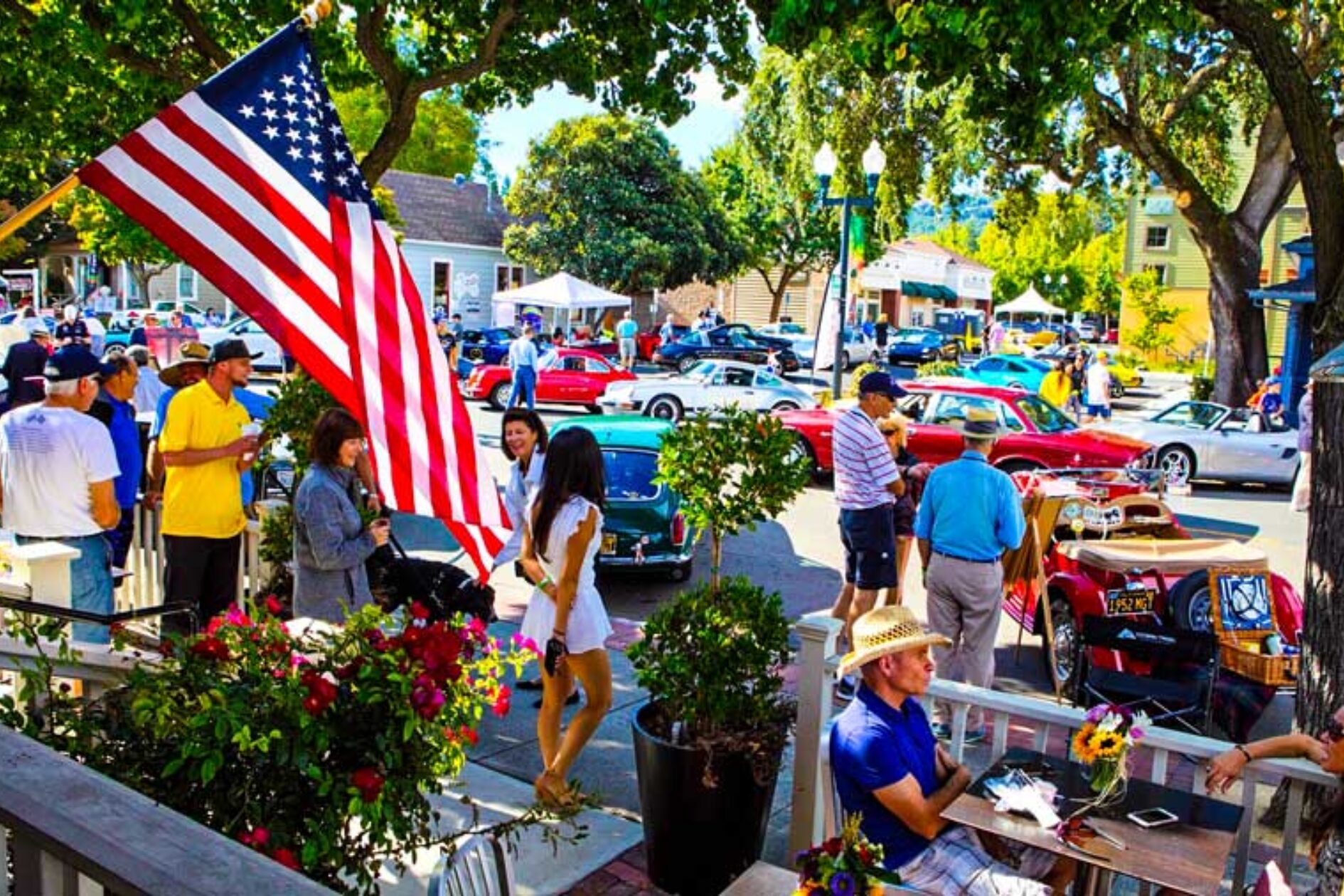
Car culture has always been about more than machines. It’s about people — the stories behind the builds, the passion behind the wheel, and the communities that form around shared love for horsepower and heritage. But every so often, someone takes that passion and turns it into something even bigger. That someone is Bob Hammer.
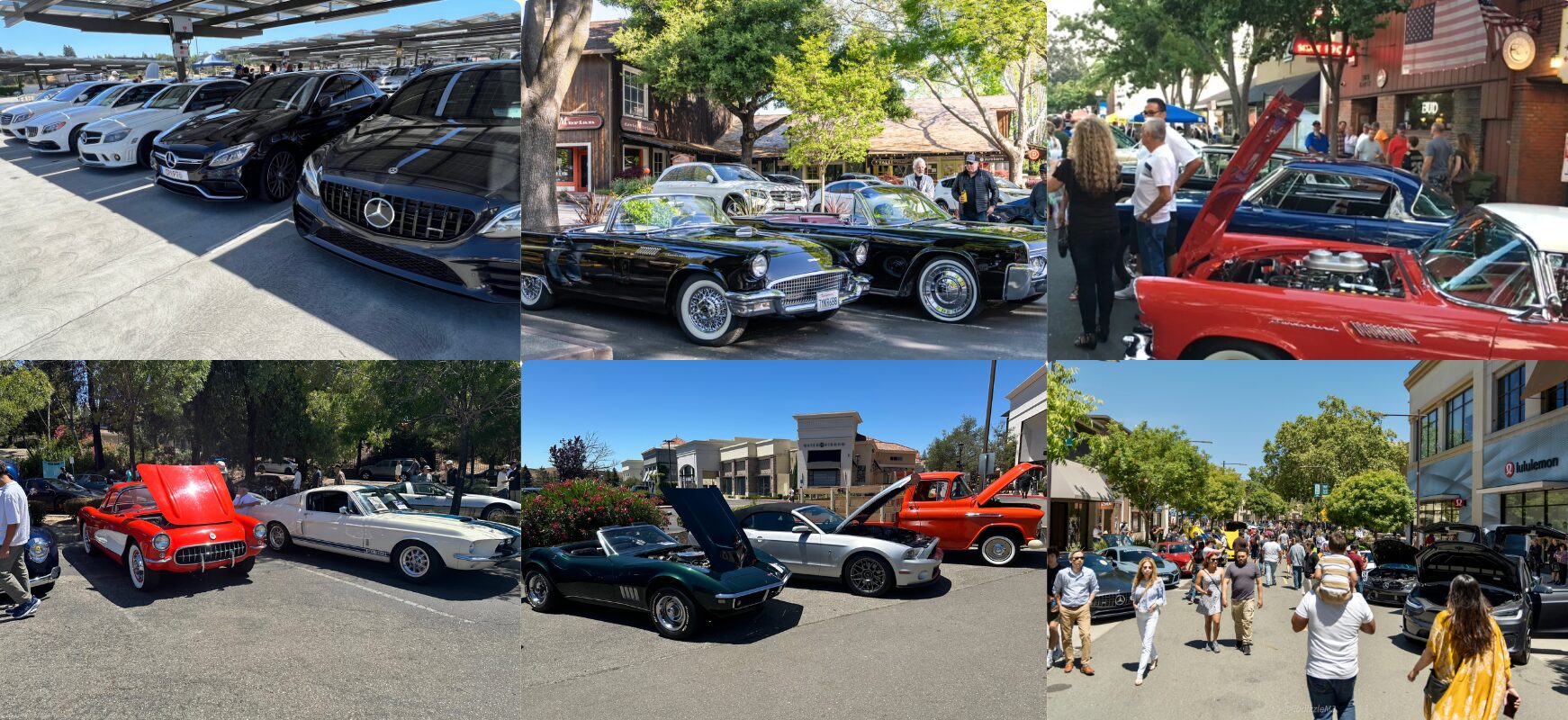



Bob’s story, featured on the BreakFix podcast, is a reminder that the autosphere isn’t just a hobby — it’s a platform for change. As the show’s intro puts it, “For some people, cars are a passion, and for others, they’re a platform, and every once in a while, someone comes along who uses that platform to change lives.”
Today, Bob is using that platform to support A Brighter Day, a nonprofit dedicated to helping teens and young adults navigate stress, depression, and suicidal ideation. And he’s doing it the way car people know best: by building a car show that brings people together.
Spotlight
Bob Hammer - Development Director for A Brighter Day
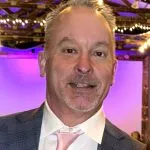
Bob joined the team as Development Director, helping expand their events — including a crab feed, benefit concert, golf tournament, and now, a revitalized car show.
Contact: Bob Hammer at bob@abrighterday.info | N/A | Visit Online!



Synopsis
Break/Fix Podcast returns with co-host Don Weberg from Garage Style Magazine to interview car enthusiast and fundraiser Bob Hammer about using car culture to support A Brighter Day, a nonprofit helping teens and young adults facing stress, depression, and suicidal ideation. Bob shares his automotive roots (including a ’66 Barracuda, a long-owned ’65 Mustang he sold during two bouts of testicular cancer, a ’68 Corvette, and restoring his uncle’s 1957 Chevy stake bed to stock after his uncle’s death) and his fundraising background through the Have a Ball Foundation, which has raised $5.4 million for cancer. Now as A Brighter Day’s development director, Bob is expanding the charity’s car show into downtown Danville, CA on Sunday, June 14, with sponsors, vendors, music, awards, and a goal of growing attendance and fundraising over time.
- What’s your earliest memory of cars, and how did that passion grow into something that’s stayed with you throughout your life?
- Looking back, is there a particular car or automotive experience that shaped who you are as an enthusiast?
- How has the car community influenced you personally, and what role has it played in your life outside the hobby?
- What moment or experience sparked the idea to create a Car Show (now in its 4th year) that supports A Brighter Day?
- What about A Brighter Day’s mission resonated with you, and why did you feel compelled to get involved with their work?
- Is there a personal story or experience that made the issues of teen stress, depression, or suicide prevention especially meaningful to you?
- When you envisioned this show, what did you want it to feel like for participants, spectators, and the families it ultimately supports?
- What do you think makes the car community uniquely positioned to rally behind causes like this?
- After three successful years, and building into your fourth event, what challenges or unexpected moments have shaped the journey so far?
- When you imagine this show five or ten years from now, what impact do you hope it’s having on the community and on the young people A Brighter Day serves?
Transcript
Crew Chief Brad: [00:00:00] BreakFix podcast is all about capturing the living history of people from all over the autosphere, from wrench turners and racers to artists, authors, designers, and everything in between. Our goal is to inspire a new generation of petrol heads that wonder, how did they get that job or become that person?
The road to success is paved by all of us, because everyone has a story.
Crew Chief Eric: For some people, cars are a passion, and for others, they’re a platform, and every once in a while, someone comes along who uses that platform to change lives. And today’s guest, Bob Hammer, is doing exactly that. After years of being part of the car community, Bob is now channeling that energy into something far bigger than horsepower and polished chrome.
Don Weberg: He’s launching a brand new charity concord event with a mission that hits close to home, supporting A Brighter Day, an organization dedicated to helping teens and young [00:01:00] adults overcome stress, depression, and suicidal ideation Through outreach resources and real conversations, A Brighter Day works to turn despair into hope, and Bob is stepping up to fuel that mission in a way only our community can.
Crew Chief Eric: That’s right. And joining me tonight is returning co-host Don Wieberg from Garage Style Magazine, one of the many personalities on the Motoring Podcast Network. Welcome back, Don.
Don Weberg: Thank you, Eric. Thanks for having me.
Crew Chief Eric: And with that, let’s officially welcome Bob to BreakFix.
Don Weberg: Welcome, Bob. Good afternoon, guys.
Crew Chief Eric: Well, Bob, like all good BreakFix stories, there’s a superhero origin. Let’s talk about your earliest memories of cars, and how you got mixed up in that world, and how that passion grew into something that stayed with you for the rest of your life.
Bob Hammer: Sure. As a 16-year-old, my first car was a ’66 Barracuda.
Fixed that up, and I actually… My first job was at a used car lot in northern California. My buddy Bob K in BK Motors, a little shout-out, but my first job was at a used car lot, so, uh, that was in the ’80s. And [00:02:00] this was long before internet and social media, so I was the kid on Autotrader looking through the magazines all the time, looking at old cars.
I had a crush on Shelbys. Since the time I was probably 10, I wanted a Shelby. I was a big Mustang guy. My next car was a ’65 Mustang GT Fastback, and I had that car for 17 years. Ended up having to sell that car because I was diagnosed with cancer. When I was 29, I got testicular cancer, and then it came back.
I had it twice. So long story short, had about $60,000 in medical bills in 1992, and had to sell my ’65 Mustang. Been working ever since to get that car back or somewhat similar. But, uh, I’ve always been a car guy. I currently have a, uh, ’68 Corvette 427 convertible. I have a 1957 Chevrolet stake bed pickup truck that my Uncle Bill has owned since 1958.
It has over a million miles on the truck. Oh, my gosh. [00:03:00] And it was my uncle’s daily driver until 2010. He had said to me since I was a kid. I drove that thing to high school once in a while back in the day. It’s, like I said, it’s been in our family since ’58. My Uncle Bill passed away in 2017, killed in an auto accident.
I had these big visions of I wanted to put an LS Tremec five-speed, you know, the whole deal, and horsepower, and slam this thing. And after he died, I decided that I wanted to put this thing back in his memory, and I put it back to completely original stock. It took me about six years to do. It’s got a six-cylinder three on the tree from the old ’50s style, and I’ve taken it to lots of car shows.
It gets lots of compliments. The original color of that is Chevy orange, which was, as many of your fans know here on this podcast, that was the engine block color of Chevrolet from 1962 to, like, 1975. But that started in the ’50s and with that truck, and the truck is sitting right out right now.
Crew Chief Eric: I mean, Bob, it’s obvious you’re a car guy, but how did you get wrapped up in the world of [00:04:00] charity events?
Bob Hammer: I started my own foundation, uh, in 2005. It’s called the Have a Ball Foundation, and the very, very short story is I went through testicular cancer twice, and the second time around I was able to meet Lance Armstrong, and this was before Lance Armstrong was Lance Armstrong of today. He had a wonderful foundation.
His wife had put this foundation together. More importantly, I got to meet his oncologist. His name was Dr. Craig Nichols. I was at a, uh, a, a dinner one night and got to meet this gentleman. He heard my story and he said, “You know, you’re talking about having to have a surgery next week at Stanford Hospital.
I don’t think you need it.” Like I said, very long story short, if I would’ve had that surgery, I wouldn’t have been able to have any more children. I had a one-year-old daughter at the time. My wife and I didn’t have that surgery. We ended up conceiving our son, Josh, a year later naturally, which was a big deal even today, right, you know, after you have testicular cancer.
So I wanted to raise money and, and I was running the company golf tournament, and I ended up … I, I wanted to raise $2,500 and send a check to the Lance Armstrong Foundation and [00:05:00] say, “Hey guys, thank you for introducing me to this gentleman.” I ended up raising $52,000 that first year. That was 2005. It is now 2026.
We have been doing this, this for 22 years, and I have raised $5.4 million for cancer, and I benefit 20 to 24 cancer organizations every year from that. So that turned into me starting to help others with nonprofit foundations and events. It always sounds conceited as hell when I talk about it, and I don’t, but I’m really well connected in the town that I live in.
Like a normal golf tournament, Eric, is 144 people. Because of my Have a Ball Foundation golf tournament, we have 600.
Don Weberg: Wow.
Bob Hammer: We’ve had 600 people play in my event since 2010. So with that, there are a lot of people in this area who know about our event. It’s now considered the largest privately held golf tournament in the nation.
You know, it’s got some legs. It’s got some people that follow it, and there’s people who know it. So with that, a couple of the mayors approached me two years ago and they said, “We know you’re doing this [00:06:00] thing up in, in another city. What would it take for you to bring it to our town and bring it down to Danville?”
Because the town of Danville used to host two car shows a year. This gentleman, David, used to run these Hot Summer Sundays car shows. Great event. It’s fantastic. He’s been doing it for 20-plus years. He did it in July and September. David’s older now and he’s getting a little tired and, and he stopped, and then now he just does it once a year.
So the town approached me and said, “You’re losing money at your car show. Why don’t we work on this? Let’s get it moved to downtown Danville.”
Crew Chief Eric: So what I love about your story, Bob, is that like a lot of car people, it’s in our blood, it’s in our genes, we carry it with us everywhere we go. And coming from the car show culture, the in-between lines that I was picking up there was, “I’m building these cars to show them at car shows so that other people can appreciate the craftsmanship, you know, and get the joy that I’m getting out of my car and showing them off.”
What’s your connection to A Brighter Day? How did you get involved with that specific charity? And obviously, they were already doing a car show, as you said, [00:07:00] and you’ve taken that and you’ve amplified it with your own personal experiences and car show experience and stuff like that, but what’s the connection there?
Is there a story behind that?
Bob Hammer: Elliott started his foundation 10 years ago, and he tried to do a golf tournament, and he had 40 people at it, and he raised $3,000. And he, he had a couple people walk up to him and say, “You gotta go meet my buddy Bob. He’s gonna help you.” I gave him advice on his golf tournament, and I gave him advice on how to raise money at…
through different events type of thing, and, uh, we formed a relationship. And, uh, the job that I was at through COVID was coming to an end- And I didn’t wanna work there anymore. Elliot heard this and said, “I will hire you tomorrow.” So that was about three years ago now, and I am the development director for Elliot, and came in and created a couple new events.
We’re doing a crab feed, and we got this big benefit concert that we do, and we have a golf tournament, and now the, and now the car show.
Crew Chief Eric: Bob, you were talking about Elliot and the fact that you’ve basically inherited this car show, and it now in its fourth year. Yes. Is [00:08:00] Elliot a car guy, too? Does he bring that provenance with him?
Because, you know, when you’re, like you said, when you’re choosing charity events, you know ones that work and ones that don’t. Golf tournaments are super successful. I would say car shows probably are successful, too, if they’re operated correctly, and there’s other ones that just don’t work. So was it Elliot’s vision to do a car show, or it was just, “Hey, that seems to work for charities”?
Bob Hammer: Elliot is not a car guy. He had a board member who started this event, and the board member is a, also he’s an extremely busy man, and he, this was kind of a side thing for him to do. I think that it changed when I came in, and as a, you know, as an employee and trying to build something, and a car guy on top of it.
Knowing that I’ve been going to car shows since 1985, I know all about them, and I know what can work and what can’t.
Crew Chief Eric: So what about A Brighter Day’s mission resonated with you, and why did you feel compelled to get involved in their car show and their golf tournaments and things like that?
Bob Hammer: They were working on their second annual event.
They were hosting it at [00:09:00] a big shopping center. This big shopping center charged them $8,500 just to be there, and for a little non-profit, and me doing fundraising for 21 years at that time, I came in and said, “You’re, you’re doing this wrong. Additionally, you gotta have some corporate sponsorships on hand.”
You know, my goal was to get enough corporate sponsorships where I know that we’re, we’re gonna make money no matter what we do, and we are. We’re, I’m at $40,000 in corporate cash for this, and 150 cars at 40 bucks, you know, type of thing. We’re gonna make money.
Crew Chief Eric: So I wanna pull that thread a little bit there, Bob, because we are in the middle of car show season.
It’s a thing more now than it ever has been in the past. It seems like every other day there’s a car show somewhere. Let’s just talk in generalities. Let’s say out here out east, we had Katie’s Cars & Coffee, which kind of expanded nationwide as well. You know, their recipe was really simple. Come out, buy some coffee, have a donut, share stories about your cars with your friends, and then it blossomed into something else and it became more successful.
From your [00:10:00] experience, you know, you, you talk about the good and the bad of these events. If somebody’s looking to put on a car show and they’re like, “Oh, yeah, I could do this, ’cause Bob makes it sound so easy,” or they already have a car show and they’re struggling, what are some pointers that you could give these car show organizers to say, “Look, these are five mistakes you shouldn’t make starting out or you’re making now that you need to correct to make it actually successful”?
Bob Hammer: I’ve learned a lot about city government in the last two years, I’ll tell you that, running through the red tape, et cetera. The first year they did it, they lost $17,000 doing a car show. I came in, and they were already in the agreement with this big shopping center, so I came in and I got five auto dealers to help cover the cost and promote them, and, you know, having Chevrolet and Ford and exotic cars type of thing type of dealerships, and came in and we ended up raising about $15,000, which was not bad.
And I do know how a car show looks. Going into this, I had a couple things that I knew would work. [00:11:00] Like, I think that one of the points that I was just talking about, you could have way too many corporate sponsorships at this thing and not enough cars where there’s enough foot traffic, where there’s enough people to come down and enjoy it because all you got is a bunch of auto dealers standing there trying to sell a car.
So that would be one. Obviously, location- Is huge, just like real estate and everything else in the world. Location, location, location. Timing of the event, you know, you don’t wanna do it in December, right? I mean, you wanna do it in car show season. I think it’s a lot of the things that you just touched on yourself.
I mean, sounds like you could probably run a car show yourself. Right? But we can partner together, but you know what I mean.
Crew Chief Eric: Fair enough.
Bob Hammer: Common sense, though, on a lot of this is usually the way to go. Yeah. And, you know, you don’t wanna just have … Like, a lot of the Cars and Coffee’s concepts work, and there’s, there’s not a band.
We’re in a parking lot last year, and it went fine. I had a guy singing acoustic music really quietly over in the corner. It was [00:12:00] fine. It was a great event. I think that you can also overthink a lot of these things. At the end of the day, that’s why Katie’s Coffee and all these Cars and Coffee guys, you know, we’ve got one every Friday here on, uh, in our little town here in Danville.
Little Friday morning at this little shopping center, and guys show up, and they go get their bagel, and they have a cup of coffee, and they meet a new dude each week. Don’t overthink it is a, is another really good suggestion.
Don Weberg: Always remember to turn off the sprinklers, right? There’s that, too, yeah.
Bob Hammer: Oh, yeah, no, but then the goal is, how do we make this experience good for the, for the customer?
How do we make this fun? Last year, I told them that we need to do this differently, and we ended up moving it to a auto museum parking lot last year in the town that I live in, which is Danville, California. We moved it to the Blackhawk Auto Museum, put it in the parking lot. As a nonprofit guy, I took the cost from, I don’t know, two years ago it was, like, $26,000.
I took it to 1,000 bucks, and I did it all myself, and I did all the promotion, and, and we cleared 31,000 for the foundation.
Crew Chief Eric: And for those [00:13:00] that are unfamiliar with A Brighter Day, aside from going to the website right now as we’re talking about this, can you describe a little bit about what the charity’s about?
Bob Hammer: Elliot had, had a son who was 21 years old at the time, and he committed suicide in college. Elliot had no idea that his son was in that state. The note that he read after his son died, he left a note and- He was so closed-minded, he didn’t talk to anybody about his feelings and where he was in his life.
And Elliot took that and then one of the things I respect most about the man is he, he took a absolute horrible shit situation and he turned it into something to try to help others. So he started this foundation, and he got the backing of local schools, you know, elementary, middle school, and high school.
Predominantly more middle school and high school, but they go to schools, they have information pamphlets, they talk to the students, they have navigation services, they have a 24-hour crisis hotline. They are connected [00:14:00] with other larger foundations, you know, Better Help and other, some of these other larger organizations that they do work with.
They’re doing a lot of good. I’m happy and proud to work with Elliot and, and try to raise a little money for these guys.
Don Weberg: Bob, tell us more about the venue where the Brighter Day Foundation show is held.
Bob Hammer: Yeah. We are now fully running this in a, in our town, Danville, California, and it’s the entire street of Harts Avenue.
Downtown Danville will be closed for the event. We also have another section of another street that’s part of it, and we’d probably be able to fit 250 cars here. And I’ve been going to all the shops and talking with them and, ’cause I know a bunch of the people, and we’ve got 10 different restaurants that are doing car show specials that day, all that, all that fun stuff.
Don Weberg: What else on hand? What can people expect? Is Starbucks on hand? Are vendors on hand? Is there music? Is there a band? Is there, you know, paint the picture for us.
Bob Hammer: Well, I could just say yes and we could call it good. Yes, we have all that. Yes, so it is, it’s in downtown Danville and a lot of people are excited about this because, like I [00:15:00] said, this was an event that was running for a long, long time in the summertime in our town.
The town of Danville is happy. The chamber is, is excited. Everybody’s excited to have this thing back. You know, it’s our first year doing this in this new area, right? So it, it’s, it’s kind of a work in progress, so we gotta build it as we go, but I think we’re expecting about 150 cars, and we’re specializing in, uh, I’ve got a group of people who have exotic cars, Lambos and Ferrari, you know, that type of stuff.
But we also have just general classic cars from any genre, and a lot of muscle cars. Lots of different types of styles of autos. We have six auto dealers coming. We are presented by Diablo Subaru. I mean, I could go down the list, I probably should, but we’ve got Livermore Porsche, Livermore Audi, Land Rover Livermore, Livermore Honda, Walnut Creek Toyota.
We can go on, but we have a lot of sponsors. I could continue to get auto dealers there, right? But we’ve got a five block, six block radius of- Space. And [00:16:00] at some point, I don’t wanna saturate it with just auto dealers just to be making money for the car show for the foundation. There’s a line between trying to make enough money to, to make this a successful event, and then get the people involved from the town, and then get the people to show up.
Those are the ingredients you want. We’re gonna have the typical car show stuff. Hagerty Insurance is gonna be there on hand. We’re gonna have a f- quite a few vendor booths. We will have lots of specials that, uh, restaurants and a shoe store’s got specials going on. What I did, Don, is I created a QR code that people will be able to go to on their phone, and our volunteers are gonna have a QR code on their shirt, and it’s also gonna be on, listed on every sheet that we have of every car that registers.
They’re gonna put, you know the sheet that you put their name and what it is and that type of thing? That’s gonna have a QR code on it, and that’s gonna take everybody to a landing page. That landing page is gonna talk about the event that day- Yes, we have a band. They’re called Salvage Title. [00:17:00] They are the three-time East Bay Band of the Year here in our little East Bay of Northern California.
So they’re a very popular band, and they’re from our town of Danville. So it’s gonna talk about the band, and the hours of the band, and, and where the restrooms are, and all that fun stuff. So I know the people in this, in that band, Salvage Title. I know the people that are in downtown Danville who are gonna make the cocktails that are gonna make it fun.
I know the people that are gonna have the food, and I know a bunch of the people that are coming, and I think that’s a benefit also, you know, experience of, of knowing what works and what doesn’t, and what we should and should not have there type of thing. By doing this in downtown Danville, I’ve been honored, and I am now on the town of Danville Chamber Board of Directors.
My goal is to raise some money, have a great time, have some really cool cars, and then also bring business to downtown Danville, which they’ve been missing because of this show. So I have literally old school door-to-door for the last [00:18:00] three weeks. I know a bunch of the people, but even the people that I don’t know, I tell them what I’m doing, and they’re all in.
So I’ve got the little Auburn Lounge, for example, is, they’re creating a specialty cocktail that day. Show the QR code, and you get a pinky tusk or whatever they’re doing, like a car show special cocktail for five bucks, and a portion of the proceeds are gonna go benefit our foundation on top of it. So I’ve probably got 15 different places right now that are going to be doing these specials right there, right where the car show is.
Crew Chief Eric: Terrific.
Bob Hammer: Bunch of people have stepped up. You know, the local cigar shop, they’re gonna be outside, not smoking cigars, but they’re offering water and sodas. Okay. Where I’m going with that, guys, is the cool part is that people wanting to be involved, and they, they wanna help, and they wanna make this a success for me, and that part is wonderful.
Don Weberg: Absolutely. Absolutely. Now, is there judging involved for the cars, or is it just show up, park your car, and enjoy?
Bob Hammer: We are having judging. I’ve got 12 awards, you know, the best in class, and the muscle and … Yeah, we’ve got some awards that we’re gonna be [00:19:00] handing out.
Don Weberg: Okay. And for people who show up, let’s say you got, uh, a couple of friends, they wanna park together, but one friend has a McLaren, the other friend has a, an old VW Beetle.
Can they still park together, or are you gonna separate them by class?
Bob Hammer: We’re not separating.
Don Weberg: Is it first come, first serve, park wherever?
Bob Hammer: Yeah, and I do have, I already have a group of people, you know, a Mustang club is bringing eight Mustangs, and they wanna be together. They’re letting me know that, “We’re gonna have this group, and we wanna be together.”
If we have that organized ahead of time, absolutely, we can get that done, and we are- Terrific … we are going to be doing that.
Don Weberg: And just to say it again, what is the date of this show? Sunday, June 14th. Terrific. June 14th, that’s fantastic.
Crew Chief Eric: Let’s talk a little bit about the future, ’cause this one, the ink is almost dry.
It’s almost go time. You gotta be thinking about number five, six, seven, eight, and however many there are more are gonna be down the line. So what do you imagine for future shows? What do you imagine for the ’27 season and ’28? And what about, about Brighter Days involvement and the community of Danville?
Bob Hammer: For [00:20:00] starters, I am hoping we can go back to kind of my Mustang roots. I’m hoping that we are definitely doing this and it grows, because I am waiting on a car myself. I told you briefly that I had a ’65 Mustang that I had to sell because I got cancer. Well, because of the success of my golf tournament, my wife submitted my story to a show called Ride of Your Life with Courtney Hansen, and I was the winner.
And I was on episode, season two, episode nine with Courtney. So the car, the ’65 Mustang, was unveiled to me at the Monterey Auto Week a year and a half ago. Coming up on two years this year. They’ve been finishing the car, and the car is not in my possession, and I am bugging Courtney and, and her production team weekly right now to try to get that car out here for this car show.
Yes, I am planning on having that because if that car’s not here this year, I’m hoping to unveil it next year. Uh, but what I can say is I think that the move that I did to move it to downtown is going to be beneficial. I’ve been doing events for so many years. [00:21:00] I always have these super high expectations- It’s kinda like my golf swing.
I stand over the ball for a minute, and then I realize I am absolutely gonna crush this ball, and then I realize, well, no, I’m not, because I’m already thinking too much about it, right? Take a step back and try to think about where this could be in a couple of years. I think that this first year, it’s gonna be good to great, you know?
And I think, I think we’re gonna get 150 or so cars. I think that once we are there, and once people see it in downtown Danville, that it actually happened, I think that the following year- We could easily get 200, 250 cars because people from that other car show that have been coming, they’re gonna see it and they’re gonna hear about it, and then they’re gonna wanna get involved.
The car show that has been established in our town for 20-plus years, a gentleman, David, runs it, and he does such a fantastic job. He has 400 cars at his event. You know, it’ll take some time, for sure. He’s been doing it for a long, long time. But it’ll take some time, but, you know, that’s ultimately the goal is to, [00:22:00] I wanna get this to a point where I am honoring this gentleman who started this in our town, and I wanna be able to carry this on in his tradition, in his honor.
In fact, he’s coming down to our event. We’re gonna be talking with him and letting everybody know that this is the man, this is the guy who started car shows down here, and we’re just trying to keep this tradition going. But to answer your question, I think that in three to five years, if I do this correctly, I think we could get to, we could double this in three or four years and have a longer footprint on, in the town.
We could go a couple more blocks north type of thing, which is what they do. I think that this has the ability to grow. I’m just hoping that, uh, I can get it to that point.
Crew Chief Eric: Well, you talked about expanding the size of the show and the presence of the cars and the businesses that are involved, so let’s just pull the thread there a little bit and talk about the fiduciary side of this.
What are your goals in terms of raising money? Because this is only an annual car show, and obviously there’s other events that you coordinate with A Brighter Day. But what are your financial goals? How much money are you looking [00:23:00] to raise this year? And obviously you can donate year-round through the website and things like that, but obviously you want to exceed that.
What’s the target number this year?
Bob Hammer: I don’t have the numbers right in front of me, but we do a crab feed. That did about 40 grand. Created a benefit concert, and that fir- the first year of our benefit concert, it went okay. I raised about 80 grand. This last year, I raised 100 and- $49,000 at it, so I did very well at the benefit concert.
We had 450 people at it. Ideally, we’d like to get to around $500,000 as a s- as a little nonprofit, and we are … This year we’ll be at about three. I think that if I build this car show the right way, the benefit concert that I’m working on is trending upward, which is a good sign. In this economy too, right?
A lot of people don’t realize, but when the economy is like this and we’re at war and, and people are kind of thinking, taking a step back on a lot of different things, the first thing that they are not going to do is donate a lot of money to a, to a nonprofit. I’ve had several guys, for instance, who said, “I’m just, uh, I’m not [00:24:00] gonna be able to do that this year.”
Okay. Well, then what can you do? So you did, you did 2,500 bucks, uh, for a table of 10 last year, and I put you on some radio spots. How about you do 1,500 bucks, and I’ll still put you on the radio spots, and I’ll still pro- I’ll still promote your company? Meaning, we’re willing to work with you as long as you’re willing to work with us.
You helped me last year and you gave us good money. This year I’m gonna help you, and I’m gonna give you 1,000 bucks off. You gotta be able to work the crowd, and you gotta be able to adjust and, and kind of work on the fly as, uh, when you’re doing nonprofit work like this. And, and that’s the same type of thing with the car show.
Last year I had a group of guys who, they didn’t know me, I didn’t know them, and but they wanted to bring 10 cars, and they wanted a special deal on it. They were very adamant that they wanted a special deal. I go, uh … At the end of the day, I go, “Okay. You just tell me what you want and where you wanna park, and we’ll figure it out,” and they did, and now they’re back this year, and they’re all donating larger amounts of money.
So it’s just how you deal with people and how you work with people, and you gotta kind of read the room. Like, this year is a little bit different than [00:25:00] last year. We’re in a different state right now, so the fact that I’ve got 150 cars coming to a, basically a brand-new event, I’m, I’m proud of that, and I’m proud that I was able to get some sponsors involved and, and get some base corporate cash type of thing.
Like you said, three to four years from now, I think that we’re all in a, gonna be in a different space, and I think that this thing has the ability to go larger.
Crew Chief Eric: With that, Bob, we’ve reached that part of the episode where I like to invite our guest to share any shout-outs, thank yous, promotions, or anything else that we haven’t covered thus far.
Bob Hammer: Um, no, I can just direct people to our website, abrighterday.info, and there is a landing page. You can go right at the top of our landing, of our website, abrighterday.info, and it has events right there, and you can do the little drop-down, and it’s got information about our car show. So if you are here in this area and you wanna come check us out or in northern California, uh, we’ve got a lot of people coming from out of the area, actually.
It’s not just Danville folks. I got people coming from 30, 40, 60 miles away. So, uh, yeah, abrighterday.info. My [00:26:00] email address is right there as well. You can reach out to me. My phone number is right there, so you can call me or reach out to me with any questions, and I’m available anytime.
Don Weberg: And that wraps up our conversation with Bob Hammer, a car enthusiast with a purpose, and the driving force behind a brand new concours event dedicated to supporting A Brighter Day, an organization helping teens and young adults navigate stress, depression, and suicide prevention.
It’s a powerful reminder that car culture isn’t just about machines, it’s about community, it’s about compassion, and it’s about stepping up when it matters.
Crew Chief Eric: That’s right, Don. And if you’d like to learn more about the mission behind A Brighter Day Car Show and Shine, visit abrighterday.info. Or, if you need to talk, text Brighter to 741-741.
You’ll find the resources you need for families, teens, anyone who wants to get involved. And to stay connected with the car show, be sure to click on the events tab when you visit the website for more details, and you can always reach out to Bob [00:27:00] at bob@abrighterday.info. And with that, Bob, I can’t thank you enough for coming on Brake Fix and being part of the wonderful mosaic of folks that have made up the greater autosphere here on our show, and sharing your story with us.
And this story is really going out to all those folks who love cars or someone who might need a little extra light in their day.
Bob Hammer: Thanks for having me here today.
Don Weberg: The following episode is brought to us in part by Garage Style Magazine. Since 2007, Garage Style Magazine has been the definitive source for car collectors, continually delivering information about automobilia, petroliana, events, and more. To learn more about the annual publication and its new website, be sure to follow them on social media at Garage Style Magazine or log on to www.garagestylemagazine.com.
Because after all, what doesn’t belong in [00:28:00] your garage?
Crew Chief Eric: We hope you enjoyed another awesome episode of Brake Fix Podcast, brought to you by Grand Touring Motorsports. If you’d like to be a guest on the show or get involved, be sure to follow us on all social media platforms at GrandTouringMotorsports. And if you’d like to learn more about the content of this episode, be sure to check out the follow-on article at gtmotorsports.org.
We remain a commercial-free and no annual fees organization through our sponsors, but also through the generous support of our fans, families, and friends through Patreon. For as little as $2.50 a month, you can get access to more behind-the-scenes action, additional Pit Stop minisodes, and other VIP goodies, as well as keeping our team of creators fed on their strict diet of Fig Newtons, Gumby Bears, and Monster.
So consider signing up for Patreon today at www.patreon.com/gtmotorsports. And remember, without you, none of this would be [00:29:00] possible.
Highlights
Skip ahead if you must… Here’s the highlights from this episode you might be most interested in and their corresponding time stamps.
- 00:00 Meet Bob Hammer
- 01:43 Car Guy Origins
- 03:11 Family Truck Tribute
- 04:00 From Cancer to Foundation
- 05:54 Danville Car Show Revival
- 07:08 Joining A Brighter Day
- 09:32 Car Show Success Tips
- 12:59 A Brighter Day Mission
- 14:12 New Downtown Event Details
- 19:38 Future Growth & Fundraising Goals
- 25:21 How to Get Involved
- 27:27 Closing Sponsors Outro
Learn More
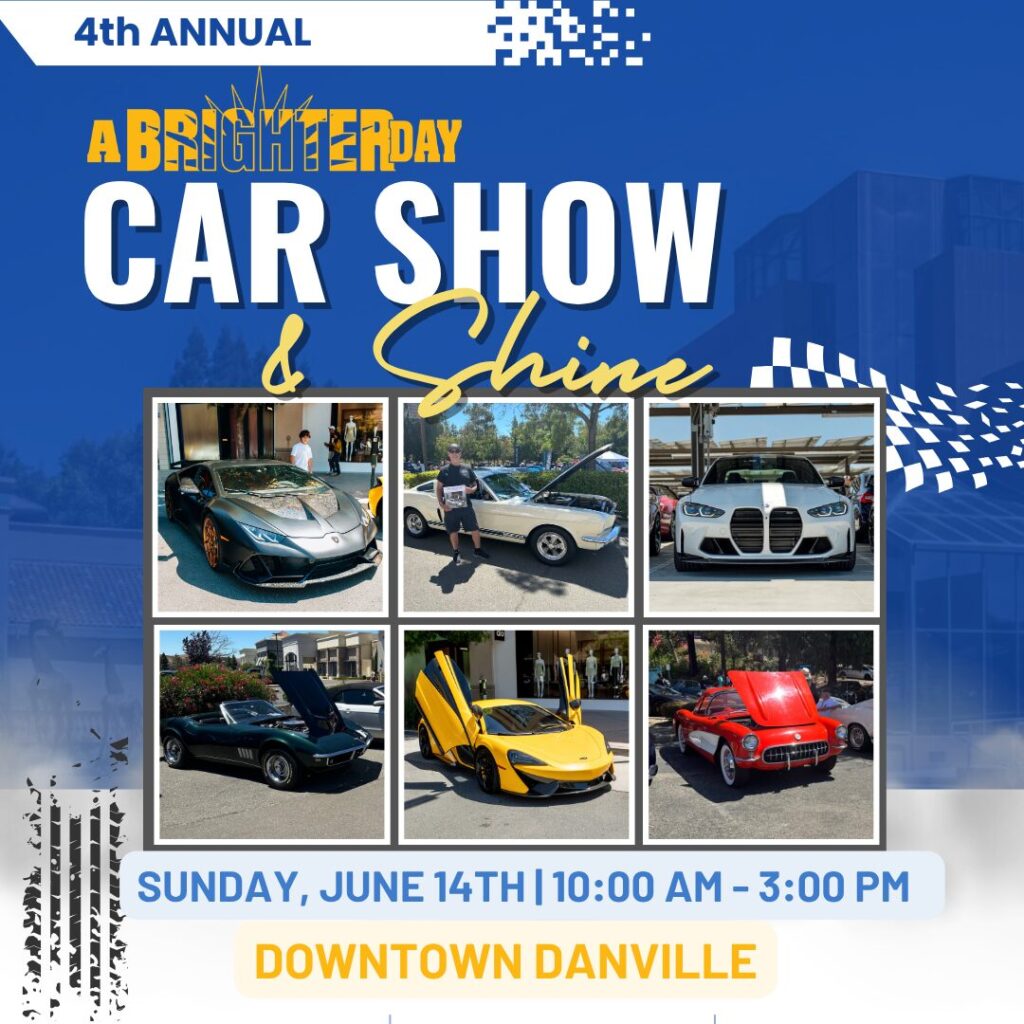
Visit abrighterday.info to learn about the mission, upcoming events, or ways to support the cause. If you or someone you know needs help, text BRIGHTER to 741‑741 for immediate support.
Bonus Content
There's more to this story!
Be sure to check out the behind the scenes for this episode, filled with extras, bloopers, and other great moments not found in the final version. Become a Break/Fix VIP today by joining our Patreon.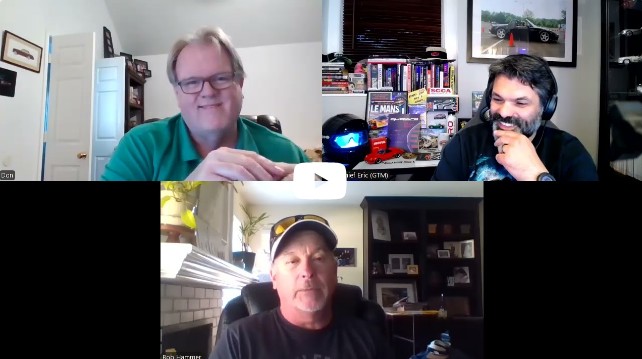
All of our BEHIND THE SCENES (BTS) Break/Fix episodes are raw and unedited, and expressly shared with the permission and consent of our guests.
Support our Creators!
 For as little as $2.50 cents a month, you can get access to more behind the scenes action, additional Pit Stop mini-sodes and other VIP goodies, as well as keeping our team of creators fed on their strict diet of Fig Newton's, Gummy Bears, and Monster. Consider signing up for Patreon today. And remember, without *YOU*, none of this would be possible!
Bob’s automotive journey began like many of ours — with a first car that sparked a lifelong obsession. At 16, he bought a 1966 Barracuda, followed by a ’65 Mustang GT Fastback he cherished for 17 years. But life threw him a curveball: a cancer diagnosis at 29 forced him to sell the Mustang to cover medical bills.
As he shared on the show: “I had about $60,000 in medical bills in 1992, and had to sell my ’65 Mustang.” That loss stayed with him. But it also fueled something bigger.
From Survivor to Philanthropist
After surviving cancer twice — and meeting Lance Armstrong’s oncologist, who helped him avoid a life‑altering surgery — Bob felt compelled to give back. What started as a goal to raise $2,500 for the Lance Armstrong Foundation turned into $52,000 in the first year and eventually grew into the Have a Ball Foundation, which has now raised $5.4 million for cancer causes.
“We have been doing this for 22 years, and I have raised $5.4 million for cancer.”
His success in fundraising made him a go‑to resource for nonprofits — including the one that would change his life again.
A Brighter Day was founded by Elliott Kallen after the heartbreaking loss of his 21‑year‑old son to suicide. Bob describes Elliott’s strength with deep respect: “He took an absolute horrible situation and turned it into something to try to help others.”
The organization now provides:
- School outreach
- Mental health resources
- Navigation services
- A 24‑hour crisis hotline
- Partnerships with major mental‑health organizations
Bob joined the team as Development Director, helping expand their events — including a crab feed, benefit concert, golf tournament, and now, a revitalized car show.
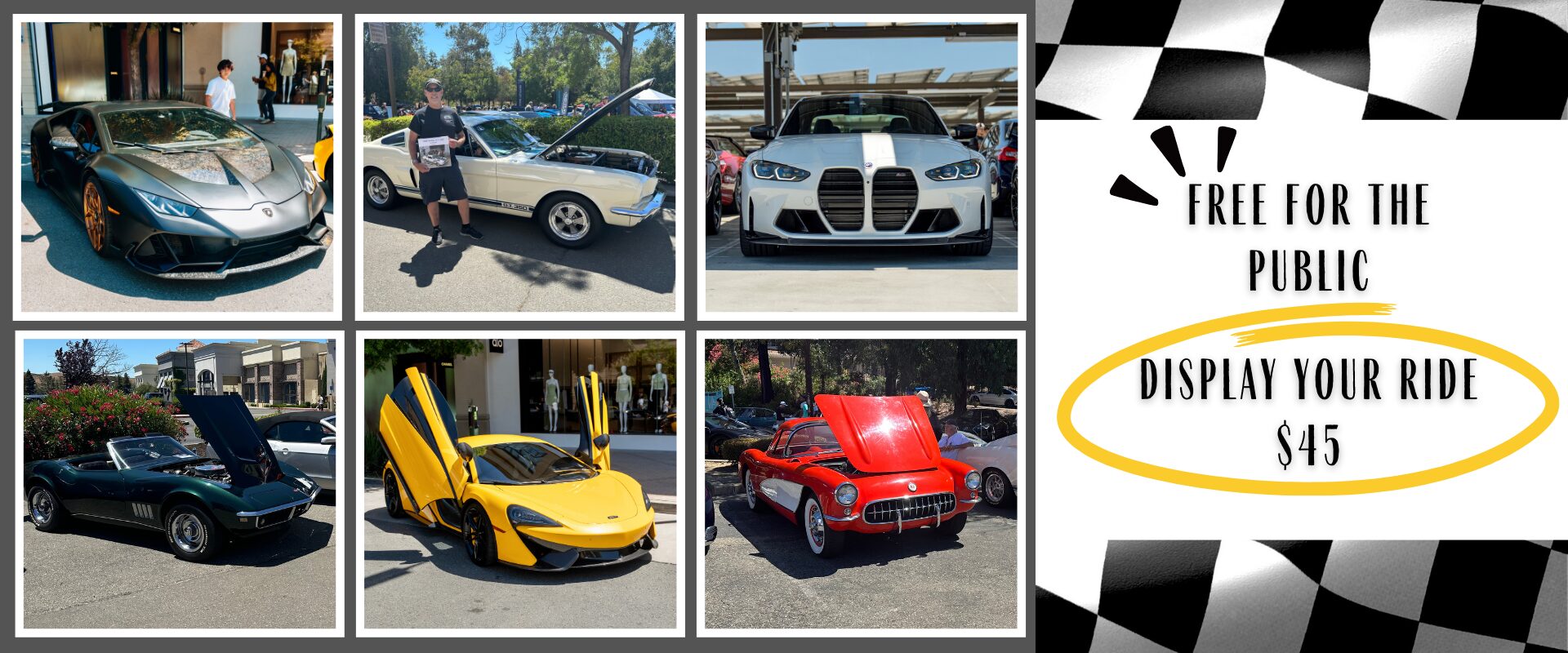
When Bob inherited the A Brighter Day Car Show, it was struggling. The previous venue cost $8,500, and the event had lost $17,000 in its first year. Bob stepped in with a simple philosophy: keep it fun, keep it simple, and keep it community‑driven.
He secured auto‑dealer sponsors, moved the show to the Blackhawk Auto Museum, and slashed costs from $26,000 to just $1,000 — turning the event into a $31,000 fundraiser.
This year, the show moves to downtown Danville, closing off Harts Avenue for a full‑scale community celebration with:
- 150+ cars expected
- Exotic, classic, and muscle categories
- Six auto dealers
- Live music from Salvage Title
- Vendor booths
- Restaurant specials
- QR‑code‑powered event guides
- Judging and awards
As Bob puts it: “My goal is to raise some money, have a great time, have some really cool cars, and also bring business to downtown Danville.”
Looking Ahead: Growth, Legacy, and a Mustang Reborn
Bob sees the show doubling in size within a few years — potentially reaching 250+ cars and expanding across more blocks downtown. But he also has a personal dream tied to the event.
Remember that ’65 Mustang he had to sell?
Thanks to the TV show Ride of Your Life with Courtney Hansen, Bob is getting a fully restored Mustang built in his honor. The car was unveiled at Monterey Auto Week and is expected to appear at a future A Brighter Day show. “If that car’s not here this year, I’m hoping to unveil it next year.”
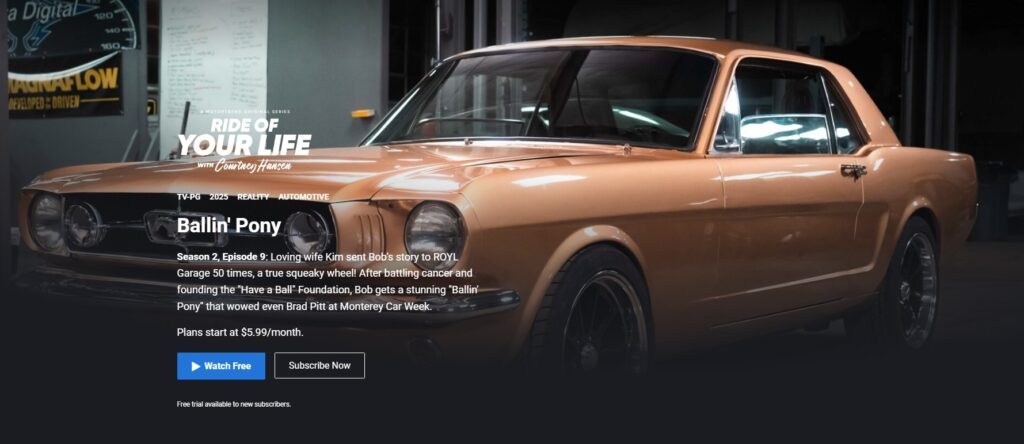
EDITORS NOTE: Unfortunately there is not a publicly available YouTube link for Season 2, Episode 9 (“Ballin’ Pony”) of Ride of Your Life with Courtney Hansen. But if you want to watch the episode Bob’s story is featured only on subscription streaming platforms such as Discovery+ and HBO Max, click here.
Car culture is powerful. It brings people together. It creates community. And in the hands of someone like Bob Hammer, it becomes a vehicle for hope. “Car culture isn’t just about machines, it’s about community, compassion, and stepping up when it matters.”
A Brighter Day is doing exactly that — and Bob is driving the mission forward, one event at a time.
Guest Co-Host: Don Weberg
In case you missed it... be sure to check out the Break/Fix episode with our co-host.Other episodes you might enjoy
All your favorite episodes starring Don Weberg from Garage Style Magazine! ... Because after all, what doesn't belong in your garage?Remember to subscribe to Break/Fix using your favorite Podcast App.
This content has been brought to you in-part by sponsorship through...