

Motorsports has always been more than a pastime — it’s a culture, a community, and for many, a calling. At Belmont Abbey College in North Carolina, that calling has evolved into one of the most unique academic programs in the country: a multidisciplinary Motorsport Management curriculum that now includes the nation’s first Master of Arts in Motorsport Management.
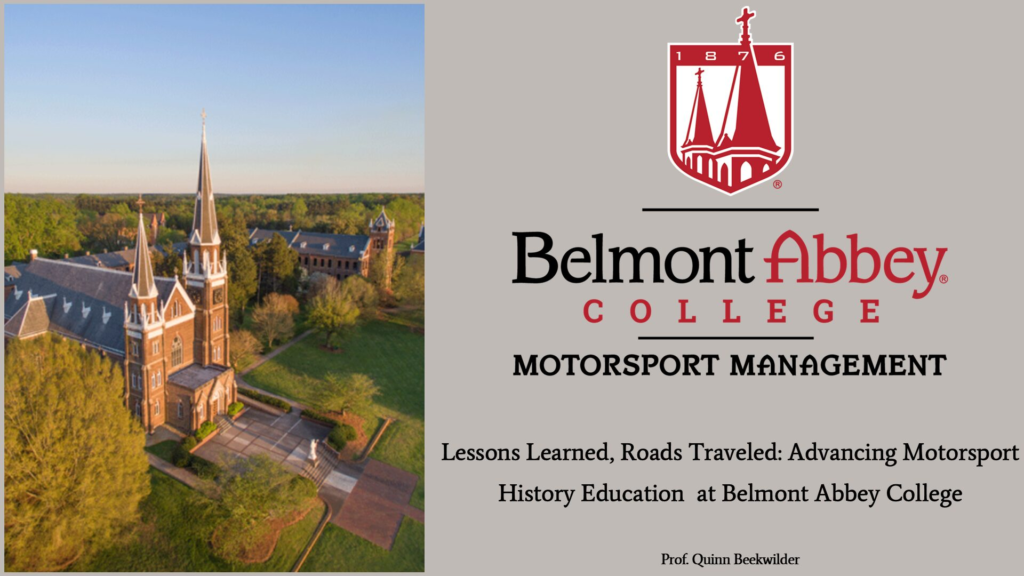
Guided by assistant professor Quinn Beekwilder — a Charlotte Motor Speedway veteran and one of the program’s earliest graduates — the Abbey has become a hub for students who want to turn their motorsports passion into a profession.



The story begins with Humpy Wheeler, legendary promoter and longtime president/general manager of Charlotte Motor Speedway. Wheeler recognized a growing problem: talented newcomers entering motorsports without understanding the demanding lifestyle behind the glamour. Long days, grueling conditions, and relentless commitment were the norm — and turnover was high.
So in 2006, Wheeler approached Belmont Abbey with a bold idea: create a dedicated academic pipeline for motorsports careers. By 2007, the first classes launched, and by 2012, the Abbey offered a full Bachelor’s degree in Motorsport Management .
Bio
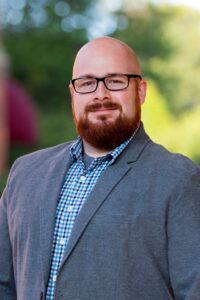
Quinn Beekwilder is an assistant professor and coordinator of the Motorsports management degree at Belmont Abbey College. Having worked for a decade at Charlotte Motor Speedway, he wanted to give back to the Motorsport program at Belmont Abbey that got him there in the first place. He has a unique perspective of being one of the first graduates of the program and is able to address concerns and direct the program for the greater benefit of current students. Motorsports history has always been a passion of Mr. Beekwilder. The approaches he takes to the courses are crafted to focus on the historical development of NASCAR while incorporating experimental activities to support the curriculum. The students refer to Mr. Beekwilder as "the fast van driver."
Synopsis
This episode features Quinn Beekwilder, assistant professor and coordinator of Belmont Abbey College’s Motorsport Management program, who shares his path from a political science degree and real estate to graduating from the program, working a decade at Charlotte Motor Speedway, and returning to teach. He recaps the program’s origins with Belmont resident and Charlotte Motor Speedway leader Humpy Wheeler, created to reduce industry turnover by preparing students for motorsport’s demanding realities. Once NASCAR-centric, the curriculum now spans global disciplines, emphasizes motorsport history, and requires multiple internships and experiential trips (Rolex 24, IndyCar St. Petersburg, World of Outlaws, PRI). Belmont Abbey has grown to 60+ undergraduates, launched the nation’s first fully online M.A. in Motorsport Management with 20+ first-semester students, started the Accelerate Abbey high school summer camp, and received Colonel Donald Capps’ motorsport collection for its library.
Follow along using the Slide Deck from this PresentationTranscript
[00:00:00] Break Fix’s History of Motorsports Series is brought to you in part by the International Motor Racing Research Center, as well as the Society of Automotive Historians, the Watkins Glen Area Chamber of Commerce, and the Argo Singer family.
At Belmont Abbey College, the Motorsport Management program has been quietly building something remarkable, a multi-year multidisciplinary approach to understanding the sport we love from its dirt track roots to its global stage. And what began with a focus on the origins of stock car racing has evolved into a curriculum that stretches across continents and categories.
Formula One sports cars, drag racing, dirt racing, and beyond. And this year marks a major milestone, the launch of the Nation’s first Masters of Arts in Motorsport Management, along with the Accelerate Abbey Summer program that introduces high school students to the sports rich, historical and professional landscape.
Presenting today’s log book episode is Quinn Beekwilder, assistant professor and coordinator of the Motorsport Management degree at [00:01:00] Belmont Abbey, a decade at Charlotte Motor Speedway gave him real world insight and being one of the program’s first graduates, gives him perspective and his passion for Motorsport history gives him purpose.
His students know him as the fast van driver, but today we get to know him as the educator shaping the next generation of Motorsport professionals. Quinn, welcome. Thank you very much. Thank you very much, Kip. Thank you.
So like the introduction said, my name is Quinn b Welder. I’m a professor over at Belmont Abbey College. I sort of found my way into this role. I guess quite strangely, I had a political science degree. I found myself in real estate around 2008, and then found out that, well, the market crashed, revamped my whole life and found this program actually in a small Catholic liberal arts college in North Carolina, and they had just launched.
And I moved my family out across country, did the program, graduated in 2010, and then went straight to work at Charlotte Motor Speedway, did tickets, and I did digital marketing. And after [00:02:00] about 10 years, was looking for a slightly different opportunity. You know, they said, well, you know what? Coordinator the program positions open, why don’t you apply?
And so I did. I find myself in the last six years teaching college students. Being able to help guide them on the passion project that is their life. Because motorsports isn’t just a job, it’s a passion. You have to have it. It doesn’t really make sense to get into something that you’re gonna lose money at.
But we all do. I mean, we have 130 plus years of history of motorsports. That shows that you lose money on this. It’s not a money making operation, but in the end, we’re all here for reasons of our own, but we all have a passion for it, a drive for it. We get really excited when people start talking about motorsports, talking about particular cars, particular drivers, particular tracks, series, and so on and so forth.
It’s really heartening to be around that every single day. I don’t teach English, I don’t teach philosophy, which are subjects that might be like pulling teeth for a lot of younger people. And so most of my students are all really excited about motor sports, and they were [00:03:00] really engaged in the class and the classes that I teach, and they genuinely have an interest in pursuing it.
So for me, it’s a dream, you know, a dream job. I kind of want to just give a little recap. When I first came to the symposium several years ago. Thanks to Paul Baxa who pointed out this program to us. We started who was Dan Ave. And as Catholic colleges we kind of talk with each other and he is like, oh, have you heard of the symposium?
No, I haven’t. What is that? You know, and so I’ve been coming ever since. So I’m gonna give you a brief history recap about this program and kind of go on from there. Our founding was really with Humpy Wheeler, so Humpy Wheeler kind of instrumental in the sport from a very young age. He was selling tickets to bicycle races, doing promotions for the early Charlotte Motor Speedway, which is originally outside where the airport is currently located before it moved to its new location in 1960 up in Concord.
But he was a lifelong resident of Belmont, which is the town where our college is. His father was an instrumental coach in our early days of sports at Belmont Abbey. And so the [00:04:00] Wheeler center’s the gymnasium name, and so he grew up around the campus. He went to the parochial school that was at the campus at the time too, and graduated from it as well.
And so he ends up, you know, with Firestone and after that he comes back to Charlotte in 1975. And basically from 1975 to around 2008, he’s the president, general manager of Charlotte Motor Speedway and basically kind of revolutionizes the idea of having a pre-show and a pre-game almost for, you know, NASCAR and you know, kind of making it the spectacle that it should be.
So when he is coming to the end of his career, he was realizing there are a lot of business savvy people that come into the industry. That don’t really have an appreciation or understanding of what they’re really getting into. They don’t realize the hours. They don’t realize the dedication. They don’t realize that you can be out there when it’s raining, when it’s cold, when it’s 110 degrees, you’re still in pants, you’re still in a tie.
It’s not comfortable. It’s long, long hours, long days, and the family and the people who are around you [00:05:00] almost become more of a family than your own family. At times. A lot of folks were coming into the industry and they’re having to find, they had to kind of educate ’em on this. And they were losing people.
The turnover was pretty high. And so he kind of approached Belmont Abbey, which had been closed to his heart and said, we should really offer a bachelor’s degree, open up the doors, invite those that are passionate about, uh, motorsports to come here to learn and to earn a degree, and to kind of go right into the industry itself.
That worked. 2006, he offered the idea. By 2007, we offer our first class. For the first several years, we offer a concentration in motor sports with our business degree. And then by 2012 we offer a full bachelor’s degree in Motorsport management. And when I came back to the school after my time away, we had about nine students in the program, like all four years.
So wasn’t doing the greatest. But over these last six years and through some great initiatives and support from the school, we are now up over 60 students who are across our four years. We’ve had record numbers of people coming in every August [00:06:00] and it’s just been a joy to watch. Unfortunately, we did lose Humpy earlier this year, late last year in September.
He was actually able to come out to the college and that’s the photo you see down there is actually of Humpy and his daughter Patty Wheeler, who came out to the college in all our student body who are just in the Motorsport program themselves. We are really happy that we can make that happen ’cause we did lose him not too long after that photo.
He still lives in our mind and kind of is our touchstone. Why we’re doing the things we do with the degree. The early intent was really kind of with a very NASCAR centric focus. 80% of all NASCAR teams are located in and around the Charlotte region. They all need people to, you know, work the businesses.
And so we thought we’d be a pipeline and to kind of go traditionally into that role and to kind of fill that niche, what we have found. Is that kind of brought in a lot more perspective to be more broader in scope. A lot of our students do end up starting out in nascar, but because of the size of the motorsport industry is what we also wanted to spread the gospel of [00:07:00] that as well.
You know, we have folks that are in parts and pieces from tires to shocks to kind of marketing programs where they’re supporting either a driver, a team, a track. So there are so many opportunities and we try to educate students on that as well and not just say. Don’t worry if Hendrick doesn’t pick up your resume on the first go.
There’s also the Xfinity Well O’Reilly series now and the Craftsman Truck series, and then there’s all sorts of dirt and IMSA and HRA and you know, just open up your eyes, folks. There’s a broad world out there. I touched upon it earlier. We also try to teach the students. That it’s not just showing up.
You show up for a day of work, starts at, could be six in the morning, goes till 10 o’clock at night, so they’re not average hours. You know, definitely can stretch you by that means. And our internships that we do require originally started with required three internships that try to broaden their horizons to be able to see what it’s like either with a team, a driver, a series, because those are all sorts of different lifestyles that you can have within motorsports.
So Motorsports [00:08:00] history. Is kind of a real big passion of mine. I was really fortunate that I kind of got to mold the program to kind of what I wanted to teach. You know, what I found interesting, what I wanted to kind of put out there. And yes, we do focus on NASCAR because, you know, we are surrounded by so much of NASCAR around us that it kind of speaks to us just historically speaking as well.
You know, ’cause we’re so into it. But we do try to broaden everyone’s horizon on what is out there as well, because with NASCAR we’re able to teach about, go down to Florida. And actually go see the streamlined hotel. It still stands to this day. You know, we’re able to go see the original Beach Road course area that is down there that so much history was made at, but we’re also able to kind of expand their horizons.
We talk about LA Mall, we talk about Monaco Milli Meier, from Sena to Schumacher to Fondo. But also garlics and Parks and Foyt and new Valari and more. We definitely try to expand their horizons and show that this is a tapestry. It’s not a silo. Motor sports is not just one thing. It covers the [00:09:00] entire globe.
It spans 130 plus years of history. And there are so many niche areas of it that you can get excited about. A lot of different things, and it really helps expand the minds of our students so that when they approach an NHRA team, they understand what they’re talking about there with, they approach a NASCAR team, they get it.
If they talk about F1, they talk about, you know, world of Outlaws team and IMSA team. They have an understanding and a background to kind of say, oh, okay, I know where you’re coming from. I know where you started. And it’s not just like an unappreciation of kind of what has come before you. You know, that’s what we believe in, you know, I really believe passionately and sharing that history with them.
And then what’s also really exciting is that we are able to launch the first in the Nation master’s degree in Motorsport management. Recently the school has been able to be accredited to teach master’s degree level courses. We did start with an MBA program with concentration in motorsport management, and just this fall we were able to [00:10:00] kind of convert that into a full Master’s of Arts program in Motorsport.
Management courses are a hundred percent online. It’s designed for a lot of different folks who are working professionals who may never had the chance to, you know, after their college degree they went straight into work with motor sports and would like to continue their education or who are changing careers.
And find themselves at a higher level and can’t just drop down to an intern and go sweep floor somewhere and kind of redo their whole career. That’s kind of what we’re finding are the folks that are approaching our program. We had a target goal in mind of how many students would show up for the first semester, for the first year of a brand new program, and we were pleasantly surprised that now we have over 20 master’s degree students in our first semester, so we were kind of shocked.
We’re definitely dealing with that, taking it on our shoulders, which is fantastic and a lot of responses were is it for real? You know, because there are a lot of programs out there you might find on LinkedIn or if you used to go searching might be a certificate or might be not really a fully accredited master’s degree that’s uh, you know, SACS approved.
We are definitely setting a new benchmark for [00:11:00] Motorsports education. You know, many of us who do have our master’s degree. Pass in the area. We have to have it in sports, so it’s not necessarily focused per se. Uh, we end up, you know, doing our thesis on motor sports and being like the most interesting conversation they’ve had in a long time because all they hear is stick and ball stuff.
So that’s kind of nice to hear. With that being said, we’re also, you know, we reach out to the little bit, slightly older generation. Yeah, and we were proud of this one. So that was, uh, chase, who was also able to, he was part of the MBA program, receives concentration, so we were able to give him his degree award ceremony at the Rolex this year, in January.
He was working with faf Motorsports, so it was kind of nice that we were able to give him his degree while he was on job. So it was one of our early success stories in our master’s program. And we also wanted to, to kind of reach a younger generation too. We know that, you know, high schoolers are, can be avid motor sports fanatics and there are not many high school guidance counselors that are saying, Hey, you like motor sports?
Guess what? There’s a motorsport degree program. [00:12:00] You know, that doesn’t happen too often. We’re about one of only three in the country. You know, we’re still pretty niche field that we’re the best in the country, but you know, still. And so our high school program called Accelerate Abby. It was a week long summer camp that we held this past July.
We were able to bring around about 10 students, kind of applied and kinda showed up for the first session that we ran. And we had a blast. We took, we kind of did a mini professional development class that we do. We met with a lot of alumni who opened up their doors that, uh, Steve, who works with actually Jeff Gordon incorporated.
So he was able to give us a tour around the Hendrick facility, went out to Millbridge Speedway, did the summer shootout, saw a lot of the garages with the legends cars. We went to RFK and we did Ford Performance Racing School with a couple other alum, uh, who were working out there. And it was just really gratifying to see all, a lot of alumni taking their time outta their summer and saying, yeah, sure.
Go ahead and bring 10 or 12 high school students here and we’ll talk ’em. It was nice to see that, you know, we could offer this opportunity to have ’em live on campus. [00:13:00] Experience what it’s like to kind of begin their motor sports journey, and then hopefully choose us as their college of choice moving forward.
We’re excited about, you know, the master’s program, our high school program that we’re now starting all within the last few years here. And what’s also really exciting and we’ll speak to more is the gifts that we have been receiving along the way. Dawn, this might look familiar to you. These used to all sit in your house and so, you know, through a very generous donation and through our meeting here at the Oregon Series Symposium, Colonel Donald Kas was able to donate his personal motor sports collection.
To our school, so our fantastic library and Alexis Lynn. Was able to take down a 20 foot box truck, spend a day or two packing up his collection, taking out the bookcases and hauling it all to our own library, which it’s now being cared for. It is, you know, made it out of the truck. It is, you know, up on shelves and waiting to be cataloged and processed into, you know, the Don Kas collection that we’ll be featuring at our [00:14:00] library.
So. Thank you, Don, for your generous offer. We appreciate that and that’s what we’re excited about. You know, we have now even more to offer students a chance to actually touch a lot of material that is out of print. May have only been printed once or twice, can be quite expensive to purchase on it on your own if you can find a copy of it.
And so to have this as our collection and to be able to kind of point students to toward it and say, Hey, you have a lot of first source material that you can now utilize to write papers and to explore with. And so, you know, looking forward to what comes outta that here in the future. Moving on was also a very pleasant surprise, is that since my time at the Abbey, I’ve kept in contact with some other fellow alumnus over the years who have had some great careers, uh, in motor sports themselves.
And so in talking with them and over the last six years, having students graduate, enter the industry and start working themselves, I’m able to actually reach out to ’em just this past semester. I was able to kind of take a day off teaching, and both classes I was teaching that day that our social media [00:15:00] class and also our Introduction to Motorsport class were taught by alumni.
They came back from their jobs and said, yeah, sure, you know, I’ll do it. Made their own presentations. They spoke, they were nervous, you know, they were like, did do all right. And I was like, you did just fine. They were able to interact, share stories, and it’s a real pivotal touch point to be able to show that.
It works if you stick with it, if you do the program, if you work hard, if you keep your nose to the grindstone, you know the opportunities are put out in front of you. I never promised a student a job. I always say, I’ll put every opportunity I can in front of you and it’s up to you to go ahead and make it happen.
But we’re probably your best shot at getting into motor sports. Yeah. Some students embrace that and others dont. So it really kind of touched on my heart when the alumnus come back and go ahead and offer their time and their knowledge and their experience and want to give to that next generation. And it also really kind of builds this network.
You know, we always talk about motor sports being a very small world, like once you get into it, you’re gonna be bumping into the same people year after year, after year, [00:16:00] maybe in different positions, different roles. But usually it’s the same group of folks that you’ll be spending time with over the next.
10 to 20 years. You know, we want to build, start that off early so that even when they’re a freshman or a junior, they’re talking to fresh, you know, newly graduated students a year or two out, and are able to kind of have that soft touch point to be able to say, Hey, you know, you were just in the program.
I’m in the program now. What’s it like? Can I talk to you? Can I take you out for coffee? What was your secret? How’d you succeed? We’re really fortunate in that, uh, regard. You know, that was a big shift in mentality too. I really want to bring more students back to the Abbey to kind of as alumnus to teach about their positions and what they do for a living.
Now, prior to my coming, the program had attended events sporadically. It wasn’t purposeful, it was opportunity occurred. Let’s bring students out to it. Let’s show ’em off and let’s you know, kind of ahead and do the program. And so I made it my goal to really take students [00:17:00] from the classroom and actually go into the world of motor sports through the trips that we do now.
You know, volunteering at events through internships and just purposefully taking ’em out for very long days and kind of giving mini working days so that they can get used to it. So they can see what it will take to actually be on your feet all day, walking multiple miles, just ’cause you’re at a racetrack and you have to go from one garage to another.
You know, it doesn’t sound like much, but when you have to go from parking lots to garages, to infields to outfields, and if you don’t have a shuttle, you have to have good shoe support. It’s a lot of miles. Uh, you know, you trek up and down a lot, you know, kind of expose ’em to that early on to say that this is what it’s gonna be like.
Do you still want to do this? You know, we give ’em every chance to kind of experience that. But it gives ’em a confidence, it gives ’em that sense of professionalism. It gives ’em an opportunity that they can go up to an individual who is working an event or working at a racetrack and introduce themselves and talk to themselves.
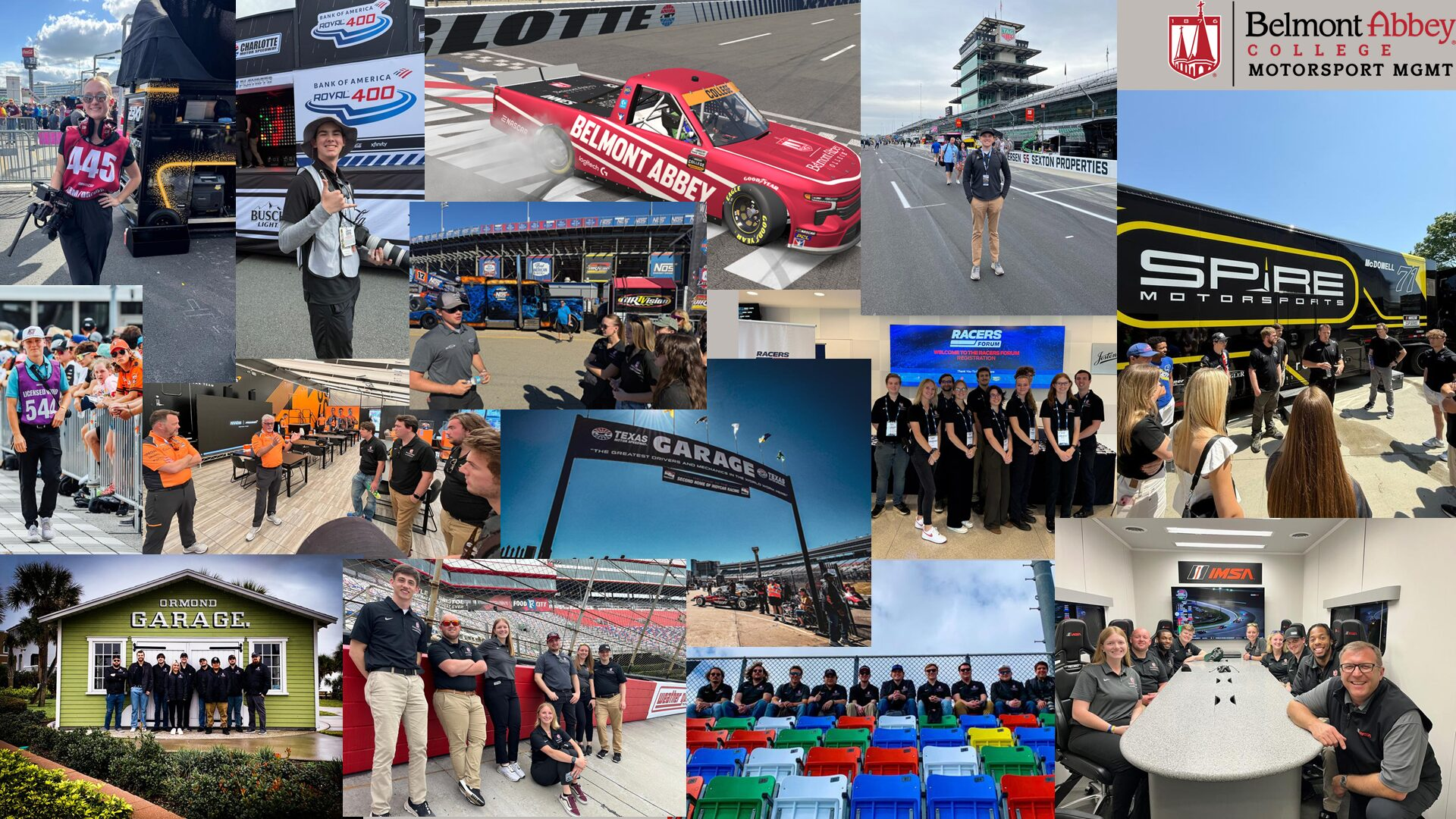
You know, learn more about their experiences in motor sports and take that back with them and hopefully gain some insight out of [00:18:00] that. This, uh, this is just a shot of some of the trips that we’ve taken, some of the places we’ve gone, some of the internships and opportunities that students have had over the last several years.
You know, we had a student participate in the Sparks Program down with the Motorsport Hall of Fame of America down in Daytona. He interviewed Ken Clap, and then Ken said, you did such a phenomenal job. Why don’t you come out to the Indy 500 with me? You know, that’s a hell of an offer. I wish I could, could’ve done that.
So, yeah, so Ken Clap, brought him out and showed ’em all around. So he got to experience that. And the nice part is kind of the middle left picture is also Severn who graduated and got a job with the world of Outlaws. And so just this past, earlier this November, he actually called me up and said, Hey, can I lead a group of students around the world of outlaws and kind of teach you about that and show the students, uh, around the paddock.
And so, you know, it’s, it’s great that he’s only a few months out from graduating or already kind of contributing back to the program. Like I said, you know, we go, we have a class that goes to the Rolex 24. We also do the St. Petersburg race and with Indy cars, and we do the four wide nationals up in Charlotte.
Um, we [00:19:00] expose ’em to all different types of motor sports and people and jobs that they can work in. And, you know, we’re really thankful that, you know, we’re able to do this on shoestring budget, but it works. And. The whole package with Motorsport history, it’s really the foundation. You know, they have this kind of understanding of where the sport has been, where it’s going currently, where it can go in the future, is still kind of the big question, but at least they have that.
They have that foundation. They have the understanding. The experiential learning that incorporate going out, volunteering, meeting these folks early on in their kind of motorsport careers is also definitely foundation moving. We also have to take a class out to PRI convention up in Indiana and involving alumni back with the program.
It’s creating this just whole ecosystem of kind of support from the day they get on campus throughout their four years on campus to the alumni support post, you know, through mentoring programs as well. That, you know, we just really try to set everyone up for the best chance in getting [00:20:00] into motorsports that they can.
Moving on. What is next for us? What would we like to do? Definitely digitizing and expanding our archives, taking what we have from the Don Kas collection, you know, trying to. Make it an open resource and you know, definitely be reaching out to the Revs Institute more and more to try to work on this same process as well.
Continue to invite alumni back, seek additional donations and partnerships, kind of what we were speaking to earlier. Doesn’t matter where it goes, as long as where it ends up. Kept safe and as used and kind of broadening the knowledge base for everyone moving forward. And you know, definitely seeking partnerships.
If you have a passion and you want to give back. Come talk to me and finally I’d just love to keep the conversation going. I show great gratitude and appreciation for the Argen Singer community that has, you know, inspired me over these last four years of attending. You know, the friends that I’ve made here and the conversations I’ve had and the support and the ability to kind of share back with my students and to [00:21:00] kind of build from this foundation and to keep moving forward is extremely exciting and I can’t wait for the future years to come.
Thank you.
This episode is brought to you in part by the International Motor Racing Research Center. Its charter is to collect, share, and preserve the history of motor sports spanning continents, eras, and race series. The Center’s collection embodies the speed, drama and camaraderie of amateur and professional motor racing throughout the world.
The Center welcomes serious researchers and casual fans alike to share stories of race drivers race series, and race cars captured on their shelves and walls, and brought to life through a regular calendar of public lectures and special events. To learn more about the [00:22:00] center, visit www.racing archives.org.
This episode is also brought to you by the Society of Automotive Historians. They encourage research into any aspect of automotive history. The SAH actively supports the compilation and preservation of papers, organizational records, print ephemera, and images to safeguard, as well as to broaden and deepen the understanding.
Of motorized wheeled land transportation through the modern age and into the future. For more information about the SAH, visit www.auto history.org. We hope you enjoyed another awesome episode of Break Fix Podcasts, brought to you by Grand Tour Motorsports. If you’d like to be a guest on the show or get involved, be sure to follow us on all social media platforms at Grand Touring Motorsports.
And if you’d like to learn more about the [00:23:00] content of this episode, be sure to check out the follow on article@gtmotorsports.org. We remain a commercial free and no annual fees organization through our sponsors, but also through the generous support of our fans, families, and friends through Patreon. For as little as $2 and 50 cents a month, you can get access to more behind the scenes action, additional pit stop, minisodes and other VIP goodies, as well as keeping our team of creators.
Fed on their strict diet of fig Newton’s, Gumby bears, and monster. So consider signing up for Patreon today at www.patreon.com/gt motorsports. And remember, without you, none of this would be possible.
Highlights
Skip ahead if you must… Here’s the highlights from this episode you might be most interested in and their corresponding time stamps.
- 00:00 Meet Quinn Beekwilder
- 01:25 Quinn’s Career Path
- 02:16 Why Motorsport Education?
- 03:32 Program Origins with Humpy Wheeler
- 05:26 Degree Growth and Expansion
- 06:27 Broadening Beyond NASCAR
- 07:58 Teaching History and Context
- 09:40 First Masters of Arts in Motorsport Management
- 11:47 “Accelerate Abbey” Summer Camp
- 13:13 Don Capps Collection Donation
- 14:31 Alumni Network in Action
- 16:42 Experiential Trips and Internships
- 19:10 Building the Full Ecosystem
- 20:02 What’s Next and Thanks
Livestream
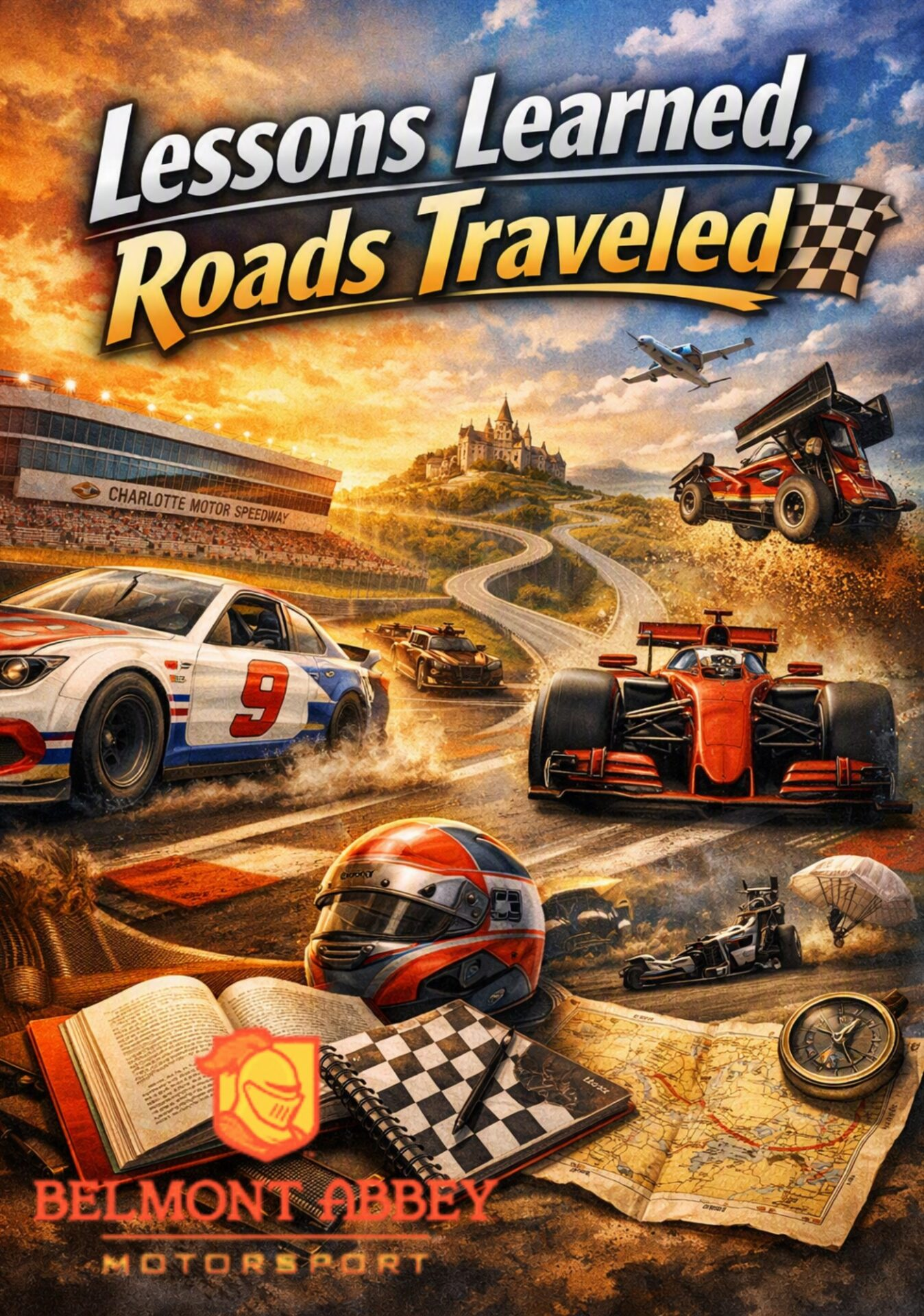
In case you missed it, please enjoy the original recording of: Lessons Learned, Roads Traveled by Quinn Beekwilder
This episode is sponsored in part by: The International Motor Racing Research Center (IMRRC), The Society of Automotive Historians (SAH), The Watkins Glen Area Chamber of Commerce, and the Argetsinger Family – and was recorded in front of a live studio audience.
Learn More
Michael R. Argetsinger Symposium on International Motor Racing History
 The International Motor Racing Research Center (IMRRC), partnering with the Society of Automotive Historians (SAH), presents the annual Michael R. Argetsinger Symposium on International Motor Racing History. The Symposium established itself as a unique and respected scholarly forum and has gained a growing audience of students and enthusiasts. It provides an opportunity for scholars, researchers and writers to present their work related to the history of automotive competition and the cultural impact of motor racing. Papers are presented by faculty members, graduate students and independent researchers.The history of international automotive competition falls within several realms, all of which are welcomed as topics for presentations, including, but not limited to: sports history, cultural studies, public history, political history, the history of technology, sports geography and gender studies, as well as archival studies.
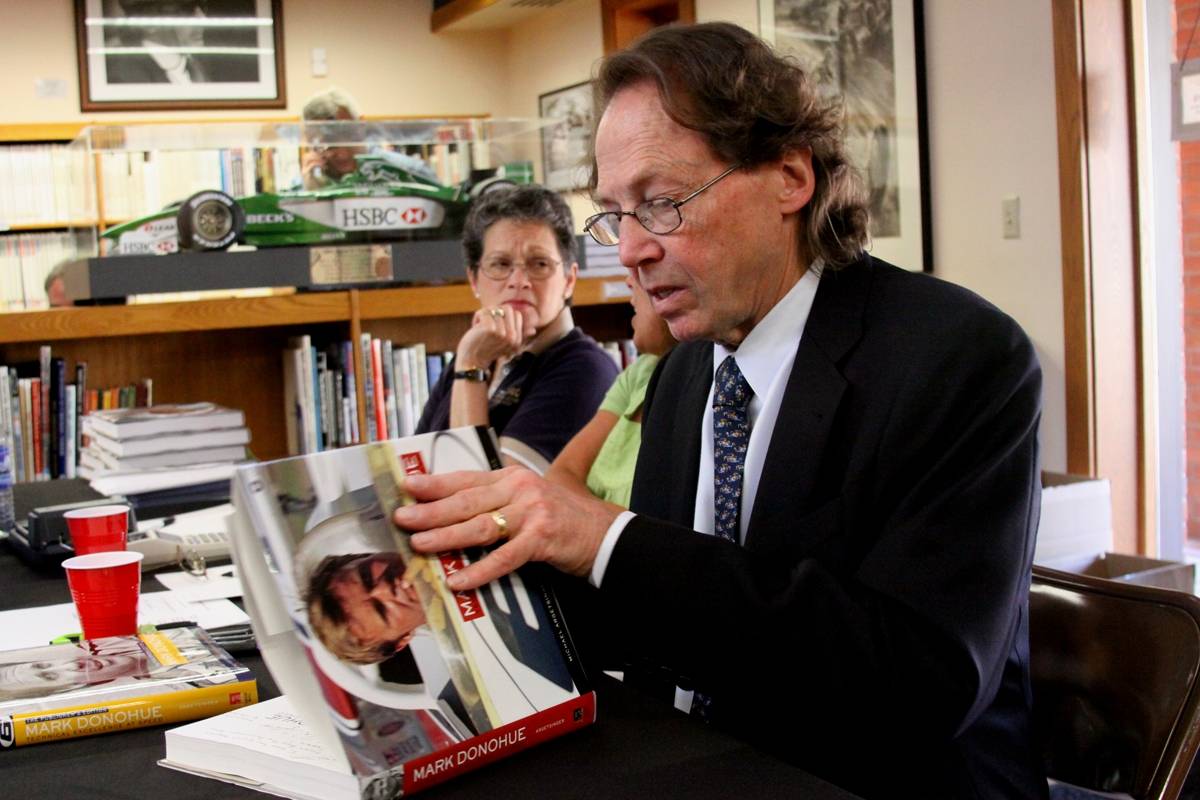 The symposium is named in honor of Michael R. Argetsinger (1944-2015), an award-winning motorsports author and longtime member of the Center's Governing Council. Michael's work on motorsports includes:
- Walt Hansgen: His Life and the History of Post-war American Road Racing (2006)
- Mark Donohue: Technical Excellence at Speed (2009)
- Formula One at Watkins Glen: 20 Years of the United States Grand Prix, 1961-1980 (2011)
- An American Racer: Bobby Marshman and the Indianapolis 500 (2019)

Consider becoming a Patreon VIP and get behind the scenes content and schwag from the Motoring Podcast Network
Do you like what you've seen, heard and read? - Don't forget, GTM is fueled by volunteers and remains a no-annual-fee organization, but we still need help to pay to keep the lights on... For as little as $2.50/month you can help us keep the momentum going so we can continue to record, write, edit and broadcast your favorite content. Support GTM today! or make a One Time Donation.
When Beekwilder returned to teach, the program had just nine students across all four years. Through intentional growth, industry partnerships, and hands‑on learning, enrollment has surged to over 60 students, with record incoming classes each fall. This growth isn’t accidental. The Abbey’s approach blends:
- Motorsport history — from Daytona’s beach course to Monaco’s street circuit
- Industry immersion — NASCAR, IMSA, NHRA, World of Outlaws, Formula One, and more
- Experiential learning — volunteering, internships, paddock tours, and race‑day shadowing
- Professional development — networking with alumni and motorsport leaders
Students don’t just learn motorsports — they live it. Beekwilder emphasizes that motorsports is not a silo. It’s a tapestry woven from:
- Stock car roots
- International open‑wheel racing
- Sports cars and endurance racing
- Drag racing
- Dirt racing
- Historic and modern racing cultures
This broad perspective prepares students to walk confidently into any paddock — whether NASCAR, NHRA, IMSA, or Formula One — and understand the lineage behind the machines and the people who run them.
One of the program’s biggest milestones arrived recently: the launch of the first accredited Master of Arts in Motorsport Management in the United States. Designed for working professionals, the program is fully online and already boasts over 20 students in its first semester, far exceeding expectations .
This graduate program fills a long‑standing gap. Many motorsports professionals hold general sports degrees, but few have access to motorsport‑specific advanced education. Belmont Abbey is changing that.
Accelerate Abbey: Inspiring the Next Generation
To reach younger enthusiasts, the college launched Accelerate Abbey, a week‑long summer program for high school students. Participants tour race shops, meet alumni, visit tracks, and get a taste of motorsports careers long before college begins. Highlights include:
- Hendrick Motorsports facility tour
- Millbridge Speedway
- RFK Racing
- Ford Performance Racing School
The goal: help students discover motorsports as a viable academic and professional path — something few guidance counselors even know exists.
A Growing Archive: The Don Capps Collection
One of the program’s newest treasures is the Don Capps motorsports collection, donated by Colonel Donald Kas. The Abbey transported and preserved the entire archive — including rare books, ephemera, and out‑of‑print materials — now housed in the college library for student research.
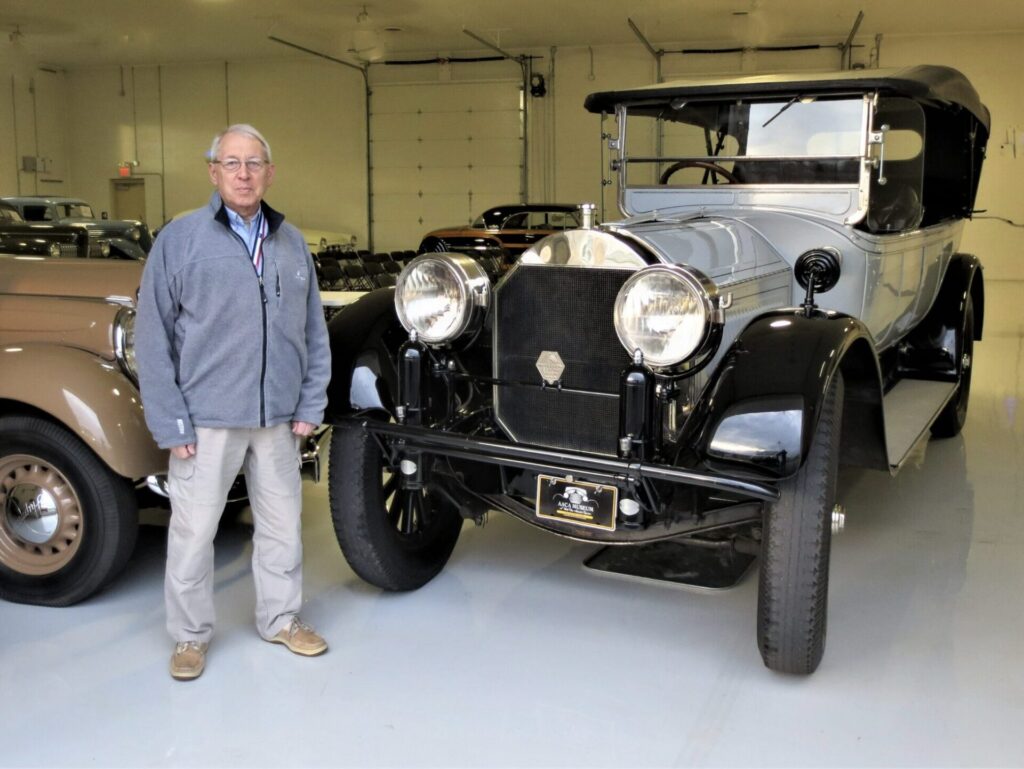
This collection strengthens the program’s historical foundation and offers students access to primary sources that are nearly impossible to find elsewhere.
Where the Program Is Heading Next…
A hallmark of the Abbey’s culture is alumni involvement. Graduates frequently return to guest‑lecture, lead paddock tours, or mentor current students. Some even teach full class sessions, sharing real‑world insights from NASCAR, World of Outlaws, IMSA, and more.
This creates a powerful ecosystem: students learn from those who sat in their seats just a few years earlier. Belmont Abbey’s Motorsport Management program continues to expand its vision:
- Digitizing archives and collaborating with institutions like the Revs Institute
- Growing partnerships across racing series and industry organizations
- Expanding alumni mentorship
- Seeking new donations to preserve motorsports history
- Building a sustainable motorsports education community
Beekwilder’s message is clear: motorsports thrives when its history is preserved, its professionals are supported, and its future leaders are inspired.
The Abbey’s Motorsport Management program stands as a testament to passion, perseverance, and purpose. From Humpy Wheeler’s original vision to Beekwilder’s modern leadership, the program continues to shape the next generation of motorsport professionals — one student, one race weekend, and one historic milestone at a time.
Other episodes you might enjoy
If you enjoyed this History of Motorsports Series episode, please go to Apple Podcasts and leave us a review. That would help us beat the algorithms and help spread motorsports enthusiasm to others.Remember to subscribe to Break/Fix using your favorite Podcast App.
Support our Creators!
 For as little as $2.50 cents a month, you can get access to more behind the scenes action, additional Pit Stop mini-sodes and other VIP goodies, as well as keeping our team of creators fed on their strict diet of Fig Newton's, Gummy Bears, and Monster. Consider signing up for Patreon today. And remember, without *YOU*, none of this would be possible!
This content has been brought to you in-part by support through...