

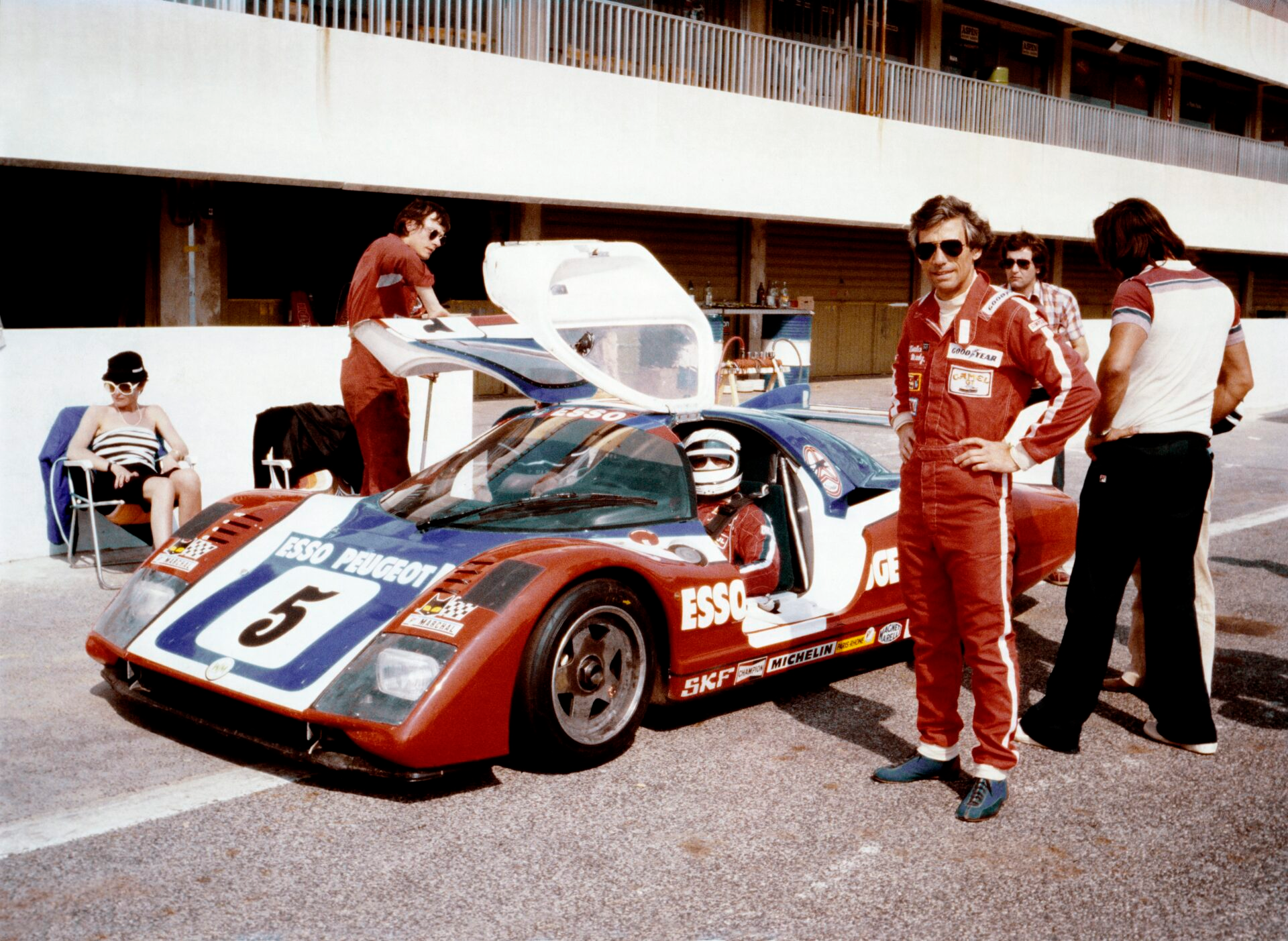
Charles Mendez’s story is a reminder that the 24 Hours of Le Mans isn’t defined only by factory titans or headline‑grabbing victories. It’s also shaped by the privateers—the determined, resourceful racers who show up with grit, ingenuity, and a willingness to solve problems on the fly. His two appearances at Le Mans, first in a Porsche 935 and later in a Peugeot P79/80, capture an era when endurance racing demanded equal parts courage and mechanical creativity.
 Photo courtesy Charles Mendez
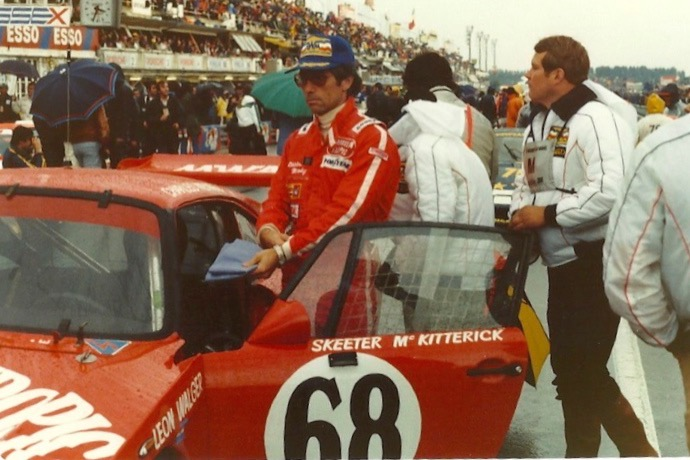
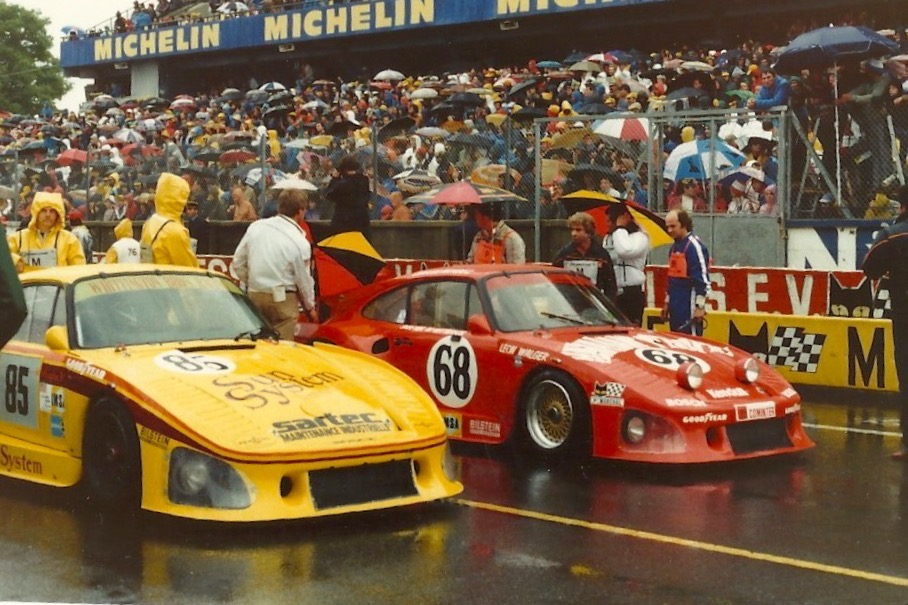
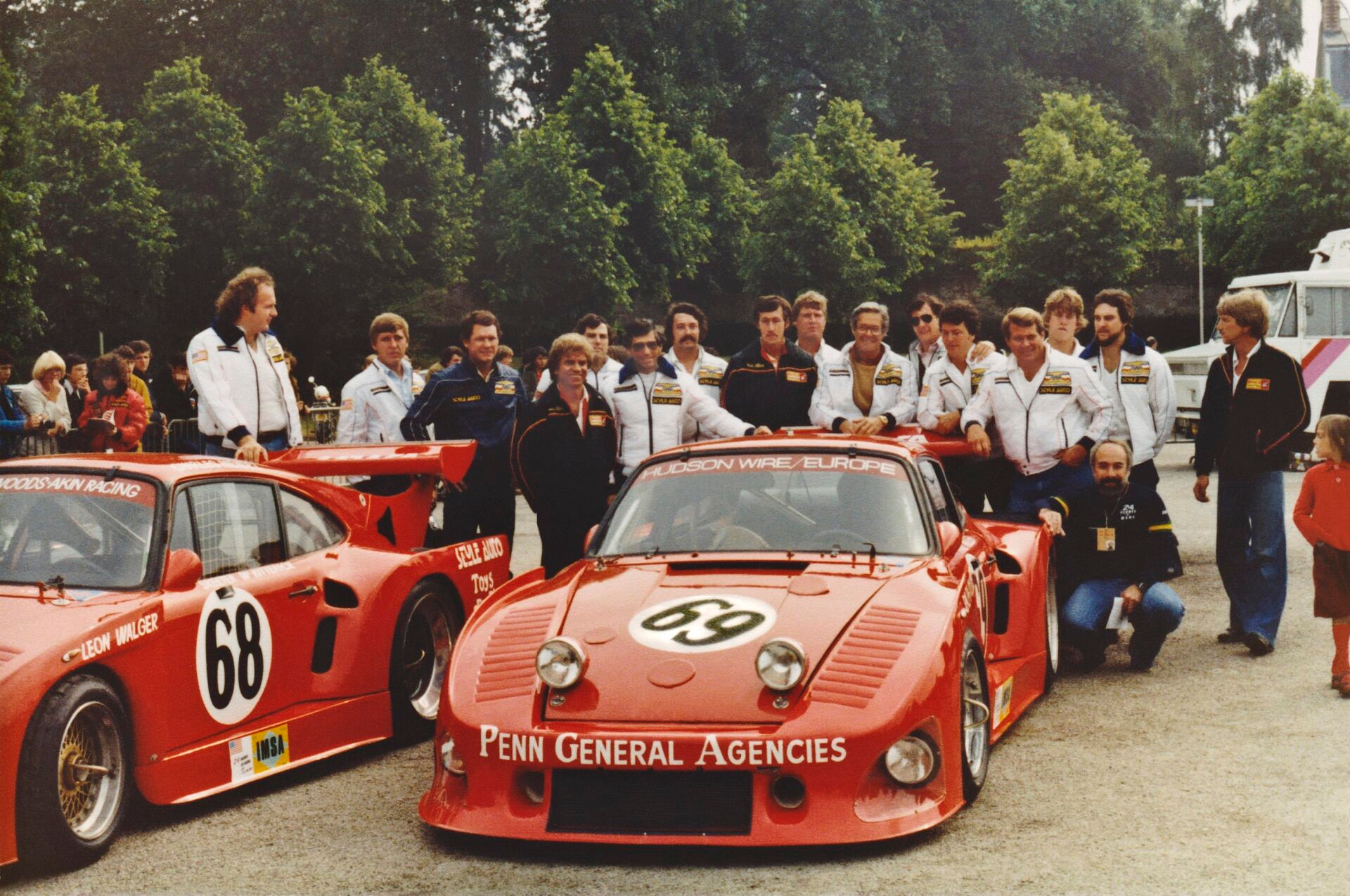
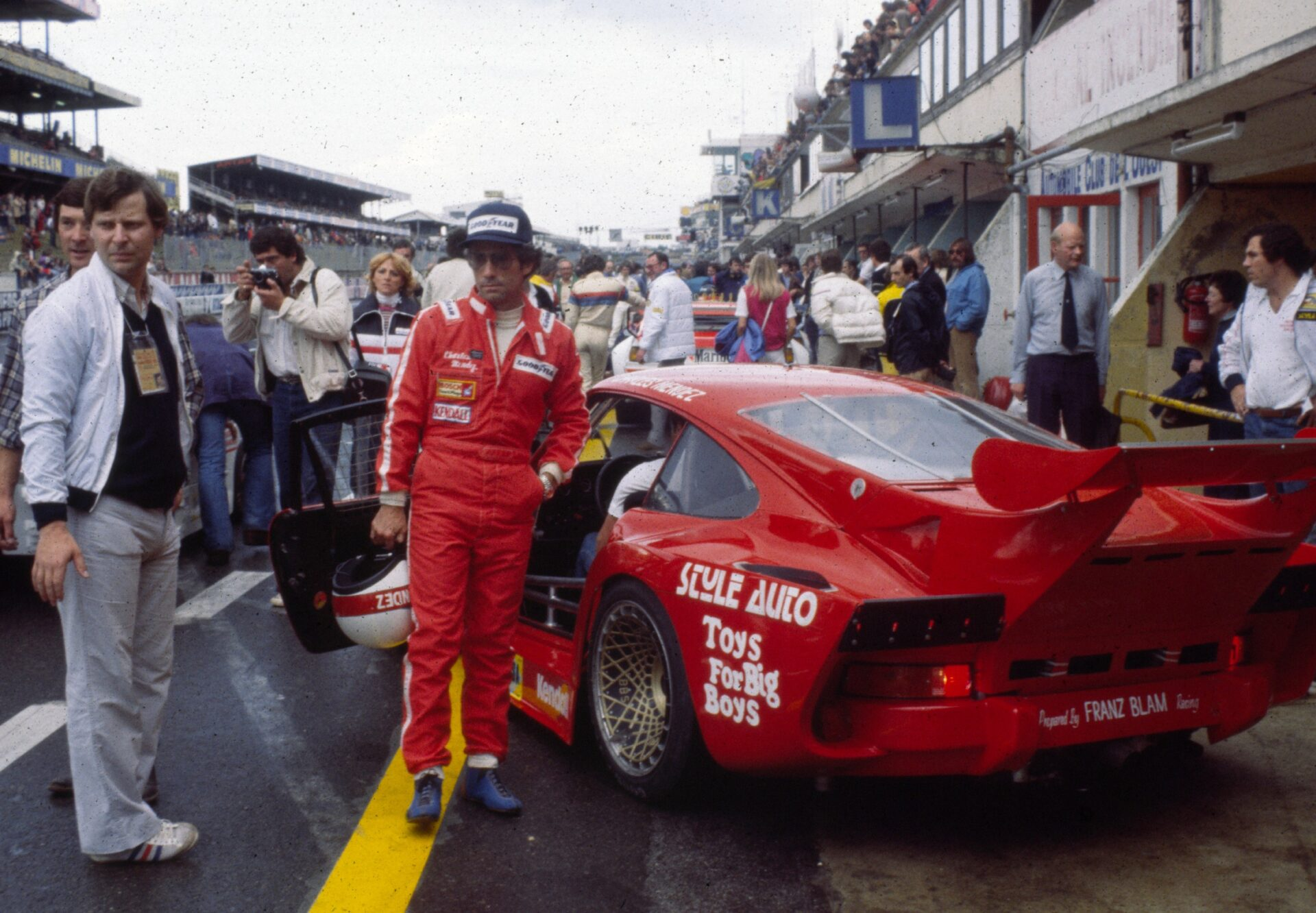
Mendez’s path to Le Mans began in American endurance racing, where he built a reputation for hands‑on problem solving and a deep love for long‑distance competition. A chance meeting with Alain Bertaut opened the door to Europe. As the transcript notes, “he and a partner purchased a factory‑updated 935 in 1979 with plans to run two cars at the 1980 race” . Arriving in France, he was struck by the contrast between the quiet off‑season circuit and the electric atmosphere of race week, especially the ritual of downtown scrutineering that transforms the town into a celebration of endurance racing.



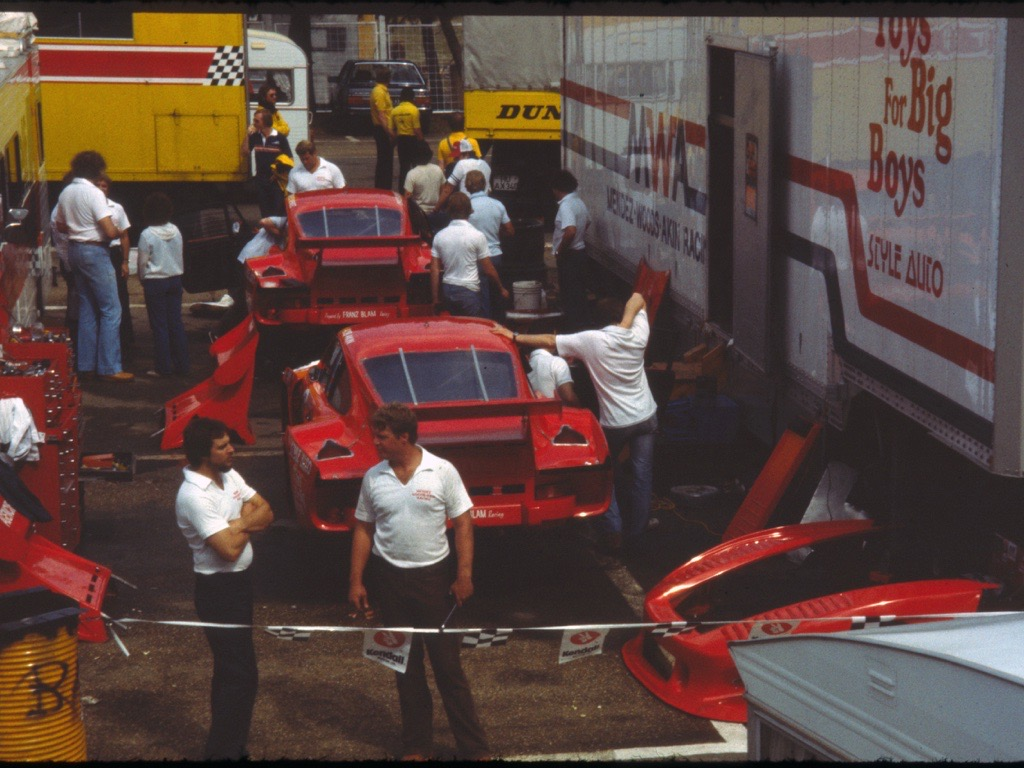
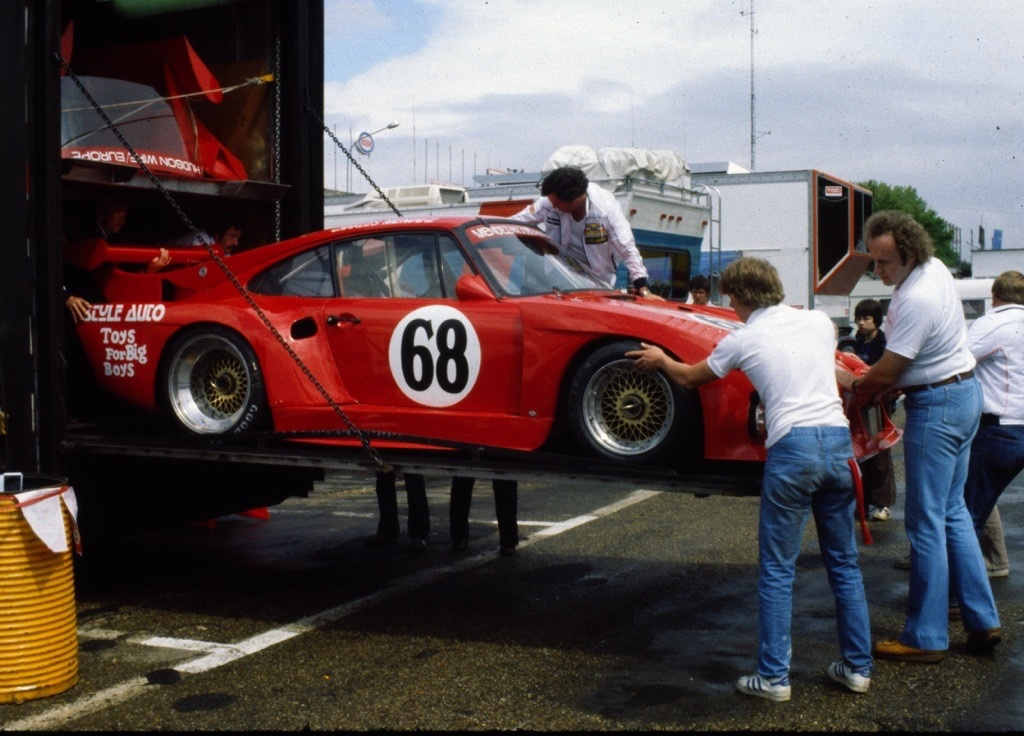
His first Le Mans outing was a crash course in logistics and the unforgiving nature of the event. Shipping issues—“oxidized wastegates cost practice time” —and the challenge of running two cars stretched the team thin. A rain‑soaked incident with a Ferrari and a stalled return to the pits ended the race early, a harsh reminder that Le Mans rarely gives second chances.
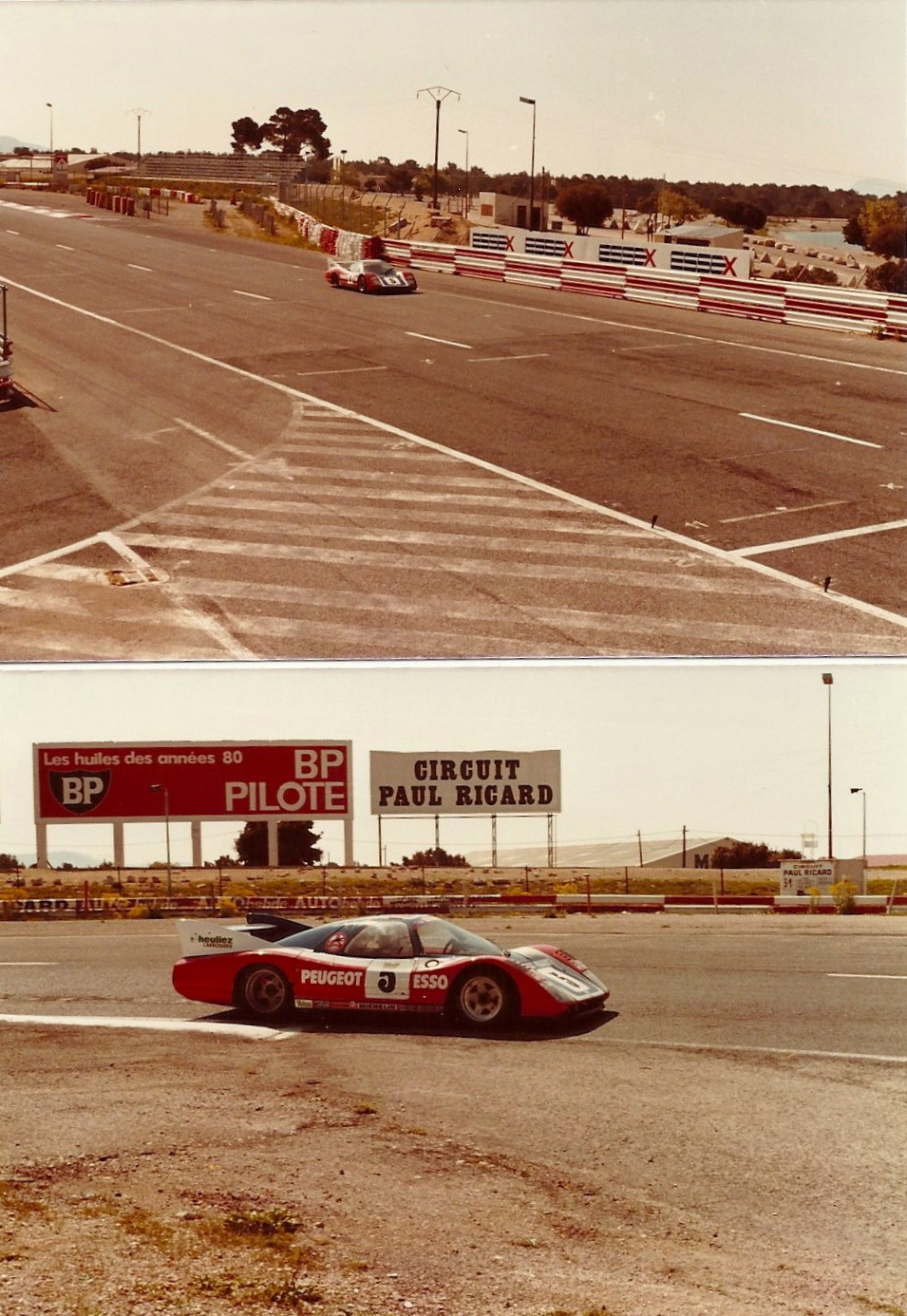
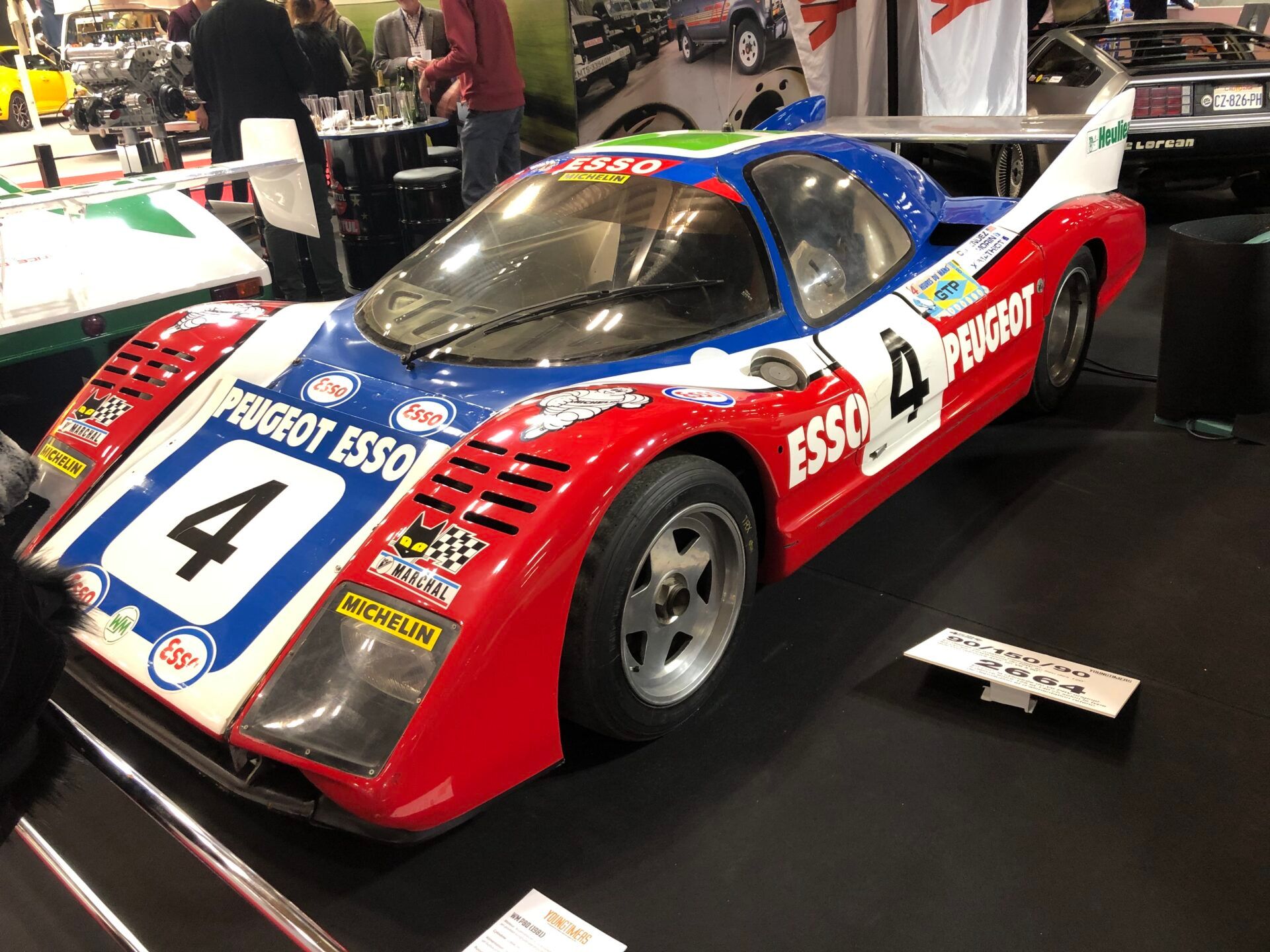
But that setback led to a new opportunity. Bertaut arranged a test with Gérard Welter’s WM/Peugeot program at Paul Ricard, where Mendez encountered language barriers, chilly introductions, and a radically different kind of race car. The Peugeot prototype was built for sheer velocity—“trimmed for top speed on the long Mulsanne, capable of well over 220 mph” —forcing him to relearn racecraft after years in rear‑engine machinery.
Synopsis
In this episode of Evening with a Legend, we interview American endurance racer Charles Mendez about his two 24 Hours of Le Mans starts—1980 with Racing Associates in a Porsche 935 and 1981 with WM in a Peugeot P79/80—set against his broader Sebring 12 Hours legacy. Mendez recounts how promoting Sebring led to opportunities in a 935, meeting Le Mans organizers, and bringing cars overseas with little European experience.
He shares first impressions of Le Mans, the realities of privateer racing, lessons from a rain-soaked 1980 retirement, and how friends helped connect him with WM for 1981 testing at Paul Ricard. Mendez details the Peugeot’s quirks, high-speed Mulsanne challenges, mechanical issues during the race, why he stopped owning race cars, and his advice to young drivers: never give up and don’t get cocky. The conversation also covers safety-driven track changes, today’s endurance racing, Le Mans Classic, and Mendez’s current life and mentoring interests.
- Let’s talk about your road to LeMans, how did you put the deal together for your first attempt in 1980 with the Porsche 935
- When you think back to your first trip to Le Mans, what stands out most vividly about arriving there as a driver?
- How did the atmosphere and culture of Le Mans compare to the American endurance racing world you were coming from?
- Privateer efforts at Le Mans have their own unique challenges; what did running as a privateer teach you about resourcefulness and teamwork?
- What was the moment during the races —good or bad—that taught you the most about what it takes to survive 24 hours at that place?
- Let’s talk about your second attempt because The 1981 Race with the WM team was entirely different compared to the year prior.
- What was your relationship like with the cars you drove there—their strengths, quirks, and how they behaved over such a long race?
- Can you walk me through a stretch of the race where everything felt on the edge, and how you managed that mentally and physically?
- Speaking of “on the edge” – Le Mans nights are legendary; what did the race feel like from behind the wheel at 3 a.m. on the Mulsanne?
- Why not another return to Lemans?
- Looking back, is there a decision—strategic, mechanical, or personal—that you think changed the trajectory of your Le Mans runs?
Transcript
Crew Chief Brad: [00:00:00] Evening with a Legend is a series of presentations exclusive to legends of the famous 24 Hours of Le Mans, giving us an opportunity to bring a piece of Le Mans to you. By sharing stories and highlights of the big event, you get a chance to become part of the legend of Le Mans with guests from different eras of over 100 years of racing.
Crew Chief Eric: Tonight, we have an opportunity to bring a piece of Le Mans to you, sharing in the legend of Le Mans with guests from different eras of over 100 years of racing. And as your host, I’m delighted to introduce Charles Mendez, whose Le Mans resume is brief but memorable. He made two starts at the 24 Hours of Le Mans, first in 1980 with Racing Associates in a Porsche 935, and then again in 1981 [00:01:00] with WM in a Peugeot P79/80 Both of which are machinery that embody the privateer spirit of the era.
Though he never claimed a class win or overall podium, Charles delivered a best overall finish of 13th and earned a class podium once, demonstrating consistency and resilience across 317 laps of competition. His Le Mans efforts sit alongside a broader legacy in American endurance racing, most notably his later role as a Sebring 12 Hours winner and promoter, making him one of those quietly influential figures who bridged grassroots racing passion with top-tier international endurance events.
And with that, I’m your host, Crew Chief Eric from the Motoring Podcast Network, welcoming everyone to this evening with a legend. So with that, Charles, welcome to the show.
Charles Mendez: Well, thank you. It’s good to be here.
Crew Chief Eric: Let’s talk about your road to Le Mans. How did you put the deal together for your first attempt in 1980 with the Porsche?
Charles Mendez: Well, let me offer some context to frame that in, ’cause it all kind of [00:02:00] started in mid-1977 when, uh, Dave Cowart and I, uh, took over the promotion of the 12 Hours of Sebring. It had been on, teetering on failure for a few years. It had some rough times, and John Greenwood finally decided to give up his efforts at promoting the race, so David and I took it over.
And during the ’78 race, which was our first year promoting the race, I was, uh, fortunate enough to be on a press tour with Brian Redman and Dick Barber, ’cause Dick was bringing two cars to the race, and Dick found he had an available seat in the second car and offered it to me, and I took it immediately.
And this marked the first opportunity I had to be in a 935 and in a car and team that really had the potential to win or do very well in the race. So I kind of look at that as the beginning, although that’s in retrospect. At the time, I had no thoughts whatsoever about going to Le Mans. It was just too big of a jump from [00:03:00] there.
But following that, I tried to buy a 935 for the end of the ’78 season. I was not successful with that. Ended up taking an older 934 and a half and converting it for the 1979 season. And when I was at, uh, the Daytona 24 Hour, I met Alain Bertaut, who was the organizer or director of the 24 Hour Le Mans. He, we kind of hit it off very well, and he began to encourage me to bring my cars over for the, uh, 1980 race.
As the year progressed, I was able to locate a factory updated 935 that Bob Aiken and I purchased in mid ’79. We decided that we would have two cars to run the following year, and then tho- those two cars would, uh, go over to Le Mans for the 24-hour race. So that’s kind of the, the road to getting there, and I attribute a lot of that to just good fortune and, uh, some opportunities that presented themselves along the way.
Crew Chief Eric: So obviously you’d done a lot of racing [00:04:00] Stateside before this point, but had you turned any laps on any European track before heading to Le Mans?
Charles Mendez: No, not at all. Well, our first year at Le Mans we just took our cars over and came back. In the 80, ’81 race, I did go over to the Nürburgring and ran that race, or a shortened version of it, in 1981.
Crew Chief Eric: When we look back at your very first trip to Le Mans, a lot of people talk about all the fanfare and what it’s like when you get there, and how it’s like almost being on a different world compared to a lot of other racetracks. So what were your first impressions of your first trip to Le Mans, and what stands out most vividly as a driver?
Charles Mendez: I had two first impressions, if that’s possible. In December of ’79, I was on my way to Germany for the Porsche Cup awards banquet. Uh, I contacted Alain and he invited me to stop over, took me over for a tour of the track and for lunch at, uh, Un Under, which was very nice. But it’s, it’s always interesting to see a, a racetrack like that that essentially is set up for one [00:05:00] race a year, when you see it unclothed ’cause it’s often quite different than when all the fans are there and the excitement and the cars and what have you.
I, I experienced the same thing at Sebring when we took it over. I’d never been to the track during, uh, off-season. It was shocking. It was in such a state of disrepair, but we got past that. We carried it along. My second first impression obviously was, uh, when we arrived for the race itself and the crowd, the enthusiasm, the, the electricity in the air was just spectacular and overwhelming, especially starting off with the downtown tech inspection, which when you’re there, you finally feel that you’ve become a part, a small part that is, of the history of Le Mans, and such a great history.
Crew Chief Eric: If we talk about the American in Paris experience today, it’s very different. Le Mans is a very global thing. It’s recognized around the world. People tune in. They come from all over to watch the race. At the 100th, [00:06:00] there were almost 350,000 people in attendance, not counting all the folks on television.
But you come from the pre-Mulsanne Chicane era, where there was a lot of different ways to be perceived as a driver. I’ve heard it referred to as a British race on French soil. I’ve heard, you know, about battles and this and that. And we talked to some of the pre-Mulsanne Chicane drivers about what their experience was like coming over to France as an American and racing with very few other Americans there.
What was that like?
Charles Mendez: You know, it just kind of fit in the overall scheme of things, and I say that meaning that I was so focused on preparing the cars and being there all together, I really didn’t see it as anything other than another long-distance race that we had to deal with virtually the same things Yeah, Le Mans is different.
It’s got a long straight, it’s a lot of high speed stuff, but in the end, it still was a long distance race that you had to address all of the challenges, which back then, unlike today, the cars, you know, had to [00:07:00] be managed much more carefully because if you didn’t, they often wouldn’t hold up. Today, it’s a 24 hour sprint race and, you know, it’s got 24 hour sprint racers driving those cars, so they, they never seem to give up, let up for a second.
Crew Chief Eric: At that point, obviously you had driven a lot of tracks in the United States, Sebring included. When you compare places like Sebring and Daytona to the pre-Mulsanne chicane configuration of Le Mans, what were the speeds like? Were you able to pull those kinds of speeds here stateside at Daytona in the bowl, or is Le Mans just so totally different from those tracks you can’t even compare them?
Charles Mendez: From the standpoint of 935s, which I was, drove mostly in the US, the top speed was probably, uh, uh, just under 200 miles an hour, maybe just over, depending how you geared the car. Uh, with the Mulsanne, you obviously had a longer run, so you could gear it a little longer. Overall, we were running probably in the sub 200 miles an hour.
Now, in the case of the, uh, Peugeot, that [00:08:00] car, which was running a smaller horsepowered motor, they had that thing geared and trimmed out. The car I drove would run about 220 miles an hour, and their lead car was running about 240. So they were top end terminal speed on the Mulsanne was just below the, uh, 936s, but still pretty quick.
Now, I don’t think they could have done that at Sebring, ’cause we only had a one mile straightaway, whereas Mulsanne was three miles. That was kind of the difference. Daytona was a little different in that, you know, you, you lost a little bit of, of speed in the, going into the second banking, but not a great deal, you know.
Crew Chief Eric: So I want to pull on that thread for just a second, because if any of our listeners have ever done track time, you begin to realize that above 150 miles an hour, you start to get tunnel vision, and things begin to blur, and you, you become hyper-focused in a way. Le Mans is even more interesting because you’re on a two-lane country road where it’s already very narrow, and doing over 200 miles an hour, what’s that [00:09:00] like?
Charles Mendez: Well, you need to be careful. I didn’t get enough time in the car in the 935, so I never really appreciated, uh, having that car there. But I was, I guess I was so acclimated to it that it was so comfortable and, uh, came pretty natural. So it would’ve been, uh, very similar to a Sebring race, which we ran on 300-foot wide airport runways in some areas, and then we were on just barely two-lane roads that were in the interior of the airport facility there.
So it took a, a lot of discipline in, in managing the car throughout that circus.
Crew Chief Eric: Let’s talk about being a privateer at Le Mans. That isn’t so much a thing anymore as it used to be, and even I think the last winning privateer team, we had Andrea Robertson on here. Her, her husband, and Dave Murray won with their private entry GT40 back, that was almost 15 years ago at this point.
So let’s talk about being a privateer in the ’70s, where there were a lot of 935 entries. You were in that period [00:10:00] where there were a ton of folks there. Being a privateer, that presents its own unique challenges, and you running a team, what did, what was that like?
Charles Mendez: I don’t think I ever looked at it from the standpoint of being a privateer as much as being kind of a rookie at the race, because this was our first time.
We didn’t have a lot of experience within our team. Uh, the drivers were all new to the track as well. That in itself was more of what was impactful, I thought, than the fact that we were a privateer. Porsche provided pretty good support to the 935 owners, maintaining, uh, rigs with parts for the cars and what have you.
So it wasn’t like you were totally out there on, on your own. In the sense of being the smaller guys racing up against the bigger guys is the way I looked at it. That’s the way I characterized it in my head.
Crew Chief Eric: So obviously 1980 was a lessons learned kind of a year, which leads you to your road to your second attempt at Le Mans ’81 with the Peugeot.
Talk to us about the good, [00:11:00] the bad, the indifferent, and what your first attempt at Le Mans taught you, and how that changed your approach to 1981.
Charles Mendez: Well, there were several factors in there. First, we brought over two cars, which for the first time there I think is probably a little more than we should have taken off.
I think we had more of an attitude of a holiday cruise than a serious race for some of the guys with us. We discovered some things that we didn’t anticipate. For example, the trip over in the boat caused our wastegates to oxidize a little bit, and so we had to deal with that during practice. We lost a lot of important practice time, but overall I, I just felt that we were maybe a little naive in going there with great expectations but not quite being well prepared.
Crew Chief Eric: So why the switch from Porsche to Peugeot?
Charles Mendez: Well, I think you characterized it in your notes of the good and the bad. Well, you know, if they say, uh, get the bad stuff out of the way early, that’s exactly what happened to, [00:12:00] to me. Uh, at the start of the race it was ra- it was raining very hard. Visibility was very low.
I came together with a Ferrari, which I would say is his fault, my fault, didn’t really matter. And on the way back to the pits I was careful to get out of the racing line because I was fearful that if a car might come up upon me and may ha- he may have somebody following him closely, it was conceivable he could move over and I, he, the other car might come into me.
I wasn’t scared for my own personal self, I was just more concerned with creating a problem on the racetrack. And as such, I got into the wrong side of the track. Stewards held me up there for a time to get me back into the pits and, uh, and in that process I stalled the car. Our battery wasn’t strong enough, couldn’t get it restarted.
My crew went up to Alain and said, uh, “Can we appeal and have some dispensation to take a battery out there and get the car started?” And he said, “No, I’m sorry, the rules are the rules and that’s the way it is.” That ended my race. Uh, obviously, uh, [00:13:00] very disappointing. Great life lesson, how to deal with adversity when it hits you smack in the nose.
After the race, Alain said he was very sorry and he said, “Don’t worry,” he says, “I’ll make this up to you,” which I had no idea what that meant. But I went off my merry way. We, my wife and I stopped in Paris on the way home and went back to the US and lived with this very disappointing outcome for several months.
And then towards the end of ’79, I’d, I’d had a pretty good year in IMSA that year. I had a, a win, two seconds, two thirds, and first in class, second overall, because Peter Gregg always won, and I was lucky enough to finish second in the championship that year, so I felt pretty good. That year, uh, you know, Al, Alain had teased me up in early ’79 about bringing the car over, and obviously he was disappointed with my outcome, but he contacted me at the, the end of ’80 and said, “You’ll be getting a call from Gérard Welter, who owns the WM team.”
And I said, “Okay.” This is December, the [00:14:00] race isn’t until June, and finally I got a call from him in, I think it was late January, and he said, “Charles,” he says, “you will be at Paul Ricard on the weekend of March 21.” And I said, “Oh my God, Gérard, I can’t do that. That’s the weekend of my Sebring race.” And he says, “Hmm.”
I’ll call you back.” And I thought, “My God, I just blew an opportunity to go to Le Mans.” Fortunately, he did call me back, said, “You, you will be in Paul Ricard in…” This was the end of April. They were testing their, their new car for Le Mans. They wanted to do a 24-hour simulation on the car and the motor primarily.
And so, uh, they took the older car there, and I was invited there with a couple of the other drivers, and we ran, I don’t know, two or three days to get the time in on the c- on the engine, and let them do the sorting there. But it was kind of interesting. Uh, I was not familiar with that area of France. And, uh, on my way there I pulled off the interstate and asked the guard at the station there, I said, “How do you, uh, get to Le Castellet?”
And he [00:15:00] says, “Ah, Le Castellet.” He says, “Which one?” He said, “There are six Le Castellets.” I said, “Oh, my gosh.” And it’s midnight, I’m exhausted and, and a little discouraged. Anyway, I f- after I found the proper address, I discovered that the owner of the, of the inns had perished in an auto accident that very day.
So they sent me off to another hotel, I forget the town, and, uh, spent the night there, connected with the, uh, Peugeot guys the next morning. Went to the racetrack. Things were, were pretty good, but they weren’t very communicative with me, and obviously they didn’t speak English and I didn’t speak French, so that was just a natural barrier.
Finally, we tested a little bit that day, and that evening at dinner there were about 15 of us there, and buddy of mine had shown up at that point, and it was just icy. And it, it wasn’t rude, but it was just icy. And, uh, finally, uh, one of the fellows next to me, uh, we started talking about where he was from, and he was from Beaune, and we started talking about wines, and we started talking about cheeses.
And I knew the [00:16:00] geography of France pretty well, ’cause I’d studied a lot about wines. And all of a sudden, that chilliness evaporated, and they were the greatest guys in the world. We had more fun together. And that continued all the way through the race at Le Mans.
Crew Chief Eric: Obviously you had a lot of seat time in the 935 over the years, and you were at the height of the 935 period.
When you talk about that relationship with that car, like you said, it was second nature, the speed was natural, regardless you’re doing 150 or 200 miles an hour. But let’s talk about the strengths, the quirks, the weaknesses of the Peugeot. I mean, it’s a car that people don’t even think about or talk about when you talk about the legacy of Le Mans, the Peugeot P7980 specifically.
So what was it like to drive? I mean, you did that testing at Paul Ricard, but once you got it out on the Mulsanne and you start turning laps with it, did you like it?
Charles Mendez: Of course I liked it Well, to be honest with you, I had not driven many other cars prior to that, and so this was a, an introduction to a purpose-built race [00:17:00] car that was more in line with something like a 936, though not to that level, of course, or the Rondeaus, uh, which were racing at that time at Le Mans.
So for me, I had to learn how to drive a race car other than the 935, and that was a little intimidating at first because it wasn’t the speed as much as it was the handling of the car was considerably different. You know, the last thing I wanted to do was create a problem for the team, which would be another, another X on Le Mans for me.
So I was very careful with it, but just to give you an example, I came in, uh, after our first practice sessions and I asked the fellows if they could put a rear view mirror on the car, ’cause y- you couldn’t see out of the inside of the car. It was blocked by the motor compartment. And they had a little, like a little silver dollar-shaped piece of metal that would, protruded through the plastic side window, which when you were at speed, that thing fluttered like a [00:18:00] butterfly there so that you couldn’t see anything there.
And finally I said, “Look, you know, I’m not a sissy, but I sure don’t wanna wreck your car.” So they agreed to put a mirror. They put it on the right front fender, which worked perfectly well. I just needed some, be able to have some visibility on that side of the car. And the guys came back and recited to me how much drag coefficient that added to the car, which was detrimental to them because their car was trimmed out so well purposely for the Mulsanne.
And when I say trimmed out, I mean it, downforce was compromised, everything was compromised for top speed. Because that was a fairly small engine they were getting, and small horsepower relatively speaking, but they were getting, you know, speeds well in excess of 220, 240.
Crew Chief Eric: To your point, the 935, you’re constantly managing the back end of that.
Older 911s are notorious for that, plus all the turbo boost that the 935s were making. I mean, I’ve heard them referred in very different types of [00:19:00] adjectives of what they’re like to drive. But you go to this mid-engine, lower powered Peugeot that can do higher speeds down the Mulsanne. What was it like compared to the other cars that were out there?
Because 1981 especially, you had Hurley Haywood in a 936, and you had a lot of other drivers there. Maybe it had some strengths over some of the other cars, but you guys just weren’t able to capitalize on it?
Charles Mendez: Yeah, I think the comparison to the 936, probably a little more difficult. Our two lead cars qualified in the top 10, I believe, that year.
We qualified about 20th. They were running, uh, much more competitively with whoever was up, was running up front. Obviously the 936s were and some 935s. So, you know, I, I wasn’t trying to compare myself to the top runners. Figured we were in a, you know, a year older car. Uh, we weren’t gonna run up there, and we weren’t there to, to prove anything other than bring that car home together and have a decent finish for the team.
Crew Chief Eric: And you know what’s funny about ’81, there’s such a mixed bag of cars in there. Like [00:20:00] you mentioned, you have the Rondeau, you have the Porsche 936s, you have the Peugeot. And I’ve always envisioned being able to ask someone like Marco Alain what it was like to drive one of the Lancia Le Mans cars. You competed against them.
They were pretty much in your group of cars running together. What was it like to run against the Lancias?
Charles Mendez: You know, I wasn’t paying attention to them, to be honest with you.
Crew Chief Eric: That’s fair. That’s fair. I mean, they sort of bookended you. There was one behind you and one in front of you- Yeah … sort of in the, in the pecking order there.
So I was really curious, because I’ve heard they were exceptionally twitchy and partially unreliable.
Charles Mendez: Yeah. You know, we were running very consistently throughout the race till about 1:30 in the morning. We were bouncing around 13th or 14th place at the time. I was out at, on the course at night, right front steering arm broke on the car.
I came in, we lost probably an hour in the pits replacing all of that. So it, it kinda mixed us up in the order till we got, finally [00:21:00] got back to the end. I wasn’t really keeping track too close to the cars we were running around, because we kinda lost connection with them at that point.
Crew Chief Eric: All right, so let’s talk a little bit more about the driving experience, ’cause obviously your second attempt, you guys completed the race.
There were a lot more laps at Le Mans. Can you walk us through a stretch of the race where you particularly felt, like, on edge or you had to, like, overcome maybe mental stress, or you were feeling fatigued? Like, how do you find the resolve to keep going when things get tough?
Charles Mendez: Things started off a little tough.
About an hour before the race started, one of the mechanics came over to me. He was all excited. He motioned me over to the car, and I looked inside the car, and I realized he was pointing to brand-new seat belts that had been put in the car, which the first thing that registered with me is that that car was very difficult to adjust the belts in, because they were attached way inside the monocoque.
The, uh, the mechanic was kind of puzzled by my reaction, but I got in the car, and when I tightened the [00:22:00] belts up as much as possible, I had about a three-inch gap between the buckle and my stomach. I knew that an accident at speed in a situation like that would squirt you out of that car or through the roof of the car.
Crew Chief Eric: And these were the days before submarine belts too, right?
Charles Mendez: No, we had submarine belts, but still the, there was too much play in the belts there. And, uh, recognizing that I had very little that I could do at the time, I got a piece of hard foam rubber which I put on my stomach to run the race with, and I basically put it out of my mind that anything was gonna happen.
Obviously, if you had that in your mind, you would, you’d be a, a mess out there. But throughout the race, that proved to be fortuitous because, again, what we learned after the race, the rotors that were on the car were just slightly too big for the calipers. So the car was creating excessive heat coming in the car, which was a pain in the neck, but it was [00:23:00] also creating excessive heat on the, uh, on the brakes.
Throughout most of the track, that was not an issue because, you know, the brakes weren’t having enough time to really cool, but by the time you got to the end of the Mulsanne, the, they’d cooled enough to where the pistons had pulled back considerably.
Crew Chief Eric: Ooh.
Charles Mendez: So when you went down on the pedal, the first time, the pedal went to the floor, and the second time, you got it half up, and the third time, it was back to where it should be.
And the car, the way the, uh, the pedal area was designed, it was very difficult to cross over one foot over to the other. And so what I had to do is after the kink, as I was going up the final hill there, I would slide down in my belts. I’d wiggle down enough to where I could reach the brake with my left foot so I could keep the power on, pump the brakes up so when I crested the hill and was down to the brake point for the Mulsanne, I’d have a full pedal of brake.
So I drove the race that way, most of the, most of the [00:24:00] entire race. If that doesn’t quirk you out, I don’t know what will, but it was fine. You know, once you adapt to those things in a car, you just, things work. You figure out a, a way to work around a problem and, and you go with it. You know, you mentioned the fact that we’re running on street roads or public roads.
Especially on the Mulsanne, there was a, there were ruts on the road. As you’d move to change the lane to pass a car, to stay out of a, an approaching cars, you’d, the car would basically, and this car, the steering was so delicate, if you literally took one hand off the wheel, you couldn’t hold the wheel in balance.
It would develop a, a rhythm, and it would begin to wanna steer itself. But as you’d go over those ridges, and this was true for everybody, this wasn’t just unique to this car, but the car would kinda jump from side to side.
Crew Chief Eric: Add to that, the nights at Le Mans are legendary. So if you were doing this in the middle of the night, that adds even more stress to the equation, right?
Charles Mendez: The nighttime, to be honest with you, uh, the one thing I loved about Sebring, which really was my [00:25:00] favorite part of the race, was driving at night. For some reason, I fi- I just found that the nighttime was a, was peaceful In calming, you know, there were obviously fewer cars around. I didn’t find, uh, Le Mans to be much different other than longer runs, higher speeds, and what have you, and then being in a car that was a little, a little different.
I won’t say it w- there was nothing wrong with the car. The car was quite capable.
Crew Chief Eric: 1981’s race comes to conclusion. A finish is a finish. It’s better than not, as you said yourself, in not so many words, but why not another return to Le Mans?
Charles Mendez: Couple of things. Let me tell you one more story before we shift to that question, okay?
Crew Chief Eric: Fair enough.
Charles Mendez: With all the brake issues, with all the uniqueness of the car and, you know, different environment, about 6:00 in the morning I was coming back for my next stint, and I saw a headline and it, a picture of the Calberson car, which was a Rondeau, which, uh, I think was Jean Lafosse had crashed and been killed.
And I [00:26:00] looked at that and I said, “Man, you can get hurt in these cars.” I said, “Let’s put that aside for now.” But anyway, uh, after the, uh, ’81 race, I decided that for several reasons that owning race cars was not really best suited for me. So I sold my interest in the 935 to Bob Aiken, my partner. I decided to basically just pick up rides where I could, which, you know, I ran with Moretti a couple of times in ’81.
I, I ran with, uh, some fellows at Sebring in ’82, and 935 stuff. So it kind of worked out better, you know? To further support that, in 1981 when I was at the, uh, Nürburgring, that was a year that Herbert Muhler went off track, hit Bob Aitken’s car. Both cars were totally destroyed. I mean, it was horrific. It was just absolutely horrific.
That’s when I realized I didn’t need to be owning cars.
Crew Chief Eric: So with that in mind, and, and not to talk about regrets, but if you could go back to that time [00:27:00] period, knowing what you know now, is there a decision, whether that’s strategic, mechanical, or even personal, something that you would do different?
Charles Mendez: If I could go back again with my car, I would do one car only.
I would be much more focused on the preparation, pre-shipping, and post-shipping. I think after the fact, guys were sh- flying their cars over rather than putting them on a ship. You know, it took so much time out of the race schedule. I think I’d focus more on the car preparation side and just having, you know, fewer drivers to deal with.
Crew Chief Eric: Charles, knowing what you know now, if you were talking to a younger driver that’s coming through the system, I’m sure you’ve mentored many, and you relate your Le Mans experiences to them, what did Le Mans teach you and what would you pass on to those new drivers? Beyond the result sheets, beyond all these other things, what would piece of advice would you give an up-and-coming sports car and endurance racer that wants to go to Le Mans?
Charles Mendez: The world is so different today than when we were doing it, but I, I think what [00:28:00] I would tell any young driver is that because there’s so much competition for seats, if any of them were fortunate enough to get a ride that would take them to Le Mans, they’re always competing, and, and if they don’t perform, they’re, they’re gonna be replaced, you know?
So, uh, if they’re not self-funded, I would tell them is never give up, because there are gonna be periods when things do not go well, highly disappointing to them. Still doesn’t necessarily affect, you know, their quality or capabilities. They just have to take it in stride. So my advice is never give up and don’t get too cocky.
Crew Chief Eric: And don’t try to run your own team, right?
Charles Mendez: Don’t, don’t run your own team.
Crew Chief Eric: So let’s talk about the evolution of Le Mans. Obviously, you’ve stayed connected to it in some ways, obviously through friends that had drove there, keeping up with the race every year, watching it on TV, et cetera, et cetera. But again, you were there during the [00:29:00] pre-Mulsanne chicane era, and you’ve seen a lot of change in the track, especially in the ’90s and then later, you know, as the cars evolved and that.
When you look at it holistically, what do you think of endurance racing today, and what do you think about all the changes that have come to Le
Charles Mendez: Mans? Le Mans, many other important sports car endurance tracks have changed, some out of necessity, some out of concern for the speeds, i.e. the double chicanes on, uh, on the Mulsanne.
They put a chicane in at Daytona, which I didn’t think was necessary, but I’ll give you a side story on that one. But, you know, the quality of the tracks today has improved so dramatically from back then in terms of the road surfaces, the curbing, the runoff areas, you know, all the spectator safety, driver safety issues.
Just very, very impressive. Couple that with the quality of the cars today in every class, the LMP cars and the prototypes, the, uh, the GT cars, the GT4 cars. It’s just the [00:30:00] whole package is so, so far developed from that period of time, and especially since the ’90s. I forgot, I don’t know when they put the chicanes in at Le Mans, but-
Crew Chief Eric: 1990
Charles Mendez: 1990, okay So the, uh, the flying Mercedes in ’99 was already with the chi- chicanes in there.
Crew Chief Eric: That’s correct, yeah.
Charles Mendez: They did the same thing at Daytona. They, they, uh, rationalized that the, uh, tires were blowing because of a variety of reasons, so they decided to put a chicane in and I spoke with Leo Mehl about that after the chicane and I said, “Leo,” I said, “you know, I’ve thought about this for a long, long time and I have no say in the matter, but I personally felt that the tire failures were a result that the tire was, could not take the downforce and the, the speeds of the 935s.”
He laughs and he says, “Well, you know, we couldn’t say that.”
Crew Chief Eric: Mark Rafalk did when he was here, so he, he legitimizes what you’re saying.
Charles Mendez: Yeah. So anyway, I, I figured that Goodyear didn’t [00:31:00] wanna go through a whole development cycle on tires for 935s, figuring that, you know, they weren’t, they weren’t gonna last too long, and NASCAR was the g- name of the game, and the NASCAR tire should work, and blah, blah, blah.
I, this is my personal aside. Nothing to do with anybody or anything they’ve said. But I, I, I thought they just didn’t see the, the, uh, return on investment for that, which was a shame because I think running the full oval at Daytona was really pretty cool.
Crew Chief Eric: Daytona didn’t have the luxury of blaming Jody Scheckter, like Watkins Glen did for their chicane nonsense that they, that they put in.
But that’s okay.
Charles Mendez: Was it Jody’s deal? I, I thought it was this other fella, Kendall, Tommy Kendall, you know?
Crew Chief Eric: Tommy Kendall had a bad wreck there too, yes. But they called it the Scheckter Chicane because Jody complained they needed to bring the speeds down, and this predates Tommy’s big wreck in the ’90s. Oh.
That was like 1994-ish timeframe. But I bring that up just as an aside there. But I did wanna talk about something else. From your perspective looking back and talking about the changes at Le Mans, for a long time fans of both [00:32:00] sports car and endurance racing and Formula 1 kinda go head-to-head as who’s really the most technologically advanced, you know?
Who is the pinnacle of motorsport? And obviously this year’s Formula 1, we won’t make any comments about that. But from your perspective, having lived the sports car and endurance life, do you think there’s parity now, or do you think sports car and endurance racing, especially at races like Le Mans, Spa 24, Nürburgring, things like that, they’ve kinda edged out the technology curve that Formula 1 was holding?
Charles Mendez: I don’t know. I mean, obviously, uh, this year they’re having a, a bit of a struggle with whatever the technology development is or for I think it’s more of the quality of cars that you see in endurance racing today is so advanced from where it was years ago, a long time ago. And, you know, where, where you thought of Formula 1 as being the epitome of development, and ne- never in the sports car world.
But in the sports car world today, uh, you see some pretty advanced stuff there. [00:33:00] I hope they don’t get too far ahead of themselves, because the racing is very good, and I think the fact that the racing is good, you get a full 24-hour race today as a spectator, that I think that has appealed to the crowds and has helped support the growth in the crowds.
I see it at Sebring. Uh, you know, they, they had a record year this year. I’m sure Le Mans had a record year. But, uh, I don’t know. I, I never got lost in those battles. You know, I’m from the USA, you know. The US, it’s like NASCAR’s trying to be better than somebody else, and, you know, it’s like, “Oh, come on. Give us a break.”
Crew Chief Eric: Well, there is a new development outside of all the facilities changes and things that have happened at Le Mans. The last year was the first official year that kicks off Le Mans Classic being an annual event instead of the whenever it can happen type of event. Having been there to see it myself, it’s an, an amazing event.
What do you think about Le Mans Classic becoming an [00:34:00] annual, and could you see yourself going back? And if so, what would you drive? It doesn’t have to be your car. It could be anybody’s car. Would you participate in a Le Mans Classic?
Charles Mendez: First of all, I think it’s fabulous idea. I really do, because there are so many good race cars that are out there in some fairly competent hands.
Those people, you know, I think they want places to run those cars, and what greater place than to take it back to Le Mans? So I think it’s a great idea. I don’t think about things like that anymore because, uh, I don’t like to think about things that I th- don’t think will ever come true, but been involved at times with situations where things I didn’t think about finally came true, you know?
So I guess if I went back, I’d wanna go back in something that I’m familiar with. You know, that’s kinda my default mentality. I don’t wanna suggest that I’d go back and get in a, you know, a modern-day prototype, but I think it’d be fun to go back and drive a 935 again. You know, I was at, uh, Monterey Rinsport a couple of years ago, and I, I was watching the 935s and, you know, I [00:35:00] noticed they looked like a 935 going in the turn, they looked like a 935 exiting the turn, but they didn’t look like a 935 in the turn.
Mentioned to a friend of mine who had one of the old Interscope cars there, and I told him that story l- about like that, and he starts laughing. And he says, “You know what you don’t realize is that all the guys that own these cars now have removed the locked rear ends and replaced them with limited slips, and they’re running radial tires, so you don’t have the handling characteristics in that car that, that you had when, when we drove, which you had to keep that back end slipping a little bit.”
You had to drive the car with passion, and you had to be gentle on it with love and care because it would shift it would shift from each. And, uh, that’s what made them so much fun to drive. You know, you had to horse them into a turn. You had to be on the power hard to get them turning, and then you had to manage that power out so the car would straighten up and not keep turning and go in a, in a circle, you know?
Crew Chief Eric: You mentioned not wanting to drive one of the modern cars. [00:36:00] When you watch Le Mans, w- who are you rooting for?
Charles Mendez: Well, uh, you know, I, my default team is Porsche, obviously. Are they running this year, or they’re not?
Crew Chief Eric: They are not.
Charles Mendez: That’s sad. I, I hate to see that. I think Ferrari has done an admirable job in the, uh, in the WEC, as the, uh, Toyota.
I don’t know if the Toyota’s running again this year. But without Porsche, I’d probably, I’d probably be cheering for the Ferrari guys.
Crew Chief Eric: You’re not gonna root for Peugeot? They’ve had an entry since ’23.
Charles Mendez: Oh, but yeah. Well, you know what? Didn’t they have an entry that, uh… Was it the, a diesel-powered car back in, uh-
Crew Chief Eric: Yeah, that was back during the Audi dynasty as well, yeah.
I’m trying to remember the name of- number. 908? No, not 908. It would’ve been something else.
Charles Mendez: But that was a pretty good car, wasn’t it?
Crew Chief Eric: Yep.
Charles Mendez: Uh, and then did they return again just prior to COVID? Was that Peugeot, or it was another French team?
Crew Chief Eric: They came back for the 100th with the 9X8, which is their new very slippery…
It was supposed to be the fastest car down the Mulsanne. It had very little aerodynamics, which was very, very cool, but it generated [00:37:00] downforce without all the wings. Then they ended up changing that later. Uh-huh. You know, we’re still rooting for them. They’re always there. They’ve been there the last four years now, or-
Charles Mendez: I guess I’ve lost touch a little bit on the-
Crew Chief Eric: It’s all good.
Charles Mendez: Is WM still running the car?
Crew Chief Eric: No, no. Peugeot factory team. So Charles, what’s next for you?
Charles Mendez: Well, uh, you know, I have a Cayman GT4 RS that’s a pretty fun car to drive out in Northern New Mexico and Colorado, where the, the roads are a little more open and the traffic is, uh, a little less intense than the East Coast.
So I like to drive that out there. I have no, no, uh, plans or aspirations to go racing again, to be honest with you. I’ll leave that to the younger guys, ’cause there are a lot of younger guys out there.
Crew Chief Eric: Do you find yourself doing any coaching or at, like HPDEs or anything like that with the Porsche Club?
Charles Mendez: I went to a driver’s ed deal for Porsche Club, and, uh, my weekend got short.
I had a family member that passed away, and I had to leave early. Yeah, that would be fun. I mean, I like mentoring younger people. Back in [00:38:00] ’75, we started a, uh, drug prevention education program, which we developed for delivery to s- school-aged children K through 12. We continue to do that. We’ve done that ever since then.
You know, I like the idea of, you know, helping kids stay on the right track to make good decisions about their lives. So, uh, the mentoring would be a fun part of that, you know, mentoring, coaching. I ran into a couple of kids that are doing some racing, uh, when I was at Sebring this past March. You know, they’re looking for money.
They’re looking for coaching. They’re looking for guidance, and, uh, that’s the kind of stuff that would be fun today. Yeah.
Crew Chief Eric: Well, with that, it’s been a pleasure. But before we sign off, I wanna pass the microphone to our ACO USA representative, David Lowe, for some parting thoughts.
Charles Mendez: All right.
David Lowe: Charles
Charles Mendez: Yes, sir
David Lowe: on behalf of the ACO and endurance racing fans everywhere, I just want to thank you for spending your evening with us. I know it was a, it was a hard fought battle to get you on, but but you are a legend, and, um, it was wonderful to hear your story. Thank [00:39:00] you so much.
Charles Mendez: Well, thank you, David. It’s great knowing all you guys, okay?
David Lowe: I appreciate it. Thank you for your time, and don’t be a stranger. We’re gonna get you back for a follow-on session.
Charles Mendez: Hey, I’m, I’m ready. I, you know, I can talk about all kinds of stuff, you know.
David Lowe: We look forward to it. Thank
Charles Mendez: you. All righty. Well, thank you very much.
Crew Chief Eric: As we wrap up tonight’s conversation, what lingers most about Charles Mendez’s experience isn’t just the laps he turned at Le Mans, it’s the spirit he carried there.
His story reminds us that the 24 Hours isn’t only defined by factory giants or headline victories, but by the privateers and the believers who show up with determination, ingenuity, and heart. Charles raced those long nights on the Mulsanne not for glory, but for the love of endurance racing itself, and that passion has echoed through everything he’s touched since.
In hearing his memories, we’re reminded that legends aren’t always the loudest figures in the paddock. Sometimes they’re the ones who quietly shape the culture, the events, and the people around them. Charles Mendez is one of those figures, an American racer whose Le Mans [00:40:00] chapters may be modest in number, but rich in meaning.
And with that, we hope you enjoyed this presentation and look forward to more Evening with a Legend throughout the season. And on behalf of everyone here and those listening at home, thank you again, Charles, for spending your evening with us.
Charles Mendez: Thank you, Eric. Appreciate you having me.
Crew Chief Eric: This episode has been brought to you by the Automobile Club of the West and the ACO USA. From the awe-inspiring speed demons that have graced the track to the courageous drivers who have pushed the limits of endurance, the 24 Hours of Le Mans is an automotive spectacle like no other. For over a century, the 24 Hours of Le Mans has urged manufacturers to innovate for the benefit of future motorists, and it’s a celebration of the relentless pursuit of speed and excellence in the world of motorsports.
To learn more about or to become a member of the ACO USA, look no further than [00:41:00] www.lemans.org. Click on English in the upper right corner, and then click on the ACO Members tab for club offers. Once you’ve become a member, you can follow all the action on the Facebook group ACO USA Members Club and become part of the legend with future Evening with the Legend meetups.
This episode has been brought to you by Grand Touring Motorsports as part of our Motoring Podcast Network. For more episodes like this, tune in each week for more exciting and educational content from organizations like The Exotic Car Marketplace, The Motoring Historian, Brake Fix, and many others. If you’d like to support Grand Touring Motorsports and the Motoring Podcast Network, sign up for one of our many sponsorship tiers at www.patreon.com/gtmotorsports.
Please note that the content, opinions, and materials presented and expressed in this episode are those of its creator, and this episode has [00:42:00] been published with their consent. If you have any inquiries about this program, please contact the creators of this episode via email or social media as mentioned in the episode.
Highlights
Skip ahead if you must… Here’s the highlights from this episode you might be most interested in and their corresponding time stamps.
- 00:00 Meet Charles Mendez
- 01:49 The Road to Le Mans 1980
- 04:19 First Impressions of Le Mans
- 07:14 Speed on the Mulsanne
- 09:34 Privateer Life at Le Mans
- 10:49 Lessons from 1980
- 11:46 Switch to WM Peugeot
- 14:26 Paul Ricard Test Culture Shock
- 16:13 Driving the Peugeot P79/80
- 21:07 1981 Race Challenges
- 25:24 Why He Didn’t Return and What He’d Do Differently?
- 27:31 Advice for Young Drivers
- 28:43 How Le Mans Has Evolved
- 33:36 Le Mans Classic and 935s
- 35:56 Life After Racing
- 38:33 Thanks and Farewell
Bonus Content
There's more to this story!
Be sure to check out the behind the scenes for this episode, filled with extras, bloopers, and other great moments not found in the final version. Become a Break/Fix VIP today by joining our Patreon.
All of our BEHIND THE SCENES (BTS) Break/Fix episodes are raw and unedited, and expressly shared with the permission and consent of our guests.
Learn More
Other episodes you might enjoy
Evening With A Legend is a series of presentations exclusive to Legends of the famous 24 Hours of Le Mans giving us an opportunity to bring a piece of Le Mans to you. By sharing stories and highlights of the big event, you get a chance to become part of the Legend of Le Mans with guests from different eras of over 100 years of racing.We hope you enjoyed this presentation and look forward to more Evening With A Legend throughout this season. Sign up for the next EWAL TODAY!
Remember to subscribe to Break/Fix using your favorite Podcast App.
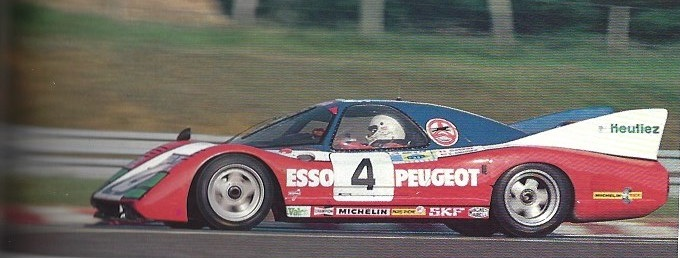
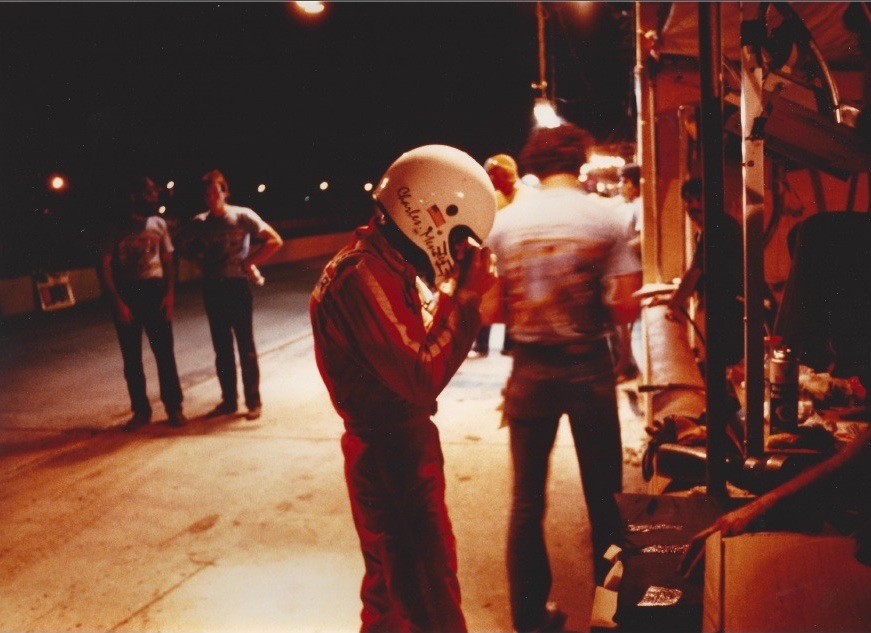
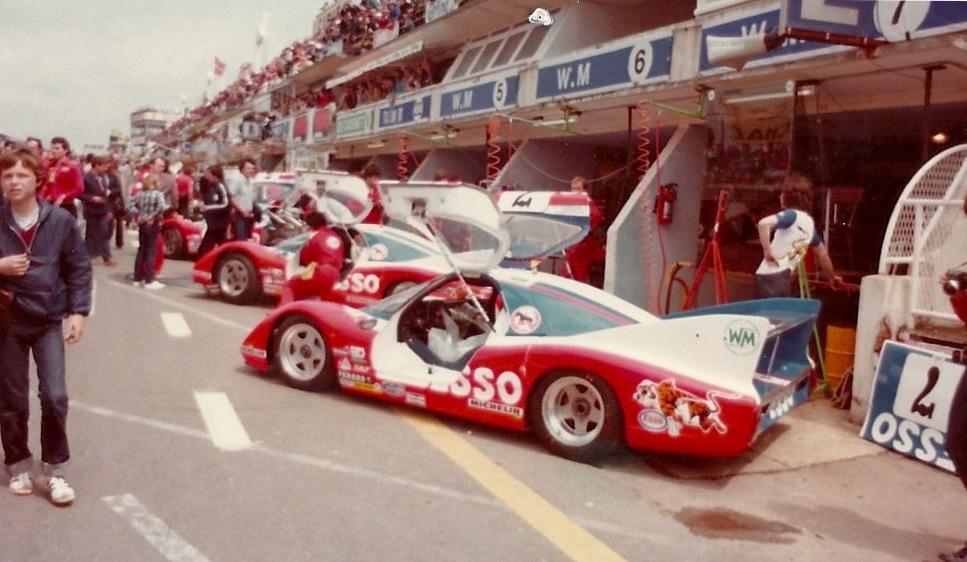
His 1981 Le Mans run became a masterclass in privateer improvisation. He convinced the team to add a right‑front fender mirror because the interior view was blocked by the engine, and even used foam padding to fix dangerous slack in the seat belts. Brake hardware mismatches created severe fade, leaving him to “pump the pedal and even slide down in the seat to use his left foot for braking after the Mulsanne kink” . A broken steering arm at 1:30 a.m. cost an hour in the pits, but Mendez finished the race—an achievement he still considers meaningful.
 Photo courtesy Charles Mendez
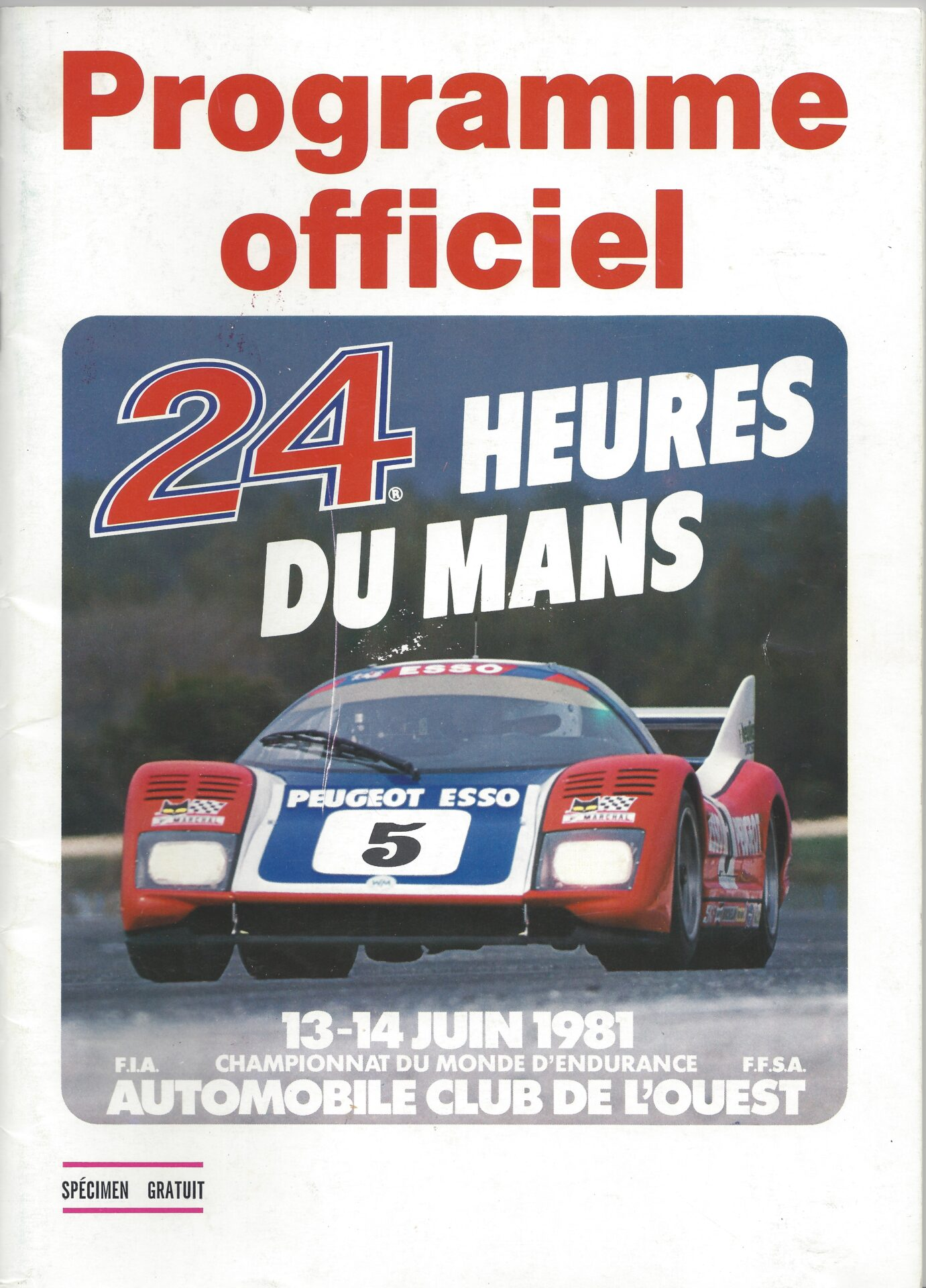
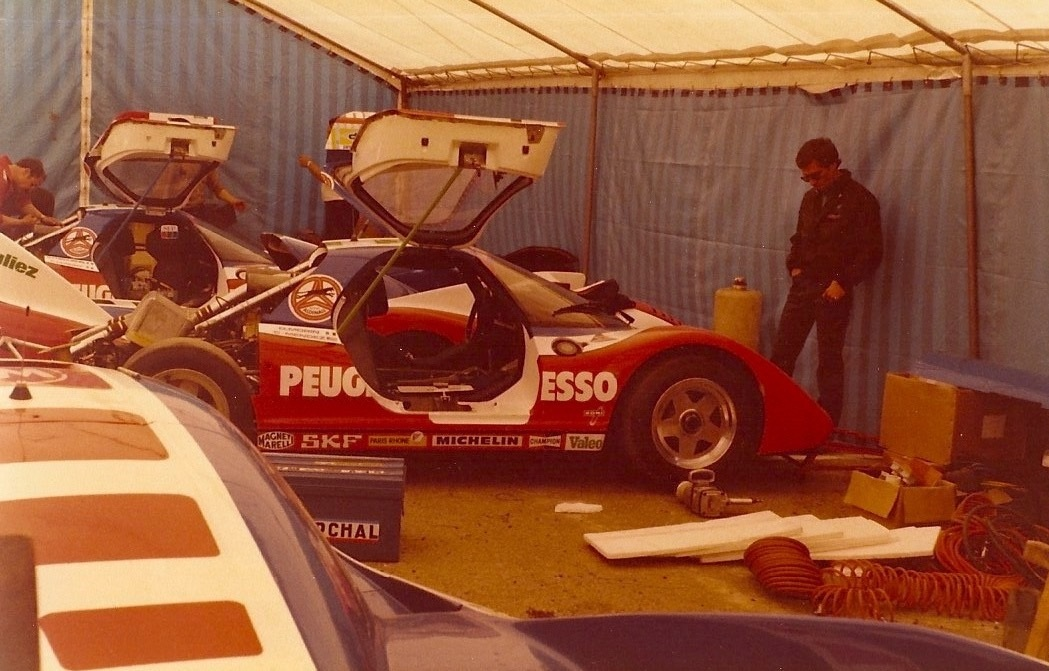
Those experiences shaped his future. Witnessing catastrophic crashes and feeling the weight of team ownership convinced him to step back from running cars and instead focus on taking rides. His advice to young drivers is grounded in lived experience: never give up, avoid overconfidence, and remember that seats are fiercely contested. He also appreciates how far endurance racing has come—“track surfaces, runoff, curbing and car reliability have advanced since the pre‑Mulsanne‑chicane era” —and welcomes events like Le Mans Classic for keeping historic machinery alive.
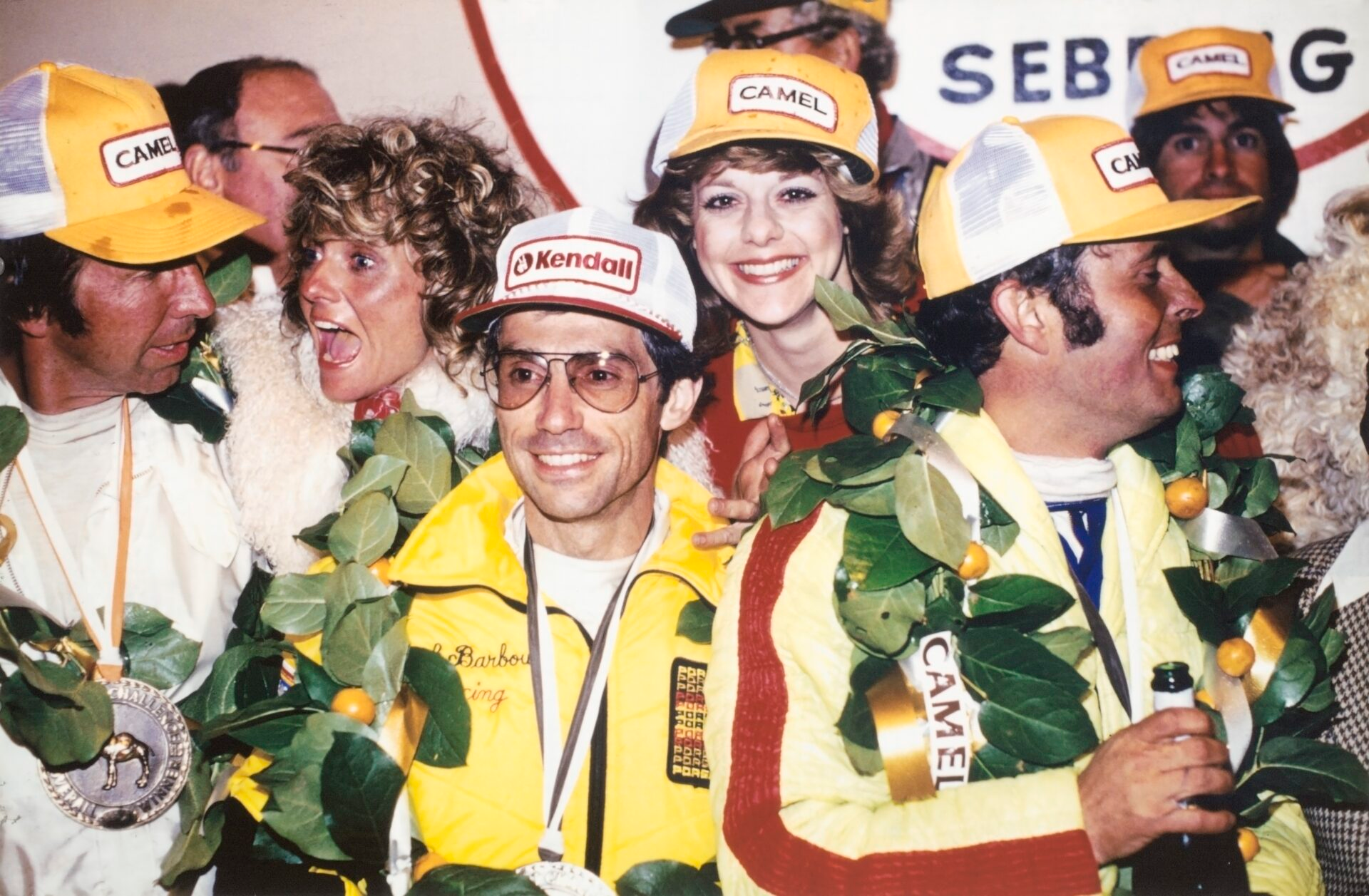
Today, Mendez remains connected to the sport through mentoring and community work. He enjoys spirited drives in his Cayman GT4 RS but has no plans to return to competition. His Le Mans chapters may be modest in number, but they embody the quiet influence of privateers who helped sustain endurance racing’s culture. They are the racers who showed up, adapted, and kept the spirit of Le Mans alive long after the checkered flag.
Become a member of the ACO USA!
 Once you become a Member you can follow all the action on the Facebook group ACOUSAMembersClub; and become part of the Legend with future Evening With A Legend meet ups.
This content has been brought to you in-part with support from...