

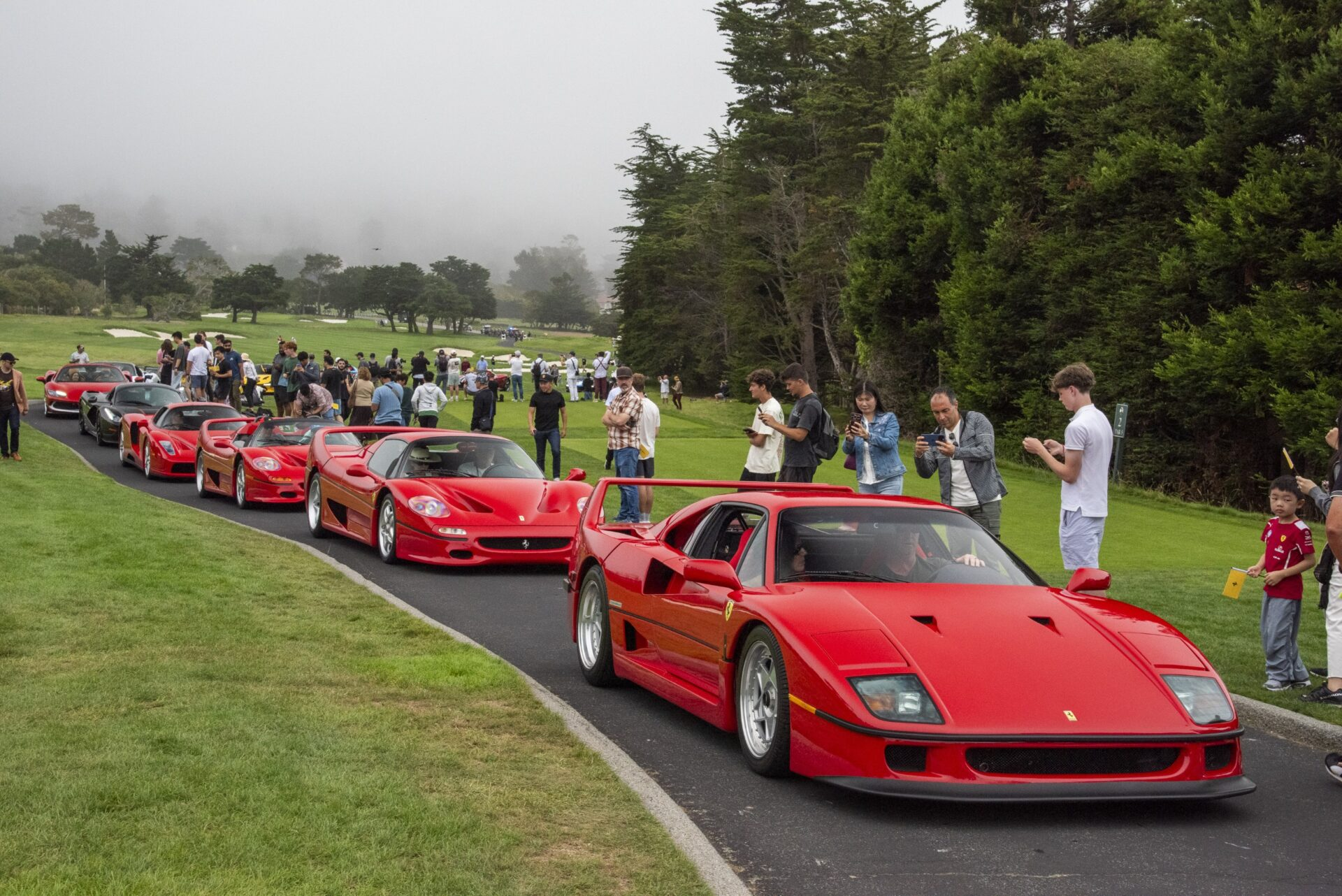
For more than seven decades, the Pebble Beach Concours d’Elegance has stood as the pinnacle of automotive celebration — a place where craftsmanship, history, and passion converge on one of the most iconic stretches of coastline in the world. Now, after forty years of Sandra Button’s leadership, the Concours enters a new chapter under the stewardship of Vince Finaldi, a lifelong enthusiast whose journey to the lawn is anything but conventional.



Finaldi’s story begins long before his own career took shape. Born into an Italian automotive family, he grew up surrounded by the rhythm of restoration work — Ferraris, Miuras, Alfa Romeos, and the European machinery his father and uncles specialized in. That early exposure shaped not only his mechanical instincts but also his appreciation for the stories behind the cars.
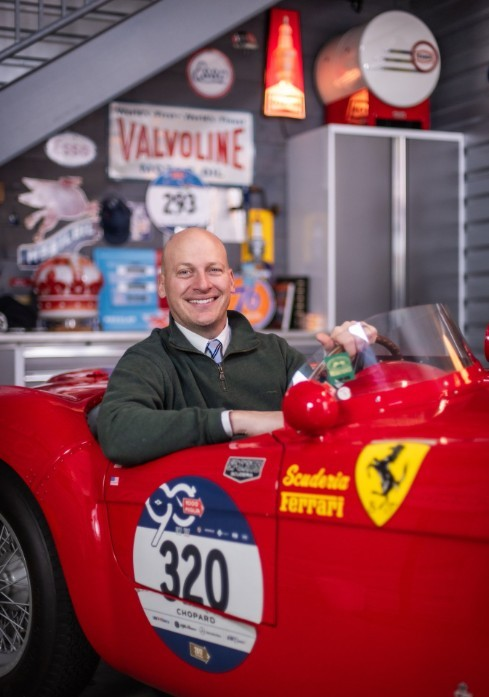
After serving in the U.S. Marines and putting himself through college and law school, Finaldi spent more than two decades as a trial attorney handling emotionally demanding civil litigation. Through it all, cars remained his outlet, his grounding force, and eventually, his second life.
Synopsis
Break/Fix Podcast returns with an interview with Vince Finaldi, who is taking over leadership of the Pebble Beach Concours d’Elegance after Sandra Button’s 40-year tenure. Finaldi shares his Italian-American automotive family history, early exposure to imported exotics, and a lifelong buy-fix-sell approach that funded his education after four years as a Marine infantryman, alongside a 22-year career as a trial lawyer handling high-stakes civil cases for sexual abuse victims. He recounts chasing and restoring Lamborghini Miuras, including buying one in 2015 with help from Valentino Balboni and sourcing rare parts through industry contacts. Vince explains how Pebble Beach must evolve carefully by welcoming important newer cars while preserving rigorous judging standards, emphasizing the concours as a “classroom,” its charity mission, youth-access programs, and upcoming celebrations including the 75th anniversary and a major Miura gathering for its 60th anniversary.
- Growing up around European machinery, what aspects of restoration or mechanical work still give you the most satisfaction today?
- You’ve described cars as the outlet that kept you sane during an incredibly stressful legal career; what did that balance teach you about yourself?
- You’ve said your collection is always evolving—what guides your choices, and what draws you to a car at this stage in your life?
- When you moved to the Monterey Peninsula and opened your shop, what changed for you personally and professionally?
- How did you personally process the moment when it became clear that you might be the one stepping into leadership after Sandra Button’s forty‑year tenure?
- You’ve emphasized that Pebble Beach is a “living, breathing event.” How do you define the right pace and tone for its evolution?
- What do you see as the biggest opportunities—and the biggest risks—when it comes to attracting younger enthusiasts to Pebble Beach?
- With ticket prices being a real barrier for younger fans, how do you think about accessibility while maintaining the standard Pebble Beach is known for?
- As you look ahead a few years, what kinds of changes or additions do you imagine might appear on the lawn, especially as newer apex cars enter the conversation?
Transcript
Crew Chief Brad: [00:00:00] BreakFix podcast is all about capturing the living history of people from all over the autosphere, from wrench turners and racers to artists, authors, designers, and everything in between. Our goal is to inspire a new generation of petrol heads that wonder, how did they get that job or become that person?
The road to success is paved by all of us, because everyone has a story.
Crew Chief Eric: The Pebble Beach Concours d’Elegance is entering a new era. After 40 years of constant leadership, the world’s most prestigious concours turns to Vince Finaldi this fall, a third-generation car guy whose life has swung between high-stakes courtroom battles and the calming precision of restoration work.
From his family’s Italian-born automotive lineage to the shop he built on the Monterey Peninsula, Vince has always returned to the garage as a place that keeps him grounded.
Don Weberg: Now, he’s stepping into one of the most influential roles in the collector car [00:01:00] world, tasked with guiding a living institution as it evolves for a new generation, without losing the soul that made Pebble Beach iconic.
In this episode, we dig into his journey, his philosophy, and the vision he’ll bring to the lawn.
Crew Chief Eric: That’s right, and joining me tonight is returning co-host Don Wieberg from Garage Style Magazine, one of the many personalities on the Motoring Podcast Network. So welcome back to the studio, Don.
Don Weberg: Thank you, Eric.
Good to be here.
Crew Chief Eric: And with that, let’s officially welcome Vince to BreakFix.
Don Weberg: Welcome, Vince.
Vince Finaldi: Thanks for having me, folks.
Crew Chief Eric: Well, Vince, like all good BreakFix stories, there’s a superhero origin story out there. So as we said in the intro, your family’s automotive roots go all the way back to Italy and, I’ve come to understand, the early General Motors days.
So let’s talk about how that heritage has shaped the way you see craftsmanship, restoration, and all-around car culture.
Vince Finaldi: Sure. So I mean, I guess it started with my grandfather, who’s from Italy. When he was very young, his father died at a young age, so his mother would [00:02:00] bring him and the kids out to the US.
This is the early, early 1900s. So he spoke the language and eventually started working in, in the automotive world here in the US. You know, this is before the ’20s for GM, uh, in the R&D. They would have an engine, engine would break down, he’d take it apart, figure out why it broke, and discuss with the engineers how to kind of re-engineer or fix things.
’20s happened, uh, you know, Depression, layoffs. You know, he was obviously a foreigner, one of the first ones to be laid off. Went back to Italy, opened other, you know, automotive related businesses, and that’s, you know, when my father was born and his brothers. And so they kind of grew up in the car world there in Italy, emigrated here to the US in the ’60s to Chicago, opened up their own shops, uh, and then eventually moved to Southern California and opened their own shops as well.
Types of shops were mechanic shops, body shops, and also shops involving tractors, earth movers. So from a very young age, I grew up [00:03:00] in shops. Um, that’s kind of all I knew. That’s what all my family did is- You know, a automotive. They also imported and exported Italian sports cars, ’cause back then there were not a lot of dealers that you can go and buy and sell them from, so that was kind of another avenue for, of business for them.
So I always had cars coming in and out of the house and the shop. I always wanted to be at the shop. I didn’t want to be at home. Any time I could be anywhere, I, I didn’t want to be playing sports, I didn’t want to be at home, I wanted to be at the shop playing with cars, as were a lot of kids, you know, in, in my generation.
Yeah, so that’s kind of the genesis of my entry into the car world, if you will.
Crew Chief Eric: So was there any one particular car or cars that rolled in or out of the shop that you went, “I want one of those when I grow up”?
Vince Finaldi: Yeah, pretty much all the cars that he would import and, uh, and then sell. You know, the way it would work is, you know, I’d, I’d come from home from school, you know, I’m five, six years old, and, and I’d go look in the garage and there’d be a Ferrari in there.
I’m like, “Wow, this is cool.” And you know, I’d sit in it and I’d play with the buttons and I’d look [00:04:00] at it, and I had like, “This is my car. This one’s not going anywhere.” And then, you know, a couple days later I’d come home from school and I’d look and the car is gone, and it’s like, “Where did it go?” And my mom’s like, “Well, he sold it.
That’s the way it works.” So I’d cry and I’d be upset and, you know, for another couple weeks until another car would show up, and this time it’d be, you know, a Lamborghini Miura. And I’m like, “Wow, this one’s even better,” and I’d fall in love with that one, and then, uh, same thing would happen. And so wash, rinse, repeat, I fell in love with many cars as a youngster, but I also got steeled to the process of buying and selling and cars as a business, if you will.
Whatever that attachment is that some collectors have where they buy a car and they never get rid of it and they can never imagine selling it, that got weaned out of my system at a young age, if you will. So which car was the ultimate? I mean, the, the Miura was the one that, you know, really, really imprinted on me very heavily.
Kind of a double-edged sword because that’s one car of the many that we had in the shop through the years, Ferraris, and [00:05:00] Alfa Romeos, and you know, you name it, US sports cars, and Corvettes, and that’s one car that always kind of just went up in price throughout the decades, and went up and up. I would say it’s an elevator that, that only goes up, and it’s continuing.
You know? It’s, it’s a car that’s really broken a lot of molds, widely recognized as the first supercar. And you know, so the double-edged sword side is that I always wanted one, but prices were always outpacing me and outpacing me. And so anything I was doing to try and get my hands on one, it was just a really difficult car to chase.
So I don’t know if the reason why that one imprinted on me so much is just because of the car itself or if it’s also because that was the really elusive one that I couldn’t catch until much later on in my restoring, playing with, collecting, chasing journey.
Crew Chief Eric: And when we look back over your career, obviously you went into law, but you also stayed in the car world at the same time- Yeah
with your own restoration shop. So you know, [00:06:00] as they say, the apple does not fall far from the tree. When you look back on all those years, you know, hanging out with your dad, and his brothers, and grandpa, and all that kind of thing, was there something that you carried forward with you? Were there family traditions that you carried into your restoration business?
And if so, what were those?
Vince Finaldi: Yeah, I don’t know if it’s traditions or if it’s business practices, you know? ‘Cause it, kind of what they would do is they’d supplement the core business, you know, whether it’s the body shop or the mechanic shop, with buying and selling cars. And they’d buy and sell cars that they were into and they liked, and they knew that they could make a profit on.
Sometime they’d buy cars that were in a collision or something, and they’d repair them and sell them. What I learned is that, you know, you, you know, you really make your money on a car when you buy it. If you buy it right, that’s really the way to do it. And um, you can improve a car, and then get it into a condition where when you’re ready to move it on to the next collector or owner, you can take that fund, if you will, and then use it to buy another car, and kind of, you know, wash, rinse, repeat.
That’s something that I learned at a young age. And I, and I started with skateboards, [00:07:00] and then bicycles, and then I moved to mopeds, and then I moved to go-karts, and then I moved to cars at 15 years old. Cheapest car I can get, and then, you know, moving up to a little more expensive one, and a little more expensive ones.
You know, by the time I was out of high school, you know, I went into the Marine Corps, and I served as an infantryman for four years, but I was still doing this on the side. You know, I’d buy a Jeep or something, and fix it up, and sell it, and squirrel away some of the money. So when I got out, you know, I used the GI Bill and I went to college.
And you know, my dad said, “Look, I know you’d love to open a shop and do that for a living, but I don’t think this is the path for you. You know, you’re, you do really well in school, you always have, and you have an opportunity to do things, uh, with higher education and maybe with a career that I didn’t really have a chance to do.”
So why don’t you just see where, you know, your higher education takes you, and you can always do cars on the side And so I said, “All right, let’s do that.” And so I, I continued in, in higher education and, you know, I ended up having a friend who was, you know, in law school, and I never knew a lawyer growing up.
I never [00:08:00] encountered a lawyer in my life. But, you know, I was looking at his homework and I’m like, “Wow, this is pretty interesting, you know, and this doesn’t even seem like it’s work.” And so I decided to take some law classes and, you know, ended up going to law school and becoming a lawyer. But on the side, partially to get myself through college, I was waiting tables, I was using the GI Bill, and I was also buying and fixing cars and selling them.
So that’s kinda how I was able to put myself through undergraduate work and then through law school with barely any debt. And so this has been a lifelong thing. And then, you know, once I became a lawyer, I had more money with which to kind of play with cars. So, you know, it’s a chicken or the egg thing, you know?
Are, are you, are you, are you working so you can get the cars, or are you us- you getting the cars so that you can, you can work and get a better job and do education? They’re kind of both intertwined. It, you can’t separate them.
Crew Chief Eric: So has a Miura ever graced your shop after all these years?
Vince Finaldi: Yeah. Yeah. So I finally, finally caught up to the Miura elevator in 2015.
Took me that long. So I was, you know, almost, what, 40 [00:09:00] years old almost by the time I finally caught one. And it wasn’t the best one, it was in Belgium. It’s kind of a funny story. I, I met through some people Valentino Balboni, who was the legendary test driver for Lamborghini for 30 years, and he test drove almost every single Countach that came off the line, many of the Miuras.
And, uh, now he does consulting work, and you can hire him to go meet with you and to inspect a car, drive it, you know, kind of give you the thumbs up if it’s a car you’re looking to buy. And at the time I bought it, it was really expensive. I w- it was uncomfortably expensive, let me say that. But I knew it’s the car that I always wanted.
And so he met me there in Belgium, looked over the car and he said, “Look, it’s good. The numbers are good. The engine’s matching. You know, let’s go drive it.” He hops in, I get in the passenger seat. We’re driving through the fields and farms in Belgium, right? I had driven a lot of cars in my life, but I had never driven a Miura.
He pulls over and he gets out of the car, and I’m like, “What’s going on? Is there something wrong with the car?” You know, and he goes, “No, it’s your turn.” And I’m like, I’m like, “Oh, great.” So I [00:10:00] gotta drive this thing for the first time in my life with Valentino Balboni sitting in the passenger seat, and I’m thinking, you know, “I’m gonna stall this thing or…”
Yeah, that was my introduction to actually driving one. Yeah, I, I, I owned it. We restored it. I ended up selling it. I took that money and bought two Miuras. You know, one that was better, one that was in major need of restoration. I sold the better one, used some of that money to restore the other one, and I kind of did that a few different times.
So I’ve owned about five Miuras, uh, various parts and collection of parts and all kinds of stuff. So y- I got pretty deep in the, in the Miura world, if you will.
Crew Chief Eric: So you are the opposite of the saying that I usually throw out there, which is never drive your heroes. So you’ve expanded upon the love and the passion, and you actually adore these cars.
Vince Finaldi: Yeah, yeah. As part of the, the gig, I mean, it’s really hard to come across Miura parts- parts. They’re just not there. You know, the factory doesn’t even have them. So in order to restore some of these cars, I had to find parts, you know. So I actually got introduced to Claudio Zampolli, who used, he [00:11:00] was the first person actually sent by the factory here to the US to work on these cars, ’cause so many were having issues.
So they supplied him with parts and, you know, the know-how and, and so he was working on cars for years and years. As he got towards the later part of his life, you know, I found out that he still had a bunch of parts and things, so I was able to buy his collection of Lamborghini parts and manuals and tools that he’d had for 40 years.
Yeah, the Lamborghini journey kind of took me down many different paths, but it all started because my dad had bought that first one back in, what, 1978 maybe? He would take me and my two brothers out for drives together in it. So the three of us would be in the passenger seat, and this is a P400, and he would go at a spirited pace, let’s say that.
You know, through the farms in, in Southern California when it was all, a lot of farmland and dairy land and, you know, you’d hear the sounds of the motor and, you know, the carburetors and the gears, and it was just… It’s a car that if you ever have a chance to drive in one, do it, because you [00:12:00] won’t forget it.
Don Weberg: I need to make sure that you know how many people out there are listening right now to you, Vince, and saying- Wait, wait, wait, wait, wait. His first Miura, he took a ride with Balboni, and then when he wanted parts, he called that other guy. Yeah. Do you know how many, not just Lamborghini guys, but car enthusiasts in general are listening right now, their mind is blown.
You’ve literally blown their mind. I mean, that’s incredible. I think that’s one thing I love about the car community is some of the people you meet, I mean, just through serendipity of having some of these cars, and then you find out, and correct me if I’m wrong, but those guys you’ve met, they’re pretty much just normal guys, aren’t they?
Vince Finaldi: Yeah. I mean, that’s one of the things about me is that I have an intellectual curiosity in the cars. I want to learn about them. I want to learn about how they work, who made them, how they made them, the whole history of the car, and that’s kind of what I do. Whenever I get into a car, I, I do a deep, deep dive.
Up my OCD side of my personality, I, I just do a, a deep dive on it. I learn everything I can about the car and just digest every single manual and, and piece [00:13:00] of video. Yeah, so that leads me sometimes to people who helped to make the cars, and yeah, pick up the phone and call them, and they’re normal people, and most of them are car guys, and yeah.
So this is not something that’s special to me, like, oh, special, and I was able to meet these– Anyone can do it. All you have to do is just find them and pick up the phone and ask them the question, you know, and, uh, if you get the yes, then you’re in there. But that’s part of the joy of the car hobby for me, you know, not just owning a car and, you know, I, I, I like all facets of it.
I, I like the maintenance of cars. I like the, you know, re- preparing the cars. I like modifying cars. I like concourse restorations. I like the history of– I like all of it, the automobilia. I think it’s the joy of this whole car hobby, you know. It’s, it’s not just limited to one thing.
Don Weberg: One of our last conversations, you went on the California Mille, if I remember correctly.
Vince Finaldi: Yes, I did go.
Don Weberg: But you were in search of a closed classic car, and I’m kind of wondering, did you ever find it?
Vince Finaldi: Not yet. Still looking, still kind of narrowing down exactly what I want to buy.
Don Weberg: Okay.
Vince Finaldi: As you know, this is [00:14:00] an interesting time period in the collector car world. You know, the last, let’s say, three decades, we saw a, a monumental increase in the value of these cars, many of them.
It was a pretty steady pace with a couple blips. You know, 2008 there was a blip, in late ’80s, early ’90s there was a blip as well. But generally, it was a pretty good curve. So what we’re seeing now is a change in the, some collectors aging out, some ’50s, ’60s collector cars that have generally been blue chip investment cars are kind of flattening out or even going down a little bit.
So, you know, if you’re someone who plans to hold a car and kind of stay in this market for a while, that’s something you gotta look at. People generally don’t wanna spend a bunch of money on a car and then have it, you know, lose half its value or something. So that’s, that’s all part of this game, you know?
It’s, it’s an interesting part of it. So yeah, I’m still kind of looking and, and thinking and deciding.
Don Weberg: Any particular brands catching your attention?
Vince Finaldi: I don’t know. I’d like to get something pre-war.
Don Weberg: Yeah.
Vince Finaldi: I love the pre-war [00:15:00] Bugattis, you know? Mm-hmm. I really like them. But, you know, once again, that’s a, that’s an elevator.
That’s a big one, and, and you can also get in rabbit holes on those cars. I mean, you know, there’s really, really great ones out there, and there are some that have been kind of pieced together from parts and cobbled together and, you know, they’re great for someone that can’t afford the best car. So that’s another thing that, you know, when you’re looking at getting a car like this, you have to go through your decision tree and see what you’re gonna use it for and what it can qualify to get into and, um, see if, if that’s gonna be something that’s good for you.
Don Weberg: For those events, do they have to be top level concours style cars, or can they be the cobblestone type cars you’re talking
Vince Finaldi: about? No, no, a- and it depends on the event. So the California Mille, for example, it, it mimics the, the Mille Miglia.
Don Weberg: Right.
Vince Finaldi: The Mille Miglia has opened cars 1957 and prior that would have actually run in the Mille Miglia.
Okay. Porsche 356 you can run, ’cause one of those ran in the Mille Miglia. Most Ferraris, um, you know, would be eligible You know, generally it’s gotta be a [00:16:00] real car, but if it’s got pieces from other cars or it’s been, uh, you know, repaired or something, then you’re still gonna be good, generally speaking.
Crew Chief Eric: Well, Vince, to use some legal jargon, you’ve established your credibility- … as a car guy in conversation. So let’s pivot and talk about your road to Monterey. So you’ve had all these things going on, you know, the California Amelia preparations, all your restorations, all the Miuras, everything we’ve covered so far.
How did we get from there to becoming the president of the Concours?
Vince Finaldi: It really wasn’t something that was planned. I was a trial lawyer. I was litigating really, really difficult civil cases for 22 years. I worked for the same firm for the entire time, became a partner rather quickly. Just really had a knack for this type of litigation, hardcore litigation and trial work.
We represented sexual abuse victims, so this is, you know, gut-wrenching stuff, you know, very emotional, tough cases to do all around. You’re usually litigating against these very well-funded institutions that hire [00:17:00] teams of attorneys, dozens of attorneys, and, and you’re litigating against them with a very, very slim team, sometimes just yourself.
So it’s really difficult, high-stakes litigation where if you’re not successful in the case, you don’t get paid and your client doesn’t get any recovery whatsoever. And sometimes for these clients, you’re kind of their last resort. Their abuser might be passed away or they, you know, were never held accountable.
They were never arrested because of political reasons or whatever. So there’s a lot of reasons why these are difficult cases. After 22 years of it- I was ready to kind of get out while I still had my health and, you know, had a great family and figured that I can, I can have a second career. I was young enough to be able to do that.
I was fortunate. I wanted to lean more into the car business and actually open my own shop and kind of figure things out from there. I, I knew I also wanted to do something where I’m giving back. I, I always felt fortunate. I was able to use my GI Bill and, you know, the jobs I worked to go to school and, you know, I had some people along the way that really helped me, great mentors and, you know, I was lucky that, you know, I just fell into a, you know, a line of work that I happened to [00:18:00] be really good at.
I think anyone who’s had any measure of success in life, they have to contribute a, a portion of it to luck. Not everyone in life gets that same luck, so I think giving back is, is really important for anyone. So, um, yeah, we moved up to Carmel, which we had been coming to for years, and I opened a shop and started restoring cars.
I just met some people within the Pebble Beach Company and the community and car people, and we became friends and, you know, they started saying, “Look, we’re looking for someone to kind of carry on the torch in the Concourse, and maybe you’d be a good choice for it.” Yeah, so first I, I just kept saying, “No, that’s, that’s not me.”
You know, I’m not looking to be the Concourse person. I, you know, I, I like cars, but I like driving them, repairing them. I like– I can do paintwork, I can do metalwork, I can do mechanical work myself. That’s me. They said, “Well, you know, you, you’ve done well in business. You know how to run a business. You know cars.
It’s really hard to find someone who straddles both of those.” You know, you find a lot of car people out there who are not really good at business, a lot of business people who don’t know anything about [00:19:00] cars, but it’s really hard to find someone that straddles both and is also young enough that they can kind of carry the torch on something like this for a number of years.
But what really got me was learning that All the money that the Pebble Beach Concourse raises for charity and gives away to charity every year, which is, you know, a huge focus of it. And that’s what really got me interested more. So I took some meetings, just realized that our interests align. You know, we kind of have the same passion for the collector car hobby and the community, and continuing this passion that’s really given so much to mine and other people’s lives.
And that’s when I decided to pursue it and, and to go forward with it, you know? So it, it kind of is something that fell into my lap, if you will. It’s not something I pursued or even saw myself doing, but now that I’m here, I can see that, you know, it probably happened for a reason, you know? My wife, you know, earlier on in the process was like, “Why are you so hesitant to this?”
You know? “You know a lot of these people anyways. You go to most of these events. You’re gonna deal with cars until you die. They give back to charity. You wanna [00:20:00] do something where you’re giving back. What’s the hold up?” And, you know, I was like, “Well, that’s why I married someone who’s smarter than me.” She gives good advice.
Yeah, so that’s kinda how I got here. It’s, it’s, it’s weird.
Crew Chief Eric: Could that hesitation also have been because you’re stepping into the shadow of Sandra Button’s 40-year tenure? I mean, those are some pretty big shoes to fill.
Vince Finaldi: Yeah, I don’t think it was that, you know? In, in my career, you know, I’ve done a lot of things.
We really were trailblazers that paved the path for a lot of people to be able to finally hold their users accountable and get recoveries. We changed the laws in order to allow a wide swath of people to actually do these types of cases across the US. In, in doing this type of work, you’re standing up against large corporations, large insurance companies, and you’re, you’re getting beaten up from, from the left and from the right.
So I’ve never been a person, just out of my, my nature and character, to kind of back down from a fight or a challenge, you know? I’m, I’m the one that, that runs into the fire, if you will. It wasn’t that. It was [00:21:00] more that I didn’t think I was someone who’s solely a Concourse person. And, and I figured they’re looking for someone who’s a hardcore Concourse person, who’s all about the Concourse and nothing else.
And it turns out that that’s not what they were looking for, and that’s not what they felt was best for the Concourse. And when I talked to other people, including Sandra, in this whole Concourse world- I learned that that’s really not what, you know, you want. You want someone who’s kind of a car person, who understands the whole hobby.
Because in order to have a successful concourse, you need to be able to see where this whole hobby’s going, to kind of portend what’s gonna happen before it happens so that you can keep the concourse alive and living, and is something that’s, that’s a leader in the field.
Crew Chief Eric: Well, you opened a very special door to a conversation that we could probably do a whole episode on.
Vince Finaldi: Your door unlocked.
Crew Chief Eric: It, it, yes. And Don is chomping at the bit here, but it hit the nail on the head. It’s the evolution of the- Yeah … concourse as we know it.
Don Weberg: It’s double-barreled for me. [00:22:00] I, I only have one mouth, and there are so many questions trying to come out. I, I’m gonna let you lead the charge, and I’ll follow up behind you, ’cause, eh, Vince, you did, you opened up not a door, man, you opened up a whole, you know.
Vince Finaldi: Well, it’s the million-dollar question. I mean, you know, when I was going through the interview process and when I was talking to some of these bigger collectors and, you know, in, in, in my due diligence process, first question I get, and I still get, is, “Well, what are you gonna change? Why are you gonna change things?”
And, you know, “I hope you don’t change things.” And it’s all, all the questions revolve around change. And first thing I told the people that I spoke to during this process is I said, “Look, if, you know, whoever you choose, whoever you choose, if someone comes in there and starts telling you about all these things they’re gonna change and they’re gonna tweak and they’re gonna change, wrong person.
That’s just, that’s absolutely the wrong build. So choose whoever you want, but please take that as a, as a really important consideration. What you need to do is get into the role and figure it out.” Figure out what makes it tick and kind of see where, you [00:23:00] know, where it is, the temperature, if you will. And yeah, adjustments will need to be made.
That’s the case with any business. But it’s the pinnacle concourse in the world. Most people say it’s the most important. Winning another concourse is winning that concourse, but winning Pebble Beach is winning Pebble Beach, and everyone in the car world knows what that is, right? So yeah, it’s an important thing that I’ll have to deal with, change, but it’s a necessary part of this car world, and it’s something that Pebble Beach has been doing for 75 years now.
It’s a, it’s a living, breathing event.
Don Weberg: Y- you mentioned that, you know, you gotta change it slowly. You gotta be careful. You gotta- Yeah … it’s almost totally organic how this thing is going to evolve, and that it is always inorganic in its evolution. Just so some of our listeners cue in on this, what have been some of those changes that you’ve seen-
Vince Finaldi: Sure
Don Weberg: and that the Concours went through? Sure. What are some of the genres of automobiles that have been welcomed to the Concours that maybe 20 years ago or 30 years ago, there’s no way we would have had that car on the field, [00:24:00] but now-
Vince Finaldi: A, a Concours d’Elegance is nothing more than a contest of elegance. You know, if you go back to the, you know, the early 1900s, these started in Europe, where, you know, someone would have this fantastic one-off car that costs more than 1,000 people’s salaries, and they would take it to a park, along with some other people who had cars of similar nature.
I mean, they’d have a, their wife or something dress in a, in, in some amazing gown, and they would have a contest of which car and which gown is the most luxurious and, and elegant. You know, after cars came here to the US, we started having those events as well. The first Pebble Beach Concours was in 1950.
And it was something that was tagged onto the Pebble Beach road races, which started that year as well. Early years of the Pebble Beach Concourse, a lot of cars were just, some of them were just brand new, like Jaguars, and MGs, and Austin Healeys, and some were some really great cars from the ’20s, and the ’30s, and the ’40s.
But in order to stay alive, and to stay relevant, [00:25:00] and to grow, the Concourse, you know, has gone through many different changes. You know, we added something that, which is the Tour of Elegance, which is Thursdays, where these cars go and they do a drive, and you can actually see them being used and exercised.
And that was done because that’s the way you bring people into the, into the community. It’s, seeing a car static is one thing. Seeing it on the road and being used is a, an entirely different thing, you know? So that’s something that’s gained in popularity. For many people, it’s their favorite part of Car Week, is watching the tour and watching these cars go down to, you know, drive down to Big Sur and back.
But there have been oth- other things as well. The introduction of more post-war cars and different classes of cars, newer cars. This is something that the Concourse has been doing for years, and years, and years in order to remain relevant, to bring in new collectors, to keep young people interested in the, in the hobby.
Crew Chief Eric: And you alluded to this earlier about the shift in the car culture, and investments, and things like that. And so as I read between the lines, it [00:26:00] harkens back to a project that I was working on with some fellow creators here on the NPN at the tail end of last year, beginning of this year, where we were doing some research into Dolce Vita era Ferraris.
Where they sit in the market, is that a type of car people wanna buy anymore? You know, there’s all these arguments that, let’s say a 250 GTO, it’s a bygone era. People are more interested investing in McLaren F1s. That’s gonna be the new GTO of 2026, let’s just say. And so there’s this cultural shift because, as you said, collectors are aging out, and folks at their peak earning potential are moving into the space.
Yeah. But it’s always the car that was on your wall as a kid is the car that you wanna see on the lawn. So how does Pebble embrace that in the future as you begin to see more F40s, and 959s, and Diablos, and things like that, instead of SSK Mercedes, and 1920s Bugattis, and things like that?
Vince Finaldi: So there’s two parts of that.
The first part is the whole financial element of it. Back 30, 40 years ago, the mantra was buy [00:27:00] what you love and, you know, worst case scenario, if the value goes down a little bit, if it goes up a little bit, you’re gonna be fine because you’re gonna have a car you love. And that mantra worked really well, it was great advice when the cars are worth $3,000, $5,000, $10,000, $15,000, right?
Now, it’s, it’s a bit of a different world, and that mantra still holds true, you know, if you plan on keeping the car. But eventually, you know, you’re gonna have an exit strategy for the car. And if, and if you’re spending a considerable amount of money on the car, you can’t just ignore that, right? Most people don’t just ignore that element.
You’ve got to take into consideration what’s gonna happen with the value of the car. And so it’s just looked at in a different way. You know, you, you talk about the popularity of these new cars and, you know, what some of them are selling for now. I think part of it is fueled by that, by the whole investment and the business side of the car collecting hobby.
You kind of have to look at both. As far as the show field, the show field has always been kind of changing. And so what I tell [00:28:00] people is that a great car is always gonna be a great car, right? A Type 35 Bugatti is a great car. It’s a car that was so ahead of its time, at least a decade ahead of all the other cars it was racing.
That’s why it won every single race. Privateers would take the car right out of the box, and they’d go and they’d win races. And when they won races, it was printed that the Bugatti won and the Bugatti brand kind of gained by people who weren’t even these famous race car drivers. It’s always gonna be an important car.
It’s always gonna be a great car. Same thing with the Gullwing. And, and there’s other cars that are kind of like that. You know, the, the Lamborghini Miura is one of mine. You know, I’ve got a soft spot for it I think what’s important is to make sure you’re bringing in new cars that are important cars. You know, a, a McLaren F1, very important car.
Definitely a collector car. That’s a car that broke many barriers. It was way ahead of its time. And so, yeah, it’s got a place on the show field. And what you can do is, you know, a lot of these kids go straight for the McLaren [00:29:00] F1. That’s what they wanna look at. But when they’re on the show field, then they see that, you know, hey, there’s another car, a Ferrari from the ’60s that, that has three seating position as well, you know, which is, “Wow, I, I didn’t know there was another car like that.”
And then they look and they see a, a Bugatti Type 35, and they start learning more. You know, the concours field becomes a classroom where they learn about cars and they get interested in these cars, and that’s how you keep some of the older cars alive. You use the newer cars as a tool to educate and help, you know, new collectors understand the old stuff.
Crew Chief Eric: And I think it’s funny, having walked the show field myself, Pebble is full of different classes of cars that are out there. I often chuckle when I see, let’s say, something like an F40 that is already 40 years old at this point, and it’s considered modern. And it’s like, no it’s not.
Vince Finaldi: Yeah.
Crew Chief Eric: There’s been so many Ferraris after that.
So there has to be this shift in the classes too, where what was a modern is now a classic, cult classic type of car, is now just a classic car [00:30:00] along with- Yeah … all these other vintage cars that are out there. So again, how is Pebble going to embrace what I call these mid-period cars now? Because they’re from the late ’70s, you know, the malaise era, the ’80s and the ’90s, and even the early 2000s, there’s a lot of great cars in there.
But they’re not the same in terms of luxury, right? Yeah. Luxury cars sort of disappeared. Yeah, there were Maybachs and still Rolls-Royces and Bentleys and things like that, but the attention focused to what became the hypercar now, which was the supercar then, right?
Vince Finaldi: Yeah. So that’s something that, that the concours has already been doing.
I mean, we’ve had McLaren F1s on the show field. We’ve had Ferrari F40s on the show field. We’ve had all types of different newer supercars, if you will. And that’s something that, you know, in order to stay relevant, in order to kinda lead the pack, that’s something we had to do. That’s just something that’s gonna continue.
There’s a place for many of these cars, you know? The real trick is to figure out which ones are the great ones and which ones are not, because you still have to have room on the show field for [00:31:00] all your greats from the past, right? The Rolls-Royces, the Packards, the Duesenbergs, the Bugattis. Those are never going anywhere from the show field at, at Pebble, right?
What we’re doing is we’re making room for the newer greats. And so that comes in doing exactly what I was talking about earlier with my own collecting car hobby, is learning everything you can about the car and what makes it great. Why, why is the McLaren F1 great? Because it was a clean sheet car that was built and developed by, you know, a team that was led by the, one of the best engineers and designers of our generation.
Using what he learned in Formula 1.
Crew Chief Eric: Mm-hmm.
Vince Finaldi: And, and they took it to Le Mans and they won. They, they cleaned house with that car. And, and to do that is just so rare and is so incredible that, you know, for someone to say that that car does not have a place on the show field just doesn’t understand the history of the car.
If you understand the history of that car and how important it is and how ahead of its time it was, everyone would welcome it, right? Yeah, I, I think our [00:32:00] job is to kind of delve into that history and figure out which ones are the best ones of their marks and their makes to have there. You know, we’ve had a wedge class, for example, where it was all the wedge cars of the ’70s that kind of, you know, were the precursors, were the grandfathers to these hypercars and supercars you see now.
So it’s something that Pebble’s been doing for years, and my job is to continue that process with some of this newer stuff. Now, are we gonna see a Ferrari Luce on the show field? I don’t know. We’ll have to see. There’s a lot of opinions on it right now, and it’s probably a topic for another podcast, but this is part of the whole collector car hobby, you know?
Um, it’s part of what makes it great.
Don Weberg: Not to go down the Luce trail, but is there, has there been, and I missed it, I don’t know, but is there a place for EVs at this point? I mean, the EV, that’s not a new concept. You know, so many people look at the, the Prius and the, the Tesla.
Vince Finaldi: We’ve had EVs on the, on the show field many, many, many years ago because, you know, some of the earliest cars were electric.[00:33:00]
Don Weberg: Tell us about some of those cars that you had on the field. What were they?
Vince Finaldi: Oh, man, so I, I can’t get into the, the exact details, but I can tell you that, you know, in the, in the early 1900s, I think we had 2,000 car manufacturers in the US, and a lot of them were making electric vehicles. A lot of these electric vehicles were actually, they were catering towards females because they’re easier to drive.
You, they’re not dirty. They wouldn’t get their dresses all dirty. So they were used as these clean cars that got around and, you know, for some reason, the combustion engine cars are the ones that really grab hold, and there’s many different reasons why. There are many different industries that lobbied to push forward the combustion engine and to, to kind of kill the EV, if you will.
Uh, electric vehicles have, have been around for quite a long time. You know, the question is, which ones are the right ones? Are, are you just gonna take a standard Tesla and put it on the show field and say that that’s elegant and that belongs there? I’d say no, that’s not gonna happen, right? But are there some EVs that might make their way in?
We’ll just have to see.
Crew Chief Eric: [00:34:00] Earlier, you talked about how the show field becomes a classroom. Mm-hmm. And, and that’s for car enthusiasts of all ages. But let’s hone in on the younger crowd that, you know, you wanna bring into the fold. You wanna mold them and become part of the Pebble Beach Concours culture.
But let’s face the hard facts. Ticket prices are not cheap. Yeah. And so these younger kids wanna see these more modern cars. Well, I can go to Cars and Coffee, or I can go here, and I can go there, and I don’t have to spend the same, right? ‘Cause we make those budgetary decisions. How are you trying to embrace the younger folks?
How are you trying to make accommodations for them to come in?
Vince Finaldi: Yeah, so, um, we’ve, we’ve got special programs that we can use in order to get tickets for youngsters to come in, and there’s a lot of things you can see Without actually going to the Concours itself. You can go to the tour, and the tour’s free.
So you can see all these cars on the tour. You can see them being used, see them being displayed. You can go to Concours Village and see all the manufacturers’ displays and all, all the [00:35:00] different things we have there and the vendors. You can go and, and look at all the Ferraris on the lawn on the, on the first tee with Casa Ferrari, and you can go on the Concept Lawn to see all the concept cars, and this is all, all free.
So, um, it’s, it’s not the case that, um, it costs, you know, an incredible amount of money to come and see and enjoy and witness these cars. But on the other side of the coin, Car Week is not what it used to be. You know, it’s grown into a, you know, a very, very, very big-
Crew Chief Eric: Feels like Car Month.
Vince Finaldi: Yeah, I mean, I mean, it’s Car Christmas.
People come from all over the world and, and for a lot of people in our community, it’s more important than Christmas, you know? Probably sacrilegious to say that, but you know, they, they look forward to Car Week more than they look forward to certain holidays. Let me put it that way. I’ll try and be diplomatic, right?
And so as a, as a company, you, you have to deal with things like security. You have to deal with traffic. You have to deal with all the things that go into the infrastructure of Car Week, and those things are expensive. You, [00:36:00] you have to deal with those on the business side of it, if you will, which we’re, you know, we’re talking about the whole business side of the Concours and the whole fun side and the show become a complicated thing.
And you add on another layer, which is we used to have auto shows. Remember those? What happened to the auto show, you know? We used to be able to go to New York Auto Show and Chicago Auto Show and Los Angeles Auto Show and, you know, you’d see a lot of the cars that we loved as kids, and that’s where they were unveiled.
You know, they had the Geneva Auto Show, where some of the best cars in the world were unveiled on the stand. Come collectors are, “You know, I’ve got this car, and this was actually the car from the Geneva Auto Show. You know, this is the one that was the car We don’t have those anymore
Don Weberg: And how many cars literally got their start there?
Y- you know, you with the love of Lamborghini- Yep … we all know the history of that first show.
Vince Finaldi: Exactly.
Don Weberg: First show, and if I remember correctly, and correct me if I’m wrong, I remember the story that, uh, Lamborghini forgot to sign up for the show, and when he did, they had one space left [00:37:00] and it was right next to the bar.
And it was a small space, but Lamborghini was like, “I’ll take it. That is a great place to be.” Why? Everybody’s going to the bar.
Vince Finaldi: Yep.
Don Weberg: And how many orders were filled right there? I mean, how many car company, it doesn’t matter we’re talking Lamborghini or Chrysler, it doesn’t matter. You show the latest, greatest, people come up with a checkbook, they wanna sign up.
I miss those days.
Vince Finaldi: So now a lot of that’s done, you know, here during Car Week. All the manufacturers are here, and this is where they unveil their new products. It’s become a, a, a behemoth, if you will, of business and fun all mixed into one.
Crew Chief Eric: And you keep mentioning the business side of this, and I don’t think a lot of people realize, you know, the business of a concours, but that also entails having competitors.
So when you think about how massive Car Week has become, when Don and I were there together a couple years ago, we attended 38 events in 10 days. W- that was just the middle of the iceberg, right? Yeah. There were so many things we couldn’t go to just because scheduling conflicts and everything else. [00:38:00] But to that end, when you look at Pebble Beach Concours top three rivals, who are those?
And how are you guys trying to play nice in the sandbox, let’s just
Vince Finaldi: say? Yeah, I, I don’t, I don’t, I wouldn’t call it rivals, actually. Each concours has its own kind of place in the concours world, if you will. And maybe it’s just feels like that way for me because we’re Pebble Beach, and we’re one of the leaders in the field.
I mean, we’re the pinnacle concours in the world and, you know, it’s kind of always been that way or been that way for quite a long time And, you know, we’re in an iconic location. It’s a mecca of golf, and it’s, you know, you’re on the 18th fairway, which is famous for many, many different reasons, and going all the way back to Bing Crosby playing there with the clambake.
And what, what I’ve seen is that the leaders of these concourses actually are, are friendly with one another. We go to one another’s events. I just got back from Villa d’Este. I helped to give out a trophy there and to select a car for the President’s Trophy, and I, I get along with all of them, and we’re all friend, ’cause we’re all part of the same [00:39:00] community.
And there’s room for all these events. People go to the ones they want to go to for the reasons they wanna go to ’em. We have more people that wanna come to our event year after year than can actually go here. It’s not something where, where, you know, you have to be territorially, if you will.
Crew Chief Eric: And I know where you’re going with that, right?
In, in simple terms, I like cars, you like cars, we all like cars together. Yeah. That, that makes total sense. With so many other, let’s say, top-tier concourses that have grown up through the years in the shadow of Pebble, wanting to be like Pebble- Yeah … doesn’t that give you license then to redefine what Pebble is or even maybe put up some guardrails and say, “You know what?
We do elegance really well, and elegance is defined as X,” which unfortunately pushes out, maybe alienates some of the newer cars that we were talking about earlier. But in your vision, your future vision, what does Pebble Beach Concours look like?
Vince Finaldi: Yeah, I, I think it just continues to kinda grow on and to be what it’s always been.
Pebble’s always been an event that accepts the best of the best cars. You [00:40:00] make it on the lawn at Pebble Beach- You know, you’ve made it. You, you don’t need to win a trophy. If you get your car on the lawn at Pebble Beach, you’ve already done something that most collectors in the world have never done and, and, and most will never even get a chance to do.
Just getting your car on the lawn means that your car is grouped with anywhere from 8 to 12 of the best cars in that class in the entire world. We’ve always been able to curate the best examples of each class year after year after year, and that’s because we have a great reputation, great history, and also some of the best people working on the Concours.
The best judges out there, the best experts, and the best people on the selection committee that are out helping to find these cars and to get them here. That’s something that we’re gonna continue to do and, and continue to be a leader in the field. That’s something that I think other Concours have kind of seen as, as a good thing.
We wanna get the best cars as well, and we wanna have rigorous, [00:41:00] disciplined, strict judging with real rules so that when you win Pebble Beach, everyone knows that that’s the best car in that class without a doubt. Some Concours out there, they’re not like that. You know, they have different types of judging.
They have popular judging or what you will, so you, you might win a, an award, top award from another Concours, but it doesn’t mean it was the best car there because they don’t have the same judging standards. That’s something that’s very important to me. It’s important to the Concours to, to adhere to those strict standards and to continue that.
Don Weberg: Then for some people who want to try to get their car on the lawn, I mean, do they pick up the phone and say, “Hey, I got a great Duesenberg”? How do they do that?
Vince Finaldi: Yeah, they go to the website. That’s where they can get the application. Anyone can apply. Anyone with any car can apply.
Don Weberg: Mm-hmm.
Vince Finaldi: And a lot do Application form talks about the different classes and the special classes that’ll be there that year.
And, um, you know, you can figure out which class that your car fits into, and, you know, you write down all the reasons why it’s a special car, and it’s a great car, and [00:42:00] you include photos, and you submit it. And if you’re selected, then you get to bring it here and, uh, be part of the show.
Crew Chief Eric: You know, you mentioned something about the special classes, or what I like to call the featured marque, and I really was impressed at how that changes every year.
Especially last year, Shelby was the featured marque, right? And so that was super cool as we had worked with Aaron Shelby on a project together and things like that. And so I was wondering, is it sort of like the Olympic Committee? You already know, like, years in advance what the featured marque is? Or is it, how do you guys organize, how do you figure that out?
Vince Finaldi: Yeah, kind of. You know, certain classes are very, very, very difficult to put together. And, and, and I’ll, I’ll go back 40 years into what I think was the most difficult class ever, which was the Bugatti Royales. Bugatti Royales were incredibly expensive, and I think it was 1985, Pebble Beach was able to assemble every single Bugatti Royale that was made, and it was on the lawn at the 18th Pebble Beach.
Happened one time, the only time they’ve been together, and it’s probably gonna be the only time it [00:43:00] ever happens in the world, because now they’re scattered at different collections, most of them in Europe. And the prices of those cars is so astronomical- That shipping them, it’s another world how expensive it is because of the insurance mainly.
But to get all those Bugattis together on the field, one of the cars was actually in, I think, Germany. Person who owned the car, I, I think the government had kind of seized the cars because, you know, there was an allegation that there was some tax issues or some, uh, nefarious activity in, in, in, with money, right?
So the car was seized by the government. So this is one of the Bugattis that came in for the Concourse. But in order to get it in, once it left the country, that person could potentially make a claim against the car saying, “Hey, this was improperly seized, and it shouldn’t have been seized and, and therefore should be given back to me,” right?
So they had to get basically diplomatic rights for the car to bring it in here so that it was immune from that type of thing, and that [00:44:00] was done through the federal government. So y- the amount that had to be done in order to bring those cars… And this was 1985 when the world was a lot less complicated, I would argue, than it is now.
And so to put that class together took years of work, negotiation, preparation, funding, and that’s something that, you know, Pebble’s been doing for years and years. So yeah, there’s classes that we’re prepping for 2028, 2029, 2030. Can I tell you what those ones are? No. You’re gonna have to find out like everyone else.
But I can tell you they’re gonna be great.
Crew Chief Eric: Well, you are gonna be king for a day. If Vince could have his own class, would it be a Lamborghini Miura class, or is there something else you personally, and I know it’s decided by committee, but that you personally want to see on the lawn at some point at Pebble?
Vince Finaldi: Yeah, there have been Miura classes. I’ve seen, you know, Miuras on the lawn for years. That’s something that’s not… Actually, for the first time, we’re actually gonna have cars on the third fairway. We’re opening up the entire third fairway to [00:45:00] Lamborghini because it’s the 60th anniversary of the Lamborghini Miura.
So we’re gonna have a huge gathering of Miuras all on the third lawn this year, and we’re hoping to have the largest gathering ever of Miuras. I think the largest one before this was 30 cars, and we’re looking to beat that, and I think we have a very good chance of doing it. But to say, you know, which other class, I, I just wanna have interesting classes of cars that people are gonna love and that maybe have never been together and may never be together again for various different reasons.
As long as we continue to do that, I’ll be happy and, and I’ll think that’s a good thing.
Don Weberg: Eric, I just wanna say, I, I think- Nope … you know, Vince, I speak for a lot of us when I bring this up.
Crew Chief Eric: Nope.
Don Weberg: At some point, I think you need to have a Chrysler TC by Maserati class. I just do.
Vince Finaldi: T by Maserati.
Don Weberg: That’s it. Best car ever made right there
Vince Finaldi: You gotta get it through the selection committee, right?
So the way it works is people submit their applications. The applications [00:46:00] all go to the selection committee. Selection committee is made up of members of the car community. They’re some of the most renowned experts in all these different marks, and we meet together one time at the beginning of the year, and we go through all the applications, and we decide which cars are gonna be accepted and which cars are not gonna be accepted.
And then at the end of the selection committee, we talk about the classes that we’re gonna maybe wanna have for the next year. So someone in the, in the selection committee s- could say, “Hey, Chrysler TC is the best car ever made, you know, they should have stopped in 1989 because they won. We could just focus on airplanes or something because the car was won back then.”
And if, you know, a lot of people on the selection committee agree, yeah, then, then you’ll see a Chrysler TC class. If you were to ask me the odds of that, I’d probably be wagering against it.
Don Weberg: For my Chrysler TC people out there, what Vince is trying to say is that, for lack of a better word, bribery goes a long way.
Crew Chief Eric: Uh, yeah, okay.
Don Weberg: A lot of [00:47:00] bribery.
Crew Chief Brad: Yeah.
Crew Chief Eric: So Vince, as we begin to close this out, I wanna pose the question that goes kind of contrary to what you said earlier, right, especially during your interview process, which is, don’t talk to the guy that’s all about change, change, change. Yeah. But as you take over Pebble Beach Concours, what are some of the things, if you can share, that you do want to change, that you’re actively looking to make better for everybody at Pebble Beach?
Vince Finaldi: Nothing huge. You know, nothing huge. I mean, there’s not, you know, you’re, you’re not gonna have this big groundbreaking, you know, we’re gonna completely upend it and, and, and retool the whole thing and … Just small things. Figuring out h- how to bring in some of the newer cars because, you know, the focus is big concentration on these newer cars right now, and so to figure out a way to do that so that you don’t have 40 red F40s on the show field, you know, which is not interesting.
It’s not fun. It’s, it’s not what we do. So how to, how to tweak the classes and how to bring in classes so that you’re accepting these new [00:48:00] cars, finding a place for them, bringing in new collectors while still respecting all the other classes and, and having a place for those.
Crew Chief Eric: Well, Vince, with that, we’ve reached the part of the episode where I like to invite our guests to share any shout-outs, thank yous, promotions, or anything else that we haven’t covered thus far.
Vince Finaldi: So it’s the 75th anniversary this year of the Concourse. It’s the longest continual Concourse, uh, if you will. There are some other Concourses that may have started earlier, but they had huge 10, 20, 30 year breaks. Me doing this for 75 years is a real special thing. We’ve got a great class of cars. If you’ve never been to the Concourse in Pebble Beach, it’s something that should be on every car guy’s bucket list, and gals.
Don Weberg: In a world where the collector car landscape is always shifting, conversations like this remind us why stewardship matters. Vince Finaldi steps into Pebble Beach not as a disruptor, but as a caretaker, someone shaped by lineage, sharpened by experience, and grounded by the belief that the Concours is a living tradition.
[00:49:00] His vision isn’t about reinvention. It’s about thoughtful evolution, the kind that keeps history alive while opening the door for the next generation of enthusiasts.
Crew Chief Eric: And as we look ahead to what Pebble Beach Concours becomes under Vince’s leadership, one thing is clear. The passion that brought him into the garage all those years ago is the same passion guiding him now, and that’s exactly the kind of energy that keeps this community vibrant.
And if you want to explore more about the Concours culture, automotive preservation, or the future of car collecting, be sure to visit pebblebeachconcours.com. So with that, Vince, I can’t thank you enough for joining us on BreakFix and sharing the story behind this new chapter at Pebble Beach. It’s not every day you get to hear directly from the person stepping into one of the most influential roles in the collector car world.
And your openness about its lineage, your leadership in the future of the Concours is gonna make Pebble truly something special to see, and I’m happy we’re here to see it happen. So thank you.
Vince Finaldi: Thanks. Thanks for having me. I look forward to [00:50:00] coming back and talking with you guys with new updates in the future.
Crew Chief Eric: Any time. You’re welcome back any time.
Vince Finaldi: All righty.
Don Weberg: The following episode is brought to us in part by Garage Style Magazine. Since 2007, Garage Style Magazine has been the definitive source for car collectors, continually delivering information about automobilia, petroliana, events, and more. To learn more about the annual publication and its new website, be sure to follow them on social media @garagestylemagazine or log on to www.garagestylemagazine.com.
Because after all, what doesn’t belong in your garage?
Crew Chief Eric: We hope you enjoyed another awesome episode of Break Fix Podcast, brought to you by Grand Touring Motorsports. If you’d like to be a guest on the show or get involved, be sure to follow us on all social media platforms @grandtouringmotorsports. And if you’d like to learn more about the [00:51:00] content of this episode, be sure to check out the follow-on article at gtmotorsports.org.
We remain a commercial-free and no annual fees organization through our sponsors, but also through the generous support of our fans, families, and friends through Patreon. For as little as $2.50 a month, you can get access to more behind-the-scenes action, additional Pit Stop minisodes, and other VIP goodies, as well as keeping our team of creators fed on their strict diet of Fig Newtons, Gummi Bears, and Monster.
So, consider signing up for Patreon today at www.patreon.com/gtmotorsports. And remember, without you, none of this would be possible.
Highlights
Skip ahead if you must… Here’s the highlights from this episode you might be most interested in and their corresponding time stamps.
- 00:00 Pebble Beach Concours New Era
- 01:15 Vince’s Family Roots in Cars
- 03:37 Falling for the Miura
- 06:15 Flipping Cars to Fund Dreams
- 12:37 Deep Dive Car Obsession & Hunting the Next Classic
- 16:14 From Courtroom to Carmel
- 20:11 Taking the Pebble Torch
- 22:13 How Concours Evolves
- 23:51 Concours Origins and the Tour d’Elegance
- 25:57 Market Shift in Collecting
- 27:52 Concours as Classroom and Making Room for New Greats
- 32:39 Do EVs Belong Here?
- 33:59 Youth Access and Free Events
- 35:20 Car Week Business Reality
- 39:21 Pebble Vision and Standards
- 41:30 How to Apply and Get In
- 42:05 Building Future Featured Classes
- 44:32 Miura Anniversary and Dream Classes
- 47:01 Small Changes Ahead
- 48:06 75th Anniversary Wrap Up
- 50:10 Sponsor and Show Outro
Learn More
If you’re thinking about attending the Pebble Beach Concours d’Elegance for the first time, you’re stepping into one of the most extraordinary automotive experiences in the world. It’s more than a car show — it’s a week‑long celebration of history, craftsmanship, and community on the Monterey Peninsula.

Here are a few essentials to help you make the most of it:
- Tour d’Elegance — Held a few days before the Concours, this free event lets you see many of the show cars in motion as they drive along the coast. It’s one of the best ways to experience the machinery up close without a ticket.
- Concours Village — Open to the public, this area features manufacturer displays, ride‑and‑drive opportunities, expert forums, and the always‑popular RetroAuto marketplace.
- The Sunday Concours — The main event on the 18th fairway. Tickets are pricey, but the experience is unmatched: the world’s finest cars, judged to the highest standards, with the Pacific as the backdrop.
- Plan ahead — Hotels book up early, traffic can be intense, and weather on the peninsula changes quickly. Comfortable shoes and layers are your best friends.
- Explore the week — Pebble Beach is the anchor, but the surrounding events — auctions, rallies, shows, and gatherings — create a full ecosystem of automotive culture.
- Remember the mission — At its core, the Concours is a major fundraiser for local charities. Every ticket, every entry, and every moment on the lawn supports community programs across the region.
Whether you’re there for the history, the craftsmanship, the spectacle, or the people, Pebble Beach is an experience that stays with you. And as Vince Finaldi reminds us, it’s a living tradition — one that welcomes newcomers just as warmly as it honors decades‑long participants.
Bonus Content
There's more to this story!
Be sure to check out the behind the scenes for this episode, filled with extras, bloopers, and other great moments not found in the final version. Become a Break/Fix VIP today by joining our Patreon.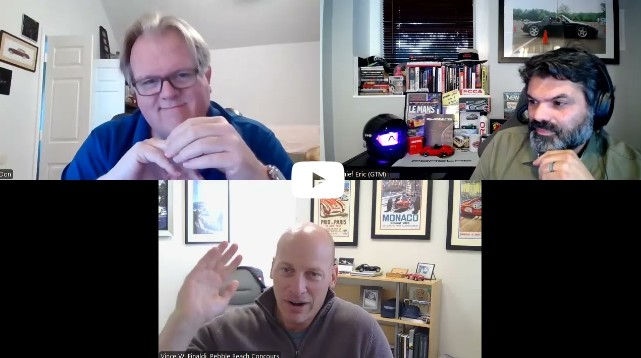
All of our BEHIND THE SCENES (BTS) Break/Fix episodes are raw and unedited, and expressly shared with the permission and consent of our guests.
That second life took root on the Monterey Peninsula, where Finaldi opened his own restoration shop and immersed himself in the local car community. His hands‑on approach and deep historical curiosity led him into the world of Lamborghini Miuras — restoring them, sourcing rare parts, and even driving his first Miura with legendary test driver Valentino Balboni riding shotgun. His work reflects a philosophy inherited from his family: buy right, improve condition, and reinvest in the next project. Restoration, for Finaldi, is as much detective work and relationship‑building as it is mechanical skill.
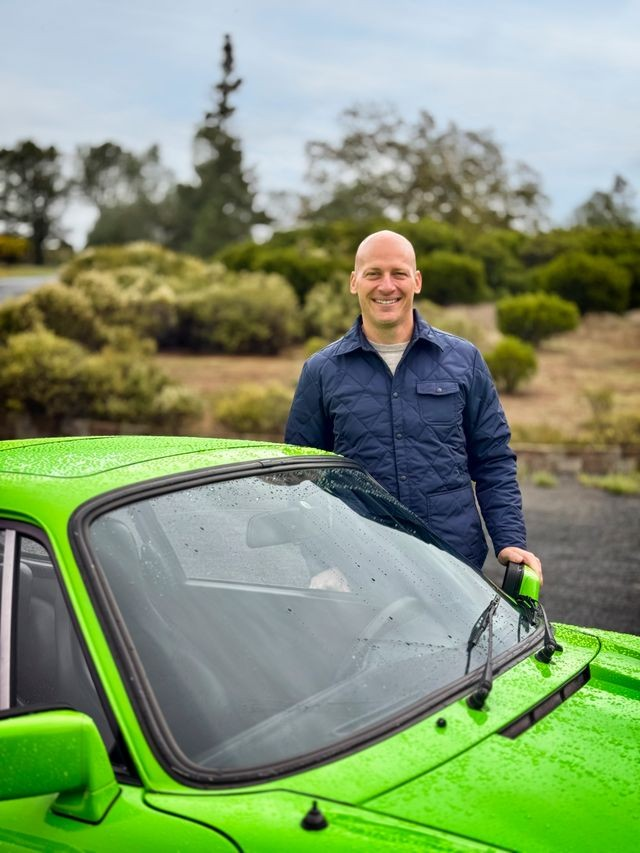
When the Pebble Beach Concours began quietly preparing for leadership transition, Finaldi initially hesitated. But the event’s philanthropic mission — raising significant funds for local charities — ultimately convinced him. Today, he sees Pebble Beach as a living, breathing institution that evolves carefully and deliberately. Under his guidance, the Concours will continue its tradition of incremental change: welcoming important post‑war and modern supercars, curating special classes, and using contemporary icons like the McLaren F1 or Ferrari F40 to draw younger enthusiasts toward the pre‑war Bugattis and Duesenbergs that define the event’s heritage.
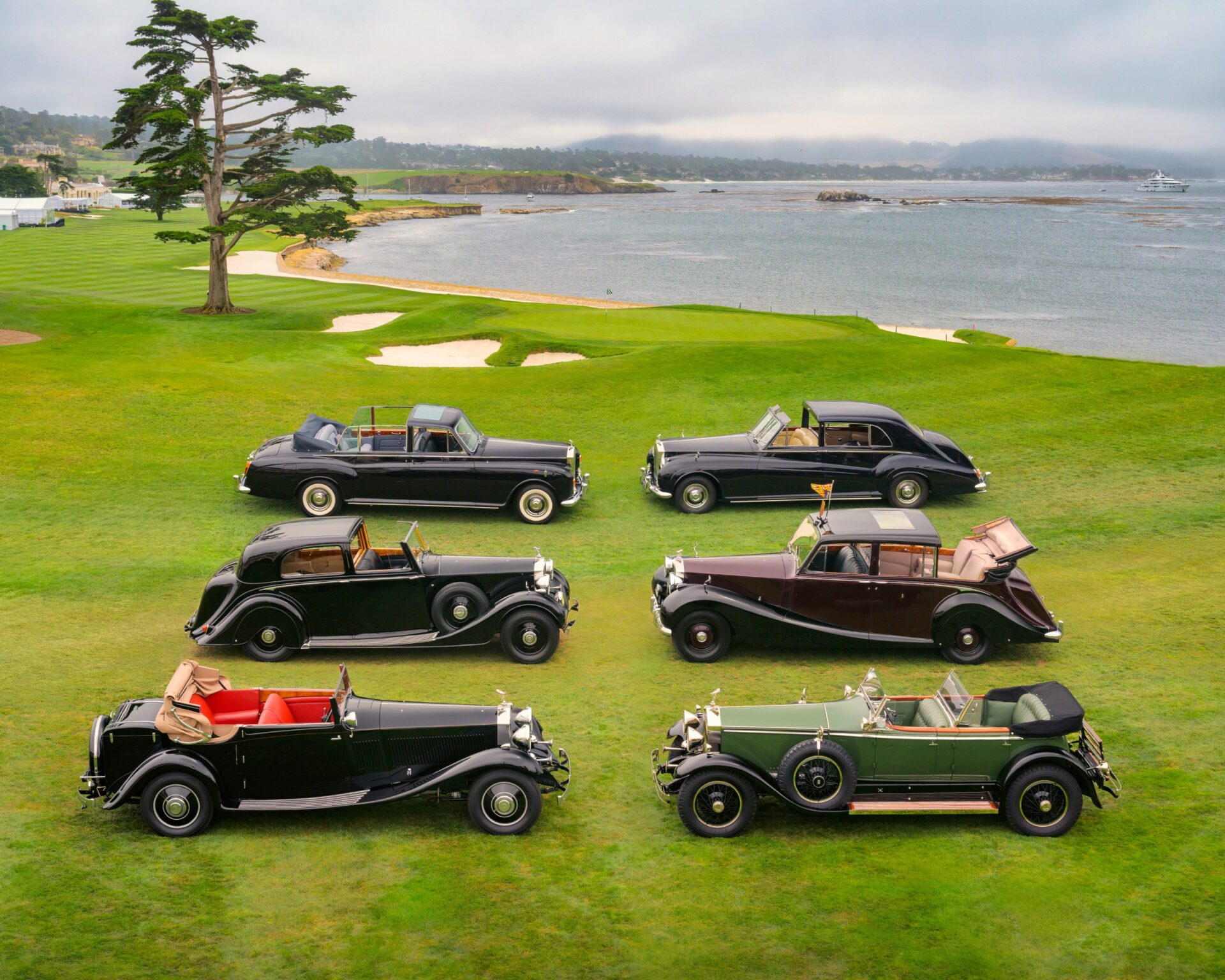
Finaldi views the Pebble lawn as both a celebration and a classroom. He’s committed to maintaining the rigorous judging standards that make Pebble Beach the benchmark for concours events worldwide, while also expanding access through the week’s free public offerings — the Tour d’Elegance, Concours Village, manufacturer displays, and more. He understands the realities of modern collecting, the rising costs of participation, and the need to balance accessibility with the logistical demands of a global event.
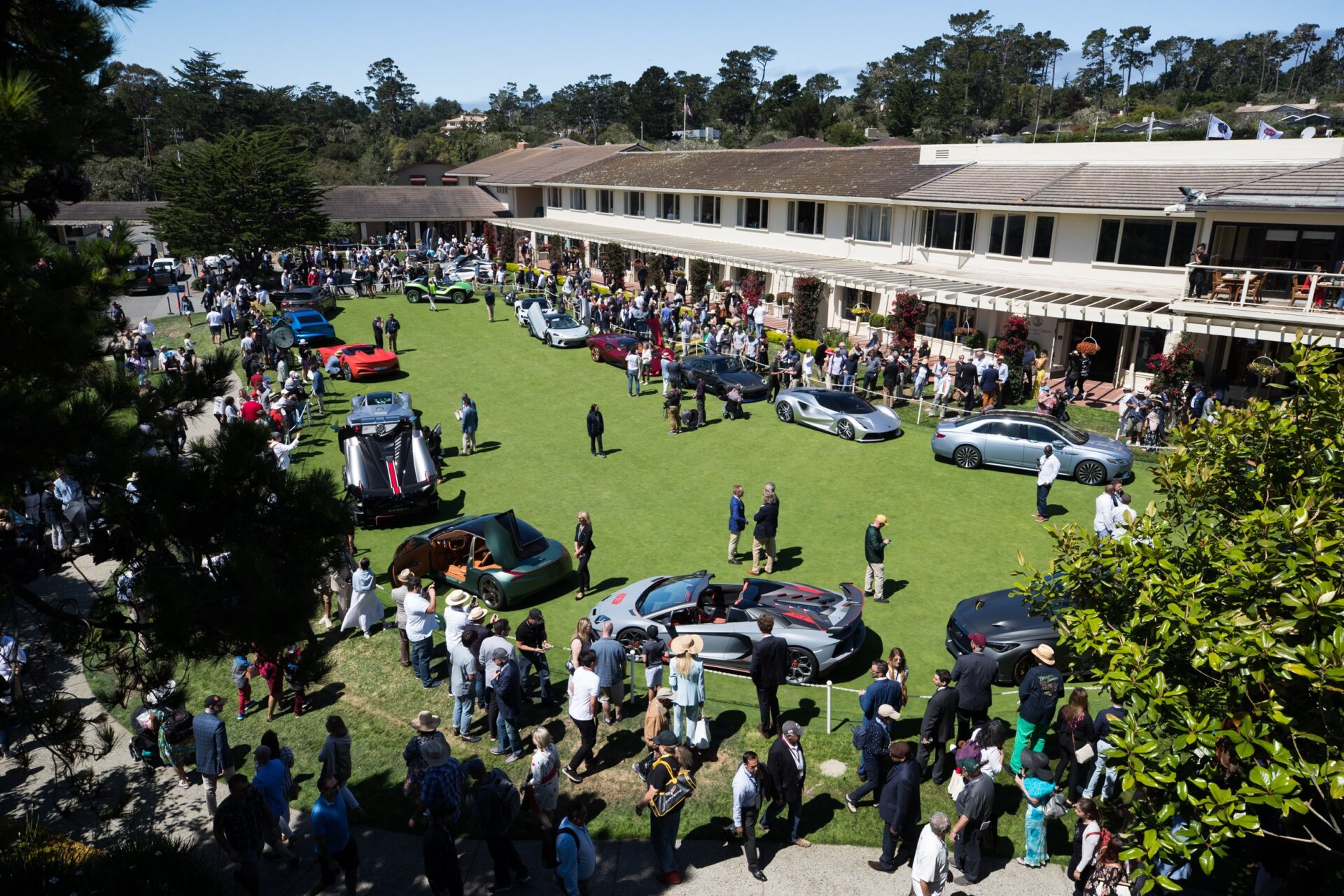
Looking ahead, Finaldi is already shaping future moments on the lawn. For 2026, he’s planning a major Lamborghini Miura gathering to honor the marque’s 60th anniversary, with more special classes in development. But true to his philosophy, he’s not rushing change. His role, as he describes it, is that of a caretaker — someone entrusted with preserving Pebble Beach’s soul while thoughtfully opening doors for the next generation.
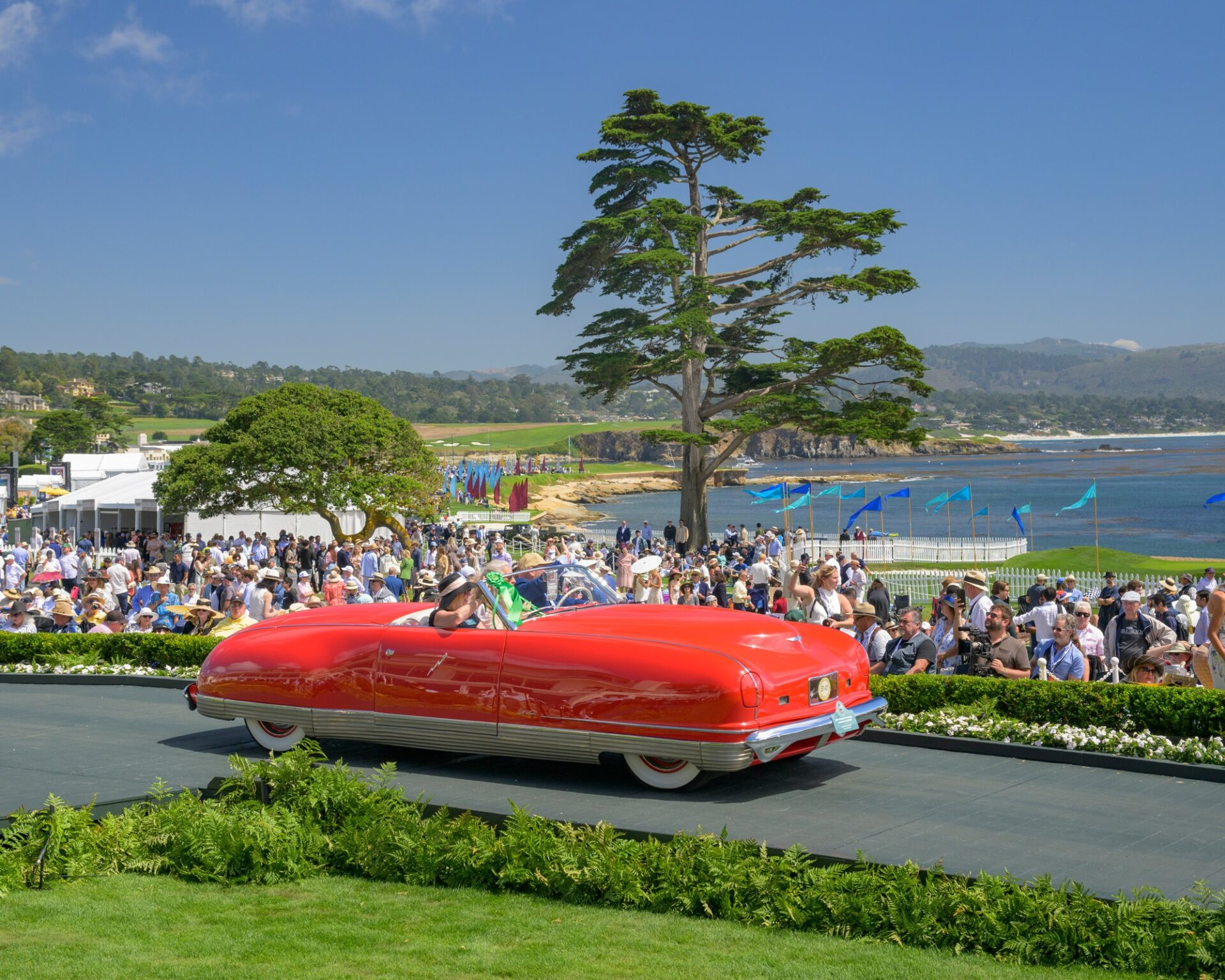
In Vince Finaldi, the Concours has found a leader who understands its past, respects its present, and is ready to guide its future with steady hands and a historian’s heart.
Other episodes you might enjoy
All your favorite episodes starring Don Weberg from Garage Style Magazine! ... Because after all, what doesn't belong in your garage?Remember to subscribe to Break/Fix using your favorite Podcast App.
This content has been brought to you in-part by sponsorship through...