

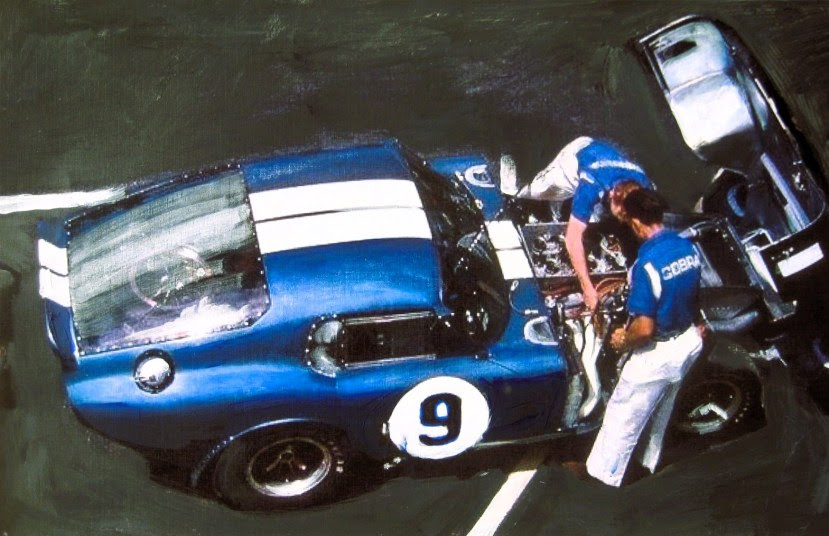
Wallace Wyss is a car world regular, first a writer with 18 car histories on the shelves, and and now a fine artist. A man who sees the romance in a car, he has fallen in love with some models more than others, revealed by his work ,His passion for the Cobra led him to write extensively about Carroll
Shelby, the Texas-born racing legend who turned a British roadster into an American performance icon. Here our correspondent interviews him about why this subject prevails
You started out as a writer before transitioning into art. Can you tell us about that?
Sure. I grew up in Detroit and started in college as a fine art student, completing one year of art school. But then an ad agency came recruiting summer interns. When they told me the art slot was already filled, I said, “OK, I’ll be a copywriter.” That decision led me to a degree in journalism and 40 year career as an ad writer, book author, and publisher.until I rediscovered art.
Your artwork seems to reflect a deep fascination with the AC Cobra. How did that begin?
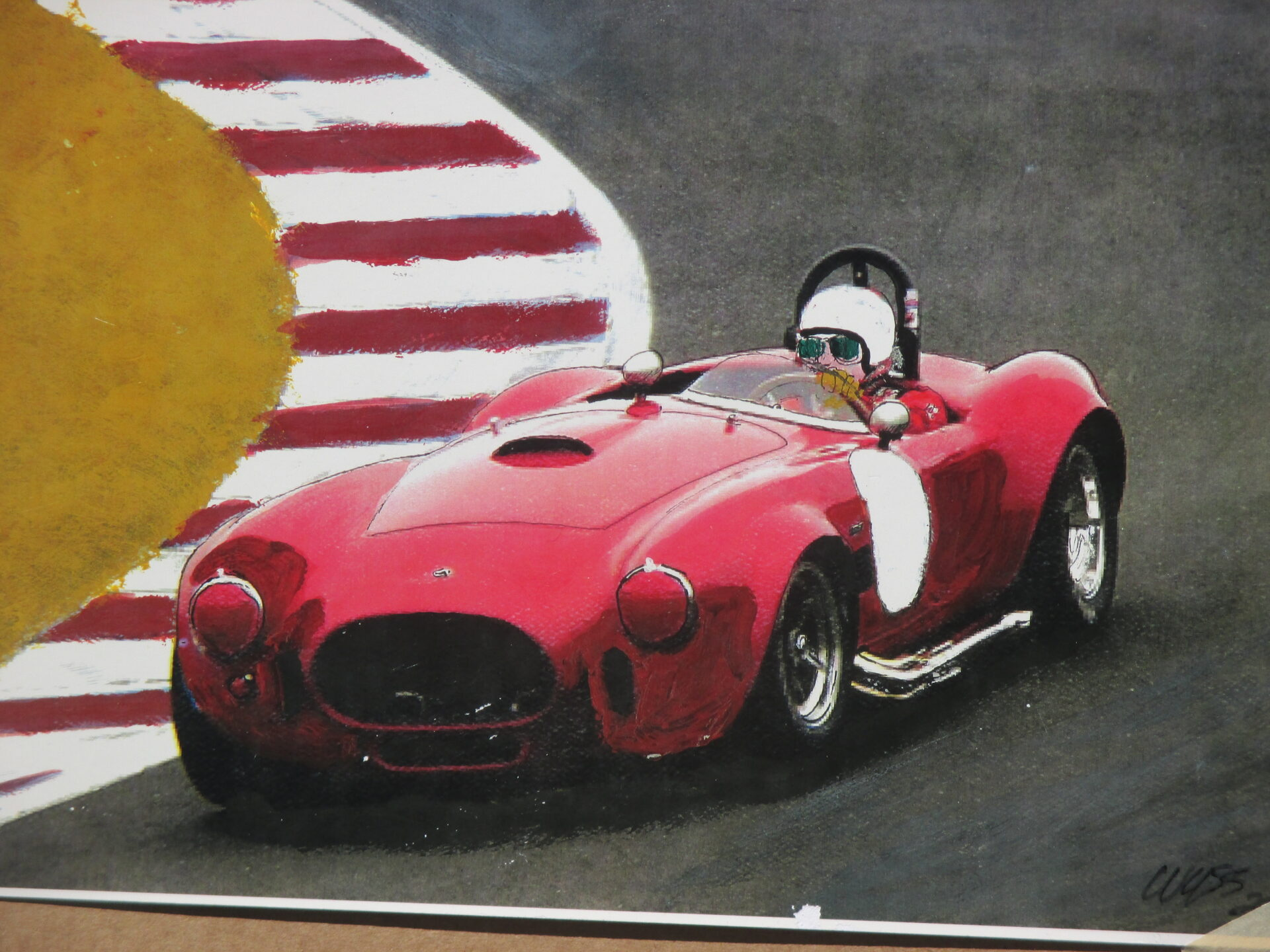
Honestly, who wouldn’t be fascinated? The Cobra was a stunning, lightweight aluminum-bodied car powered by a Ford V8 engine. It was incredibly fast and had curves that were impossible to ignore. I first saw them in high school, cruising along Detroit’s famous Woodward Avenue.
You started writing about the Cobra before painting it, correct?
That’s right. I was introduced to the Cobra in person during the summer of 1965. My twin brother and I had driven from Detroit to California looking for summer jobs. I walked into Motor Trend magazine at just the right moment—they had just fired everyone but the editor. Suddenly, as a teenager, I was working as an associate editor. One of my first assignments was visiting Carroll Shelby’s factory at LAX airport to see the new 427 Cobra. The PR rep offered me a chance to test drive it, but my editor, Mike Lamm, put the kibosh on that, saying, “It’s too much car for him.” Years later, I met Shelby, and he laughed, saying, “That big block could kill you in a second.” He wasn’t wrong!
Speaking of Carroll Shelby, who exactly was he?
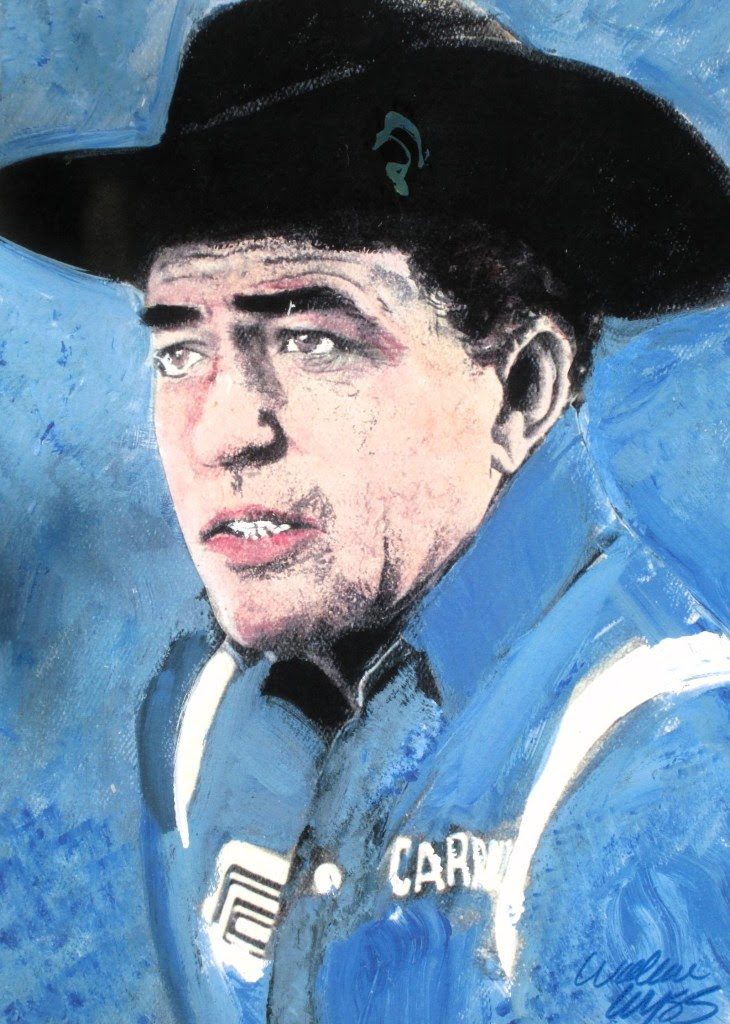
Shelby was a Texas chicken farmer turned race car legend. He started racing sports cars and quickly made a name for himself, even competing in Europe with teams like Aston Martin. His crowning achievement as a driver was winning the 24 Hours of Le Mans in 1959.
He was also larger than life—6 feet tall, always wearing a 10-gallon Stetson hat and cowboy boots. When he decided to stop racing due to a heart condition, he reinvented himself as a car builder.
When did you first meet Shelby?
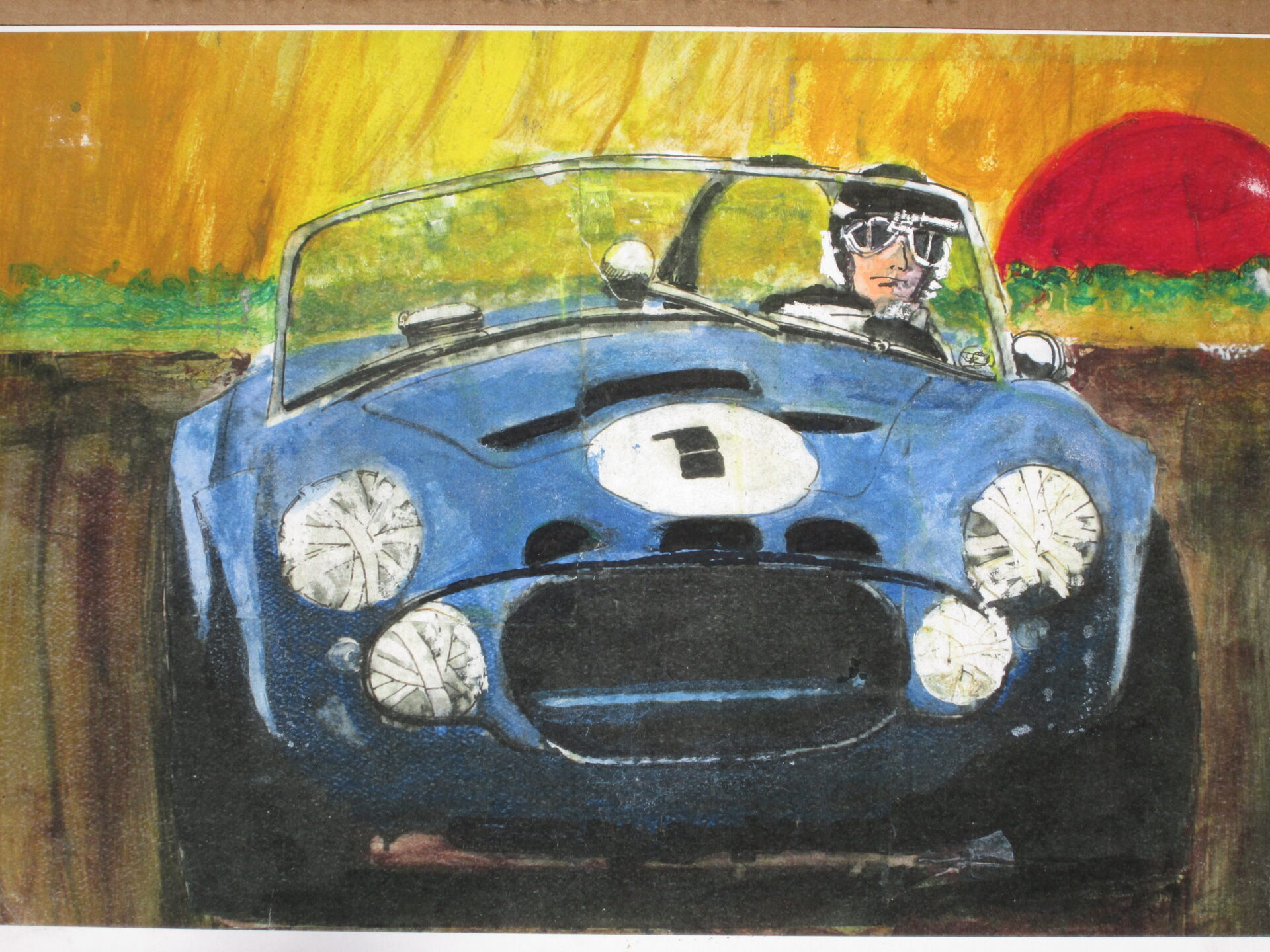
I’ll never forget it. I was back in Detroit one day, walking during lunch, when I heard a roar and saw a red 427 Comp Cobra with outside pipes drifting around a corner. Flames were shooting from the side exhausts, and the sound spooked a policeman’s horse. I was tempted to grab the horses reins (I had done some ranch work in Montana…) but when the lady pulled up to me and asked where the convention center, I forgot about the horse and volunteered to show her where it was.
She agreed, and off we went, tearing down the Lodge freeway. At Cobo Hall, she introduced me to Shelby, who quickly handed me off to Phil Remington, his lead mechanic. That brief meeting left a lasting impression.
How did you come to write your first book about Shelby?
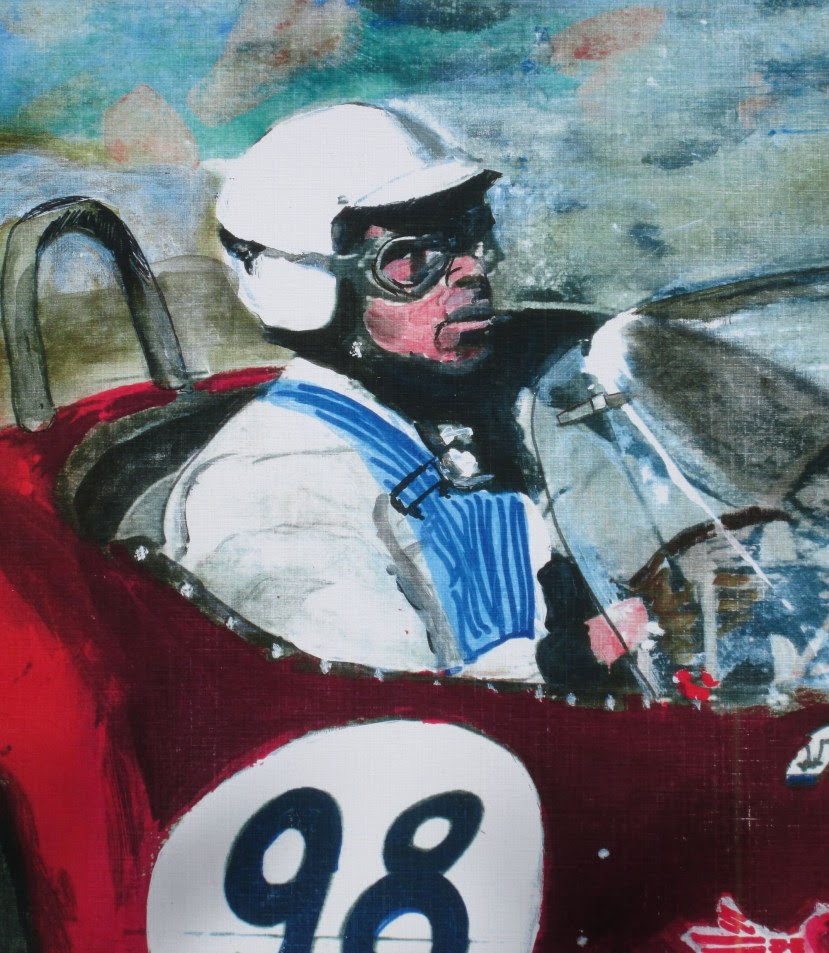
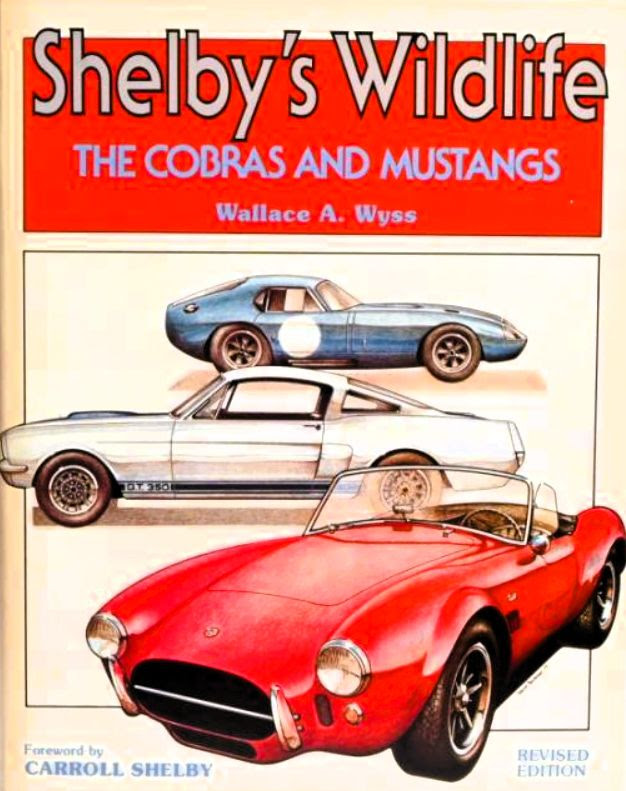
That was Shelby’s Wildlife: The Cobras and the Mustangs, published in 1977. At the time, I was living on the West Coast and called Motorbooks in Wisconsin, pitching a Ferrari book. Tom Warth, the founder, told me, “We don’t need more Ferrari books. How about one on the Cobra?” he asked.
I initially said no—I didn’t want to write about American cars. But two days later, I reconsidered. That book became a deep dive into Shelby’s life and cars, based on interviews with him, his team, and former employees.
You never wrote biographies of other racers. Why was Shelby different?
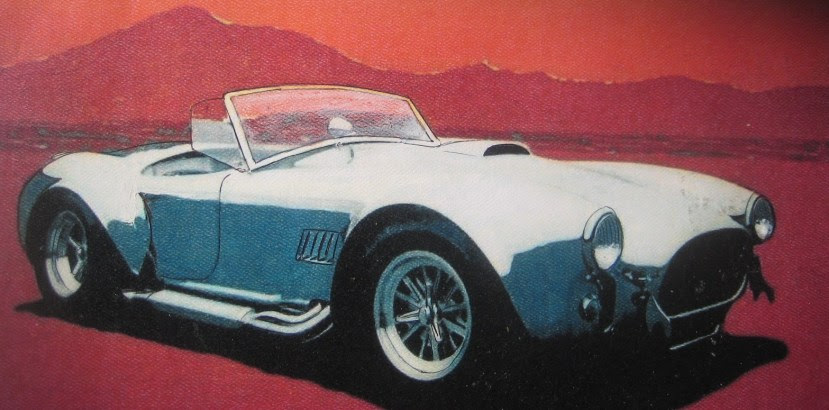
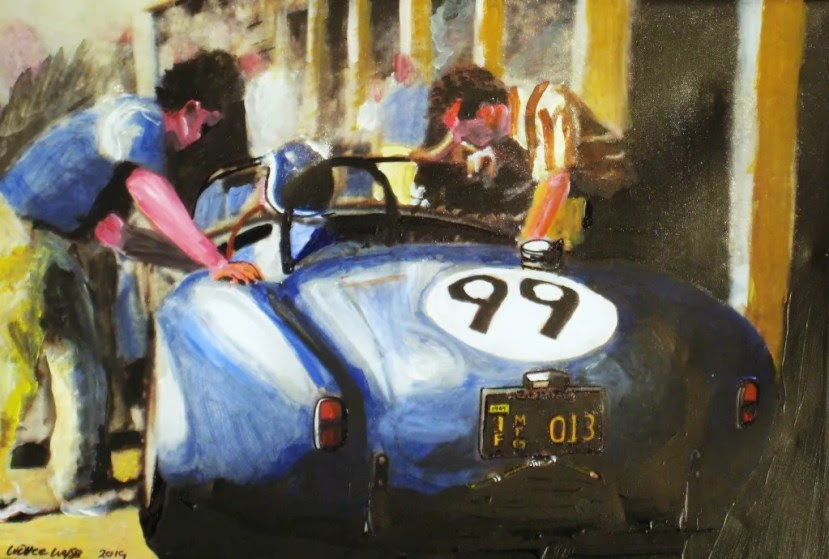
Shelby was unique. He was like a cowboy hero come to life—charismatic, funny, and larger-than-life. He embraced the cowboy image, wearing his hat and boots everywhere. Of course, it was part showmanship. In reality, by the time I met him he lived in Bel Air, one of California’s wealthiest neighborhoods, and belonged to the exclusive Bel Air Country Club. Bel Air Country Club. But that rugged, good-ol’-boy charm made him relatable. In my paintings, I like to capture him as the cowboy turned race drive as he was in the 1960s. That image symbolizes the spirit of the Cobra.
When did you start painting Shelby and his cars?
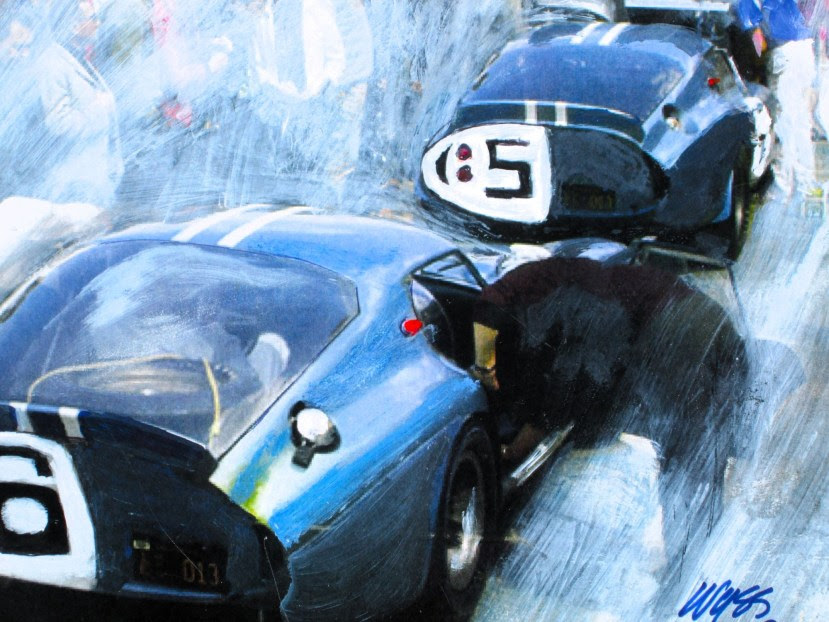
It was around the time of a car show on Rodeo Drive in Beverly Hills sometime after 2009. I planned to bring along my latest Shelby biography to sell, so made a small oil portrait of Shelby—my first oil in nearly 40 years. The book sold quickly, and I then told the buyer, “Say, I’ve got a painting of Shelby in the car.” I showed him the picture of the work and his reply was: “Go get it—you just sold that too.” That moment sparked my return to art.
Do you still paint primarily Cobras?
Cobras remain a favorite, but I also paint Ferraris and other classic cars. Italian cars, with their exotic designs, fascinate me too. I’ve owned two Ferraris, but there’s something raw and unrefined about the Cobra that keeps drawing me back.
What medium do you prefer for your art?
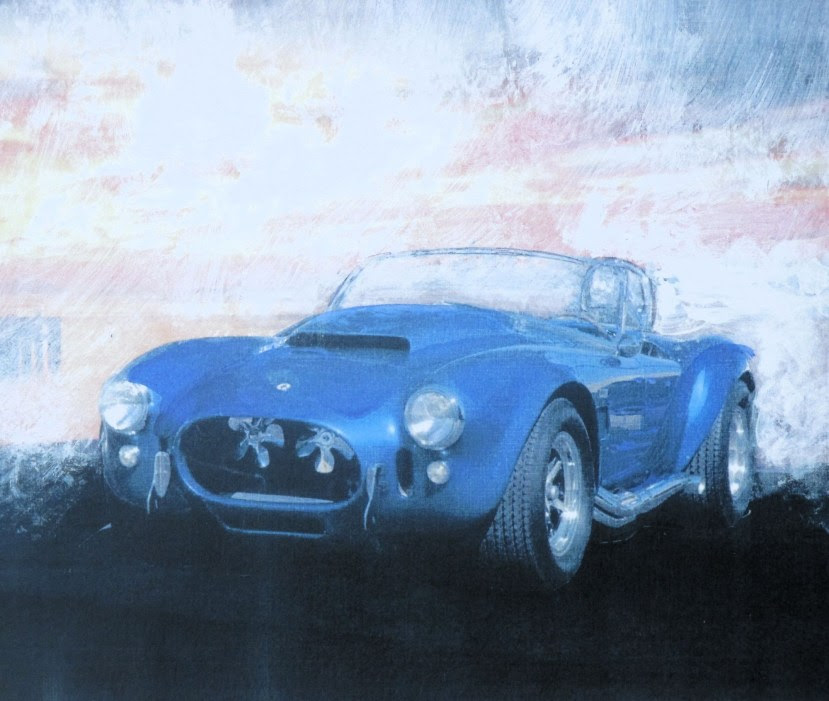
I work with acrylic oil on 11” x 17” heavy textured paper. If I like a piece enough, I’ll order larger canvas giclée print, sometimes embellishing it with fresh oils so it looks like an entirely new painting. My preferred size for those is 20” x 30.”
What’s your perspective on automotive art as a market?
Unfortunately, automotive art is often dismissed as a niche subject, forever trapped in only being sold in automotive settings, much like airplane art. But there’s potential. Jack Vettriano’s Bluebird at Bonneville, which depicted a land-speed record car, sold for nearly $1 million. That shows people can see artistry in machines. Still, only a handful of artists make a living in this field. I hope to see more recognition for the genre.
Do you still write, or is art your main focus now?
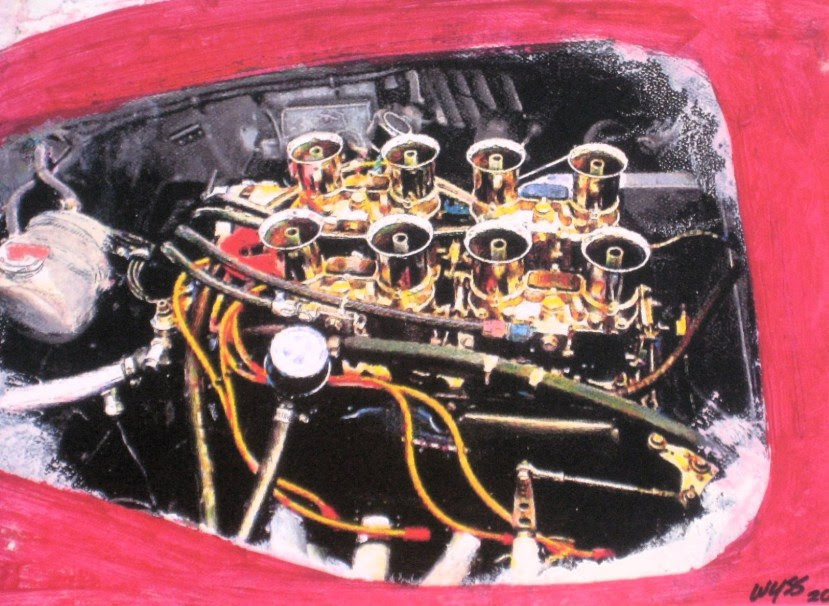
Art has become my way of expressing what I couldn’t capture in writing—those emotions and memories tied to great cars. I write interviews, design critiques of cars new and old, and event reports like from Pebble Beach. I also penned a action packed novel about a former detective turned classic car barn finder hired to retrieve a prototype stolen from an automaker. I still have hopes of selling it to Hollywood–it could even be a series about a car collecting detective. I myself was a part time barn finder myself for a couple of decades, buying what today would add up to millions of dollars worth of cars.
What’s a typical day like for you?
I split my time between art and writing. Plus work out each day, tying to stave off old age. (Hey, I’m only 81…). When I’m not painting portraits of classic cars, I unwind at an outdoor café in Redlands, Claremont, California, reading fiction and soaking up the atmosphere. If I’m lucky, I’ll spot a Cobra rolling by, and it all comes full circle.
EDITORS NOTE: Author Wallace Wyss, once a automotive historian, has now segued to being a fine art portrait artist, exclusively of classic cars. He invites galleries to write if they want to try out a sample of his automotive artwork on their walls Wyss can be reached at photojournalistpro2@gmail.com