


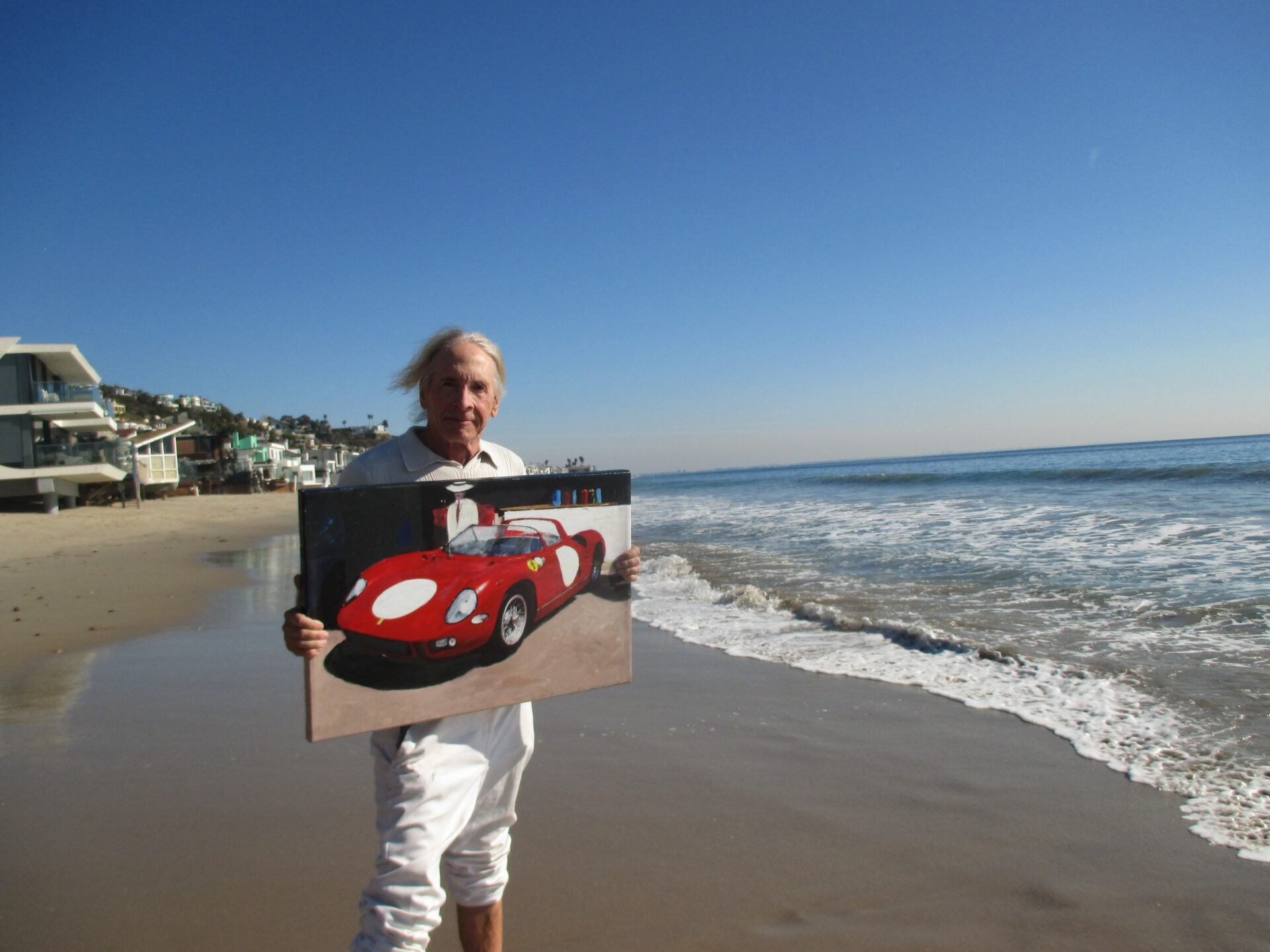
For more than half a century, Wallace Wyss has lived at the intersection of automotive culture, chronicling the machines, the people, and the moments that shaped modern motoring. His journey has taken him from the gritty editorial rooms of MotorTrend to the quiet focus of a fine‑art studio in San Bernardino — a path defined not by straight lines, but by unexpected turns.
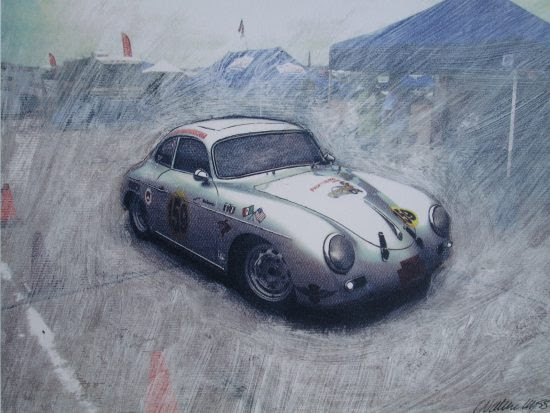
Today, Wyss is known as both a celebrated automotive writer and a fine artist whose exotic‑car paintings hang in homes, galleries, and museums around the world. But his story begins long before the paintbrush.



Wyss grew up in Detroit, surrounded by the hum of factories and the pulse of American car culture. His father worked in Ford’s legendary Rouge plant — immortalized in Diego Rivera’s vast murals — and young Wally spent his early years absorbing the creativity and industrial might around him.
One of his first brushes with automotive greatness came while working a high‑school job cleaning swimming pools. At one home, he found the Corvette Stingray prototype sitting in the driveway. Minutes later, the Mako Shark concept rolled in. The homeowner? GM design chief Bill Mitchell.
Mitchell took the young Wyss under his wing, giving him rides on GM’s private test track and exposing him to the world of automotive design. It was a spark that would ignite a lifelong passion.
Spotlight
Wallace Wyss - Author/Artist for
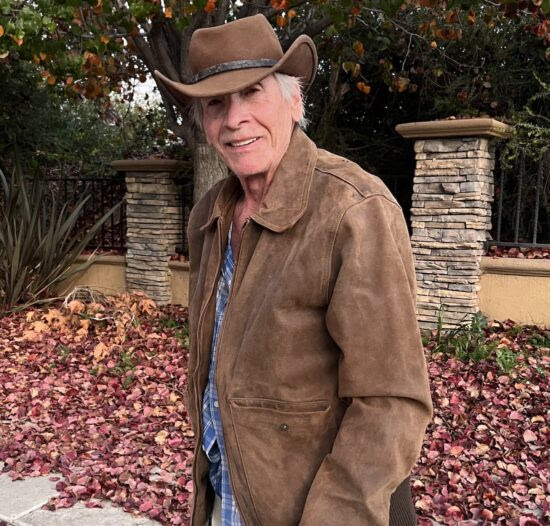
Wallace Wyss (rhymes with "Reese"), the author of 18 automotive books - now a fine artist - depicts postwar sports cars in oil on canvas. Wearing his artist hat, Wallace Wyss says, if art galleries, exotic car stores and car museums want to talk the possibility of taking art on consignment.
Contact: Wallace Wyss at photojournalistpro2@gmail.com | 213-344-6496 | N/A
Synopsis
Break/Fix Podcast’s mission is to preserve automotive living history and welcomes returning co-host Don Weberg from Garage Style Magazine alongside guest Wallace “Wally” Wyss, a longtime automotive writer turned fine artist. Wally recounts how early exposure to GM design chief Bill Mitchell and a British magazine feature on the Iso Grifo shifted him from poetry and art studies into advertising and then automotive journalism, including stints at Car Life and MotorTrend with vivid Sunset Strip stories. He explains how a chance ride in a 427 Cobra led to meeting Carroll Shelby, and launching a best-selling Cobra book and deep Shelby insights about Shelby’s deal-driven approach. Wyss describes becoming a “barn find” hunter and author, then “accidentally” transitioning into painting exotic and classic cars after selling a Shelby portrait, outlining his process, commissions, design critiques, and ongoing radio show, while reflecting on creativity, reinvention, and concerns about AI’s impact on writing.
- When you look back at the moment you first chose writing as your path, what drew you into the automotive world specifically, and what kept you there for four decades?
- You’ve had a long connection with the Shelby world, including Carroll Shelby himself, and you’ve authored 3 books on his life and his cars. How did that relationship begin, and what do you think people misunderstand most about Carroll Shelby or the culture around his cars?
- Across your eighteen automotive books, including a 4-part series (Incredible Barn Finds: The Highly Entertaining Stories Behind 50 Treasured Cars, published in 2013.), How did you become “the barn finder”?
- Having watched the automotive landscape evolve for decades, what changes—good or bad—have surprised you the most?
- As mentioned, you’ve described becoming an artist as something that “accidentally” happened—what was the turning point when you realized painting exotic cars was becoming a second career rather than a side experiment?
- Living and working in San Bernardino, how has your environment influenced your creative process or the subjects you choose to focus on?
- Looking back at both careers—writer and artist—what moments feel like the most defining chapters of your life in the automotive world?
- Any words of wisdom for both aspiring Automotive writers and/or Artists that you can share?
Transcript
Crew Chief Brad: [00:00:00] Break Fix podcast is all about capturing the living history of people from all over the autos sphere, from wrench, turners, and racers to artists, authors, designers, and everything in between. Our goal is to inspire a new generation of Petrolhead that wonder. How did they get that job or become that person?
The road to success is paved by all of us because everyone has a story.
Crew Chief Eric: For more than 40 years, Wallace Wyss has lived at the crossroads of automotive culture. First as a celebrated writer and journalist authoring 18 car books, including a bestseller, and later in life, becoming a fine artist whose exotic car paintings now circulate around the world.
Don Weberg: From his early days at MotorTrend to his deep Shelby connections, while he has chronicled the machines and the people who shaped modern motoring, only to reinvent himself decades later, with a paintbrush in hand based in San Bernardino, and [00:01:00] still chasing the stories that move him, he joins us today to talk about the craft, the cars, the creativity, and the unexpected turns that define a life in the automotive arts.
Crew Chief Eric: That’s right. And joining me tonight is returning co-host Don Weiberg from Garage Style Magazine, one of the many personalities on the Motor Inc podcast network. Welcome back, Don.
Don Weberg: Thank you, Eric. Good to be back. Thanks for having me.
Crew Chief Eric: And with that, let’s officially welcome Wally to break fix.
Don Weberg: Thank you.
Welcome, Wally. Pleasure to be here.
Crew Chief Eric: Well, Wally, like all good break fix stories. There’s a superhero origin story you’ve been quoted as saying, I’ve been a writer for over 40 years that accidentally became an artist. So take us back to the moment when you’ve. First chose writing as your path, especially automotive writing.
And what drew you into the automotive world specifically, and what kept you there for four decades?
Wallace Wyss: I’m glad we didn’t get into age, so I don’t know how that will work. ’cause then I start saying, I was born before television. I was born with four [00:02:00] computers and when I was a kid you went down to trade station.
You had a choice of steam locomotive or, and then I was thinking the other day, it’s something that really blows my mind. I have to figure it out with the pencil. But when I went to a Veteran’s Day parade, guess what war the veterans were from the Spanish American War. You know, like they must have been born, uh, in the, uh, 18 hundreds, you know, or else they knew people born in the 18 hundreds and those people they knew knew people in the 17 hundreds.
So it’s like, here we are 2026. It’s hard to believe that I knew people who talked to people who were two centuries ago. Mm-hmm.
Don Weberg: Wow.
Wallace Wyss: But I’m trying to disguise it as well as I can. Another job I had in, uh, high school was cleaning swimming pools. So one time I’m at this guy’s house in Birmingham, Michigan.
He has the Corvette Stingray prototype in his driveway. A few minutes later, the Mako Shark shows up. Few minutes later, something else. So turns out he is a design chief of [00:03:00] gm, bill Mitchell. And so I got to talking with him and, uh. I hung out with them for a while and went to his job and he would drive me on a little race course they have there, and he gave me his opinion of this and that.
And so I was just a really enamored of the, you know, the creativity of that field. But I never really did. You know, I got into it with my fine art, but I never got into it where I could affect the cars. And by the way, another great thing about living in Detroit was they have a museum there. Art museum.
They have several rooms of one painting continuous mural by Diego Rivera, and it’s the Ford Factory. And my father worked there at 32 Building by Lace. So I always wonder, is he this guy tightening the wheels or is he this guy over here? Because, uh, Diego Rivera would make all the workers look alike. That really sparked the back half of my brain.
The funny half said, oh, you wanna design cars with back half? Said, no, no. Leave the cars aside. Go to art. Find art. First [00:04:00] I started at Wayne State in Detroit as a uh, art major, and I was kind of just an average artist. Didn’t have any particular style, but then I was a poet a little bit. So one time I’m in the library looking for a new book on poetry, and I saw a British sports car magazine.
I opened it up. There’s a three page story and the ESO Griffo A three C race car, which. It was made in Italy, but had a Chevrolet engine. And that picture, even though it was black and white, it was so stunning that right there, I forgot everything about poetry, didn’t care about poetry anymore. I came outta that library saying, I gotta get involved with cars.
And then a little while later, some ad agency scouts came and said, we’re looking for summer interns who wants to be an artist? I raised my hand and they said. Oh, we already got ours. Okay. Who wants to be a writer? And so right there I switched my major and became an ad writer writing kinda the modern version of C-D-U-S-A and your Chevrolet.
And I was in advertising for like five or 10 years before I moved to California.
Don Weberg: [00:05:00] What agency were you working for?
Wallace Wyss: Campbell Eald was the second one. The first one. I think it was called DP Brother. That was a Oldsmobile account. I’m kind of embarrassed that I worked for Account Square. The marks have disappeared since then, but I guess they didn’t do the right car at the right time.
Crew Chief Eric: Don, it seems like when we look at Wally’s resume, you two share a publisher in common. Both of you spent some time at MotorTrend.
Don Weberg: Yeah. Are are you still in, in, uh, in therapy too, Wallace? Are you still in therapy?
Crew Chief Eric: Well,
Don Weberg: I, I, I, I’m still in therapy for my tenure there.
Wallace Wyss: I actually worked for two different places.
I worked in Hollywood Boulevard and uh, that was kind of a crummy little building. It probably used to be a porno theater or something. And then I came back a few years later and when I worked at Car Life Magazine, 1970, the art director tipped me off, Hey, they’re gonna shut down this magazine. So I rushed over to Hollywood and I had more chutzpah in those days.
I just walked in, called the personnel department and said. [00:06:00] I’m the new guy at MotorTrend. You know, the editor didn’t even know who I was. Sent me the paperwork, I signed it and suddenly I was working there. I don’t have the nerve to do that now, but that was great to work on that street because it was a street called Sunset Strip.
And all these movie stars and rock stars would celebrate their signing the contract by driving some exotic car. And several times I tried to buy the car, but sometimes by the time I found out what it was, it was too late. I missed my chance. I’d follow them to a house and put a check in mailbox.
Don Weberg: Yeah.
Yeah. The sunset building was really neat. You’re right though, with a crummy building.
Wallace Wyss: Yeah. I do have one more story though, about working in that street where the famous people were. I was on the sixth floor. I looked down, I saw a yellow Ferrari P three slash four, like the kind that race to Lamonts.
Don Weberg: Mm-hmm.
Wallace Wyss: A full race car going down the street and for some reason, well, I didn’t wanna take the elevator take too long, so I ran down six flights of stairs. I go out into traffic and I stop the [00:07:00] guy and I said, I, I need to take your picture from magazine. And he turned out he had bought the car and converted it to street use and was having a blast with it.
It turned out that he was not only a good looking movie star type, but he was a movie star and he was a rock and roll star, and his father was Dean Martin. And so I got the story in the magazine, and then the real sad part was he didn’t live to enjoy it that long because he volunteered for the Air Force to be a fighter pilot.
And then the airport said, okay, you can fly 5,000 feet, but they didn’t mention it was 8,000 foot Mountain in the fog. So I thought, well, that guy really lived the life as much as he could.
Crew Chief Eric: From there, you went into the world of writing automotive books, and in your bio there’s 18 book credits to your name.
So what started that journey, because that’s a whole different thing than just, you know, writing ads or writing articles.
Wallace Wyss: That started with picture books I was doing for classic motor books. It was called In Wisconsin, run by a British man. [00:08:00] And what I did was I would do these picture collections and captions and believe it or not, I could write the book in one day.
’cause just like 80 or 90 pictures with the captions. And I would even fly over to like England and go to Jaguar or something and say, can I look at the files? Walking with an empty suitcase, walk out with a full one. That became the book. But then I started thinking about Cobras and Shelby’s and all that, and then I was mulling that in my brain.
And then what happened was is just by accident, I actually lost my job at the second magazine. First it was Car Life, then MotorTrend in Hollywood. I was back in Detroit doing advertising editorial work. I’m walking down the street and I hear a roar. And I look up and I see this 4 27 comp Cobra with a big wide fenders and big wide tires.
And a woman is driving it and she’s sliding around the corner and everybody’s panicking. So the horse of the Mount of policeman was bucking and I was [00:09:00] debating whether to help with the horse ’cause I actually was a cowboy for a little while. But then, uh, the lady happened to pull up next to me and she said, you, which way is Cobo Hall?
That’s the convention center. I said, well, I’ll show you if you give me a ride. So she opens the door, the Cobra. I get in, strap myself in. She takes off. Again, top speed. I said, you’re going the wrong direction. But anyhow, I corrected her. Five minutes later we were at the convention center. Just as I got outta the car, Carol Shelby comes up.
So I introduced myself and then I thought, oh, he’s approachable. So then I contacted this publisher and said, I wanna do a book in the Ferrari. He said, there’s too many books in Ferrari, but there’s none on the Cobra. So I said, oh, well, okay, that’s an American engine, but I was kind of snobby already. And so, uh, that’s how it happened.
And the book sold. 50,000 copies.
Crew Chief Eric: So I wanna pull this thread. Who was the lady behind the wheel? Was she a celebrity?
Wallace Wyss: I know her name. Pat Marone. M-E-R-O-N-E. But I never checked on what happened to her since or how she did in [00:10:00] racing. But that’s the p rrg of Shelby was to say, because he told me personally, the 4 27 will kill you in a second.
You know, if you don’t know what you’re doing, it’s just too much power. Yet having a woman drive it at these different occasions made it like, well, maybe it can be tamed. So it’s kinda like having a pet lion, you know?
Crew Chief Eric: Well, you sort of buried the lead here. As we dig into your career, you’ve had a long connection with the Shelby world and part of the 18 books you’ve written, three of which are on Carol Shelby and his life and his cars.
So you described how the relationship began. So as you dug into his story and you, you met a living legend. You worked with a living legend. What do you think most people misunderstand about the man, the cars and the Shelby culture itself?
Wallace Wyss: I think he was a real deal maker at heart. I mean, of course he loved cars and he loved airplanes.
He had plenty of both. But when push came to shove some design that they worked on for years that was [00:11:00] gonna revolutionize the car industry. That would disappear. Like there was one called the Lone Star that was pretty sure it was front engine. But anyhow, it was just his assistant, Al Dow told me once I had to crawl across the gas tank to get to my bucket seat, I lost interest in it.
He didn’t wanna be in a high performance car sitting on top of the gas tank. And so anyhow, I was shocked that Shelby would develop a prototype and then it would be gone and it would never, never be mentioned again. So. He always was preparing for the next meeting with Ford executives. Shall I pull the, the bunny out of this pocket or that pocket?
In what way they go for, that’s the way he operated and you just had to get used to it. If you were working on one of those projects that he canned, well, too bad for you. Like Pete Brock, you know, the Daytona Coop with a 4 27 engine that would’ve actually perpetuated the Daytona coop into another year of racing.
But then four thought, well wait a minute. What if it beats the four gt, which is their baby?
Don Weberg: Mm-hmm.
Wallace Wyss: It had to [00:12:00] go,
Don Weberg: I just gotta dig in here a little bit. 18 automotive books with a four part series. The Incredible Barn finds the highly entertaining stories behind 50 Treasured Par published in 2013. How did you become the barn finder guy?
Wallace Wyss: You want the actual barn finding or the writing about ’em Both?
Don Weberg: Yeah. Start with that and move into the other one.
Wallace Wyss: Okay. I was at a convention. It wasn’t really watching dc it was in like Virginia. I mean, you know, just a few hundred feet away from Washington, went to a Ferrari convention and talking to everybody.
One of the funny things was there was some illegal gray market boxer there and there was some ultra enthusiast engineer from Detroit who ended up being in charge of catching the gray market car smugglers the cars that weren’t really legal, and he was like prowling around if that car leaves this hotel property.
I’m gonna grab it, you know, for the US government. And so that was interesting to me that I was dealing with the haunted species. And then I found out this [00:13:00] New York man I met who was a landlord in downtown Manhattan. He loved Italian cars and so did a lot of his friends. And I don’t know what occupations they had, but one of ’em made some food, I can’t remember what it is now, a real popular thing, but they would meet every week in New York and they would sit around the table and they would say.
Now I’m gonna imitate a New York accent. Much to your horror. But one of ’em would say, Hey, yeah, what do you got? You got anything new? And then they’d say, yeah, I got a Ghibli coming in from Chicago. What color is it yellow? Is it five speed? No, it’s an automatic. Within five minutes they decide which of the group is gonna get it.
Then somewhere out in the road in Indiana or something, two reliable trucking semis would meet and then unload, and then move the yellow car from this truck to that truck so it could go to the new guy. So anyhow, when I heard that, I said, well, I can look around out on the West coast and see. So then I started advertising in um, Autotrader, and I would always show a picture of a [00:14:00] scruffy car, not a clean one, that would win a concord kinda dirty.
And then I would say, I want this car. It doesn’t matter if it runs, you know, if you got a clear title, call me. And then my wife at the time worked for American Airlines and you know, that old slogan of the airline employee Marry me Fly free. So I would go home and say, oh, I need a ticket for, um, Kokomo, Indiana tomorrow.
My technique was to go out there and. Knock on the door. Not even call them first. ’cause the flight wasn’t costing me anything. I’d knock on the door and they’d answer and I’d say, I’d say, this is a check with your name on it, cashier’s check. Let’s go see if the bank will cash it. I didn’t say, let me look at the car, let me check the engine, let me check for rust.
I said, this is a check with your name on it. And 90% of the time I succeeded. I mean, some car club people were really mad that I just blew it outta nowhere, didn’t. Know the seller and didn’t know the car, but I had the check that would cash.
Don Weberg: This is like something Eric would do. Eric would [00:15:00] totally do something like this.
I could just see him doing this, you know?
Wallace Wyss: Now it wouldn’t work so well because of the internet. There’d be gossip about me in the internet. Watch out for this guy, Wally. You know? Oh, and now it’s about writing about him. What happened was, there was some other book, I can’t remember the series, but another book about.
Rare cars that were hidden. And so I kept trying to upstage myself and find a car that you could not have guessed when you saw it, what was underneath it, but if you did guess right and then re bodied it, its correct configuration. You’d have a million dollar car, and I think out of all of ’em, my favorite is the uh, two 50 P or two 50 LM Ferrari, a full racing car that I think won one lama in 65.
So some guy was racing in Switzerland and he crashes it and then he’s sitting there like, when am I gonna do? I called the Ferrari factory. They refused to make a new body that’s an old car to them. So he just sitting there, this guy comes up and says, well, how many meters long is it? And he [00:16:00] tells him and he says, you know, I got a Porsche body that will fit on that if you cut the nose the tail off a little bit.
So they did. They called it the poor fare, and I thought that’s where the American collectors really miss it. They didn’t look at the obscure little series in Switzerland where a real two 50 LM Ferrari was racing. It just didn’t look like a Ferrari. So that’d be a real shot in the dark to guess that one.
Crew Chief Eric: So is that the kind of cars and stories that are included in the barn? Find books?
Wallace Wyss: Yeah. Uh, the main type of stories I was trying to do is how a car was neglected for a long time and nobody knew what it was, and that before the computer you weren’t able to do the homework in 15 minutes and find out about the car.
And I’m still looking for one now. I’ll tell you about the one that eluded me. It was so close and I missed it. It’s my favorite car. It’s called the Bini. It’s Italian car, Corvette Engine. So I worked at MotorTrend Magazine in Sunset Strip. There’s one of these at a car lot across the street. So you think if it’s ’cause it’s [00:17:00] my favorite car, am I gonna walk over there and look at it?
No, because it was charcoal gray. I didn’t like the paint. It didn’t have the right rear window, but now I realize that that car was put together of two smashed ones, the front half of one, the back half of the other. So if you had that, theoretically you could build a new front for the existing back and for the other one you could build a new rear.
You’d have two cars from one, but now it’s 50 years later. Who knows where that car is? It could still be sitting in San Fernando Valley. So that’s one of my favorites. Said Who would guess and why didn’t I go look at it?
Crew Chief Eric: So the premise behind the series is these are unrestored cars that you’re looking for.
You’re literally legitimate barn finds.
Wallace Wyss: Yeah. And then sometimes people would re body a car because at the time it seemed like a good idea and the manufacturer didn’t want it anymore. But then. Years later, the body they put on it wasn’t so appealing. And then the smart guy checked the serial numbers and said, I’ll build the original body again.
Crew Chief Eric: So Dom, this reminds me of a story you told me a [00:18:00] while back about the Bugatti in the bar, I believe is what it’s known as. Wally. Are there. Some cars in that book that if somebody was picking it up for the first time would really shock them. Like something like the Bugatti in the barn.
Wallace Wyss: I don’t even remember all the cars that are in it now, but there’s several cars in that book that are more valuable now than they were then because there’s more education on the cars and more.
Actually, you know, who has some of the best cars? Like this one Cobra that was, I don’t know if it was bodied by Gia, but it’s got a different body, I think, of 4 27 chassis. But in Detroit, these automakers would donate the concept cars. And after a while, you know, your garage gets full 50 concept cars. So you’d call up the Detroit Historical Museum across from the art museum.
And say, Hey, would you like this car? Hey, they’re not gonna turn it down. So now the sad thing is their museum’s way too small to show more than two or three cars, so they’ve got him in storage, at least they’re protected from rust. But I mean, that story happens over and over again where a [00:19:00] rip Coner gets the car, but he can’t keep it anymore.
So he donates it, and then who knows where it goes from there. You have to have good records.
Crew Chief Eric: You know? And that’s a great segue into something I know is very passionate subject for you, which is car design. You kind of alluded to it with the Beats arena. Part of what you’ve written about over the years is all the design changes in the evolution in the car world.
So I wanna get your take now that you’re looking back over 50 plus years in the automotive space, what your thoughts are on car design.
Wallace Wyss: Well, sometimes I’m elated with. Some new prototype and then most of the time I’m not because I can remember something way back that was a lot better. Like the new Rolls Royce, they have one, it’s called the Nightingale series.
The price is so bizarre and the press release is from 1 million to 30 million and each car will be individual. But it’s like, I can remember one from 1970 that like better. So I’m constantly in turmoil. I can barely embrace the new one when I [00:20:00] think, but that old one was so good. I’m a frustrated car designer and I do write critiques of new cars that came out.
And this one former GM designer keeps writing critiques of my critiques and says they’re not critiques, they’re analysis. And I looked up critique and it says, you say some good things, you say some bad things. That’s what I do.
Crew Chief Eric: So if, if you were to pick top five most beautiful cars,
Wallace Wyss: near the top would be the thero male 33.
It’s some clip that actually copies about 90% of the old one, but they still screwed it up in the details like the little, the headlights trim and stuff like that. But just to capture that shape, I would say it’s as good as the bini shape. And by the way, when I came across this French word called Lu, I think L-O-U-C-H-E, I really like that word to describe this because that means a beautiful.
Woman that’s got a little too much makeup on, you know, you don’t wanna take her home and introduce her mother. I mean that car is like wicked looking. [00:21:00]
Crew Chief Eric: Well if we’re staying with the classic cars, you mentioned one, so your top five most beautiful cars of all time. ’cause this is a question we actually used to ask guests quite a bit.
What’s the sexiest car of all time or what’s the most beautiful car of all time?
Wallace Wyss: Well, the Aston Martin DB 4G TZ, Aston Martin’s a gto. I remember when an owner couldn’t get rid of it compared to a Ferrari and it’s worth a lot more than most Ferrari. Well Rolls Royce Silver Cloud convertible series three with the forehead lamps.
Uh, Monteverdi had a, A one-off Palm Beach I think it was called, and that was a Swiss car with the Chrysler engine and then the 4 27 Cobra with the wide body. I think I’m up to five
Crew Chief Eric: and I find it interesting that you have chosen five cars that no one else has ever selected. You know, we get a lot of E type jags and two 50 pontoon fender Ferraris.
And stuff like that is, is that, you know, Coke bottle shape if you will. So, really interesting picks you have there. But I think there’s an opposite side to this design question, isn’t there, Don?
Don Weberg: Oh yes. Oh yes [00:22:00] indeed. Yes. ’cause we understand that you have a connection with Jerry Wgar and the Vector, is that right?
Wallace Wyss: I was a friend of his and I wrote a novel, which didn’t go any place. I didn’t find a publisher for it, and I only self-published a few. But that was about. A small entrepreneurial car developer like DeLorean or like Weigert. And so I kept comparing in real life. Every time I met Jerry Weigert, I’d ask him something and what he would tell me would, oh, that’s so good for my book.
And now that he has died, I found some more scandalous things, which I might put in the book if I ever published it or not. But I gotta admire his pluck, though. He came from bad Acts, Michigan. Came out to California and developed his own car and actually got to where a few were sold, but he never compromised and sold it to another company.
He tied in with the Indonesian company, but in the end he ended up with the car again. He was like Shelby, but he was going for high tech all the [00:23:00] way, even though the real high tech world was outpacing him far ahead of where he was at.
Crew Chief Eric: Since you’re sharing celebrity stories, one you told me off camera was about Roger Penske.
You wanna share that one too?
Wallace Wyss: I would love to tell that at a party. If I’m never near him. Maybe I’ll have to look for him at Pebble Beach, but as I was working in this ad agency, I’m driving along in my opal. I see Roger Penske on the sidewalk looking perturbed. And so I pulled over and I said, Hey, Roger, what’s wrong?
He said, somebody took my Corvette and I want it back. And I said, well, hop in. We’re driving around. We only drove for a few blocks and we saw a cop, and he pointed at the cop, said, somebody took my Corvette, I want it back now. And the cop said, yes, sir. Hop in. So he goes over the police car. It goes away and gets his car back.
But I thought that’s what made him a business success. Maybe a billionaire that he didn’t have to explain who he was. I want it back. You know, you took it. I want it, you know, and I thought he’s gonna go play for that boy.
Crew Chief Eric: You said you were [00:24:00] driving in an opal. Was it an opal gt?
Wallace Wyss: Uh, no, a man.
Crew Chief Eric: Oh, that’s a shame.
’cause if you had been driving a gt, you could have told them, Roger, I took your car to get washed. And it shrunk when it came out the other side.
Wallace Wyss: He has a big publishing company now. I think they published one very lavish car magazine.
Crew Chief Eric: So as a connoisseur of car design, Wally, how would you critique the vector?
Wallace Wyss: Uh, it was a very bold design for the time, but I don’t know wind tunnel wise how it came out. I thought it would, it was the ultimate wedge, so it was probably pretty good. But when you get those cars up past 180, sometimes just a couple inches difference here and there can cause a lot of trouble. And that’s actually what happened with the.
First mirrors, you know, when they got ’em out there was, it was way faster than they had ever planned for and now they’re overdoing it the other way. We’re making a lot of exotic cars look alike ’cause they wanna get good arrow number.
Crew Chief Eric: Let’s take a little pit stop. And for those that are watching this episode behind the scenes on our Patreon.[00:25:00]
They’ll notice that you are wearing all white, and apparently this is one of your signature styles. There’s a story behind why you’re wearing all white, isn’t that right?
Wallace Wyss: Yes. What happened was during that first time was with MotorTrend. I’m not sure it’s the first or second time, but anyhow, I went to a bookstore in Hollywood and they had this writer from New York in his thirties or forties.
Wearing all white with the white hat, and he was Tom Wolf, who later became real famous. I think he wrote that book that became a movie about the astronauts. But that book was, first book was called The Candy Color Chance Ring Flake Streamlined Baby About Custom Cars and George Barris and all that. I invited him to lunch and nobody was buying his book.
Nobody knew who he was, so he said, okay, I’ll go to lunch with him. And during lunch, he admitted that he wasn’t really in the car world, that he lived in New York City. So he didn’t really relate to cars that much, but his mind was so blown by the custom cars that he had to write a story for Esquire. Then he couldn’t get the story written.
He couldn’t get his mind [00:26:00] around it. So the editor of Esquire just said, that’s okay, we’ll just take your letters and that will be the story. And so that became his story and that became the book. And uh, he always wore white. And so then I started wearing white Years later, and all kinds of good things came of it.
Like one time when I was at Pebble Beach, walking with my wife, passed this big mansion, they were having a party and they yelled out and said, oh, we’re over here. They thought that it must be a celebrity. Coming to their party and I was lost. And so I come in and I meet the Governor Schwarzenegger and all that, you know, I never explained that I wasn’t going to their place, but I feel good when I wear it.
And it, it’s a, a tip of my hat to the Tom.
Don Weberg: You look good. You wear the white. Well, not many people wear all white. Well, but you seem to pull off the Clorox look very well.
Wallace Wyss: I’m still trying to work out the, uh, walking, there’s a certain way of walking that I just can’t get it down. Like when you walk that way, then everybody cleared.
Here comes the boss.
Don Weberg: Yeah. It’s a swagger.
Wallace Wyss: Yeah. I just can’t do it. I go into, uh, you know, [00:27:00] little old man mode.
Don Weberg: I’m just wondering, in your painting, in your work, do you still wear the all white? Does it go with you everywhere? I mean, what do you do there?
Wallace Wyss: Oh, when I show the paintings, I’m even going to a show this Sunday in, uh, LA Jolla, and that’ll be the right atmosphere, the ambiance, you know, right by the ocean and all that.
So I’ll wear it, but. I’m gonna wear ’em at different shows because then people who bought one of my paintings before will come up and say, well, what do you got that’s newer? You know, kind of continue the conversation from three years ago or something.
Crew Chief Eric: Mm-hmm. It’s kind of funny because Ben Collins, better known as the Stig on Top Gear, his book is called The Man in the White Suit.
So not to also be confused with the Del Monte commercials from the seventies. So, you know, we’ll leave that where it is. All right. Well, let’s come back from our pit stop and carry on with your chronology. Wally, as mentioned in the intro, you have self-described becoming an artist as something that accidentally happened.
Let’s go back to that turning point when you realized that painting [00:28:00] exotic cars and what we consider today classic cars was becoming your second career rather than a side experiment.
Wallace Wyss: Well, that happened because. I had done the third Shelby book, and I knew they were gonna have this parade, not a parade, but kind of an informal concourse on Rodeo Drive, one of the fanciest streets in the United States.
I thought, well, I’ll bring a few of the books and then I’ll bring the painting. I made a painting of Shelby. I said, I’ll leave that in the car. Just show people pictures of it. So the first guy I sold a book to, I said, oh, by the way, I got this portrait of Shelby here. He said, go get it. You sold that too.
And I thought that was a good sign. ’cause you didn’t say, how much is it? So as I’m walking back from the car, I thought, you know what? I think I’ll be an artist.
Crew Chief Eric: You talked about going to school for writing and when you changed careers, did you go back to school to become a fine artist or did you learn all this on your own?
Wallace Wyss: Believe it or not, it was just at a print shop. And before, I never liked real oils ’cause the linseed oil smelled so bad. But now [00:29:00] people paint oils told me, oh, they use a different brush cleaner now, it doesn’t smell bad, but how fast it dries, that acrylic oil dries in seconds and that paper is good. And so once I got all that together and I learned how to take the right pictures, I do sort of tend to shoot the front three quarter and rear three quarter views a lot.
But each car kind of. It tells me how it wants to be shot and uh, I throw a lot away. You know, I think I’m throwing about 50% of my pictures away ’cause it’s just either the right car at the wrong angle or I got the car too realistically and you see its flaws. All I have to do is learn how to make copies.
I don’t wanna sell the original. Then I bought some paid supplies and then did more and more of ’em. But I do only sell the, the print, like this is a print.
Don Weberg: Wally, do you do commission work? In other words, could somebody hire you? Oh
Wallace Wyss: yeah. Yeah. That one of ’em wants some, A museum owner in uh. Georgia or someplace, you could tell where he got the money ’cause he owned a water company.
Maybe what could be better to own than a water company.
Don Weberg: [00:30:00] That’s the best.
Wallace Wyss: And uh, he had a hundred dollars and he started reading off the list. And when he got to 2 75 gtb four Ferrari, I said, it’s a red. He said, yes, that’s okay. I’ll do that one. But sometimes it’s a challenge because maybe I don’t like the color of the car.
Like I did a white Ferrari and I was like, how am I gonna make the interesting, white is a dull color. But then he happened to mention that where he worked, there was a office that with his own little waterfall, so I parked it in front of the waterfall and lots of little spurts of white water in the background.
Perfect. Sometimes you’d even have to do it twice, you know? And then another thing was is commissions. People don’t like to get up early. I said, well, I’d like to be up at 6:00 AM when the sun comes up. I mean, they don’t understand. The middle of the day is the worst time to shoot a car.
Don Weberg: Mm-hmm. Yeah. You gotta get that sweet light going on.
Wallace Wyss: And by the way, I do different cars in different categories. This is the rarest category. This is called art deco. Streamlined modern with the E on the end of modern to make it very French. [00:31:00] And the French just love this smooth airflow cars around 36 to 39. Then unfortunately the war came along. Then after the war, the economy was so whacked outta shape that nobody had the money to buy one of these.
So it’s just this golden era. That’s a Bugatti, I think. This one’s in the A museum in the valley, San Fernando Valley, and then I do sports Cars of the sixties. Like Ferrari, short wheel base two 50 gt. I like to do a car with the atmosphere behind it. Now, sometimes I wish I could have the right background behind the right car, but it just doesn’t turn out that way.
Sometimes the great picture of the car, great lighting, but there’s a a tractor trailer behind it. You know, a Peterbilt. I wanna be real, but I don’t wanna be that real. I want people to enjoy the nostalgia of the car. So then I. I’ve done a lot back. I said when the marry me fly free days, I took pictures all over the world so I can combine one thing with another and sometimes [00:32:00] nature, but like Villa DTE is a good place to shoot, but I don’t know how you get in the show now.
That’s the famous Concord in Italy, lake Como? Mm-hmm. But I don’t know who you have to be to get in or, or whether they’ll gimme a trespass.
Don Weberg: So back to your, your bini or whatever that is in Paradise Cove. That actually wasn’t taken at Paradise Cove.
Wallace Wyss: No, that was,
Don Weberg: it was.
Wallace Wyss: That’s the weird thing about that car.
My favorite car, the one that converted me from a poet to a rider. So I went to Paradise Co. When Andy Cohen, who used to have Beverly Hills motor accessories, he started that very exclusive show there. He had to be invited to it. So I went there at seven o’clock in the morning waiting for the first car, and out of all the cars in the world, only 150 or so made comes my favorite car by itself.
So I shot that.
Don Weberg: Yeah, I, I remember that show really well. It was always a fun, fun show to go to. He always had the greatest cars. I really miss him and I miss that. I miss that event. That was a lot of fun.
Wallace Wyss: Some people do a car with a white background, but when you [00:33:00] do that, you deny all the pleasure of relating to the environment.
Like I have another one with Paris and uh, I don’t know how to pronounce it, I don’t know French, but there’s some restaurant called LED Mago. Sounds to me like it’s in the two maggots. But anyhow, people have come up to me and say, I eat in that restaurant. I sat at that table. So it brings a whole lot to it when you have the atmosphere, and even this vRAN one is in a beach called Paradise Cove.
So a lot of people have been to Malibu, but they didn’t know there’s this place called Paradise Cove. But if you ever watch the movie, the TV show, Rockford Files, that’s where his house trailer was.
Crew Chief Eric: Don just finished rewatching it for the hundredth time. So yeah.
Wallace Wyss: Oh, okay. Oh, by the way, this is called gallery wrap.
When you have the canvas wrap around, you don’t have to bother to get a frame or anything. This is another short whale based Ferrari in Pasadena. Again, Ferrari’s on Colorado Boulevard.
Crew Chief Eric: How long does it take you to create one of these near photorealistic paintings? [00:34:00]
Wallace Wyss: And it should takes me like a week or so to do it.
It’s a lot of back and forth work. I do it on paper first, then I get a canvas done. Then I embellish the canvas.
Don Weberg: What are we looking at? Is it paint on canvas?
Wallace Wyss: Yeah, paint on canvas, but it’s a print underneath made from my original paint of acrylic oil on paper. Those are very inexpensive to do. The paper is very special.
I discovered it by accident. It’s called. Linen. L-I-N-E-N. If you look at it real close, it looks like cloth.
Don Weberg: So you’re designing them on a computer and then printing them on on linen?
Wallace Wyss: No, no. I’m taking a picture with my camera at all these events I go to, I have thousands of pictures.
Don Weberg: Oh,
Wallace Wyss: I have maybe a hundred, 150 paper prints and only a few canvas ones.
So I’m looking for a, a gallery that wants to put them on consignment, and I’ve actually sold ’em to museums. Big collectors that have a hundred cars, they’ll say, well pick one of my cars. Okay, I’ll take that one. So I’ve had a dealer say, I don’t want it ’cause [00:35:00] it’s not original. But now this is the only one that I don’t know ’cause of glass if you’ll be able to see it.
But this is an American hot rod and I very rarely have people. Because you don’t often have people that look like models that look like just right for that car. So here’s kind of a dumpy looking guy, but he’s looking at like a 32 Ford hot rod with a supercharger on it, Pomona. And I like it ’cause it’s, it’s real, people doing real things.
But then sometimes I think, what if I do, people in the people don’t come out right. I’ve ruined all the work doing the car. That’s kind of what I’m trying to capture in my paintings. But, you know, I admire so many artists for what they could do, and I think I’m, I got my own little area to work in. I, one of my favorites was Ken Dallas, a British artist.
And ironically, when I was riding Chevy ads, they hired him to come in and draw some of the cars. So it’s like it’s a big world, but we run into each other.
Crew Chief Eric: Wally, one thing I’ve noticed in listening to your stories is it sounds like everywhere you go, you have the luck or the [00:36:00] fortune of running into car people.
Wallace Wyss: Yeah, a lot of times I don’t know who they are, kinda like movie stars. I don’t know who they are till later and somebody says, oh, didn’t you recognize Najaro? You know, it was like, that is a problem. But one was meeting the people I did in Detroit. Being a journalist, I’m interviewing people all the time, even if I have no reason to, uh, I’m not writing a story, but you know, somebody waiting in a restaurant line, you know, I’ll get down to, you know, where’s the best place to fish in New Orleans, you know?
Crew Chief Eric: So when you look back at both of your careers as a writer and as an artist, what moments over the last 50 years would you consider a defining chapters for you and in the automotive world?
Wallace Wyss: I wanna say one thing about art in general, though. Since I became an artist, I appreciate nature a lot more. I don’t go out and paint nature, but I remember looking at this tree in, in some doctor’s front office yard and thinking, God, that’s fascinating.
Look at those roots. The roots are outside the [00:37:00] ground. It. I thought, I mean, before 2009, I would’ve never noticed that. And so colors, sunsets, color of water, the feel of cloth every, the whole world’s become more exciting since I rediscovered art.
Crew Chief Eric: And I’ll refine that by saying, since you’ve witnessed so much of automotive history you’ve lived through, I’ll give examples, you know, from.
The autos sphere, let’s say the death of Eton Sena to, you know, the, the arrest of John DeLorean and everything in between. Are there standout moments as a witness to automotive history that have resonated with you and maybe changed you as a person?
Wallace Wyss: One very recent one was, I went to Monterey, and again, gotta get up early in the morning.
I was out there at Laguna Seka about seven in the morning. Empty parking lot. Suddenly a Ferrari SR two shows up. That’s a real rare car. Sp being special project. There are two or 3 million a piece and they have another version SR one with no windshield and only one seat, and anyhow, one shows up, then another one, then another one.
Suddenly [00:38:00] I’m in the middle of a parking lot of 20 or 30 of ’em. I thought there couldn’t be that many in the whole world. But they’re all gunning their engines. And then I thought, I wonder if these people have racing licenses or they just bought a $2 million car and Ferrari waved the green flag. But anyhow, they went out in the track and I got a picture of that and made one or two paintings of ’em.
And that’s like a moment I, I mean you couldn’t plan that to be there at the right time when that many show up in one place. And Ferrari does that a lot. They have these private race course events only for owners and you have to, and to buy the car. There’s all kinds of things. You can’t customize it. If you own a, a recent model SP Ferrari and you say, well, I’m gonna put my doggies picture on the hood, you know, they won’t sell you another one.
So that’s really a, a marketing story in itself, how they got to that point.
Don Weberg: Let me ask you something, uh, from one writer to another, what words of wisdom for both aspiring automotive writers or artists. Can you share what, what would you [00:39:00] espouse upon people trying to make in the art world or the journalism world?
Wallace Wyss: I’ve met a lot of artists by joining these art associations. And by the way, if you join them, as long as you paid the dues, you can submit your work and they’ll put your work in the local show. So you get the first time experience of having your work in a show. The public looks at it. And by the way, one other thing I like about fine art is when I had a painting in the Monterey Mecca auction.
I didn’t stay around to find out what it sold for. I couldn’t afford another night in a hotel. So I drive home, called ’em up to say, oh yeah, we sold that for 1400. And I thought, oh my god, in, in the, uh, writing field, it would take, you’d have to sell a hell of a lot of books at a dollar and a half royalty to make that money.
And here I made it in one day, you know? The last thing that the rules makers haven’t determined is how much is art worth? You know, that was the case where two people wound up by that painting, they kept bidding. Uh, I tell them if they’re really good at one particular subject, like they do outdoor [00:40:00] scenes, but they’re really good at horses.
I say, develop that as a sub strata of your work and become known as the horse artist. And uh, and then you’ll get those people inviting you to their events, you know, so that’s what I’ve become. Even though some of the cars I paint, nobody wants a picture like the Bini. I’ve written a couple stories about that.
10 paintings of cars that nobody knows what the car is. But anyhow, now writing, I don’t know. I’m so scared of ai. I’ve had AI pop up on my computer and say. Oh, would you like a story on this? And all you have to do is give them the first line and, you know, the evolution of the, uh, model A Ford, you know, the machine takes over and does the writing.
I wouldn’t recommend somebody go into just journalistic writing. They’ll have to do some specialty that the computer can’t push ’em out of the way.
Don Weberg: I think that’s a big fear with a lot of writers is AI is coming about. In fact, it’s interesting right now there are tech companies that are hiring writers and [00:41:00] English professors, et cetera, who teach AI how to write better, how to better research.
I, it’s incredible.
Wallace Wyss: I’ve seen the ads. And then in art field too, there’s, well, right now there’s a new TV series, I can’t remember the title of it, but the beautiful female star doesn’t exist at all. Yes, she just, I thought, what are you gonna do when she has to go to the Oscars or something to get a prize?
Send a robot up at stage?
Don Weberg: Hey, they might
Wallace Wyss: at least she’ll never age. Look at it that way.
Crew Chief Eric: Well with that, Wally, we’ve reached that part of the episode where I’d like to invite our guests to share any shout outs, thank yous, promotions, or anything else that we haven’t covered thus far.
Wallace Wyss: I’d like to hear from an art gallery that wants to try out my art.
I’ll send you some paper ones at no cost. You put it up there and hope that you find a market in your town and that it’s a good price because maybe it’s not so good a price in, uh, well, even two towns like Fort Bragg, California is only five miles from Mendocino, but in Mendocino you get 10 [00:42:00] times the money.
But the thing is, I’ll give you my email address. This is all I could do is mendo, R seven M-E-N-D-O-R-A-R-T, number seven gmail.com. And if you’re a. You got a brick and mortar store, write me and I’ll send you some pictures and you could choose some.
Don Weberg: Now do you have your own radio show?
Wallace Wyss: Yes, I do a UCR.
Actually, my co-host has a, an assumed name on the show, I think. ’cause he has so many shows. But anyhow, I’ve had that show for over 30 years.
Don Weberg: Oh wow.
Wallace Wyss: Once a week. We’ve changed the format of what’s covered a lot because you can’t help it. I mean, when there’s. These crises, like the electric cars were coming on and everybody had to go electric and they were gonna ban internal combustion.
And now suddenly a lot of automakers said, yeah, we went electric. Look what happened. Nobody bought it. And then I was doing more testing of test cars than I do now. So the thing is, is that, um, we have to evolve with the times, and I’m still nostalgic for the old cars, so it’s [00:43:00] like I’m torn between the two.
It’s kinda like they’re saying we have a new movie just shot in 2026. They could come see us. Well, I don’t know. They’re gonna show an old Humphrey Bogart movie over here. I’d kinda like to see that.
Don Weberg: In the end, Wally reminds us that a life in the automotive world isn’t always a straight road. Sometimes it’s a series of unexpected turns.
One that can take you from the pages of MotorTrend to the quiet focus of a studio. From interviewing legends to becoming one in your own right is journey shows that reinvention isn’t a departure from who you were, an expression of who you can be.
Crew Chief Eric: So whether through words or through paint, Wally has spent decades capturing the soul of the machines we love and the people who shape them.
And as he continues creating from his home in San Bernardino, his story stands as proof. That passion doesn’t fade, it just finds new forms. With that. Wally, I can’t thank you enough for coming on Break Fix and sharing your story with us, and please keep chasing those stories, the stories that [00:44:00] move you and move the rest of us as we look at your photographs, at your paintings and read your words.
Wallace Wyss: Thank you.
Don Weberg: The following episode is brought to us in part by Garage Style Magazine. Since 2007, garage Style Magazine has been the definitive source for car collectors, continually delivering information about Automobilia petroleum events and more. To learn more about the annual publication and its new website, be sure to follow them on social media at.
Garage Style magazine or log onto www.garagestylemagazine.com because after all, what doesn’t belong in your garage?
Crew Chief Eric: We hope you enjoyed another awesome episode of Break Fix Podcasts, brought to you by Grand Tour Motorsports. If you’d like to be a guest on the show or get involved, be sure to follow us on all social media platforms at Grand Touring Motorsports.
And if you’d like to learn more [00:45:00] about the content of this episode, be sure to check out the follow on article@gtmotorsports.org. We remain a commercial free and no annual fees organization through our sponsors, but also through the generous support of our fans, families, and friends through Patreon. For as little as $2 and 50 cents a month, you can get access to more behind the scenes action, additional pit stop, minisodes and other VIP goodies, as well as keeping our team of creators.
Fed on their strict diet of fig Newton’s, Gumby bears, and monster. So consider signing up for Patreon today at www.patreon.com/gt motorsports. And remember, without you, none of this would be possible.
Highlights
Skip ahead if you must… Here’s the highlights from this episode you might be most interested in and their corresponding time stamps.
- 00:00 Meet Wallace Wyss
- 01:51 Early Influences Detroit and How Cars Spark Writing Path
- 05:15 MotorTrend Hustle Stories
- 07:39 First Cobra Book Breakthrough
- 12:02 Becoming “The Barn Find” Guy
- 19:08 Car Design Critiques & Most Beautiful Cars List
- 22:00 Vector and Jerry Weigert Tales
- 22:56 Roger Penske Corvette Story
- 24:53 Pitstop: “The Man In White” Origin Story
- 27:48 Accidental Art Career
- 33:55 Wally’s Painting Process
- 36:28 Witnessing Car History
- 38:49 Advice And AI Fears; Shout Outs and Wrap Up!
Learn More
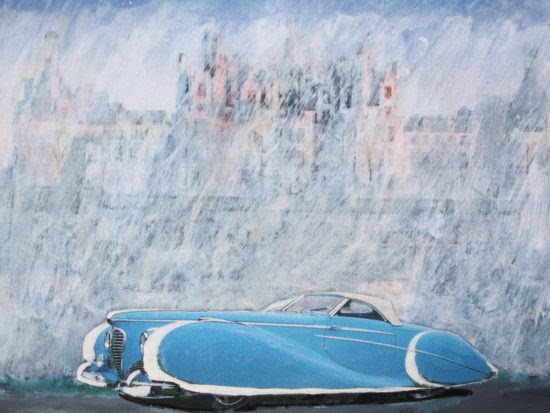
For collectors interested in owning one of Wallace Wyss’s automotive portraits, the process is refreshingly personal — much like the stories behind his work. As he explains in the transcript, he sells his pieces directly and keeps his prices intentionally accessible, noting that his goal is to share the emotion of the cars rather than treat the art as an exclusive luxury. Wyss often brings finished paintings or prints to events, where enthusiasts can see them up close, and he welcomes inquiries from anyone who connects with a particular piece. He emphasizes that each work is created with the same journalistic curiosity that shaped his writing career — capturing not just the car, but the atmosphere, the moment, and the story behind it. For those who want to bring that storytelling into their home or garage, Wyss makes it clear: just reach out to mendorart7@gmail.com, start the conversation, and he’ll help you find the right piece.
Bonus Content
There's more to this story!
Be sure to check out the behind the scenes for this episode, filled with extras, bloopers, and other great moments not found in the final version. Become a Break/Fix VIP today by joining our Patreon.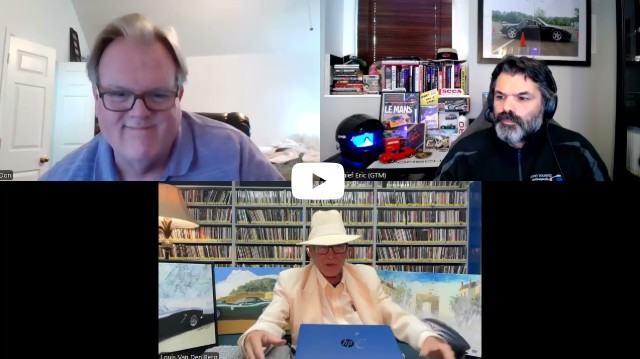
All of our BEHIND THE SCENES (BTS) Break/Fix episodes are raw and unedited, and expressly shared with the permission and consent of our guests.
Support our Creators!
 For as little as $2.50 cents a month, you can get access to more behind the scenes action, additional Pit Stop mini-sodes and other VIP goodies, as well as keeping our team of creators fed on their strict diet of Fig Newton's, Gummy Bears, and Monster. Consider signing up for Patreon today. And remember, without *YOU*, none of this would be possible!
Wyss originally entered college as an art major and part‑time poet. But one day in the library, he opened a British sports‑car magazine and saw a three‑page spread of a Bizzarrini. The image hit him like lightning. “I forgot everything about poetry,” he recalls. “I came out of that library saying, I’ve got to get involved with cars.”
Soon after, he switched his major to advertising and began writing copy for major automotive accounts. That path eventually led him to MotorTrend — twice — where he worked in the heart of Hollywood’s car‑obsessed culture.
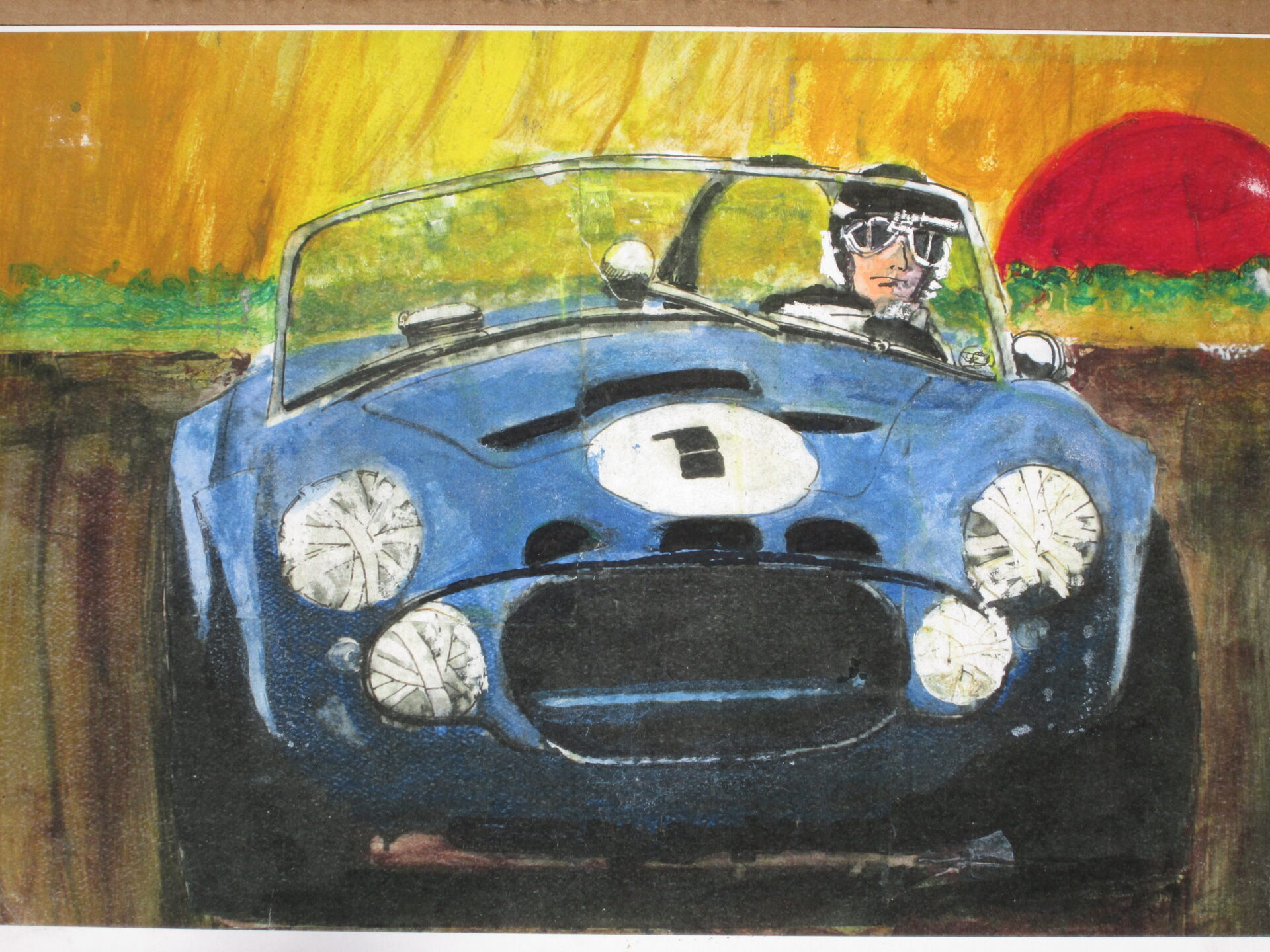
One of Wyss’s most pivotal moments came not in an office, but on a Detroit street. After losing a job, he heard the roar of a 427 Competition Cobra sliding around a corner — driven by a woman.
She asked for directions to Cobo Hall. Wyss offered to show her the way… if she gave him a ride.
Minutes later, he stepped out of the Cobra and straight into the path of Carroll Shelby himself.
That chance encounter led to Wyss’s first major book: Shelby’s Wildlife, which went on to sell more than 50,000 copies and launched his career as an automotive author. Over the years, he would write 18 books, including three on Shelby.
The Barn‑Find Hunter
Wyss became known for uncovering the stories behind forgotten, neglected, and rebodied classics — the kinds of cars that sat hidden for decades before being rediscovered.
His Incredible Barn Finds series captured tales of million‑dollar Ferraris disguised under Porsche bodies, concept cars donated to museums, and rare machines that collectors overlooked simply because they didn’t recognize them.
His favorite? A Bizzarrini — the car that first converted him from poet to automotive writer — that he once ignored because he didn’t like the paint color. Decades later, he still wonders where it ended up.
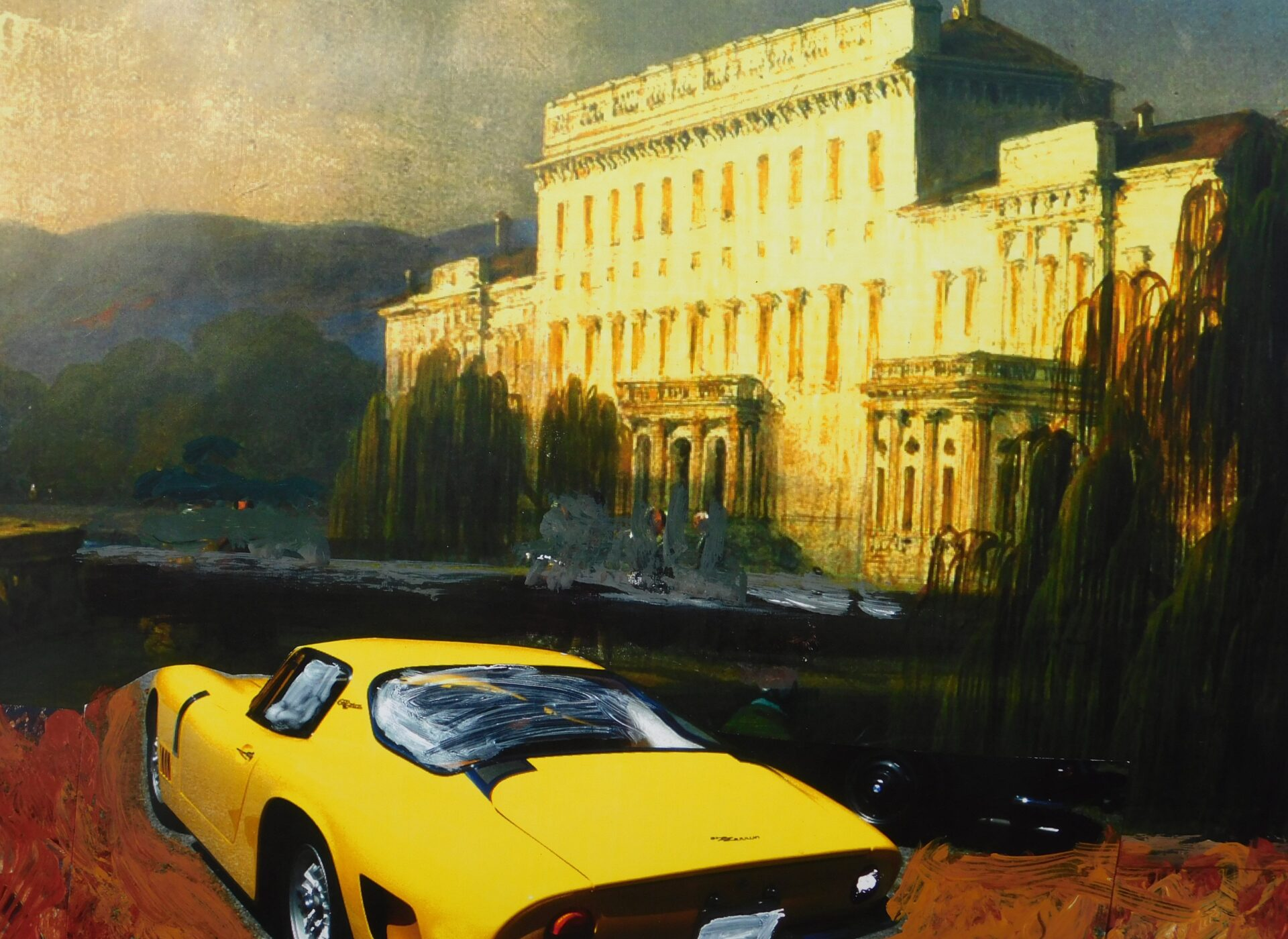
Wyss has spent decades analyzing automotive design, often comparing modern concepts to the icons of the past. His top five most beautiful cars? Not the usual E‑Types or 250 Ferraris. Instead, he names:
- Alfa Romeo 33 Stradale
- Aston Martin DB4 GT Zagato
- Rolls‑Royce Silver Cloud III Drophead
- Monteverdi Palm Beach
- 427 Cobra with wide bodywork
His taste leans toward the dramatic — the “louche,” as he puts it — cars with seductive curves and a hint of danger.
Accidentally Becoming an Artist
Wyss’s second career began almost by accident. After completing his third Shelby book, he brought a portrait of Carroll Shelby to an event on Rodeo Drive. He planned to leave it in the car and simply show photos.
The first person who bought a book asked to see the painting — and bought that too.
Walking back to his car, Wyss had a revelation: I think I’ll be an artist.
Today, he creates atmospheric, near‑photorealistic paintings of exotic and classic cars, often set against evocative backdrops like Paris cafés, Malibu beaches, or Villa d’Este. His work blends nostalgia, storytelling, and a deep understanding of automotive form.
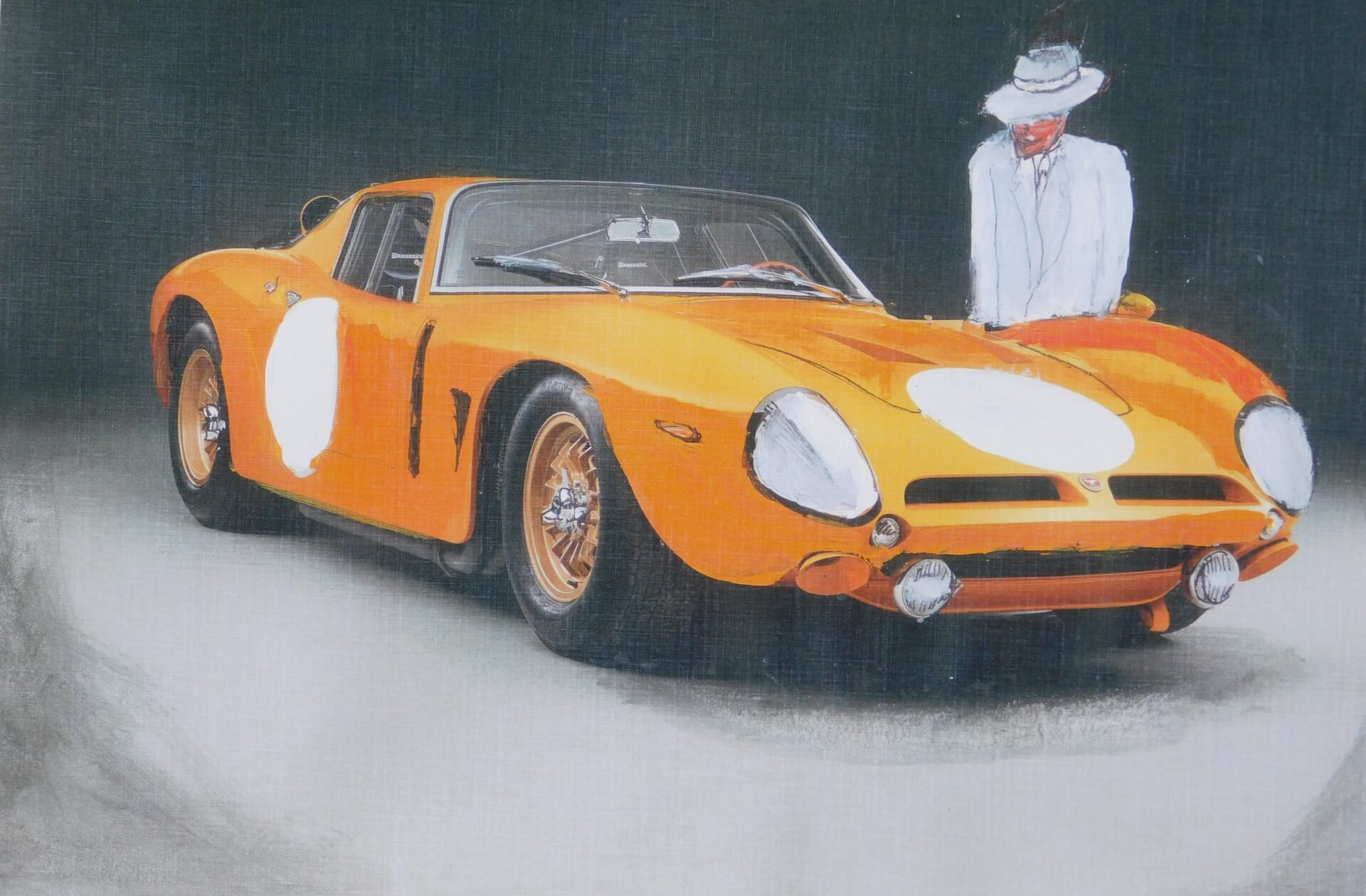
If you’ve ever seen Wyss at a concours or art show, you’ve likely noticed his signature all‑white attire. The inspiration came from writer Tom Wolfe, whom Wyss met early in his career. Wearing white has led to some unexpected moments — including accidentally being ushered into a Pebble Beach mansion and introduced to Governor Schwarzenegger because the hosts assumed he must be a celebrity.
Whether interviewing legends, chasing barn finds, or capturing the soul of a Ferrari on canvas, Wyss approaches everything with the same curiosity that first pulled him into the automotive world. He still hosts a weekly radio show, still paints, still writes, and still finds himself in the right place at the right time — like the morning he stumbled into a private gathering of 20 Ferrari SP hypercars at Laguna Seca.
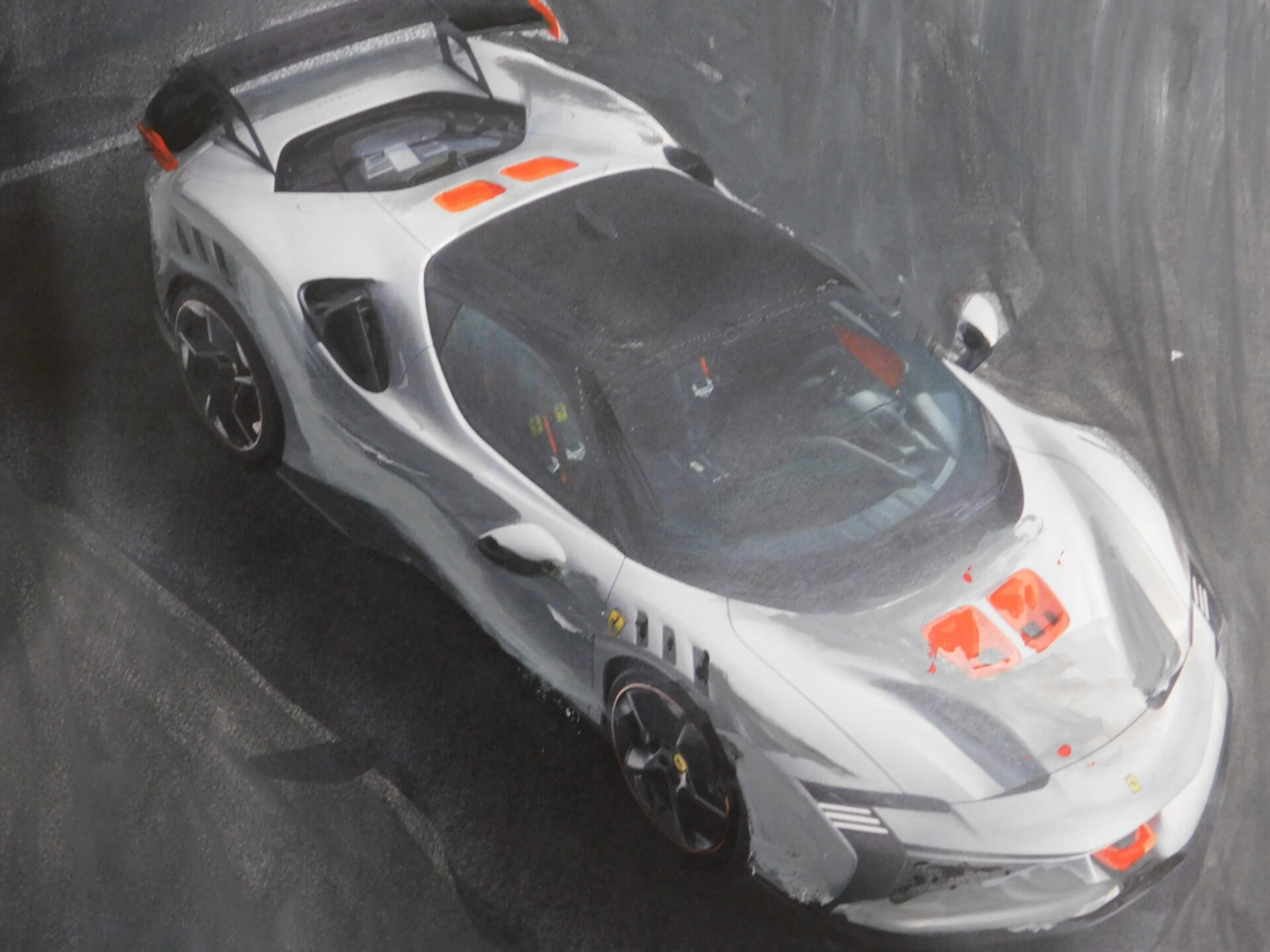
Wyss’s story is a reminder that reinvention isn’t a departure from who we are — it’s an evolution. His life shows that passion doesn’t fade; it simply finds new forms.
From MotorTrend journalist to barn‑find detective to fine artist, Wallace Wyss has spent decades capturing the machines we love and the people who shape them. And as he continues creating from his home in San Bernardino, his journey remains a testament to the power of curiosity, creativity, and the roads we choose to follow.
Guest Co-Host: Don Weberg
In case you missed it... be sure to check out the Break/Fix episode with our co-host.Other episodes you might enjoy
All your favorite episodes starring Don Weberg from Garage Style Magazine! ... Because after all, what doesn't belong in your garage?Remember to subscribe to Break/Fix using your favorite Podcast App.
This content has been brought to you in-part by sponsorship through...




















Mr. Wyss is a stand-up guy and talented no doubt. He sold me a few of his signed Shelby Daytona works which I proudly display in my barn near my replica (there were only 6 originals after all ;). He also made me a cloth Daytona photo of one of his works to sew on my Shelby jacket — something he likes to do on his own leather jackets — and what a cool addition. I have all three of his Shelby books and wish him continued success in this ‘Artist’ season of his well-lived life. He is a treasure in my humble opinion. Keep up the great work, Don. I need to pick up some back issue from you ;). And get you out to my ‘Daytona Barn’ in Marble Falls, TX.